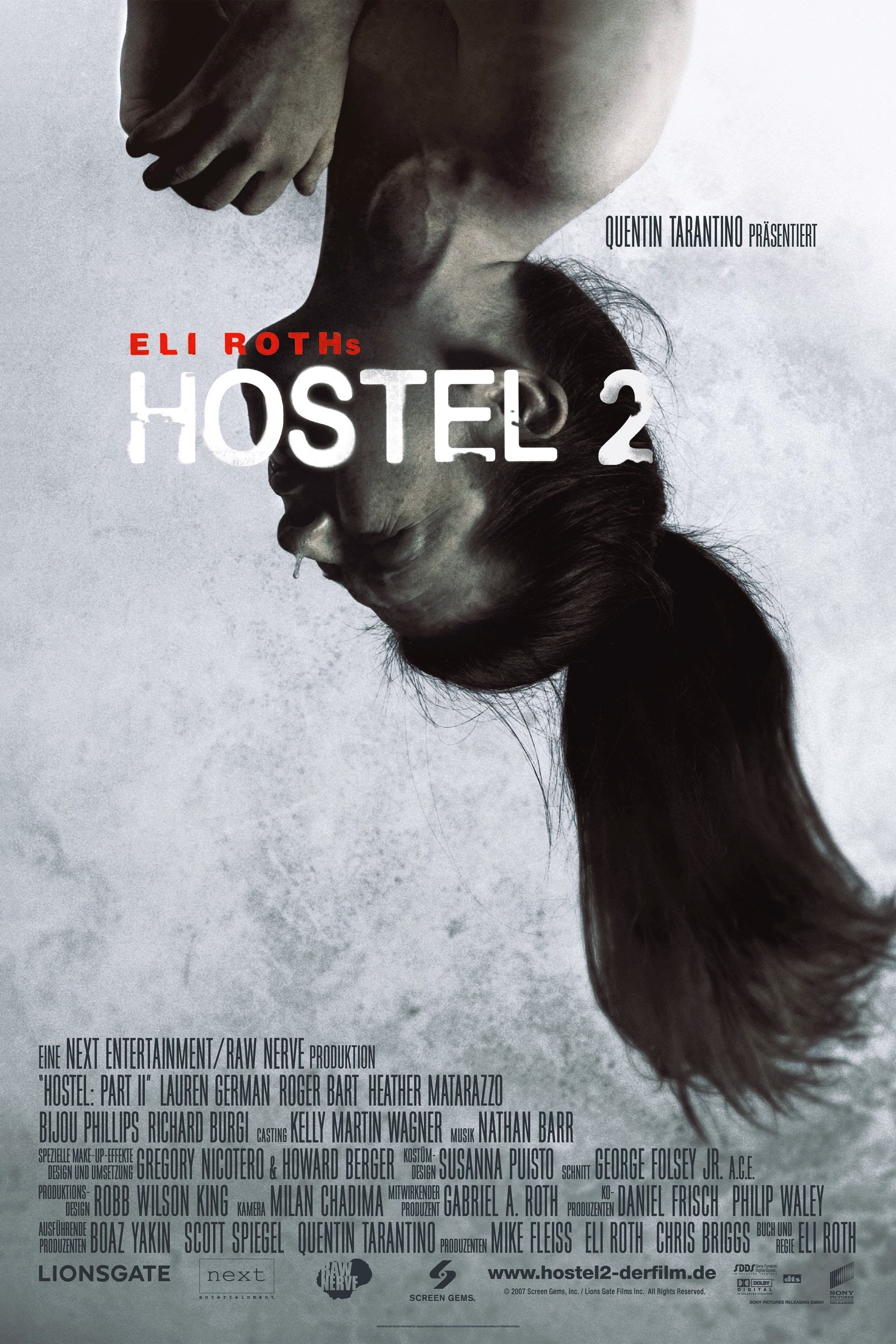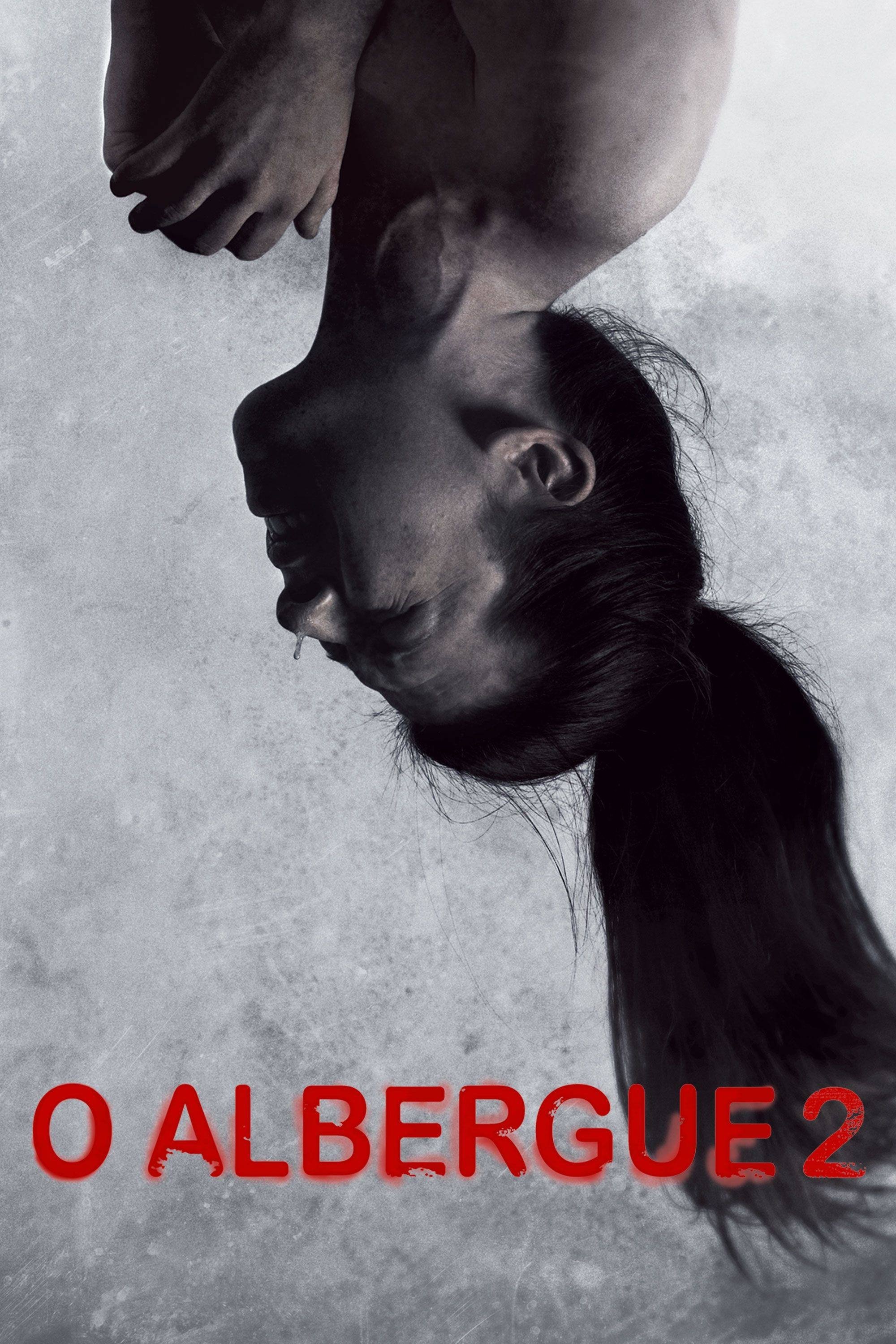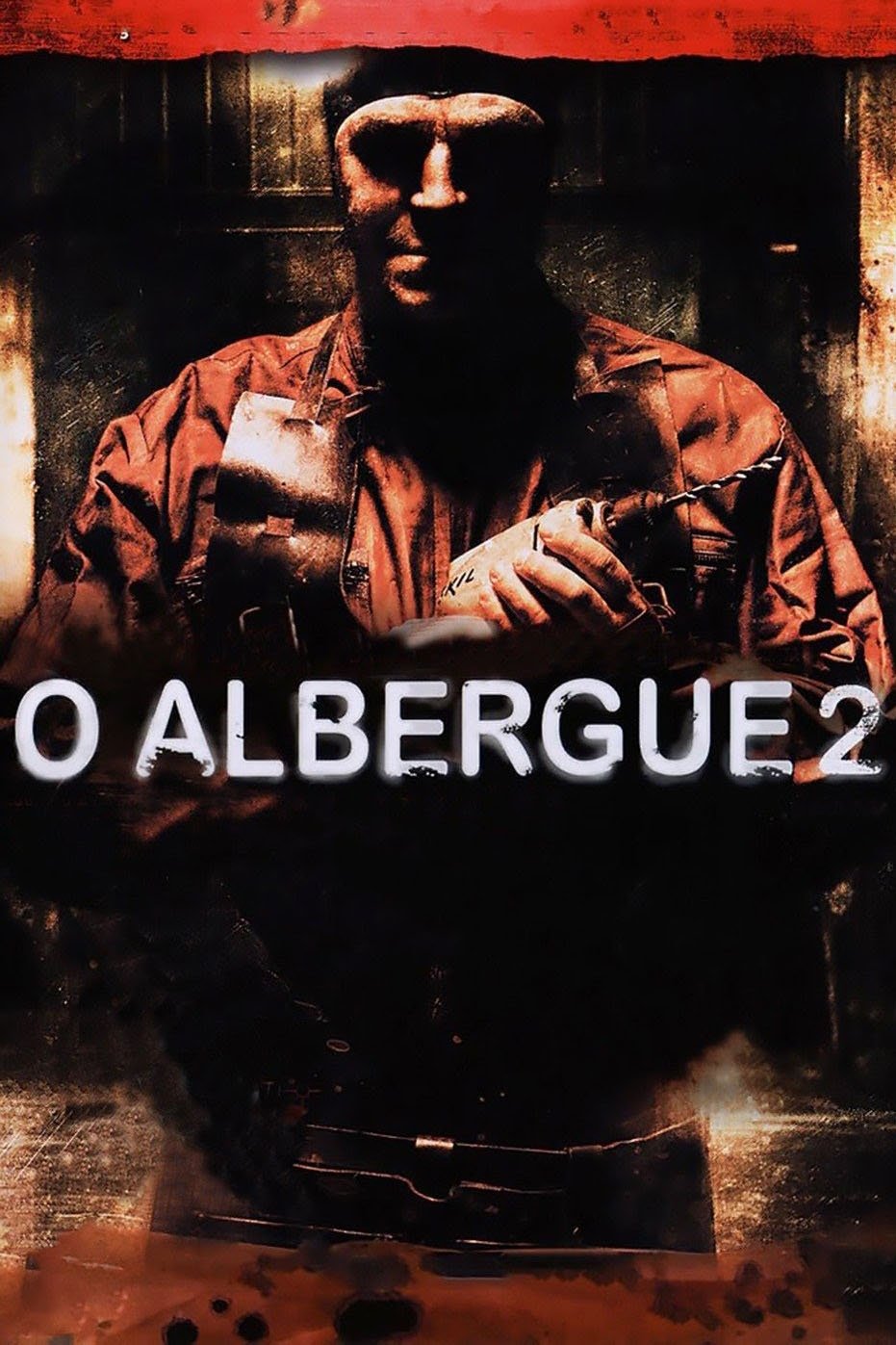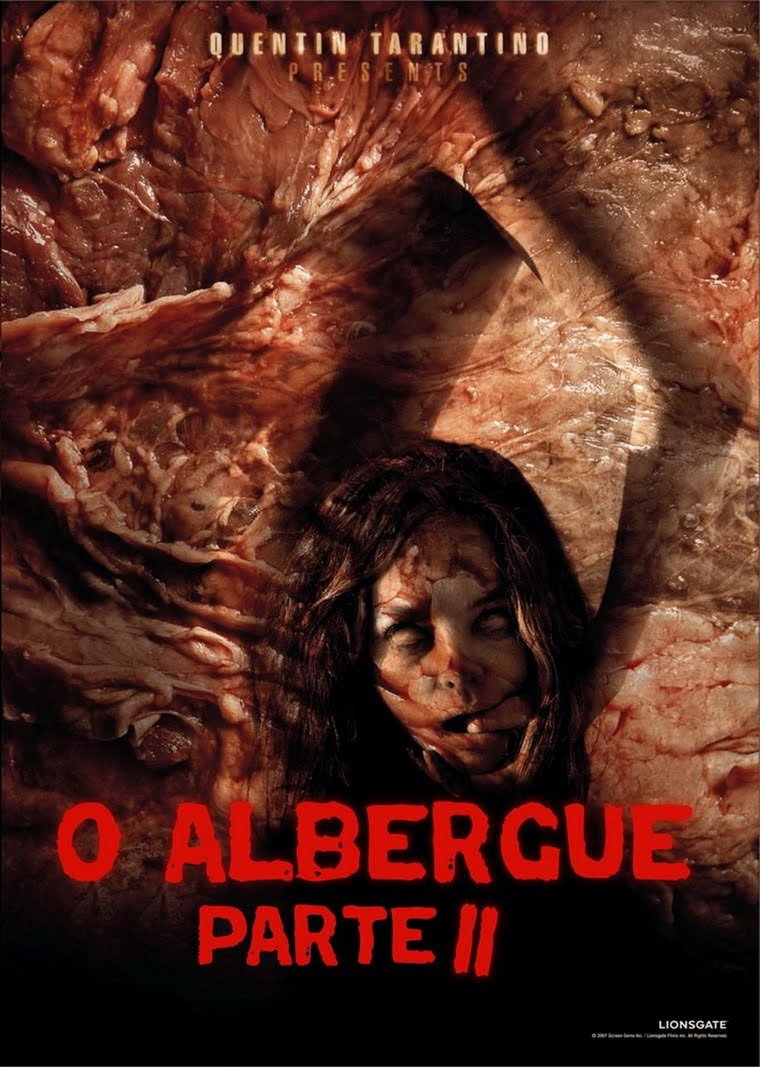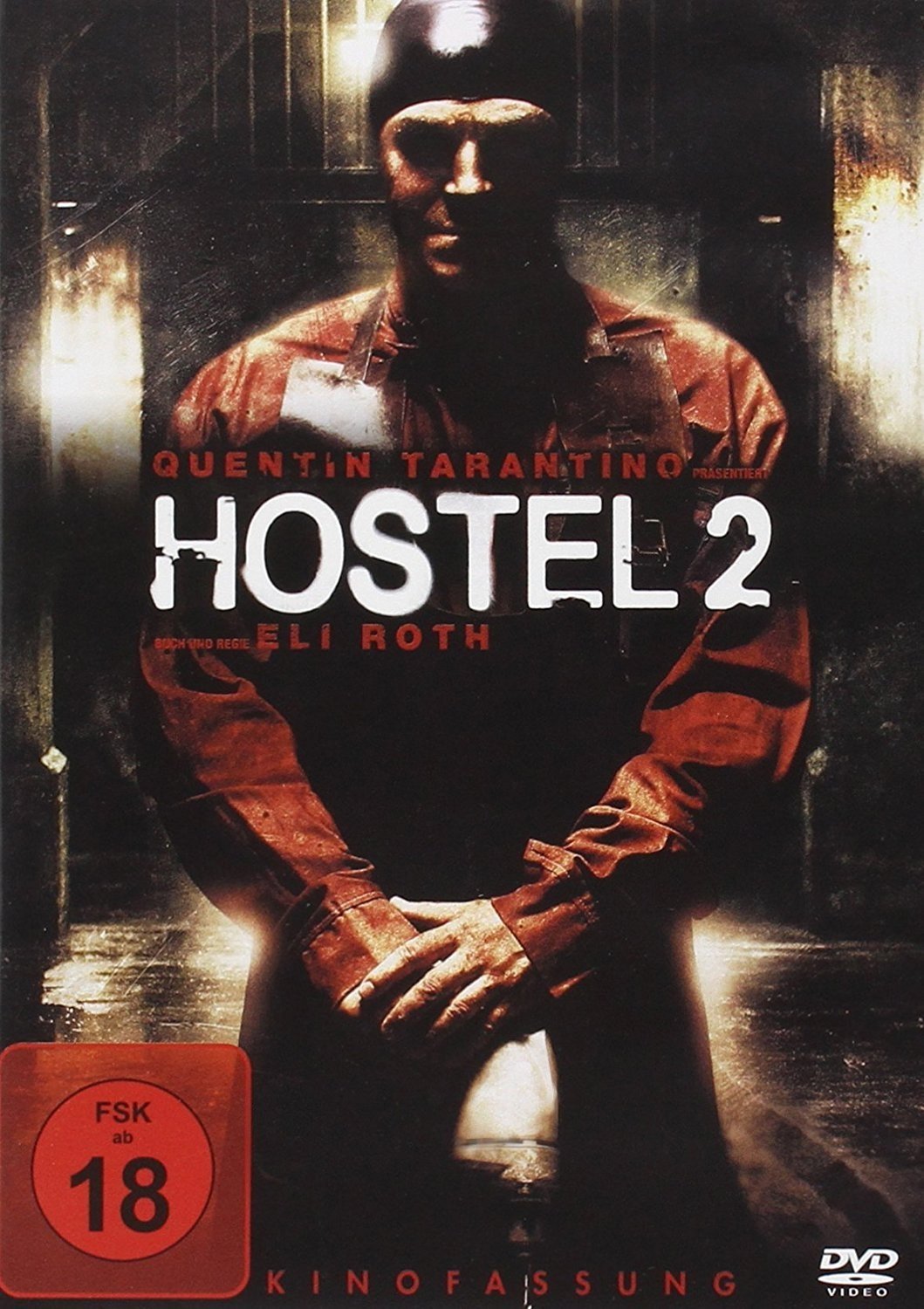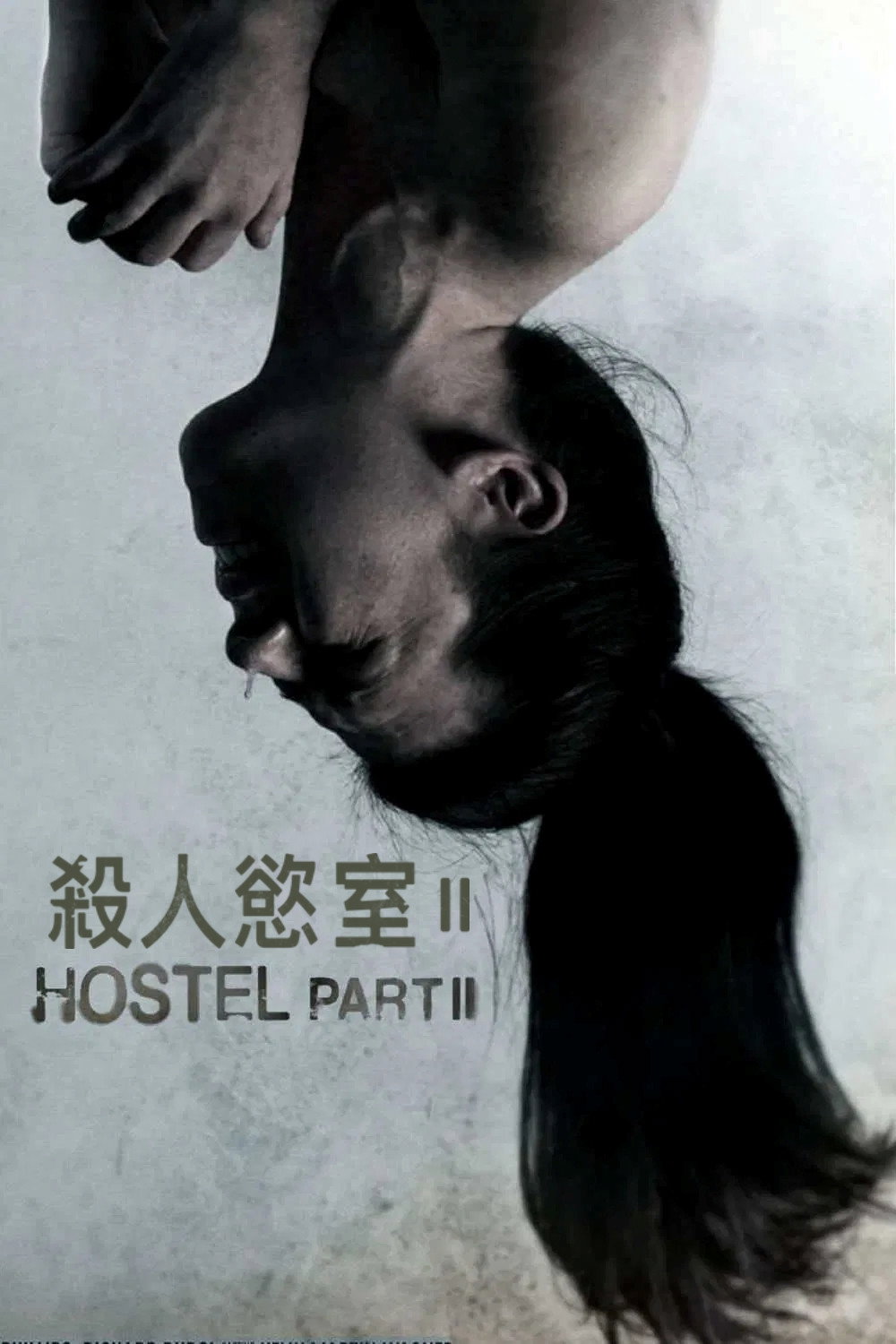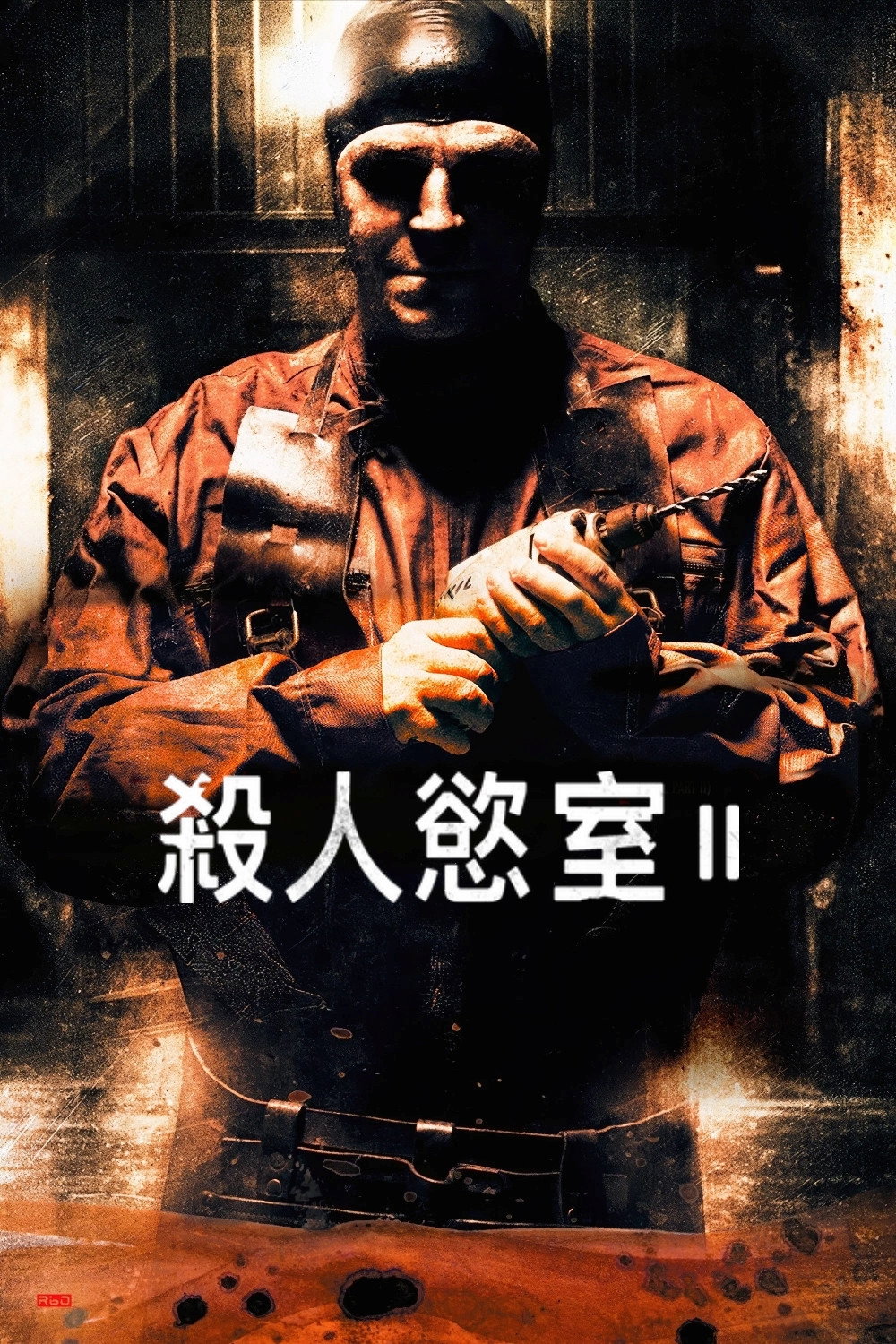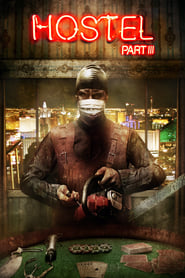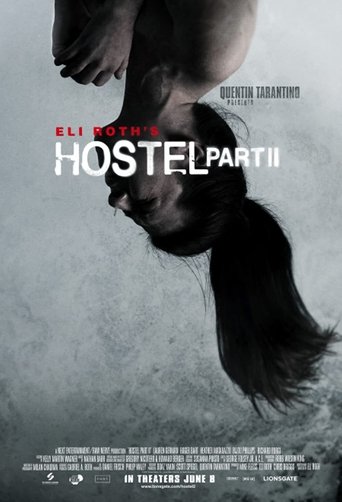
Hostel: Part II (2007)

US
6.8/10 4 votes
Runtime
93 min
Release
June 8, 2007
Budget
$10,200,000
Revenue
$35,728,183
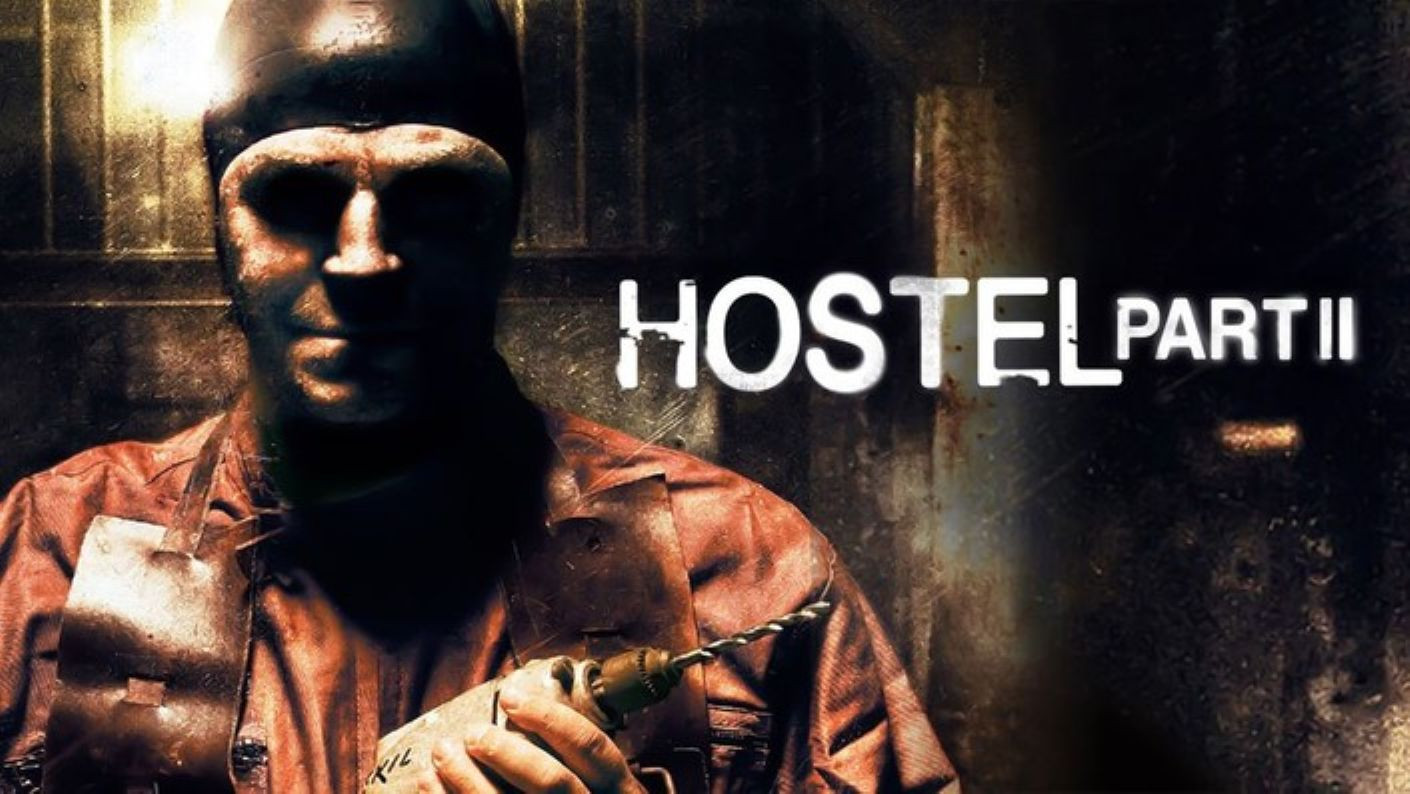
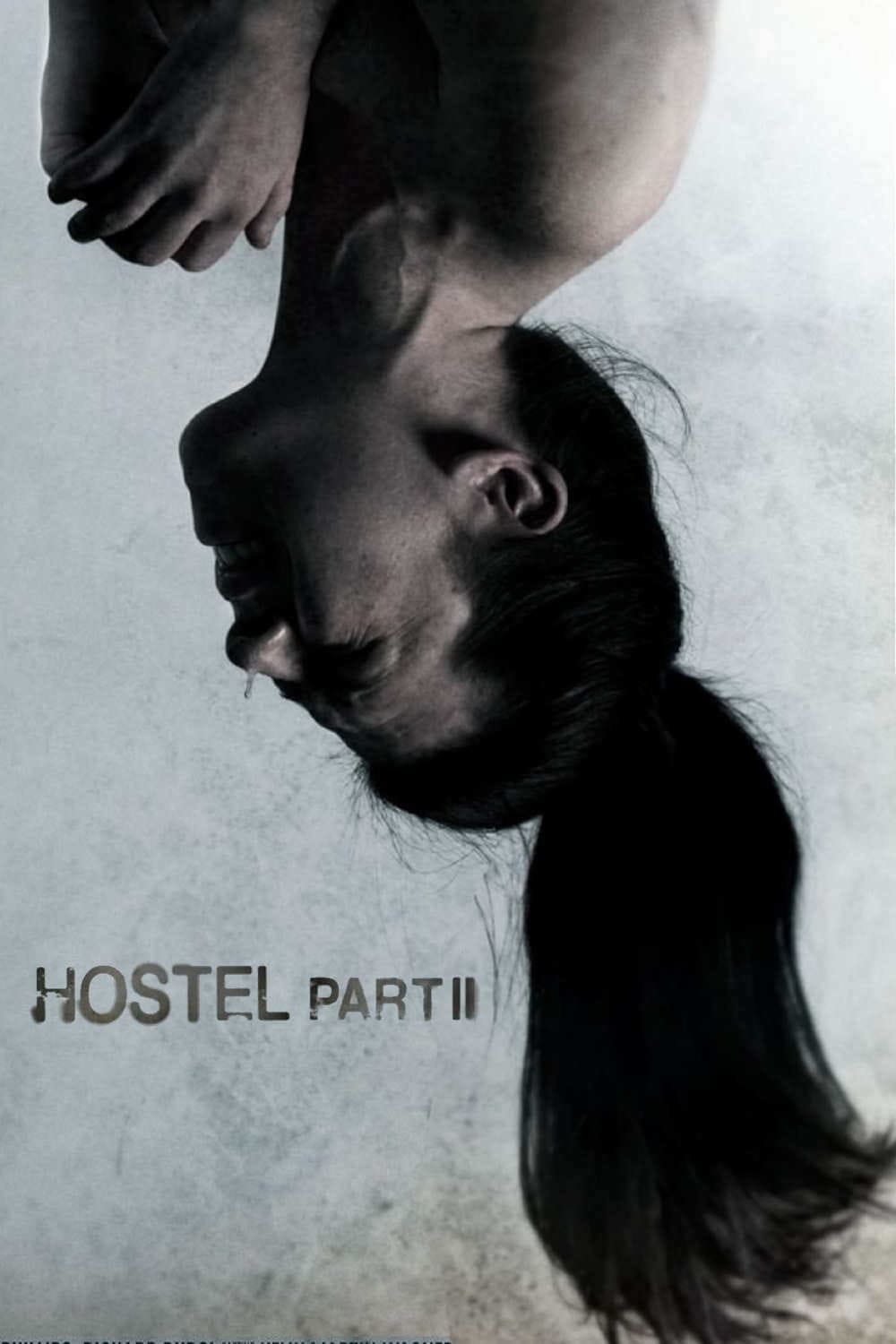
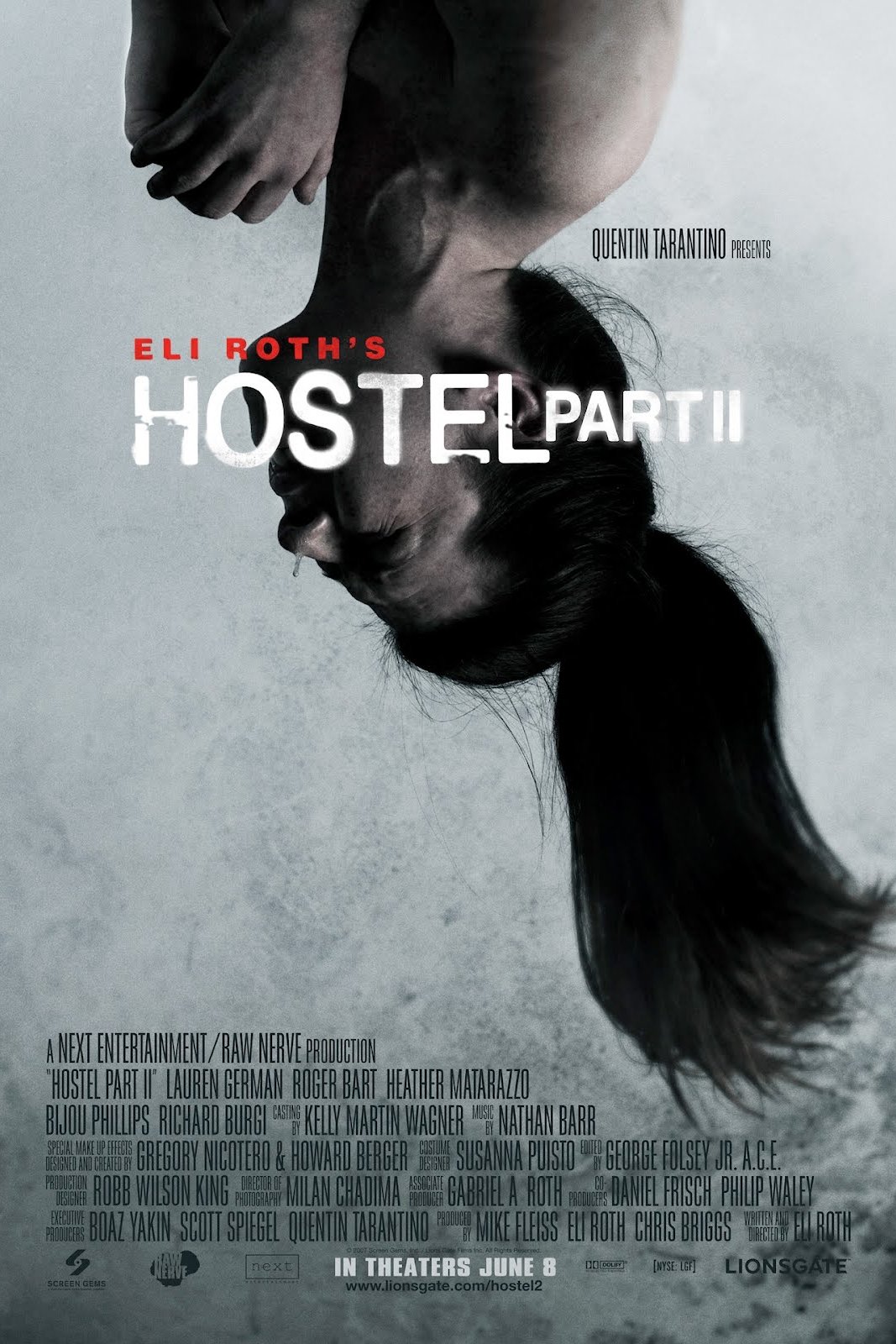
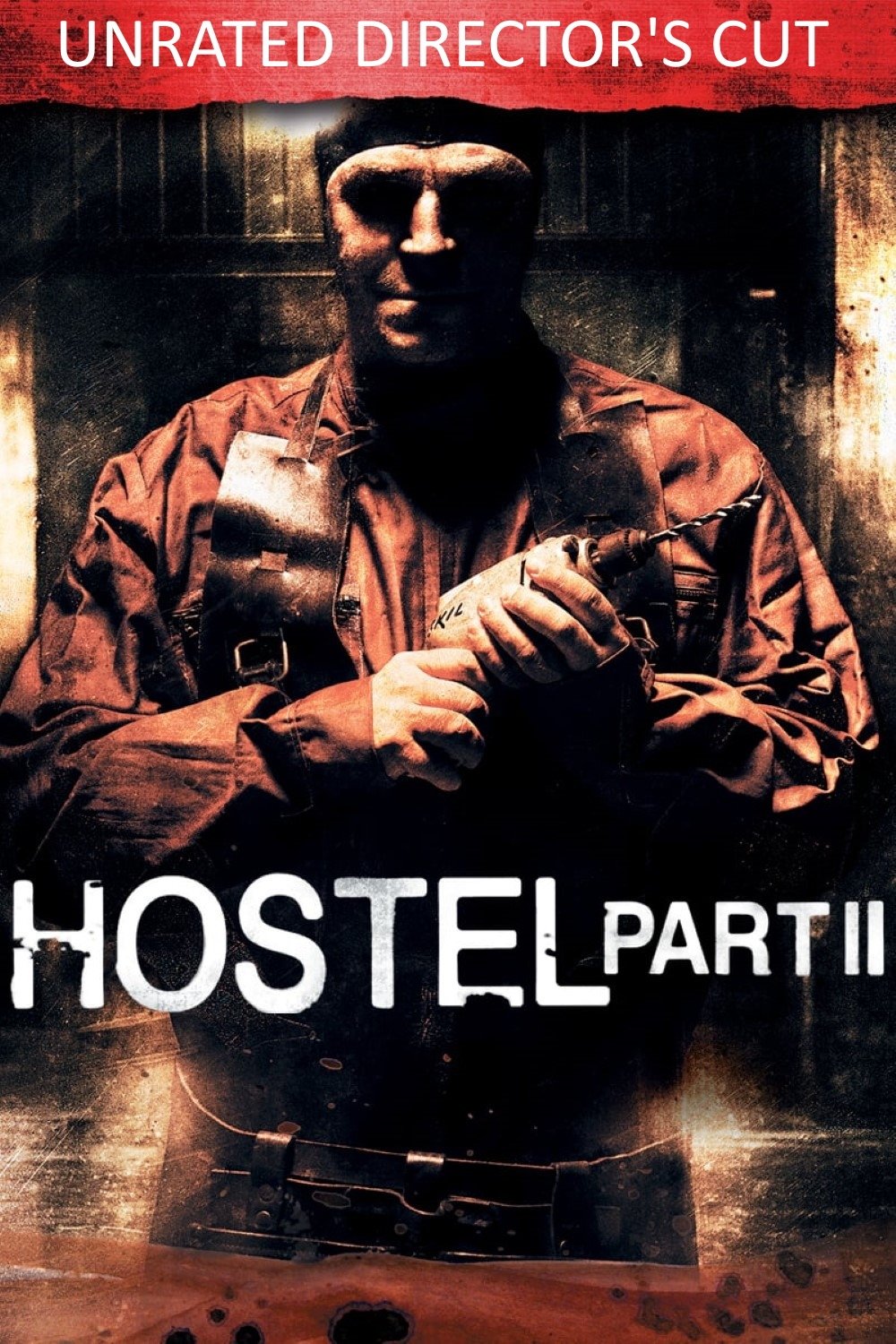
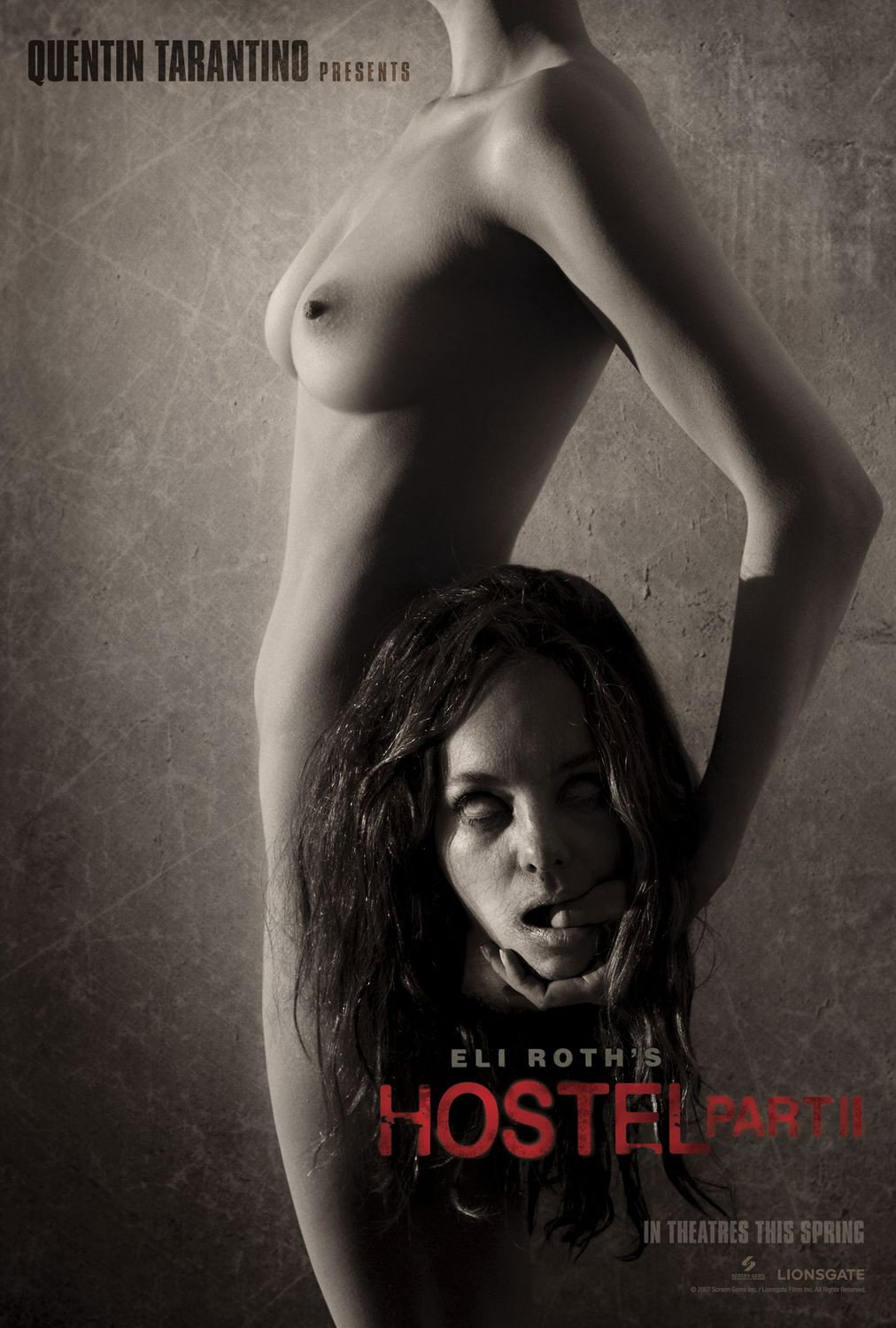
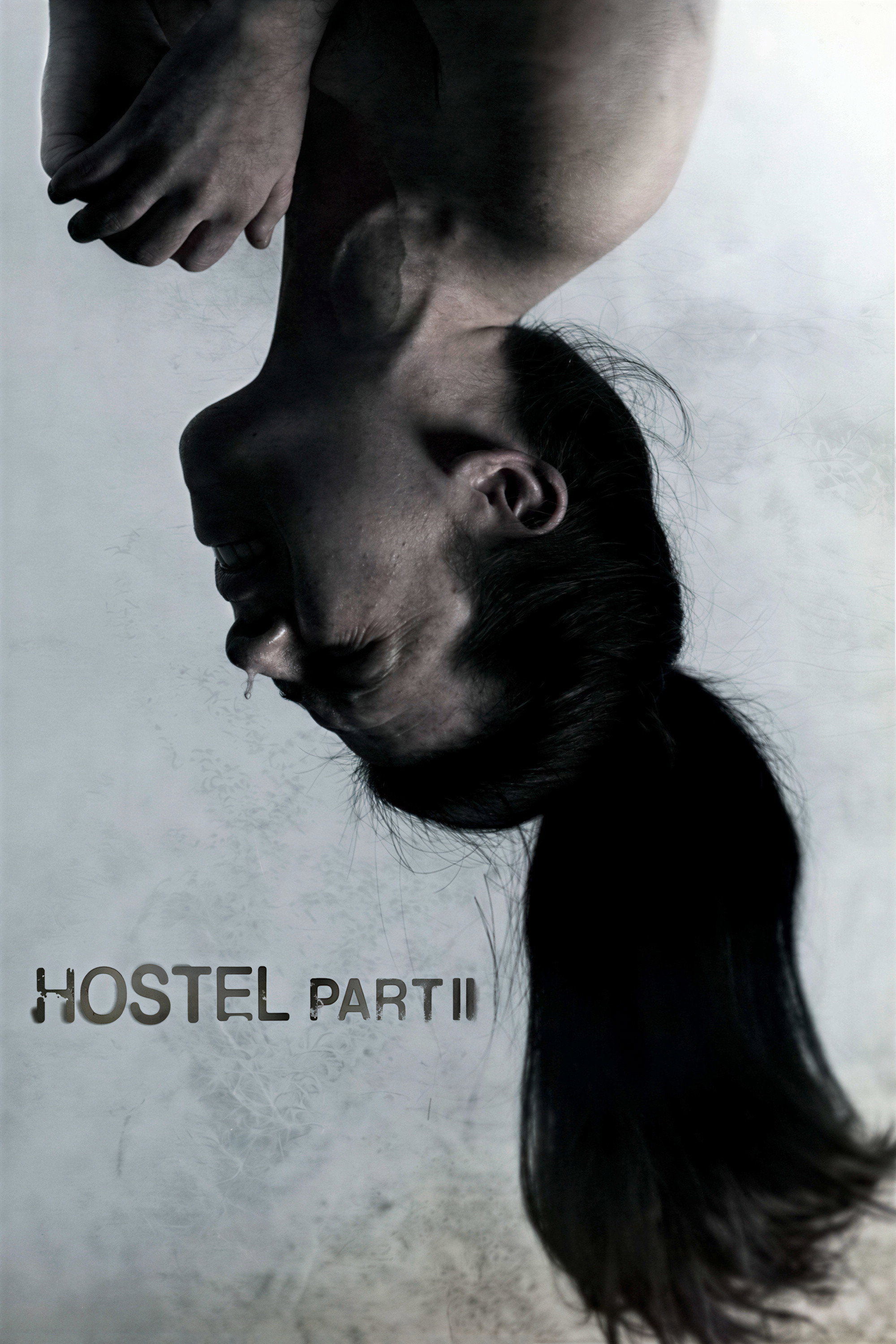
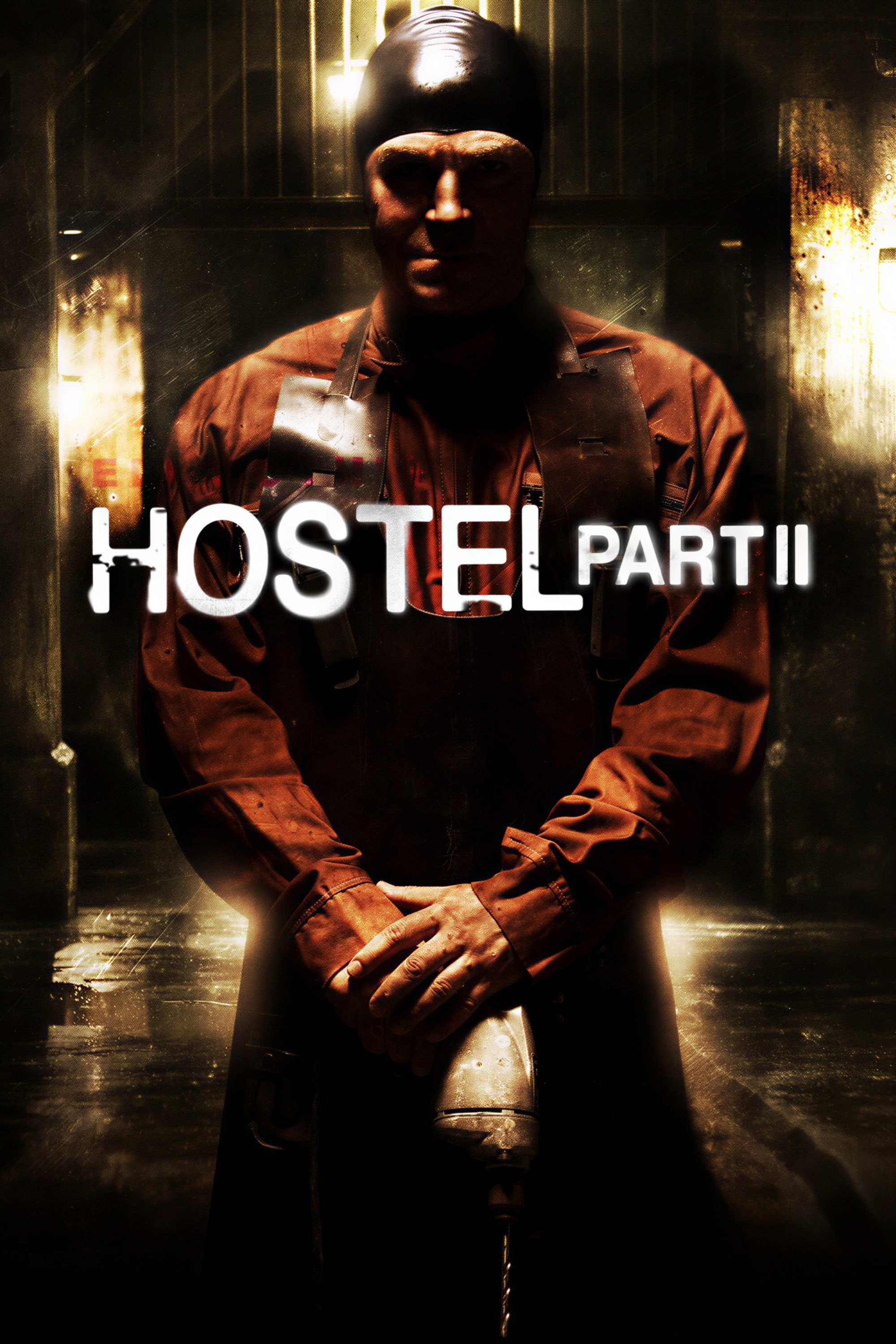
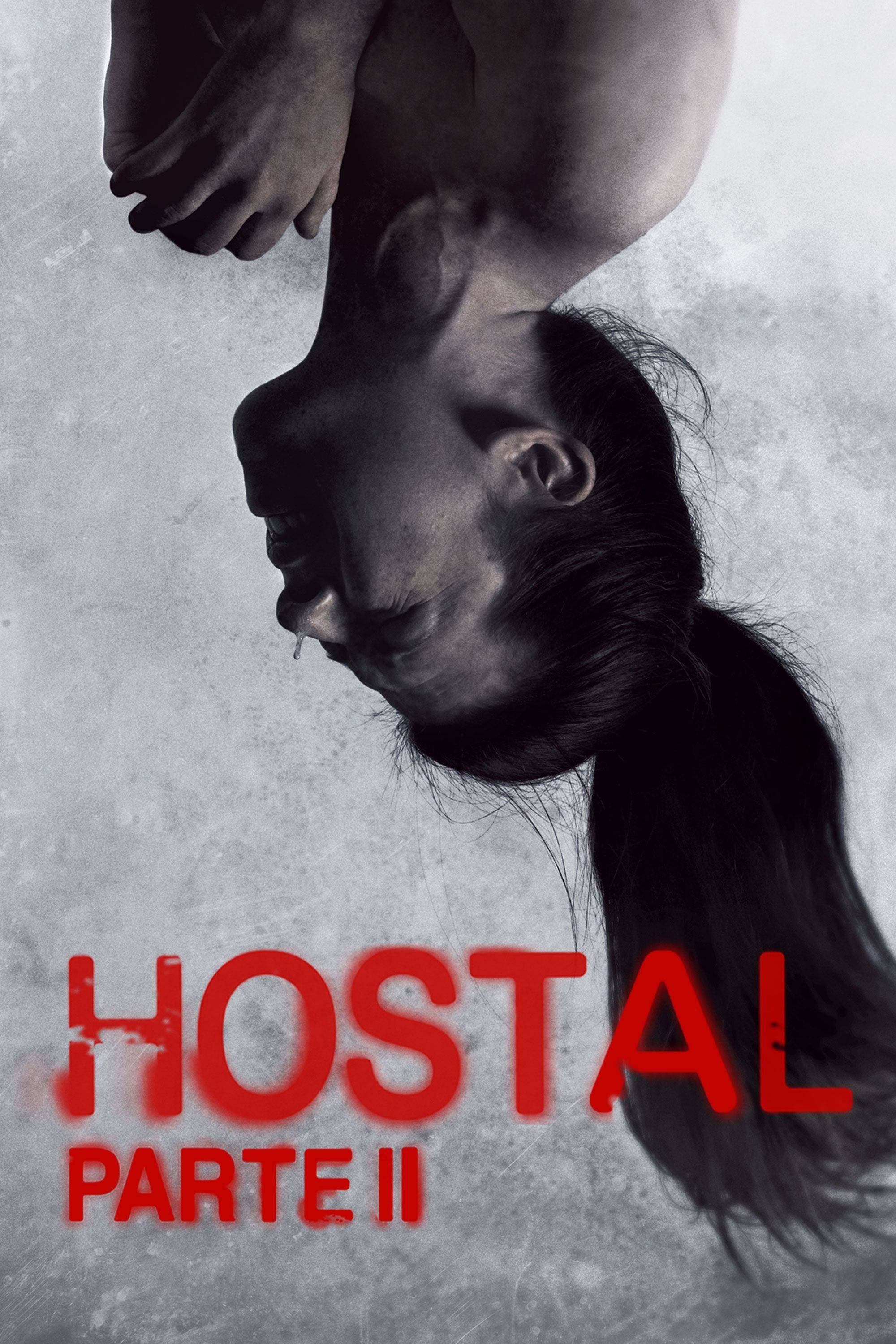
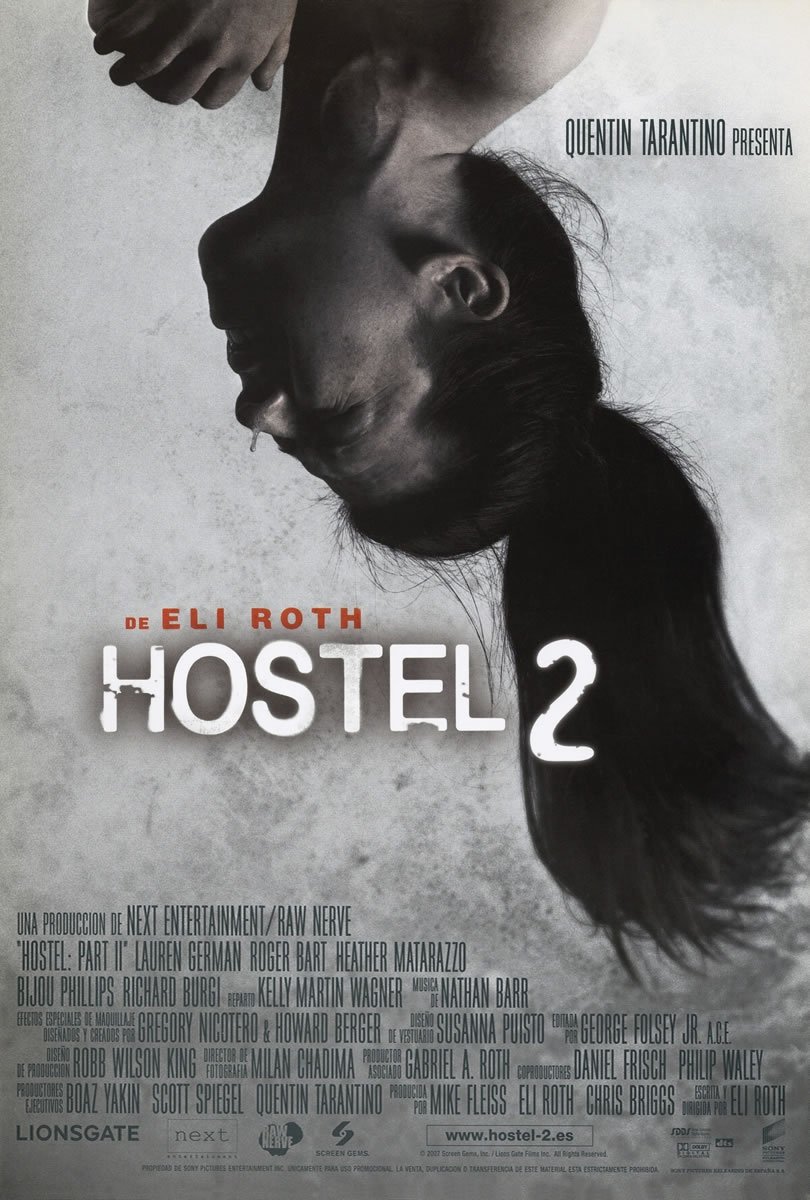
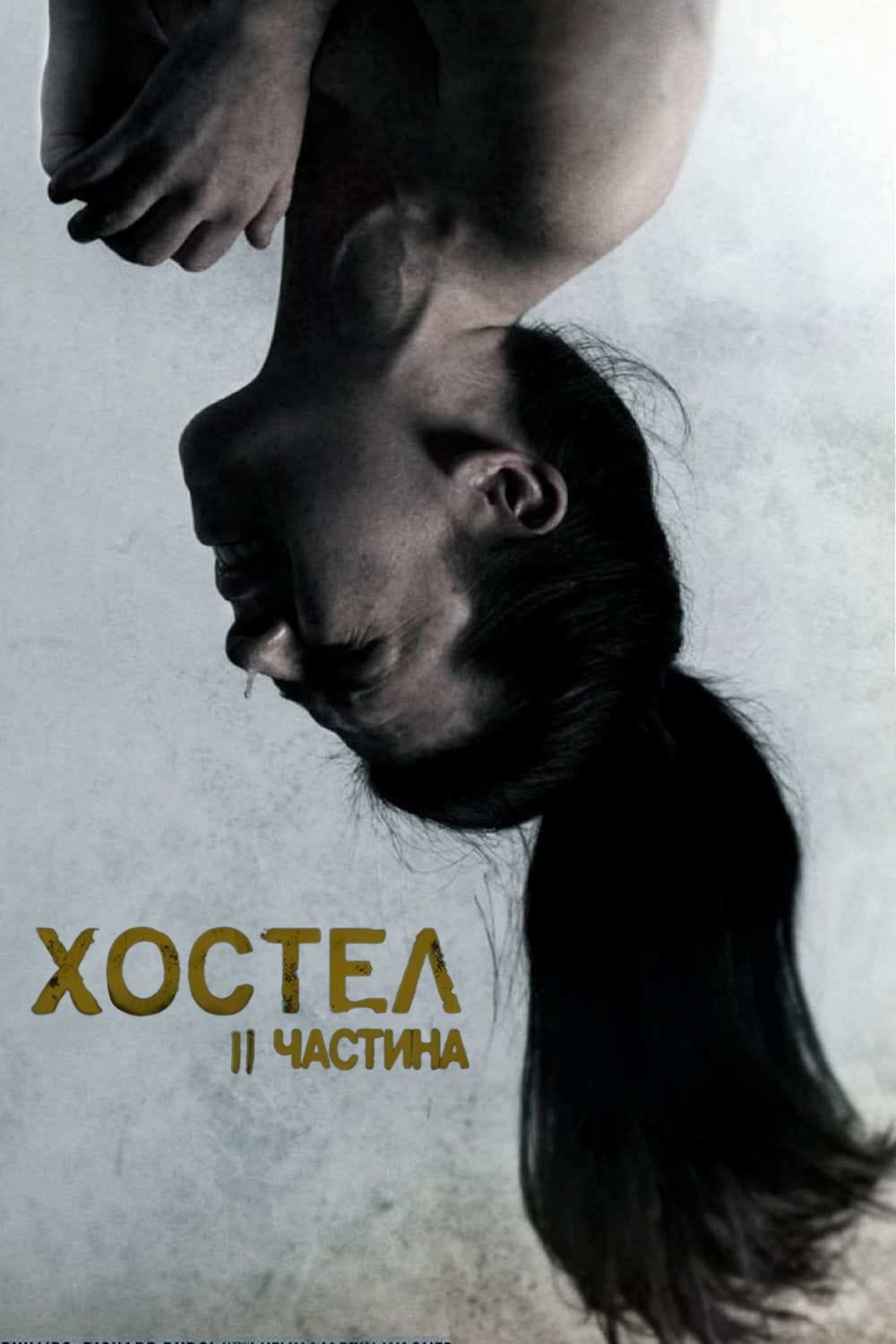
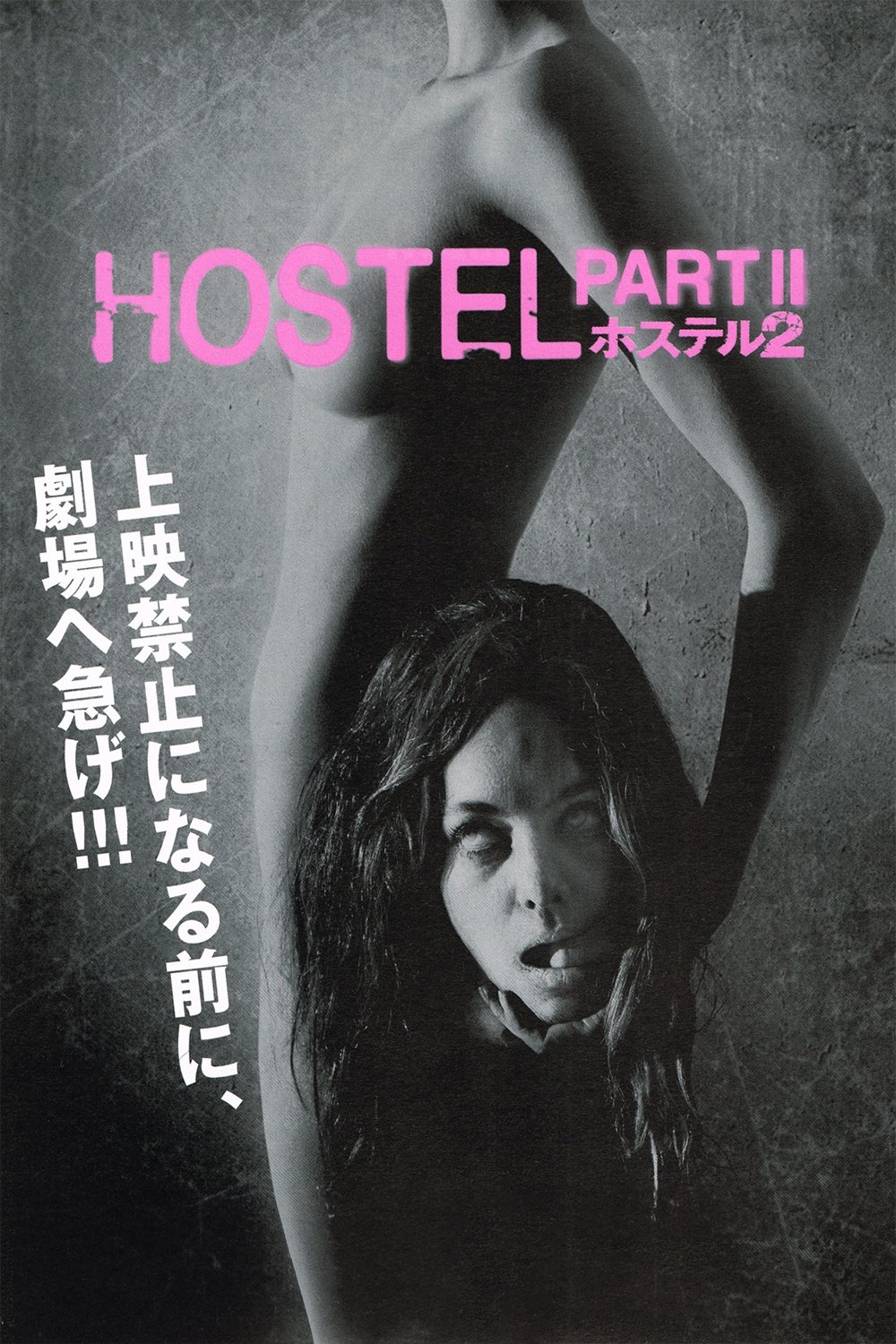
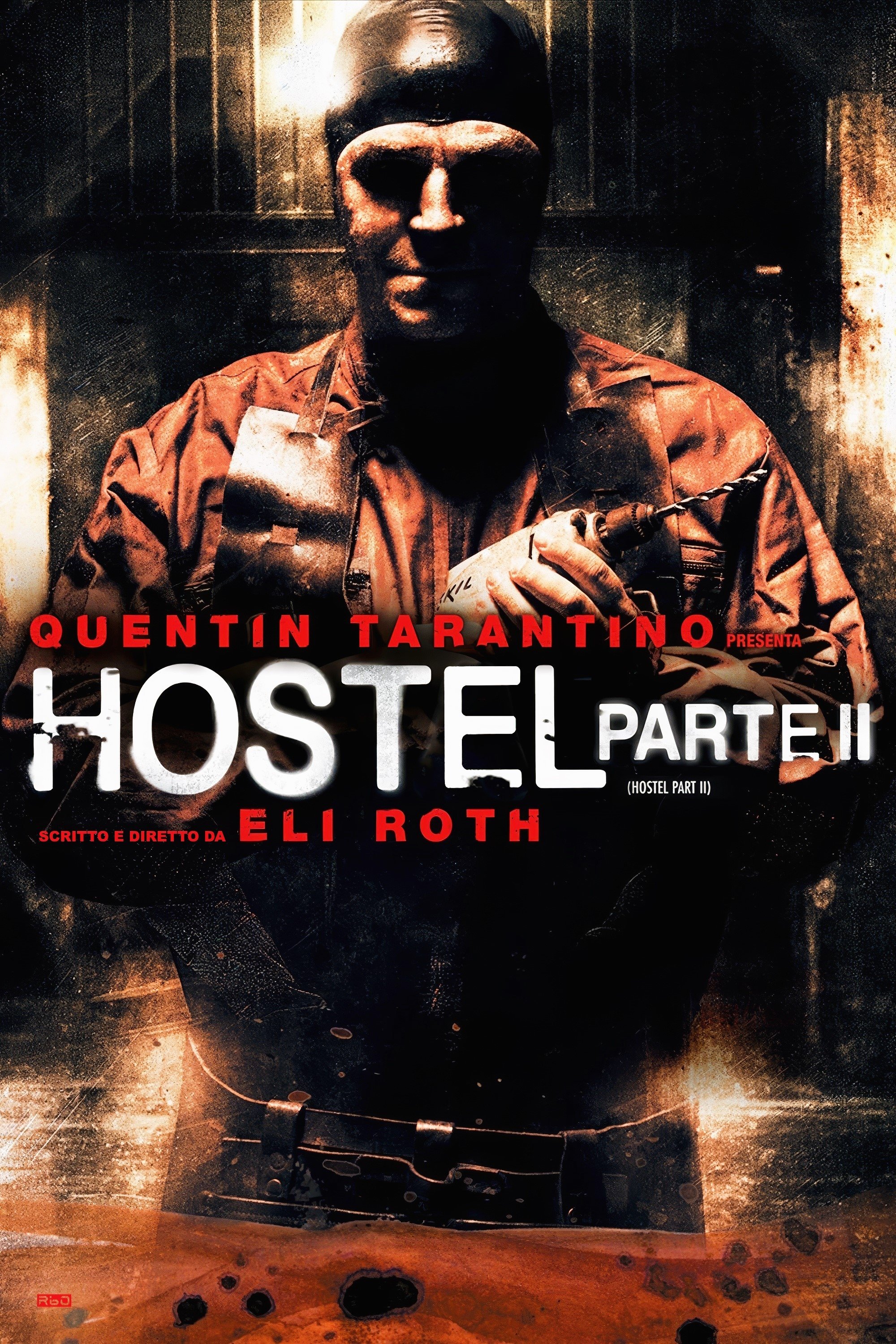
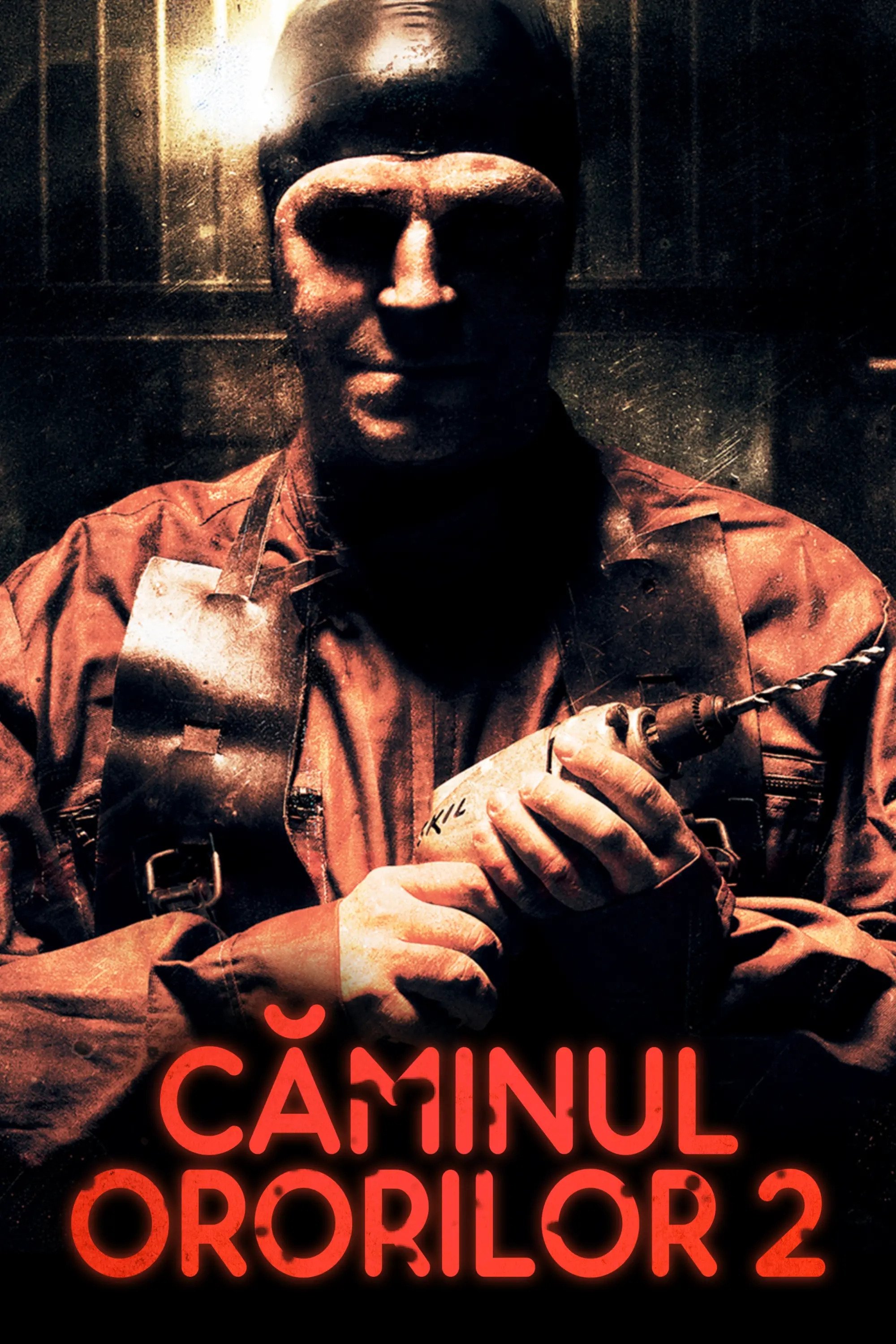
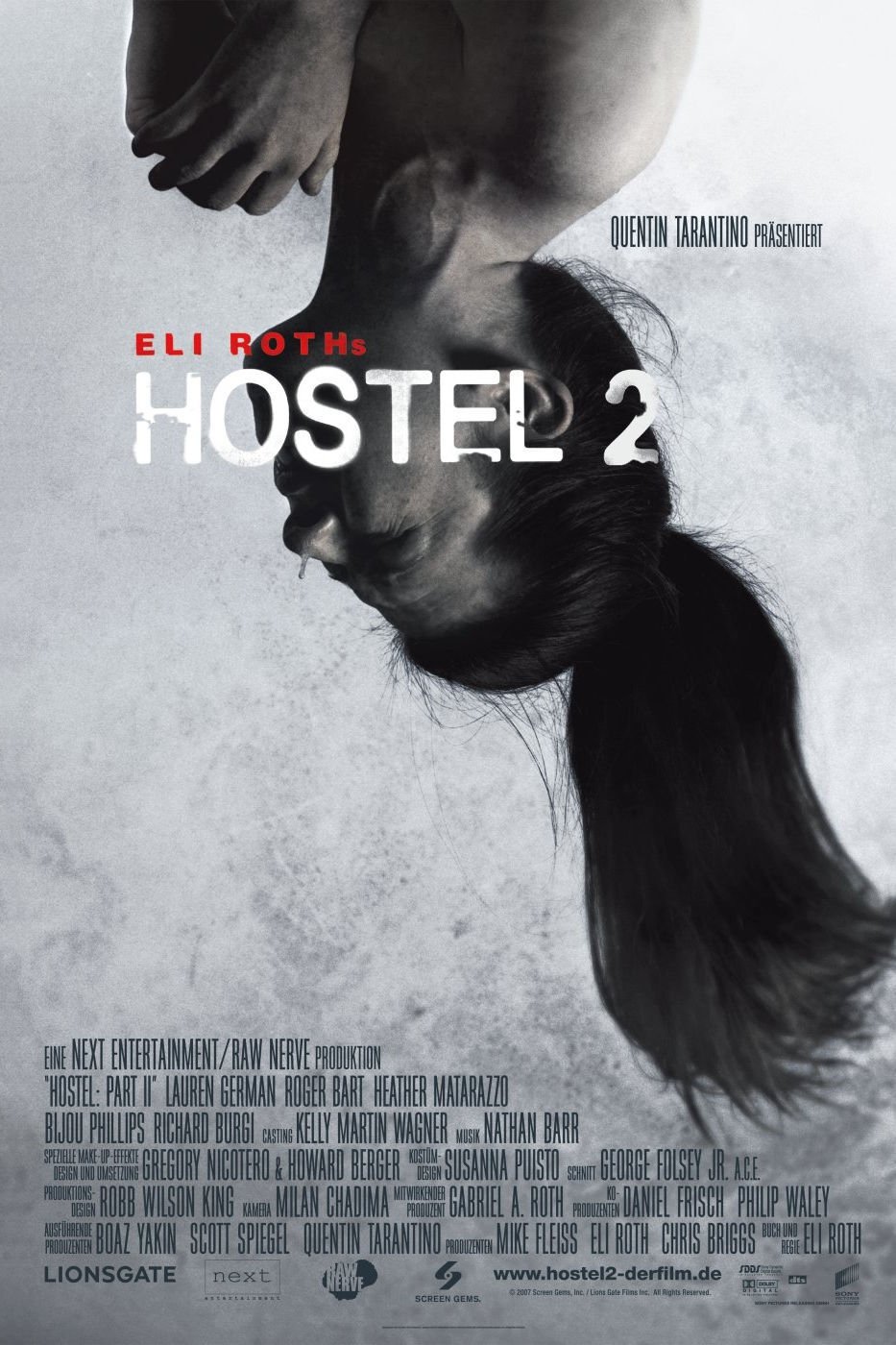
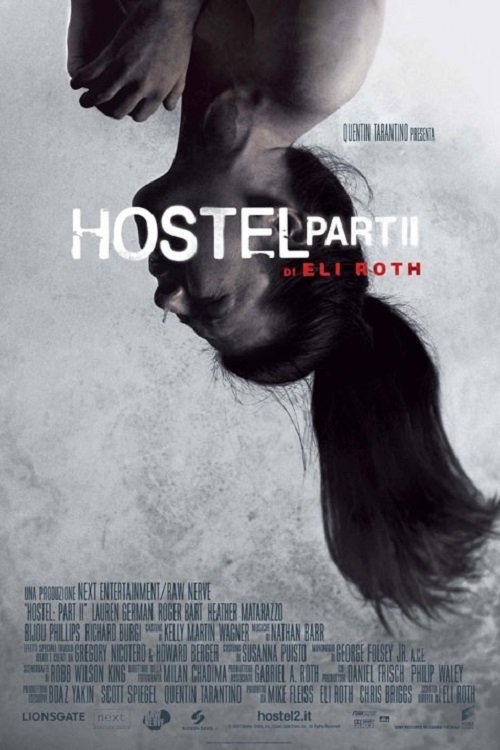
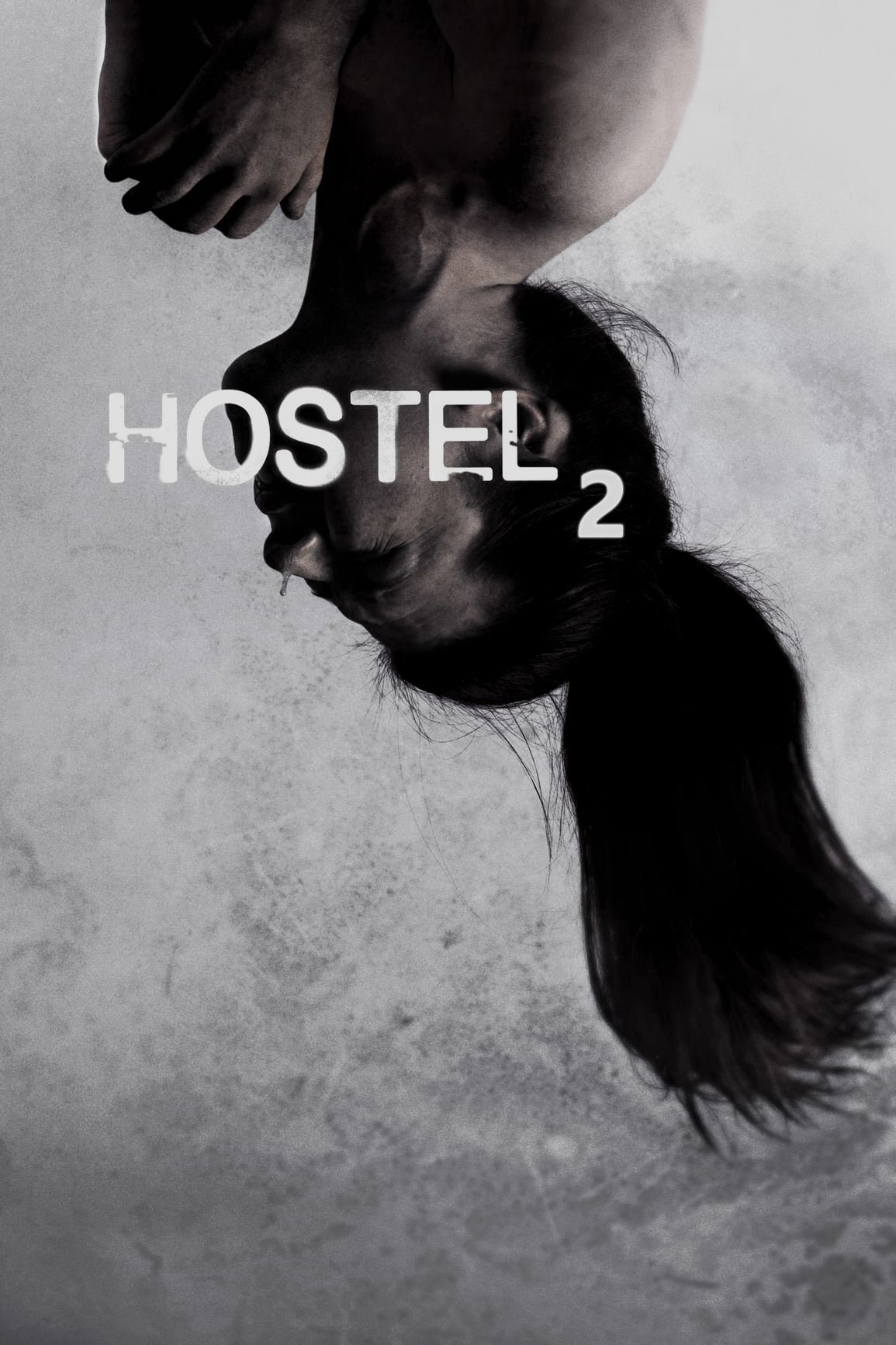
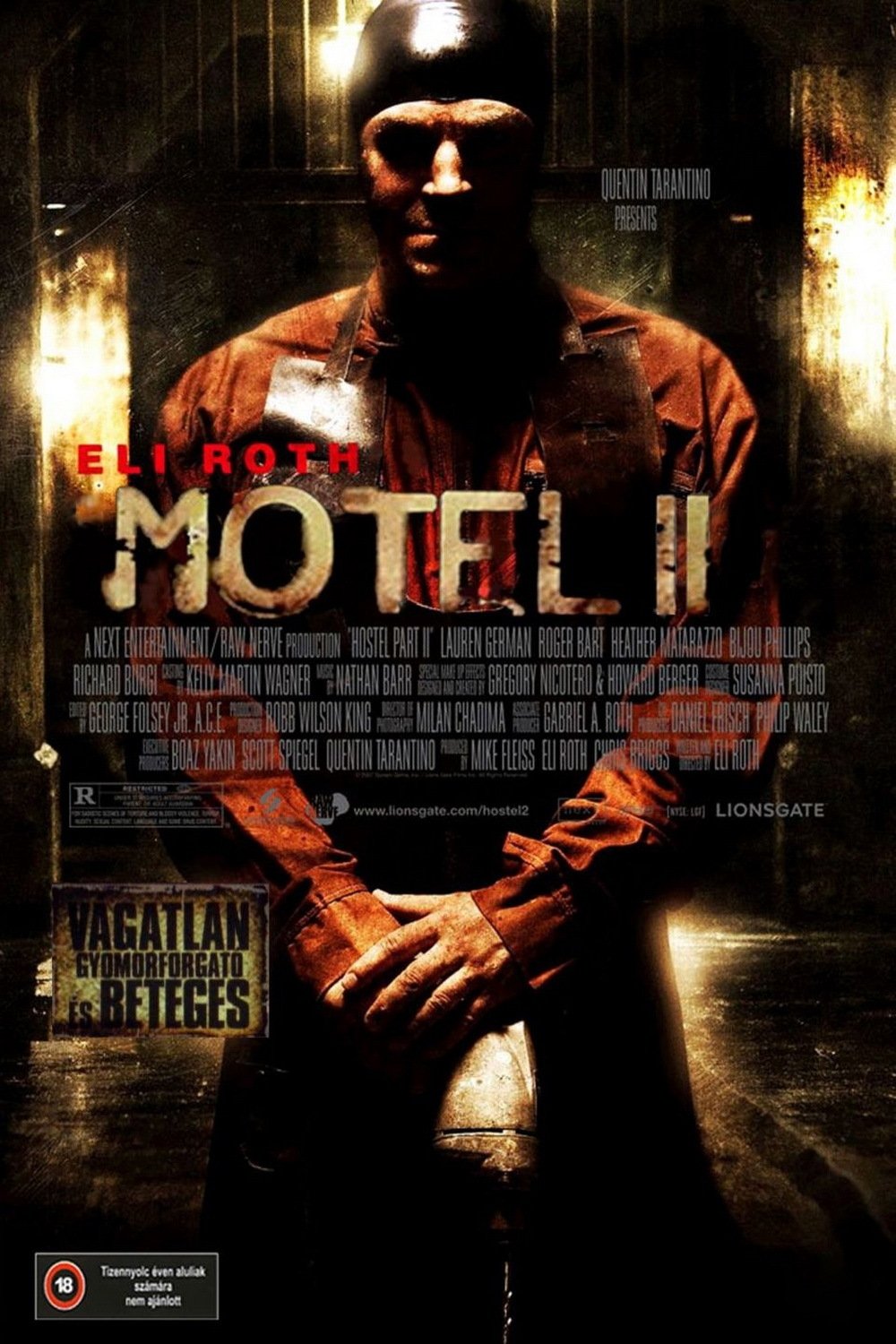
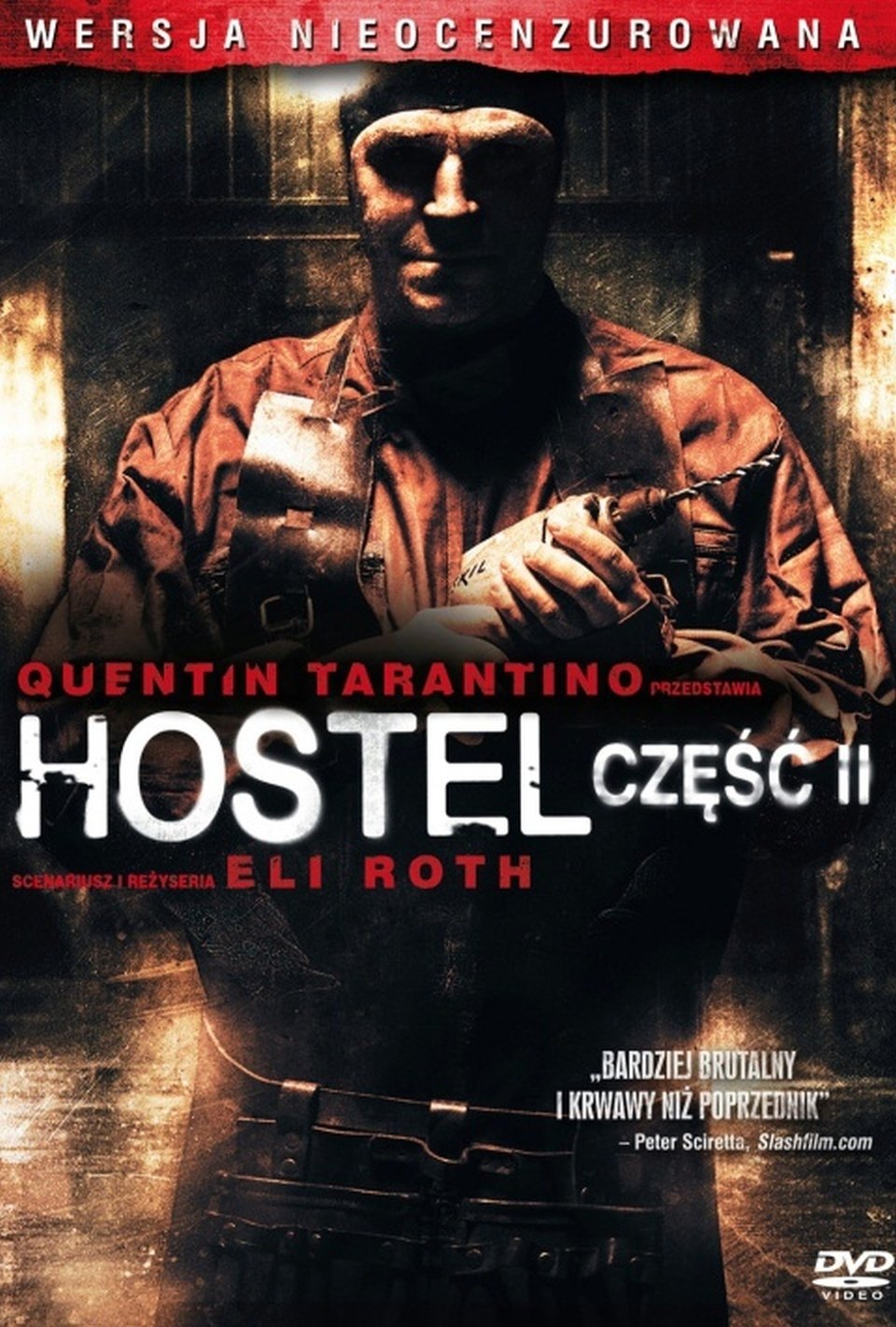
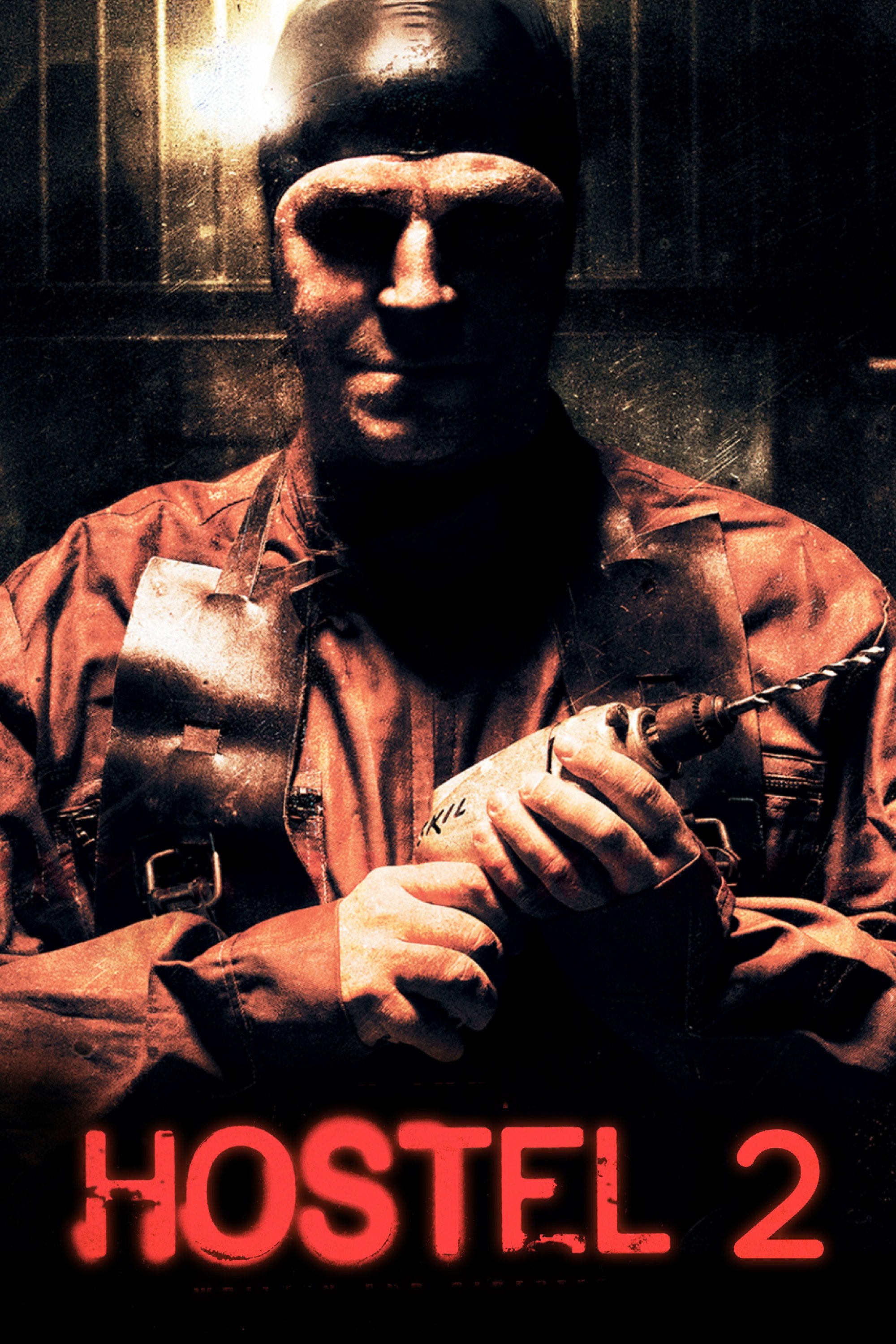
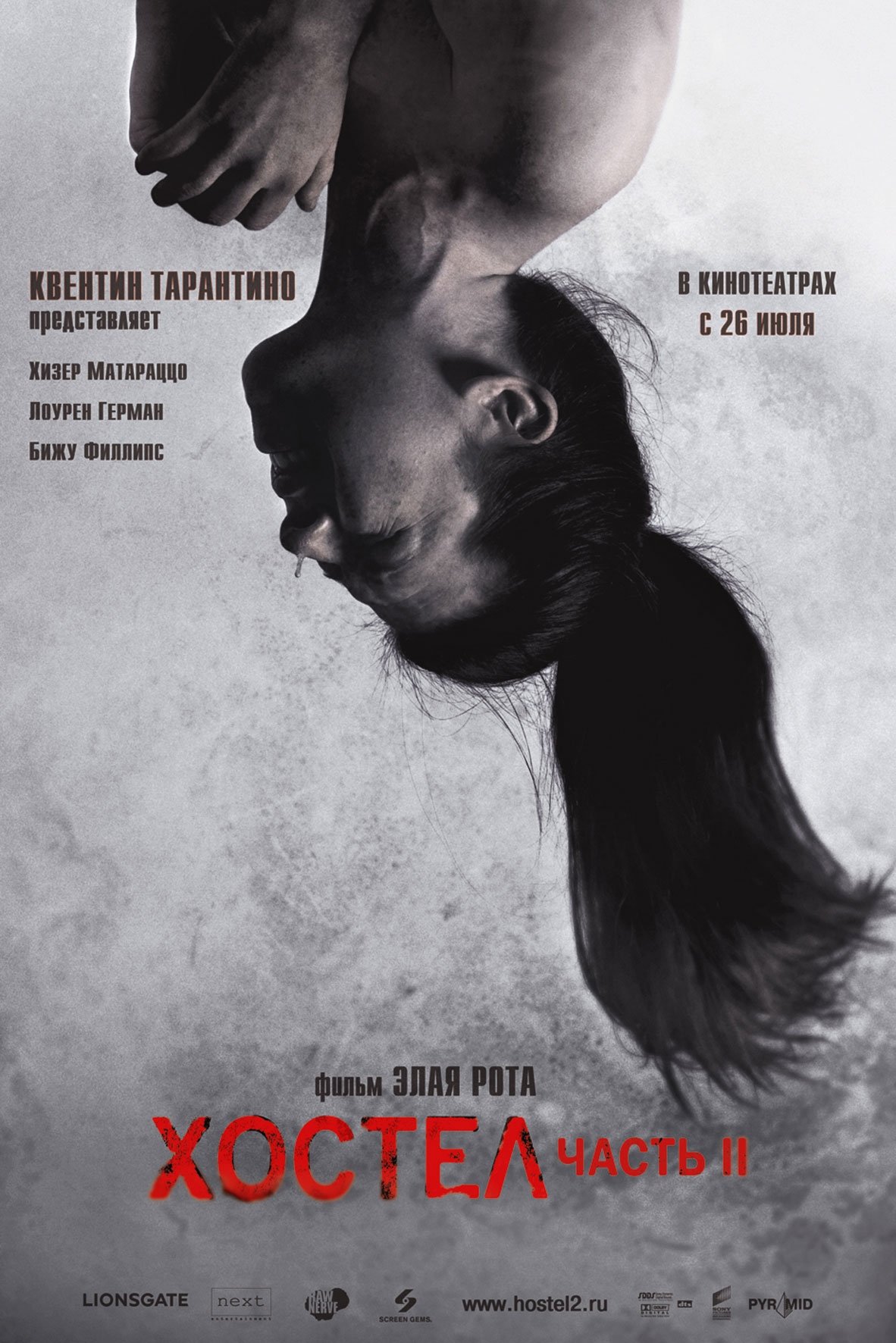
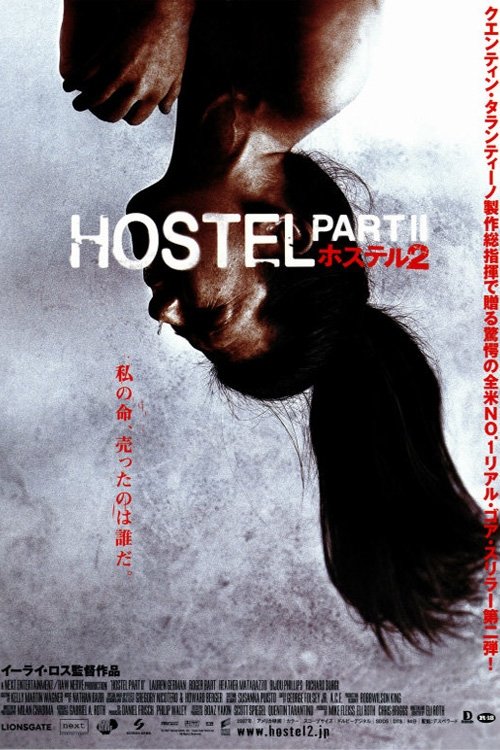
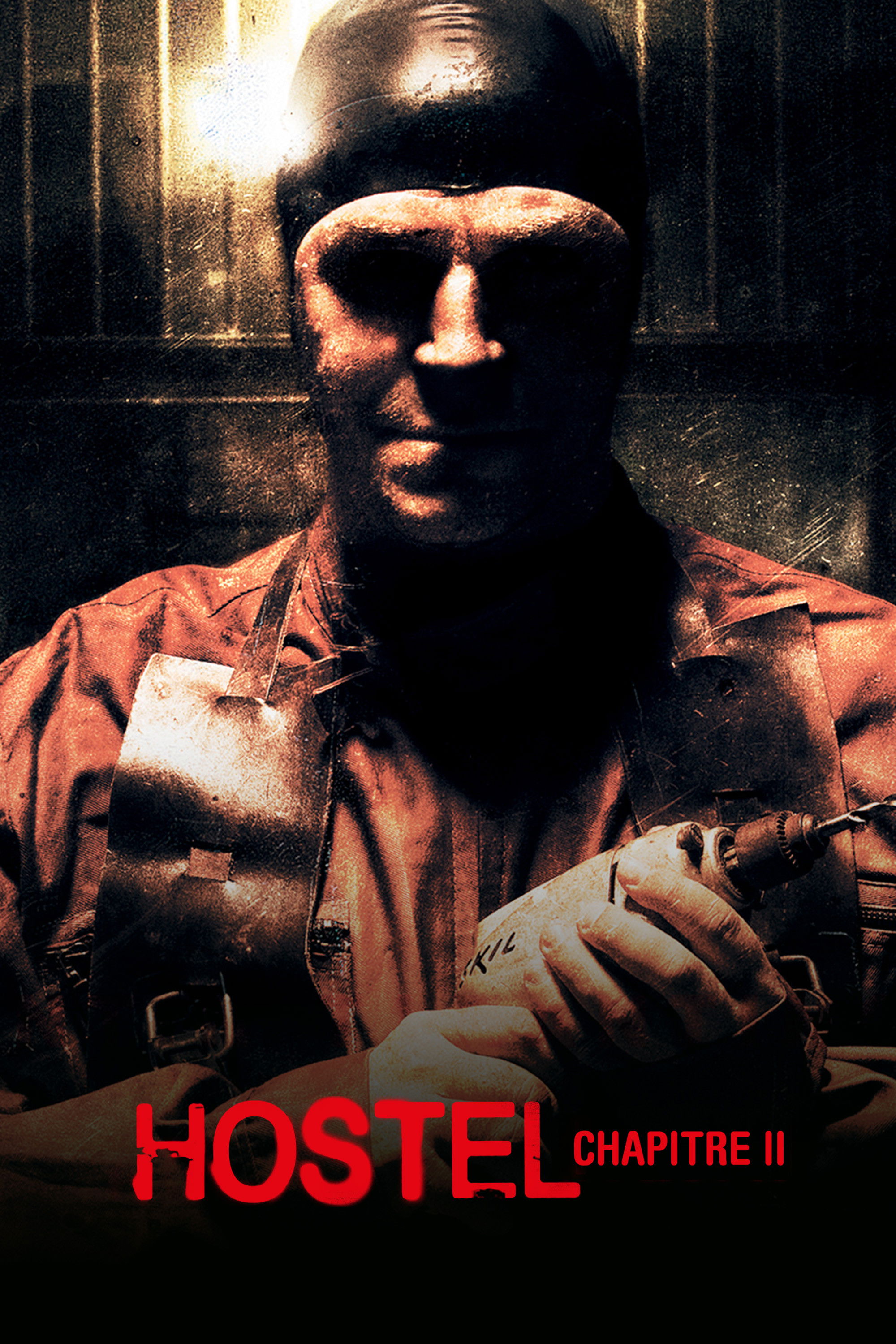
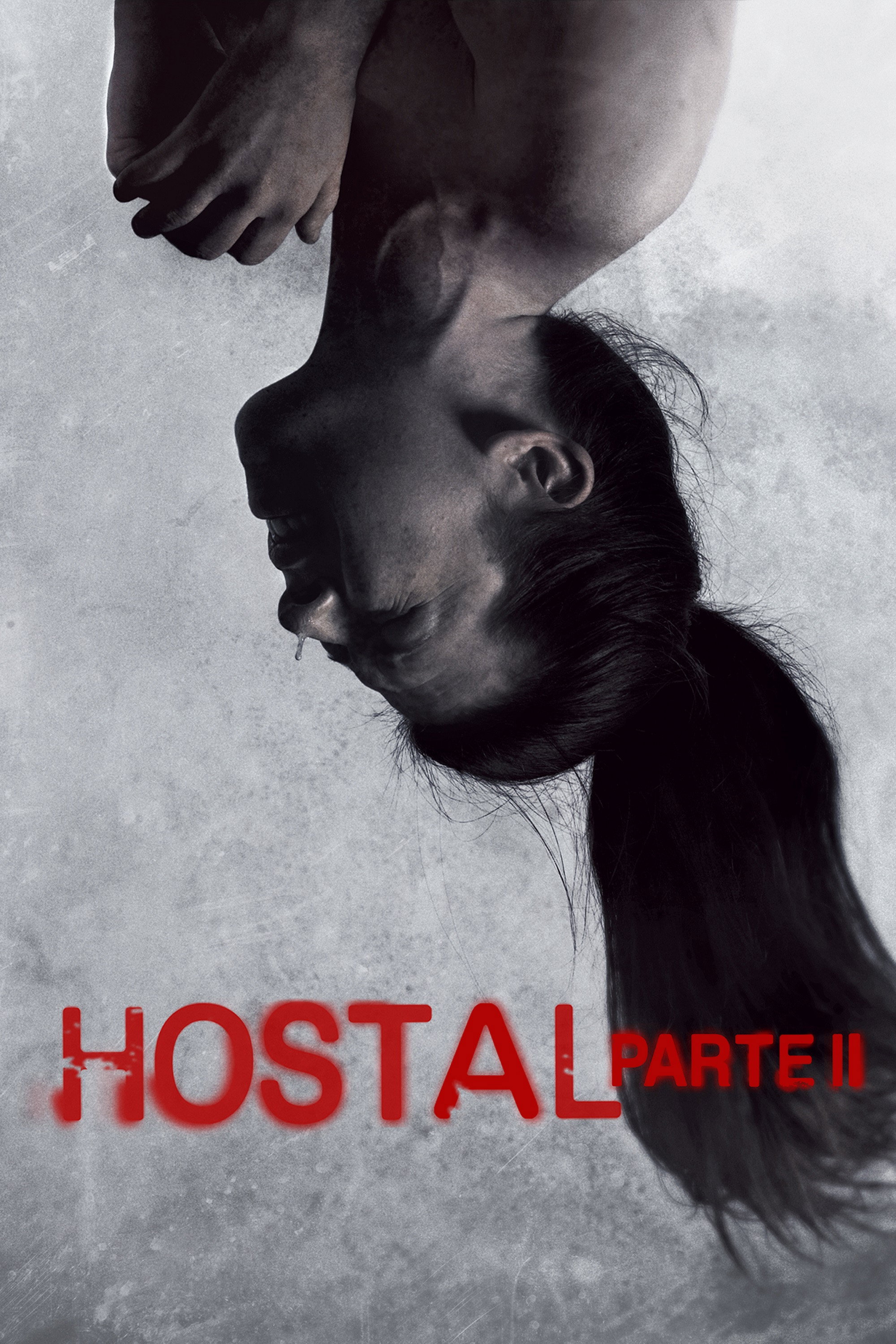
Hostel: Part II (2007) poster
Director
Writer
Production Companies
Next Entertainment , Screen Gems , Starz Entertainment , Raw Nerve , International Production Company
Plot

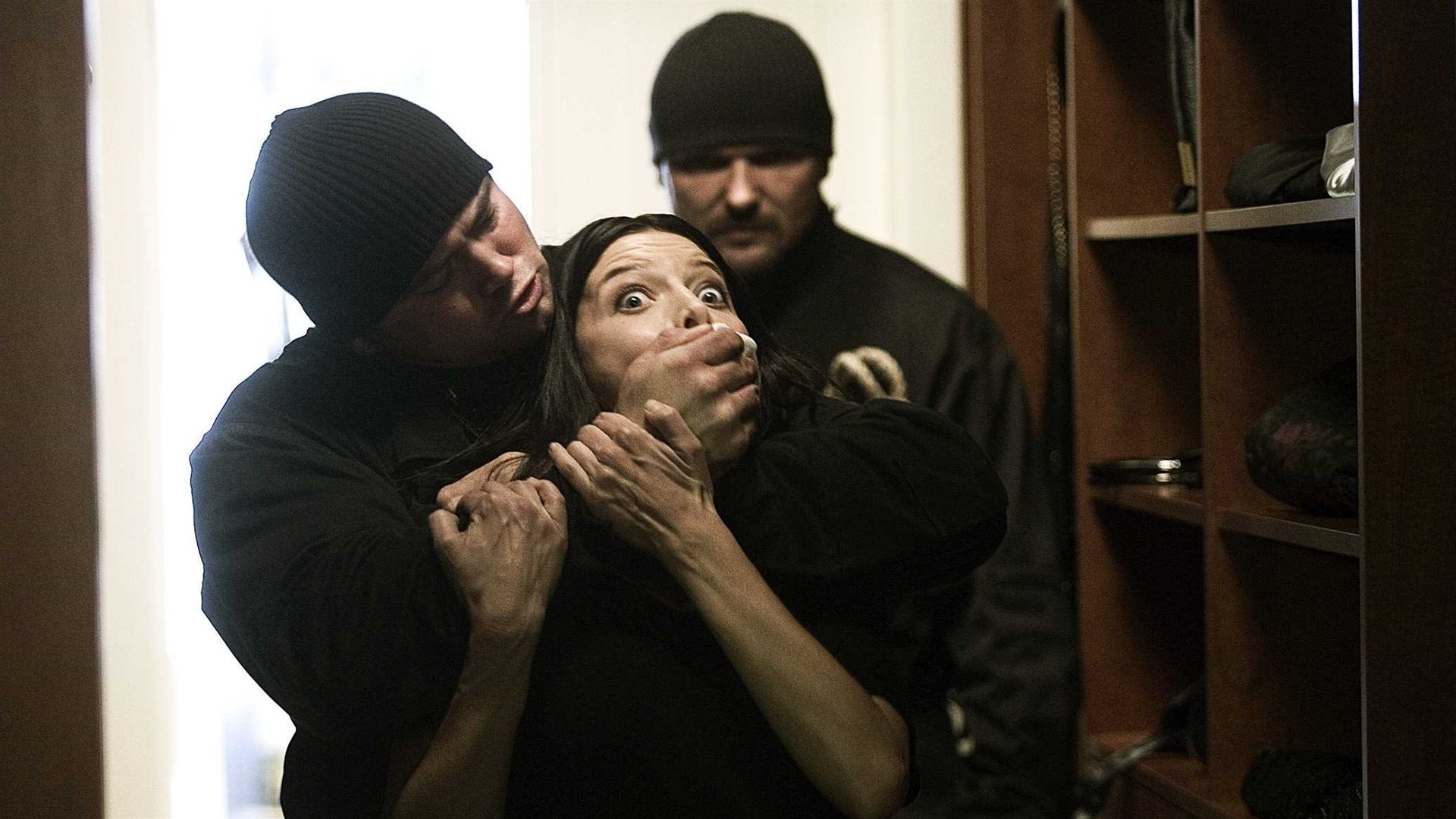
Three American students spending a semester in Italy accept an invitation to travel to a spa in Slovakia. Beth, Whitney and Lorna are subsequently drawn into the Elite Hunting Club’s victim market, while two American clients arrive with contrasting expectations of what they have purchased.

Alternative Titles
Hostel - Parte II (Argentina) Hostel 2 (Austria) — German Хотелът на ужасите II (Bulgaria) — Bulgarian O Albergue 2 (Brazil) L'Auberge 2 (Canada) — French 人皮客栈2 (China) — Chinese Hostel II (Czechia) — Czech Hostel 2 (Germany) — German
Show all 40 alternative titles Hostel 2 (Denmark) — Danish Hostel 2 (Spain) — Spanish Hostel 2 (Finland) — Finnish Hostel II (Finland) — Television Title Hostel - Chapitre II (France) — alternative title Hostel, chapitre II (France) — French ჰოსტელი 2 (Georgia) — Georgian Hostel - I syneheia tis paranoias (Greece) — transliteration 殺人慾室 2 (Hong Kong SAR China) — Chinese Hostel 2 (Croatia) — Croatian Motel 2. (Hungary) — Hungarian הוסטל 2 (Israel) — Hebrew हॉस्टल पार्ट II (India) — Hindi مسافرخانه 2 (Iran) — Persian ホステル2 (Japan) — Japanese 호스텔 2 (South Korea) — Korean Hostal: Parte 2 (Mexico) — Spanish Hostal: Parte II (Mexico) Hostel 2 (Poland) — Polish Hostel 2 (Portugal) Căminul ororilor 2 (Romania) — Romanian Хостел 2 (Serbia) — Serbian Хостел 2 (Russia) — Russian النزل: الجزء الثاني (Saudi Arabia) — Arabic Hostel 2 (Slovakia) — Slovak นรกรอชำแหละ 2 (Thailand) — Thai Otel 2 (Türkiye) — Turkish 恐怖旅舍第二站 (Taiwan) Хостел: Частина II (Ukraine) — Ukrainian Hostal: Parte 2 (Uruguay) Hostel - Parte II (Venezuela) Lò Mổ 2 (Vietnam) — Vietnamese

Trailers & Videos

1 video

Hostel: Part II (2007) Film Guide

Eli Roth’s torture-horror sequel: Czech production, the three travellers, Elite Hunting’s auction, the American buyers, practical effects, classification and reception.

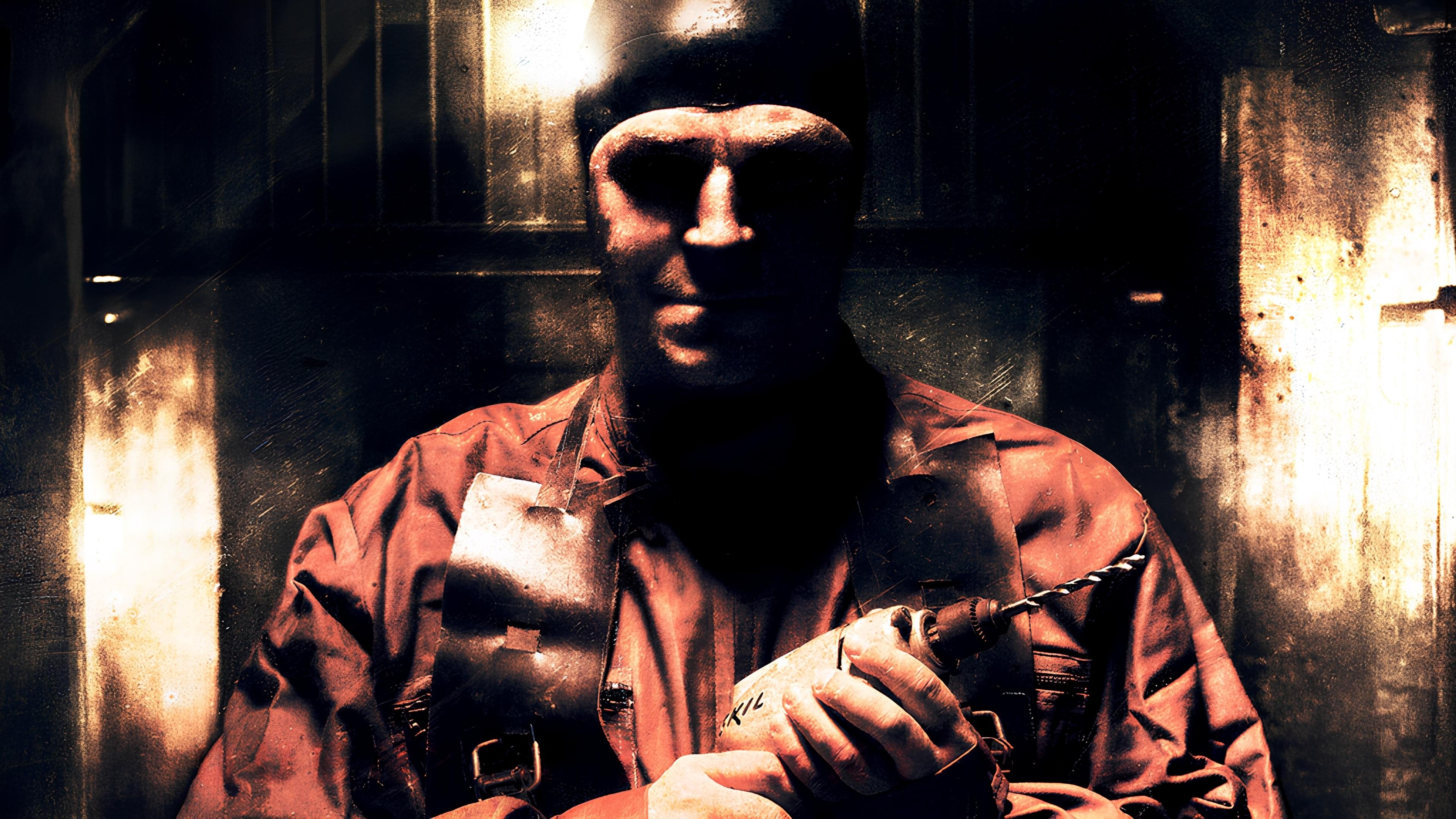
Eli Roth’s Hostel: Part II (2007) returns to the clandestine murder-for-hire operation introduced in Hostel (2005), but changes both the intended victims and the spectator’s access to the organization. Beth, Whitney and Lorna are American students in Italy who accept an invitation to travel to a Slovakian spa town. Their journey becomes part of a commercial arrangement in which wealthy customers bid for the right to kill a selected person. Parallel scenes follow two American buyers preparing for their first visit, allowing the film to contrast the women’s incomplete knowledge with the clients’ growing anticipation. What first appears to be a holiday turns into a system of surveillance, abduction and purchased violence.

Written and directed by Roth, the sequel was photographed largely in the Czech Republic in 2006 and released theatrically in June 2007. Its emphasis on the buyers gives the torture premise a more explicit economic structure, while Lauren German, Bijou Phillips and Heather Matarazzo provide distinct responses to vulnerability and fear. Effects work associated with Greg Nicotero and Howard Berger, Milan Chadima’s colour cinematography and Nathan Barr’s music support a mixture of suspense, grotesque spectacle and dark comedy. The film’s adult classifications, disputed representation of violence against women and much weaker theatrical performance than its predecessor are central to its reception history.

Development: Continuing the First Hostel

The commercial success of Hostel, released widely in the United States in January 2006, made a sequel attractive to its producers and distributors. Roth initially viewed the original as a self-contained project, but decided a second film could examine questions the first had left open. In contemporary interviews he described wanting the kind of expansion he admired in Aliens and Mad Max 2: a continuation that preserved the recognizable world while changing the audience’s experience of it. He chose to begin with Paxton, the survivor played by Jay Hernandez, rather than ignore the earlier ending. The prologue then demonstrates the reach of the organization that Paxton had escaped.

Roth wrote the screenplay himself and worked again with producers Mike Fleiss and Chris Briggs. Quentin Tarantino returned as an executive producer, alongside other figures associated with the preceding production. The director argued that a second group of male backpackers would simply reproduce the first picture’s mechanism. Three women studying in Italy offered a different social situation and different reasons to accept an attractive stranger’s travel advice. In a May 2007 interview, he explained that the first travellers had been drawn by promises of sex, whereas the second film needed a credible appeal directed at its new protagonists.

The other major decision was to follow the people paying for the murders. Roth recalled audience reactions to an American client in the first film who appeared excited by another man’s account of killing. Part II extends that disturbing curiosity into a parallel storyline, showing customers before they arrive at the facility. This arrangement removes some of the original’s uncertainty over what happens at the hostel; instead, suspense comes from watching victims and buyers approach an encounter whose general purpose is already clear.

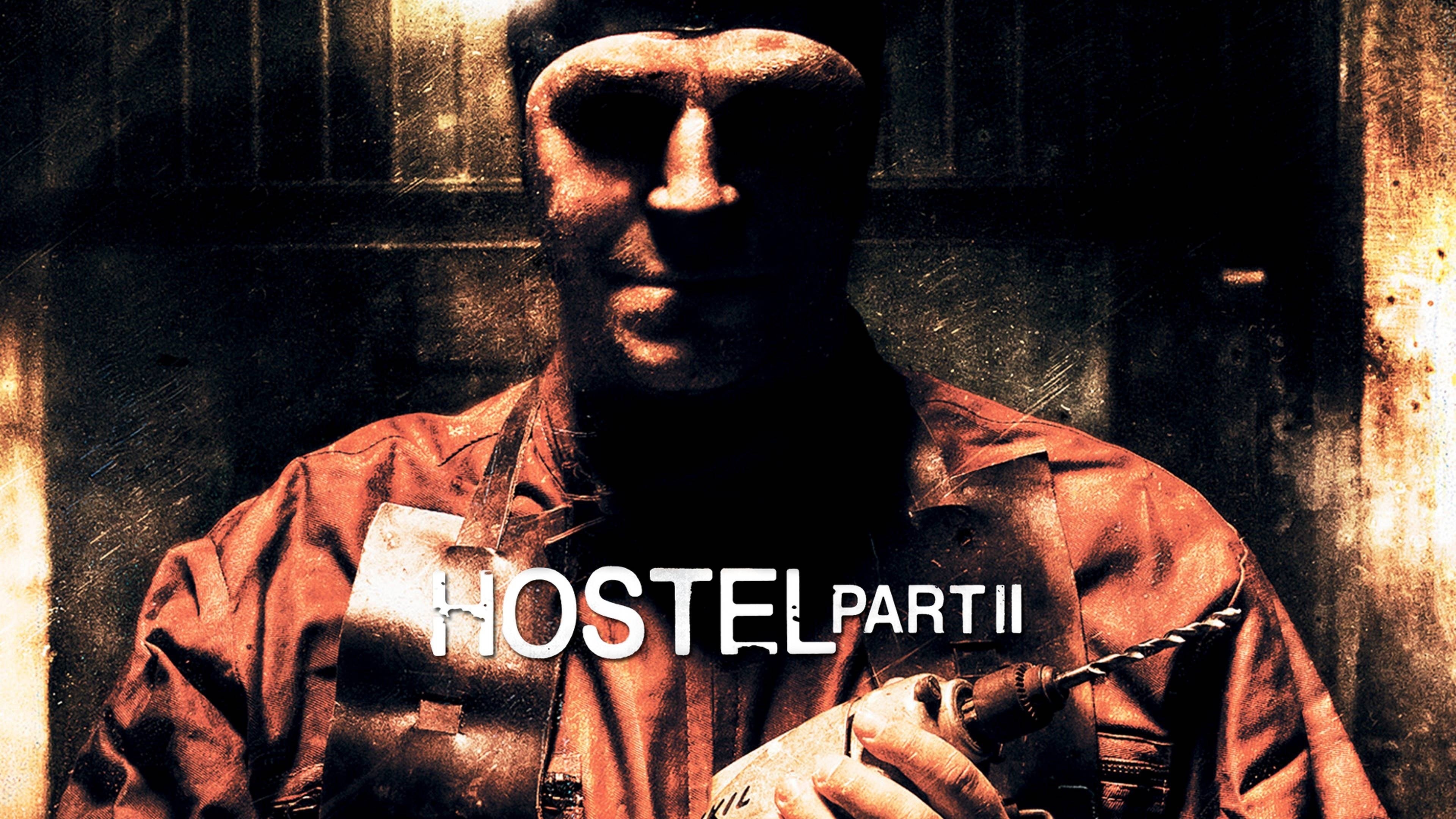
Filming in the Czech Republic and Constructing the Journey

Production took place in September 2006, returning to Czech facilities used for the original film. The Czech Film Commission identifies Prague’s Barrandov Studios, Český Krumlov and Karlovy Vary among the locations. Before shooting, Roth publicly emphasized that the sequel would resemble the first film sufficiently to make the two work as consecutive chapters. He also discussed shooting additional material in Rome, where the characters’ studies begin. The finished story moves from an Italian art class through an inviting European tourist landscape to the concealed Slovakian operation, although the Czech locations stand in for much of this geography.

The journey’s visual appeal is essential to the deception. Český Krumlov’s streets and buildings supply an attractive setting for the festival sequences, allowing the invitation to seem less suspicious than a direct trip to an isolated hostel. Production designer Robb Wilson King developed settings that could connect a picturesque exterior world with the organization’s industrial interior. The contrast gives the plot a recognizable progression: hospitality and leisure gradually become instruments for delivery to a killing site.

The setting also requires historical caution. The film’s Elite Hunting organization is fictional, and the implication that Slovakia conceals a commercial network for wealthy foreigners is part of Roth’s horror invention. In a statement circulated by the Czech Film Commission, he acknowledged objections to the first Hostel’s depiction of Slovakia and described it as a reflection of American stereotypes rather than a documentary claim. That response does not settle whether the films reinforce the stereotypes they use. It does establish that the director recognized the controversy before the sequel began production.

Beth, Whitney, Lorna and the Mechanism of Trust

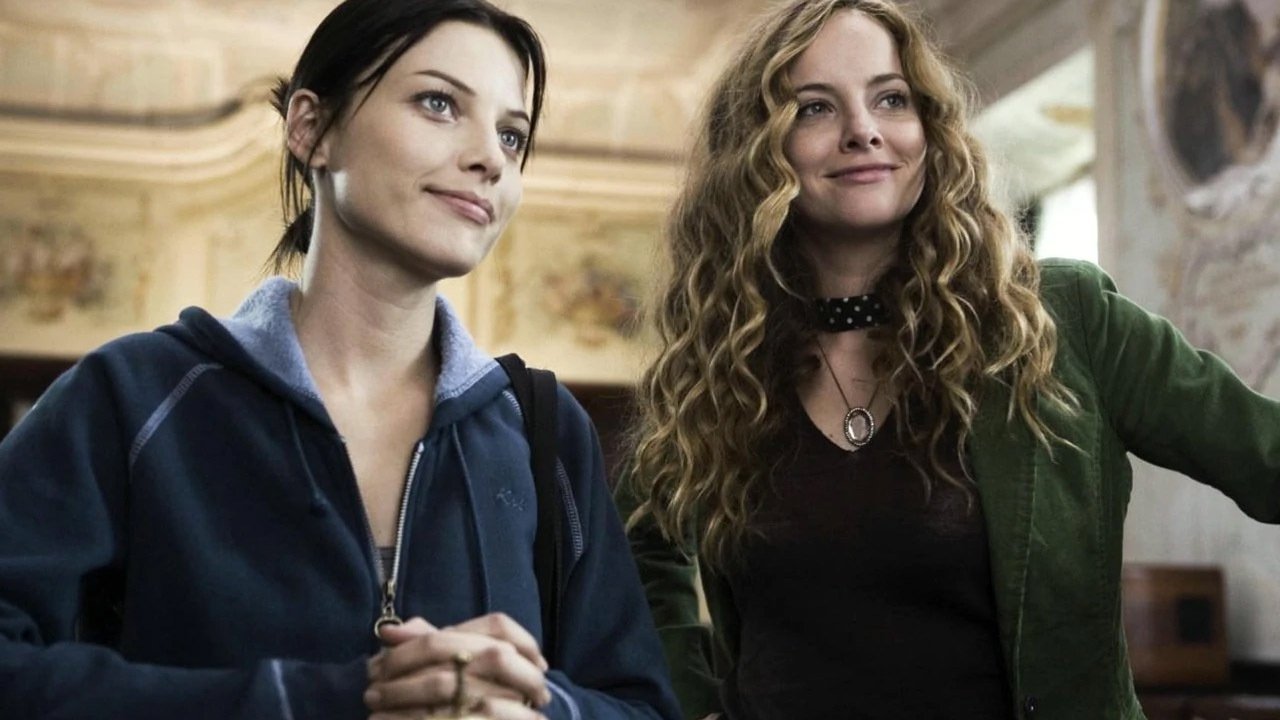
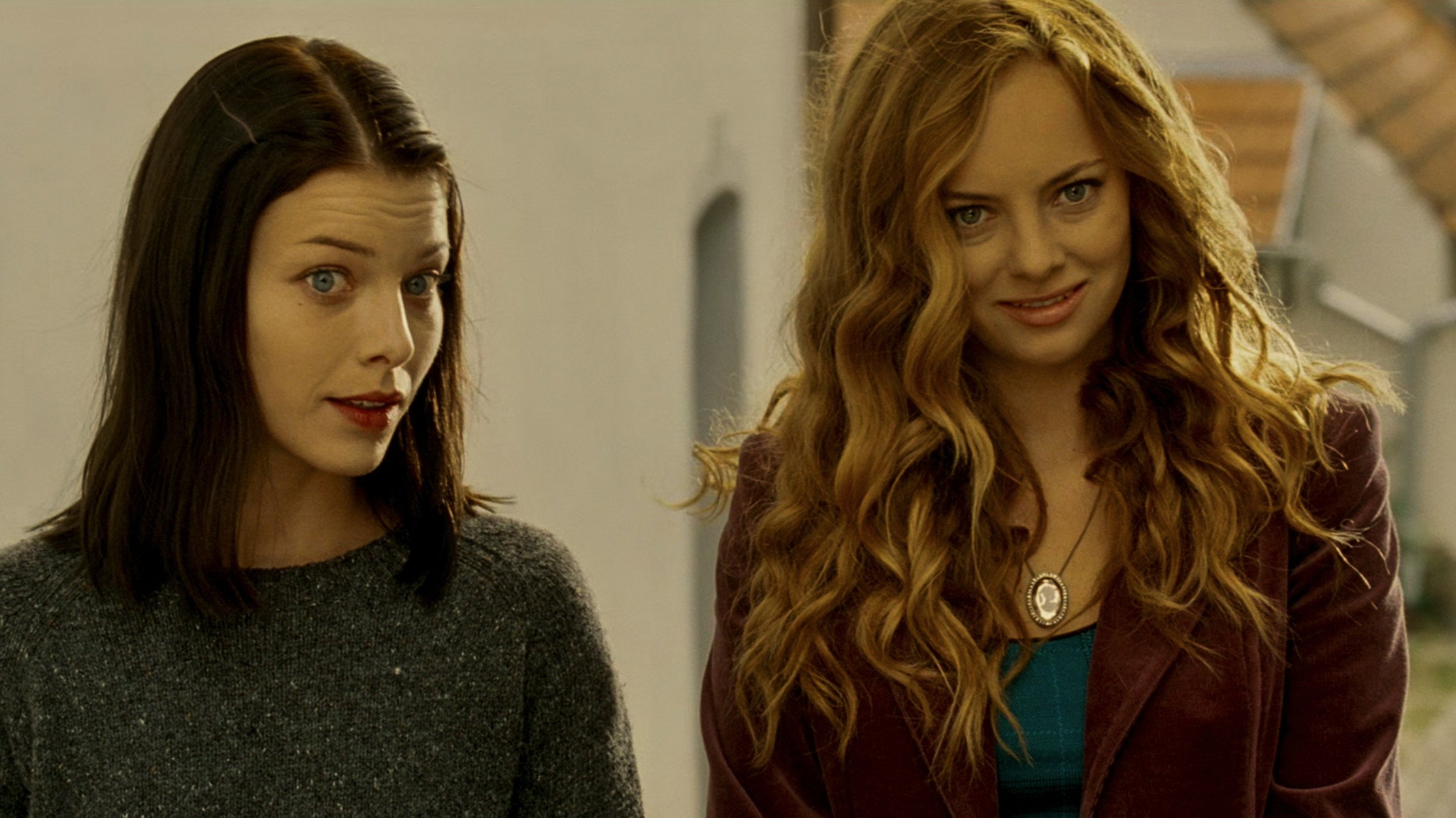
Lauren German plays Beth, a relatively reserved student whose financial security eventually becomes crucial to the plot. Bijou Phillips’s Whitney is more outgoing and confident in public, while Heather Matarazzo’s Lorna is anxious, eager for affection and less comfortable with the group’s social rituals. The screenplay initially gives them ordinary disagreements about travelling, nightlife and friendship. These contrasts become relevant when danger appears: the women interpret unfamiliar people differently, and the organization exploits the distance between their separate expectations.

Vera Jordanova’s Axelle appears to offer friendly guidance to students visiting a place she knows. Her international manner and persuasive promises of an exclusive spa make the detour sound like an opportunity for rest rather than an unknown risk. The film reveals that such friendliness is part of the recruitment process. Lodging, transport and administrative routines supply the organization with information about its prospective victims. The difference between ordinary tourism and trafficking is made disturbing by the absence of a visible boundary: the characters continue to believe they are guests even as their identities become marketable assets.

The three women do not experience the threat identically. Lorna’s hope for a romantic encounter makes the festival a particularly effective lure; Whitney’s confidence does not protect her when the organization applies direct force; Beth becomes increasingly observant as the situation deteriorates. Roth said he wanted to give the women more resourceful decisions than those associated with the first film’s male travellers. Whether that intention results in more developed female characters was contested by critics. The film grants Beth a decisive final action while subjecting Lorna and Whitney to extended victimization, leaving the relationship between female agency and the spectacle of suffering unresolved.

Elite Hunting and the Market for Human Bodies

The sequel gives the clandestine organization a visible commercial procedure. Images of the women circulate among potential customers, and the purchasers bid remotely for access to particular victims. The electronic auction reduces a person to a photographed selection and a price, while administrative staff treat the arrangement as routine. The process follows the logic of luxury consumption rather than a conventional criminal ransom. Customers are not buying freedom for anyone; they are purchasing permission to exercise violence within a facility that promises secrecy and control.

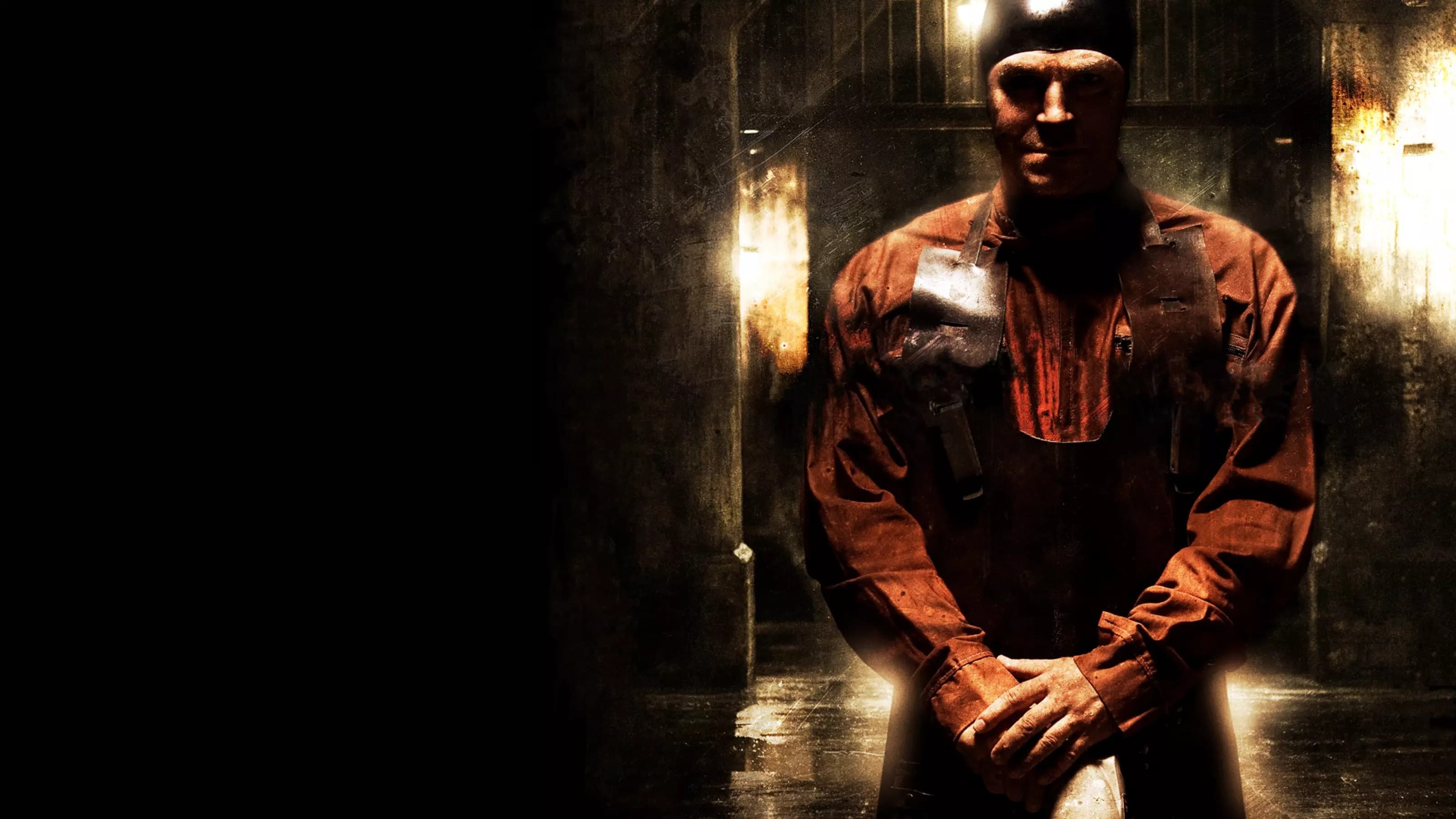
Milan Kňažko’s Sasha supervises the business with the assurance of someone accustomed to wealthy clientele. The organization’s workers move prospective victims through ordinary-looking services before confining them, while customers choose instruments and prepare for acts they have imagined in advance. The banality of those arrangements contrasts with their purpose. A grotesque spectacle is presented through the language of customer satisfaction, professional management and exclusive membership. In this fictional world, differences of wealth determine not only who can purchase an experience but who is placed outside the protection ordinarily afforded to another human being.

This arrangement invites readings of globalization and exploitation, but a critical interpretation should remain distinct from claims about real Slovakian institutions. In his interviews Roth connected the films to capitalism, sex tourism and the distance between people able to pay and people without comparable power. The auction dramatizes those concerns in simplified, highly sensational form. Its function within the story is unmistakable: what looks like a series of isolated crimes is organized commerce. The buyers and their administrators depend on one another, so an individual’s cruelty becomes part of a system that supplies it with victims and shields it from consequences.
Stuart and Todd: The Buyers as Horror Protagonists

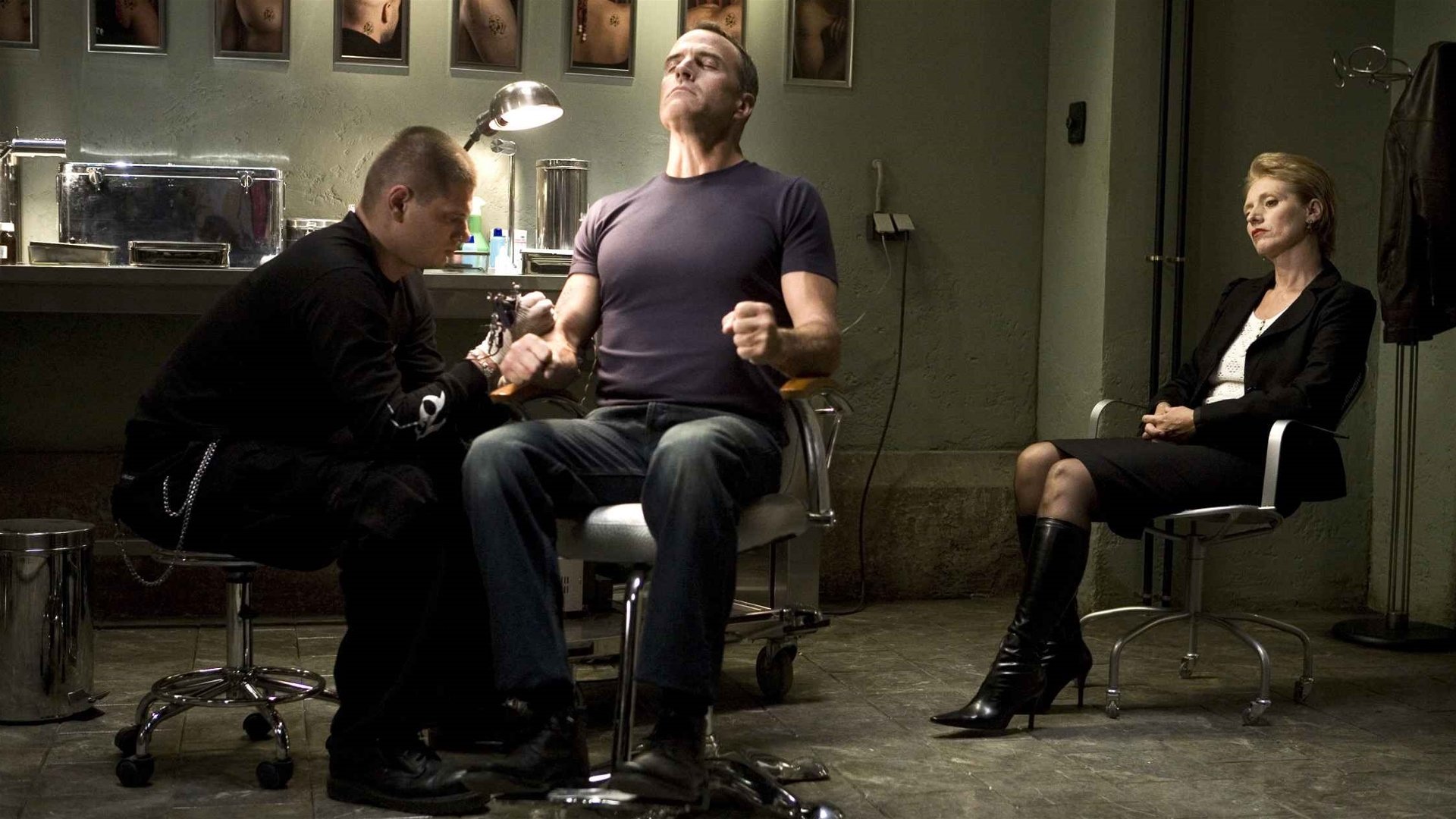
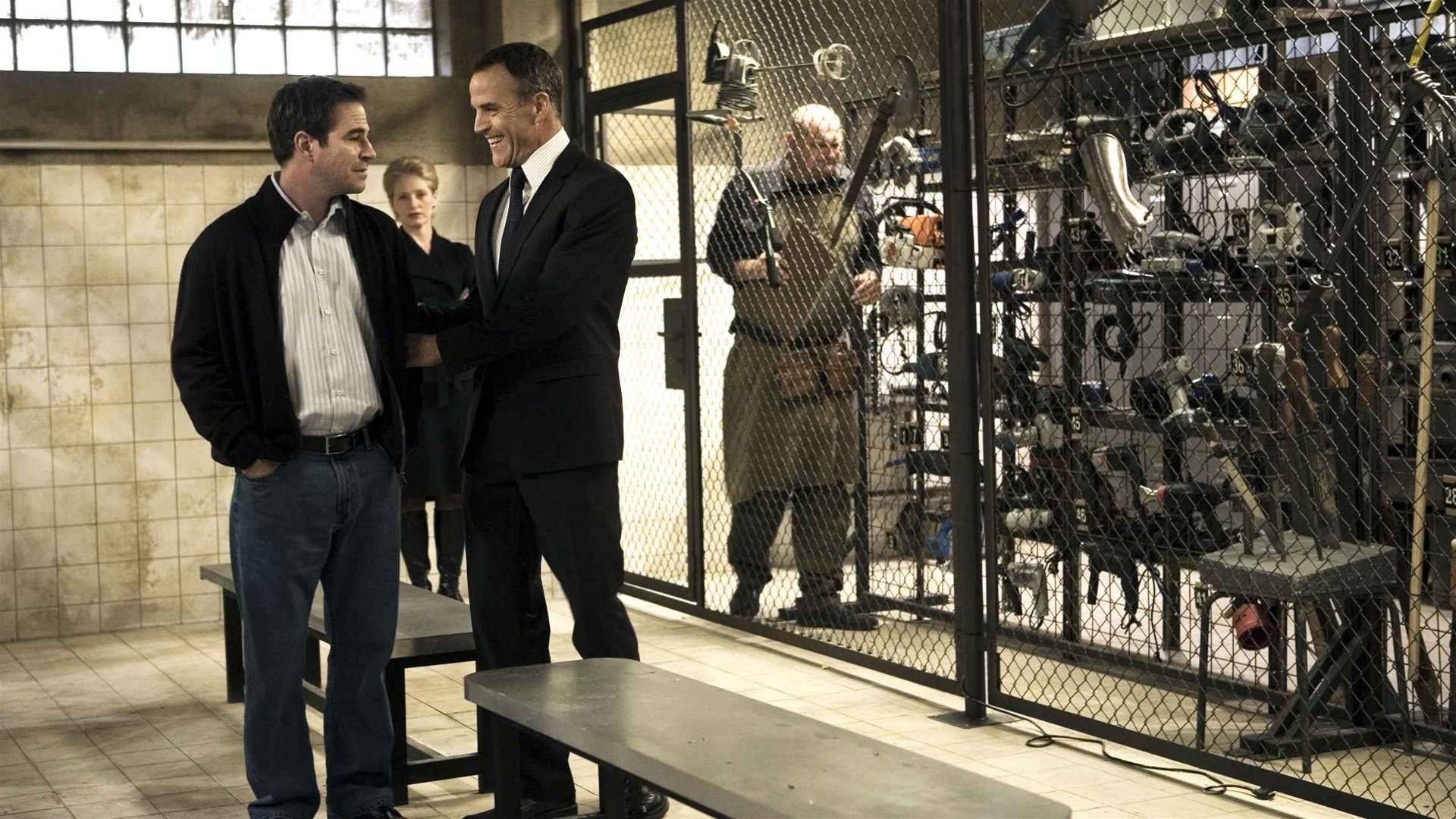
Roger Bart plays Stuart, a dissatisfied American businessman whose initial hesitancy makes him appear less threatening than his companion Todd, played by Richard Burgi. Todd embraces the trip as a demonstration of masculine confidence and describes killing as the next extreme experience available to men who already possess money. Their conversations take place before either has confronted the reality of the enterprise. That interval allows the film to examine anticipation: the buyers build identities around an act they believe will confer power, while still having limited knowledge of how they will respond when it becomes possible.

Their behaviour changes once they enter the facility. Todd’s bravado falters before the bodily reality of what he has purchased, whereas Stuart’s outward restraint gives way to a more dangerous determination to dominate Beth. Bart described Stuart in 2007 as an apparently ordinary person who conceals considerable anger. The film’s point is connected to that performance: social respectability and professional success offer no reliable evidence of moral restraint, particularly when violence can be treated as a private transaction.

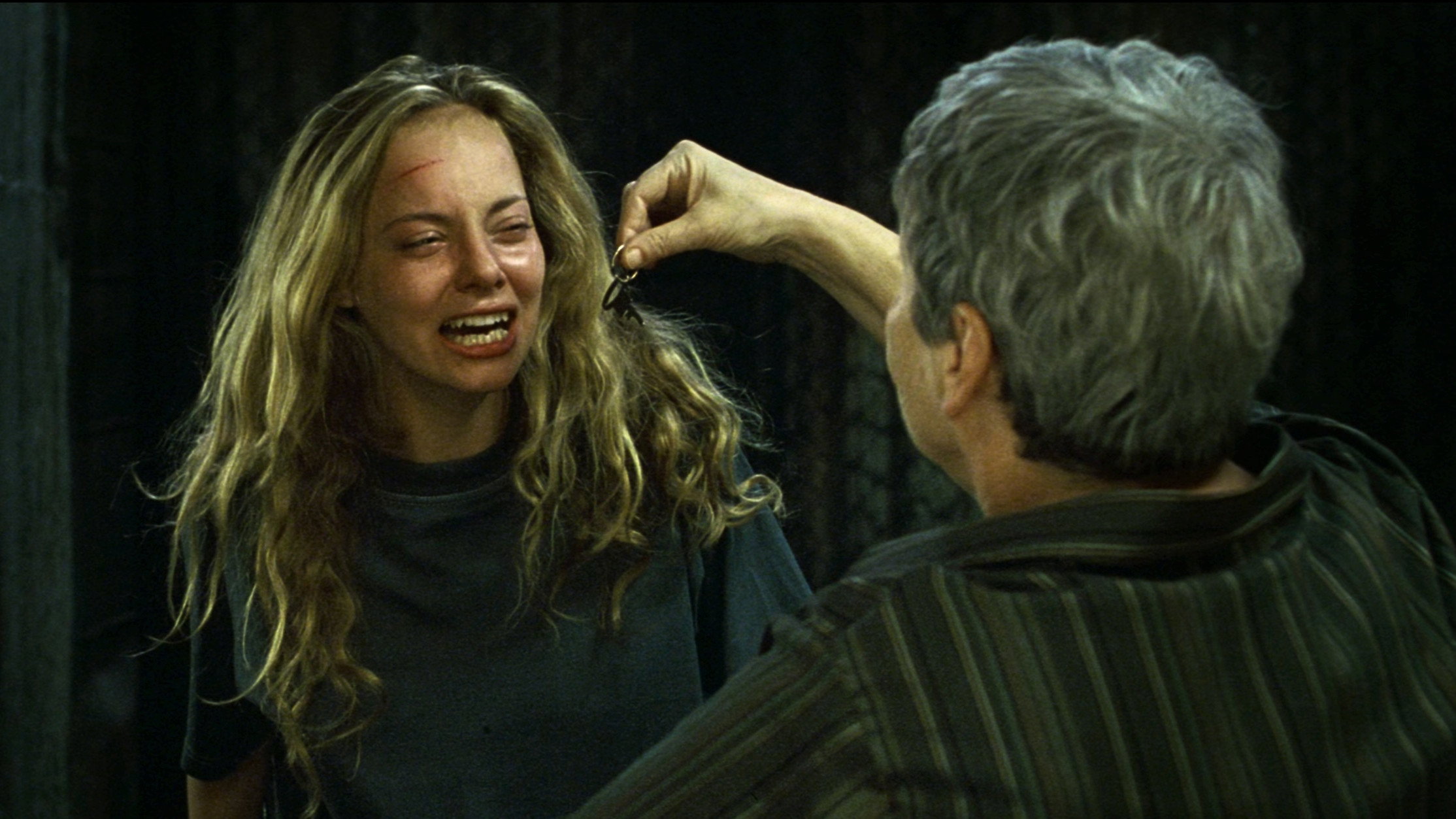
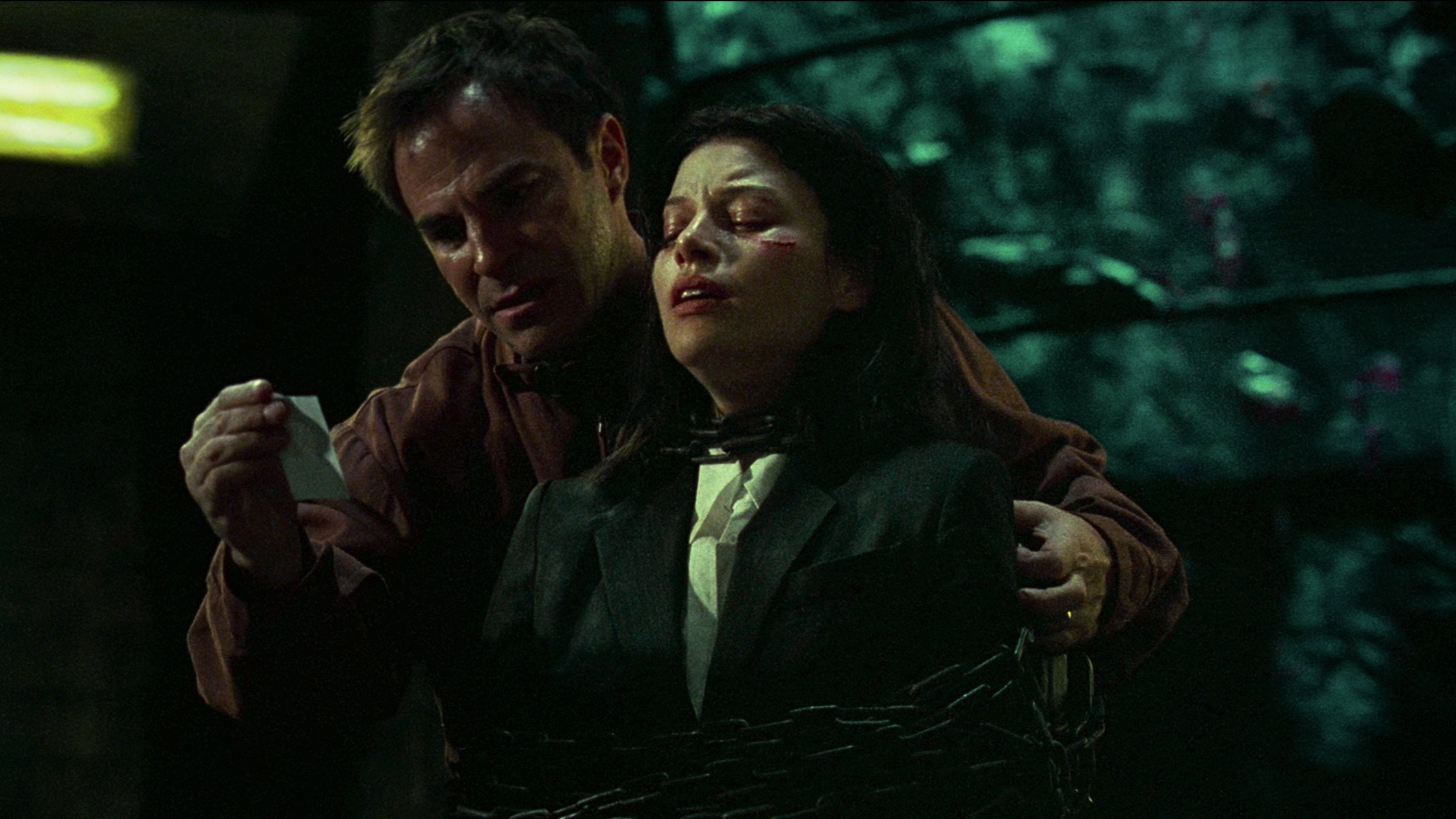
Following the buyers also changes how suspense operates. Viewers are allowed to see nervousness, excitement and self-justification on the perpetrators’ side, but that access does not make their actions less serious. The film’s final exchange between Beth and Stuart uses his dependence on the organization’s rules against him. Her wealth allows her to negotiate in a way that other captives cannot, suggesting an escape made possible by unequal resources rather than the simple defeat of a corrupt market. The ending is therefore both revenge and a grim demonstration that the system recognizes purchasing power even when exercised by someone it intended to sell.

Practical Makeup, Physical Performance and Extreme Violence

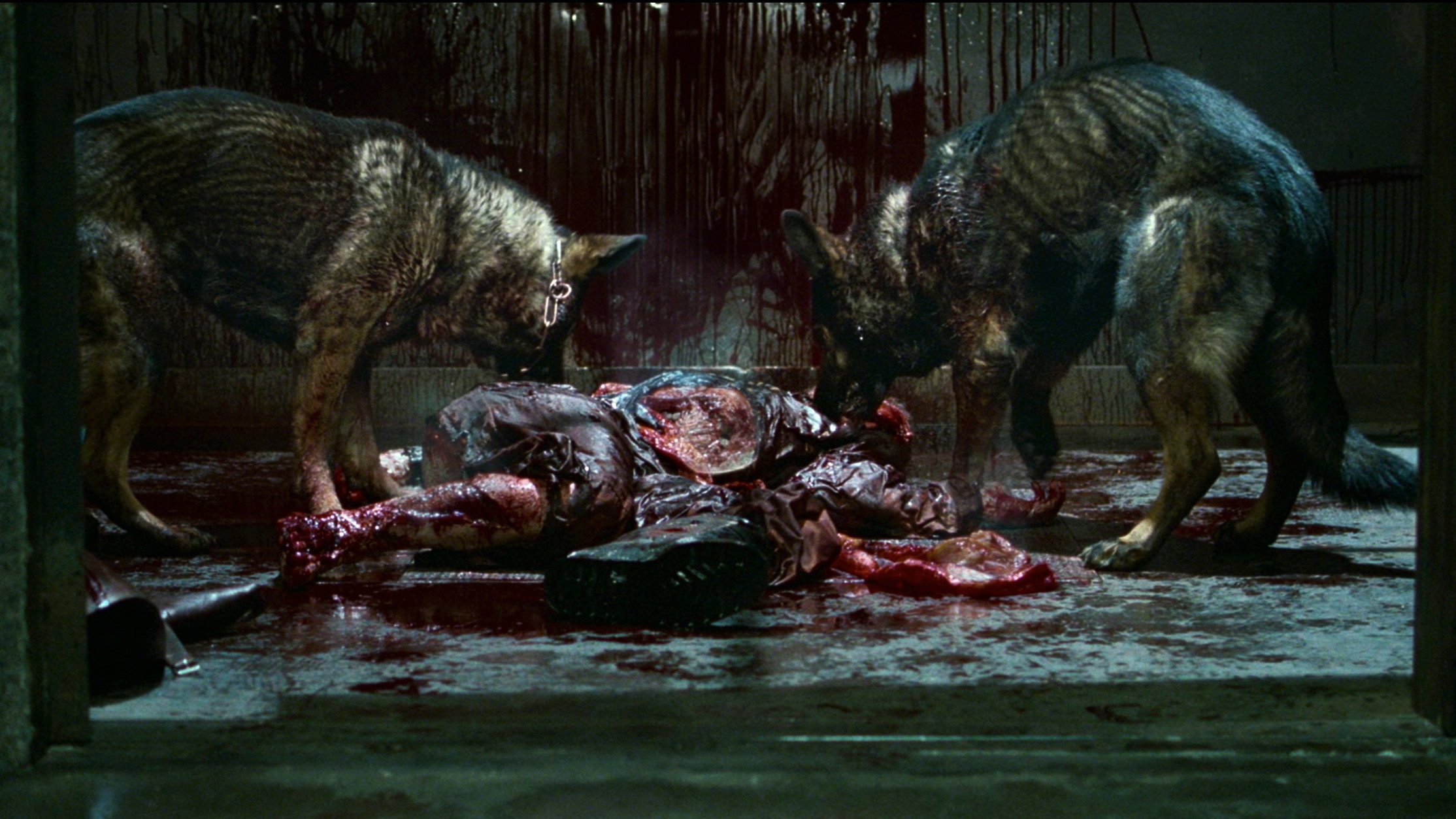
The makeup-effects operation involved Greg Nicotero and Howard Berger, whose team prepared prosthetic material ahead of principal photography. A production account published by Emanuel Levy describes several weeks of development for fabricated body parts and the use of digital assistance when required to integrate practical illusions. The film is thus neither an exclusively computer-generated spectacle nor a documentary record of injuries sustained on set. Its violent scenes depend on constructed bodies, camera position, editing, sound and performers responding to threats that exist as planned effects rather than actual harm.

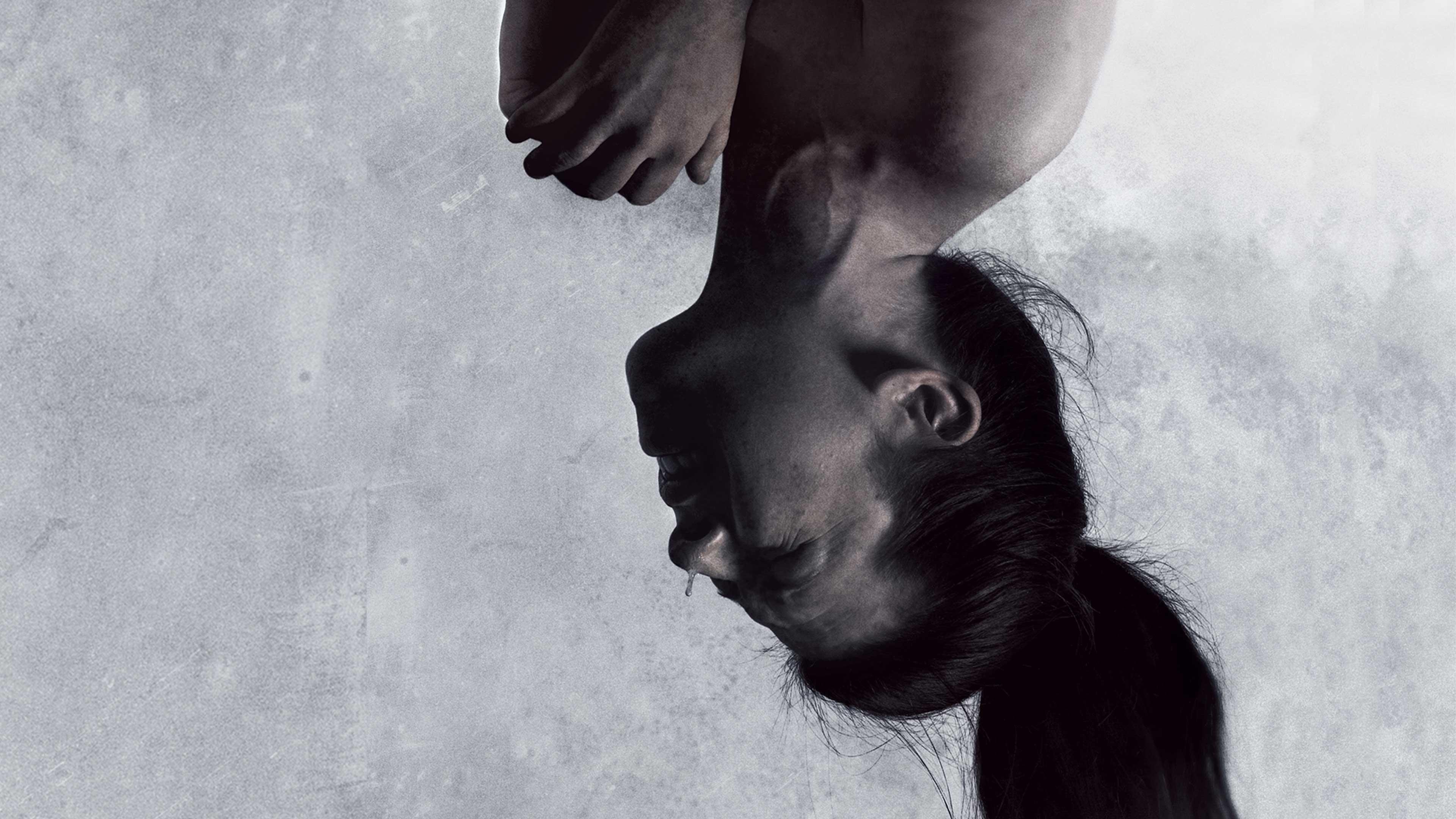
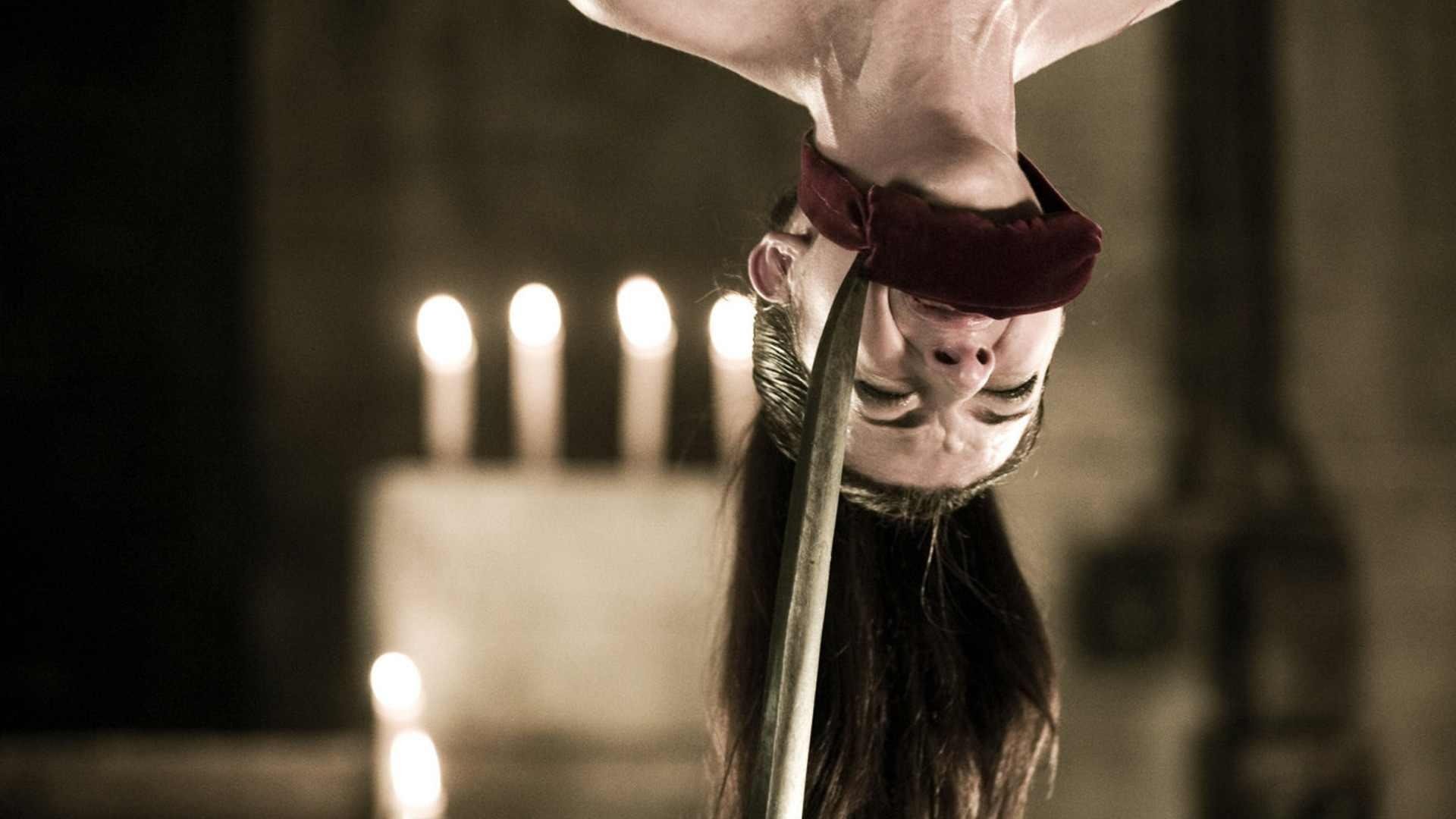
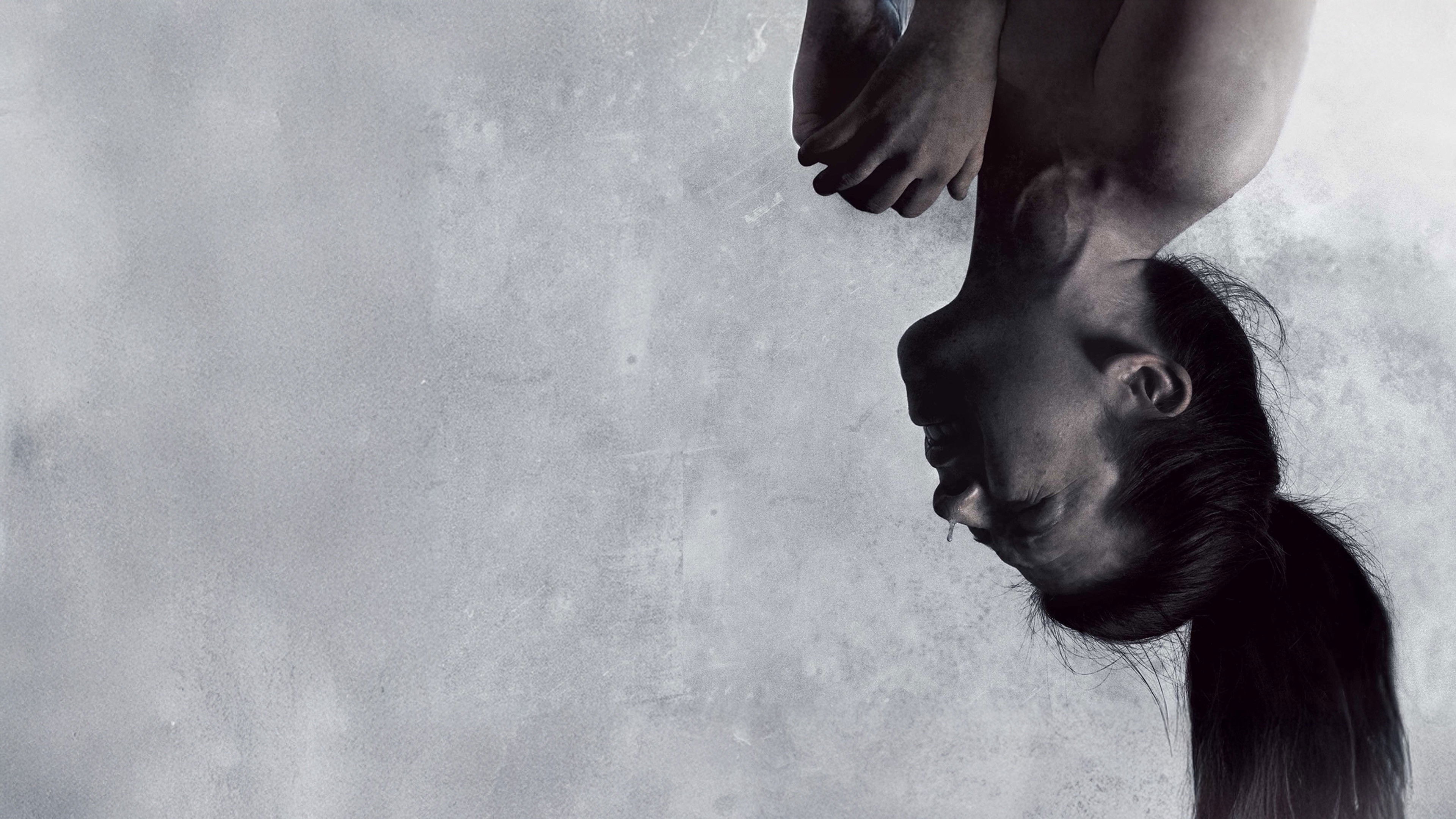
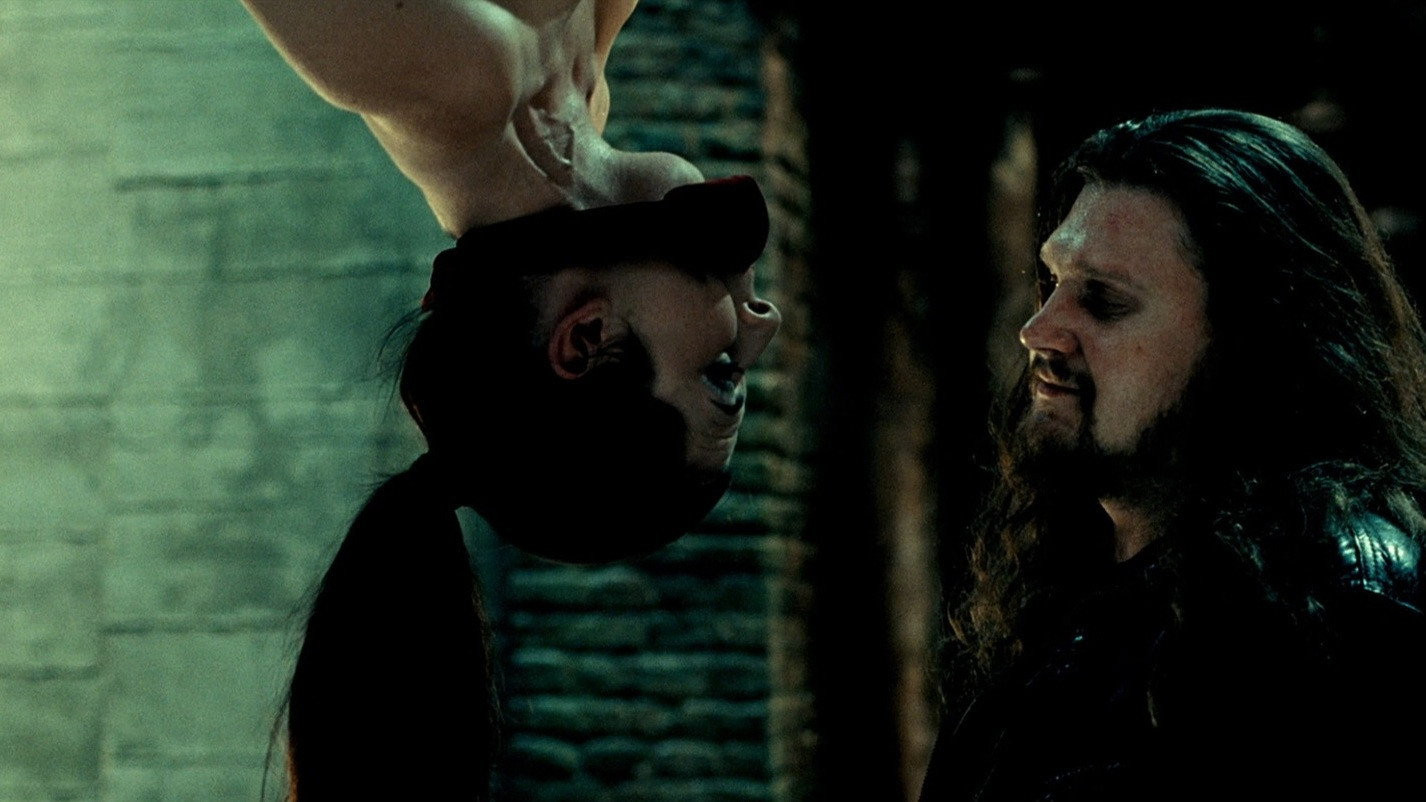
Lorna’s death is the most conspicuous example of Roth’s interest in theatrical extremity. It incorporates a woman presented through imagery associated with the legend of Elizabeth Báthory and a victim suspended in an exceptionally exposed position. Roth publicly emphasized Matarazzo’s performance as central to the sequence’s impact. Contemporary production accounts describe the physical demands of staging it, including the use of restraints for short intervals while filming across two nights. These reports illuminate the controlled work needed to create the scene, but they cannot resolve critical disagreement over whether emphasizing suffering amounts to an effective warning or an exploitative attraction.

The finale shifts the bodily threat toward Stuart, reversing the position of an intended purchaser and his intended victim. Its violence is deliberately shocking, but the shock depends upon the economic reversal as much as the physical effect. Other incidents, including a brief cannibalism cameo, offer shorter displays that do not receive the same character development. The dispute surrounding those choices is part of its reception: Roth considered emotional investment essential to the brutality, while several critics argued that the film relied too heavily on sadistic spectacle.

Cinematography, Music and Italian Horror References

Milan Chadima photographed the film in colour, establishing a marked contrast between spaces associated with travel and the rooms in which the victims are held. Daylight in the tourist streets makes the journey seem open and voluntary, while the factory interiors rely on controlled artificial illumination, doors and equipment. Roth frequently crosscuts the women’s experiences with preparations made by their buyers. The audience therefore understands the purpose of a building or a vehicle before its occupants do, a method of suspense distinct from the first film’s more restricted viewpoint. The visible world changes less than the spectator’s knowledge of it.

Nathan Barr composed the music, while George Folsey Jr. edited the film. Sound and cutting organize the movement between the festival, the remote facility and the parallel story of Stuart and Todd. Scenes of apparent social ease can end with an abrupt interruption, and encounters within the building often prolong anticipation before revealing their consequences. The score contributes to those changes without serving as the only signal of danger. The film makes considerable use of the sounds of machinery and confinement to give the business a physical presence beyond the bodies seen on screen.

Roth also arranged appearances by performers associated with Italian genre cinema. Edwige Fenech plays the students’ art instructor in Rome, Luc Merenda appears as a detective and Ruggero Deodato, director of Cannibal Holocaust (1980), plays a customer shown consuming human flesh. They reveal Roth’s admiration for the history of European exploitation and horror cinema, although they do not transform the film into an Italian production. The cameos operate at the edge of the central narrative, inviting genre-aware viewers to recognize names and faces while the fictional institution continues its operations.

Release, Censorship, Critical Reception and Afterlife

Hostel: Part II opened widely in the United States on 8 June 2007 through Lionsgate and reached Italian cinemas on 22 June. The British Board of Film Classification recorded a cinema presentation of 94 minutes and one second on the American opening date, while a later home-entertainment record lists approximately 91 minutes. These recorded durations identify particular submissions and do not by themselves establish removed scenes: video running speeds and separate editions must also be considered. The film received an American R rating and stringent age restrictions elsewhere. New Zealand’s Classification Office records that an uncut cinema release was refused after cuts were declined; a modified DVD version followed.

The film performed much less strongly than its predecessor. Box Office Mojo records an opening weekend of approximately $8.2 million in the United States and Canada, followed by a domestic total of about $17.6 million and worldwide receipts of about $35.7 million. Its listed production budget is $10.2 million, although other financial services use different estimates. An unfinished work print circulated illegally before theatrical release, and Lionsgate acknowledged an investigation at the time. This contemporaneous report establishes the leak but does not demonstrate how much, if at all, it affected ticket sales.

Contemporary assessments sharply disagreed about whether the sequel deepened the first film. Tim Grierson in Screen International judged that the changed victims and added buyer perspective did little to overcome familiar plotting, while Mark Kermode’s Guardian review condemned the treatment of the women. Roth defended the violence as a means of confronting viewers with cruelty and regarded the climax as essential to the second film’s identity. The disagreement reflects a larger debate around so-called torture-porn horror during the 2000s, a label the filmmaker opposed. Hostel: Part III (2011), directed by Scott Spiegel, later continued the franchise without Roth as director; it is a separate follow-up rather than an extended edition of Part II.

References

  1. Czech Film Commission Hostel Part II — Production in the Czech Republic

    Institutional production record documenting the 2006 shoot, Barrandov Studios, Český Krumlov, Karlovy Vary, participating companies and cast.

  2. ScreenAnarchy Hostel: Part 2 — Roundtable Interview with Eli Roth, Part 1 — Michael Guillen

    Firsthand June 2007 interview explaining the sequel’s structure, the killers’ viewpoint, audience expectations, the Lorna sequence and discussion with US ratings officials.

  3. Emanuel Levy Hostel Part II: Roth on His Gory Sequel

    Contemporary production account with cast testimony, Czech locations, Robb Wilson King’s design, character development and practical makeup by Greg Nicotero and Howard Berger.

  4. British Board of Film Classification Hostel Part II — Classification Record

    Primary UK record identifying the 2007 theatrical and home-entertainment submissions, their durations, classifications and presentation distinctions.

  5. The Guardian Hostel: Part II — Mark Kermode

    Contemporary July 2007 review contesting the sequel’s handling of women, the place of gore within the plot, and its references to European exploitation cinema.

Connections

Cast

View Full Cast & Crew →

Release & Distribution

Production Companies (5)

  • International Production Company CZ
  • Next Entertainment US
  • Raw Nerve US
  • Screen Gems US
  • Starz Entertainment US

Distributors (1)

  • Starz Entertainment US

Release History (26)

Release DateTerritoryRelease TypeFormatDistributorCertificationNotes
2007-06-07 Argentina Theatrical — — +18
2007-06-07 Australia Theatrical — — R 18+
2007-06-07 Czechia Digital — — 18+
2007-06-07 Romania Theatrical — — 18+
2007-06-07 Slovakia Theatrical — — —
2007-06-08 Brazil Theatrical — — 18
2007-06-08 Canada Theatrical — — R
2007-06-08 United States Theatrical — — R
2007-06-14 Germany Theatrical — — 18
2007-06-15 Spain Theatrical — — 18
2007-06-22 Italy Theatrical — — —
2007-06-22 Poland Digital — — 18
2007-06-29 United Kingdom Theatrical — — 18
2007-06-29 Ireland Digital — — 18
2007-07-11 France Theatrical — — 16
2007-07-27 Mexico Theatrical — — C
2007-08-30 Portugal Theatrical — — M/18
2007-09-08 Japan Digital — — R18+
2007-10-09 Netherlands Physical DVD — 16 DVD
2007-11-06 Hungary Digital — — 18
2007-11-08 Netherlands Physical Blu-ray — 16 Bluray
2008-01-02 South Korea Digital — — 19
2008-01-23 France Physical DVD, Blu-ray — 16 DVD & Blu-ray
2010-05-18 Netherlands TV — — 16 Veronica
2011-12-25 France Digital — — 16 VOD
2022-09-15 France Digital — — 18 Netflix

Awards & Festivals

1 entries
YearFestival / AwardEntrySectionCategoryResultPremiere
2007Golden Raspberry Award for Worst Prequel, Remake, Rip-off or Sequelawardnominated
Each year, over 10,000 people in America are killed with firearms. Approximately 2,000 more are stabbed to death. Americans...they have no imagination.