Screenplay Development and Guillermo del Toro
Sergio G. Sánchez began writing The Orphanage around 1998 or 1999, originally intending to direct the screenplay himself. Its combination of a missing-child drama and a supernatural mystery proved difficult to finance. In a January 2008 interview with Rotten Tomatoes, Sánchez recalled that prospective producers questioned the absence of a conventional villain and the story’s unusual structure. He subsequently made the short film 7337, which attracted Bayona’s attention at a festival. After seeing the short, Bayona requested further material and read the screenplay. He recognized the relationship between the frightening incidents and the protagonist’s emotional experience as the project’s central strength.
Bayona had directed short films, music videos and commercials but had not yet made a feature. He brought the screenplay to producers in Barcelona and secured the support of Guillermo del Toro, whom he had known since meeting him at the Sitges festival in the early 1990s. Del Toro joined as executive producer, helping the filmmakers obtain resources while respecting Bayona’s directorial decisions. Bayona stated that the expanded financing permitted a longer shoot and the construction of substantial interior sets. In his contemporary account, he described the final budget as approximately four million dollars, although published estimates vary according to currency and accounting conventions.
The development process retained the screenplay’s unusual balance of narrative information and psychological uncertainty. Sánchez identified J. M. Barrie’s Peter Pan and Henry James’s The Turn of the Screw as important literary influences. Bayona also discussed Jack Clayton’s adaptations The Innocents and Our Mother’s House as models for stories in which childhood and disturbing family relationships occupy a central position. Their intention was to preserve different possible understandings of the haunting while allowing the physical evidence of Simón’s disappearance to become increasingly specific. That requirement shaped revisions, the treatment of supernatural scenes and the information withheld from the audience until the closing passages.
Laura, Sim?n, and the Missing-Child Narrative
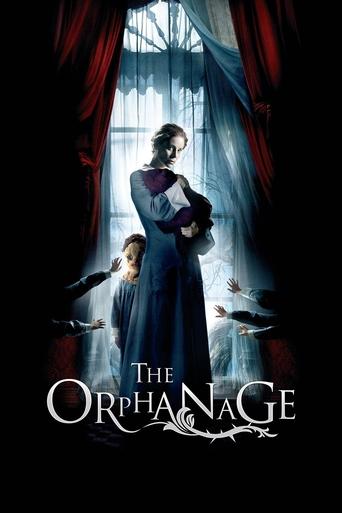
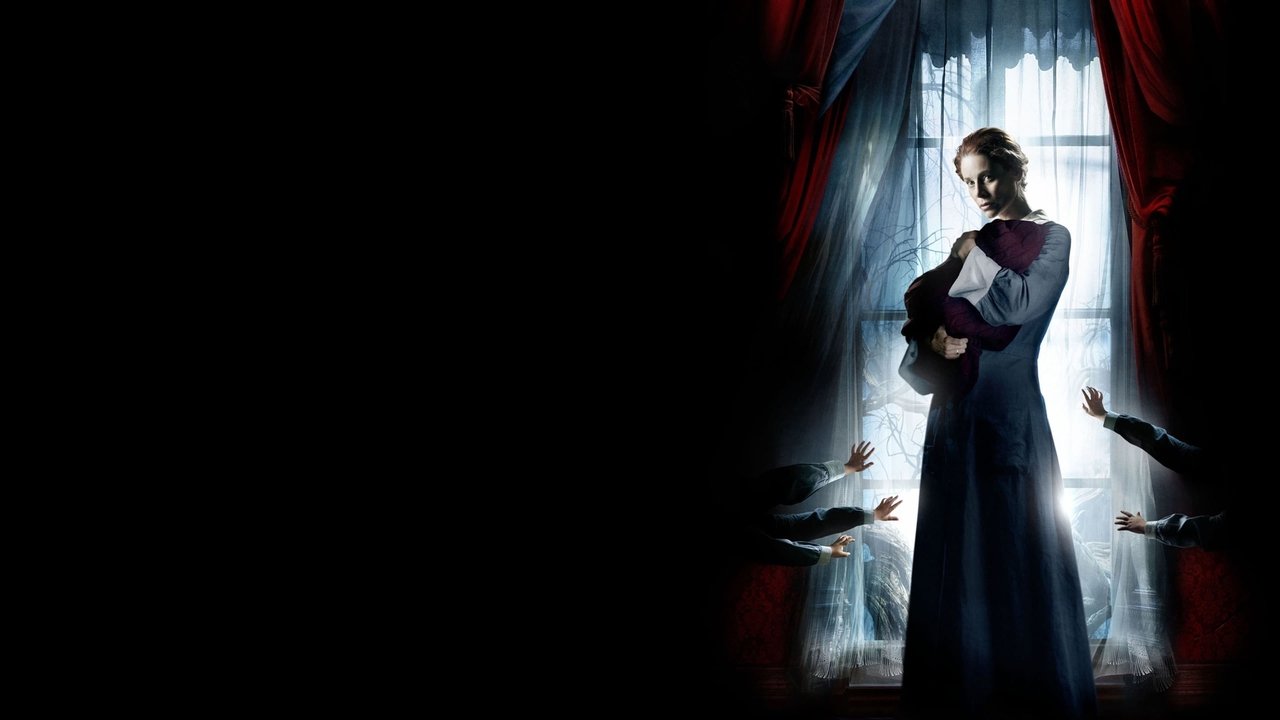
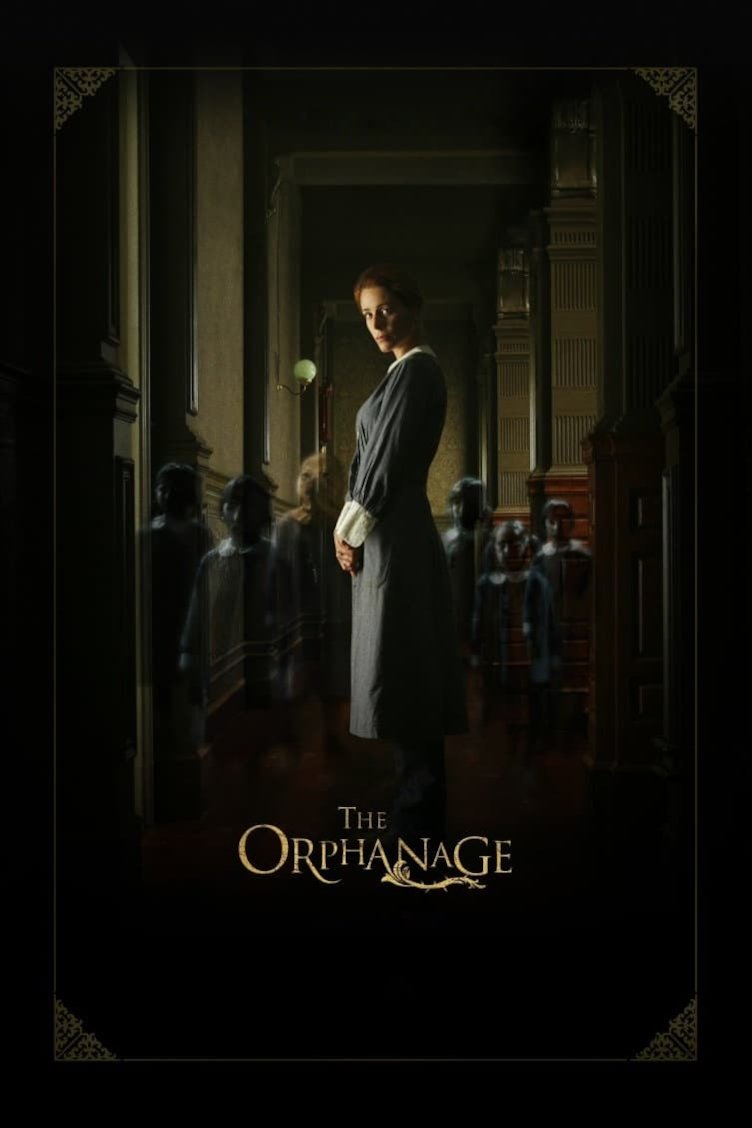
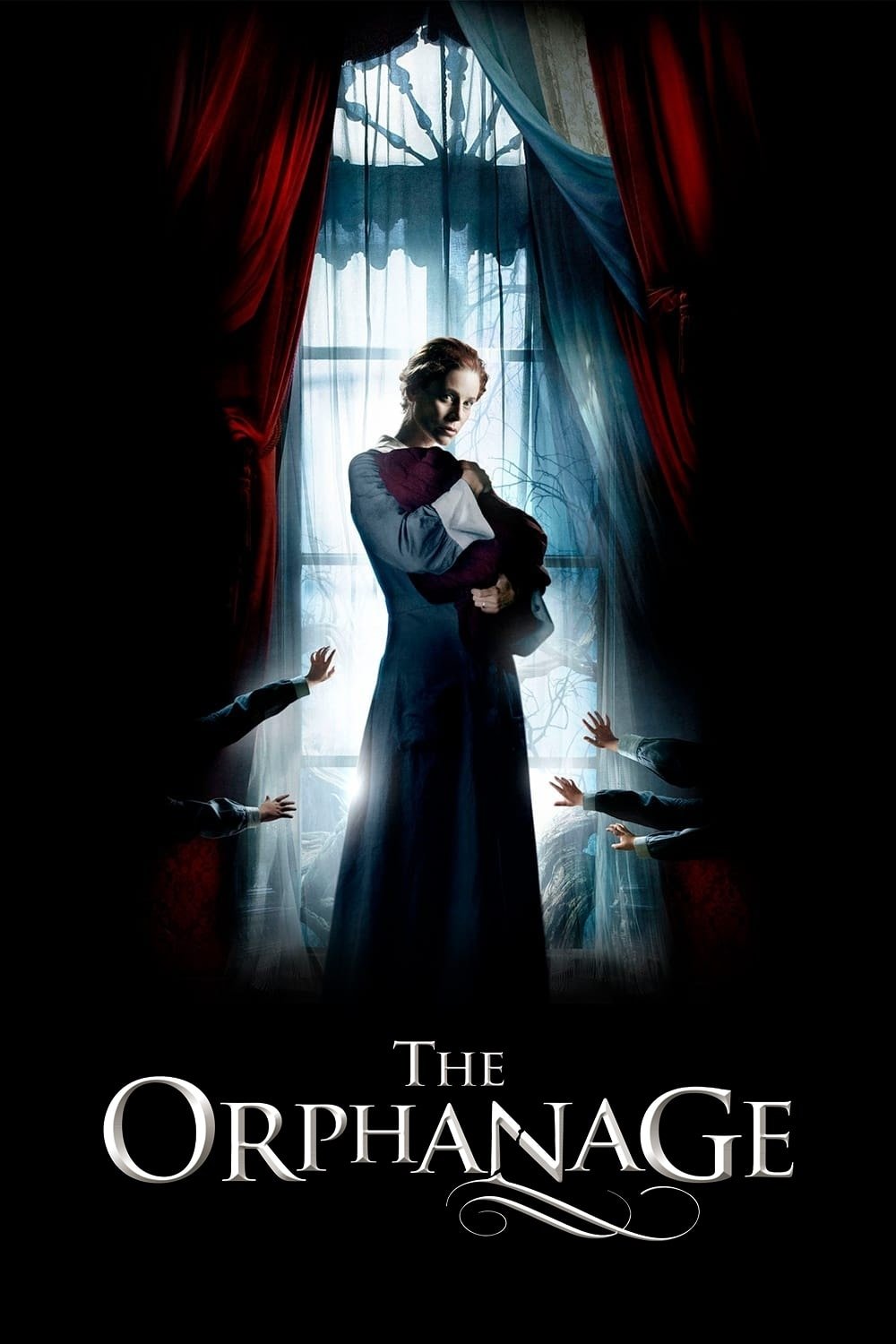
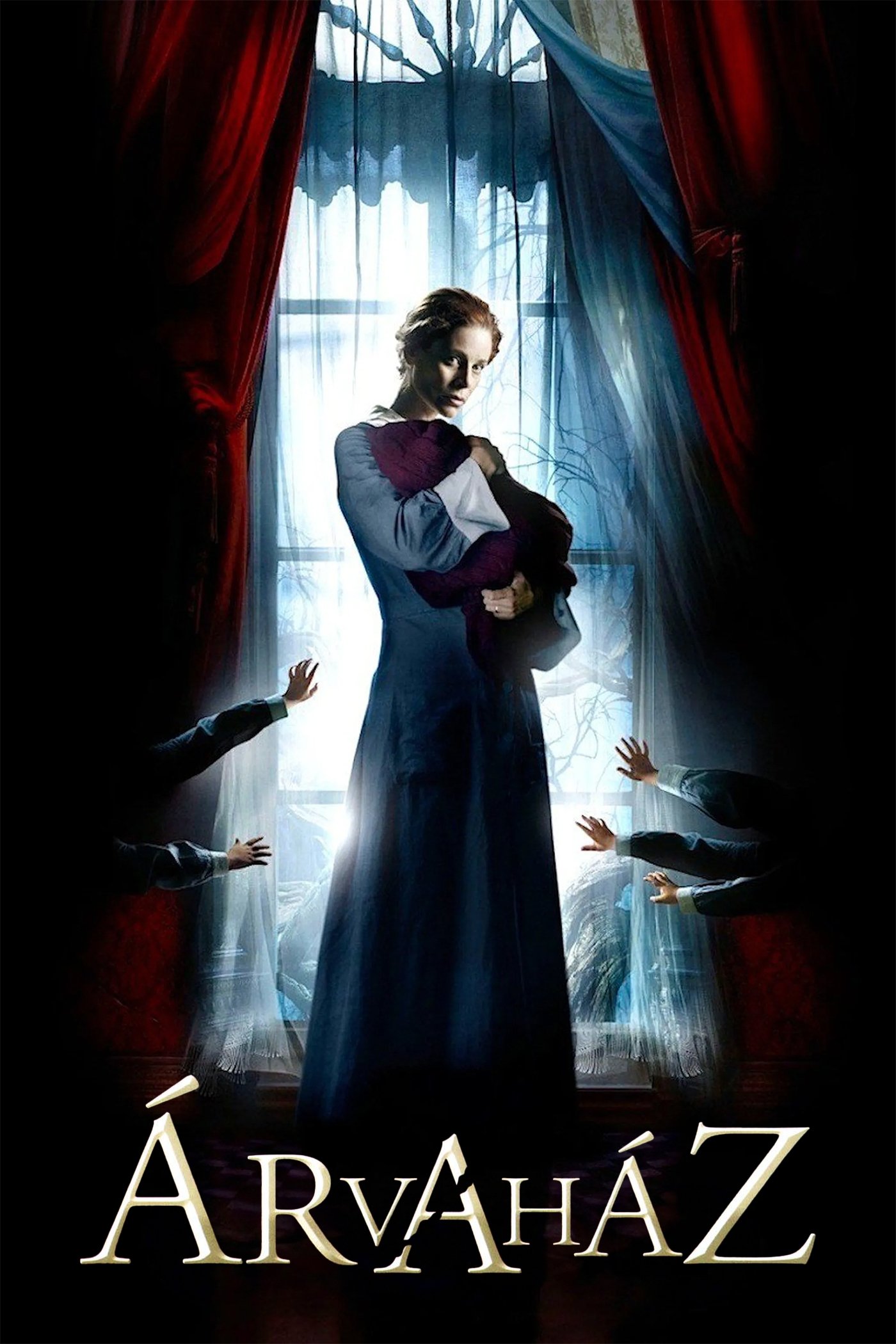
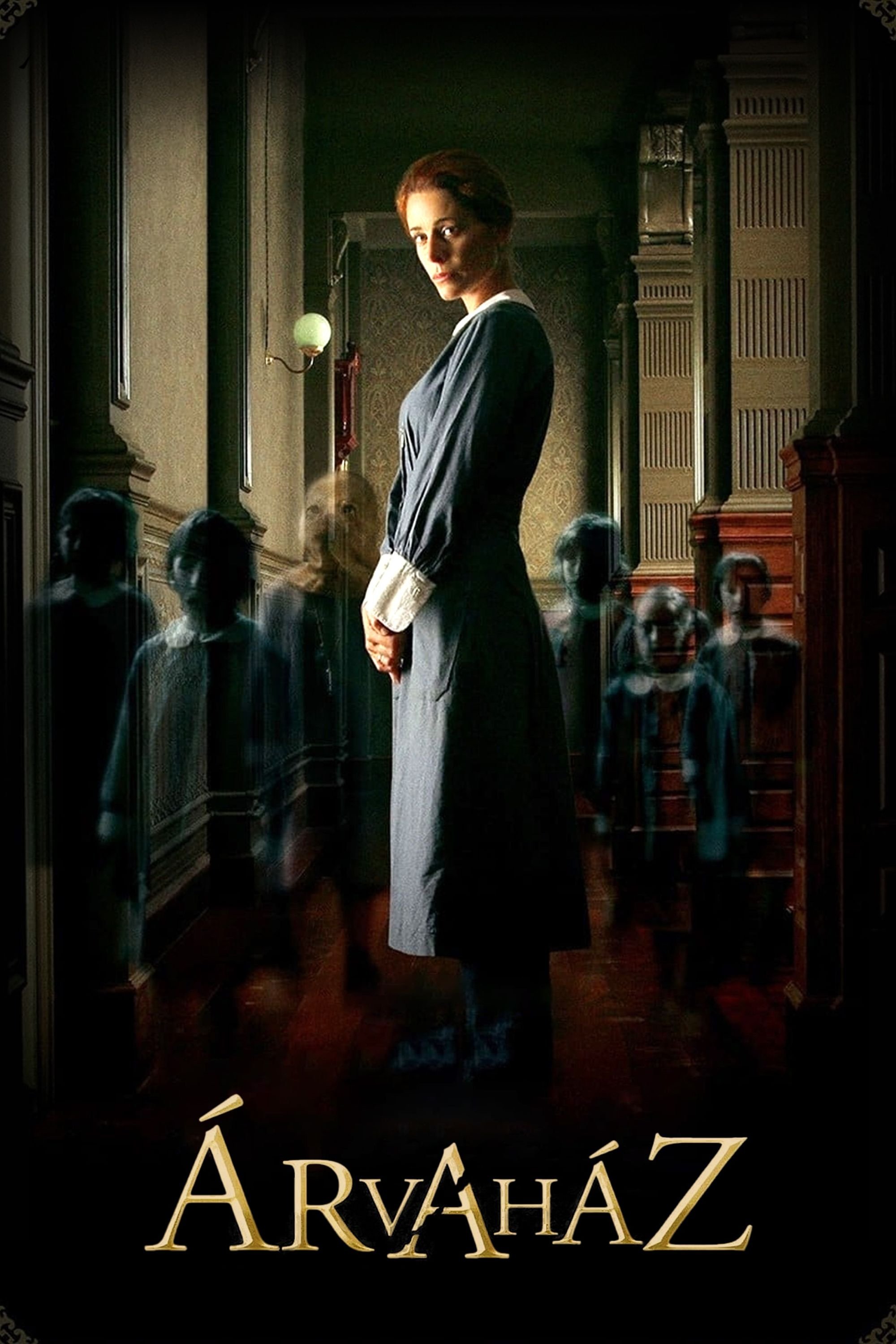
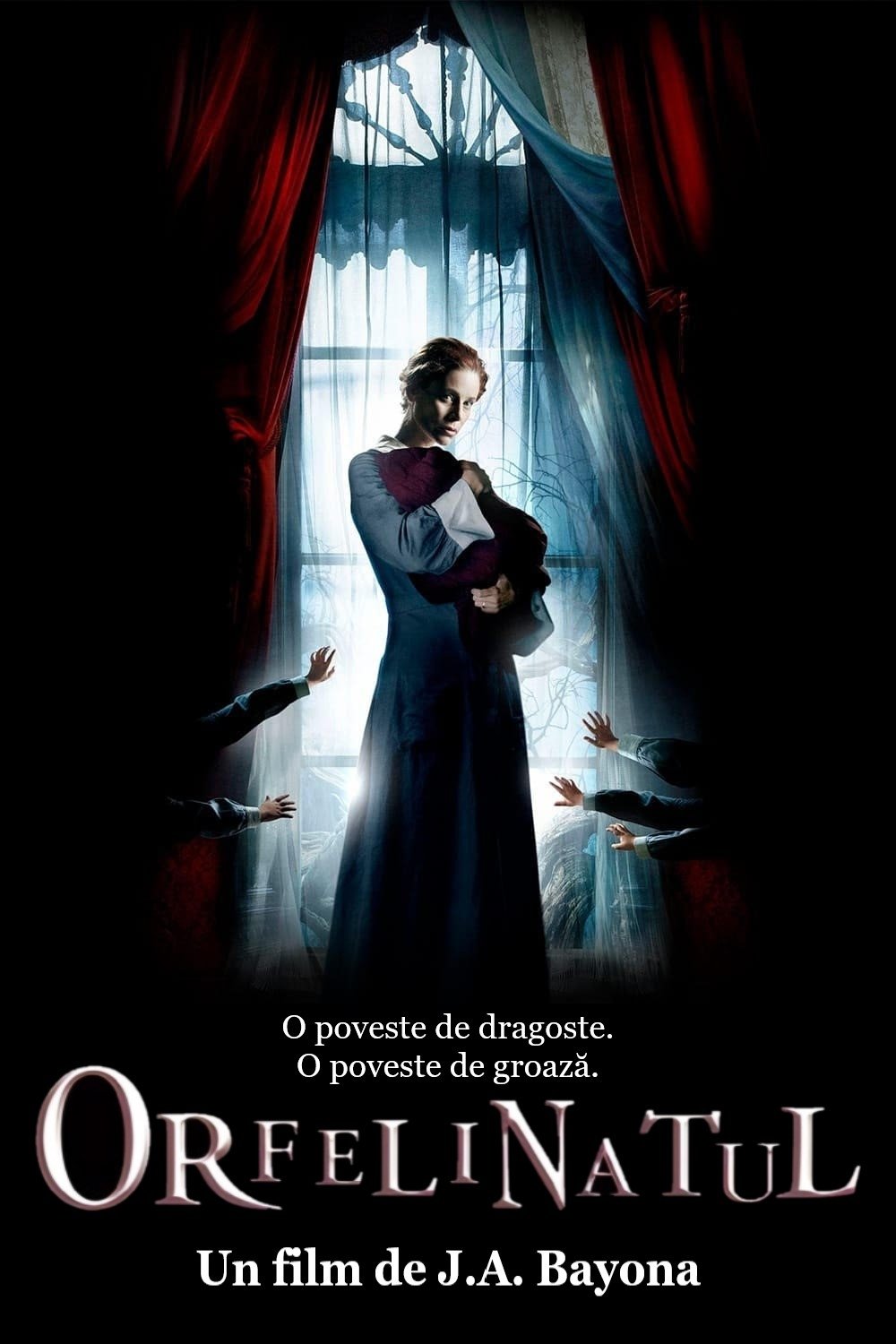
Laura returns to the orphanage accompanied by Carlos and their adopted son Simón. The couple plans to reopen the building as a residential home for children requiring additional care. Simón is receiving medical treatment, and his parents have not yet explained either his adoption or his HIV-positive status to him. These circumstances make the family’s future especially sensitive to questions of belonging, illness and separation. Simón begins describing invisible companions whom he believes inhabit the property. Laura initially regards the games as an expression of childhood imagination, but increasingly troubling incidents suggest that the children may be connected with the orphanage’s past.
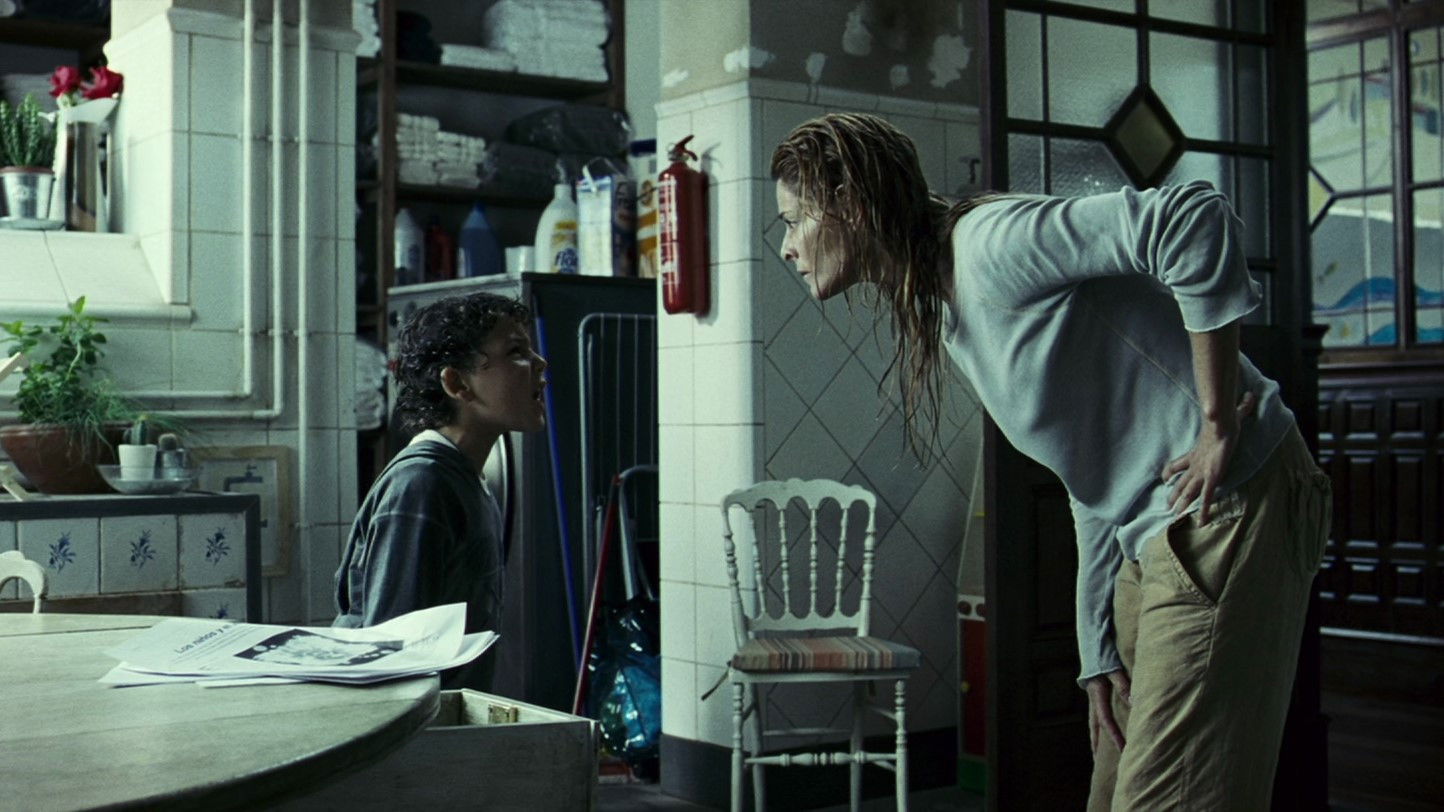
Simón disappears during the preparations for the institution’s reopening. Laura’s investigation gradually isolates her from Carlos, whose attempts to explain the events through ordinary causes do not satisfy her. She becomes convinced that understanding the invisible children will lead her to her son. The film follows her experience closely, limiting the audience’s access to information that she has not discovered. This restriction was deliberate. Sánchez explained that approximately fifteen minutes of material were removed during editing, largely to maintain Laura’s viewpoint. He also described visiting bereavement groups and meeting parents of missing children with Bayona and Rueda during preparation.
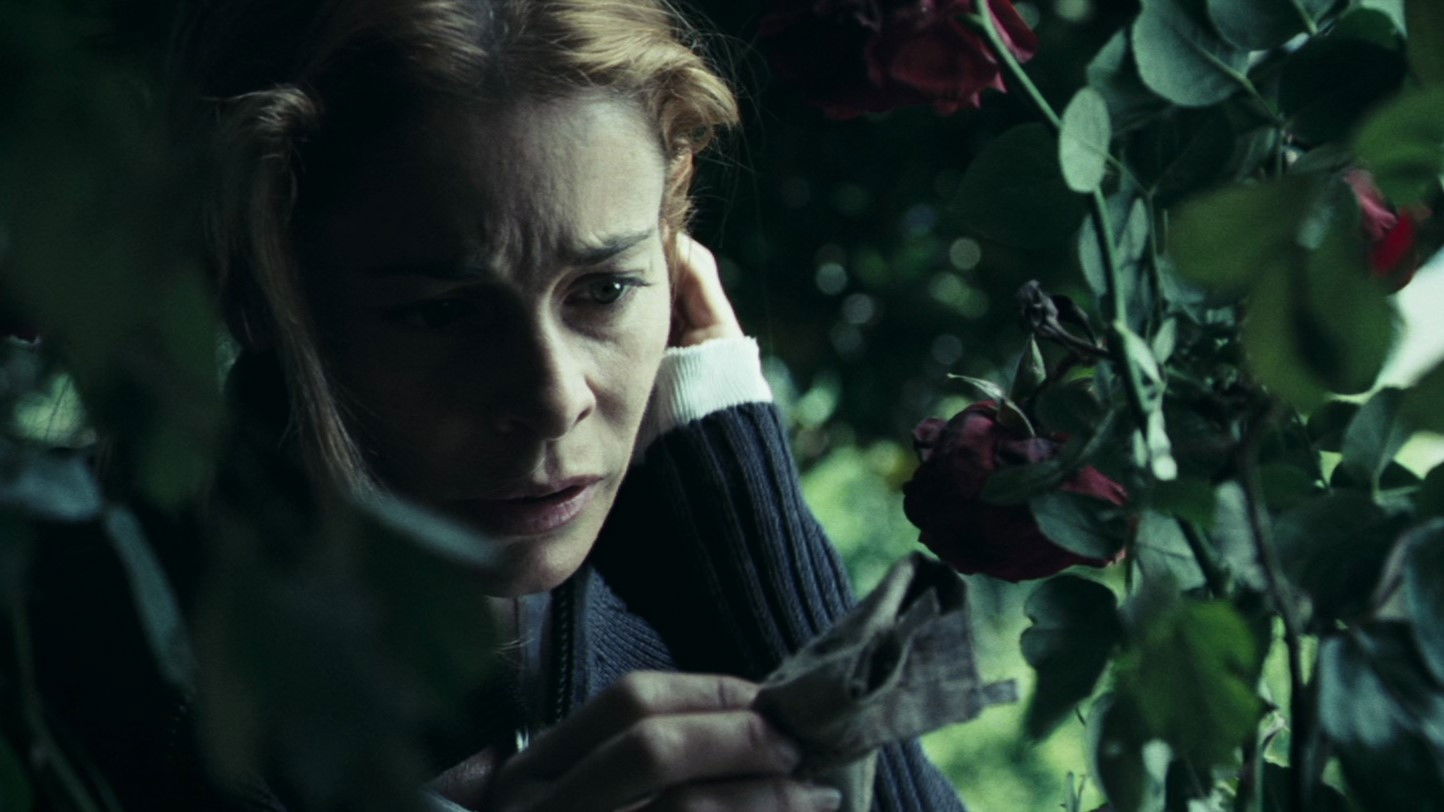
Rueda’s performance follows Laura from initial confidence through physical exhaustion and increasing desperation. The character repeatedly returns to clues that investigators regard as inconclusive, interpreting apparently childish objects as parts of an organized message. Her inability to confirm Simón’s fate becomes the principal source of distress. The household’s supernatural disturbances intensify this uncertainty because they sometimes suggest the boy remains alive while offering no reliable means of reaching him. Carlos provides an alternative response to the disappearance, and the growing distance between the parents makes the search increasingly solitary. Their conflict arises from incompatible understandings of the available evidence rather than a simple division between belief and disbelief.
Tom?s, Benigna, and the Orphanage’s History
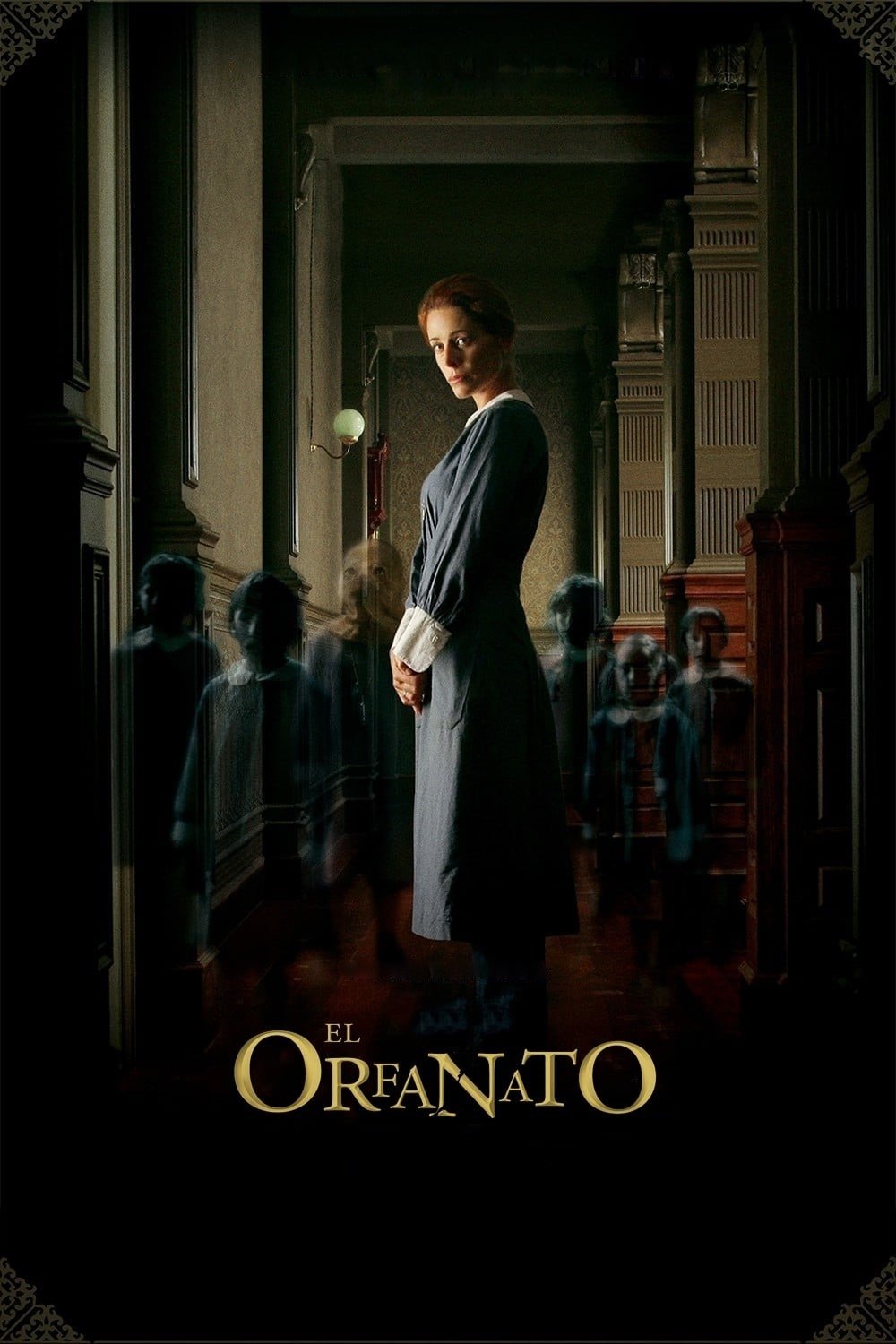
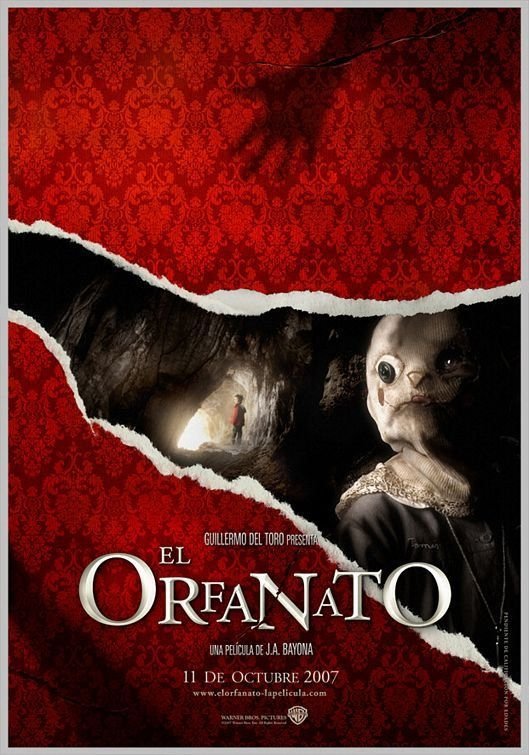
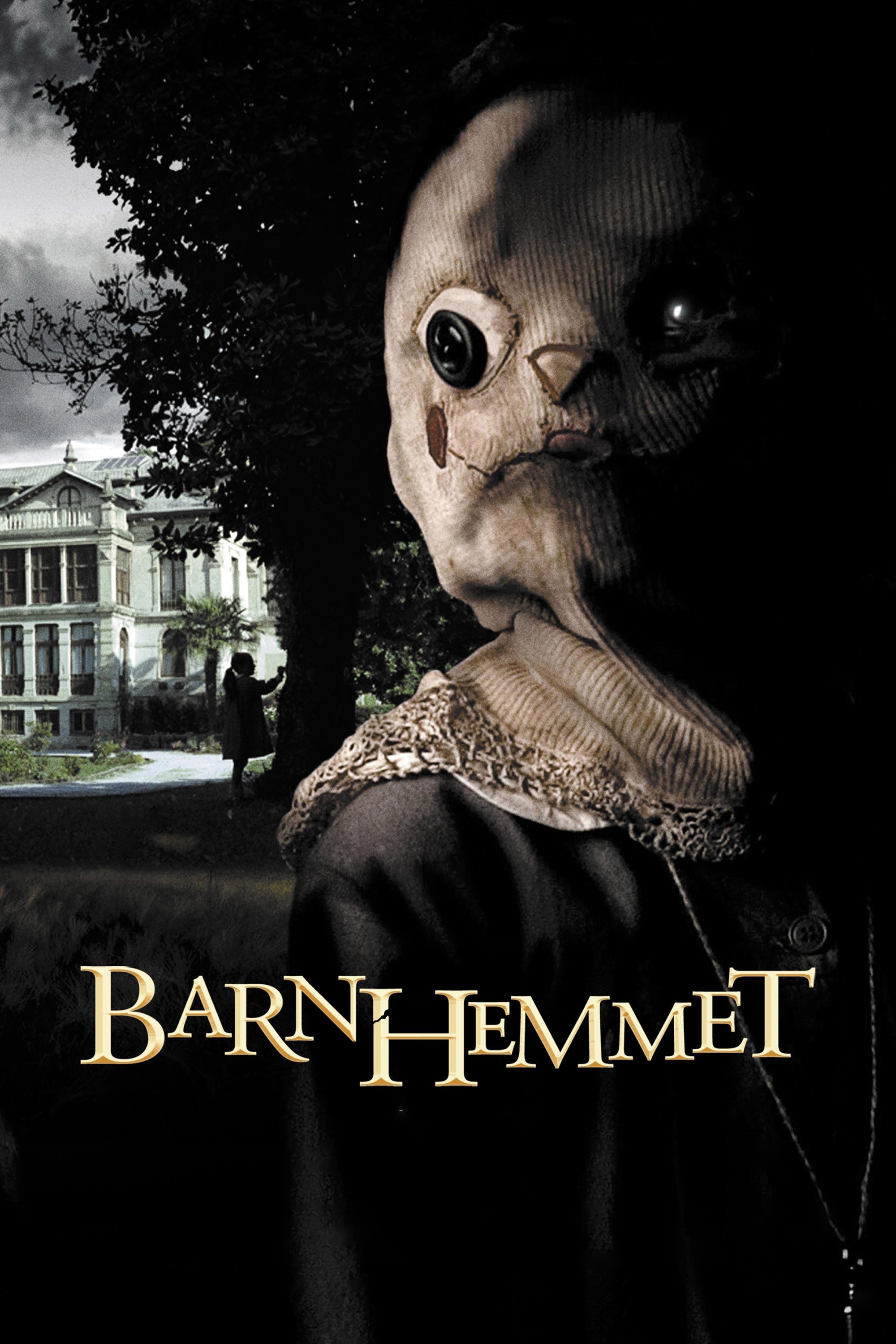
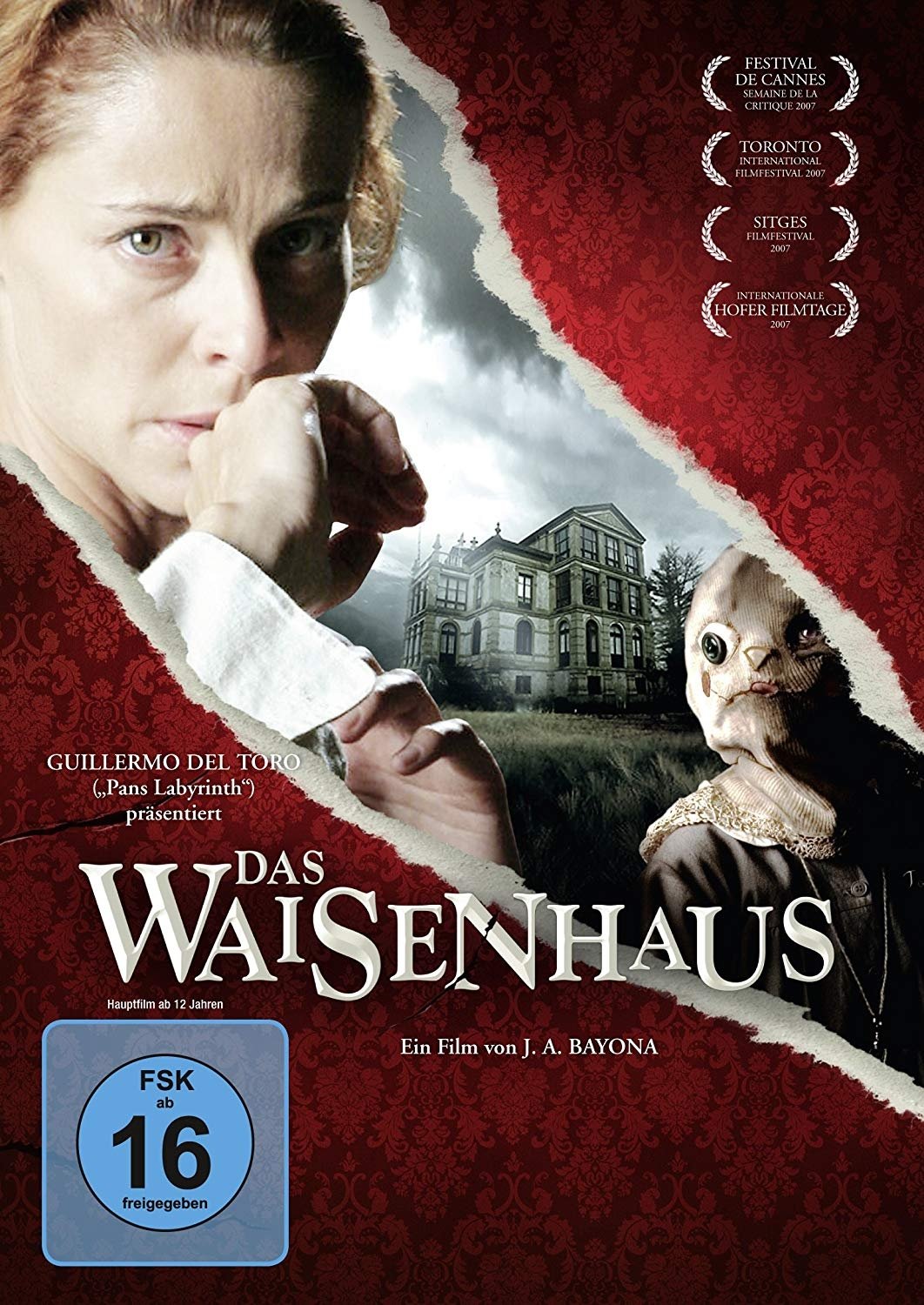
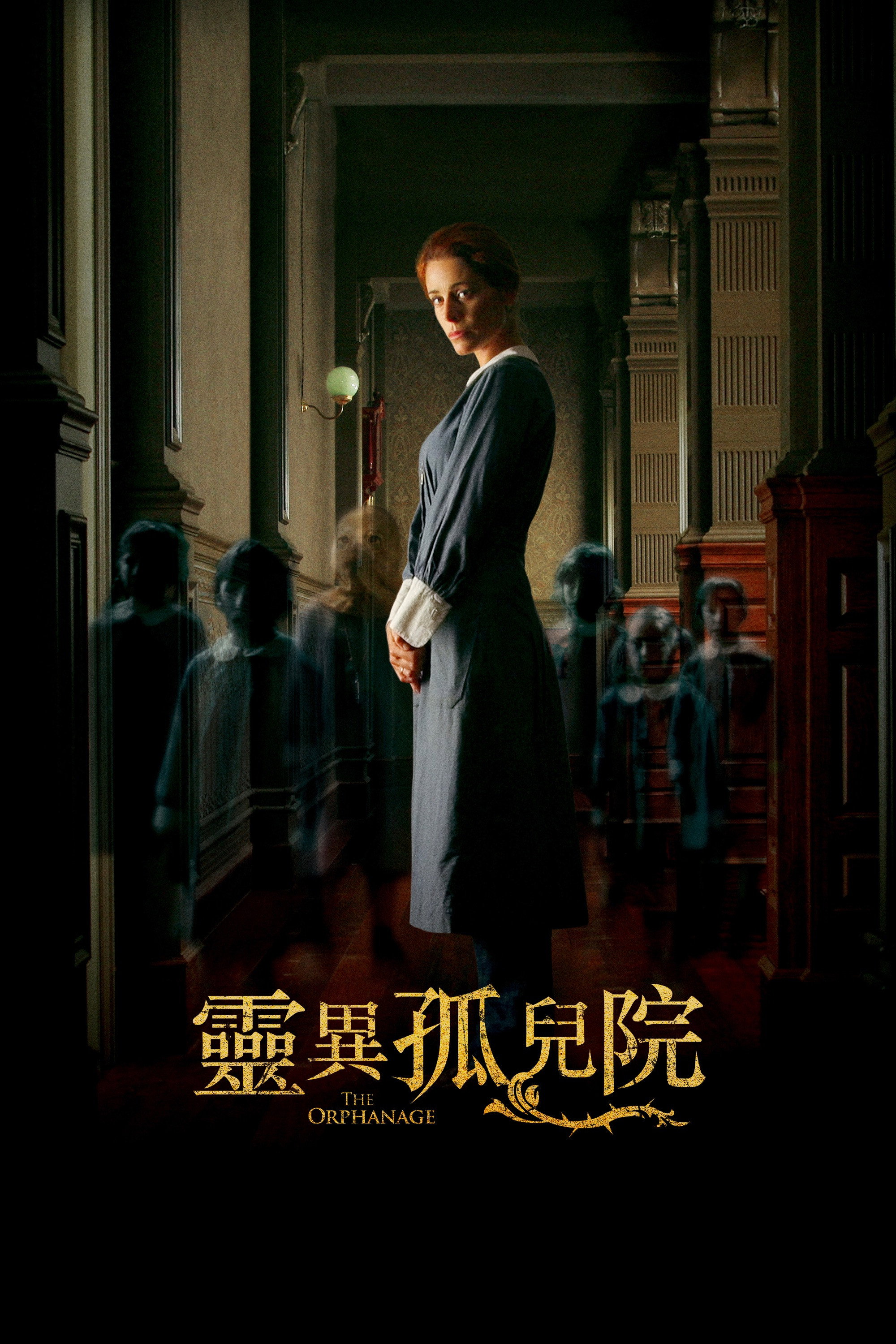
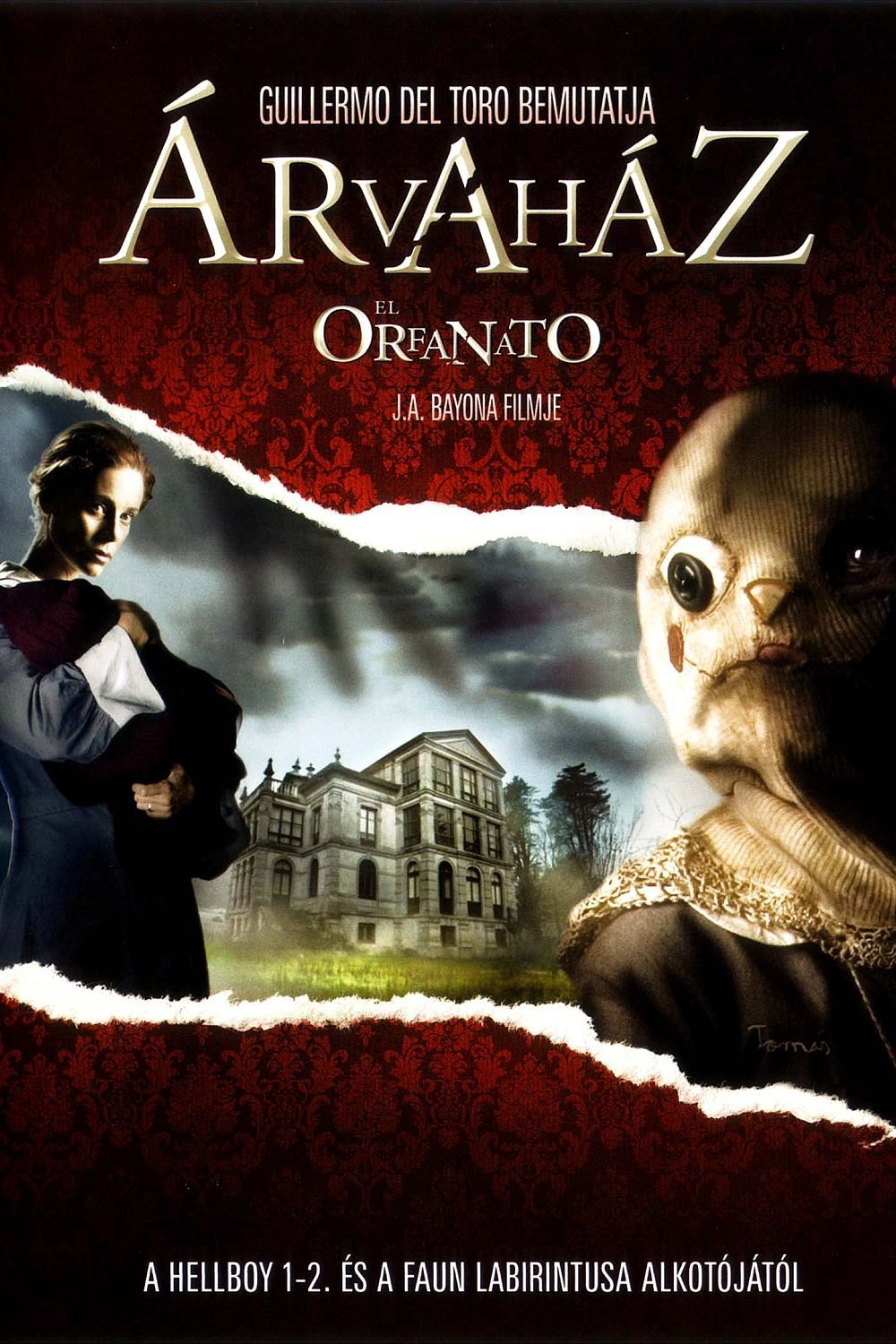
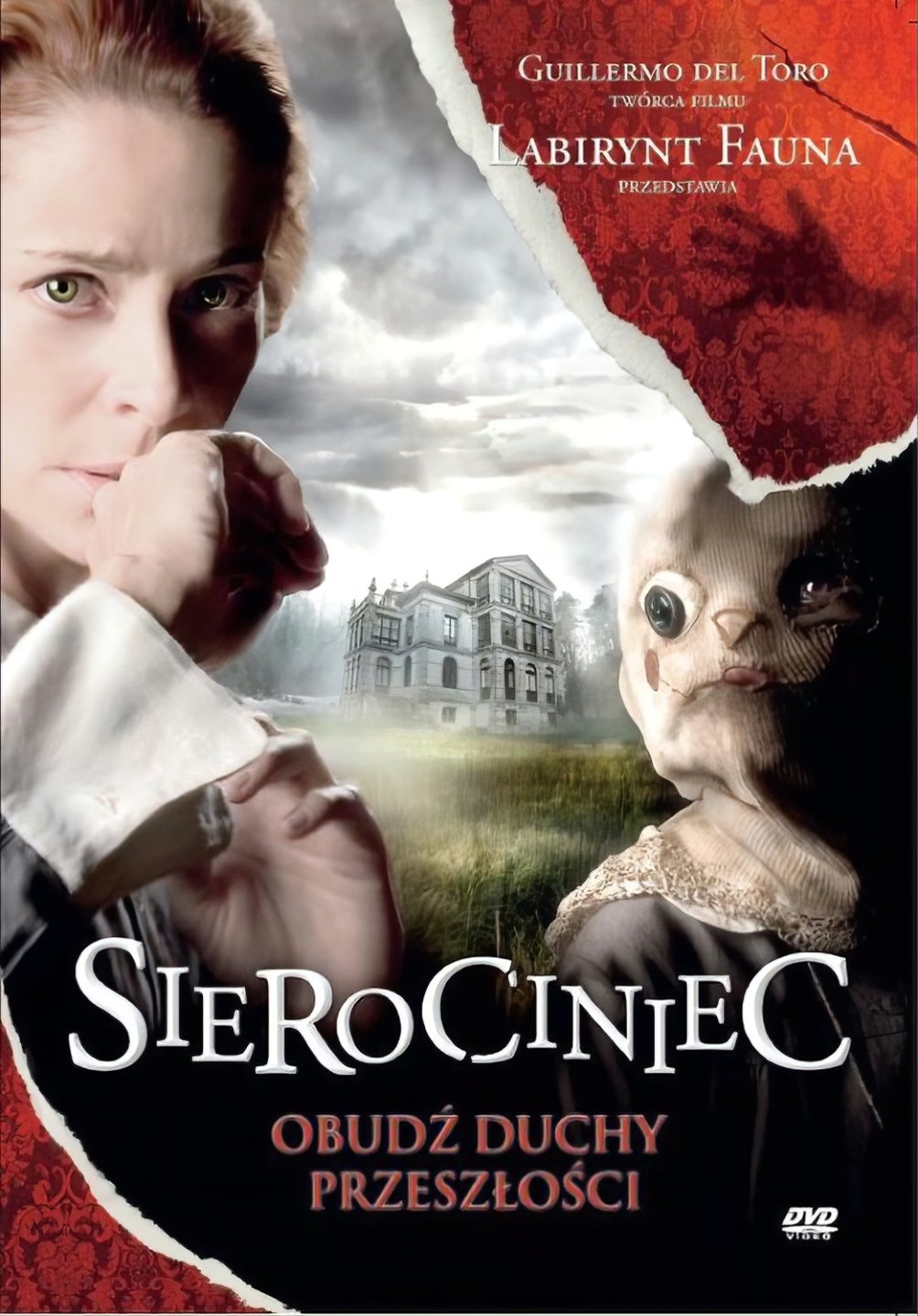
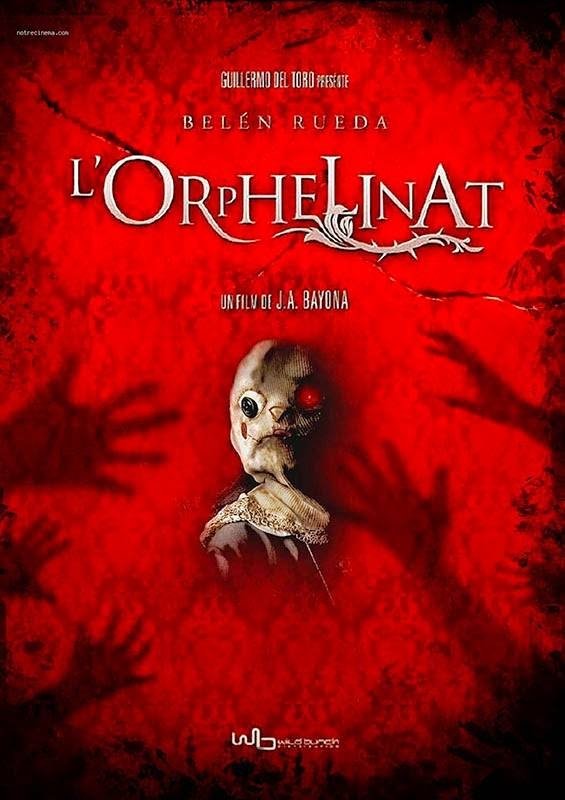
The past of the institution becomes associated with Tomás, a child who concealed his facial differences behind a cloth mask. The mask, with its distinctive openings, becomes one of the film’s principal frightening objects. Simón encounters a similarly dressed figure, while Laura repeatedly discovers clues suggesting that the former residents continue to influence the building. An elderly woman named Benigna Escobedo appears at the property and displays an unsettling interest in Simón. Her behaviour initially suggests a conventional antagonist, but the narrative changes direction when she dies after being struck by a vehicle. The sudden violence prevents the story from developing into a straightforward confrontation with a living villain.
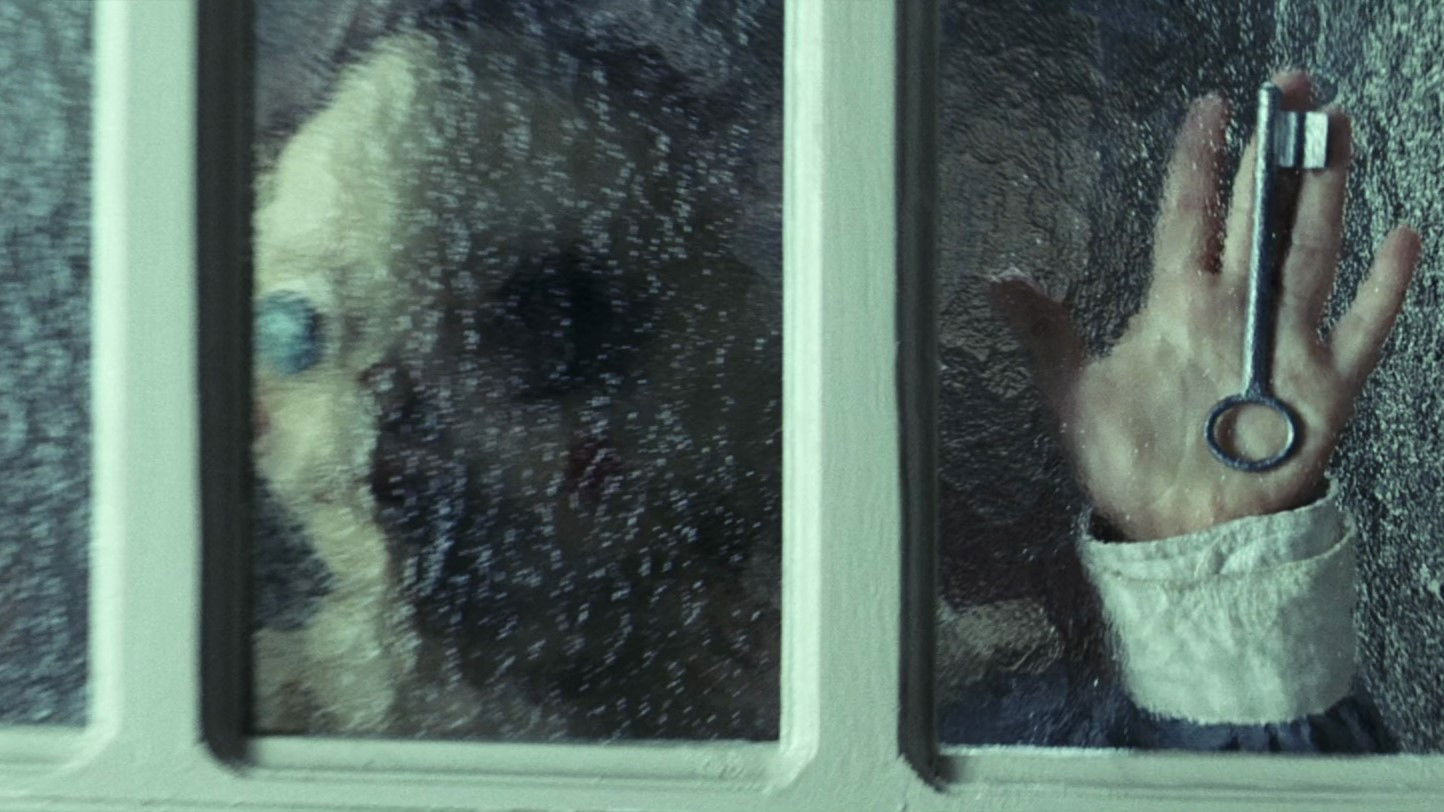
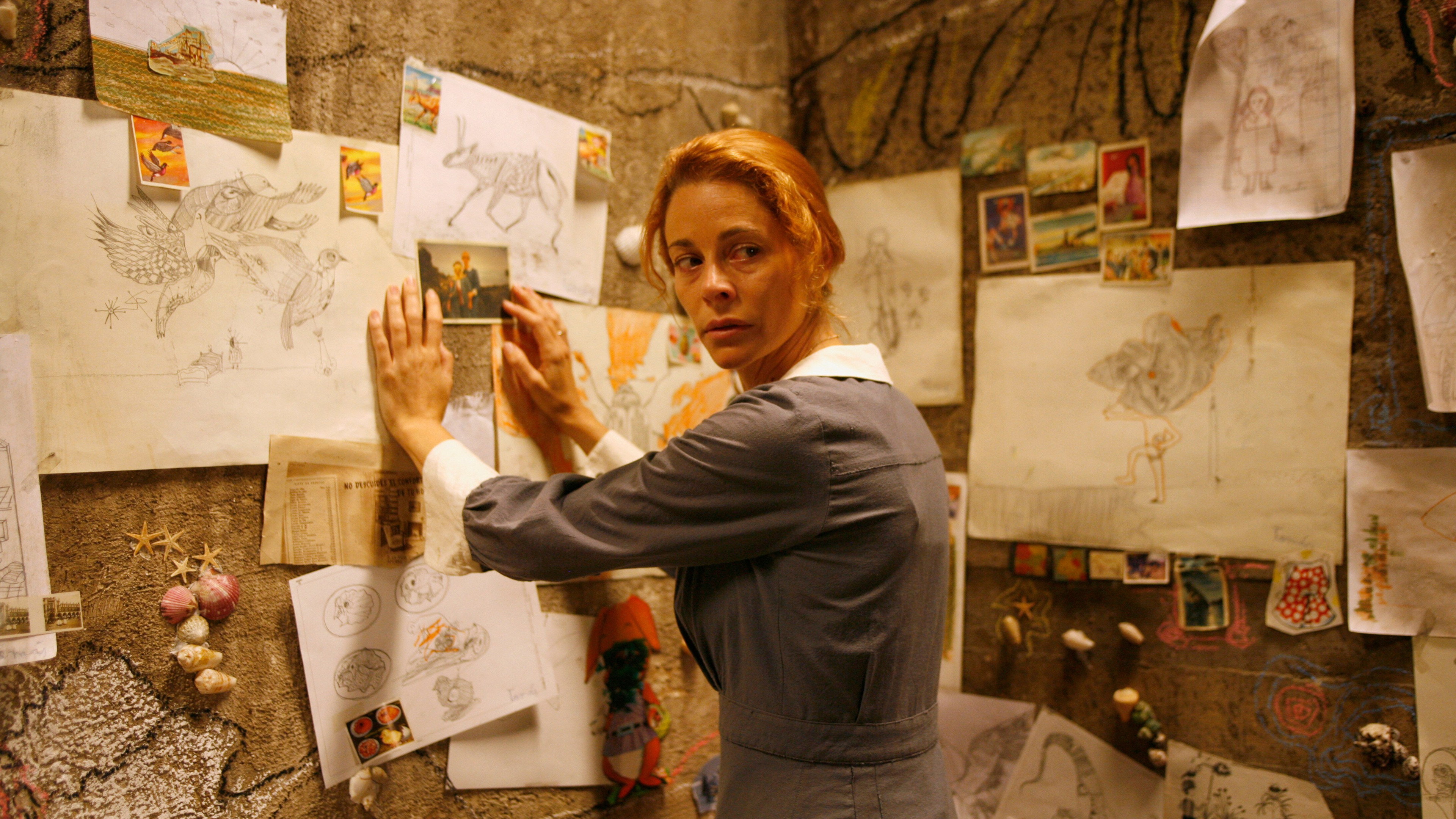
The investigation eventually reveals that Tomás died after a cruel game played by the other children. His mother Benigna subsequently poisoned the surviving residents in revenge and concealed their remains. These discoveries explain important elements of the orphanage’s history, but they do not immediately resolve Simón’s disappearance. Laura consequently continues searching for a connection between the earlier deaths and the apparent activity of the unseen children. The game of identifying concealed objects becomes a means of investigating the house. The clues involve familiar belongings and hidden spaces, allowing childhood play to acquire a threatening purpose.
The final revelation establishes that Simón entered a concealed room inside the building and became trapped after Laura unknowingly blocked its entrance with construction materials. The sounds she heard while searching were connected to his attempts to escape, followed by a fatal fall. This discovery changes the significance of earlier incidents without requiring every apparition to be explained as imaginary. Laura’s subsequent reunion with the children is presented in supernatural terms, but Bayona deliberately preserved the possibility of interpreting the conclusion through her emotional condition. The scene’s force depends on the established reality of Simón’s death and the difference between Laura’s desire for reunion and what can be recovered in the physical world.
Asturias Locations and the Construction of the House
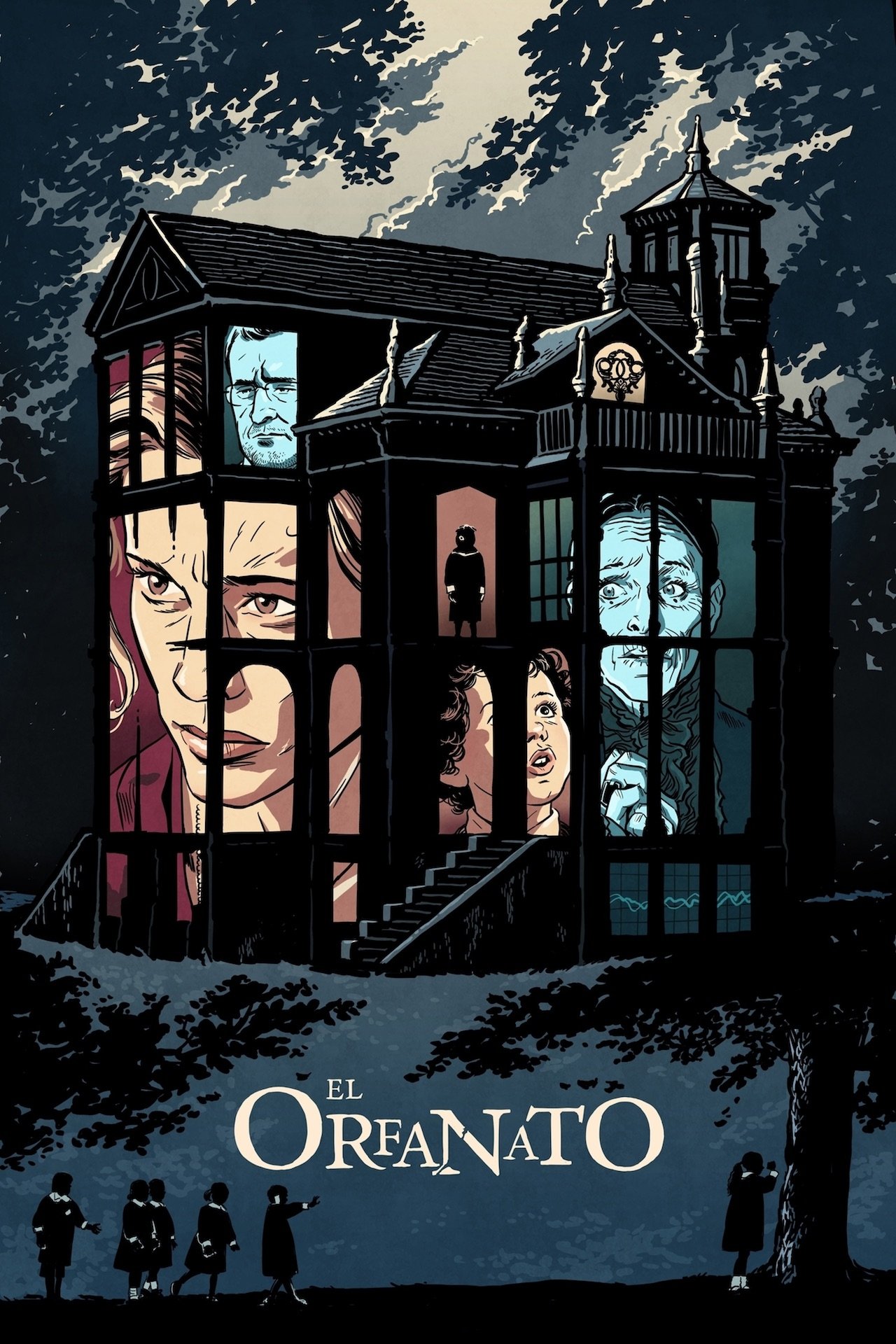
Principal photography began in May 2006, with substantial exterior work around Llanes in Asturias. The filmmakers selected an abandoned house whose architecture provided the required appearance of an isolated institution. Bayona recalled that its four sides offered markedly different visual compositions, making it particularly adaptable to the story. The building was in poor condition, however, and its interiors could not accommodate the planned camera movements. The production therefore reconstructed the main interior spaces on sets in Barcelona. This arrangement preserved the atmosphere of the existing house while giving the crew greater control over lighting, movement and the placement of important architectural details.
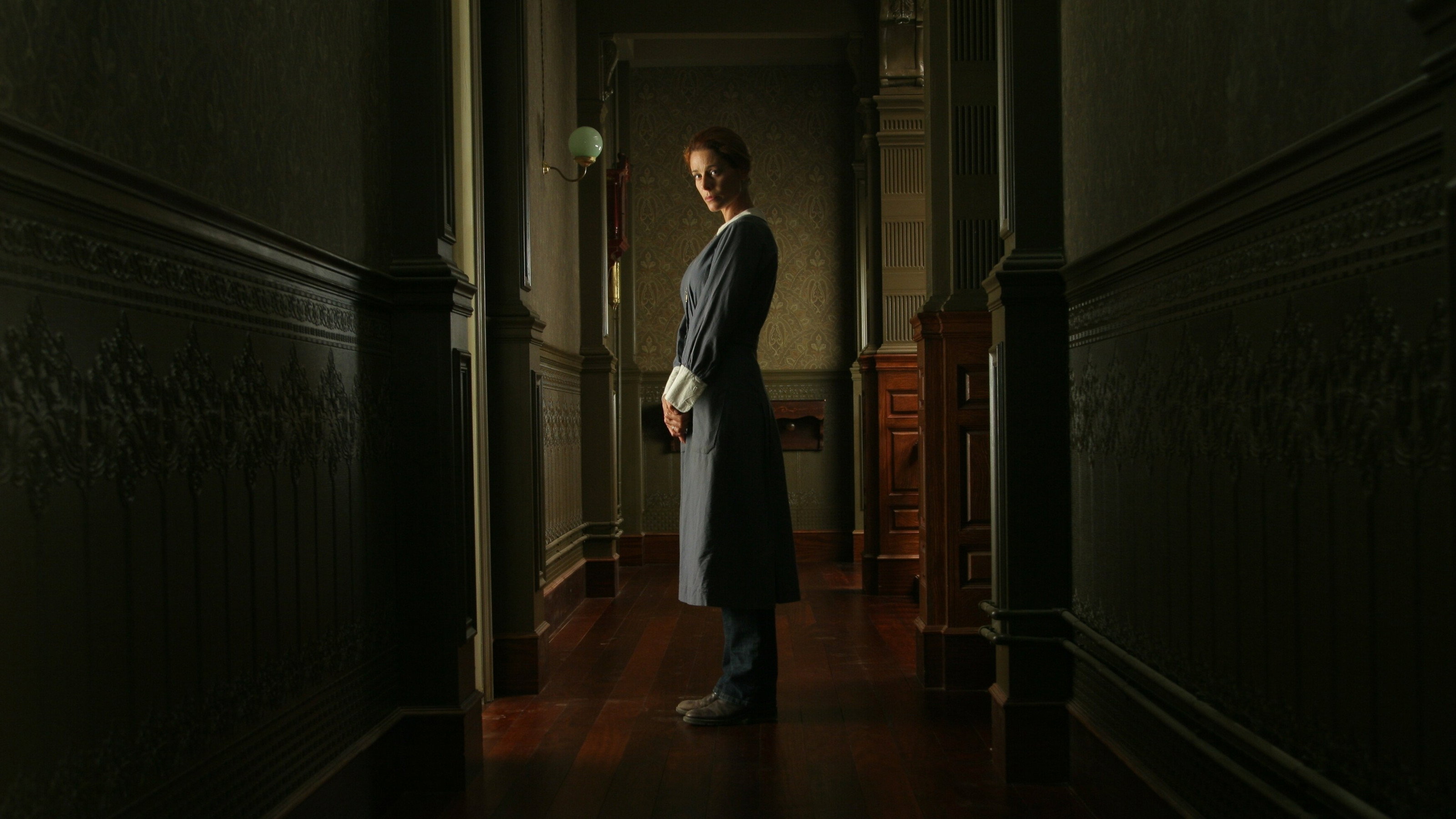
Production designer Josep Rosell created interiors organized around corridors, staircases, rooms and concealed passages. Their geography becomes increasingly significant as Laura attempts to understand the building’s history. The former children’s rooms contain objects associated with the institution’s earlier residents, while spaces altered during renovation conceal information essential to the final discovery. The relationship between visible rooms and inaccessible areas supports a mystery dependent on the physical arrangement of the house. Bayona storyboarded extensively, intending to control the presentation of these environments with the precision of classical studio filmmaking.
The Asturian landscape supplies a contrasting exterior environment. The coast, sea caves and surrounding countryside extend the story beyond the building while preserving a sense of separation from ordinary community life. Tomás’s earlier death is linked to a coastal location, connecting the children’s history with the geography that Simón explores. These places are recognizable physical settings rather than entirely fabricated supernatural spaces. Their unsettling quality emerges from the events associated with them. The combination of location exteriors and constructed interiors also allowed the filmmakers to move between expansive landscapes and carefully restricted rooms, maintaining the relationship between Laura’s search and the spaces through which information is gradually revealed.
Cinematography, Editing, and the Construction of Horror
Óscar Faura’s cinematography emphasizes the movement of characters through spaces whose full contents remain uncertain. Bayona frequently delays a visual revelation while allowing an approaching sound or an unexpected change in the environment to suggest danger. The method is especially effective during Laura’s encounters with masked figures and while she searches corridors whose exits remain outside the frame. The film also uses sudden physical violence sparingly. Benigna’s death introduces an unusually graphic injury, interrupting the more restrained presentation established through the earlier supernatural scenes. Its placement disrupts the assumption that the mystery will proceed through a recognizable sequence of confrontations with a single antagonist.
The production combined practical makeup with visual effects. David Martí and Montse Ribé contributed to the special makeup work, while additional technicians created the effects required for the film’s injuries and supernatural incidents. Bayona explained that certain scenes could not rely on conspicuous digital manipulation because their meaning had to remain compatible with more than one interpretation. The séance provides a particularly important example. Geraldine Chaplin’s performance as medium Aurora was filmed partly through video equipment, allowing the sequence to represent an investigation in which images and sounds appear to reveal information beyond ordinary perception.
Editor Elena Ruiz helped sustain the close relationship between the audience and Laura’s discoveries. Some sequences use prolonged movement through familiar rooms, while others change rhythm as apparently harmless objects acquire threatening significance. Sánchez recalled suggesting that a sequence involving knocks on a wall be staged in one take, allowing suspense to develop through an uninterrupted action. The filmmakers also removed scenes that broadened the viewpoint beyond Laura. This concentration prevents the narrative from resolving the supernatural questions independently of her investigation. The final discoveries then alter the meaning of actions already witnessed, making the placement and duration of earlier shots essential to the story.
Fernando Vel?zquez’s Score and Oriol Tarrag?’s Sound Design
Fernando Velázquez composed the original score, continuing a collaboration with Bayona that had begun on the director’s short films. In a 2008 interview with UnderScores, Velázquez explained that the music was developed from the emotional requirements of the ending. The principal theme was subsequently fragmented and altered for earlier scenes, allowing its full significance to emerge progressively. He estimated that approximately forty-two minutes of music were used in the completed picture, less than the near-continuous scoring sometimes associated with horror cinema. The orchestral recording took place in Sofia, Bulgaria. Velázquez regarded the placement of silence as an essential part of the composition process.
Oriol Tarragó supervised the sound design, working with production sound recordist Xavier Mas and re-recording mixer Marc Orts. Tarragó stated that sound post-production extended over approximately six months, ending in April 2007. The team recorded material from the empty sets and from an old isolated house, collecting footsteps, doors, windows and the movement of wooden structures. Bayona wanted the building to possess a recognizable acoustic character. Its ordinary noises gradually become more pronounced as Laura’s search progresses. The film consequently establishes supernatural unease through familiar materials before introducing sounds that are clearly outside everyday experience.
The séance required extensive additional recording. Tarragó assembled children’s voices and screams through sessions involving performers and other young participants. He also designed Tomás’s breathing from different vocal textures, combining material derived from his own experiments with recordings of Sánchez, who had experienced asthma during childhood. These sounds make the masked figure’s presence unsettling before its appearance is fully revealed. The sound department further incorporated recordings captured at the exterior location into the séance sequence. The interaction between environmental noise, designed effects and Velázquez’s orchestral passages gives the film a distinct acoustic structure, allowing apparent supernatural evidence to emerge through sounds that cannot immediately be assigned to a visible source.
Release, Critical Reception, and Historical Position
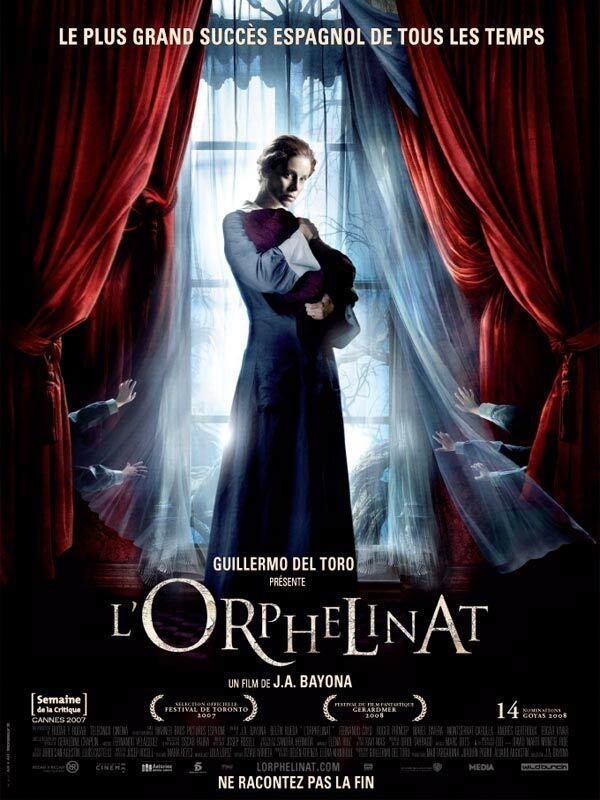
The Orphanage screened at the Cannes Film Festival in May 2007 before opening the Sitges International Fantastic Film Festival and reaching Spanish cinemas in October. Its theatrical performance was exceptional for a first feature. Cineuropa reported that the film had earned approximately €24 million and attracted 4,274,355 spectators in Spain by December 31, 2007. These figures refer to that reporting period rather than its entire subsequent theatrical life. Later Spanish government records document additional admissions. The film also received international distribution, with a limited American release beginning in December 2007 and wider circulation in January 2008. Its commercial achievement helped establish Bayona’s reputation outside Spain.
Contemporary reviews generally praised the film’s use of suspense and its emotional emphasis. Roger Ebert, reviewing the American release in December 2007, singled out the prolonged anticipation of frightening events and the restraint with which Bayona presented supernatural incidents. He also recognized that the apparitions could be interpreted through Laura’s psychological experience. Other critics discussed its relationship with earlier Spanish-language ghost films, particularly The Devil’s Backbone and The Others. These comparisons reflected shared interests in childhood, concealed histories and uncertain supernatural experiences, although Bayona’s screenplay developed its own narrative around the disappearance of an adopted child and the reopening of a former orphanage.
At the 2008 Goya Awards, The Orphanage received seven awards, including Best New Director for Bayona and Best Original Screenplay for Sánchez. The film also won prizes for production supervision, art direction, makeup, special effects and sound. It was selected as Spain’s submission for the Academy Award for Best Foreign Language Film but did not receive a nomination. The European Film Academy subsequently recognized it with several nominations in 2008. Its success demonstrated the international audience available for a Spanish-language Gothic horror production whose central mystery depended on a sustained dramatic performance. The film’s distinctive place in twenty-first-century horror rests on the integration of a physically detailed haunted house, carefully controlled supernatural uncertainty and the consequences of a mother’s search for her missing child.