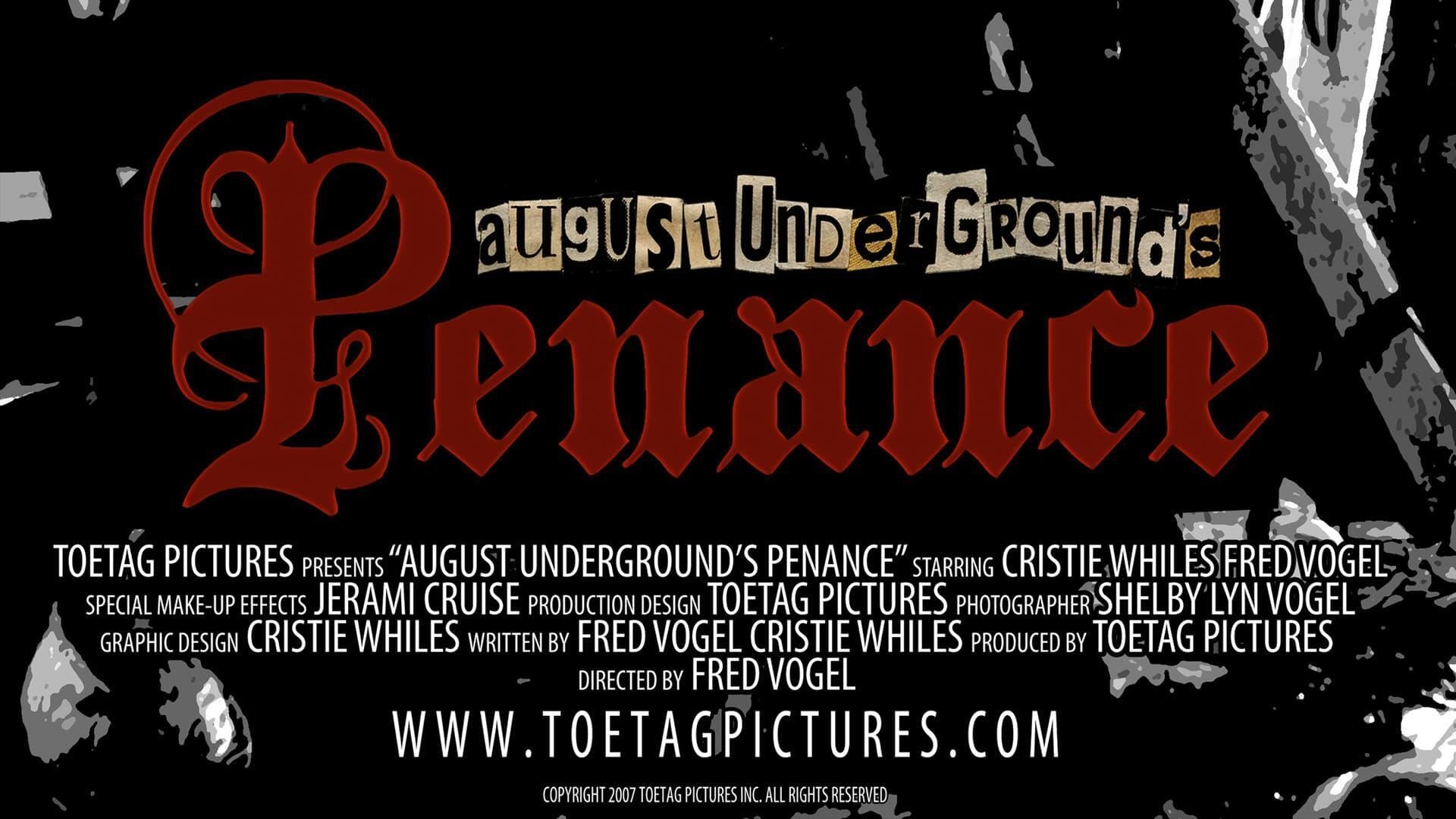
August Underground's Penance (2007)

US
HORROR FILM
5.0/10 2 votes
Runtime
85 min
Release
January 1, 2007
Budget
$5,000
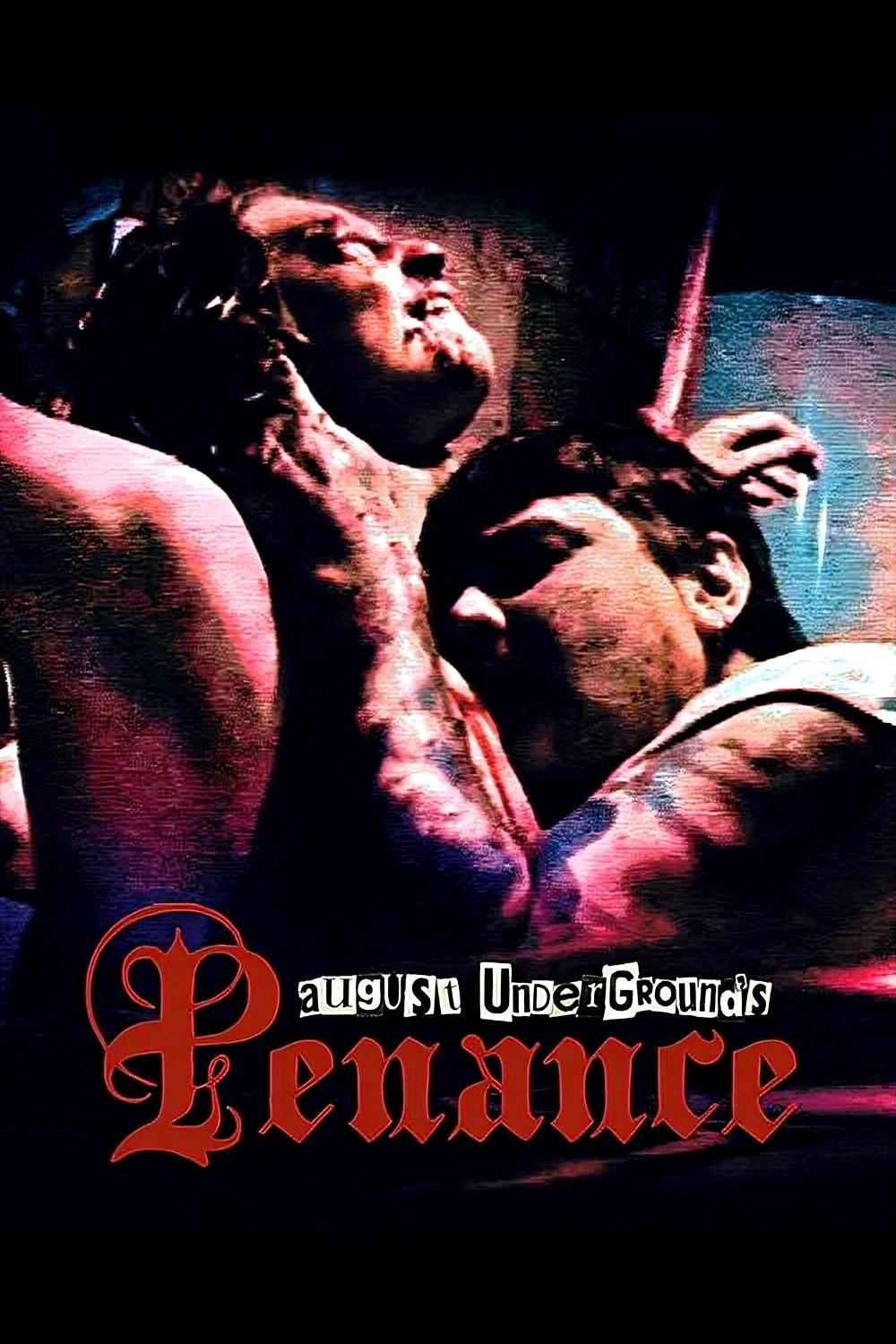
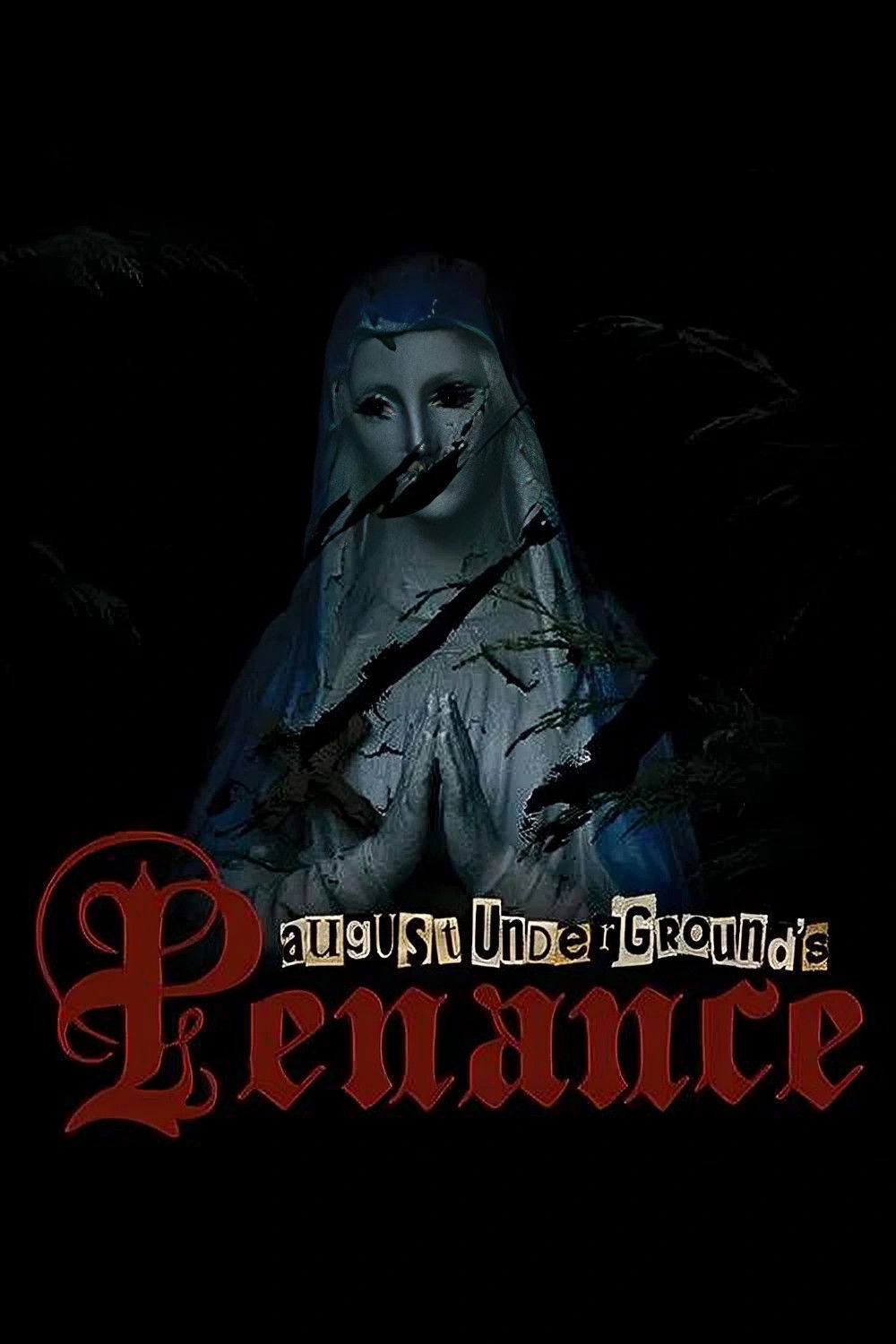
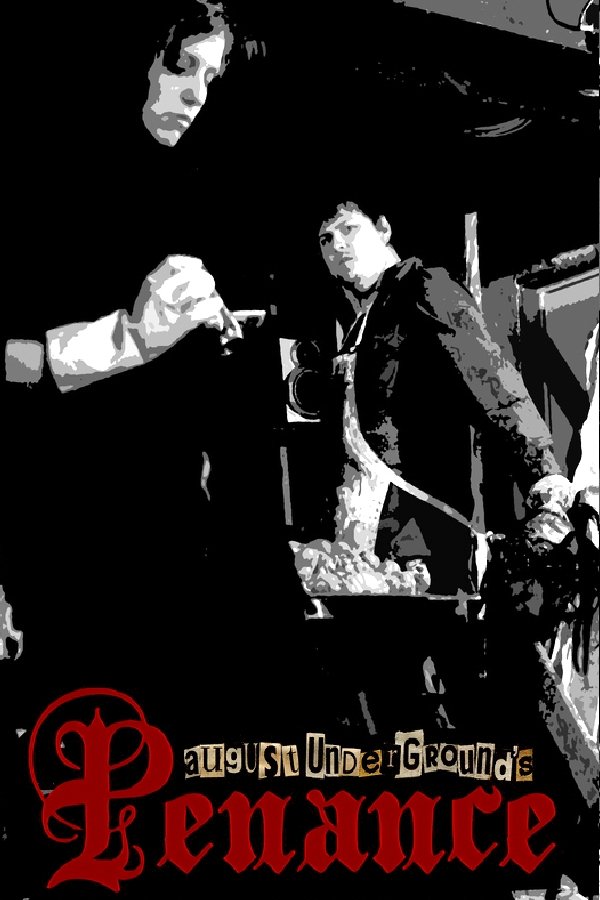
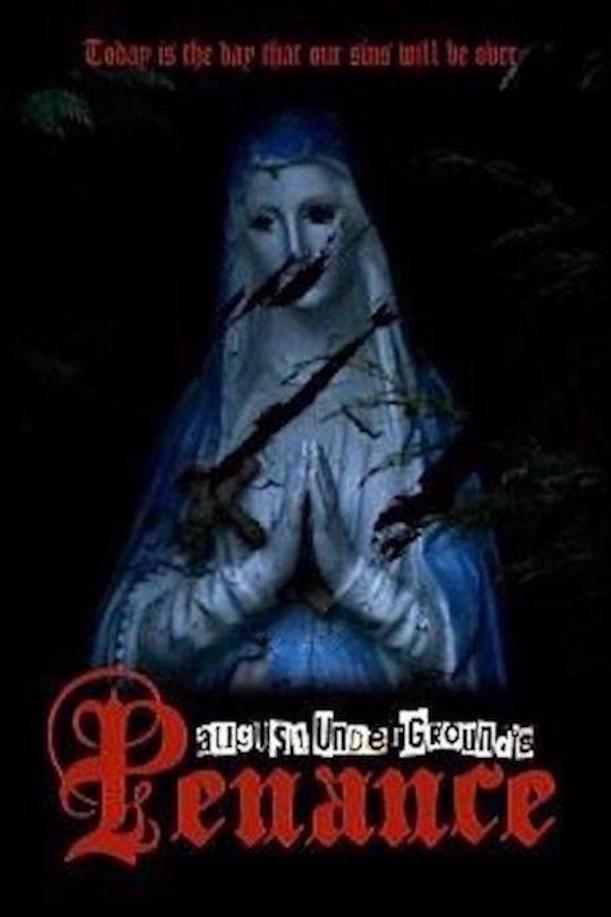
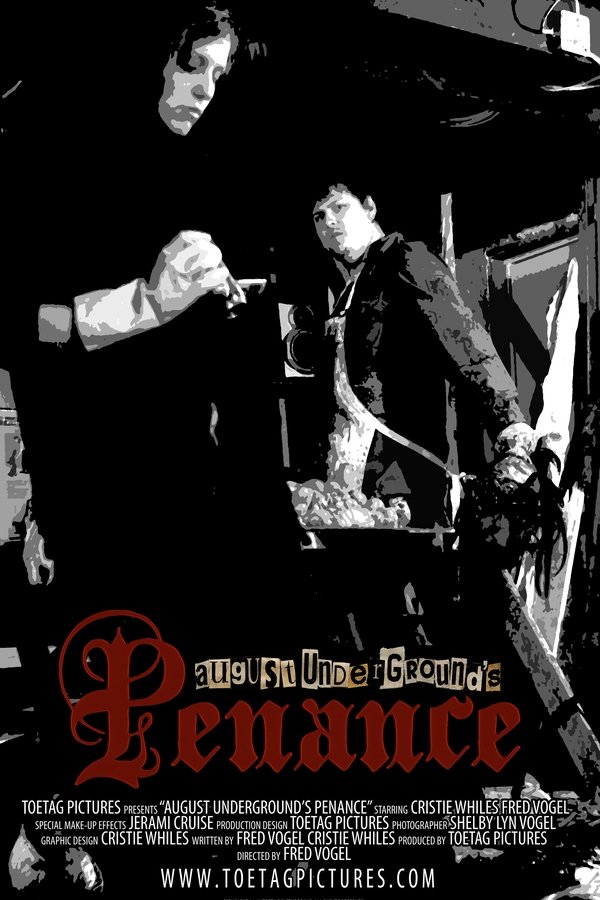
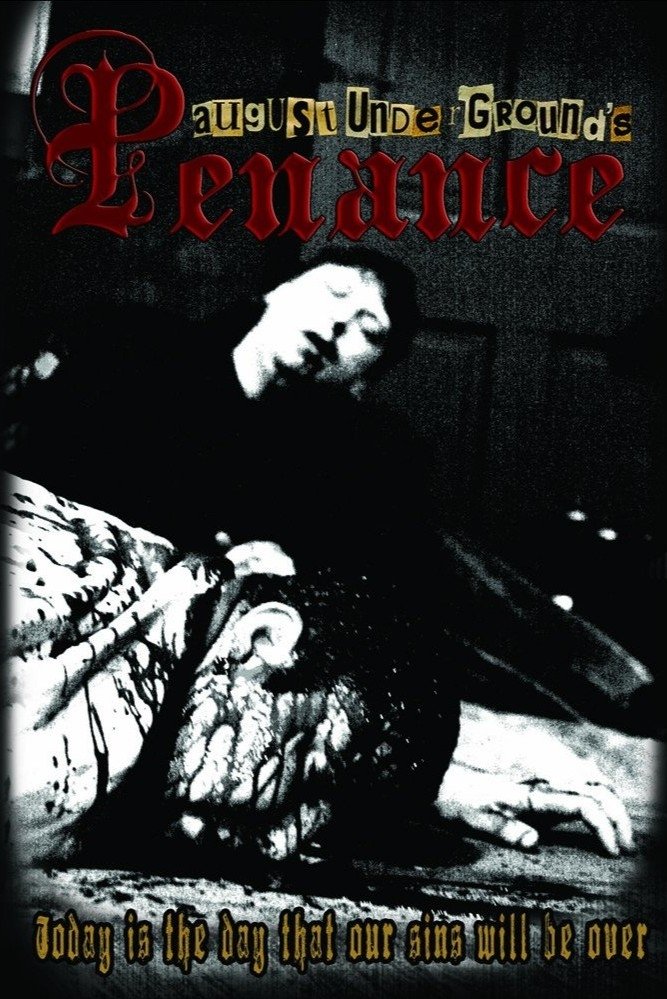
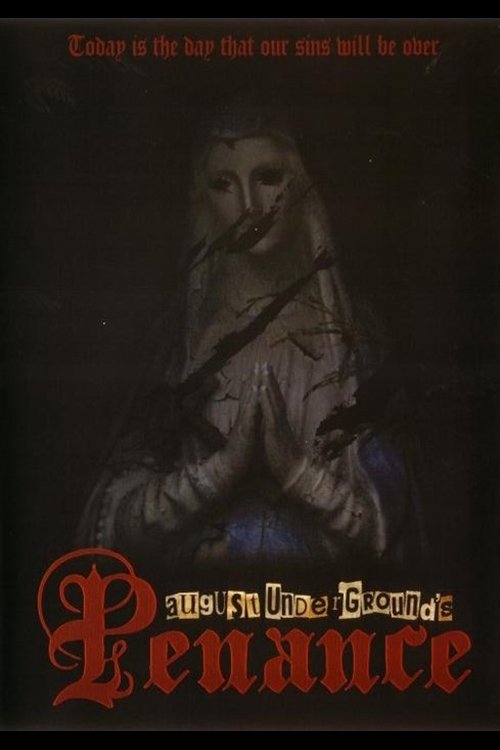
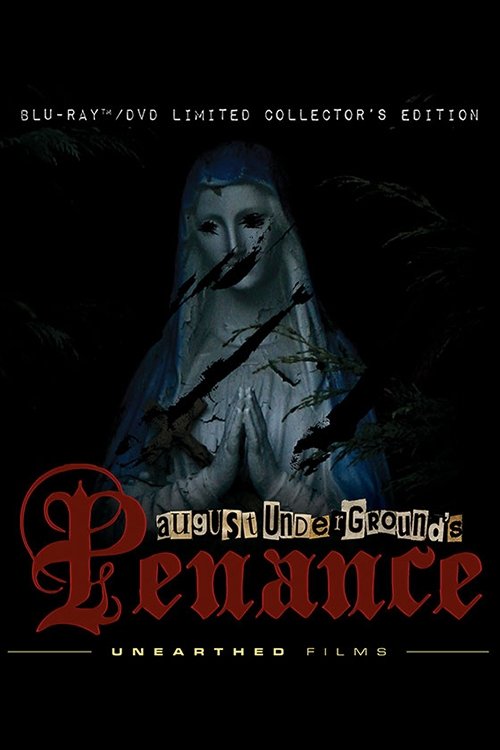
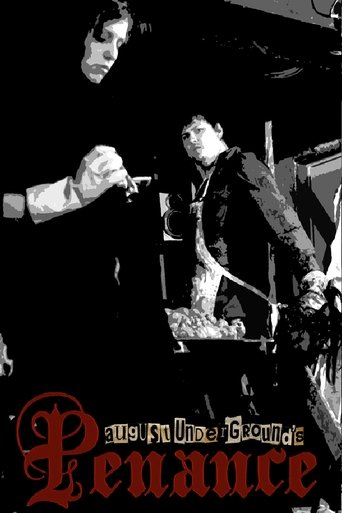
August Underground's Penance (2007) poster
Director
Production Company
Toetag Pictures
Plot

Peter and Crusty continue their relationship and document their activities with a newer video camera. Parties, everyday interactions and attacks on victims appear in the same private recordings, but hostility between the couple grows more pronounced. Their attempts to maintain a shared life become increasingly destructive as their trust erodes. The final installment brings the pair's story to a bleak conclusion while retaining the series' perpetrator-filmed perspective.

Alternative Titles
八月地下的忏悔 (China) — Chinese August Undergrounds Penace (Germany) 八月地下的懺悔 (Hong Kong SAR China) — Chinese Подполье 3: Покаяние (Russia) — Russian

Trailers & Videos

1 video

Film Guide & Analysis

Fred Vogel concludes the Toe Tag trilogy with cleaner widescreen video, practical effects and the deteriorating relationship between Peter and Crusty.

August Underground's Penance (2007) concludes Fred Vogel's trilogy of fictional home recordings made by violent offenders. Produced within the Pittsburgh-based Toe Tag circle, it continues the story of Peter Mountain and Crusty while changing the emphasis of the previous installments. Their crimes remain the principal source of horror, but the film spends more time on the damage their relationship inflicts upon both participants. Ordinary outings, arguments and time spent with other people occur alongside staged assaults. That alternation gives the final installment a more pronounced narrative movement without abandoning the private-video premise established by August Underground (2001).

The changed appearance of the footage is another significant development. A newer widescreen video camera exposes details that earlier, more degraded recordings could conceal, placing additional demands on the makeup effects. Penance consequently offers a useful example of how the supposed authenticity of found footage can survive a change in image quality. Its history can be reconstructed through a substantial 2023 home-video edition, contemporary filmmaker interviews and later critical scholarship. The surviving evidence supports an account of deliberate fictional construction; the production's claims about disturbing audiences should be understood as the filmmakers' intentions, not measurements of public impact.

Production and the Toe Tag Collective

Penance emerged from the production community built around Vogel's earlier August Underground films. A 2009 interview with Horror Society identifies Fred and Shelby Vogel, Jerami Cruise and Cristie Whiles among the central Toe Tag collaborators. Vogel described the original feature as an attempt to test how far an independently made horror film could unsettle its audience. The series then developed through small-scale production and specialist physical-media circulation rather than the normal machinery of studio financing and theatrical distribution. For this third installment, the established team could draw on a shared approach to acting, camera work and practical effects while concentrating the fictional relationship around two returning characters.

Accounts presented in the supplements to the 2023 release offer a more specific production history. Joe Corey's detailed review of that edition reports Vogel discussing an earlier music-video concept that developed into the film and the way he approached Peter for a third performance. Editor Logan Tallman describes his route into the project, while a lengthy roundtable brings together Vogel, Cruise, Shelby Vogel, Tallman and Ryan Logsdon. These retrospective accounts help explain collaboration and decision-making, although they should not be treated as a complete record of the original shoot. The unusual value of the edition lies in naming participants who performed significant creative labor outside the film's principal cast.

Widescreen Video and the Fictional Camera

The first two installments relied heavily on degraded consumer-video textures. Penance retains handheld framing and the idea that the killers are recording themselves, but its images are markedly cleaner. In an interview included with the 2023 edition, Vogel explained that he had obtained a camera capable of widescreen recording and had largely left its settings alone because Peter would have no reason to handle the equipment like a professional cinematographer. The account grounds the change in a specific production choice. Widescreen is therefore part of the recording technology attributed to the characters, rather than an unexplained departure into conventional feature-film photography.

The shift affects how the film constructs its appearance of evidence. Distortion and obscured detail are less dominant, yet movements of the camera still suggest a participant choosing what to record while events unfold. Jim Cox's close reading for Grimoire of Horror observes differences in how Peter and Crusty frame material: one often favors more stable compositions, while the other tends toward closer, less settled views. These patterns can be read as extensions of the couple's conflicting behavior, although every camera movement need not encode a psychological motive. The viewer is placed inside a restricted field of vision, with attention directed by characters who are also the perpetrators.

Peter, Crusty and the Collapse of Their Relationship

Following the volatile three-person arrangement of August Underground's Mordum (2003), Penance centers on Peter and Crusty. The absence of Maggot changes the rhythms of the recordings: jealousy and intimidation now develop largely within a couple rather than through rivalry among three principal figures. The film still moves between social gatherings, casual behavior and sudden episodes of violence, but its apparent digressions have a cumulative effect. As disagreements increase, the everyday scenes begin to carry the threat of confrontation. The recordings resemble an archive in which a destructive relationship is exposed gradually through what its participants choose to preserve.

The Christmas home invasion is one of the film's most discussed sequences because familiar domestic surroundings are placed in sharp opposition to the intruders' actions. Later material develops Crusty's worsening distress and Peter's inability to sustain his earlier self-presentation. Cox quotes Vogel describing the film as a downward spiral, a statement of intention consistent with the visible change in the characters' behavior. Yet a filmmaker's explanation cannot establish that every violent scene has a single moral meaning. The narrative concentrates on the perpetrators' deterioration while leaving the suffering of those they attack central to the film's effect.

Steve Jones's 2011 study of the trilogy offers an important framework for understanding this altered emphasis. His analysis argues that Penance directs more attention to the consequences of violence within the killers' relationship than Mordum does. The observation concerns how the narrative allocates attention, not a suggestion that the killers become innocent or deserving of absolution. The title invites an association with guilt and punishment, but the story provides no simple moral conversion. What appears on the screen is the progressive breakdown of a private world sustained by cruelty, compulsive recording and dependence upon another person who can no longer maintain the same arrangement.

Practical Effects and the Work Behind the Images

Jerami Cruise's practical effects are central to the film's identity. The new camera makes surfaces, prosthetic body parts and the joins between performers and manufactured anatomy easier to inspect. Reviewers of the 2023 edition repeatedly single out the constructed injuries as a major technical accomplishment. Their realism depends on controlled timing, the placement of artificial materials and cooperation from the performers, rather than on any actual bodily harm. Describing the methods in general terms is important because the available reports do not establish a precise recipe for each effect. Close analysis of the finished image cannot by itself identify every material or mechanism used on set.

The documentary Disemboweled: Behind the Bile, included among the later edition's supplements, preserves a more direct record of that work. In Inside Pulse's account, it shows the preparation of two scenes across three days, with close views of artificial bodies and their construction. Other interviews feature Cruise discussing the difficulty of staging an action convincingly and the complications of working in winter conditions. Such material reveals the planning behind scenes presented as uncontrolled recordings. The credible illusion rests on multiple departments coordinating their actions inside shots that are meant to look accidental. It also provides a way to discuss the craft without treating promotional descriptions of extremity as technical evidence.

Home-Video Circulation and the 2023 Edition

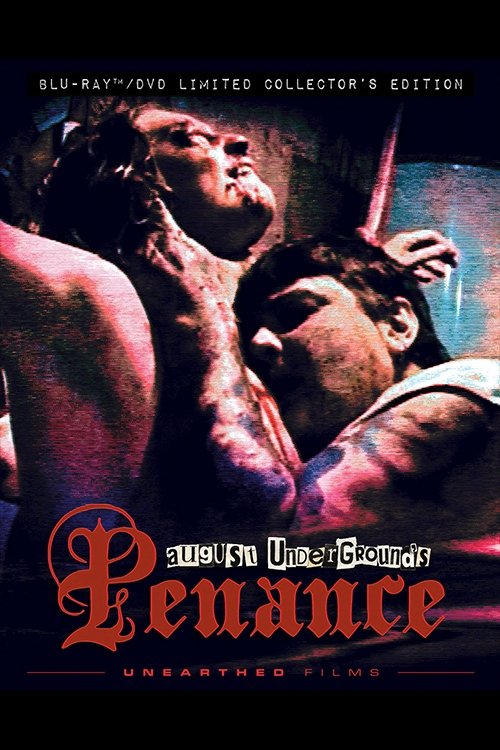
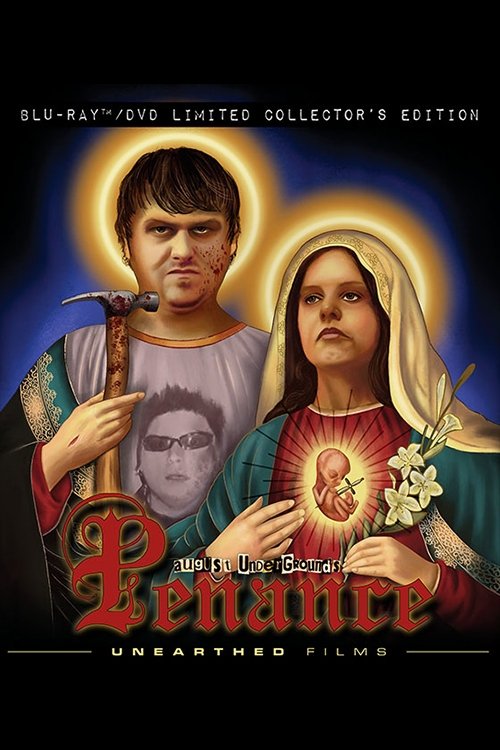
Penance circulated in 2007 as the concluding part of a series whose audience had largely formed through independent horror communities and physical releases. A conventional box-office history is not available from the substantive sources examined, so its commercial reach cannot be expressed as a reliable gross or admissions figure. Its later life is more clearly documented. In 2023, Unearthed Films issued a two-disc Blu-ray and DVD edition that renewed access to the film and expanded the record of its making. The set presented the widescreen video image alongside interviews, commentaries, deleted and extended scenes, behind-the-scenes footage and material connected to the group's music collaborations.

The edition is significant for its sound and editorial documentation as well as its image. Joe Corey's account identifies the two-channel LPCM sound presentation and details the interviews with Vogel and co-editor Tallman. The additional material makes the recorded footage easier to distinguish from the choices that produced it. These are later documentary testimonies, and differences in advertised running times or release dates between listings should not be converted into unsupported claims about alternate director's cuts. The evidence establishes an expanded archival package, not a new historical version of the feature with a demonstrably different narrative.

Critical Responses and the Faux-Snuff Debate

Responses to Penance reflect a disagreement over whether the trilogy's sustained cruelty serves a coherent fictional purpose. Writing for DoomRocket in 2024, Jarrod Jones praised Cruise's effects while finding the characters and narrative exhausting. Cox, reviewing the film in 2023, identified the deterioration of Peter and Crusty's relationship as the distinguishing achievement of the conclusion. These are contrasting retrospective readings; neither can stand in for a comprehensive survey of reactions in 2007. Both writers nevertheless recognize the structural change from the earlier films and the tension between the apparent disorder of the recording and the visible labor of its production.

Jones places the August Underground trilogy within a wider study of pseudo-snuff, sexualized violence and the spectator's uneasy position in relation to supposedly private recordings. That approach is particularly useful for Penance because the final installment asks viewers to watch the perpetrators' own disintegration while continuing to expose them to the consequences of their actions. The images simulate a document that was never intended for public exhibition, even though the film was made and distributed as fiction. Its place in extreme-horror history follows from this formal tension and from the survival of detailed production testimony, rather than an unverified claim to have initiated an entire movement.

References

  1. Northumbria University Research Portal Dying to be Seen: Snuff-Fiction's Problematic Fantasies of 'Reality'

    Steve Jones's 2011 peer-reviewed Scope study examines the August Underground trilogy, the changing focus of Penance, pseudo-snuff form and spectatorship.

  2. Inside Pulse Blu-ray Review: August Underground's Penance

    Joe Corey's December 2023 review reports in detail on Vogel's, Logan Tallman's and Jerami Cruise's production interviews, editing and behind-the-scenes footage.

  3. Horror Society ToeTag's Fred Vogel Interview

    Mitchell Wells's original 2009 interview records Vogel's account of his underground film ambitions, production circle and approach to depicting violent characters.

  4. Grimoire of Horror August Underground's Penance (2007) Film Review - Rocking Round The Christmas Tree

    Jim Cox's detailed 2023 reading addresses character dynamics, visual changes, practical effects and an attributed statement by Vogel about the film's trajectory.

  5. DoomRocket August Underground's Penance is for splatter completionists only

    Jarrod Jones's January 2024 retrospective offers a contrasting critical assessment and discusses Jerami Cruise's effects and the Disemboweled documentary.

Connections

Cast

View Full Cast & Crew →

Release & Distribution

Production Companies (1)

  • Toetag Pictures US

Distributors (1)

  • Toetag Pictures US

Release History (1)

Release DateTerritoryRelease TypeFormatDistributorCertificationNotes
2007-03-30 United States Physical — — NR
Today is the day that our sins will be over