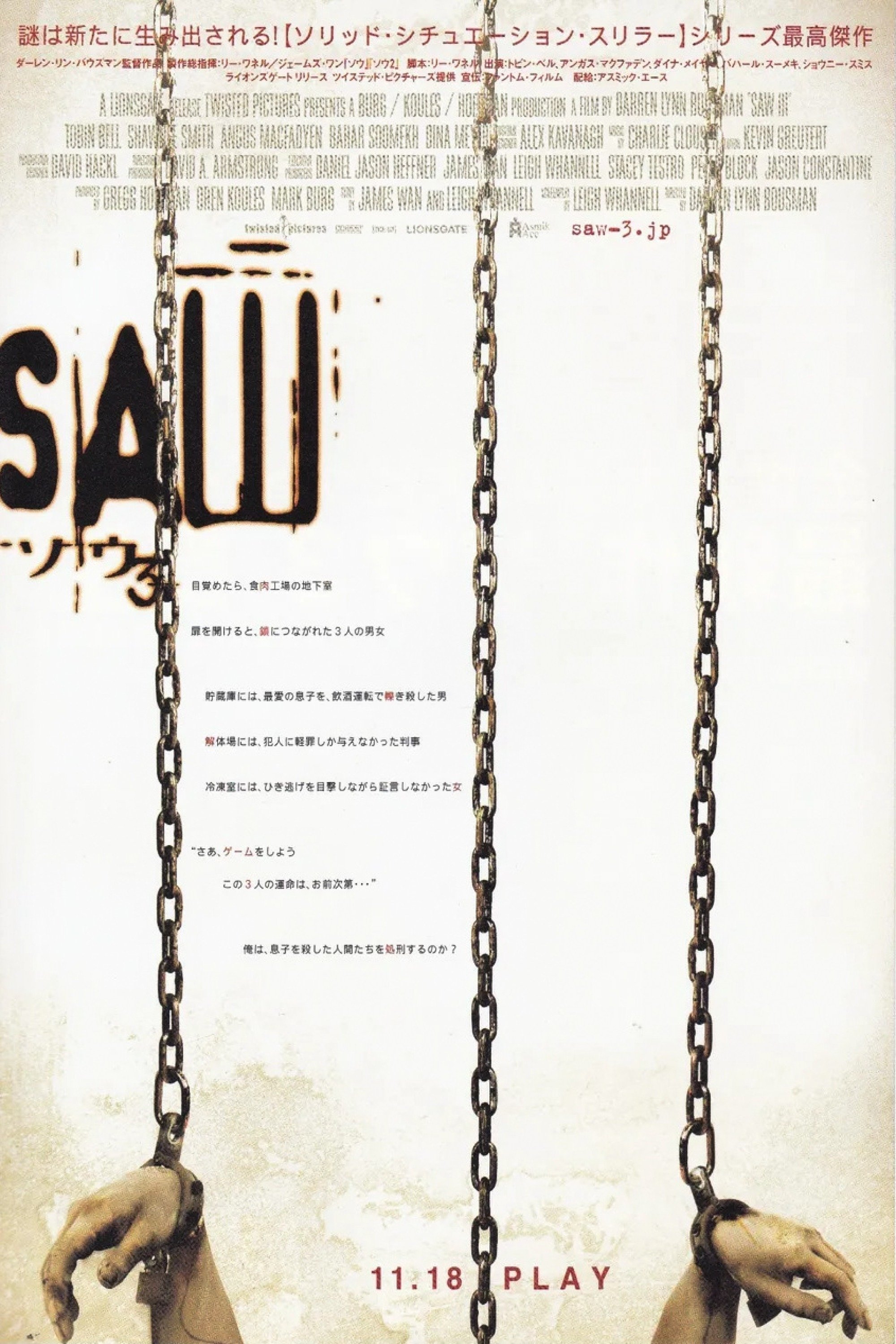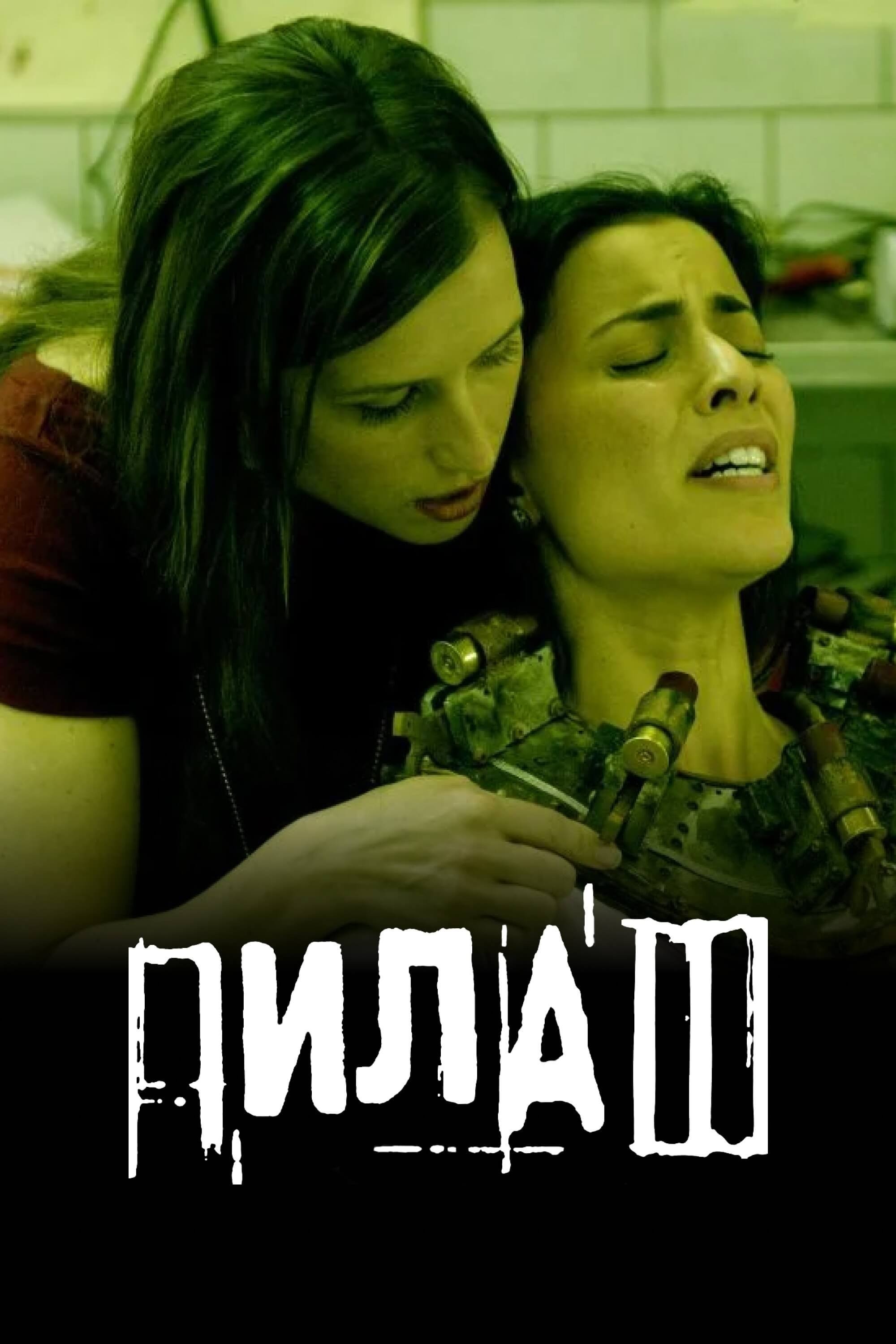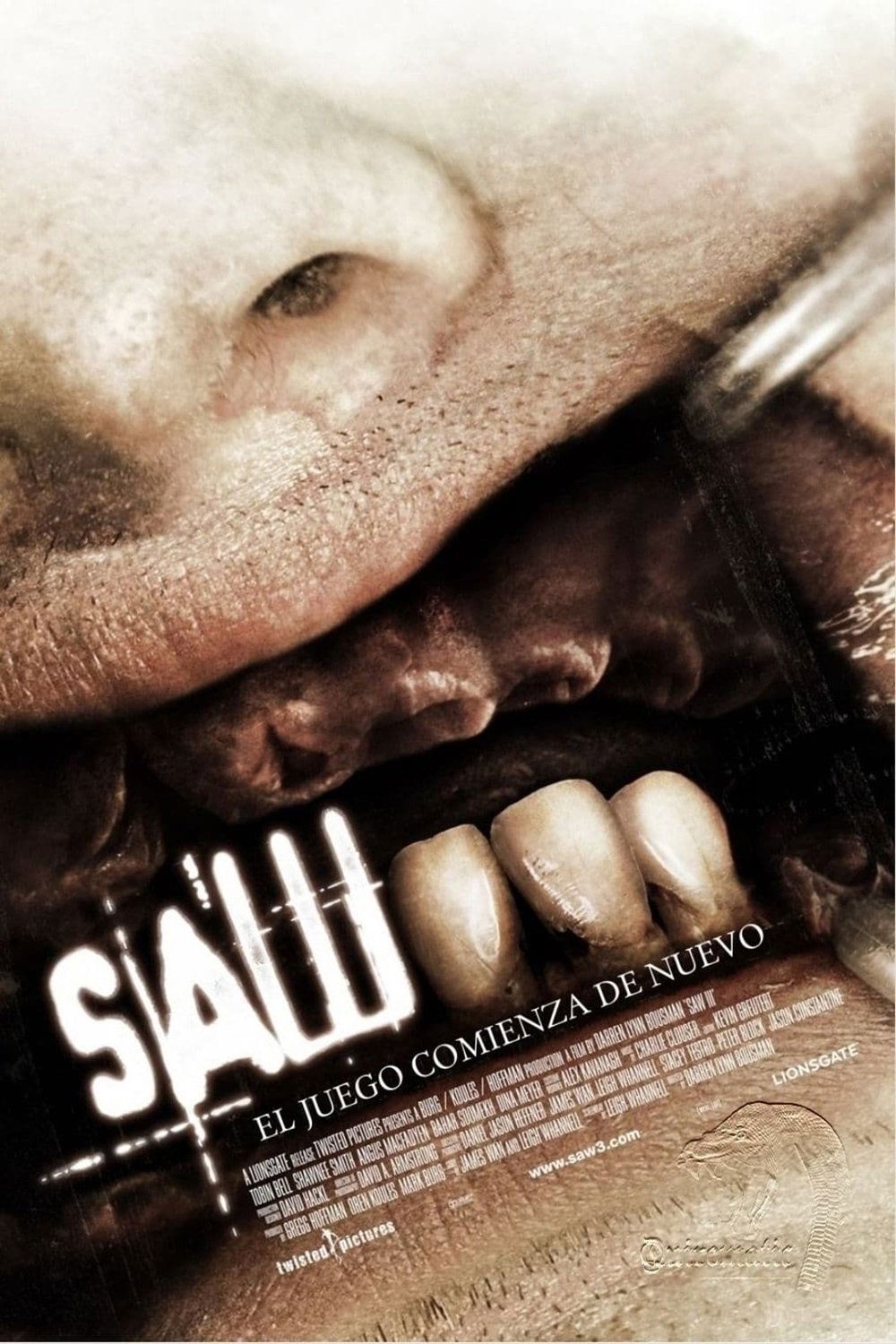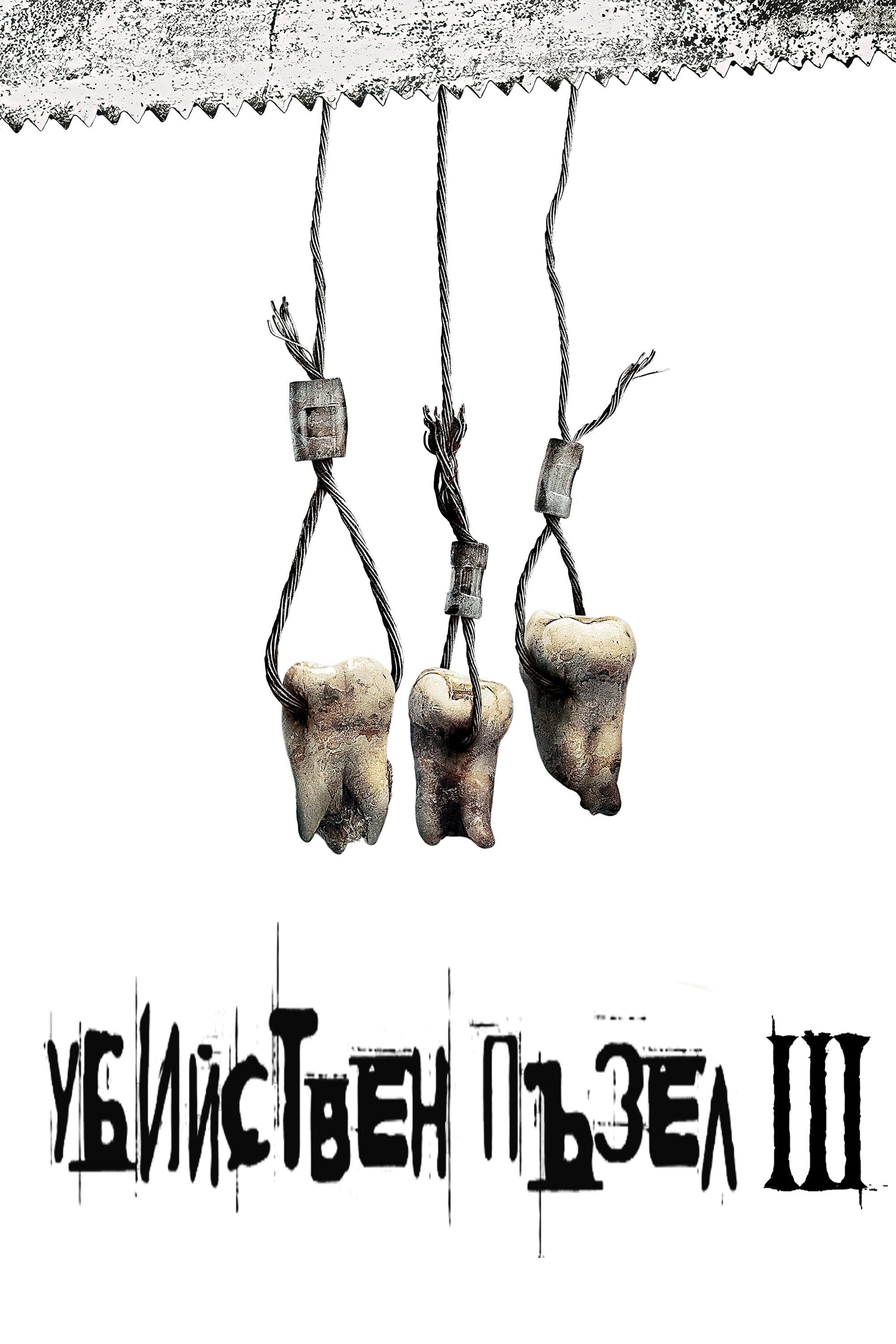
Saw III (2006)

US
6.8/10 6 votes
Runtime
114 min
Release
October 27, 2006
Budget
$10,000,000
Revenue
$164,874,275
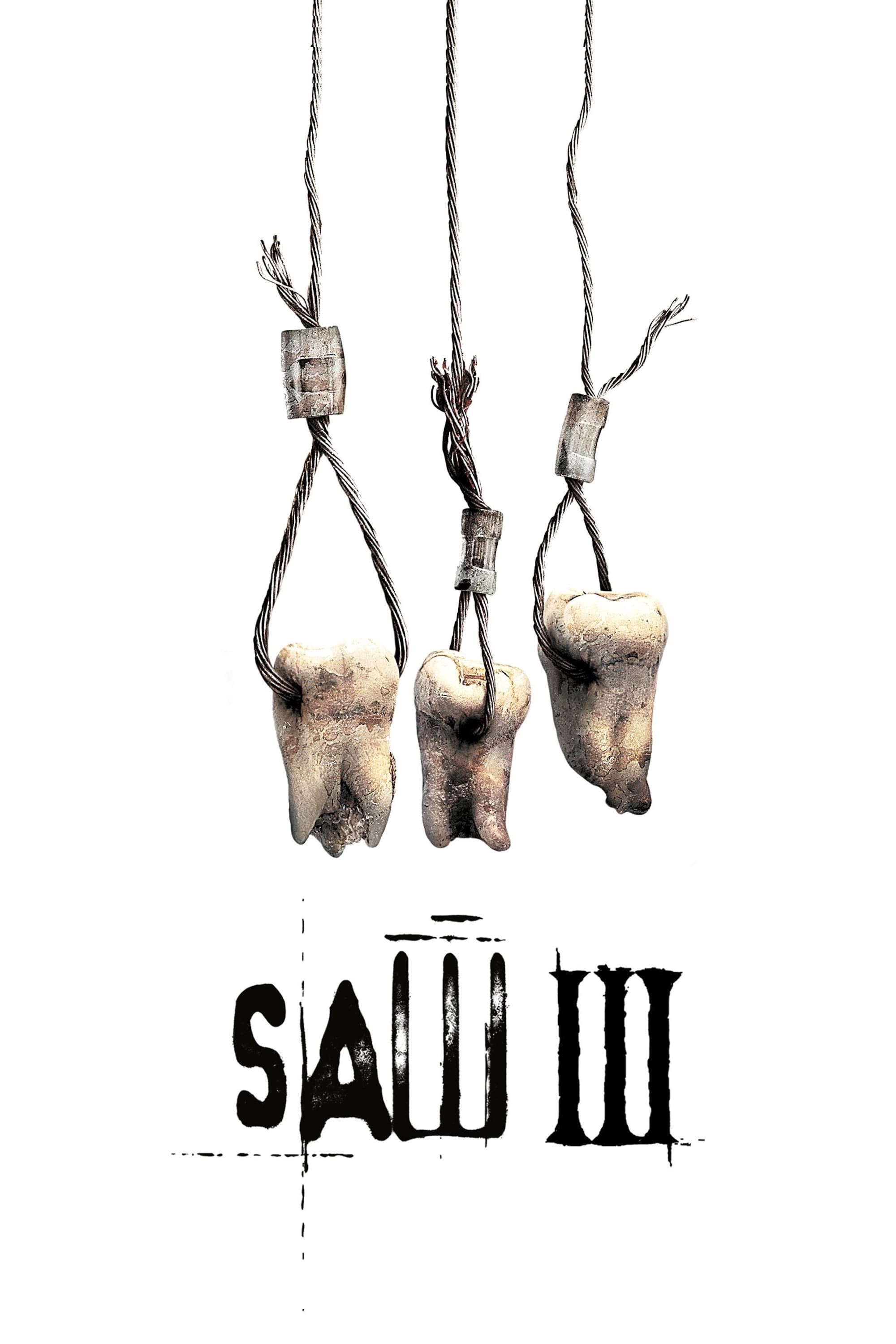
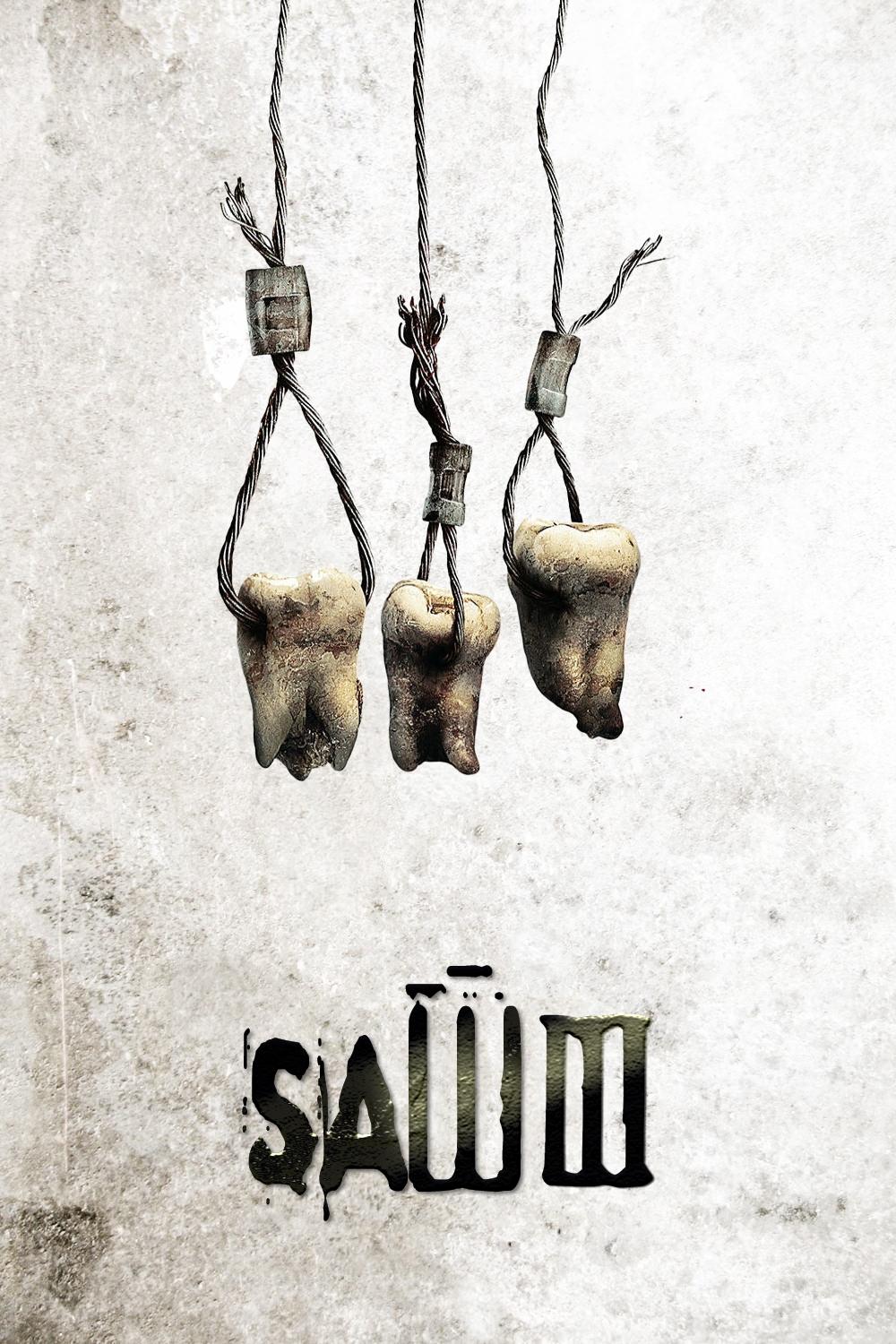
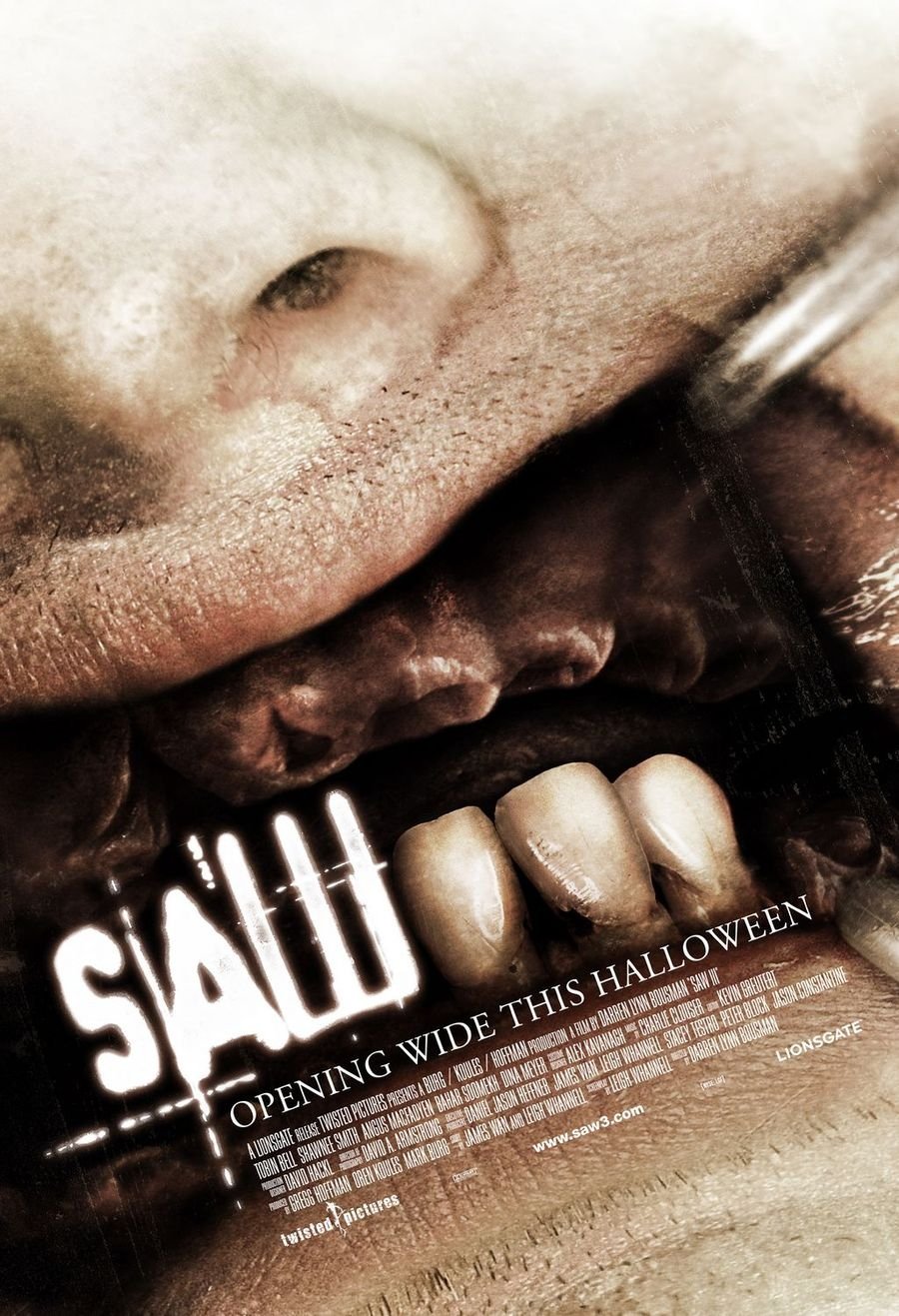
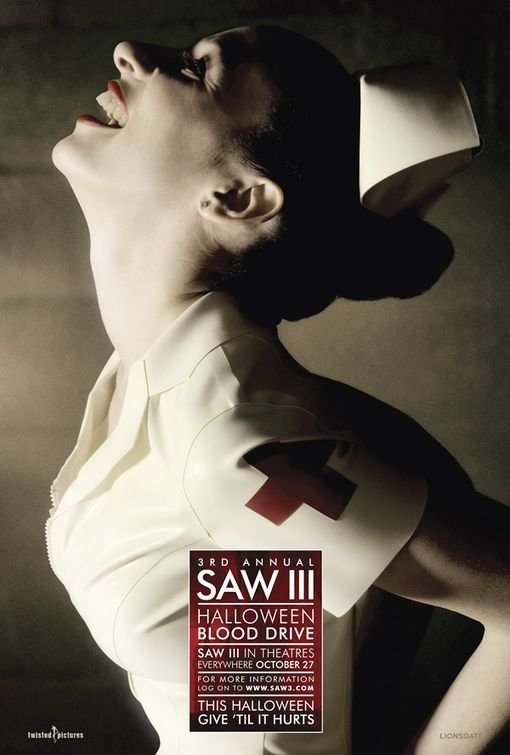
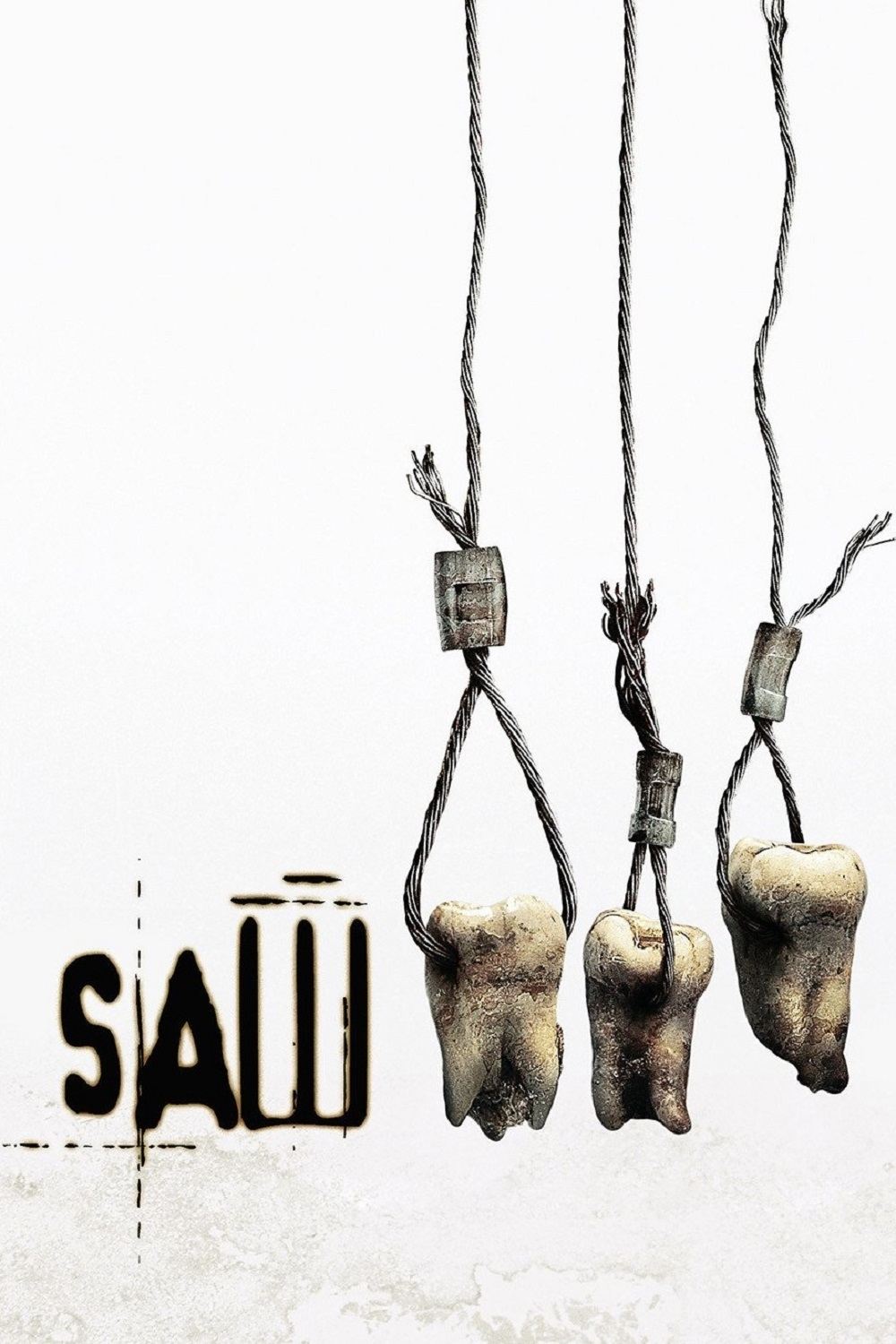
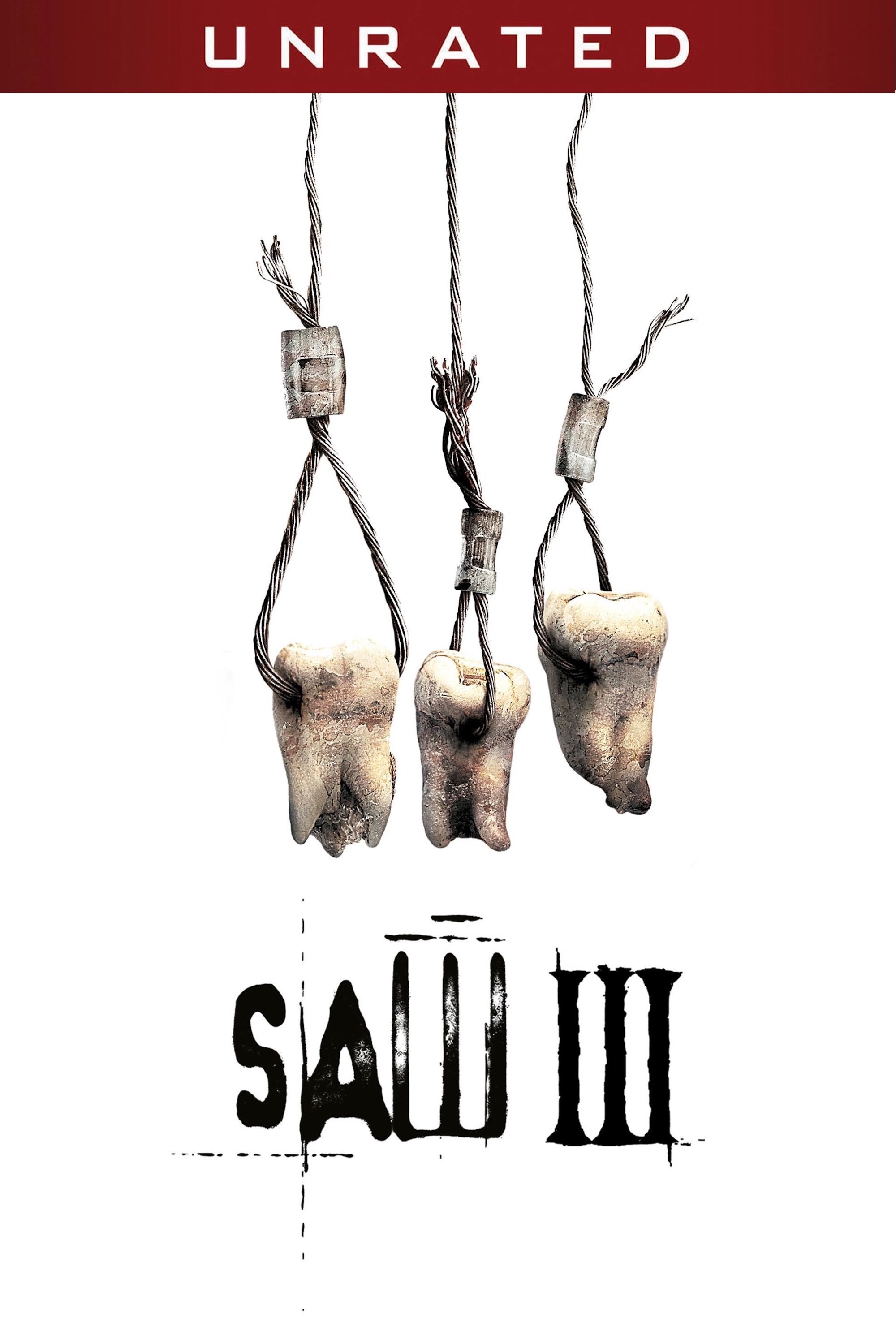
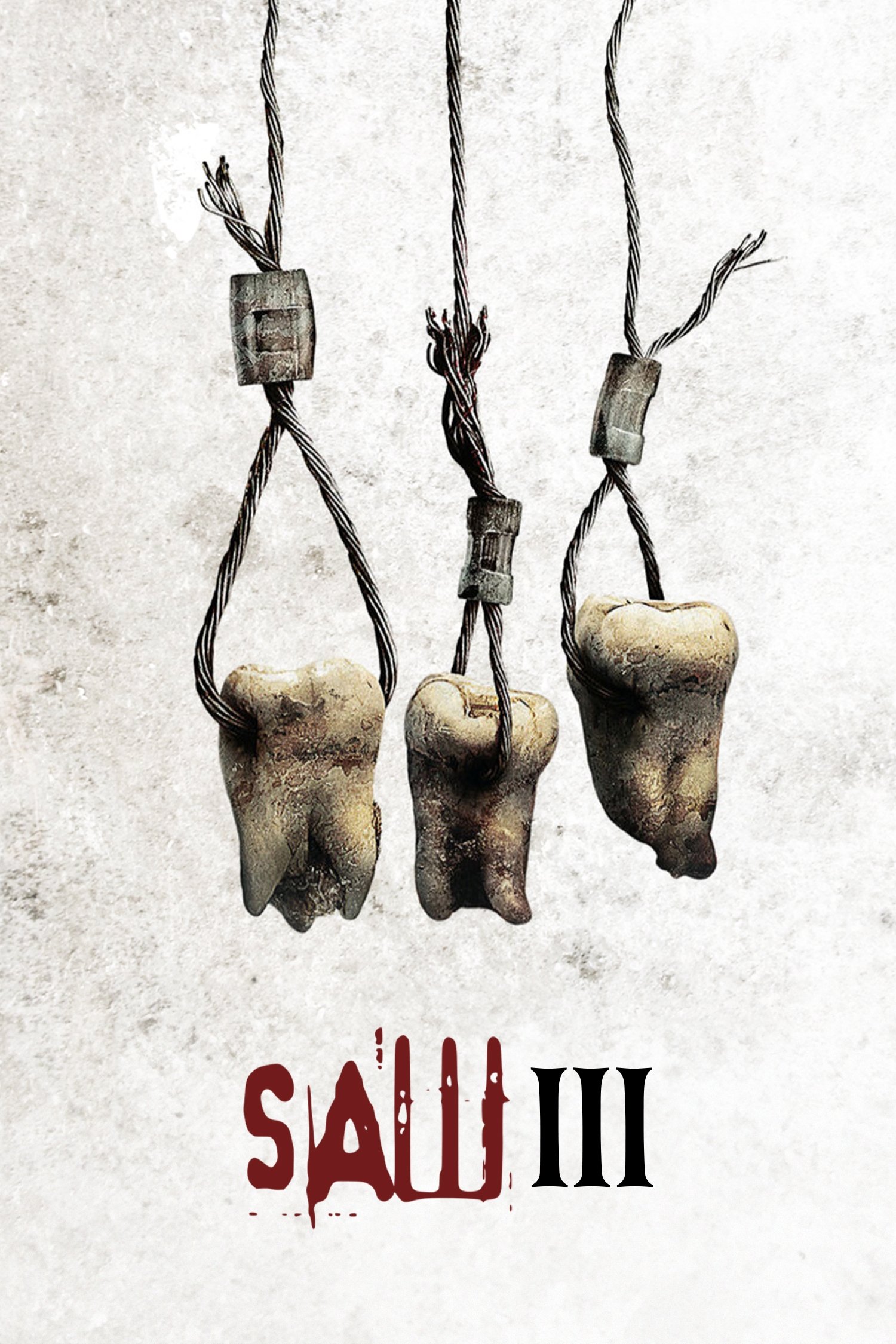
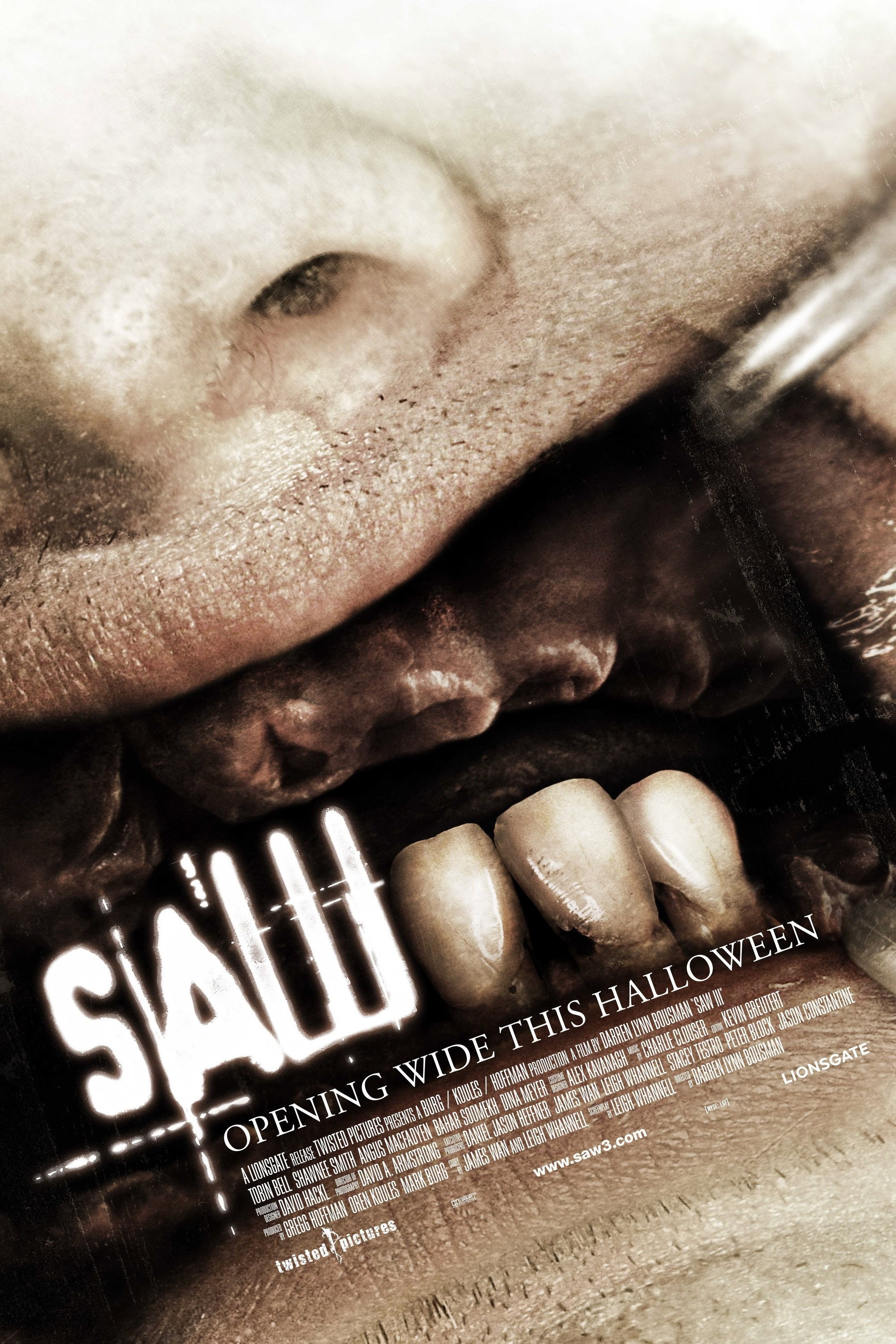
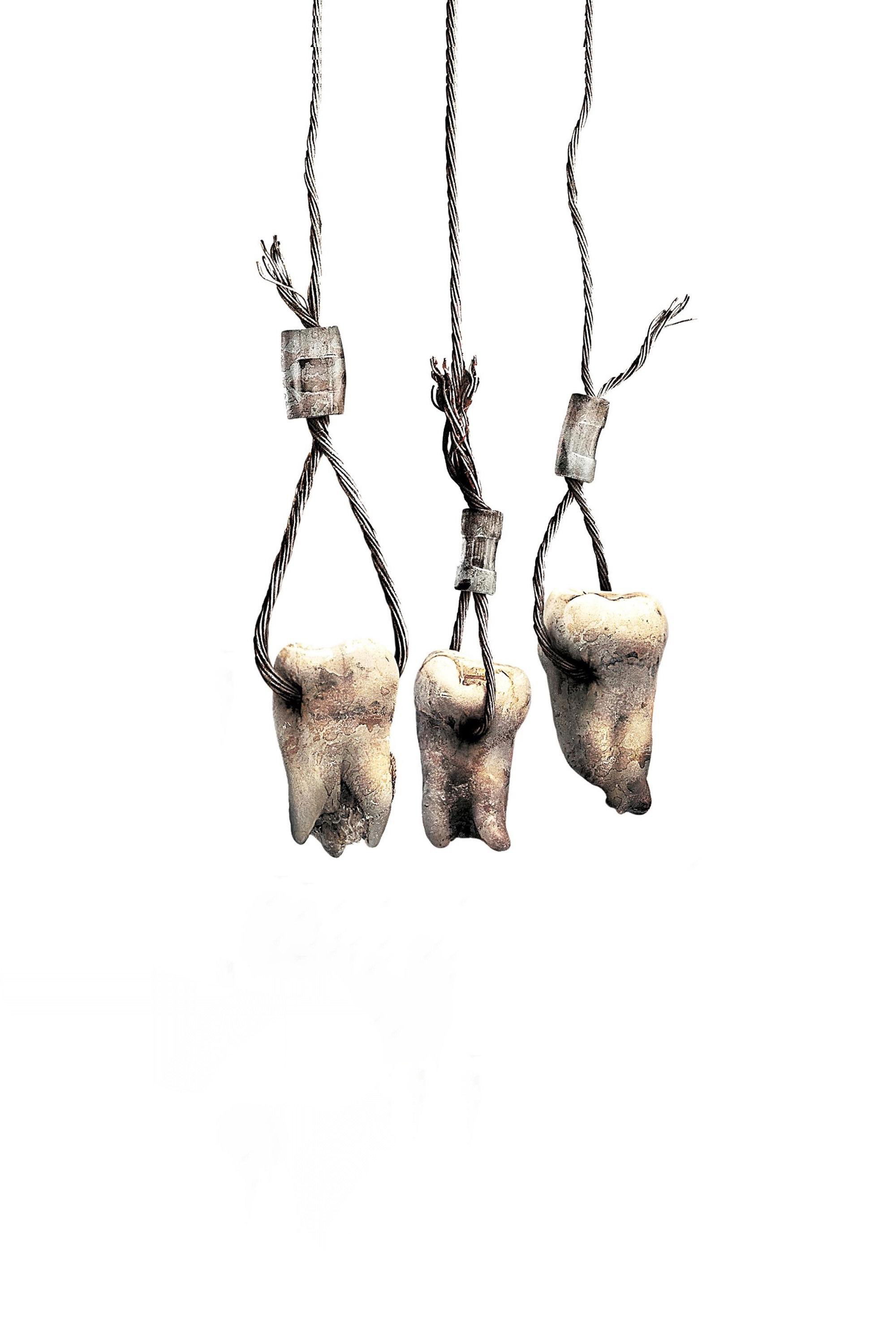
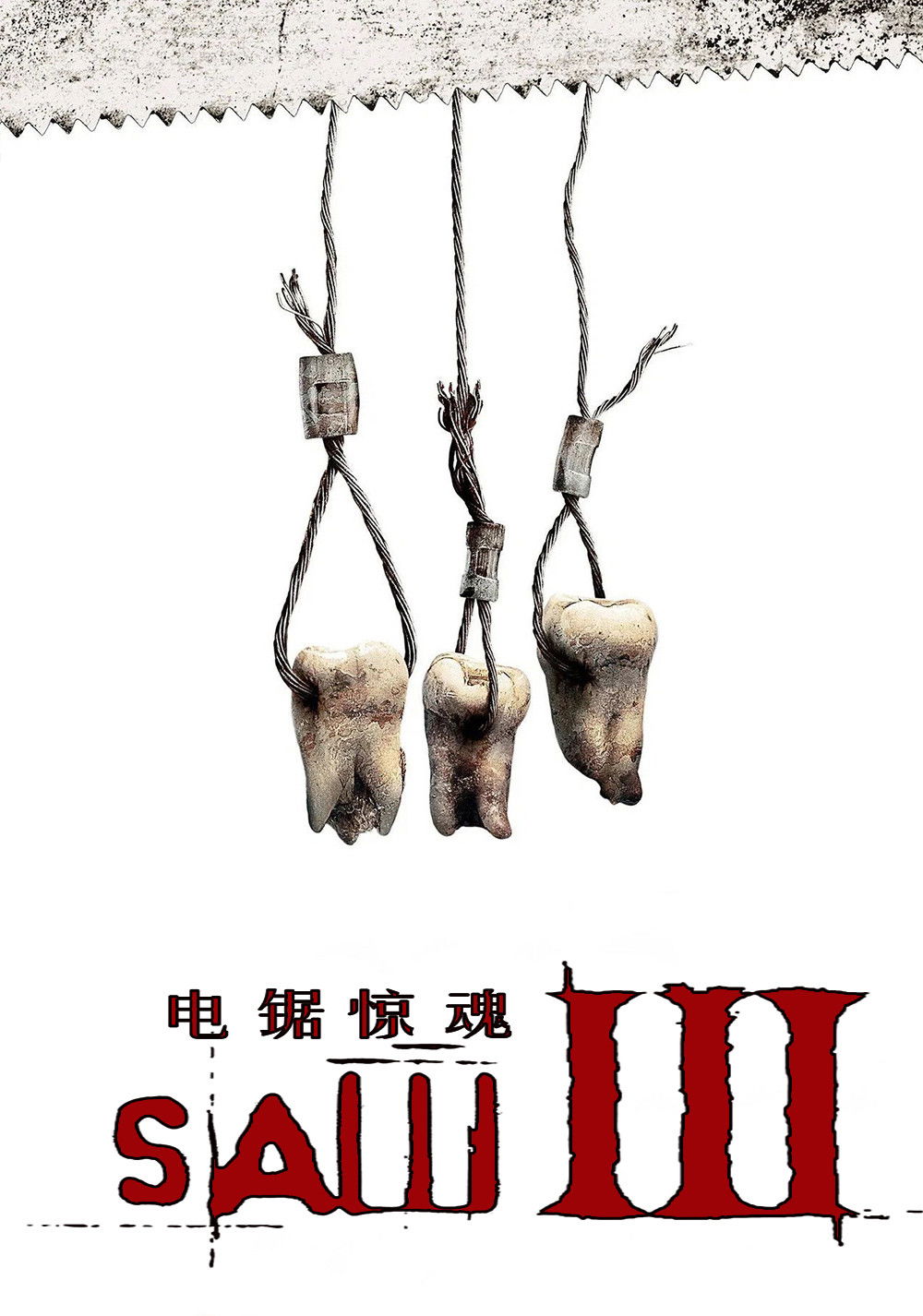
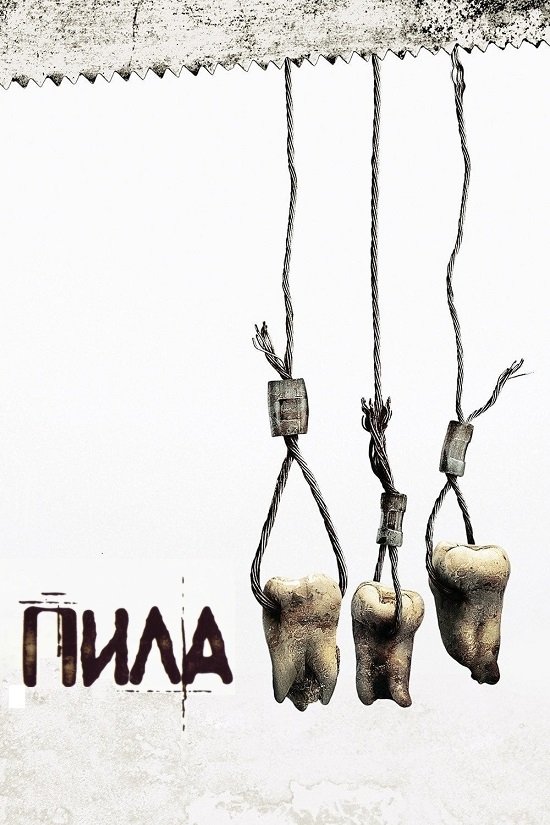
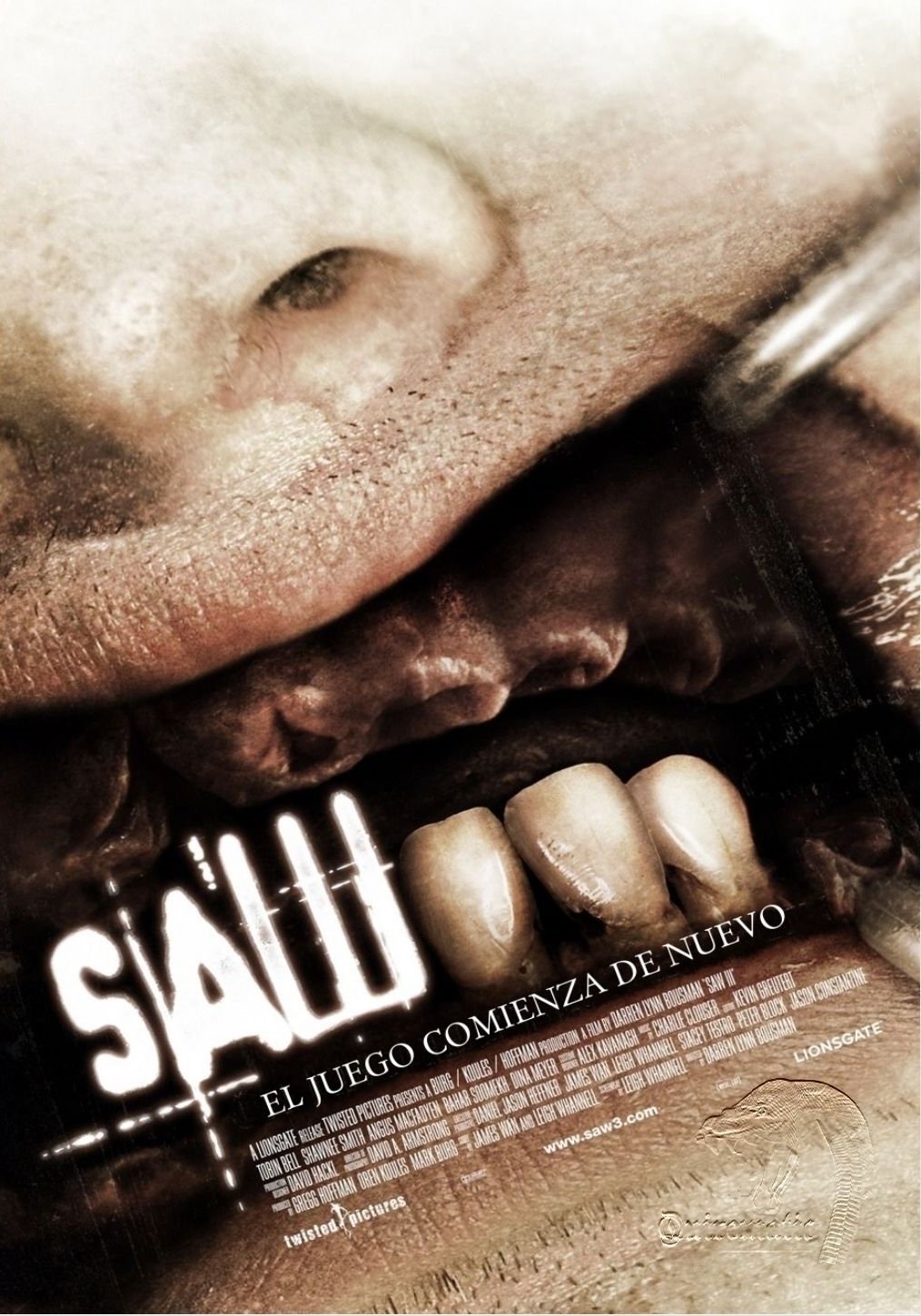
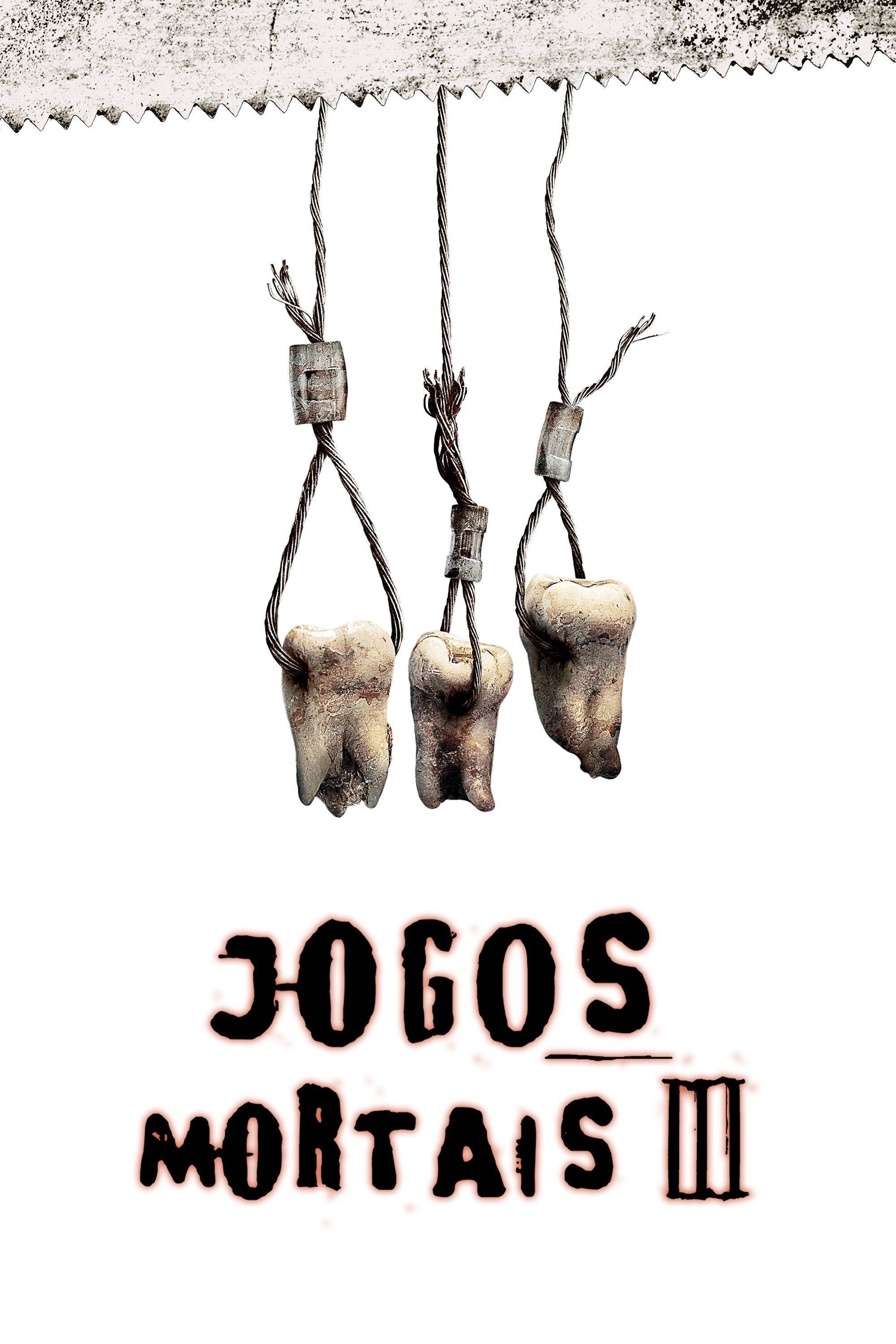
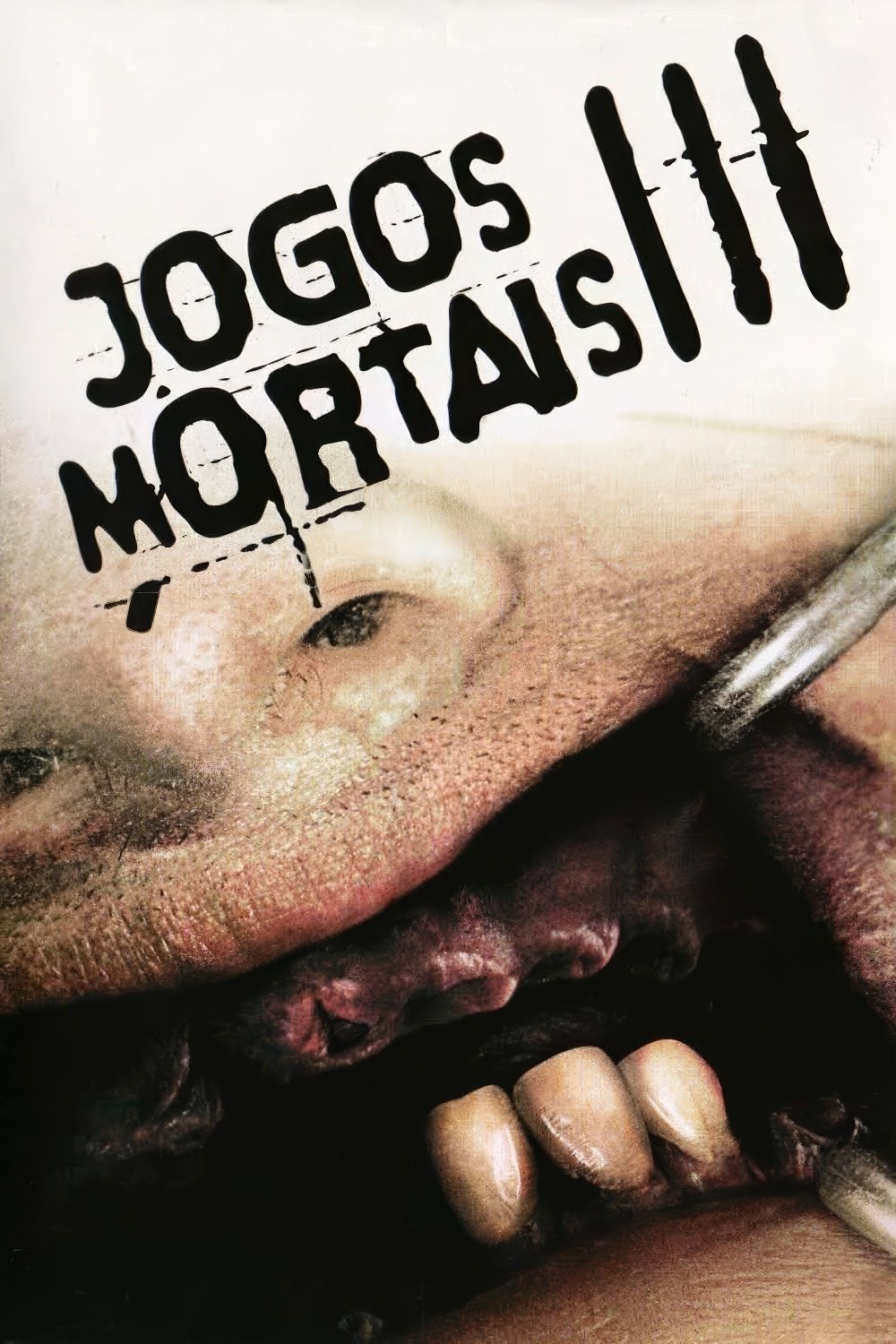
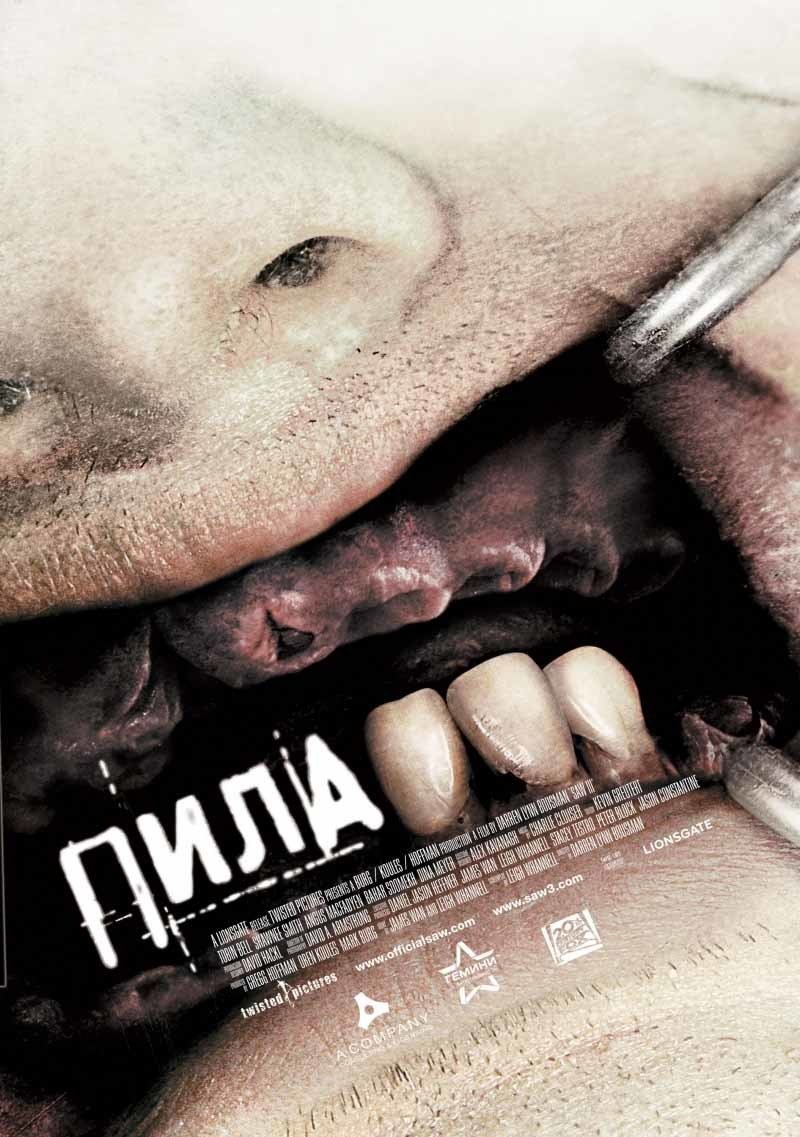
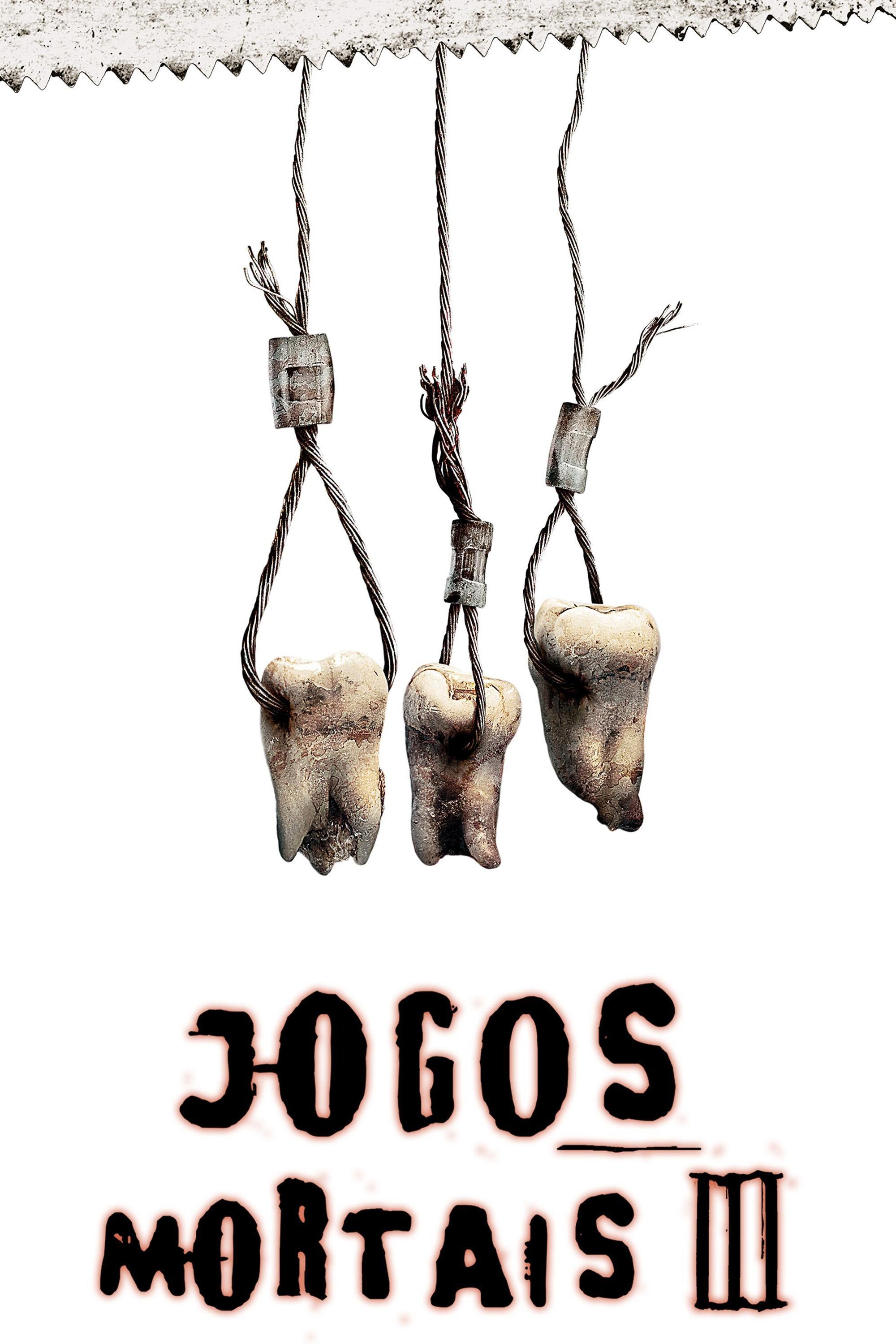
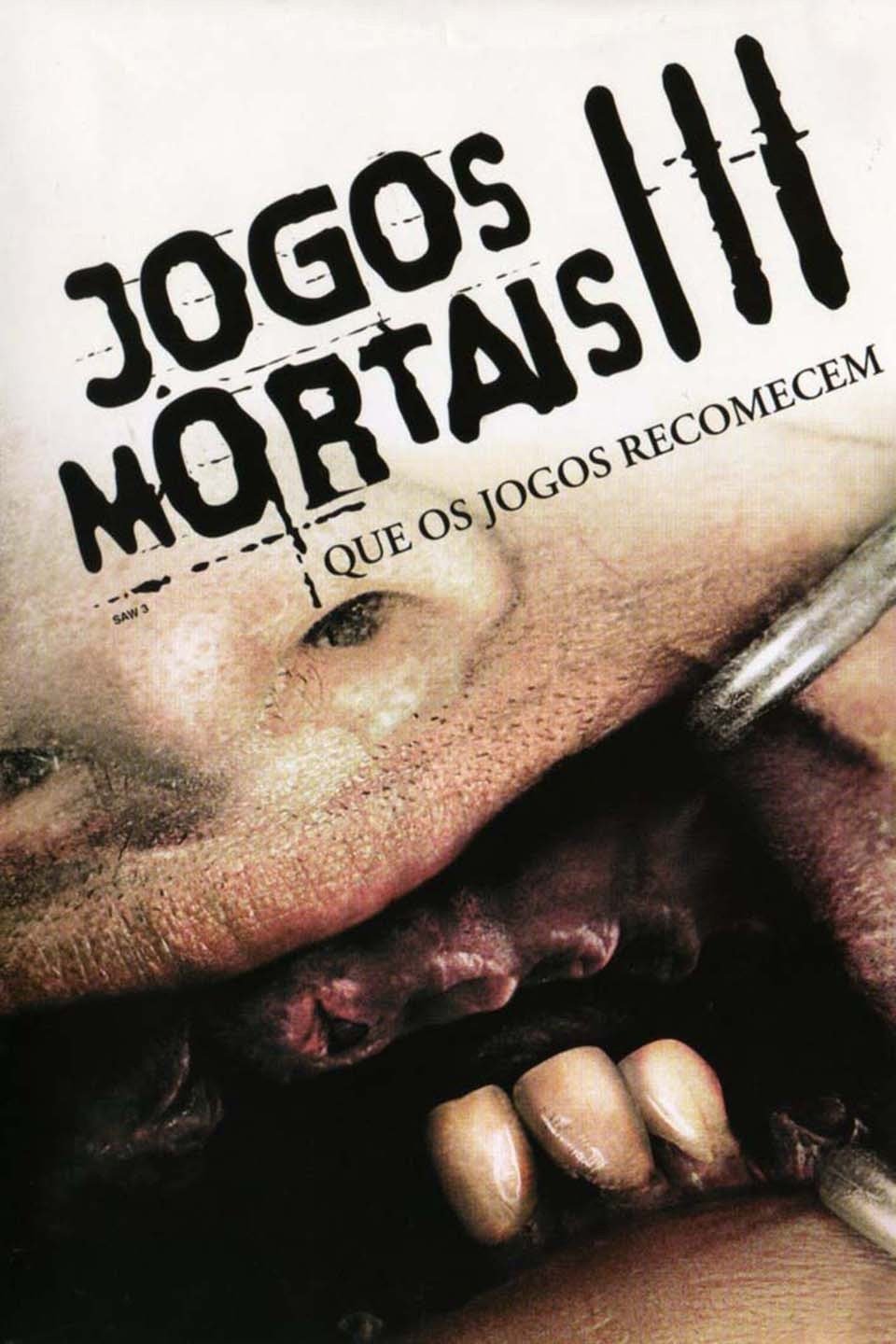
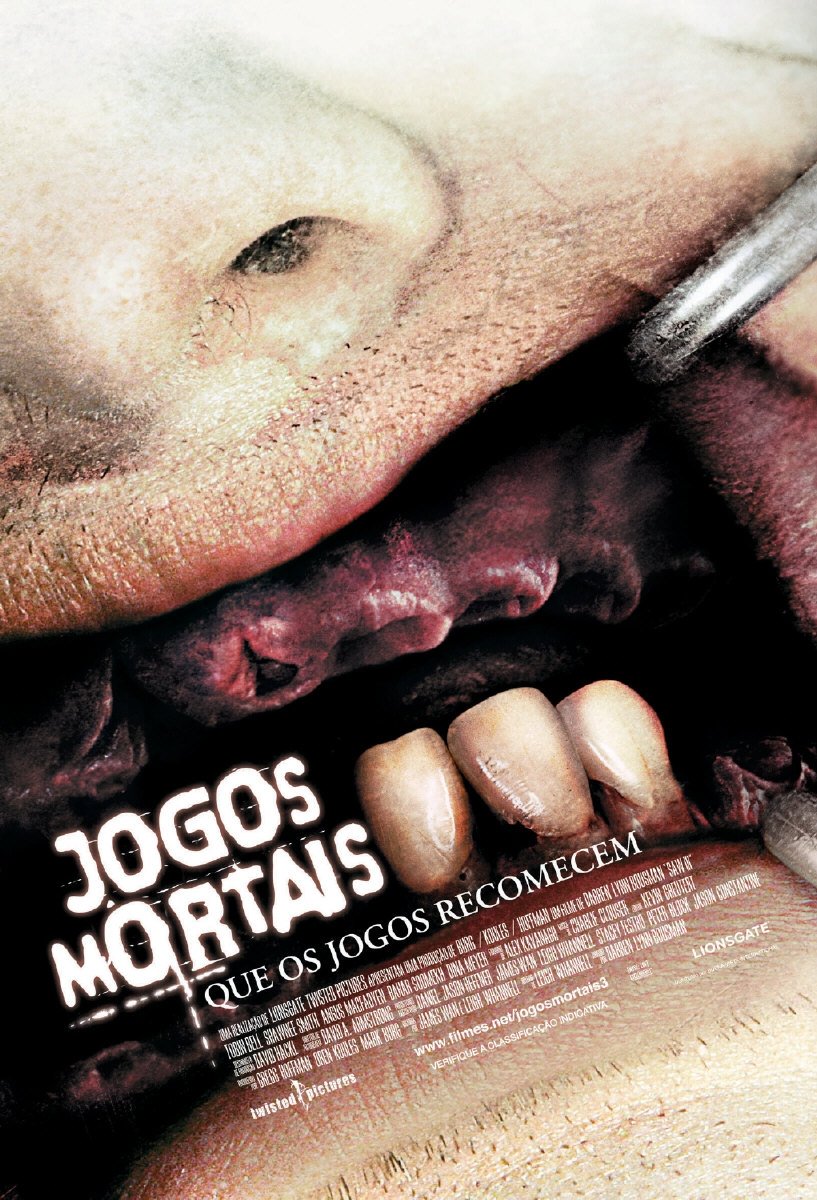
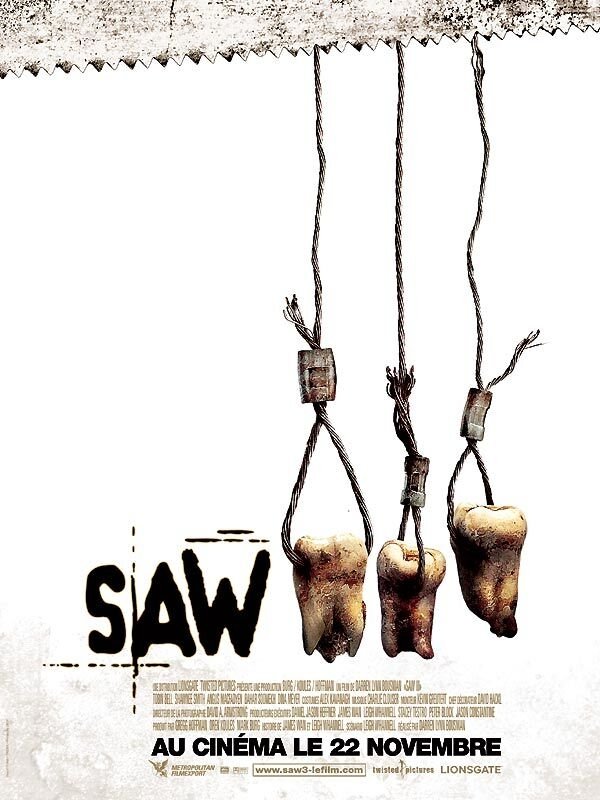
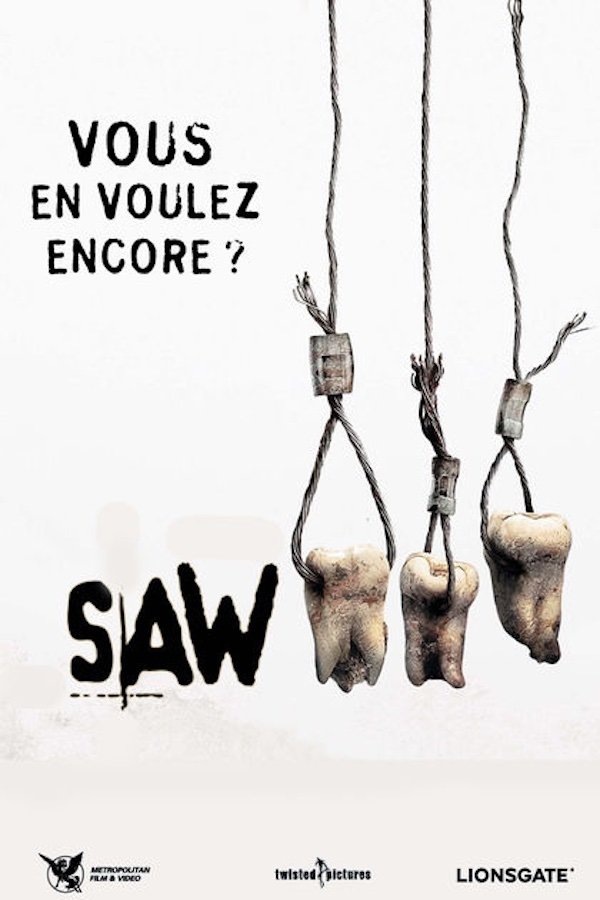
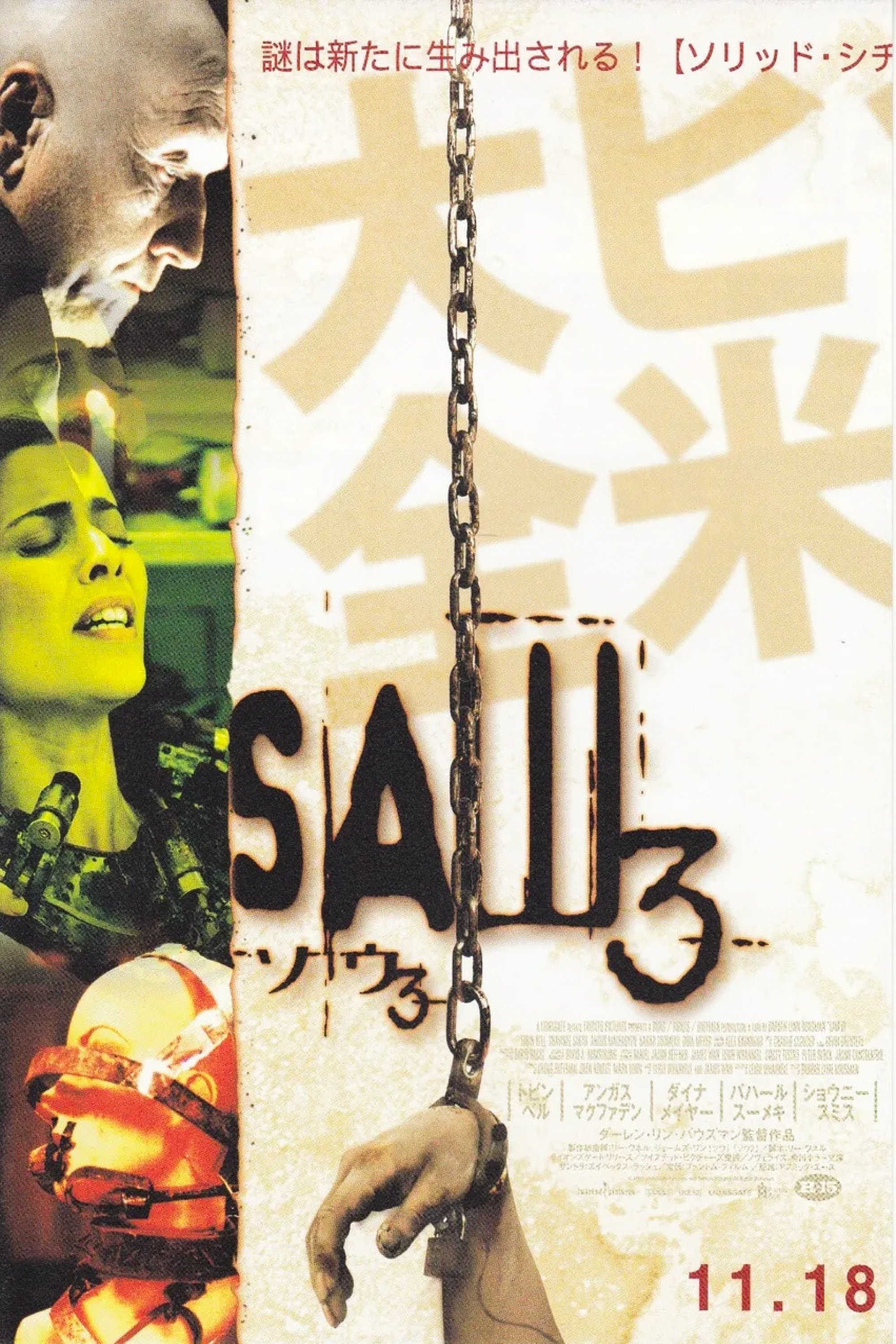
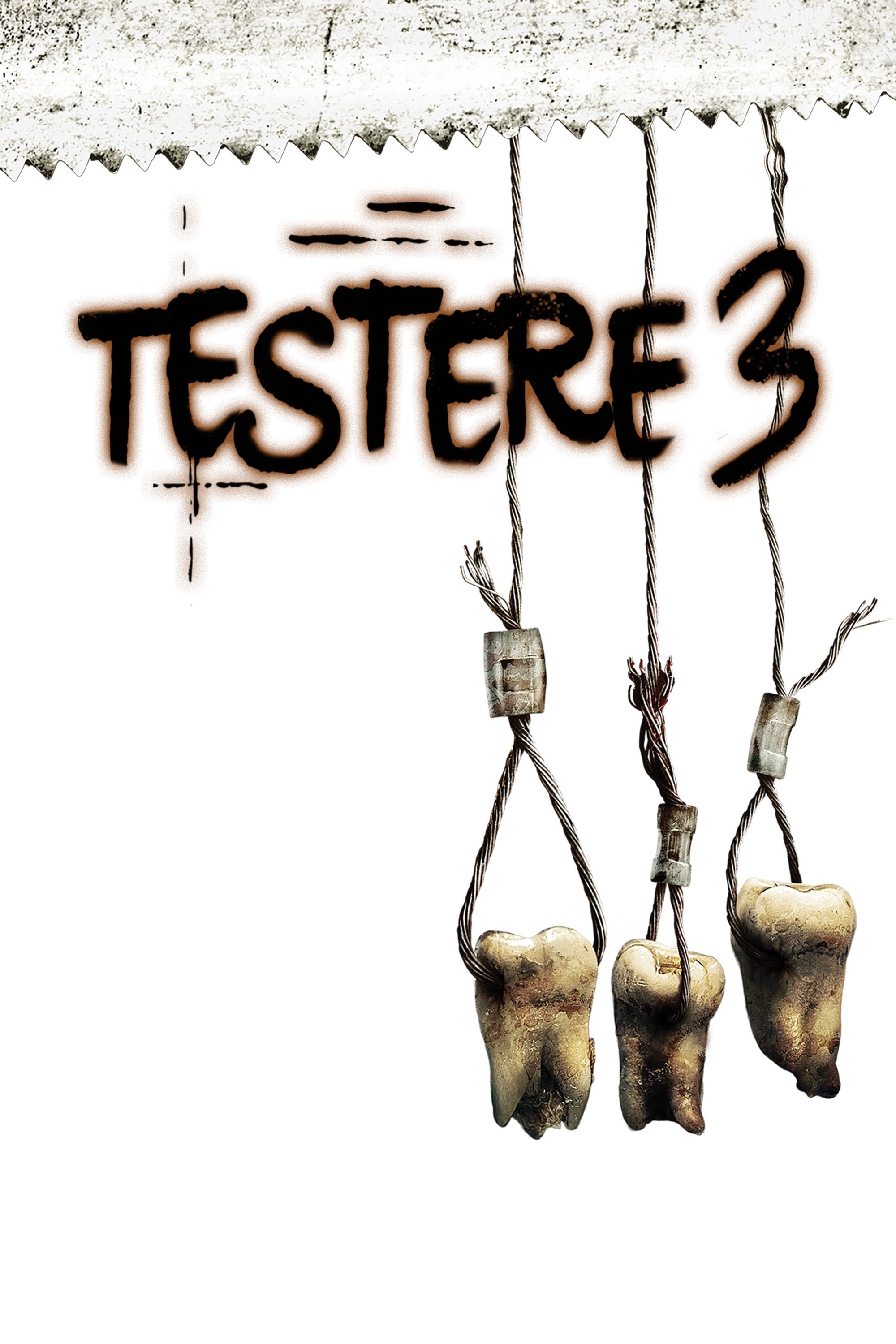
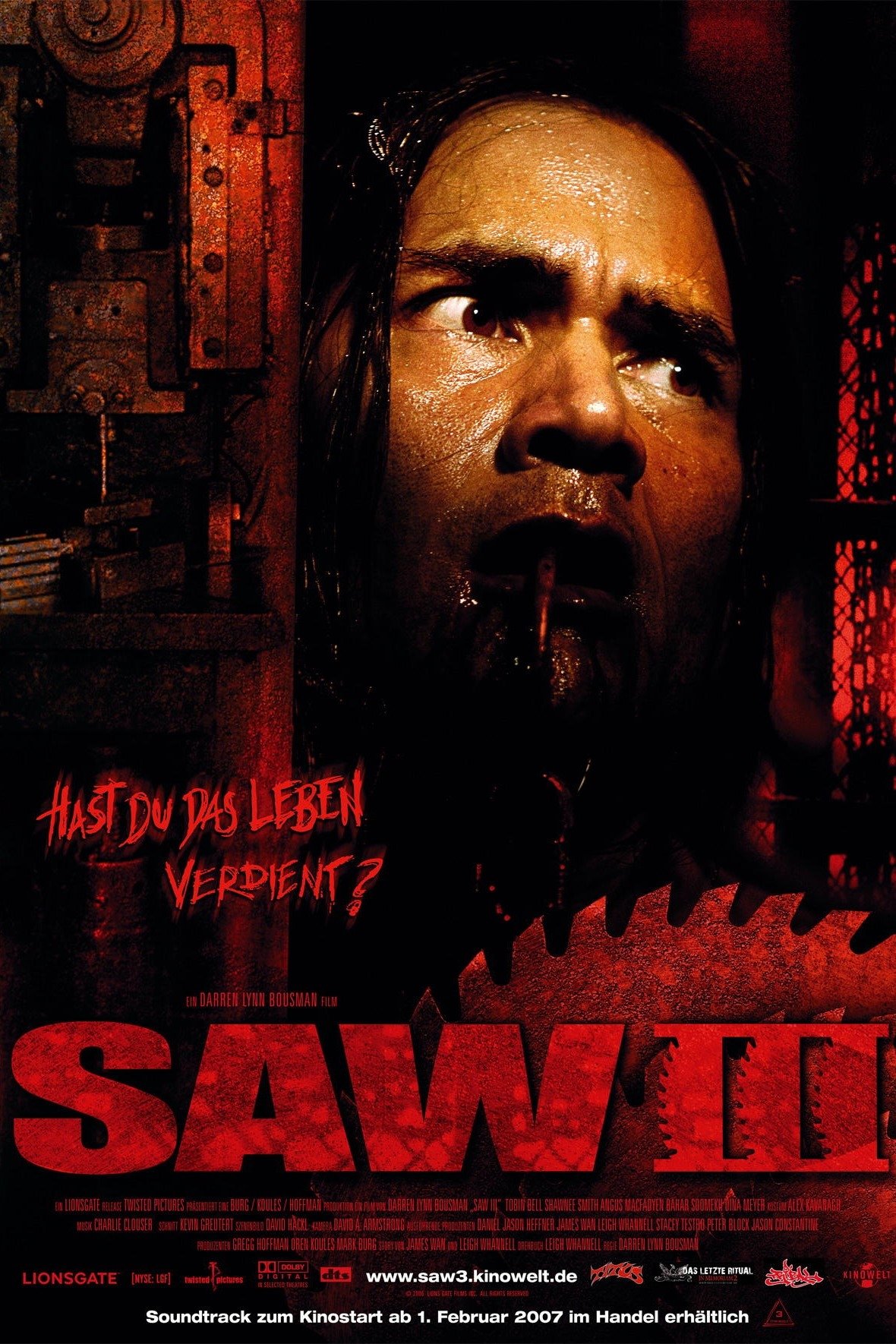
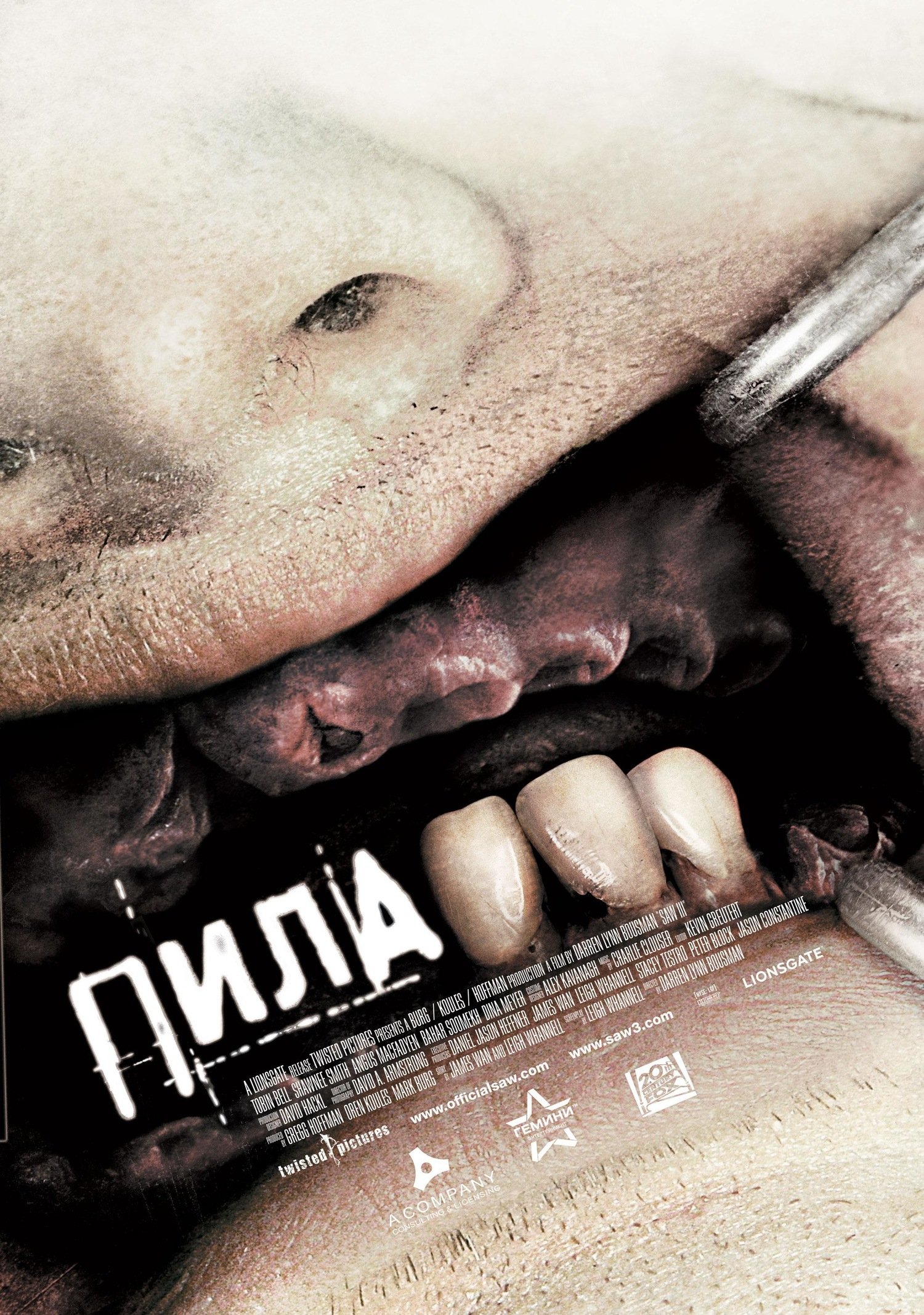
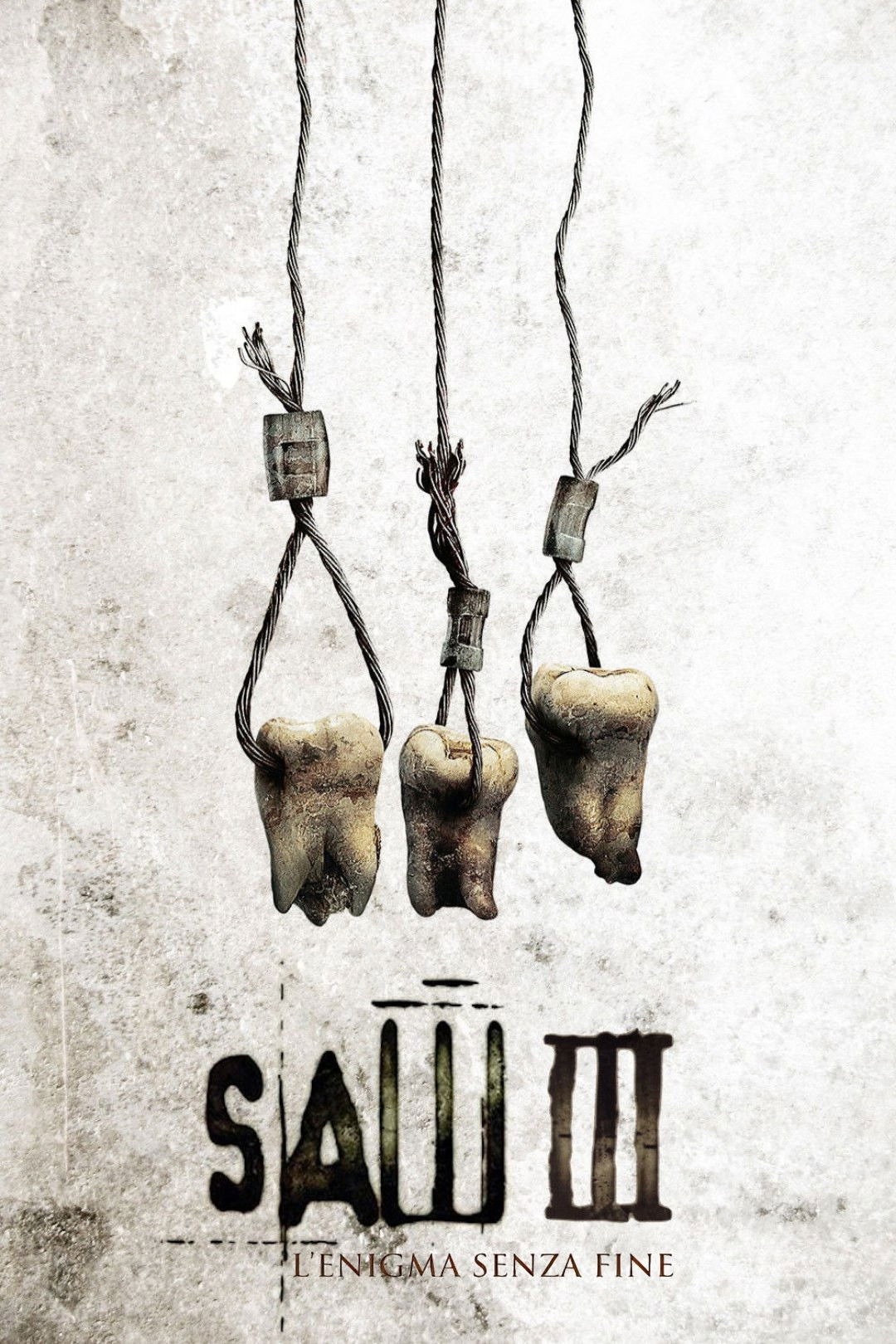
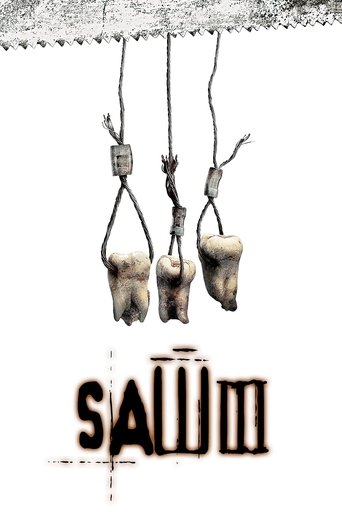
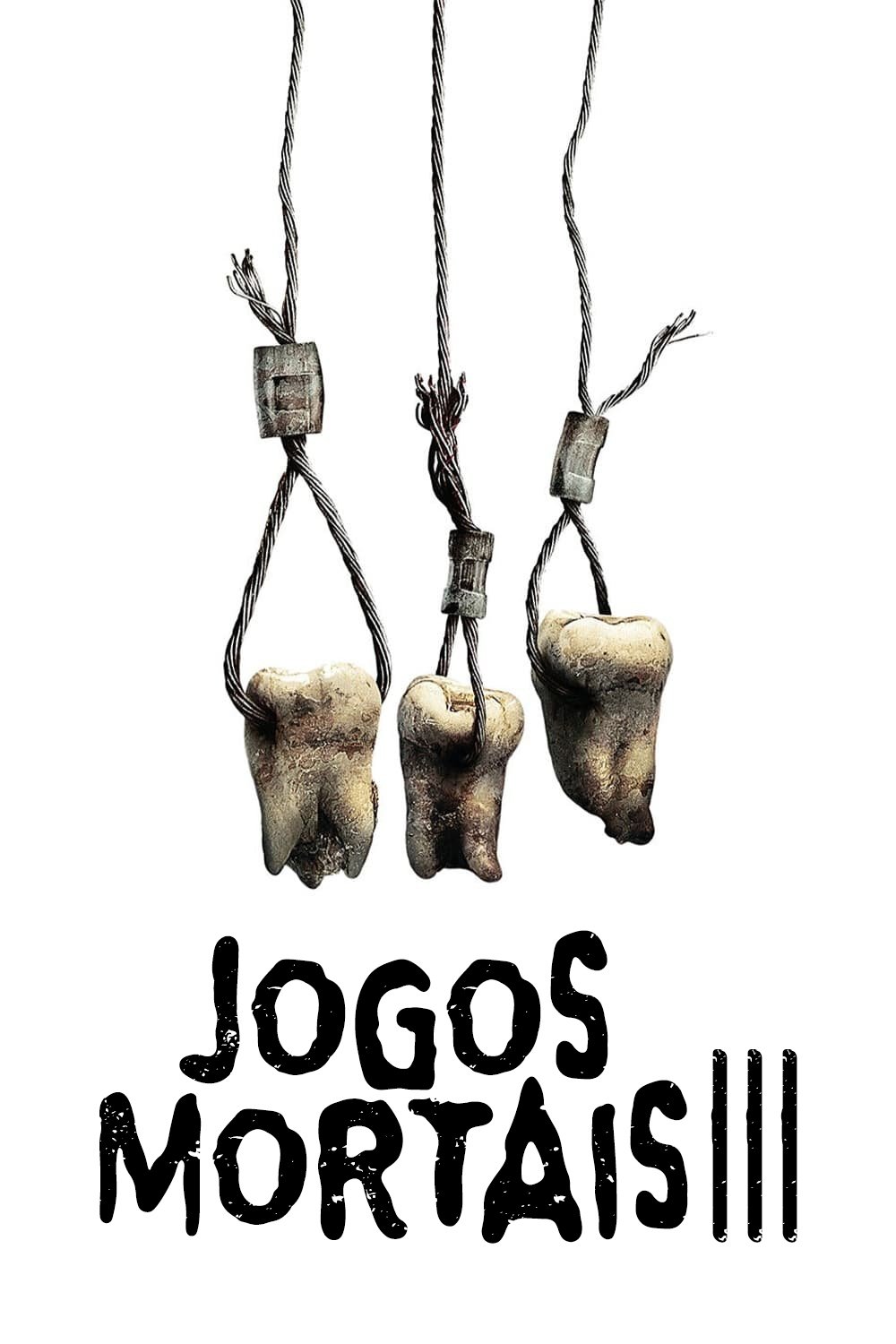
Saw III (2006) poster
Production Company
Twisted Pictures
Plot

As John Kramer's health deteriorates, Amanda Young abducts surgeon Lynn Denlon and forces her to keep him alive under the threat of a lethal device. Elsewhere, Jeff, a father overwhelmed by grief over his son's death, is guided through a succession of tests involving people connected to the tragedy. Police searching for Jigsaw confront fresh evidence of traps whose rules appear increasingly cruel. Lynn and Jeff must make decisions under intense pressure while Amanda's troubled relationship with Kramer threatens the stability of his plans.

Alternative Titles
Mişar 3 (Azerbaijan) — Azerbaijani Mişar III (Azerbaijan) Убийствен пъзел III (Bulgaria) — Bulgarian Jogos Mortais III (Brazil) — Portuguese Décadence III (Canada) — French title 你死我活3 (China) — Mandarin alternative title 电锯惊魂3 (China) — Chinese 链锯惊魂3 (China) — Mandarin alternative title
Show all 42 alternative titles Saw 3 (Czechia) — Czech Saw III - Hast du das Leben verdient? (Germany) — alternative title Saag 3 (Estonia) — Estonian Saw 3 (France) — alternative spelling Saw III: Director's Cut Extreme (France) — director's cut ხერხი III (Georgia) — Georgian Se vlepo III (Greece) — transliterated title Σε Βλέπω III (Greece) — Greek 恐懼鬥室 3 死神在齒 (Hong Kong SAR China) — Chinese 恐懼鬥室3之死神在齒 (Hong Kong SAR China) Slagalica strave 3 (Croatia) — Croatian Fűrész III. (Hungary) — Hungarian המסור 3 (Israel) — Hebrew اره ۳ (Iran) — Persian Saw III - L'enigma senza fine (Italy) — Italian ソウ3 (Japan) — Japanese 쏘우 3 (South Korea) — Korean Pjūklas 3 (Lithuania) — Lithuanian Zāģis 3 (Latvia) — Latvian El juego del miedo 3 (Mexico) — Spanish Piła 3 (Poland) — Polish Saw 3 - O Legado (Portugal) — Portuguese Puzzle mortal 3 (Romania) — alternative spelling Слагалица страве 3 (Serbia) — Serbian Пила 3 (Russia) — Russian Žaga 3 (Slovenia) — Slovenian Saw: Hra o prežitie 3 (Slovakia) — Slovak เกม ตัด ต่อ ตาย 3 (Thailand) — Thai Testere 3 (Türkiye) — Turkish 奪魂鋸3 (Taiwan) — Chinese Пила 3 (Ukraine) — Ukrainian Arra 3 (Uzbekistan) Arra III (Uzbekistan) — Uzbek Lưỡi Cưa 3 (Vietnam) — Vietnamese

Trailers & Videos

2 videos

Saw III (2006) Film Guide

The franchise becomes a story of succession as Jigsaw and Amanda test grief, loyalty and the limits of engineered punishment.

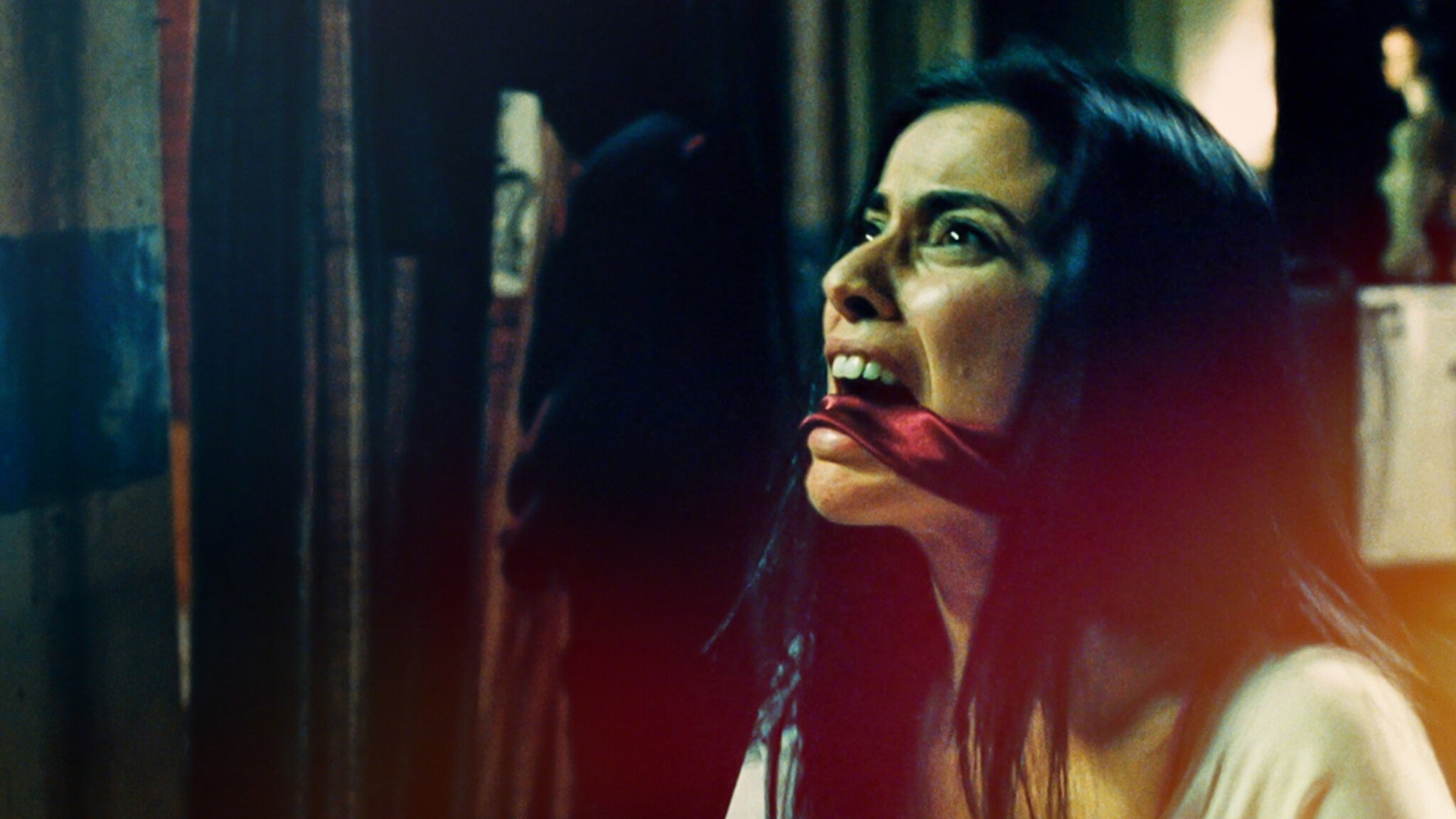
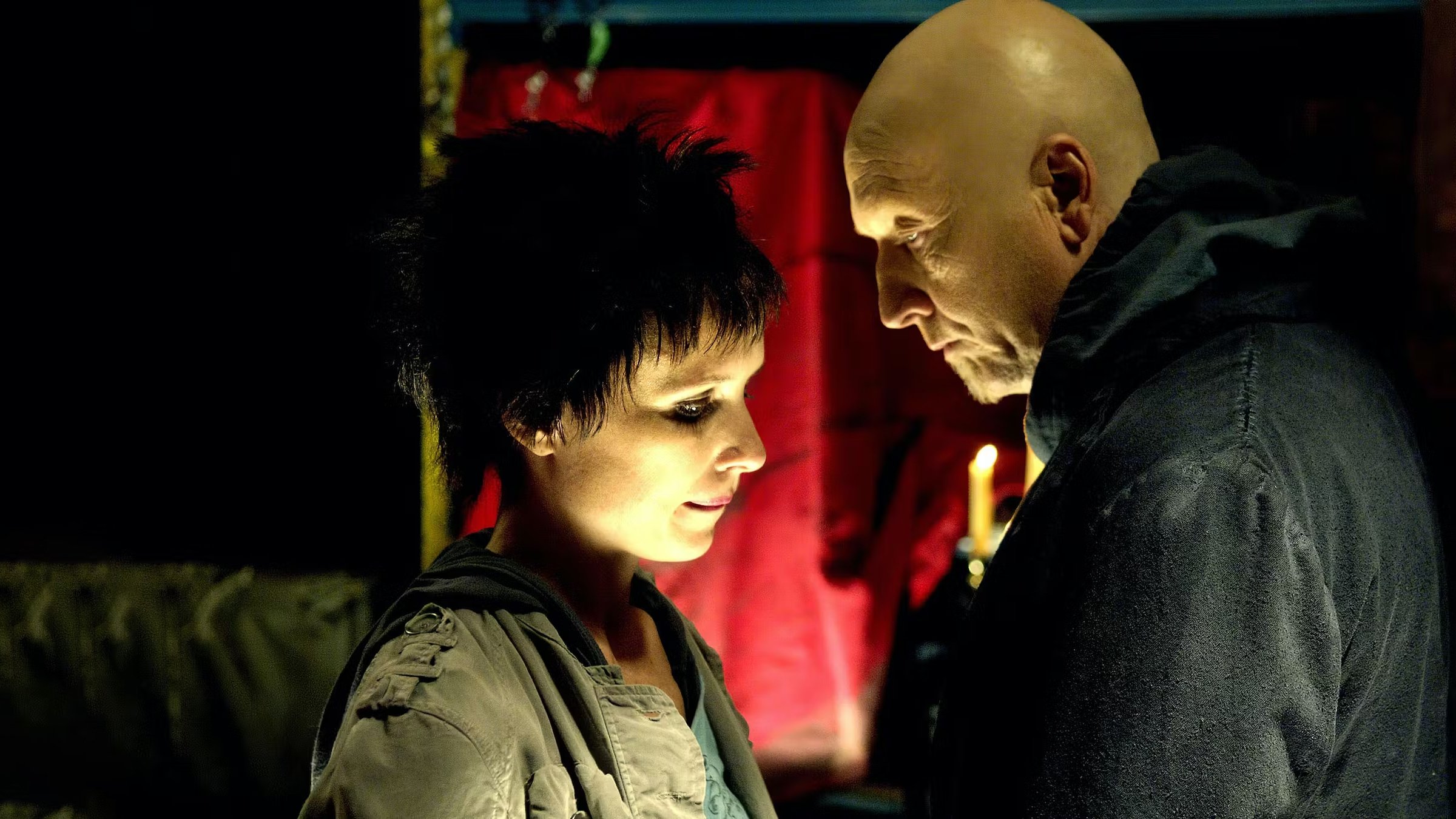
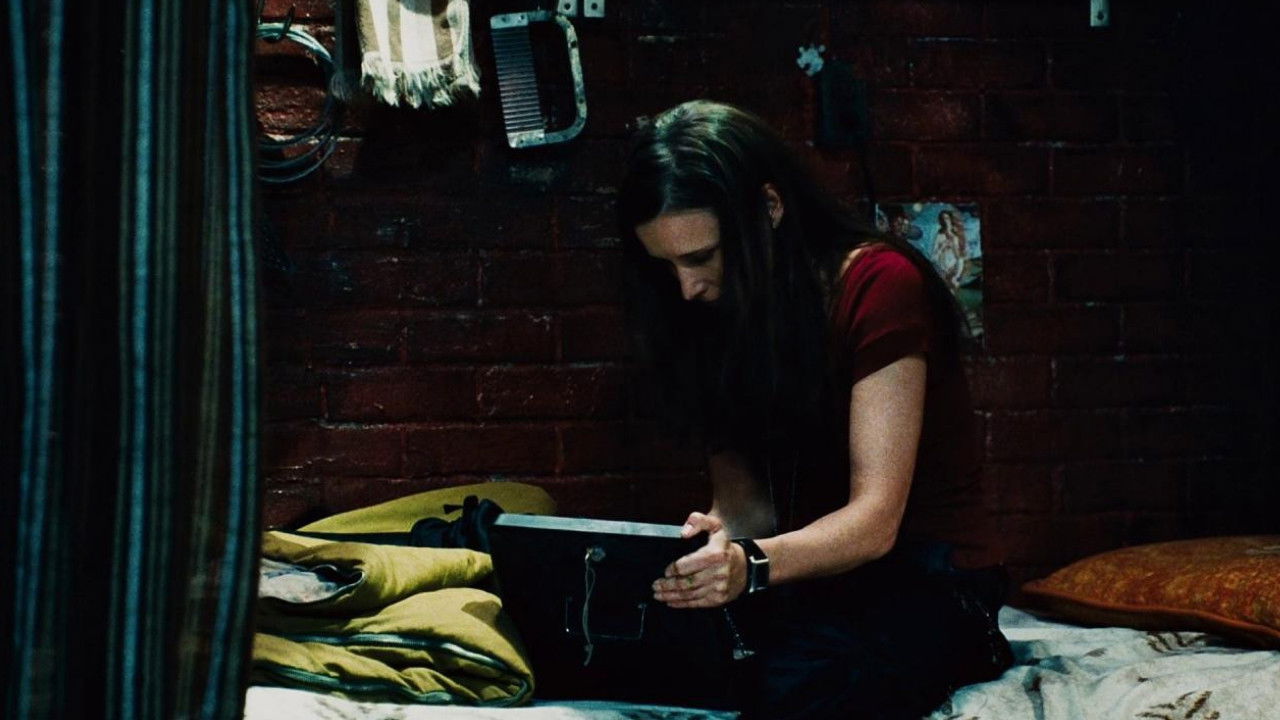
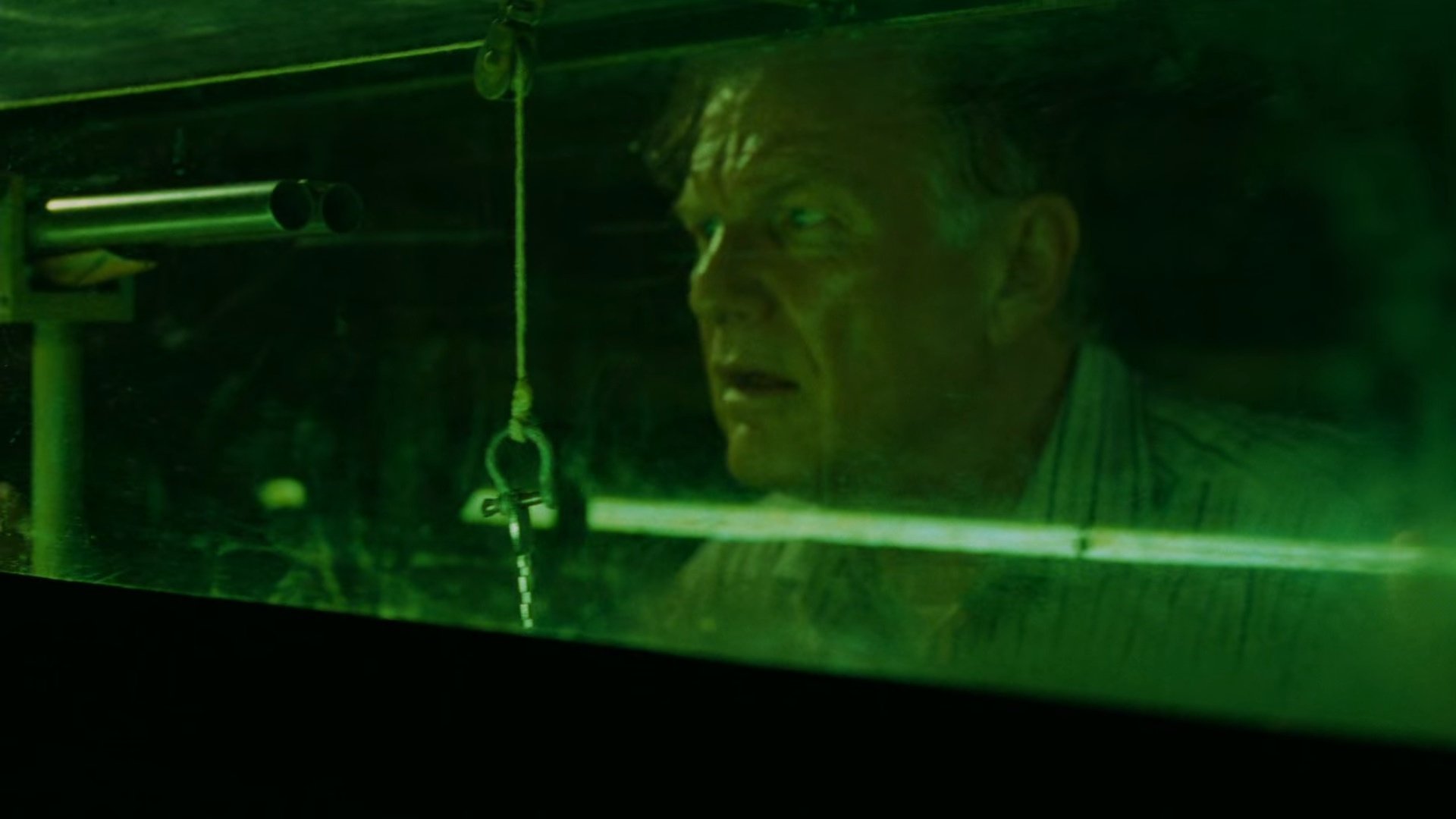
Saw III (2006) extends the franchise's interest in captivity and engineered punishment into a story about succession. John Kramer, the terminally ill architect of the Jigsaw games, is confined to a sickbed while Amanda Young attempts to act as his apprentice. The film's central arrangement joins a surgeon forced to preserve Kramer's life with a grieving father required to confront people he blames for his child's death. Their situations give the violence a shared dramatic concern: whether a person can be made to change through terror, coercion and the prospect of loss.

Directed by Darren Lynn Bousman from Leigh Whannell's screenplay, based on a story by Whannell and James Wan, the third installment was conceived as a culmination of their original trilogy. Its production followed the commercial breakthrough of Saw II and the death of producer Gregg Hoffman in December 2005. Bousman and Whannell subsequently described their return as a tribute to Hoffman. Alongside elaborate mechanical traps, Saw III develops the relationship between Kramer and Amanda, revisits earlier scenes through flashbacks and pushes the series toward an ending that alters its central character arrangement.

Development and a Planned Third Film

Unlike the preceding sequel, which grew from Bousman's separate screenplay The Desperate, Saw III was devised directly for the established characters. In an October 2006 interview, Bousman recalled that he and Whannell had discussed possible ideas before deciding against another installment. Hoffman died that December, and the director said a conversation with Whannell and Wan following the news changed their plans. They began discussing a third film as a dedication to the producer, whose involvement had helped bring the franchise to theaters. This account identifies a personal motivation for the project without implying that every creative decision was dictated by it.

The timetable was unusually compressed. Bousman told ComingSoon.net that only about five months separated his return to Toronto from delivery of the completed picture; he also described a 27-day shoot. He recalled that the new trap sequences were designed relatively late, after work on the characters and their emotional problems. The emphasis was deliberate: he wanted the father facing the tests to make difficult decisions that developed from his grief. Such remarks document the filmmakers' stated intentions, which can be compared with the finished film's sustained attention to resentment and dependence.

Whannell explained in a separate joint interview that Amanda's proposed succession was the principal thread left available by Saw II. The first discussions with producers Mark Burg and Oren Koules, he said, concerned whether she could carry out Kramer's tests according to his rules. That question became the backbone of the sequel. It also permitted the filmmakers to explore an unusually fraught bond between a killer and the former captive who believes he transformed her life. The pair described the relationship in familial terms, underscoring the emotional stakes they intended for a film advertised chiefly through its bodily horror.
Apprenticeship and the Ethics of the Tests

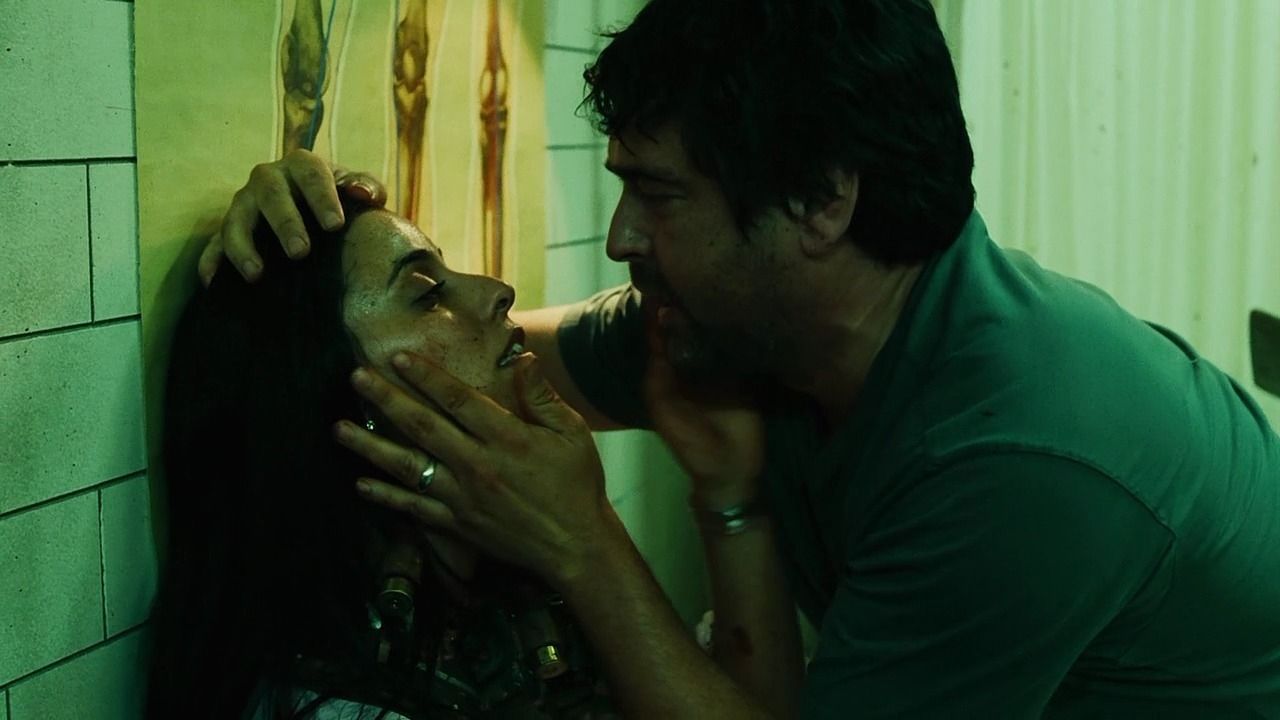
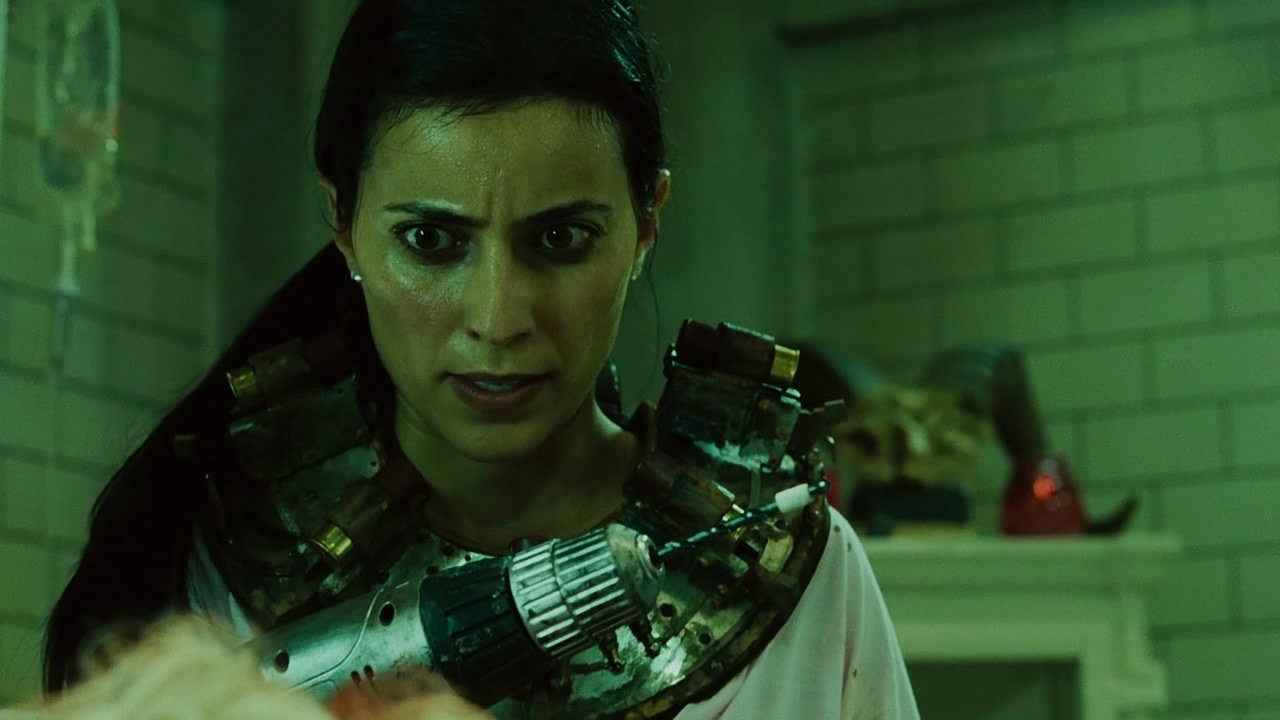
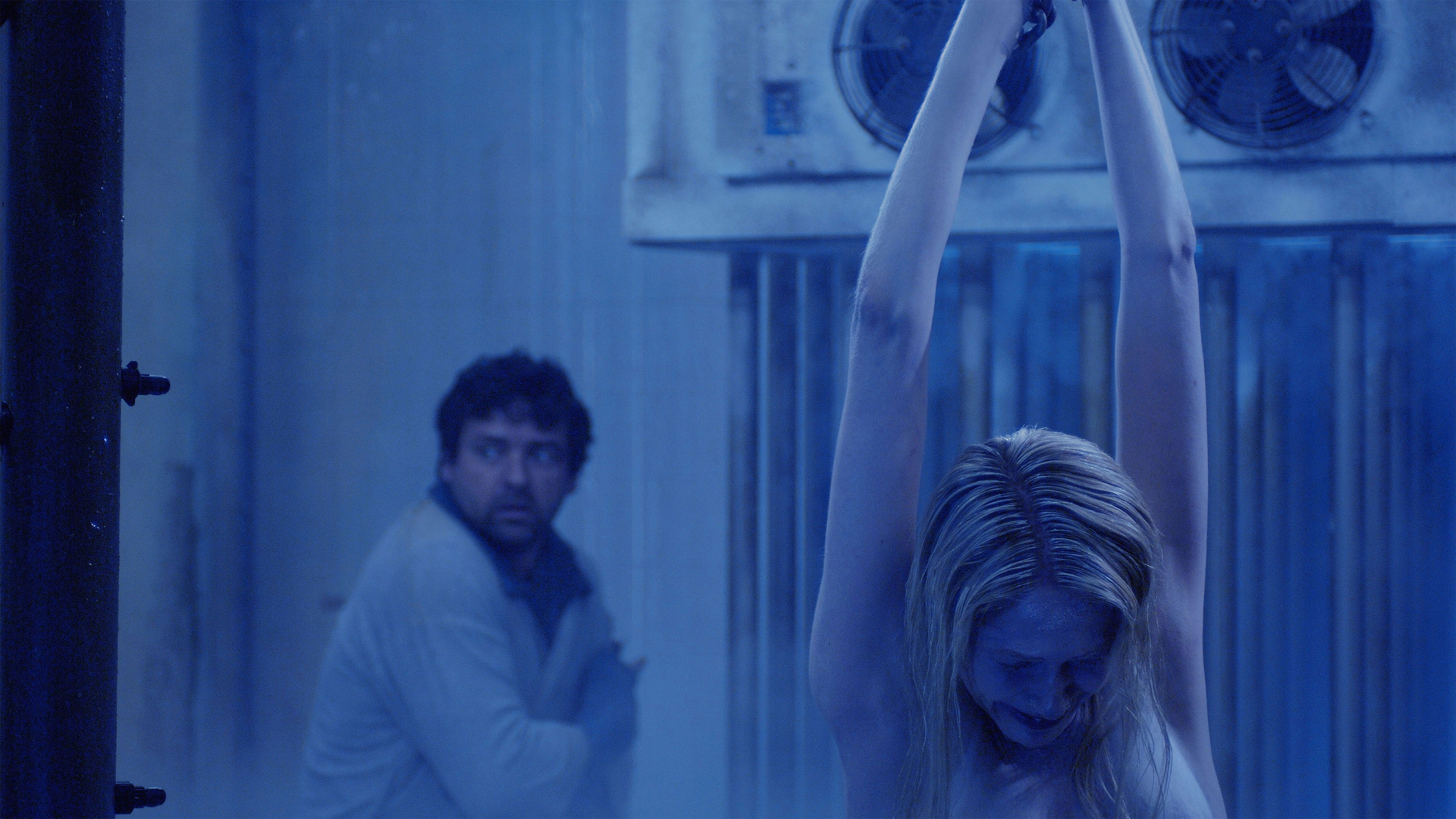
The plot places two forms of control side by side. Kramer requires Dr. Lynn Denlon to keep him alive while monitoring the progress of Jeff, a father whose son was killed in a traffic accident. Lynn's explosive collar makes her patient's survival a condition of her own. Jeff encounters figures connected with the accident and its aftermath, each trapped in a mechanism that leaves him with a choice about whether to intervene. The parallel situations turn separate ordeals into a larger experiment whose participants possess only fragments of the plan.

Amanda supplies a different source of uncertainty. The closing revelation in Saw II established her as Kramer's chosen successor, but Saw III scrutinizes the consequences of that designation. Earlier tests attributed to the Jigsaw apparatus are investigated for signs that victims had no viable means of escape. The discovery raises a serious contradiction within Kramer's professed doctrine of offering survival through sacrifice. His rhetoric remains central to the narrative, although the film's deaths provide no reason to accept his claims as a reliable description of what the games actually permit.

The film also asks its audience to recognize Jeff's paralysis in the face of another person's suffering. He enters the tests with a desire to punish those whom he associates with his loss, then repeatedly struggles over the chance to prevent fresh injuries. Each delay affects the people before him. This arrangement brings the spectator into a morally uncomfortable relationship with the elaborate traps: understanding Jeff's anger does not erase the cruelty of the apparatus or its victims' helplessness. Kramer's surveillance of these decisions makes the tests a form of psychological domination as well as a physical spectacle.

Flashbacks, Sets and Cinematic Continuity

Saw III moves through several points in the series' internal chronology. Earlier events are reconstructed from new angles, including material associated with the bathroom in the original Saw and the reverse bear trap. Bousman said the production rebuilt these locations to match their previous appearances closely, an exacting task made necessary by the overlapping timeline. These scenes answer specific continuity questions while expanding the role of Kramer and Amanda in the preparation of earlier games. The interlocking chronology became an important narrative resource as the films accumulated characters and unresolved incidents.

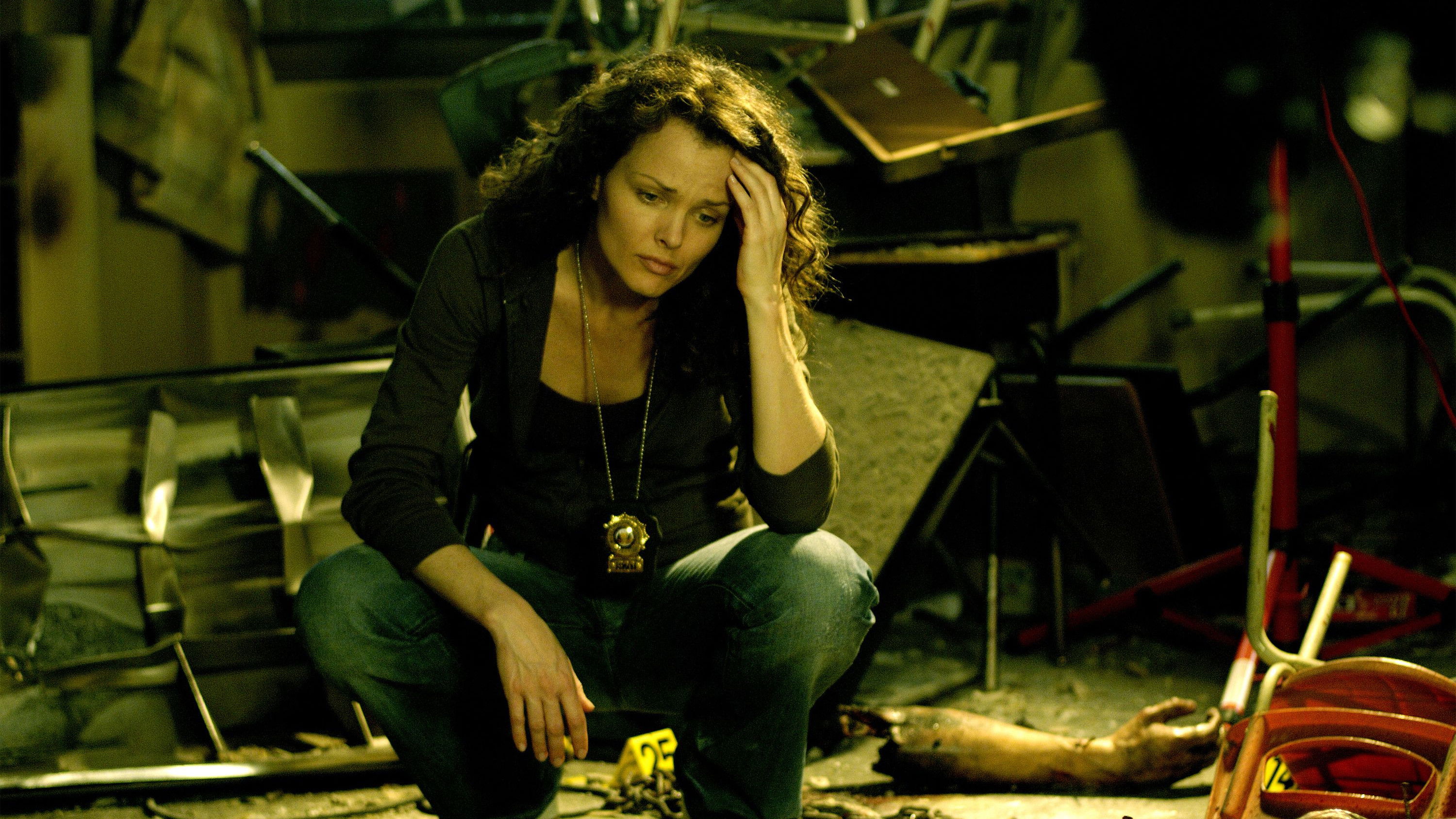
The returning production team also sustained a recognizable visual language. David A. Armstrong photographed all three original installments, and Kevin Greutert continued as editor. In a contemporary interview, Bousman described physical camera transitions that carried the viewpoint between adjoining sets. He cited a movement involving Detective Kerry and a bathtub in which the performer repositioned herself out of sight while the camera continued its motion. Such techniques create seemingly impossible shifts through the film's connected spaces. The hard lighting, agitated cutting and damaged industrial interiors keep the newer scenes visually close to their predecessors, even as the story becomes more densely retrospective.

Mechanical Horror and Practical Production

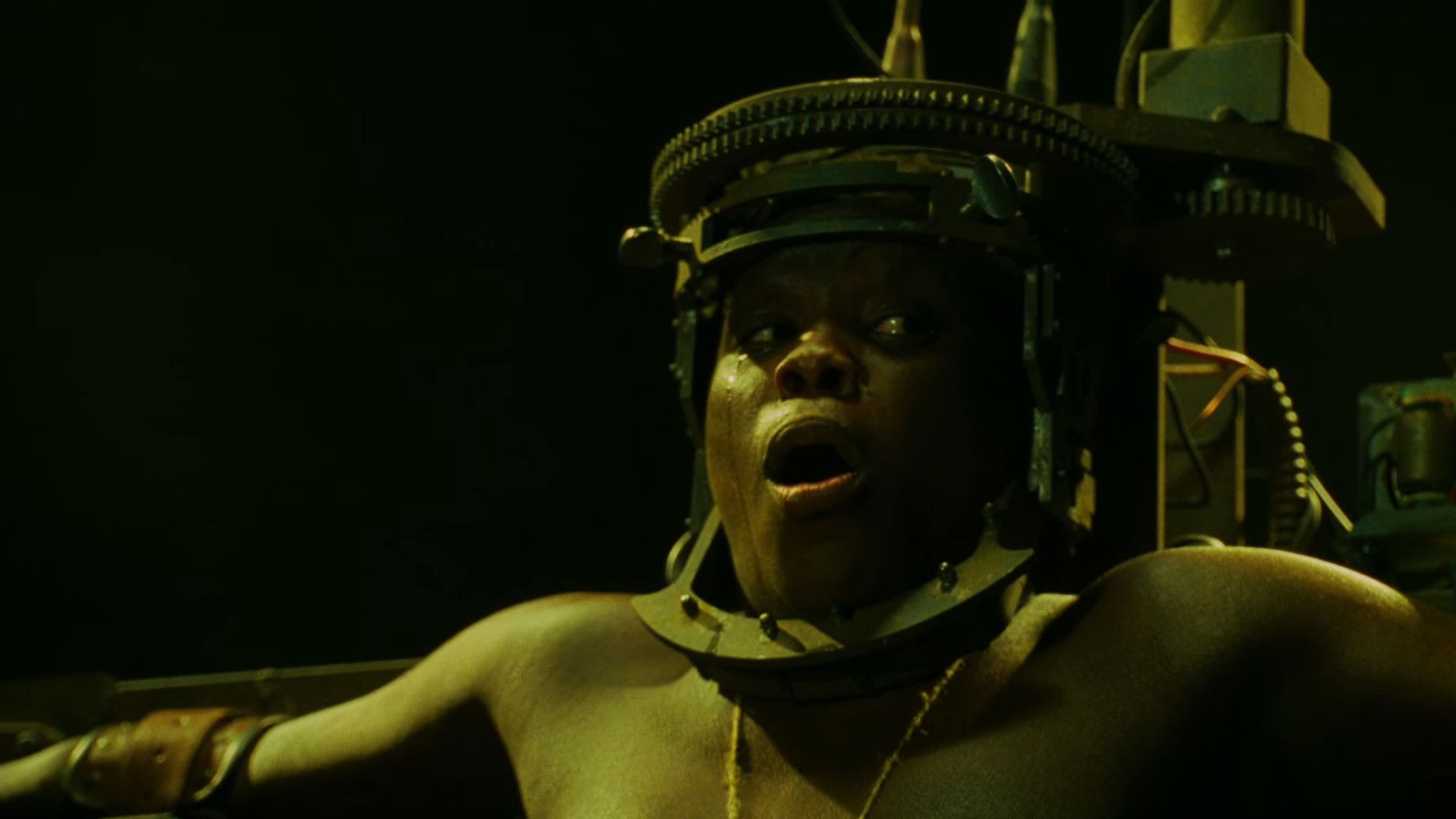
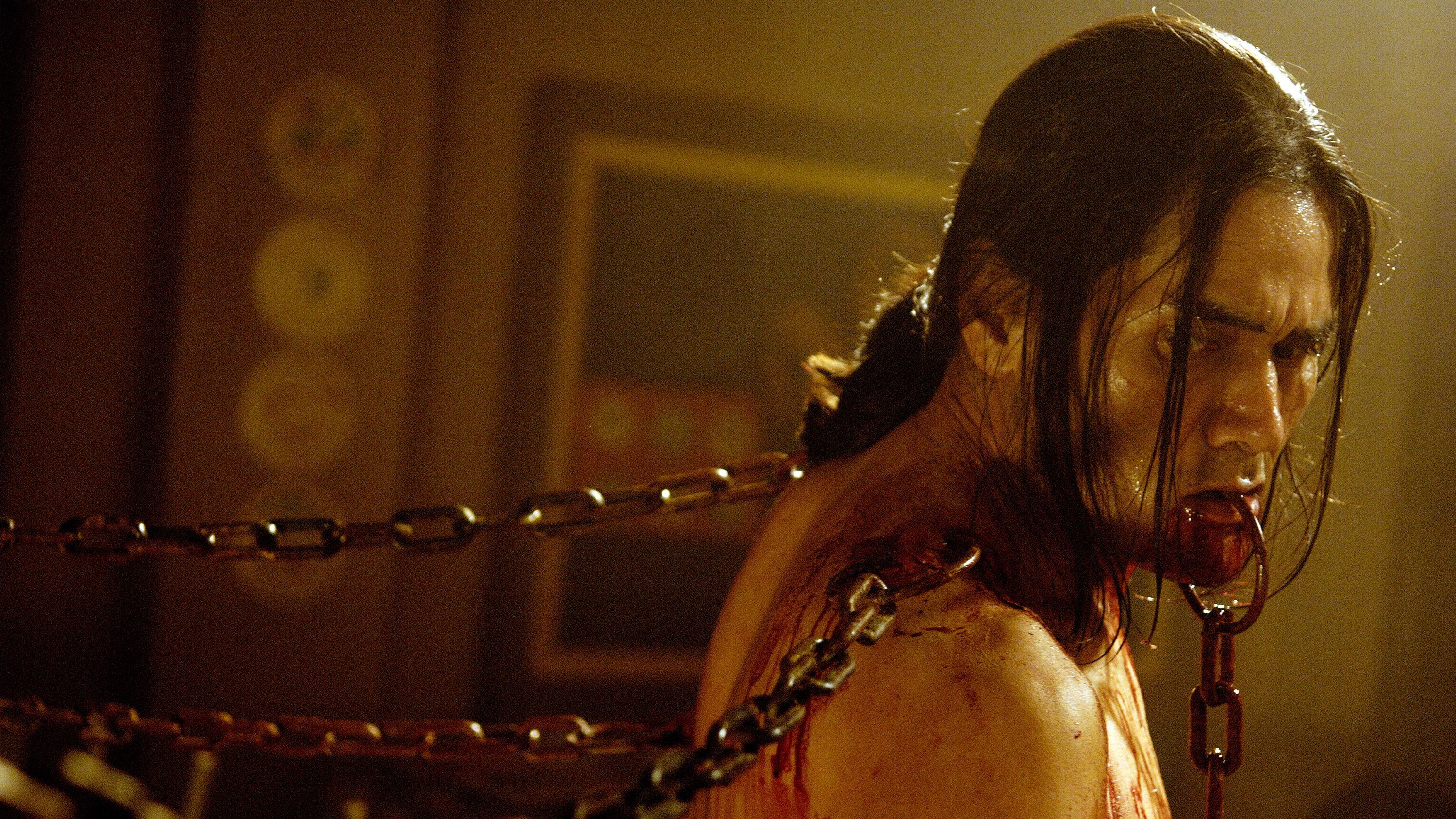
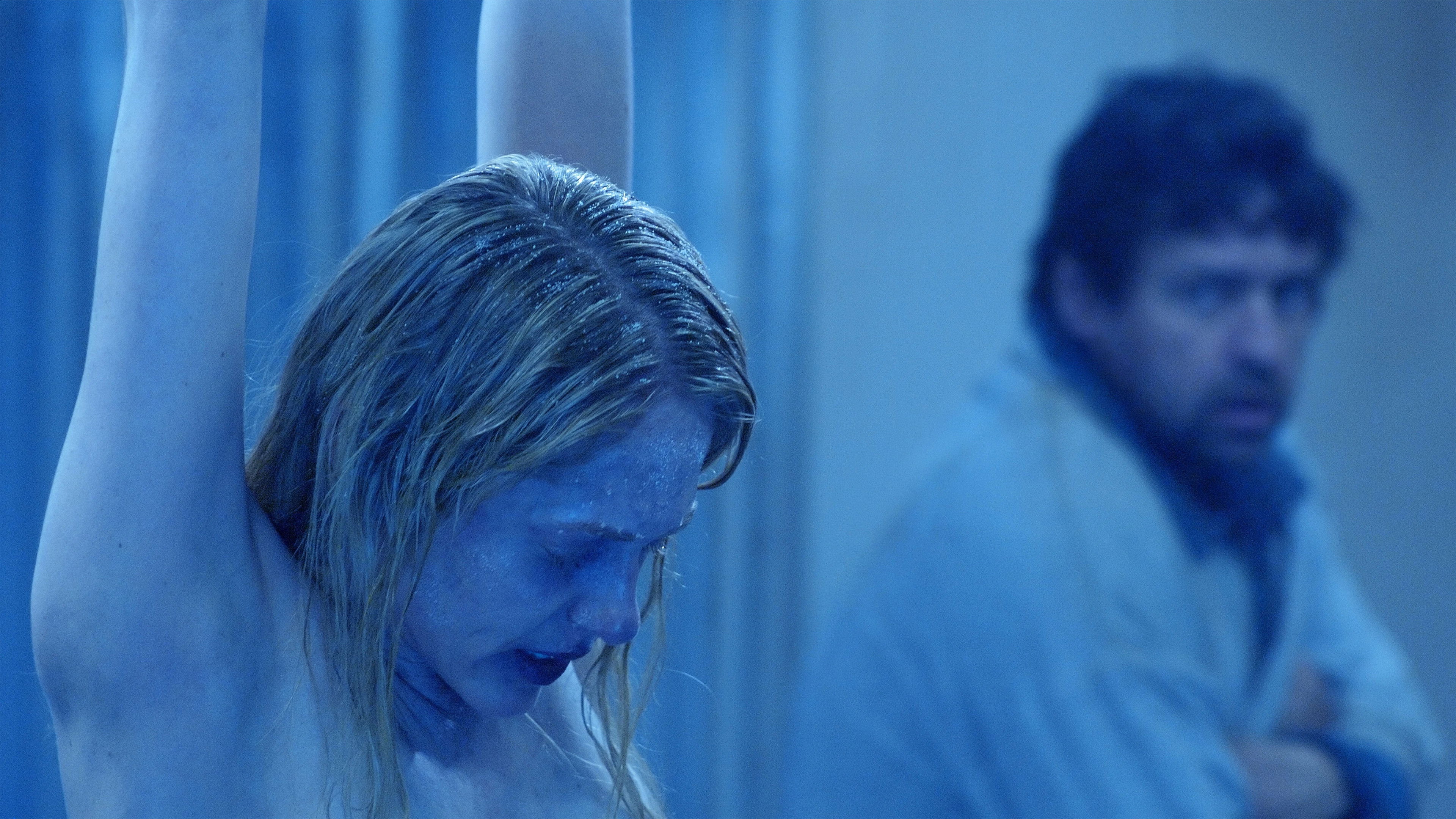
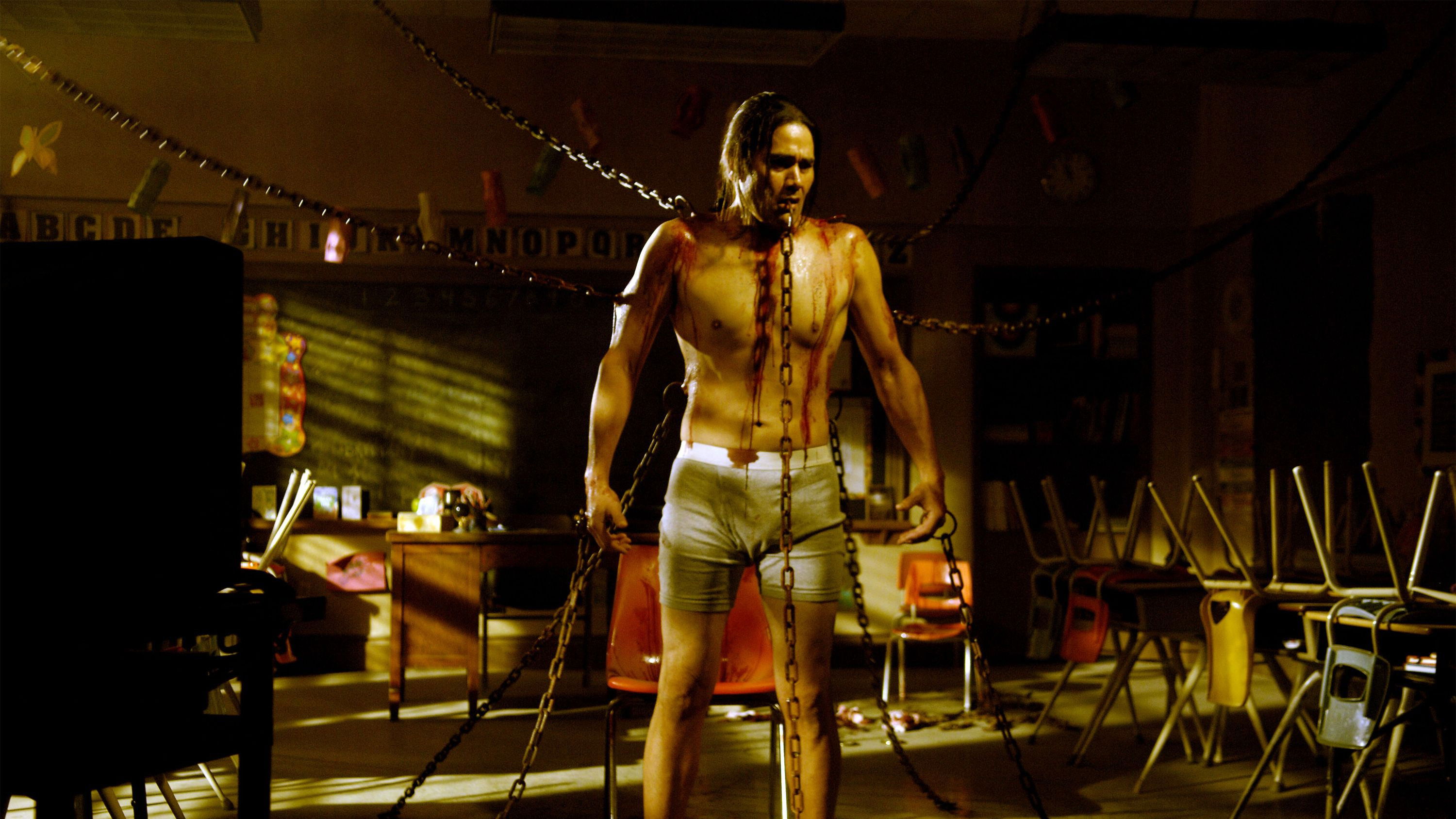
The traps illustrate the shift toward a larger, more punishing physical scale. One early device binds a victim with chains anchored to his body; another, built around an arrangement resembling an angel's wings, subjects a detective to a mechanism whose outcome calls the maker's stated rules into question. Jeff's route introduces an icy enclosure, a vat filled with rotting animal matter and the machine known as the Rack. Their threat is partly anticipatory. The audience has time to understand what a mechanism could do while watching the trapped person and the potential rescuer respond.

Bousman recalled that the Rack required approximately three weeks to construct. His account of the pig-vat sequence is especially revealing because its final effect depends upon postproduction sound. During filming, an actor endured warm, gelatinous material; the impression of industrial destruction was heightened by recorded blades and moving chains. The director cited this as an example of sound turning an awkward physical action into a convincing threat. These are recollections of the production process, and the visible set pieces show how mechanical movement can create suspense even before a character is injured.

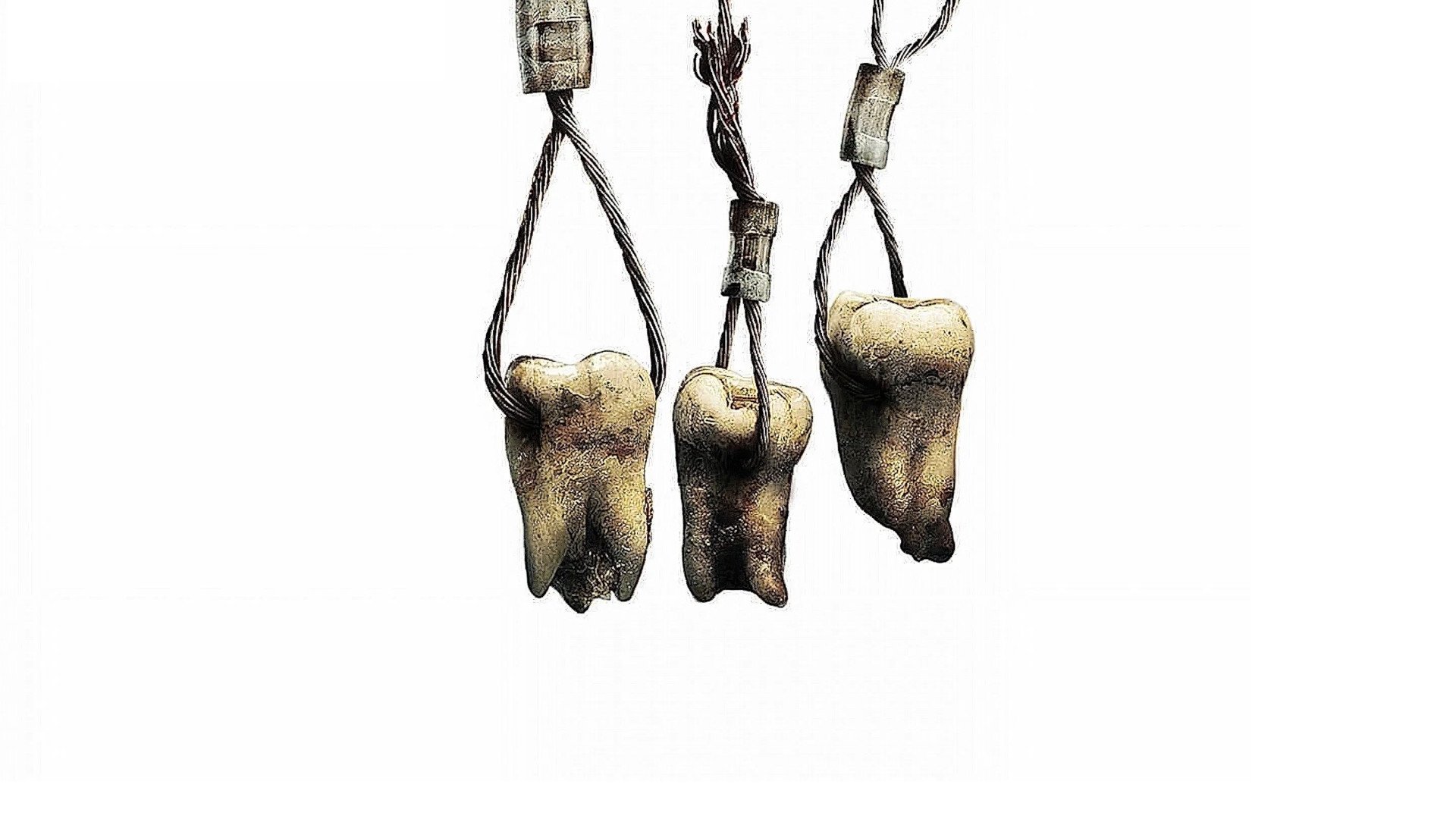
Another extended sequence requires Lynn to operate on Kramer's exposed skull while he remains conscious. Its clinical procedure places detailed bodily imagery inside a scene about sustaining life, creating a different response from the mechanisms intended to kill. Reviewing the film's initial DVD edition for Fangoria, Michael Gingold reported that the surgery itself had not troubled the American ratings board, even though other sequences required alteration. He also described the original chain trap as having included an unrealized dental element, a detail discussed by the filmmakers in the disc supplements. The distinction between what was planned and what appears on screen matters when reconstructing the film's effects history.

Release, Classification and Edited Versions

Lionsgate opened Saw III in the United States on October 27, 2006, maintaining the series' late-October release pattern. The film earned $33,610,391 during its first domestic weekend and approximately $80.2 million across its original North American theatrical run, according to recorded grosses. Those receipts establish the immediate commercial strength of this installment, although theatrical revenue must not be mistaken for production profit. The film was released with an American R rating, whose content warning identified graphic violence, torture, nudity and language.

The classification process became part of the contemporary production story. In an interview published shortly before release, Bousman said he had initially received an NC-17 decision and had personally discussed contested material with the American ratings body. He credited that conversation with helping him preserve substantial portions of the film. His description of the negotiations is firsthand testimony, not an itemized official record of every requested alteration. He also spoke about extensive editorial reductions from a much longer rough assembly. Changes made to improve the story's pacing therefore should not be confused with changes imposed in pursuit of an R rating.

France's Centre national du cinema et de l'image animee issued its classification visa on November 21, 2006, imposing an under-18 restriction and recording a theatrical release for the next day. The commission's published reasoning specifically addressed the sustained depiction of physical and psychological torture. Its record gives a 109-minute duration for that submission. Subsequent home-video editions circulated in different versions, including unrated material examined in an early 2007 Fangoria assessment. A runtime attached to one territory or edition cannot establish the contents of every other cut; claims about additions or removals need comparison with a specifically identified release.

Contemporary Criticism and the Original Trilogy

Critical responses separated the film's growing emotional ambitions from its increasing spectacle. Writing for Fangoria in January 2007, Michael Gingold questioned the plausibility of the elaborate devices and found the succession of revelations excessive. He recognized the effort to invest Kramer's final predicament and Amanda's dependence with greater feeling, but judged the human material less effective than its filmmakers intended. That assessment accords with a broader tension visible in the film: intimate scenes around a dying man alternate with mechanisms designed to hold the audience's attention through the expectation of bodily damage.

In his 2006 interviews, Whannell described the first three films as a connected story whose fractured chronology made past events available for later expansion. Saw III brings that conception to a temporary conclusion by resolving central relationships while creating narrative consequences that future installments could use. Its contribution to the franchise is consequently specific. It establishes the cost of Kramer's attempt to appoint an heir, demonstrates the risks of an increasingly intricate mythology and retains the elaborate practical ordeal as the series' most immediately recognizable attraction. These developments explain its place in the history of mid-2000s American horror without attributing to the third film ideas already established by its predecessors.

References

  1. ComingSoon.net Exclusive: Saw III's Darren Lynn Bousman

    Edward Douglas interviews the director in October 2006 about Gregg Hoffman, the compressed production schedule, rebuilt sets, trap construction and the pig-vat effects.

  2. JoBlo INT: Bousman & Whannell

    Fred Topel's extensive original joint interview examines Amanda's succession, the evolving structure of the trilogy, actor preparation and practical camera transitions.

  3. FirstShowing.net Exclusive Horror Discussion with SAW 3's Darren Lynn Bousman and Leigh Whannell

    An October 2006 interview transcript covering the American classification negotiations, the original long assembly and the distinction between those editorial decisions.

  4. Fangoria DVD Review: SAW III

    Michael Gingold's 2007 archival assessment documents the commentary tracks, abandoned dental-trap element, editing changes, in-camera transitions and critical reception.

Connections

Cast

View Full Cast & Crew →

Release & Distribution

Production Companies (1)

  • Twisted Pictures US

Distributors (1)

  • Lionsgate Films US

Release History (42)

Release DateTerritoryRelease TypeFormatDistributorCertificationNotes
2006-10-26 Slovenia Theatrical — — —
2006-10-27 Canada Theatrical — — 18A
2006-10-27 United Kingdom Theatrical — — 18
2006-10-27 Ireland Theatrical — — 18
2006-10-27 Lithuania Theatrical — — N-16
2006-10-27 Romania Theatrical — — 18
2006-10-27 Taiwan Theatrical — — 18+
2006-10-27 United States Theatrical — — R
2006-11-02 Australia Theatrical — — MA 15+
2006-11-03 Brazil Theatrical — — 18
2006-11-03 Estonia Theatrical — — —
2006-11-03 Türkiye Theatrical — — 18+
2006-11-08 Spain Theatrical — — 18
2006-11-09 Greece Theatrical — — —
2006-11-16 Malaysia Theatrical — — —
2006-11-16 Russia Theatrical — — 18+
2006-11-17 Kazakhstan Theatrical — — —
2006-11-18 Japan Theatrical — — R18+
2006-11-22 France Theatrical — — 18
2006-11-23 Switzerland Theatrical — — 18
2006-11-24 Finland Theatrical — — K-18
2006-11-30 Hong Kong SAR China Theatrical — — III
2006-11-30 South Korea Theatrical — — 19
2006-11-30 Singapore Theatrical — — R21
2006-12-07 Portugal Theatrical — — M/18
2007-01-04 Czechia Theatrical — — 18+
2007-01-04 Hungary Theatrical — — X
2007-01-04 Netherlands Theatrical — — 16
2007-01-05 Poland Theatrical — — 18
2007-01-12 Denmark Theatrical — — 15
2007-01-17 Philippines Theatrical — — R-18
2007-01-18 Peru Theatrical — — —
2007-01-23 Canada Physical DVD — R DVD
2007-01-23 United States Physical DVD, Blu-ray — NR DVD / Blu-ray
2007-02-01 Austria Theatrical — — 16
2007-02-01 Germany Theatrical — — 18
2007-02-22 Slovakia Theatrical — — 18
2007-03-09 Italy Theatrical — — 14+
2007-09-27 Israel Theatrical — — —
2007-11-27 Netherlands Physical DVD, Blu-ray — 16 DVD / Blu-ray
2009-05-26 Netherlands TV — — 16 Veronica
2025-06-11 Slovakia Digital — — 18 VOYO
Suffering? You haven't seen anything yet...