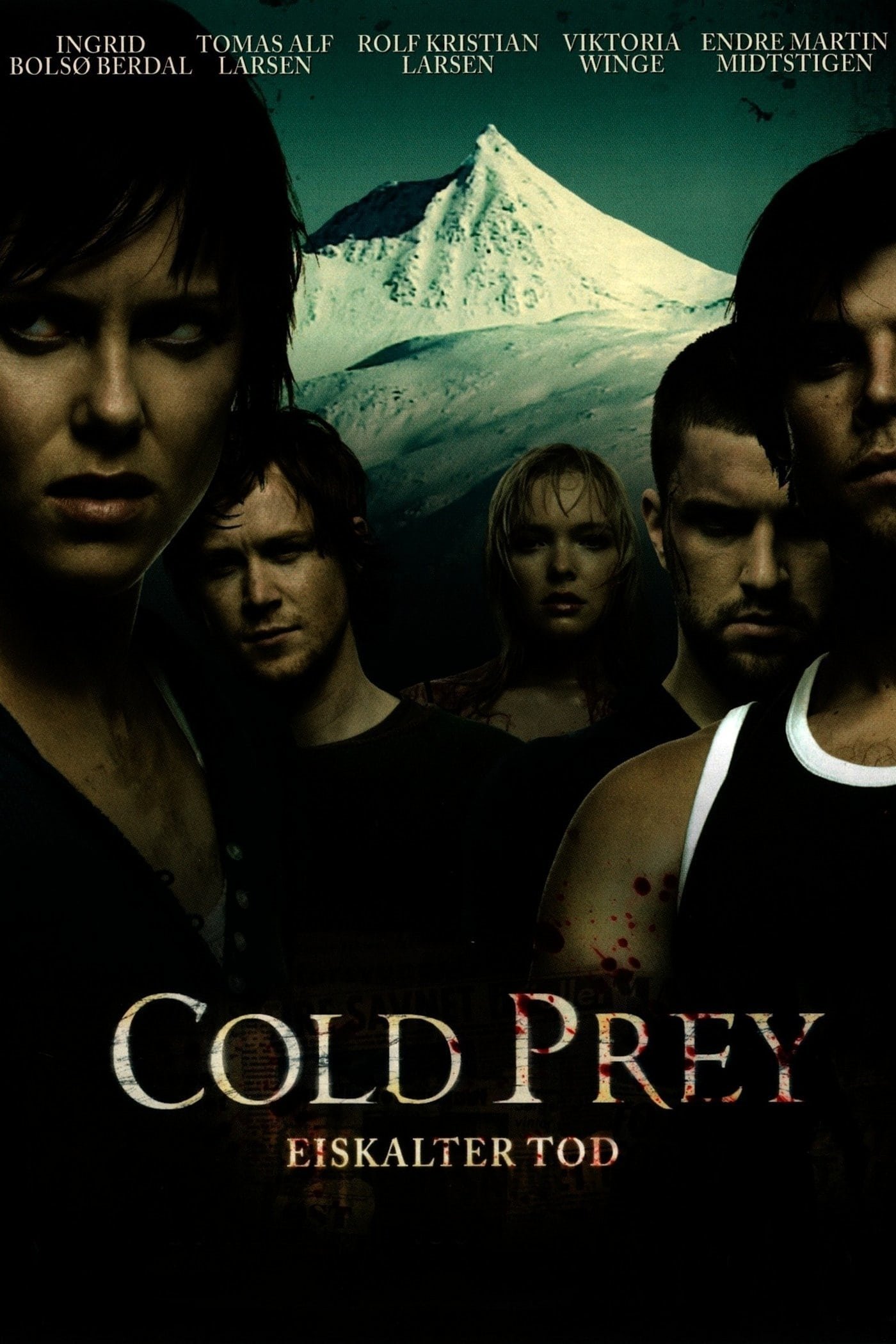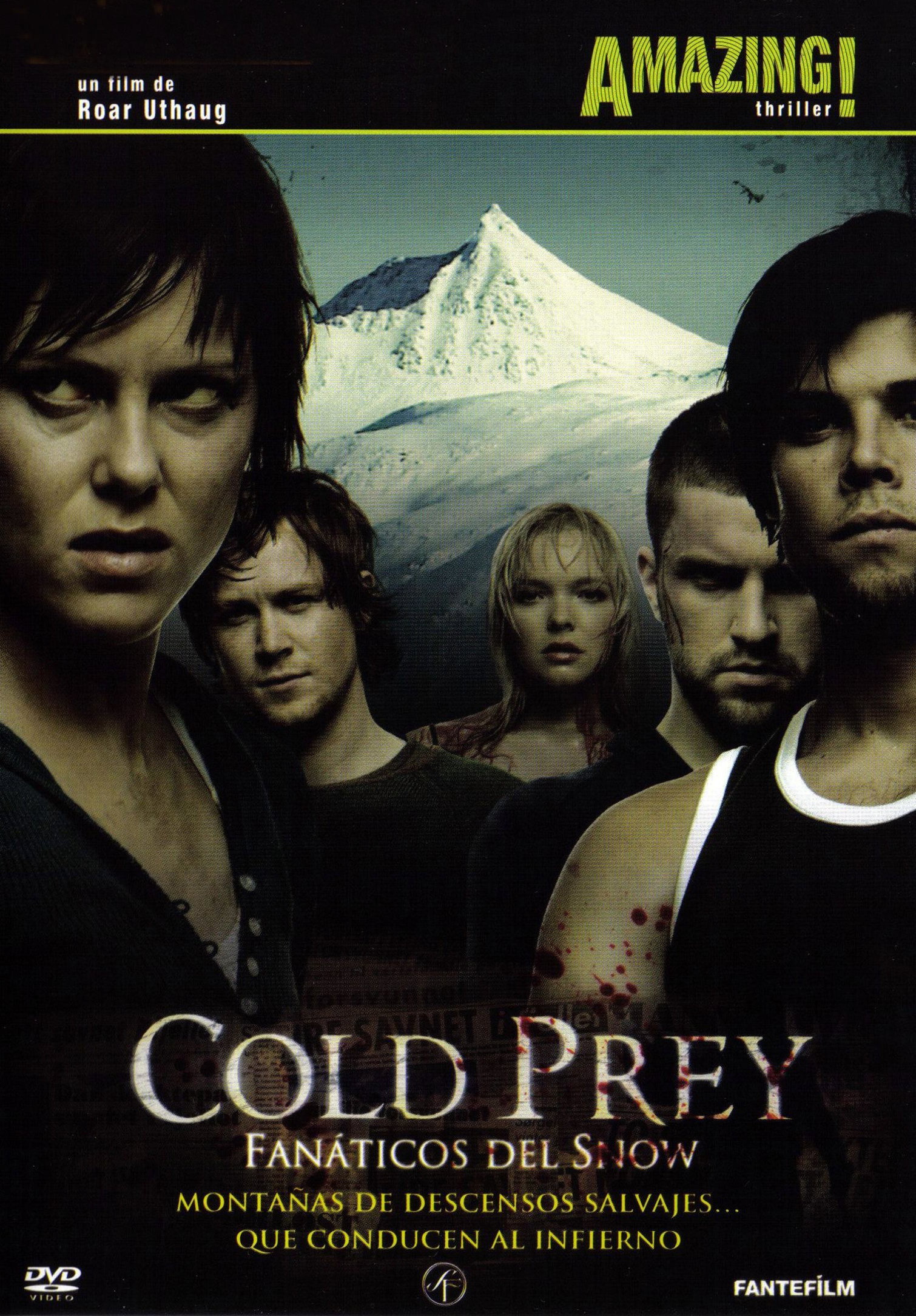
Cold Prey (2006)

NO
Runtime
97 min
Release
October 13, 2006
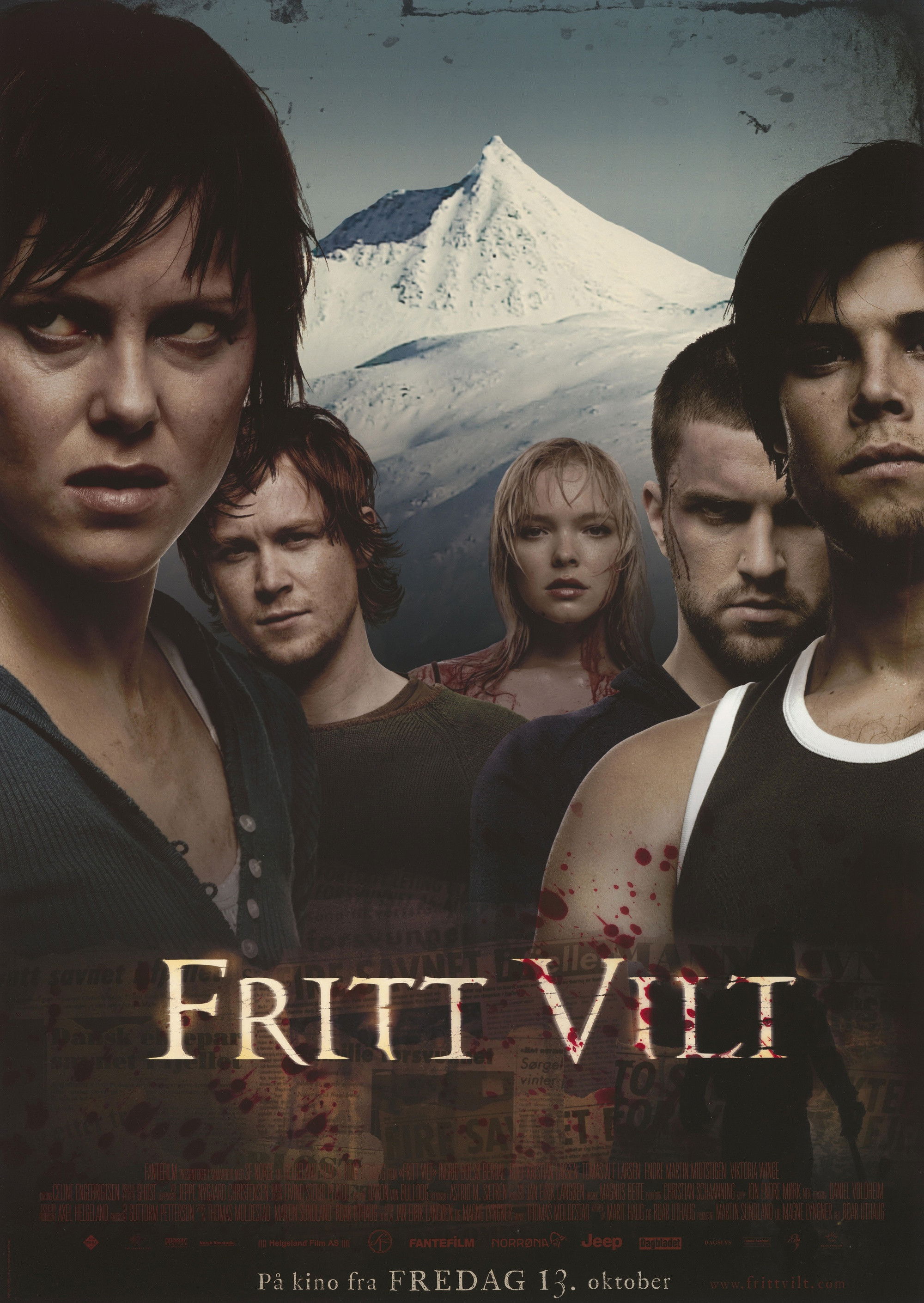
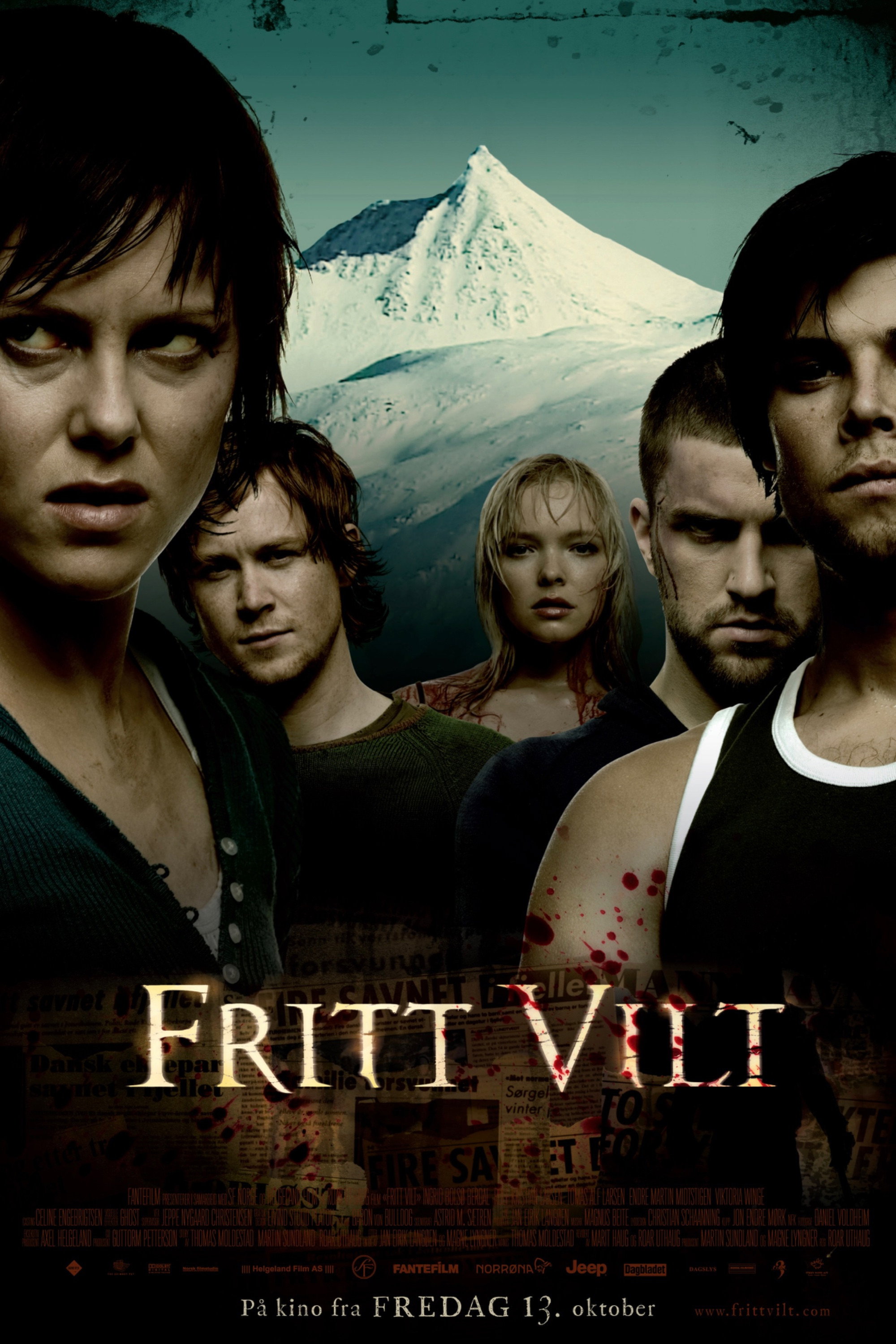
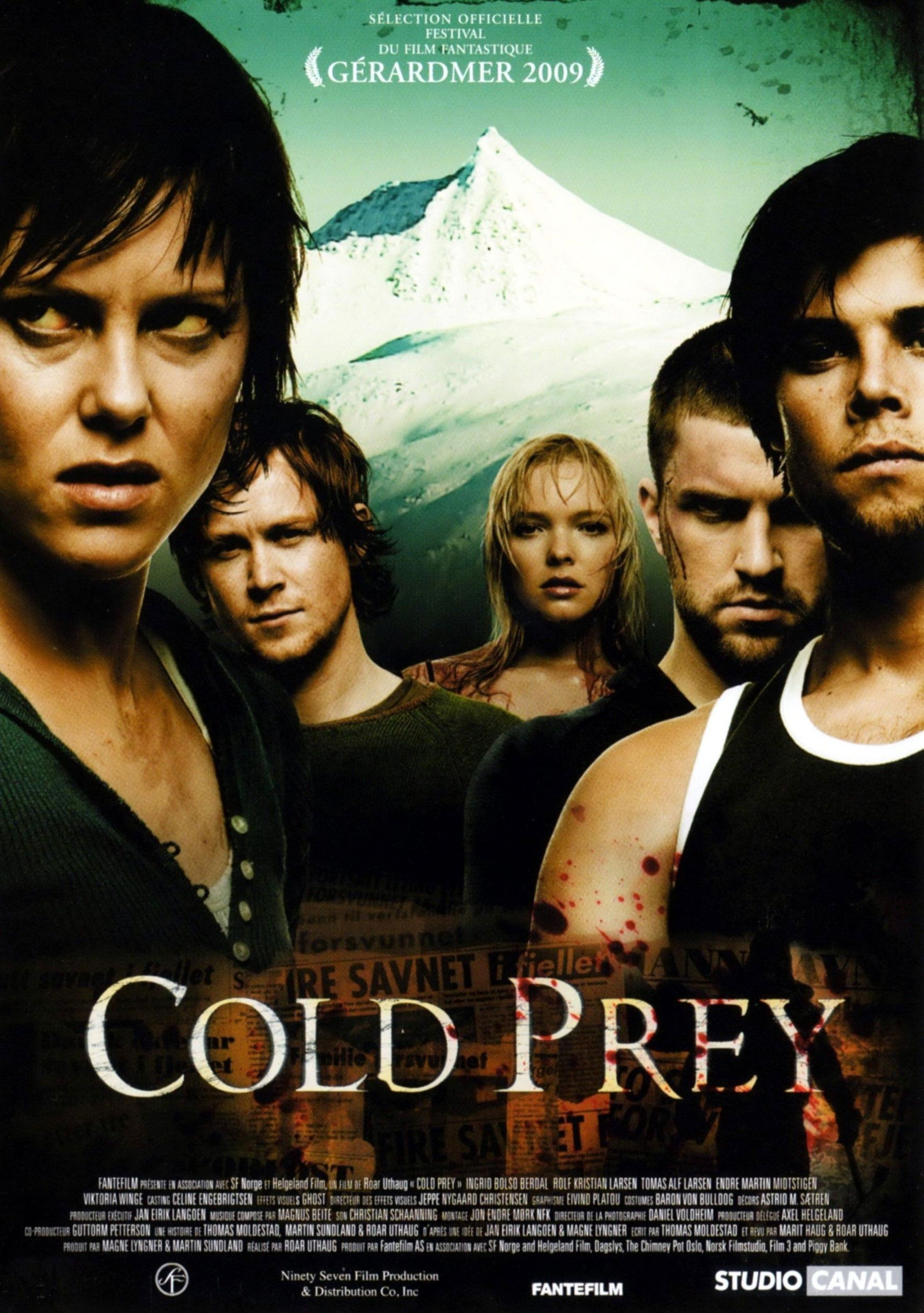
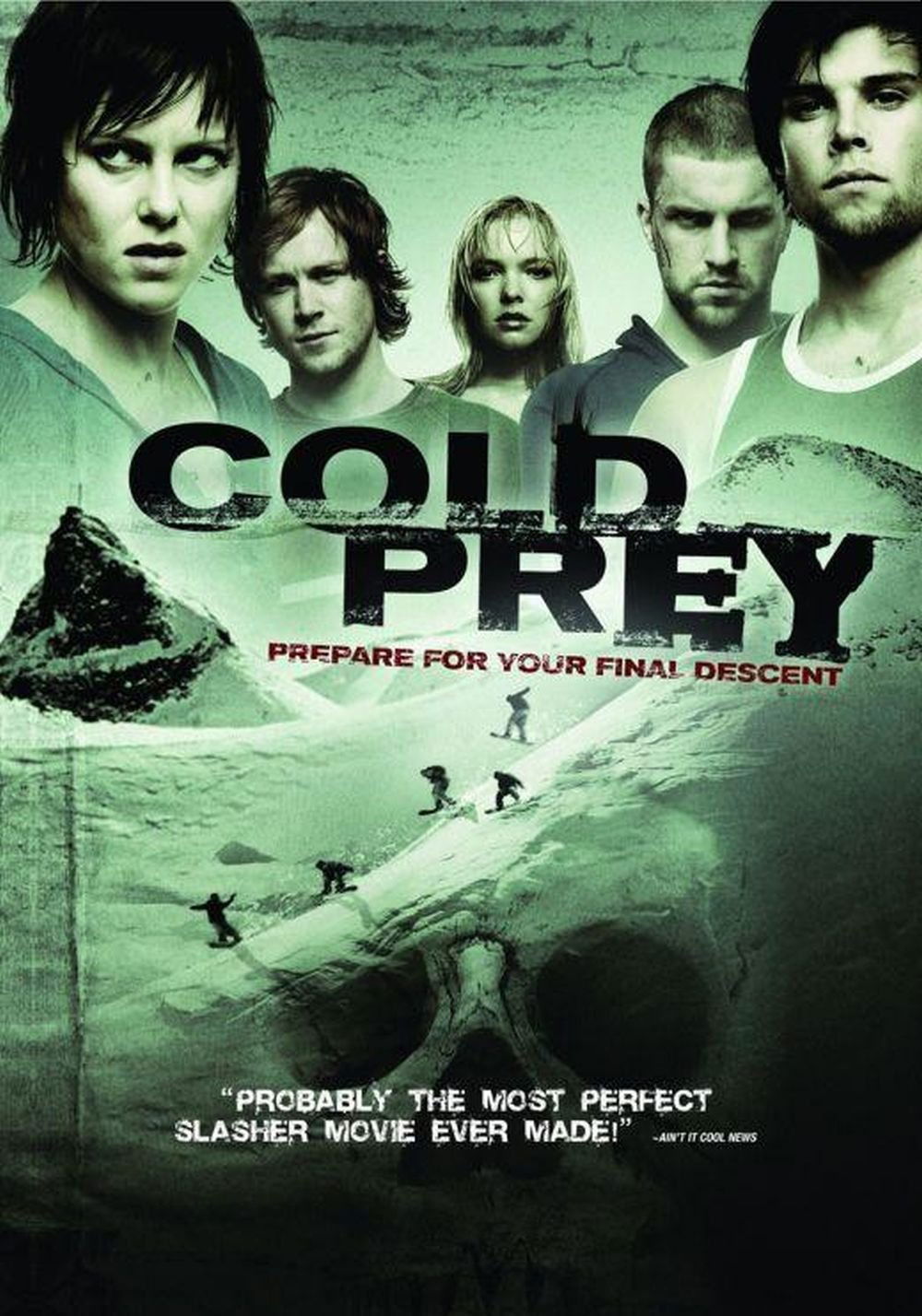
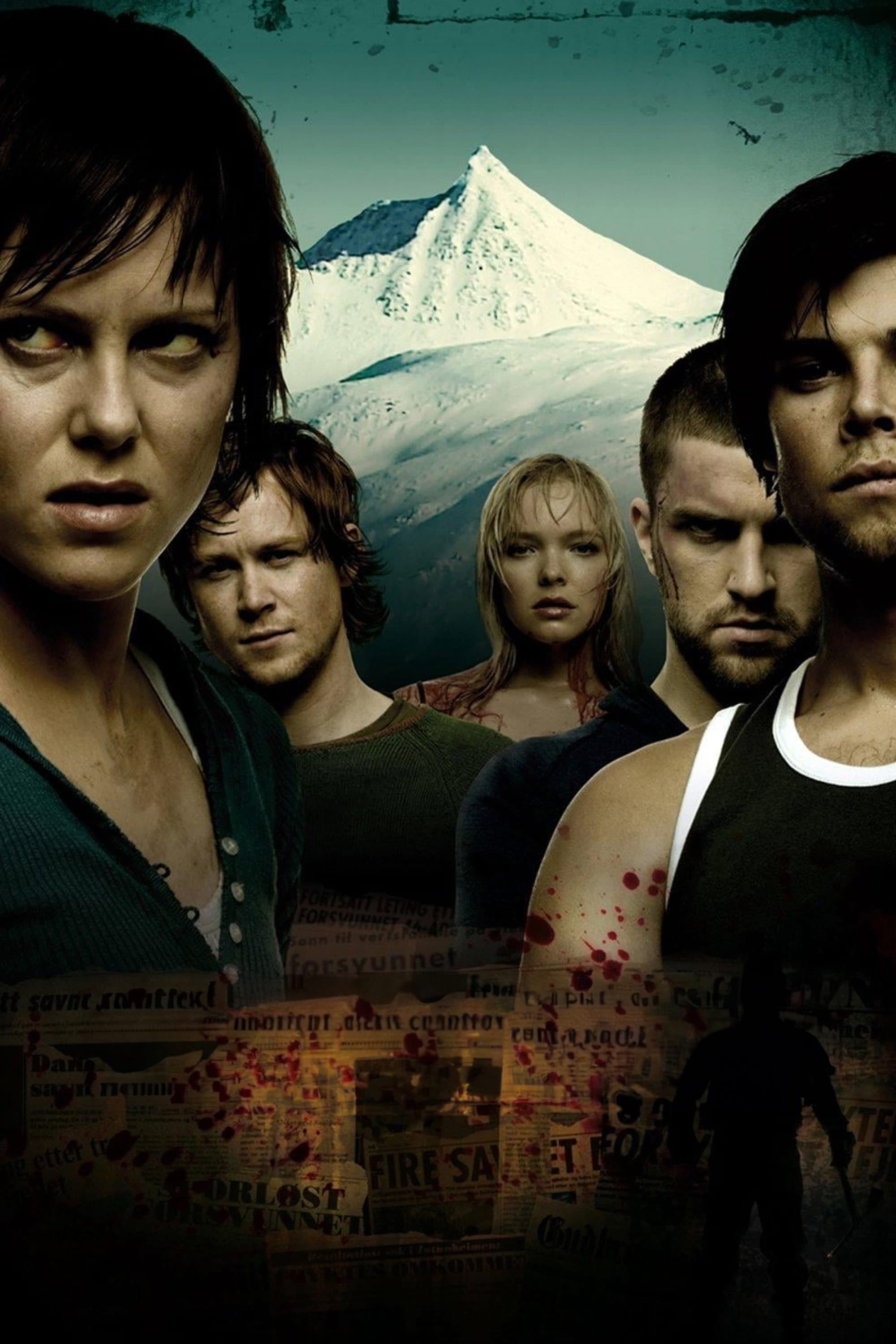
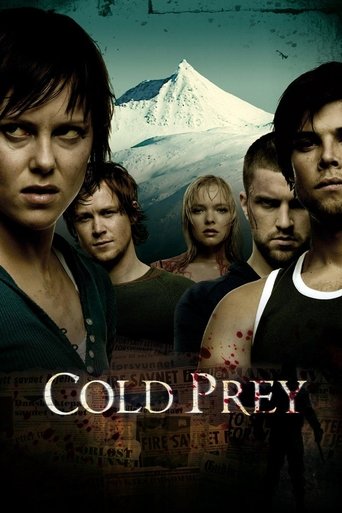
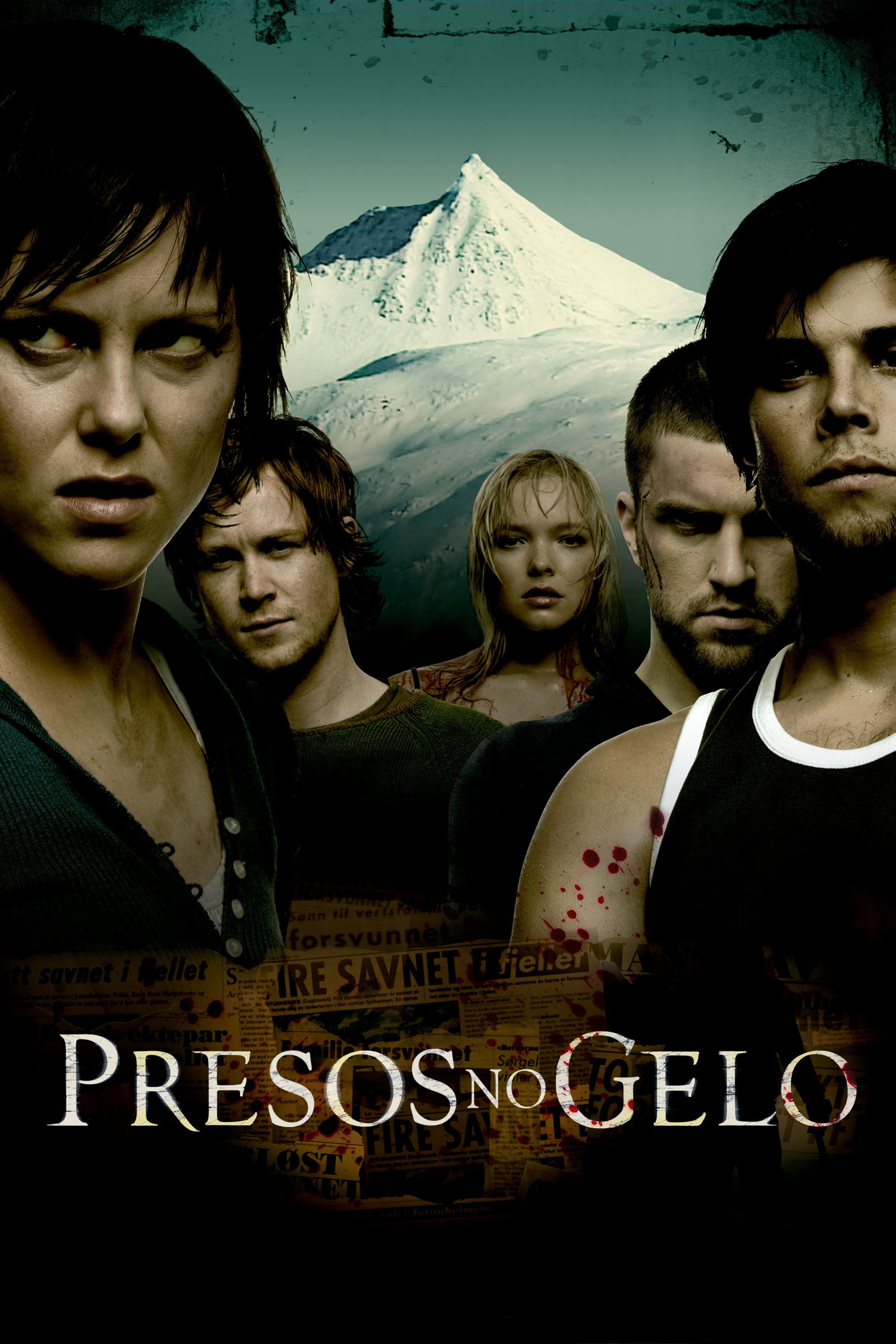
Cold Prey (2006) poster
Director
Production Company
Fantefilm
Plot

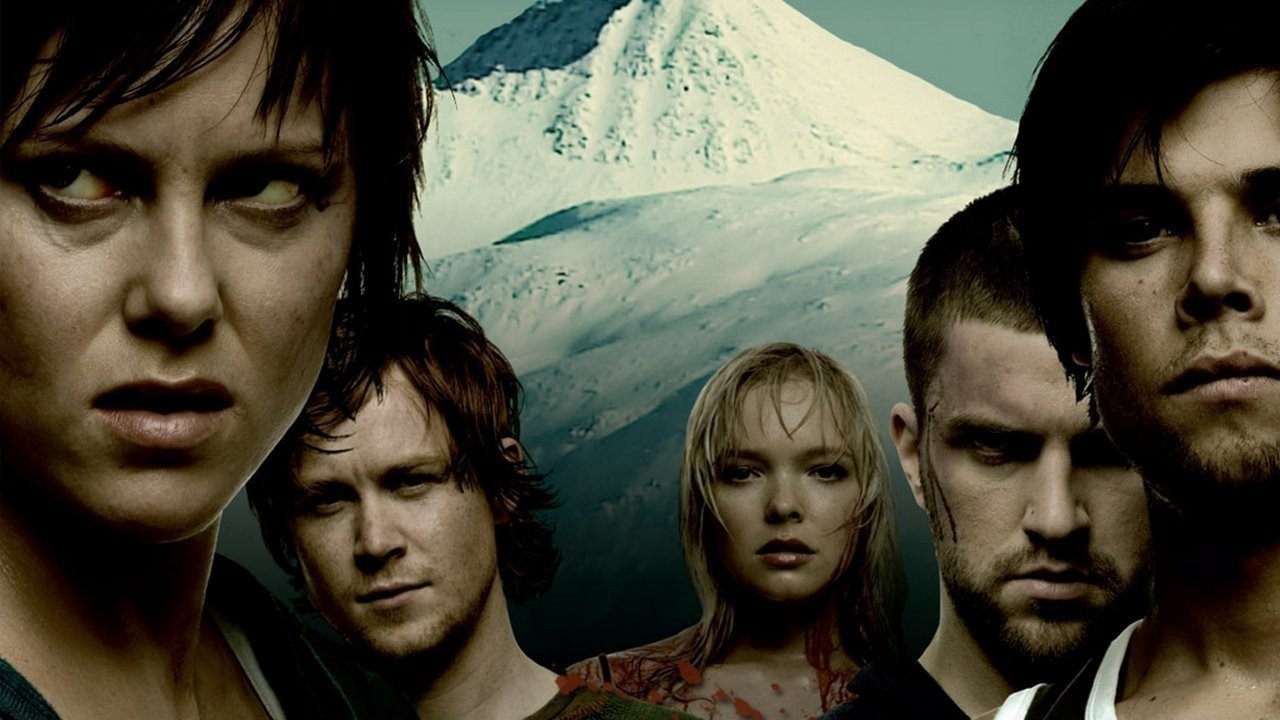
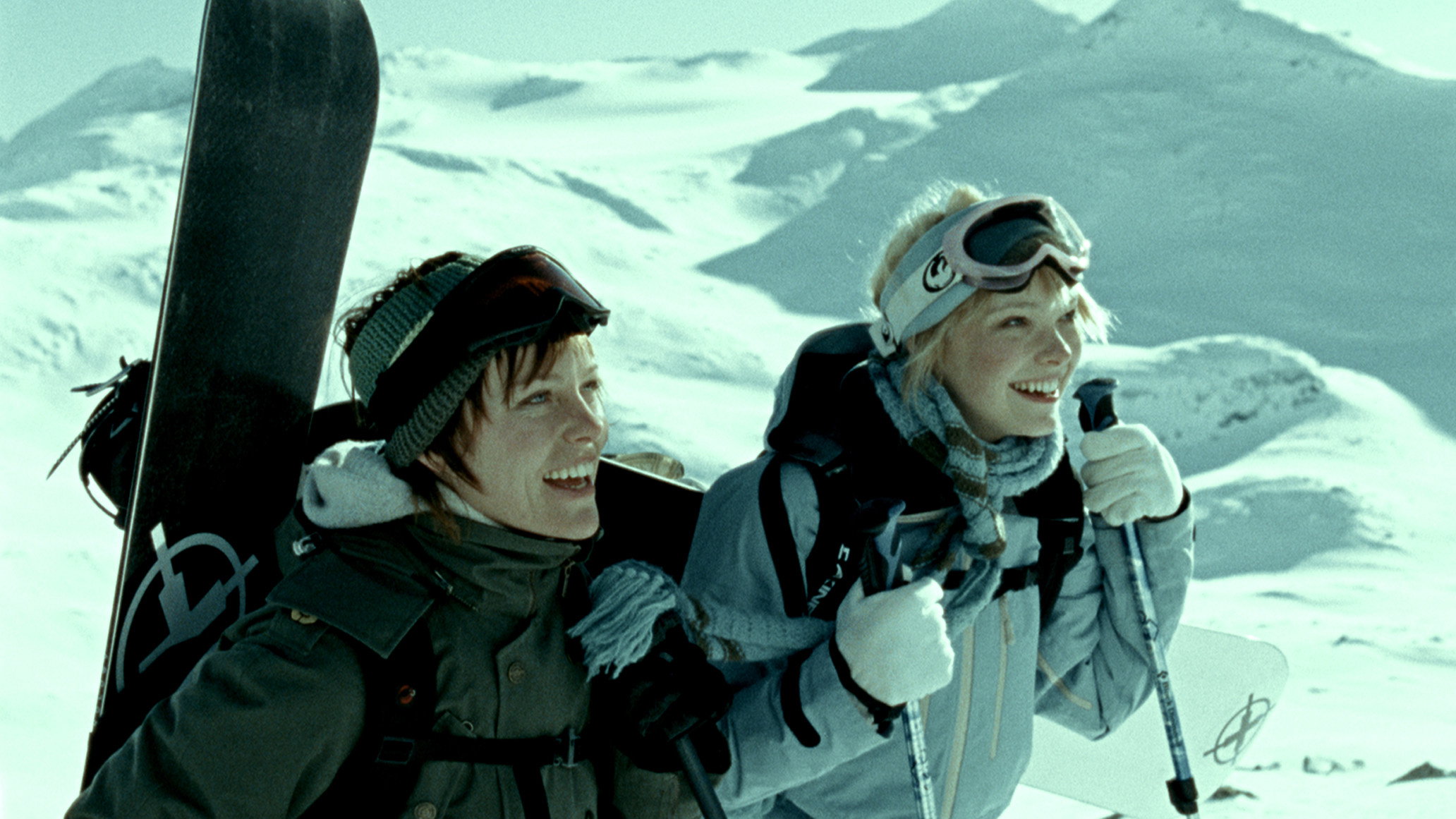
Eirik and his girlfriend, Jannicke, join newly coupled Mikael and Ingunn, along with single wisecracker Morten, on a snowboarding excursion to a remote mountainous region in Norway. When Morten breaks his leg, however, and requires medical attention, the friends take shelter in an abandoned nearby ski lodge. Little do they know it also harbours a psychopathic killer.

Alternative Titles
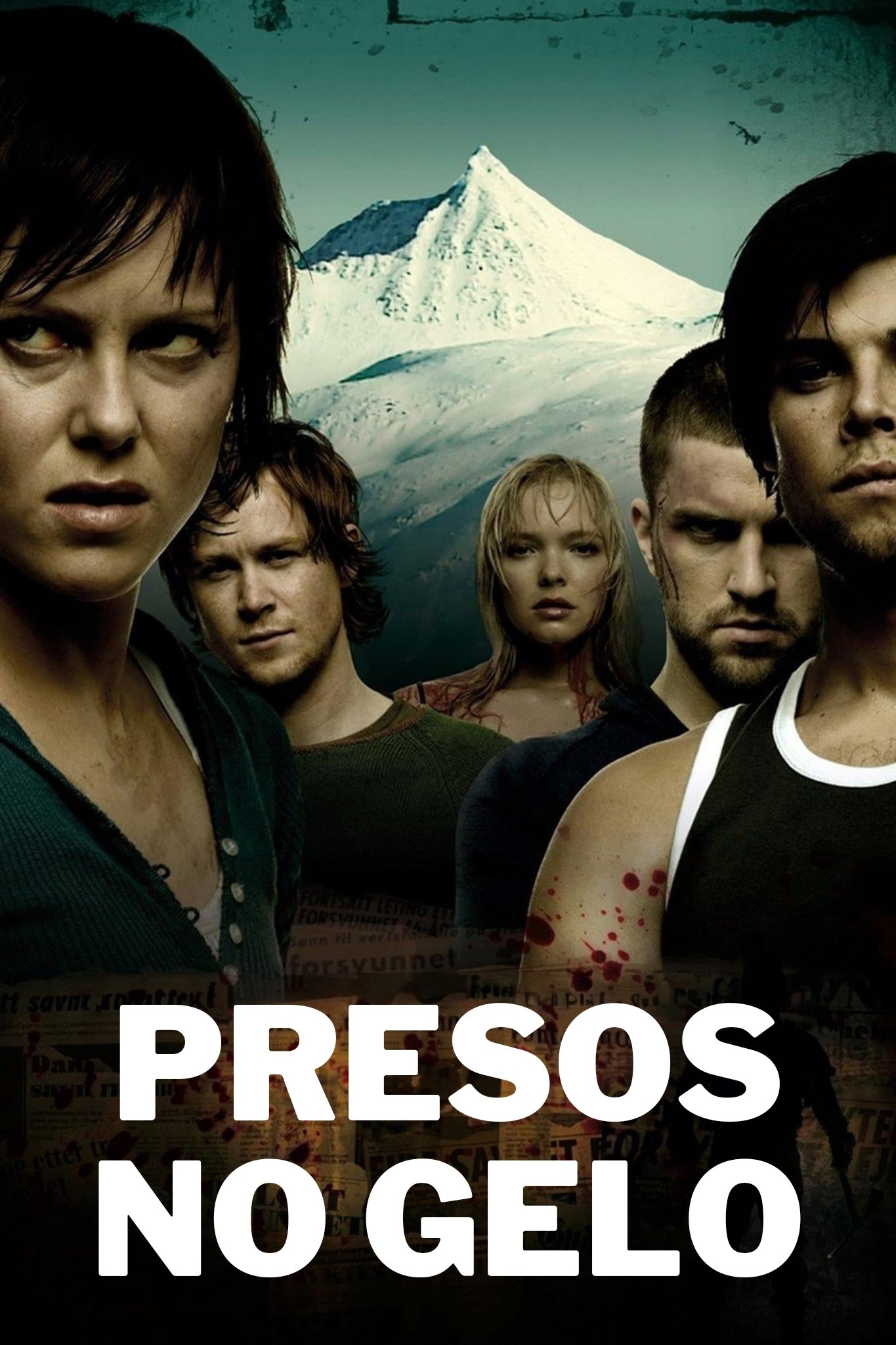
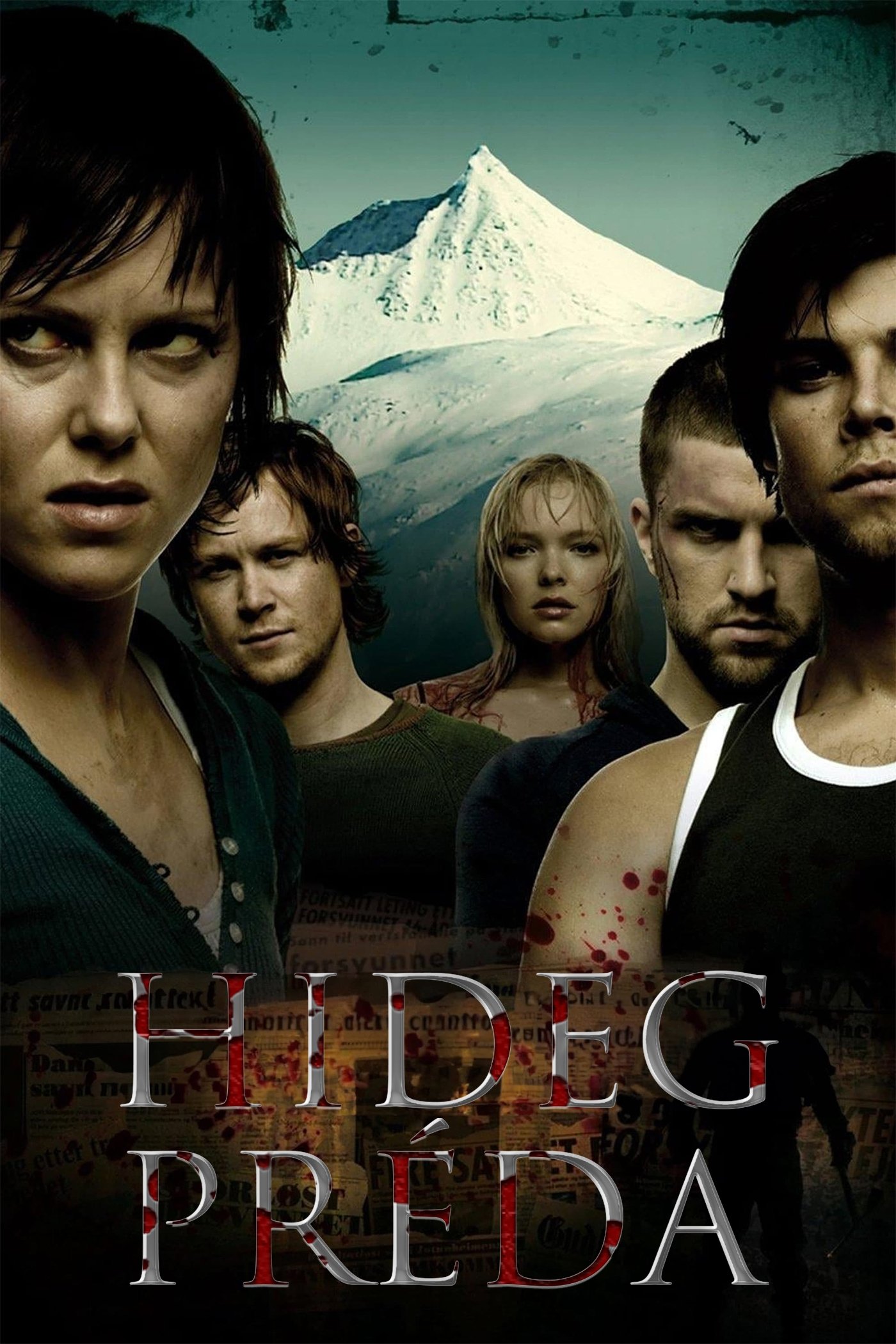
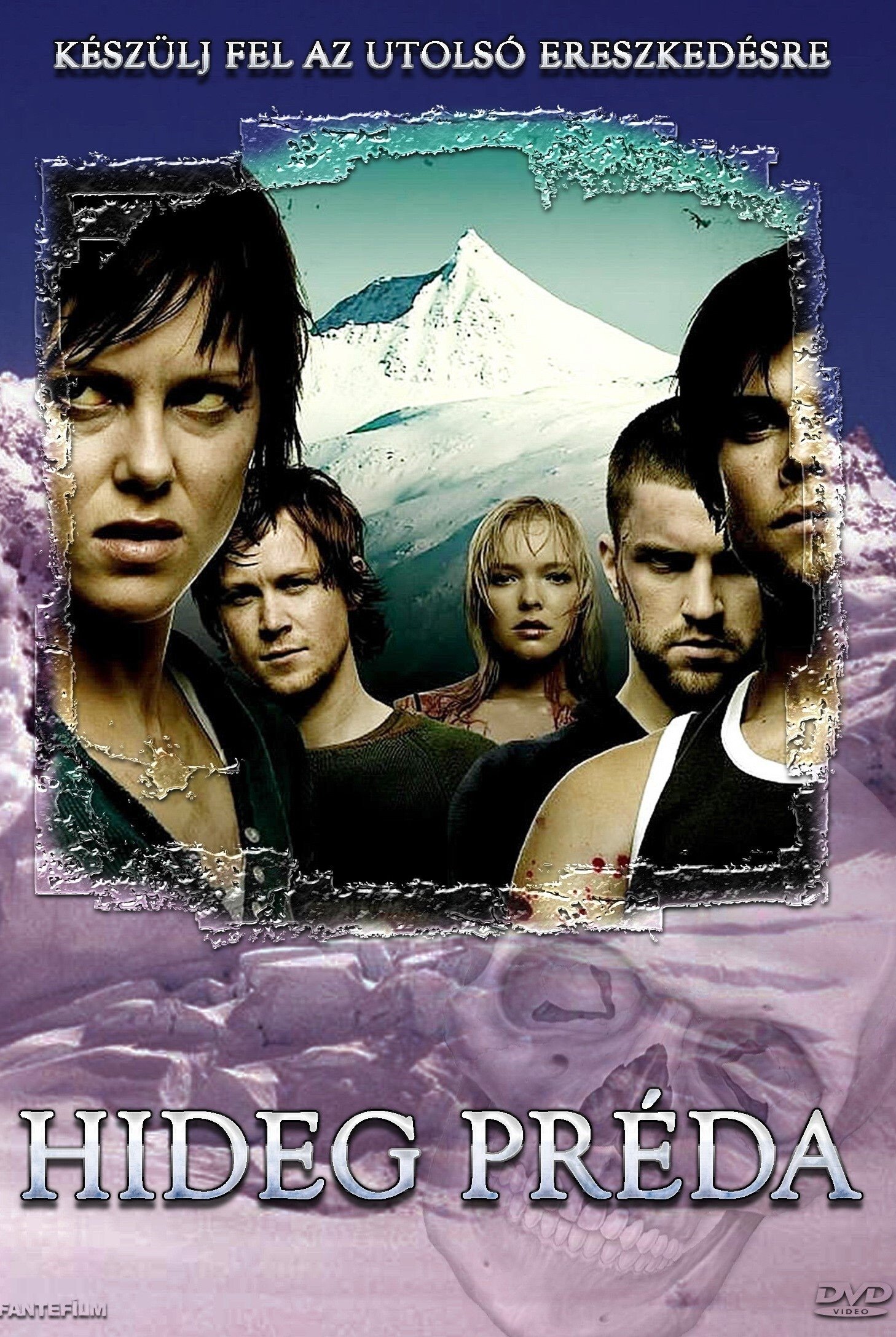
Presos no Gelo (BR) 雪山惊魂 (CN) — translation:zh Ledová smrt (CZ) Cold Prey - Eiskalter Tod (DE) — translation:de 雪山驚魂/雪地獵殺 (HK) — translation:zh Hideg préda (HU) — translation:hu טרף קר (IL) — translation:he 프릿 빌트 (KR) — translation:ko
Show all 20 alternative titles Šalčio pagrobti (LT) — translation:lt Escalofrío (MX) — translation:es Hotel zła (PL) Presos no Gelo (PT) — translation:pt Замерзшая жертва (RU) Остаться в живых (RU) — translation:ru فريسة باردة (SA) — translation:ar Kallt byte (SE) — translation:sv Şeytanın Oteli (TR) — translation:tr 雪山驚魂/雪地獵殺 (TW) — translation:zh Схолола жертва (UA) — translation:uk Mồi Nhử Rừng Hoang (VN) — translation:vi

Trailers & Videos

1 video

Film Guide

Roar Uthaug's Norwegian mountain slasher turned a remote winter lodge into a sustained survival trap and found an unusually large home audience.

Cold Prey (Fritt vilt, 2006) is a Norwegian slasher film directed by Roar Uthaug in his feature debut. Five snowboarders retreat to a disused mountain hotel after one of them breaks a leg in the remote Jotunheimen range. Their apparent refuge becomes a place of confinement when they discover signs of another occupant. Produced by Fantefilm, the film applies the stalk-and-kill structure of American horror to a setting closely identified with Norwegian outdoor recreation and the hazards of an isolated winter landscape.

Its national significance lies partly in the way a familiar horror formula reached a large domestic audience. The mountain environment is integral to the threat: worsening conditions, absent mobile reception, an injured companion, and the distance to help all determine what the characters can do. Uthaug's film emerged at a moment when commercially oriented genre productions were gaining a more visible place within Norwegian cinema. Contemporary reviewers praised its technical assurance while recognizing its conventional slasher framework, and its success led to two further films in the Cold Prey series.

Conception and Development

The project's early development connected a commercial horror concept with a deliberate wish to film outside Norway's usual urban production centers. Speaking at the San Francisco International Film Festival in 2007, Uthaug recalled that one of the producers wanted to showcase Norway's dramatic scenery, and that a younger colleague supplied the basic idea of snowboarders going into the mountains and being attacked. Uthaug adopted the premise, and fellow Norwegian Film School graduate Thomas Moldestad helped develop the screenplay. The story gave a recognizable slasher plot a setting whose dangers were already credible before the murderer appeared.

An interview published by Bergens Tidende on the eve of the Norwegian premiere found Moldestad and the cast describing an effort to make a genre film that respected familiar conventions while remaining lively and specific. Moldestad identified The Texas Chain Saw Massacre as a model for the endangered group and acknowledged deliberate references to The Shining. Uthaug's own interest in horror preceded the project: accounts of his training describe an early school-age film about an axe murderer, followed by studies at the Norwegian Film School and work with Fantefilm.

Financing was a meaningful part of this development. Uthaug explained in the 2007 festival discussion that a newer funding arrangement, which combined private investment with public support, had made commercially oriented Norwegian films more feasible. He also discussed the Burger King placement visible early in Cold Prey as one source of production assistance. Contemporary Norwegian reporting put the budget at roughly NOK 15 million. These details situate the film within a changing market for domestic genre filmmaking rather than presenting its financing as an exceptional feat of improvisation.

A Winter Shoot at Leirvassbu

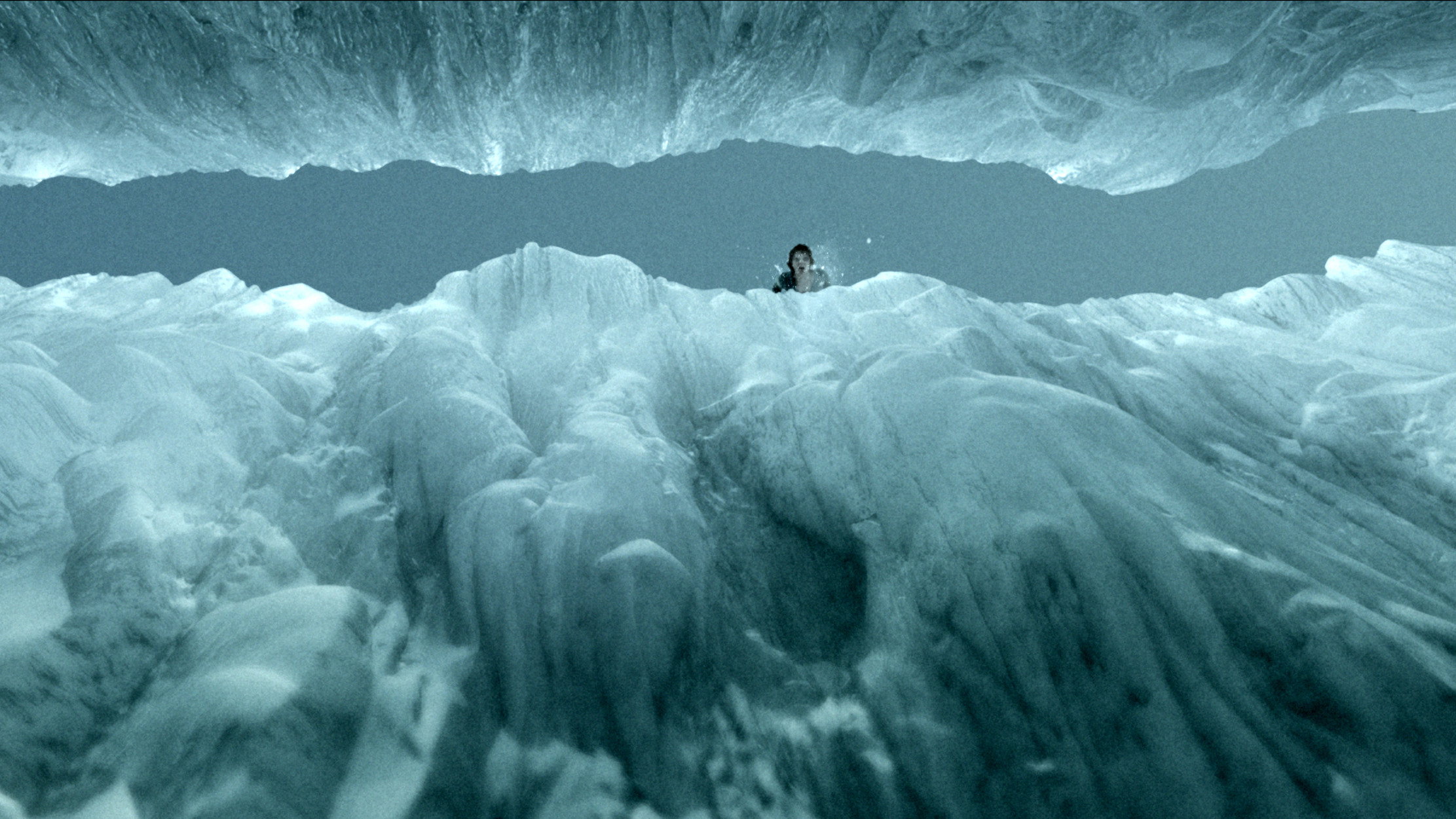
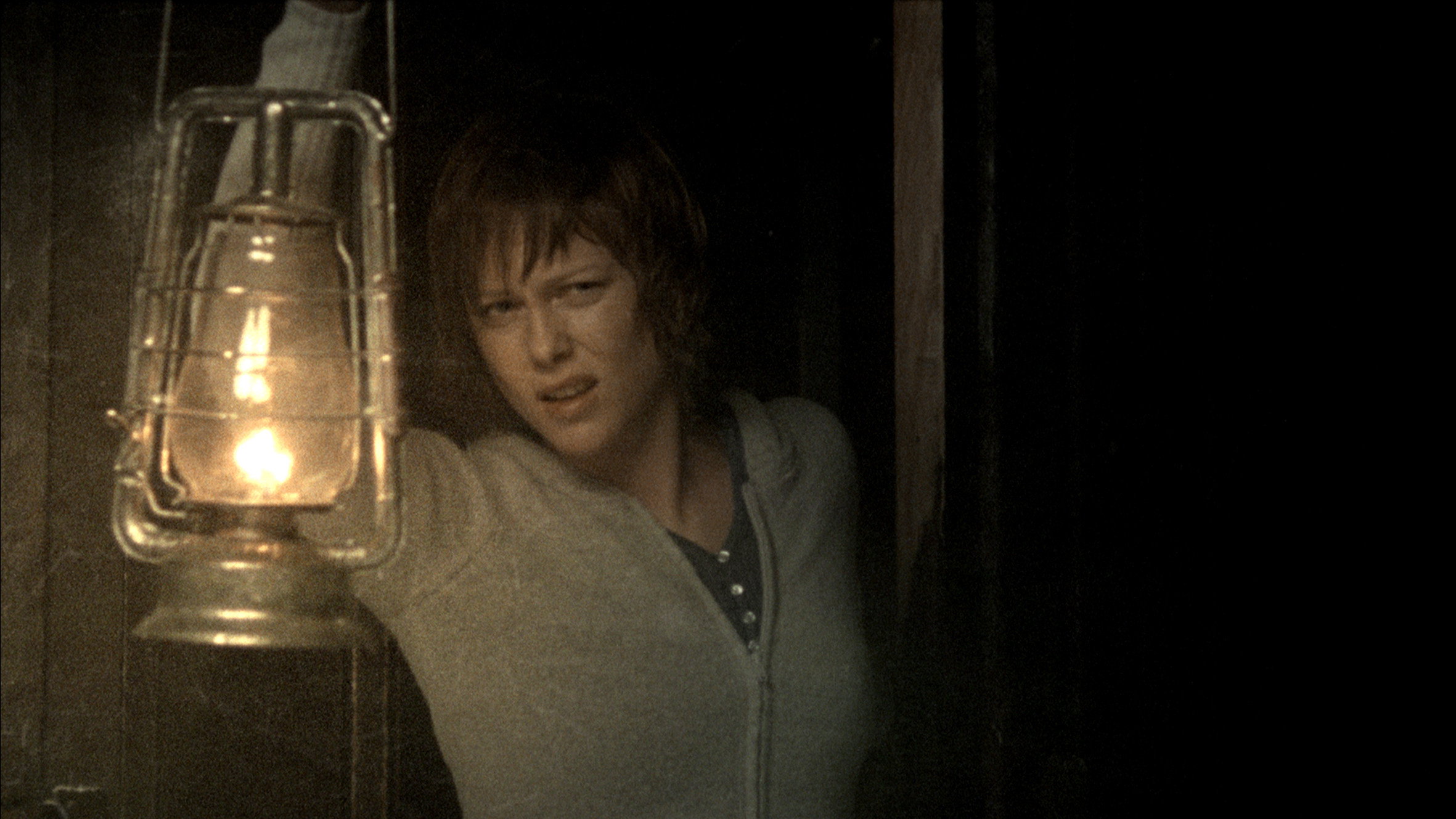
Much of Cold Prey was filmed at Leirvassbu, a functioning mountain lodge in the Jotunheimen region. Uthaug described choosing a period when the building normally closed because winter roads were impassable. The cast and crew lived there for approximately six or seven weeks, making the same remote environment their workplace and temporary home. Equipment reached the location by snowmobile, and the limited telephone connection had to be shared for calls outside. Such restrictions had a direct practical counterpart in the fictional group's lack of dependable communication and transport.

The filmmakers converted the lodge into an apparently long-abandoned hotel by darkening its interiors and giving the occupied building a neglected appearance. According to Uthaug, the crew had to restore the walls before the real lodge reopened, with arriving guests scheduled almost immediately after the production's departure. He recalled that virtually the entire picture was filmed at the location, apart from an additional day used for close-up material.

The production also used the isolation as a shared experience for its relatively young ensemble. Viktoria Winge and Endre Midtstigen recalled odd noises and stories about the lodge during a contemporary Bergen newspaper interview; these were their accounts of the shoot, rather than evidence that any supernatural event occurred. Midtstigen also remembered Uthaug requiring numerous takes for a stunt-like movement, illustrating the director's attention to physical action. Uthaug later explained that the principal actors were not snowboarders and that doubles handled the snowboarding sequences. The combination of genuine mountain conditions and controlled filmmaking allowed the outdoor passages to establish an environment that remained threatening after the action moved inside.

Slasher Structure and Character

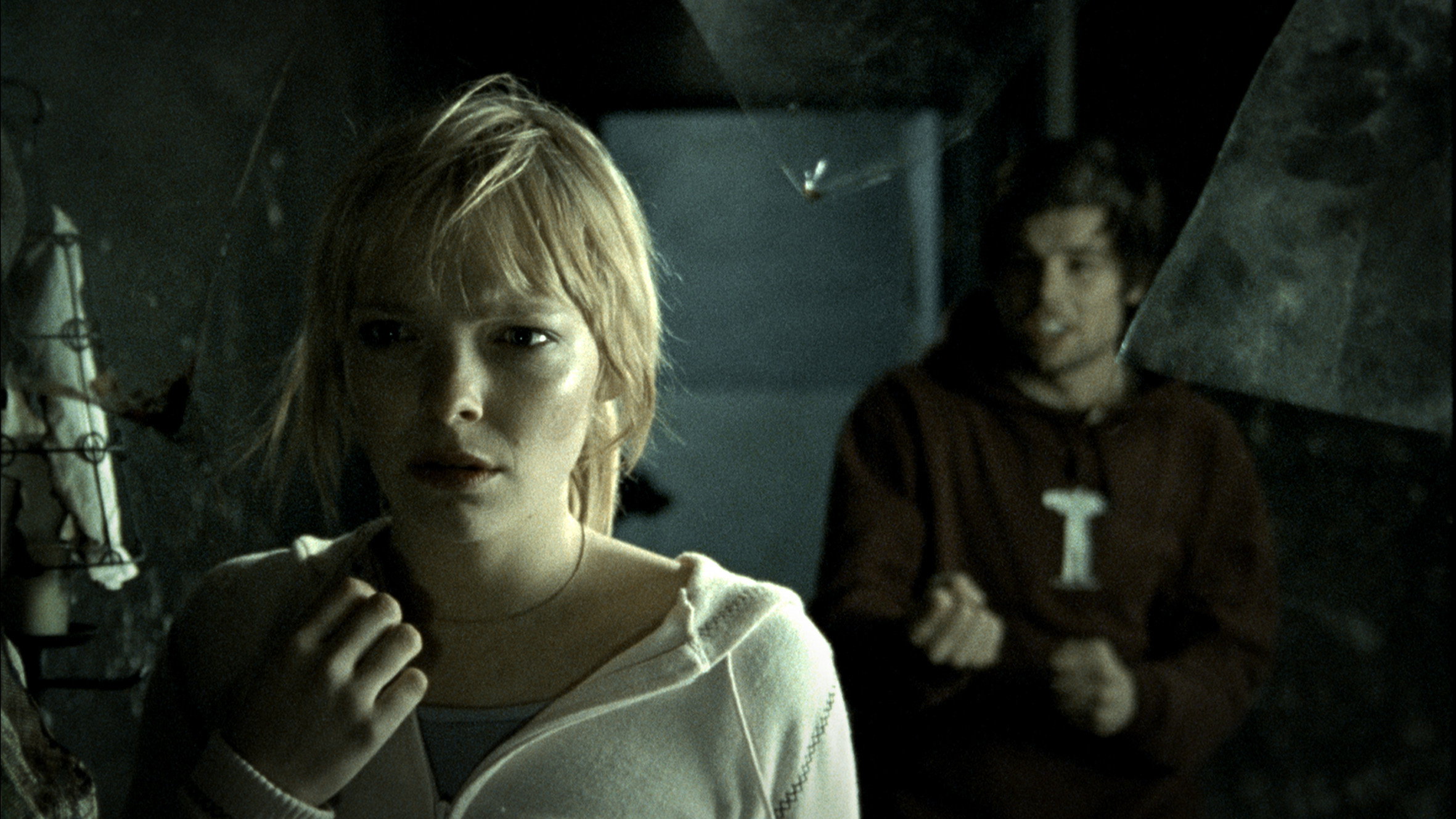
Cold Prey begins with a group whose immediate problem is an accident, not an encounter with a murderer. Morten Tobias's broken leg changes a recreational trip into a search for shelter, leaving the others responsible for a companion who cannot travel easily. That injury is an important mechanism of suspense because it turns every attempted movement into a decision about whether the group stays together. The abandoned hotel appears to solve the emergency, but its dead communications and unexplained signs of occupation gradually convert the shelter into a trap.

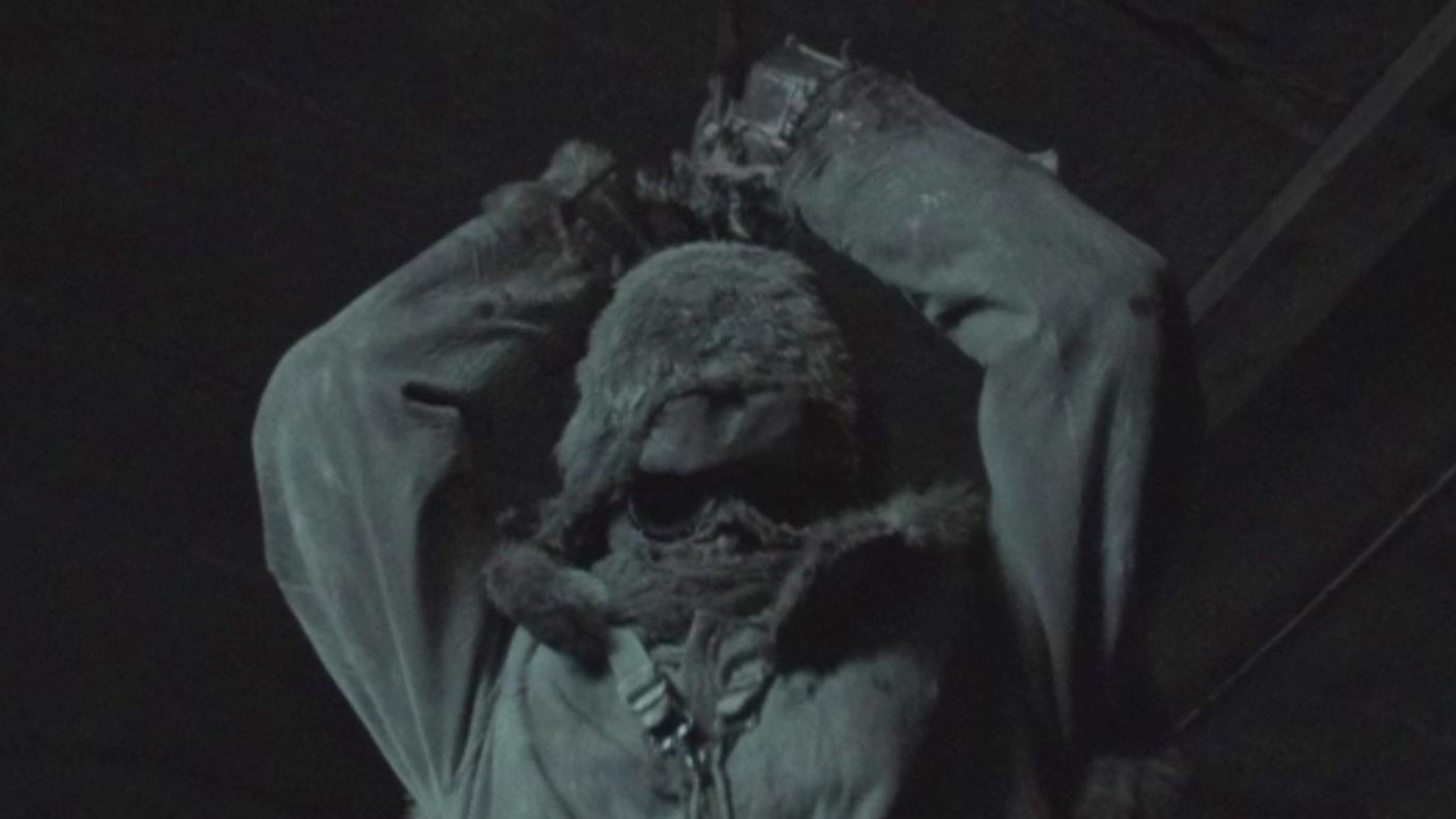
The film retains the basic slasher arrangement of young people being separated and pursued in an enclosed place. The assailant, whose silhouette is shaped by protective winter clothing, belongs visually to the landscape rather than to an urban masked-killer setting. The action moves between a shared effort to survive and smaller confrontations in rooms or corridors where the characters have less information about the threat. Uthaug also uses the hotel's history to introduce a mystery about the figure who inhabits it, giving the violence a context without turning the film into a detective story.

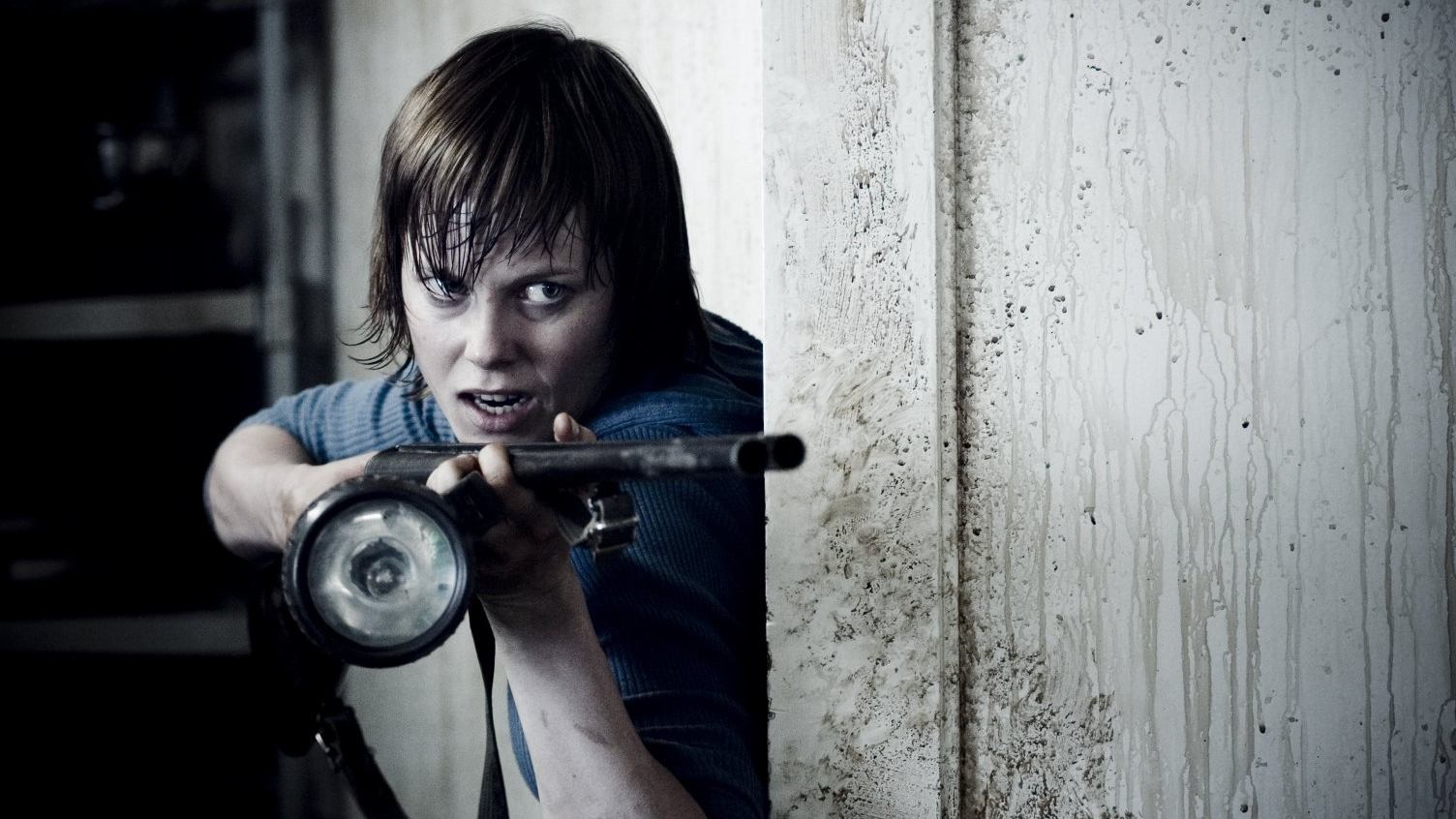
Jannicke, played by Ingrid Bolsø Berdal, becomes the group's central decision-maker and eventual survivor. Her role was singled out in the contemporary Dagbladet review, which also praised Berdal's performance and Rolf Kristian Larsen's portrayal of Morten Tobias. At the 2007 San Francisco festival, programmer Rod Armstrong emphasized that the characters had enough individual personality to make their losses affecting. This reception helps explain why the film was regularly discussed as a relatively character-conscious example of a familiar formula.

Photography, Space, and Sound

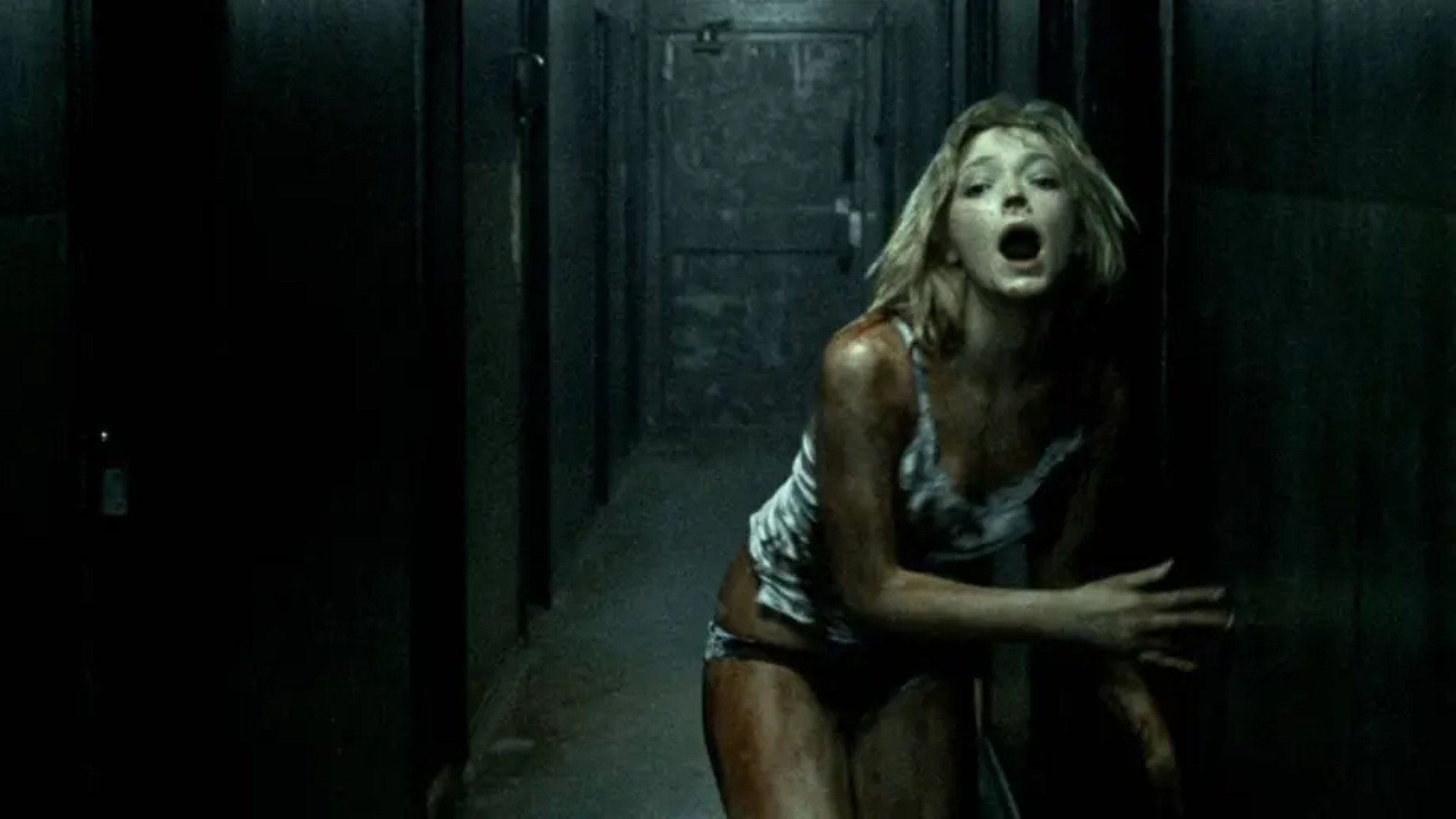
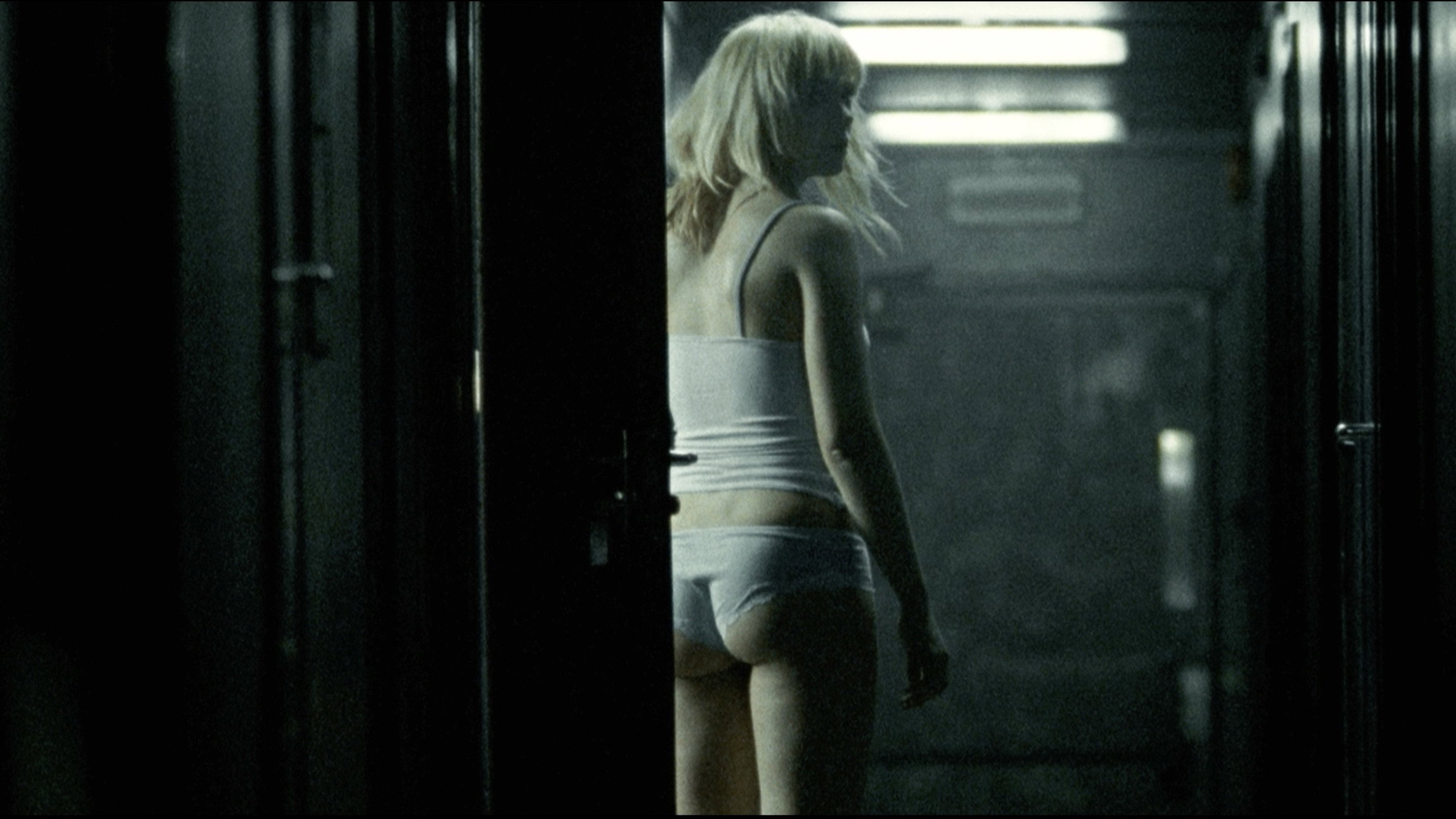
Daniel Voldheim's photography juxtaposes expansive mountain views with the hotel's constricted interior. Snow-covered slopes and broad daylight initially offer a sense of open space, but the lack of roads, reliable communication, or nearby assistance means that the landscape provides no realistic route to safety. Within the hotel, the camera must negotiate narrow hallways, doorways, and rooms whose corners can conceal movement. In his October 2006 review for Dagbladet, Vegard Larsen pointed specifically to the unnerving corridor colors, sudden movement, flickering light, and the accelerating camerawork used to sustain suspense.

The filmmakers' treatment of the real building contributes to the impression of a structure cut off from its intended use. The film's opening material also imitates the presentation of a real incident. Uthaug later clarified that this was a deliberate storytelling device and that the events were fictional. These choices reinforce an atmosphere of plausible danger even when the ensuing killings follow recognizable slasher conventions.

The musical material combines a score credited to Magnus Beite with songs by Norwegian performers. Uthaug explained during his San Francisco appearance that the presence of English-language rock songs reflected the practice of Norwegian bands singing in English, rather than an attempt to disguise the film's national origin. He identified Turbonegro's All My Friends Are Dead as the end-credits song and described older Norwegian-language music heard when electricity is restored to the hotel. Those period songs, associated with winter and seasonal longing, contrast with the threatening stillness of the empty rooms. The interplay between environmental quiet, sudden sounds, and familiar popular music keeps the hotel's ordinary past perceptible within the horror setting.

Norwegian Release, Audience, and Critical Response

Cold Prey opened theatrically in Norway on Friday, October 13, 2006, a release date closely aligned with its horror identity. Contemporary reporting recorded 55,082 admissions over its first weekend, an unusually strong start for a domestic release that year. In early November, producer Martin Sundland said that 176,000 people had seen the film in fewer than three weeks, surpassing the production's original target of 100,000 admissions. He stated that the reported production cost was NOK 15 million and that the response had helped justify the film financially. Those figures describe specific stages of the theatrical run, not interchangeable lifetime totals.

A Norwegian government report subsequently listed 248,467 admissions for Cold Prey in its 2006 comparison of domestic film audiences. A separate table in the same report gave 252,924 for the film within a different marketing-support category, illustrating why totals derived from differently defined tables should not be silently combined. The report used the film as an example of genre cinema's ability to attract a substantial national audience.

The opening reviews did not treat the film as an unprecedented reinvention of the slasher. Writing in Dagbladet in October 2006, Vegard Larsen described it as strongly indebted to earlier American horror and not especially surprising, but praised the controlled craft, mountain photography, and leading performances. International reception also noted that balance. During its appearance at the 2007 San Francisco International Film Festival, programmer Rod Armstrong discussed the unusually sympathetic characters and the film's effectiveness at making their potential deaths matter. Such assessments show a consistent point of interest: Cold Prey was recognized for the assurance with which it handled inherited conventions rather than for abandoning them.

Awards, Sequels, and Place in Norwegian Horror

Cold Prey's visibility continued beyond its first theatrical season. At the Amanda Awards in August 2007, it won the audience-voted Folkets Amanda award, and Ingrid Bolsø Berdal received the prize for best actress. Contemporary awards reporting confirms both results. The acting recognition was especially significant for a horror performance in a national awards context often associated with other kinds of filmmaking. Festival screenings abroad, including the San Francisco event where Uthaug discussed the production, brought the Norwegian-language film to a specialist international audience.

The commercial response encouraged a continuation. Cold Prey II (Fritt vilt II, 2008) resumed Jannicke's story with a new director, while Cold Prey III (Fritt vilt III, 2010) returned to the series' earlier chronology as a prequel. These films extended the setting and killer mythology without changing the identity of the 2006 original as Uthaug's feature debut. The series is an example of a Norwegian horror property sustaining more than one domestic feature rather than remaining a one-off experiment.
Cold Prey's longer-term position is best understood in the context of that sustained genre production. It became a reference point for commercially successful Norwegian slashers, and its twentieth anniversary was marked by the Ramaskrik festival with screenings and appearances by Uthaug and Berdal. The anniversary recognition documents continued interest in the film, while the contemporary reviews and admissions figures establish the terms of its initial success. Its distinctiveness remains tied to the combination of a widely understood horror framework, a specific mountain setting, and a Norwegian production and performance tradition.

References

  1. ScreenAnarchy 2007 SFIFF50 — Fritt Vilt (Cold Prey) Q&A With Director Roar Uthaug

    Michael Guillen’s firsthand record of Uthaug’s discussion of the film’s origins, mountain-lodge shoot, funding, musical choices and casting.

  2. Bergens Tidende Blodspor i snøen

    October 2006 production interview with screenwriter Thomas Moldestad and cast members on the remote filming experience and horror influences.

  3. Dagbladet God nedsabling

    Vegard Larsen’s contemporary review documenting Norwegian critical reception, visual style, genre conventions and performances.

  4. Norwegian Government St.meld. nr. 22 (2006–2007) — Veiviseren

    Official Norwegian cinema-attendance tables and analysis situating the film’s performance within domestic genre filmmaking.

  5. Rushprint Amandavinnerne 2007

    Contemporary Norwegian trade coverage confirming the audience award for Fritt vilt and Ingrid Bolsø Berdal’s best-actress prize.

Connections

Cast

View Full Cast & Crew →

Release & Distribution

Production Companies (1)

  • Fantefilm NO

Distributors (1)

  • SF Norge NO

Release History (5)

Release DateTerritoryRelease TypeFormatDistributorCertificationNotes
2006-10-13 NO theatrical — — 15
2006-10-13 US theatrical — — —
2007-08-25 GB theatrical — — 15
2007-10-29 GB physical DVD — 15 DVD
2007-11-09 DE theatrical — — 16

Awards & Festivals

1 entries
YearFestival / AwardEntrySectionCategoryResultPremiere
2007The Amanda Public Choice Awardawardwon
You'll Catch Your Death.