Texas Chainsaw Productions
, New Line Cinema
, Next Entertainment
, Platinum Dunes
, Vortex/Henkel/Hooper
Plot
In 1969, Chrissie and her friends travel through Texas before the young men in their group are due to leave for military service. An accident and a confrontation on a back road lead them into the control of the Hewitt family. As Chrissie attempts to reach the others, Thomas Hewitt's growing violence and the family's dangerous influence become increasingly clear. The film explores events preceding the 2003 remake, providing background for the Hewitts and for a figure who claims local police authority. Its story belongs to the remake's continuity, not the 1974 film's original sequence of events.
Alternative Titles
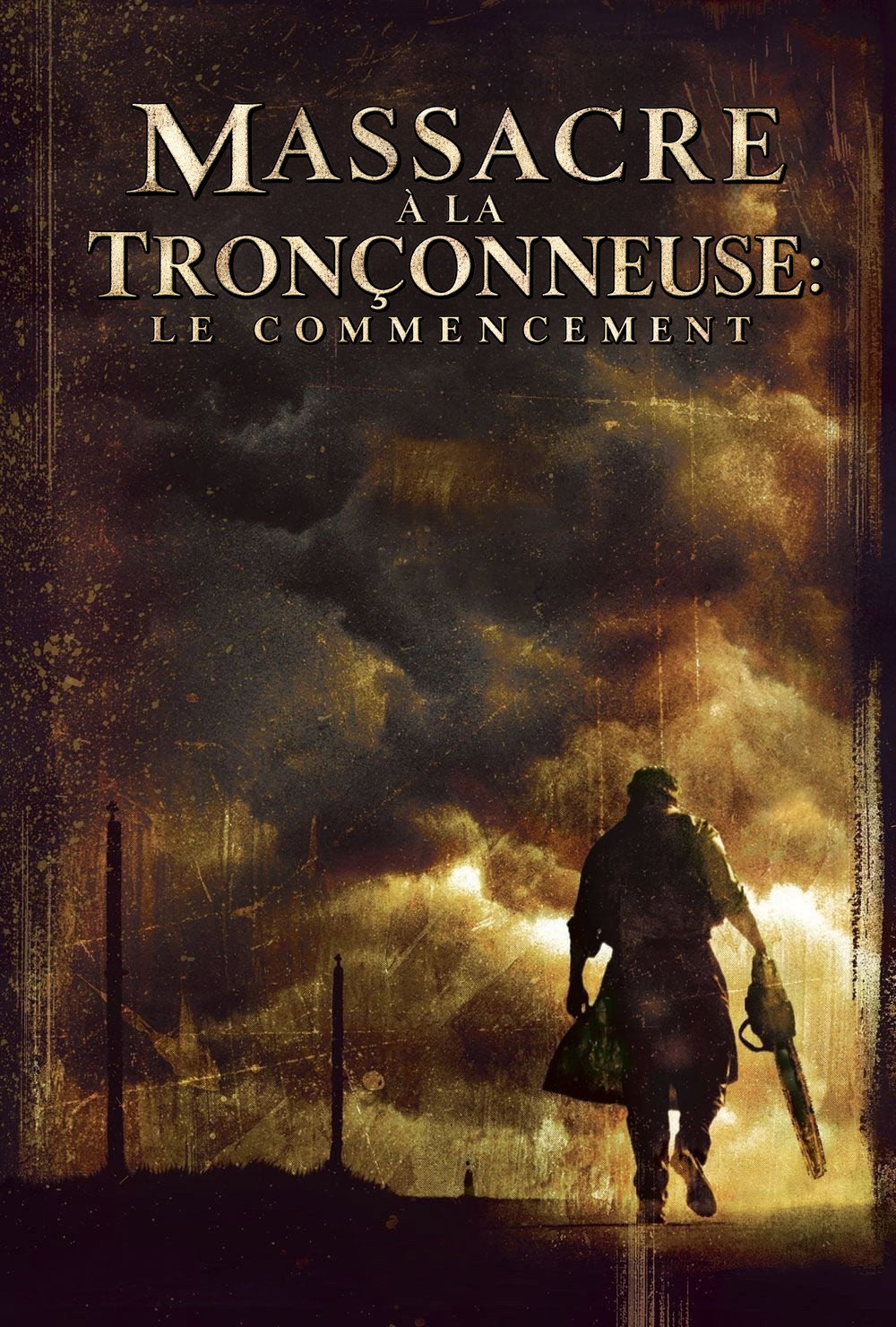
La masacre de Texas: El inicio (Argentina) Тексаското клане: Началото (Bulgaria) — BulgarianO Massacre da Serra Elétrica: O Início (Brazil) — PortugueseMassacre à la tronçonneuse : Le commencement (Canada) — French德州电锯杀人狂前传 (China) — ChineseLa masacre de Texas: El comienzo (Colombia) Texaský masakr motorovou pilou: Počátek (Czechia) — CzechLa matança de Texas: L’origen (Spain) — CatalanShow all 43 alternative titlesLa matanza de Texas - El origen (Spain) La matanza de Texas: El origen (Spain) Teksasin moottorisahamurhaaja - pahan alku (Finland) — FinnishTeksasin moottorisahamurhaaja – pahan alku (Finland) Massacre à la tronçonneuse : Au commencement (France) — alternative titleMassacre à la tronçonneuse : Le commencement (France) — FrenchMassacre à la tronçonneuse : Le commencement - Director's Cut (France) — Director's Cutტეხასური ჟლეტა ბენზოხერხით: დასაწყისი (Georgia) — GeorgianΟ Σχιζοφρενής Δολοφόνος με το Πριόνι: Η Αρχή (Greece) — Greek德州電鋸殺人狂:成魔之路 (Hong Kong SAR China) Teksaški masakr motornom pilom: Početak (Croatia) — CroatianA texasi láncfűrészes mészárlás: A kezdet (Hungary) — Hungarianהמנסרים מטקסס: ההתחלה (Israel) — HebrewNon aprite quella porta - L'inizio (Italy) — Italianテキサスチェーンソー ビギニング (Japan) 텍사스 전기톱 연쇄살인사건: 제로 (South Korea) — KoreanKruvinos skerdynės Teksase: Pradžia (Lithuania) — LithuanianSlaktiņš Teksasā: Sākums (Latvia) — LatvianLa Masacre de Texas: El inicio (Mexico) — SpanishMasacre en Texas: El inicio (Mexico) Teksańska masakra piłą mechaniczną: Początek (Poland) — PolishO Massacre da Serra Elétrica - O Início (Portugal) — PortugueseMasacrul din Texas: Începuturile (Romania) — RomanianТехасская резня бензопилой: Начало (Russia) مجزرة منشار تكساس: البداية (Saudi Arabia) — ArabicTeksaški pokol z motorko: Začetek (Slovenia) — SlovenianTexaský masaker motorovu pílou: Počiatok (Slovakia) — SlovakLa Masacre de Texas 2 El Inicio (El Salvador) เปิดตำนาน สิงหาสับ (Thailand) — ThaiTeksas Katliamı: Başlangıç (Türkiye) — Turkish德州電鋸殺人狂:從頭開始 (Taiwan) Техаська різанина бензопилою: Початок (Ukraine) — UkrainianTexas Chainsaw Massacre The Beginning (United States) Tử Thần Vùng Texas 2: Khởi Đầu (Vietnam) Tử Thần Vùng Texas: Khởi Đầu (Vietnam) — Vietnamese
A prequel to the 2003 remake, shaped by the Hewitt mythology, Vietnam-era anxiety, practical gore, digital augmentation and contemporary debates over extreme horror.
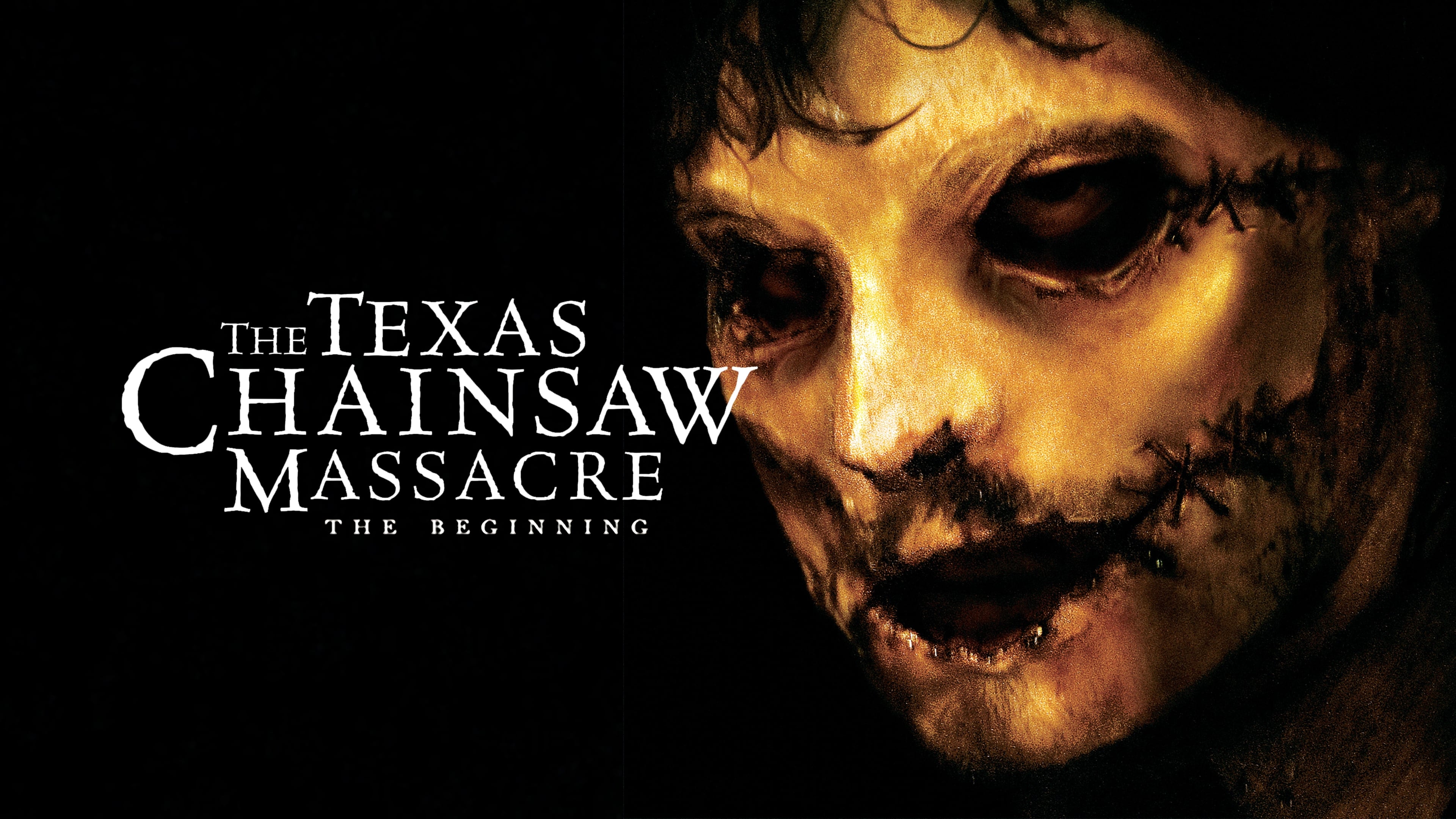
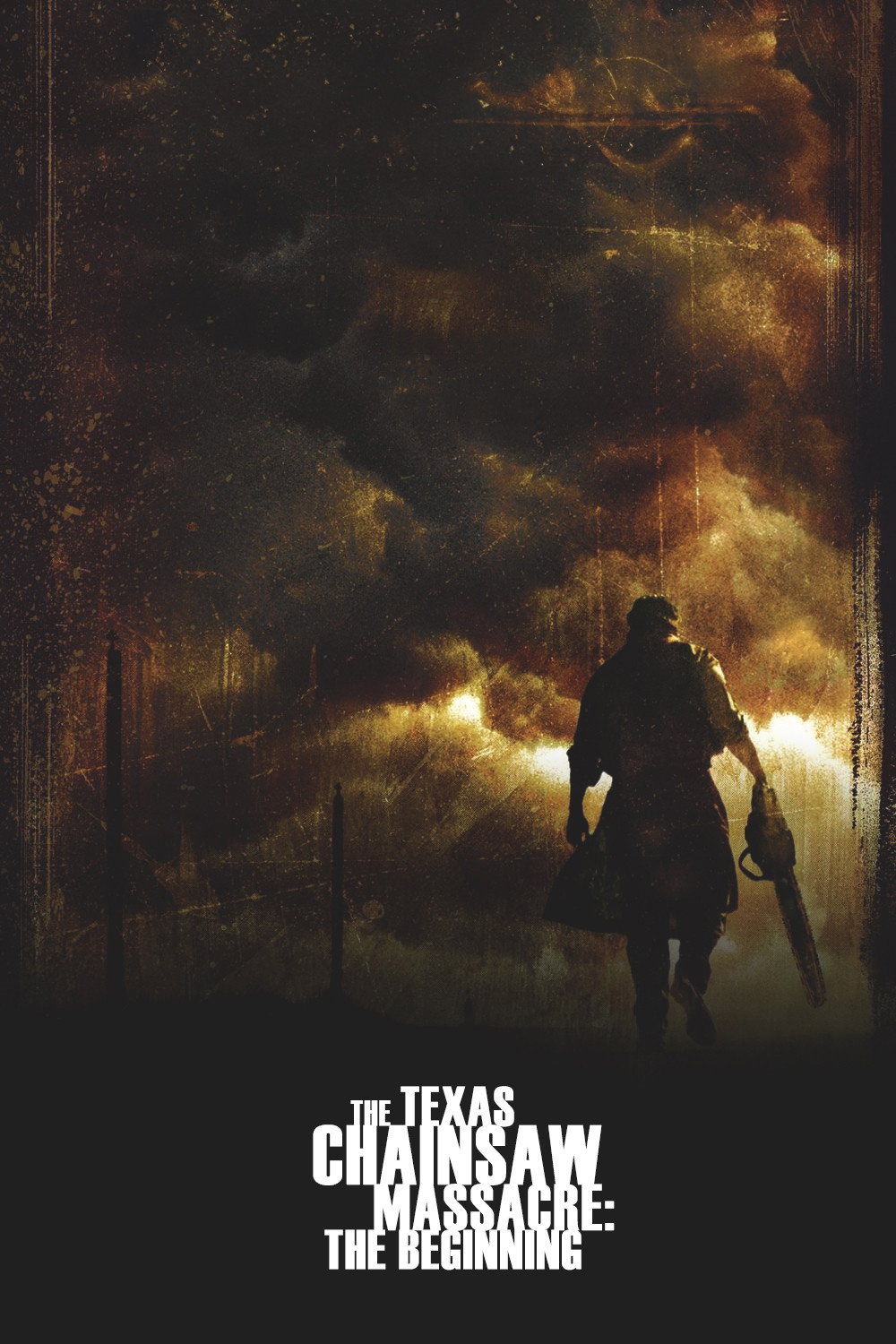
The Texas Chainsaw Massacre: The Beginning (2006) occupies a precise place in the franchise's complicated history. Jonathan Liebesman's film precedes the events of the 2003 remake and follows its Hewitt family continuity, separate from the original series begun by Tobe Hooper in 1974. Set mainly in 1969, it introduces the closing of a slaughterhouse, the emergence of Thomas Hewitt as Leatherface, and the theft of a sheriff's identity by his adoptive relative Charlie. These revelations give the prequel its organizing premise while placing it within the graphically violent American horror cycle of the mid-2000s.
The film's distinguishing problem is built into its form: the audience already knows the Hewitts remain dangerous several years later. Suspense therefore depends on what happens to four travelers caught in their territory, and on how long violence can be sustained within familiar rural spaces. Contemporary interviews show that the director embraced both the origin-story assignment and the intense gore associated with Saw, Hostel and Wolf Creek. Period critics were far less united about the result, questioning whether explanations for a notorious killer could compensate for repeated scenes of captivity and bodily damage.
Constructing a Prequel to the 2003 Remake
Platinum Dunes returned to the property after the commercial success of the 2003 film, shifting its attention from another encounter with the established killer to the beginnings of the household seen in that remake. The screenplay is credited to Sheldon Turner, from a story by Turner and David J. Schow. Liebesman described the project as an opportunity to explore a familiar horror figure before his best-known acts. In a 2006 interview with The Torch, he recalled meeting Michael Bay and producers Andrew Form and Brad Fuller while seeking work on The Amityville Horror; after that assignment went elsewhere, their proposed Chainsaw prequel attracted him instead.
Liebesman's own account limits what can fairly be credited to his intervention. Speaking to ComingSoon in remarks preserved by Dread Central, he said the producers had already plotted the principal moments in Leatherface's development before he arrived. His contribution concerned the staging and detail of sequences that would disclose the first use of a chainsaw, the making of a skin mask and the origins of recognizable injuries. This was an assignment with established narrative requirements, accompanied by room for performance and visual choices. R. Lee Ermey recalled a collaborative atmosphere in which cast members and filmmakers exchanged suggestions on individual scenes.
1969, the Hewitts and the Vietnam-Era Setting
The story frames Thomas Hewitt's violent adulthood with a prologue involving his birth in a slaughterhouse and abandonment as an infant. Years later, closure of the local meat-processing plant precedes his attack on its supervisor. Charlie Hewitt then kills an actual lawman and assumes the position of Sheriff Hoyt, converting the authority of a uniform into a means of finding victims. The household's transition into a predatory enclave is tied to the disappearance of local employment and to the replacement of lawful control with family power. These narrative events are presented as the remake continuity's invented family history, not as an account of real crimes.
The visiting group brings a separate social conflict into the Texas setting. Eric has served in Vietnam and plans to return, while his younger brother Dean intends to resist military service; Chrissie and Bailey become entangled in the brothers' last trip together. Their disagreement initially suggests a film about military duty, dissent and the behavior of men shaped by war. Nick Schager, reviewing the film for Slant in 2006, argued that this material offered possibilities the screenplay largely abandoned once the characters entered the Hewitts' captivity. The Vietnam context nevertheless supplies a clear date and sharpens the encounter between vulnerable outsiders and a man wearing the symbols of state authority.
Visual Design and the Geography of Threat
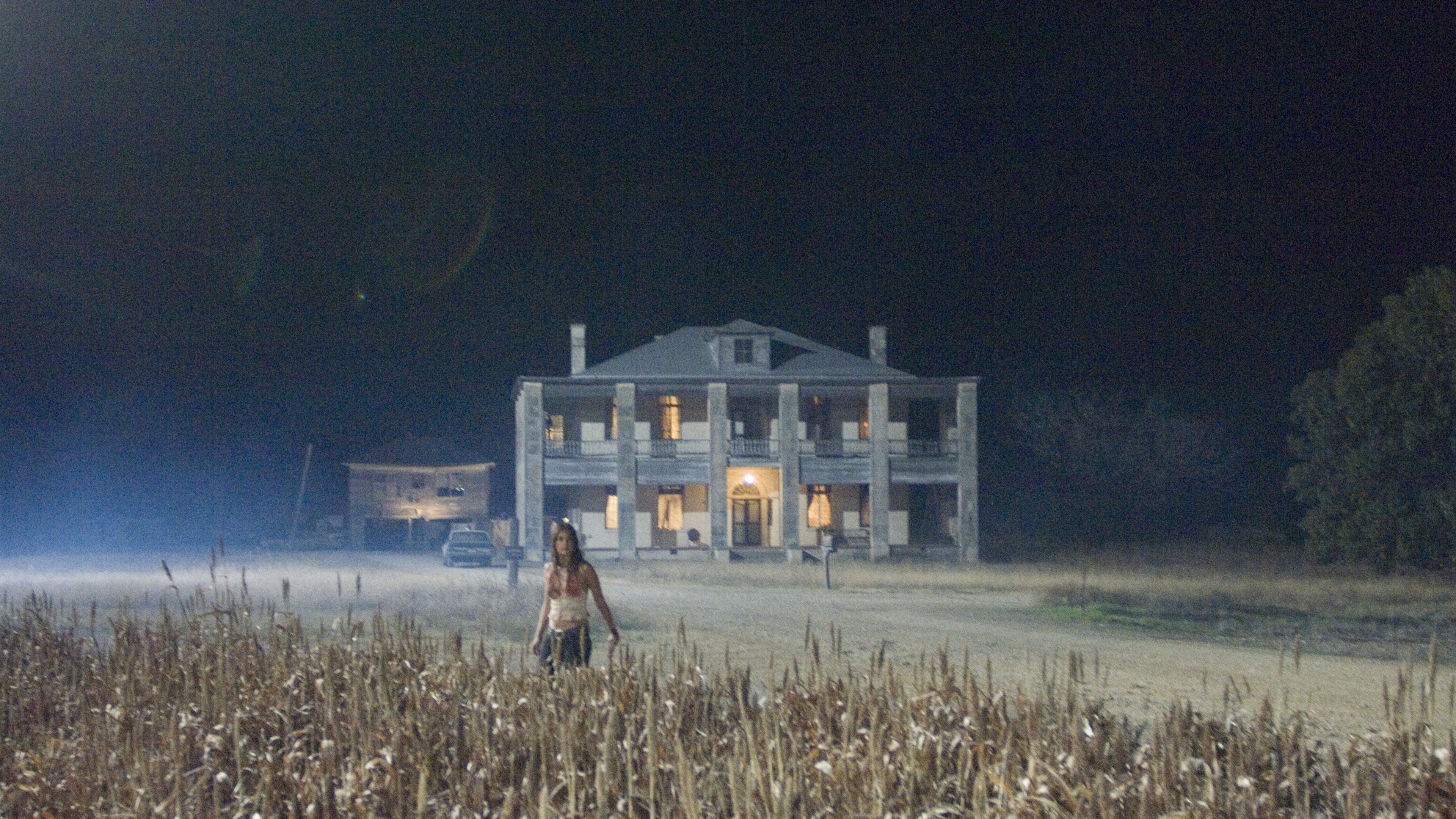
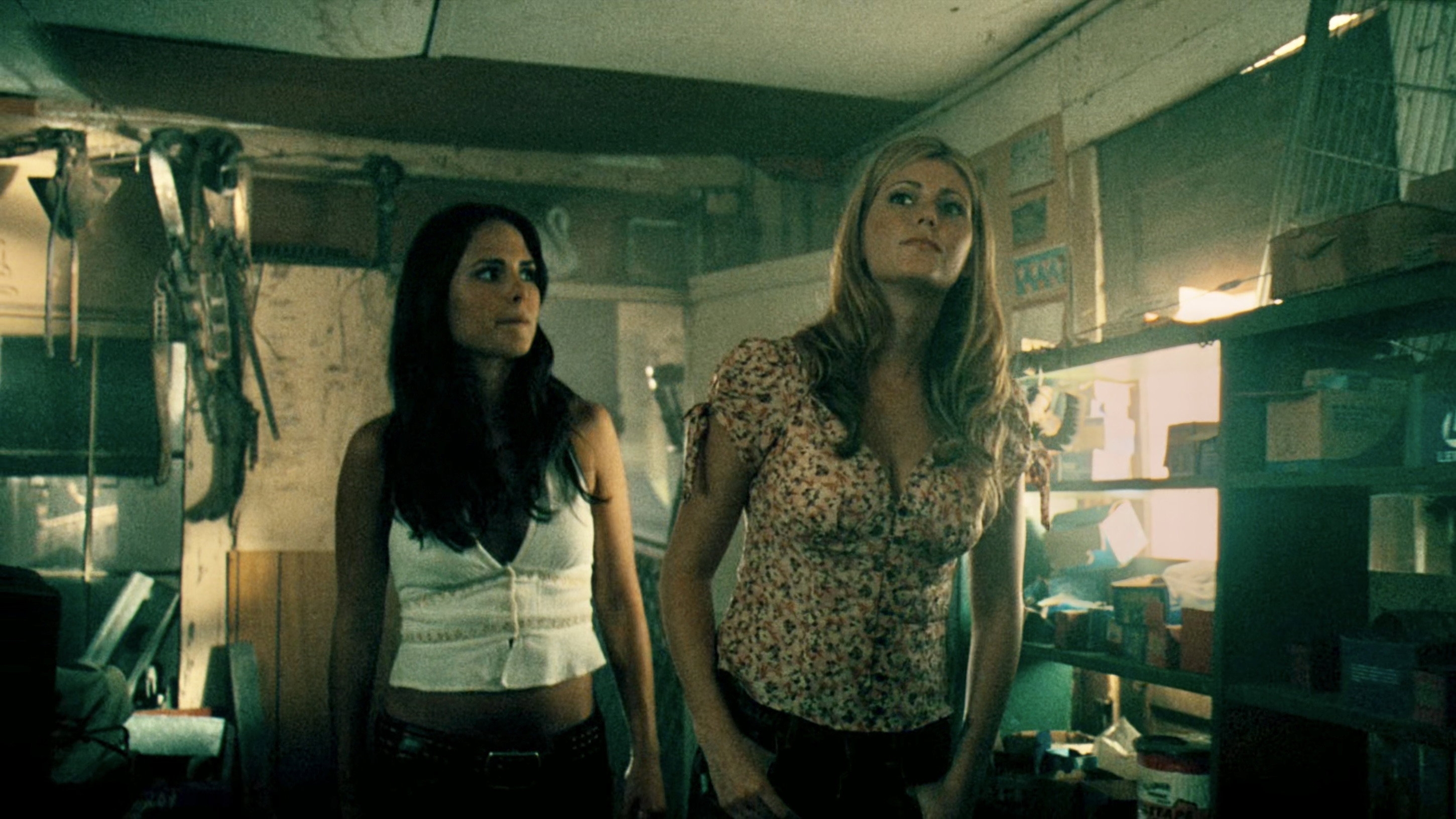
Lukas Ettlin's cinematography continues the drained, distressed appearance associated with the earlier remake, using dusty exteriors and restricted interior spaces to intensify the sense of entrapment. Country roads initially promise movement and escape, yet the encounter with a motorcycle rider and the crash place the survivors within the false sheriff's control. From there, household rooms and outbuildings become connected sites of pursuit and confinement. The opposition between an open landscape and a sealed residence is crucial: a road provides no safety when the person who answers an emergency belongs to the attackers.
The photography gives particular weight to doors, corridors and obscured corners, places where someone might hide or discover another captive. In the family home, proximity replaces mystery. Viewers can understand the physical threat even when they have little reason to doubt who is responsible for it. Schager singled out the picture's controlled green and yellow color treatment, contrasting its finish with the abrasive appearance of Hooper's original. That distinction is important to assessing the prequel on its own terms. Its images cultivate a deliberately filthy environment through organized lighting and color, while the editing repeatedly returns spectators to the immediate consequences of violence.
Makeup Effects, Digital Work and the Body
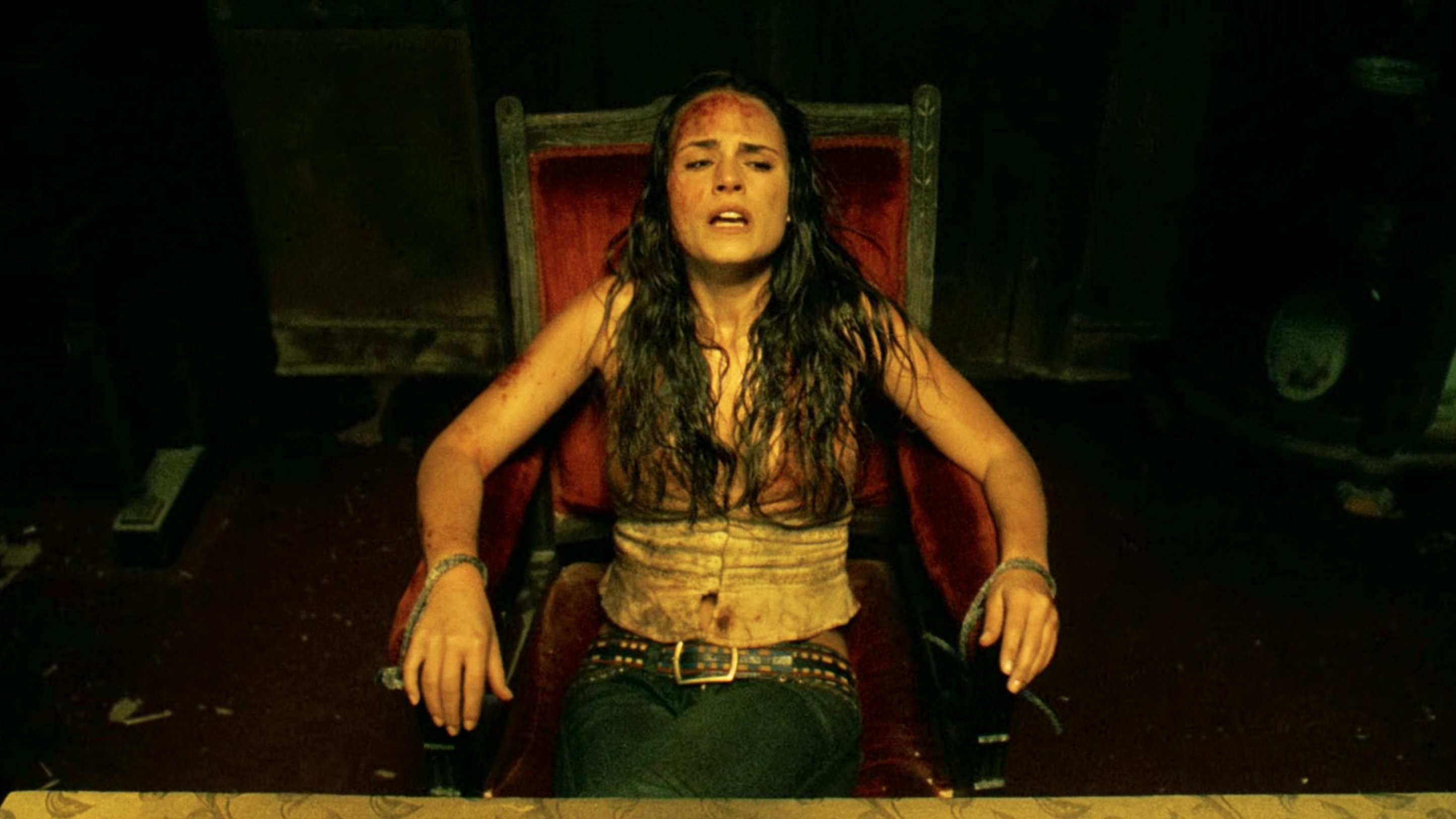
The prequel makes injuries central to the experience of watching. Its treatment of cutting, mutilation and bodily confinement is considerably more explicit than the comparatively suggestive violence of the 1974 picture. KNB EFX Group contributed special makeup effects, with Greg Nicotero serving as special makeup supervisor and Jake Garber among the credited artists. The work provides a physical basis for wounds and damaged bodies, especially when a victim's inability to move becomes part of the scene. Contemporary viewers often encountered the movie through that sustained confrontation with injury, rather than through suspense about the killer's identity.
The visual effects studio Digital Domain also identifies the film among its projects and records the addition of digital blood and gore, supervised by Kelly Port. This evidence prevents an inaccurate description of the violence as entirely practical, but it does not establish a technique for every individual shot. On screen, applied makeup and augmented imagery belong to the same strategy of maintaining graphic detail inside prolonged ordeals. During a September 2006 interview, Liebesman said he had deliberately responded to the intensity of contemporary titles such as Hostel and Saw. His statement documents an intentional stylistic choice, while the audience's response to that choice remains a separate critical question.
Sheriff Hoyt, Captivity and the Horror Cycle
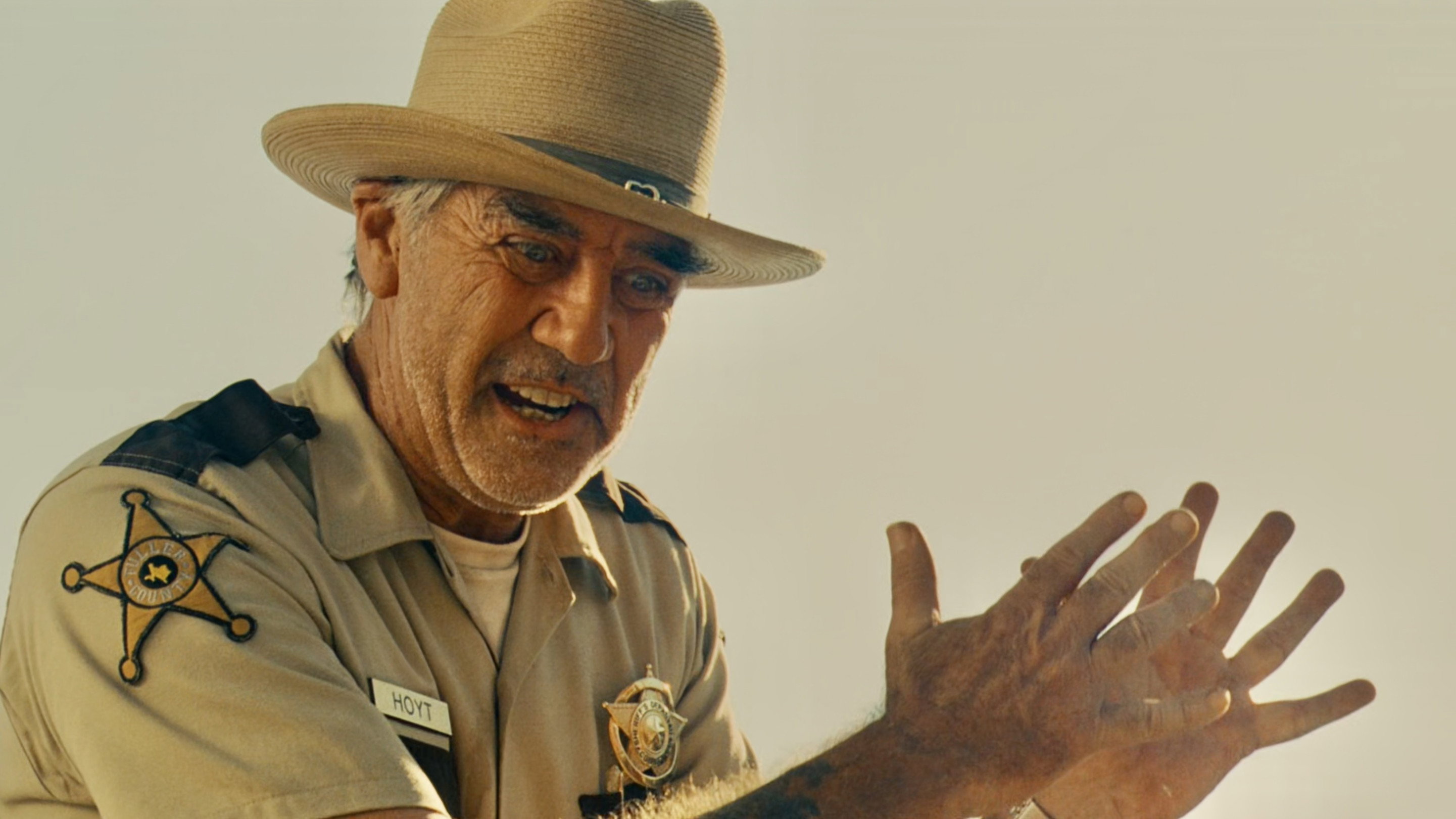
Although the title advertises the emergence of Leatherface, Charlie Hewitt supplies much of the active cruelty. His impersonation of Sheriff Hoyt allows R. Lee Ermey to exploit the intimidating vocal authority familiar from earlier roles. In an interview with Radio Free Entertainment, Jordana Brewster recalled that Ermey improvised extensively and brought an abrasive kind of humor to scenes already loaded with menace. His performance makes the uniform an instrument of arbitrary power; a badge no longer identifies someone likely to intervene on behalf of the endangered travelers. Andrew Bryniarski, returning as Leatherface, provides the comparatively mute, physically overwhelming threat that completes the family's division of roles.
The prolonged ordeal belongs to a specific mid-2000s discussion about how directly horror should represent pain. Liebesman acknowledged that recent extreme thrillers had influenced his approach, while the film's setup still uses recognizably older slasher devices: an interrupted road trip, compromised isolation and a final attempt to escape. Brewster told Radio Free that the atmosphere on set shifted between joking and intense concentration, and remembered watching viewers recoil at a Fantastic Fest screening. That is testimony about one actress's experience, not proof of a universal audience reaction. The contrast between publicity for its intensity and reviewers' complaints about its repetition shaped the film's early reception.
Theatrical Release, Versions and Contemporary Response
New Line Cinema released the film widely in the United States on October 6, 2006, with an R rating covering strong horror violence, language and some sexual material. Its domestic opening weekend reached roughly $18.5 million according to The Numbers, followed by a substantial decline in the second week. The production budget is commonly reported at $16 million. Published international grosses differ between tracking services, so a single worldwide figure should not be treated as unquestionably final. The US theatrical release was followed by home-video editions, including an unrated version with additional material. This distinction concerns versions prepared for distribution and should not be confused with a documented UK censor-imposed cut.
Contemporary criticism exposed the tension between a forceful sensory style and a familiar plot. In the Los Angeles Times, Sam Adams credited the filmmakers with trying to unsettle audiences directly but argued that the promised explanation of Leatherface offered little dramatic reward. Schager's Slant review was harsher about the reduced mystery surrounding the killer and the undeveloped Vietnam subtext. These judgments did not all deny the film's technical effectiveness; they questioned what such carefully arranged cruelty achieved. Its historical interest now lies particularly in the short-lived Hewitt continuity and in how commercial horror franchises absorbed the era's appetite for increasingly visible violence.
References
The Torch — The Texas Chainsaw Massacre: The Beginning Interviews
Alex Quevedo interviews Jonathan Liebesman and cast members about the prequel assignment, returning performers, collaborative development and deliberate increase in gore.
Michael J. Lee's original September 2006 interview covers casting, the demanding shoot, R. Lee Ermey's improvisation and audience response at Fantastic Fest.
Slant Magazine — Review: The Texas Chainsaw Massacre: The Beginning
Nick Schager's contemporary critical essay examines the Vietnam-era setting, the prequel's origin-story structure, color design and treatment of violence.
Los Angeles Times — 'Chainsaw' Is Pretty Much All Gore, Little Glory
Sam Adams's October 2006 review discusses the film's relationship to the 1974 original, the role of Sheriff Hoyt and the dramatic limits of its explanations.