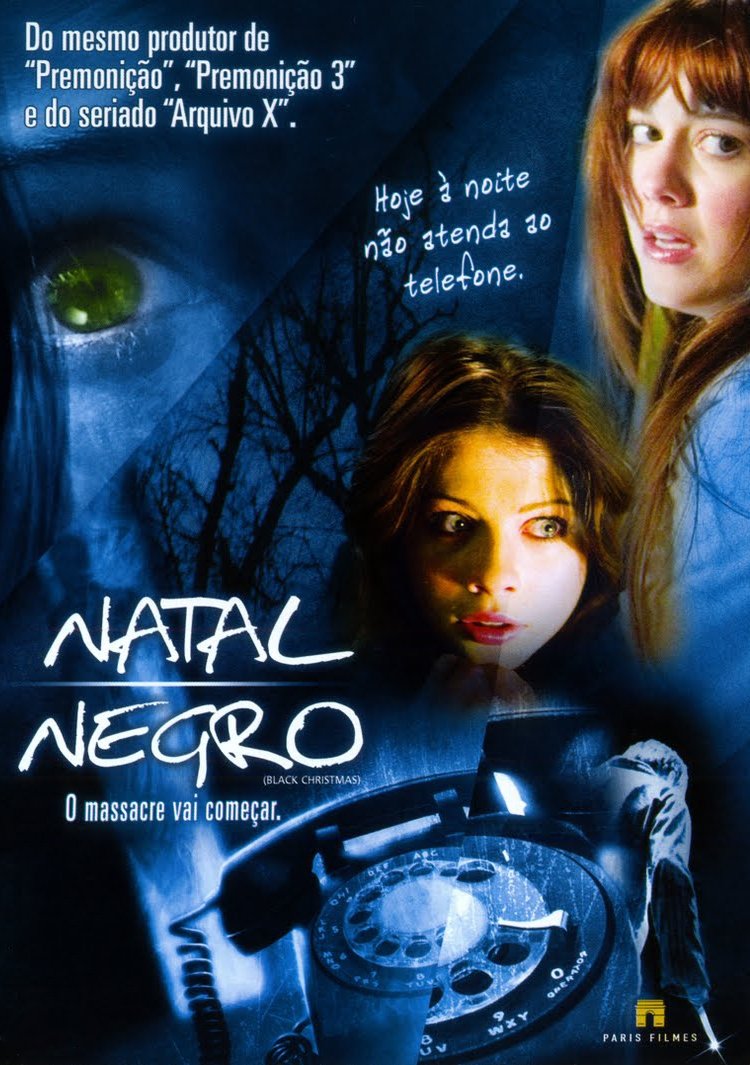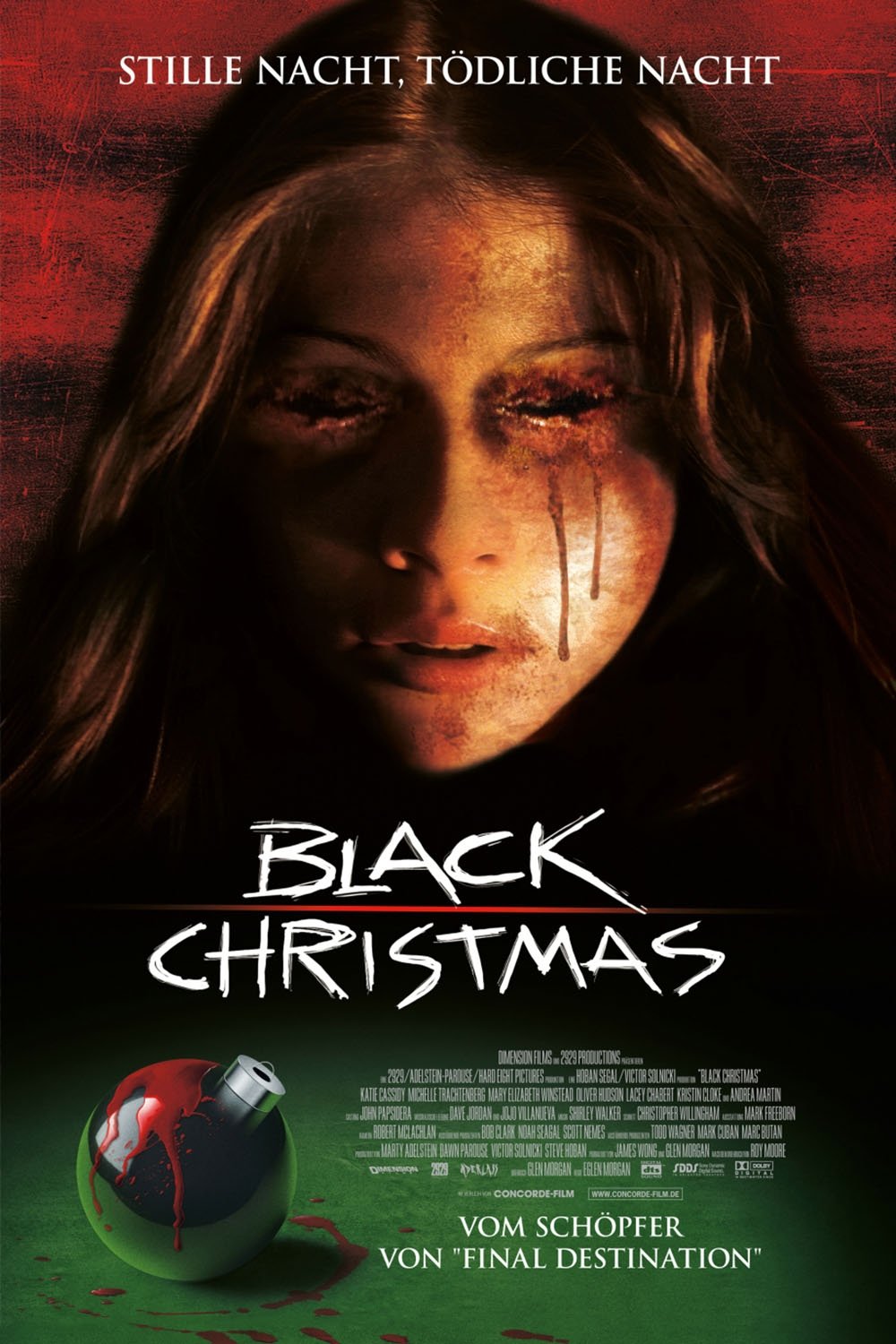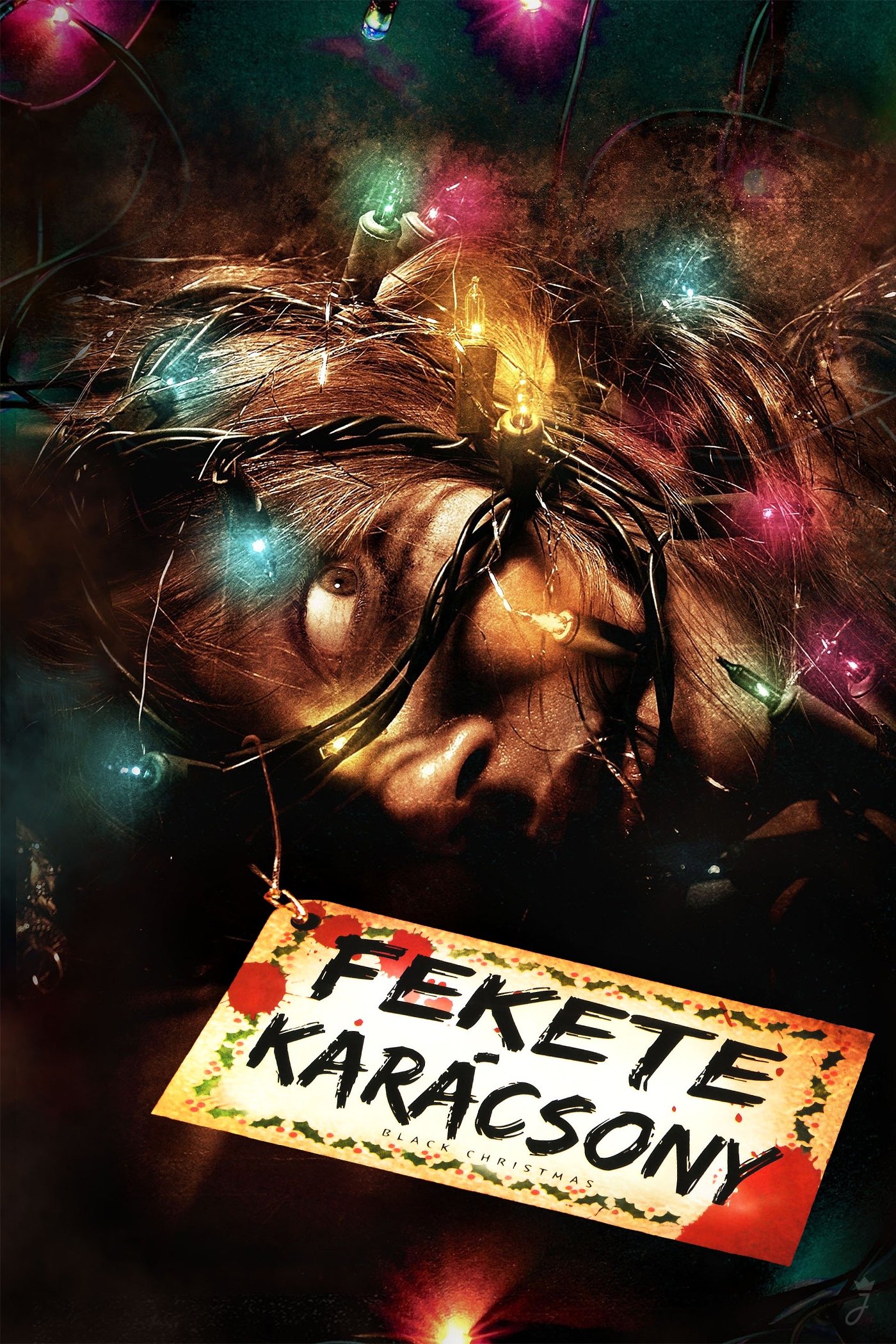
Black Christmas (2006)

US
Runtime
84 min
Release
December 15, 2006
Budget
$9,000,000
Revenue
$21,510,851
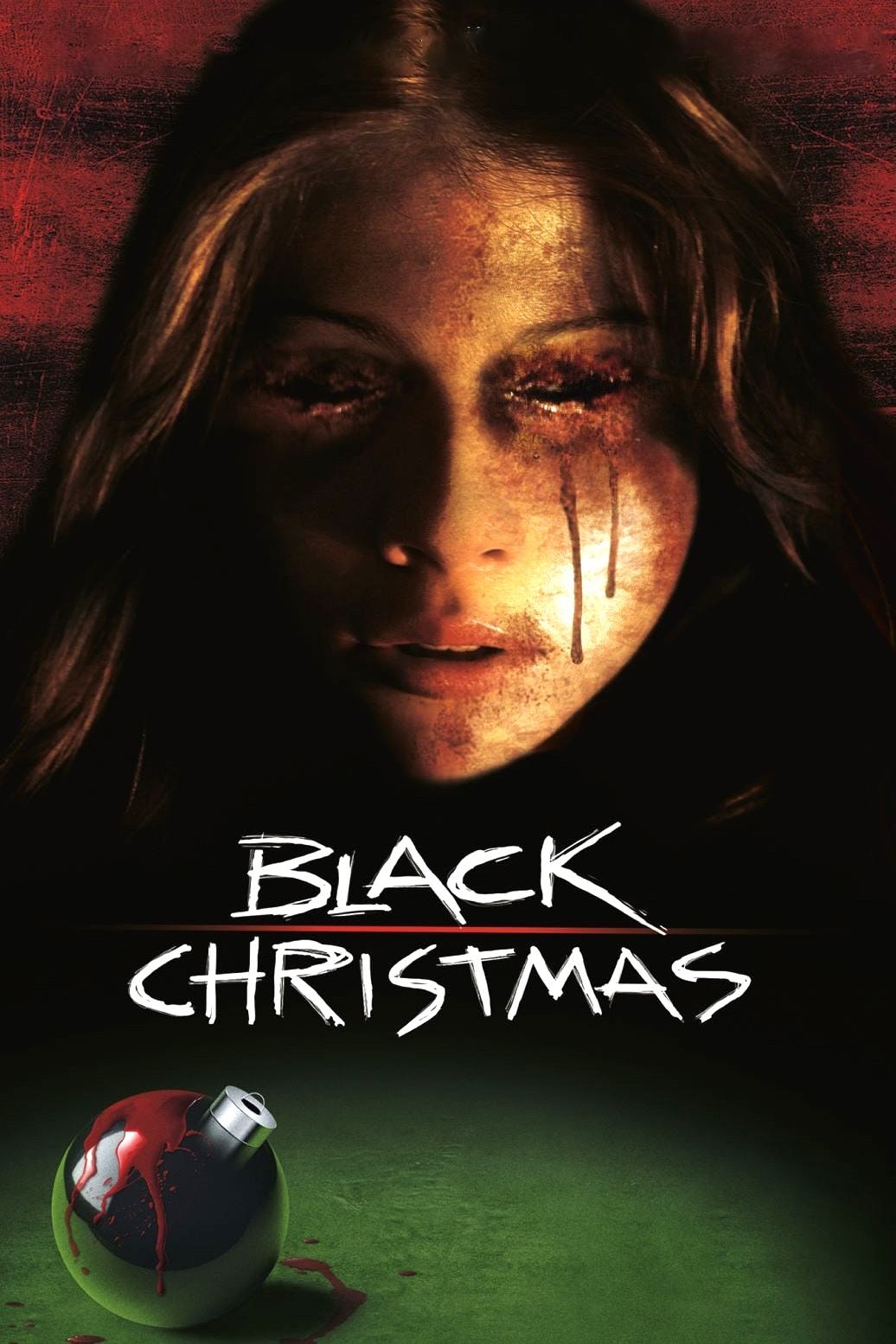
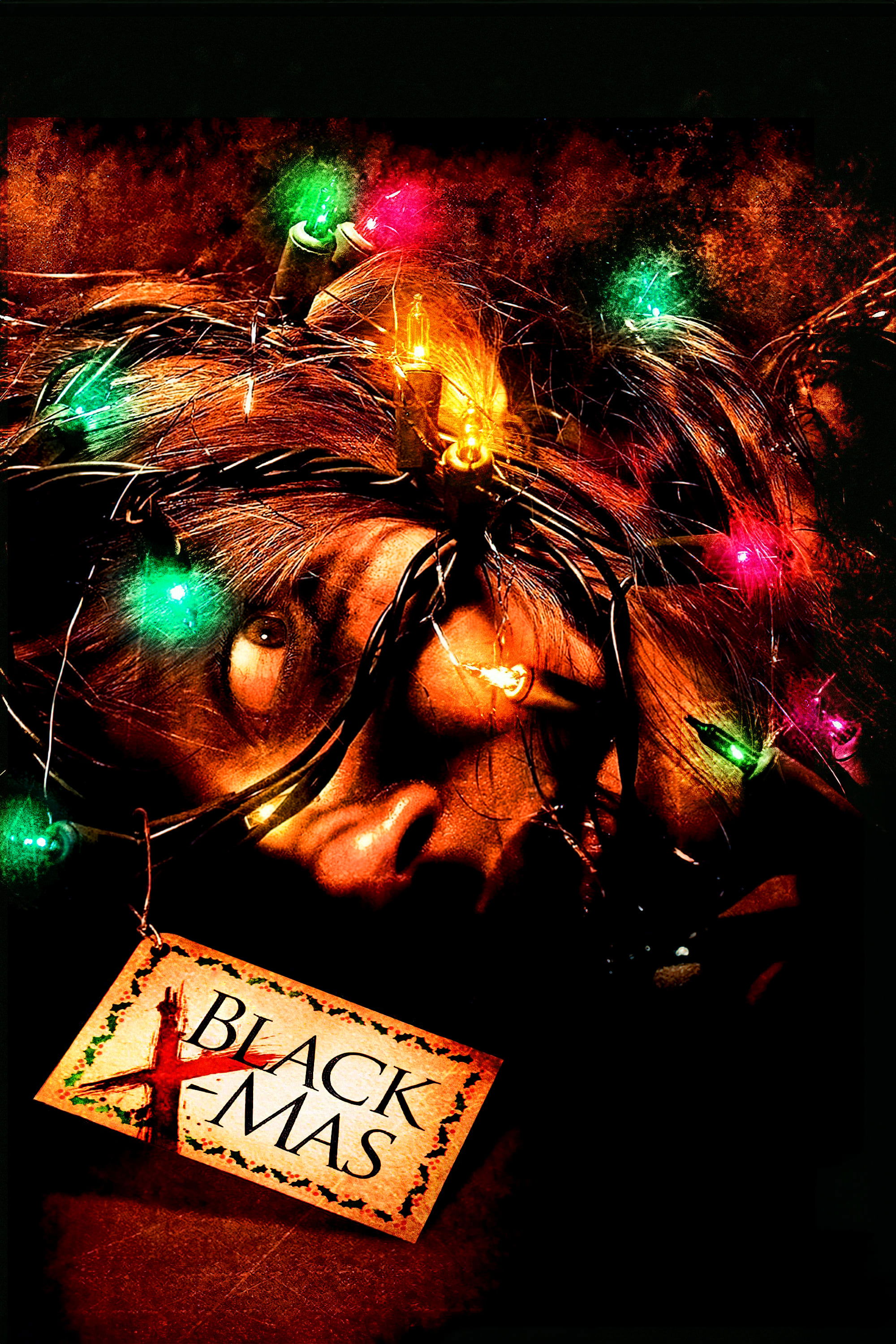
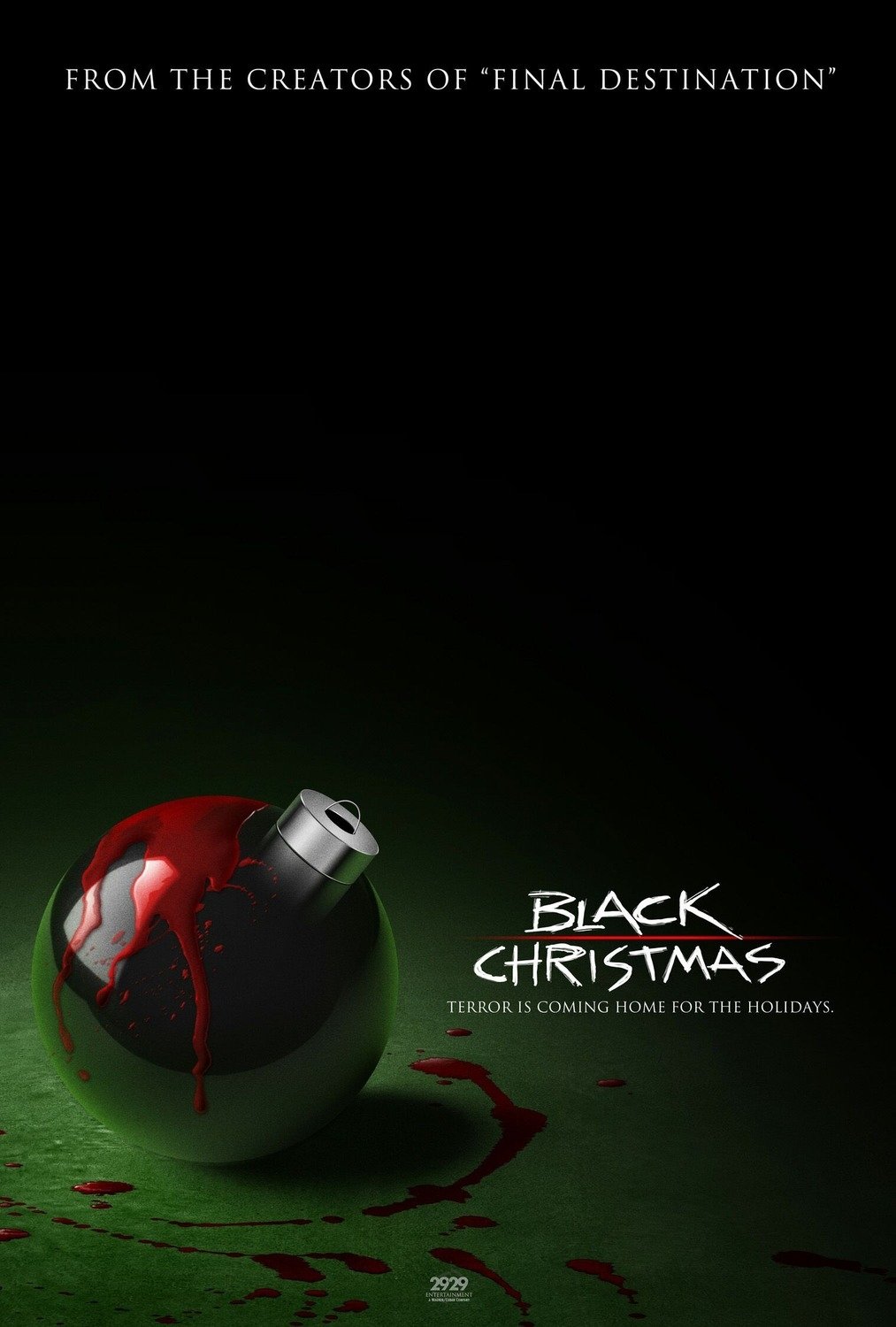
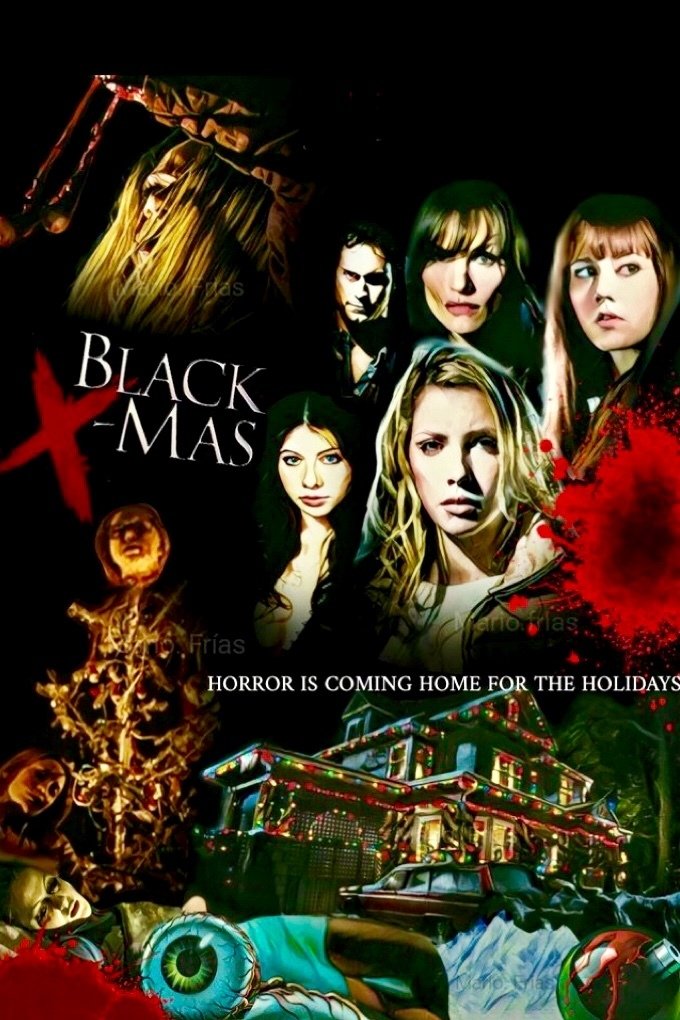
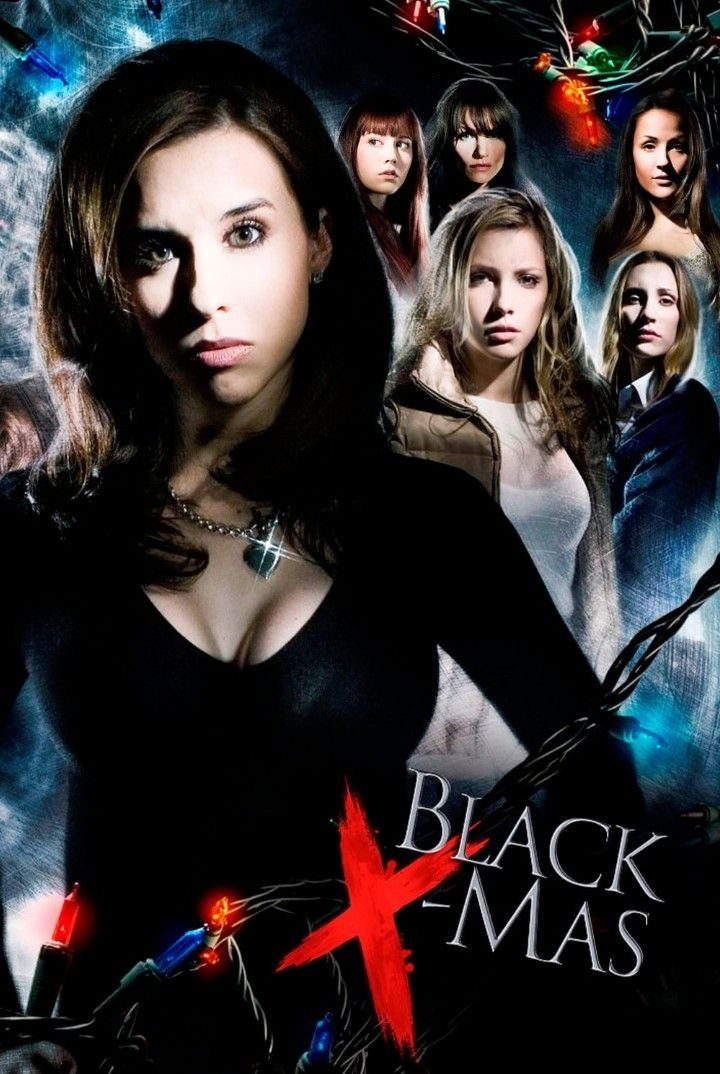
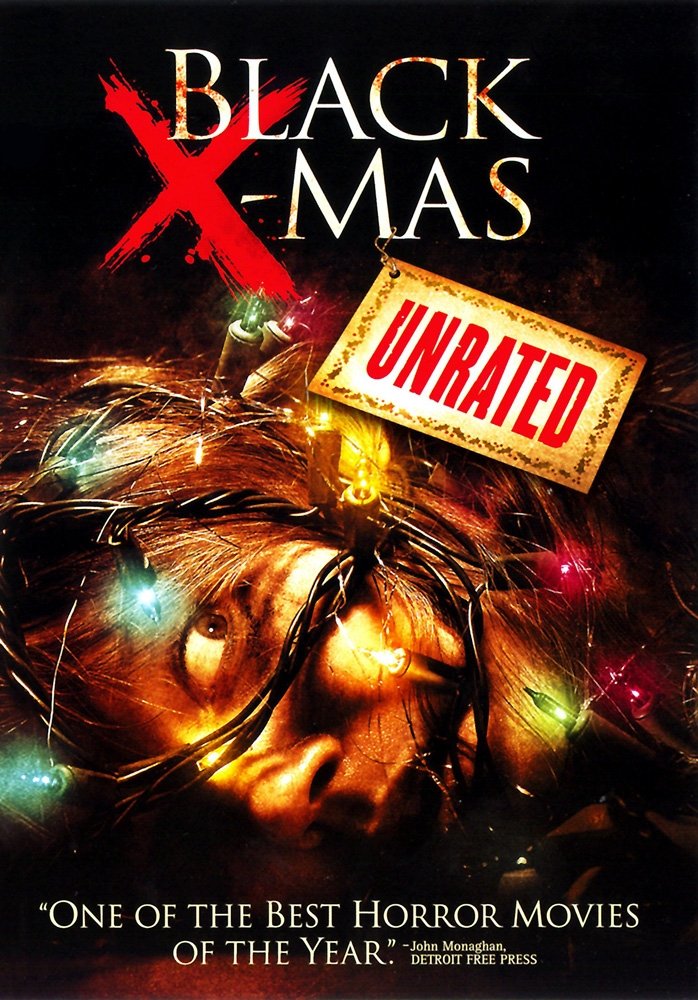
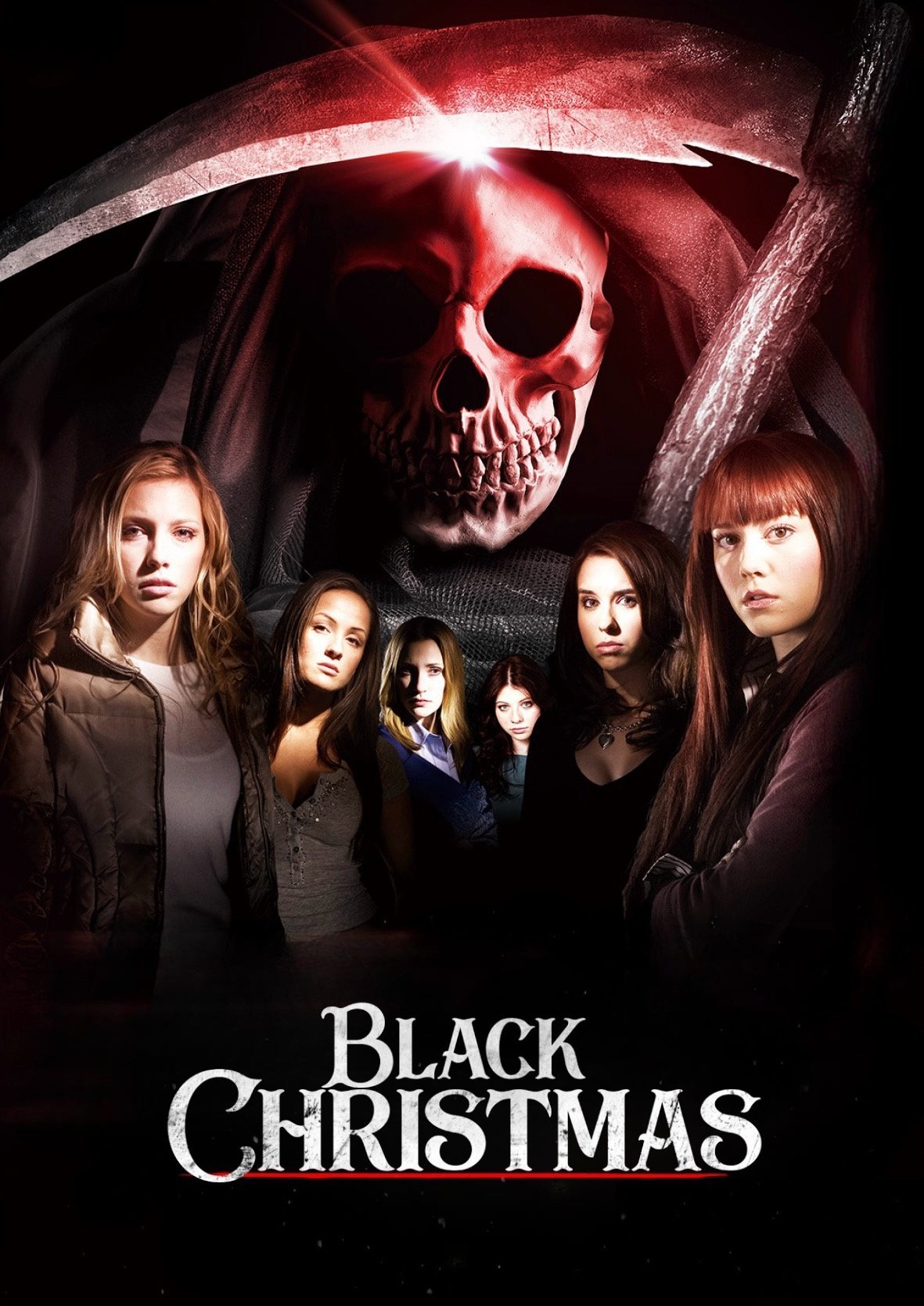
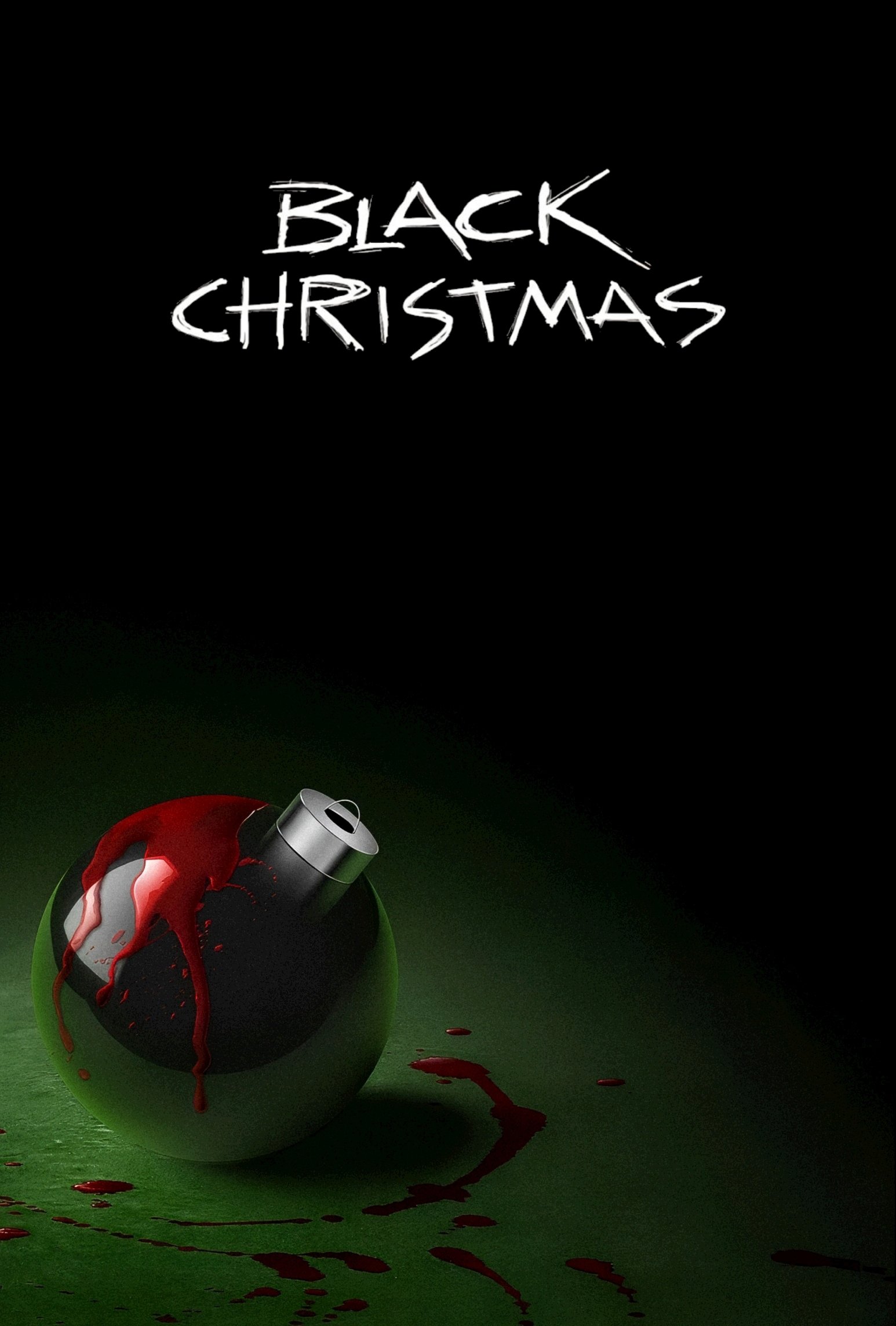
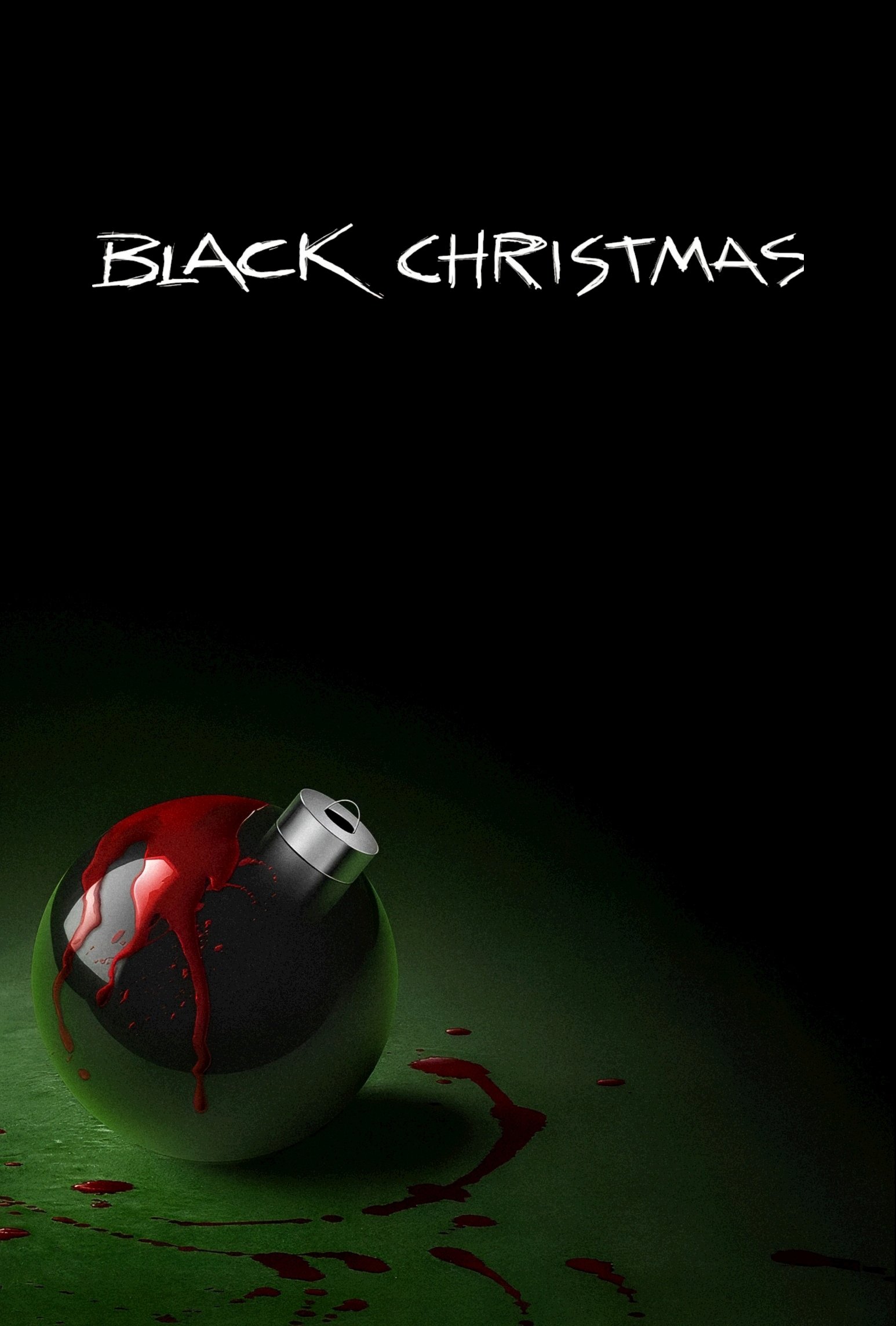
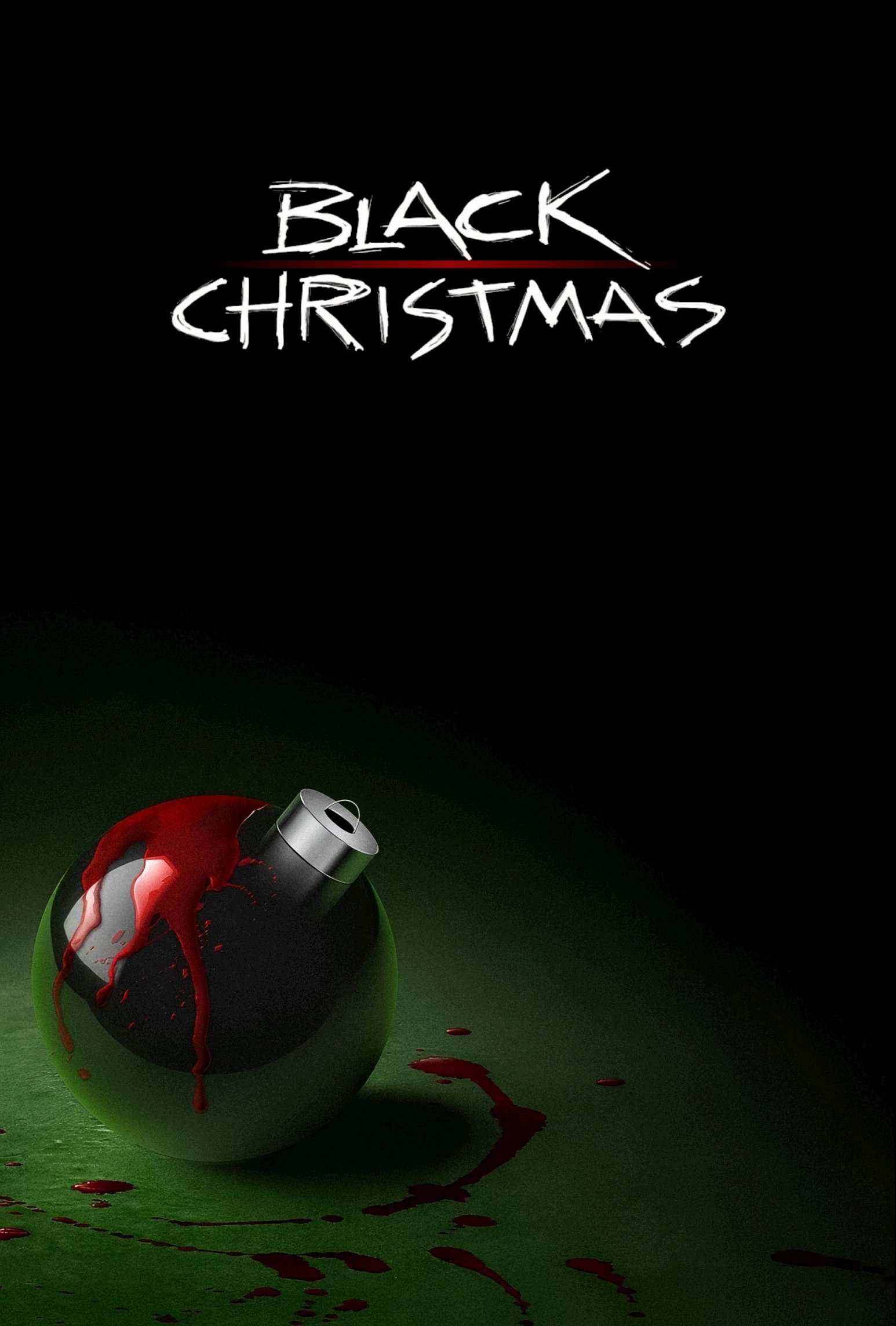
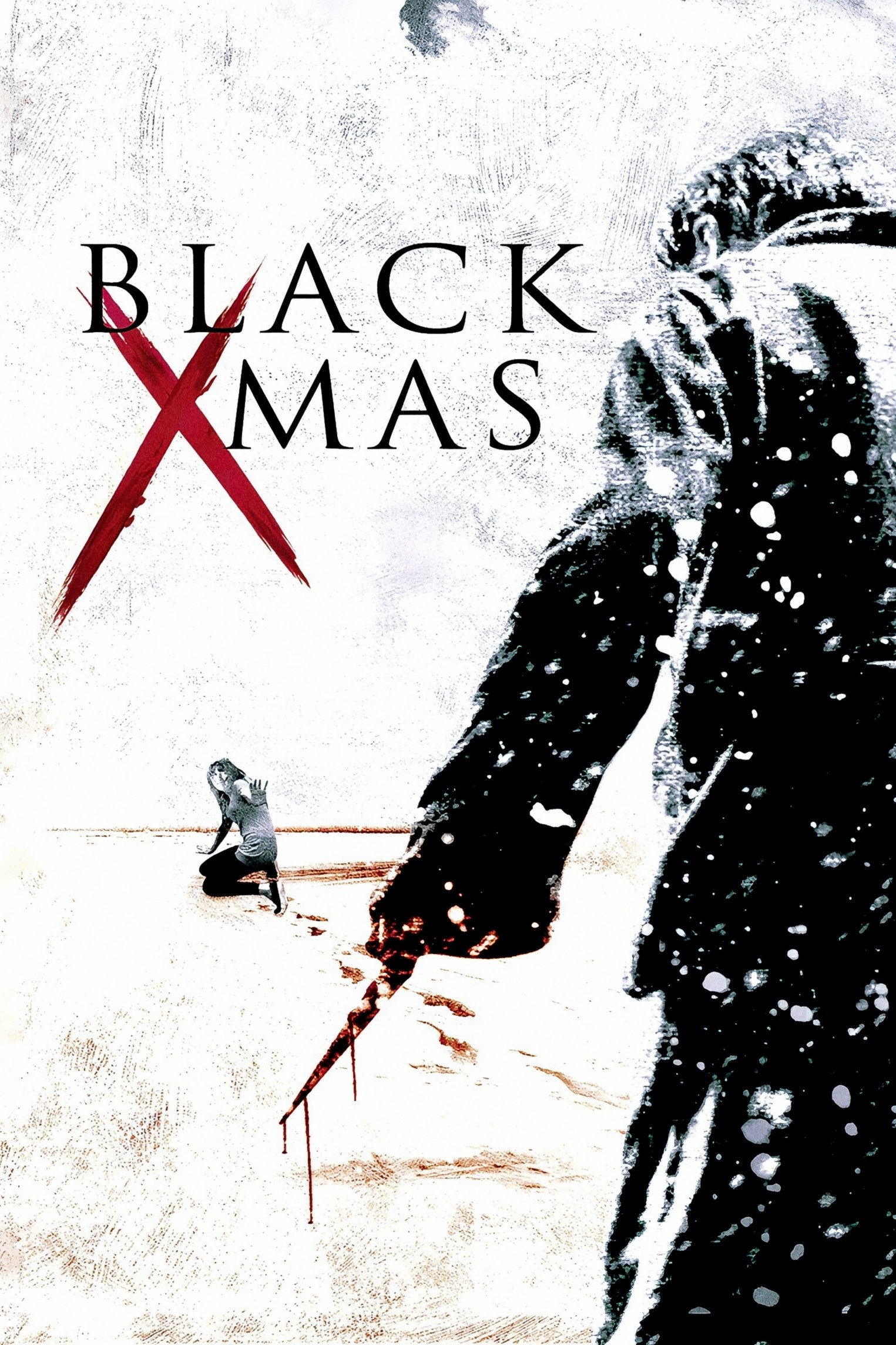
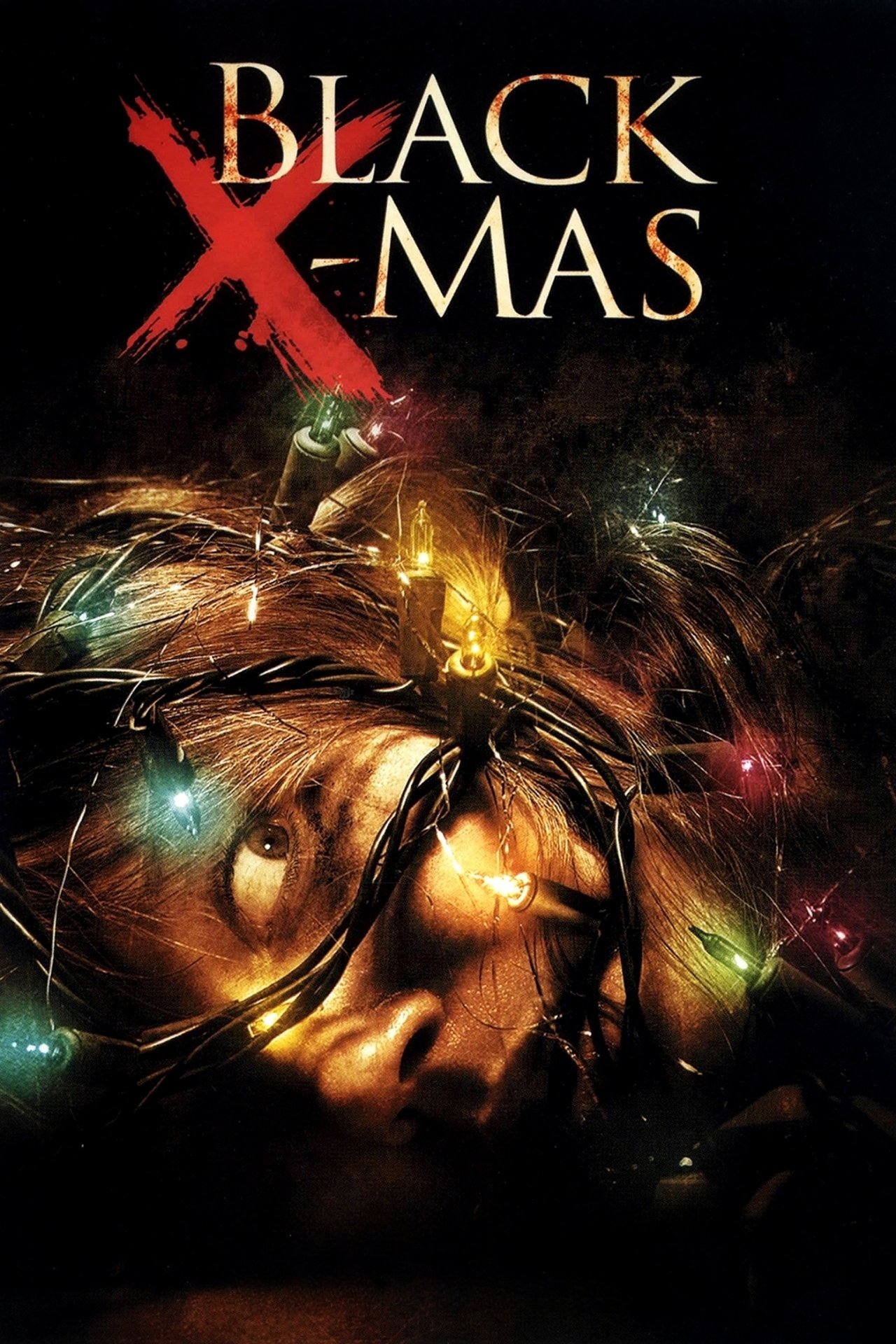
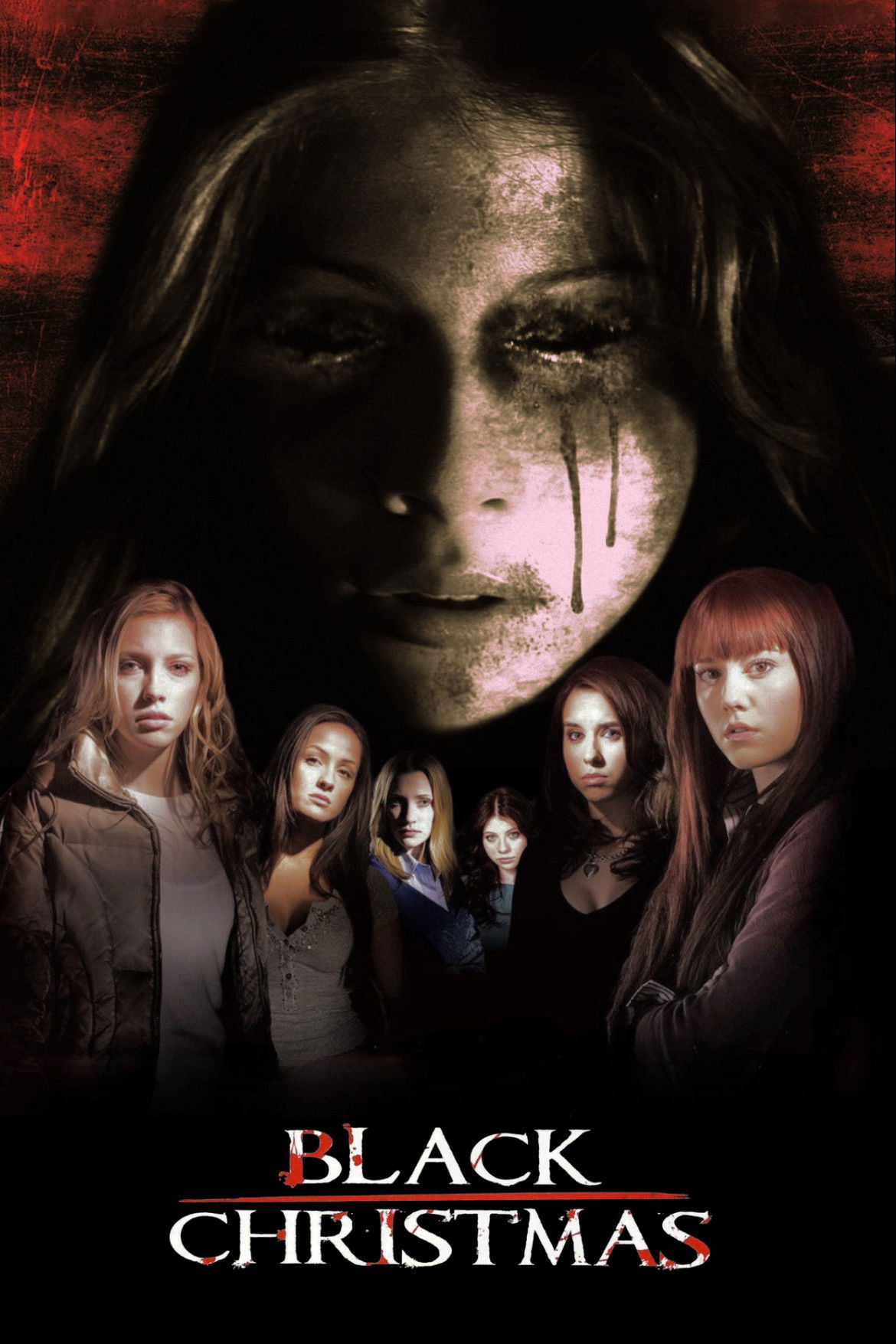
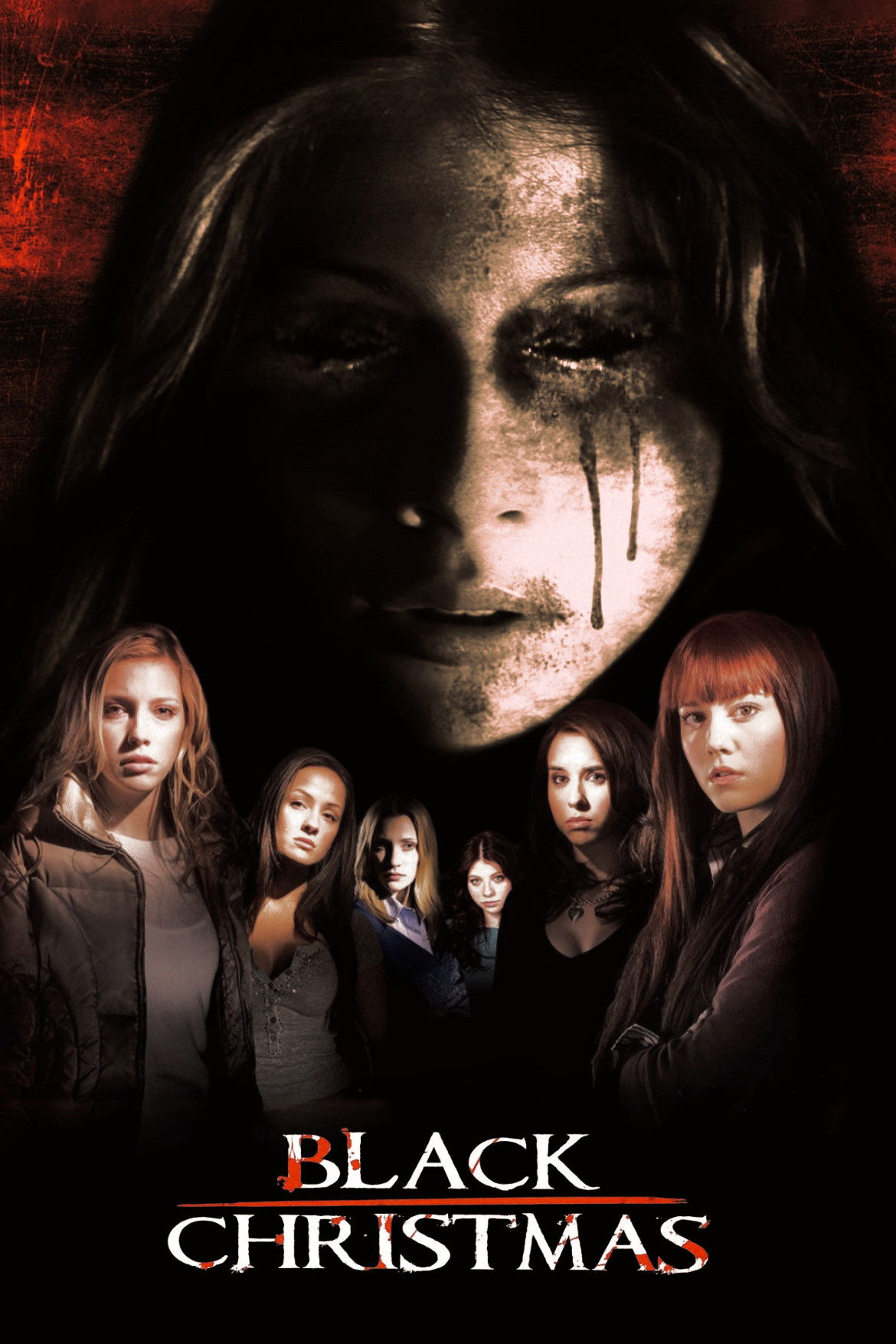
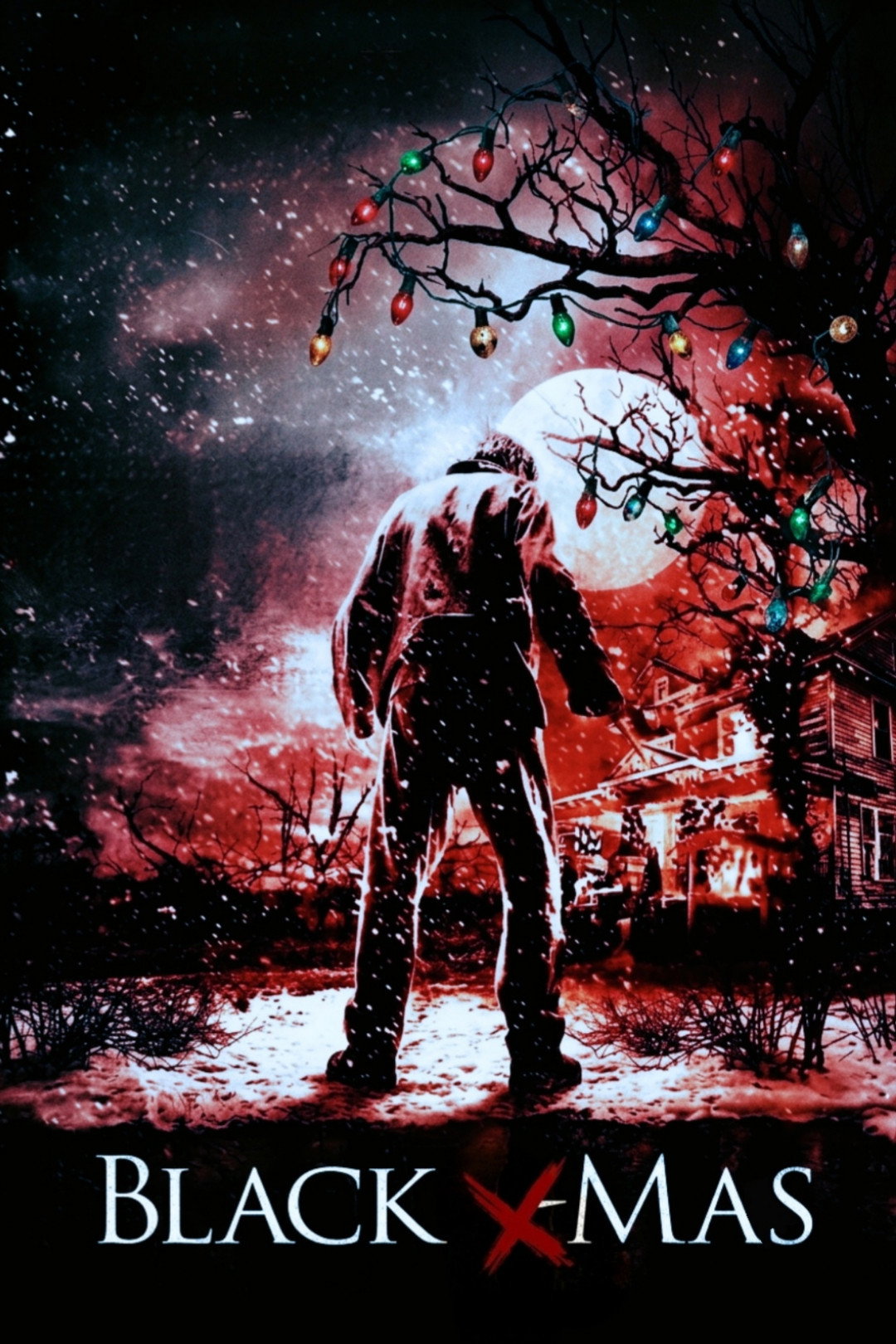
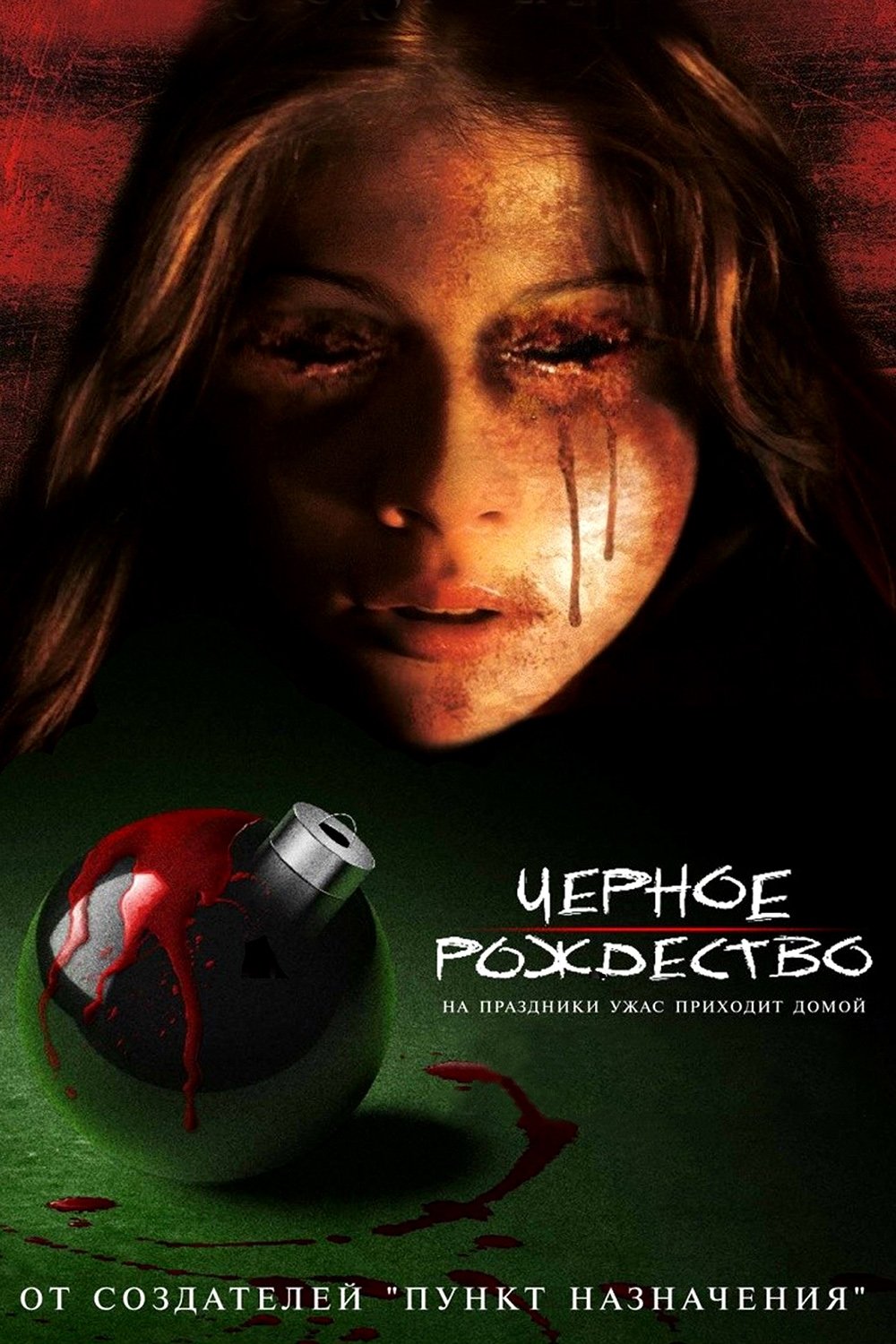
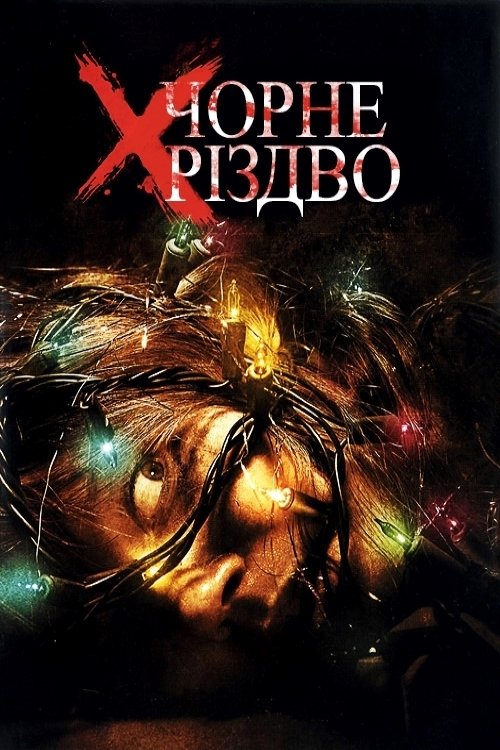
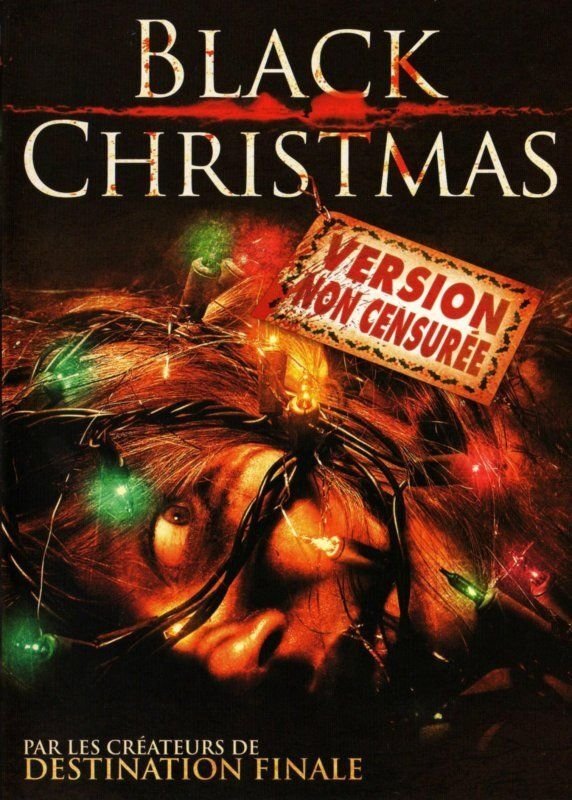
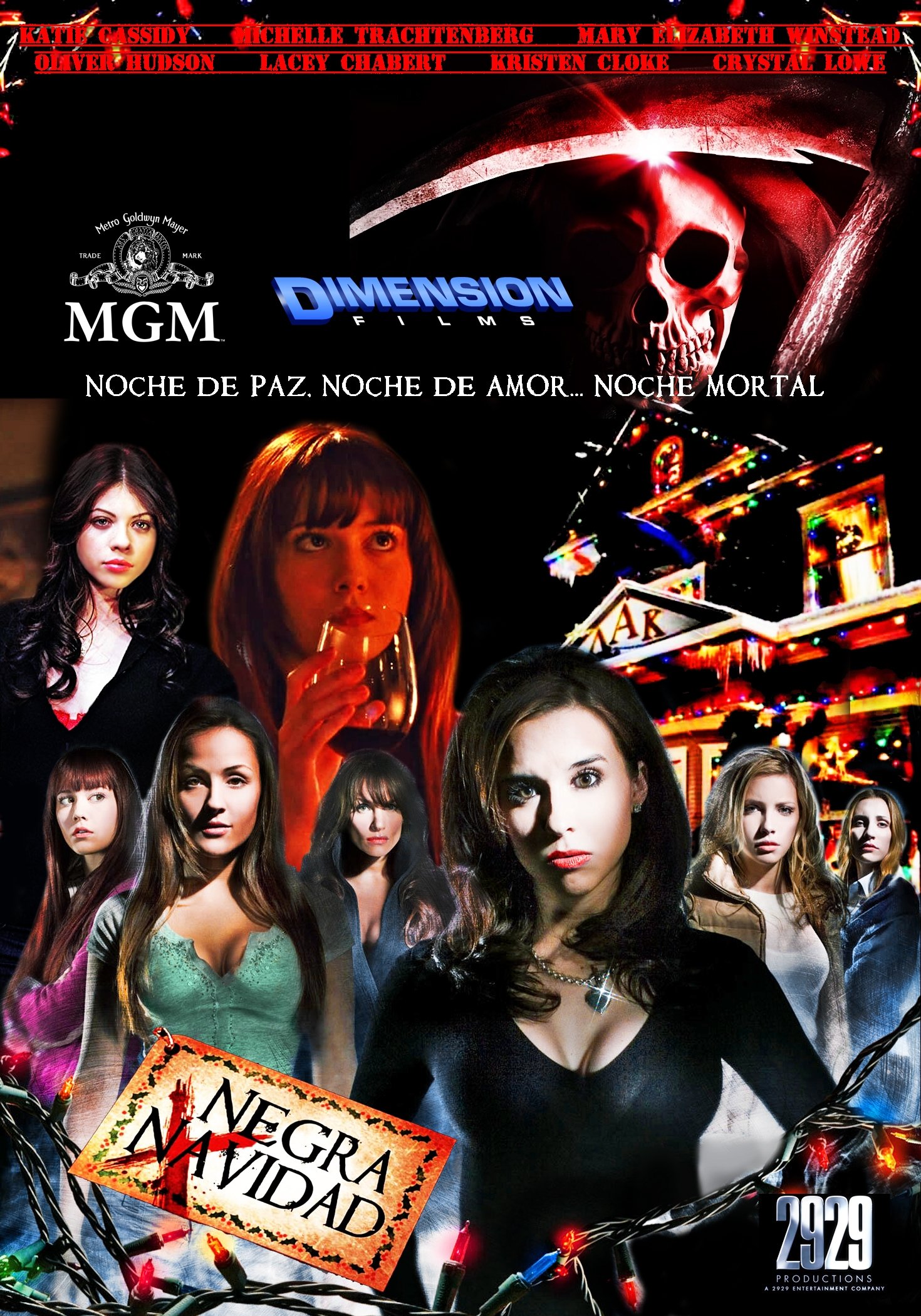
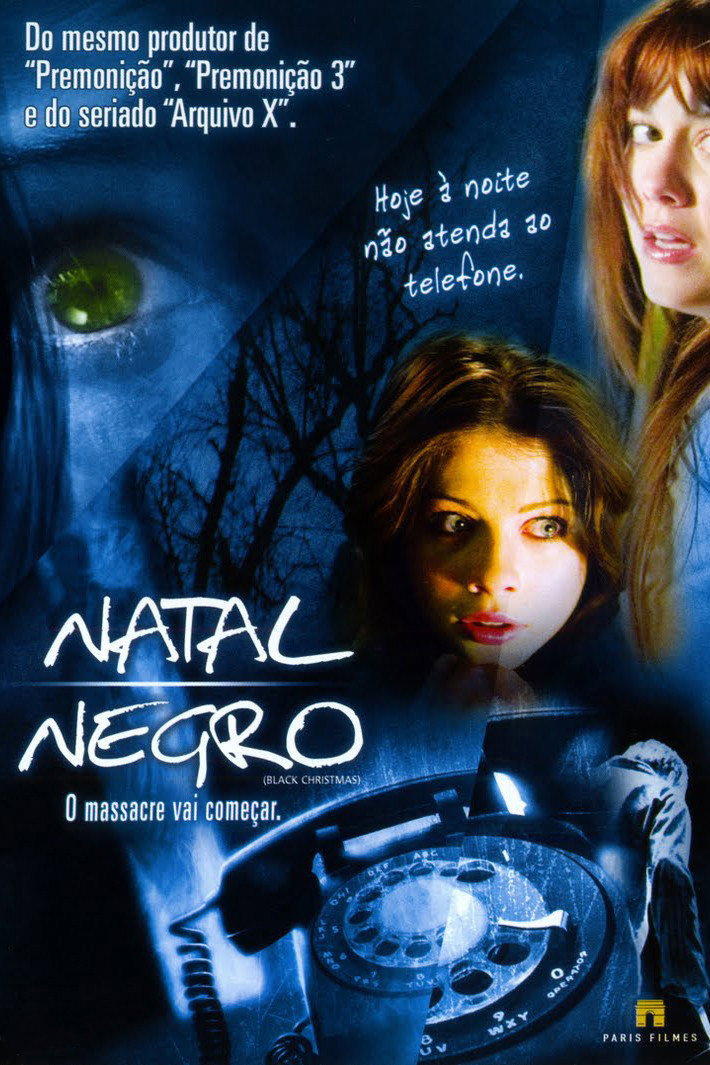
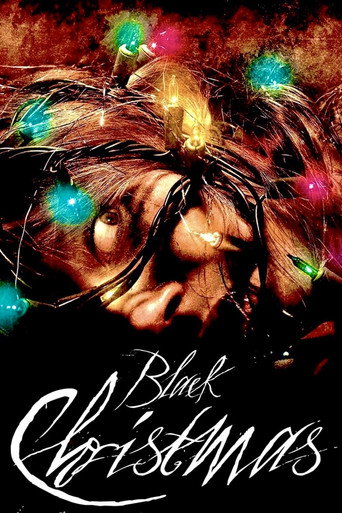
Black Christmas (2006) poster
Director
Production Companies
Dimension Films , 2929 Productions , Hard Eight Pictures , Adelstein/Parouse Productions , Hoban Segal Productions , Victor Solnicki Productions , Movie Central , Corus Studios
Plot

An escaped maniac returns to his childhood home on Christmas Eve, which is now a sorority house, and begins to murder the sorority sisters one by one. A remake of the 1974 horror movie, Black Christmas.

Alternative Titles
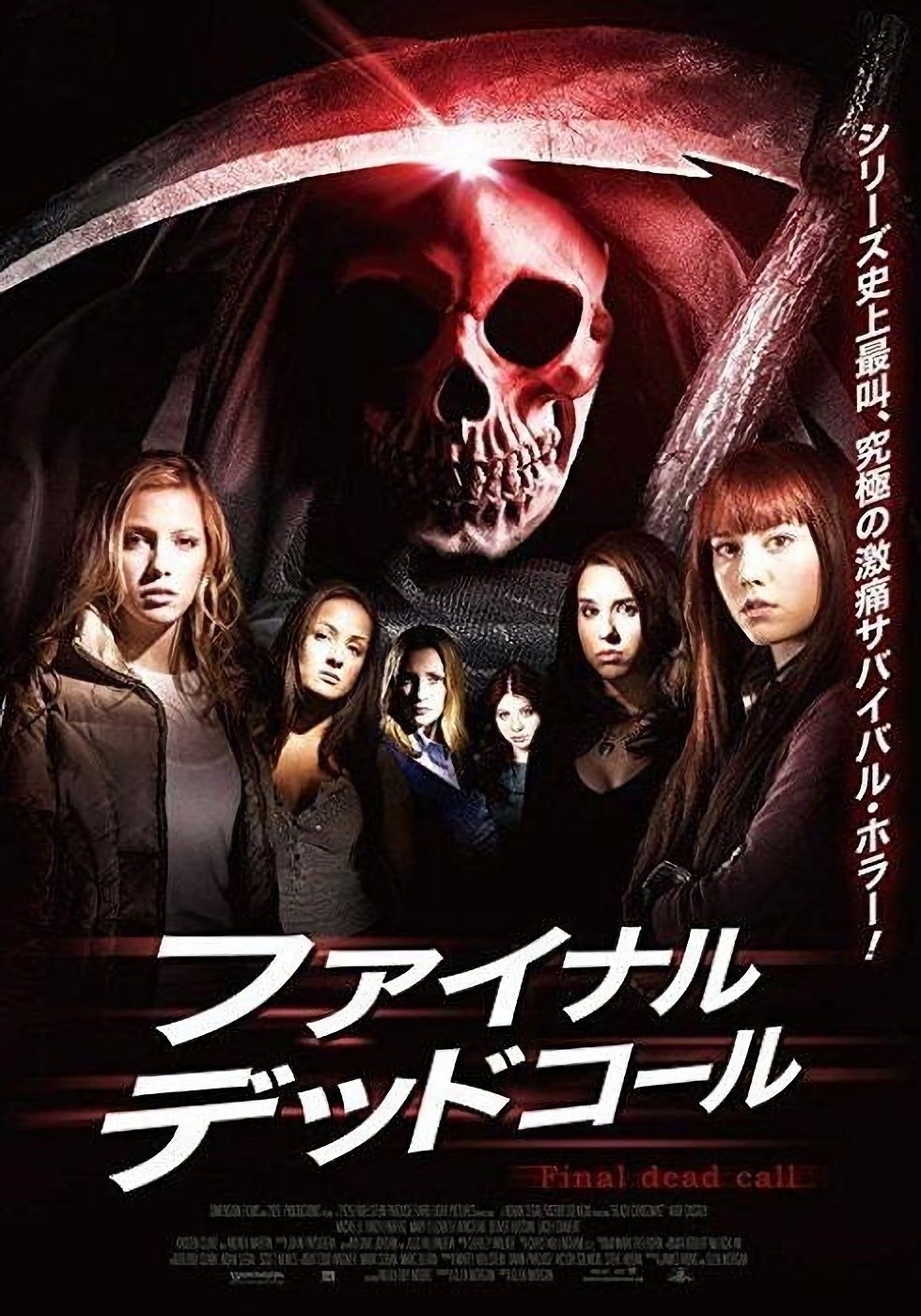
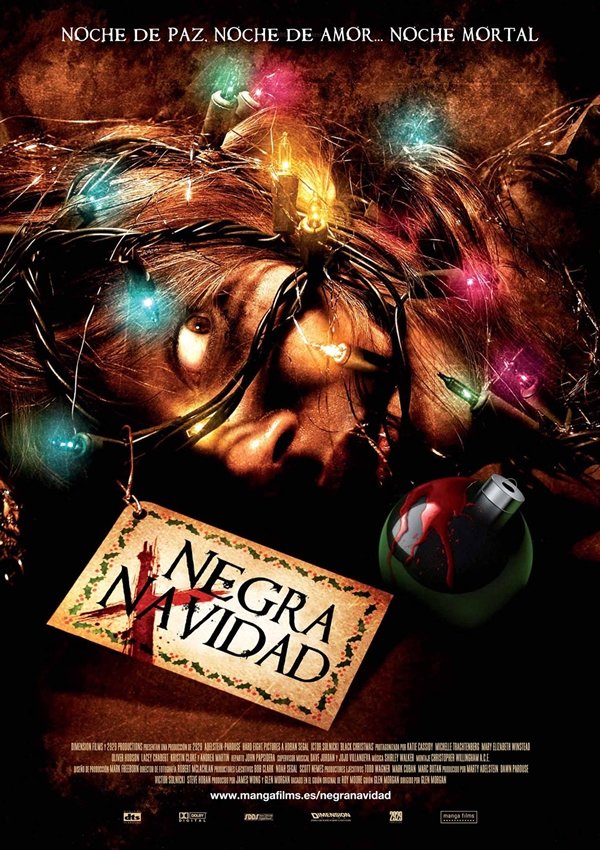
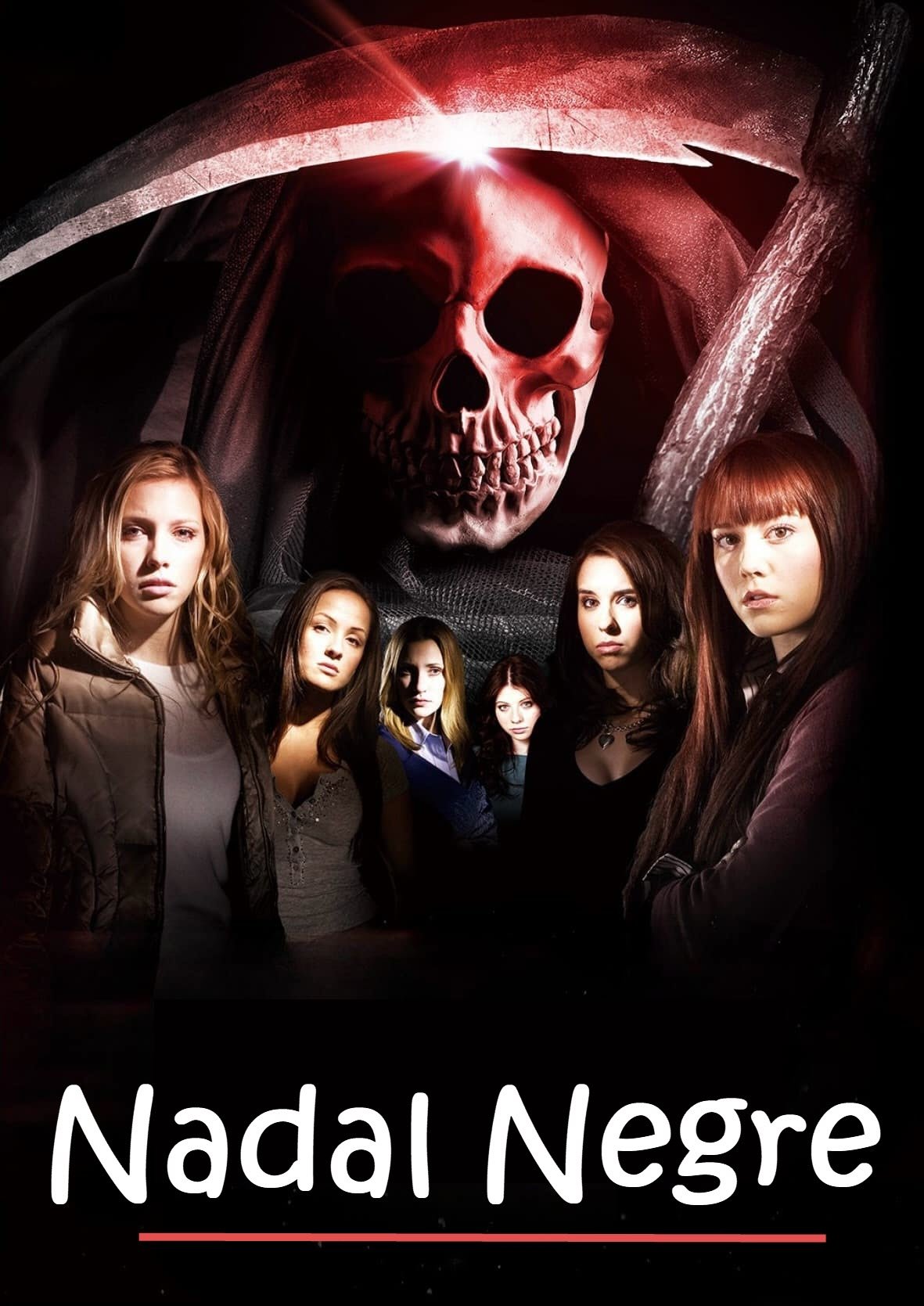
Natal Negro (Brazil) Noël noir (Canada) 黑色圣诞节 (China) — Chinese Černé Vánoce (Czechia) — Czech Black Christmas - Schwarze Weihnachten (Germany) — TV Nadal negre (Spain) — Catalan Negra Navidad (Spain) — Spanish 絕命聖誕夜 (Hong Kong SAR China) — Chinese
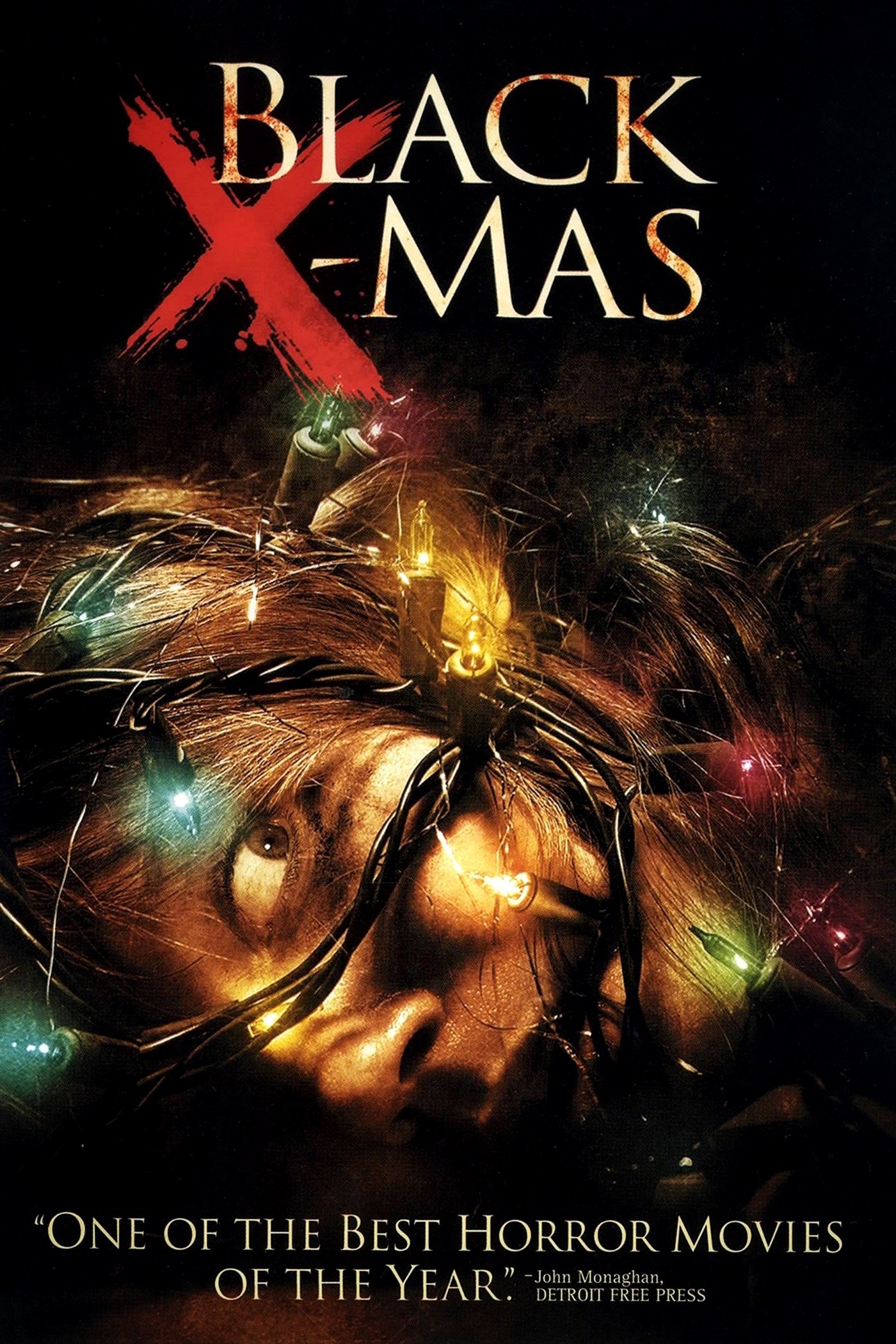
Show all 25 alternative titles Fekete karácsony (Hungary) — Hungarian חג מולד שחור (Israel) — Hebrew Black Christmas - Un Natale rosso sangue (Italy) — Italian ファイナルデッドコール 暗闇にベルが鳴る (Japan) — Japanese 블랙 크리스마스 (South Korea) — Korean Gritos en la oscuridad (Mexico) — Spanish Krwawe święta (Poland) — Polish Natal Negro (Portugal) — Portuguese Crăciunul negru (Romania) — Romanian Черное Рождество (Russia) — Russian Negra Navidad (El Salvador) เทศกาลฉลองเชือด (Thailand) — Thai Kara Noel (Türkiye) — Turkish 絕命聖誕夜 (Taiwan) — Chinese Чорне Різдво (Ukraine) — Ukrainian Black X-Mas (United States) — Marketing Title Black Xmas (United States) — Marketing Title

Trailers & Videos

1 video

Black Christmas (2006) Film Guide

Glen Morgan’s horror remake: its origins, Billy and Agnes mythology, Vancouver production, graphic effects, alternate theatrical versions, promotional footage and contemporary reception.

Black Christmas (2006) is an American-Canadian Christmas slasher written and directed by Glen Morgan, reworking Bob Clark’s influential 1974 film for the cycle of horror remakes that dominated much of the following decade. Its sorority-house setting, threatening telephone calls and killer concealed within the building preserve the original premise, but the new film greatly expands the murderer’s personal history and increases the visibility of the violence. Childhood abuse, bodily mutilation and an elaborate family relationship replace much of the uncertainty surrounding the killer in Clark’s version. The result belongs to a different moment in slasher filmmaking, with a greater emphasis on graphic death scenes and the physical vulnerability of its characters.

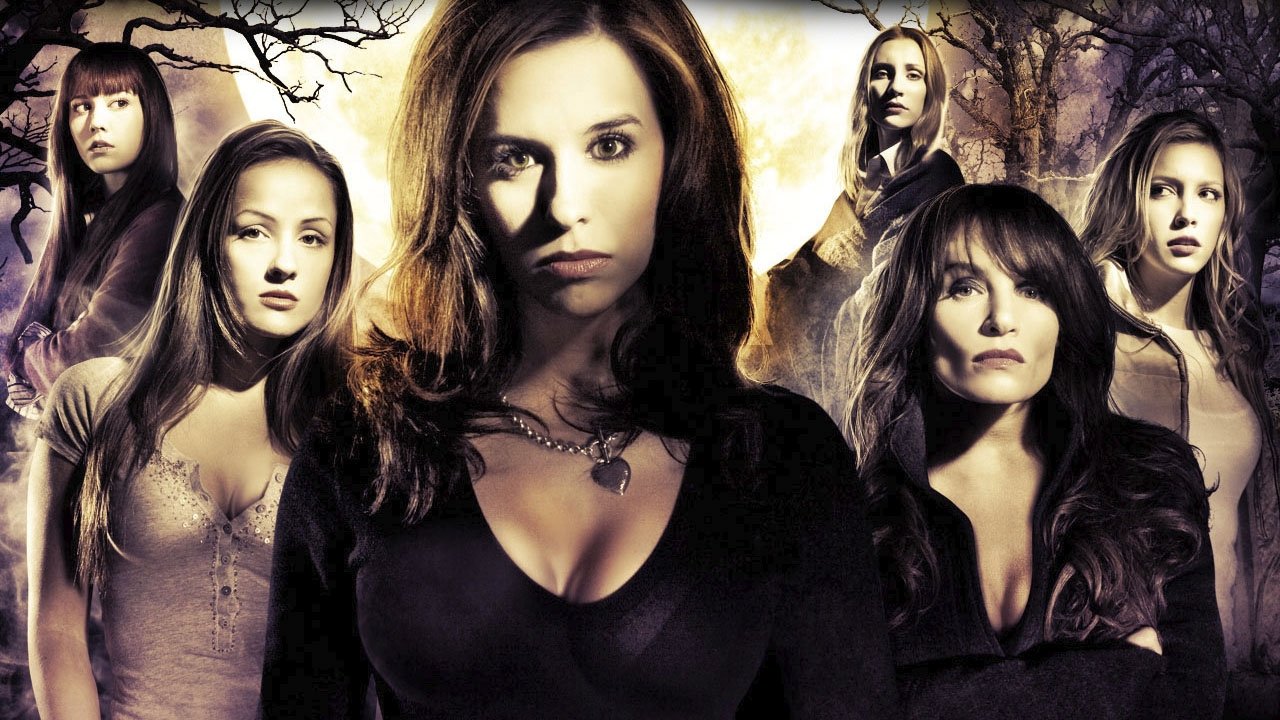
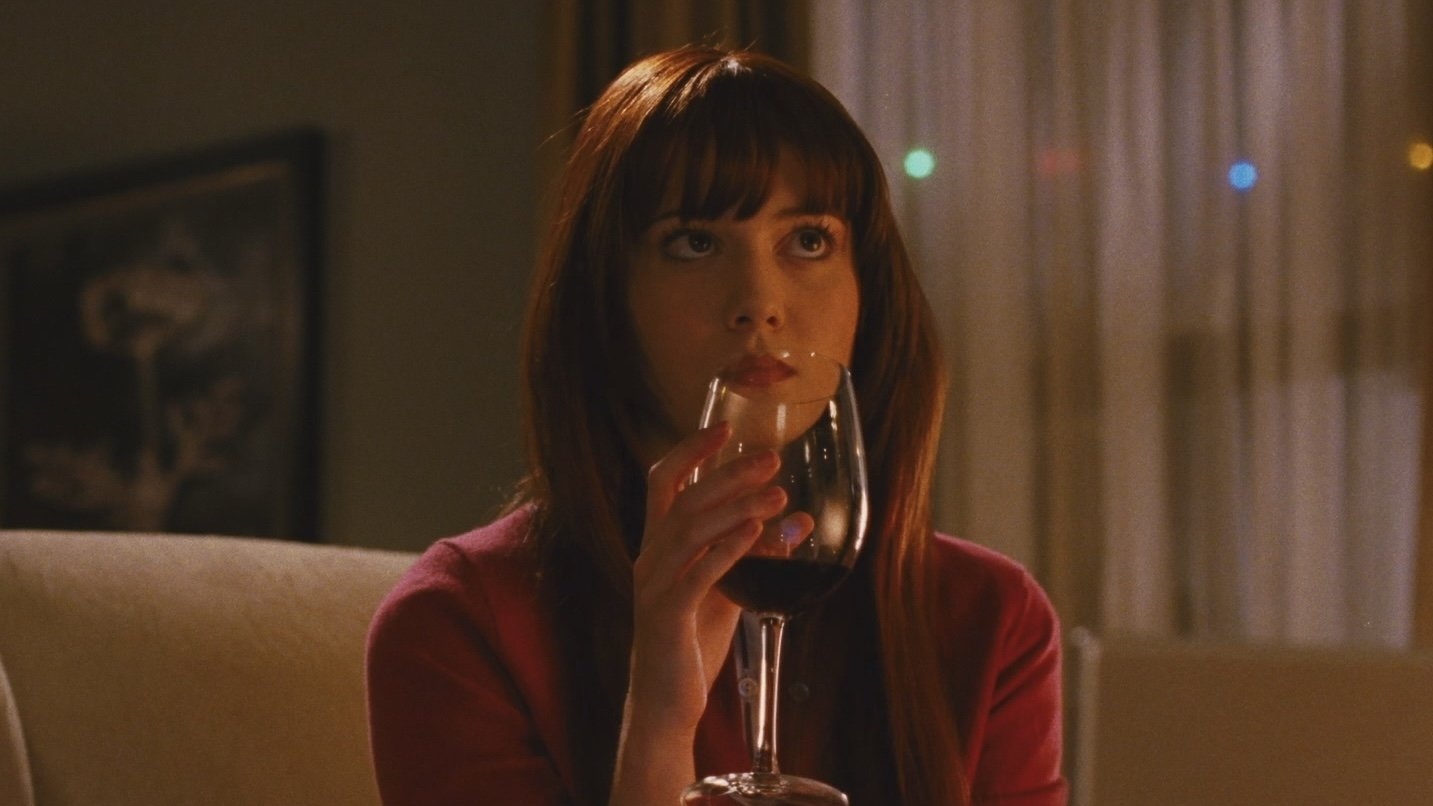
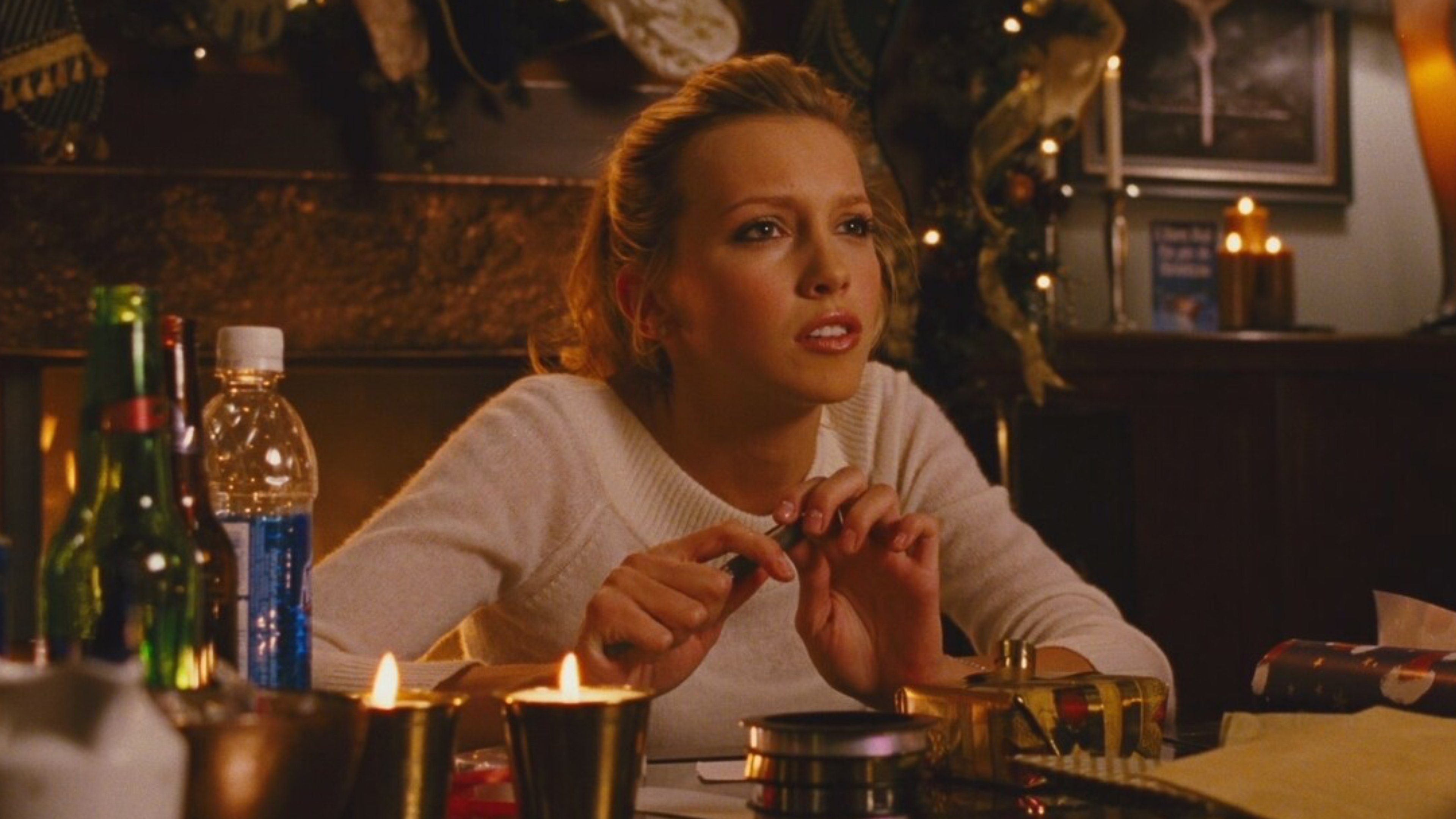
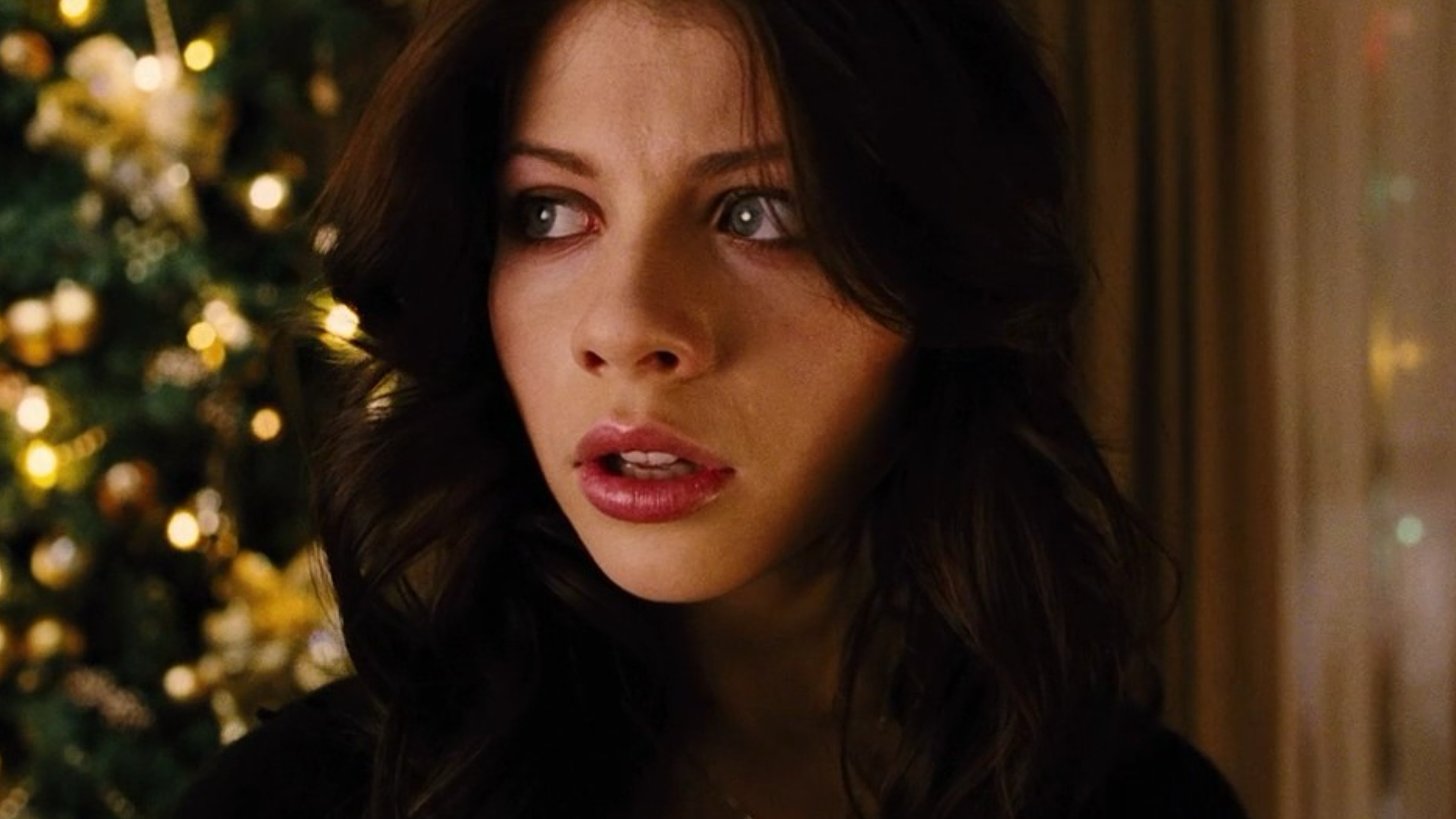
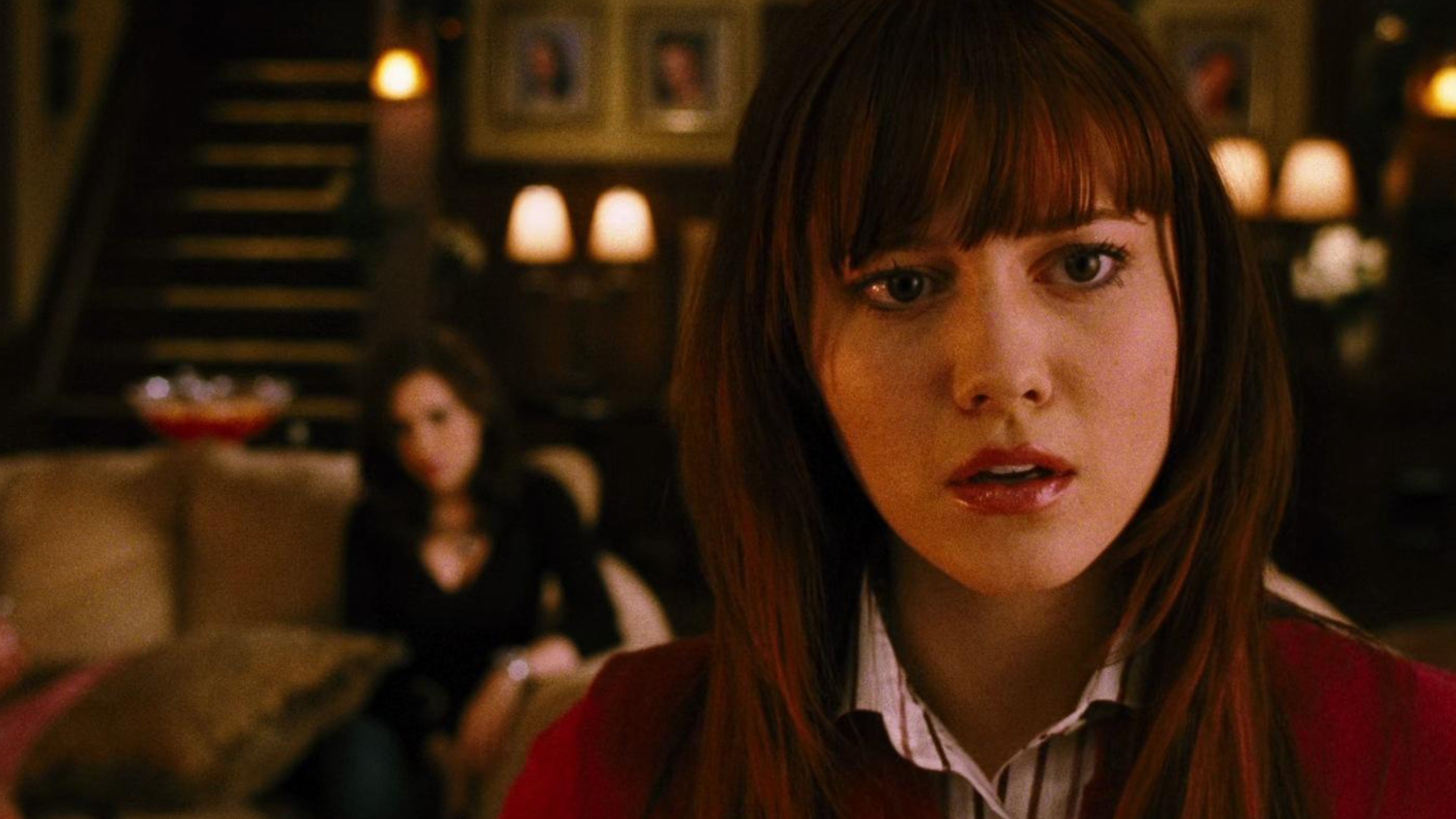
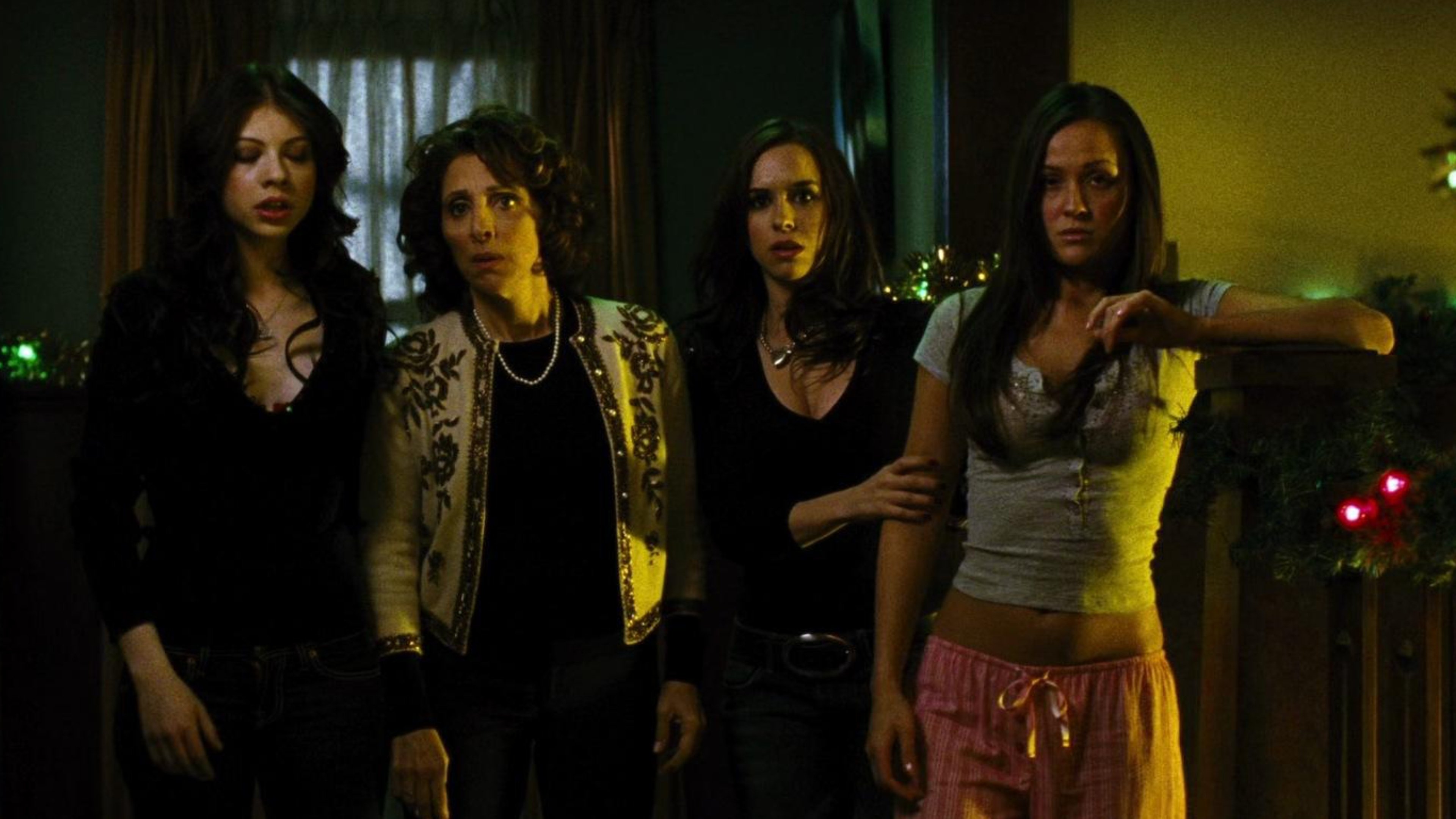
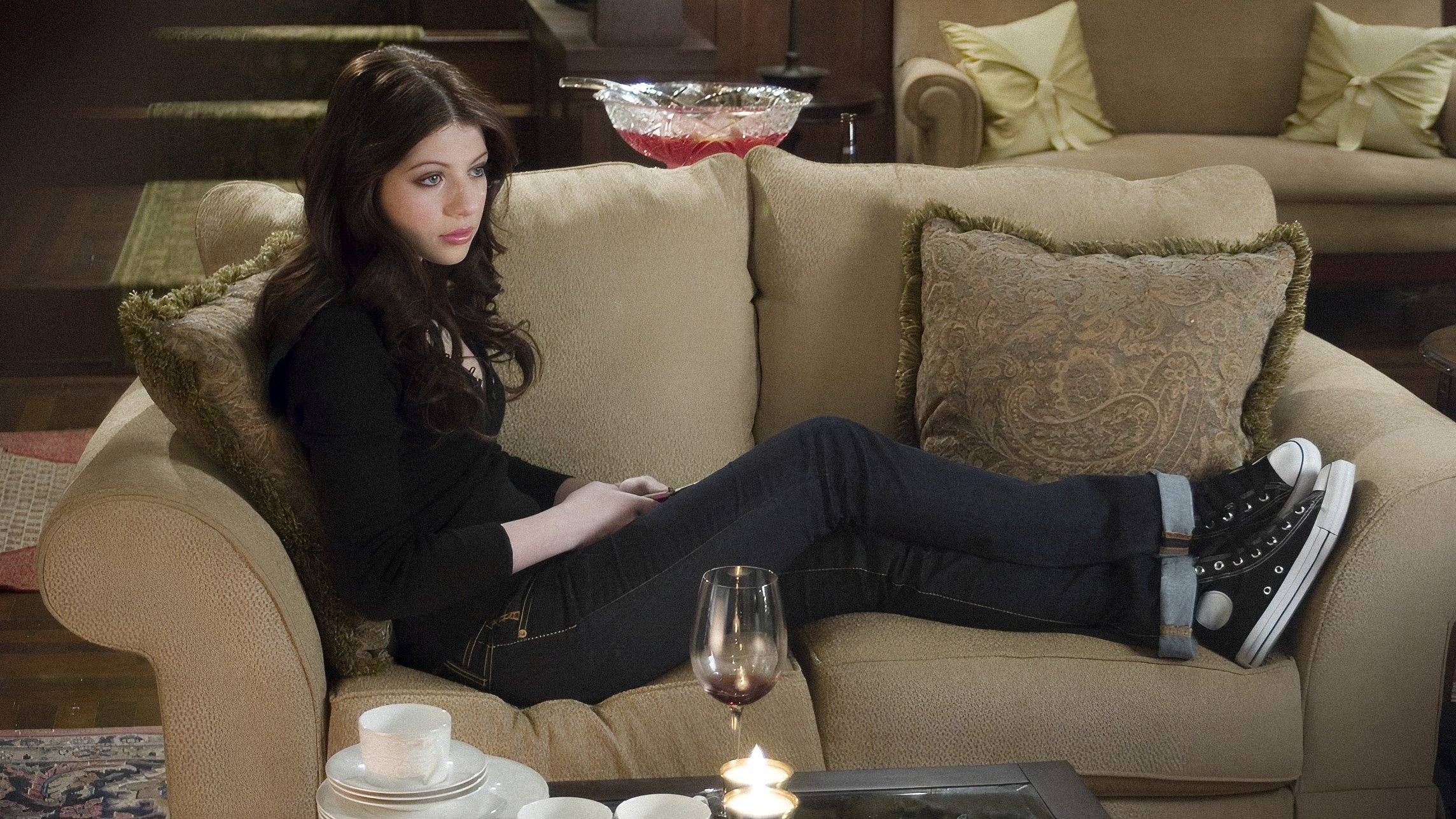
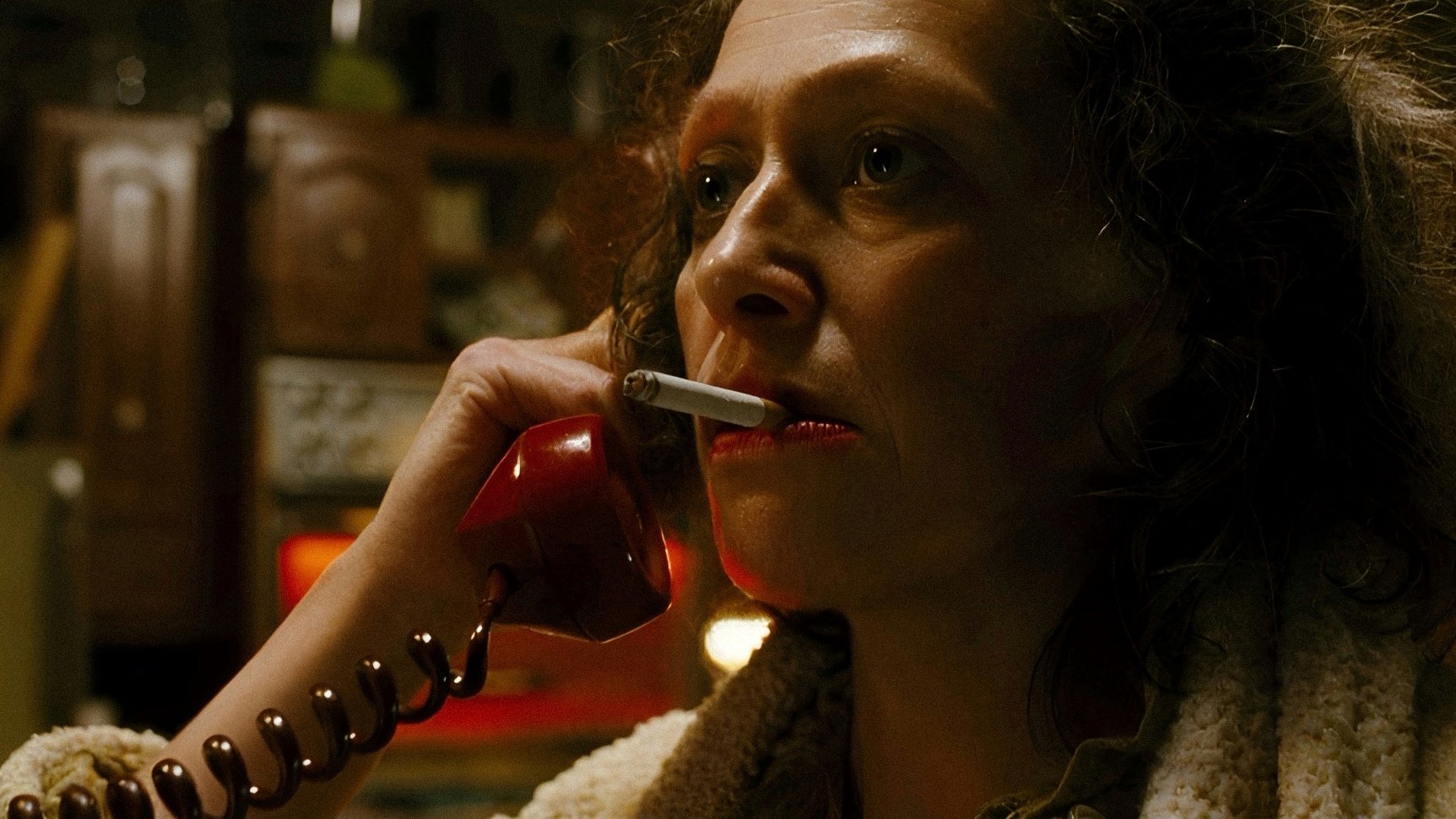
Katie Cassidy plays Kelli Presley, one of several young women spending Christmas at their sorority house during a snowstorm. Their gathering is disrupted by threatening calls and disappearances connected to Billy Lenz, a former resident who has escaped confinement. Michelle Trachtenberg, Mary Elizabeth Winstead, Lacey Chabert and Crystal Lowe appear among the occupants, while Andrea Martin, who acted in the 1974 film, returns in a different role as the housemother. Produced with the involvement of original director Bob Clark, the remake reached British cinemas on December 15, 2006, before opening in the United States on Christmas Day. Its production history is particularly notable for disagreements over the screenplay, competing theatrical versions and promotional scenes filmed independently of Morgan’s completed narrative.

Development and the Return to Black Christmas

The project emerged while Dimension Films was pursuing remakes of established horror properties. Morgan had previously directed Willard (2003) and worked extensively with producer James Wong on television and the Final Destination films. Their approach to Black Christmas was discussed with Bob Clark before the screenplay was completed. In a February 2006 interview with Dread Central, Wong explained that they wanted Clark’s approval and met with him to describe how the story could be updated. Clark offered ideas about Agnes, a name heard in the original film’s disturbing telephone calls, and subsequently served as an executive producer. Wong characterized his involvement as supportive rather than controlling.

The new production was developed around elements left unresolved in the 1974 film. Morgan and Wong believed that contemporary viewers would already recognize the revelation that threatening calls originated inside the victims’ house. Wong therefore wanted to expand Billy’s history and introduce a different relationship between the murderer and the women occupying the property. The earlier film’s Andrea Martin was cast as the new housemother, providing a direct connection between the productions. Morgan’s screenplay retained the Christmas setting and several familiar situations while constructing a substantially different explanation for the danger. The subsequent interventions of Dimension executives would complicate the question of which decisions originated with the filmmakers.

Billy, Agnes, and the Rewritten Slasher Narrative

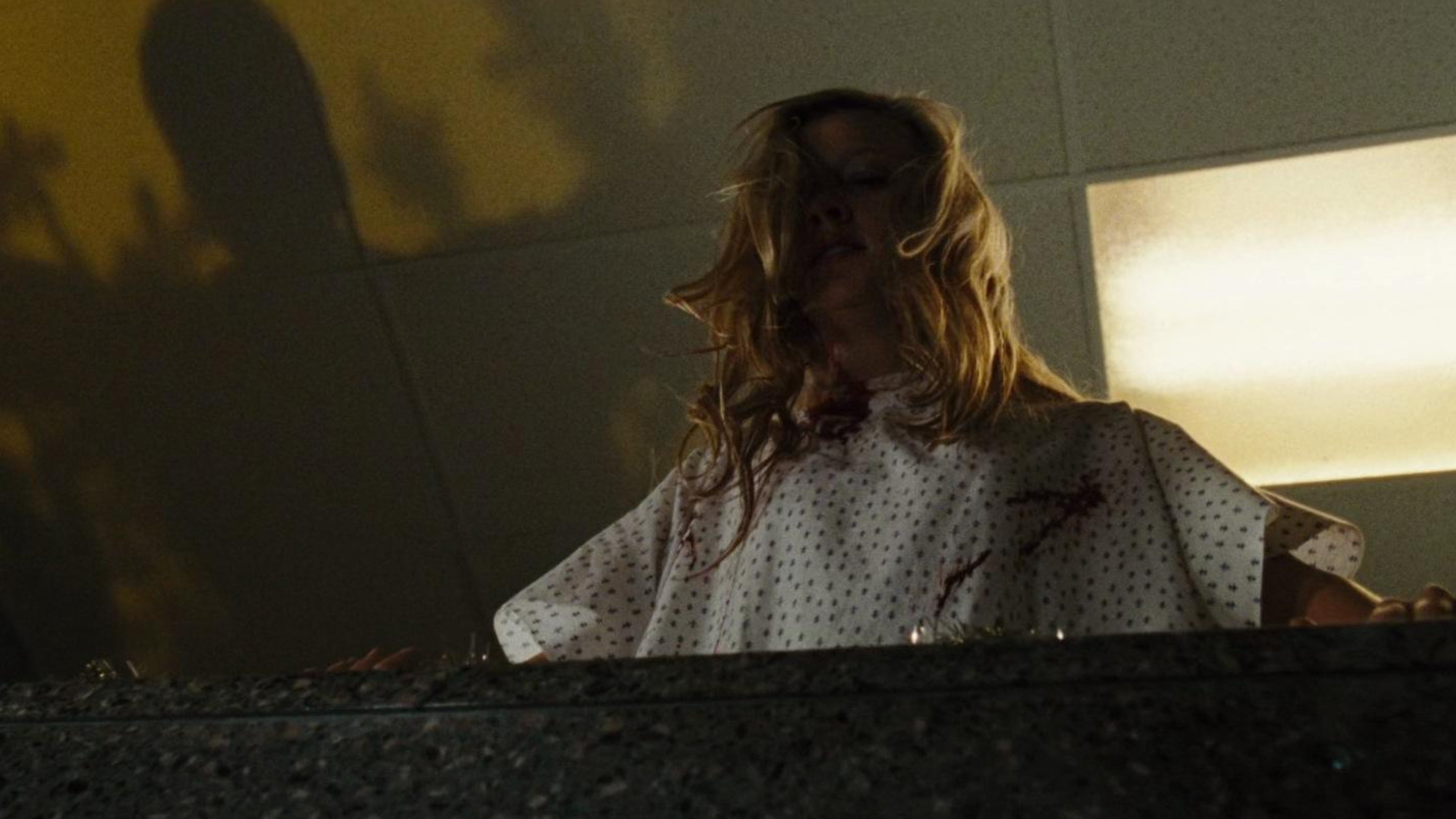
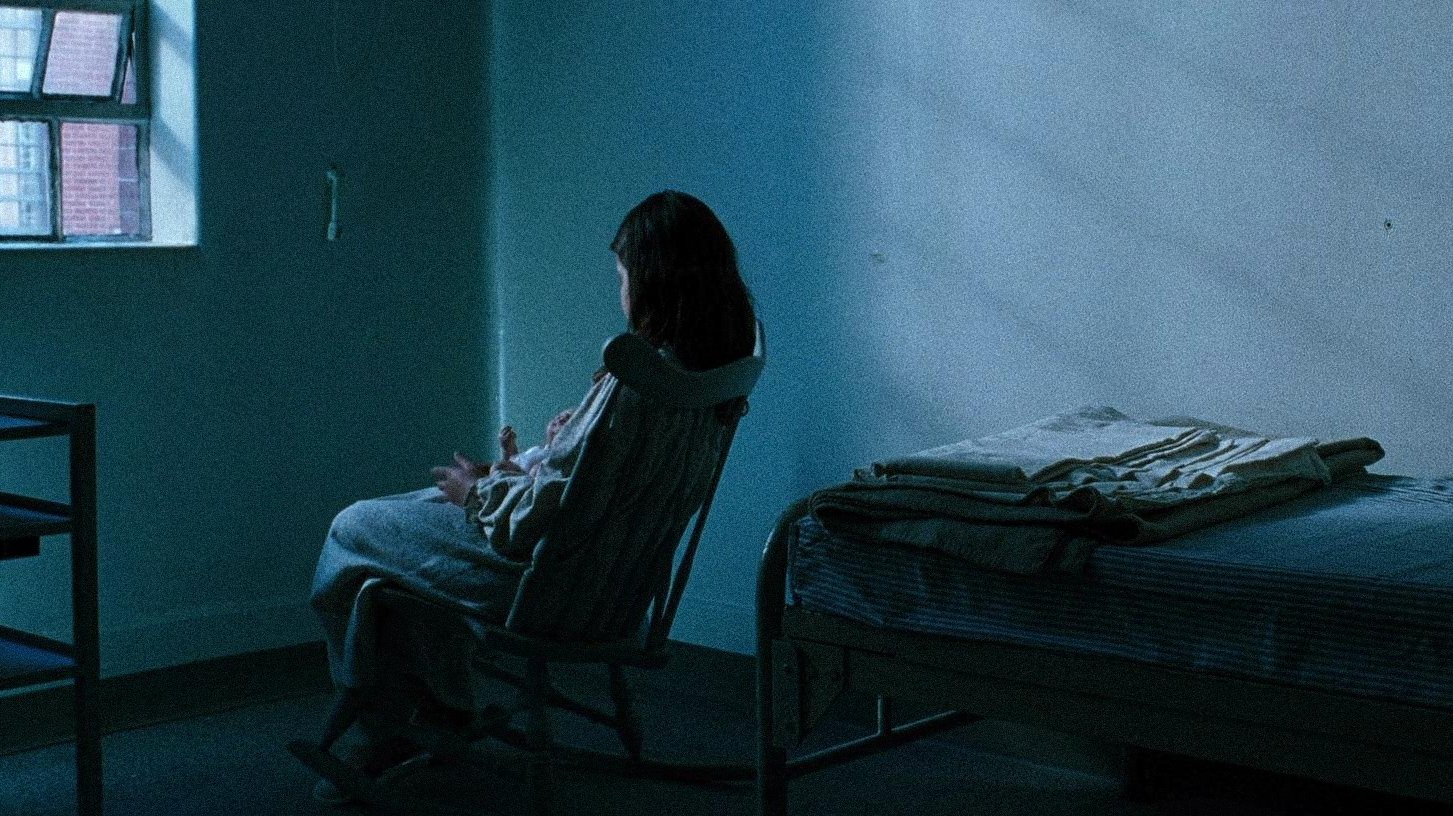
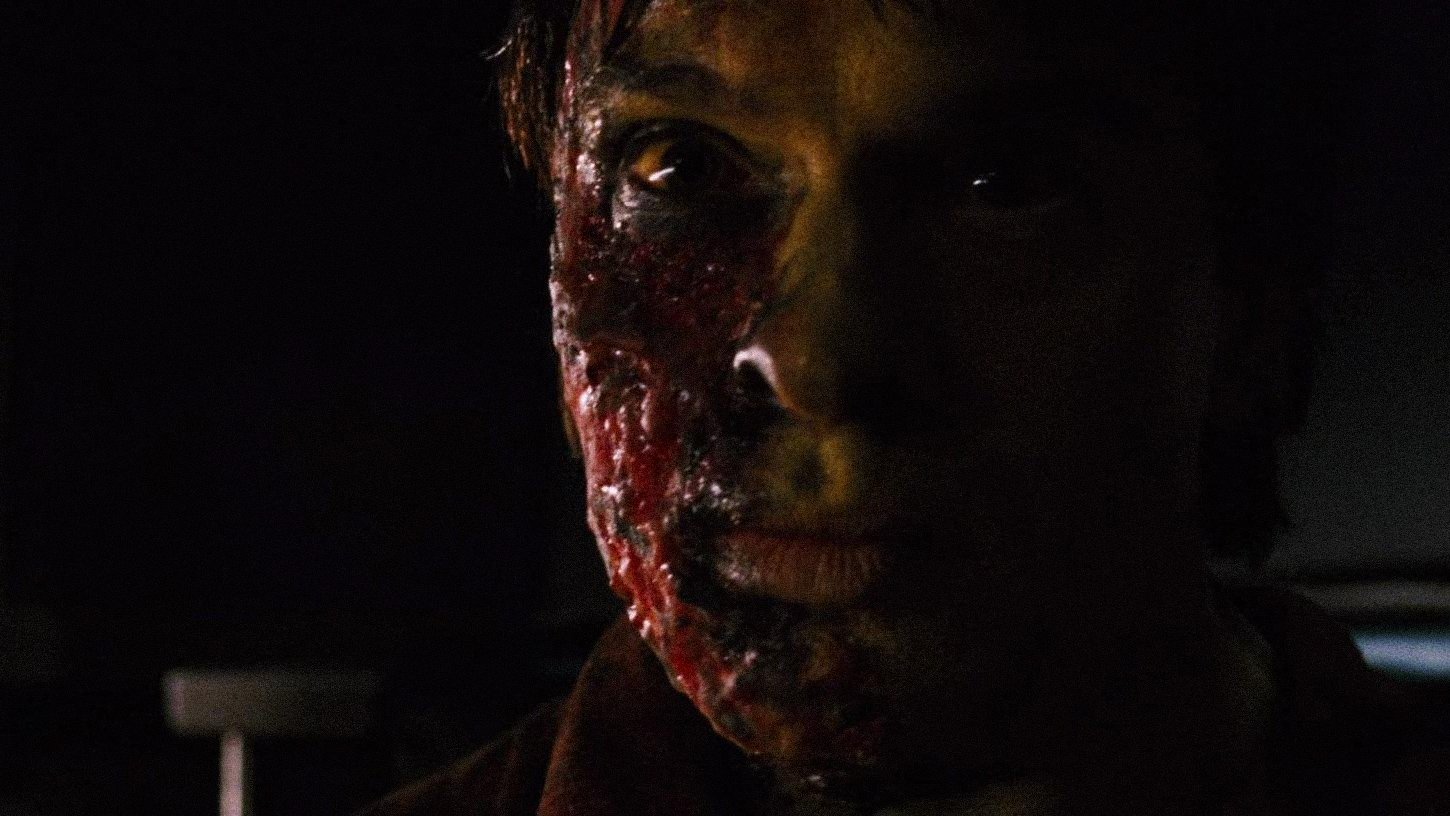
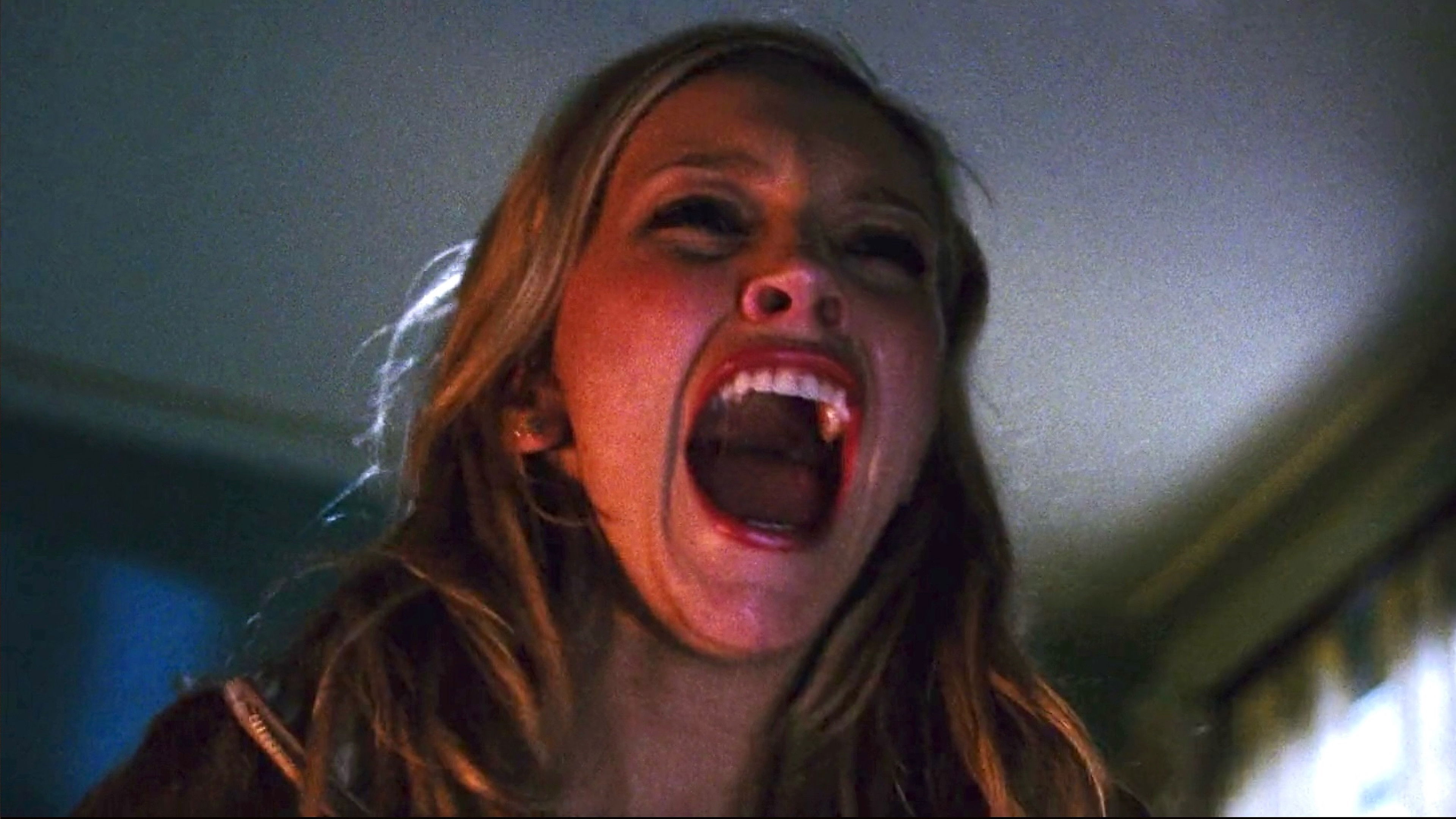
The remake provides Billy Lenz with a detailed childhood history. His mother’s abuse, his confinement in the attic and the murder of his father establish the house as the location of violence preceding the present-day killings. The story introduces Agnes through a grotesque family relationship and ultimately reveals a second murderer. These developments alter the function of the killer from the original Black Christmas, where the obscene caller’s identity and history remain largely inaccessible. In the remake, flashbacks invite the audience to interpret present events through information withheld from the sorority residents. Billy’s conspicuously yellow appearance and the physical condition of Agnes also give the antagonists a recognizable visual identity.

The decision to reveal so much information became one of the film’s principal points of critical disagreement. Morgan later attributed the requirement for two killers to Dimension executives, explaining that the studio wanted changes to the story and its commercial presentation. That testimony distinguishes the finished screenplay from his preferred approach, although the released film remains the product of the complete production process. The relationship between Billy and Agnes also changes the significance of the house: it is simultaneously a former family residence and the current home of young women who have inherited its violent history without knowing it. The succession of disappearances gradually connects those two periods.

The contemporary characters are organized around a holiday gathering interrupted by fear and mutual suspicion. Kelli becomes the principal survivor, while Melissa, Heather, Dana and the other residents respond differently to the threatening calls. Kyle, Kelli’s boyfriend, supplies a possible human suspect through his behaviour and personal conflicts. Modern mobile telephones update the communication device that was central to Clark’s film. Wong specifically described calls appearing to originate from a previous victim’s telephone as part of the attempt to adapt the original mechanism to contemporary technology. The change preserves an important source of uncertainty even as the murderer’s broader history becomes familiar to the audience.

Production Design, Winter Setting, and Cinematography

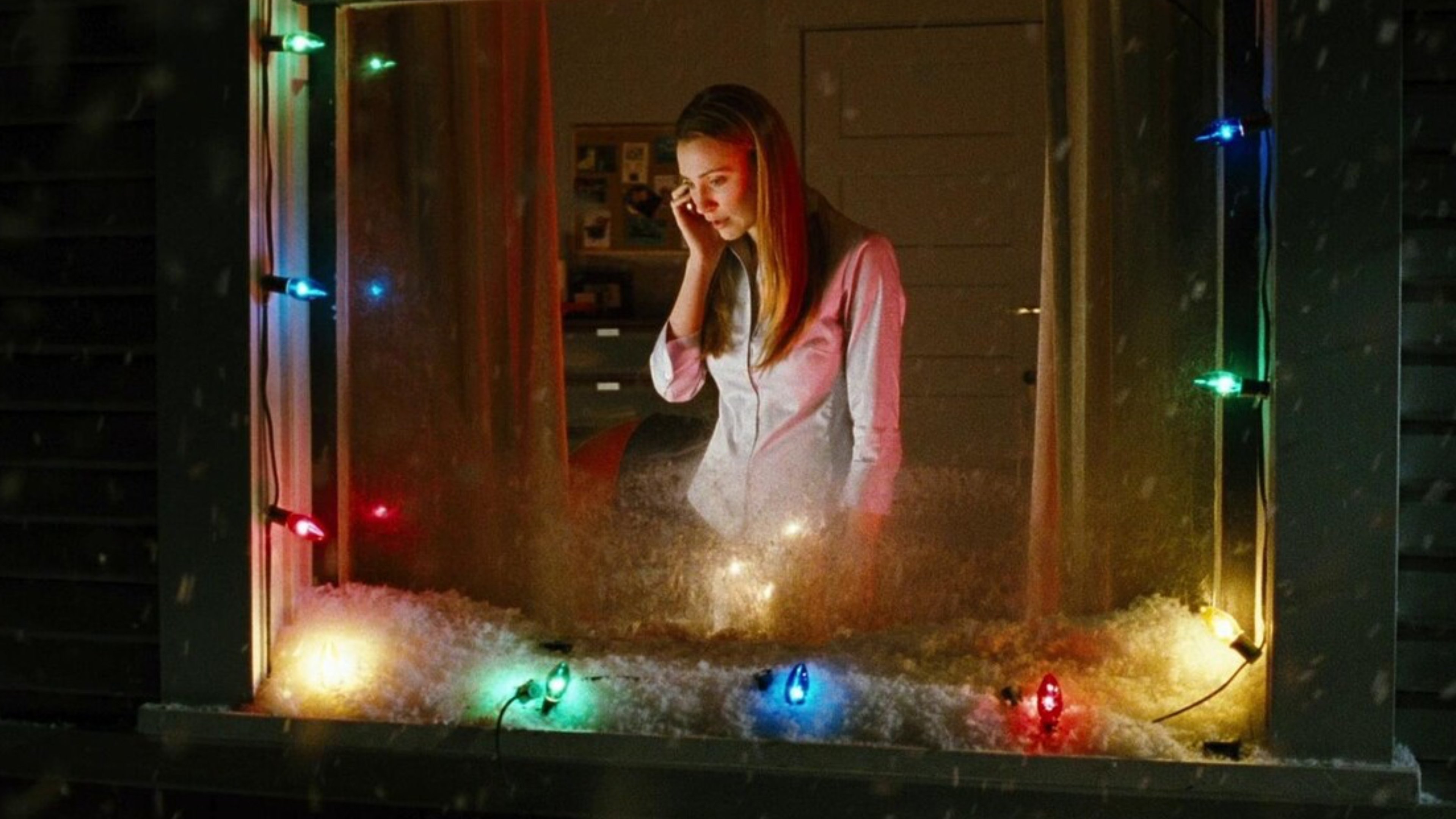
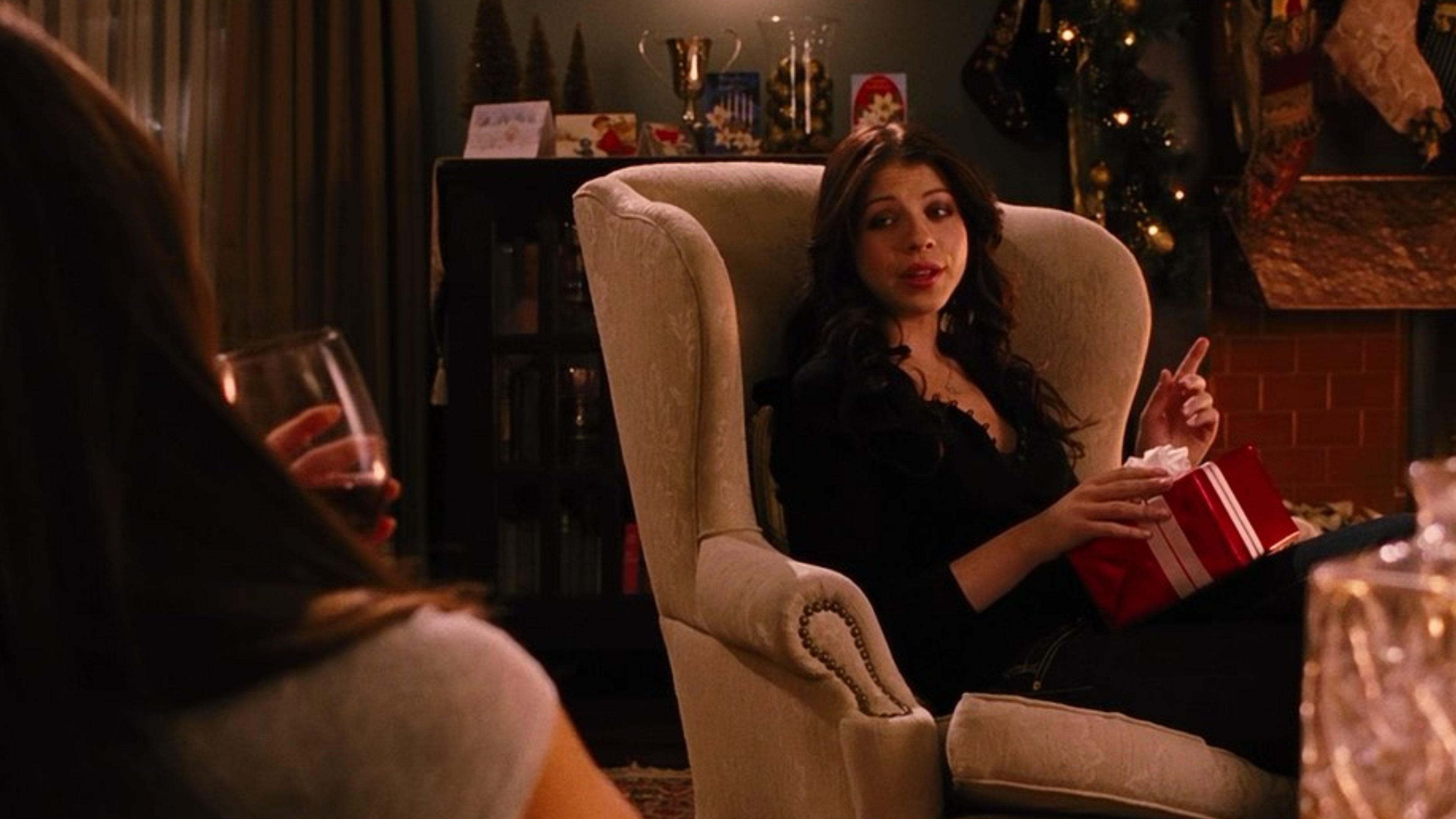
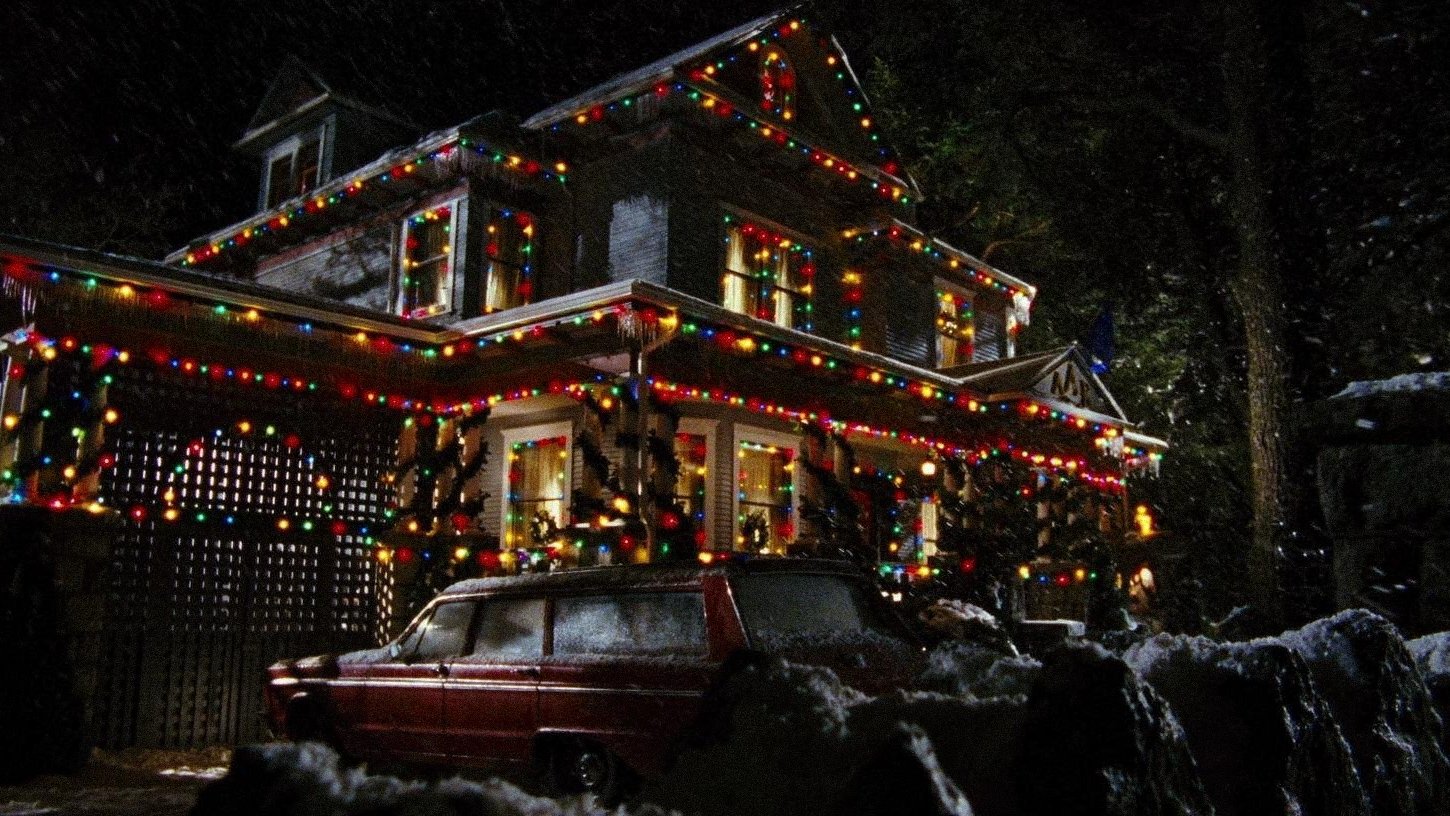
Principal production took place in Vancouver, British Columbia, where the crew reconstructed the sorority interiors on a soundstage. A contemporary production report published by Everyeye described the studio recreation of a substantial older house, matched to exterior locations that required artificial snow. The decision made extensive interior filming possible while maintaining the appearance of a large residence isolated by winter weather. The original film’s sorority building had provided a similarly important physical environment, but Morgan’s version greatly increases the presence of Christmas decorations within that space. Its rooms contain brightly illuminated ornaments, coloured lights and seasonal objects that become involved in the killings.

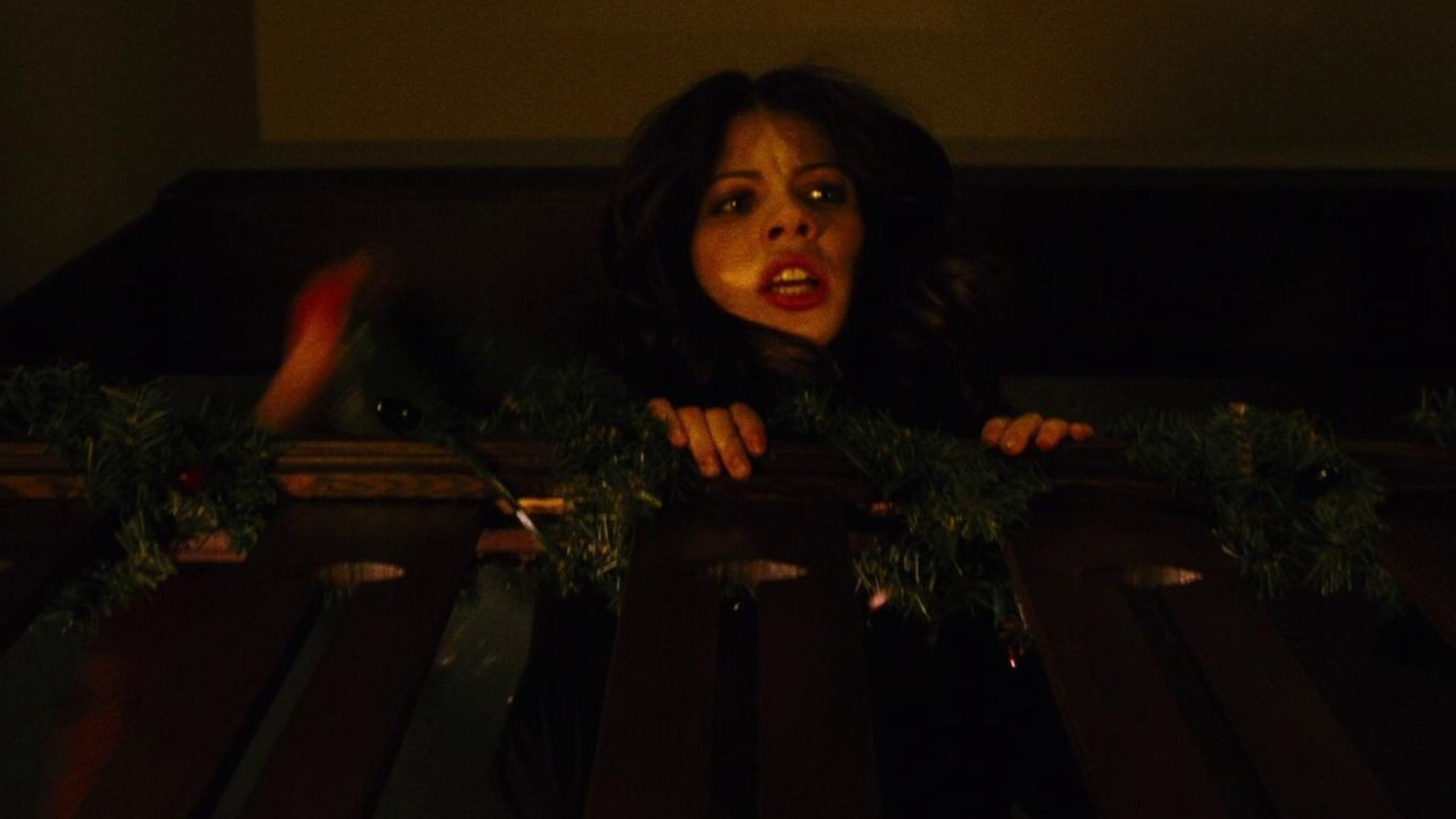
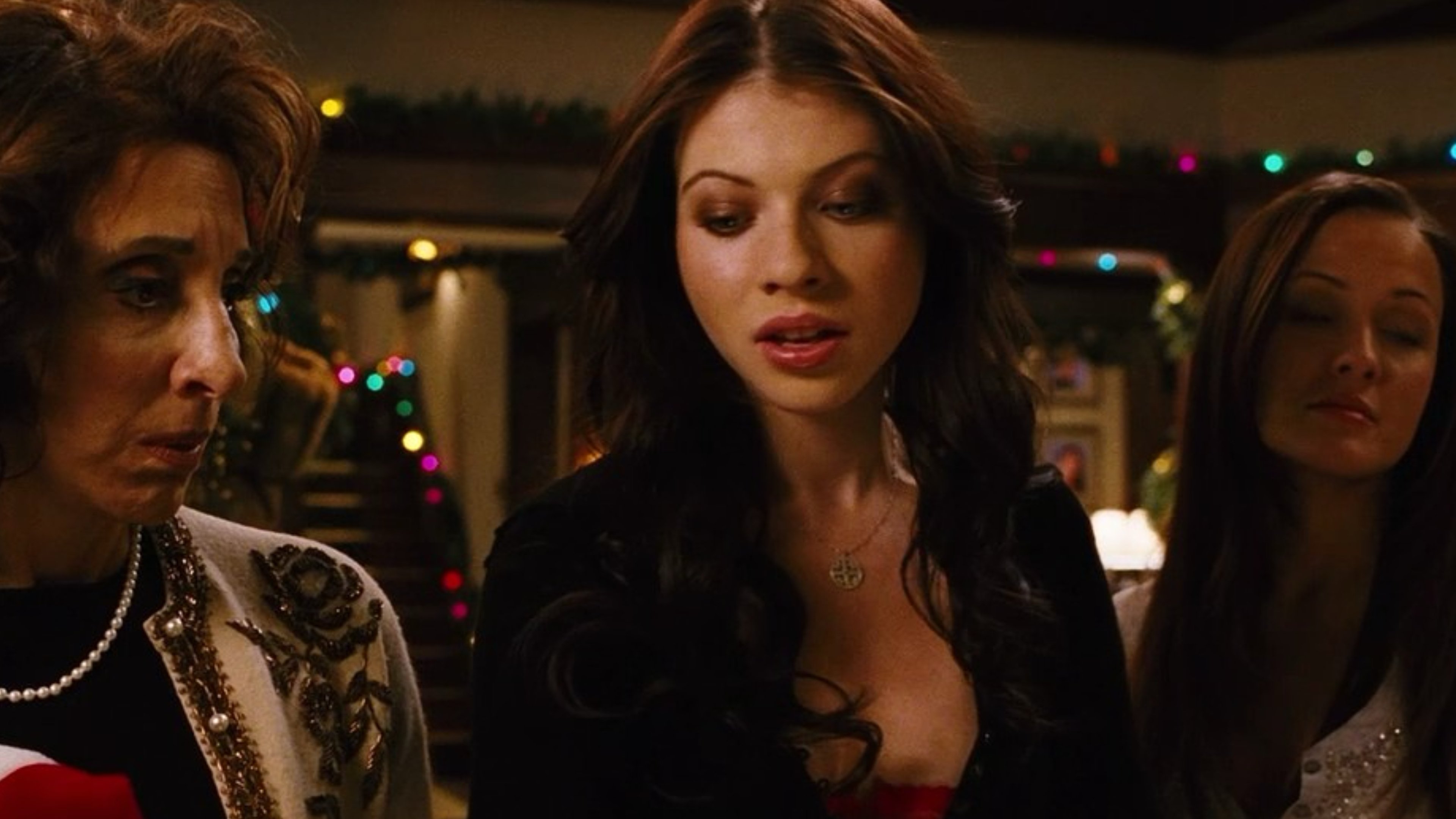
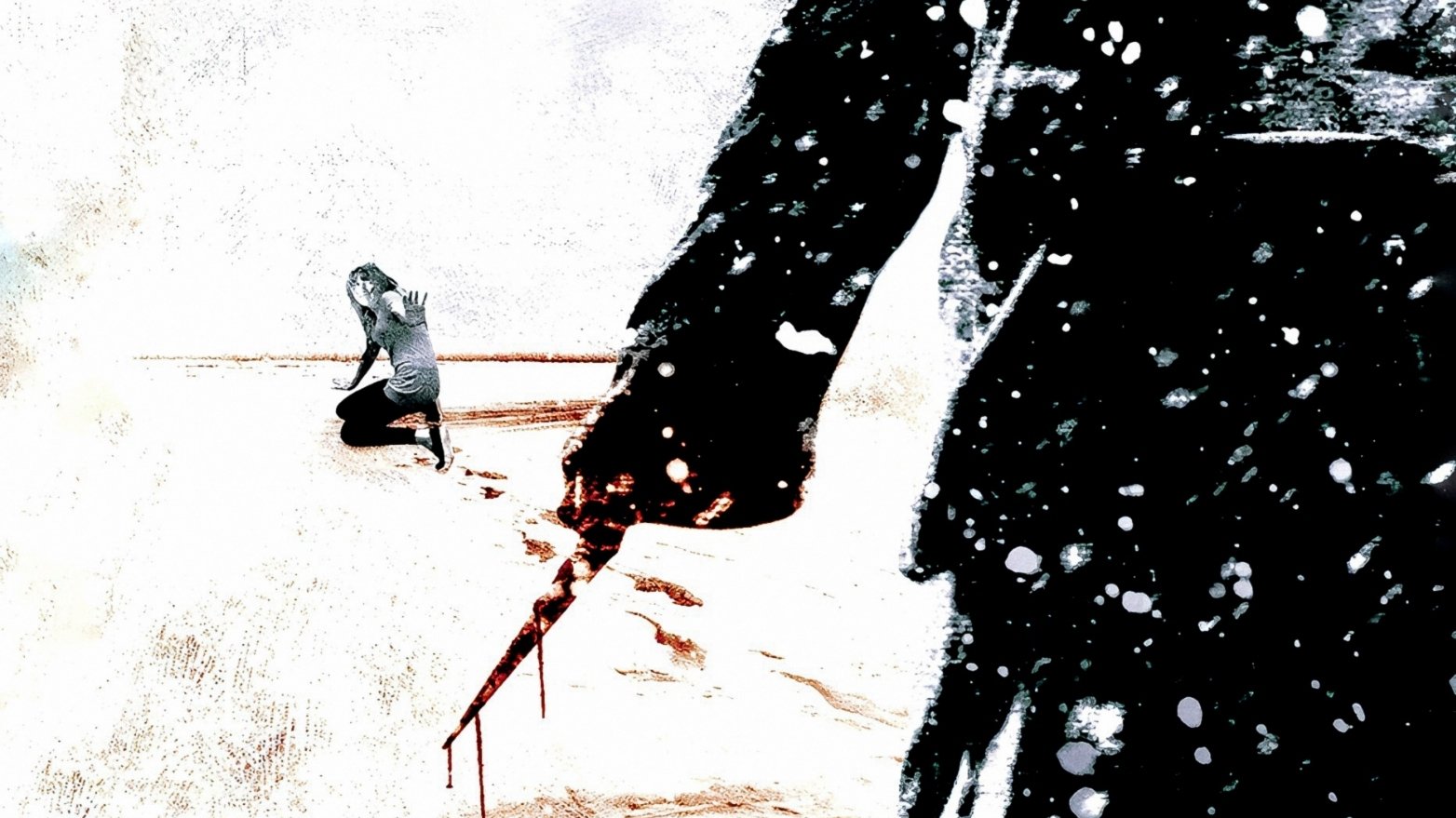
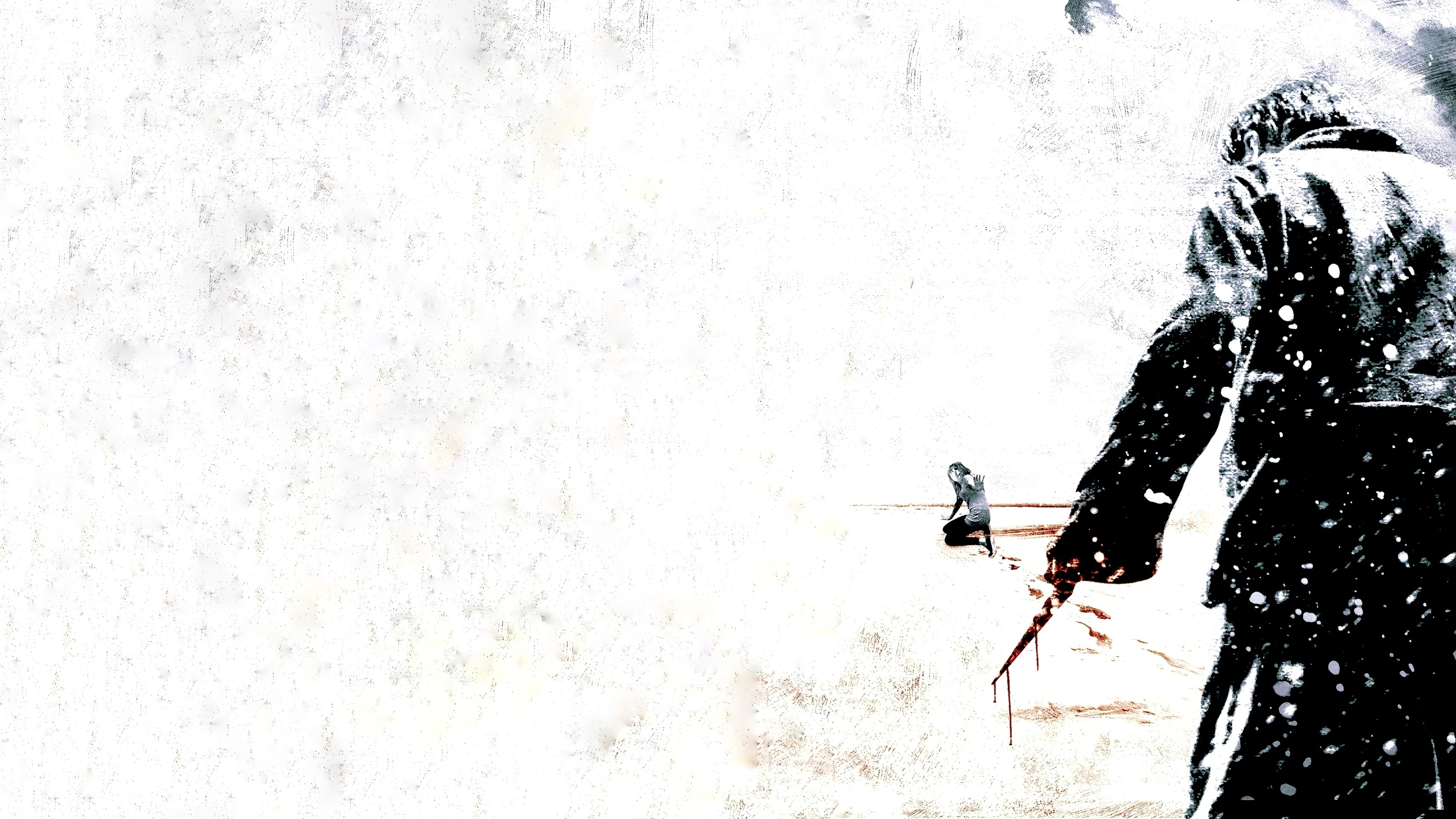
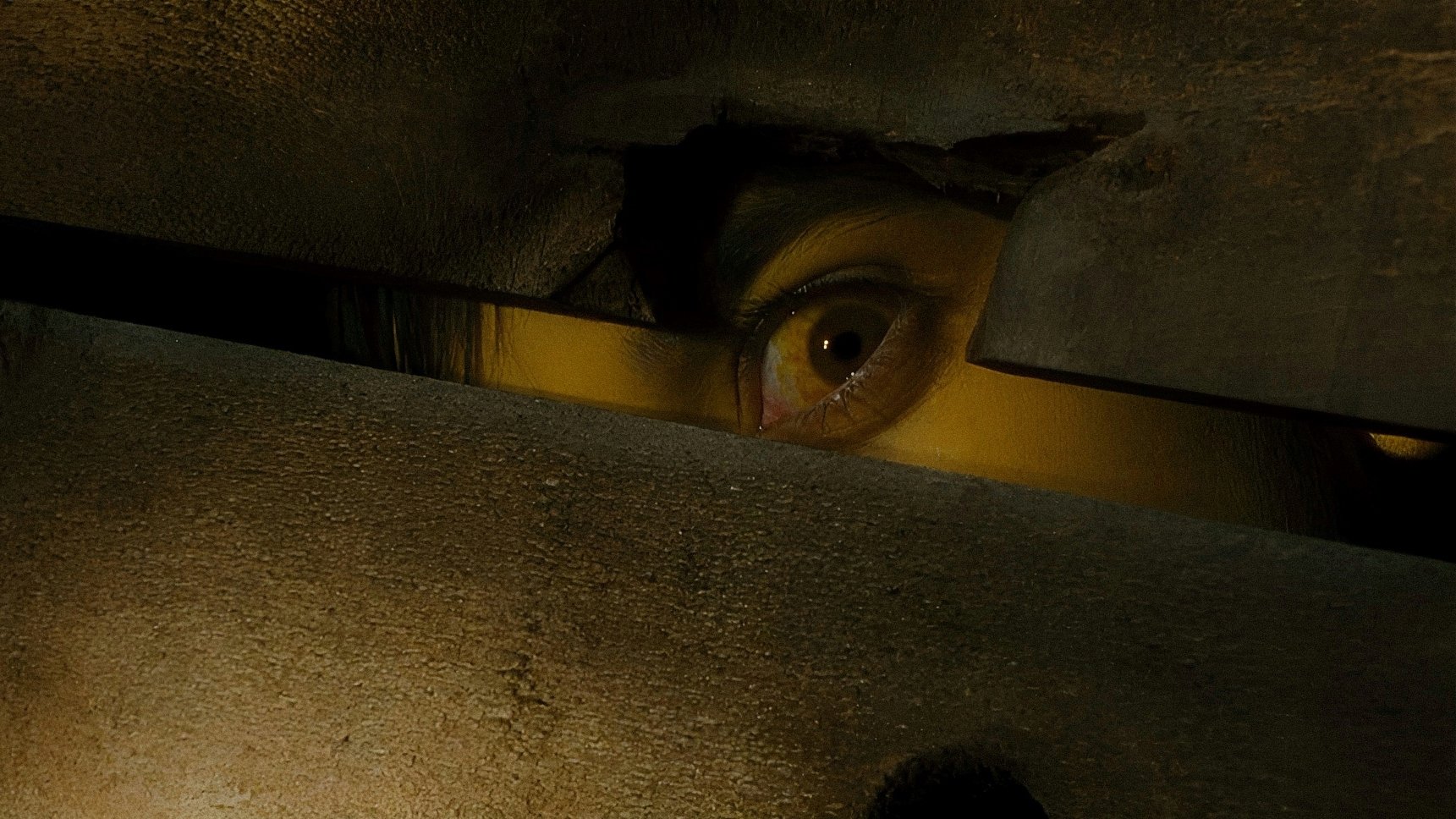
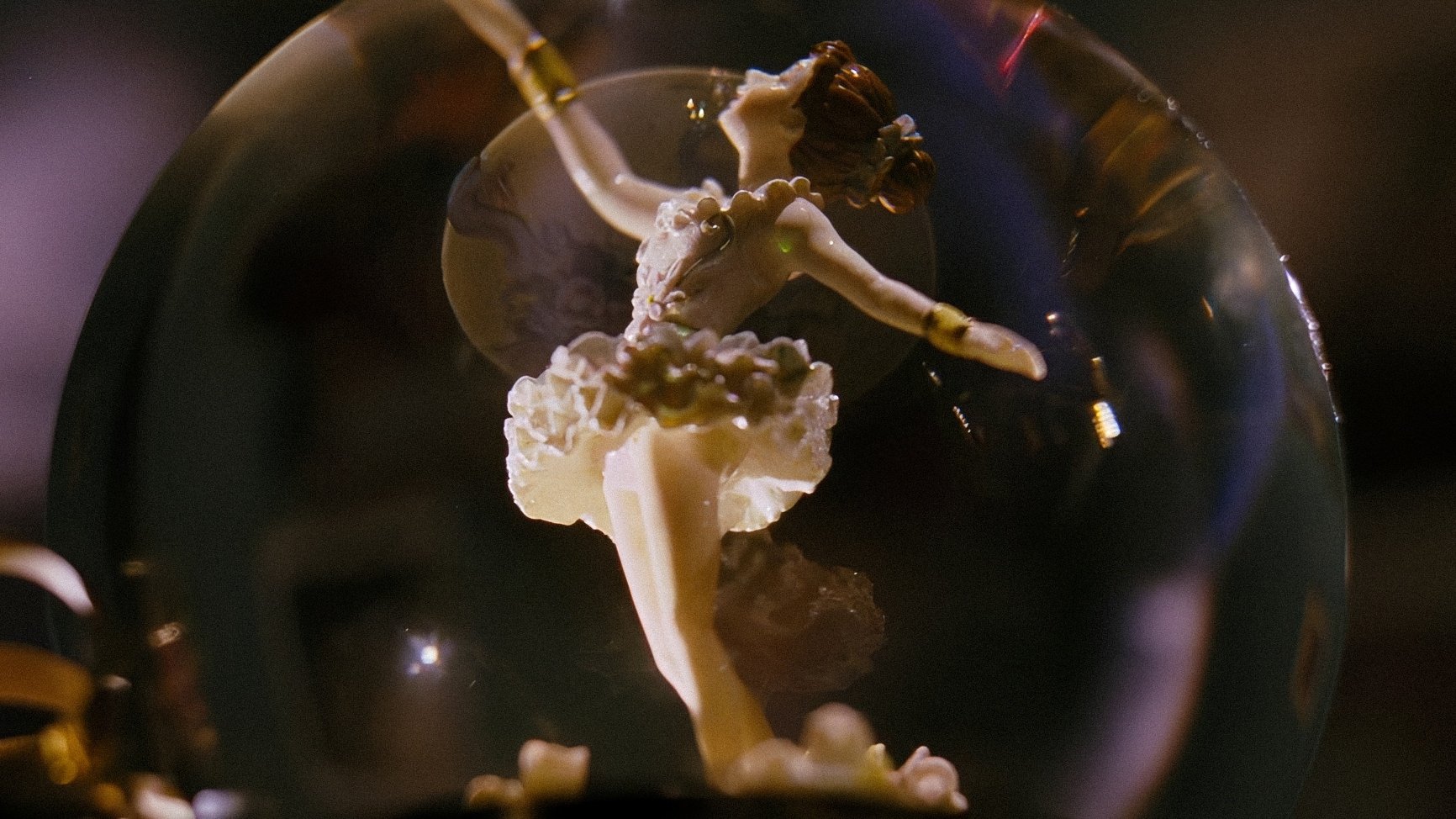
Robert McLachlan’s cinematography emphasizes the contrast between colourful domestic decoration and the dark spaces occupied by the attackers. The attic, ceiling cavities and corridors repeatedly conceal movement from the characters below. The camera can approach from elevated positions, look through openings or follow an apparently empty passage before revealing a threat. Red Christmas lighting and reflective ornaments contribute to the visual density of rooms already crowded with furnishings and decorations. These details give the film a different appearance from the comparatively restrained interiors of the 1974 version. The holiday environment remains continuously visible, even during scenes whose action is primarily concerned with pursuit or escape.
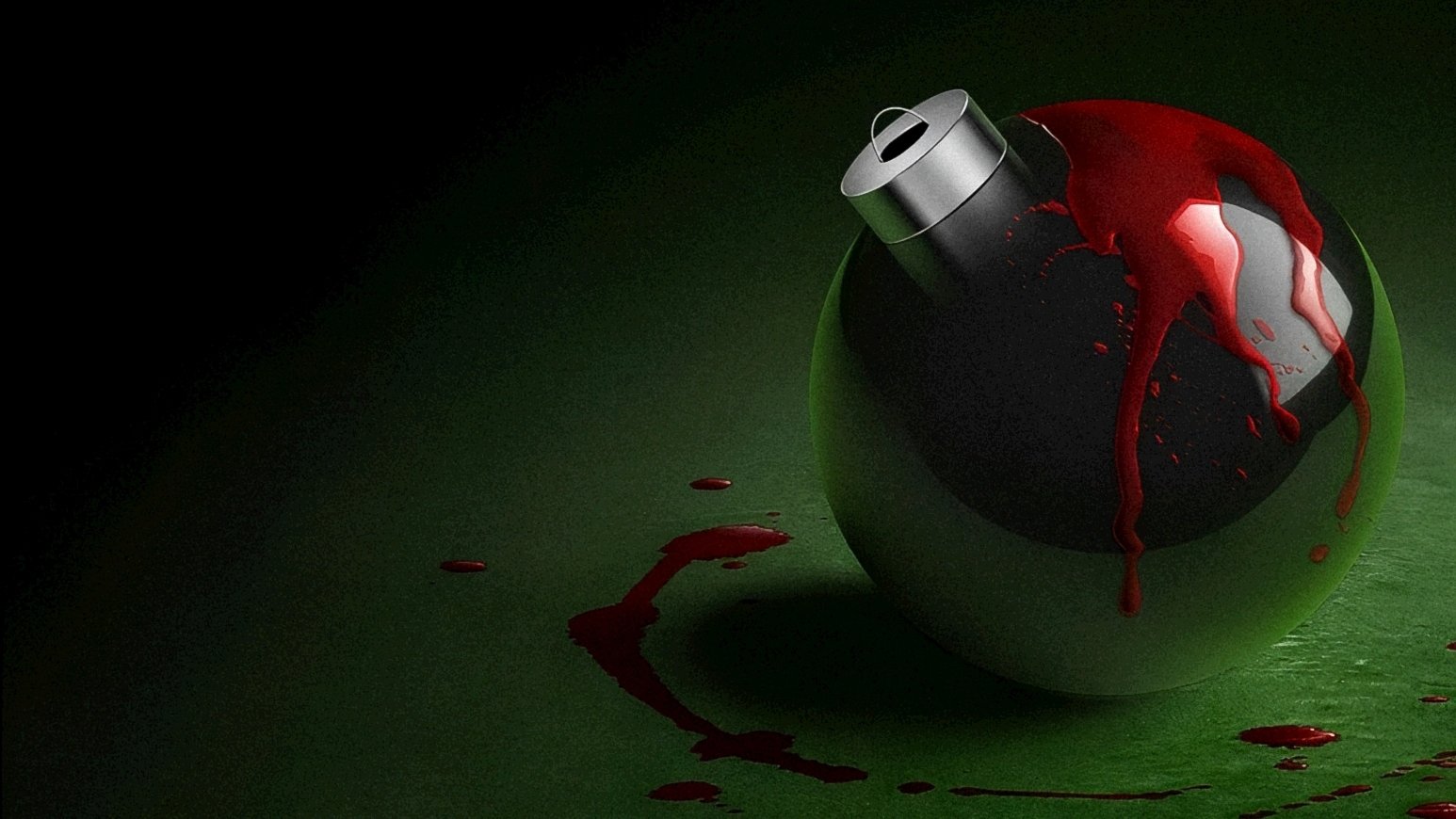
The rebuilt house also permits movement between floors and hidden spaces, allowing the attackers to circulate through a building the residents assume they understand. This spatial arrangement is crucial to the recurring disappearance of characters and the discovery of bodies. Director Morgan’s use of sudden movements and abrupt visual revelations corresponds to a more aggressive style of contemporary theatrical horror. In supplementary interviews examined by later DVD reviewers, he acknowledged incorporating additional sudden scares despite his personal reservations about the device. The final photography and editing consequently combine elaborate atmospheric preparation with short, forceful interruptions designed to produce immediate reactions.

Graphic Violence, Practical Effects, and Sound

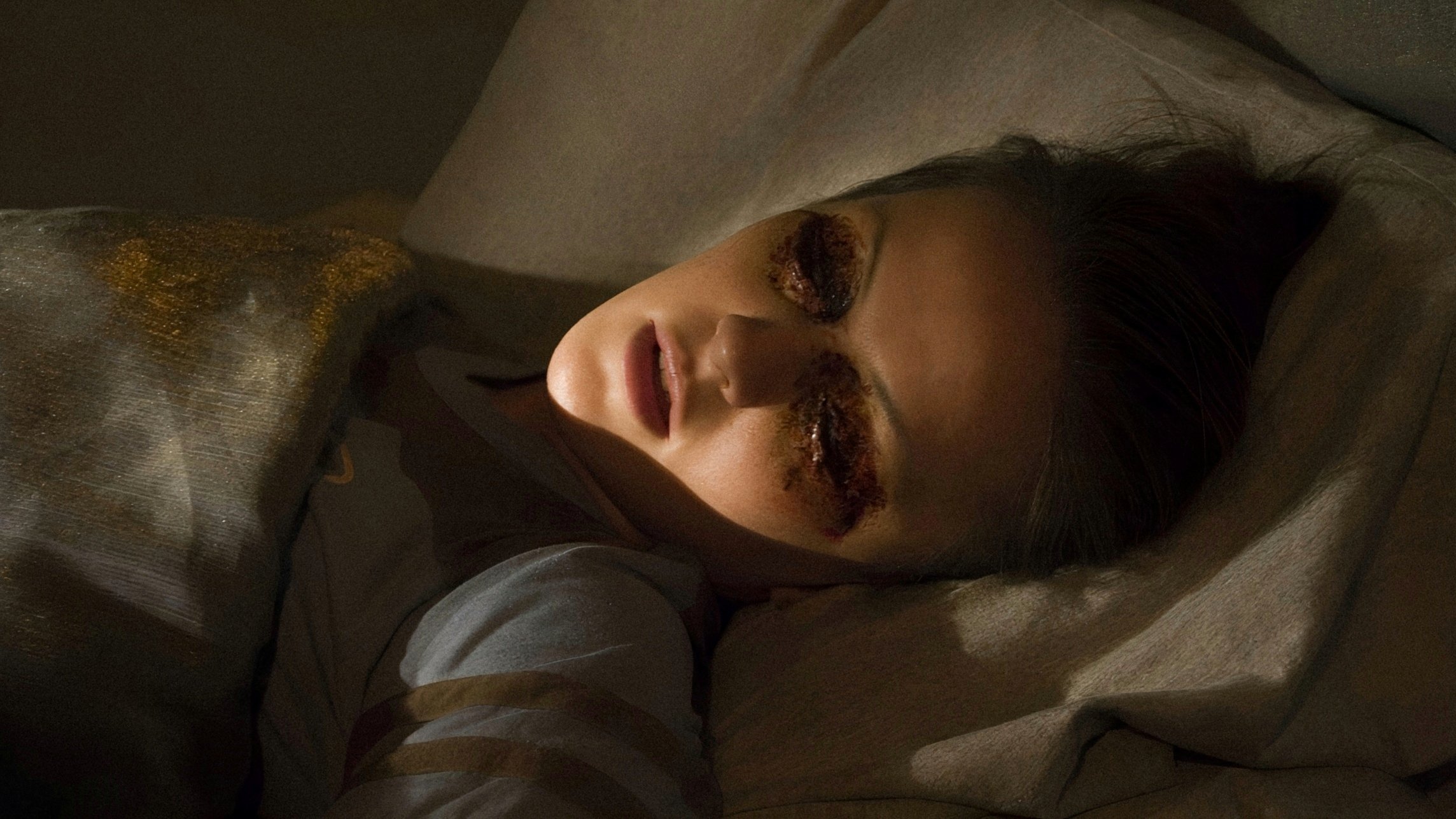
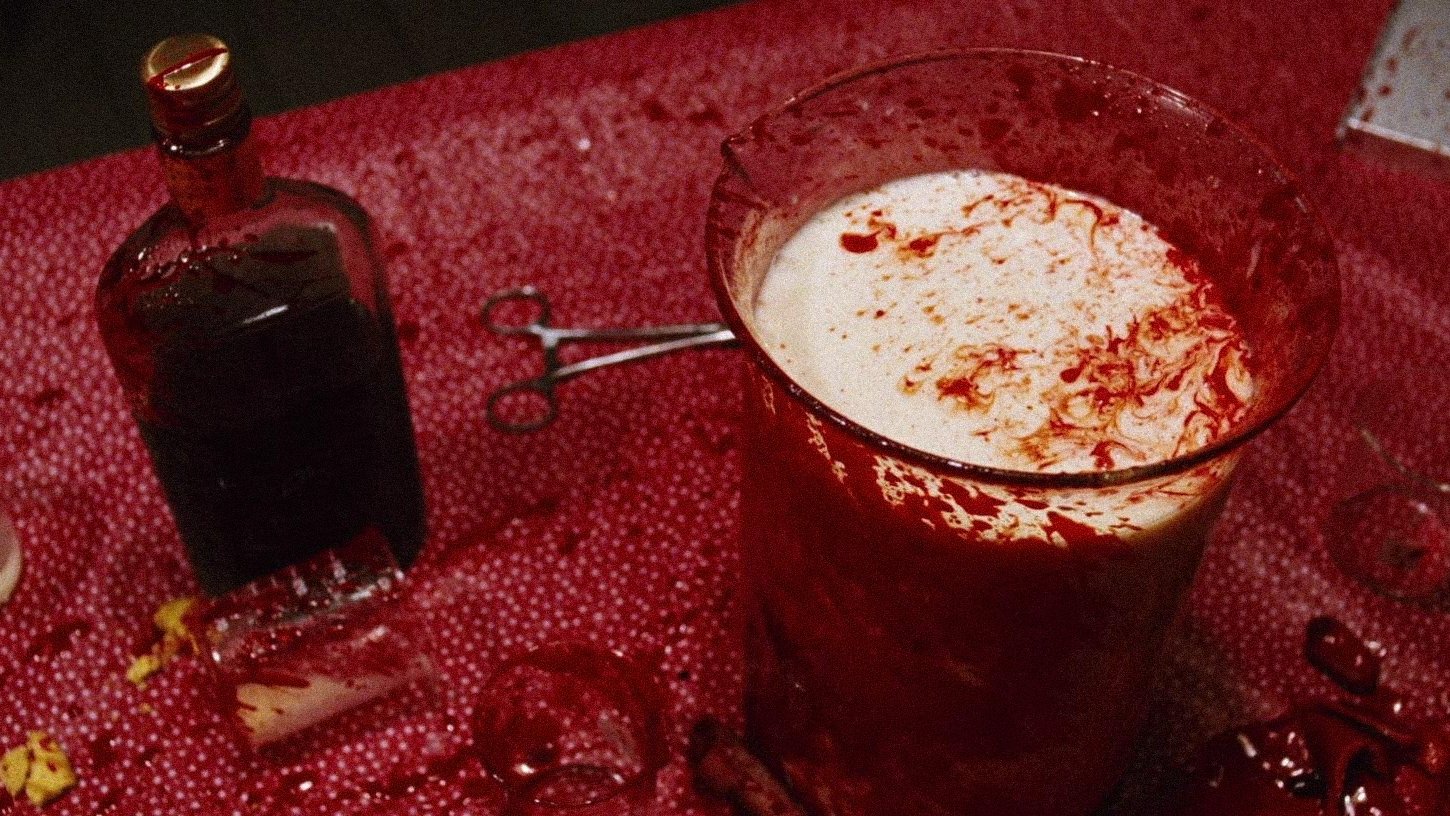
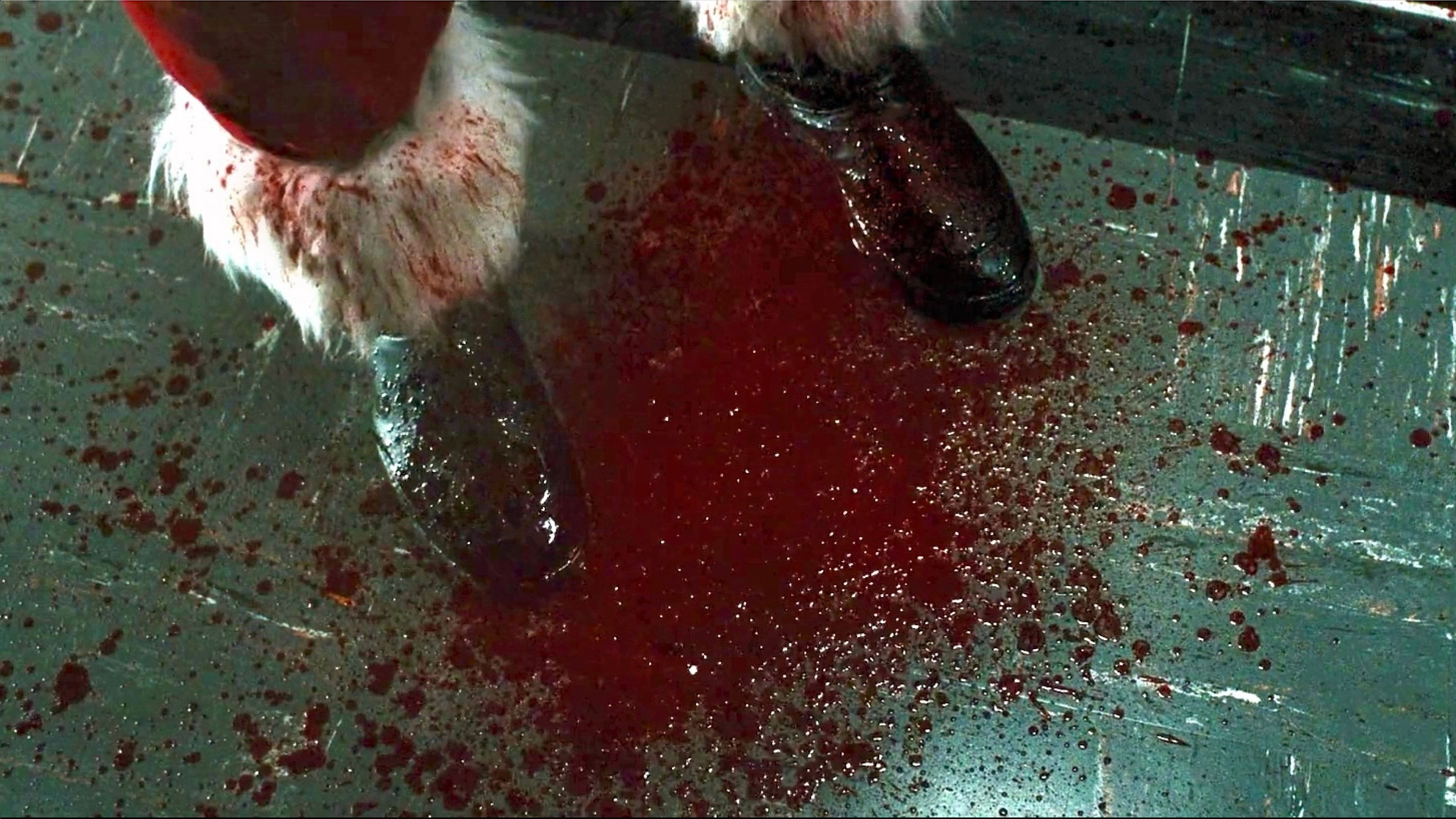
Black Christmas uses unusually explicit bodily injuries to distinguish its murders. Eyes become a recurring object of violence, while improvised weapons include Christmas decorations, domestic utensils and sharpened seasonal objects. The killings are staged around the physical properties of the house and the holiday objects within it. An icicle, a candy cane and decorative lighting can become dangerous through their placement and manipulation. Such incidents resemble the elaborate chains of injury associated with the Final Destination films, although the immediate cause here is deliberate human aggression. The emphasis on exposed injuries also marks a substantial change from Clark’s comparatively restrained presentation of bloodshed.
The production employed prosthetic makeup and physical injury effects alongside editing and additional visual manipulation. The killers’ distinctive appearances required makeup, while scenes involving damaged bodies and removed eyes depended on constructed effects. Contemporary reviewers frequently singled out the film’s repeated ocular injuries, particularly their deliberately excessive presentation. The violence also had a contested production history. Morgan stated retrospectively that the Weinstein executives pressed for more gore and a sillier tone than he had intended. His account establishes a disagreement over the desired intensity; it does not justify assigning every particular effect or violent scene exclusively to a studio instruction.

Shirley Walker composed the original score, extending her previous working relationship with Morgan and Wong through the Final Destination series. Her music accompanies a film whose soundtrack must move between recognizable holiday associations and more threatening material. Telephone calls preserve the original story’s use of an unseen voice as an instrument of intimidation, although the new narrative provides more information about the speaker. Sudden vocal disturbances, violent impacts and seasonal music operate within the same domestic environment. Walker died in November 2006, shortly before the American theatrical opening, and Black Christmas was her final film-scoring assignment. The distinction between her completed musical contribution and the film’s later editorial revisions remains important when considering the finished soundtrack.

Studio Intervention, Alternate Cuts, and Promotional Footage

The film’s post-production history included significant disputes between Morgan and Dimension Films. In testimony reproduced by Bloody Disgusting in 2016 from the book Anatomy of Fear, Morgan described disagreements with executives over the number of killers, the level of violence and the ending. He argued that the production had undergone compromises that changed the character of the finished work. A comparatively restrained conclusion originally associated with his preferred version was replaced by more elaborate confrontations. The filmmaker’s retrospective account provides a valuable primary perspective, although it represents his recollection rather than an independent record of every editing decision.

The British and American theatrical presentations were not identical. Contemporary reporting by Dread Central documented substantial variations in certain death scenes and in the hospital sequence. The British presentation included a different treatment of Melissa’s death and an alternative resolution of the hospital events. The American version extended the confrontation between the surviving characters and the killers. These differences concern narrative material and the manner of individual deaths, rather than merely the removal of violent frames to satisfy a classification. The British theatrical presentation was reported at approximately 84 minutes, while American listings generally gave a running time of about 90 minutes. Differences between timing measurements alone cannot establish the precise content of each edition.
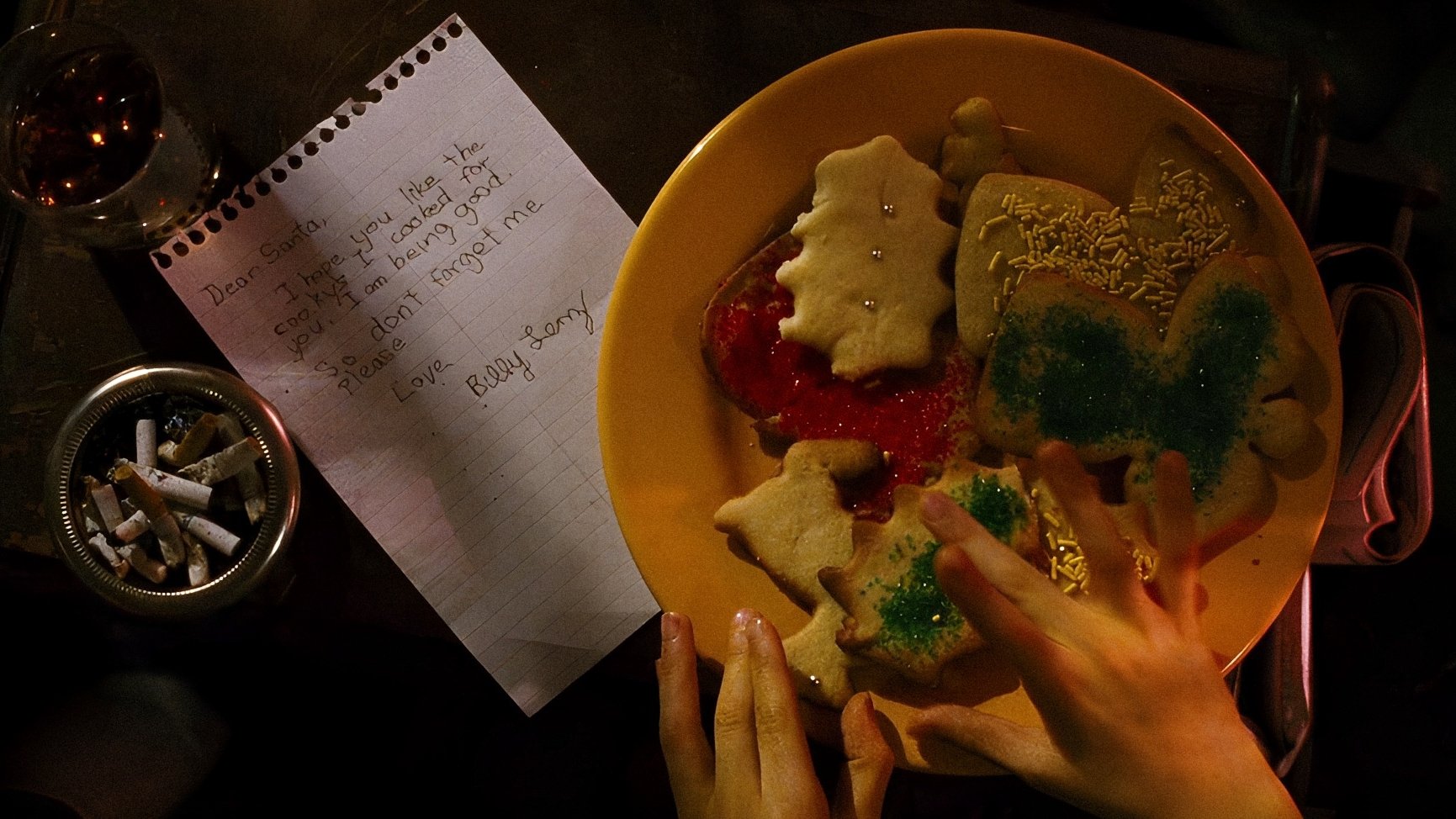
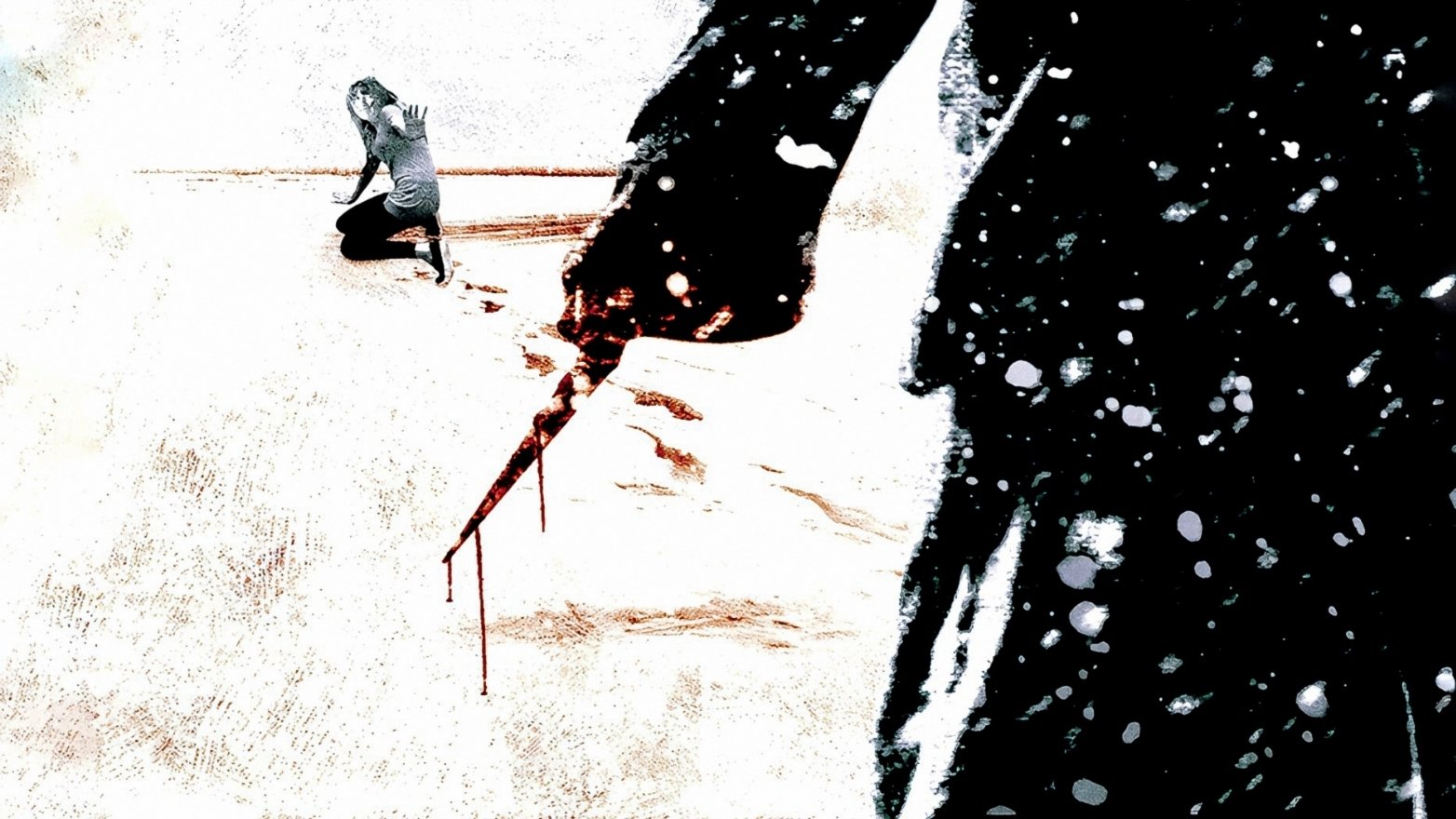
The promotional campaign introduced another complication. Several memorable scenes appearing in American trailers were absent from the theatrical film and from the unrated home-video version. Morgan subsequently explained that additional footage had been commissioned after principal production specifically for advertising. The sequences included a woman encountering danger on a frozen lake, a rooftop incident involving Christmas lights and imagery of Melissa carrying a shotgun. These shots should not automatically be catalogued as deleted scenes from Morgan’s narrative or evidence of an undiscovered director’s cut. They belong to a separate promotional production process, even though audiences encountered them as apparent previews of the film.

Home-video releases preserved further evidence of the editing history through deleted material and alternate endings. Contemporary disc reviews describe several additional conclusions, including versions differing from those shown in American cinemas. Such supplements document choices explored during post-production without proving that any assembled collection represents an authoritative original cut. The coexistence of national theatrical editions, supplementary scenes and promotional-only photography makes the release history unusually complicated for a mainstream horror remake of the period.

Theatrical Release, Commercial Performance, and Reception

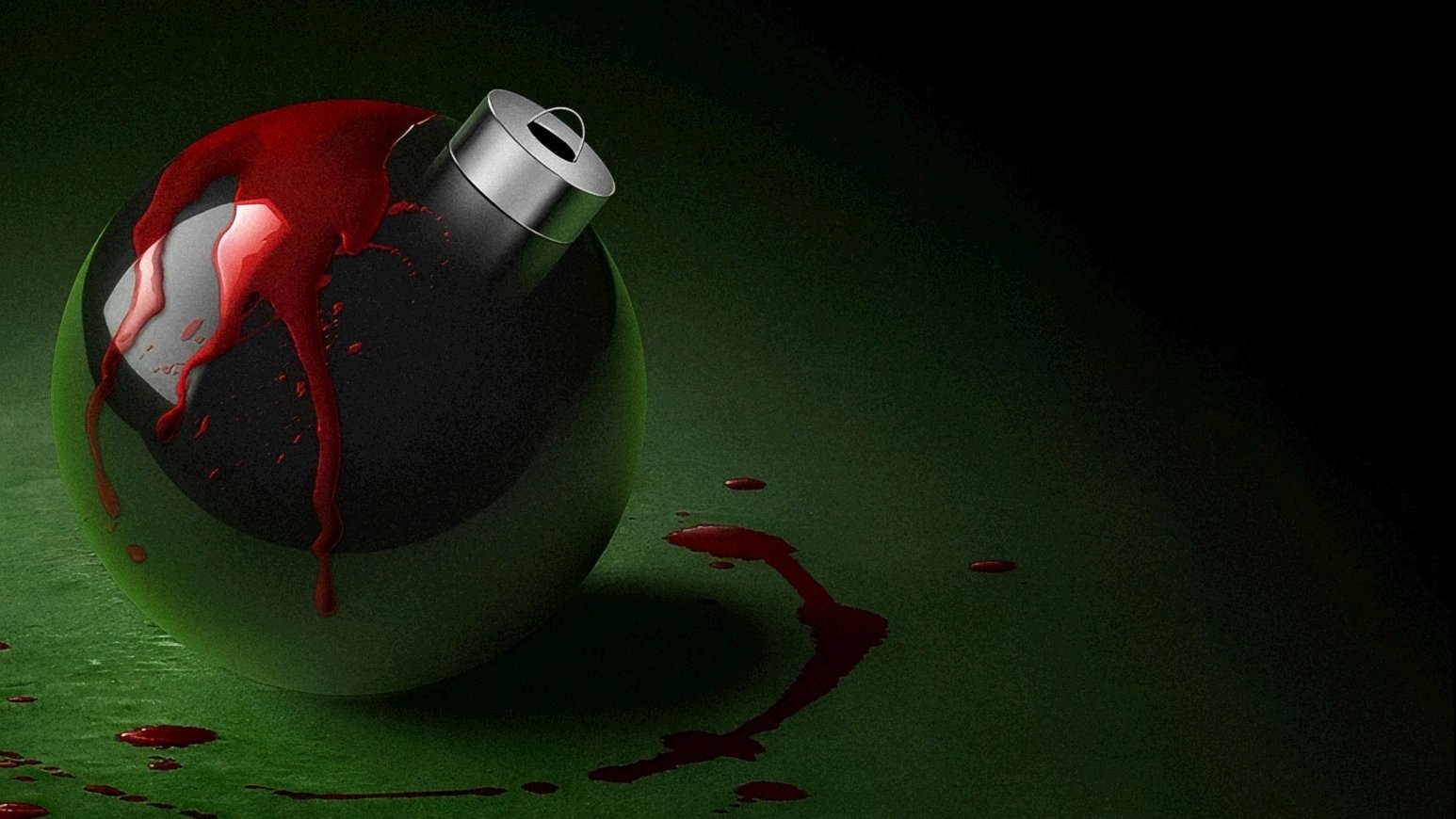
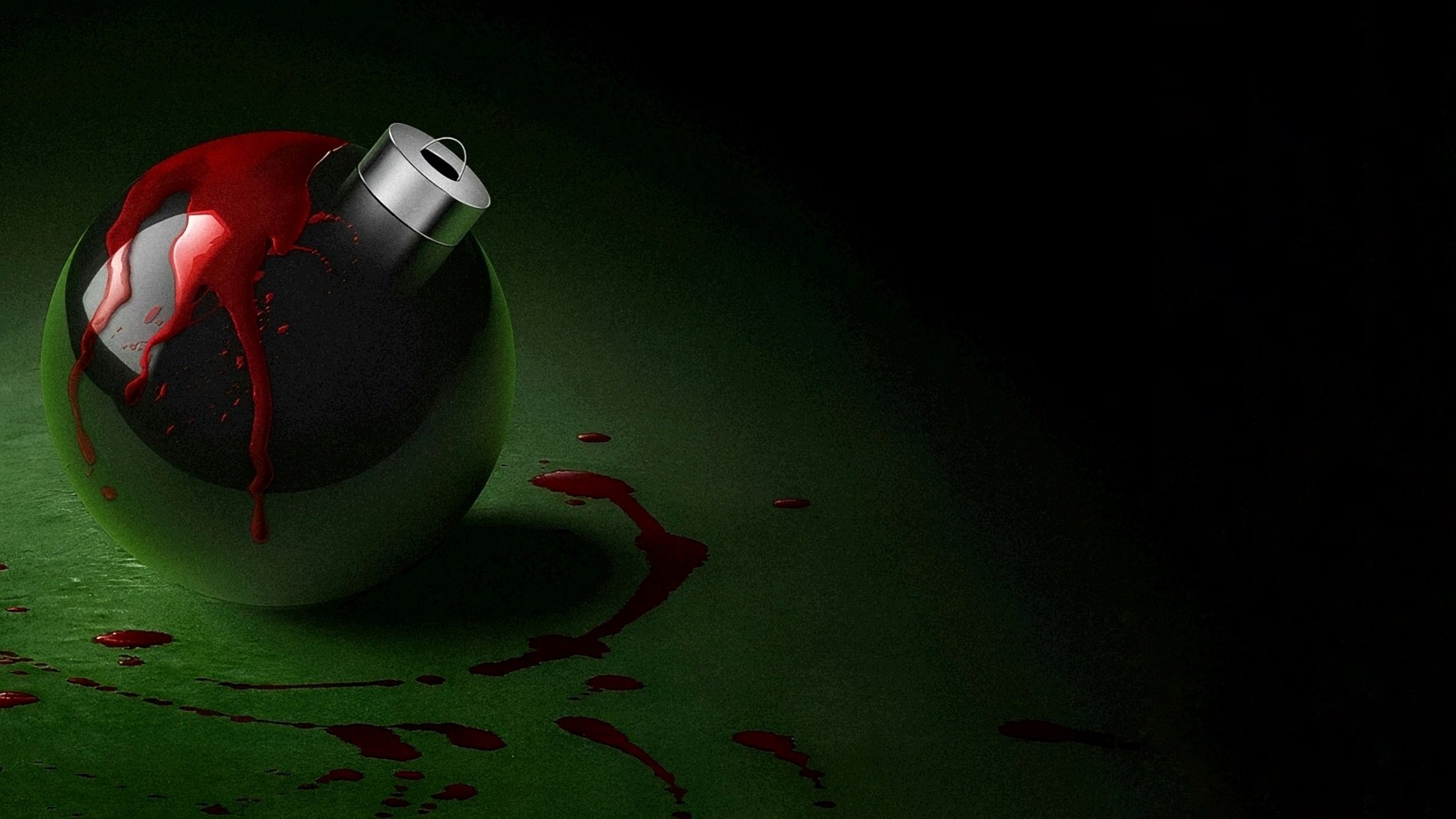
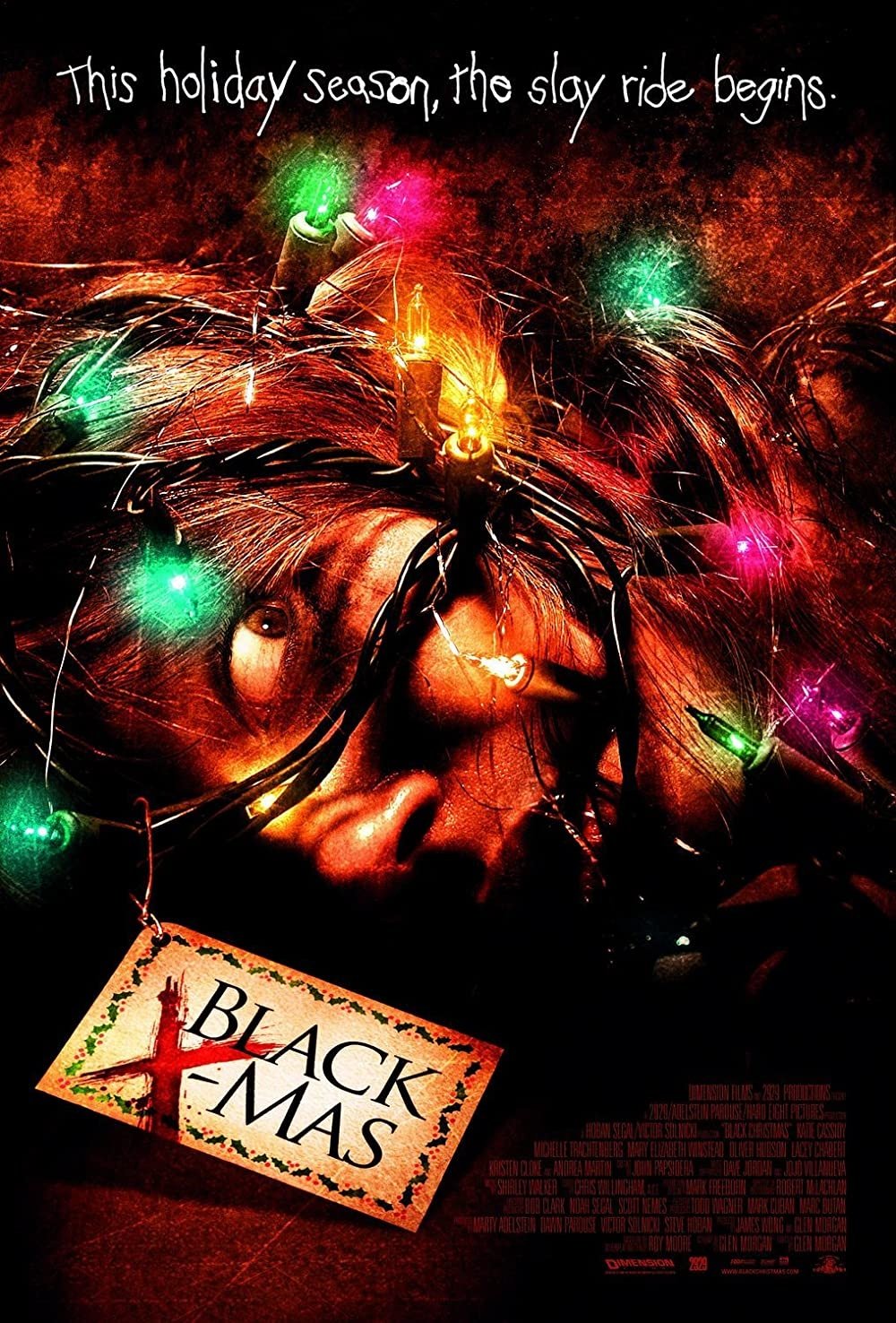
Black Christmas opened in the United Kingdom on December 15, 2006, before its American premiere and nationwide release later that month. Metro-Goldwyn-Mayer distributed the film domestically, with the American theatrical engagement beginning on December 25. The Motion Picture Association rated it R for strong horror violence and gore, sexuality, nudity and language. The Christmas Day opening attracted controversy from some religious organizations, but the holiday date also formed a deliberate part of the film’s commercial identity. Its advertising emphasized seasonal imagery transformed into instruments of violence, reinforcing the connection between the theatrical calendar and the content.

Reported production expenditure was approximately $9 million. Box Office Mojo records a domestic gross of $16,273,581 and international earnings of $5,237,270, for a cumulative worldwide theatrical total of $21,510,851. Those figures refer to ticket sales and should not be interpreted as net profit after distribution, exhibition and marketing expenses. The film’s original American engagement expanded to approximately 1,544 theatres. Its eventual commercial performance establishes that the remake attracted a theatrical audience, although the earnings alone do not determine whether the production met the financial expectations of its distributors.
Contemporary criticism was frequently hostile. Reviewing the film for Slant Magazine in January 2007, Nick Schager objected to the extensive explanation of Billy’s background and the replacement of the earlier film’s unsettling ambiguity with explicit violence and narrative diversions. He also criticized the treatment of the sorority characters and the reduction of the original’s conflict surrounding pregnancy and personal autonomy. Michael Gingold, writing for Fangoria in March 2007, similarly questioned the remake’s suspense and characterization while acknowledging the increased graphic content. These responses reflect specific objections from critics rather than proof that every viewer rejected the film.
The remake has subsequently received attention as a distinctive example of the mid-2000s cycle of revisiting established American horror titles. Its existence also illustrates a particular conflict within that period: filmmakers sought to renew older material while distributors pursued immediately recognizable violent imagery and familiar genre branding. Black Christmas offers a documented example through its competing edits and specially manufactured trailer scenes. A further reimagining of the original property appeared in 2019, but the 2006 film remains a separate interpretation with its own characters, revised mythology and distribution history.

References

  1. Dread Central Wong, James (Final Destination 3)

    Sean Clark’s February 2006 direct interview with producer James Wong on the development of Black Christmas, Bob Clark’s approval, the revised murderer and the adaptation of threatening calls to mobile telephones.

  2. Everyeye Cinema Anteprima Black Christmas

    A contemporary production report from the Vancouver shoot, including the reconstruction of the sorority-house interiors, location work, cast testimony and Bob Clark’s comments on the remake.

  3. Bloody Disgusting The Story Behind the Missing Scenes in the Black Christmas Remake

    John Squires’s 2016 investigation reproducing Glen Morgan’s testimony from Anatomy of Fear about studio interference, the two-killer decision and footage created exclusively for marketing.

  4. Dread Central Exclusive: UK/US Black Xmas Comparisons

    Andrew Kasch’s contemporary December 2006 report identifying differences between the British and American theatrical versions, including altered murders and hospital sequences.

  5. Slant Magazine Review: Black Christmas — Nick Schager

    A January 2007 contemporary critical assessment addressing the expanded mythology of Billy, the emphasis on gore and the narrative differences from Bob Clark’s original.

Connections

Cast

View Full Cast & Crew →

Release & Distribution

Production Companies (8)

  • 2929 Productions US
  • Adelstein/Parouse Productions US
  • Corus Studios CA
  • Dimension Films US
  • Hard Eight Pictures US
  • Hoban Segal Productions CA
  • Movie Central CA
  • Victor Solnicki Productions CA

Distributors (1)

  • Metro-Goldwyn-Mayer US

Release History (16)

Release DateTerritoryRelease TypeFormatDistributorCertificationNotes
2006-12-15 United Kingdom Theatrical — — 15
2006-12-15 Ireland Theatrical — — 16
2006-12-15 Poland Theatrical — — —
2006-12-19 United States Premiere — — R Los Angeles, California
2006-12-21 Germany Theatrical — — 18
2006-12-21 Greece Theatrical — — —
2006-12-21 Russia Theatrical — — —
2006-12-25 Canada Theatrical — — R
2006-12-25 United States Theatrical — — R
2007-02-01 Thailand Theatrical — — —
2007-04-15 United States Physical DVD — R DVD
2007-05-10 Portugal Theatrical — — —
2007-09-14 Italy Theatrical — — —
2007-09-25 Netherlands Physical DVD — — DVD
2007-10-25 France Physical DVD — 12 DVD
2009-06-25 Netherlands Theatrical — — 16
Let the slay ride begin.