Creepshow 3 (2006)

US
HORROR FILM Science Fiction Comedy
SUBGENRES HORROR ANTHOLOGY
Runtime
104 min
Release
April 24, 2006
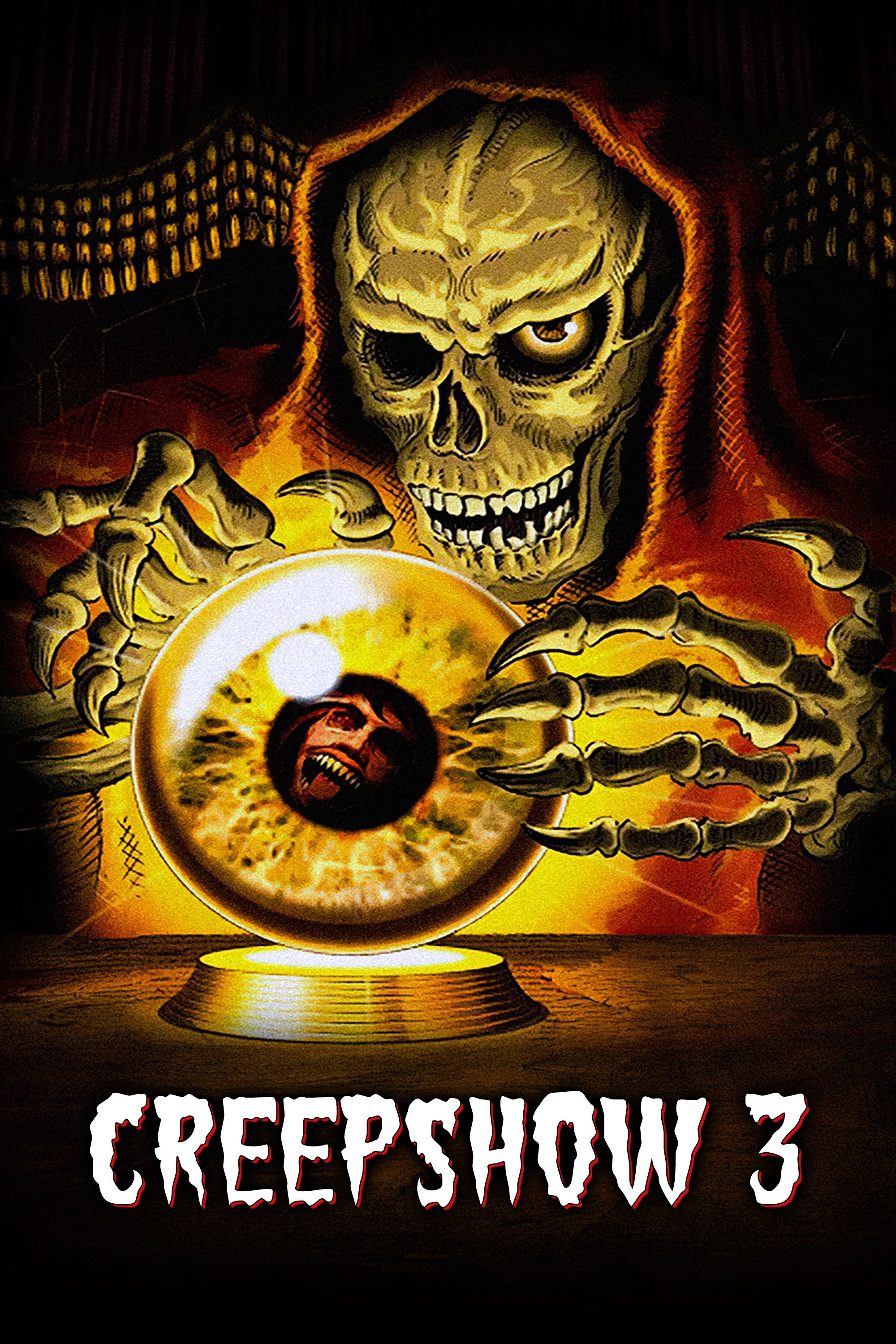
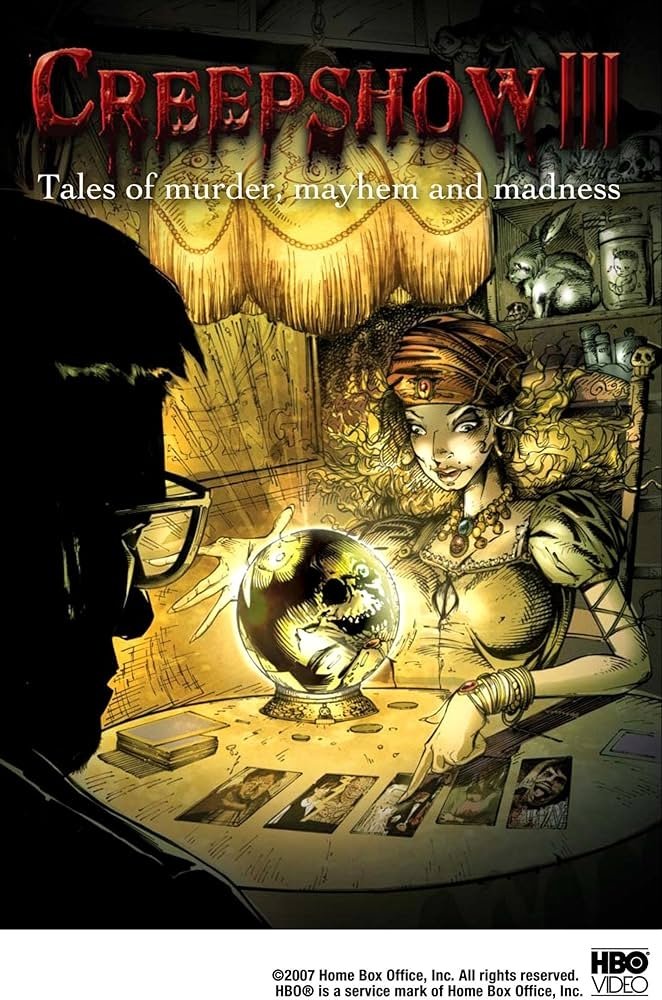
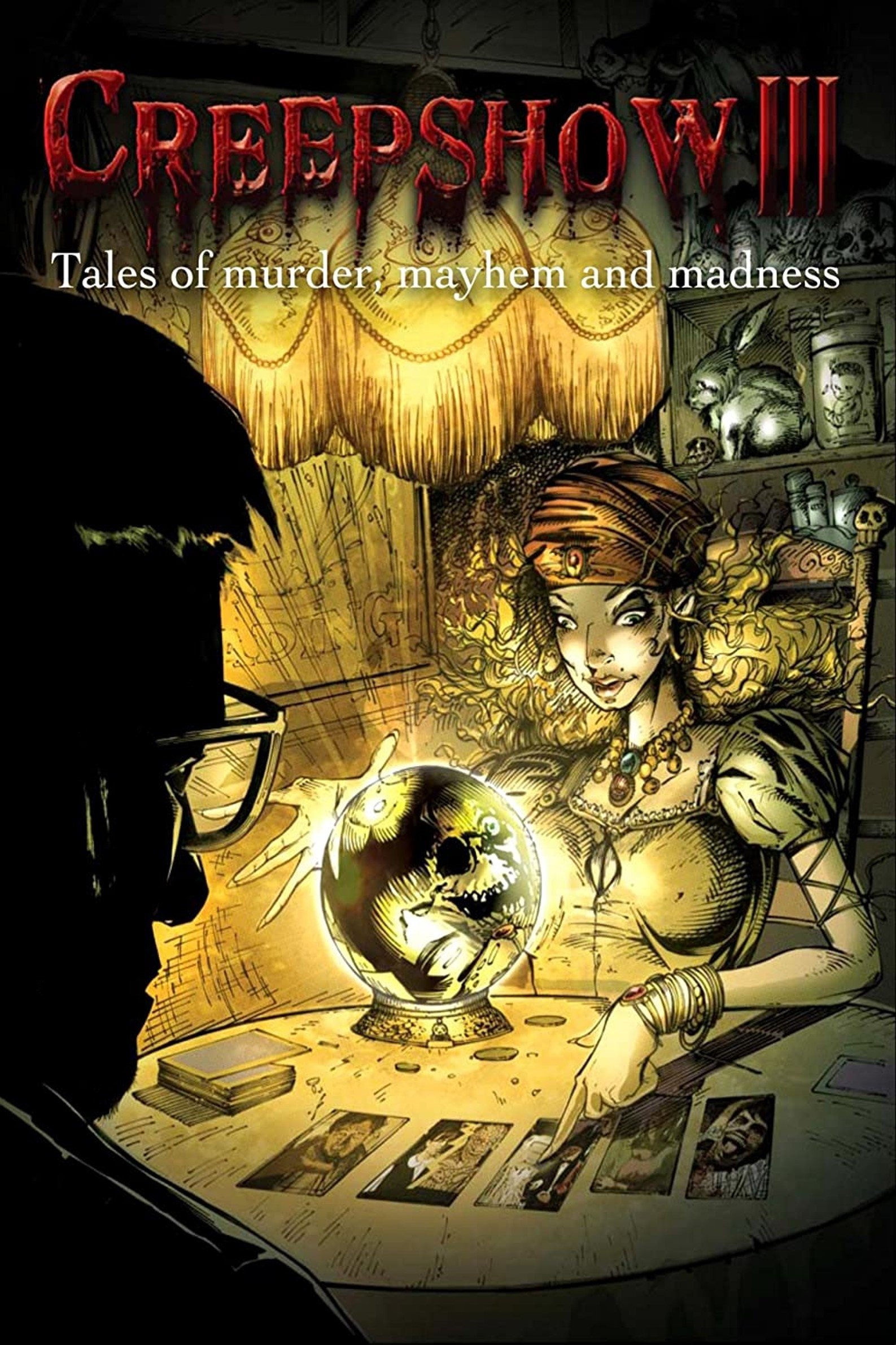
Creepshow 3 (2006) poster
Production Company
Creepy Film Productions
Plot

Five horror stories occupy an interconnected neighborhood. A teenager experiences disturbing changes after her father acquires a mysterious remote control; a security guard begins following instructions from an unusual radio; and a murderous call girl encounters an unexpected threat. Two former students investigate their professor's young fiancée, while a doctor's careless act toward a homeless man brings an uncanny consequence. Characters cross between the tales, giving the anthology a shared setting even as its episodes follow different protagonists.

Alternative Titles
Qorxu Şousu 3 (Azerbaijan) Шоу на ужаса 3 (Bulgaria) — Bulgarian Creepshow 3: Forças do Mal (Brazil) 鬼作秀3 (China) — Chinese Creepshow III (Spain) 鬼作秀 3 (Hong Kong SAR China) — Chinese Rémmesék 3. (Hungary) — Hungarian מופע האימים 3 (Israel) — Hebrew
Show all 14 alternative titles クリープショー3 (Japan) — Japanese 크립쇼 3 (South Korea) — Korean Creepshow: Contos de Terror 3 (Portugal) — Portuguese Калейдоскоп ужасов 3 (Russia) — Russian Калейдоскоп жахів 3 (Ukraine) Chương Trình Kinh Dị 3 (Vietnam) — Vietnamese

Trailers & Videos

1 video

Film Guide & Analysis

Ana Clavell and James Dudelson’s horror anthology: its five interconnected stories, relationship with the Romero and King films, prosthetic effects, DVD distribution and critical reception.

Creepshow 3 (2006) is an American horror-comedy anthology directed by Ana Clavell and James Glenn Dudelson, produced through Taurus Entertainment and Creepy Film Productions. Arriving almost two decades after Creepshow 2 (1987), it contains five stories involving supernatural transformations, murderous impulses and grotesque retribution. The production uses the title of the anthology series launched by George A. Romero and Stephen King in 1982, although neither filmmaker participated creatively in this instalment. Its principal structural departure is the decision to connect the individual tales through recurring characters and a shared neighbourhood.

The five episodes, Alice, The Radio, Call Girl, The Professor’s Wife and Haunted Dog, are introduced through a brief animated sequence and proceed without the comic-book framing device that distinguished the earlier films. Their subjects range from altered realities and a malevolent electronic device to vampirism and bodily mutilation. Produced with a different creative team from its predecessors, the film received a predominantly hostile response from horror critics. Although commonly dated 2006, its principal documented American home-video release followed through HBO Video on May 15, 2007.

Production and the Creepshow Connection

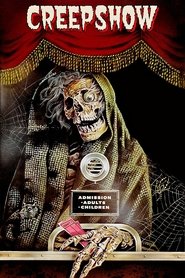
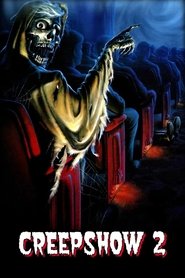
The original Creepshow combined Romero’s direction, King’s screenplay and Tom Savini’s makeup effects in an homage to American horror comics, particularly the EC publications of the 1950s. Creepshow 2 continued the anthology format in 1987, with Michael Gornick directing from a screenplay by Romero. The third film arrived through a separate production arrangement involving Taurus Entertainment and the directing partnership of Dudelson and Clavell. The pair had previously worked on Day of the Dead 2: Contagium (2005), another production associated with an established Romero title but made without his creative participation.

The screenplay credits include Clavell, Dudelson, Scott Frazelle, Pablo C. Pappano and Alex Ugelow. Instead of adapting King stories, the filmmakers assembled five new narratives occupying a common fictional environment. Characters can appear in the background of one episode before becoming central to another. This arrangement distinguishes the film from the largely self-contained stories of the earlier instalments. Contemporary reviewers identified the shared setting as one of its most conspicuous experiments, although they disagreed about whether the connections added anything to the individual stories. Detailed firsthand documentation of the writing and financing remains limited, making it difficult to establish how the production arrived at this particular structure.

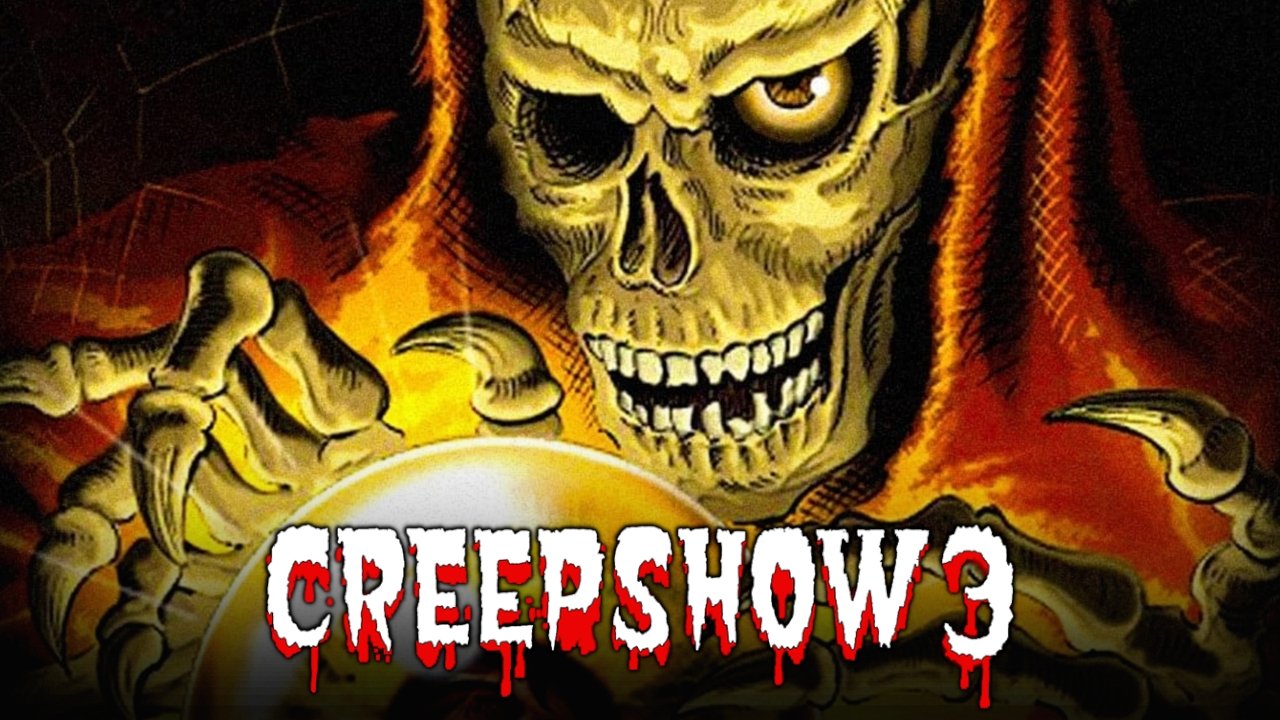
The Five Interconnected Stories

Alice concerns a dissatisfied teenager whose father obtains a mysterious universal remote control. As he experiments with it, the family repeatedly changes identity, leaving Alice increasingly confused about her surroundings. Her experience eventually develops into a grotesque physical transformation. The Radio follows Jerry Collins, a security guard who acquires an apparently ordinary radio that begins speaking directly to him. Its advice initially promises financial improvement but gradually encourages criminal behaviour. These episodes use everyday consumer objects as supernatural instruments, although their narrative emphasis differs: Alice centres on involuntary transformation, while The Radio follows a protagonist whose increasingly destructive choices are encouraged by an external voice.

Call Girl introduces Rachael, a sex worker who secretly murders her clients. Her encounter with Victor becomes dangerous when she discovers that he possesses a monstrous identity of his own. The Professor’s Wife concerns Professor Dayton, who introduces two former students to his unexpectedly young fiancée. Convinced that the woman must be an artificial creation, the visitors attempt to investigate her body, leading to an extended sequence of dismemberment and mistaken assumptions. Both stories place their characters in situations where appearances conceal a violent or supernatural truth. The latter depends particularly on graphic practical effects and the grotesque misunderstanding at the centre of its plot.

Haunted Dog follows Dr. Farwell, an arrogant physician performing community service at a clinic. After dropping a hot dog on the ground, he gives the contaminated food to a homeless man who subsequently dies. The doctor then experiences increasingly disturbing manifestations of the victim. The episode develops a familiar revenge narrative in which an apparently insignificant act of cruelty produces supernatural consequences. Its connection with the other stories becomes part of the film’s larger pattern of recurring characters and locations. Taken together, the five episodes favour ironic punishment, physical transformation and malicious reversals of fortune, although their different approaches produce an uneven mixture of supernatural horror and broad comedy.

Visual Design, Animation, and Makeup Effects

The production combines live-action photography with digital animation used in the introductory sequence. James M. LeGoy served as cinematographer, while Suzanne Rattigan was responsible for production design. The stories repeatedly return to residential streets, apartments and domestic interiors, making the shared neighbourhood recognizable across the anthology. Unlike the first Creepshow, which frequently employed comic-panel compositions, highly saturated lighting and graphic transitions, the third film relies principally on conventional live-action presentation. Its brief animated opening introduces a different visual approach, without establishing a sustained comic-book framework for the remaining episodes.

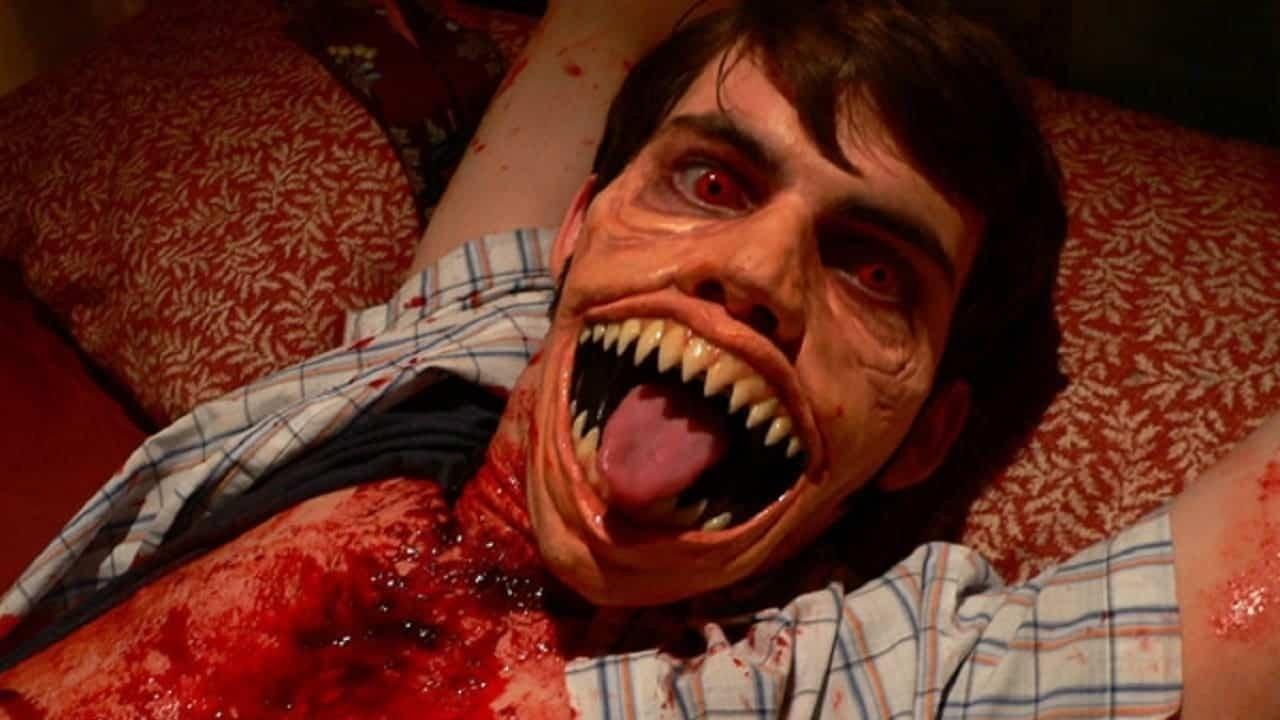
Greg McDougall supervised the special makeup effects through Cerberus Creations. The physical transformations in Alice and the dismemberment sequences in The Professor’s Wife provide the clearest demonstrations of the prosthetic work. Contemporary DVD reviews singled out these effects even when criticizing the stories surrounding them. The American disc included a behind-the-scenes featurette of approximately twenty-four minutes containing interviews with the directors, performers and makeup personnel, together with footage of effects preparation and application. That material documents the practical work behind the finished images, although the available published accounts do not support a detailed reconstruction of individual fabrication methods or the complete effects budget.

Home Video Release and Critical Reception

Creepshow 3 is generally catalogued as a 2006 production, with limited exhibition recorded before its wider home-video circulation. HBO Video released the film on American DVD on May 15, 2007. The announced edition ran approximately 104 minutes and carried an R classification for bloody horror violence and gore, language, drug-related material and sexual content. Its supplementary documentary offered access to members of the production team, but the release did not receive a major American theatrical campaign comparable to that of the original Creepshow. The DVD became the principal basis for contemporary critical assessments and subsequent discussion of the film.

The initial reviews were overwhelmingly unfavourable. Johnny Butane, writing for Dread Central in January 2007, criticized the inconsistent stories, performances and musical choices, while identifying some worthwhile prosthetic work and comparatively effective moments in The Professor’s Wife. Eric Henderson’s May review for Slant Magazine focused particularly on the interconnected structure, arguing that the repeated appearances of characters complicated stories that should have worked independently. He also criticized the opening transformation episode and the final tale’s treatment of supernatural punishment. Both assessments contrasted the film with the earlier anthologies while identifying specific weaknesses in its narrative construction.

David Oliver’s review for CHUD, published later that May, likewise questioned the sequel’s connection with the established series. He considered The Radio and The Professor’s Wife the strongest episodes, acknowledging their concepts and graphic effects while finding the complete anthology disappointing. His assessment also noted the behind-the-scenes documentary as a worthwhile supplement to the DVD. These responses establish a strongly negative contemporary reception within specialist horror criticism, rather than a measured account of every audience reaction. Creepshow 3 remains a distinct entry in the property’s history: its creative separation from Romero and King, interconnected stories and predominantly home-video distribution distinguish it from the theatrical productions that preceded it.

References

  1. Dread Central Creepshow 3 (2007) — Johnny Butane

    Contemporary January 2007 review examining all five episodes, the interconnected structure, makeup effects, music and the absence of Romero and King from the production.

  2. Slant Magazine DVD Review: Ana Clavell and James Dudelson’s Creepshow III on HBO Video

    Eric Henderson’s May 2007 critical assessment of the anthology structure, recurring characters, animation and American DVD presentation.

  3. CHUD DVD Review: Creepshow III

    David Oliver’s May 2007 examination of the five stories, graphic effects, horror-comedy approach and behind-the-scenes documentary included with the HBO Video release.

  4. Moria Creepshow III (2006)

    A detailed retrospective examining the production credits, anthology history, individual narratives, recurring locations, makeup effects and relationship with the earlier Creepshow films.

Connections

Cast

View Full Cast & Crew →

Release & Distribution

Production Companies (1)

  • Creepy Film Productions

Release History (3)

Release DateTerritoryRelease TypeFormatDistributorCertificationNotes
2006-04-24 United States Theatrical — — R
2007-11-21 Sweden Theatrical — — —
2009-01-14 Italy Physical — — T
The most fun you'll ever have being scared!