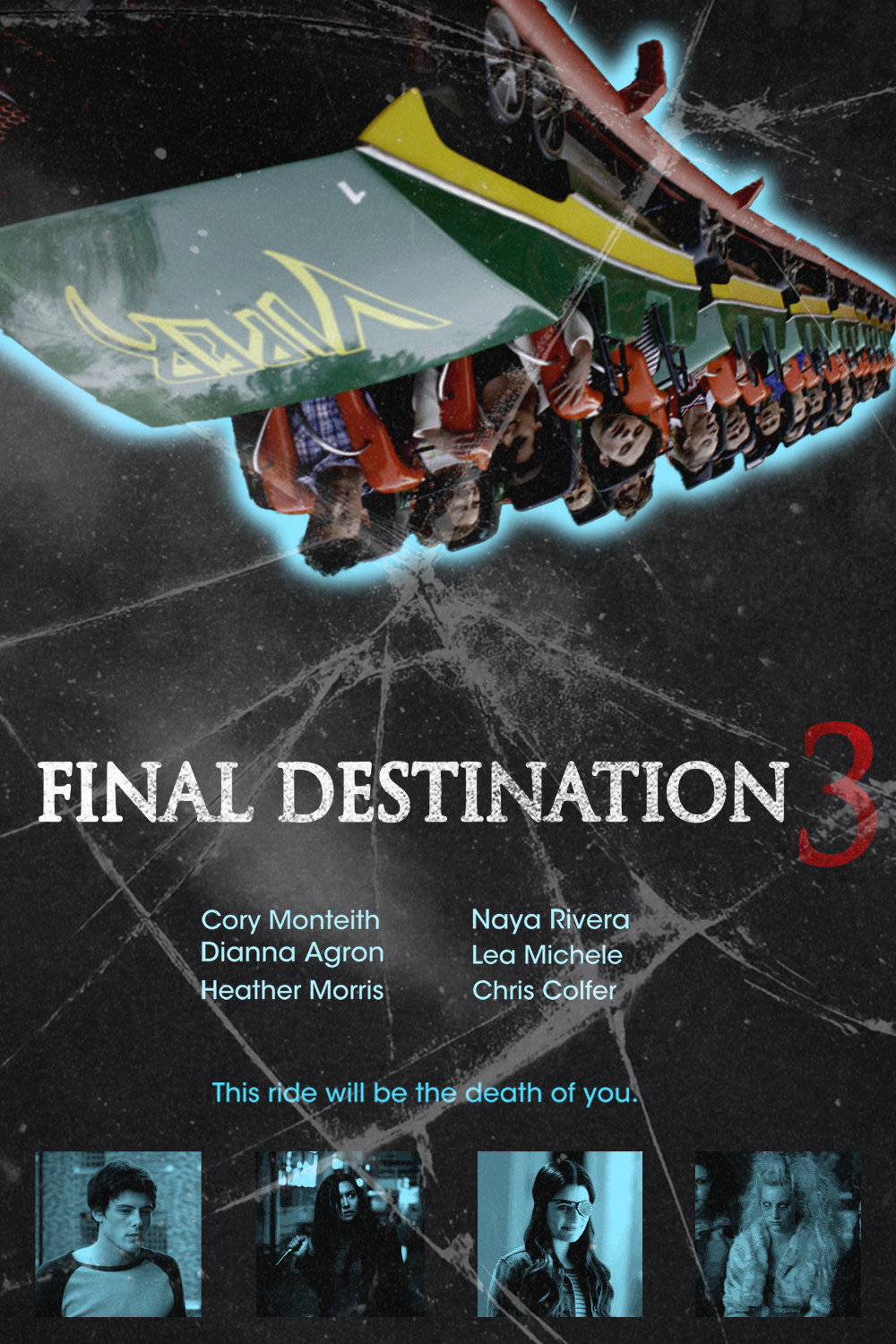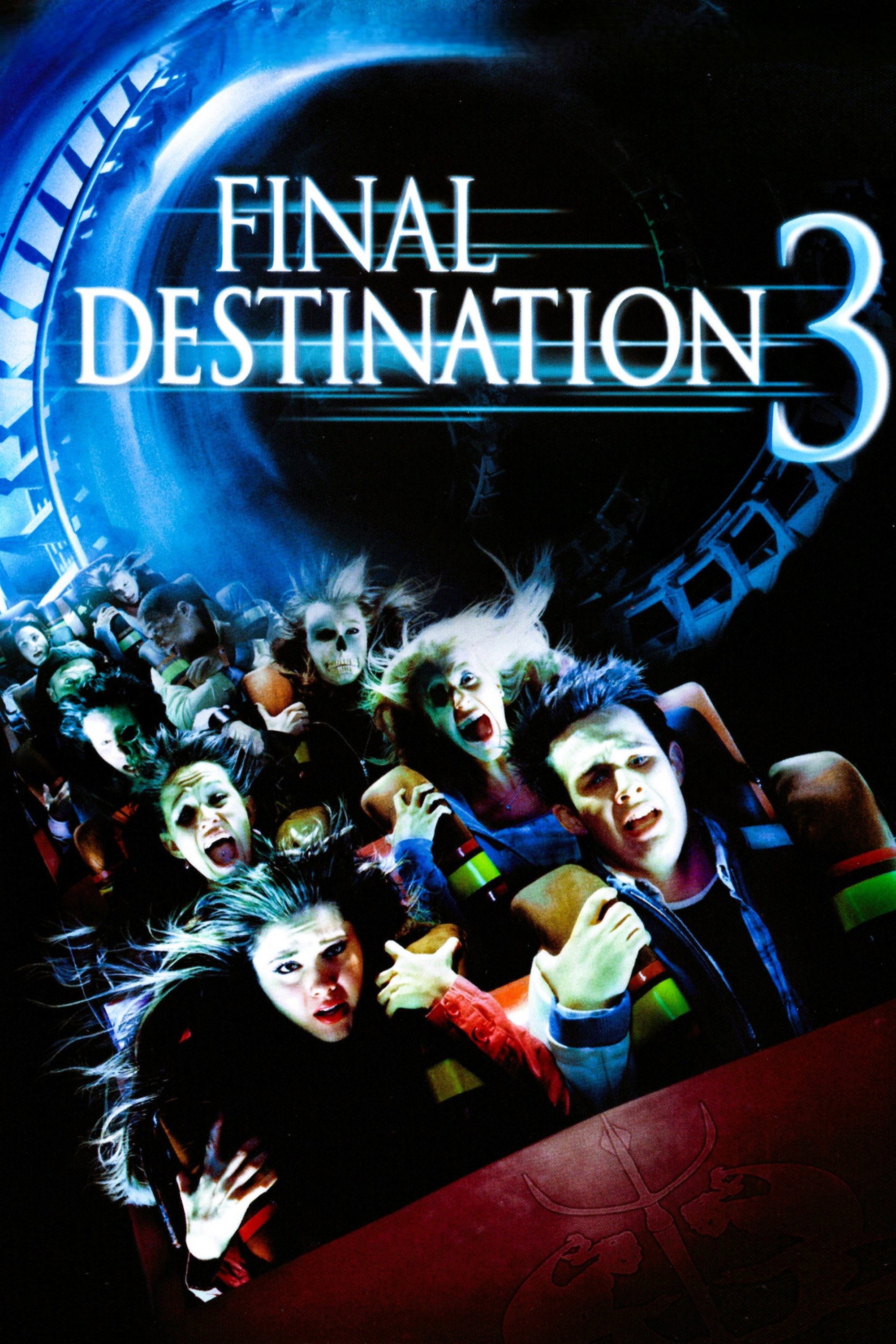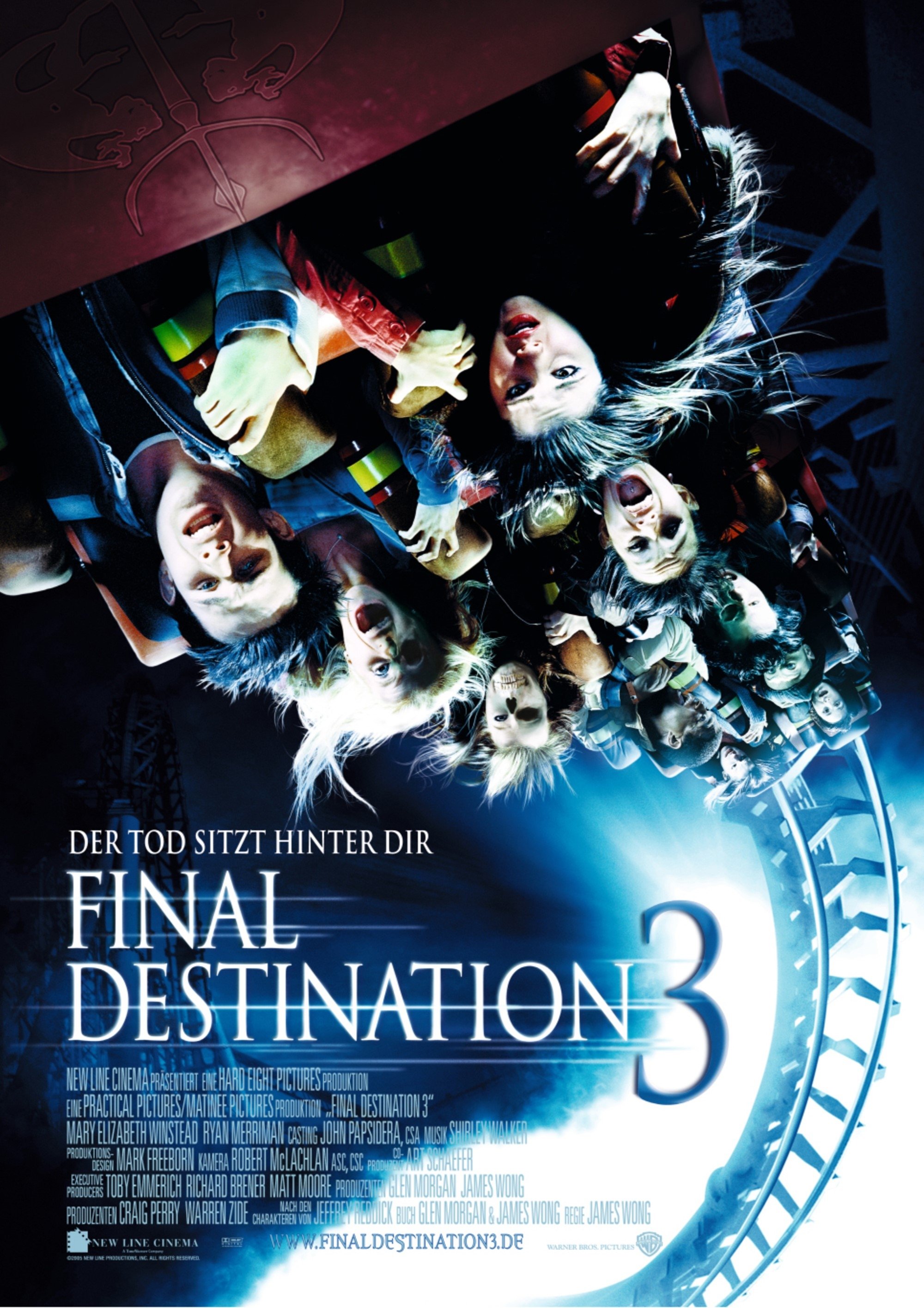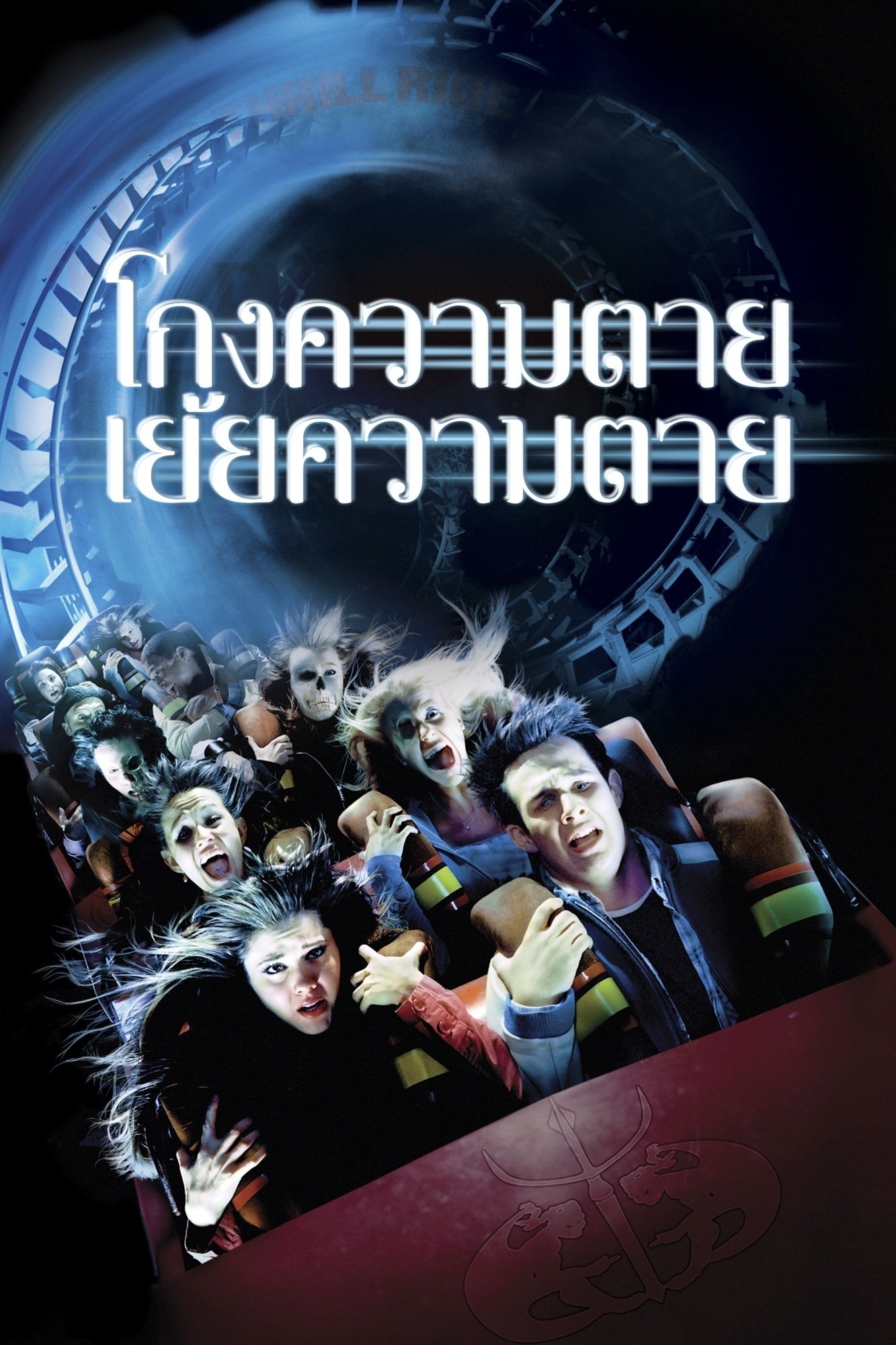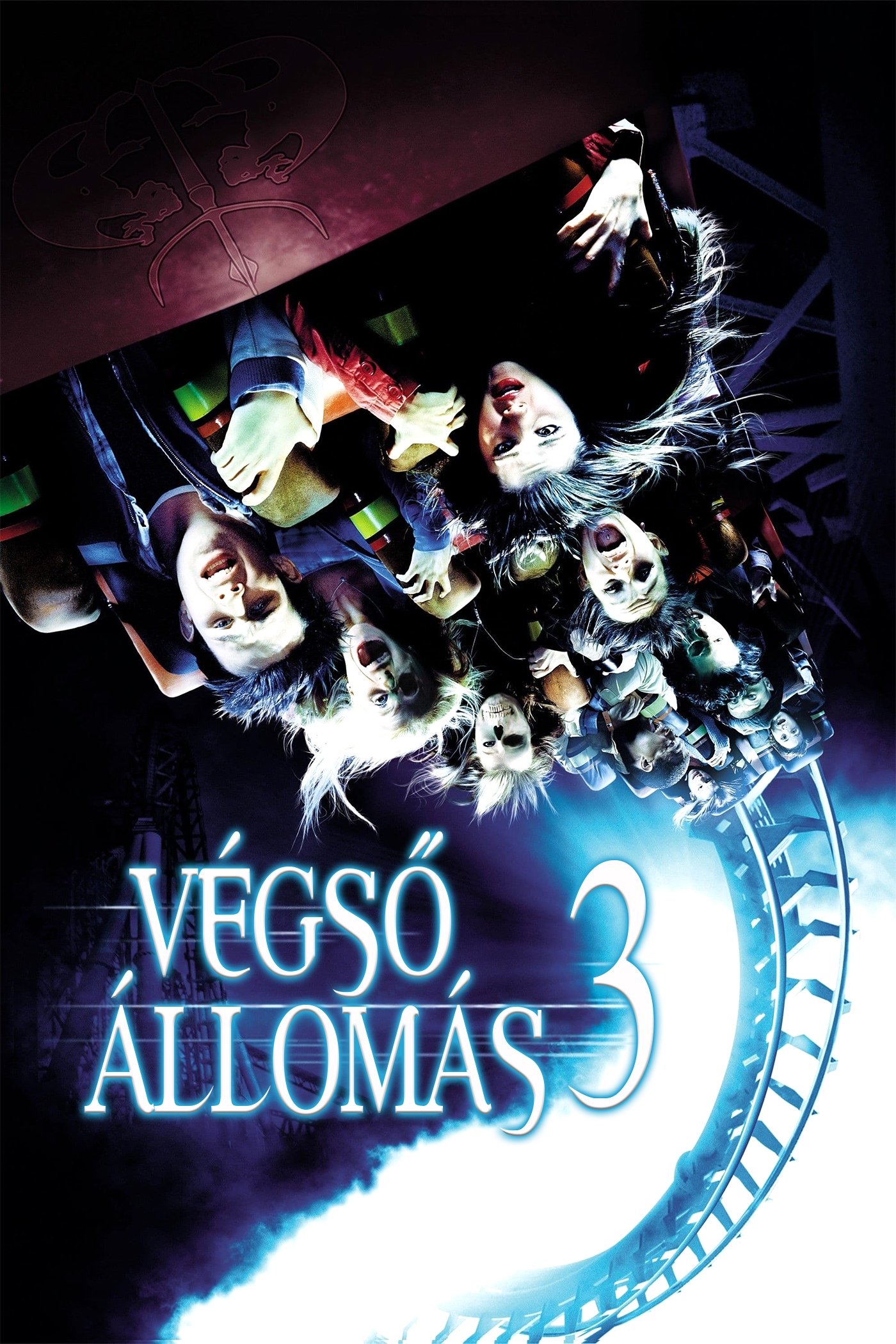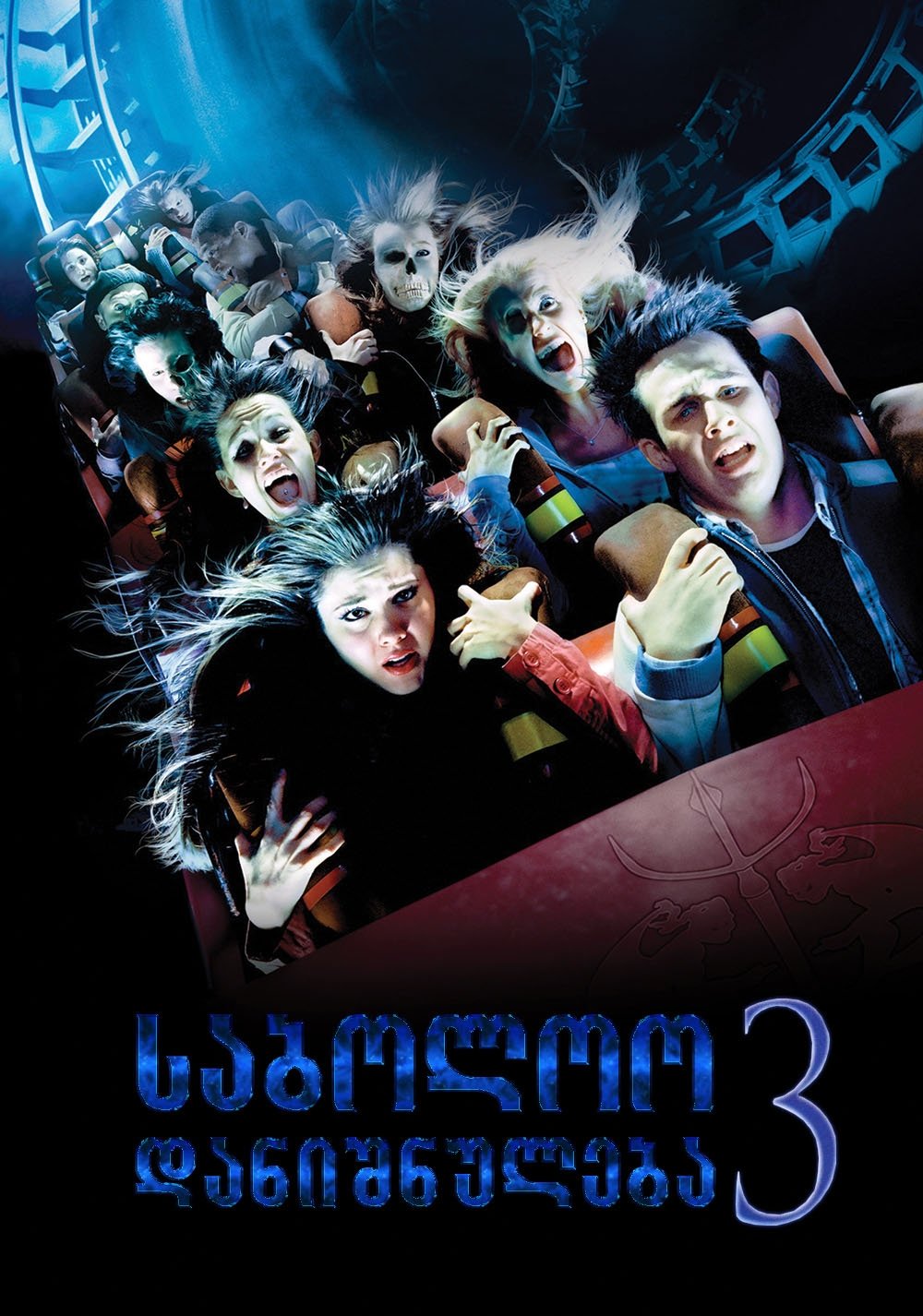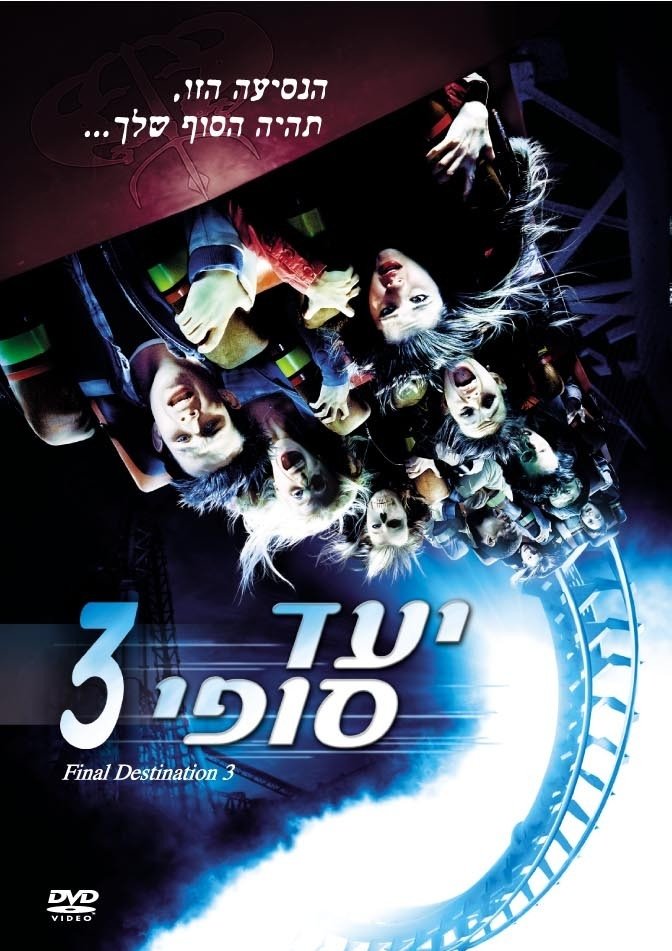
Final Destination 3 (2006)

US
HORROR FILM Mystery
5.3/10 4 votes
Runtime
93 min
Release
February 9, 2006
Budget
$25,000,000
Revenue
$118,890,272
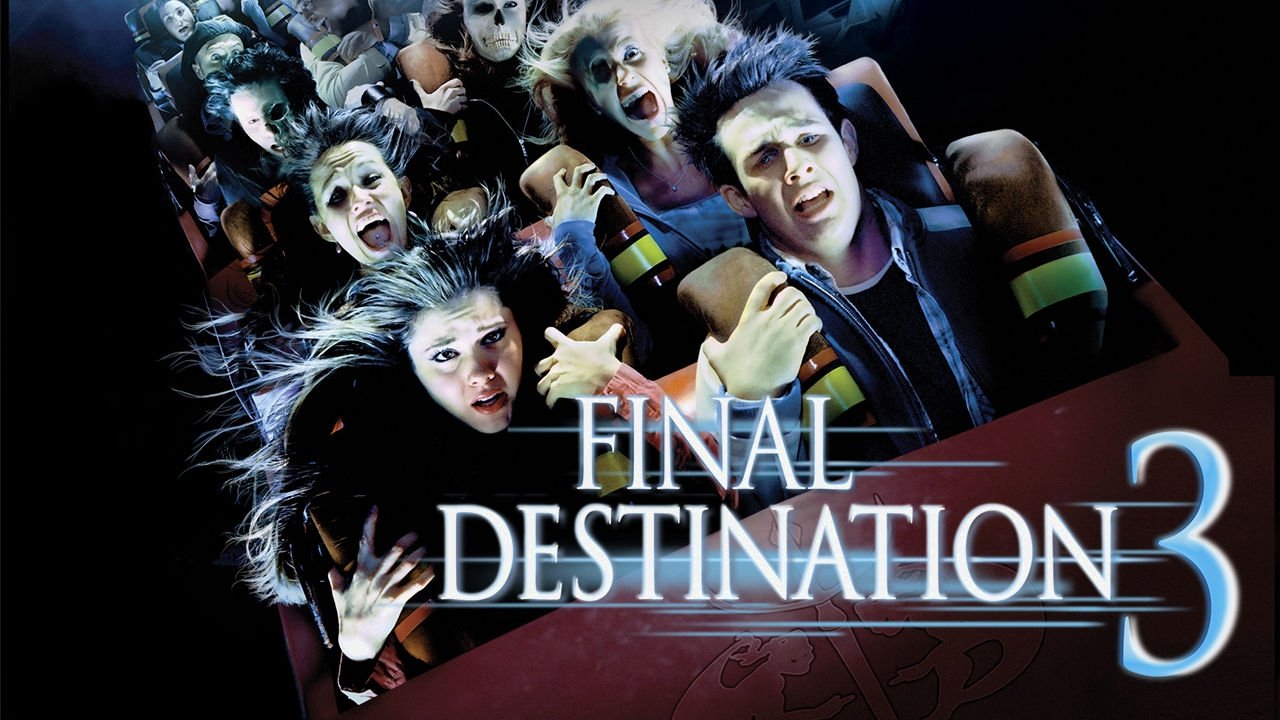
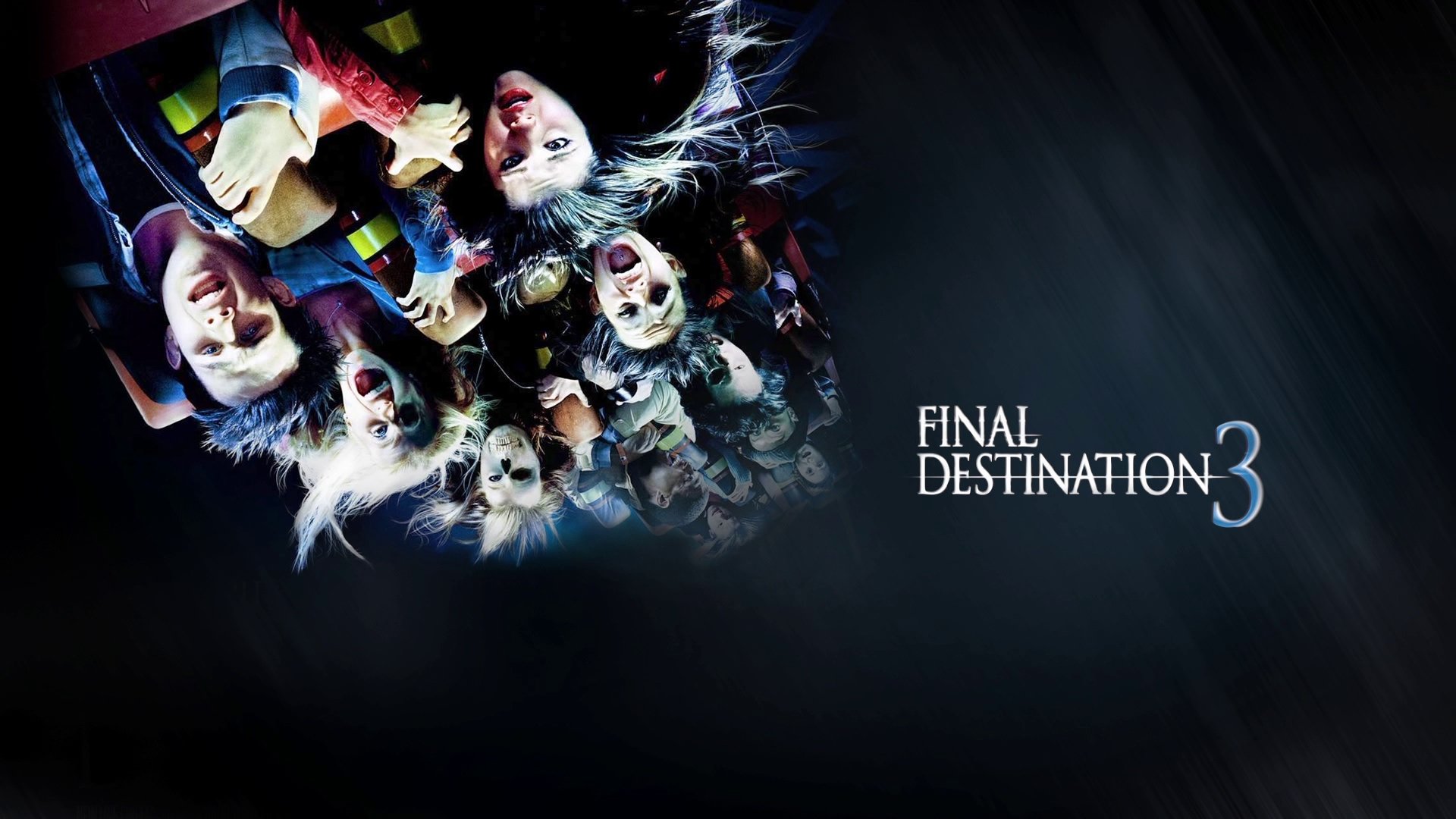
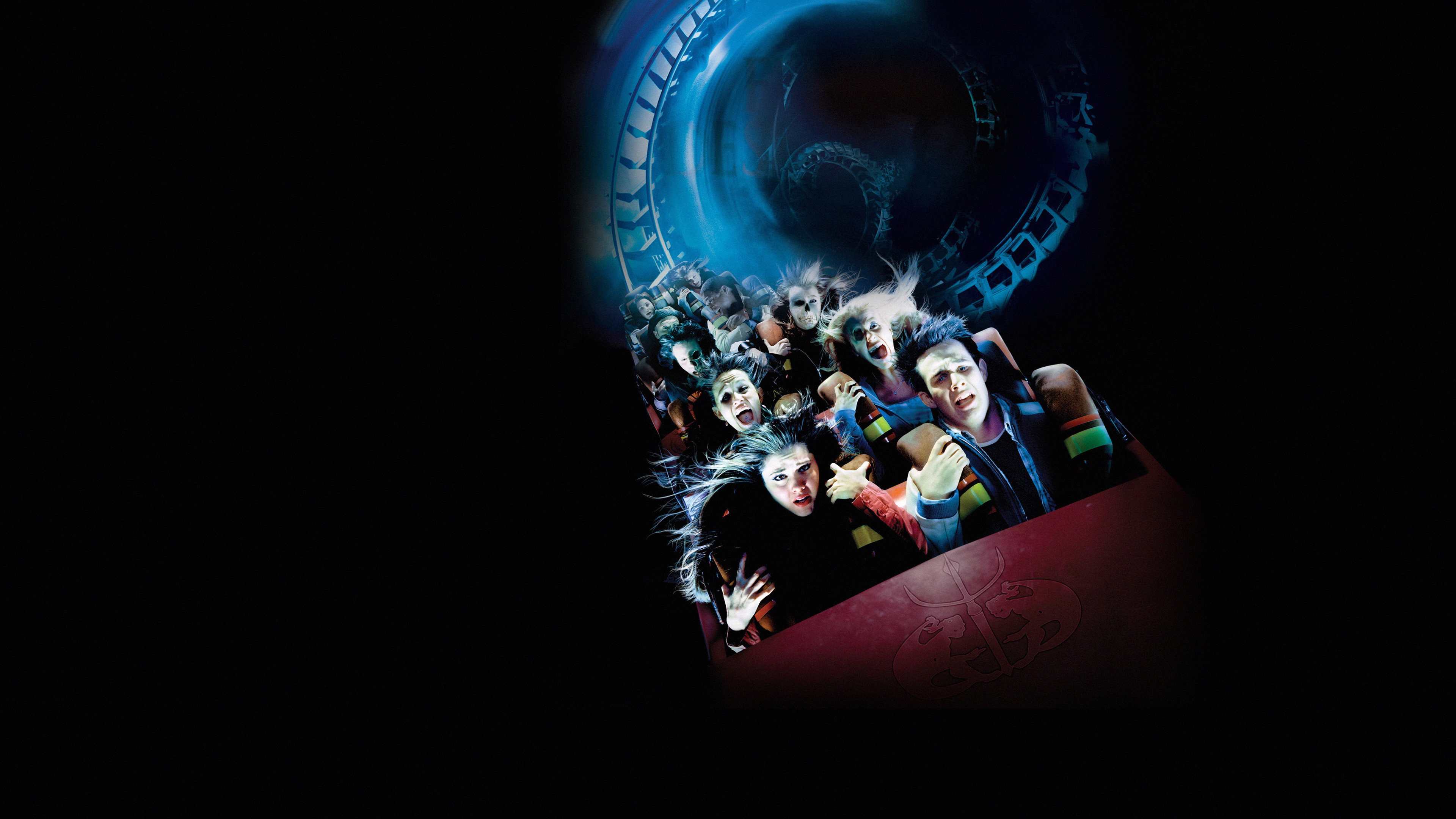
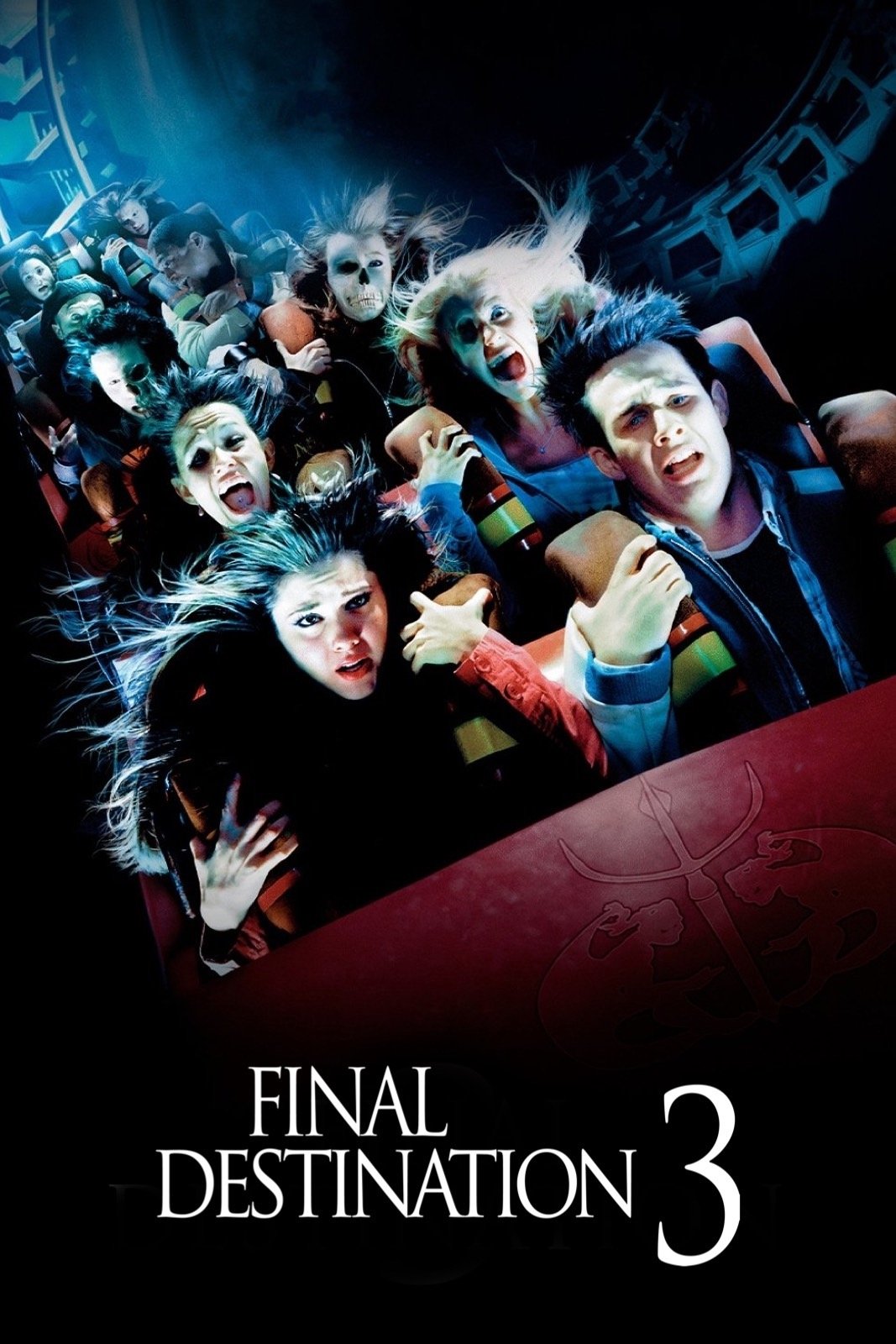
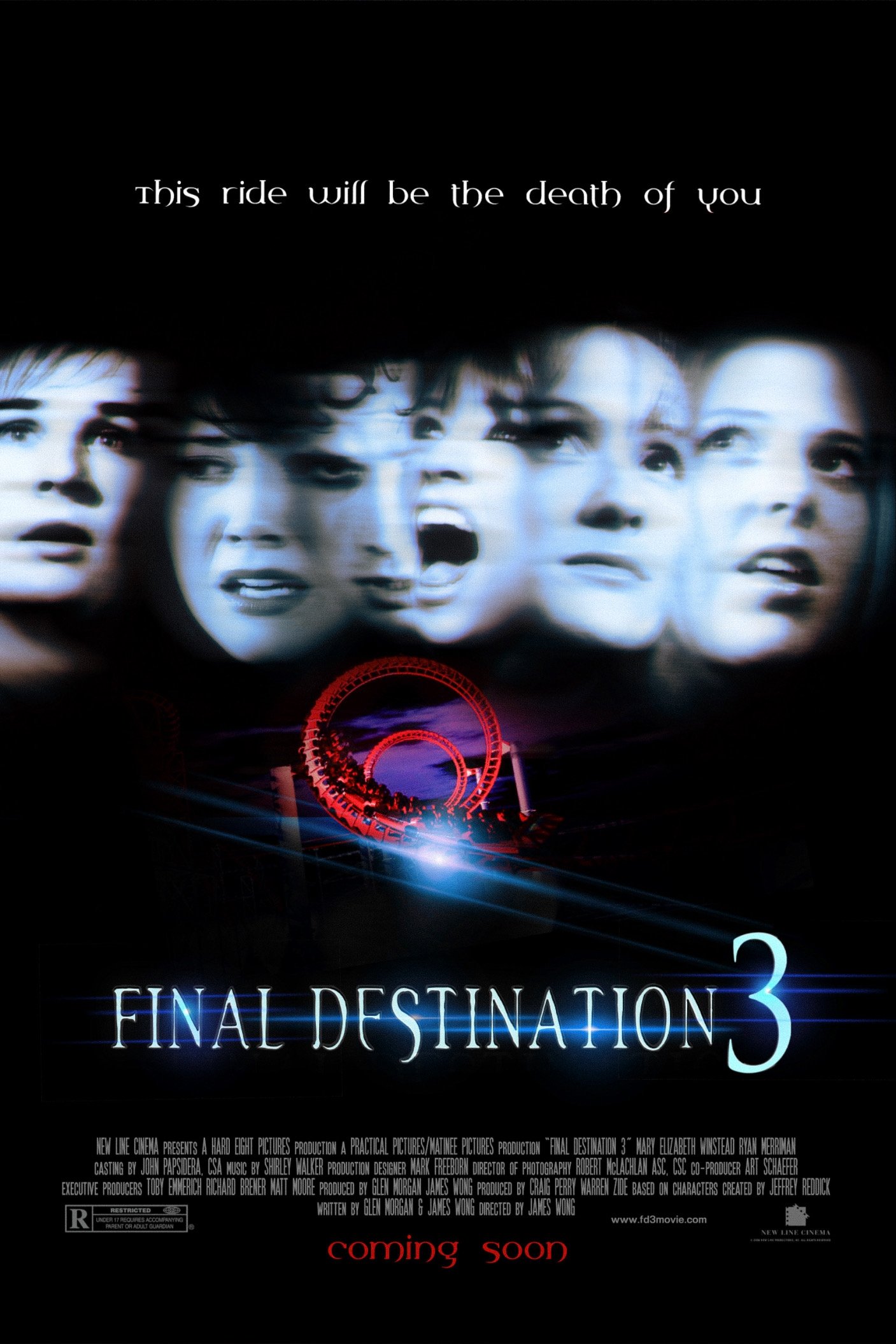
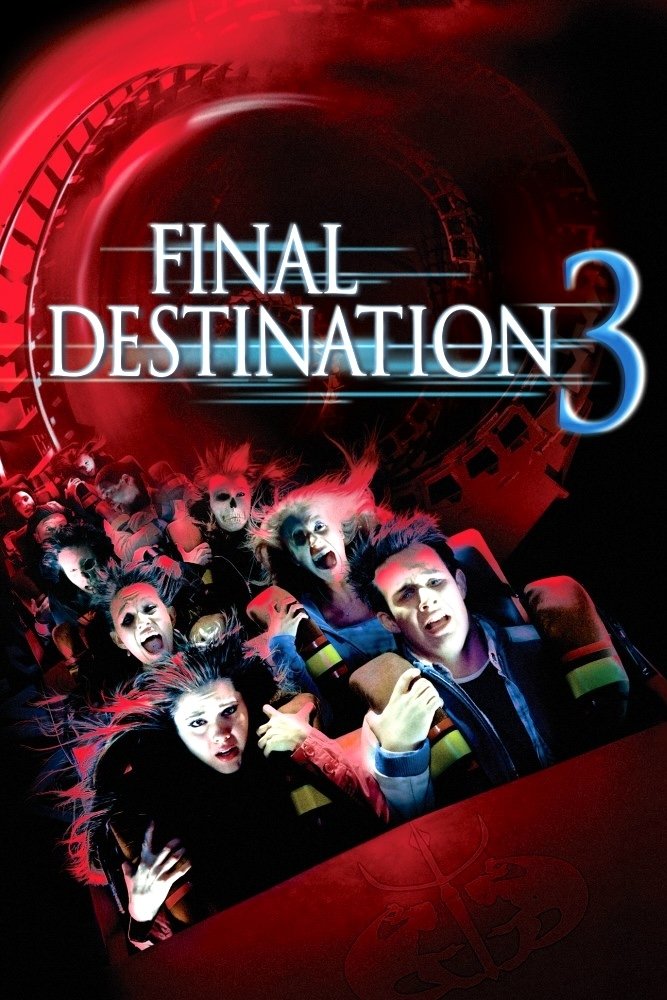
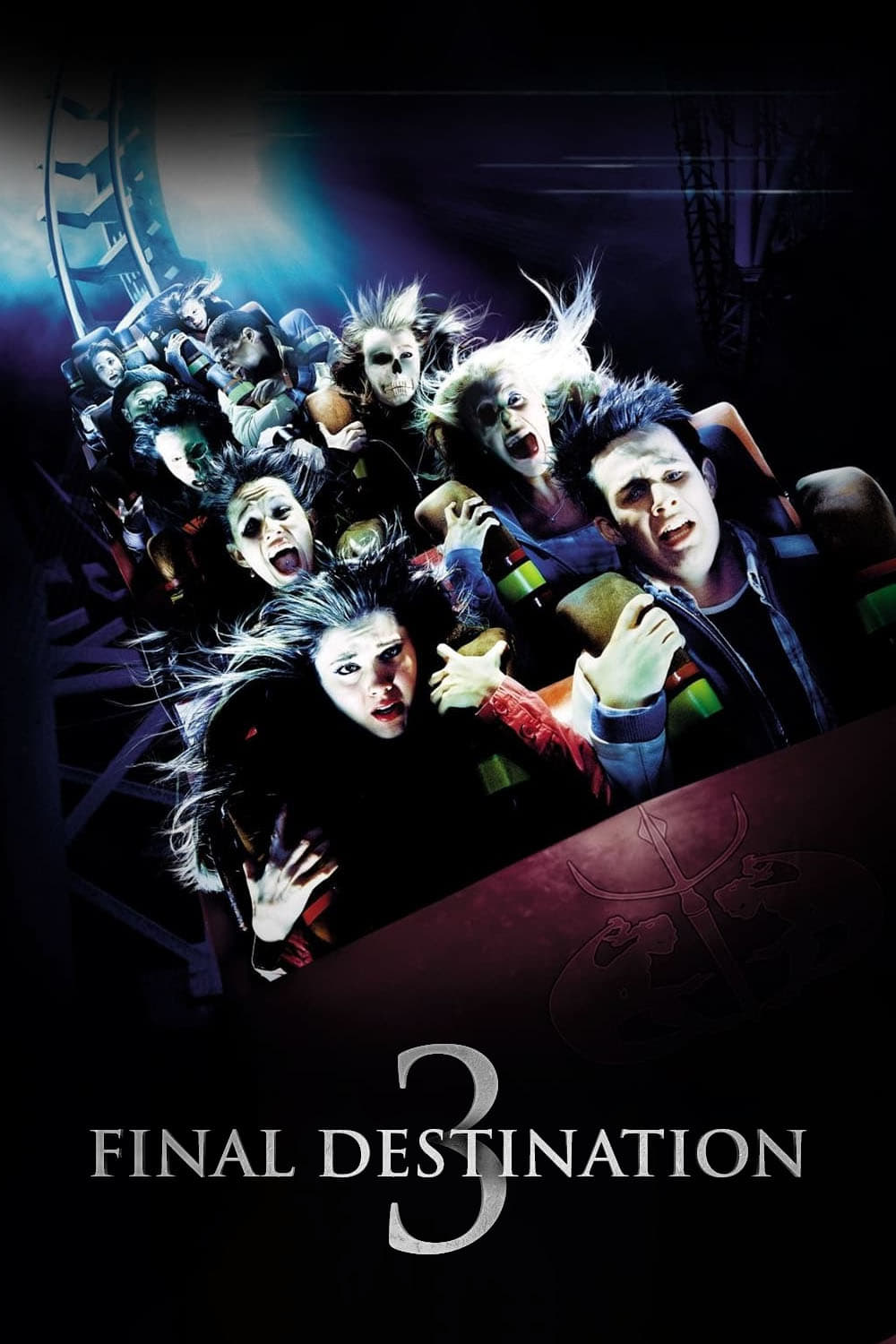
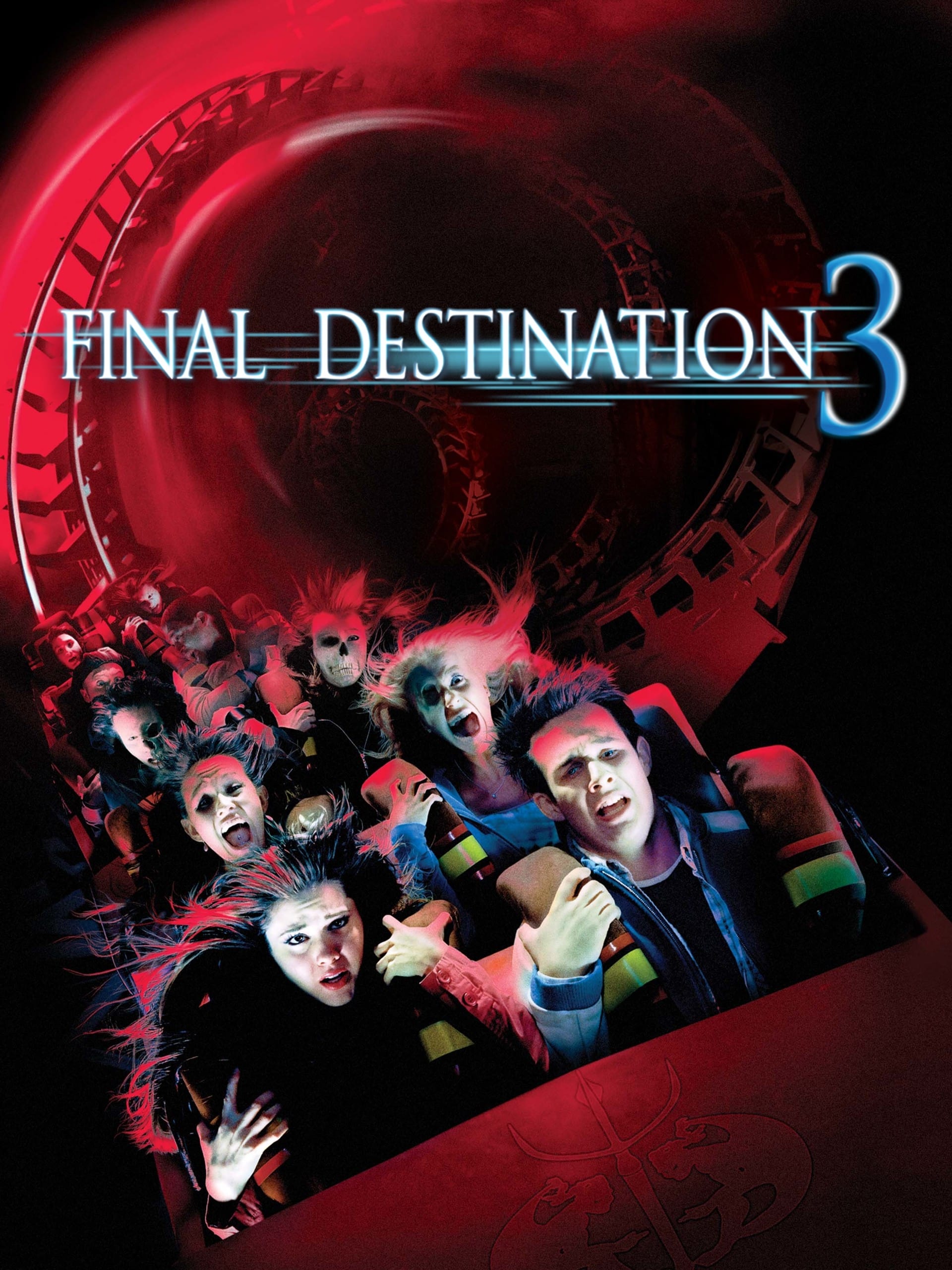
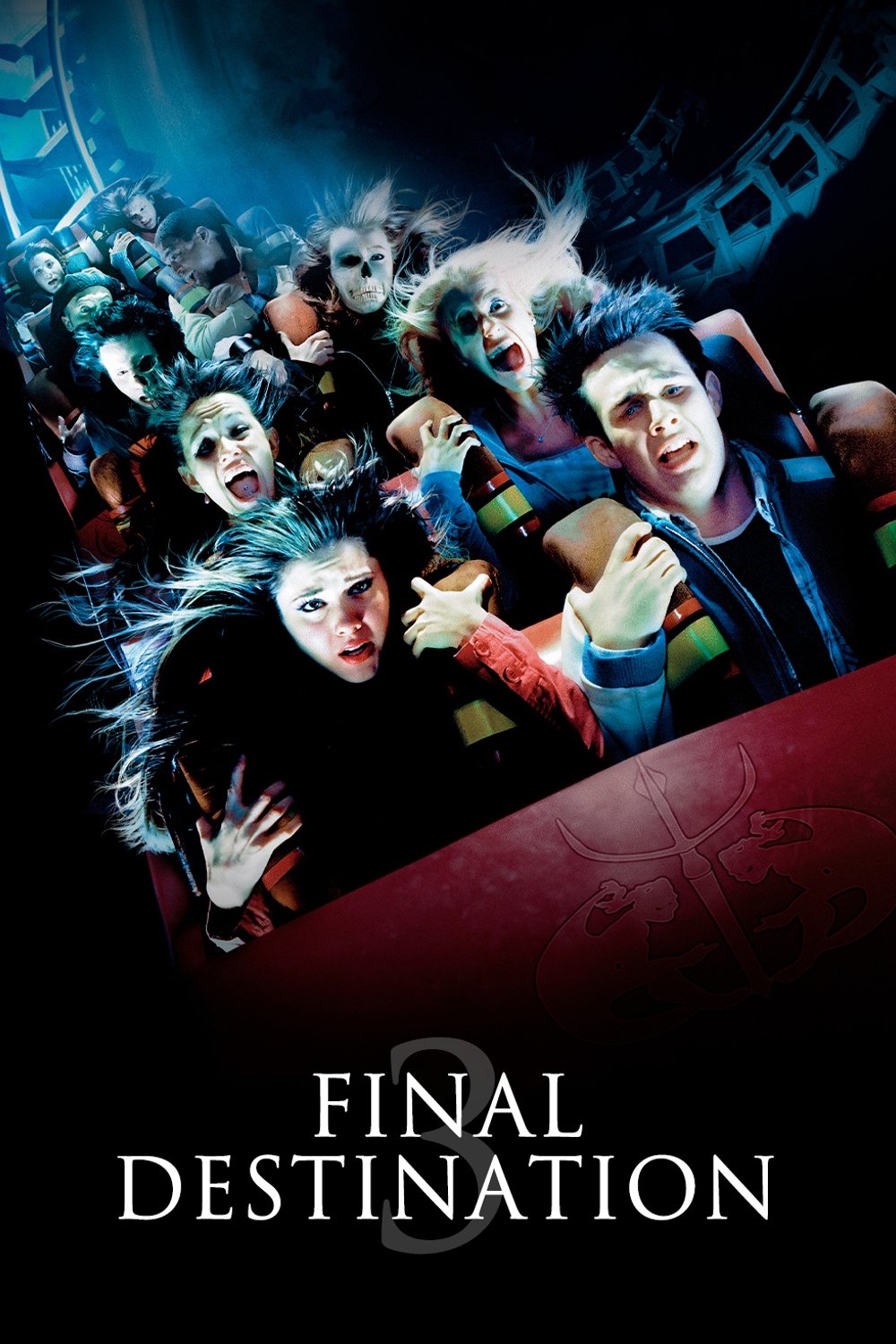
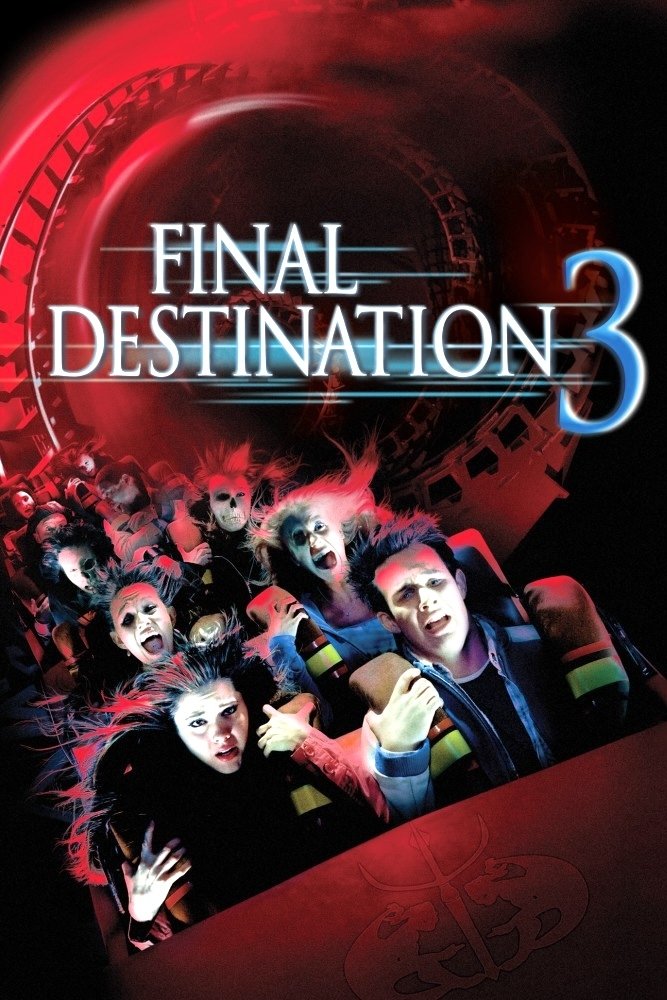
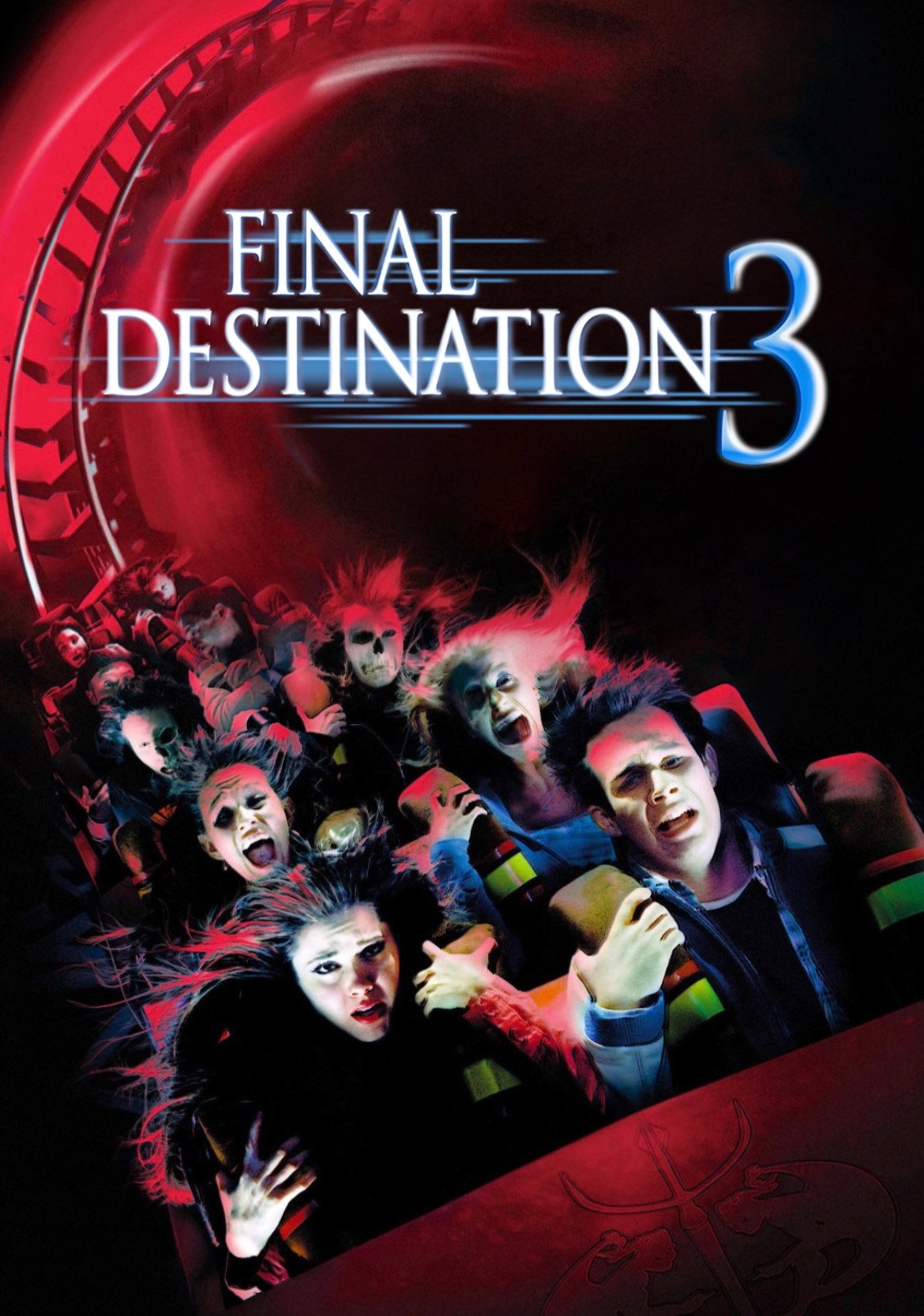
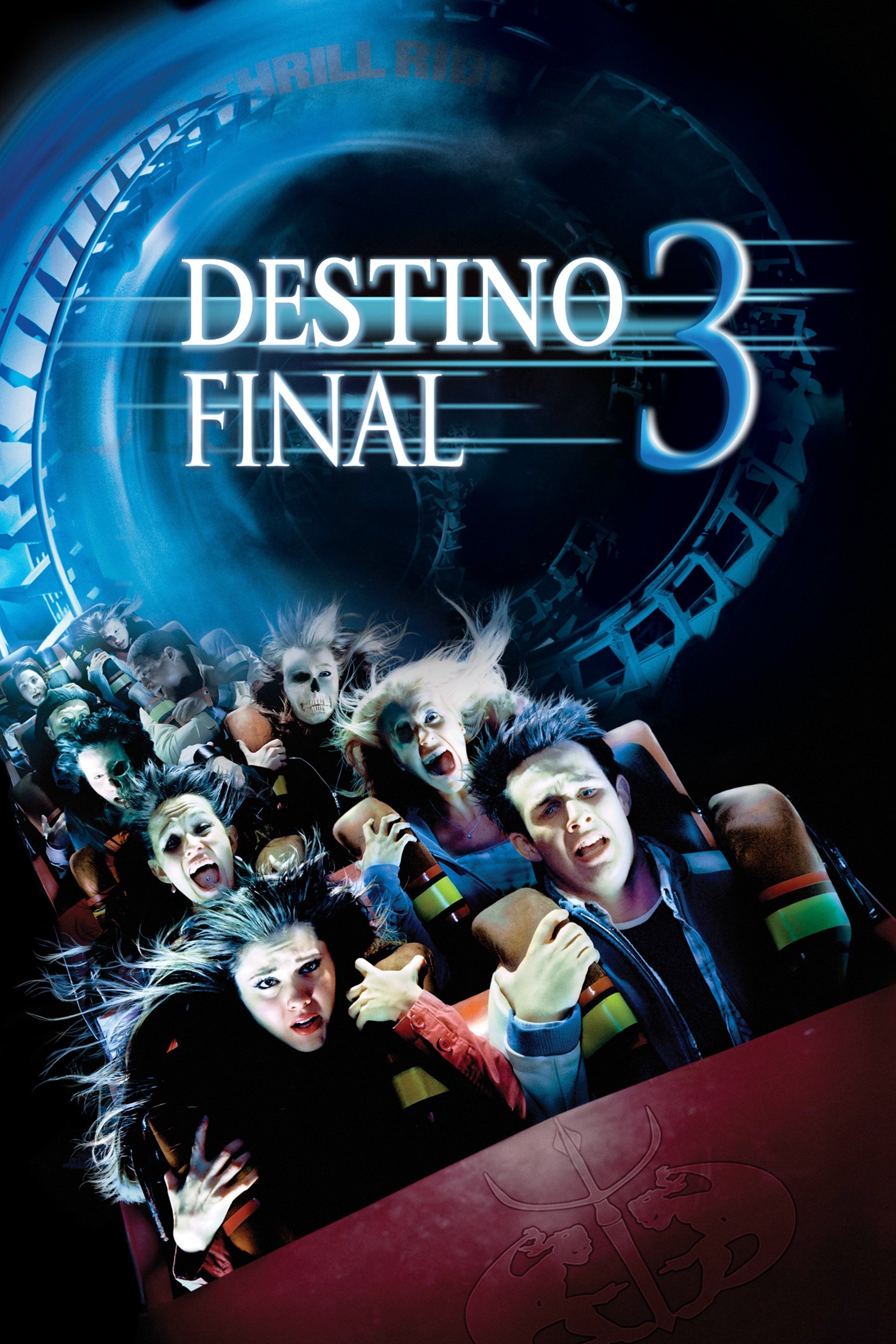
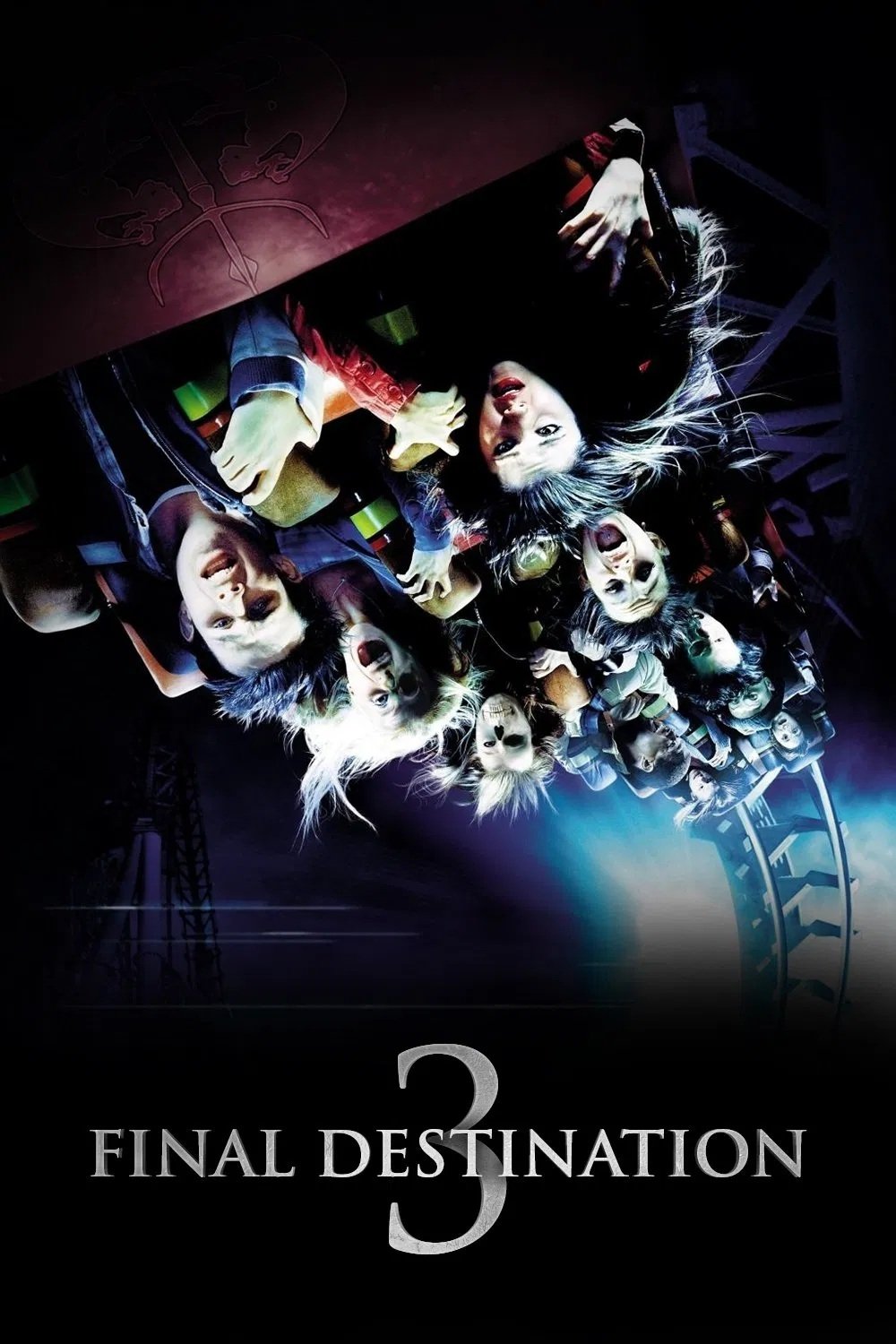
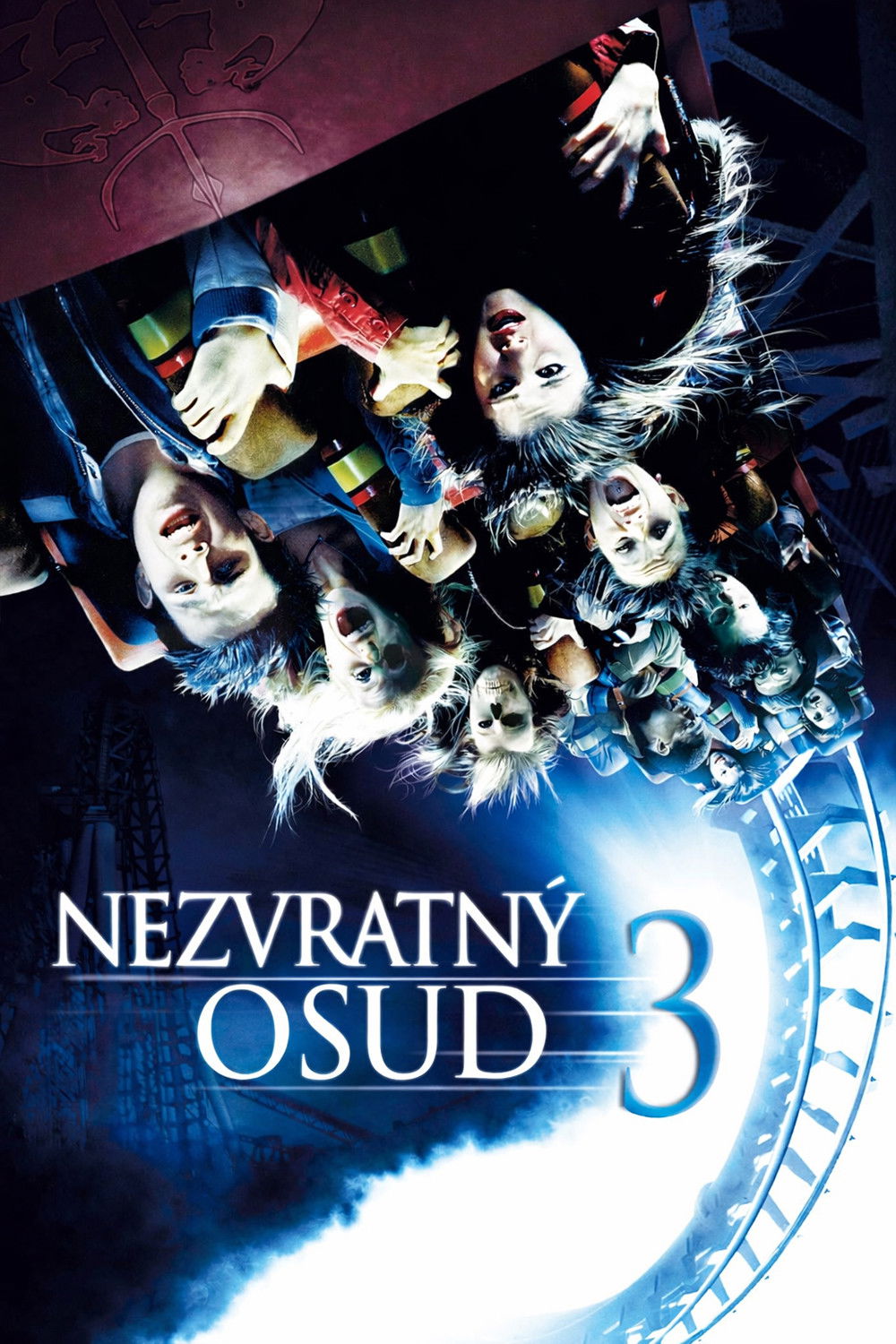
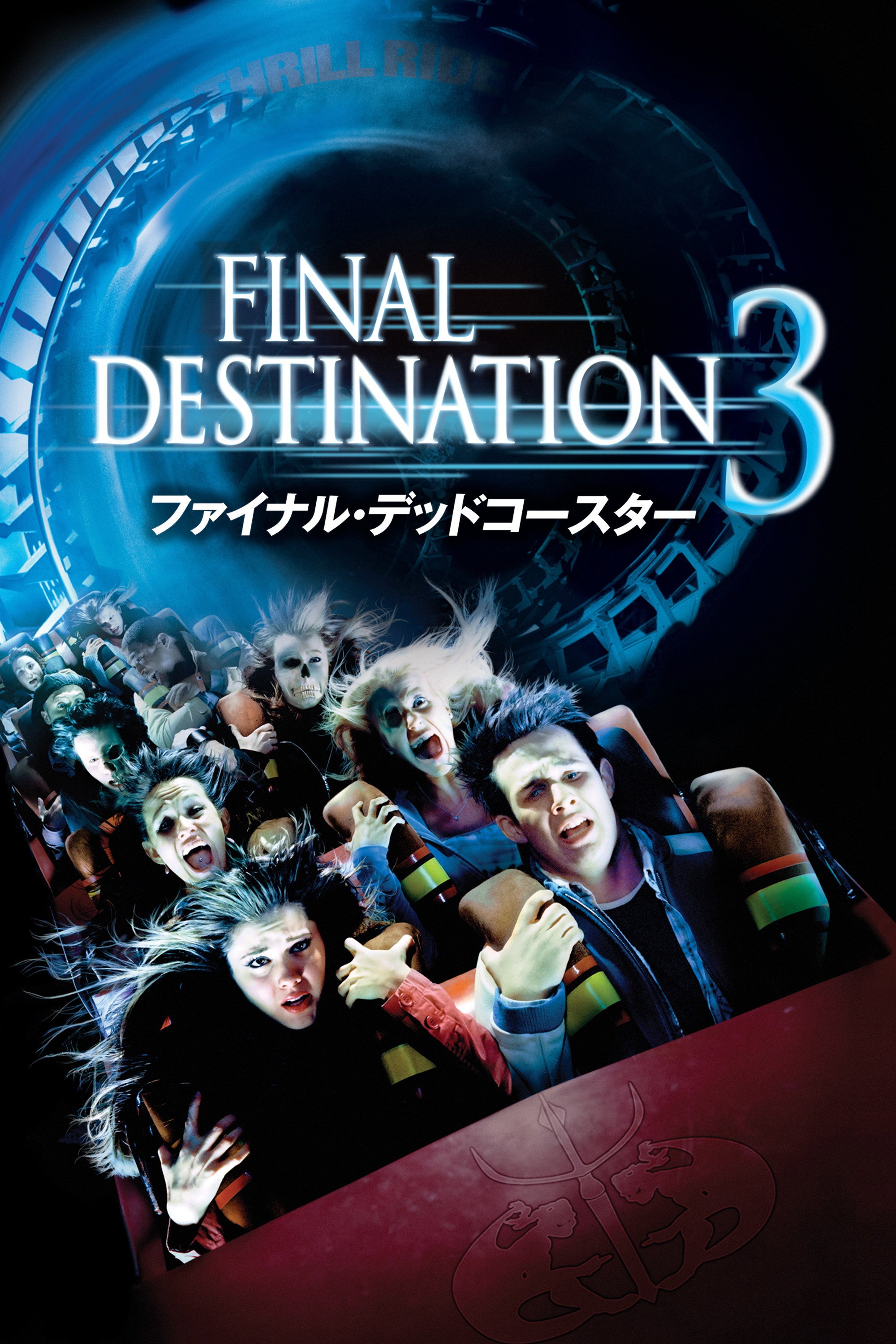
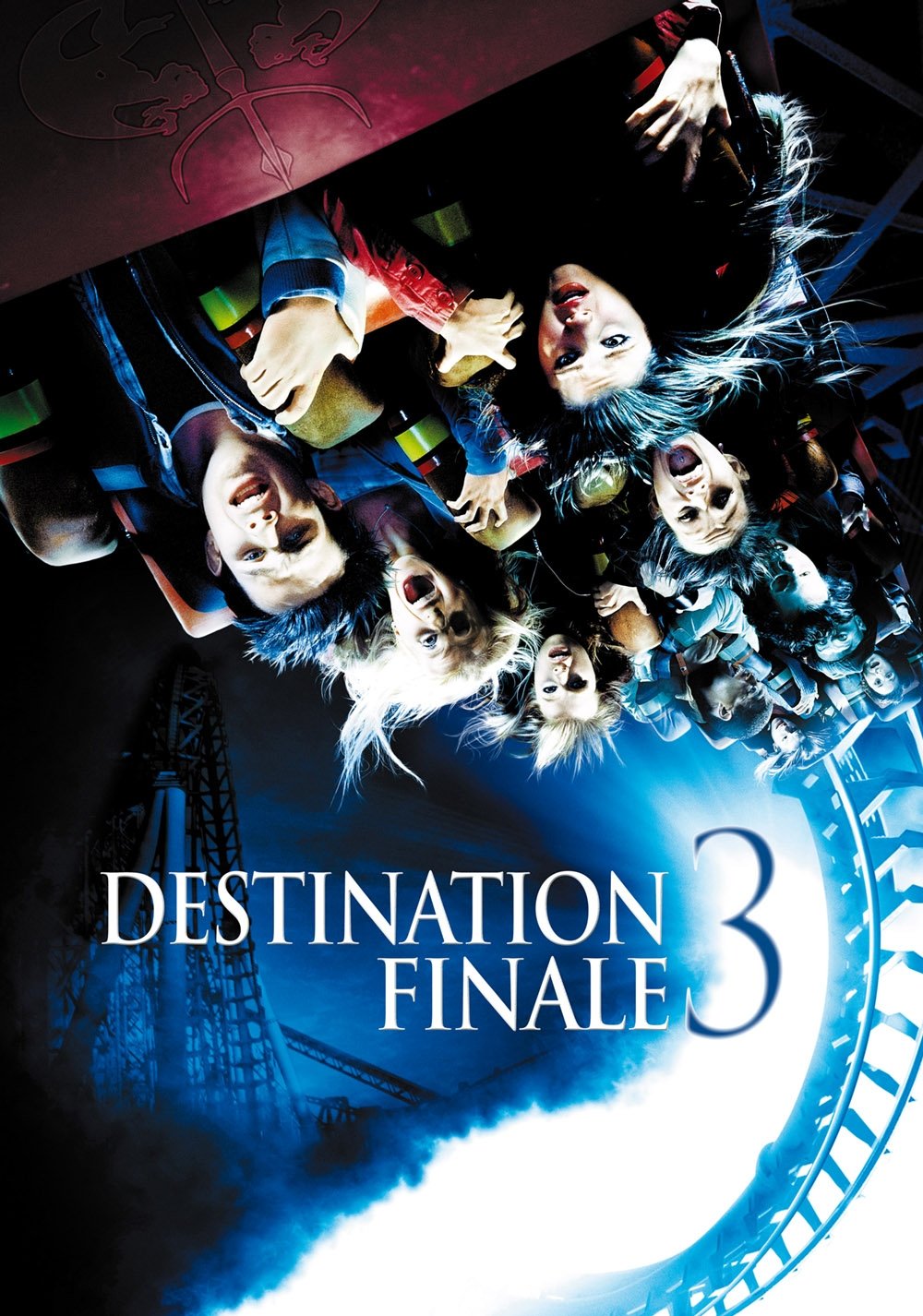
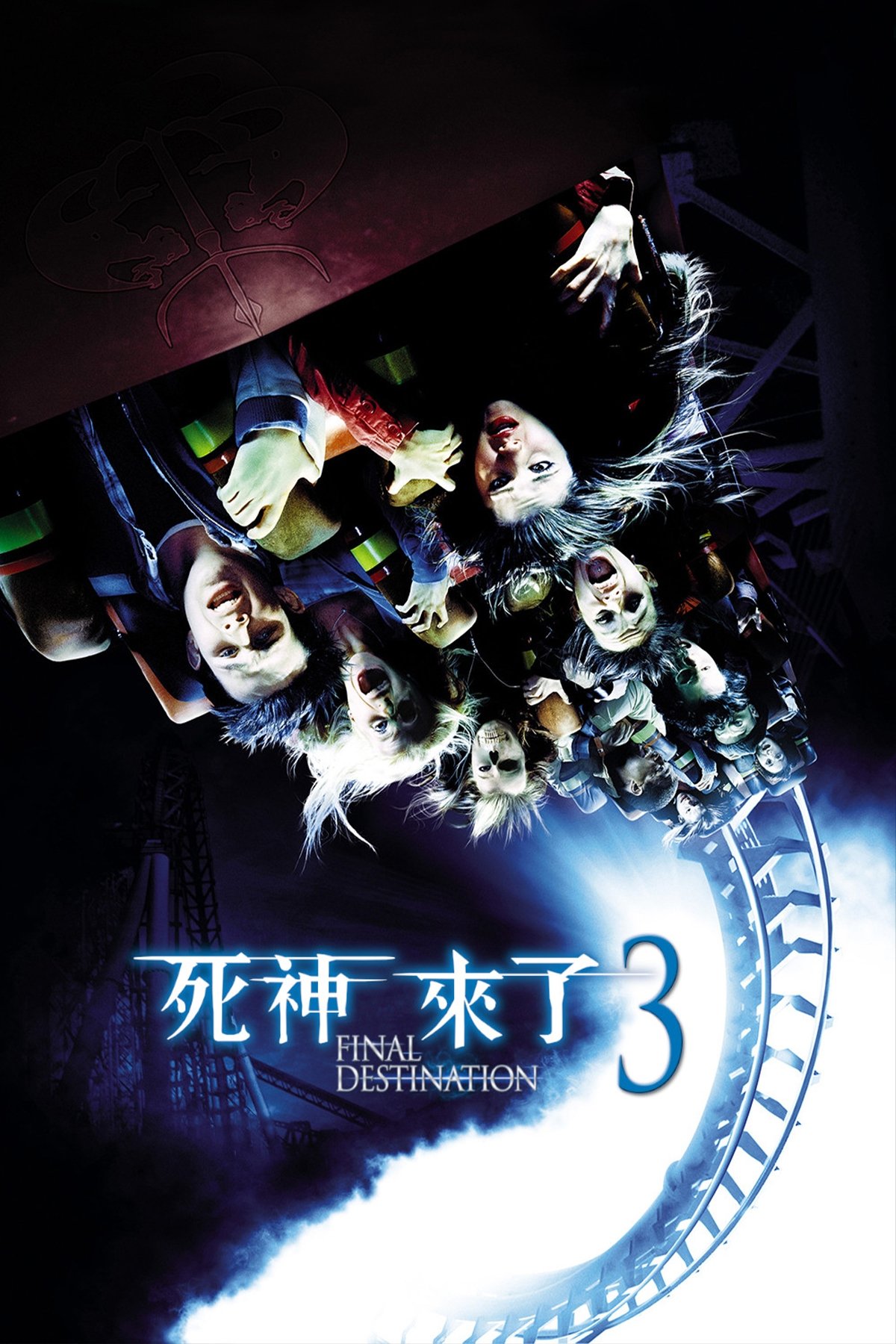
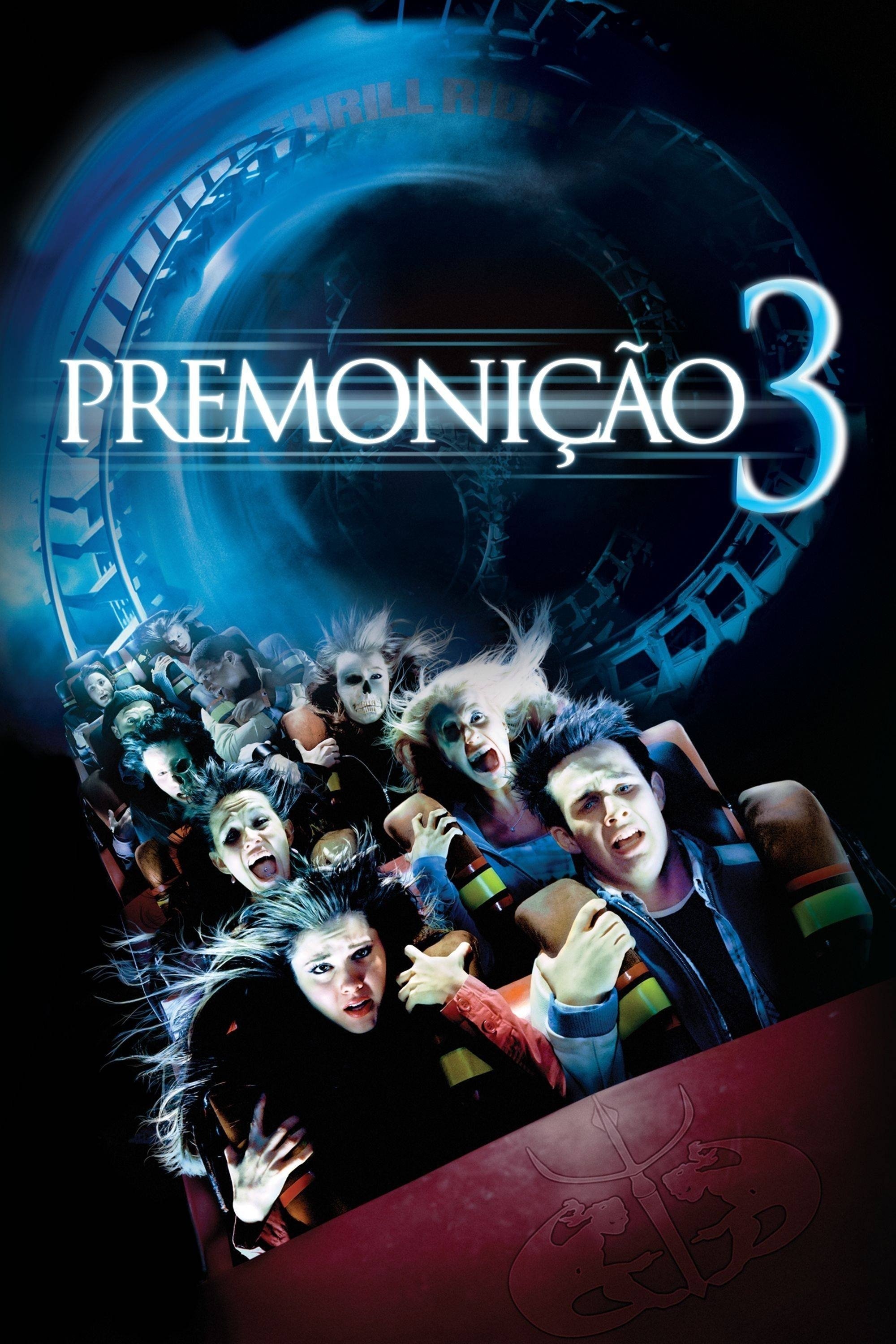
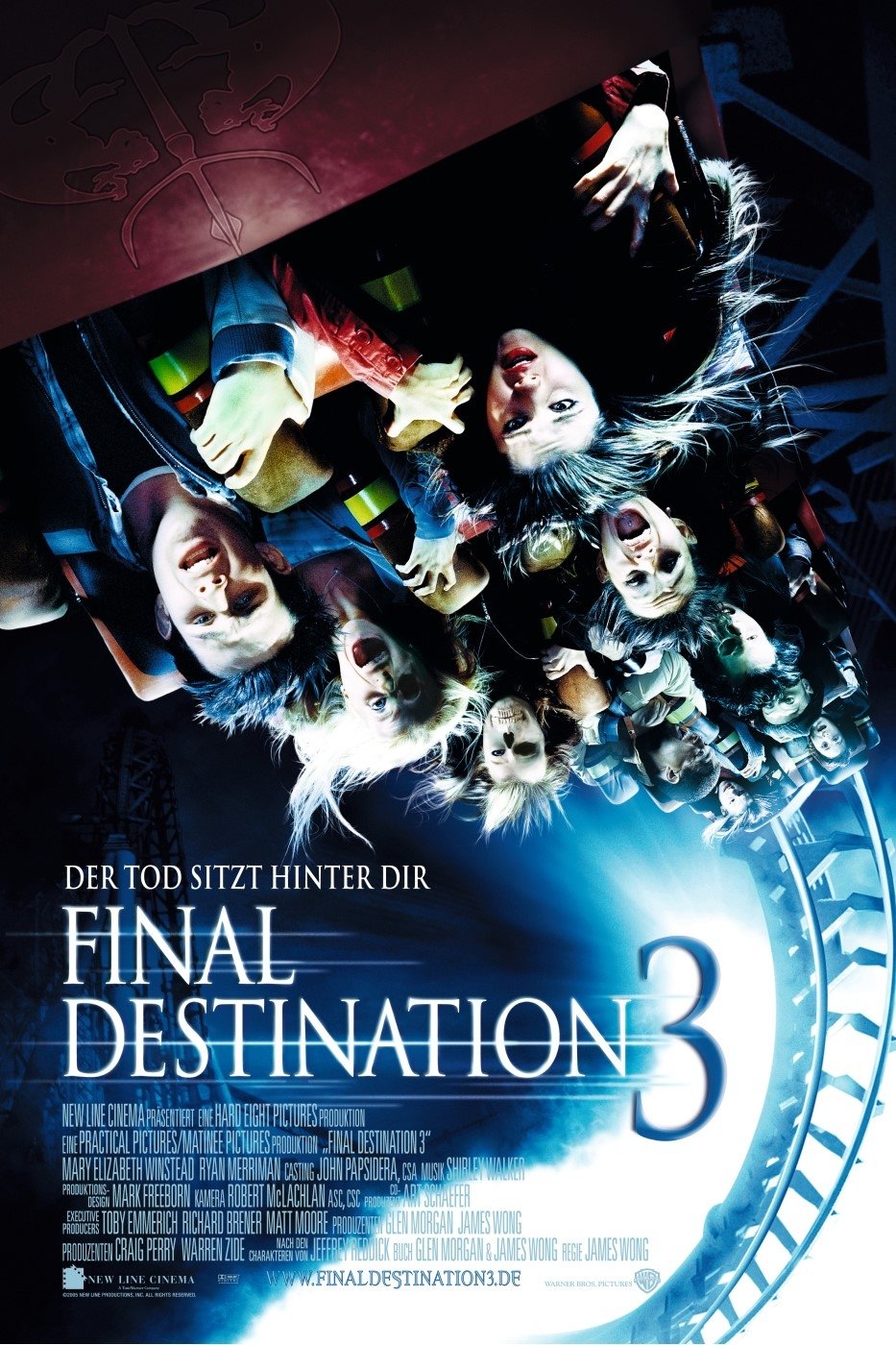
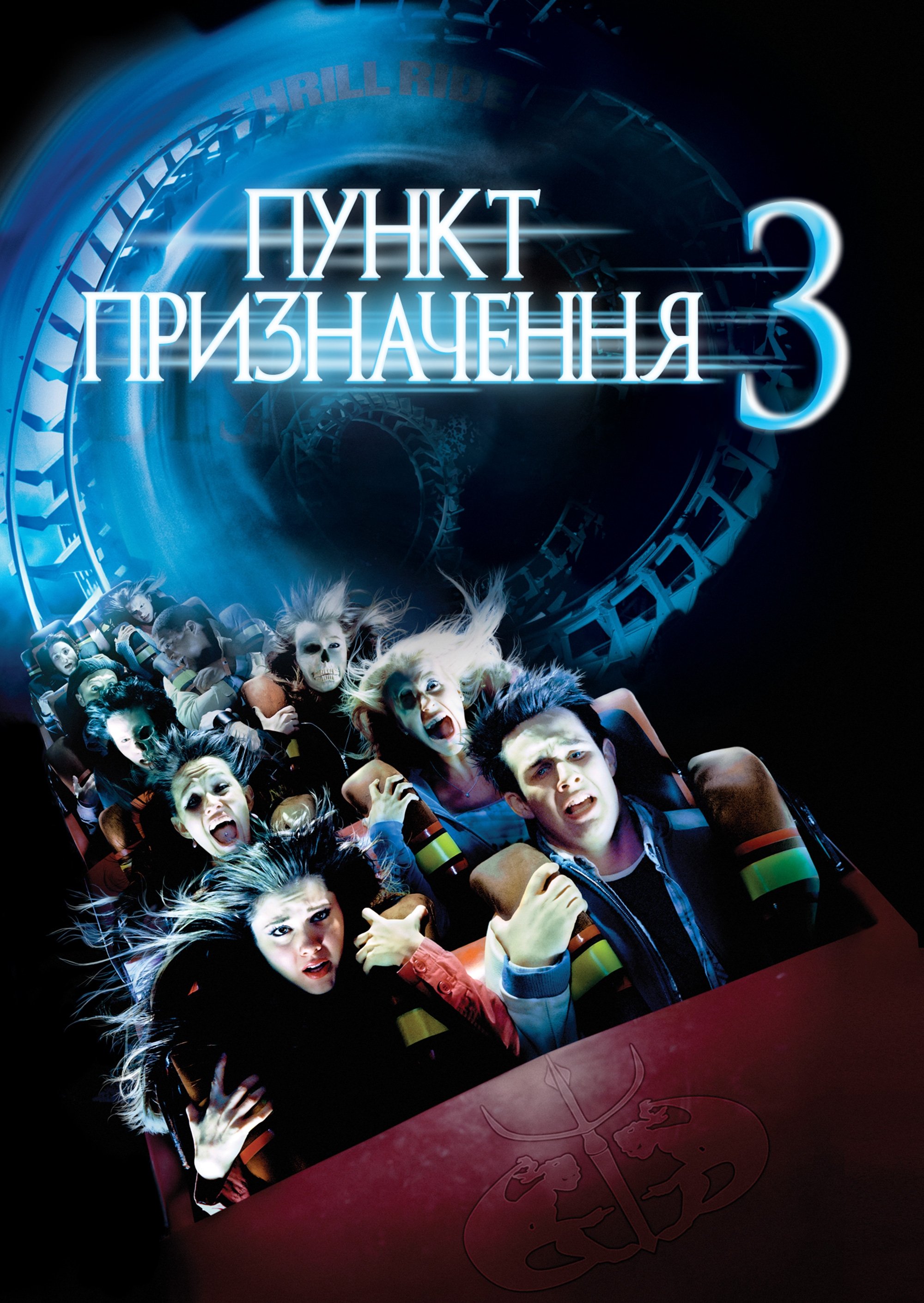
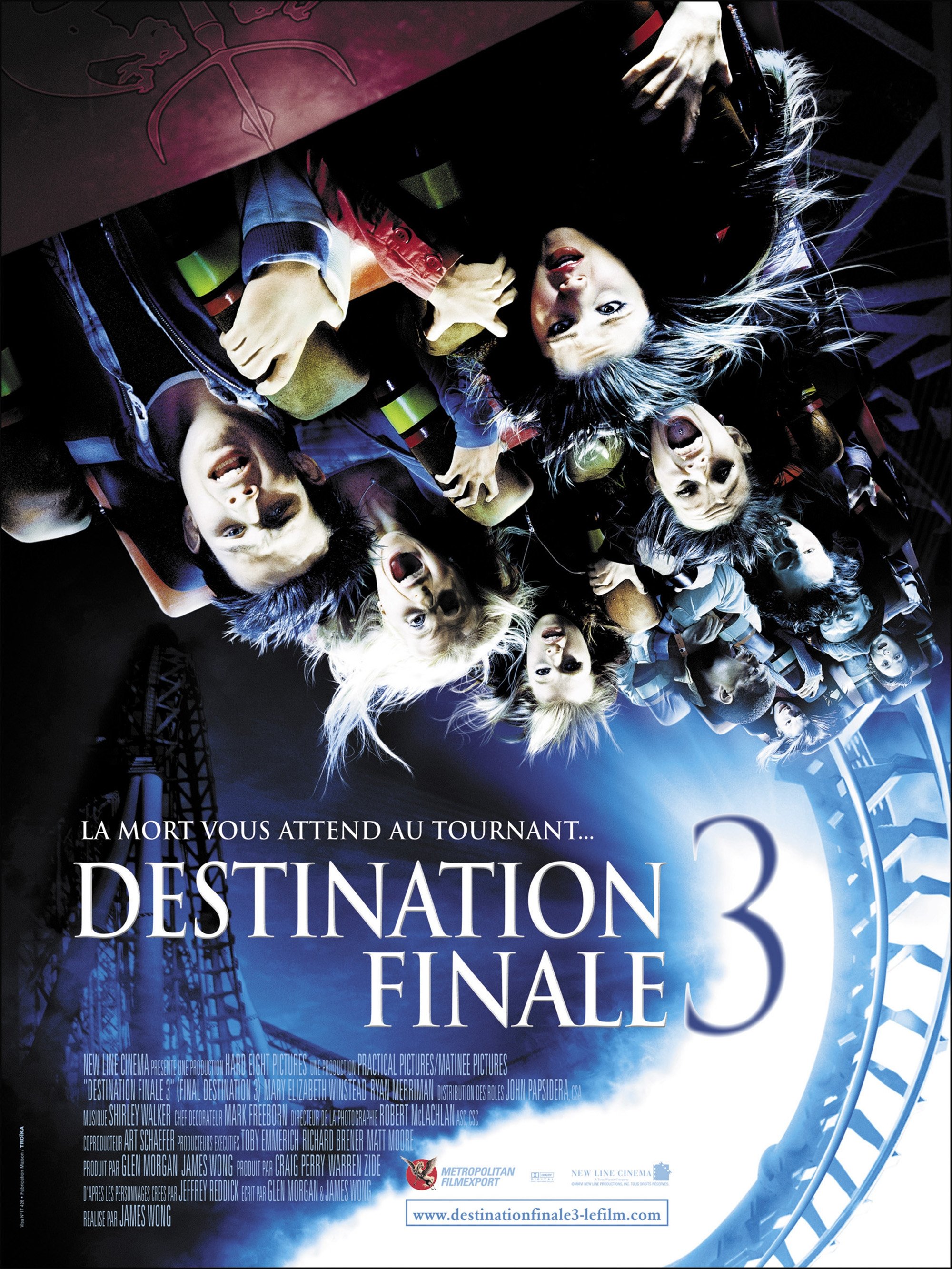
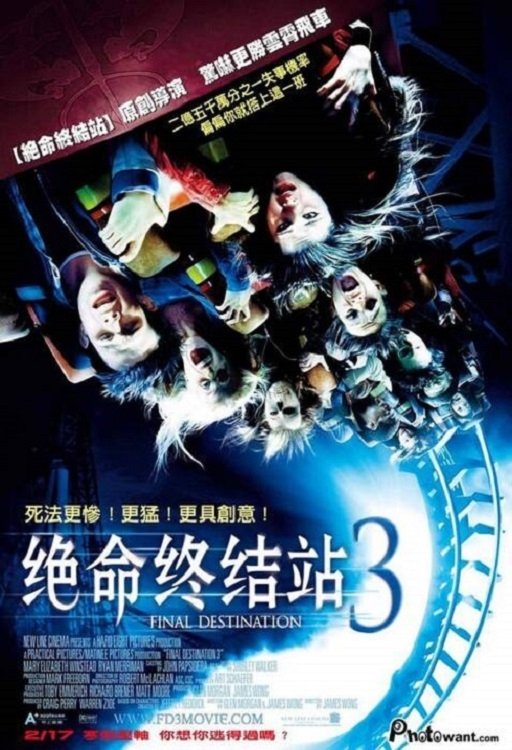
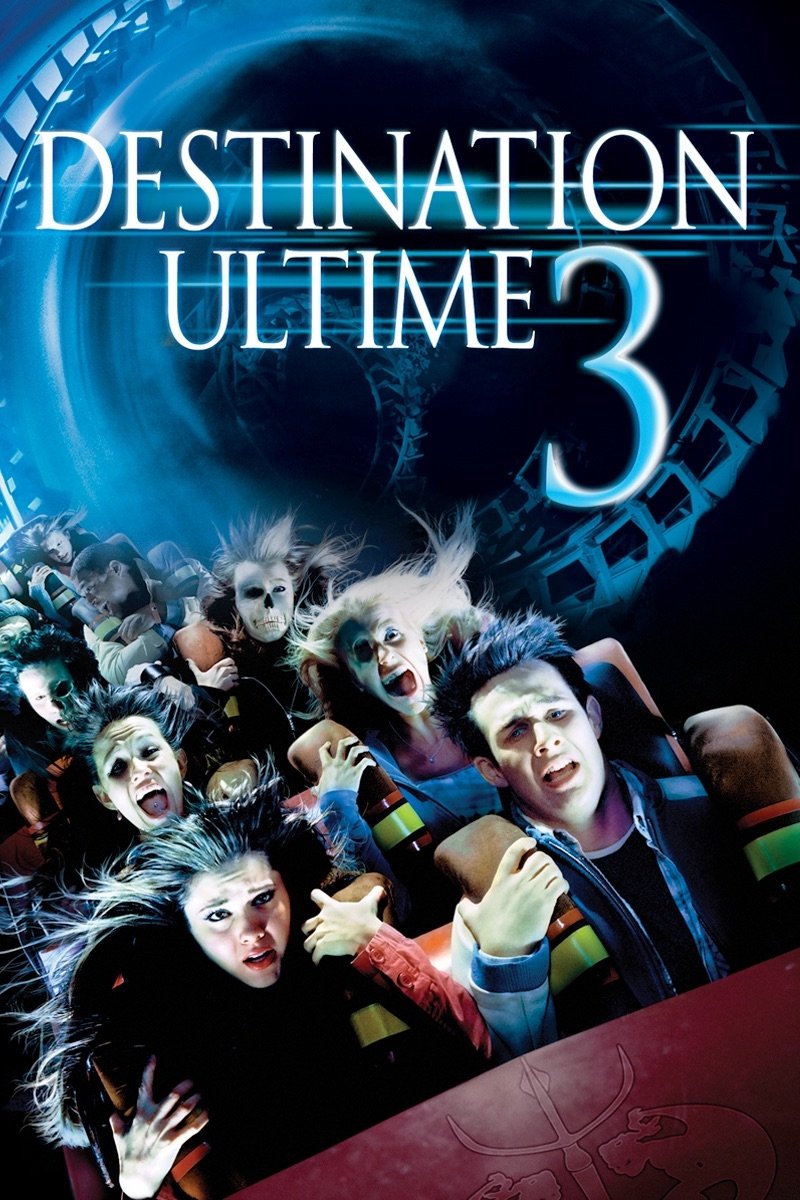
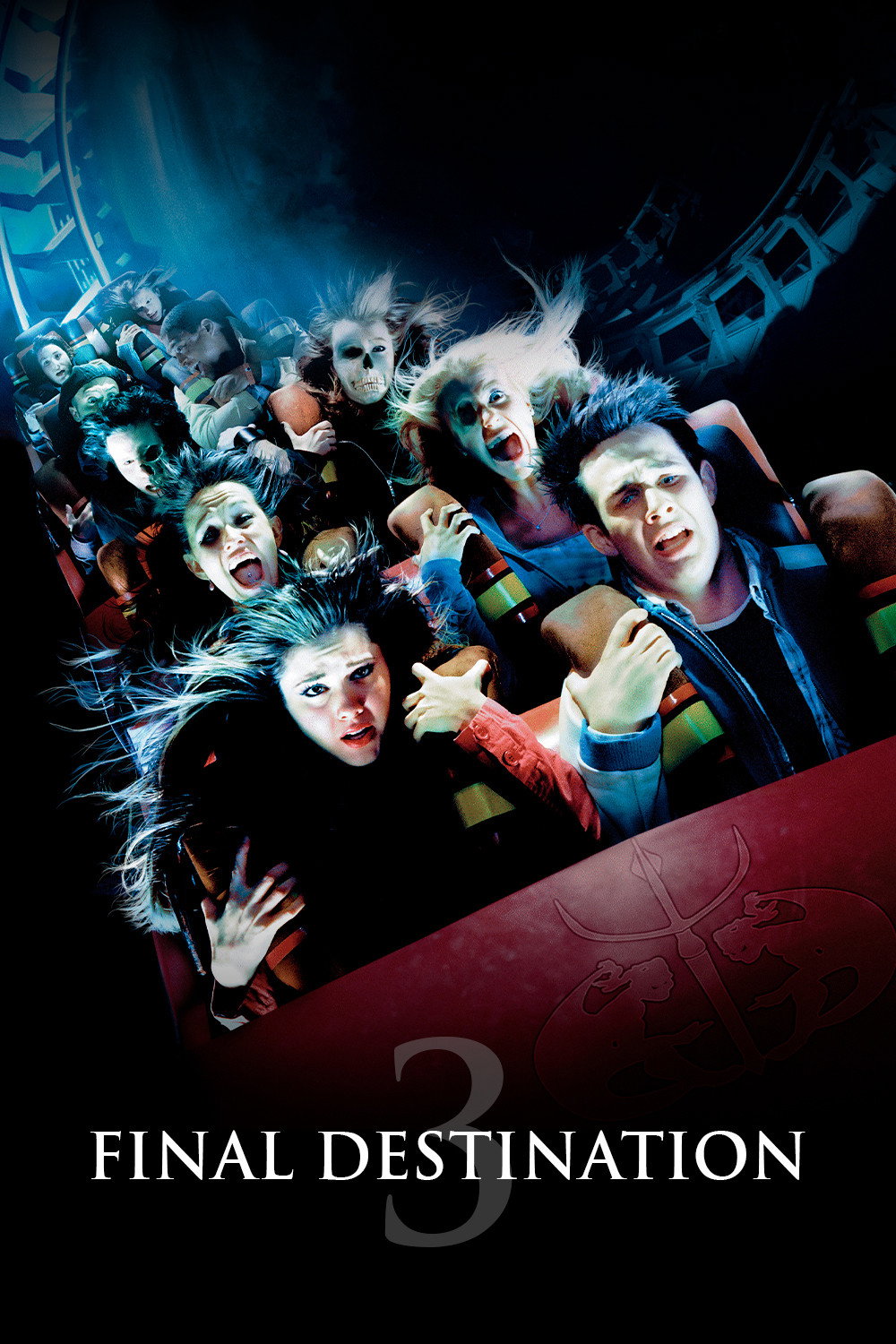
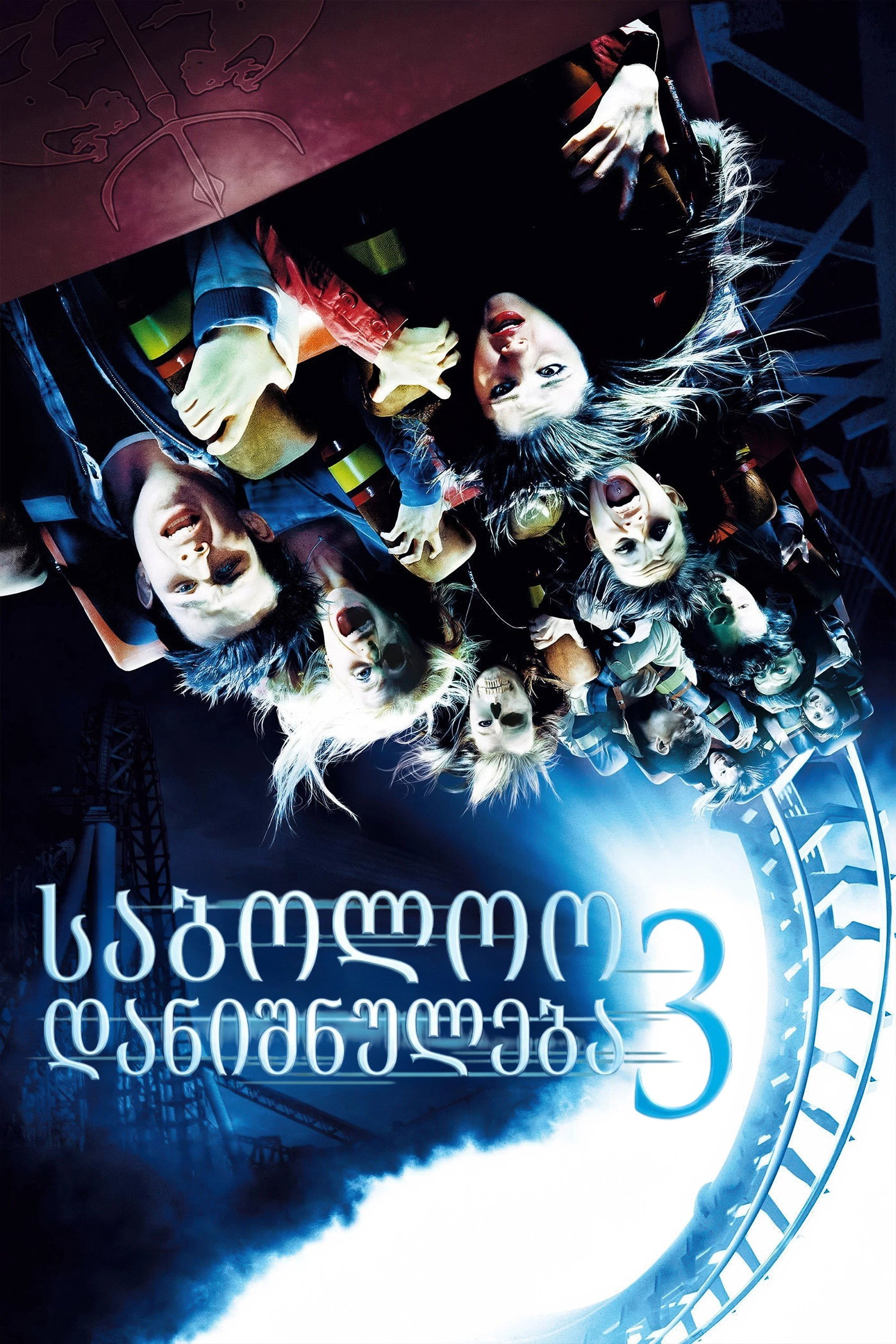
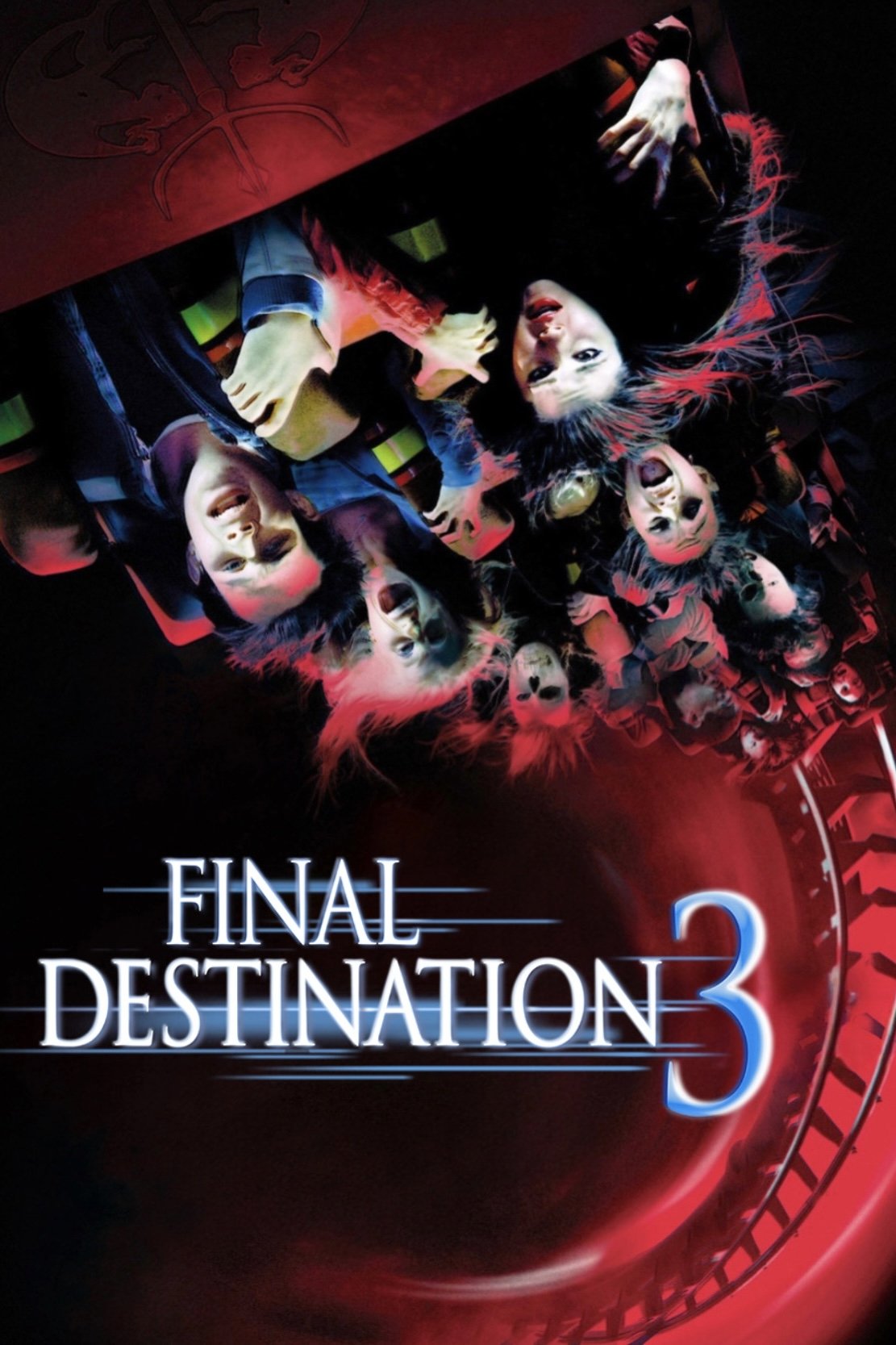
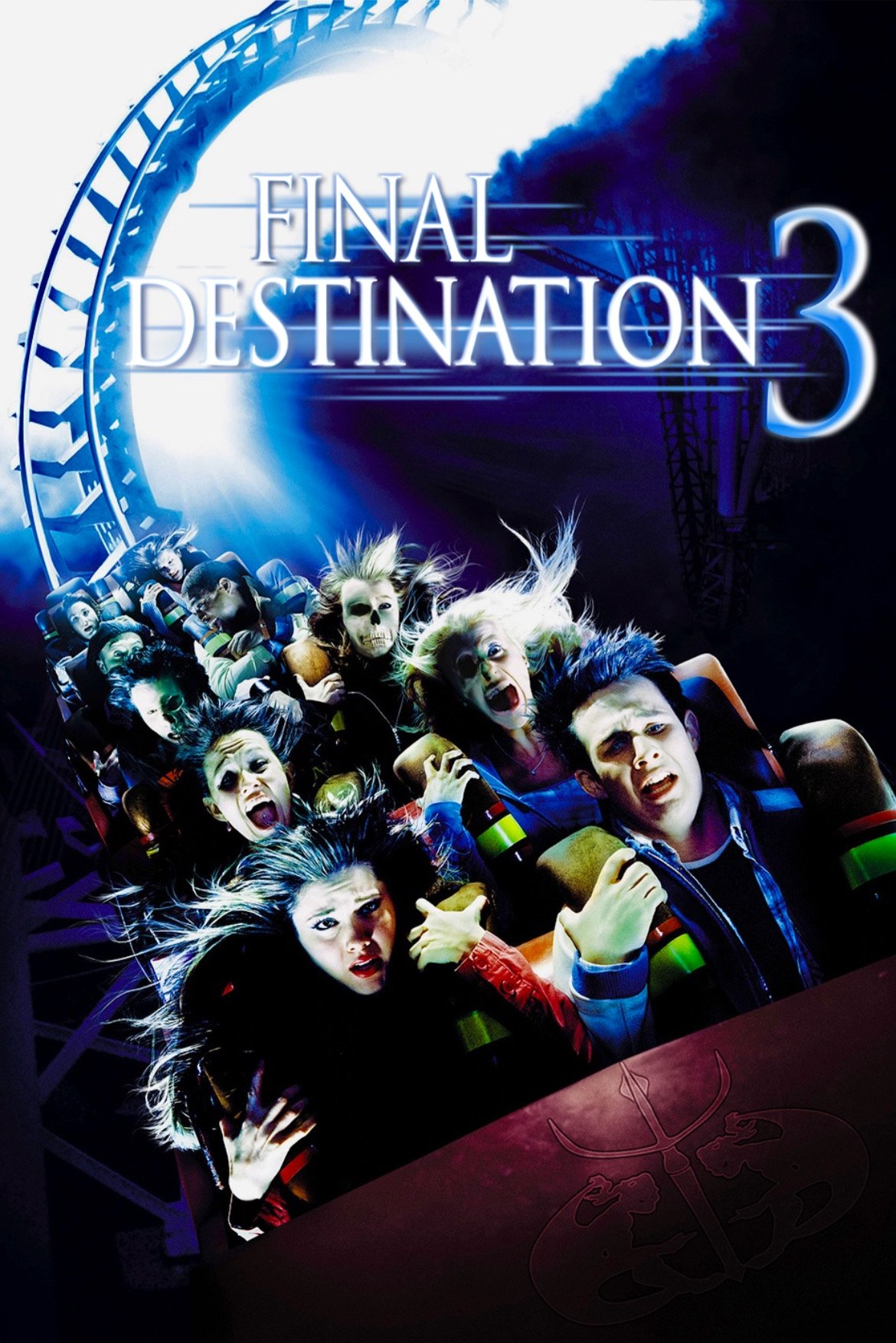
Final Destination 3 (2006) poster
Director
Production Companies
New Line Cinema , Hard Eight Pictures , Matinee Pictures , Practical Pictures , Kumar Mobiliengesellschaft mbH & Co. Projekt Nr. 1
Plot

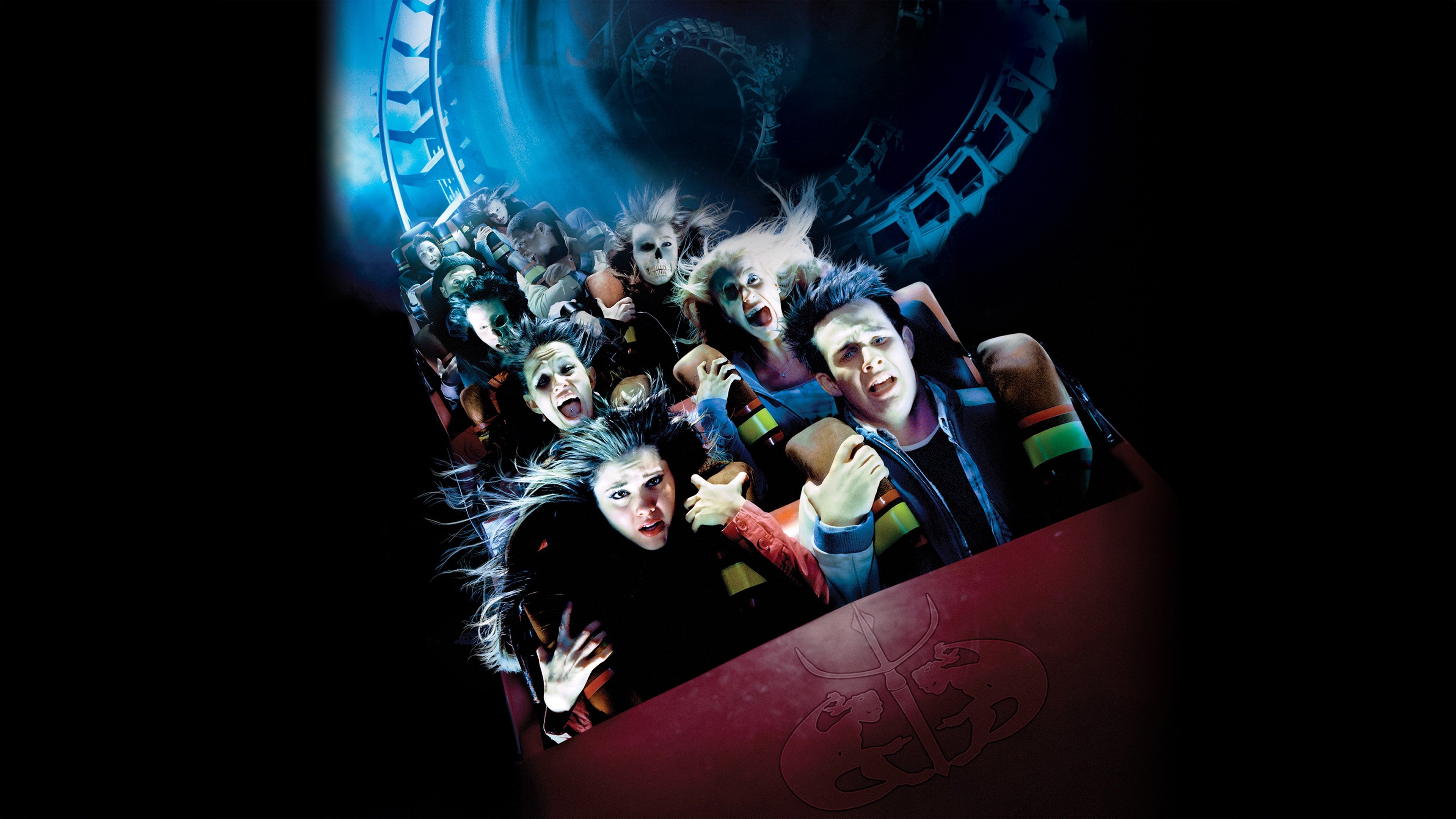
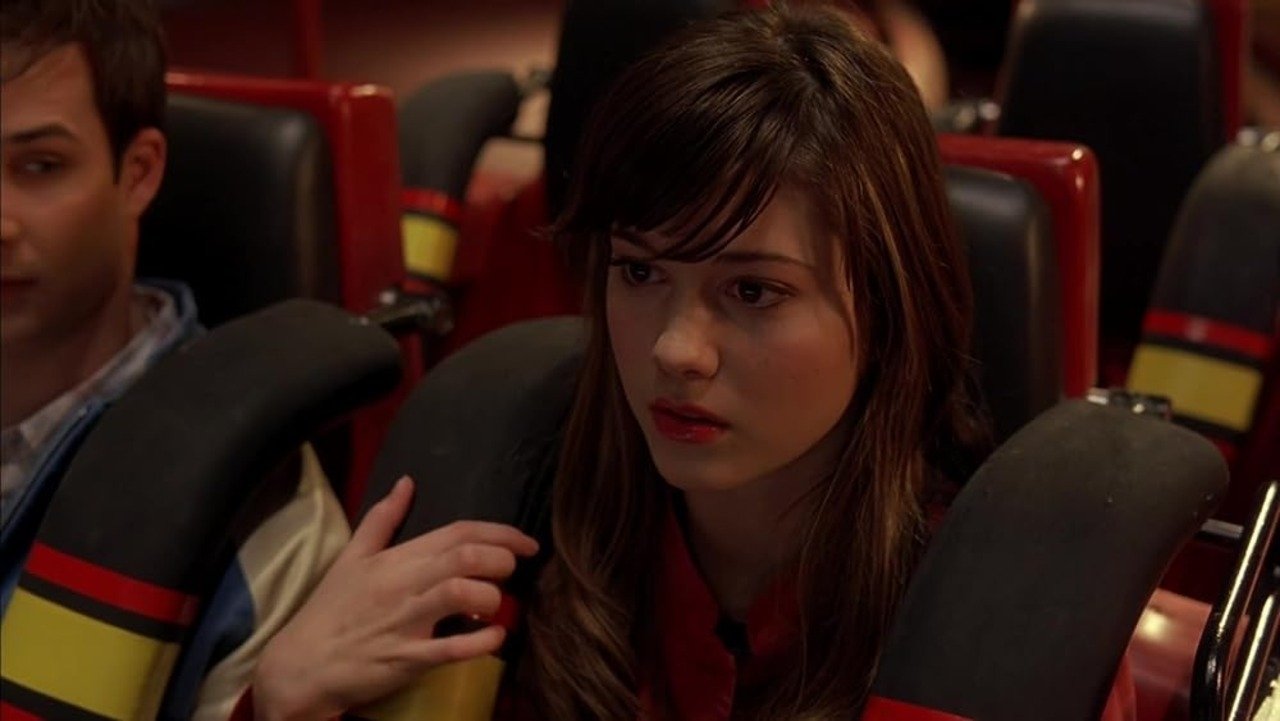
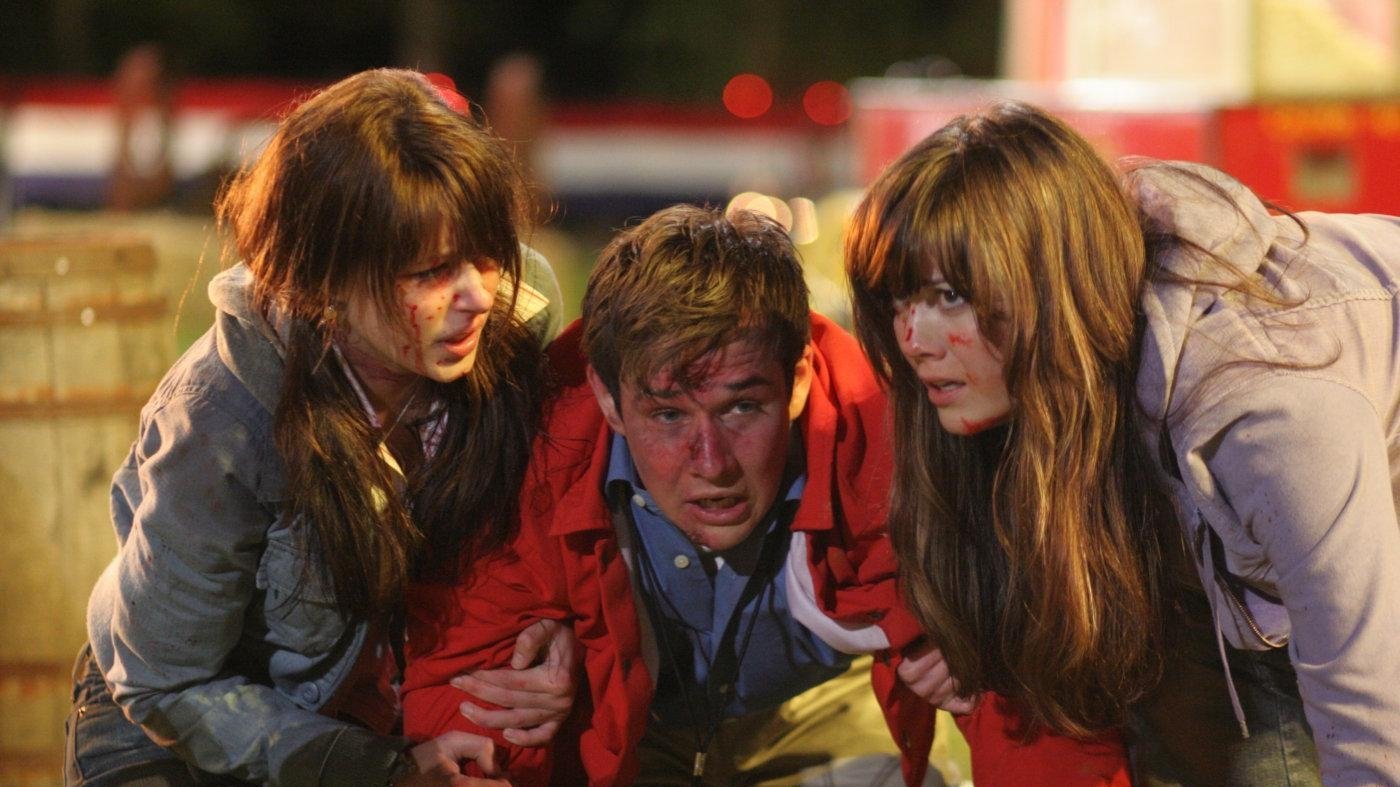
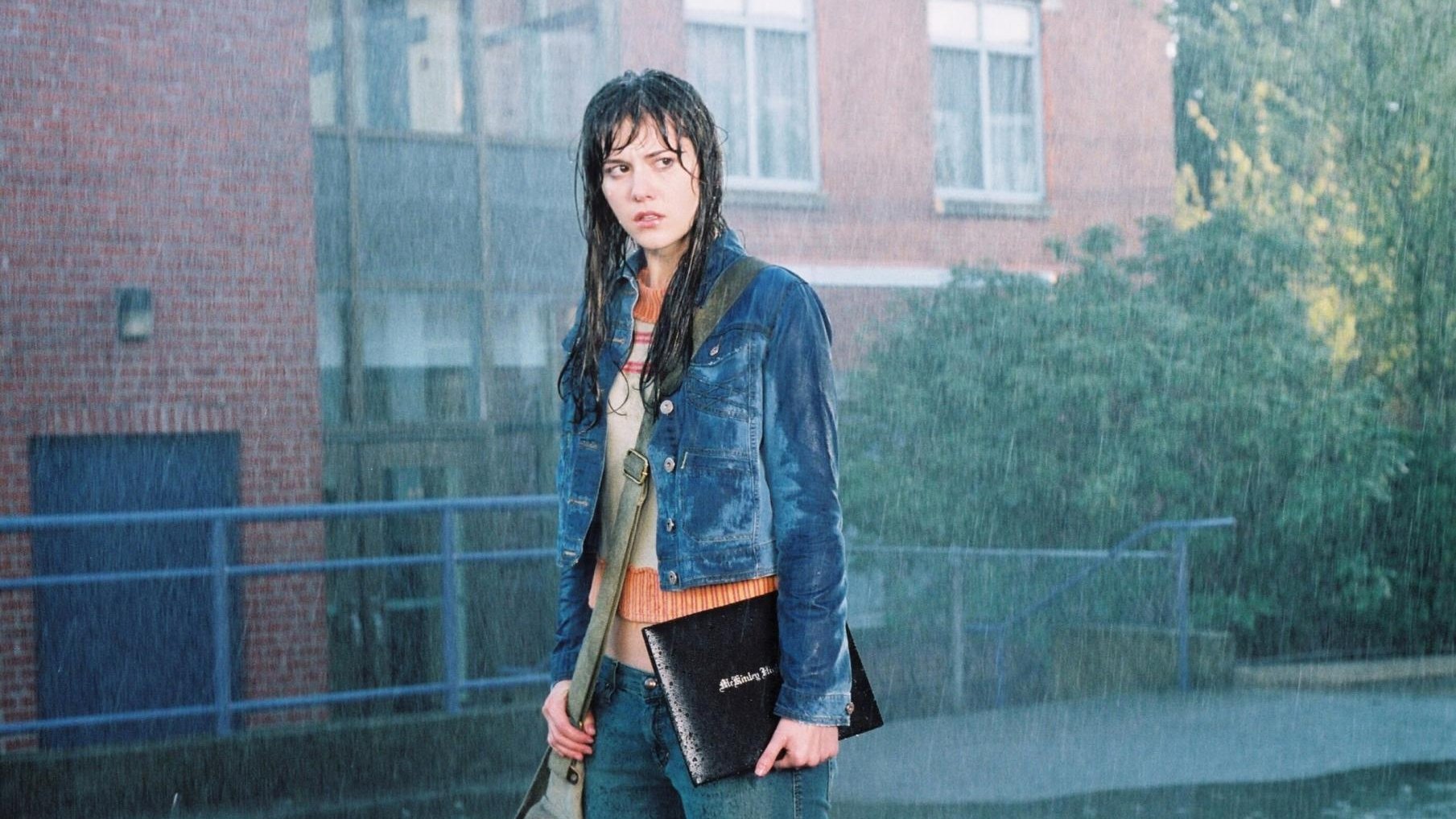
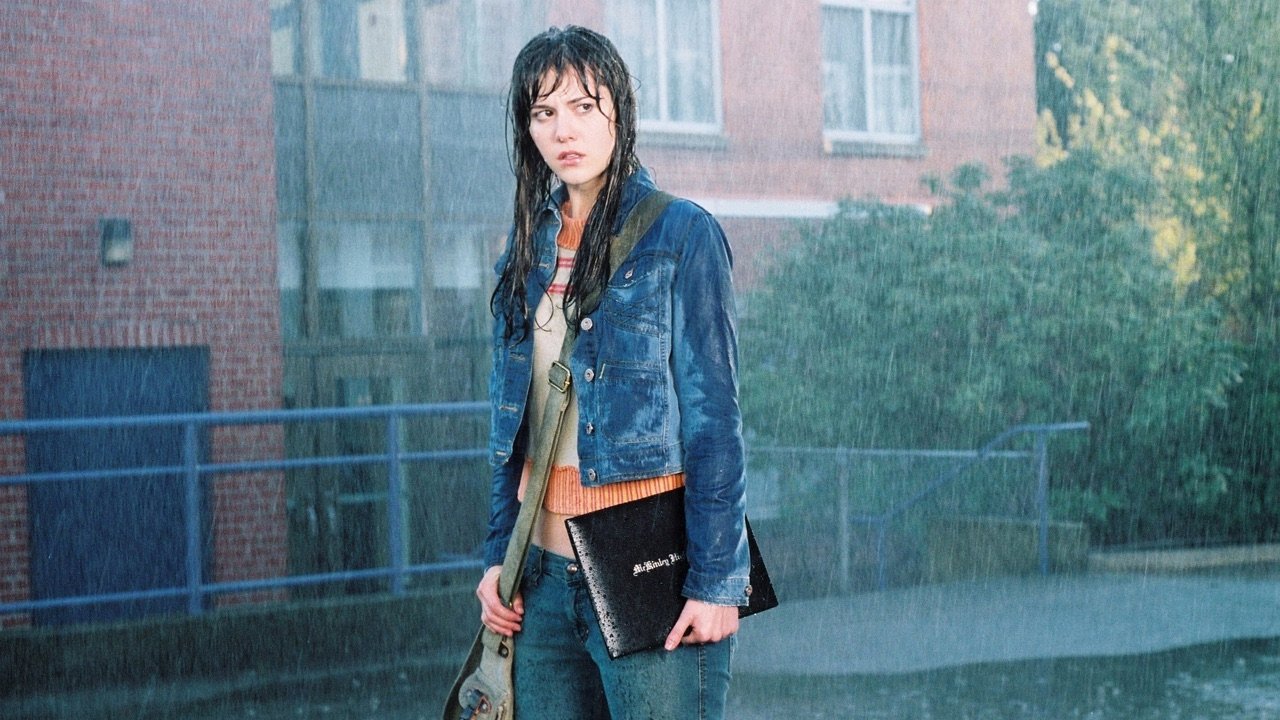
During a school trip to an amusement park, Wendy Christensen foresees a catastrophic derailment on the Devil’s Flight roller coaster. Her warning keeps several classmates off the ride, but a series of deadly incidents follows. Wendy and Kevin Fischer study photographs taken before the disaster, searching for visual clues to the survivors’ fates while trying to identify and protect the next person in Death’s sequence.

Alternative Titles
Təyinat nöqtəsi 3 (Azerbaijan) — Azerbaijani Последен изход 3 (Bulgaria) — Bulgarian Premonição 3 (Brazil) — Portuguese Destination ultime 3 (Canada) — French Ultimate Destination 3 (Canada) — French literal English title 死神来了3 (China) — Chinese 绝命终结站3 (China) — Netflix Nezvratný osud 3 (Czechia) — Czech
Show all 46 alternative titles Lõpp-punkt 3 (Estonia) — Estonian Destinació final 3 (Spain) — Catalan Destino final 3 (Spain) — Spanish Destination finale 3 (France) — French საბოლოო დანიშნულება 3 (Georgia) — Georgian Vlepo to thanato sou 3 (Greece) — transliterated title Βλέπω το Θάνατό σου 3 (Greece) — Greek 死神再 3 來了 (Hong Kong SAR China) — Chinese Put bez povratka 3 (Croatia) — Croatian Végső állomás 3. (Hungary) — Hungarian יעד סופי 3 (Israel) — Hebrew फाईनल डेस्टीनेशन 3: मौत का झूला (India) — Hindi مقصد نهایی 3 (Iran) — Persian Fainaru deddo kôsutâ (Japan) — transliterated title Final Dead Coaster (Japan) — English title ファイナル・デッドコースター/ファイナル・デスティネーション3 (Japan) — Japanese 데스티네이션 3: 파이널 데스티네이션 (South Korea) 파이널 데스티네이션 (South Korea) — Korean 파이널 데스티네이션 3 (South Korea) Galutinis tikslas 3 (Lithuania) — Lithuanian Ceļa gals 3 (Latvia) — Latvian Destino Final 3 (Mexico) — Spanish Oszukać przeznaczenie 3 (Poland) — Polish O Último Destino 3 (Portugal) — Portuguese Destinație finală 3 (Romania) — Romanian Последња екскурзија 3 (Serbia) — Serbian Пункт назначения 3 (Russia) — Russian الوجهة النهائية 3 (Saudi Arabia) — Arabic Brez povratka 3 (Slovenia) — Slovenian Nezvratný osud 3 (Slovakia) — Slovak โกงความตาย เย้ยความตาย (Thailand) ไฟนอล เดสติเนชั่น 3 : โกงความตายเย้ยความตาย (Thailand) — Thai Son Durak 3 (Türkiye) — Turkish 絕命終結站3 (Taiwan) — Chinese Пункт призначення 3 (Ukraine) — Ukrainian Cheating Death: Final Destination 3 (United States) — Working Title Final Destination 3-D (United States) — Working Title Lưỡi Hái Tử Thần 3 (Vietnam) — Vietnamese

Trailers & Videos

10 videos

Film Guide & Analysis

The 2006 roller-coaster sequel that turns photographs into omens and ordinary machines into threats, with a complex digital production and a branching DVD edition.

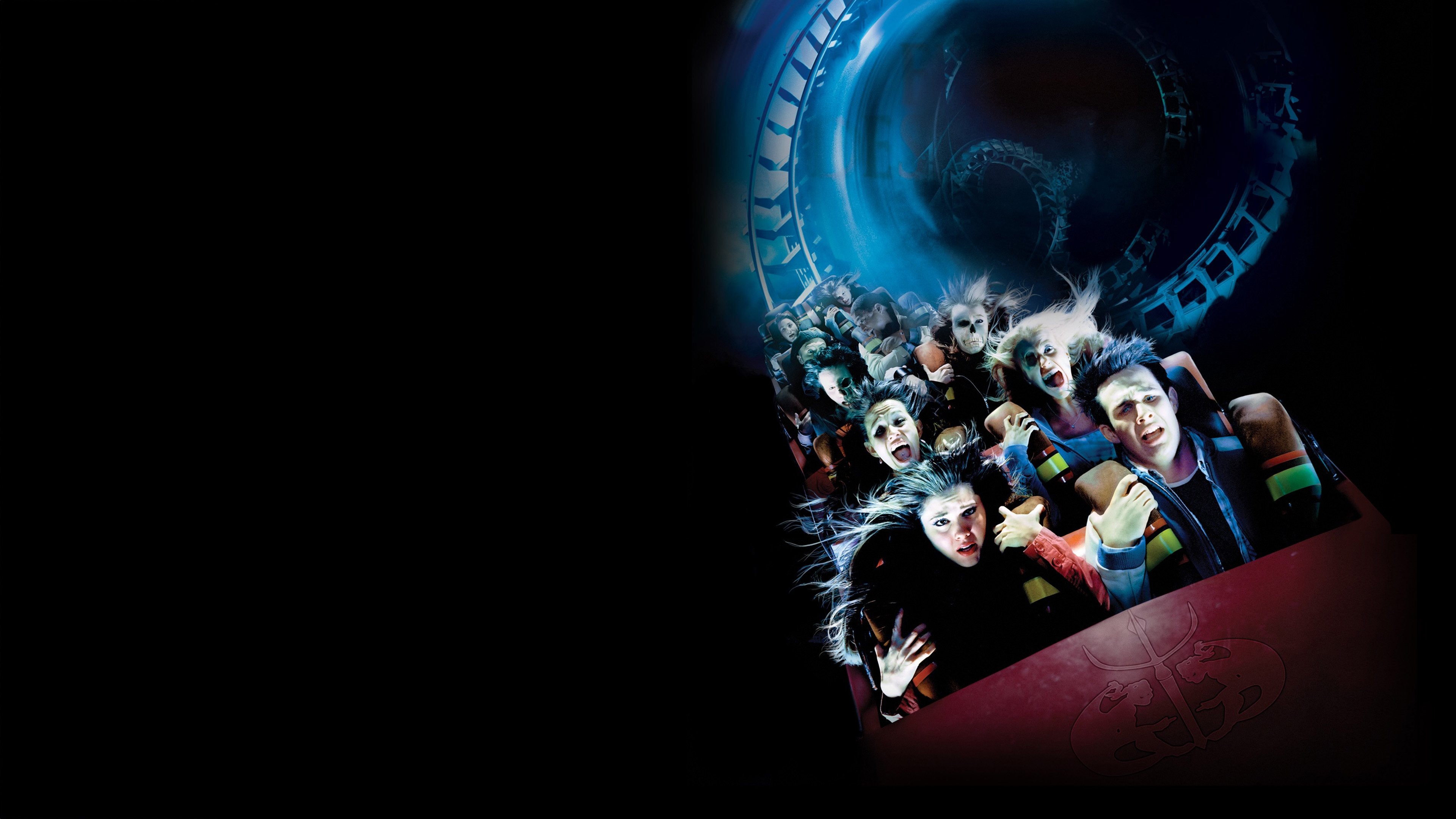
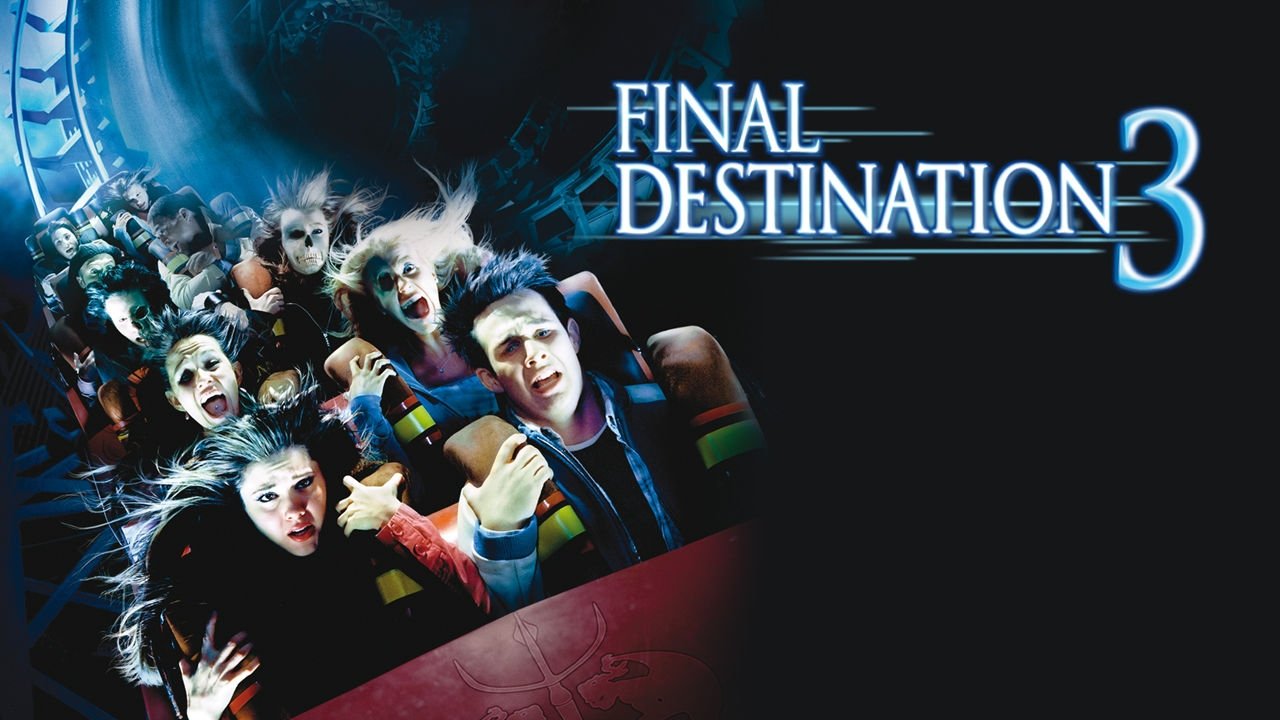
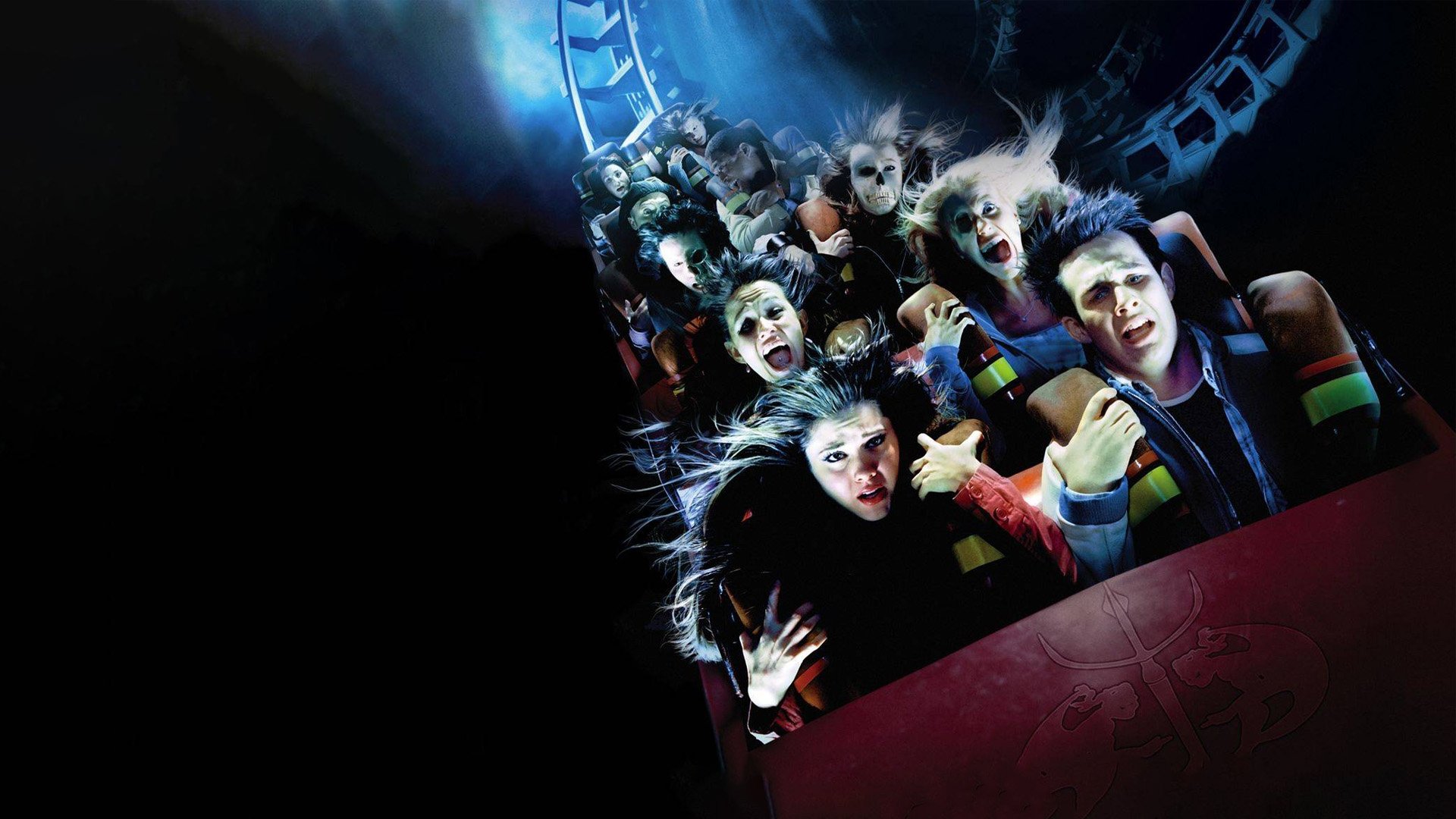
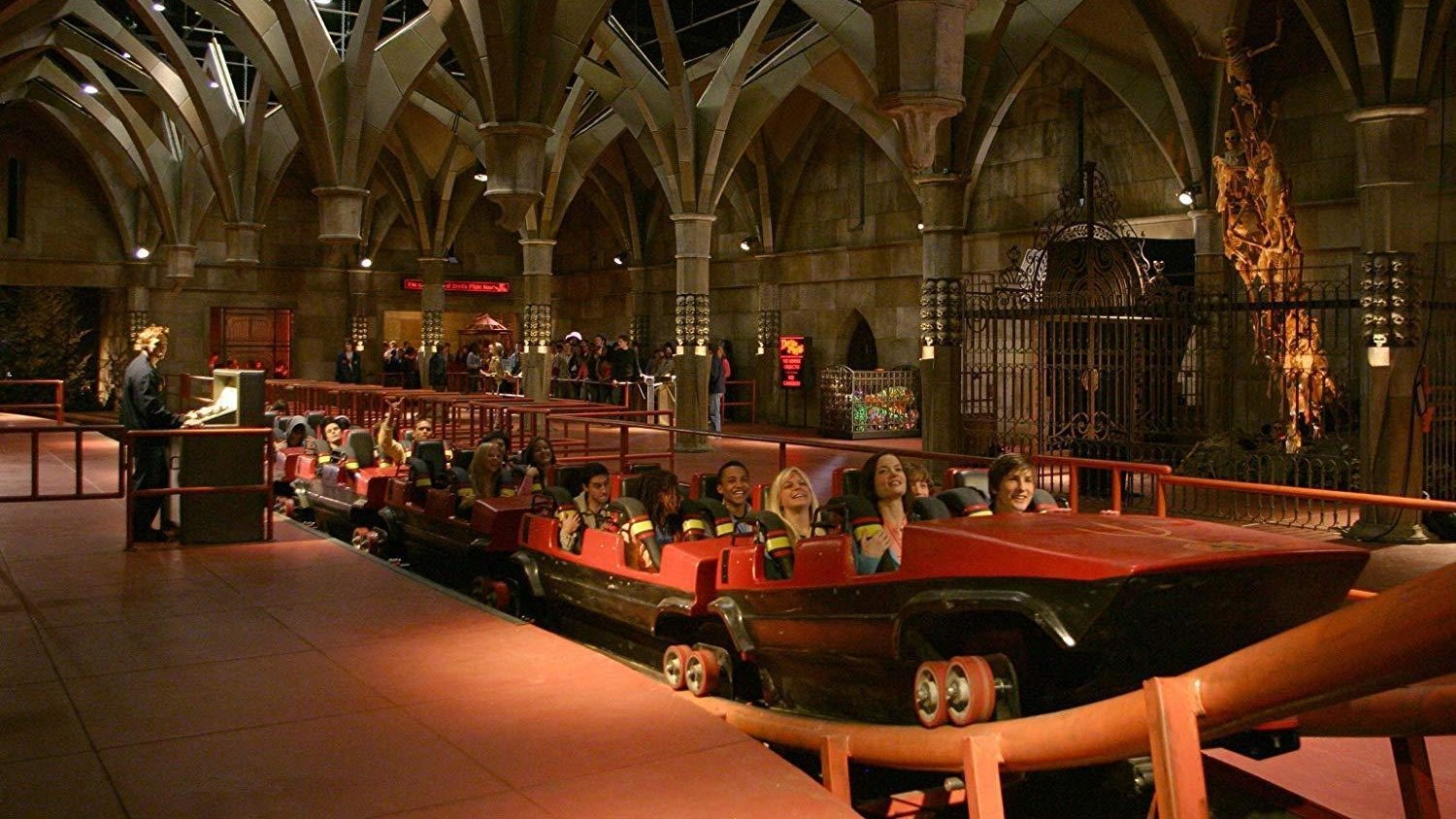
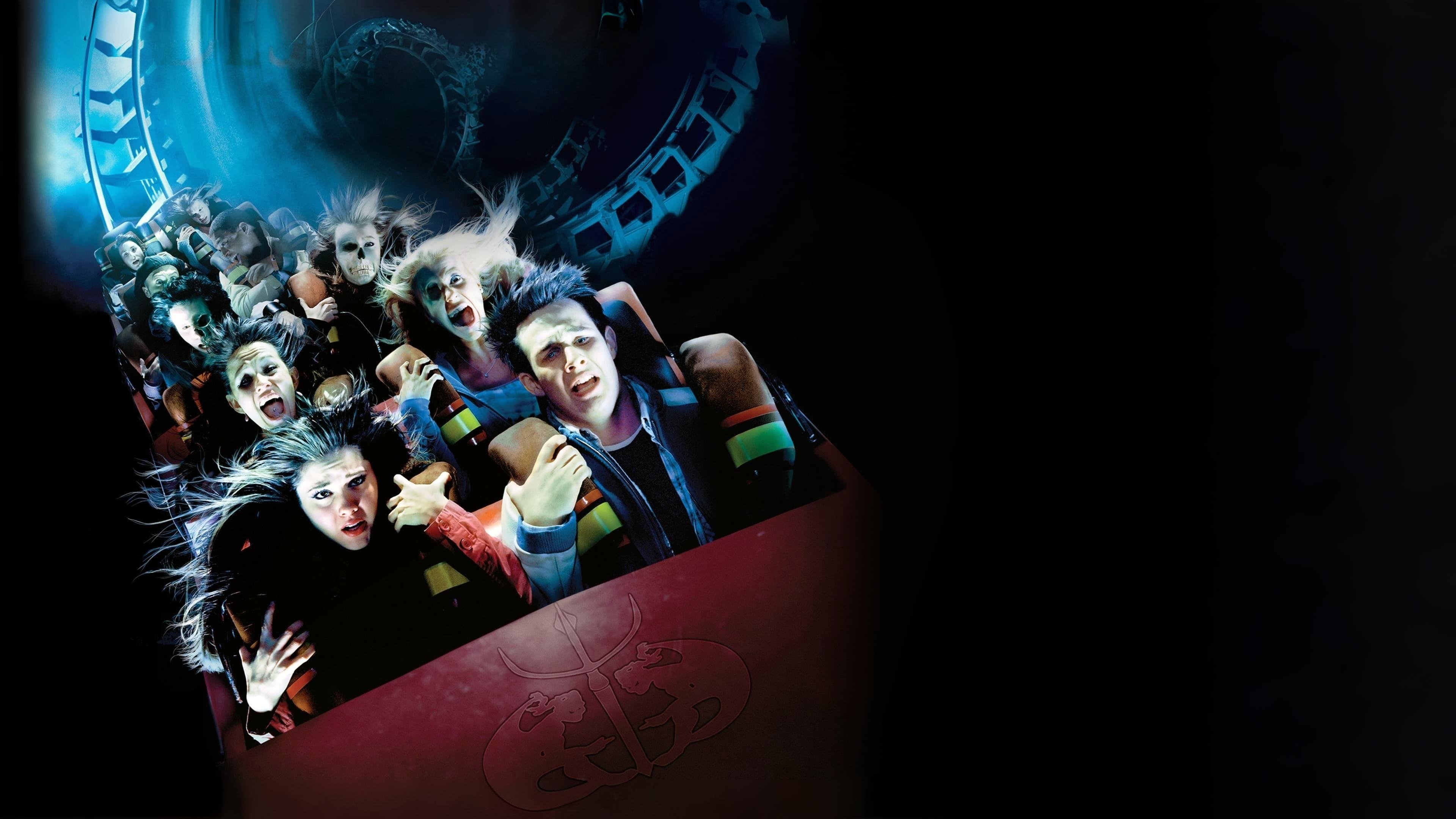
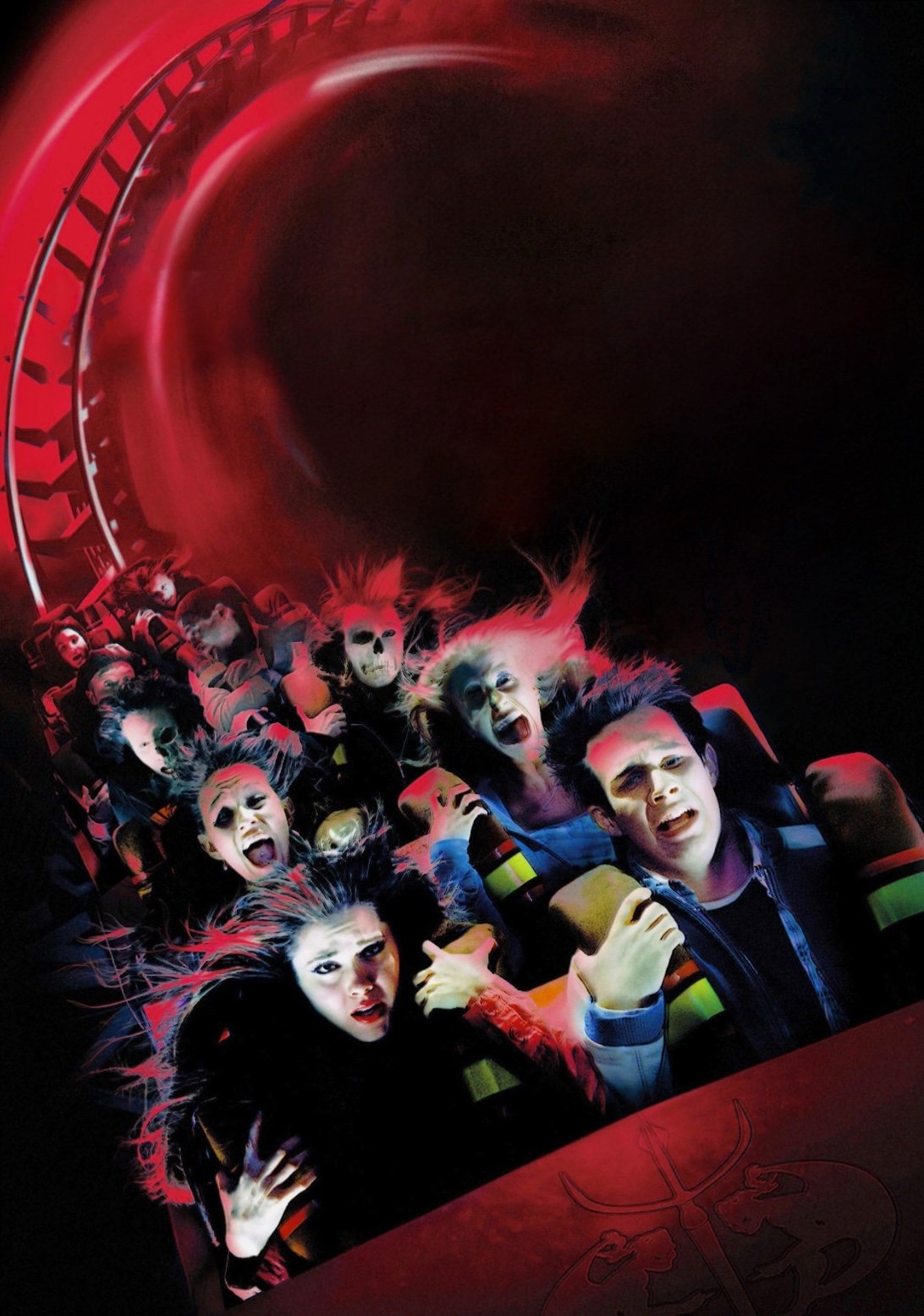
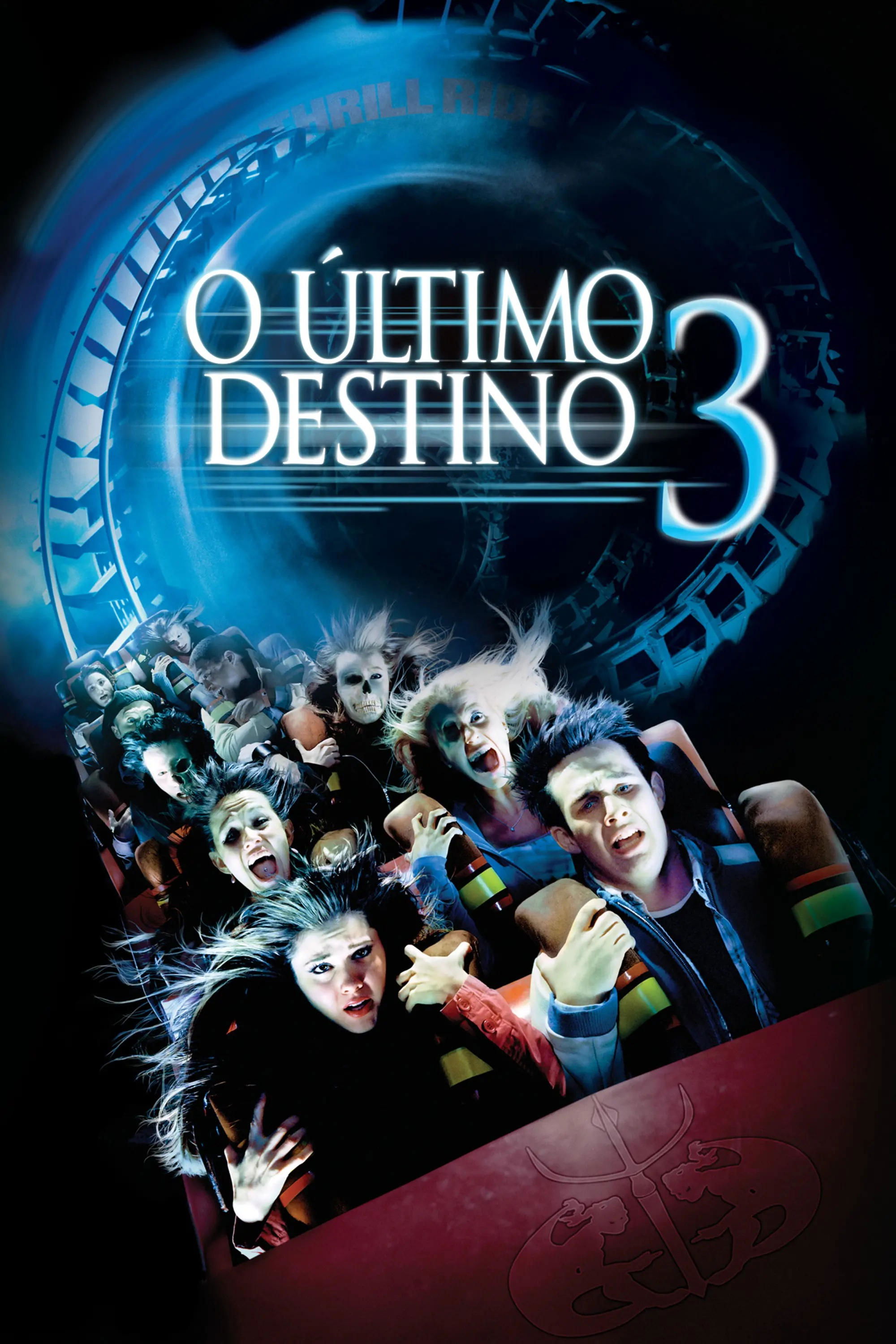
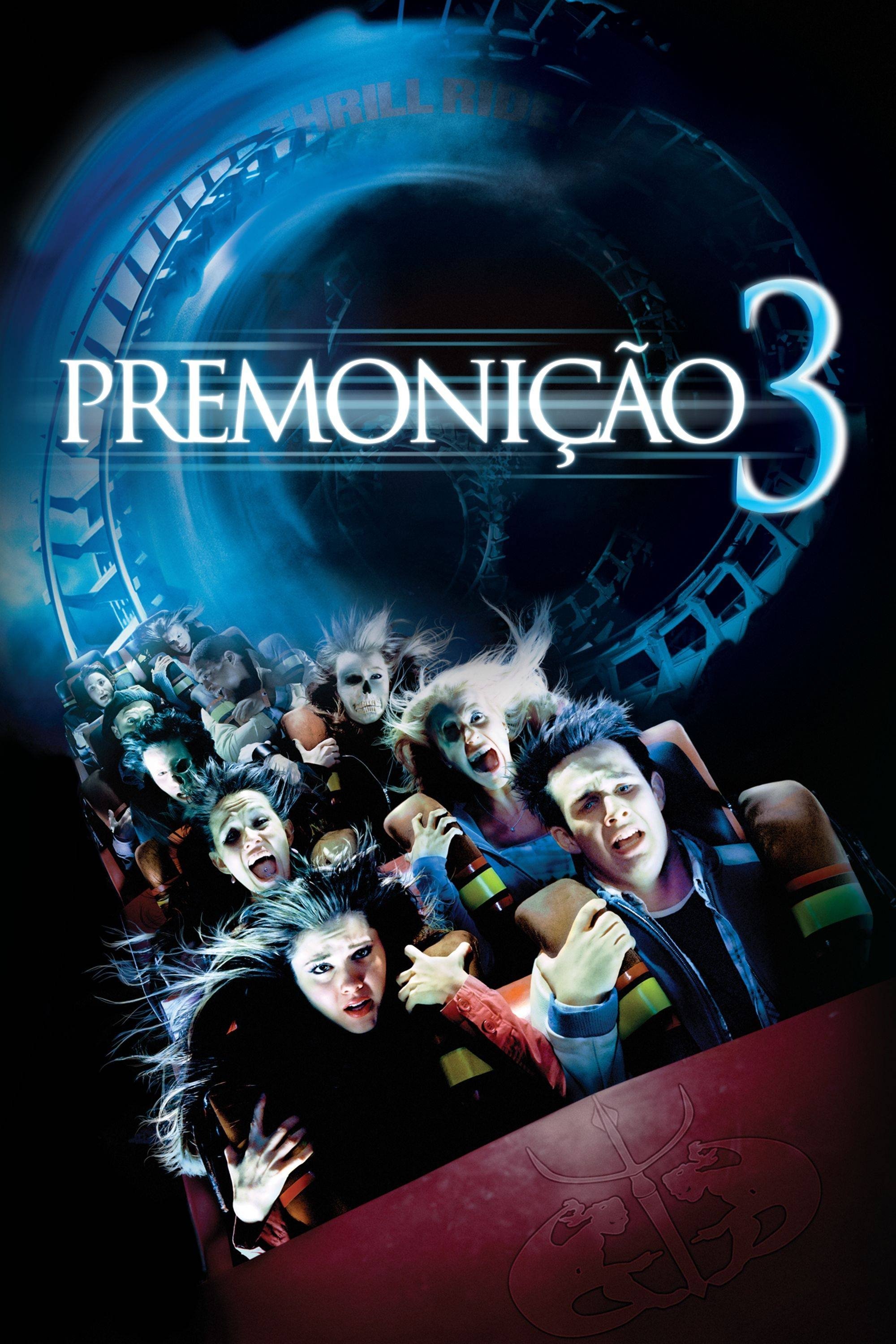
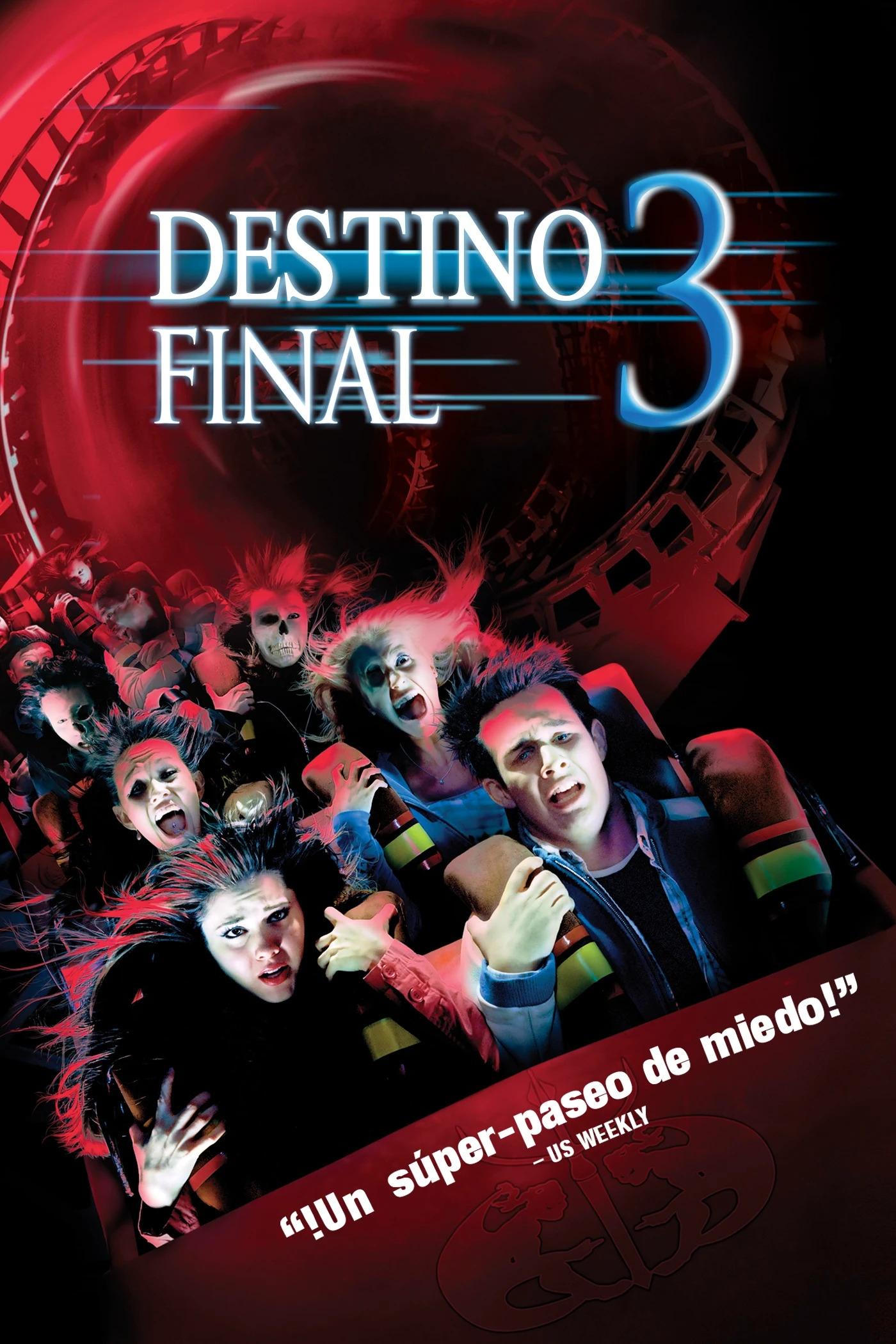
Final Destination 3 (2006) places its opening catastrophe inside an amusement park, a setting where visitors willingly surrender control of their bodies to complicated machinery. The disaster arrives on a roller coaster called Devil's Flight, but the ride is only the first expression of the film's central anxiety. Cameras, exercise equipment, tanning booths and vehicles subsequently become instruments of danger. The ordinary mechanisms surrounding the characters are photographed as possible causes of injury long before they actually malfunction. That attention to recognizable hazards gives the supernatural premise a tangible, mechanical form.

James Wong returned to direct, again working with writer and producer Glen Morgan after the second film had expanded the series' appetite for elaborate accidents. Their installment gives the warning signs a new medium: photographs taken by student Wendy Christensen shortly before the disaster appear to anticipate the survivors' subsequent deaths. Behind that visual idea was an unusually demanding effects production, documented in technical interviews published during the film's release. New Line also financed alternate scenes for a branching DVD edition, allowing the story's preoccupation with apparently predetermined outcomes to extend into the format in which audiences watched it.

Returning to the Series

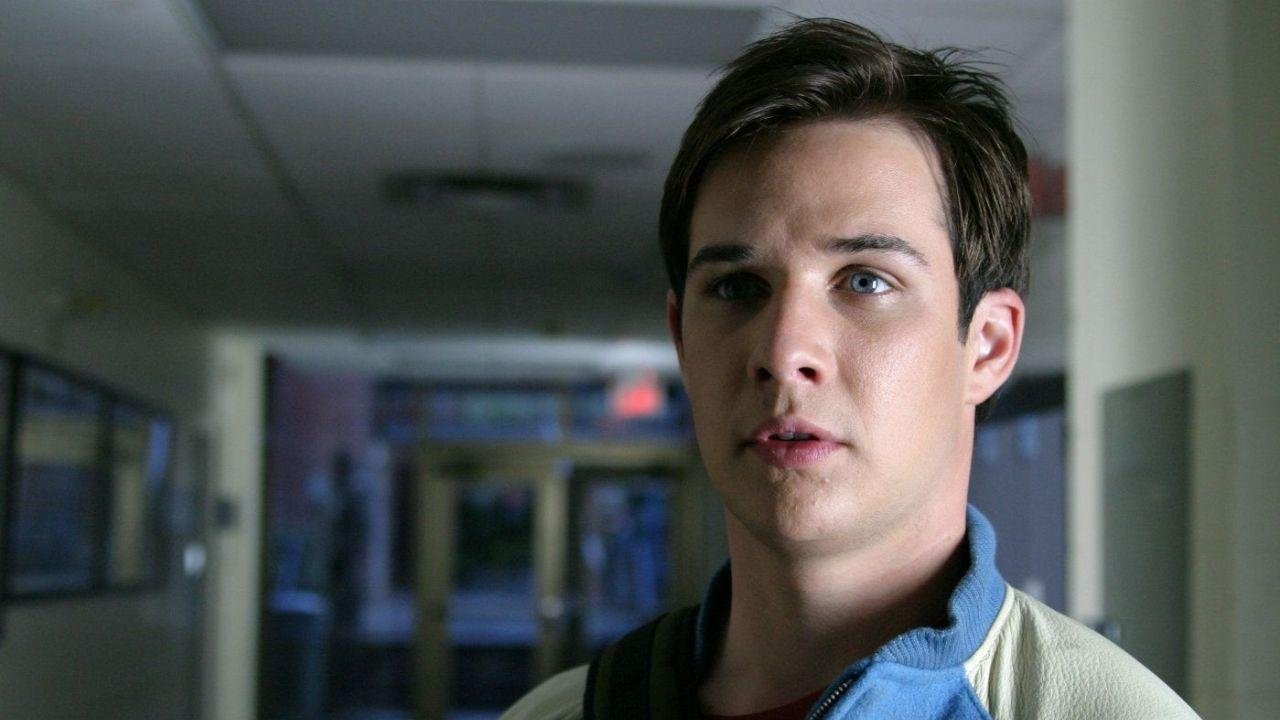
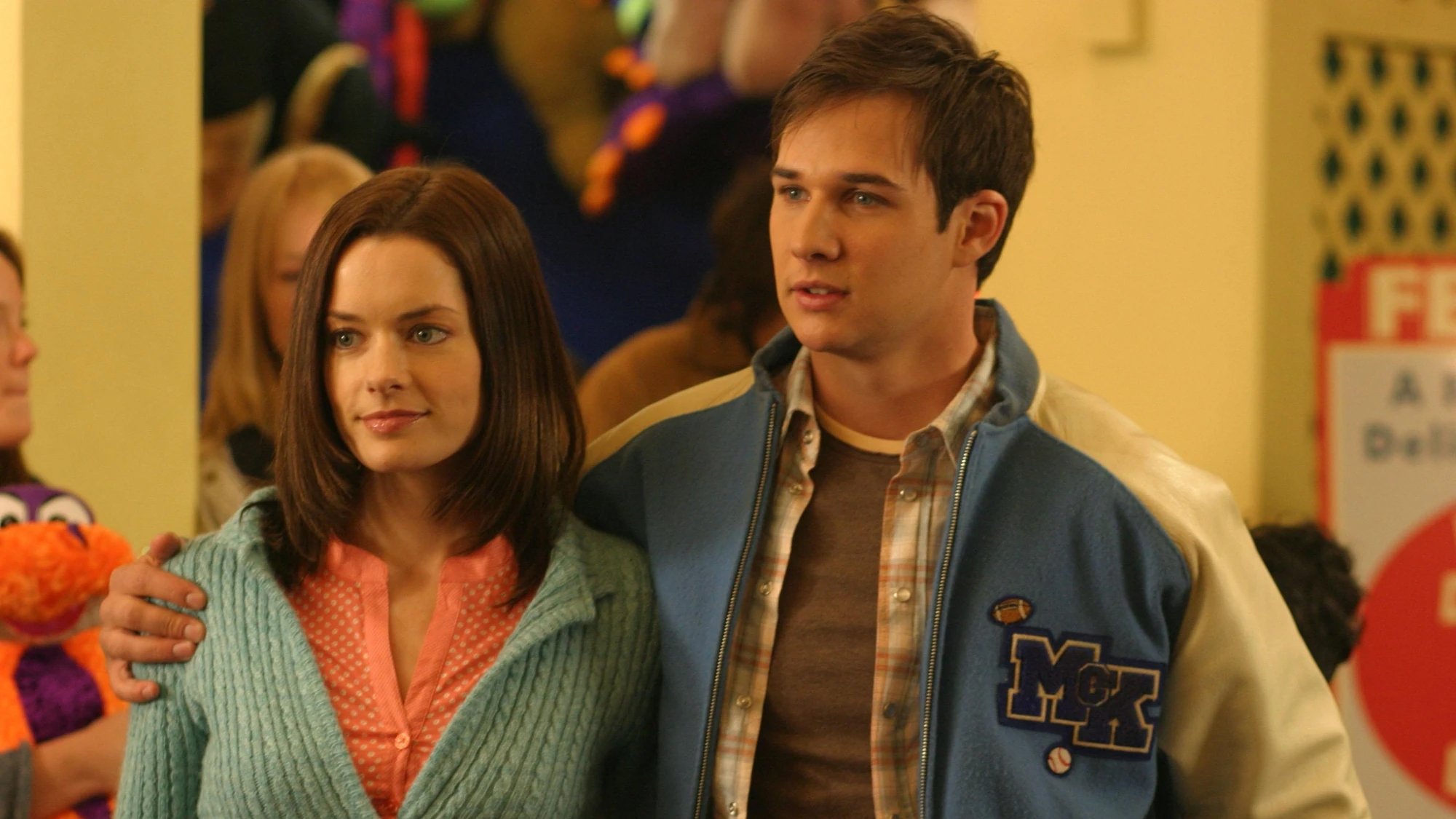
Final Destination 3 brings Wong and Morgan back to material they helped develop for the original film, while retaining the independent group of threatened characters established as a franchise pattern. Wendy, played by Mary Elizabeth Winstead, recognizes the danger before her classmates ride Devil's Flight. Kevin Fischer becomes her main ally after the accident. Their discovery of the earlier Flight 180 events offers a possible explanation for what is happening, but it provides little practical protection. The returning filmmakers rely on the audience's familiarity with the premise, leaving considerable screen time for Wendy's attempts to interpret clues that might otherwise seem meaningless.

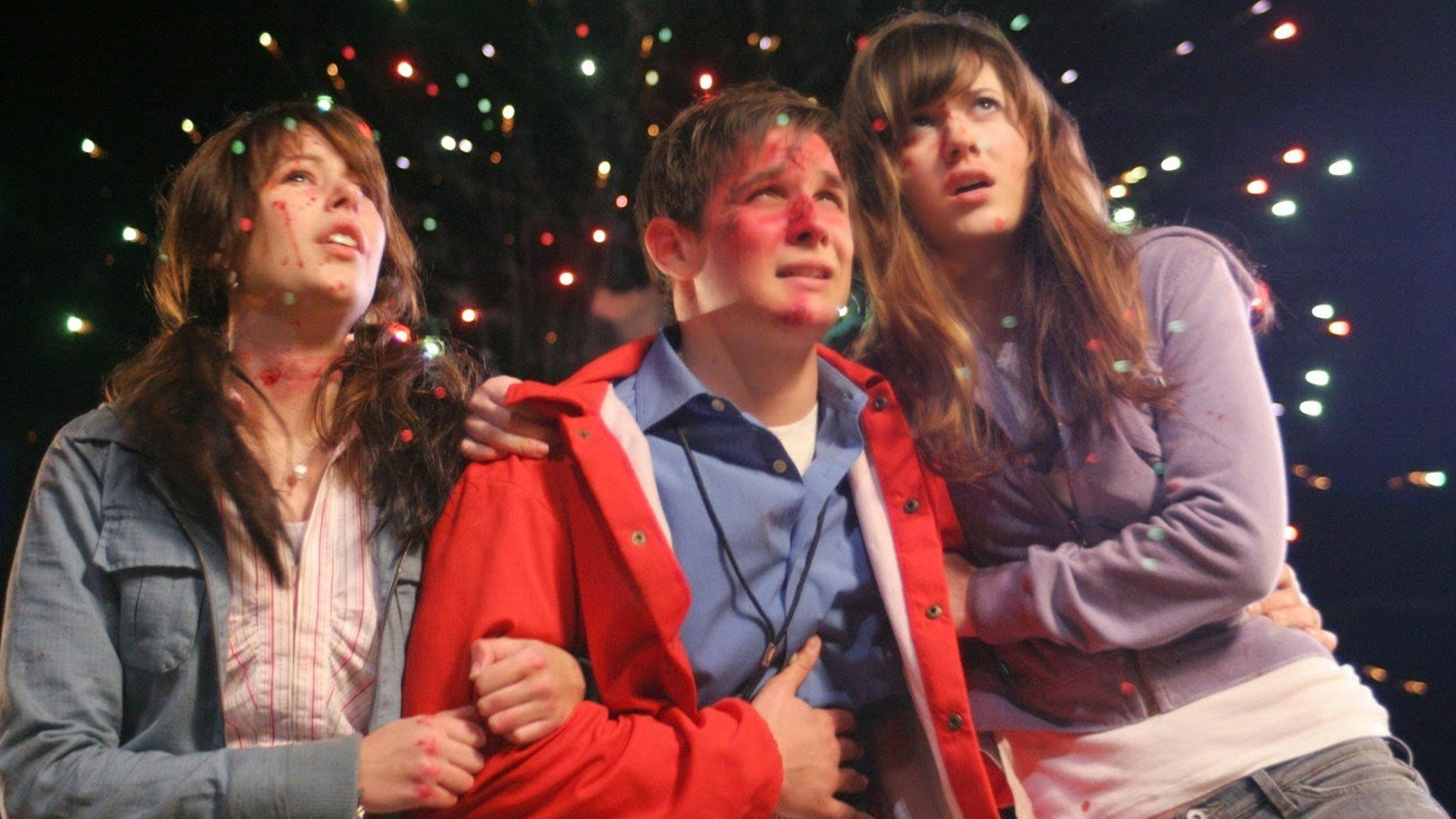
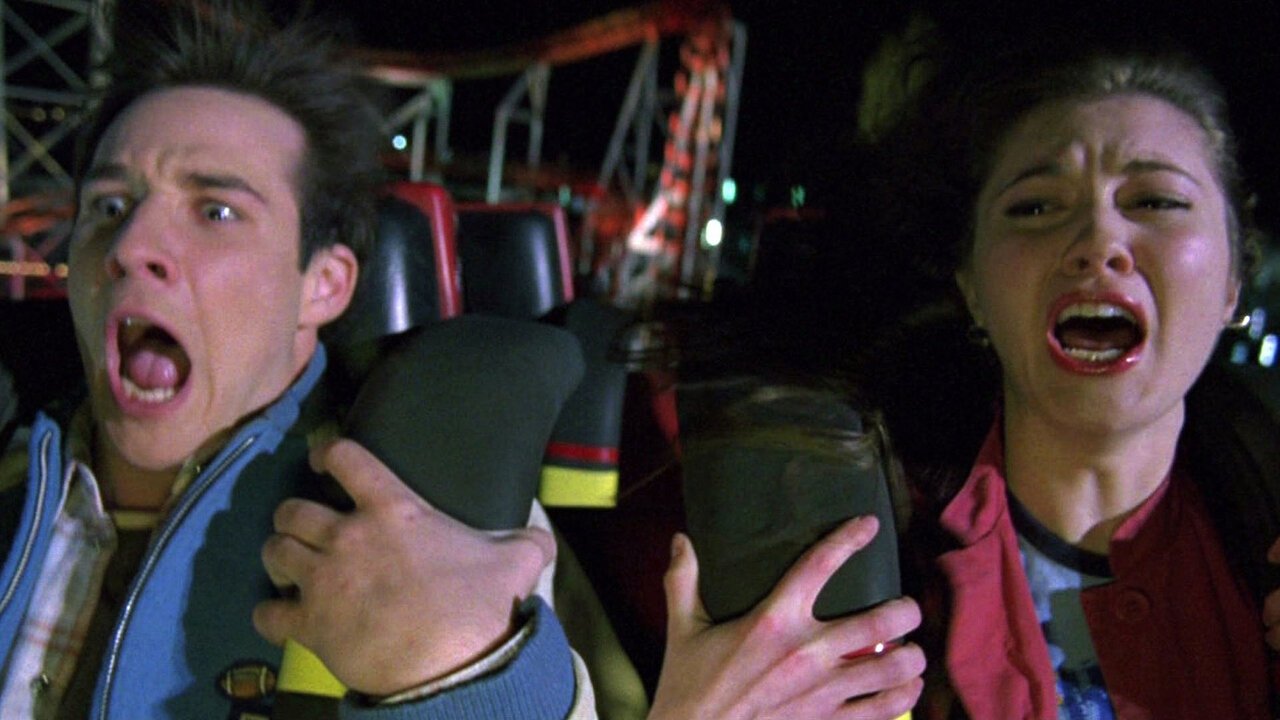
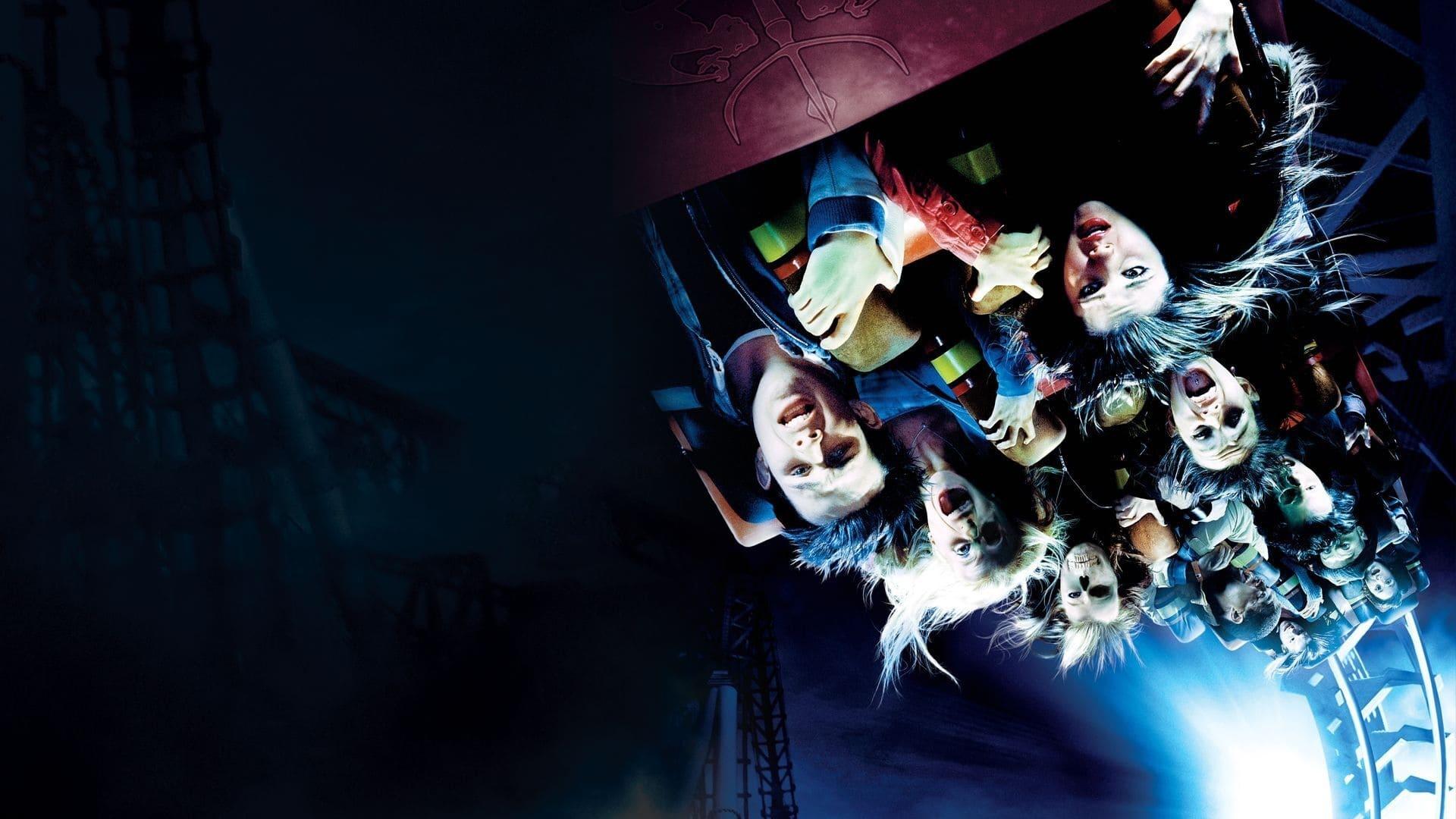
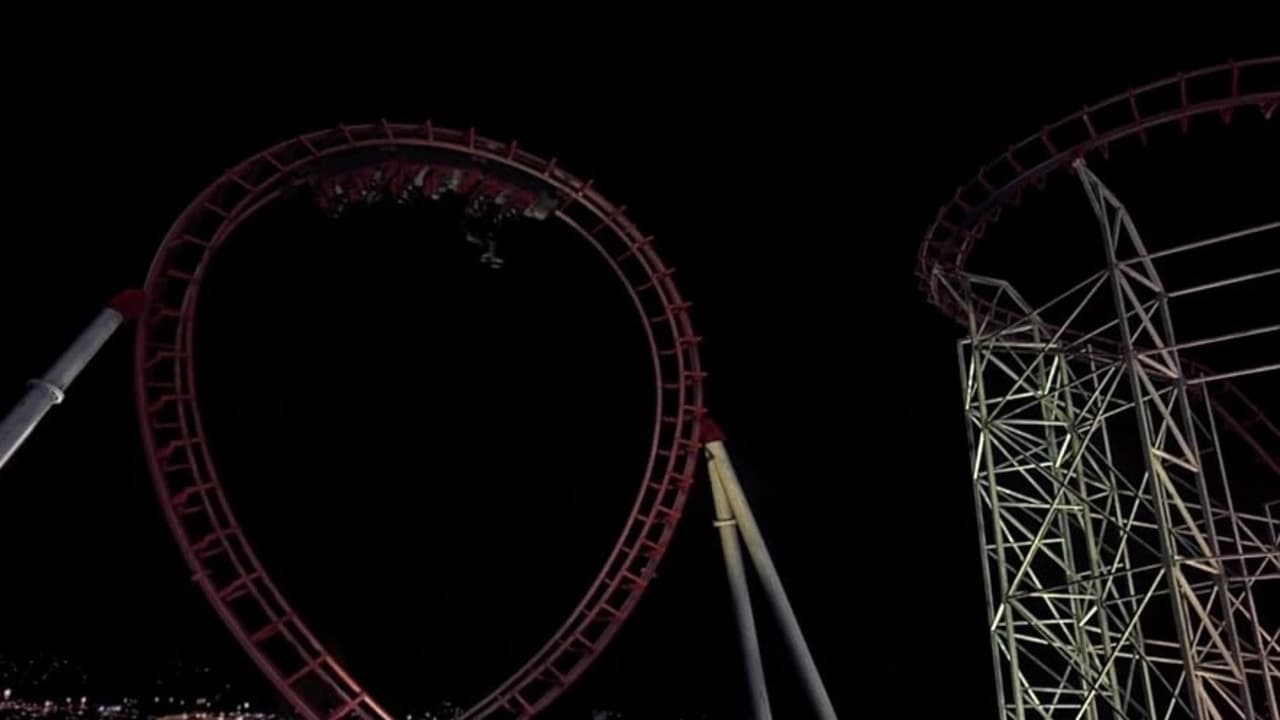
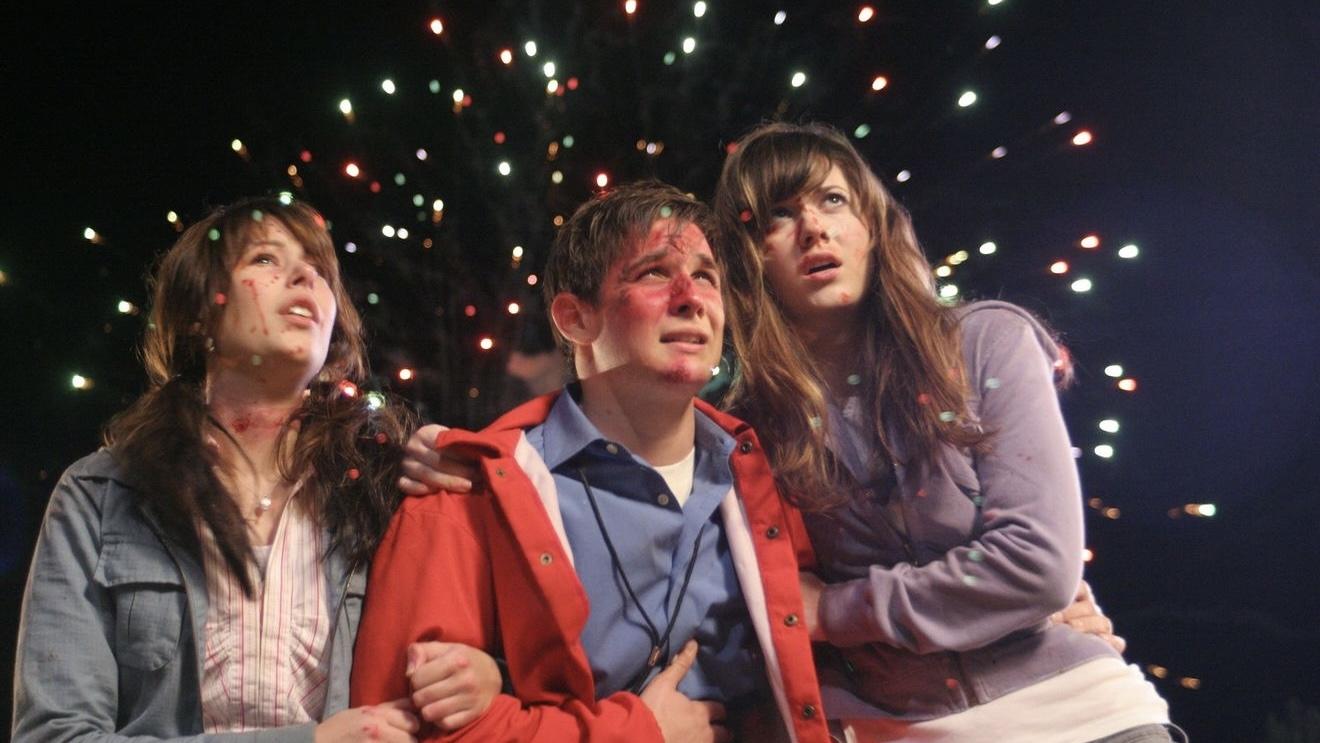
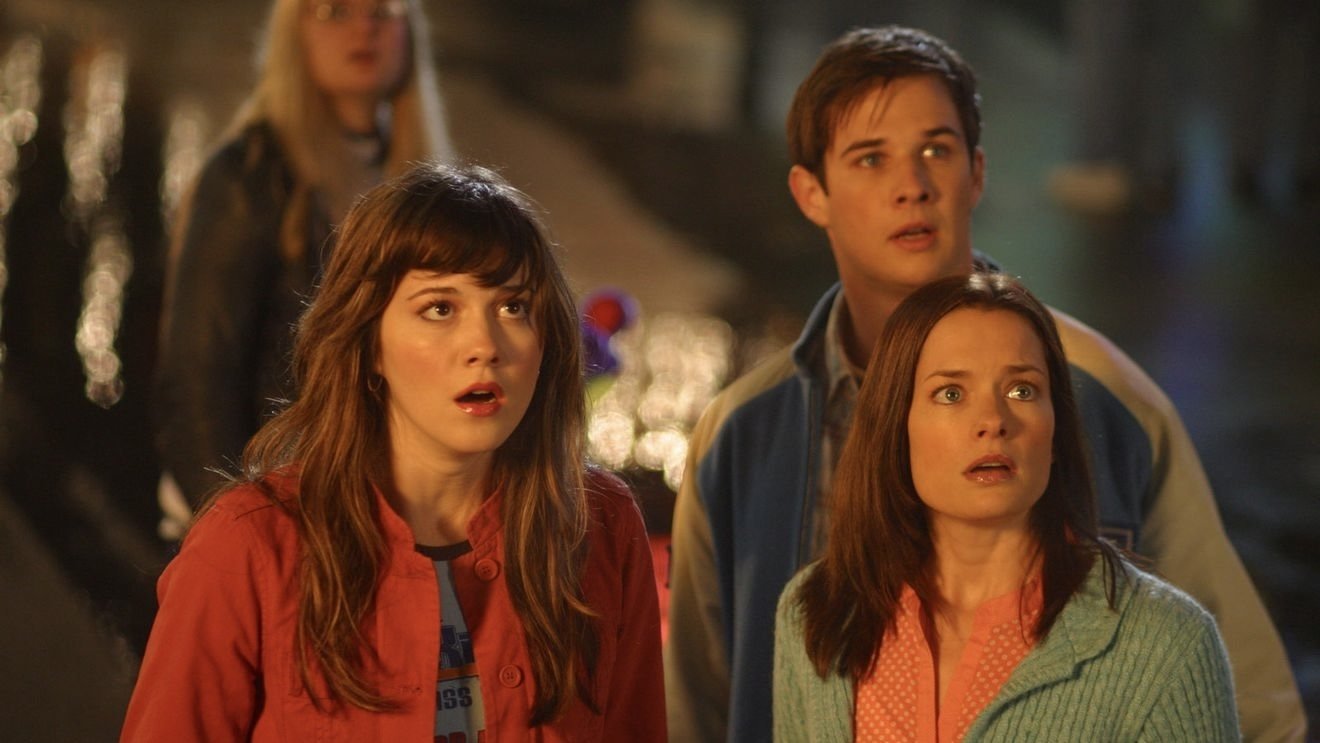
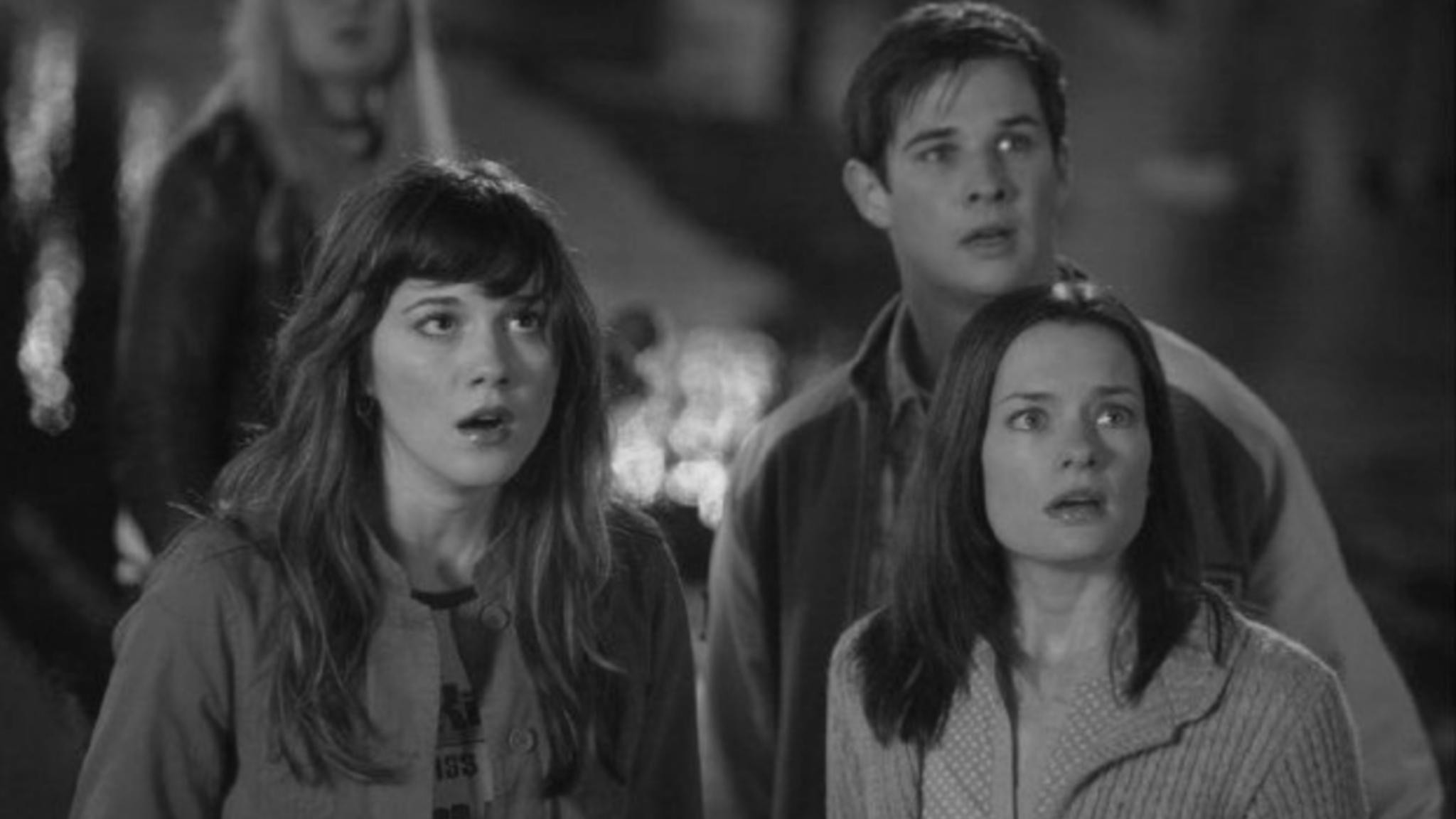
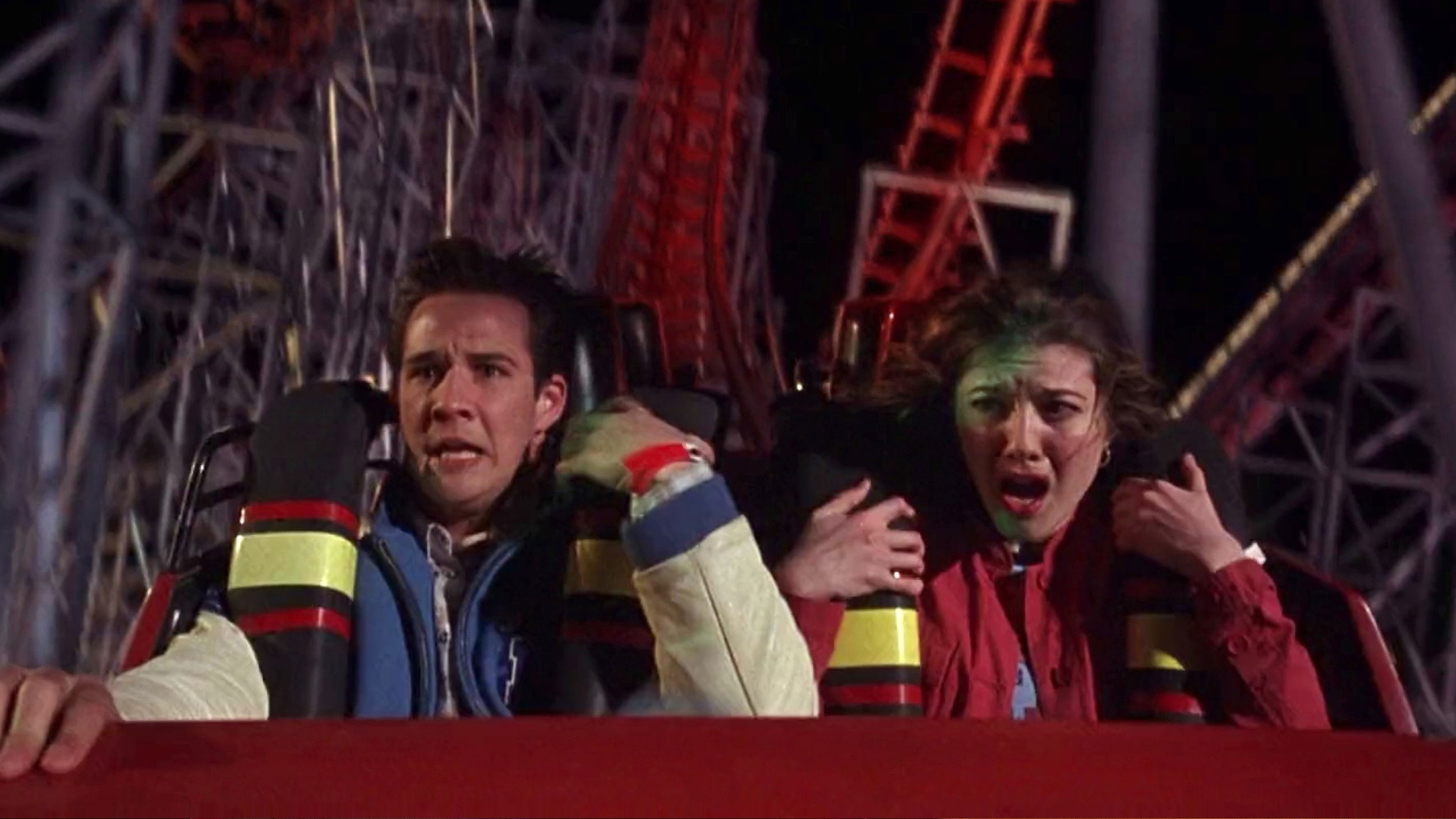
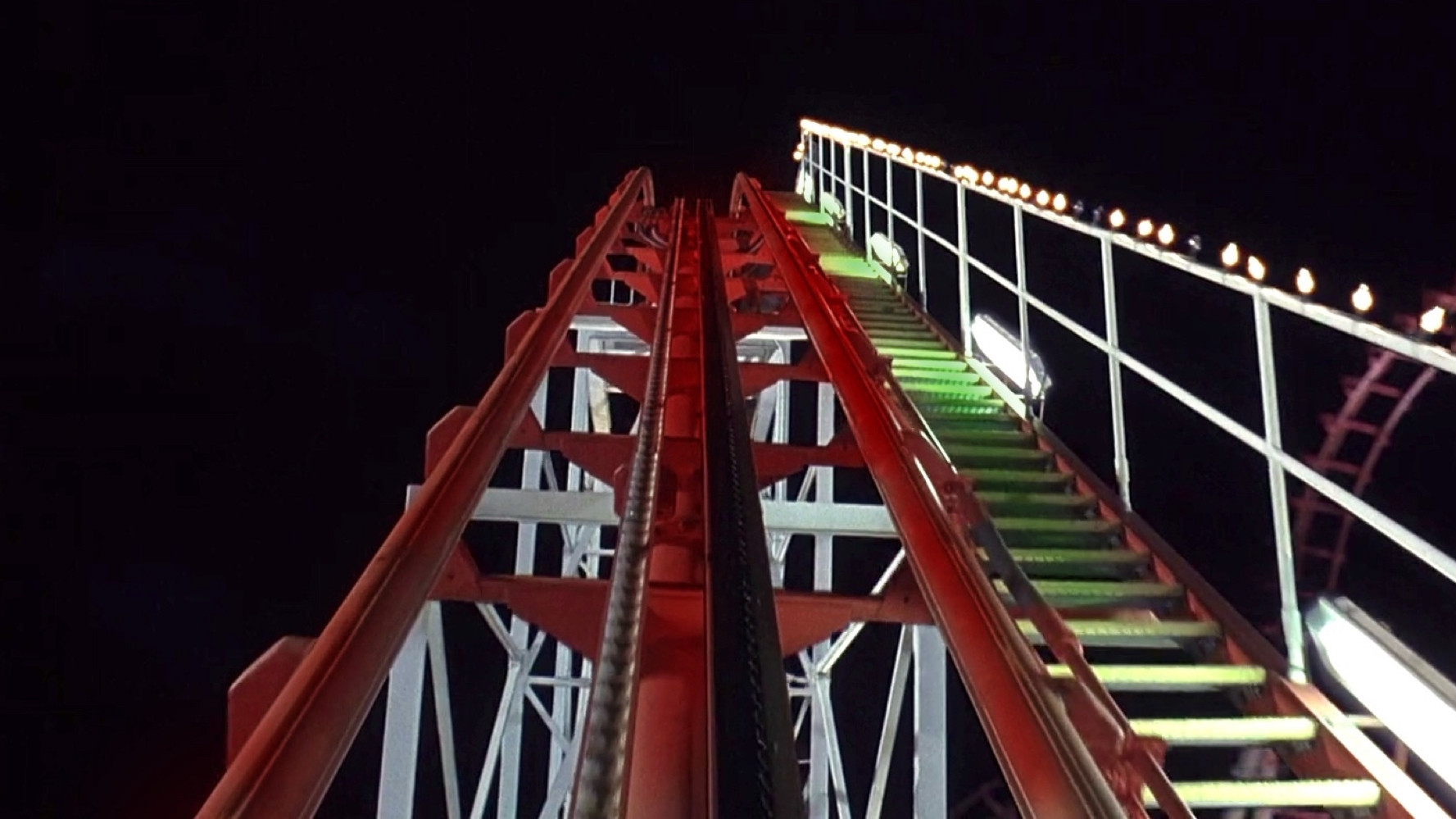
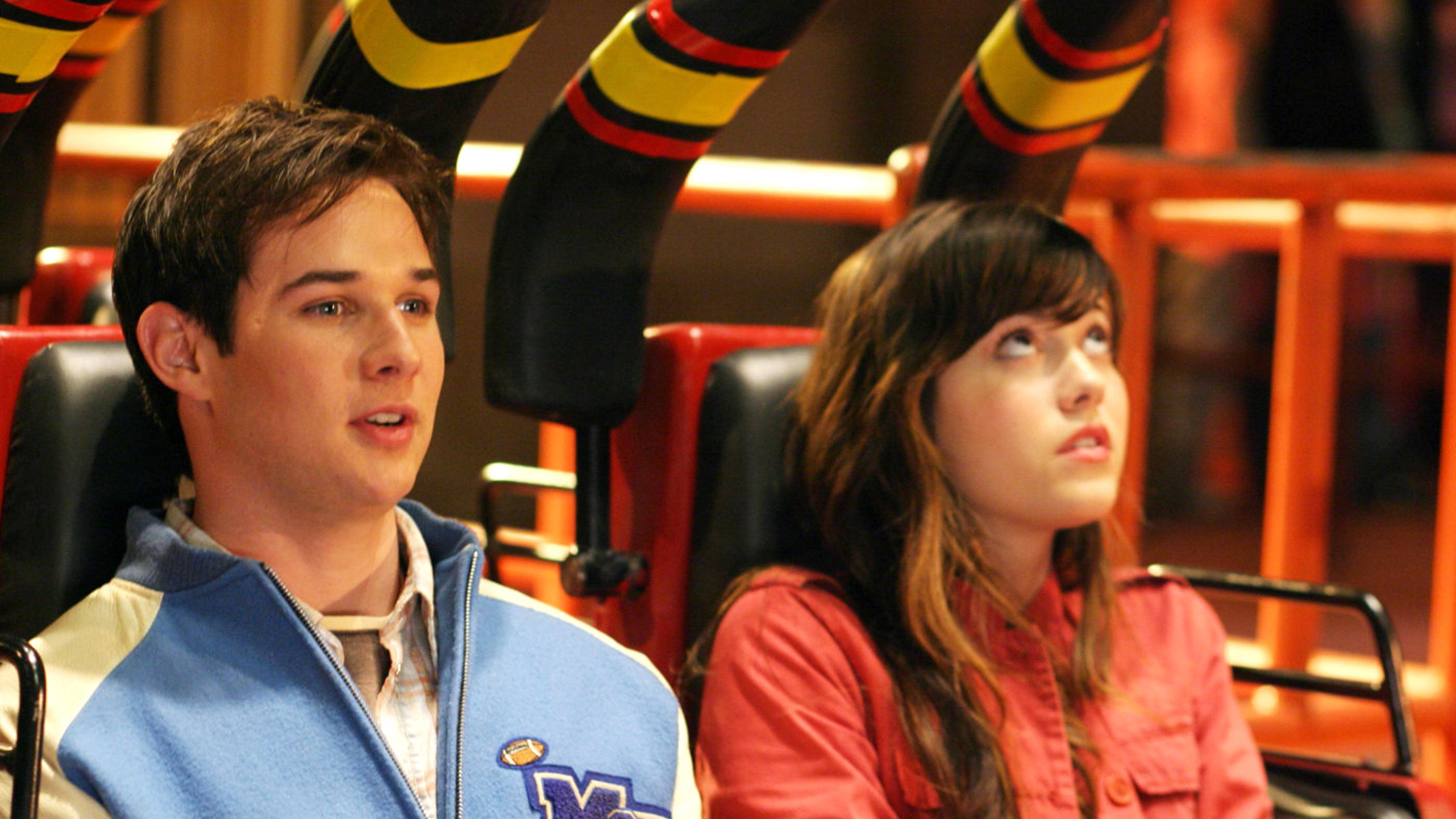
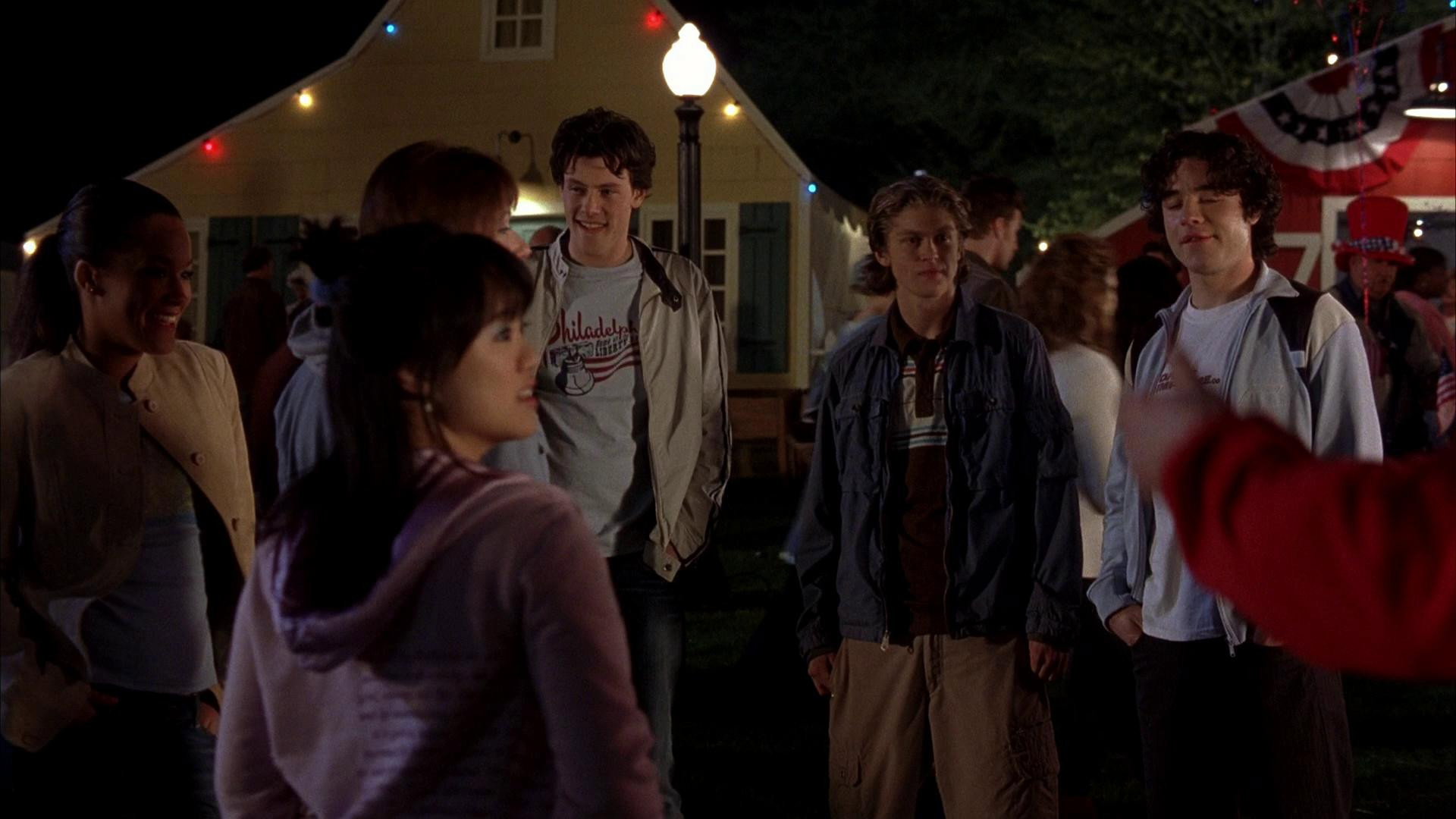
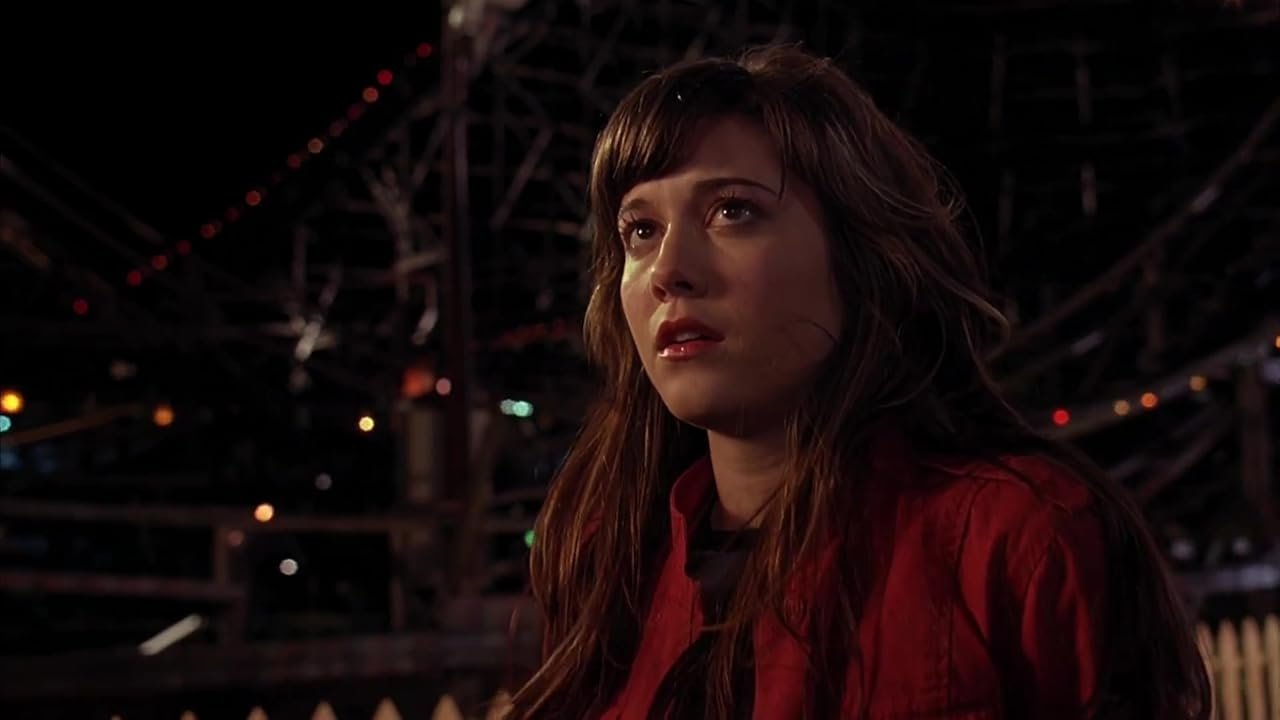
The opening amusement-park material establishes a distinctive photographic vocabulary. Fairground lights, dark ride structures and crowded walkways place potential threats throughout the image. Writing for Fangoria, Michael Gingold praised Wong's use of detail shots to heighten the tension before the coaster disaster. The sequence is built around a contradiction in the attraction's design: riders seek the sensation of danger because they believe the structure has eliminated the real risk. Once Wendy's vision turns that confidence into panic, familiar details of restraint bars, moving wheels and elevated tracks acquire another meaning. The film returns to the sight of apparently secure surroundings failing the people who trust them.

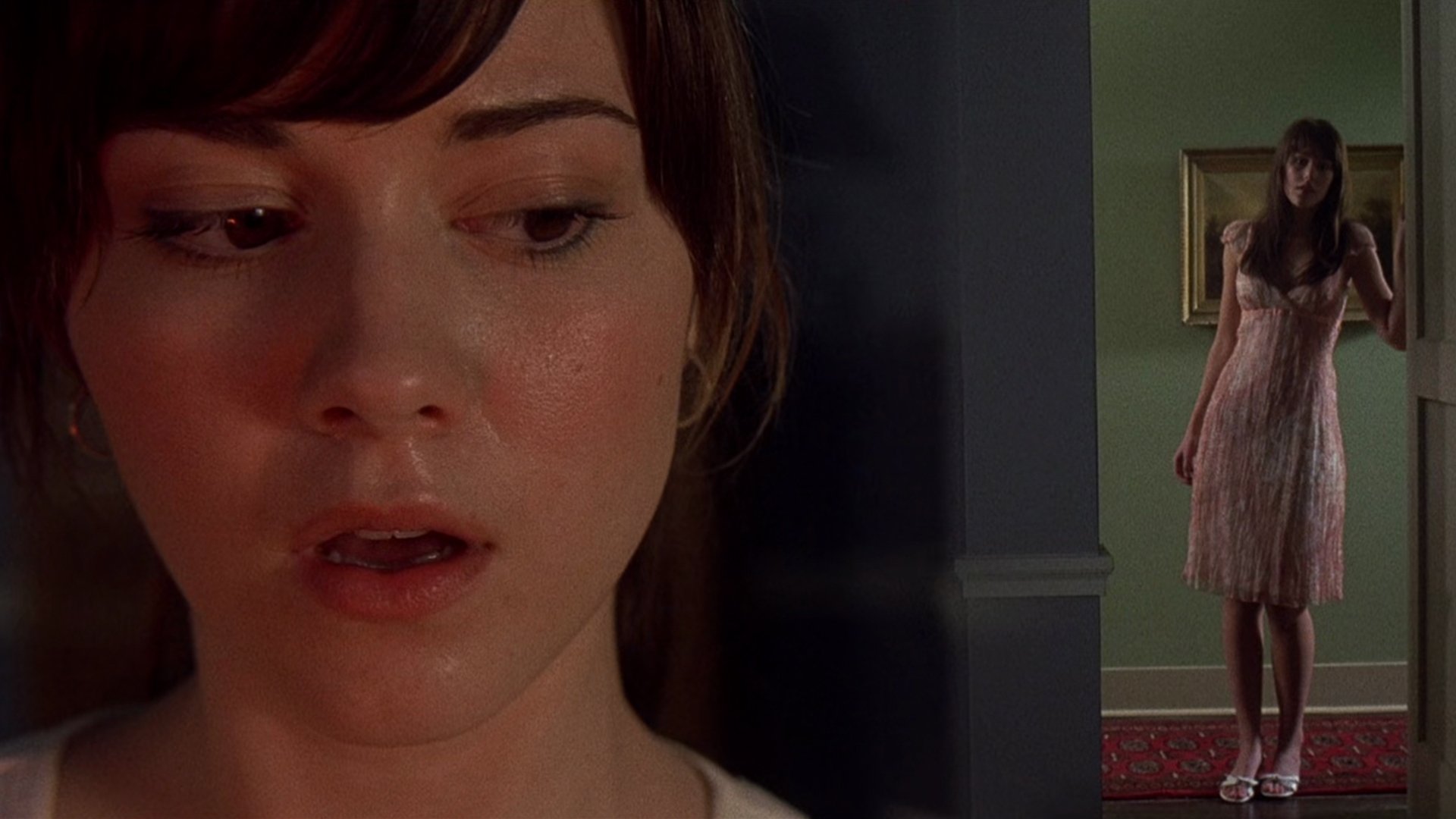
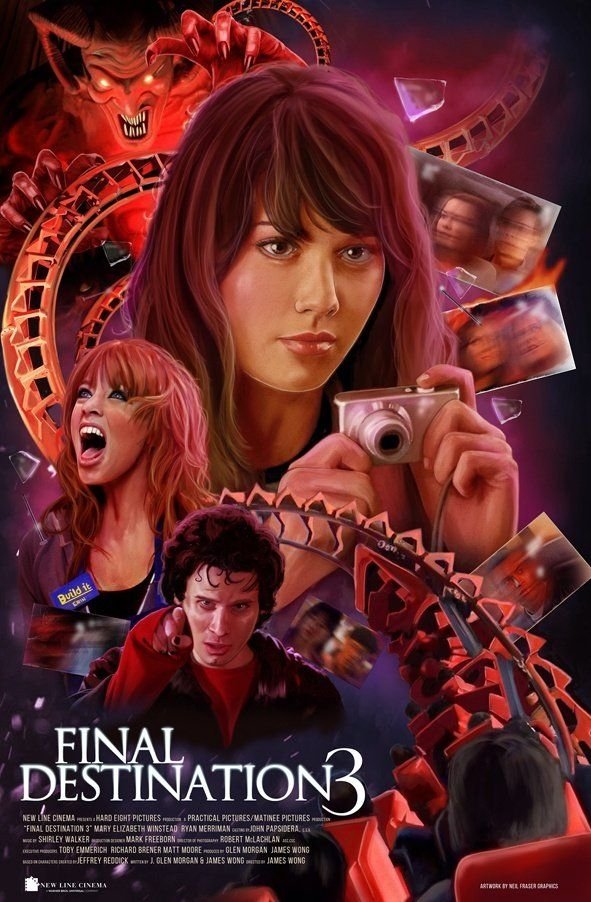
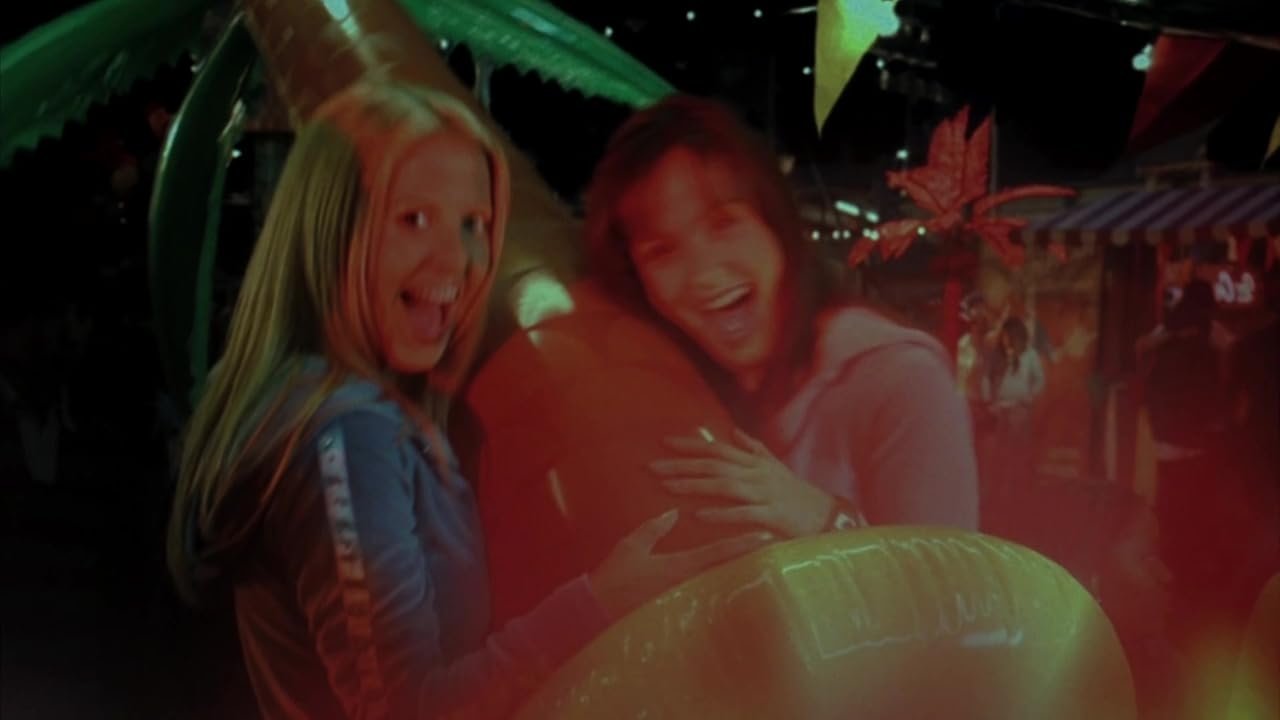
The screenplay increasingly concentrates on Wendy's photographs, made during the group's final evening together before the catastrophe. Her images hold people in ordinary poses, yet later seem to contain visual hints of the circumstances in which they might die. This device changes the investigation into a search through already recorded moments. The survivors cannot directly observe an attacking figure; instead, Wendy repeatedly enlarges or revisits an image in the hope of discovering a detail she previously missed. Because the clues remain open to misreading, the photographs generate suspense even after the audience has learned the franchise's basic rules.

Building Devil's Flight

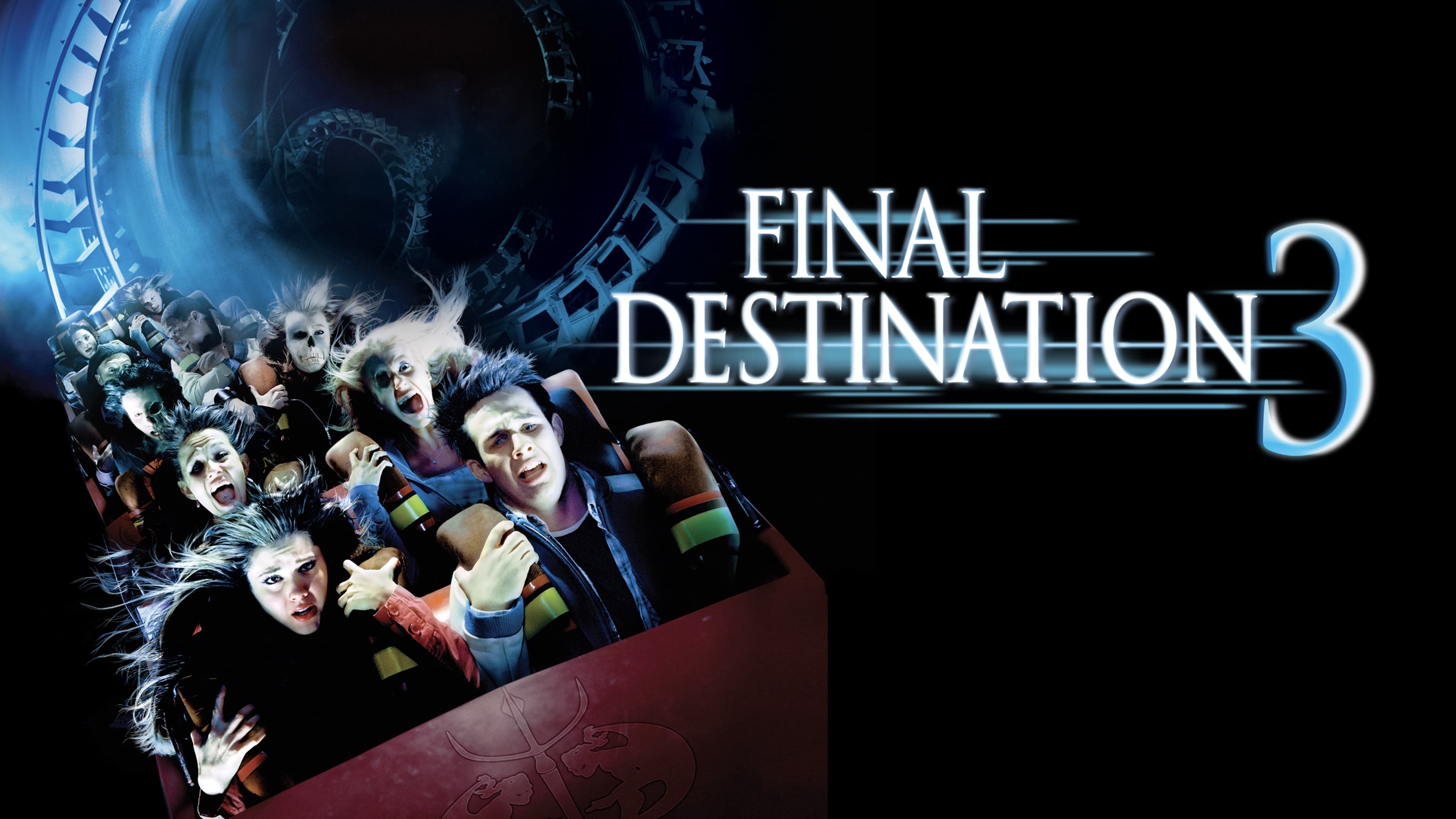
The opening crash required a roller coaster that could perform maneuvers dictated by the script while supporting images of catastrophic failure. Visual-effects supervisor Ariel Velasco-Shaw explained to Animation World Network in February 2006 that the required full-sized ride did not exist. The team photographed a smaller real attraction for introductory material, then enlarged or altered its appearance digitally. For the main action, actors occupied isolated coaster cars or groups of cars mounted on rigs against green screens. The approach let the production stage extreme movements without placing performers on a genuinely derailing structure. Meteor Studios was responsible for integrating these photographed elements with a constructed digital environment.

Meteor's CG supervisors described working backward from animated camera movements to plan how the live-action material would be shot. Rigs held coaster cars in positions corresponding to particular points on the virtual track, allowing the camera department to reproduce motion that would be added in postproduction. The company created eighteen digital doubles for falls and impacts that performers could not safely execute. A single disastrous ride therefore combined photographic backgrounds, real performers, suspended props, computer-generated cars and animated bodies. Of the film's 340 reported visual-effects shots, 144 were devoted to the roller-coaster sequence. That unusually concentrated workload reflects the challenge of making the entire structure appear coherent through successive changes in viewpoint.
Designing the Fatal Accidents

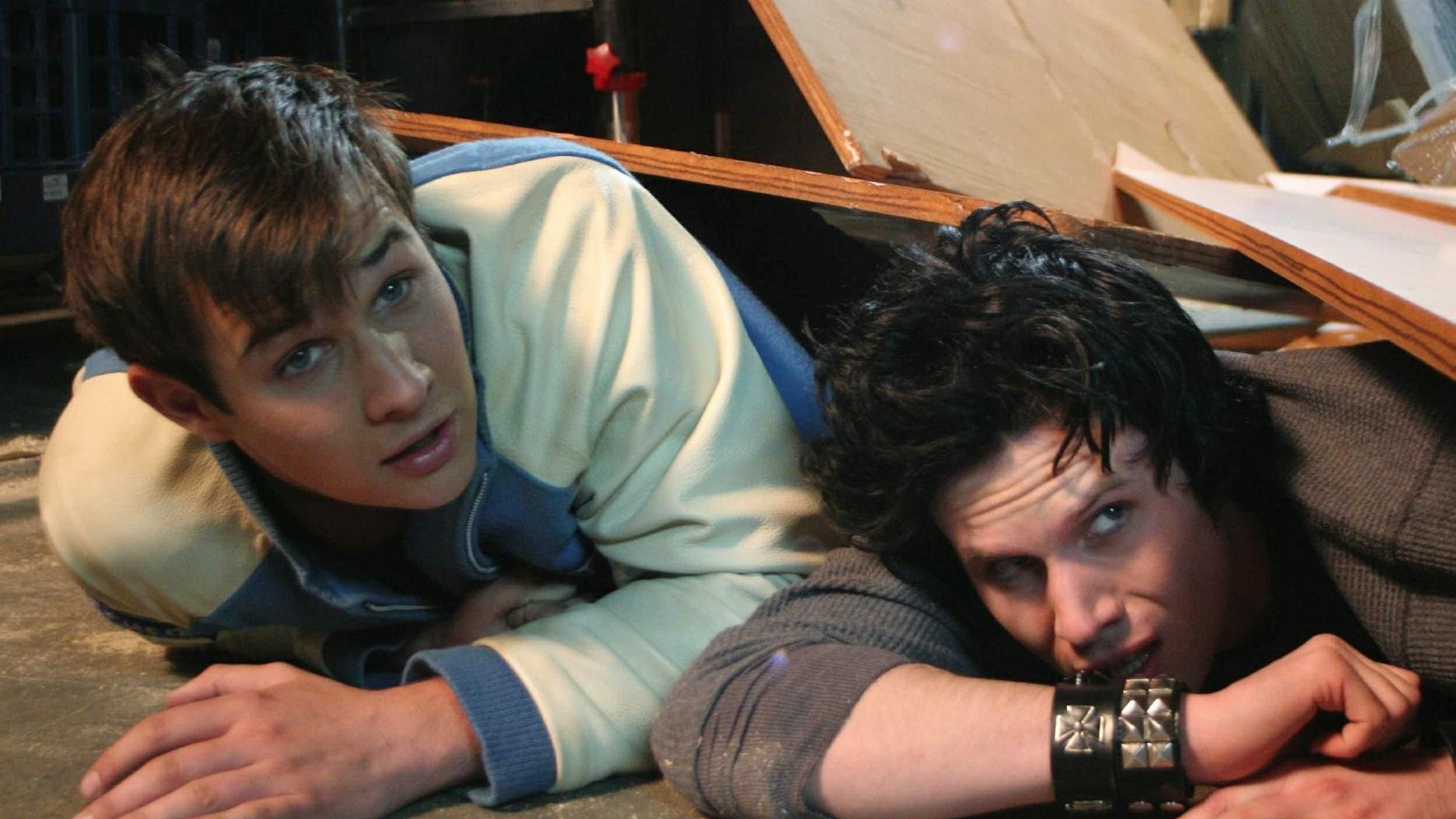
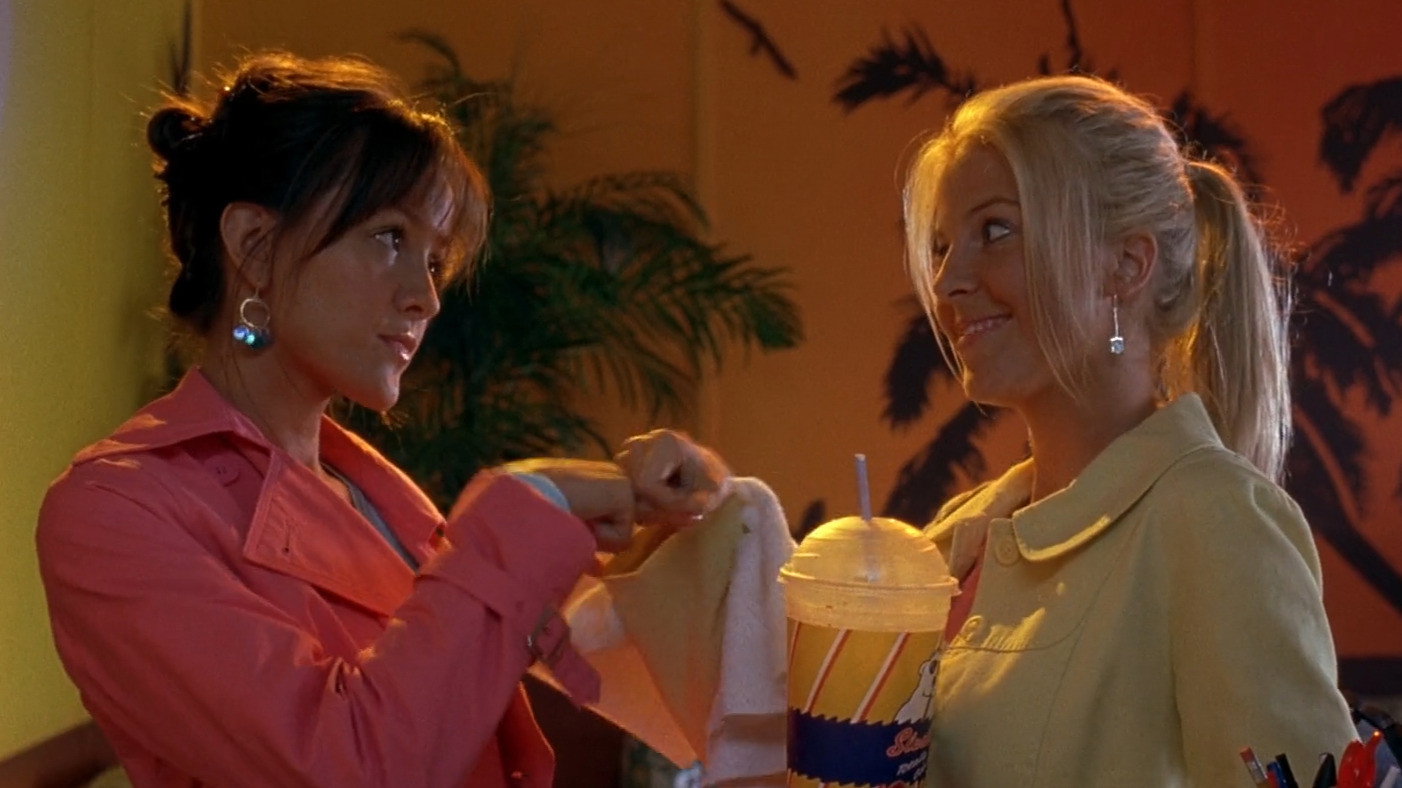
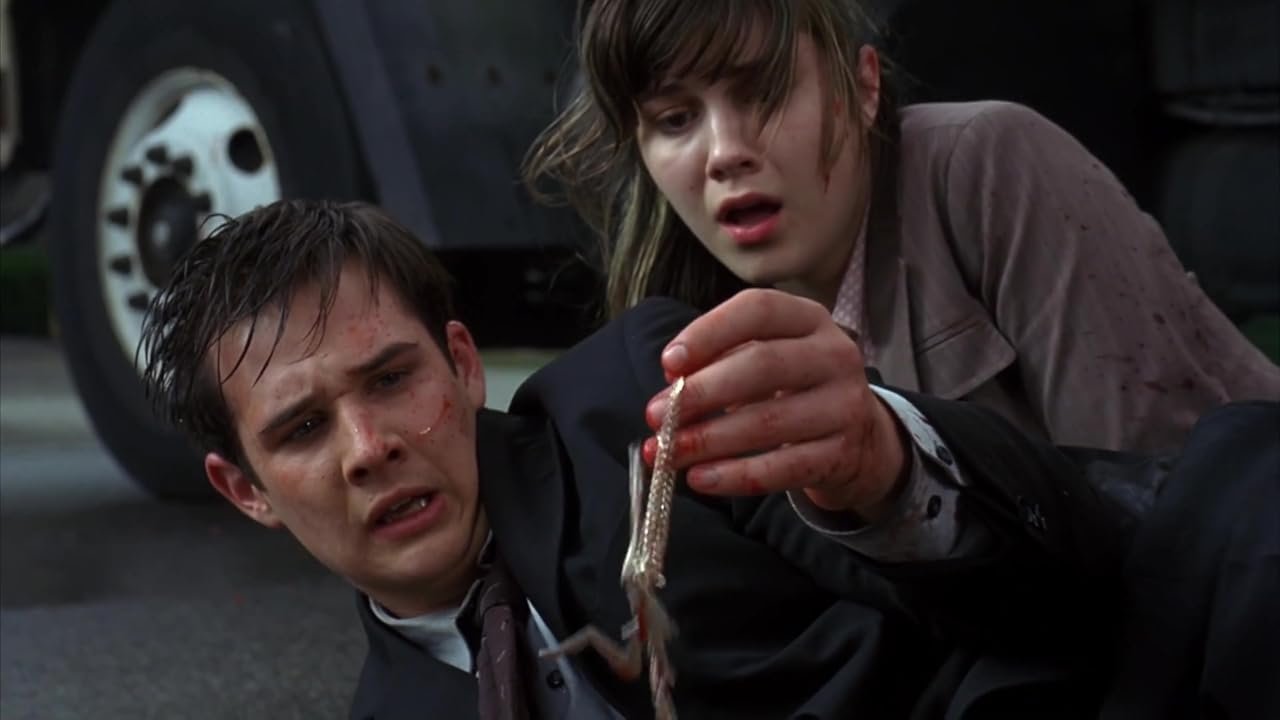
Once the survivors leave the amusement park, the film reduces the scale of its dangers without reducing the intricacy of their construction. A drive-through restaurant, a tanning salon and a hardware-store environment each present several possible instruments of death. The audience is encouraged to follow small movements: a shifting object, a change in temperature, machinery operating close to a body. A threatened character may survive the most conspicuous hazard only to be caught by another. This pattern makes editing and the placement of visual information central to the scenes; anticipation lasts because the fatal mechanism is concealed among ordinary actions.
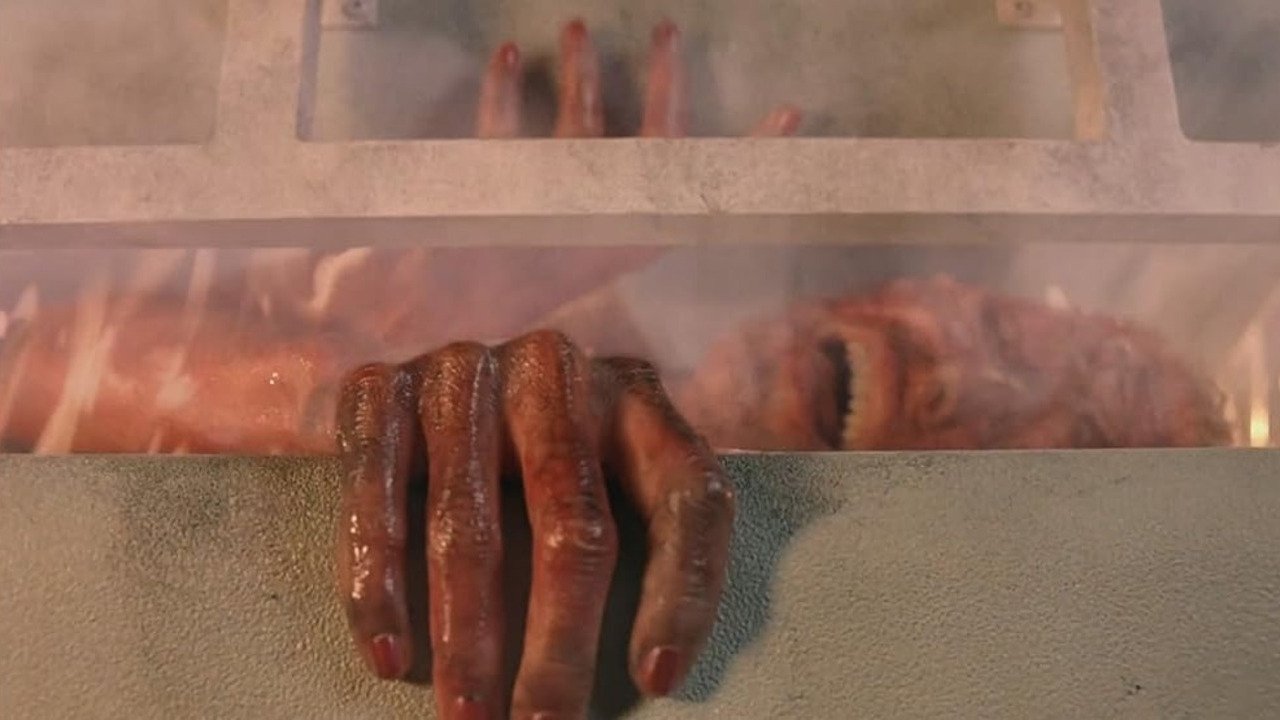
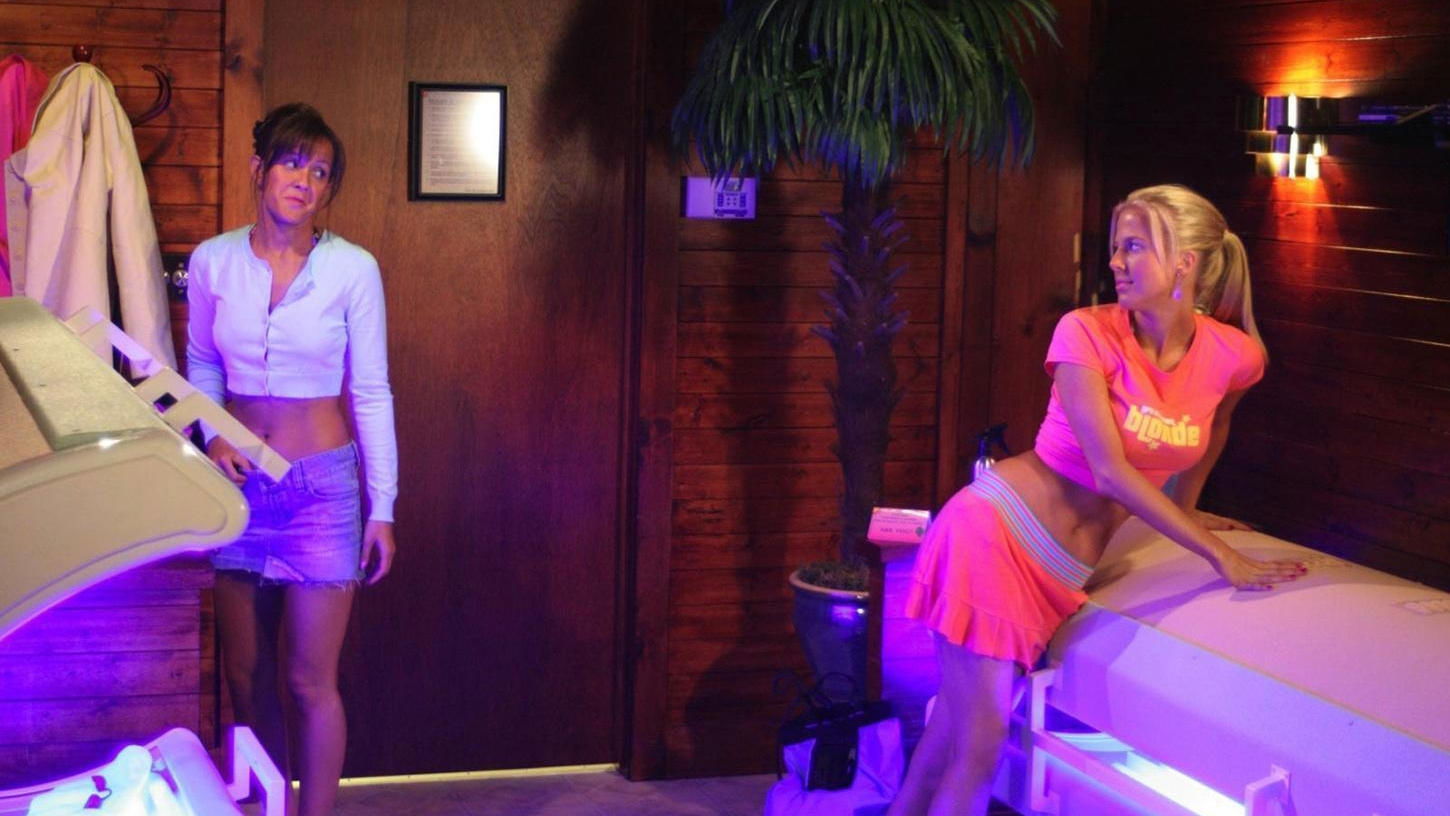
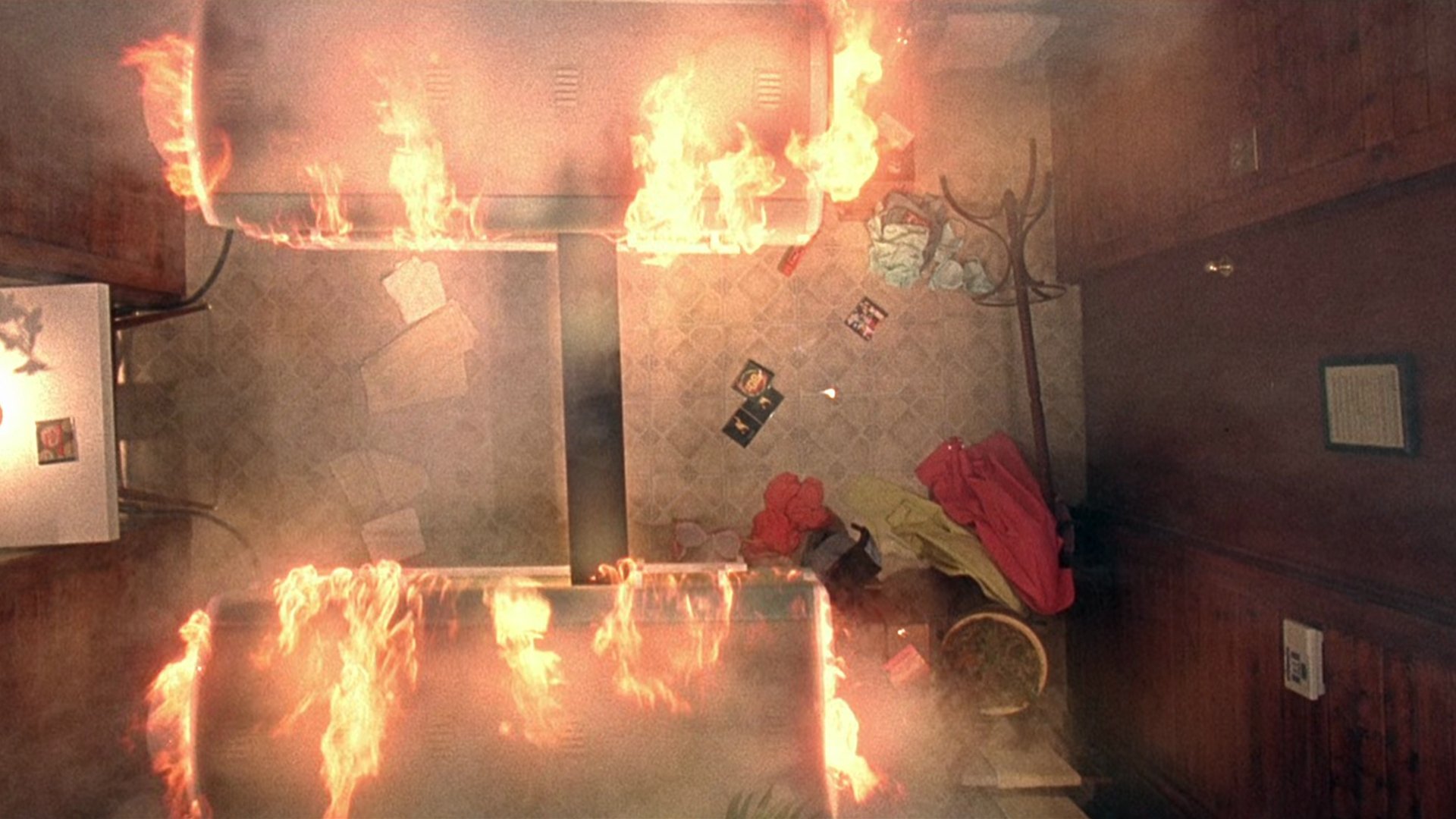
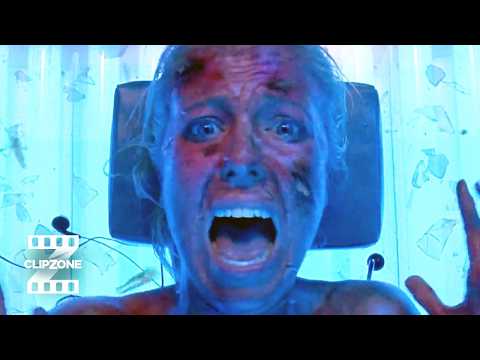
The effects facilities divided the work by sequence. According to a contemporary Animation World Network report, Digital Dimension handled more than one hundred shots involving individual fatalities, while Soho VFX worked on the tanning-bed incident. Soho supervisor Allan Magled described approximately thirty-five effects shots mixing practical flames and smoke with computer-generated skin, glass, fire and debris. For one image of a character falling through broken bed components, the artists used a full digital double. The resulting scene does not derive its impact from a single practical stunt: it joins performances, live fire and simulated material to make an enclosed leisure appliance appear capable of destroying its occupants.
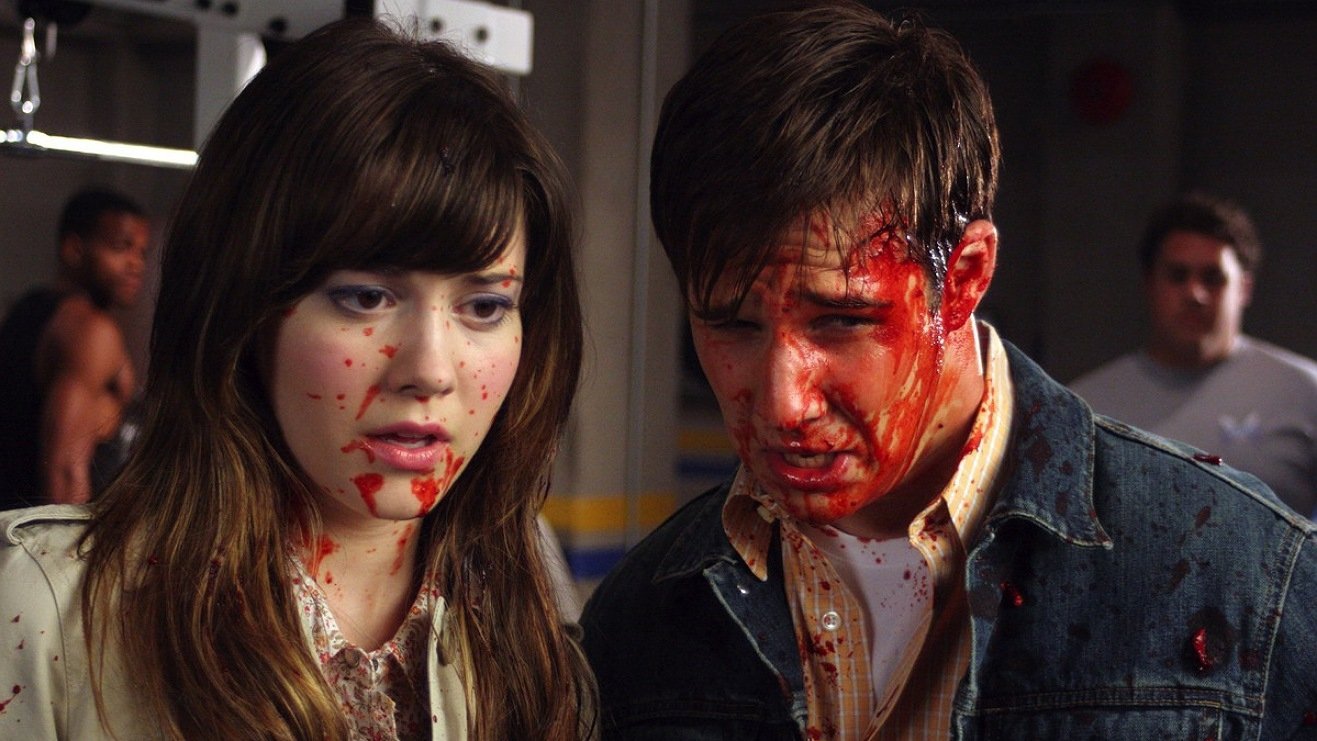
A separate death involving a heavy lifting machine illustrates how the film's violence was refined through successive versions. Digital Dimension producer Chris Del Conte recalled that the crew initially combined footage of a falling lift with an actor miming the impact. Wong wanted a stronger bodily effect, so artists simulated the crushing motion with a digital figure; the performer then acted to match the approved animation. Additional blood and tissue elements completed the shot. These accounts document specific hybrid techniques. They also help explain why the film's injuries vary in appearance: the fatality sequences were distributed among different teams and tailored to different physical problems.
Photographs, Omens and Interpretation

Wendy's images offer an organizing principle distinct from the death order of the preceding installments. When she studies the group portraits and casual snapshots, objects that looked incidental become candidate predictions. A photographic background can suddenly matter as much as the person who was being photographed. The narrative exploits a familiar feature of still images: viewers tend to notice a selected subject while disregarding much of the surrounding information. Subsequent discoveries make the pictures unstable records, inviting Wendy to reconsider what she thought she saw at the time of exposure.

The strategy gives the film a self-conscious relationship with spectatorship. The characters examine pictures in a way that resembles the viewer's own search of the frame for impending hazards. Details are sometimes obvious enough to suggest an outcome, but their connection to the fatal event is rarely certain until the event unfolds. That uncertainty has limits. The characters' explanations are theories formed under pressure, and the film supplies no independent authority to certify that every apparent symbol has one fixed meaning. Its most effective suspense lies in the distance between identifying a possible warning and knowing which action might avert it.

Choose Their Fate and the Alternative Film

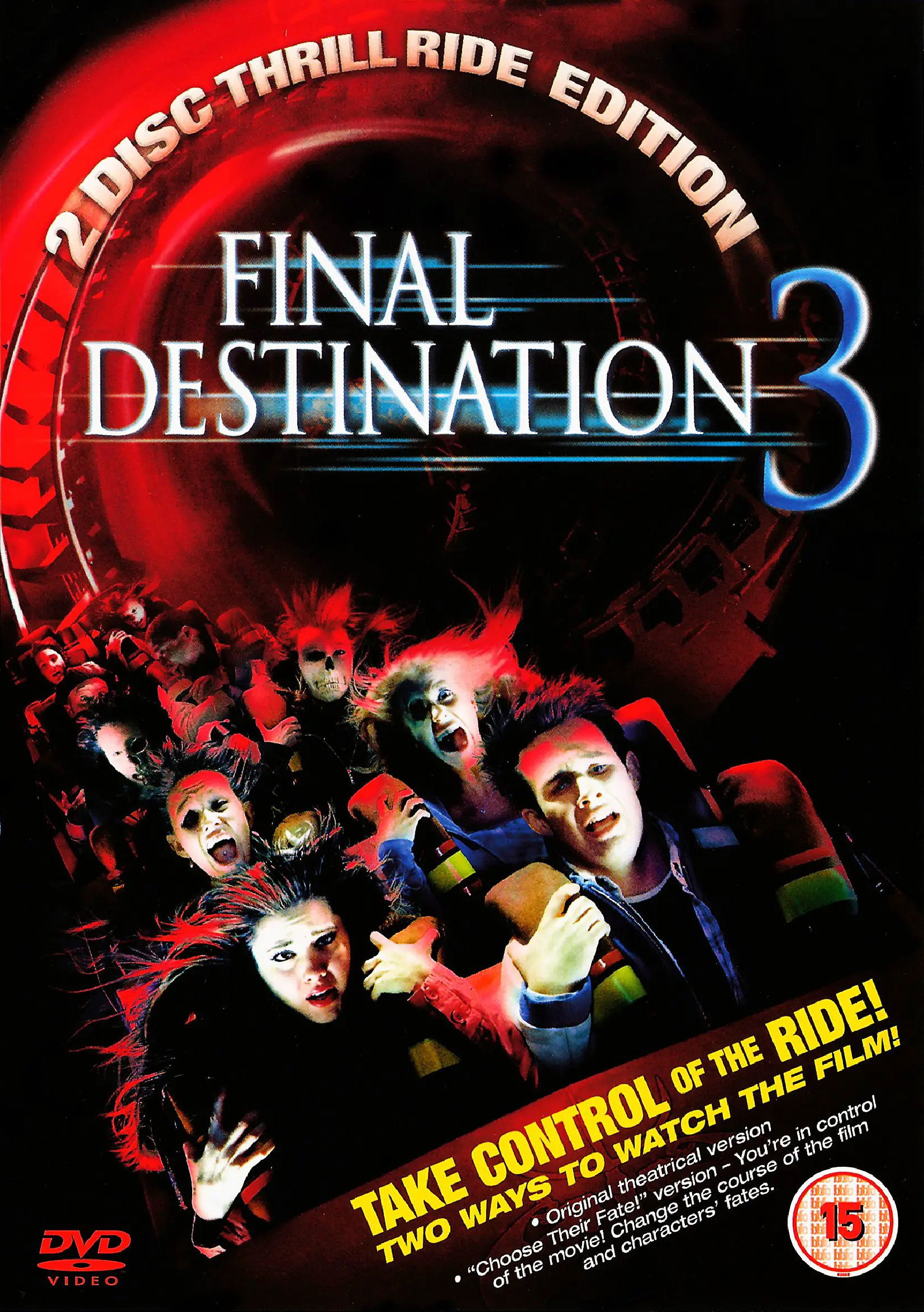
New Line planned a second form of the film while the theatrical version was still in production. Elaine Dutka's April 2006 Los Angeles Times report describes an interactive DVD project developed with Wong, Morgan and producer Craig Perry. The studio approved approximately 750,000 dollars and five additional shooting days for alternate footage. Rather than merely adding deleted scenes to a conventional menu, the Thrill Ride Edition interrupts selected moments with decisions that branch into different outcomes. Viewers can alter individual fatalities, spare a character who dies theatrically, and watch an alternate course of events. The alternative material was designed to join existing narrative footage after the branch.

The director treated the experiment with some reservations. Speaking to the Los Angeles Times, Wong distinguished the demands of the interactive production from the way he ordinarily conceived a single finished movie. Morgan observed that the new material had been accommodated within an already established screenplay, rather than written into the dramatic structure from the outset. These comments qualify the studio's presentation of the format as an evolutionary step for home entertainment. The release remains historically interesting because its options do more than change a menu: they expose the contingency of individual scenes in a series built around the fear that events cannot be changed.

Ending, Release and Contemporary Reviews

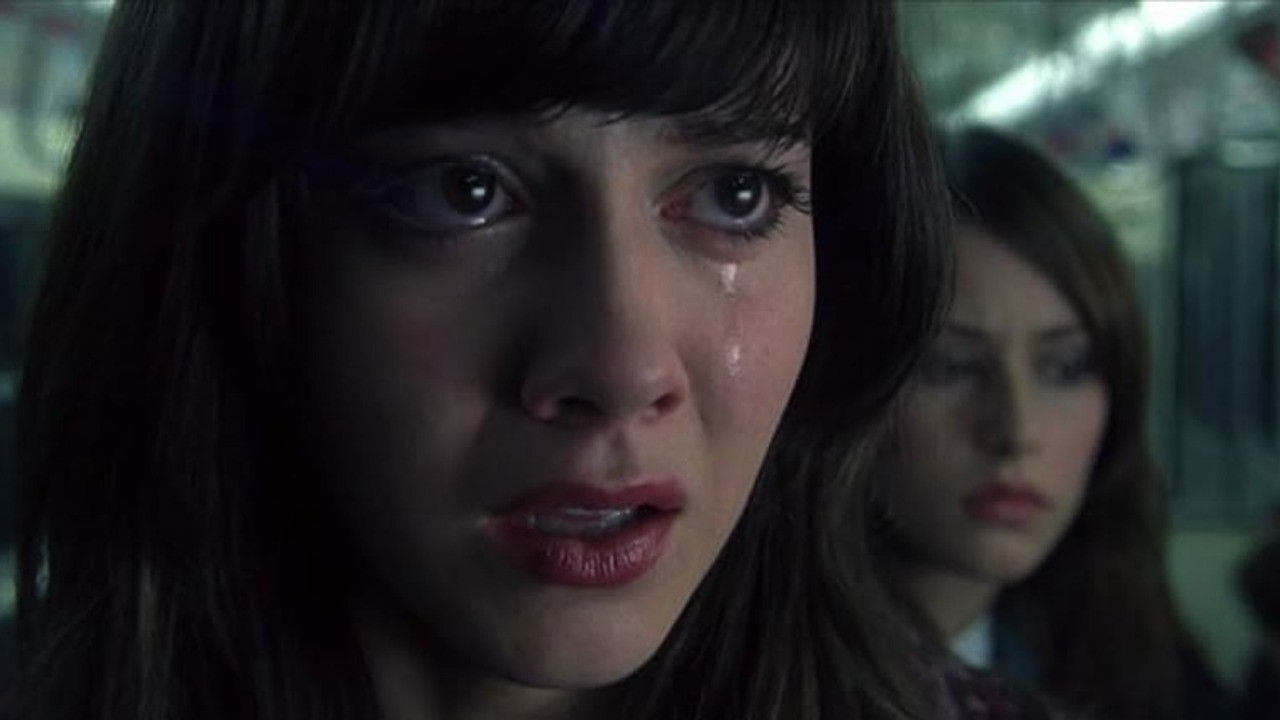
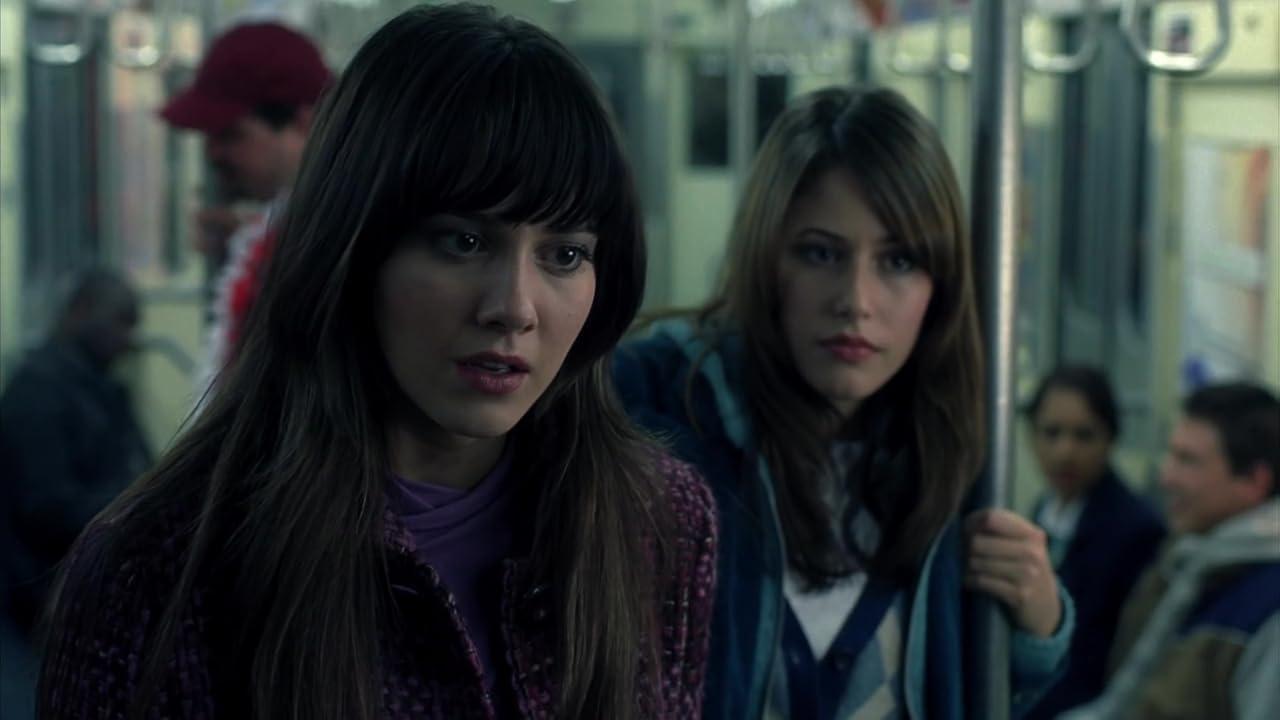
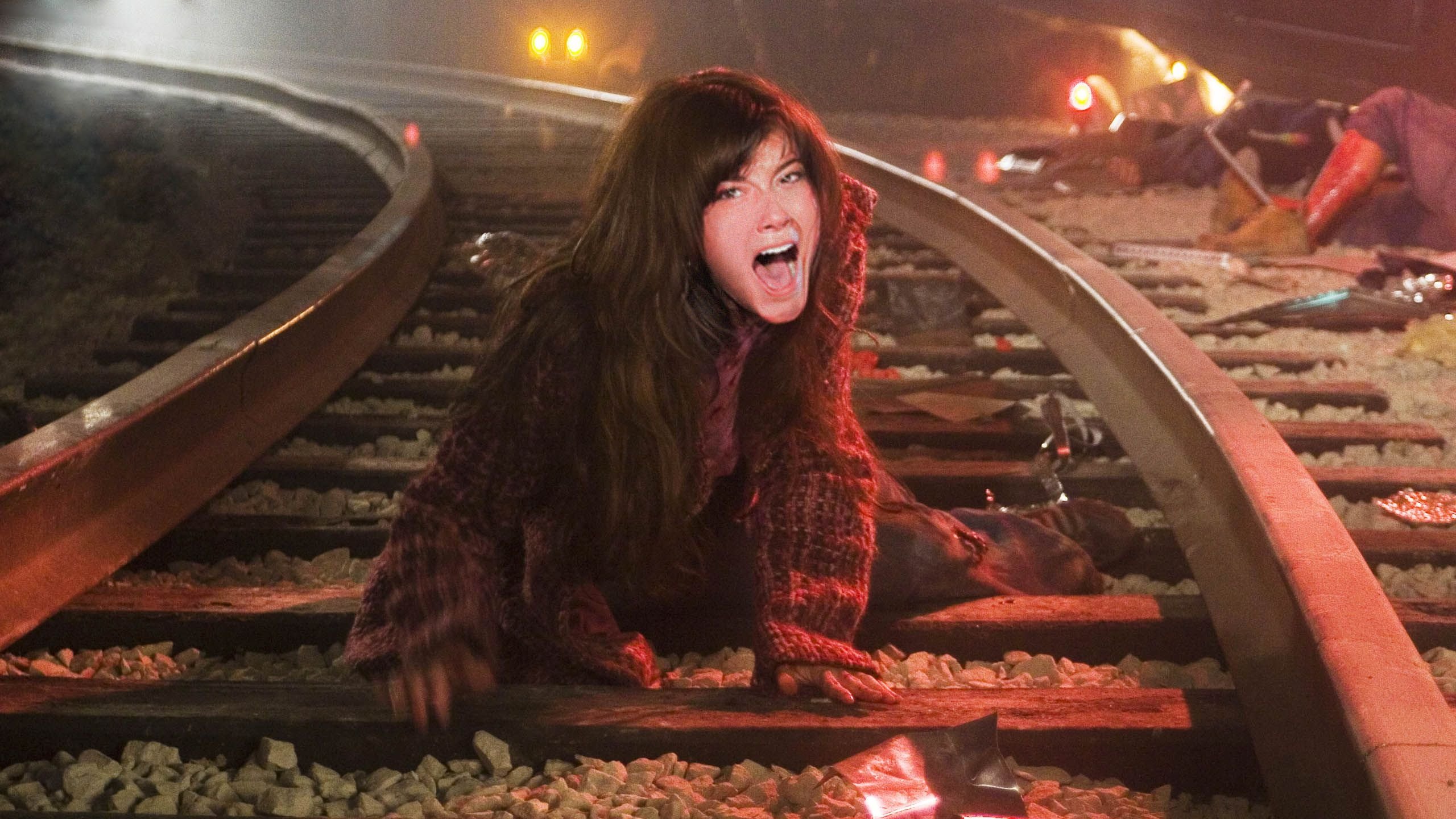
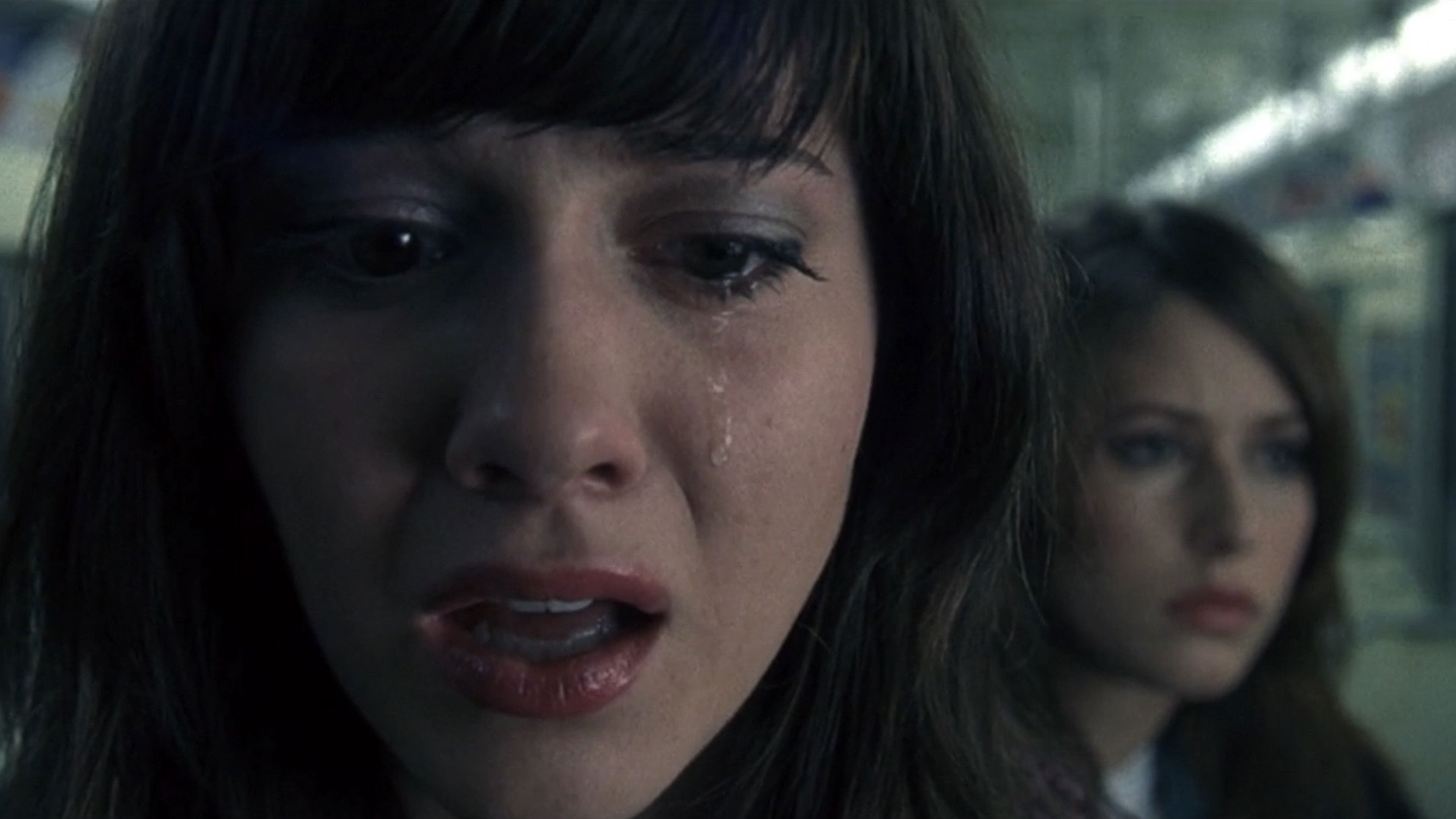
The theatrical ending also underwent an important change before release. According to Velasco-Shaw's account in Animation World Network, an early screening left the filmmakers dissatisfied with the original resolution after the spectacle of the roller-coaster sequence. A different conclusion was devised in autumn 2005 and executed around a subway crash. Meteor Studios had only six weeks to complete the additional work, which included miniature photography, digital debris and environmental augmentation. This late production effort gives the picture a second transportation disaster, returning its final movement to the combination of public machinery, crowd vulnerability and sudden structural collapse established by the opening.

Final Destination 3 opened in the United States on February 10, 2006. The British Board of Film Classification lists a cinema submission of 92 minutes and 47 seconds, classified on February 6, and a later home-video submission of 88 minutes and 58 seconds. Those listings establish different recorded running times, although they do not by themselves explain the discrepancy. Contemporary responses also differed in emphasis. Gingold admired the roller-coaster setup but criticized the comic excess and thin passages between deaths. Time Out's Joshua Rothkopf found the black humor central to the film's appeal and admired the way editing turned everyday objects into possible weapons. Their disagreement captures the balance of menace and grotesque amusement on which this installment depends.

References

  1. Animation World Network Final Destination 3: Going the Distance with VFX

    Alain Bielik interviews the effects supervisors responsible for the roller coaster, digitally enhanced fatalities and reworked subway ending.

  2. Los Angeles Times Viewers get in on the plot

    Elaine Dutka reports directly from production on the interactive DVD, with comments from James Wong, Glen Morgan and New Line executives.

  3. Fangoria Review: Final Destination 3

    Michael Gingold's original February 2006 review, preserved in the magazine's archive, documents the contemporary response to the violence and comic tone.

  4. Time Out Final Destination 3

    Joshua Rothkopf's February 2006 review examines the black humor, editing and accumulation of everyday dangers.

  5. British Board of Film Classification Final Destination 3

    Official classification records distinguish the UK cinema and home-video submissions and their different recorded running times.

Connections

Cast

View Full Cast & Crew →

Release & Distribution

Production Companies (5)

  • Hard Eight Pictures US
  • Kumar Mobiliengesellschaft mbH & Co. Projekt Nr. 1 DE
  • Matinee Pictures US
  • New Line Cinema US
  • Practical Pictures US

Distributors (1)

  • New Line Cinema US

Release History (48)

Release DateTerritoryRelease TypeFormatDistributorCertificationNotes
2006-02-02 United States Premiere — — — Los Angeles, California (Grauman's Chinese Theatre)
2006-02-09 Thailand Theatrical — — —
2006-02-10 Canada Theatrical — — PG
2006-02-10 United Kingdom Theatrical — — 15
2006-02-10 Ireland Theatrical — — 15A
2006-02-10 Iceland Theatrical — — —
2006-02-10 Romania Theatrical — — —
2006-02-10 United States Theatrical — — R
2006-02-22 Philippines Theatrical — — — Manila
2006-02-23 Singapore Theatrical — — —
2006-02-24 Taiwan Theatrical — — —
2006-03-02 Argentina Theatrical — — —
2006-03-02 Israel Theatrical — — —
2006-03-09 Greece Theatrical — — —
2006-03-10 South Africa Theatrical — — —
2006-03-16 Hong Kong SAR China Theatrical — — —
2006-03-17 Spain Theatrical — — 18
2006-03-22 Belgium Theatrical — — —
2006-03-22 France Theatrical — — 12
2006-03-23 Russia Theatrical — — 16+
2006-03-23 Slovakia Theatrical — — 15
2006-03-24 Italy Theatrical — — —
2006-03-24 Kazakhstan Theatrical — — —
2006-03-24 Mexico Theatrical — — C
2006-03-24 Poland Theatrical — — 18
2006-03-31 Estonia Theatrical — — —
2006-04-06 Netherlands Theatrical — — 16
2006-04-13 Germany Theatrical — — 18
2006-04-14 Austria Theatrical — — —
2006-04-19 Egypt Theatrical — — —
2006-04-19 Venezuela Theatrical — — —
2006-04-27 Australia Theatrical — — MA 15+
2006-04-28 Türkiye Theatrical — — —
2006-05-11 South Korea Theatrical — — 19
2006-05-11 Portugal Theatrical — — —
2006-05-12 Panama Theatrical — — —
2006-05-17 Kuwait Theatrical — — —
2006-07-07 Brazil Theatrical — — 14
2006-08-04 Lithuania Theatrical — — —
2006-08-23 Finland Physical DVD — K-18 DVD
2006-09-09 Japan Theatrical — — R18+
2006-10-21 Hungary Physical DVD — 18 DVD
2007-10-27 Netherlands TV — — 16 Veronica
2009-11-04 Netherlands Physical Blu-ray — 16 Blu ray
2013-09-18 Netherlands Physical DVD — 16 DVD
2022-09-01 United States Digital — — R Starz
2026-08-01 Philippines Digital — — — Netflix
2026-10-17 France TV — — 16 Ciné+ Frisson
This ride will be the death of you.