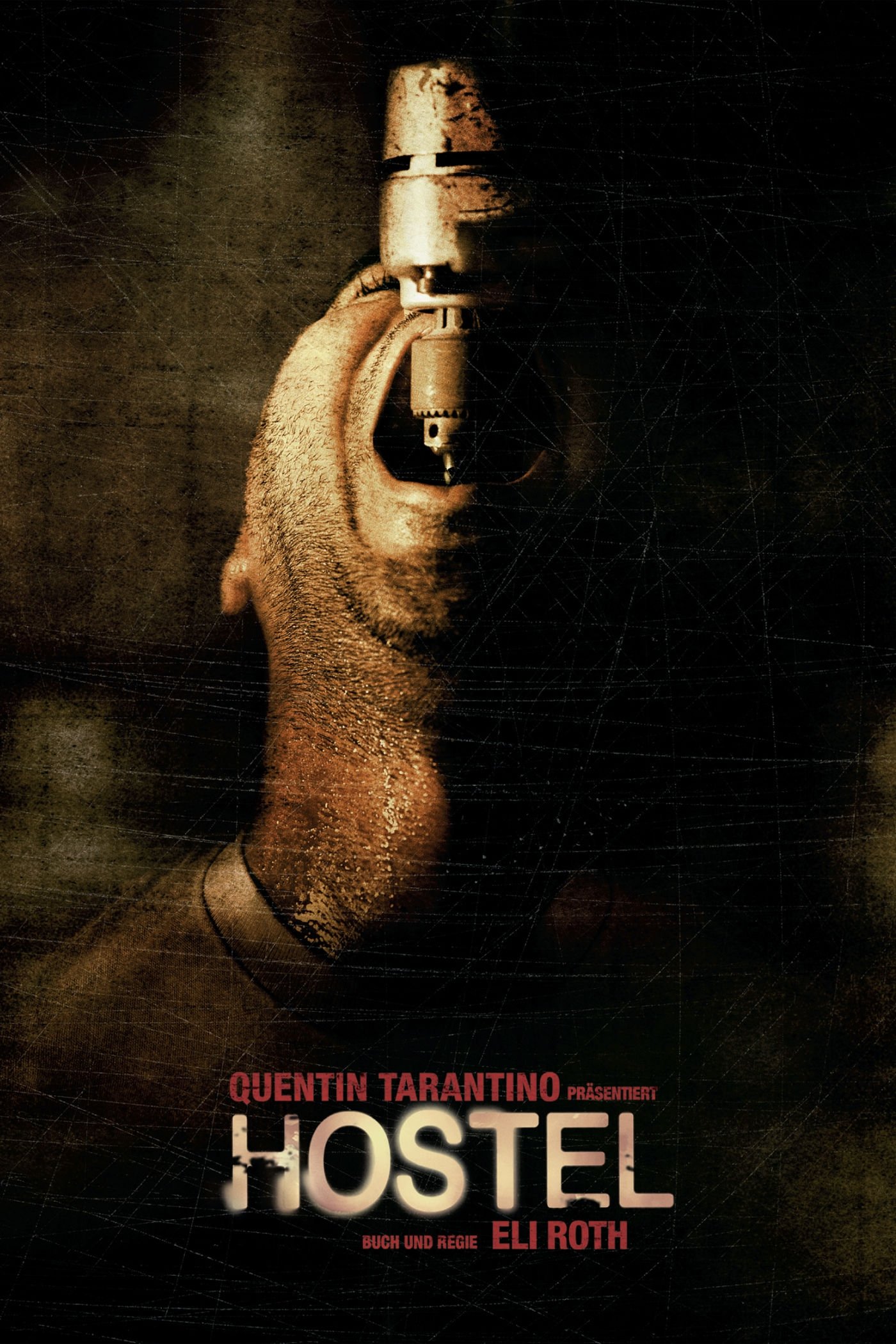
Origins, Internet Rumours, and Development
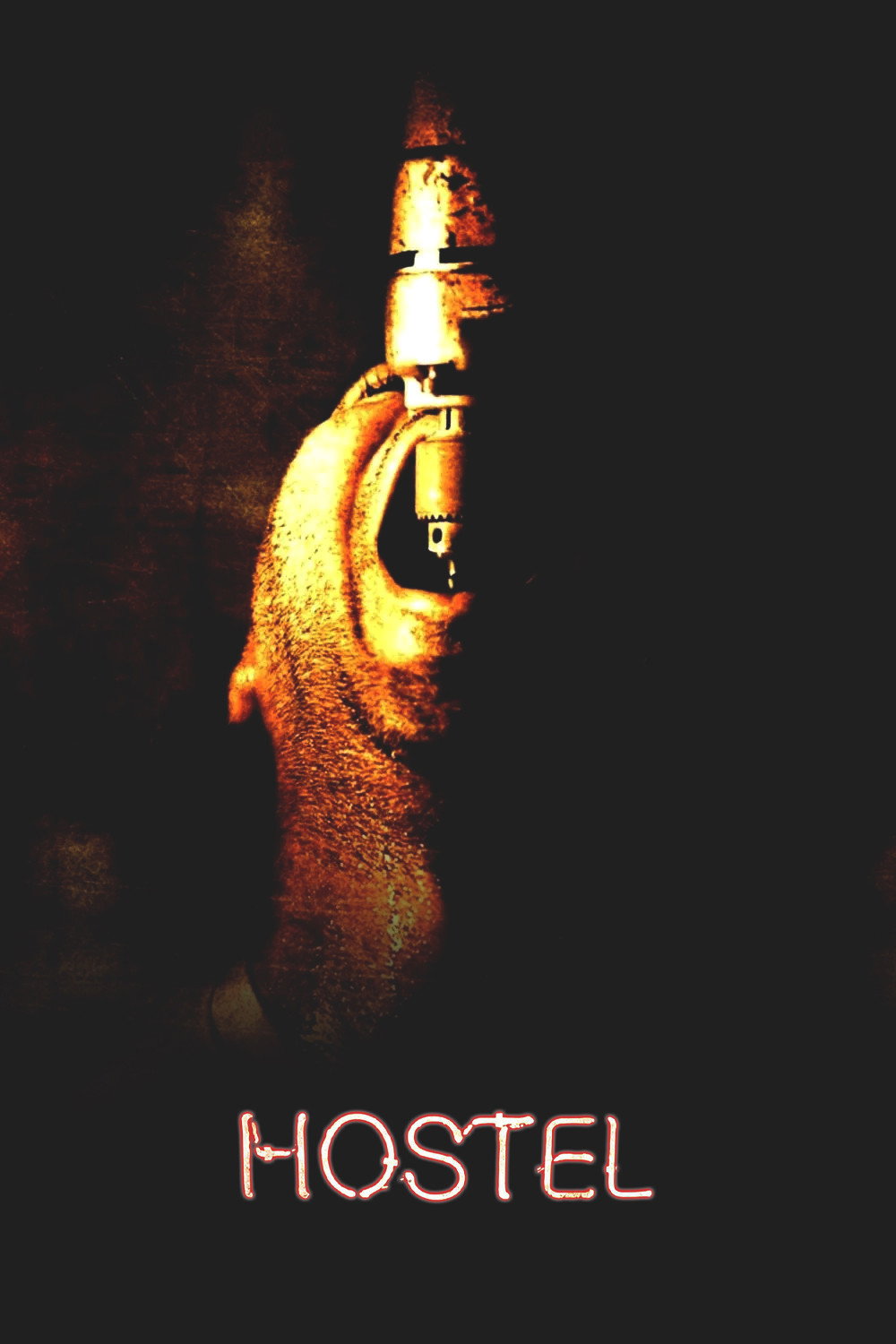
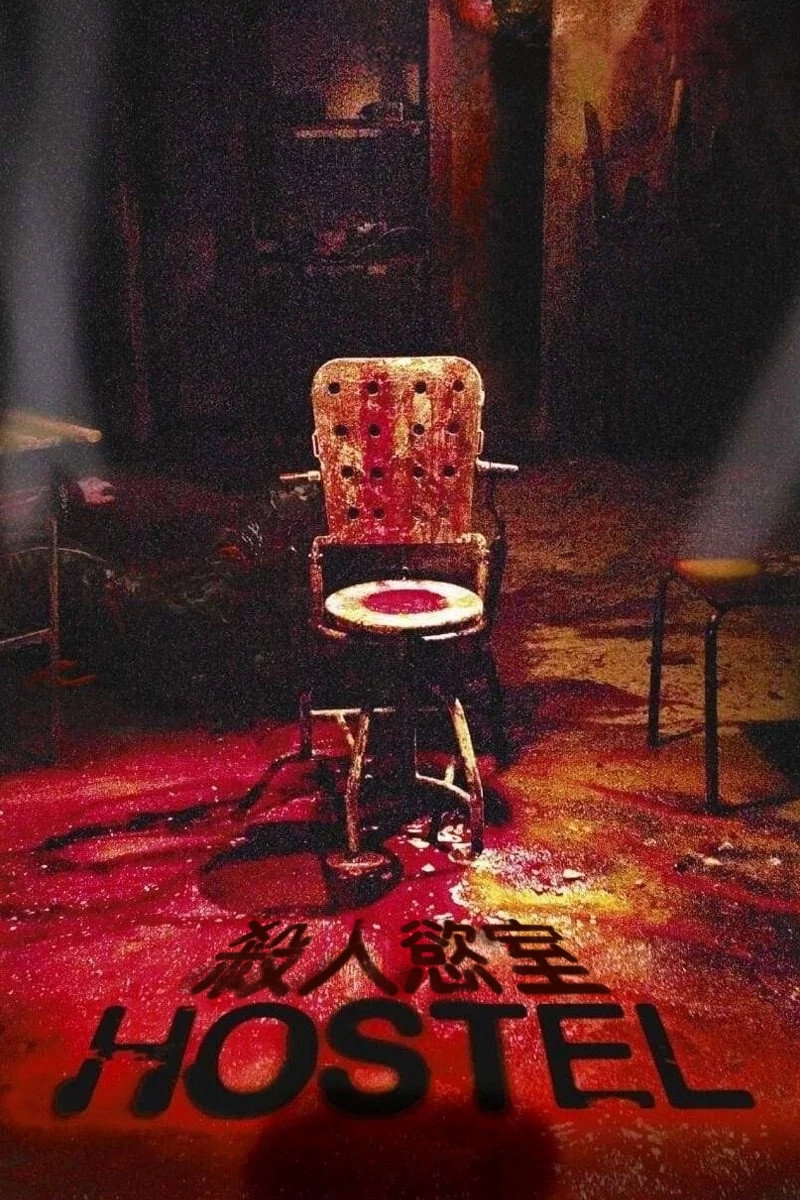
Roth developed Hostel after the commercial success of his feature debut, Cabin Fever (2002). Although he received opportunities to direct larger productions, he wanted to pursue an original horror story. The initial premise emerged from a conversation with Harry Knowles of Ain’t It Cool News about disturbing material circulating on the internet. Knowles directed him to a website claiming that wealthy visitors could pay to kill another person in Thailand. In a January 2006 interview with Dread Central, Roth emphasized that he had seen the website but had never established whether the advertised activity actually existed. The supposed murder service was therefore an unverified claim that inspired fiction, rather than a documented real-world enterprise.
Quentin Tarantino encouraged Roth to develop the idea as a comparatively inexpensive film that would permit an unusually uncompromising approach to violence. Roth recalled writing an initial draft quickly, followed by revisions with Scott Spiegel and Boaz Yakin, his associates at Raw Nerve. Tarantino reviewed the screenplay and questioned incidents he considered implausible, encouraging the director to think carefully about how the victims could become trapped or escape. This participation should be distinguished from authorship of the screenplay, which is credited to Roth. Tarantino served as an executive producer and creative adviser, while Roth retained responsibility for the script and direction.
The filmmakers developed the production with financing and distribution arrangements involving Next Entertainment, Screen Gems and Lionsgate. Roth described his intention to work within a budget low enough to preserve creative flexibility. His conversations with Tarantino also encouraged him to reconsider the violence and narrative unpredictability of Japanese and South Korean genre films. The resulting project moved beyond the isolated woodland setting of Cabin Fever toward a story involving international travel and an organized criminal enterprise. Its premise allowed Roth to combine the uncertainty of unfamiliar surroundings with the fear of becoming entirely dependent on people whose language and motives the protagonists do not understand.
Narrative Structure, Exploitation, and Survival
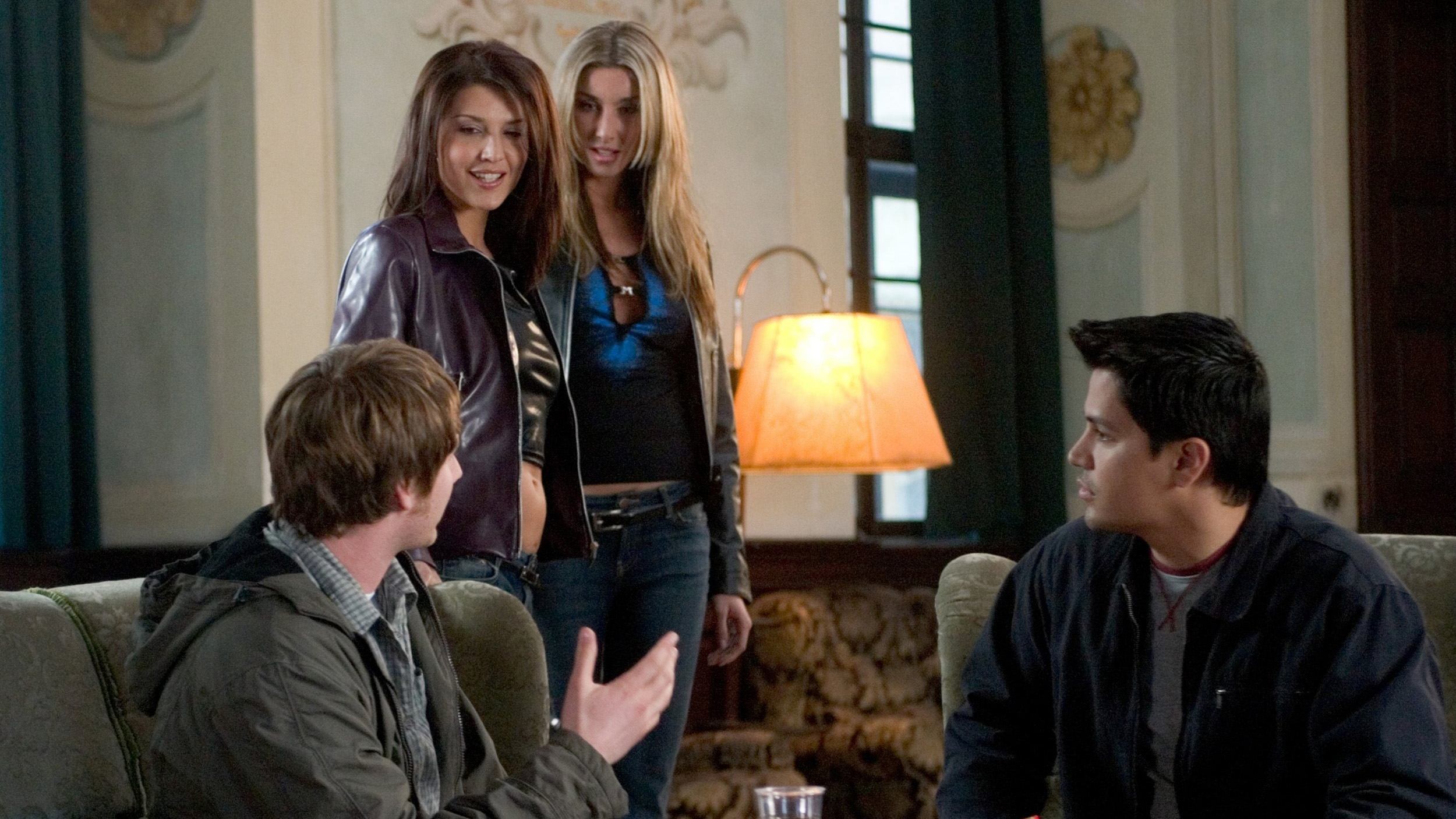
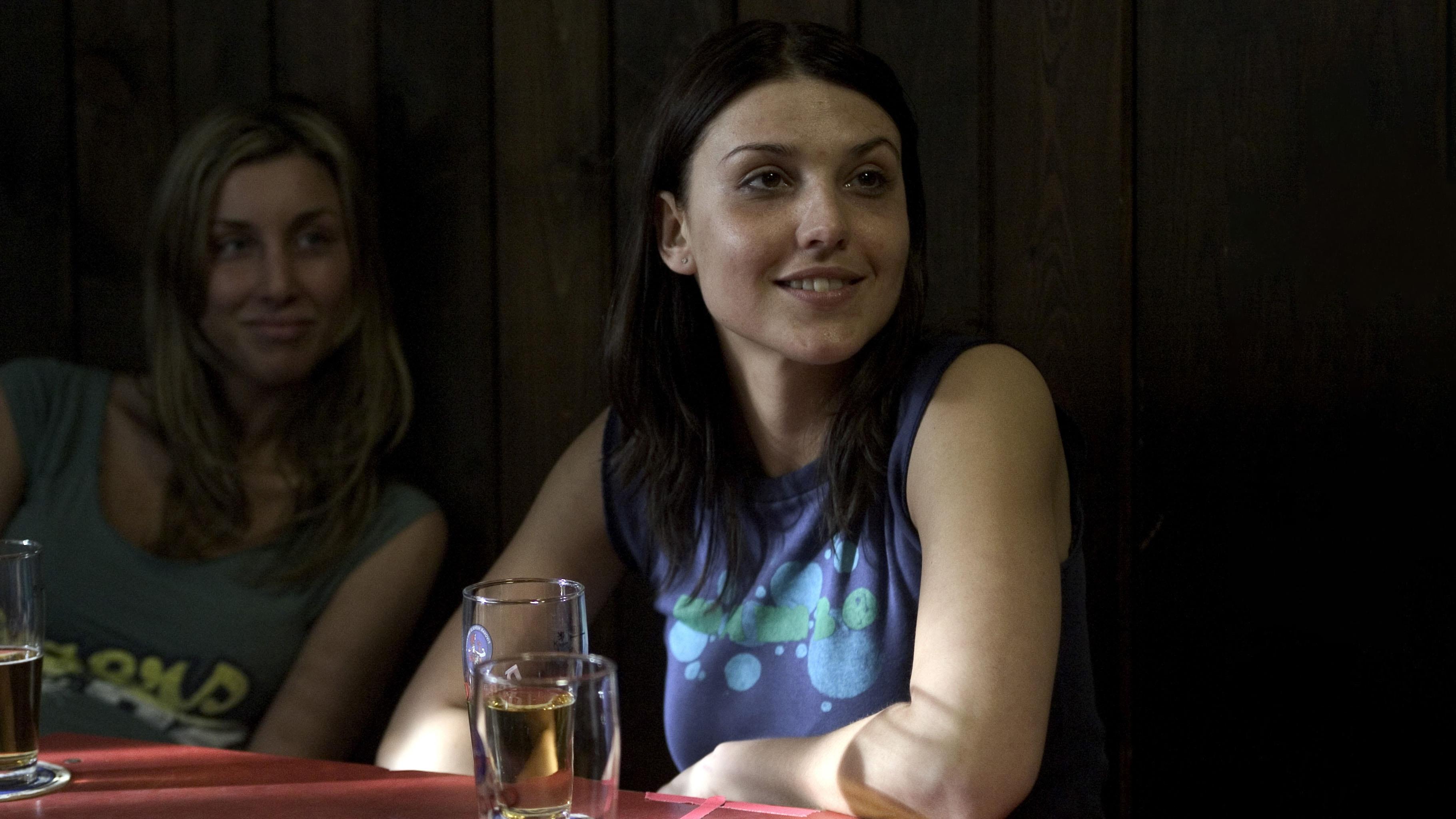
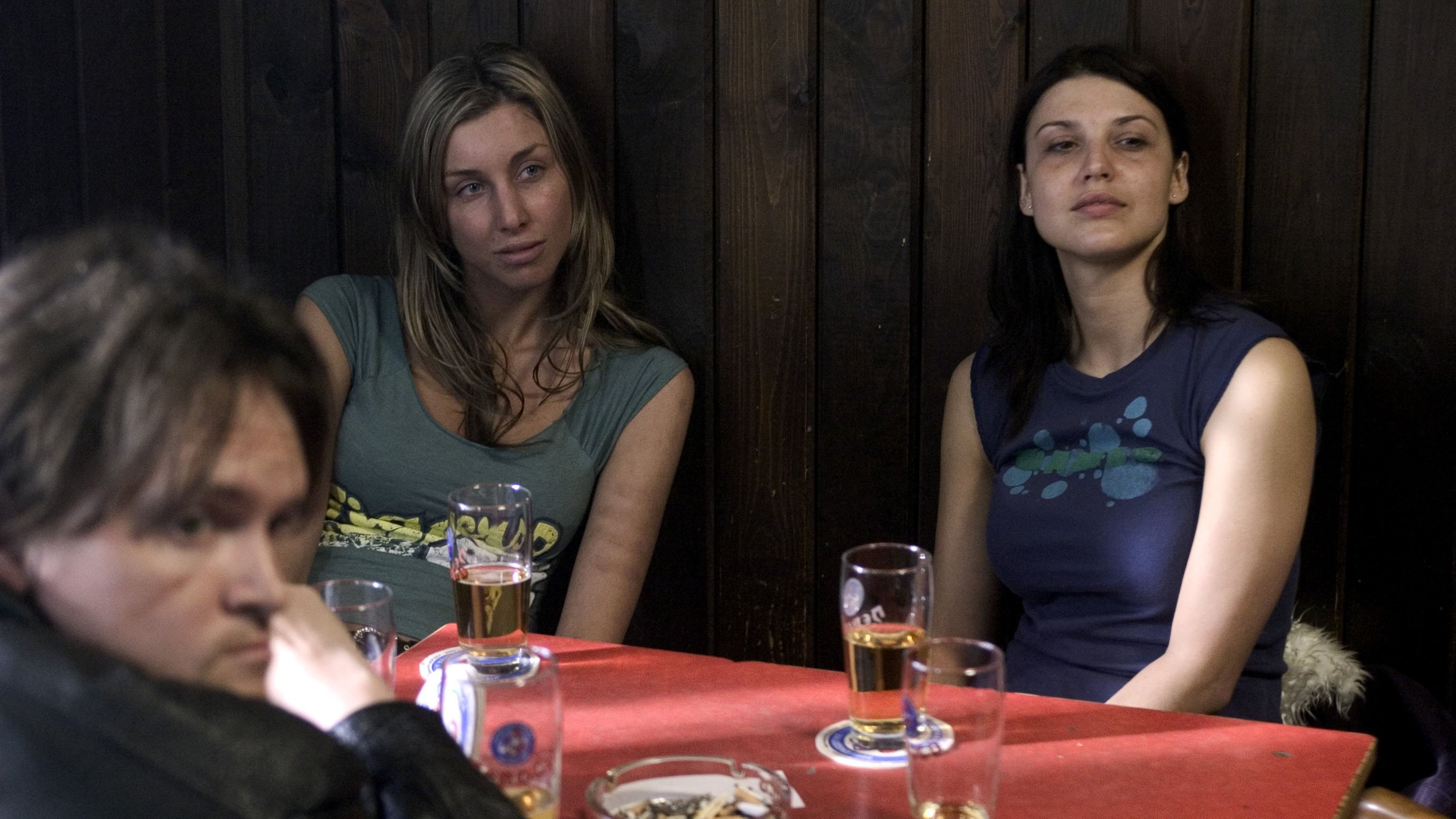
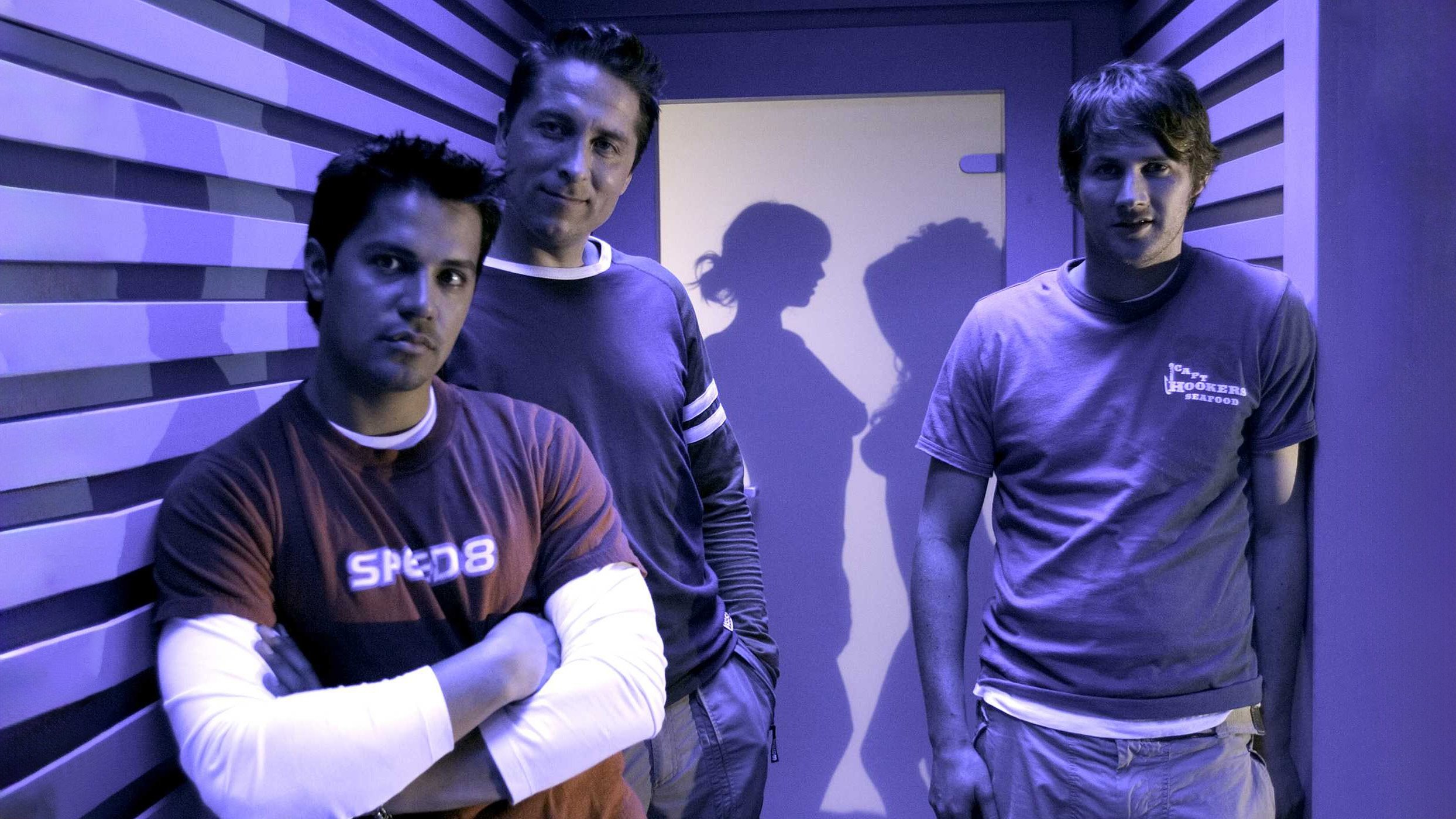
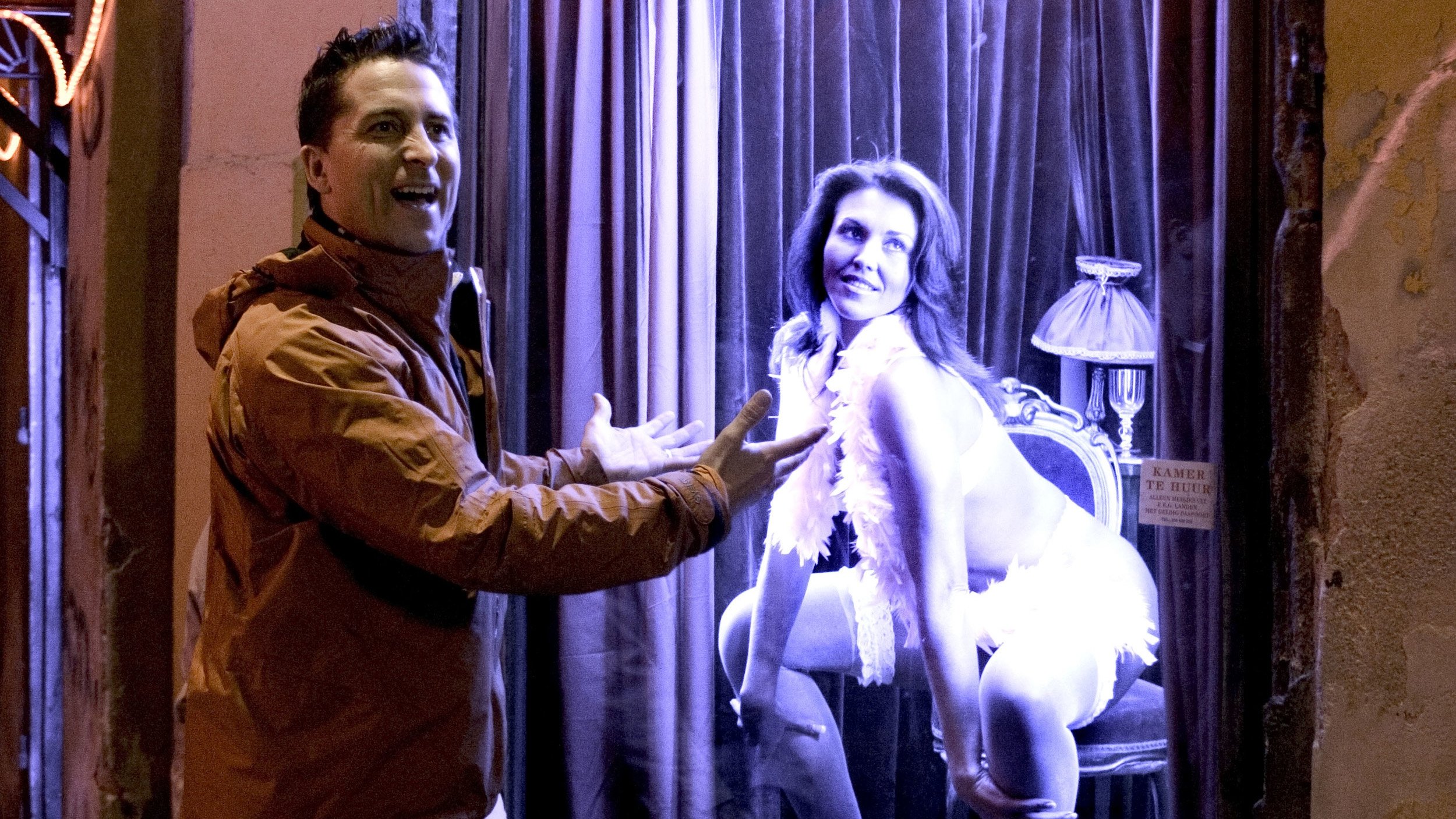
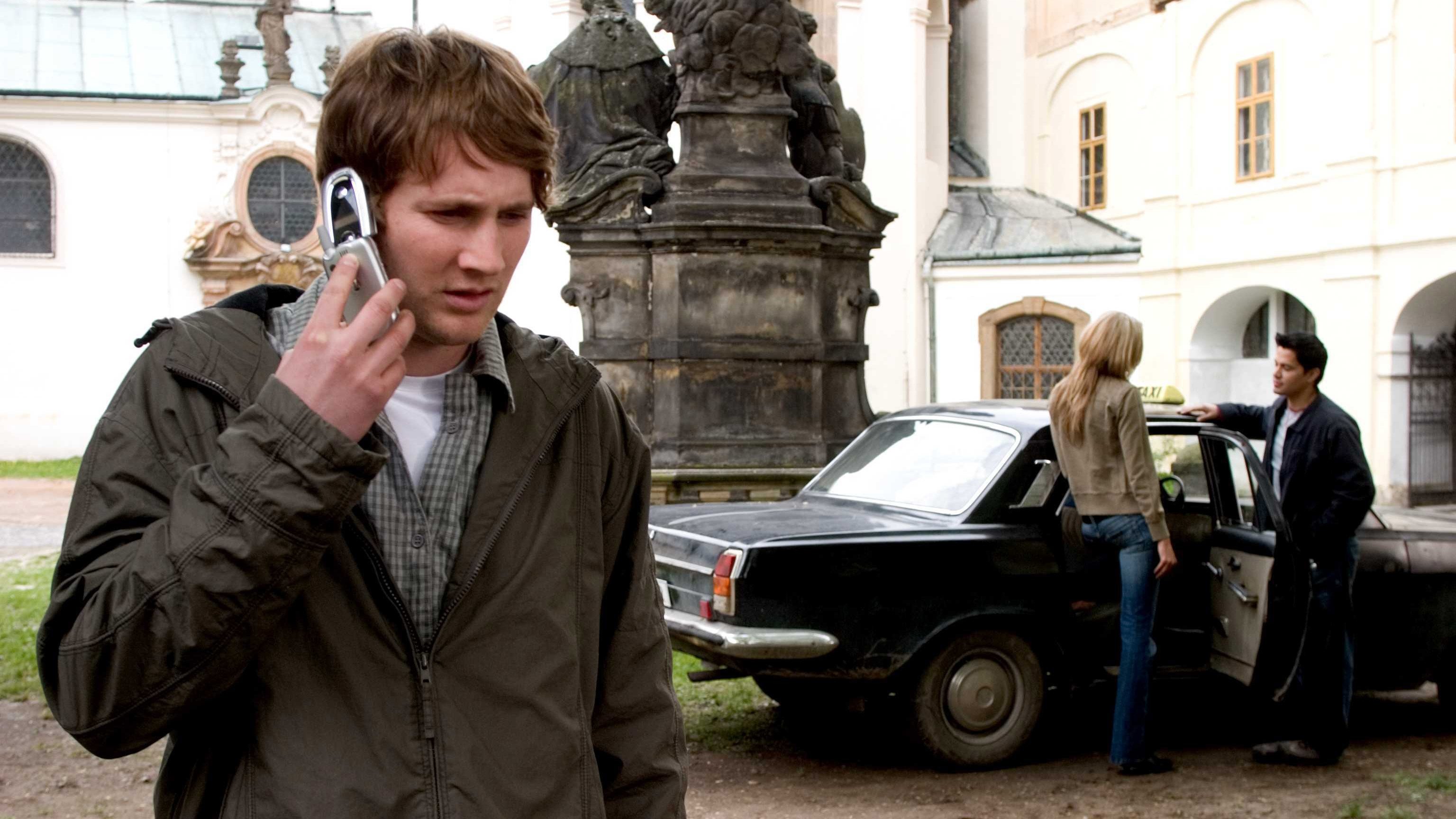
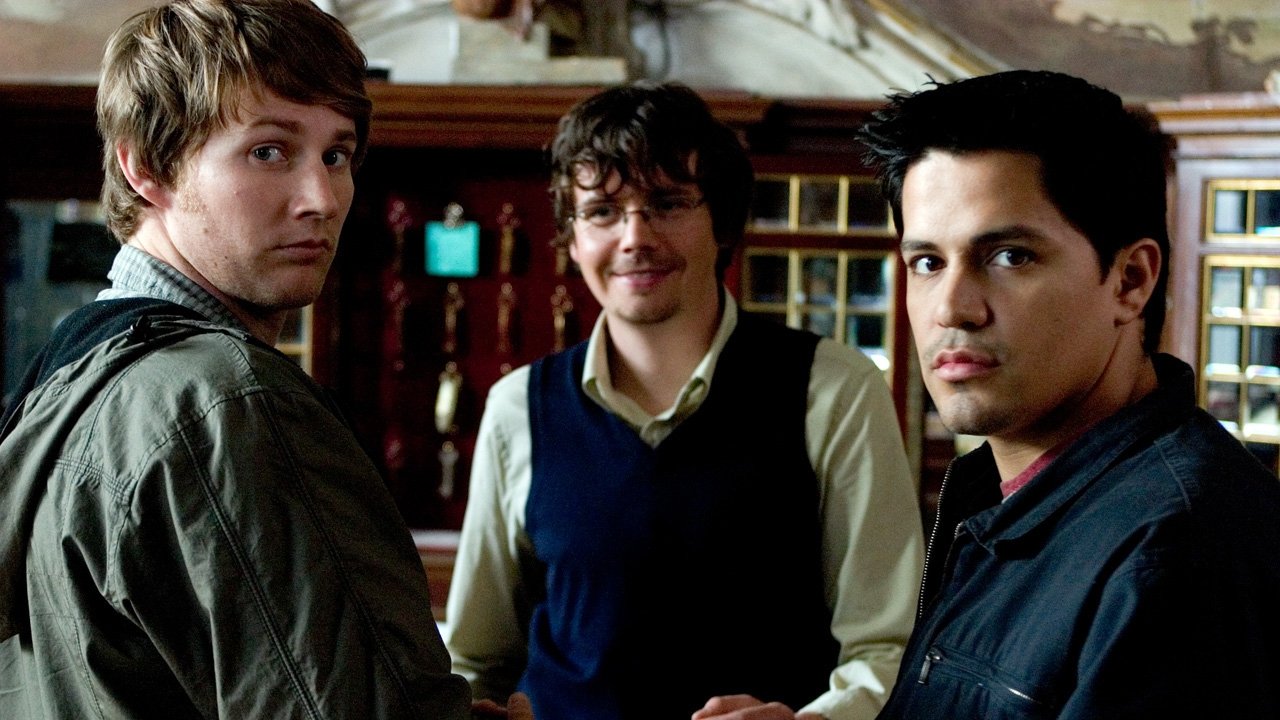
The film begins with Paxton, Josh and Óli travelling through Amsterdam, where their interests revolve around drinking, drugs and casual sex. They receive advice about a hostel in Slovakia supposedly frequented by women seeking foreign visitors. The information appears to offer an opportunity to extend their holiday, but the promise has been constructed to make the young men vulnerable. Their arrival introduces Natalya and Svetlana, whose apparent interest in the travellers conceals their involvement in an organized recruitment process. The film deliberately spends considerable time establishing these encounters before revealing the facilities where the tourists are imprisoned.
Roth explained that the extended opening was intended to make the audience share the protagonists’ experience before recognizing the danger. He also wanted their initial behaviour toward women to influence the viewer’s response when their circumstances were reversed. The relationship between sexual tourism and the later murder business becomes important to the story’s construction. In both environments, people imagine that money allows them to purchase access to another person’s body. The comparison becomes increasingly disturbing when the travellers discover that wealthier clients have paid for the opportunity to torture and kill them. The film makes that commercial relationship explicit through the activities of the Elite Hunting organization.
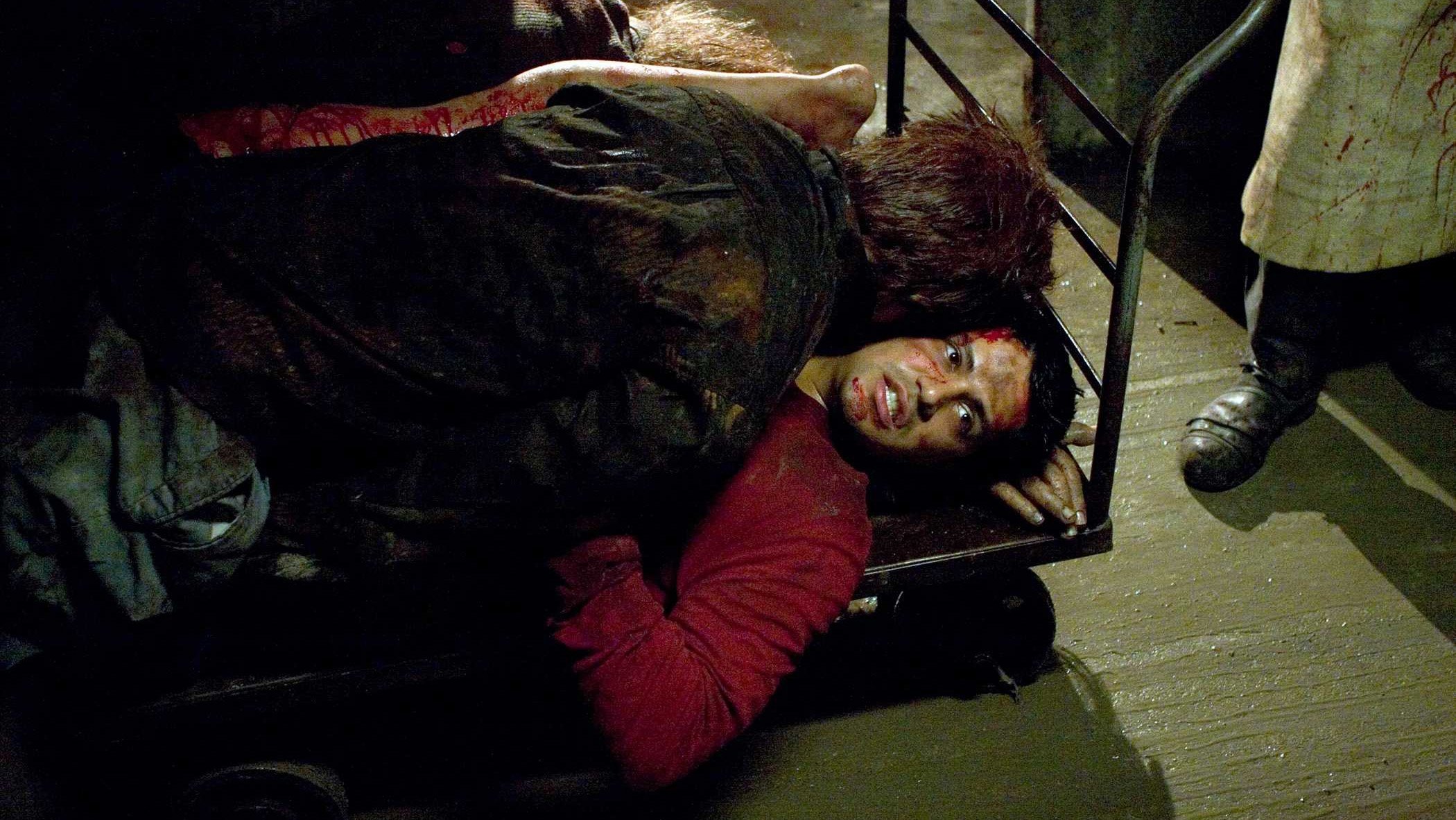
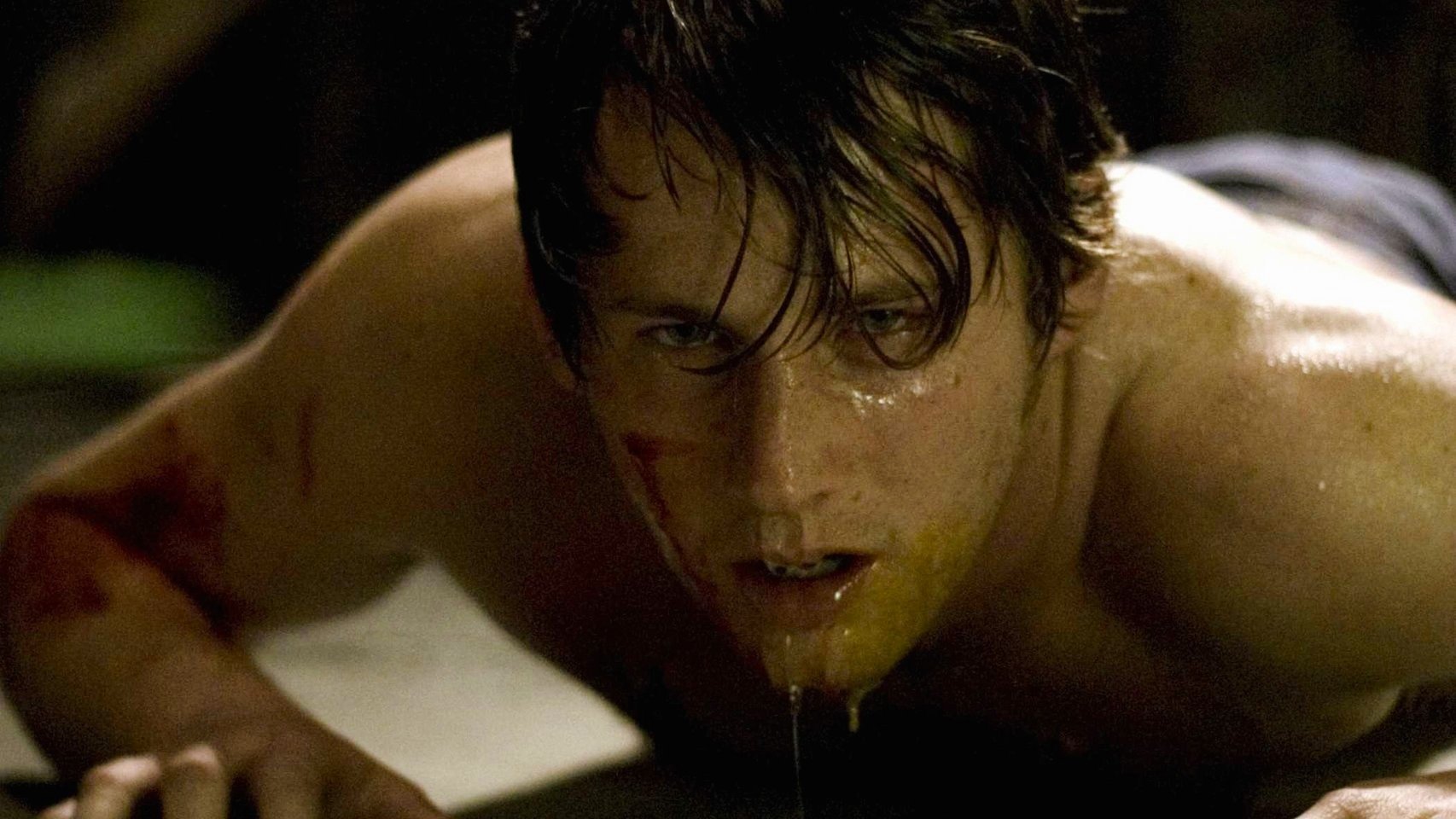
The disappearance of Óli and Josh gradually shifts the narrative toward Paxton’s survival. Josh encounters a Dutch businessman whose earlier friendliness conceals his participation in the murder enterprise. Paxton subsequently discovers the industrial facility in which the victims are held. His escape requires improvised violence, concealment and the exploitation of weaknesses within the organization. During his flight, he finds Kana, another captive who has suffered severe disfigurement, and attempts to rescue her. This decision changes his relationship with the surrounding victims, although the film offers no simple moral resolution. The concluding events remain marked by irreversible injury and the destructive consequences of an enterprise whose customers are able to purchase extraordinary power over strangers.
Czech Production and the Fictional Slovakian Setting
Although the principal events are set in Slovakia, Hostel was photographed in the Czech Republic during spring 2005. International Production Company managed the local production arrangements. The Czech Film Commission documented approximately seven weeks of filming involving two units, more than fifty locations and substantial constructed environments. One week was spent in Český Krumlov, while Prague supplied several important interiors and transport locations. These included the Bohnice psychiatric hospital and the city’s principal railway stations. The production relied heavily on Czech technicians and performers, making the local film industry essential to its ability to achieve a comparatively elaborate visual scale within the available budget.
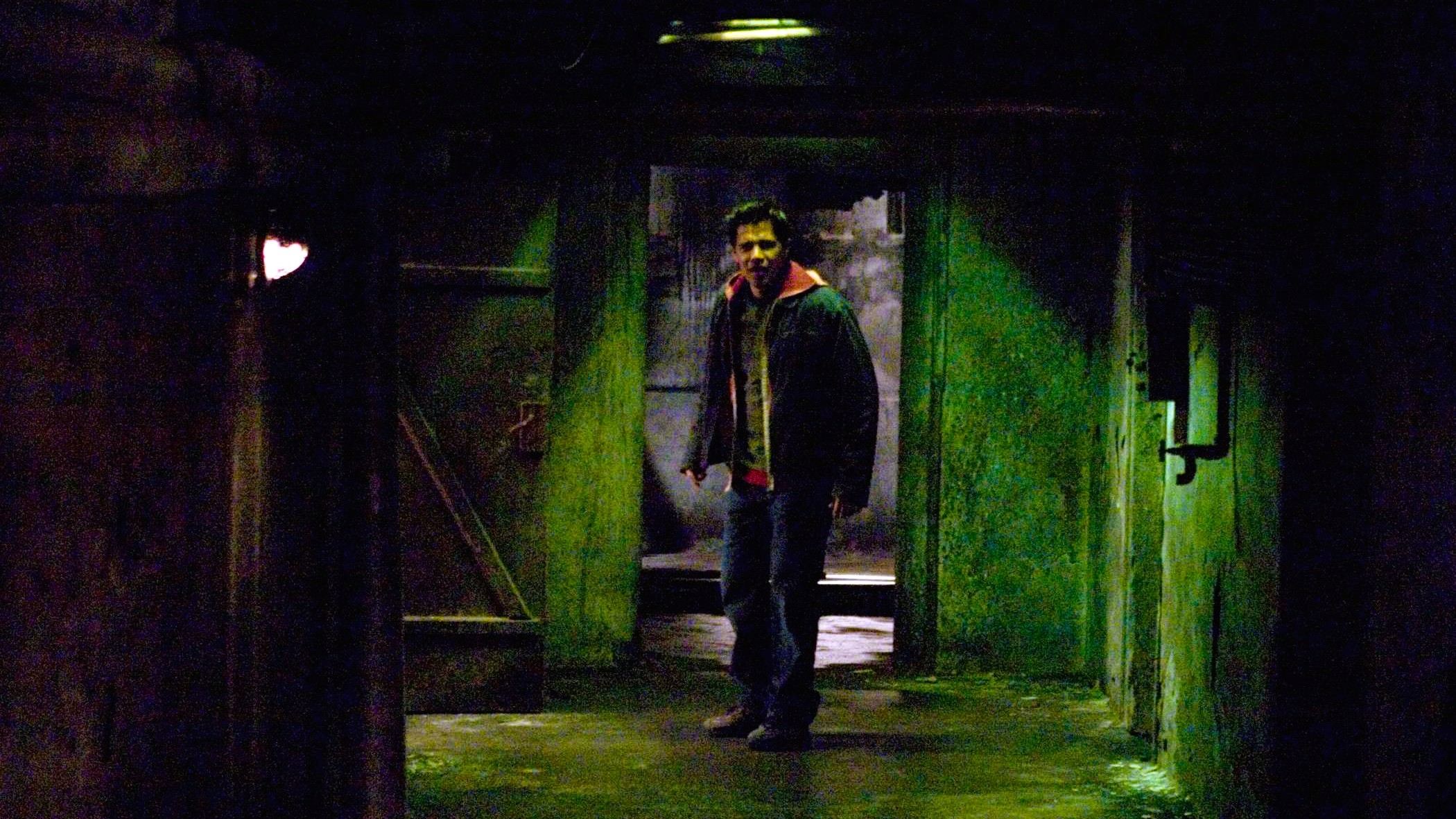
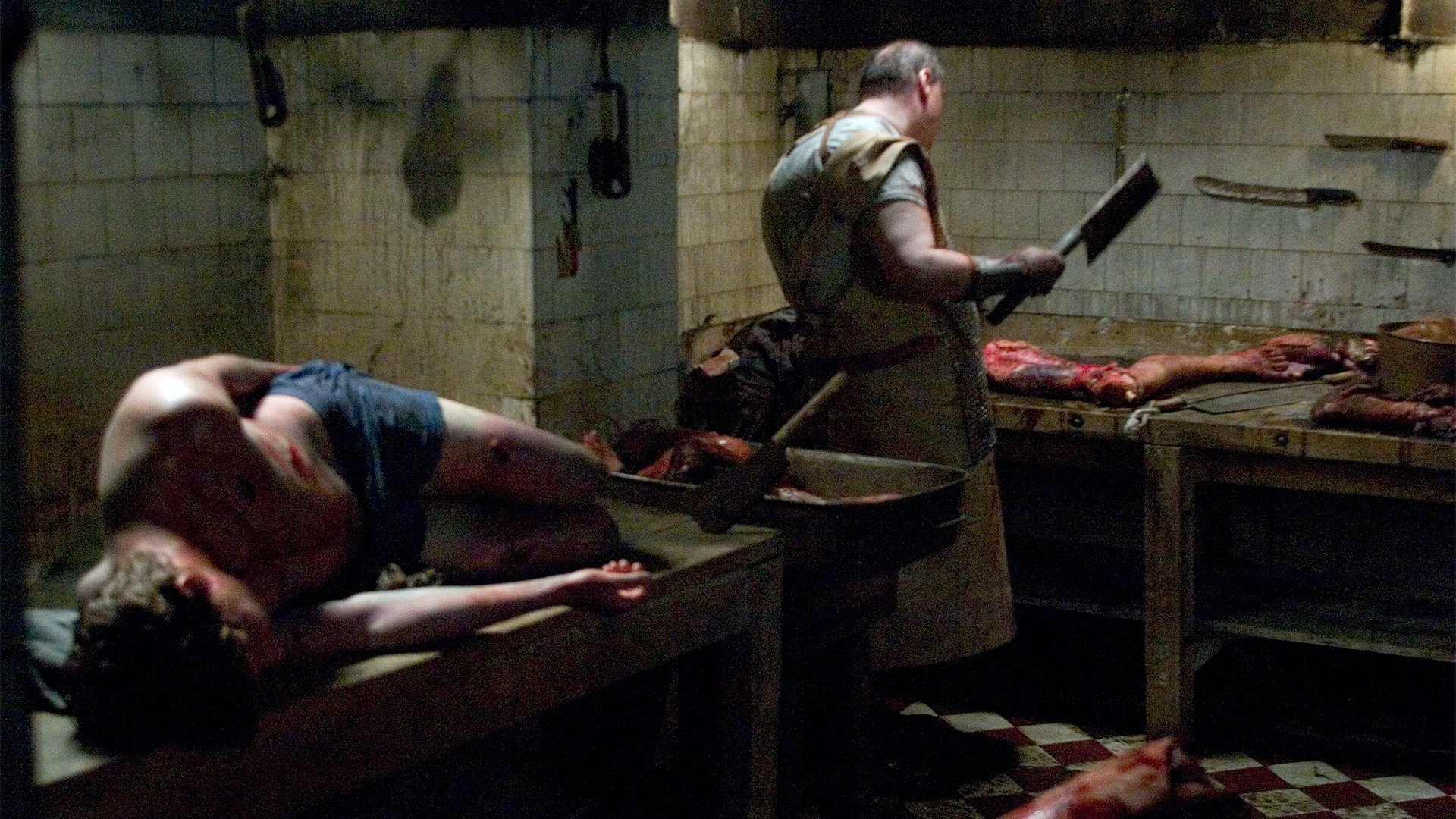
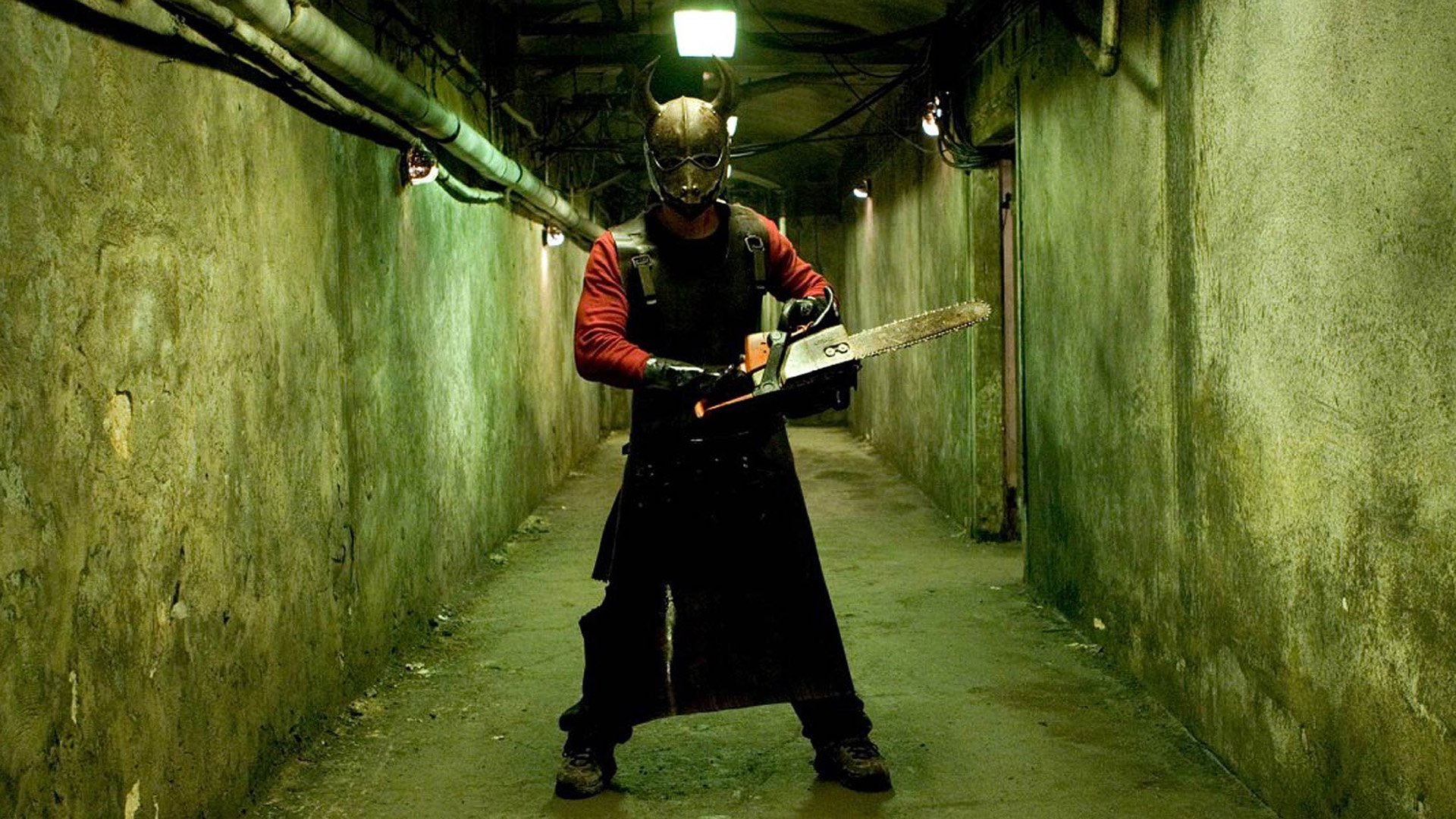
Roth considered the Czech production resources especially valuable because the story could incorporate performers speaking their own languages. Rather than attempting to make every character appear American, he used the multilingual environment to reinforce the travellers’ limited understanding of their surroundings. Some members of the local production team also appeared in small acting roles. Production designer Franco-Giacomo Carbone developed environments that contrasted the attractive tourist spaces with the deteriorating industrial buildings associated with the murder organization. The abandoned factory setting became particularly important because its corridors and rooms could accommodate elaborate effects sequences while suggesting a large criminal operation beyond the areas visible on screen.
The decision to set the violence in Slovakia generated controversy after the film’s release. Slovak politicians and cultural representatives objected to the portrayal of their country as a dangerous location associated with organized torture and the exploitation of visitors. Contemporary reporting recorded concerns that the fictional narrative would damage the country’s reputation. Roth responded that he had intended to examine the ignorance and assumptions of American travellers rather than make a factual statement about Slovakia. The distinction between the fictional setting and the Czech filming locations is therefore significant to the film’s production and reception. Its imagery contributed to a public dispute extending beyond criticism of the horror genre itself.
Cinematography, Editing, and the Shift in Tone
Cinematographer Milan Chadima worked with Roth on a visual progression that accompanied the transformation of the story. The earlier sequences emphasize attractive nightlife, busy public environments and the apparent excitement of unfamiliar destinations. Roth described using comparatively controlled camera movement and a brighter palette during these passages. The situation changes after the disappearance of the first traveller. As the characters approach the murder facility, the images become progressively less colourful and the camera movement more unstable. The director identified this transformation as a deliberate means of making the second half feel materially different from the holiday scenes that precede it.
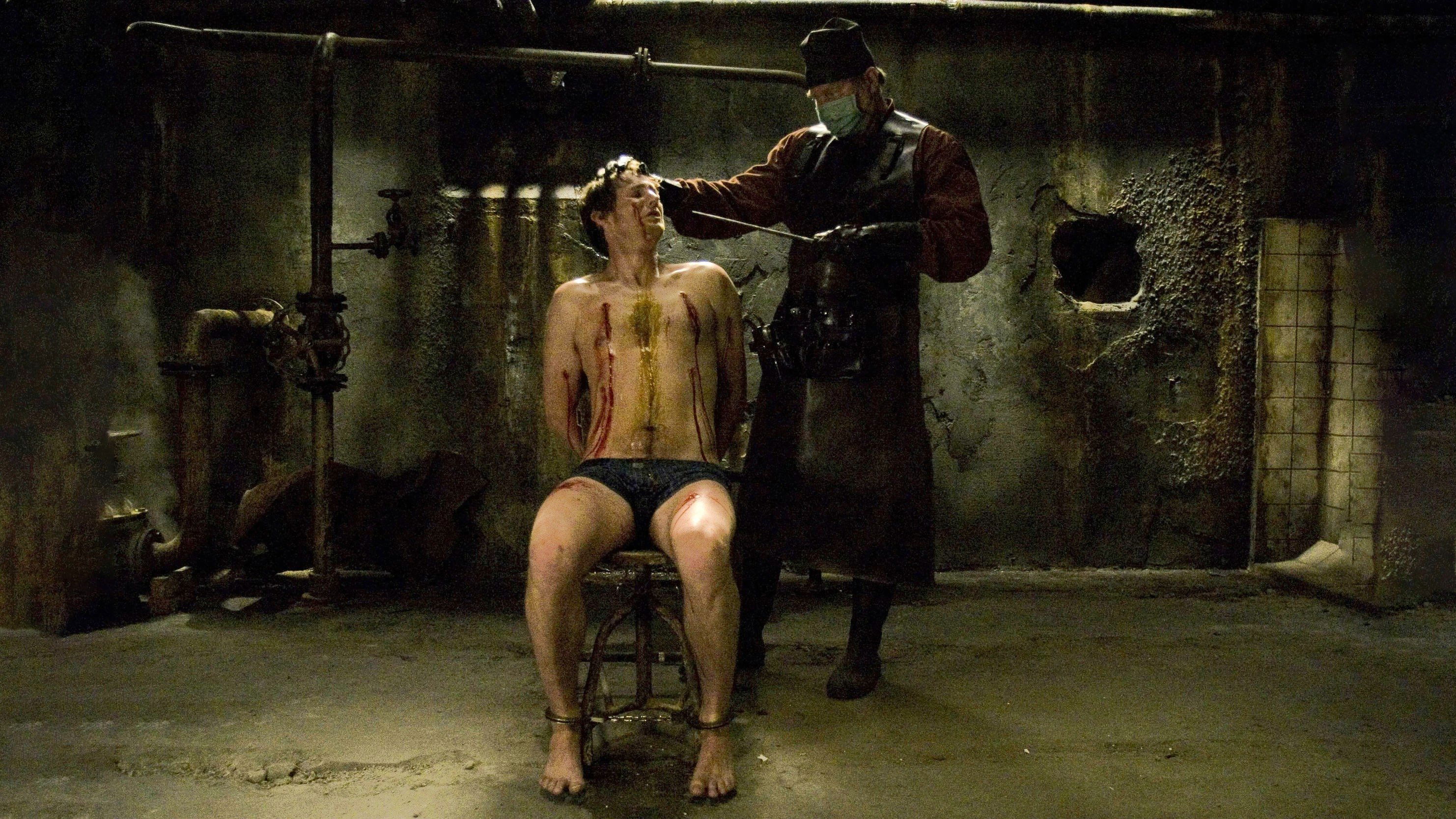
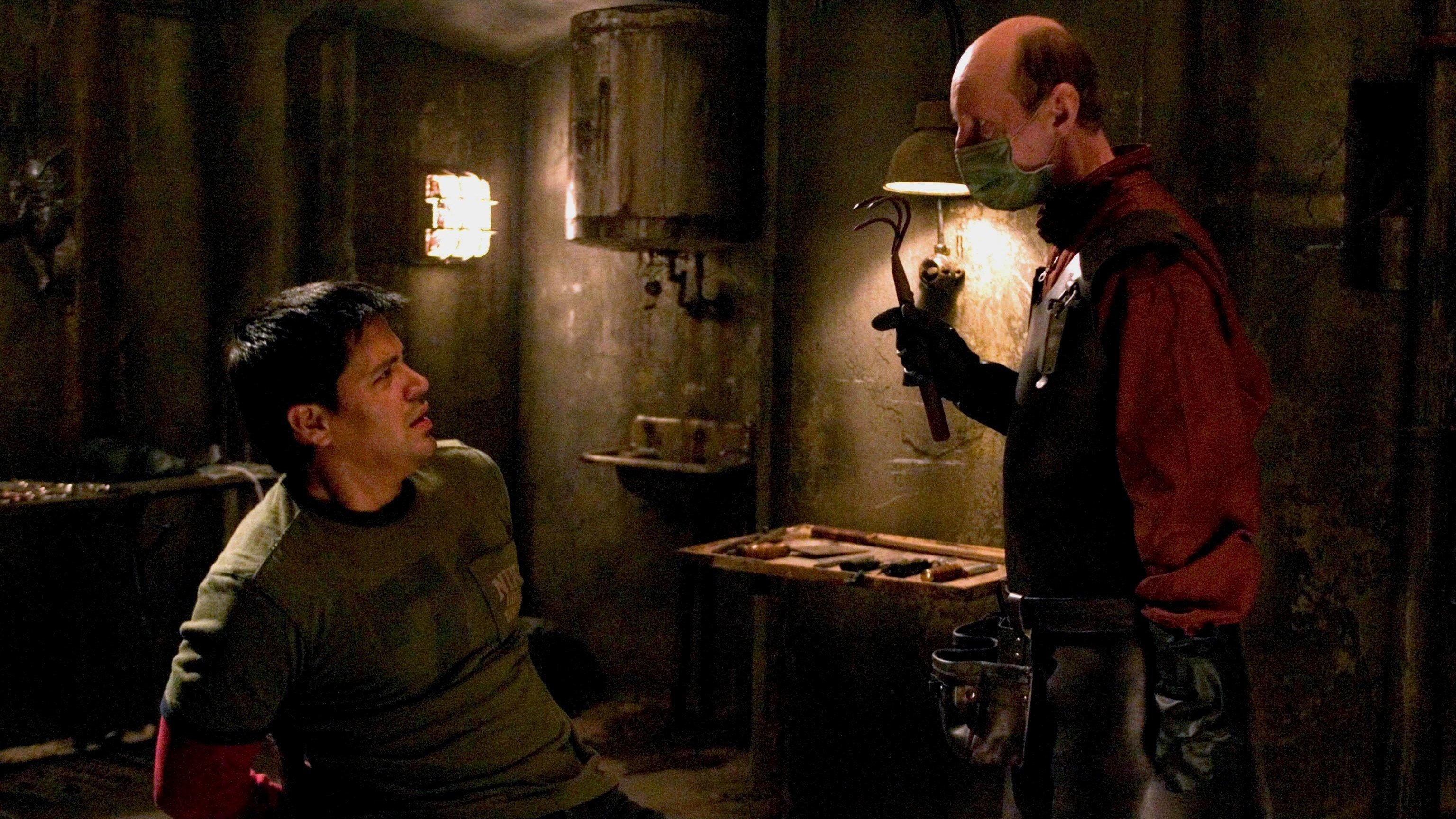
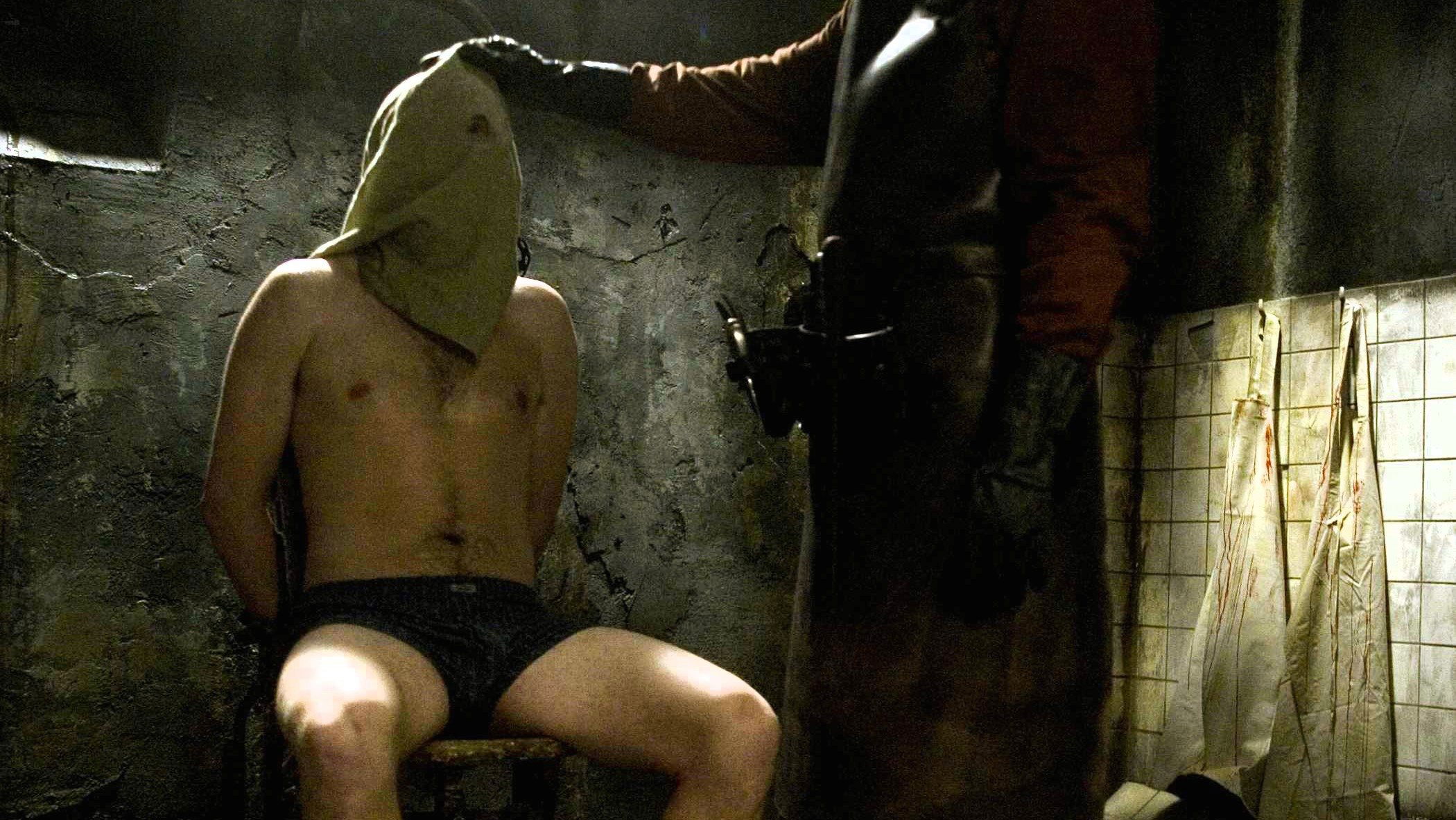
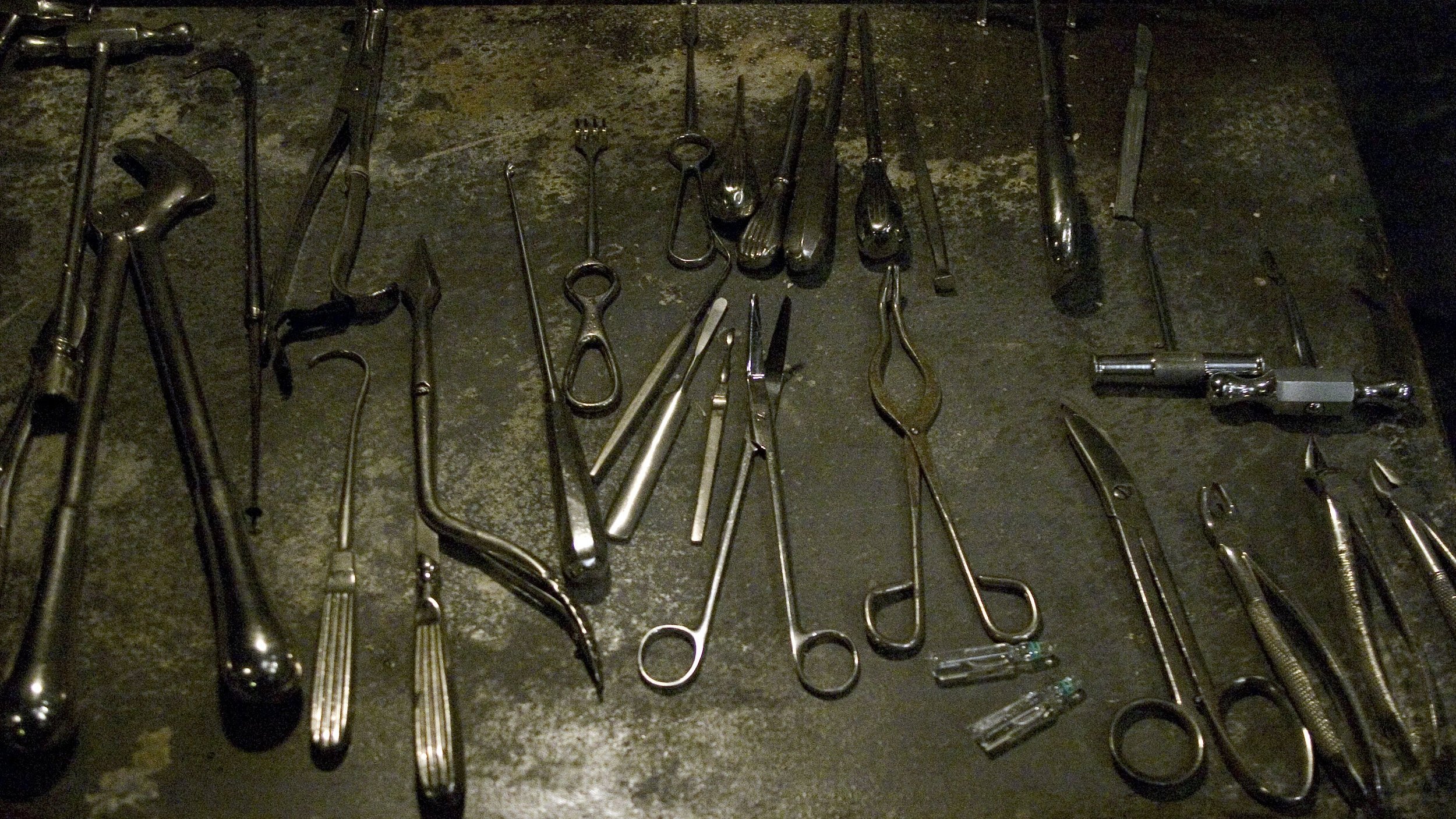
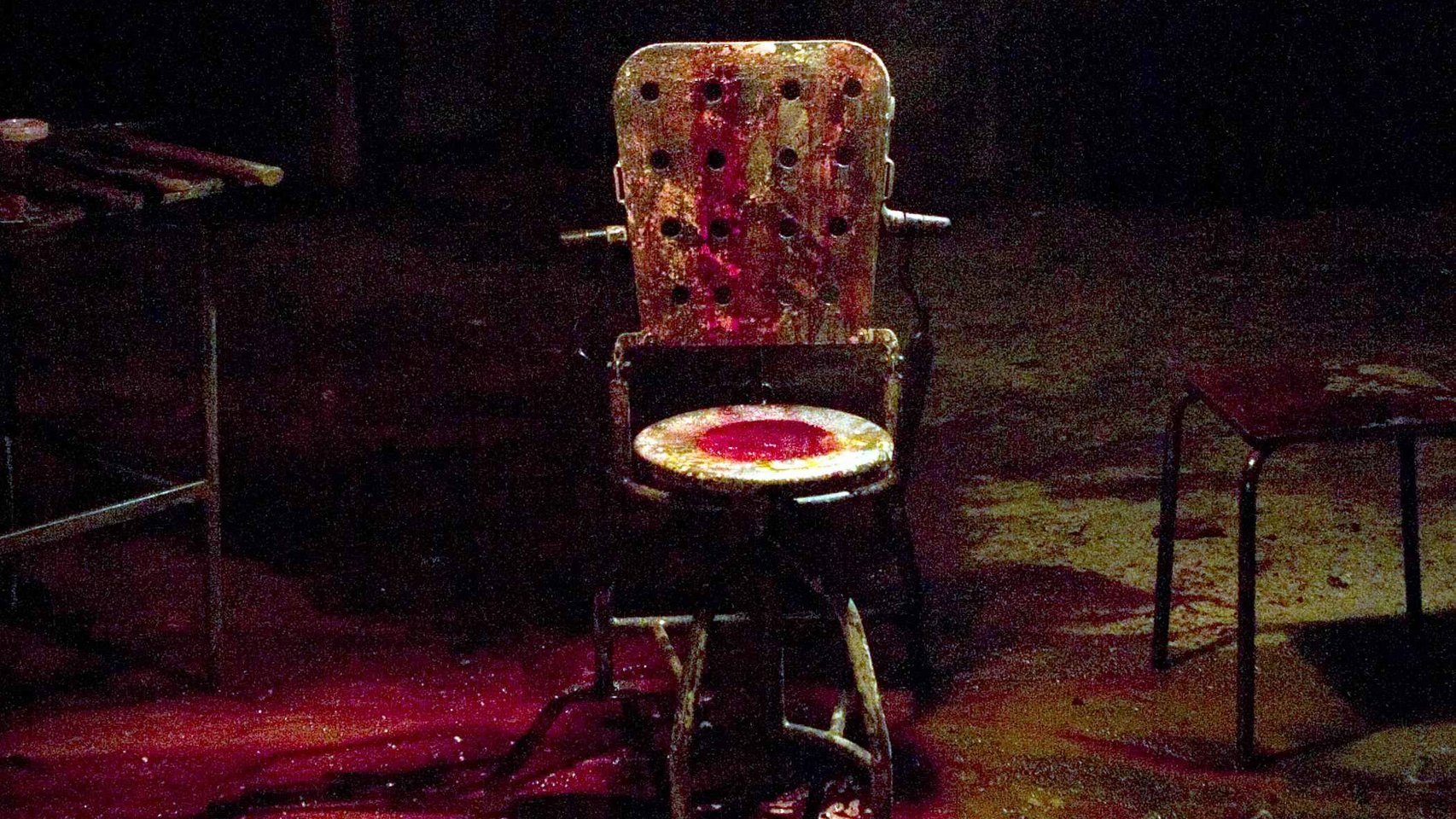
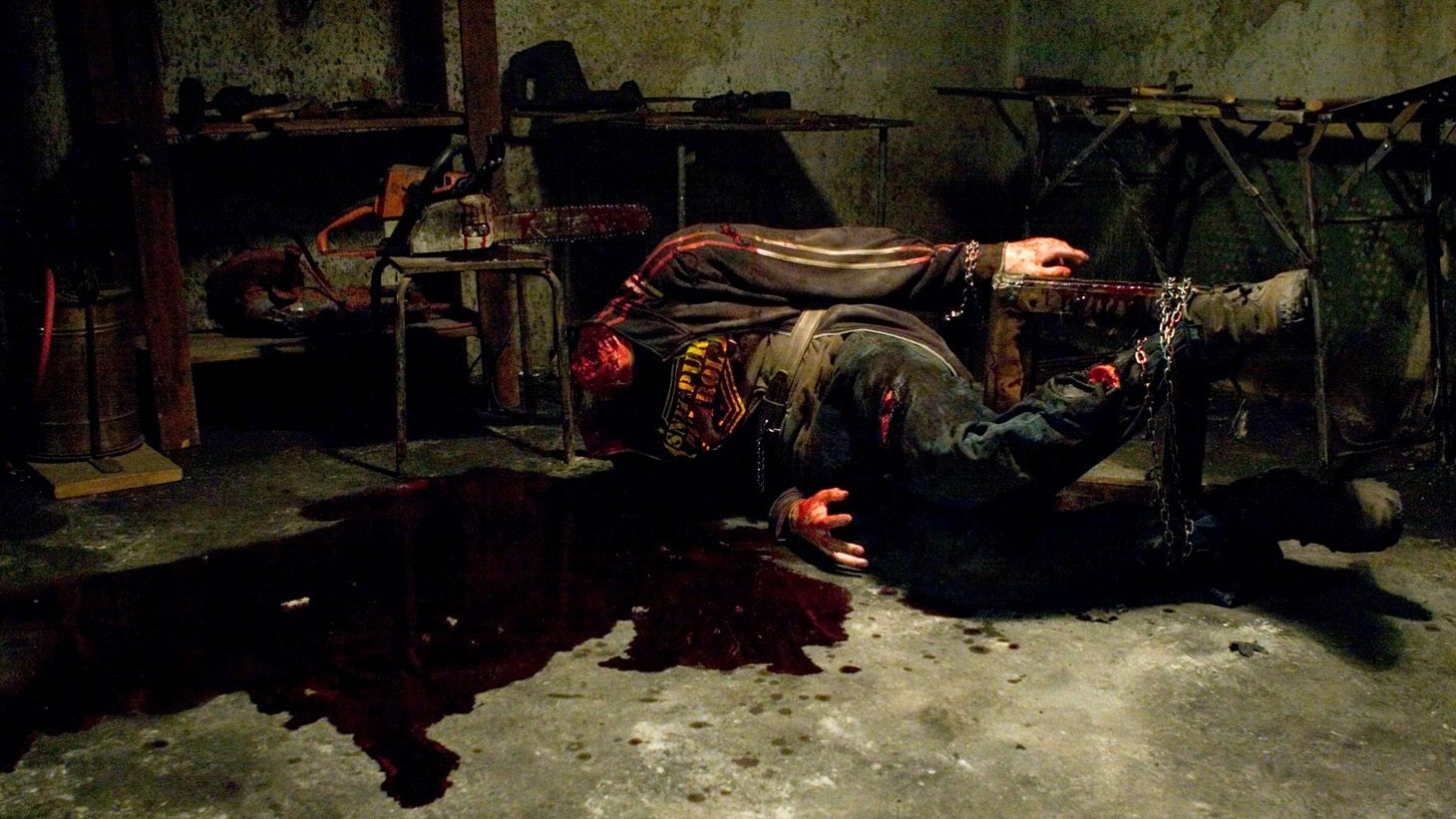
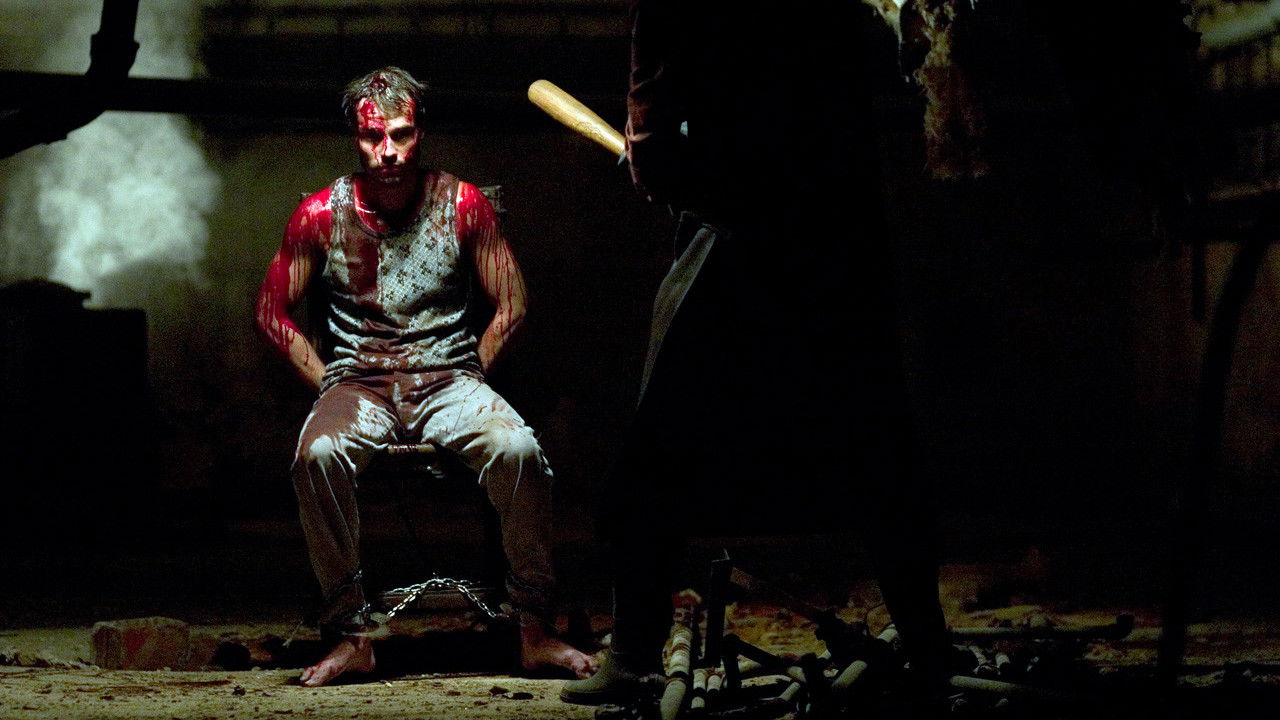
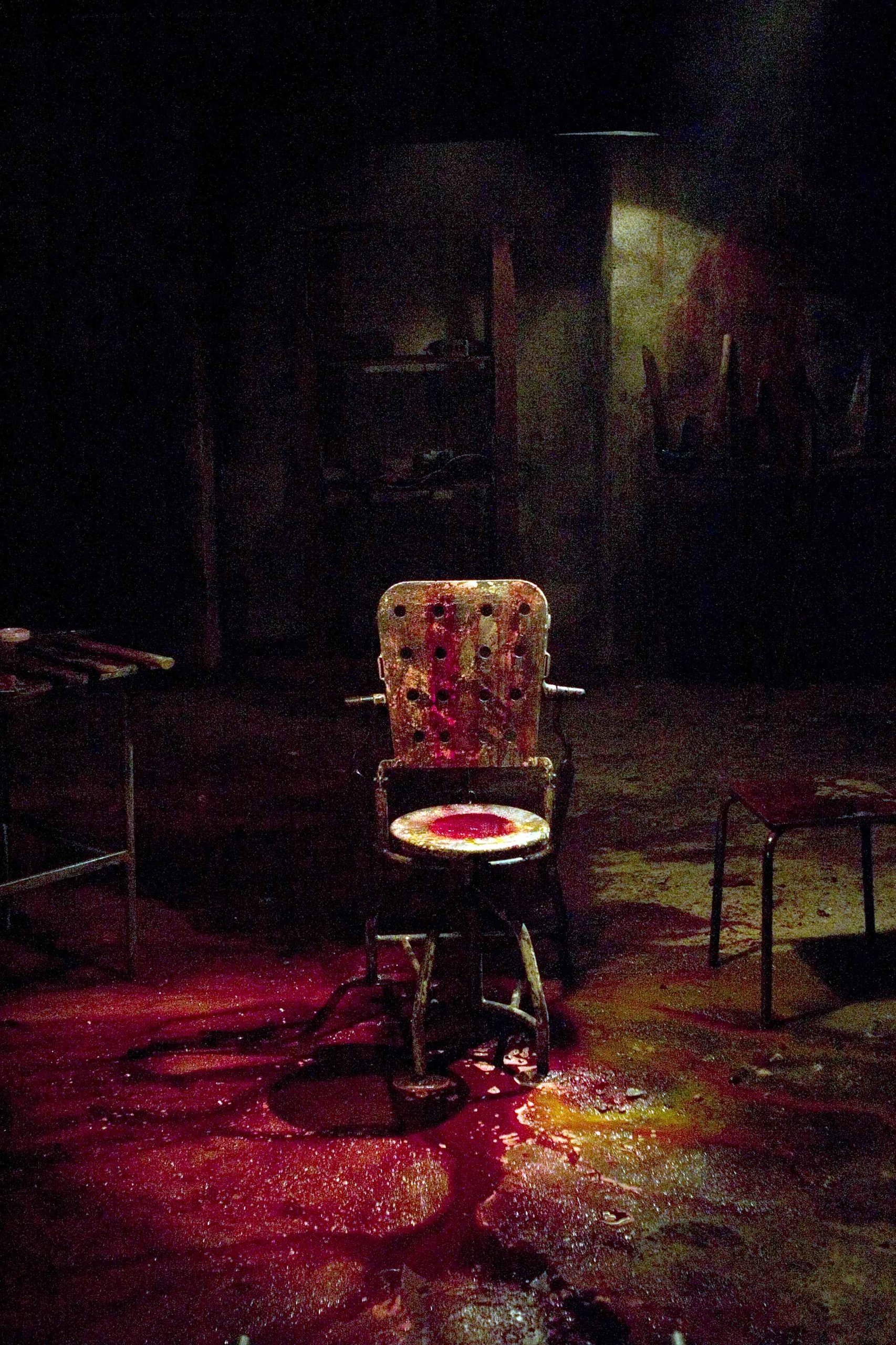
The industrial interiors provide an environment defined by damaged surfaces, confined rooms and equipment associated with bodily restraint. Carbone’s production design contrasts these spaces with the cleaner, more inviting accommodation encountered earlier. Their construction also allows the characters to move through a recognizable arrangement of corridors, making escape dependent on observation and access. The camera frequently remains near the prisoners, emphasizing their inability to determine what happens beyond a closed door. In other passages, the film restricts the audience’s view of an injury while providing enough visual and auditory information to establish its severity. These choices create variations in the presentation of violence rather than treating every act with identical photographic emphasis.
George Folsey Jr. edited the film, collaborating with Roth to establish the transition from leisurely travel to increasingly urgent attempts at survival. Folsey brought considerable experience from American comedy and genre filmmaking, including his association with director John Landis. Roth recalled their work together in the editing room and Tarantino’s participation in reviewing material. The finished film uses delayed revelations, changes in rhythm and abrupt visual confrontations to make the industrial setting increasingly threatening. The apparently disconnected incidents of the opening acquire new significance after the criminal organization is revealed. Its visual continuity depends on carefully arranging these discoveries without immediately exposing the full operation to the audience.
KNB Makeup Effects and the Construction of Violence
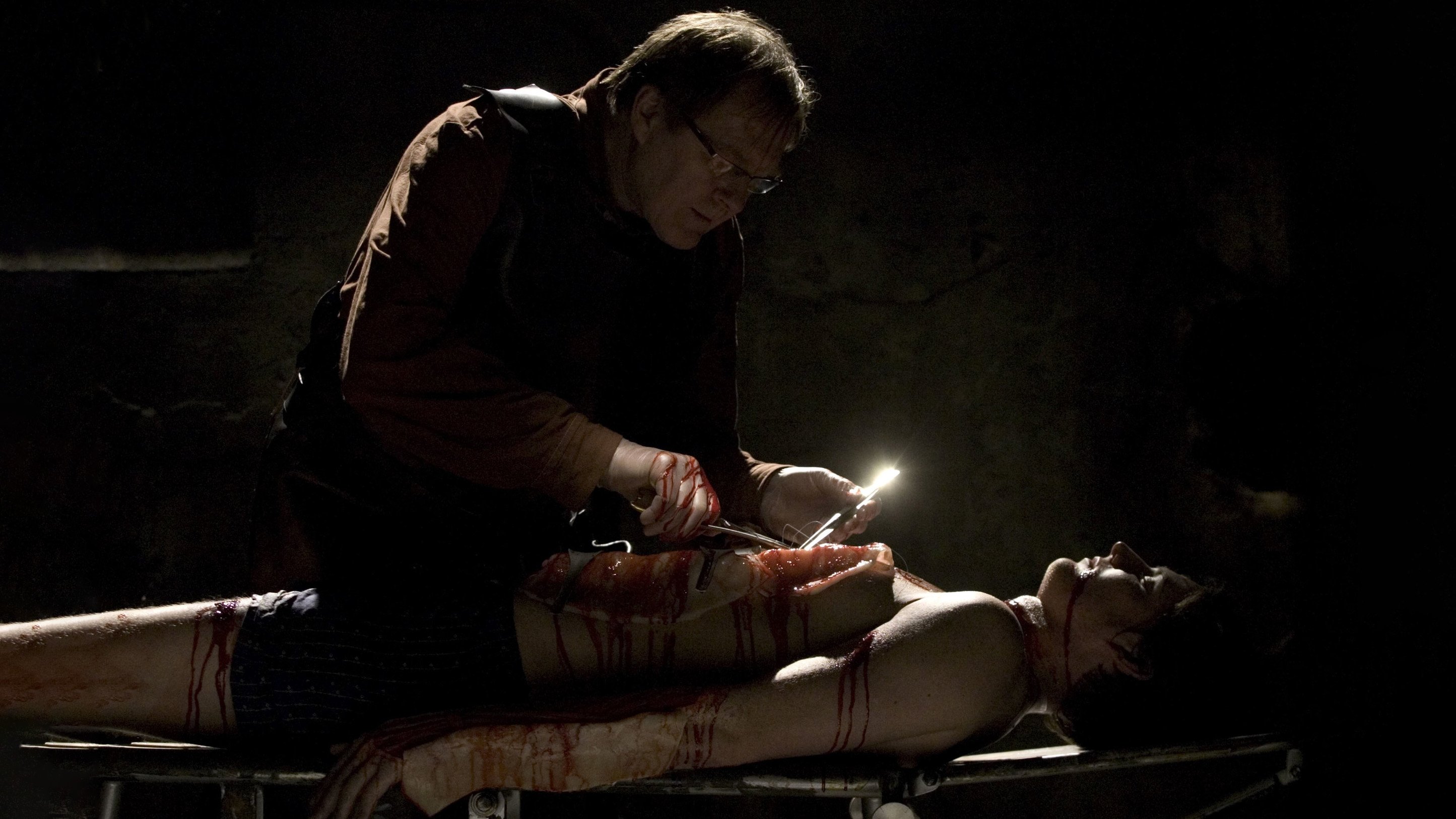
The film’s bodily injuries were created principally through practical makeup and prosthetic effects supervised by KNB EFX Group, associated with Greg Nicotero and Howard Berger. Their team prepared artificial limbs, severed fingers, extensive wounds and facial injuries for the torture sequences. Roth relied on their established experience in horror and action cinema to construct effects that performers could interact with physically. The available resources also included prosthetic material associated with earlier productions. In a contemporary Los Angeles Times interview, Roth described reusing artificial body parts from films including Kill Bill and Land of the Dead. The approach reduced expenditure while giving the production access to sophisticated fabricated materials.
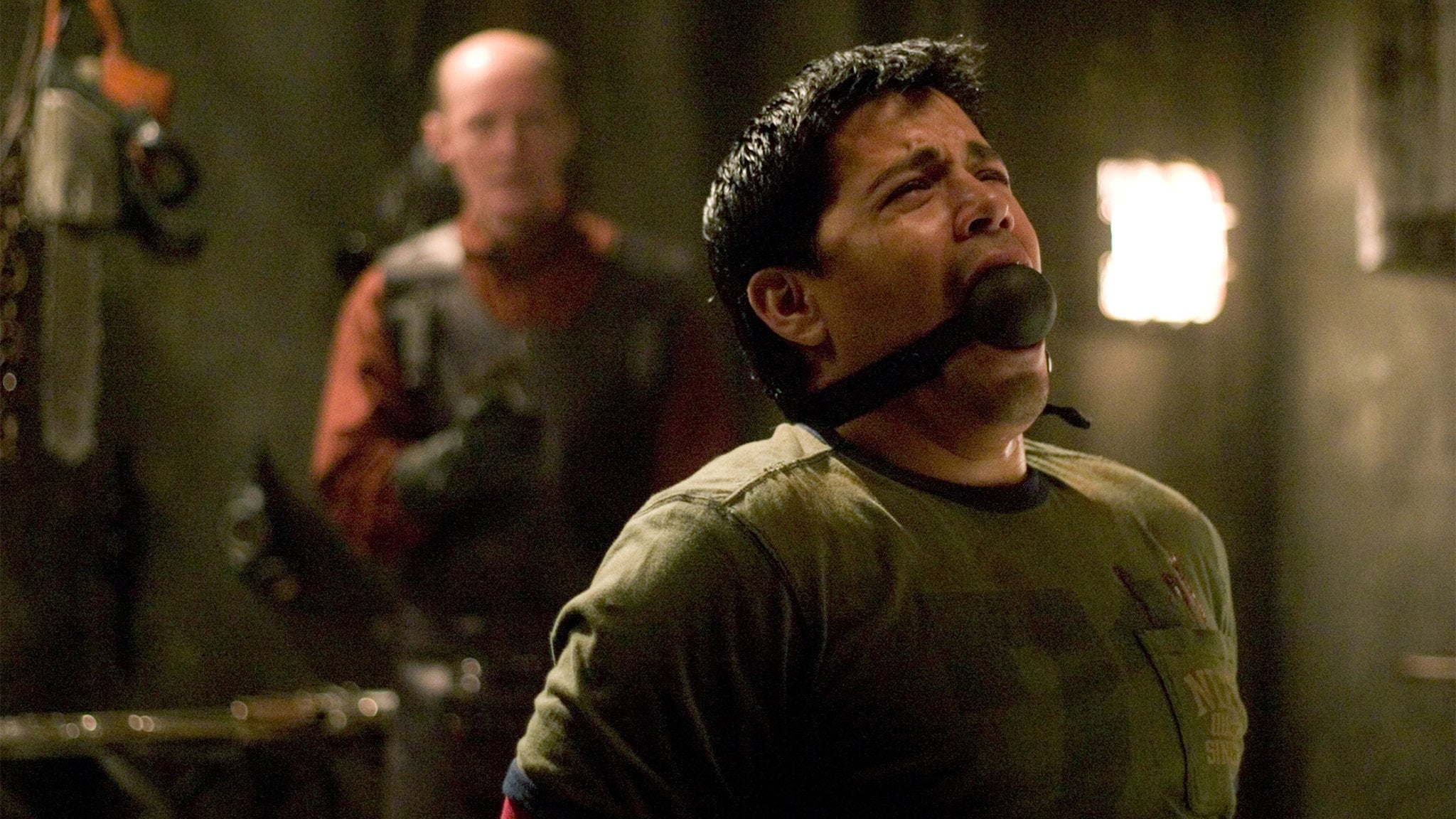
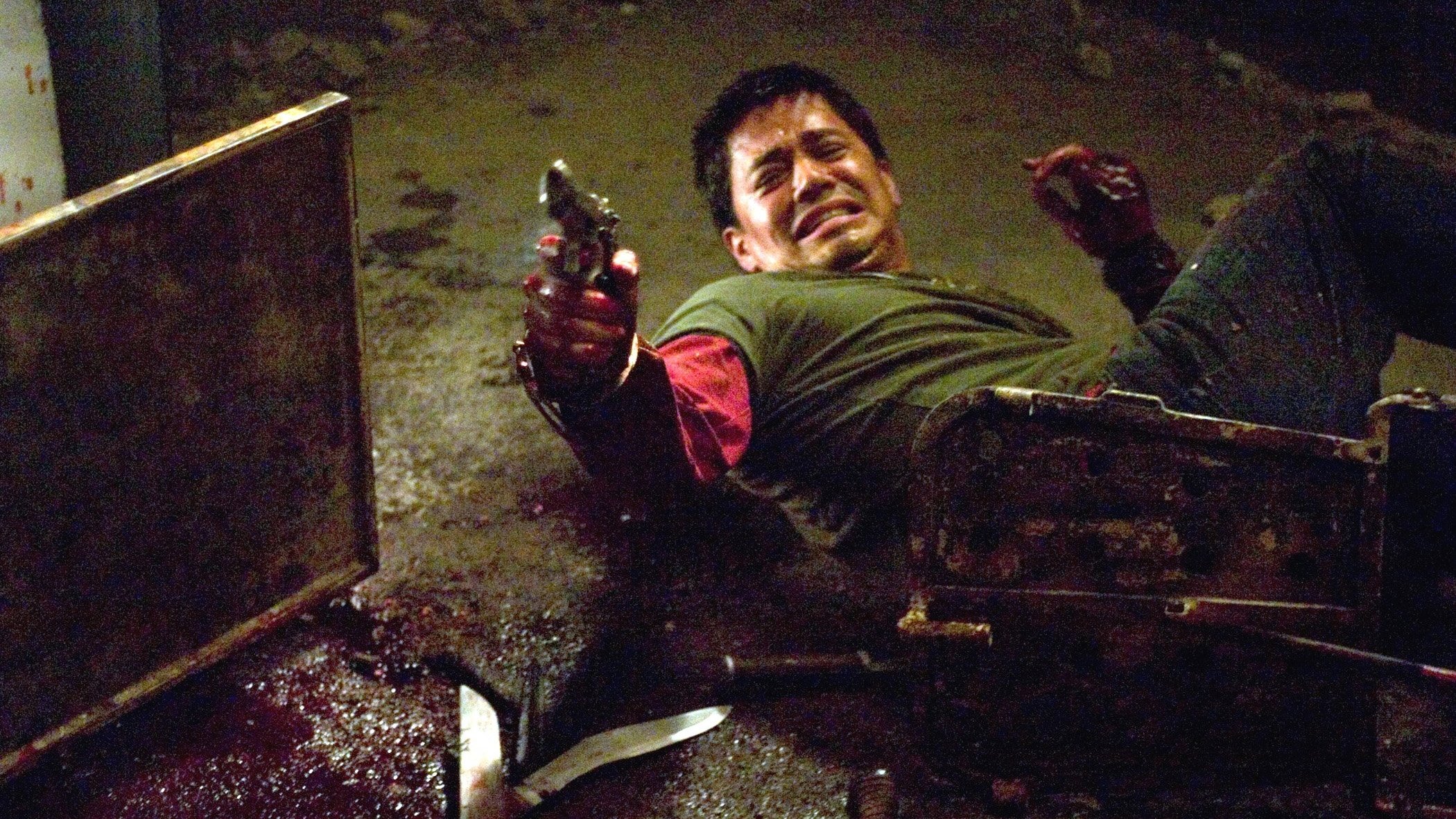
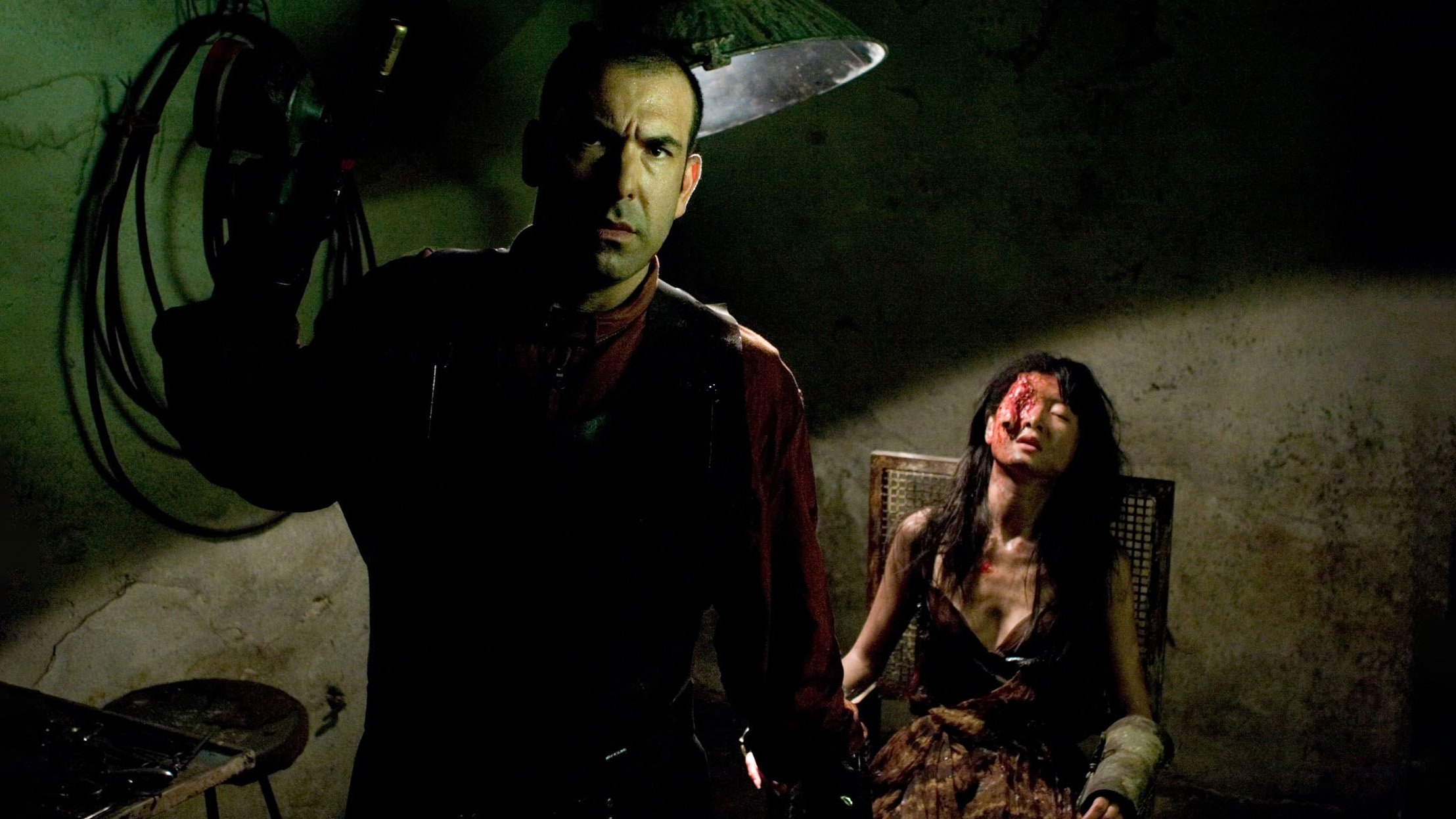
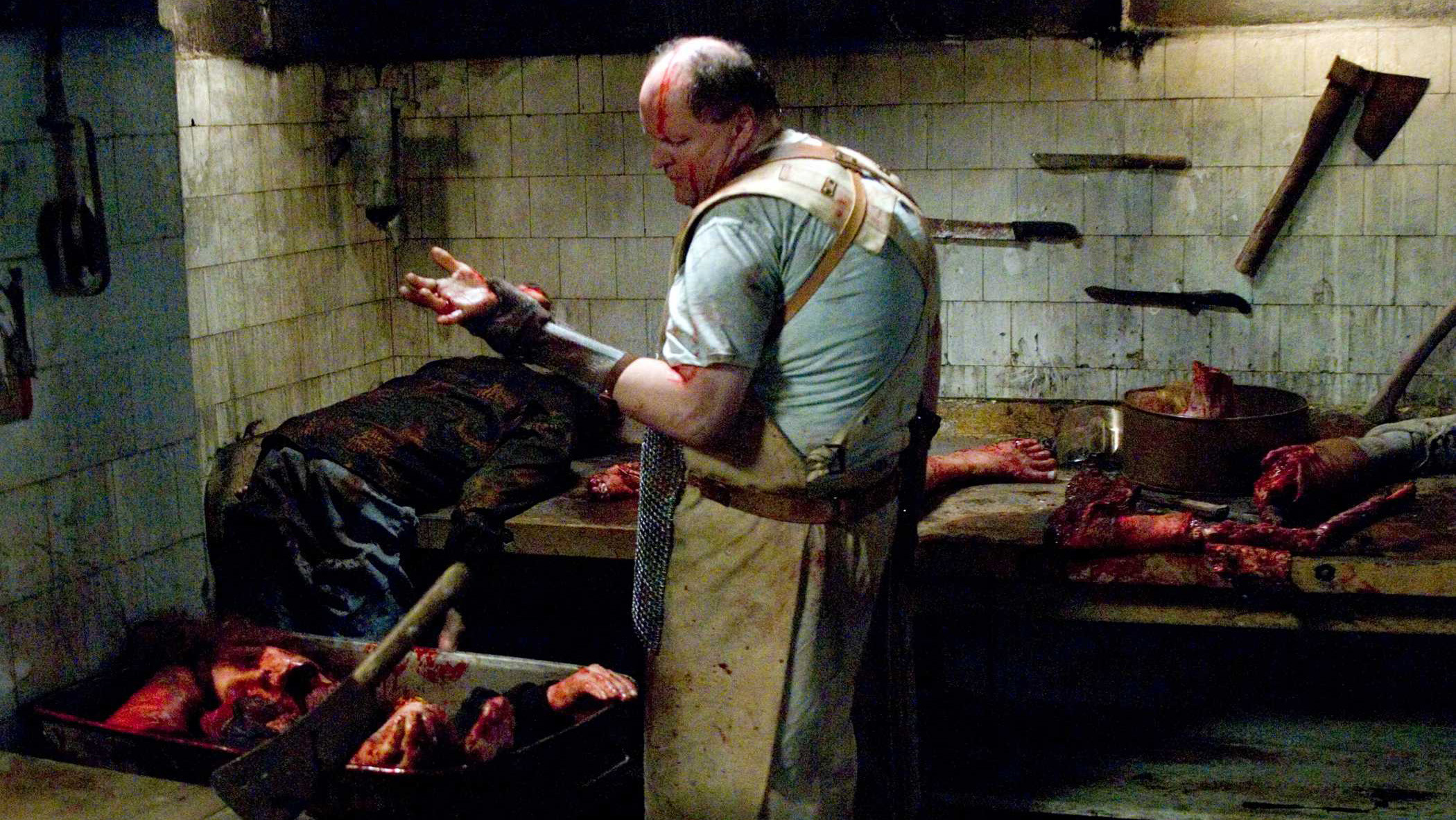
The torture scenes combine prosthetic constructions, carefully staged physical actions and editing. Certain injuries are shown directly, while others occur partly outside the frame or are communicated through the victim’s reaction. The sequence involving a captive whose Achilles tendons are cut develops particular horror through the immediate effect on his ability to stand. Another passage centres on a woman whose damaged eye creates a dangerous situation during Paxton’s escape. The physical effects required coordination between performers, makeup technicians and the camera department. The finished sequences are graphic, but their impact also depends on the duration of anticipation and the characters’ inability to prevent an approaching injury.
The 2007 home-video edition included featurettes showing members of KNB preparing prosthetic material and explaining the fabrication of individual effects. These production records document work on mutilated bodies, surgical injuries and the extensive use of artificial blood. Roth explained that his interest in screen violence was closely connected with the mechanics of horror illusion, distinguishing fabricated injuries from actual suffering. His comments provide evidence of the intended theatrical effect without establishing how every viewer experienced the completed scenes. The film’s reputation for extremity arose from the combination of recognizable human vulnerability, explicit physical damage and the premise that the violence was being committed for the entertainment of paying customers.
Nathan Barr’s Music and the Genre Filmmaking Connections
Nathan Barr composed the original score, continuing his collaboration with Roth after Cabin Fever. The music accompanies both the travellers’ movement through Europe and the progressively threatening environment surrounding the Elite Hunting organization. Barr used a combination of acoustic and electronic resources, with orchestral recording undertaken in Prague. A music-and-sound featurette included in the later Director’s Cut home-video edition documents his studio equipment, the recording sessions and the relationship between the score and the completed soundtrack. The film also incorporates existing popular recordings appropriate to its nightlife settings, allowing the opening passages to establish a musical environment different from that of the industrial sequences.
Sound design contributes to the contrast between the two principal environments. The hostel and surrounding entertainment spaces are filled with conversation and music, while the torture facility introduces mechanical noises, footsteps and vocal reactions whose sources are frequently concealed. Power tools and instruments associated with physical injury become recognizable threats before their use is fully visible. The audience’s interpretation of these sounds depends on the information gradually revealed about the organization. Their arrangement supports sequences in which the characters attempt to understand what is happening beyond a door or determine whether an approaching person represents an opportunity to escape.
The production also reflects Roth’s interest in international horror cinema. In interviews preceding the release, he identified Takashi Miike’s Audition as an important influence on the structure of a story that postpones its most extreme violence. He also discussed the disturbing atmosphere of The Vanishing and the influence of contemporary South Korean films. Miike appears briefly in Hostel as a visitor leaving the murder facility, a cameo arranged after Roth met the Japanese filmmaker. This appearance establishes a direct personal connection with one of the directors Roth admired. Tarantino’s executive-producer credit and involvement in screenplay discussions likewise connect the film with filmmakers whose earlier work had combined crime, exploitation cinema and graphic screen violence.
Festival Premiere, Classification, and Alternative Endings
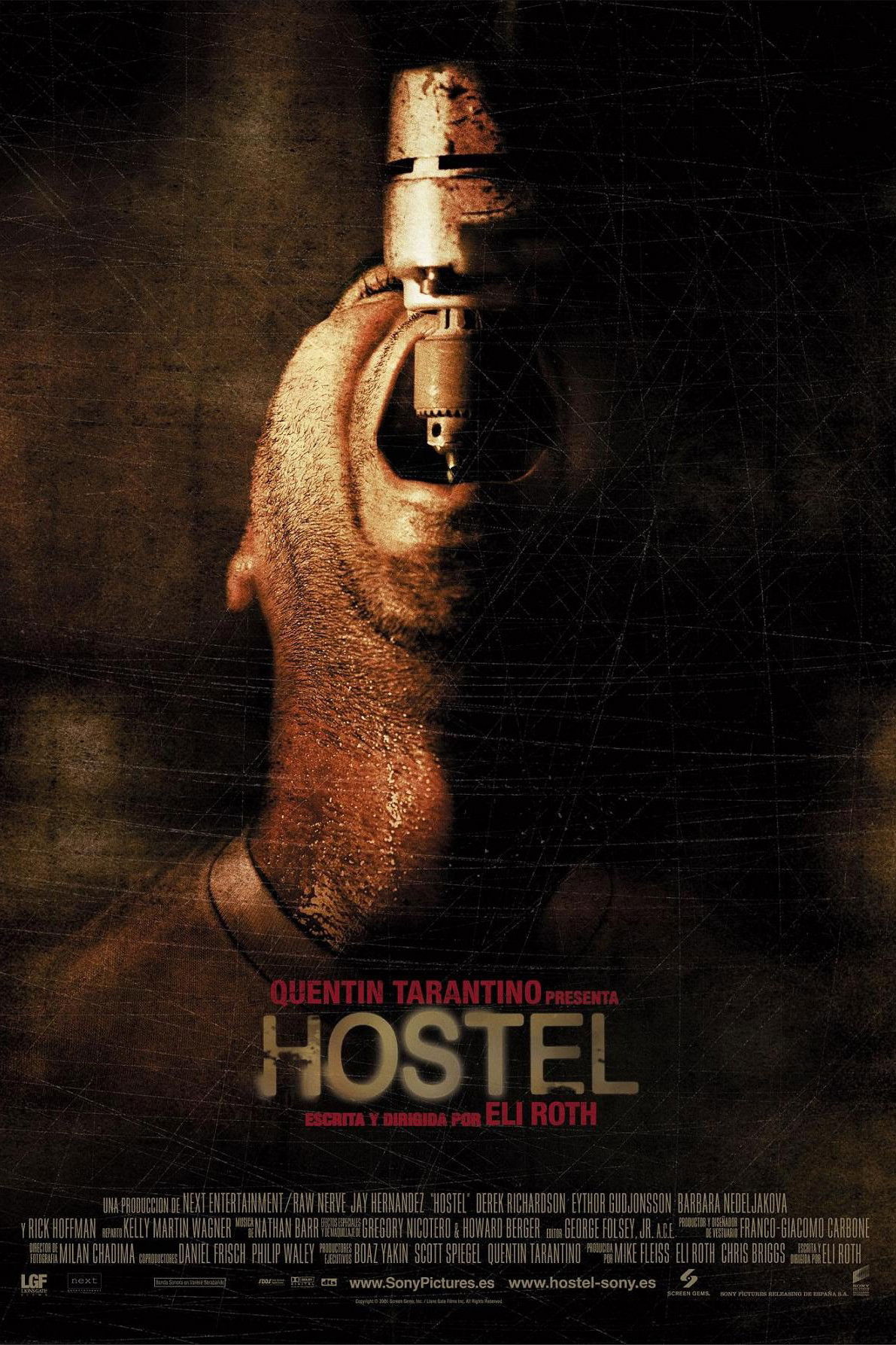
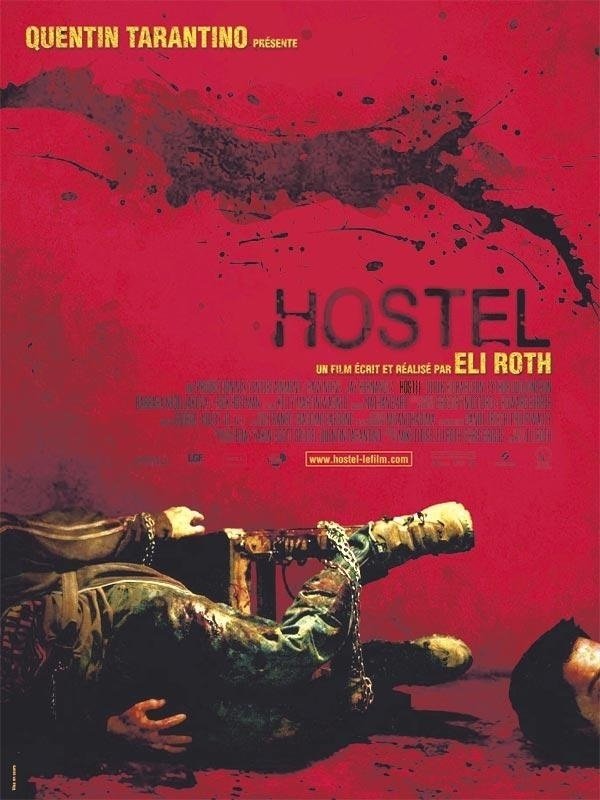
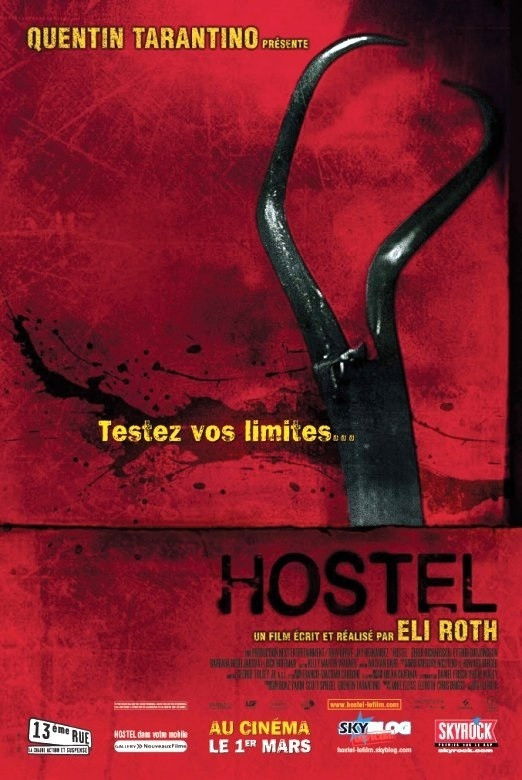
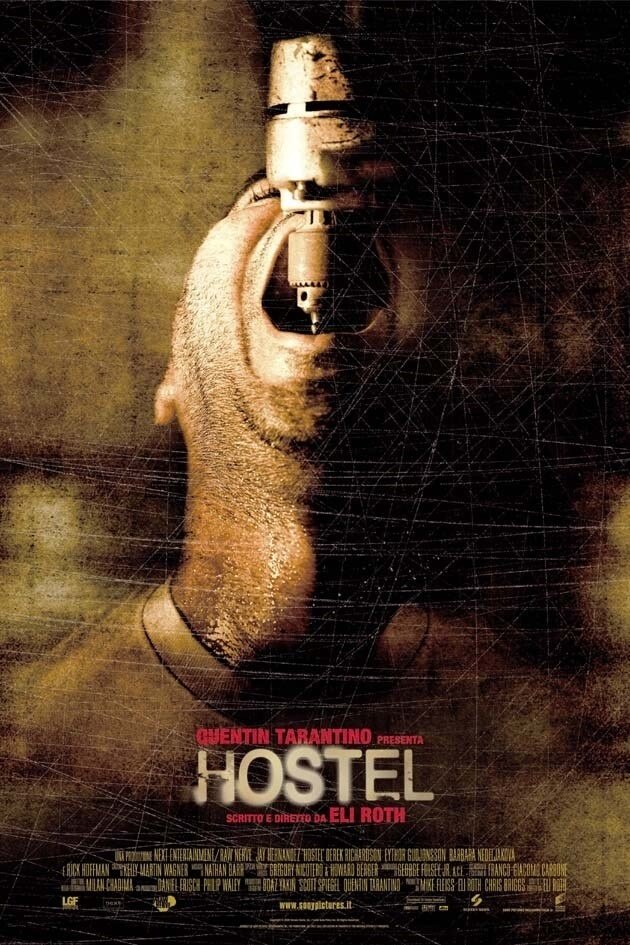
Hostel received its international festival premiere in the Midnight Madness programme at the Toronto International Film Festival in September 2005. Its wide American theatrical release followed on January 6, 2006, through Lionsgate. The film was rated R for brutal scenes of torture and violence, strong sexual content, language and drug use. It subsequently reached British cinemas on March 24, 2006. The British Board of Film Classification recorded a cinema version lasting 93 minutes and 23 seconds, classified 18 in January, while the 2006 home-video submission ran 89 minutes and 42 seconds. These documented measurements reflect distinct submitted versions and should not automatically be treated as proof of cuts imposed by the classification authority.
The theatrical ending shows Paxton encountering the Dutch businessman again and taking violent revenge upon him. A different ending, presented in the later Director’s Cut, replaces the killing with the abduction of the man’s young daughter. The alternative sequence alters the moral implications of Paxton’s escape by making the fate of an innocent child uncertain. Roth explained in subsequent interviews that the screenplay had originally contemplated an even more violent conclusion, but that he rejected it because the character’s behaviour became difficult to accept. Test screenings also revealed that audiences interpreted the filmed abduction differently from his intention, contributing to the decision to use the more direct revenge ending.
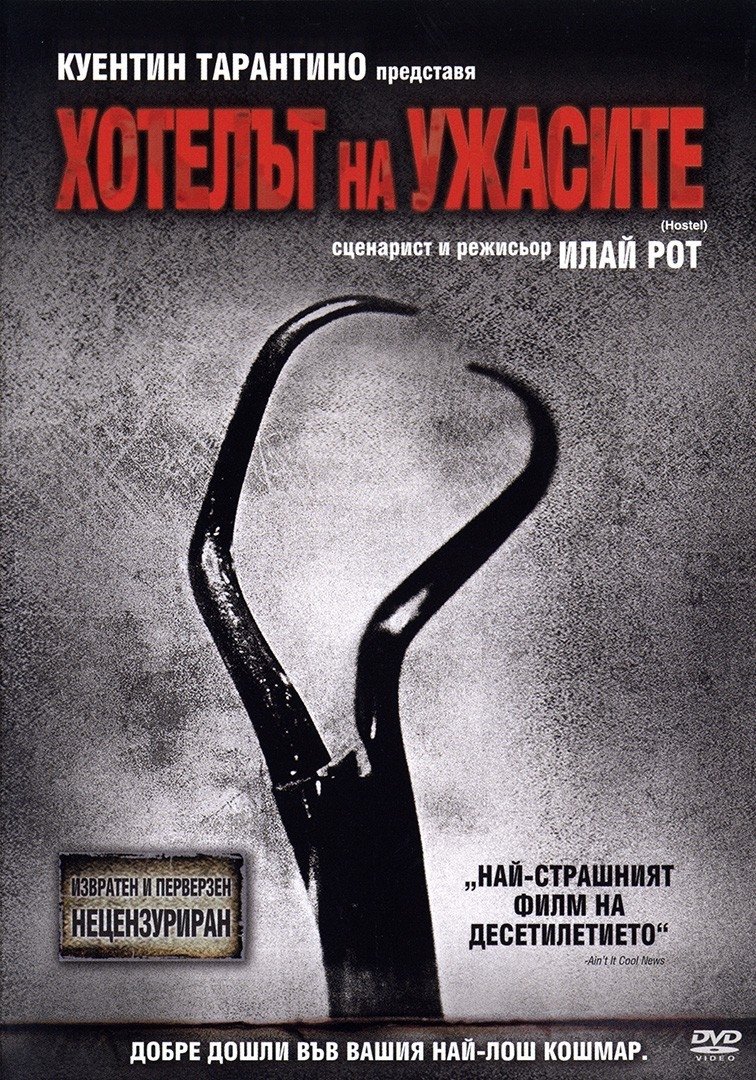
Sony Pictures Home Entertainment released a Director’s Cut edition in October 2007. Contemporary DVD Talk coverage identifies the changed ending as its principal narrative distinction from an earlier unrated edition. The release also contained extensive supplements, including the production documentary Hostel Dissected, interviews, commentaries and featurettes devoted to the makeup, design and music. These materials provide evidence of the film’s development and technical construction while clarifying which ending belongs to a particular presentation. The theatrical, unrated and Director’s Cut editions should therefore be identified by their contents and documented release histories, rather than described interchangeably as a single definitive version.
Commercial Reception, Critical Debate, and Horror History
The film opened at number one in the American weekend box office, earning $19,556,099 from 2,195 theatres during its first three days. Its original domestic theatrical earnings reached $47,326,473, with reported international receipts bringing the worldwide total to approximately $82 million. Published production-budget figures are around $4.8 million. These amounts demonstrate the commercial effectiveness of a comparatively inexpensive horror production, although gross ticket sales should not be confused with net profit after distribution fees and other expenditures. The strong opening also contributed to the development of Hostel: Part II, directed by Roth and released in 2007.
Contemporary critics were divided over the relationship between the film’s violence and its observations about exploitation. Jan Stuart, reviewing the American opening for the Los Angeles Times, criticized the accumulation of sexual material and graphic torture while recognizing Roth’s ability to create an unsettling environment around the tourists. The review distinguished the atmosphere of the early Slovakian sequences from the increasingly excessive violence of the later passages. Other reviewers responded more favourably to the reversal of the travellers’ assumptions and the film’s commercial-horror craftsmanship. The disagreement concerned whether the extreme content developed the underlying premise or overwhelmed the characterization and suspense.
Hostel became a frequent reference in debates surrounding a cycle of American and international horror productions associated with explicit suffering and bodily mutilation. The term torture porn, popularized in critical writing during 2006, was applied to films including Hostel and the Saw series, although the phrase attracted objections because it grouped productions with different narrative structures and uses of violence. Roth’s film was particularly prominent because its central premise made torture a commodity purchased by wealthy clients. Its continued discussion reflects that relationship between spectacle and commercialization, alongside the documented technical work of its effects department and its successful theatrical release. The film’s influence is most securely established through its immediate sequel, later circulation and contemporary critical debate rather than generalized claims about every subsequent extreme-horror production.