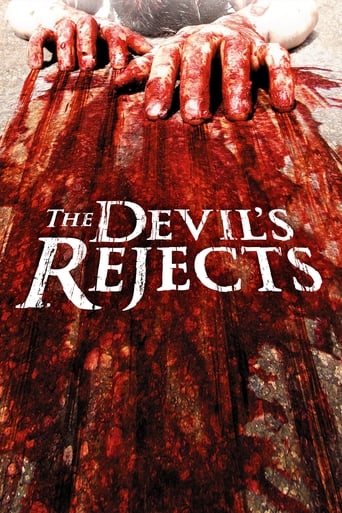


Reinventing the Firefly Family
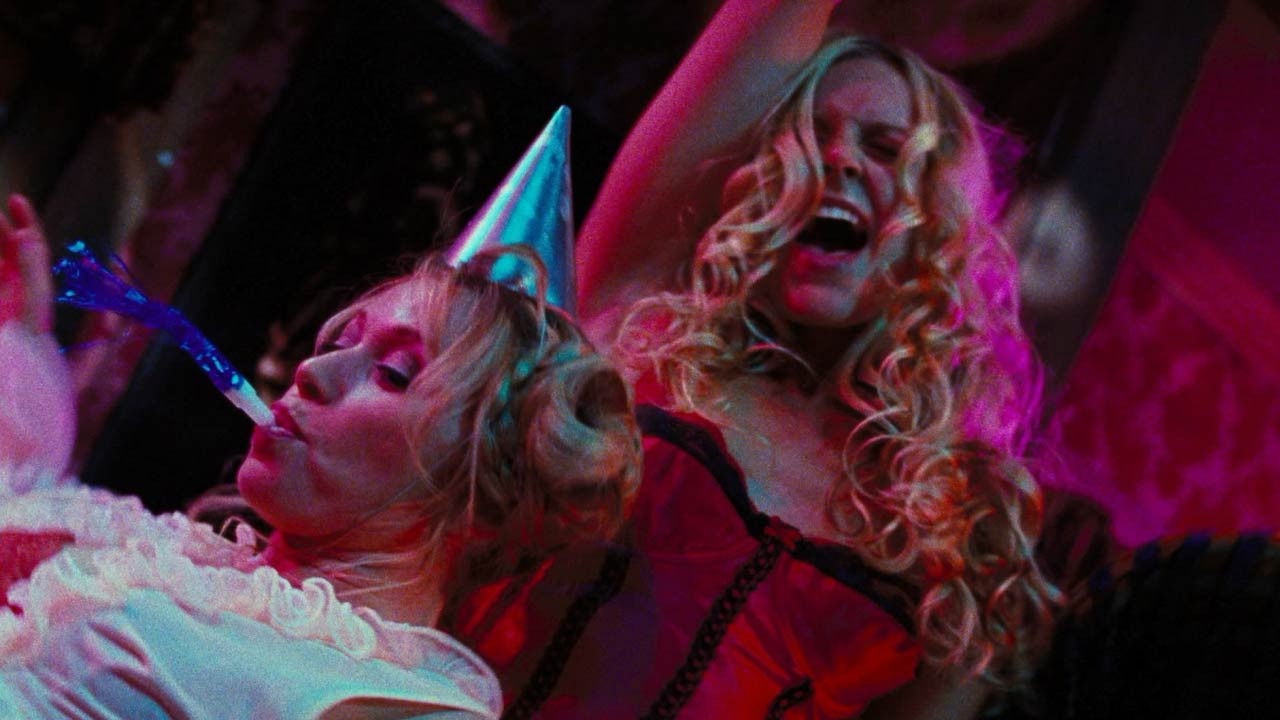
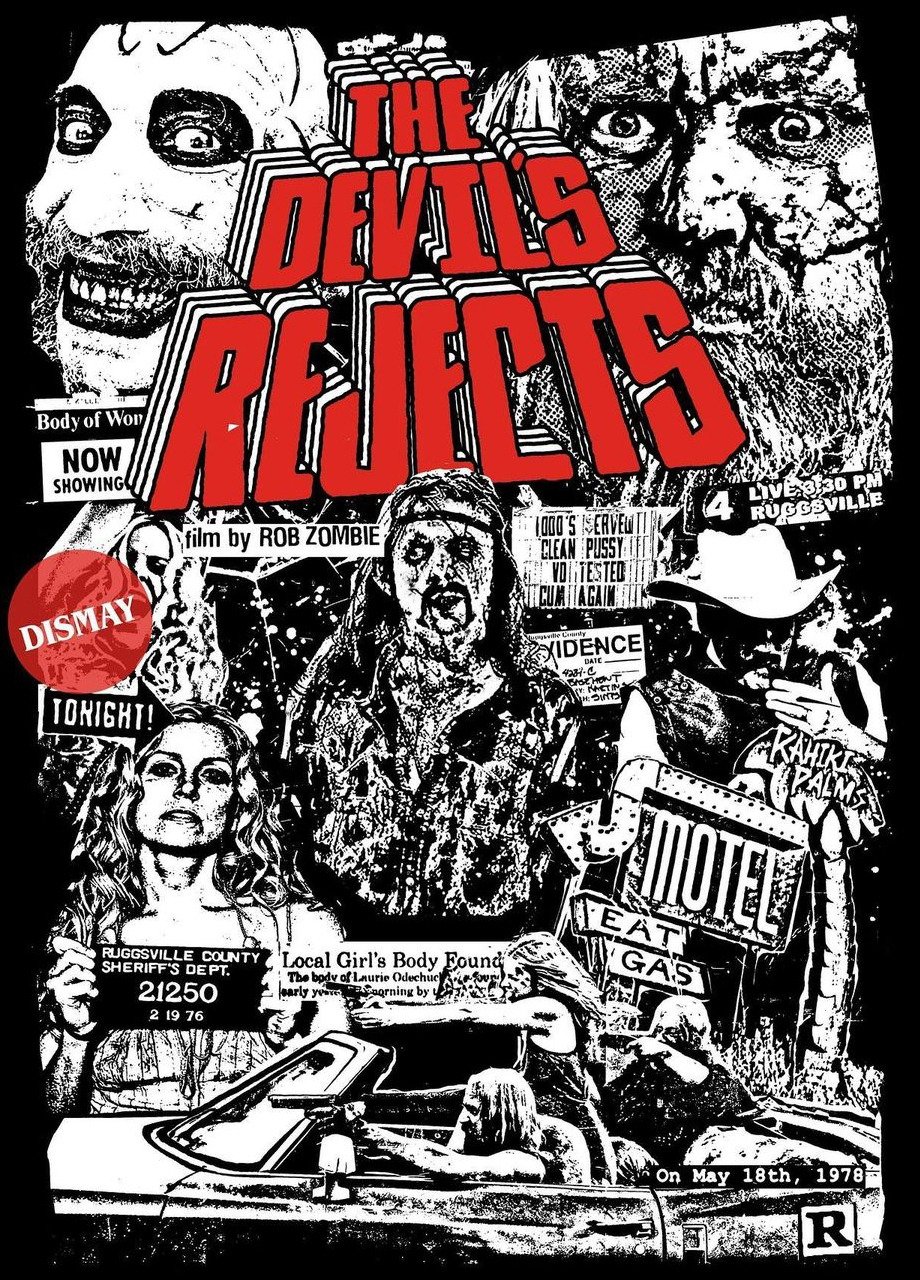
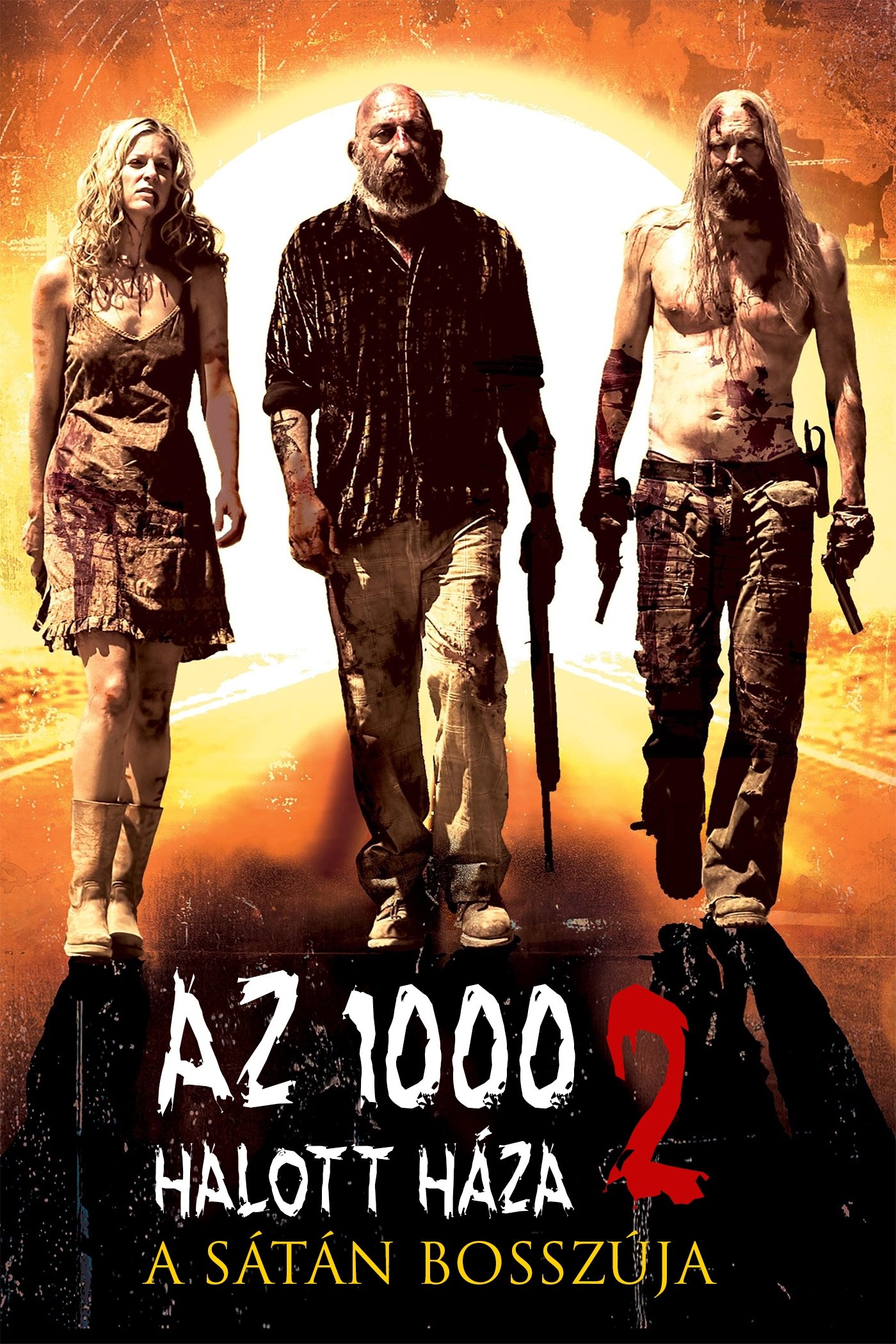
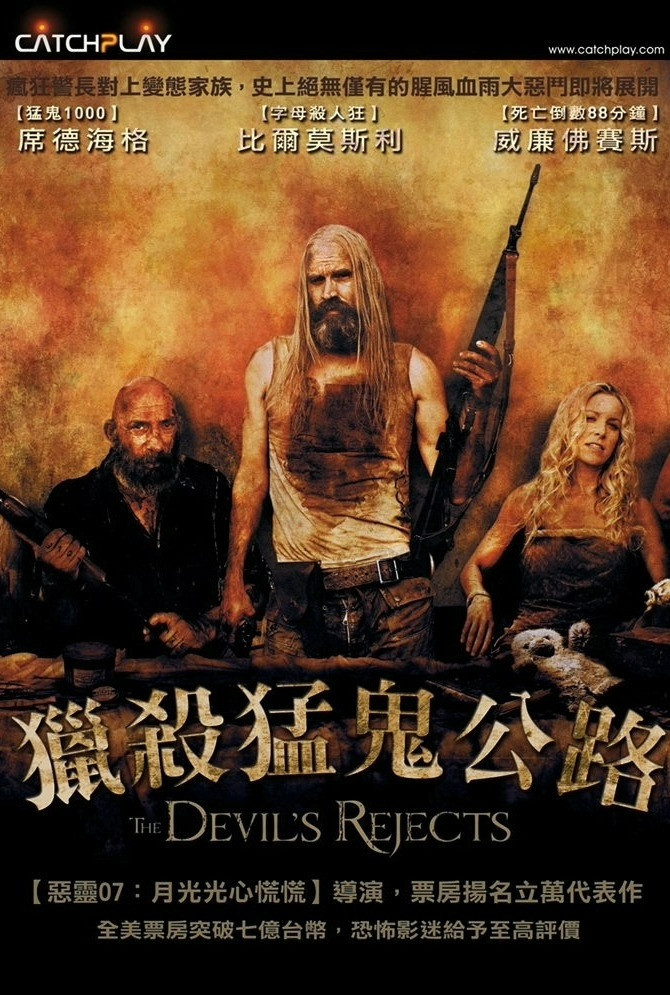
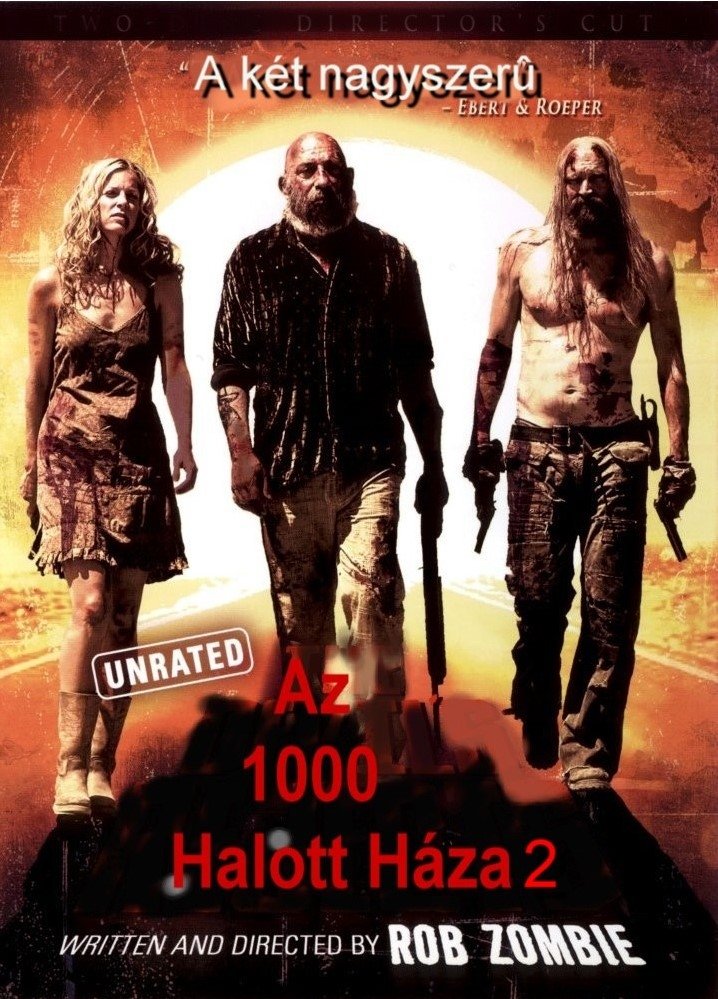
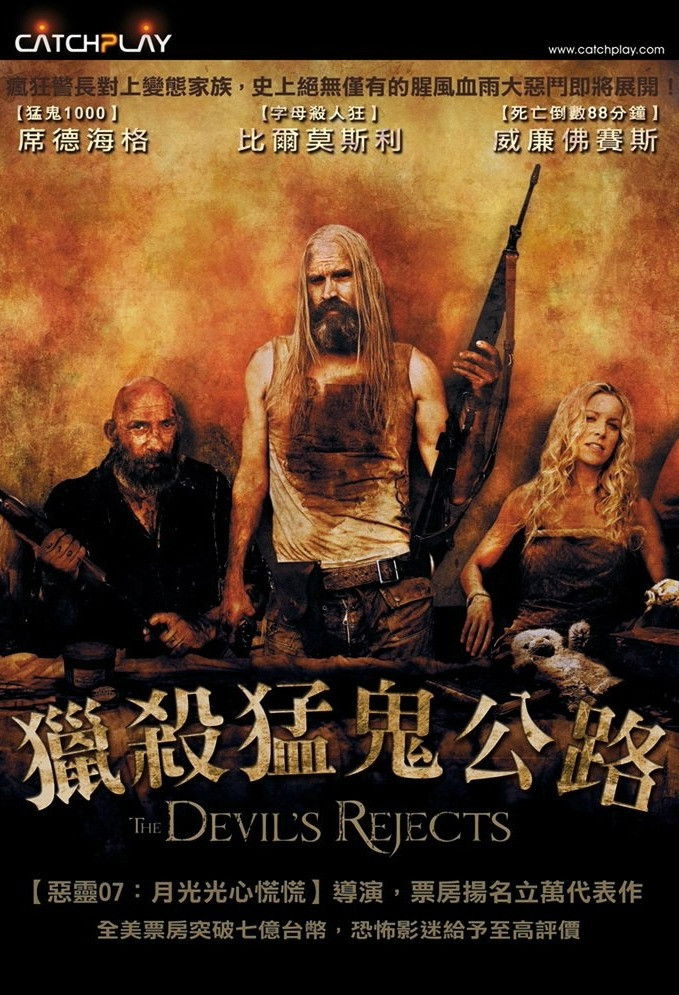
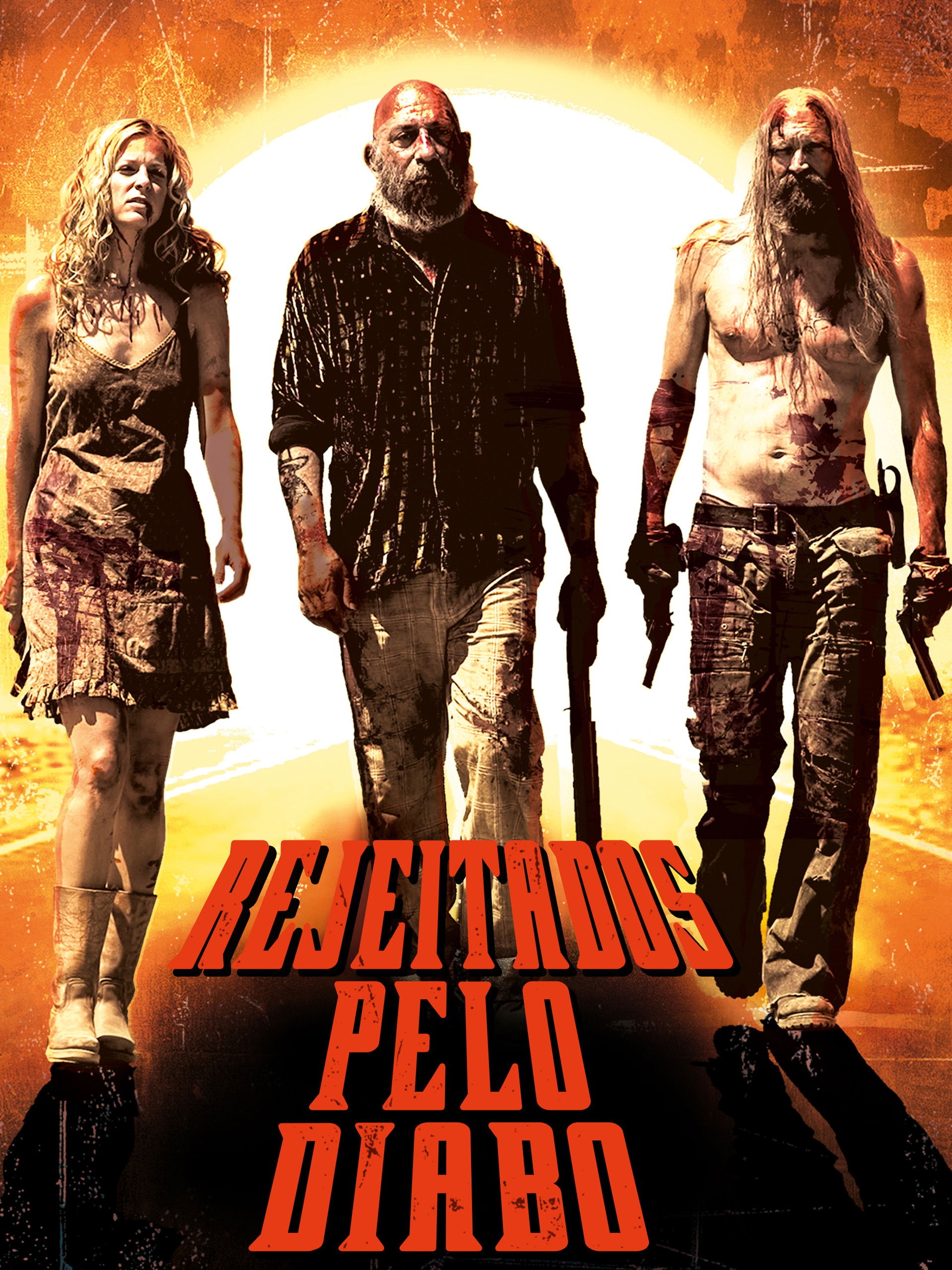
Zombie has been unusually clear about why The Devil's Rejects looks so different from House of 1000 Corpses. He dislikes the tendency of sequels simply to repeat successful elements, and once Lionsgate was willing to finance another film with the Firefly characters he decided to approach it almost as an entirely new production. The working continuity was obvious enough that AFI records House of 1000 Corpses Part Two as an alternate title, but Zombie rejected both that title and the idea that the sequel should reproduce the first film's style.
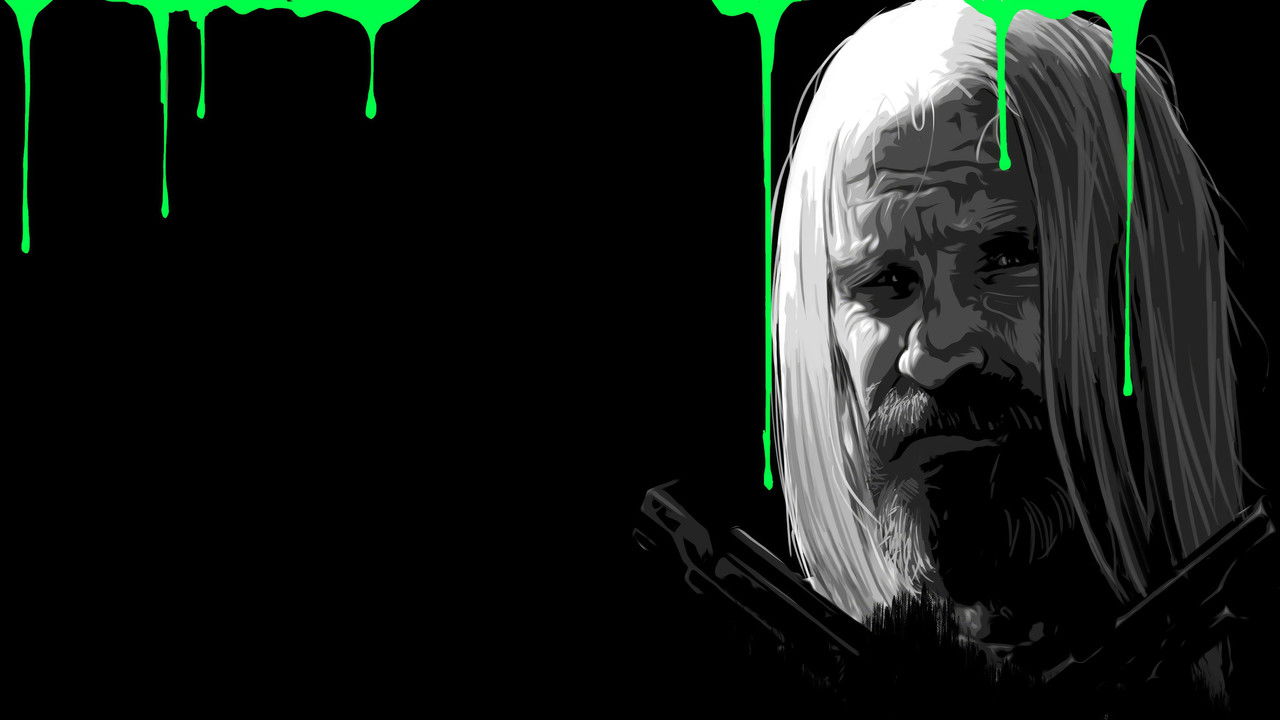
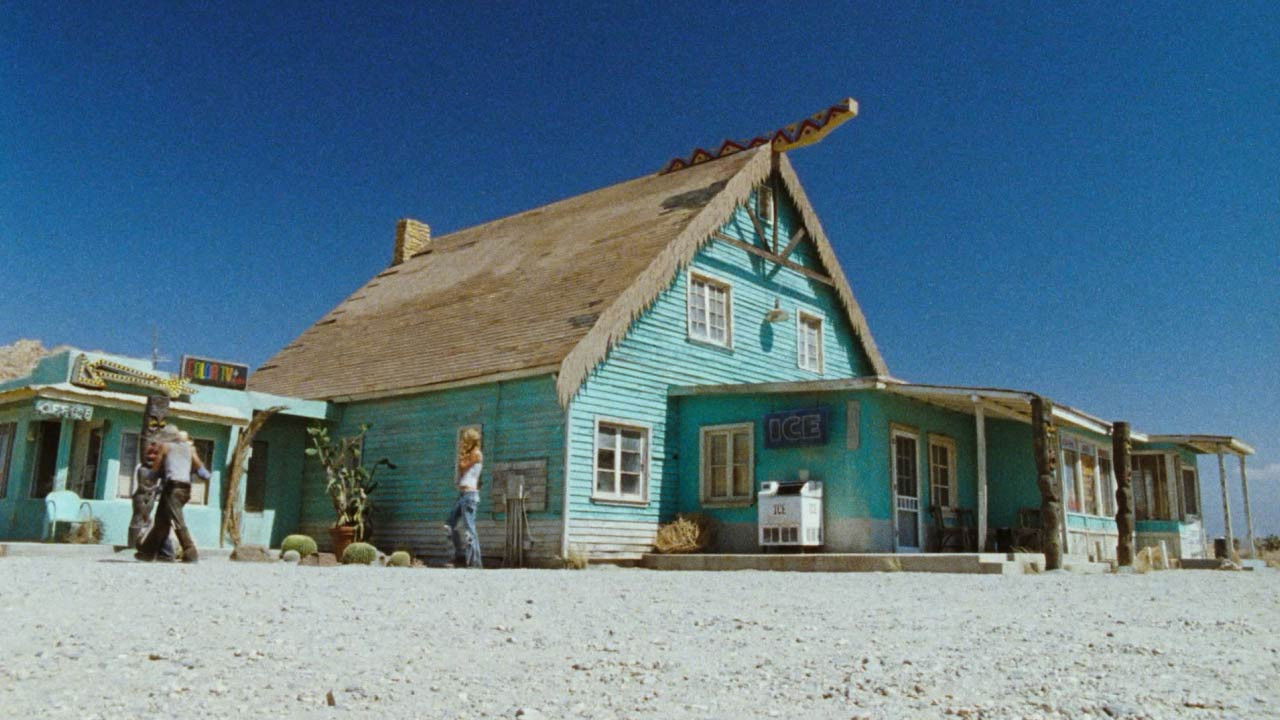
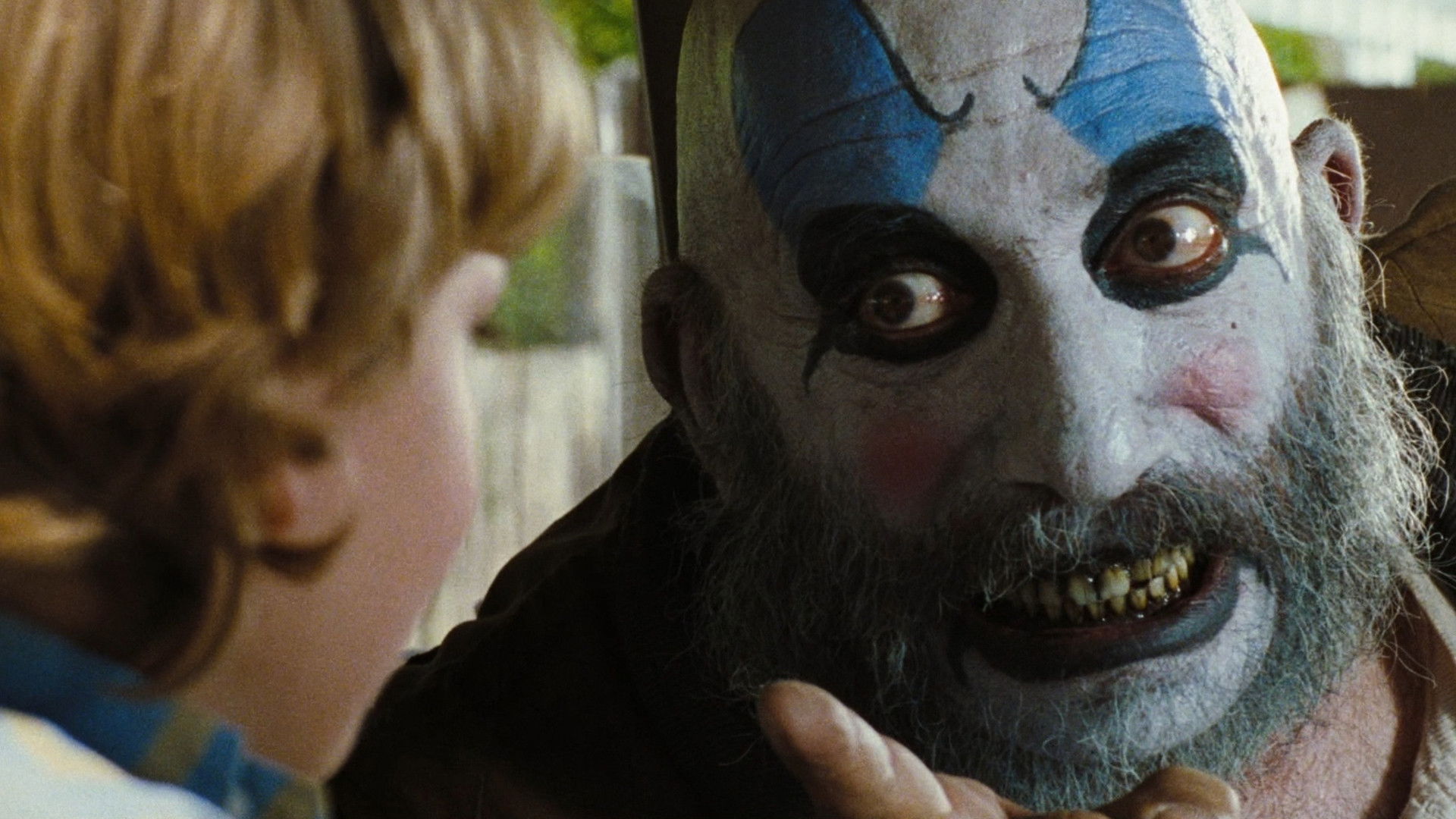
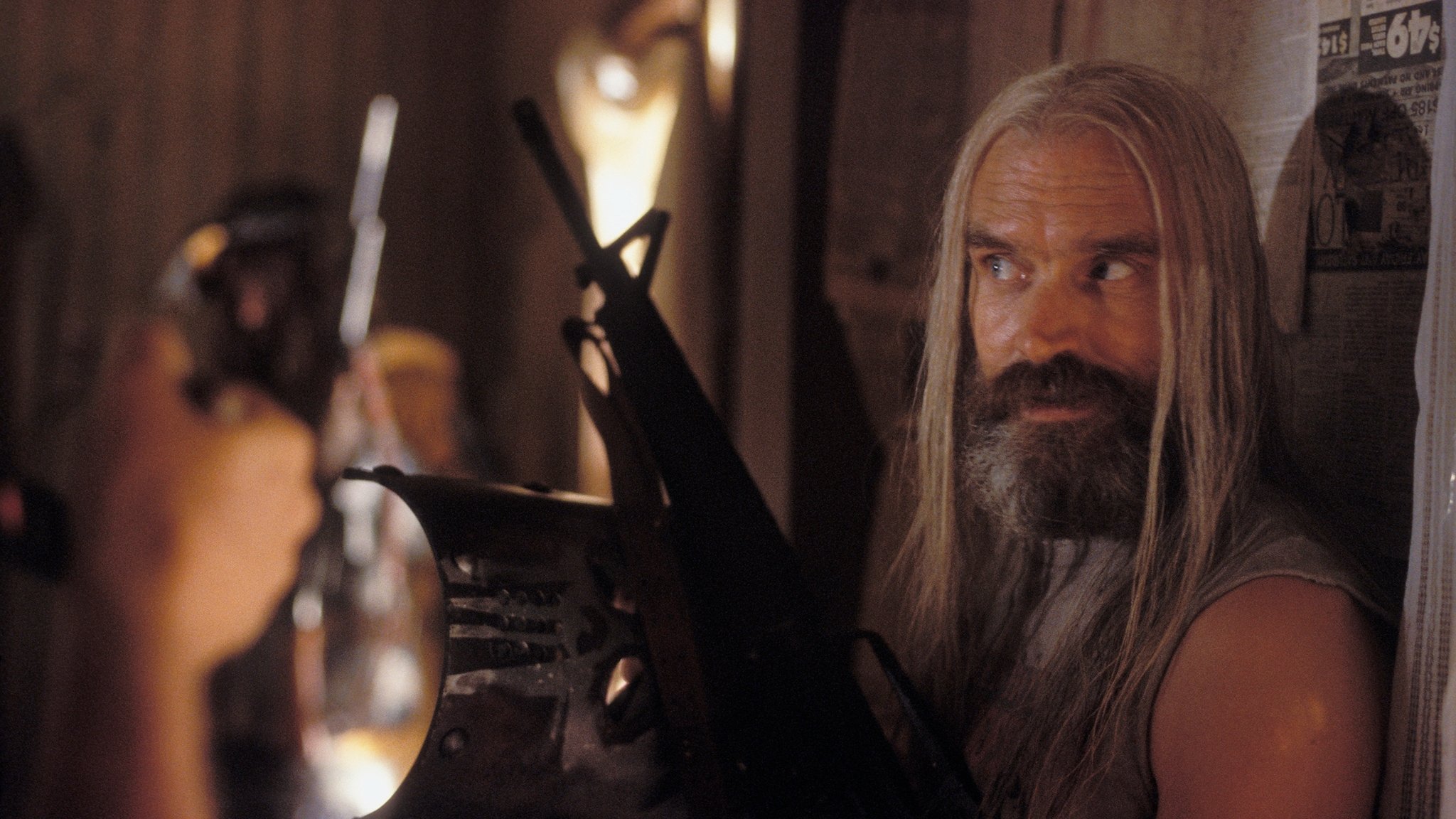
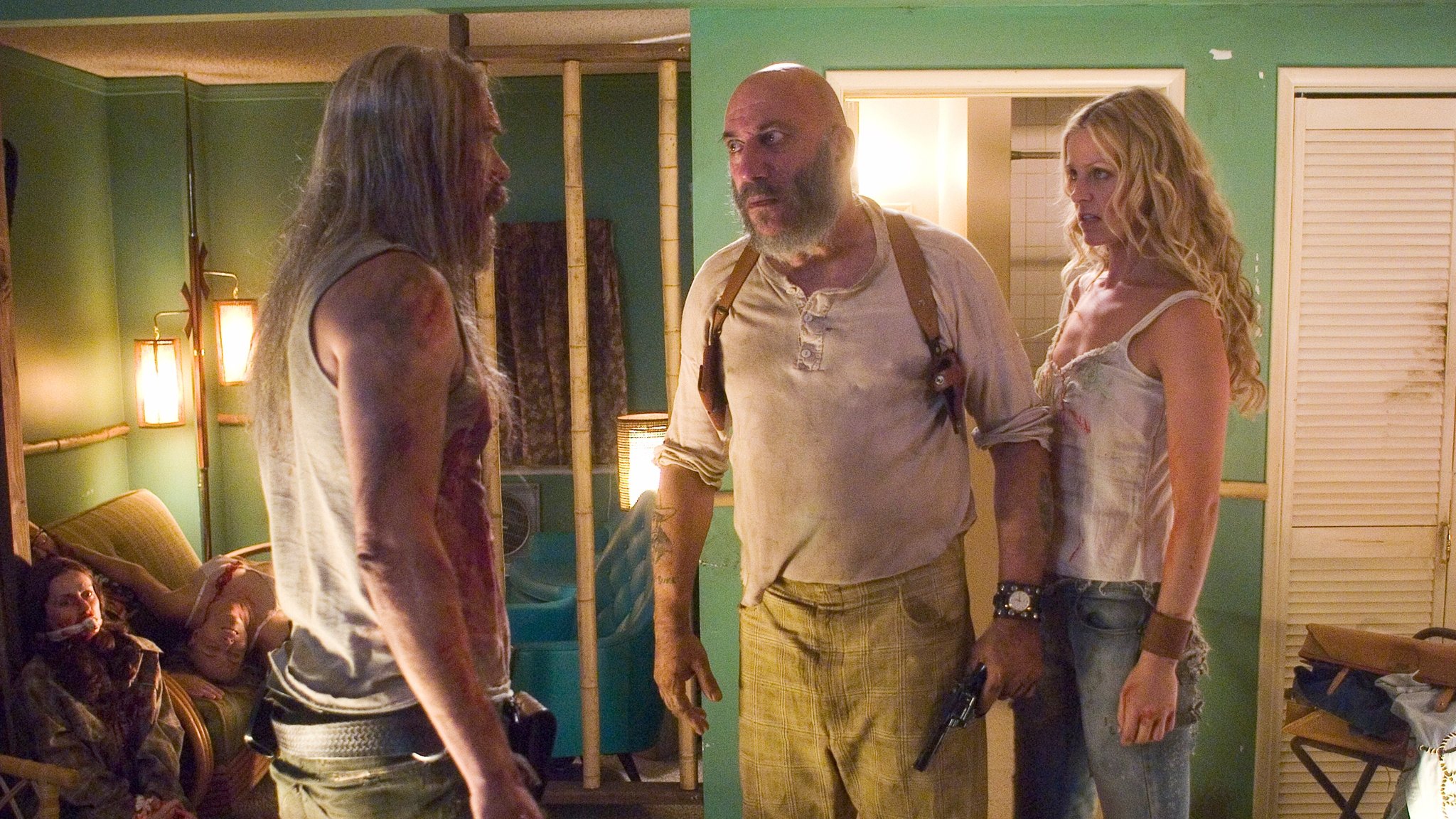
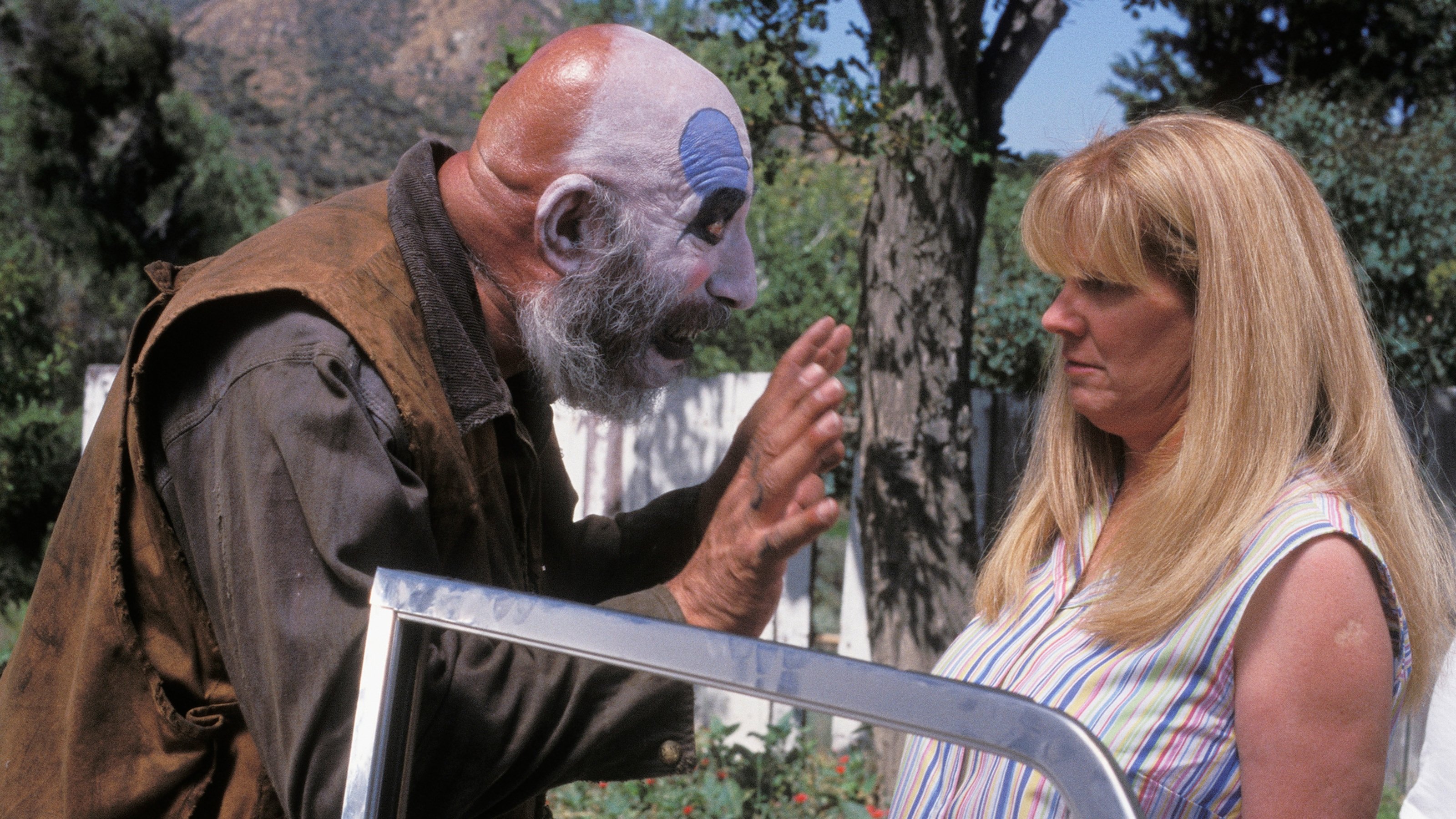
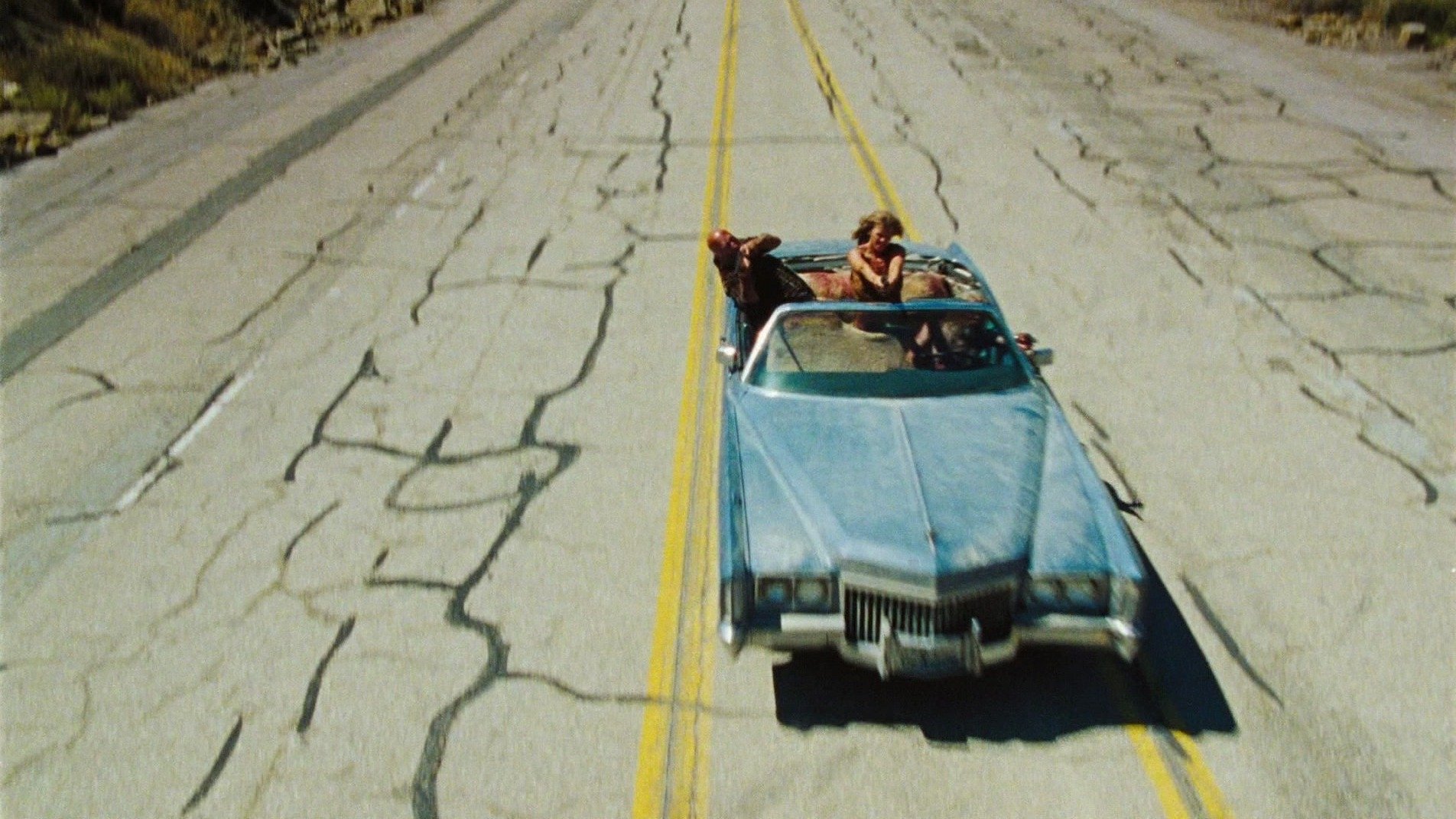
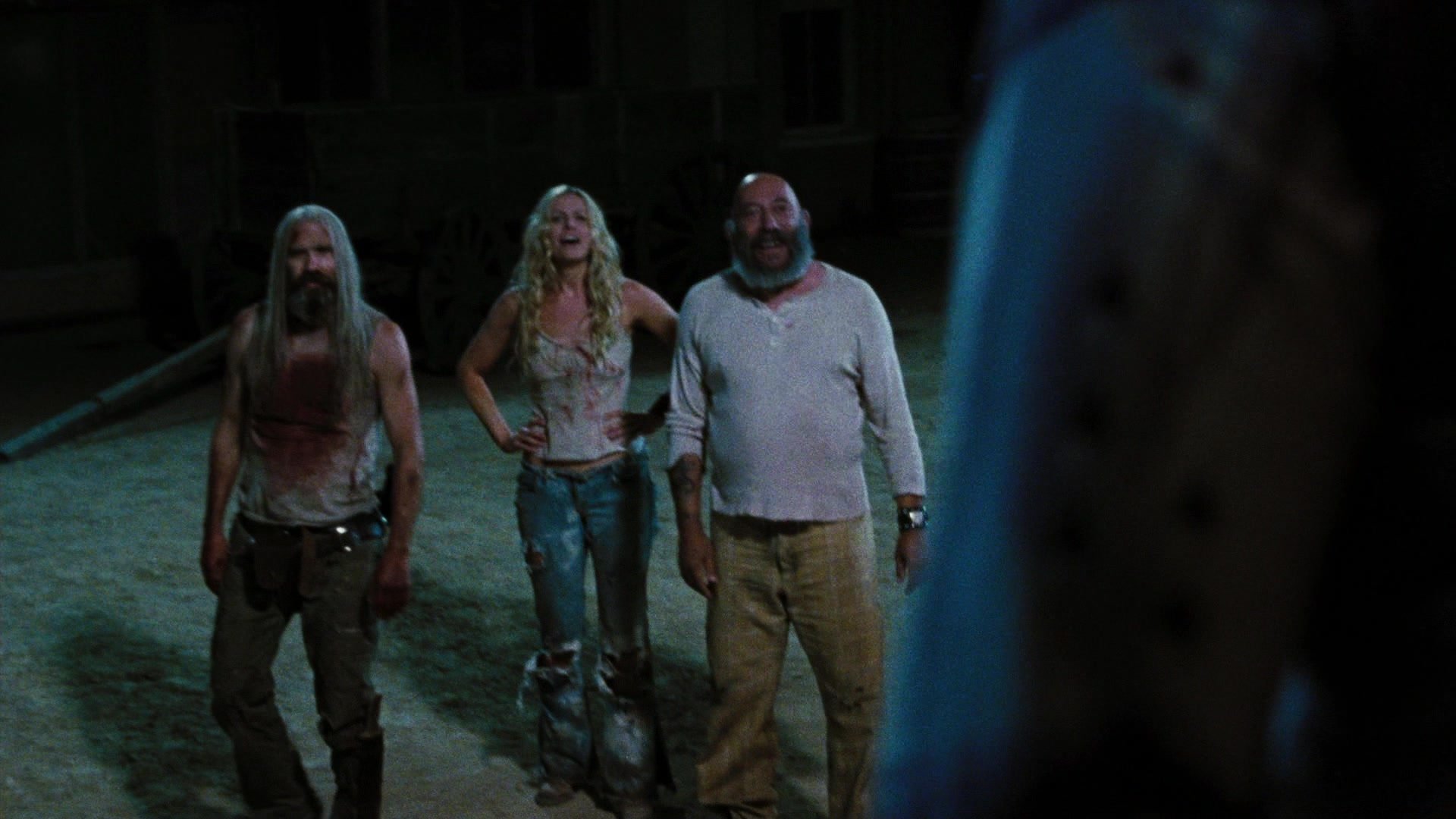
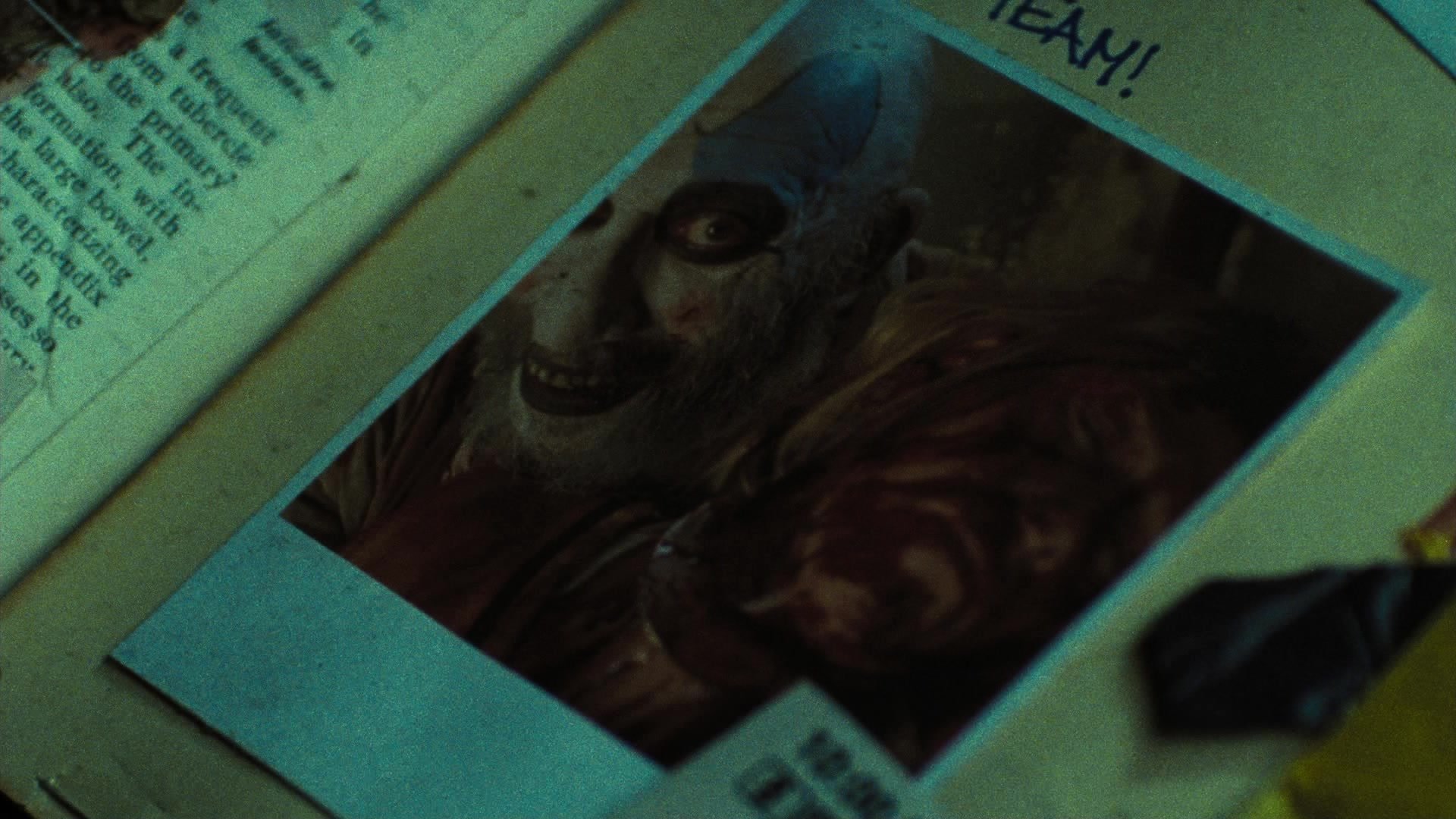
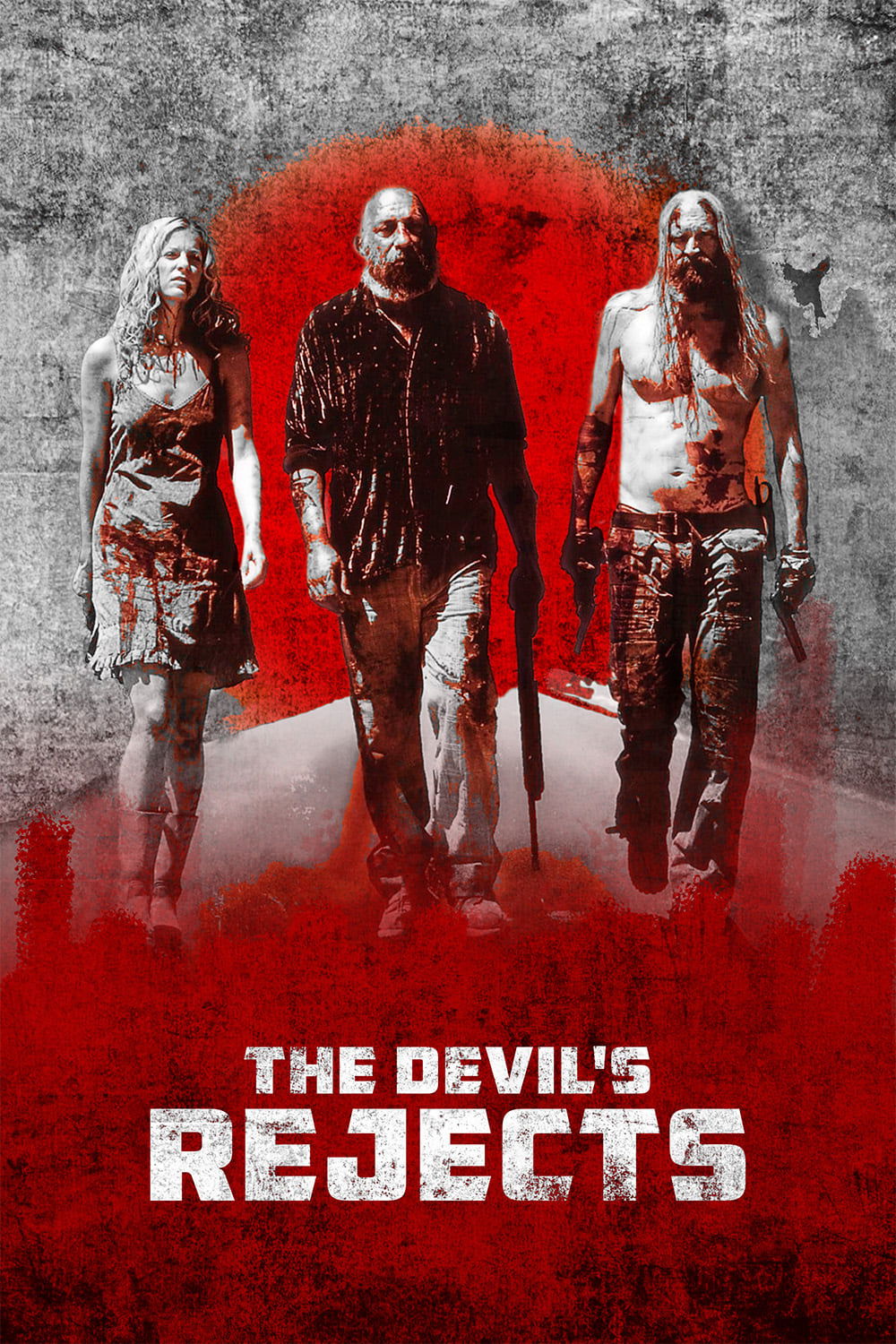
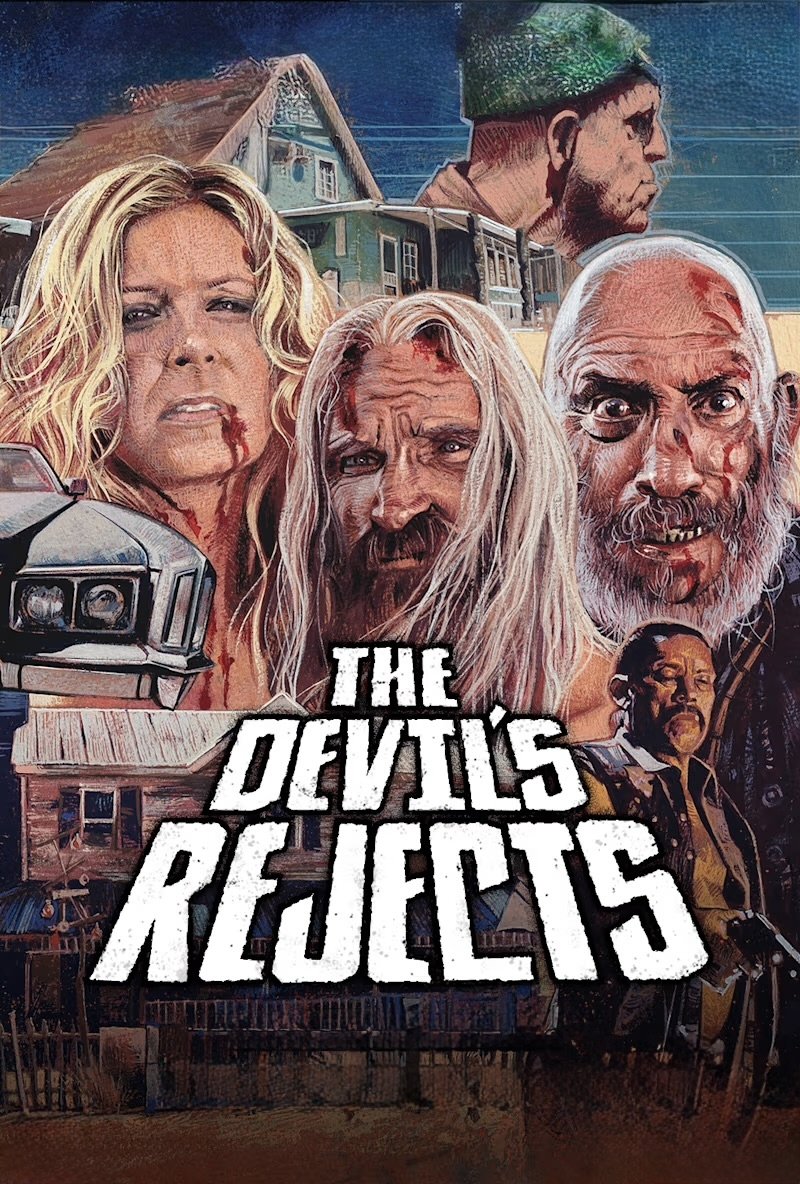
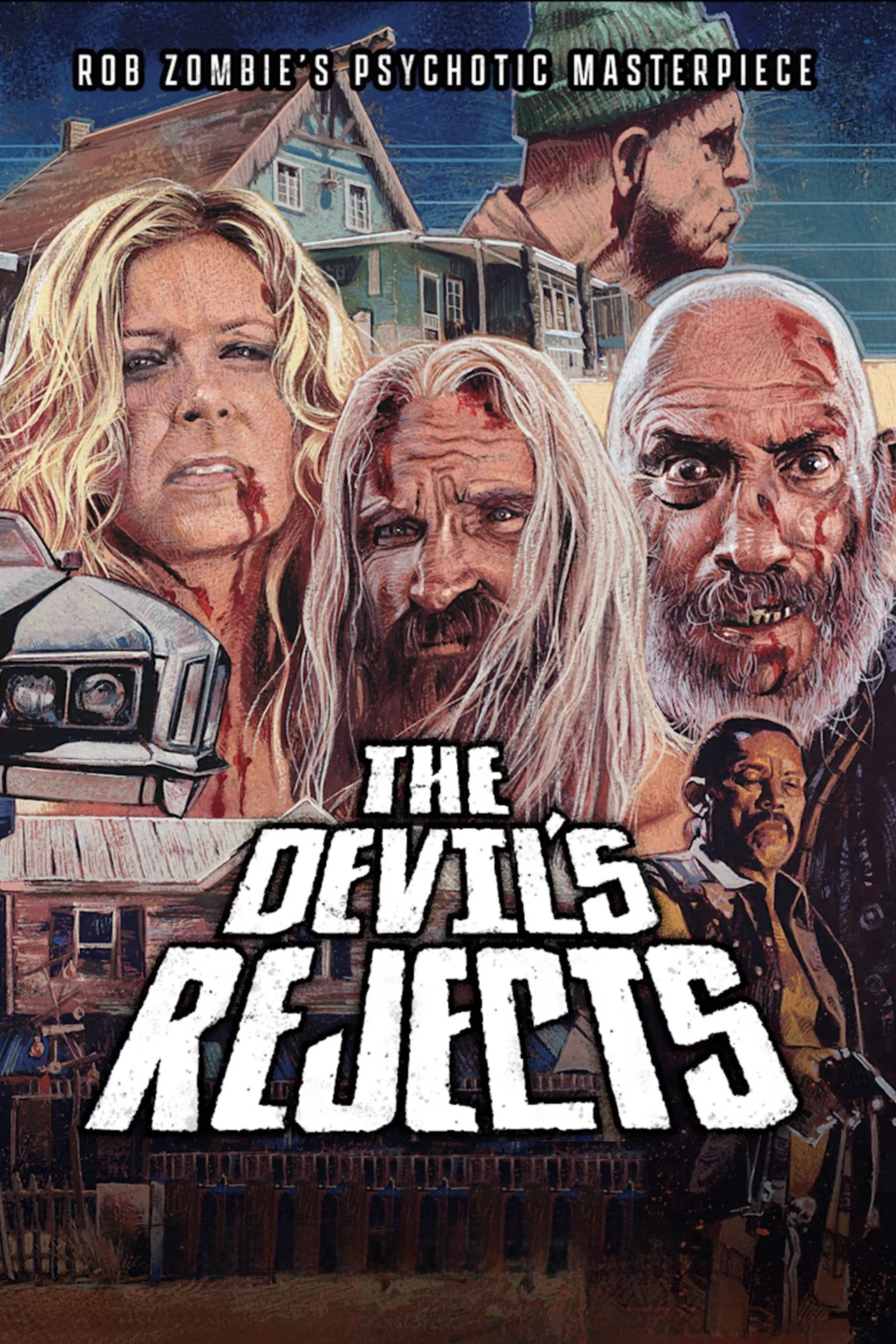
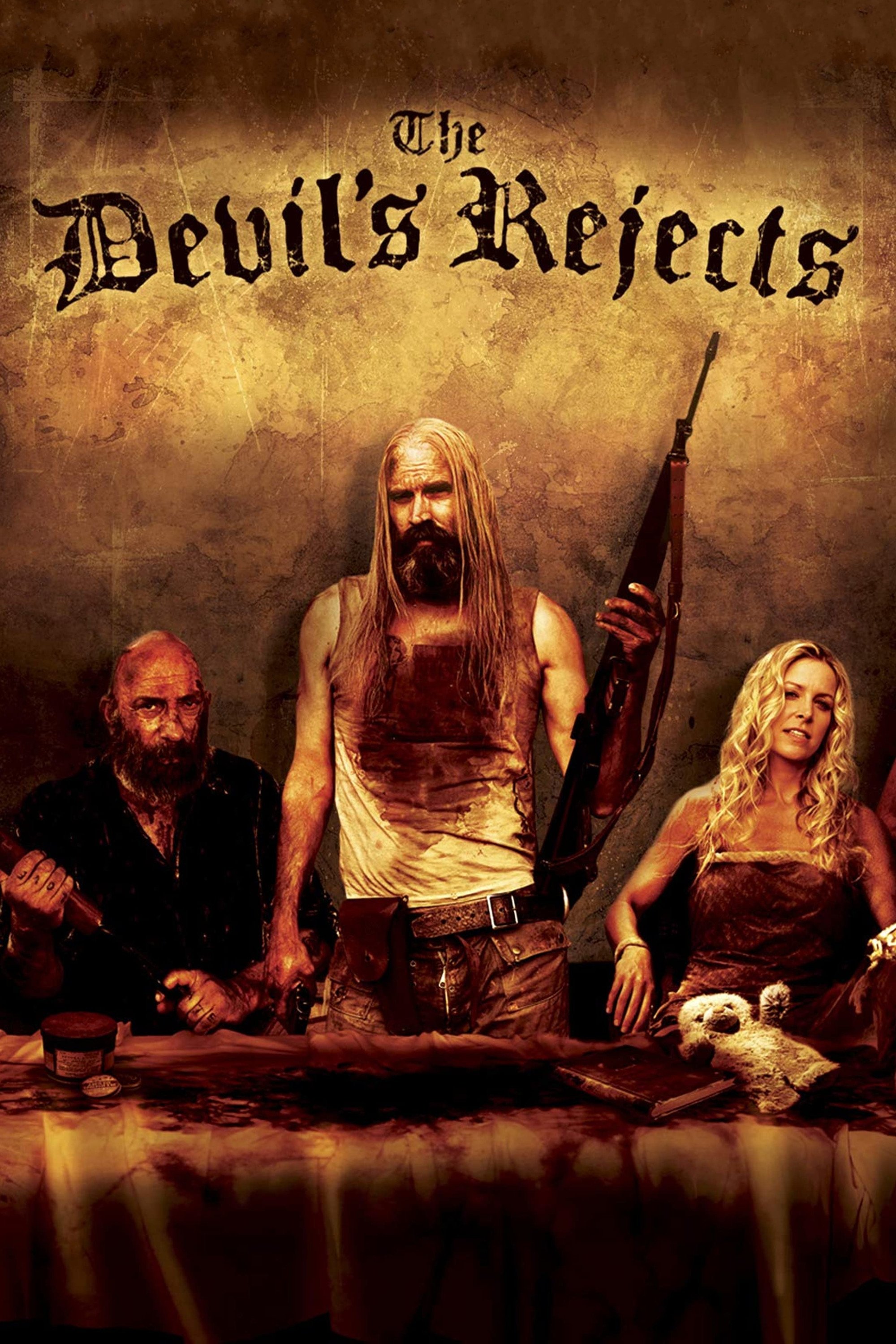
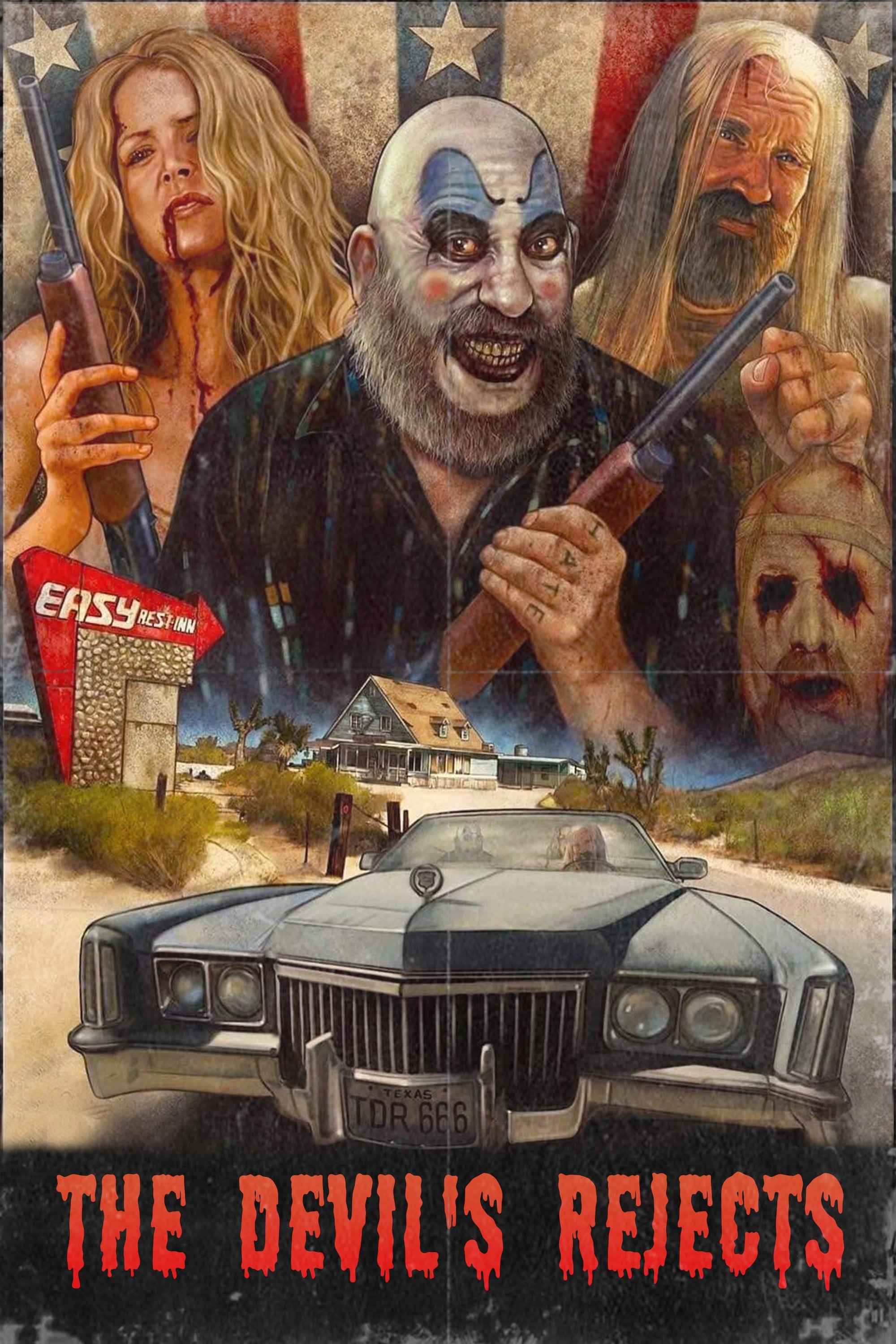
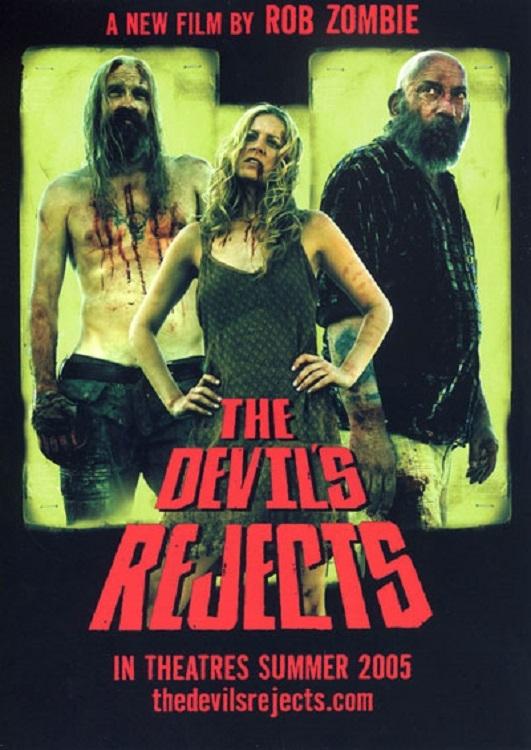
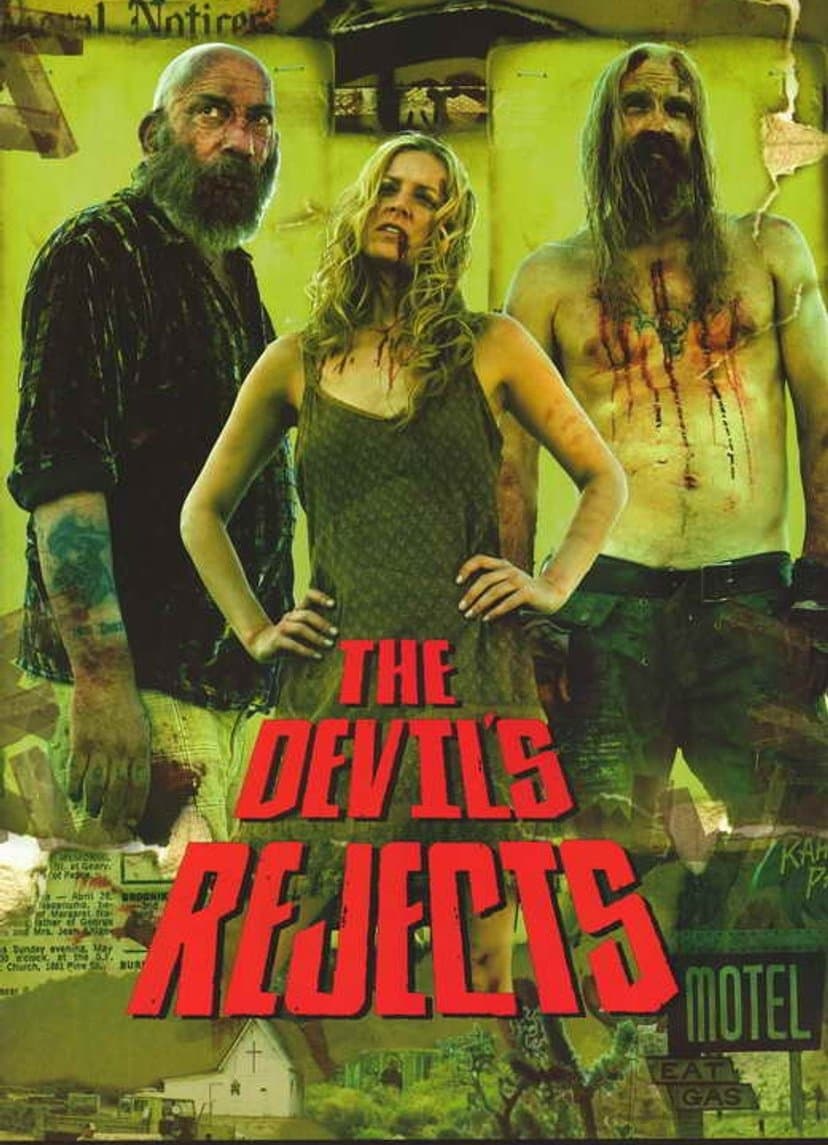
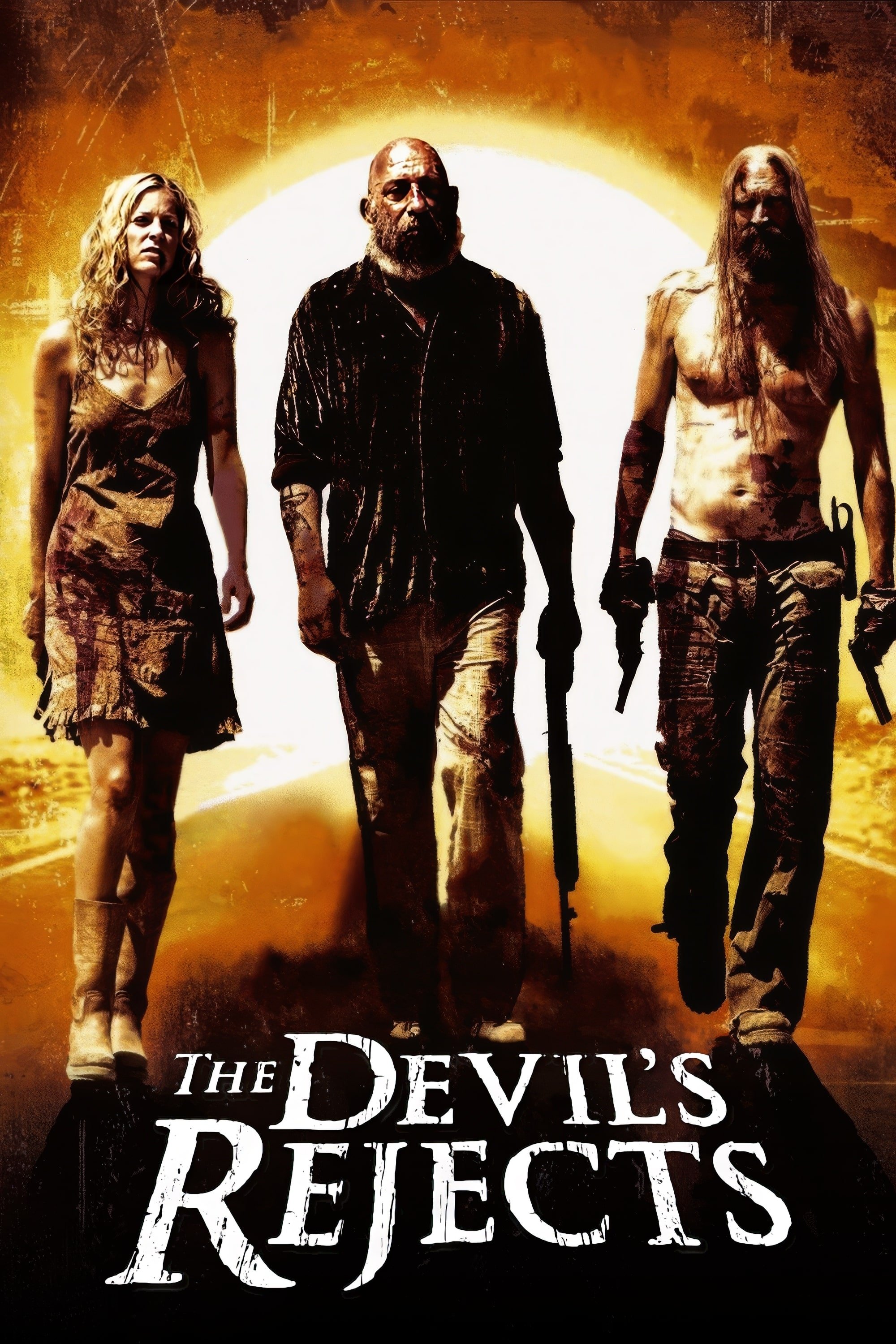
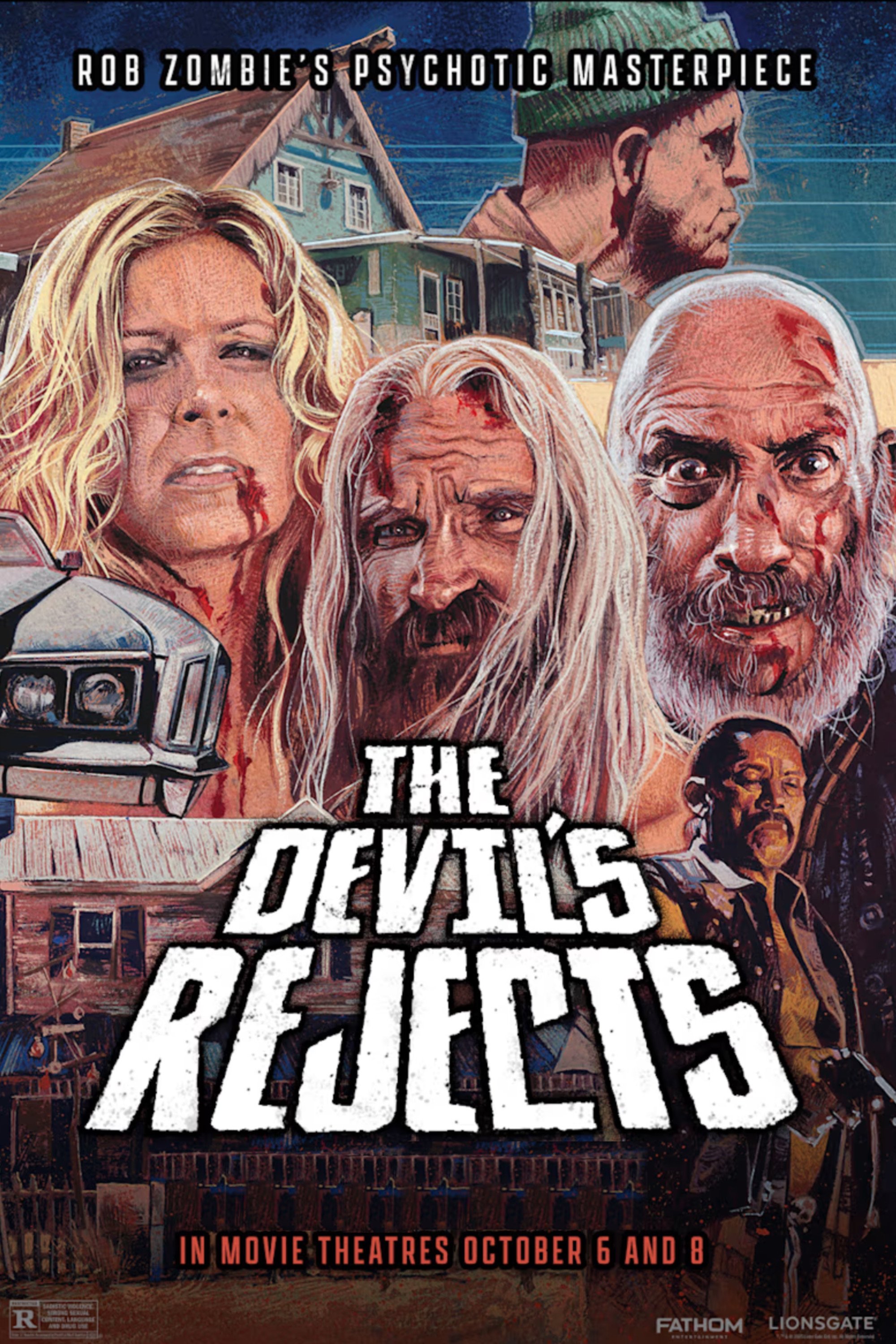
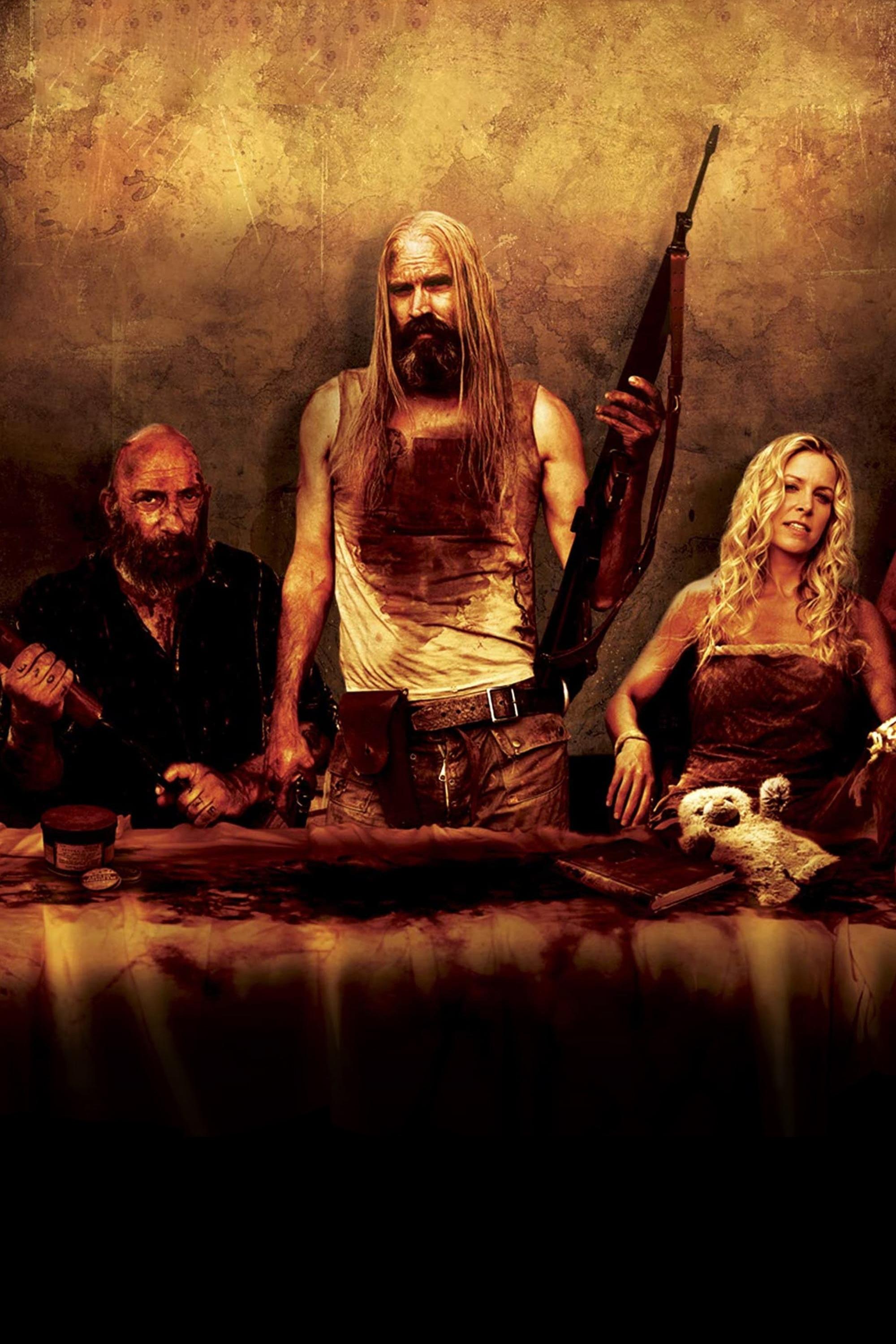
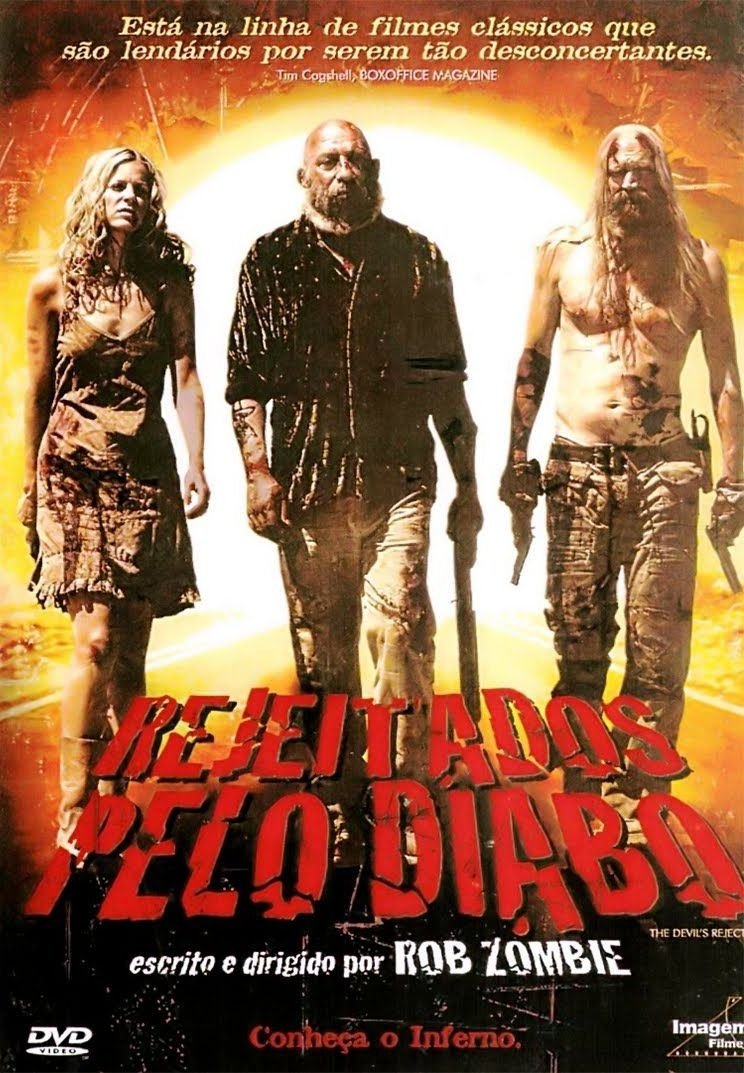
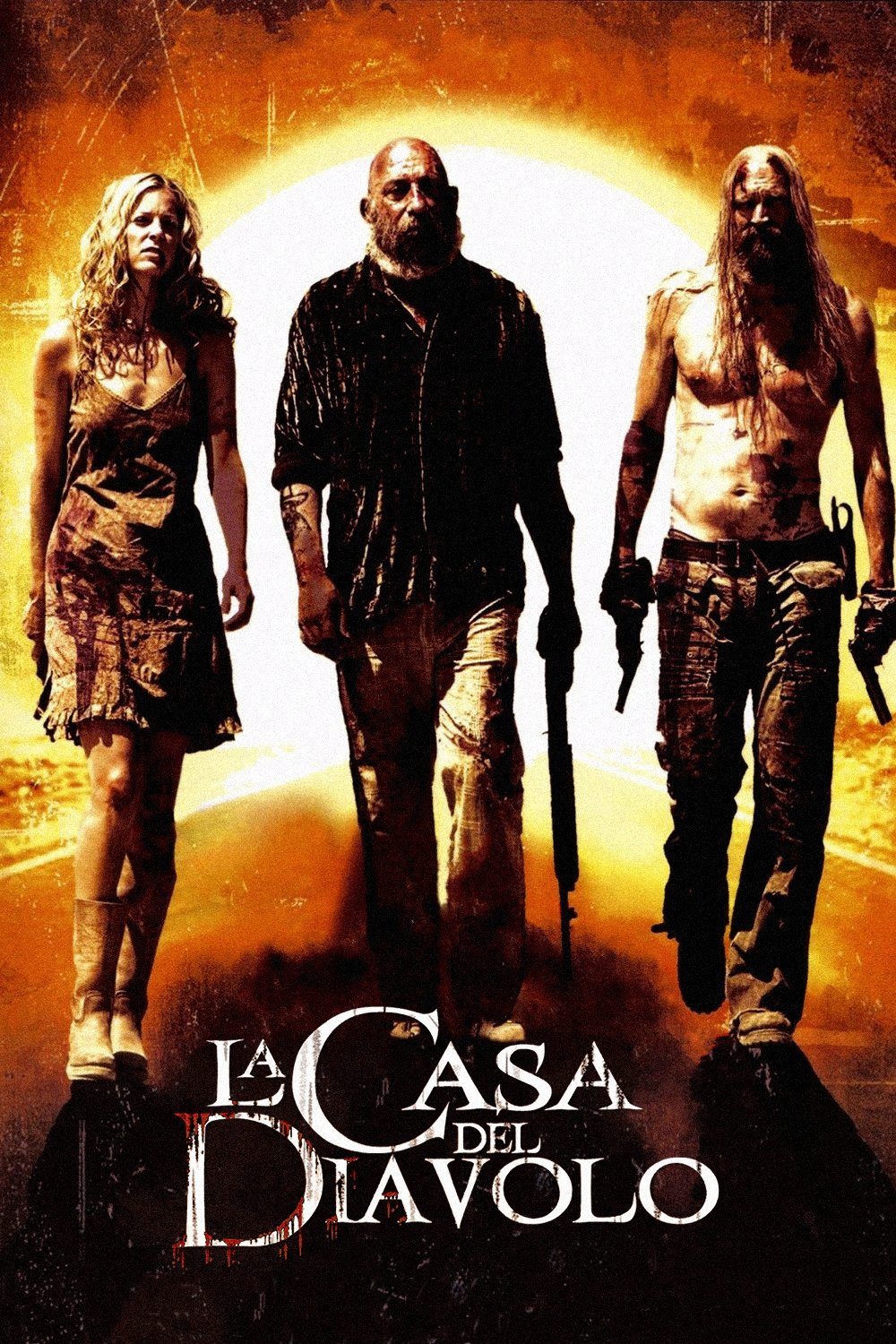
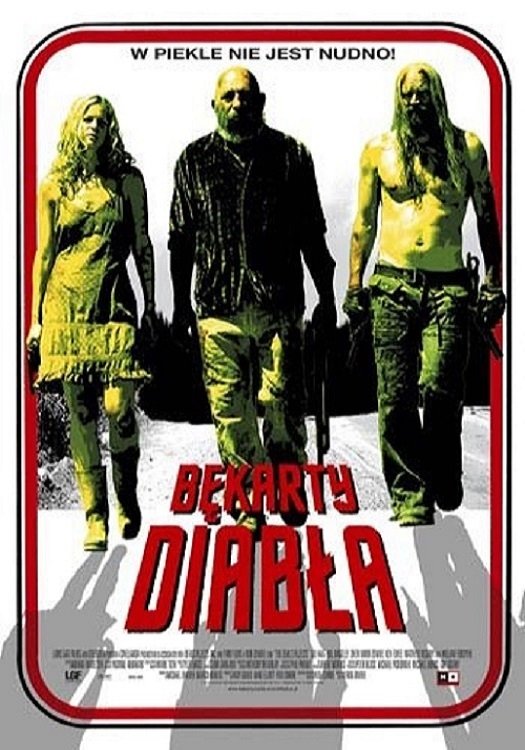
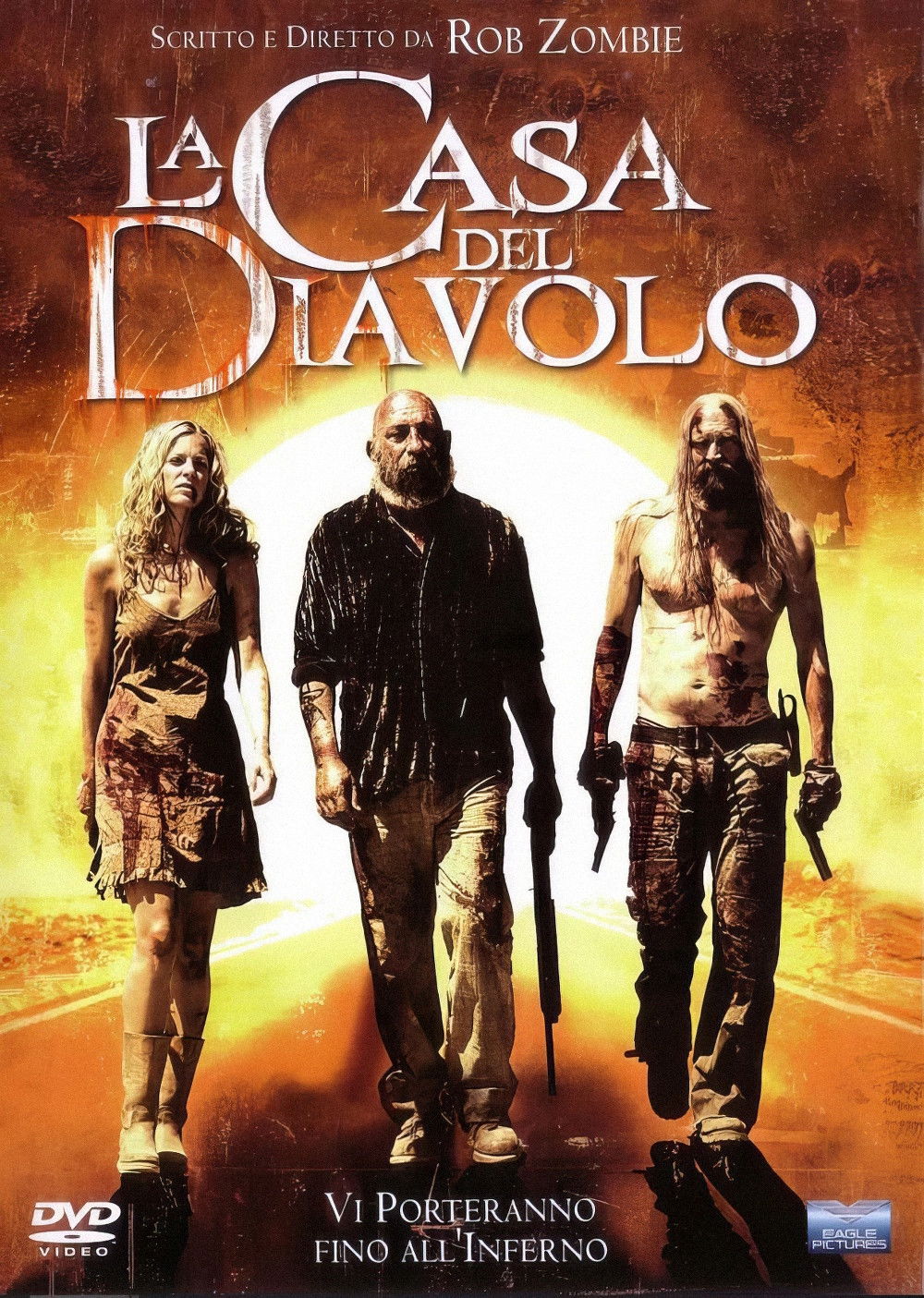
The change extended to the characters themselves. Zombie later explained that certain elements of House belonged to a deliberately cartoonish universe and would look ridiculous inside the more realistic world he wanted for Rejects. Otis was redesigned substantially, Captain Spaulding spends most of the film outside his clown persona, and even the Firefly house was replaced with another location because Zombie needed more surrounding land for the large police assault that opens the film. Continuity became less important than making the characters belong convincingly to the new aesthetic.
The most telling casualty of that decision was Dr. Satan. Zombie actually shot material intended to carry the character into the sequel but concluded almost immediately that the grotesque subterranean figure could not survive the shift toward realism. He later described the attempt as looking simply wrong in the new film and removed it. The decision summarizes the entire production philosophy: The Devil's Rejects acknowledges the mythology of House of 1000 Corpses while discarding anything that prevents its killers from appearing as flesh-and-blood criminals.
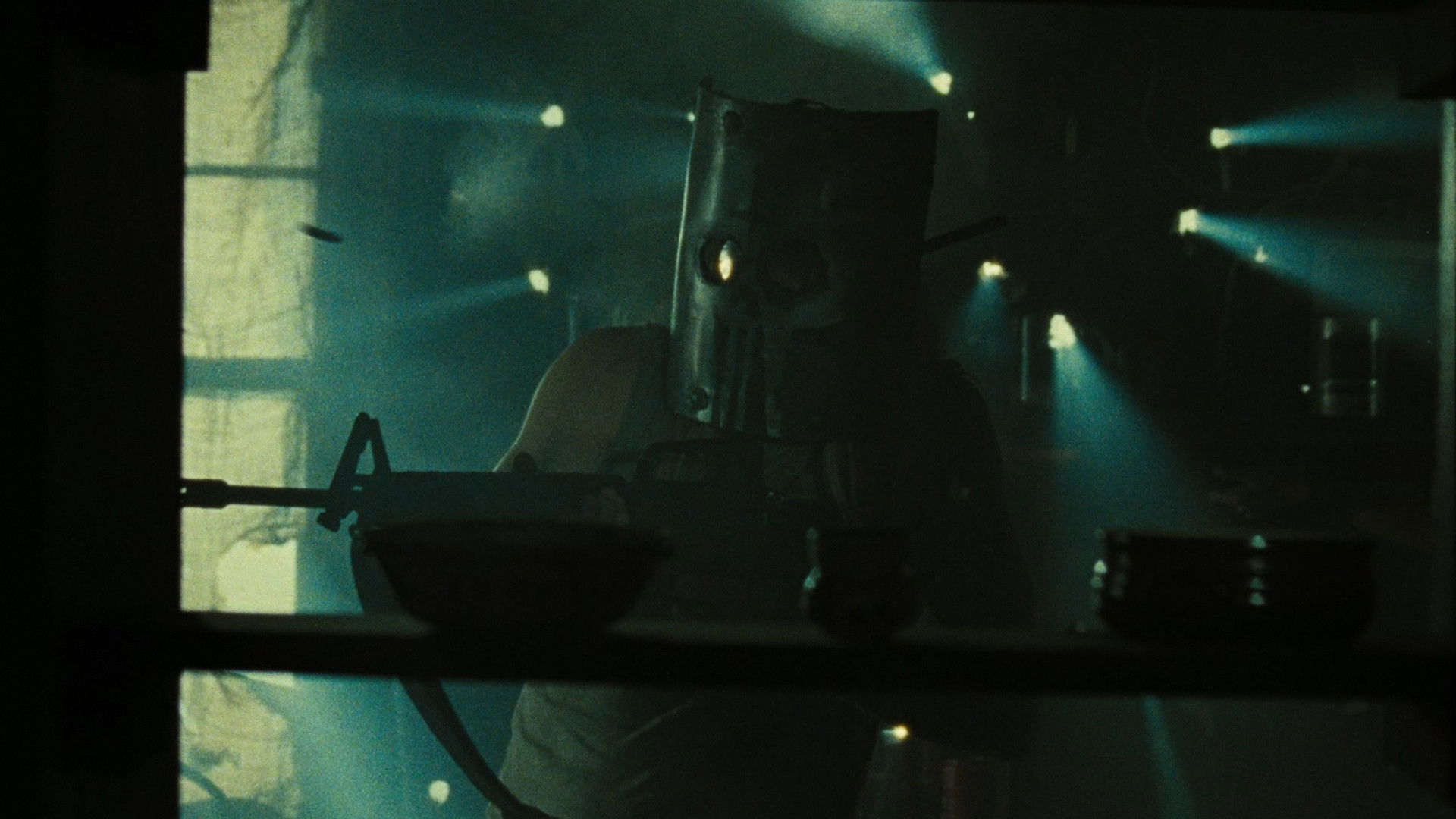
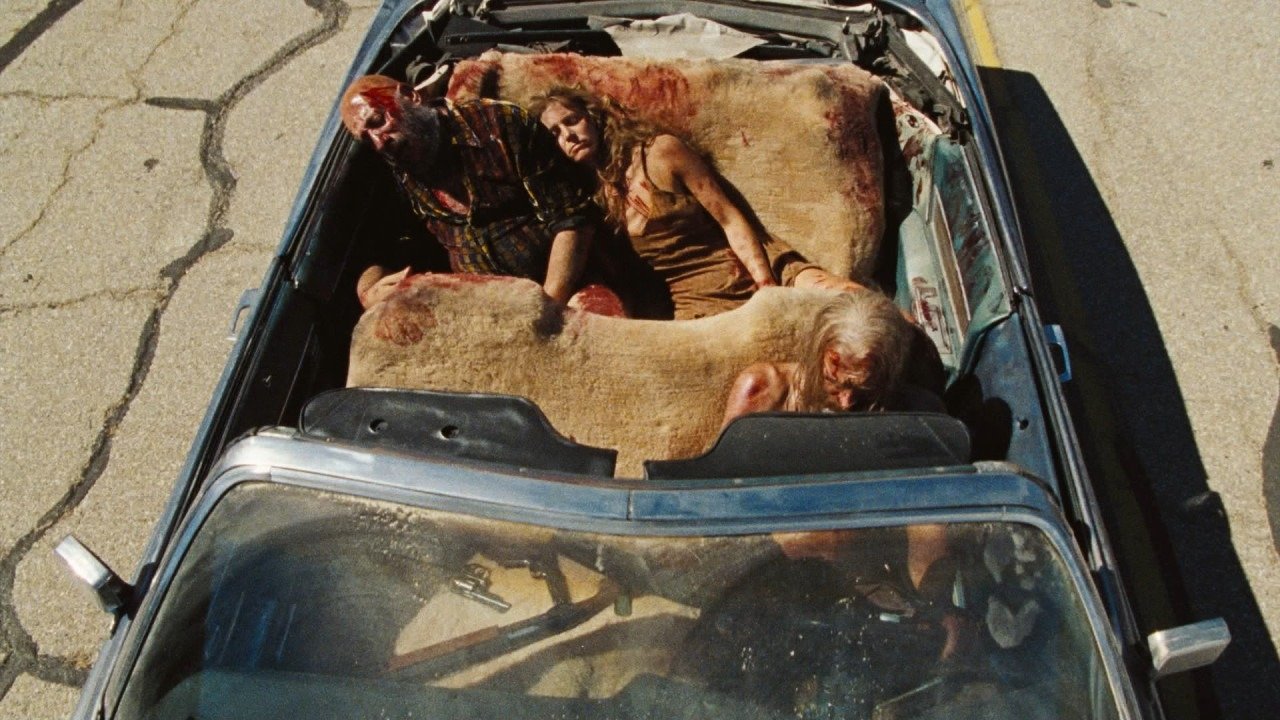
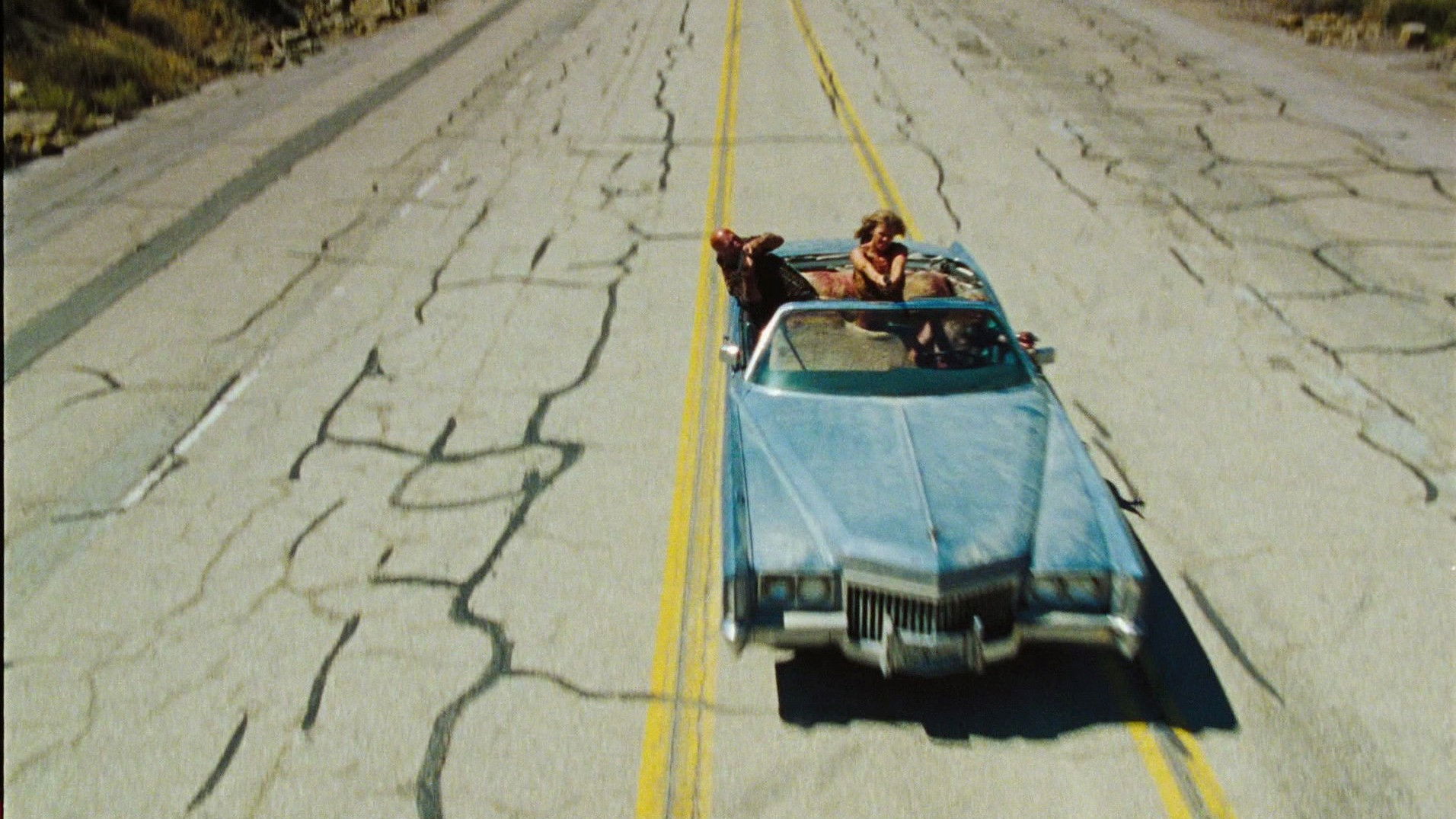
Zombie also applied lessons learned from his troubled first feature. He has said that House was made largely through passion and trial and error, whereas Rejects was prepared much more rigorously in pre-production. The difference is visible in a film whose tone remains abrasive but whose construction is far more controlled. The apparent chaos is carefully organized rather than produced by the collage-like accumulation of styles that defined his debut.