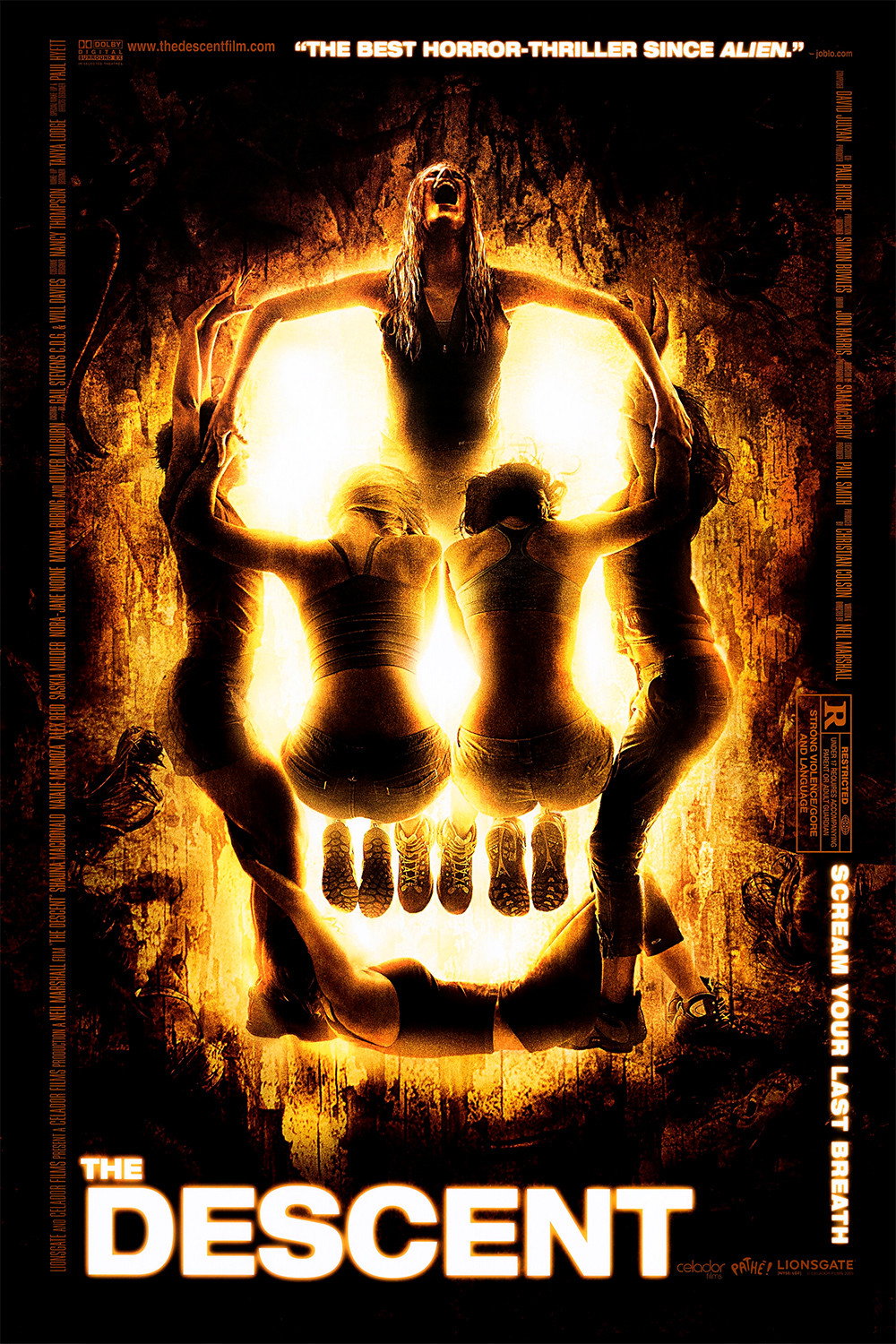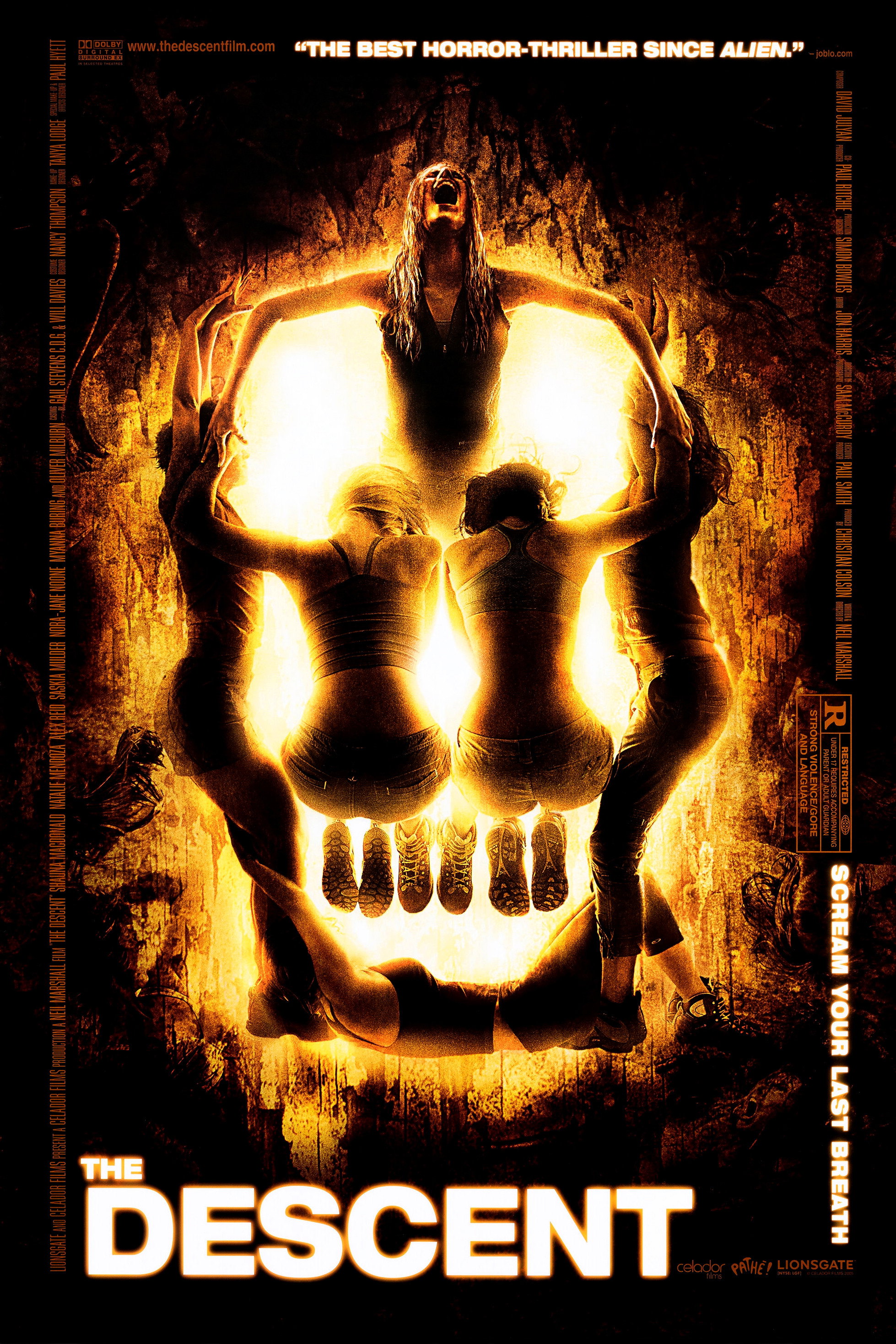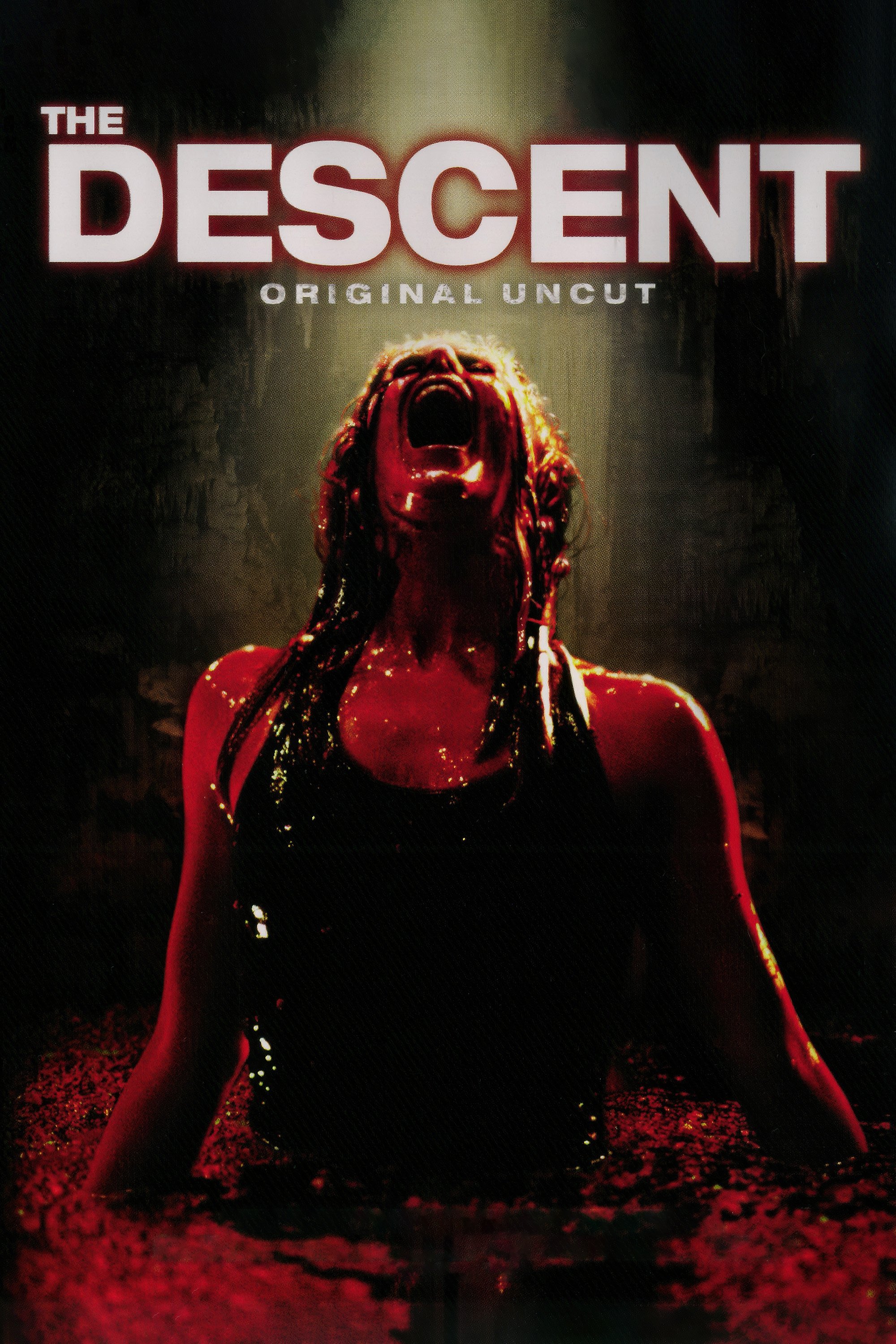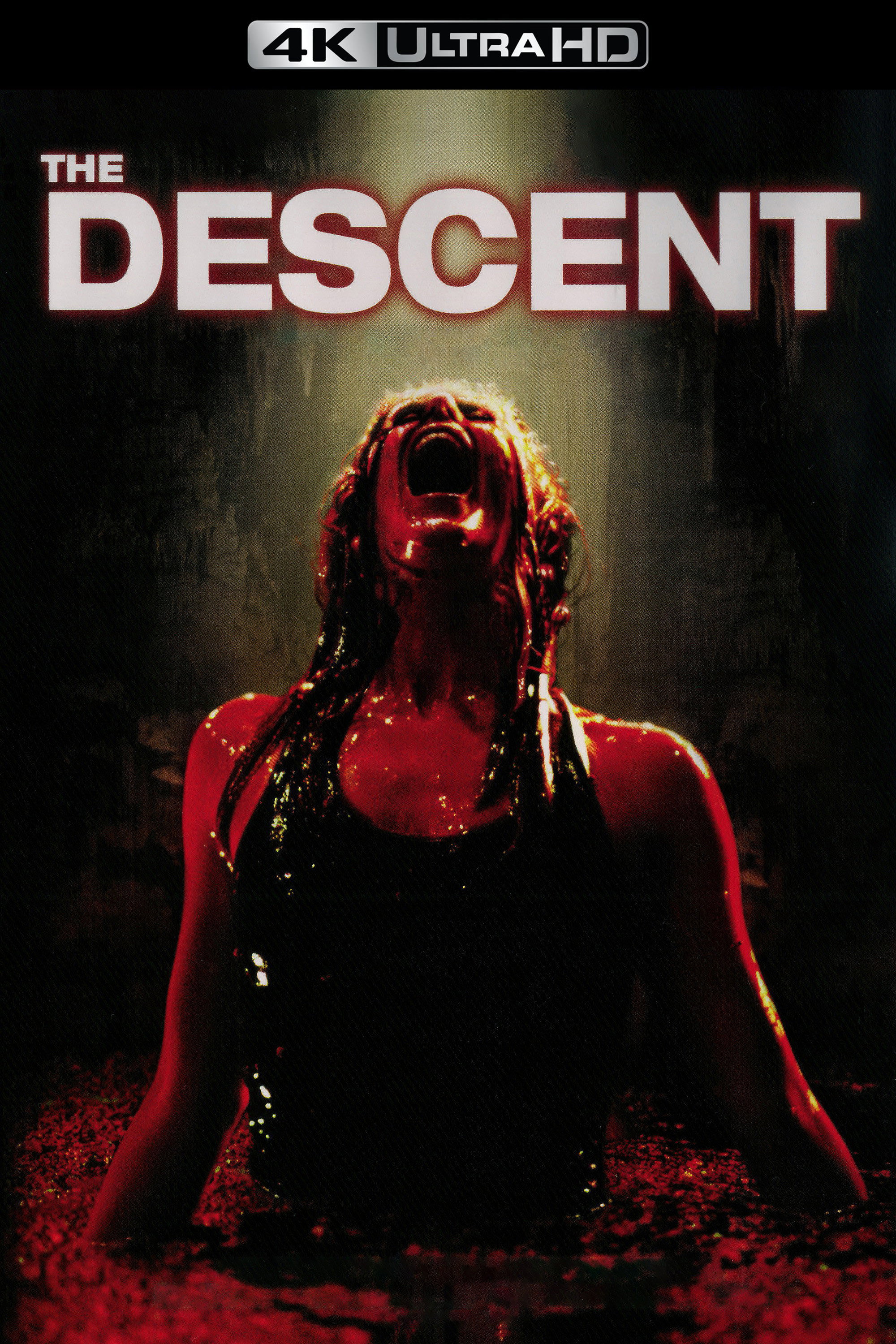

The Descent (2005)

GB
9.3/10 7 votes
Runtime
99 min
Release
July 8, 2005
Budget
$3,500,000
Revenue
$57,130,027
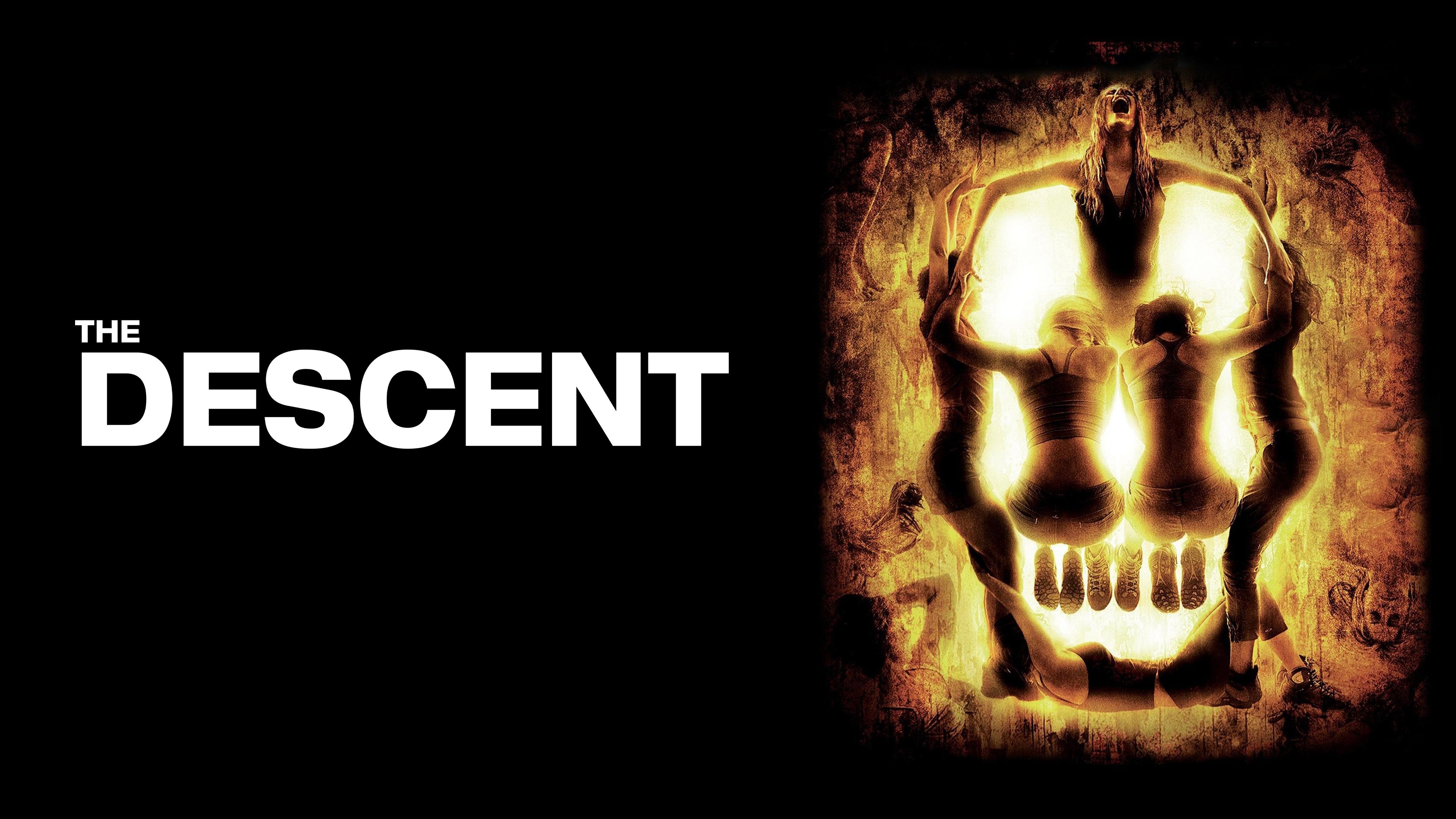
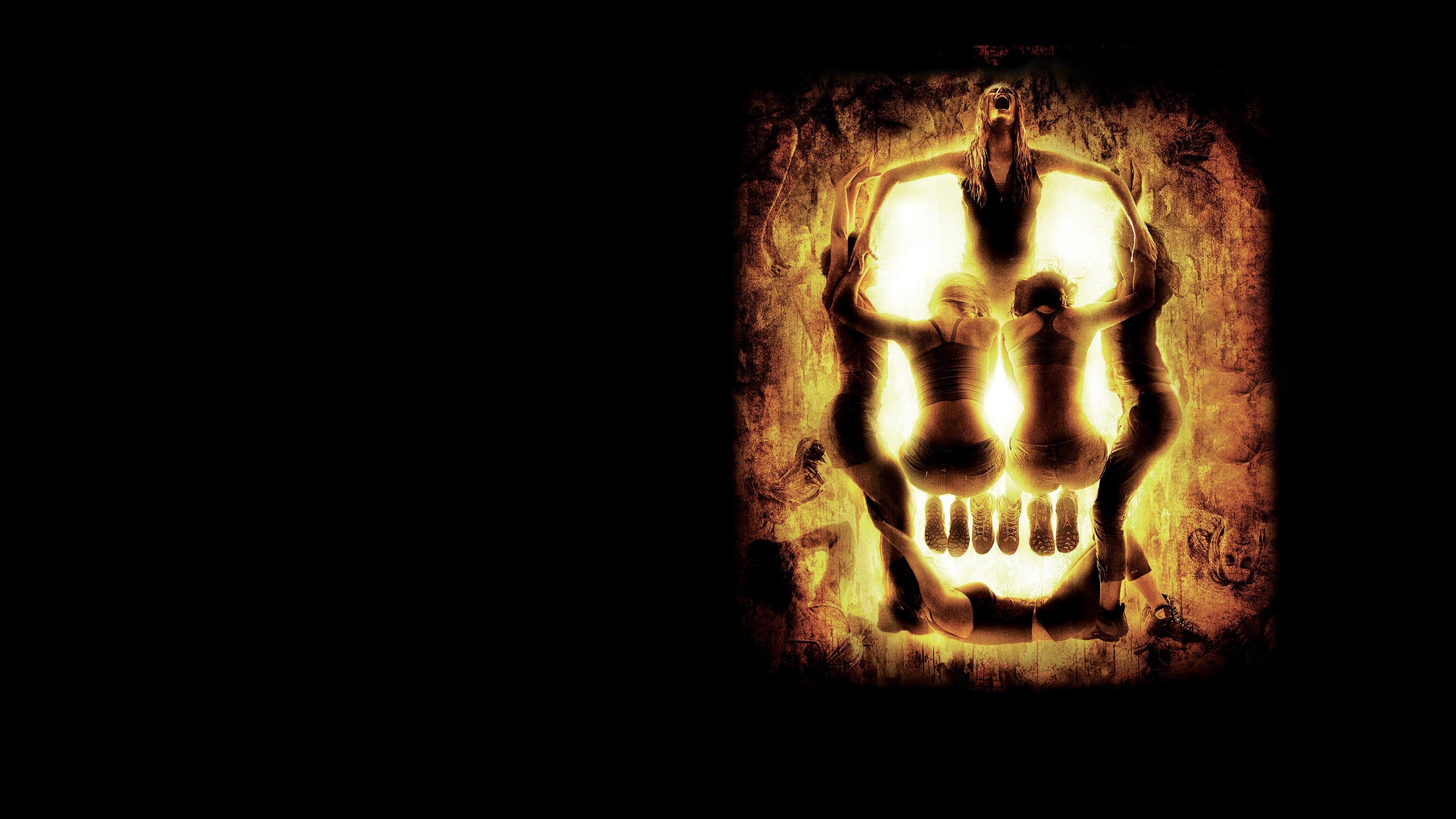
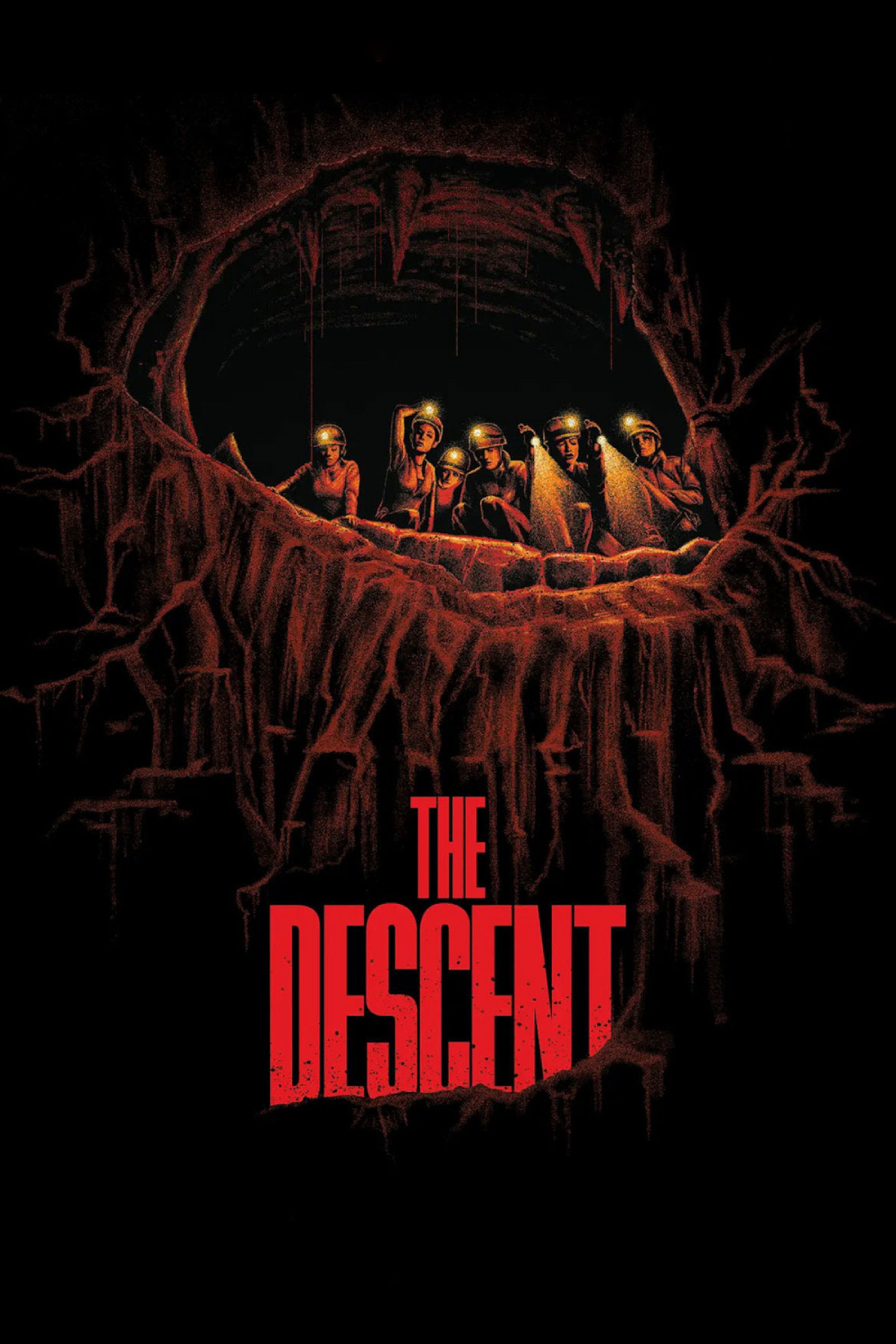
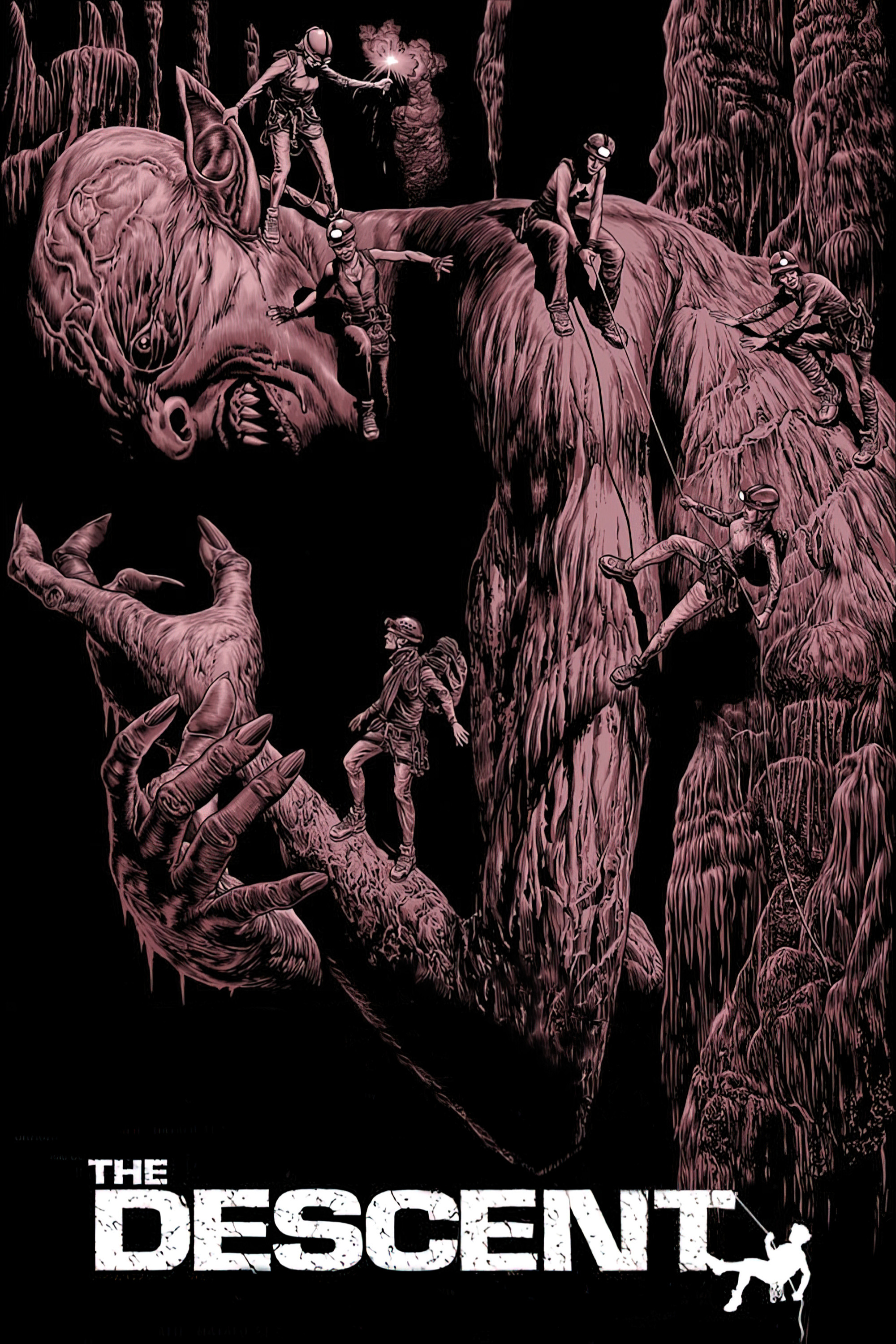
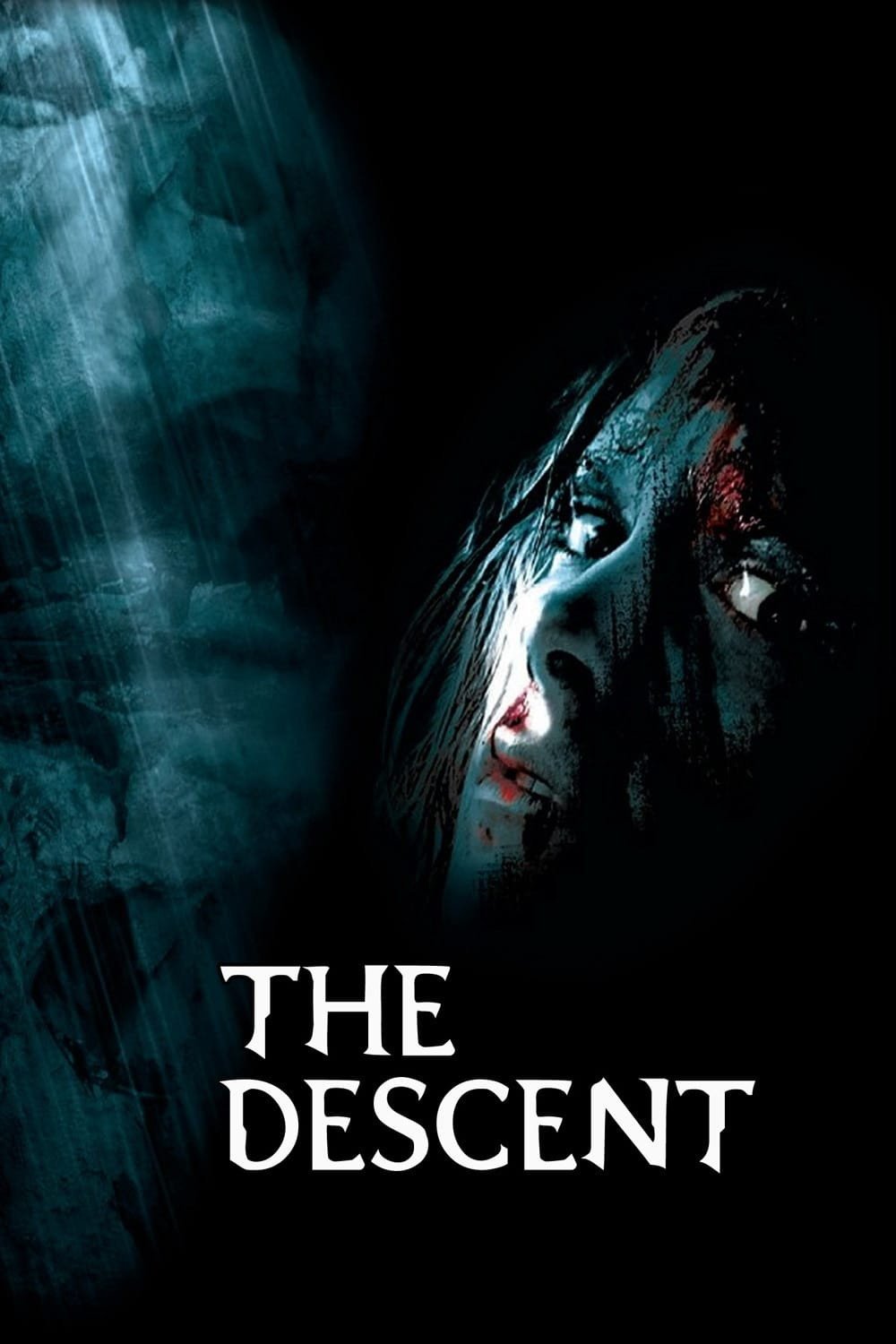
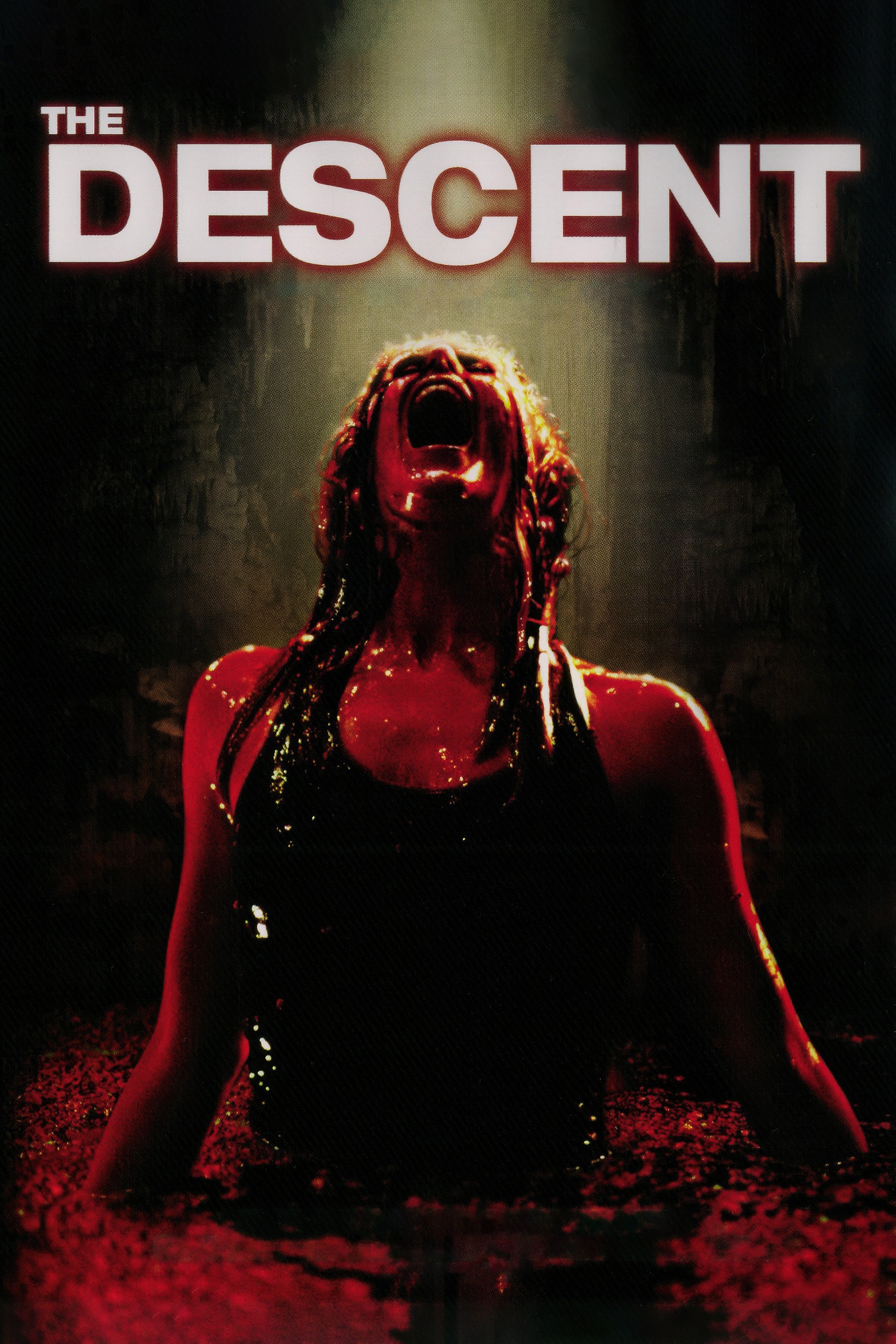
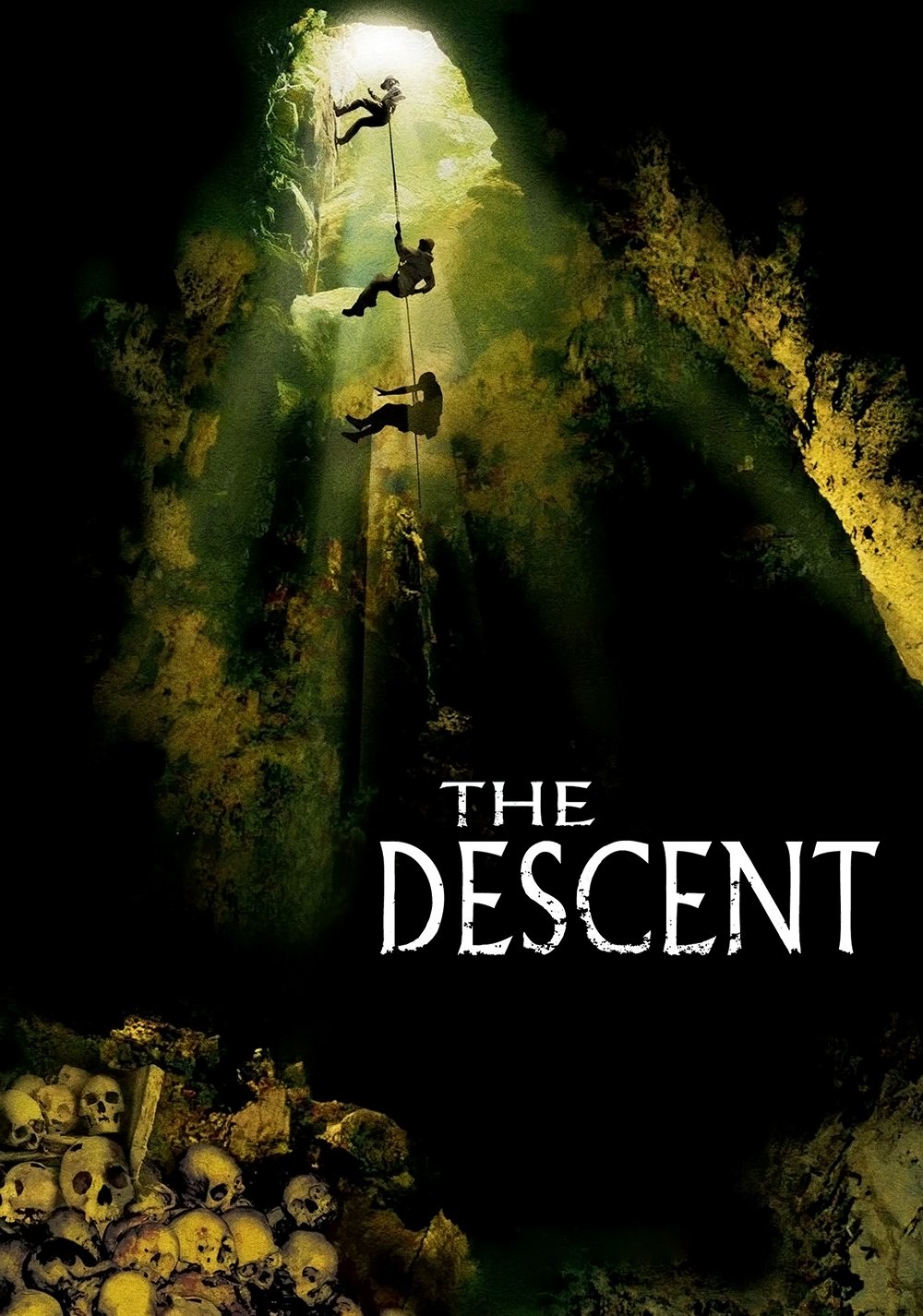
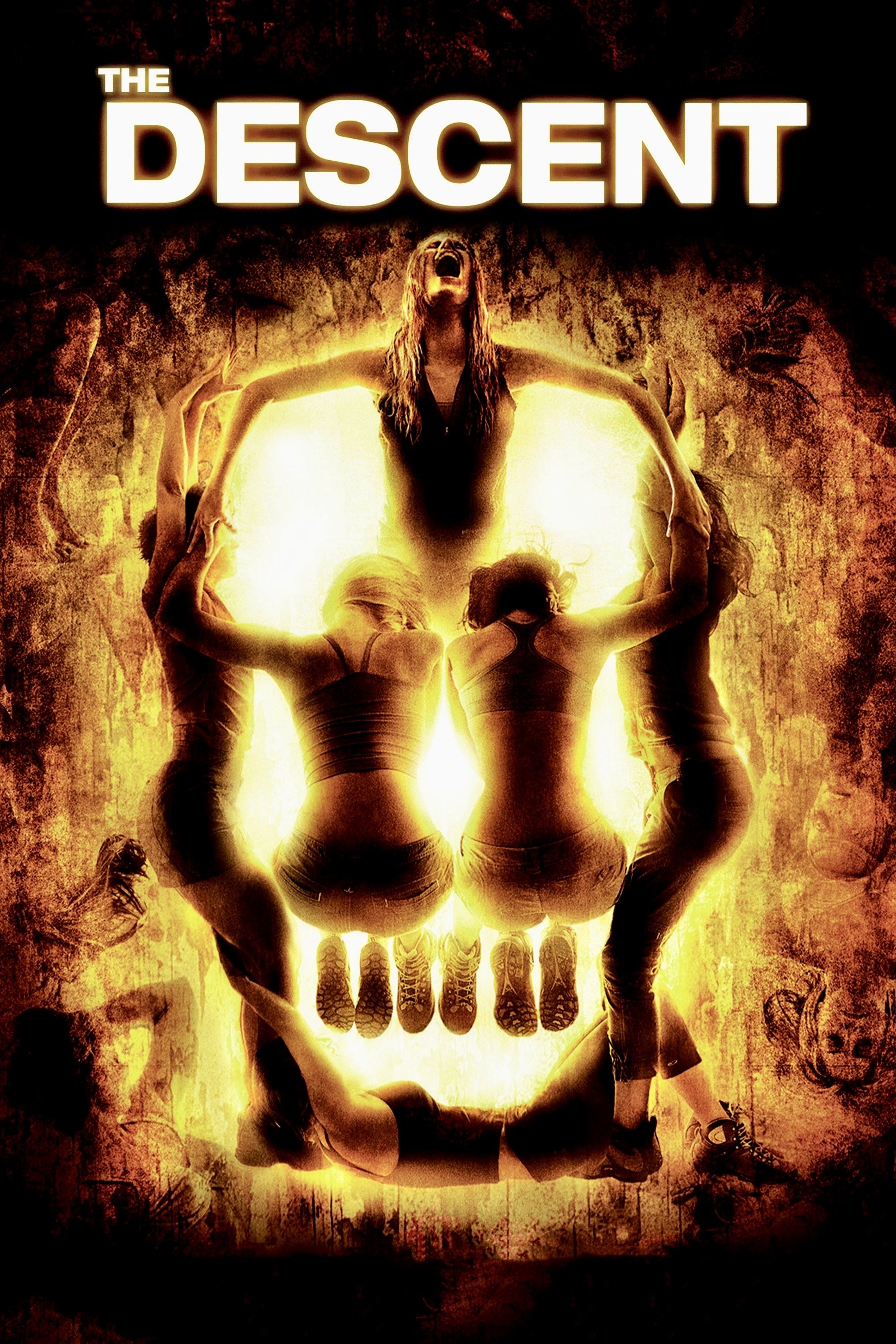
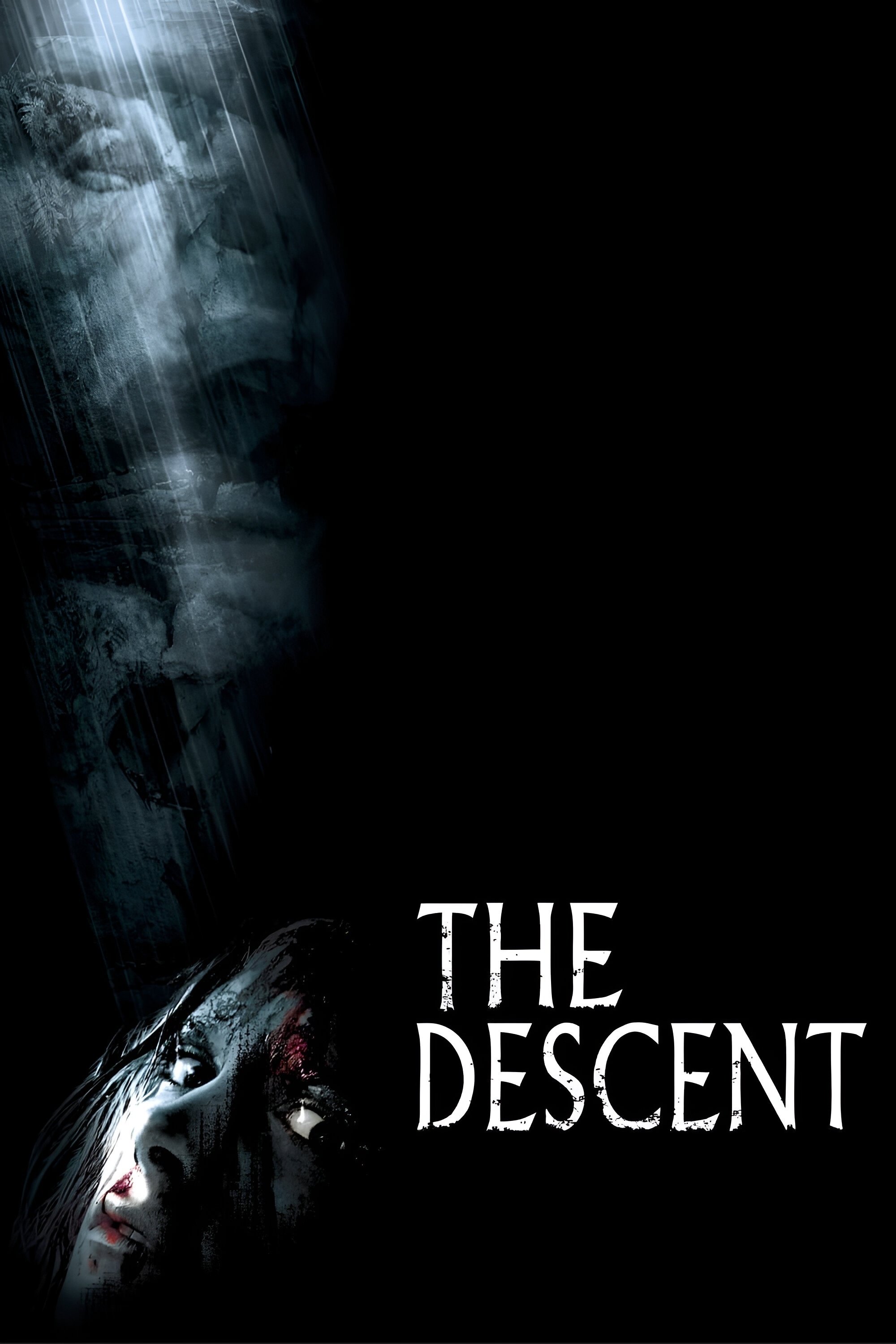
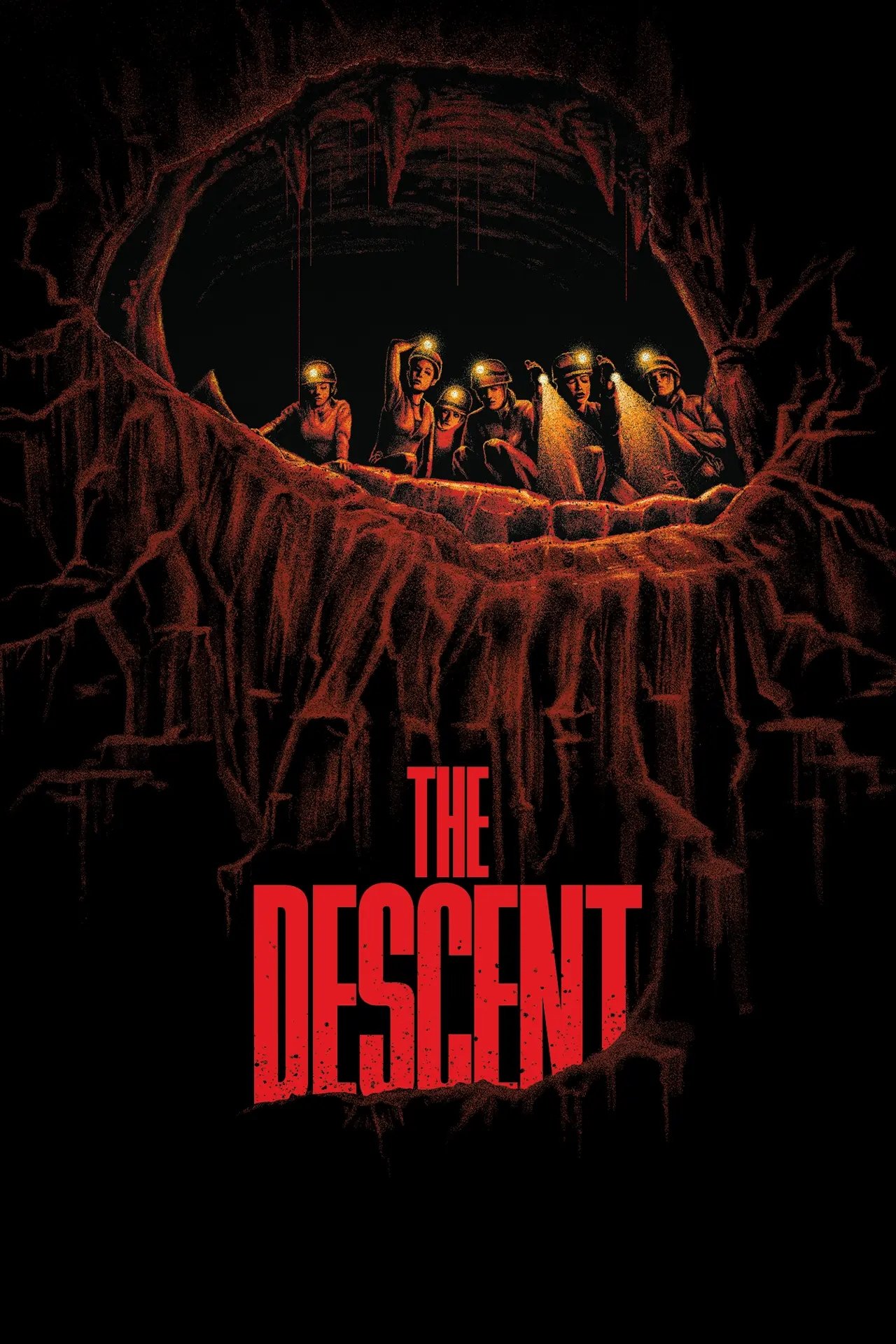
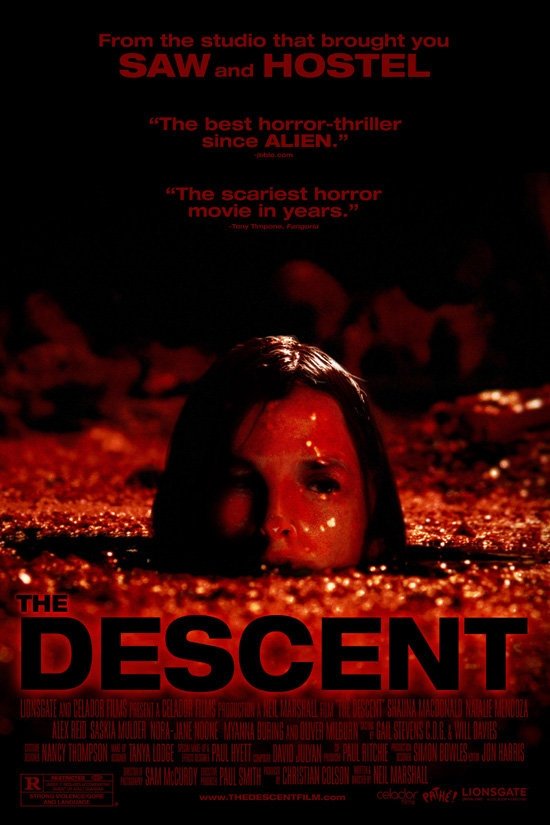
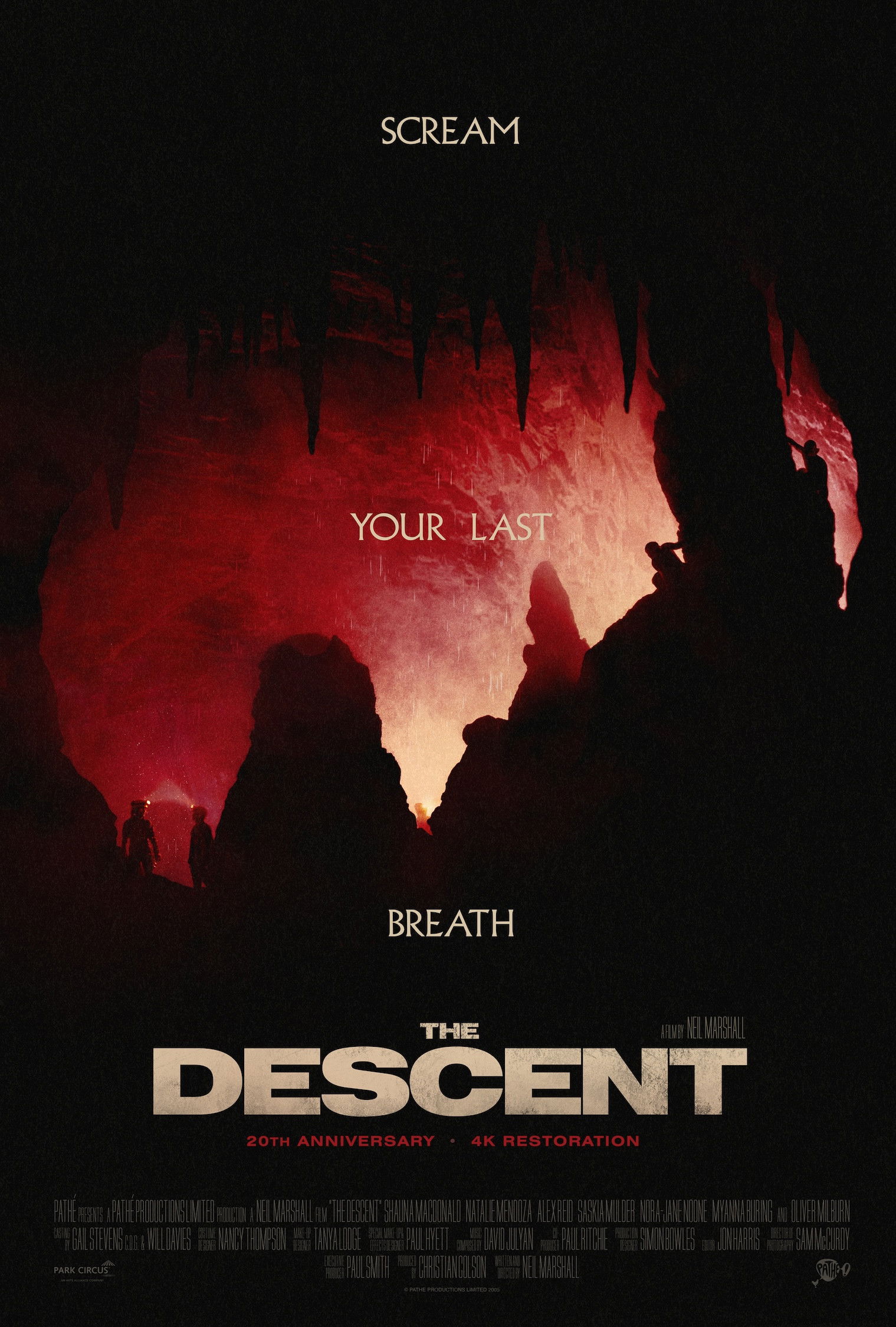
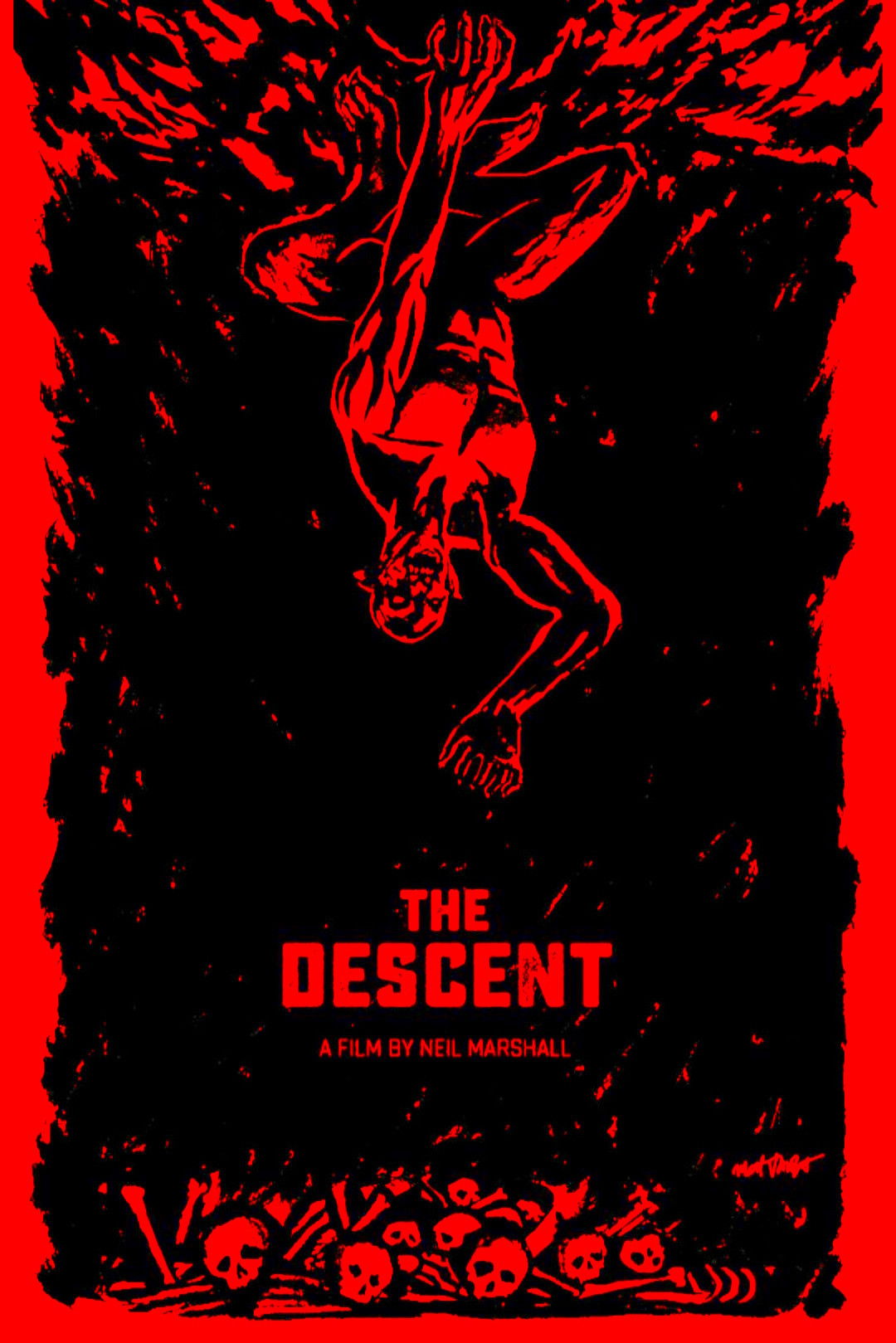
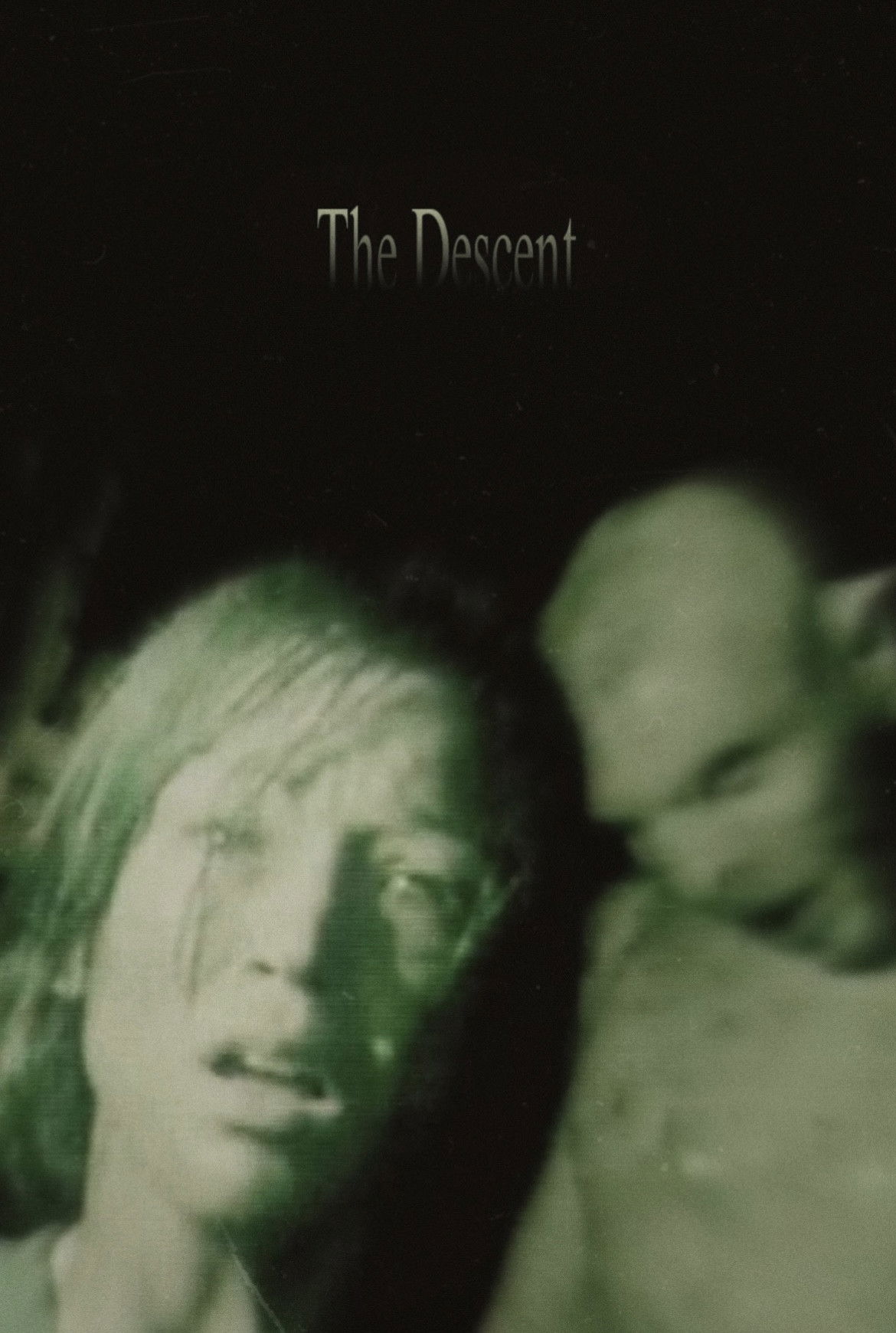
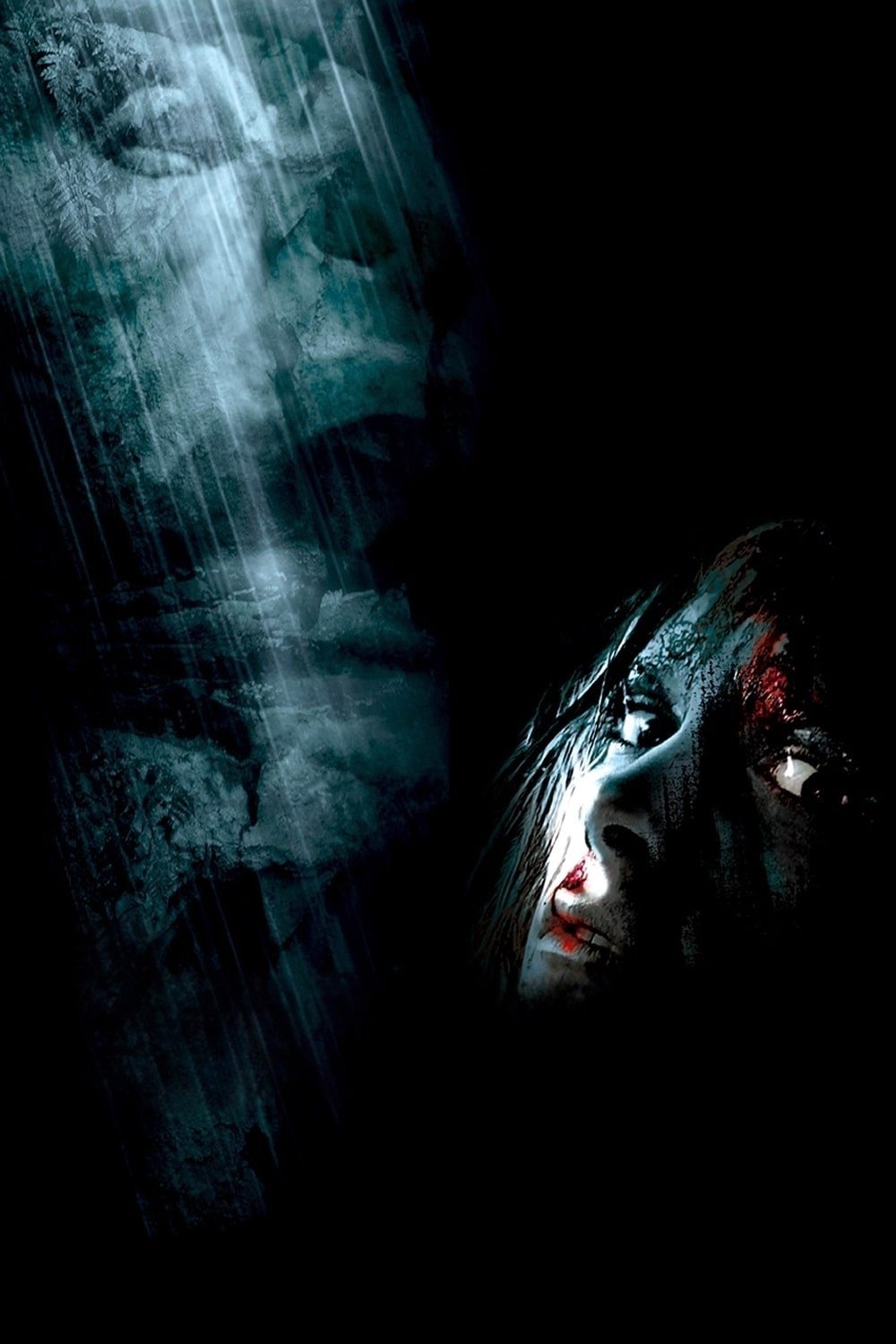
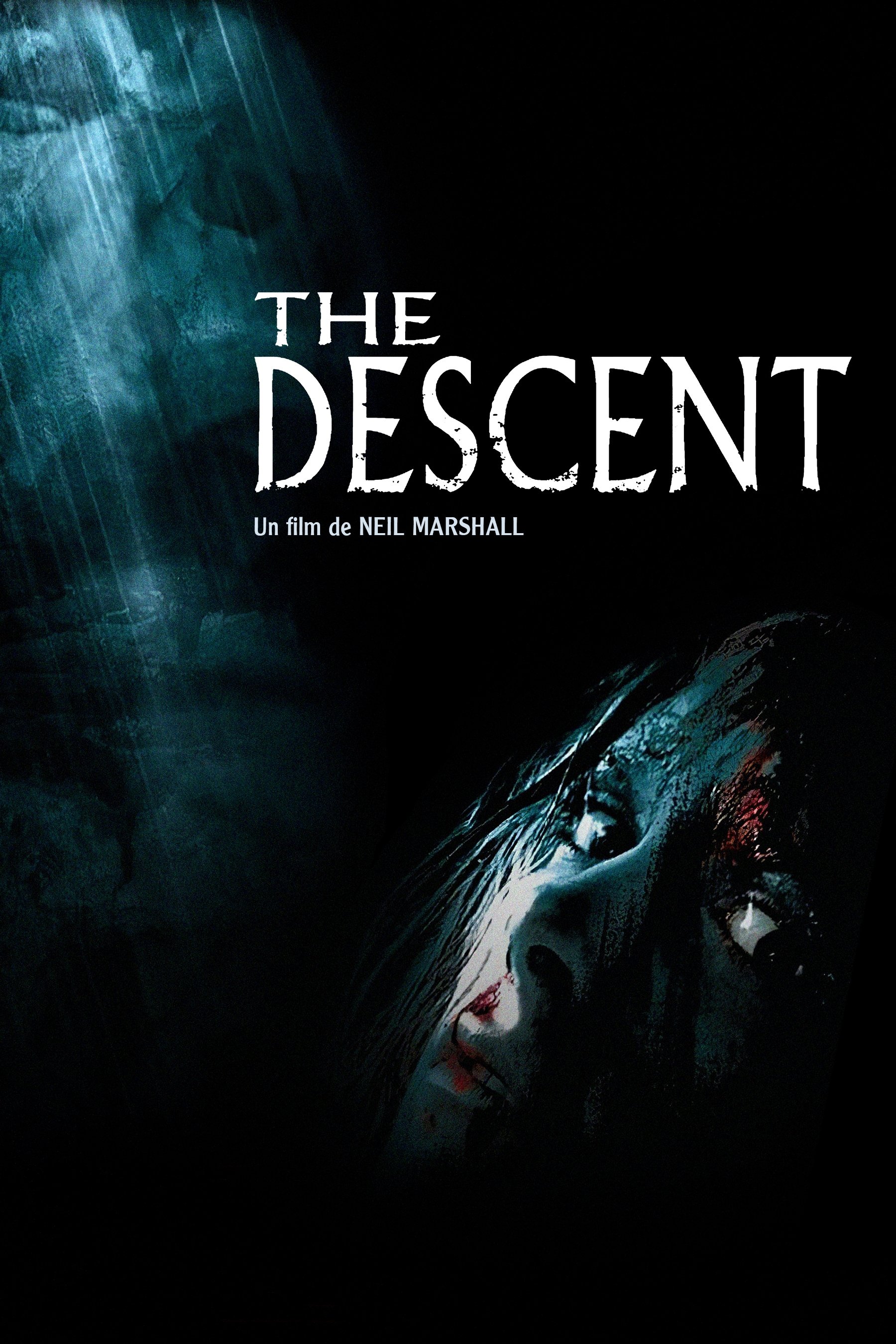
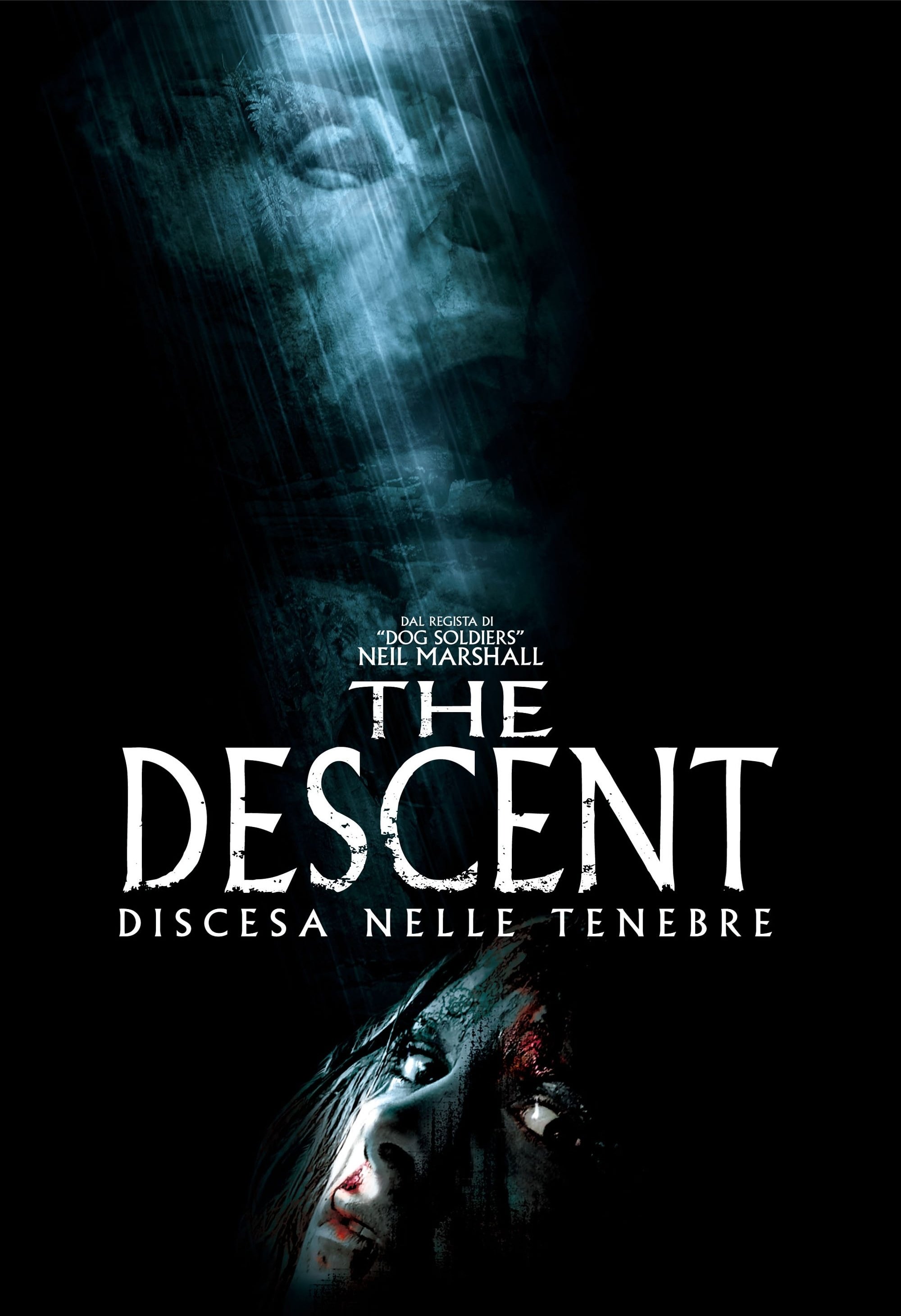
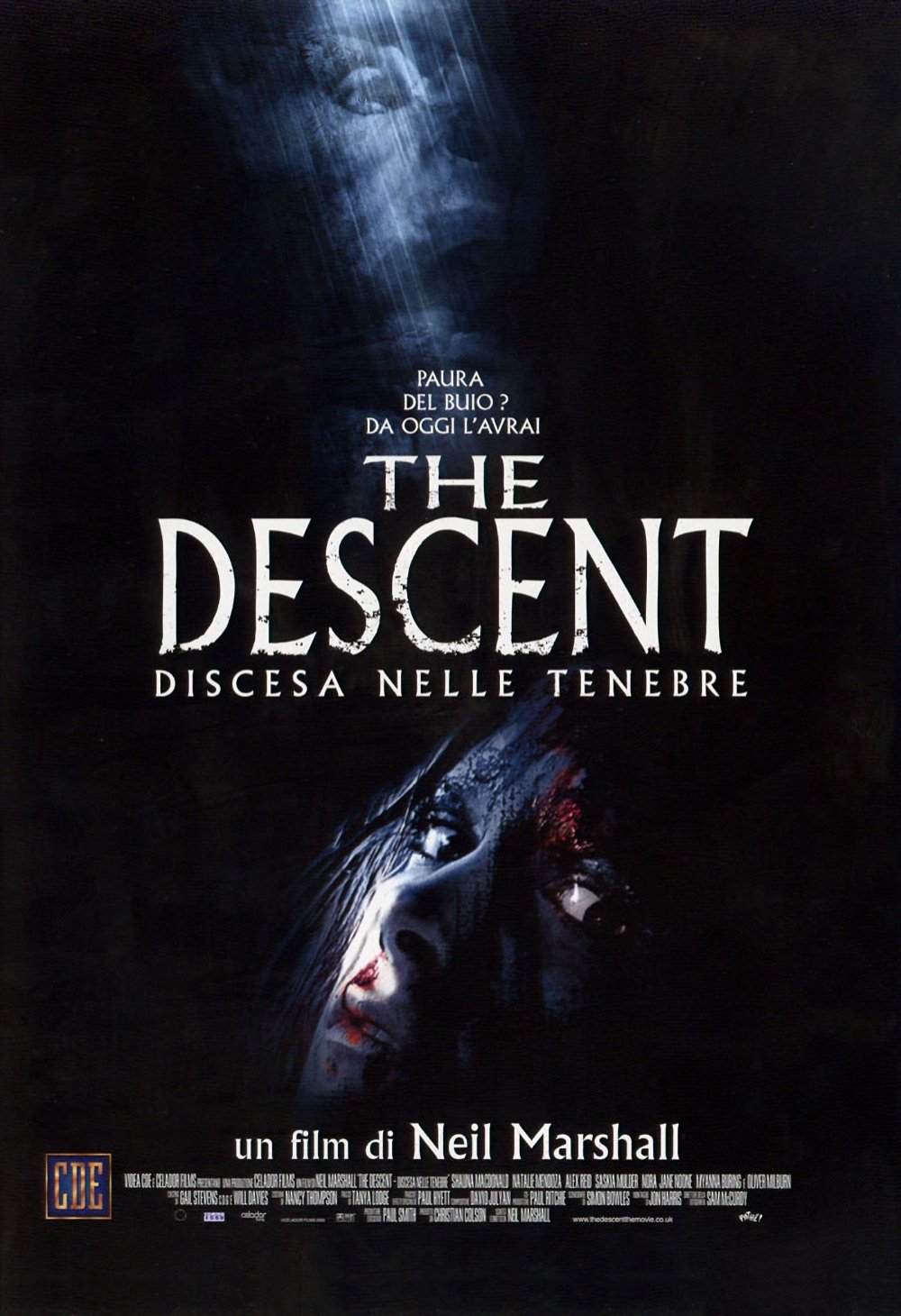
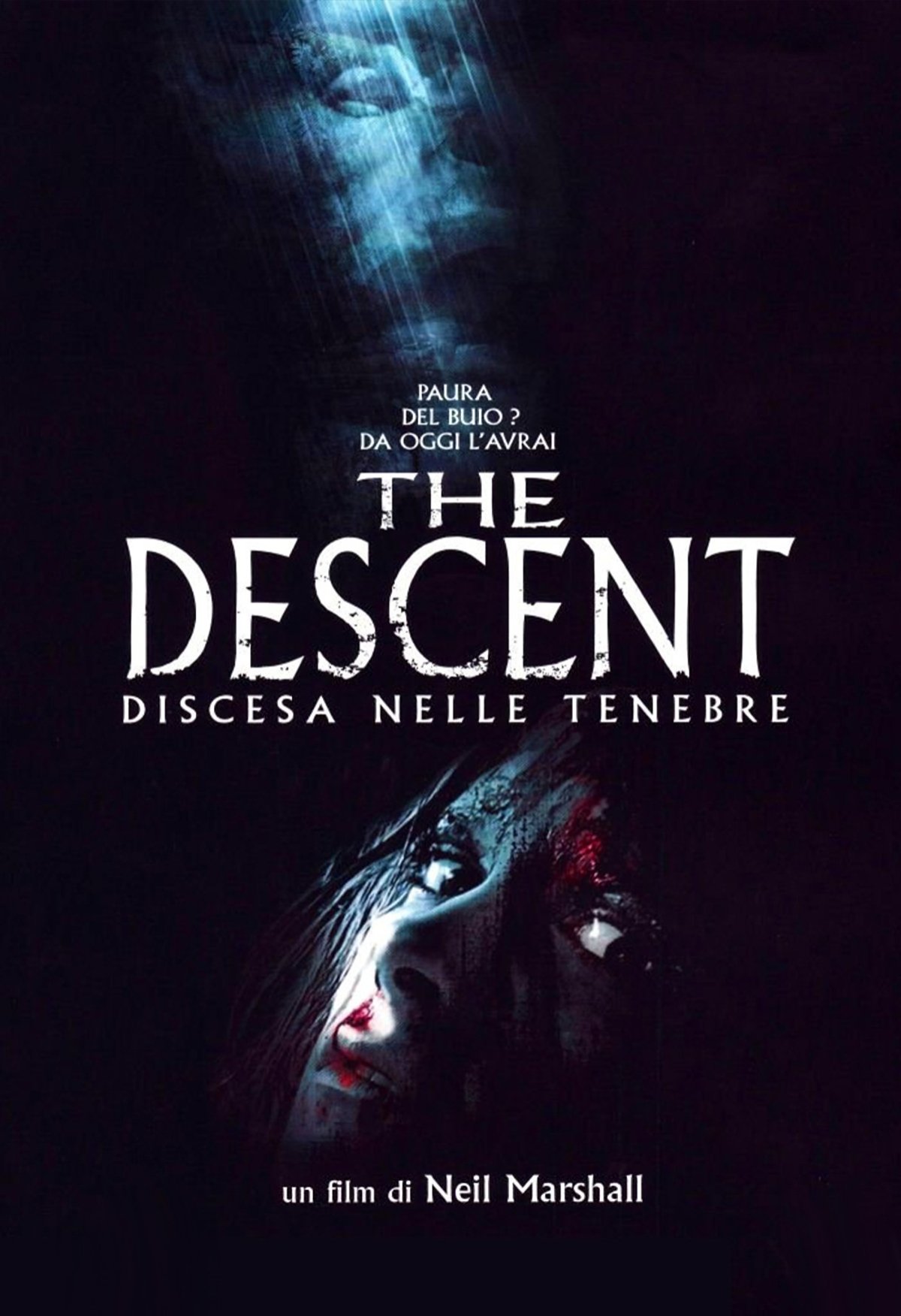
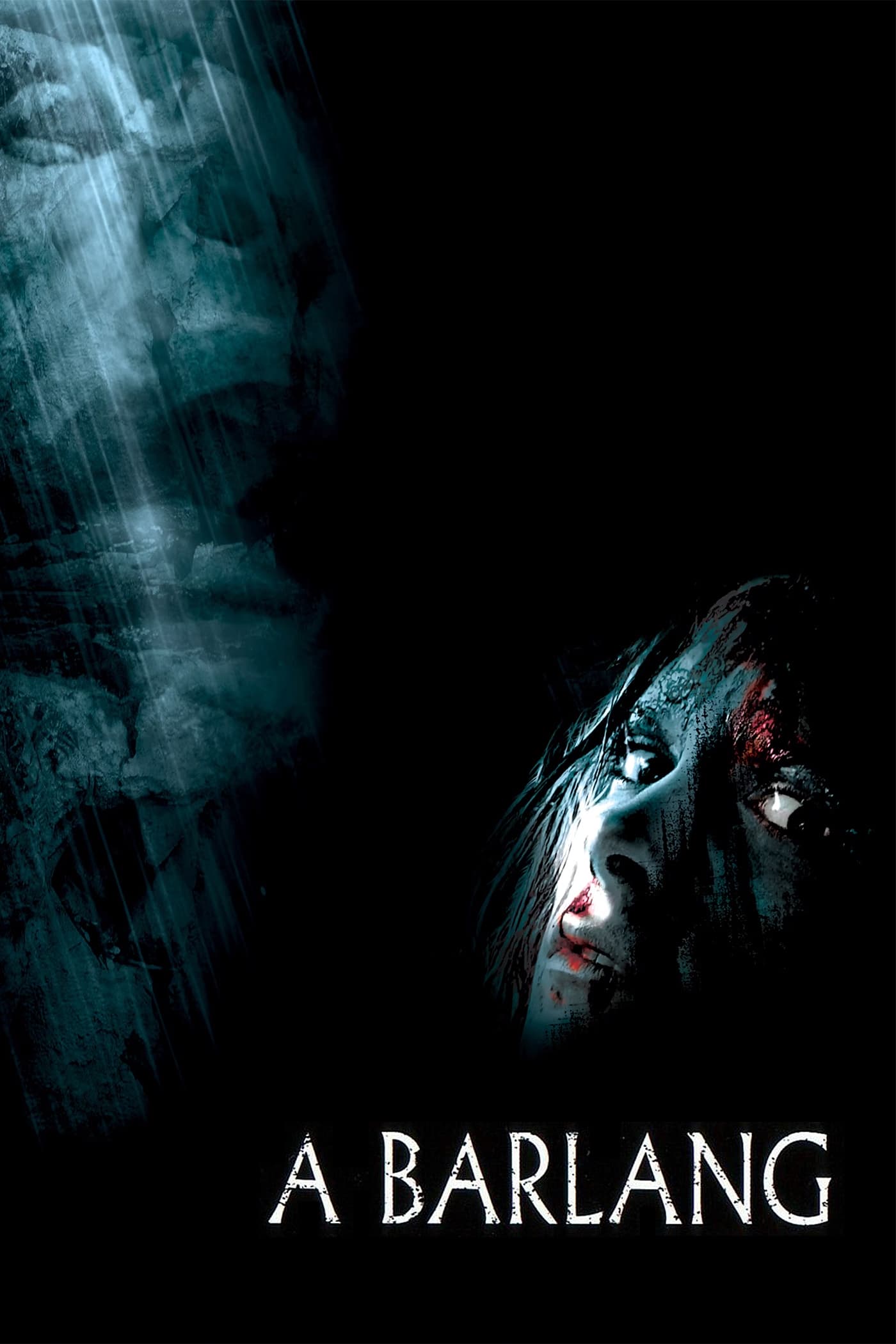
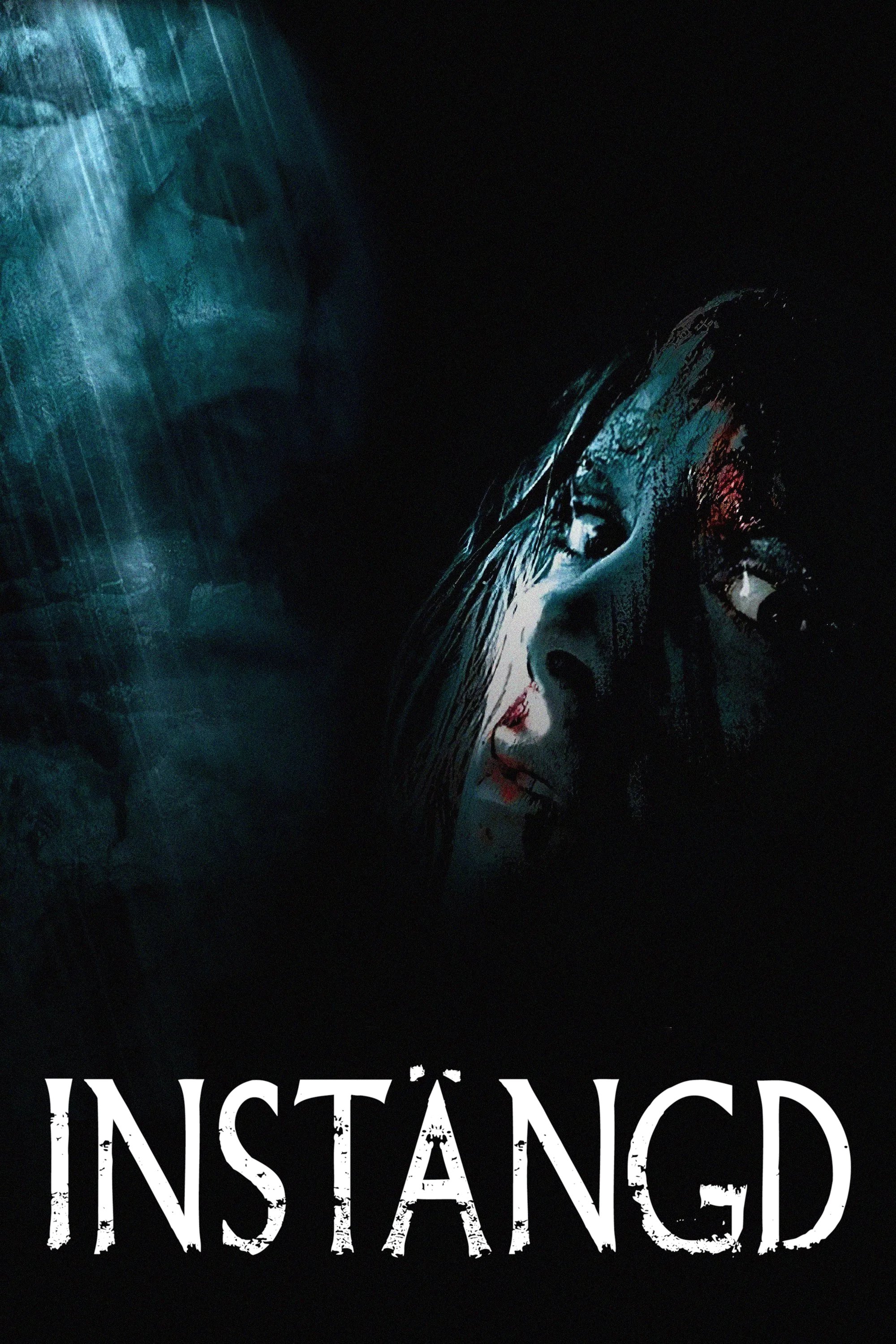
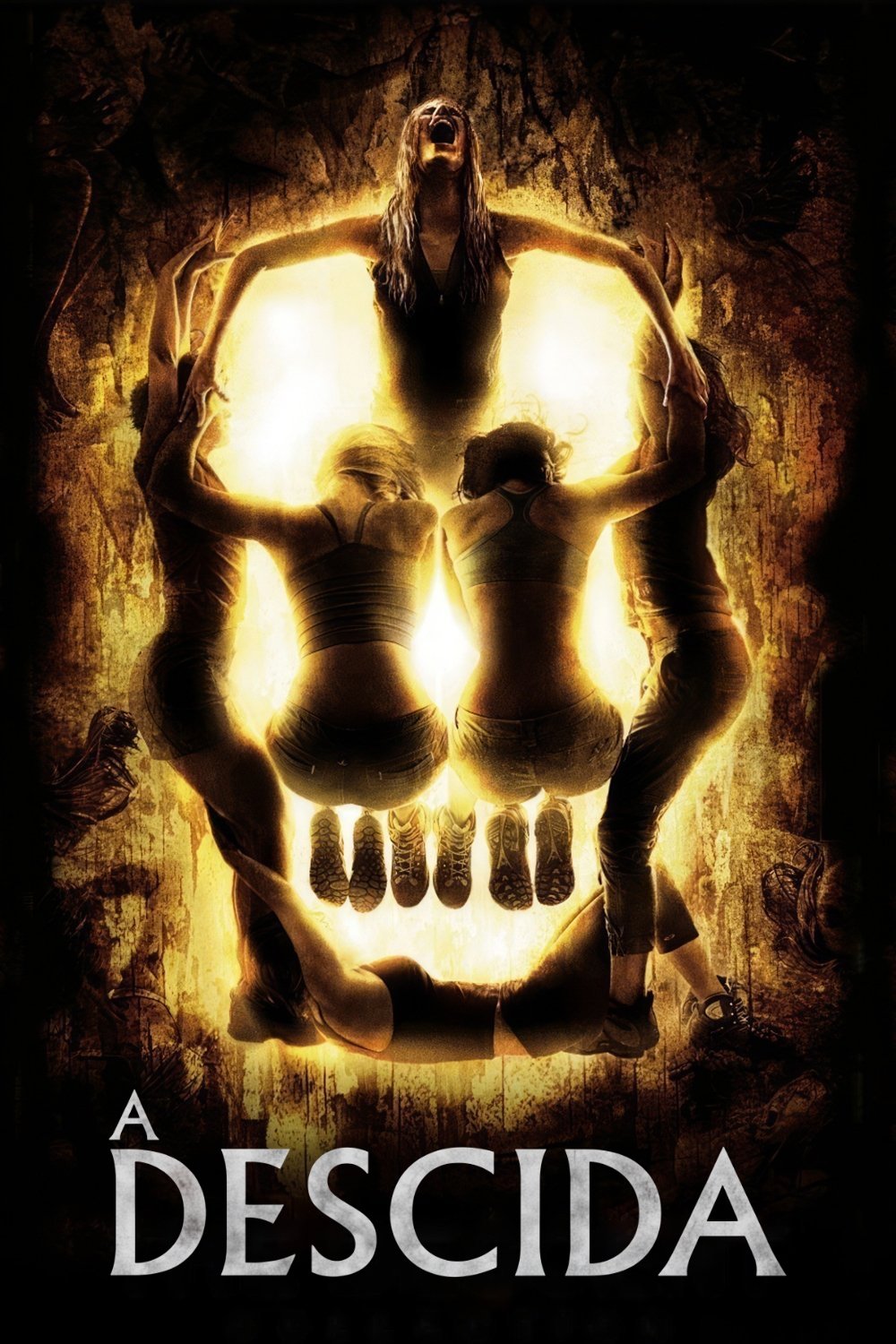
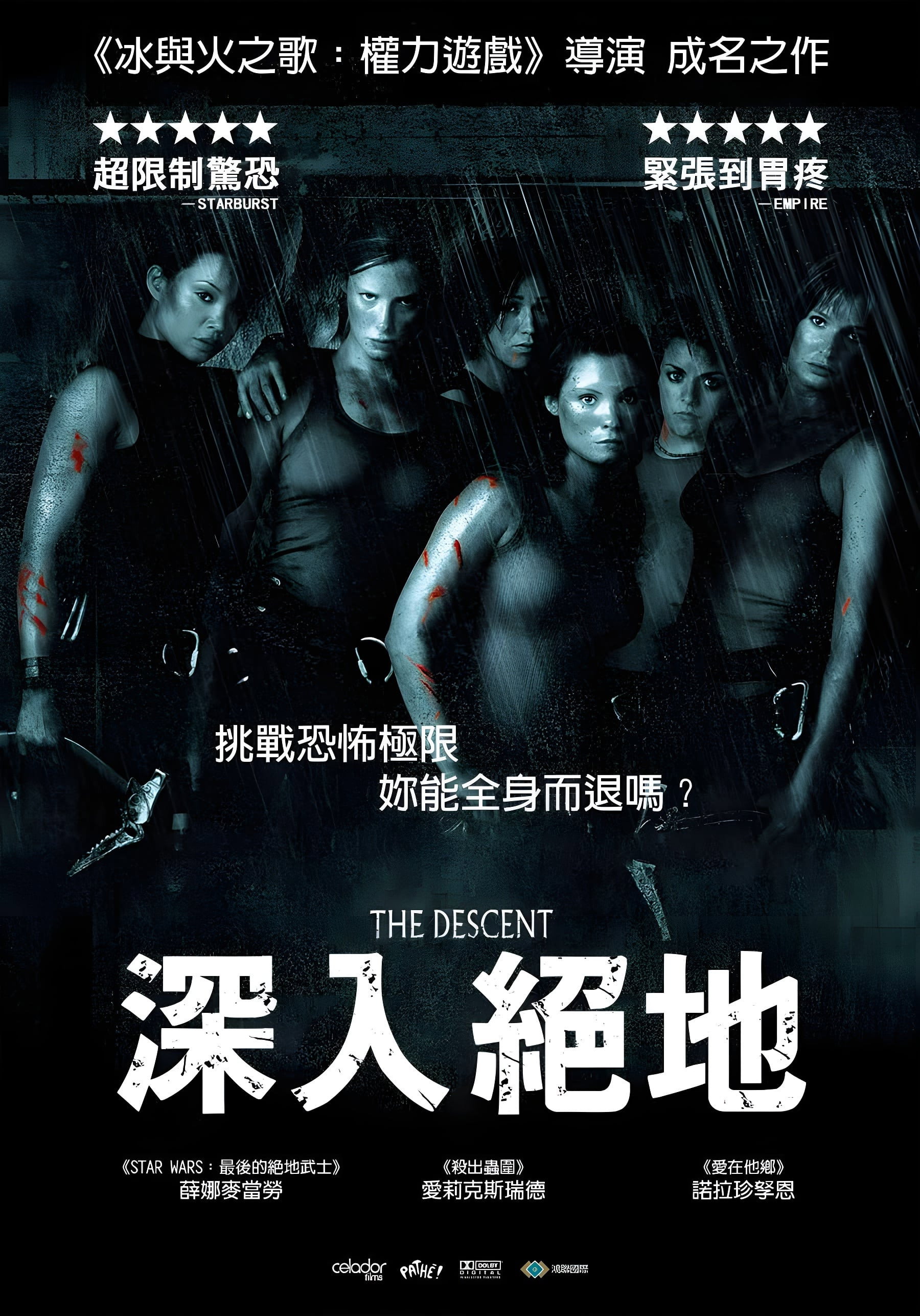
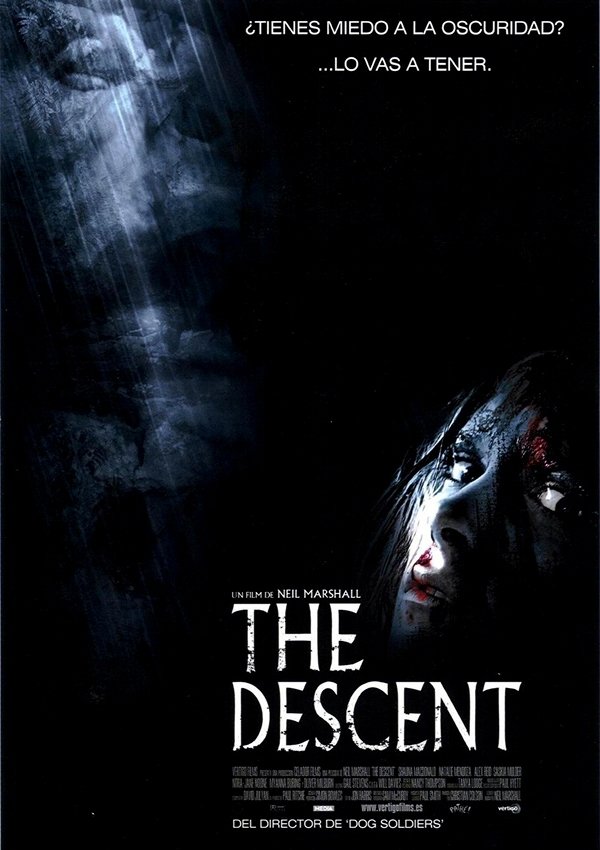
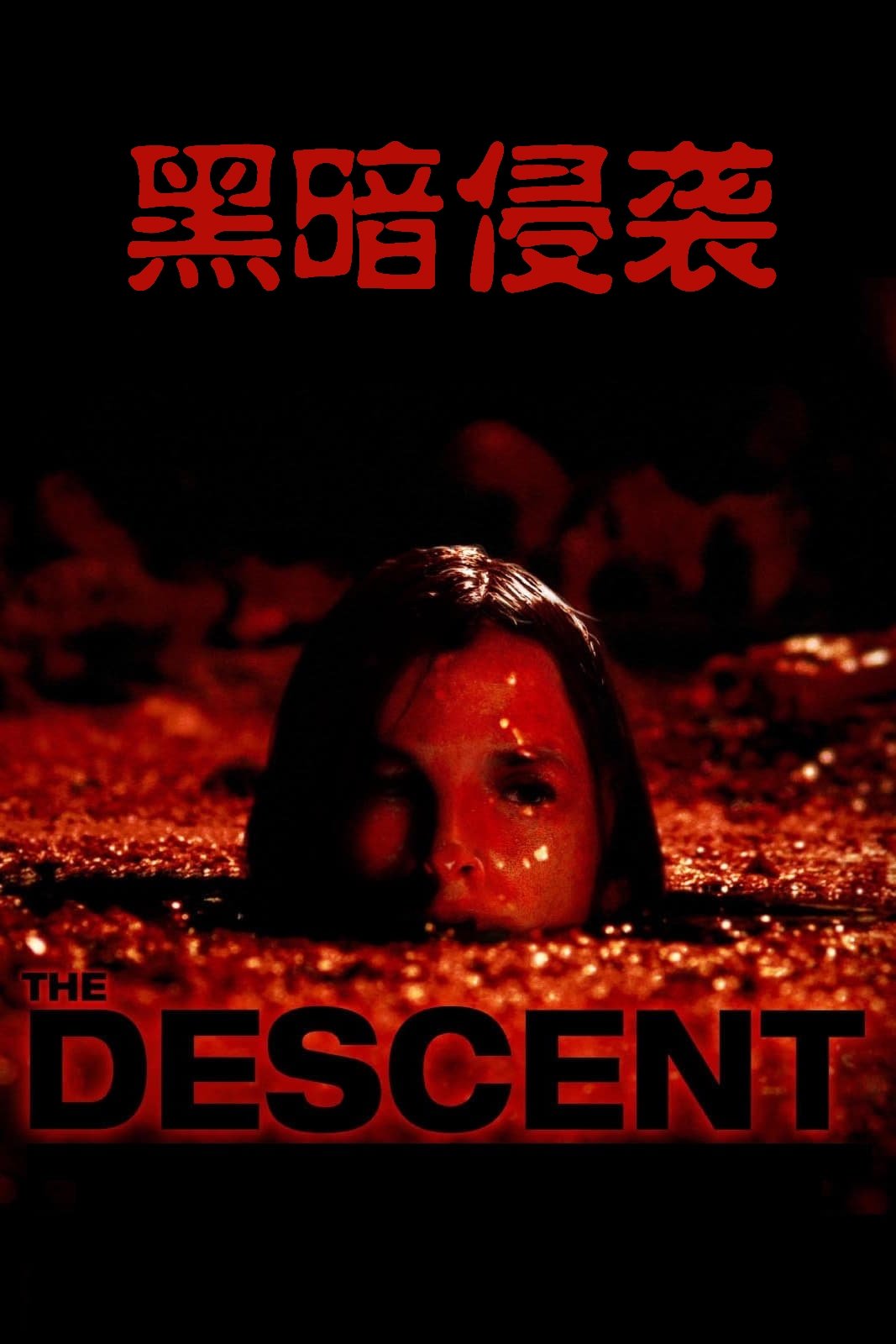
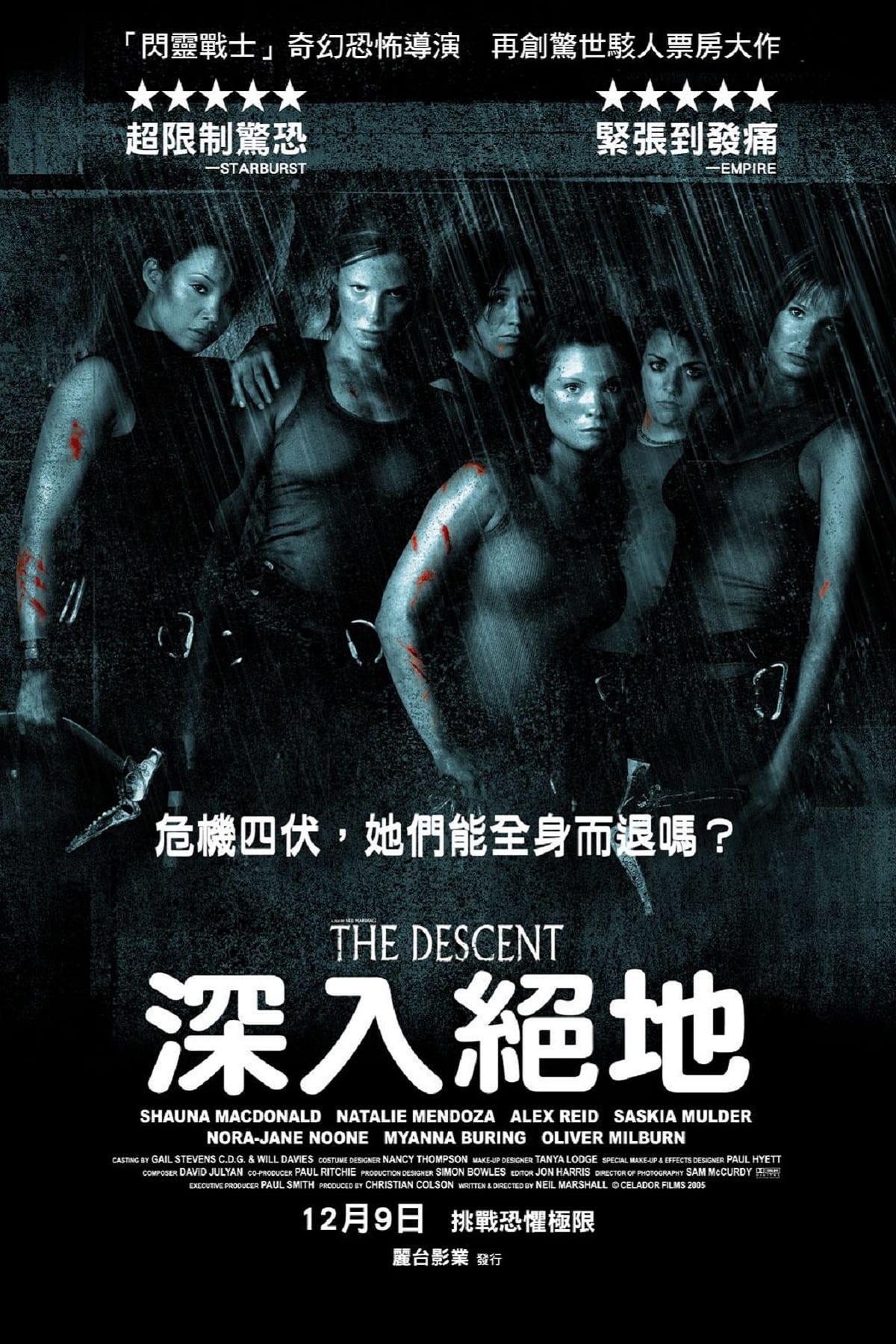
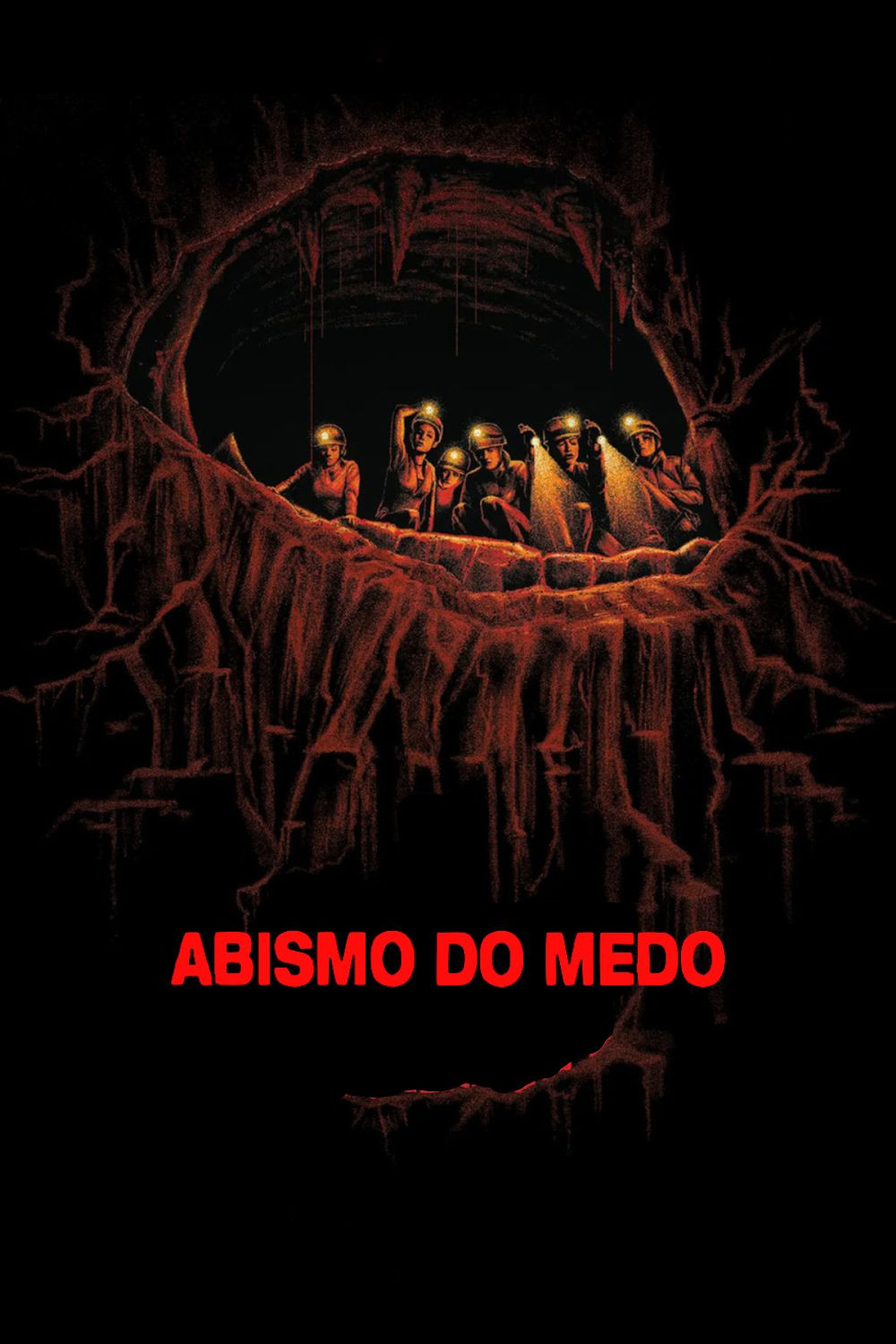
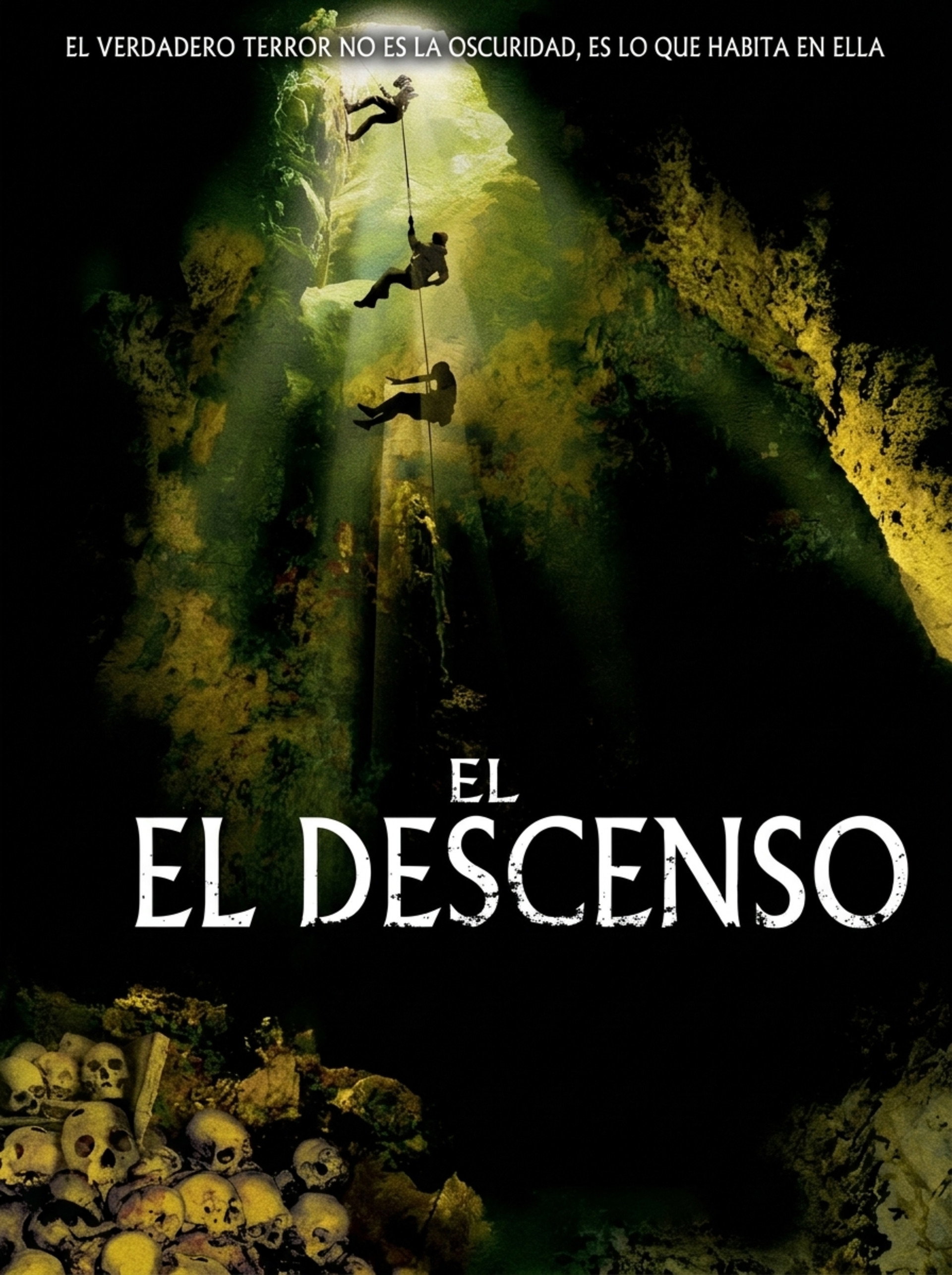
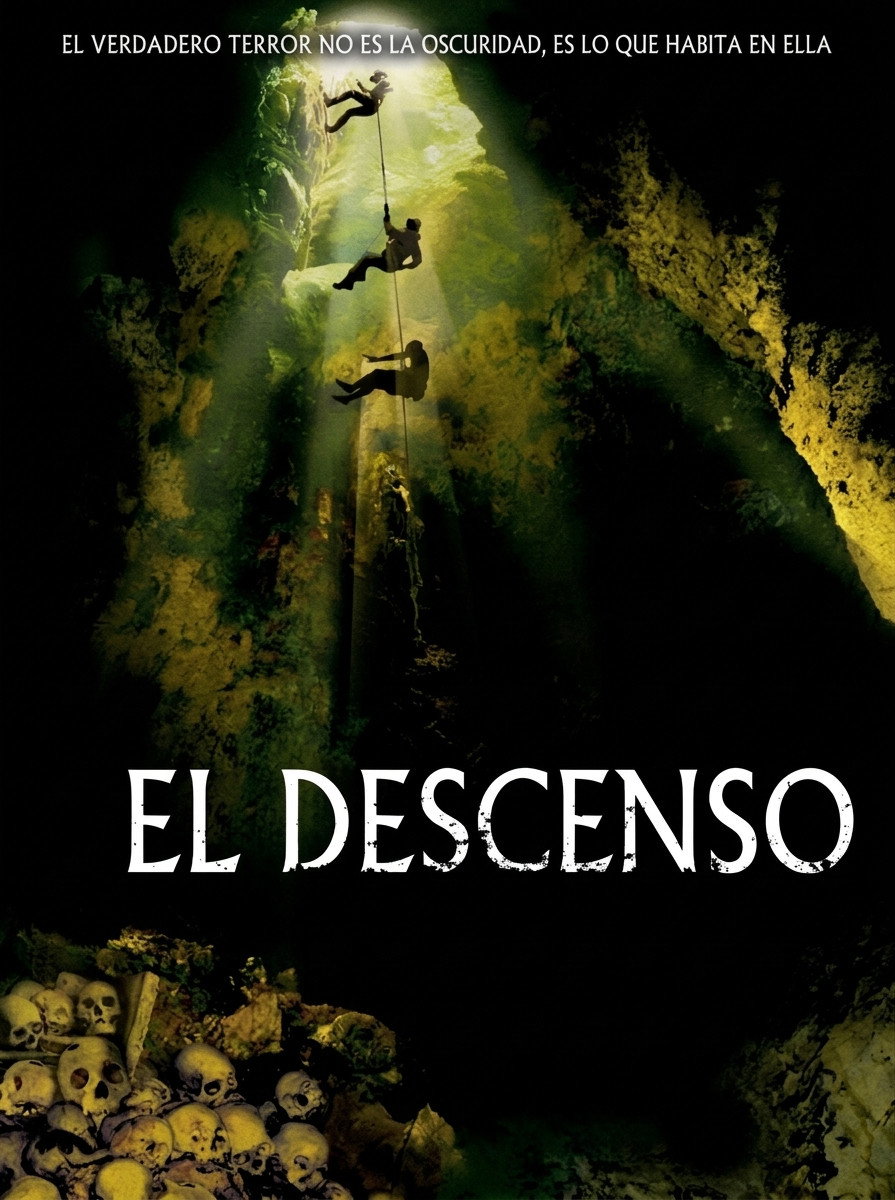
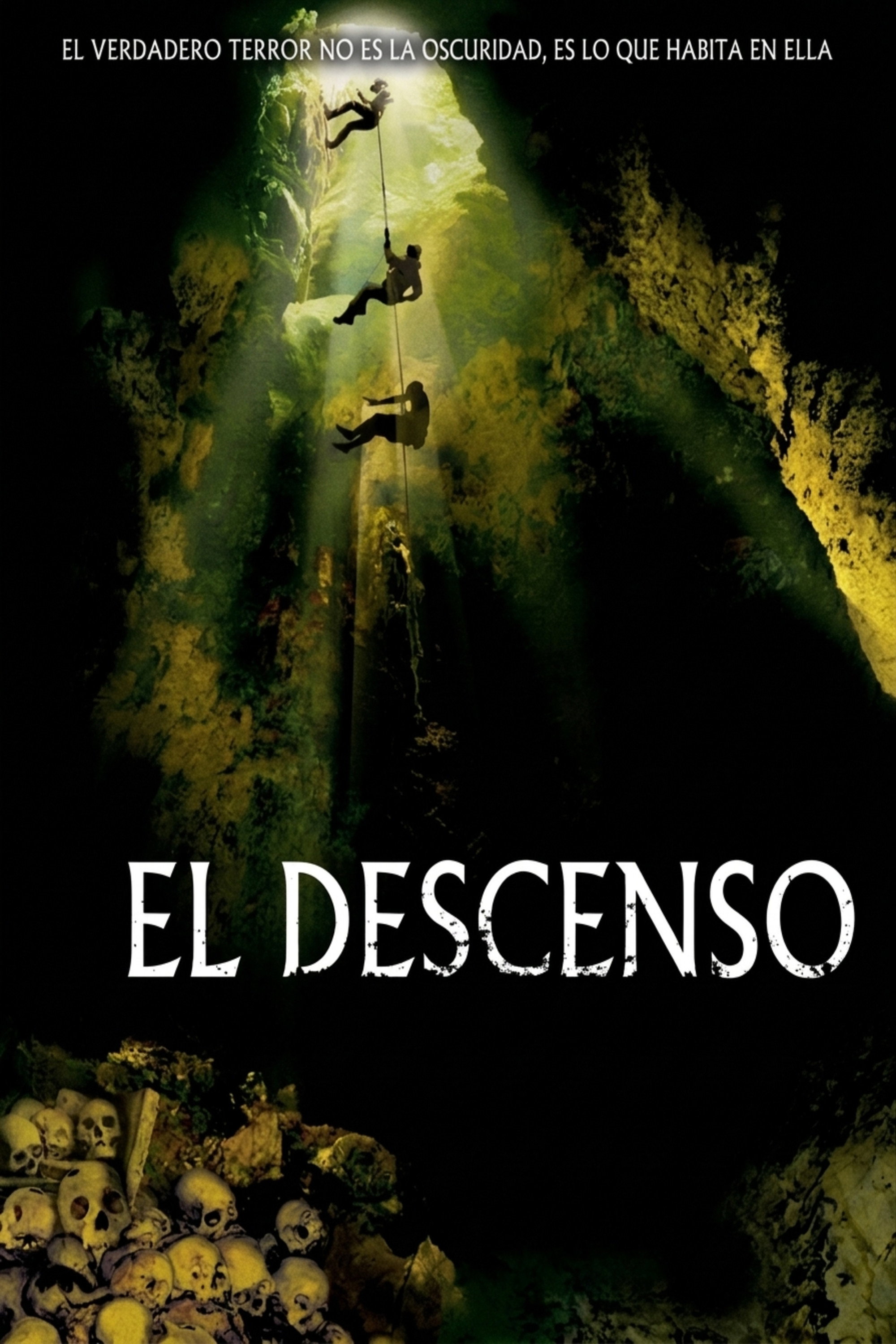
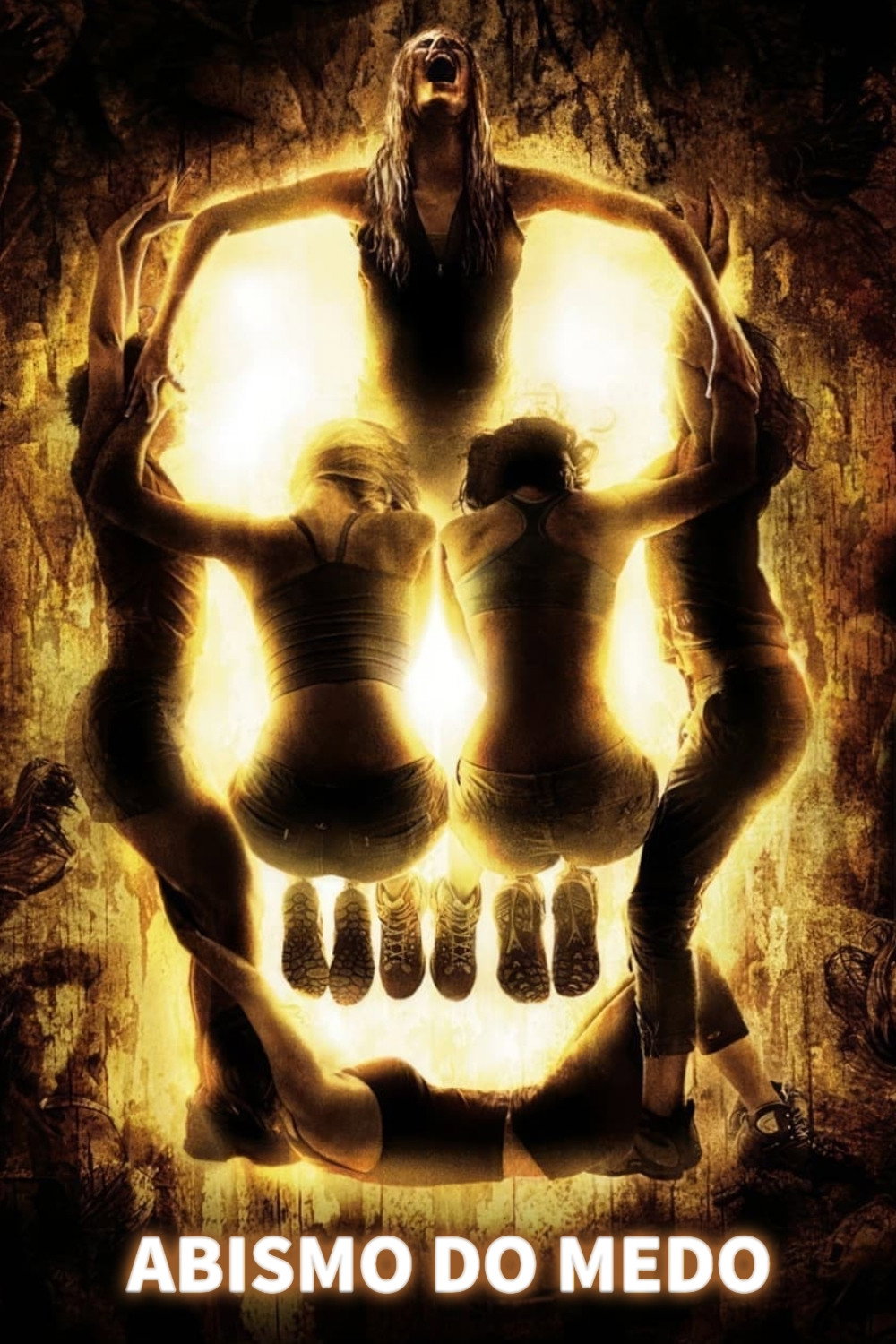
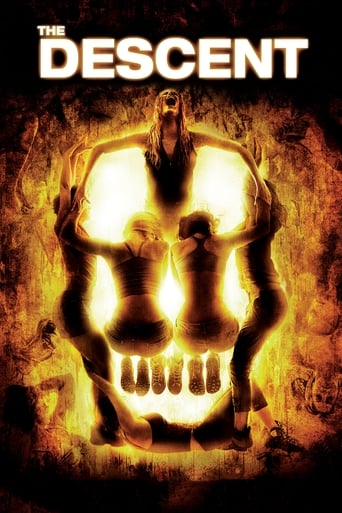
The Descent (2005) poster
Director
Production Companies
Celador Films , Northmen Productions , Pathe
Plot

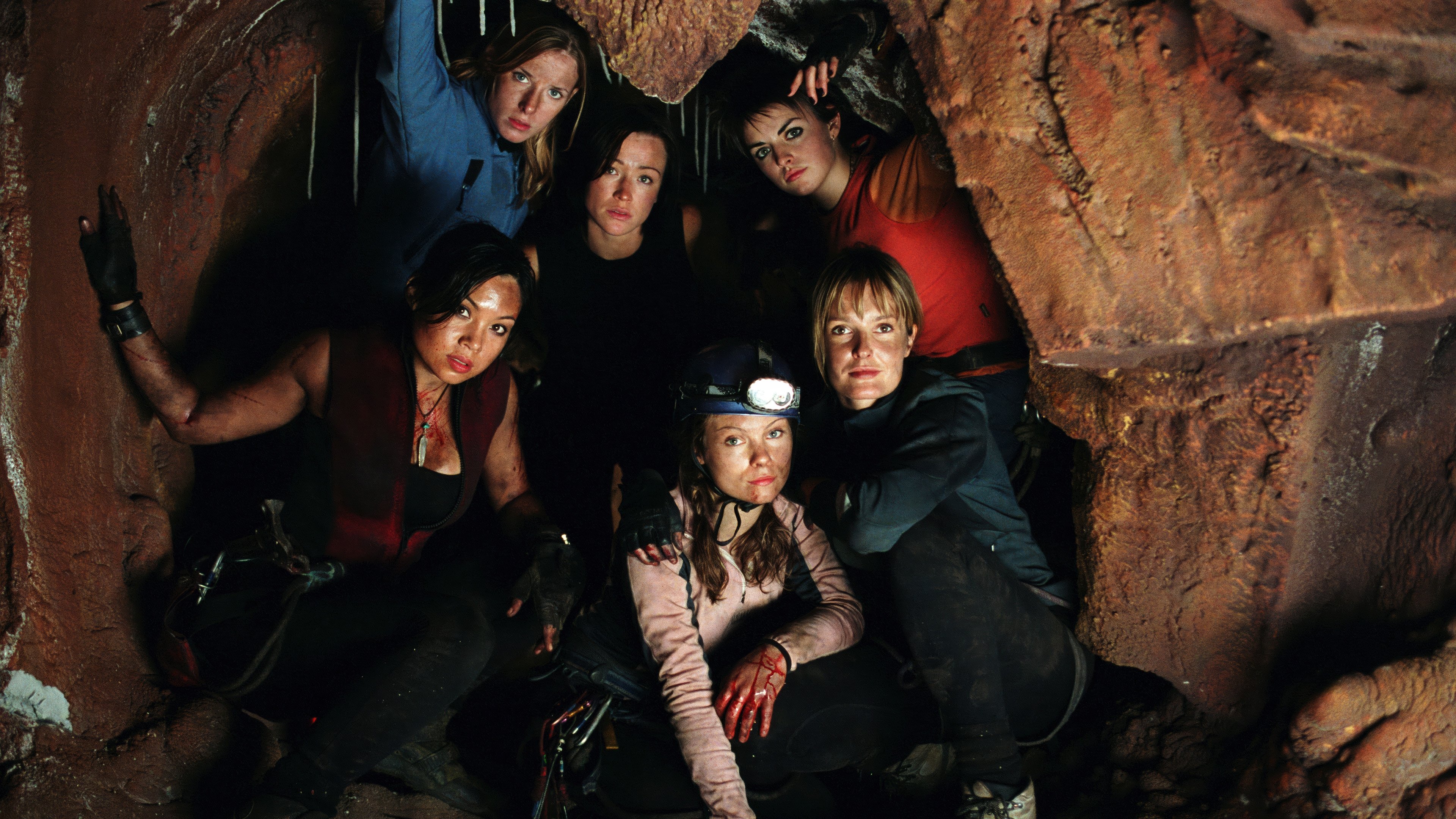
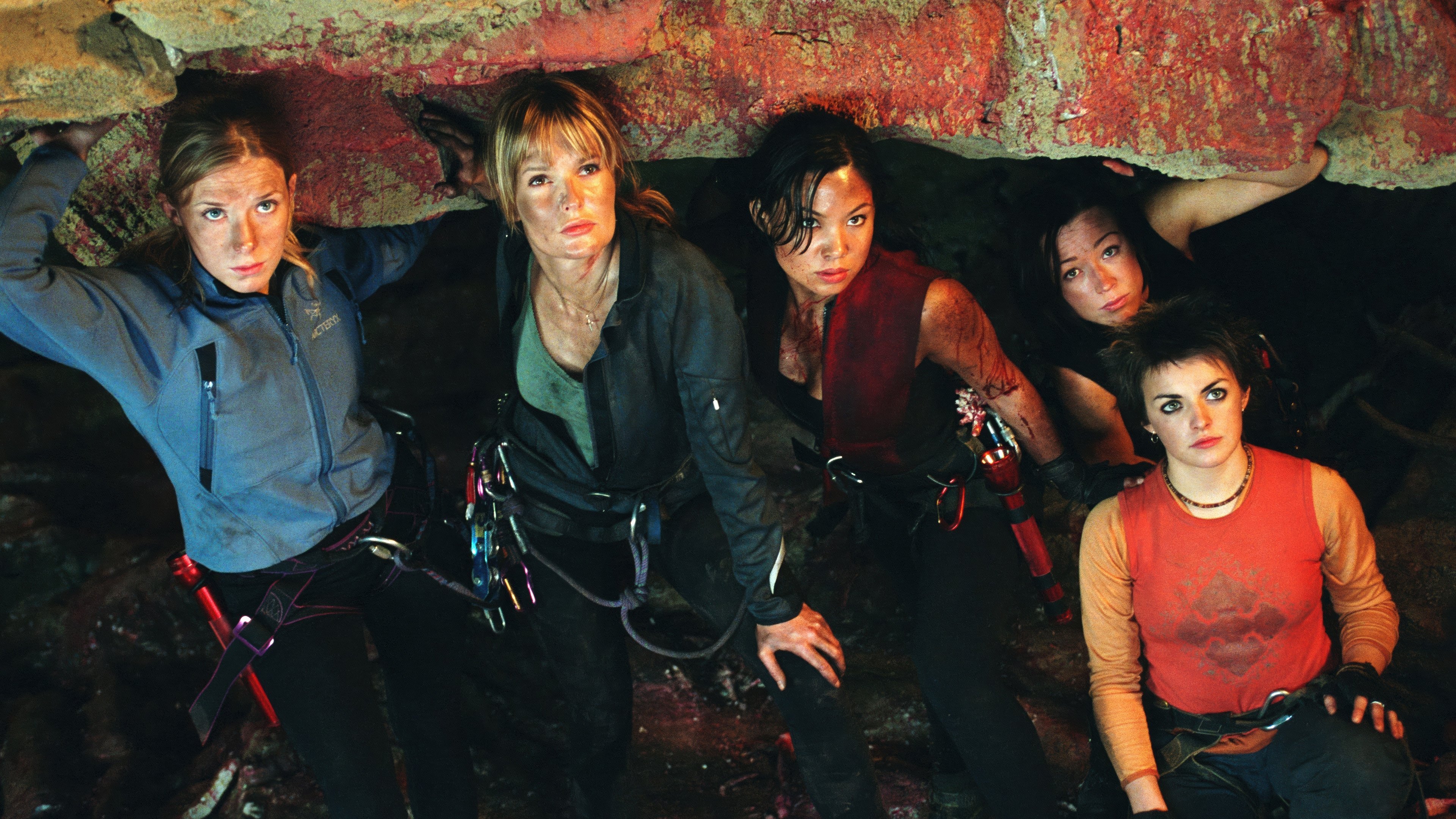
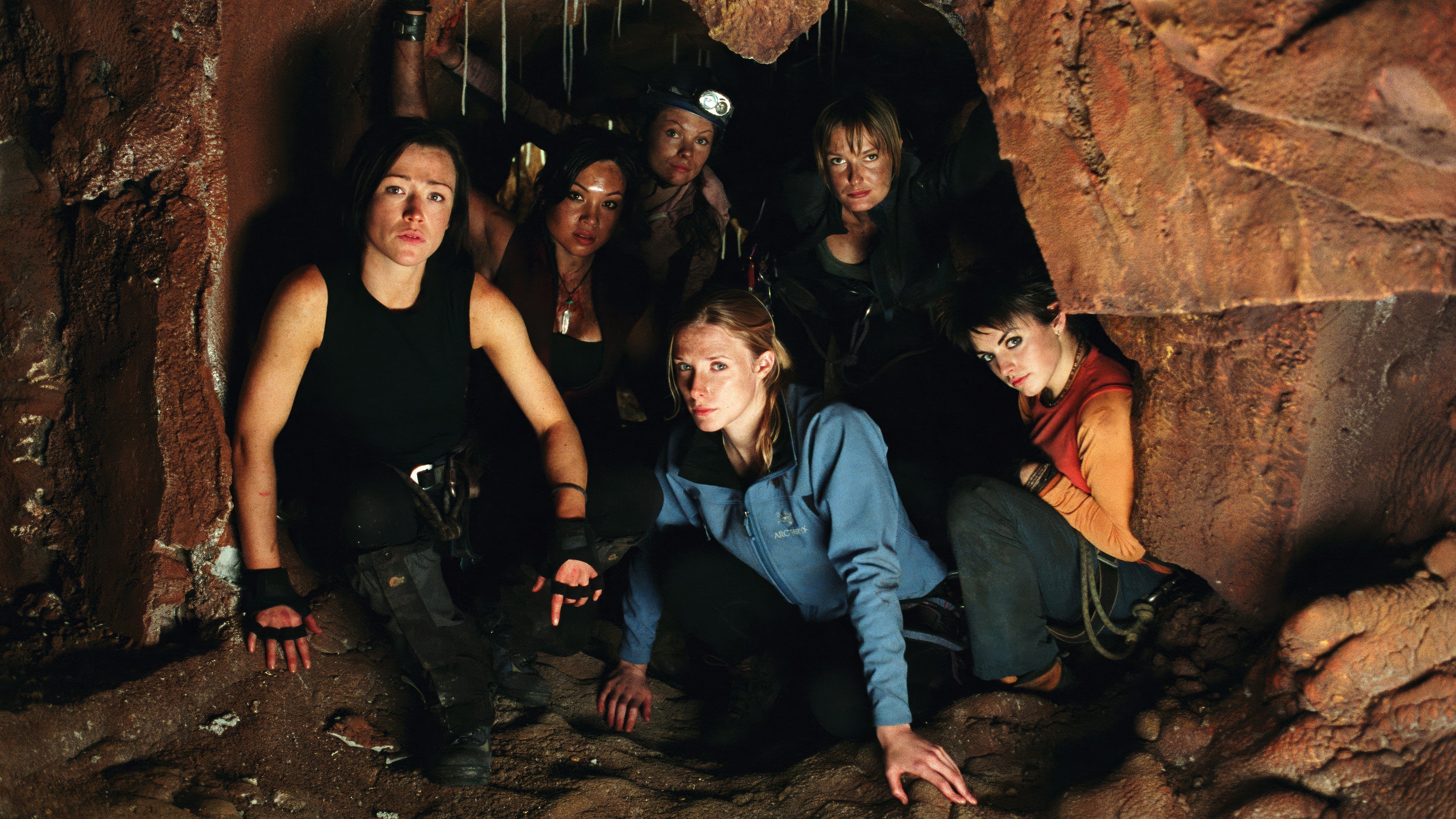
After a tragic accident, six friends reunite for a caving expedition. Their adventure soon goes horribly wrong when a collapse traps them deep underground and they find themselves pursued by bloodthirsty creatures. As their friendships deteriorate, they find themselves in a desperate struggle to survive the creatures and each other.

Alternative Titles
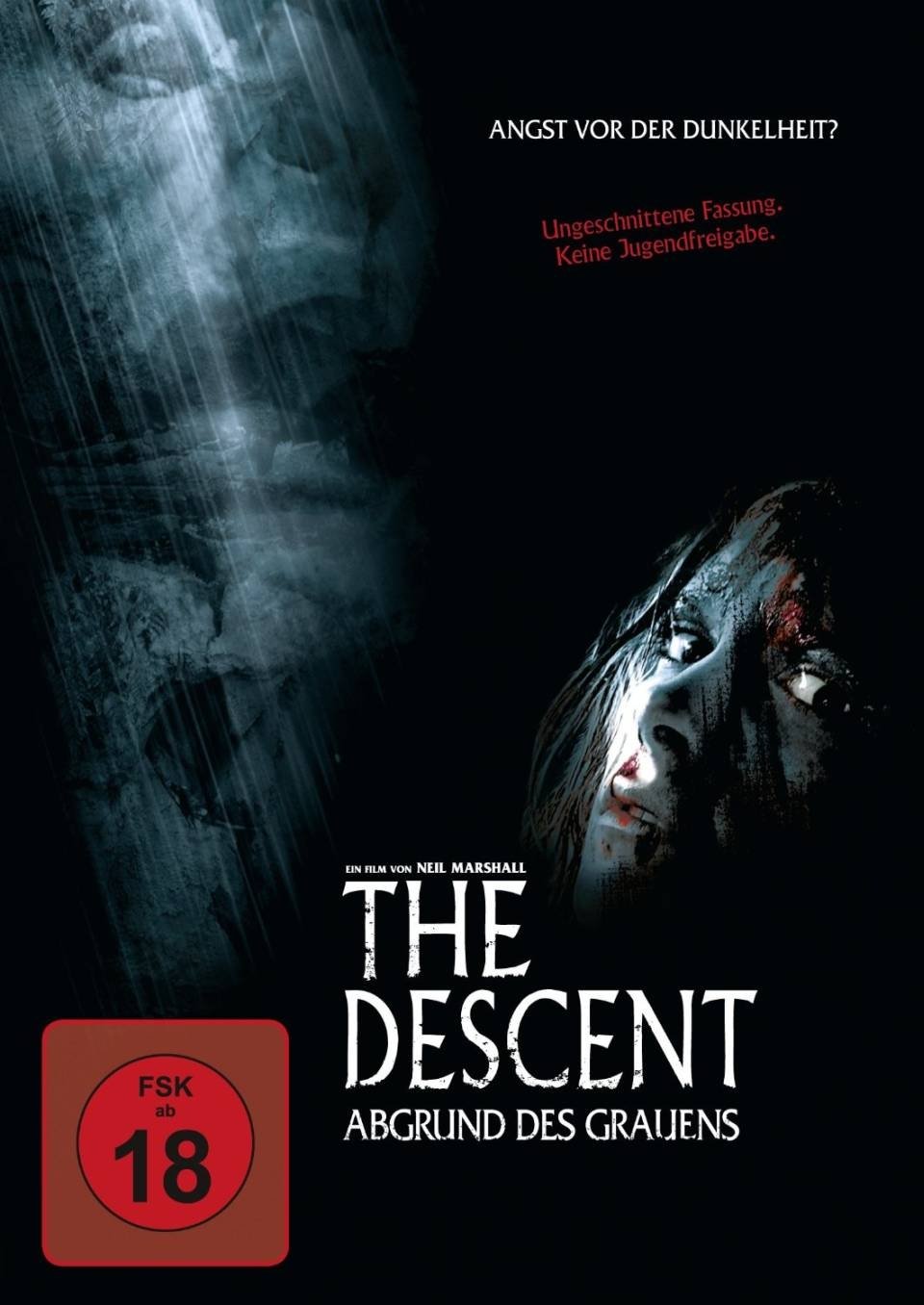
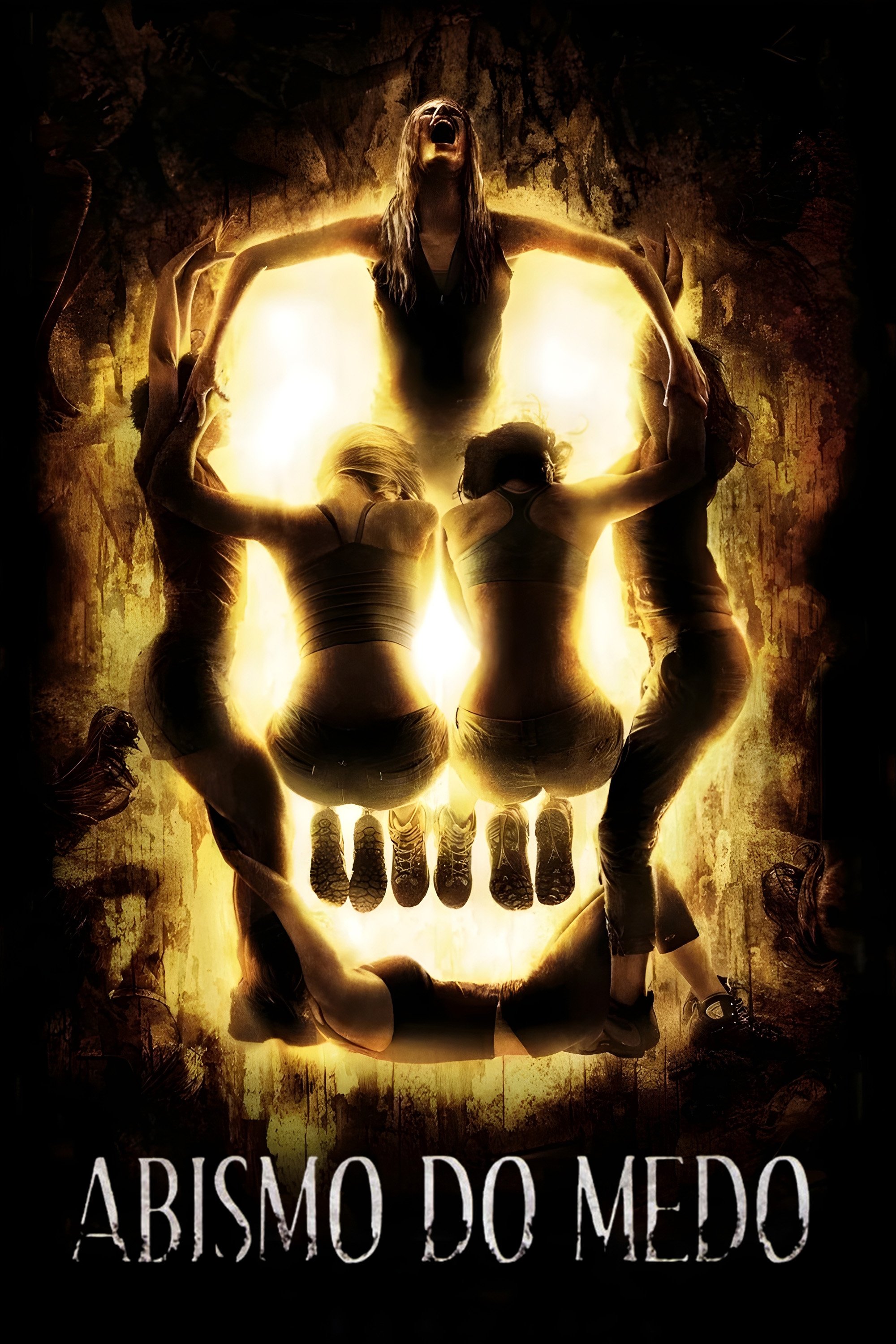
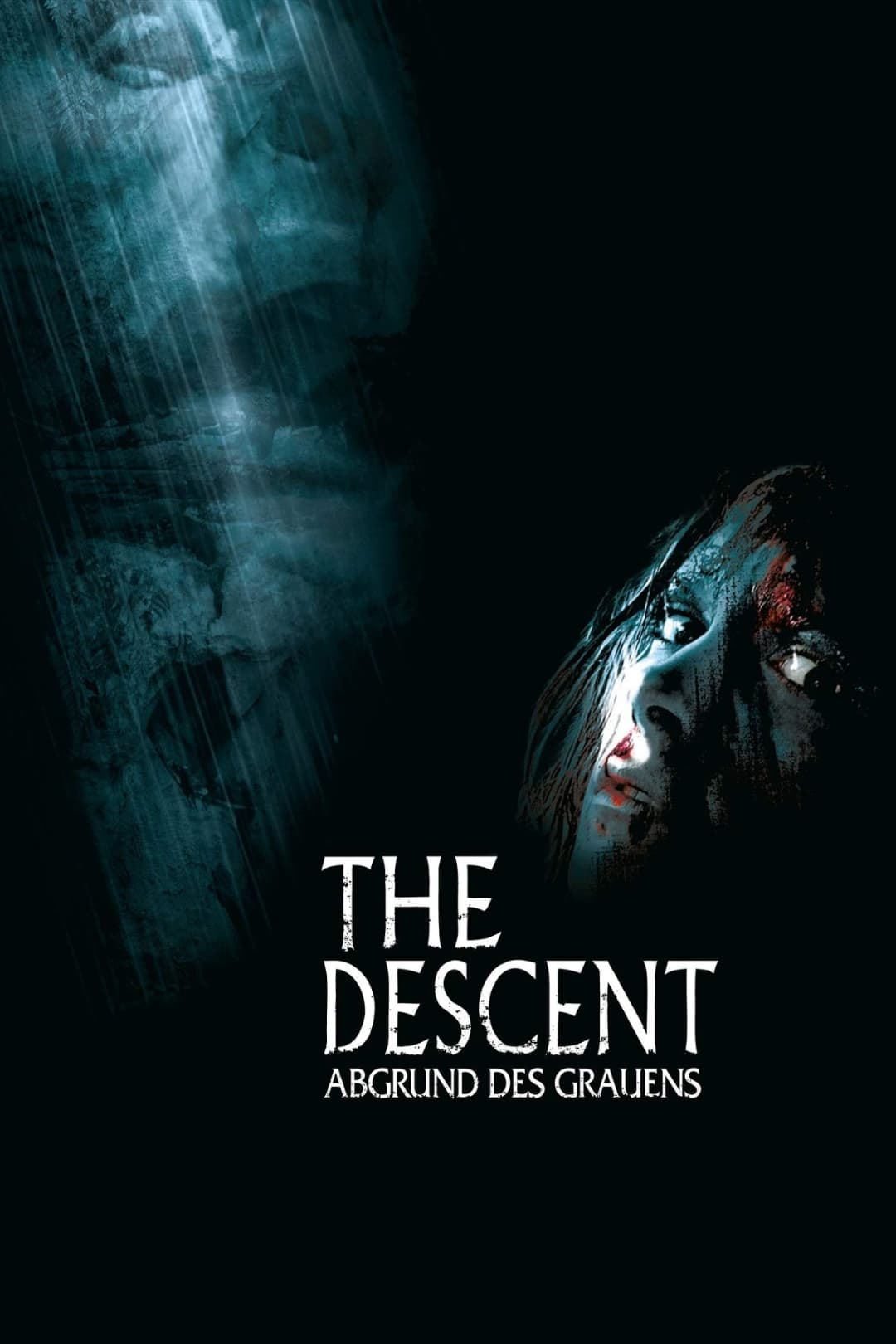
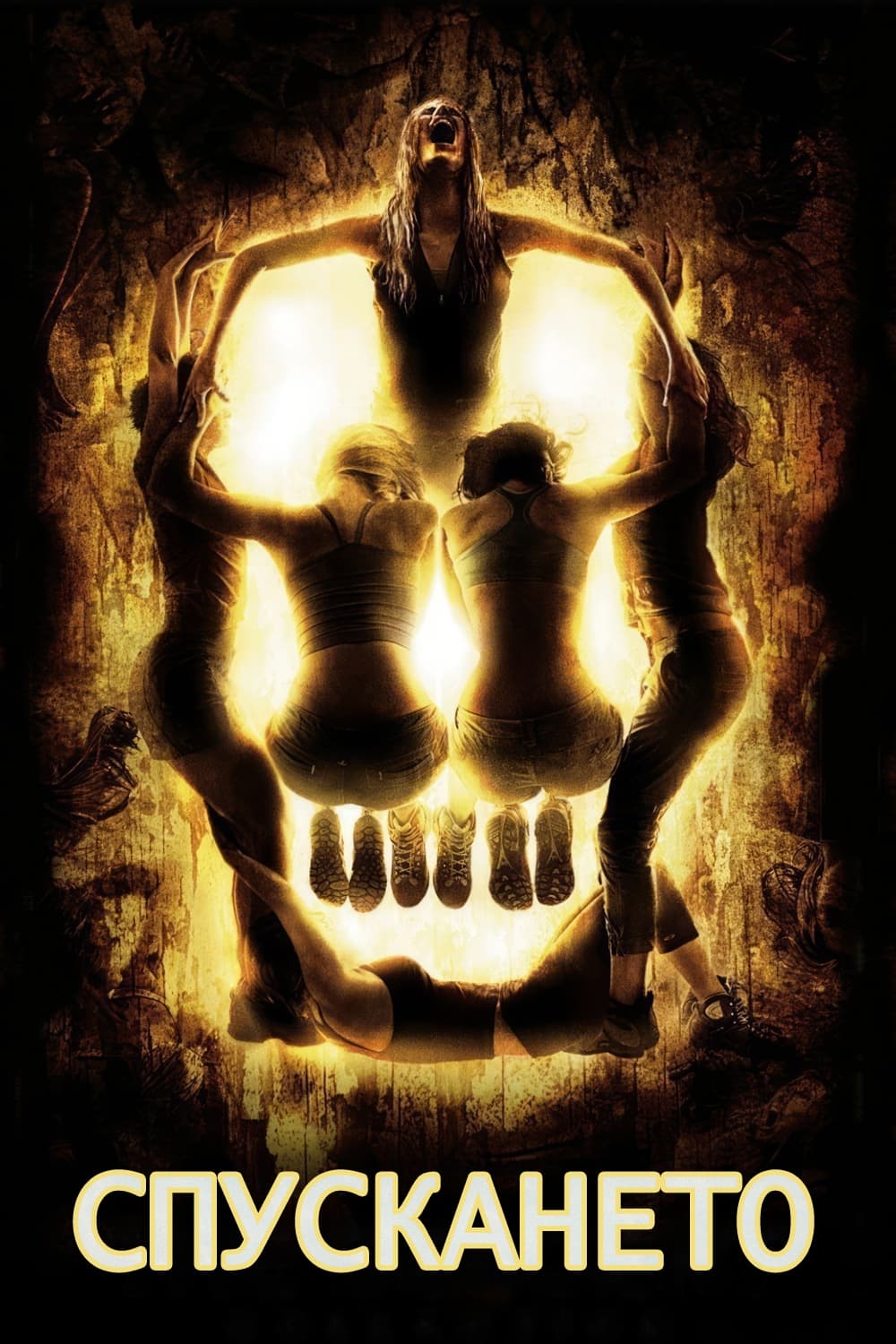
Спускането (Bulgaria) — Bulgarian Abismo do Medo (Brazil) — Portuguese La descente (Canada) — French 黑暗侵袭 (China) — Chinese Pád do tmy (Czechia) — Czech The Descent - Abgrund des Grauens (Germany) — German The Descent 1 - Abgrund des Grauens (Germany) The Descent I - Abgrund des Grauens (Germany)
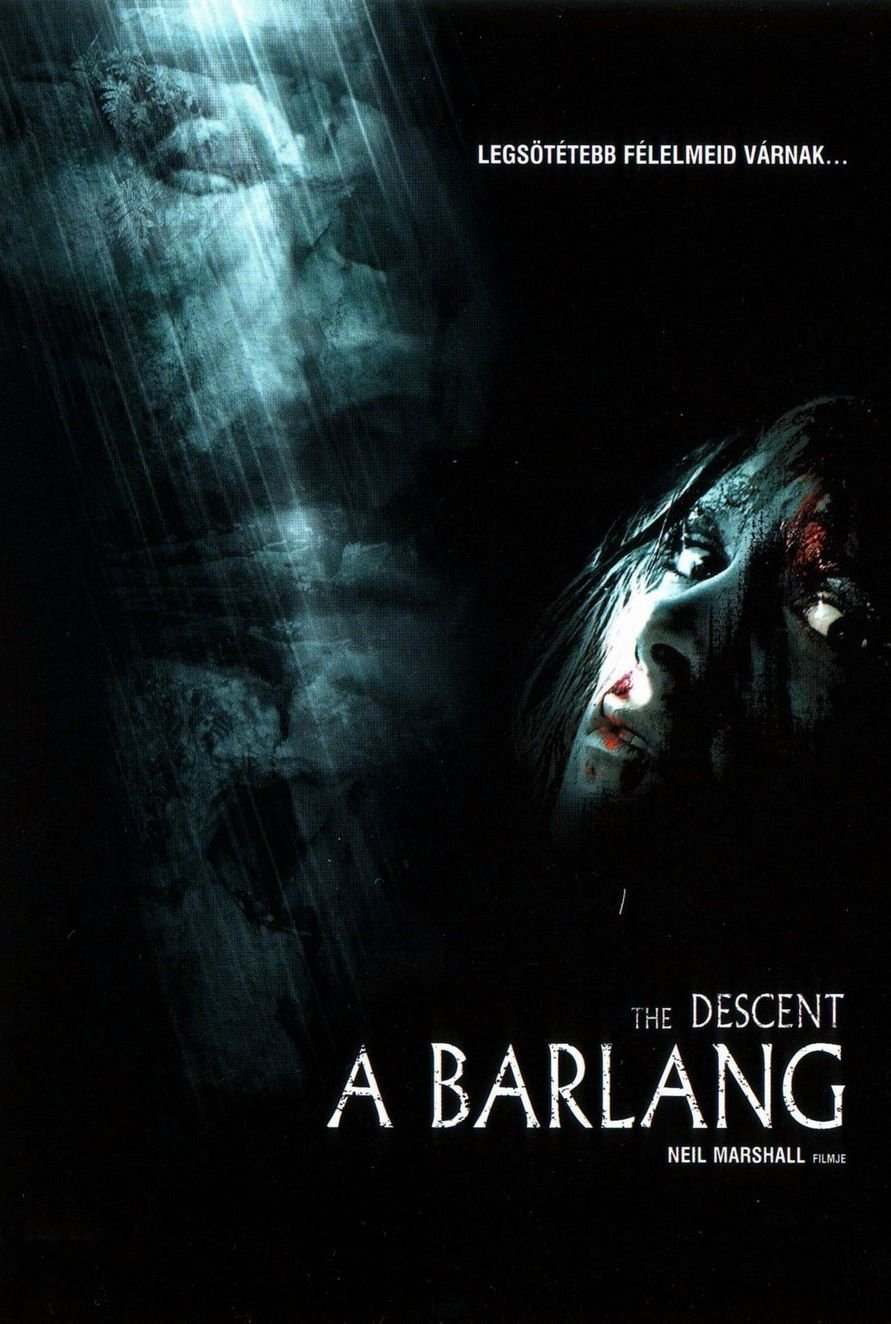
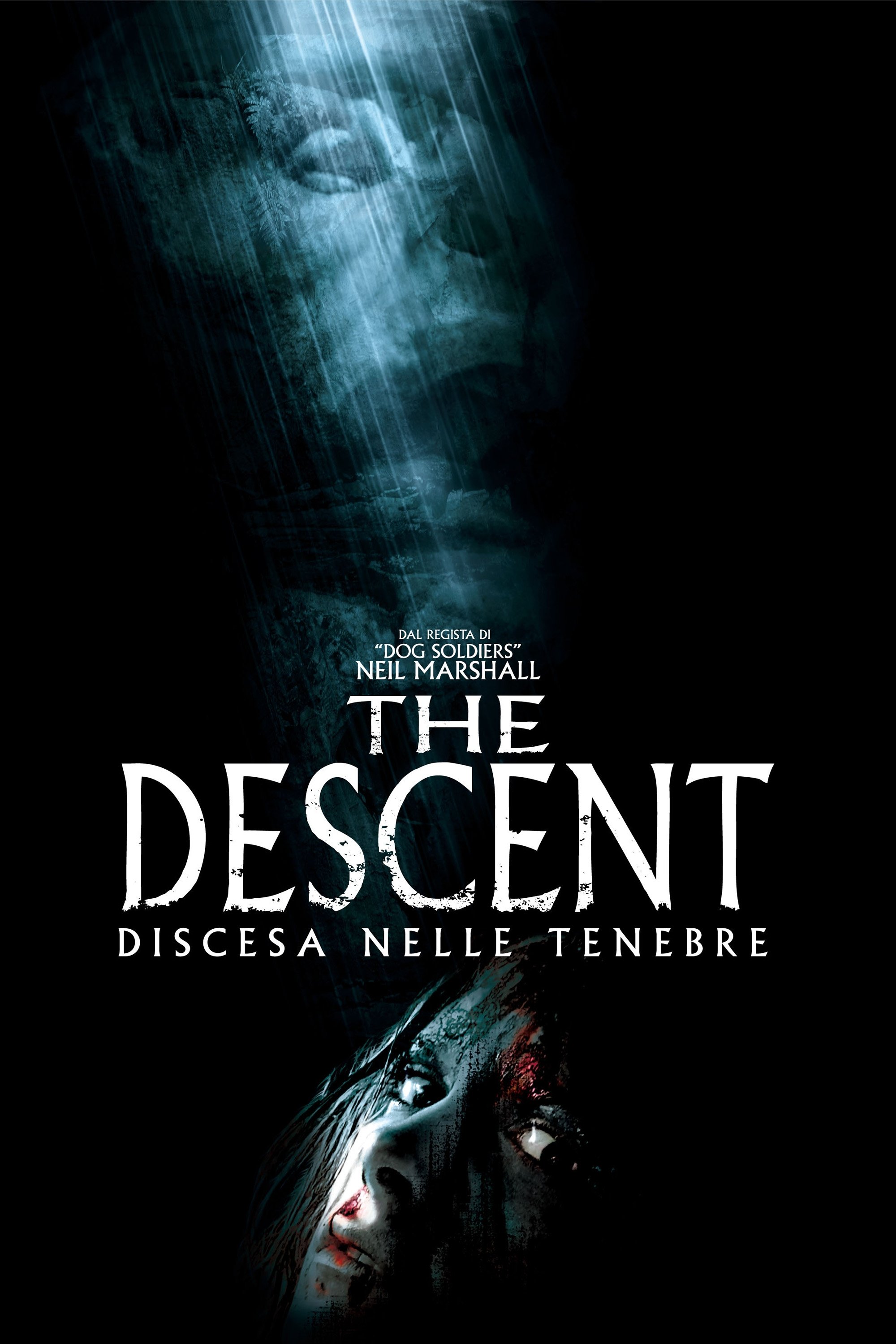
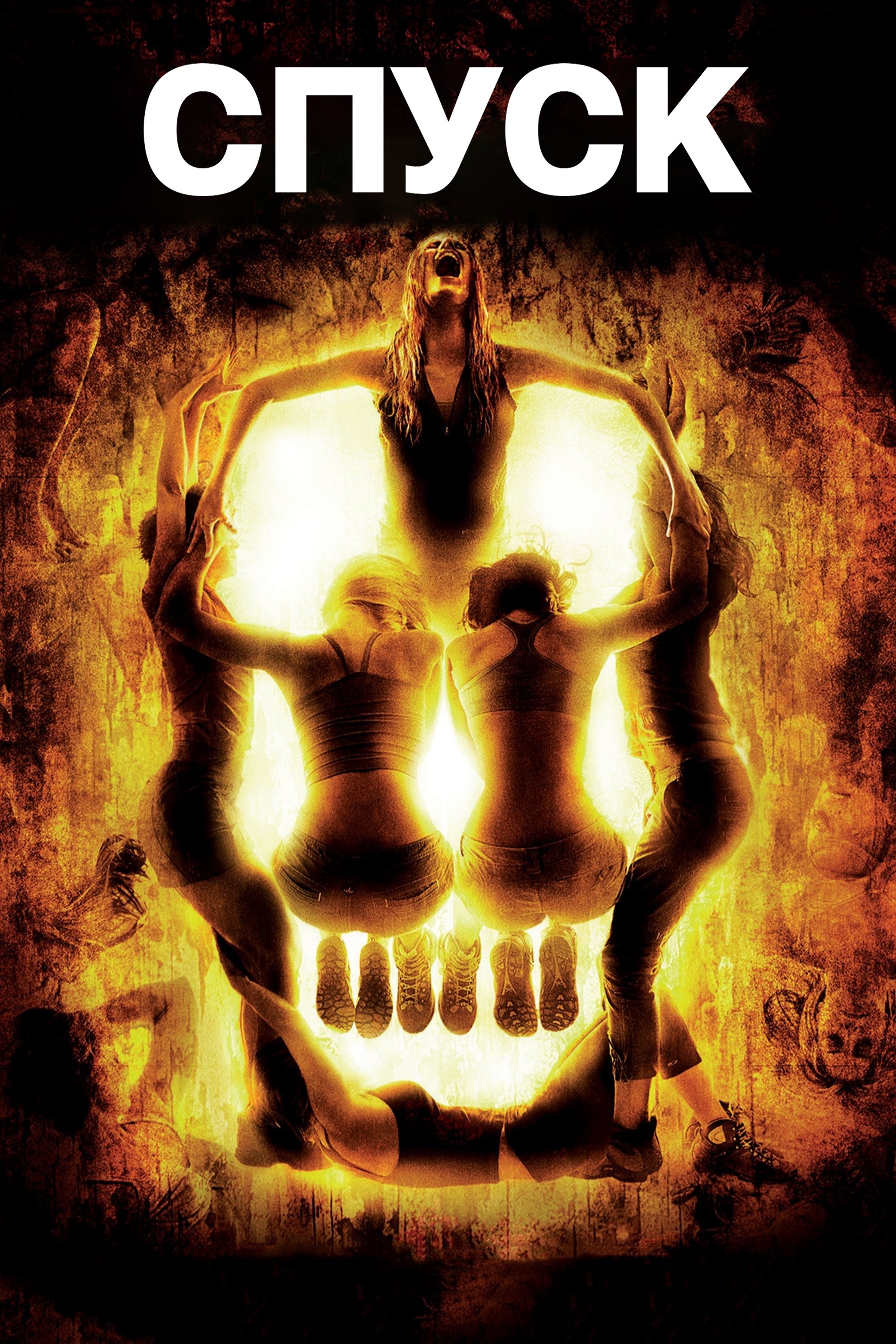
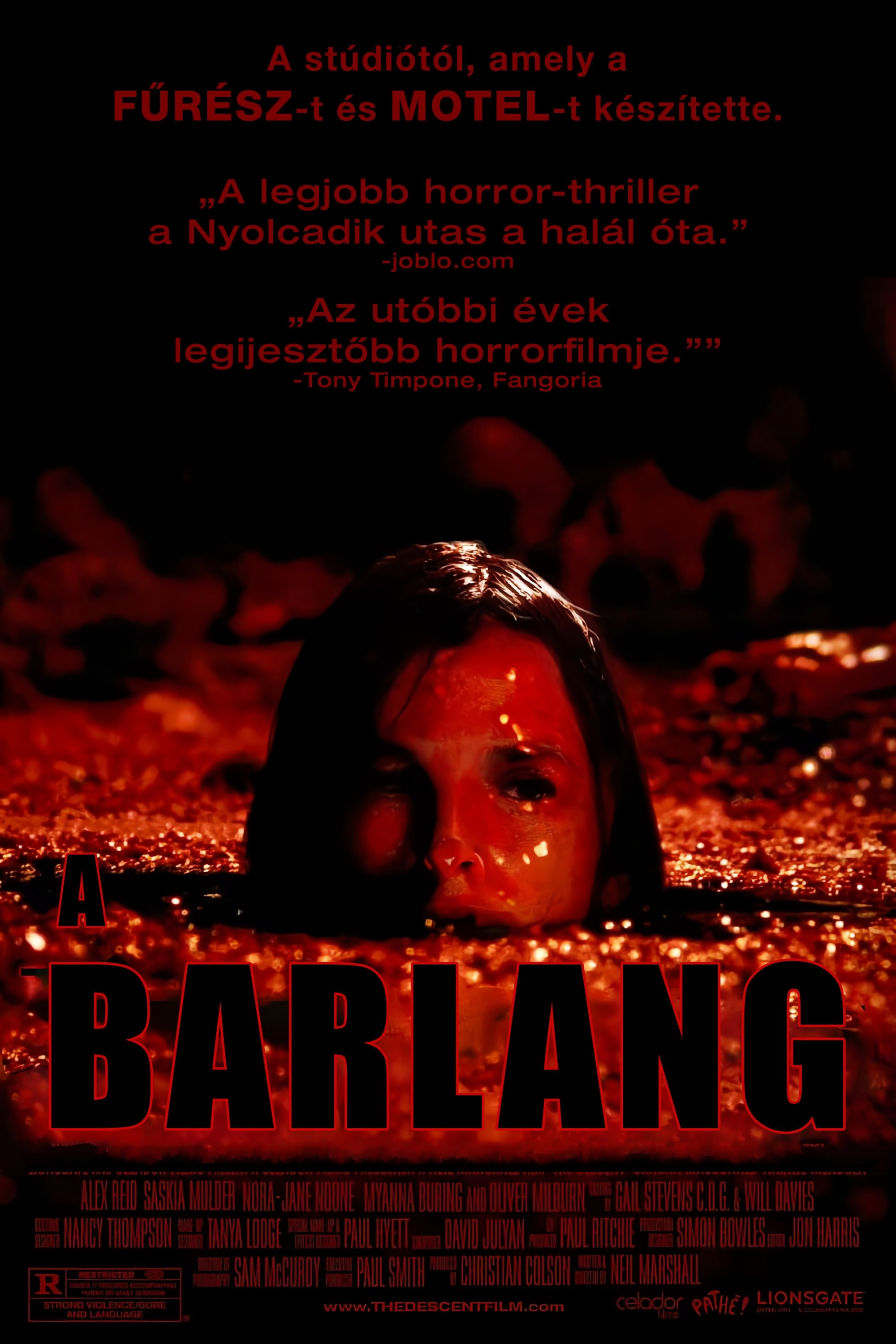
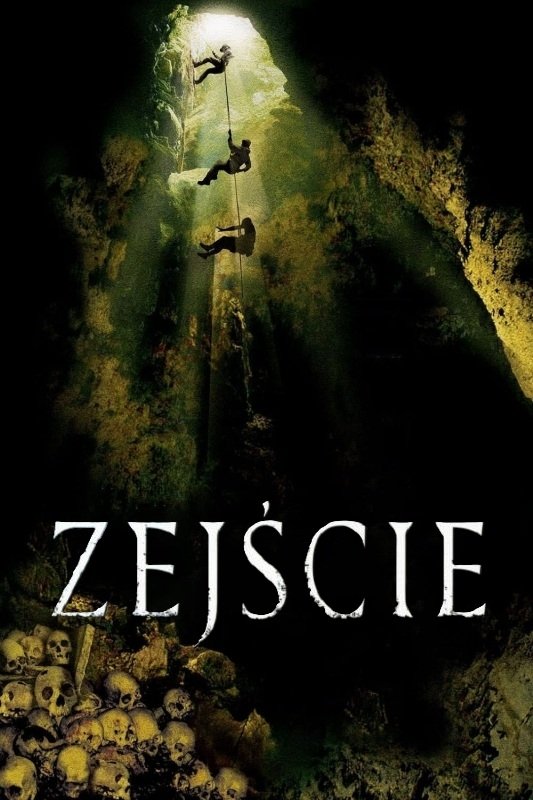
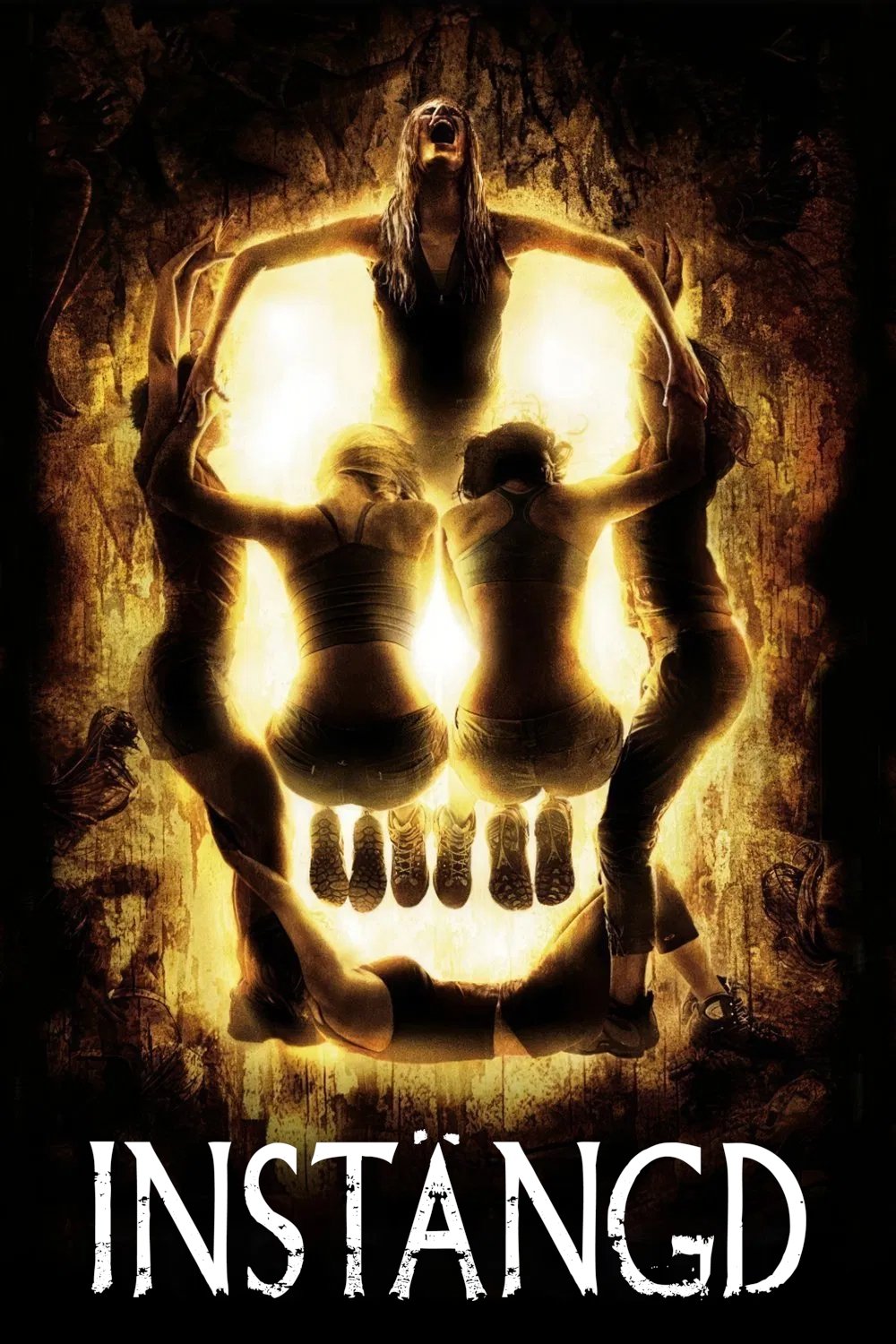
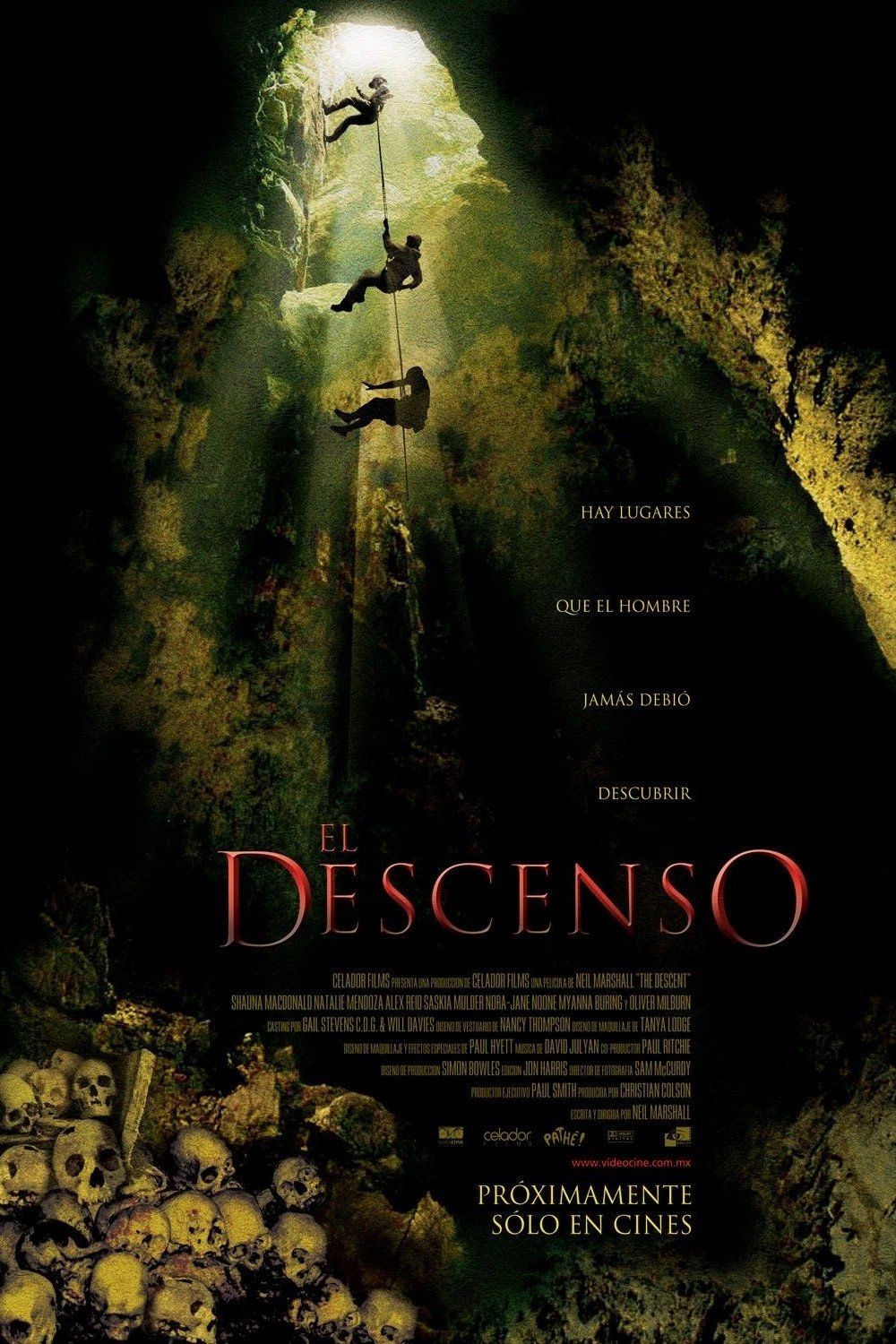
Show all 34 alternative titles The Descent - Nedstigning til helvede (Denmark) — Danish დაშვება (Georgia) — Georgian 魔洞 (Hong Kong SAR China) — Chinese Užas iz dubine (Croatia) — Croatian A barlang (Hungary) — Hungarian המדרון (Israel) — Hebrew The Descent - Discesa nelle tenebre (Italy) — Italian ディセント (Japan) — Japanese 디센트 (South Korea) — Korean Nusileidimas (Lithuania) — Lithuanian Nolaišanās (Latvia) — Latvian El Descenso (Mexico) — Spanish Nedstigningen (Norway) — Norwegian Zejście (Poland) — Polish A Descida (Portugal) — Portuguese Coborâre întunecată (Romania) — Romanian Ужас из дубине (Serbia) — Serbian Спуск (Russia) — Russian Instängd (Sweden) — Swedish Jama groze (Slovenia) — Slovenian Pad do tmy (Slovakia) — Slovak หวีดมฤตยูขย้ำโลก (Thailand) — Thai Cehenneme Bir Adım (Türkiye) — Turkish 深入絕地 (Taiwan) — Chinese Спуск (Ukraine) — Ukrainian Hang Quỷ (Vietnam) — Vietnamese

Trailers & Videos

6 videos

Film Guide

Neil Marshall’s claustrophobic survival horror, from its Pinewood cave sets and practical Crawlers to its original British ending and enduring influence.

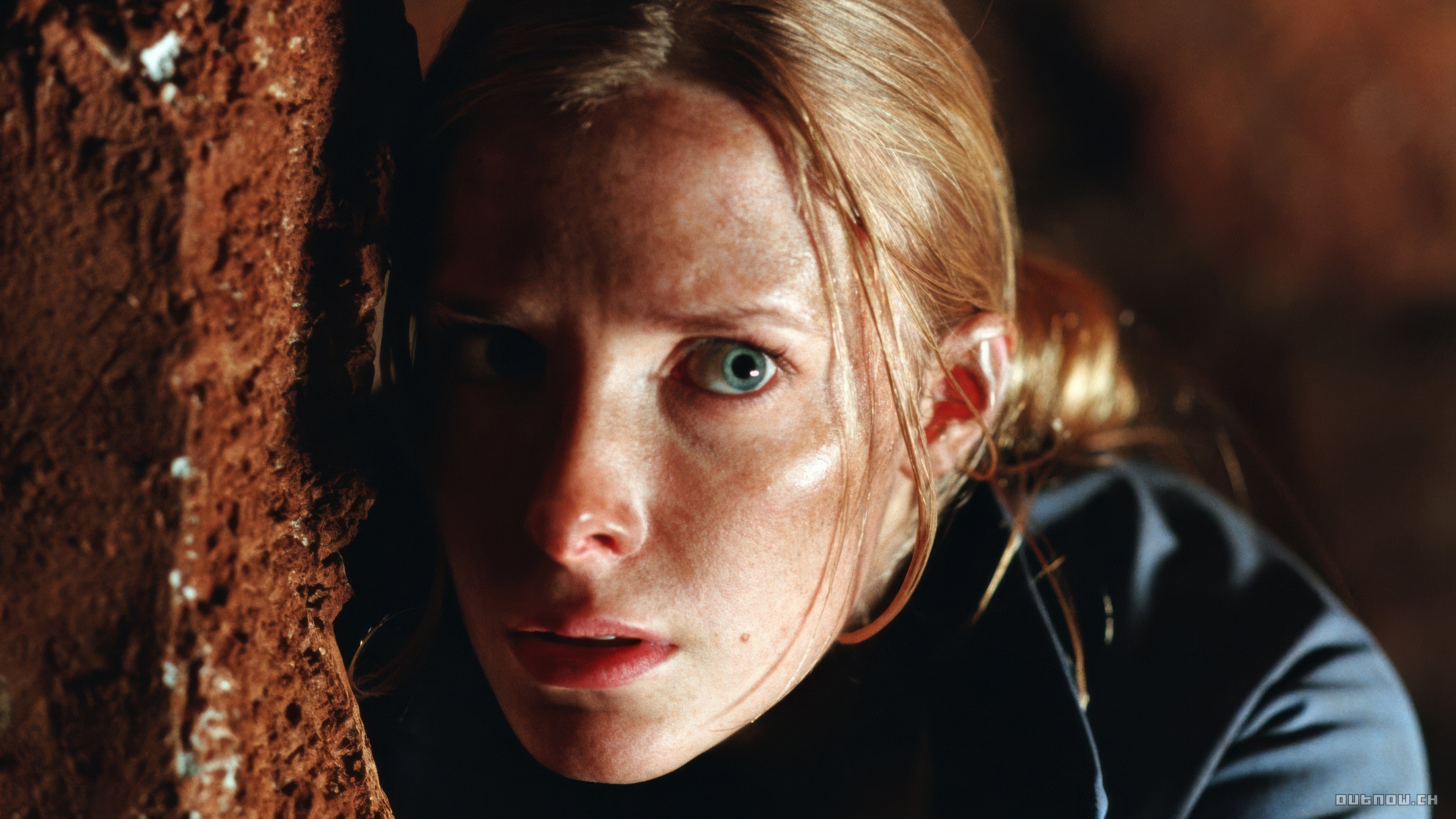
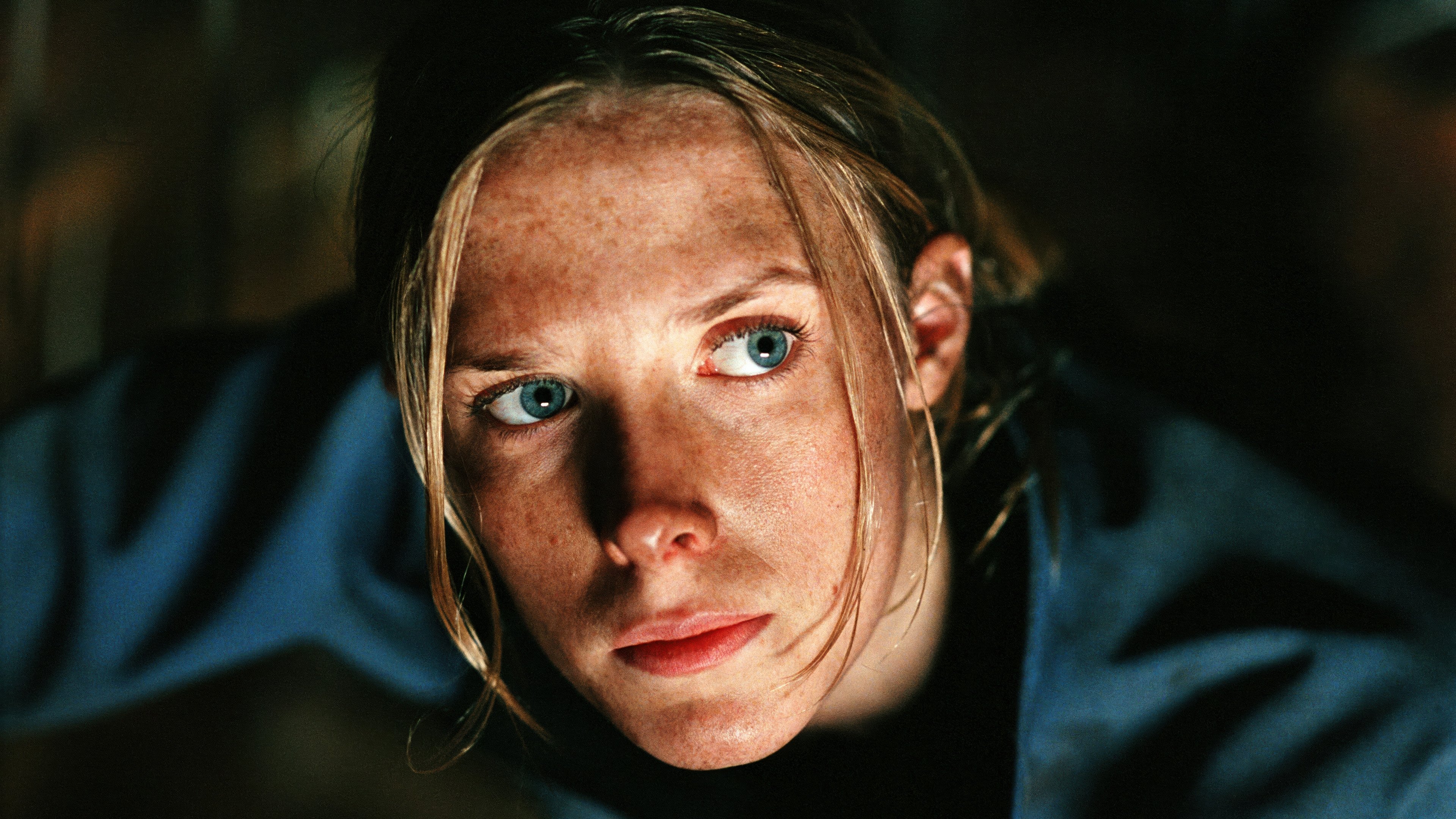
The Descent (2005) is a British survival horror film written and directed by Neil Marshall, following six women whose expedition into an unexplored cave system becomes a struggle against environmental dangers and predatory subterranean creatures. Marshall’s second feature, following Dog Soldiers (2002), combines the spatial restrictions of claustrophobic horror with the violence of creature cinema. Its principal character, Sarah Carter, played by Shauna Macdonald, enters the caves while still grieving the deaths of her husband and daughter. The expedition exposes unresolved tensions within her circle of friends, turning the underground environment into a place where personal loyalties collapse alongside the possibility of physical escape.

Produced largely on elaborate cave sets at Pinewood Studios, The Descent was photographed by Sam McCurdy using carefully controlled practical light sources and extensive prosthetic effects. Its subterranean sequences derive much of their suspense from darkness, restricted movement and the inability to establish reliable spatial orientation. The film received a British theatrical release in July 2005, followed by an American release in August 2006 featuring a substantially different conclusion. Its critical and commercial reception established Marshall as an important contemporary horror director, while the original ending and the film’s treatment of survival, grief and betrayal have remained central to subsequent discussion.

Development and the All-Female Ensemble

After Dog Soldiers, Marshall wanted to make a horror film that relied less on humor and more completely on sustained fear. In an interview published by CHUD in August 2006, he described the development of The Descent as a gradual combination of ideas involving caves, isolated explorers and humanoid predators. The screenplay took approximately two years to develop. Marshall was particularly interested in reversing the group dynamics of his previous feature: whereas the soldiers in Dog Soldiers become more united under attack, the women in The Descent progressively lose confidence in one another. The destructive consequences of that division became as important to the screenplay as the threat presented by the creatures.

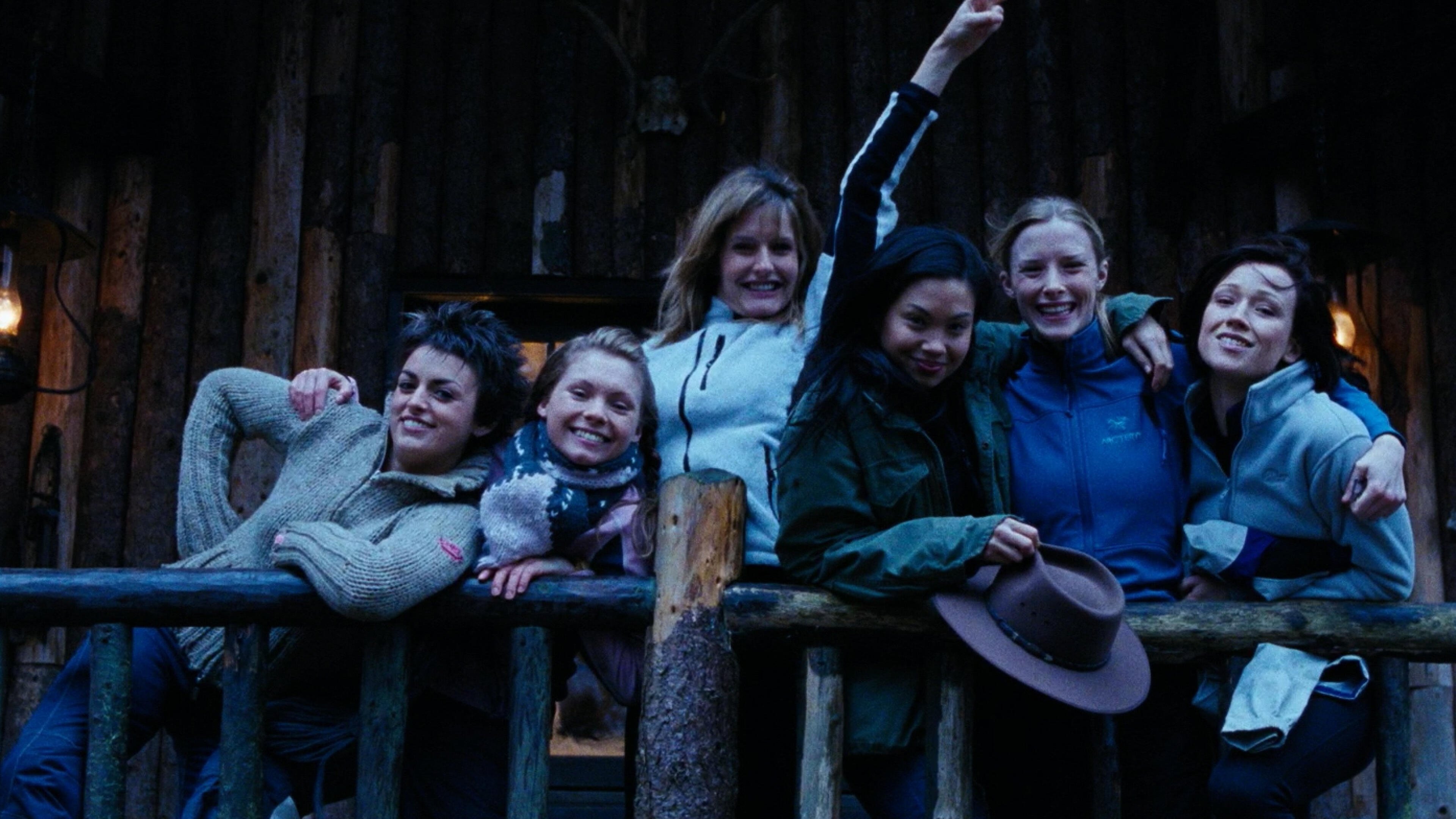
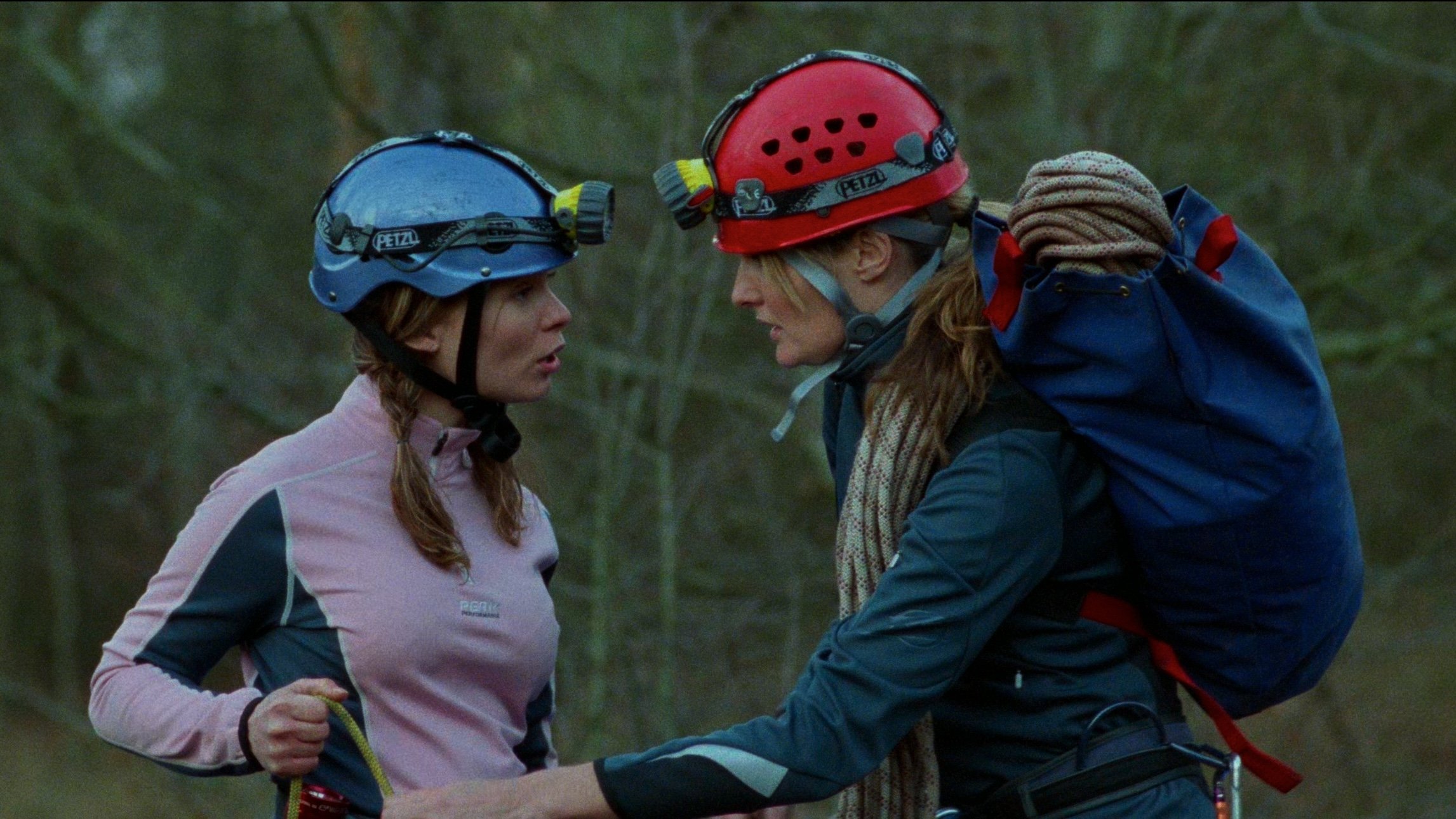
The earliest conception included both male and female characters. In a twentieth-anniversary interview with Letterboxd Journal, Marshall recalled that a producing partner suggested using an entirely female group, partly because contemporary horror offered relatively few comparable ensembles. Research into recreational climbing and caving persuaded the director that the change was consistent with the activities depicted. The characters were subsequently developed around different attitudes toward risk, responsibility and friendship. Rather than giving the group a military structure, Marshall established relationships whose earlier history becomes increasingly significant after the expedition goes wrong.

The director also traced his interest in subterranean terror to a school excursion into a mine, where an instructor demonstrated the absolute darkness encountered beneath the surface. That memory helped shape the film’s treatment of visibility as a condition of survival. Casting emphasized performers willing to undertake demanding physical work. Before principal photography, the actresses participated in climbing and caving exercises, including descents and movement through confined spaces. Marshall later explained that the preparation was intended to establish convincing physical responses and familiarity with the equipment. The film was shot substantially in narrative order, allowing the performers to experience the gradual reduction of the group as their characters disappeared.
Cave Construction and Physical Production

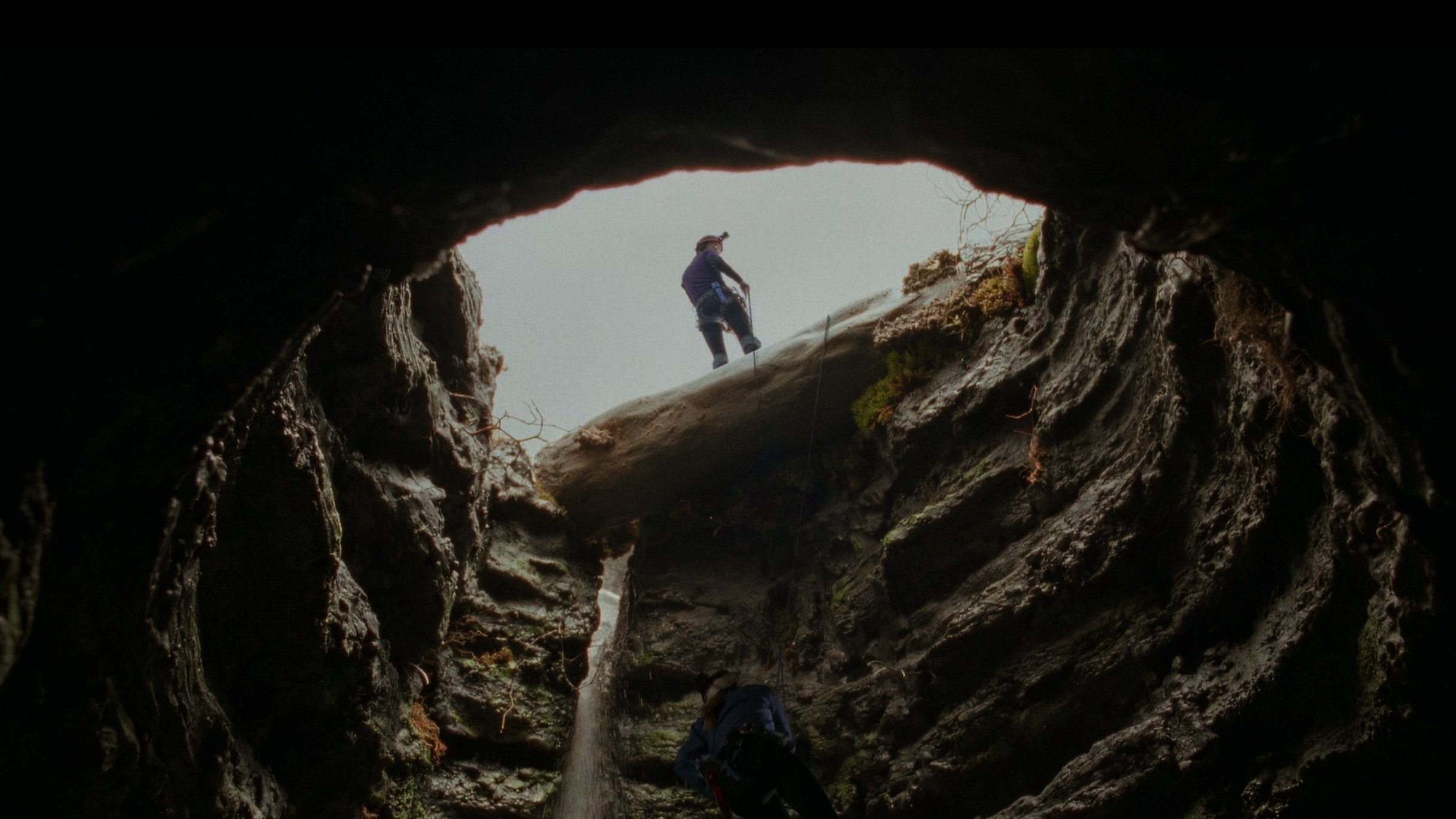
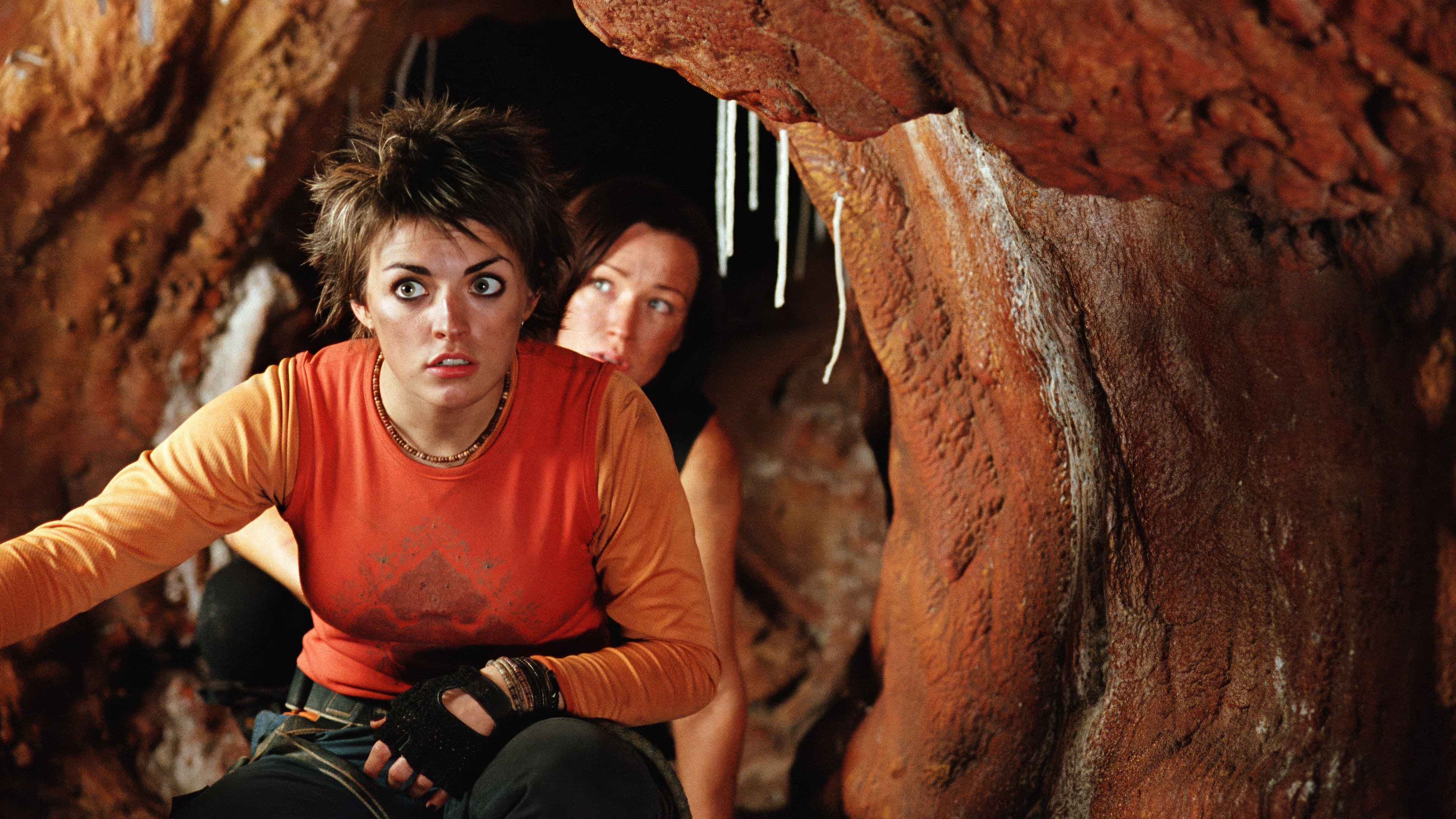
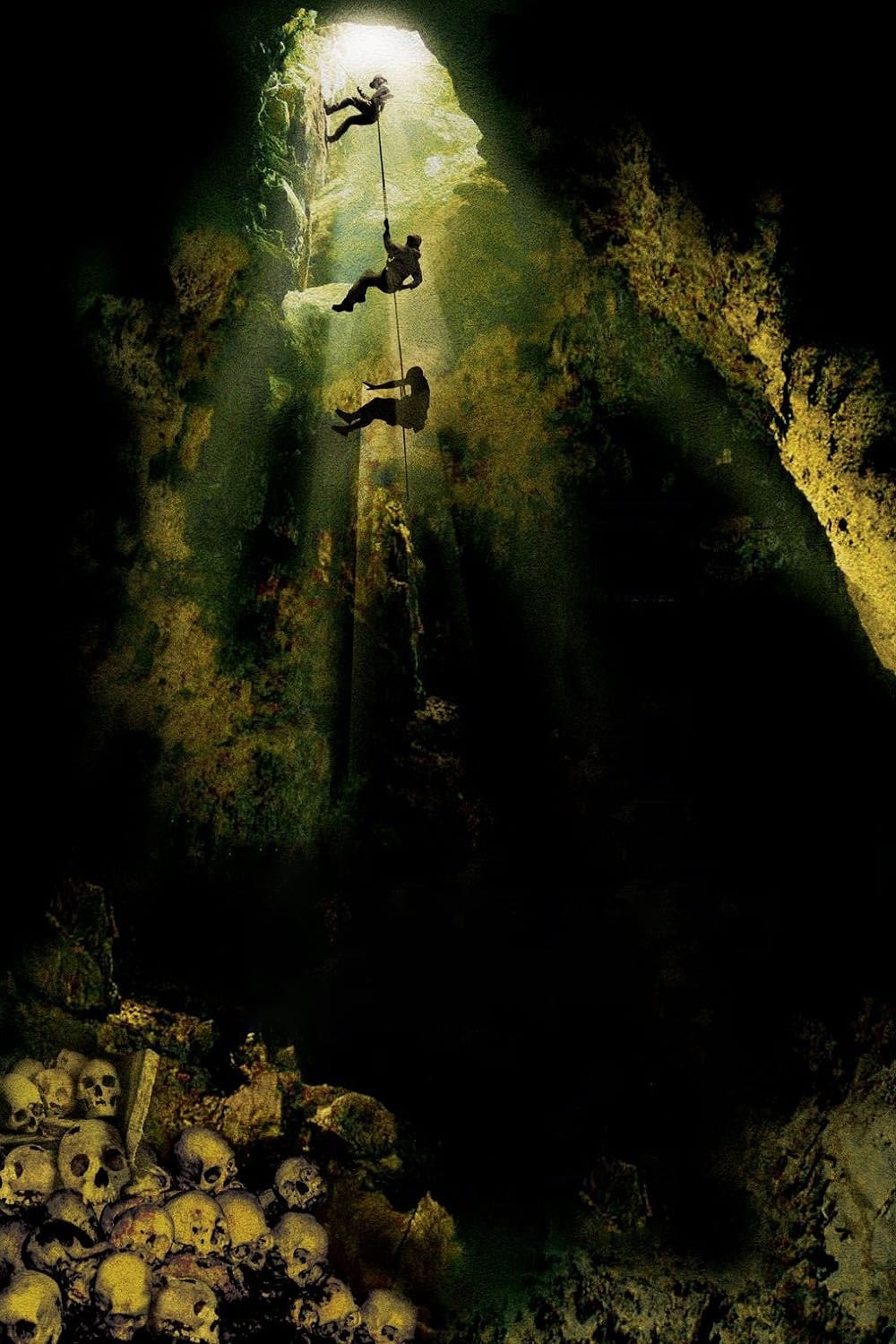
Although the story takes place in the Appalachian Mountains, the production was filmed in Britain. Exterior work took place in Scotland and England, while the underground environment was constructed at Pinewood Studios. Marshall initially considered using actual caves but found that location filming would prevent the control required for the action, lighting and camera movement. Production designer Simon Bowles therefore created a network of chambers, narrow tunnels and rocky passages that could be rearranged and photographed from different directions. In his account to American Cinematographer, McCurdy explained that much of the cave construction employed self-expanding foam, which provided convincing rock textures while allowing sections of scenery to be removed for equipment access.

The film’s geographical credibility depended on maintaining the impression of a continuous underground system despite the repeated use of constructed spaces. Passages that appear extremely narrow could be opened for filming, and larger chambers were designed around specific movements and dramatic events. The cave entrance required a separate lighting arrangement to simulate daylight penetrating deep into the opening. These techniques gave the filmmakers control over physical hazards that would have been difficult to stage safely in a natural cave. The environment nevertheless remained uncomfortable for the performers. Marshall recalled shooting in cold, wet studios during January, with actresses requiring thermal blankets after scenes involving water.

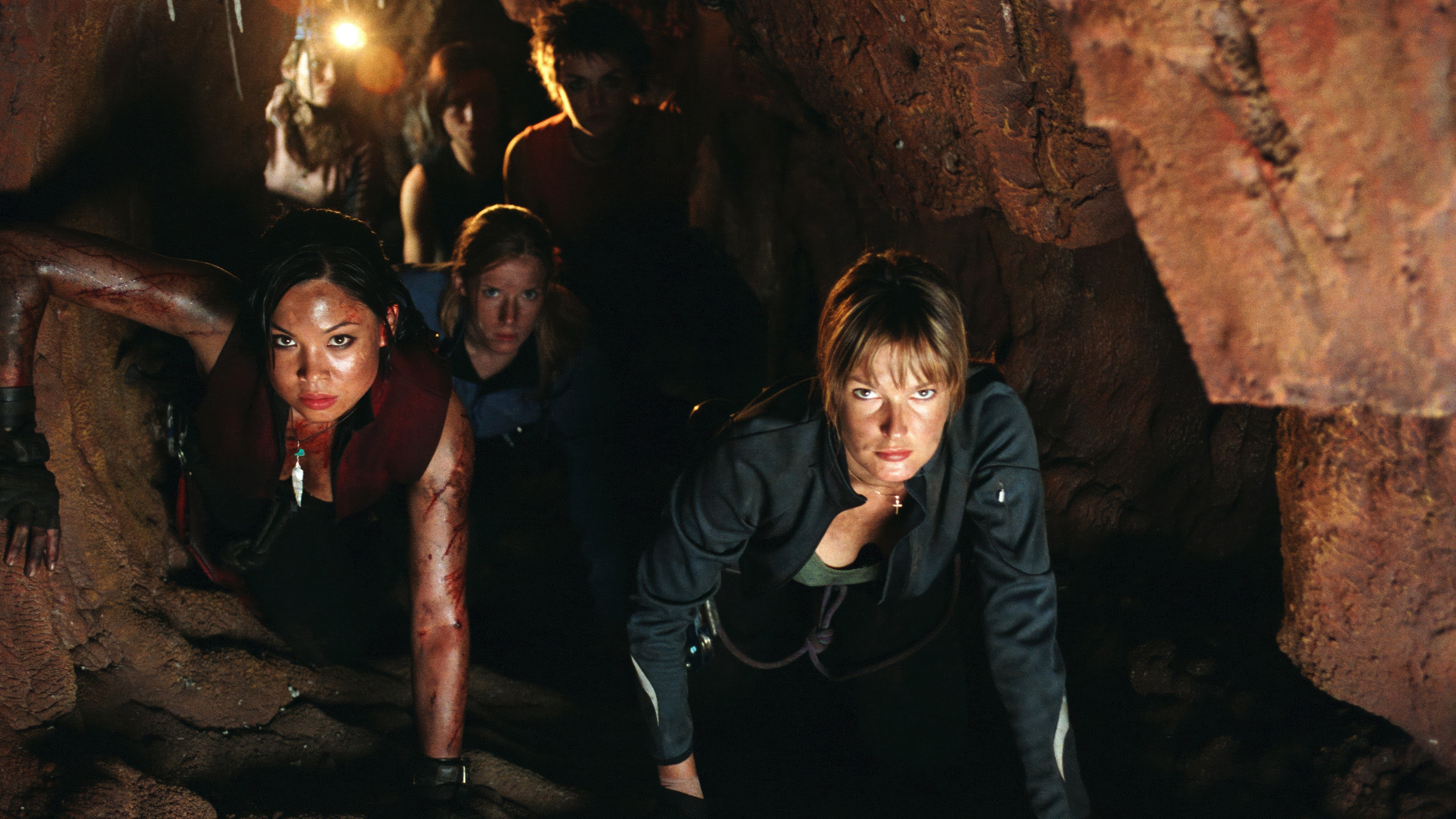
The production’s physical conditions were consistent with the director’s intention to make the obstacles feel substantial. Crawling, climbing and descending remain central activities even before the first creature attack. Restricted openings require characters to remove equipment and negotiate exposed rock surfaces, while collapsing passages establish the possibility of death without any supernatural intervention. A particularly difficult tracking shot involved mounting a 35mm camera on a board and pulling it ahead of the actresses through a narrow passage. The improvised apparatus permitted the camera to occupy the same confined space as the performers, preserving the physical immediacy of the scene.

Cinematography and the Use of Darkness

McCurdy photographed The Descent on 35mm film in the Super 35 format, composed for a 2.35:1 widescreen presentation. The production used Fujifilm Eterna 500T stock, selected after camera tests demonstrated the contrast and shadow characteristics required for the caves. McCurdy explained to American Cinematographer that the negative allowed dark areas to fall away without revealing excessive information. Shooting in three-perforation Super 35 also reduced film consumption. The wide frame created opportunities to place figures against substantial areas of darkness, while the cramped sets often forced the camera exceptionally close to the actors.

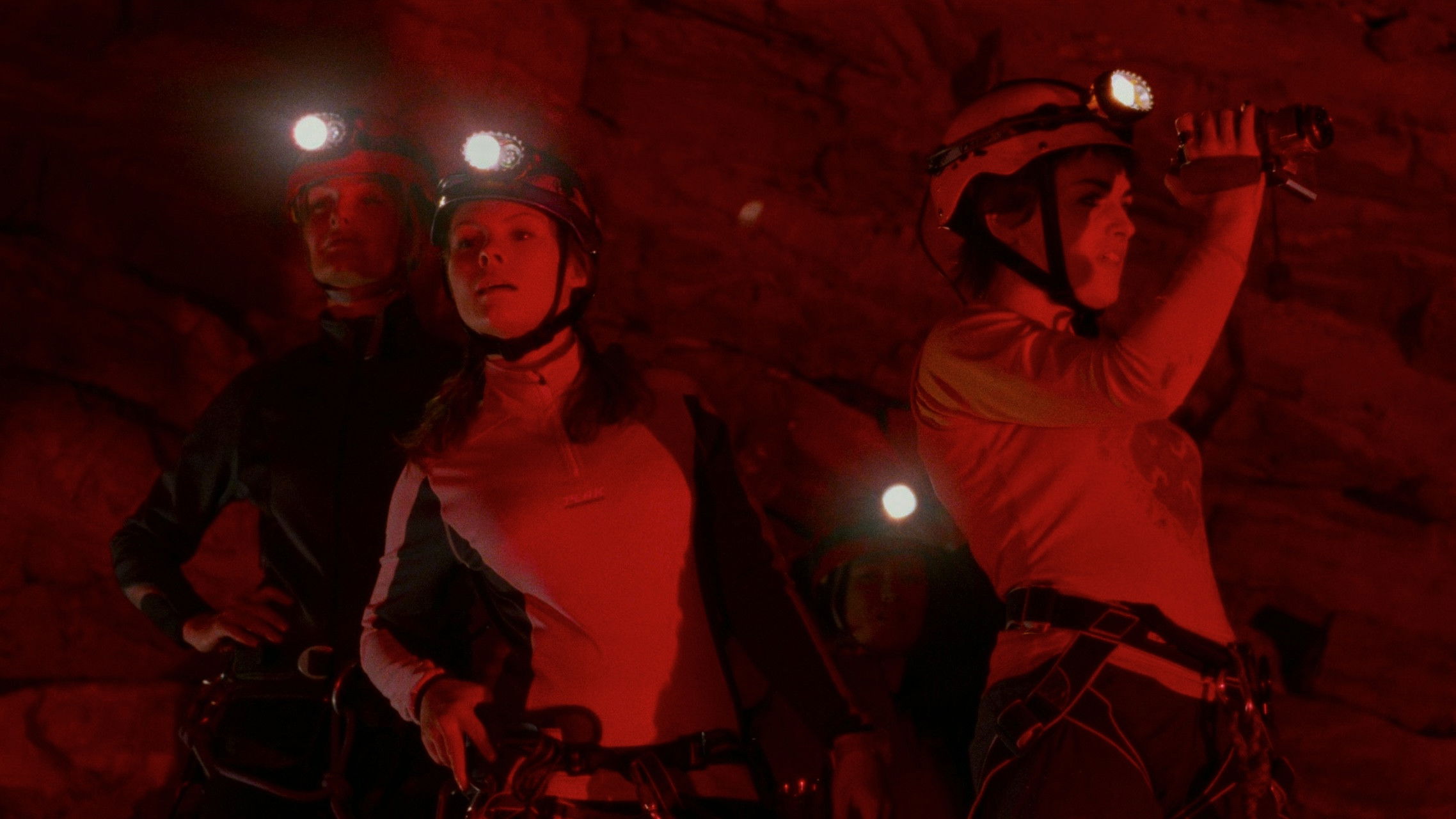
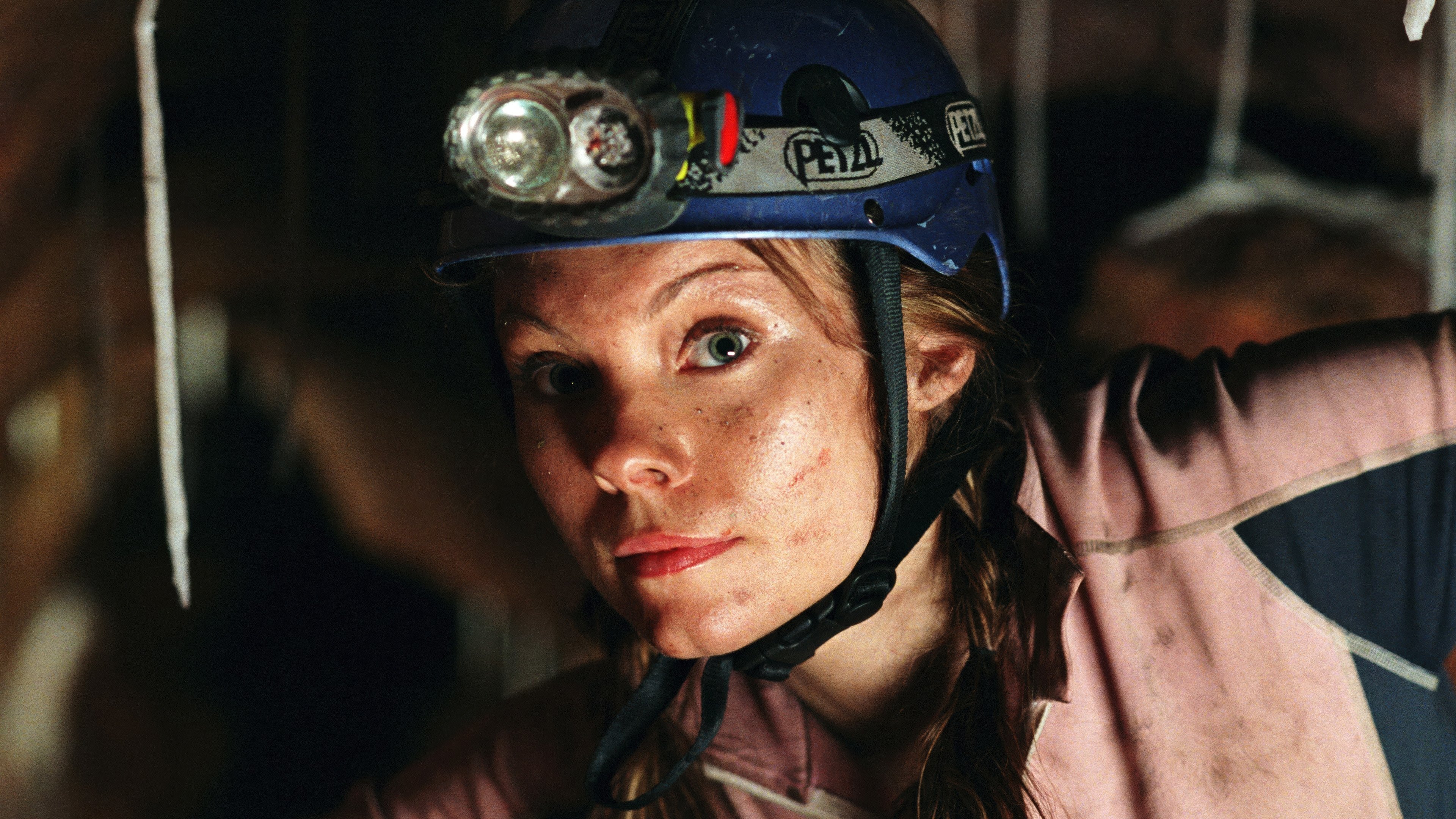
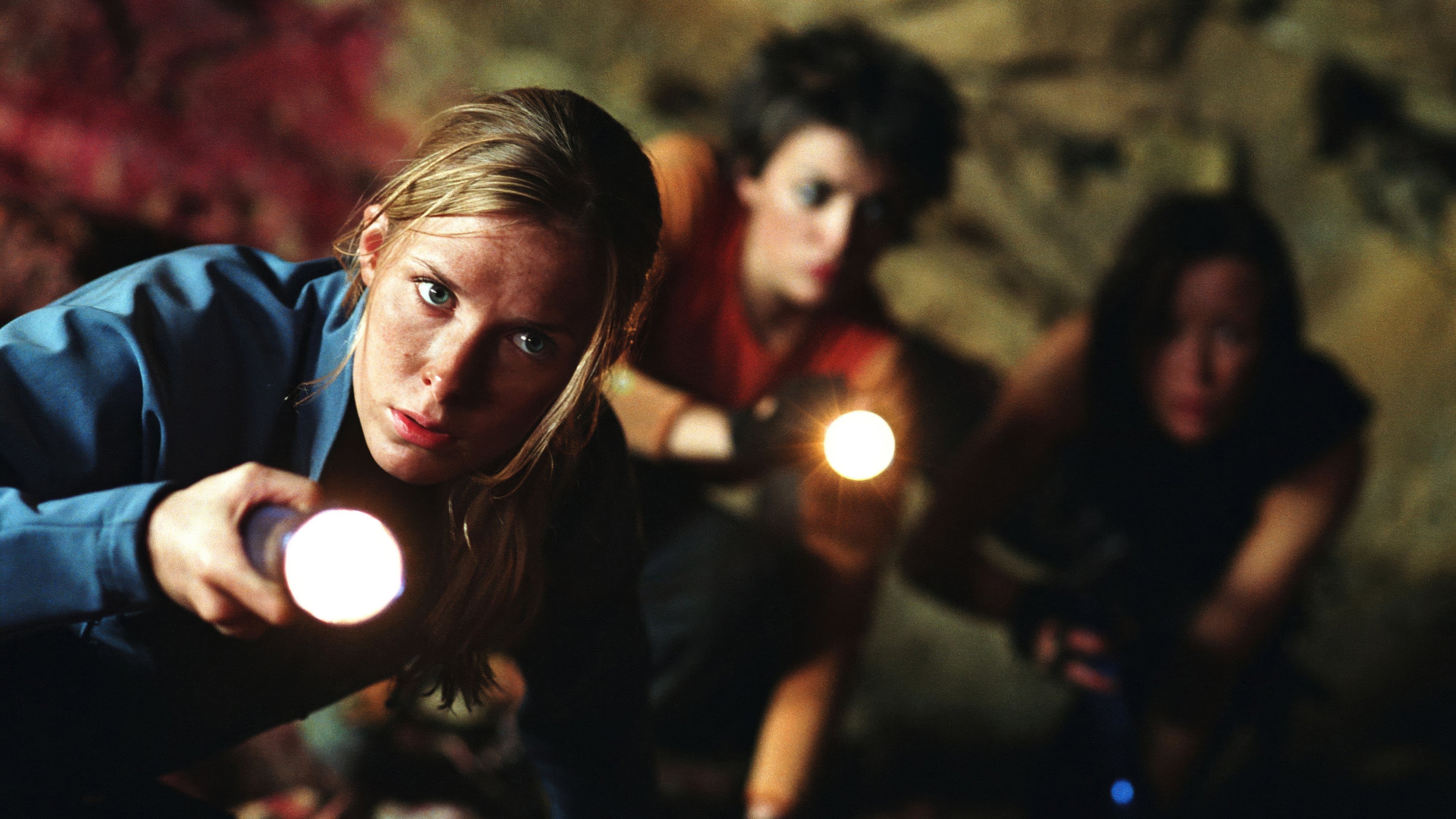
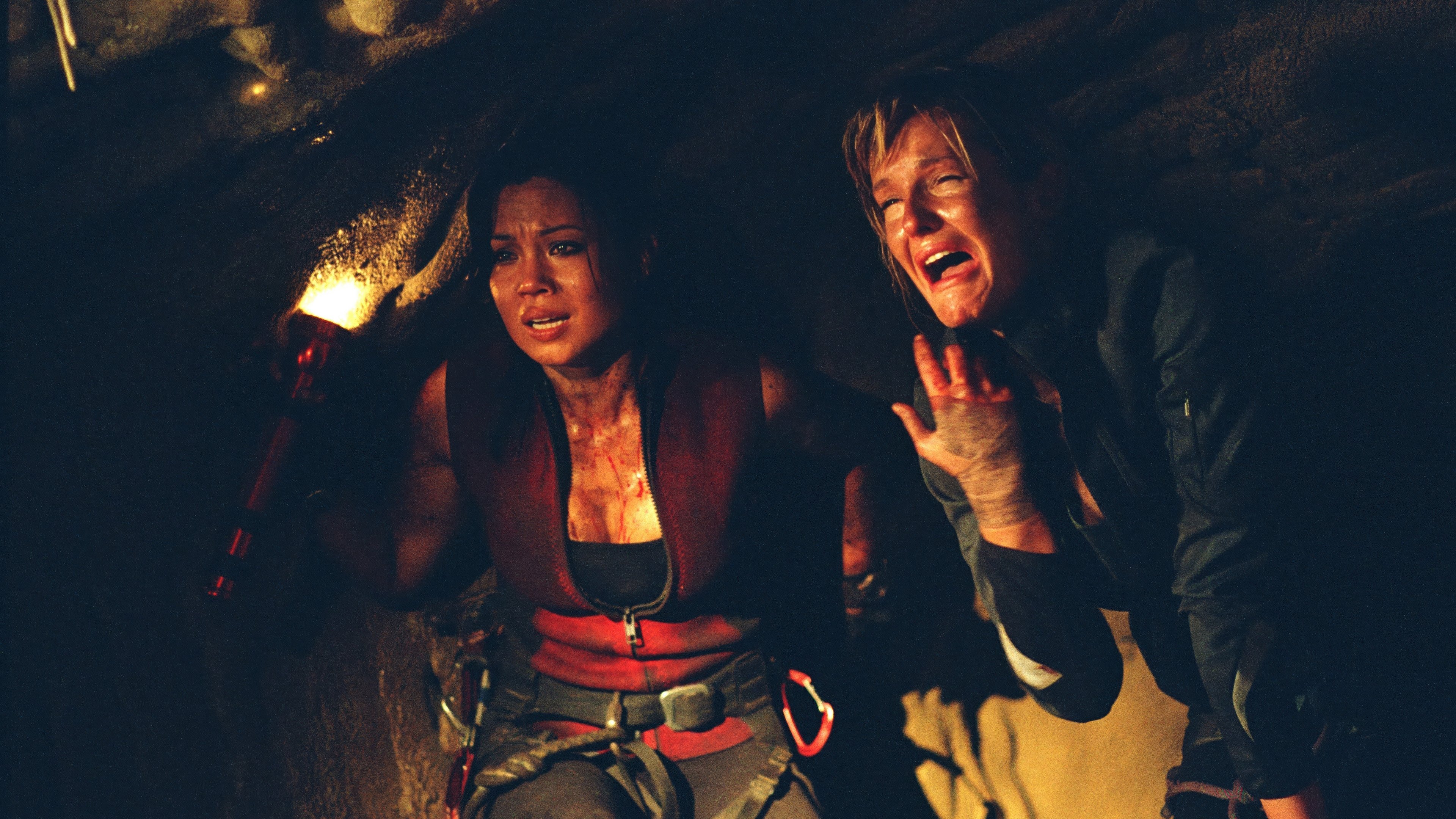
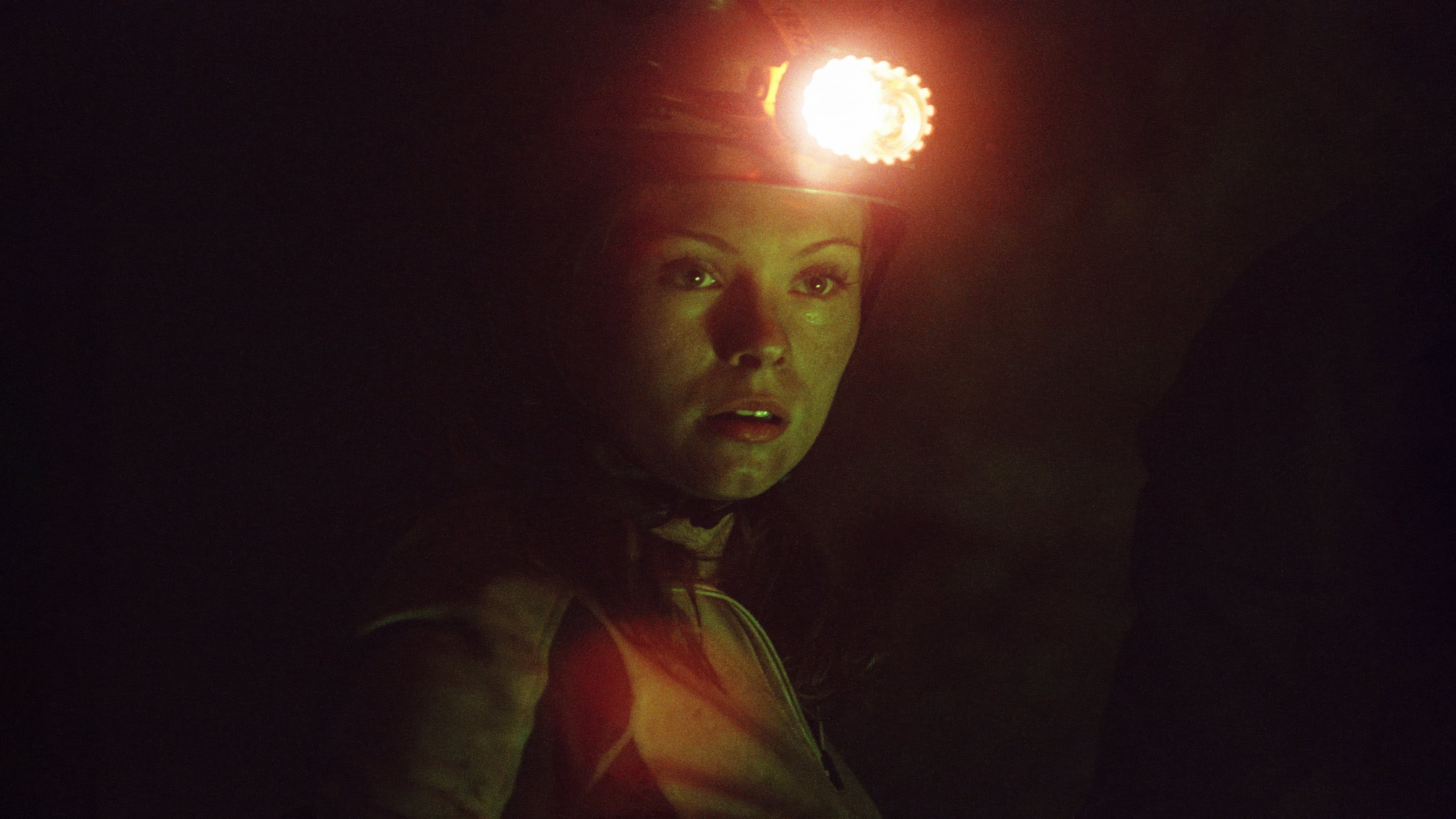
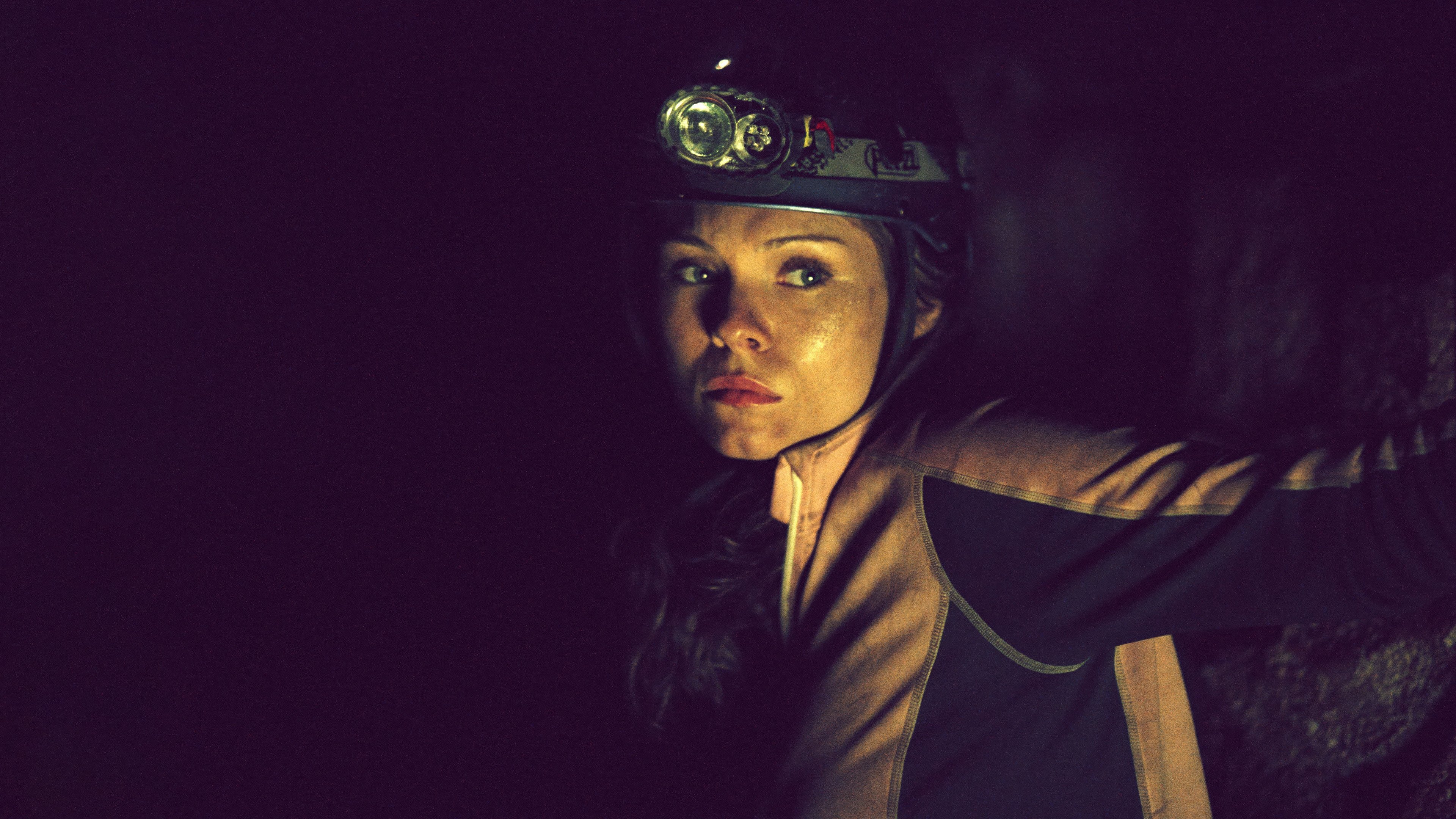
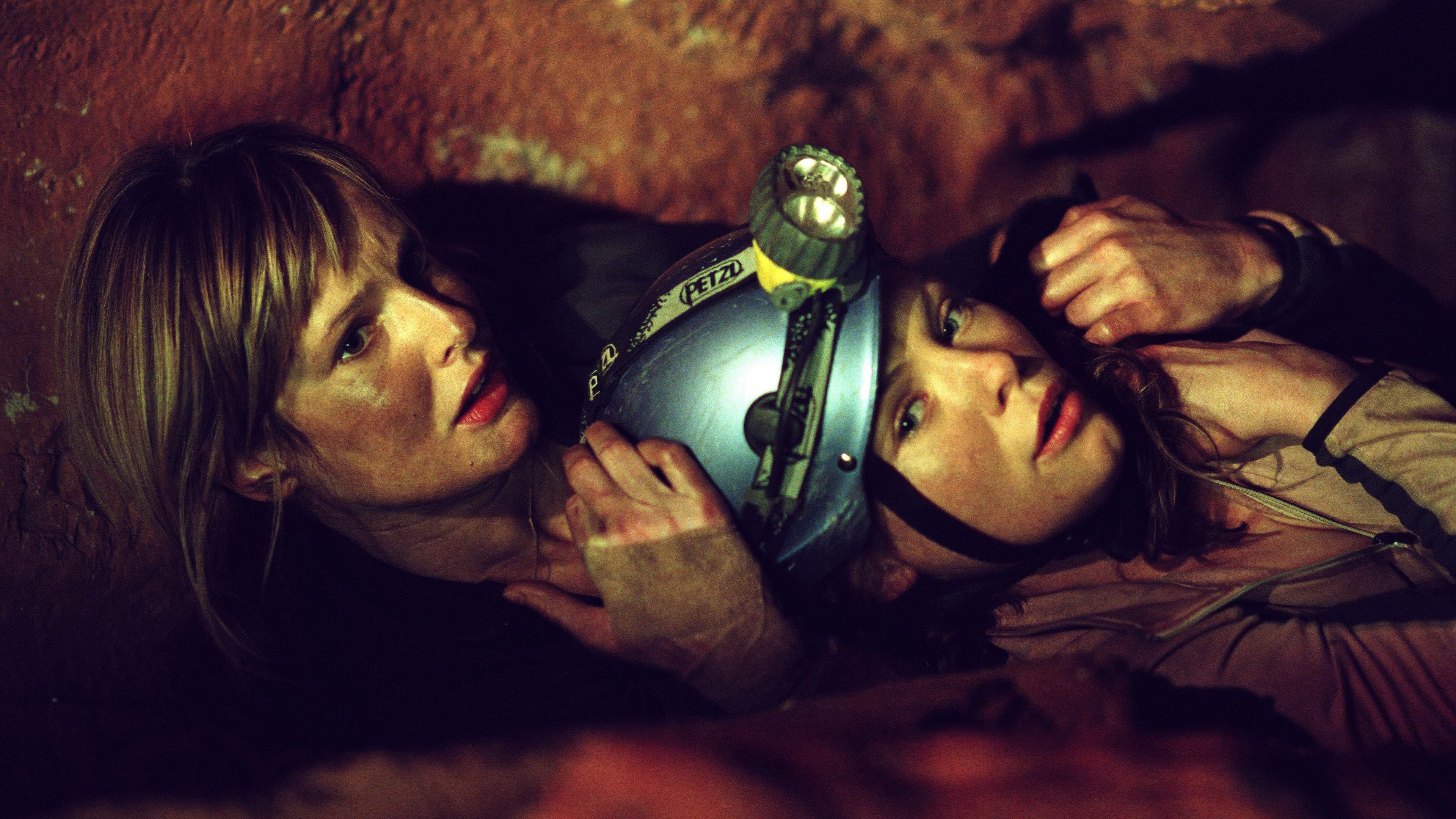
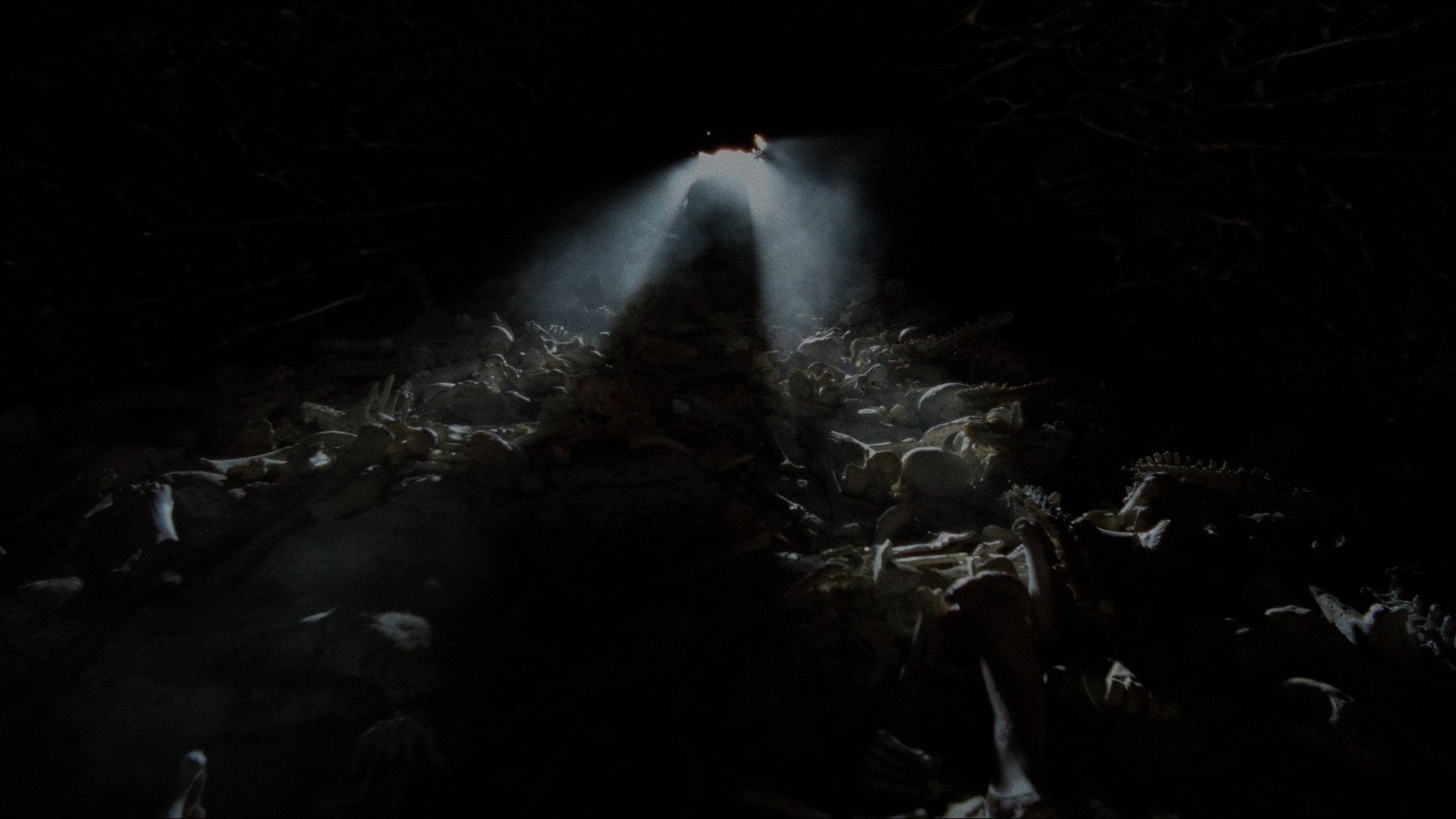
The governing lighting principle was that illumination within the caves should appear to originate from objects carried by the characters. Helmet lamps, flashlights, chemical light sticks, emergency flares and improvised torches provided the visible sources. Their limited reach became part of the suspense, leaving surrounding space inaccessible to the characters and audience. Supplemental lamps were concealed or adjusted to reproduce these sources, while reflector boards were positioned around the sets to recover enough light for exposure. McCurdy and gaffer Andrew Taylor developed different lighting arrangements for the objects used during the expedition, maintaining continuity between their visible glow and the illumination of surrounding rock surfaces.

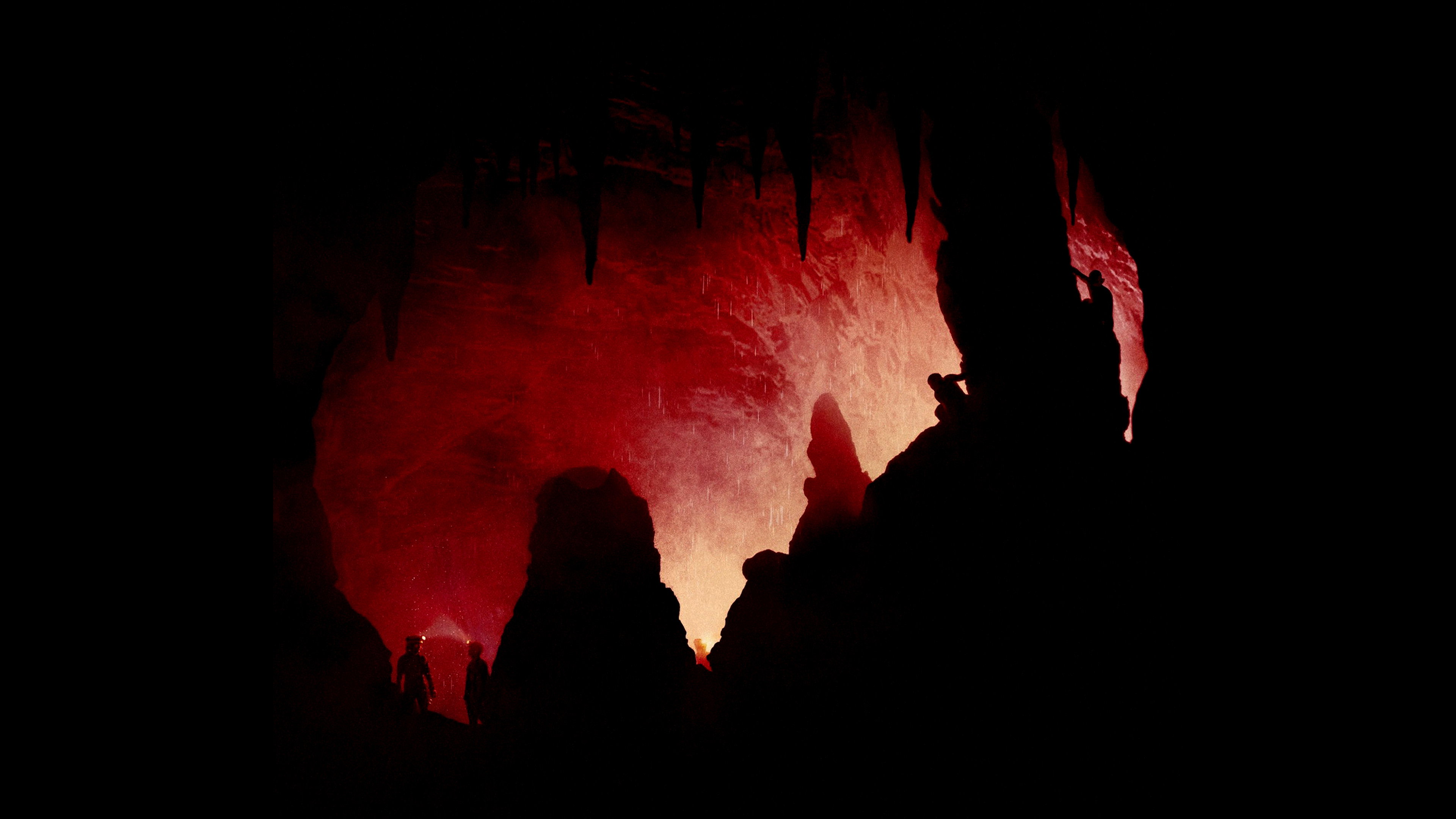
Red flares proved especially difficult because their saturated light produced photographic and digital-grading problems. The crew sometimes photographed a real flare being ignited and thrown away, then replaced its illumination with gelled studio lamps operating through flicker controls. Green light sticks were supplemented with concealed fluorescent units using appropriately colored filters. These procedures produced the film’s alternating white, green, red and amber environments. McCurdy later explained that the progression toward increasingly saturated colors was partly intuitive rather than a rigidly predetermined visual scheme. The digital intermediate, completed with colorist Kevin Phelan, preserved deep blacks that conceal much of the cave architecture and the movement of the predators.

The Crawlers and Practical Horror Effects

The underground predators, identified during production as Crawlers, were conceived as descendants of human beings that had adapted to permanent subterranean existence. Marshall described them as people whose ancestors remained beneath the surface and developed within an isolated environment. This premise guided the decision to use performers in prosthetic makeup instead of constructing the creatures entirely through computer animation. Their recognizable human anatomy and unusual physical behavior provide a disturbing compromise between an ordinary human body and an unfamiliar predator. The finished creatures rely on movement, pale skin, elongated features and aggressive responses to sound.

Makeup designer Paul Hyett and effects artist Neil Morrill contributed to the prosthetic design. McCurdy recalled two days of tests in which the filmmakers revised the original appearance. Early versions were more conspicuously monstrous and extremely pale, but the camera tests revealed that their skin reflected too much light against the dark backgrounds. The makeup was subsequently made dirtier and less reflective, allowing the creatures to merge more effectively with their surroundings. Their visibility could then be controlled through movement and changing illumination. The production also relied on the physical performances of the actors portraying the Crawlers, whose movements remained an essential part of the effect.

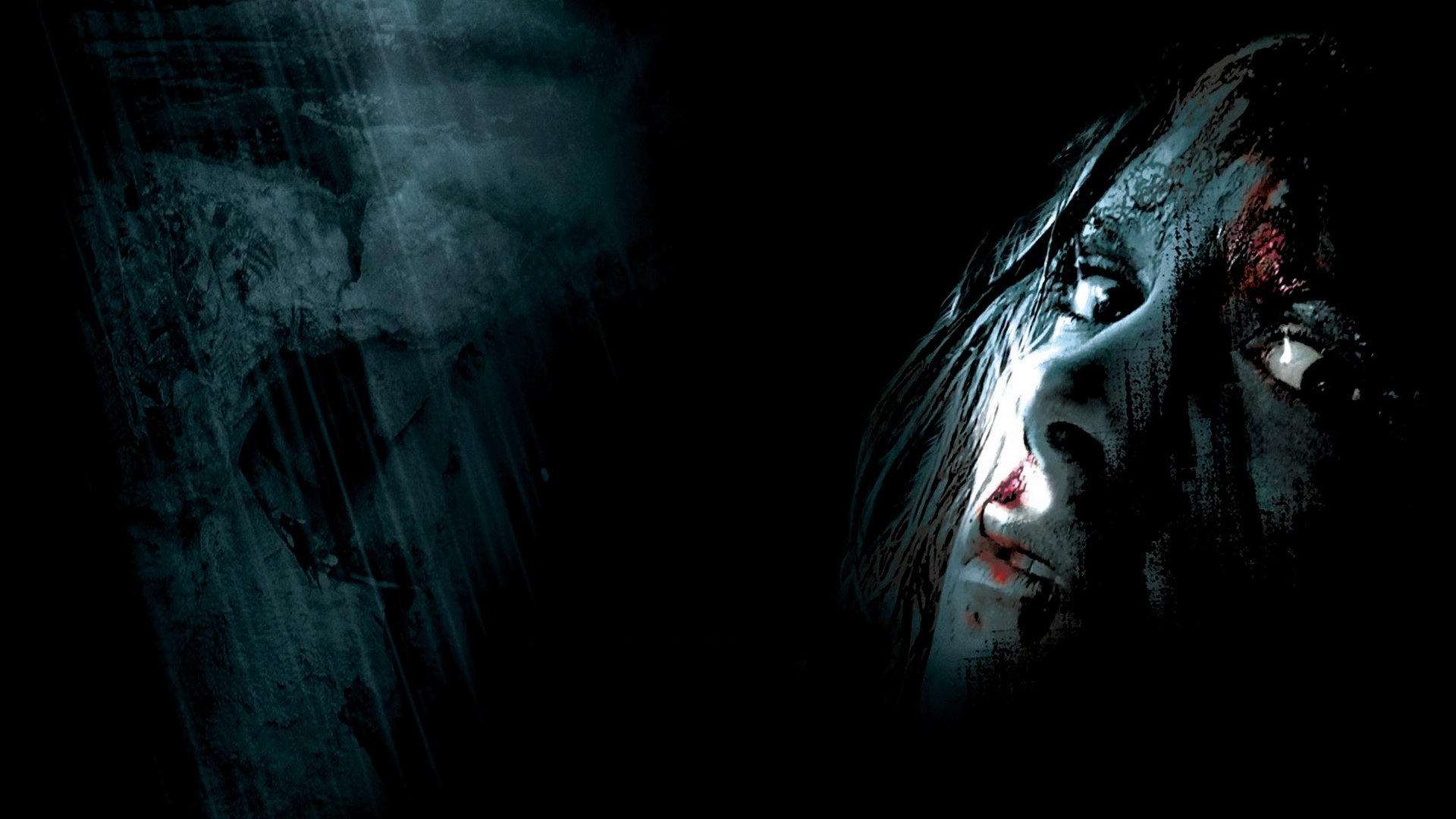
Marshall deliberately withheld the completed creatures from the principal actresses until the filming of their first major encounter. In his retrospective account, the performers saw the disguised actor in the darkness when the scene was staged, producing an immediate reaction. Once the Crawlers enter the narrative, physical violence becomes increasingly explicit. Their attacks involve close-range combat, injuries and substantial blood effects, changing the film’s rhythm from environmental suspense to desperate bodily survival. The brutality remains connected to the restricted geography: the characters often lack the space required to escape or defend themselves. Marshall’s practical approach also allowed the performers to react to opponents physically present during filming, although the production employed additional visual techniques for its larger environments.

Grief, Betrayal and Survival

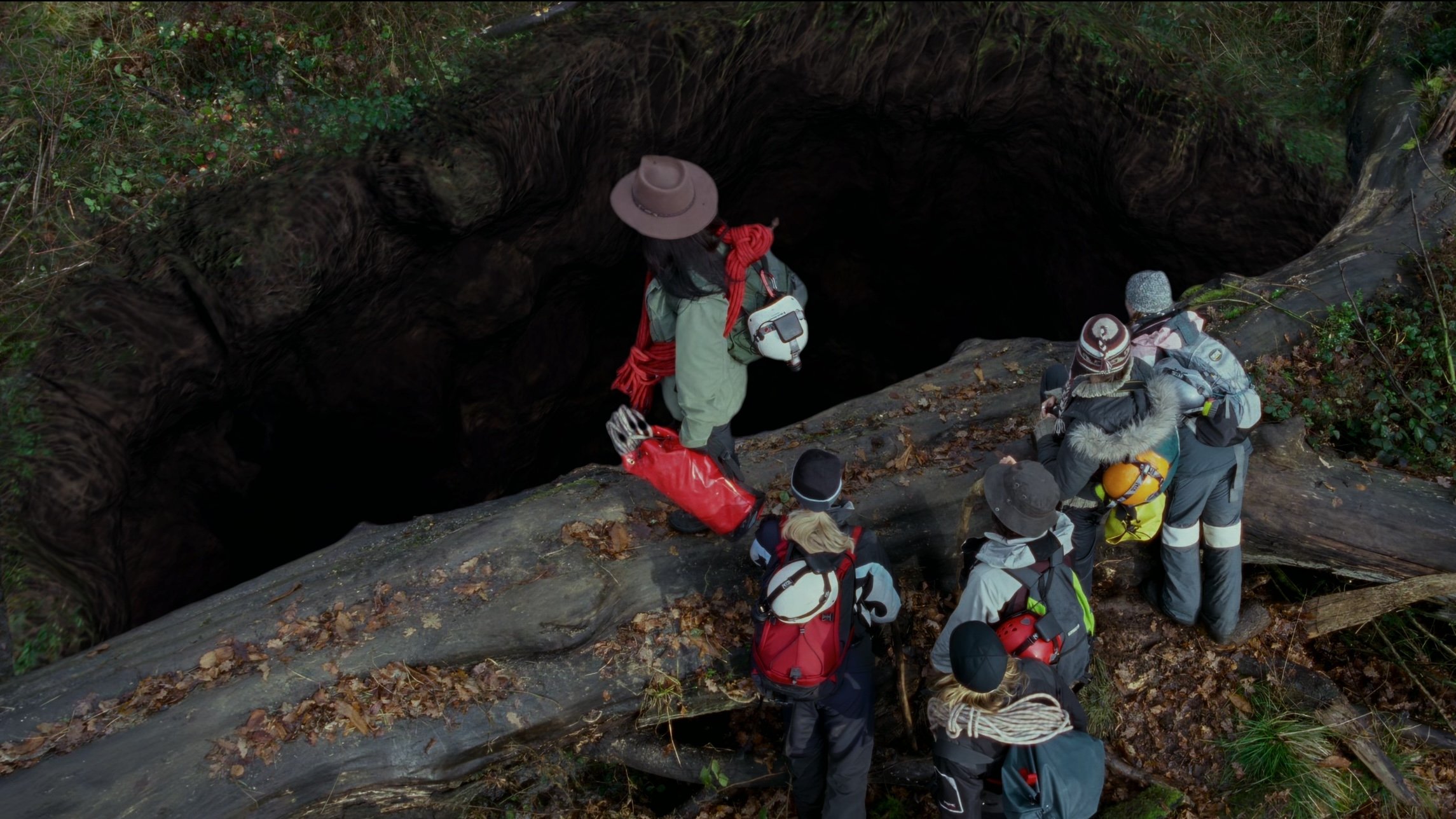
Sarah’s bereavement provides the emotional foundation of The Descent. The opening automobile accident kills her husband and daughter, leaving her psychologically isolated before the expedition begins. The gathering of friends is intended to reconnect her with activities and relationships associated with her former life. Juno, however, carries a concealed personal history that complicates her attempts to lead the group. Her decision to enter an uncharted cave system without informing the others converts an adventurous outing into an emergency in which rescue is unlikely. The collapse of a passage exposes the danger created by that decision before the Crawlers become visible.

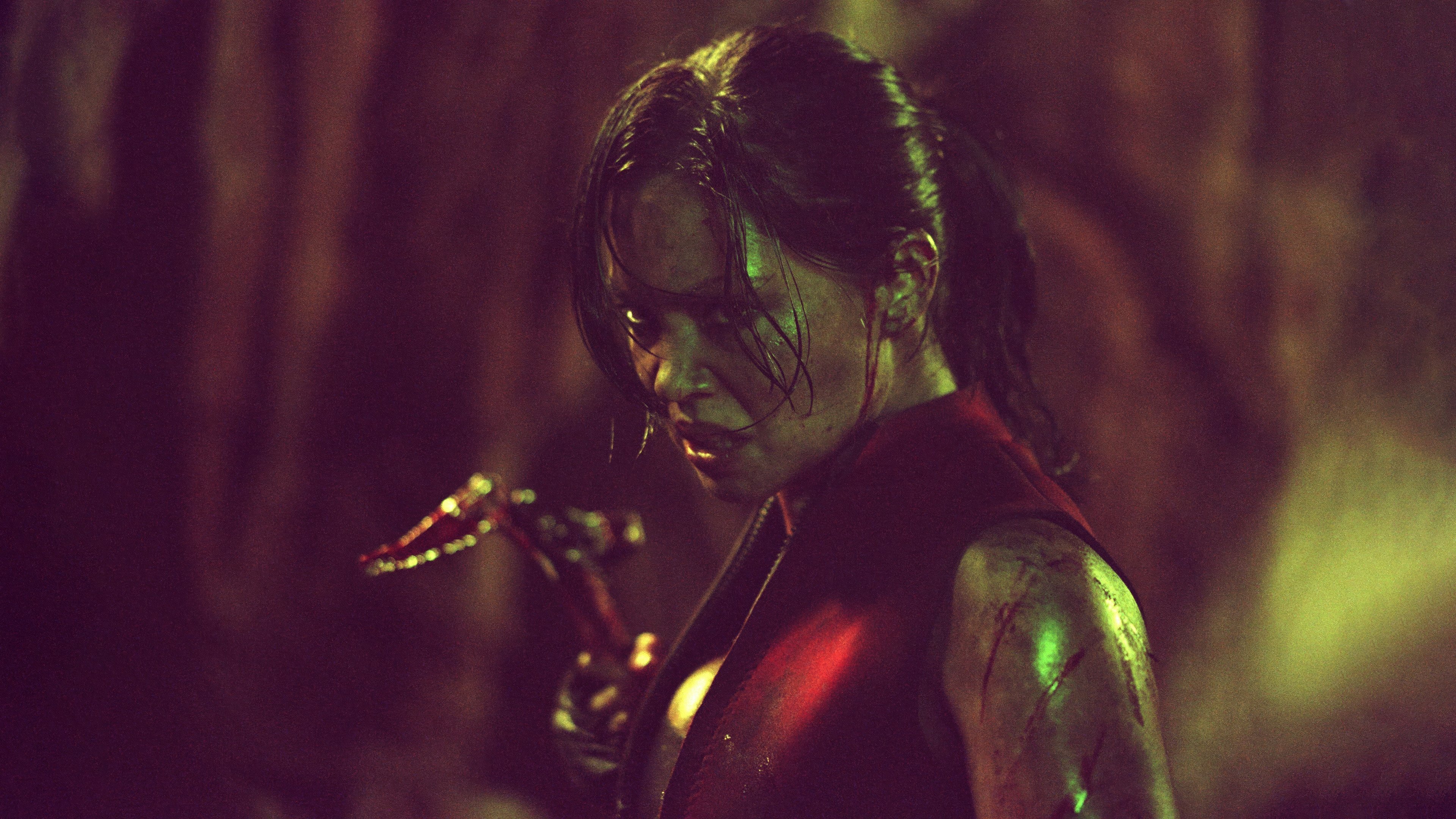
The film’s interpersonal conflict intensifies after Juno accidentally injures Beth with a climbing pickaxe while fighting a creature. Juno leaves her wounded companion behind, and Sarah later discovers the consequences. The incident alters the meaning of Juno’s earlier behavior, giving Sarah a personal reason to distrust her beyond the original decision to explore the cave. The narrative gradually transfers its central conflict from collective escape to a confrontation over responsibility and betrayal. Marshall has described the story as a psychological descent alongside the physical journey, an intention supported by the changing relationship between the two women.

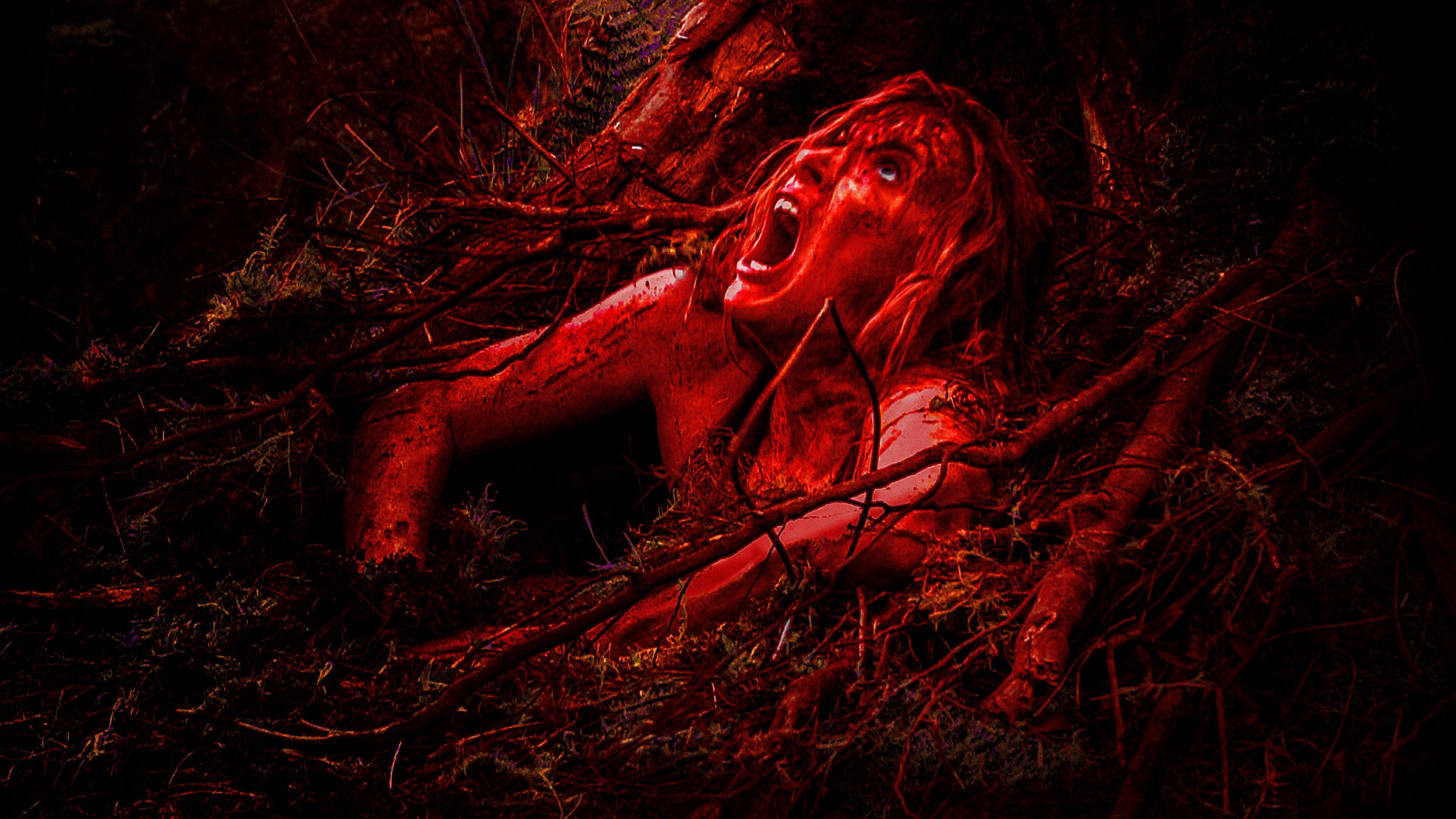
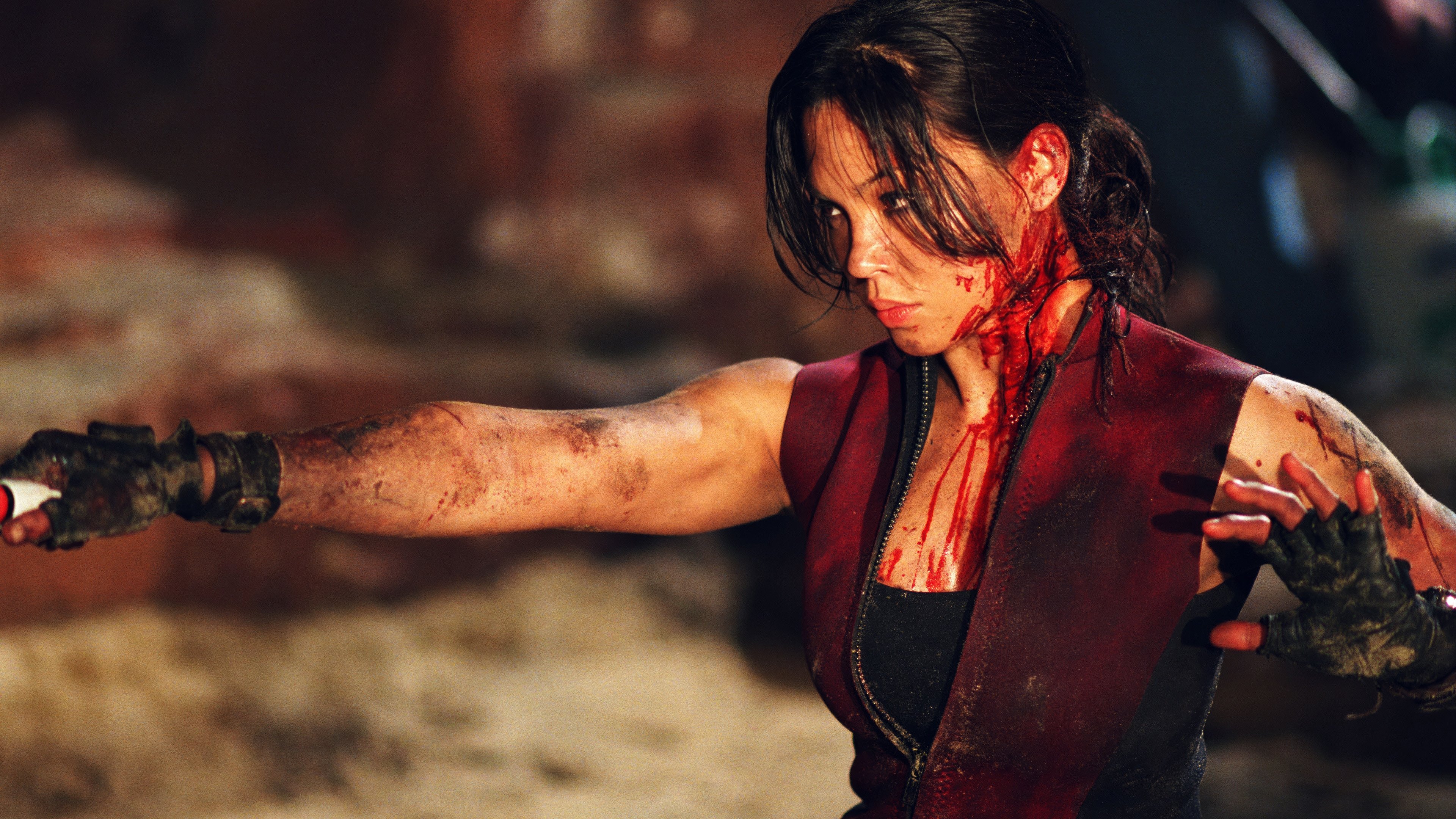
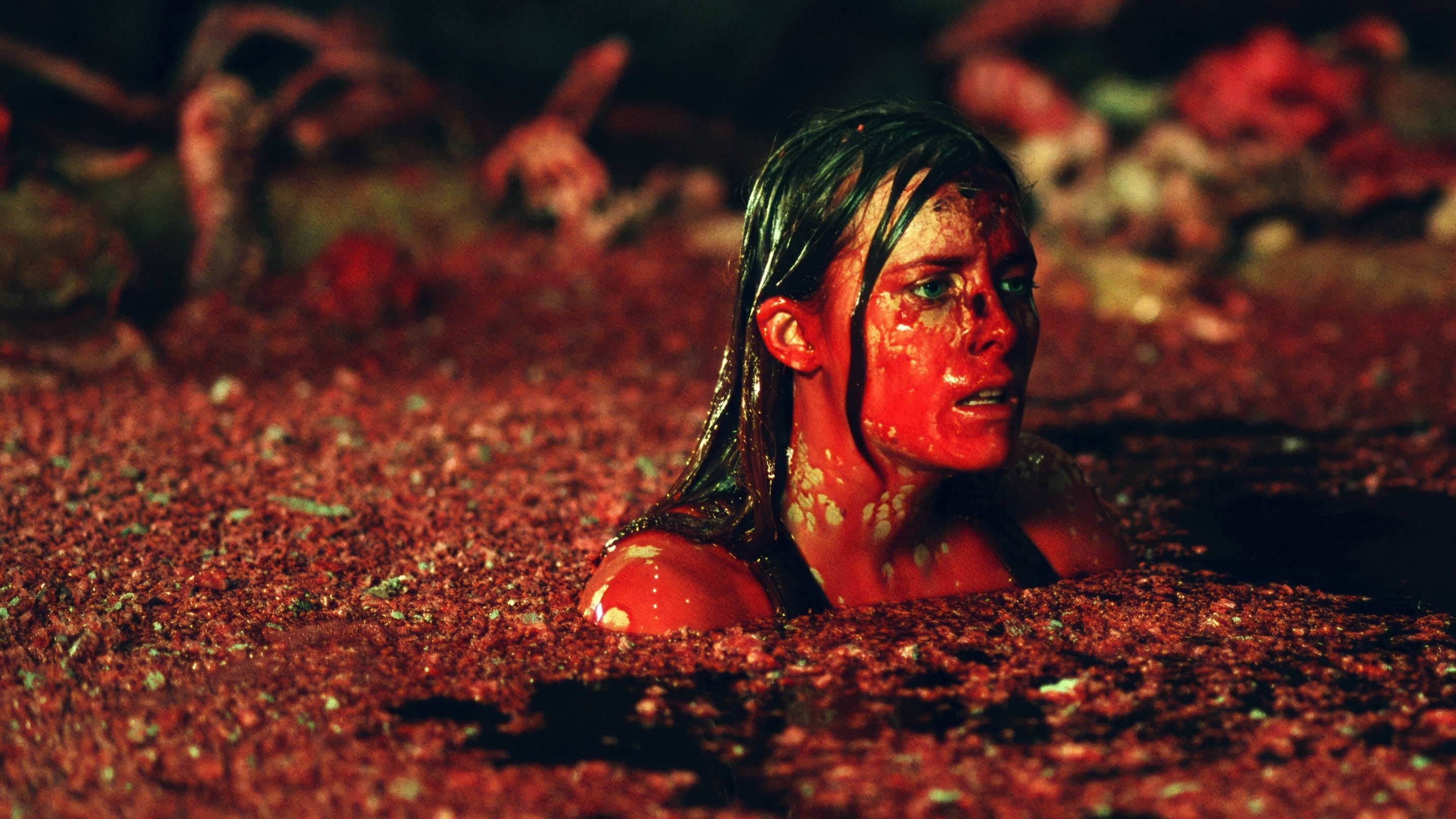
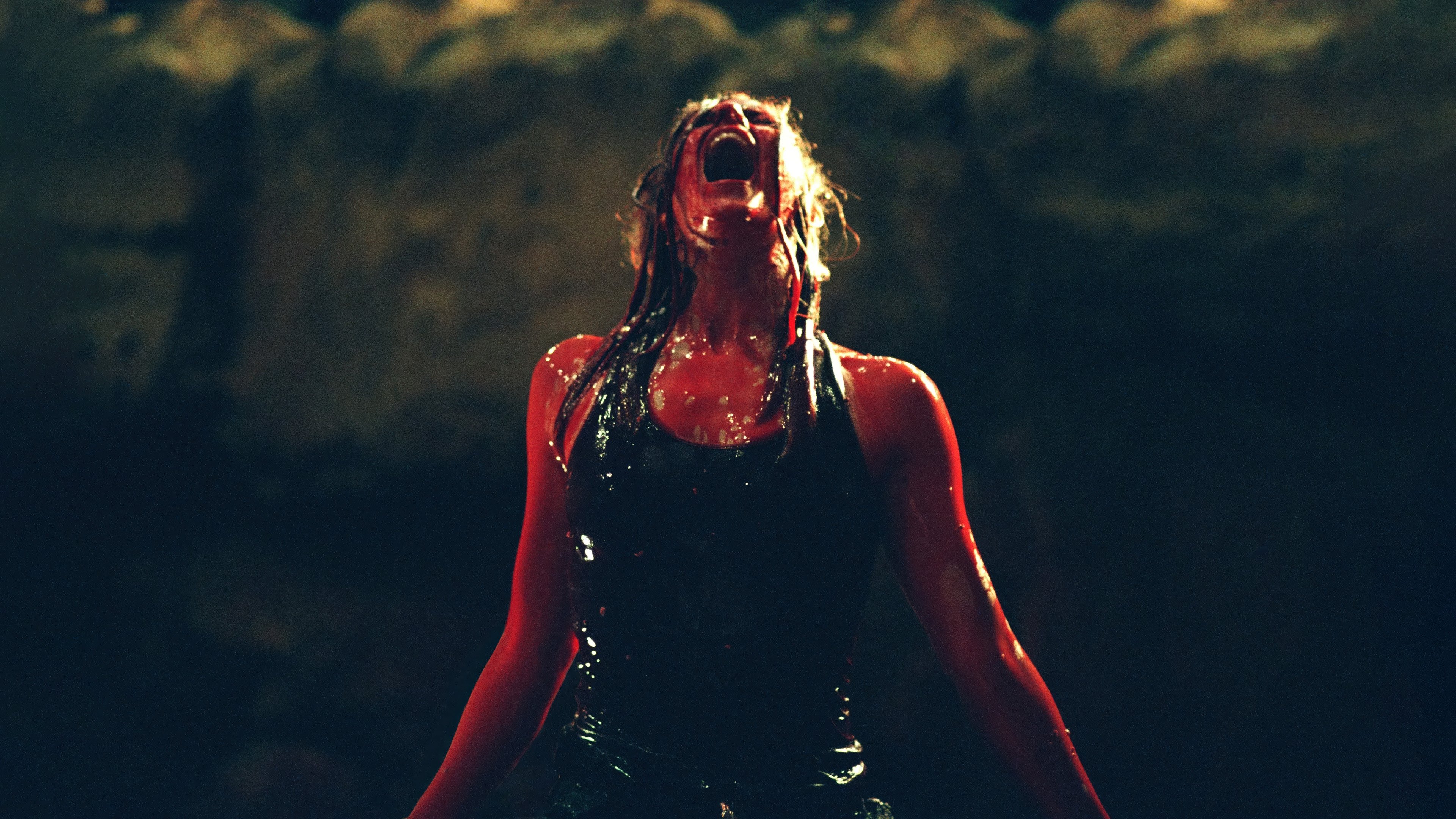
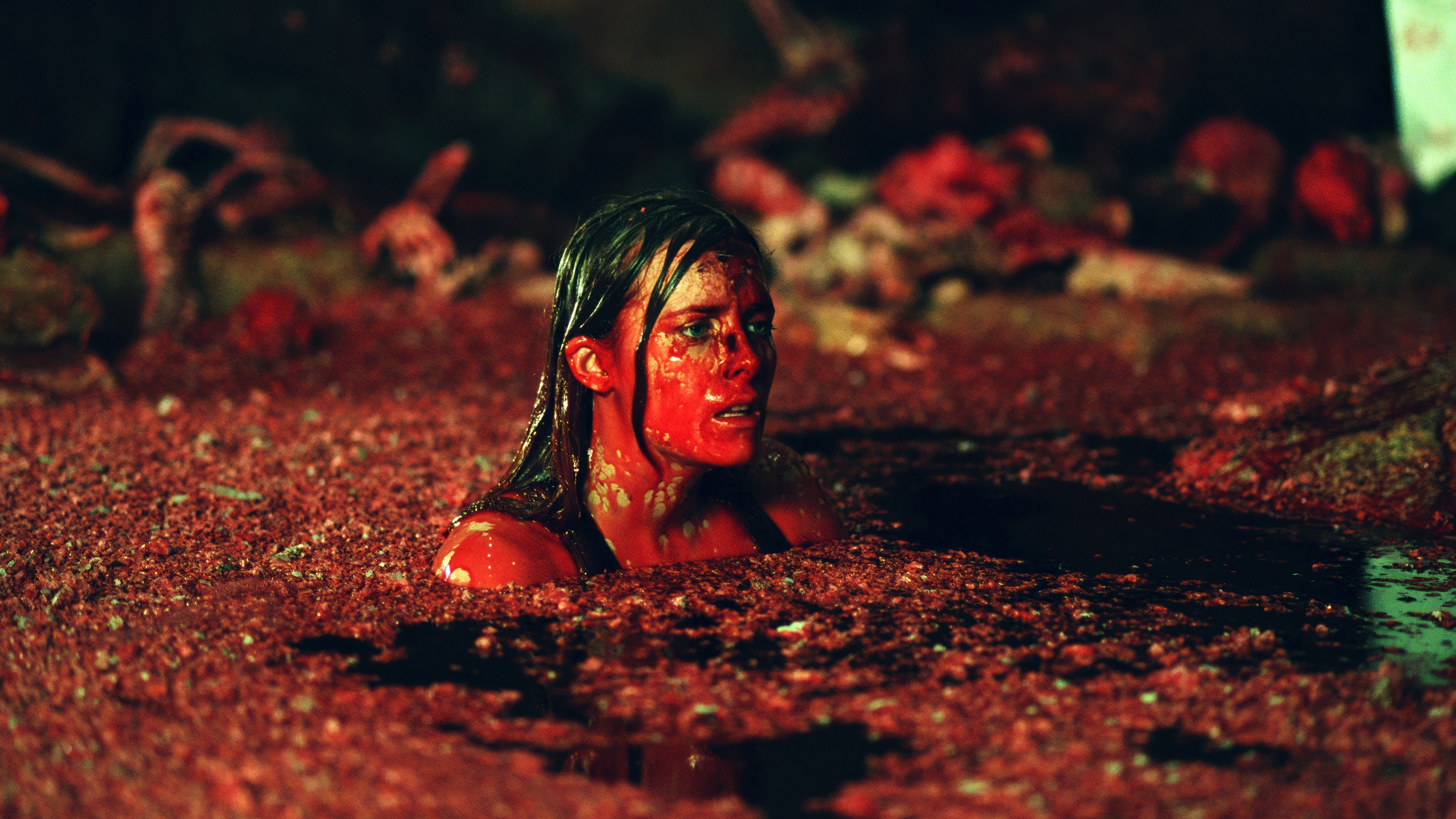
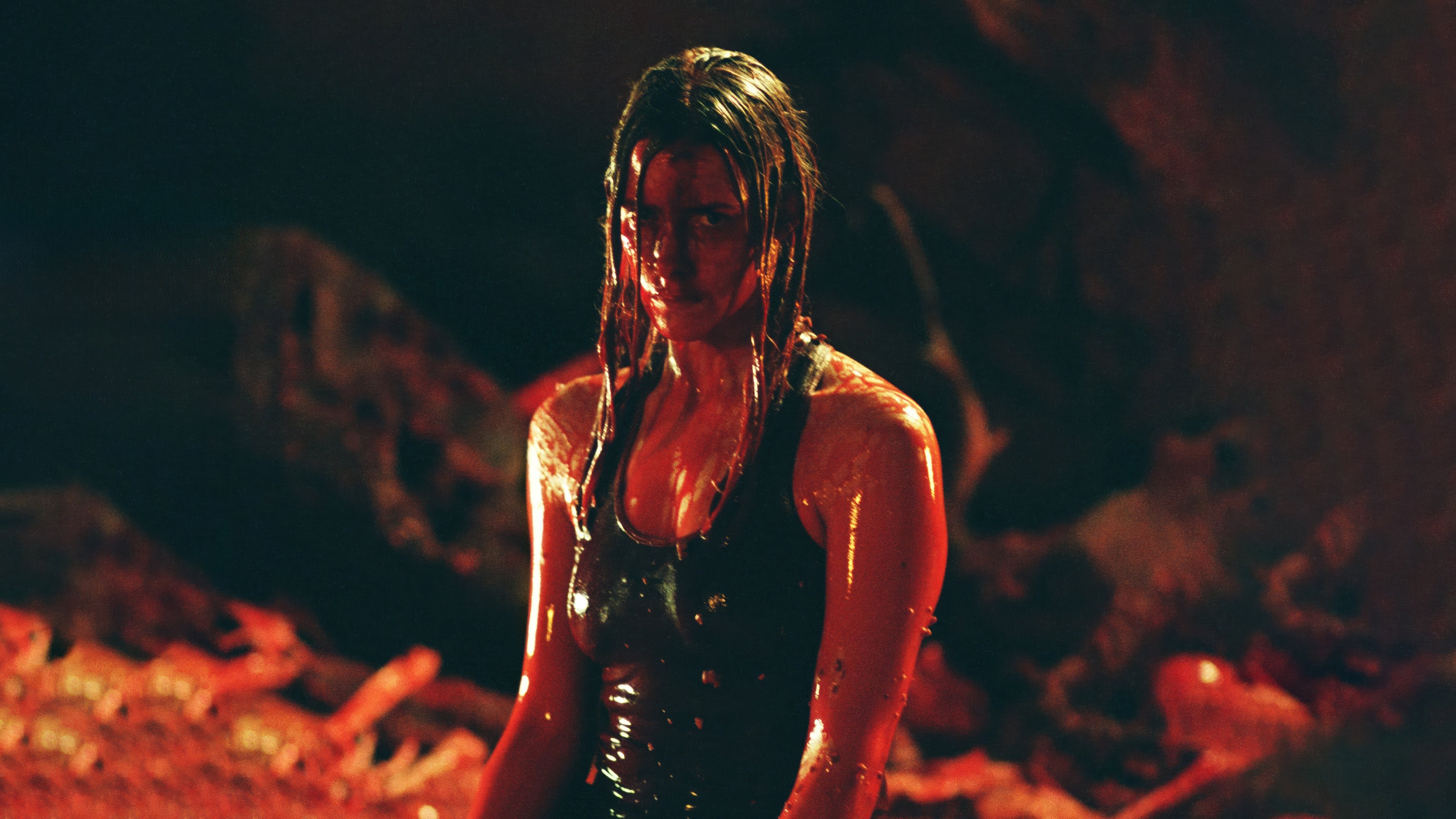
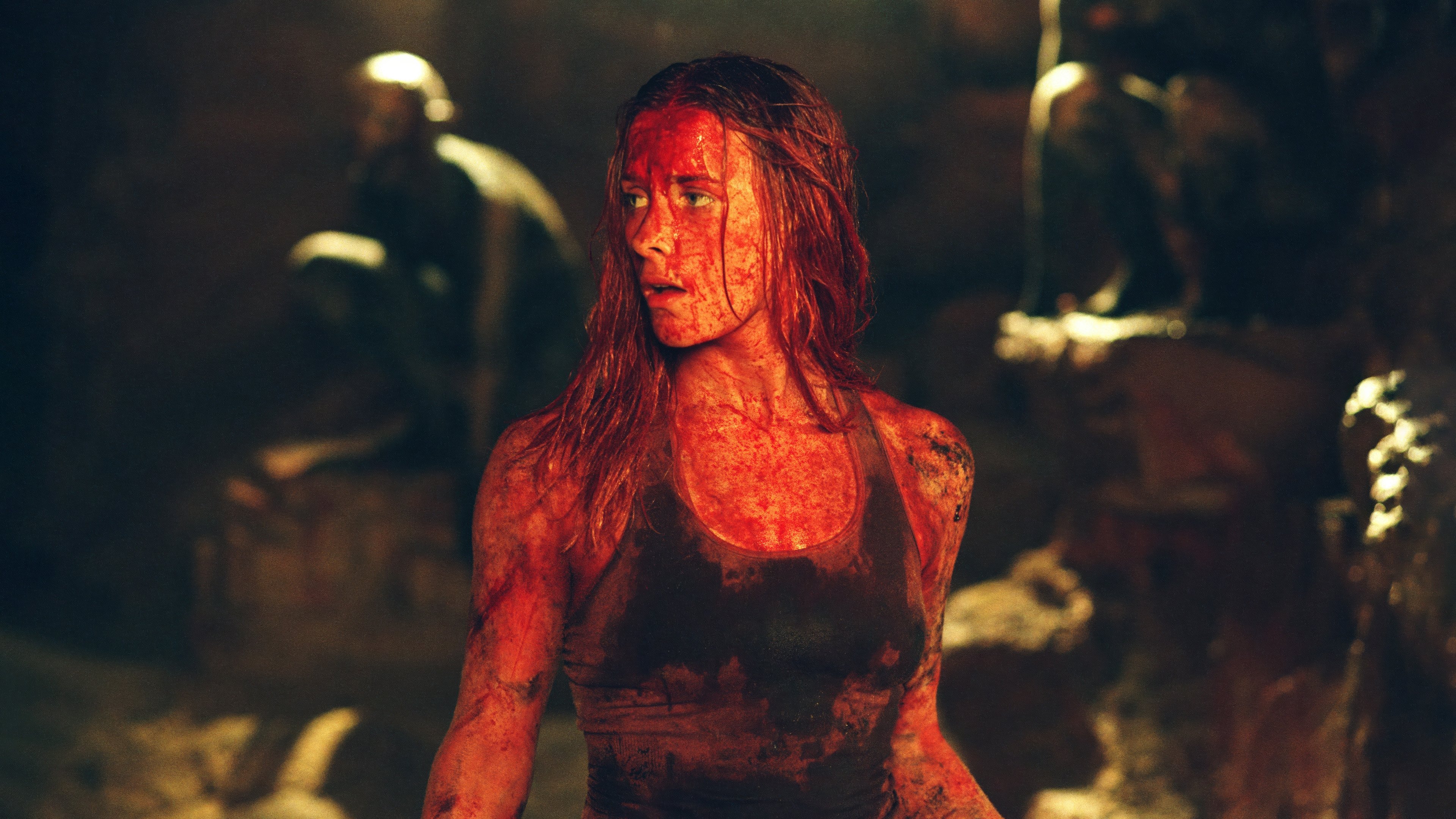
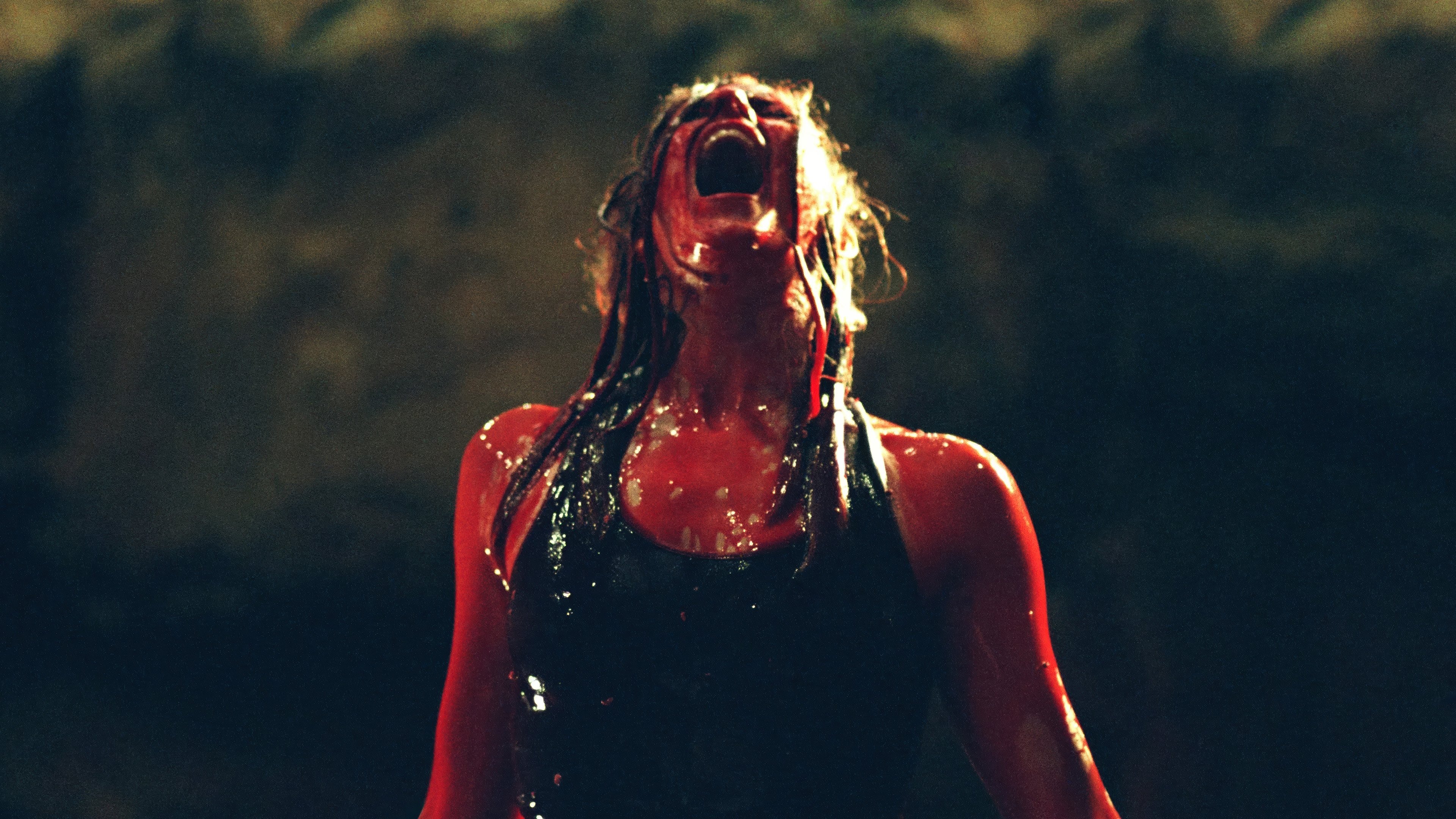
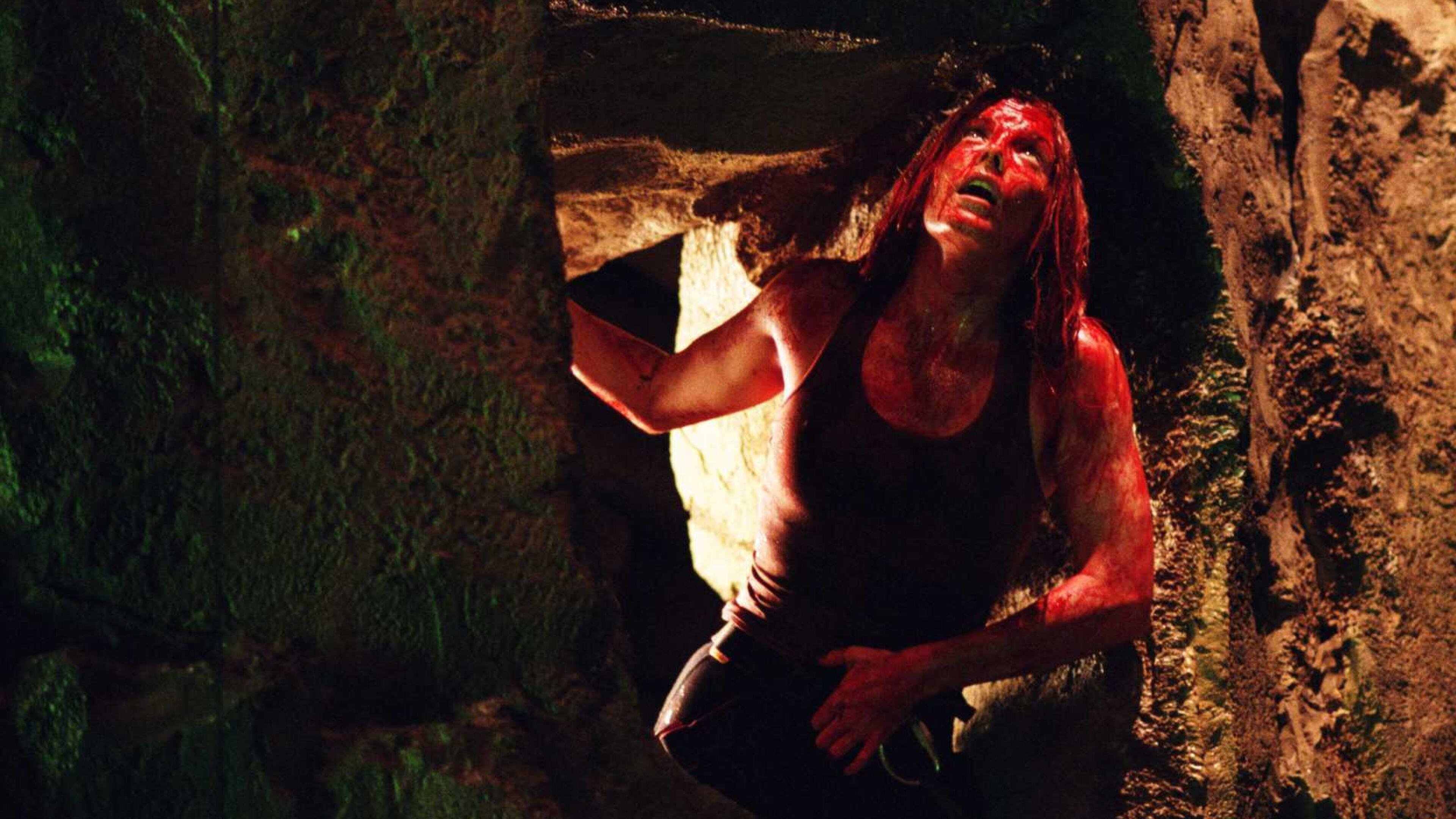
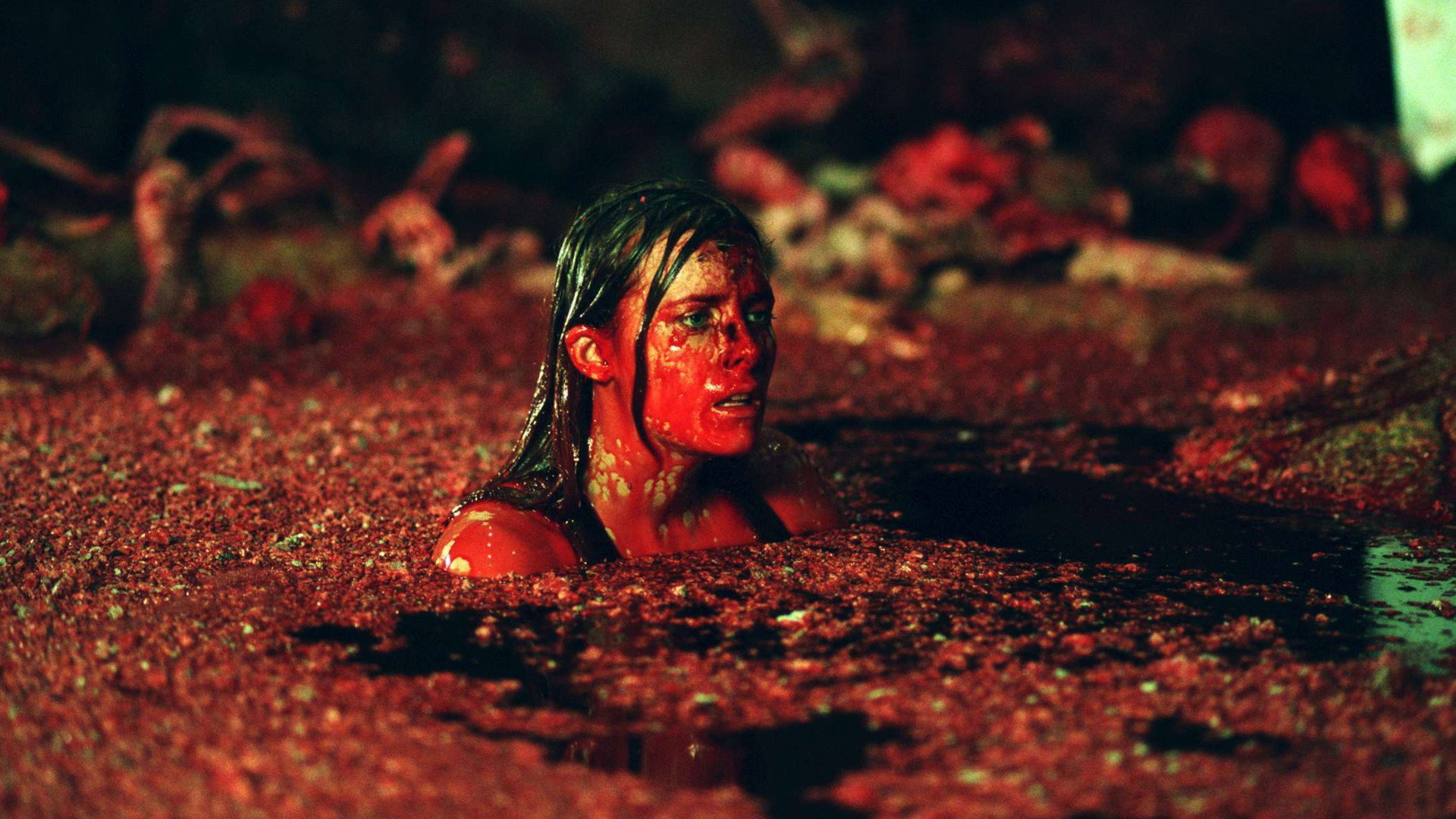
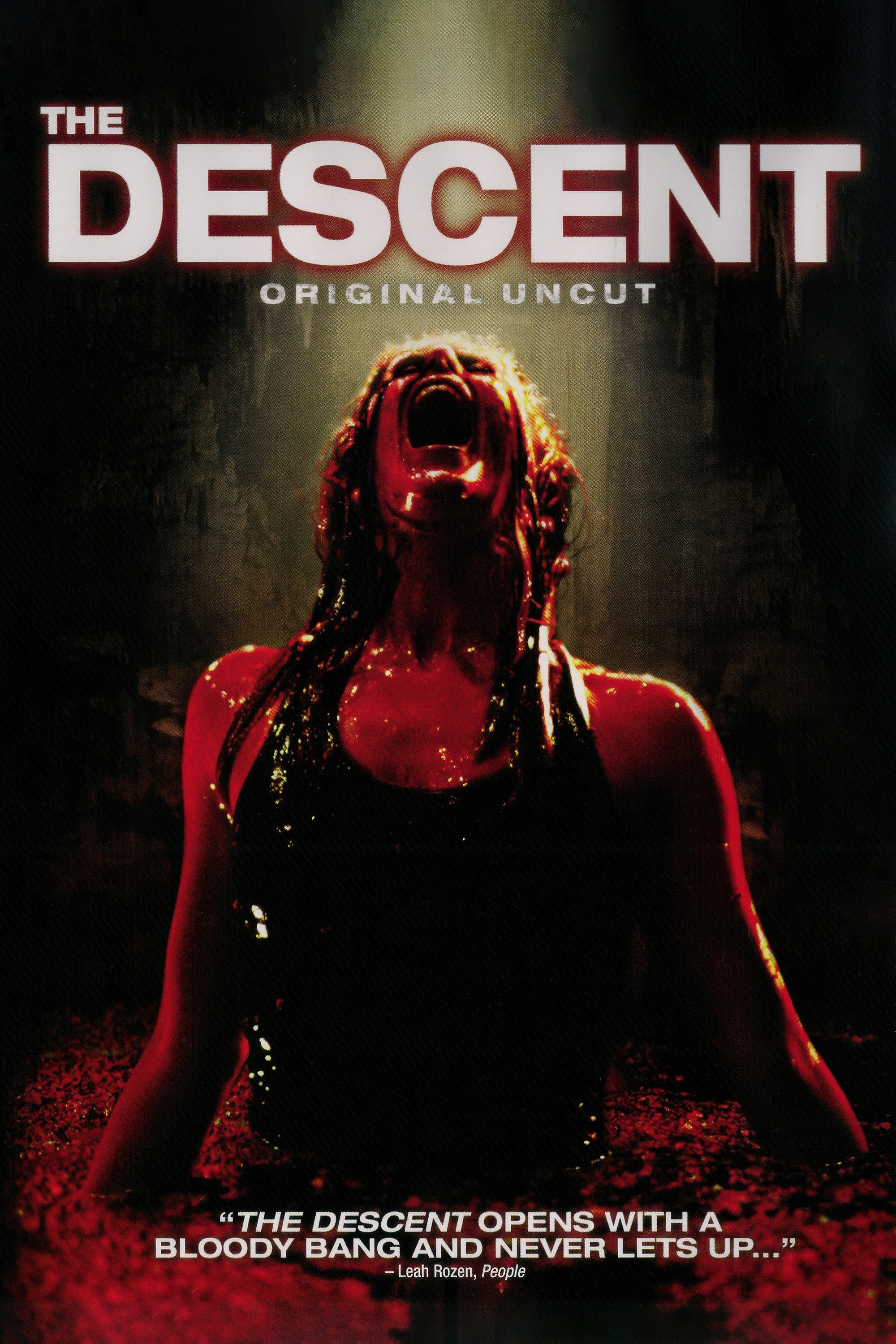
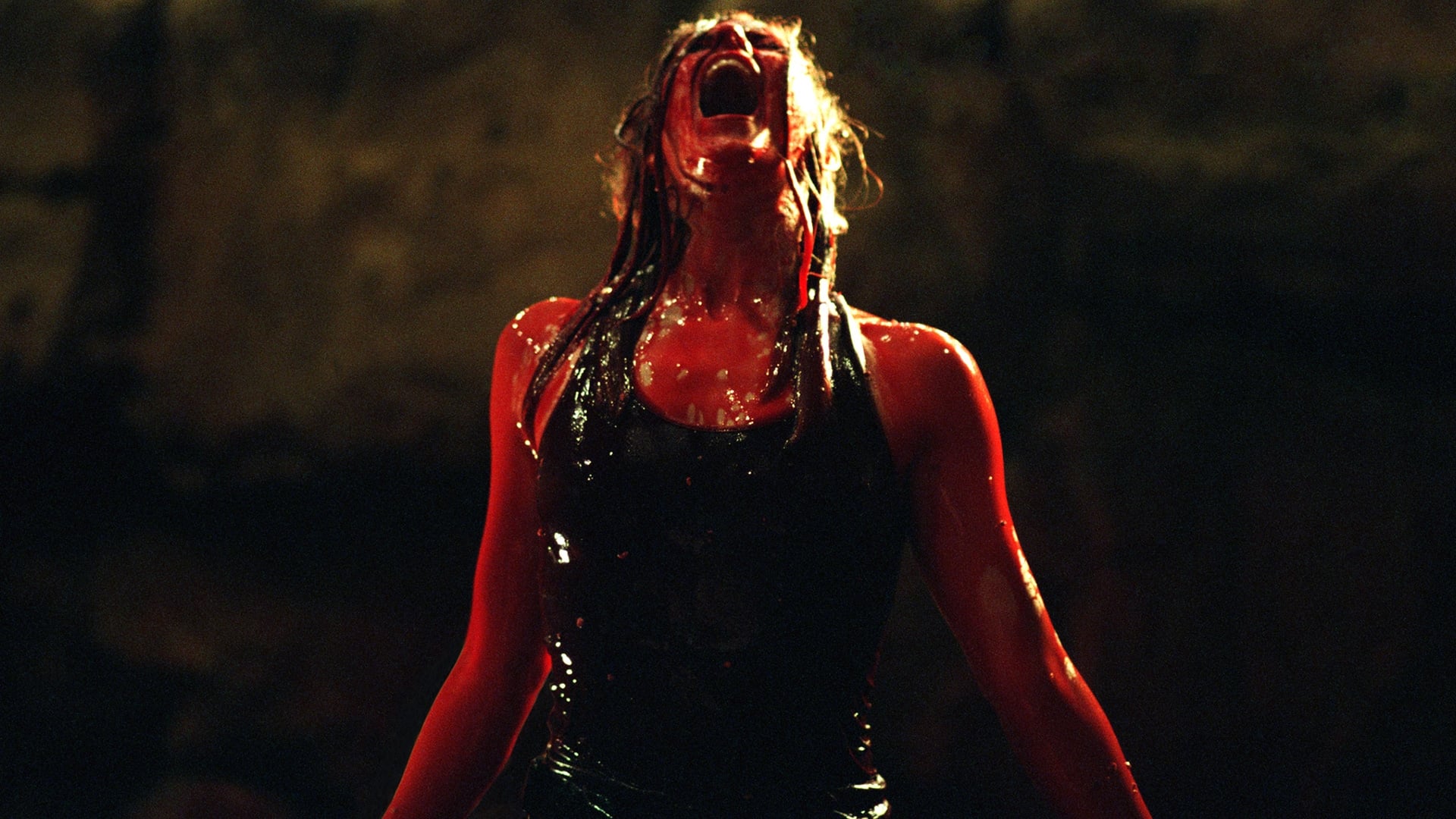
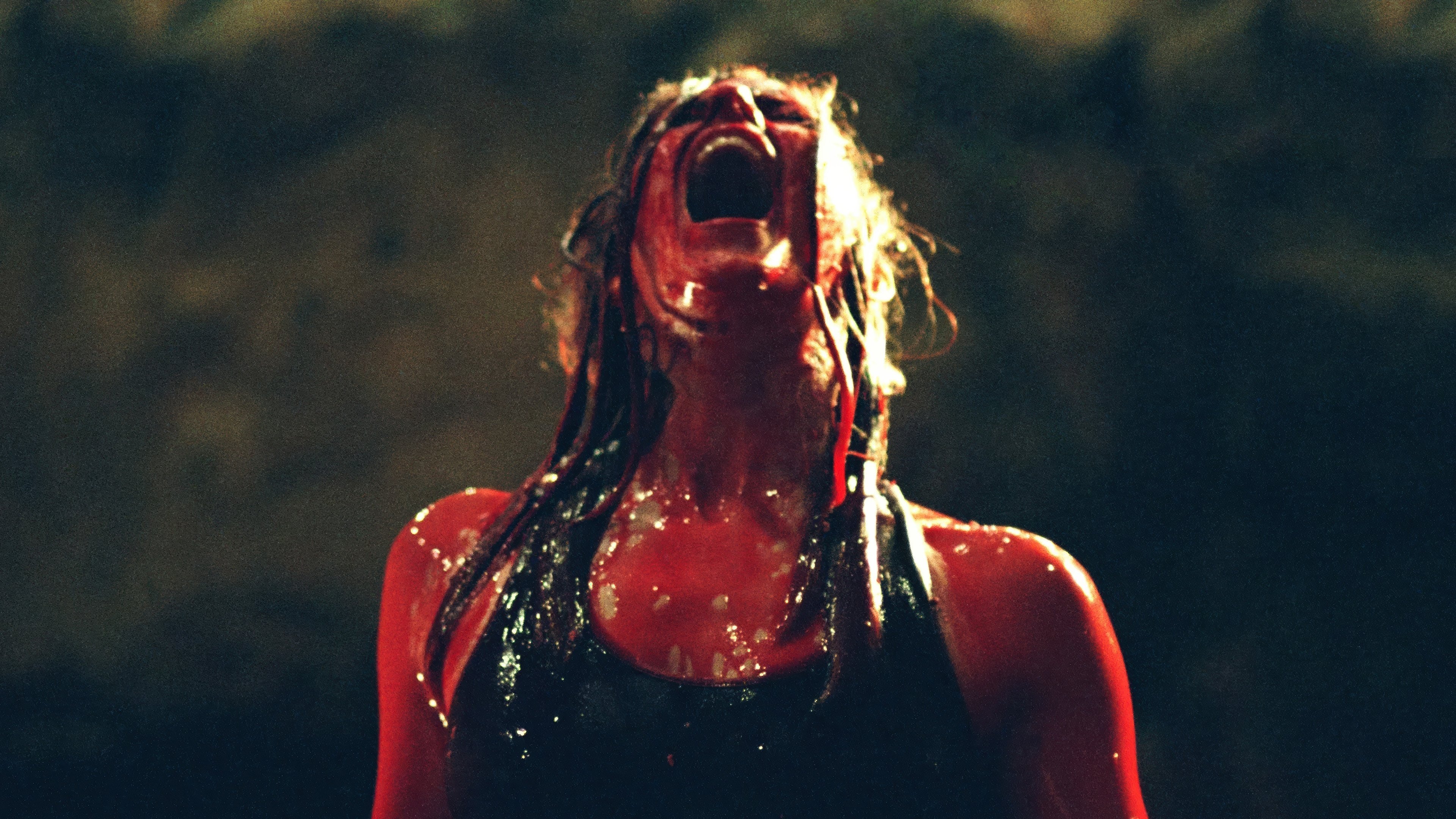
Sarah’s transformation becomes most visible during the extended combat sequences near the end. Covered in blood and forced into increasingly violent encounters, she adopts tactics far removed from the emotional withdrawal established after her family tragedy. Marshall described this passage as a form of rebirth associated with the character’s recovery of survival instincts. The image of Sarah emerging from a pool of blood can be read in relation to that stated intention, although its broader symbolic implications remain open to interpretation. The film’s treatment of psychological trauma is inseparable from its physical threats: Sarah’s memories, guilt and loss influence the meaning of the escape that appears to occur in the final sequence.

Music and Sound Design

David Julyan composed the score for The Descent after Marshall had already assembled much of the film. In a December 2006 interview with Ain’t It Cool News, Julyan explained that he became involved relatively late in editing, when the production was approaching picture lock and temporary music had already been used. Marshall had been listening to Julyan’s score for Insomnia (2002) during the writing process, and the existing music influenced the atmosphere he wanted to develop. The composer consequently entered a project in which musical references had already shaped important creative decisions.
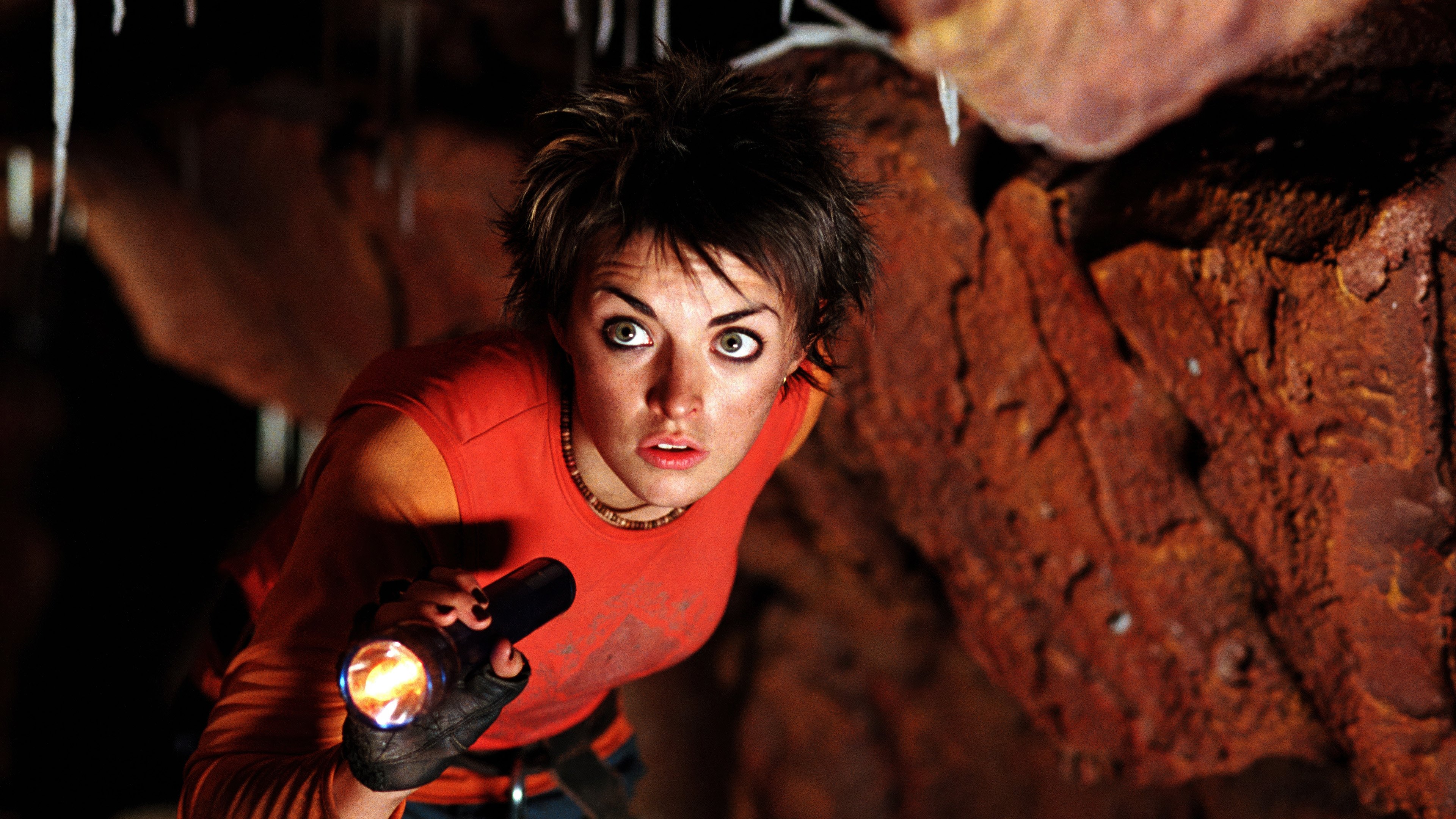
Julyan approached the film through its emotional story, attempting to connect the opening account of bereavement with the increasingly desperate underground action. He described using recurring thematic material to establish continuity across the film’s changing moods. The score combines lyrical passages with more aggressive orchestral textures, but the composer deliberately avoided relying on loud musical accents for every sudden shock. He recalled that Marshall supported the decision to leave some of the most effective frightening moments without music. These absences allow isolated sounds and the immediate reactions of the characters to carry the impact of the scene.

The sound design, undertaken by the team at Phase, was equally important to the production’s atmosphere. Marshall explained that much of the location sound recorded on the cave sets was removed, apart from dialogue, so the underground acoustic environment could be constructed during post-production. The filmmakers developed the sounds of the Crawlers while establishing the different acoustic qualities of enclosed spaces. Breathing, movement and contact with rock surfaces become particularly prominent when the characters attempt to remain silent. The combination of constructed ambience and carefully restricted musical cues gives the audience information about nearby danger while withholding a clear view of its source.

Release and the Two Endings

The Descent opened theatrically in Britain on 8 July 2005 through Pathé, after receiving an 18 classification from the British Board of Film Classification on 27 June. Its American release followed on 4 August 2006 through Lionsgate. The interval between the two theatrical openings allowed the American distributor to reconsider the conclusion. The British version follows Sarah through an apparent escape to the surface, a traumatic vision of Juno inside her vehicle and a return to consciousness deep underground. She remains trapped, imagining an encounter with her dead daughter while the sounds of approaching Crawlers continue around her.
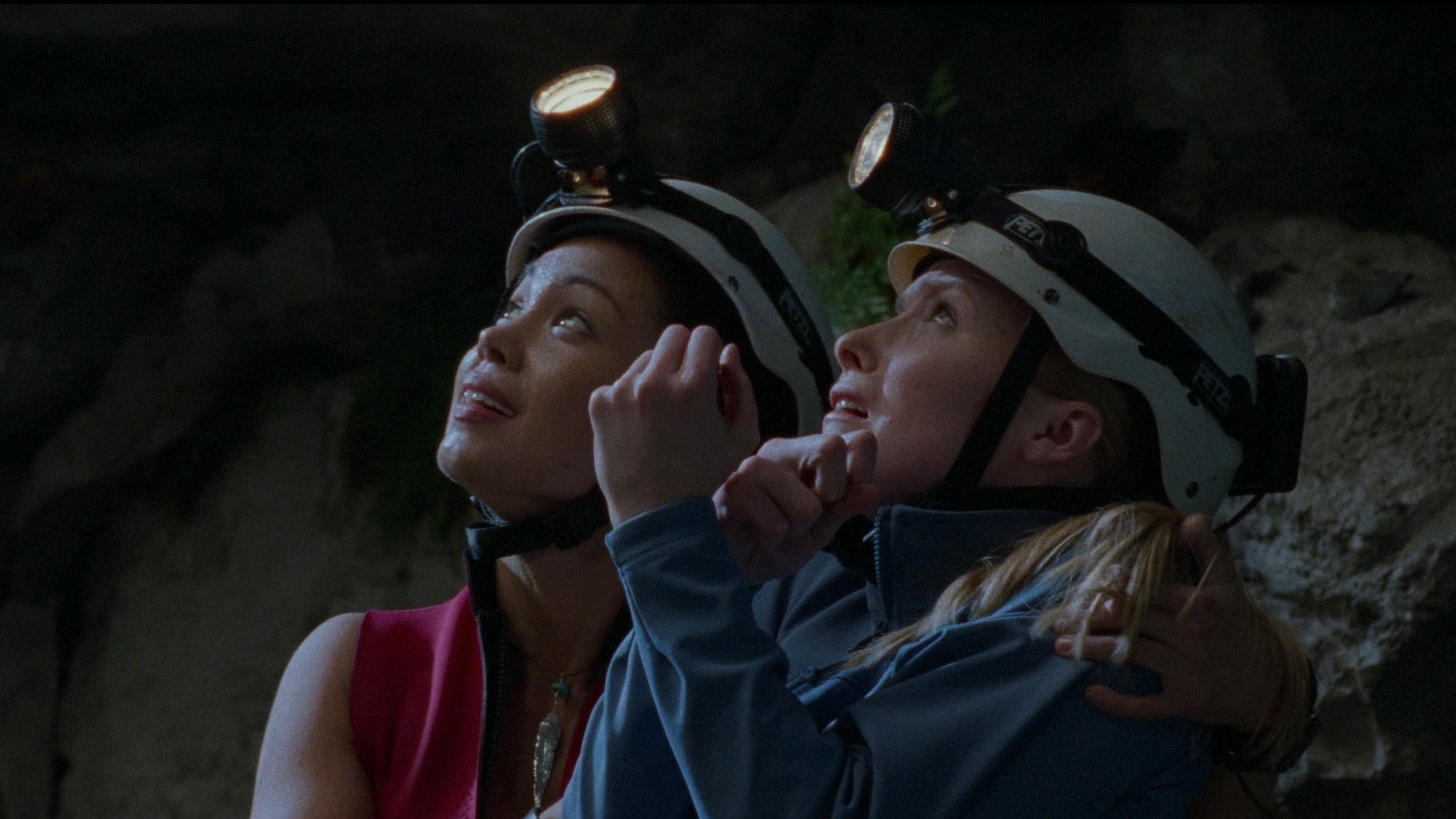
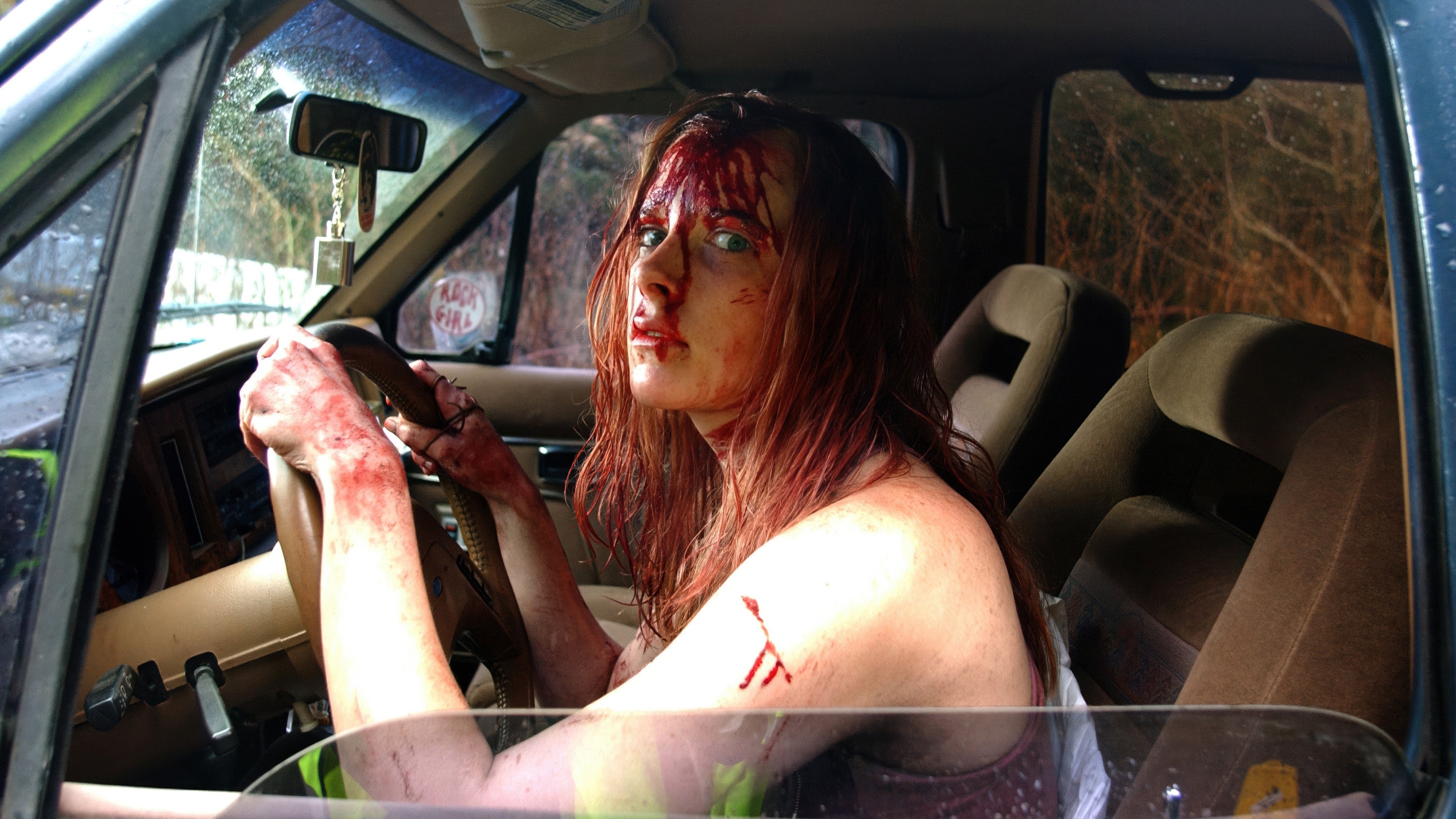
The American theatrical version ends earlier, after Sarah apparently escapes and experiences the apparition inside the vehicle. Removing the final return to the cave changes the narrative outcome, leaving the physical escape apparently intact. Marshall explained in interviews that the shorter ending had been considered during editing before the original scripted conclusion was retained for Britain. In his twentieth-anniversary interview, he described a later disagreement over the two versions and identified the British conclusion as his definitive preference. According to his account, Lionsgate favored the shorter version after test screenings and linked the choice to a wider theatrical release. The alternate ending therefore represents a distribution decision rather than a separate original conception of the story.
The BBFC records a British theatrical submission running 99 minutes and 24 seconds and later British home-video submissions of 95 minutes and 21 seconds. Those figures should not automatically be interpreted as evidence of removed material: cinema and home-video playback standards can produce different recorded durations. A subsequent British cinema submission in 2025 runs 99 minutes and 13 seconds. The release history also includes the twentieth-anniversary 4K restoration, supervised in collaboration with Marshall. The existence of different distribution versions makes it essential to identify the specific ending under discussion rather than treating every circulating edition as narratively identical.

Reception and Historical Influence

The Descent attracted considerable attention for achieving strong physical suspense before revealing its creatures. The cave collapse, the difficulty of passing through narrow openings and the dependence on fragile light sources create dangers independent of the supernatural or monstrous elements. Marshall remarked in a 2006 interview that some audiences found the confined passages more disturbing than the attacks. The film’s structure consequently broadens the range of threats experienced by the characters: the environment remains dangerous even when the predators are absent. Its reliance on tangible locations and performers contributed to the response from horror audiences during its original circulation.

The film earned Marshall the British Independent Film Award for Best Director and received the Saturn Award for Best Horror Film. These recognitions accompanied the wider critical attention generated by his movement from the comparatively humorous Dog Soldiers toward an uncompromising survival narrative. Later discussion increasingly emphasized the effectiveness of the underground sets and the physical credibility of the Crawlers. The production became a recurring reference point for horror filmmakers interested in limited visibility and direct encounters between performers and practical creatures.

In a twentieth-anniversary interview, Marshall discussed the continuing popularity of theatrical screenings and the recognition of The Descent among younger audiences. The same retrospective documented filmmakers citing its influence, including Zach Cregger, who discussed its treatment of lighting and creature design. Such statements establish identifiable instances of influence without requiring broader claims about the development of all subsequent horror cinema. The film also generated The Descent: Part 2 (2009), directed by Jon Harris, which continued the story through the possibility that Sarah survived the expedition. The sequel’s premise follows more naturally from the shorter American ending, making the different versions of the original film consequential for the franchise’s continuity.

References

  1. American Cinematographer The Descent: Creepy Crawlers

    David E. Williams interviews cinematographer Sam McCurdy about Super 35 photography, Fuji Eterna stock, Pinewood cave sets, lighting methods, prosthetic tests and digital grading.

  2. Letterboxd Journal Primal Fear: Writer-Director Neil Marshall on the Twentieth Anniversary of His Claustrophobic Caving Horror, The Descent

    Isaac Feldberg’s extensive interview with Marshall covering the screenplay, female ensemble, physical production, practical creatures, original ending, reception and restoration.

  3. CHUD Exclusive Interview: Neil Marshall (The Descent)

    Dave Davis’s August 2006 interview with Marshall on development, creature design, shooting locations, sound construction and the American theatrical ending.

  4. Ain’t It Cool News ScoreKeeper Chats with Composer David Julyan (Memento, The Prestige)

    Original December 2006 interview with David Julyan explaining the score’s development, temporary music, recurring themes and restraint in accompanying horror sequences.

  5. British Board of Film Classification The Descent — Classification and Release Records

    Official British classification records documenting the 2005 theatrical and home-video submissions, their running times and the 2025 cinema reissue.

Connections

Cast

View Full Cast & Crew →

Release & Distribution

Production Companies (3)

  • Celador Films GB
  • Northmen Productions GB
  • Pathe GB

Distributors (1)

  • Pathé FR

Release History (61)

Release DateTerritoryRelease TypeFormatDistributorCertificationNotes
2005-03-11 Belgium Premiere — — 16 Brussels International Fantastic Film Festival
2005-07-06 United Kingdom Premiere — — — Dead by Dawn Horror Film Festival
2005-07-08 United Kingdom Theatrical — — 18
2005-07-08 Ireland Theatrical — — 18
2005-08-01 Germany Premiere — — — München Fantasy Filmfest
2005-08-26 United Arab Emirates Theatrical — — —
2005-09-02 Spain Theatrical — — 18
2005-09-09 Norway Theatrical — — 15
2005-09-10 Italy Premiere — — — Venice Film Festival
2005-09-28 Philippines Theatrical — — R-18
2005-10-07 Iceland Theatrical — — 16
2005-10-12 France Theatrical — — 16
2005-10-21 Italy Theatrical — — VM14
2005-10-29 New Zealand Theatrical — — 16
2005-11-07 United Kingdom Physical DVD — 18 DVD
2005-11-10 Switzerland Theatrical — — 16
2005-11-10 Germany Theatrical — — 18
2005-11-25 Sweden Theatrical — — 15
2005-12-08 Singapore Theatrical — — R21
2005-12-09 Finland Theatrical — — K-18
2005-12-09 Taiwan Theatrical — — R-18
2005-12-29 Portugal Theatrical — — M/16
2006-01-05 Austria Theatrical — — 16
2006-01-26 Russia Theatrical — — 18+
2006-01-27 Poland Theatrical — — 16
2006-02-02 Netherlands Theatrical — — 16
2006-02-16 Argentina Theatrical — — +16
2006-02-17 Mexico Theatrical — — C
2006-02-23 Hungary Theatrical — — —
2006-03-08 Sweden Physical DVD — 15 DVD
2006-03-15 Belgium Theatrical — — 16
2006-03-16 Greece Theatrical — — —
2006-03-22 Egypt Theatrical — — —
2006-04-02 United States Premiere — — — Philadelphia International Film Festival
2006-04-20 France Physical DVD — 16 DVD
2006-04-21 Türkiye Theatrical — — —
2006-04-21 Venezuela Theatrical — — —
2006-04-28 Uruguay Theatrical — — —
2006-06-23 Panama Theatrical — — —
2006-07-15 Japan Theatrical — — R18+
2006-07-27 Australia Premiere — — MA 15+ Melbourne International Film Festival
2006-08-04 Canada Theatrical — — 18A
2006-08-04 United States Theatrical — — R
2006-08-31 Netherlands Physical DVD — 16 DVD
2006-09-15 Brazil Theatrical — — 16
2006-10-31 Romania Theatrical — — —
2006-11-23 Australia Theatrical — — MA 15+
2006-12-26 United States Physical DVD, Blu-ray — NR DVD / Blu-ray
2007-07-05 South Korea Theatrical — — 19
2008-11-21 Netherlands TV — — 16 Net 5
2009-07-09 Netherlands Physical Blu-ray — 16 Blu-ray
2009-11-09 United Kingdom Physical Blu-ray — 18 Blu-ray
2010-01-28 Hong Kong SAR China Theatrical — — III
2010-04-14 Sweden Physical Blu-ray — 15 Blu-ray
2010-11-03 France Physical Blu-ray — 16 Blu-ray
2022-10-01 France Digital — — 16 Prime Video
2025-10-24 United Kingdom Theatrical — — 18 20th Anniversary, 4K Remastered
2025-11-11 United States Physical 4K UHD — R 20th Anniversary 4K Ultra HD SteelBook (Lionsgate Limited)
2026-01-01 Argentina Theatrical — — +16 Reestreno
2026-02-19 Argentina Theatrical — — +16 Reestreno 20° Aniversario
2026-06-29 United Kingdom Physical 4K UHD — 18 4K Ultra HD Blu-ray
Scream your last breath.