Saw II (2005)

US
6.3/10 4 votes
Runtime
89 min
Release
October 28, 2005
Budget
$4,000,000
Revenue
$152,925,093
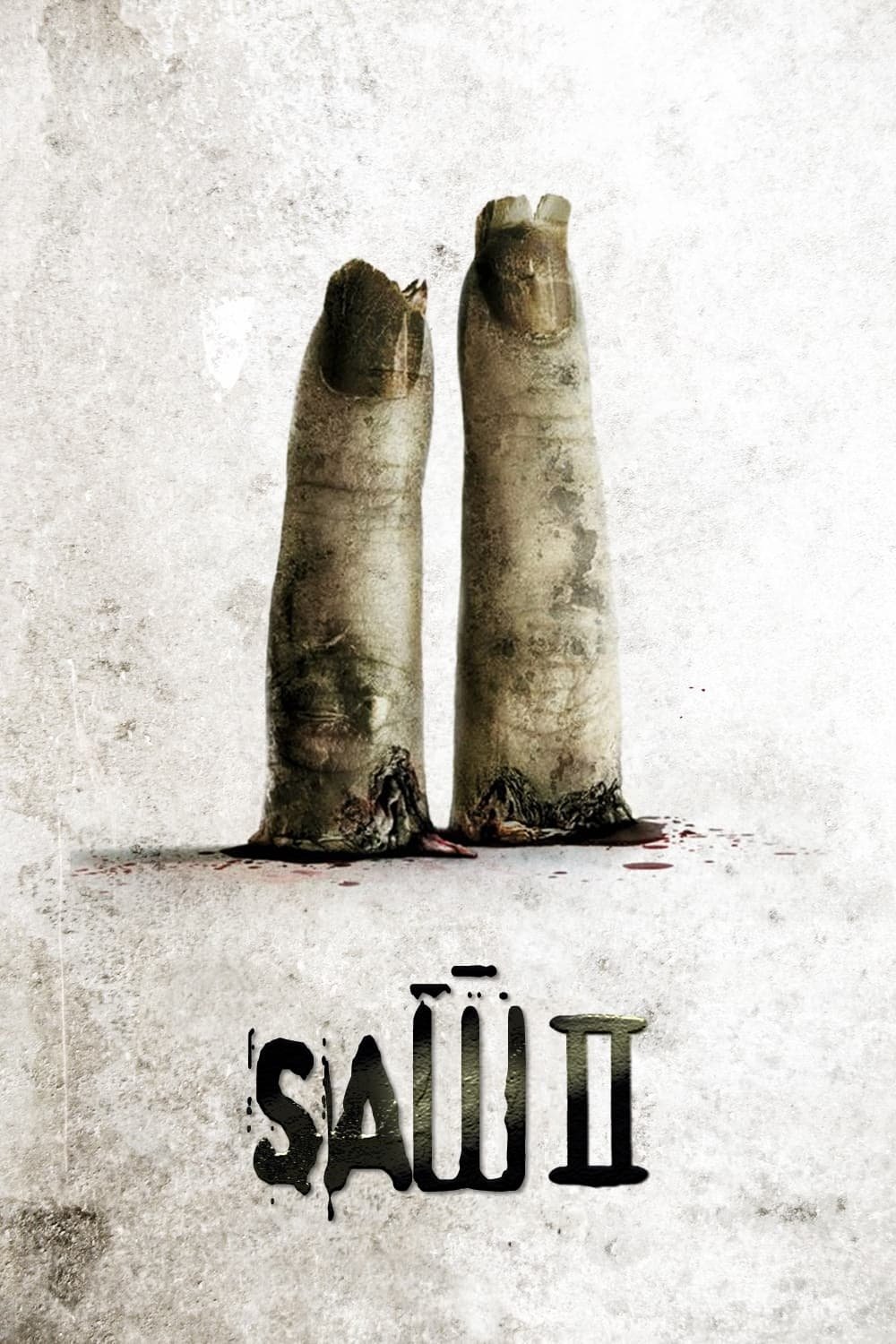
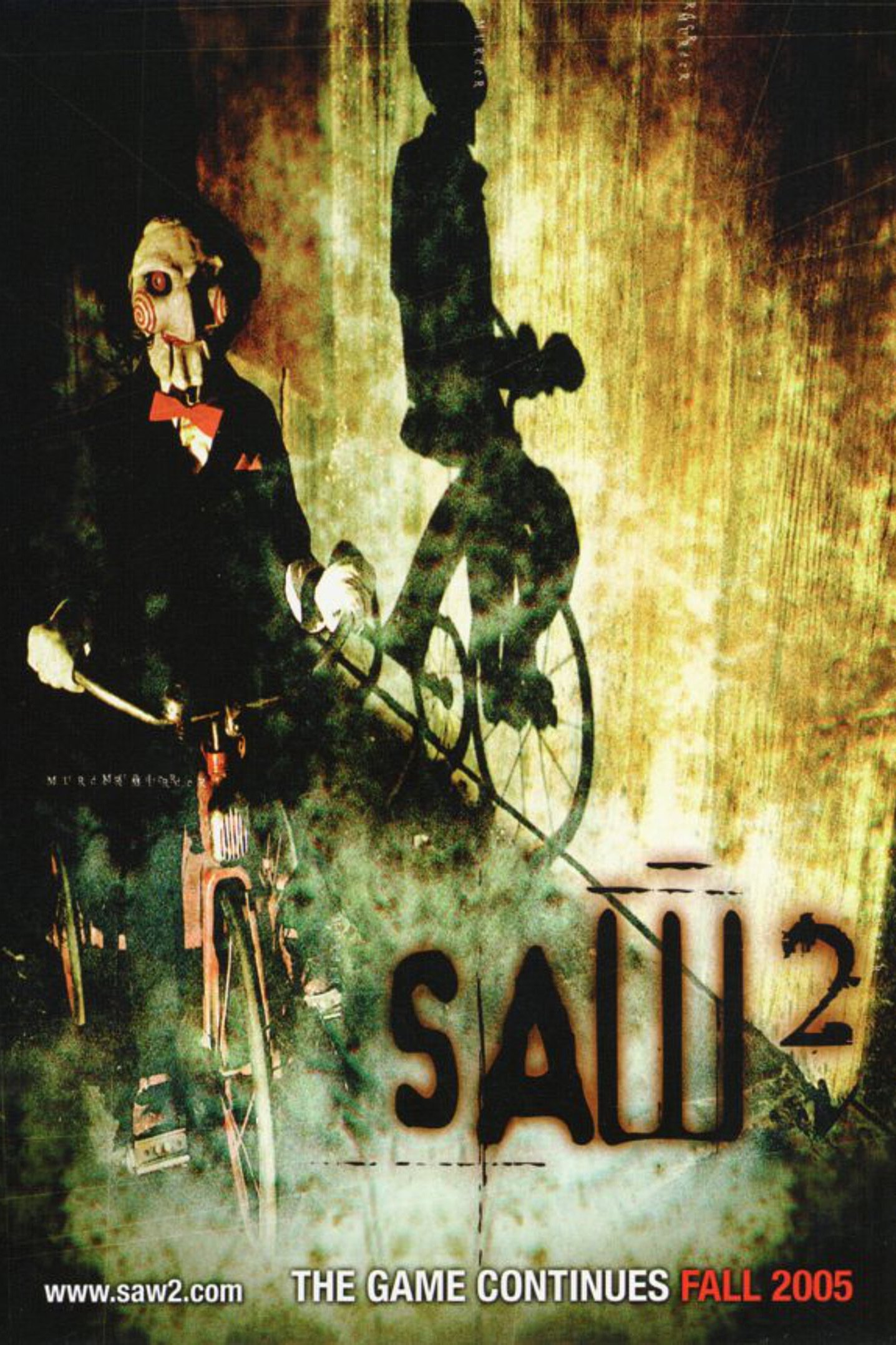
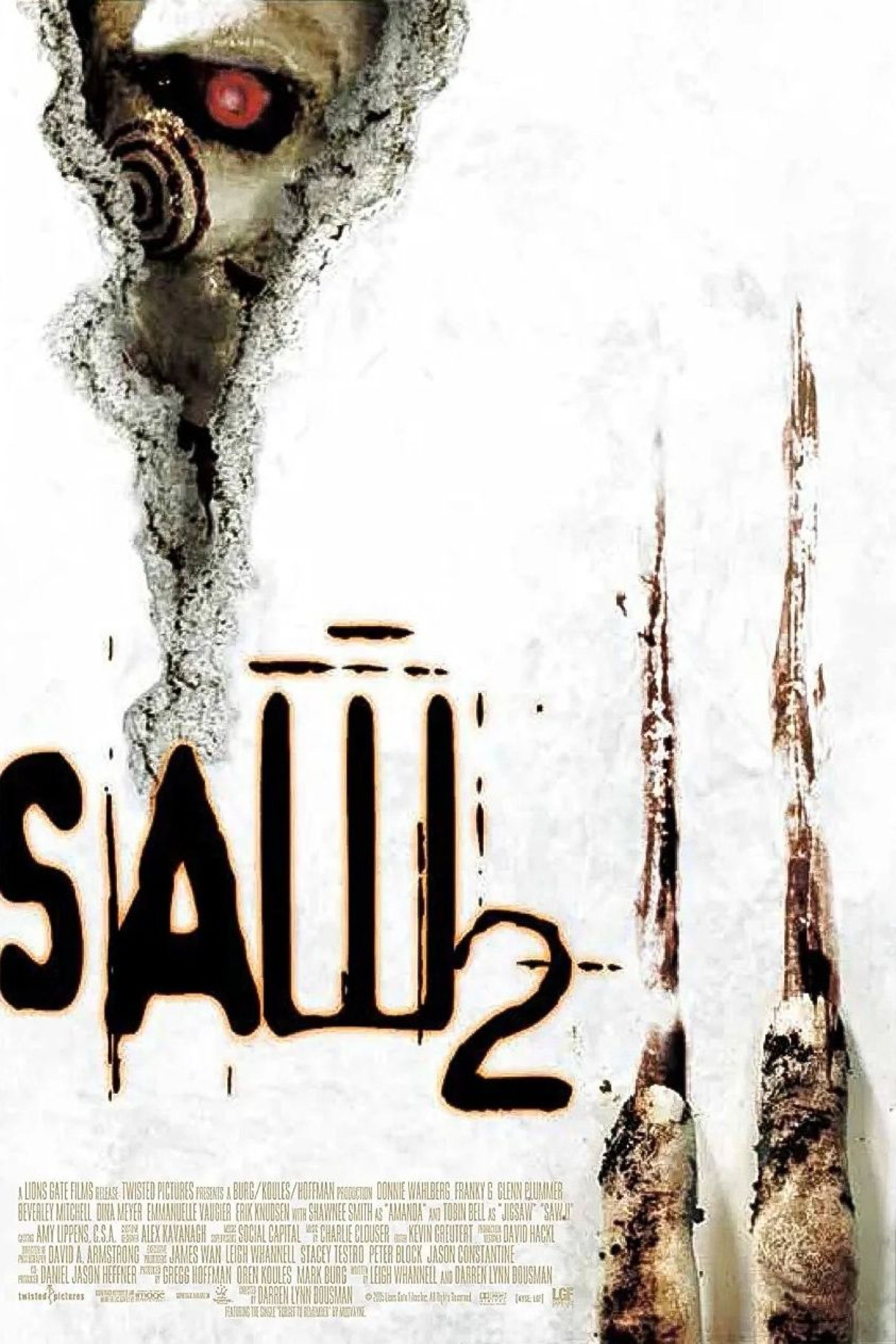
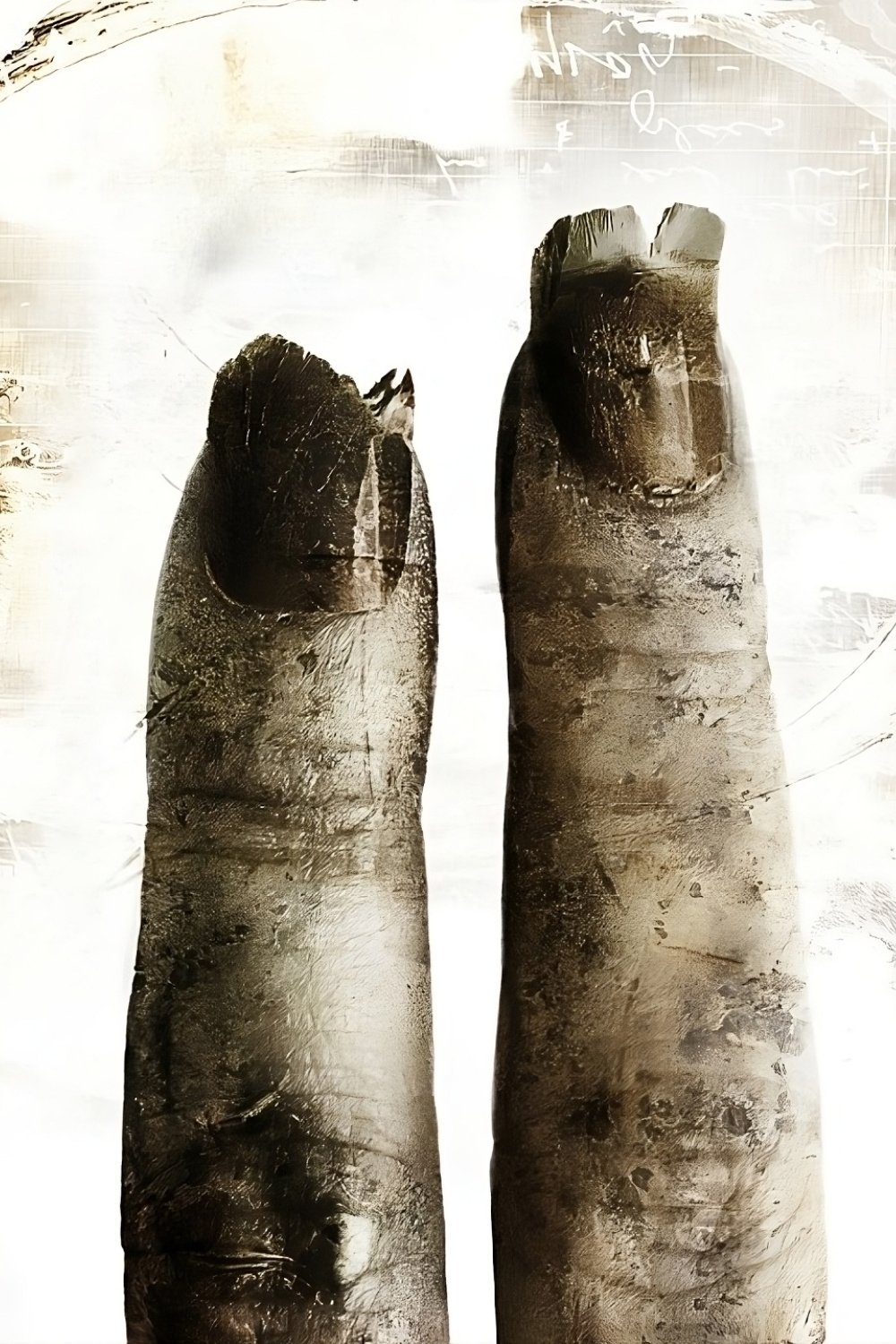
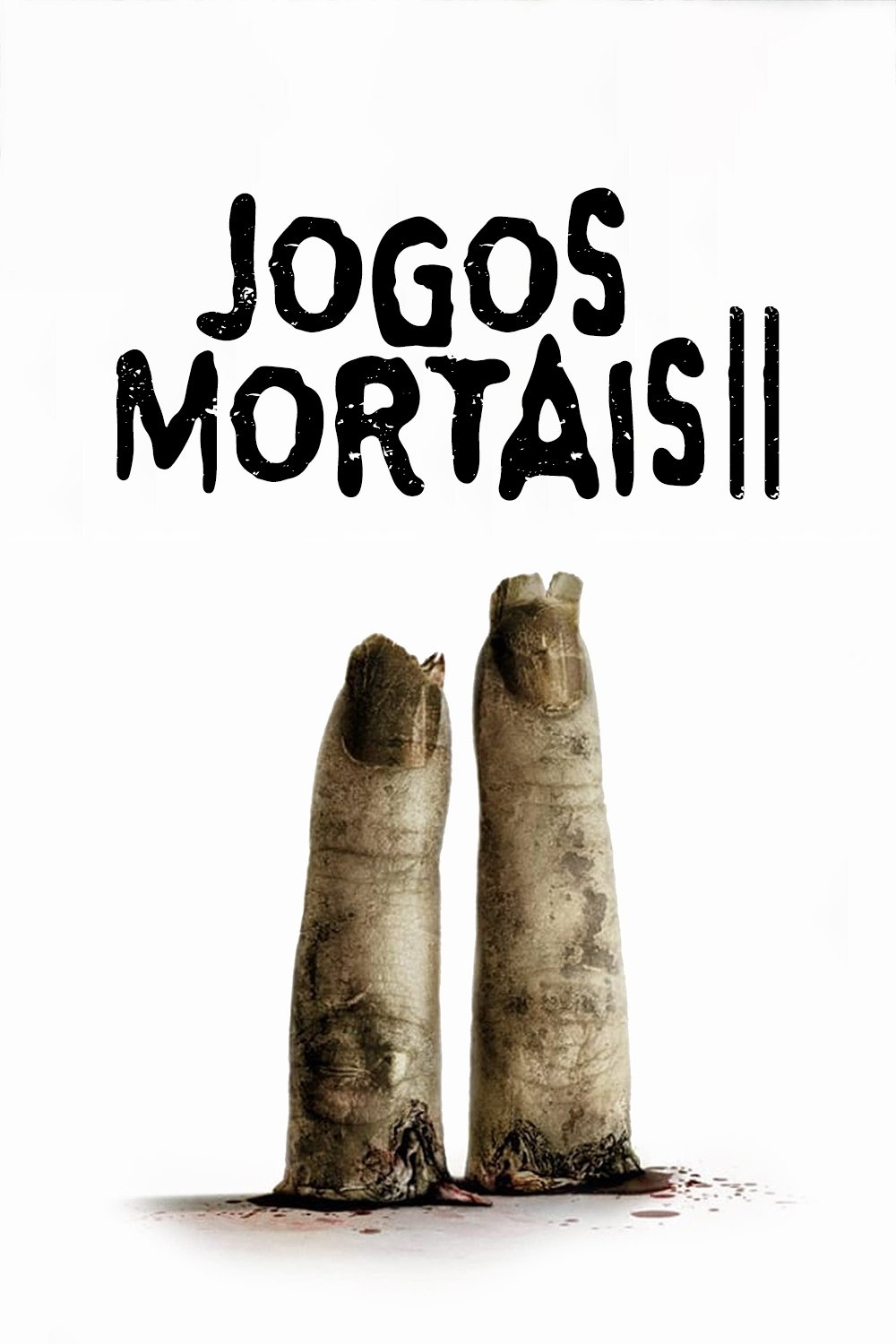
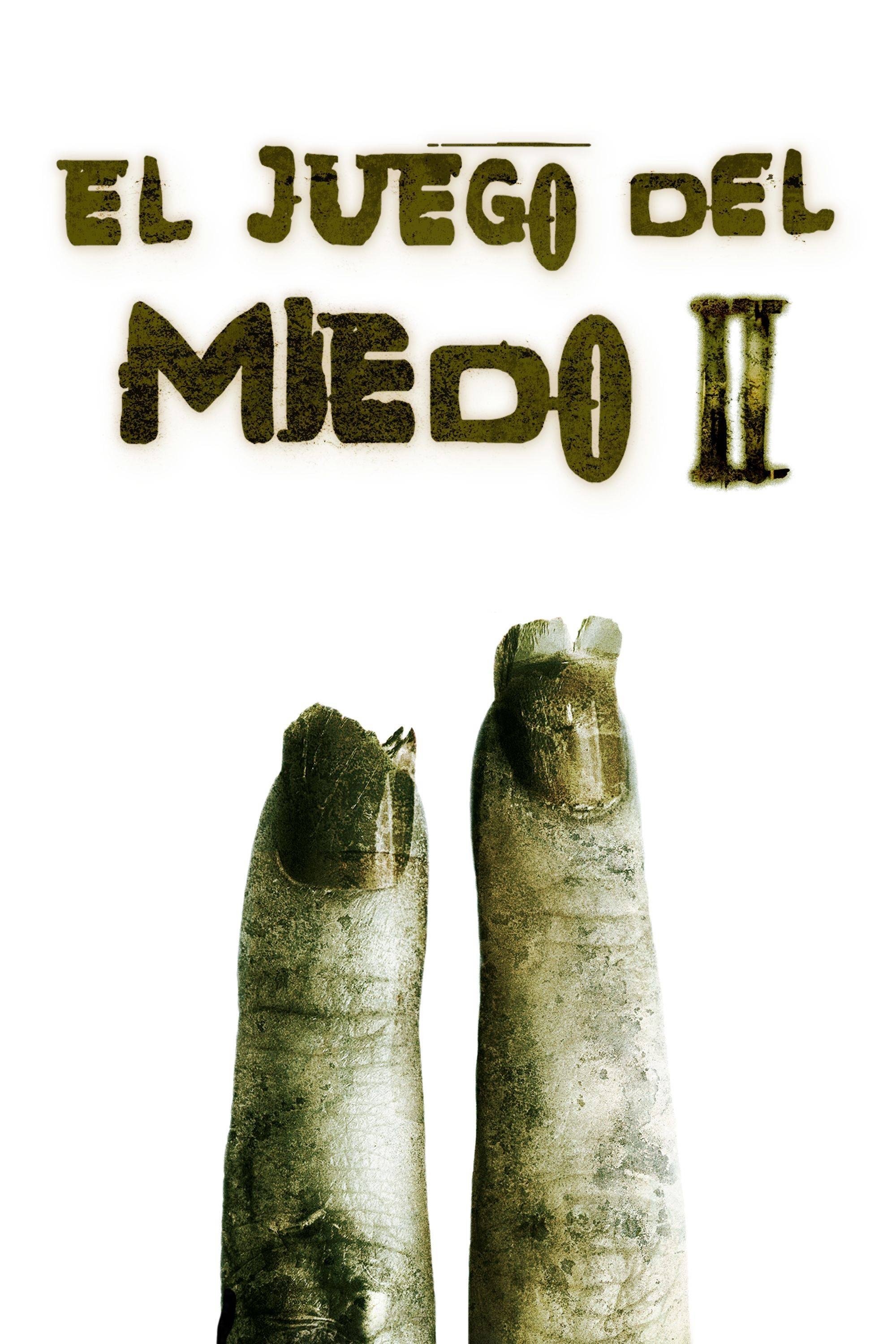
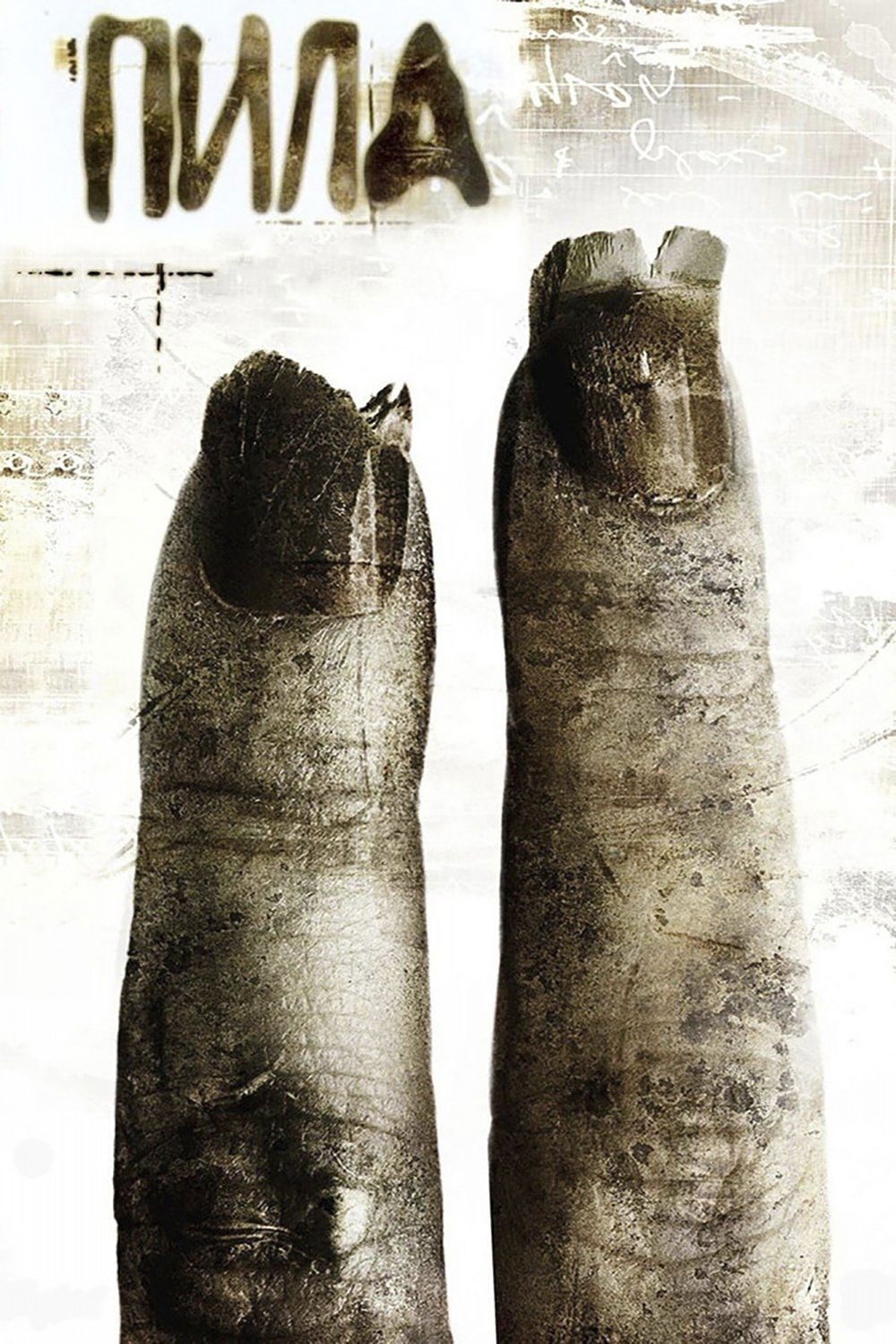
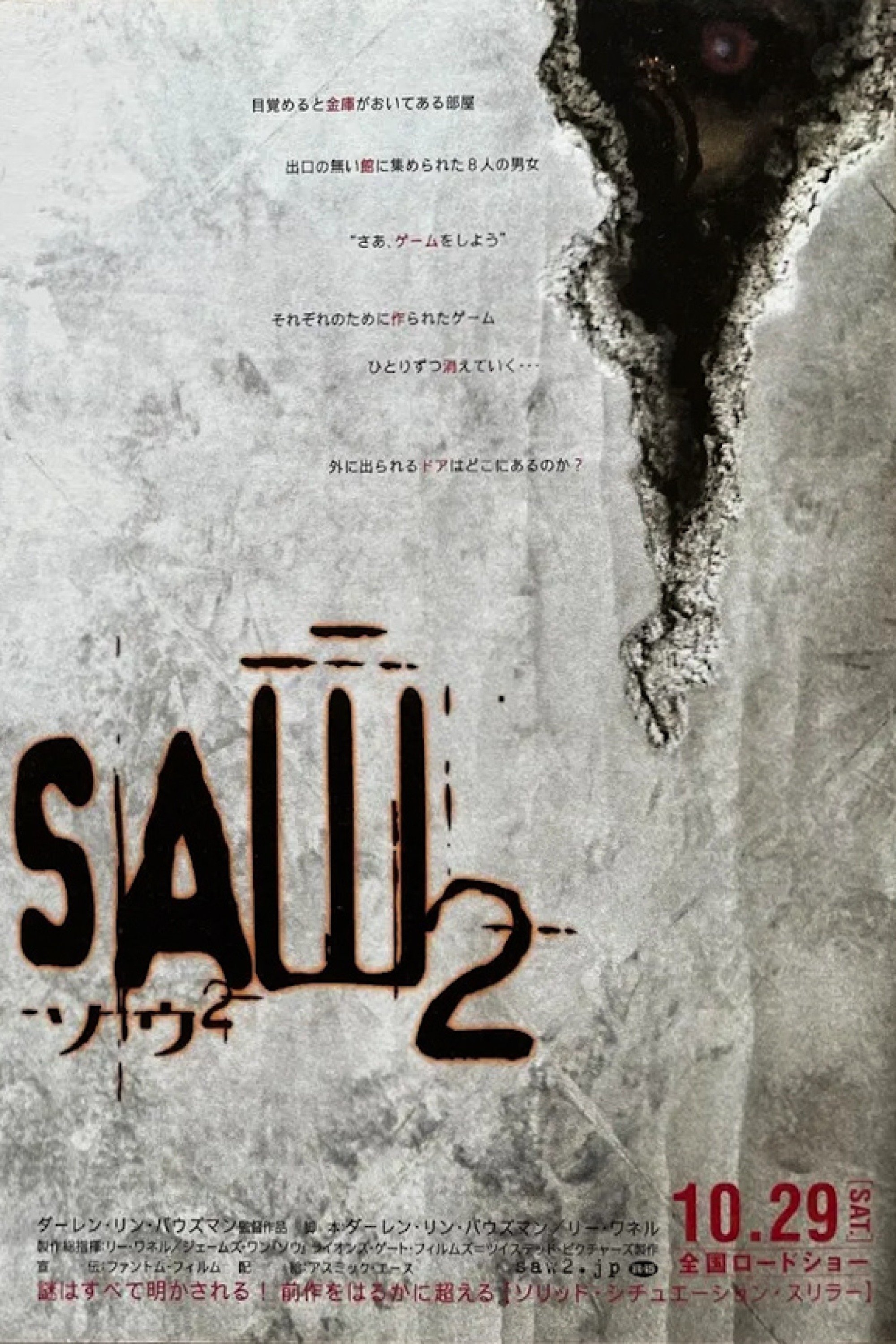
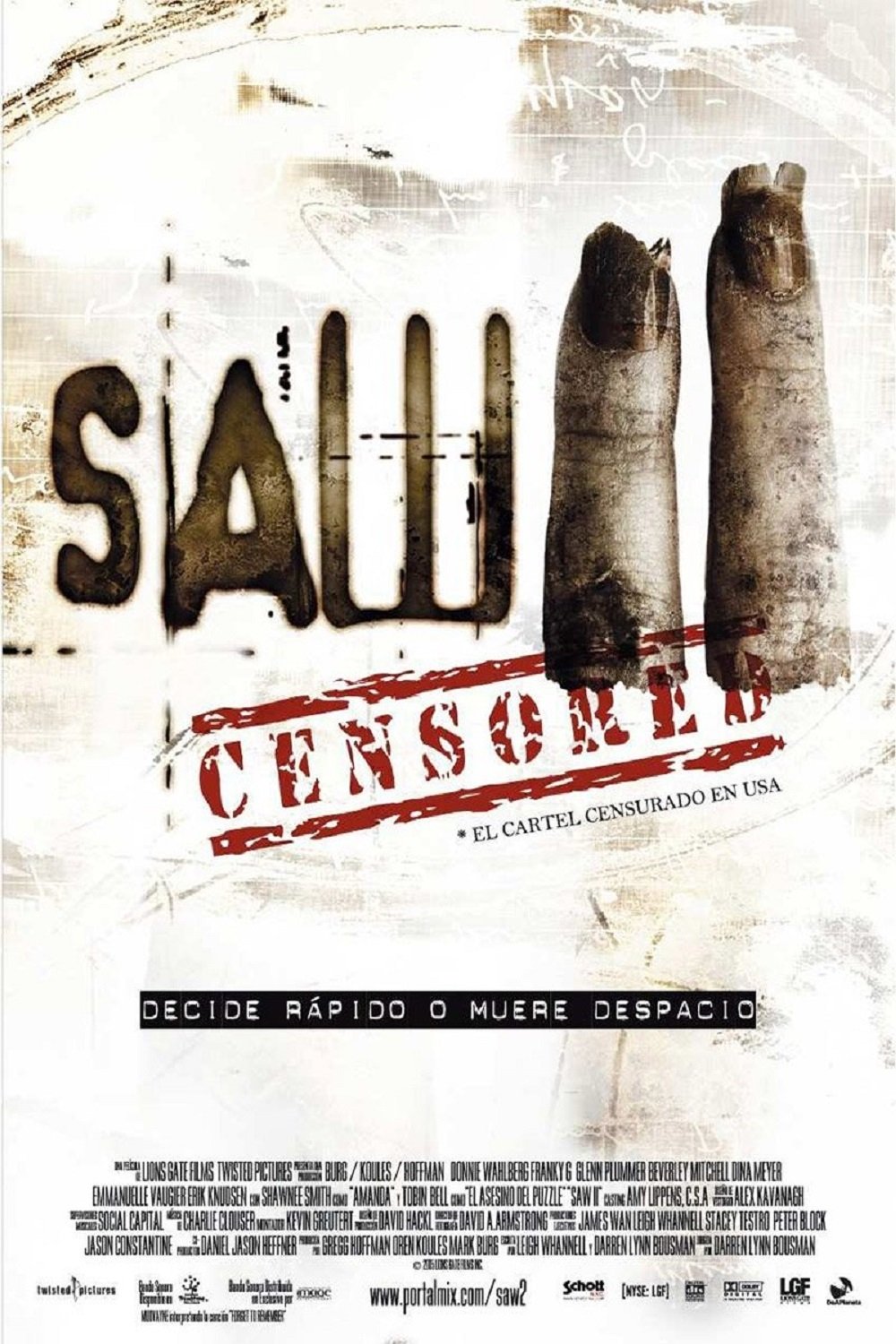
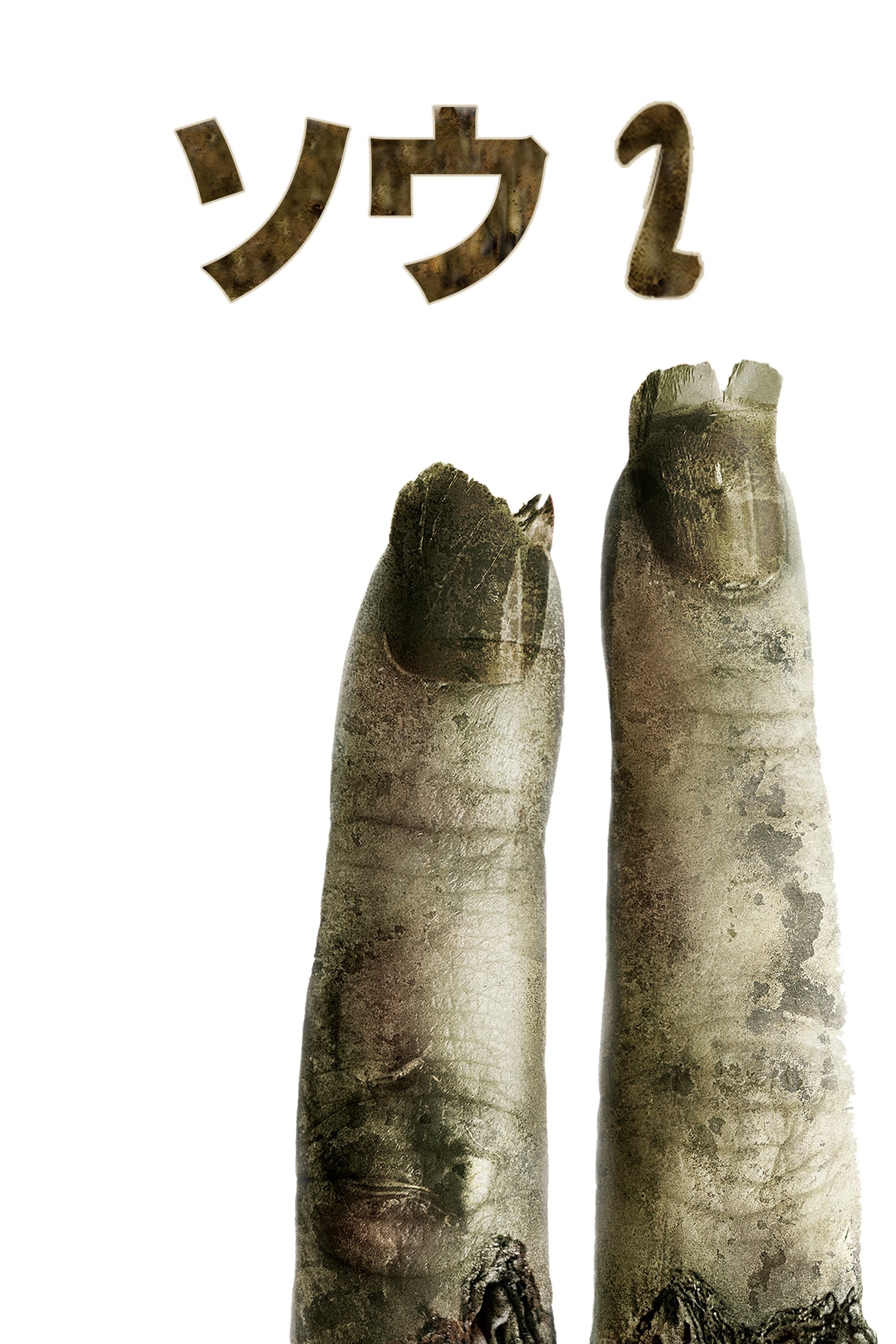
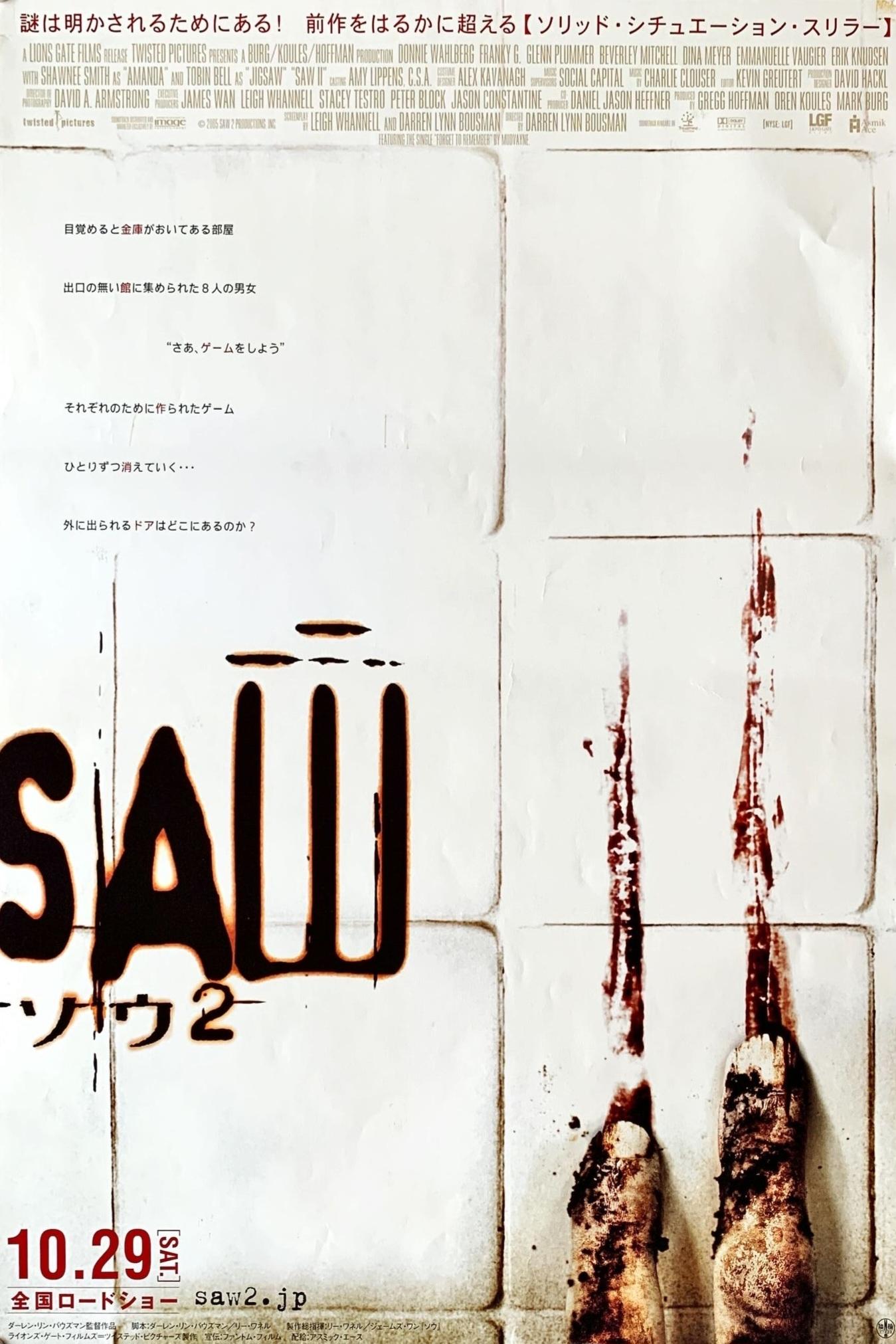
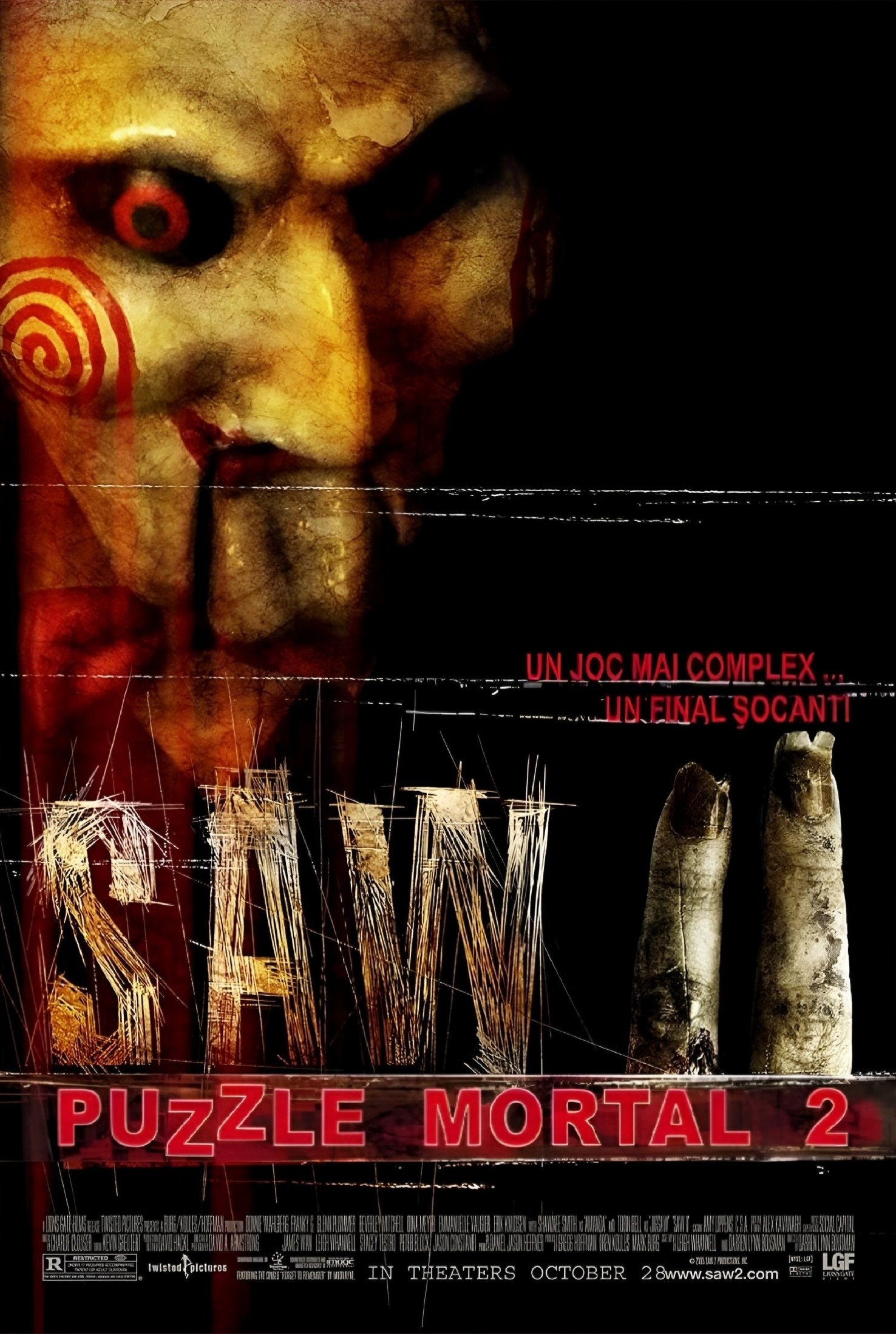
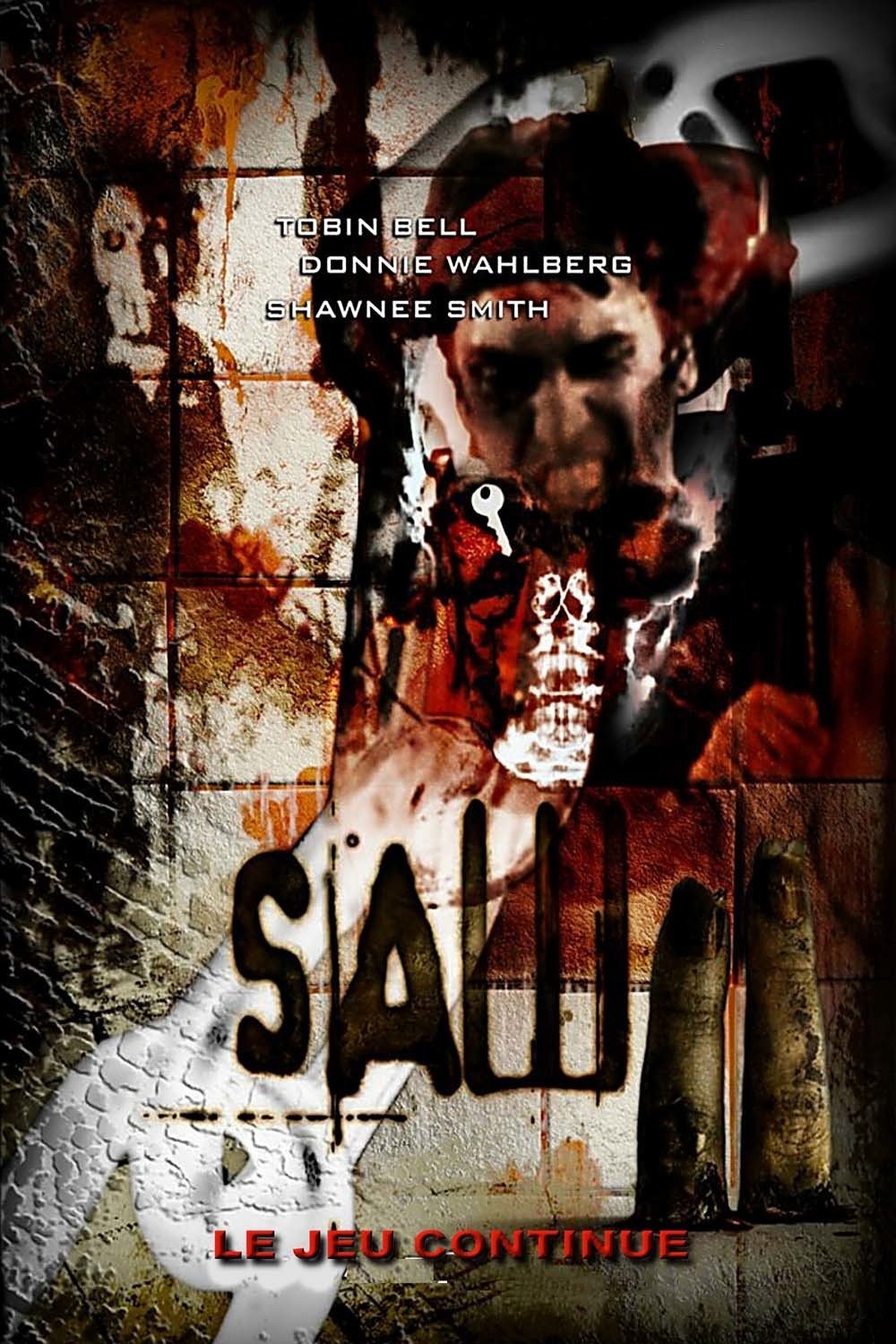
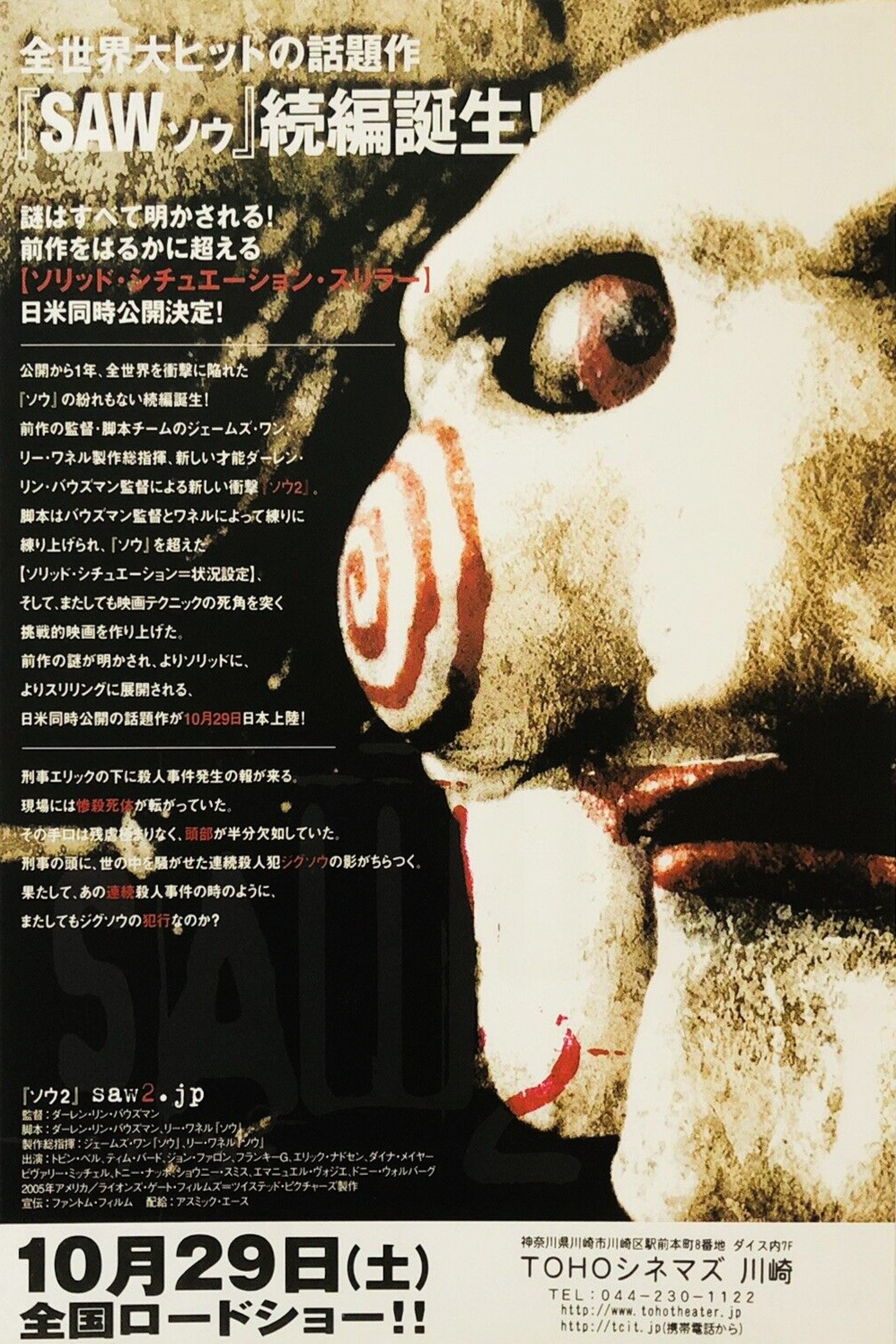
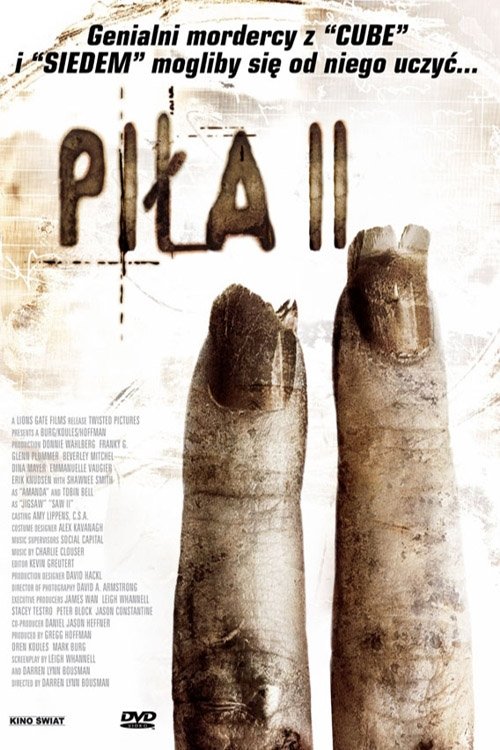
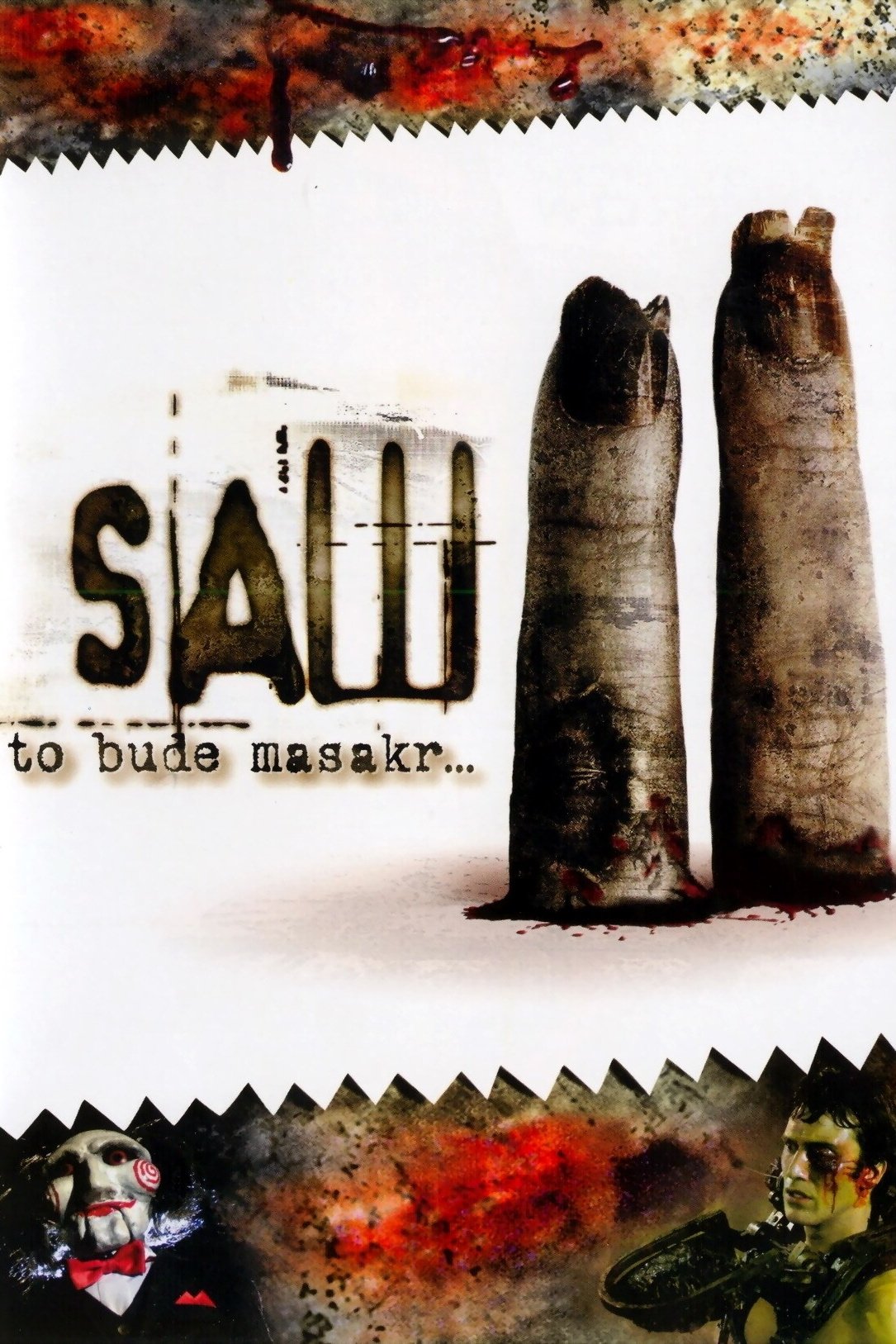
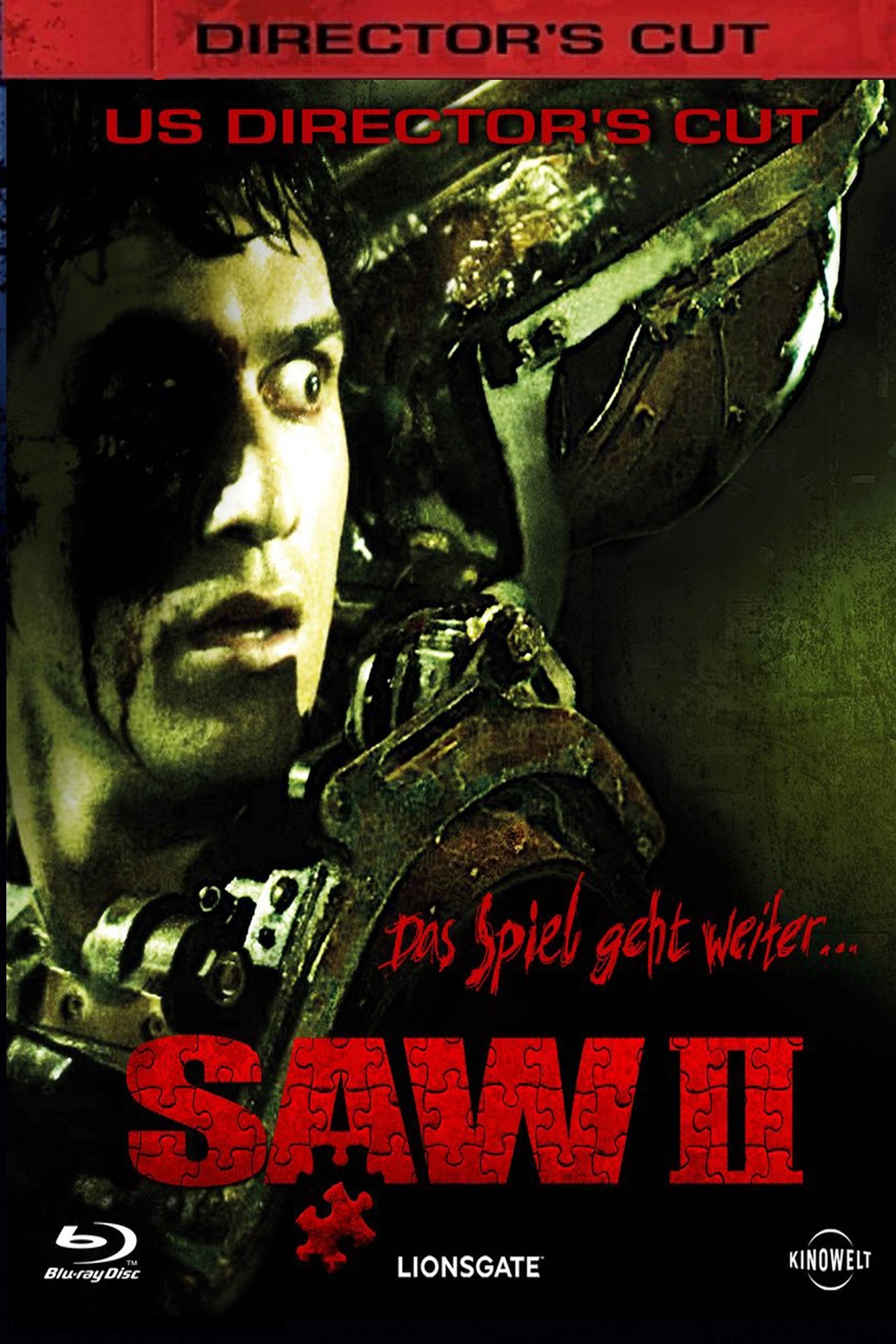
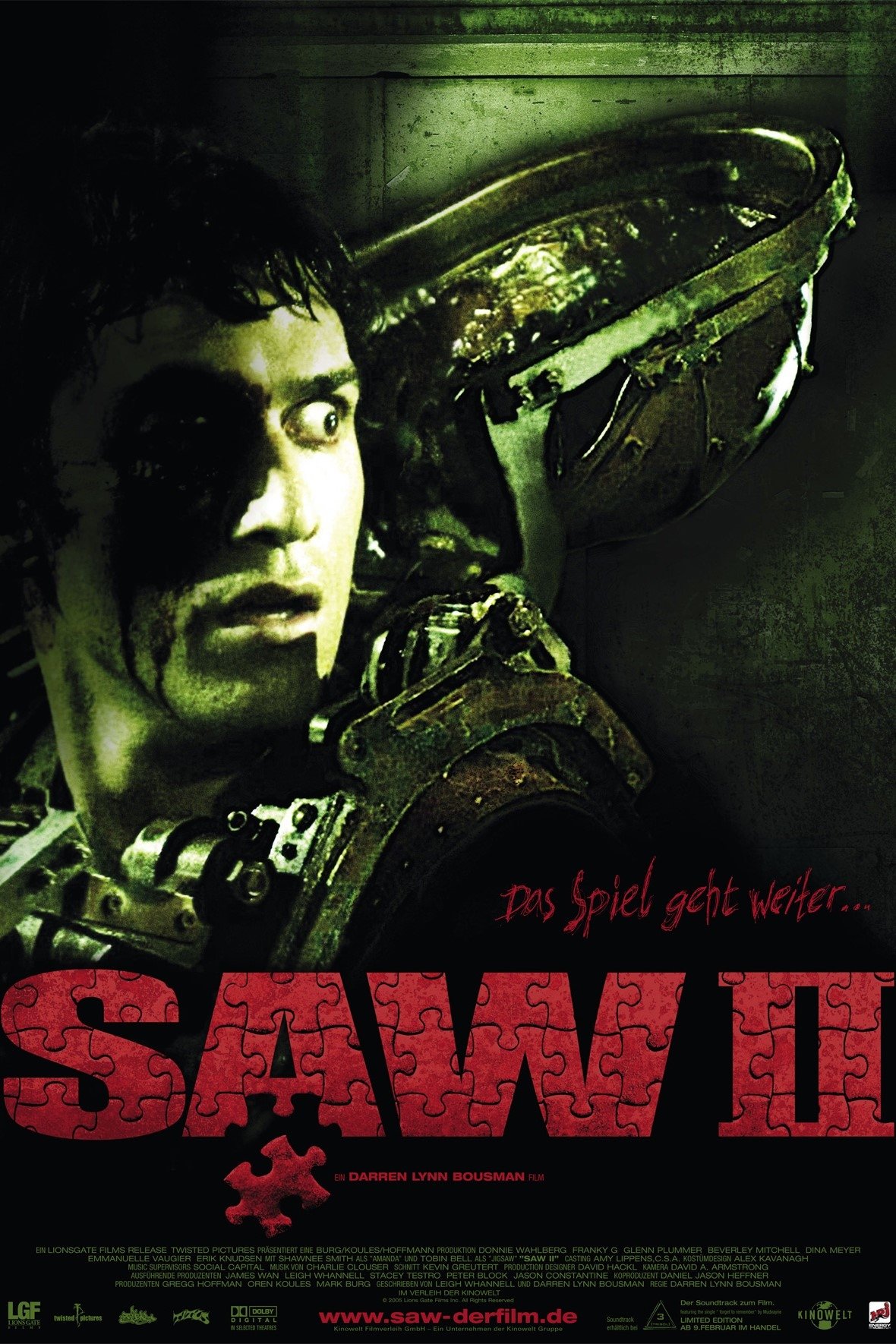
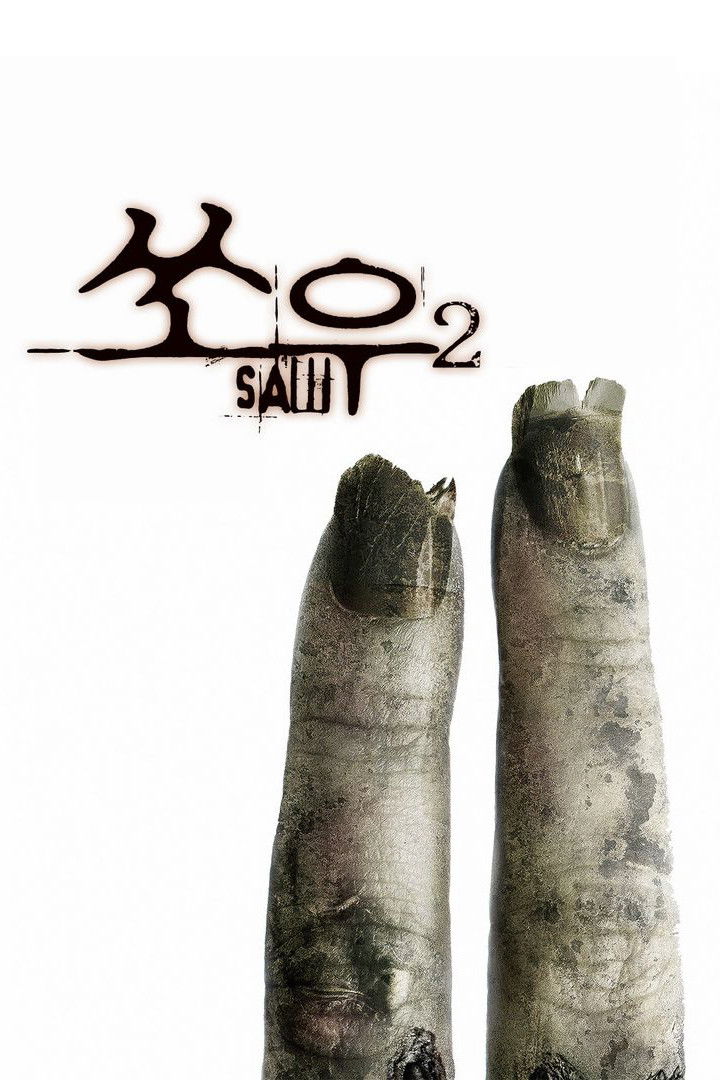
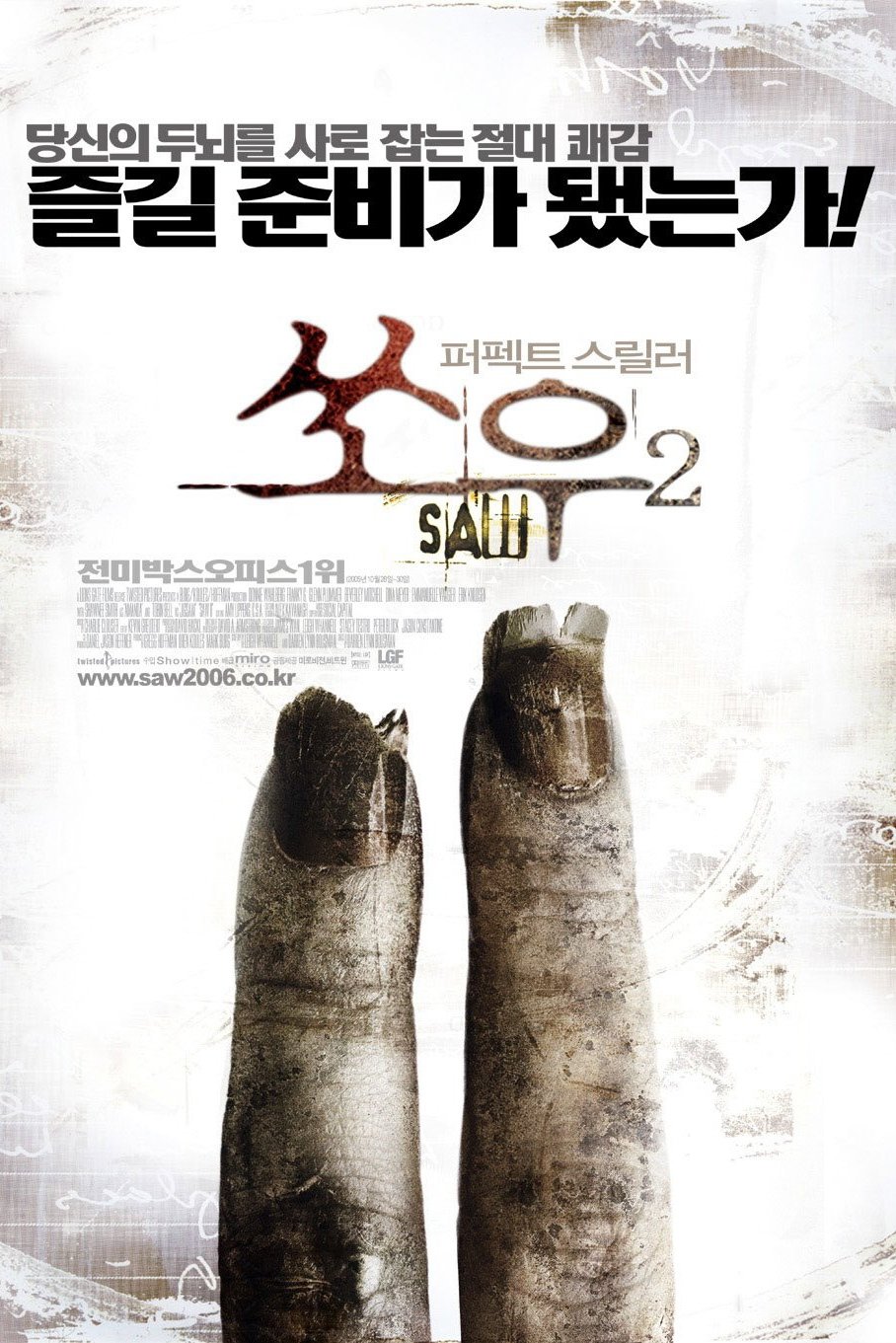
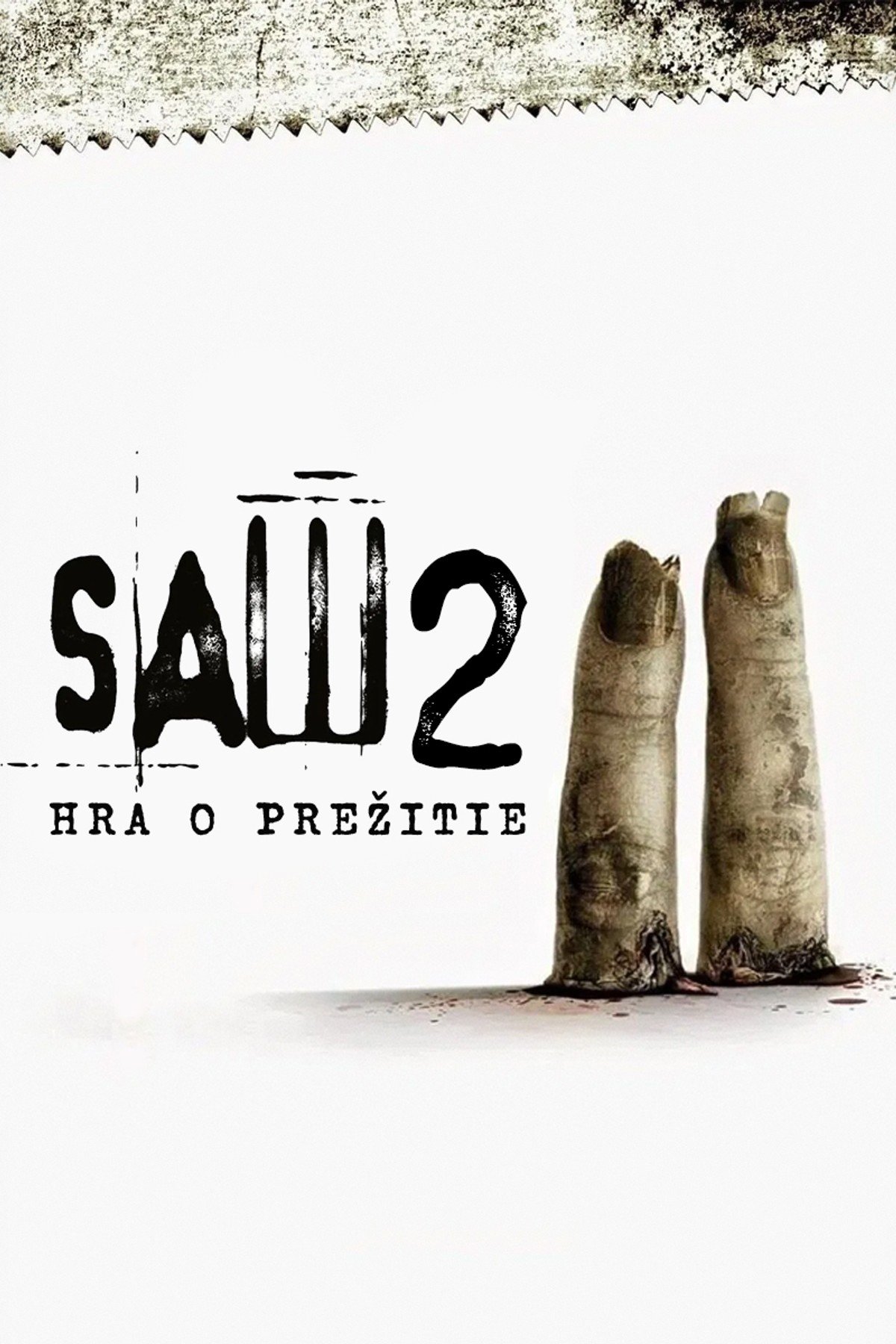
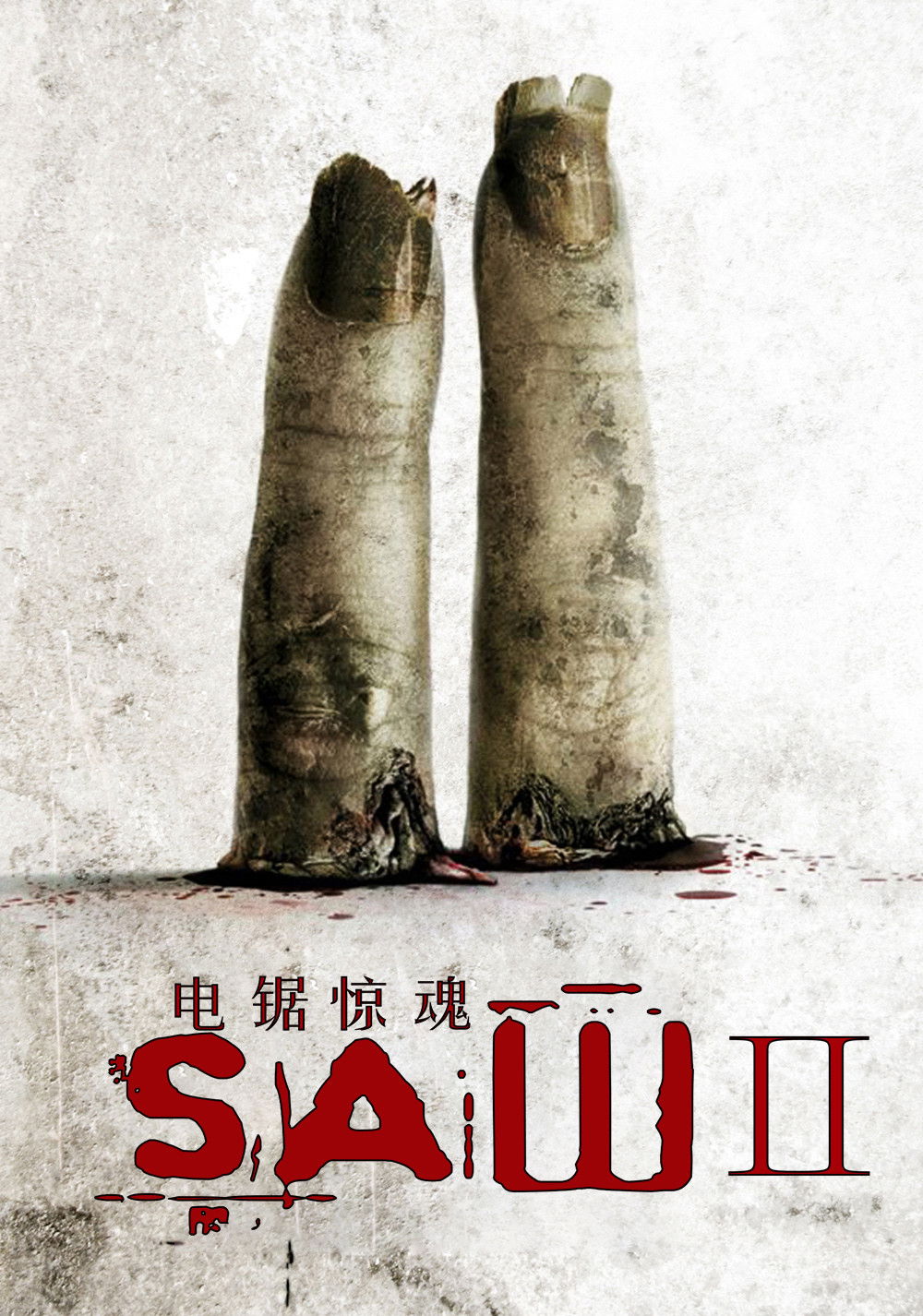
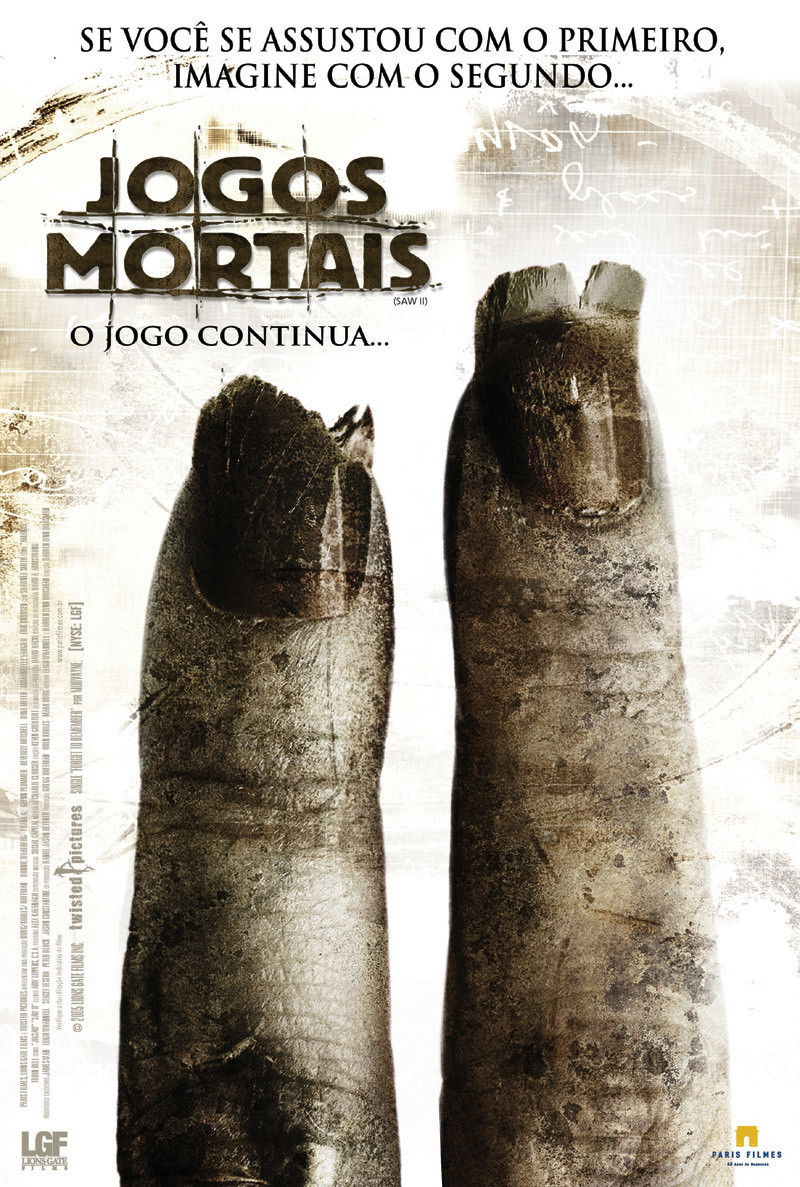
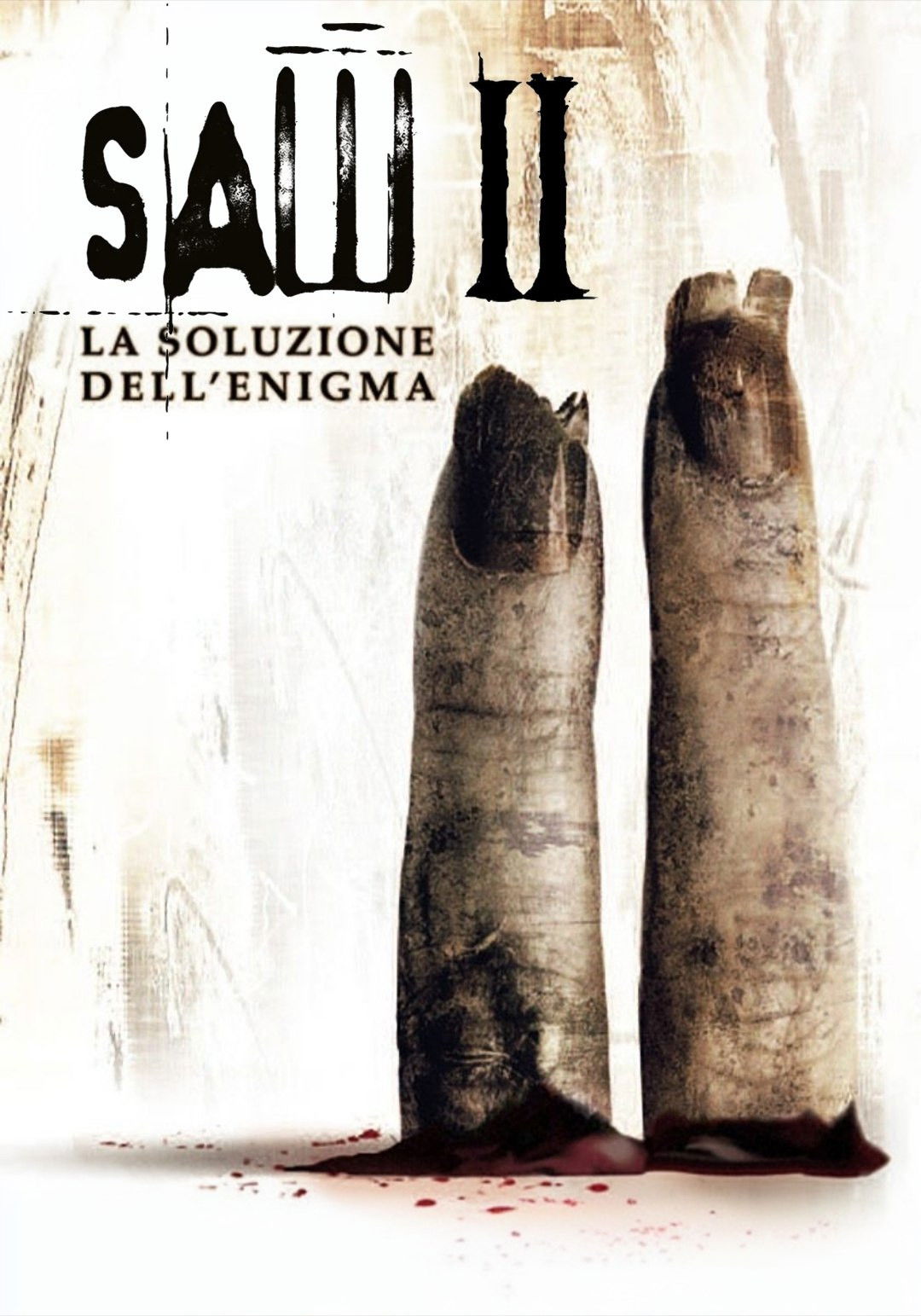
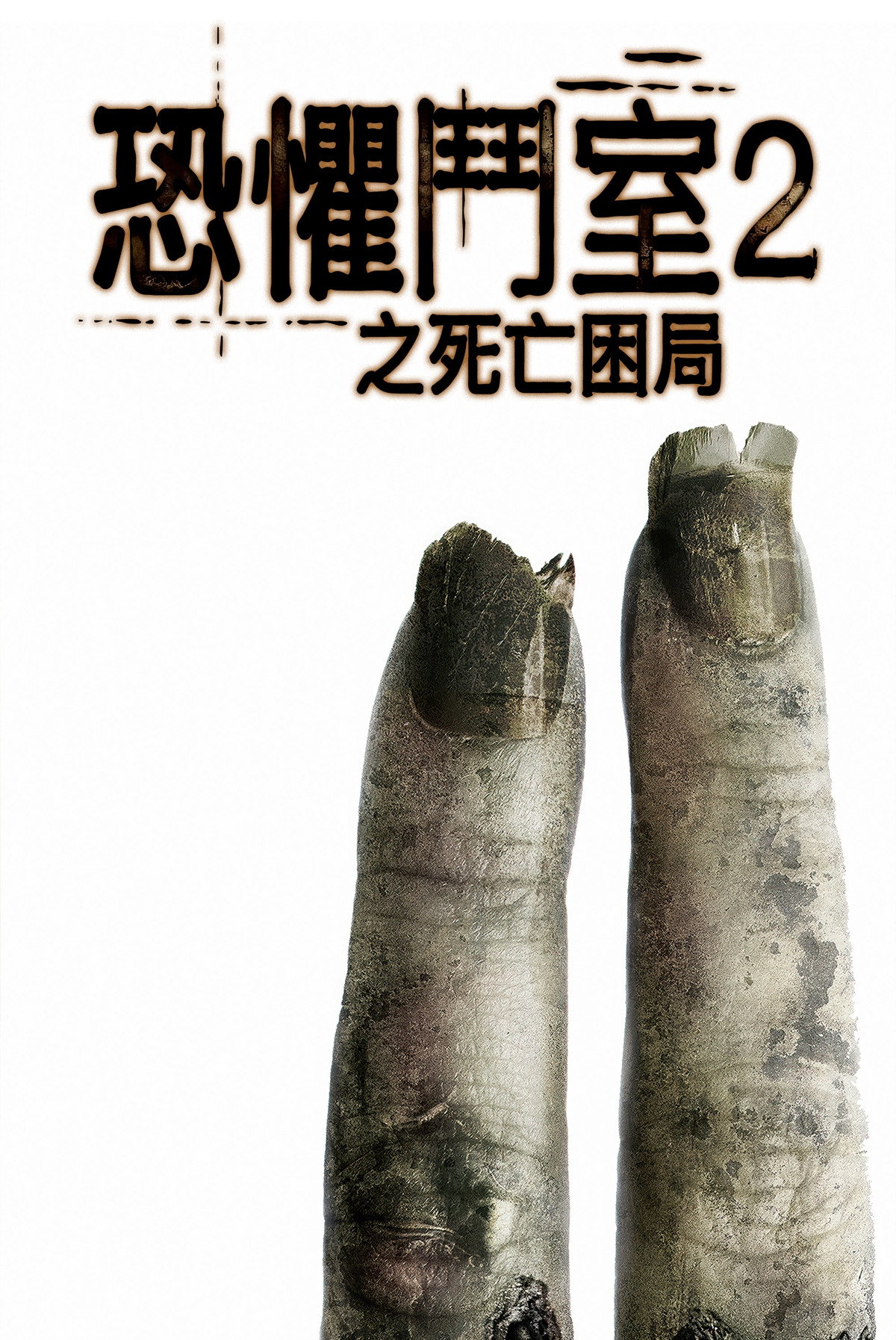
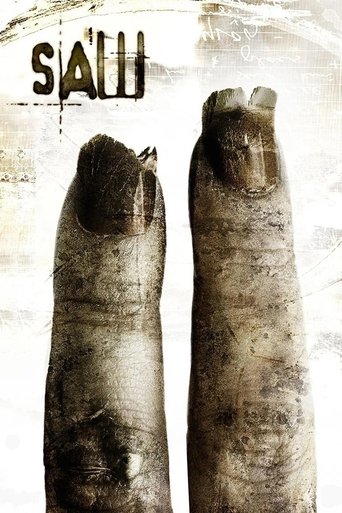
Saw II (2005) poster
Production Company
Twisted Pictures
Plot

Detective Eric Matthews investigates a new Jigsaw crime scene and soon confronts John Kramer, the man police believe is responsible for a series of deadly tests. Kramer reveals that Eric's teenage son Daniel is among several people trapped in a house filled with poisonous gas and mechanical hazards. Surveillance footage seems to show the captives searching for an escape while their relationships begin to fracture. With a strict time limit and contradictory information, Eric must decide whether to follow Kramer's instructions or act on his own instincts.

Alternative Titles
El juego del miedo 2 (Argentina) Mişar 2 (Azerbaijan) — Azerbaijani Mişar II (Azerbaijan) Убийствен пъзел II (Bulgaria) — Bulgarian Jogos Mortais II (Brazil) — Portuguese Décadence II (Canada) — French title El juego del miedo 2 (Chile) 你死我活2 (China) — Mandarin alternative title
Show all 53 alternative titles 电锯惊魂2 (China) — Chinese 链锯惊魂2 (China) — Mandarin alternative title Saw 2 (Czechia) — Czech Saw II - Das Spiel geht weiter... (Germany) Saag 2 (Estonia) — Estonian Saw 2 (Spain) — Catalan title Saw 2 (France) — alternative title Saw II: Director's Cut (France) — director's cut ხერხი II (Georgia) — Georgian Se vlepo... xana (Greece) — transliterated title Σε Βλέπω... Ξανά (Greece) — Greek 恐懼鬥室 2 死亡困局 (Hong Kong SAR China) — Chinese 恐懼鬥室2之死亡困局 (Hong Kong SAR China) Slagalica strave 2 (Croatia) — Croatian Fűrész II. (Hungary) — Hungarian המסור 2 (Israel) — Hebrew Arre 2 (Iran) — transliterated Persian title اره ۲ (Iran) — Persian Saw 2 - La soluzione dell'enigma (Italy) — alternative spelling Saw II - La soluzione dell'enigma (Italy) — Italian ソウ2 (Japan) — Japanese 쏘우 2 (South Korea) — Korean Pjūklas 2 (Lithuania) — Lithuanian Zāģis 2 (Latvia) — Latvian Juego macabro 2 (Mexico) — Spanish El juego del miedo 2 (Peru) Piła 2 (Poland) — alternative spelling Saw II - A Experiência do Medo (Portugal) — Portuguese Puzzle mortal 2 (Romania) — Romanian Слагалица страве 2 (Serbia) — Serbian Пила 2 (Russia) — Russian Žaga 2 (Slovenia) — Slovenian Hra o prežitie 2 (Slovakia) Saw: Hra o prežitie 2 (Slovakia) — Slovak เกม ตัด ต่อ ตาย 2 (Thailand) — Thai Testere 2 (Türkiye) — Turkish 奪魂鋸2 (Taiwan) — Chinese Пила 2 (Ukraine) — Ukrainian Saw 2 (United States) — Working Title El juego del miedo II (Uruguay) Arra 2 (Uzbekistan) Arra II (Uzbekistan) — Uzbek El juego del miedo 2 (Venezuela) Lưỡi Cưa 2 (Vietnam) — Vietnamese Lưỡi Cưa II (Vietnam) — alternative spelling

Trailers & Videos

2 videos

Saw II (2005) Film Guide

Darren Lynn Bousman reshapes an independent trapped-house thriller into a franchise-defining sequel centered on Jigsaw, coercion and escalating physical tests.

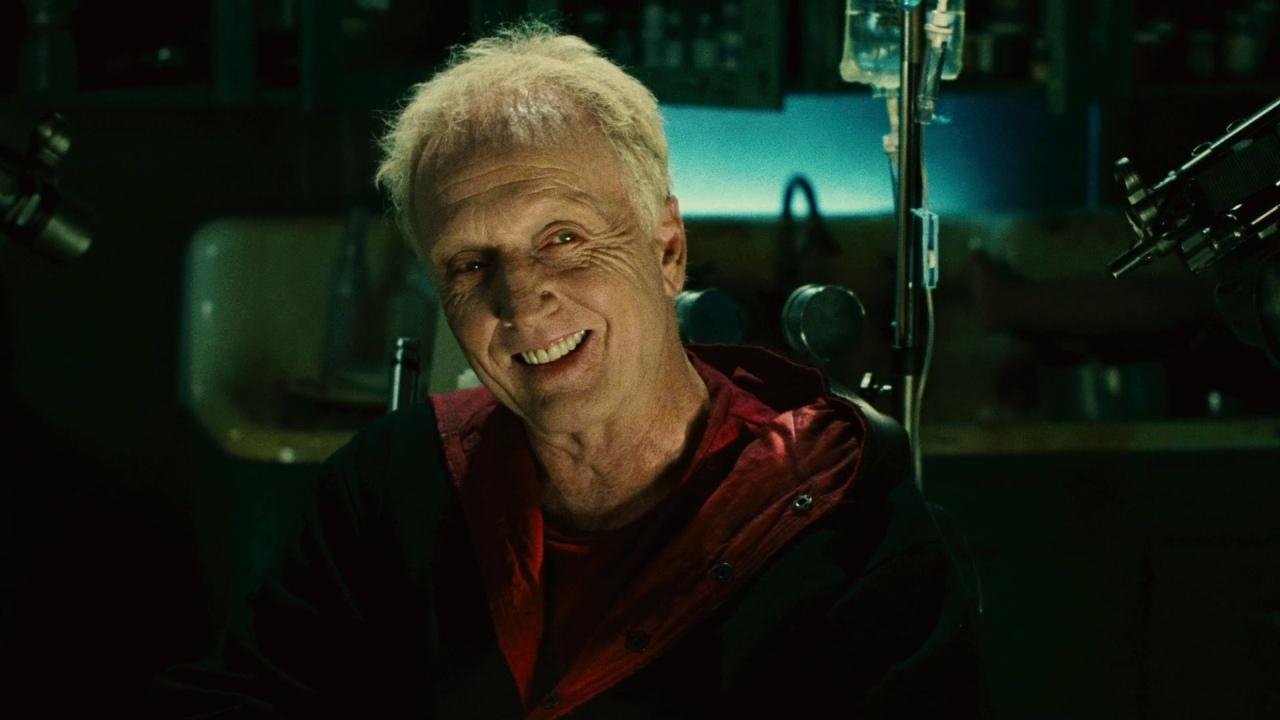
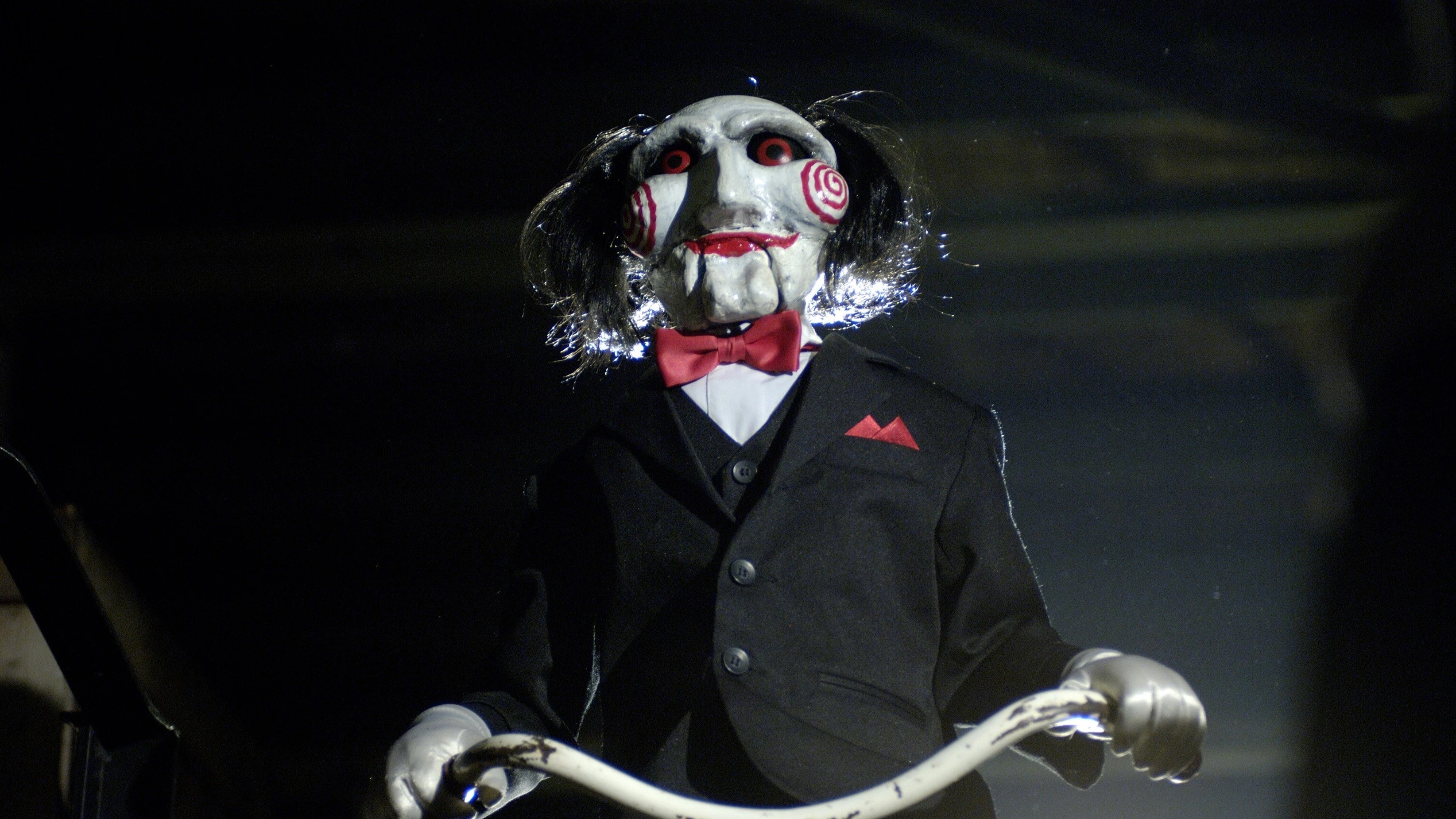
Saw II (2005) transformed a contained serial-killer thriller into the basis of a continuing horror franchise. Released one year after Saw, the sequel places John Kramer, played by Tobin Bell, in direct confrontation with a police detective while a group of captives struggles inside a sealed, booby-trapped house. The film also changes the status of Jigsaw. Once concealed behind recorded messages and a final revelation, he becomes a visible, speaking antagonist whose ideas about punishment organize much of the drama.

The film's importance extends beyond its succession of mechanical traps. Director Darren Lynn Bousman brought an independently conceived screenplay, The Desperate, into a production already shaped by the unexpected success of the first Saw. Leigh Whannell adapted the material to established characters and narrative rules, while returning craftspeople helped connect the sequel to James Wan's visual world. The result illustrates how a low-budget horror success could become an expandable commercial formula without relinquishing its central devices: confined spaces, moral coercion, practical injury effects and a climax that alters the meaning of earlier scenes.

Development: From The Desperate to Saw II

Before he was hired to direct a feature, Bousman had written The Desperate, a screenplay about people trapped together in a house where violence gradually consumed the group. He later recalled struggling to attract buyers and attempting to advance the project on a very small budget. In an interview published on Saw II's opening day, he credited Saw cinematographer David Armstrong with bringing the script to the attention of producer Gregg Hoffman at Twisted Pictures. Bousman's account places the project's origins before the original Saw became a theatrical hit.

Hoffman and fellow producers Mark Burg and Oren Koules recognized that the premise could be adapted into another Saw film. Whannell, who had co-created the first installment with James Wan, described his initial resistance to an immediate sequel while the pair pursued a separate project. In a contemporary interview he explained that Bousman's existing script resembled the first picture in mood but needed substantial rewriting to fit its characters and narrative identity. Whannell's contribution was therefore a change in dramatic structure and franchise continuity, not a routine replacement of names. The two writers are credited on the completed film.

The compressed production schedule also influenced the undertaking. Bousman said in 2005 that the shoot lasted 25 days, and he identified the expectations generated by Saw as a considerable obstacle for an inexperienced feature director. He described an effort to preserve recognizable elements while making the sequel harsher and giving Jigsaw a larger role. These statements are the filmmaker's contemporary assessment of his aims; the finished film can be examined independently through its expanded ensemble and the unusually extended conversation between captive detective and criminal mastermind.
Two Spaces, One Game

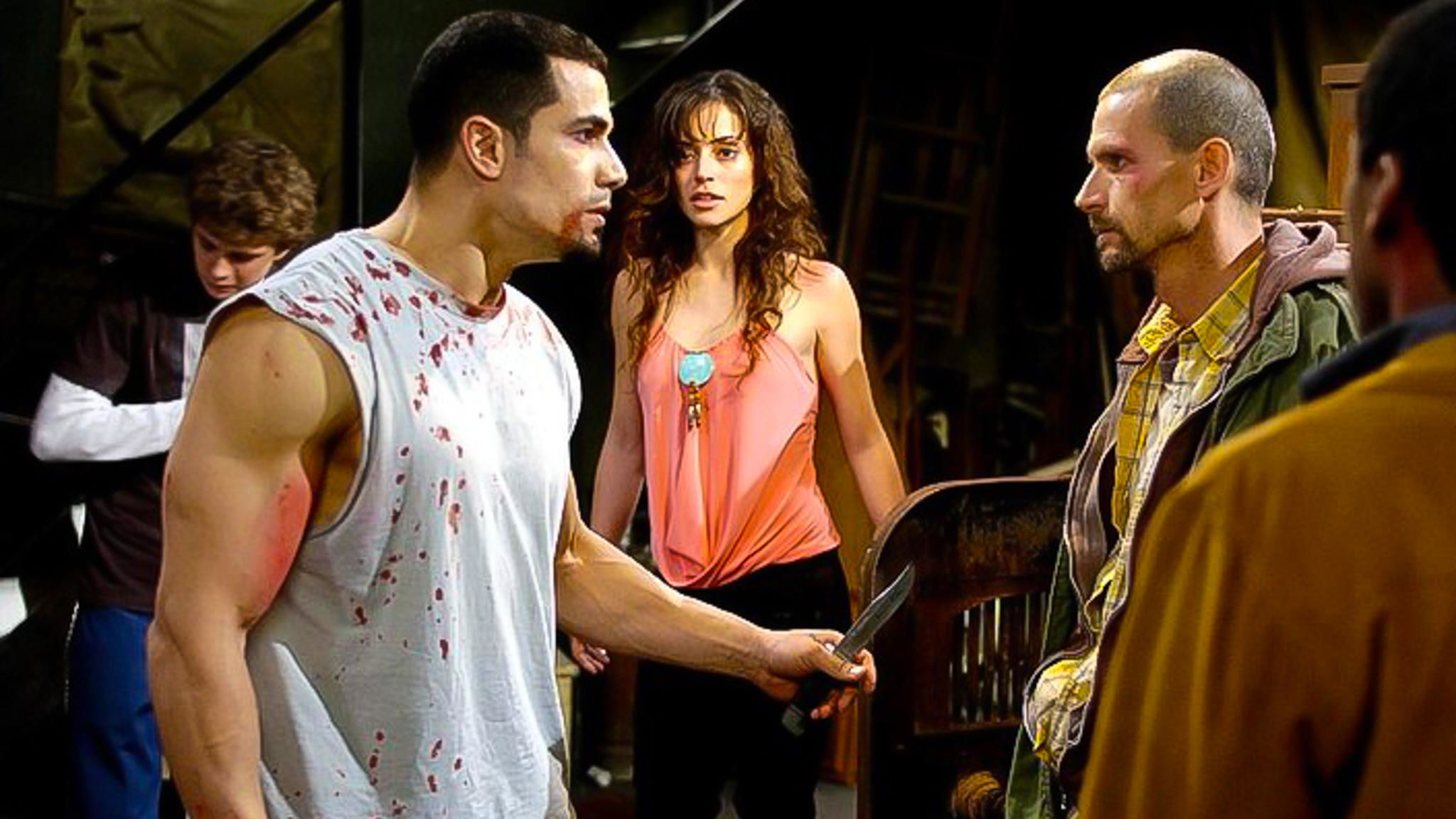
The sequel is constructed around two linked environments. In an industrial location, Detective Eric Matthews finds Kramer and confronts him while officers try to identify the house shown on a group of monitors. Inside that house, eight people have been exposed to a nerve agent and must search for a means of survival amid dangerous mechanisms. The editing repeatedly transfers attention between these spaces. A frantic group exposed to immediate physical risk is set against a conversation in which Kramer's own vulnerability appears to give Matthews the upper hand.

This division allows Bell to occupy the center of the narrative without sending his character through the traps. Kramer's illness and apparent physical weakness contrast with the detective's authority, but the encounter becomes a contest over how to interpret instructions and the urgency of acting upon them. Matthews seeks a direct rescue and increasingly treats the exchange as an interrogation that can be forced toward a result. Kramer continues to insist on the rules of his test. These competing approaches give the police scenes their tension even when the immediate violence occurs elsewhere.

The house provides a different kind of pressure. The captives disagree about cooperation, suspect one another and become preoccupied with immediate escape or access to antidotes. The enclosed setting recalls the bathroom in Saw, but a larger group multiplies conflicting decisions and possible victims. The late disclosure about the relationship between the monitors, the captive house and Amanda's part in the scheme forces a reassessment of the film's apparent simultaneity. Its surprise depends upon what the audience has been encouraged to assume about recorded images and the passing of time.

Visual Continuity, Editing and Sound

Saw II retained cinematographer David A. Armstrong, editor Kevin Greutert and composer Charlie Clouser from the first film. Their return provided a direct production connection despite the change of director. In his contemporary review for Fangoria, Michael Gingold observed Armstrong's severe overhead illumination, which sometimes darkens the actors' eye sockets. The frequent exposure of faces beneath hard light gives the deteriorating interiors an oppressive quality. Rooms crowded with pipes, doors and engineered devices function as visible obstacles, while the television images in the interrogation location keep the remote game constantly present.

The cutting style reflects the film's two kinds of suspense. Within the house, rapid changes of viewpoint emphasize mounting panic, bodily danger and limited knowledge of the building. In the interrogation scenes, the spectacle is more restrained: the suspense rests upon exchanges between Matthews and Kramer, interrupted by information arriving through the monitors. The final rearrangement of evidence also makes editing central to the way the audience understands the game.

Clouser's returning score forms another link to the original production. Its abrasive textures support the industrial settings and physical threat, while the recognizable musical material associated with Saw's closing revelation returns at a decisive point in the sequel. Gingold noted this reprise in his original 2005 review. The musical continuity matters because the climactic disclosure depends on a familiar expectation: viewers who know the earlier film recognize the sound of an apparent final explanation. It ties the new story to the original while marking the franchise's developing habit of retrospective narrative reversals.

Traps, Practical Effects and the Performers

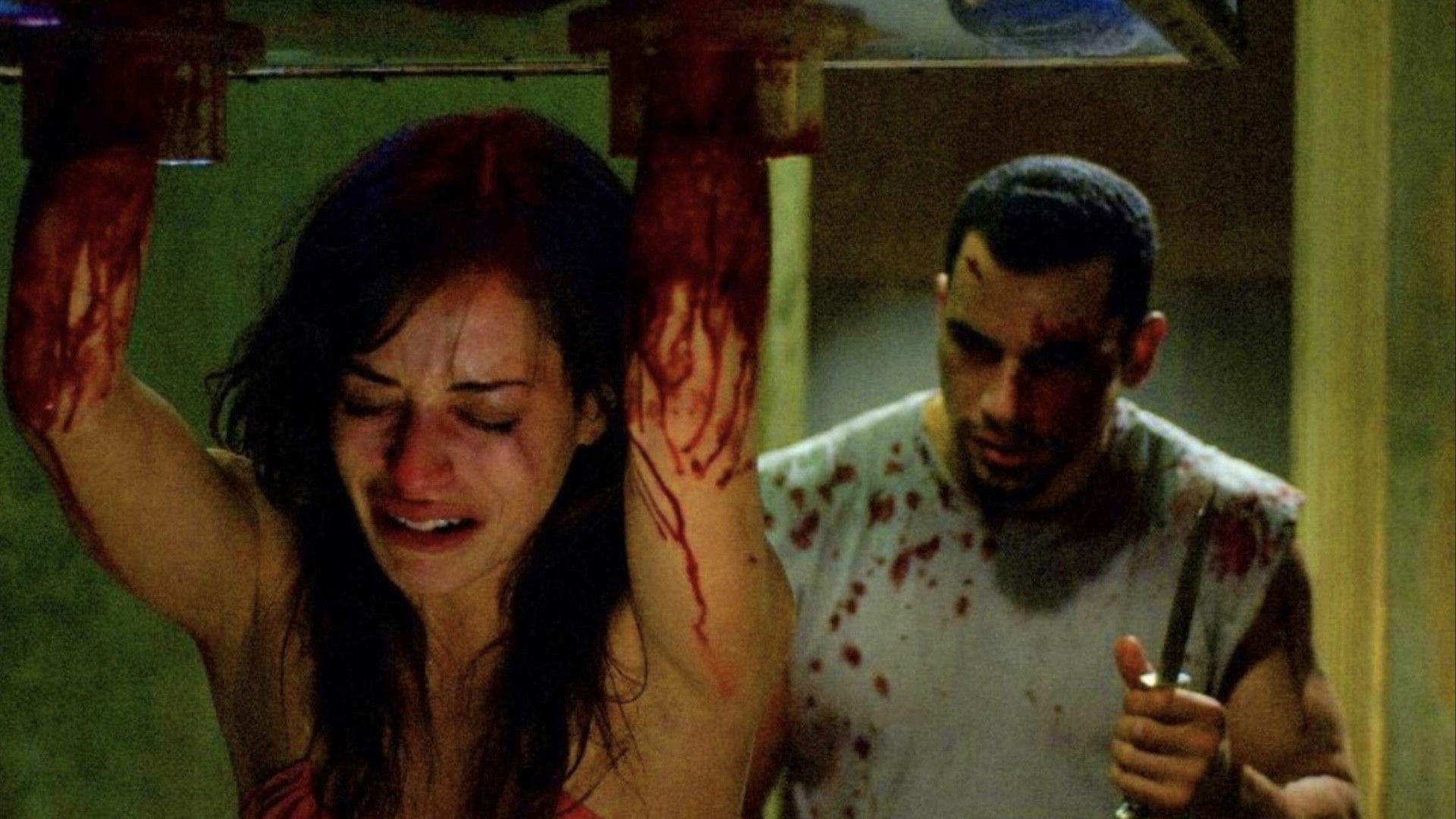
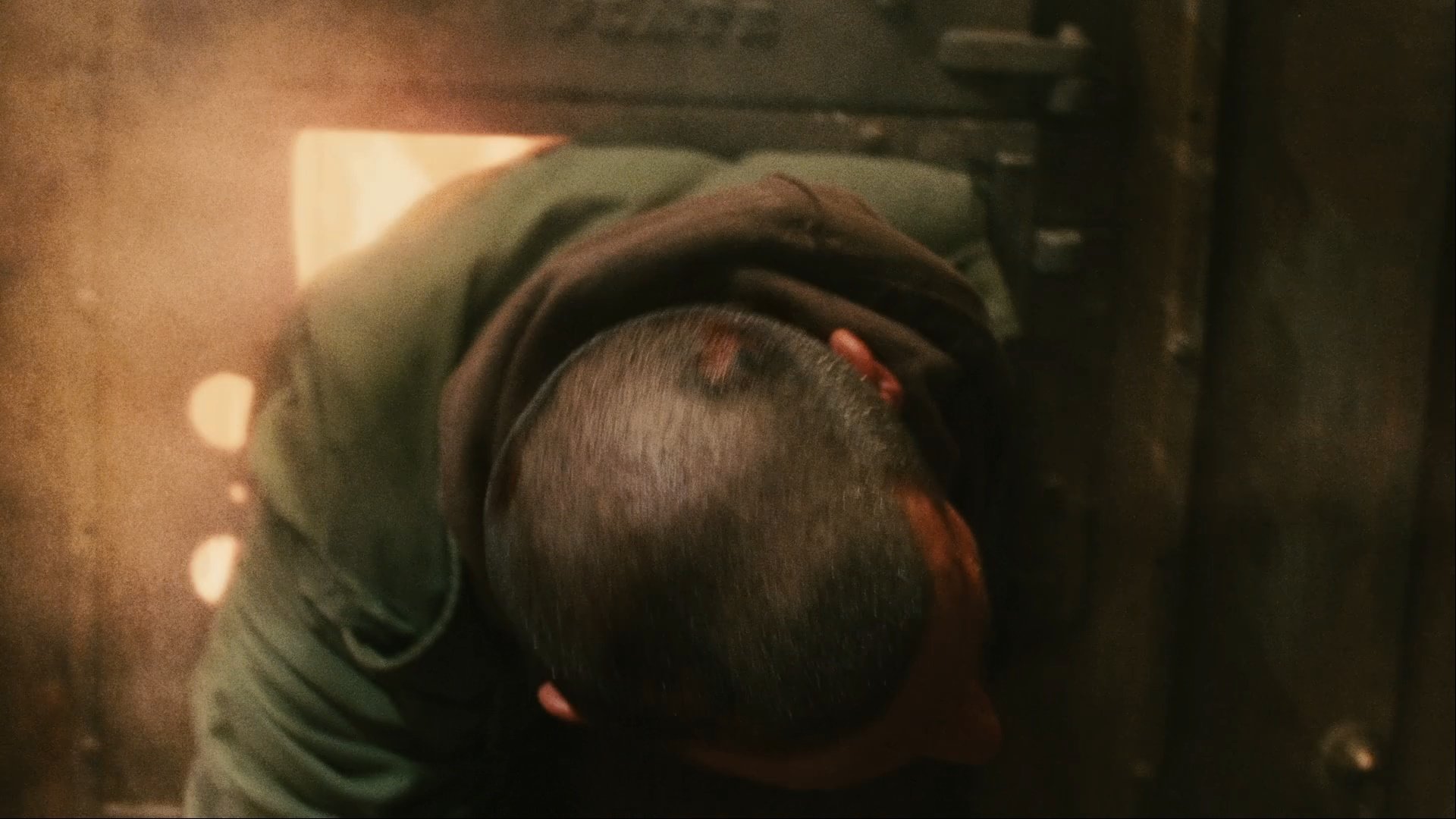
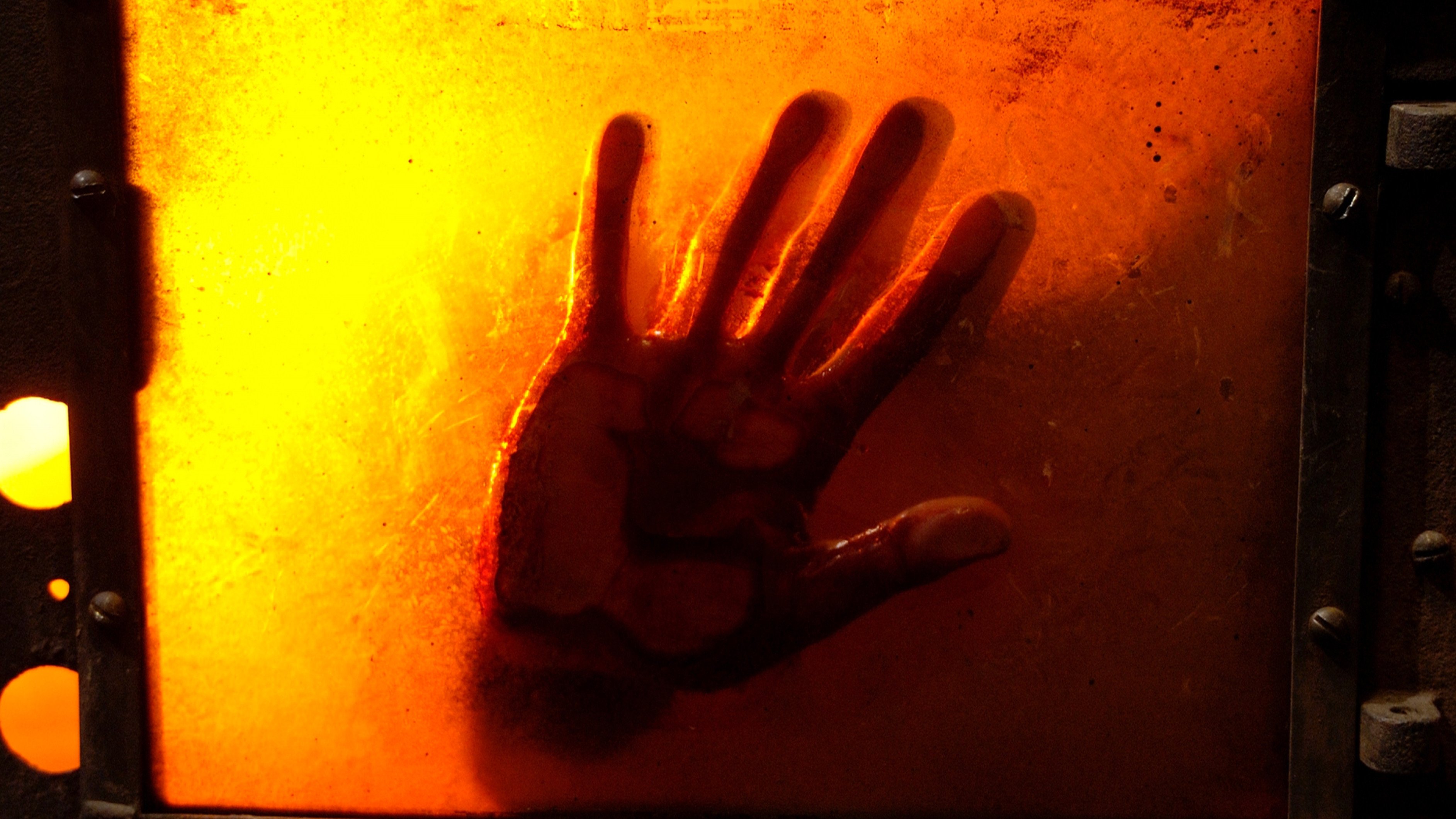
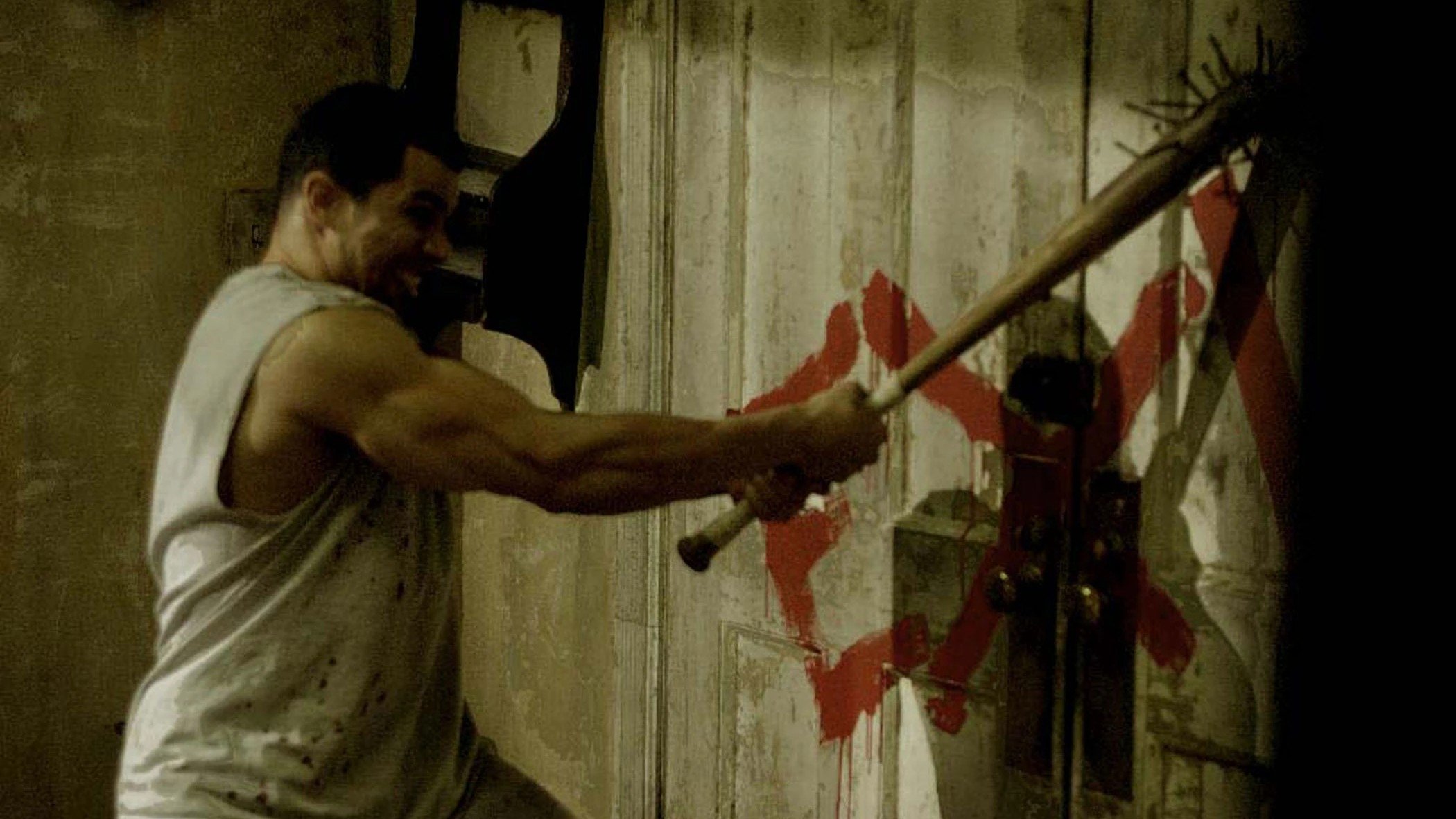
The traps are designed as practical situations with instructions, mechanical hazards and a sharply limited opportunity to act. An opening head-mounted device threatens a victim who must attempt a grisly form of self-rescue. Later tests employ a furnace, a locked container and an enormous pit of syringes. These devices are not interchangeable decorations: each demands a different physical response, and the prisoners' decisions frequently make an already dangerous setup worse. The film concentrates on anticipation and the consequences of contact with an apparatus as much as on the final image of injury.

In an interview conducted before release, Shawnee Smith described the needle-pit sequence as an elaborate prop undertaking, estimating that the crew had prepared roughly 100,000 syringes by replacing their dangerous tips. She recalled that a slippery material added to the pit helped the objects move around her and that she received bruises despite precautions. Her figure is an actor's recollection, not a verified inventory. Emmanuelle Vaugier discussed the transparent arm trap, explaining that its cutting edges were dulled and that blood-effect resets took considerable time. Their testimony illustrates how a brief on-screen encounter could require intricate construction and repeated preparation.

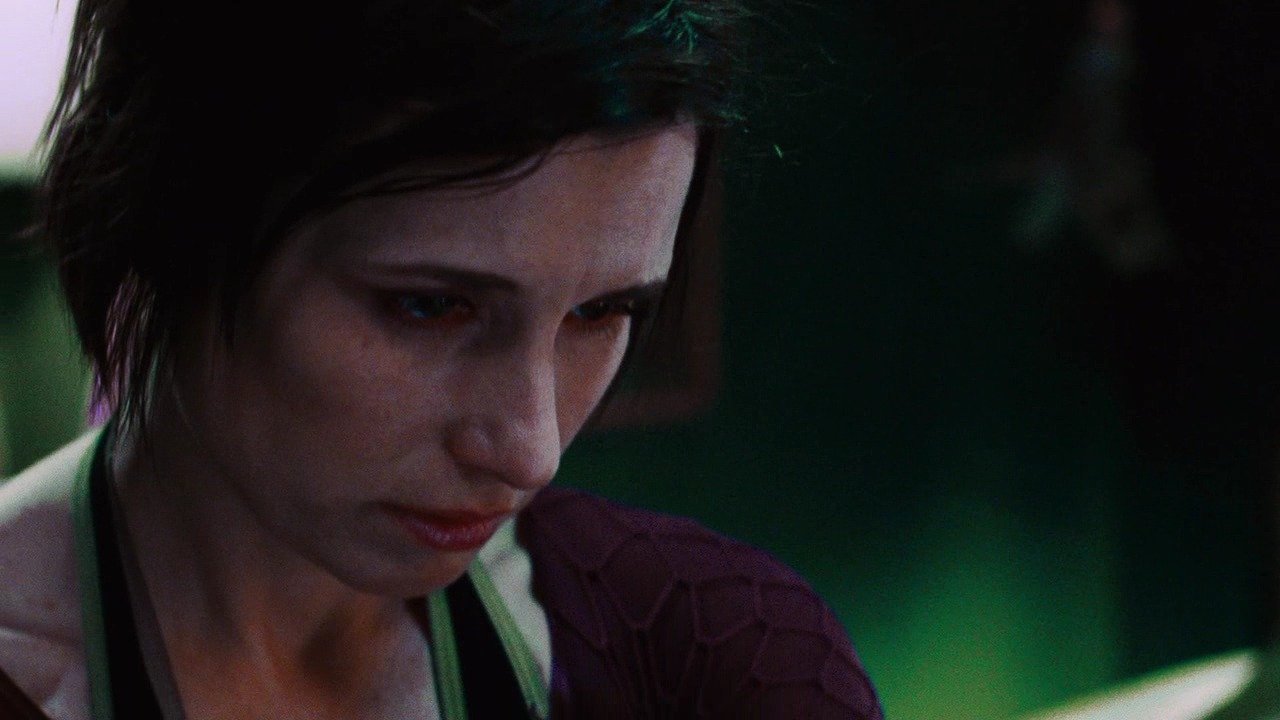
Fangoria critic Gingold singled out the contribution of makeup artist François Dagenais to the blood and prosthetic work. The injuries help establish the stakes of Kramer's contraptions, yet the performances give them contrasting registers. Smith's Amanda carries recognizable psychological damage from her earlier ordeal; Vaugier's Addison responds with suspicion and resistance; Bell speaks with measured certainty as the other characters exhaust themselves. The clash between human panic and the antagonist's composure shapes the film's horror in both locations.

Release, Classification and Versions

Lionsgate released Saw II theatrically in the United States on October 28, 2005, preserving the Halloween-season position occupied by the first film a year earlier. Its domestic opening weekend reached approximately $31.7 million, according to theatrical box-office records, demonstrating the commercial demand for a sequel despite the accelerated development schedule. The result proved that this horror premise could sustain further theatrical installments. Commercial figures should be distinguished from profit, since grosses do not account for distribution, advertising and other expenses.

The British Board of Film Classification recorded the cinema version at 92 minutes 40 seconds and classified it on October 21, 2005, with an 18 certificate for strong bloody violence. Its records also identify a physical-media submission in February 2006 running 88 minutes 55 seconds and a 2026 physical-media and digital classification at 92 minutes 59 seconds. These times document individual submissions; they do not by themselves establish exactly what material was added or removed. Differences in playback formats must also be considered before treating every runtime discrepancy as a censorship decision.

The Board's description of violence specifies dangerous mechanisms, improvised weapons, strong injury detail and sustained threat involving a nerve agent. Those categories indicate why the film attracted adult classification without requiring a speculative history of cuts. Various home-video editions have circulated under theatrical, unrated or director's-cut labels, but such marketing terms should be attached to an identified release when discussing specific changes. The documented British records offer a firm basis for distinguishing the original cinema classification from later home-entertainment submissions.
Contemporary Reception and the Franchise Model

Contemporary criticism reflected the sequel's simultaneous fidelity to Saw and its shift toward a larger body count. Writing for Fangoria in a review originally published at the October 2005 opening, Michael Gingold judged the second film broadly comparable to the first, praising Tobin Bell's expanded presence and the force of the concluding reversal. He was less persuaded by the trapped group's characterization and questioned the elaborate logistics of Jigsaw's schemes. Those reservations concerned the dramatic framework as well as the violence, a distinction that disappears when reception is reduced to a single claim that reviewers either approved or rejected the gore.

The production demonstrates how a horror franchise can establish continuity through personnel, recurring music and a set of narrative rules even when its immediate director changes. Kramer's unusual prominence gives the antagonist an identity that extends beyond the specific victims, while Amanda's development makes the series increasingly dependent on relationships established in preceding episodes. Subsequent films continued to build upon that continuity and the practice of delayed revelation. The sequel established a repeatable narrative model.

Its legacy should still be separated from the larger influence of Saw as a whole. Saw II did not originate Jigsaw, the moralizing test or the series' concluding twist. It reorganized those elements into a structure that could support repeated installments, combining a relatively fixed villain with changing captive groups and an expanding backstory. A pre-existing genre screenplay became the means by which the series moved beyond its first film, and the resulting picture showed that its narrative machinery could be adapted without discarding its recognizable horror identity.

References

  1. Film Threat Passing the Saw to Darren Lynn Bousman

    Michael Ferraro interviews Bousman at the 2005 release about The Desperate, Armstrong and Hoffman, the 25-day shoot, the sequel's approach to violence and continuity.

  2. Dark Horizons Leigh Whannell for Saw II

    An October 2005 interview documenting Whannell's initial reluctance and his substantial rewriting of Bousman's separate screenplay for the Saw narrative.

  3. Radio Free Entertainment Shawnee Smith and Emmanuelle Vaugier on Saw II

    An original October 2005 interview on the needle pit, prop safety, the arm trap, shooting rewrites and the performers' experiences.

  4. British Board of Film Classification Saw II - Classification and Submission History

    Official cinema and home-entertainment classification entries documenting dates, durations and the content underlying the British age classification.

  5. Fangoria Review: Saw II

    Michael Gingold's original October 28, 2005 criticism, archived with detailed observations on acting, lighting, music, makeup effects and the structure of the sequel.

Connections

Cast

View Full Cast & Crew →

Release & Distribution

Production Companies (1)

  • Twisted Pictures US

Distributors (1)

  • Lionsgate Films US

Release History (61)

Release DateTerritoryRelease TypeFormatDistributorCertificationNotes
2005-10-28 Bulgaria Theatrical — — —
2005-10-28 Canada Theatrical — — 18A
2005-10-28 United Kingdom Theatrical — — 18
2005-10-28 Ireland Theatrical — — 18
2005-10-28 Romania Theatrical — — 18
2005-10-28 United States Theatrical — — R
2005-10-29 Japan Theatrical — — R
2005-10-29 New Zealand Premiere — — — V 24 Hour Movie Marathon
2005-11-03 New Zealand Theatrical — — —
2005-11-03 Thailand Theatrical — — —
2005-11-04 Brazil Theatrical — — 16
2005-11-11 Türkiye Theatrical — — 18+
2005-11-17 Australia Theatrical — — MA 15+
2005-12-01 Singapore Theatrical — — —
2005-12-02 Spain Theatrical — — 18
2005-12-02 Iceland Theatrical — — —
2005-12-08 Greece Theatrical — — —
2005-12-28 Belgium Theatrical — — 18
2005-12-28 Switzerland Theatrical — — —
2005-12-28 France Theatrical — — 16
2005-12-29 Hungary Theatrical — — 18
2006-01-05 Switzerland Theatrical — — 18
2006-01-05 Italy Theatrical — — —
2006-01-05 Netherlands Theatrical — — 16
2006-01-06 Finland Theatrical — — K-18
2006-01-06 Poland Theatrical — — 18
2006-01-12 Kazakhstan Theatrical — — —
2006-01-12 Russia Theatrical — — 18+
2006-01-13 Argentina Premiere — — — Buenos Aires
2006-01-13 Estonia Theatrical — — —
2006-01-13 Mexico Theatrical — — C
2006-01-13 Taiwan Theatrical — — —
2006-01-19 Argentina Theatrical — — —
2006-01-19 Portugal Theatrical — — —
2006-01-19 Slovenia Theatrical — — —
2006-01-20 Denmark Theatrical — — 15
2006-01-20 Lithuania Theatrical — — N-16
2006-01-20 Latvia Theatrical — — 18+
2006-01-20 Norway Theatrical — — 18
2006-01-20 South Africa Theatrical — — —
2006-02-01 Philippines Theatrical — — R-13
2006-02-02 Czechia Theatrical — — 18+
2006-02-09 Switzerland Theatrical — — —
2006-02-09 Germany Theatrical — — 18
2006-02-10 Austria Theatrical — — —
2006-02-10 Sweden Theatrical — — 15
2006-02-14 United States Physical DVD — R DVD
2006-02-15 Egypt Theatrical — — —
2006-02-16 South Korea Theatrical — — 18
2006-02-16 Ukraine Theatrical — — —
2006-02-23 Lebanon Theatrical — — —
2006-03-24 Uruguay Theatrical — — —
2006-03-28 Hungary Physical DVD — 18 DVD
2006-03-30 Israel Theatrical — — —
2006-04-06 Chile Theatrical — — —
2006-04-27 Slovakia Theatrical — — 18
2006-06-23 Panama Theatrical — — —
2006-07-28 Venezuela Theatrical — — —
2007-01-23 United States Physical Blu-ray — NR Blu-ray
2018-05-22 Azerbaijan TV — — —
2025-06-11 Slovakia Digital — — 18 VOYO
Oh yes... There will be blood.