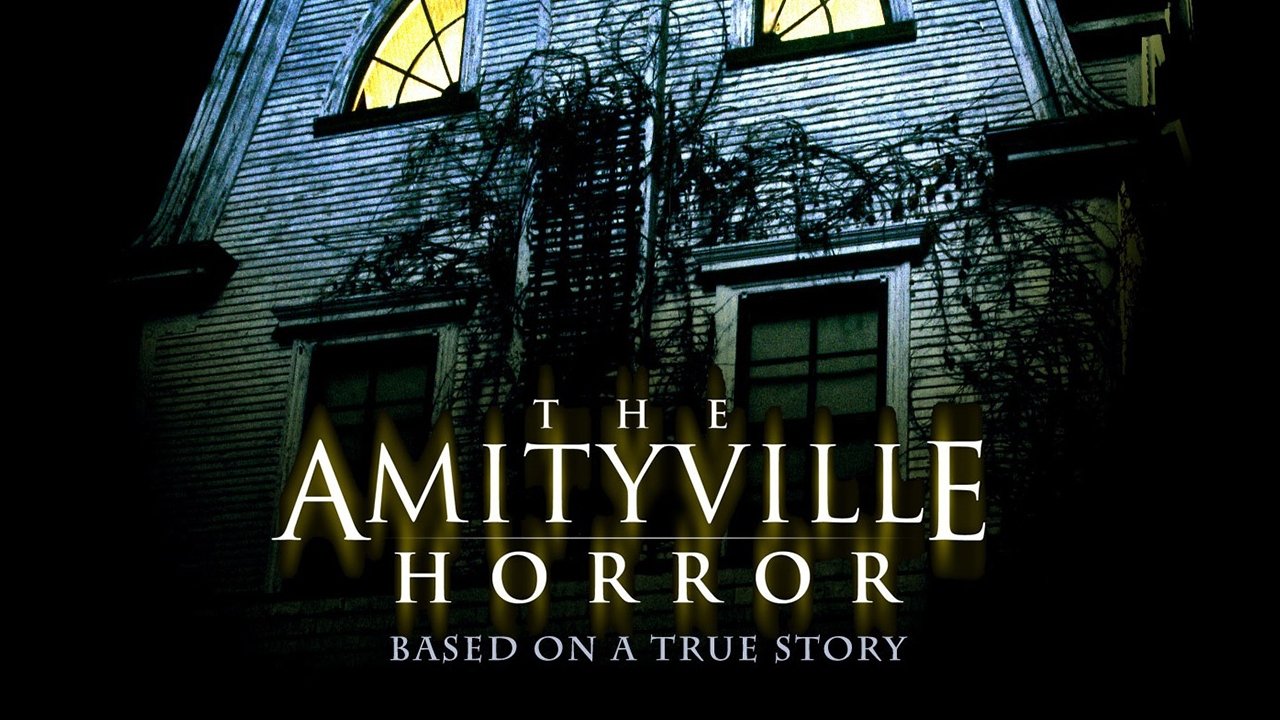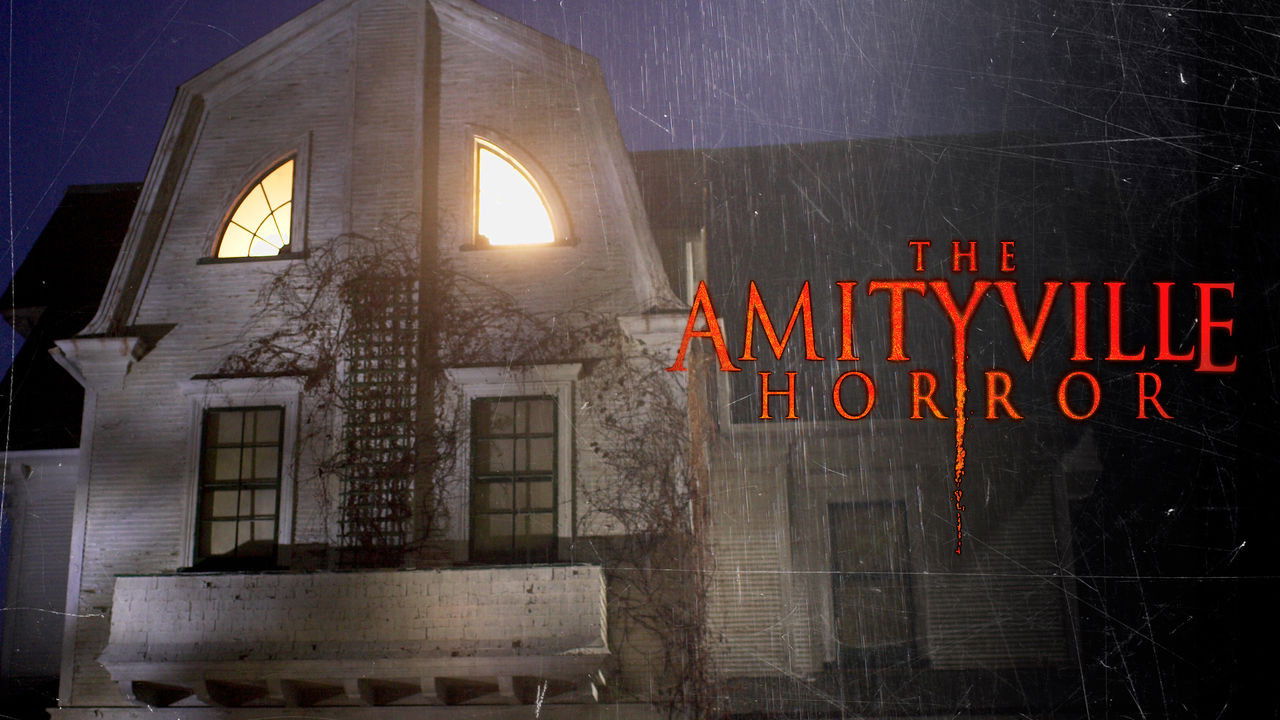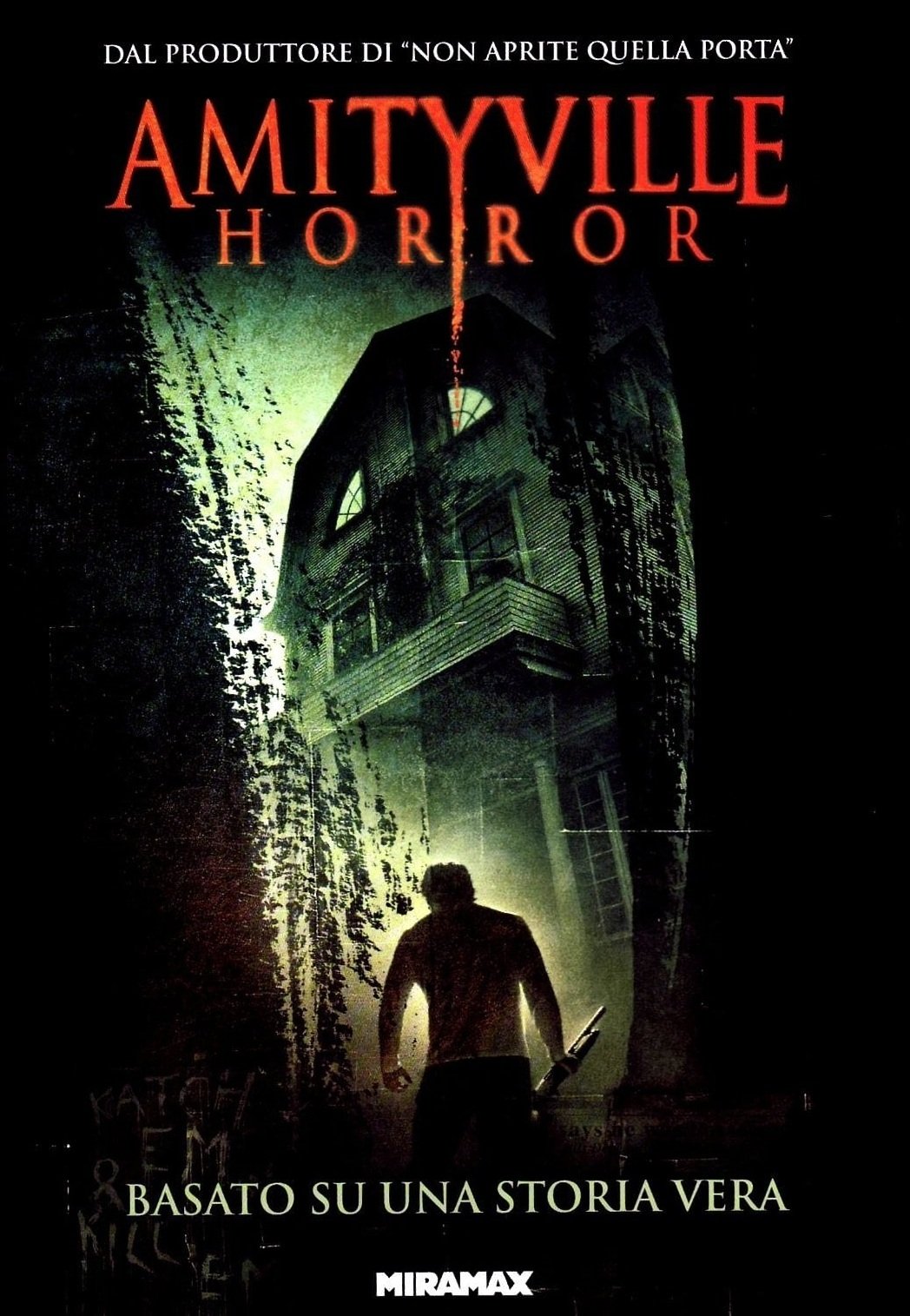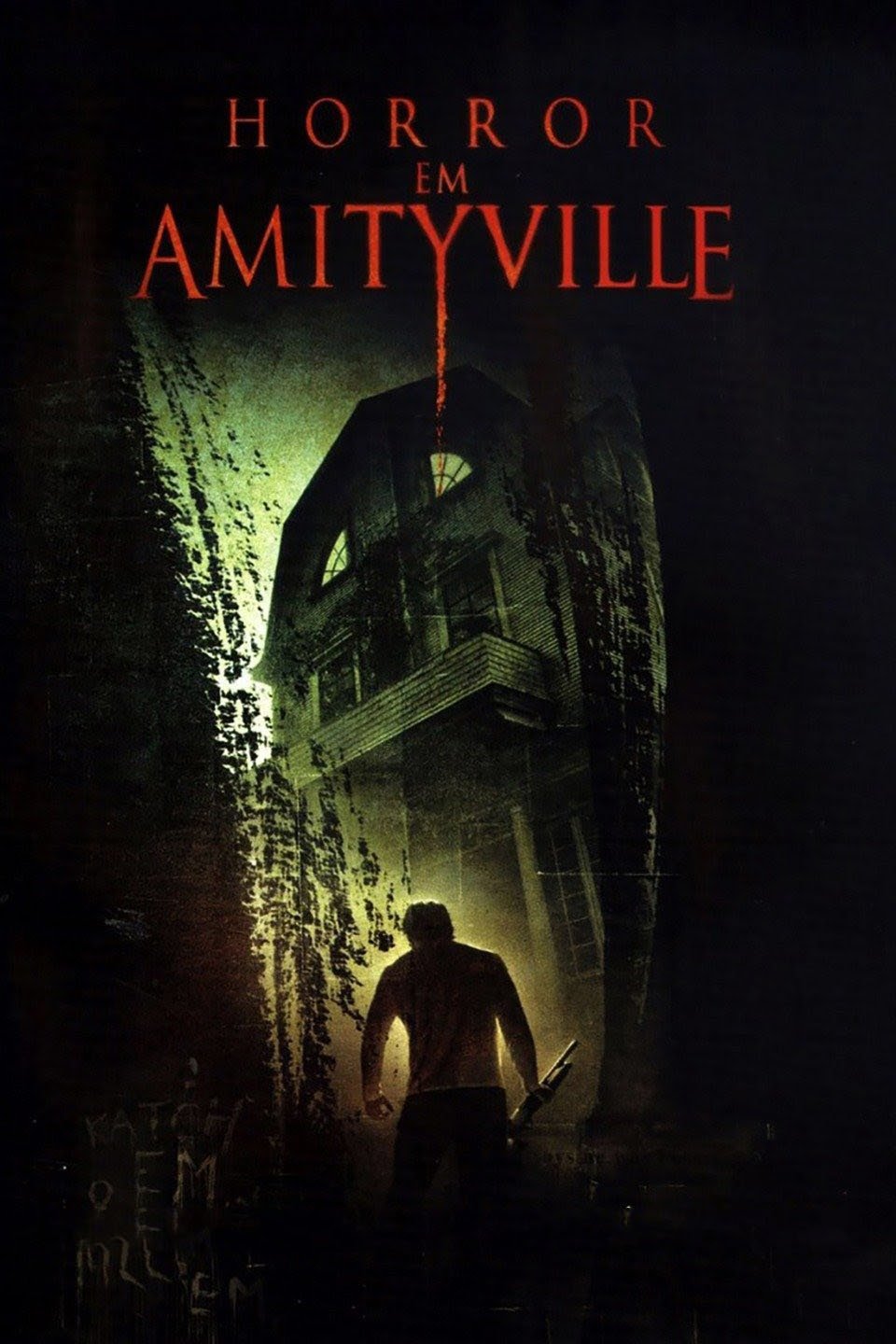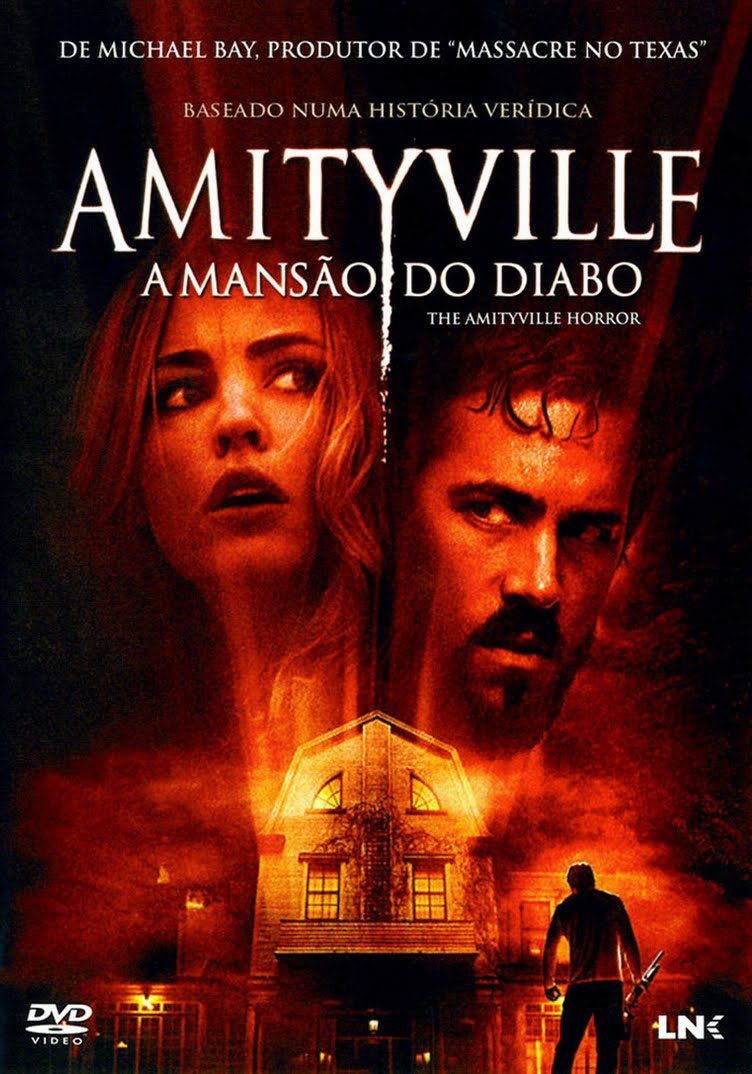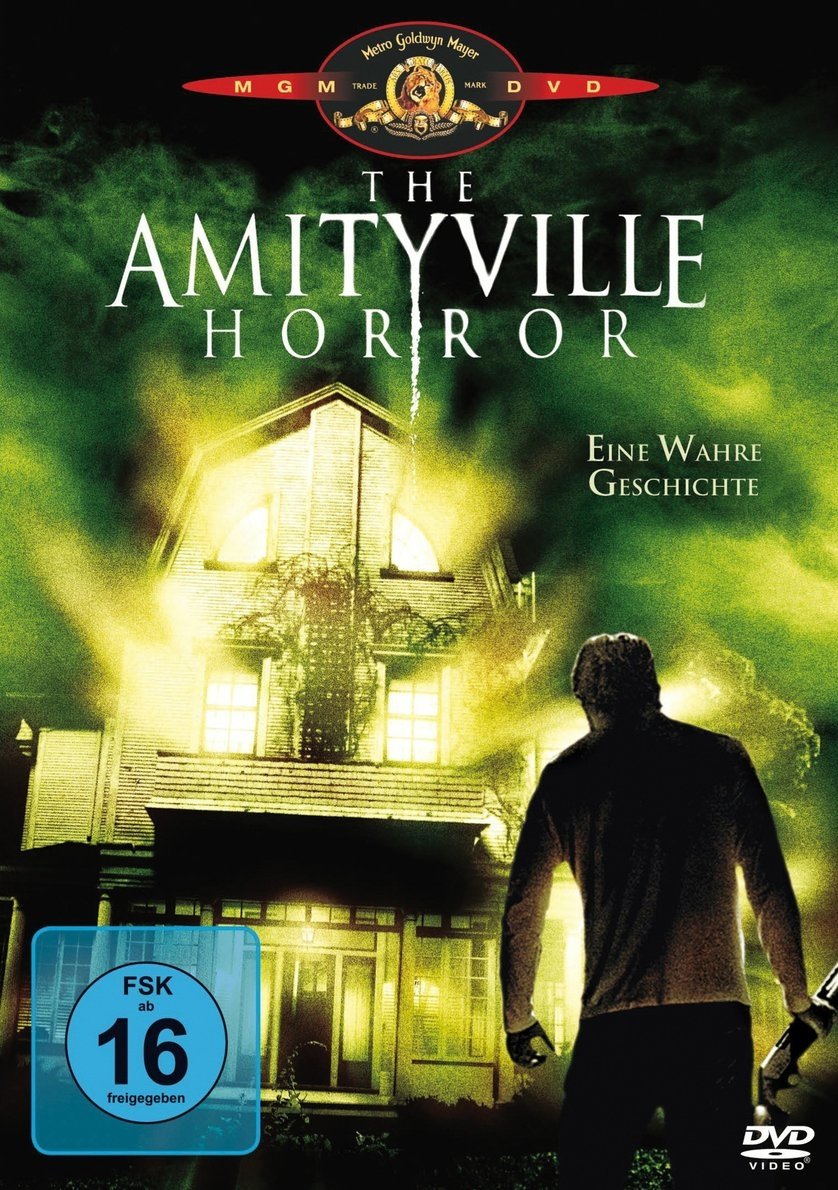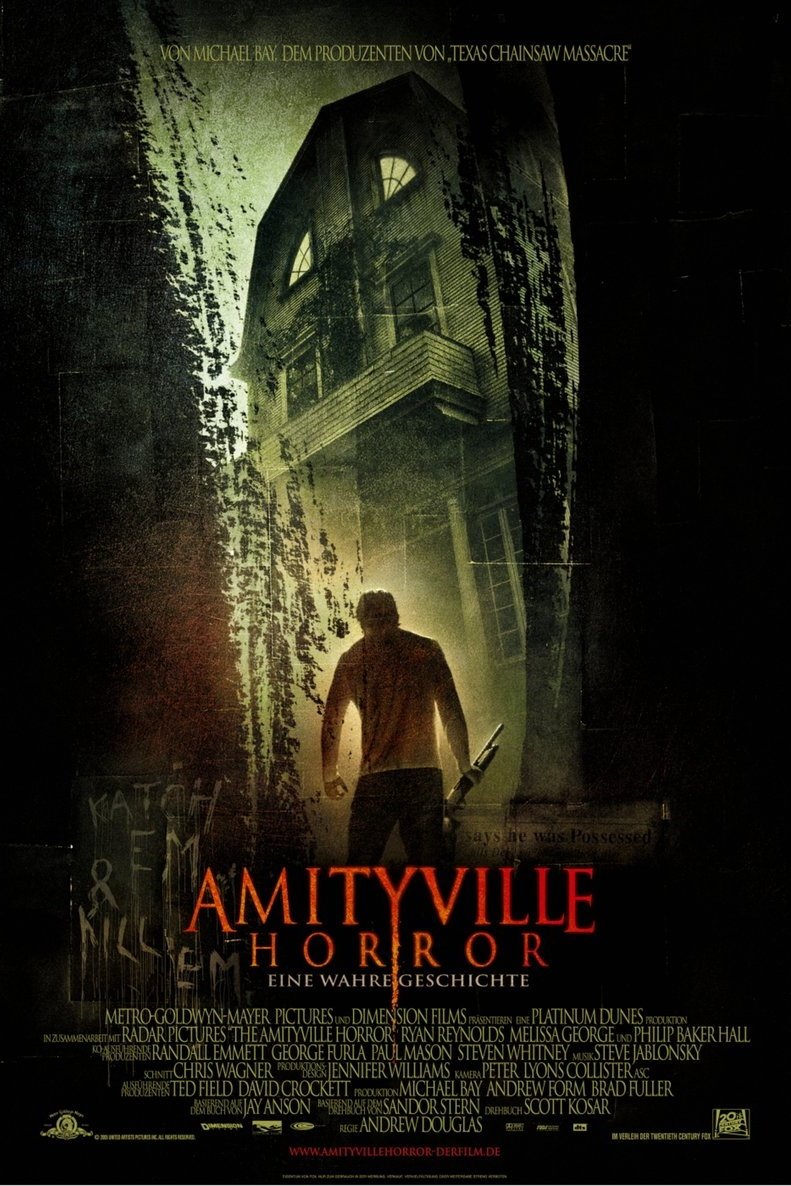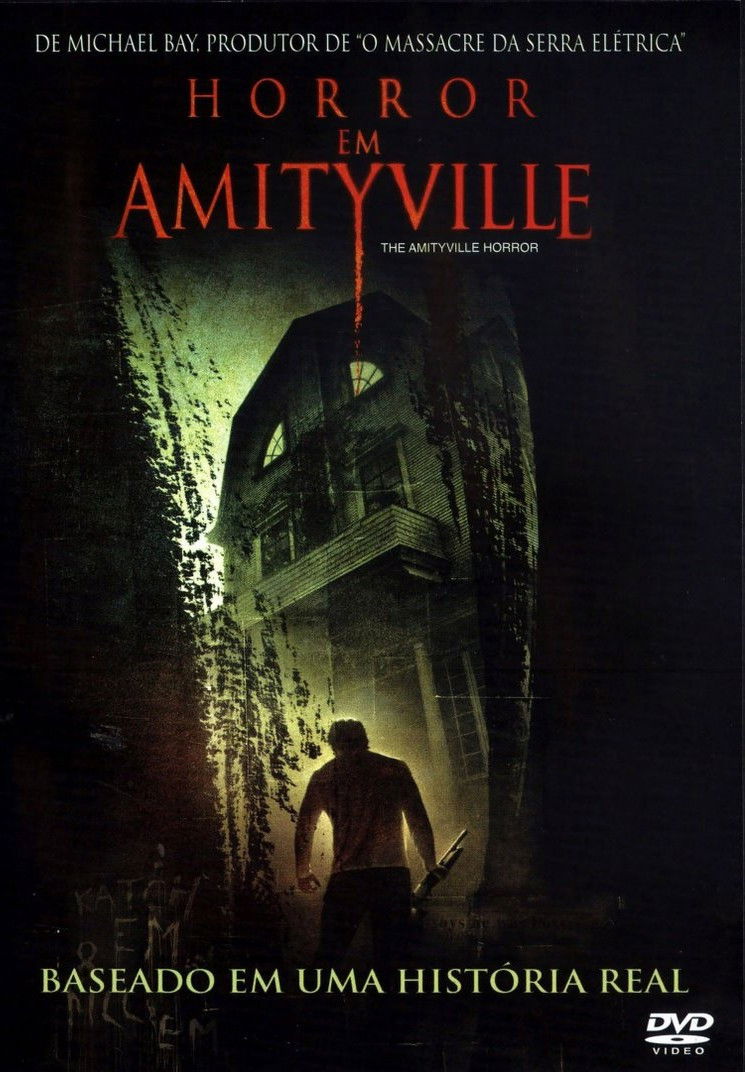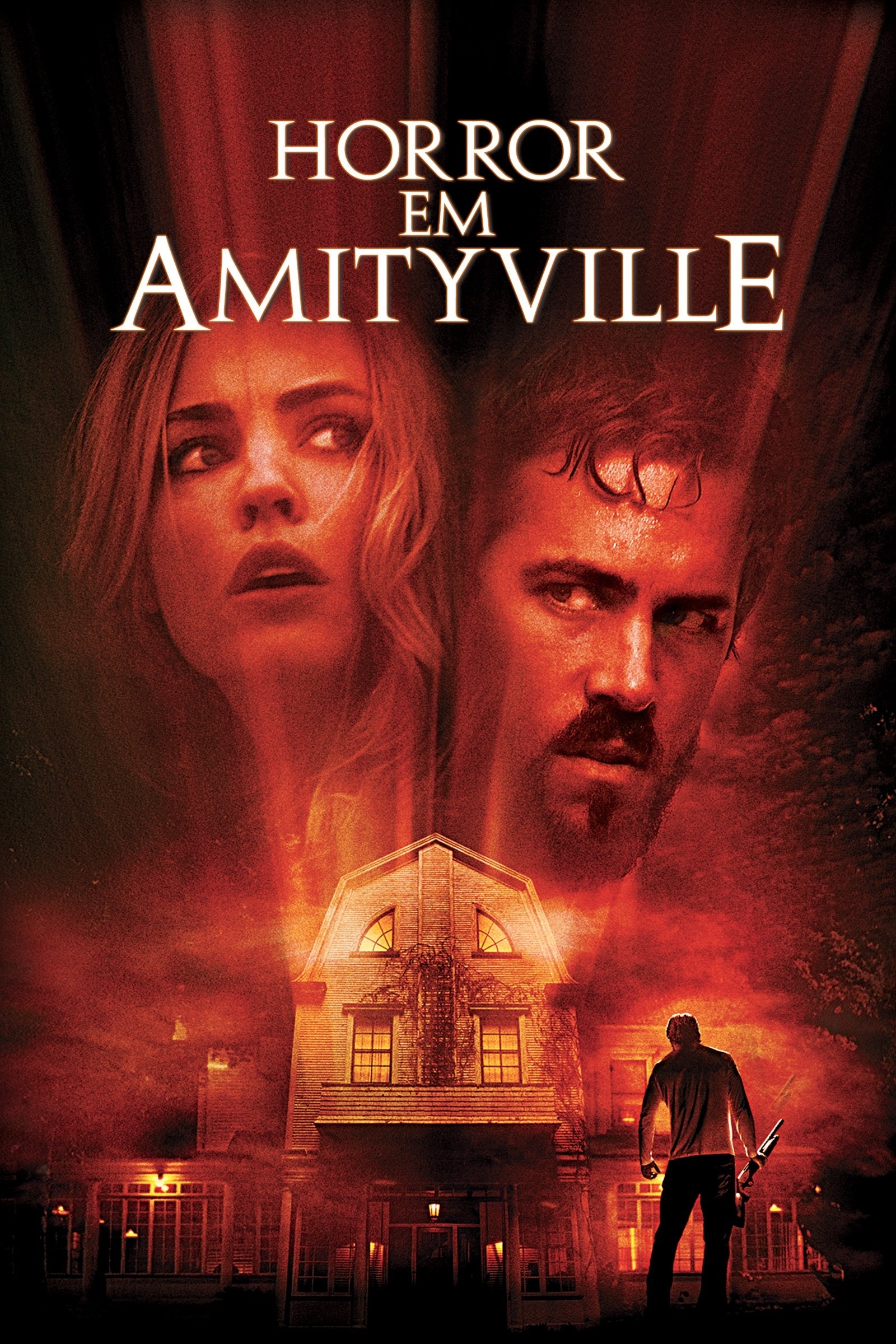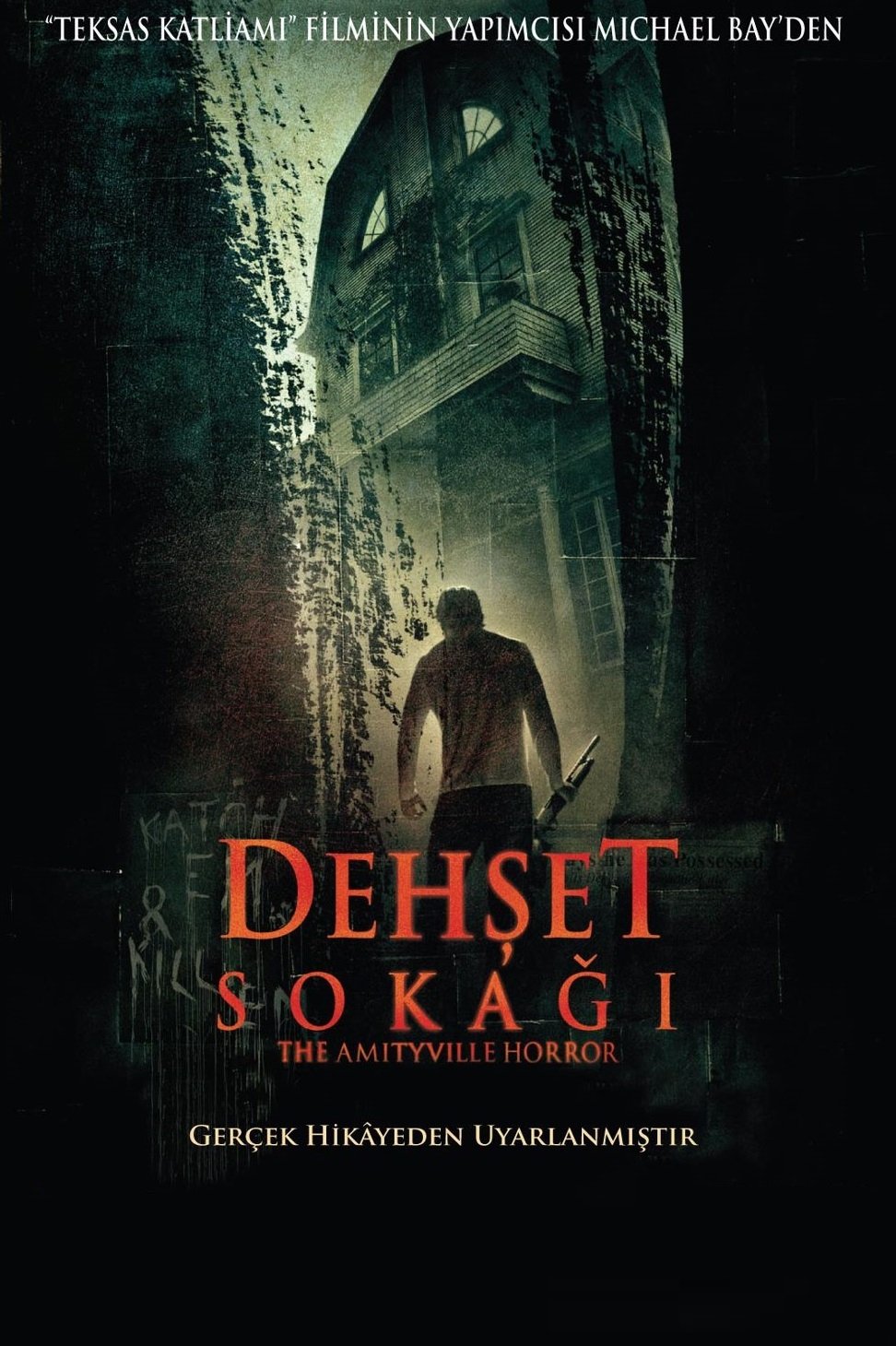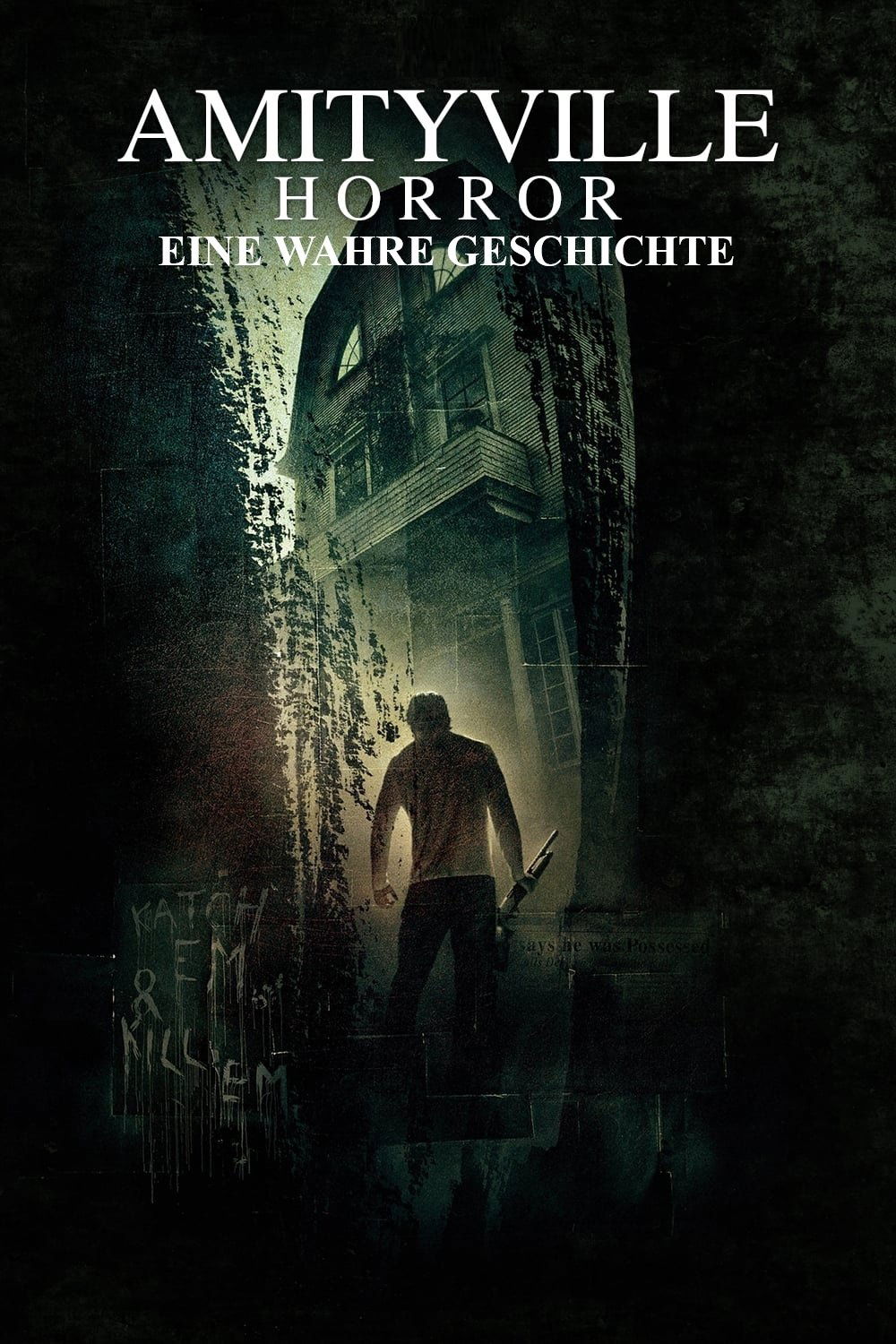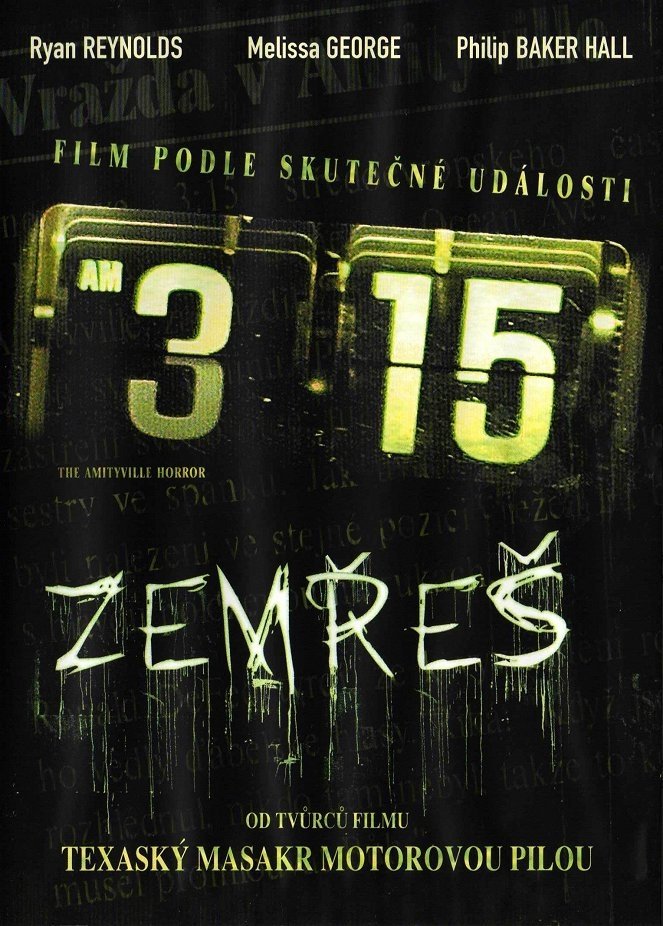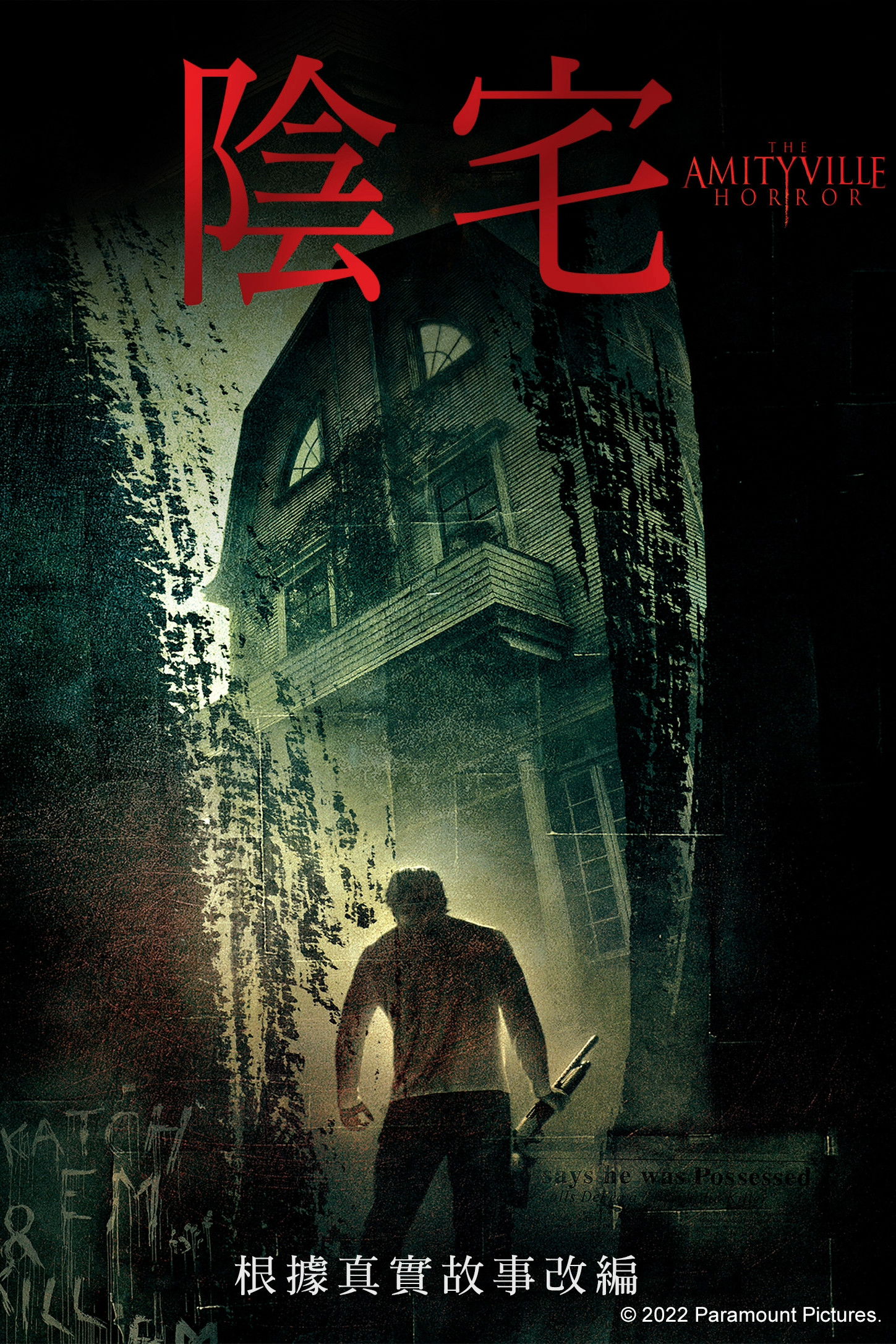
The Amityville Horror (2005)

US
Runtime
90 min
Release
April 14, 2005
Budget
$19,000,000
Revenue
$107,516,369
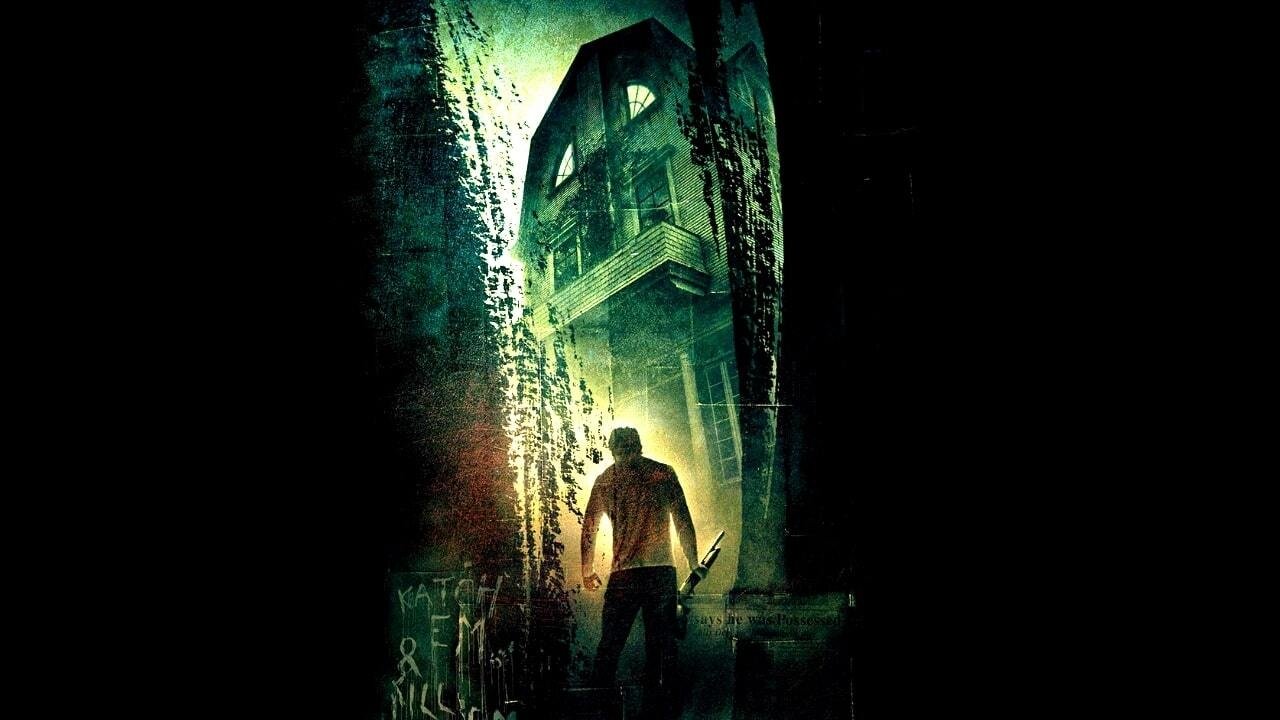
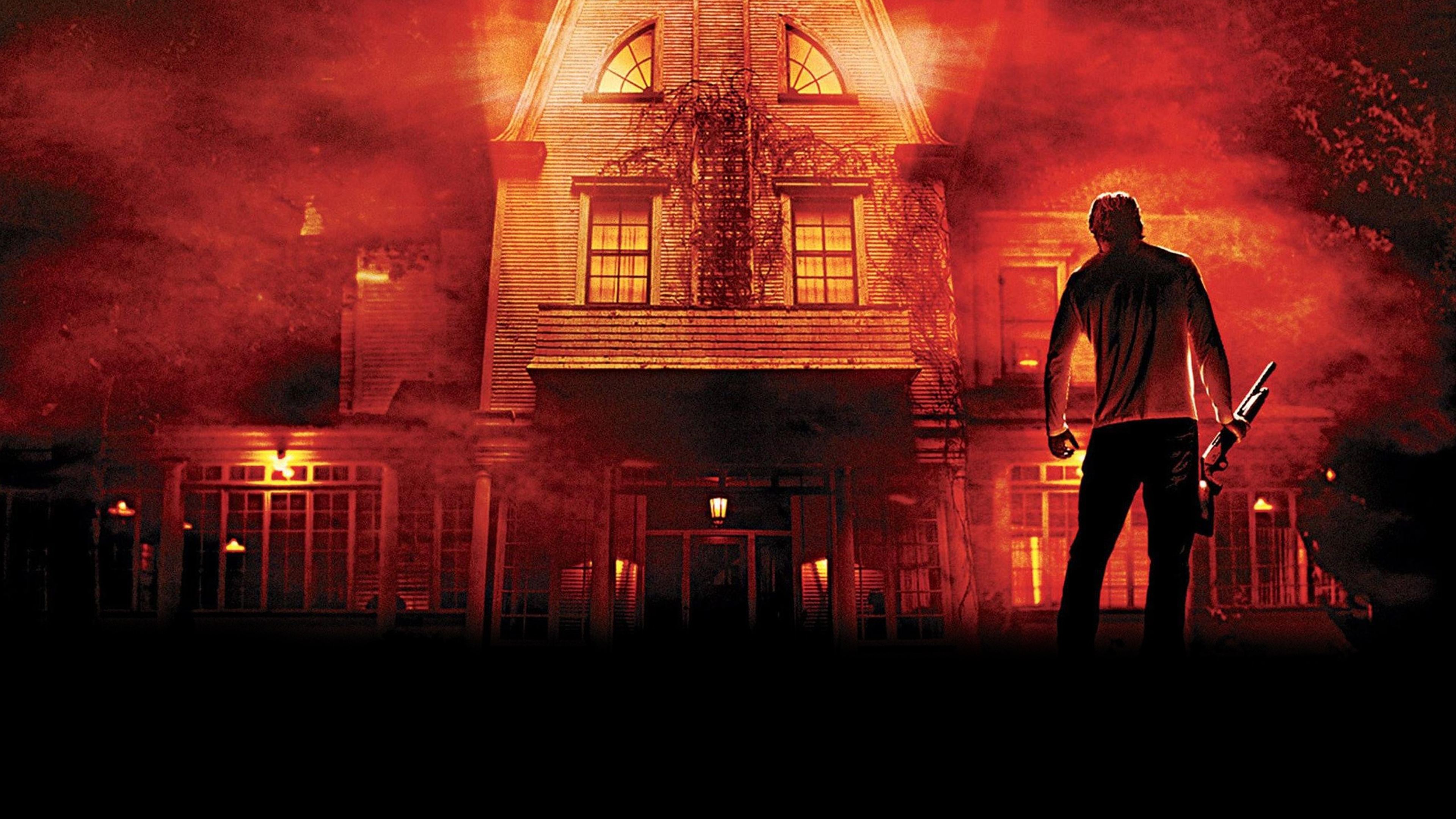
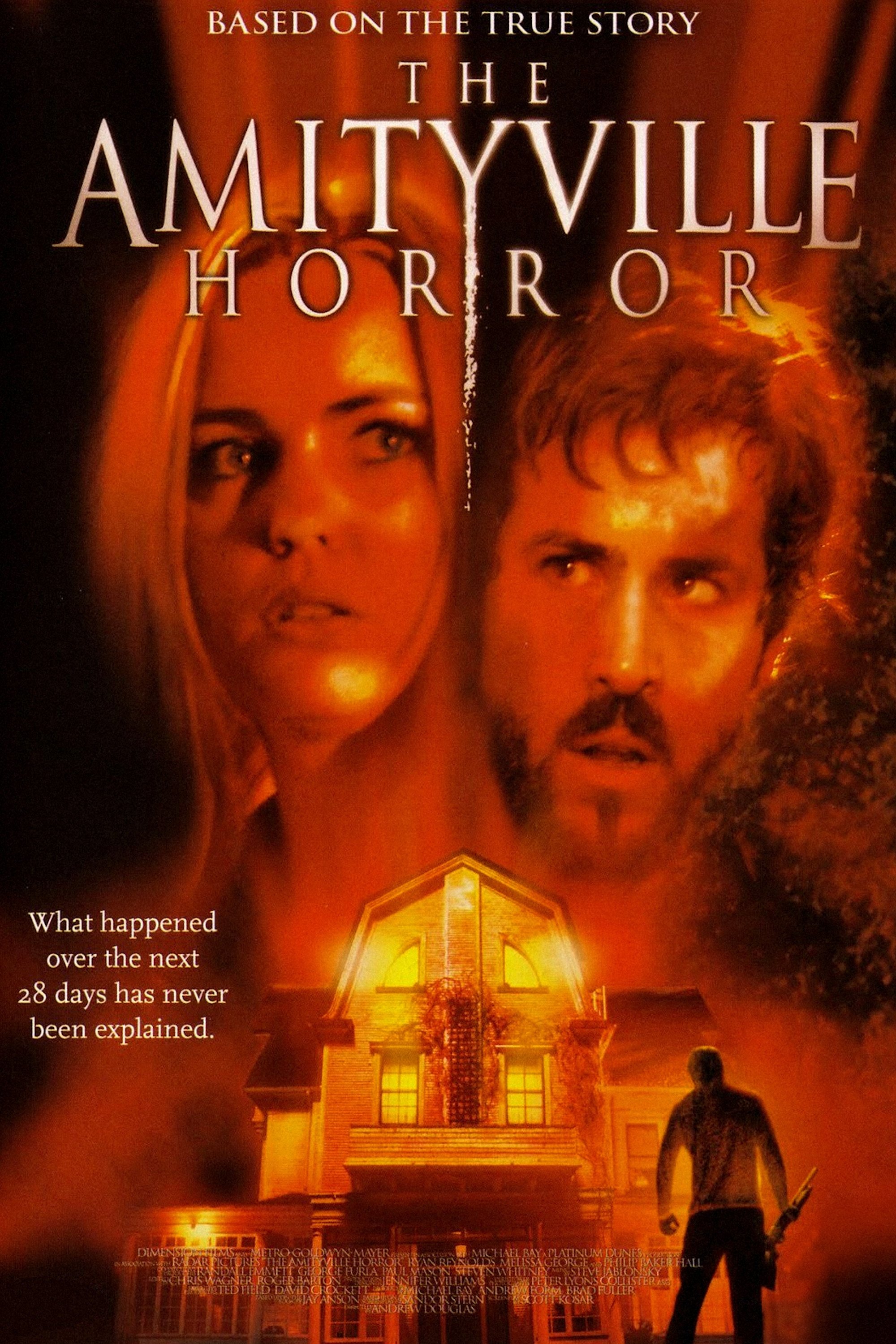
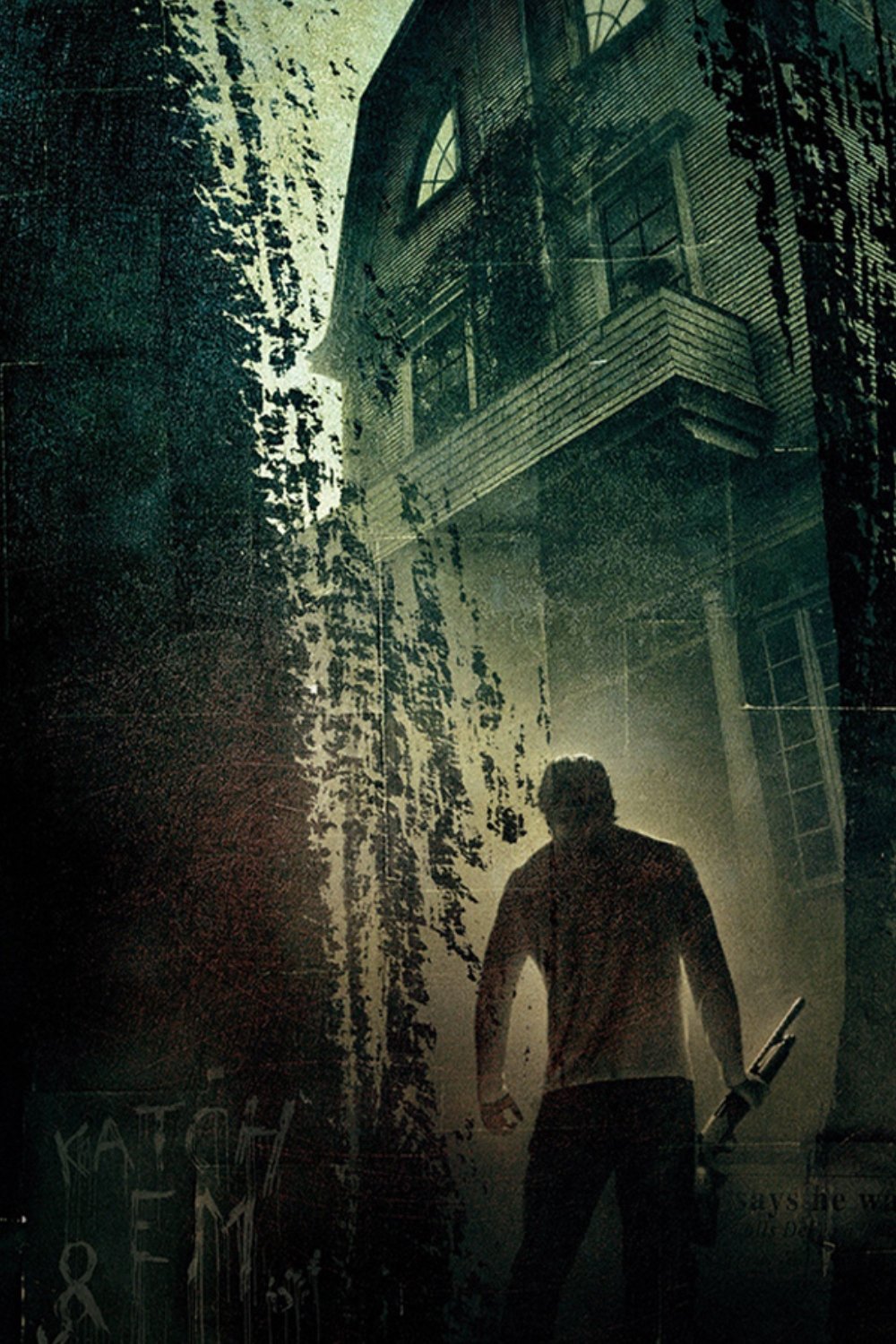
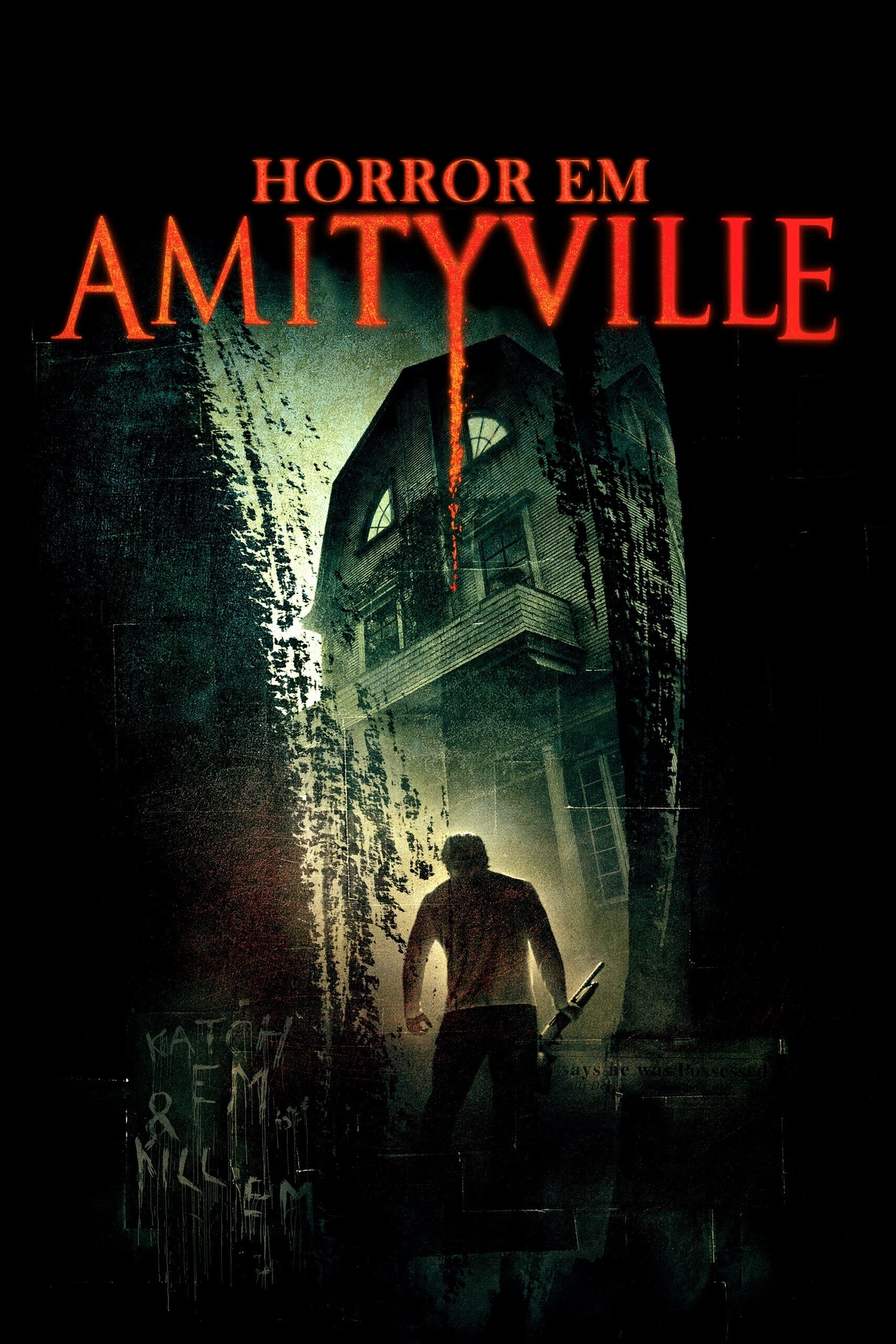
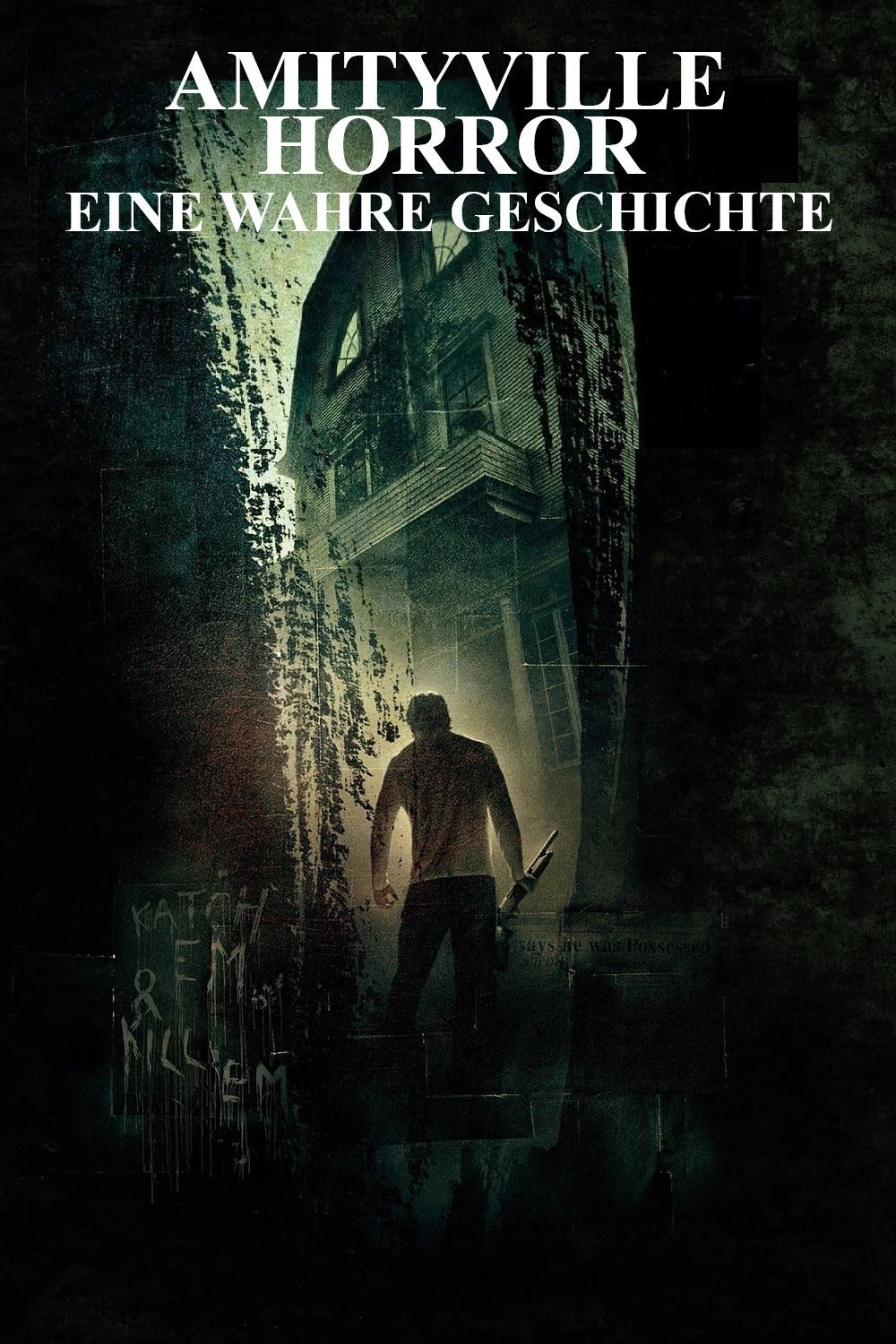
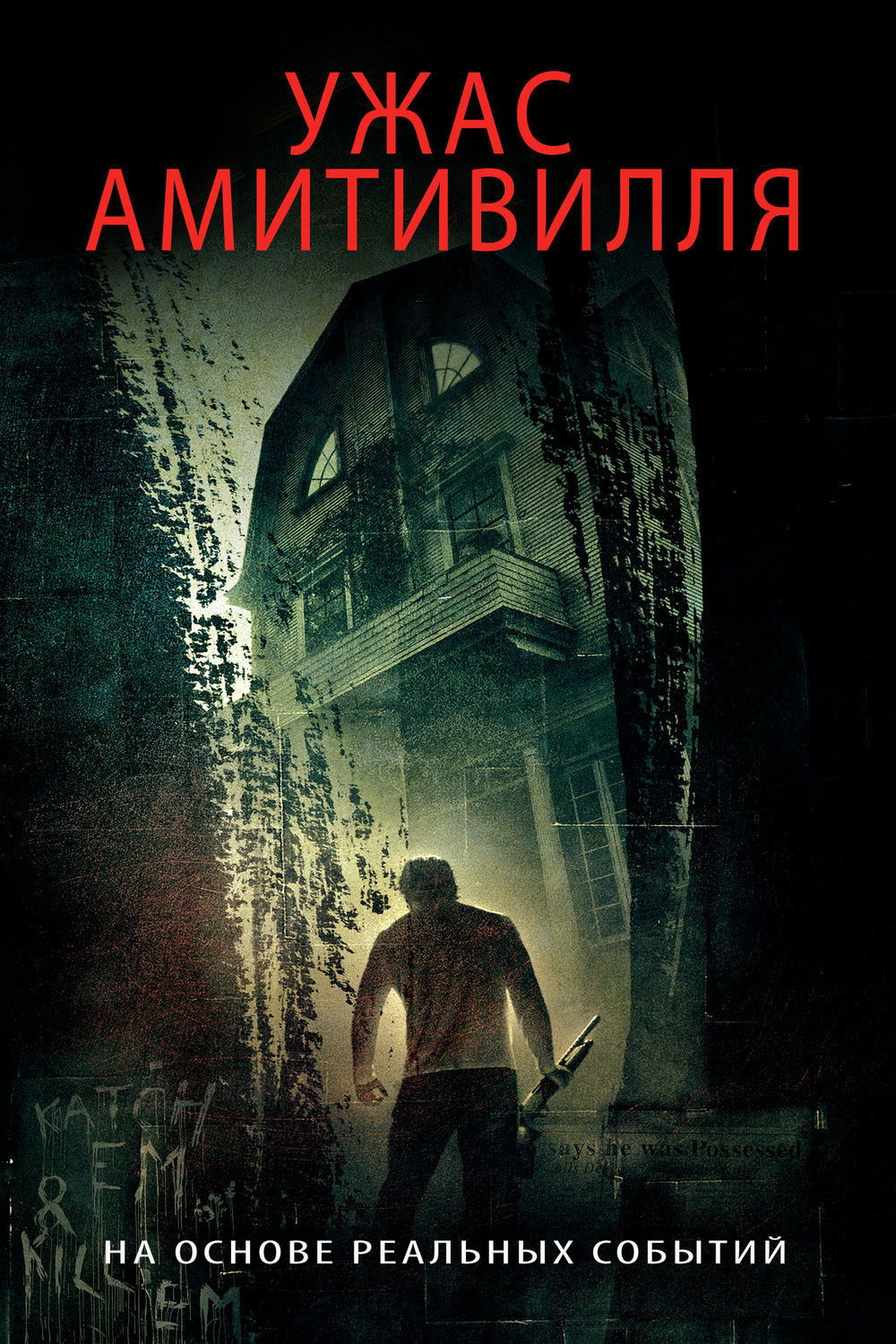
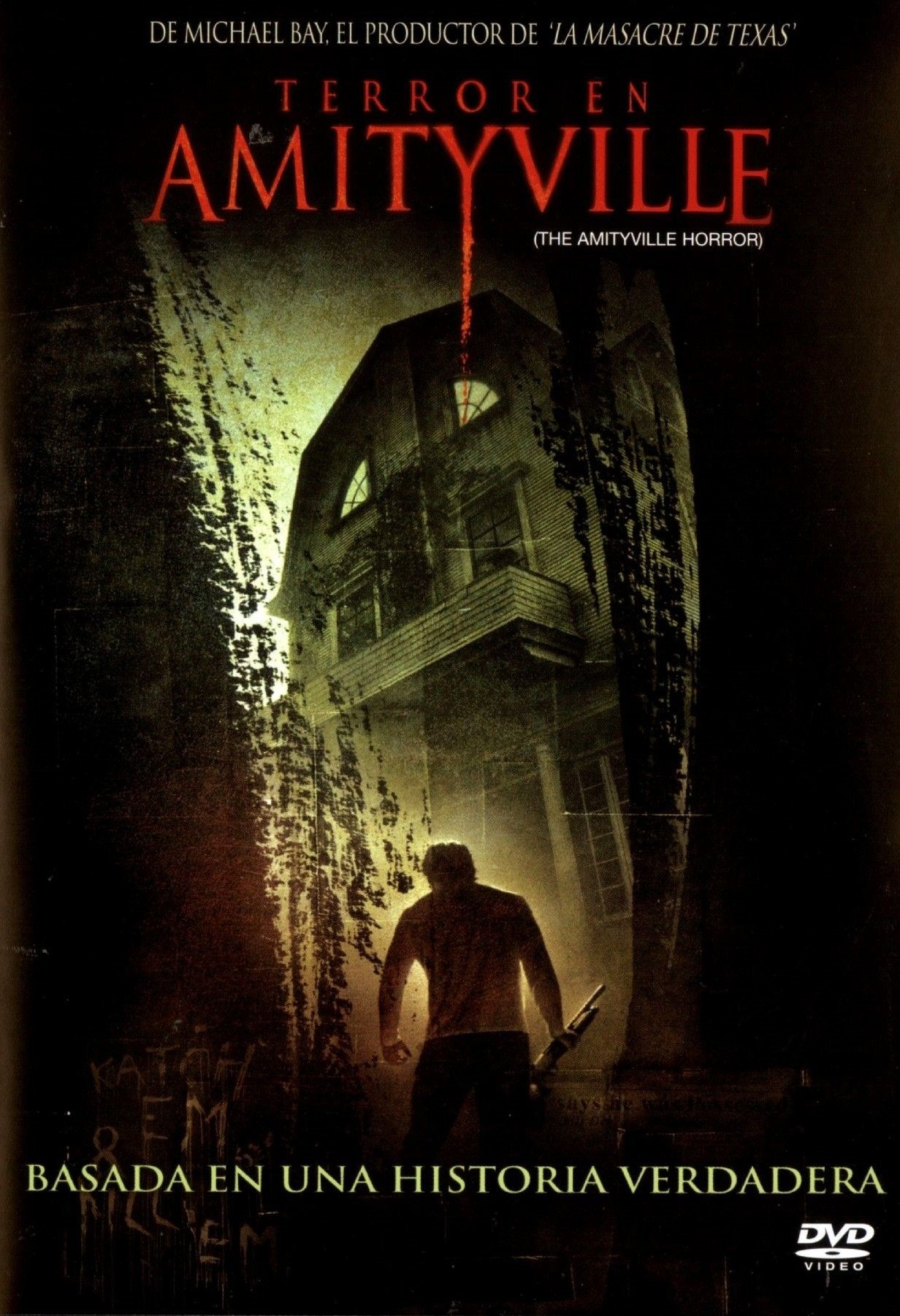
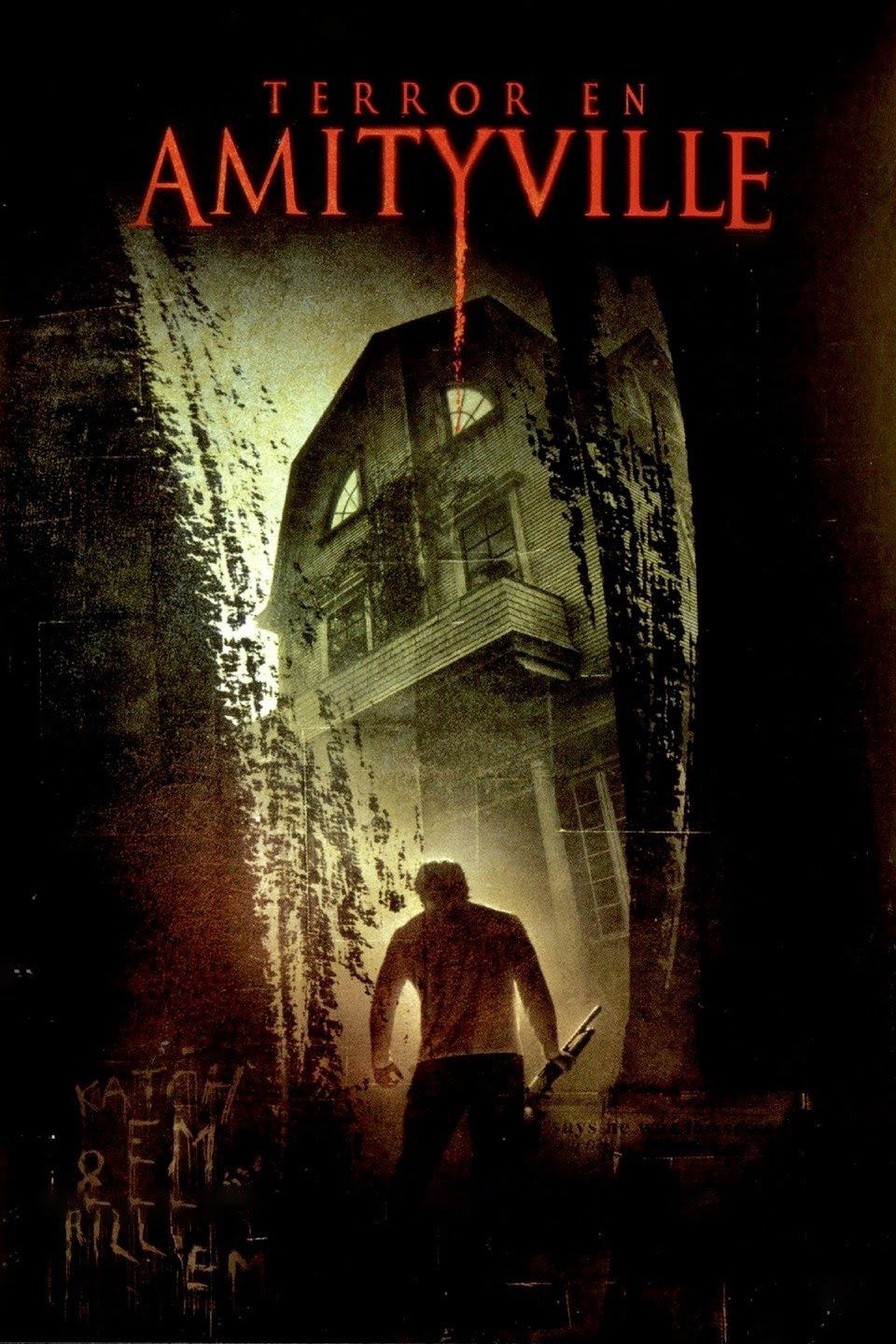
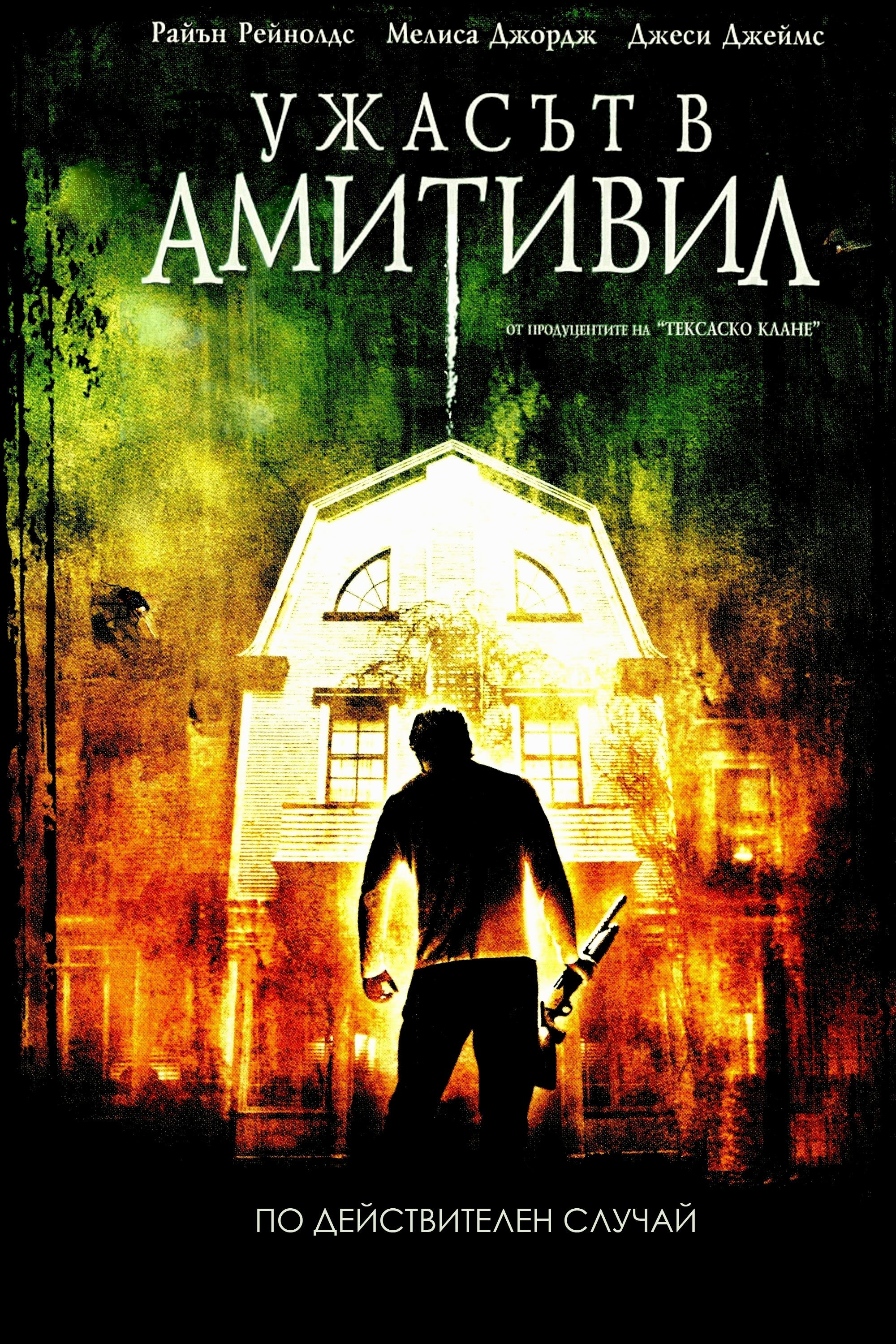
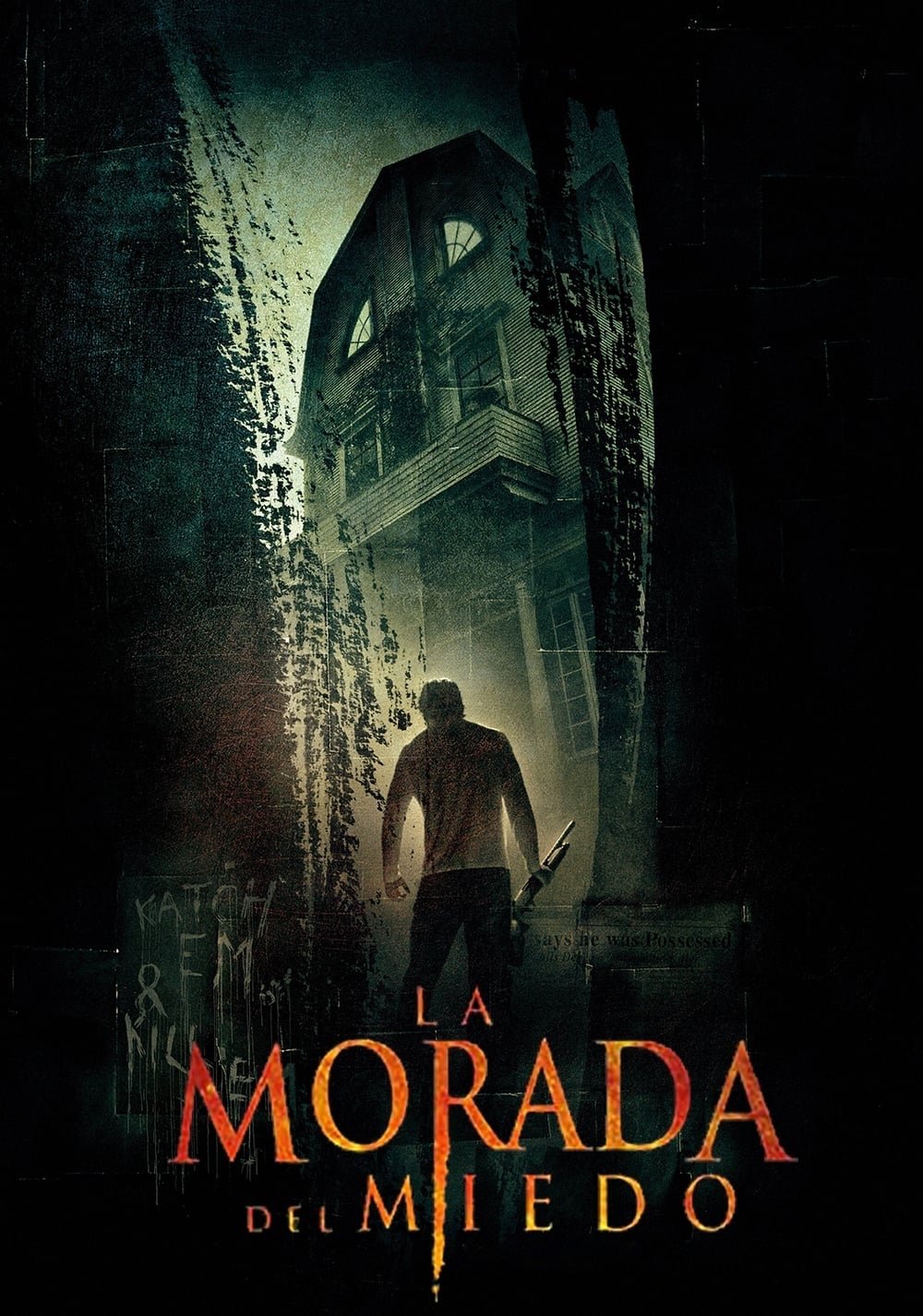
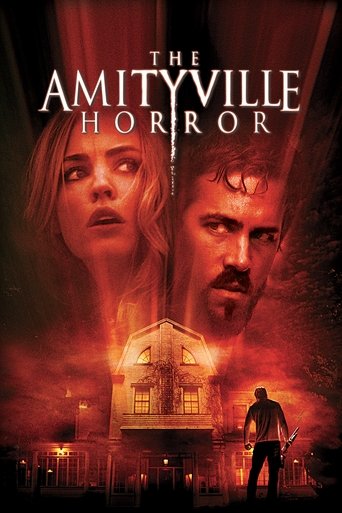
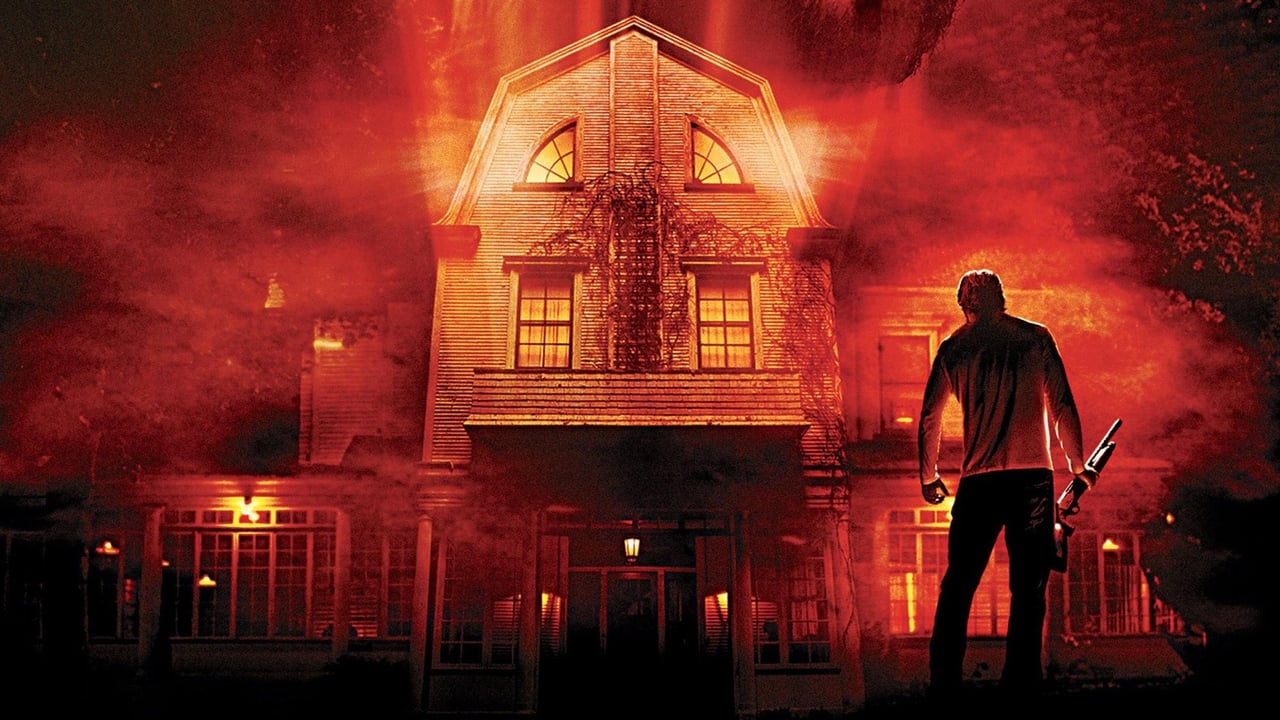
The Amityville Horror (2005) poster
Director
Production Companies
Metro-Goldwyn-Mayer , Dimension Films , Platinum Dunes , Radar Pictures
Plot

George and Kathy Lutz move with their children into a waterfront house in Amityville, unaware of how deeply its history will affect their new family life. They discover that the previous residents were murdered there, and unsettling experiences soon begin to disrupt the household. George's behavior changes as he spends more time in the house, while Kathy and the children encounter apparitions and other frightening phenomena. As the family grows increasingly isolated, Kathy searches for an explanation connecting the home's past to the danger confronting them.

Alternative Titles
Ужасът в Амитивил (Bulgaria) — Bulgarian Horror em Amityville (Brazil) Amityville: La maison du diable (Canada) — French 鬼哭神嚎 (China) — Chinese 3:15 zemřeš (Czechia) — Czech Horor v Amityville (Czechia) — alternativní název Amityville Horror - Eine wahre Geschichte (Germany) — German Amityville'i õudus (Estonia)
Show all 40 alternative titles La morada del miedo (Spain) — Spanish Amityville (France) — French Amityville: The Horror (United Kingdom) — alternative title ამიტივილის მოჩვენება (Georgia) — Georgian Τη Νύχτα Που Γεννήθηκε ο Τρόμος (Greece) — Greek Τρόμος στο Amityville (Greece) 靈時 3 點 3 (Hong Kong SAR China) — Chinese Amityville Horror (Croatia) — Croatian A rettegés háza (Hungary) — Hungarian אימה באמיטוויל (Israel) — Hebrew Amityville Horror (Italy) — Italian 悪魔の棲む家 (Japan) — Japanese 아미티빌 호러 (South Korea) — Korean Amitvilio kosmaras (Lithuania) — Lithuanian Šausmas Amitivilā (Latvia) — Latvian Terror en Amityville (Mexico) — Spanish Amityville (Poland) — Polish Horror Amityville (Poland) — NETFLIX_ALT Amityville - A Mansão do Diabo (Portugal) — Portuguese Amityville (Romania) — Romanian Amitivilski užas (Serbia) — Serbian Ужас Амитивилля (Russia) — Russian 3:15 zomries! (Slovakia) — Slovak ผีทวงบ้าน (Thailand) — Thai Dehset sokagi (Türkiye) Dehşet Sokağı (Türkiye) — Turkish 陰宅 (Taiwan) — Chinese Жах Амітивілля (Ukraine) — Ukrainian Amityville 9: The Amityville Horror (United States) Amityville I: The Amityville Horror Redux (United States) — faux title The Amityville Horror 9 (United States) — Working Title Chuyện Rùng Rợn Ở Amityville (Vietnam) — Vietnamese

Trailers & Videos

6 videos

The Amityville Horror (2005) Film Guide

Andrew Douglas and Platinum Dunes rework the Amityville legend through family breakdown, a more explicit supernatural mythology and mid-2000s horror aesthetics.

The Amityville Horror (2005) returned one of American horror's most commercially durable haunted-house narratives to cinemas during the early twenty-first-century remake cycle. Produced by Platinum Dunes following its successful reworking of The Texas Chainsaw Massacre, the film revisits the Lutz family's alleged haunting through a harsher visual vocabulary and a stronger emphasis on the deteriorating behavior of George Lutz. Andrew Douglas's feature debut occupies a revealing position between the restrained domestic unease of the 1979 adaptation and the accelerated shocks associated with mid-2000s studio horror.

The story draws on the Amityville legend popularized by Jay Anson's book, a narrative built around the real 1974 murders of six DeFeo family members and later supernatural claims made by the Lutz family. Those categories require separation: the murders are historical events, while the haunting and the film's occult explanations remain contested claims and dramatization. This remake transforms that material into an increasingly physical threat to Kathy Lutz and her children, placing the stepfather's changing behavior at the center of its horror.

Production and Development

Platinum Dunes developed the remake after the commercial success of The Texas Chainsaw Massacre (2003). In an April 2005 interview, producers Andrew Form and Brad Fuller explained that the company had been looking at directors from the commercials and music-video worlds. Douglas's reel attracted their attention, and his interpretation of the story persuaded them he was suited to the project. The choice placed a filmmaker accustomed to concentrated visual storytelling in charge of a feature where sustained domestic tension was essential.

Douglas described the project to Dread Central as a psychological horror film concerned with the breakdown of a family. He recalled the producers initially presenting it in terms that evoked The Shining, while also acknowledging the competing pressures of studio filmmaking. His concern was that the audience needed time to anticipate disturbances before the release of a shock. These remarks help explain the tension between relatively prolonged family scenes and sudden, aggressive supernatural incidents in the finished film.

An on-set interview published by Dark Horizons in September 2004 situated production in Buffalo Grove, Illinois. Douglas discussed the transition from advertising work to longer dramatic scenes and the opportunity to observe an actor through a sustained shot. Such accounts are more informative than a conventional list of credits: they document the production's attempt to reconcile the rapid, high-impact grammar of commercials with the domestic psychology on which the film depends.
Screenplay and the Amityville Legend

Screenwriter Scott Kosar approached the material as a mixture of Jay Anson's book and the earlier screen adaptation. In his contemporary Dread Central interview, he explained that he expanded sparse elements of the book's account of the property's supposed history to develop a more explicit mythology. The result was a screenplay that attached the supernatural danger to a fictionalized backstory, including material concerning John Ketchum. Kosar's account is evidence of his adaptation process, not historical verification of those supernatural assertions.

The 1974 DeFeo murders form the verifiable criminal background against which the Amityville phenomenon became famous. The suggestion that these murders resulted from demonic influence belongs to the later claims and fictional interpretations surrounding the case. Kosar himself described the massacre as the most disturbing aspect of the material while declining to endorse the haunting. The film nevertheless incorporates violent images and an occult explanation to give the house a coherent antagonistic force.

This distinction matters especially because promotion associated the property with a purported true story. The film's nightmare imagery, the appearance of ghosts and the newly enlarged mythology are cinematic constructions. Assessing them as narrative devices makes it possible to discuss the movie's treatment of trauma and family violence without treating its inventions as documentary findings.
The House and Visual Design

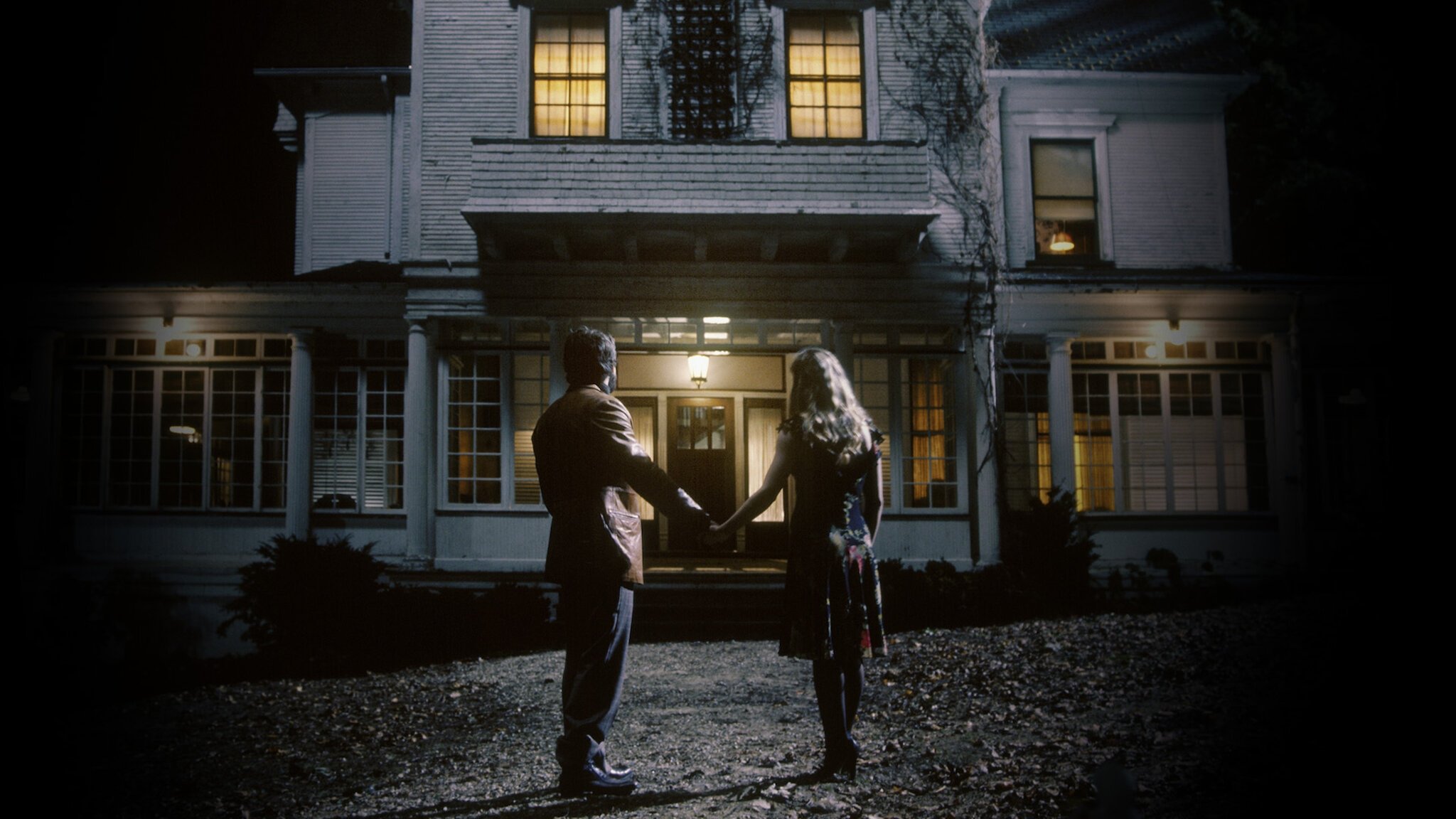
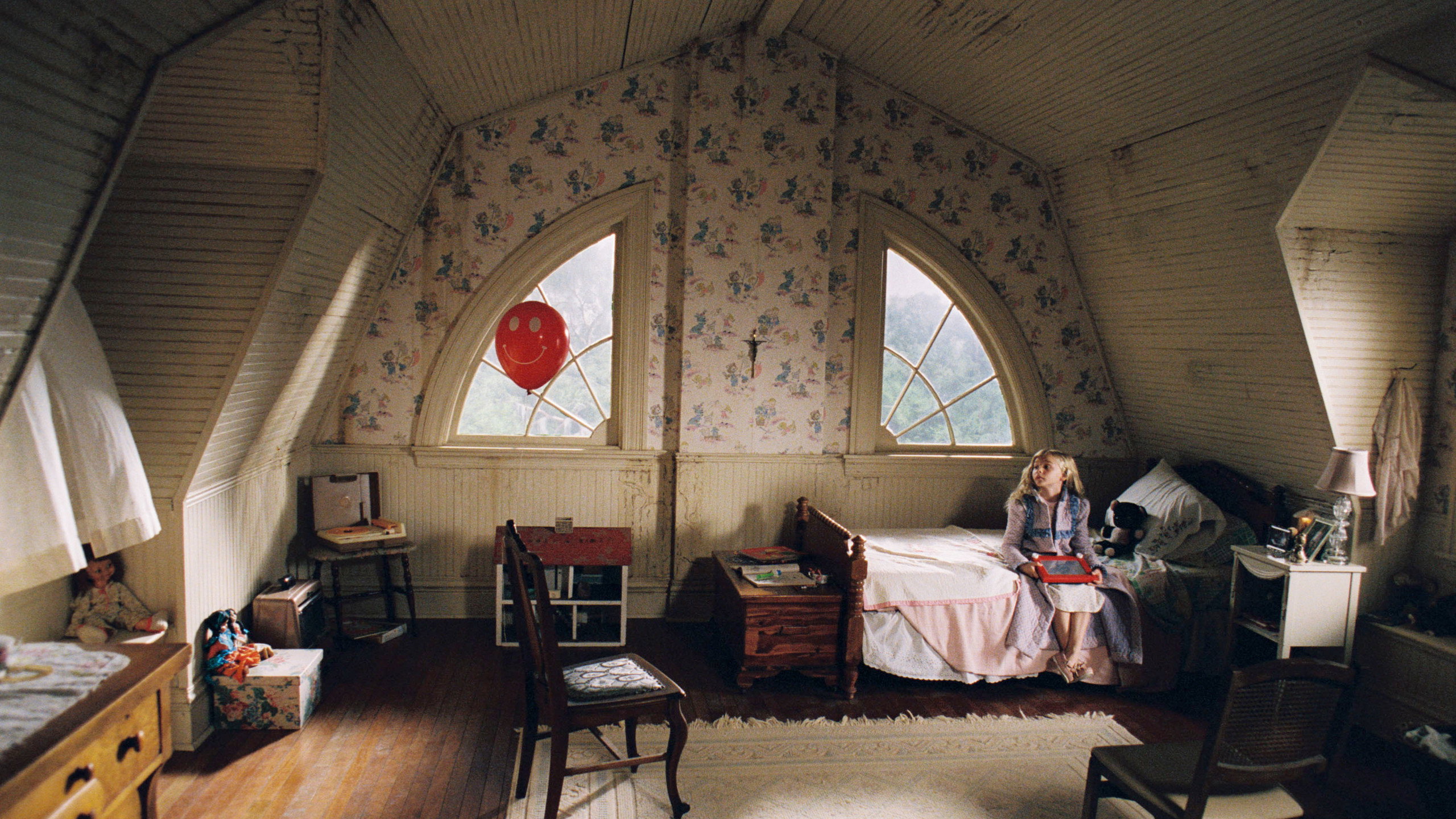
Douglas's approach presents the house as more than an architectural backdrop. In the Dark Horizons set report, observers described the director working to create the impression that the building itself watched the family. The image-making strategy supports the story's gradual displacement of ordinary domestic space by threatening viewpoints and unexpected movement. Doorways, staircases and rooms become sites where the spectator anticipates an intrusion before the characters recognize it.

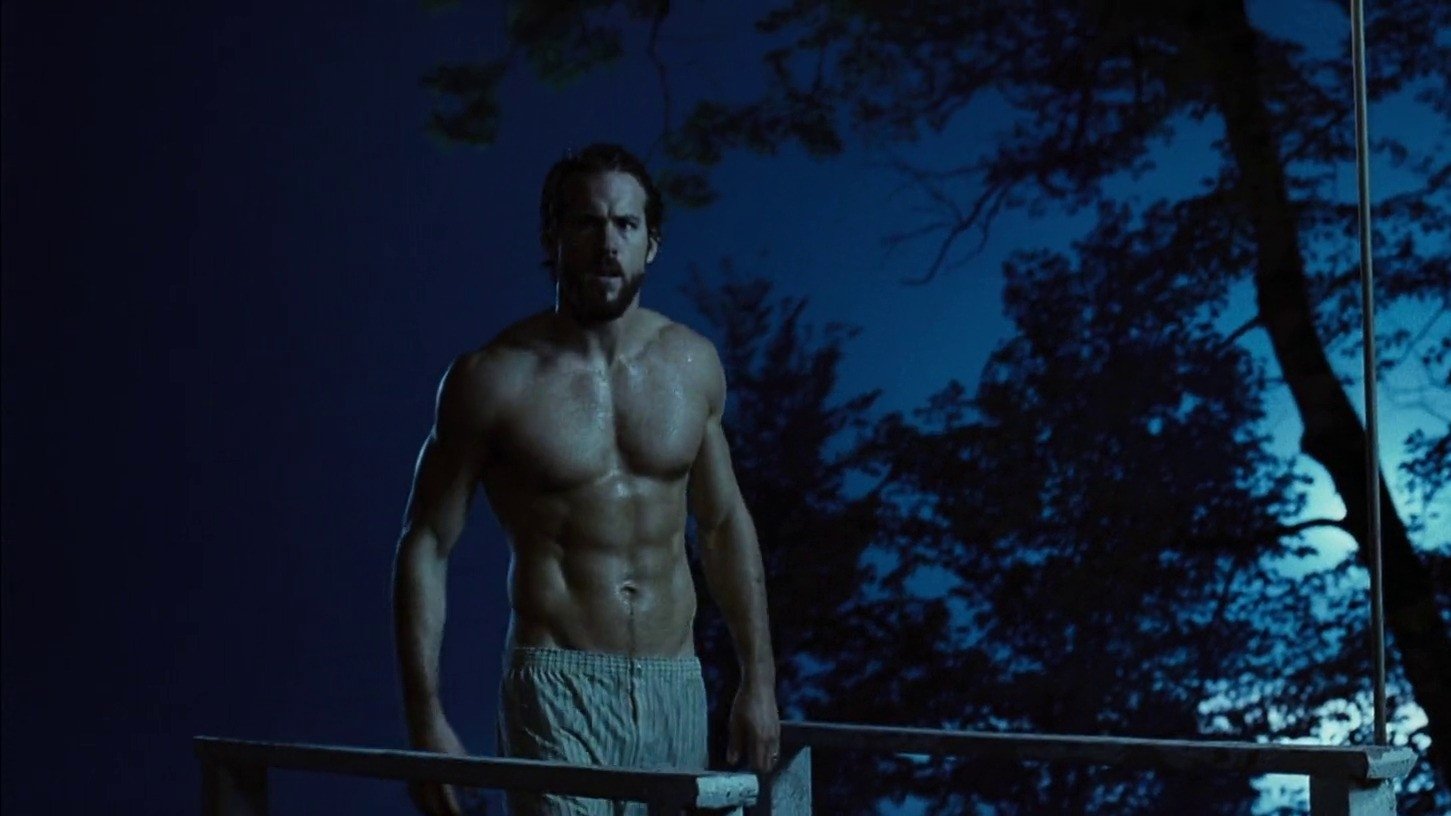
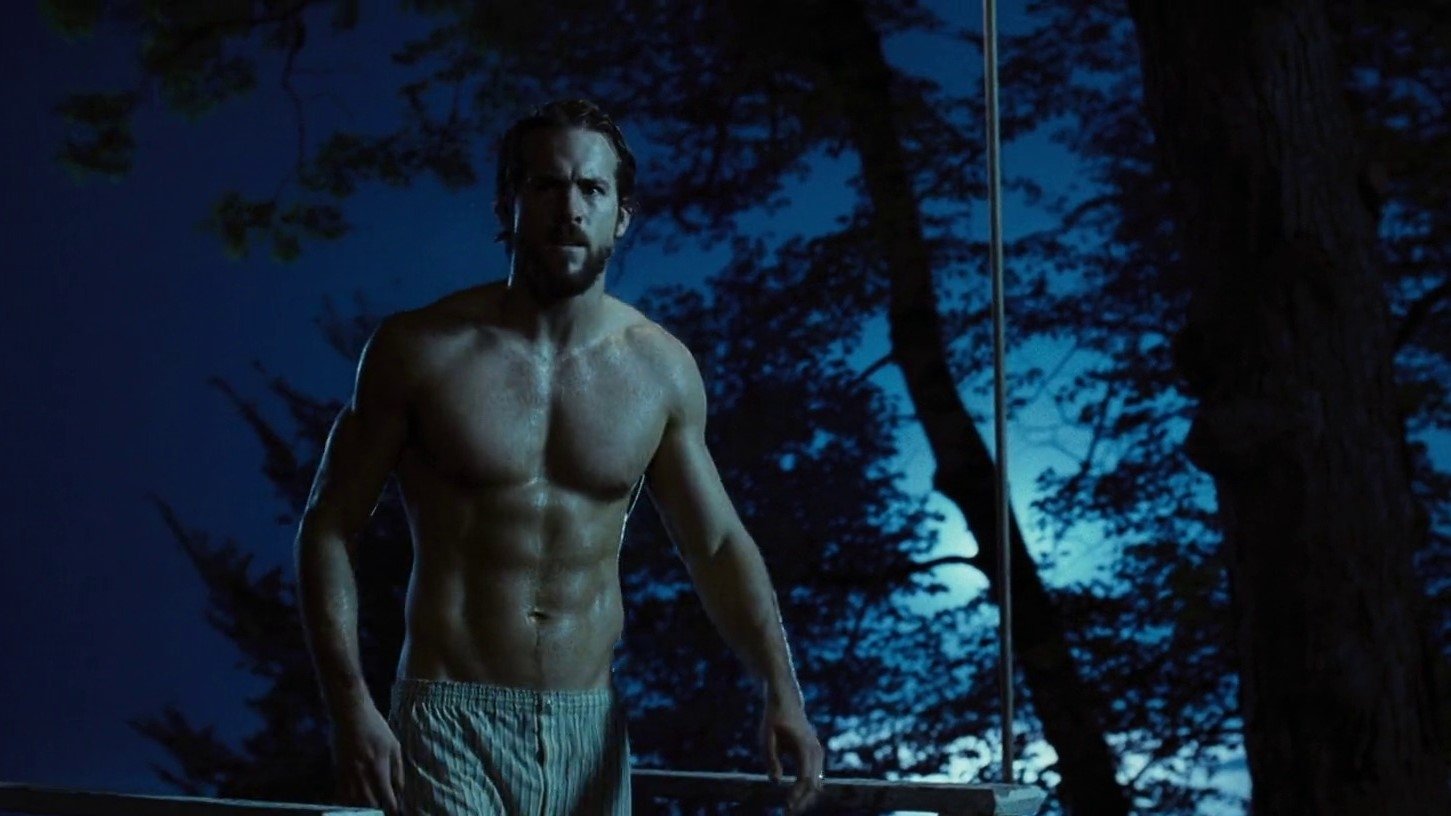
The remake favors a comparatively forceful visual treatment of the supernatural. Ghostly apparitions and abrupt changes in perspective give a more concrete form to forces left uncertain in parts of the earlier film. The camera also attends to George's increasing alienation within the house, connecting his physical presence to the danger faced by the children. These choices translate a story of domestic instability into recognizable imagery of possession and haunted architecture.

The setting's familiarity is part of its function. The Amityville property had already become an identifiable horror icon through the earlier feature and its sequels. Revisiting the house allowed the remake to activate that cultural memory while redesigning the encounters for audiences accustomed to more explicit scares. The film's visual identity is therefore tied as much to an inherited location and mythology as to Douglas's particular staging.

Family Conflict and Screen Violence

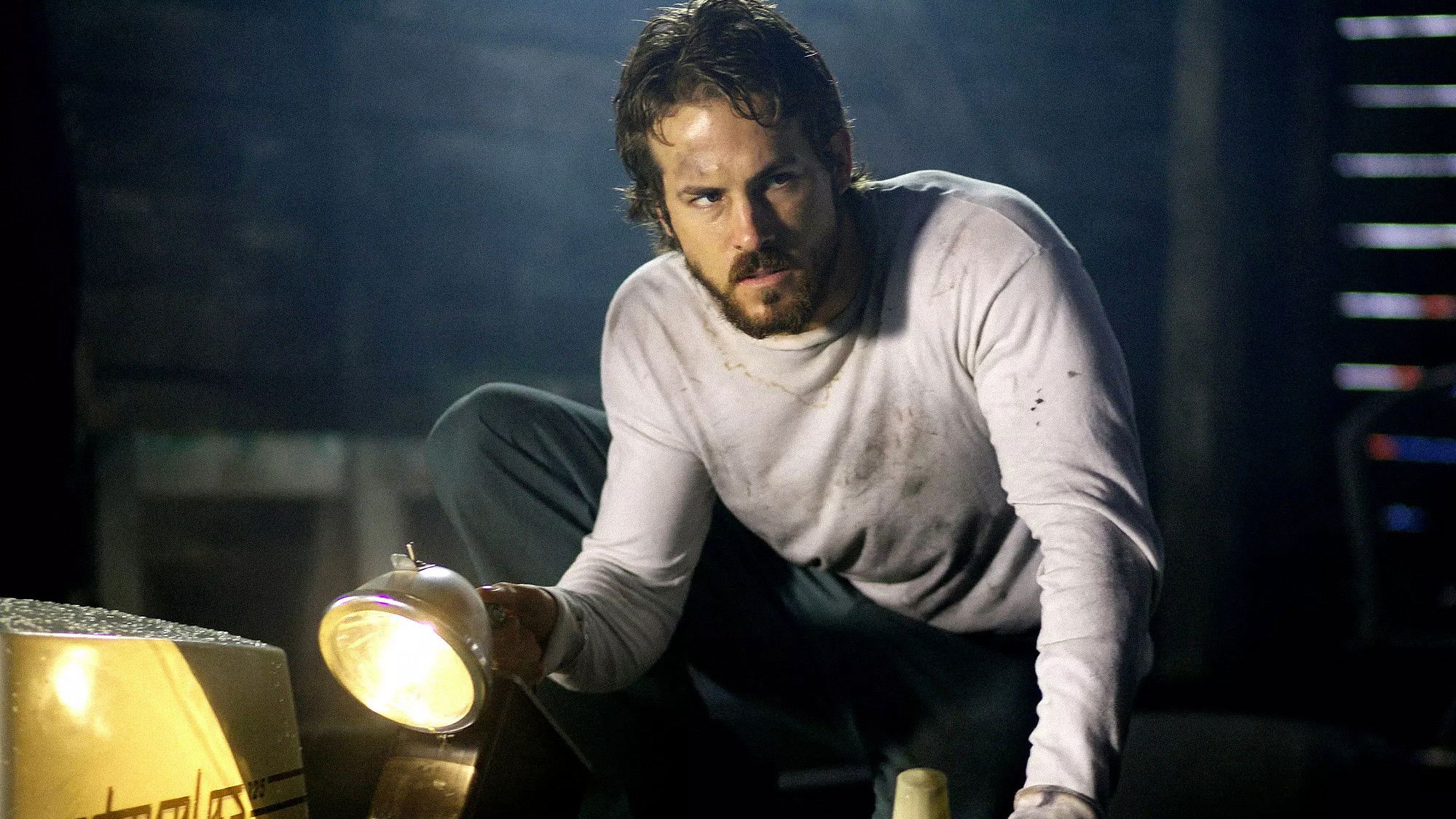
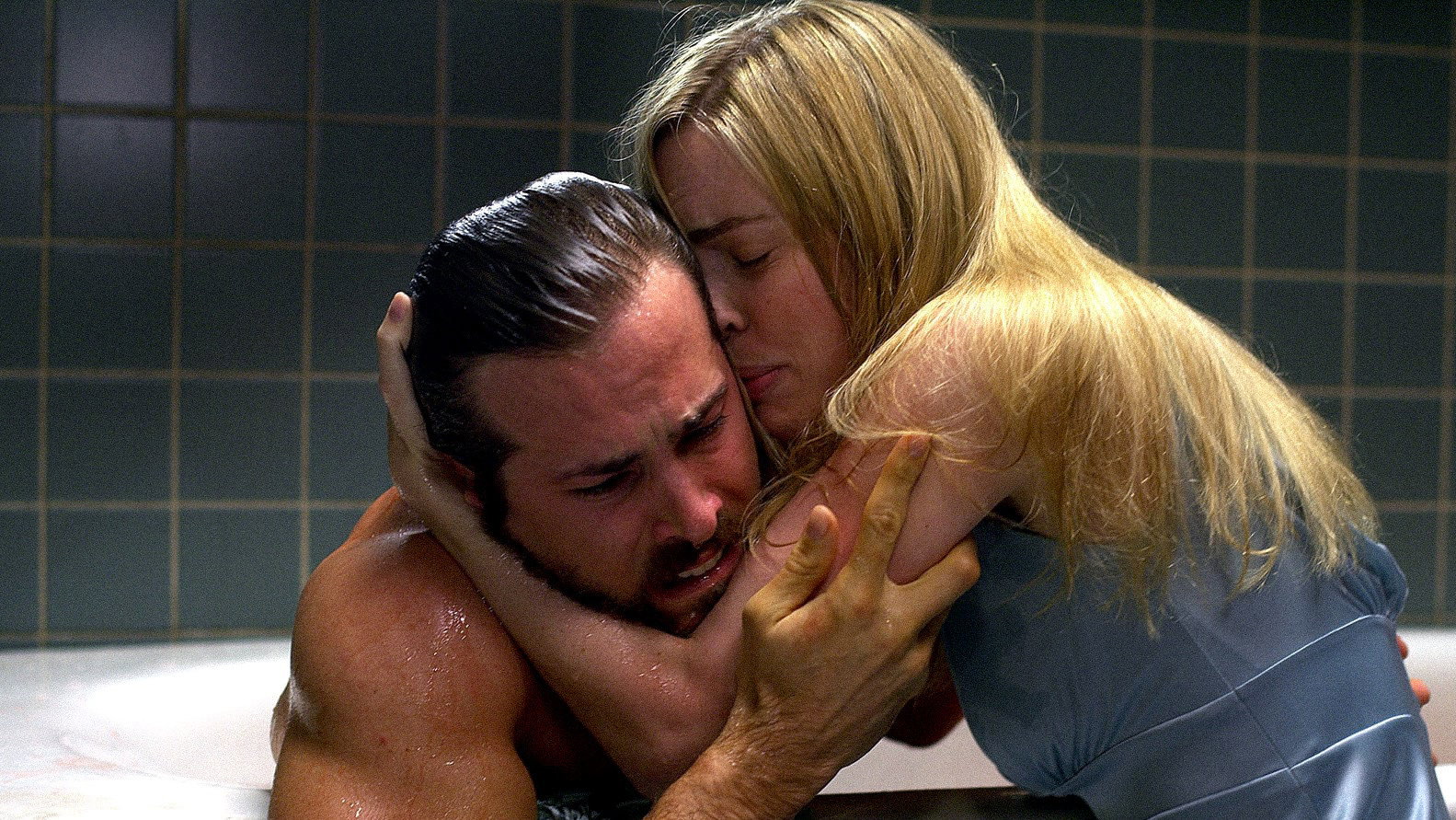
The drama relies on George Lutz's shifting position within a blended family. Ryan Reynolds plays George as a stepfather whose hostility escalates as the household becomes increasingly unstable; Melissa George's Kathy must recognize both the external threat and the danger within the marriage. The children's vulnerability gives the supernatural incidents a practical consequence beyond the spectacle of a haunted house. The script repeatedly tests whether the family can continue to regard George as a source of protection.

In an April 2005 interview, Form and Fuller described how the filmmakers negotiated the limits of screen violence. They recalled filming alternatives for a disturbing moment involving a finger and a head, and said audience responses during the editing process influenced which material remained. They also described reworking a window sequence associated with the earlier film. These recollections are useful evidence of decisions made for the remake's shock effects, though they do not establish every detail of the film's editorial history.

The increased physicality of the violence helps distinguish the 2005 adaptation from the 1979 picture. Visible manifestations demand immediate reactions from performers and viewers alike, while the progression of George's behavior maintains the central question of whether the threat comes through the house, the individual or their interaction. Douglas's stated interest in family dysfunction remains legible even when the narrative moves toward more overt supernatural confrontation.

Release and Contemporary Context

The remake reached United States cinemas on April 15, 2005, amid a wave of studio reworkings of established horror titles. Its commercial positioning connected the famous Amityville name with Platinum Dunes, whose previous remake had demonstrated the continuing market for reimagined genre properties. The production was sold on recognizability as well as its revised approach to supernatural violence. That context is central to understanding why the project was made at this particular moment.

Contemporary promotional interviews repeatedly returned to the question of why another Amityville film was necessary. Douglas described his adaptation as a modern treatment of the first film, distancing his intentions from a simple numbered continuation of the franchise. Kosar likewise discussed adapting older material while creating a more developed supernatural backstory. These accounts expose the creative challenge facing the remake: to remain recognizable to audiences familiar with the property while offering conspicuous changes in pace and presentation.

The film's reception should be considered against that industrial context rather than reduced to an undifferentiated verdict on remakes. Viewers comparing it with Stuart Rosenberg's version would encounter a different balance between suggestion and apparition, and between marital unease and direct bodily threat. The film is valuable as evidence of the changing grammar of mainstream American horror, irrespective of whether an individual critic found its methods persuasive.

Place in the Remake Cycle

In a 2025 retrospective interview with Film Stories, Brad Fuller recalled that the success of The Texas Chainsaw Massacre led to Platinum Dunes being offered Amityville, and that the performance of this remake helped open the way to further recognizable horror properties. His retrospective remarks describe the company's business trajectory from the perspective of a producer involved in it. They offer a useful account of how a sequence of commercial projects helped establish Platinum Dunes within studio genre production.

The 2005 film did not replace the multiple Amityville continuities already in circulation. It reinterpreted the original haunted-house premise as a standalone contemporary adaptation, while other films continued to trade on the property's name and iconography. Its significance is therefore clearest when situated within the broader remake movement that reintroduced older American horror narratives to a new theatrical audience.

Its treatment of the Lutz family also illustrates a shift in emphasis across adaptations. The alleged haunting remains the narrative premise, yet the most immediate suspense comes from a family member becoming dangerous inside an enclosed domestic space. In that respect, the remake combines a familiar supernatural legend with the more confrontational violence and accelerated audiovisual style that marked much mainstream horror of its decade.

References

  1. Dread Central Douglas, Andrew (The Amityville Horror)

    April 2005 interview with the director discussing psychological horror, studio decisions and his approach to the original film.

  2. Dread Central Kosar, Scott (The Amityville Horror)

    Original interview on adaptation choices, the film mythology and the distinction between the DeFeo crimes and haunting claims.

  3. Dread Central Form, Andrew & Fuller, Brad (The Amityville Horror)

    Contemporary producer interview detailing director selection and specific choices concerning violence and editing.

  4. Dark Horizons Andrew Douglas for The Amityville Horror (On-Set)

    September 2004 on-set interview exploring location work, camera viewpoint and the director transition to features.

  5. Film Stories Elevation interview | Producer Brad Fuller on creature features, genre filmmaking, Platinum Dunes

    2025 retrospective producer interview contextualizing Amityville within the company early remake cycle.

Connections

Cast

View Full Cast & Crew →

Release & Distribution

Production Companies (4)

  • Dimension Films US
  • Metro-Goldwyn-Mayer US
  • Platinum Dunes US
  • Radar Pictures US

Distributors (1)

  • Metro-Goldwyn-Mayer US

Release History (46)

Release DateTerritoryRelease TypeFormatDistributorCertificationNotes
2005-04-07 United States Premiere — — — Hollywood, California
2005-04-14 Australia Theatrical — — MA 15+
2005-04-15 United Kingdom Theatrical — — 15
2005-04-15 Ireland Theatrical — — 15
2005-04-15 United States Theatrical — — R
2005-04-21 Germany Theatrical — — 16
2005-04-22 Austria Theatrical — — —
2005-05-11 Philippines Theatrical — — —
2005-05-13 Singapore Theatrical — — —
2005-06-02 Lebanon Theatrical — — —
2005-06-02 Thailand Theatrical — — —
2005-06-22 France Theatrical — — 12
2005-06-24 Estonia Theatrical — — —
2005-06-24 Taiwan Theatrical — — —
2005-06-29 Belgium Theatrical — — —
2005-07-01 South Korea Theatrical — — —
2005-07-01 Lithuania Theatrical — — —
2005-07-15 Iceland Theatrical — — —
2005-07-21 Netherlands Theatrical — — 16
2005-07-22 Spain Theatrical — — —
2005-07-22 Norway Theatrical — — —
2005-07-22 Poland Theatrical — — 18
2005-07-28 Hong Kong SAR China Theatrical — — —
2005-08-04 Denmark Theatrical — — —
2005-08-12 Finland Theatrical — — —
2005-08-16 Kuwait Theatrical — — —
2005-08-18 Czechia Theatrical — — —
2005-08-19 Brazil Theatrical — — 16
2005-08-19 Italy Theatrical — — —
2005-08-19 Mexico Theatrical — — —
2005-08-25 Argentina Theatrical — — —
2005-08-26 Venezuela Theatrical — — —
2005-08-31 Egypt Theatrical — — —
2005-09-02 Panama Theatrical — — —
2005-09-02 Sweden Theatrical — — 15
2005-09-22 Greece Theatrical — — —
2005-09-23 Romania Theatrical — — —
2005-09-29 Hungary Theatrical — — —
2005-10-14 Uruguay Theatrical — — —
2005-10-20 Portugal Theatrical — — M/16
2005-10-24 United Kingdom Physical — — 15
2005-10-24 Netherlands Physical DVD — 16 DVD
2005-11-04 Türkiye Theatrical — — —
2006-01-28 Japan Theatrical — — —
2007-11-03 Netherlands TV — — 16 Veronica
2011-09-07 Netherlands Physical Blu-ray — 16 Blu ray
What happened over the next 28 days has never been explained.