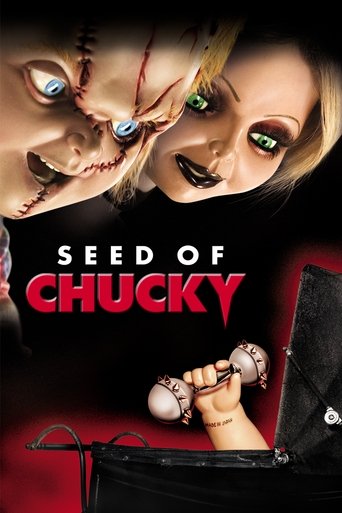
Seed of Chucky (2004)

US
HORROR FILM Comedy
SUBGENRES EVIL DOLL
3.2/10 5 votes
Runtime
87 min
Release
November 11, 2004
Budget
$12,000,000
Revenue
$24,829,644
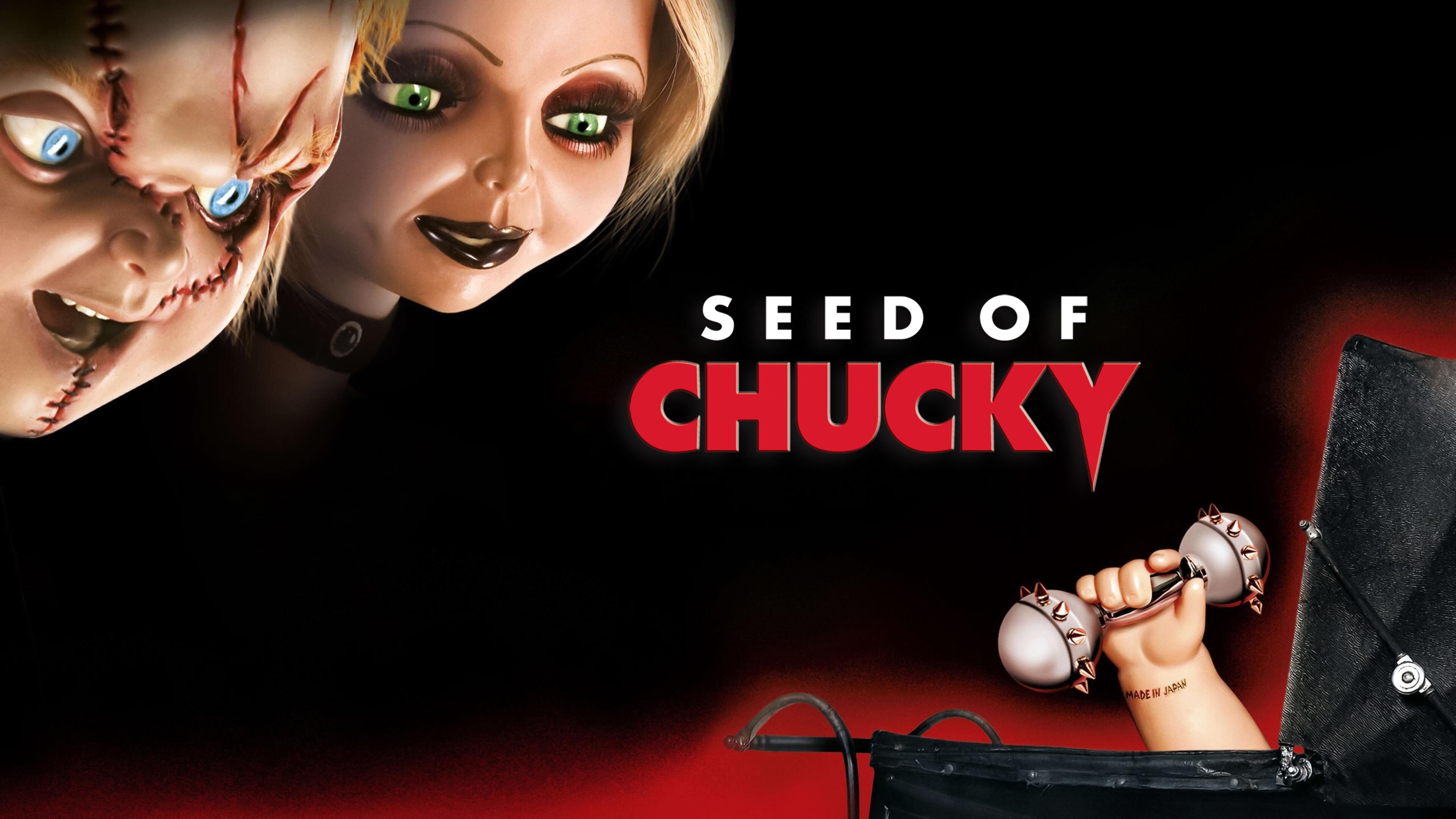
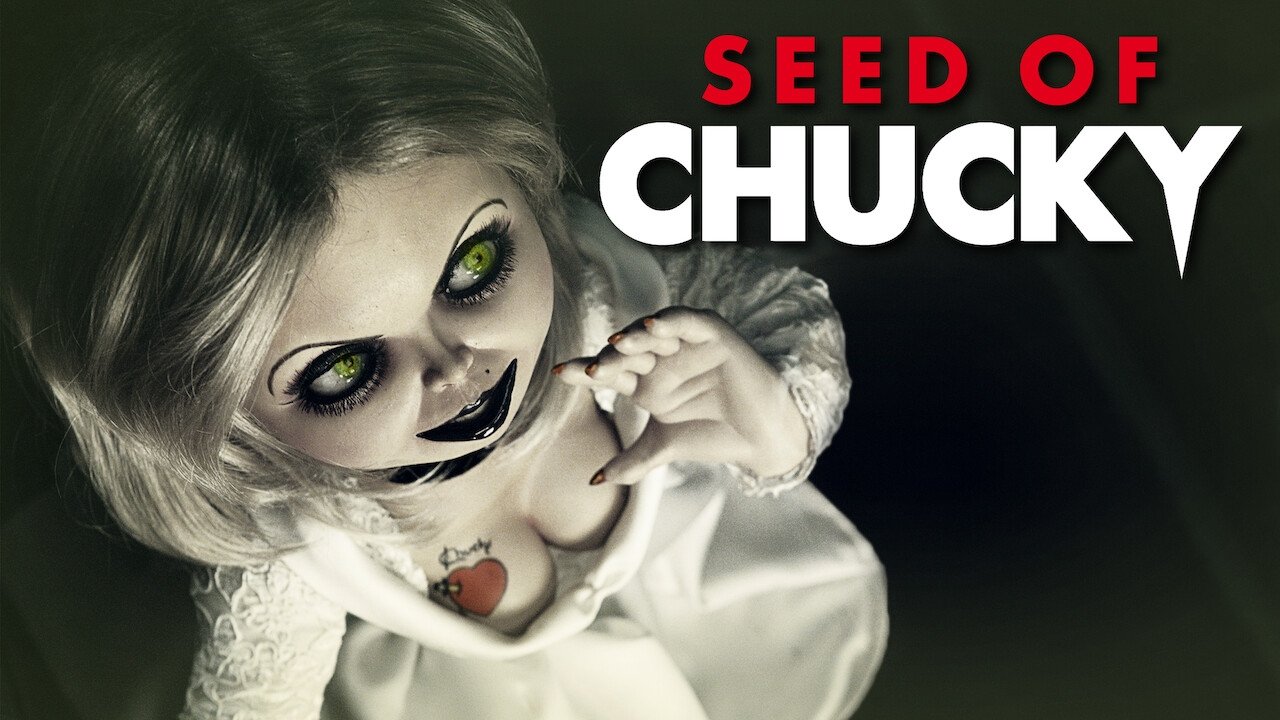
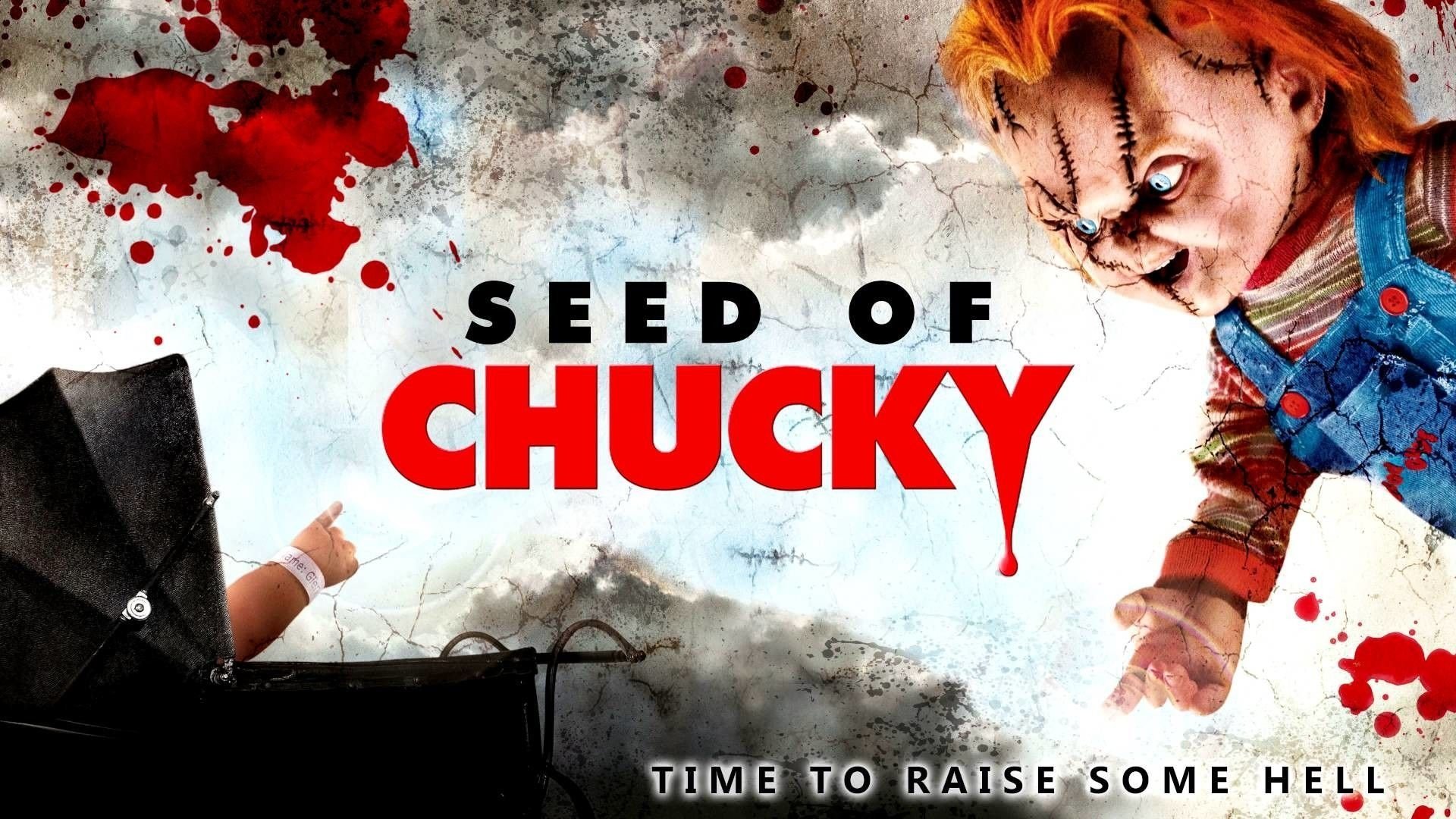
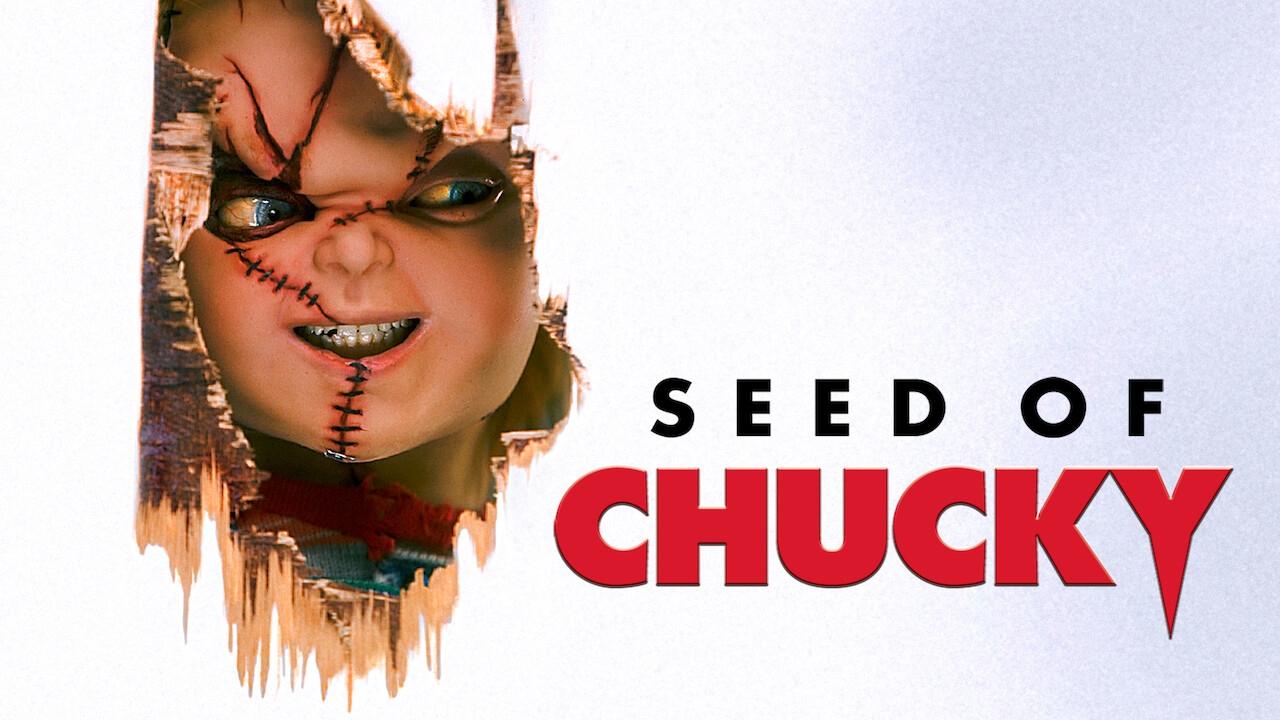
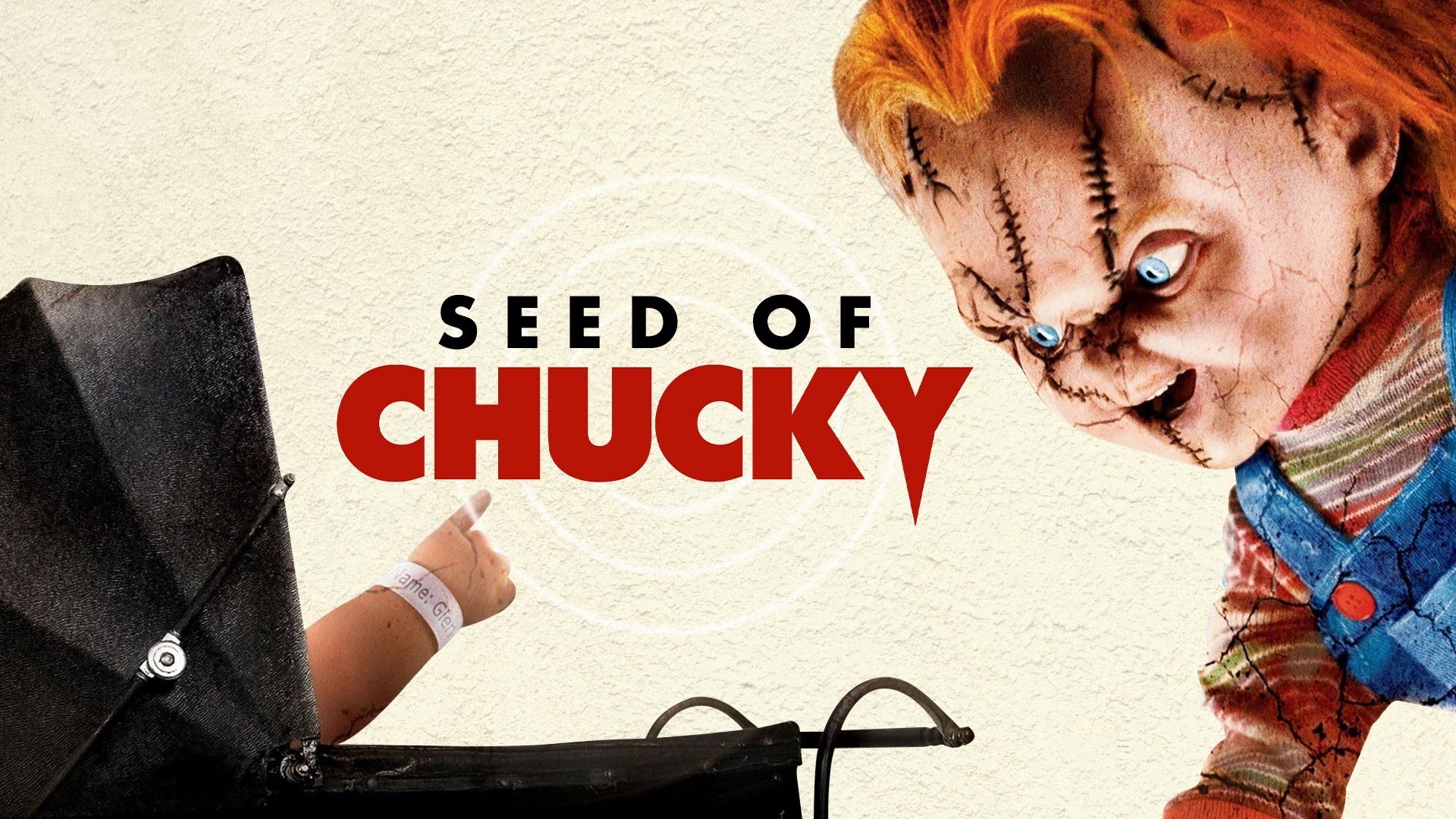
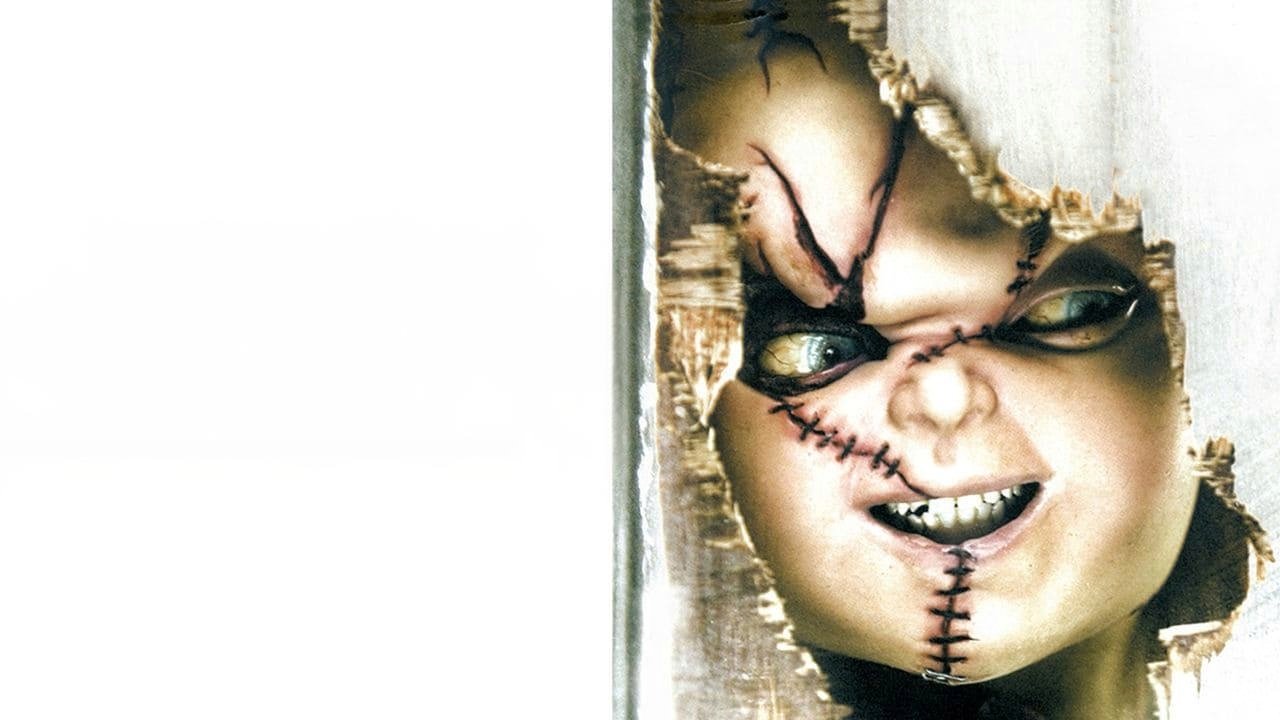
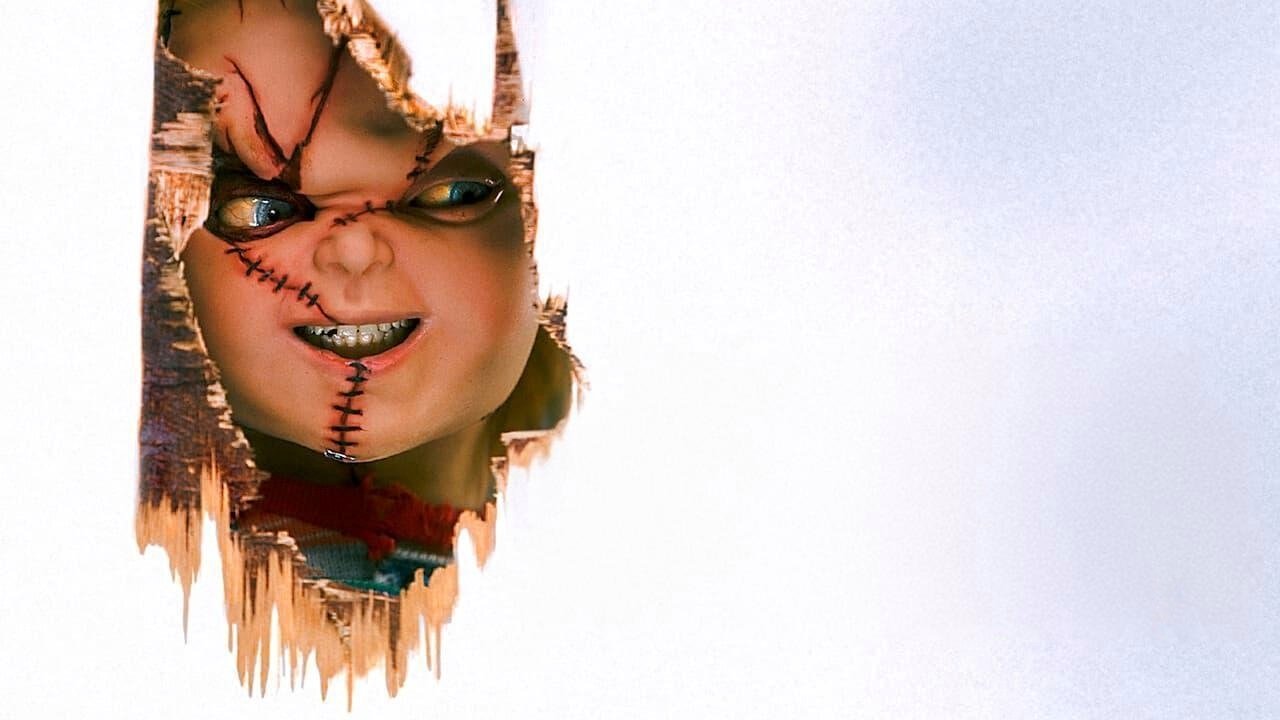
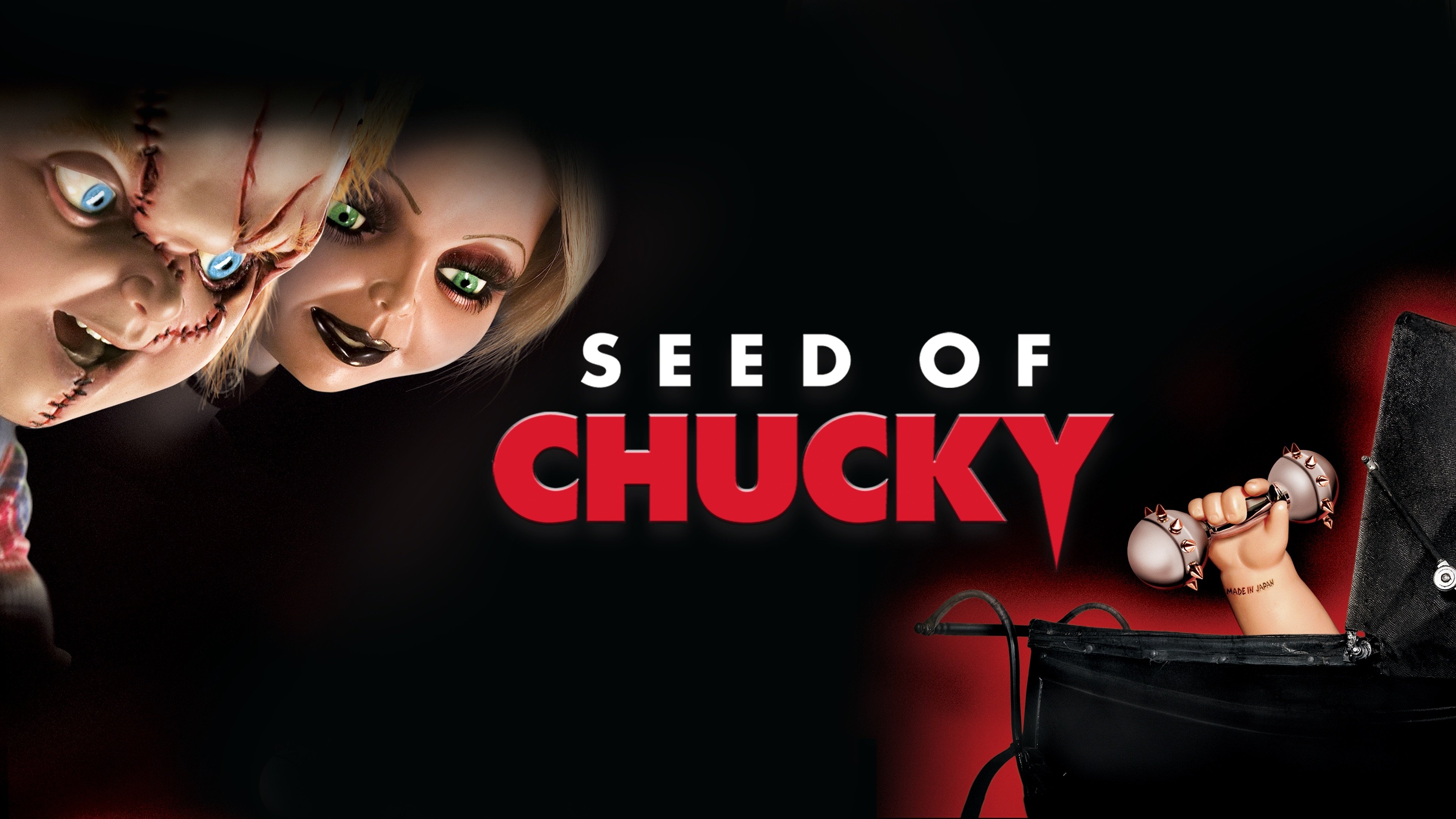
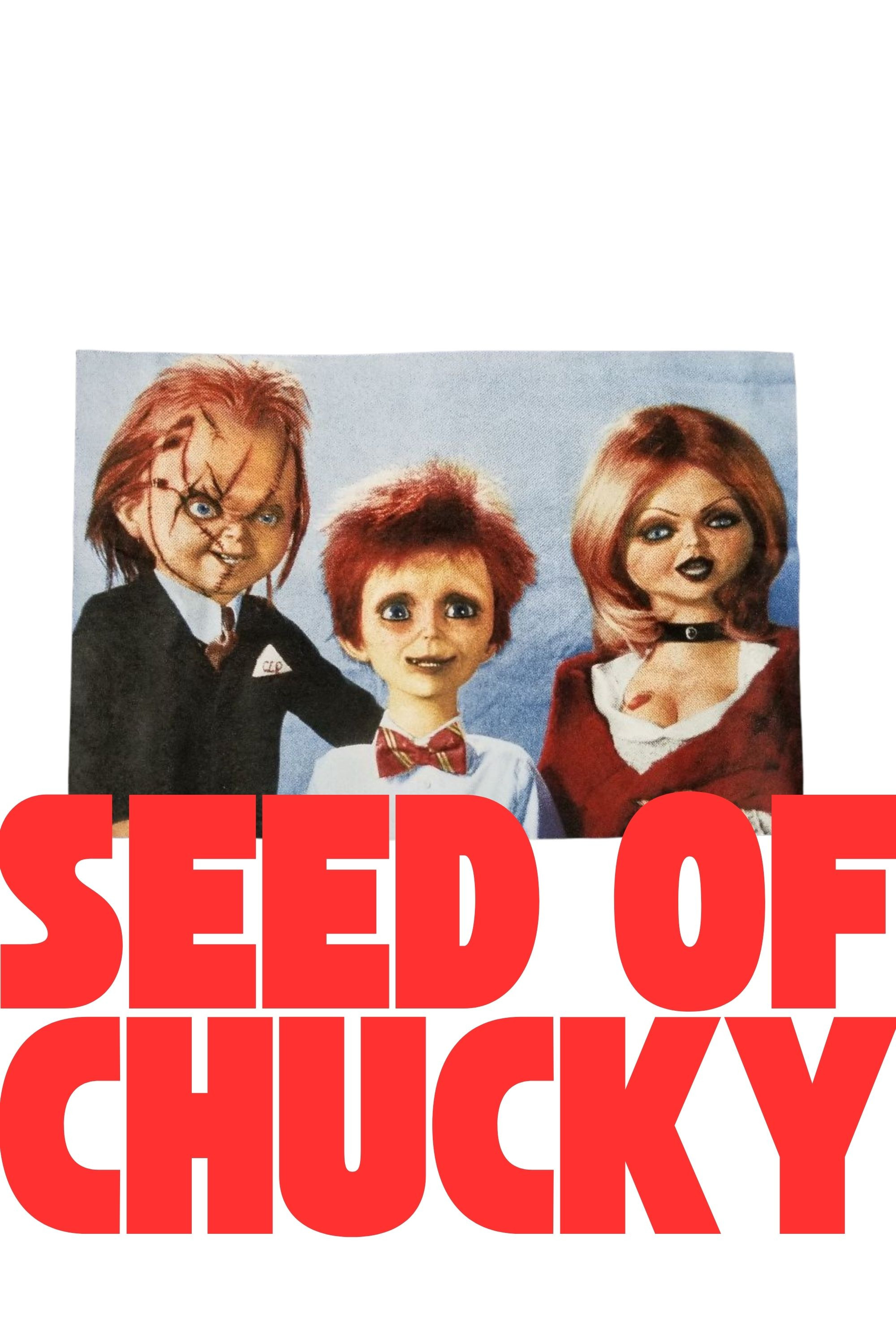
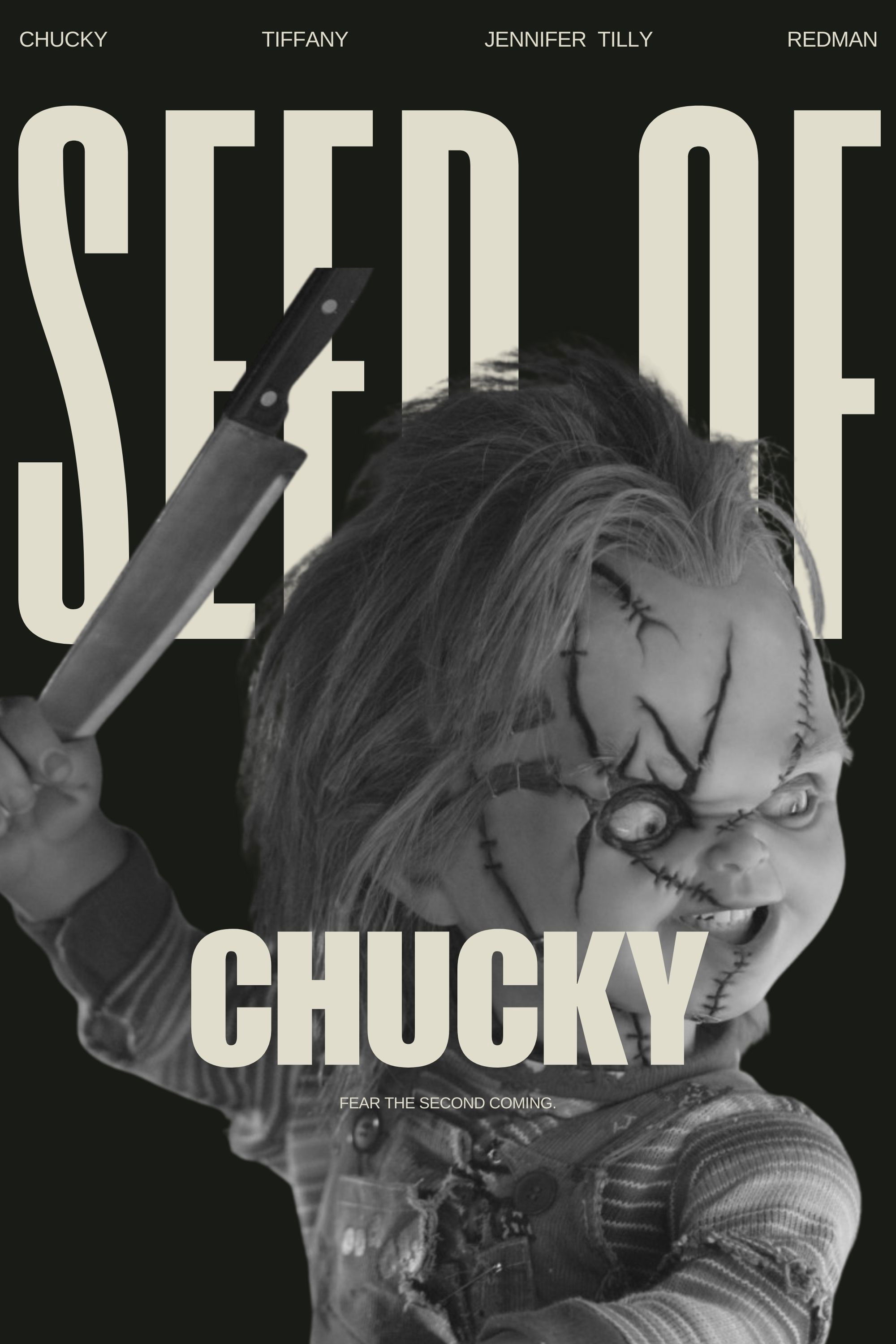
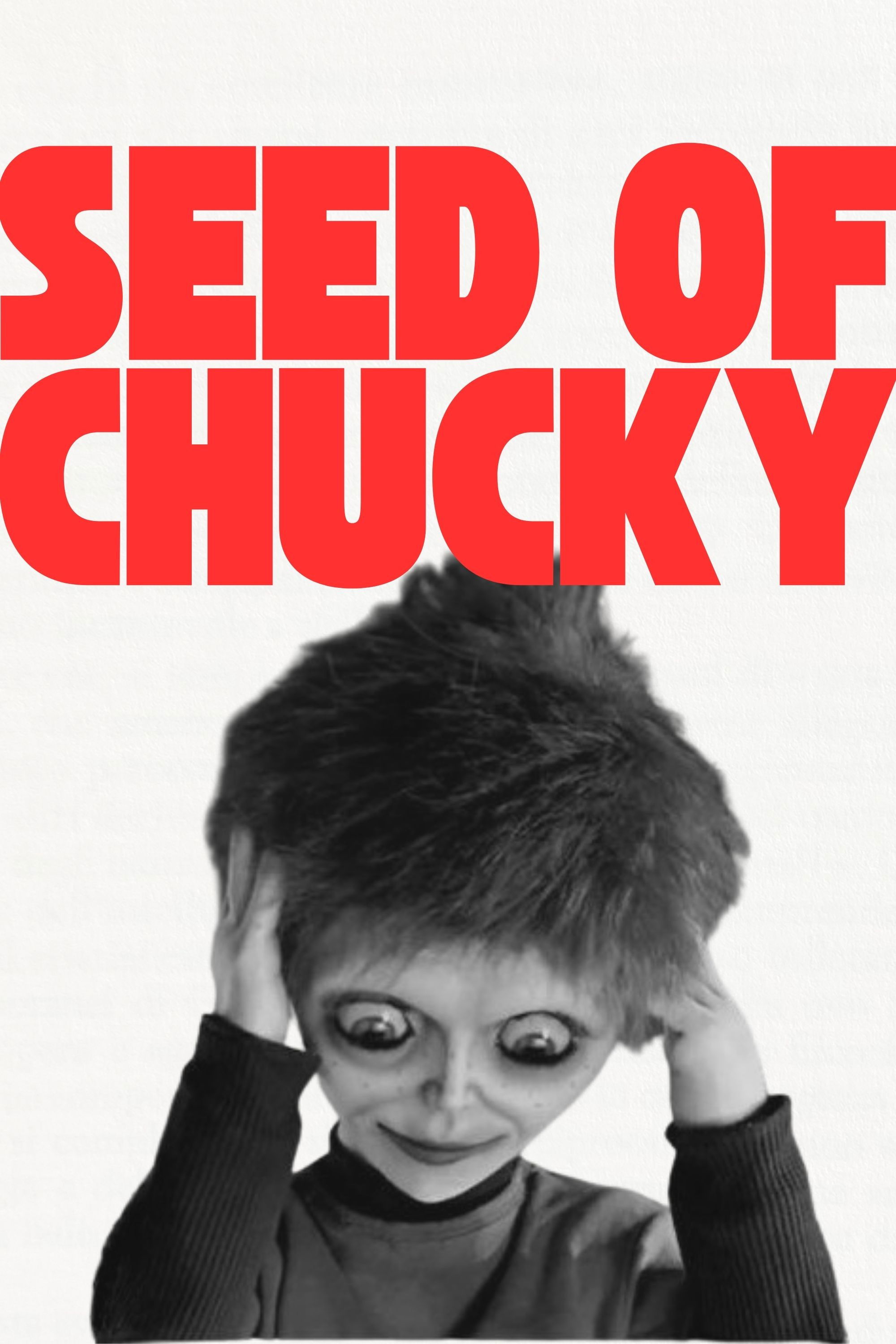
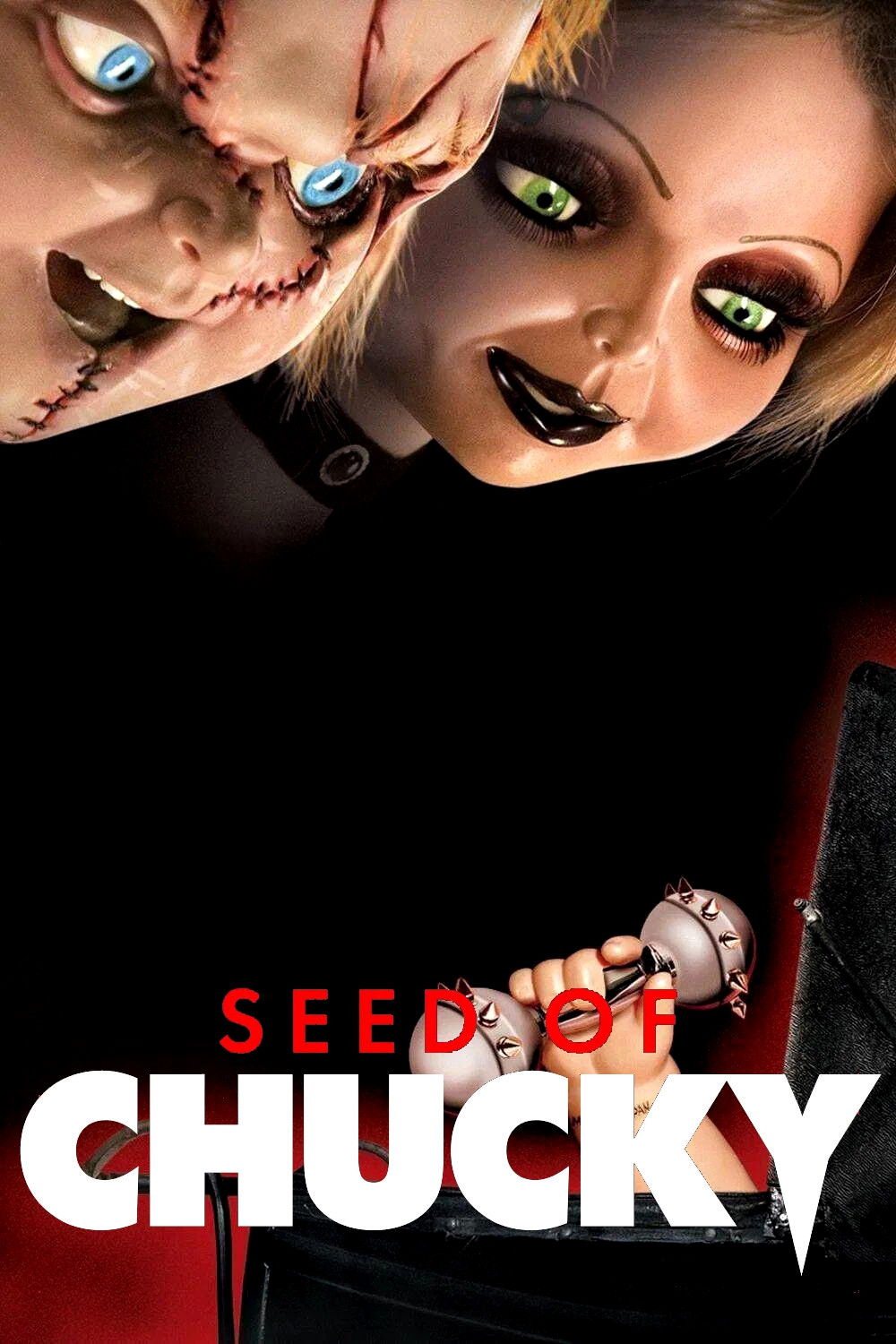
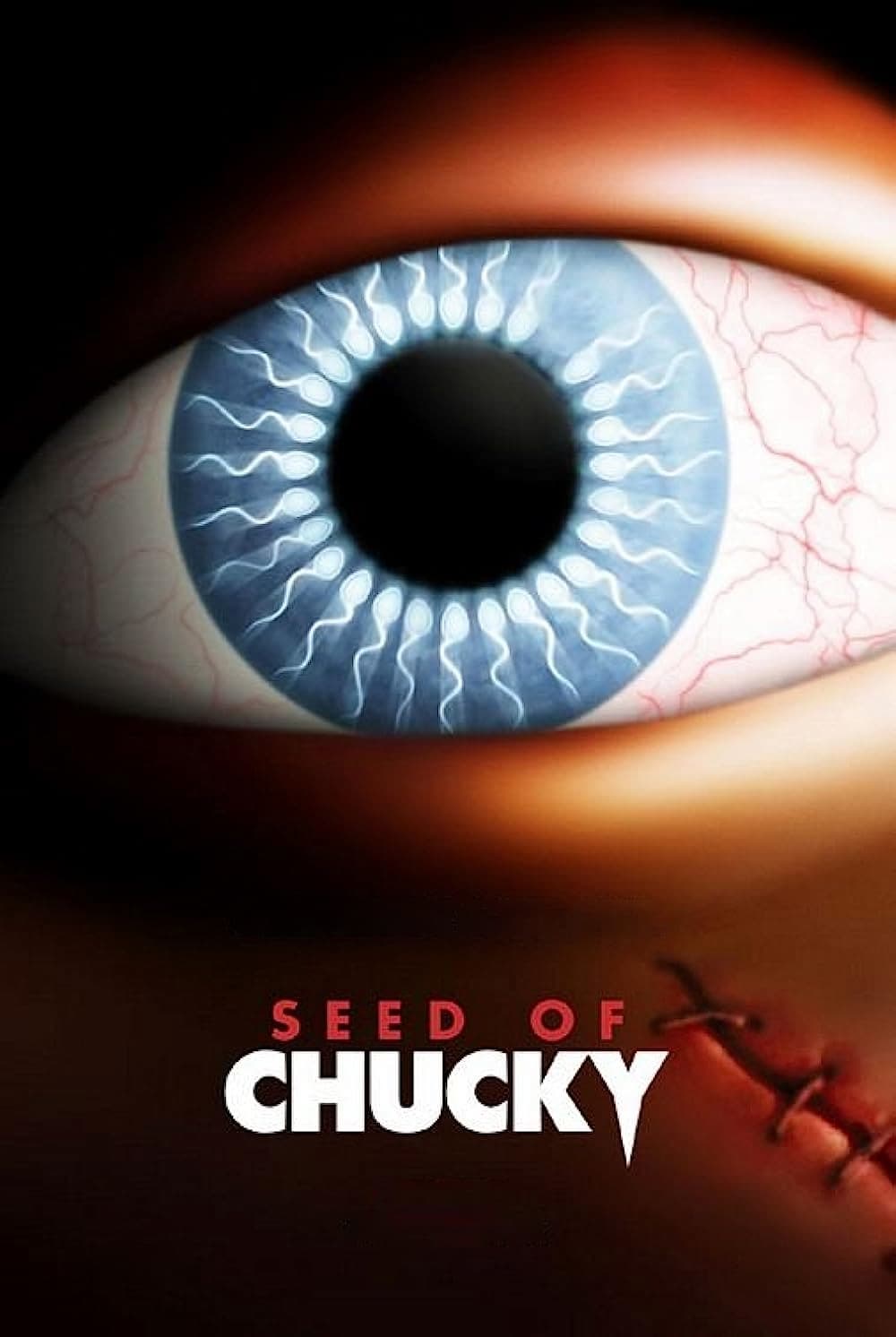
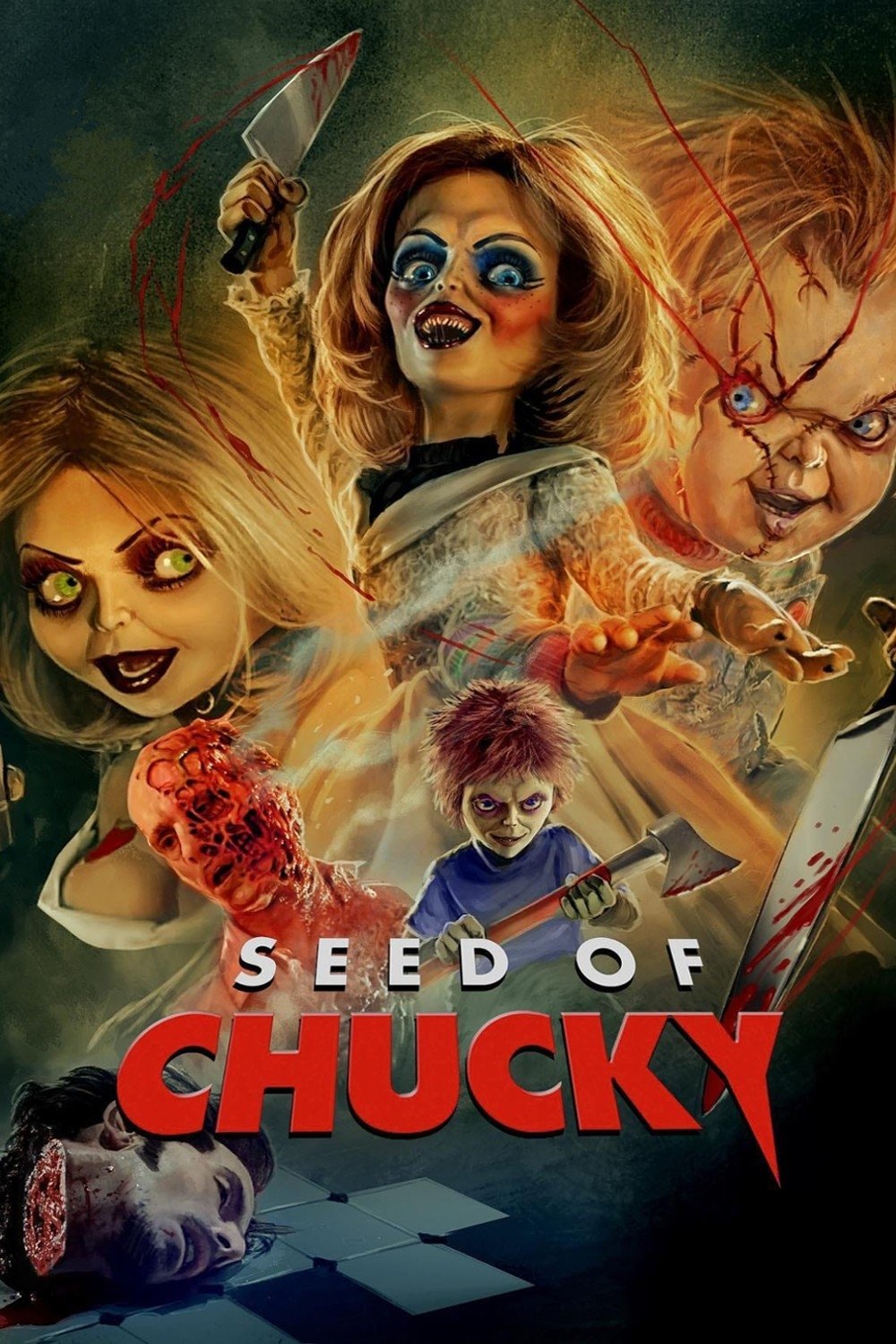
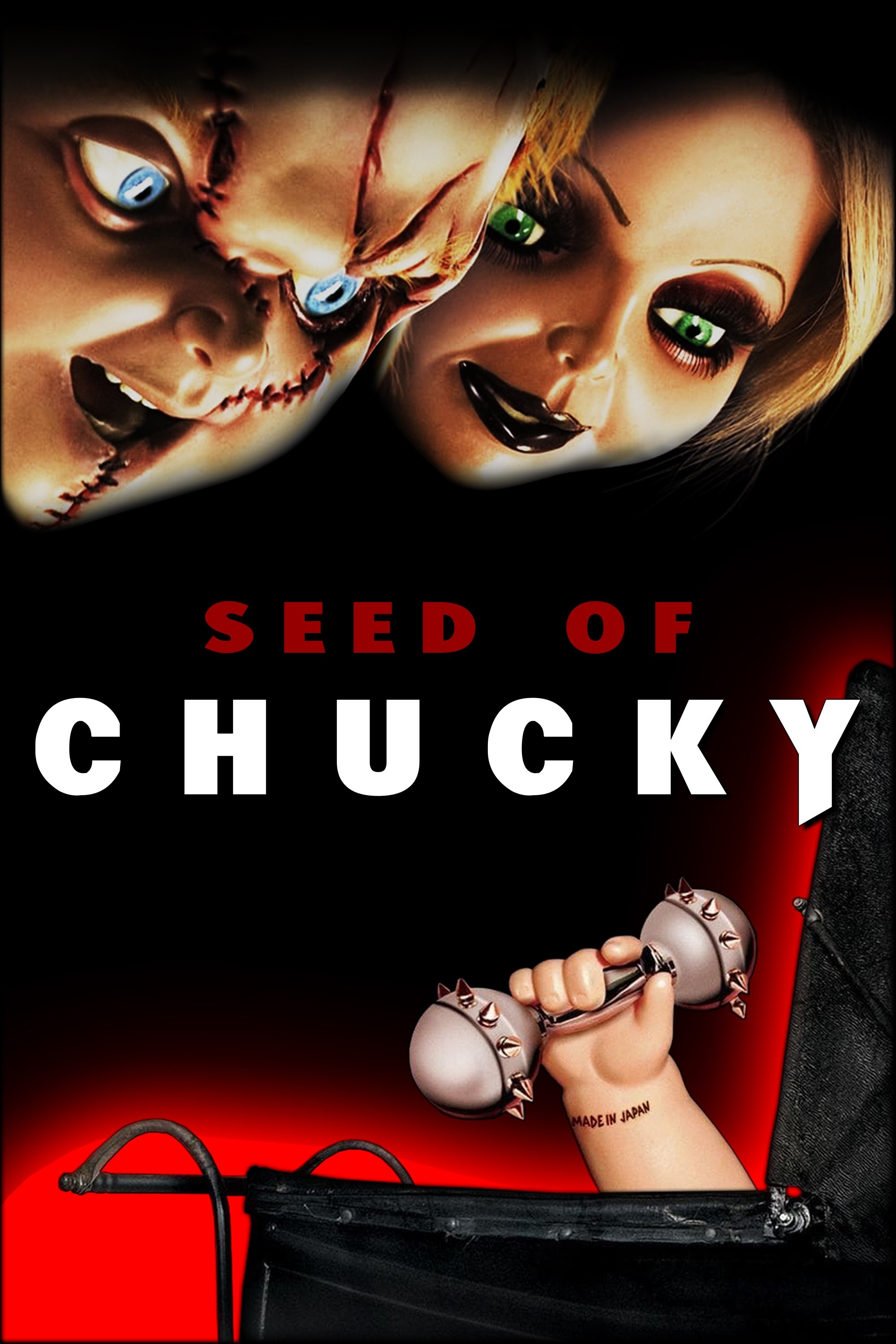
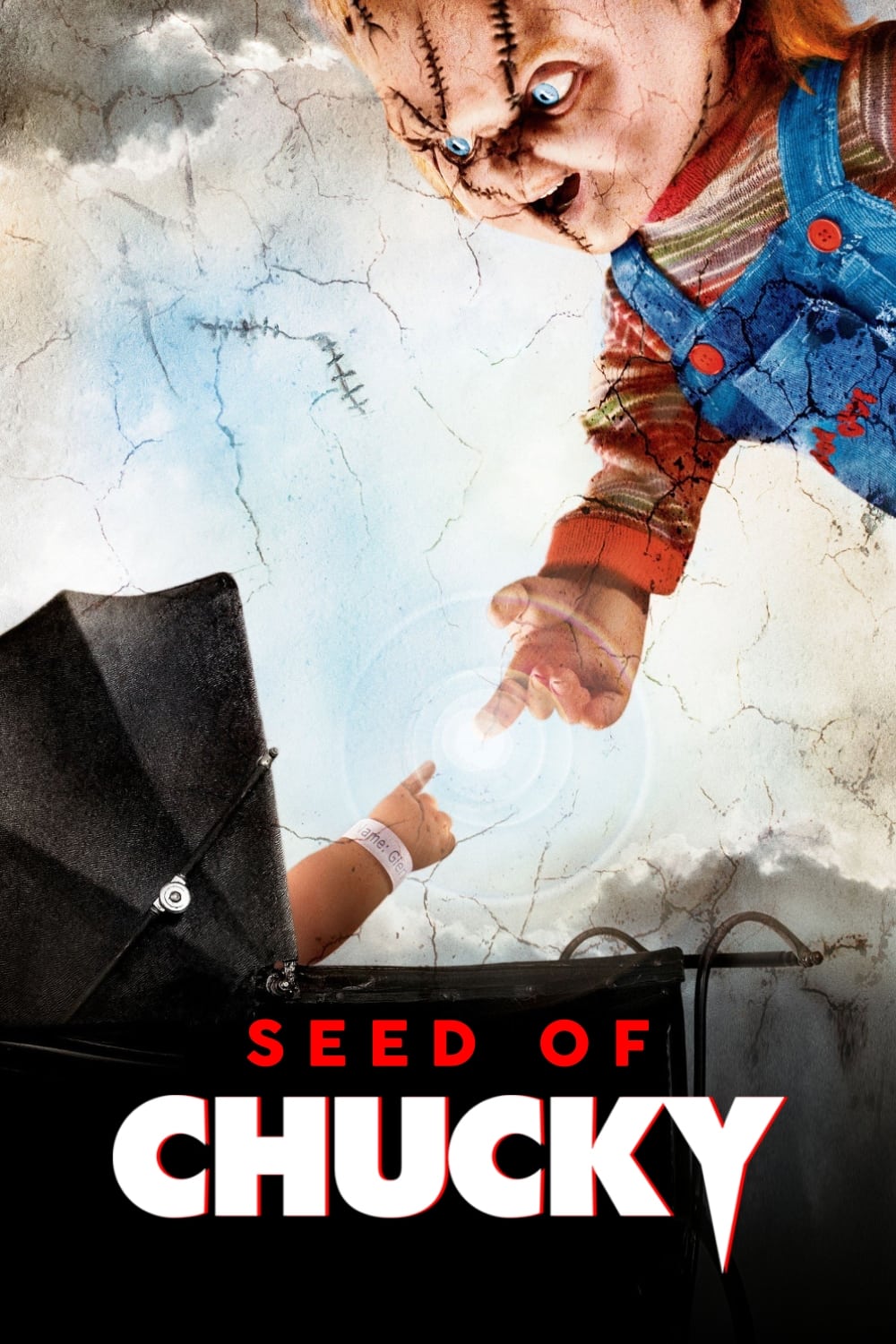
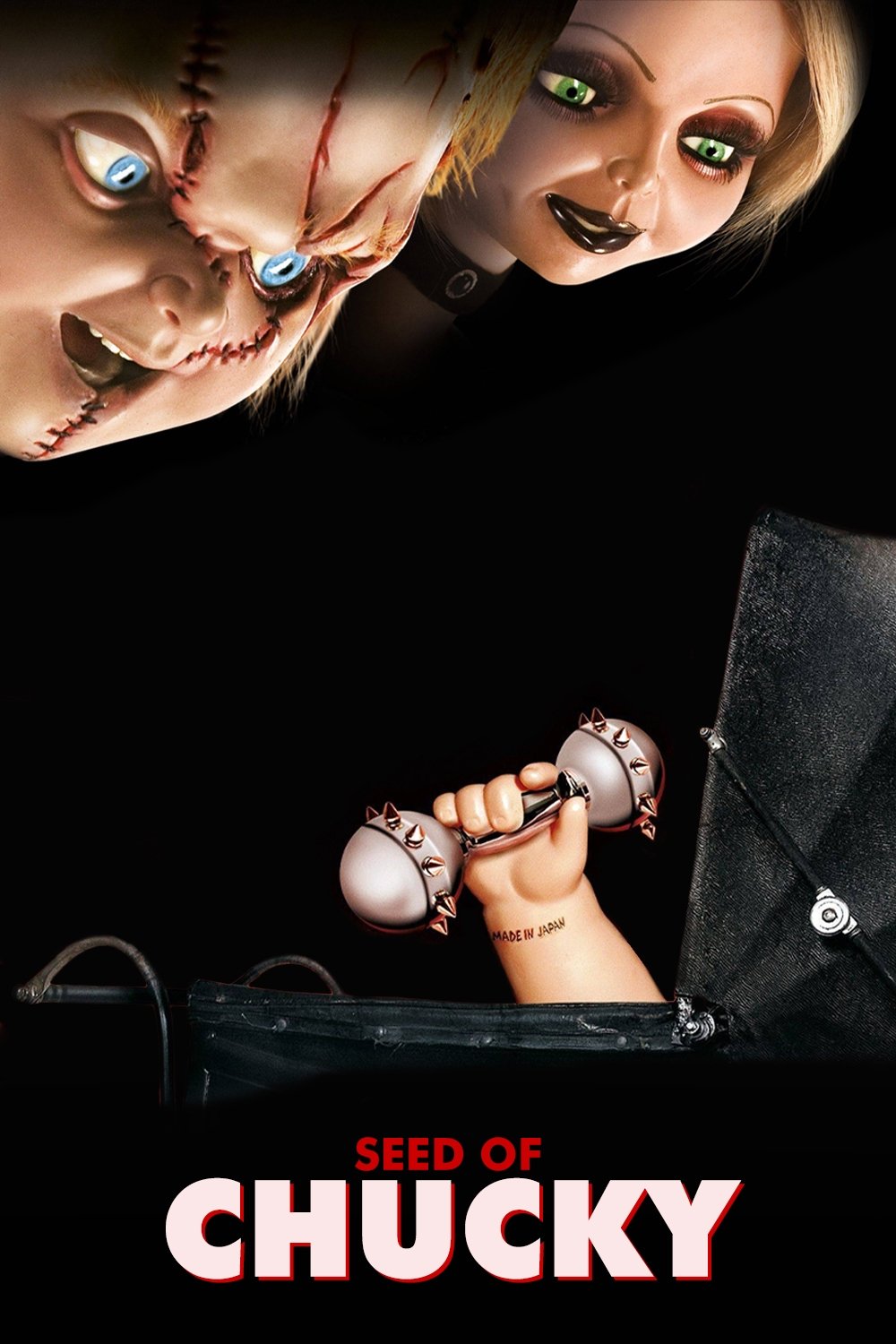
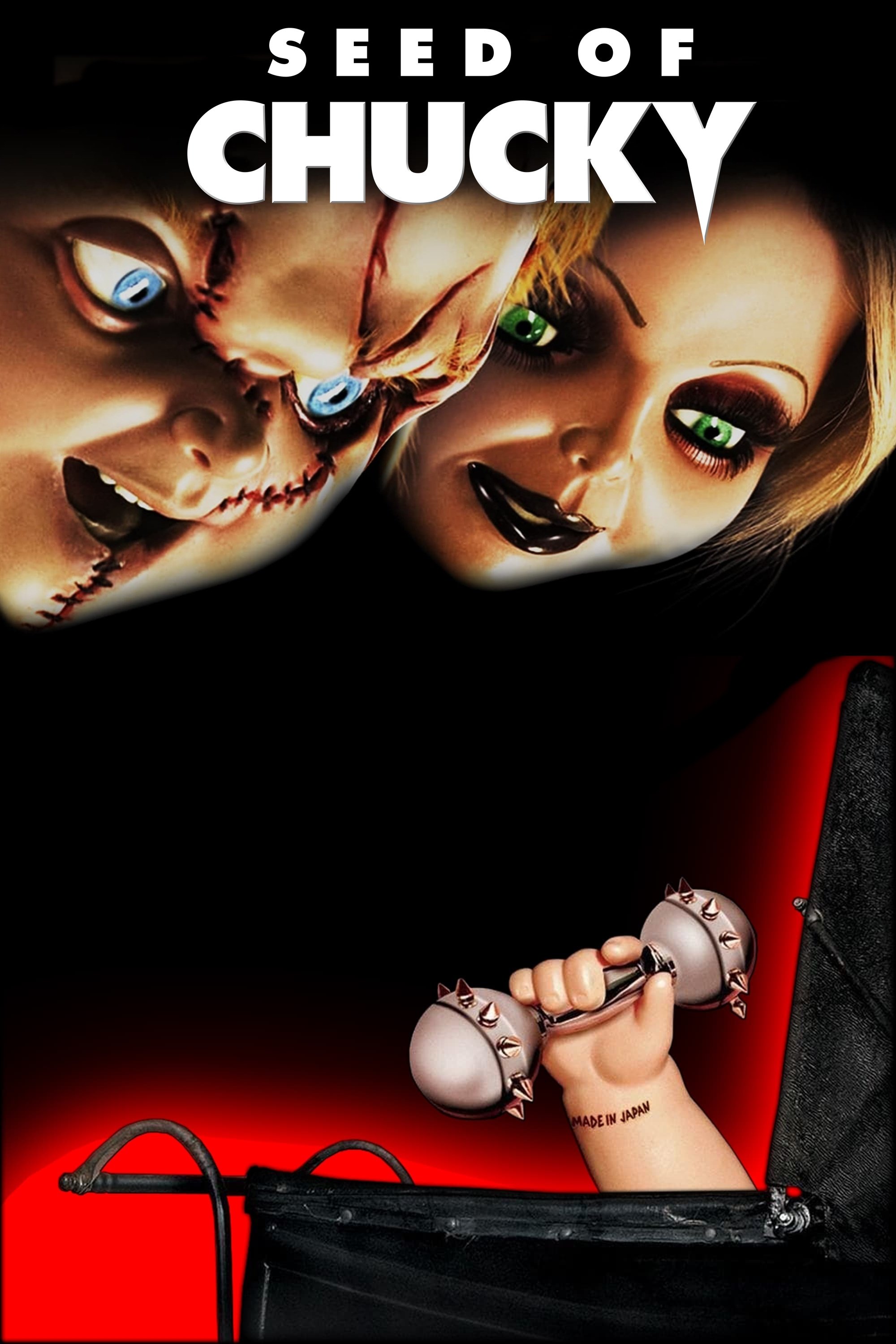
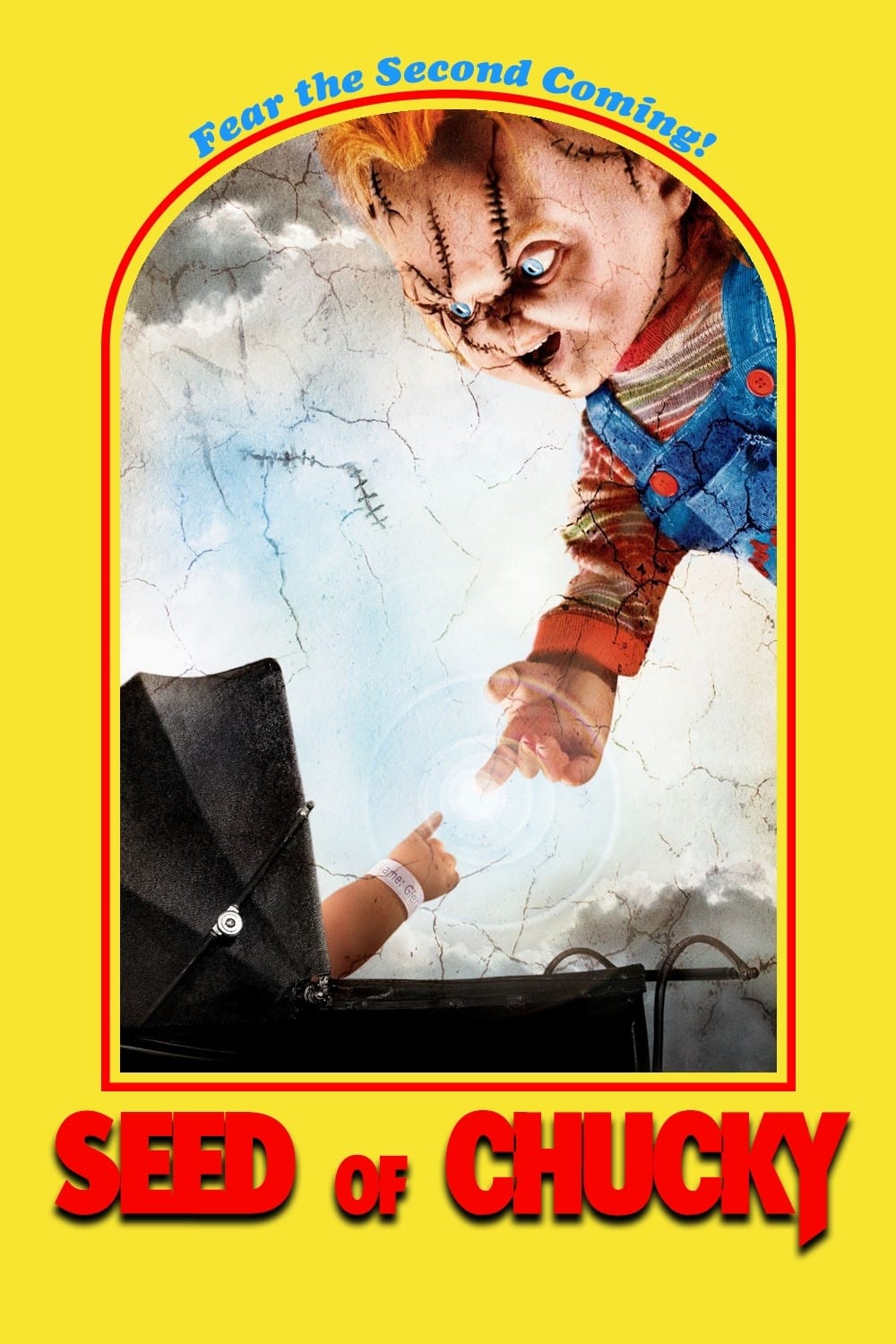
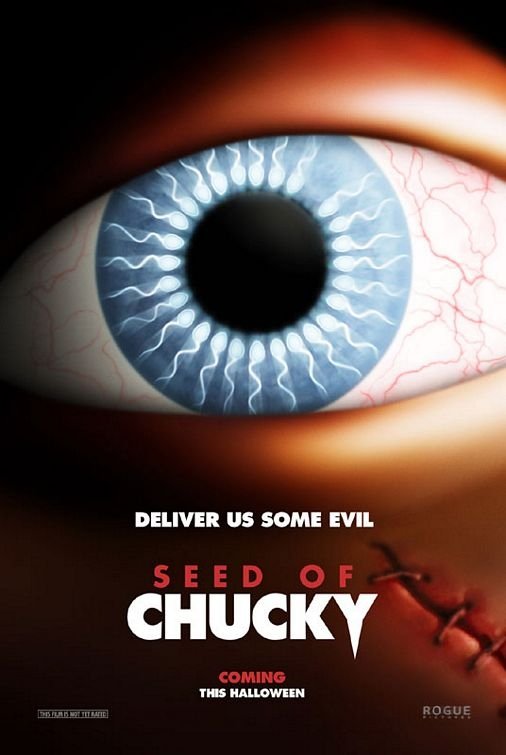
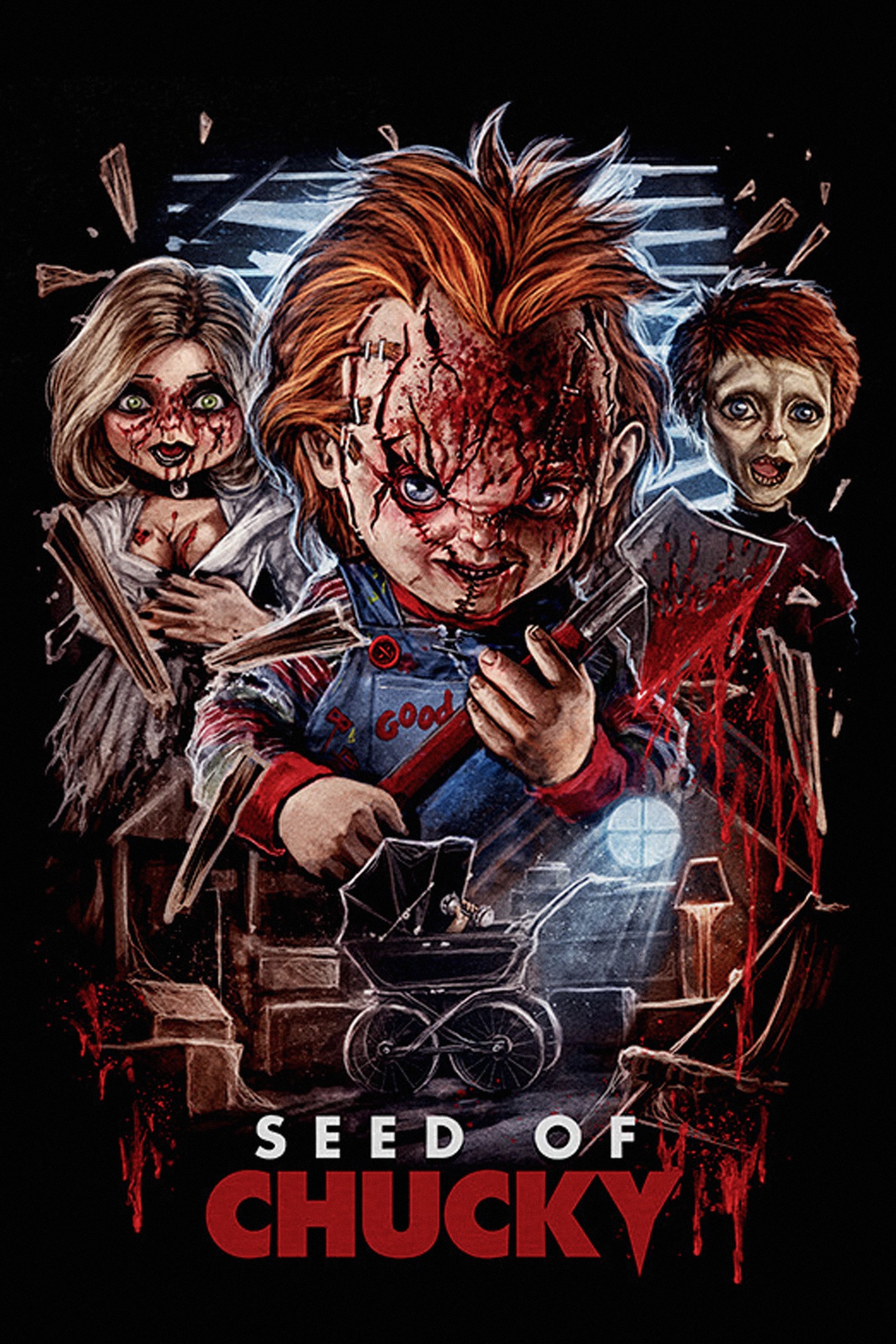
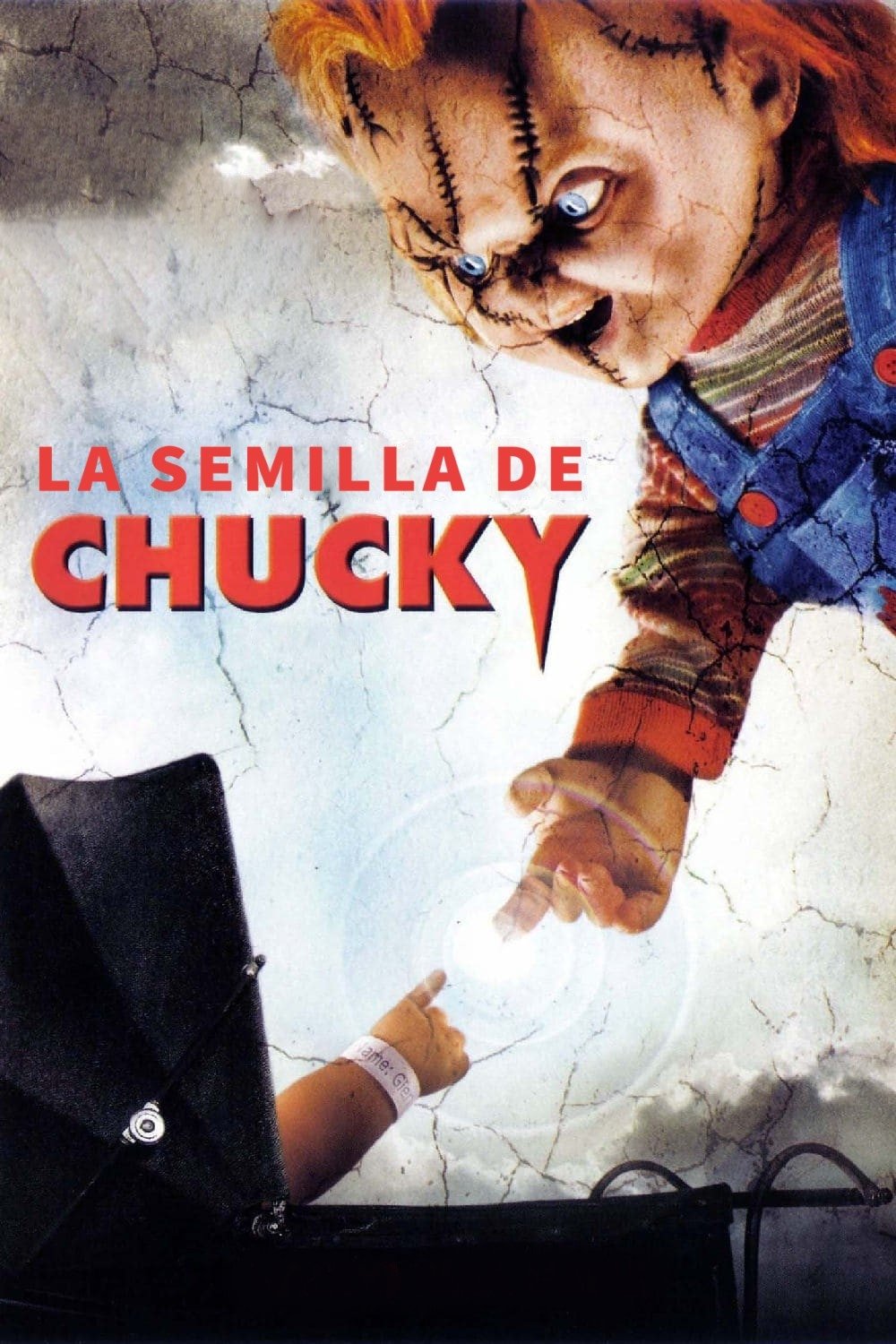
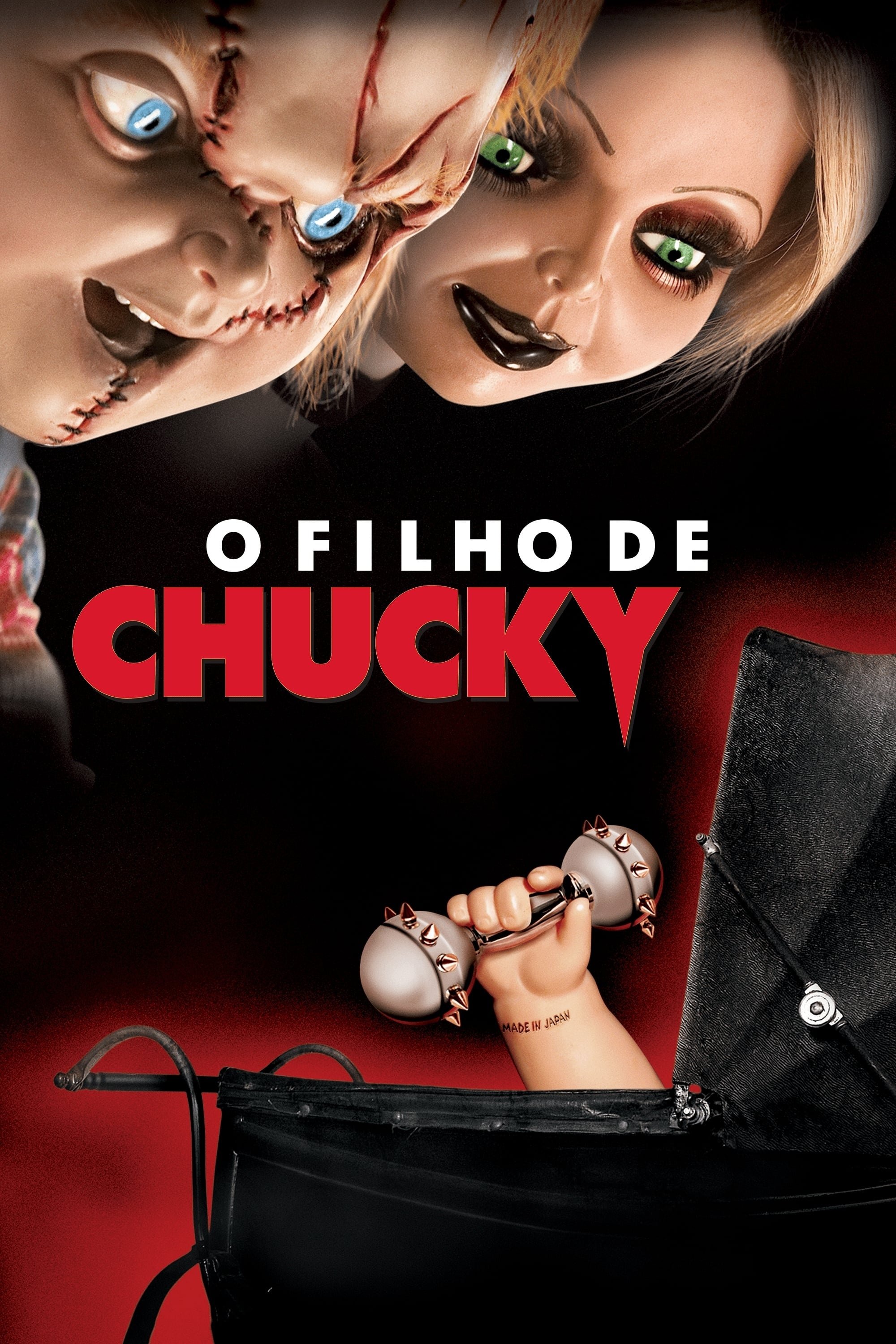
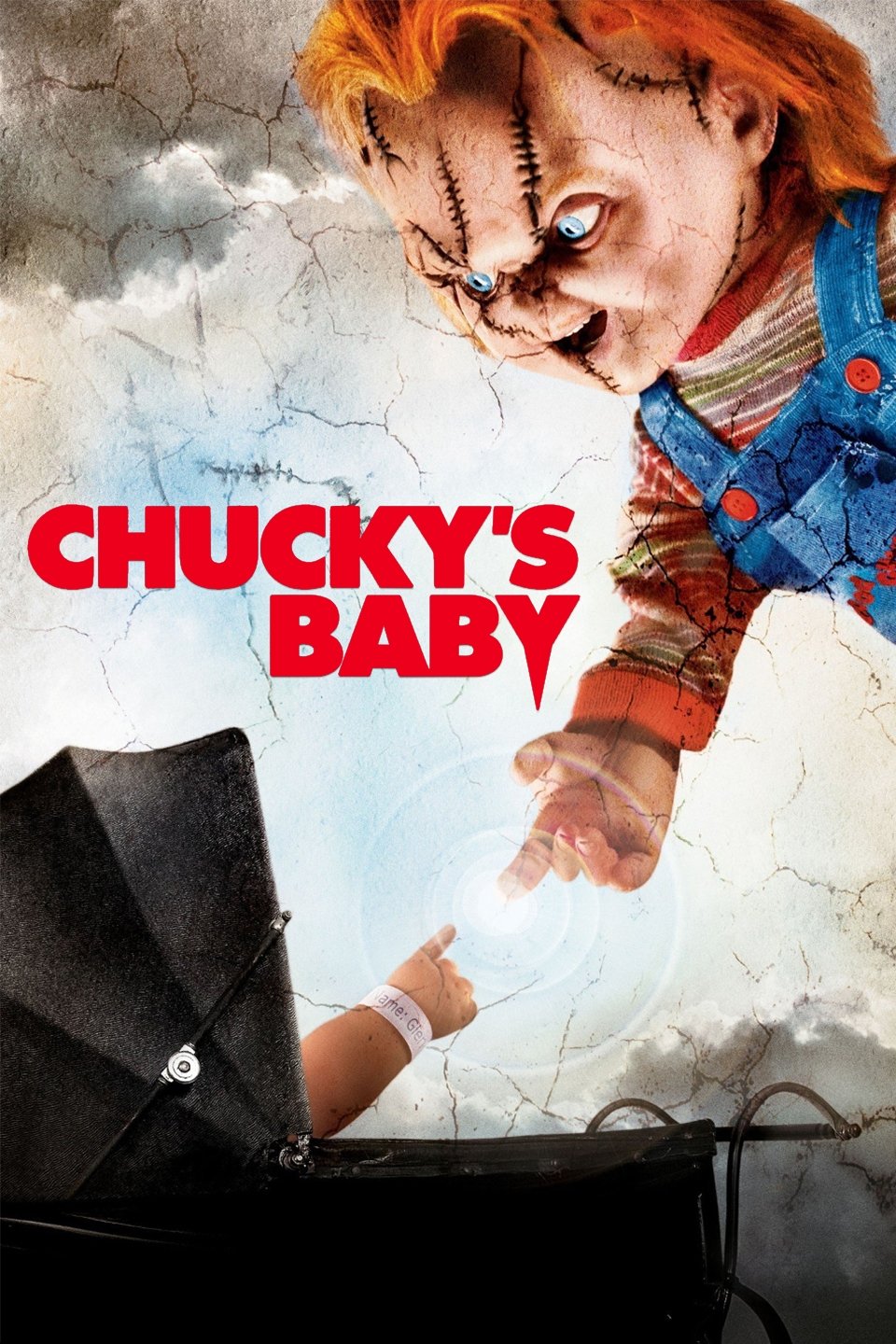
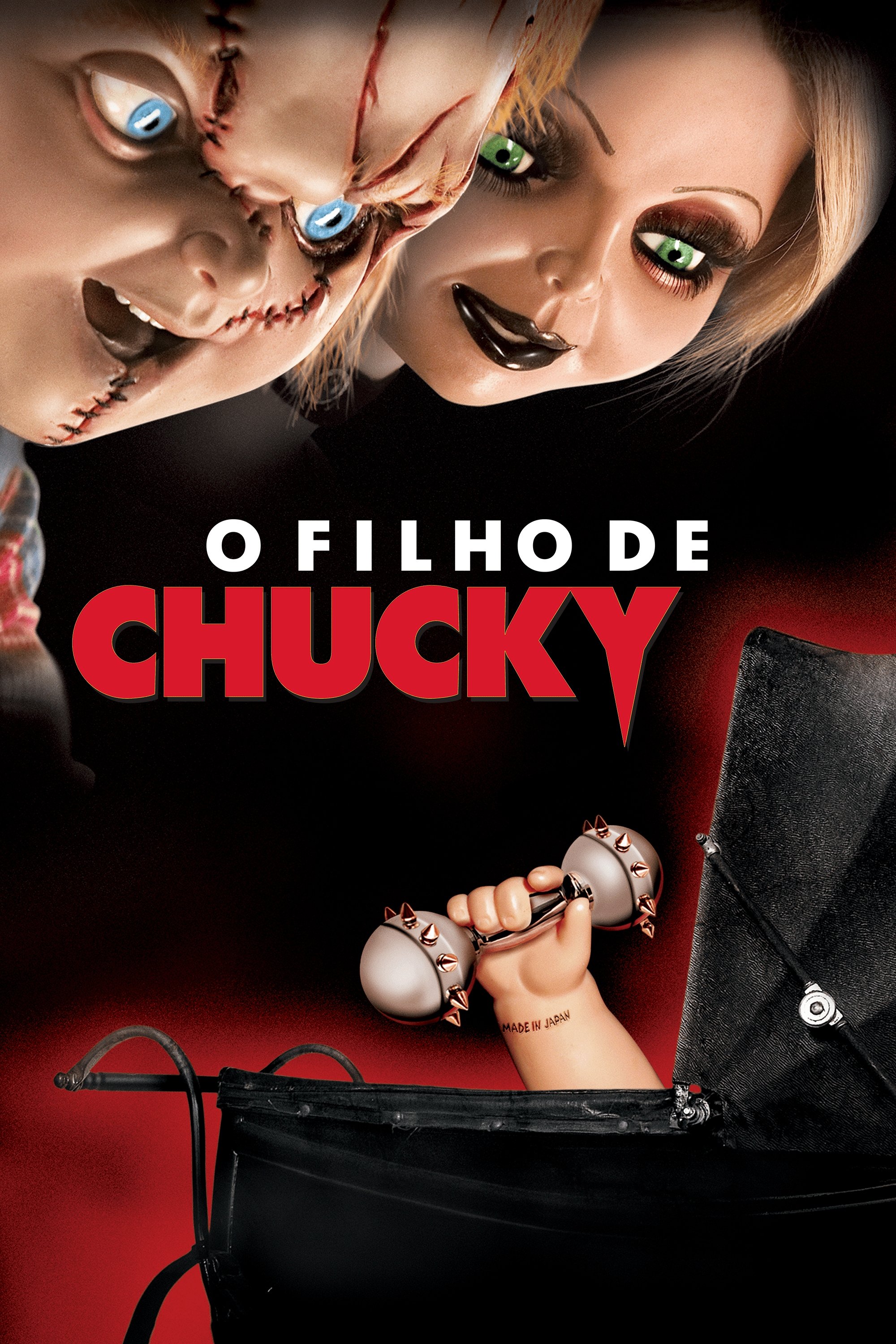
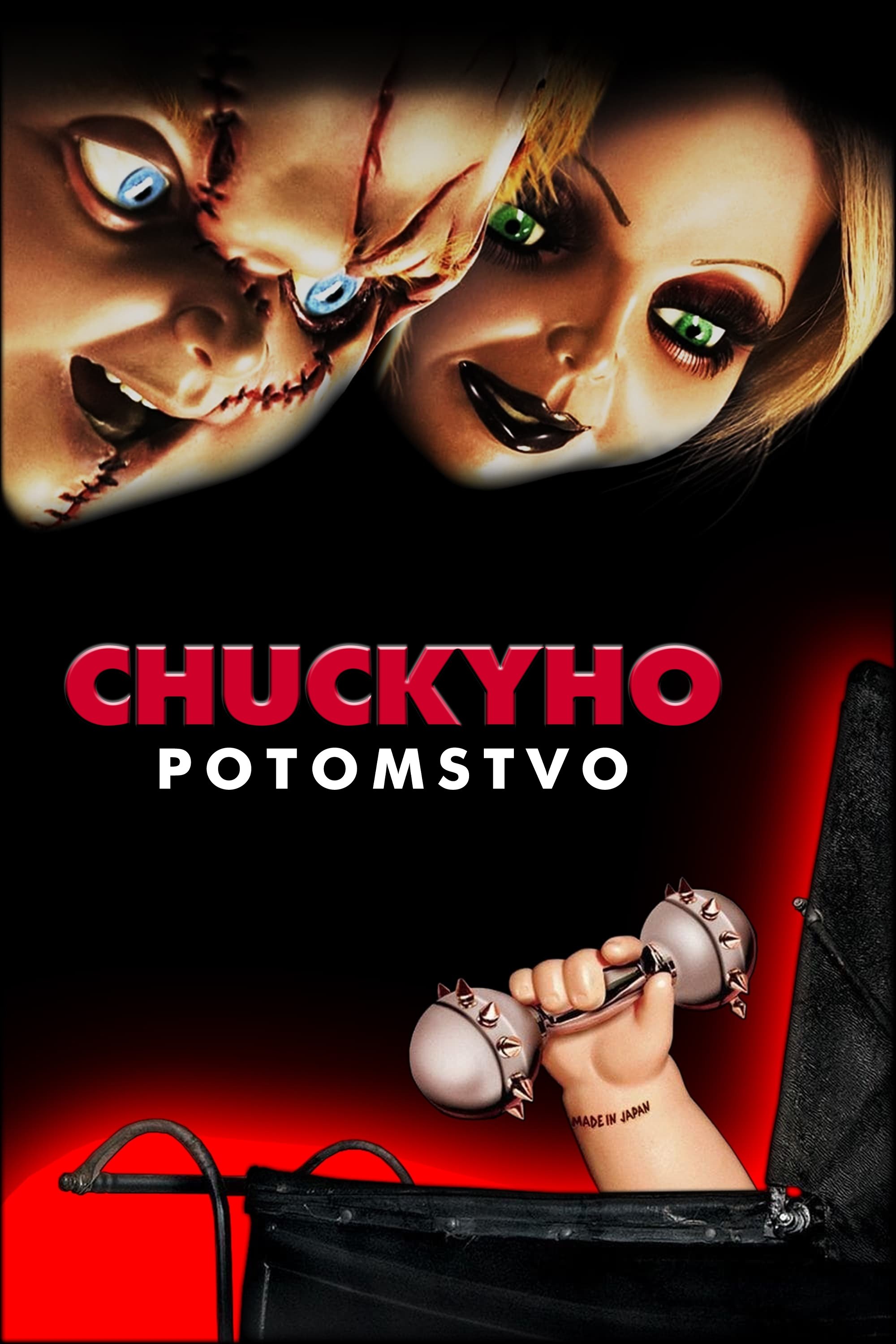
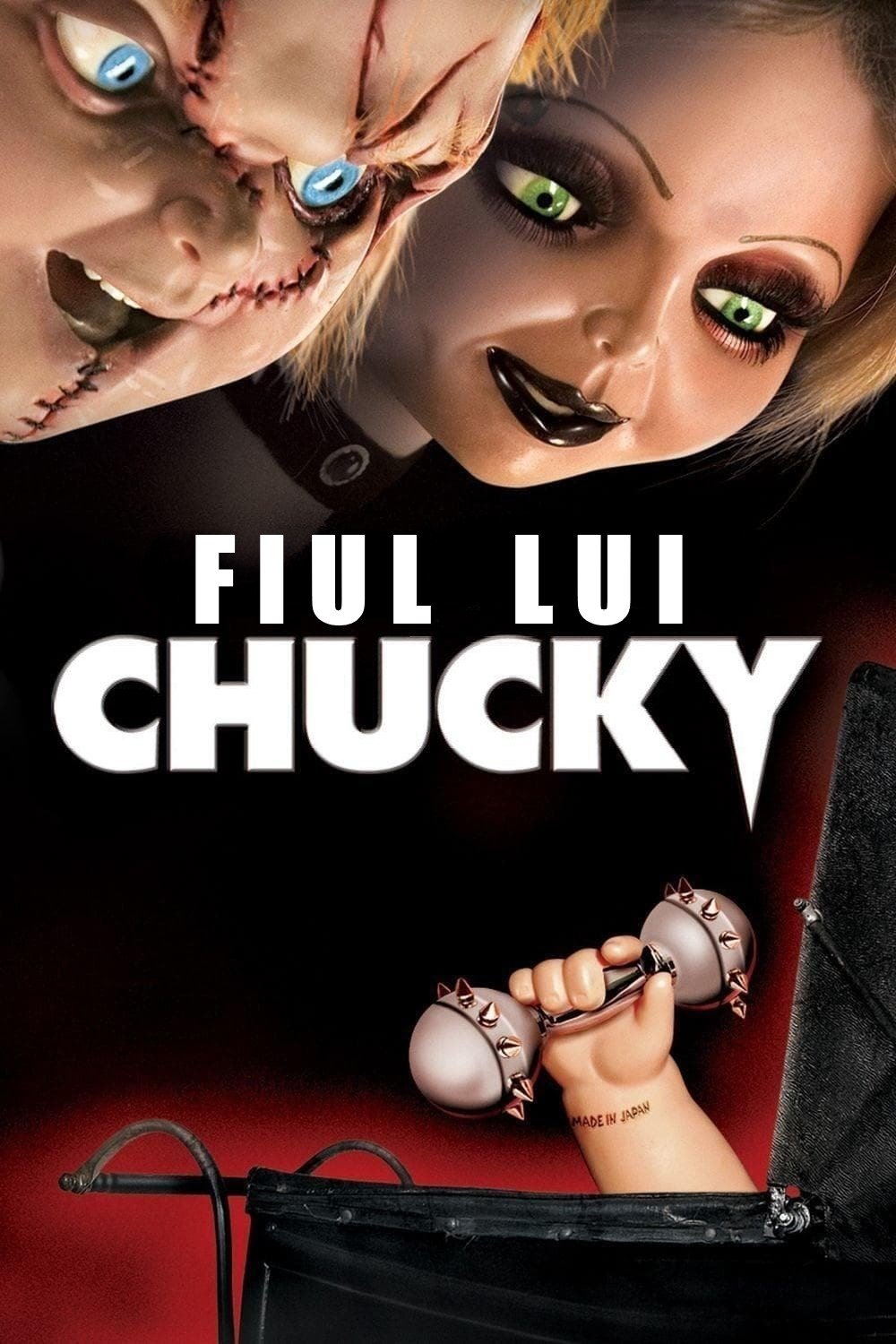
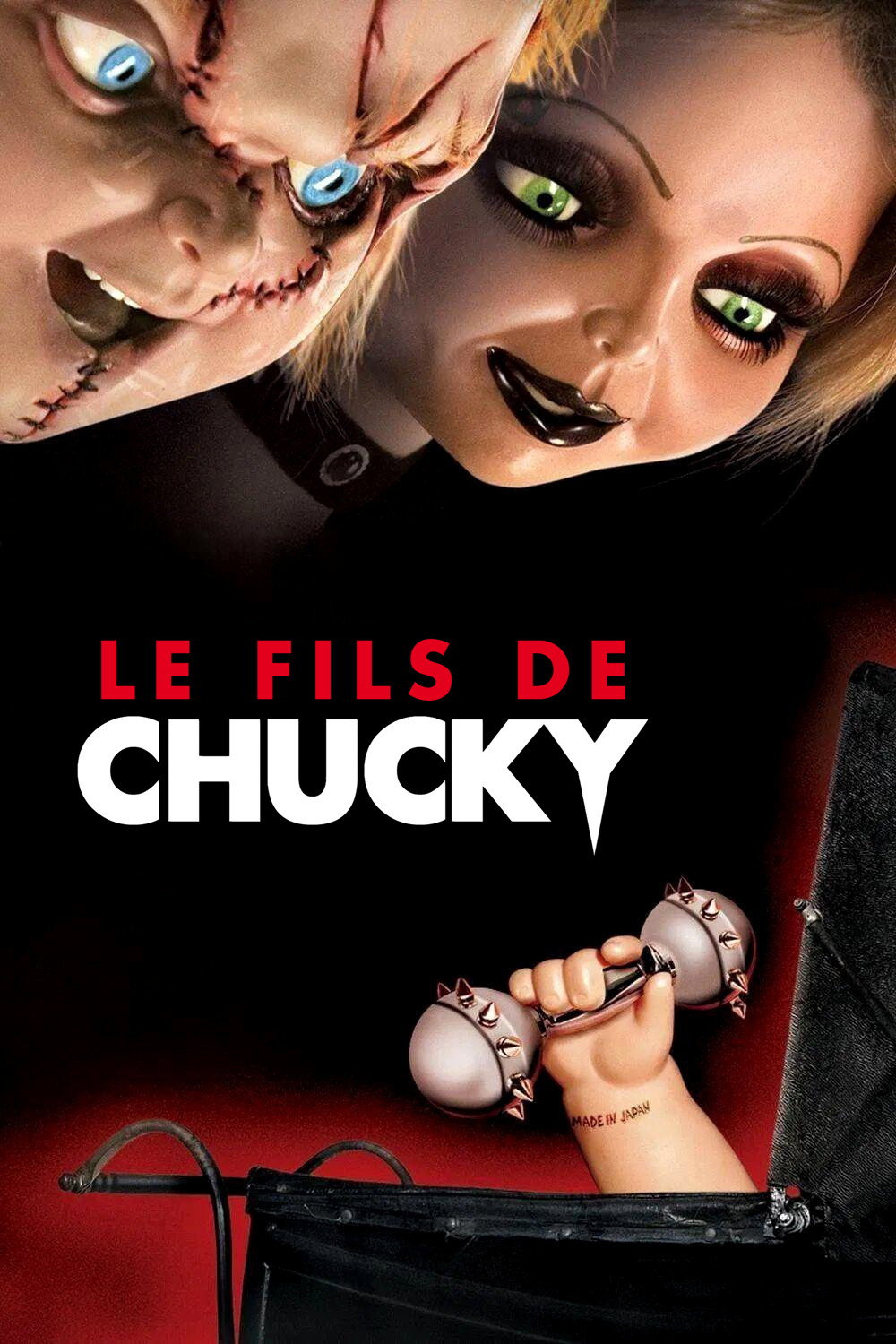
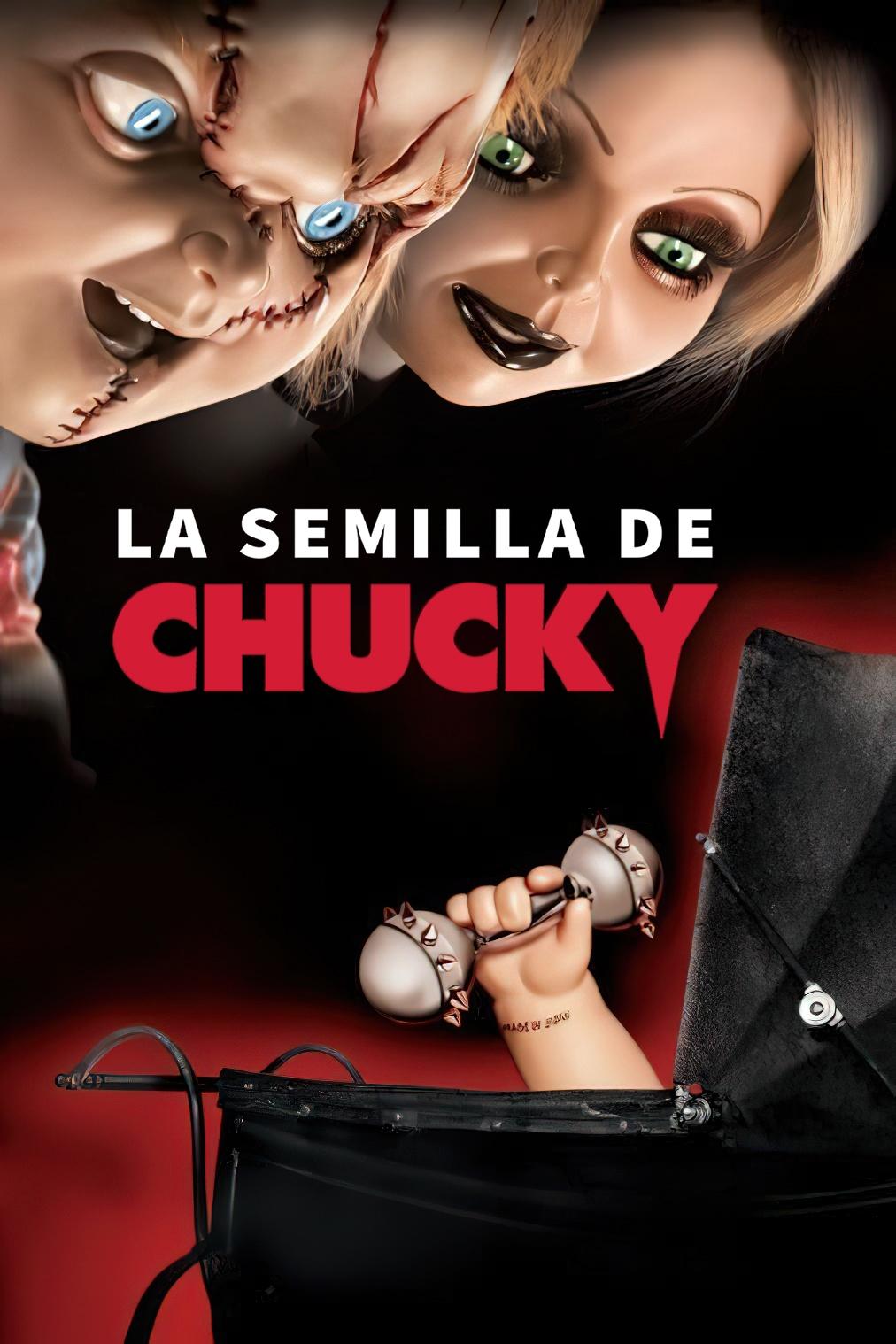
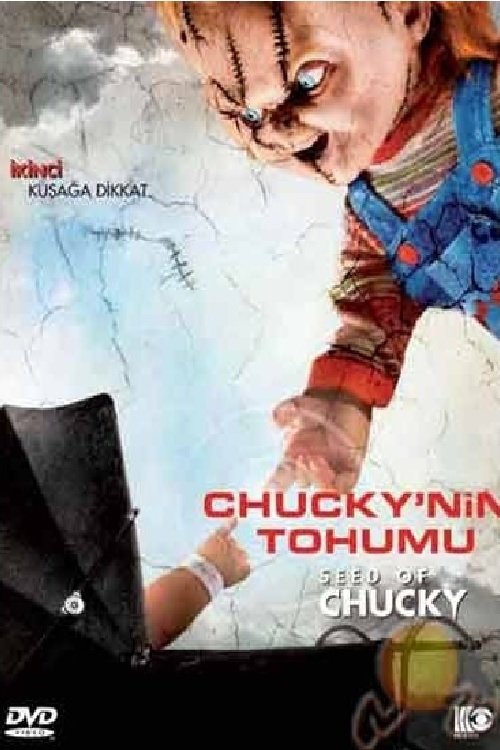
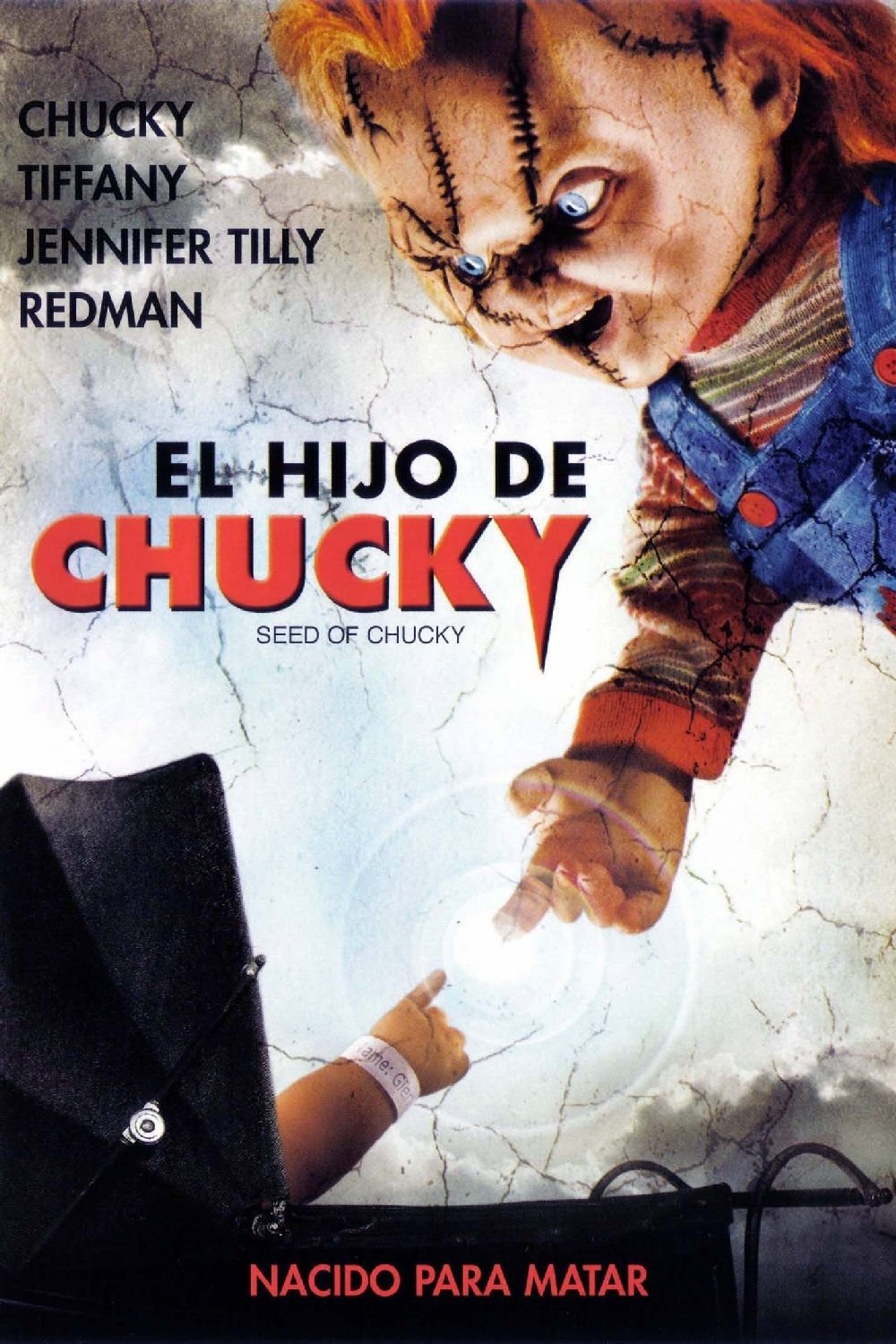
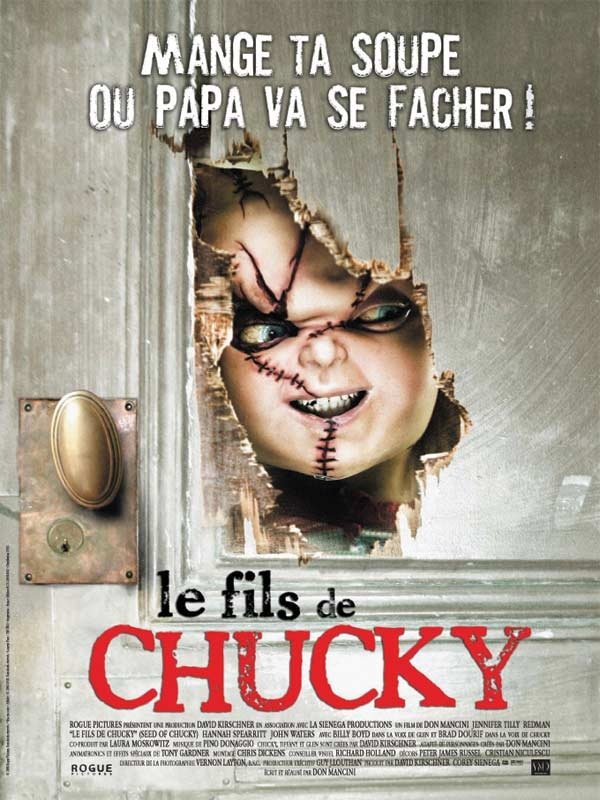
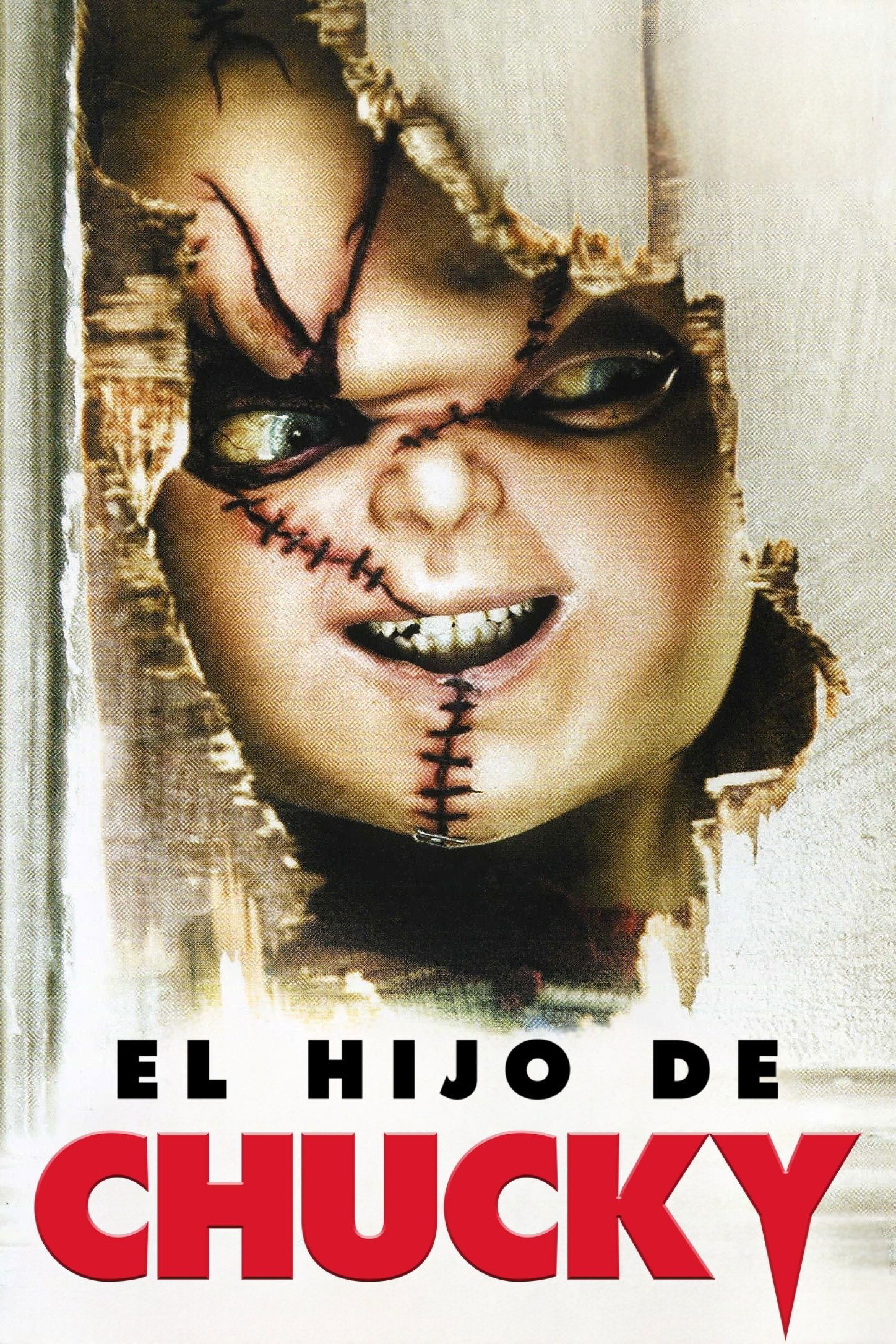
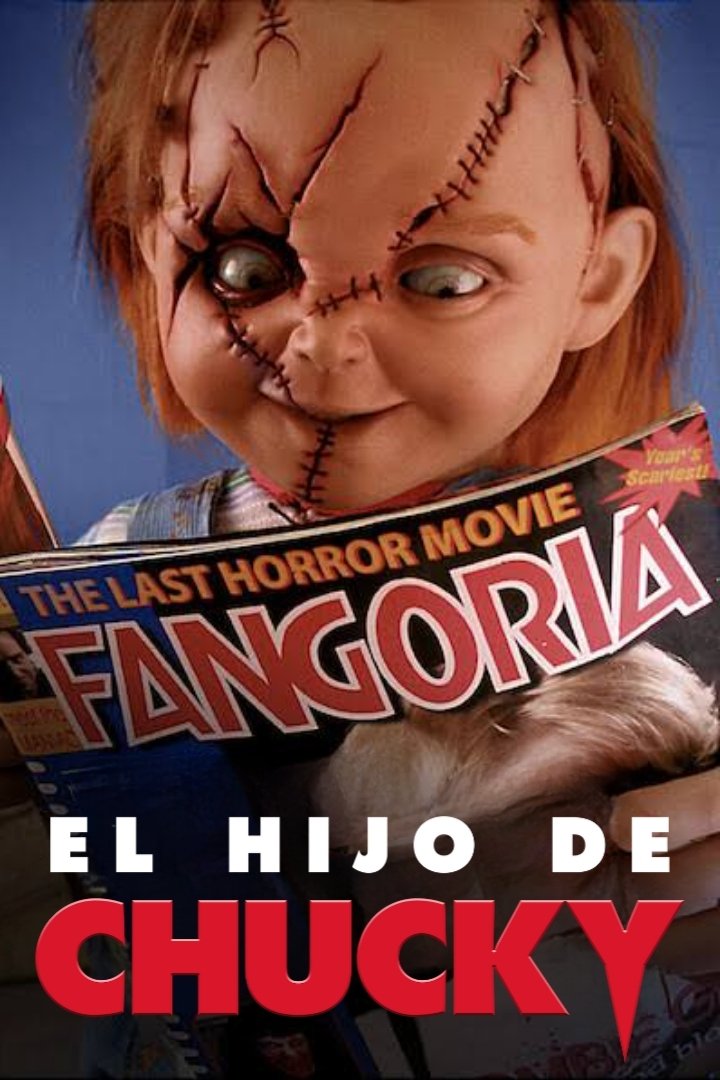
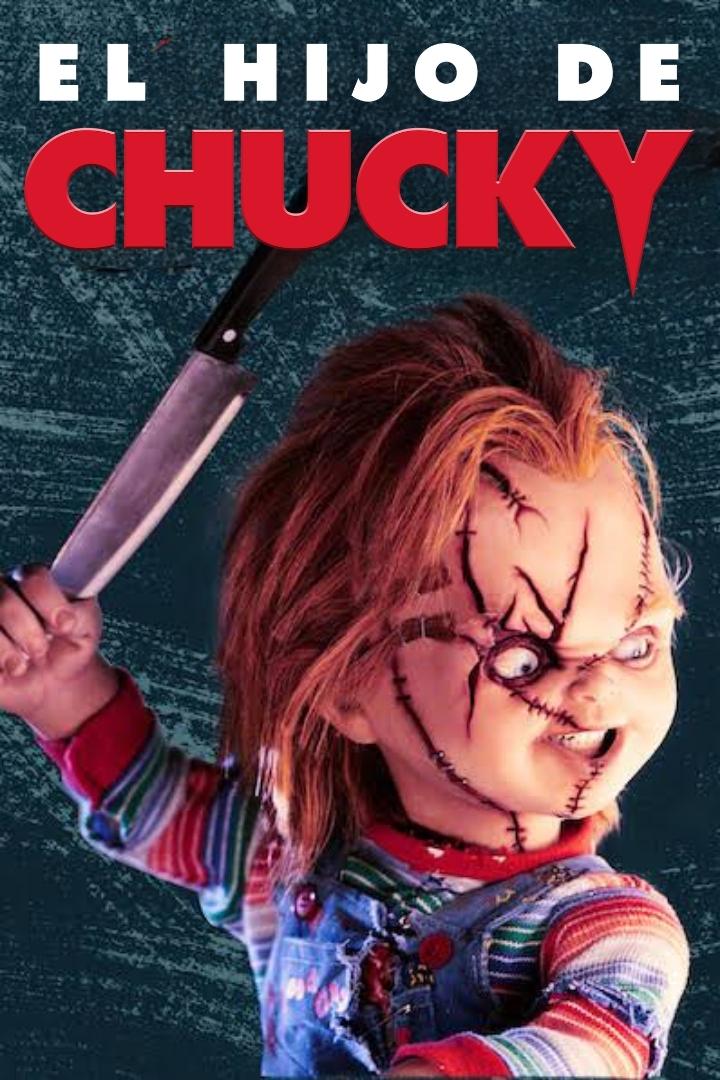
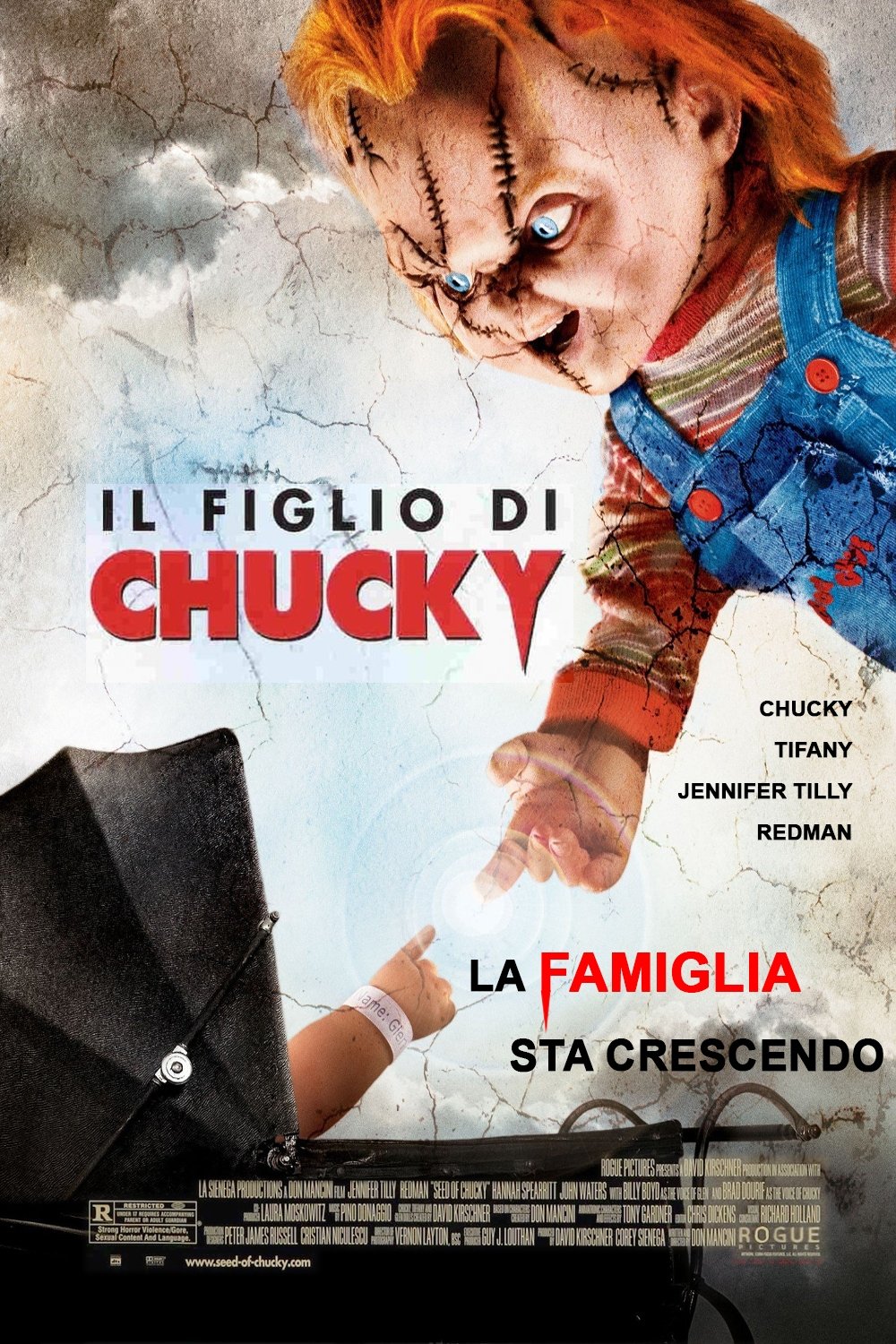
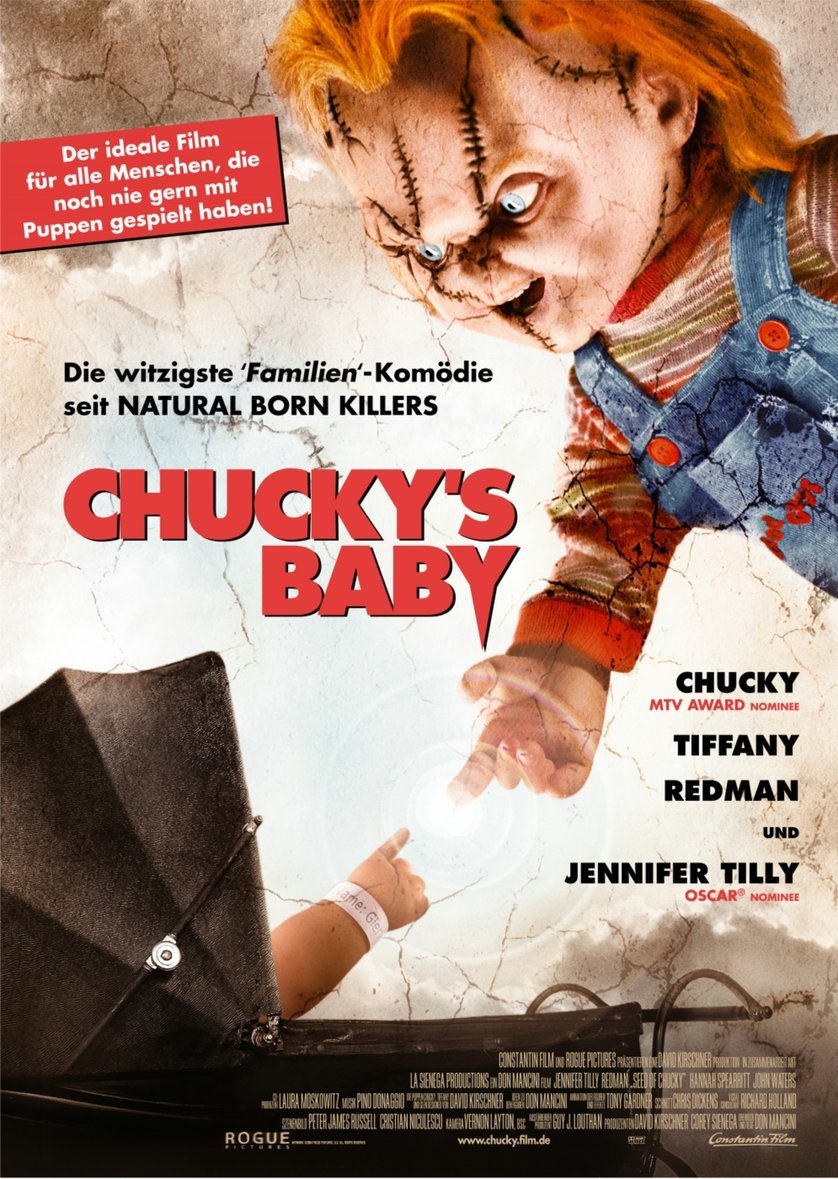
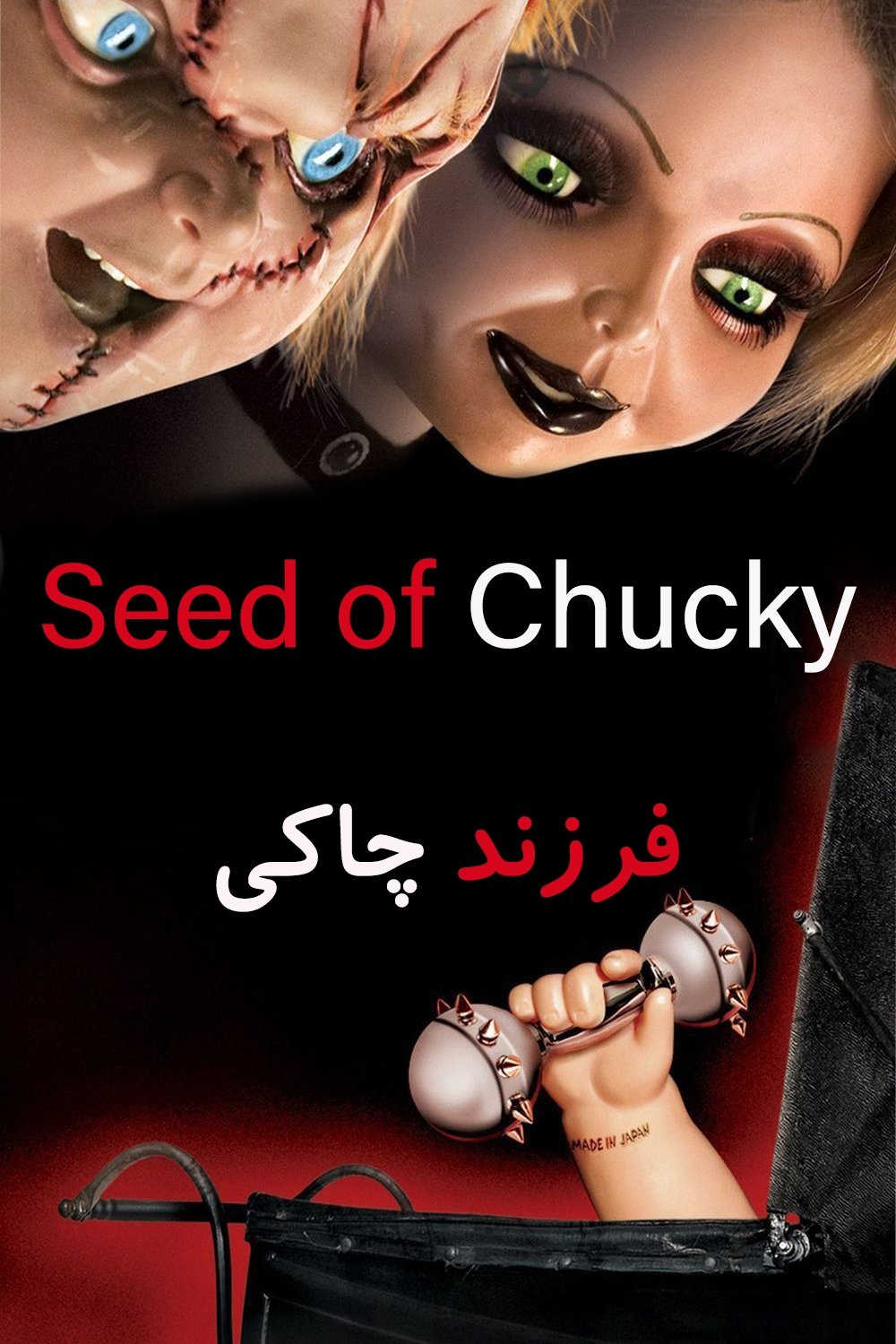
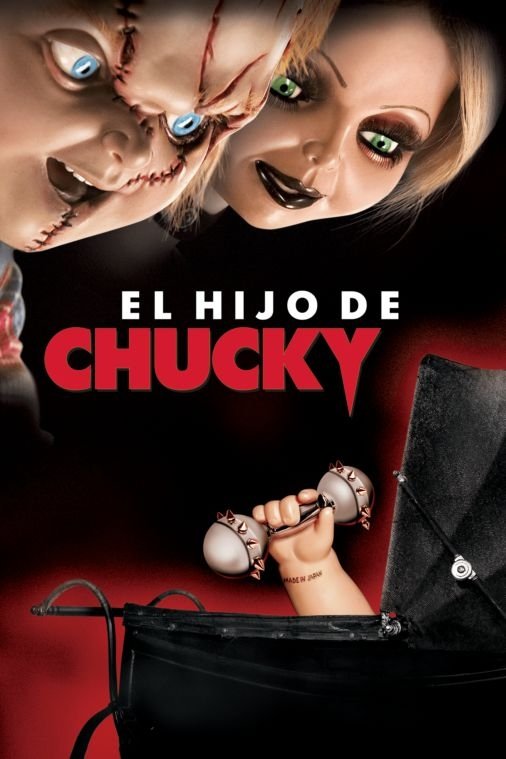
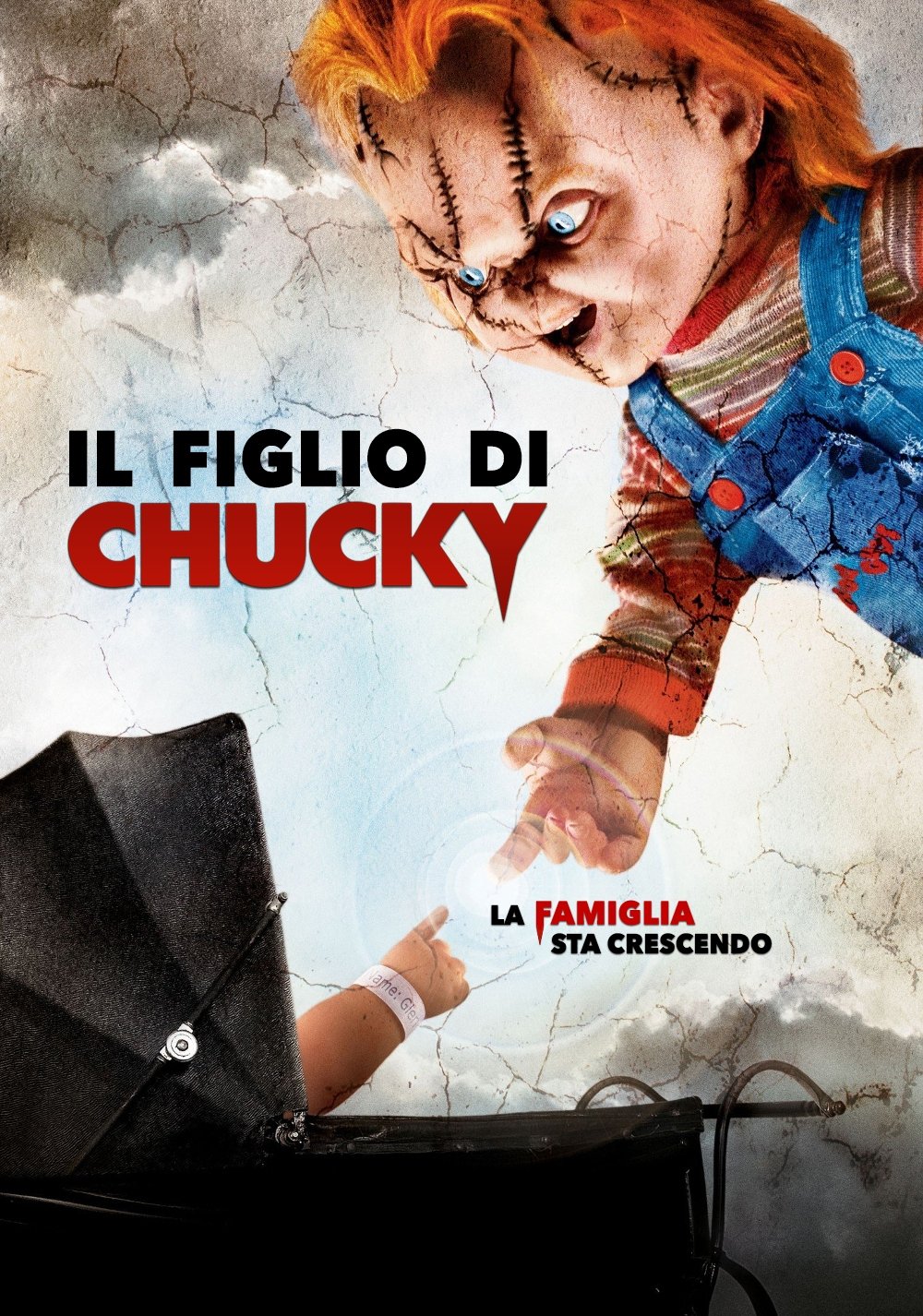
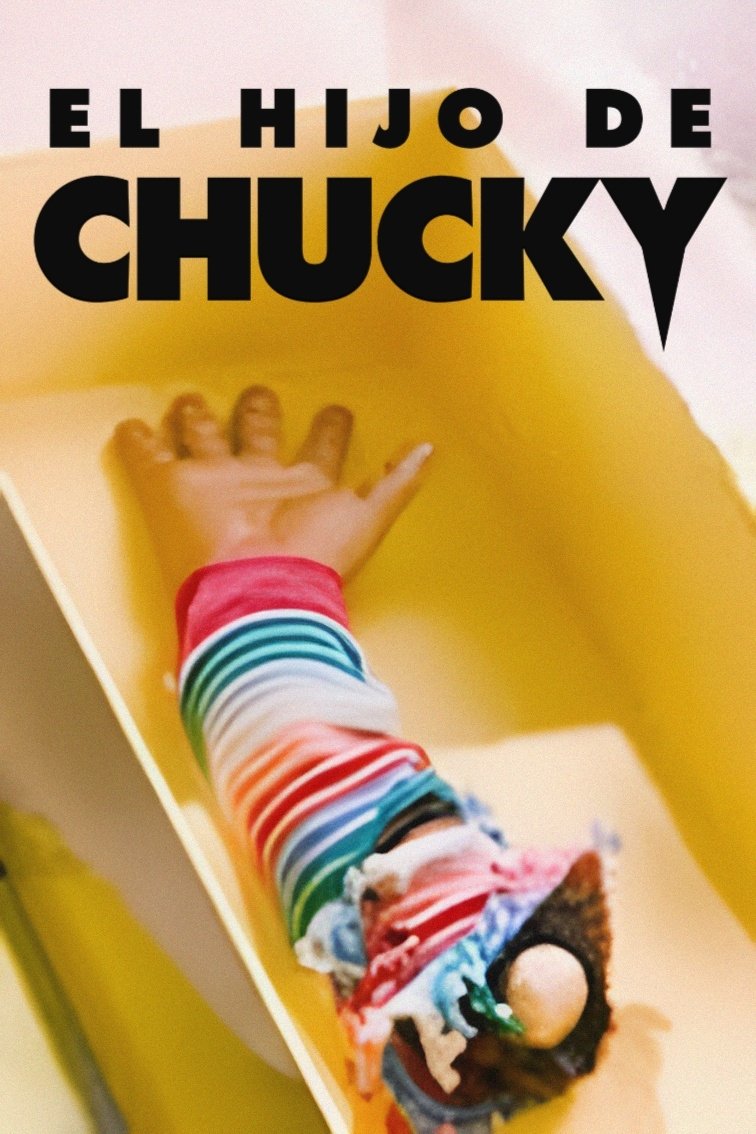
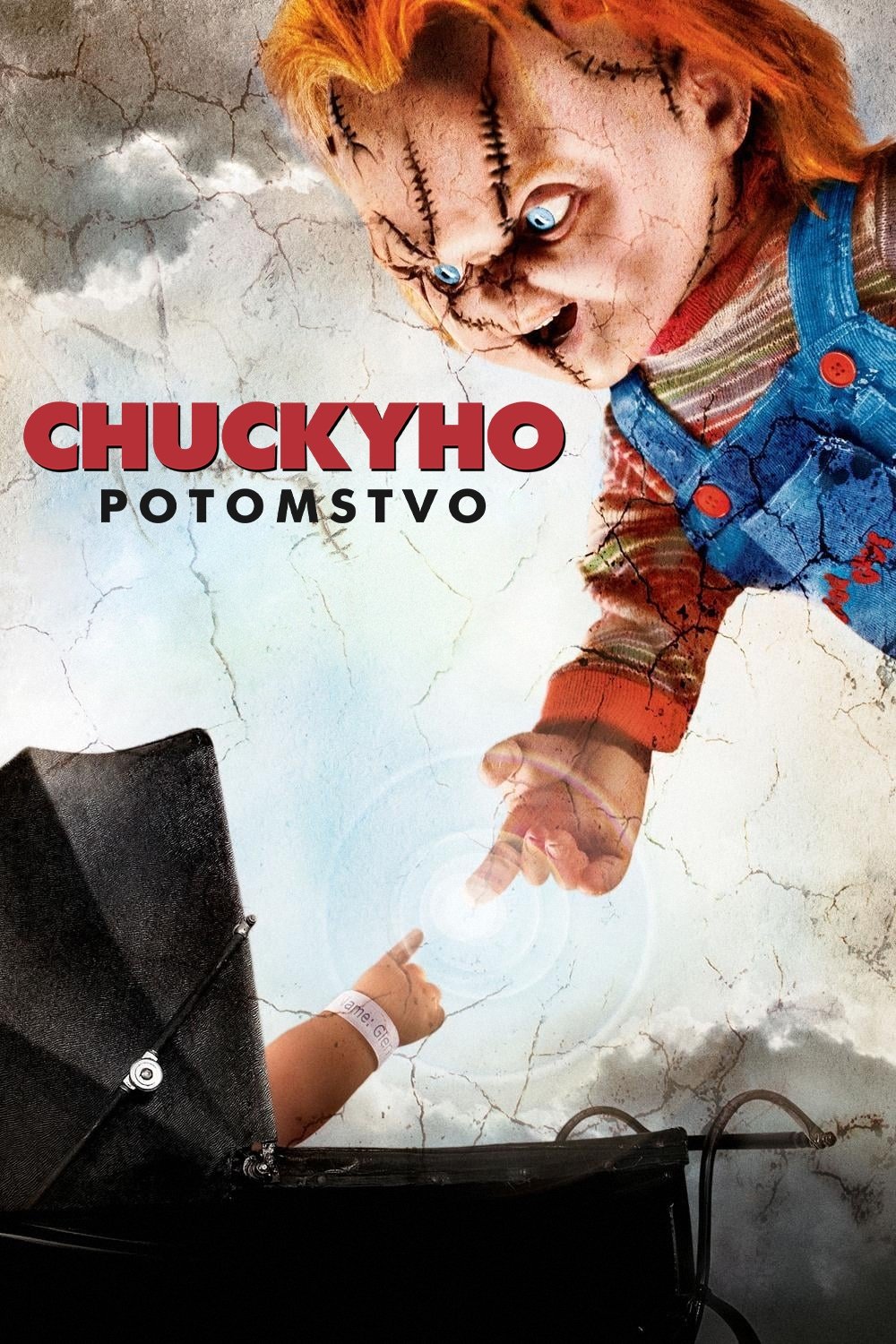
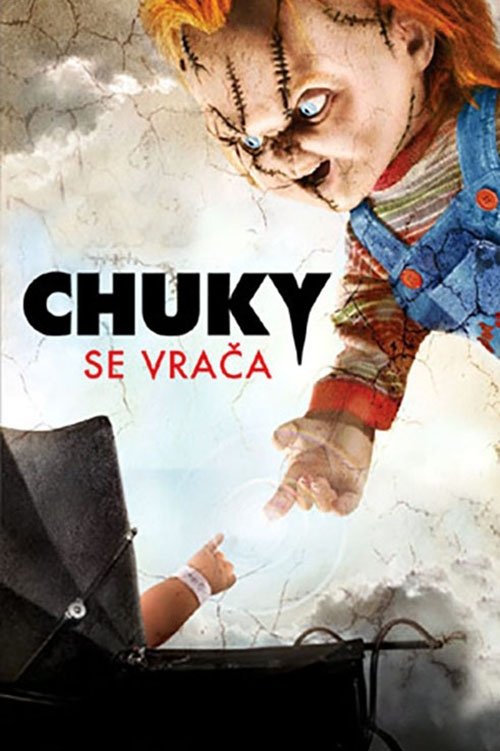
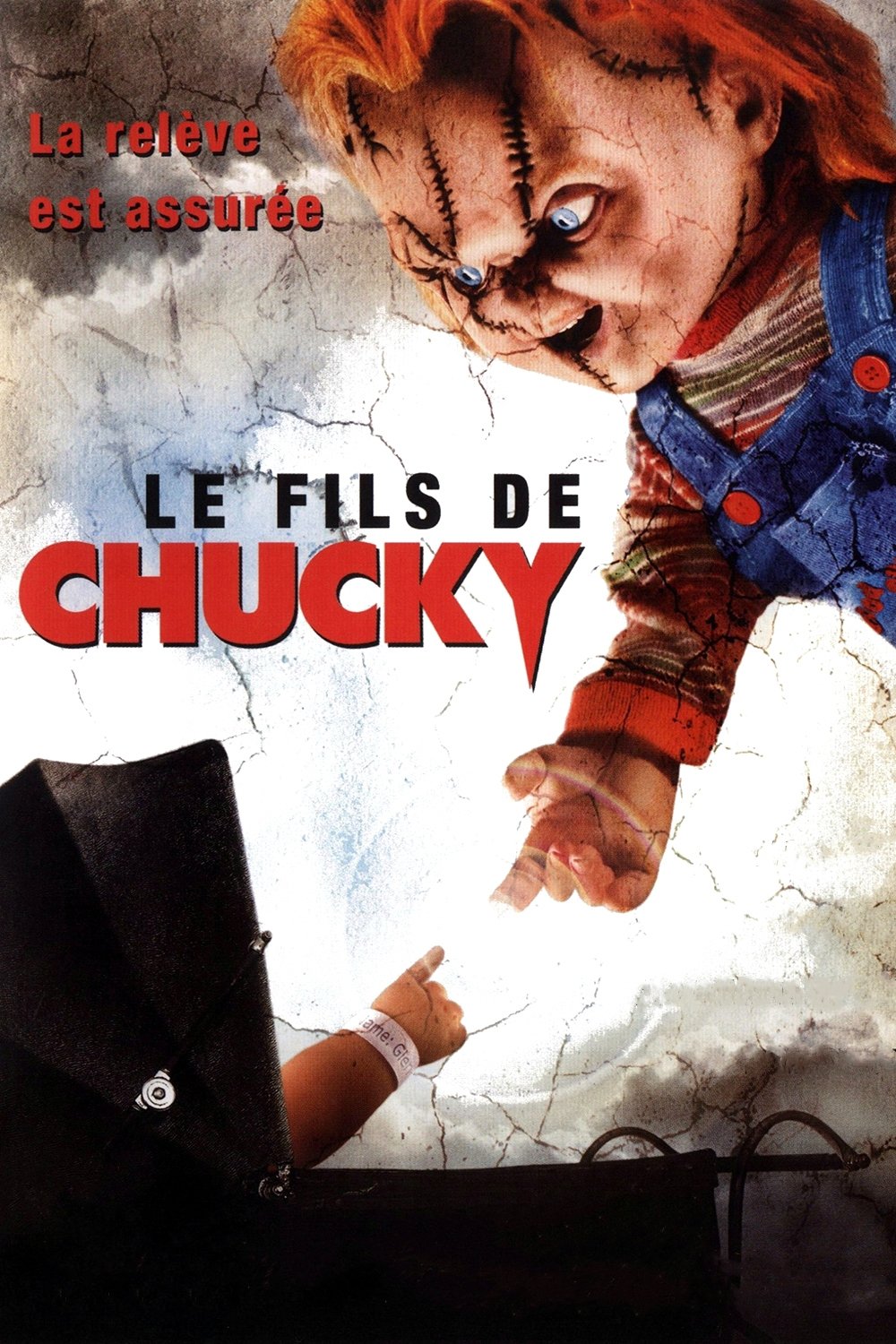
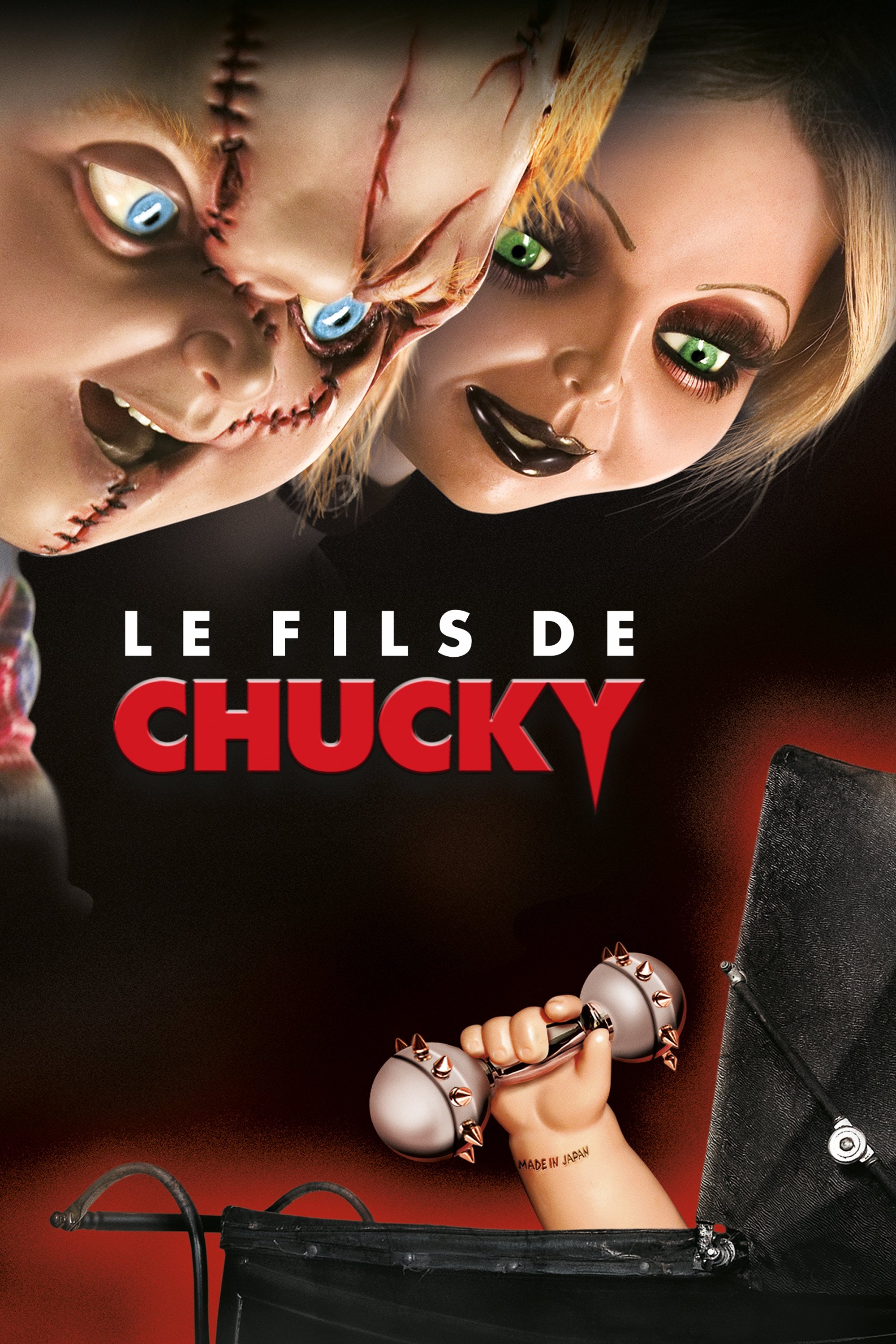
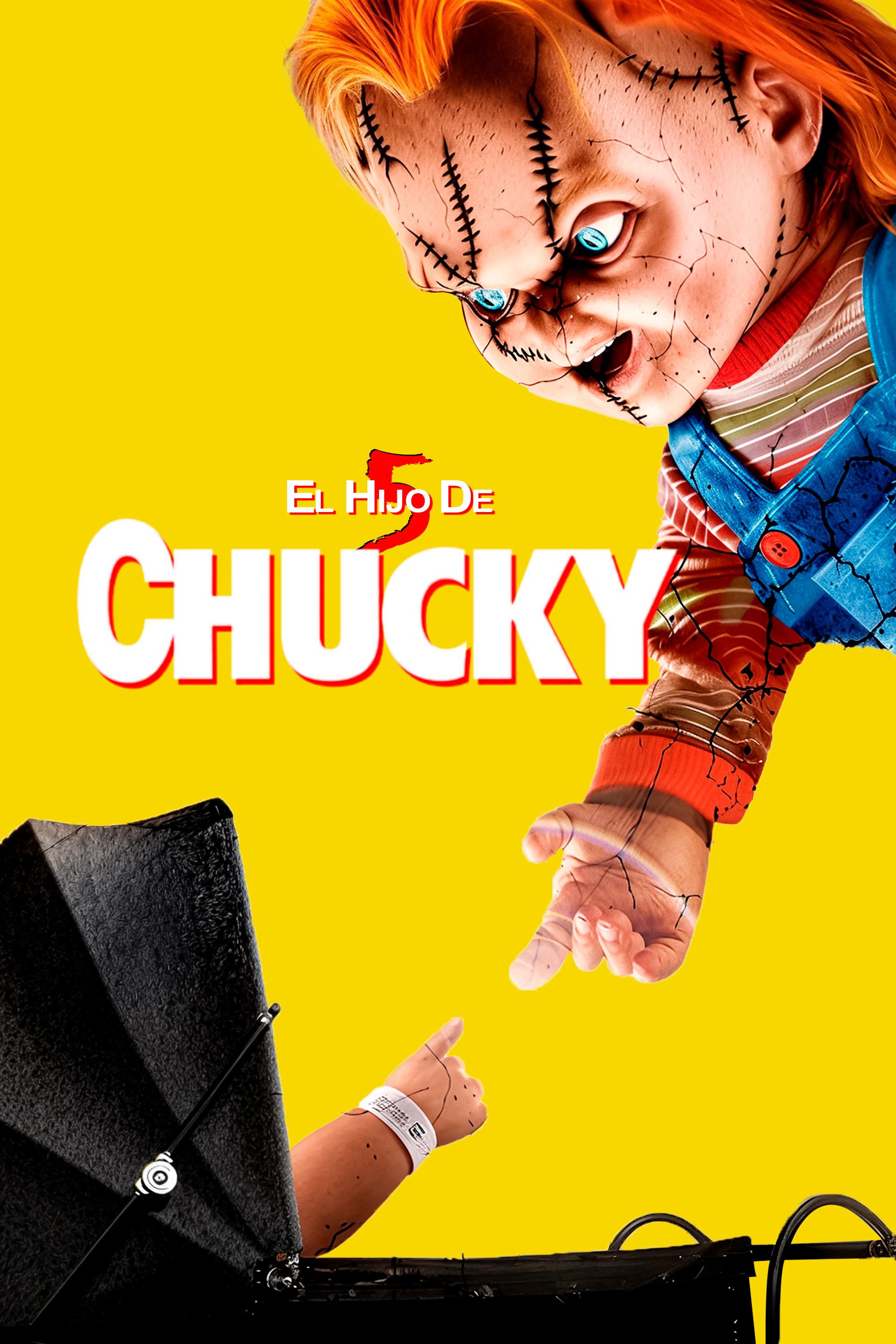
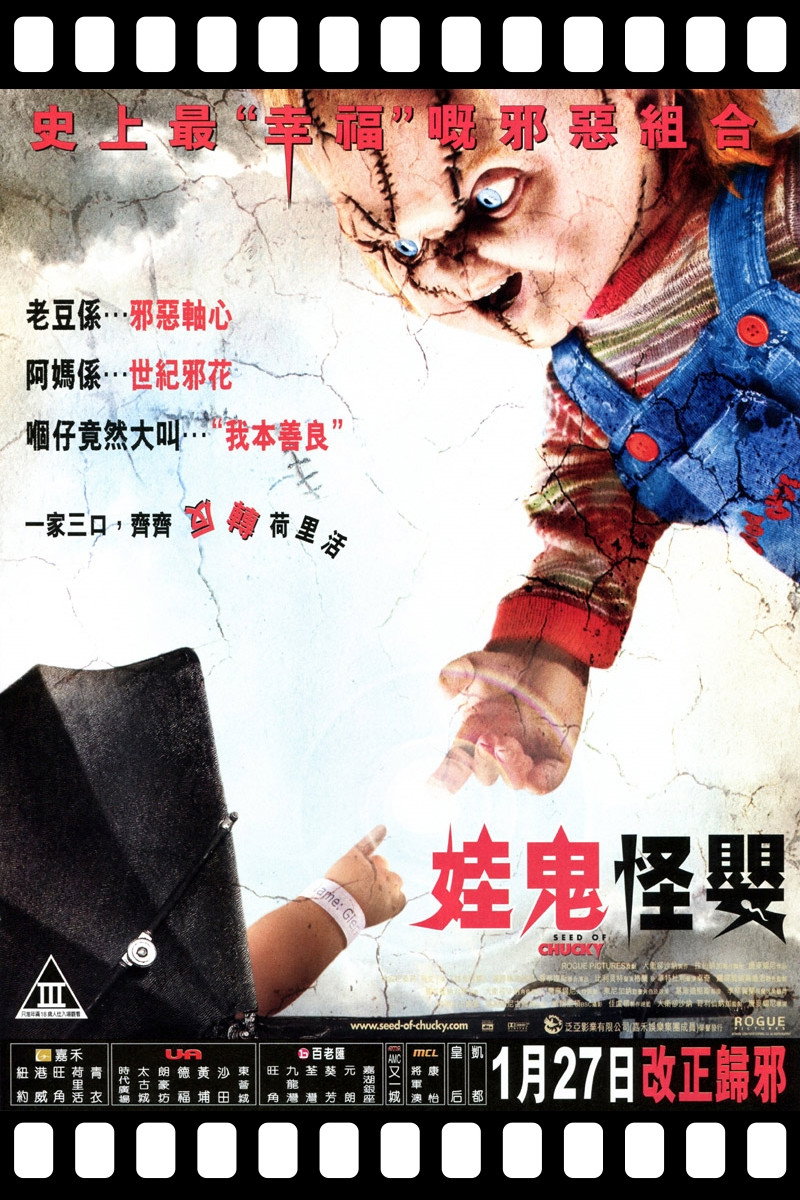
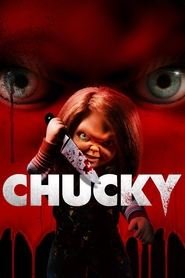
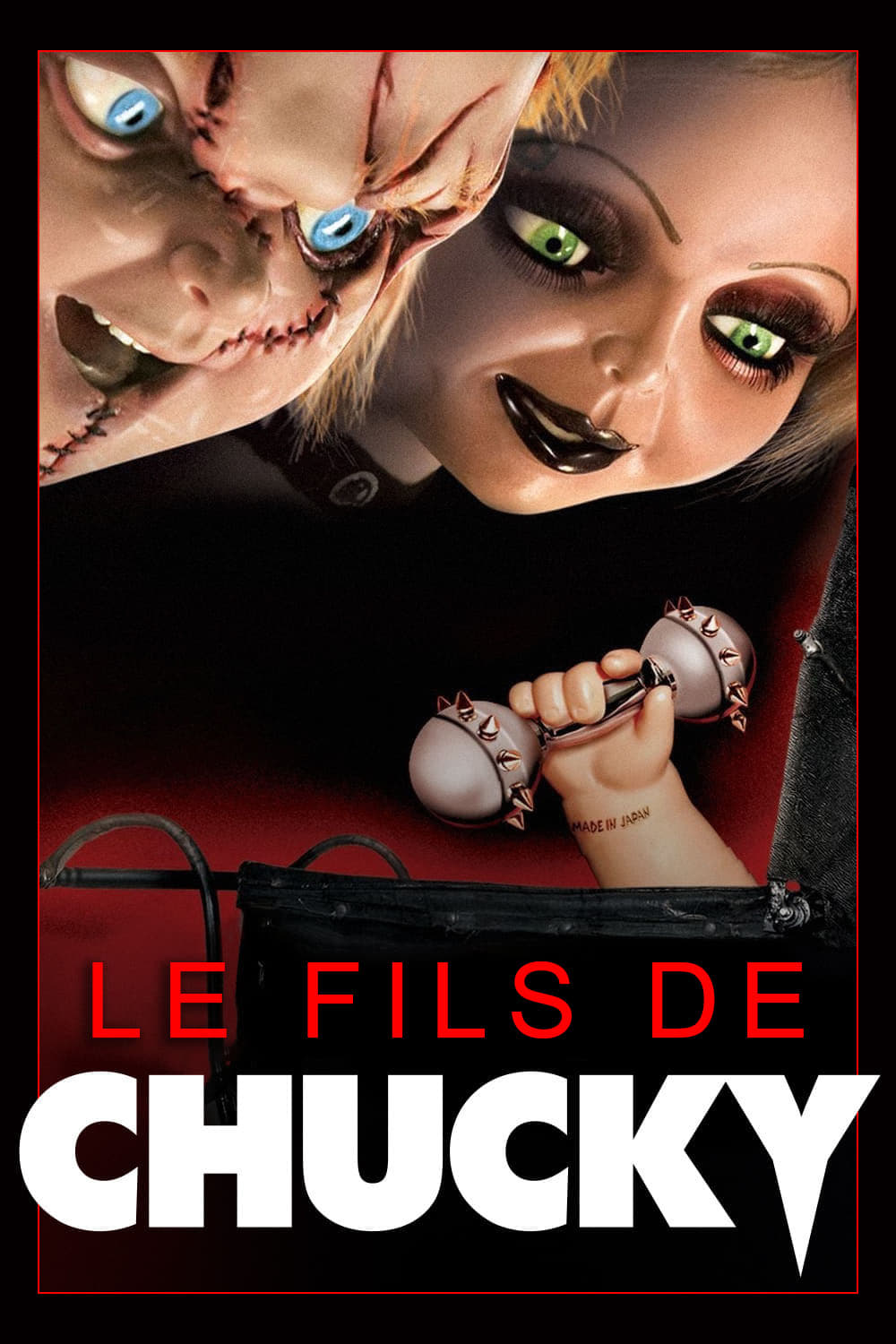
Seed of Chucky (2004) poster
Director
Writer
Production Companies
David Kirschner Productions , La Sienega Productions
Plot

Glen/Glenda discovers that a Hollywood production is using representations of Chucky and Tiffany and travels to find the murderous parents. After the dolls are revived, the family becomes involved in an attempt to acquire human bodies. Chucky and Tiffany disagree over their future, while their child struggles with identity and the expectation of participating in murder. The story combines supernatural body transfer with Hollywood satire.

Alternative Titles
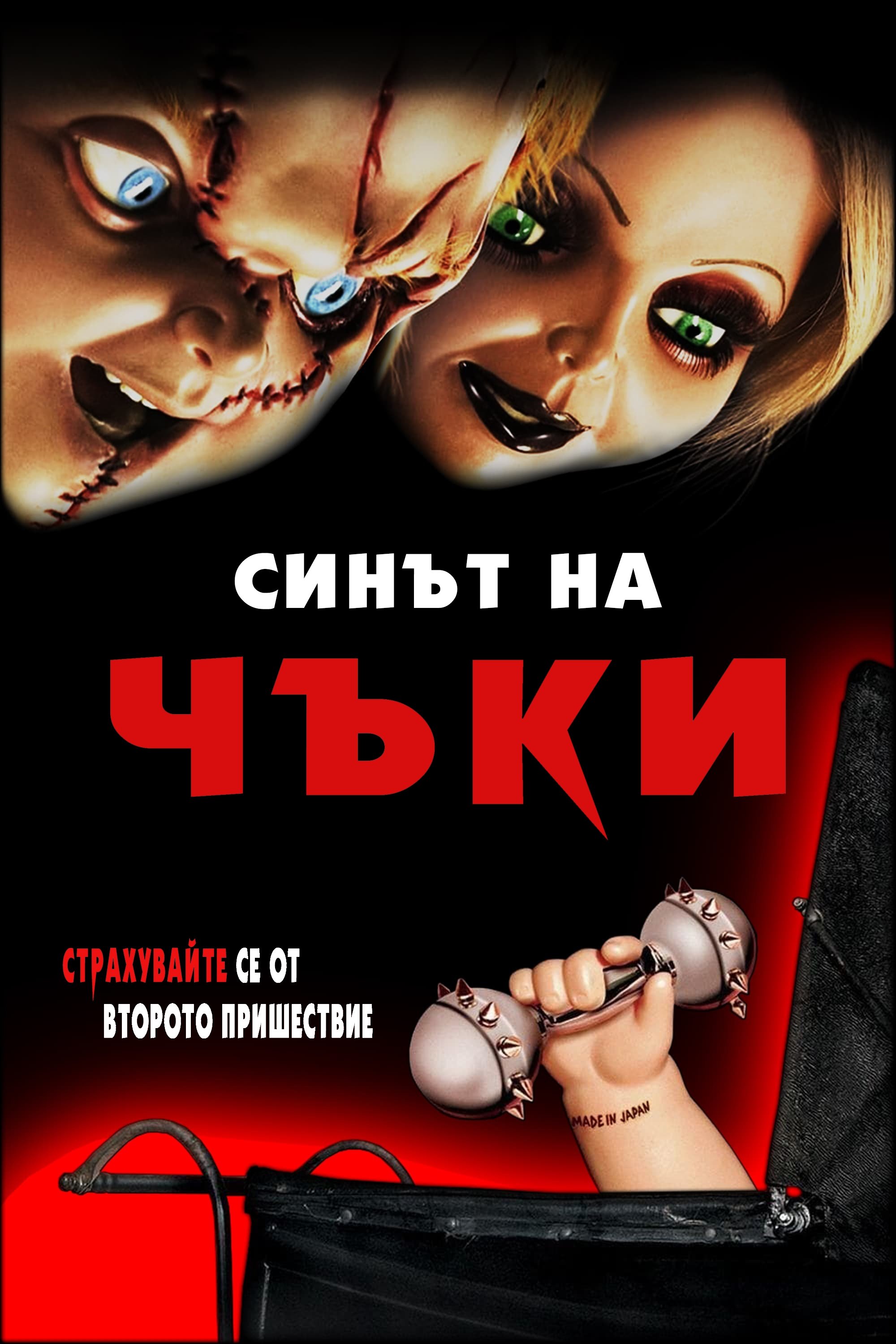
ذرية تشاكي (United Arab Emirates) — Arabic Fëmija i Çakit (Albania) — Albanian Chucky's Baby (Austria) — German Синът на Чъки (Bulgaria) — Bulgarian O Filho de Chucky (Brazil) Chucky postaje tata (Bahamas) — Bosnian Génération Chucky (Canada) — French Chucky's Baby (Switzerland) — German
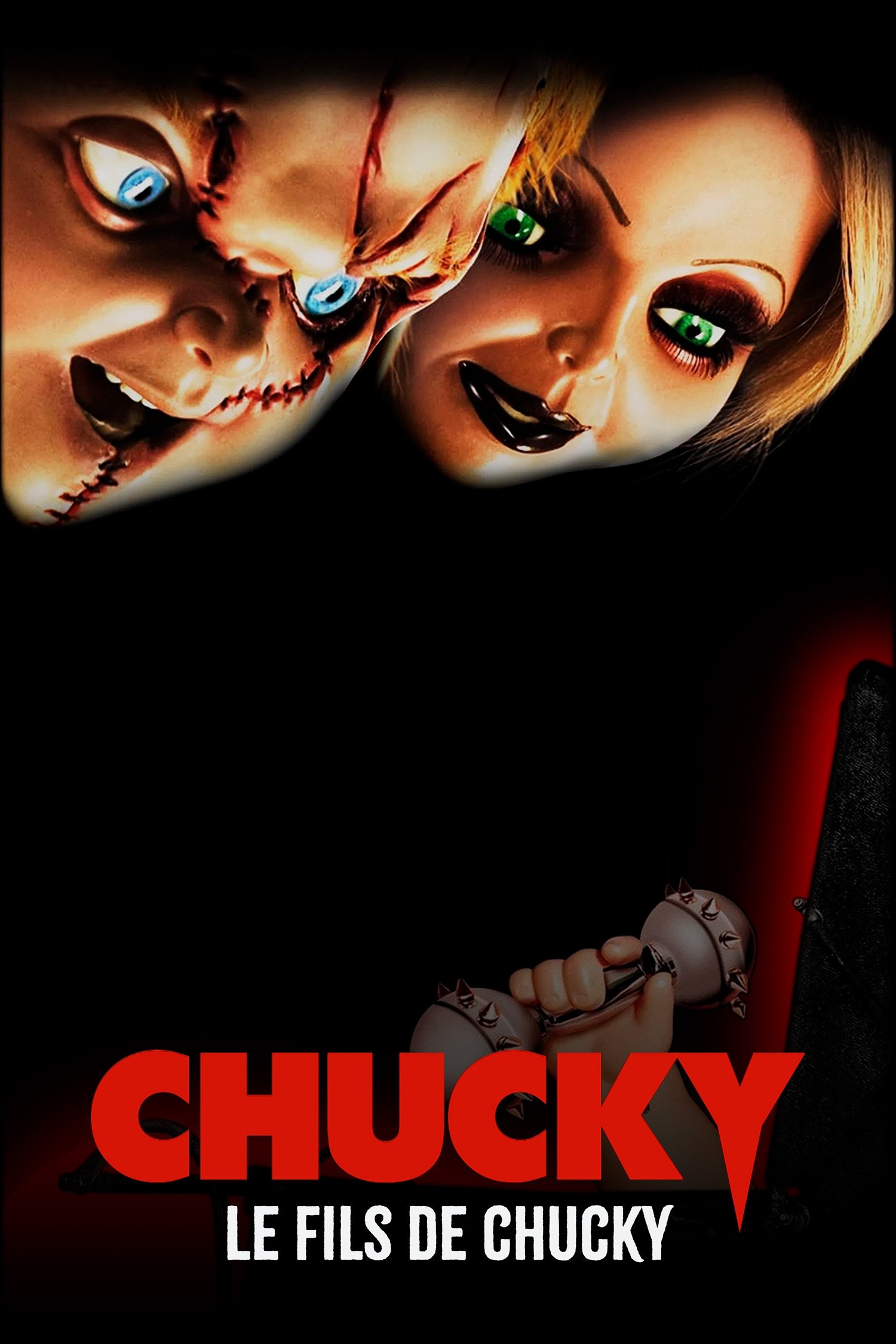
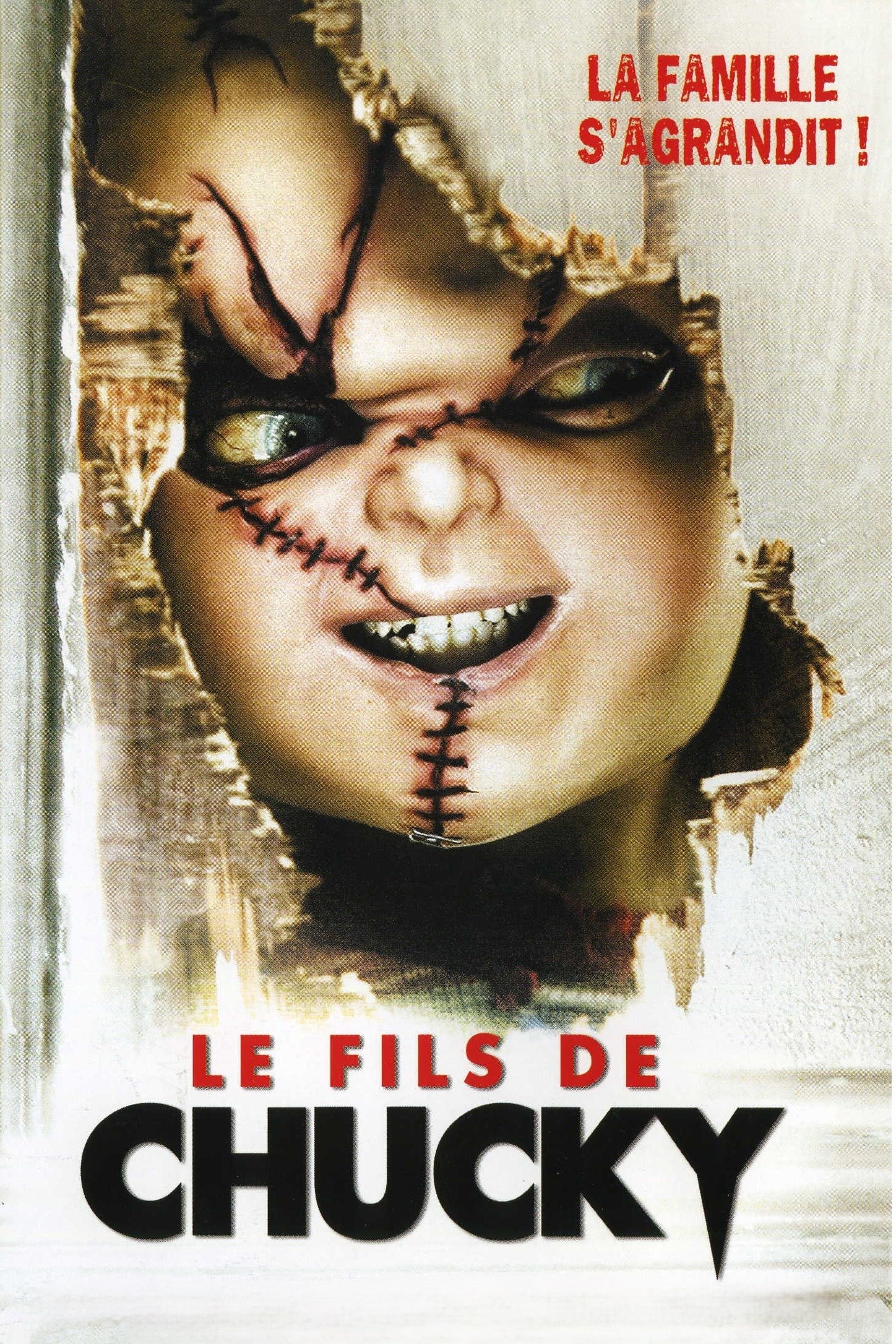
Show all 52 alternative titles 娃鬼怪婴 (China) 鬼娃回魂5:鬼娃孽种 (China) — Chinese 鬼娃孽种 (China) 鬼娃恰吉5 (China) 鬼娃新娘之鬼娃也有种 (China) Chuckyho sémě (Czechia) — Czech Chucky's Baby (Germany) — German Chuckys Baby (Germany) La semilla de Chucky (Spain) — Spanish Le Fils de Chucky (France) — French ჩაკის შთამომავალი (Georgia) — Georgian O gios tou Chucky (Greece) — transliteration Ο γιός του Τσάκι (Greece) — Greek 娃鬼怪嬰 (Hong Kong SAR China) — Chinese Chucky postaje tata (Croatia) — Croatian Chucky ivadéka (Hungary) — Hungarian היורש של צ'אקי (Israel) — Hebrew सीड ऑफ़ चकी (India) — Hindi Il figlio di Chucky (Italy) — Italian Child p*lay - Chucky no tane (Japan) — DVD Title チャイルド・プレイ チャッキーの種 (Japan) — Japanese 사탄의 인형 5: 처키, 사탄의 씨앗 (South Korea) — Korean El hijo de Chucky (Mexico) — Spanish Laleczka Chucky: Następne pokolenie (Poland) — Polish A Semente de Chucky (Portugal) — Portuguese Fiul lui Chucky (Romania) — Romanian Чаки постаје тата (Serbia) — Serbian Потомство Чаки (Russia) — Russian ذرية تشاكي (Saudi Arabia) — Arabic 鬼娃新娘之鬼娃也有种 (Singapore) — Chinese Chucky se vrača (Slovenia) — Slovenian Chuckyho potomstvo (Slovakia) — Slovak เชื้อผี แค้นฝังหุ่น (Thailand) — Thai แค้นฝังหุ่น 5 เชื้อผีแค้นฝังหุ่น (Thailand) Bebek (Türkiye) Chucky'nin Tohumu (Türkiye) — Turkish 鬼娃新娘之鬼娃也有種 (Taiwan) — Chinese Потомство Чакі (Ukraine) — Ukrainian Bride of Chucky 2 (United States) — Working Title Child's Play 5 (United States) — Working Title Child's Play 5: Seed of Chucky (United States) — Working Title Son of Chucky (United States) — Working Title Đứa con của Chucky (Vietnam) Ma Búp Bê 5 (Vietnam) — Vietnamese

Trailers & Videos

10 videos

Film Guide & Analysis

Don Mancini’s directorial debut: its delayed development, Glen/Glenda, Hollywood satire, Tony Gardner’s animatronics, Pino Donaggio’s score and contemporary reception.

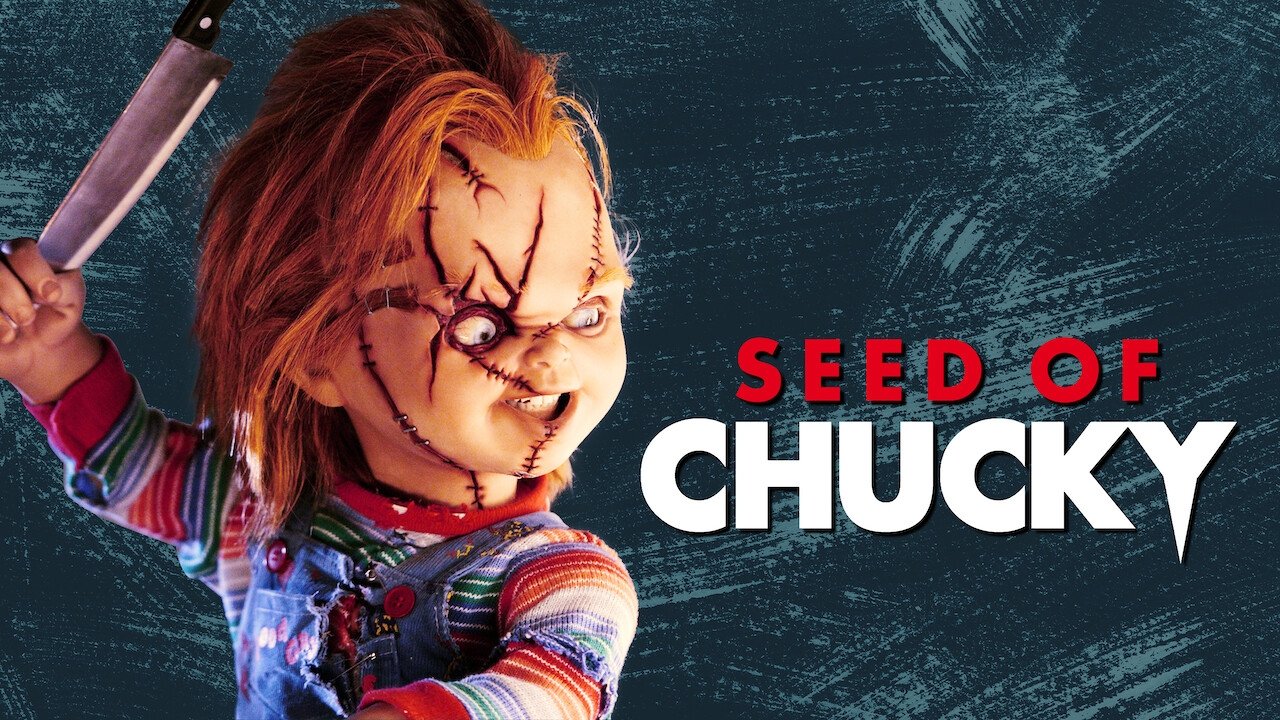
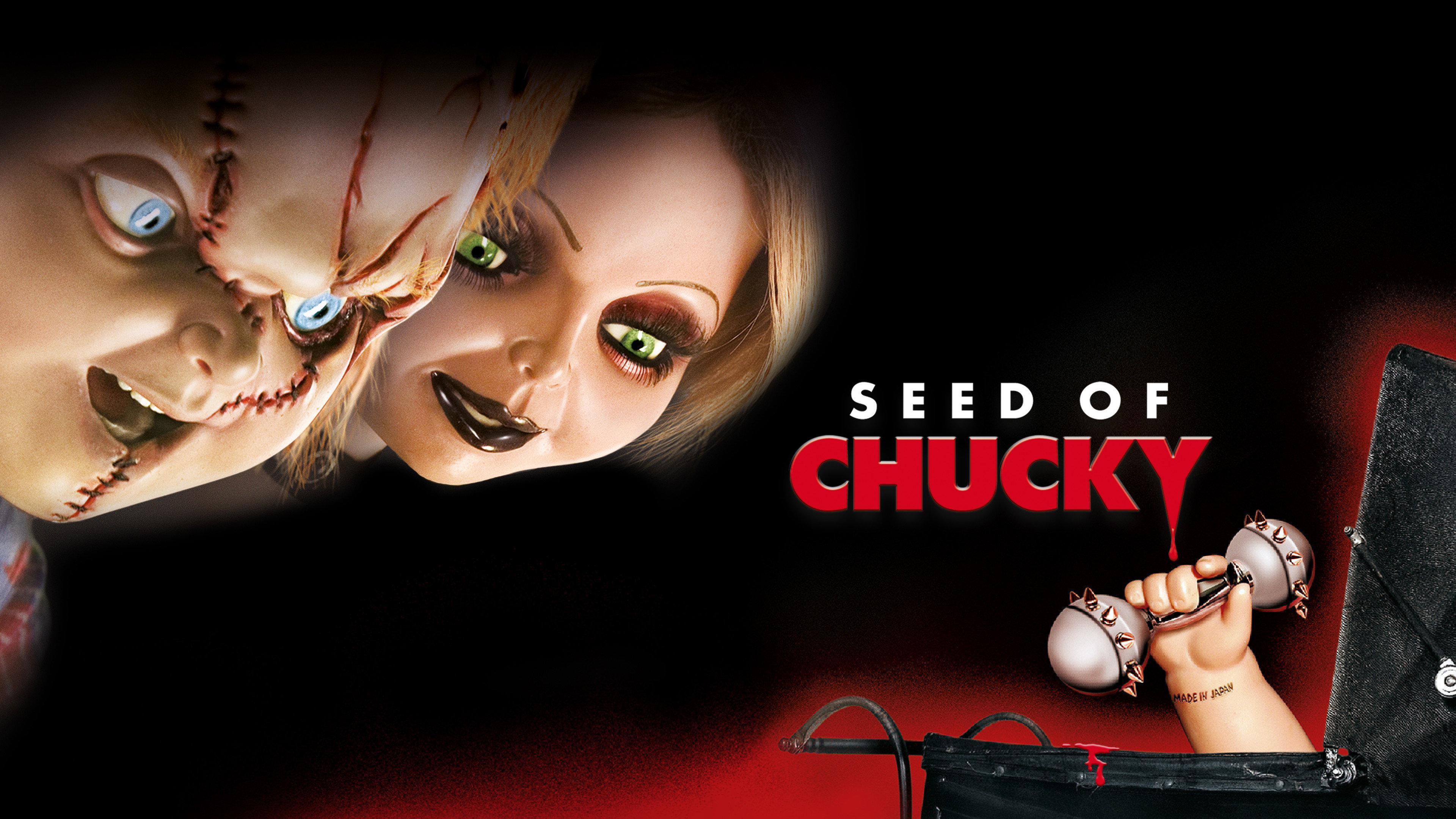
Seed of Chucky (2004) is an American horror comedy written and directed by Don Mancini, marking the Child’s Play creator’s feature-directing debut and the fifth theatrical instalment in the series. Following Bride of Chucky (1998), the film brings Chucky and Tiffany into a Hollywood production that has turned their murders into entertainment. Their child, Glen/Glenda, introduces an unusually sympathetic perspective on the family of killer dolls. The combination of graphic murders, sexual farce, Hollywood satire and disputes over gender identity represents the franchise’s most pronounced departure from the suspense-driven structure of the original Child’s Play.

Brad Dourif and Jennifer Tilly return as the voices of Chucky and Tiffany, with Billy Boyd voicing their child. Tilly additionally portrays a fictionalized version of herself, whose career ambitions and private life become central to the dolls’ plans. Produced by David Kirschner and Corey Sienega and distributed in the United States by Rogue Pictures, the film opened on November 12, 2004. Its development had been delayed for several years by disagreements over the screenplay’s unconventional direction. The completed production combined Tony Gardner’s elaborate animatronic characters with a score by Pino Donaggio and a deliberately self-referential approach to horror filmmaking.

Development and Don Mancini’s Directorial Debut

The project entered development soon after Bride of Chucky became commercially successful in 1998. Mancini recalled discussing the sequel with Universal before the end of that year, already intending to extend the horror-comedy approach established by director Ronny Yu. The addition of Tiffany had moved the narrative away from the recurring pursuit of Andy Barclay, allowing the dolls themselves to become central characters. Mancini wanted the next instalment to examine their relationship through parenthood. The idea followed directly from the birth of their offspring at the conclusion of Bride of Chucky, but the writer rejected the expectation that the child would simply become another murderous doll.

Universal was initially reluctant to finance the screenplay. In a November 2004 interview with Dread Central, Mancini recalled that executives considered the material excessively comedic, sexually unconventional and difficult to market. He also connected the project’s suspension to the caution surrounding violent entertainment following the 1999 Columbine High School shooting. According to his account, the studio proposed major changes, including the possibility of centring the film on a different killer child without Chucky. Mancini resisted returning to the formula of the earliest instalments. Development remained inactive for approximately five years before renewed commercial interest in horror franchises helped reopen discussions.

The success of Freddy vs. Jason (2003) contributed to that renewed interest. Mancini credited Focus Features executive David Linde with supporting the existing screenplay rather than demanding a conventional sequel. The project proceeded through Focus and its Rogue Pictures label, giving Mancini his first opportunity to direct a feature. He had previously sought the directing assignment on Bride of Chucky, but Universal considered him insufficiently experienced. When Yu returned to Australia after principal photography, Mancini supervised additional filming and substantial post-production work. He later identified that experience as important preparation for assuming complete responsibility for Seed of Chucky.

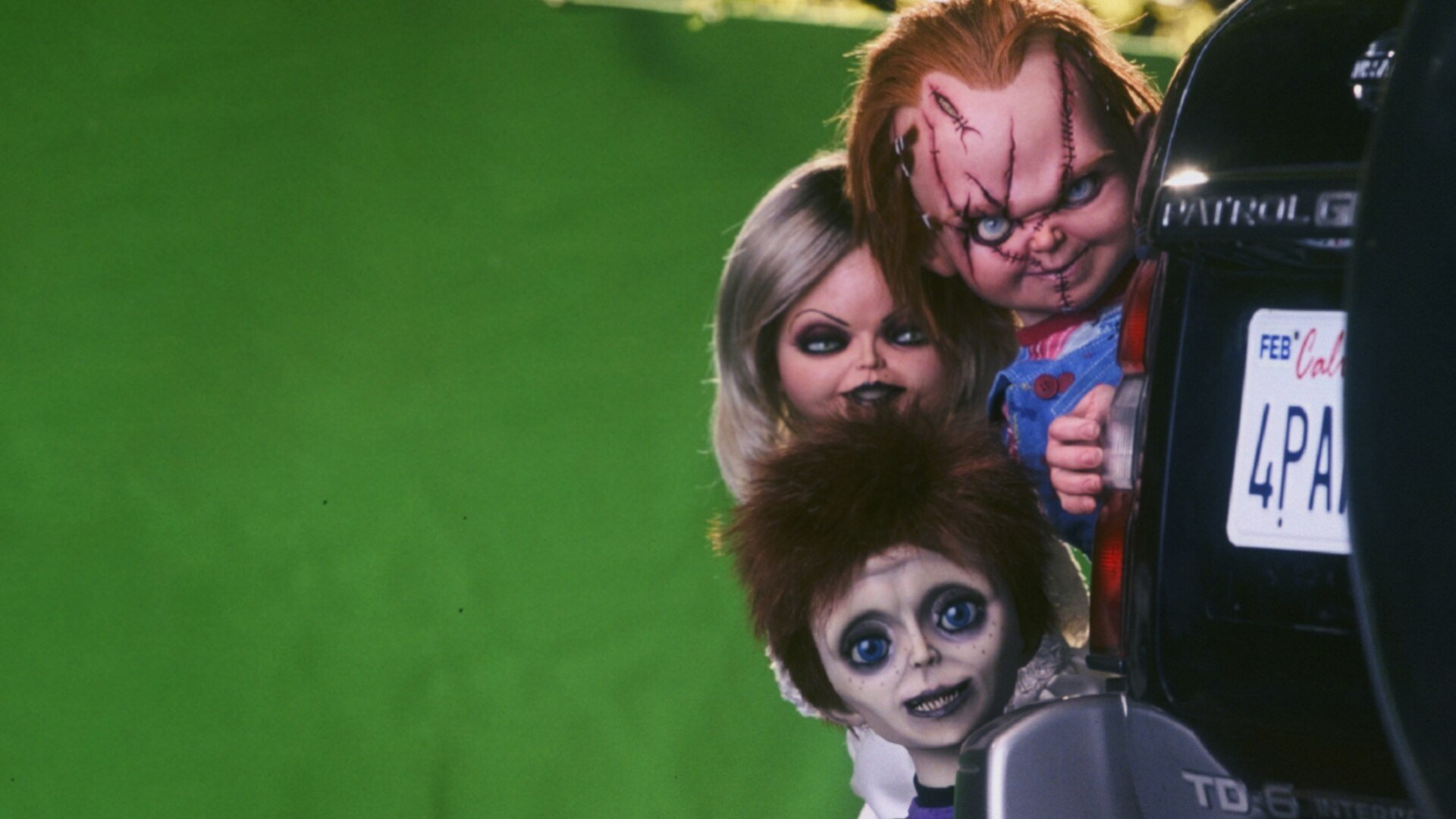
Glen/Glenda and the Family Conflict

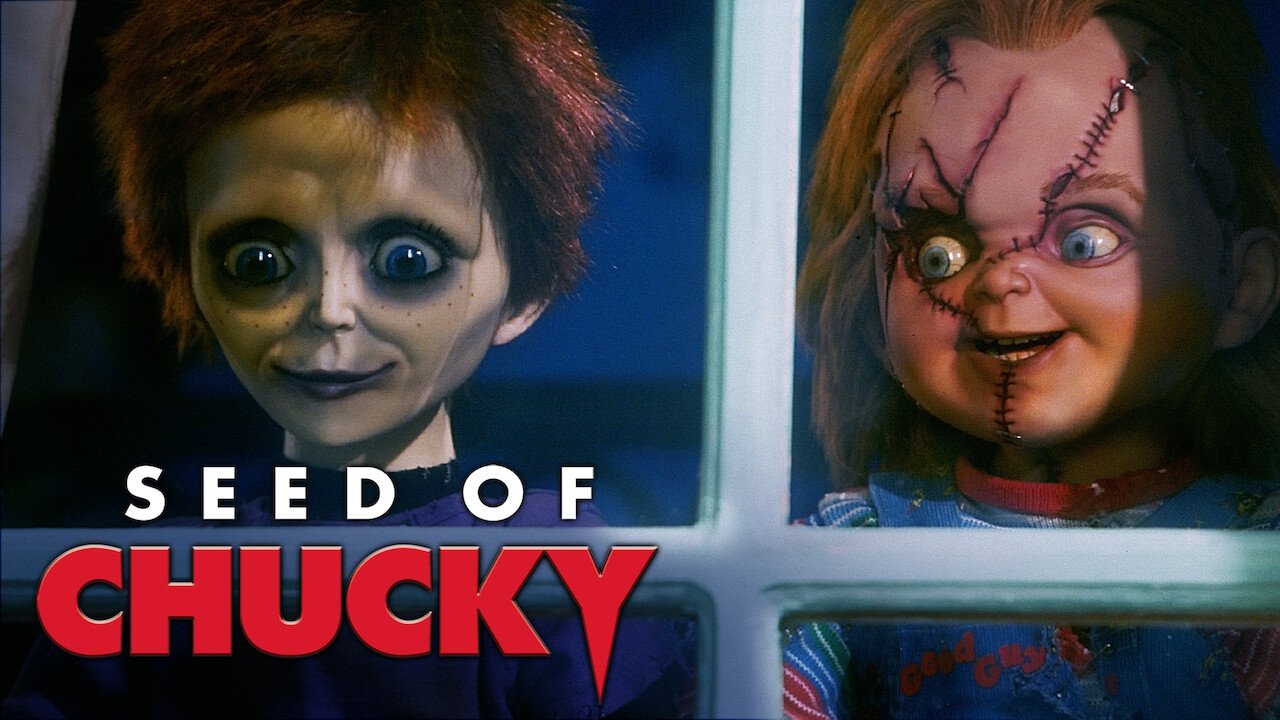
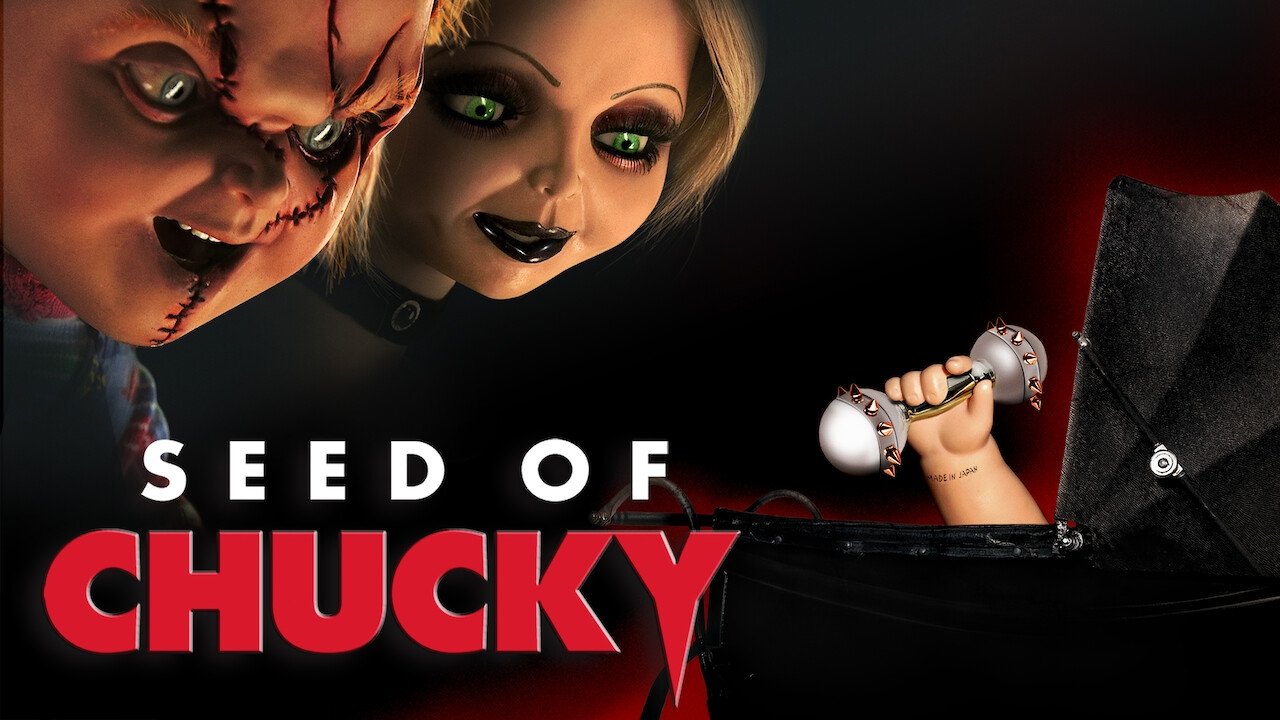
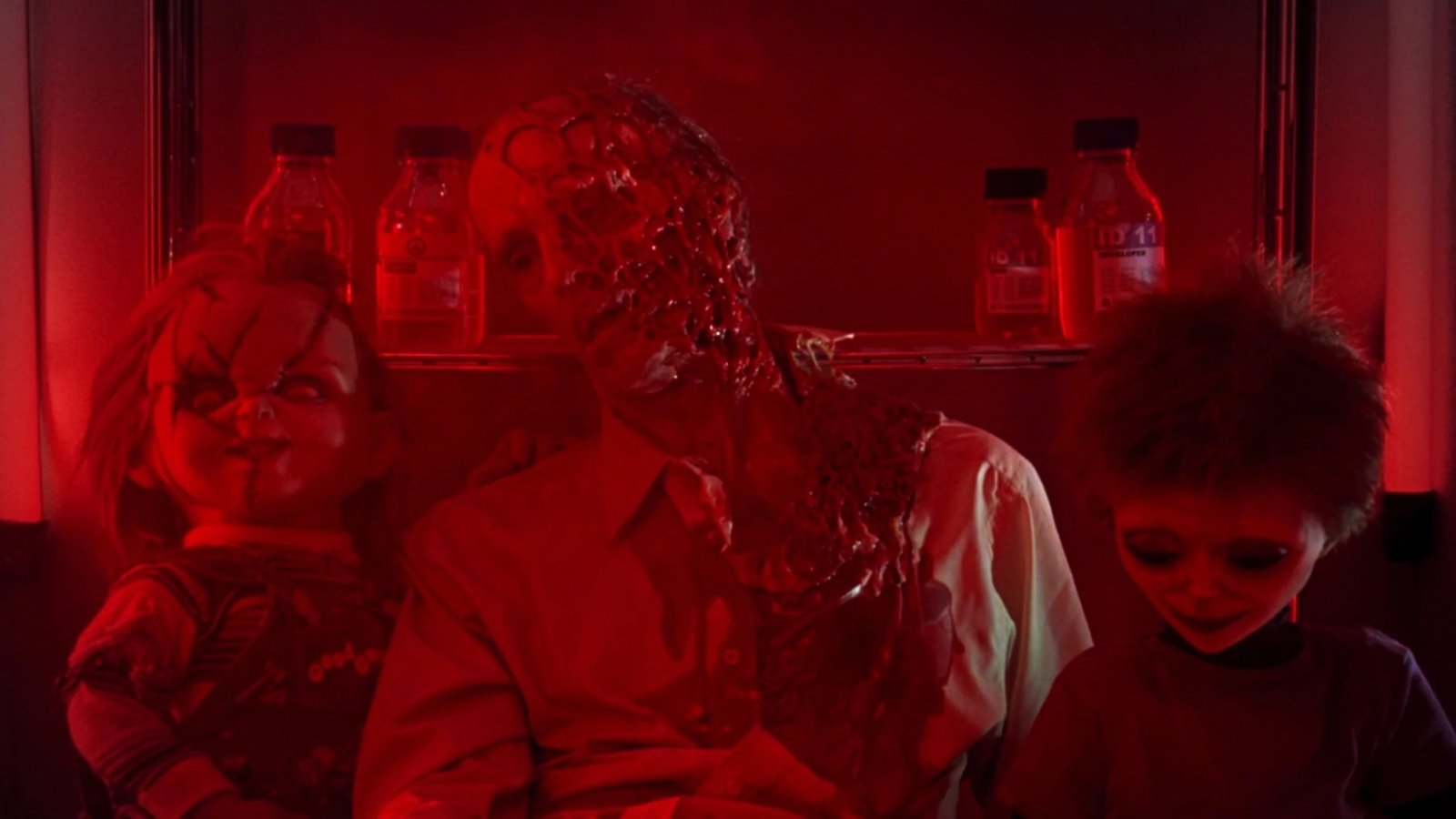
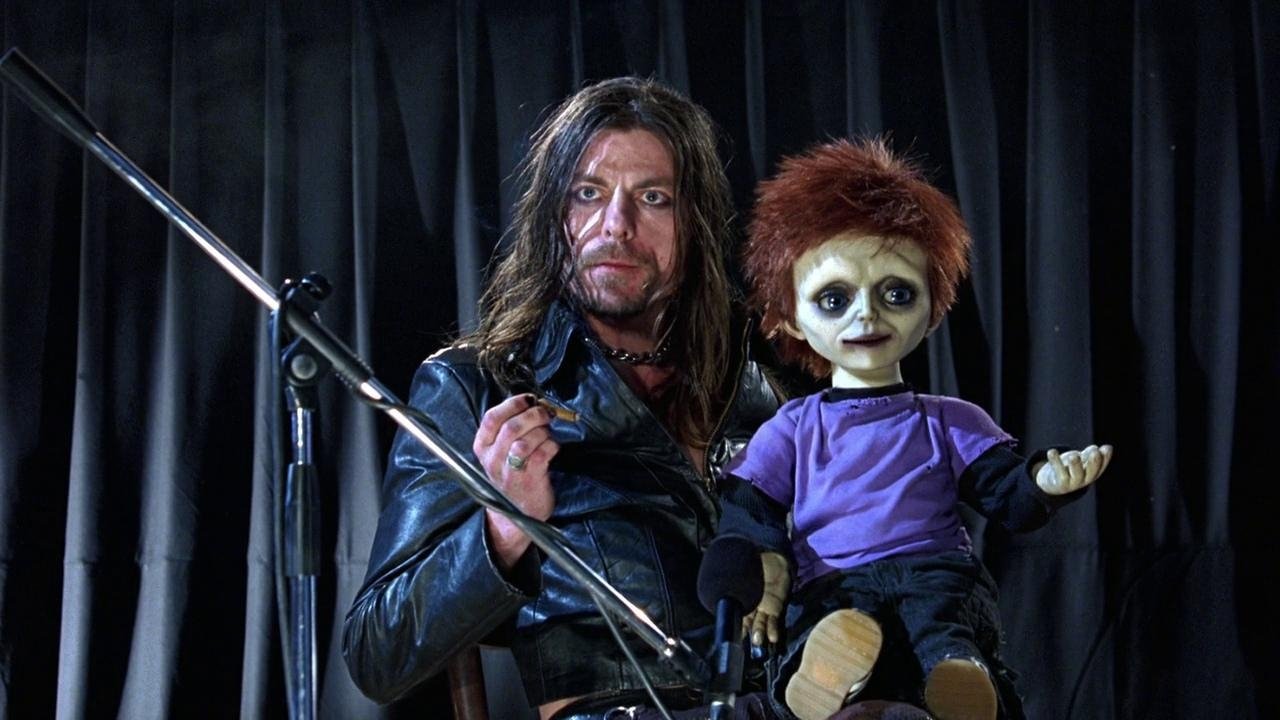
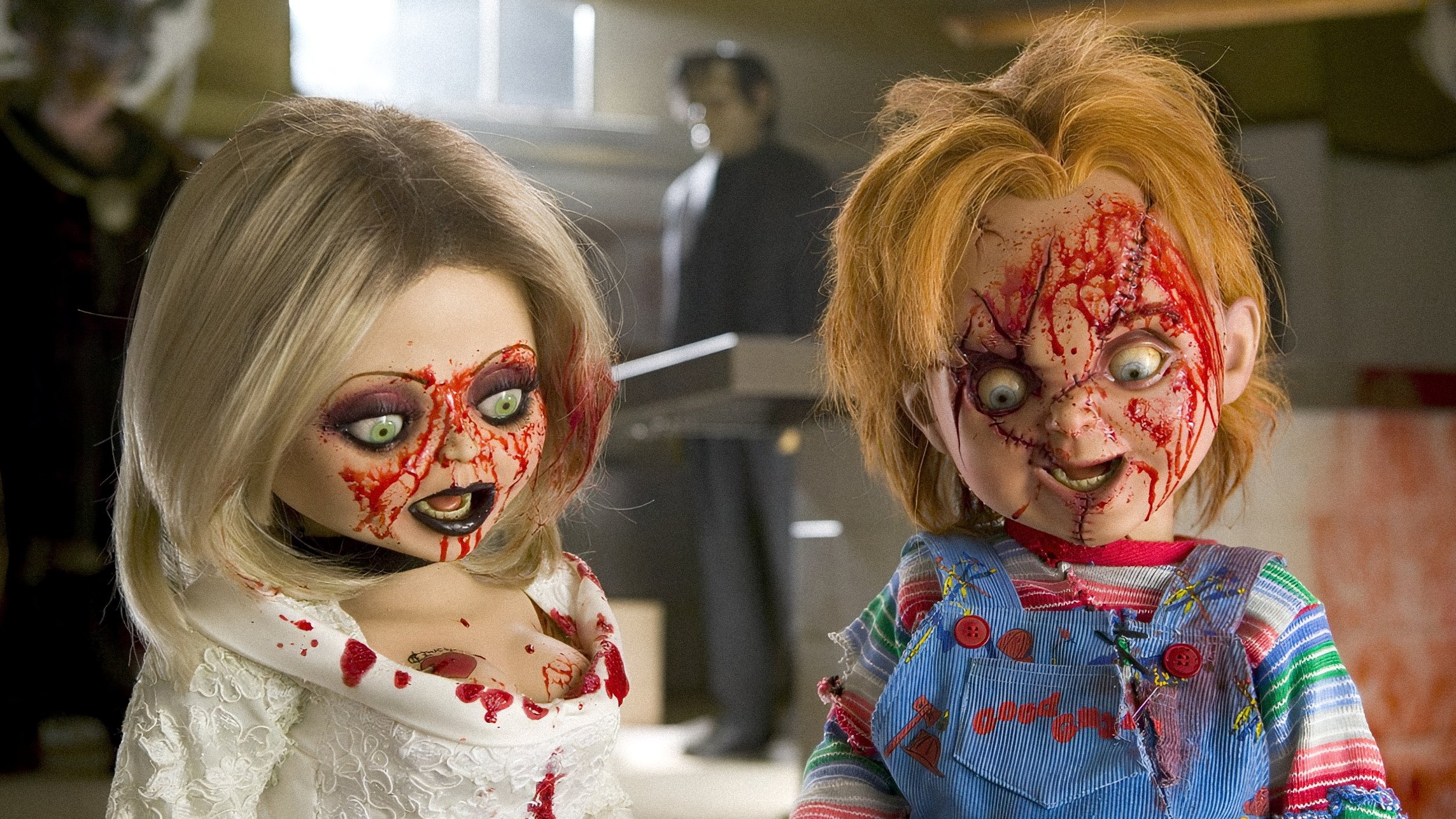
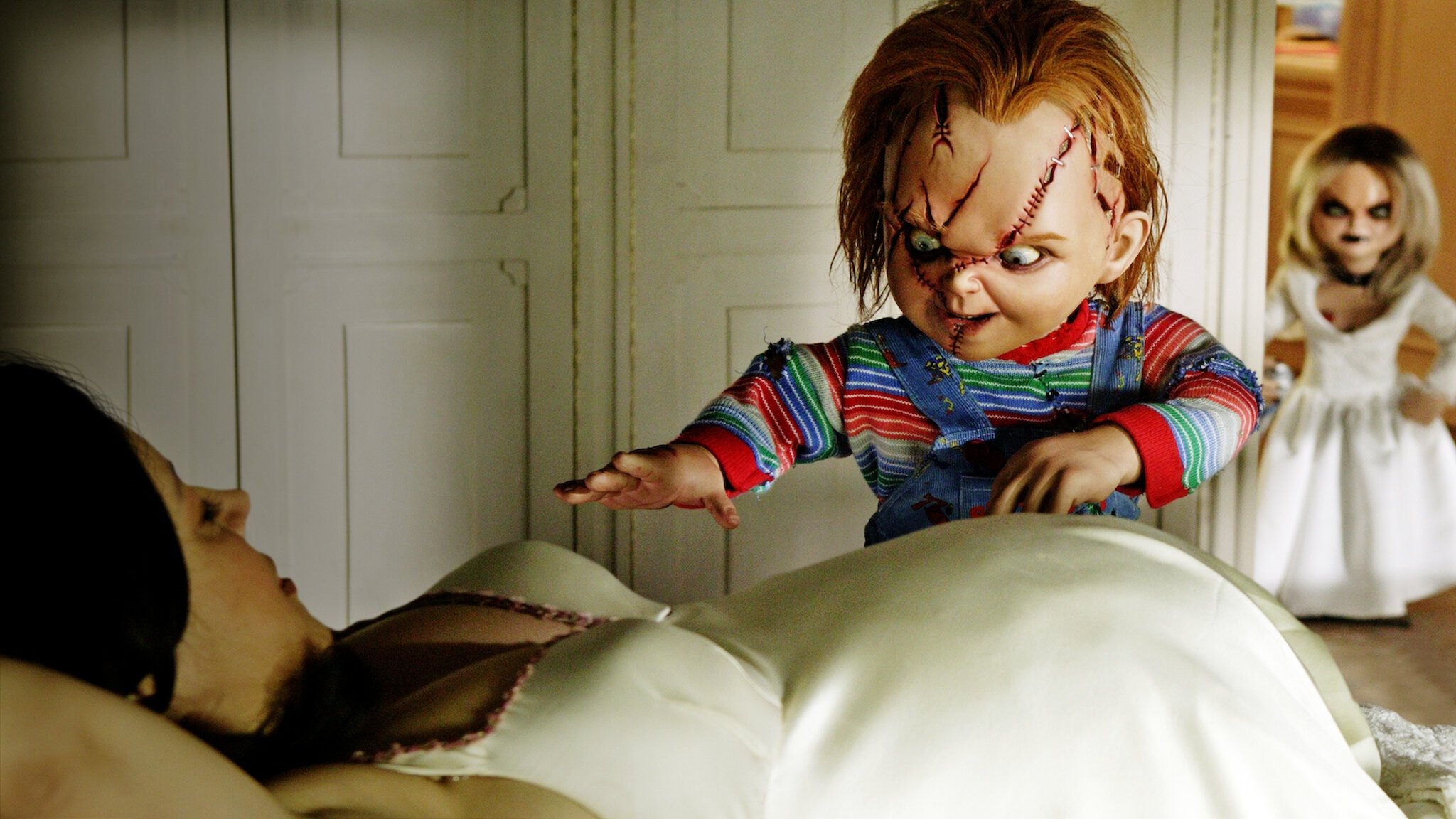
The film introduces the child of Chucky and Tiffany as a gentle, frightened puppet exploited by an English ventriloquist. After seeing a television report about the Hollywood production Chucky Goes Psycho, the child travels to California and uses a voodoo amulet to resurrect the parents. The reunion produces immediate conflict. Chucky wants an offspring who will continue his murderous behaviour, whereas Tiffany imagines a more conventional domestic family. Their child is horrified by killing and struggles to satisfy either parent. The resulting situations reverse the usual relationship between a horror-film monster and the audience, placing sympathy with a character born into a family of murderers.
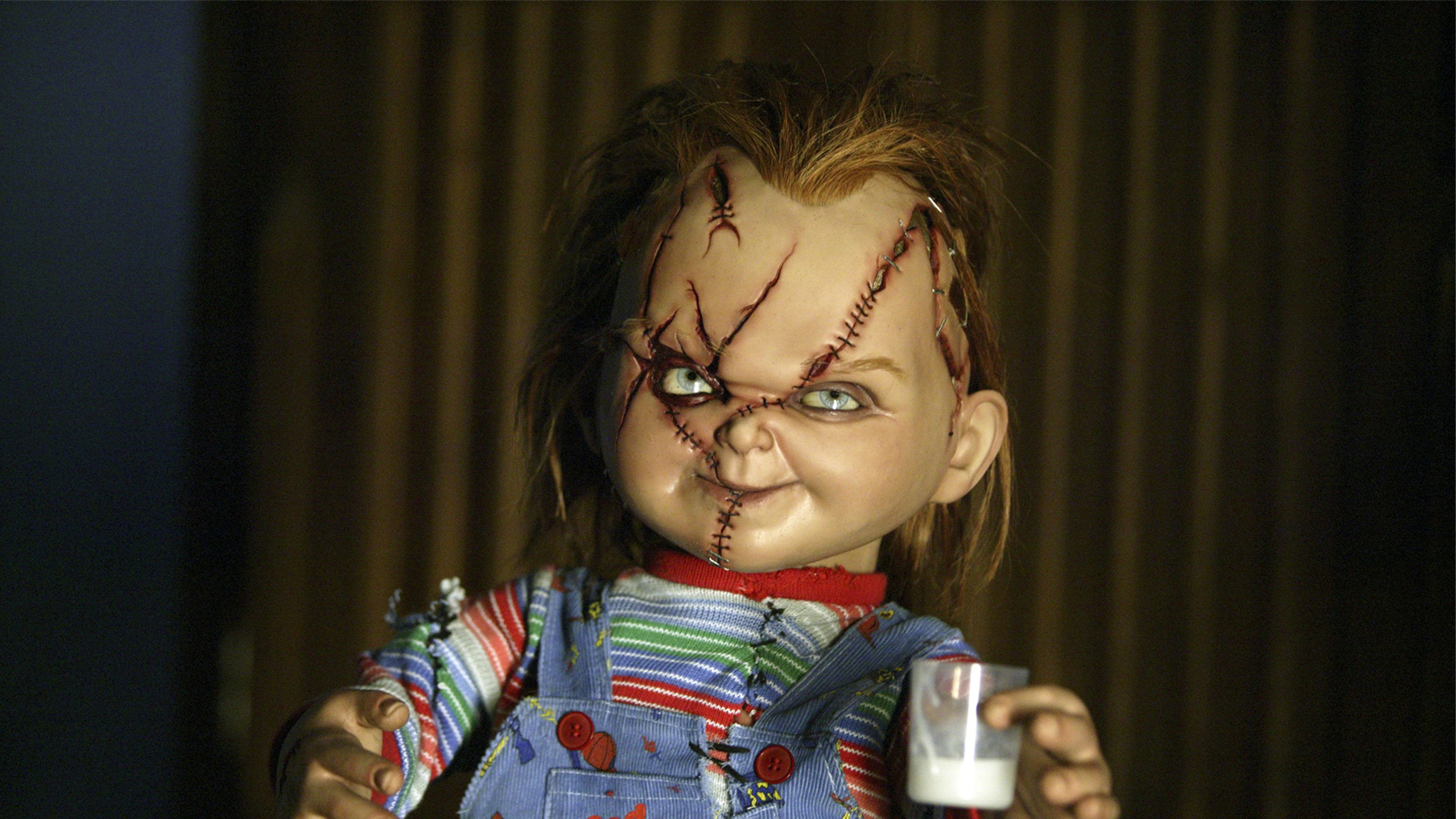
Mancini explicitly conceived the script as a parody of domestic drama. In his contemporary interview, he compared its construction to Ordinary People and Kramer vs. Kramer, transferring familiar arguments about parenting and personal responsibility to three animated dolls. Chucky’s attempts to introduce the child to violence become grotesque versions of a father teaching family traditions. Tiffany’s promises to abandon murder repeatedly conflict with her behaviour. Their disagreements are driven by recognizable family expectations even as the circumstances become increasingly outrageous. Mancini described the child’s innocence as essential to the dramatic contrast between the characters.

The uncertainty surrounding Glen/Glenda’s gender supplies a second source of conflict. Chucky prefers the name Glen, while Tiffany favours Glenda, with their different assumptions imposed upon a child who cannot easily identify with either. The names refer directly to Ed Wood’s Glen or Glenda (1953), a film concerned with gender expression. Billy Boyd’s vocal performance establishes the child’s vulnerability in contrast to the aggressively confident voices of the parents. The eventual separation into two human children extends the film’s unusual treatment of identity through its established mechanism of soul transference. Later critical interpretations have emphasized the character’s significance to queer horror, although those retrospective readings should be distinguished from the terminology and cultural context of the film’s original release.

Hollywood Satire and Horror-Film References

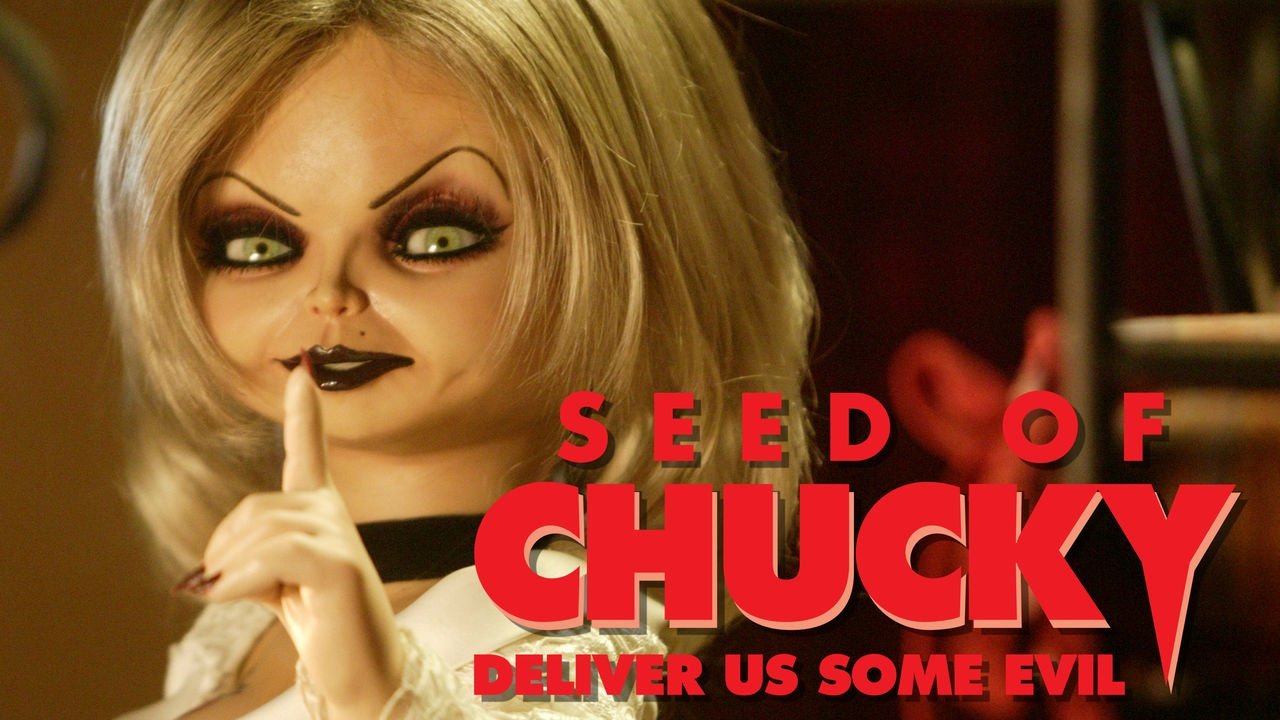
Seed of Chucky uses a fictional film production as the setting for the dolls’ return. The production of Chucky Goes Psycho creates a situation in which the murderous characters encounter artificial versions of themselves. Jennifer Tilly plays an exaggerated version of her public identity while continuing to voice Tiffany, allowing the film to blur the relationship between an actor, a performance and a fictional character. Tiffany becomes fascinated by the possibility of transferring her soul into Tilly’s body. The actress’s ambition to appear in a prestigious religious drama, directed within the story by Redman playing himself, becomes entangled with the dolls’ plans.
The film’s satire extends to the exploitation of celebrity. John Waters appears as Pete Peters, a photographer seeking compromising images of Tilly. His presence also connects the production to a filmmaker whose work frequently combined grotesque humour with attacks on conventional taste. Mancini’s staging of the photographer’s activities deliberately evokes Brian De Palma’s Body Double (1984). The reference was reinforced musically through the participation of composer Pino Donaggio, who had scored that earlier film. These connections were identified by Mancini during production interviews, making them documented creative references rather than similarities inferred solely from the finished images.

The film repeatedly incorporates the machinery of its own genre. Hollywood sets, publicity opportunities, celebrity gossip and staged violence become part of a narrative in which genuine murder can be confused with performance. Tilly’s willingness to satirize her public image gives the human characters a different function from the victims of the earlier films. Their personal ambitions provide opportunities for the dolls’ manipulation, while the film’s more extreme scenes retain the bodily destruction expected from the franchise. This coexistence of grotesque violence and entertainment-industry comedy shaped the divided contemporary reception.

Tony Gardner and the Animatronic Characters

The film required three independently expressive doll characters, substantially increasing the technical demands of scenes involving dialogue and physical interaction. Tony Gardner and his company Alterian were responsible for the animatronic work. Gardner had previously helped producer David Kirschner prepare a display of Chucky carrying Tiffany for the presentation of Bride of Chucky, but Seed became his first feature assignment constructing the franchise’s principal moving characters. In a 2017 interview preserved by Alterian, he recalled receiving the commission approximately three months before the puppets were scheduled for shipment to Romania. The deadline required the team to complete three characters capable of speaking, fighting and manipulating objects.

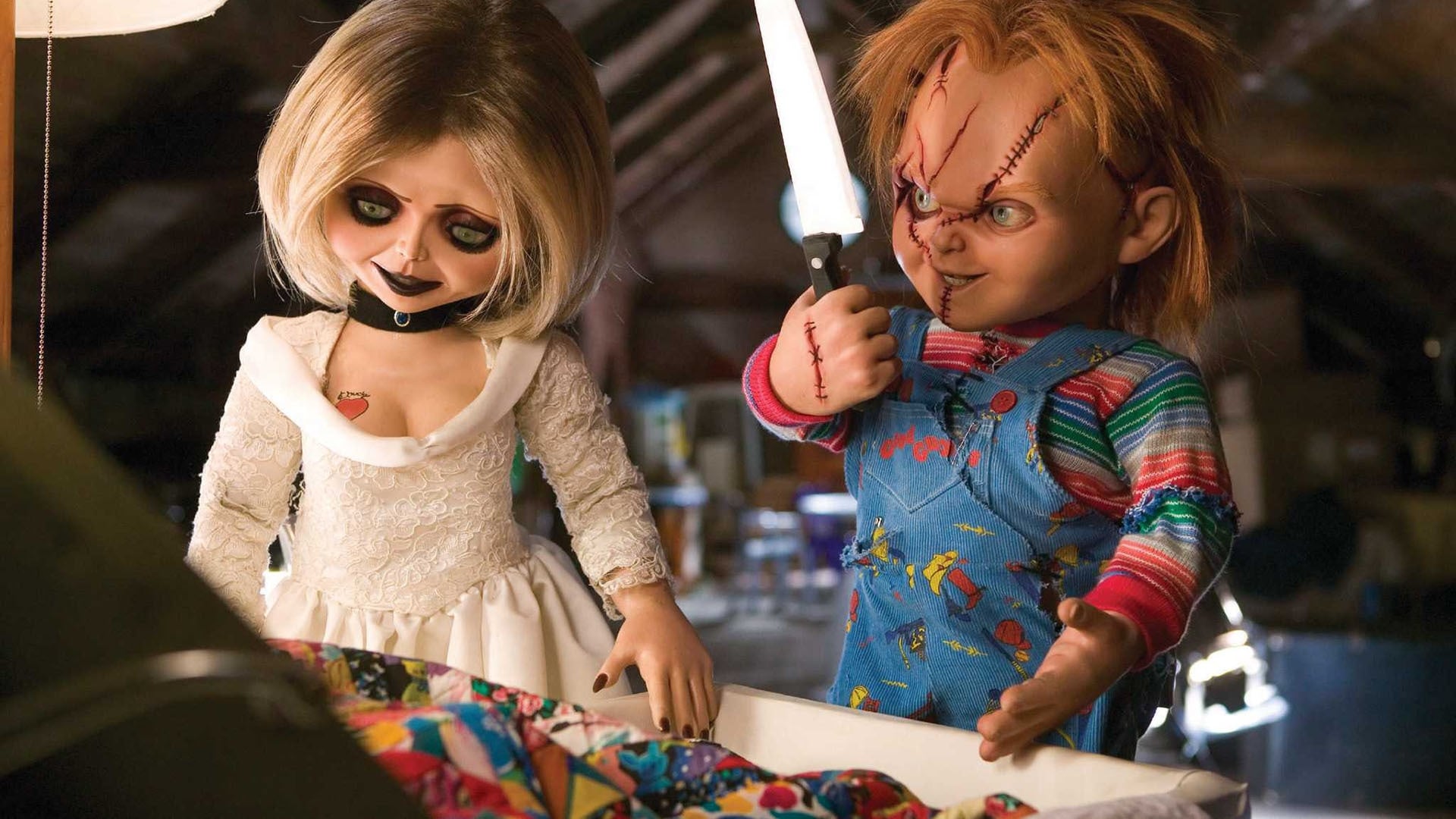
The crew reconstructed the existing characters from photographic references because the earlier physical puppets were not available for direct copying. Gardner recalled making small adjustments to the established designs to reflect their appearance within the fictional Hollywood production. The animatronic performances were achieved largely through mechanisms operated beneath the sets. Puppeteers watched monitors while controlling the figures above them, an arrangement that influenced camera placement and the construction of the shooting environments. Gardner later described this approach as restrictive because shots had to conceal the physical relationship between the operators and the dolls. Some rod-operated work was used, but the principal performances relied on the practical systems.

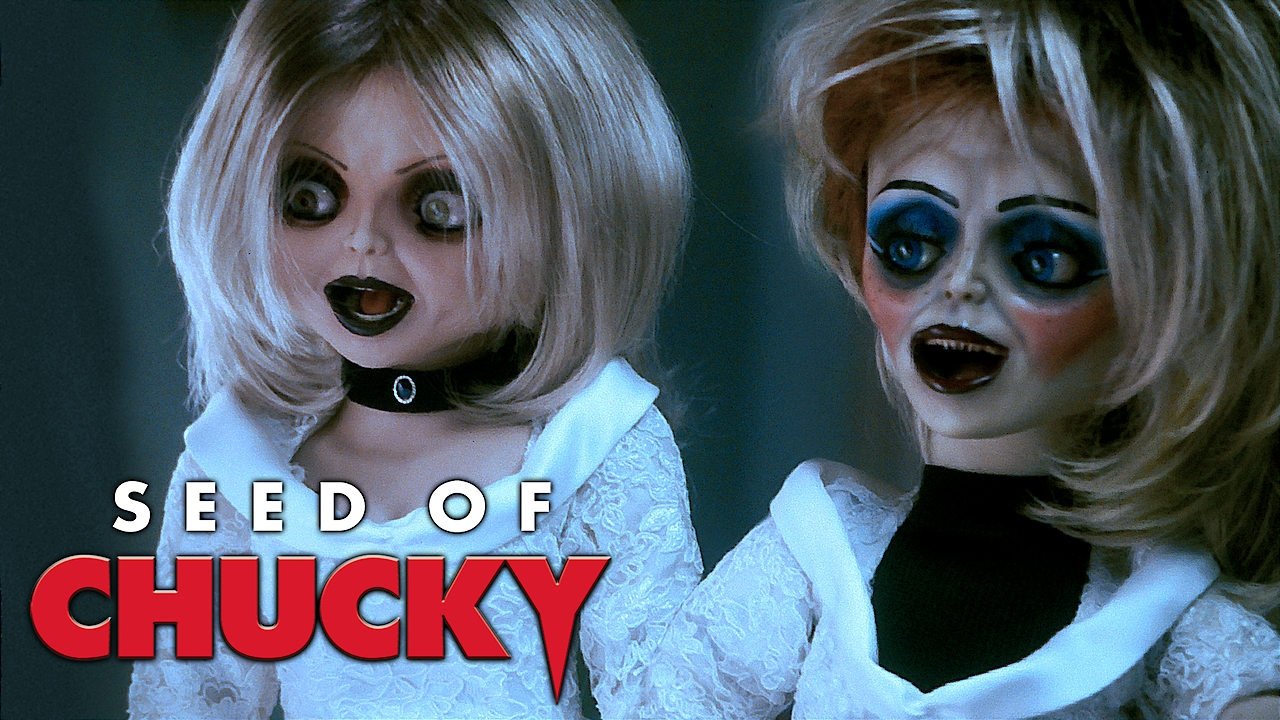
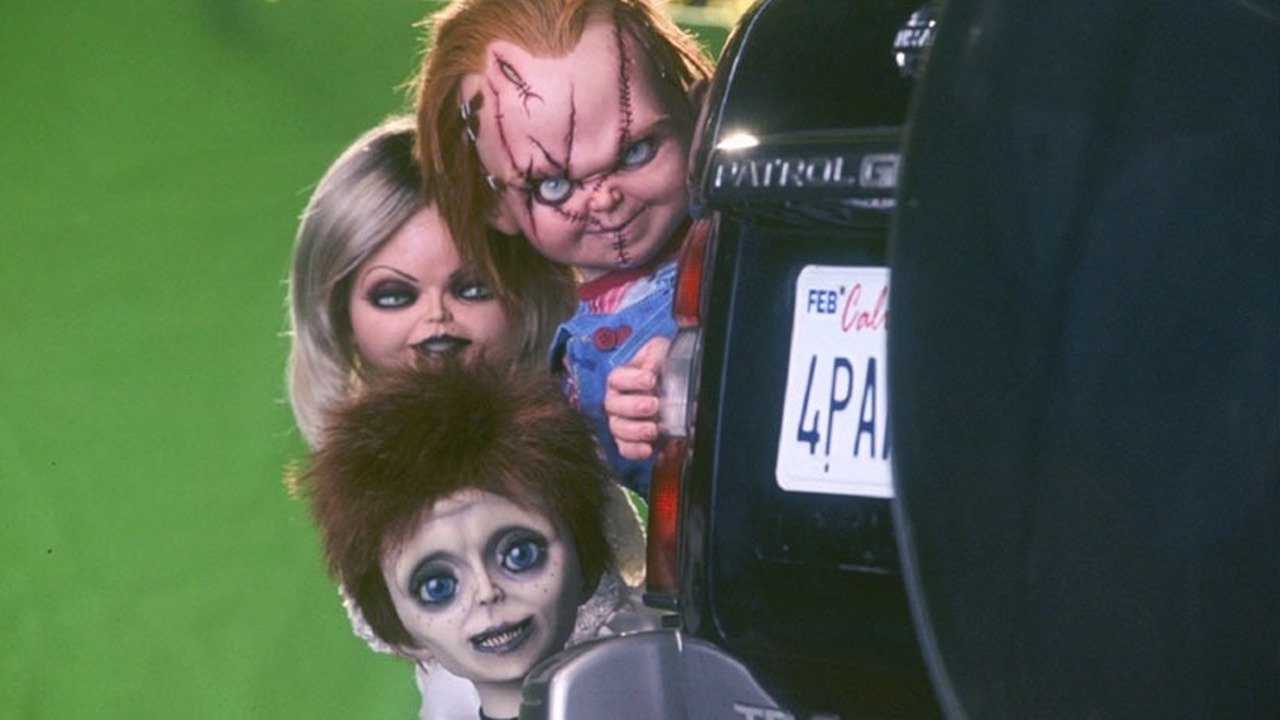
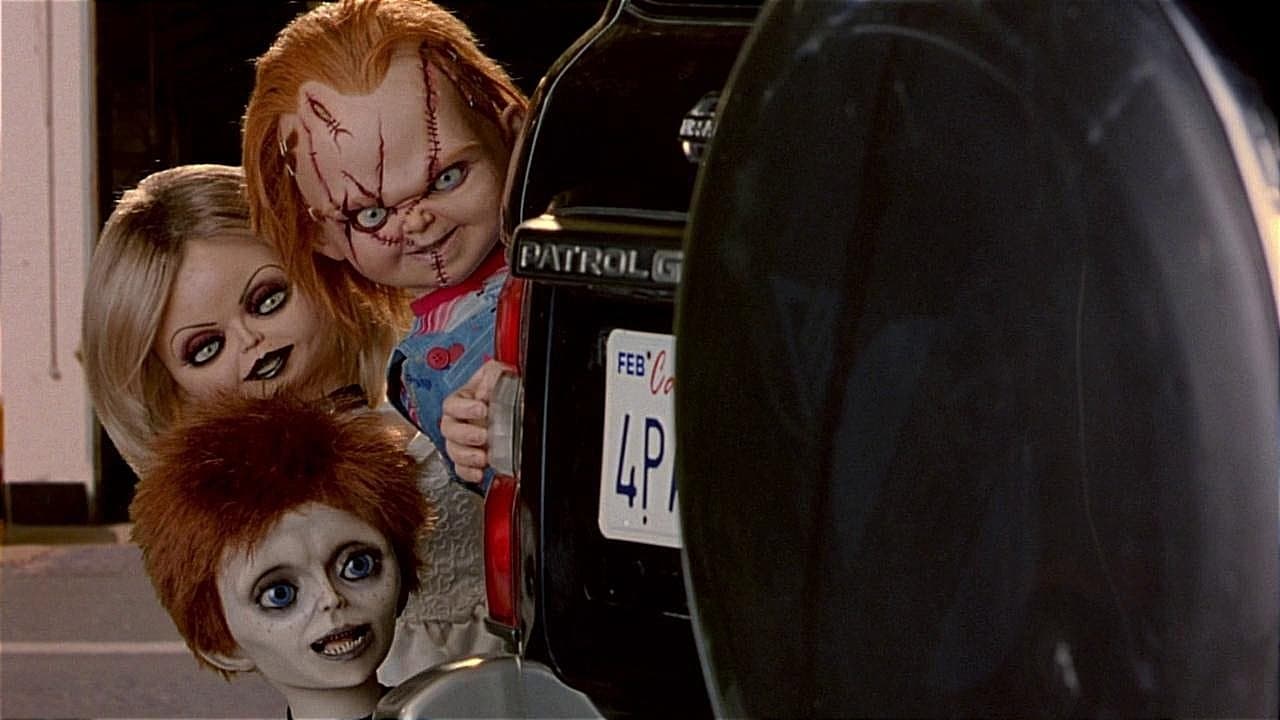
The addition of Glen/Glenda created an important visual contrast with the scarred appearance of Chucky and the carefully styled Tiffany. The child’s large eyes and comparatively delicate features helped communicate uncertainty and fear. Several scenes required the puppets to respond to one another within the same composition, making mechanical coordination part of the actors’ performances. Gardner’s work allowed the film to sustain conversations among three supernatural characters without reducing their interactions to disconnected close-ups. Digital visual-effects work also supported the production, including the transformation of Romanian locations into convincing American environments. The distinction between physical puppet performance and digital environmental alteration is central to understanding the completed imagery.

Pino Donaggio and the Musical Design

Pino Donaggio composed the original score, fulfilling a long-standing ambition of Mancini, who admired the composer’s work with Brian De Palma. Jennifer Tilly recalled that Mancini travelled to Venice to persuade Donaggio to participate. The director subsequently explained that he had used music from The Howling (1981) as a temporary reference during editing. Donaggio recorded the score with the London Symphony Orchestra, providing an orchestral accompaniment to scenes that frequently combine horror imagery with overt comedy. The collaboration gave Mancini an opportunity to use musical references as part of the film’s established dialogue with earlier genre cinema.

One particularly deliberate reference occurs during Pete Peters’s surveillance of Tilly. Mancini asked Donaggio to revisit aspects of his music for Body Double, reshaping the earlier material to accompany a parody of that film’s voyeuristic situation. The director also described commissioning extensive music for the production before removing several cues during the final sound mix. In one scene involving Chucky’s pursuit of Tilly, he found that the absence of dramatic scoring made the action more comically effective. These decisions demonstrate how the musical arrangement could alter the balance between suspense and parody within an individual scene. The soundtrack was subsequently issued independently, preserving material from a score whose complete recording did not appear in the final theatrical mix.

Theatrical Release, Reception, and Later History

Rogue Pictures released Seed of Chucky in American cinemas on November 12, 2004, with an R classification for strong horror violence and gore, sexual content and language. The theatrical version runs approximately 87 minutes. Its opening weekend generated about $8.8 million in North America, with the domestic theatrical total eventually reaching approximately $17.1 million. International releases increased the reported worldwide gross to roughly $24.8 million. These figures represent theatrical receipts rather than the financial return retained by the production companies. The film subsequently circulated through DVD editions that included commentaries, behind-the-scenes material and additional scenes.

The original reception reflected disagreement over the film’s deliberate movement toward satire. In his November 13 review for the Los Angeles Times, Kevin Thomas strongly criticized the execution, regarding the emphasis on grotesque jokes as insufficient compensation for the thin dramatic material. He acknowledged the appearances of John Waters and Redman but considered the sequel exhausted as a continuation of the series. Jeremiah Kipp took a more sympathetic position in Slant Magazine three days later. Although he also criticized the film’s crude humour and uneven construction, he welcomed its willingness to centre the monstrous family and abandon the conventions of the earlier slasher instalments. Their reviews document differing contemporary evaluations of the same creative departure.

The home-video release preserved further evidence of the film’s production. Tilly described commentary sessions involving Mancini and Gardner, supplementary material concerning the animatronics, and an extended version of a sexually explicit comic scene. These materials show that the theatrical version was accompanied by additional filmed content, without establishing a fundamentally different narrative cut. The next feature, Curse of Chucky (2013), adopted a more restrained horror approach after the increasingly comic direction of Bride and Seed. The characters introduced in Seed nevertheless remained part of the continuing fictional world, with Glen and Glenda returning in the Chucky television series. The film’s particular importance within the franchise rests on Mancini’s directorial debut, its expansion of practical doll performances, and its unusually explicit treatment of family identity within a mainstream horror sequel.

References

  1. Dread CentralMancini, Don (Seed of Chucky)

    Ryan Rotten’s November 2004 interview with Don Mancini documenting the delayed development, his directorial debut, the family-drama concept, studio objections and collaboration with Pino Donaggio.

  2. Alterian Inc.Interview: Tony Gardner (Cult of Chucky, Hocus Pocus)

    A direct interview with Tony Gardner describing the three-month animatronic construction schedule, Romanian production, practical puppetry and limitations of below-floor operation.

  3. Slant MagazineReview: Seed of Chucky

    Jeremiah Kipp’s November 16, 2004 review discussing the family-centred horror comedy, Hollywood satire, Glen/Glenda and the film’s provocative tonal departure.

  4. Los Angeles TimesA Very Bad Seed Indeed

    Kevin Thomas’s November 13, 2004 contemporary review providing a contrasting critical response to the violence, celebrity satire, performances and screenplay.

Connections

Cast

View Full Cast & Crew →

Release & Distribution

Production Companies (2)

  • David Kirschner Productions US
  • La Sienega Productions US

Distributors (1)

  • Rogue US

Release History (19)

Release DateTerritoryRelease TypeFormatDistributorCertificationNotes
2004-11-10 United States Premiere — — — Los Angeles, California
2004-11-12 Canada Theatrical — — —
2004-11-12 United States Theatrical — — R
2004-12-02 Netherlands Theatrical — — 16
2004-12-10 Spain Theatrical — — 18
2005-01-14 Brazil Theatrical — — 16
2005-03-02 France Theatrical — — 12
2005-05-13 Australia Theatrical — — MA 15+
2005-05-13 United Kingdom Theatrical — — 15
2005-05-13 Ireland Theatrical — — 18
2005-05-26 Germany Theatrical — — 16
2005-05-26 Kazakhstan Theatrical — — —
2005-06-20 Poland Digital — — 16
2005-06-30 Slovenia Theatrical — — —
2005-07-11 Czechia Physical DVD — 18 DVD
2005-08-13 Japan Digital — — R18+
2006-12-12 Netherlands Physical DVD — 16 DVD
2007-06-29 Netherlands TV — — 16 RTL 7
2026-08-01 United States Digital — — — in Netflix
Fear the second coming.