Babelsberg Studio
, Davis Entertainment
, Stillking Films
, Lonlink Productions
, Kut Productions
, Inside Track 2
, 20th Century Studios
, Brandywine Productions
Plot
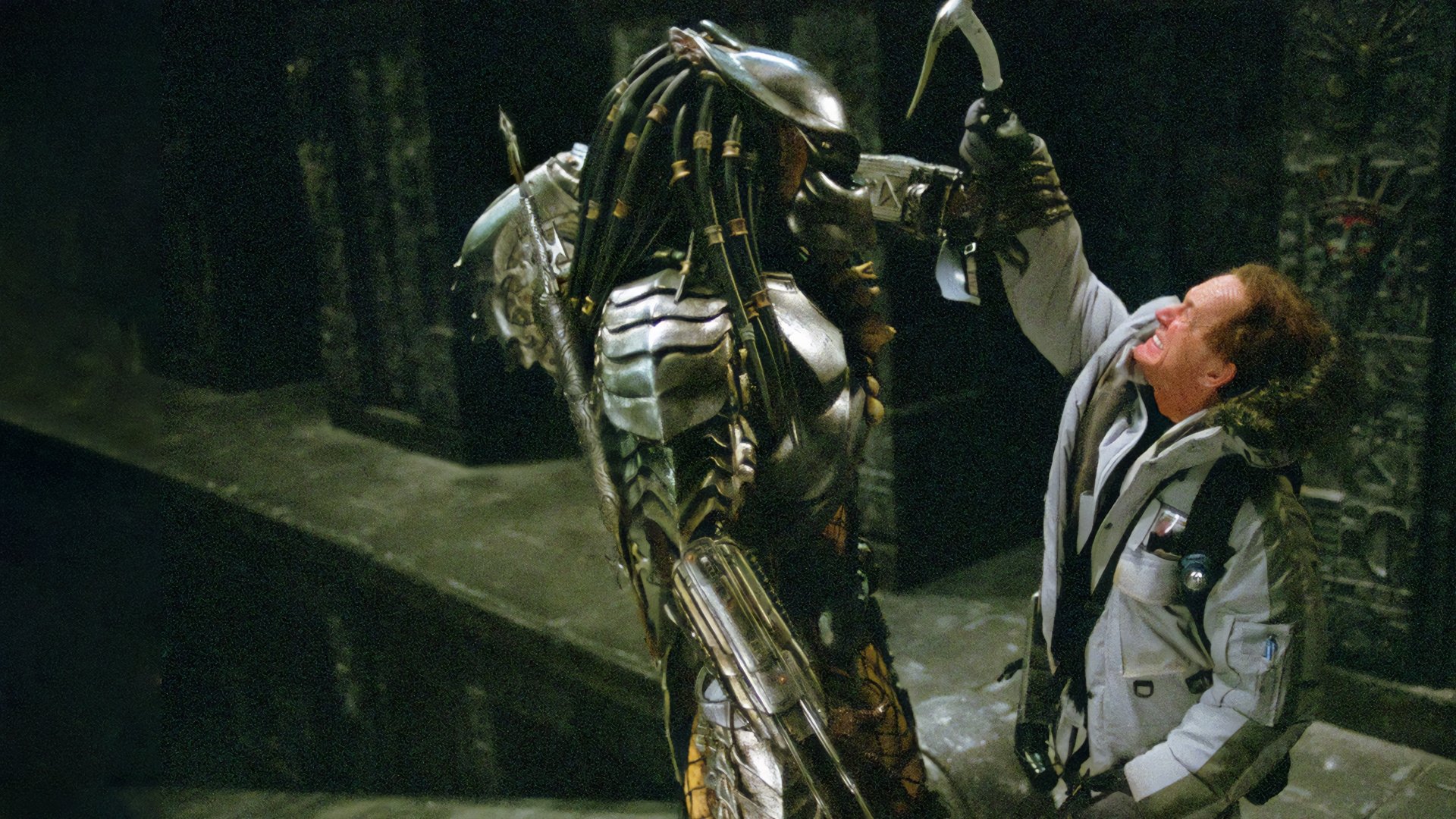
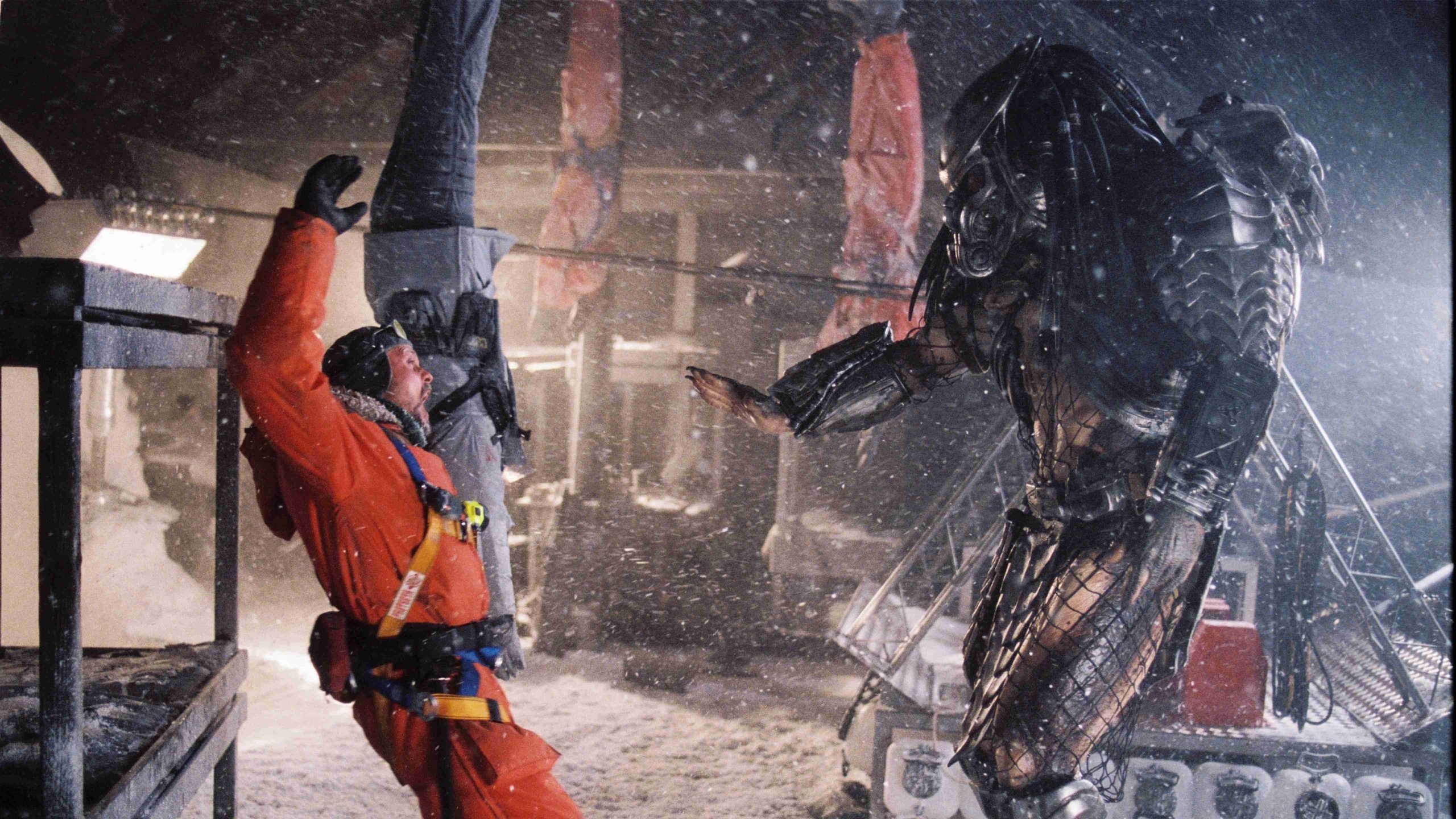
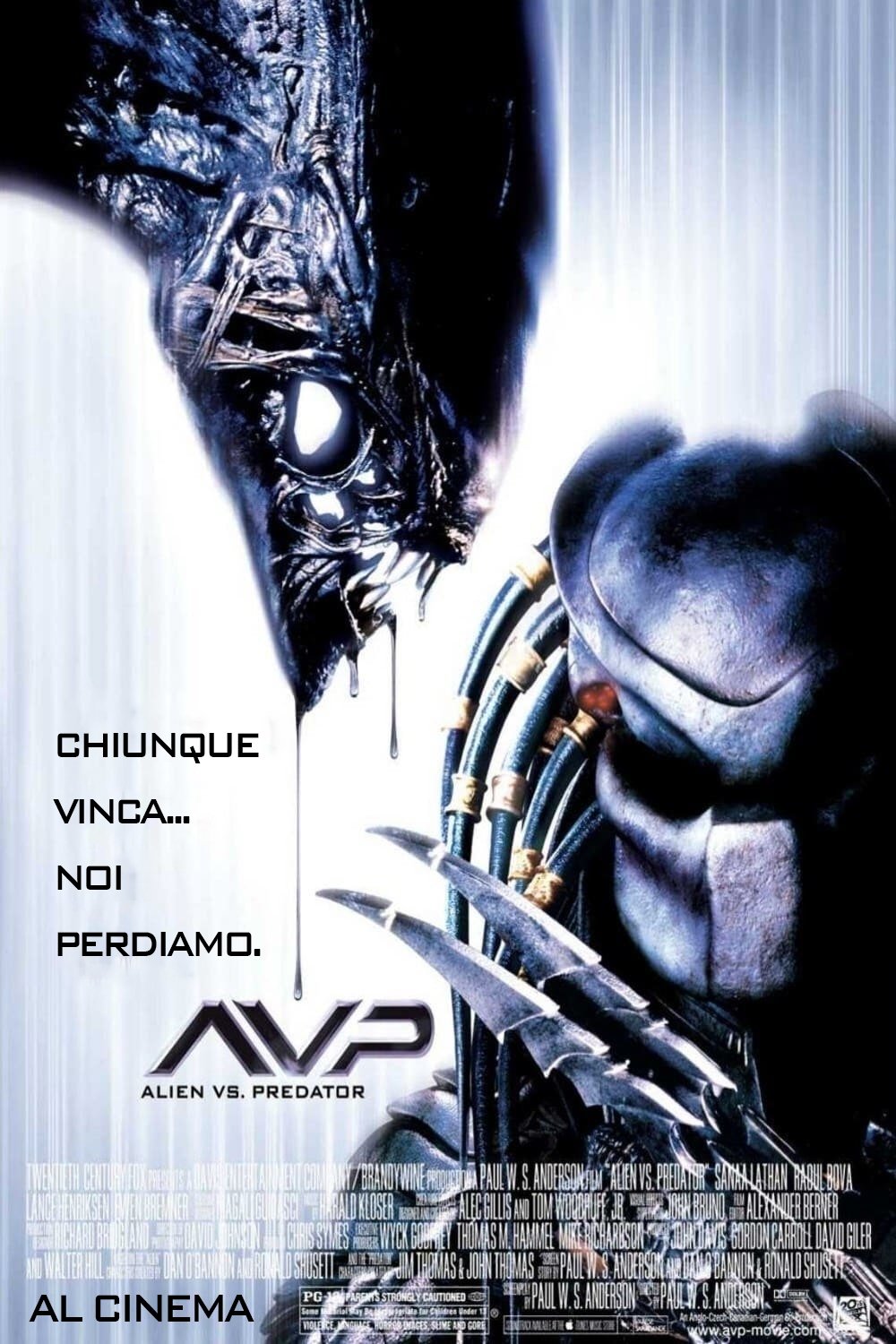
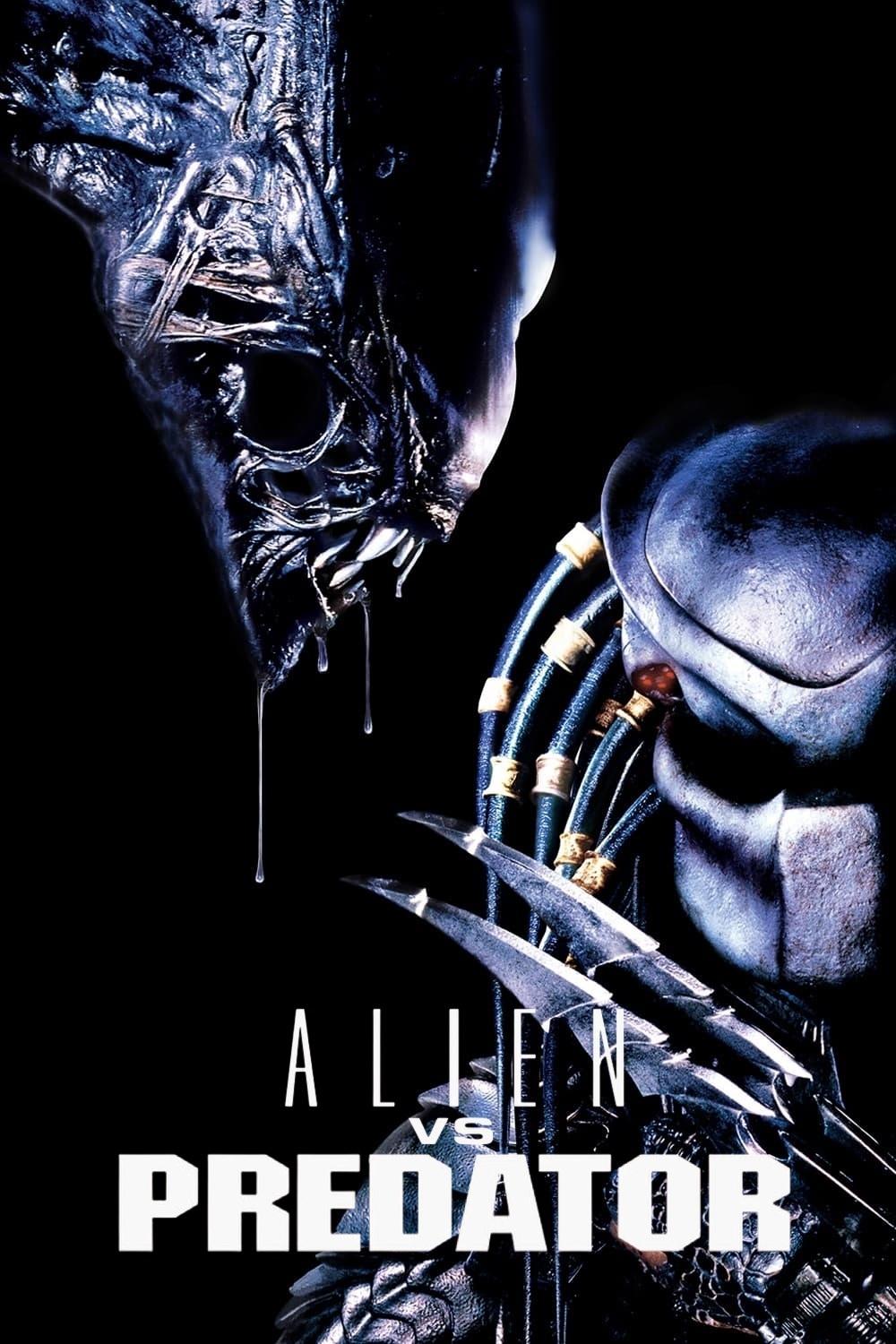
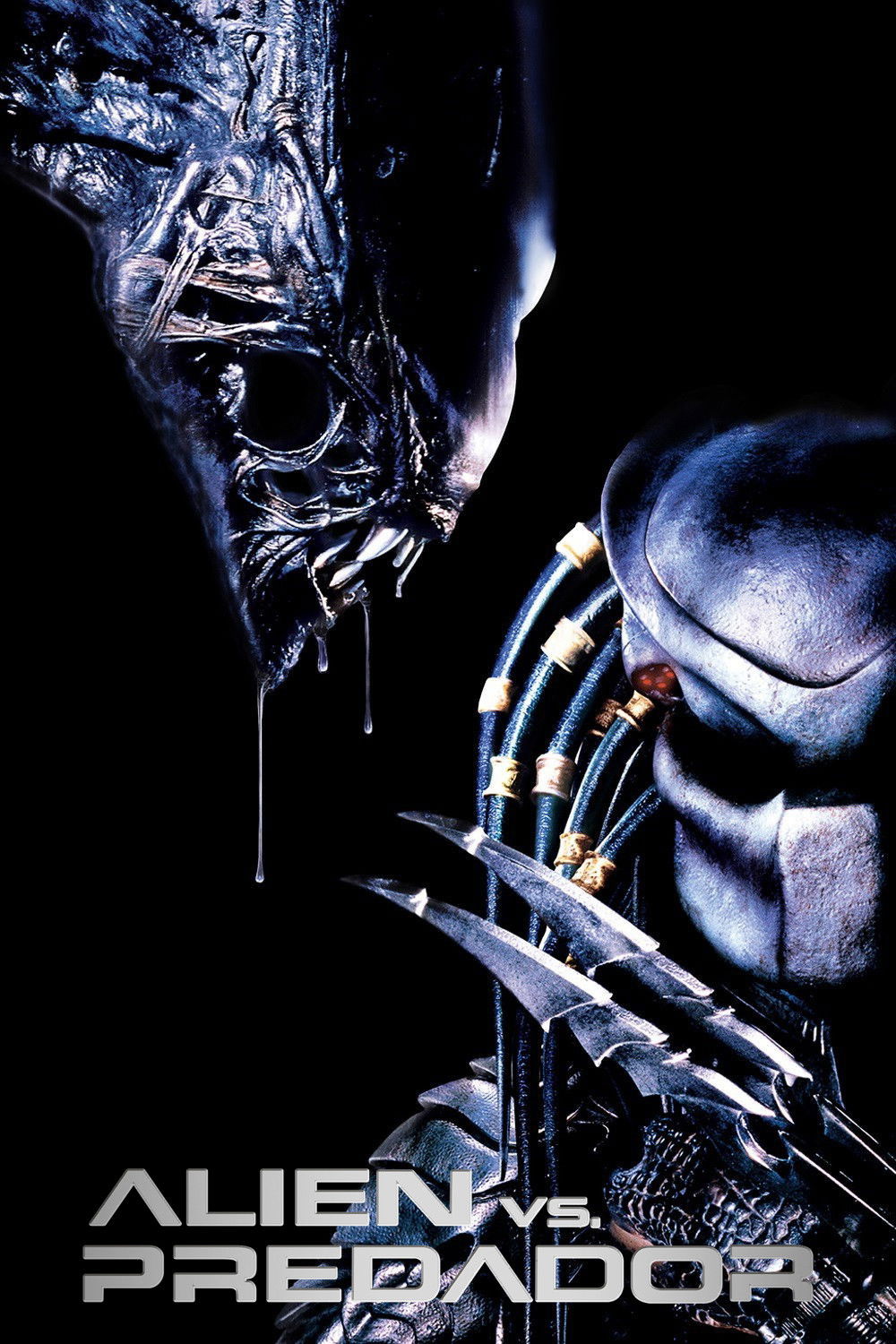
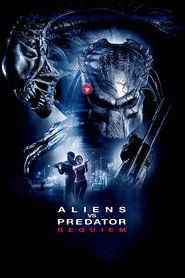
An unusual heat signal beneath Antarctica leads industrialist Charles Bishop Weyland to finance an expedition to an ancient pyramid buried below the ice. Archaeologist and guide Alexa Woods accompanies scientists and specialists who discover that the structure contains mechanisms linked to two extraterrestrial species. As the team explores the chambers, a group of Predators arrives for a ritual hunt and alien eggs begin to hatch. The humans become trapped between the hunters and the rapidly multiplying creatures, with the pyramid's shifting passages closing off possible exits. Alexa must find a way to survive a conflict that began long before the expedition reached the site.
Alternative Titles
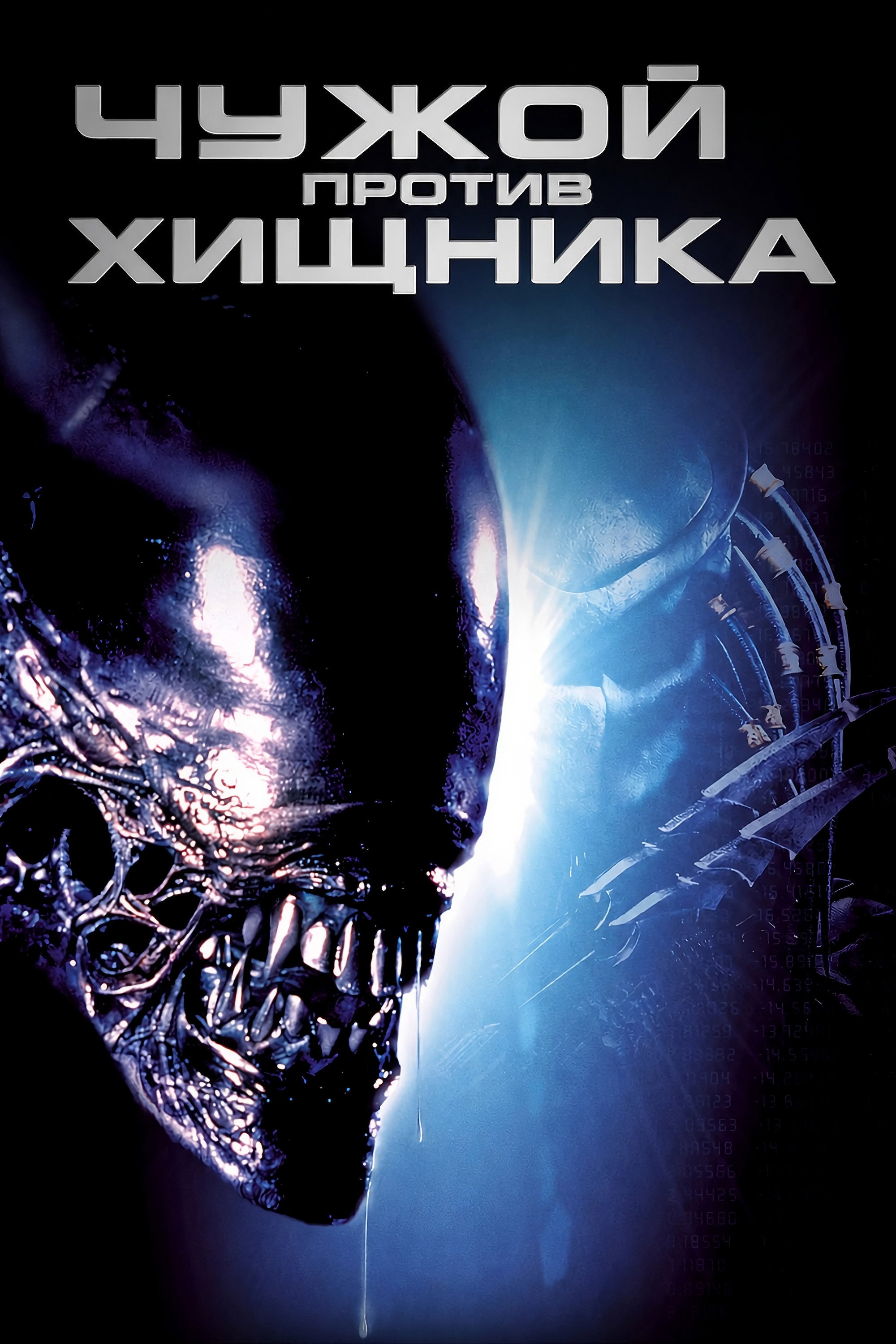
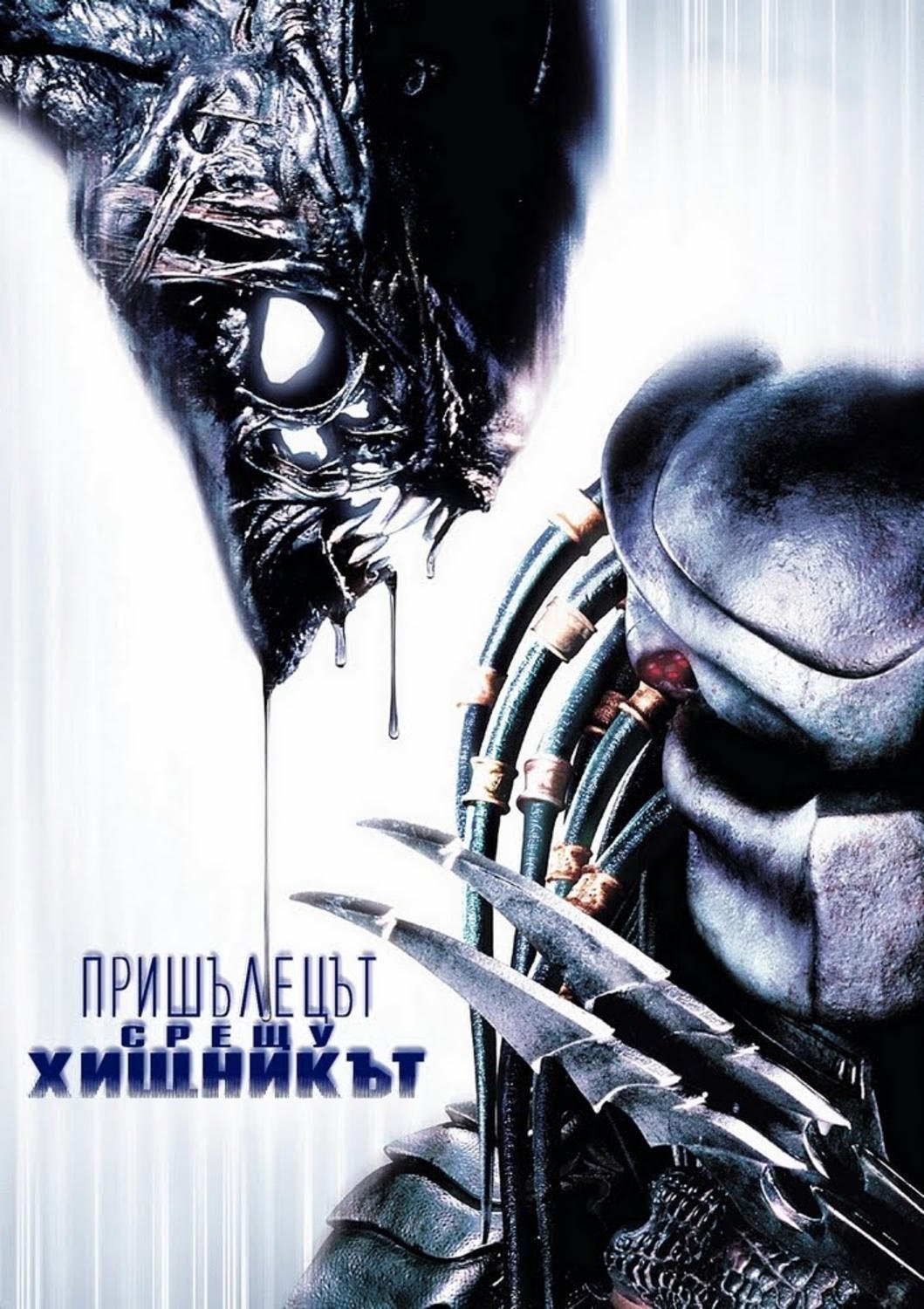
إيه في بي: الفضائي ضد المفترس (United Arab Emirates) — ArabicAlien vs. depredador (Argentina) Alien vs. Predator (Austria) — GermanPrishŭletsŭt sreshtu khishtnikŭt (Bulgaria) Пришълецът срещу хищника (Bulgaria) — BulgarianAlien vs. Predador (Brazil) Alien vs. Prédateur (Canada) — French异兽战 (China) Show all 58 alternative titles异形大战铁血战士 (China) — Chinese异形战场 (China) Vetřelci vs. Predátor (Czechia) — Disney+Vetřelec vs. Predátor (Czechia) — CzechAlien vs. Predator (Germany) — GermanAlien vs. Predator (Denmark) — DanishTulnukas Kiskja vastu: Viimane kokkupõrge (Estonia) — EstonianAlien contra predator (Spain) — SpanishAlien versus Predator (Spain) — CatalanAlien vs. Predator (Finland) — FinnishAlien vs. Predator (France) — Frenchუცხო მტაცებლის წინააღმდეგ (Georgia) — GeorgianÁlien Enantíon Kynigoú (Greece) Άλιεν Εναντίον Κυνηγού (Greece) — Greek異獸戰 (Hong Kong SAR China) Alien protiv Predatora (Croatia) — CroatianAlien vs Predator - A Halál a Ragadozó ellen (Hungary) Alien vs. Predator - A Halál a Ragadozó ellen (Hungary) — Hungarianהטורף נגד הנוסע השמיני (Israel) הנוסע השמיני נגד הטורף (Israel) — HebrewBigane Alayhe Predator (Iran) بیگانه علیه غارتگر ۱ (Iran) — PersianAlien vs. Predator (Italy) — Italianエイリアン VS. プレデター (Japan) — Japanese에이리언 VS 프레데터 (South Korea) 에이리언 vs. 프레데터 (South Korea) Svetimas prieš Grobuonį (Lithuania) — LithuanianSvešais pret plēsoņu (Latvia) — LatvianAlien vs Depredador (Mexico) Alien vs. Depredador (Mexico) — SpanishAlien vs. Predator (Norway) — NorwegianObcy kontra Predator (Poland) — PolishAlien vs. Predador (Portugal) — PortugueseExtraterestru contra prădător (Romania) — RomanianTudin protiv predatora (Serbia) Туђин против предатора (Serbia) — SerbianChuzhoy protiv Khishchnika (Russia) Чужой против Хищника (Russia) — Russianإيه في بي: الفضائي ضد المفترس (Saudi Arabia) — ArabicAlien vs. Predator (Sweden) — SwedishVotrelec vs. Predátor (Slovakia) — Slovakเอเลียน ปะทะ พรีเดเตอร์ สงครามชิงเจ้ามฤตยู (Thailand) — ThaiAlien Predator'a Karşı (Türkiye) — Turkish異形戰場 (Taiwan) Chuzhyy proty Khyzhaka (Ukraine) Чужий проти Хижака (Ukraine) — UkrainianAlien vs Predator (United States) AVP 1։ Alien vs. Predator (United States) — Series TitleBegona Yirtqichga qarshi (Uzbekistan) — UzbekCuộc Chiến Dưới Tháp Cổ (Vietnam)
Paul W. S. Anderson stages a hunt beneath Antarctic ice, combining comic-book crossover mythology, practical creature effects and a PG-13 franchise showdown.
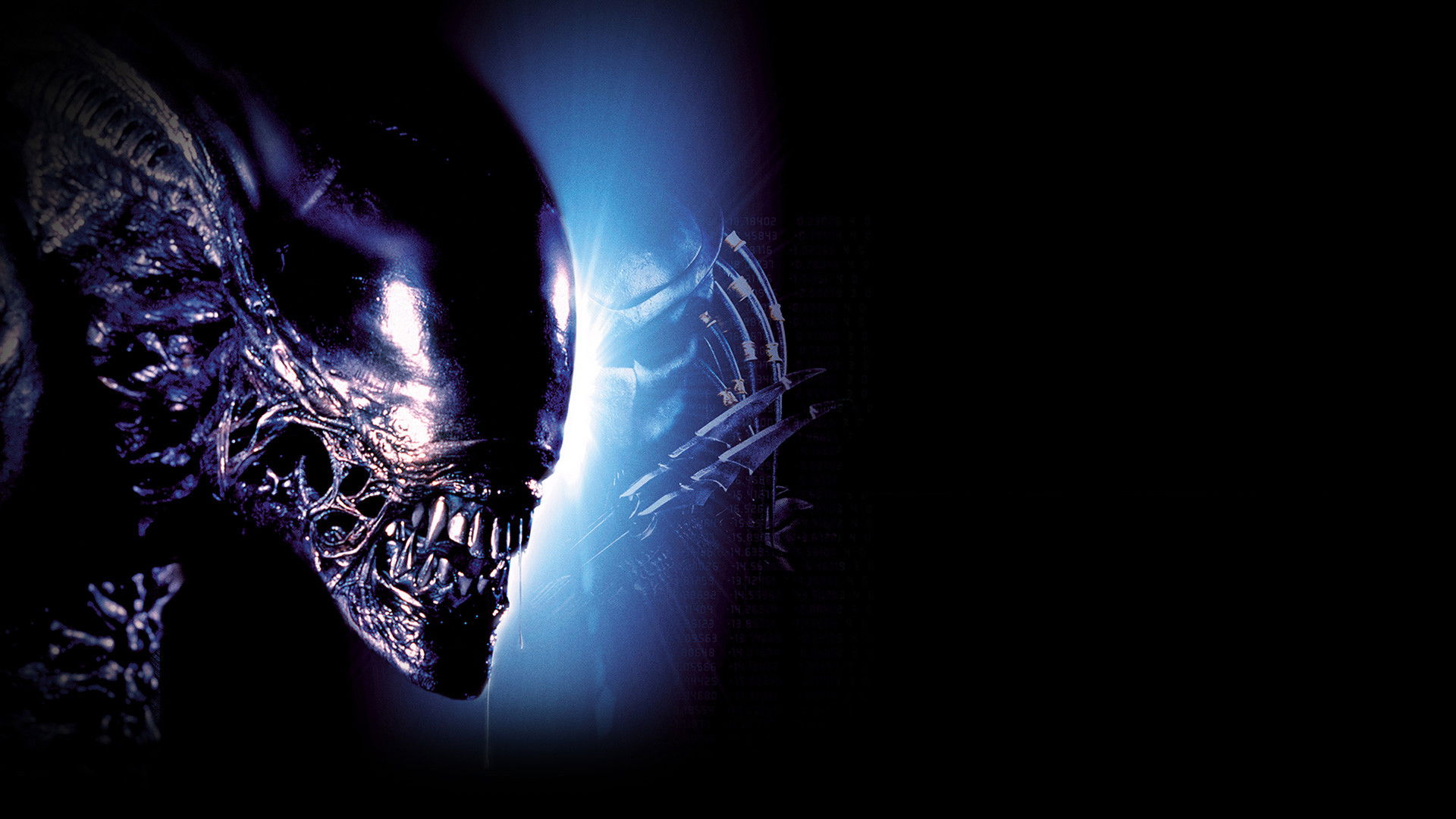
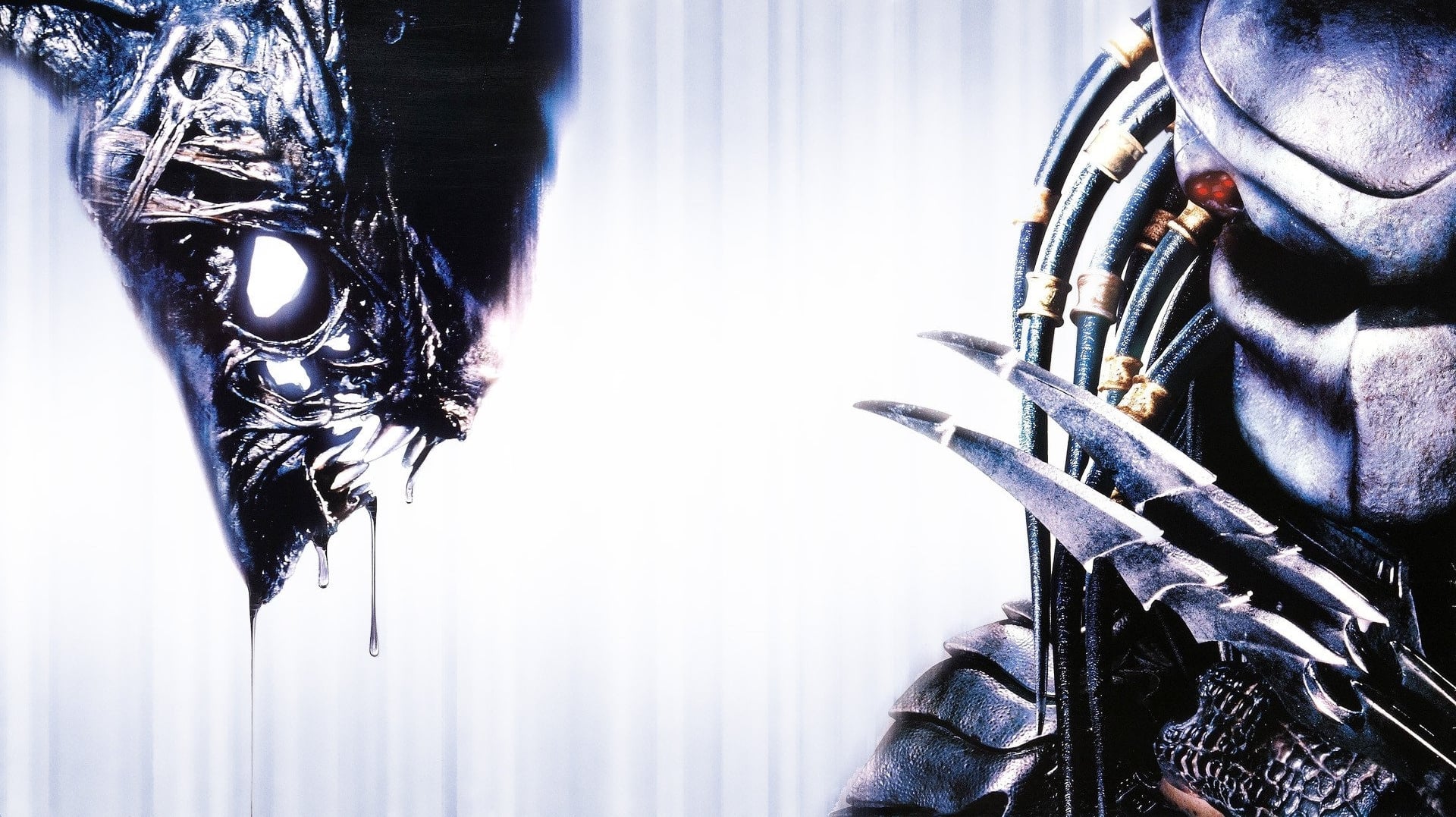
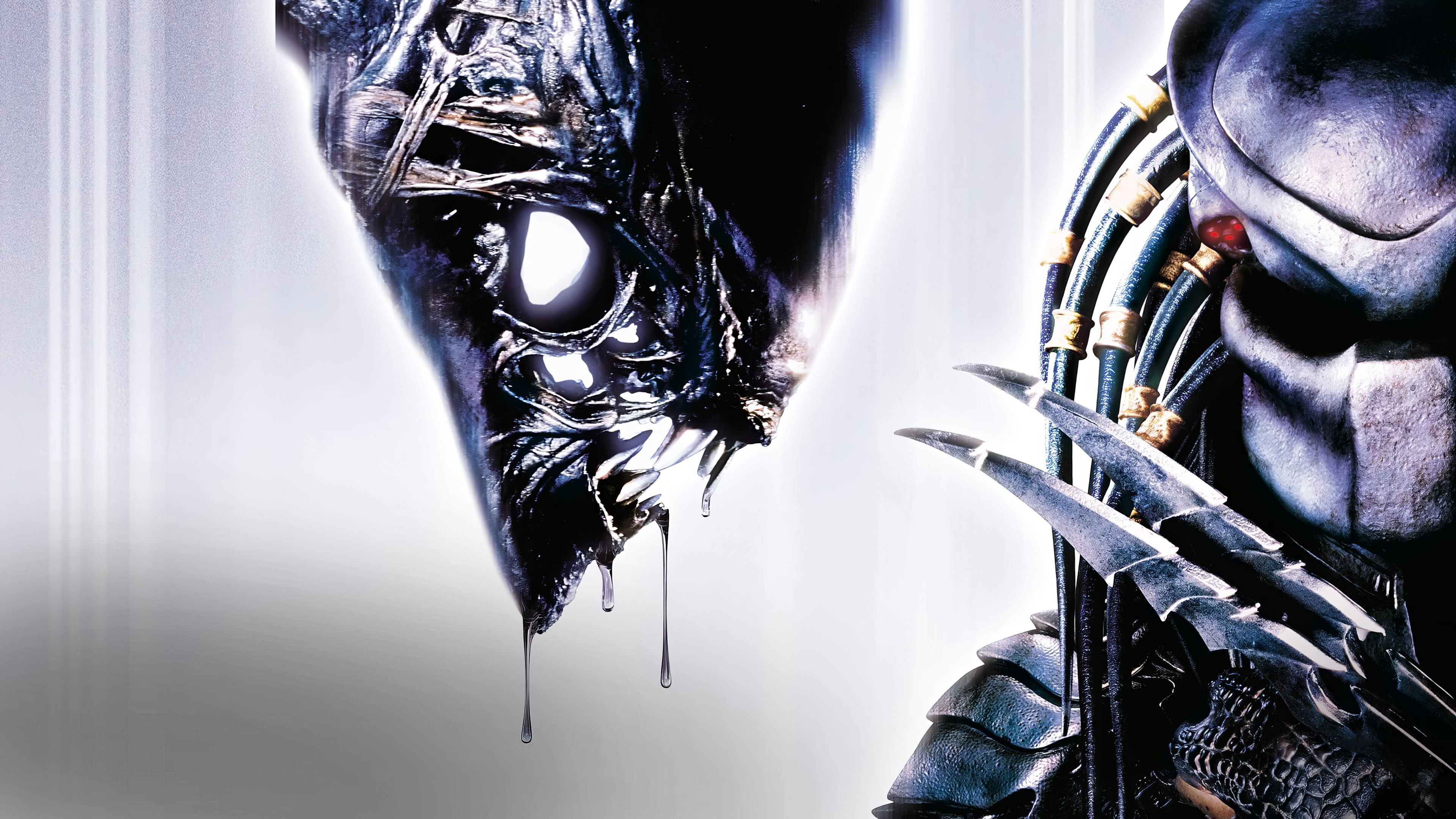
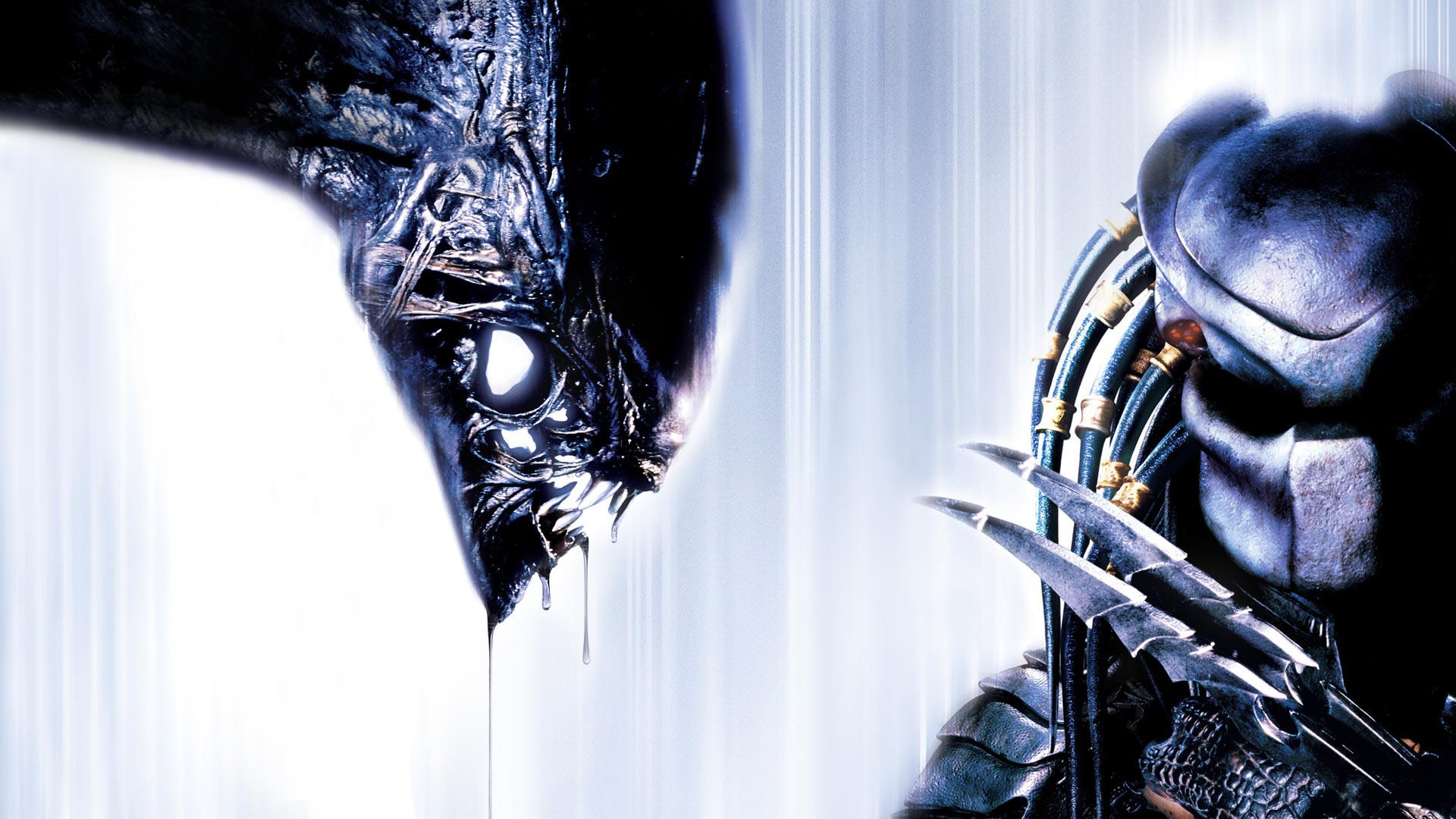
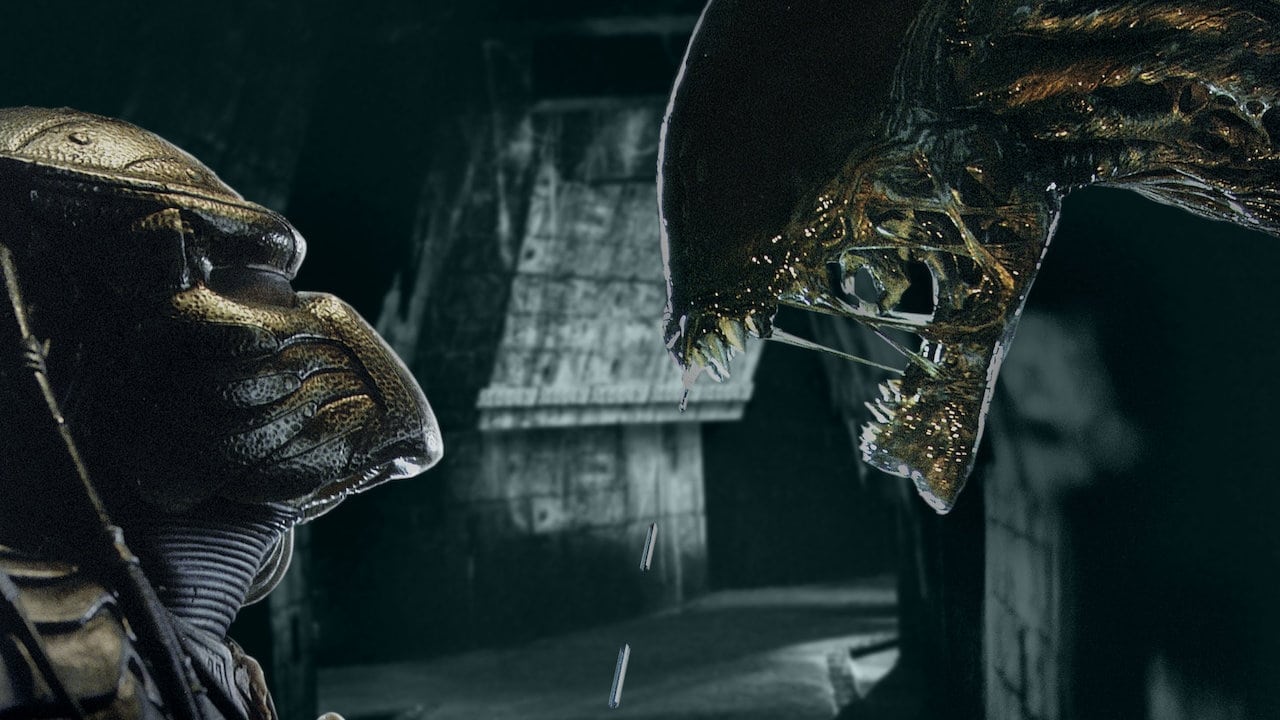
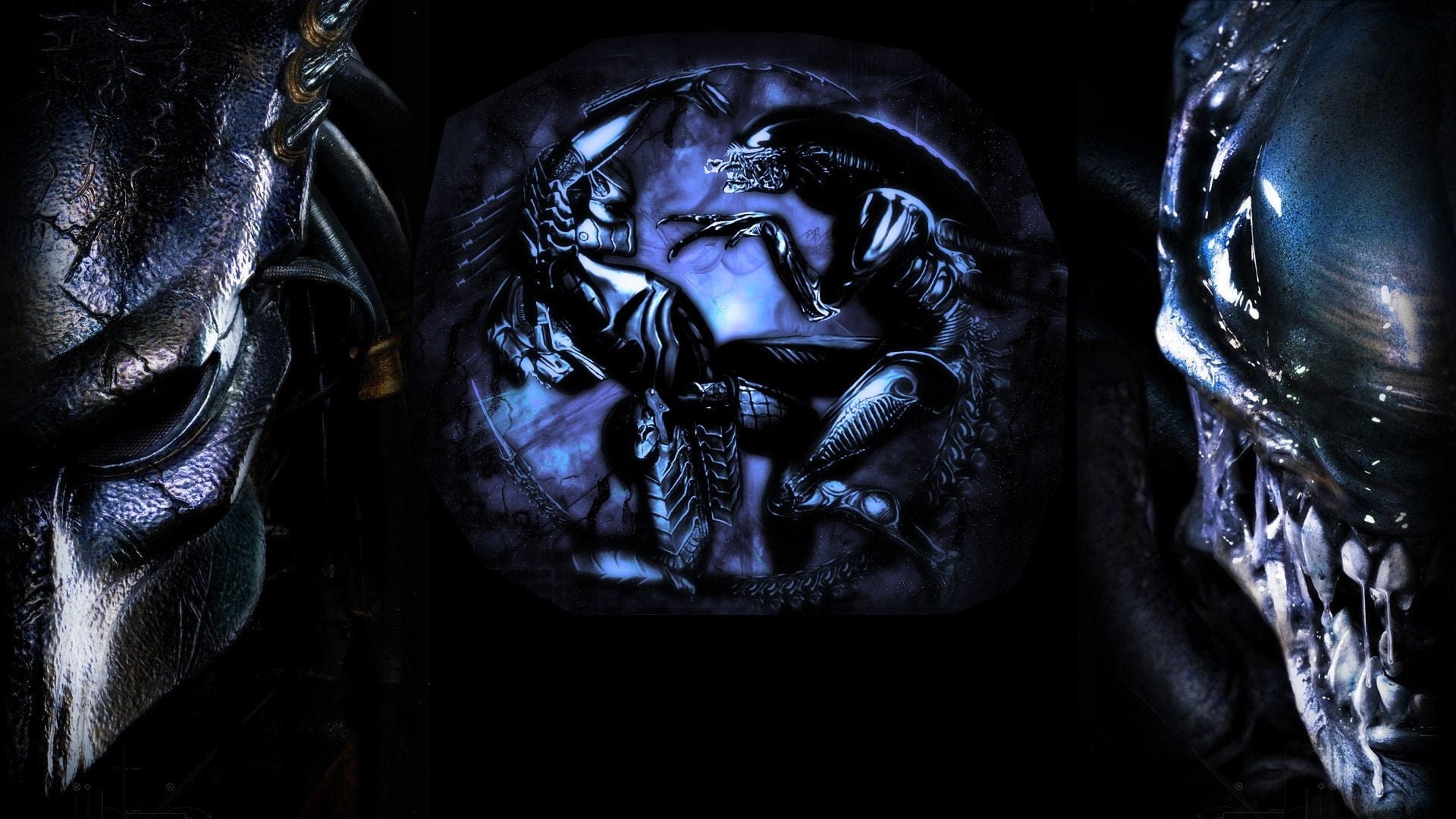
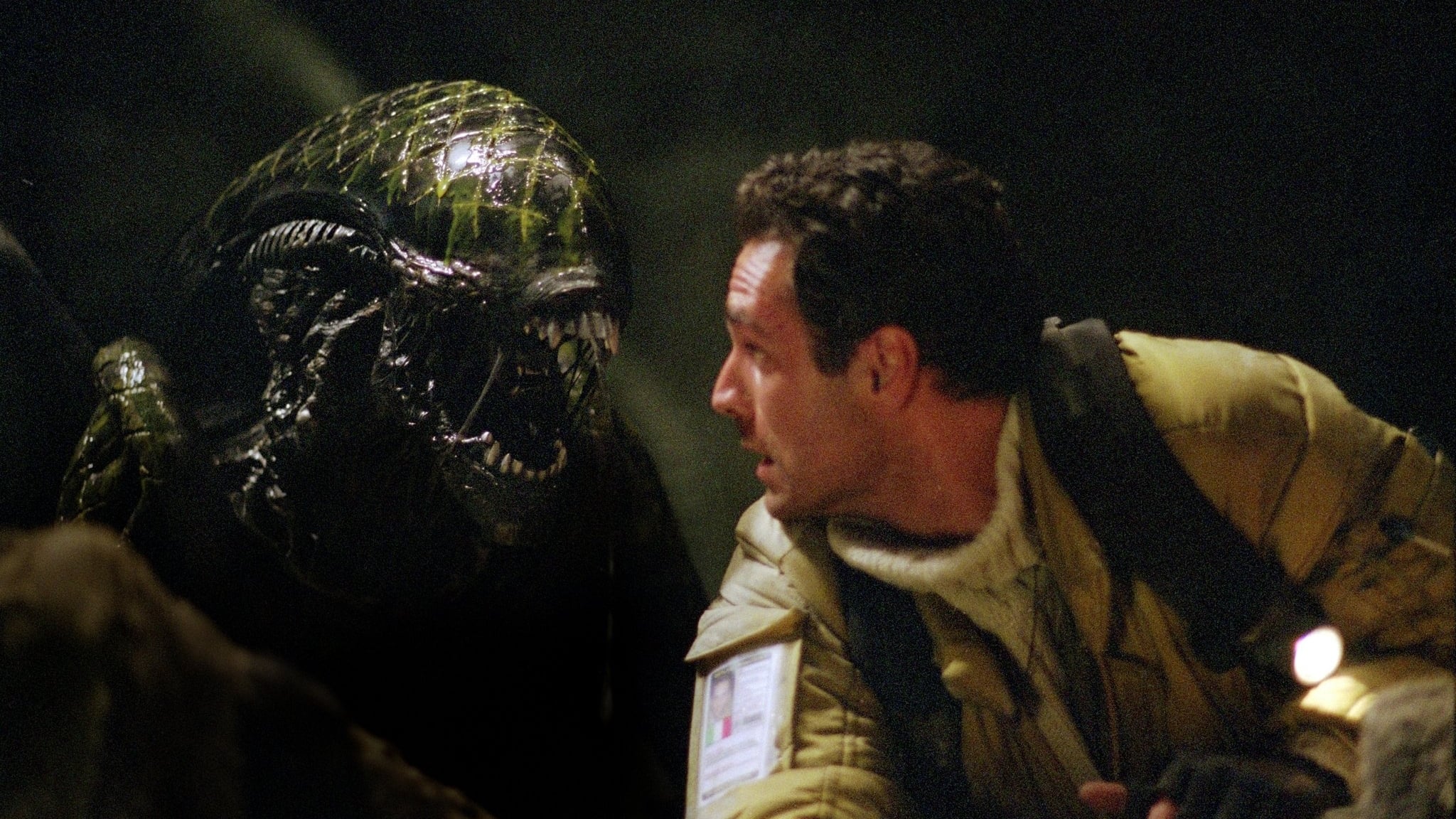
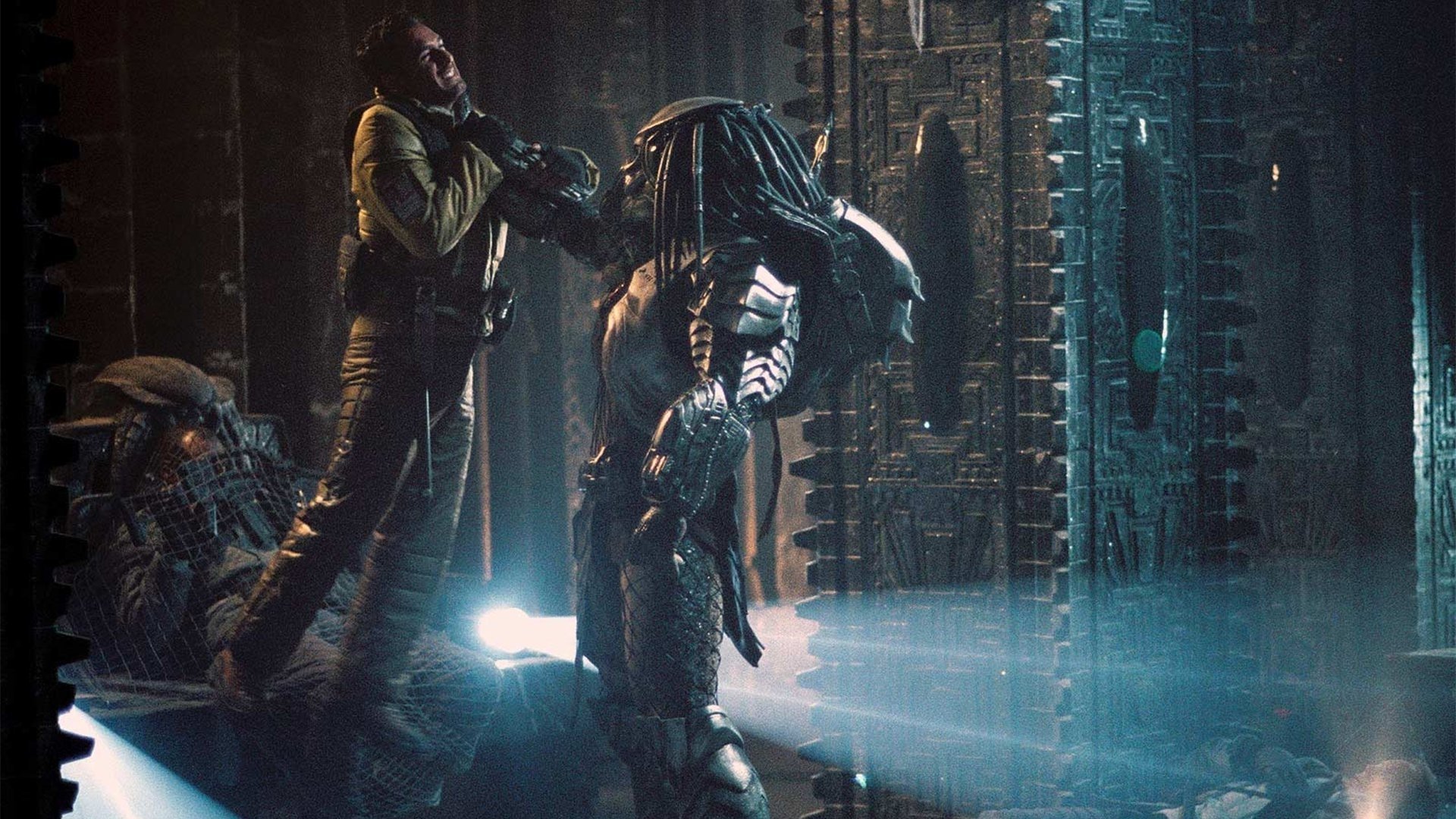
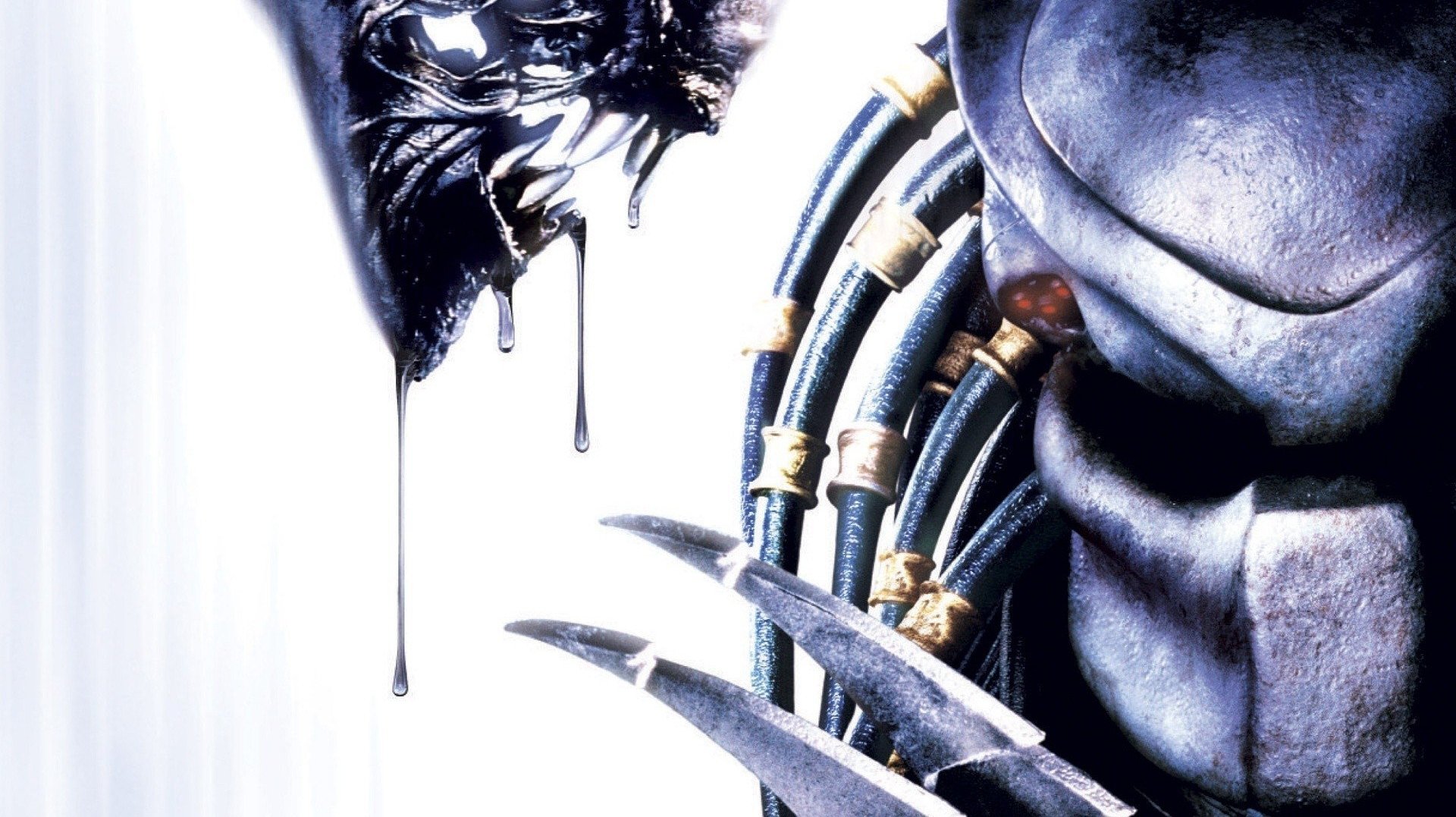
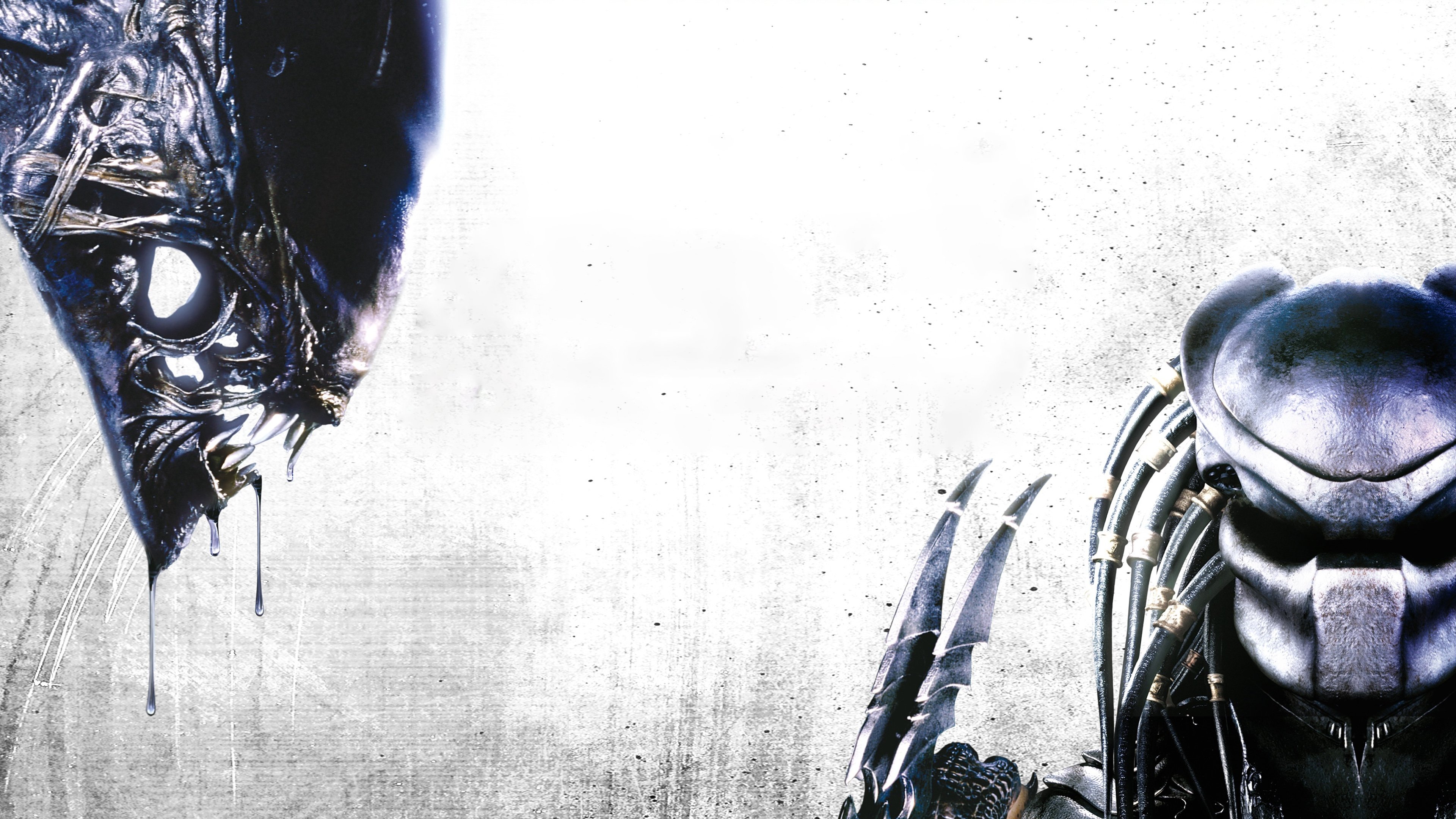
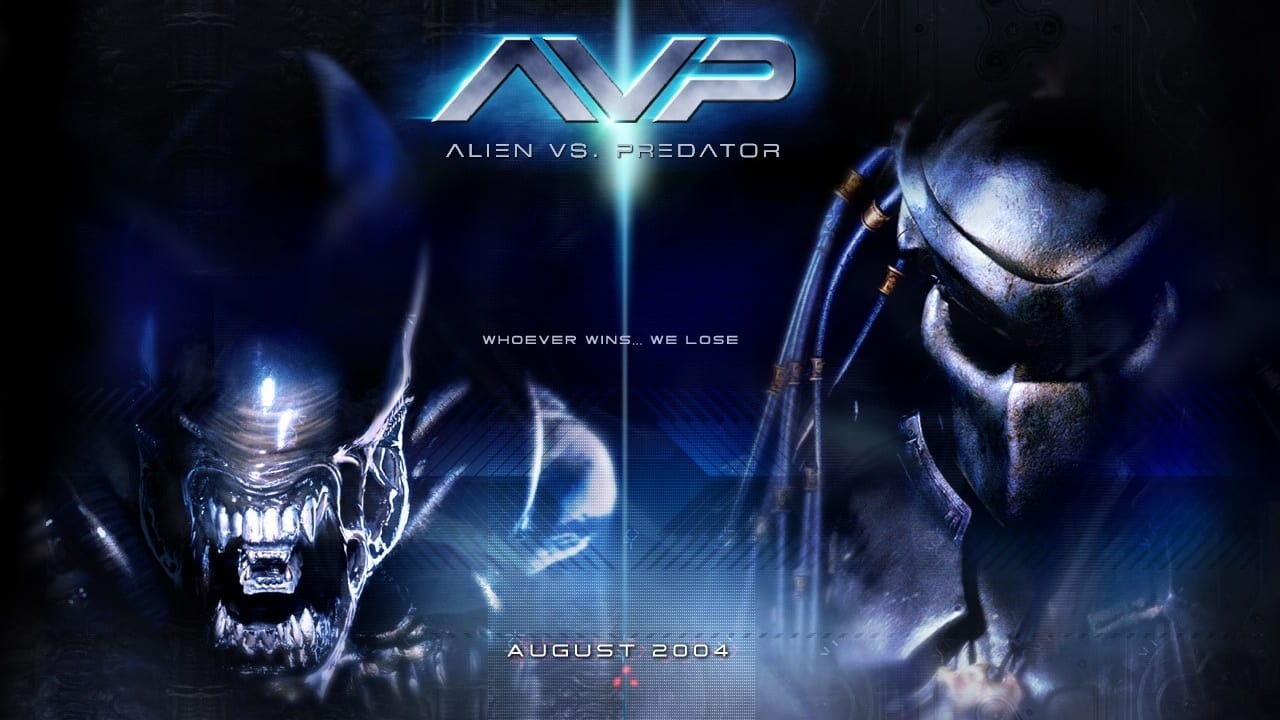
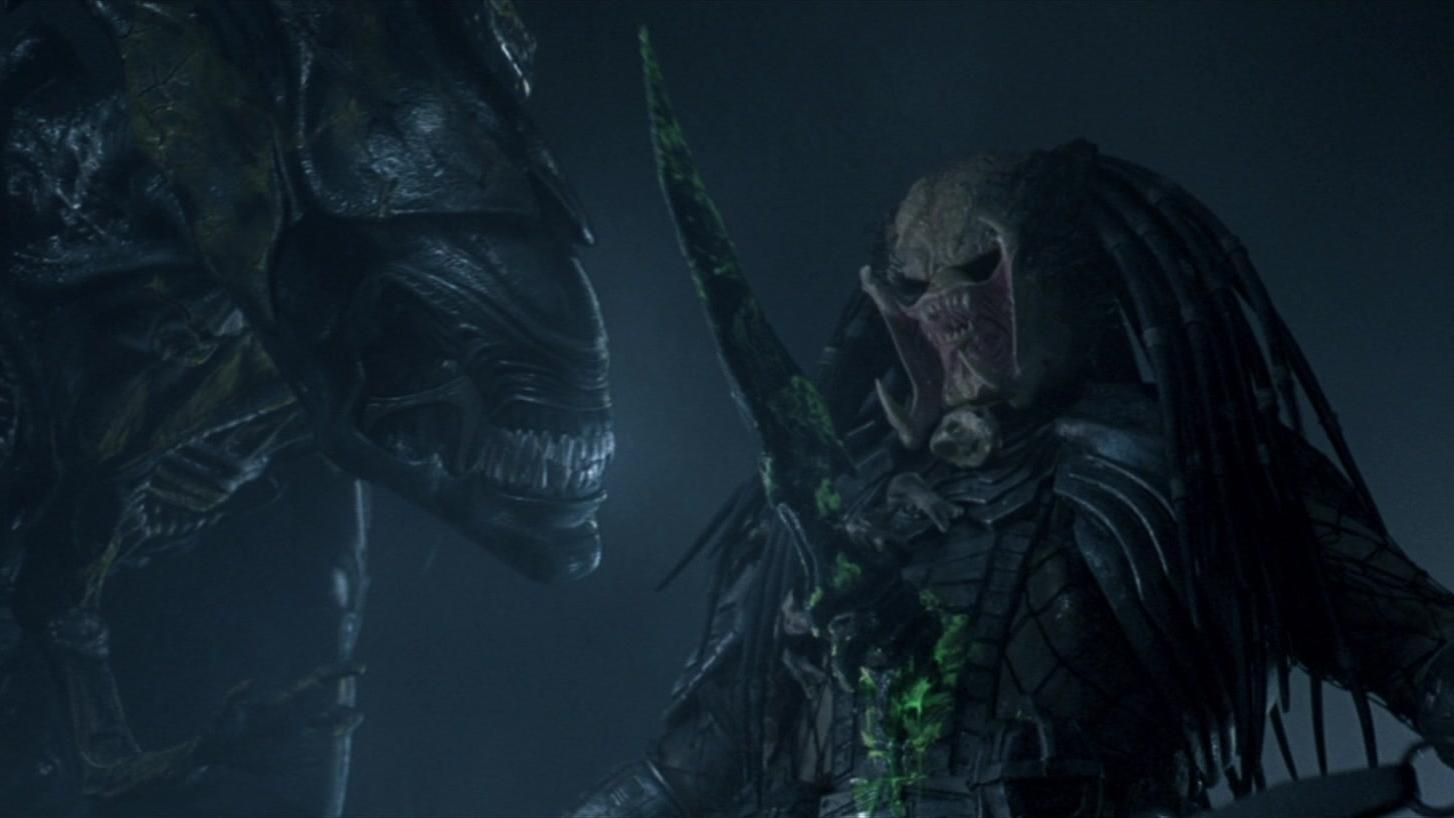
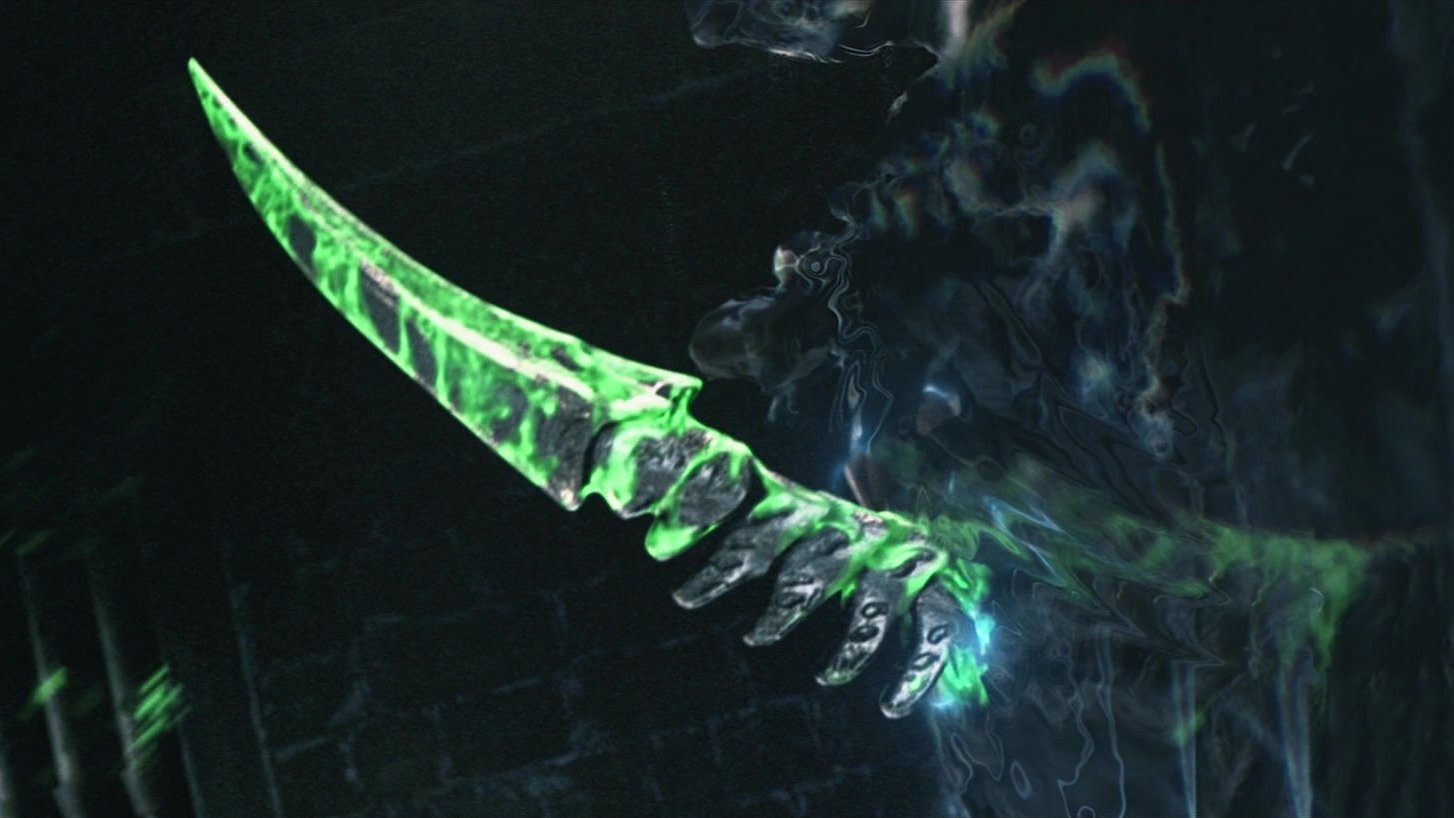
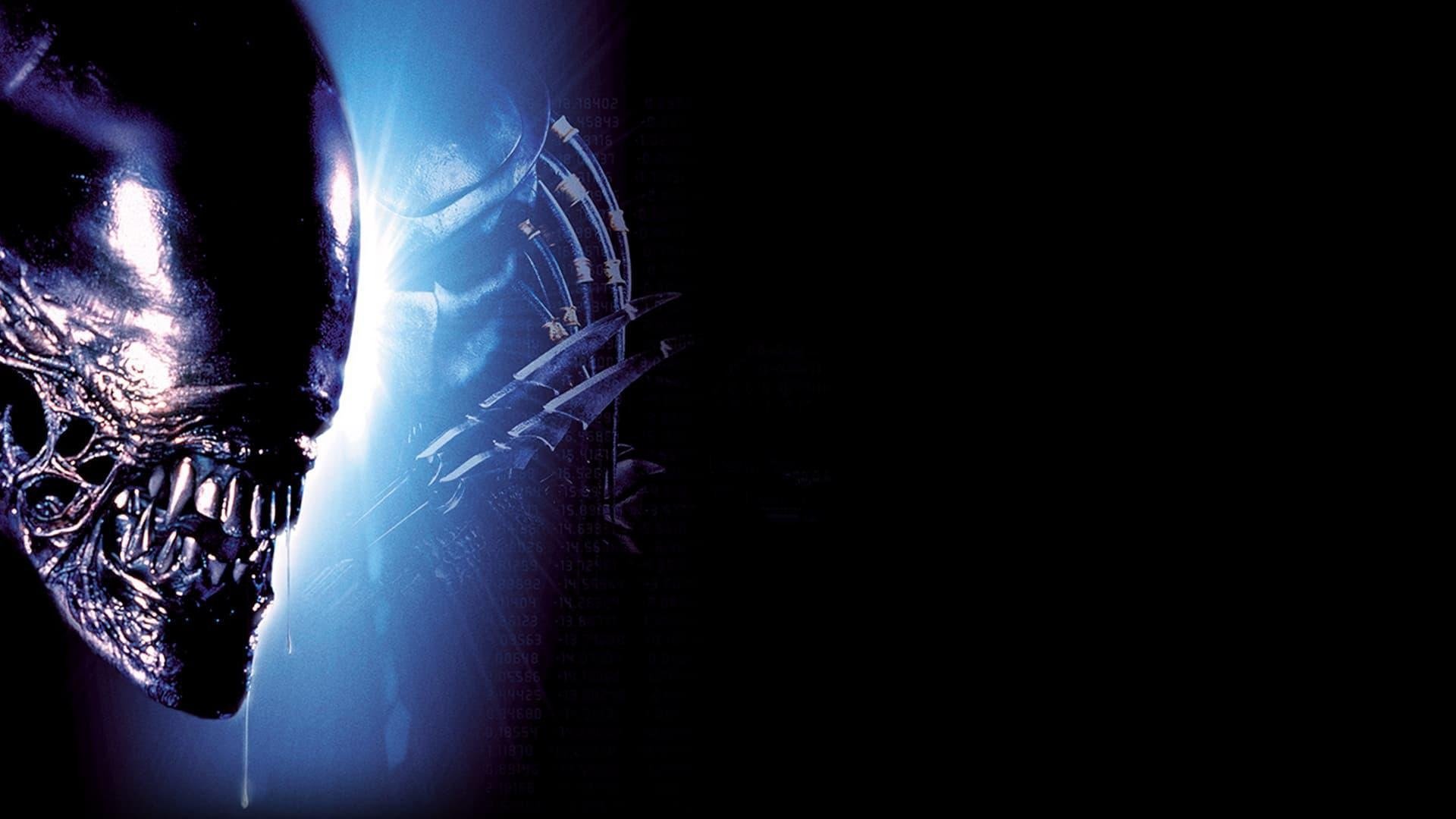
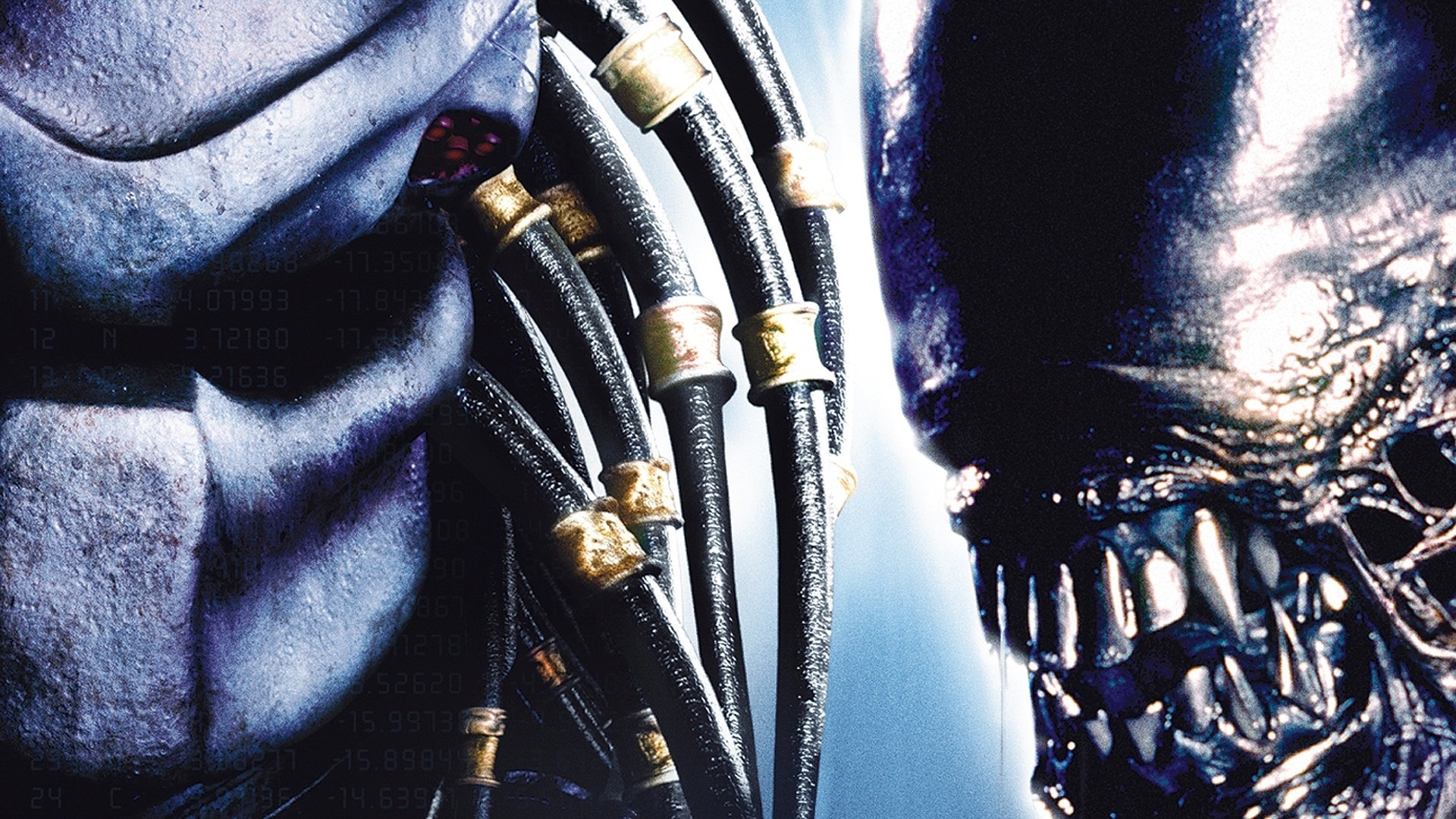
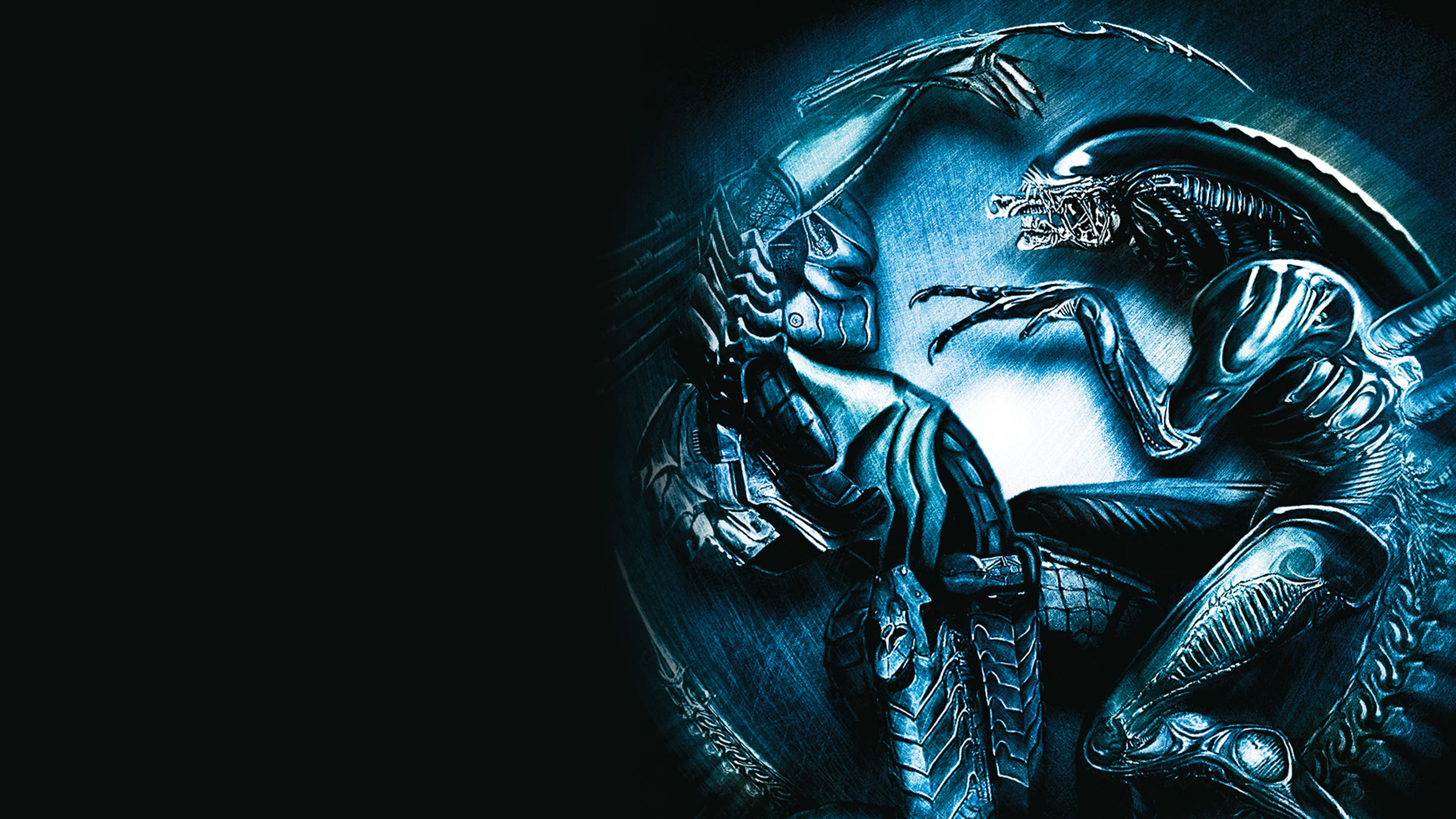
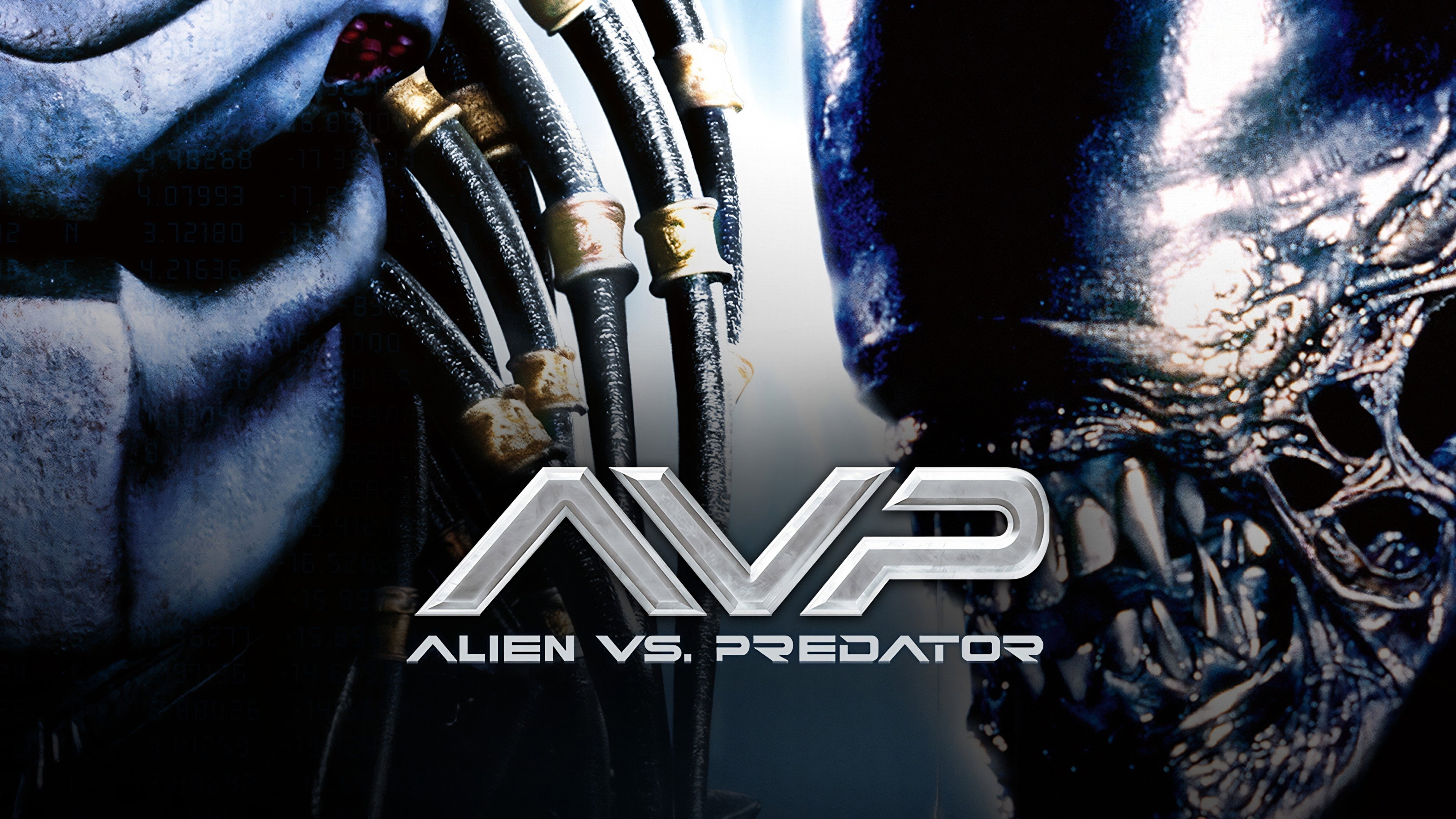
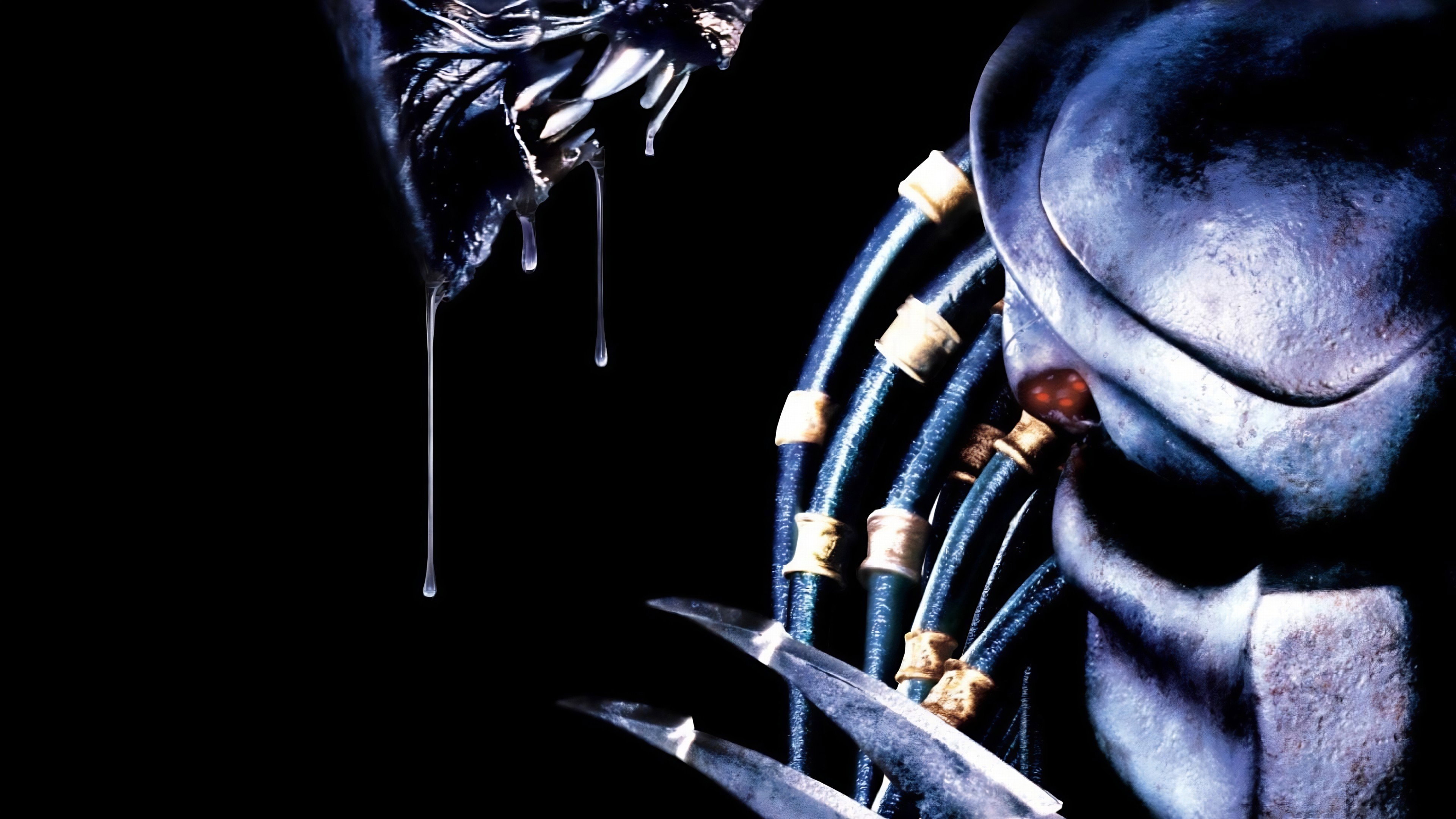
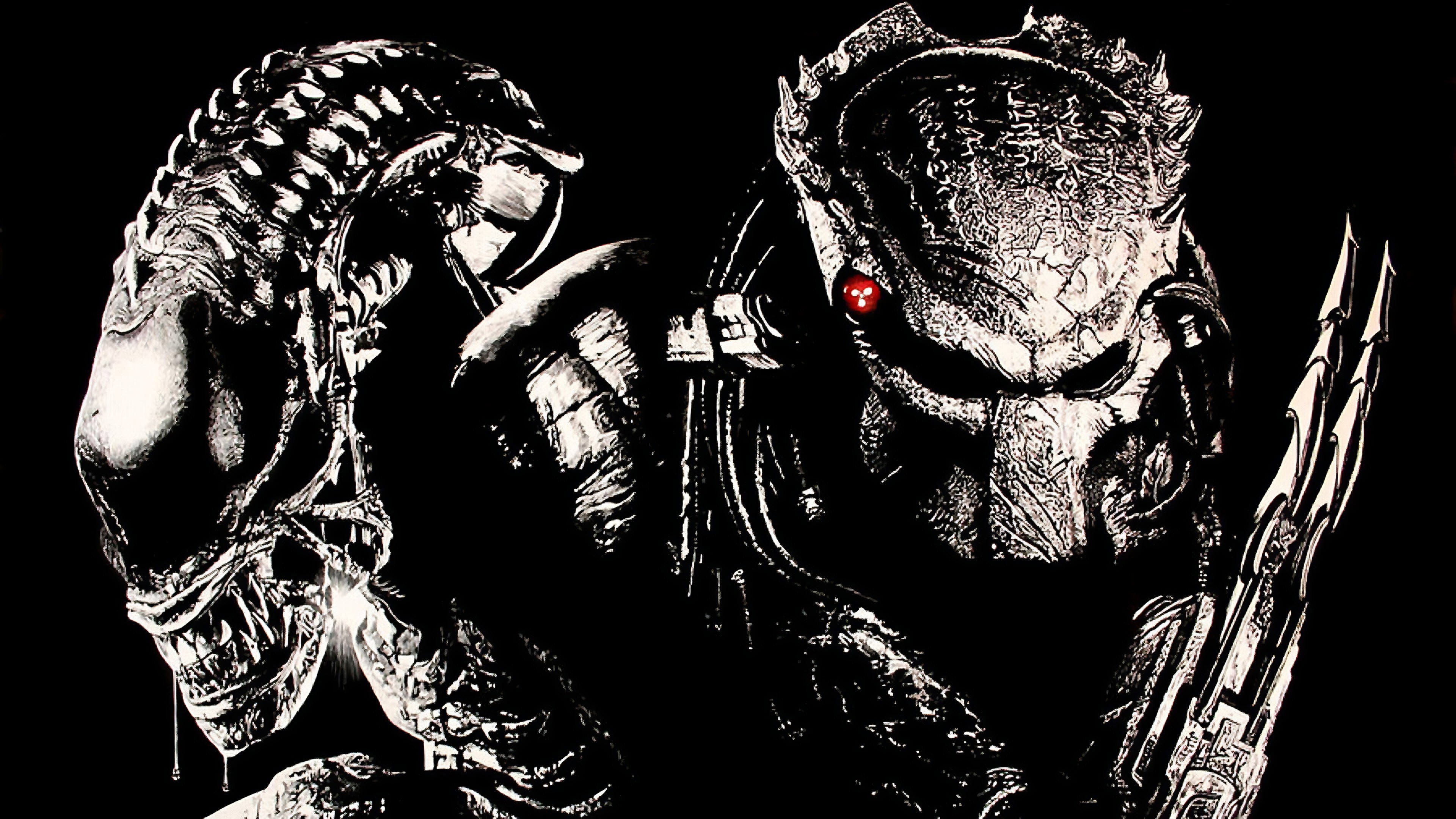
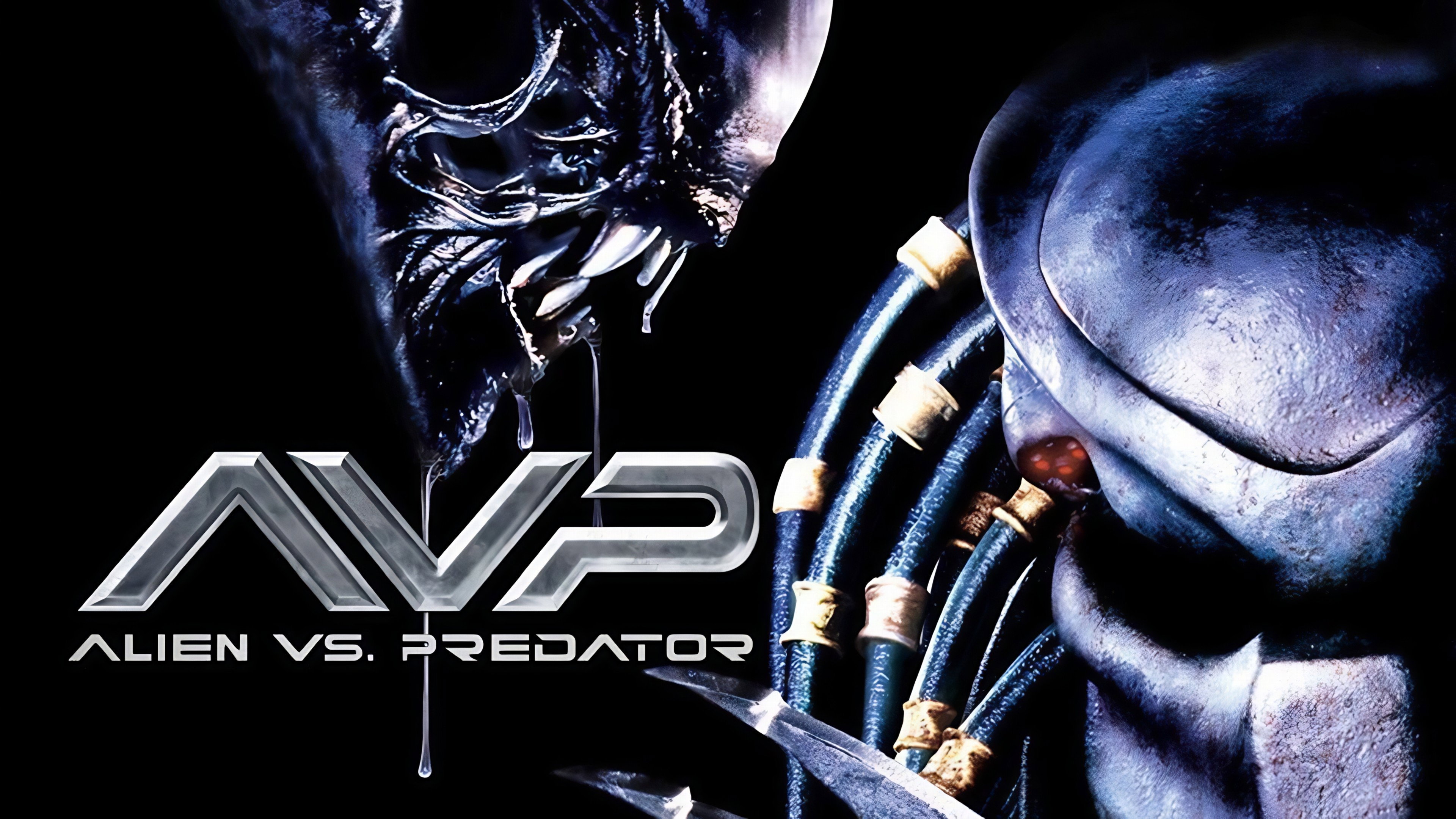
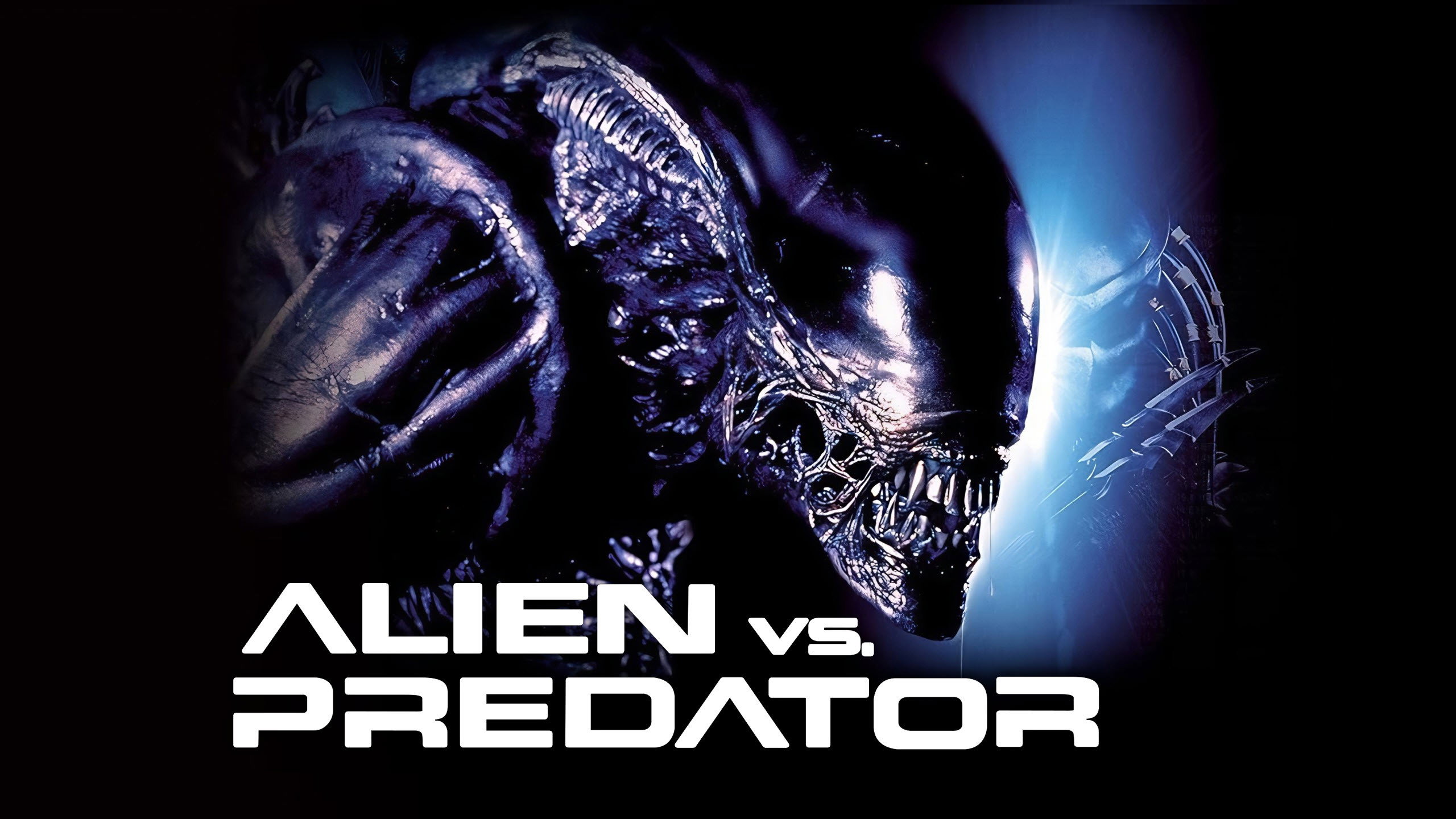
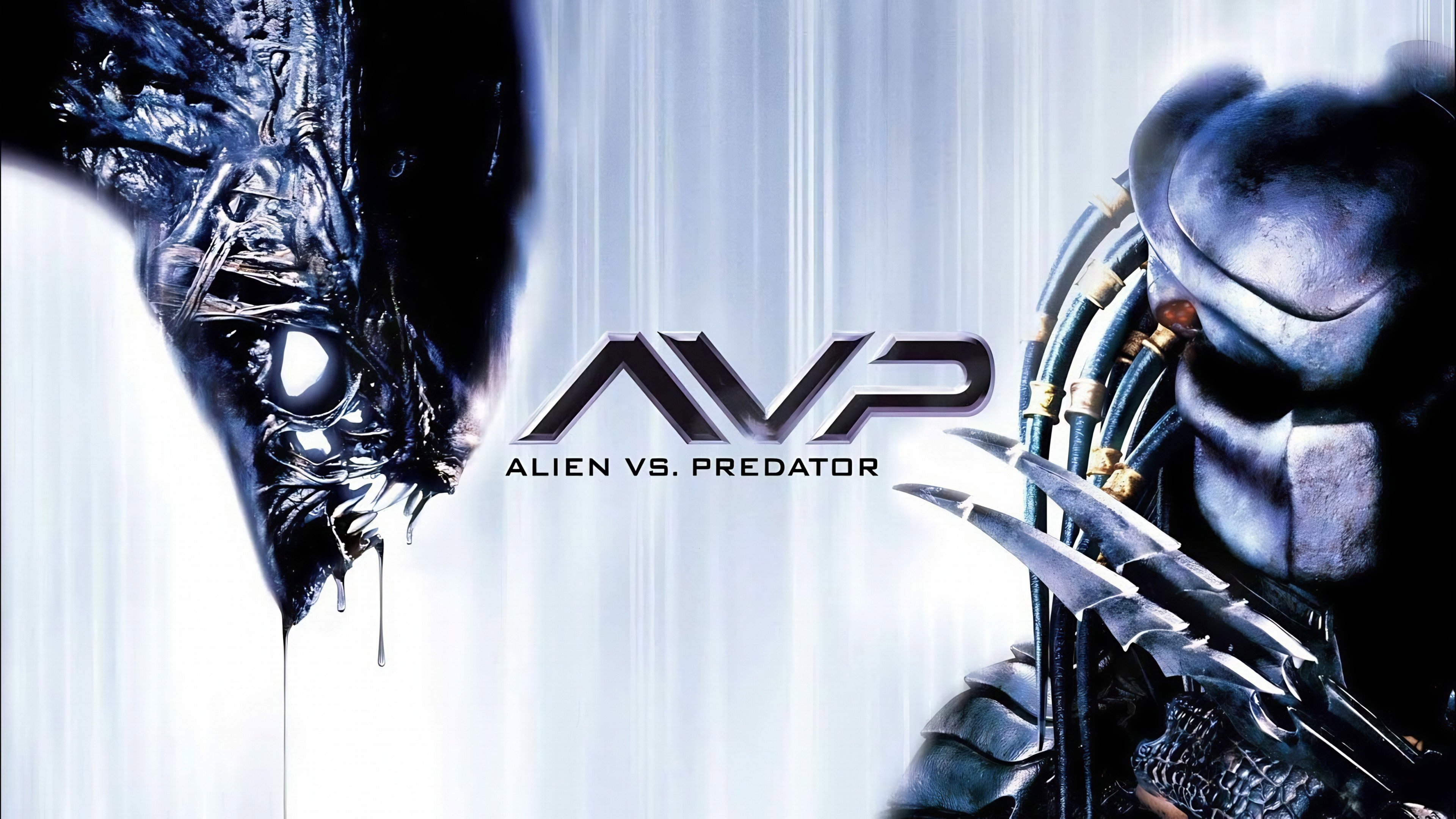
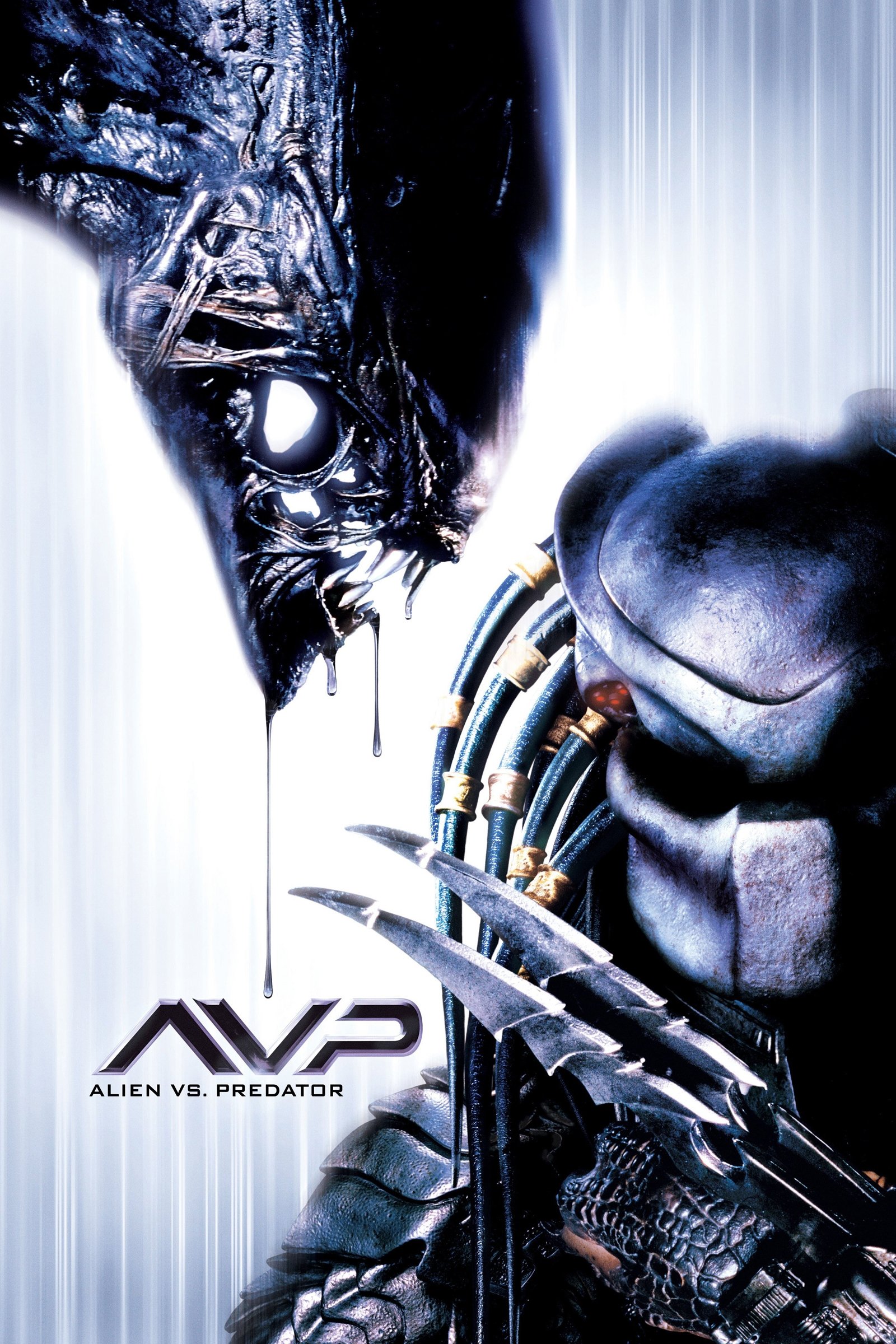
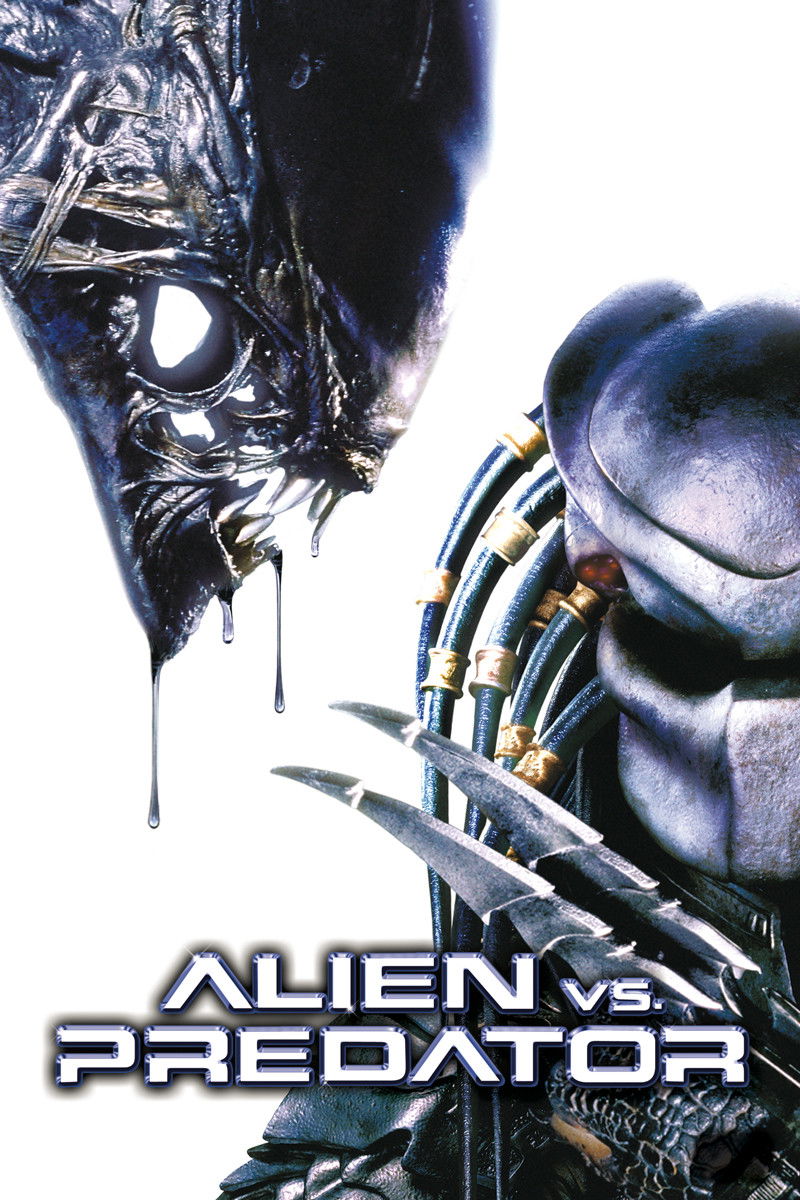
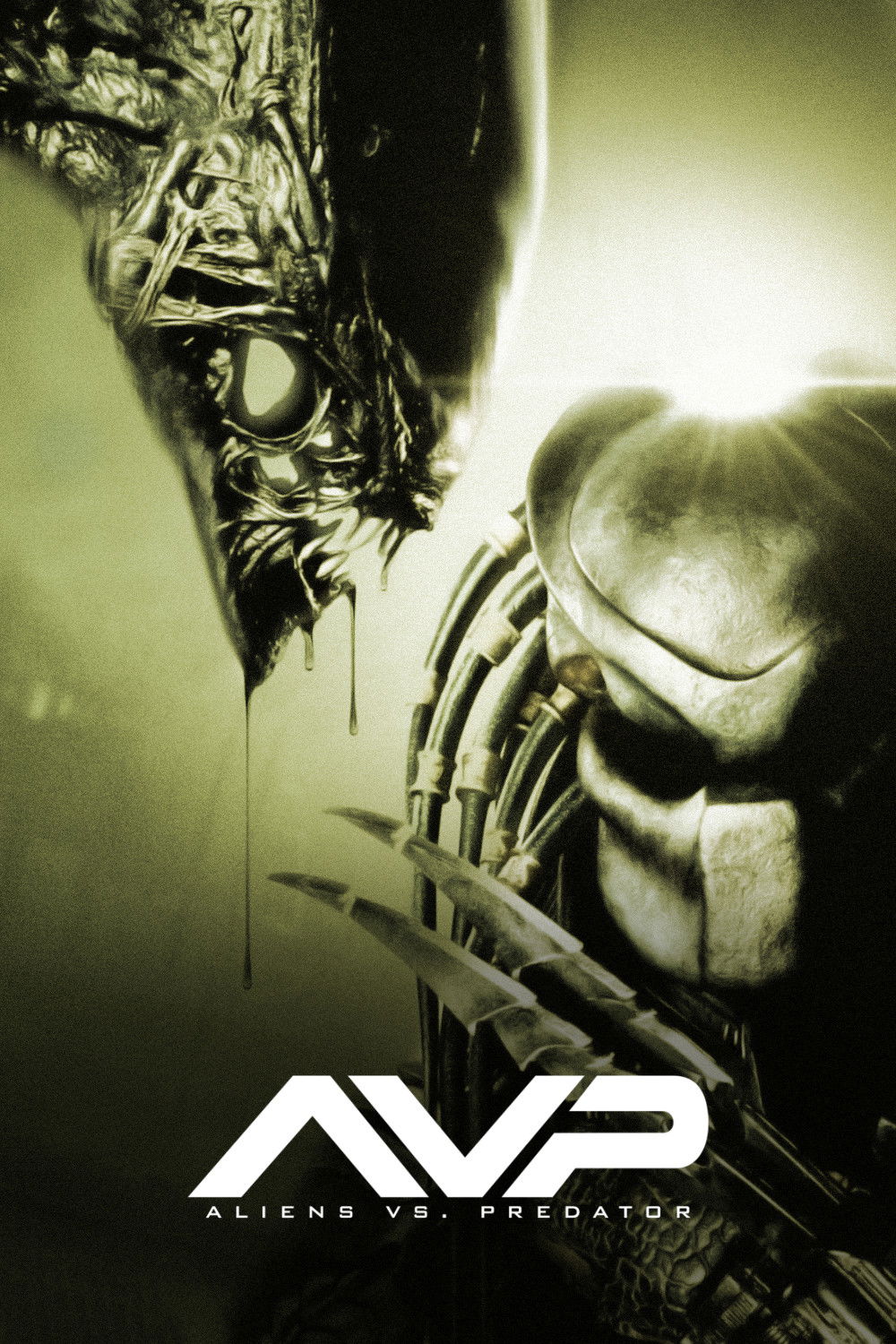
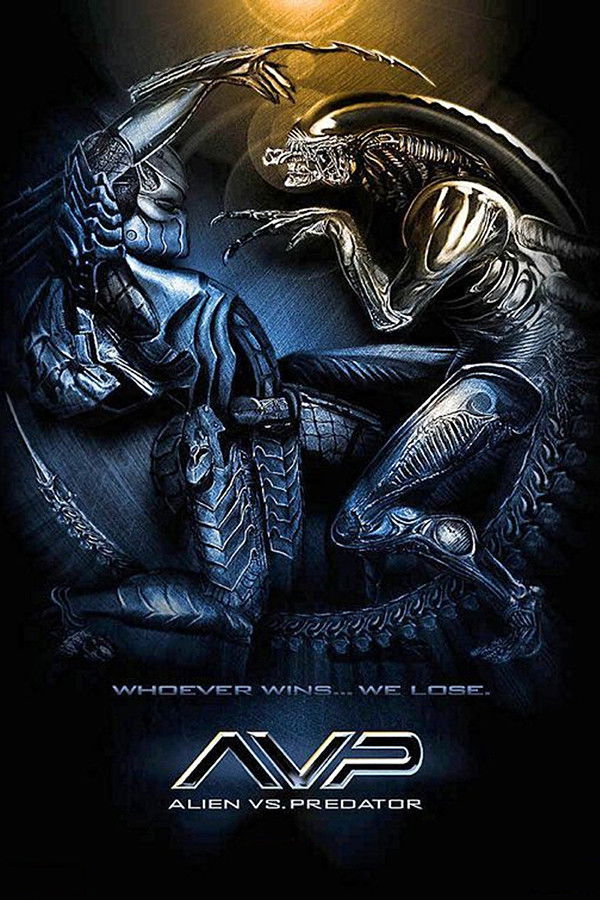
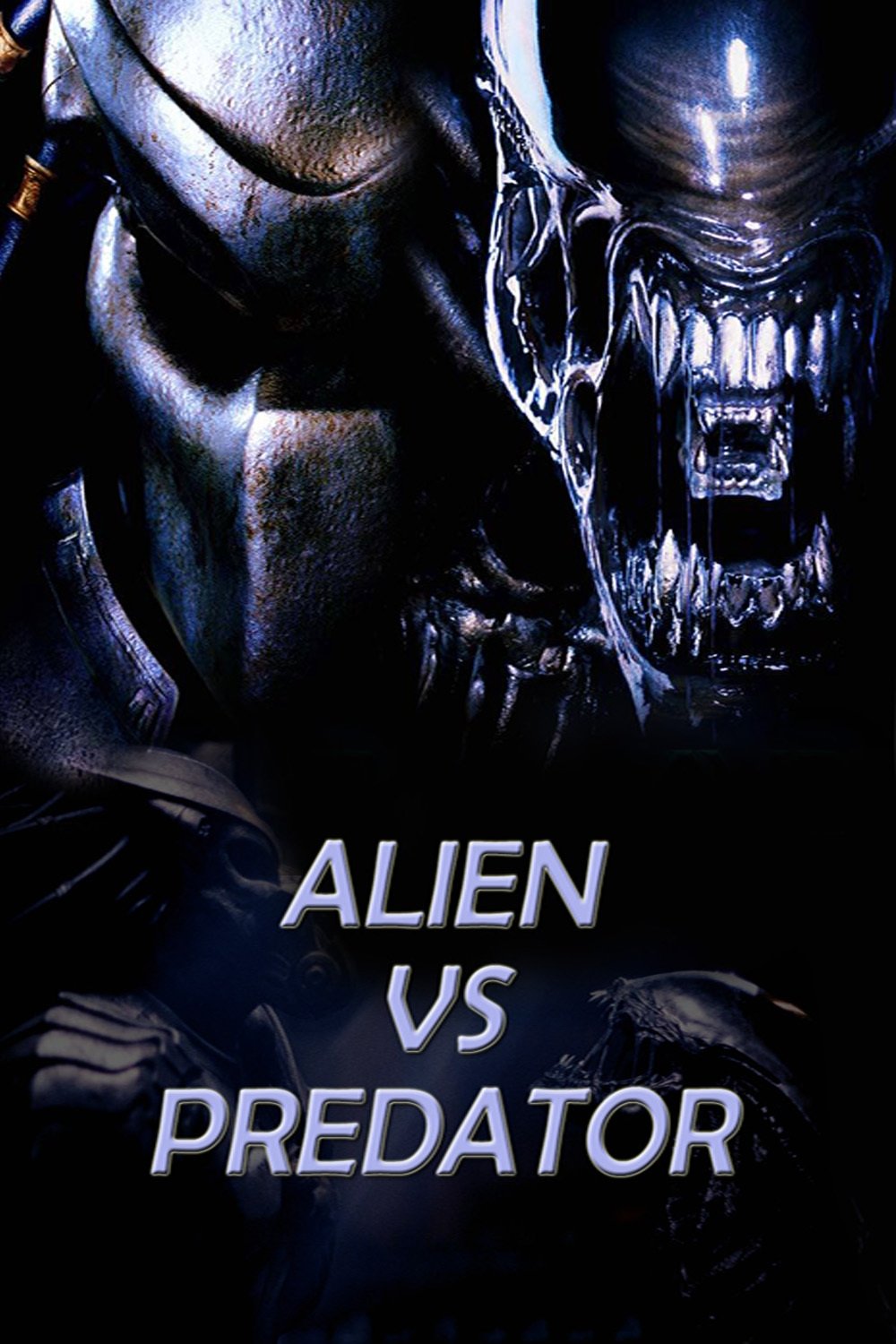
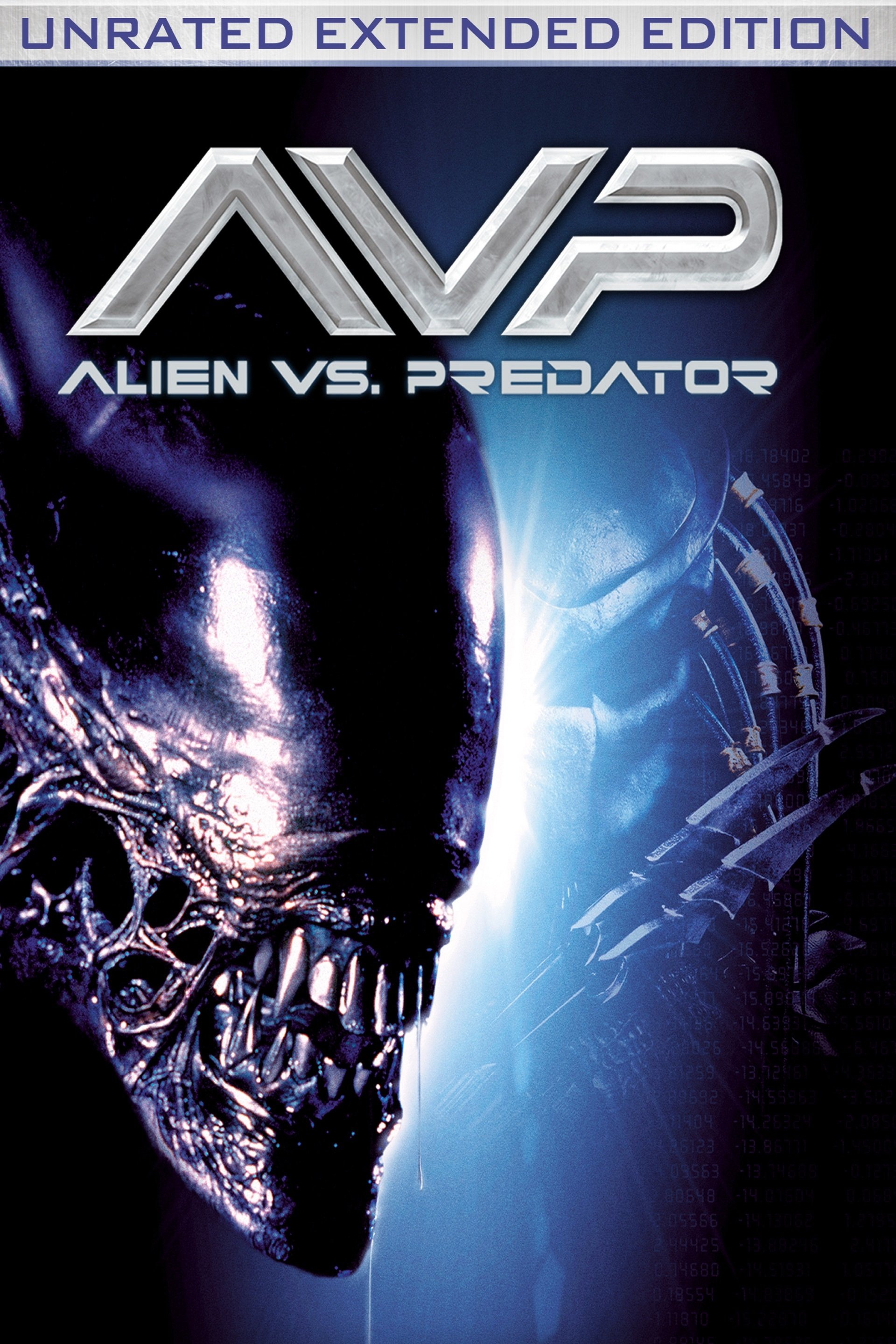
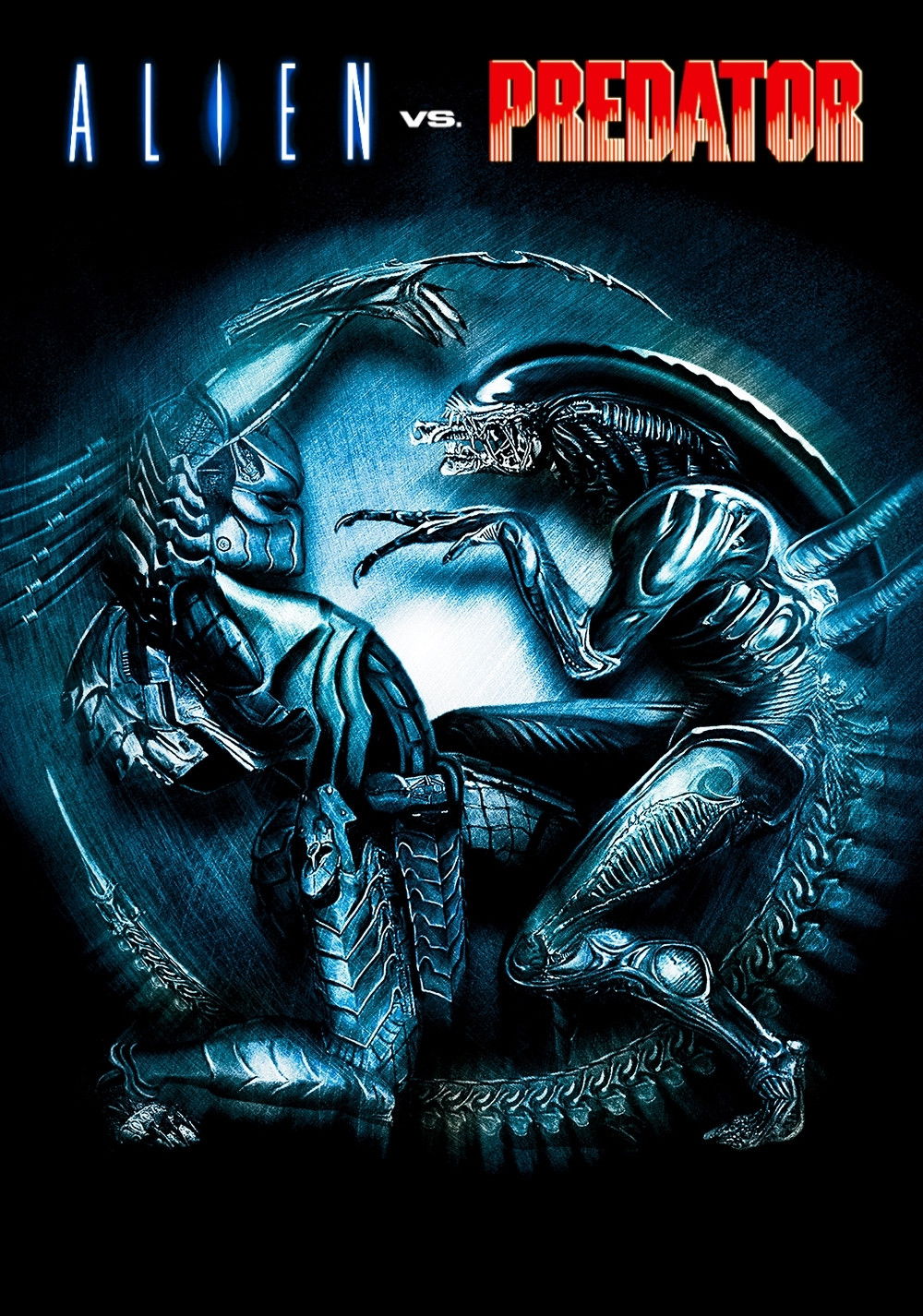
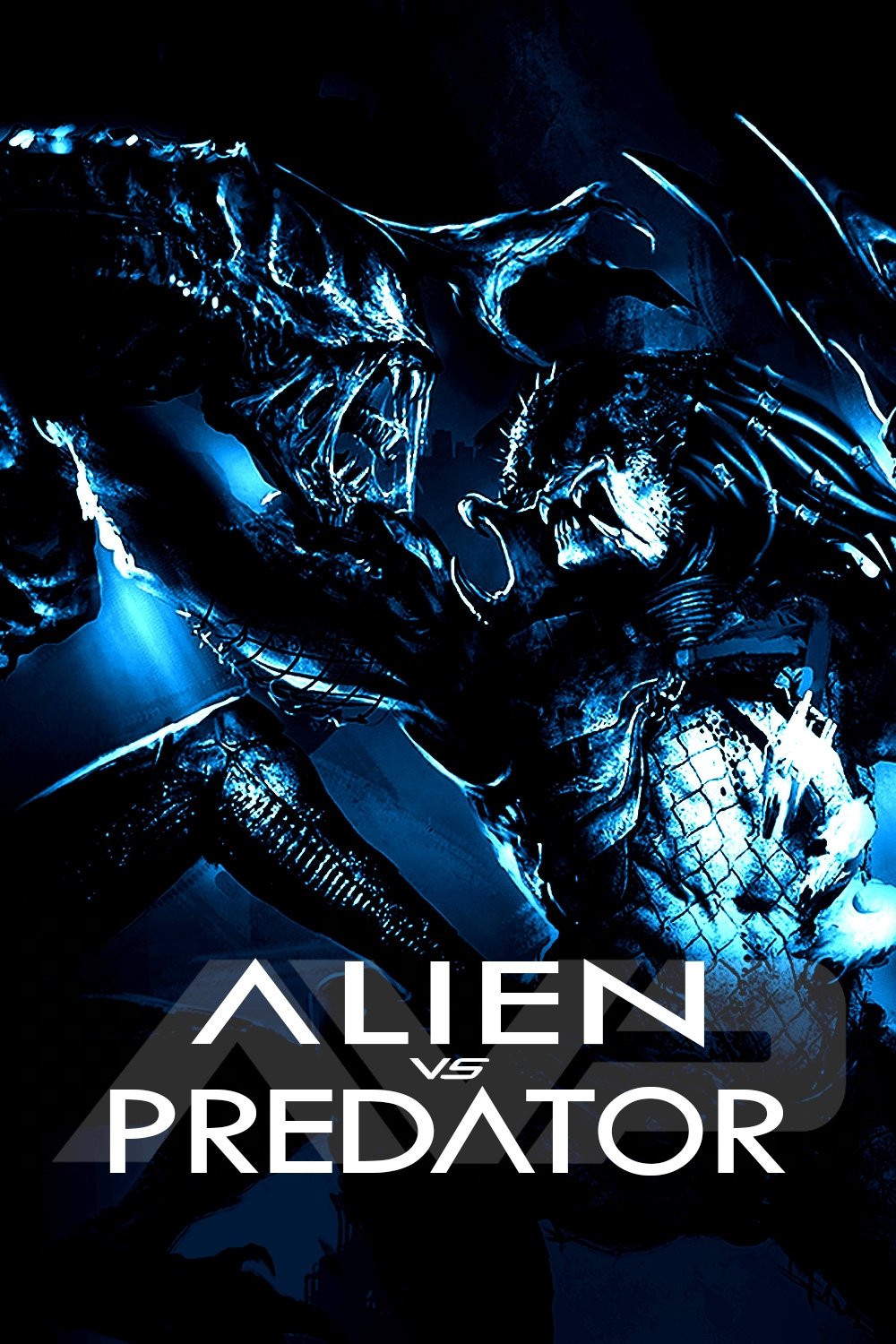
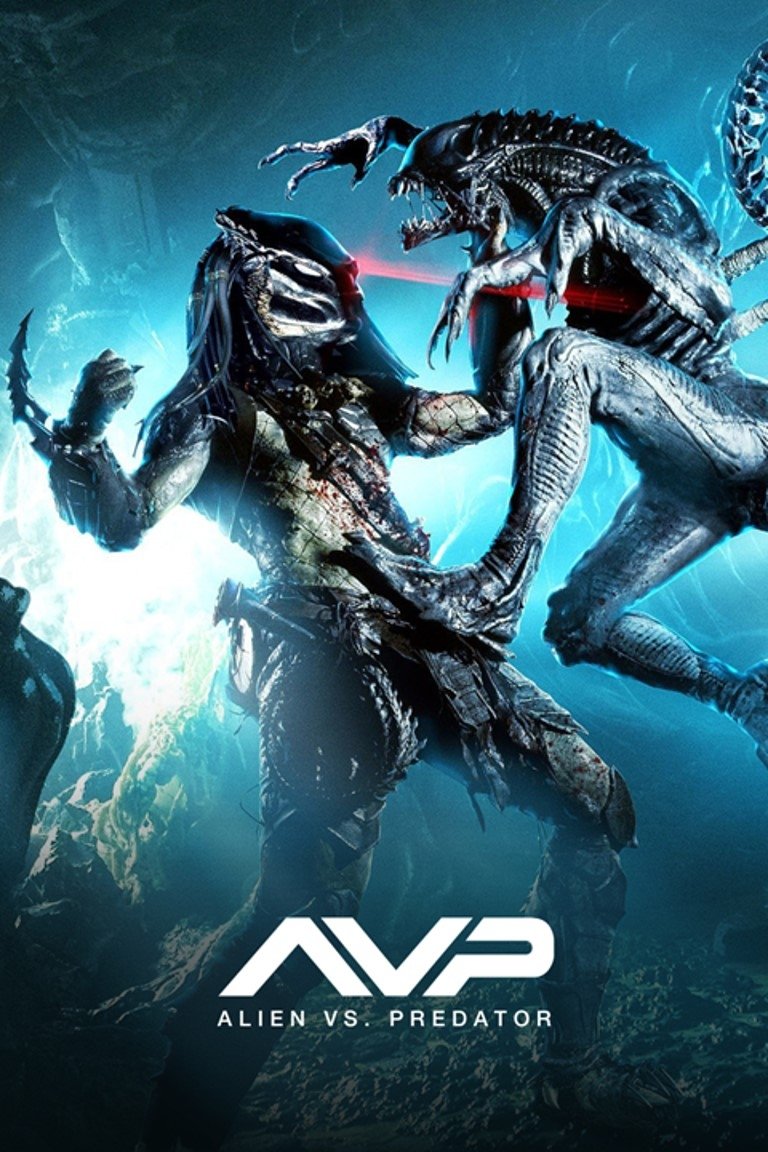
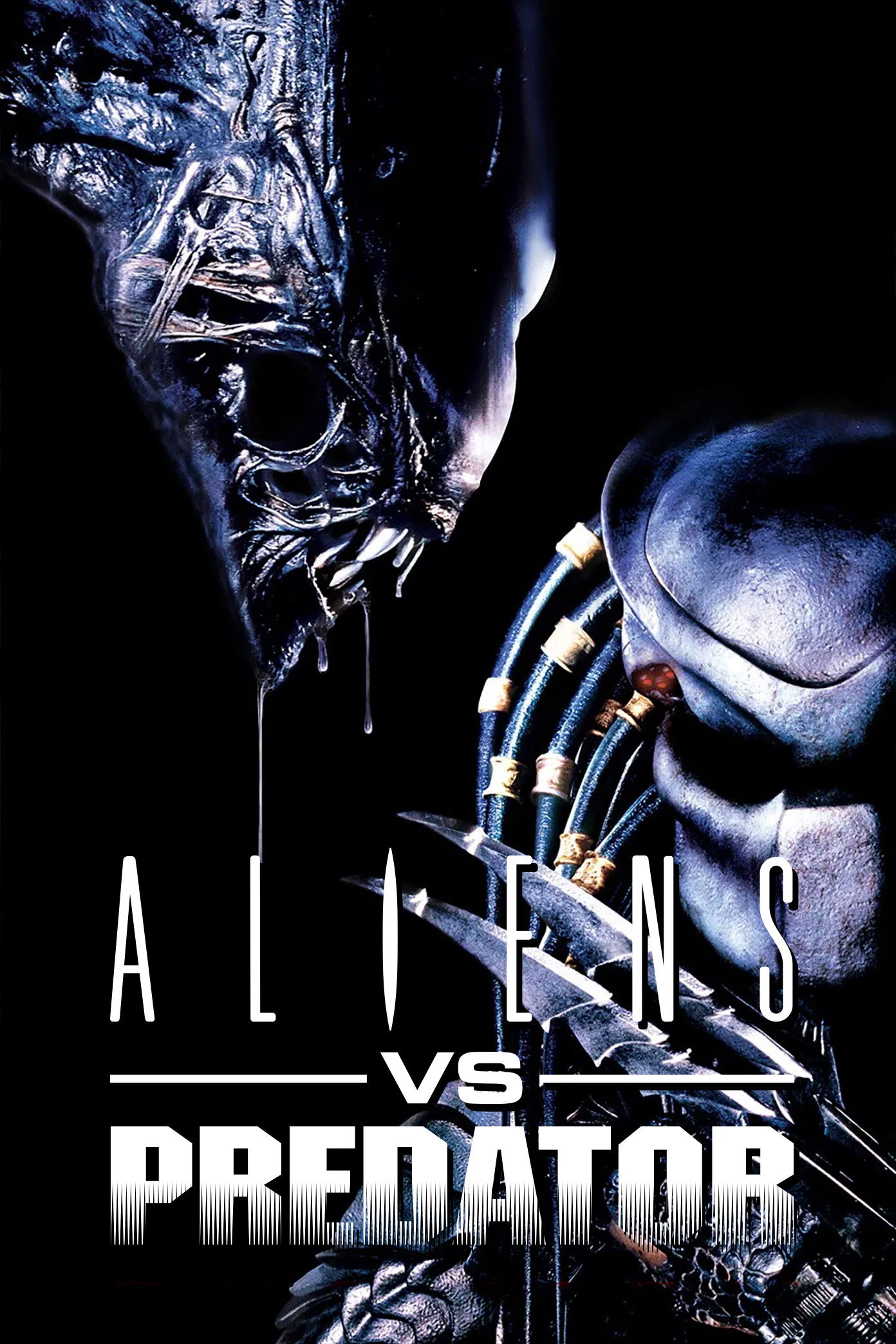
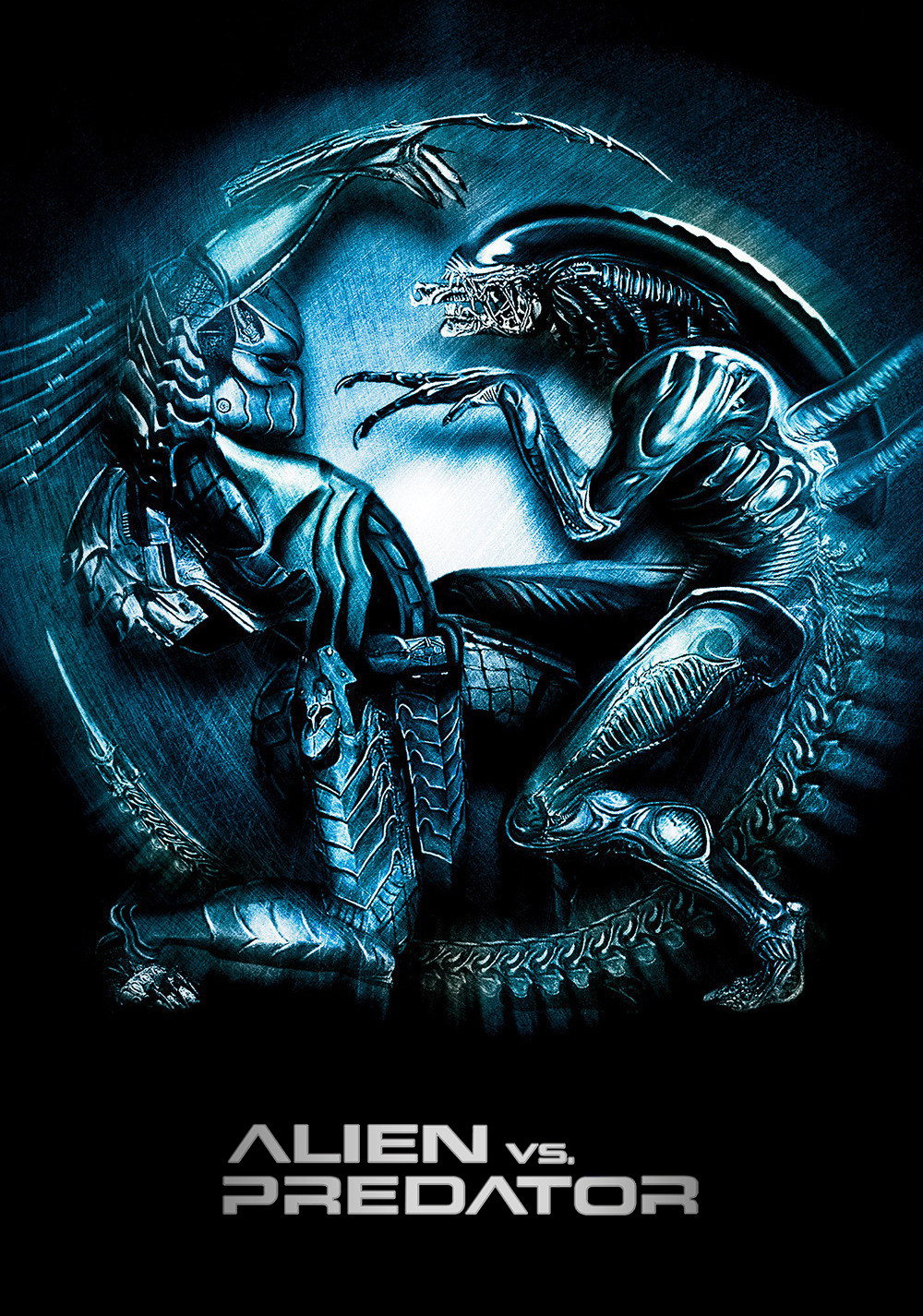
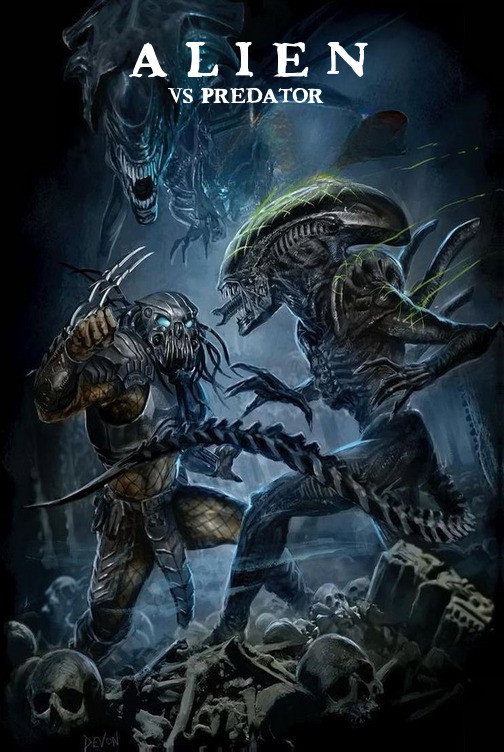
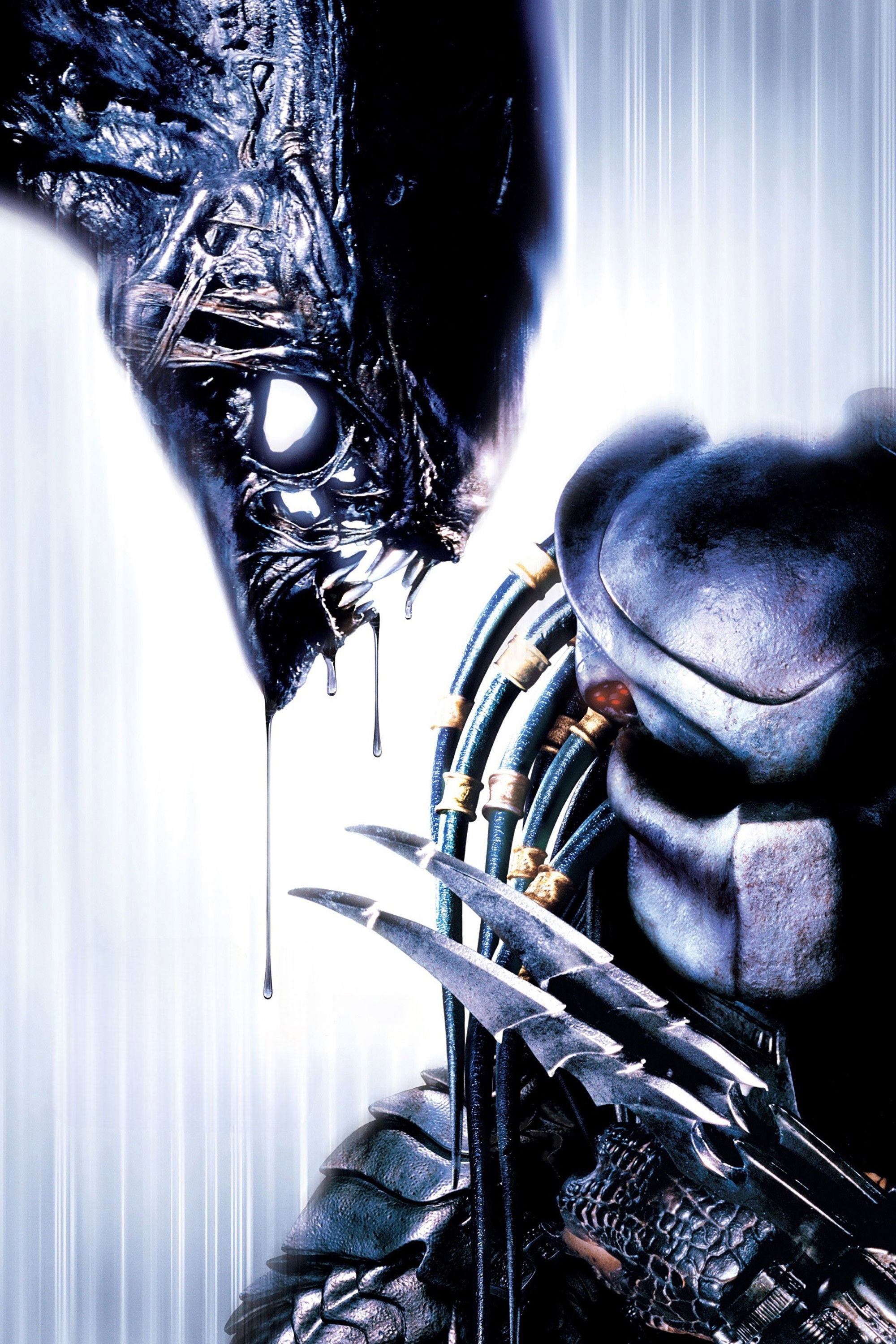
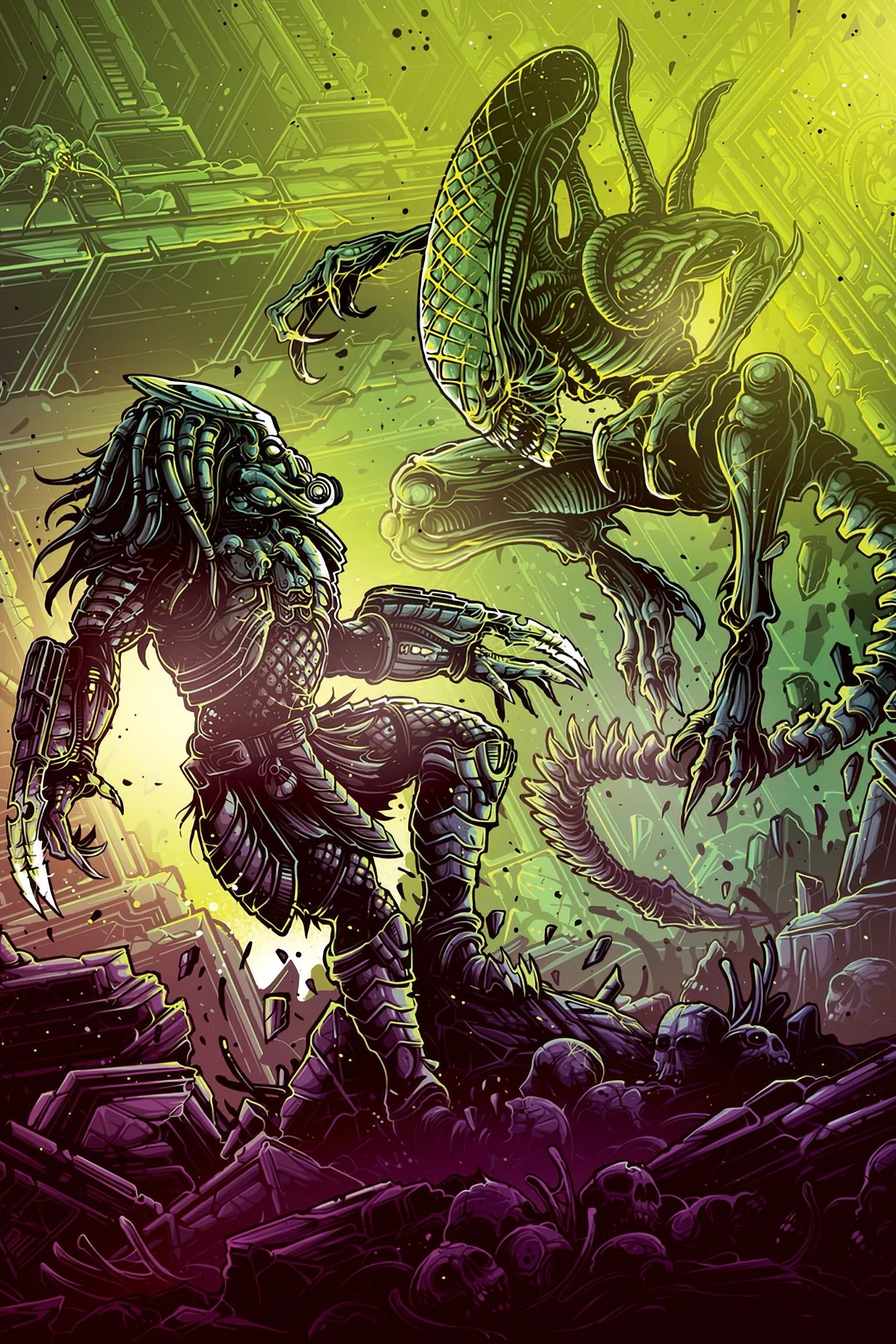
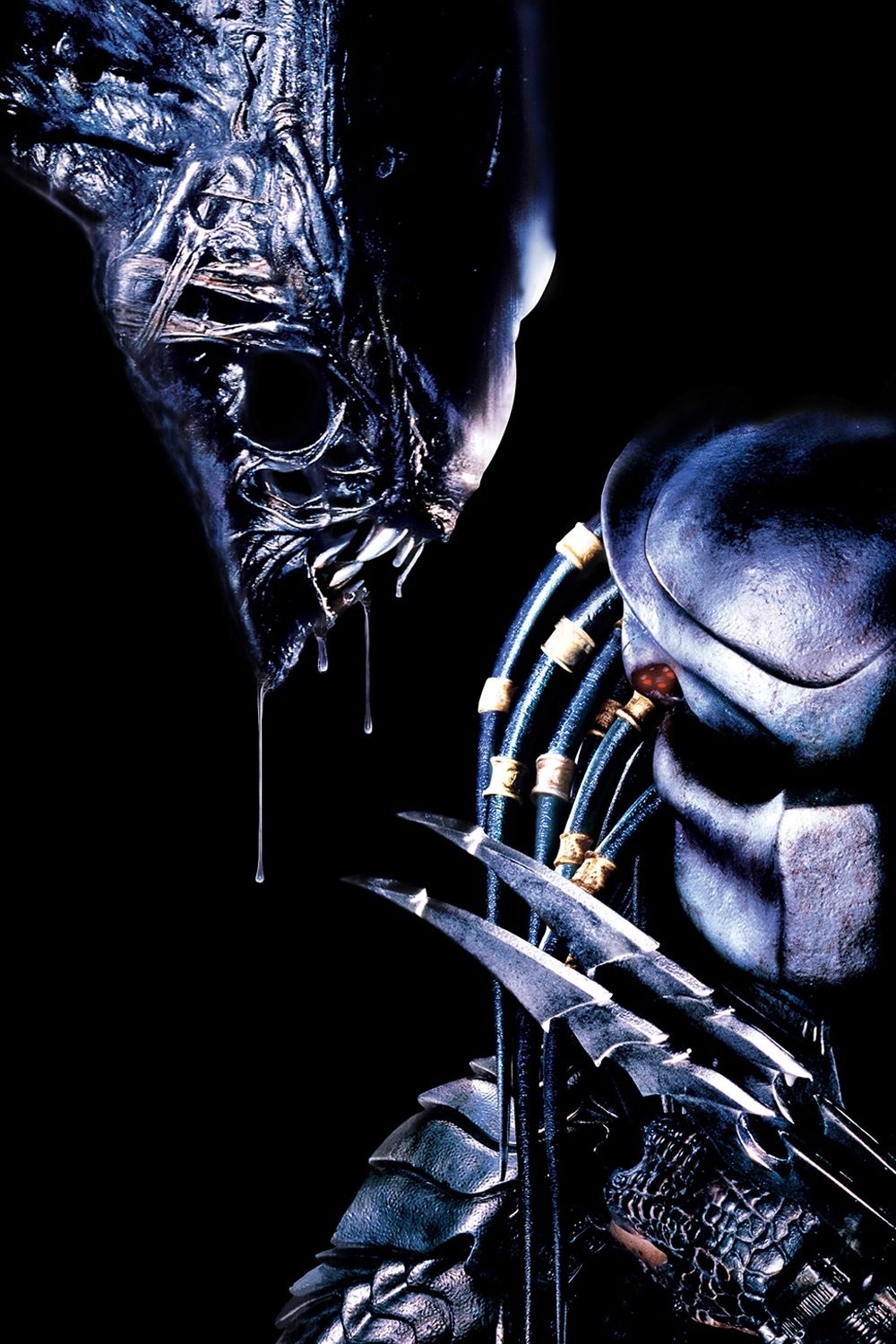
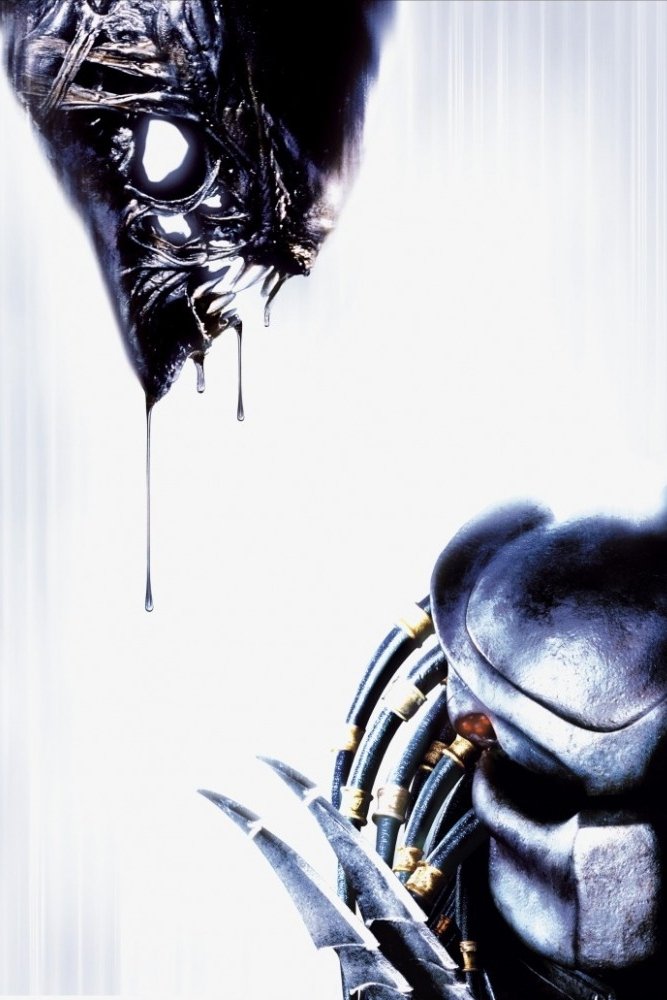
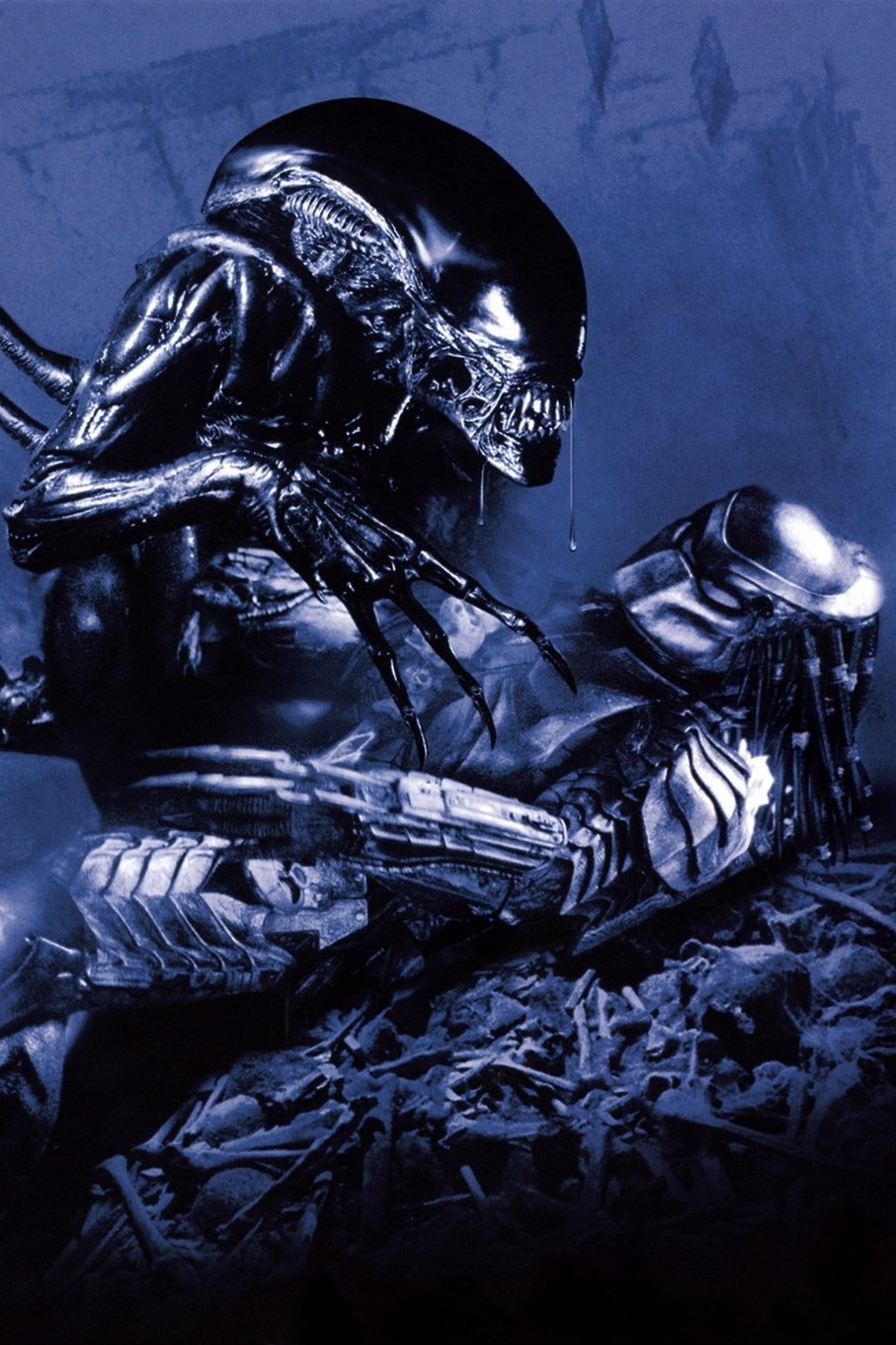
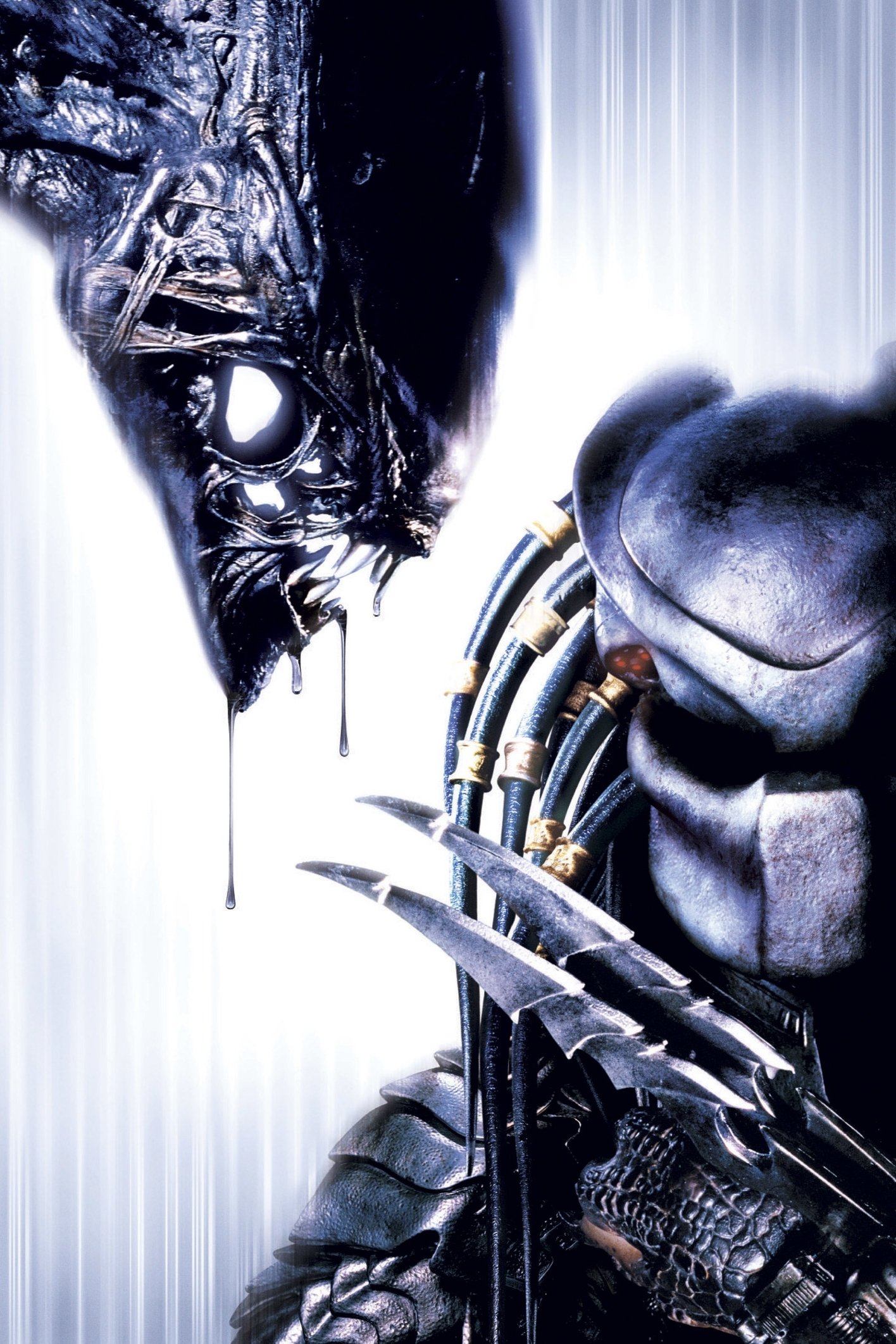
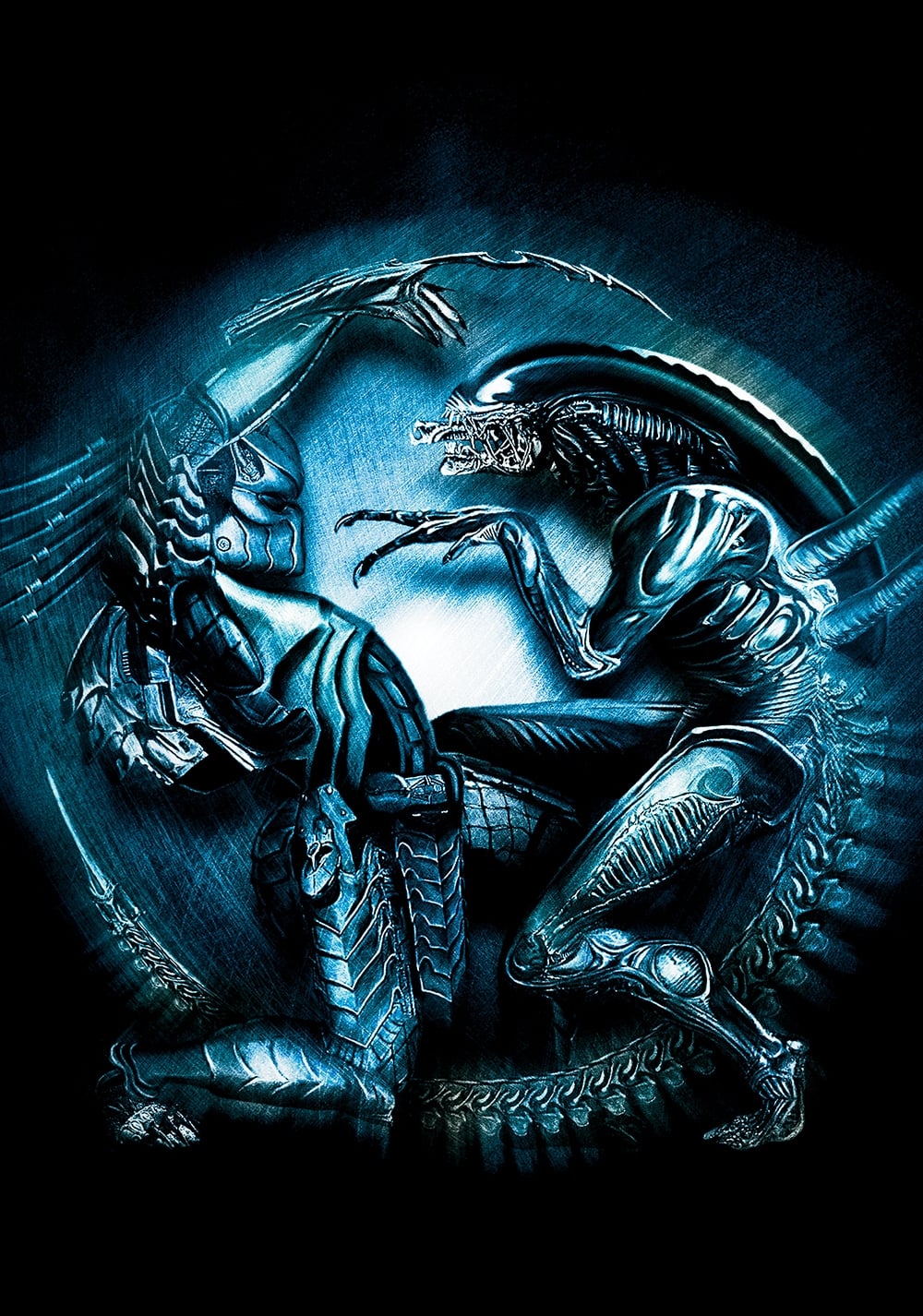
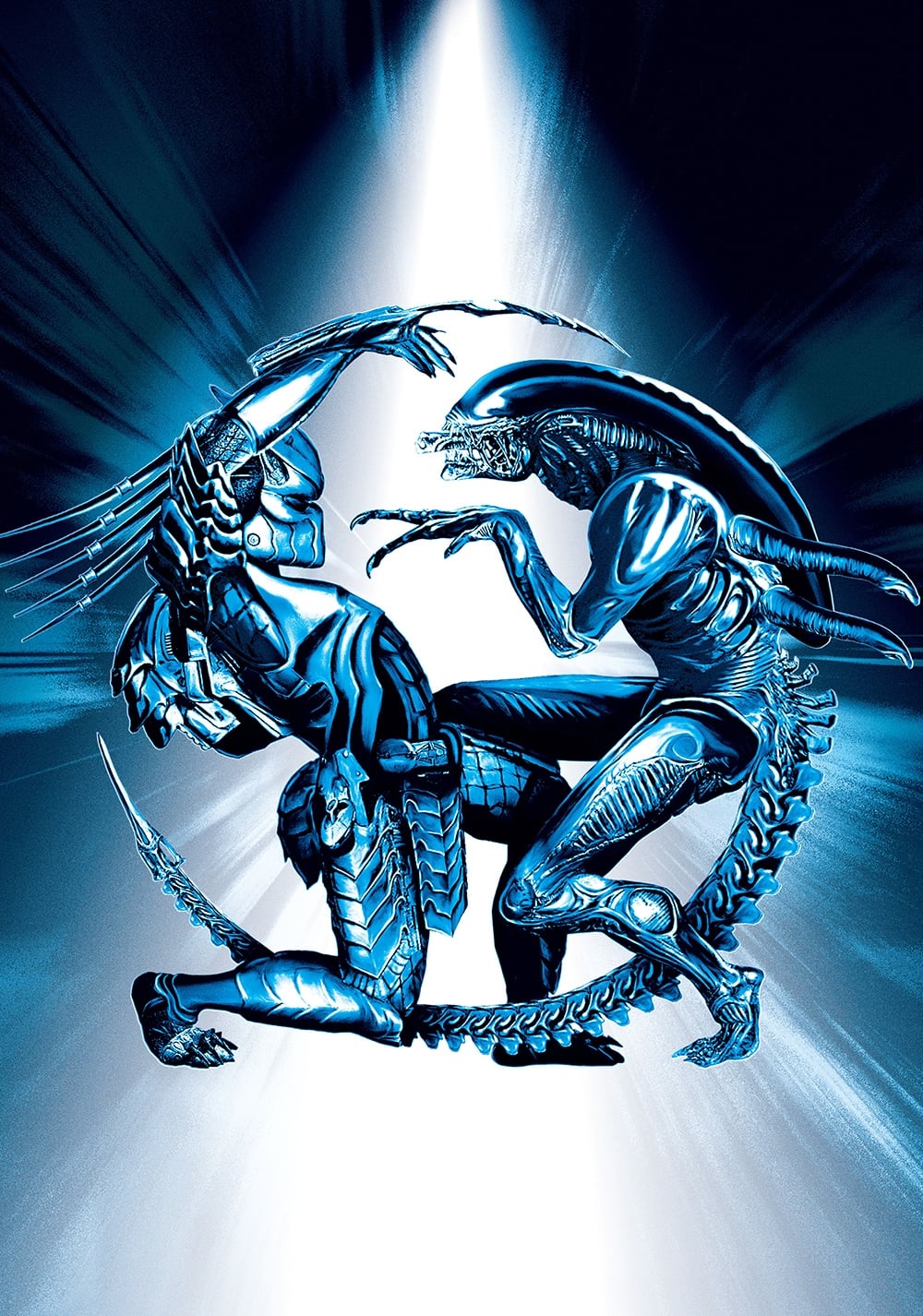
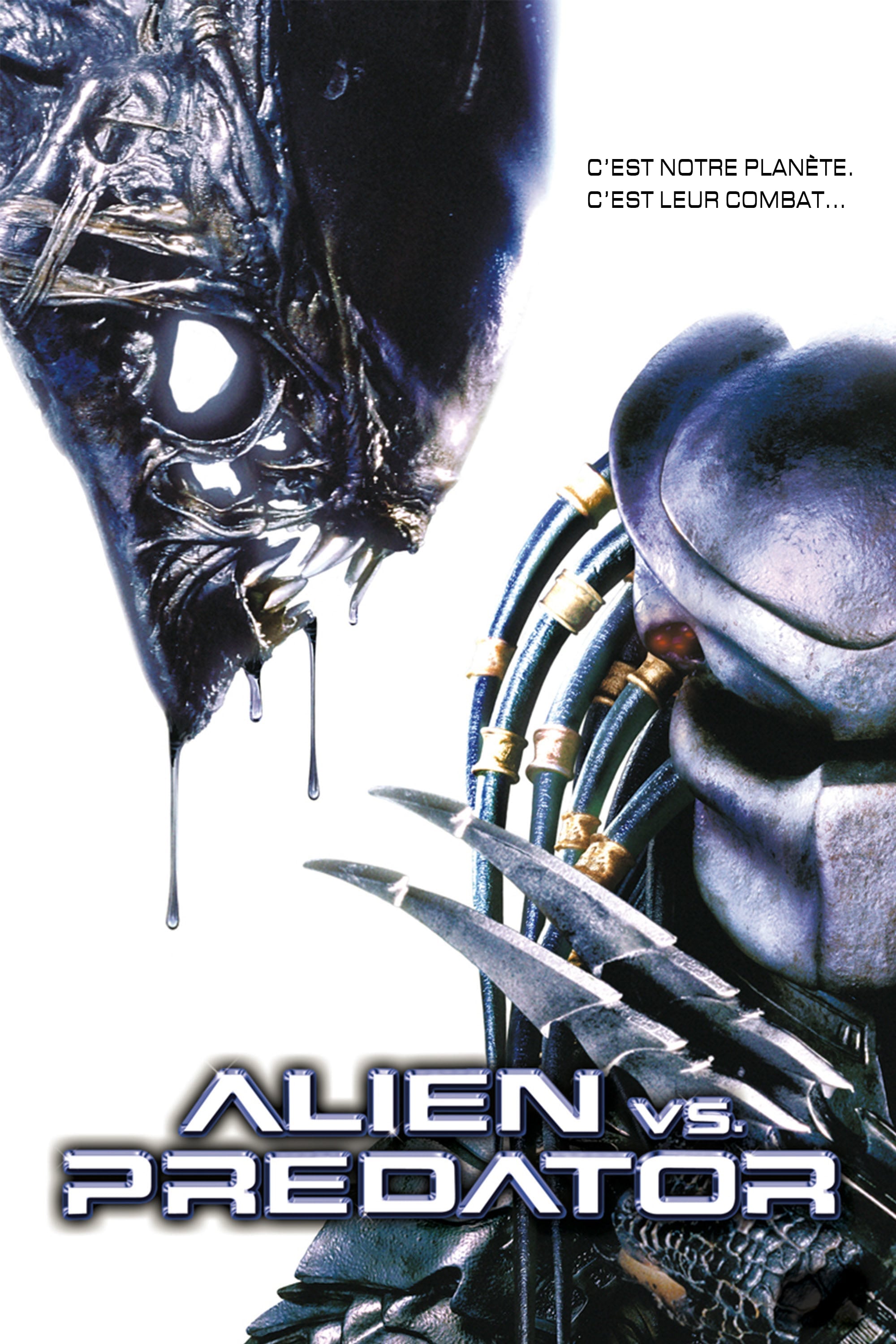
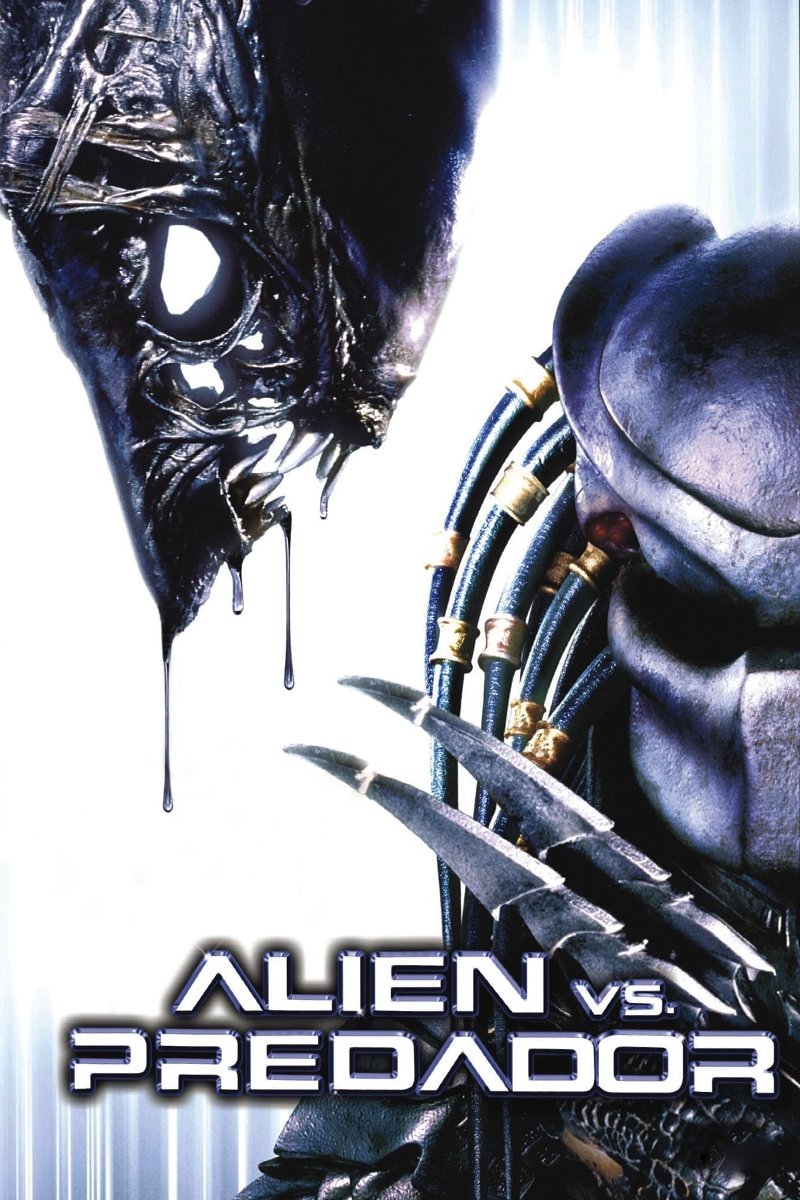
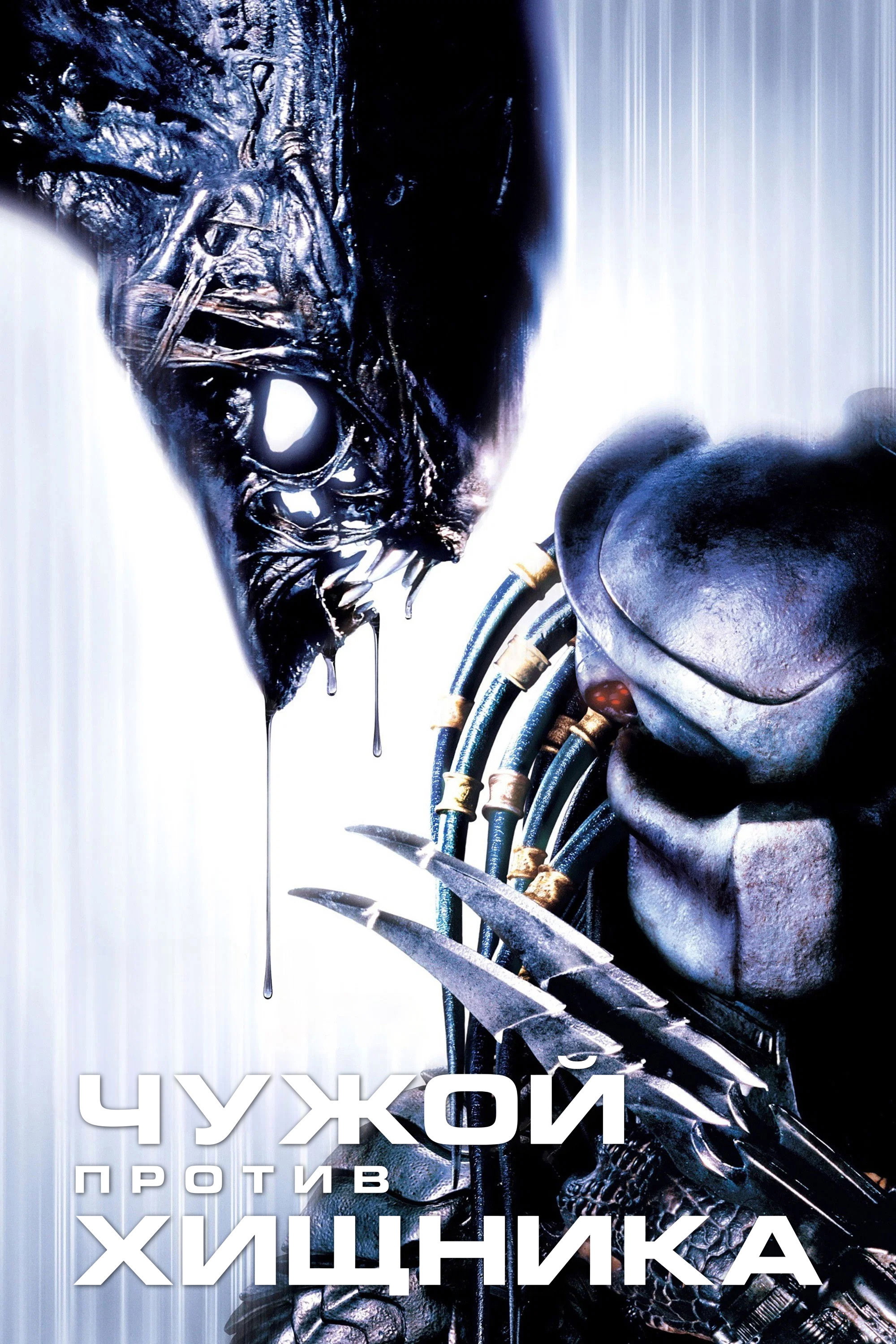
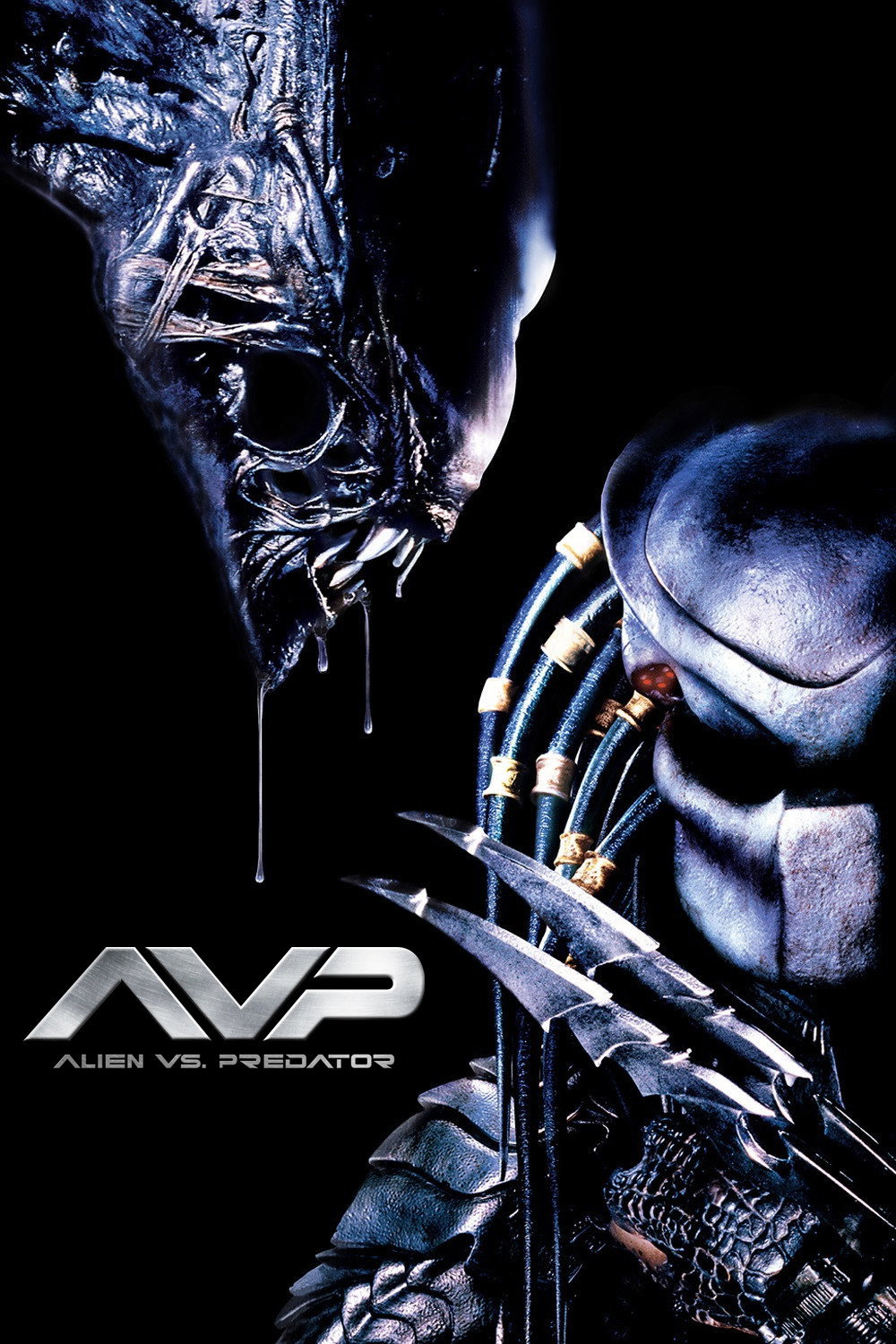
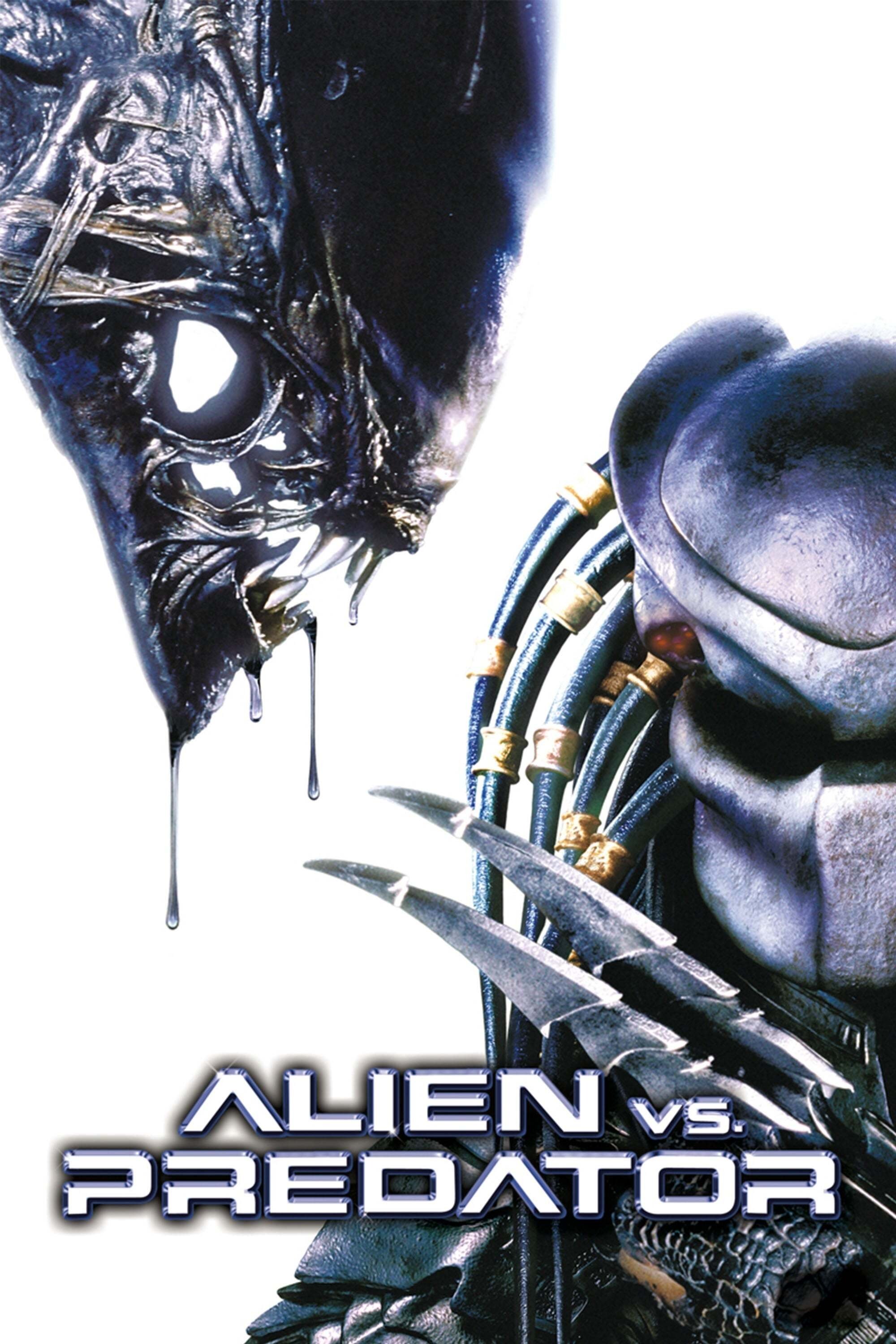
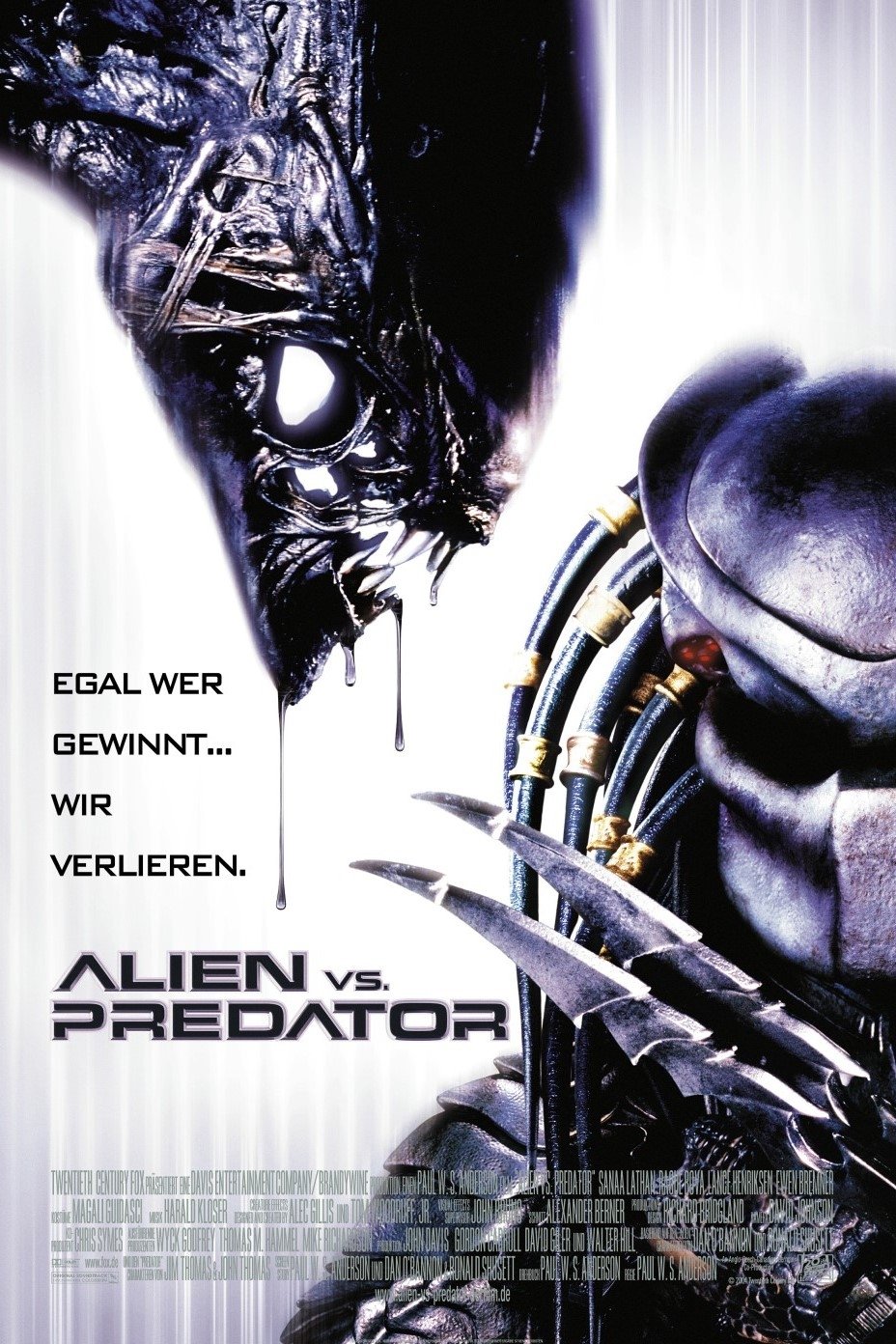
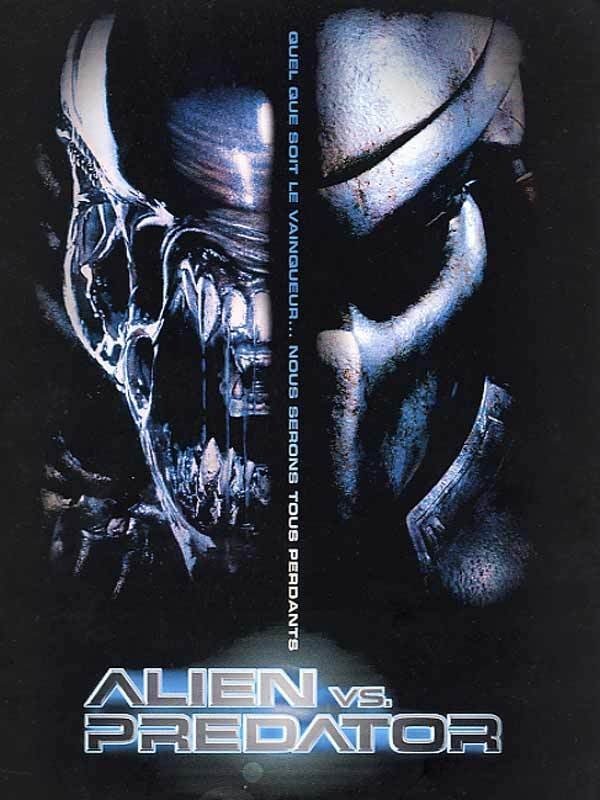
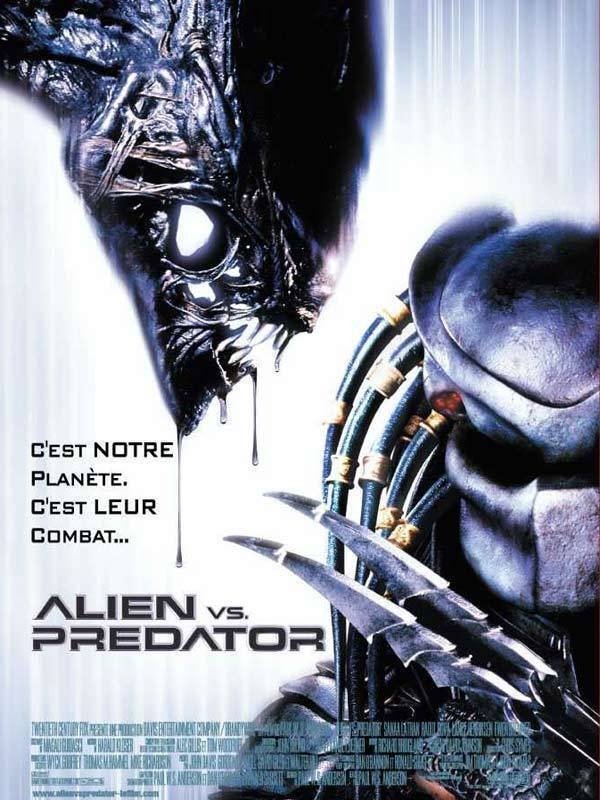
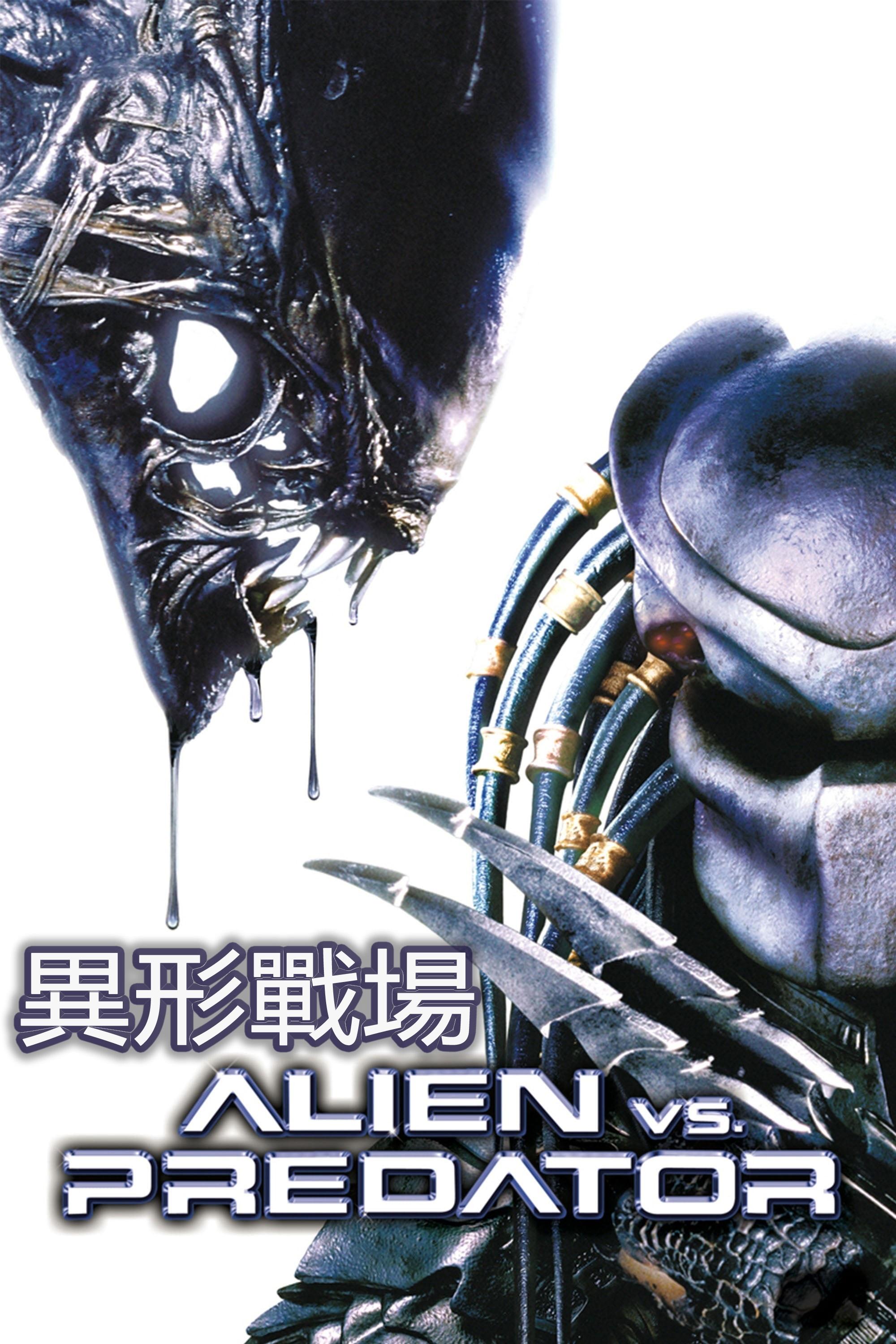
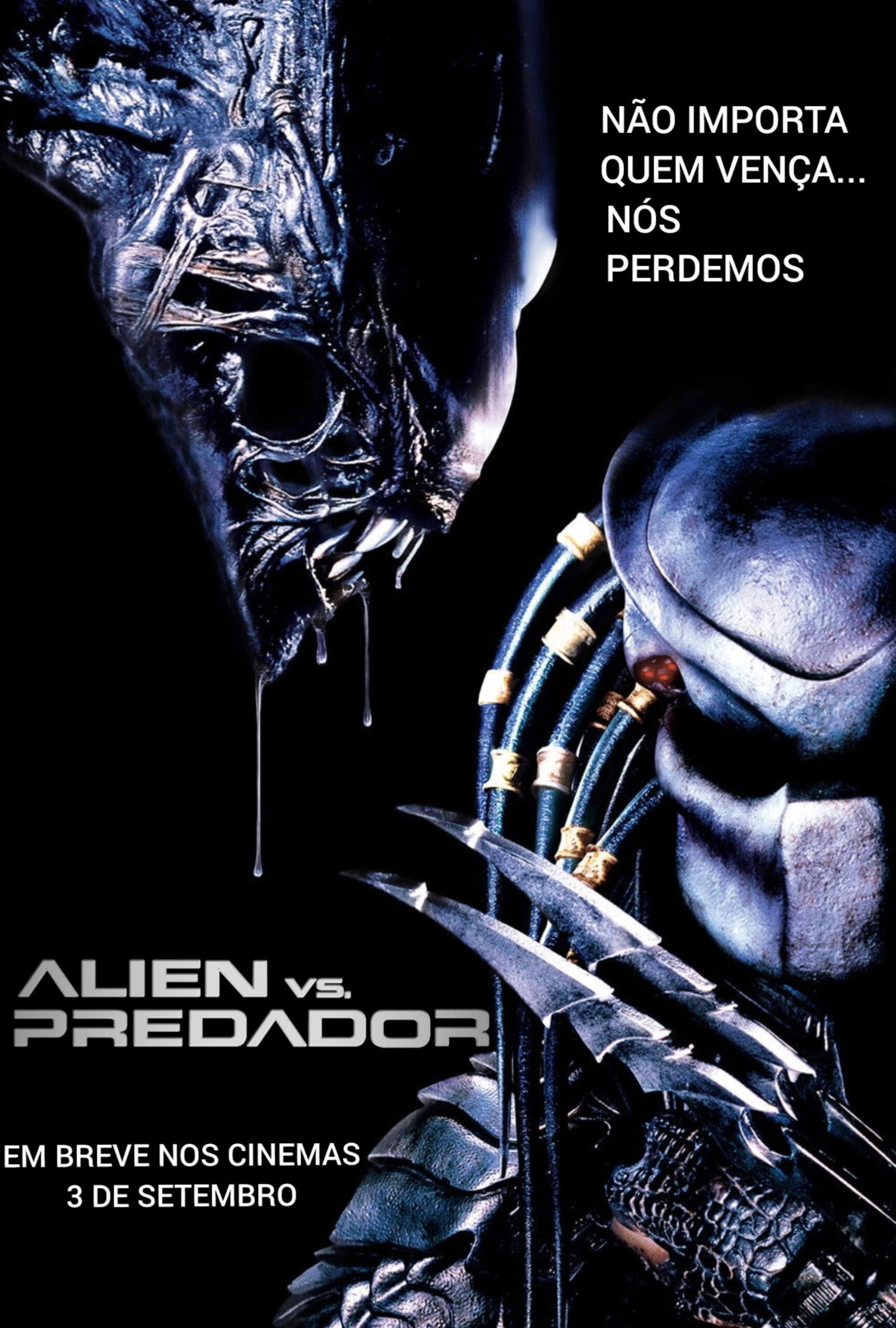
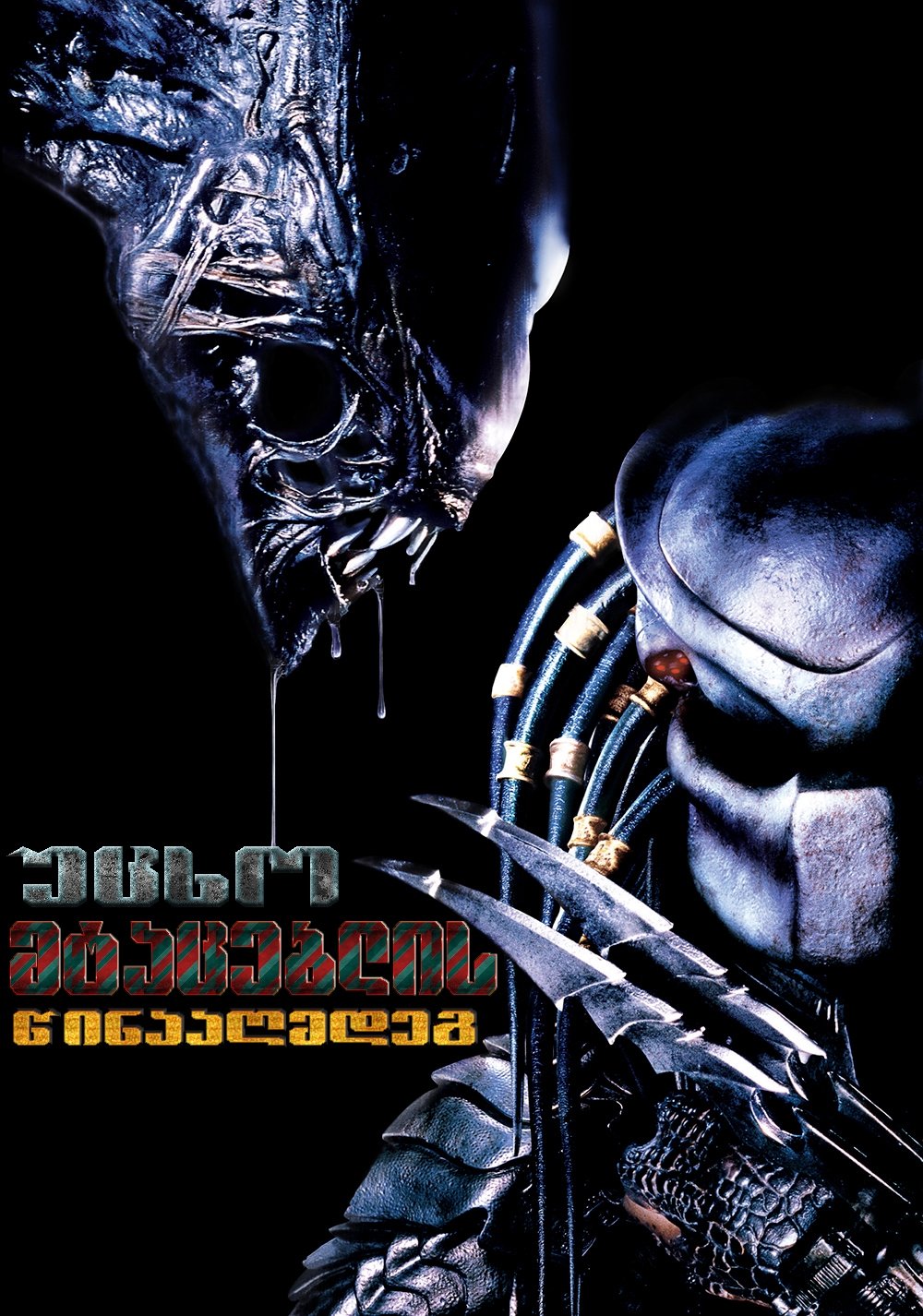
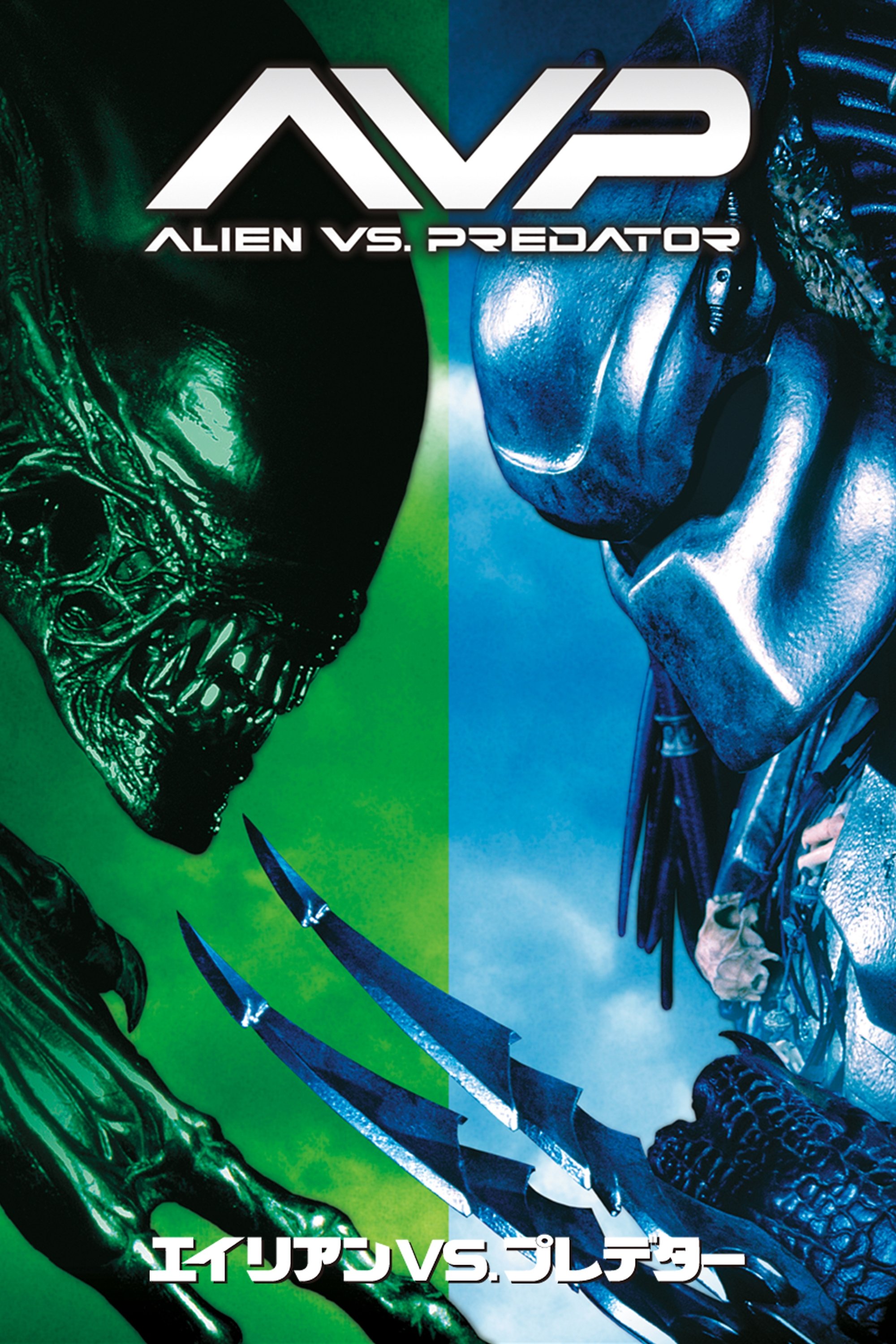
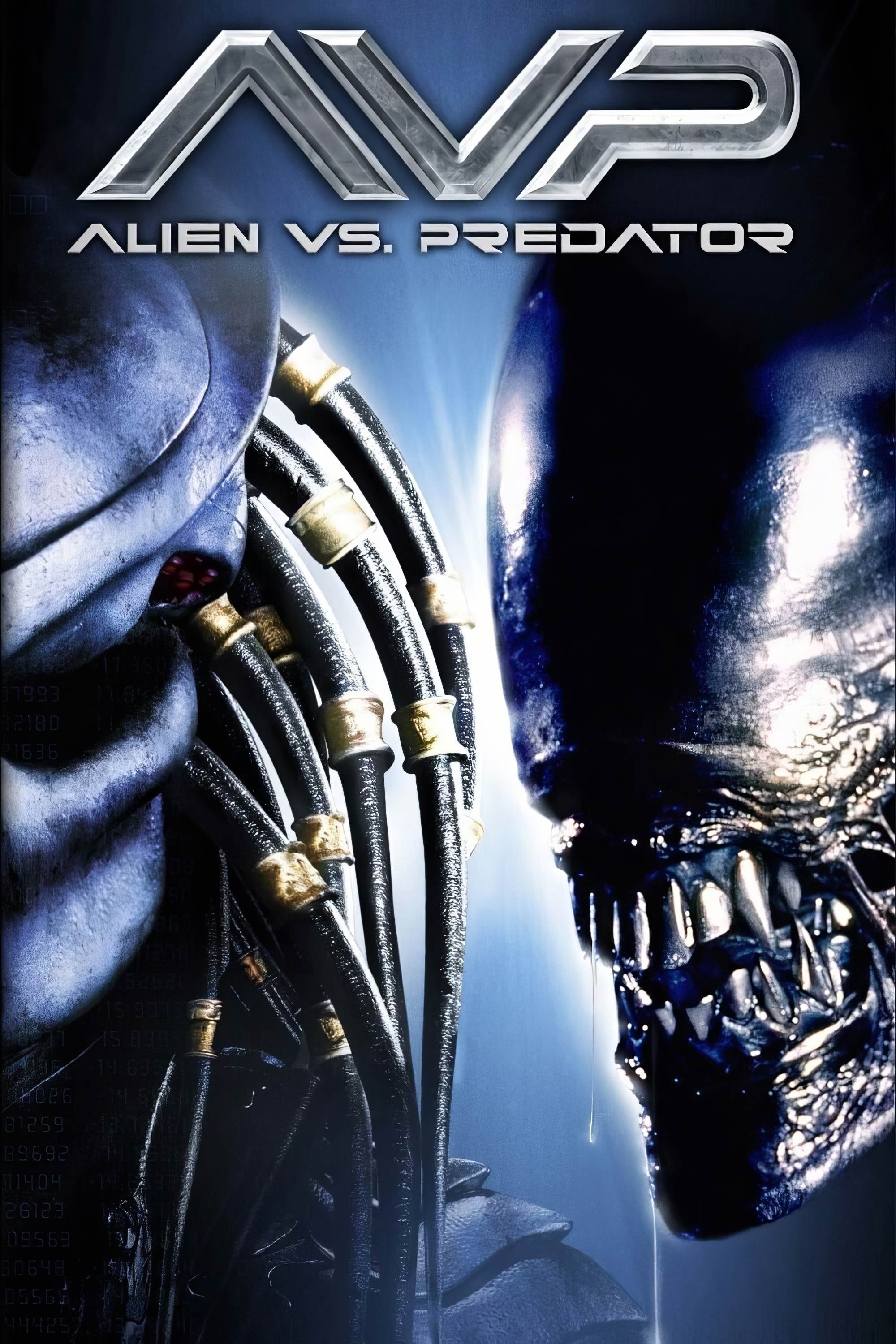
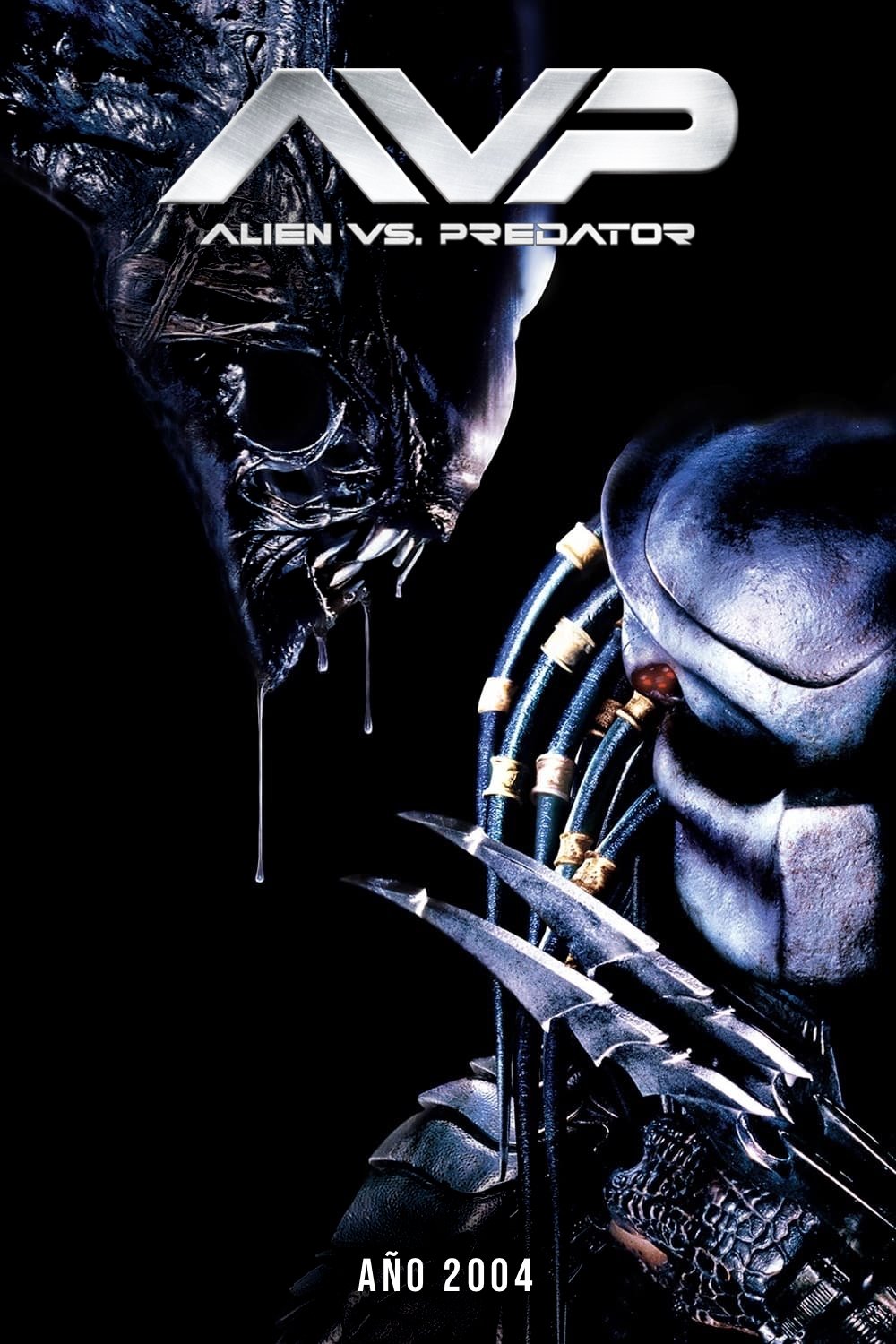
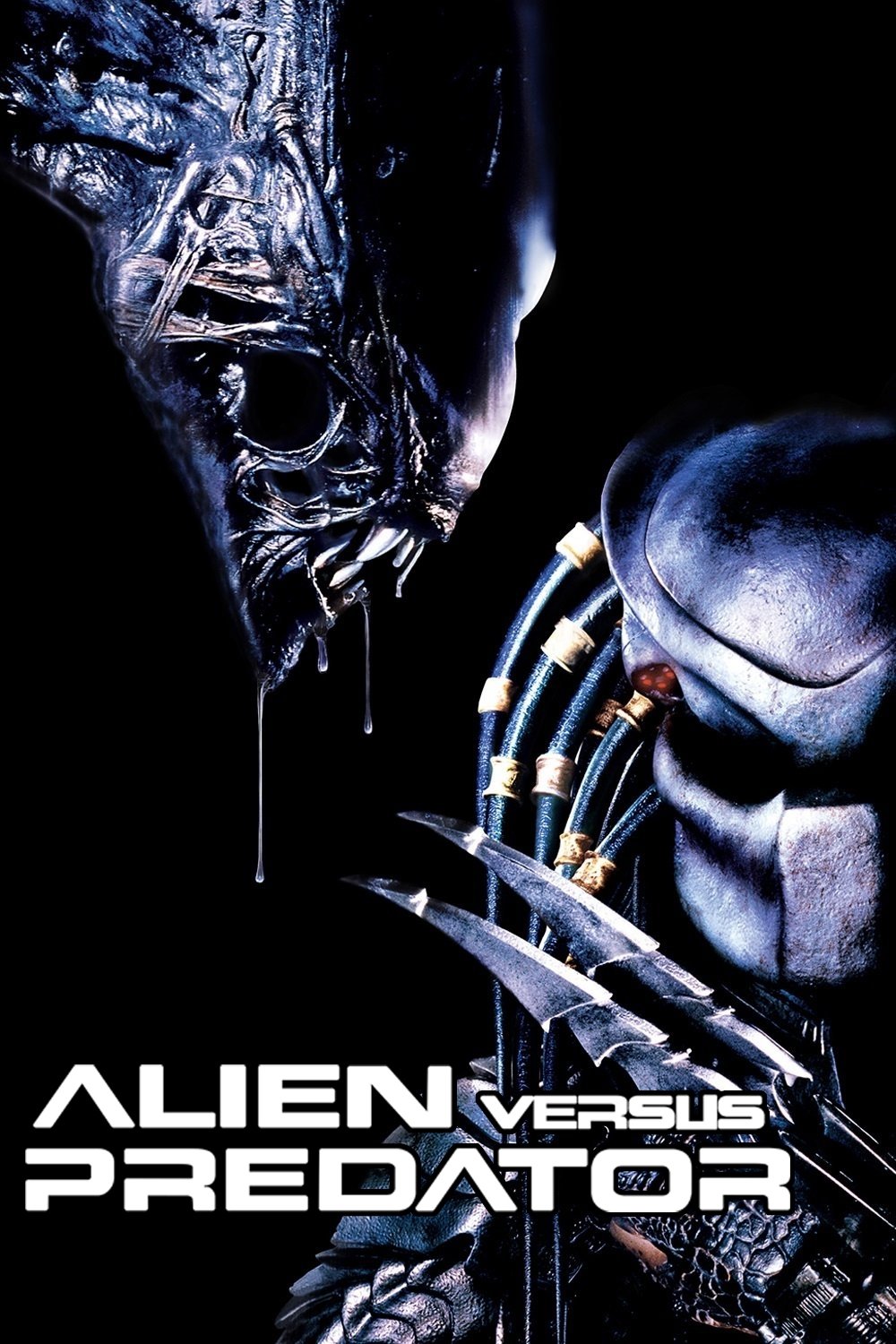
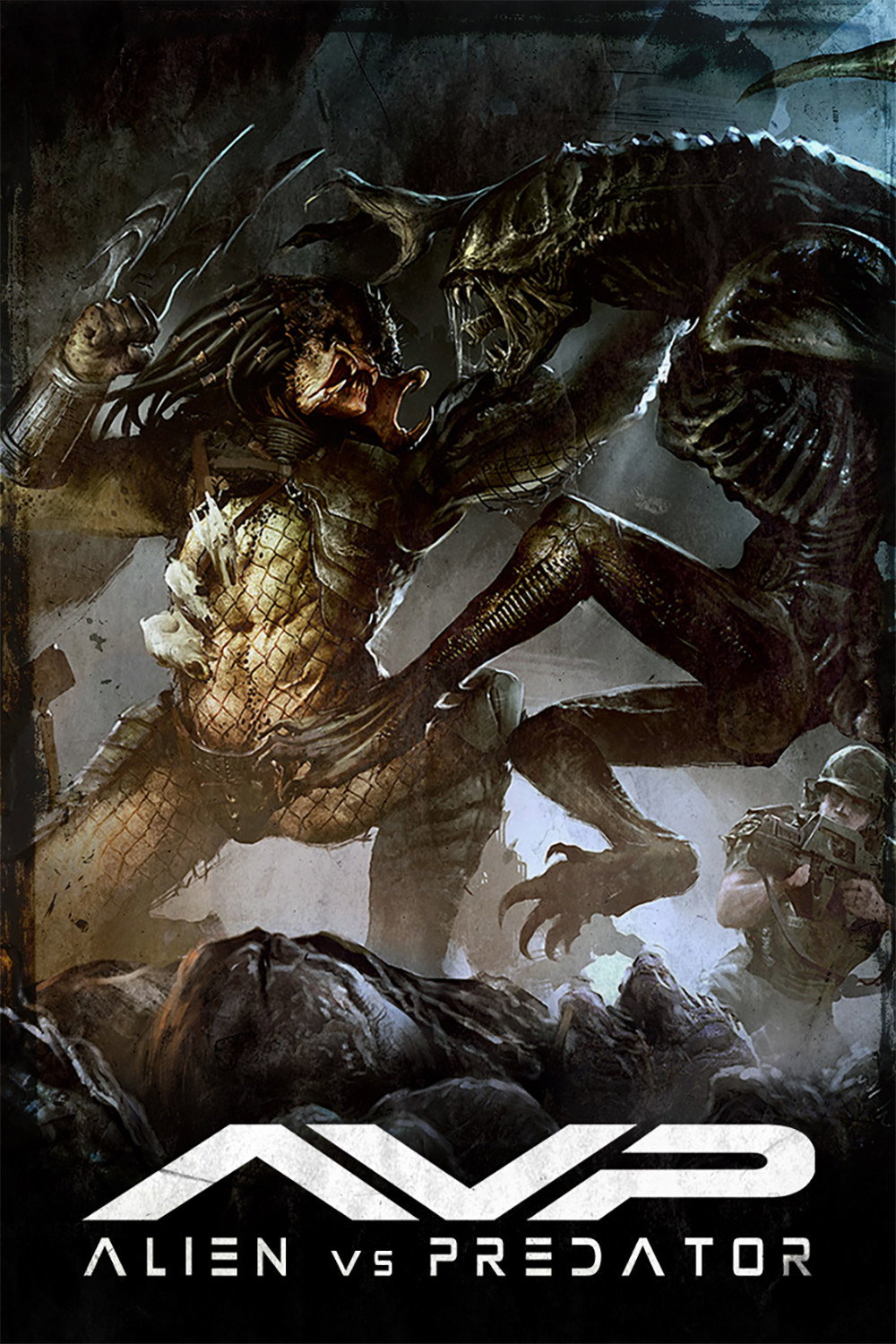
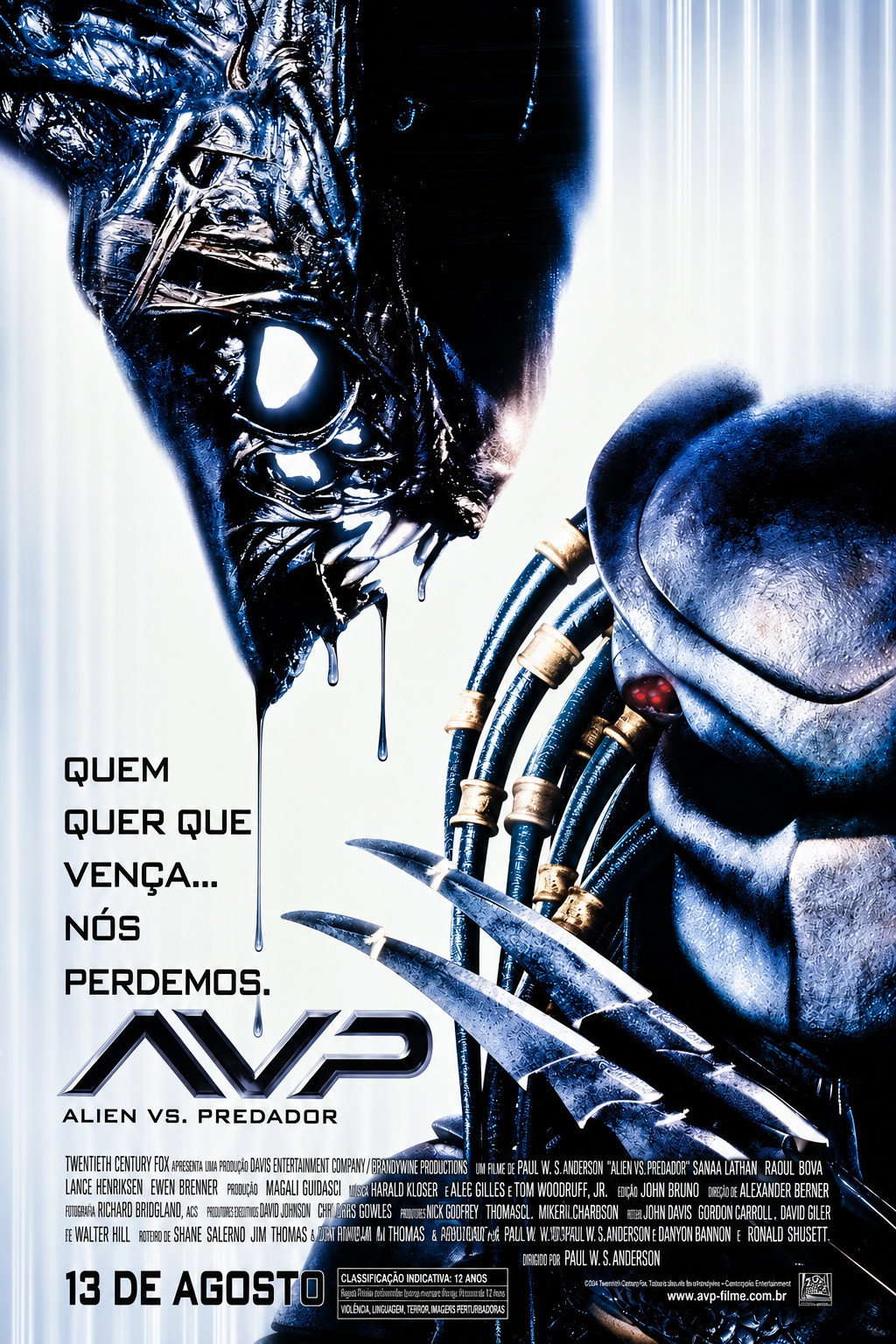
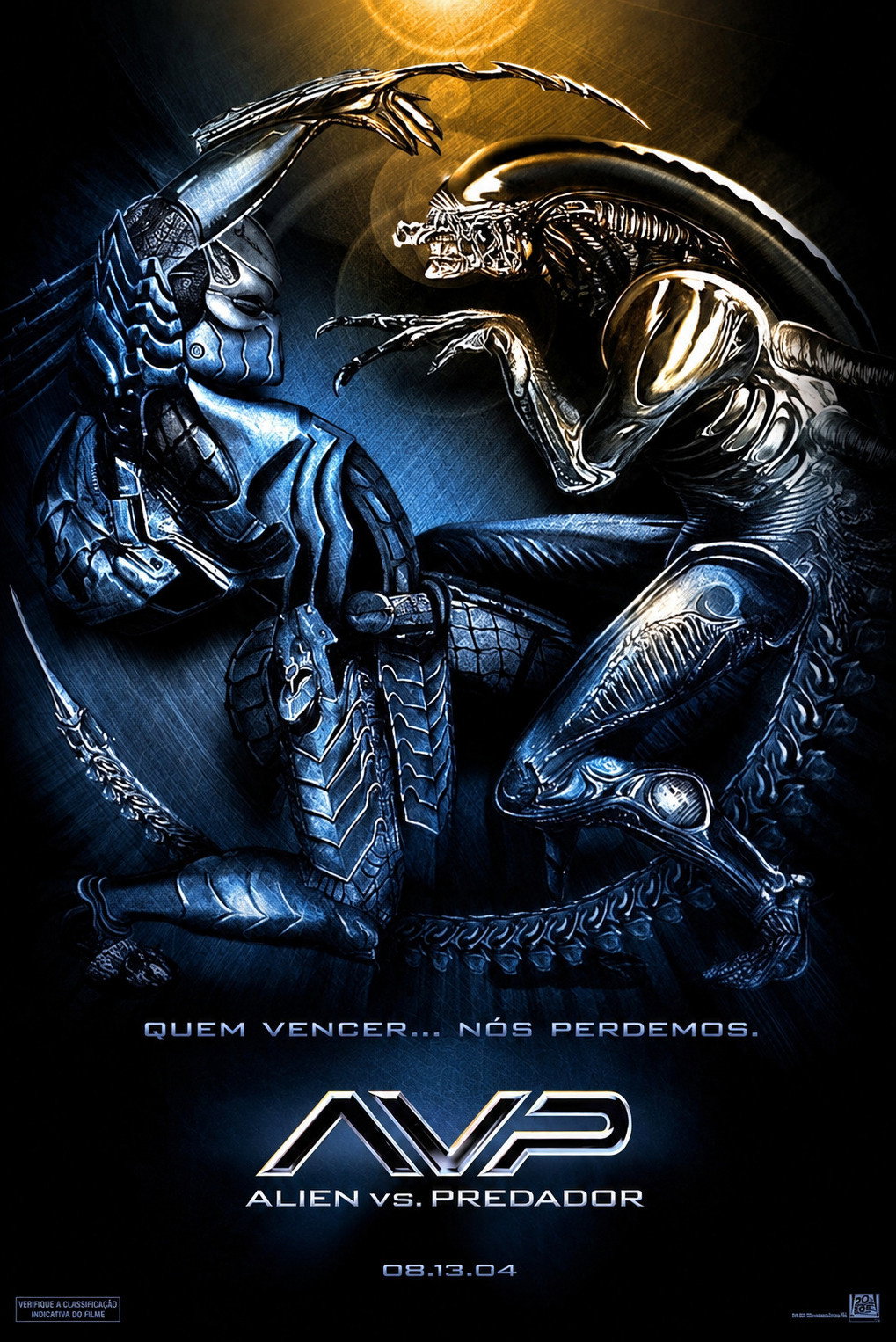
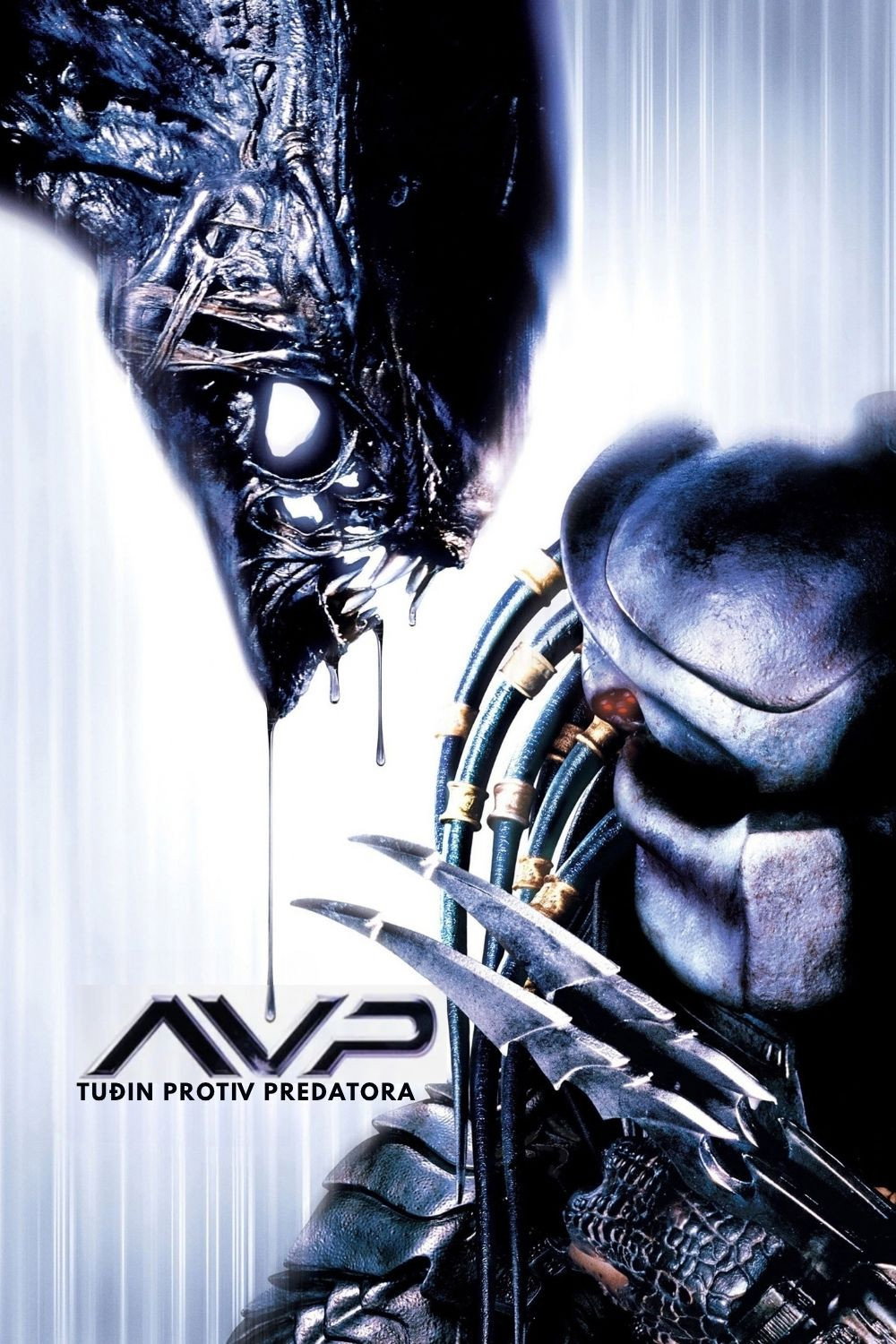
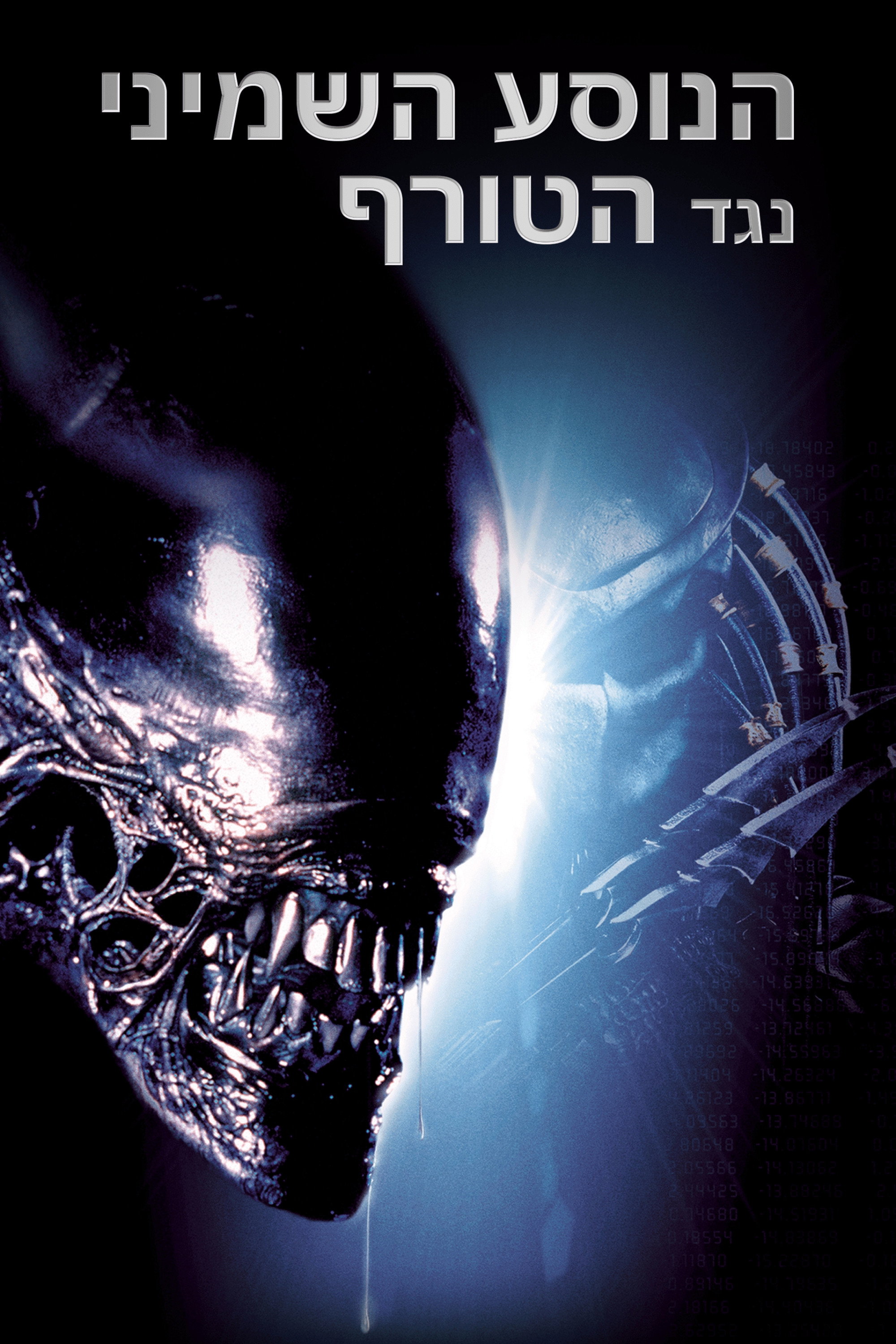
AVP: Alien vs. Predator (2004) brings two established science-fiction horror creatures into direct conflict inside a buried Antarctic pyramid. Paul W. S. Anderson sets the encounter on present-day Earth, where an expedition funded by industrialist Charles Weyland discovers an ancient structure that operates as a hunting ground. The xenomorphs retain their parasitic reproductive cycle, while the Predators are given a ritual reason to pursue them. Human visitors become trapped between species whose abilities they understand only after the building has sealed around them. The film replaces the isolated spacecraft and jungle terrain of its predecessors with a constructed maze that can change its internal routes.
The crossover took more than a decade to reach theaters after the two creatures first met in licensed comics. Its development involved disputes among producers and studio executives, while the physical production brought creature specialists back to familiar designs and required a massive new Queen animatronic. The resulting PG-13 release favored large confrontations and accelerated creature action over the prolonged dread associated with the first Alien film. Contemporary responses recognized its commercial premise but questioned whether the combination preserved the original monsters' capacity to frighten.
Before the Film: A Crossover in Comics
The meeting of the two species did not originate with the appearance of an Alien skull in Predator 2 (1990). In a January 2004 interview, Dark Horse editor and writer Randy Stradley traced the concept to a 1989 brainstorming session involving Chris Warner. Dark Horse already published licensed comics based on both film properties, and the company approached Twentieth Century Fox with the proposal to combine them. Stradley's account identifies a specific editorial origin, although his belief that the later screen cameo followed from the comics remains his inference. The pairing subsequently circulated through comics and games before the eventual feature entered production.
The comics also supplied an important dramatic device: Predators undertaking a rite of passage by hunting Aliens that have been placed in a controlled environment. Stradley recognized that premise in the film's publicity, while saying he had not read its screenplay. The distinction matters because an established crossover concept does not mean that Anderson adapted one complete comic storyline. His film uses a contemporary expedition and a shifting pyramid to organize its conflict. The wider history shows how two screen monsters acquired a shared mythology in licensed publishing long before Hollywood committed to a theatrical encounter.
Development, Studio Negotiations and Prague
John Horn's August 2004 reporting for the Los Angeles Times documents how difficult it was to advance a project that seemed commercially obvious. Anderson had pitched an Alien and Predator meeting to a Fox executive as early as 1994. Producer John Davis later had to negotiate among people connected to separate film franchises, while another proposed Alien installment involving Ridley Scott and James Cameron complicated the studio's priorities. Horn also recorded disagreement over the likely budget. The substantial theatrical opening of Freddy vs. Jason (2003) helped demonstrate that a confrontation between recognizable horror properties could attract an audience, although Davis did not describe it as the sole reason Fox proceeded.
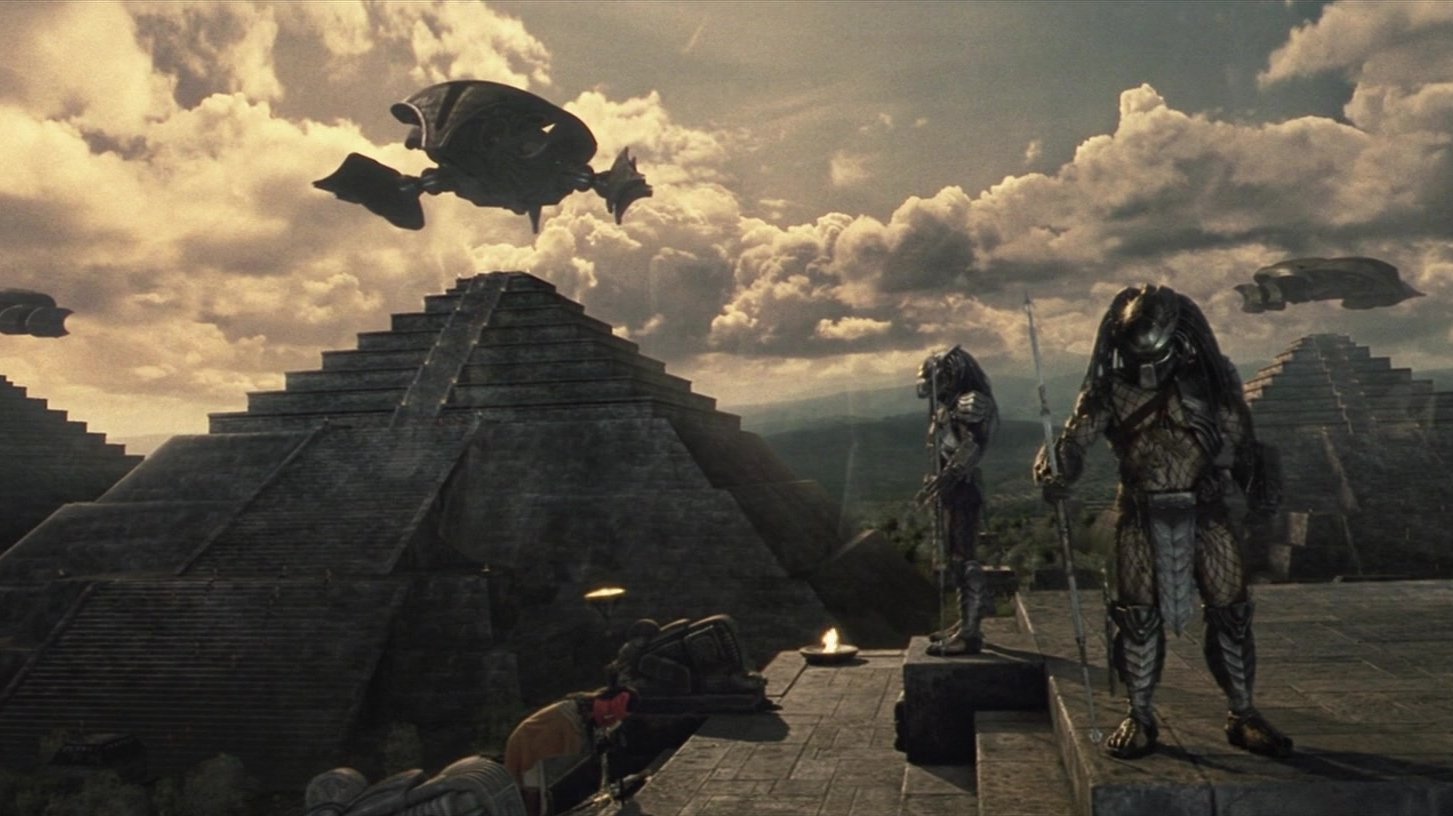
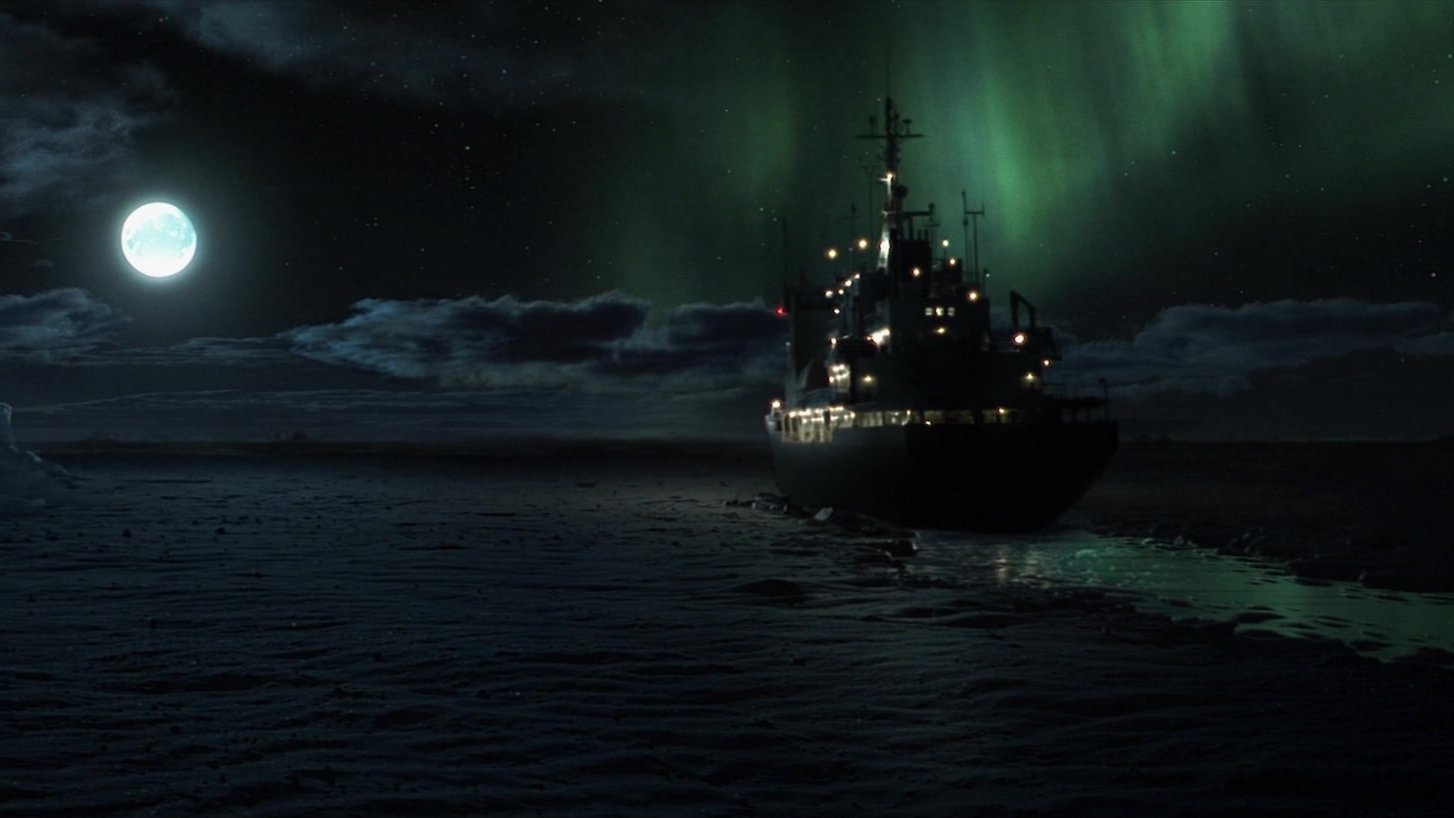
Anderson presented his concept through large illustrations commissioned from designer Patrick Tatopoulos, arguing for a buried Antarctic site instead of another adventure in space. Filming took place in the Czech Republic in 2003, including facilities at Barrandov Studios and a Prague industrial location, as confirmed by the Czech Film Commission. Contemporary reporting attributed part of the decision to available production incentives. The filmmakers therefore created polar exteriors and an ancient underground environment through studio construction and selected locations far from the fictional setting. This international arrangement is a documented part of the film's development, not evidence that any Antarctic sequences were photographed at the actual island.
The Pyramid as a Mechanism of Horror
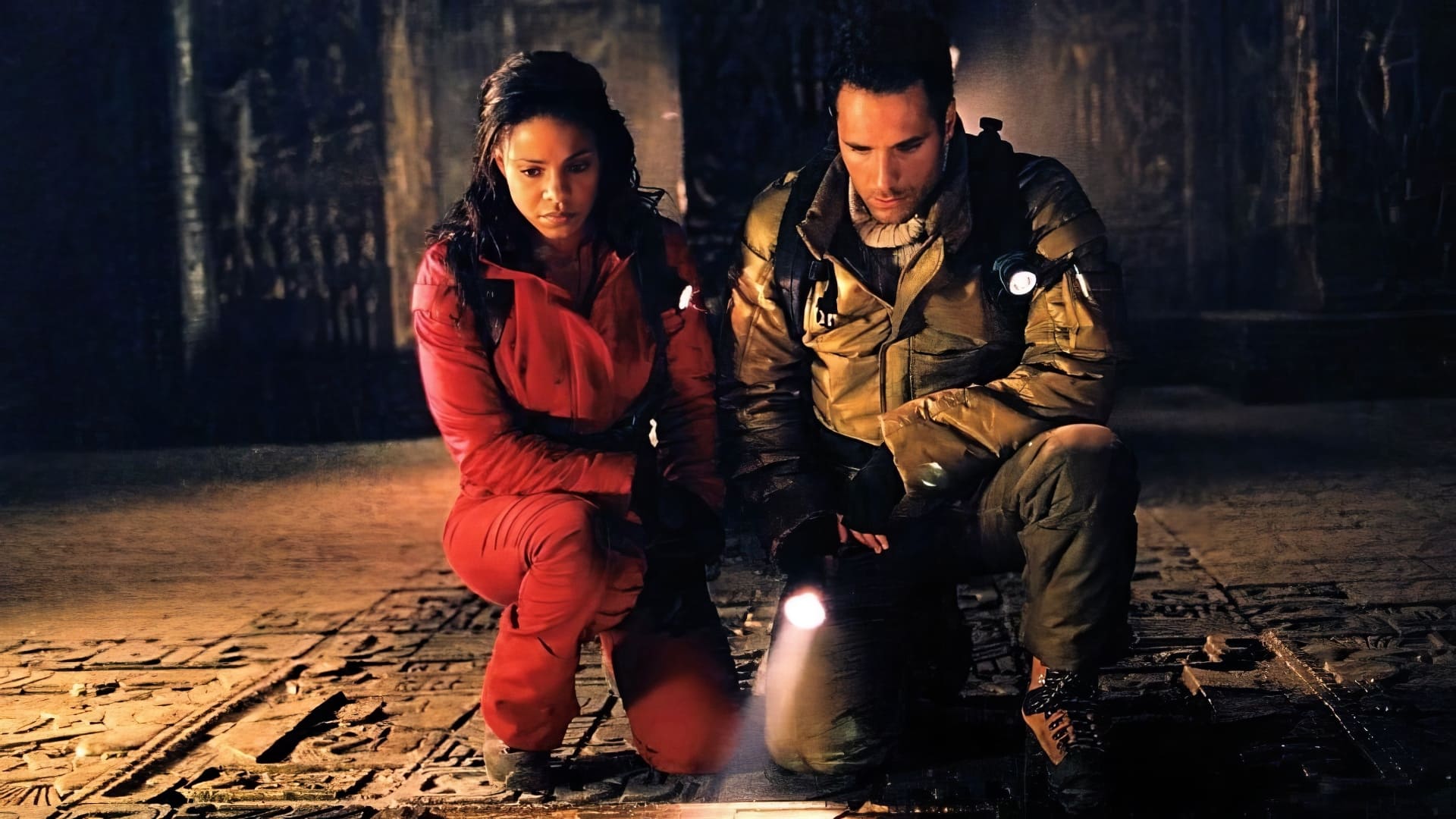
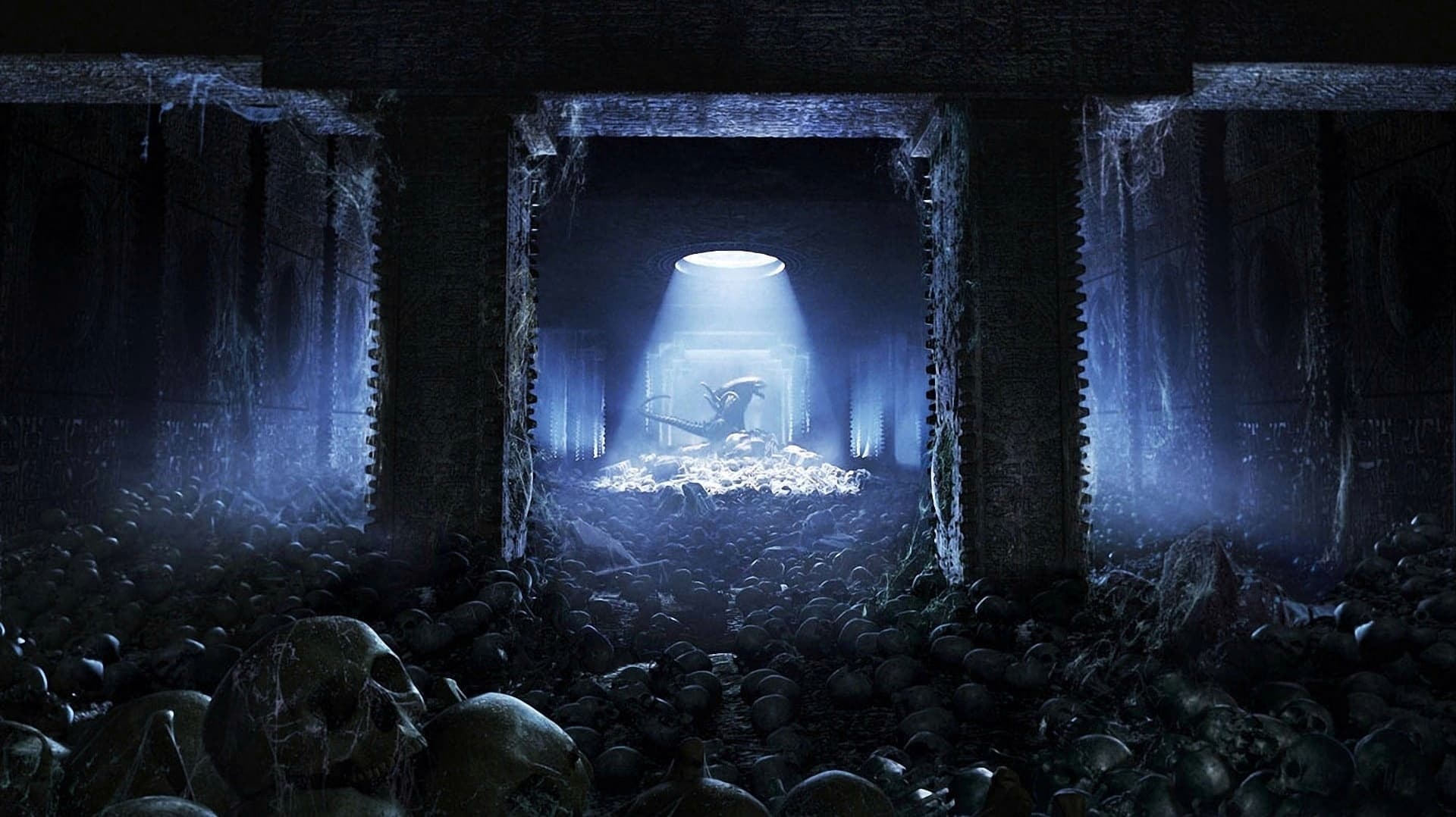
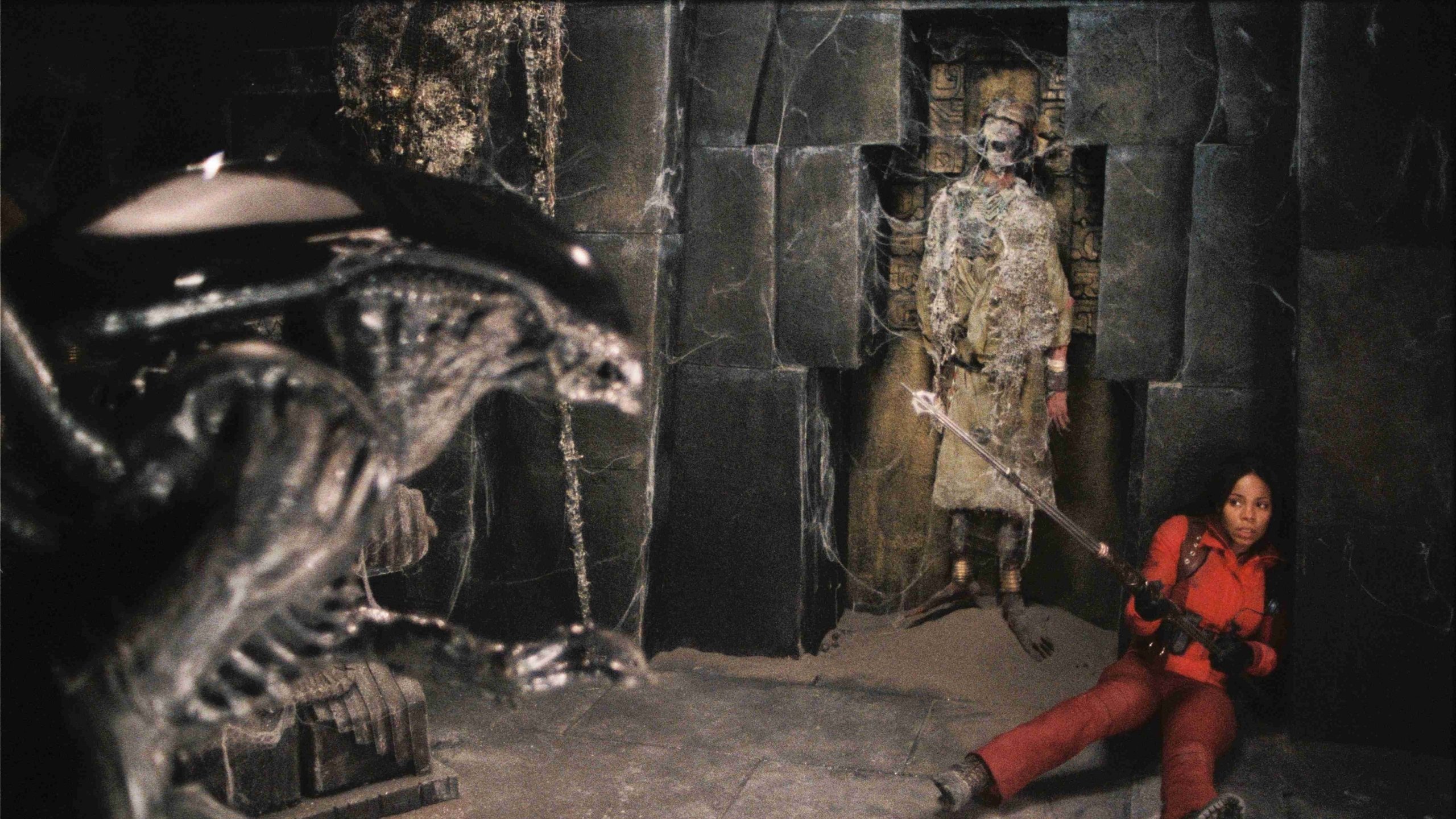
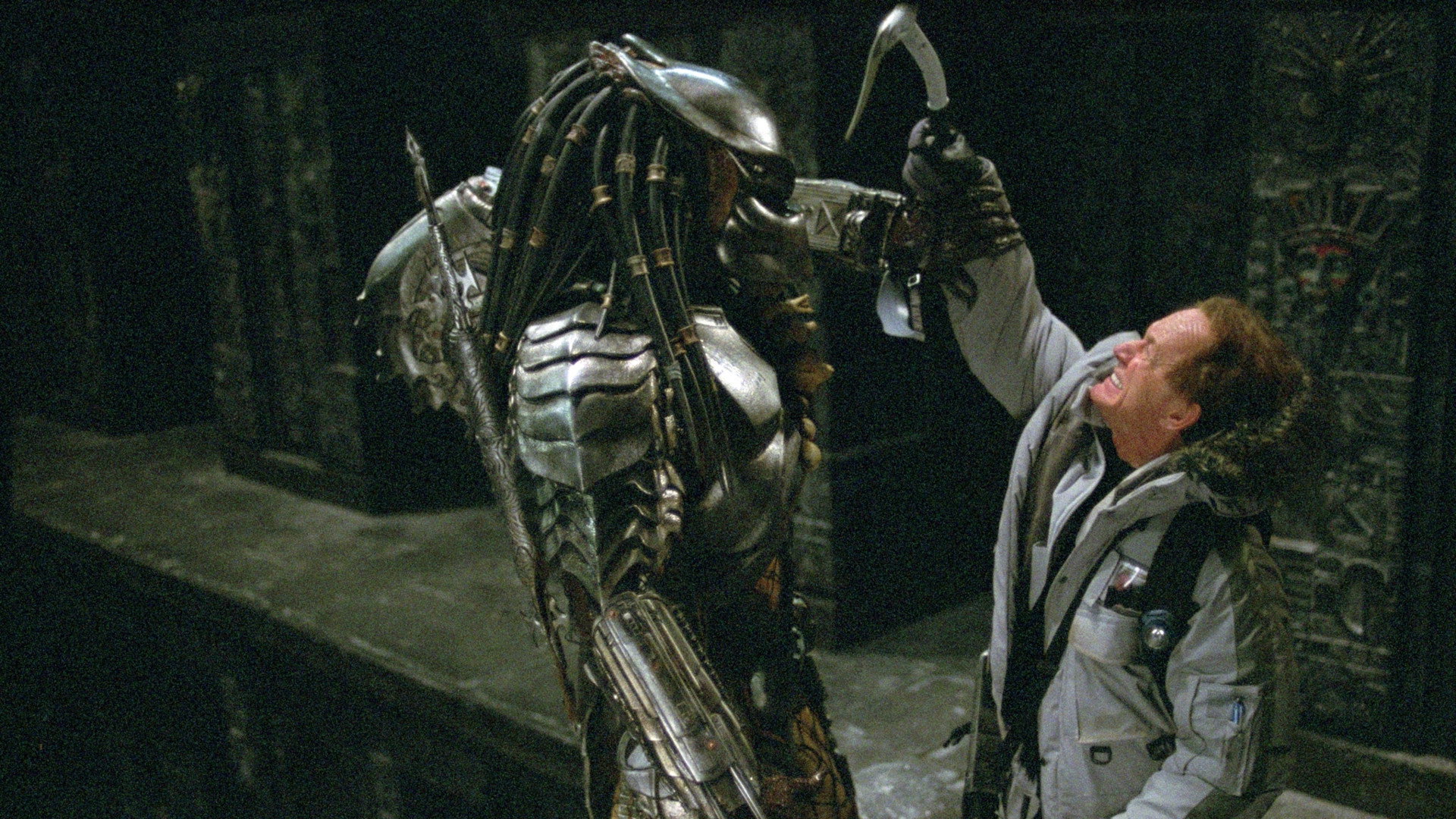
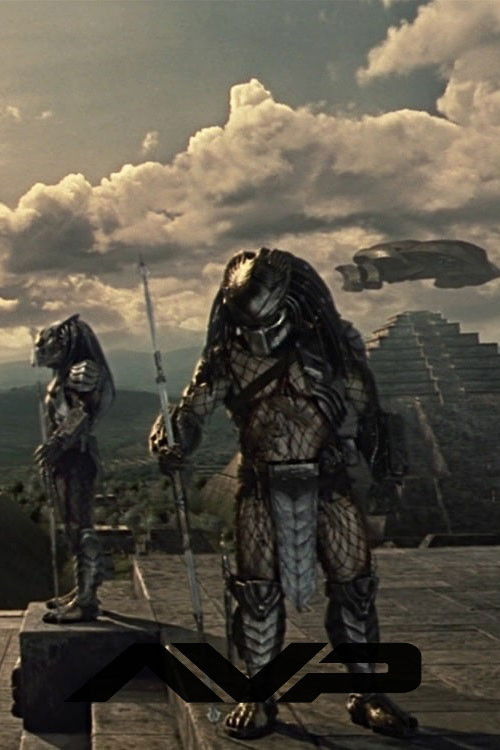
The story locates its structure beneath an abandoned whaling station on Bouvet Island, reached after a satellite detects an unexplained heat signature. Inside, the expedition encounters carvings linking the building to the fictional idea that ancient humans served the Predators. These inscriptions are inventions of the screenplay, not archaeological evidence about historical civilizations. Rooms reconfigure at intervals, separating explorers and controlling their access to weapons, exits and incubation chambers. The setting converts the usual pursuit of a victim through corridors into an engineered contest. A human character may learn one path only to discover that its walls have shifted again.
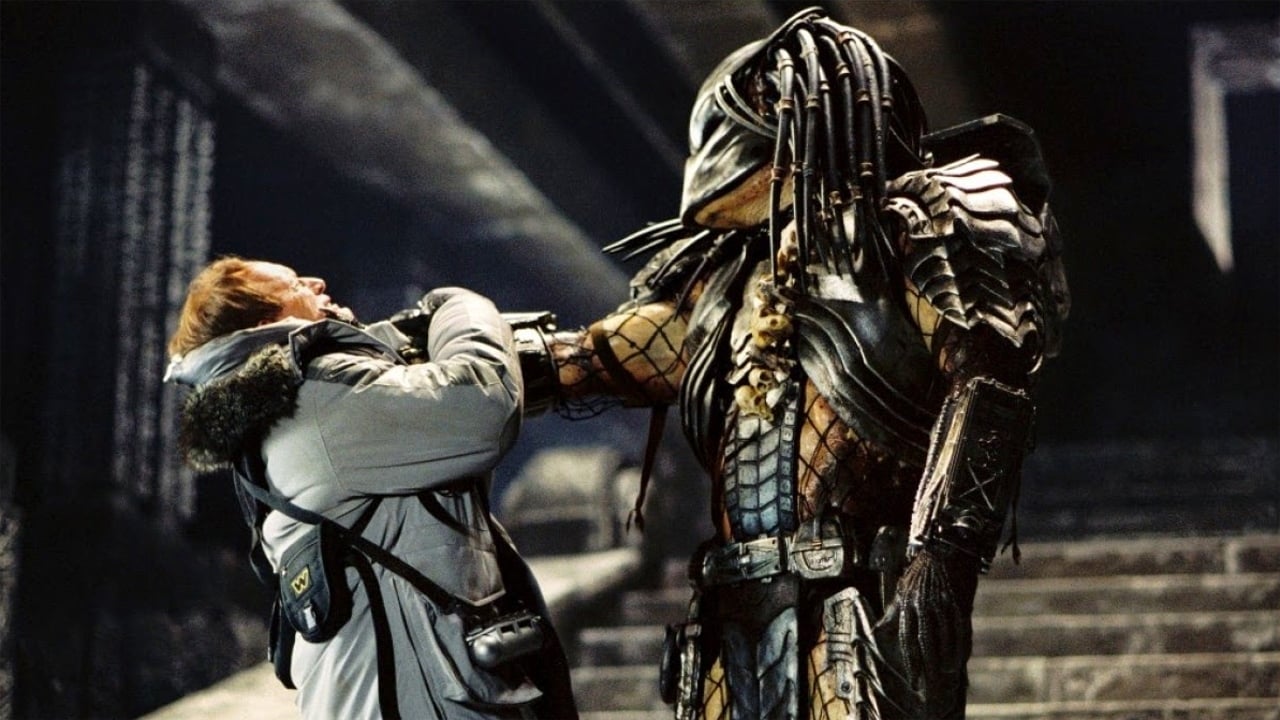
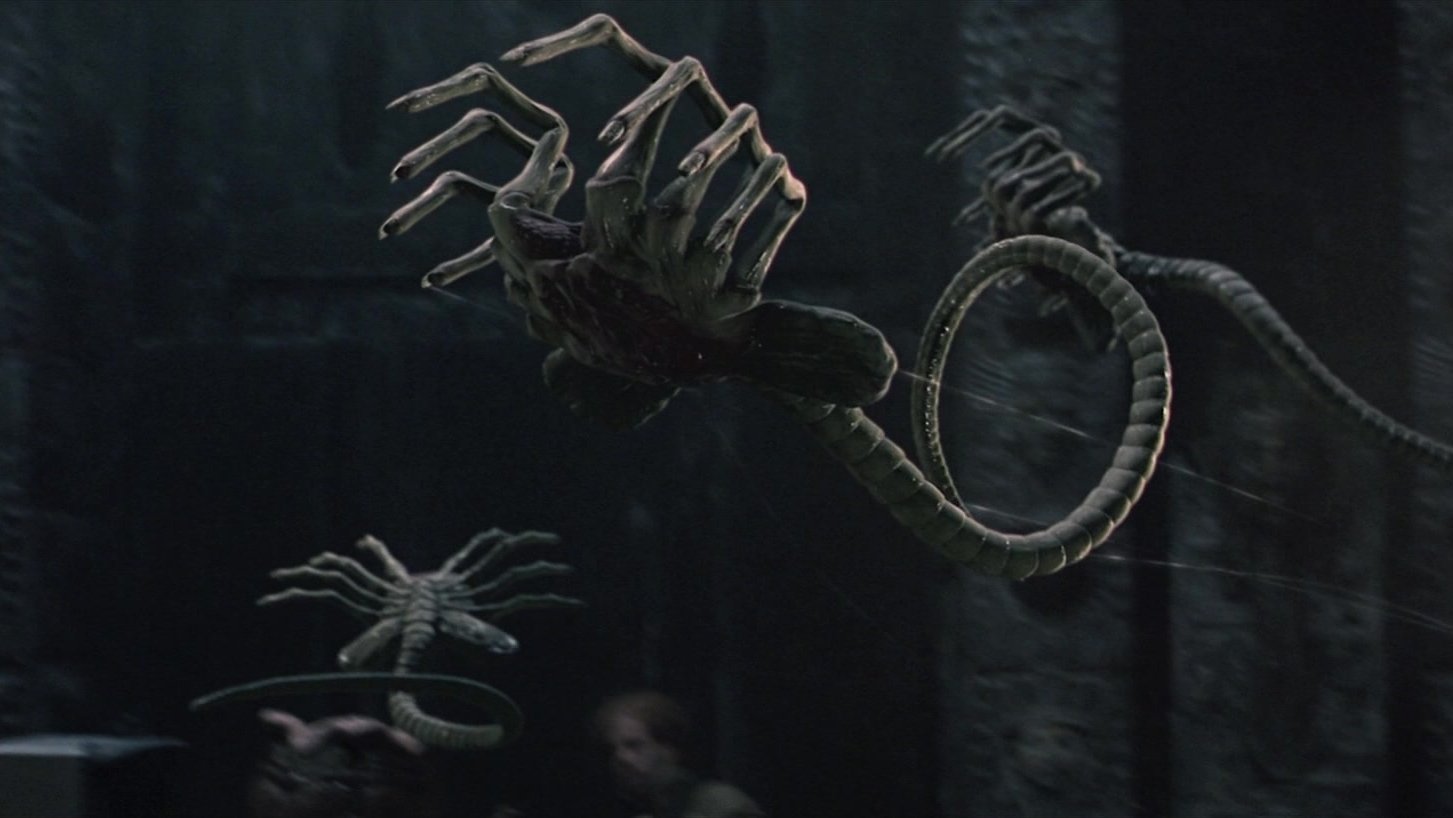
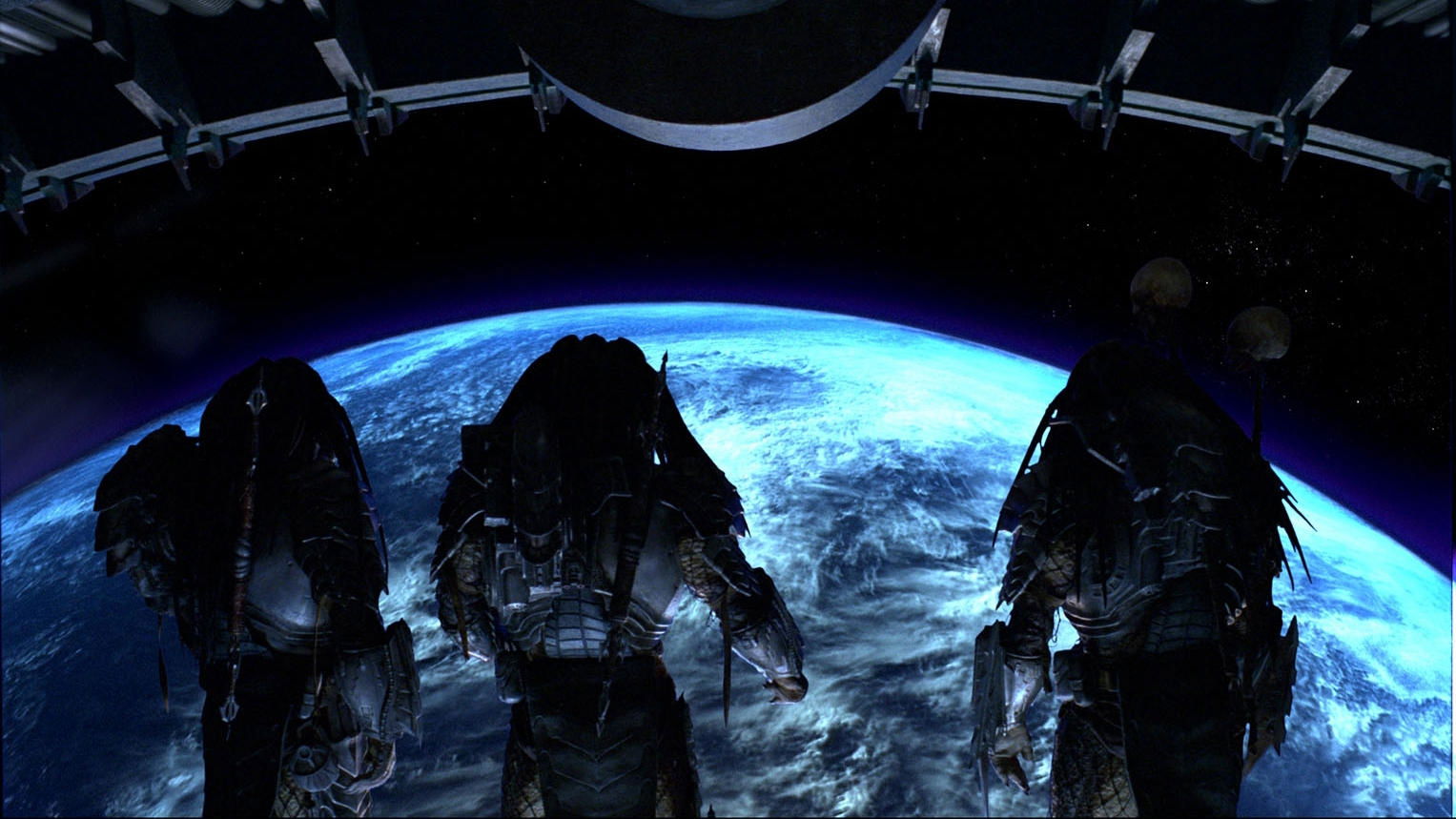
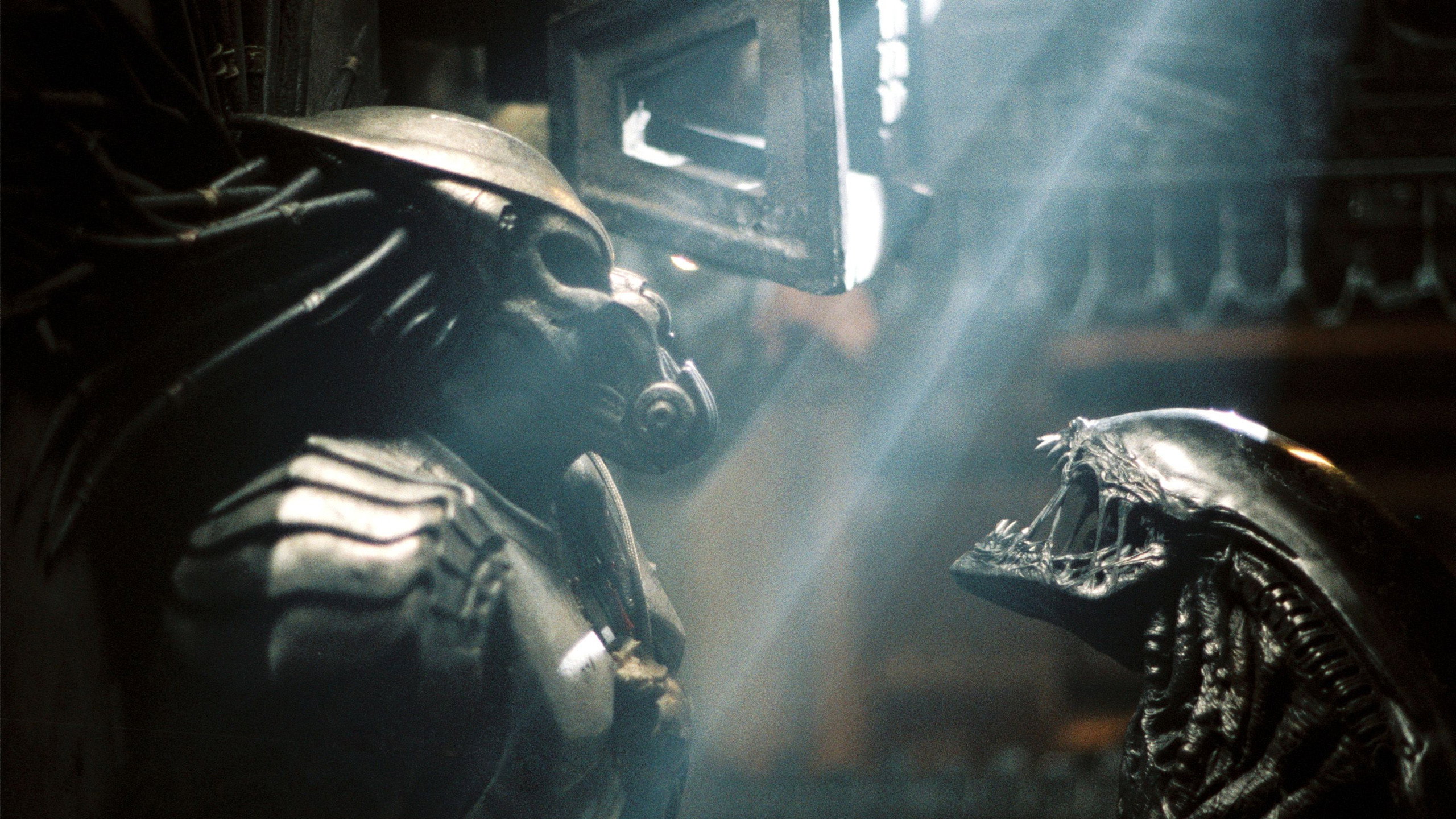
The ritual also changes the status of the two extraterrestrial species. Rather than treating their confrontation as a chance meeting, the plot presents young Predators proving themselves against xenomorphs deliberately bred for the occasion. Humans supply the living hosts necessary for that cycle, turning a scientific expedition into an involuntary component of the hunt. The idea is especially disturbing because the building has already been prepared before anyone understands its purpose. Mechanical doors, large stone chambers and changing routes supply the fear of confinement, while the countdown toward another rearrangement brings a particular rhythm to the action.
Alexa Woods and the Human Viewpoint
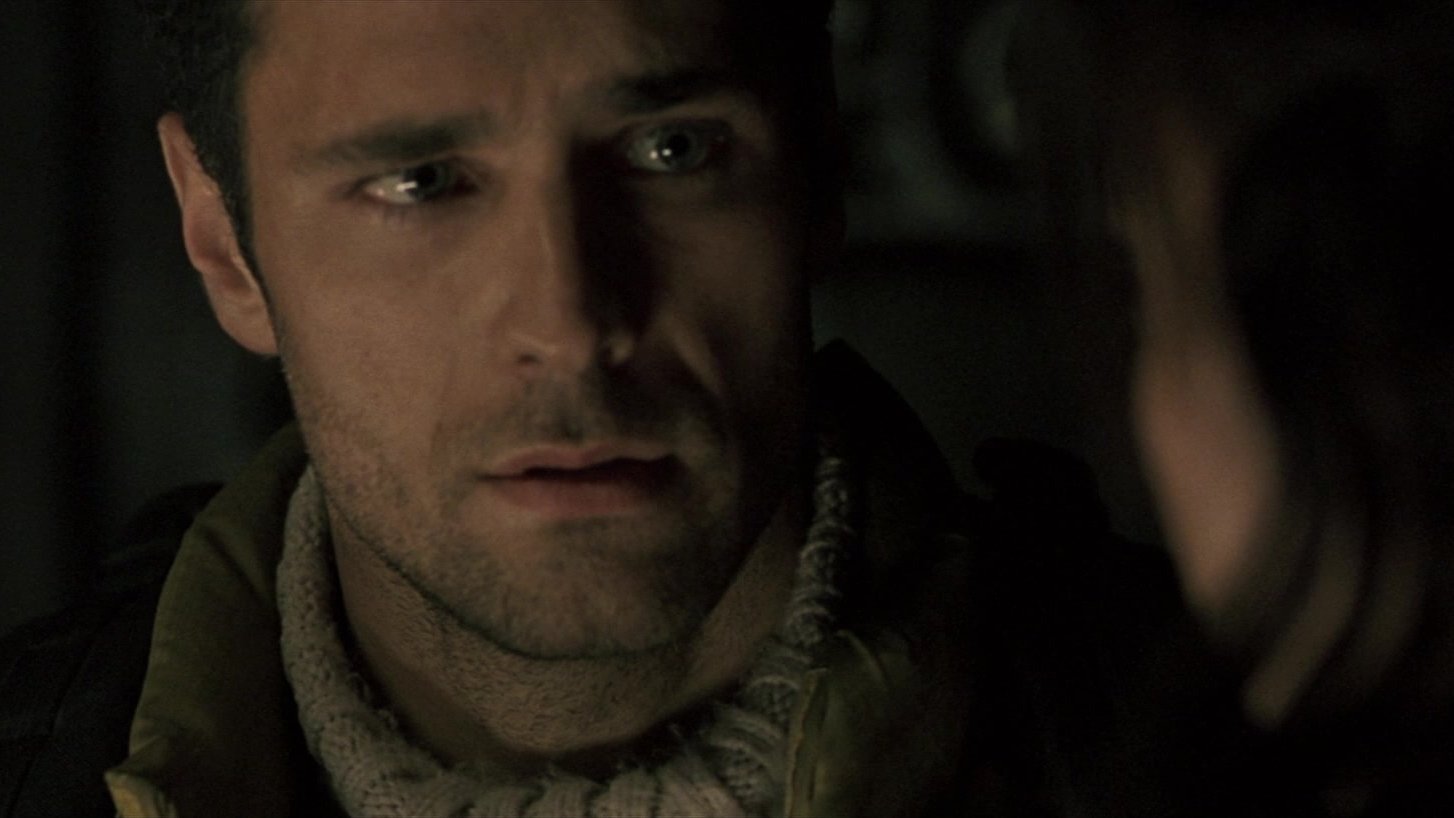
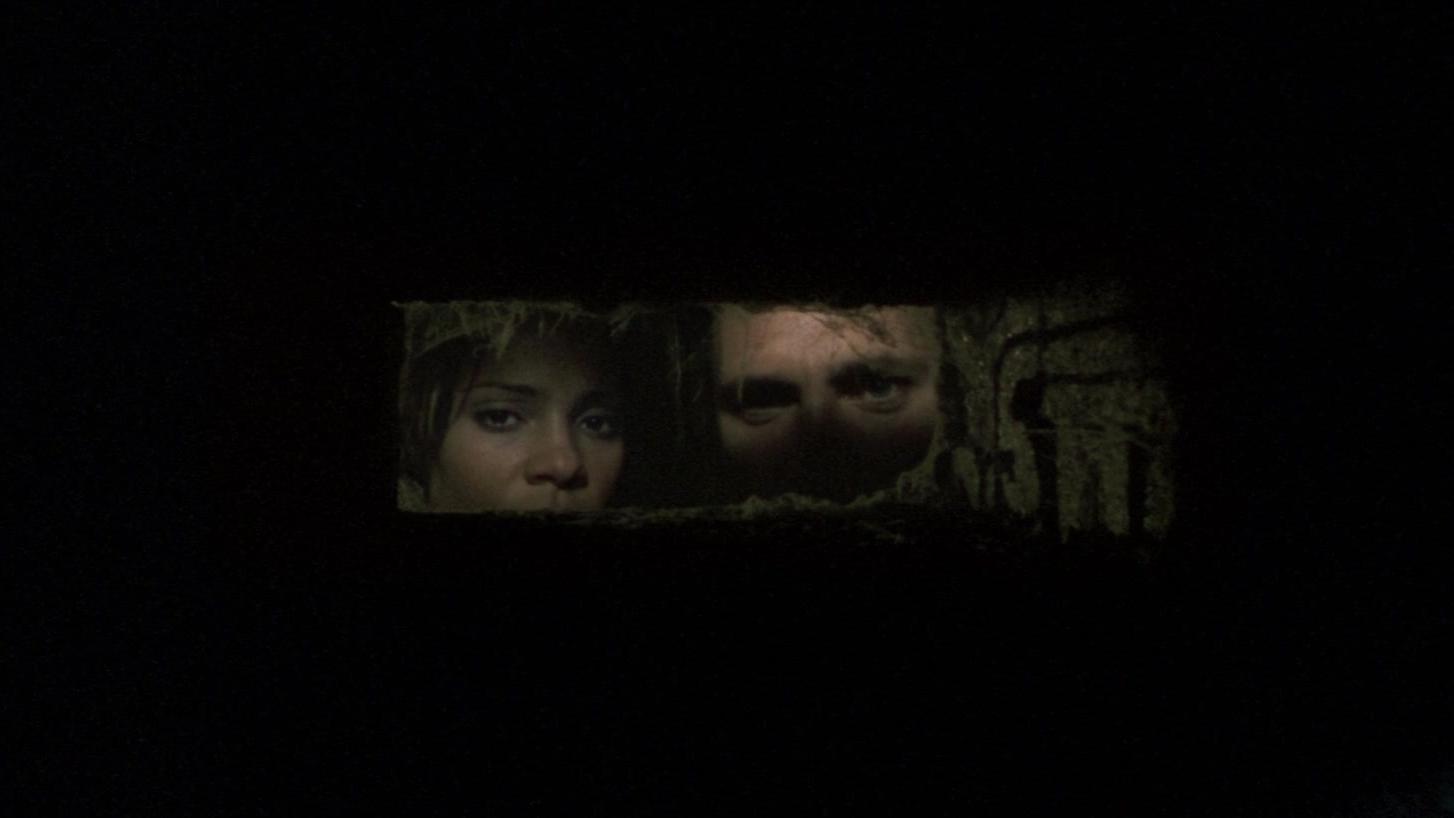
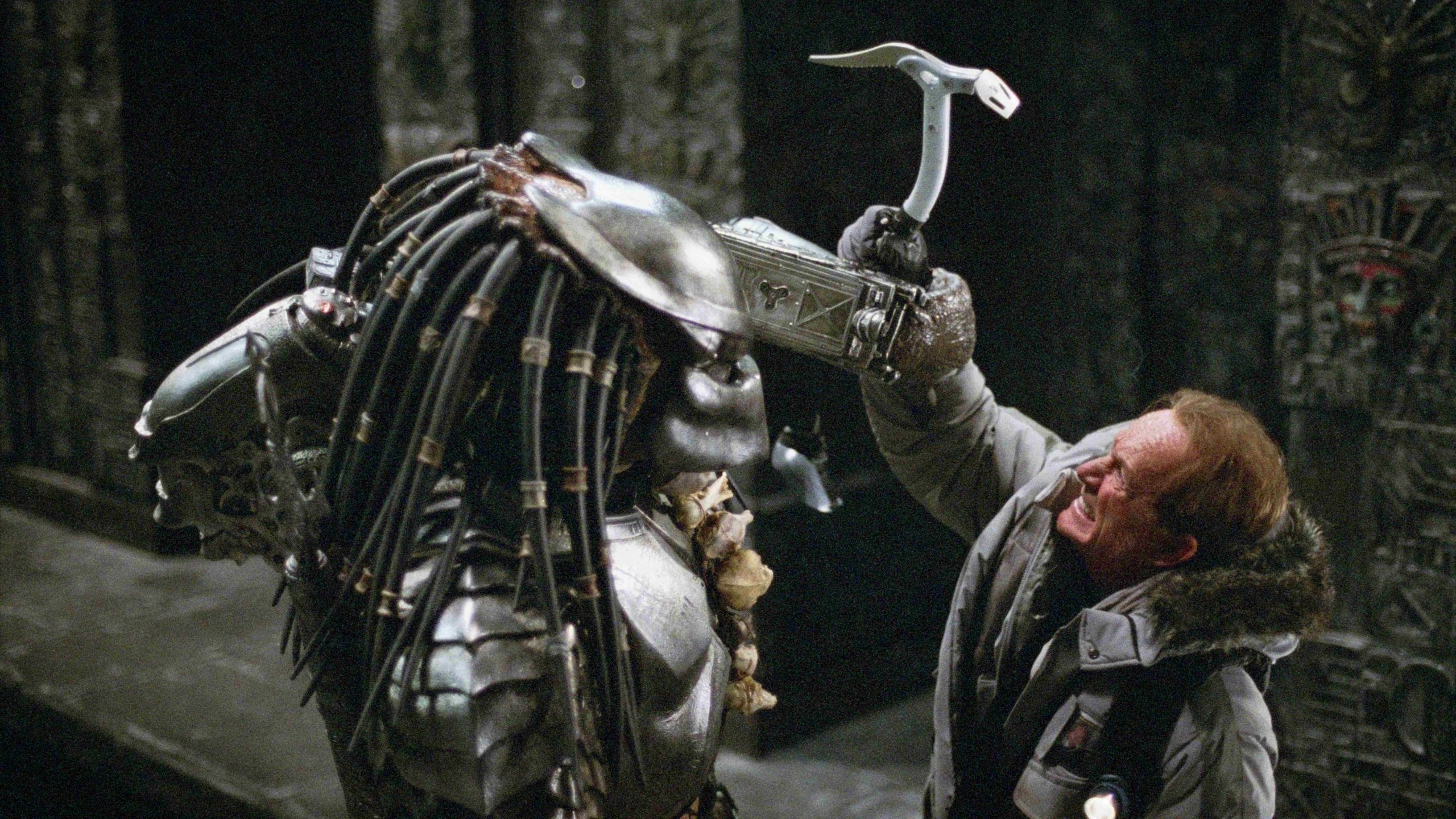
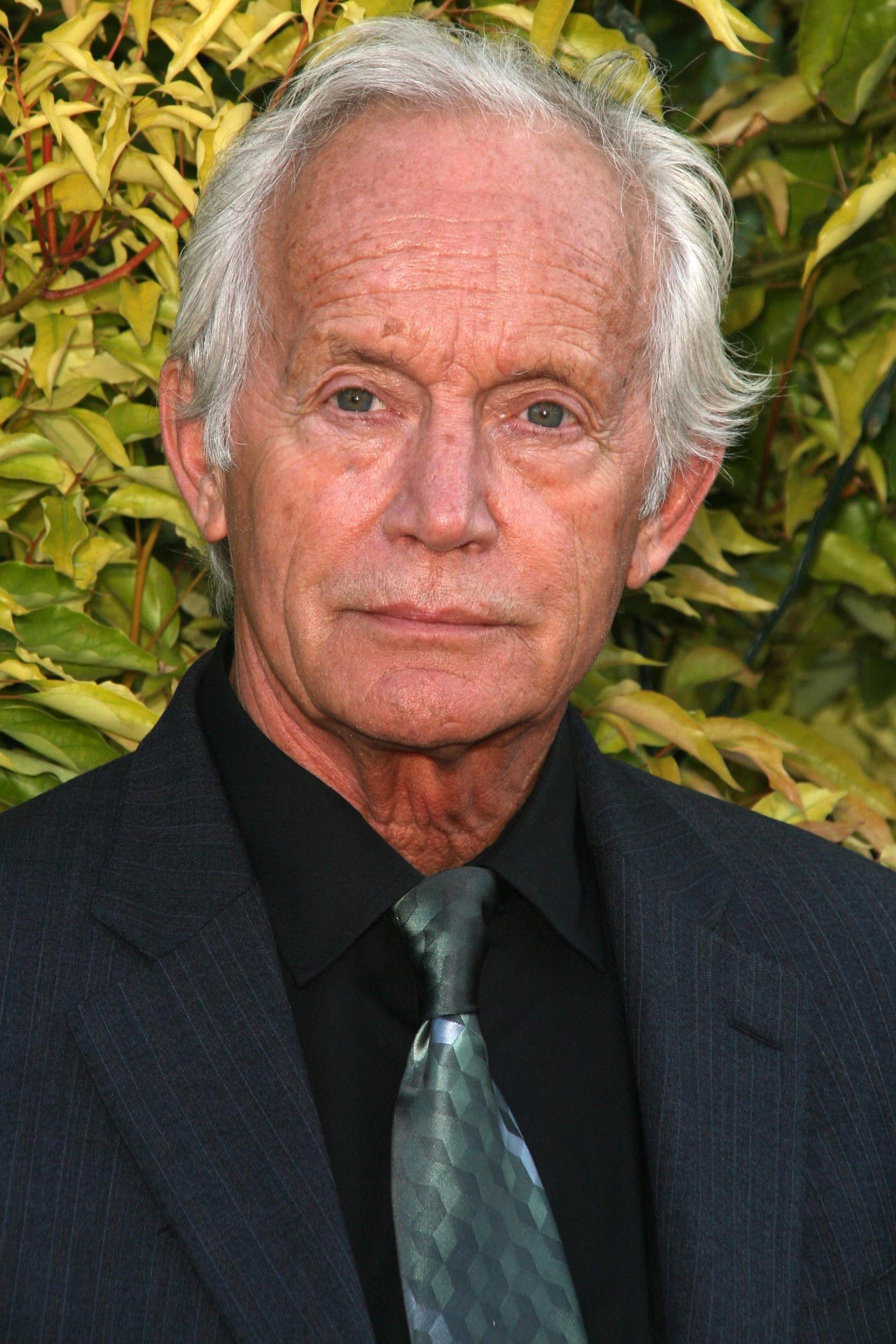
Sanaa Lathan's Alexa Woods provides the human perspective as an experienced guide who initially doubts the wisdom of descending into a dangerous environment. Her practical concerns about equipment and conditions establish a contrast with Weyland's determination to reach the discovery quickly. Lance Henriksen's appearance carries a separate connection to the franchise: he previously played the android Bishop, while this film casts him as the industrialist Charles Bishop Weyland. The shared face and surname are deliberate points of recognition for viewers, but the roles should not be described as the same character. The expedition contains specialists with different skills and incomplete knowledge of the threat.
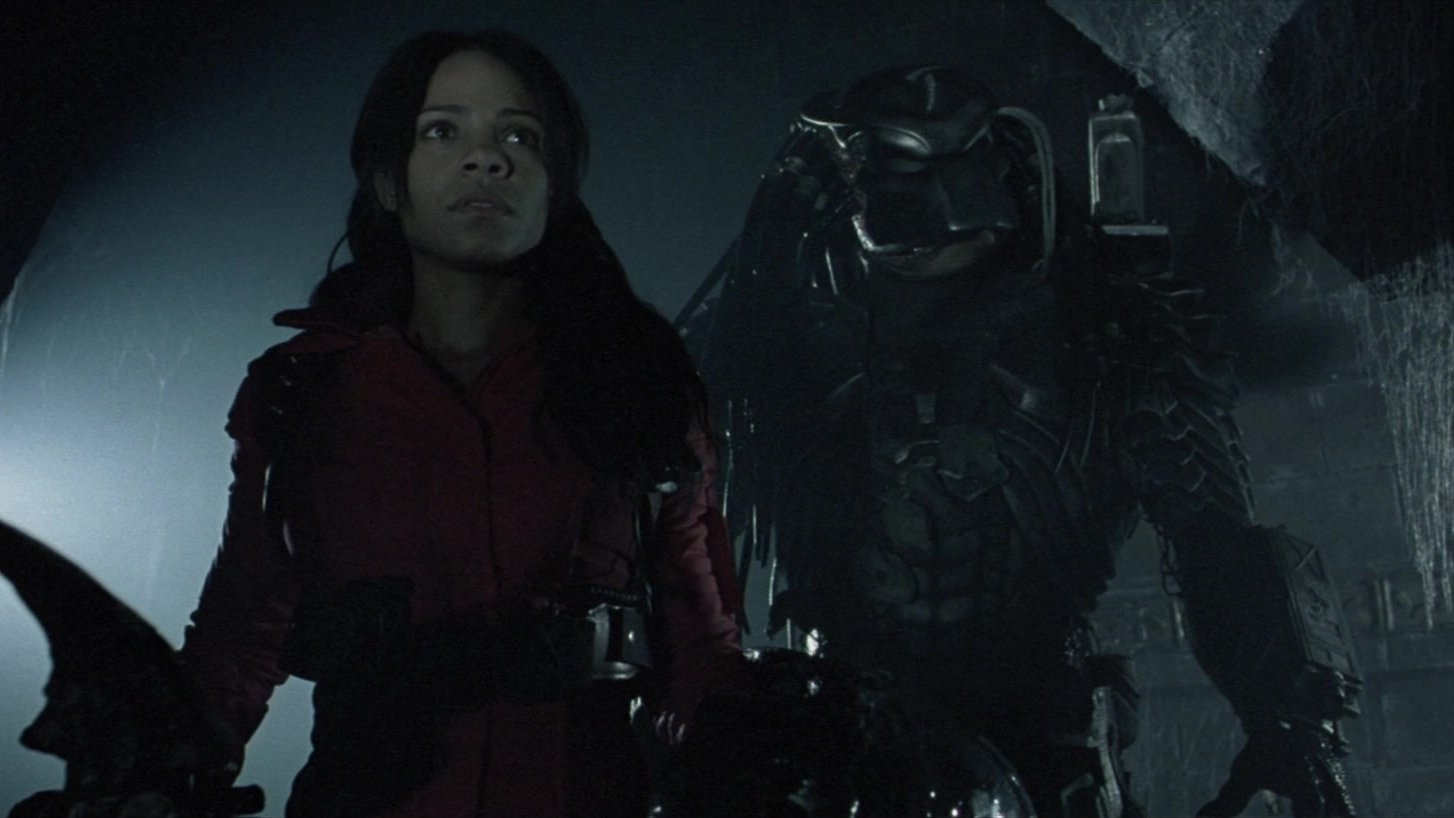
As survivors disappear, Alexa's behavior changes from managing an exploration team to judging whether cooperation with a Predator is possible. The relationship works because the film establishes different motives for the species: the xenomorphs seek hosts and multiply, whereas the hunters recognize feats of combat. The marking Alexa receives from the surviving Predator signals acknowledgment within that fictional ritual. Her alliance also places human survival inside a conflict neither participant completely controls. The film uses the gesture to redirect audience allegiance toward one monster, a choice that drew attention from contemporary reviewers accustomed to both creatures being presented primarily as threats.
Creature Suits, Puppetry and the Alien Queen
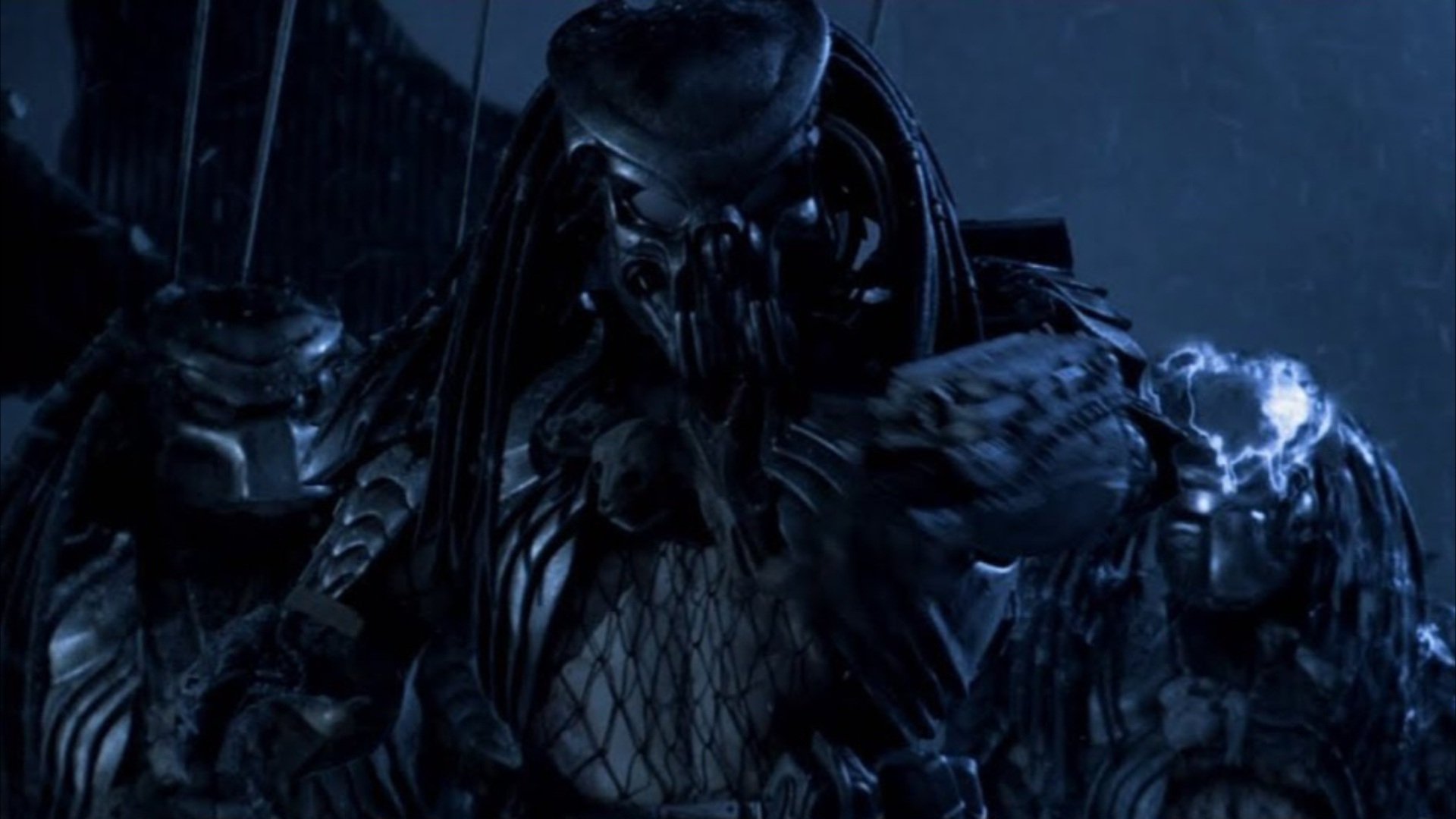
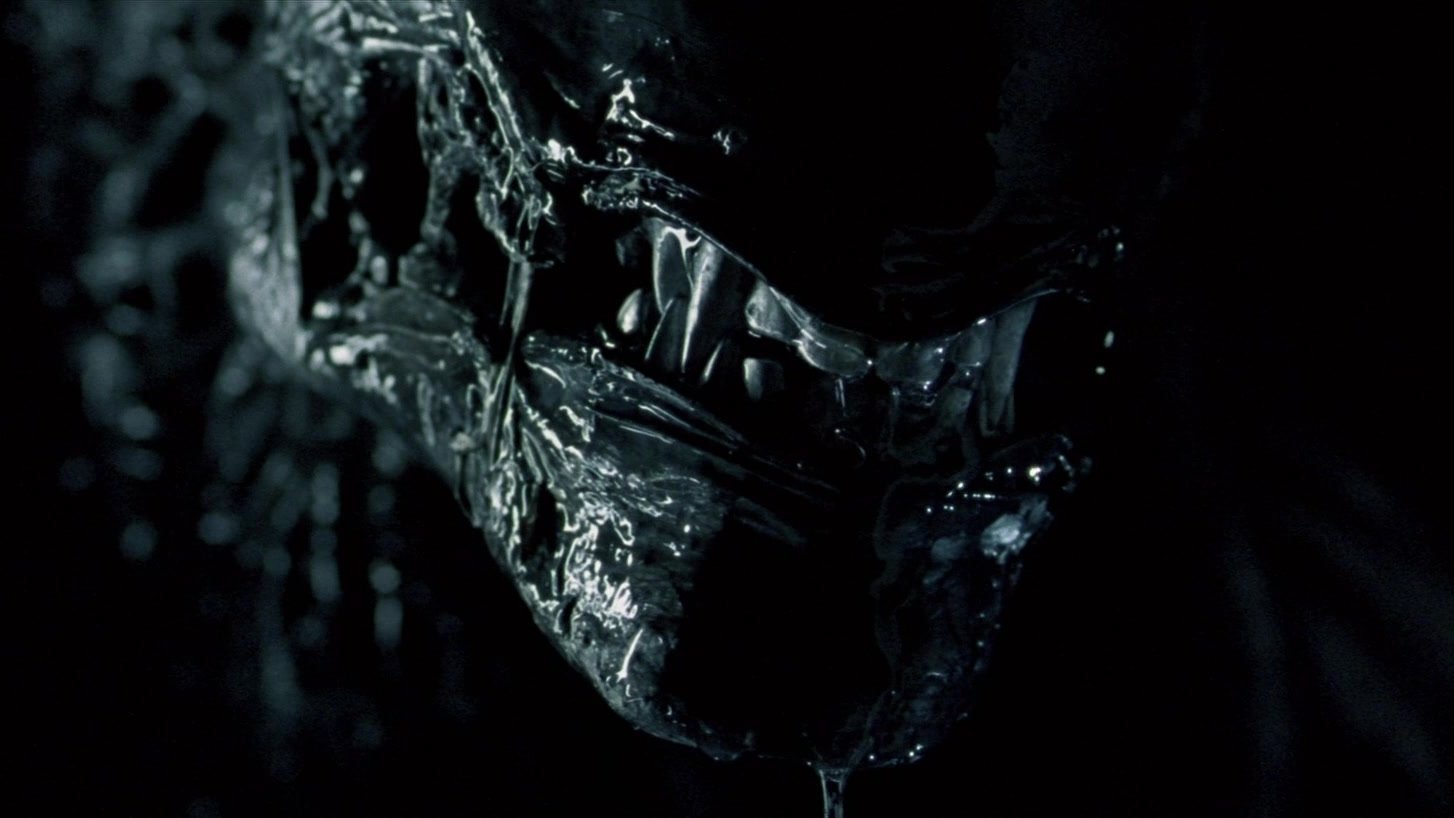
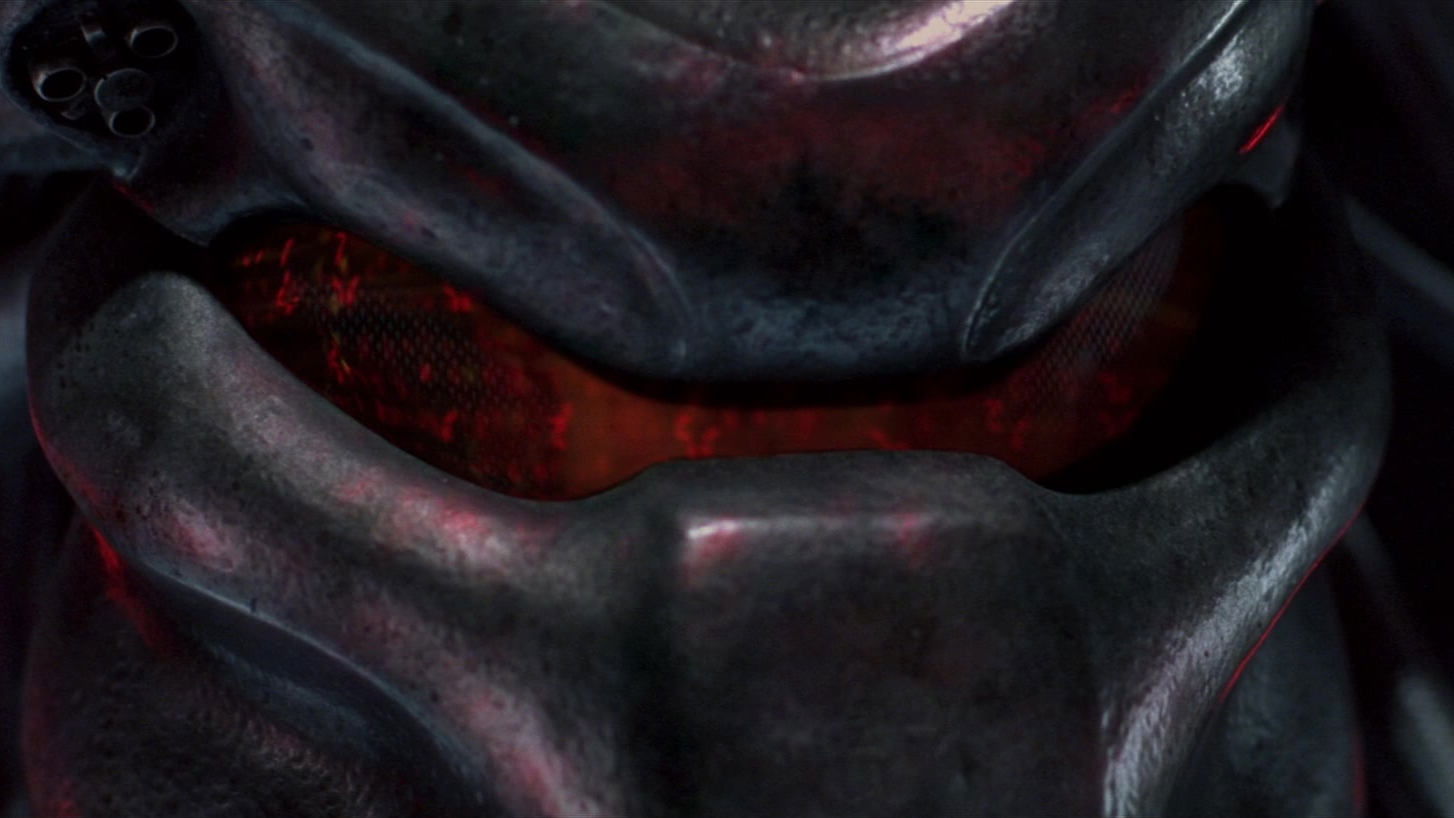
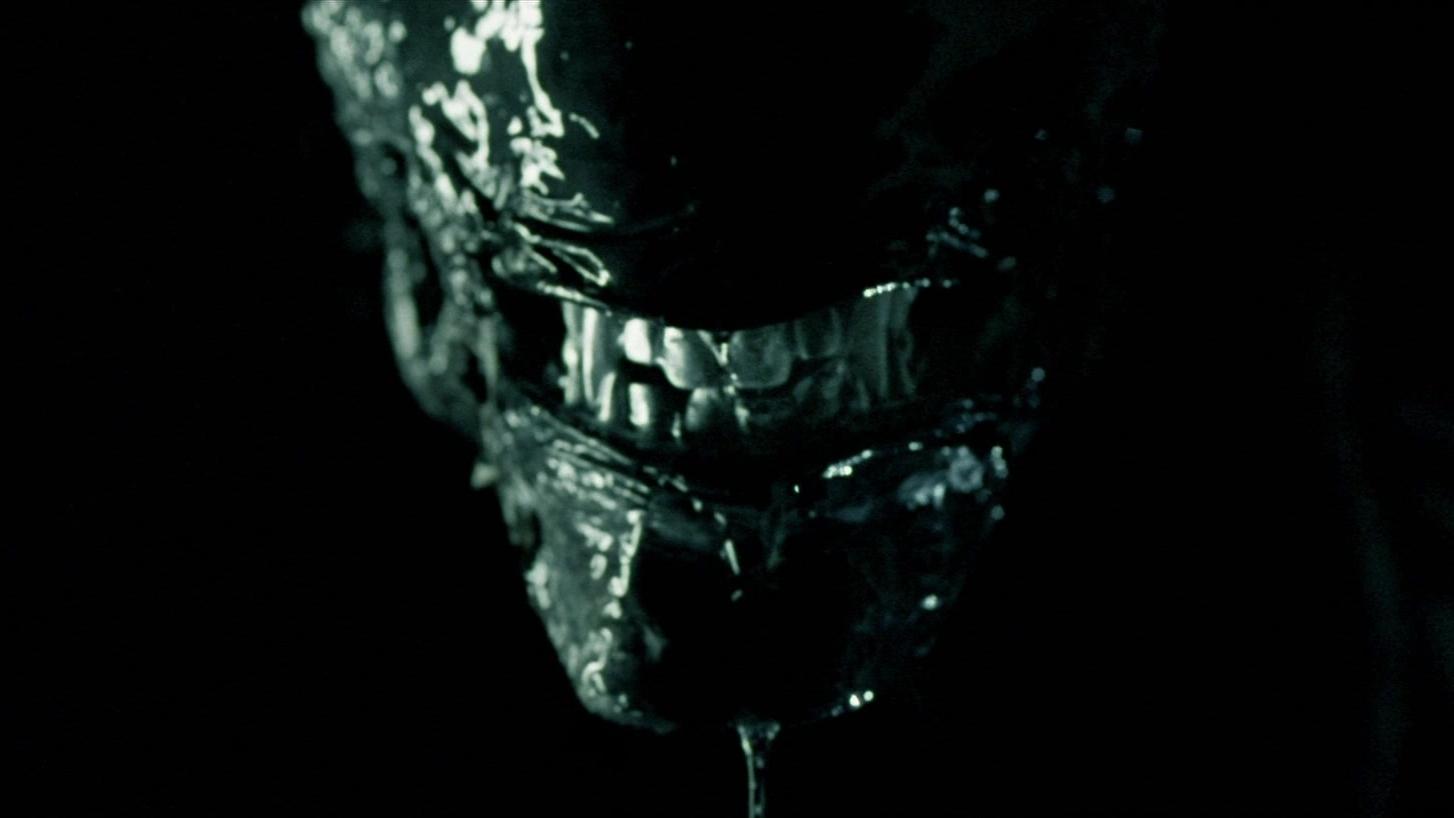
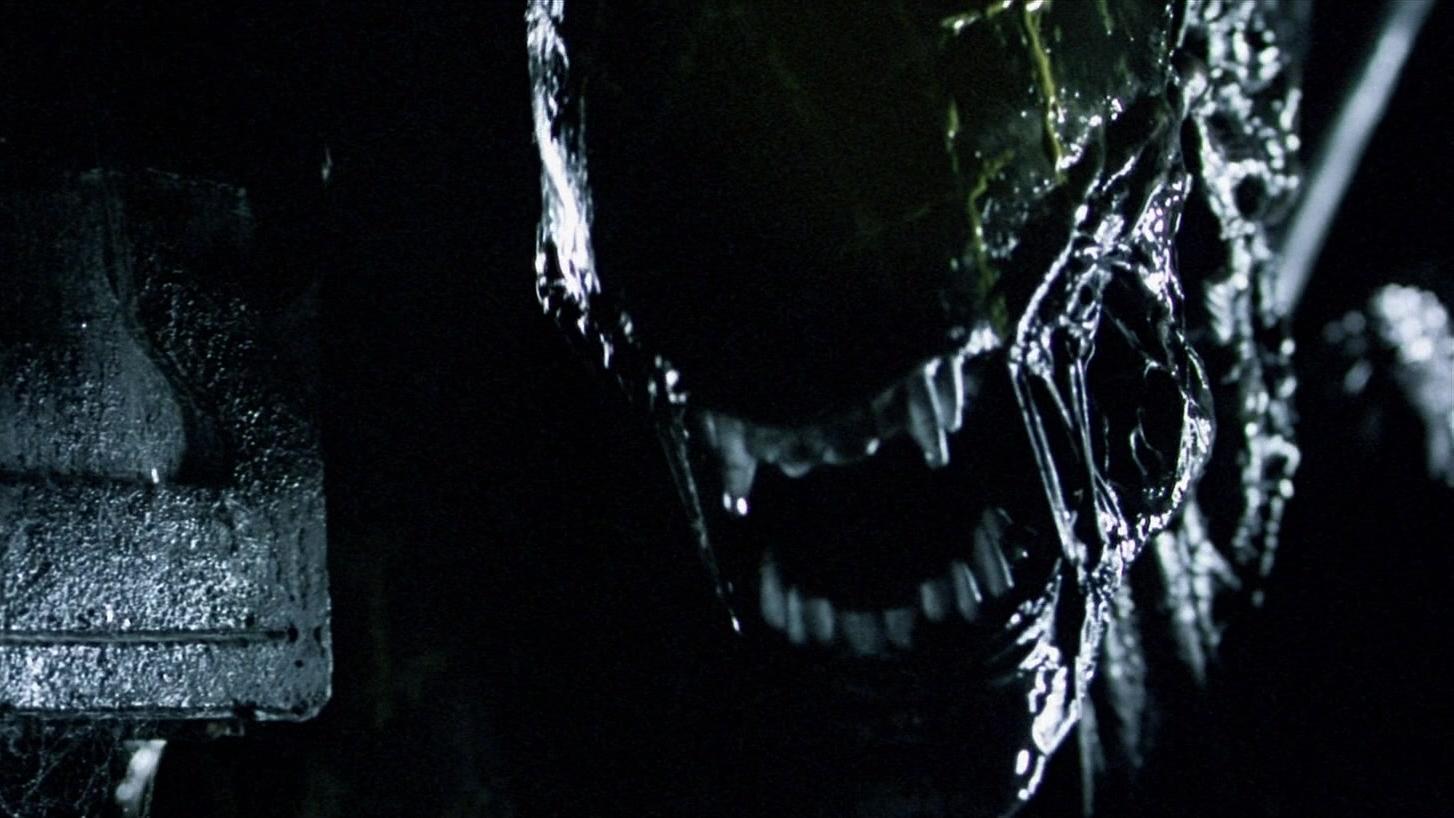
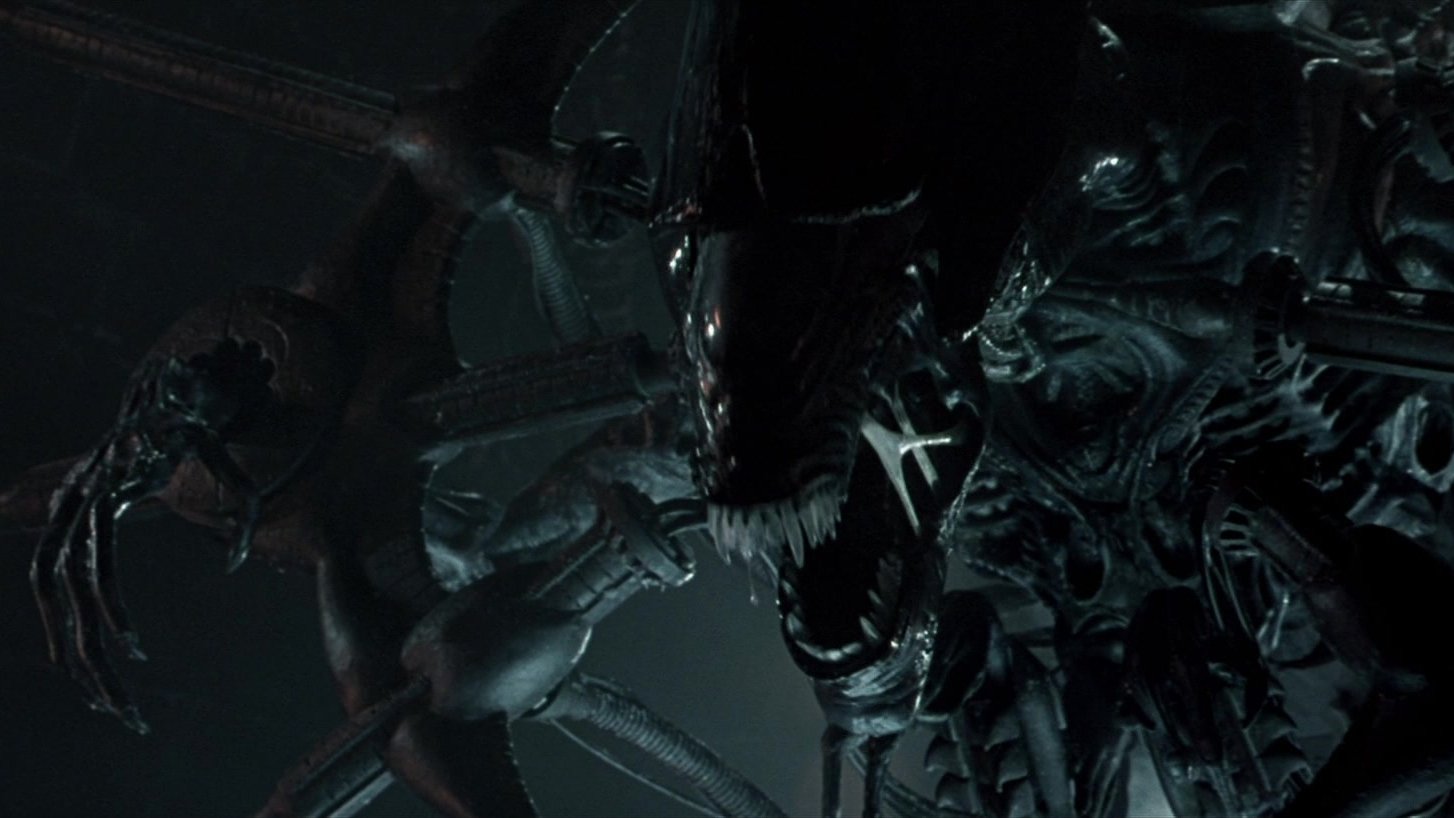
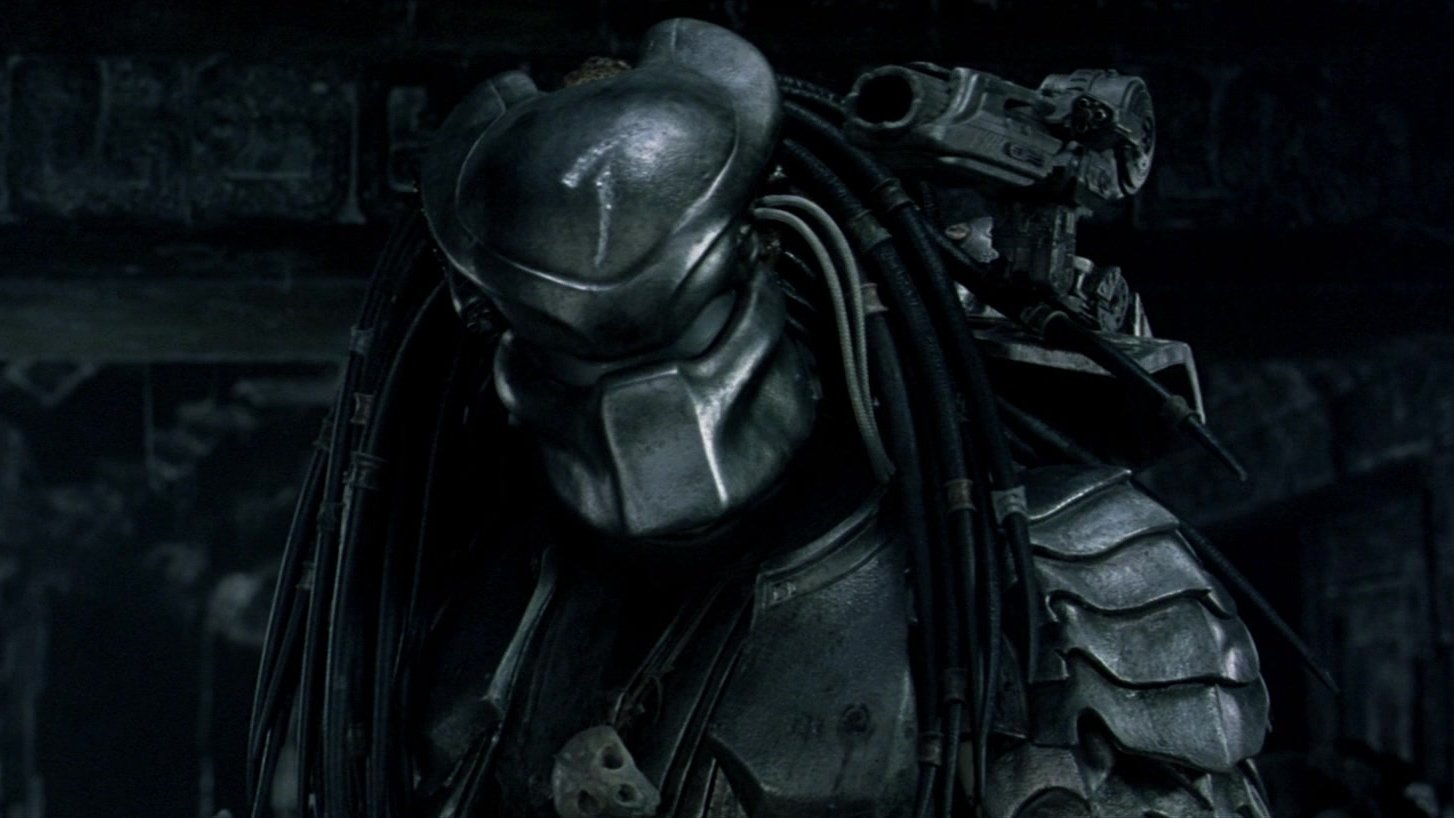
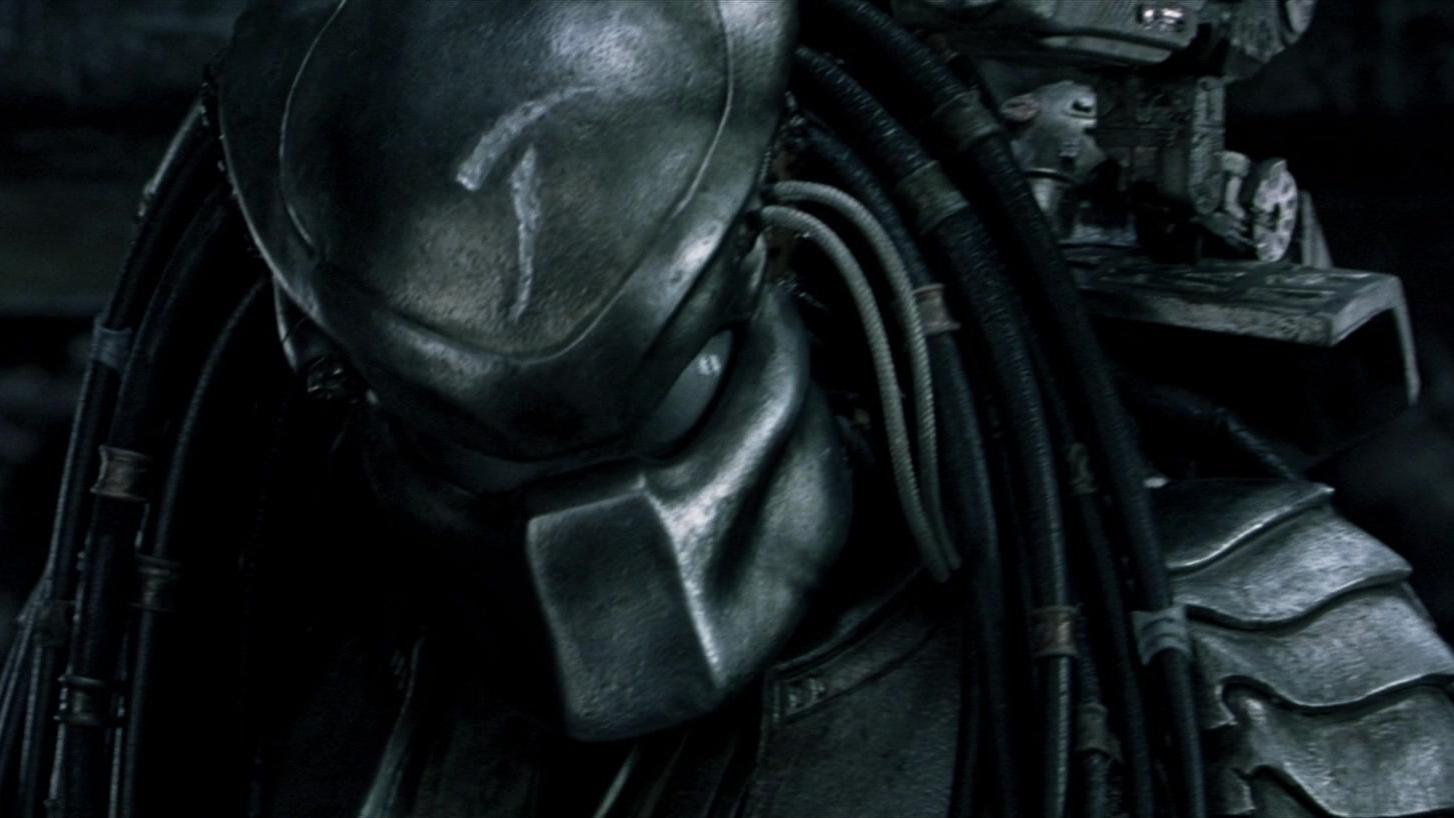
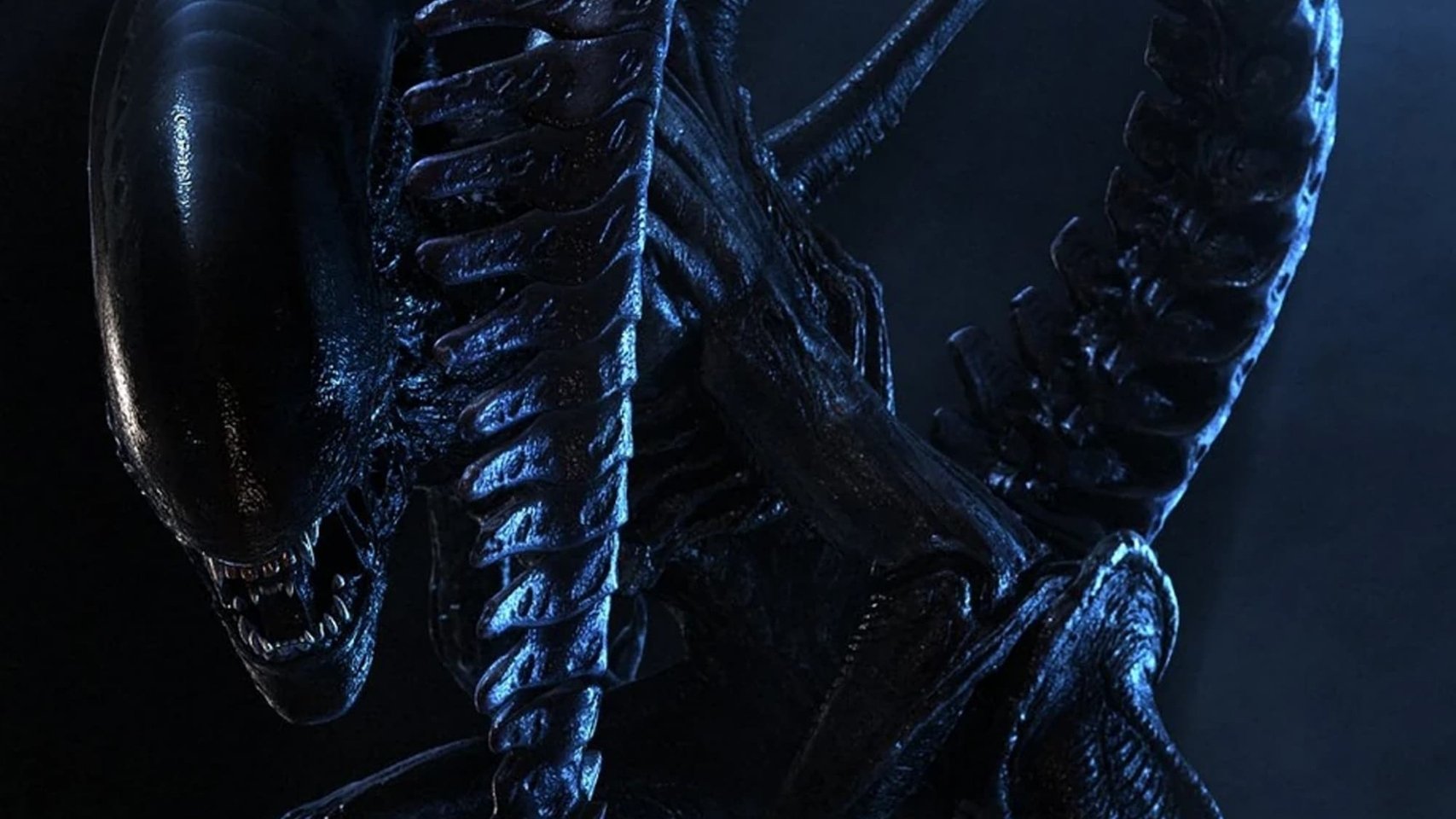
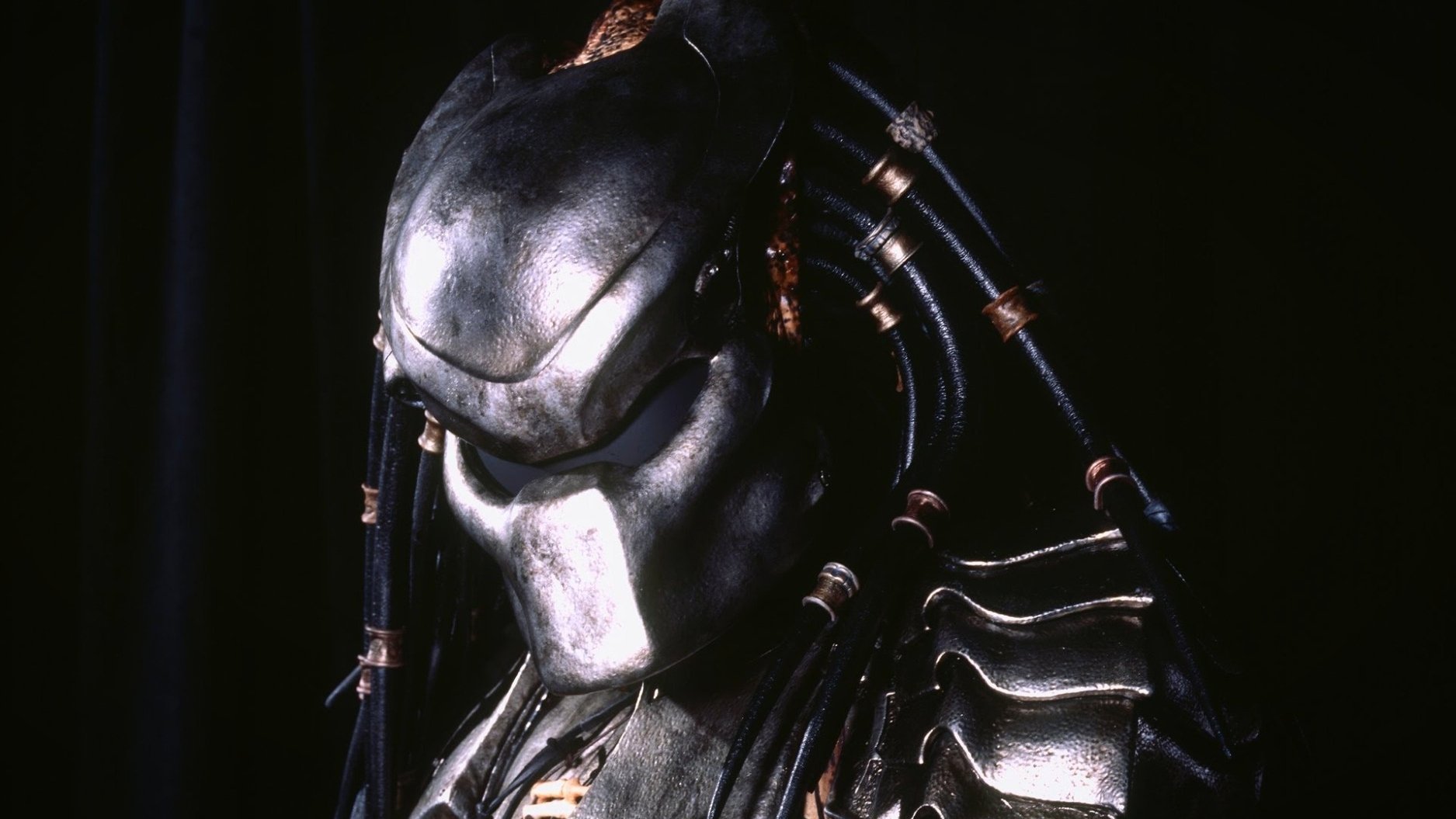
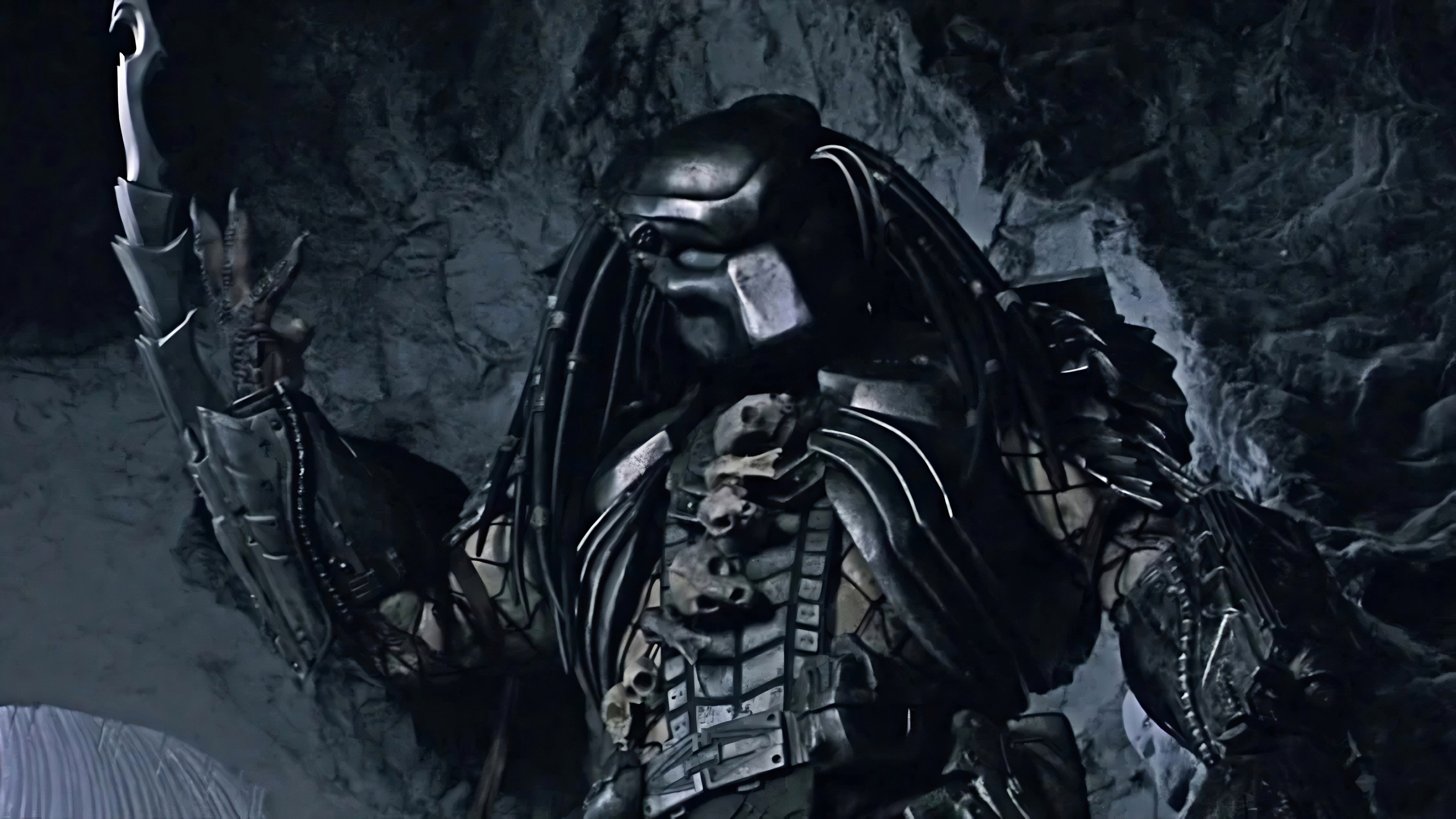
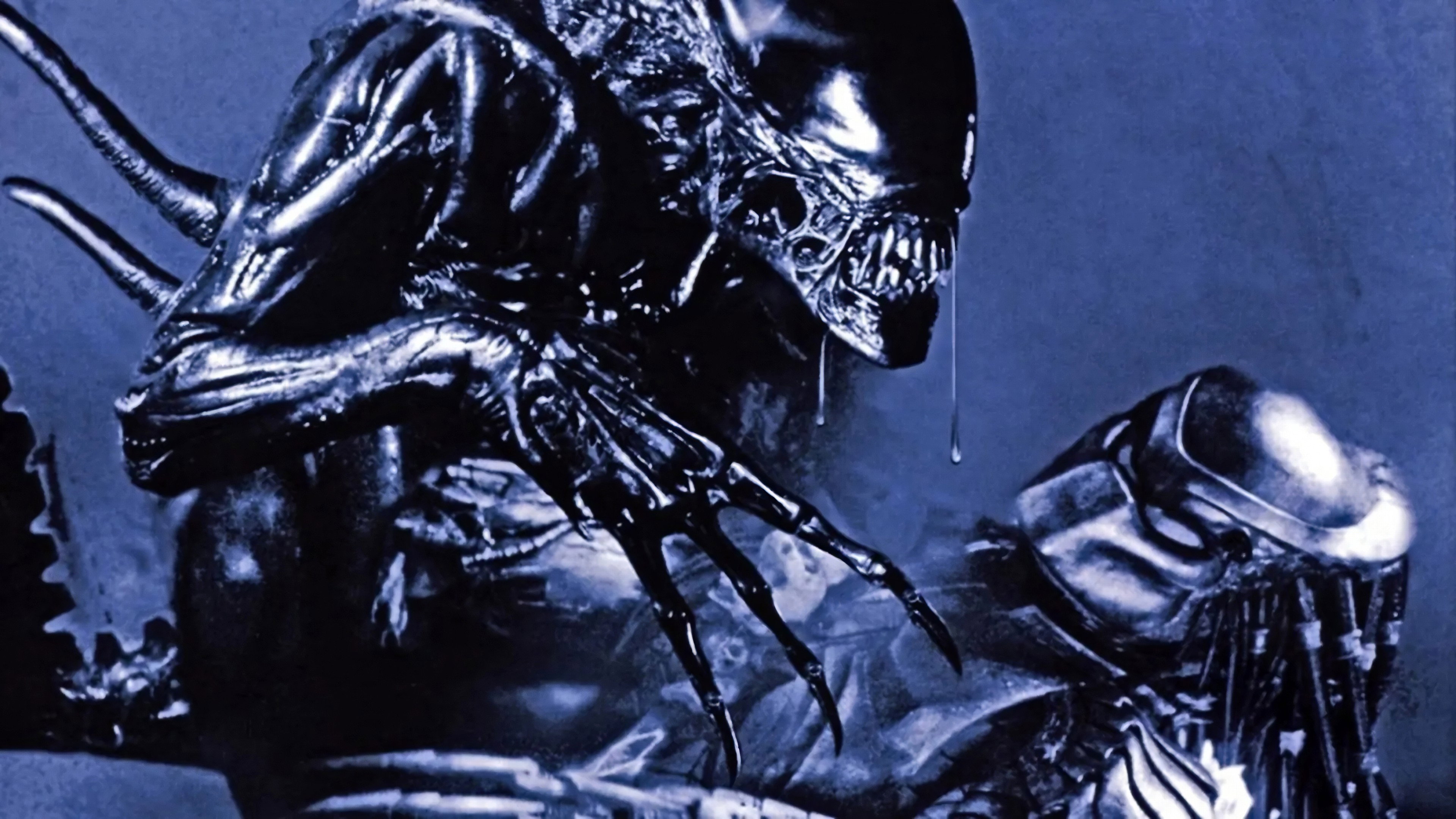
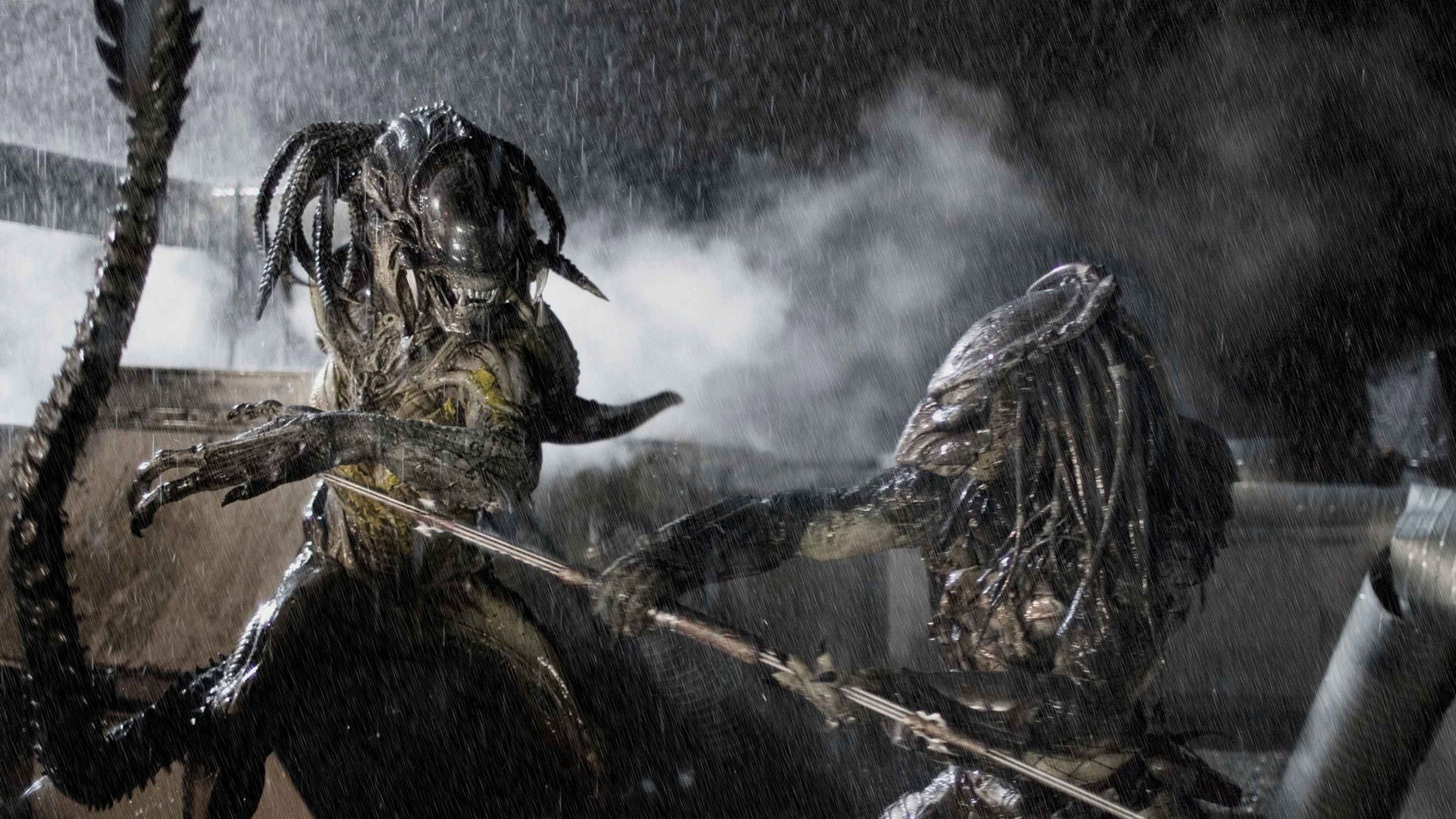
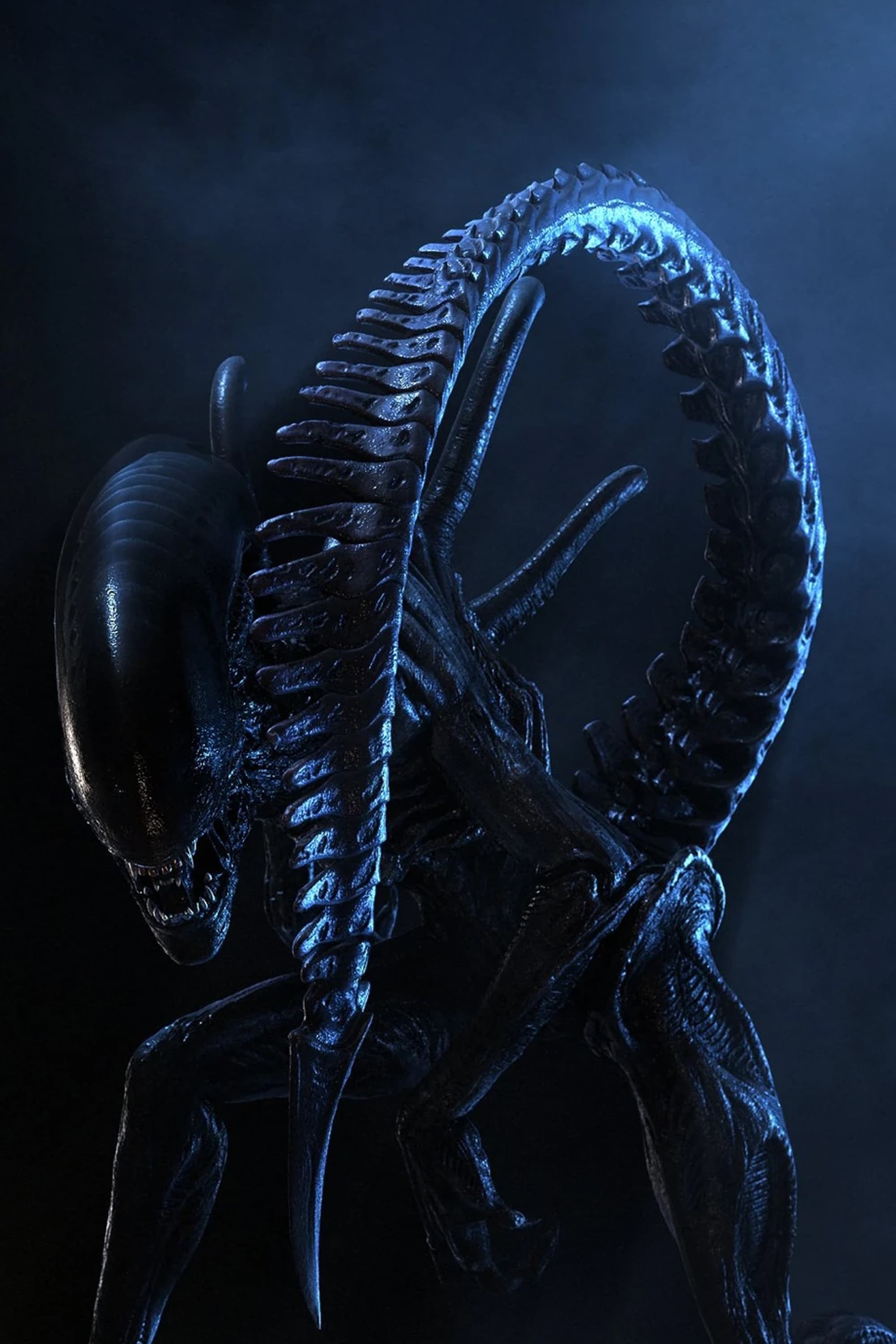
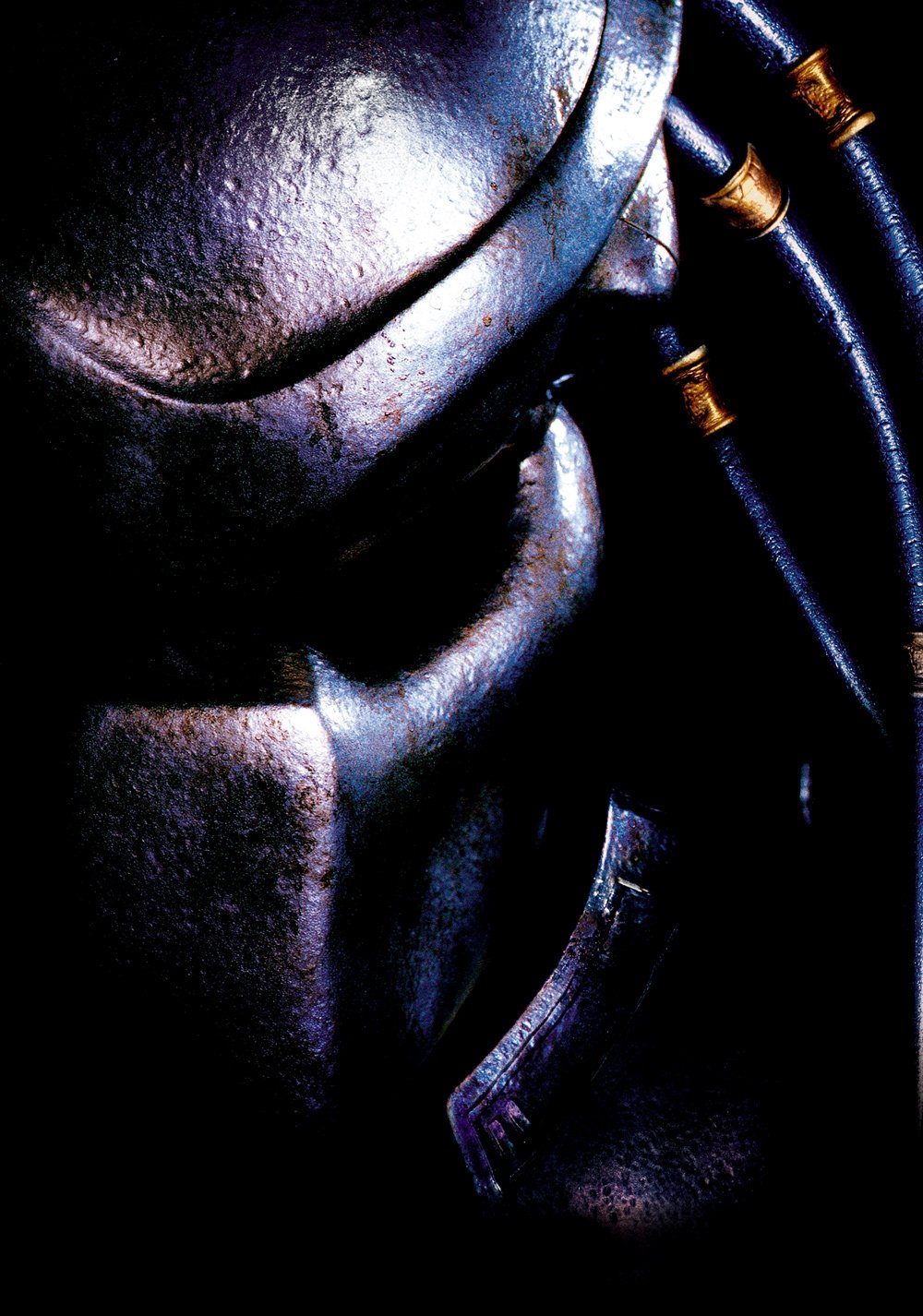
Effects artists Alec Gillis and Tom Woodruff Jr. returned to the Alien designs through Amalgamated Dynamics, while taking on the Predator creatures for this production. In a firsthand interview, Woodruff described reusing molds from Alien Resurrection to produce new Alien body parts rather than relying on surviving wearable costumes. Gillis explained that the team had to respect familiar silhouettes while introducing adjustments requested by Anderson. Woodruff performed within an Alien suit whose articulated head depended on puppeteers, and the artists combined suits, mechanical work and digital imagery according to each shot's requirements. Their account rules out a simplistic claim that either creature was created exclusively with computer graphics.
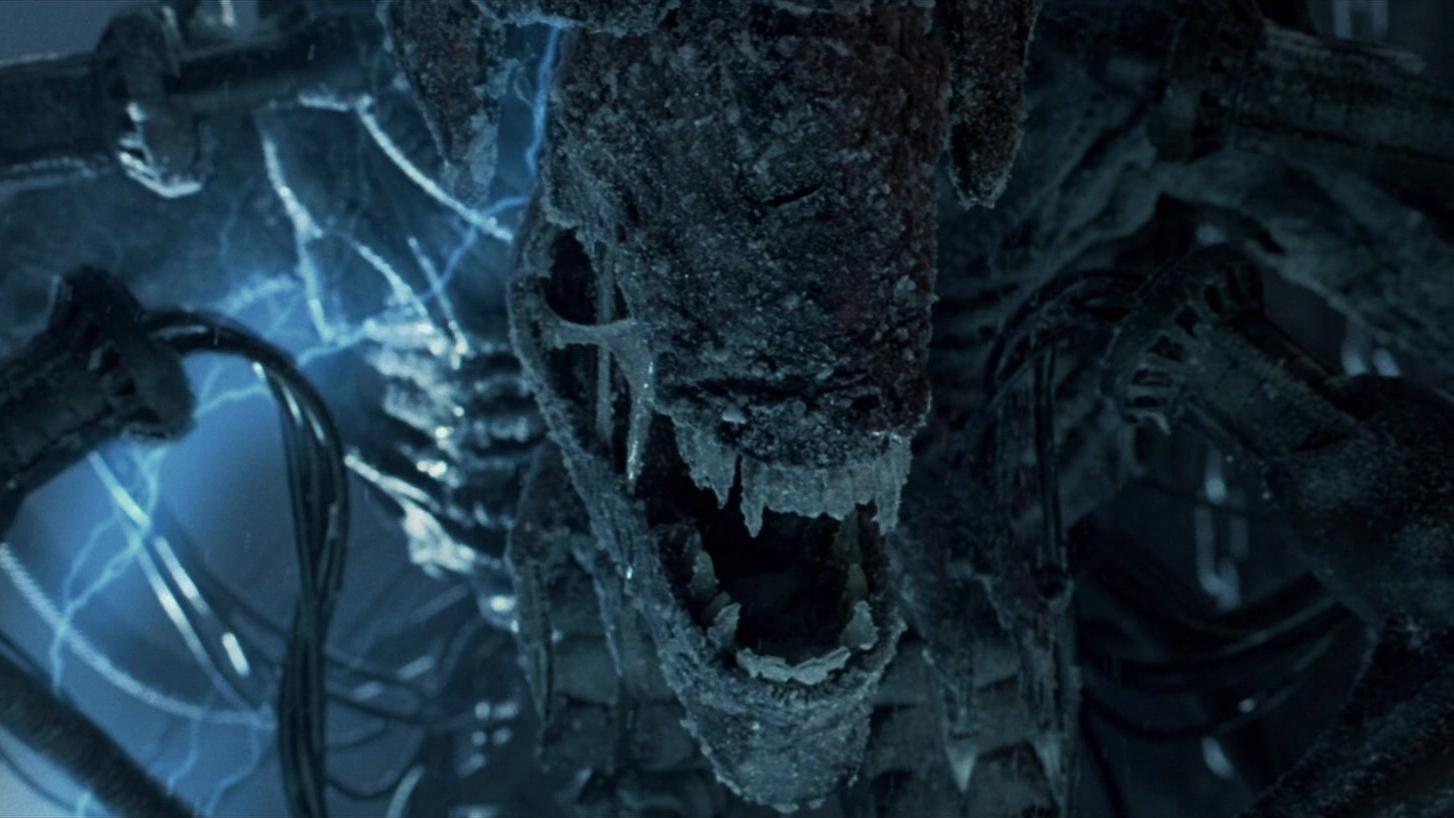
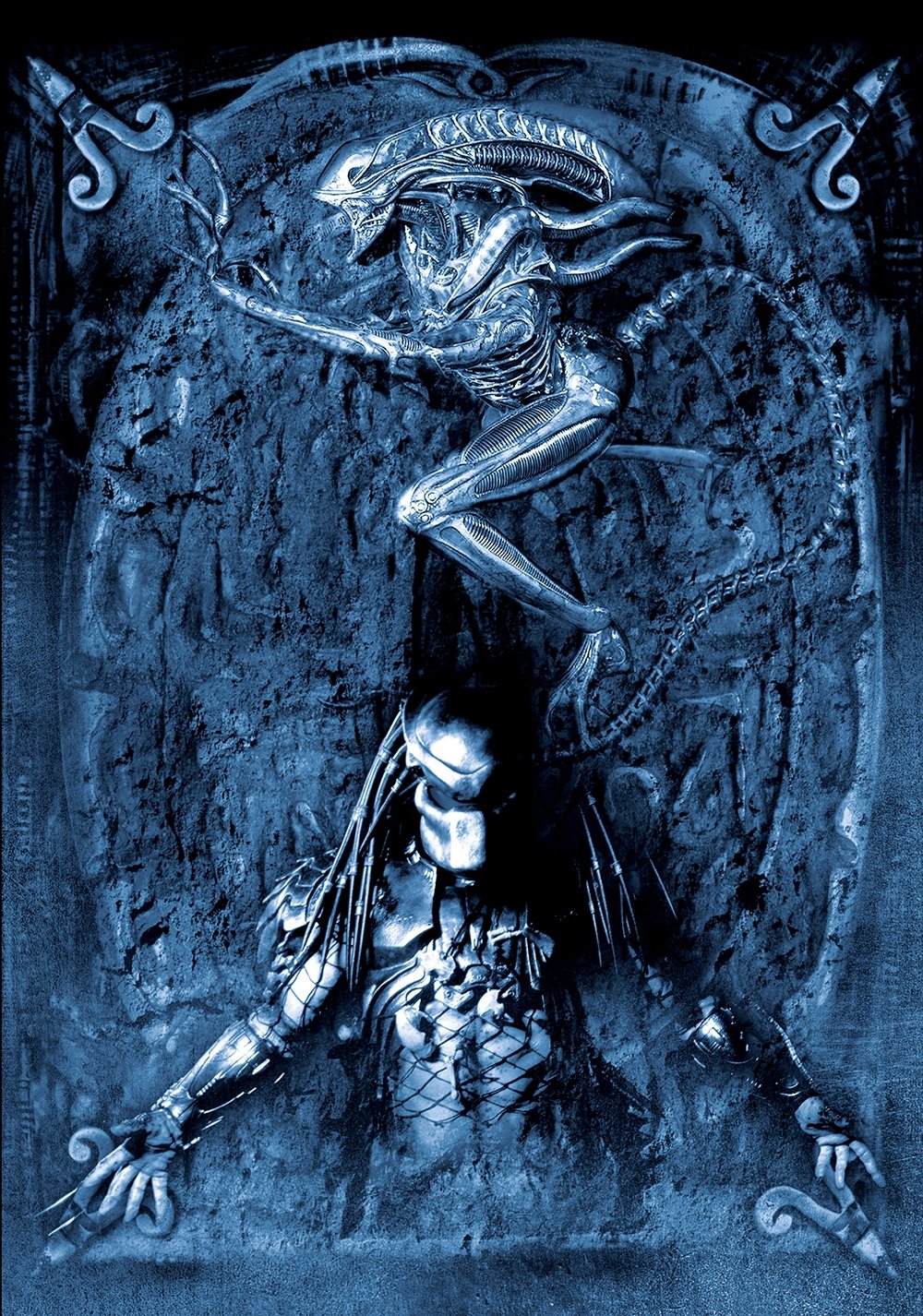
The Queen demanded an unusually substantial physical construction. Woodruff called it the largest and most complicated animatronic his team had built, standing roughly fourteen feet tall and using hydraulic pistons controlled through a computer-operated movement system. Unlike the smaller Queen assembly in Aliens (1986), the new machine could reproduce programmed arm actions and refine them between takes. Its presence supplied a large-scale object for performers and cameras to confront, while visual-effects work extended movements that the mechanism could not safely achieve. The elaborate build helps explain why the climax depends on the Queen's massive physical force rather than merely increasing the number of ordinary xenomorphs.
Action Horror, the PG-13 Rating and Later Versions
The completed film shifts the balance toward fights between the title creatures, using armed Predators, acidic blood and increasingly rapid attacks. This emphasis distinguishes it from the first Alien, where an unseen intruder produced suspense through extended isolation. The American theatrical release carried a PG-13 rating, despite both original franchises having established reputations for graphic violence. In an August 2004 Los Angeles Times review, Carina Chocano specifically noted the comparatively restrained gore and questioned the dramatic impact of the rapidly developing Alien offspring. These observations belong to the initial release, not to the later home-video variants.
The British Board of Film Classification records a 2004 cinema submission running 100 minutes 39 seconds and video submissions around 96 minutes 36 seconds. The figures alone cannot establish censorship: video playback speed and distribution masters may change measured duration. The Board separately documents deleted scenes and extended material submitted as DVD extras. An American Unrated Edition also appeared on home video in 2005, adding material to the theatrical version. This later label should not be treated as proof of an independently approved director's cut or as evidence that the BBFC demanded every difference between available releases.
Theatrical Release, Critical Response and Franchise Aftermath
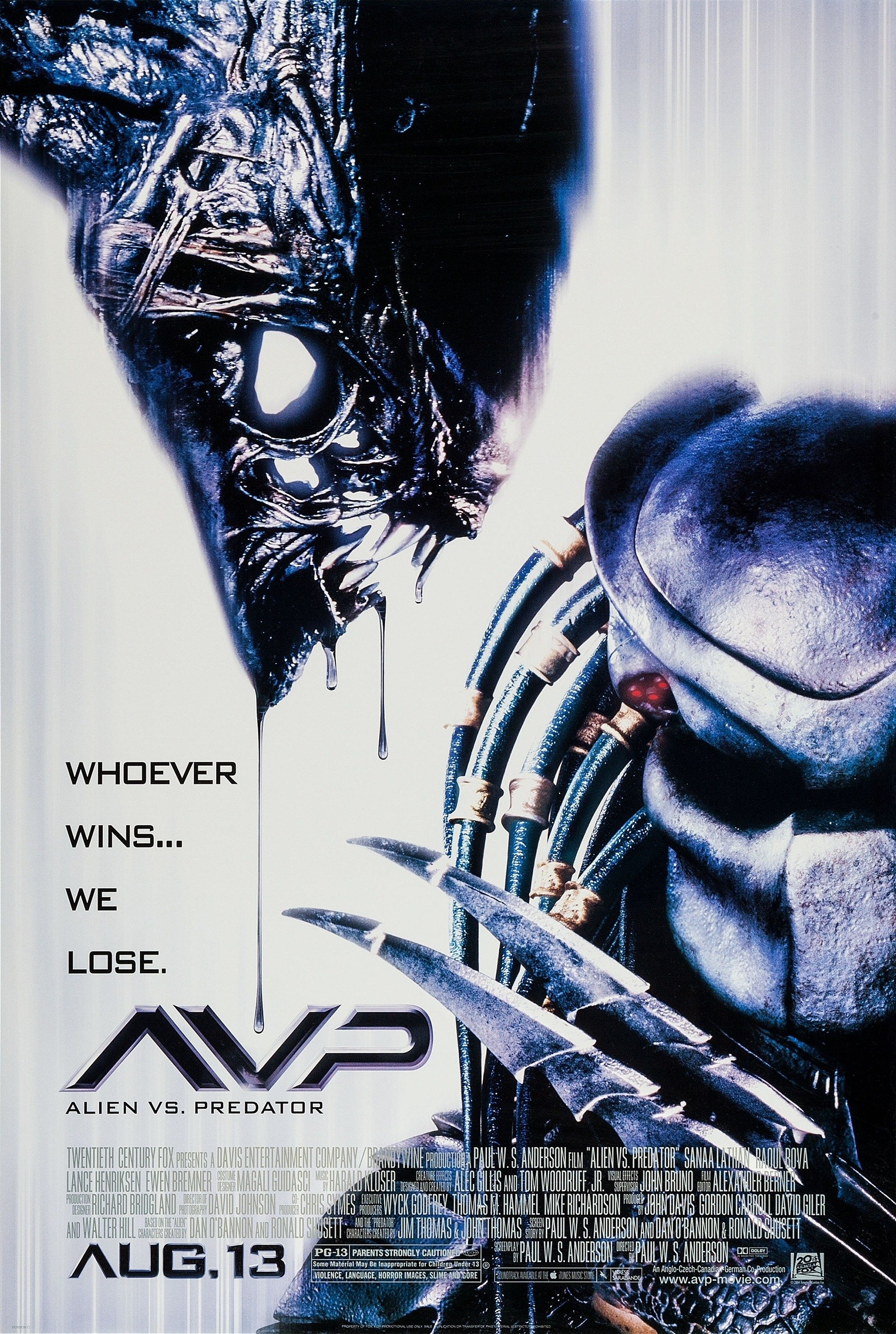
Twentieth Century Fox opened the film in the United States on August 13, 2004. Contemporary box-office reporting placed its first domestic weekend at approximately $38.3 million, a strong result for a crossover whose production cost was reported differently by the studio and other industry sources. Horn's pre-release investigation described an investment approaching $70 million, while a subsequent Los Angeles Times article cited a studio figure near $60 million after incentives. Neither figure establishes net profit. The commercial launch confirmed that these brands could support a shared theatrical feature; it did not resolve the creative objections voiced by reviewers of the opening weekend.
Chocano's contemporary criticism found the film less graphic and less intellectually engaging than its premise might have allowed. She was skeptical of the friendly connection between Alexa and a Predator, even while recognizing the machinery of the confrontation. Such responses show a problem specific to franchise crossovers: the satisfaction of finally seeing familiar monsters fight can conflict with the suspense that made them frightening in separate films. Aliens vs. Predator: Requiem (2007) continued the shared screen series, demonstrating a direct industrial consequence. Claims that the 2004 feature transformed either parent franchise's later artistic direction, however, require separate evidence that the commercial sequel alone cannot provide.
References
ComingSoon.net — Alien vs. Predator Part II: Rumble in the Jungle
January 2004 original interview with Dark Horse writer Randy Stradley about the 1989 comics concept, the Predator 2 skull and the hunters rite-of-passage premise.
John Horn's August 2004 investigation featuring Anderson and producer John Davis on negotiations, earlier pitches, the budget dispute and the Prague production.
Direct technical testimony from the ADI artists about Alien molds, Predator suits, combined practical and digital effects and the hydraulic Queen animatronic.