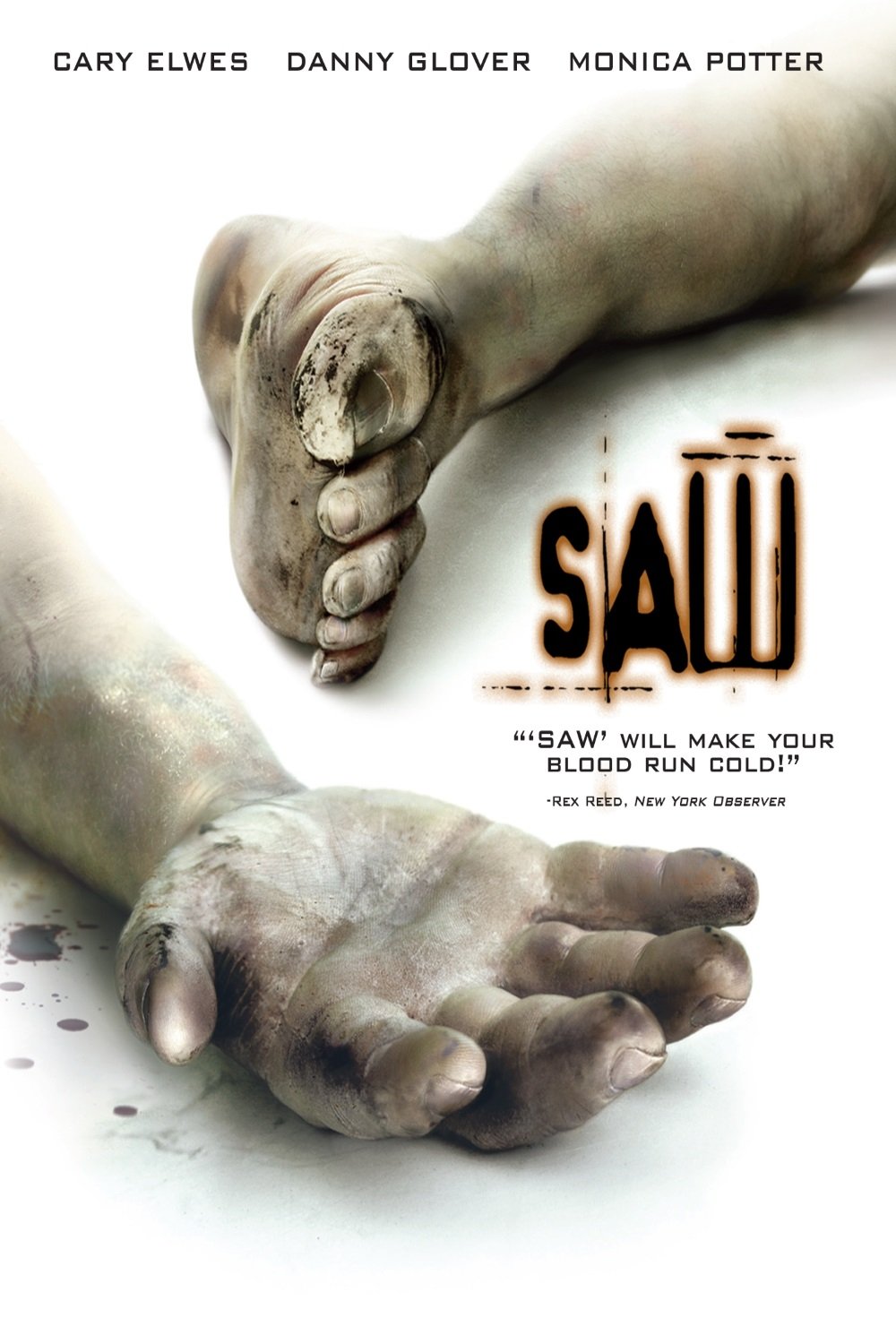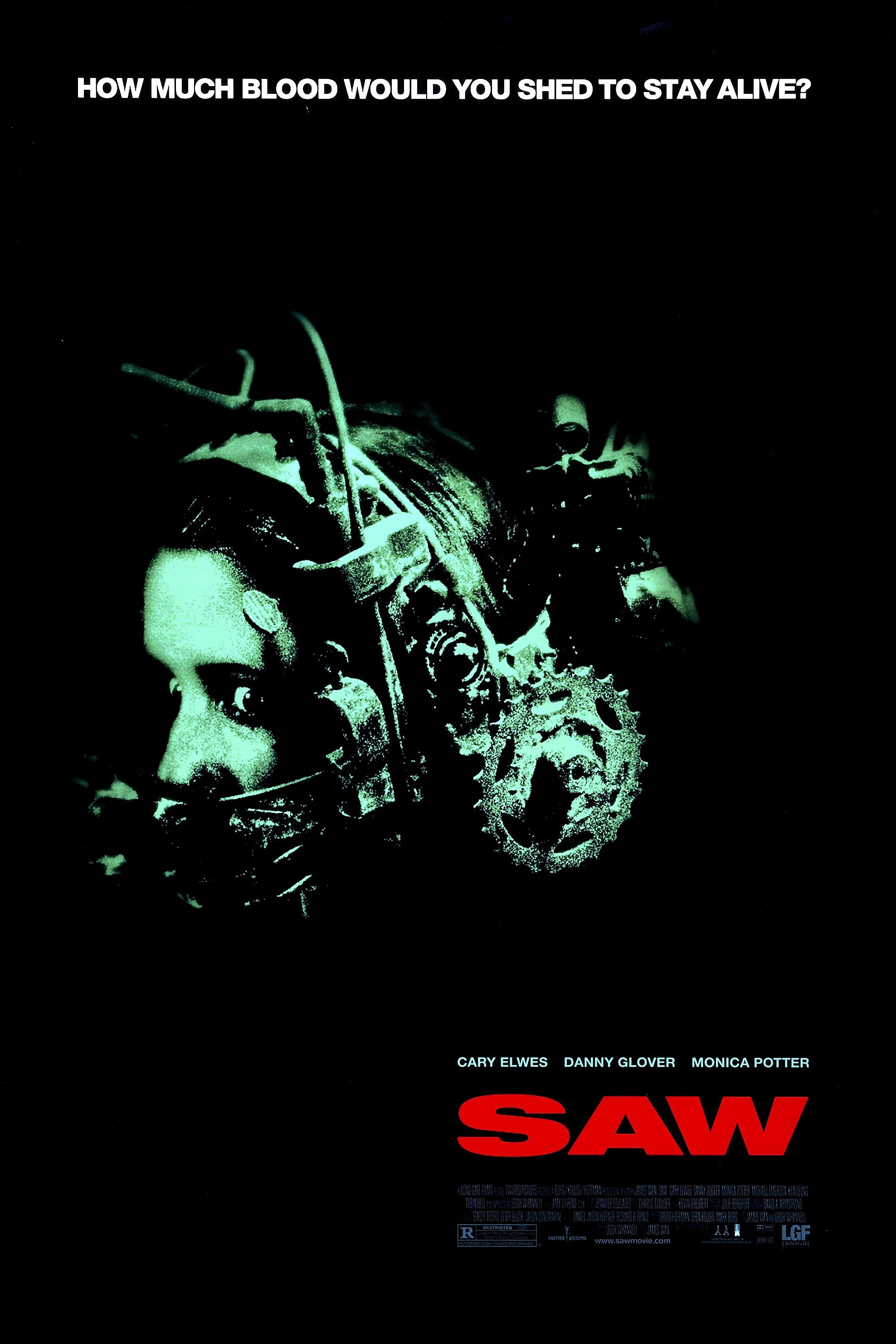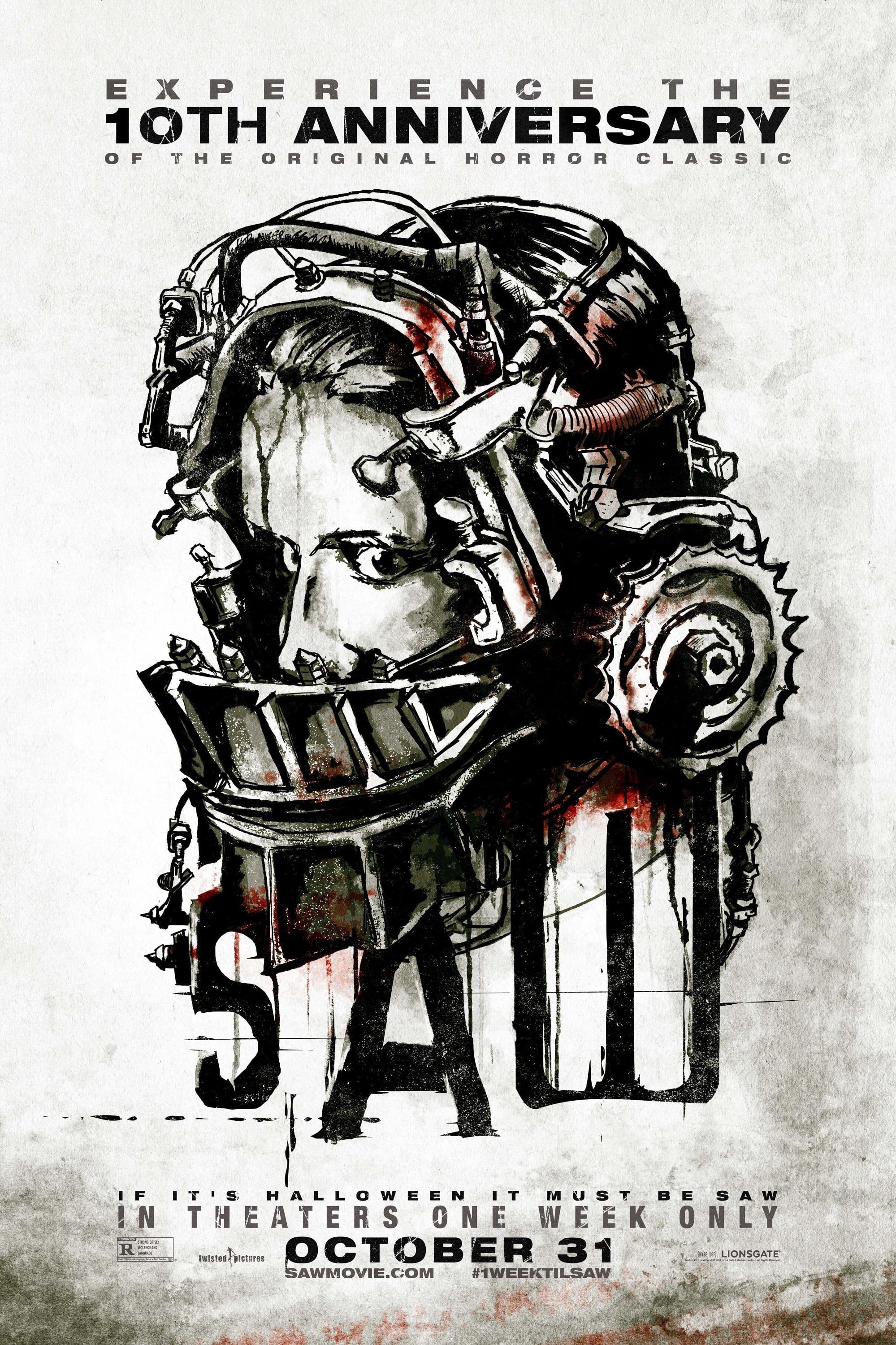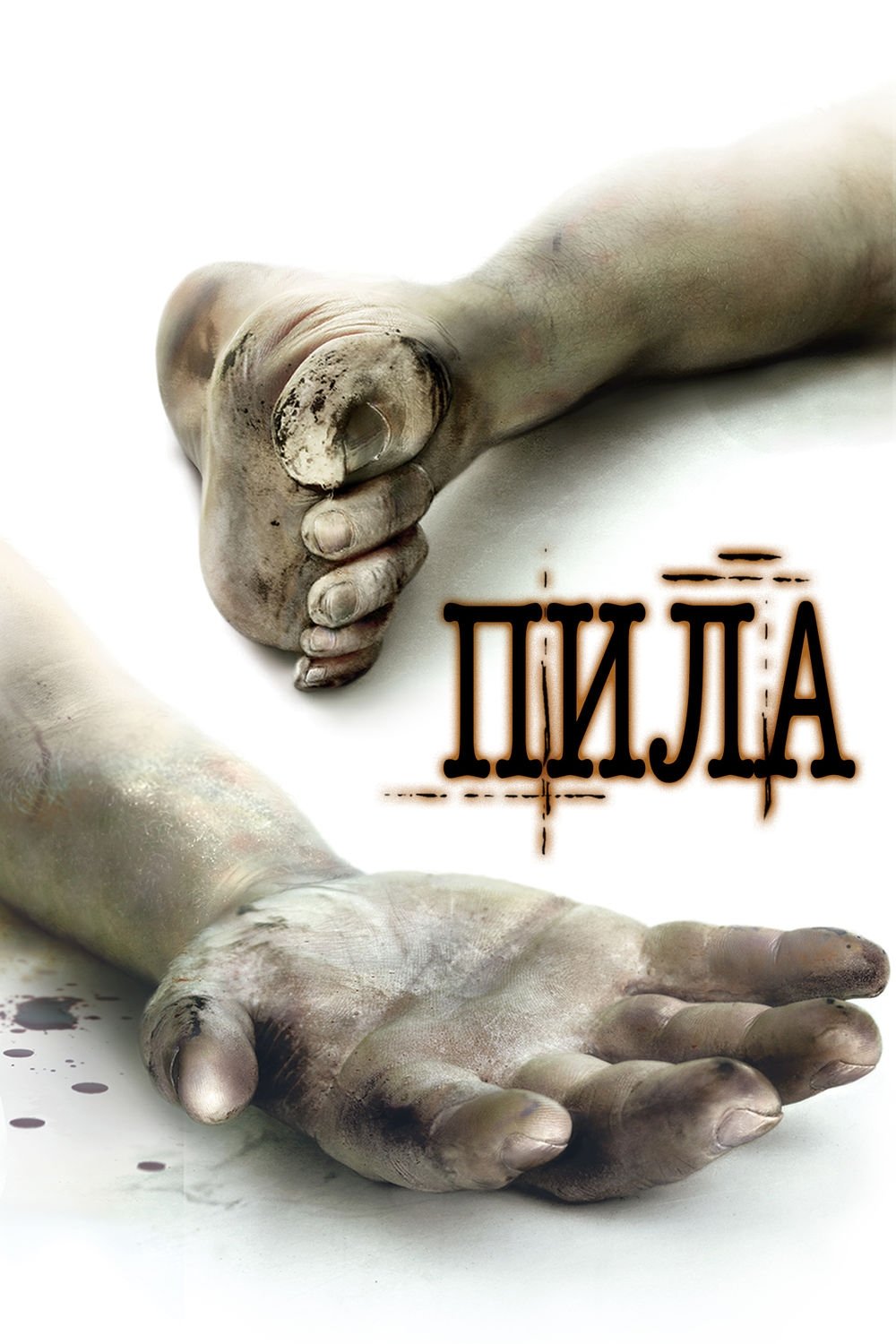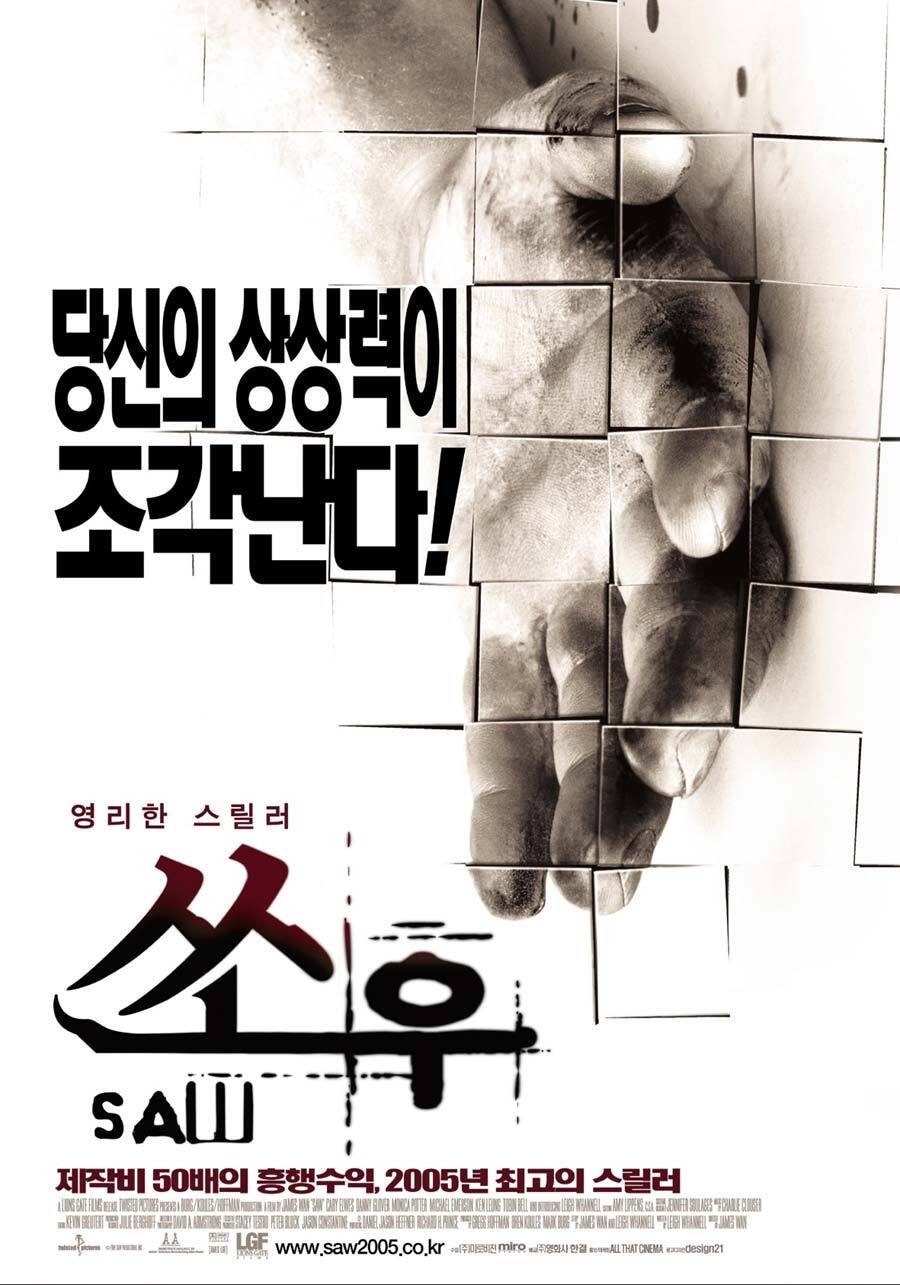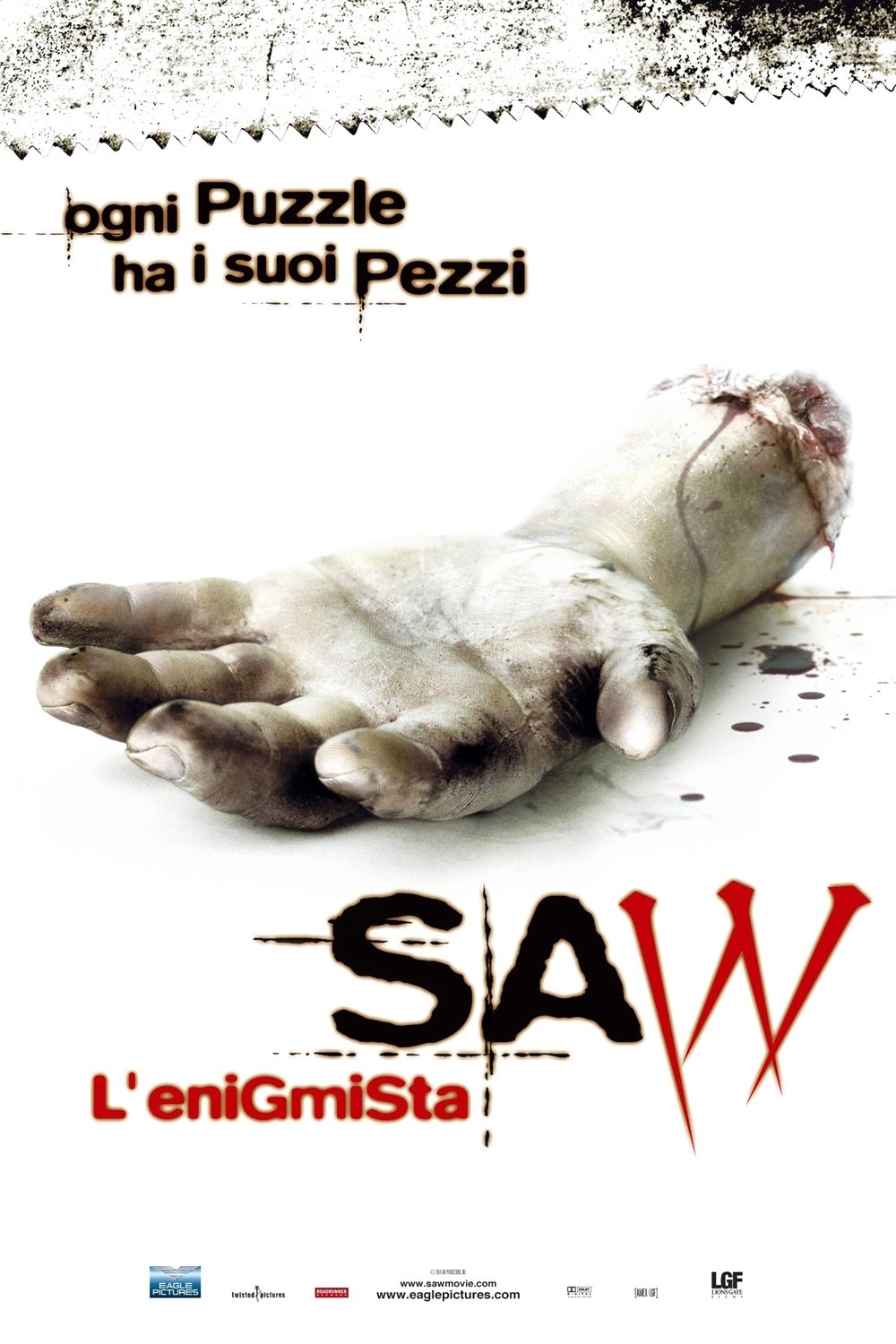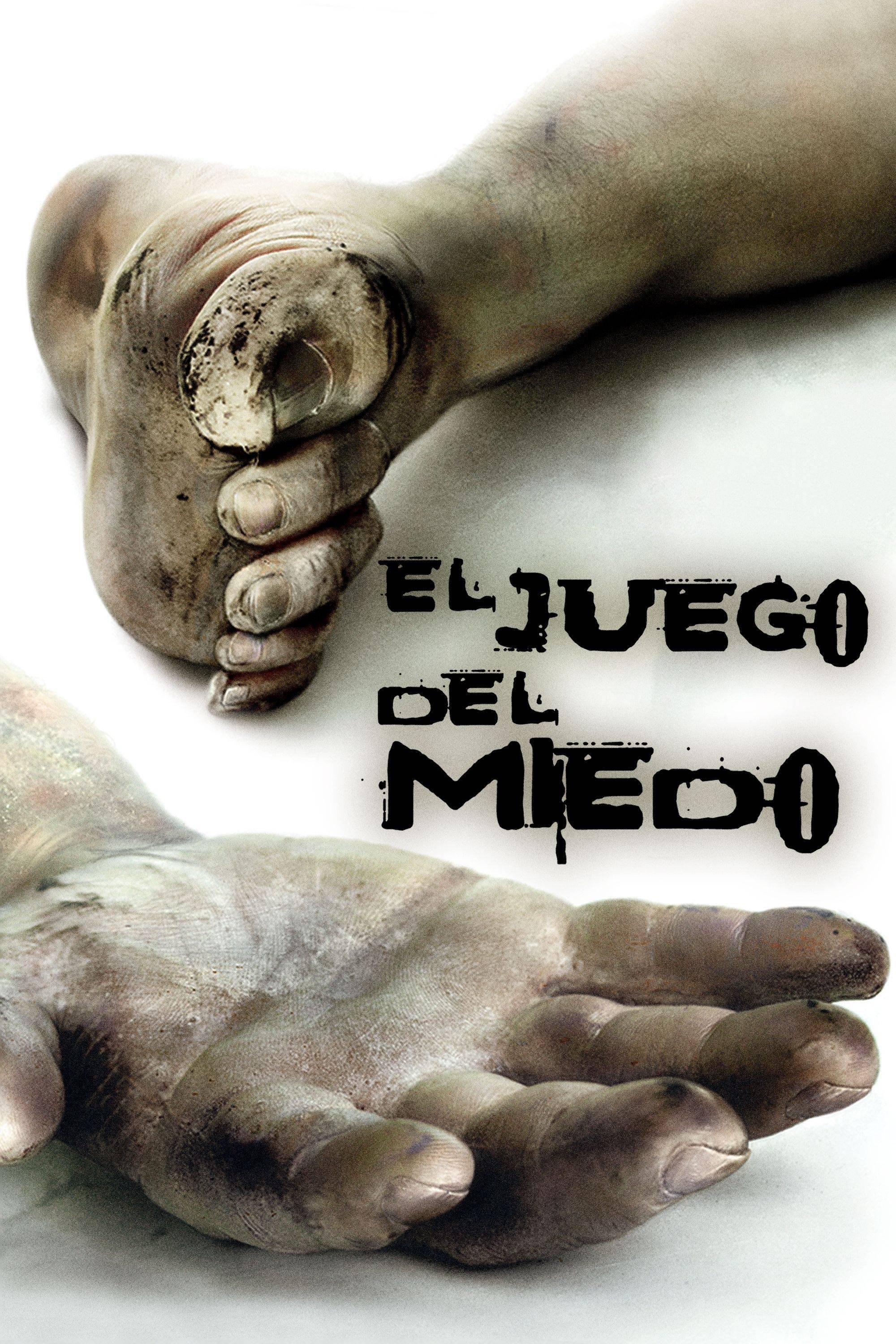
Saw (2004)

US
HORROR FILM Mystery Crime
8.2/10 9 votes
Runtime
103 min
Release
October 1, 2004
Budget
$1,200,000
Revenue
$104,045,735
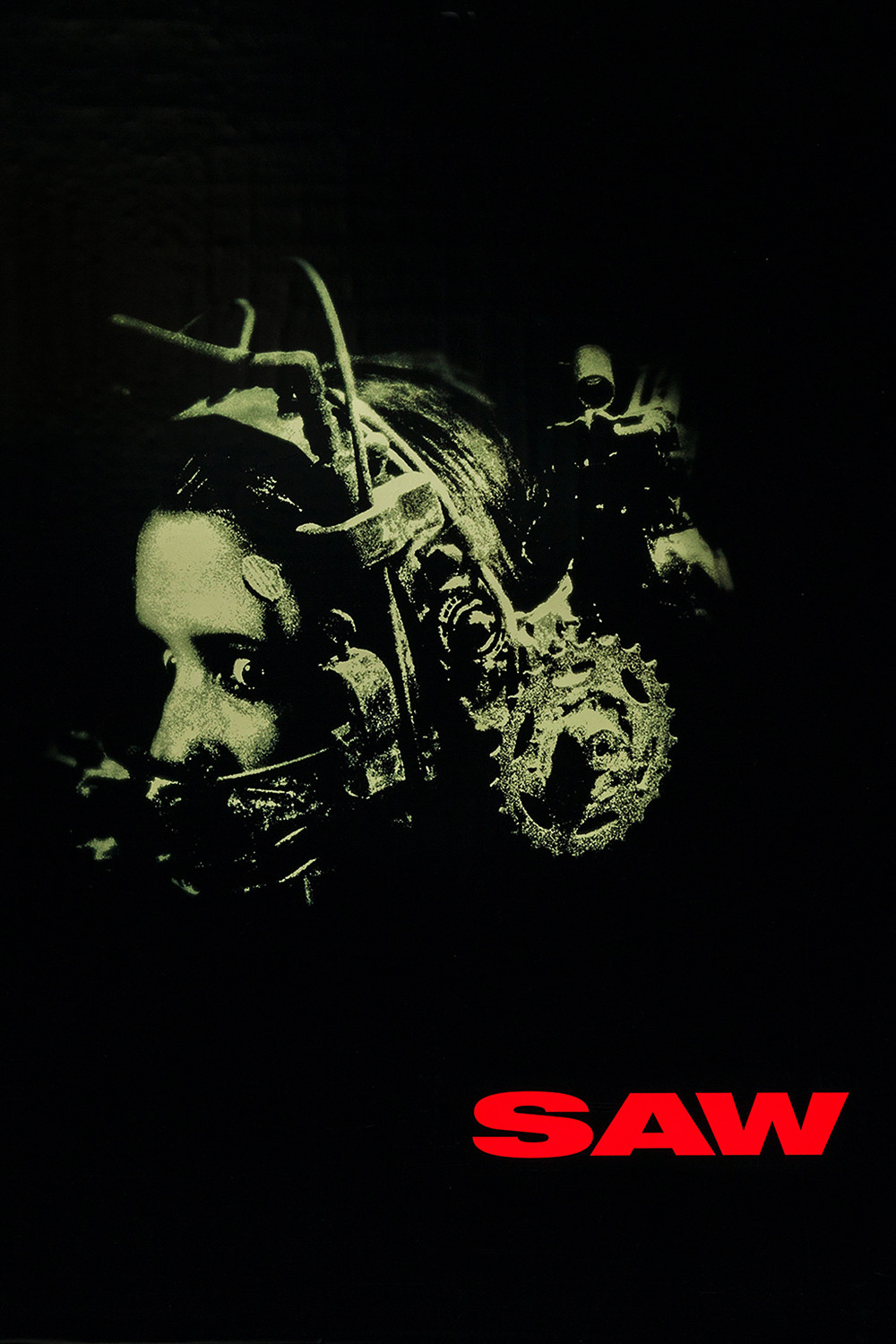
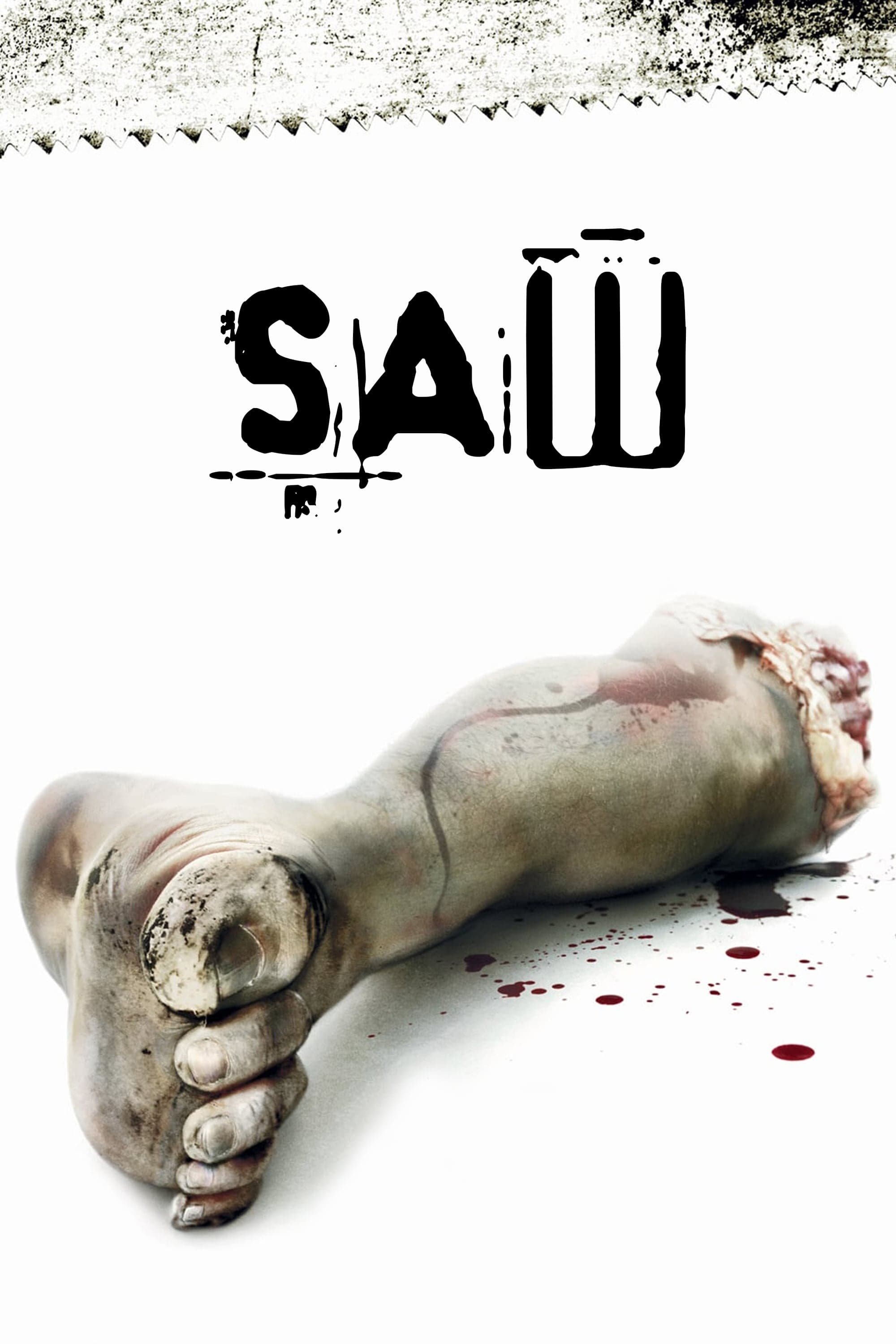
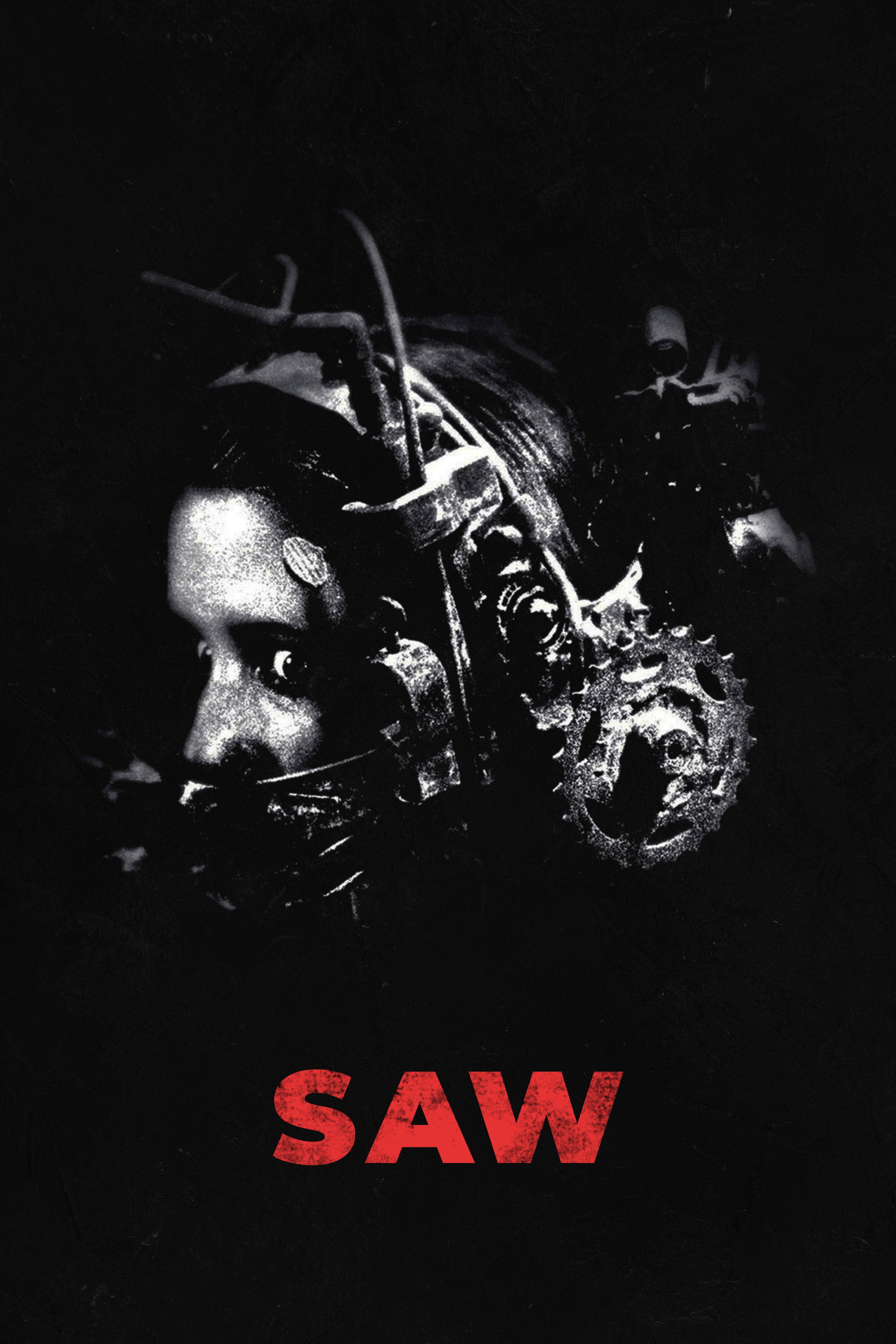
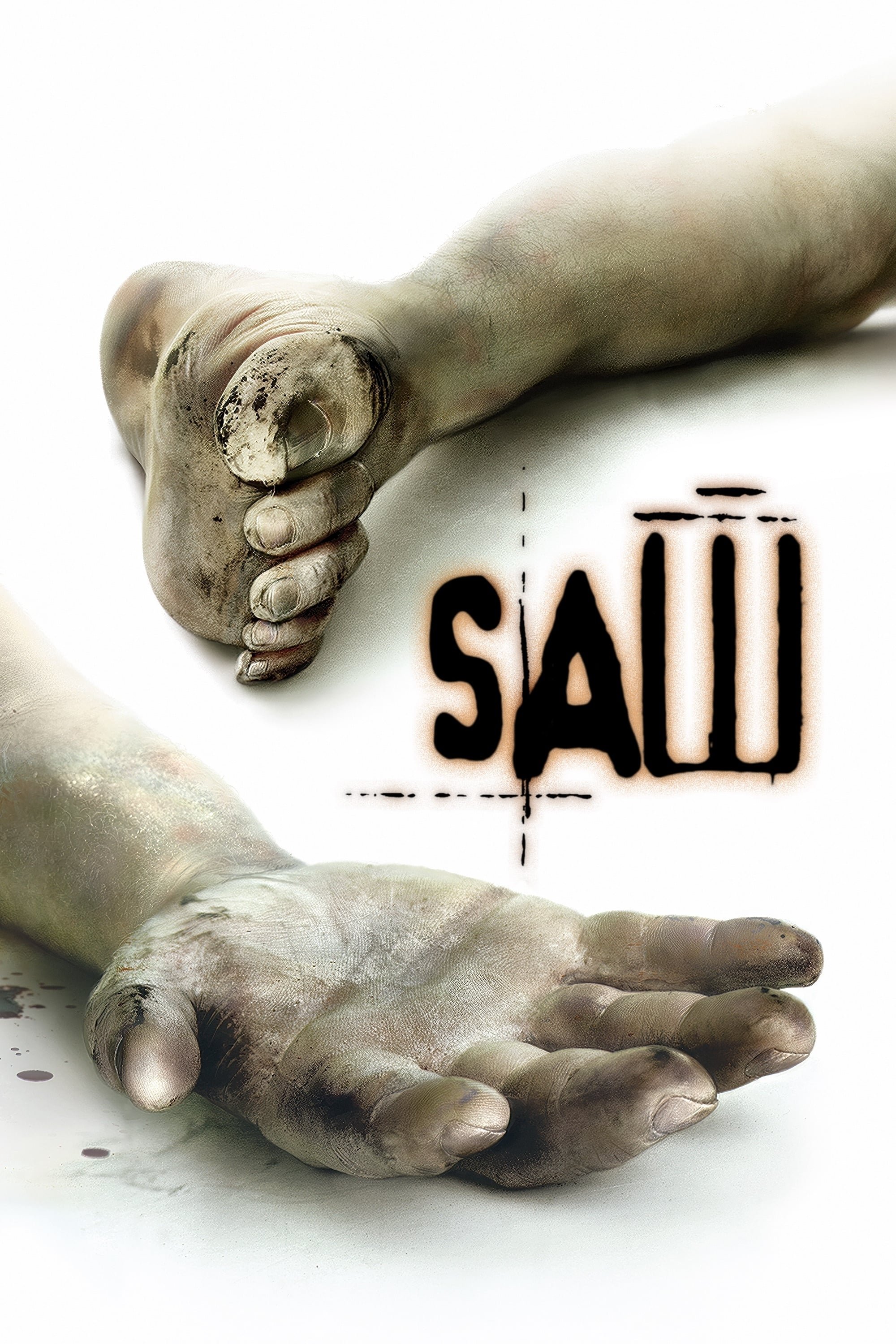
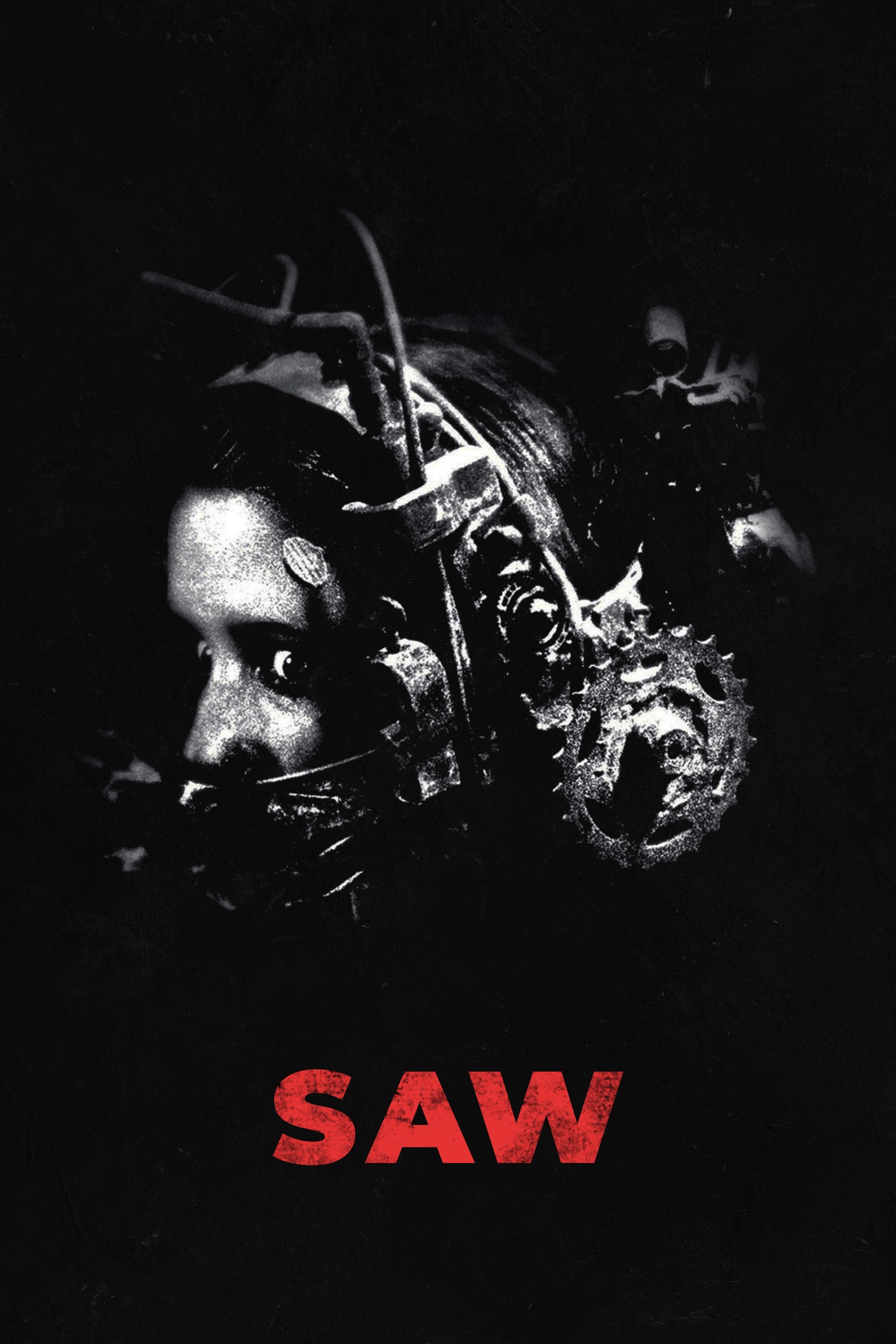
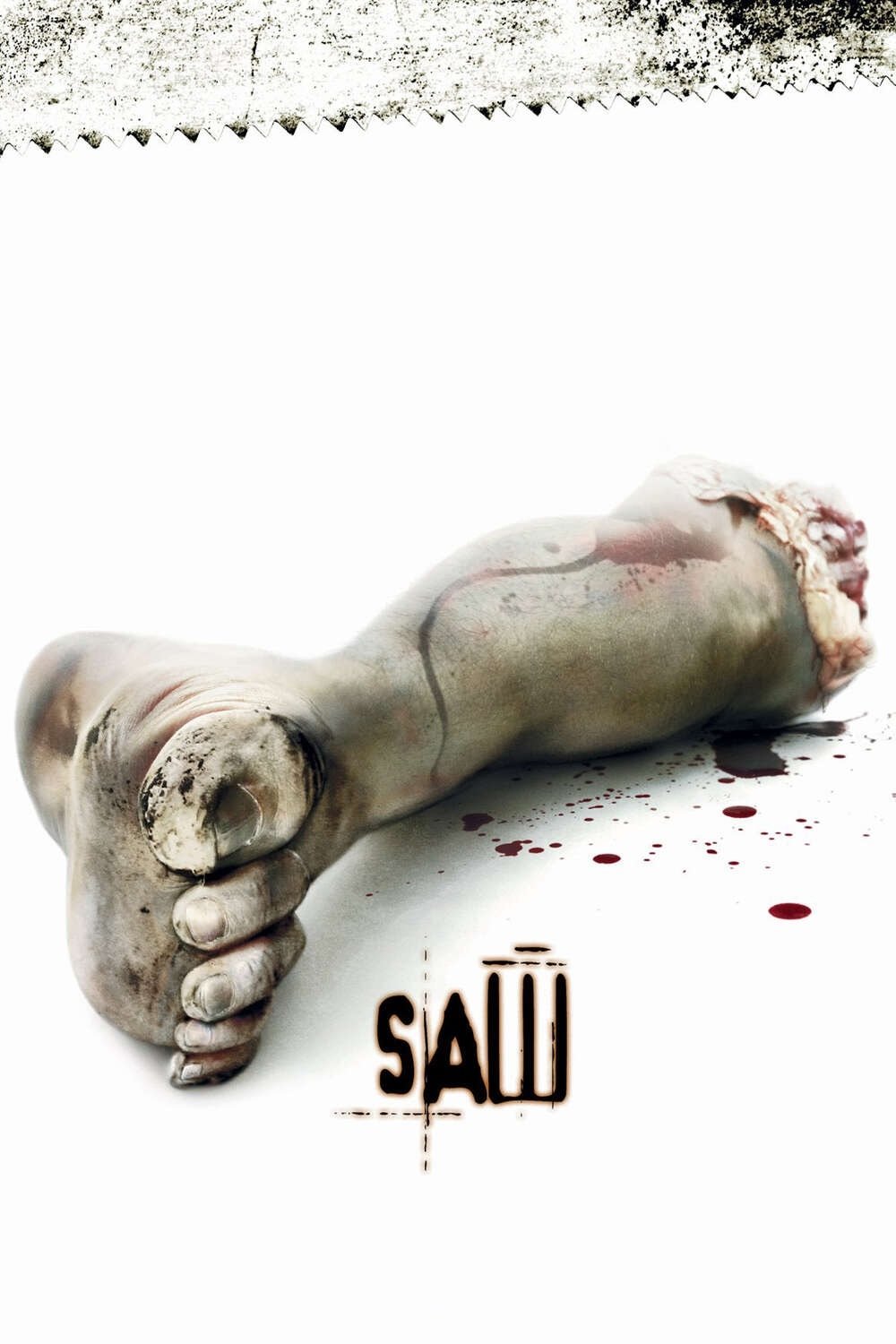
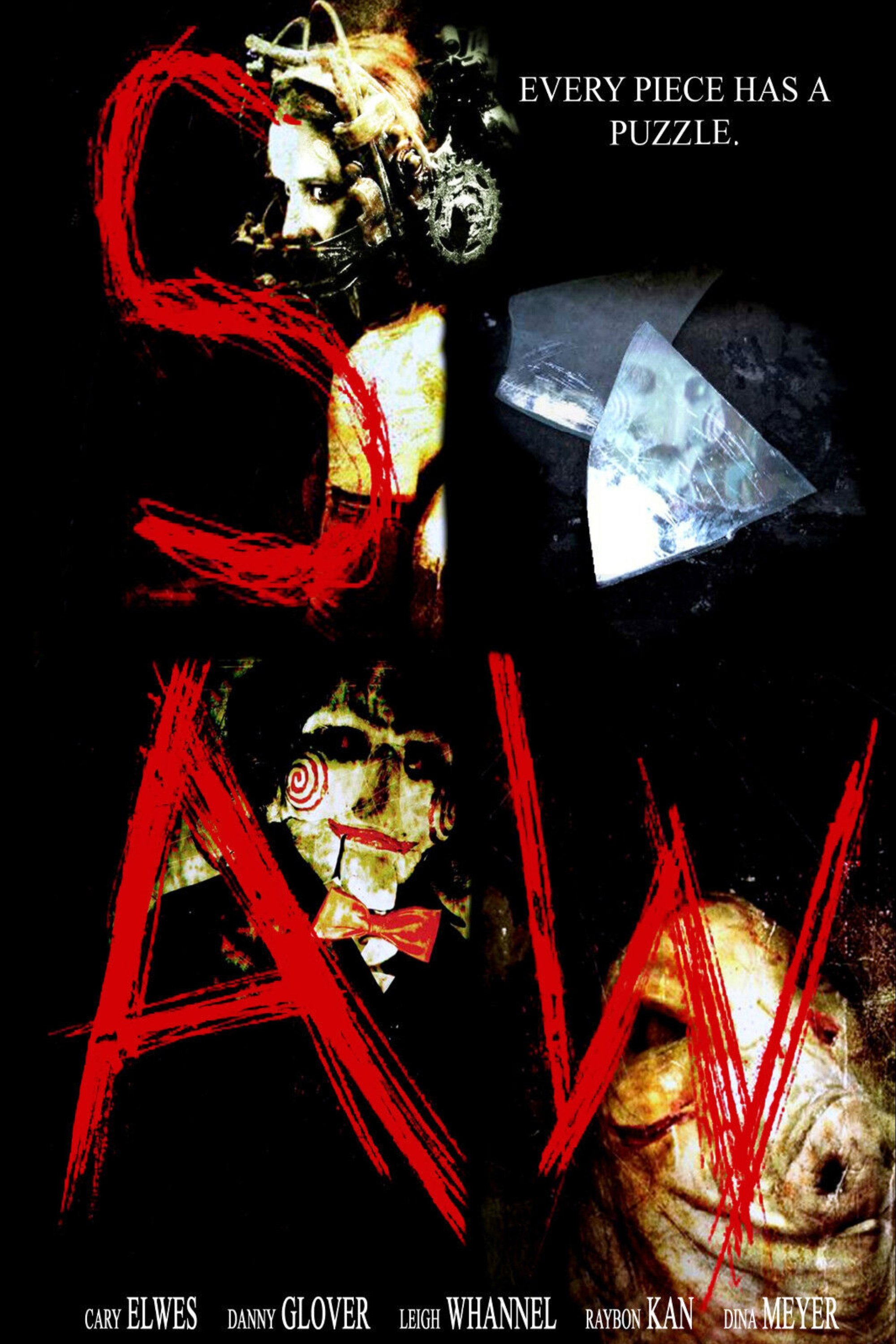
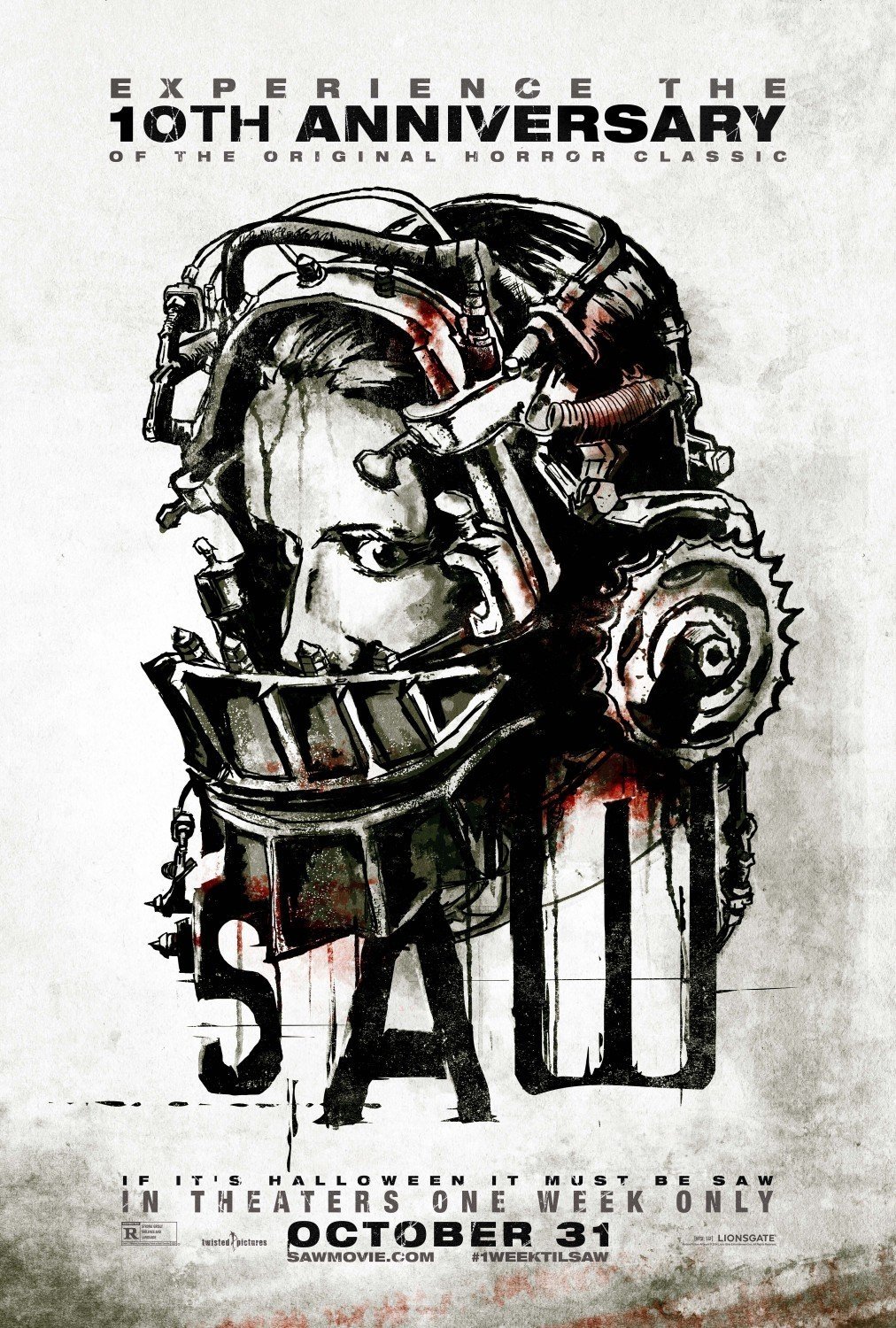
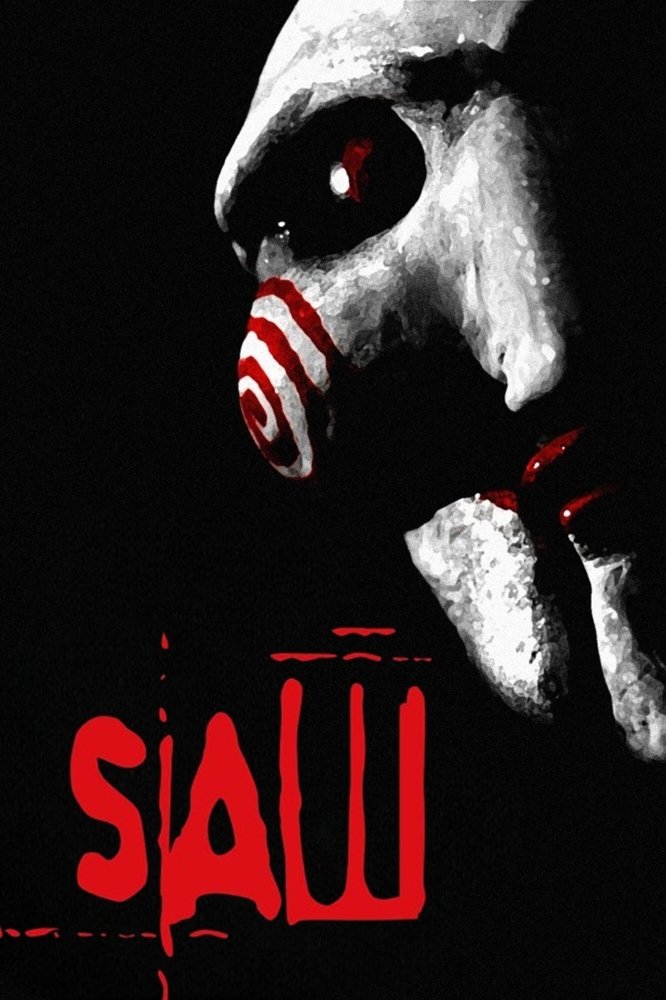
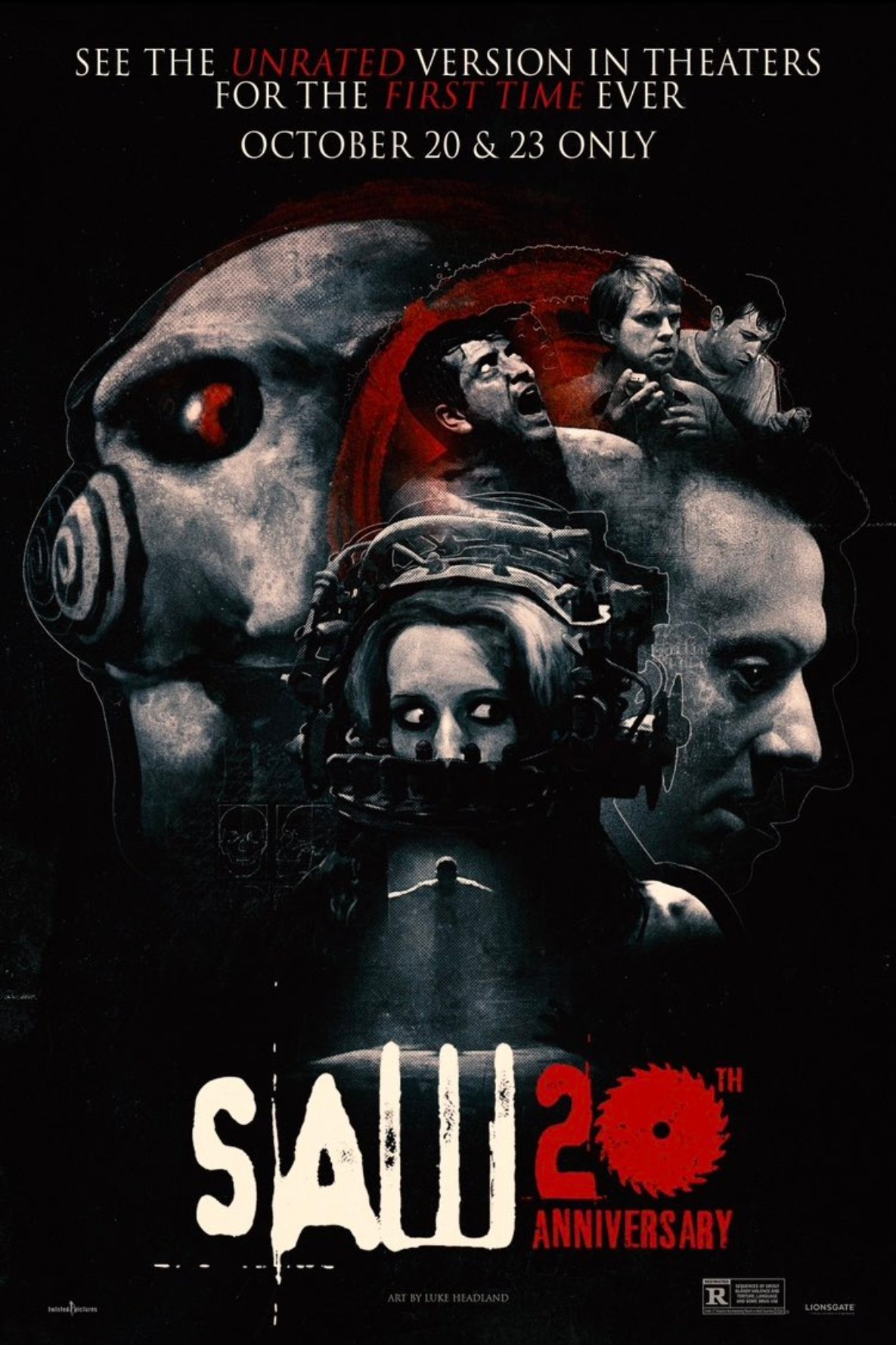
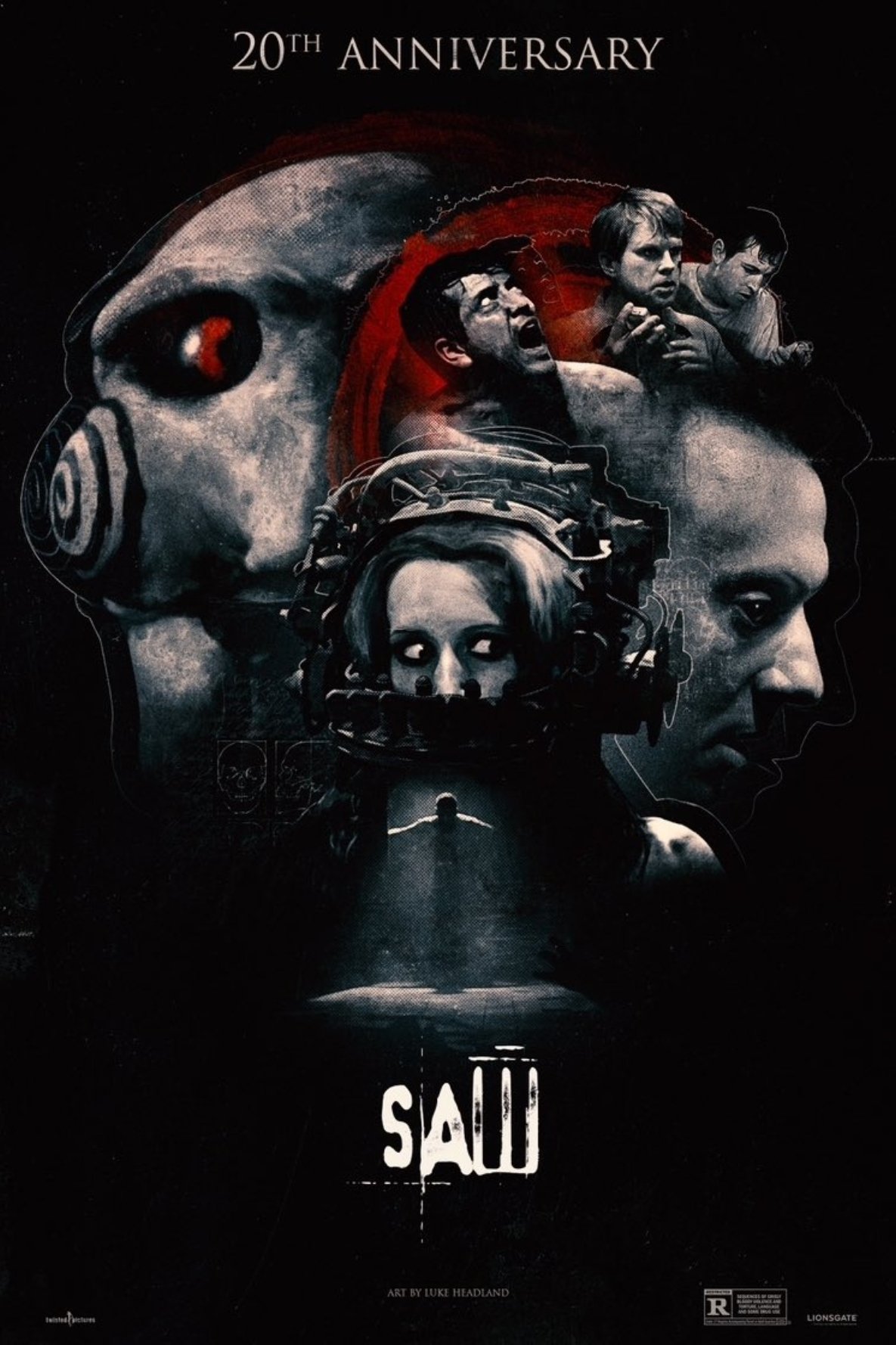
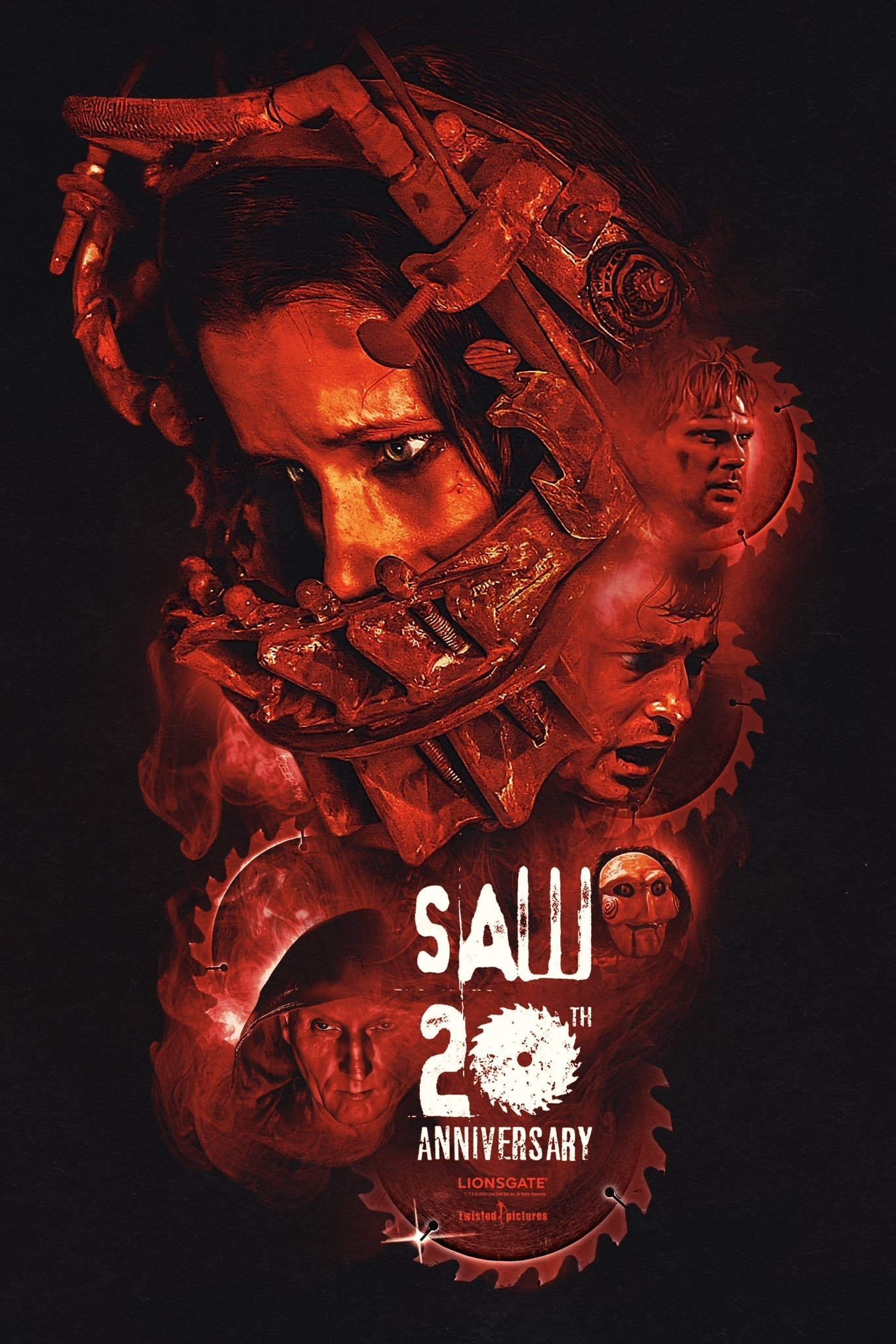
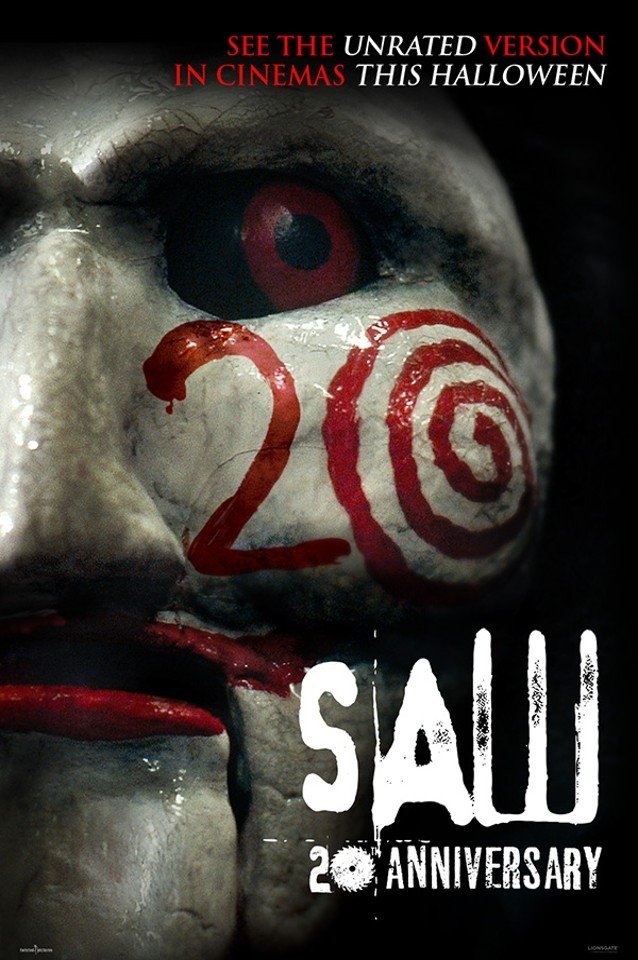
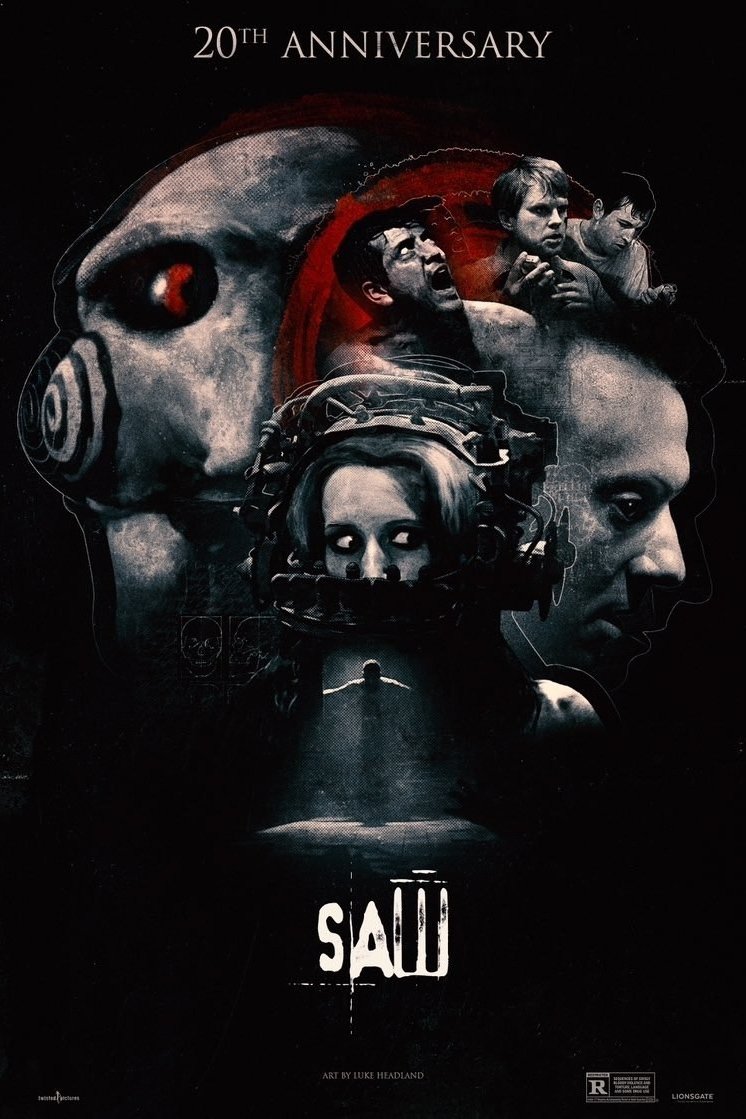
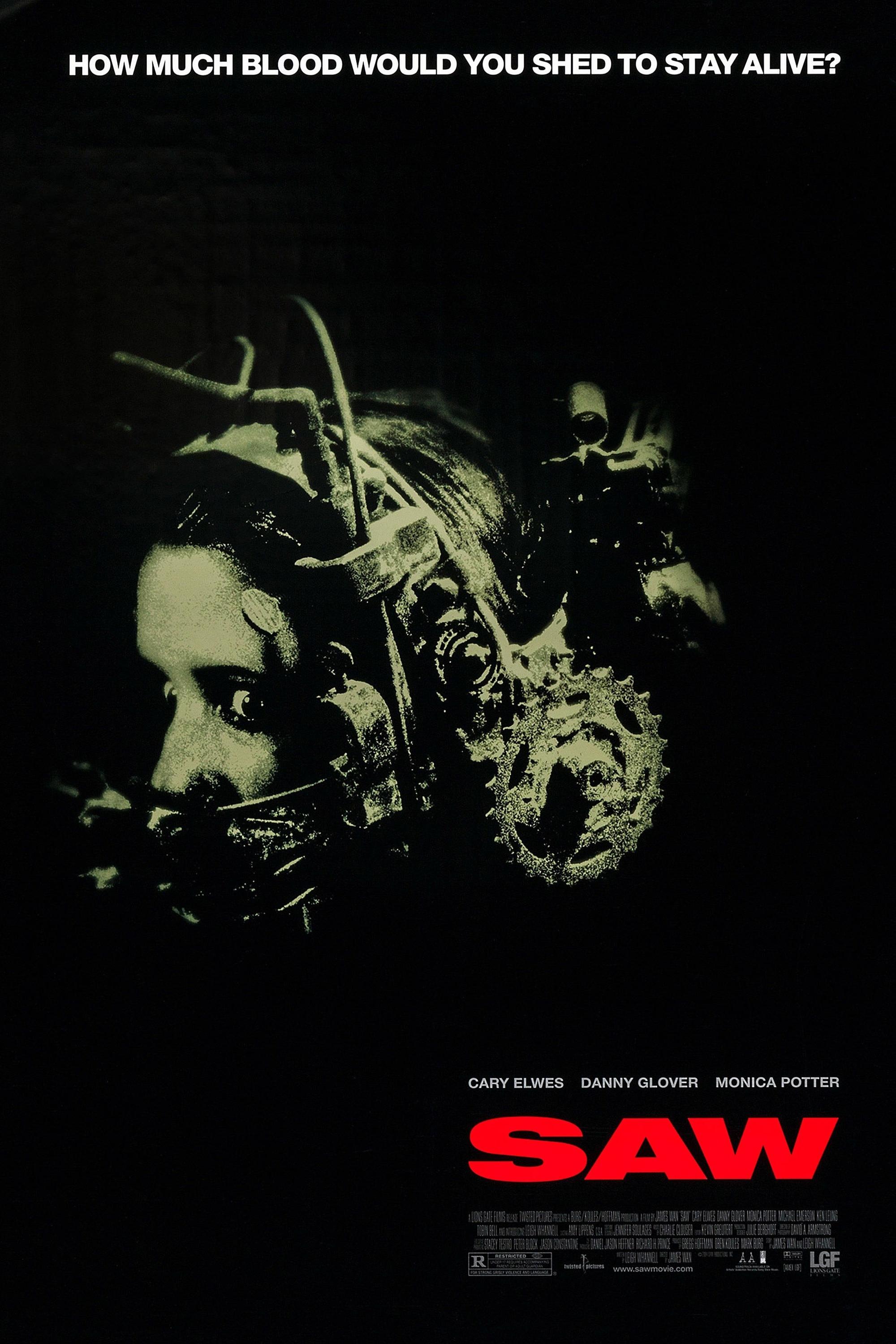
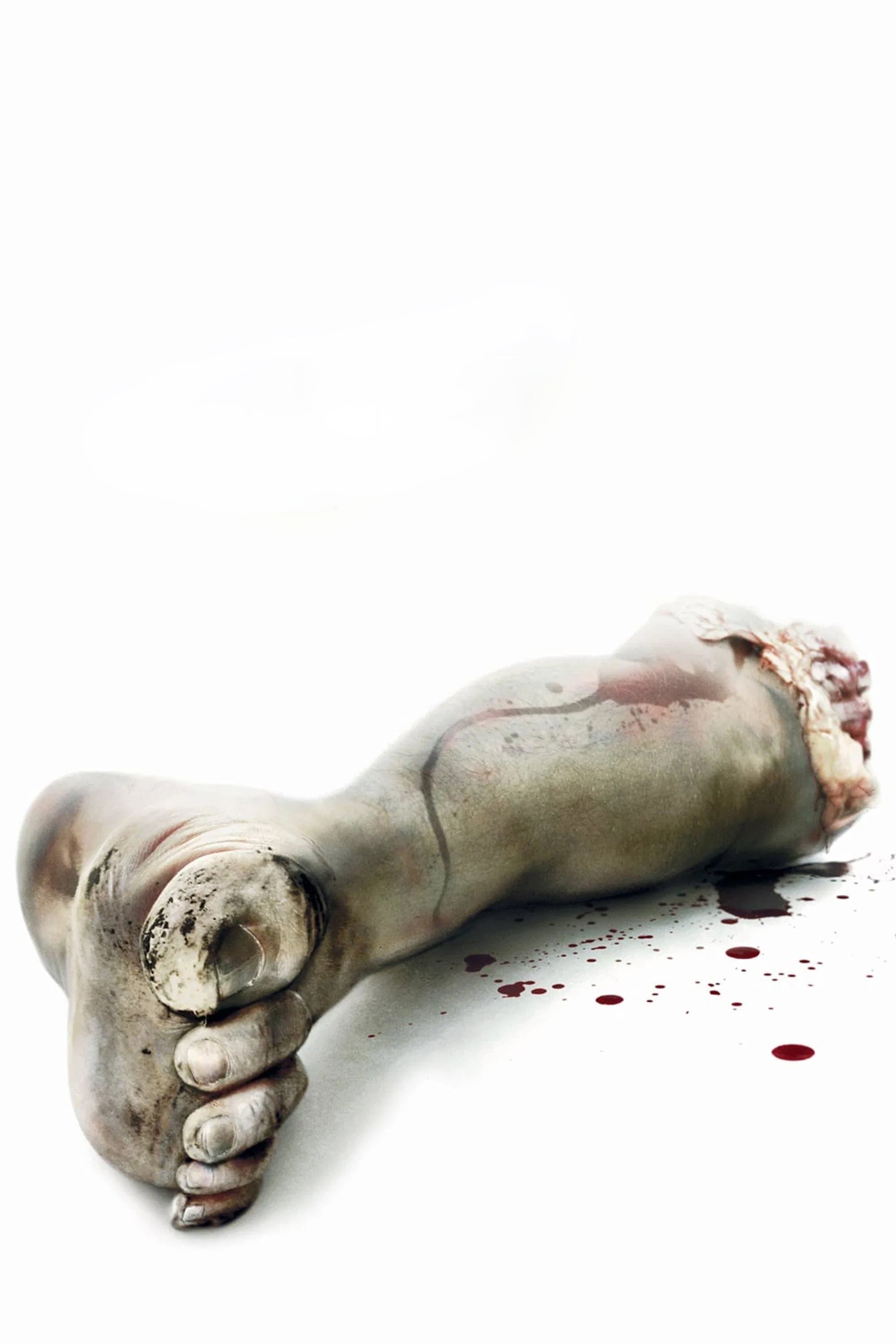
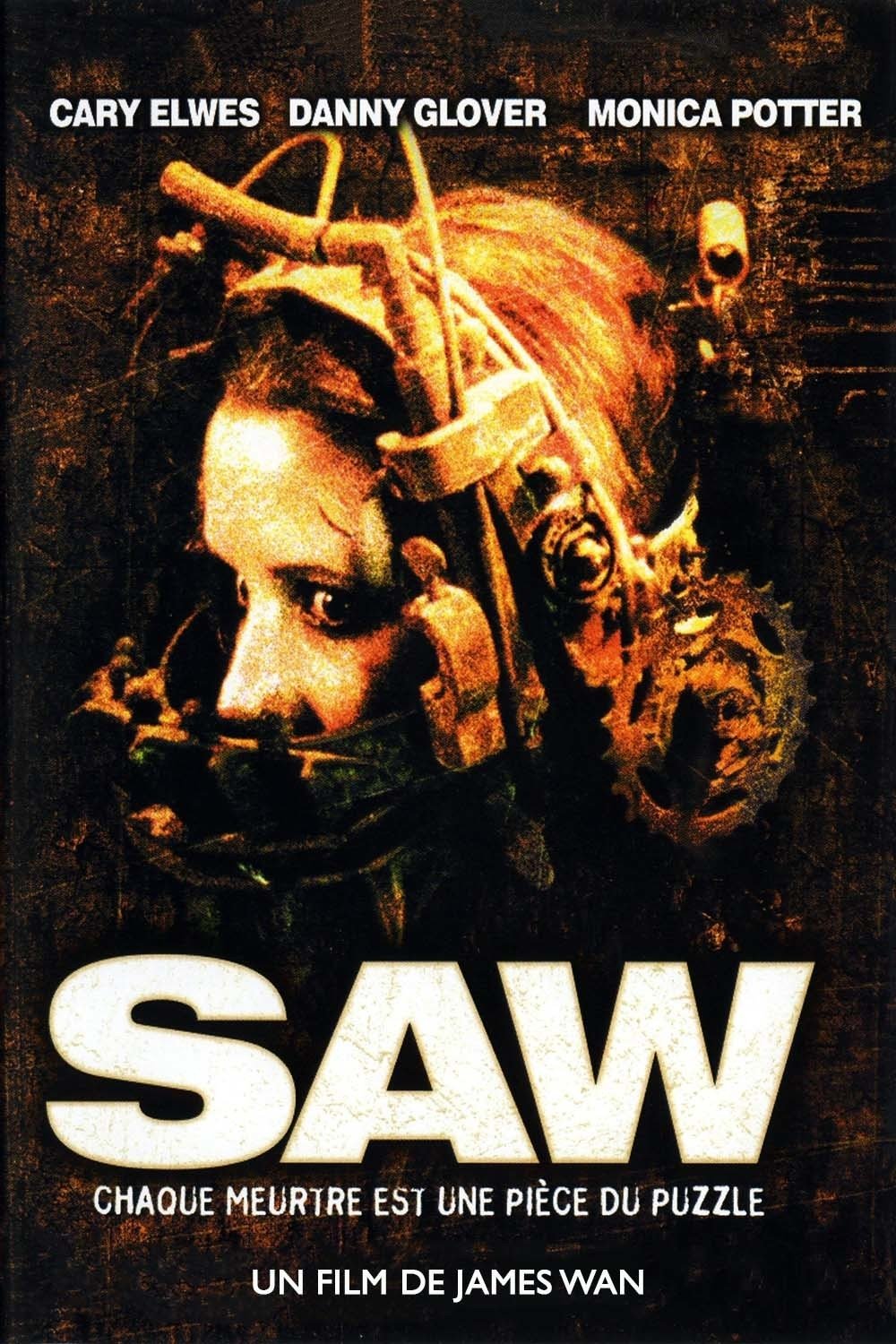
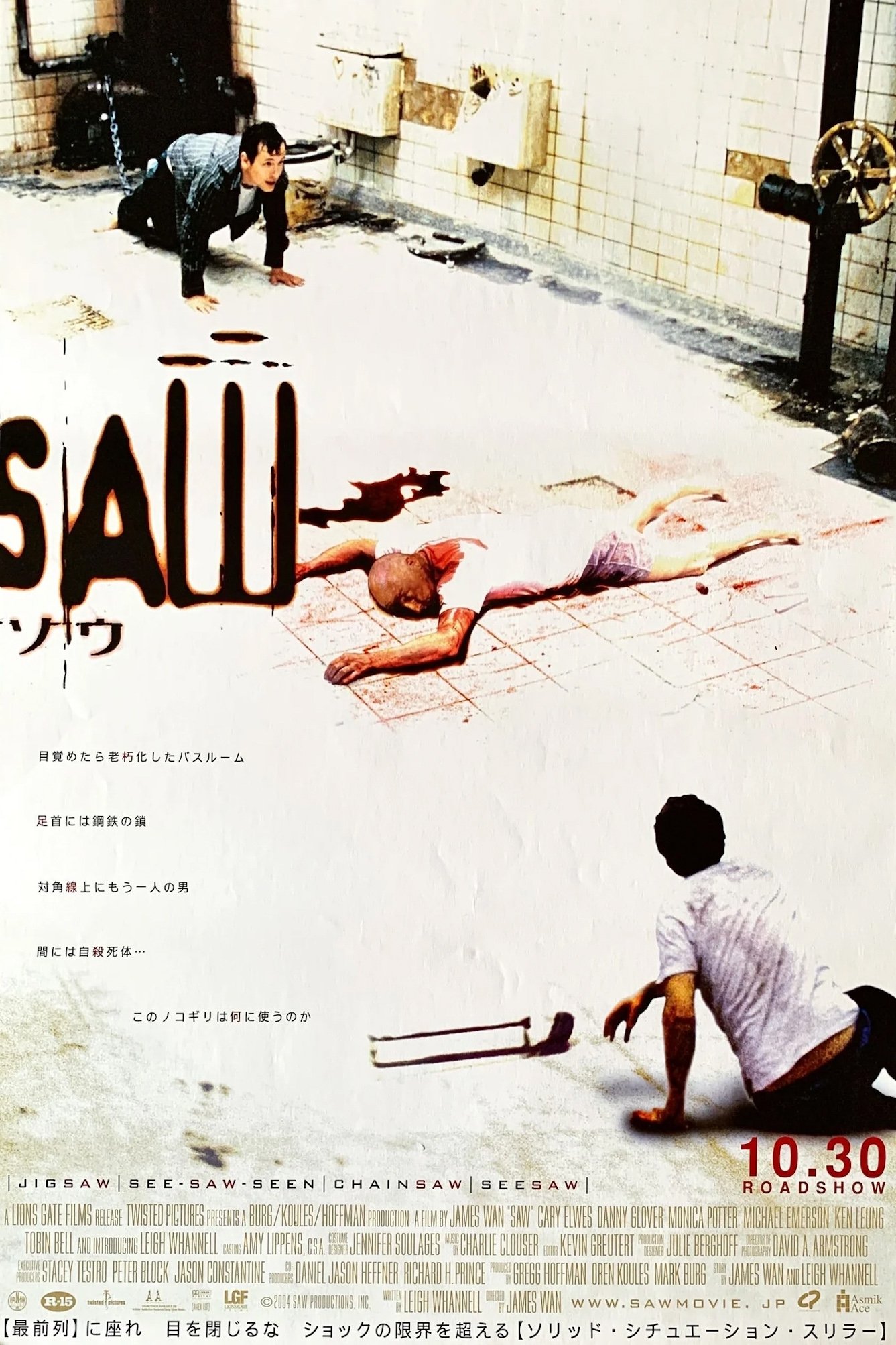
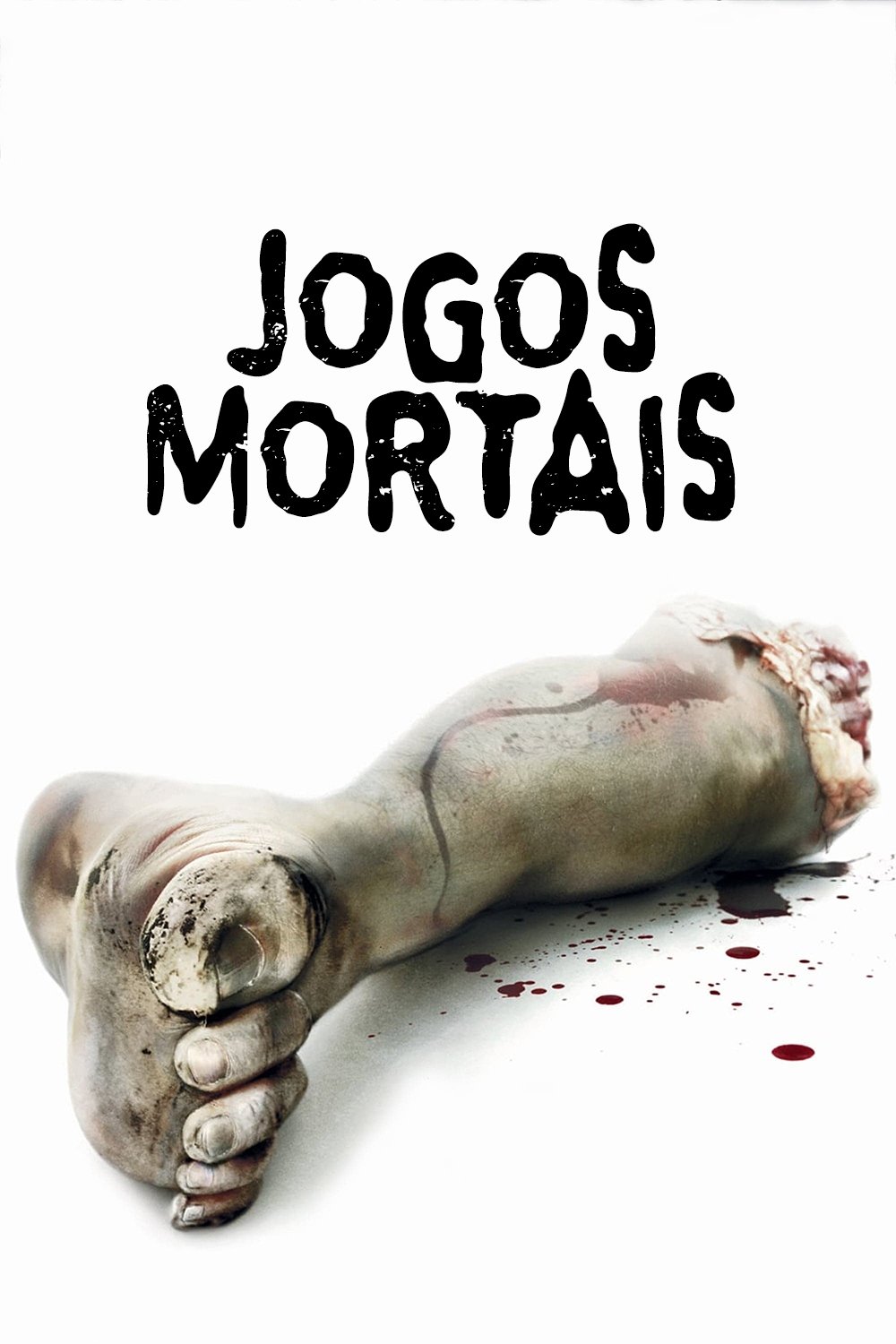
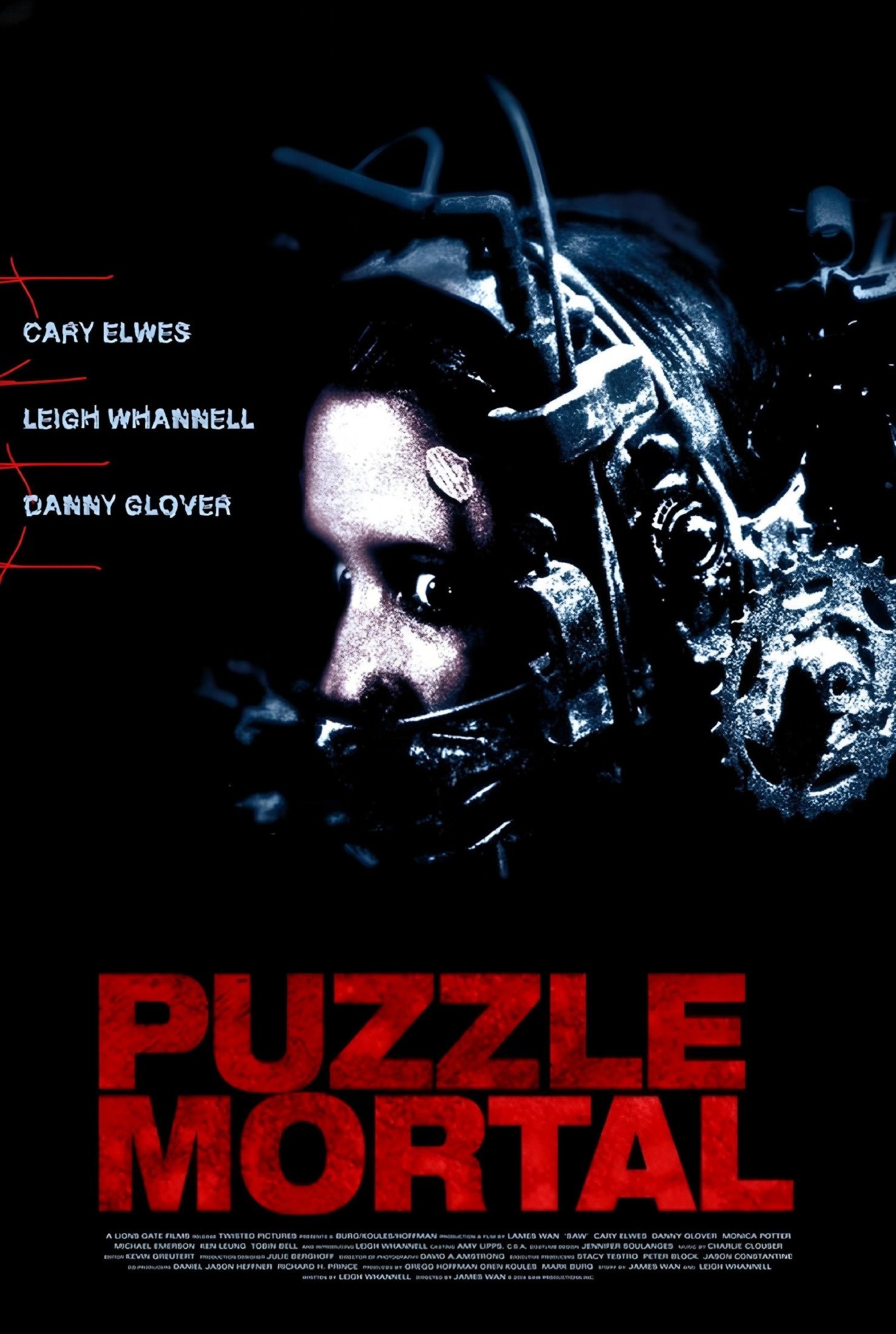
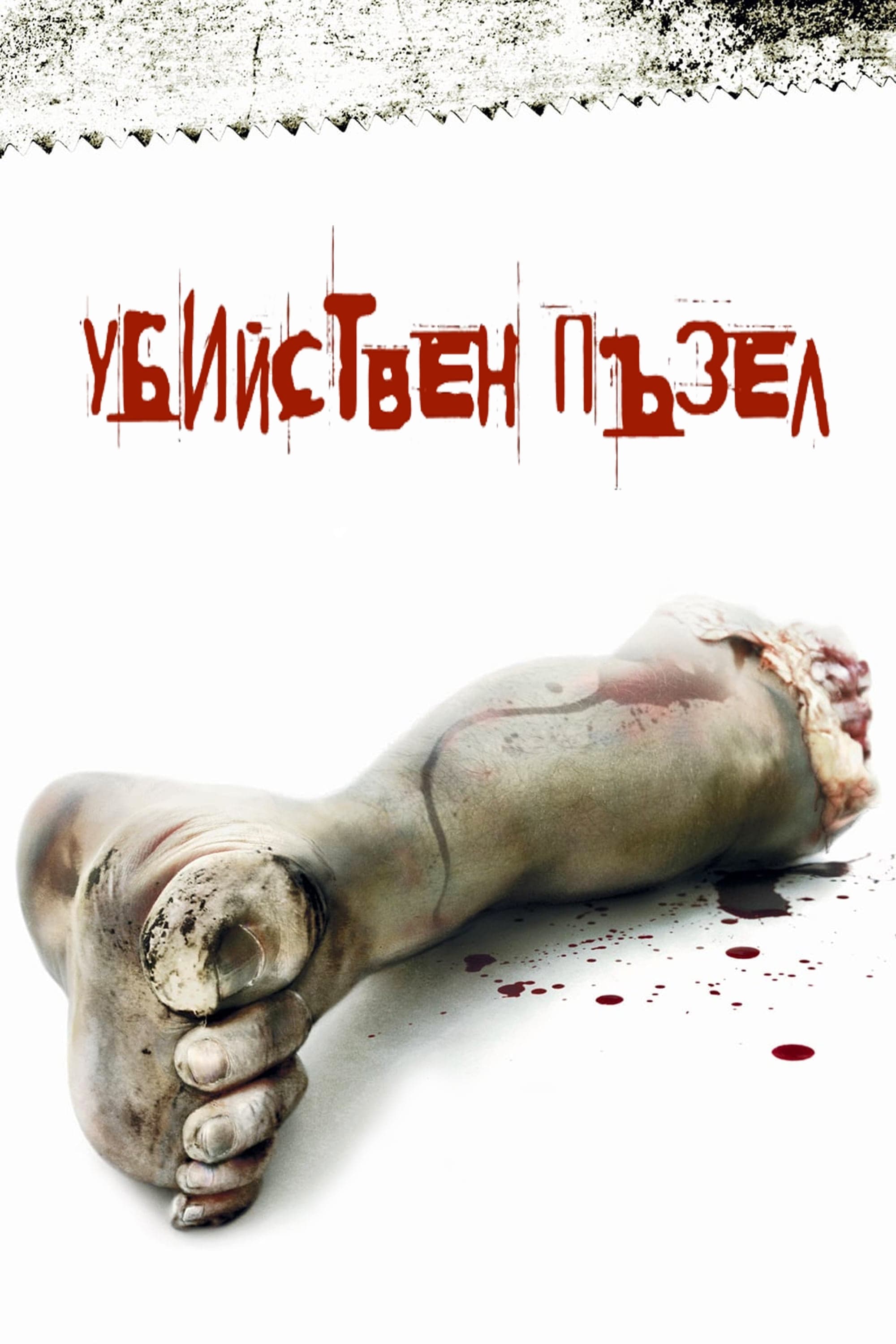
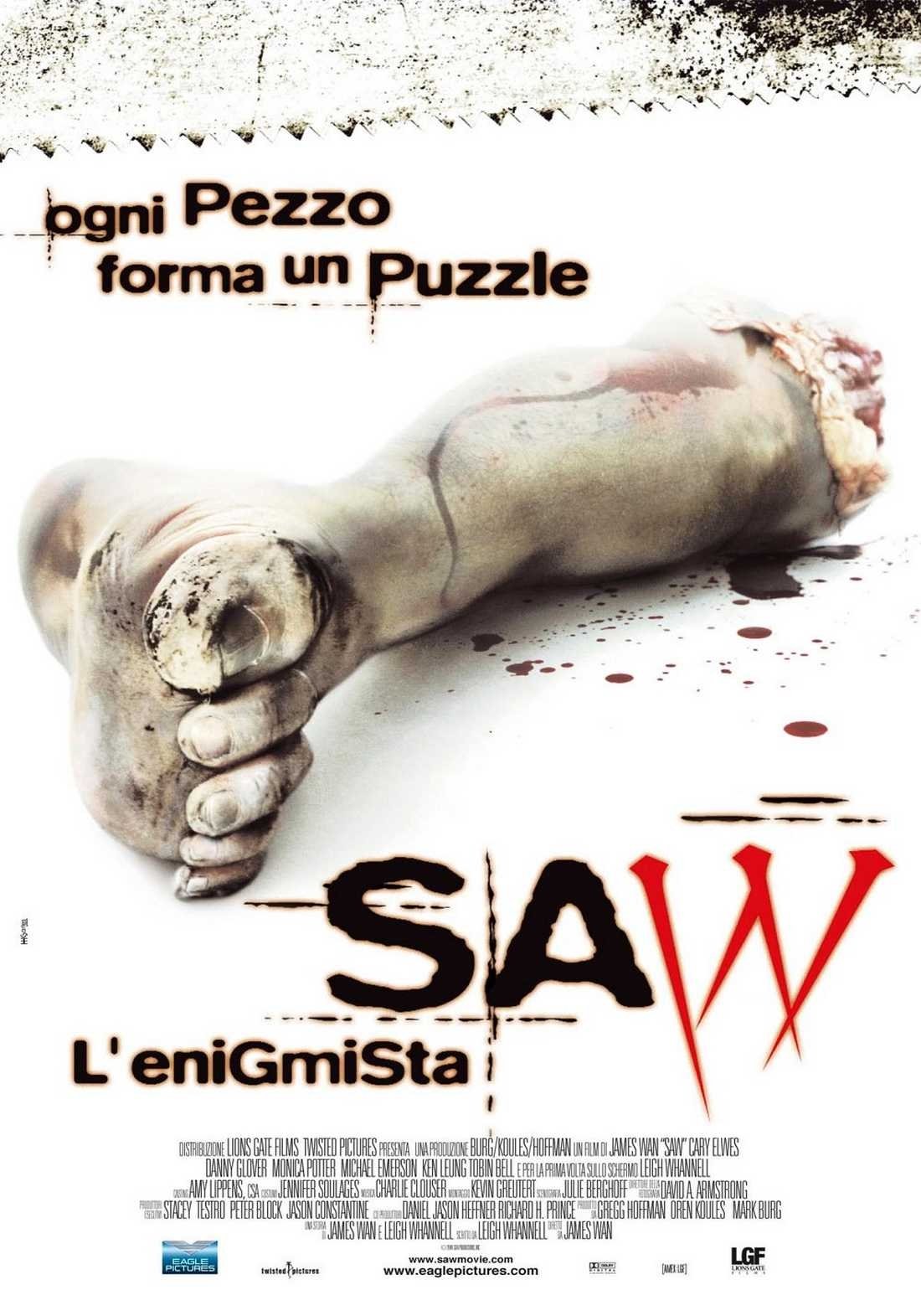
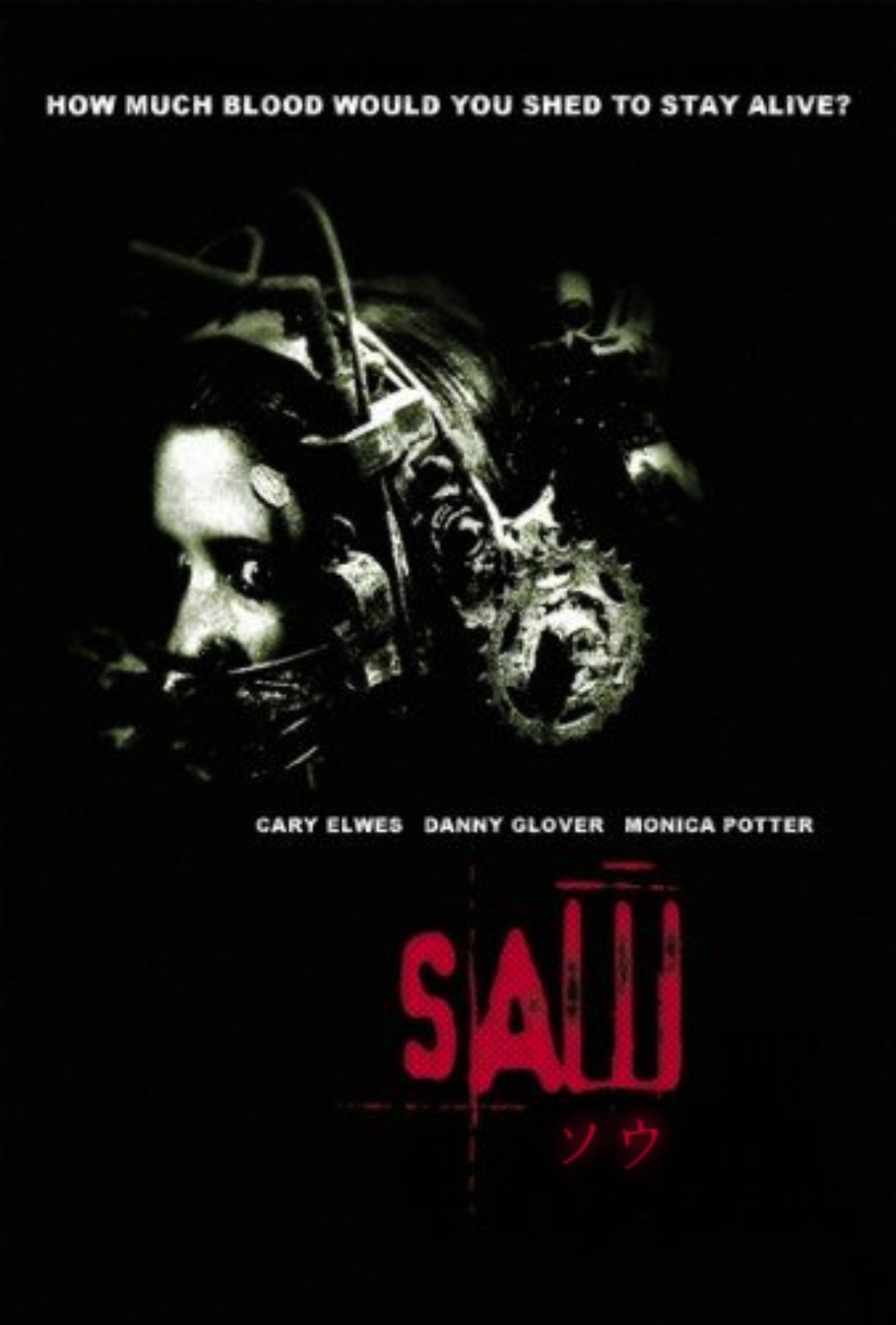
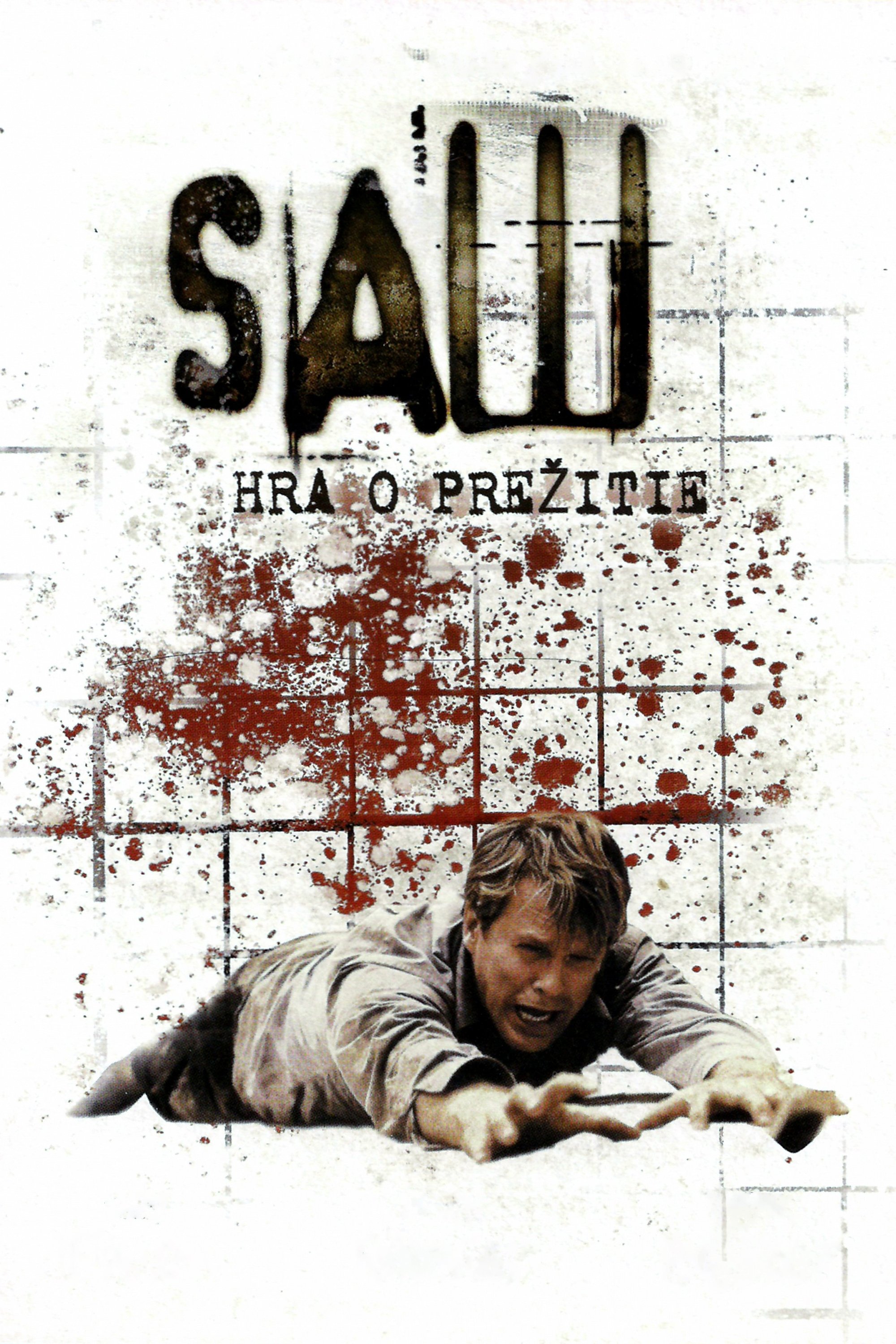
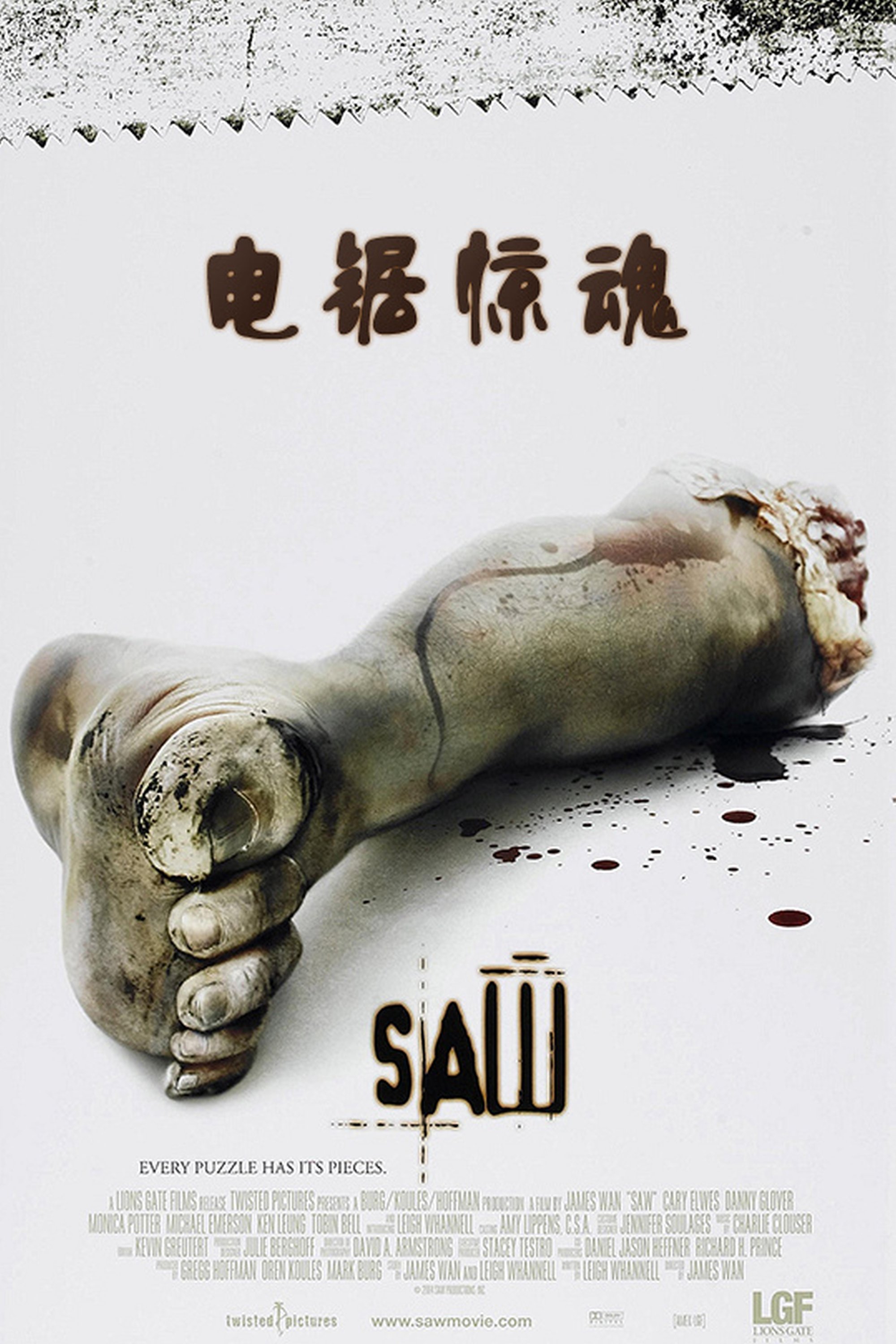
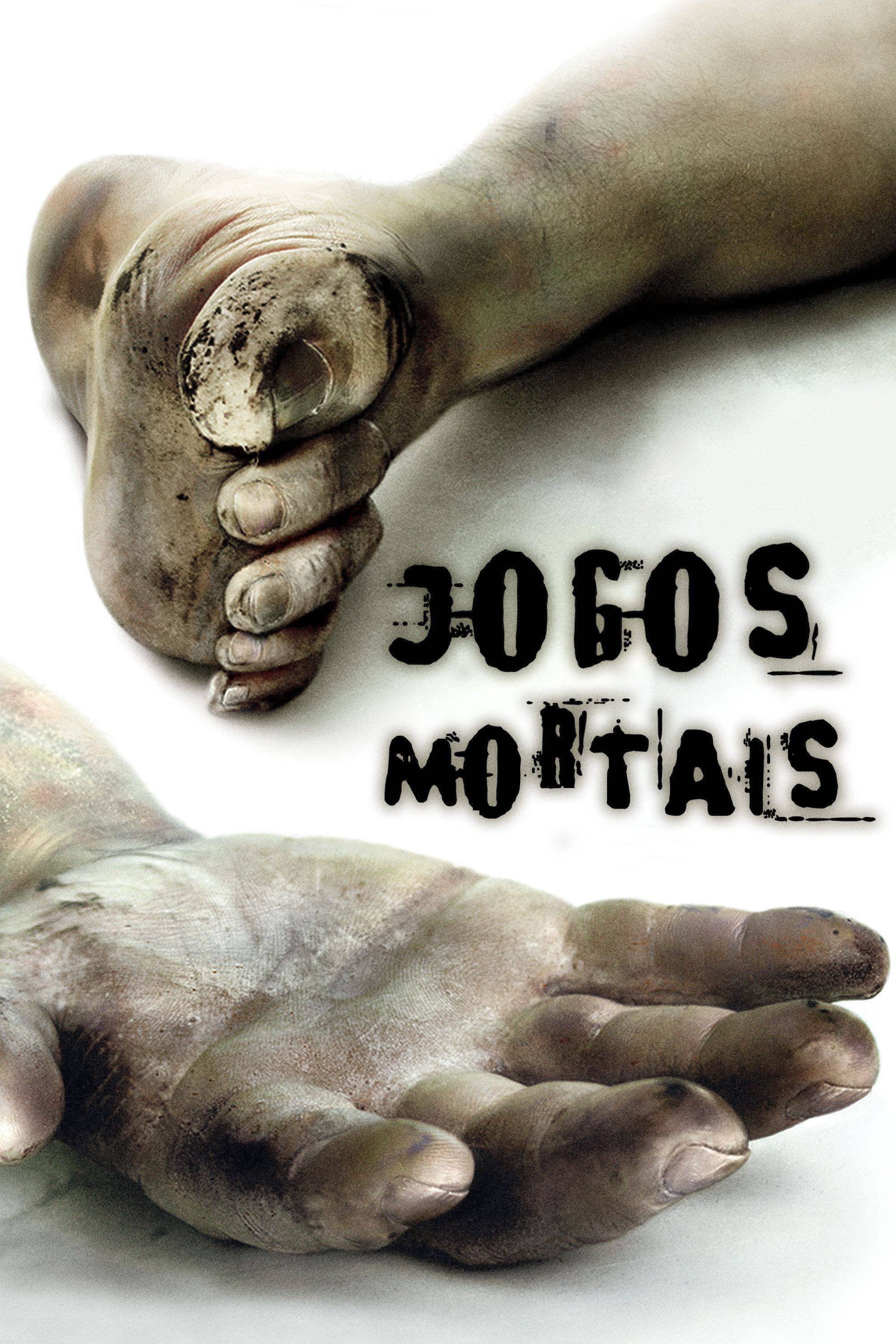
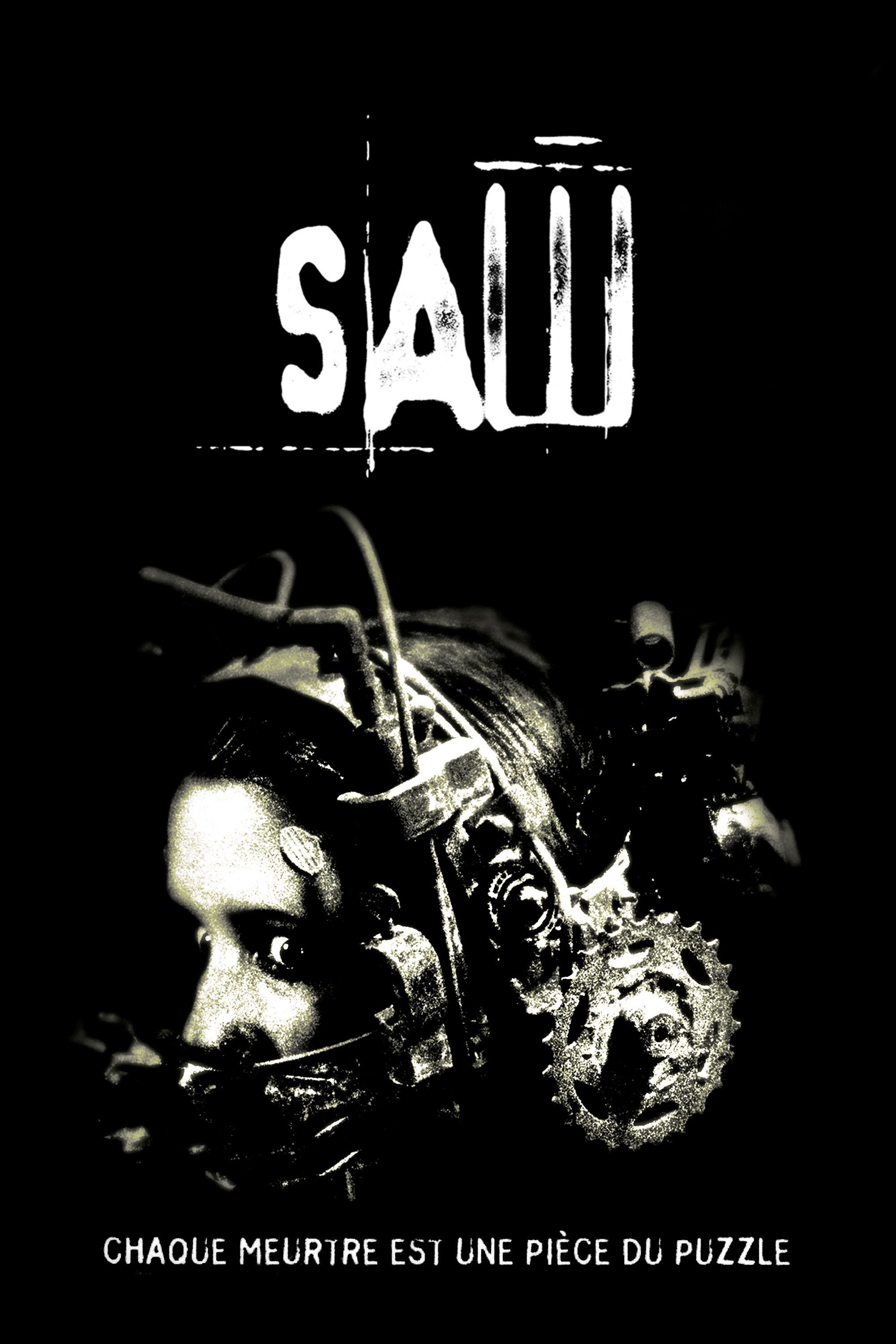
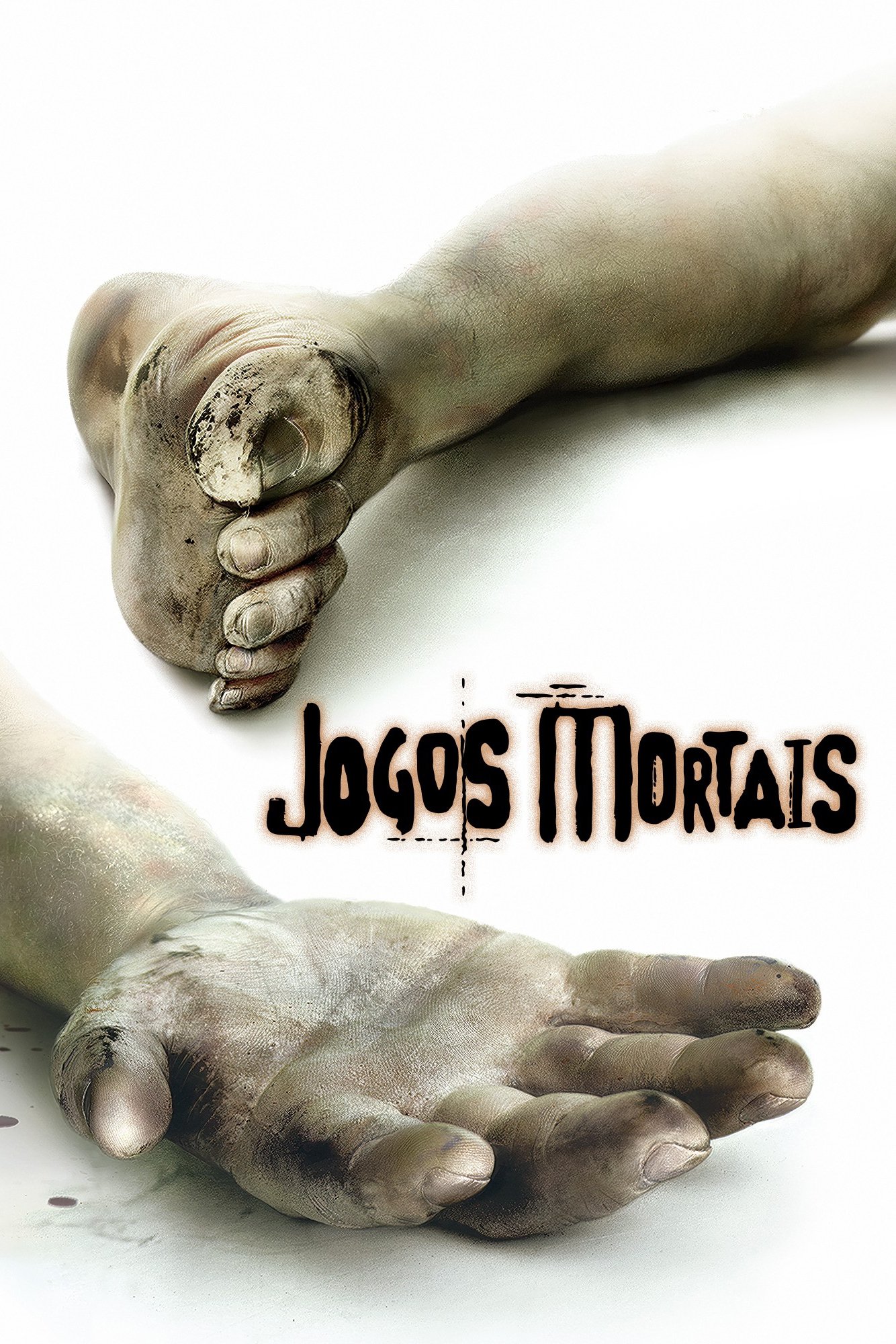
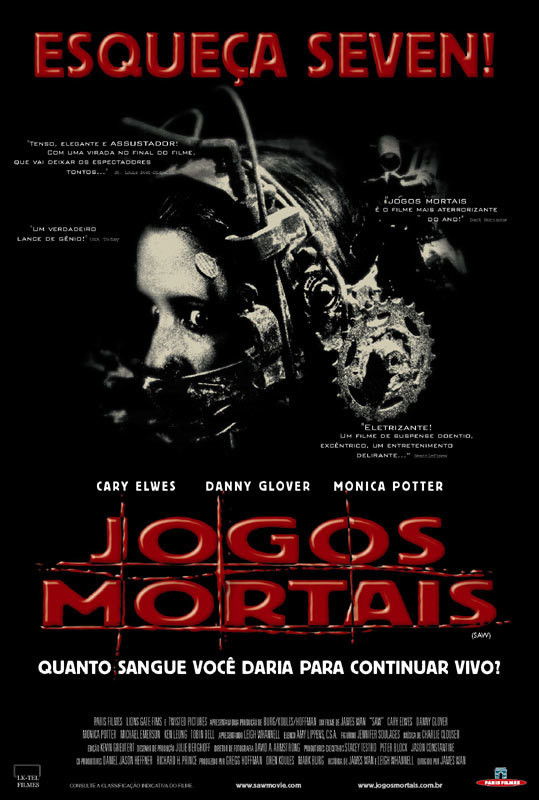
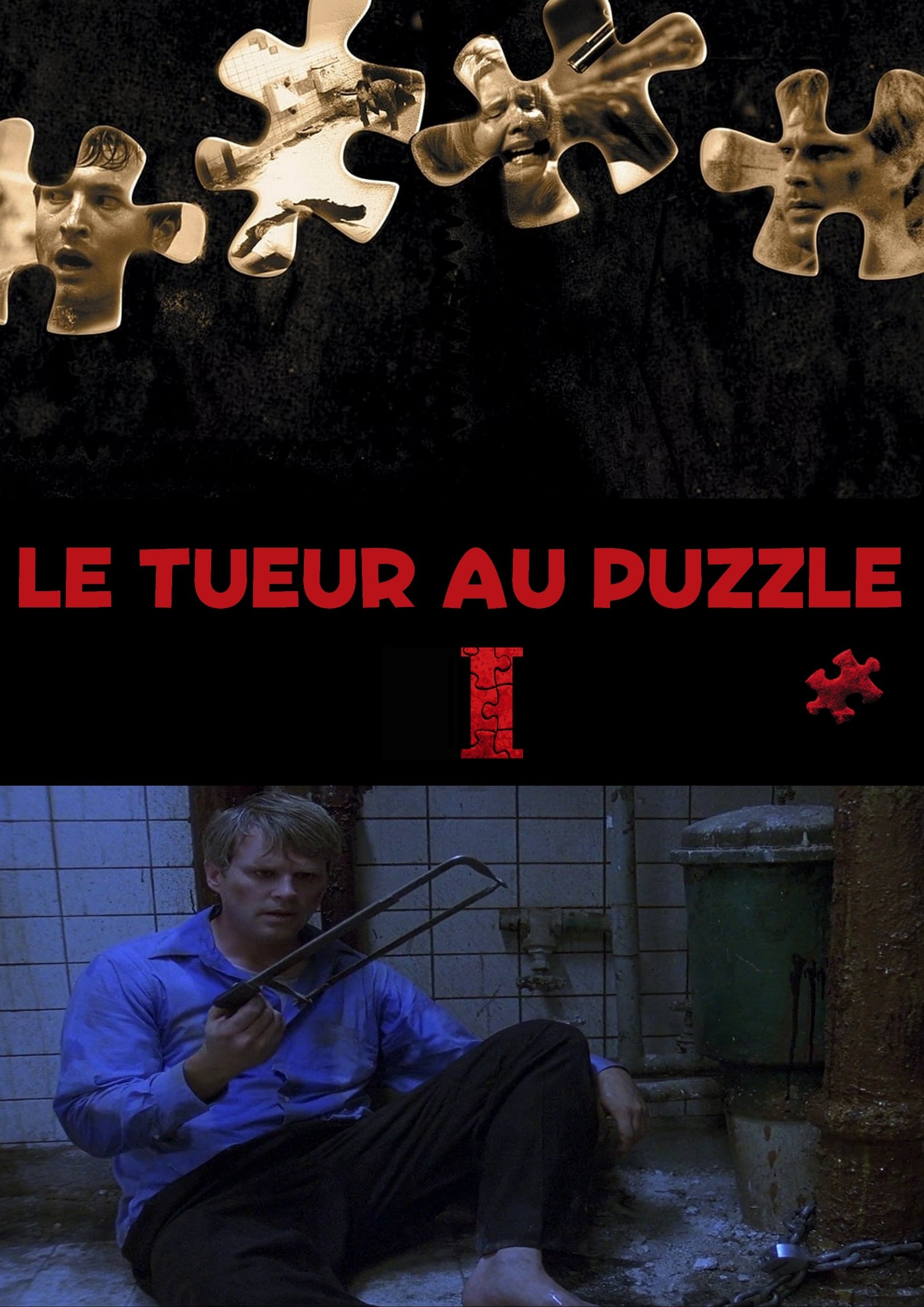
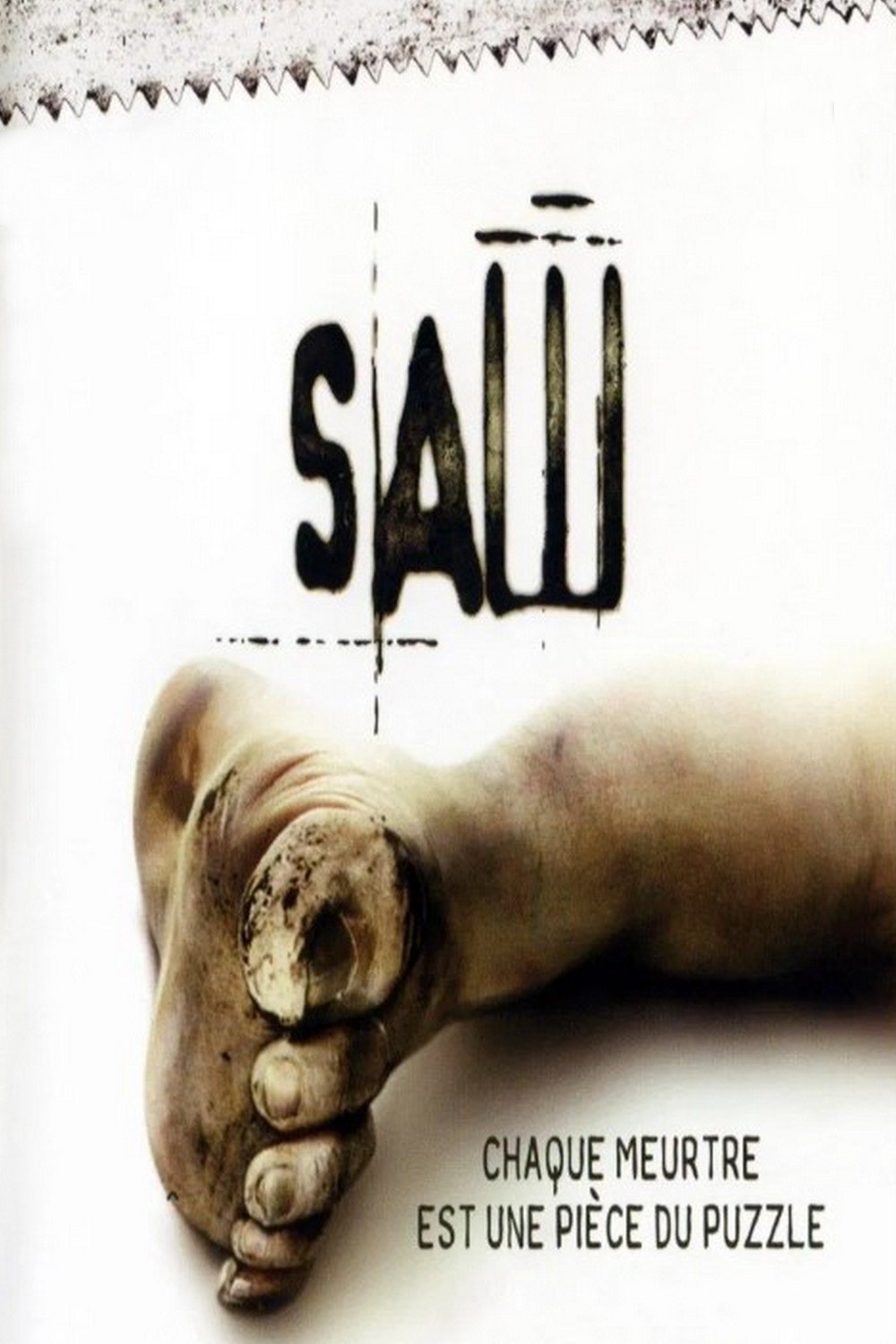
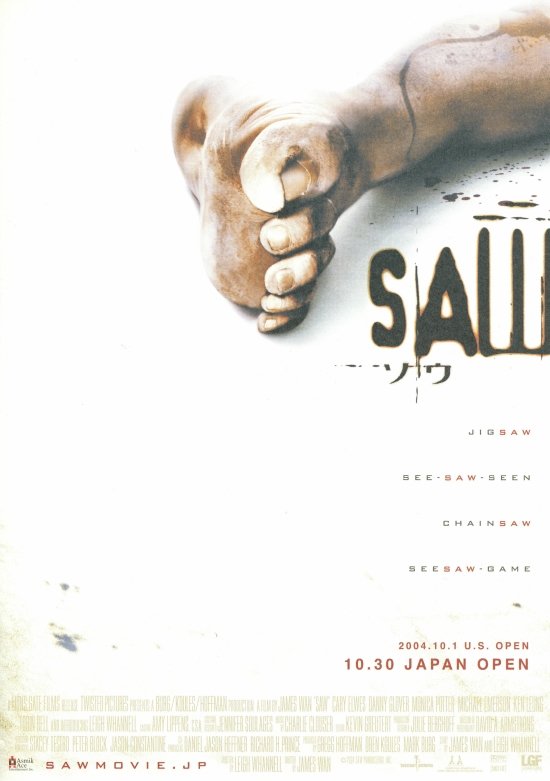
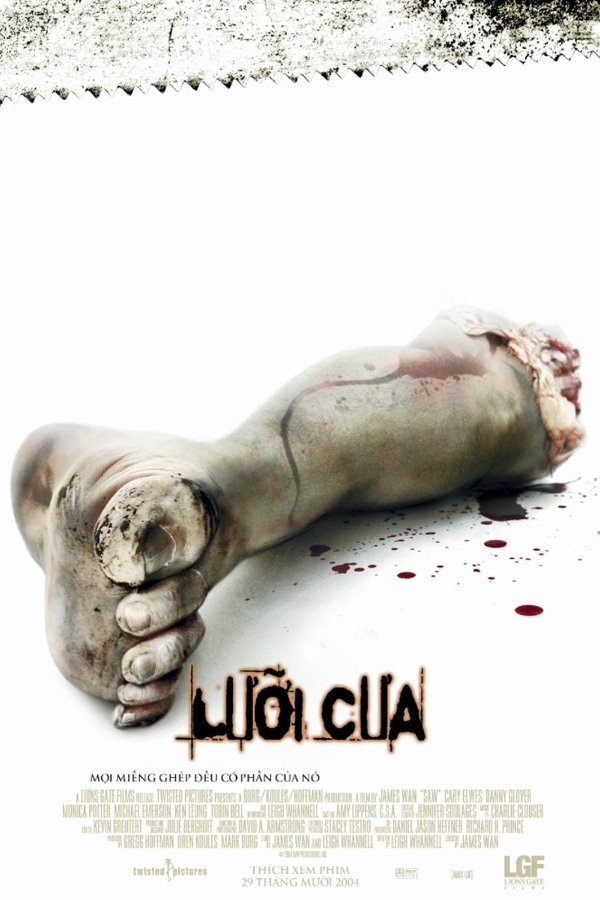
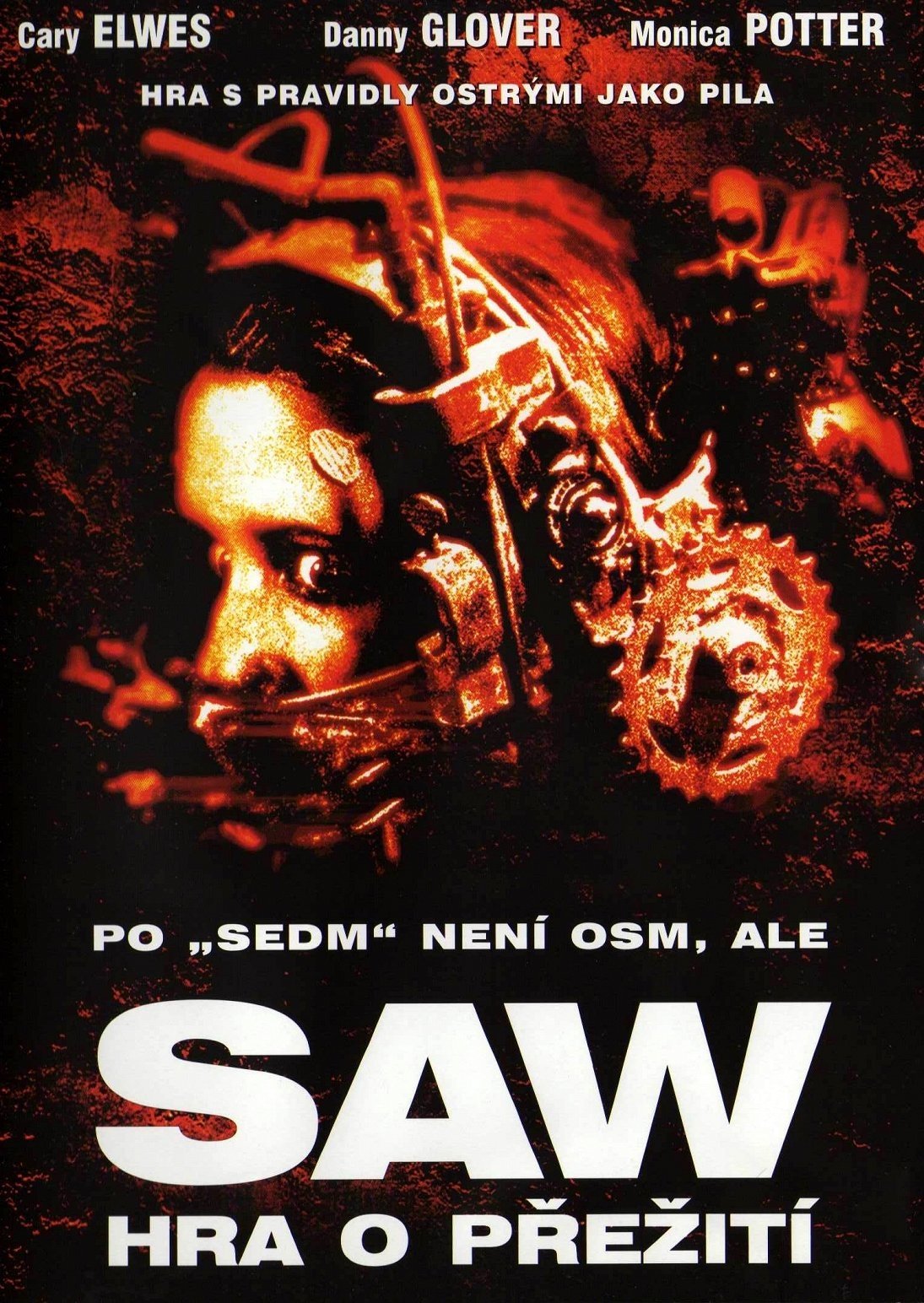
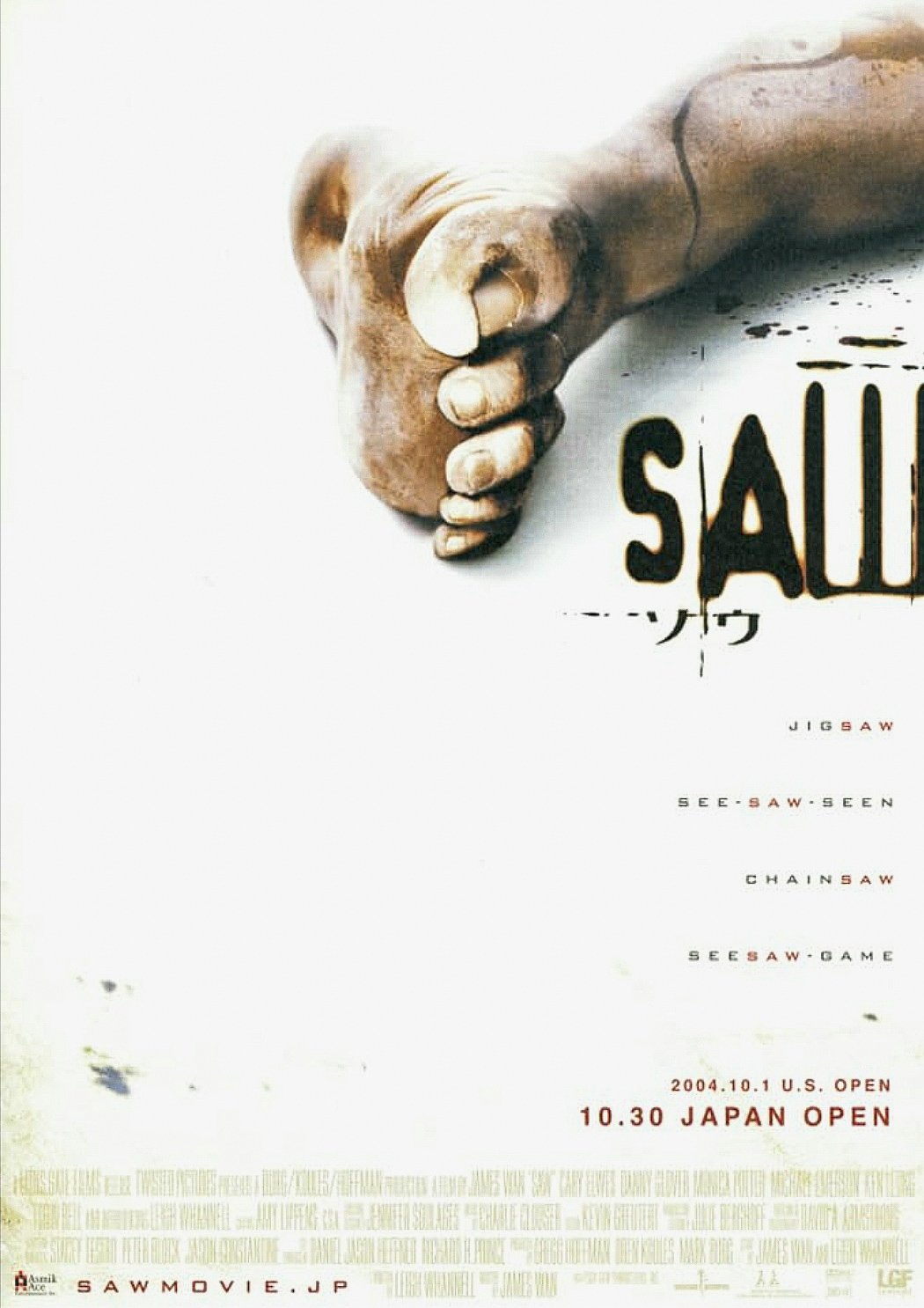
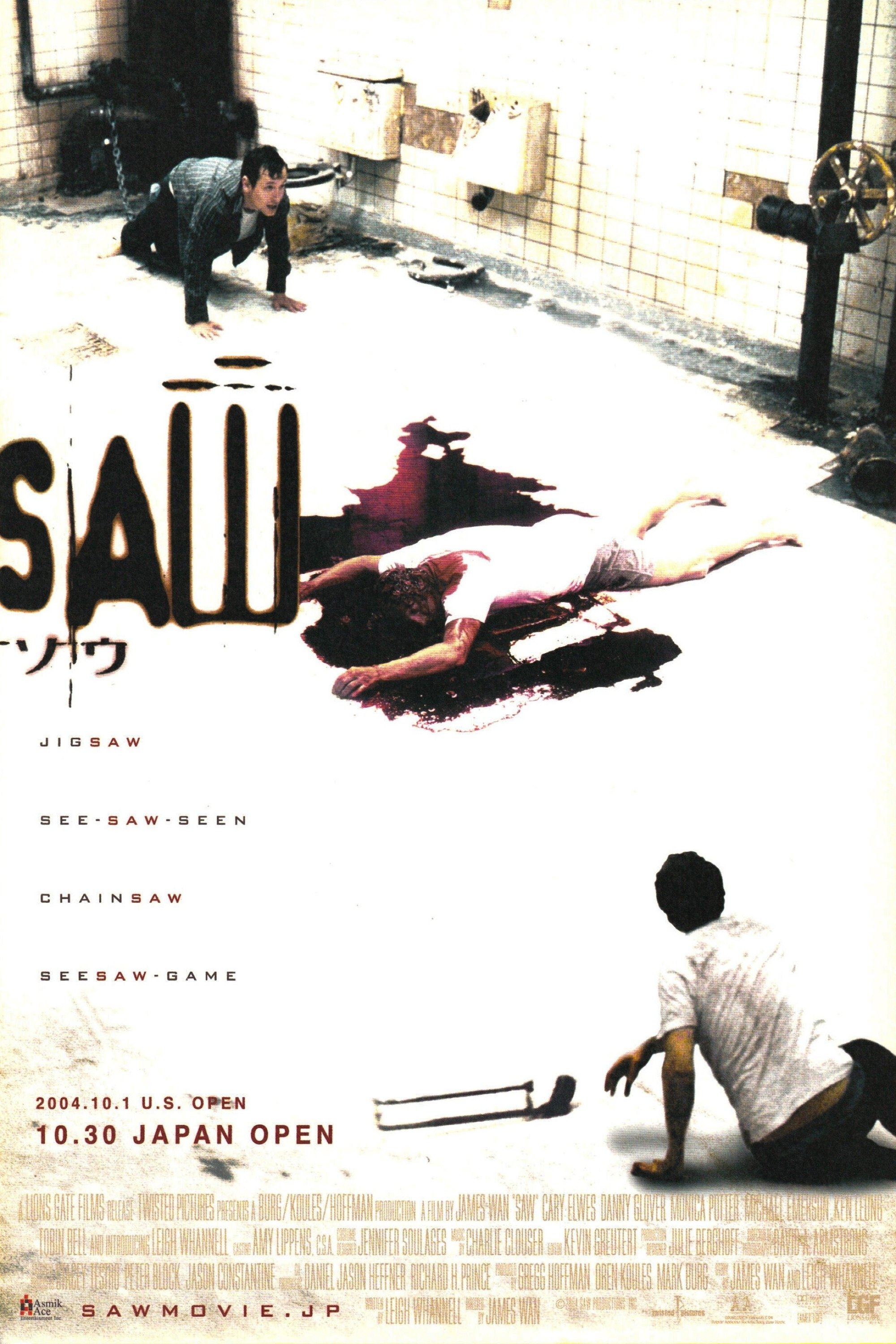
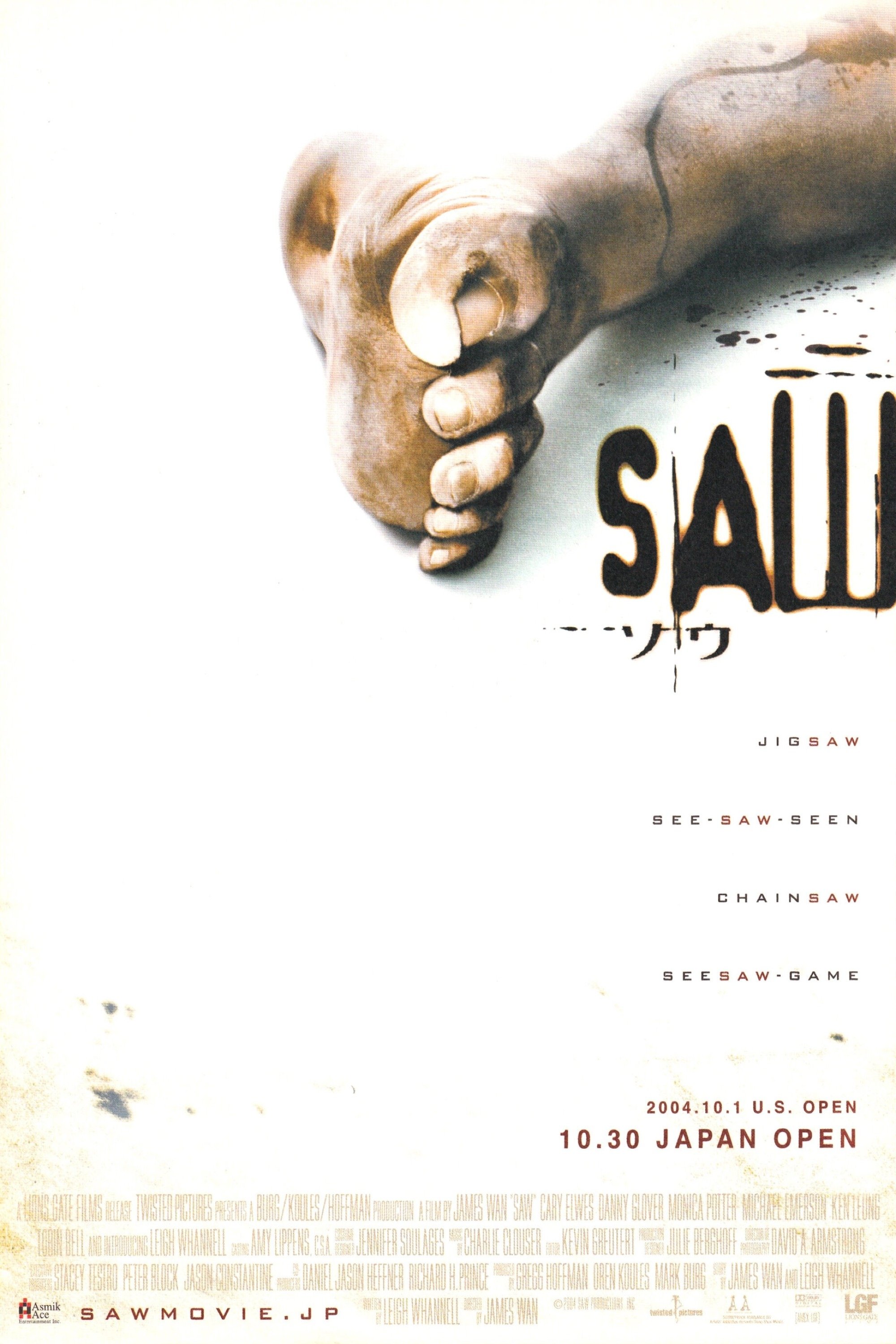
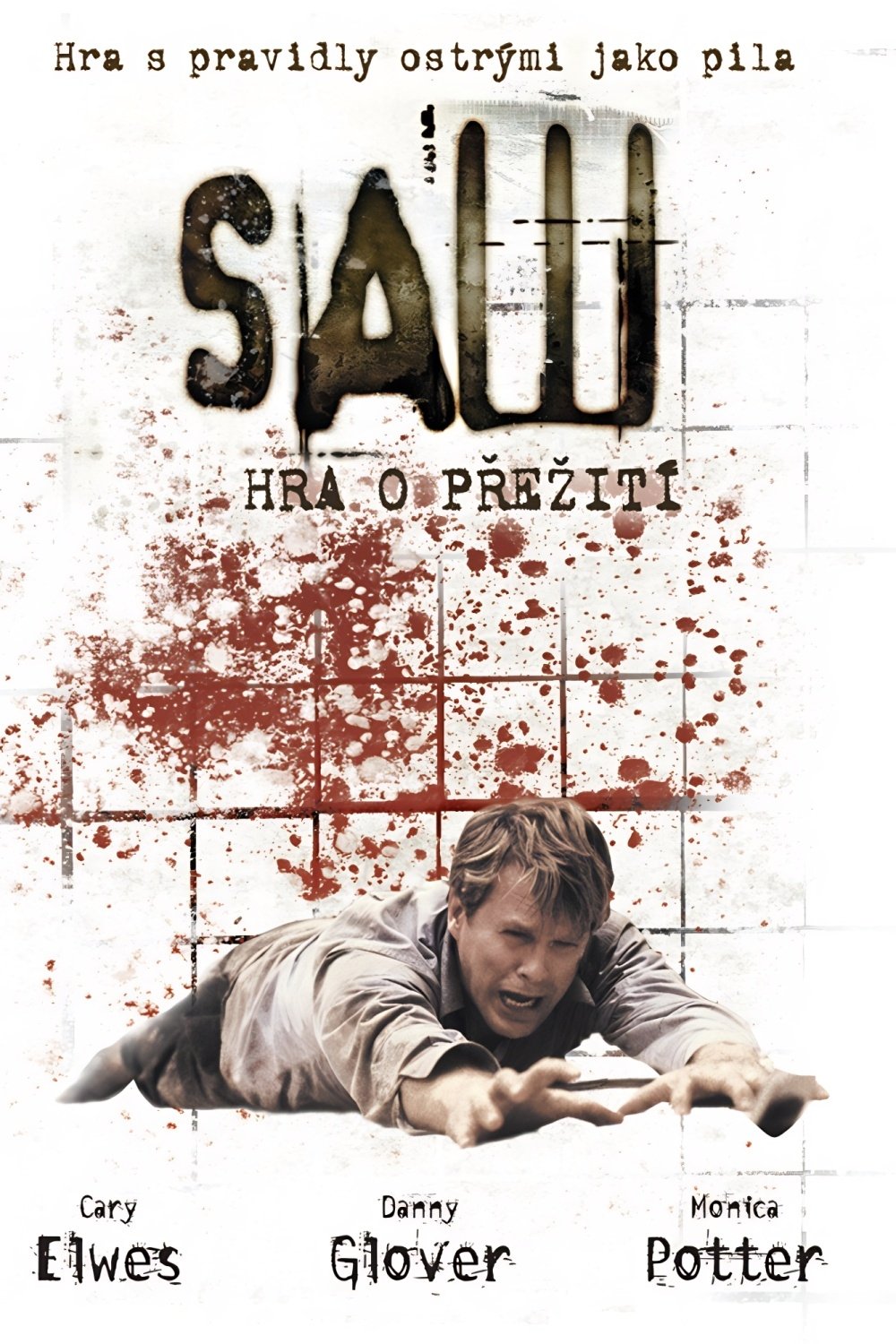
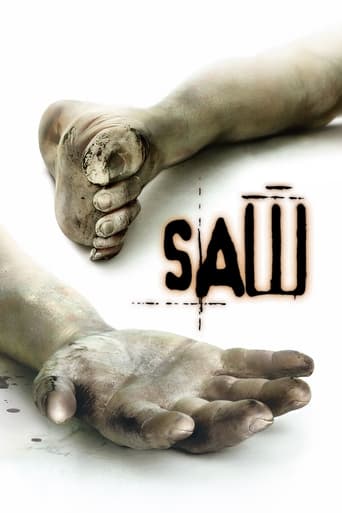
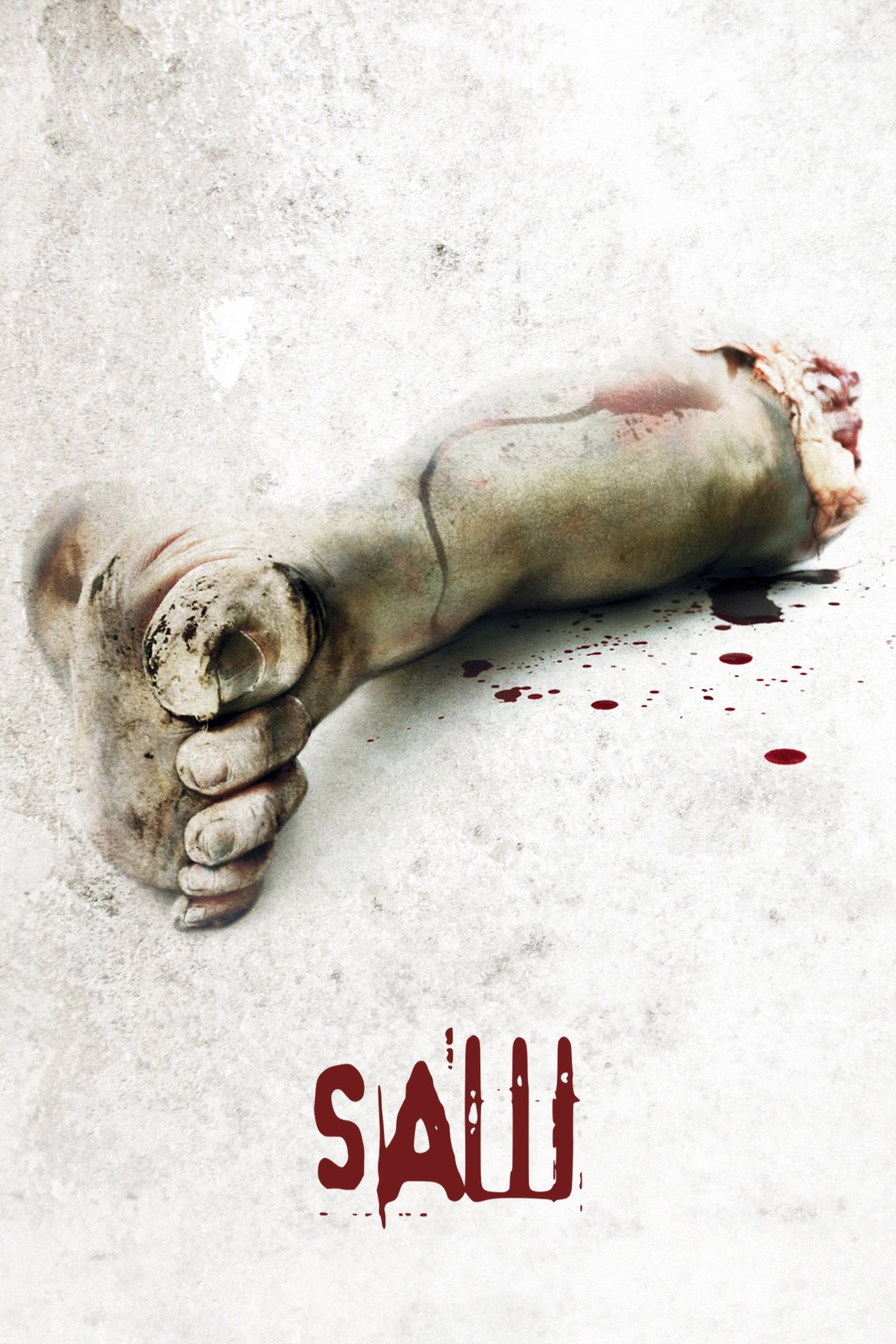
Saw (2004) poster
Director
Production Company
Twisted Pictures
Plot

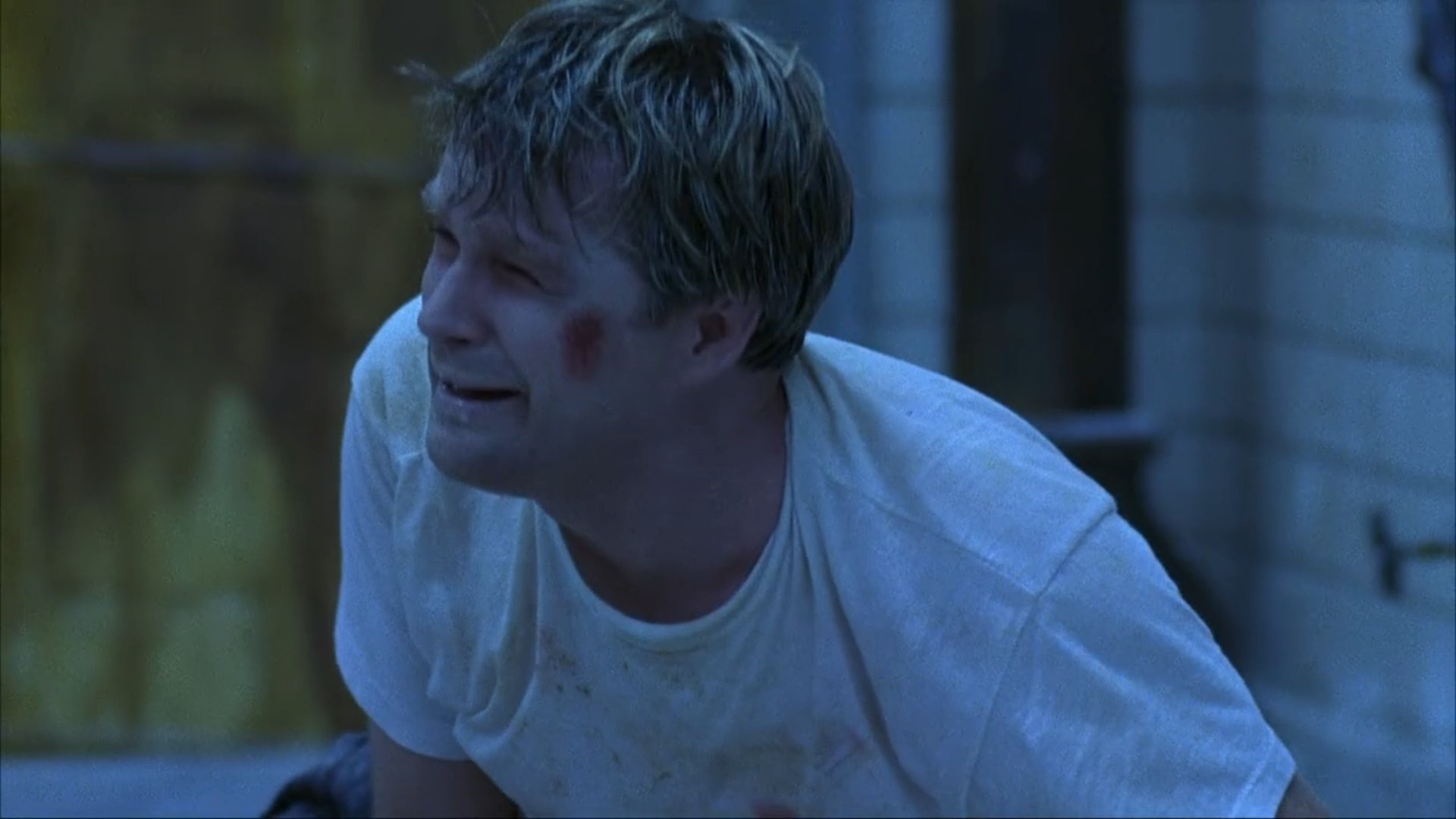
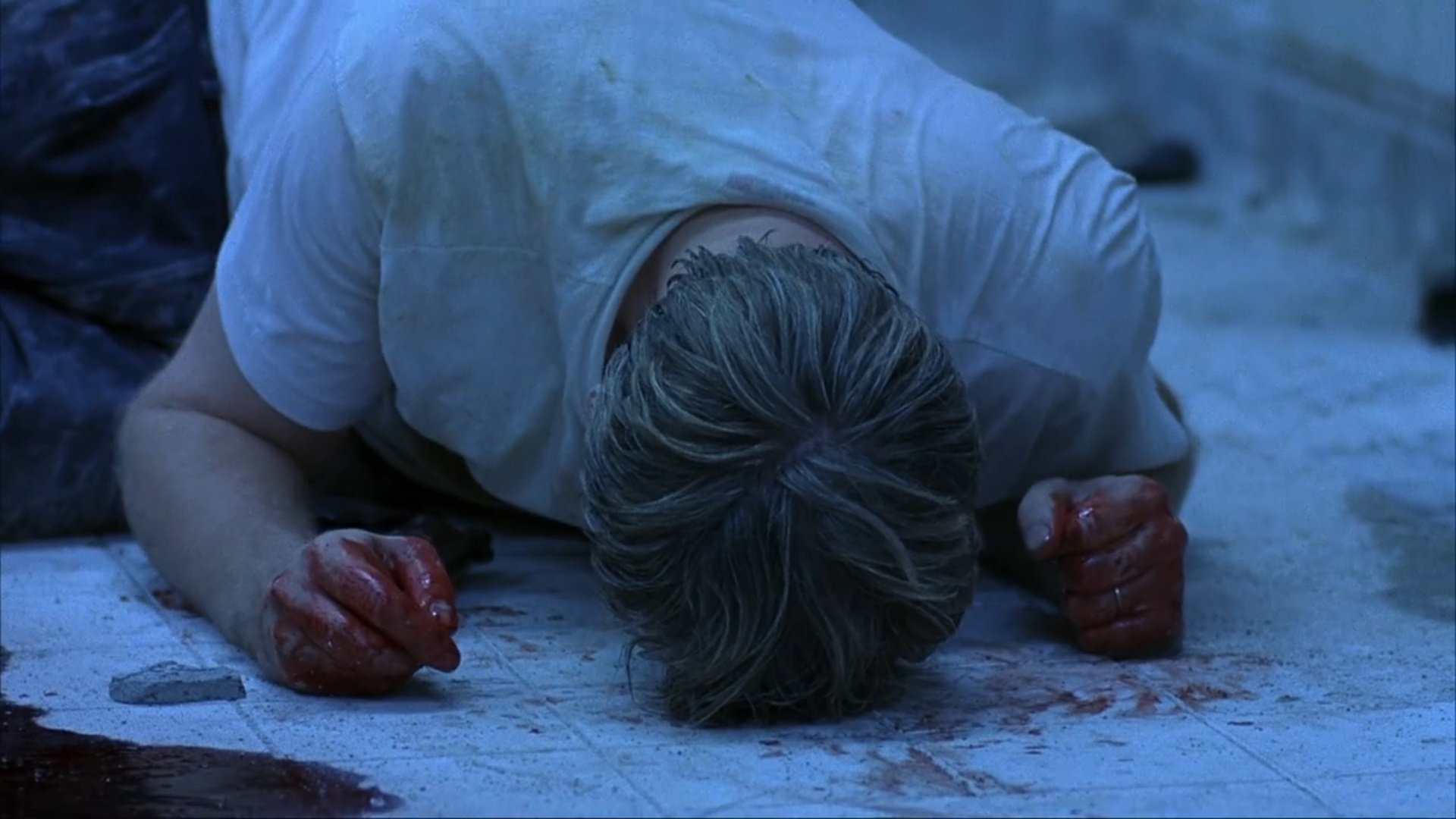
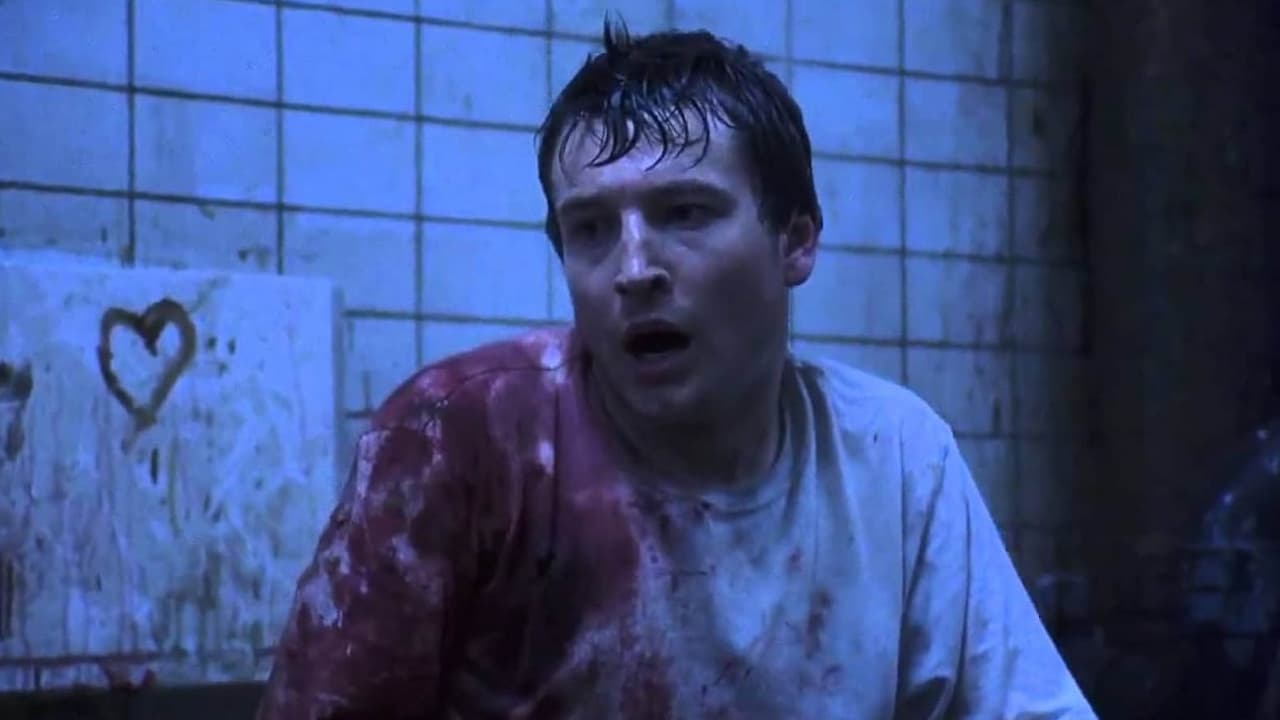
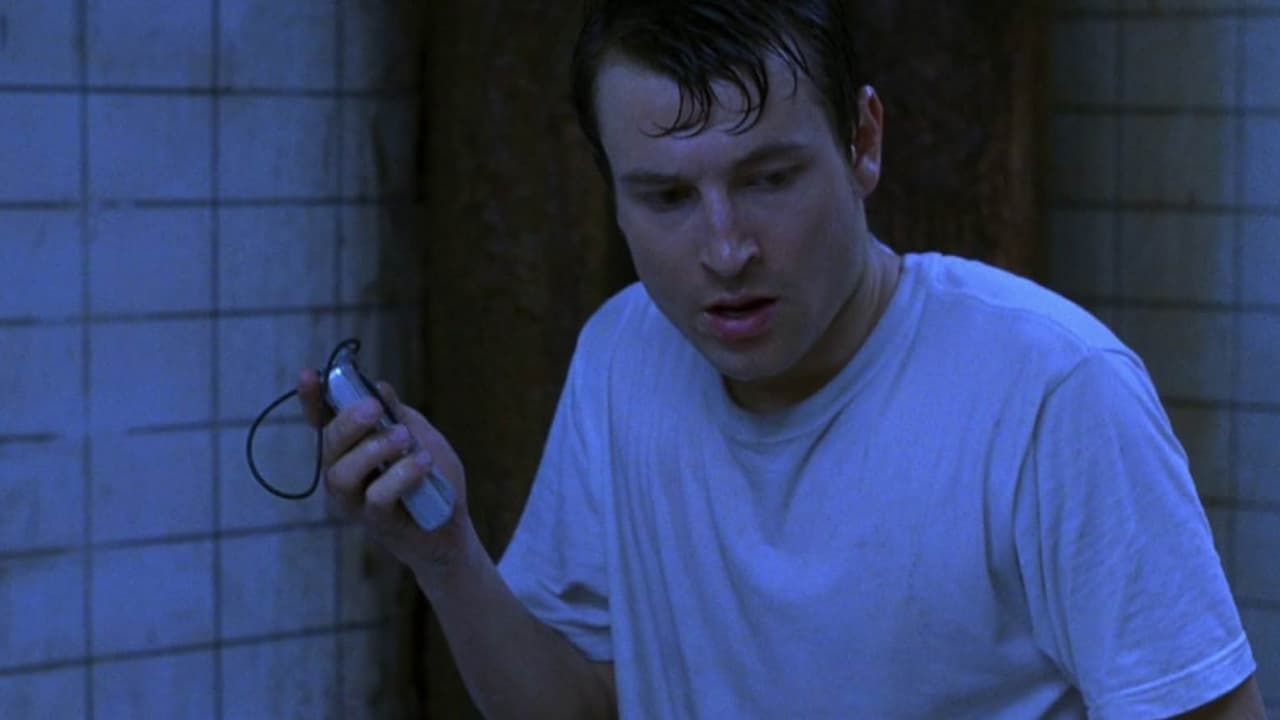
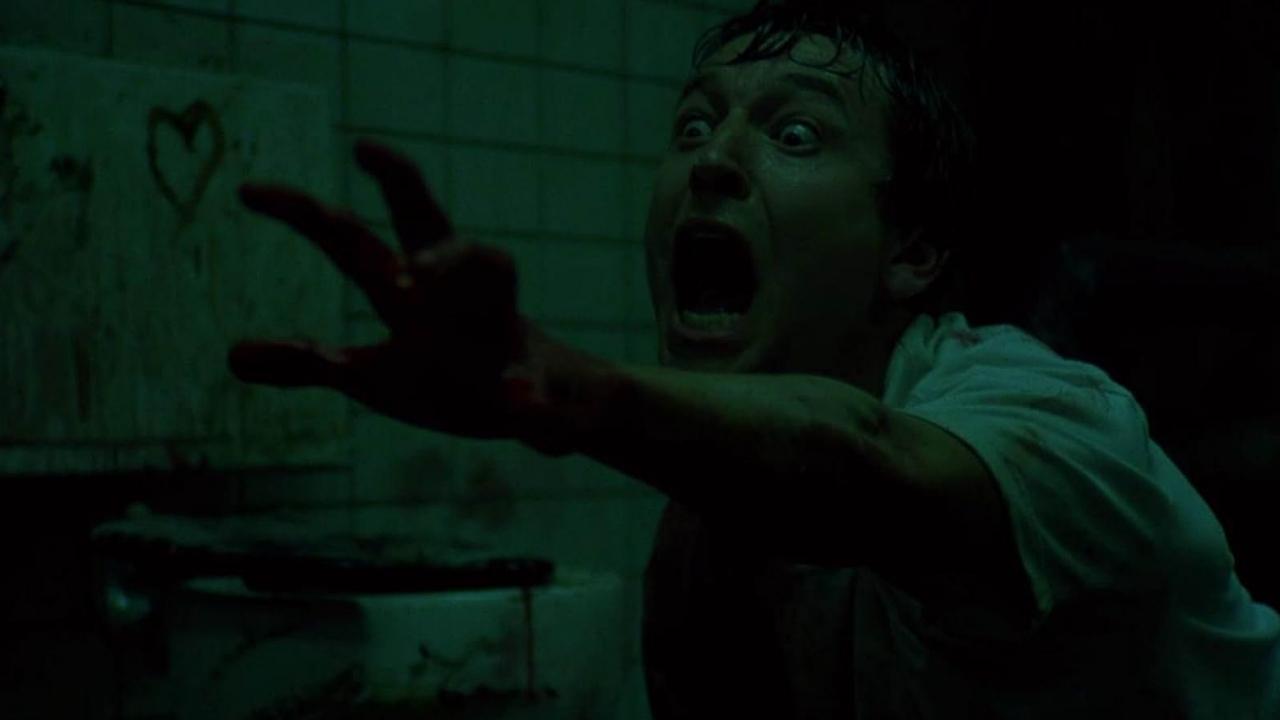
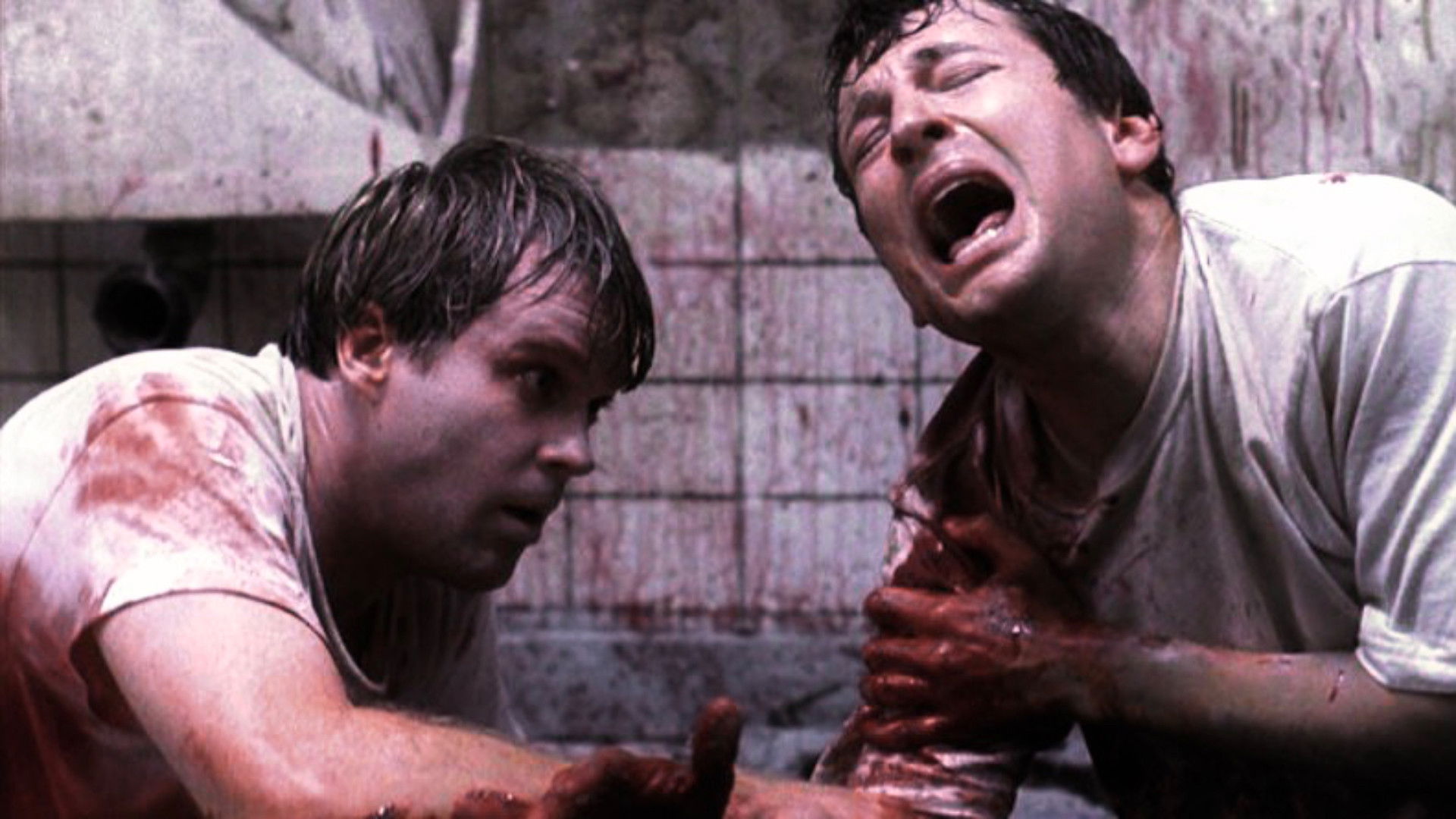
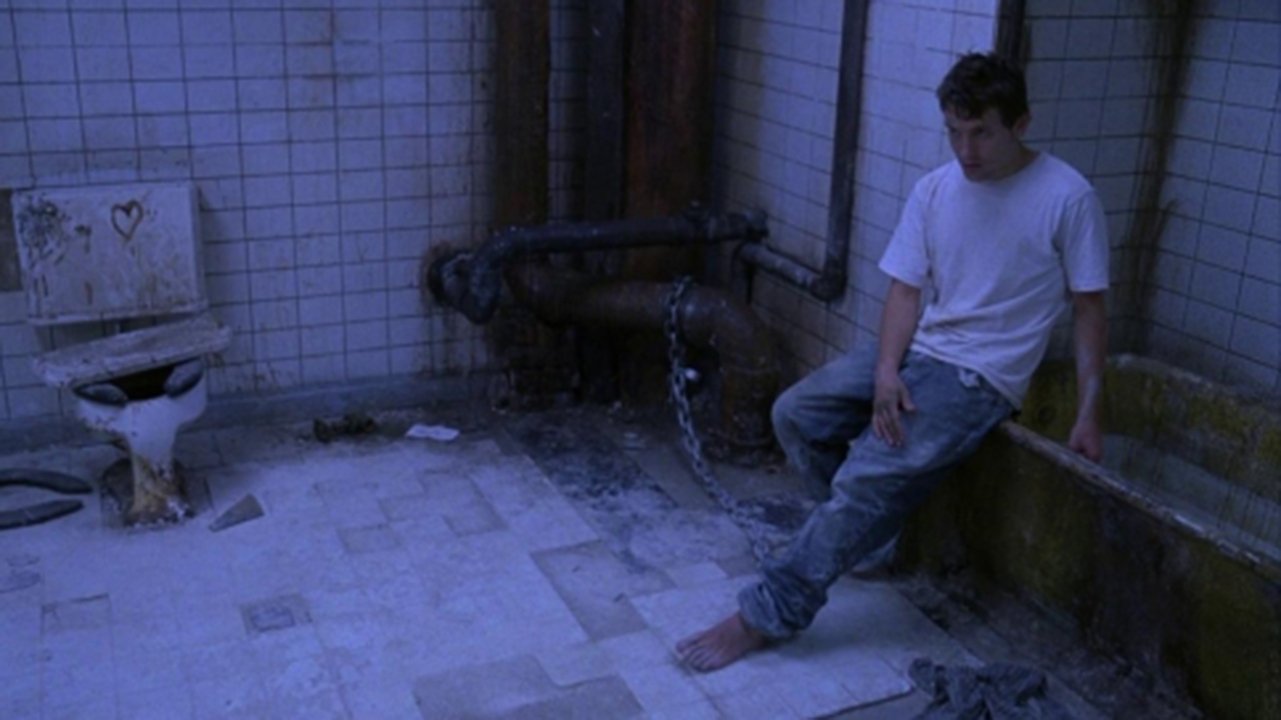
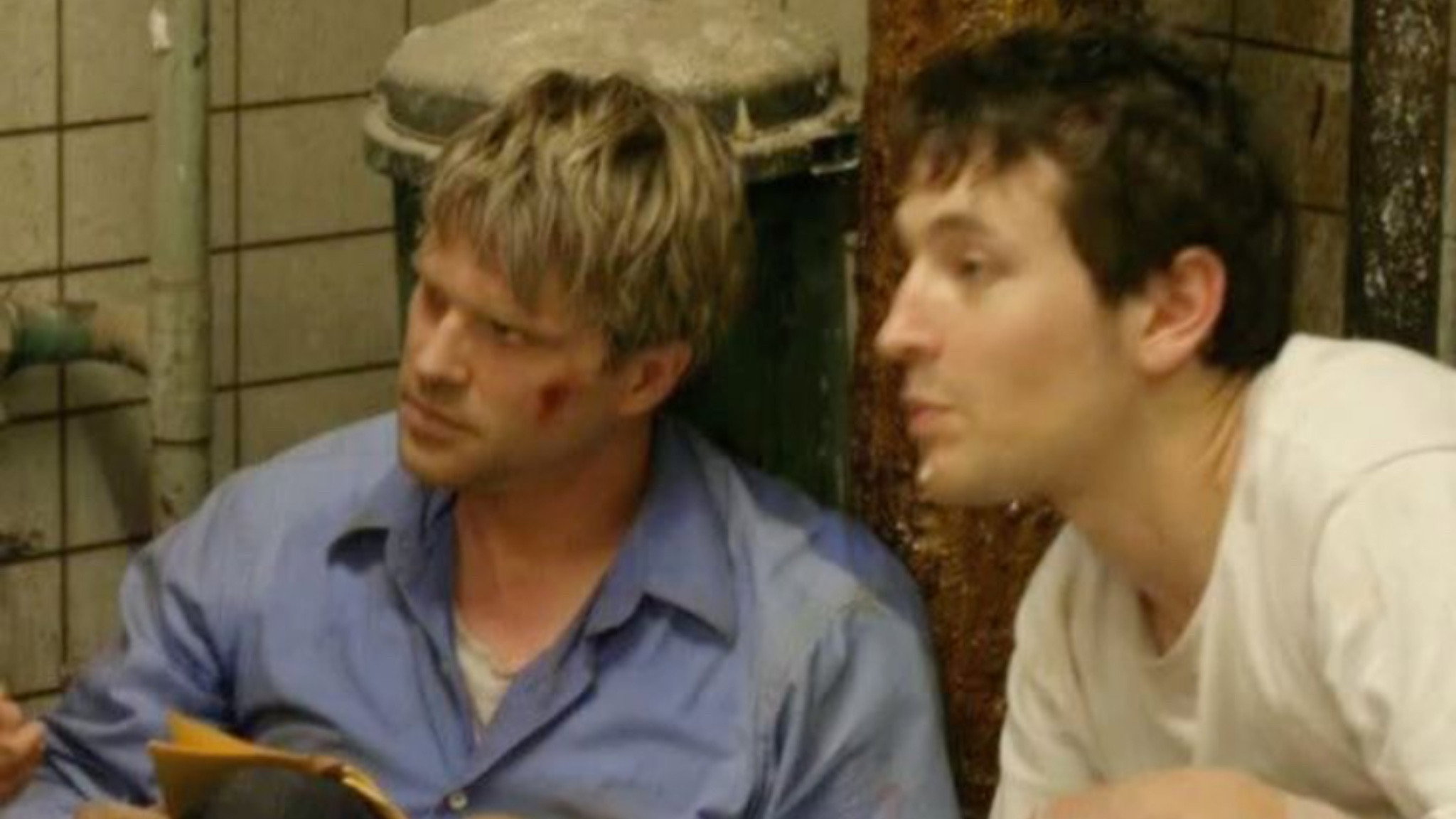
Photographer Adam Stanheight and surgeon Lawrence Gordon awaken chained to opposite sides of a filthy industrial bathroom, with a motionless body between them. A series of tapes and clues reveals that an unknown captor has planned a game in which the men must make increasingly desperate choices. Meanwhile, former detective David Tapp pursues evidence connected to a killer nicknamed Jigsaw. As their limited time runs out, Adam and Gordon search the room, question each other's past and struggle to understand the purpose of the ordeal.

Alternative Titles
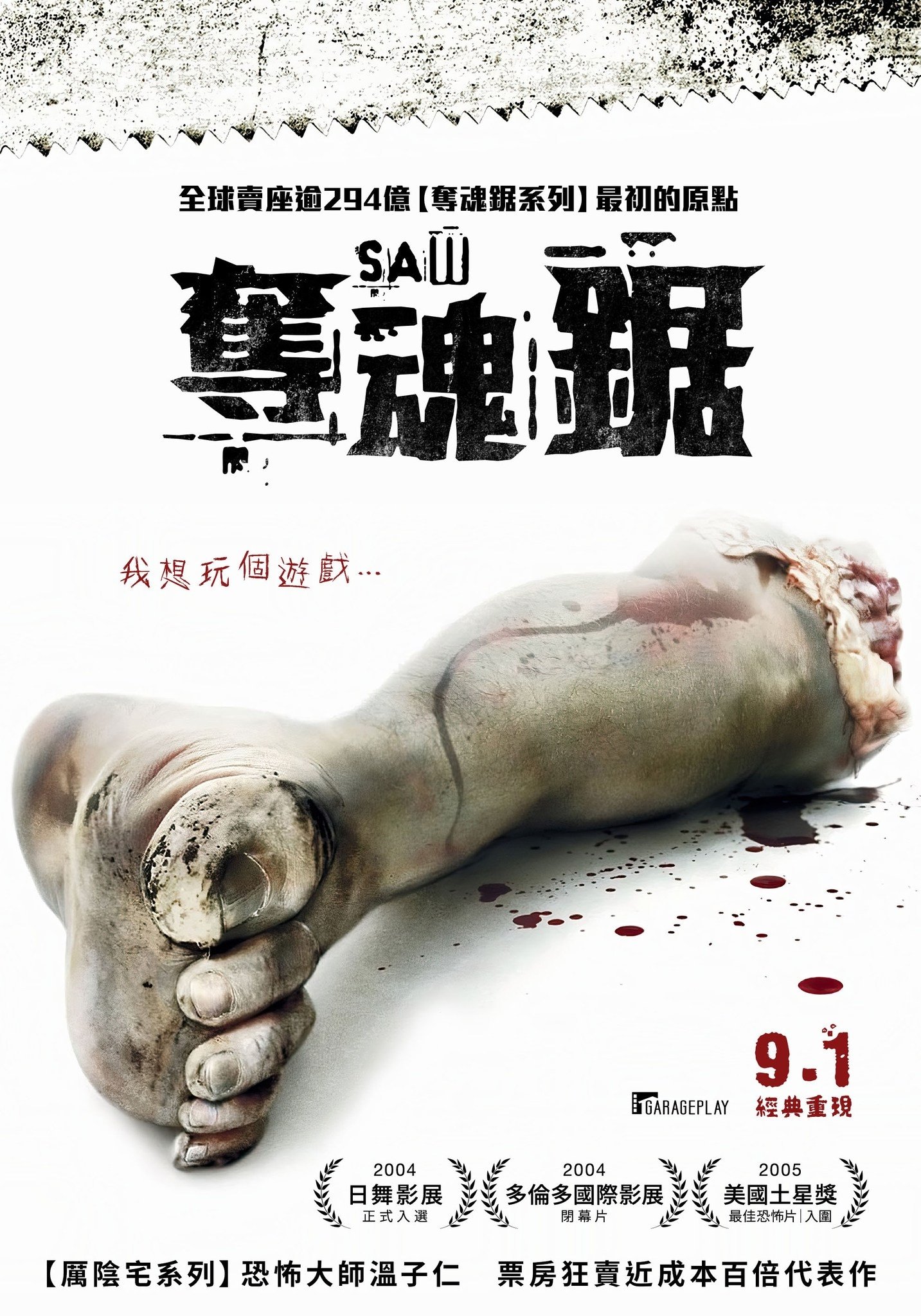
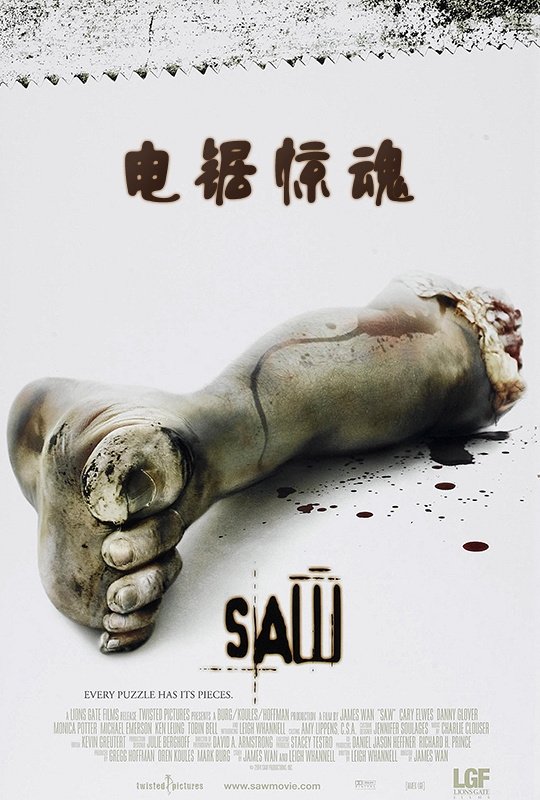
El juego del miedo (Argentina) Mişar (Azerbaijan) Убийствен пъзел (Bulgaria) — Bulgarian Jogos Mortais (Brazil) — Portuguese Décadence (Canada) — French title 你死我活 (China) — Mandarin alternative title 电锯惊魂 (China) — Chinese 链锯惊魂 (China) — Mandarin alternative title
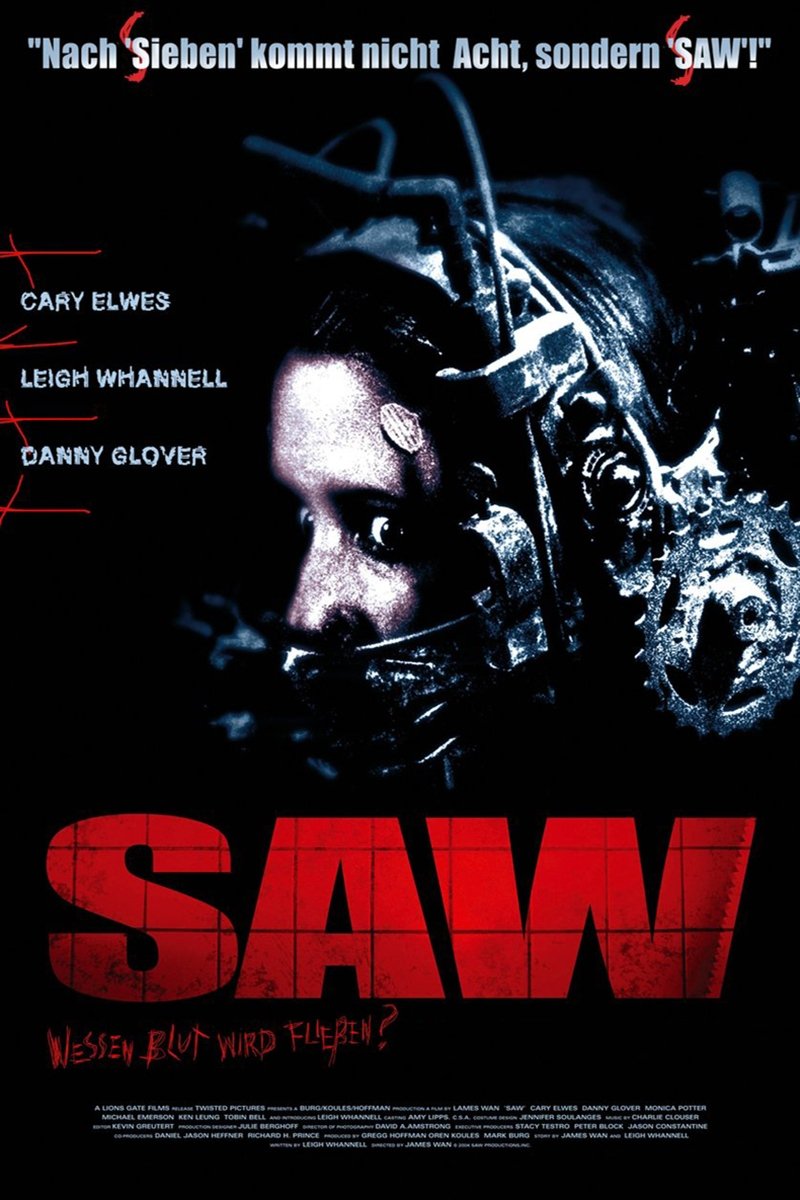
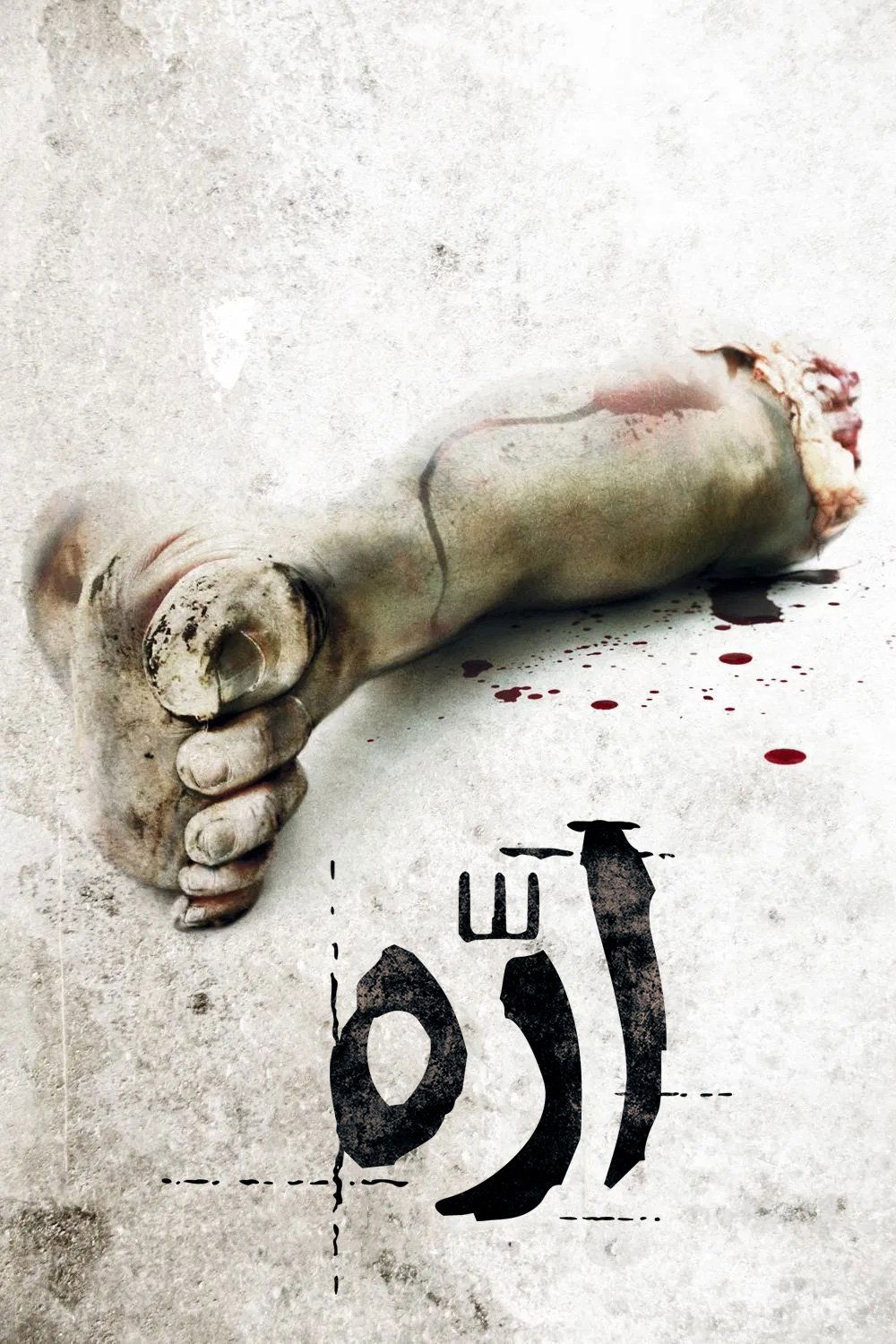
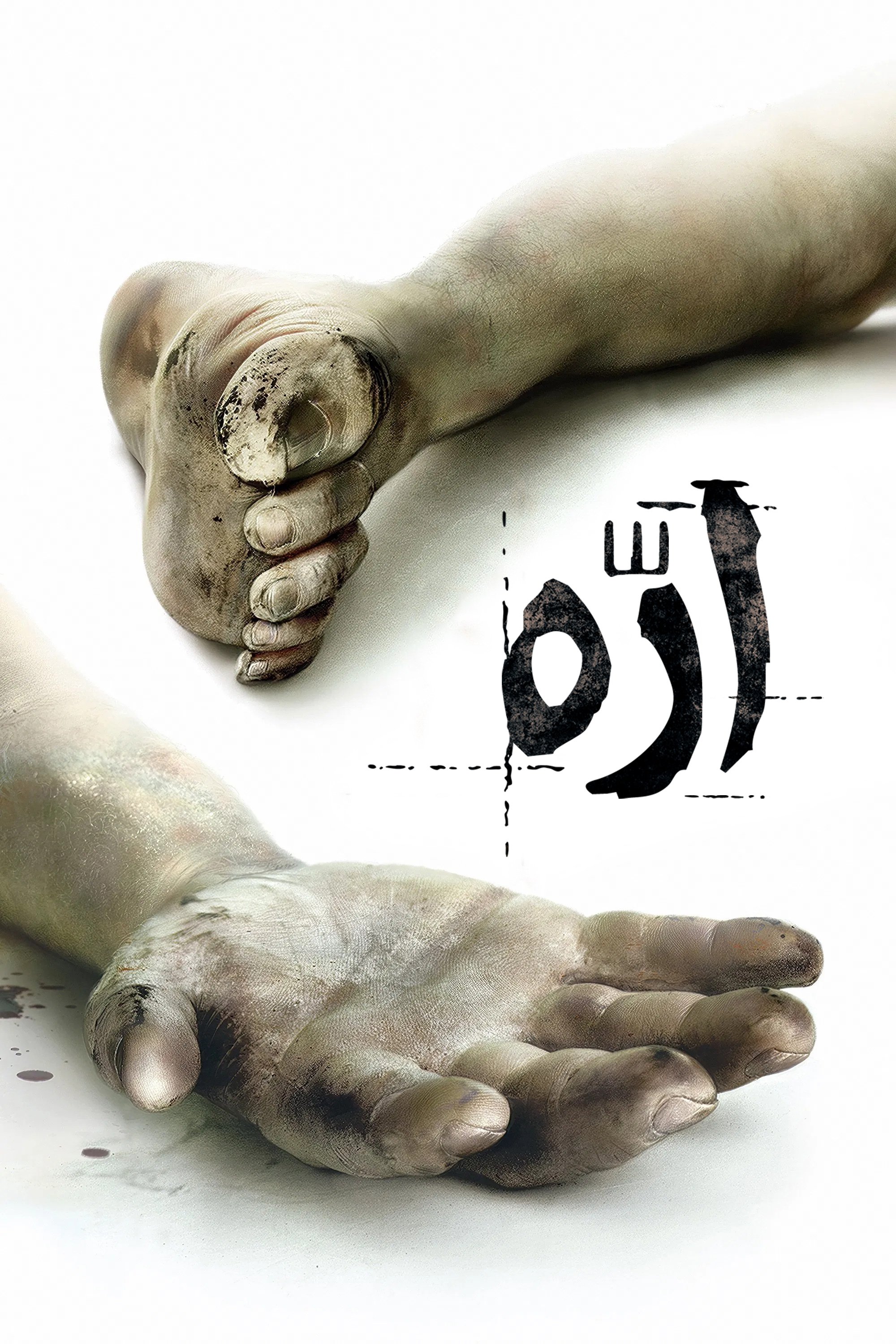
Show all 45 alternative titles Saw: Hra o přežití (Czechia) — Czech Wessen Blut wird fließen? (Germany) — subtitle Saag (Estonia) — Estonian ხერხი (Georgia) — Georgian Se vlepo (Greece) — transliterated title Σε Βλέπω (Greece) — Greek 恐懼鬥室 (Hong Kong SAR China) — Chinese Slagalica strave (Croatia) — Croatian Fűrész (Hungary) — Hungarian המסור (Israel) — Hebrew اره (Iran) — Persian Saw - L'enigmista (Italy) — Italian ソウ (Japan) — Japanese 쏘우 (South Korea) — Korean Pjūklas (Lithuania) — Lithuanian Zāģis (Latvia) — Latvian Juego macabro (Mexico) — Spanish Saw. Juego macabro (Mexico) — DVD title Piła (Poland) — Polish Saw - Enigma Mortal (Portugal) — Portuguese Puzzle mortal (Romania) — Romanian Слагалица страве (Serbia) — Serbian Пила. Игра на выживание (Russia) — Russian Žaga (Slovenia) — Slovenian Saw: Hra o prežitie (Slovakia) — Slovak Skladacka (Slovakia) — promotional title ซอว์เกมต่อตาย..ตัดเป็น (Thailand) — Thai Testere (Türkiye) — Turkish 奪魂鋸 (Taiwan) — Chinese Пила (Ukraine) — Ukrainian Пила: Ігри на виживання (Ukraine) Jigsaw (United States) — Working Title Saw 1 (United States) — alternative spelling Saw Unrated (United States) — unrated version El juego del miedo (Uruguay) Arra (Uzbekistan) Lưỡi Cưa (Vietnam) — Vietnamese

Trailers & Videos

5 videos

Film Guide & Analysis

Built from severe financial limitations, Saw turned a filthy bathroom, a handful of mechanical traps and a moralizing killer into one of the defining horror phenomena of the 2000s.

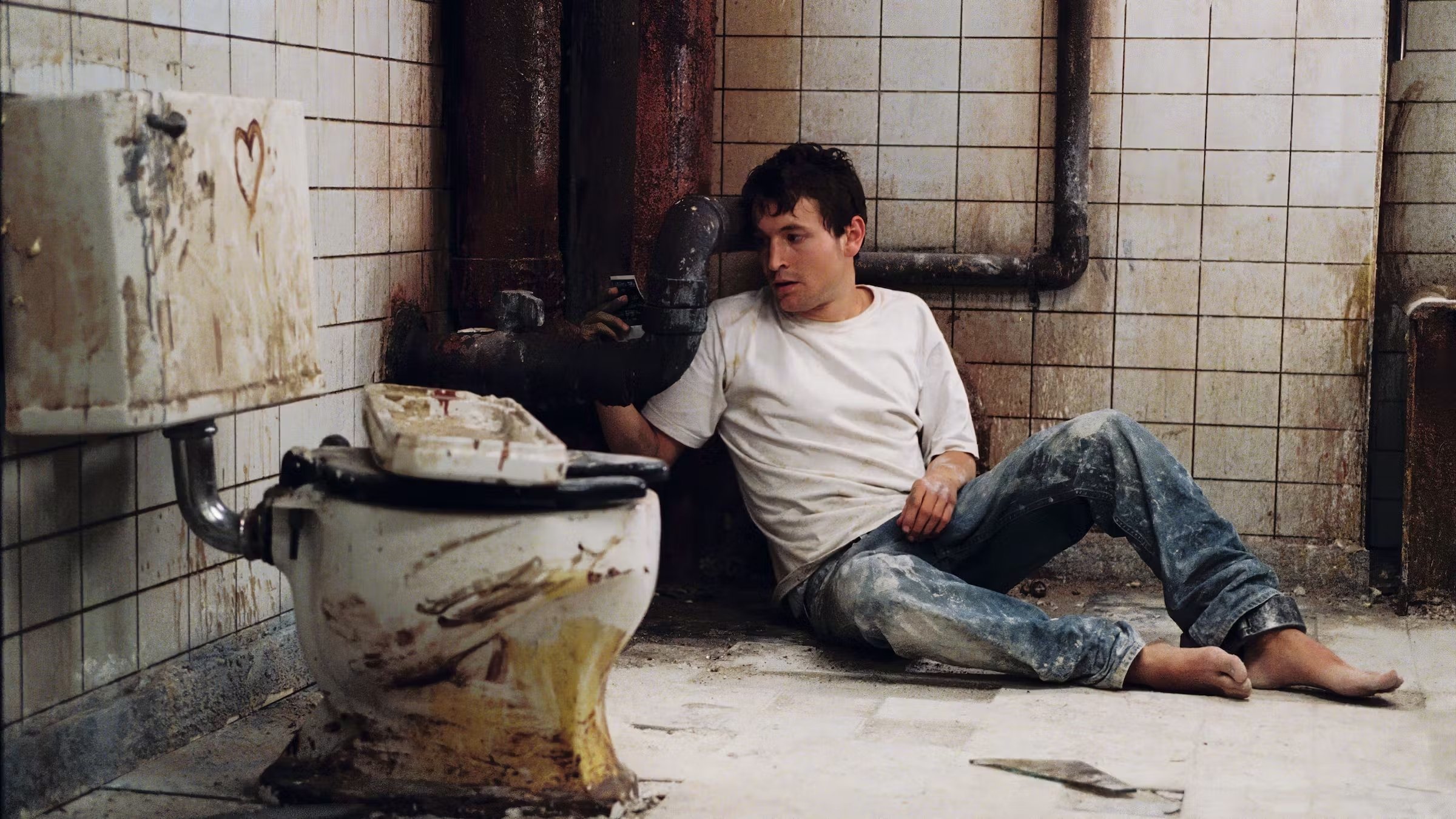
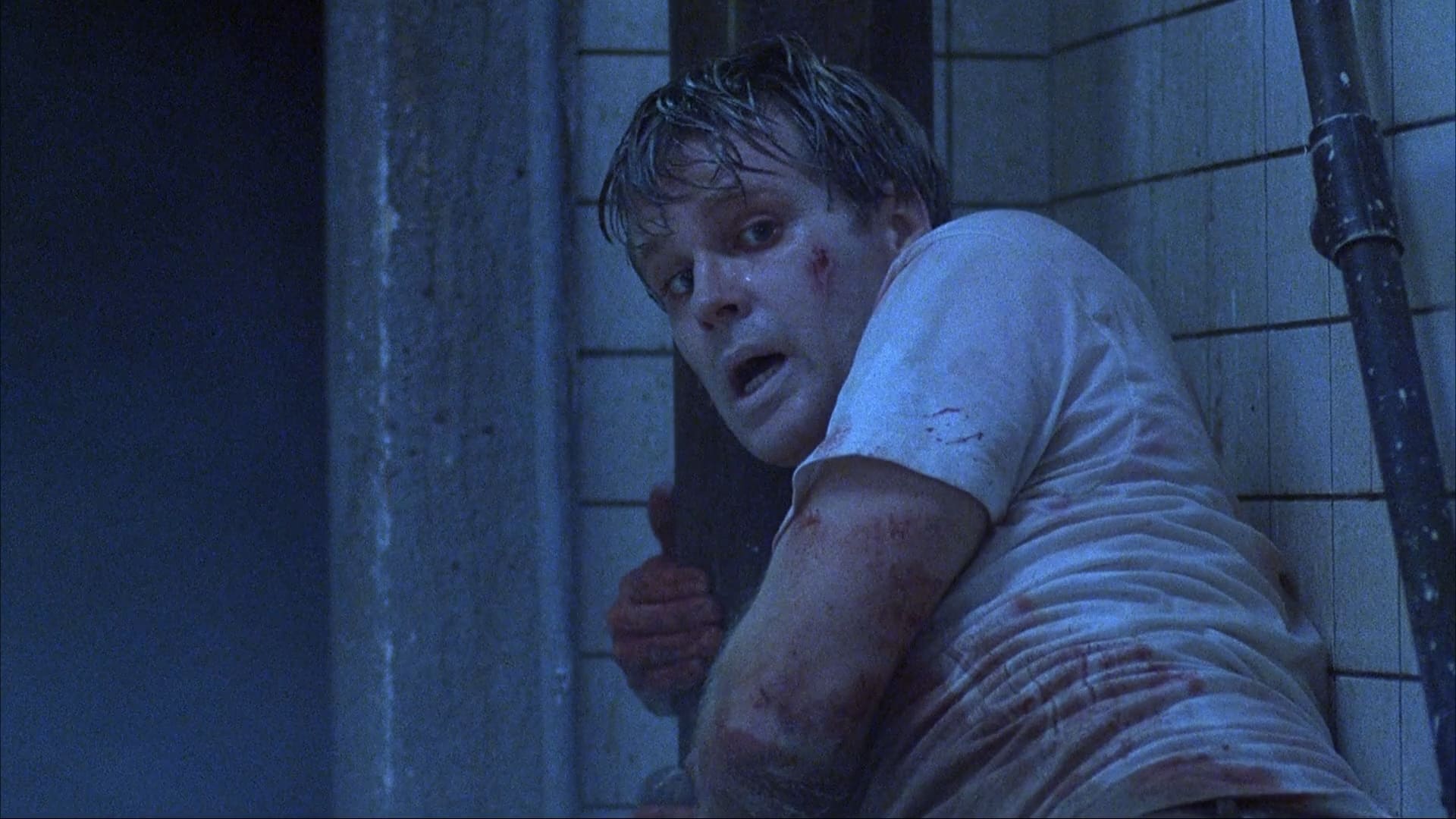
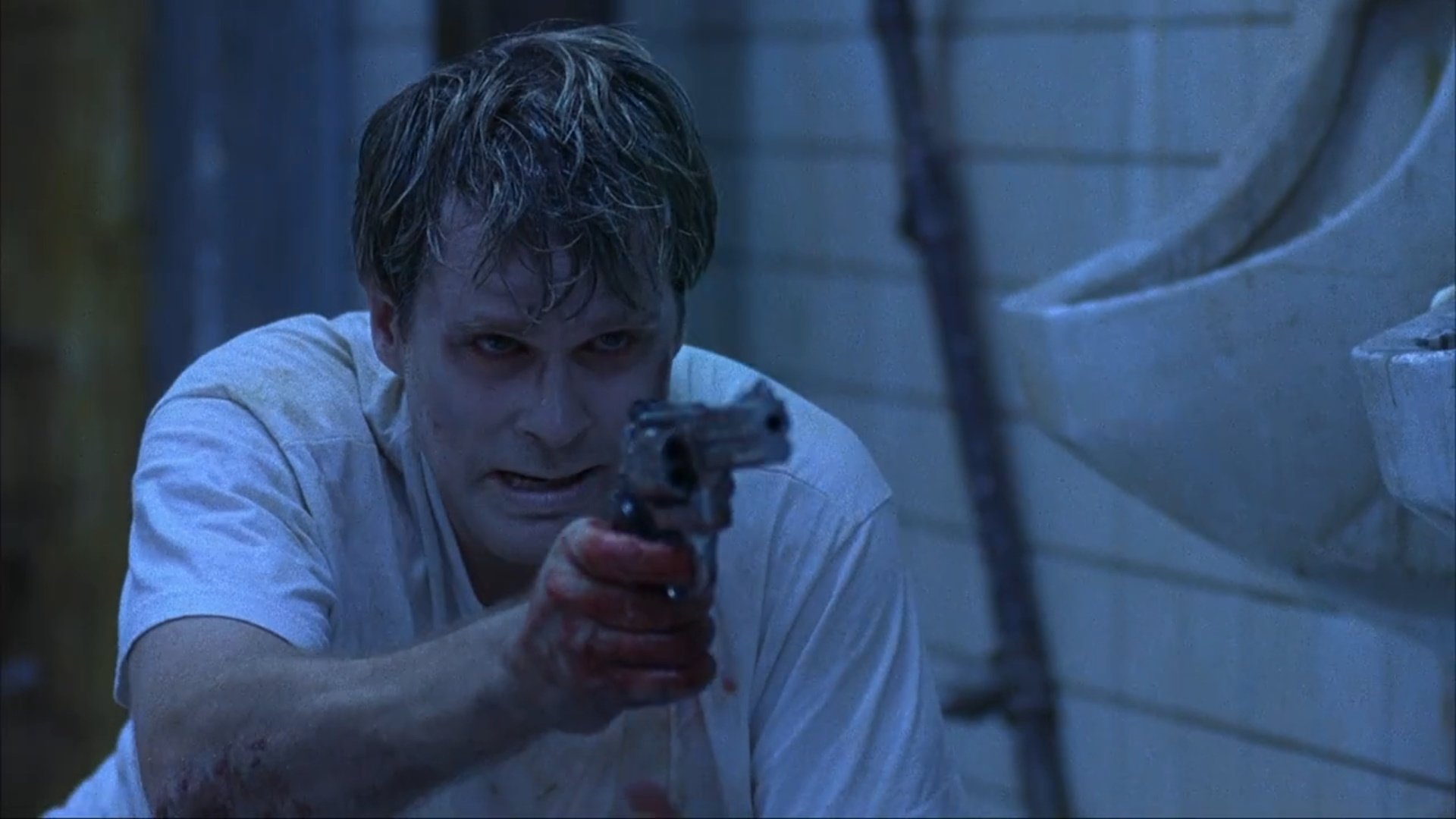
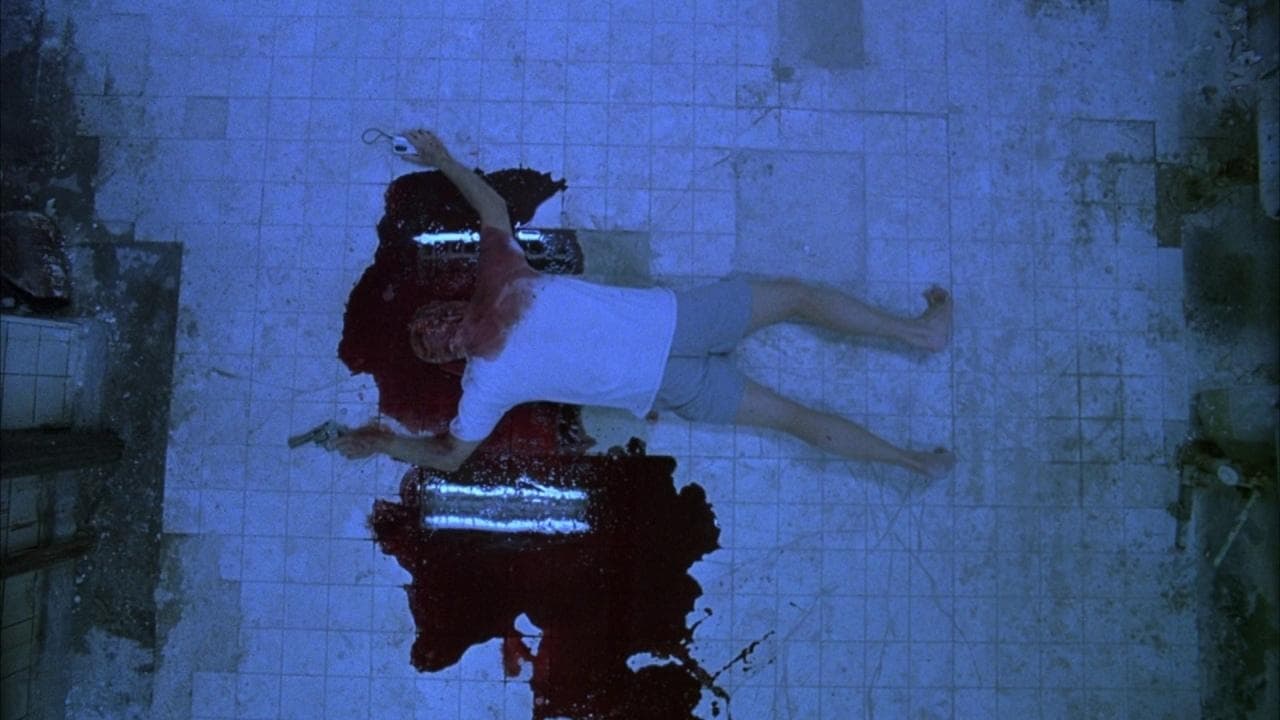
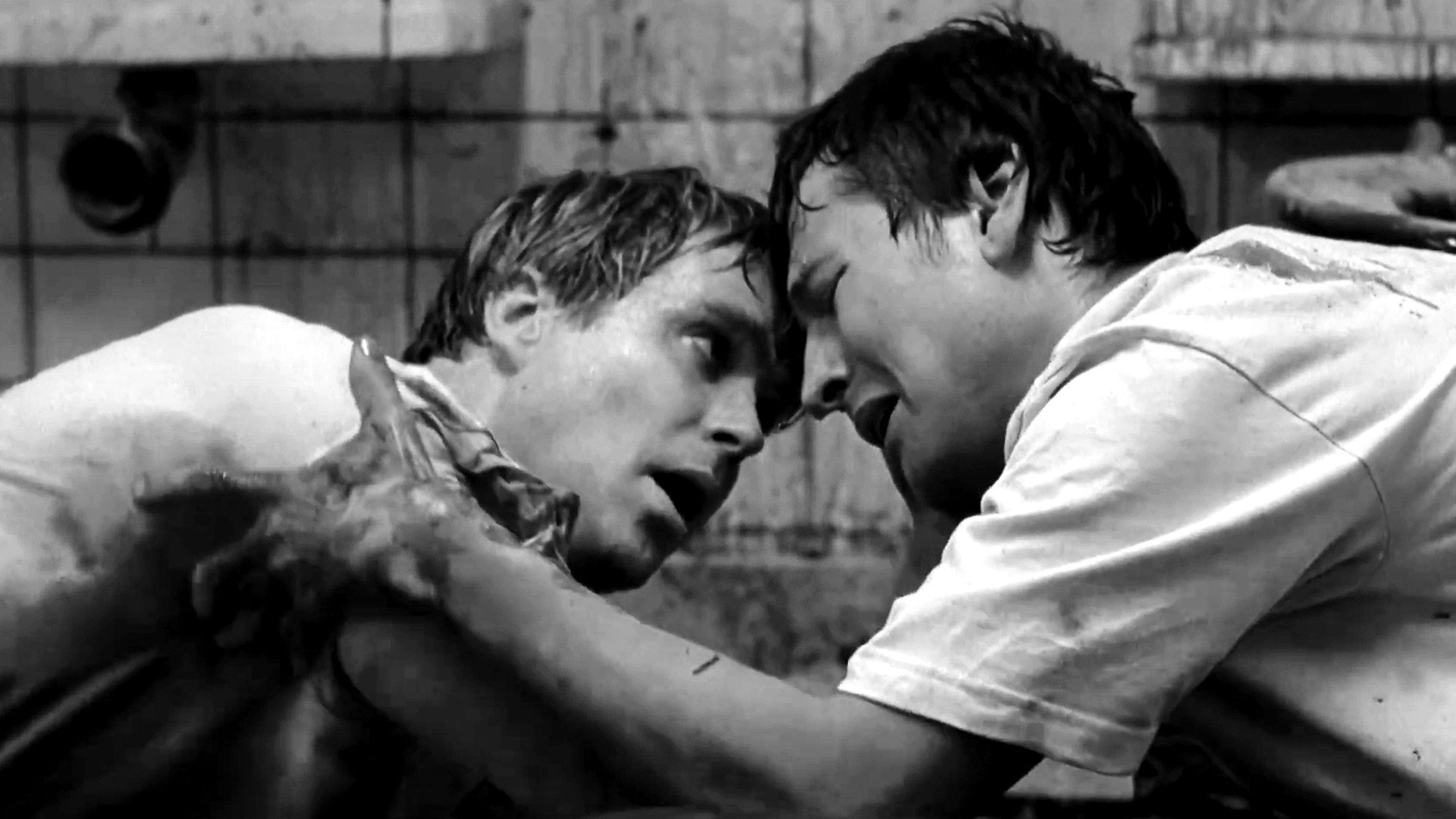
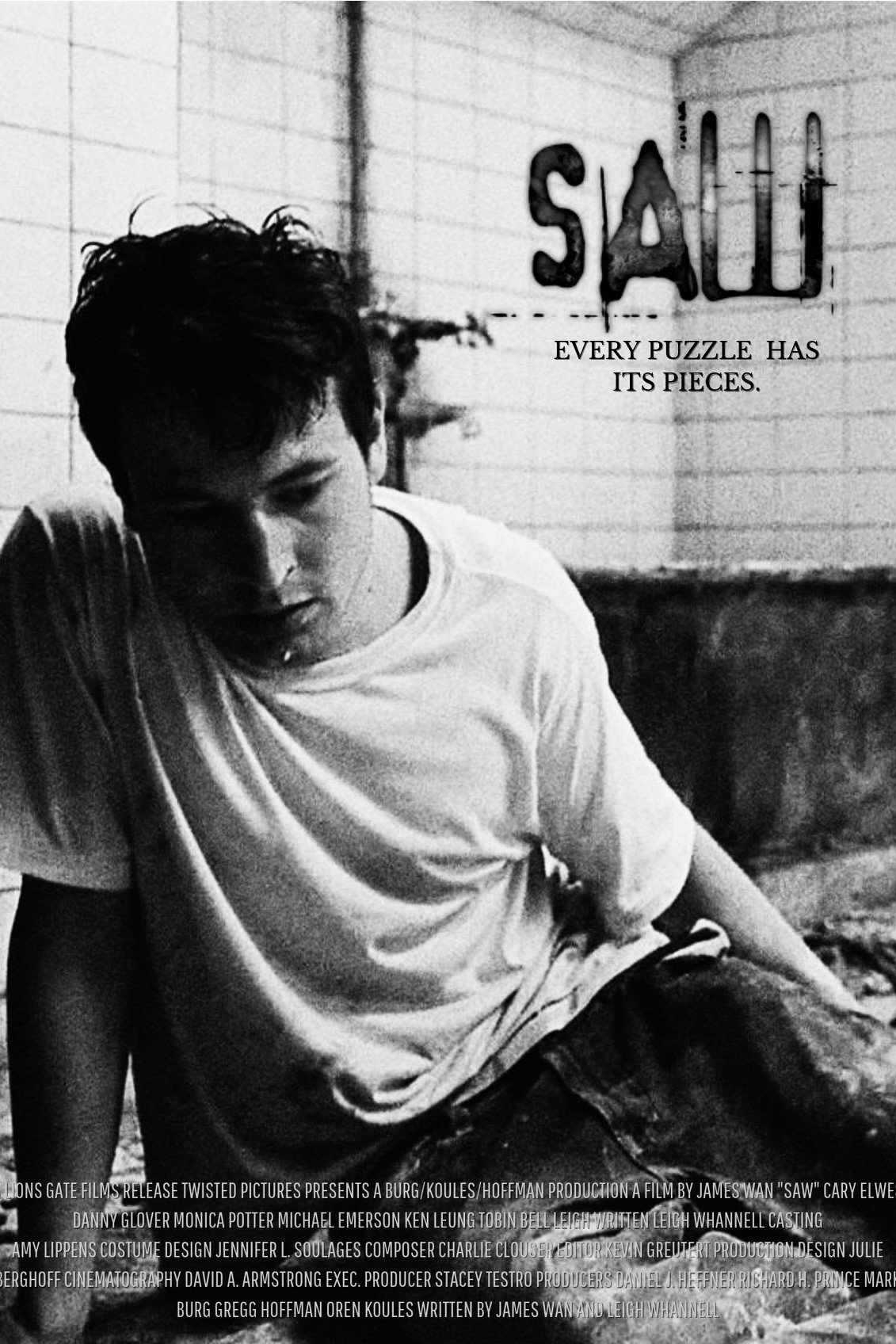
Saw begins with one of the most economical situations in modern horror: two strangers regain consciousness at opposite ends of a filthy industrial bathroom, each chained to a pipe, with an apparently dead man lying between them. Almost everything that made James Wan's 2004 feature influential develops from that restriction. Adam and Dr. Lawrence Gordon cannot simply leave the room, so information becomes as important as physical action. Tapes, photographs, fragments of memory and evidence gradually reconstruct the circumstances that brought them there while the unseen figure later known as Jigsaw turns survival itself into a moral test. The film combines locked-room mystery, serial-killer thriller and body horror without allowing any one of those forms to completely explain what is happening until its final moments.

The production circumstances became inseparable from the film's style. Wan and screenwriter Leigh Whannell developed the project as young Australian filmmakers looking for a concept that could be realized cheaply, eventually reducing their ambitions to two principal characters trapped in one location. An eighteen-day shoot and extremely limited resources forced Wan to abandon some of the controlled filmmaking he had originally imagined and embrace handheld photography, fragmented editing and harsh industrial imagery. Those compromises produced an aesthetic that later became one of the franchise's signatures. Saw subsequently earned more than one hundred million dollars worldwide against a budget commonly reported at approximately $1.2 million, introduced John Kramer and Billy the puppet to popular horror culture and established a narrative model capable of supporting a long series of sequels.

Development from One Room

James Wan and Leigh Whannell met while studying filmmaking in Melbourne and continued trying to develop projects after leaving film school. The central difficulty was financial. They did not have access to the money required for the larger ideas they admired, so they began searching for a feature premise whose limitations could be written into the story. They considered several contained scenarios before Wan proposed two men chained on opposite sides of a room with a corpse between them. The bathroom was not chosen because it had some pre-existing symbolic importance. It was fundamentally a production solution: one enclosed location could make an independent feature conceivable.

The idea quickly developed beyond the room itself. Whannell built a serial-killer narrative around people forced to confront situations designed specifically for them, while Wan contributed the final revelation that the body lying between the prisoners was actually the person controlling the game. Their imagined killer placed his victims in elaborate situations that he presented as tests of their will to survive. They were placed inside mechanisms that theoretically offered a possibility of survival, allowing the antagonist to claim that he was testing their willingness to live through potentially lethal ordeals.

Getting the script produced created another problem. Wan wanted to direct and Whannell wanted to play Adam, demands that were difficult for unknown filmmakers to make when approaching producers. They therefore selected one sequence and created a short proof of concept. Whannell played the victim in what became the Reverse Bear Trap scene, recounting the experience afterward in an interrogation setting. The short demonstrated Wan's visual approach and showed potential backers what the traps could look like on screen. Whannell later described the screenplay as the element that attracted interest and the short as the evidence that convinced producers to allow them to make the film themselves.
Eighteen Days and a Bathroom

Saw was photographed in Los Angeles on an exceptionally compressed schedule of eighteen days. Wan later recalled entering production with expectations that were still too ambitious for the resources available. He had imagined a more controlled Hitchcockian thriller, but the schedule did not permit extensive conventional coverage, elaborate camera setups or repeated attempts to perfect every composition. The filmmakers frequently had to obtain what they needed immediately and move on. The central bathroom set therefore became both the dramatic prison of the characters and the practical center of a production operating under relentless time pressure.

Production designer Julie Berghoff gave that location the decayed industrial character that became essential to the film. Stained tiles, corroded pipes, darkness beyond the immediate space and surfaces that appear permanently wet or contaminated make the room threatening before any trap is activated. It does not resemble a theatrical torture chamber designed to impress a victim. It feels abandoned and functional, as though its original purpose disappeared long before Adam and Gordon arrived. That physical credibility helps the increasingly elaborate game remain attached to a recognizably unpleasant real environment.

Wan later acknowledged that the lack of time directly influenced his visual language. Handheld material, accelerated movement, rapid cutting and fragmented inserts became ways to create intensity from footage captured under severe restrictions. In longer takes the weaknesses of inexpensive sets or incomplete coverage could become more obvious, so editing itself became part of the solution. The frantic passages associated with panic, recollection and Jigsaw's victims were integral to the film's portrayal of fear and fractured perception. They emerged from the realities of making a feature faster and more cheaply than Wan had originally imagined possible.

Jigsaw and the Moral Game

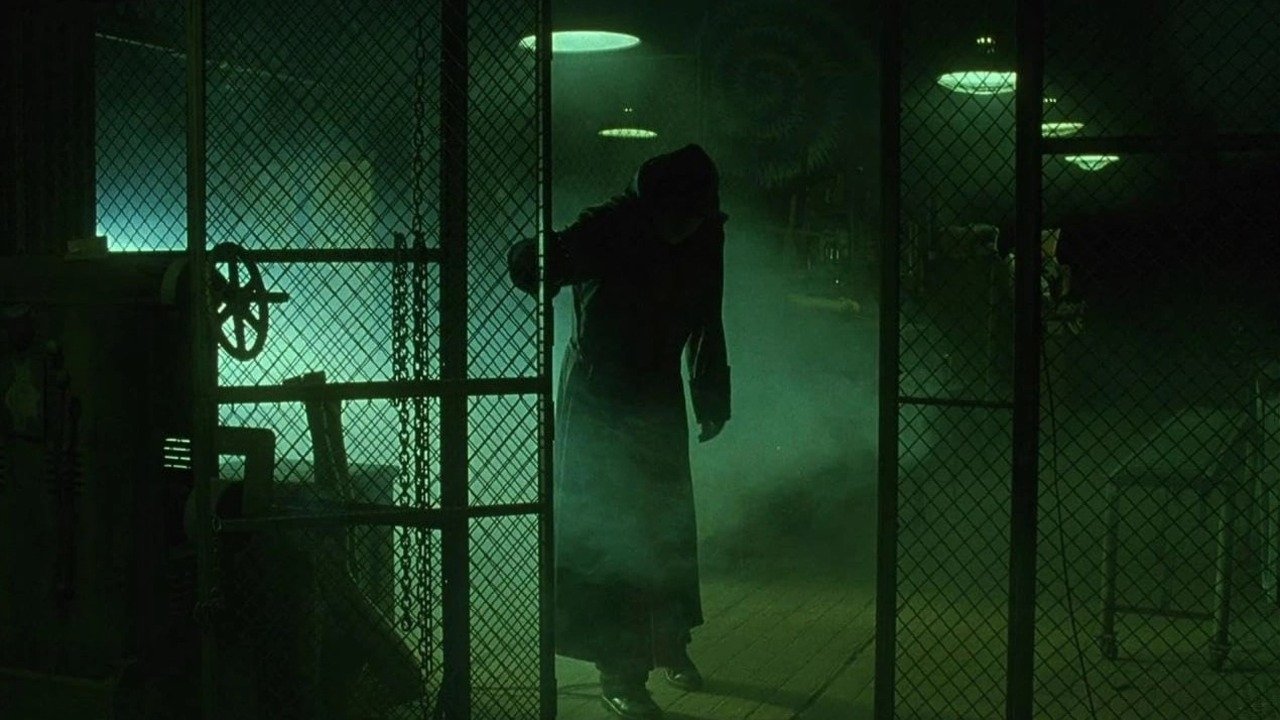
The first Saw establishes the basic philosophy that would define John Kramer throughout the franchise without yet making him the conventional central character. Police and victims understand Jigsaw primarily through his methods. He identifies people he believes have failed to value their lives or have behaved destructively and places them in situations where survival requires extreme action. Recorded instructions frame each test as a choice. The moral logic is grotesque and self-serving, but it allows the killer to distinguish himself from someone who simply executes victims.

That claim shapes how the killer justifies his actions and how the film develops its mystery. Jigsaw insists that he does not murder, yet the situations he constructs routinely make death overwhelmingly likely and can involve other people whose survival depends on decisions they did not freely choose to make. Saw does not need to accept his philosophy in order to make it compelling. The gap between Kramer's self-image and the physical consequences of his games is one of the most productive tensions in the series. His mechanisms are presented as lessons, while the audience sees how completely he has controlled the conditions under which those lessons must supposedly be learned.
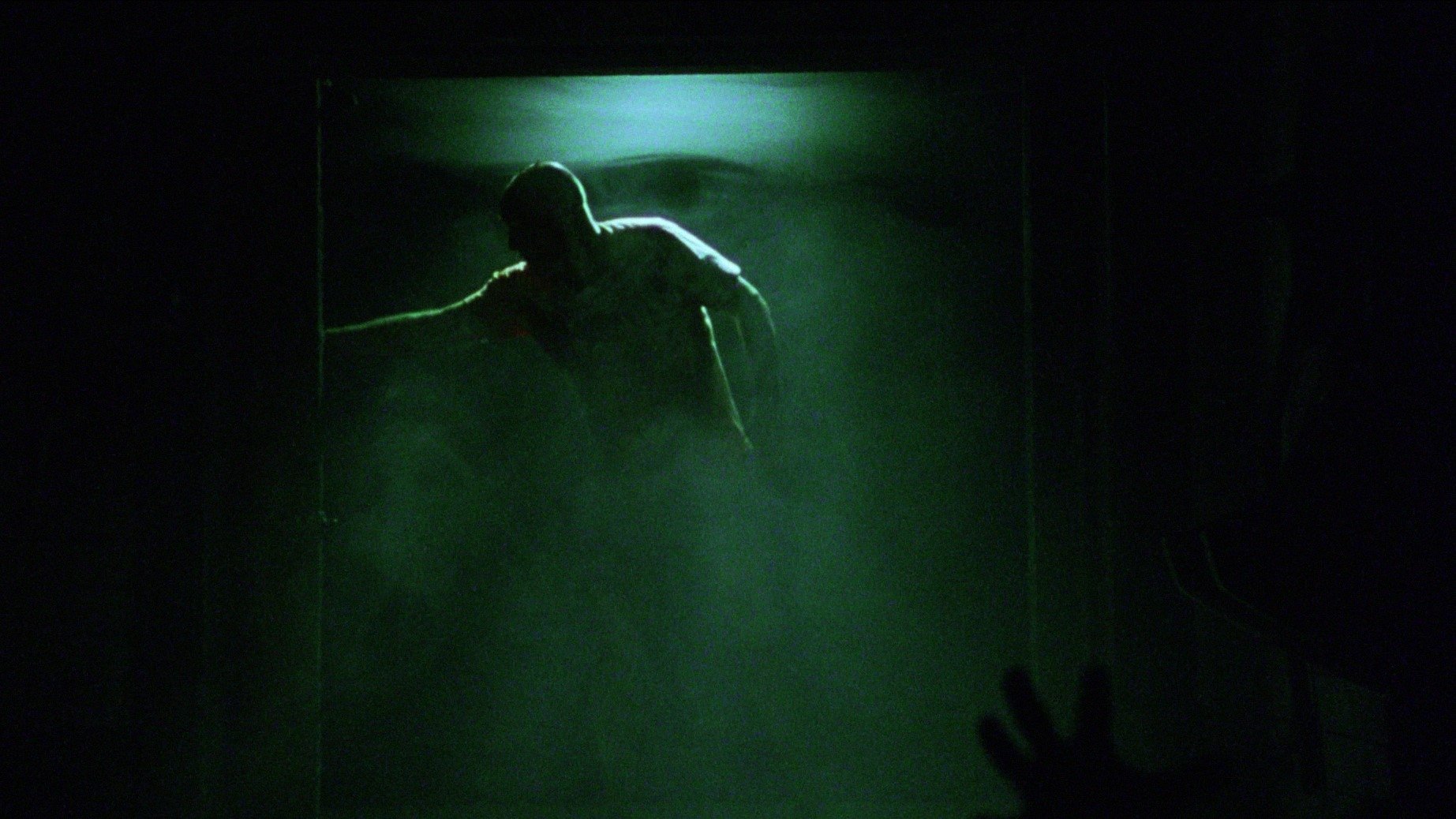
Tobin Bell spends relatively little of the film visibly performing as John Kramer, but that scarcity becomes part of the character's power. For most of the narrative, Jigsaw is a voice, an intelligence and a collection of prepared situations. The police hunt an abstraction while Adam and Gordon interact with a room whose details have already been anticipated by someone outside their awareness. The ending retroactively changes that relationship. When Kramer rises from the floor, the apparently dead object occupying the center of the film becomes its controlling human presence, revealing that the prisoners and the audience have been looking directly at the answer without recognizing it.
Traps and Practical Horror

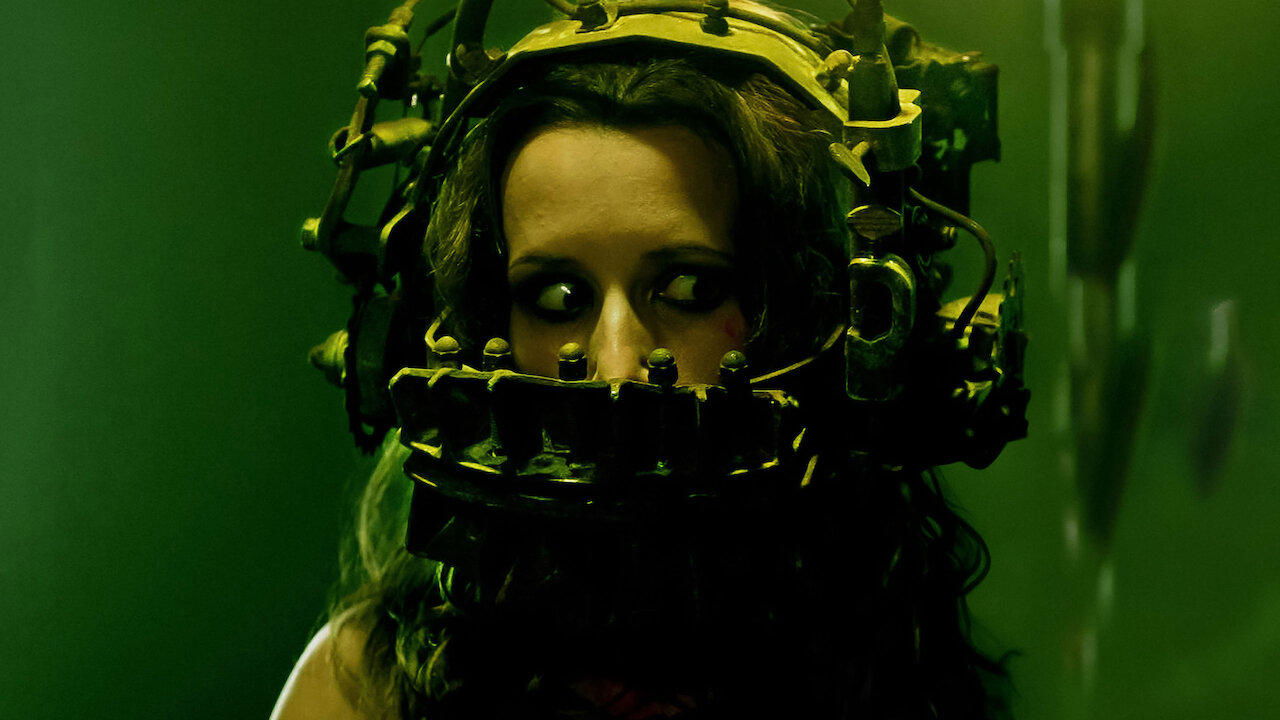
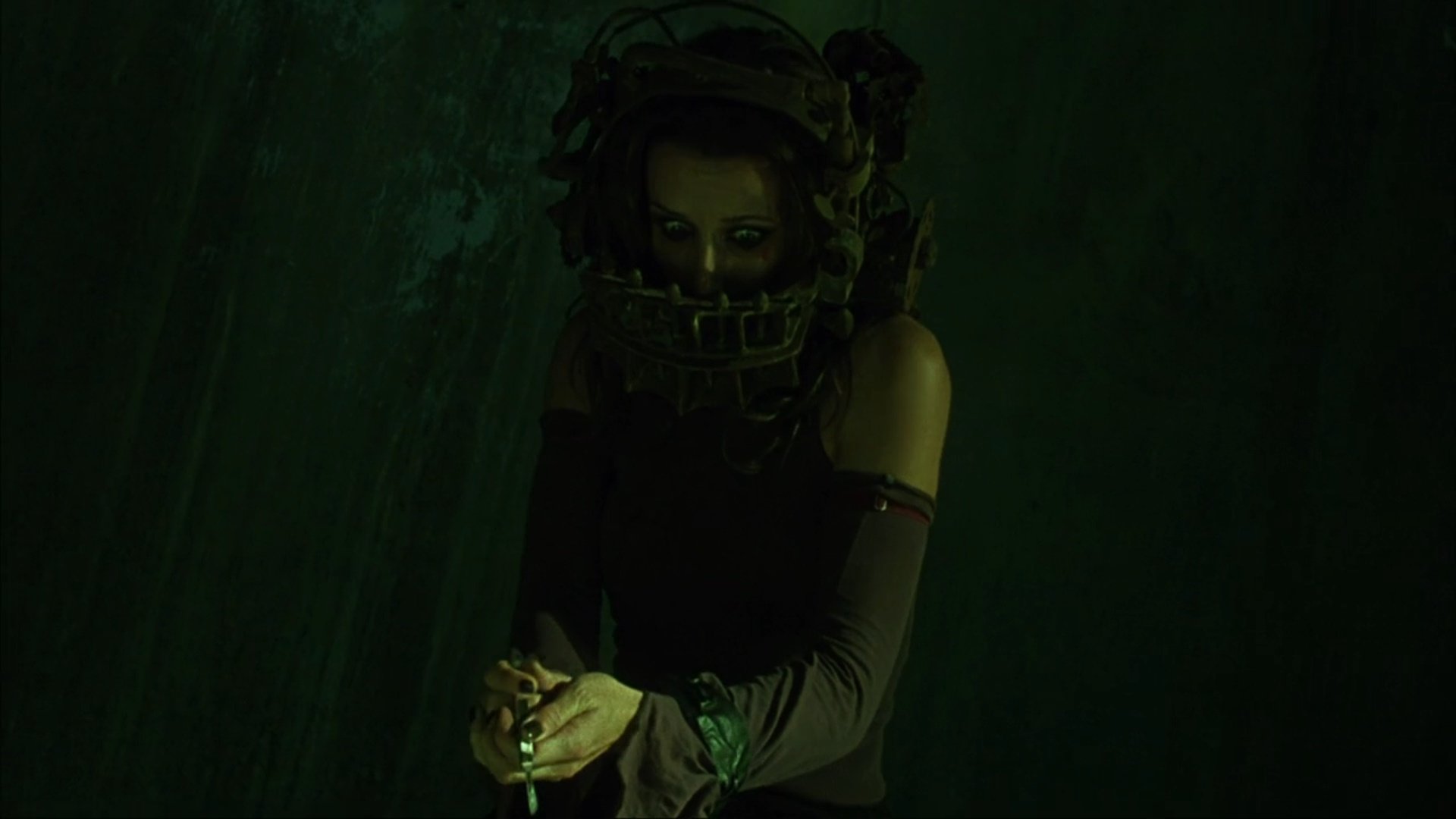
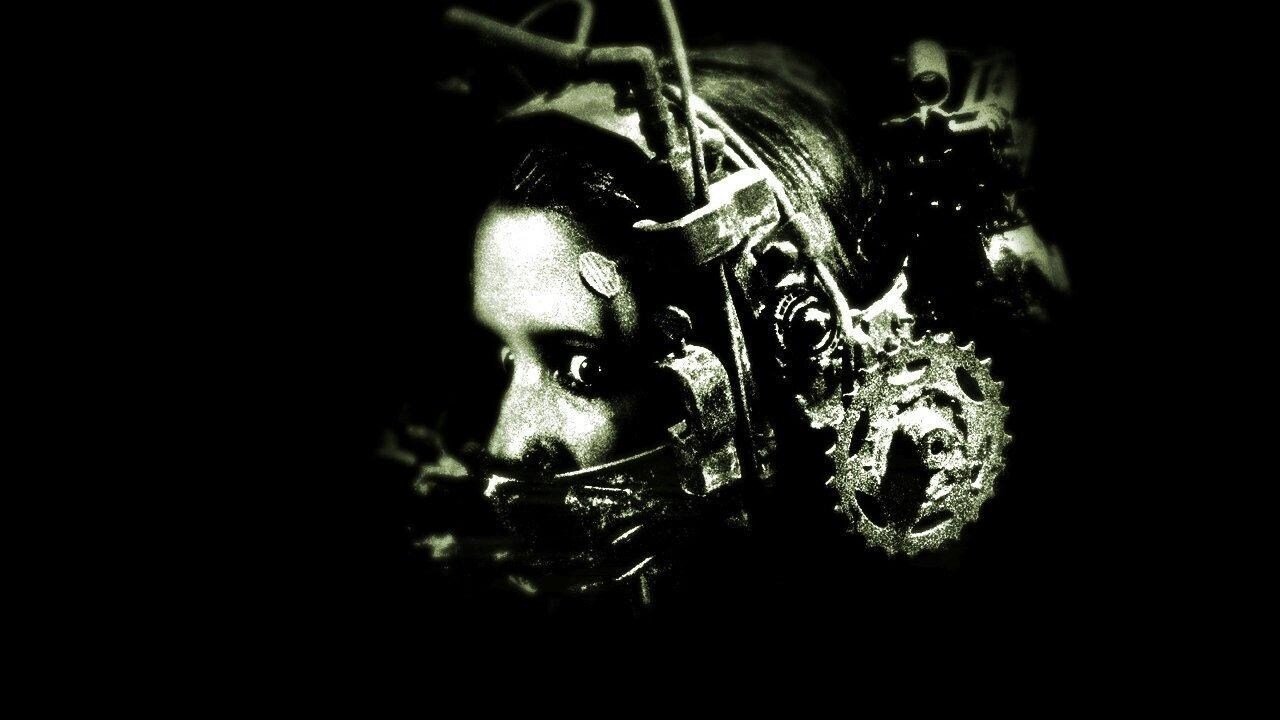
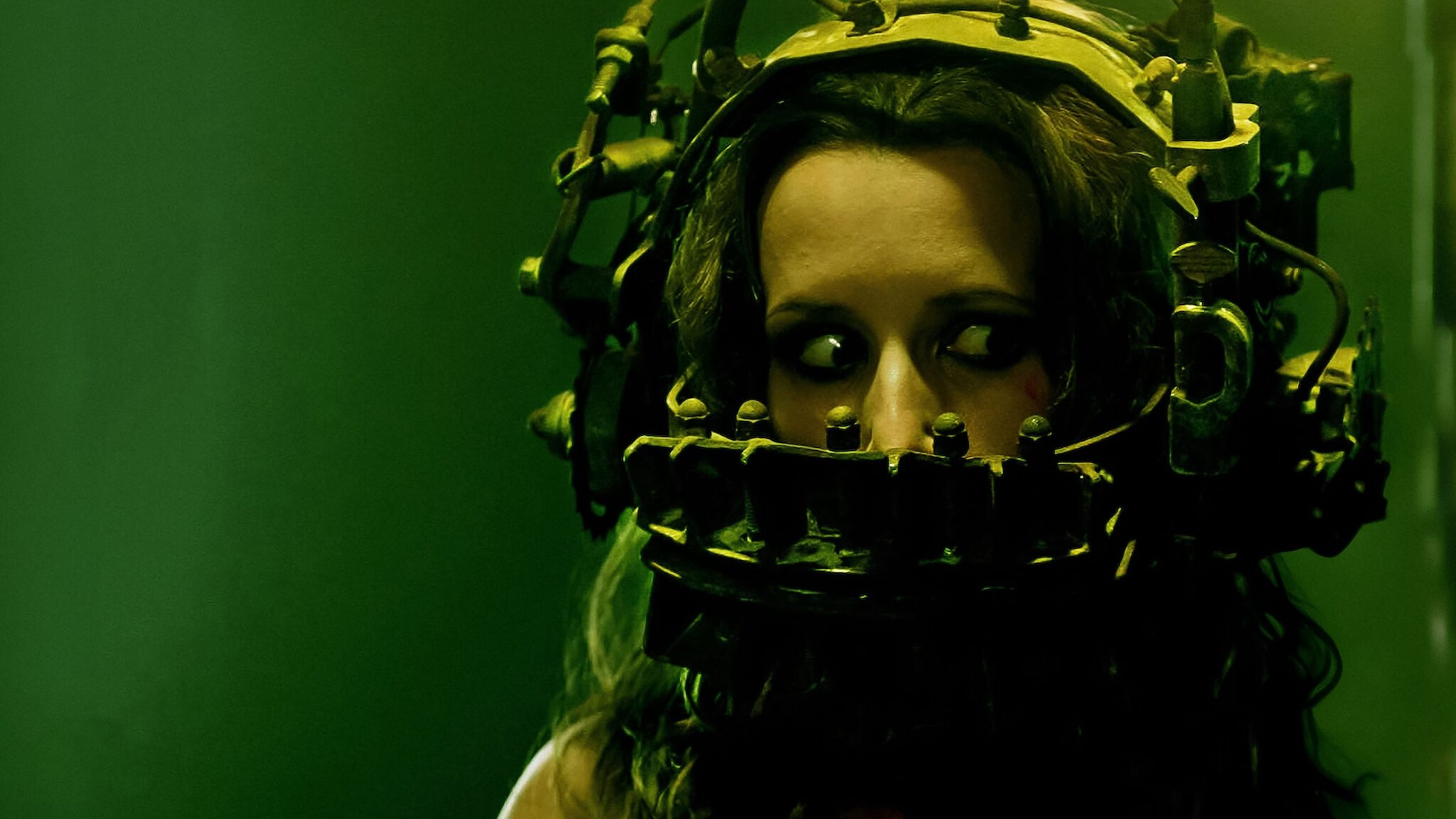
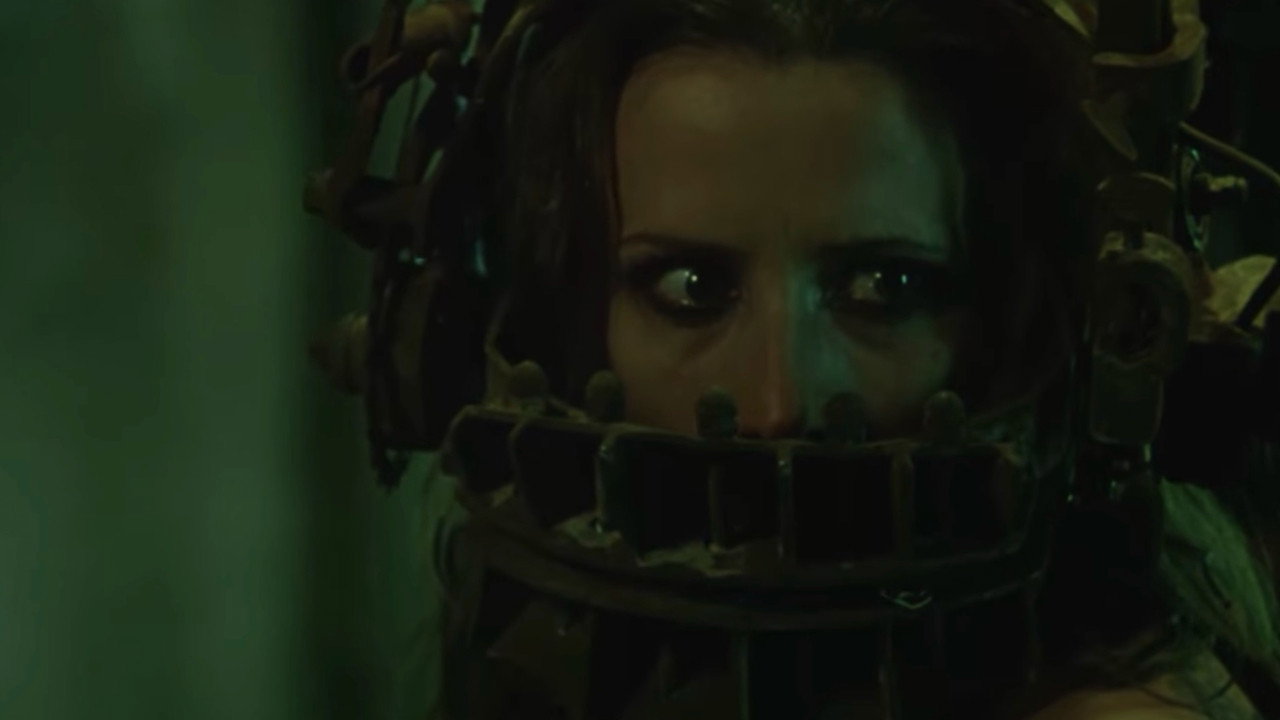
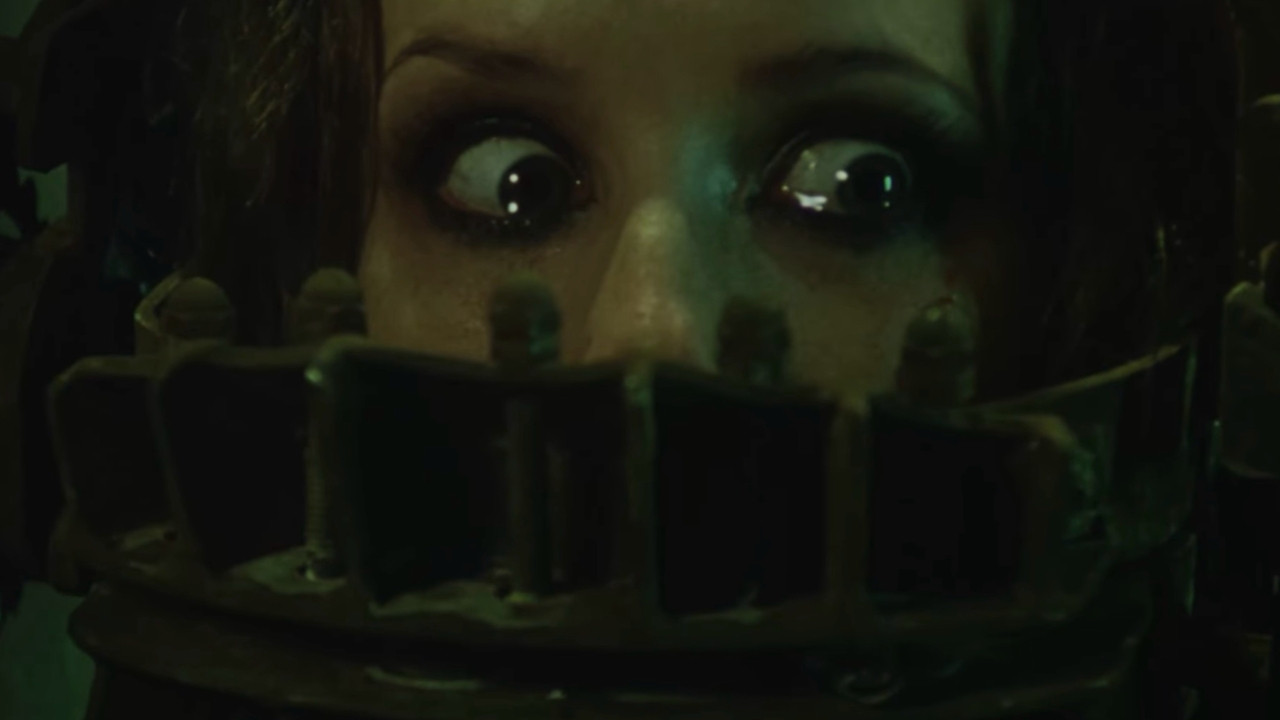
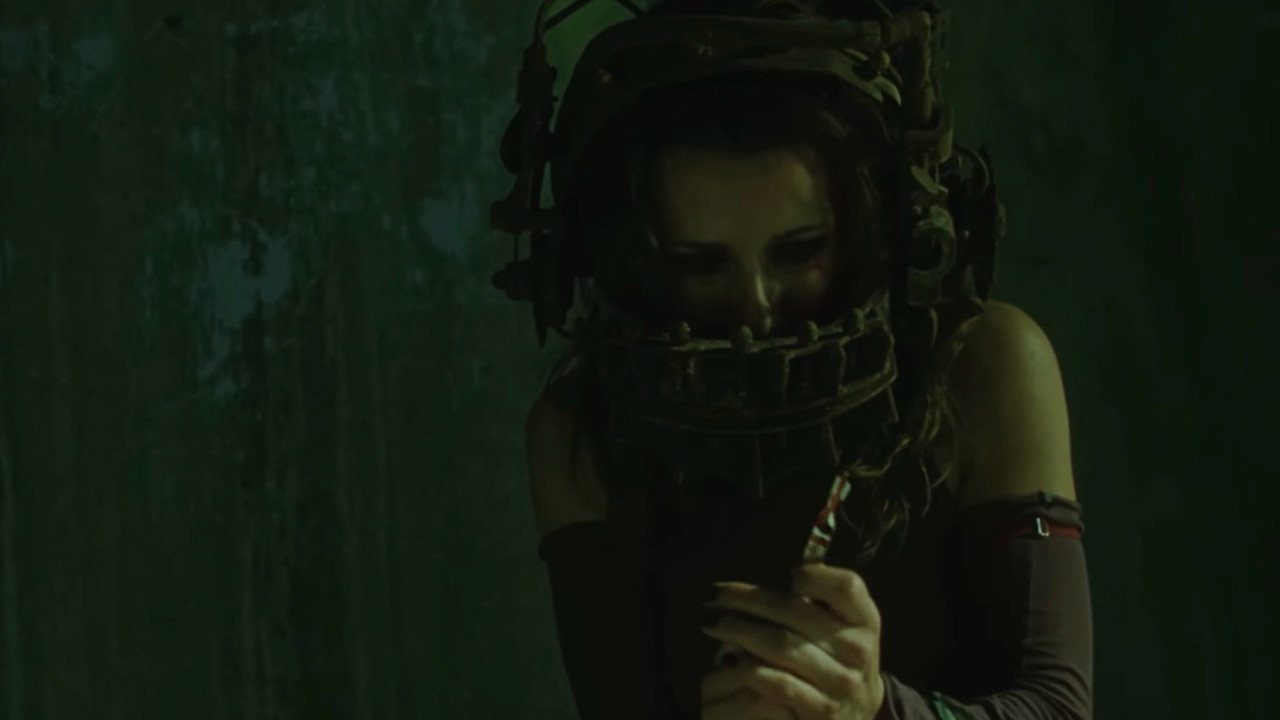
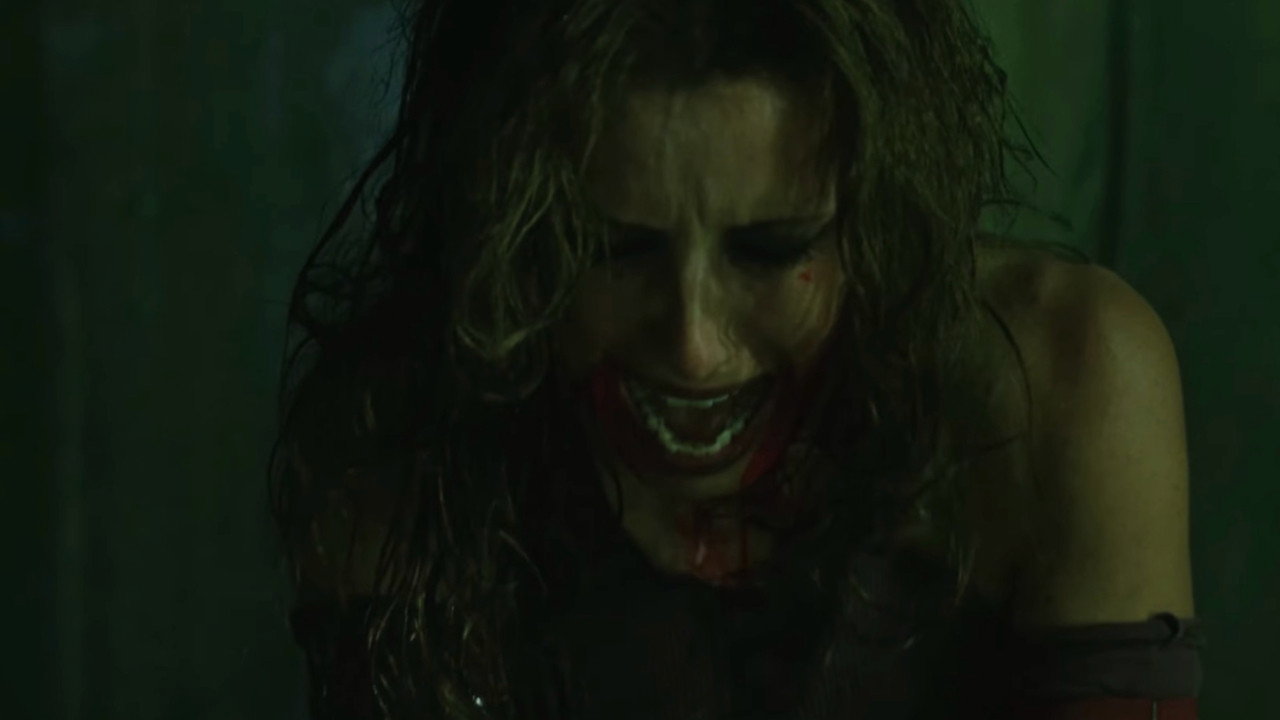
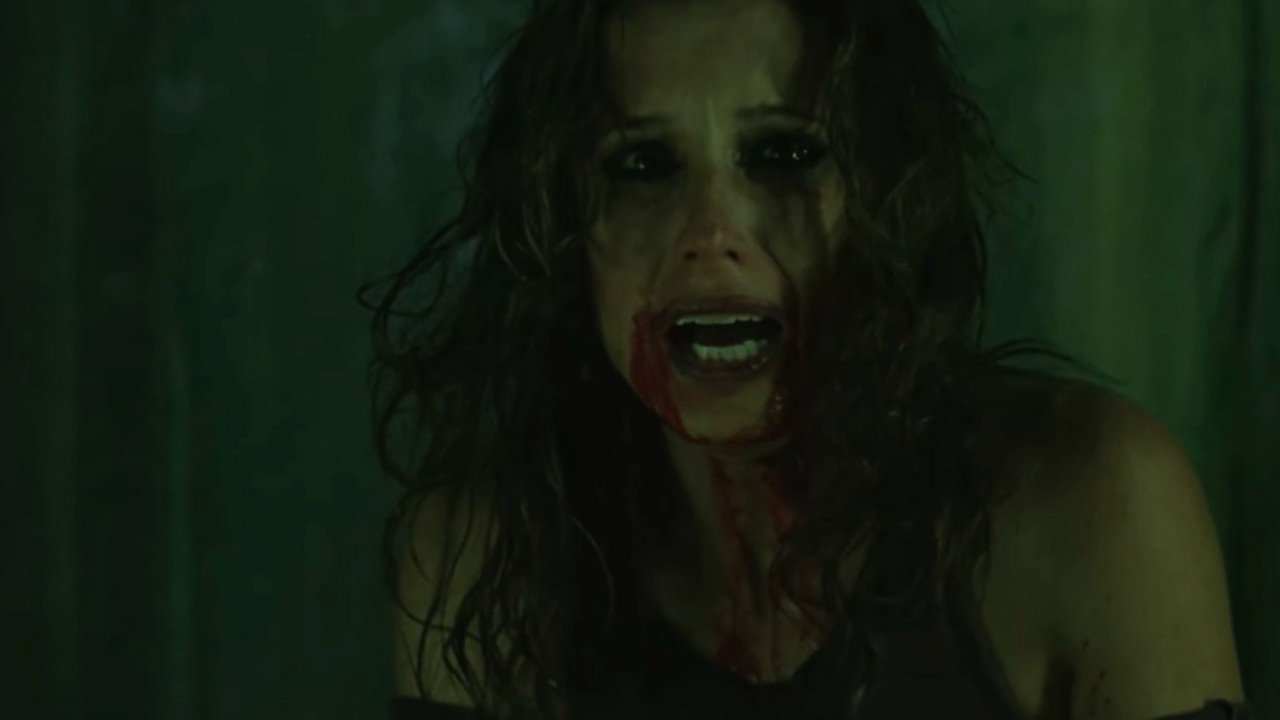
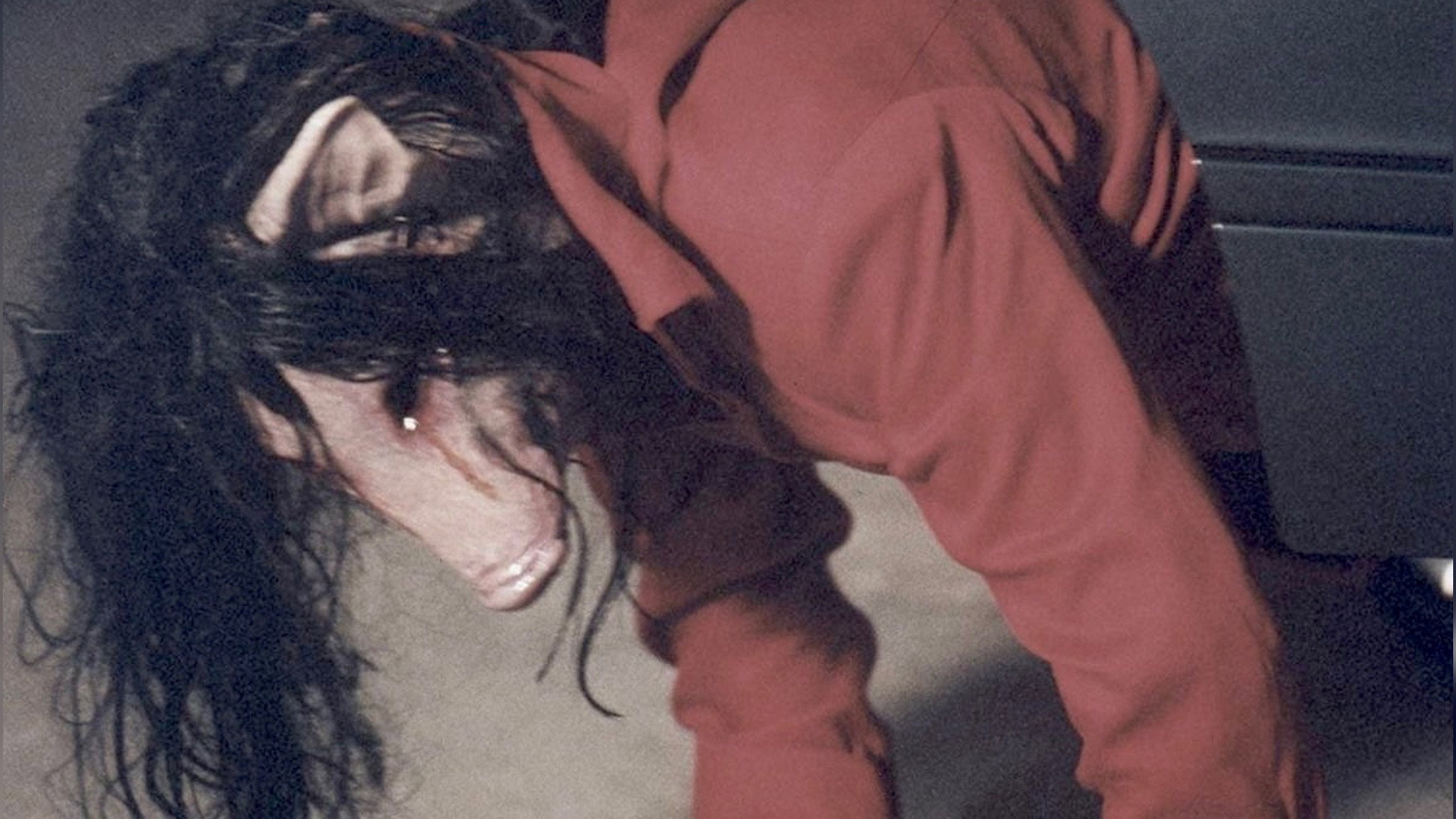
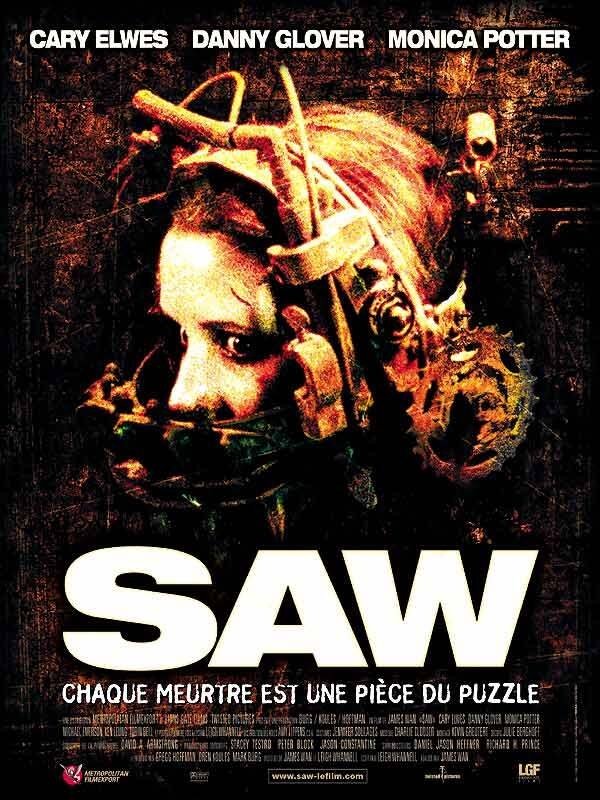
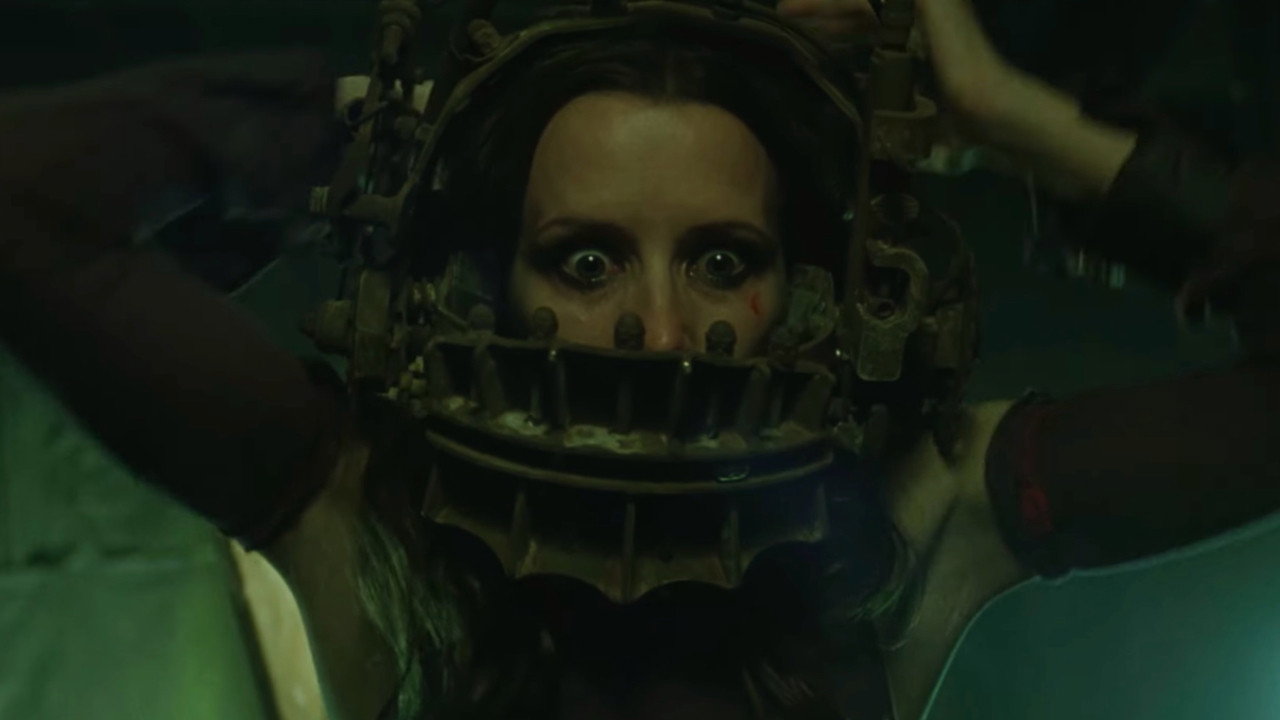
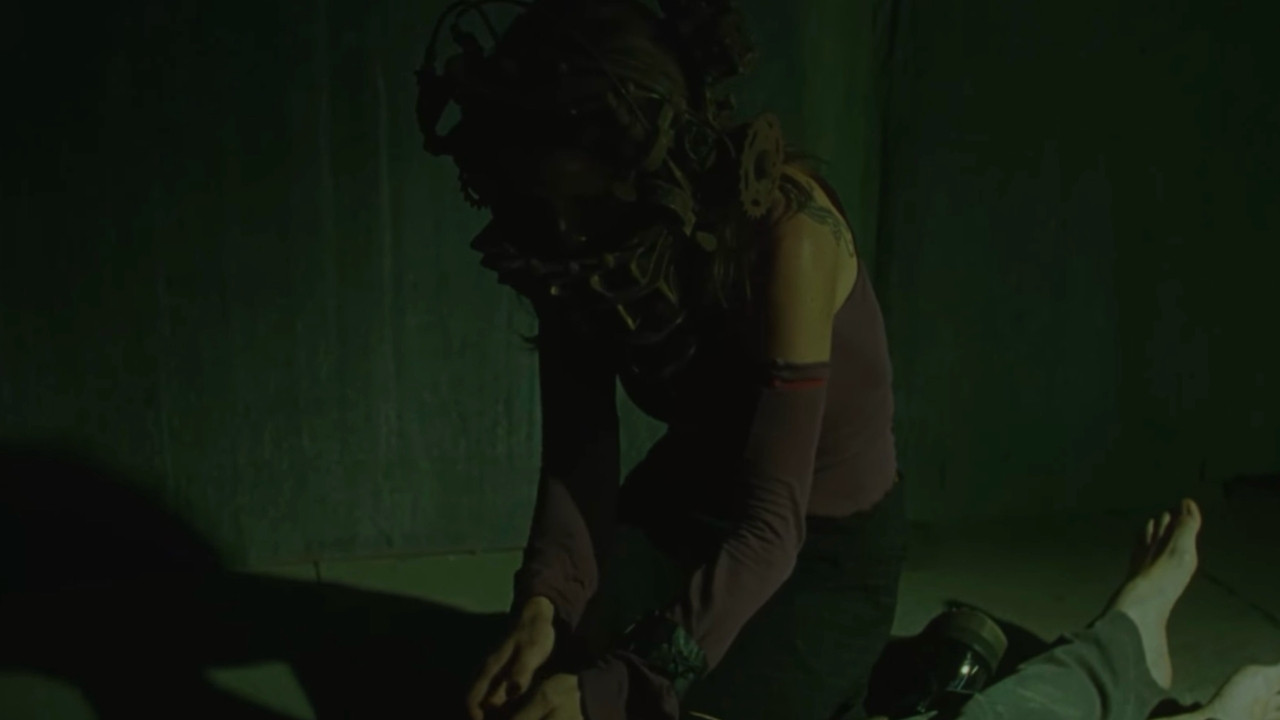
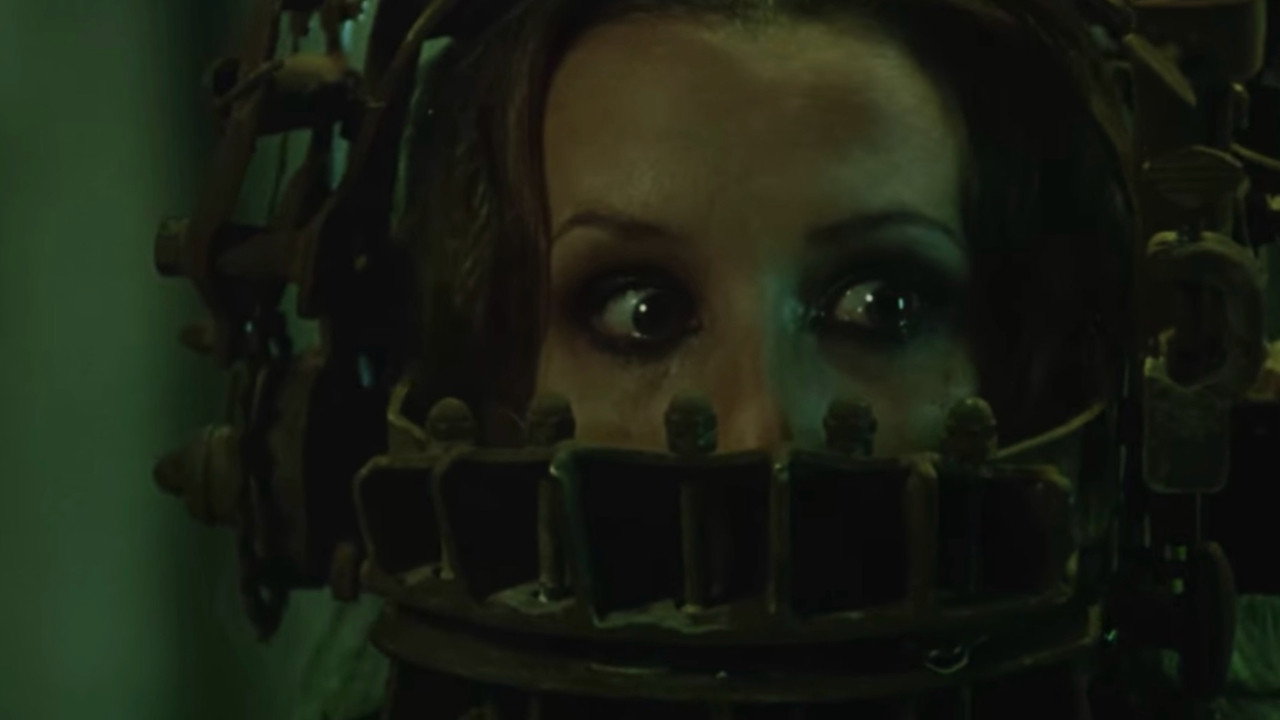
Although later Saw films became famous for increasingly elaborate mechanisms, the original uses relatively few traps and gains much of its power from implication. The Reverse Bear Trap became the defining image. Amanda Young awakens with a mechanical apparatus locked around her jaws and is told that it will violently open unless she retrieves a key from the body of another person. The device contains the central structure of the series in miniature: a timer, recorded rules, a mechanical threat, an apparently possible solution and a moral situation constructed entirely by the person running the game.

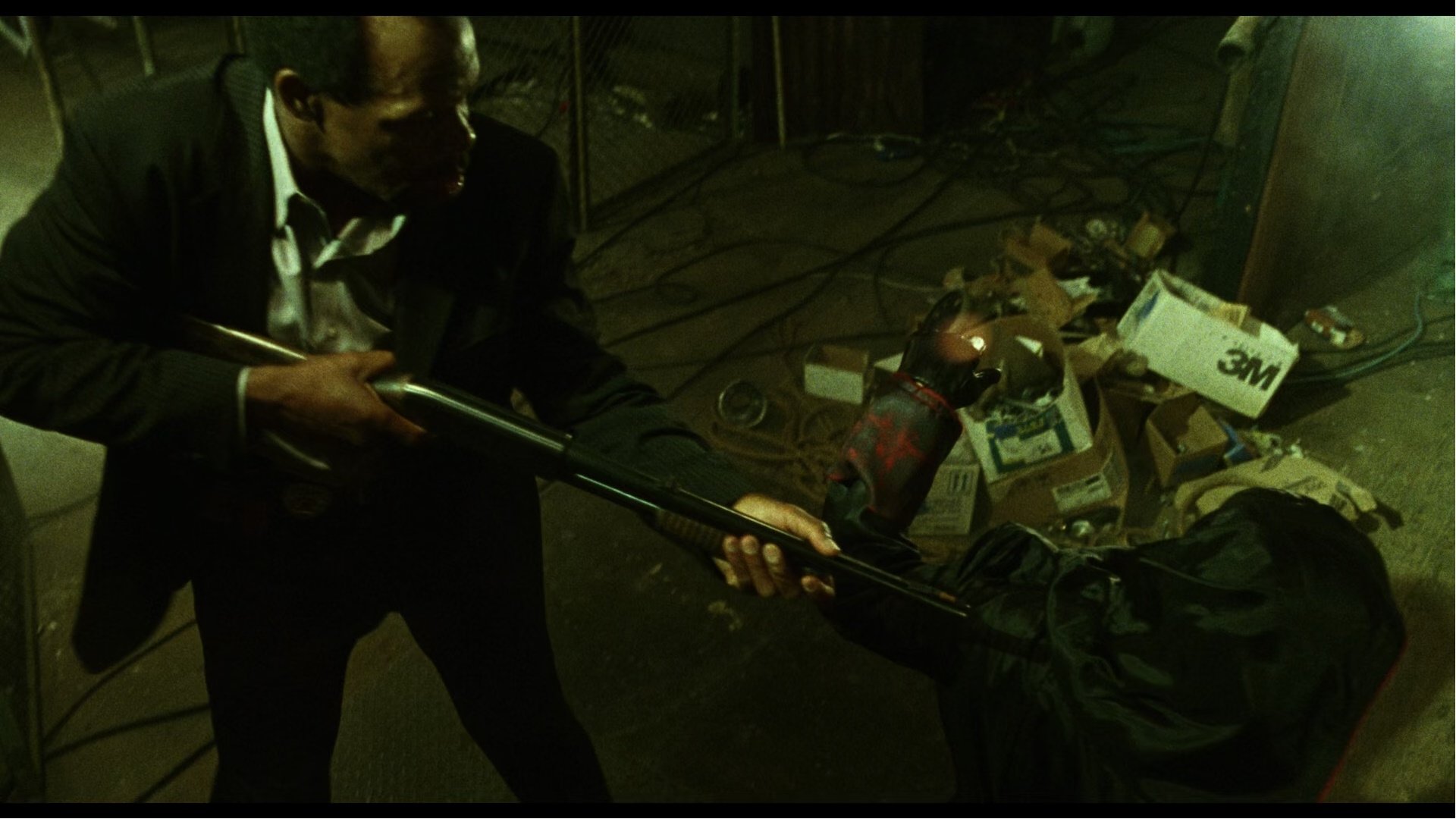
Wan and Whannell had already used the sequence to sell the project, making it one of the elements most closely connected to Saw's origins. The theatrical film expands the concept without turning every death into a long effects showcase. Razor wire, flammable substances, shotguns and other relatively understandable physical dangers allow the traps to feel assembled from relatively accessible materials, reinforcing their physical plausibility. Budget restrictions again helped define the aesthetic. Mechanisms appear dirty, improvised and industrial, matching the spaces in which Jigsaw operates.
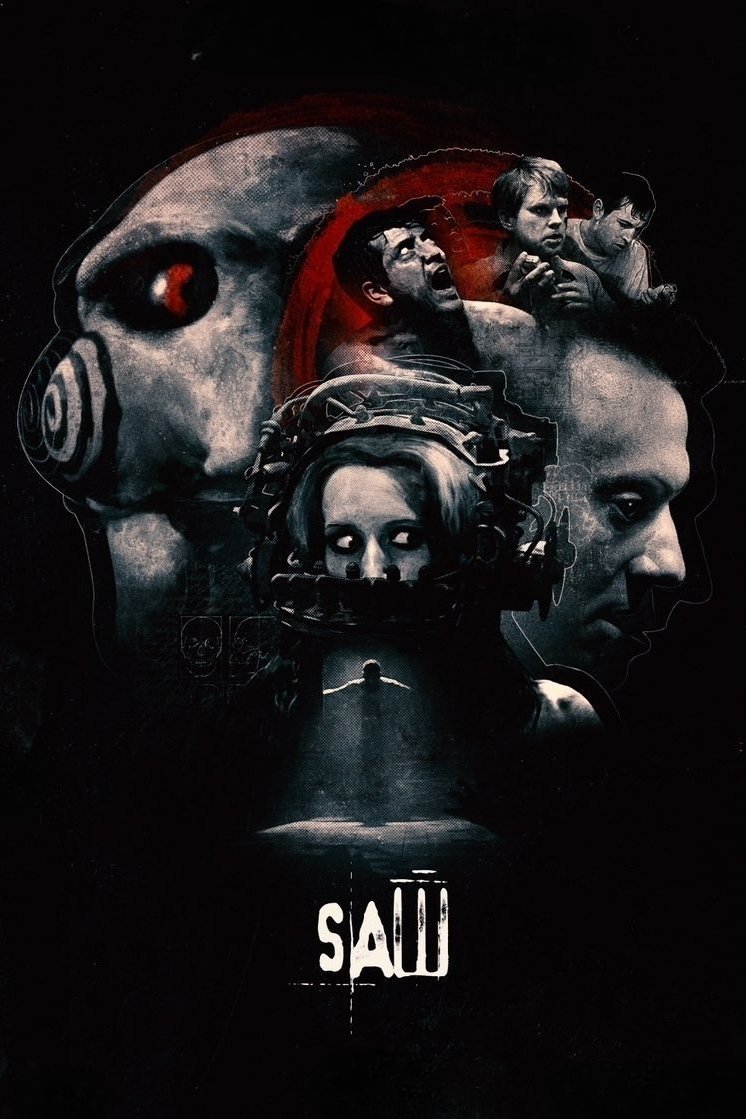
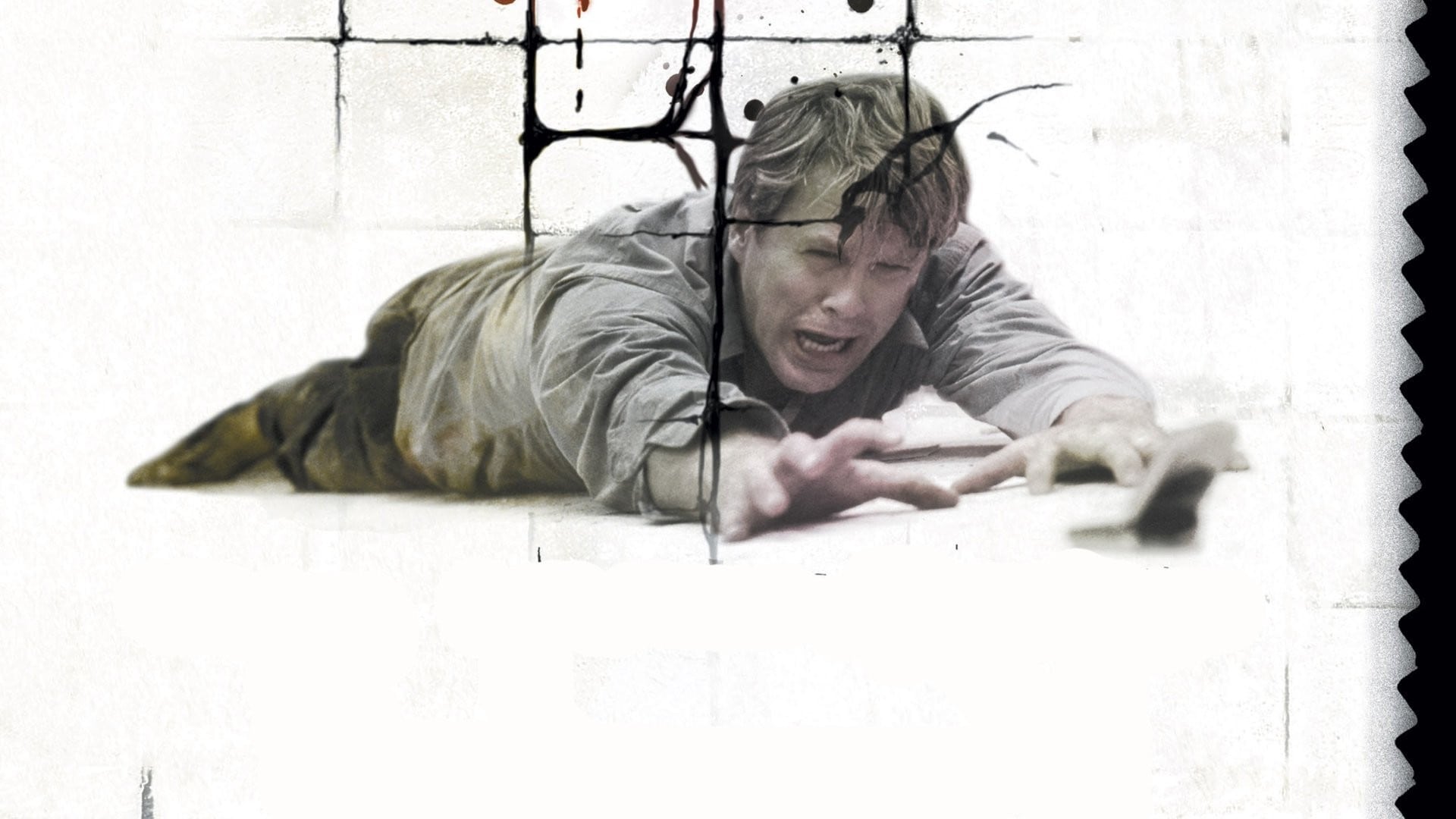
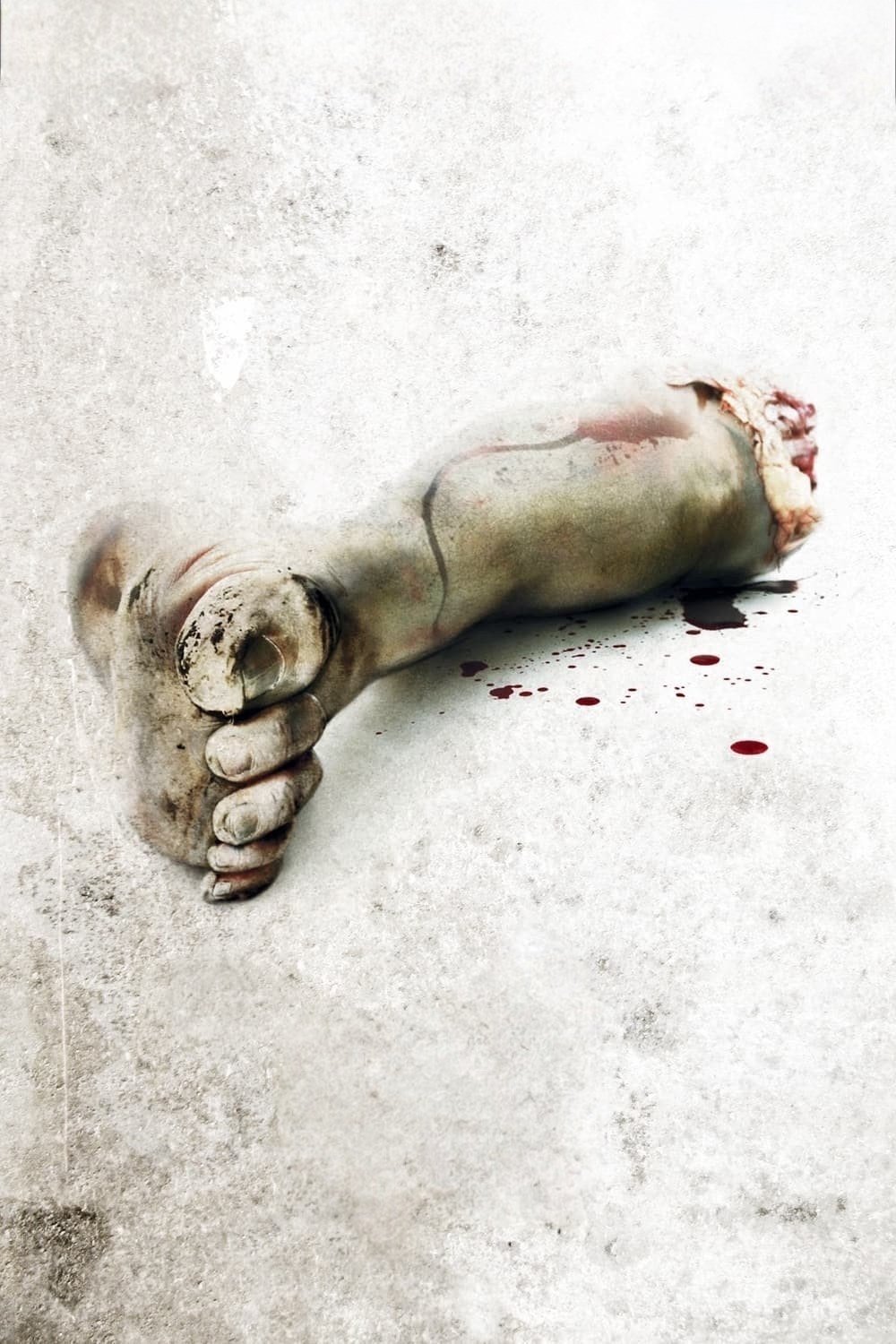
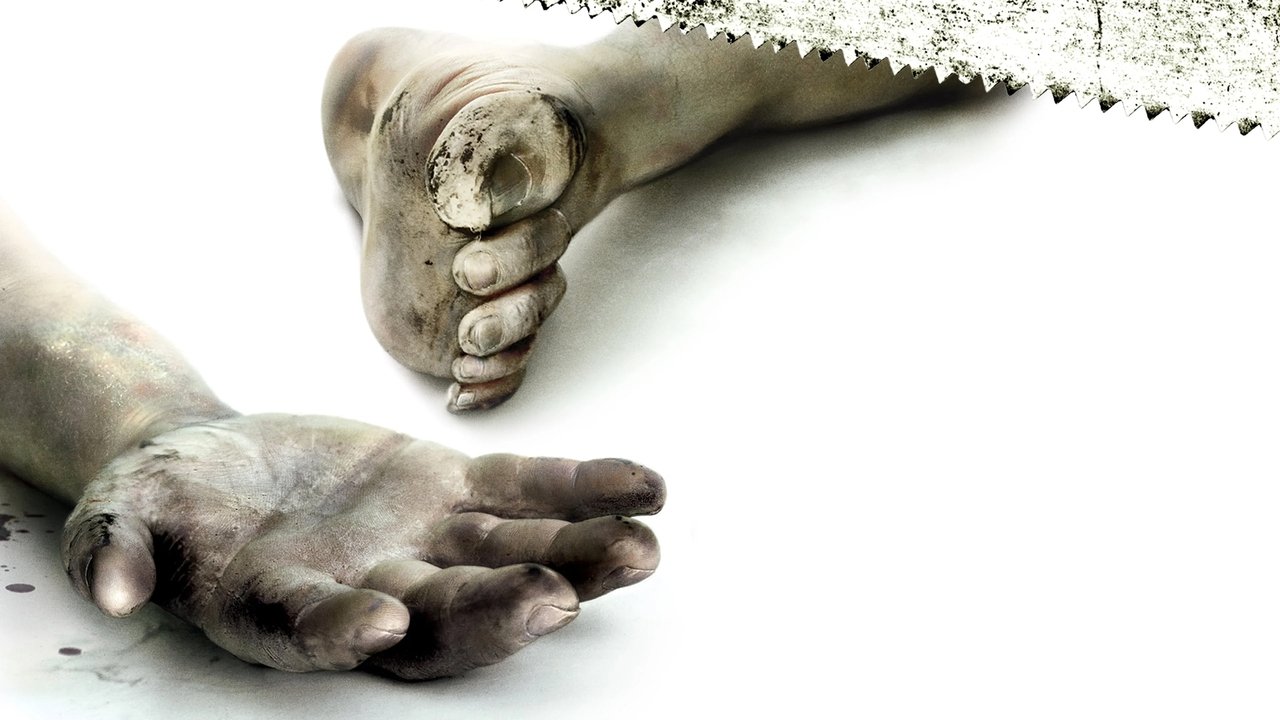
The film is often remembered as more graphically explicit than it actually is because Wan relies heavily on editing, sound, performance and anticipated injury. Gordon's climactic decision to cut through his own foot is conceptually extreme, but the scene does not depend on prolonged anatomical detail. Whannell later noted that the first Saw was not as visually gory as its reputation sometimes suggests. What matters is the audience understanding exactly what the characters believe they must do. The imagination supplies much of the bodily damage before the camera needs to show it.
Billy and the Visual Language of the Games

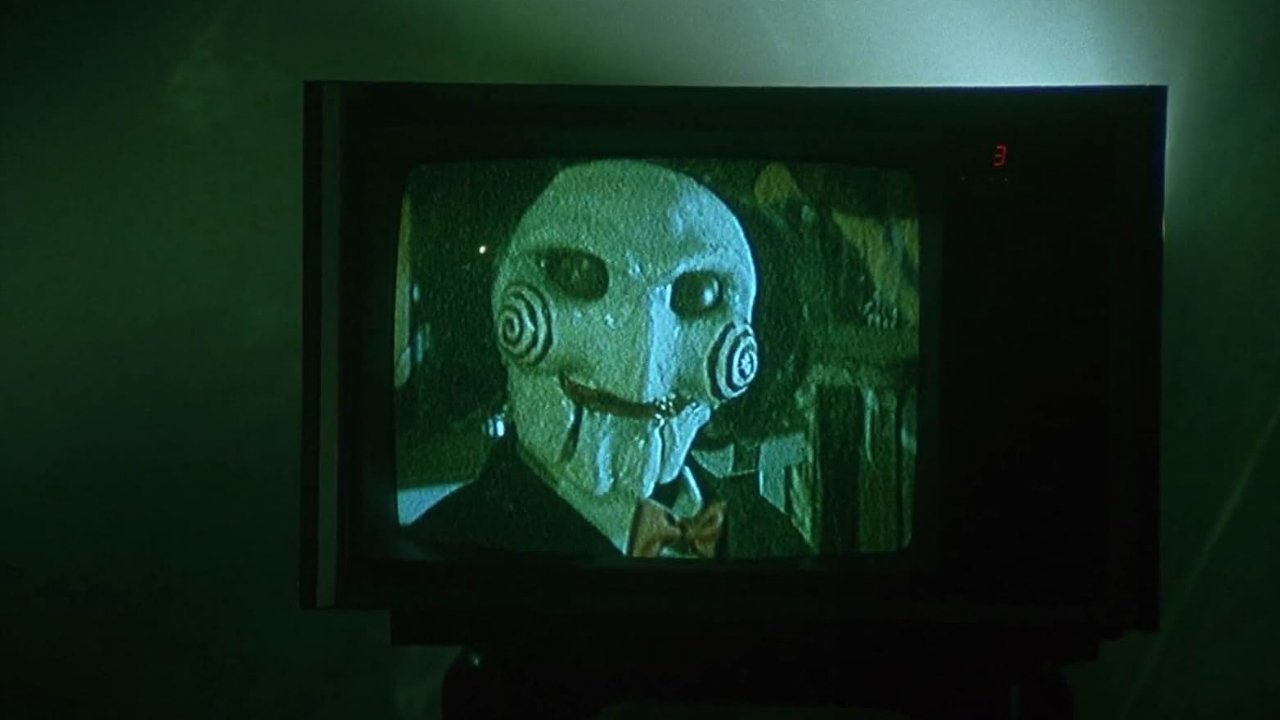
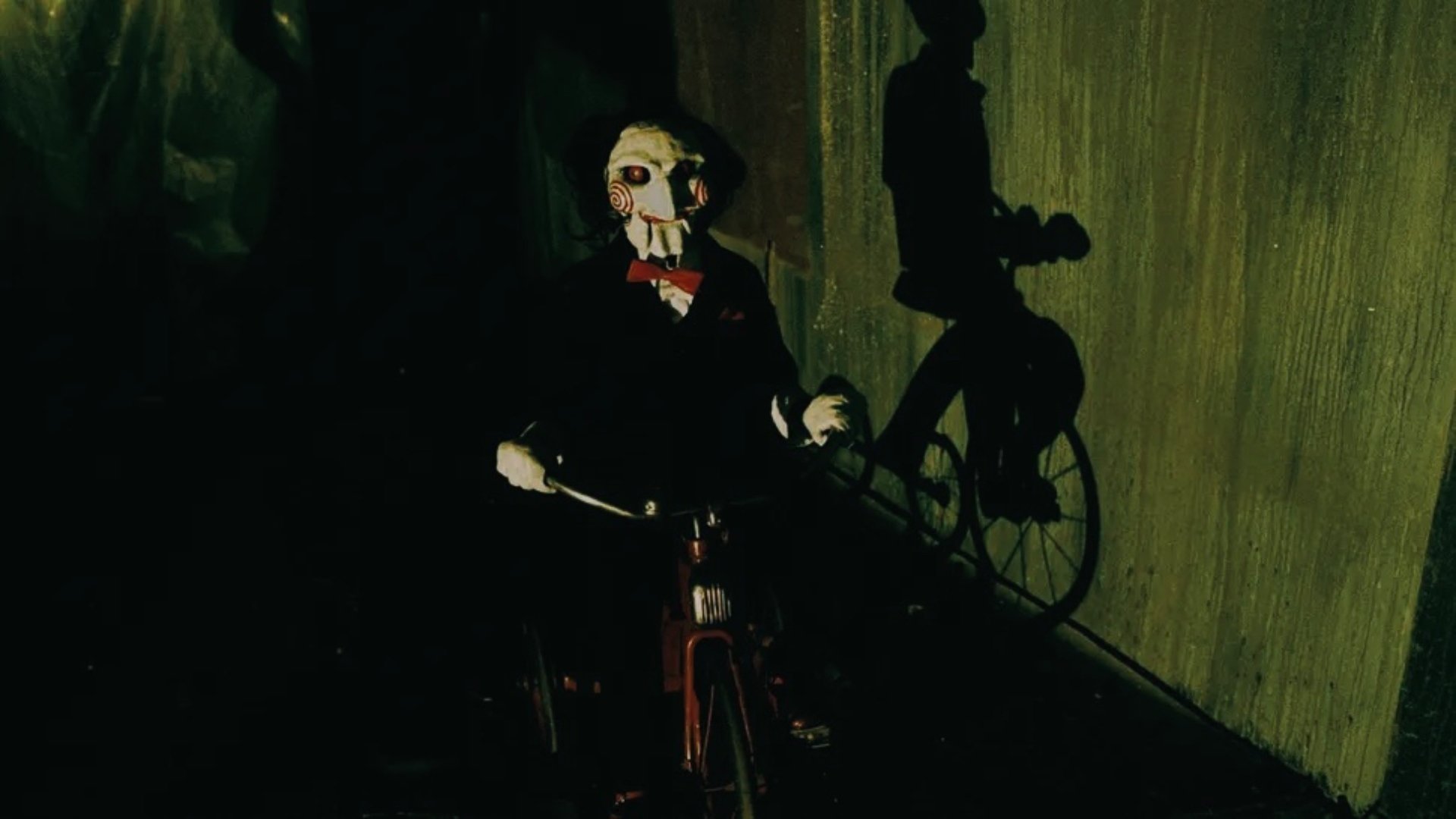
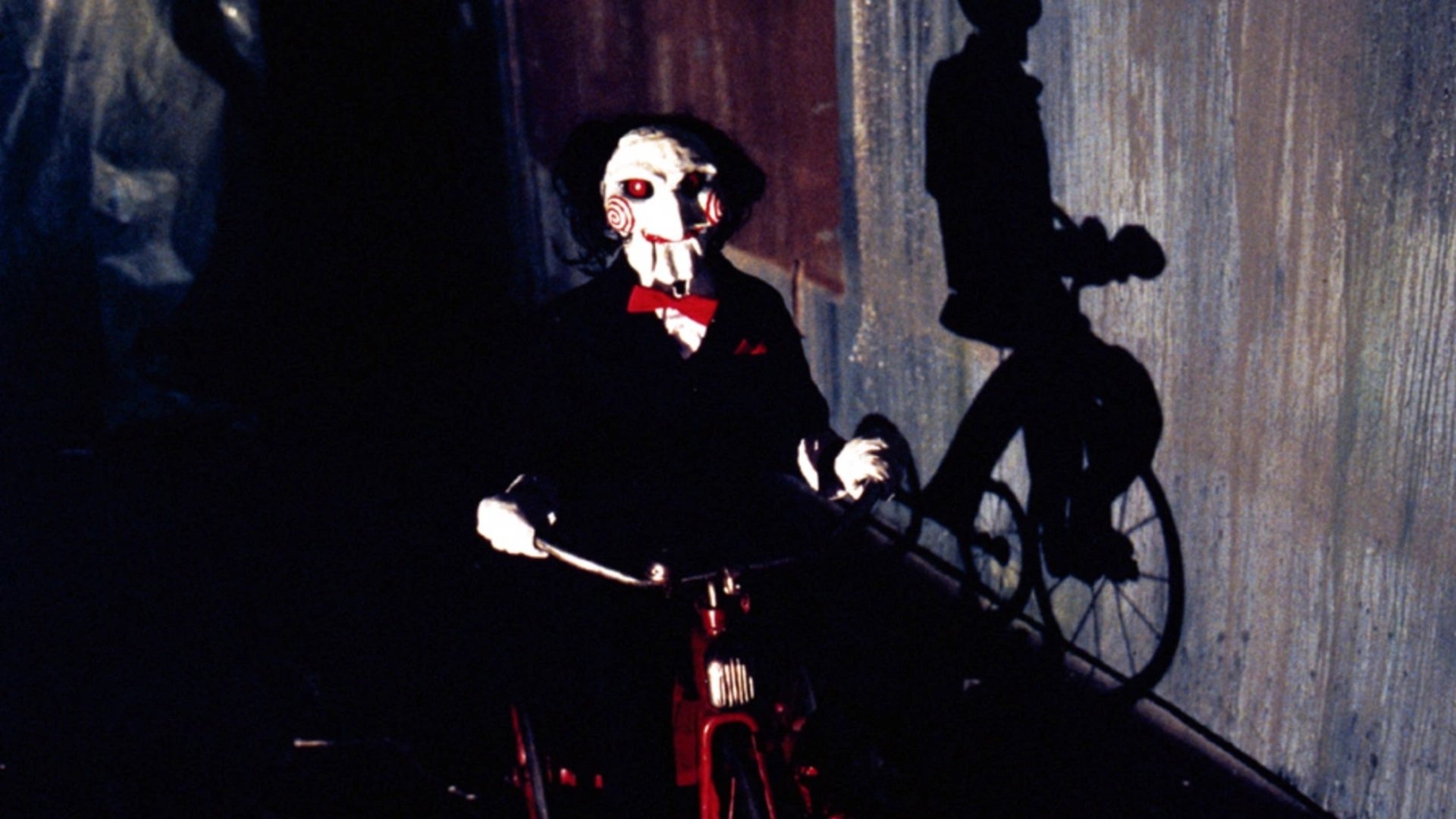
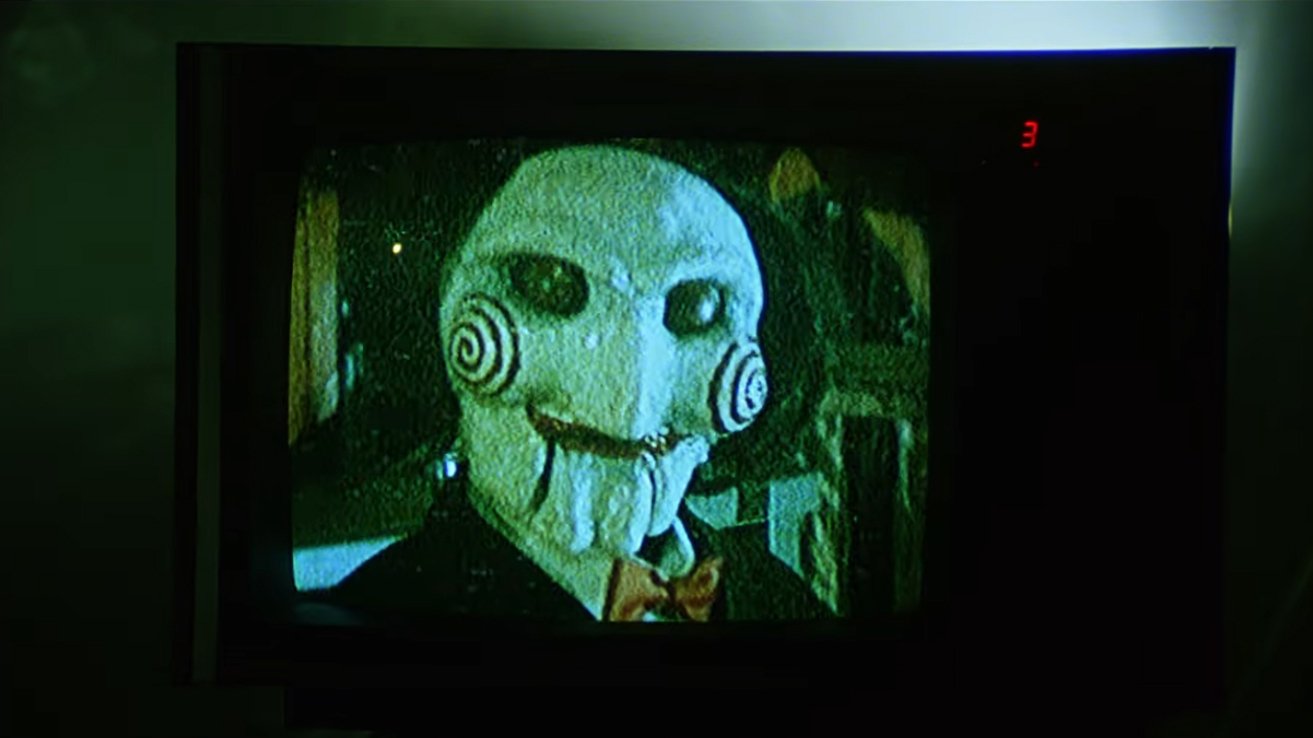
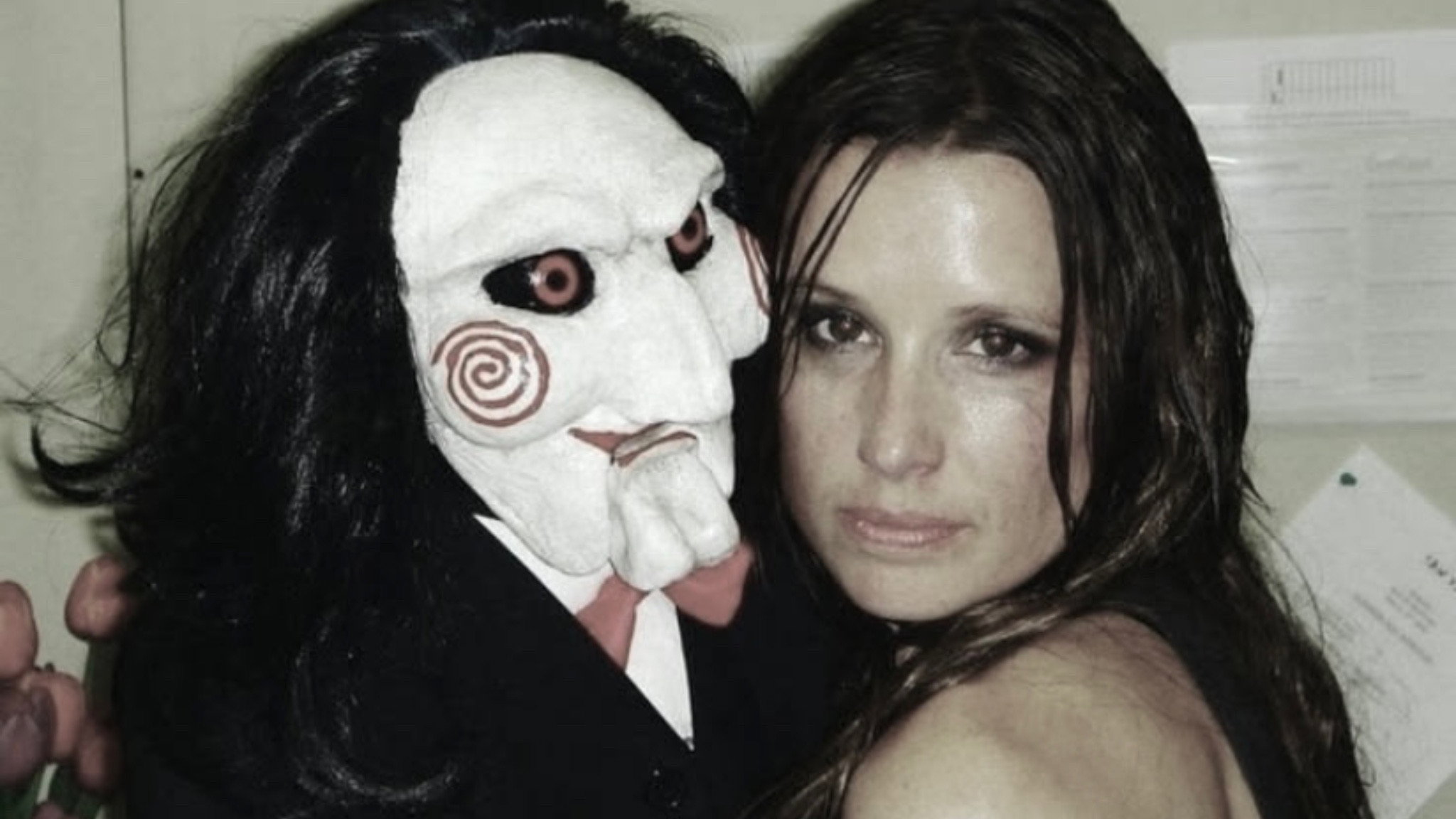
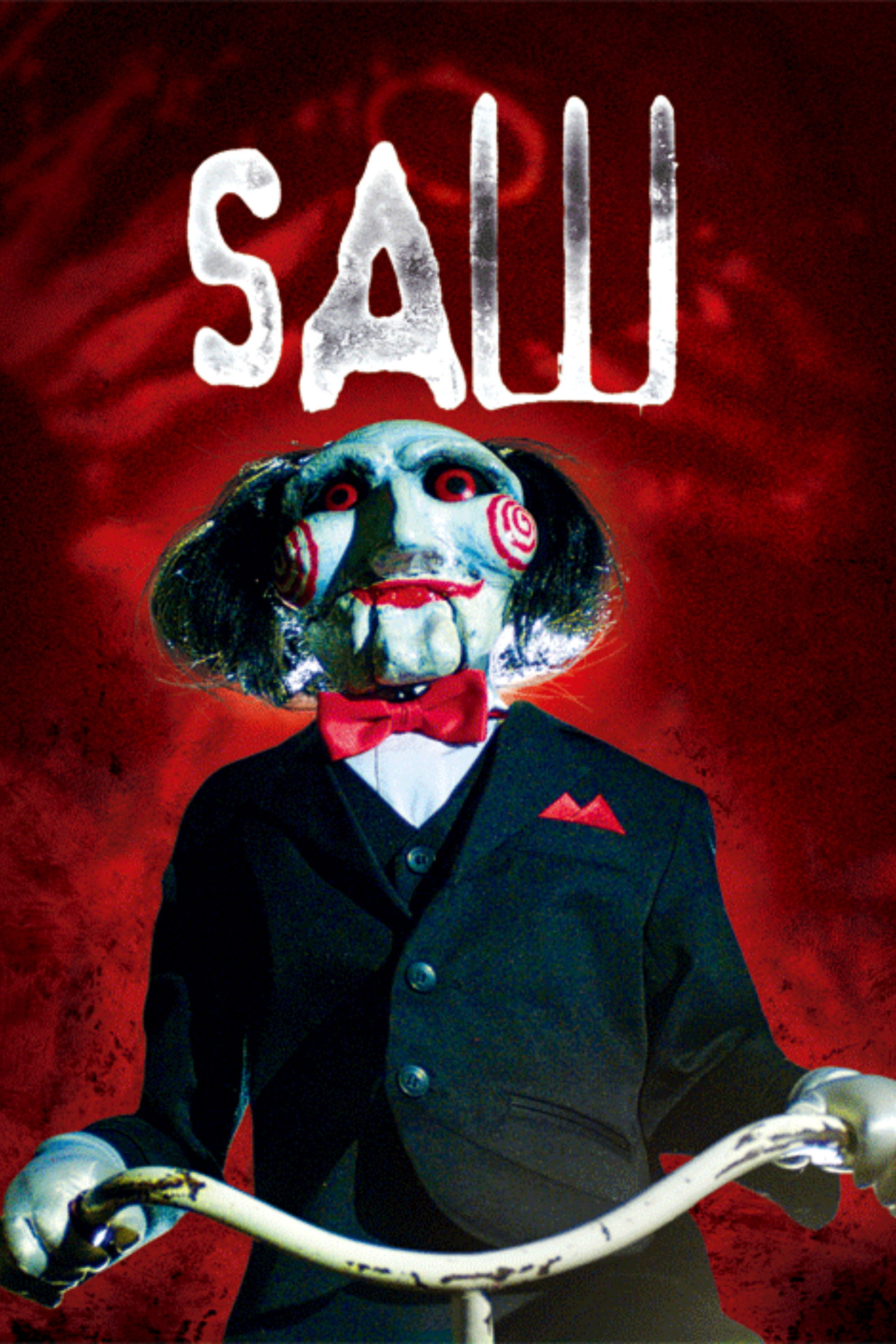
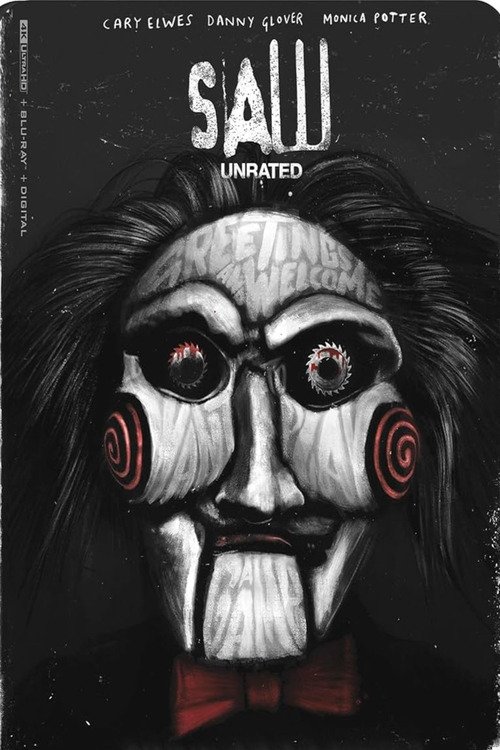
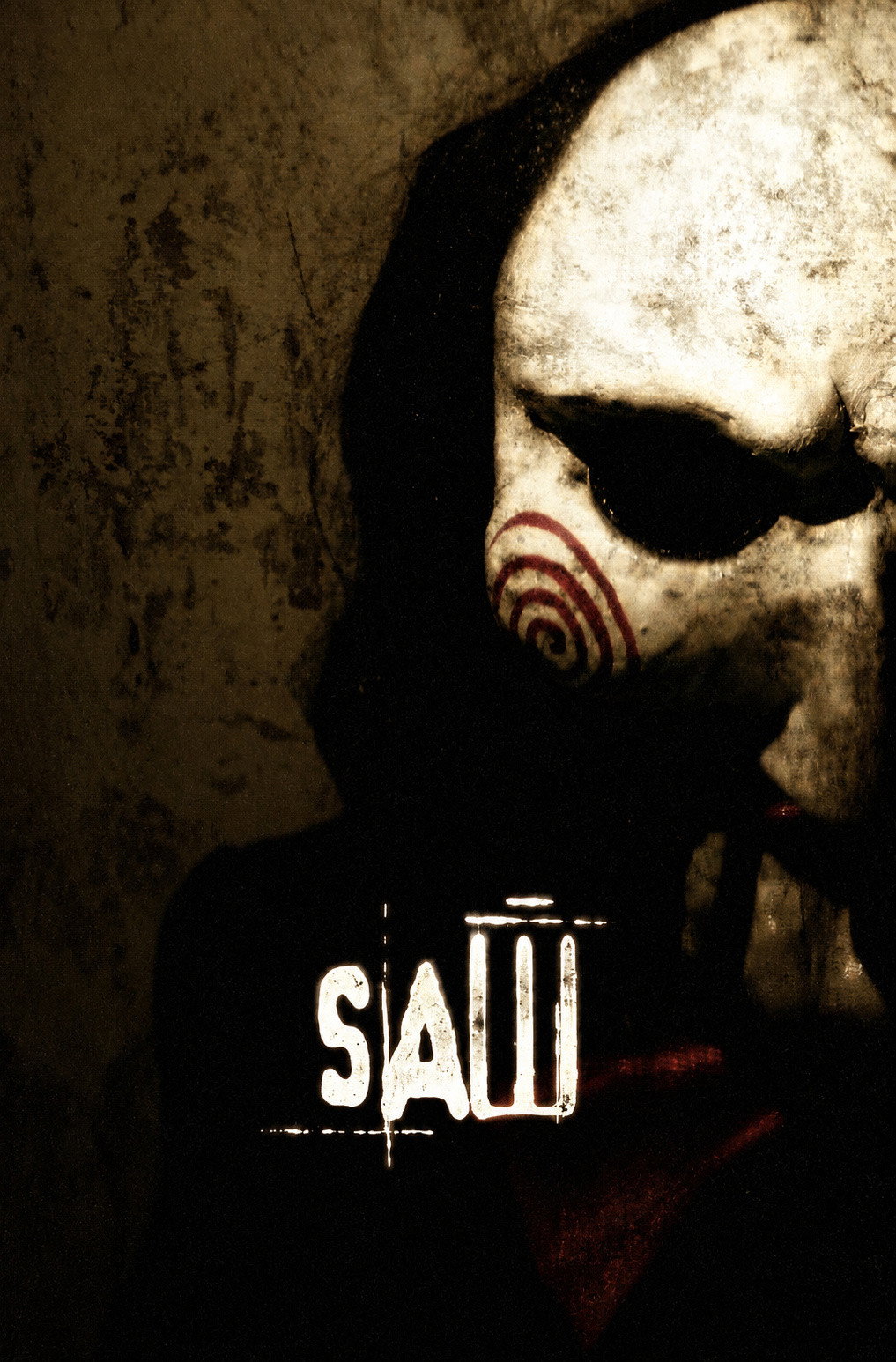
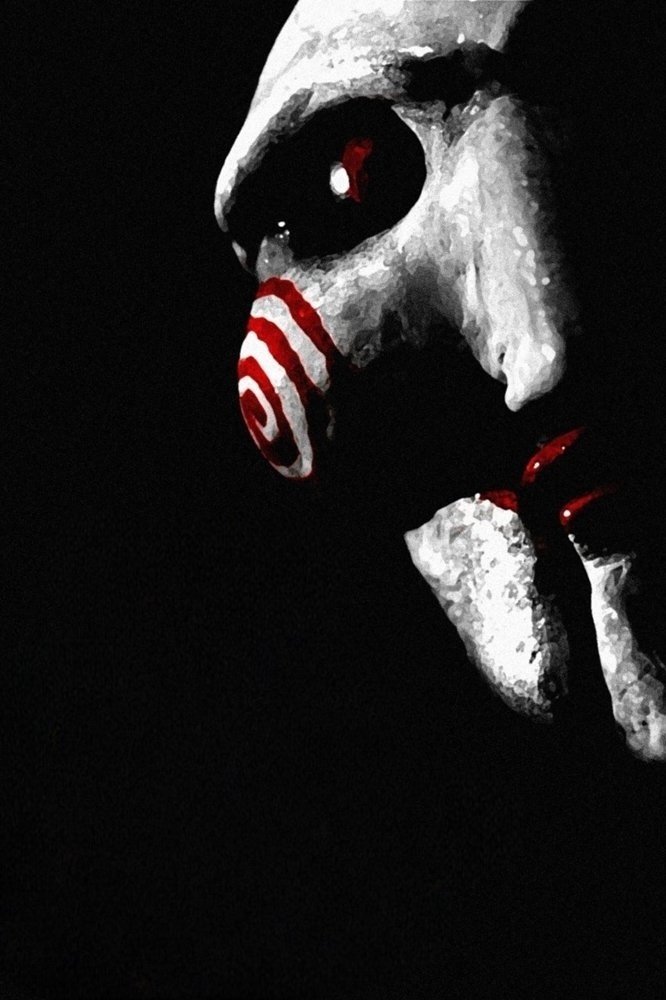
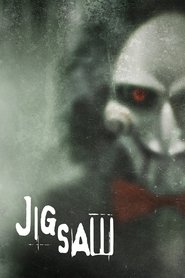
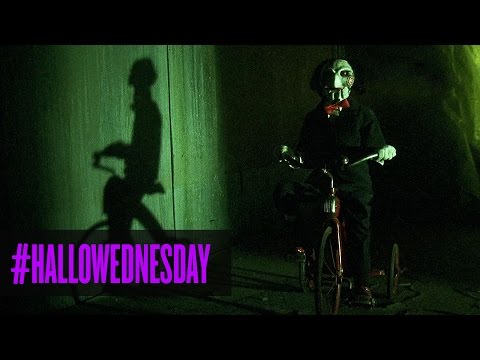
Billy the puppet became one of the franchise's most recognizable images even though the character is not the killer and has relatively little screen time. Whannell conceived Amanda's test before the puppet existed. Wan suggested introducing a disturbing doll into the sequence, creating a visual messenger through which Jigsaw could communicate without appearing personally. The white face, red spirals, black suit and red bow tie deliberately combine childlike and funerary qualities, while the miniature tricycle gives the figure an awkward physical movement unlike that of a normal human messenger.

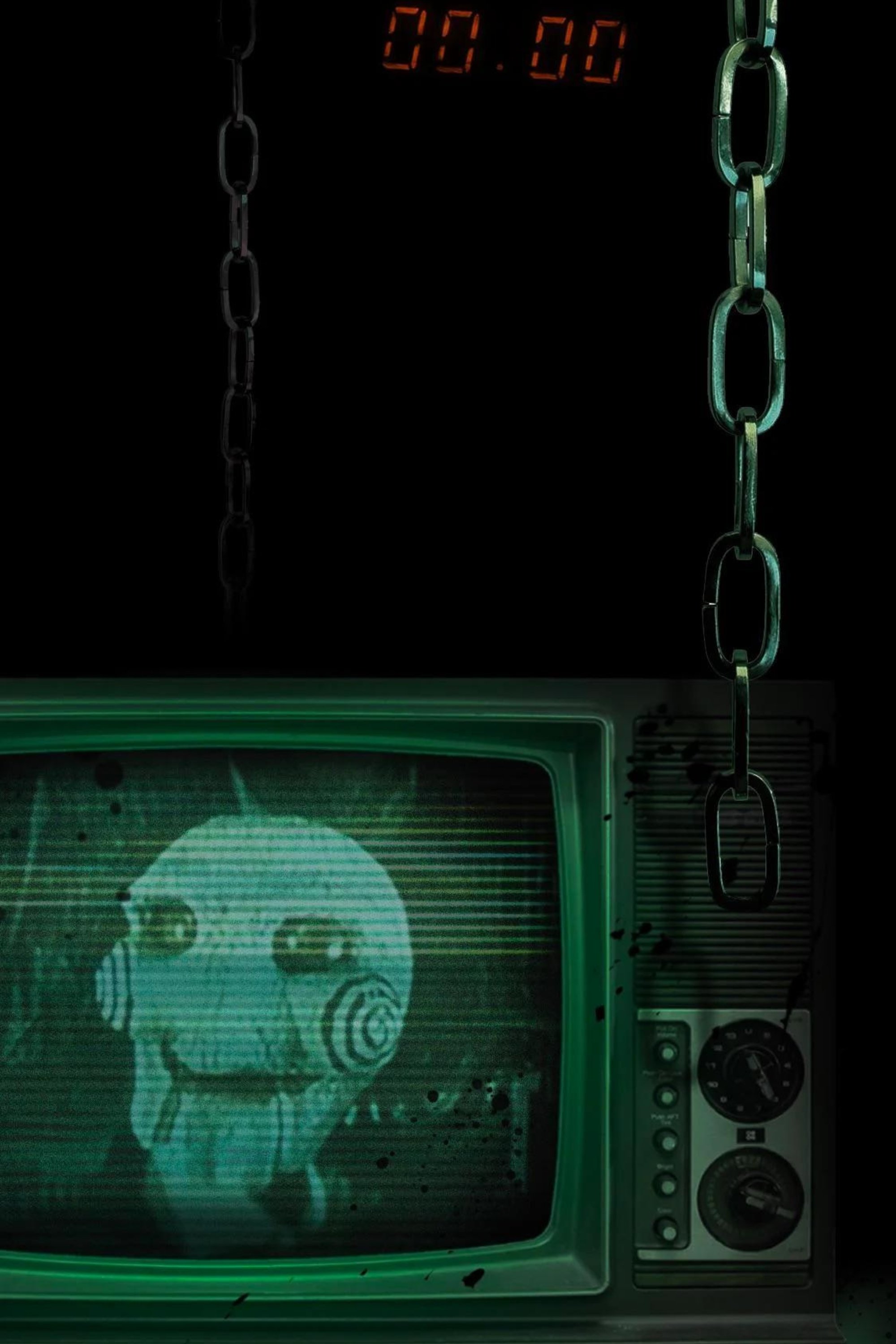
Billy also solves a practical narrative problem. Jigsaw frequently operates from a distance, so victims need something they can see that represents the person who designed their situation. Videotapes and recorded voices provide instructions, but the puppet gives those recordings a face. Because it is obviously artificial, viewers are never asked to believe Billy itself possesses supernatural agency. Its menace comes from understanding that someone has deliberately constructed and positioned it. Every appearance therefore implies preparation, surveillance and control.

Other visual motifs perform similar functions. Rough video playback, distorted screens, red lighting and the spiral symbol help separate Jigsaw's games from ordinary reality without requiring a supernatural world. These elements were repeated and expanded by later sequels, eventually becoming a recognizable franchise vocabulary. In the first film their relative scarcity is important. The viewer encounters the puppet and tapes as unfamiliar clues whose significance emerges gradually. What would later become iconography initially works as evidence that an unknown person has staged every detail of the situation.

Editing, Music and Hello Zepp

Saw's post-production helped turn the limitations of the shoot into a coherent style. Wan has explained that the fast cutting associated with the film was partly born from necessity because longer shots could reveal weaknesses in the material available to him. Editor Kevin Greutert assembled multiple timelines and flashbacks while preserving enough information for the mystery to remain understandable. The film repeatedly interrupts the bathroom story with police investigation, previous games and character memories, creating the sense that the audience is reconstructing Jigsaw's design at the same time as the trapped men.

Charlie Clouser composed his first feature-film score for Saw after a career that had included performing and programming with Nine Inch Nails. The soundtrack combines processed electronic textures with acoustic and orchestral elements that fit the industrial environment without simply functioning as continuous aggression. Its most important contribution arrives during the final revelation. The piece later known throughout the franchise as Hello Zepp builds while apparently disconnected fragments are rapidly assembled into a new explanation of the plot.

Clouser later recalled that the theme was written very quickly, yet it became a trademark of the series and was repeatedly rearranged for subsequent installments. Its association with revelation is as important as its melody. Later Saw films conditioned audiences to expect some form of narrative reconstruction when variations of the theme begin. The original establishes that relationship in its purest form: music, editing and flashback accelerate together until the body in the bathroom stands up and the entire spatial logic of the story changes in seconds.

Release, Reception and Legacy

Saw premiered in the Midnight program at the Sundance Film Festival on January 19, 2004. Lionsgate had already acquired the film before the festival, but the Sundance response helped demonstrate that a project originally considered suitable for a smaller release could work theatrically. The film opened first in the United Kingdom on October 1 before Lionsgate launched it widely in the United States on October 29, immediately before Halloween. It earned approximately $18.3 million from 2,315 theaters during its domestic opening weekend.

The theatrical economics were extraordinary. Box-office records list a production budget of approximately $1.2 million, while Wan has subsequently said that the actual shooting cost was closer to $700,000. The original domestic run reached about $55.2 million, with international markets bringing the worldwide total to roughly $103.1 million. Contemporary critical response was divided, particularly over the film's violence, plotting and aggressive style, but financial success made continuation inevitable. Saw II followed only one year later and the series rapidly became associated with annual Halloween releases.

Its influence extends beyond the franchise. Saw arrived during a period when commercially successful horror was increasingly willing to foreground physical suffering, moral extremity and detailed mechanisms of bodily danger. The film is frequently grouped with the wave later described through labels such as torture horror or torture porn, although that terminology can obscure how much of the original Saw operates as mystery and psychological thriller with relatively limited explicit gore. Its central innovation involved the structure and moral logic of the traps as well as their brutality. It created a repeatable dramatic structure in which a character awakens inside a designed problem, learns the rules, confronts the meaning of the test and discovers that information has been deliberately withheld.

The careers launched by the film became equally significant. Wan went on to shape multiple major horror franchises, while Whannell developed into a director as well as a screenwriter. Jigsaw, Billy, the Reverse Bear Trap, the phrase associated with playing a game and the musical language of Hello Zepp became recognizable far beyond the immediate series. Saw remains effective because those later associations are already present in concentrated form in the first production. What became a large mythology begins as two men chained inside one cheap set, watched by someone they do not realize has been lying between them from the opening scene.

Connections

Cast

View Full Cast & Crew →

Release & Distribution

Production Companies (1)

  • Twisted Pictures US

Distributors (1)

  • Lionsgate Films US

Release History (78)

Release DateTerritoryRelease TypeFormatDistributorCertificationNotes
2004-01-19 United States Premiere — — — Sundance Film Festival
2004-08-12 Germany Premiere — — 18 Berlin Fantasy Filmfest
2004-09-18 Canada Premiere — — R Toronto International Film Festival
2004-10-01 United Kingdom Theatrical — — 18
2004-10-01 Ireland Theatrical — — 18
2004-10-14 United States Premiere — — — Austin Film Festival
2004-10-24 Finland Premiere — — K-18 Night Visions Film Festival
2004-10-29 Canada Theatrical — — 18A
2004-10-29 Türkiye Theatrical — — 18+
2004-10-29 United States Theatrical — — R
2004-10-30 Japan Premiere — — R-15 Tokyo
2004-10-30 New Zealand Premiere — — — V 24 Hour Movie Marathon
2004-11-11 Thailand Theatrical — — —
2004-11-18 Singapore Theatrical — — M18
2004-11-24 Philippines Theatrical — — R-13
2004-12-02 Australia Theatrical — — MA 15+
2004-12-10 Iceland Theatrical — — 16
2004-12-16 New Zealand Theatrical — — 18
2004-12-16 Russia Theatrical — — 18+
2004-12-17 Finland Theatrical — — K-18
2004-12-26 Norway Theatrical — — 18
2004-12-30 Lithuania Theatrical — — N-16
2005-01-05 United Arab Emirates Theatrical — — —
2005-01-07 Argentina Premiere — — — Buenos Aires
2005-01-07 Taiwan Theatrical — — 限制級
2005-01-13 Argentina Theatrical — — 16
2005-01-14 Italy Theatrical — — T
2005-01-20 Hong Kong SAR China Theatrical — — III
2005-01-20 Ukraine Theatrical — — —
2005-01-21 Kazakhstan Theatrical — — —
2005-01-26 Bahrain Theatrical — — —
2005-01-29 France Premiere — — — Gérardmer Fantasticarts Film Festival
2005-02-03 Germany Theatrical — — 18
2005-02-03 Hungary Theatrical — — 18
2005-02-04 Brazil Theatrical — — 16
2005-02-15 United States Physical DVD — R DVD
2005-02-18 Romania Digital — — 18+
2005-02-18 Sweden Theatrical — — 15
2005-02-25 Poland Theatrical — — 18
2005-03-03 Portugal Theatrical — — M/18
2005-03-04 Denmark Theatrical — — 15
2005-03-10 South Korea Theatrical — — 19
2005-03-11 Bulgaria Theatrical — — —
2005-03-12 Belgium Premiere — — — Brussels International Festival of Fantasy Films
2005-03-16 Belgium Theatrical — — —
2005-03-16 France Theatrical — — 16
2005-03-17 Croatia Theatrical — — —
2005-03-18 Spain Theatrical — — 18
2005-03-24 Switzerland Theatrical — — 16
2005-03-24 Chile Theatrical — — 14
2005-03-25 Greece Theatrical — — K-17
2005-03-31 Czechia Theatrical — — 18+
2005-04-08 Austria Theatrical — — 18
2005-04-29 Panama Theatrical — — —
2005-05-18 Egypt Theatrical — — —
2005-06-09 Netherlands Theatrical — — 16
2005-06-16 Slovakia Theatrical — — 18
2005-07-22 Uruguay Theatrical — — —
2005-08-11 Israel Theatrical — — —
2005-10-31 United Kingdom Physical DVD — 18 DVD
2005-12-08 France Physical DVD — 16 DVD / UMD
2006-06-27 United States Physical Blu-ray — NR Blu-ray
2007-07-22 Netherlands Physical DVD, Blu-ray — 16 DVD / Blu-ray
2008-10-22 France Physical Blu-ray — 16 Blu-ray
2008-10-22 United Kingdom Physical Blu-ray — 18 Blu-ray
2008-12-06 Netherlands TV — — 16 Veronica
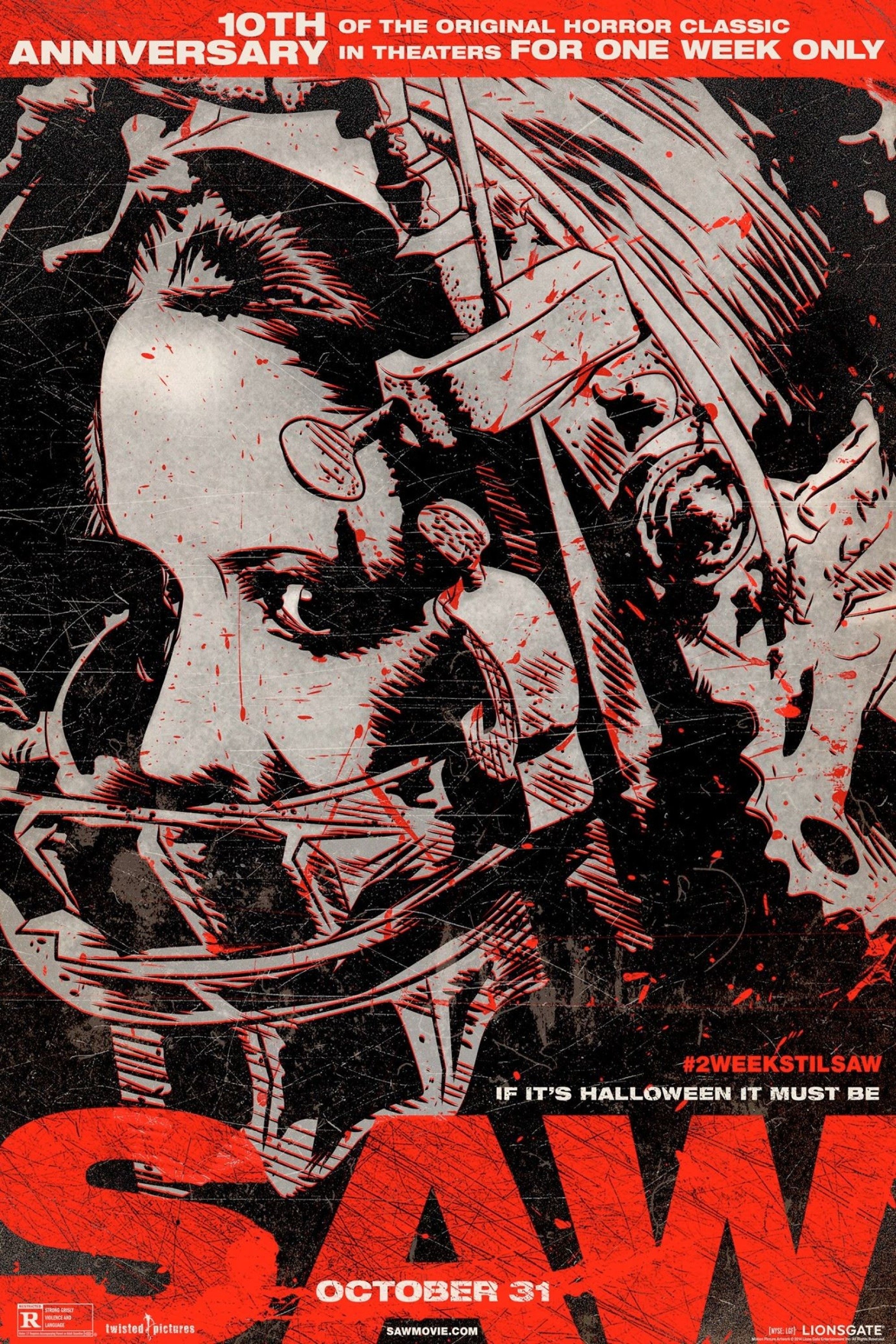
2014-10-31 United States Theatrical — — R 10th Anniversary Re-release
2015-01-01 Lithuania TV — — N-18 Telia TV
2018-09-03 France Digital — — —
2021-02-13 France Digital — — 16 Prime Video
2021-05-11 United States Physical 4K UHD — NR 4K UHD
2021-05-17 United Kingdom Physical 4K UHD — 18 4K UHD
2021-06-03 France Physical 4K UHD — 16 4K UHD
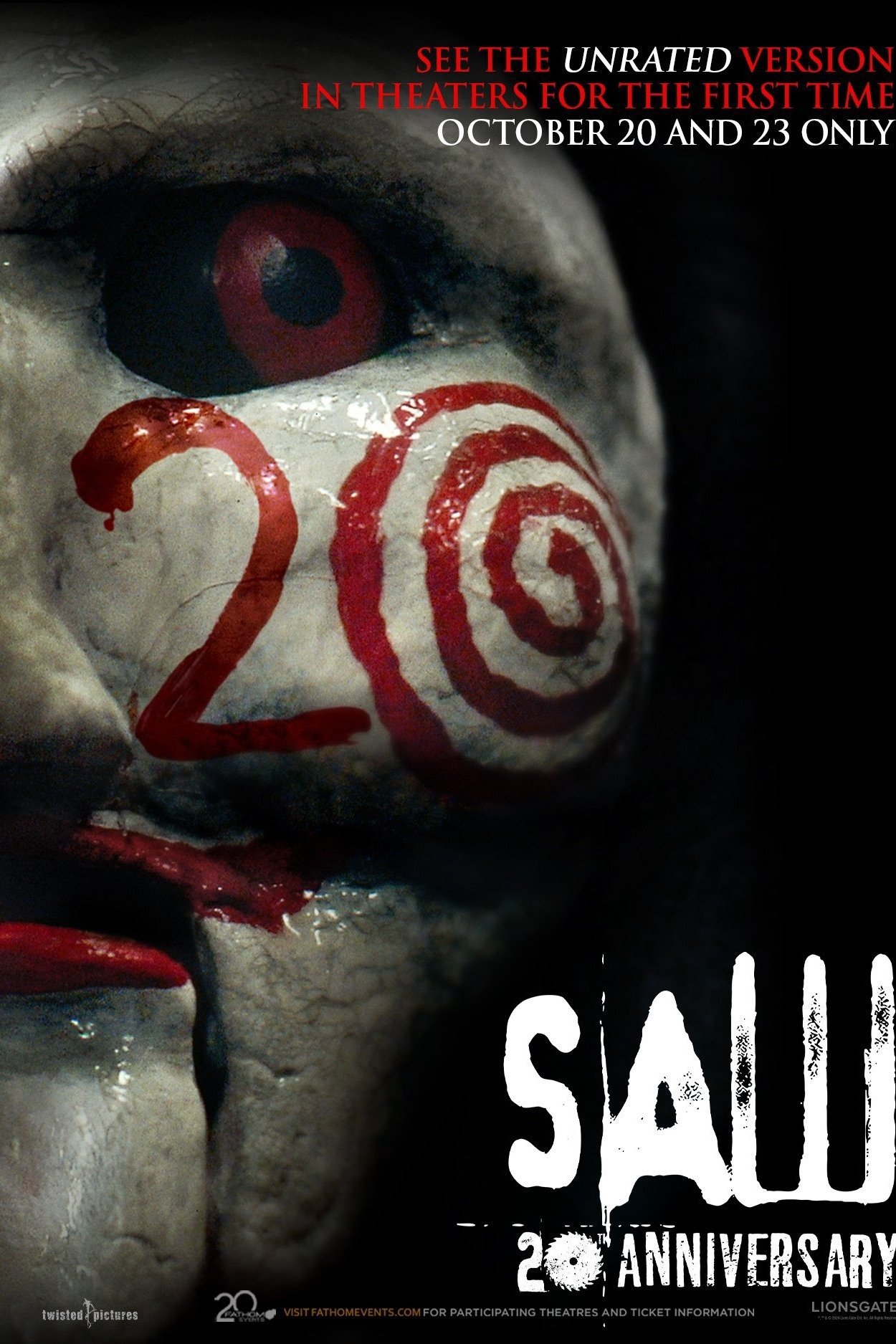
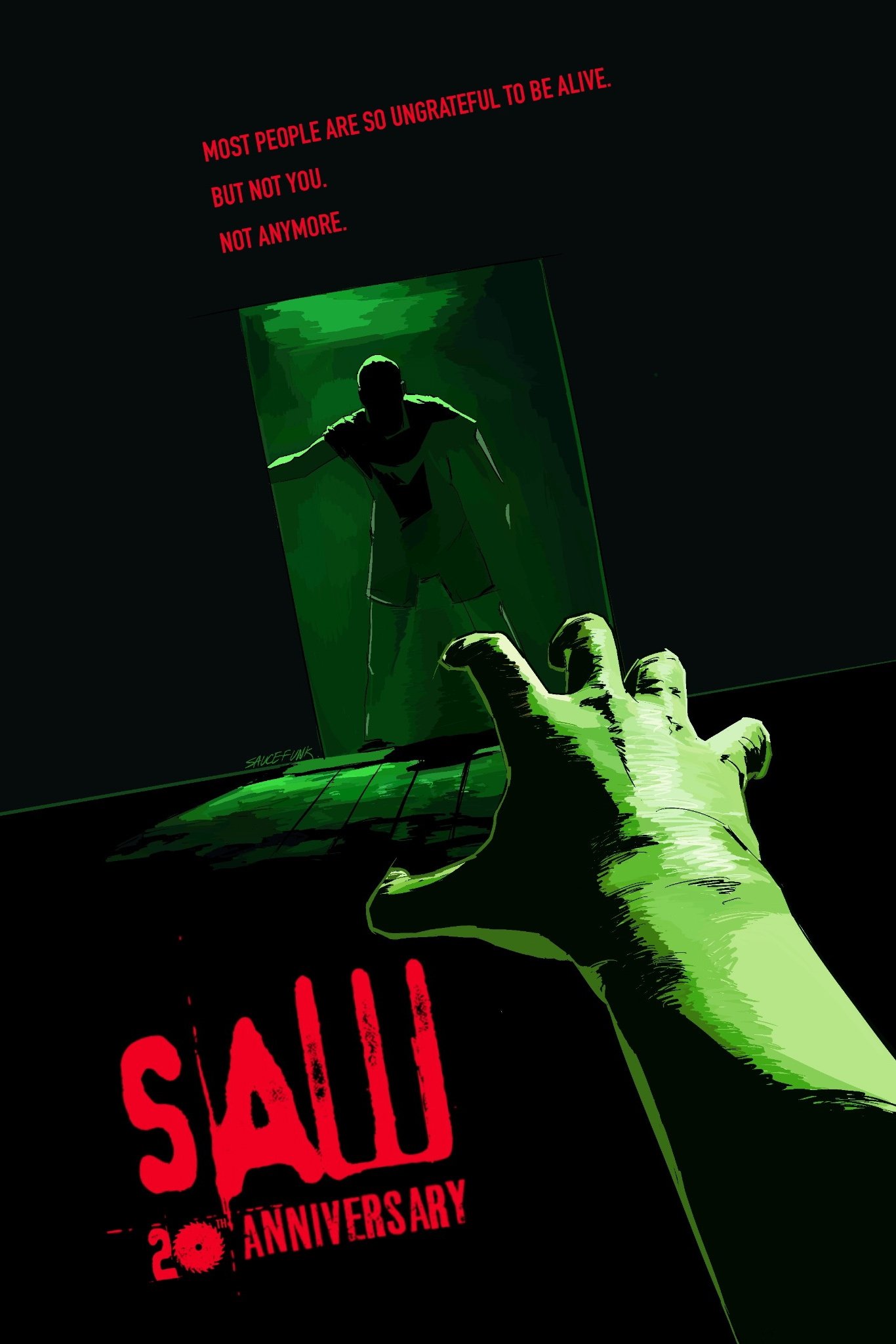
2024-10-20 United States Theatrical — — NC-17 20th Anniversary Unrated Version Re-release
2024-10-31 United Kingdom Theatrical — — 18 20th anniversary re-release
2025-06-11 Slovakia Digital — — 18 VOYO
2026-01-29 United States Premiere — — — Sundance Film Festival
2027-01-28 Russia Theatrical — — 18+ Re-Release
How much blood would you shed to stay alive?