Davis Films/Impact Pictures
, Screen Gems
, Constantin Film
Plot
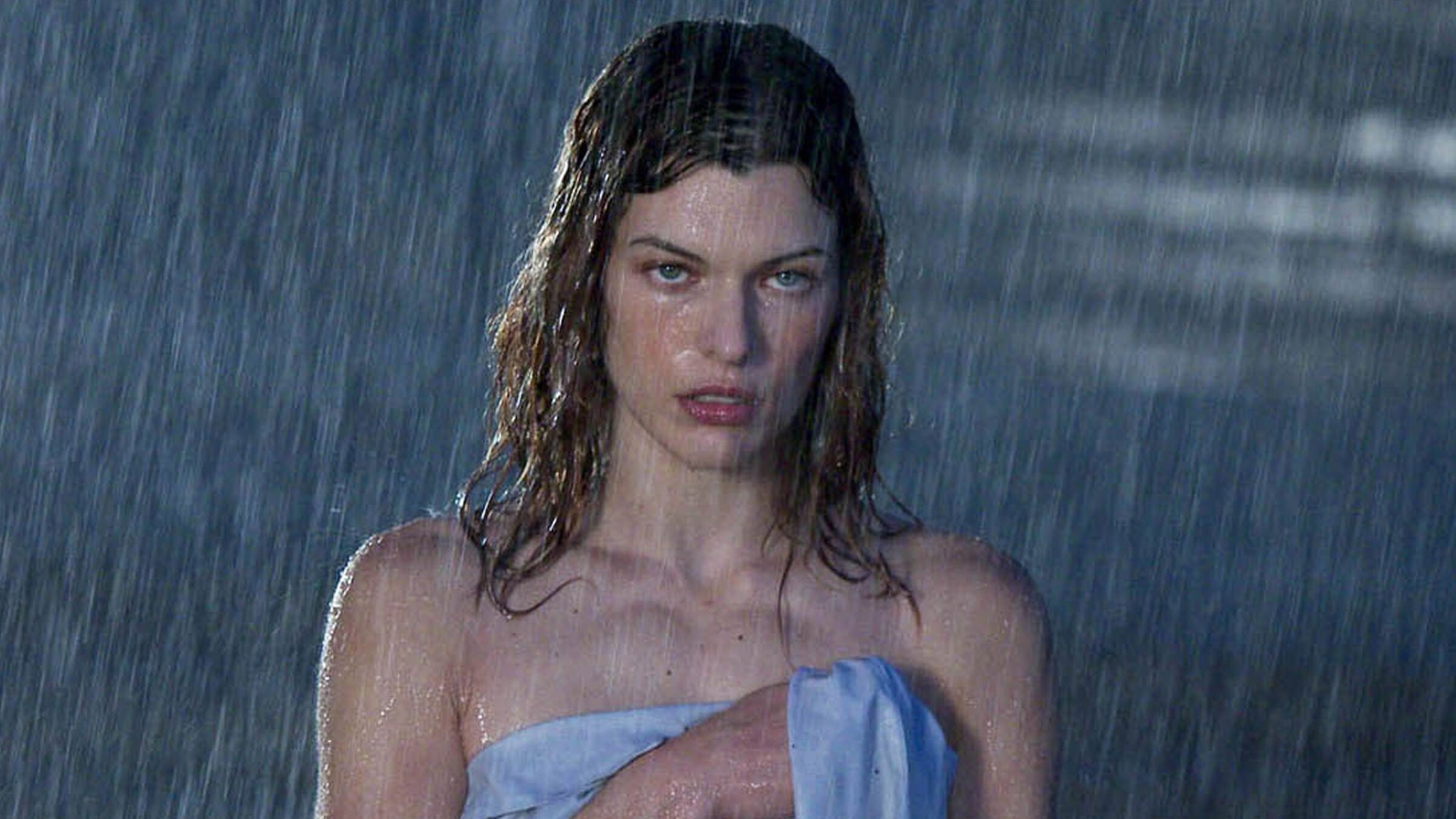
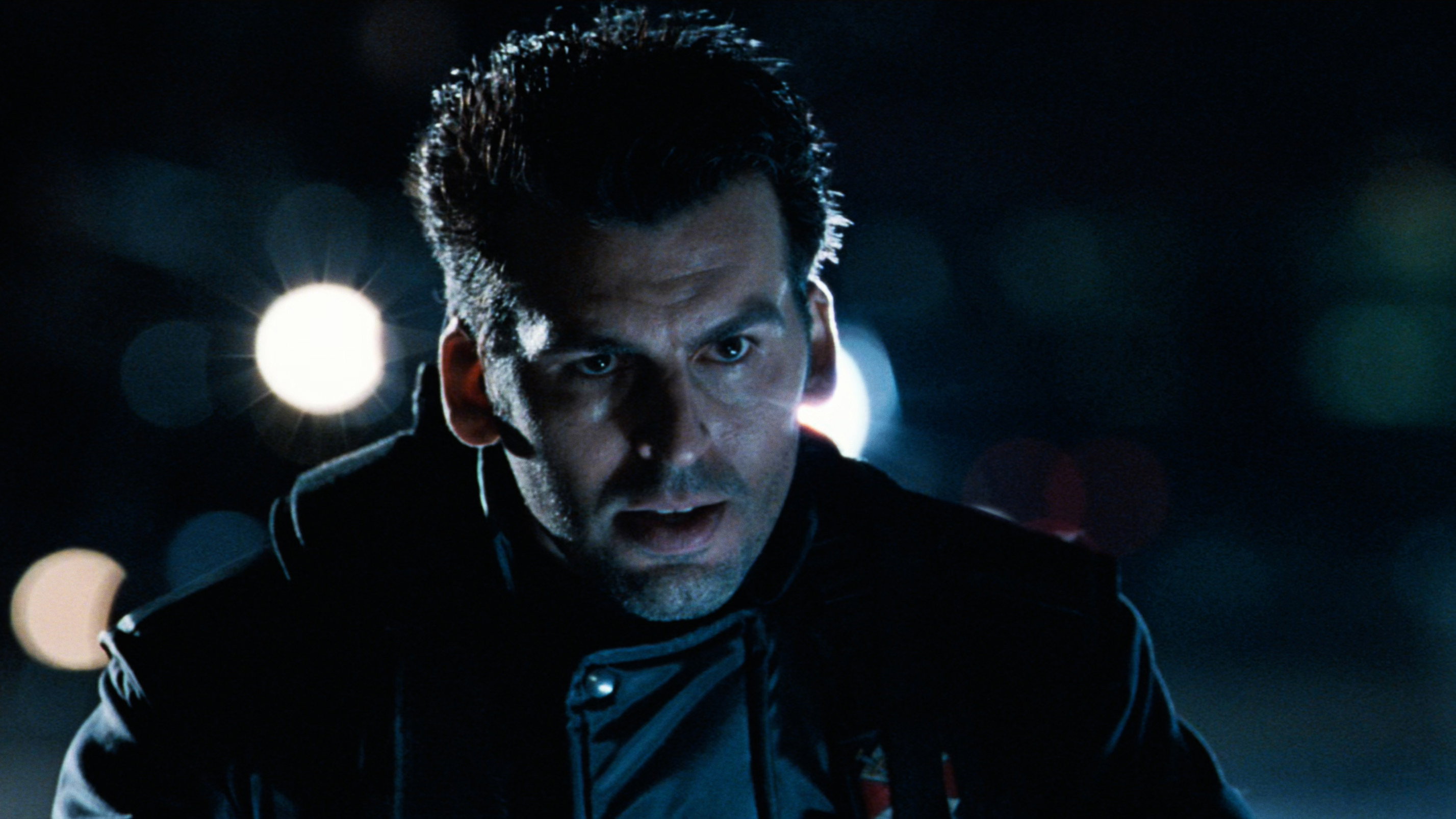
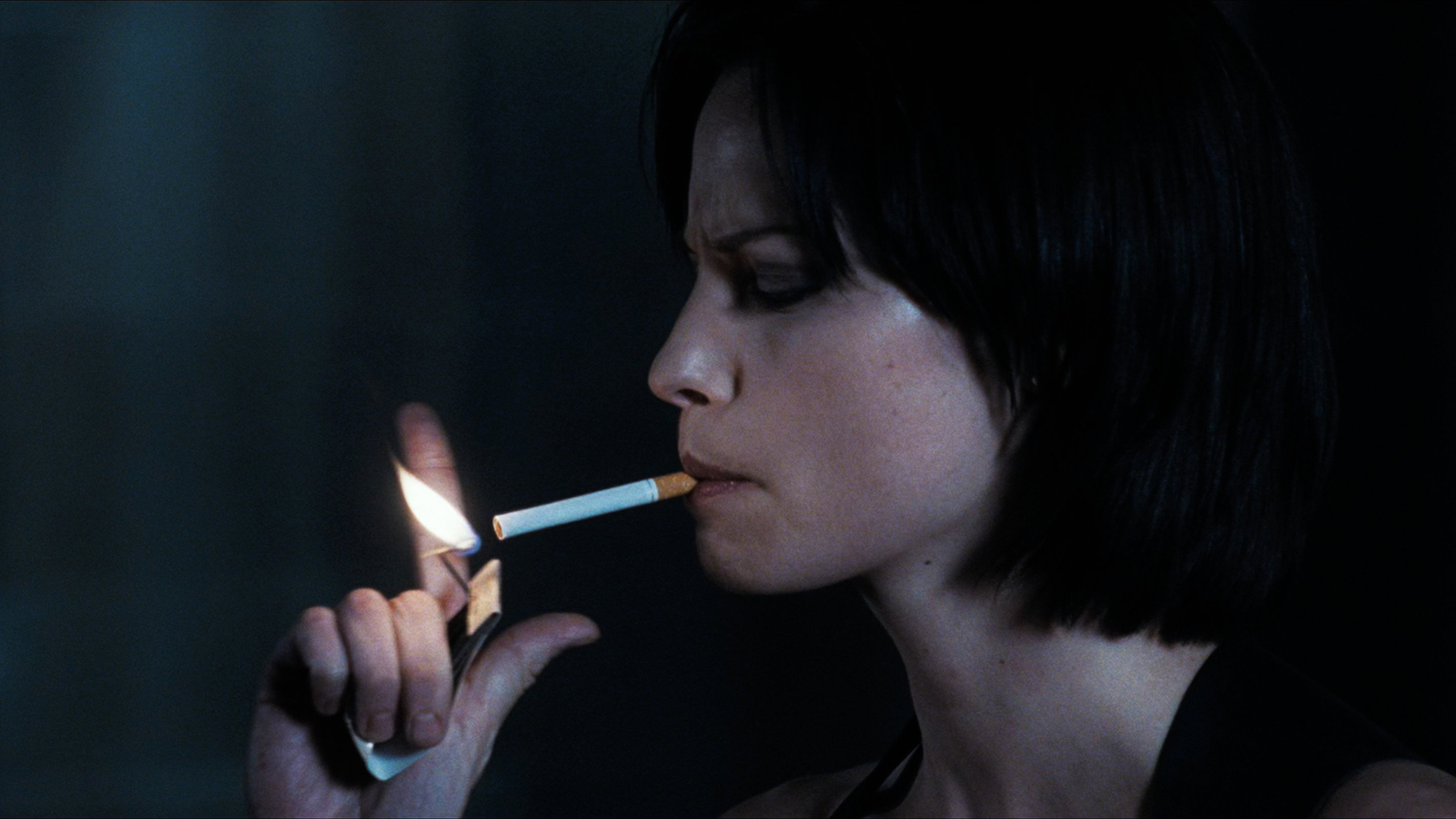
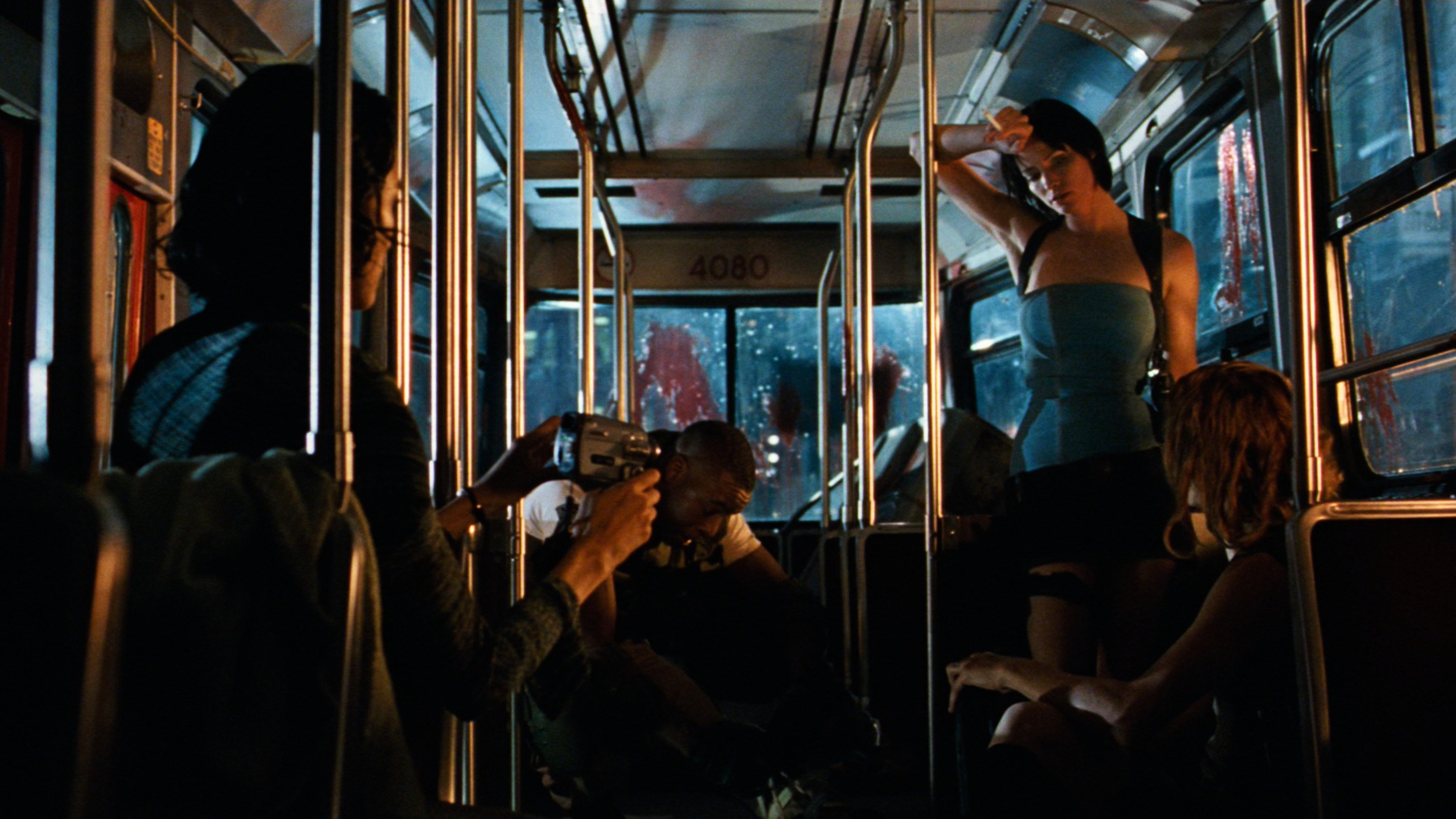
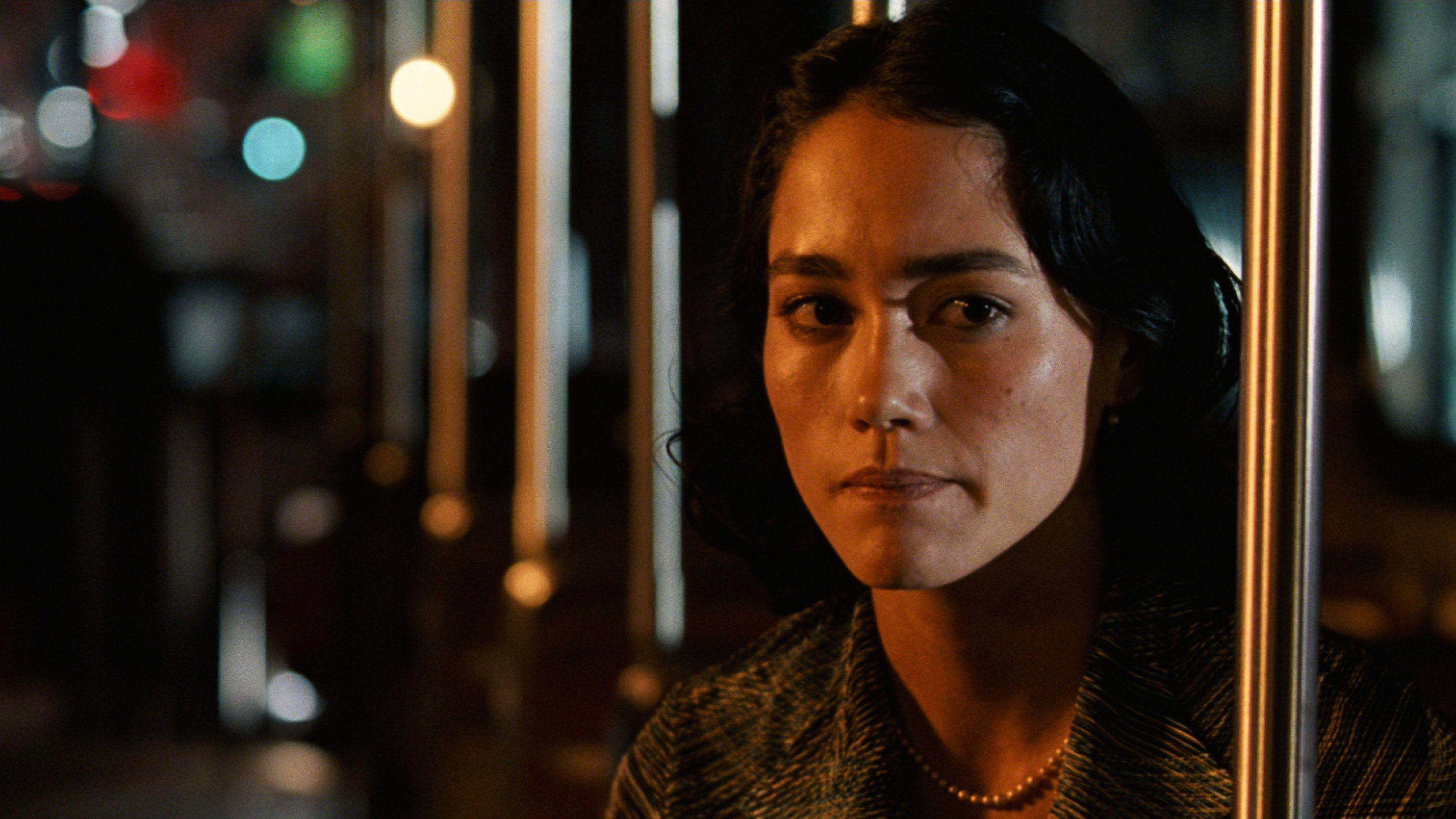
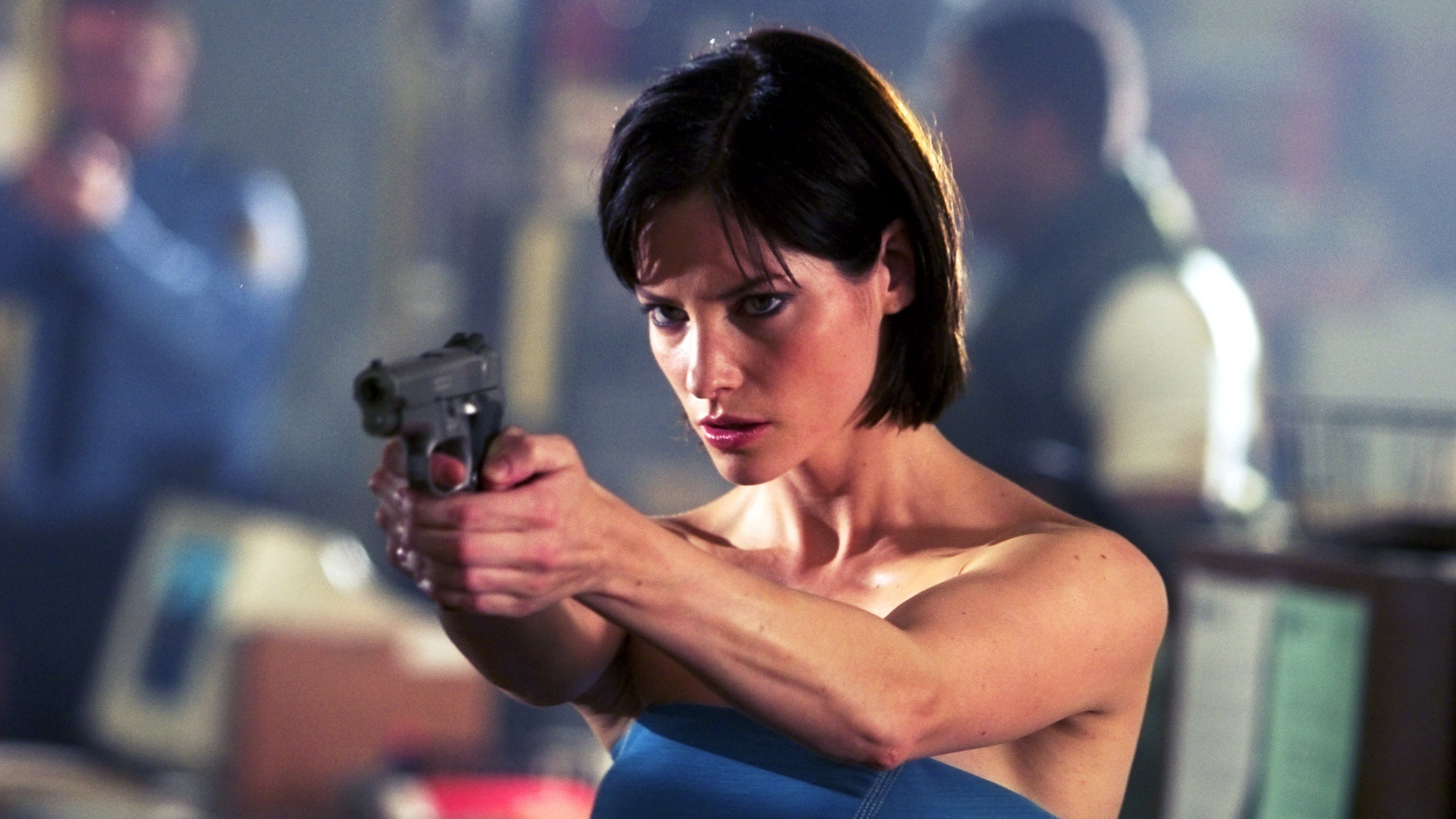
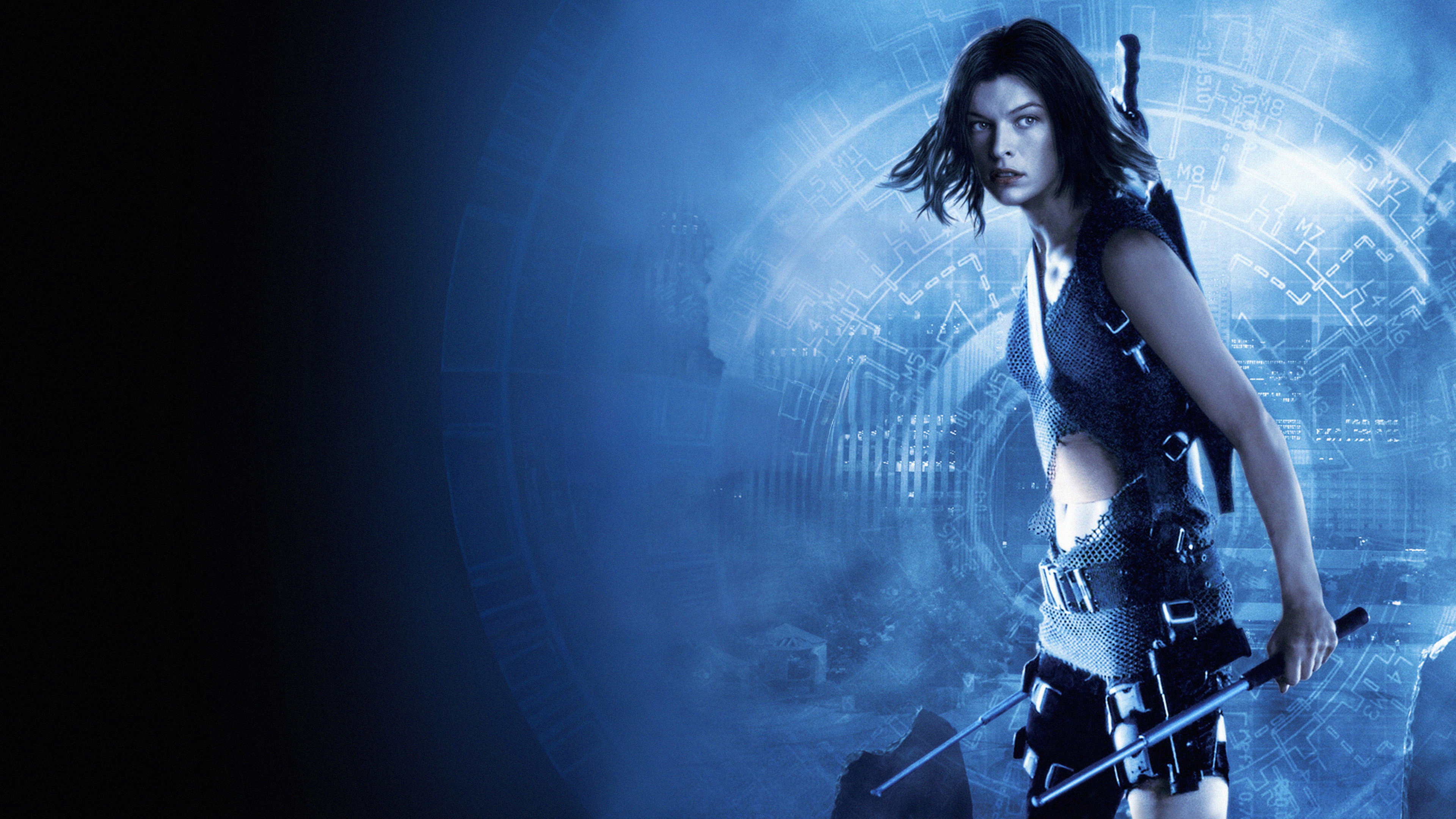
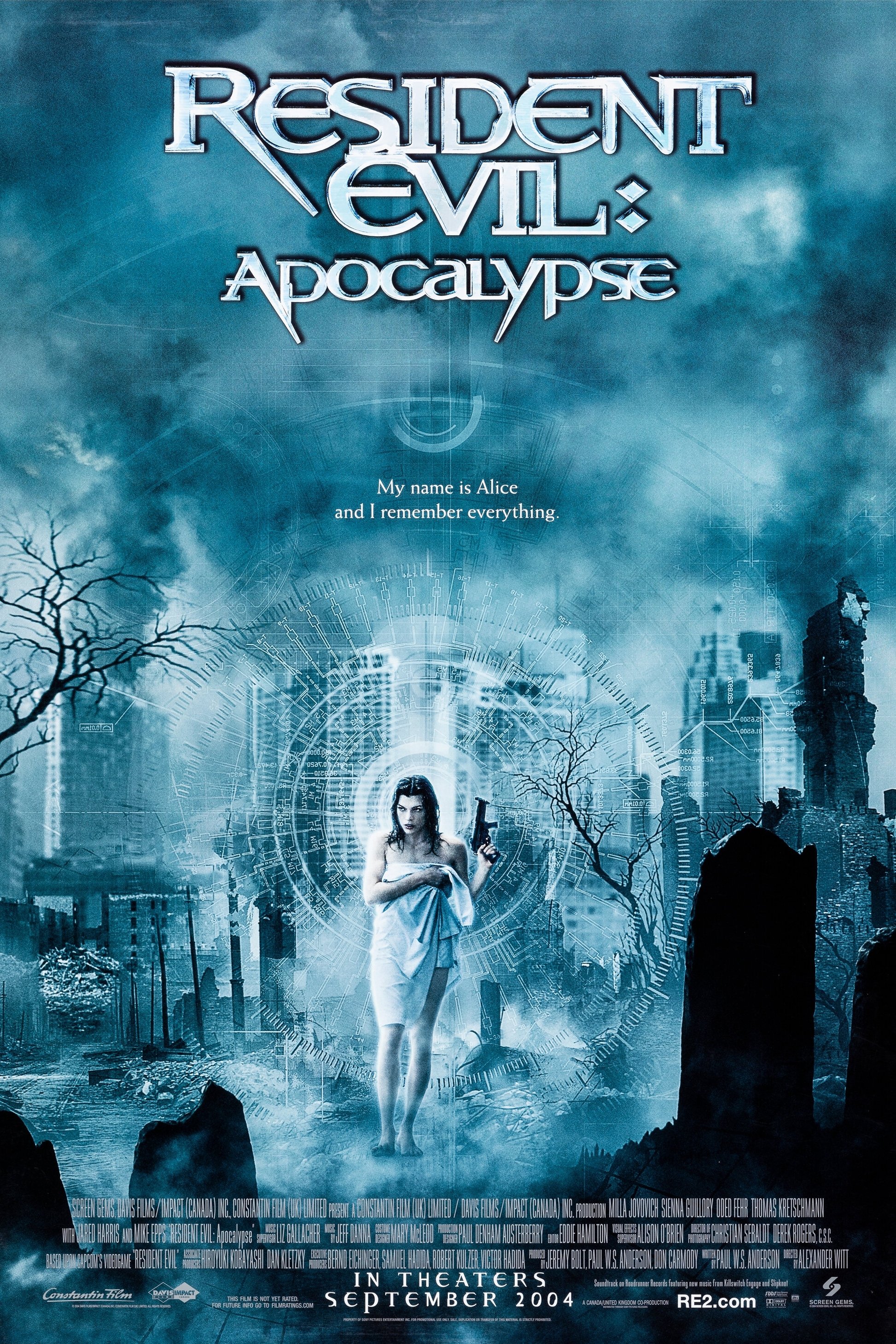
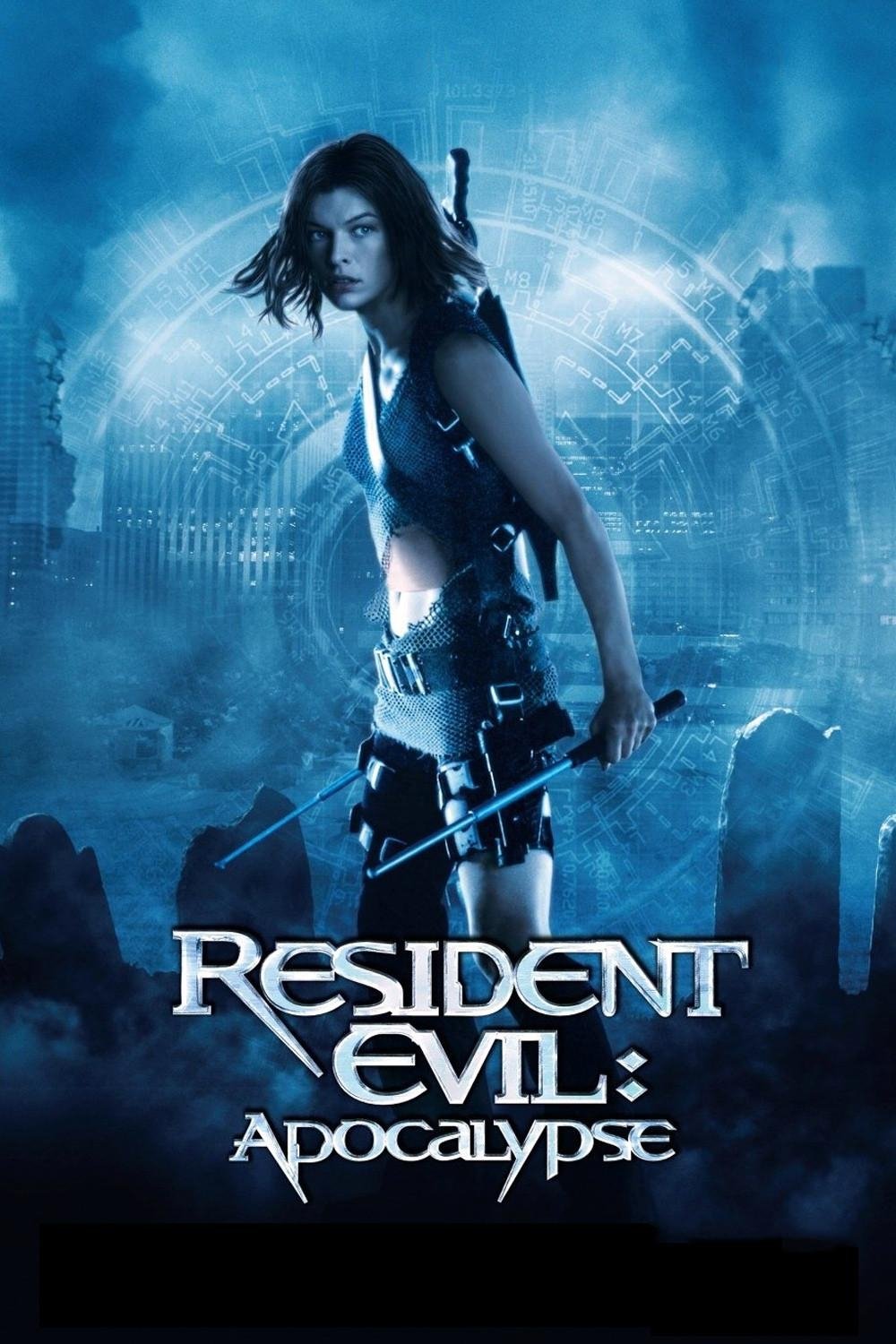
The T-virus escapes Umbrella's underground laboratory and spreads into Raccoon City, where the corporation seals the population behind a quarantine perimeter. Alice survives her captivity and joins former S.T.A.R.S. officer Jill Valentine and other trapped residents as infected crowds overwhelm the streets. A scientist promises evacuation in exchange for rescuing his daughter, but the group also faces Nemesis, an experimental weapon dispatched by Umbrella. The survivors race across a collapsing city toward the extraction point while the corporation prepares to erase evidence of the outbreak.
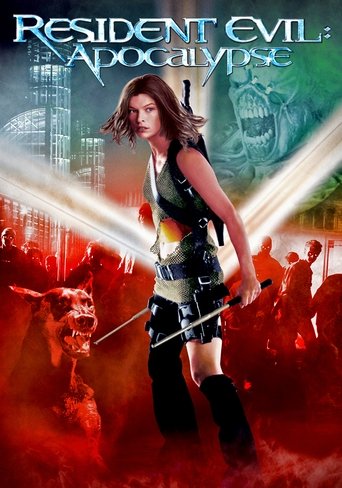
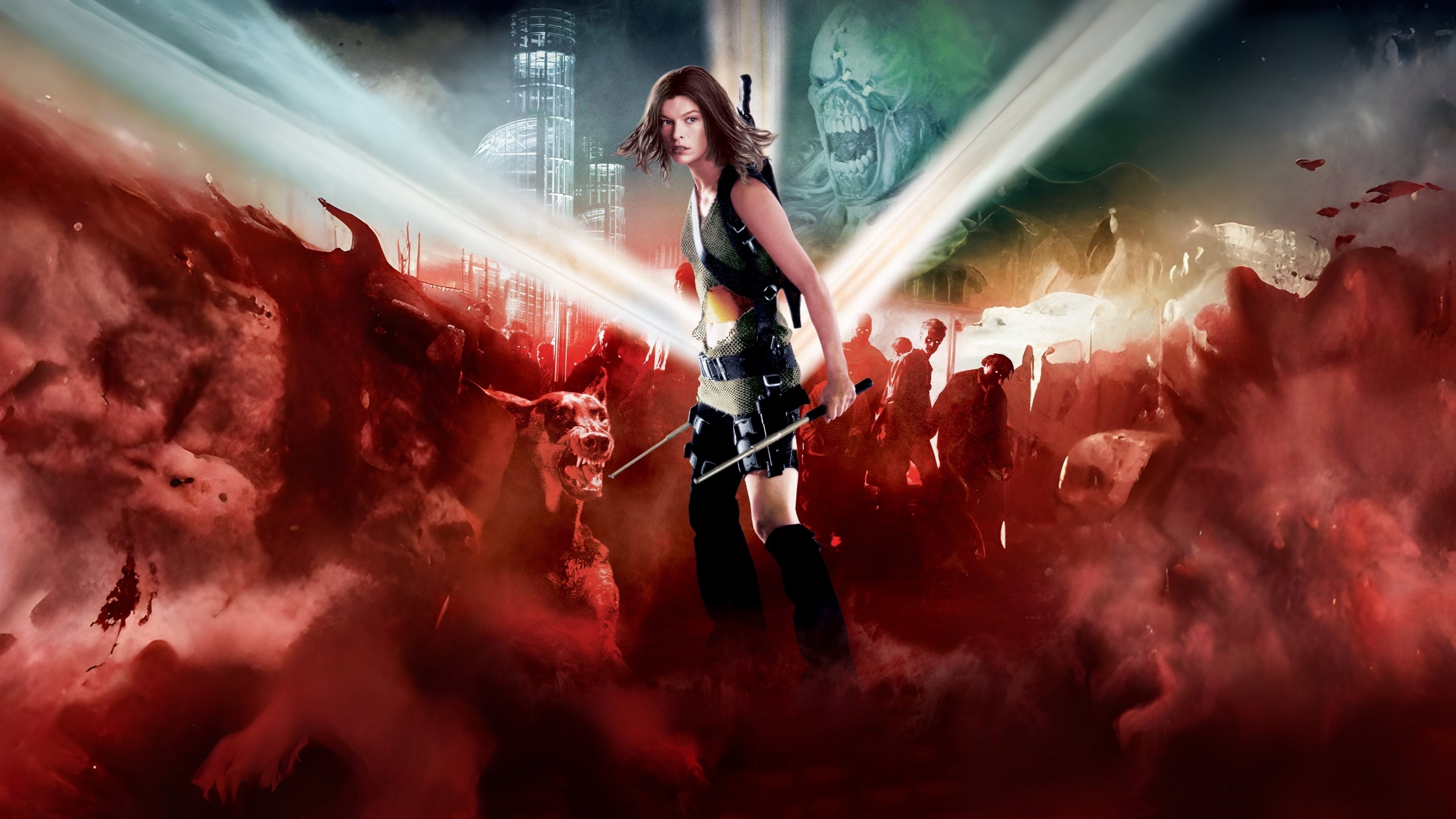
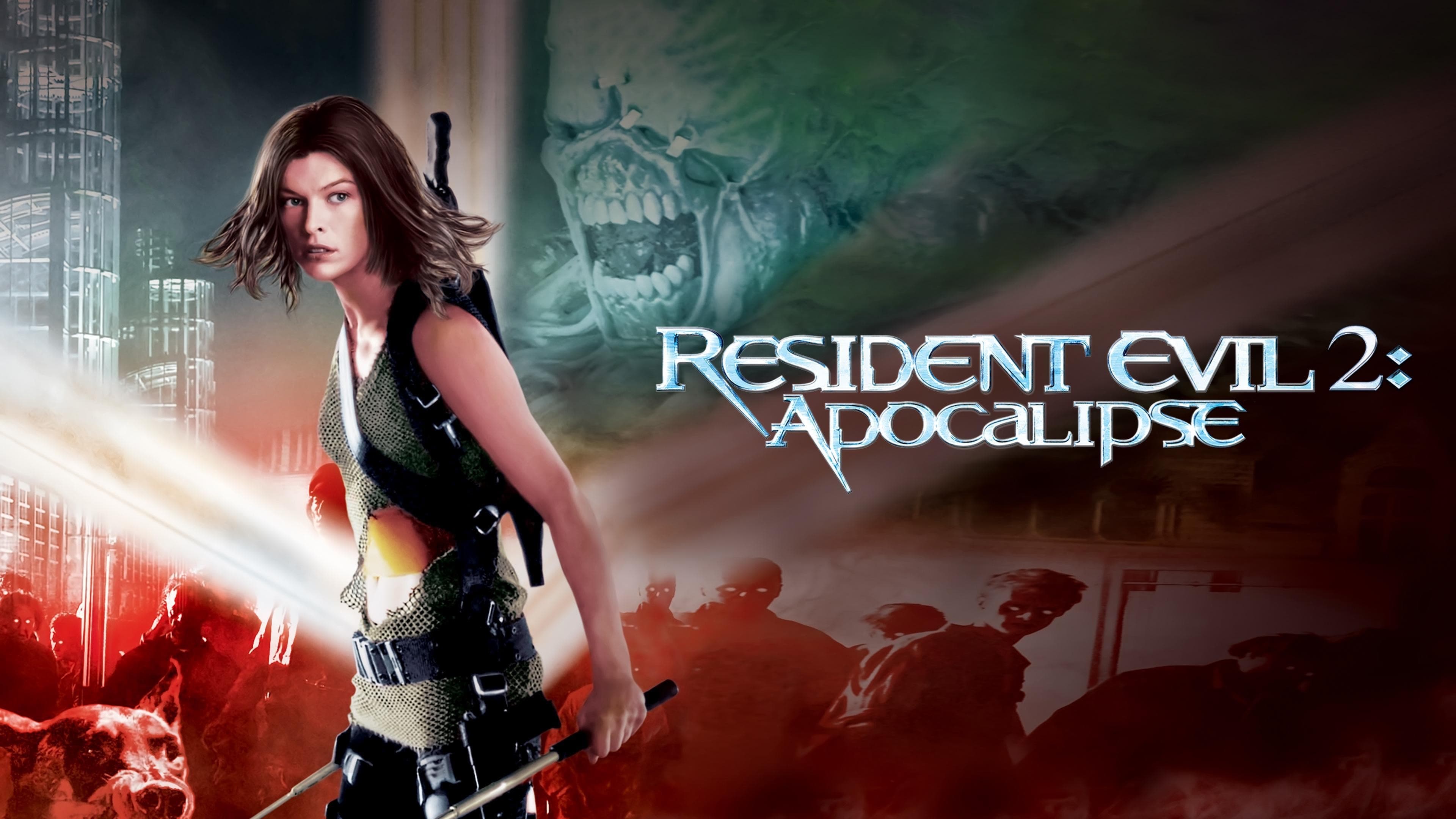
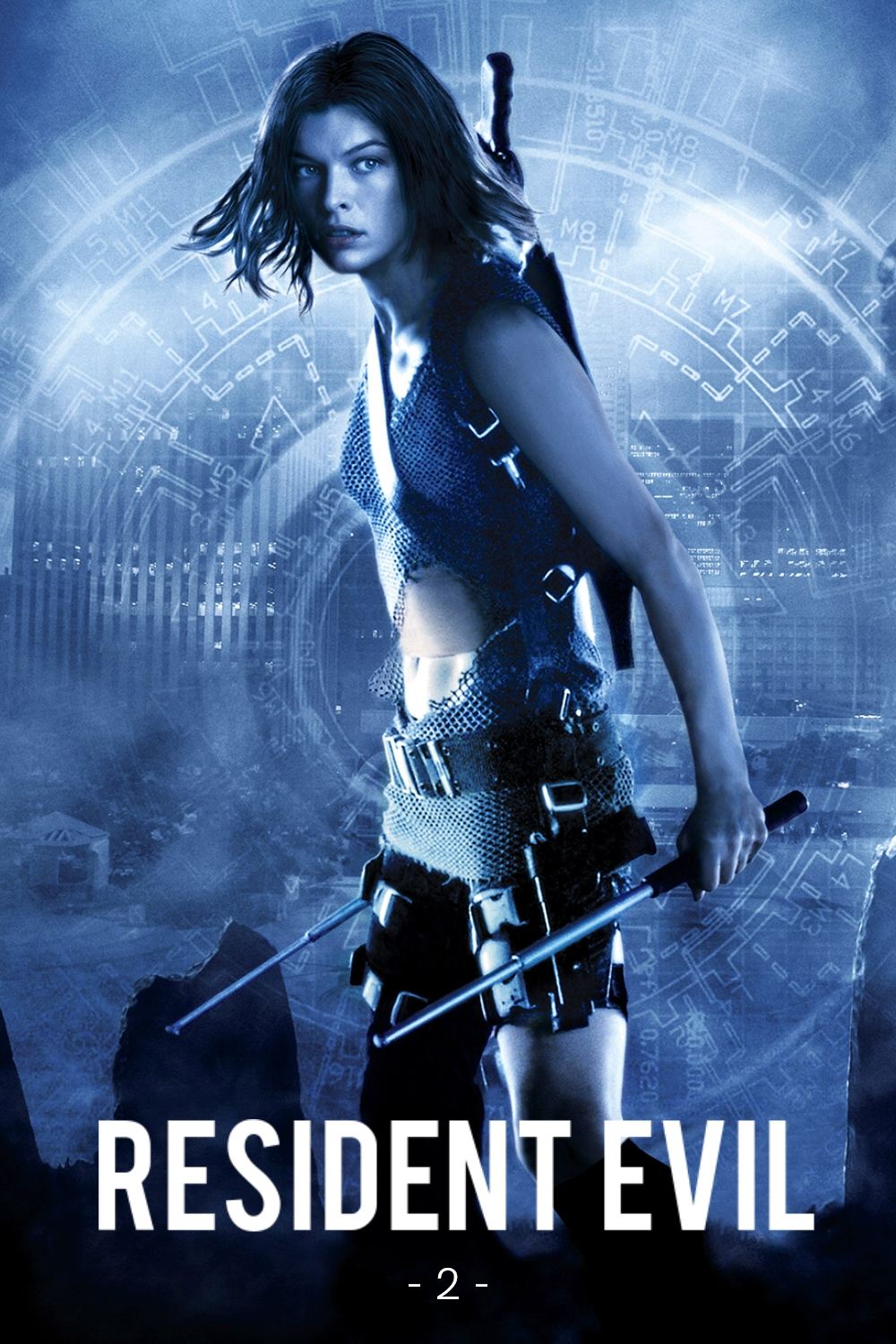
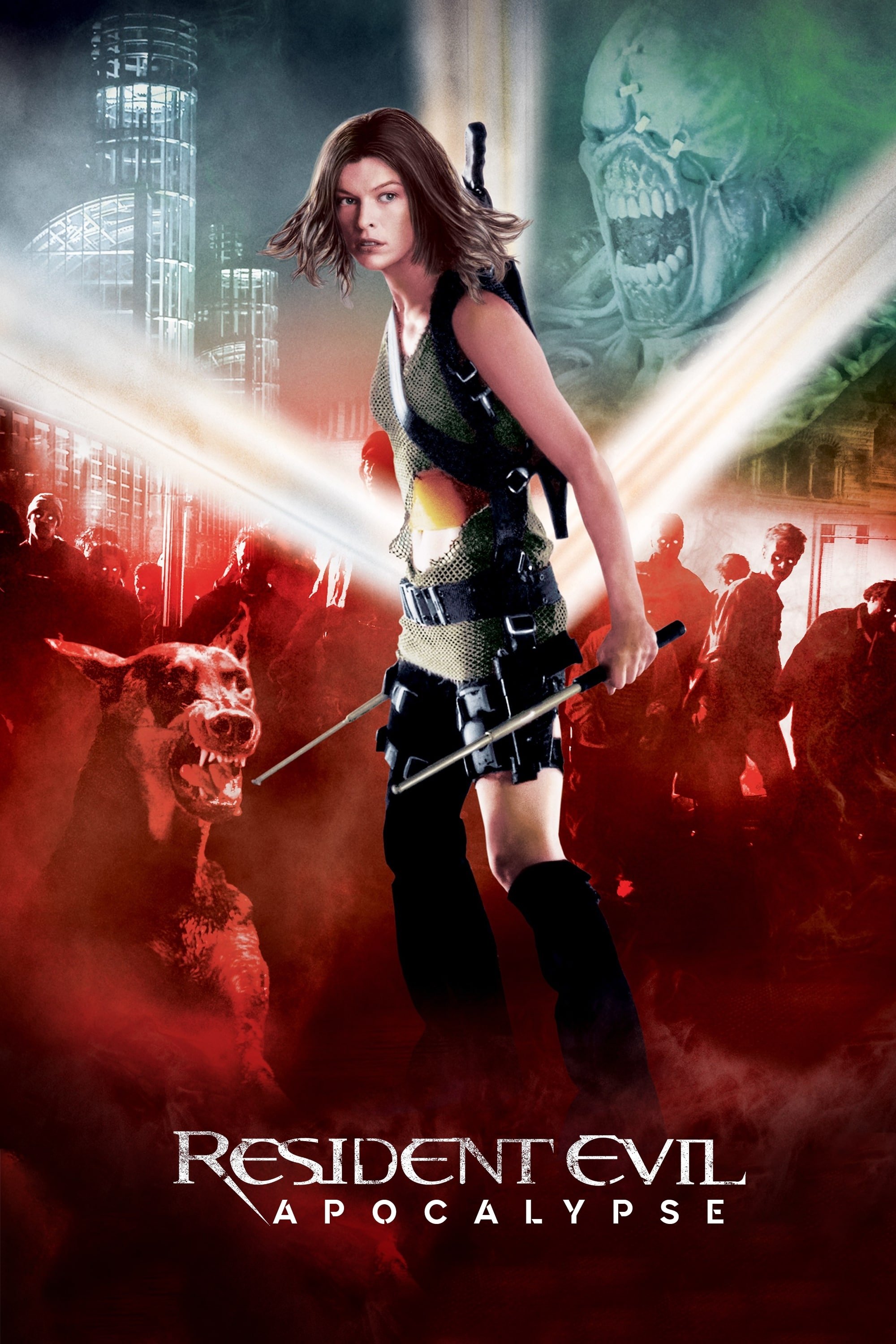
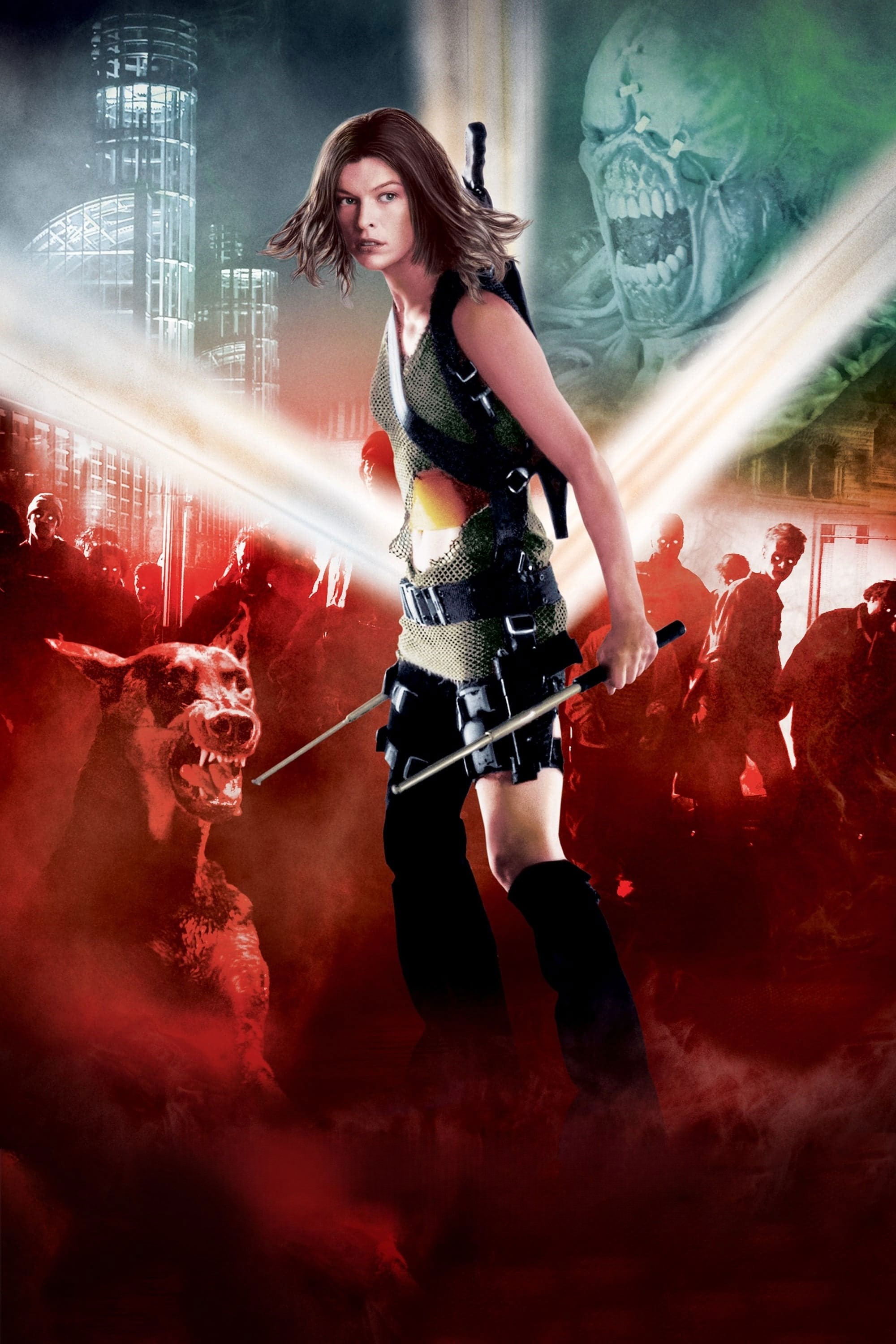
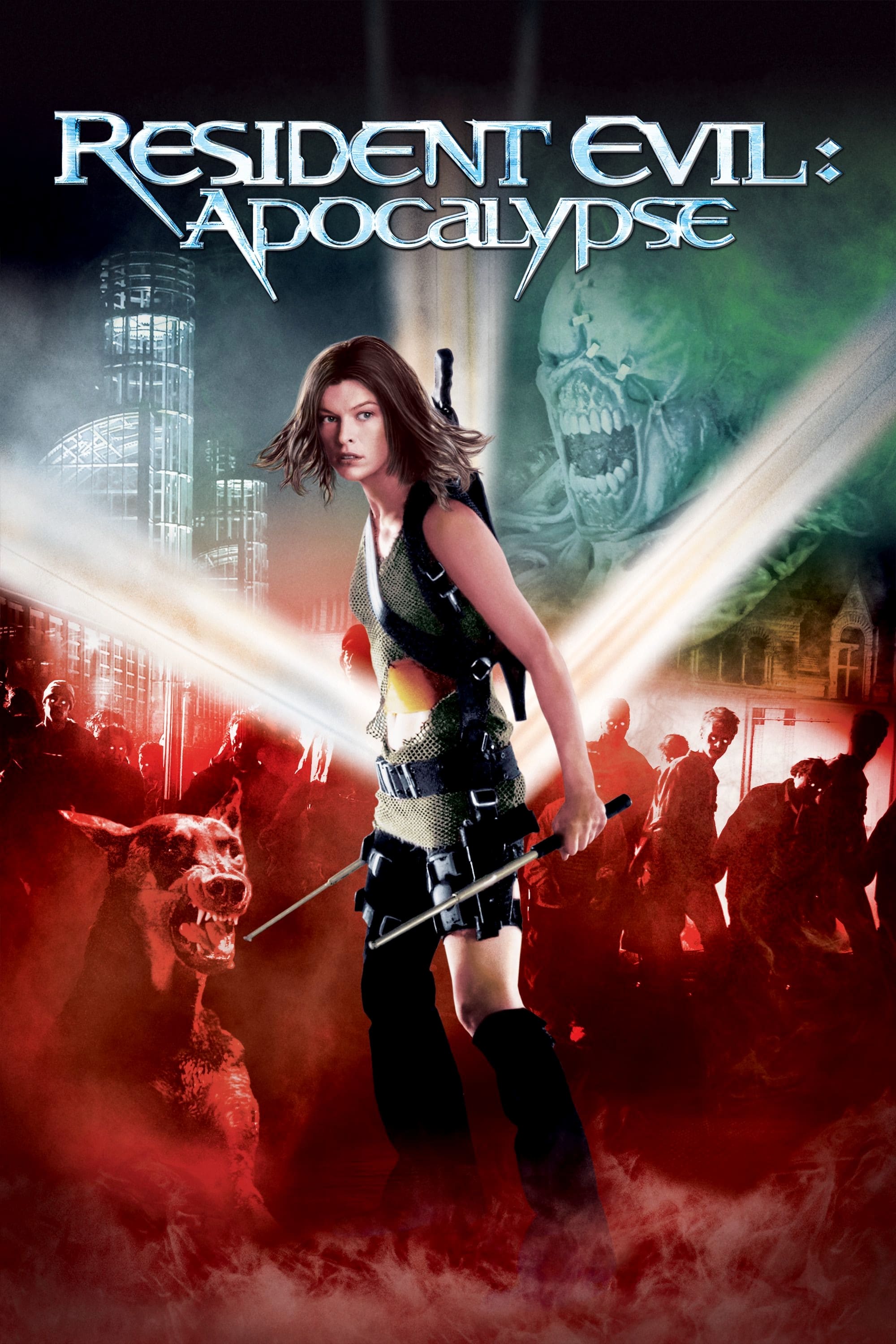
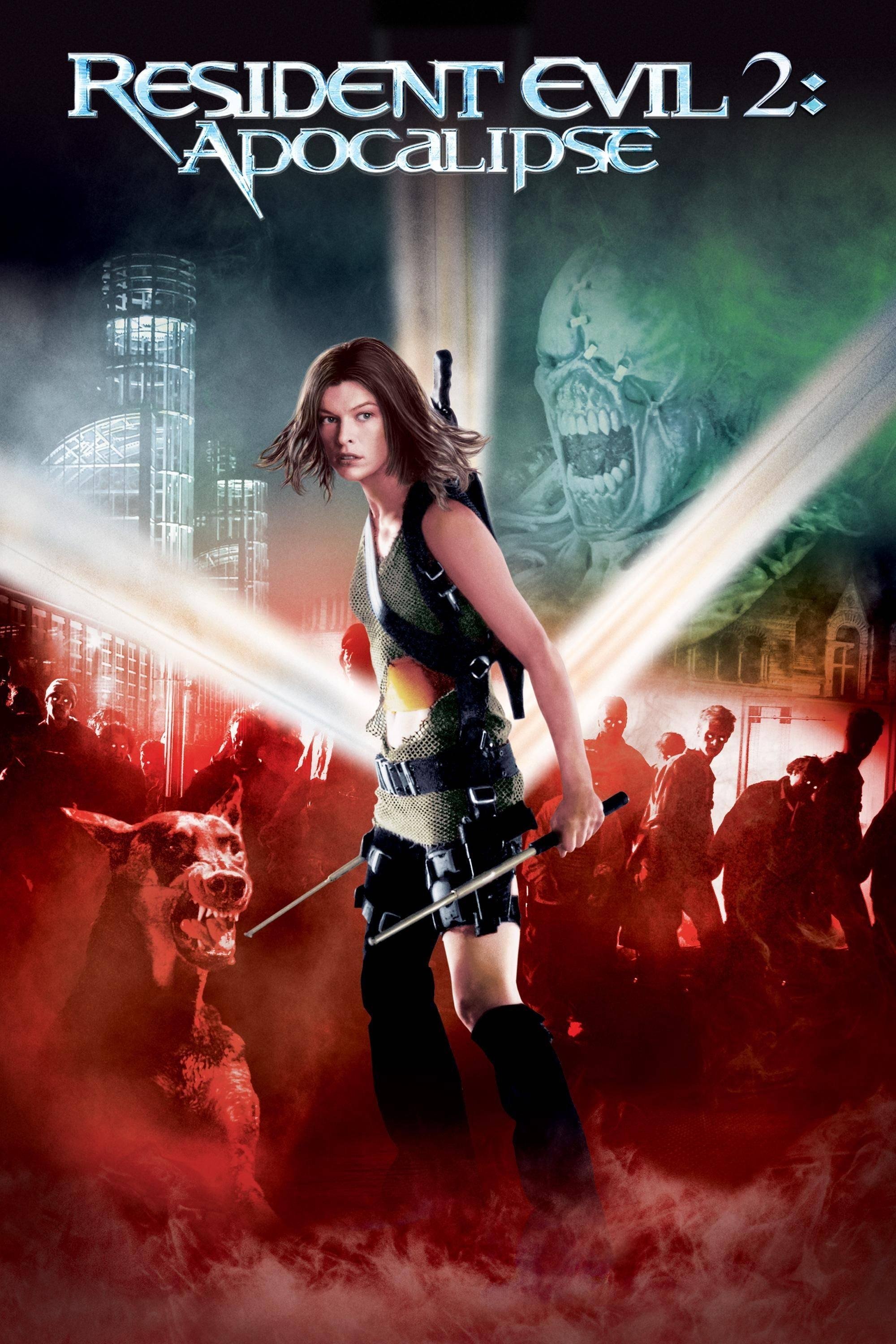
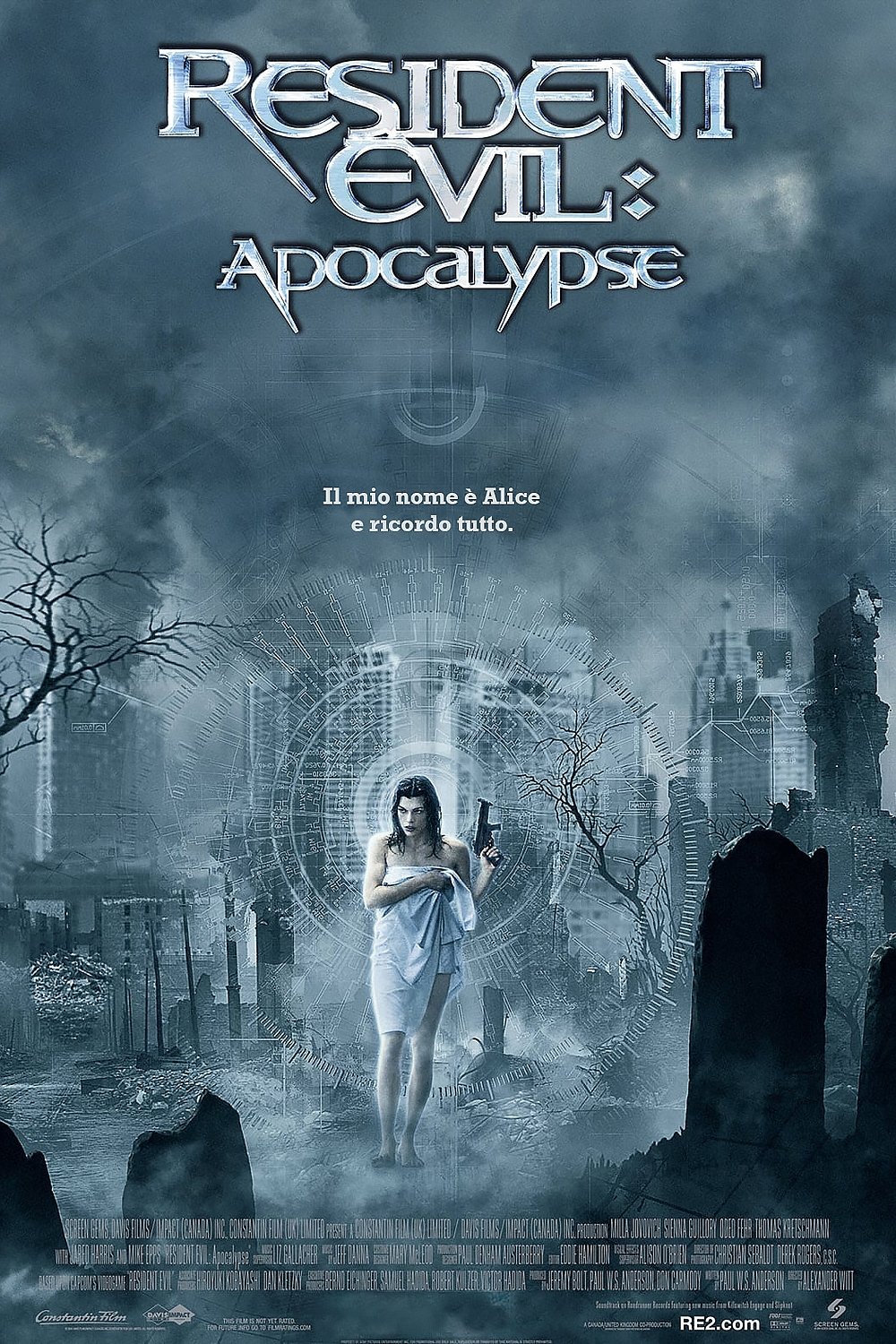
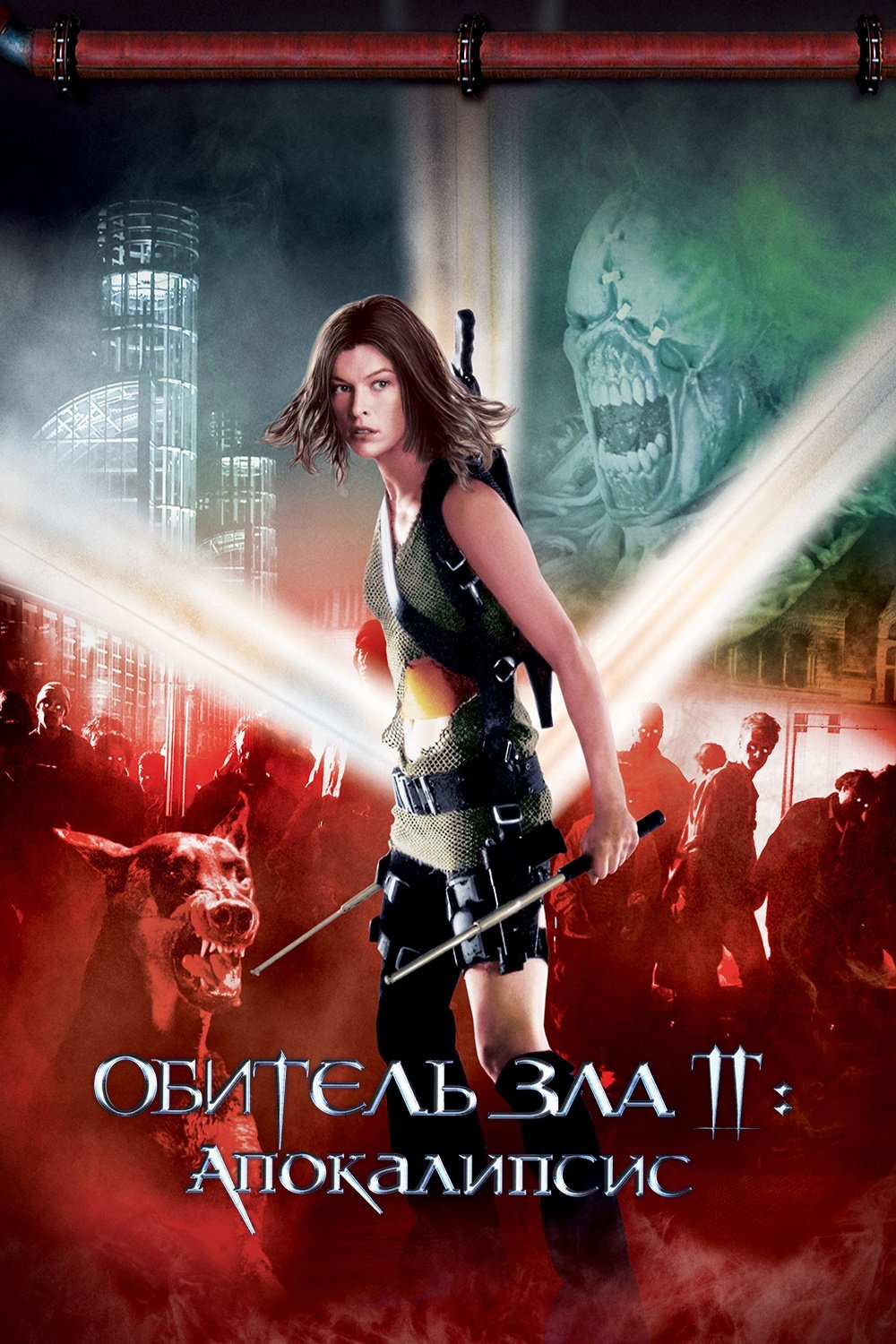
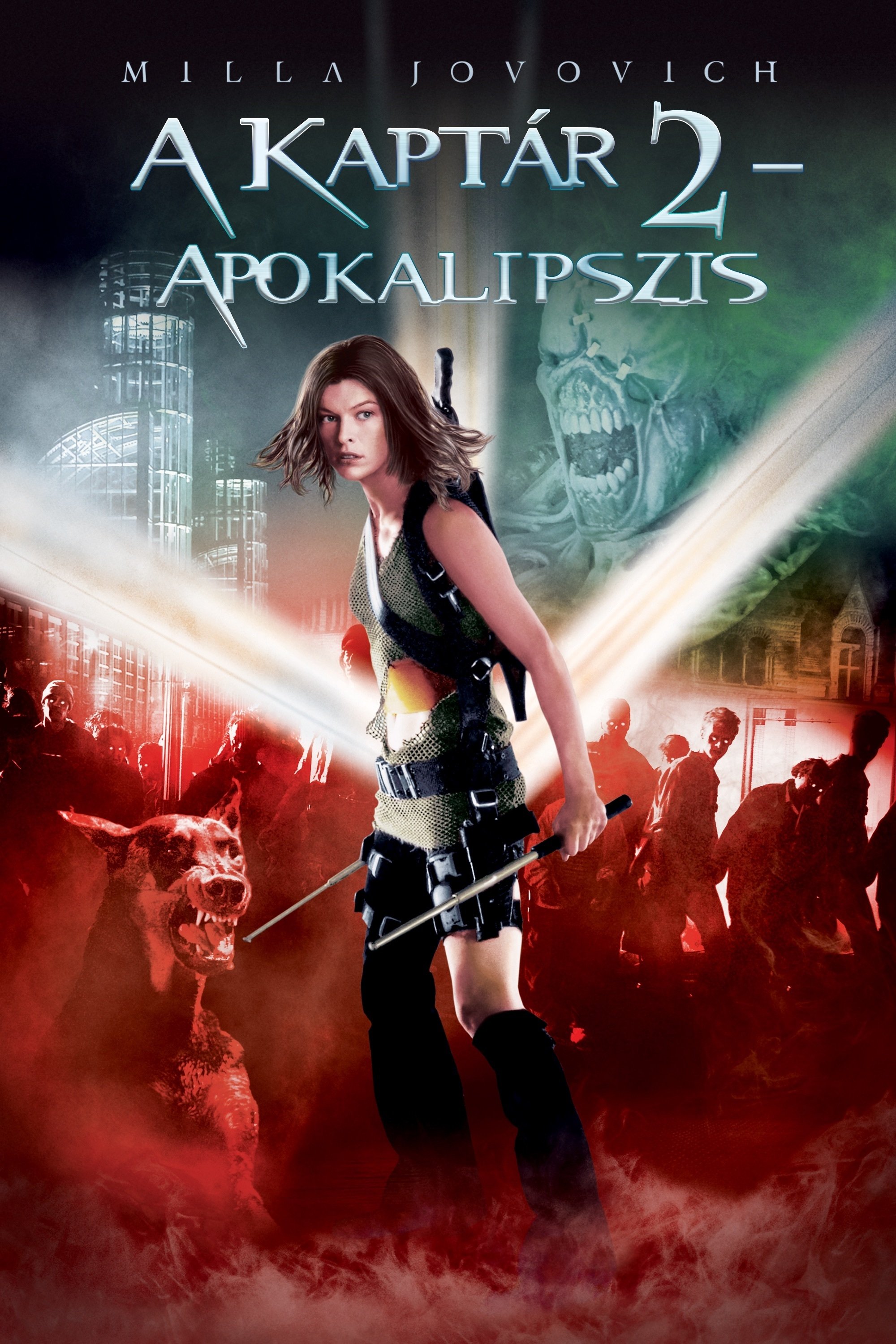
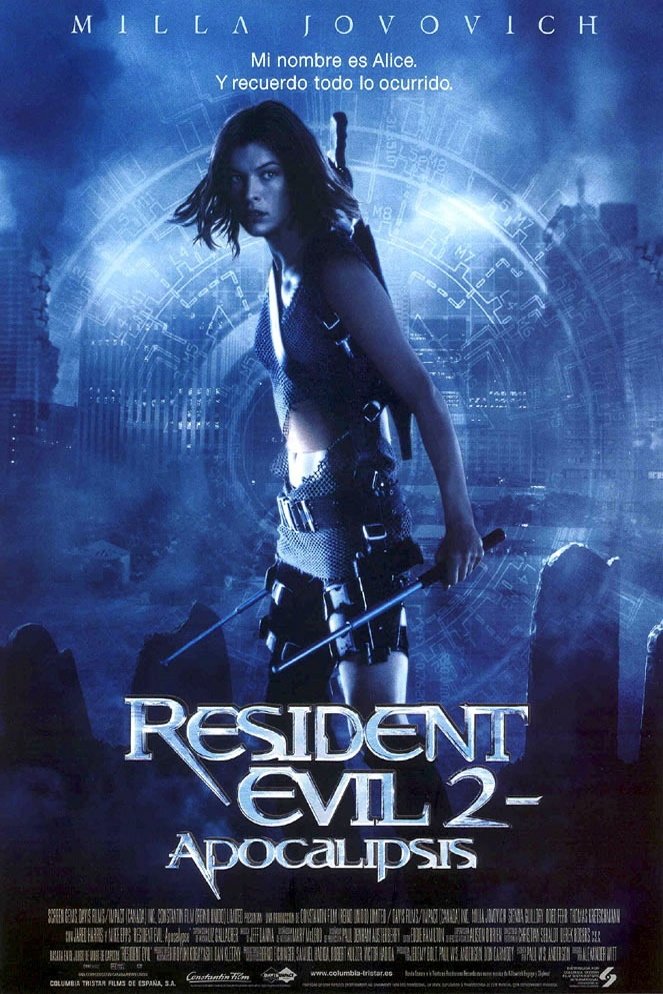
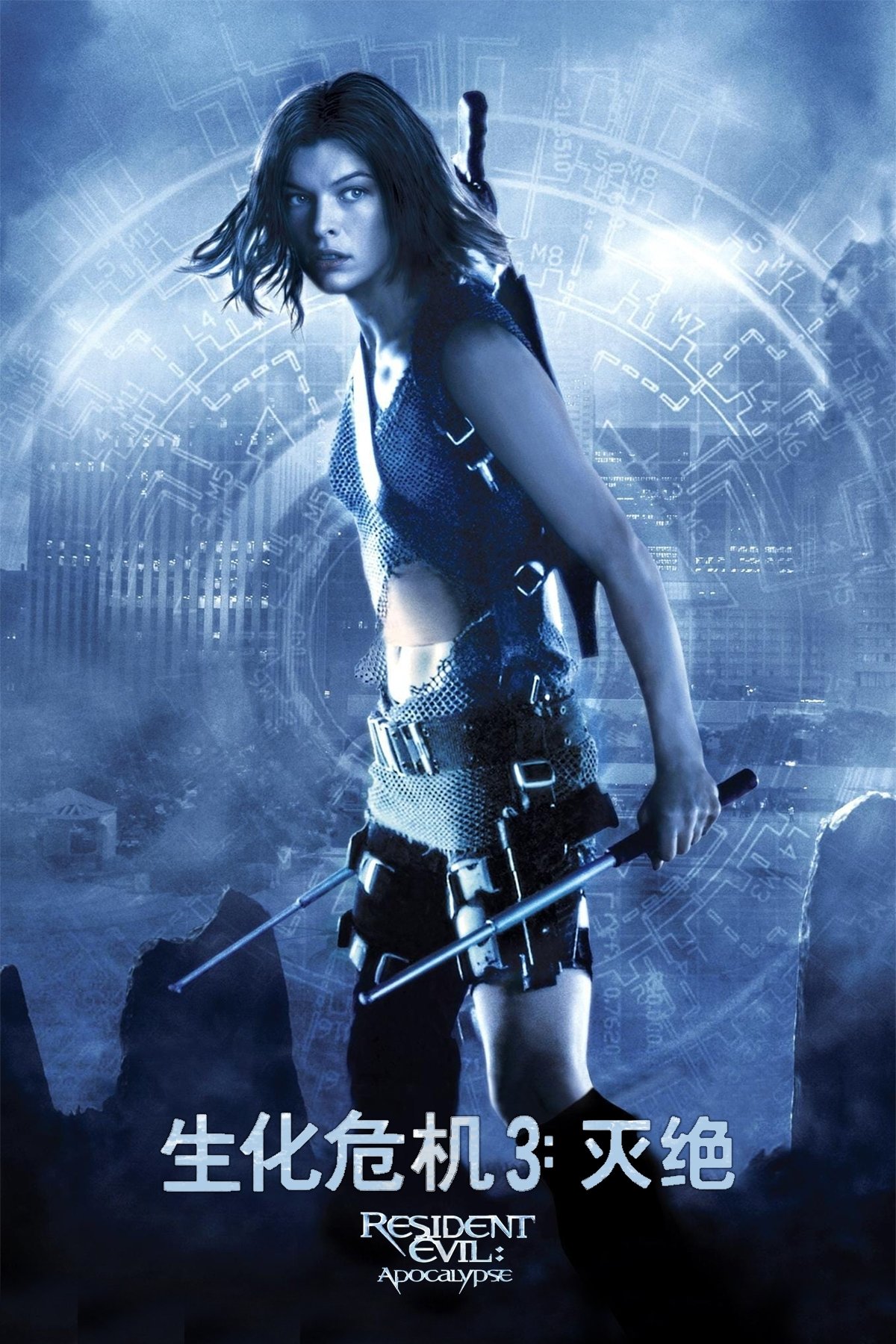
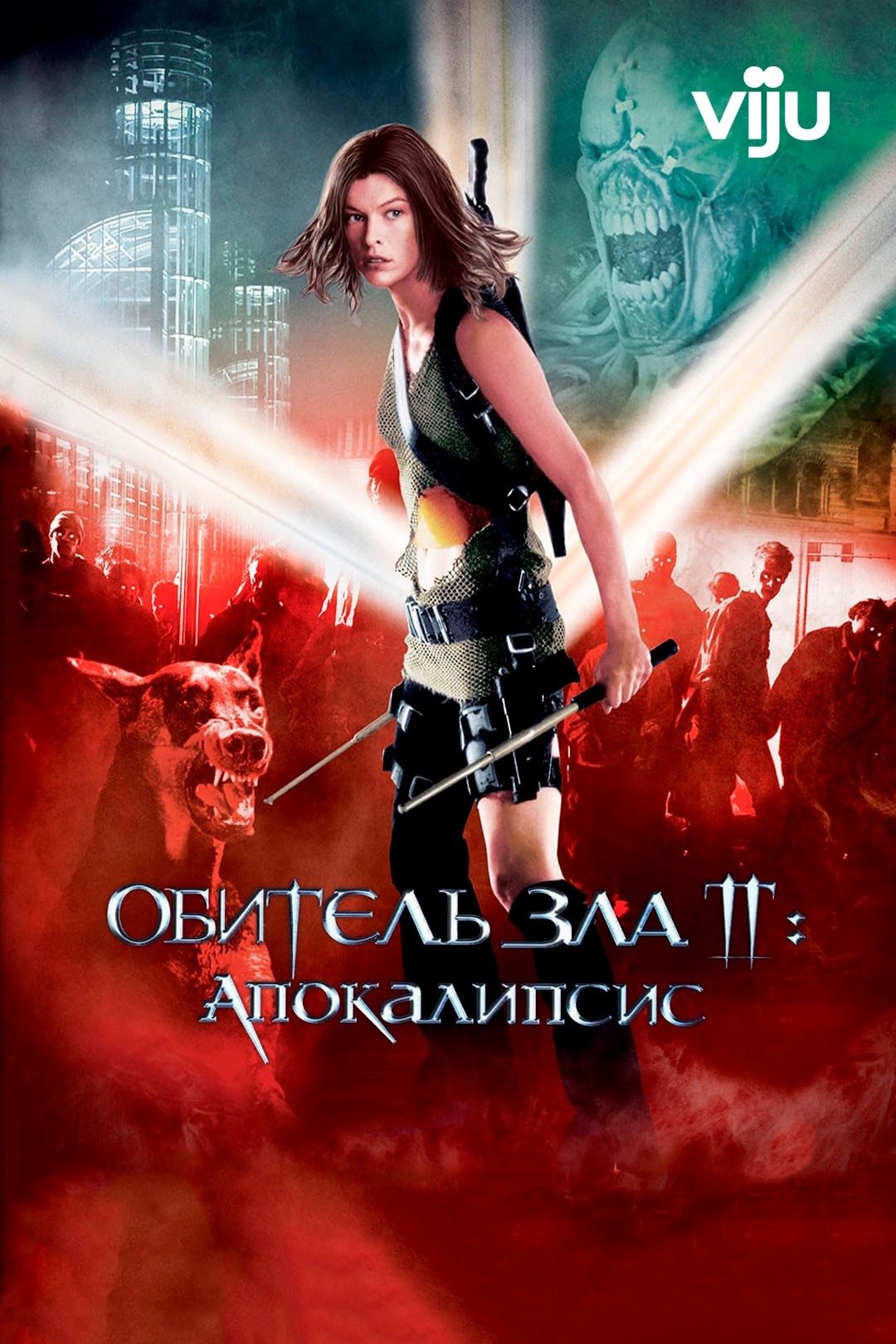
A citywide zombie outbreak expands the Capcom adaptation through Jill Valentine, Nemesis, practical creature effects and large-scale digital destruction.
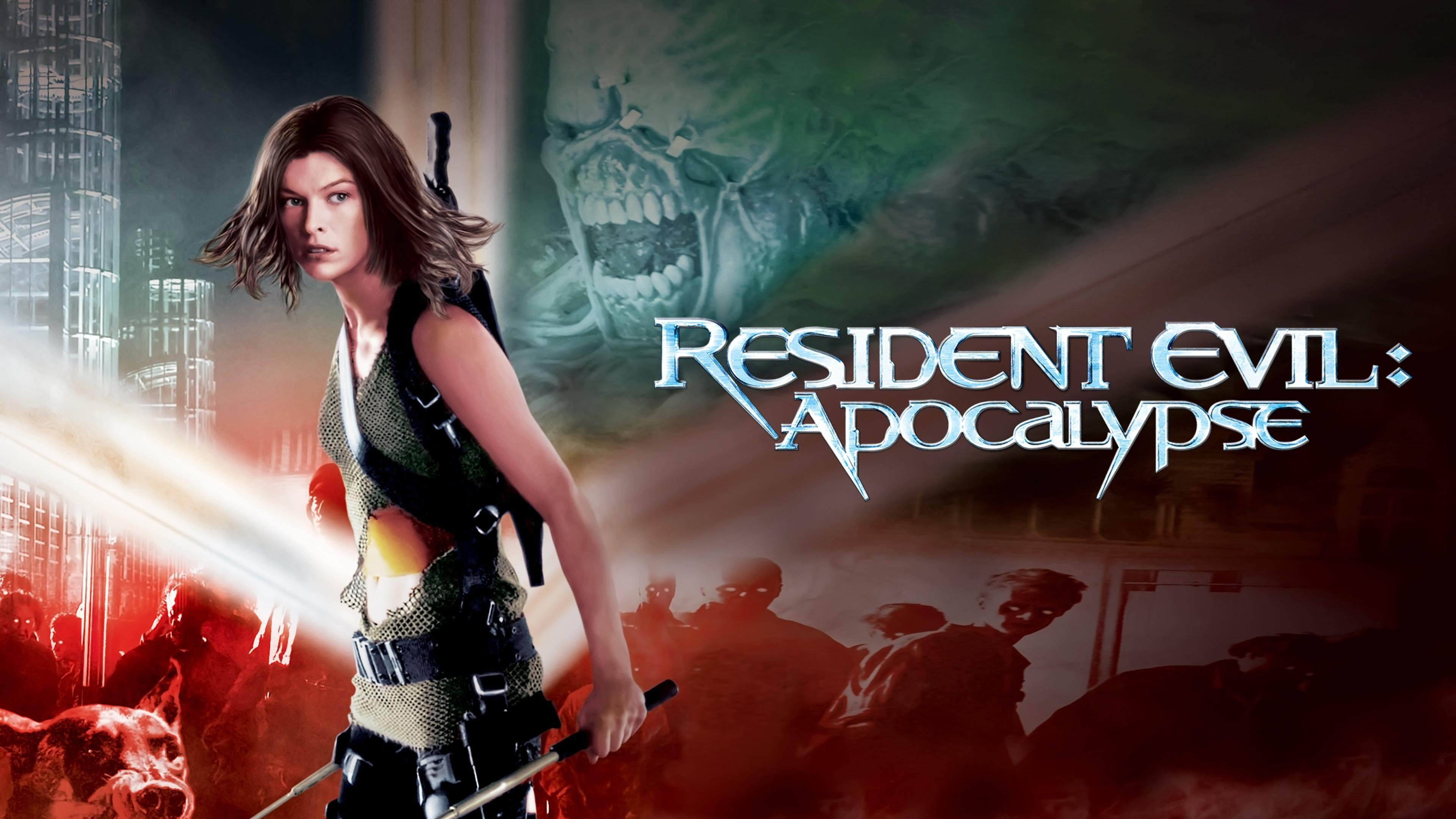
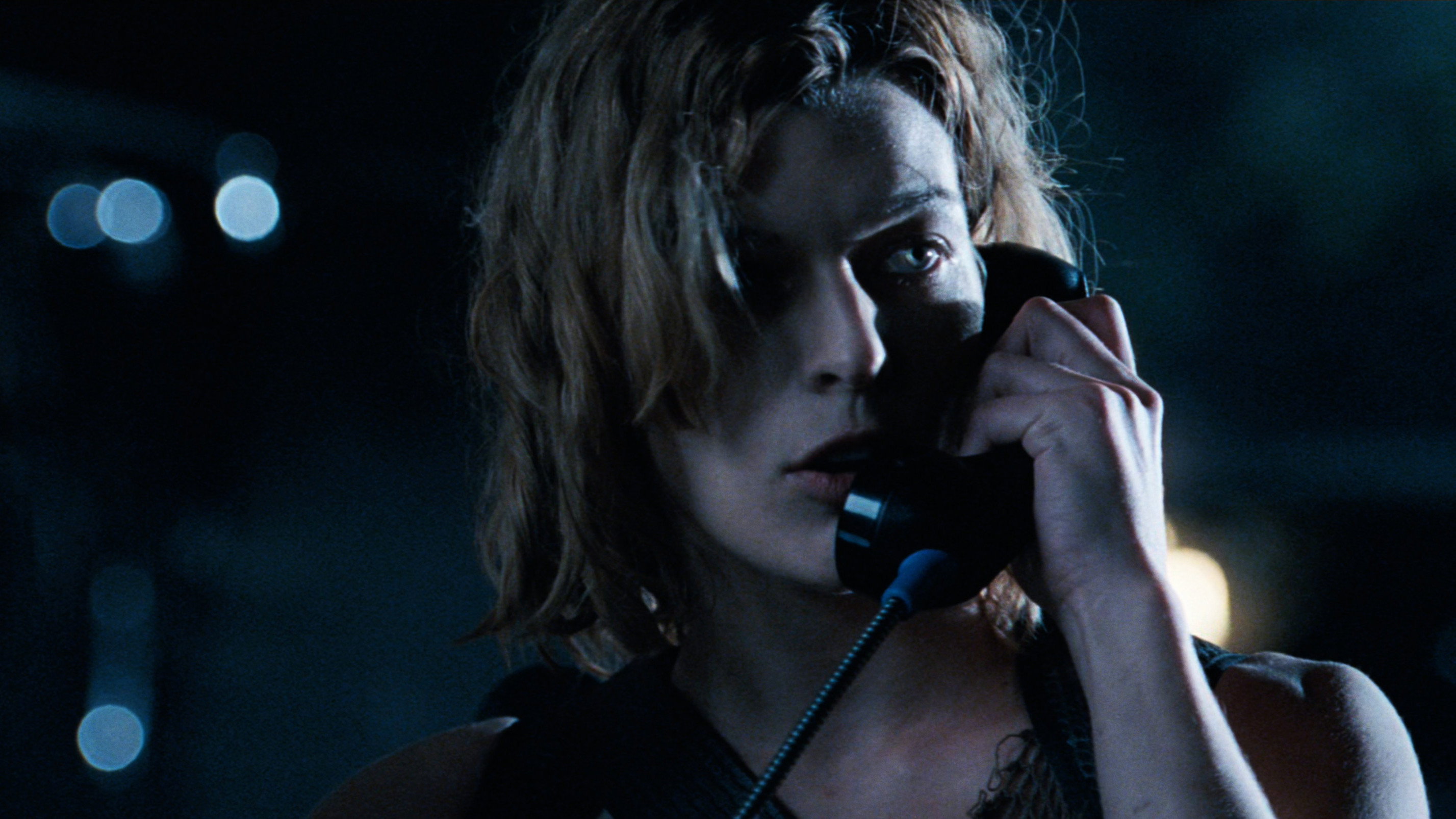
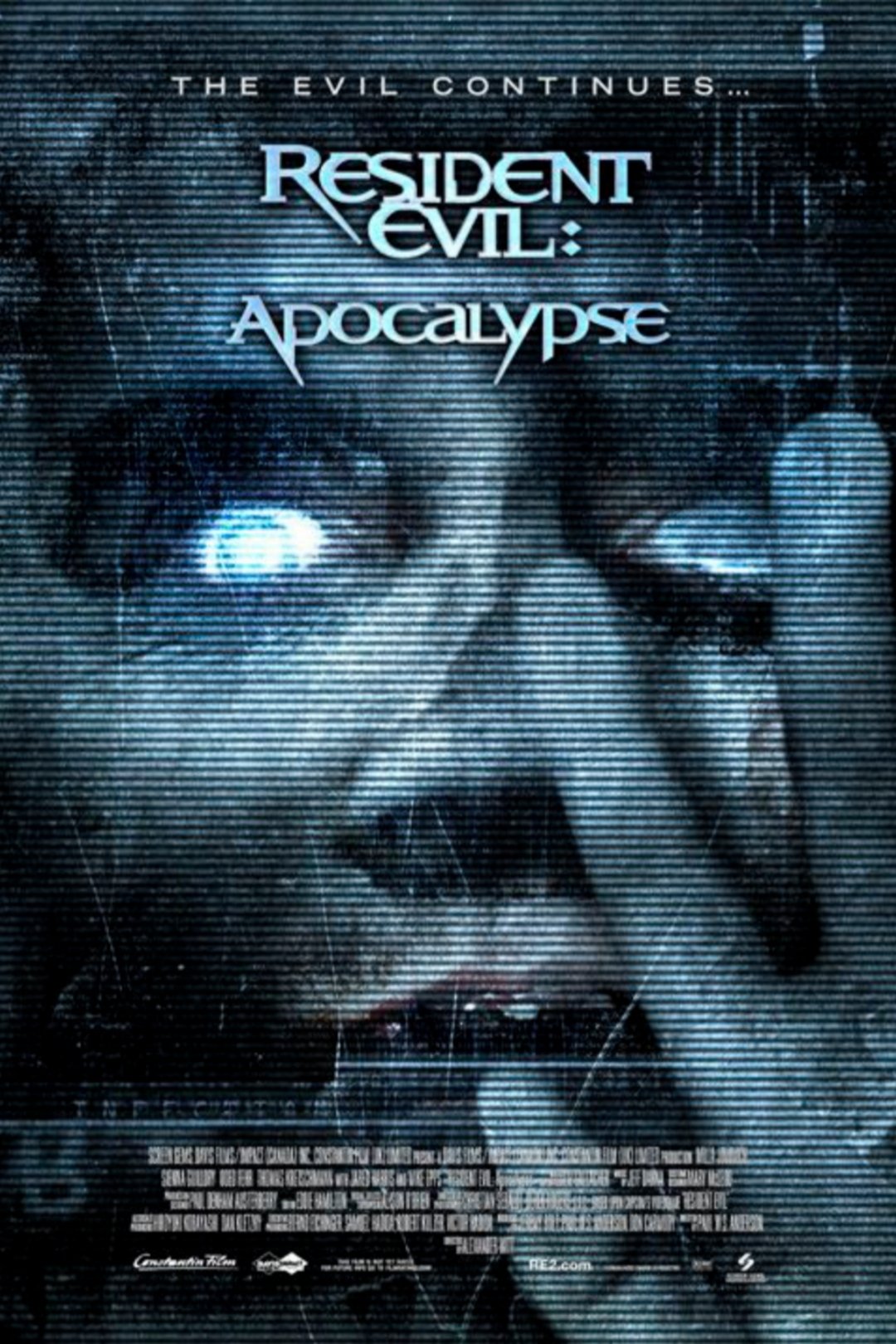
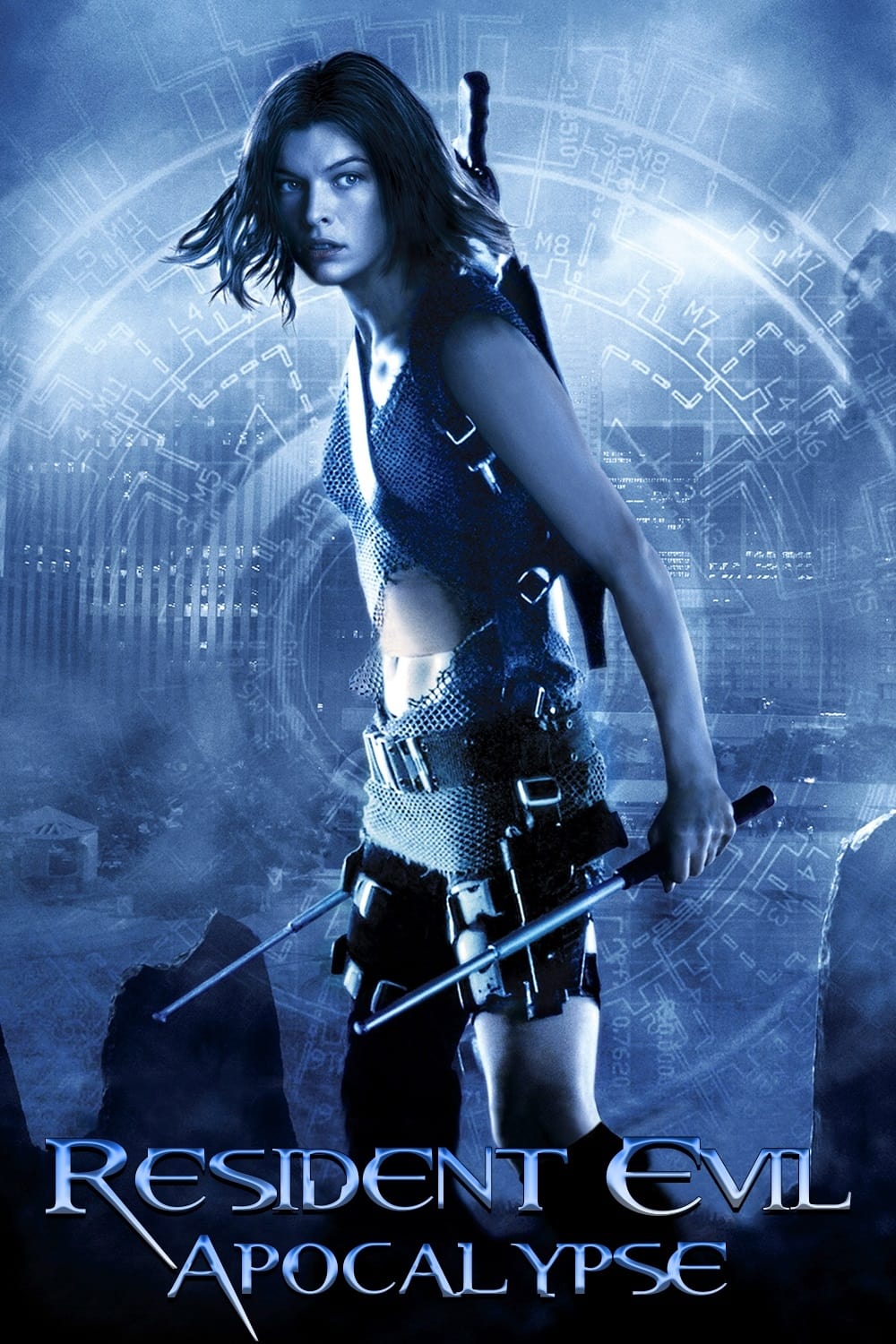
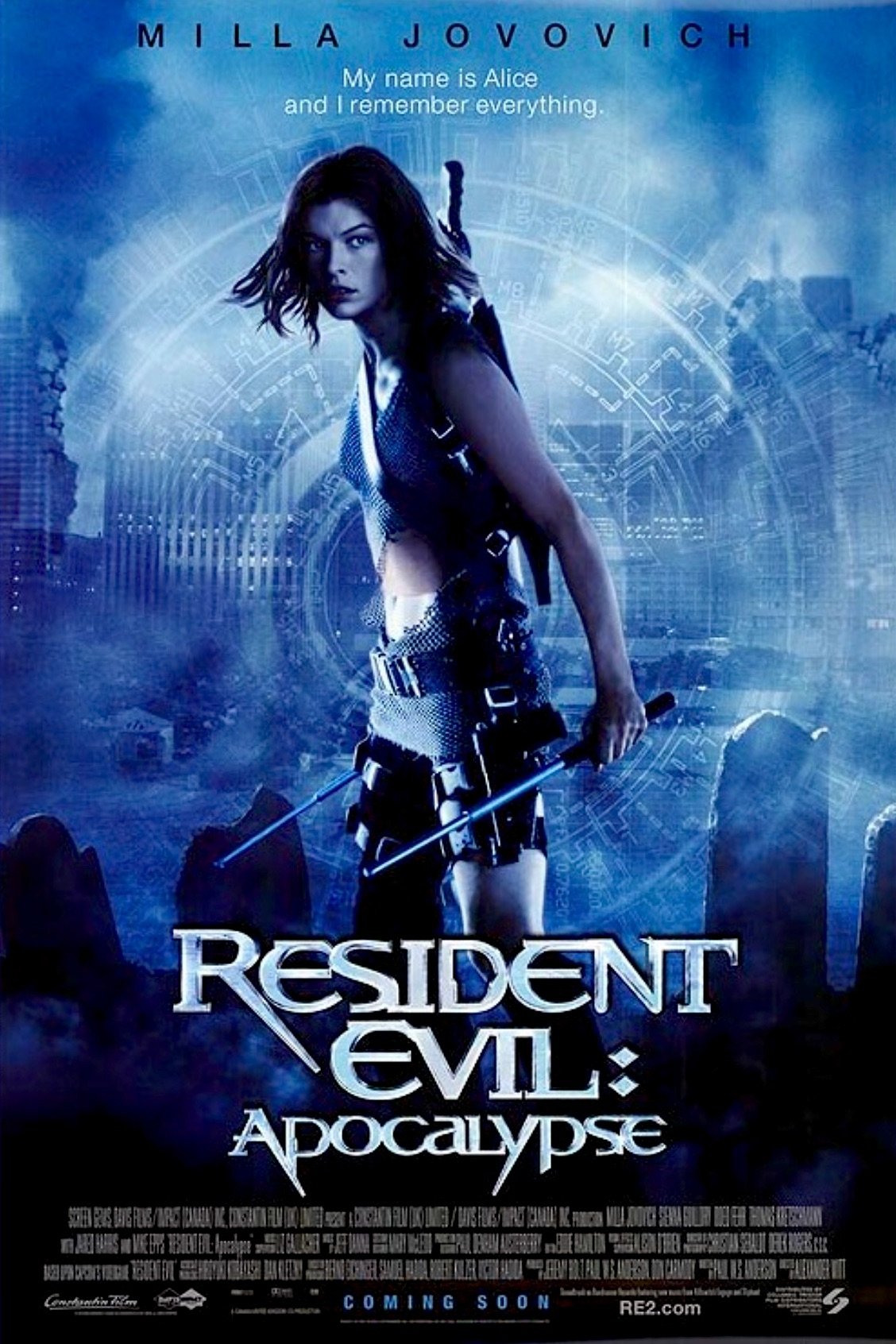
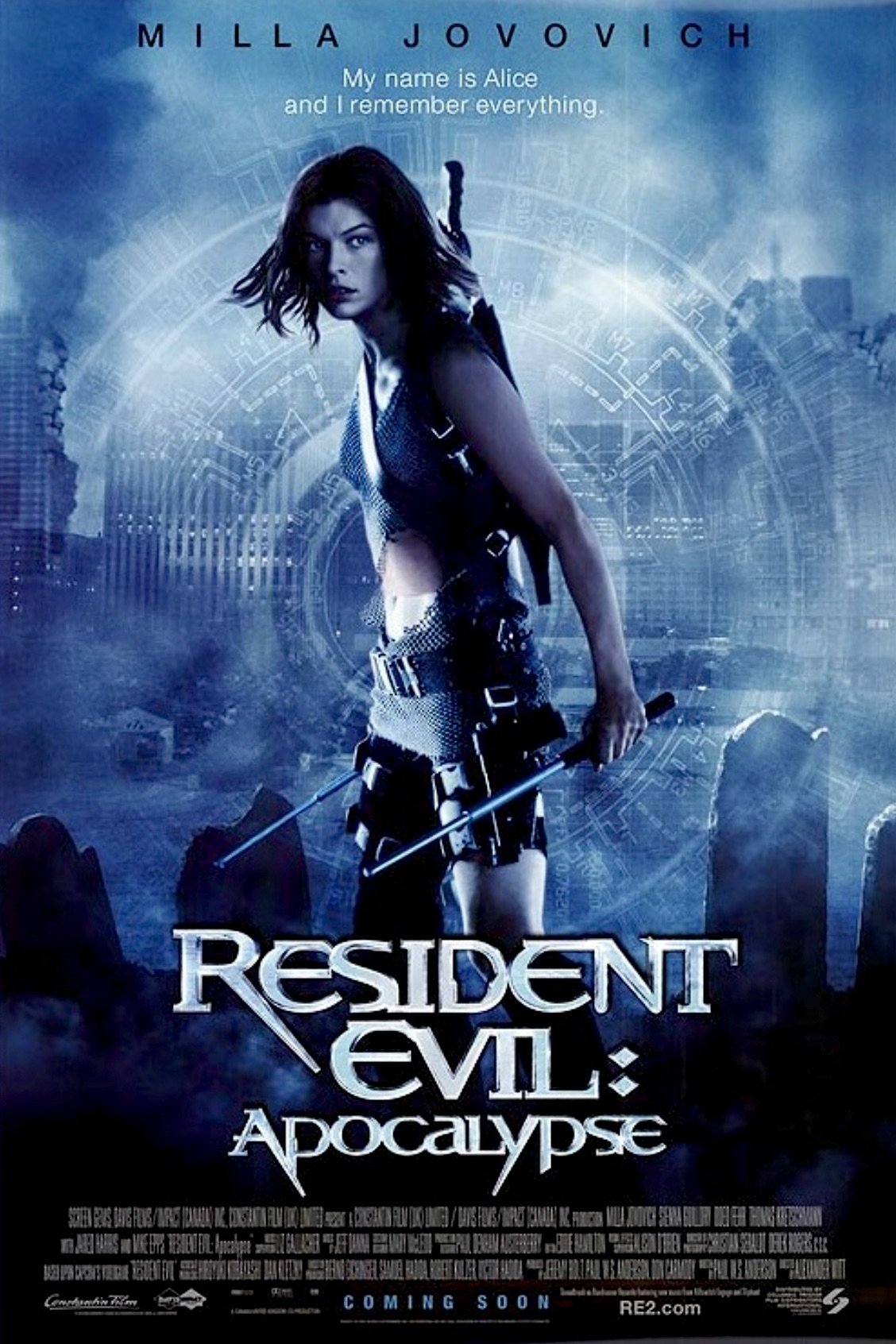
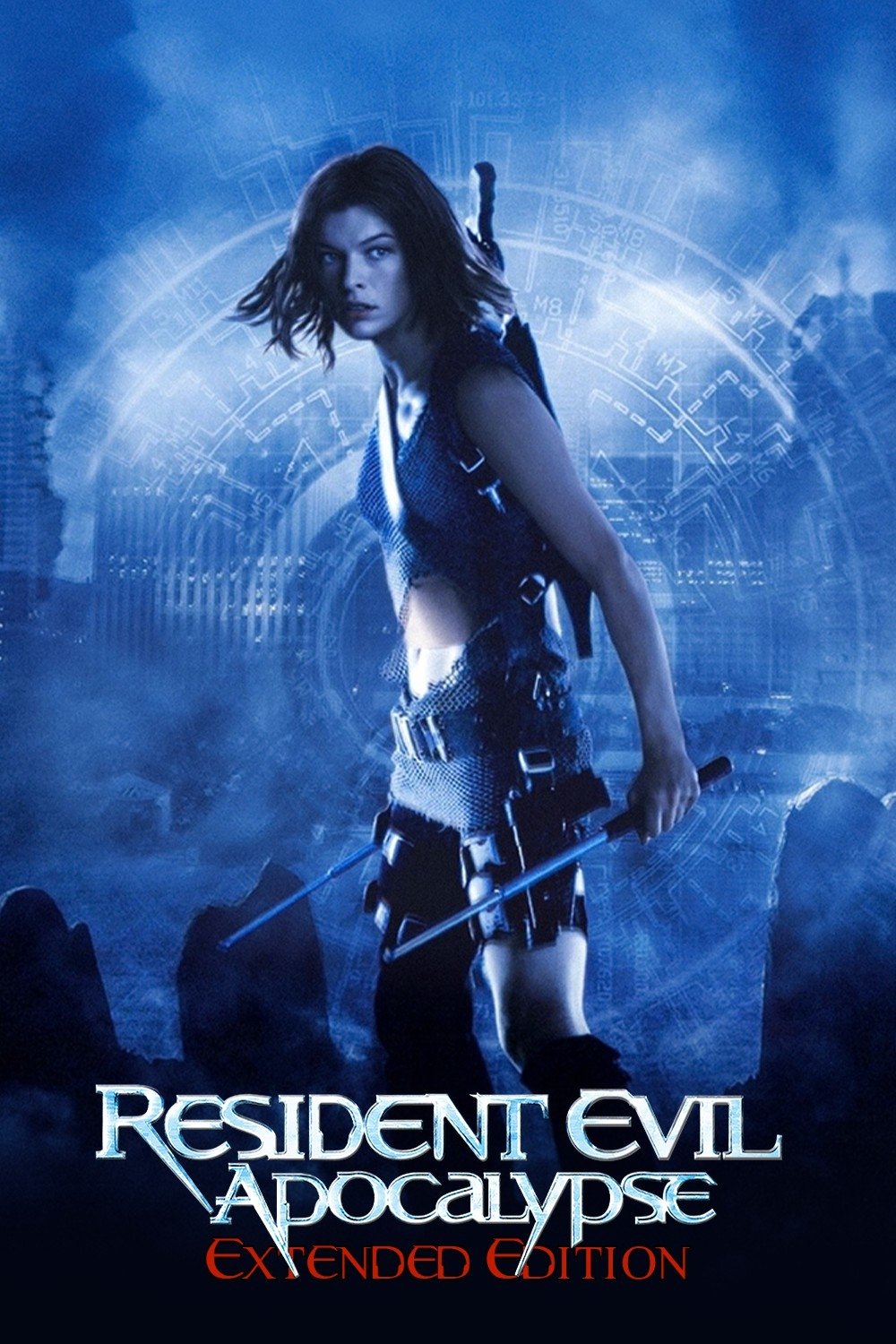
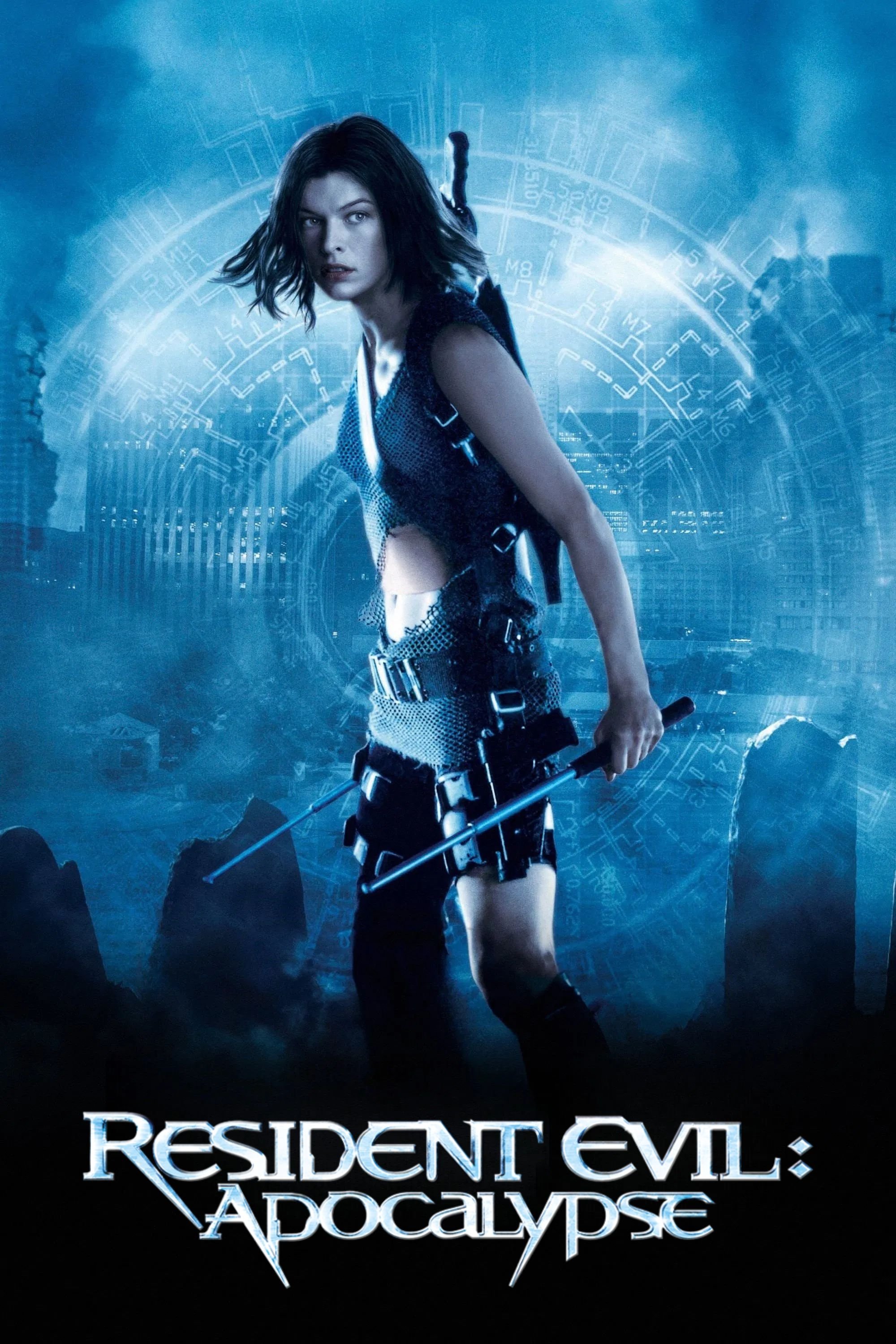
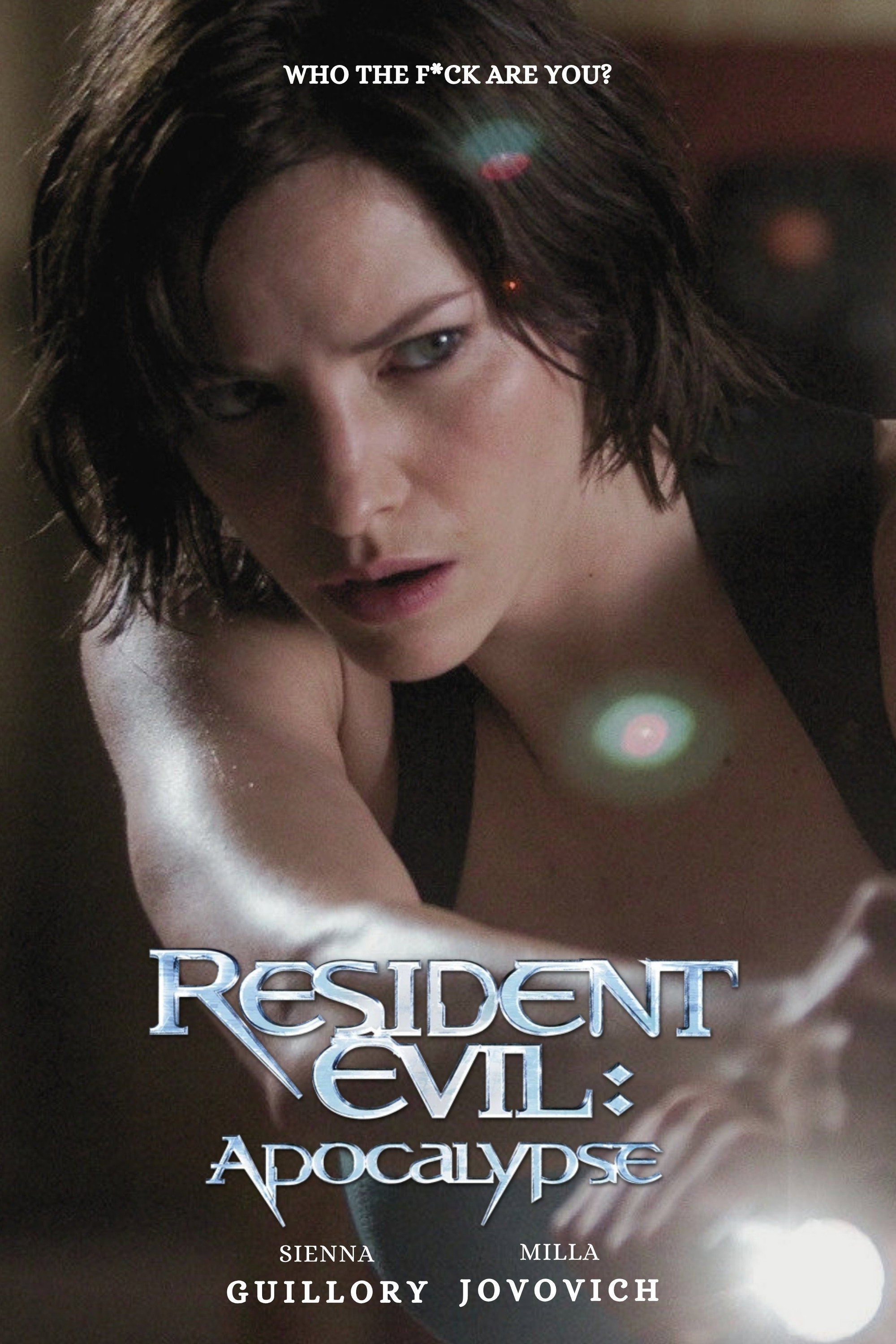
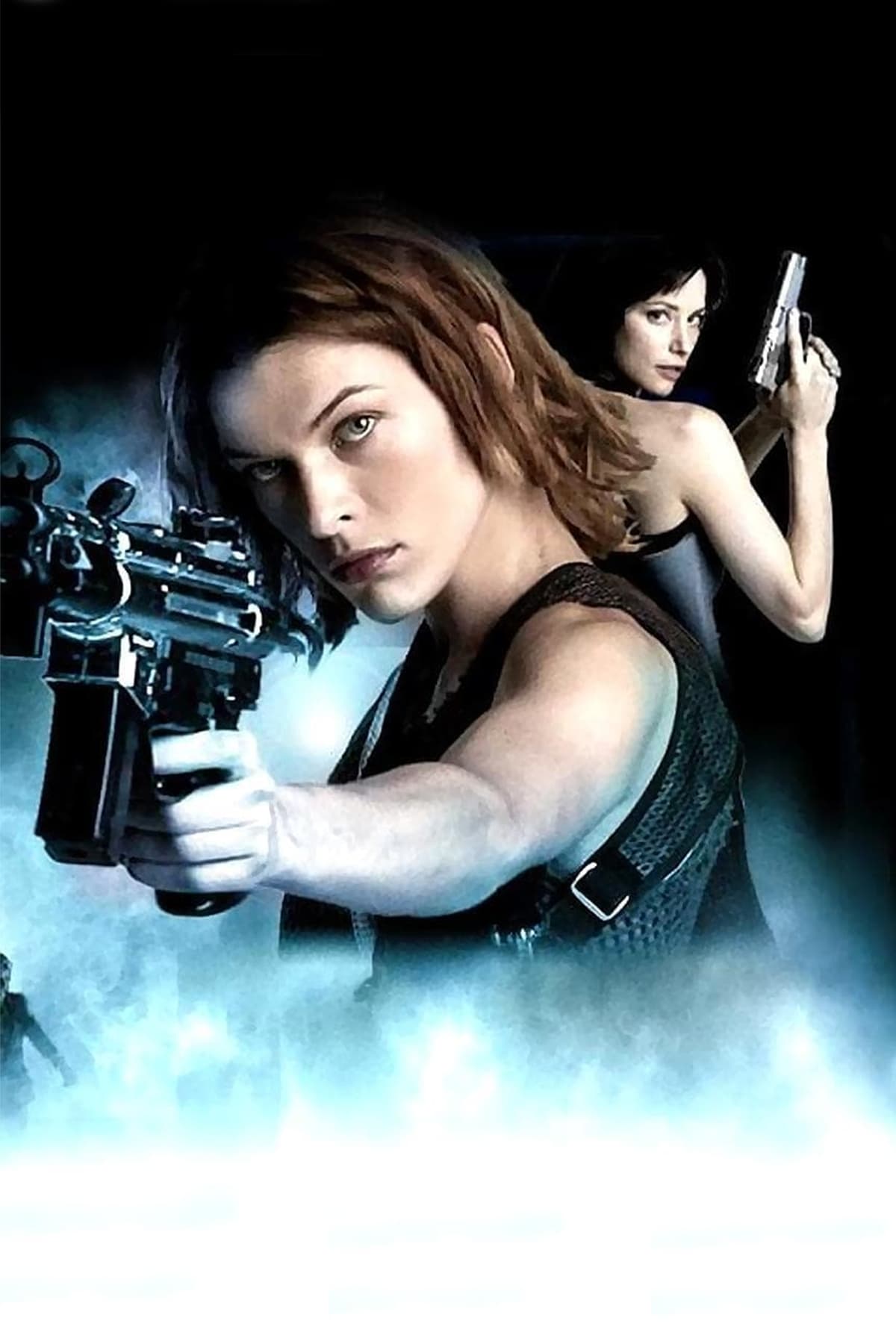
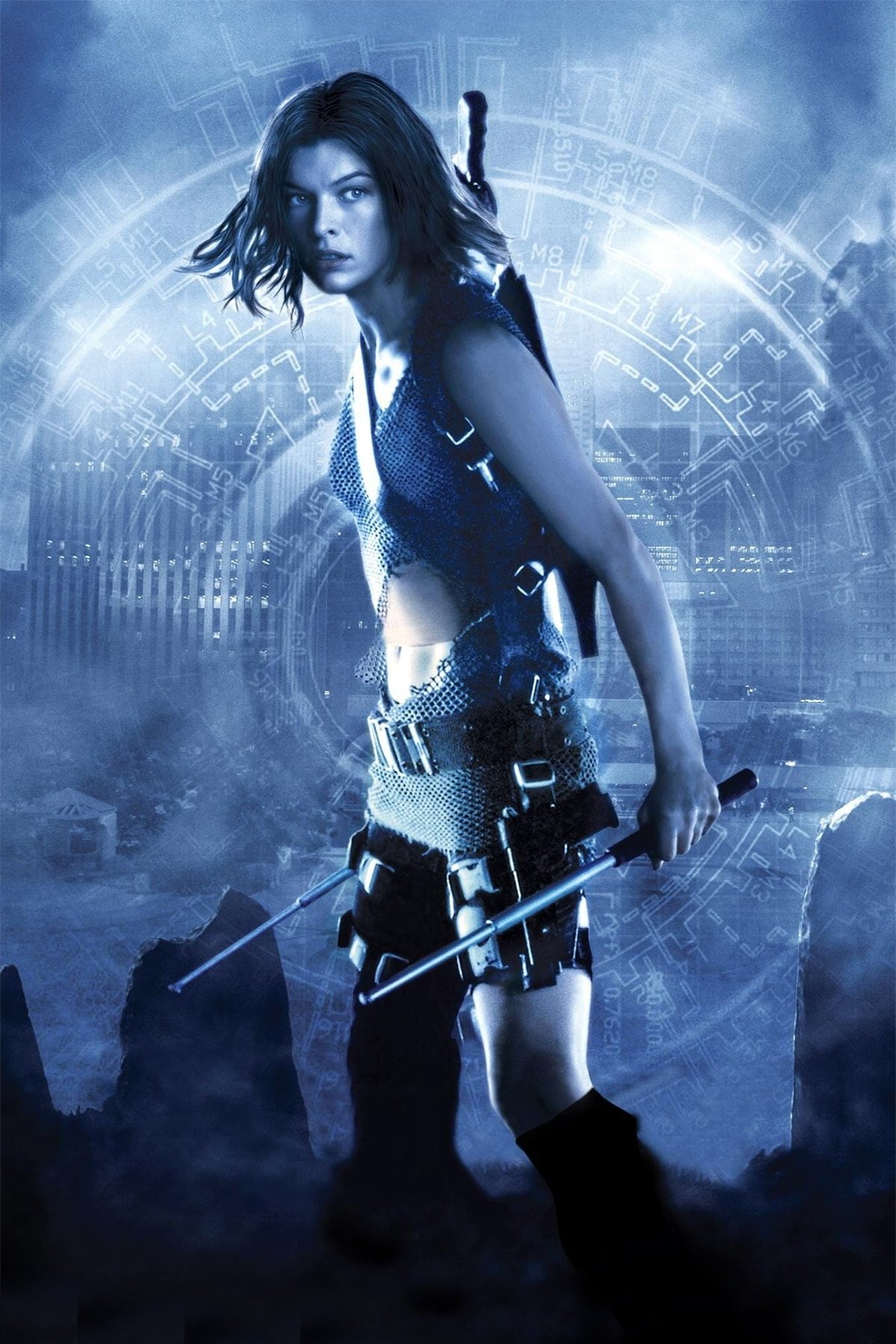
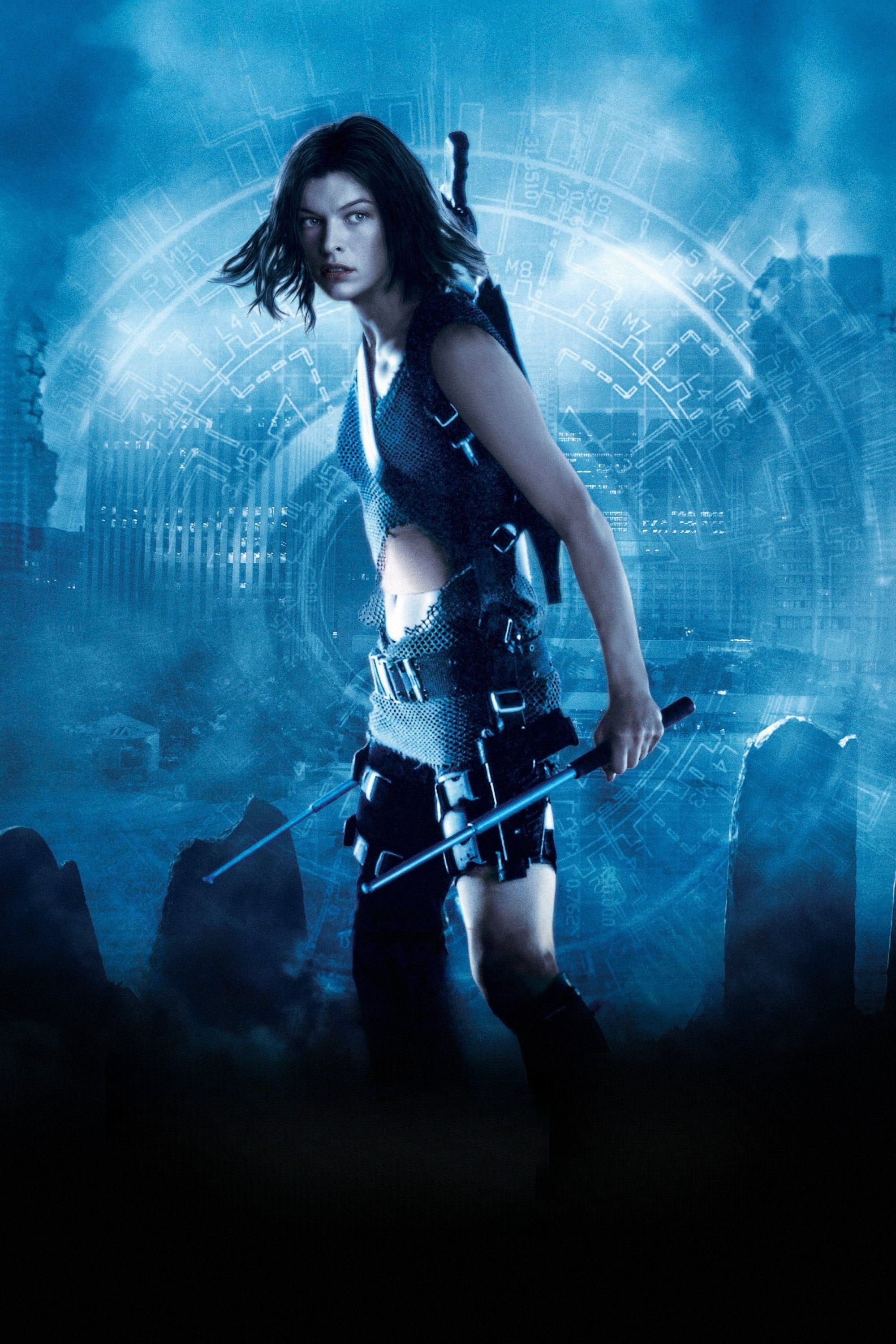
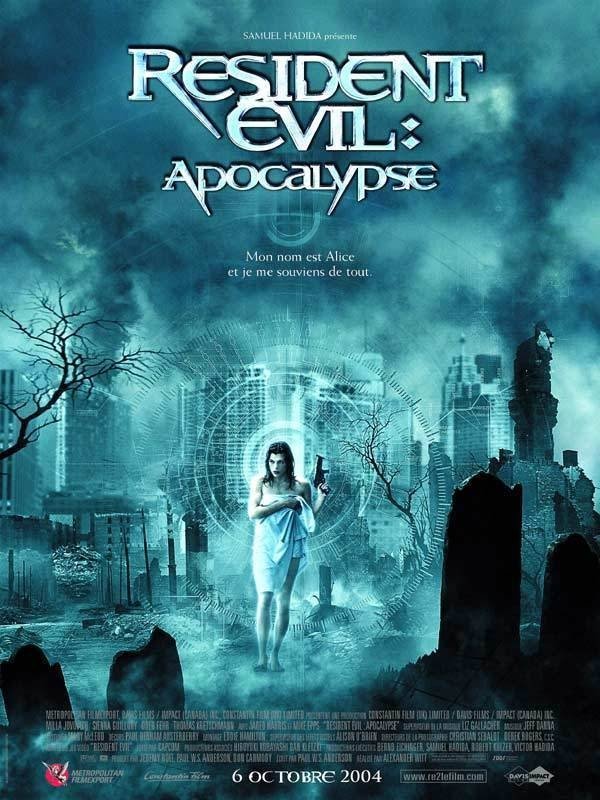
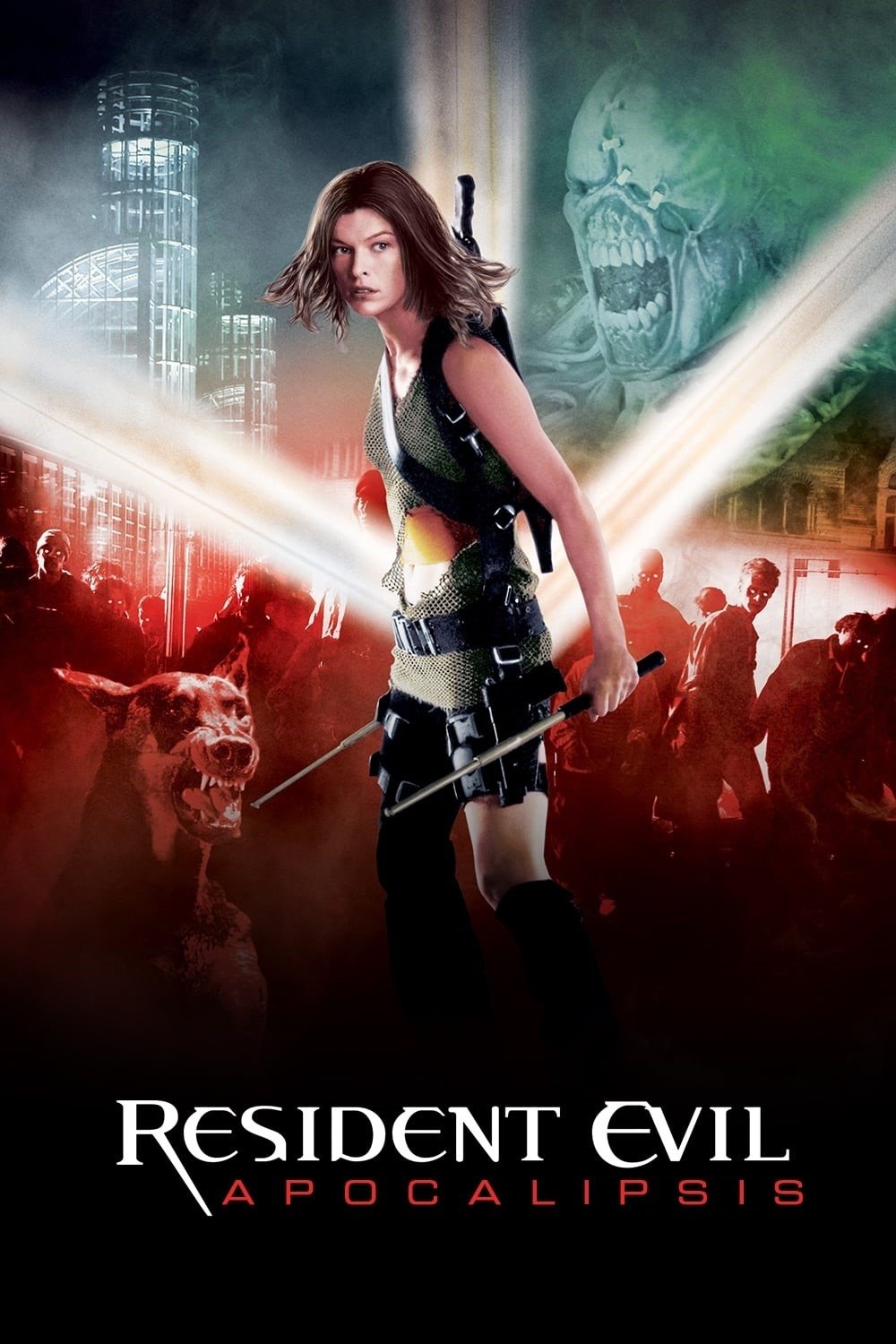
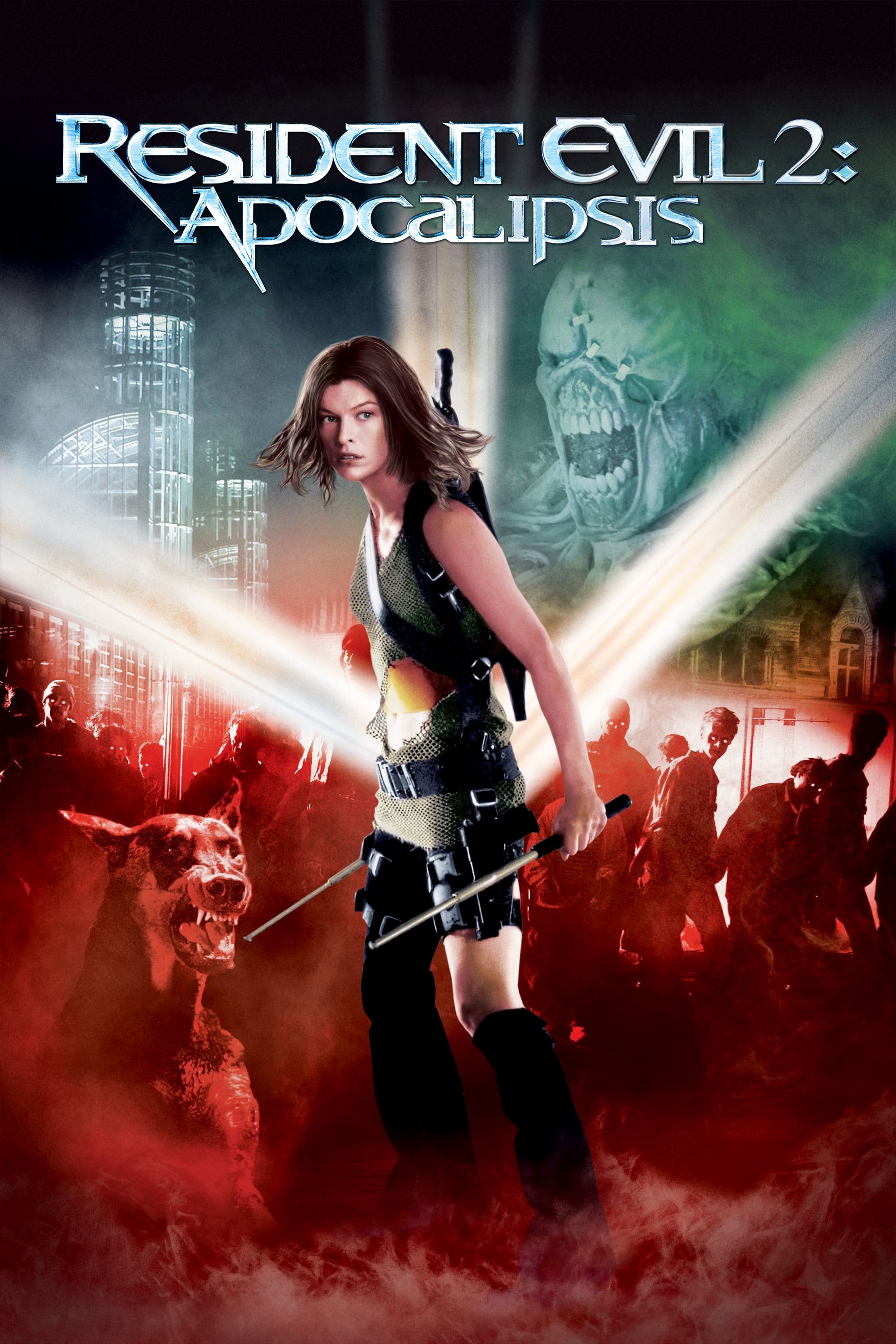
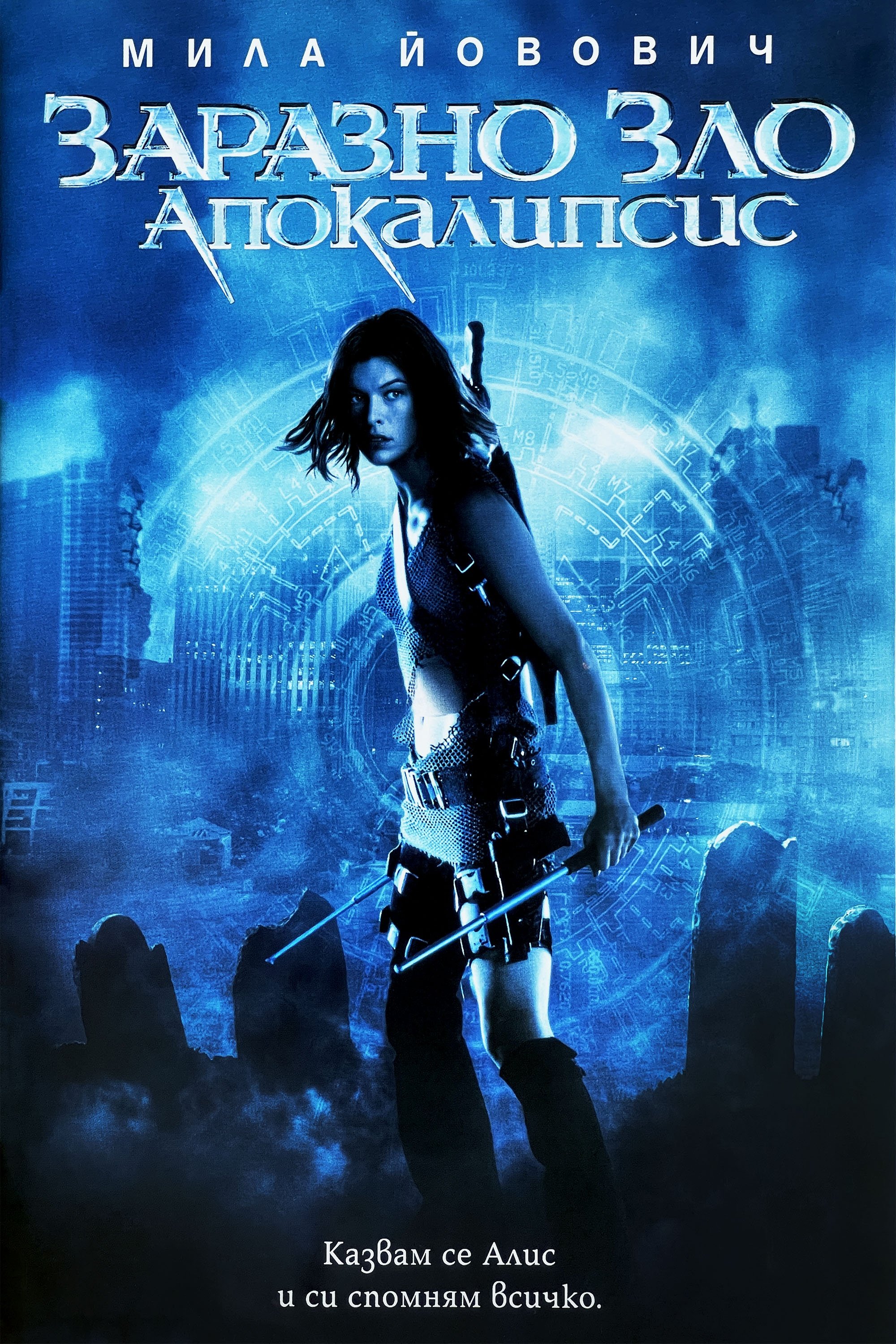
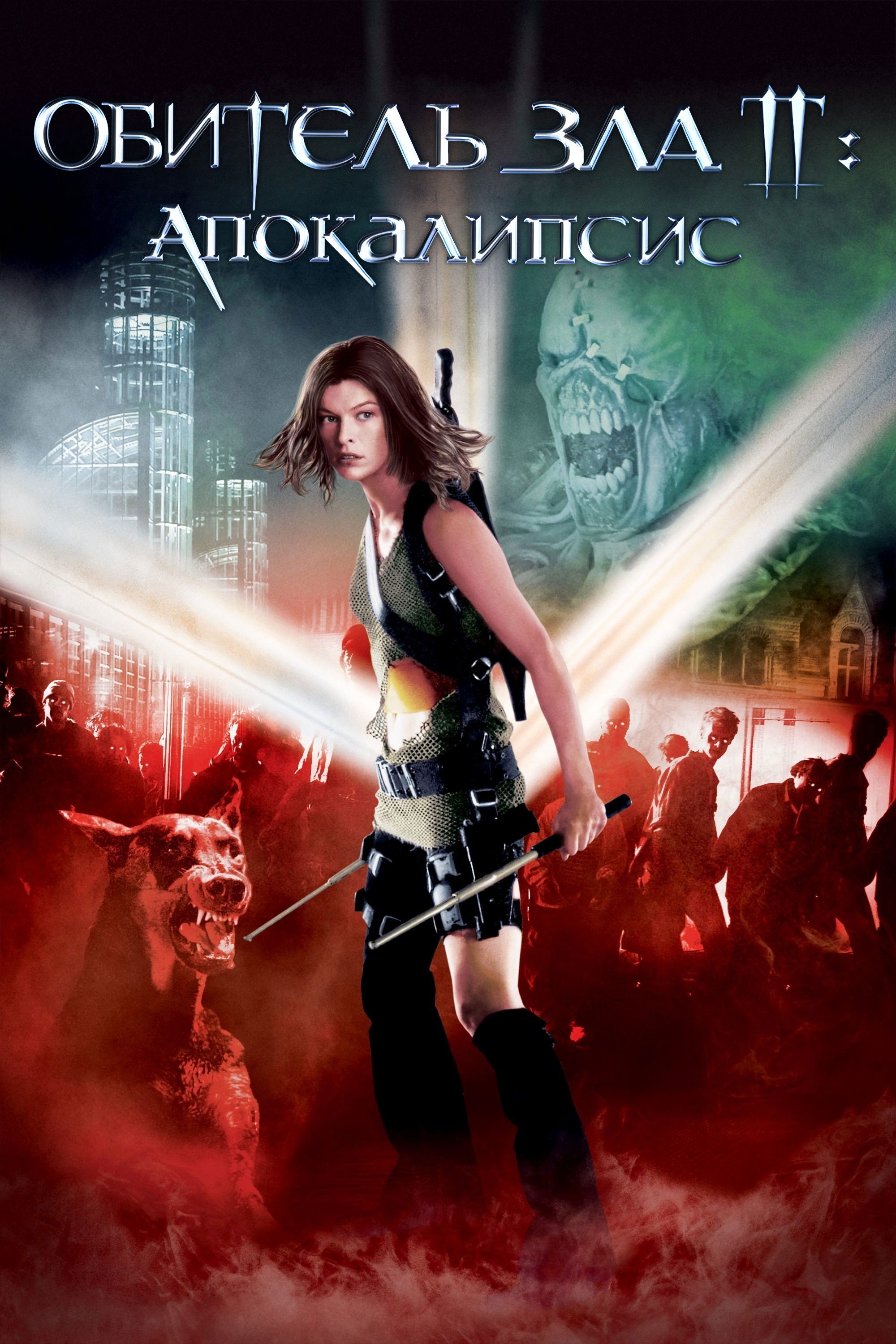
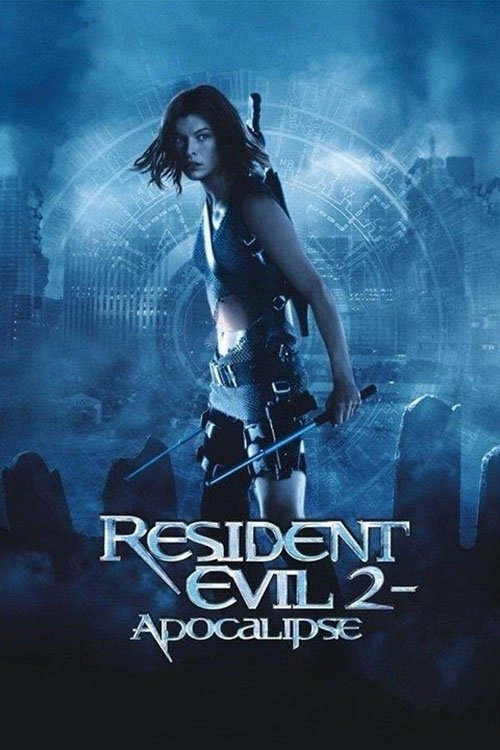
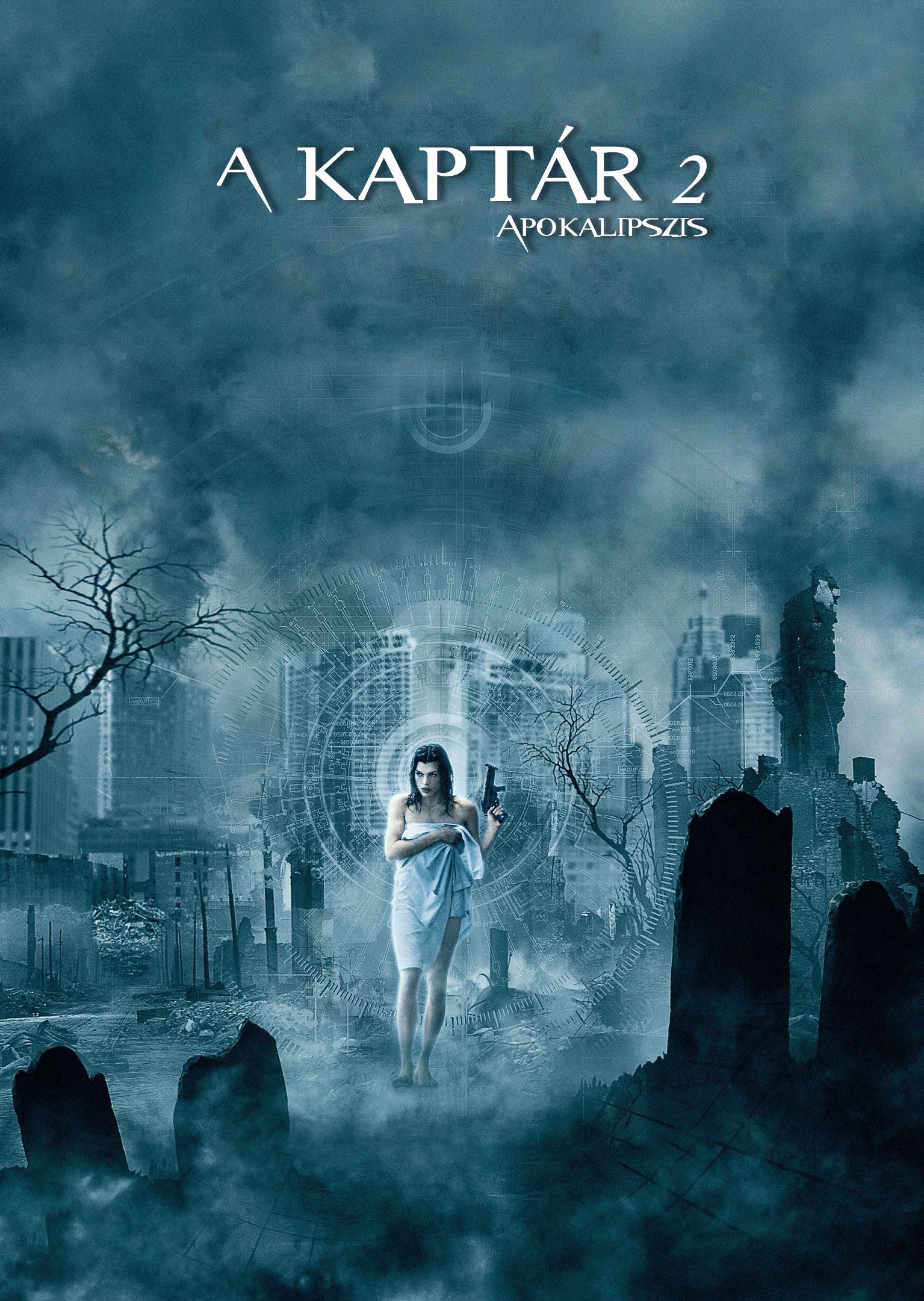
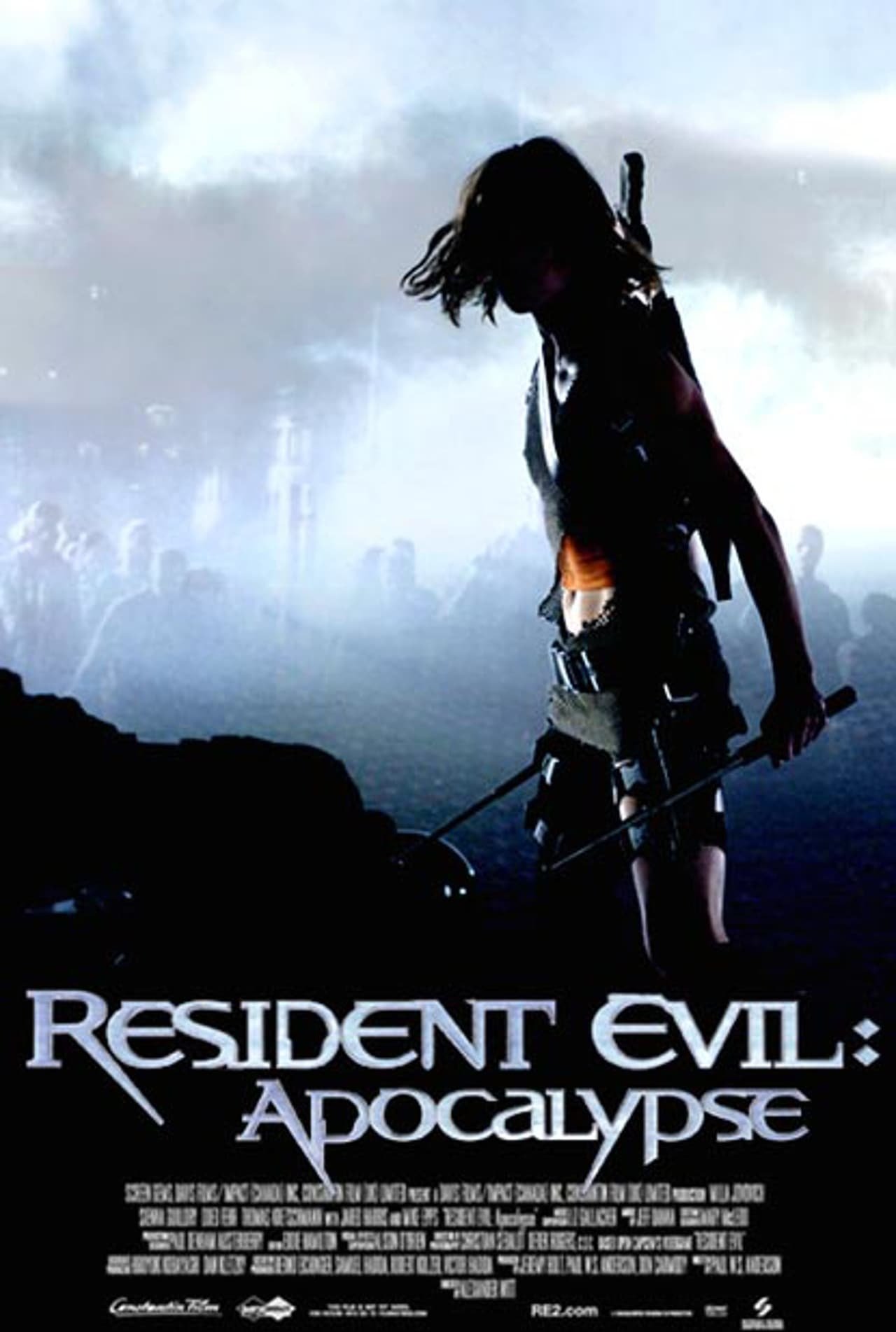
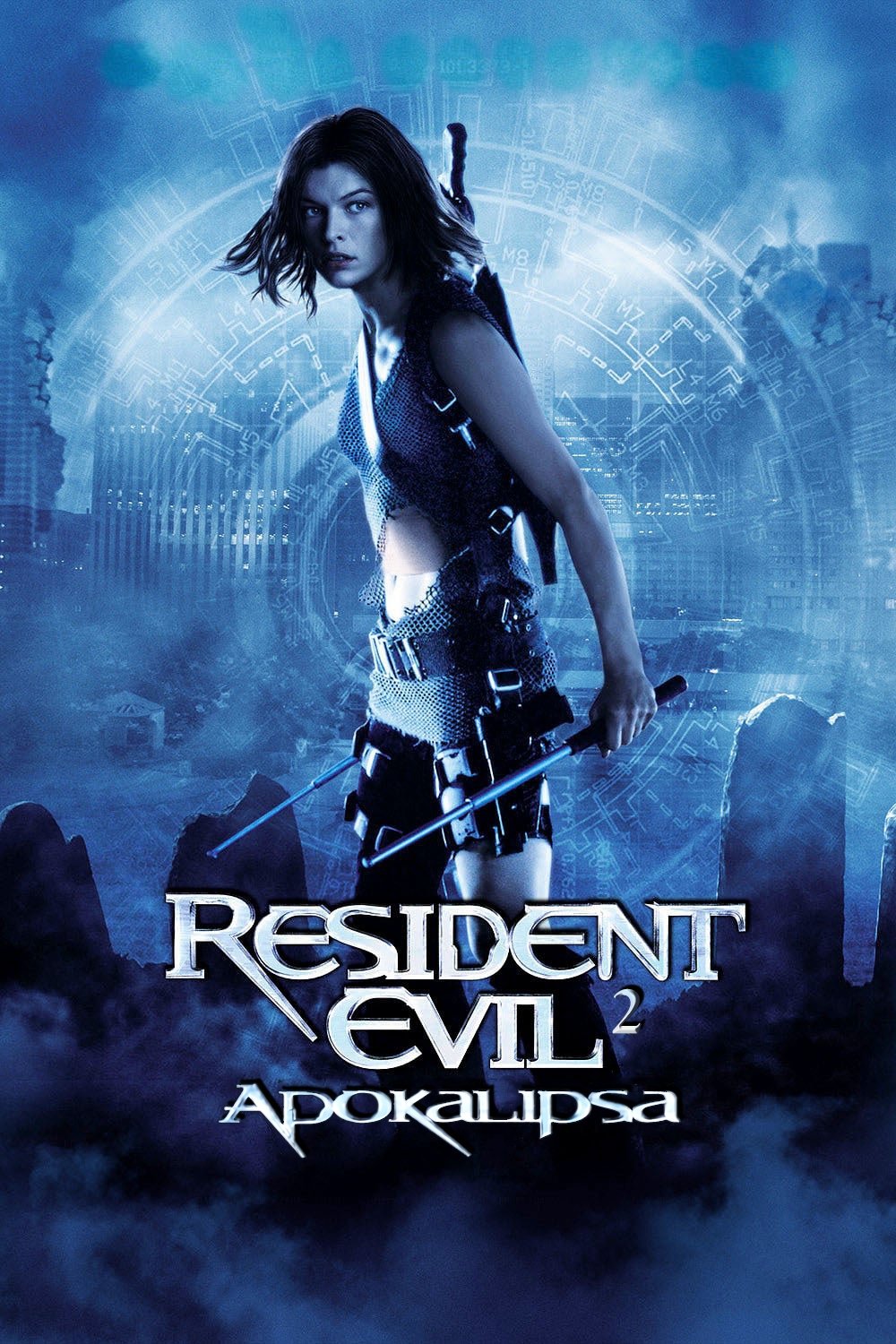
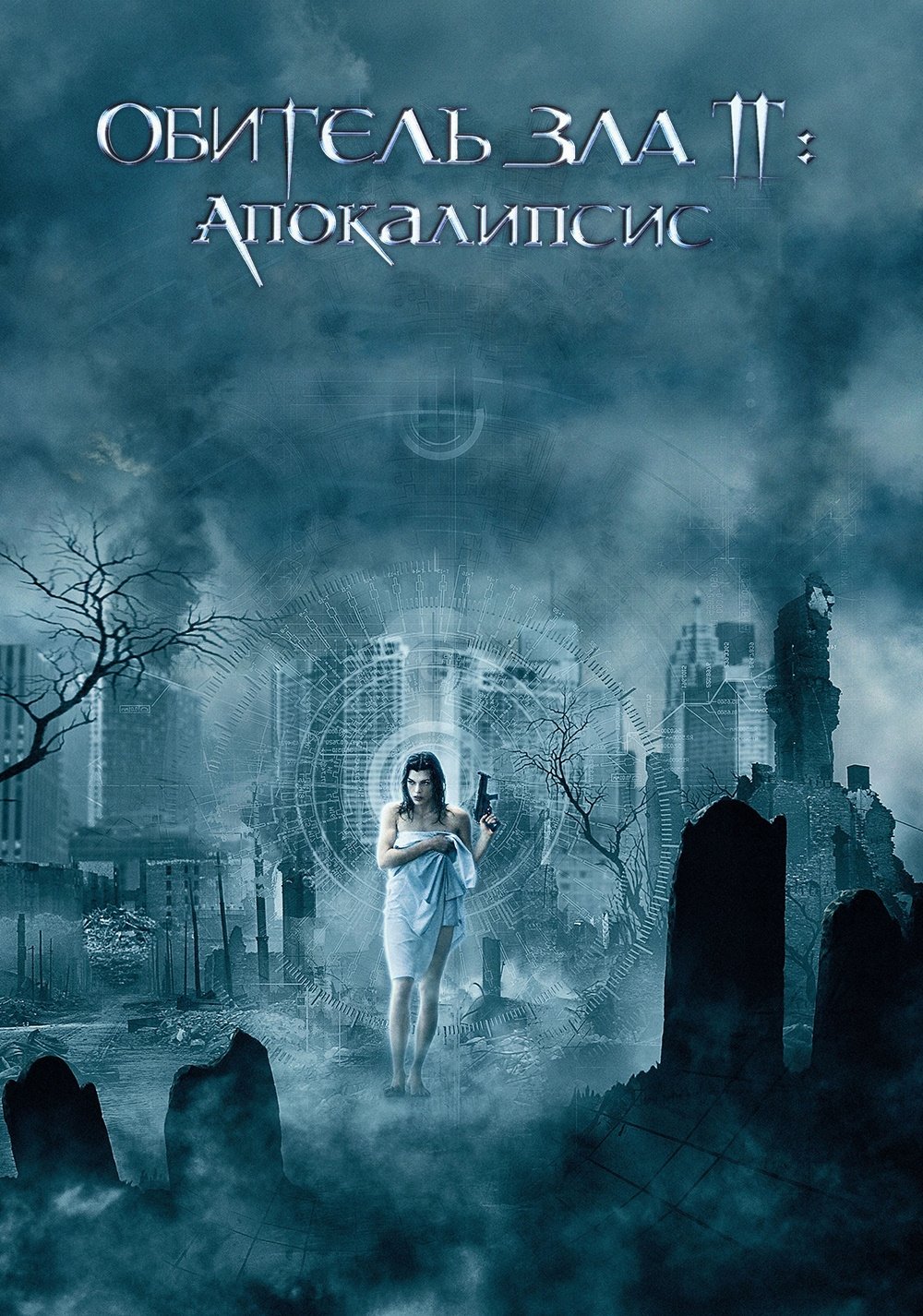
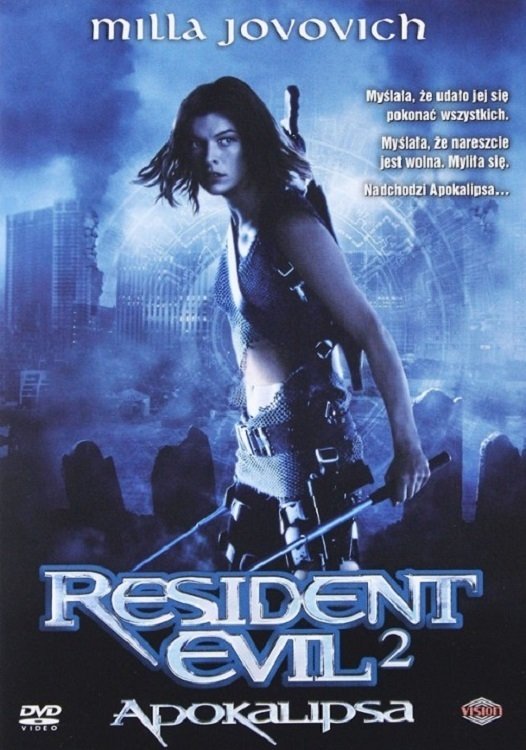
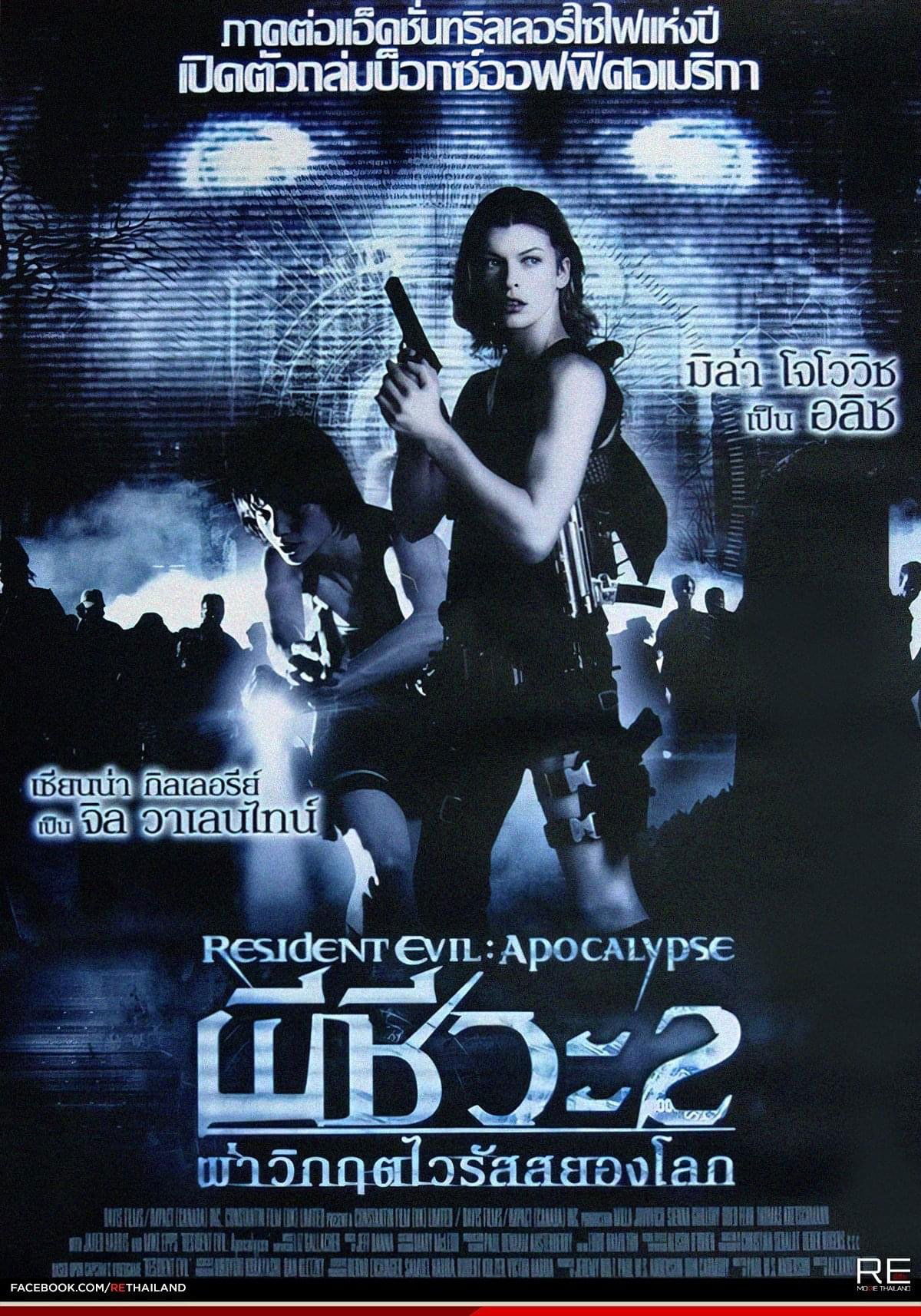
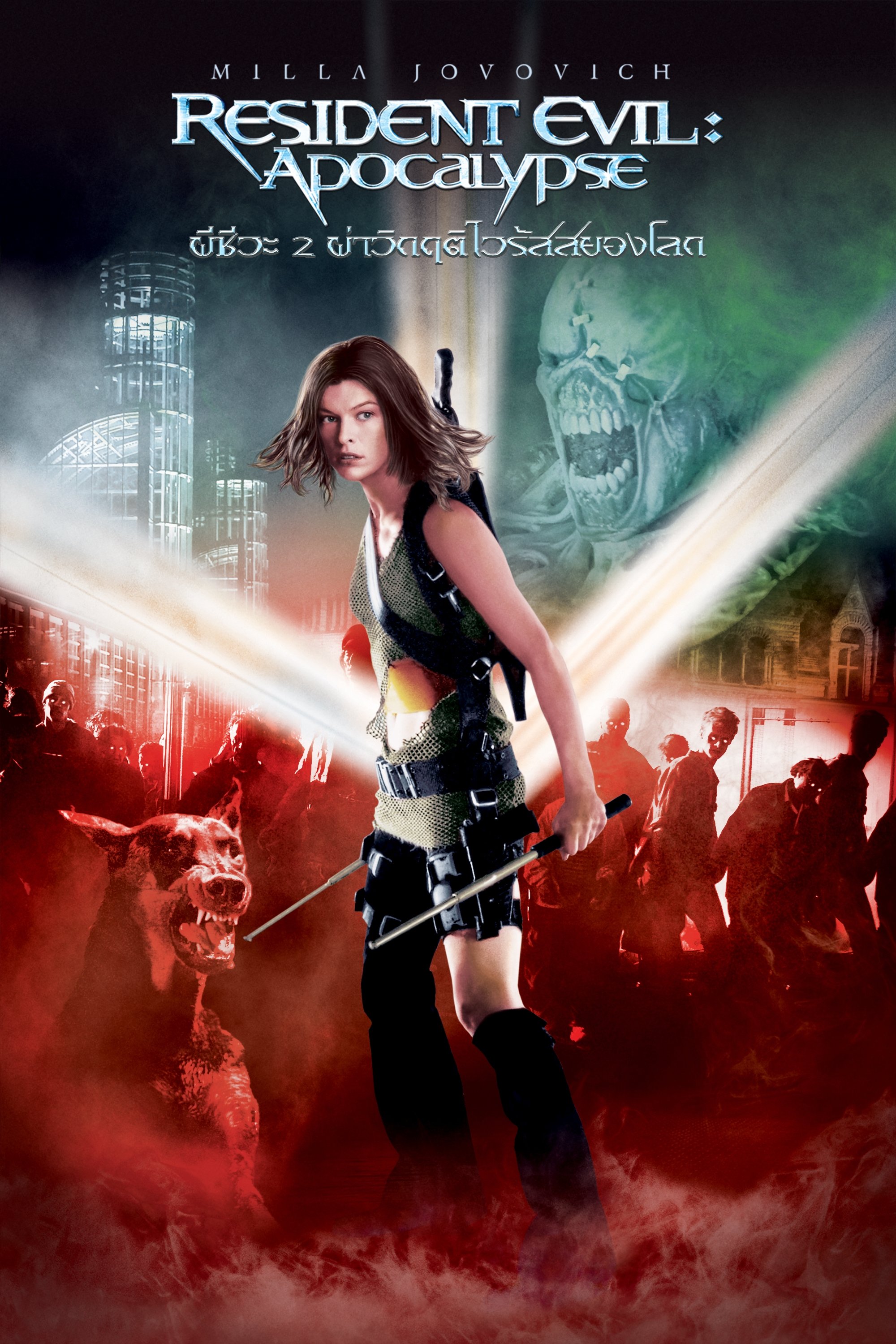
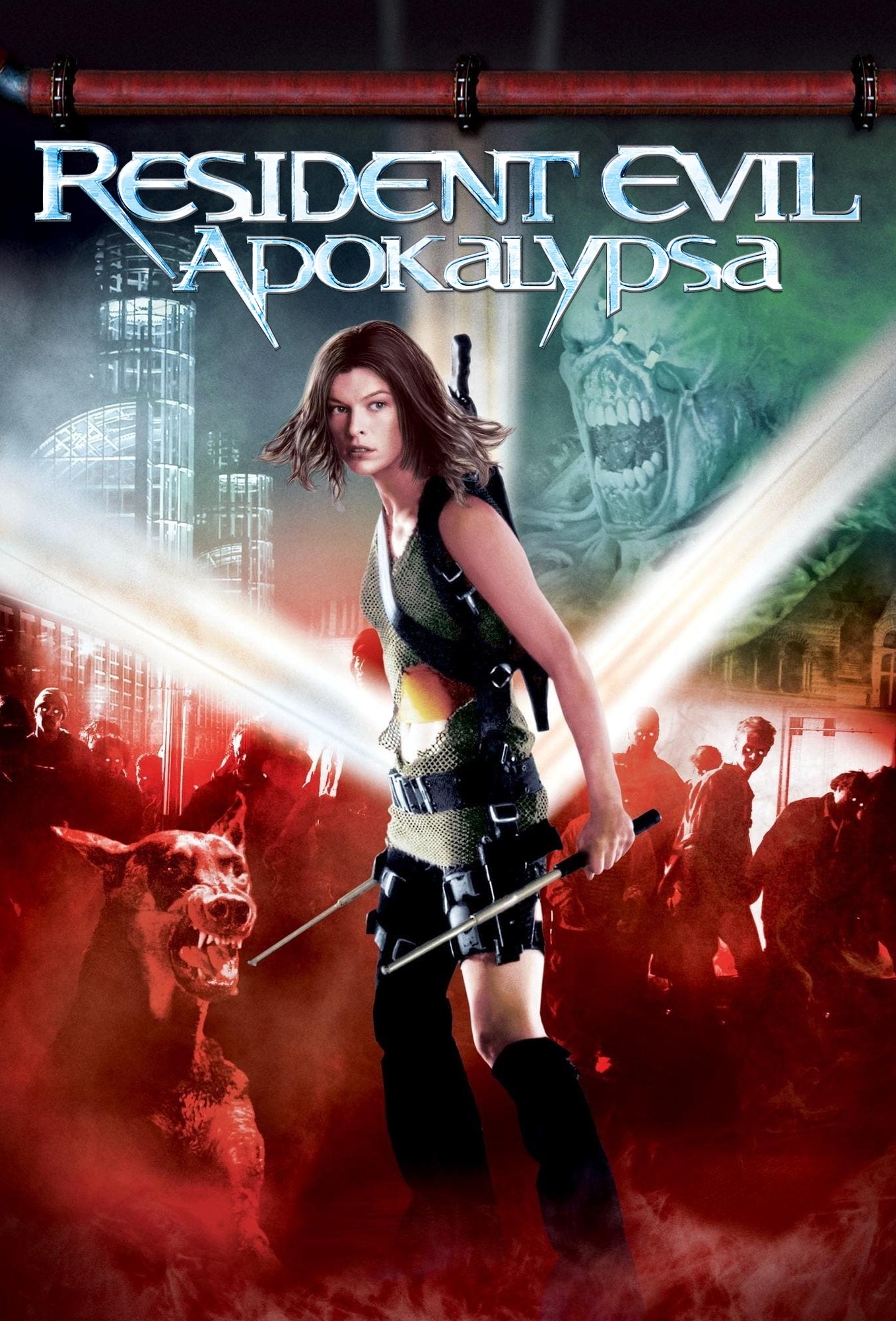
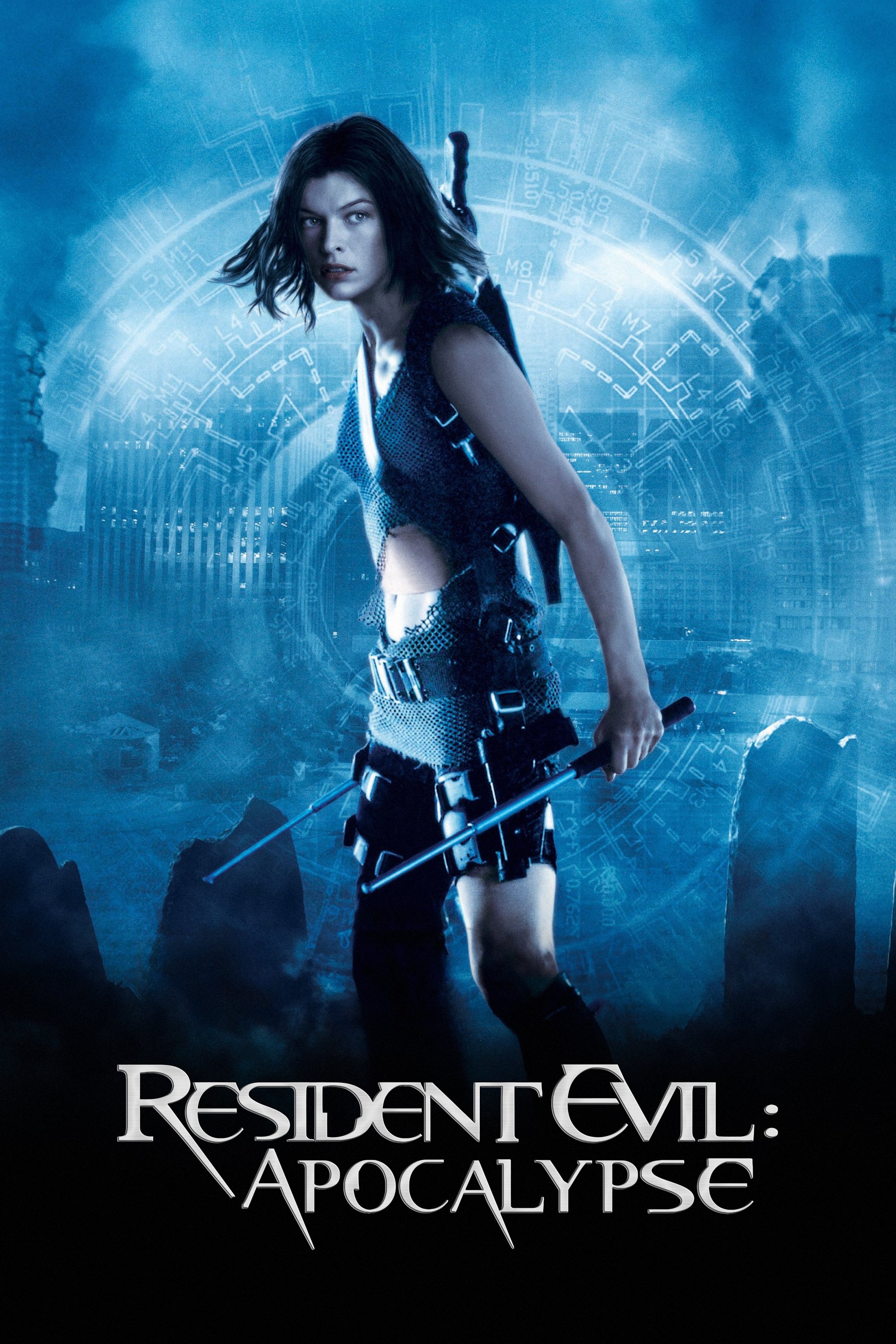
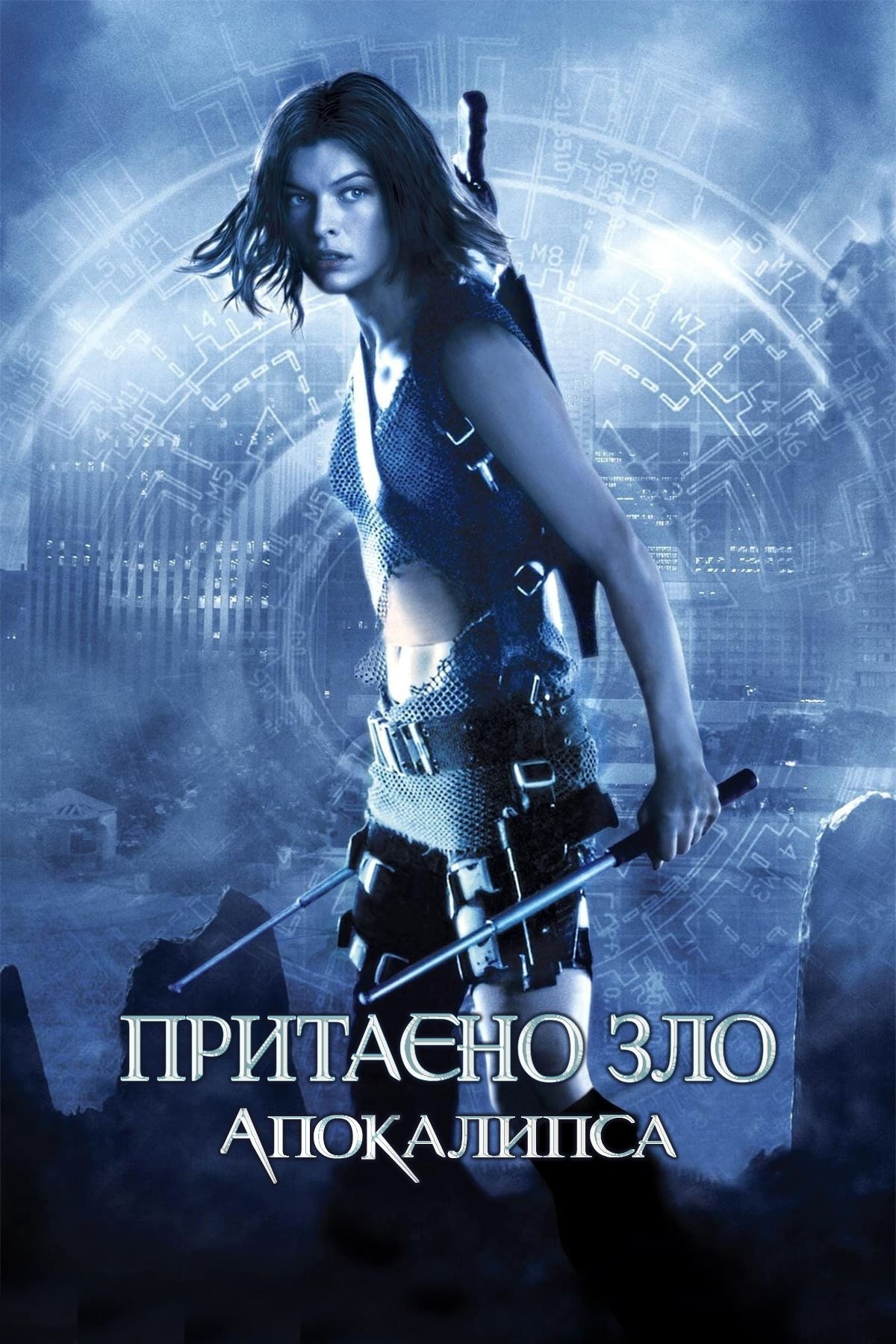
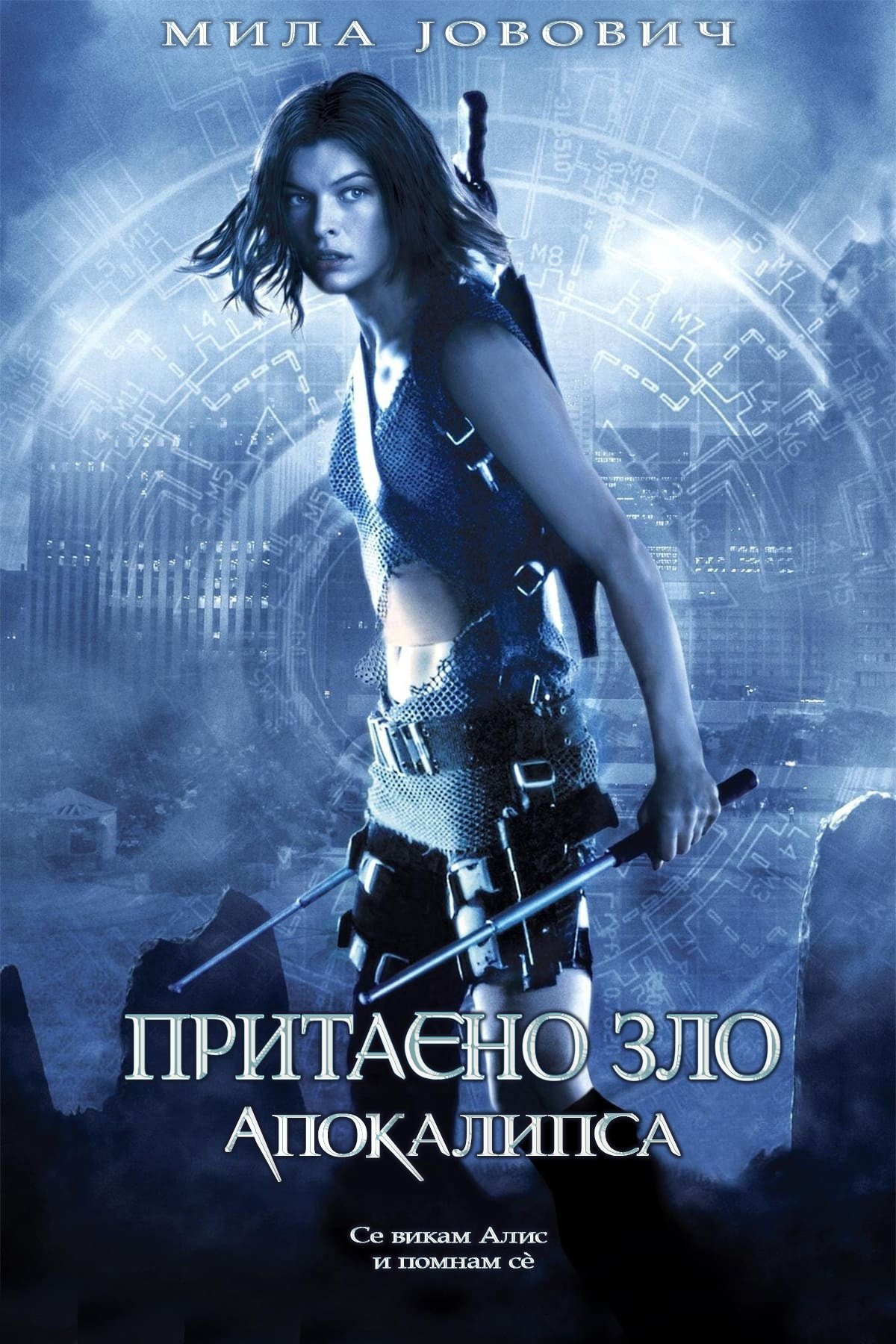
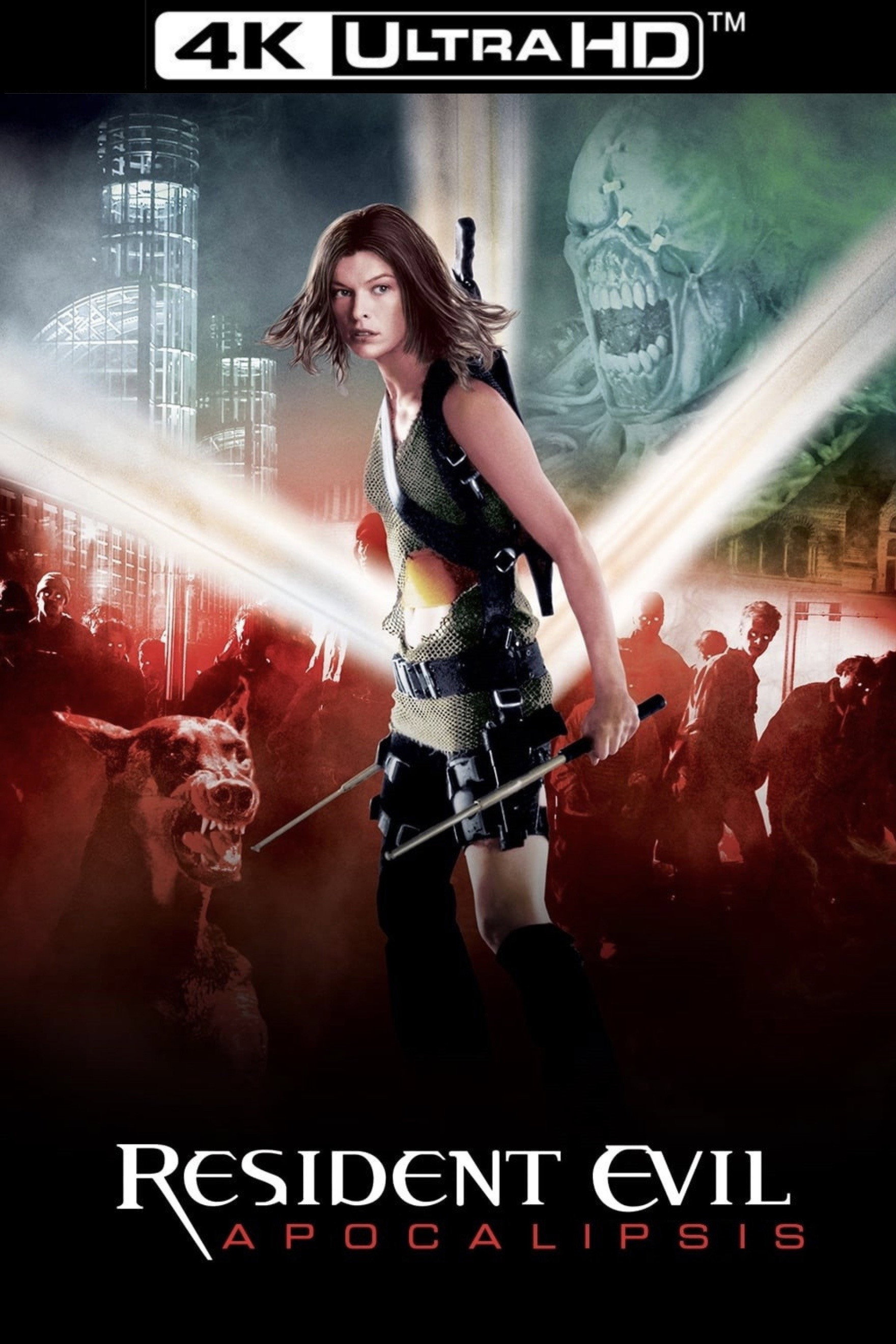
Resident Evil: Apocalypse (2004) takes the biological catastrophe of Paul W. S. Anderson's Resident Evil beyond the sealed laboratory and into Raccoon City. Its streets, churches, cemetery and civic buildings become sites of infection, evacuation and armed containment. The sequel establishes the urban disaster that the first film largely withheld, drawing more visibly on the characters and imagery of Capcom's Resident Evil games. Jill Valentine and the towering Nemesis join Alice, the film series' original protagonist, creating a deliberately mixed adaptation in which familiar game figures coexist with an increasingly superhuman lead. The resulting shift toward militarized action helps explain the sequel's position between zombie horror and the spectacle-driven direction of the later films.
Alexander Witt directed the film from Anderson's screenplay while Anderson remained involved as a producer. Witt brought extensive experience in cinematography and second-unit direction to his feature directing debut. Toronto stood in for Raccoon City, providing a real metropolitan setting that could be extended or destroyed through miniature photography and digital effects. Contemporary technical reporting documents how unusually important that combination was to the production. The film also has a revealing later history: Witt discussed difficulties on the shoot in a twentieth-anniversary interview, while its initial theatrical reception shows how strongly reviewers questioned the balance between horror, video-game action and conventional characterization.
Development and Direction
The sequel followed the commercial performance of the 2002 film, retaining Alice but moving its central threat from an underground facility into an entire infected city. Anderson wrote the new screenplay but did not direct, working instead on Alien vs. Predator. Witt assumed the directorial role after a career largely associated with cinematography and second-unit work. The change mattered because the new film was built around large outdoor spaces, multiple action units and elaborate technical sequences. Its central structure also changed the nature of danger: the characters must negotiate the virus, Umbrella's armed quarantine and a scheduled destruction of the city. These pressures create a countdown framework that accommodates both zombie encounters and extended action choreography.
In a 2024 interview with Inverse, Witt characterized the production as difficult and recalled disagreements about cinematography and competing creative priorities. He said that he replaced an initial director of photography after the first days of filming. His comments provide direct retrospective testimony, but they should be treated as one participant's account of events rather than a complete reconstruction of production disagreements. Witt also praised Jovovich's contribution to overcoming those difficulties. The interview is especially valuable because it identifies the pressures involved in moving a film series from a relatively contained debut to an ambitious urban sequel without inventing motives for other members of the production.
Raccoon City, Jill Valentine and Survival Horror
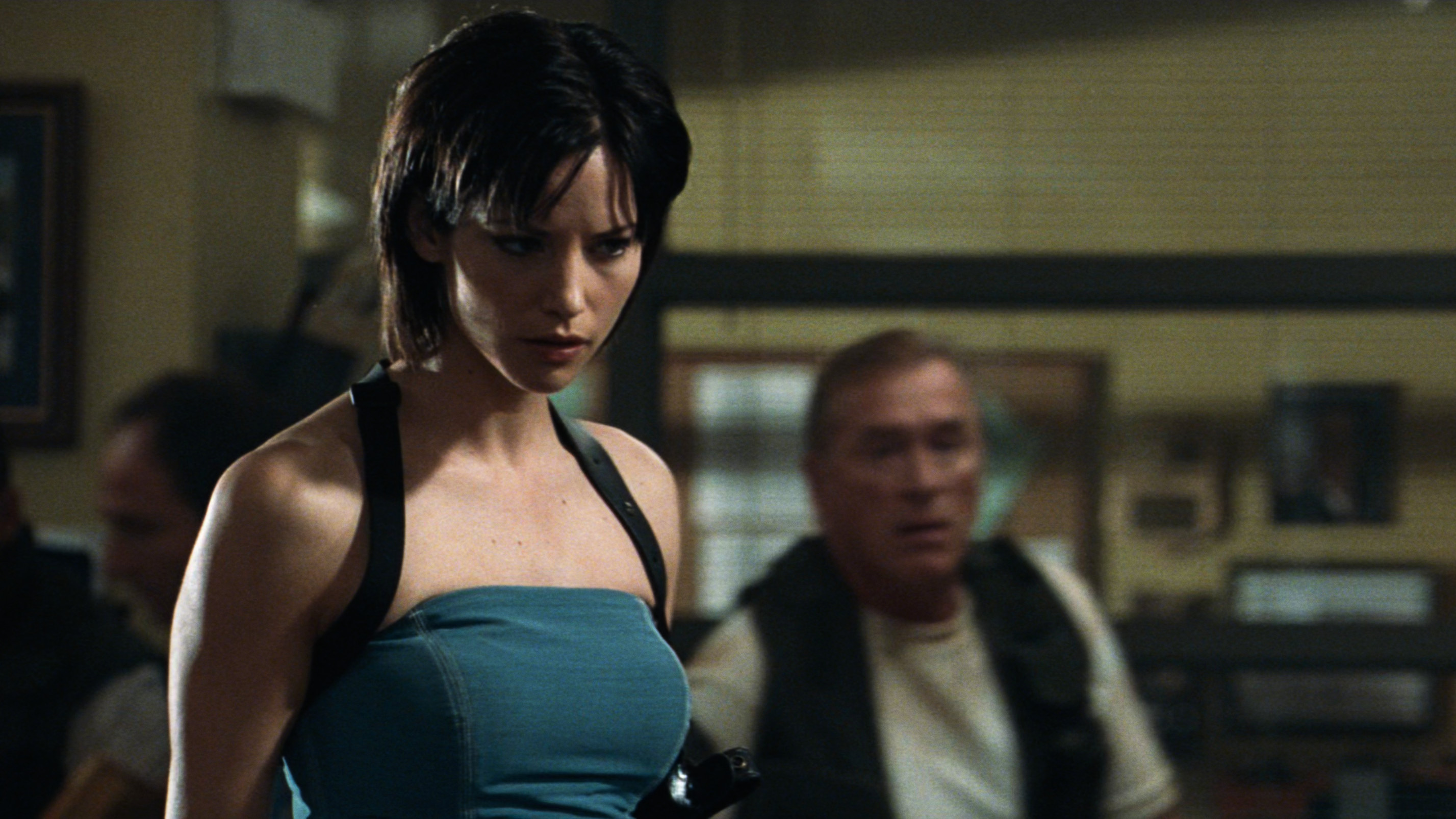
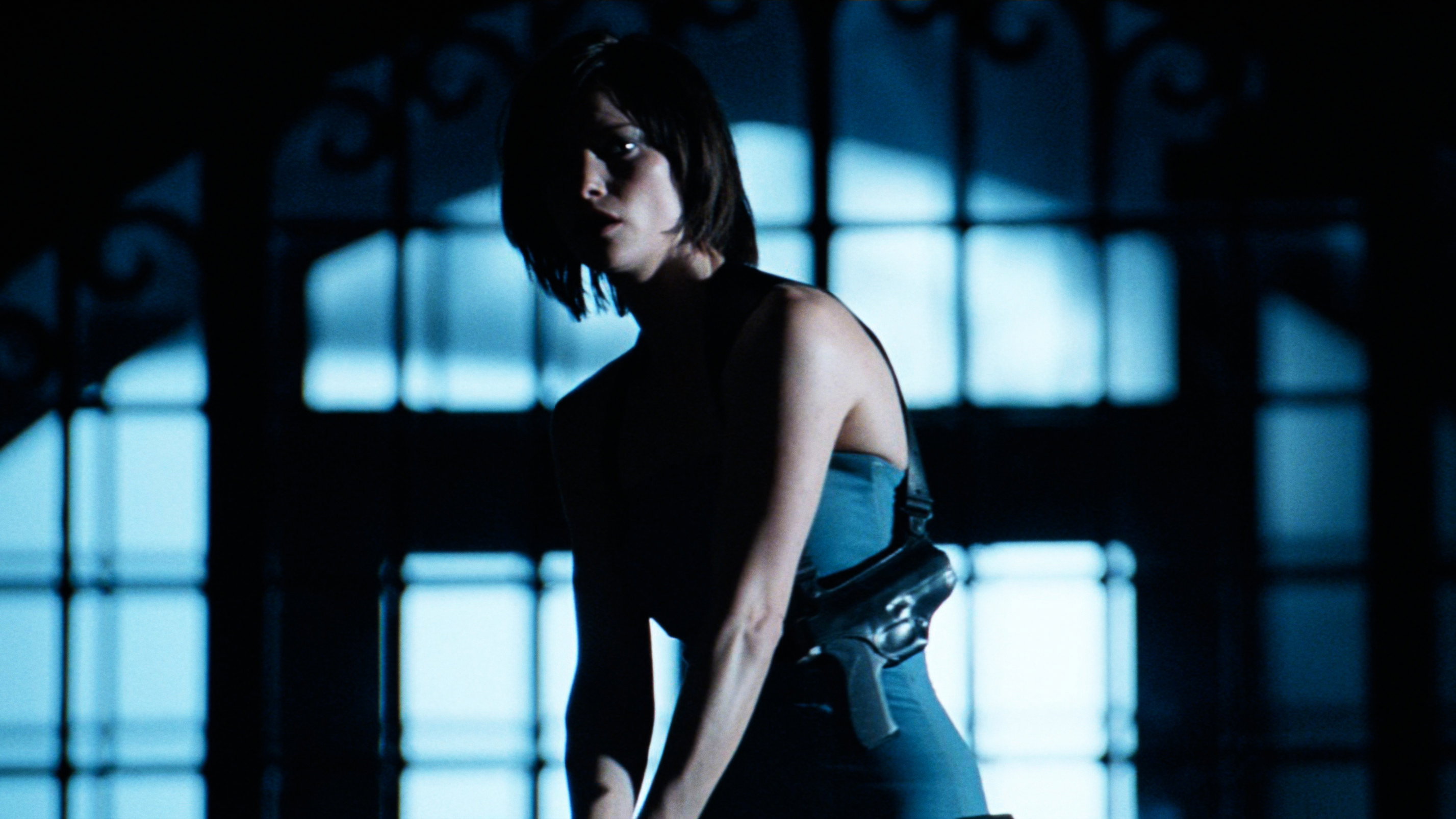
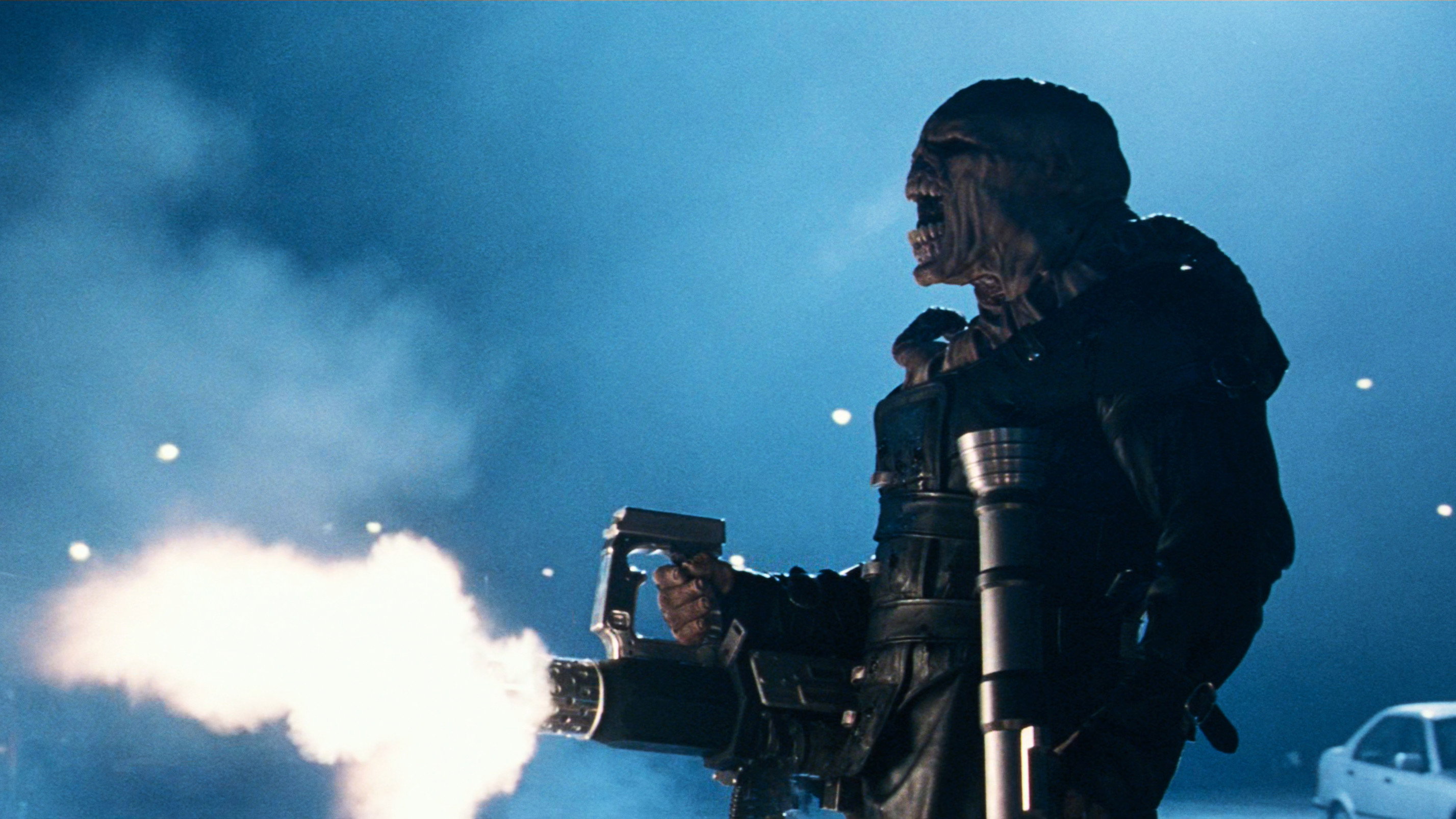
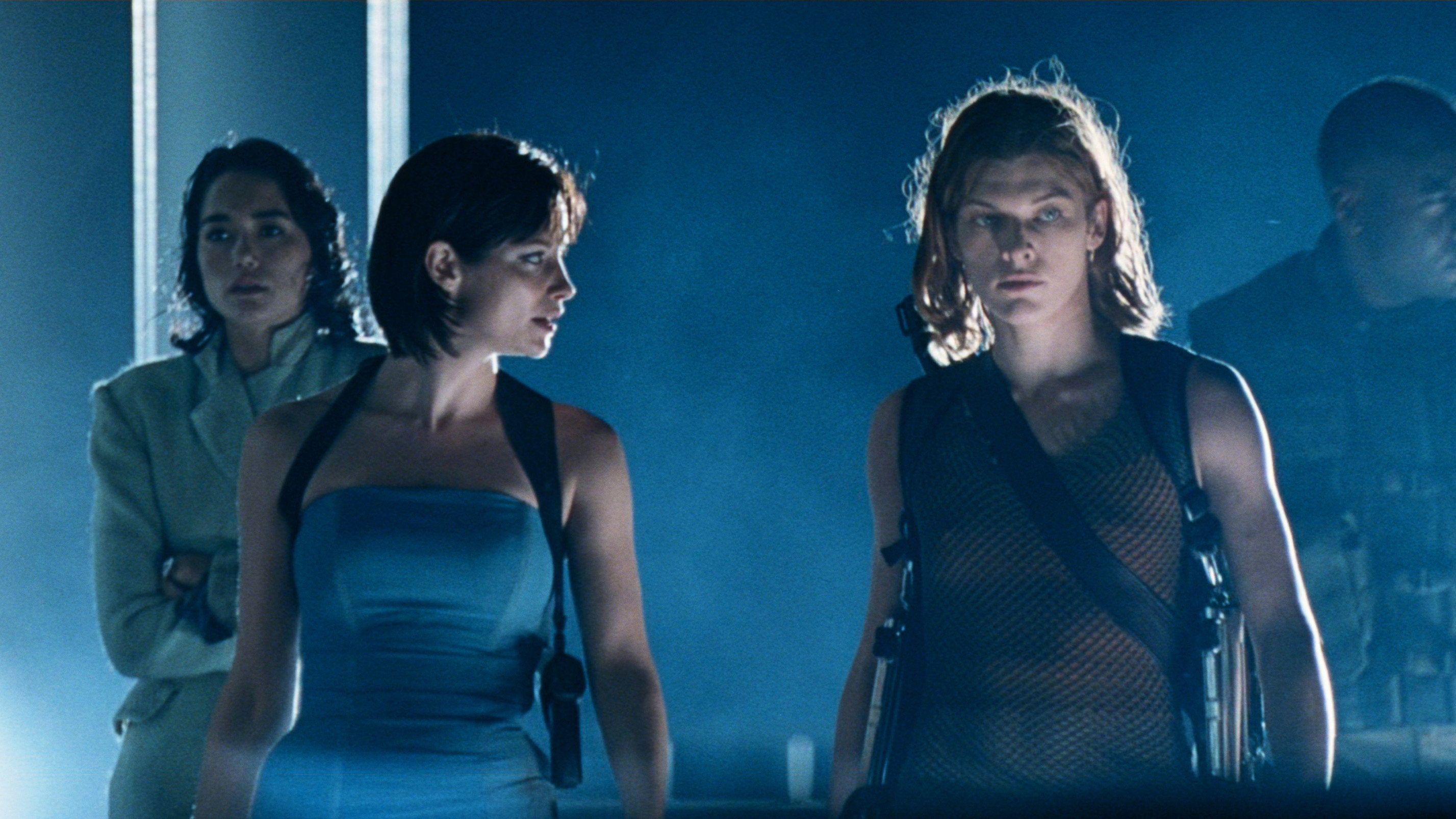
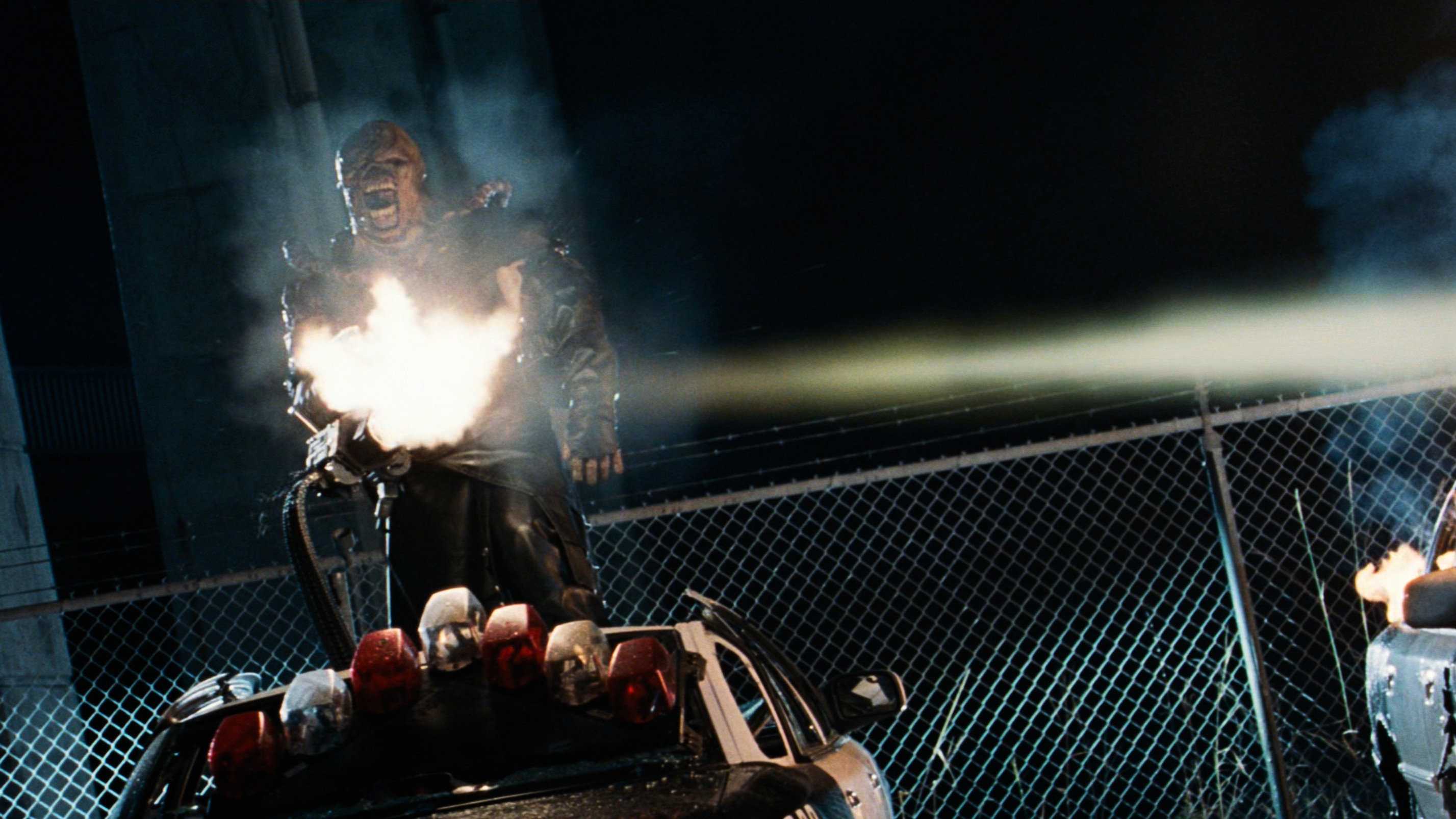
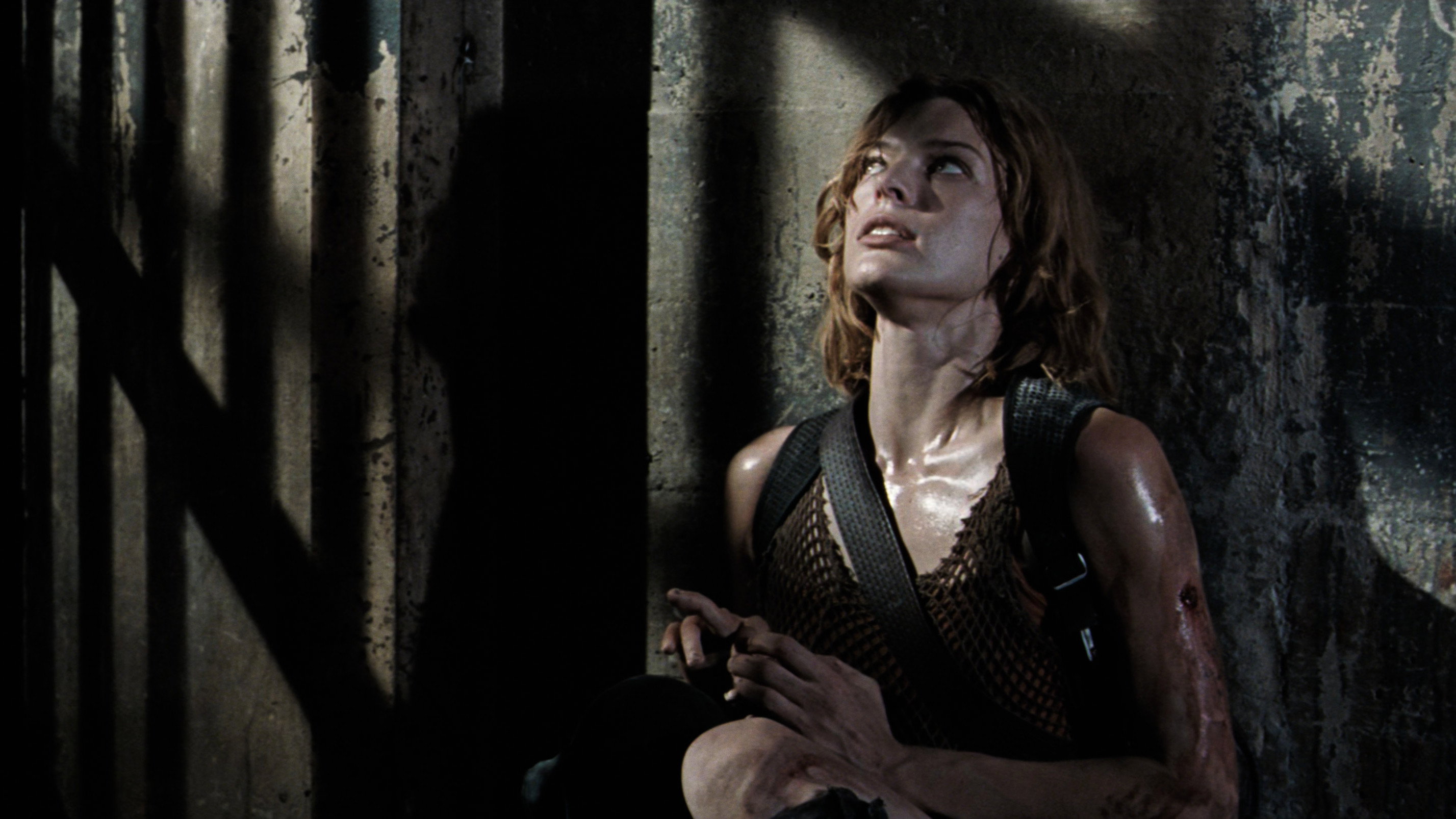
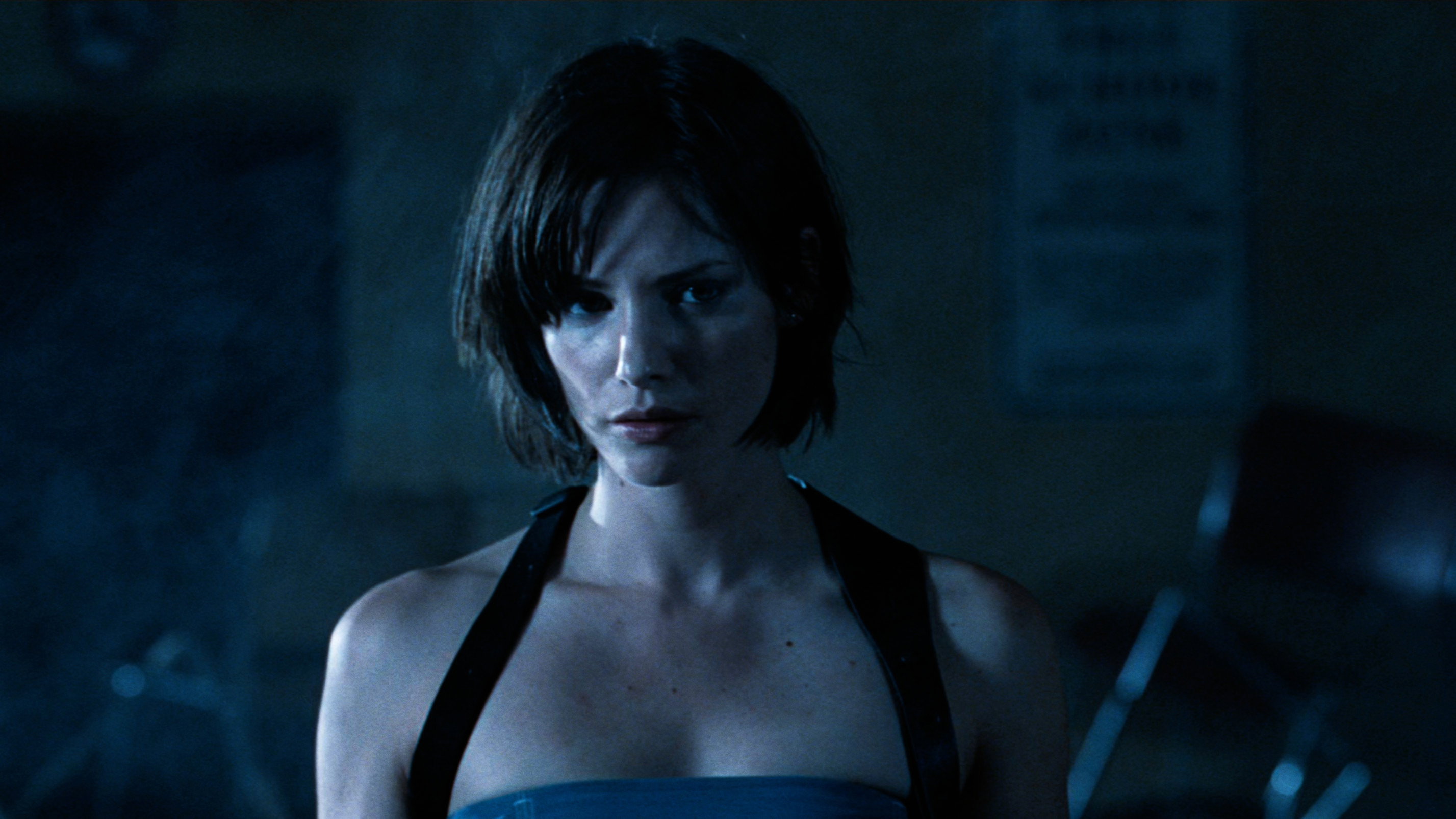
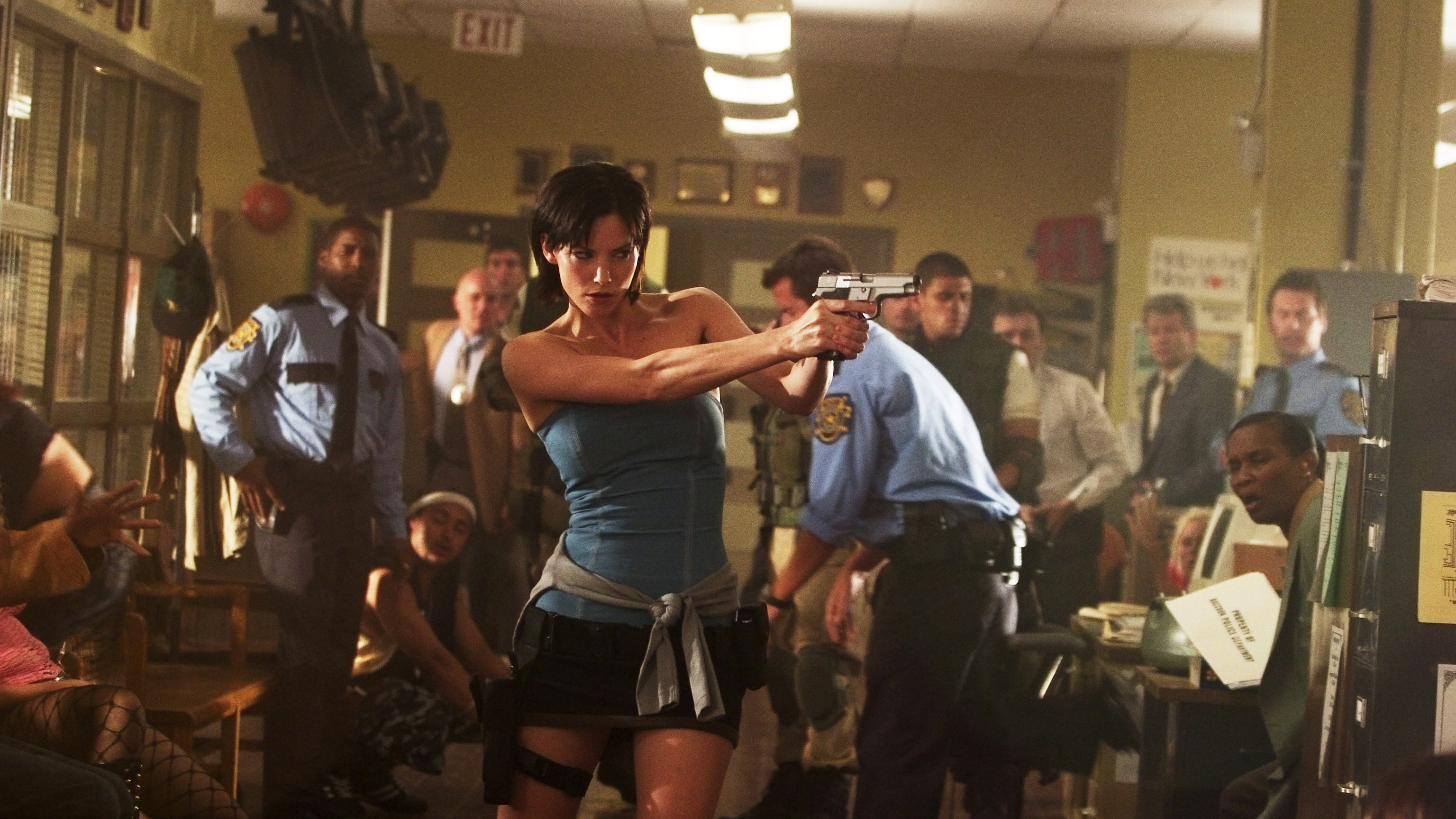
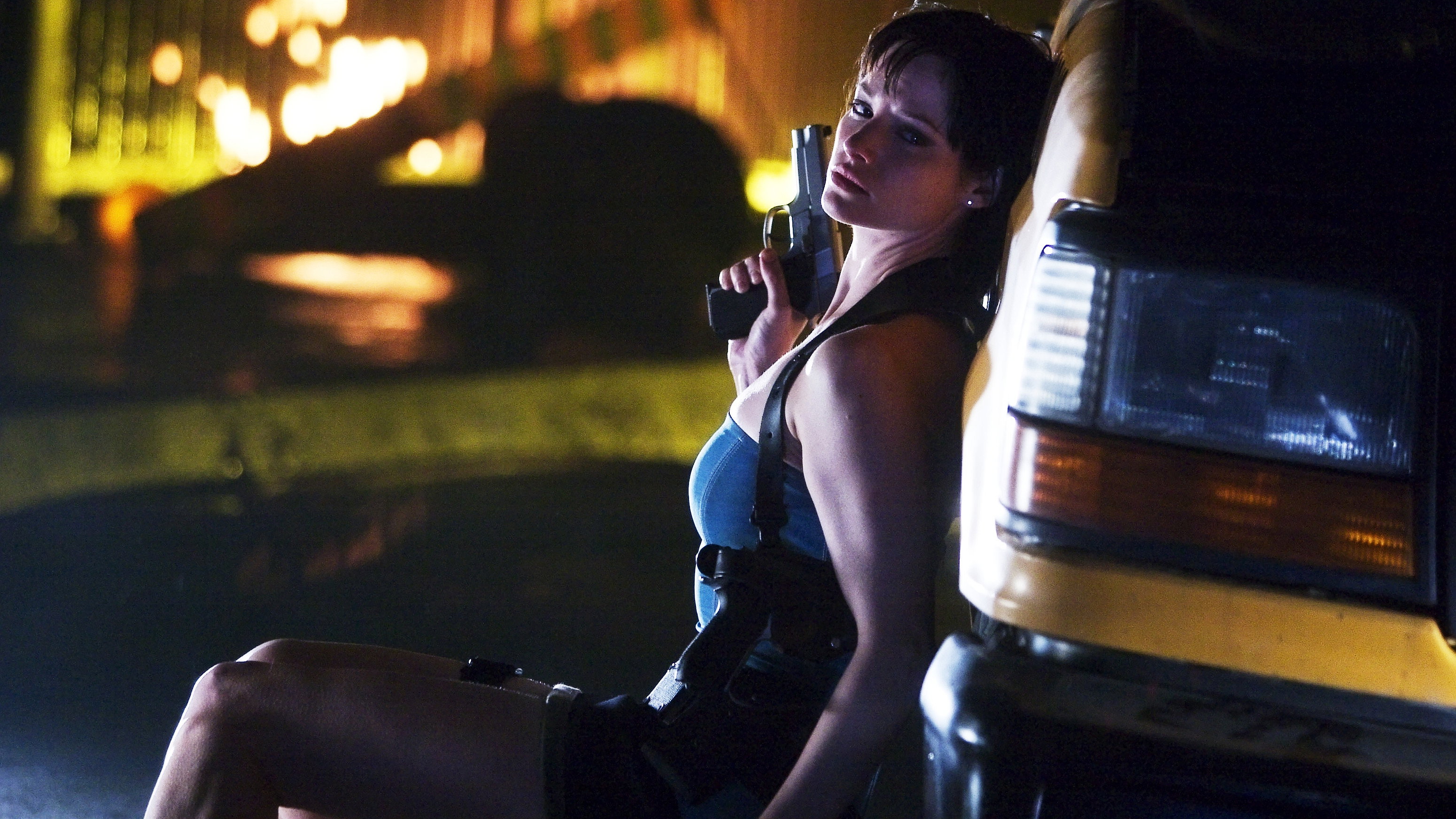
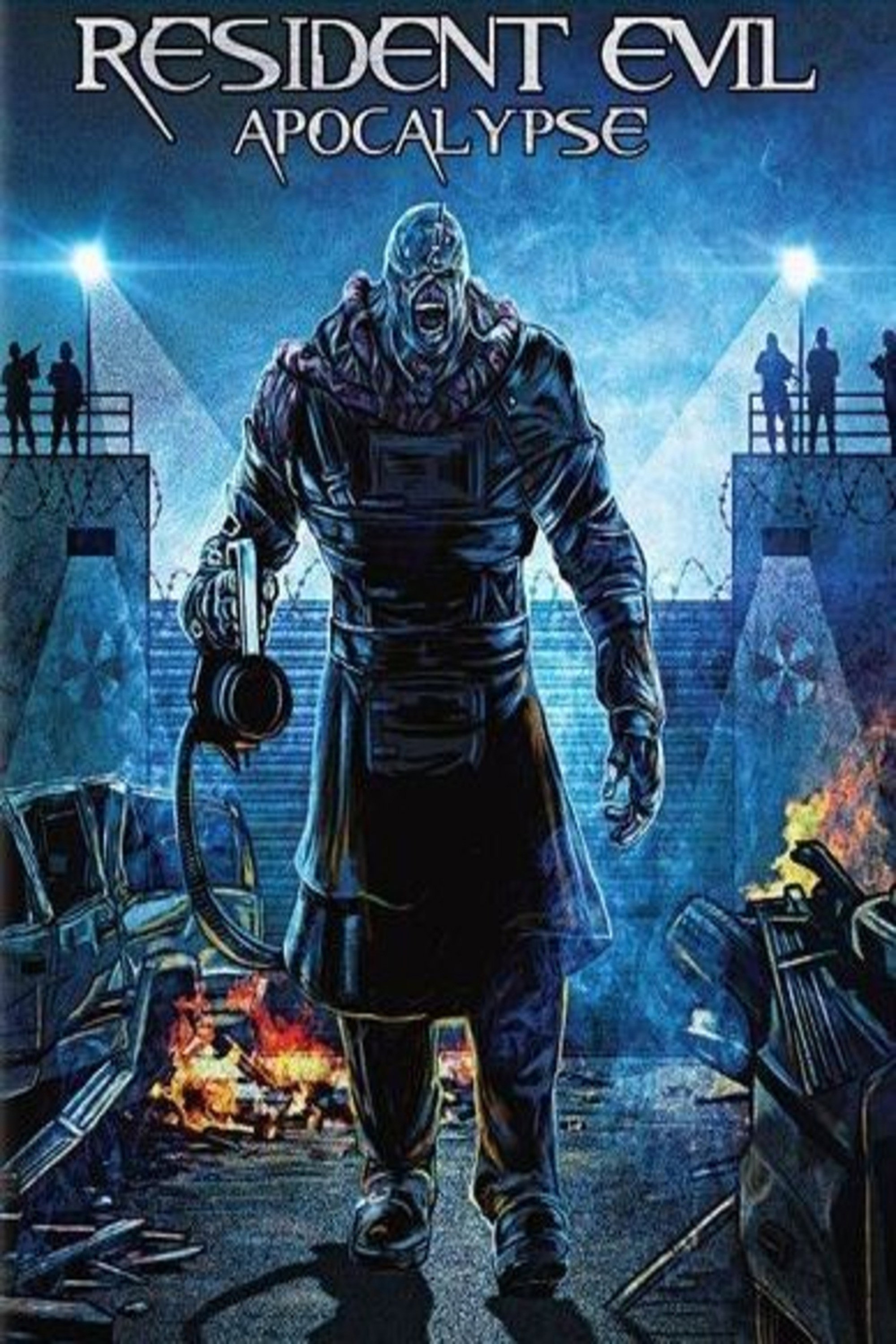
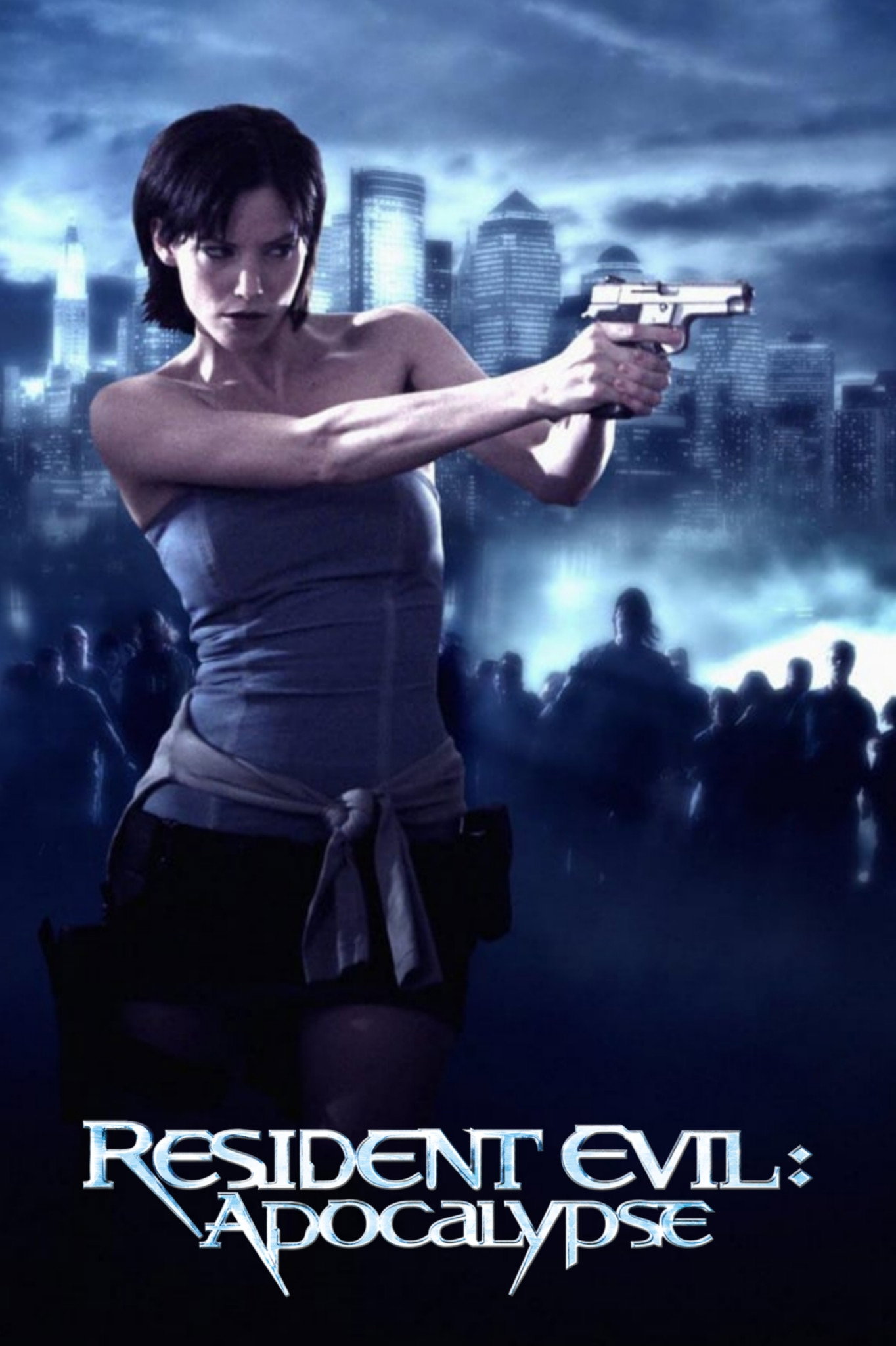
The film brings recognizably game-derived material to the foreground. Raccoon City, the police officer Jill Valentine and Nemesis link its identity especially strongly to the atmosphere and antagonists of Resident Evil 3: Nemesis, while the broader outbreak recalls the urban disaster established across the games. The screen version reconfigures that material around Alice and the Umbrella Corporation's experiment. Jill contributes a capable police presence familiar to players, whereas Alice's enhanced strength and agility change the balance of power between survivor and infected enemy. The two protagonists consequently embody different models of the franchise: vulnerable survival in contaminated spaces and accelerated action through those same spaces.
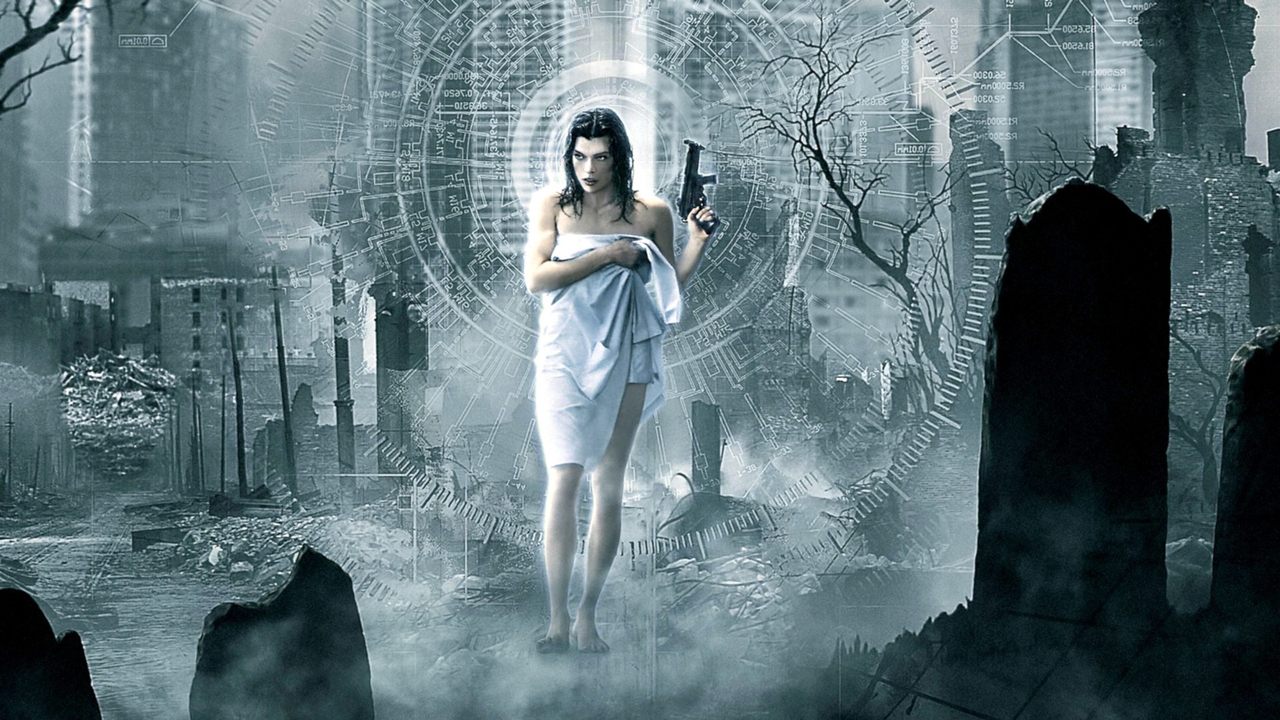
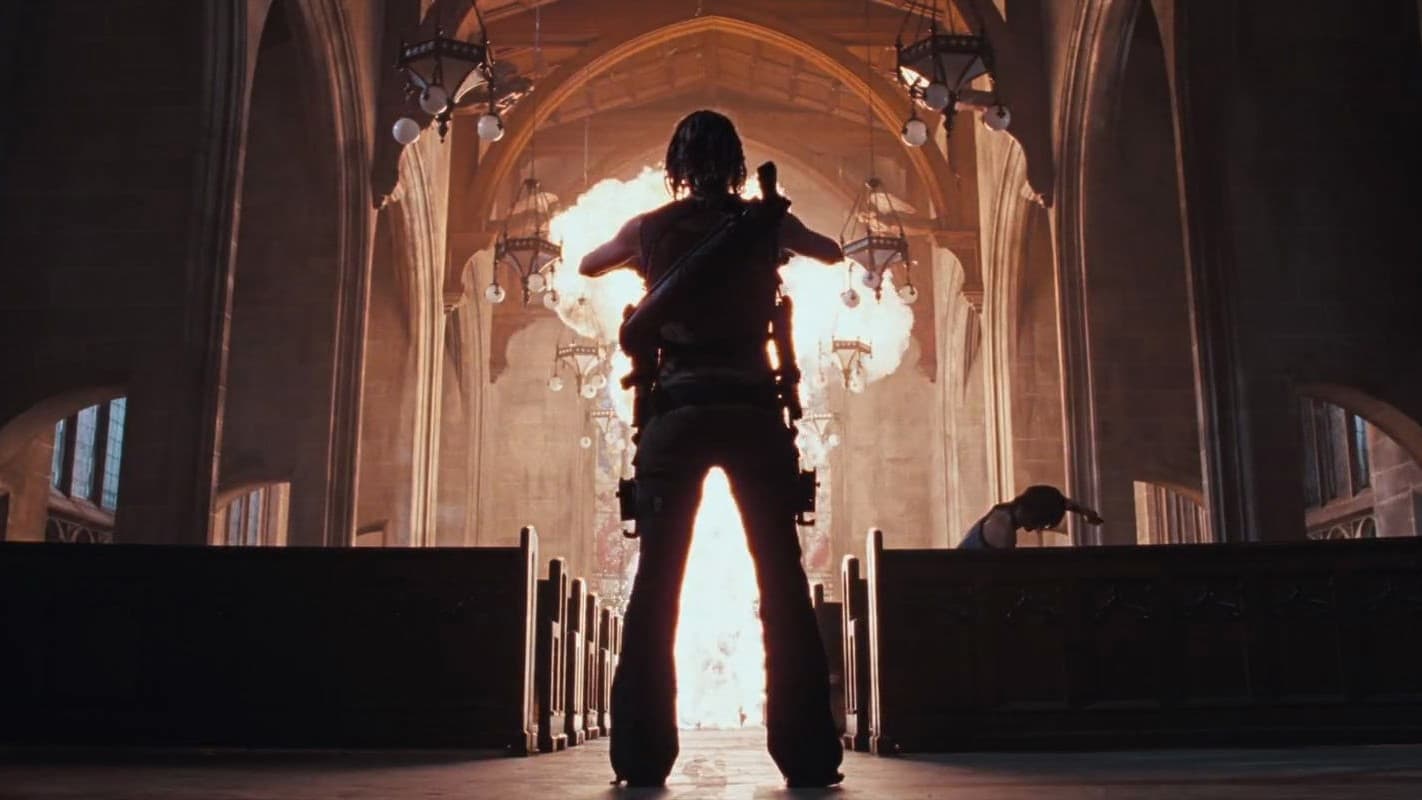
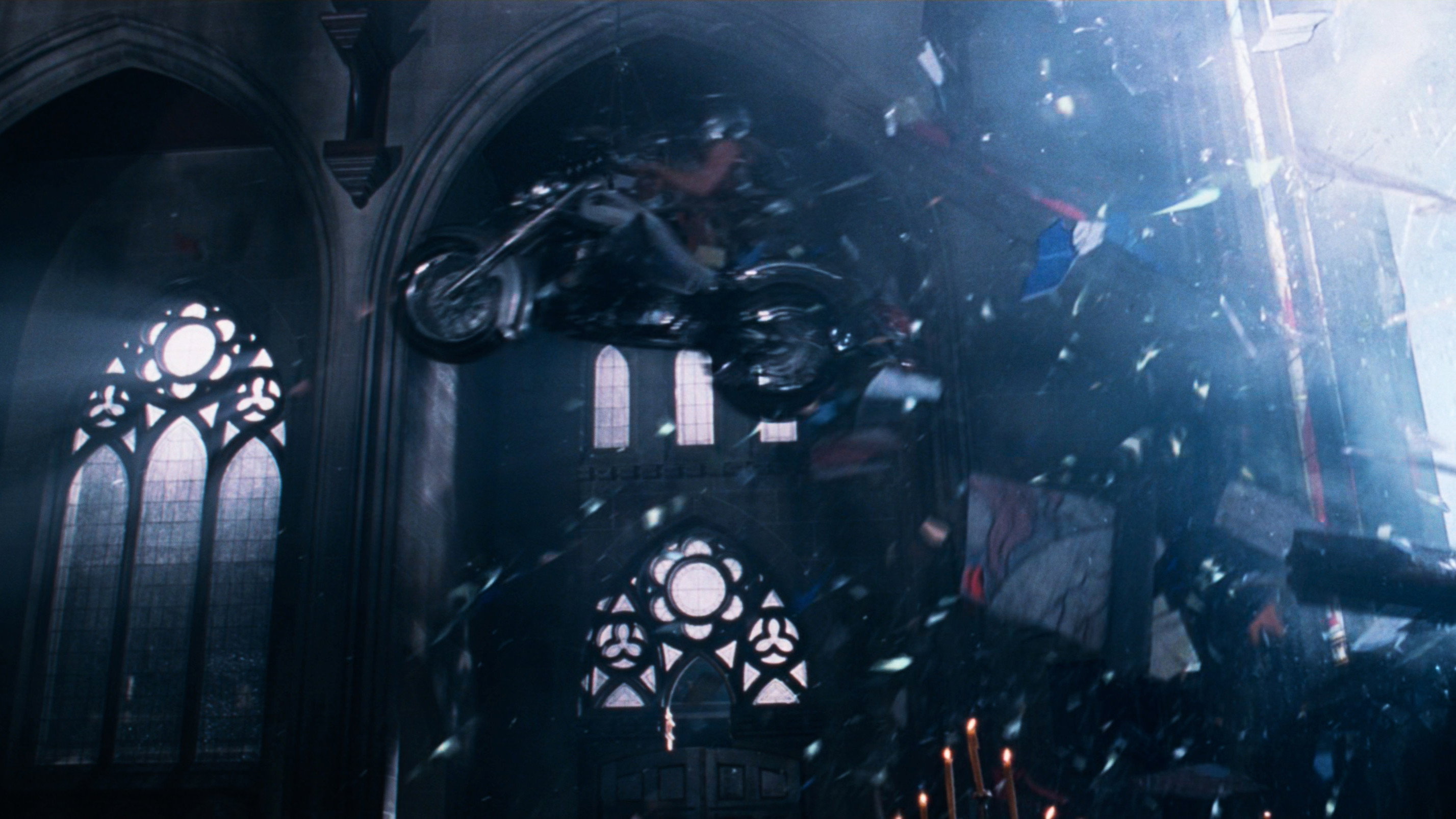
The city becomes a carefully bounded trap. Umbrella controls access to the outside world, and an impending strike promises to erase the evidence of the outbreak along with those trapped inside. This construction translates the games' interest in enclosed environments into streets, transit routes and civic landmarks. The cemetery, church and school provide localized horror settings within the wider escape narrative. These places momentarily restore the pressure of proximity, darkness and uncertain movement that can be lost when heavily armed protagonists face crowds of disposable zombies. The scale of the threat also turns corporate secrecy into a more visible form of political control, with civilians treated as expendable components of containment.
Nemesis, Creature Work and Physical Makeup
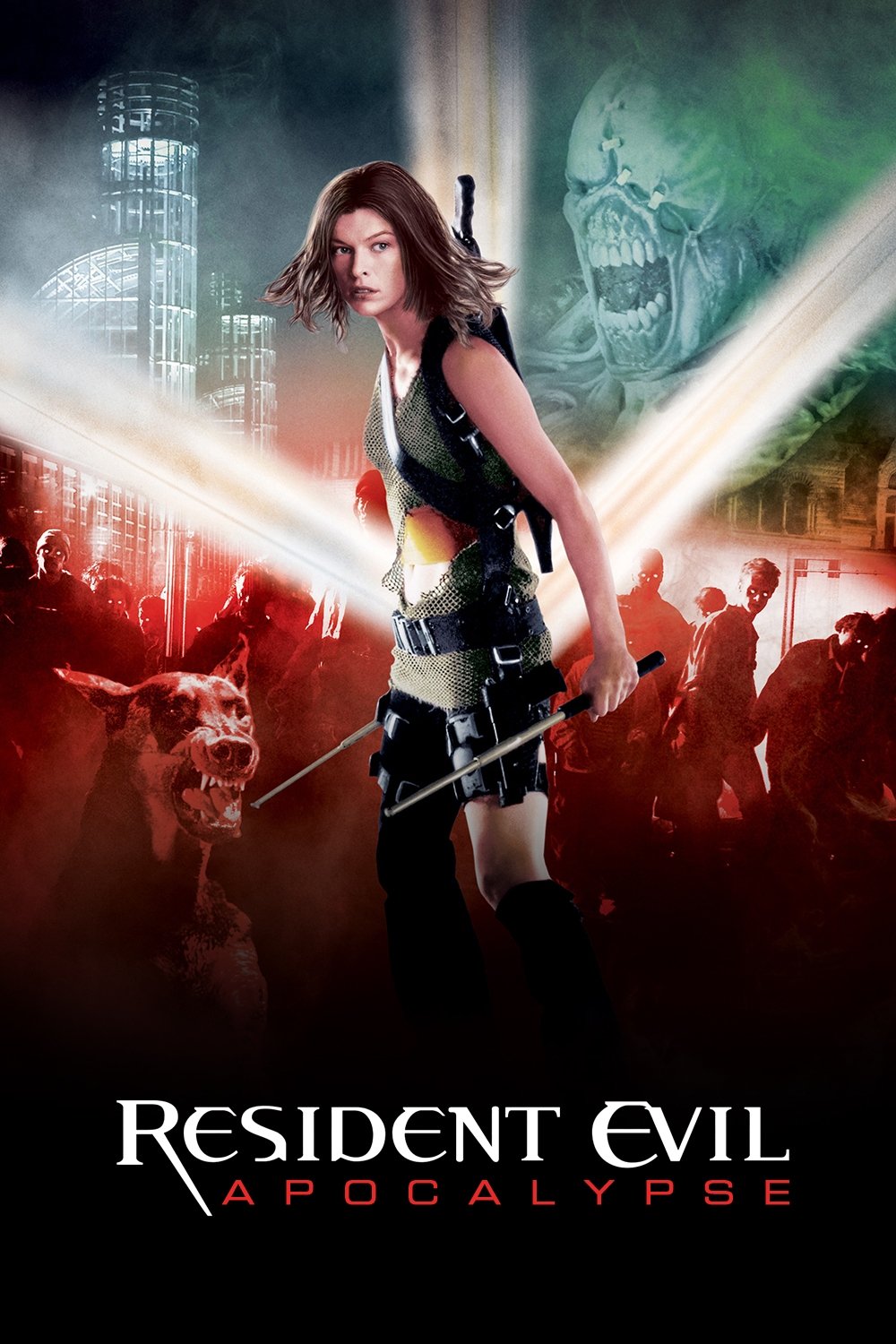
Nemesis gives the film its strongest link between a recognizable game monster and physical special-effects design. Alain Bielik's September 2004 technical report for Animation World Network explains that Toronto-based makeup artist Paul Jones built the character as a performer-worn creature suit. The digital team at Mr. X then adjusted facial features, especially around the eyes, to reduce the visible limitations of a mask. This combination is important: the finished character was fundamentally a photographed physical performance, with digital work used to refine the illusion. Treating Nemesis as an entirely computer-generated creature would misrepresent the documented method.
Other threats required different techniques. The infected Dobermans were real trained animals wearing physical makeup, with additional digital texture work applied by C.O.R.E. to intensify damaged skin, exposed tissue and facial detail. The Licker, by contrast, required extensive computer animation. Supervisor Alison O'Brien described using scans of butcher-shop meat and photographed wet surfaces to build organic textures for the digital creature. She also explained the difficulty of animating a body without an obvious real-world equivalent: the team studied different animals to guide jumping, landing and facial movement. The account illustrates a hybrid effects practice in which prosthetics, trained performers, photographed substances and computer imagery were chosen according to the demands of individual shots.
Toronto, Stunts and Digital Destruction
The production's most elaborate visual-effects work exploited Toronto City Hall as both a real location and the basis for a spectacular fictional destruction. O'Brien told Animation World Network that approximately 444 effects shots appeared in the completed film. Mr. X handled more than 250 shots, while C.O.R.E. and Frantic Films undertook other specialized work. A sequence in which Alice runs down the City Hall facade began with a live stunt performed by Joanne Leach using a cable rig. Digital artists subsequently replaced or concealed the performer-related elements, including harness and cable, and integrated Jovovich's face. The shot depended on actual physical movement, careful camera orientation and substantial compositing.
For the destruction of the building, a miniature approximately 44 feet high was constructed and equipped with hundreds of separate window elements. Pyrotechnic work on the model was combined with digitally generated shockwaves, glass and debris. Other effects sequences used helicopter miniatures alongside computer-generated components. This technical division shows why the film's urban scale did not require every image to be manufactured digitally. Miniatures provided physically photographed destruction and complex lighting, while digital processing assembled material recorded under different conditions. The resulting imagery supports a narrative in which Umbrella's quarantine escalates from a sealed perimeter to the annihilation of an entire metropolitan landmark.
Release, Versions and Critical Response
Screen Gems released Resident Evil: Apocalypse in the United States on September 10, 2004. British Board of Film Classification records provide a useful distinction between the UK theatrical submission, listed at 93 minutes and 42 seconds in August 2004, and a later home-entertainment submission of 89 minutes and 53 seconds. Different recorded durations should not automatically be called evidence of censorship or an alternate narrative cut: running-speed and format differences must be accounted for before comparing content. The film's December 2004 American DVD release included behind-the-scenes features, effects breakdowns and commentary involving Witt, Anderson and members of the cast, making the production unusually well documented in supplementary material.
Contemporary reviews frequently criticized the emphasis on relentless action. Writing on the American opening date, Roger Ebert objected to what he saw as thin characters, routine zombies and weak dramatic logic. His review also drew attention to Toronto's easily identifiable appearance behind the fictional city. Those objections represent a dated critical response, not a conclusive judgment about the film's subsequent audience. The sequel remains significant to the development of the screen series because it introduces Jill Valentine and Nemesis while giving Alice an increasingly exceptional combat role. Its mixture of practical monster construction, visual-effects spectacle and game iconography established a template from which the later live-action installments could expand.
Alain Bielik's original 2004 interviews with the visual-effects supervisor documenting stunt composites, creature methods, miniatures and digital destruction.