


Returning to Frankenstein
Universal began considering another Frankenstein film after the enormous impact of the 1931 production, but Whale did not immediately want to return. AFI records an abandoned version assigned to Kurt Neumann with Karloff as the Monster and Béla Lugosi connected with the scientist role. That project disappeared, and development resumed later. By late 1934 Whale agreed to direct, eventually gaining enough freedom to reshape the sequel according to his own mixture of horror, fantasy and comedy.
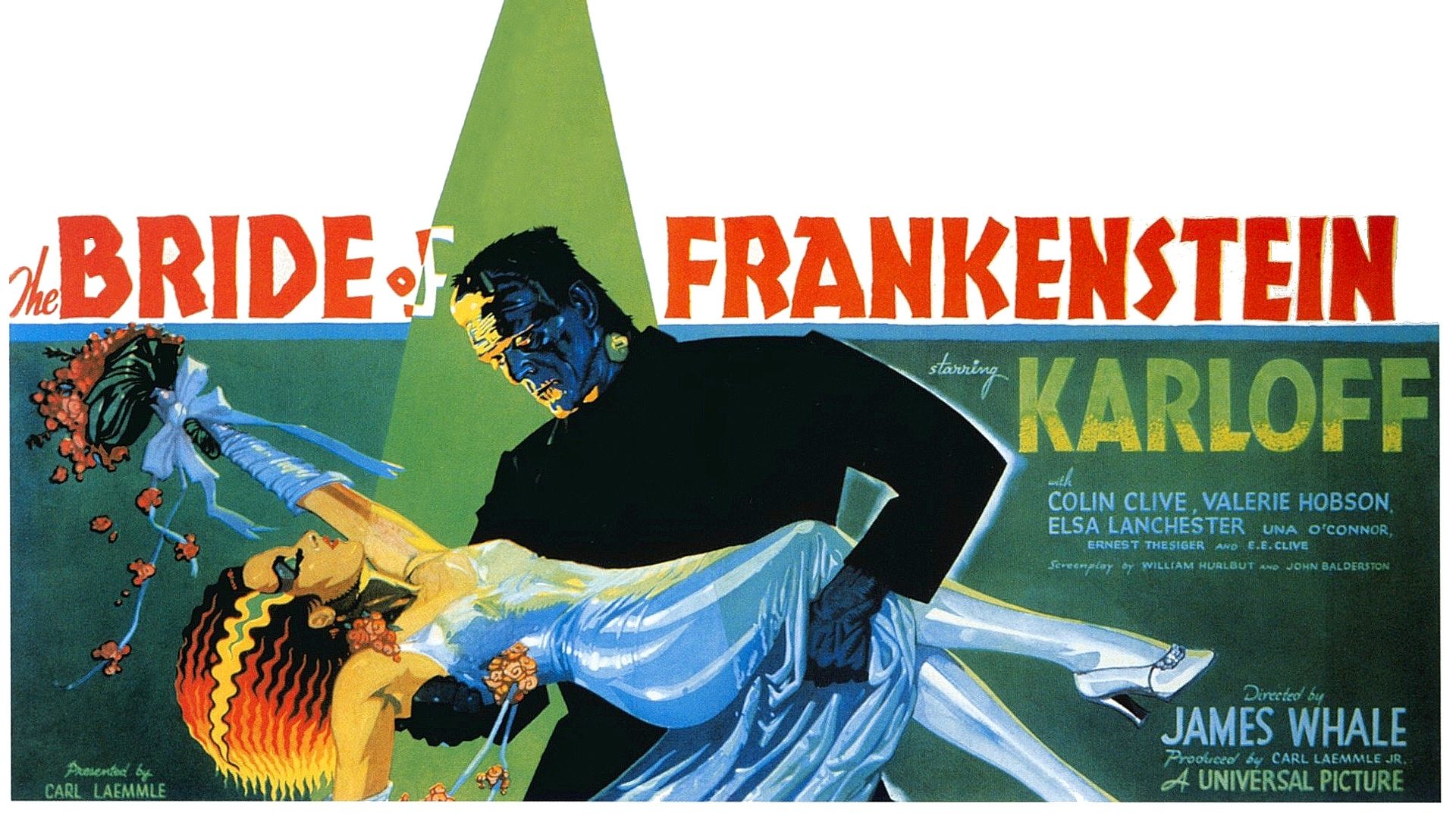
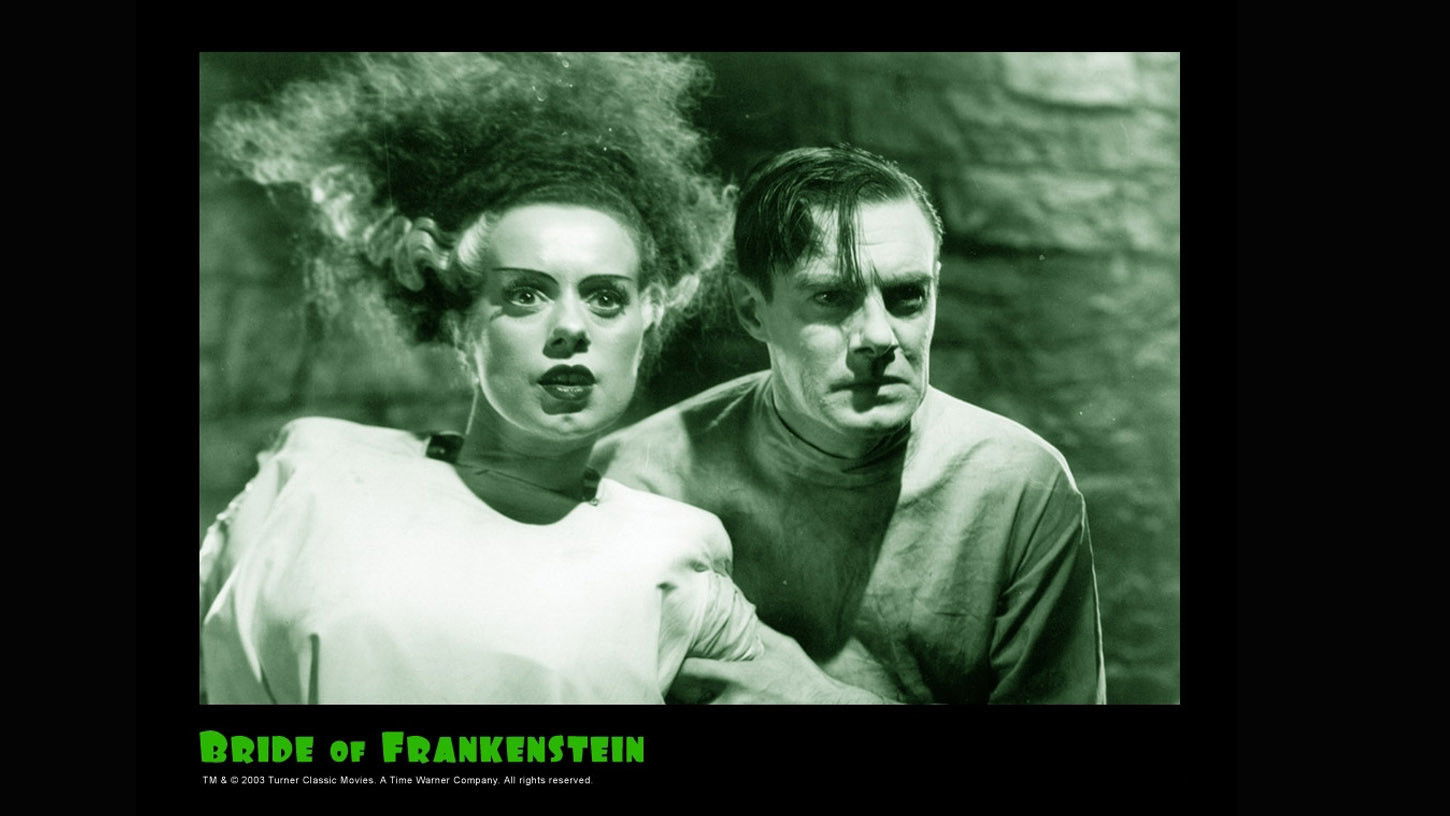
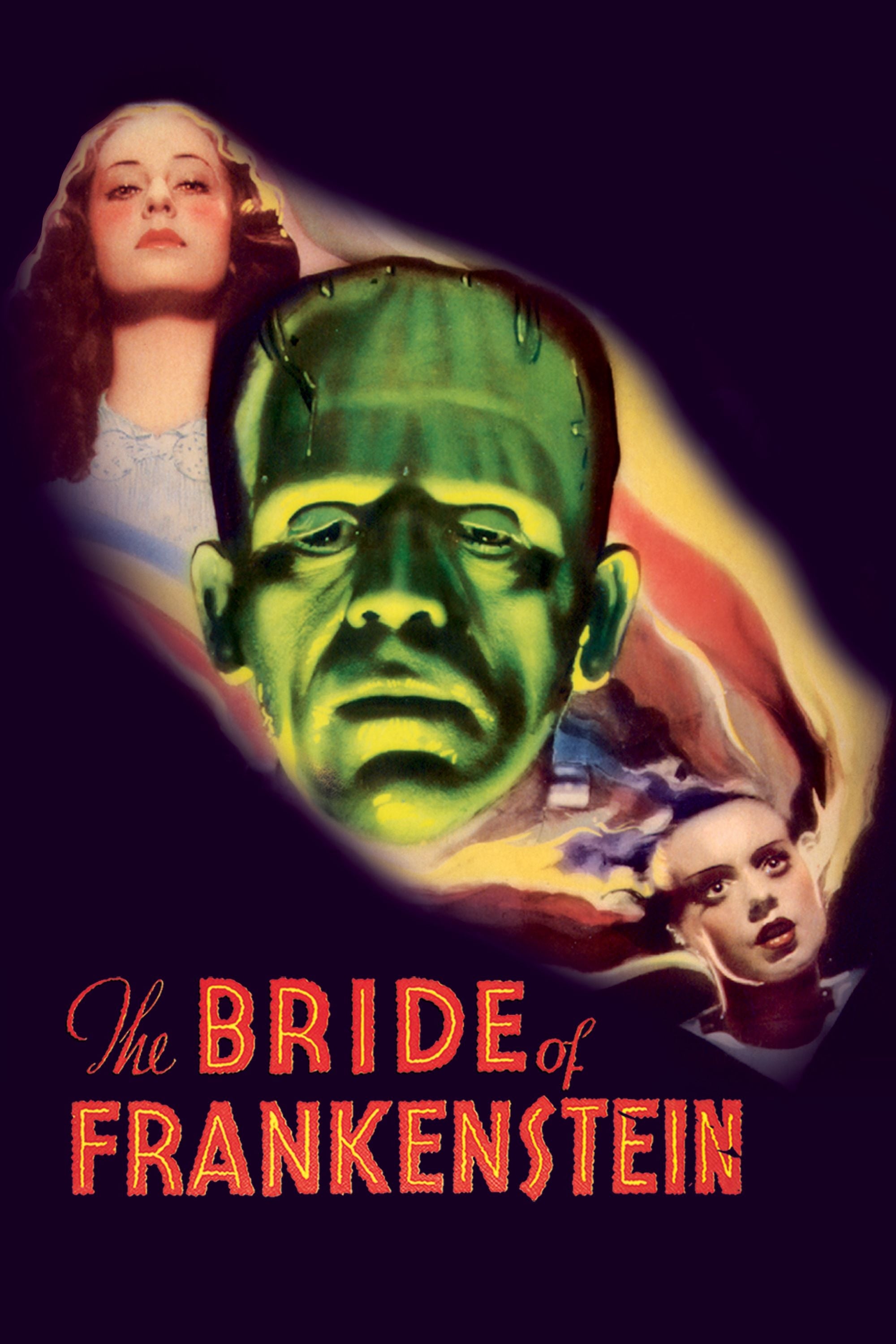
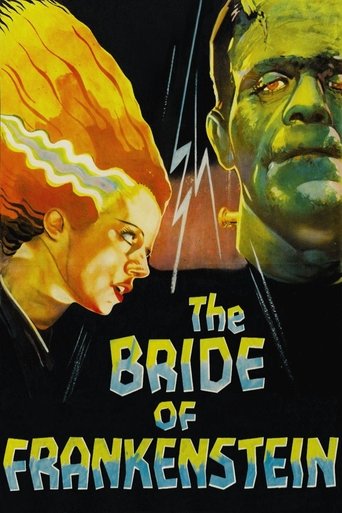
The working title was The Return of Frankenstein, and the screenplay passed through several stages before William Hurlbut received principal writing credit. John L. Balderston contributed adaptation work, while Tom Reed had prepared earlier treatments and revisions. The final film is described as suggested by Mary Shelley rather than as a direct adaptation. This wording is appropriate because the plot largely invents its own continuation while recovering one important idea from the novel: the Monster's demand that his creator make another being like him.
Whale uses that demand as the foundation for a sequel that becomes less interested in repeating the first experiment than in examining what the Monster has become since it. The Creature now understands loneliness, rejection and companionship more clearly. The possibility of a mate is therefore not merely another laboratory stunt. It represents the first future he has been allowed to imagine for himself.