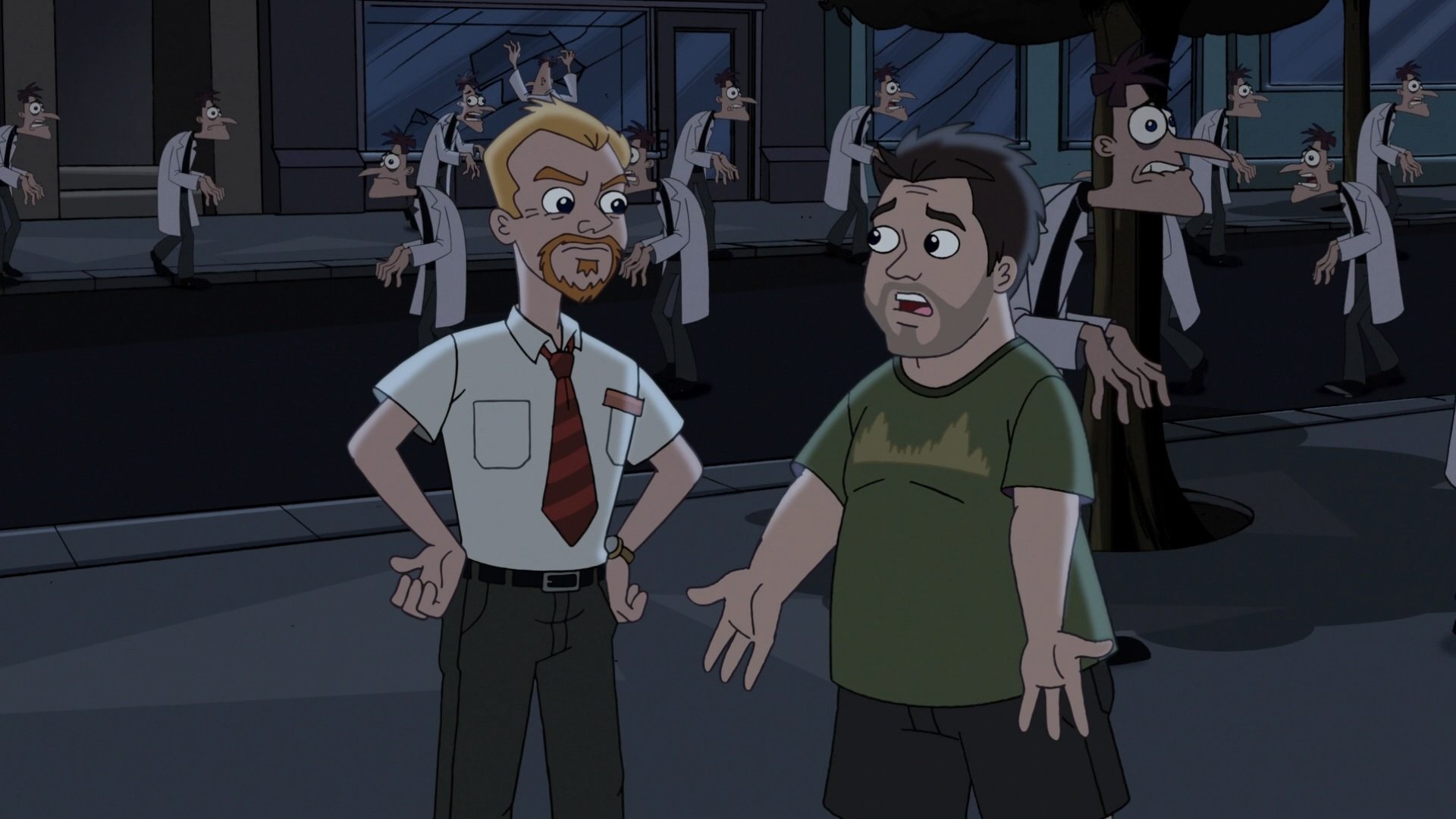
Shaun of the Dead (2004)

GB
HORROR FILM Comedy
SUBGENRES ZOMBIE
8.8/10 5 votes
Runtime
99 min
Release
April 9, 2004
Budget
$6,000,000
Revenue
$39,396,175
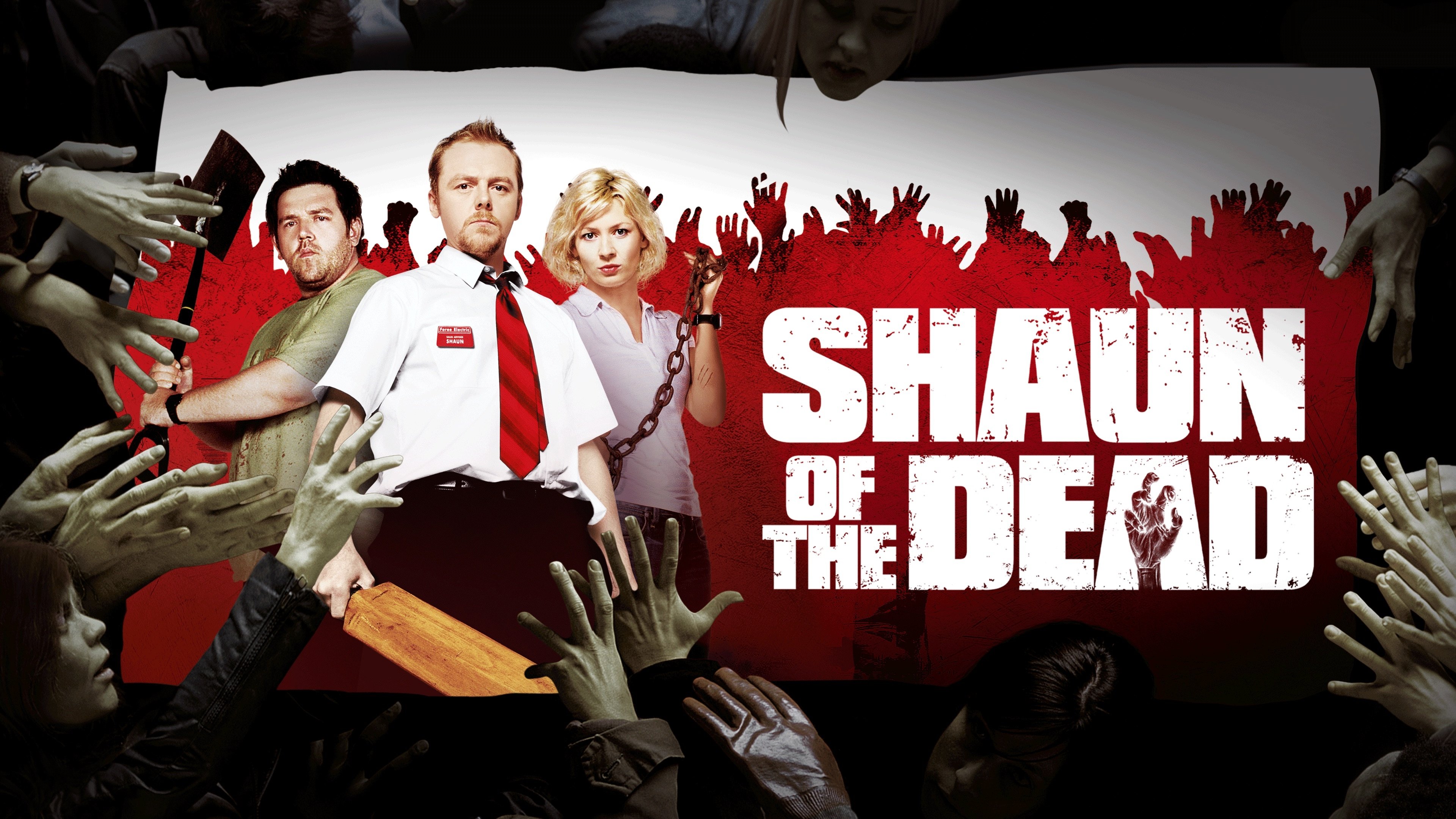
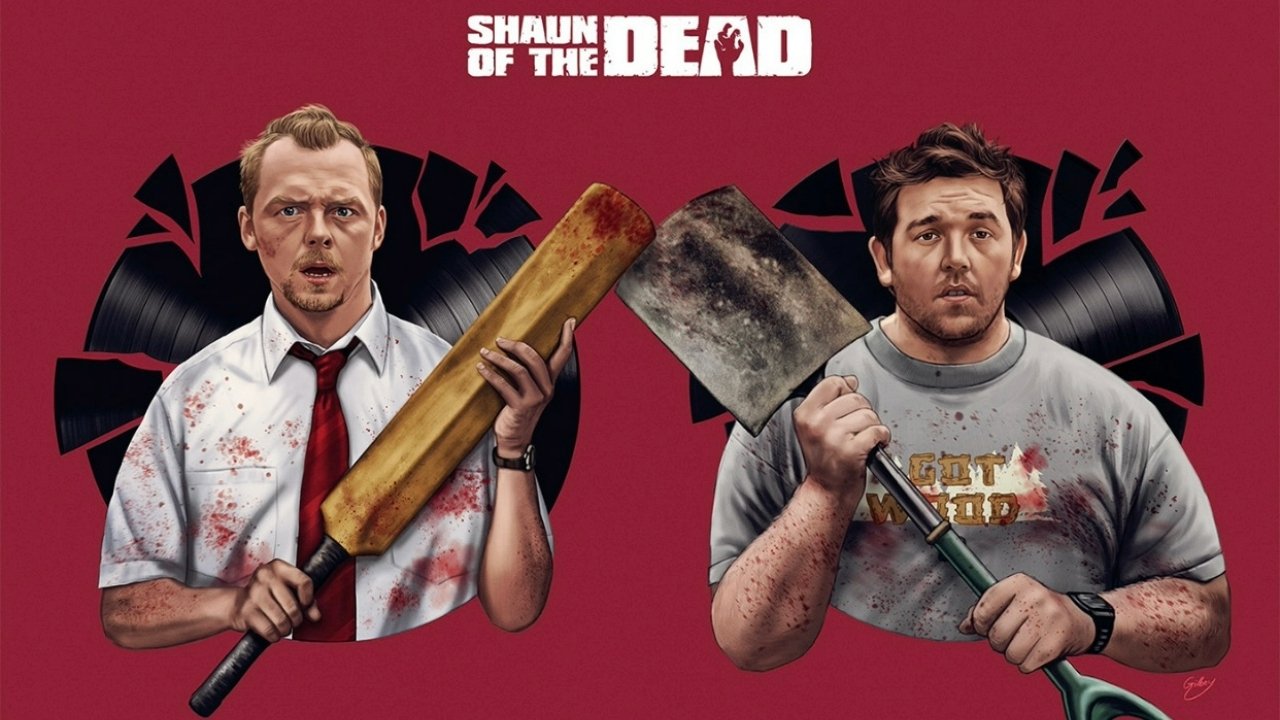
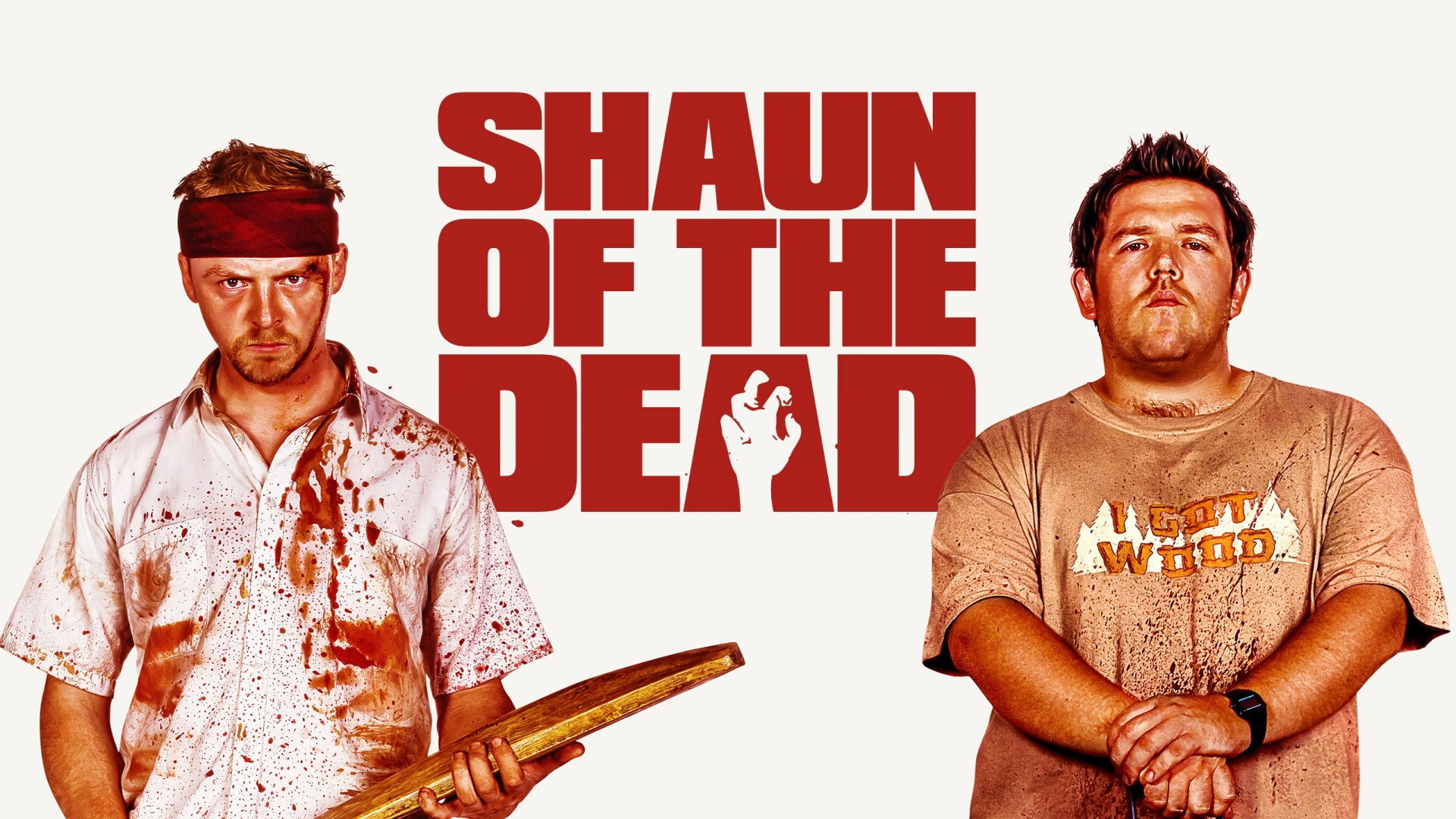
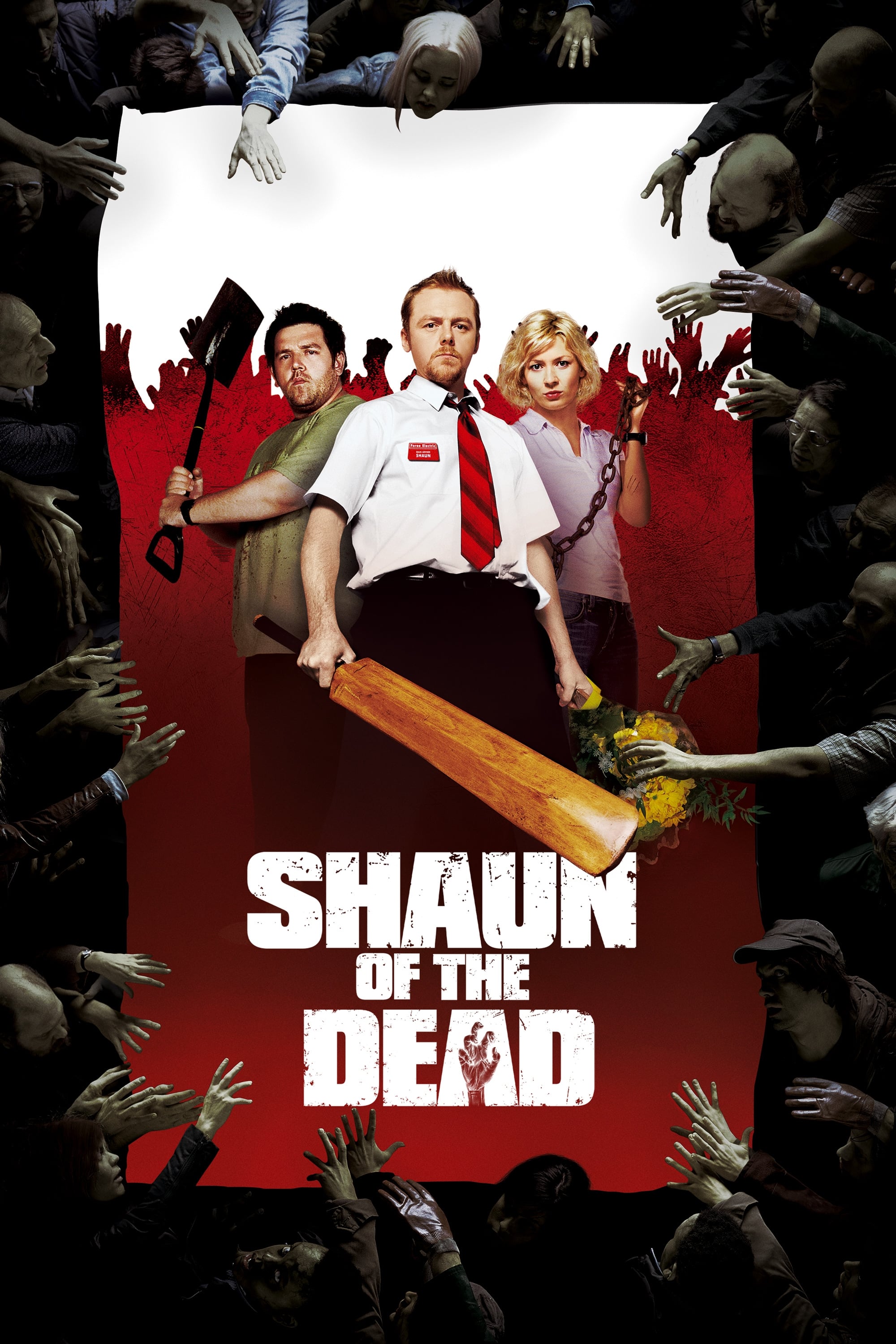
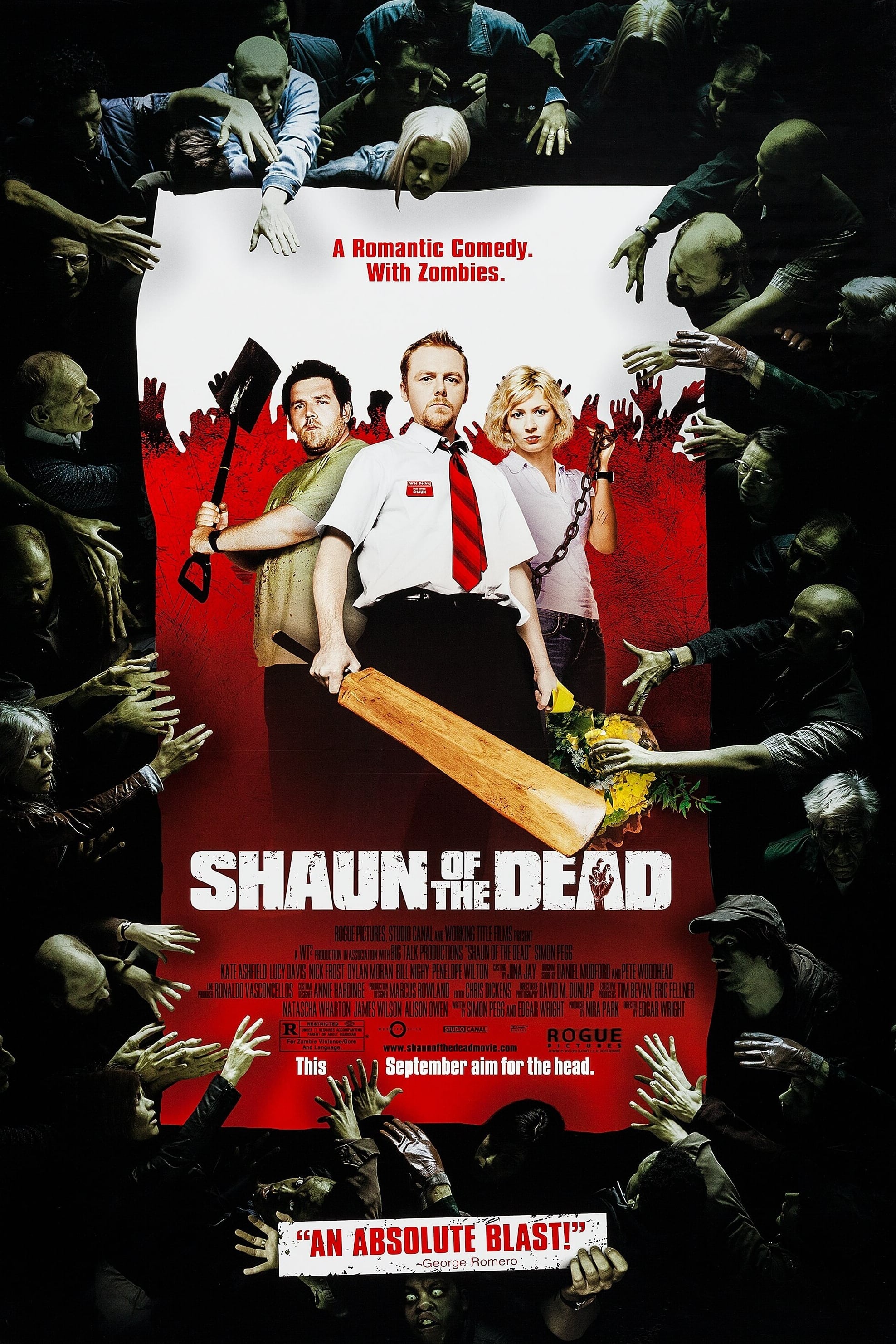
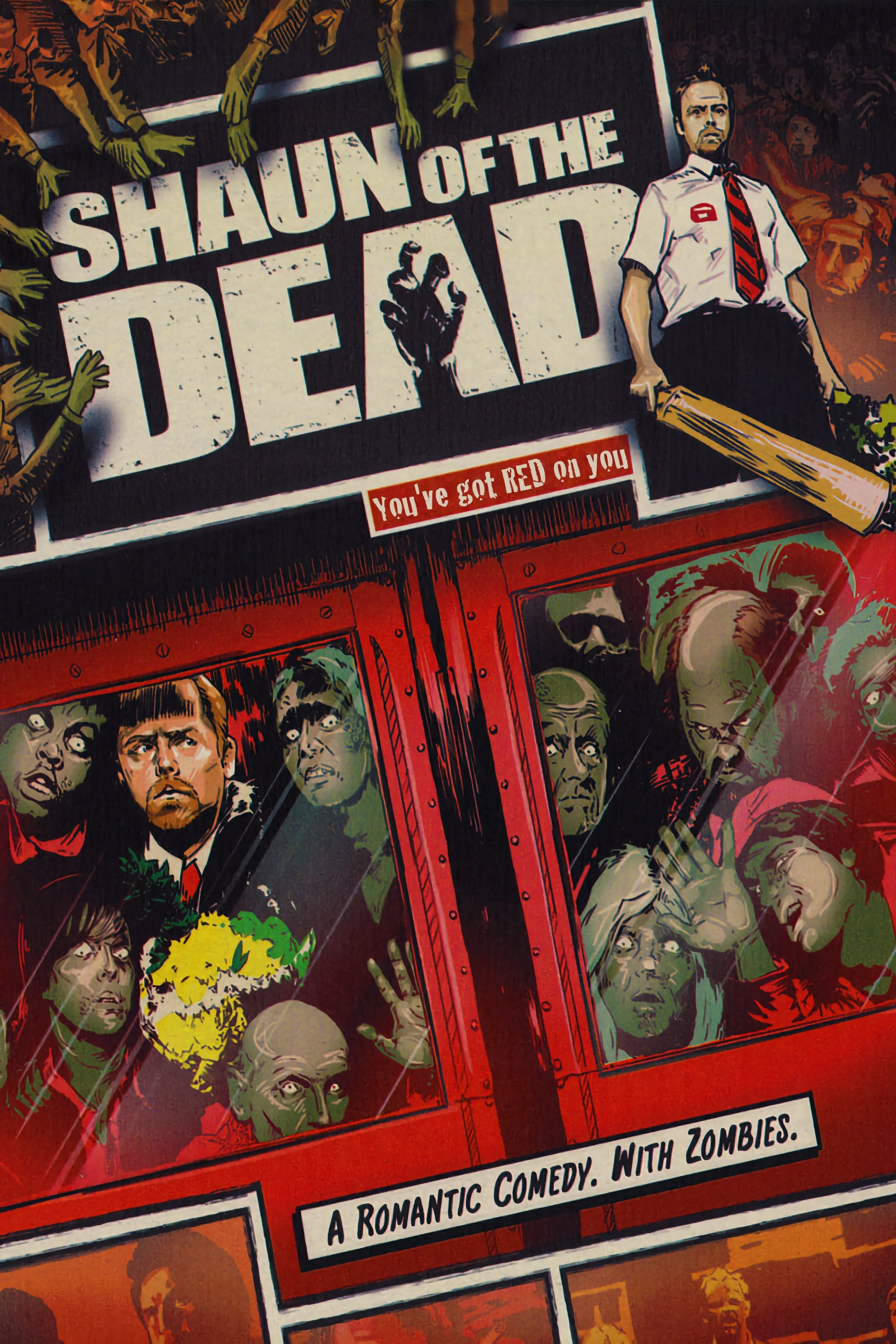
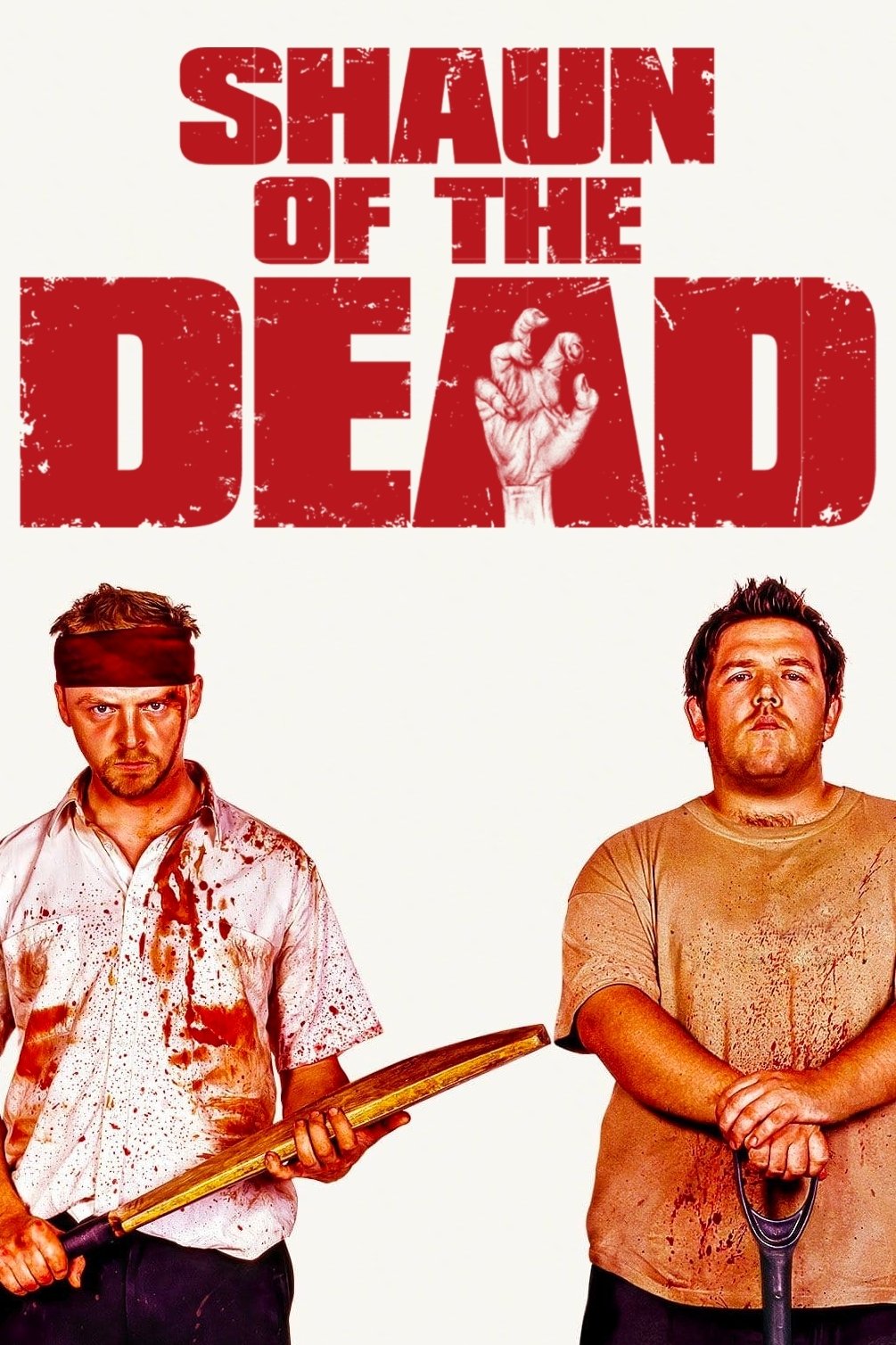
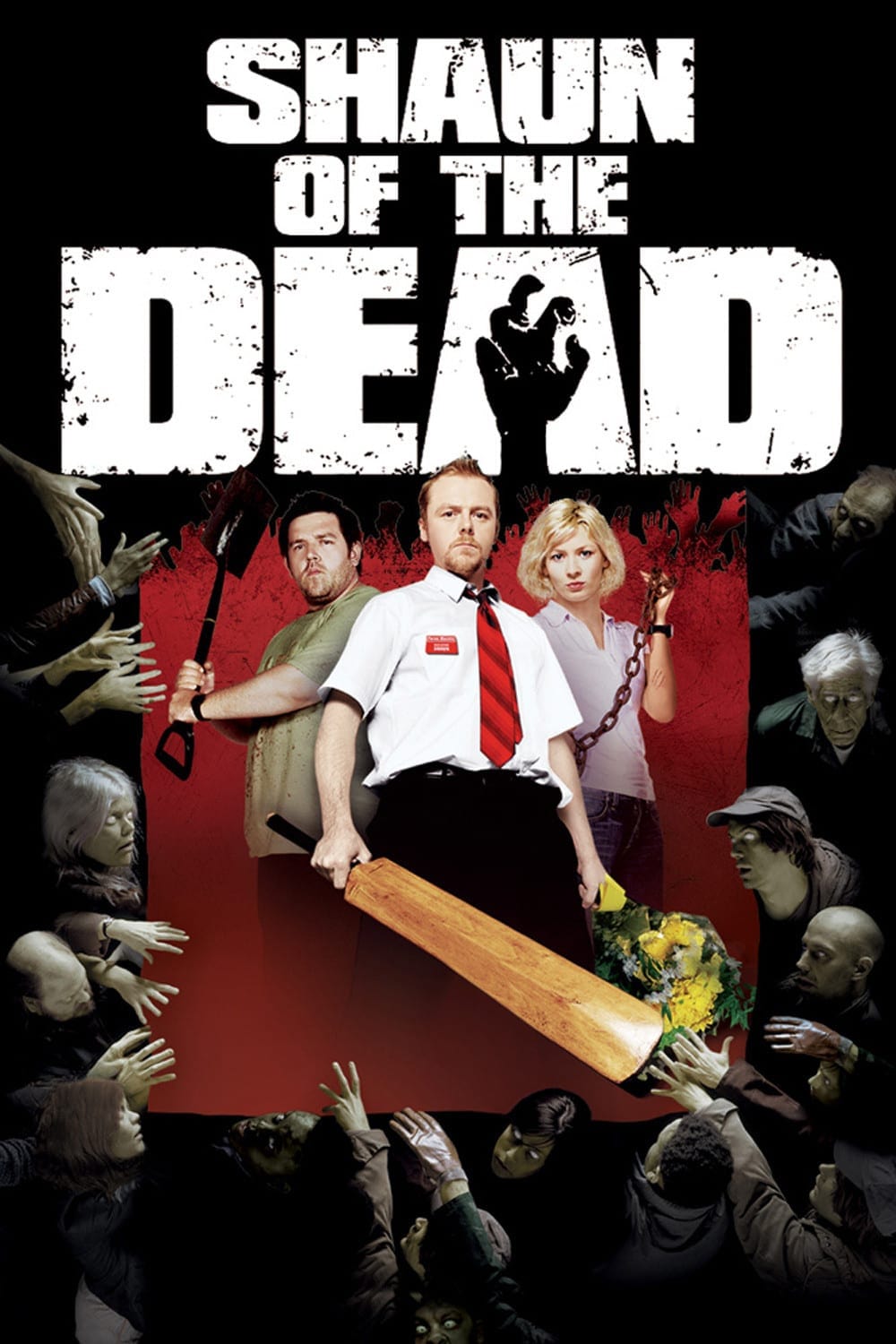
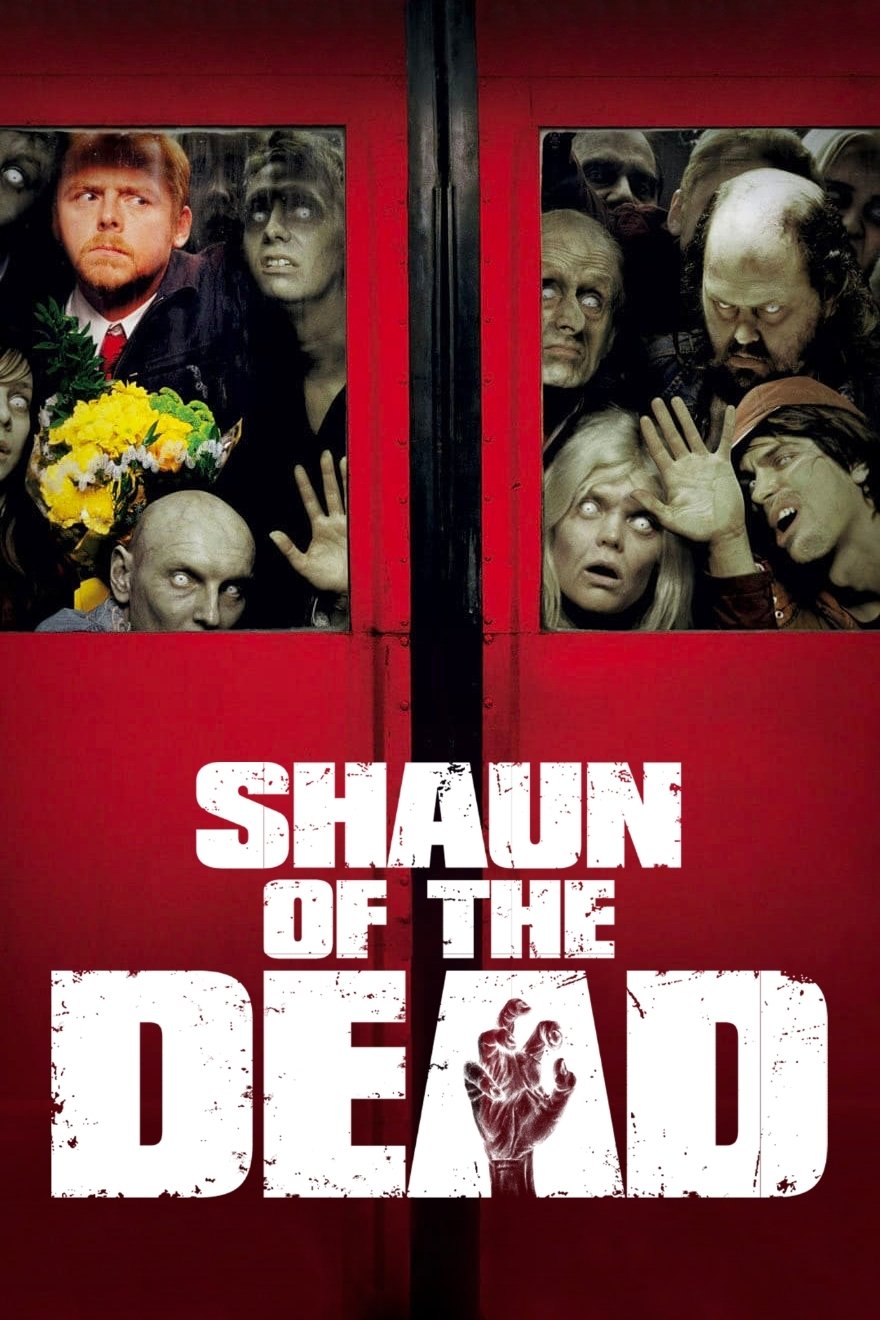
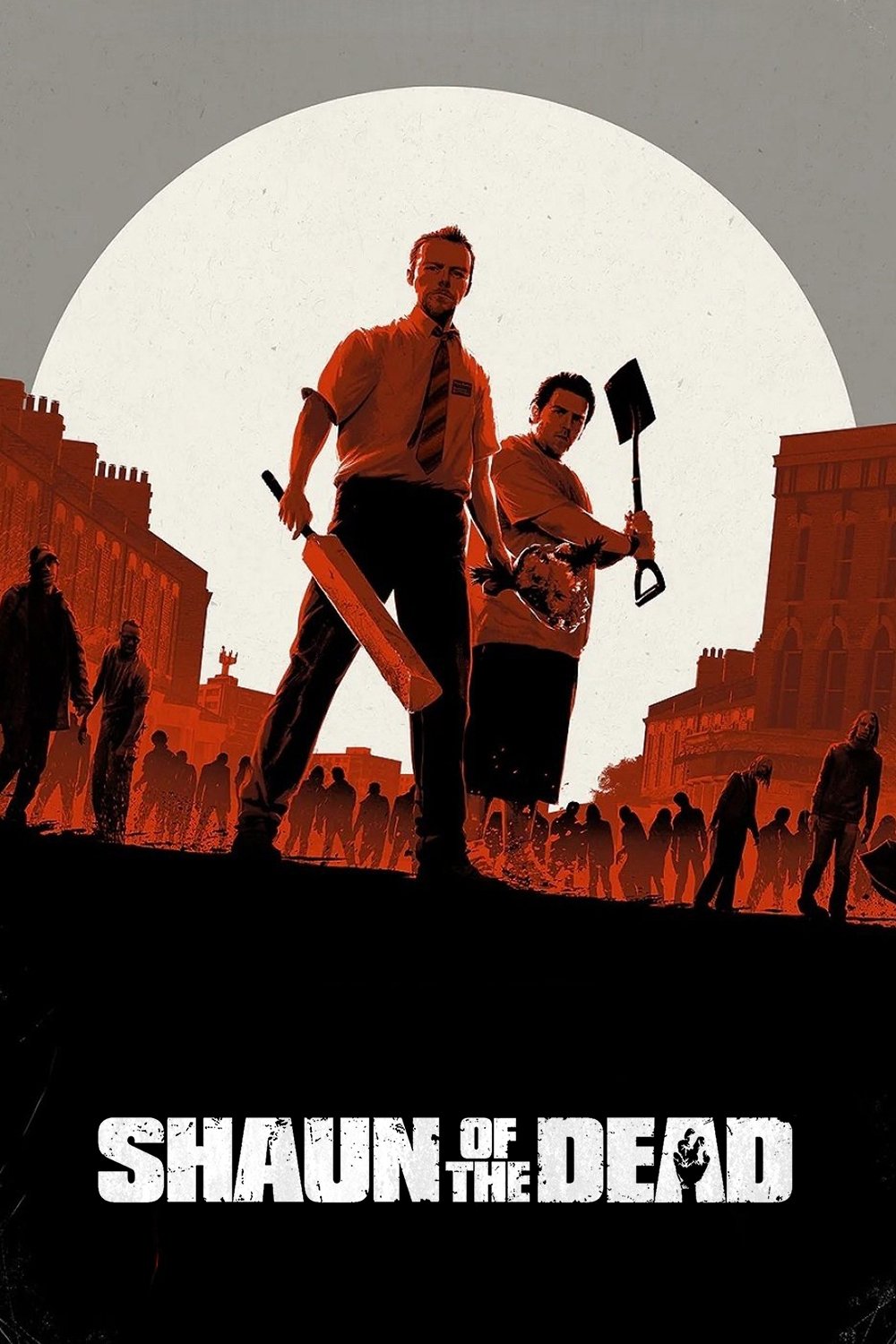
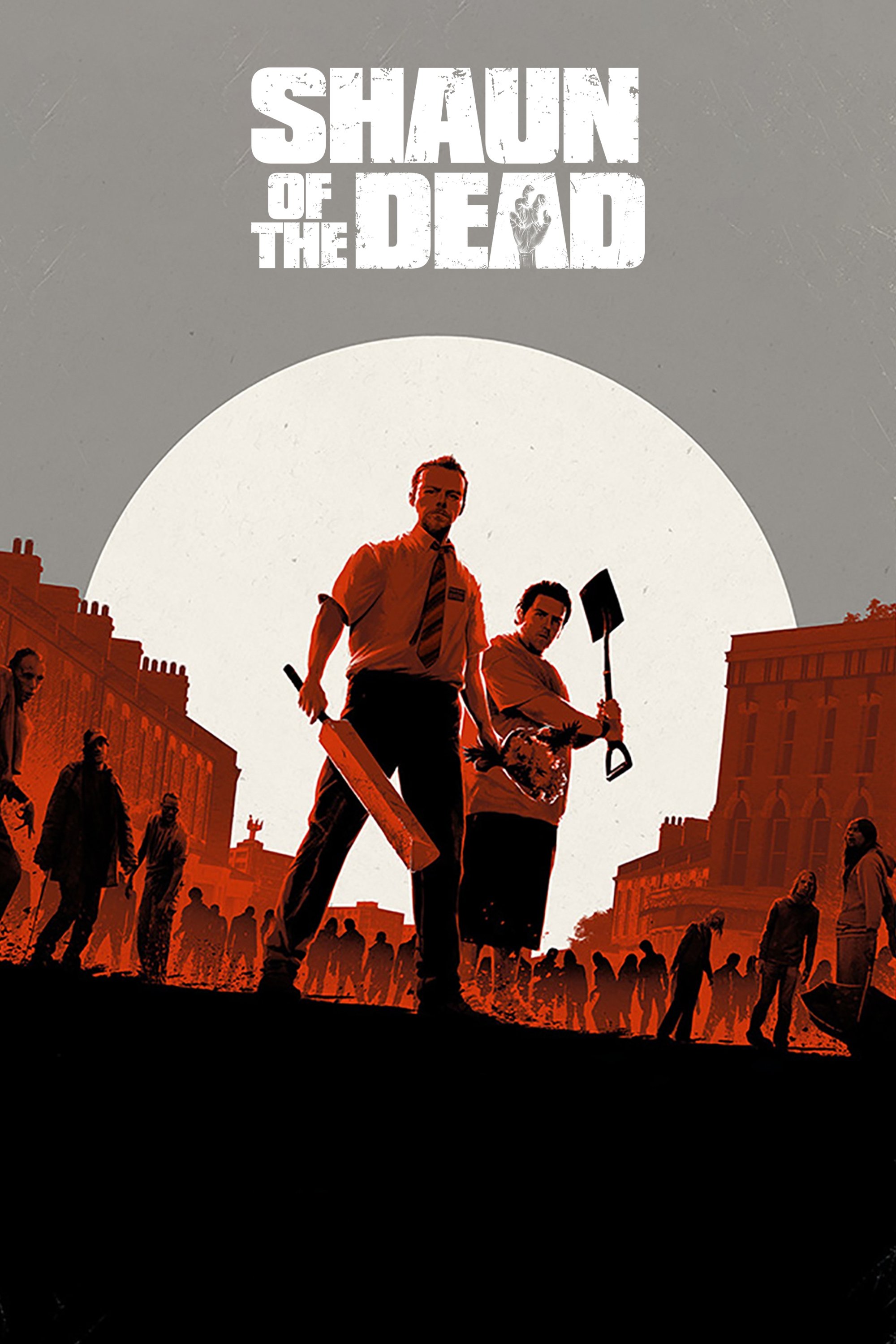
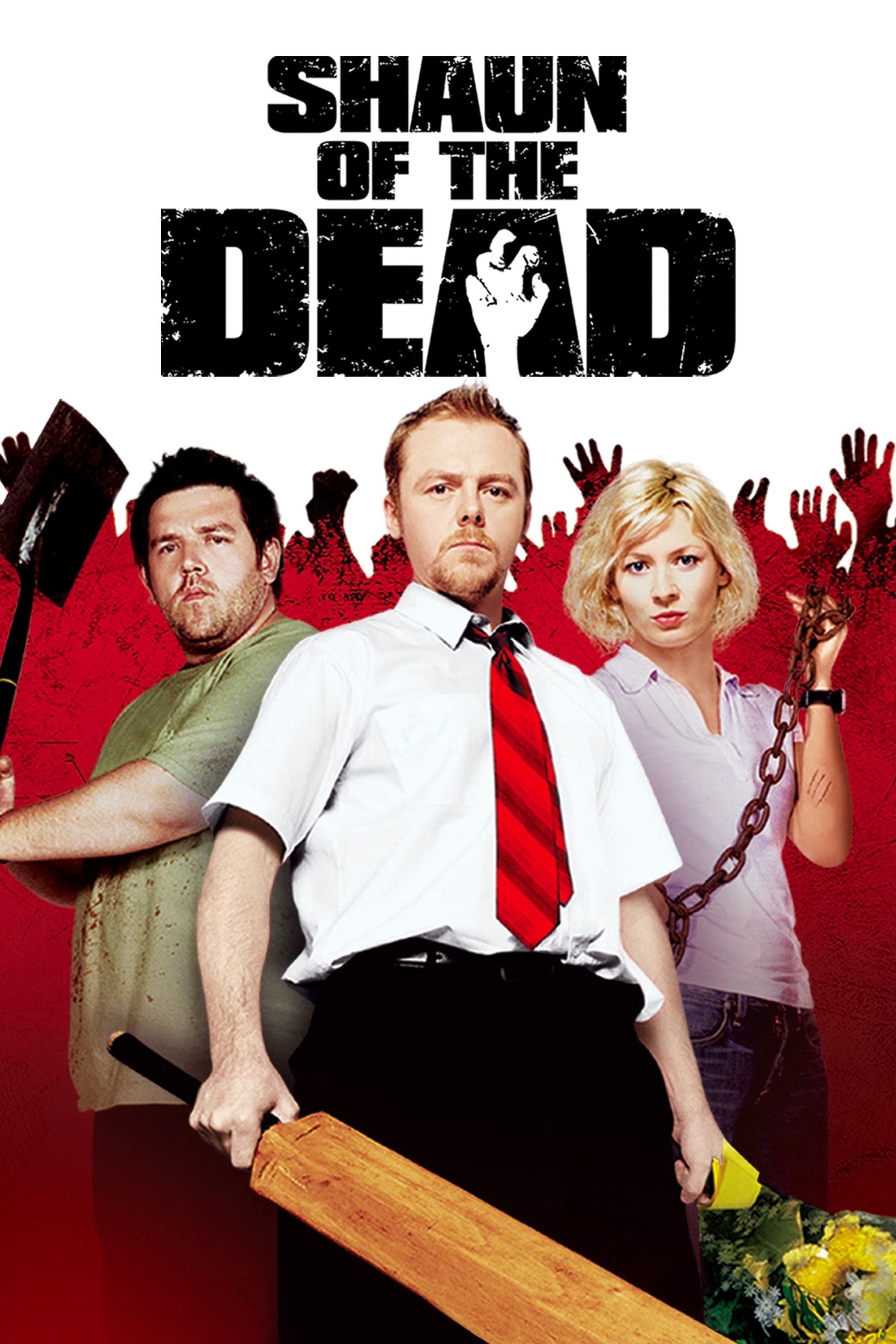
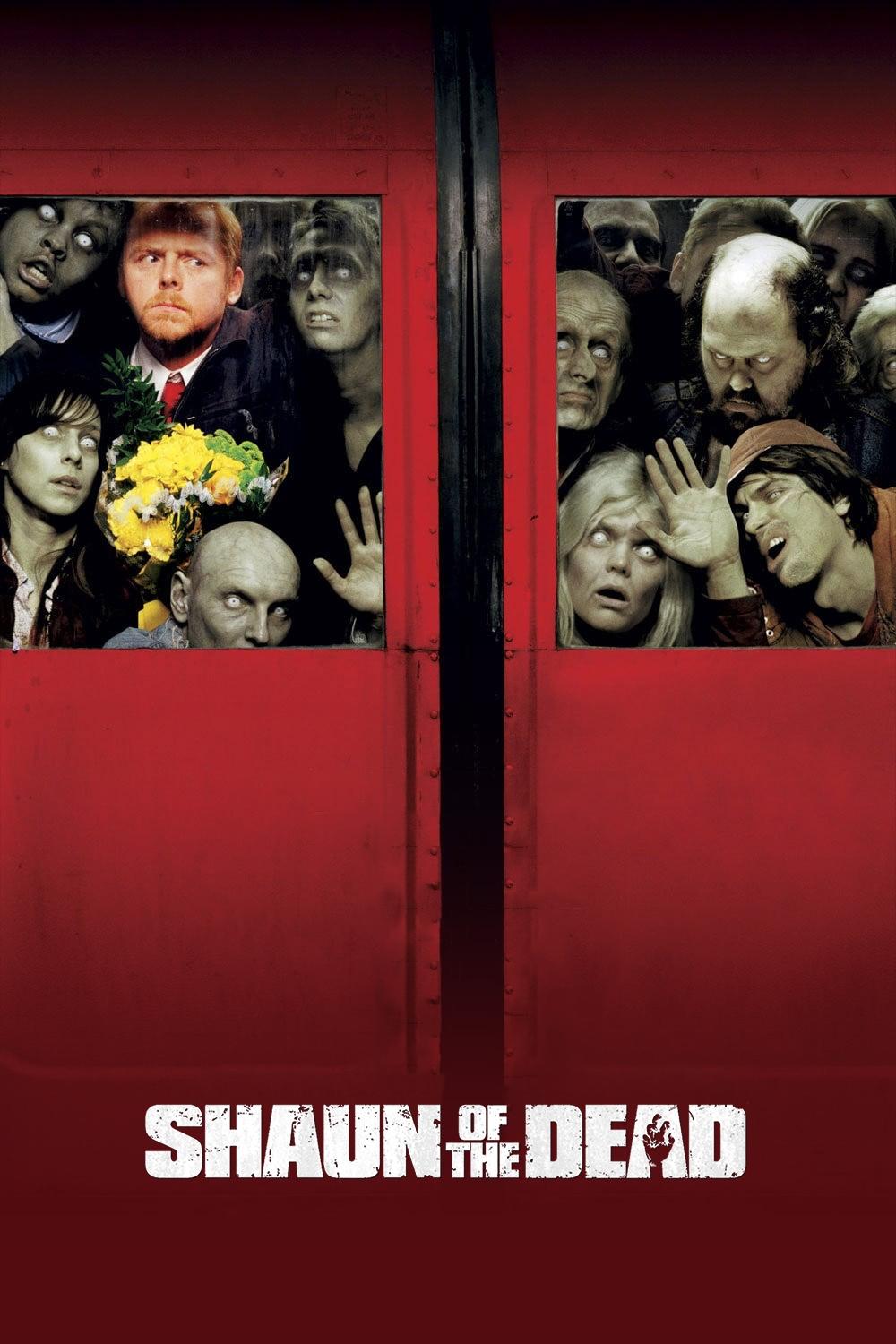
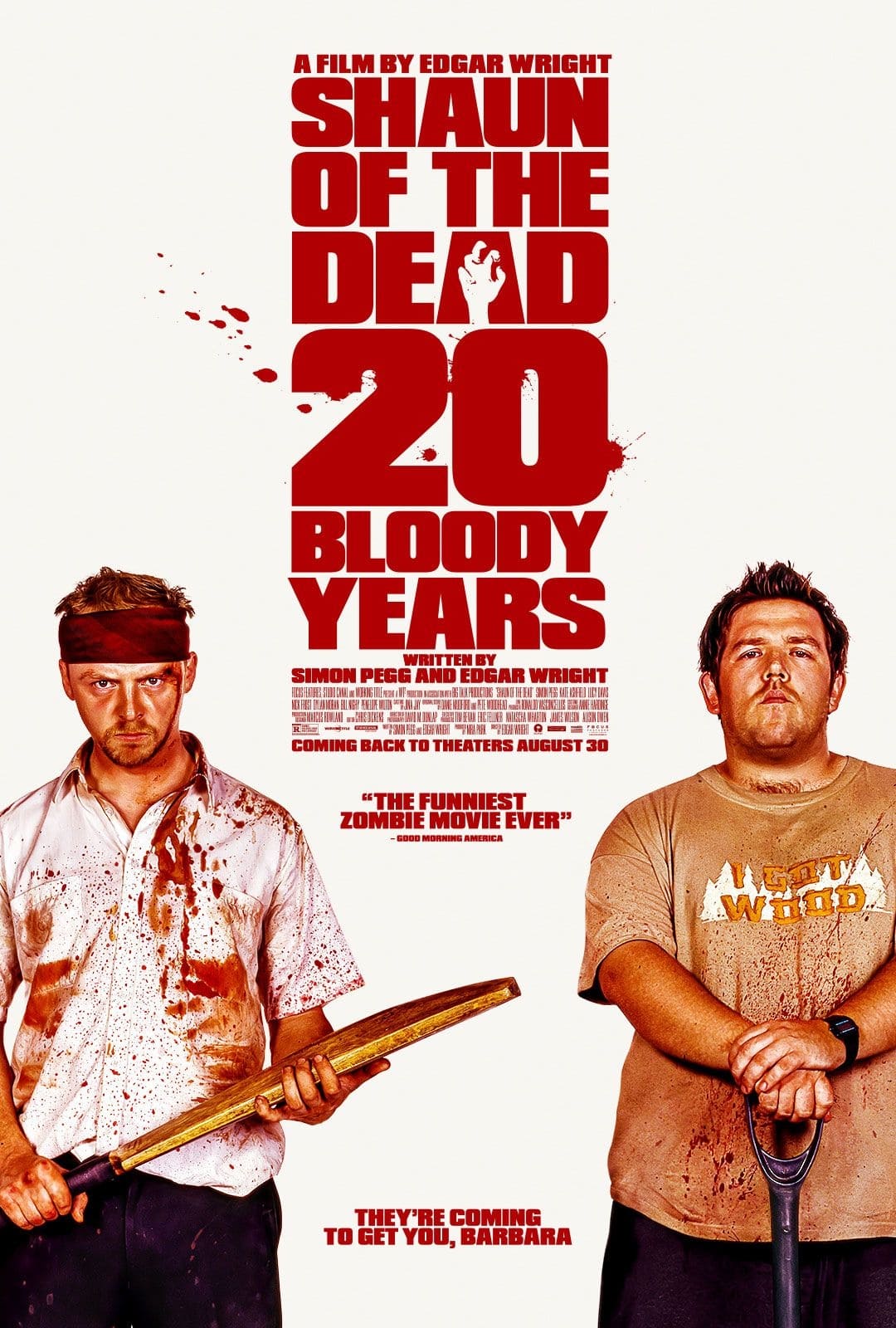
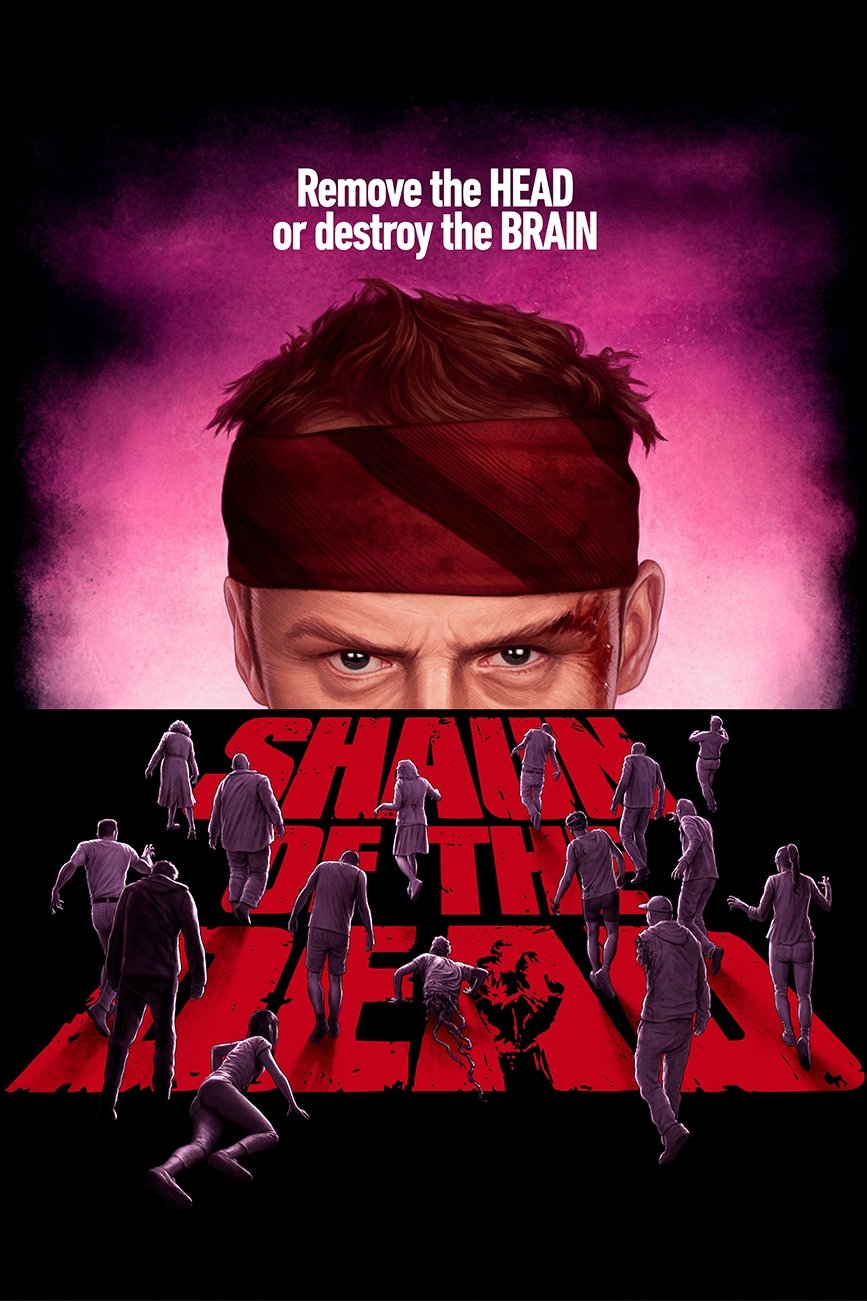
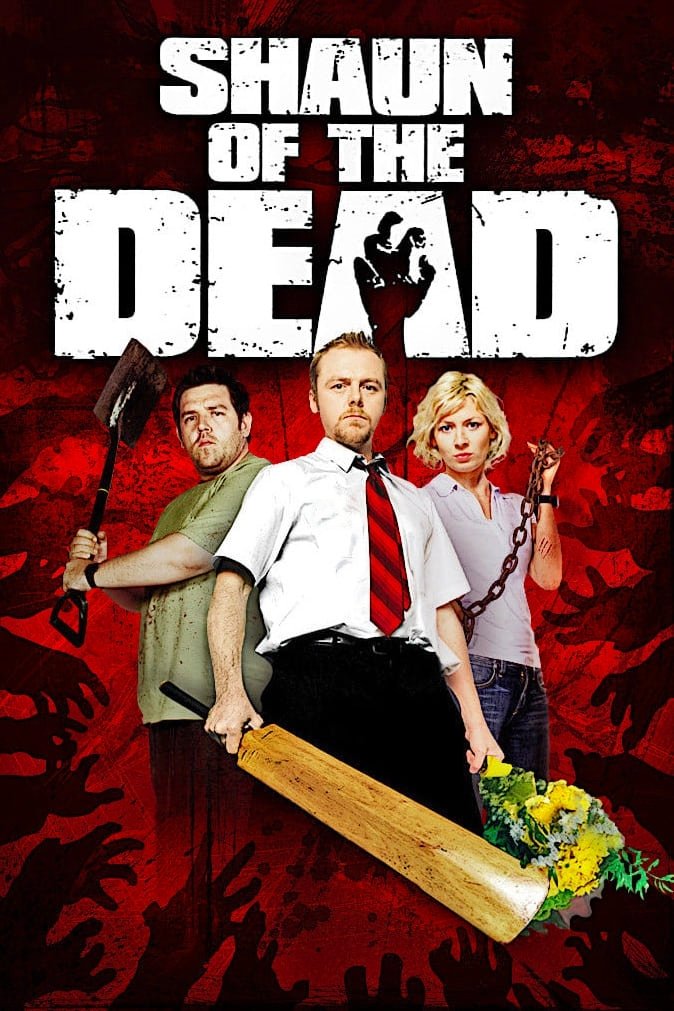
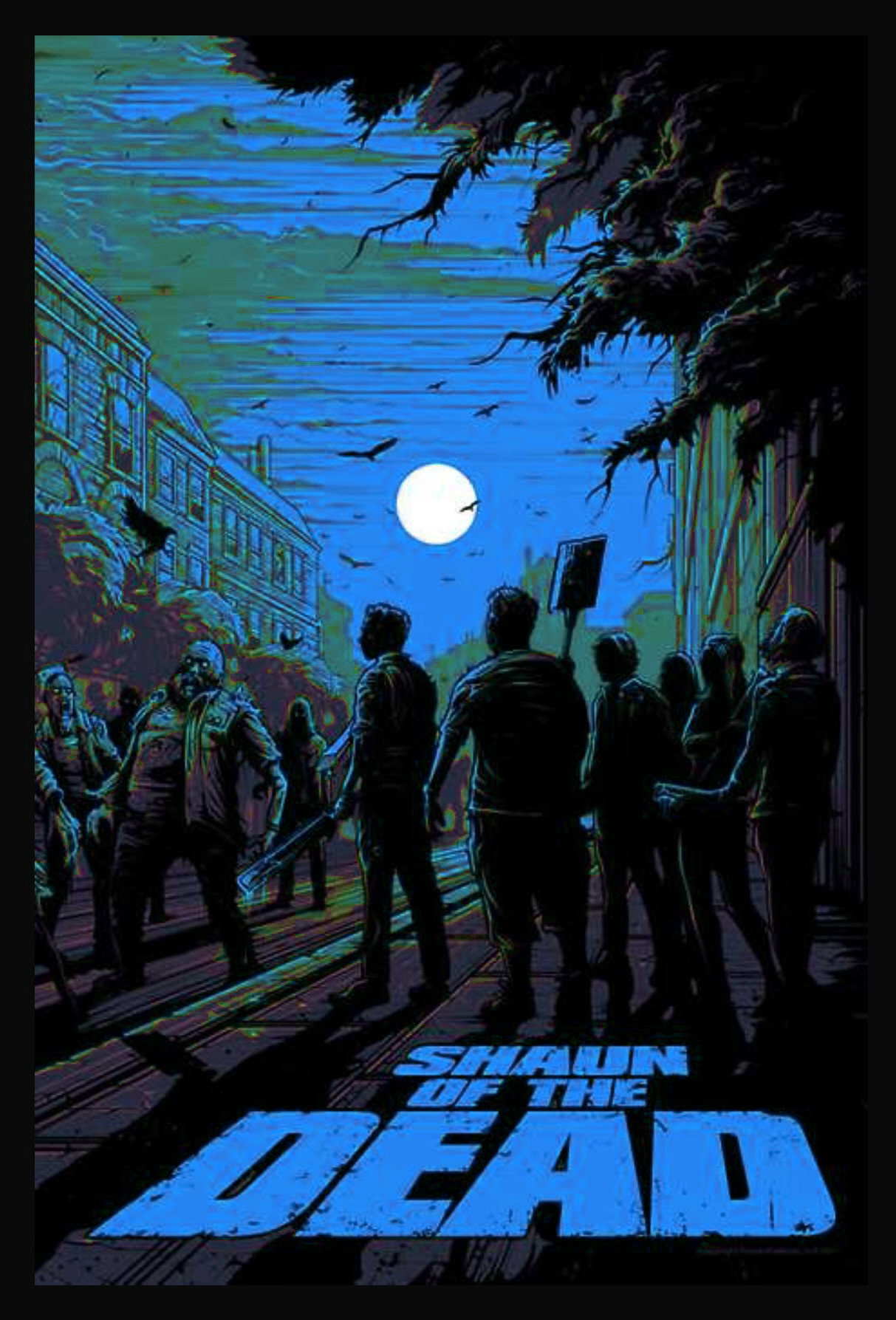
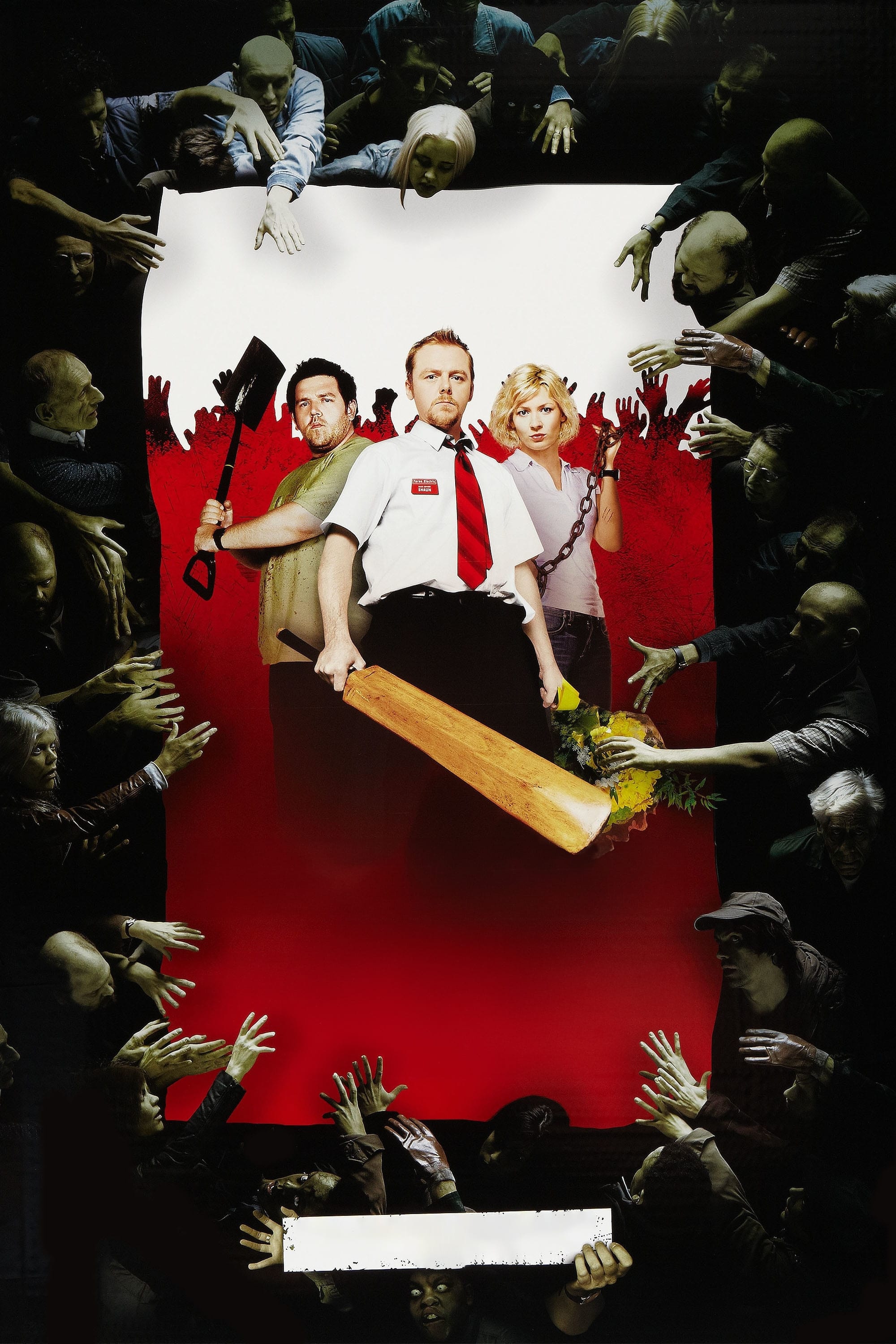
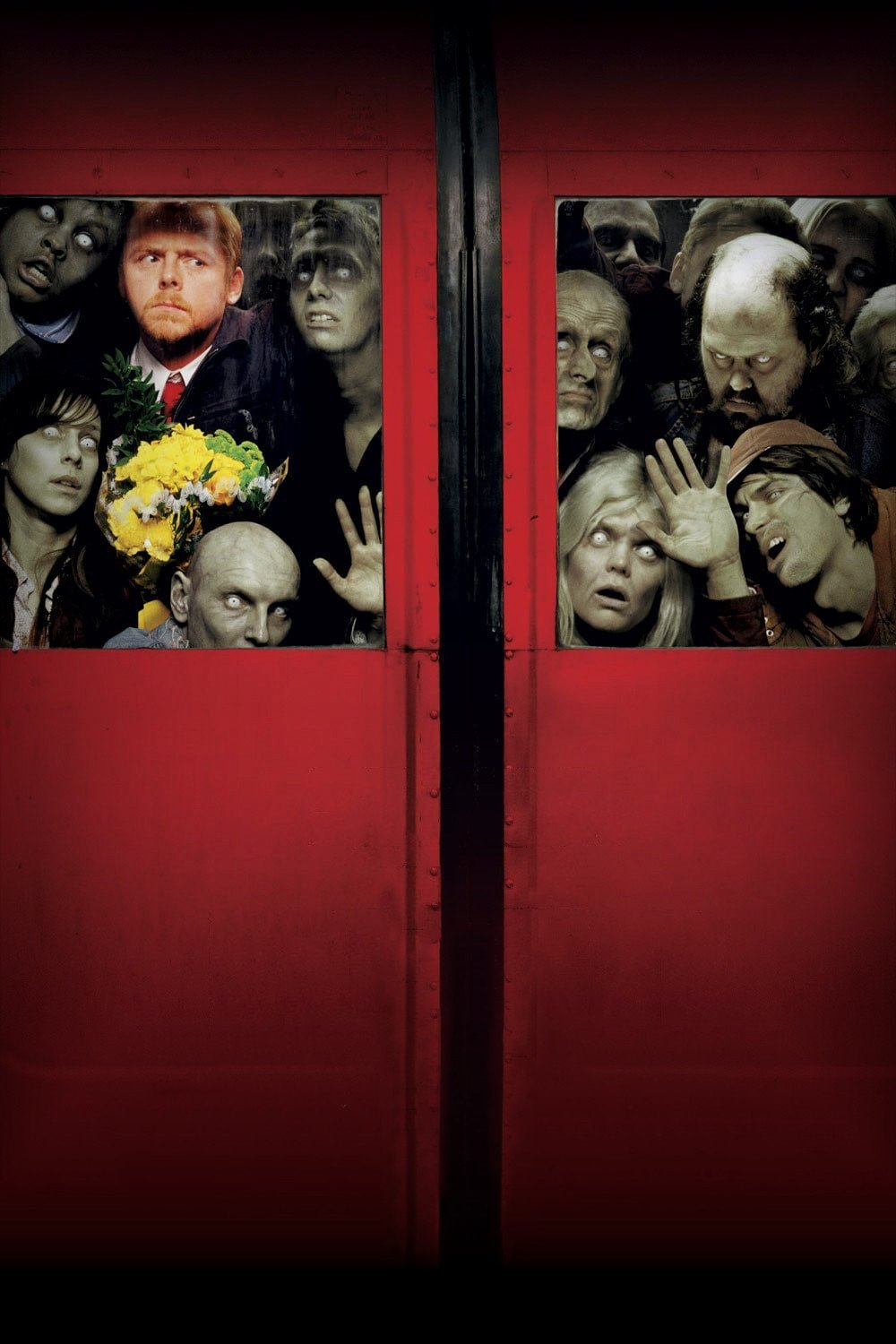
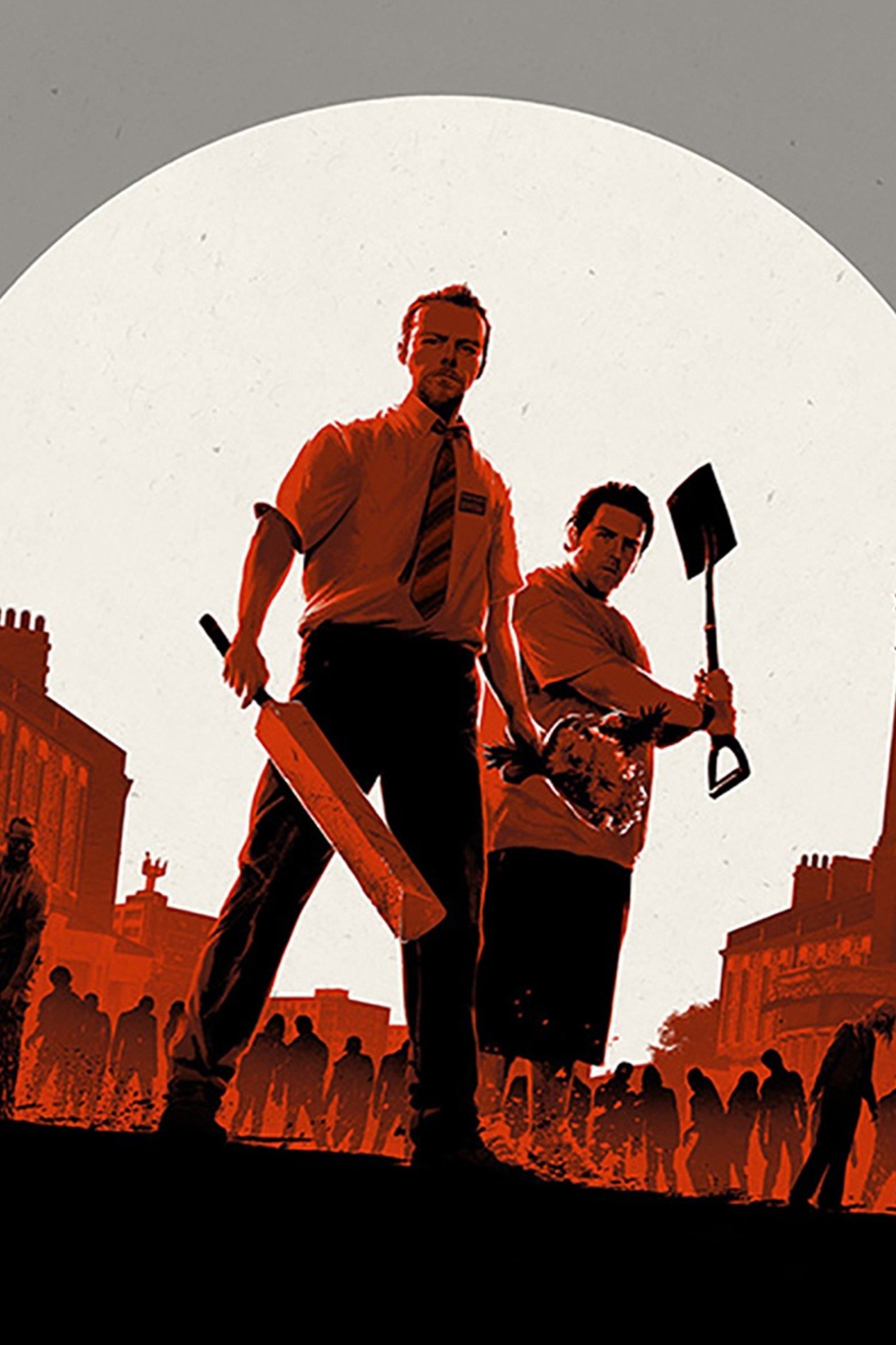
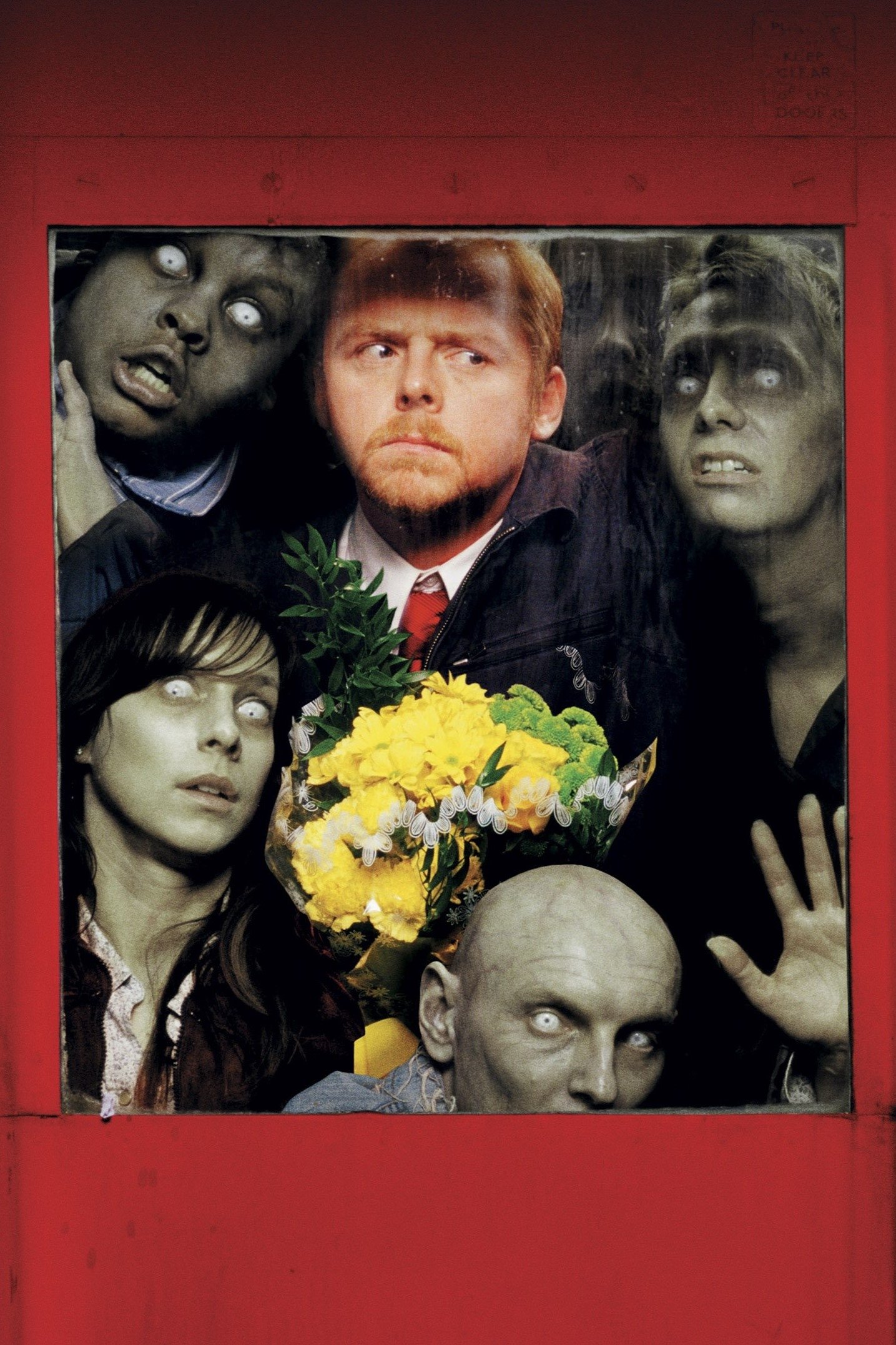
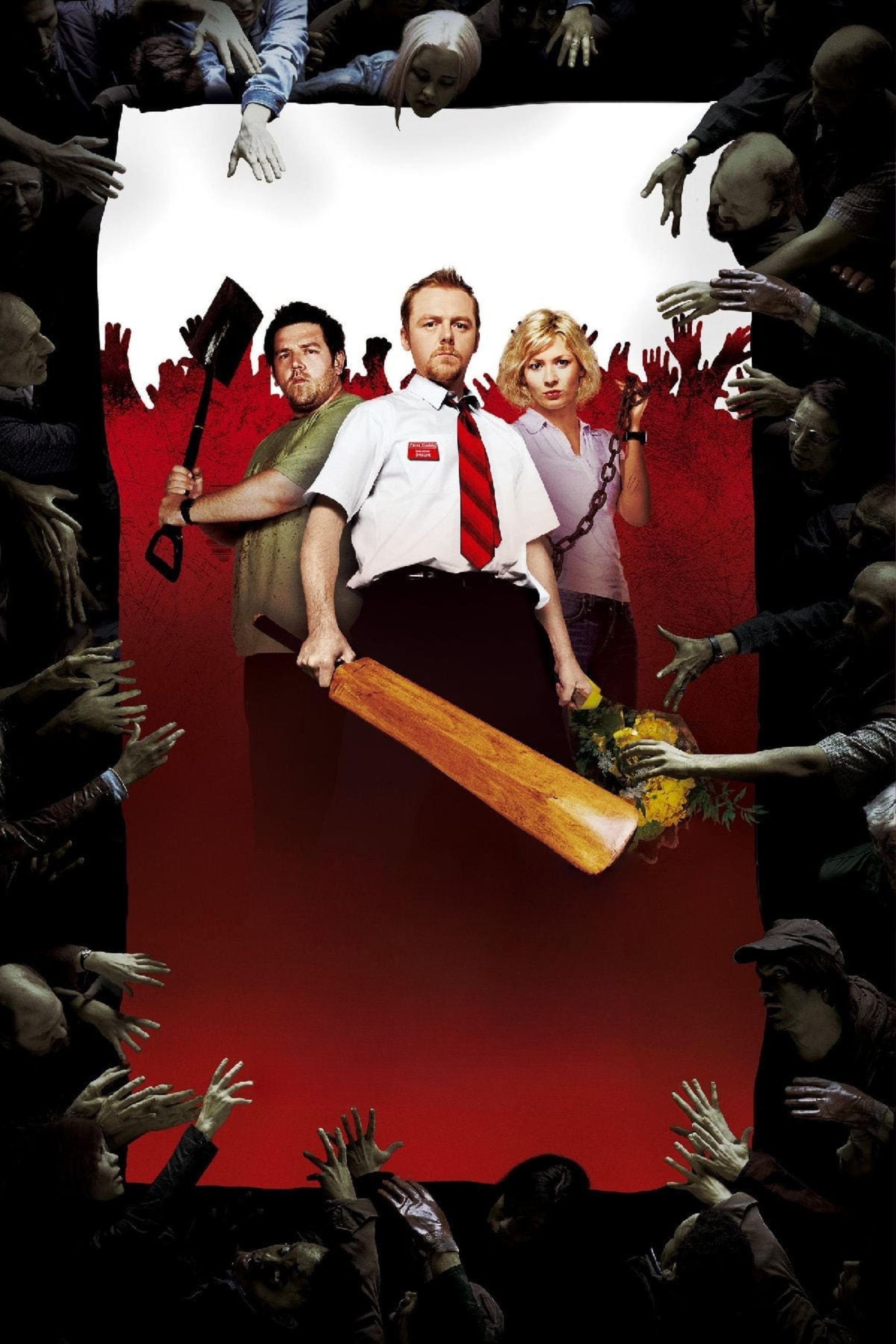
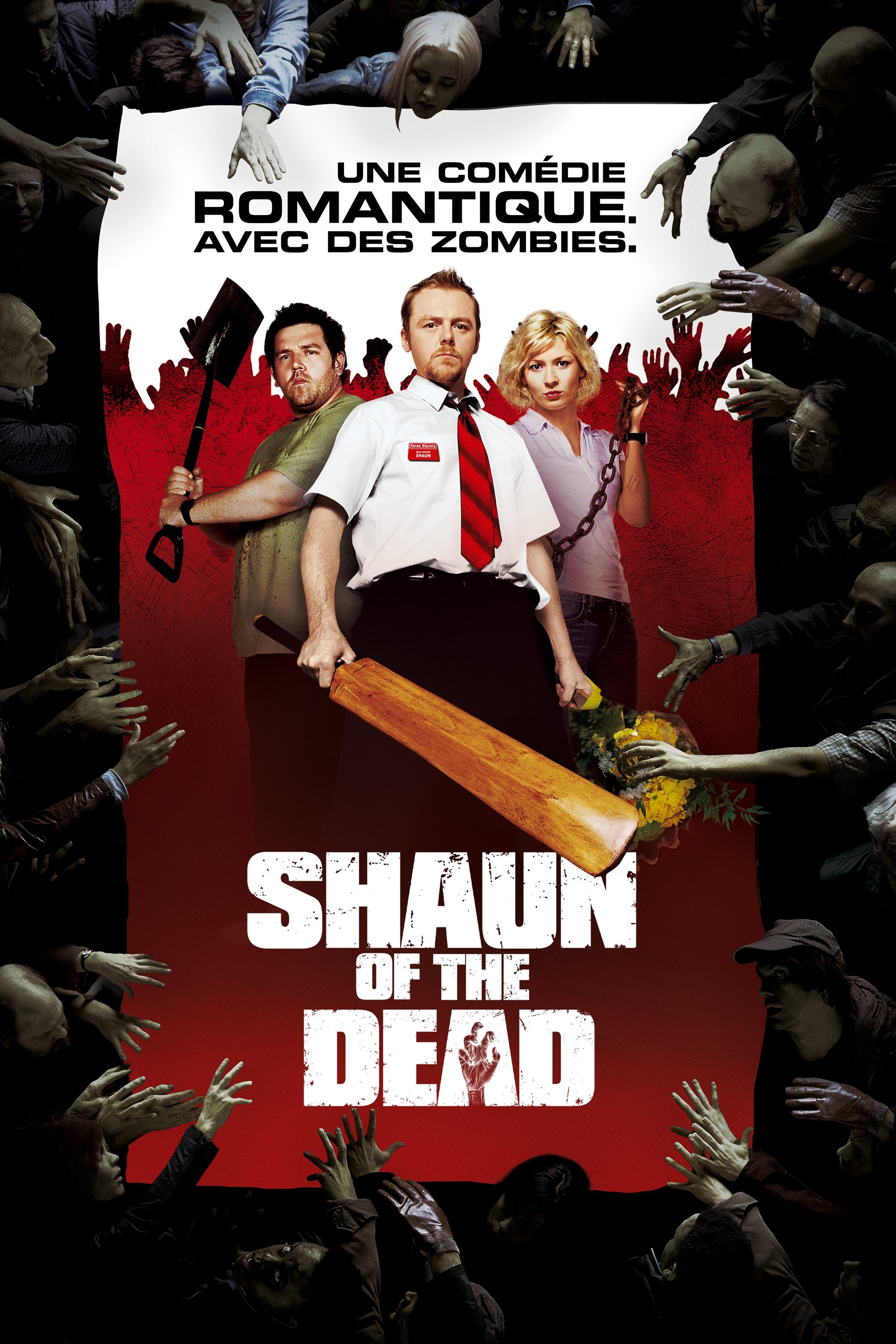
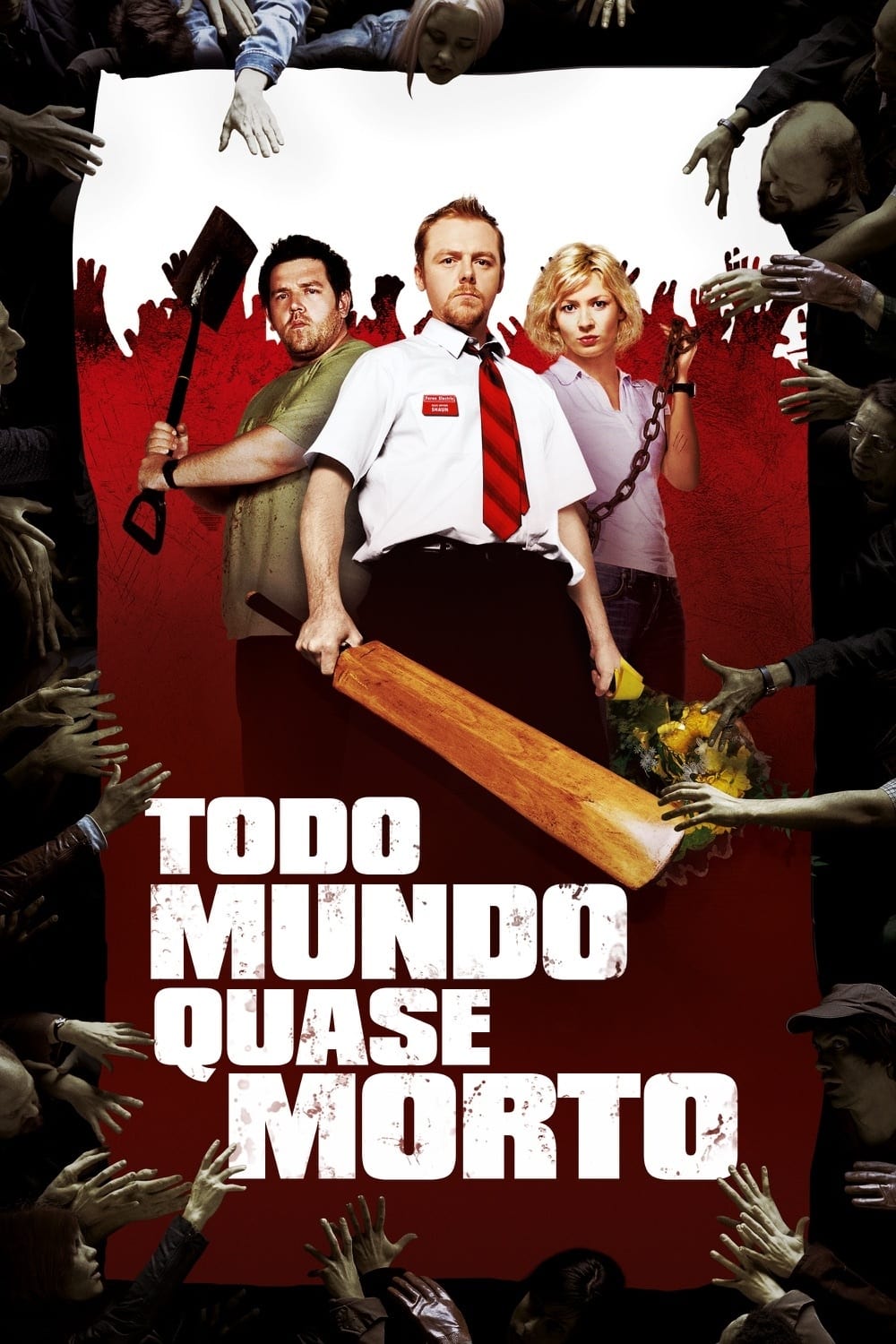
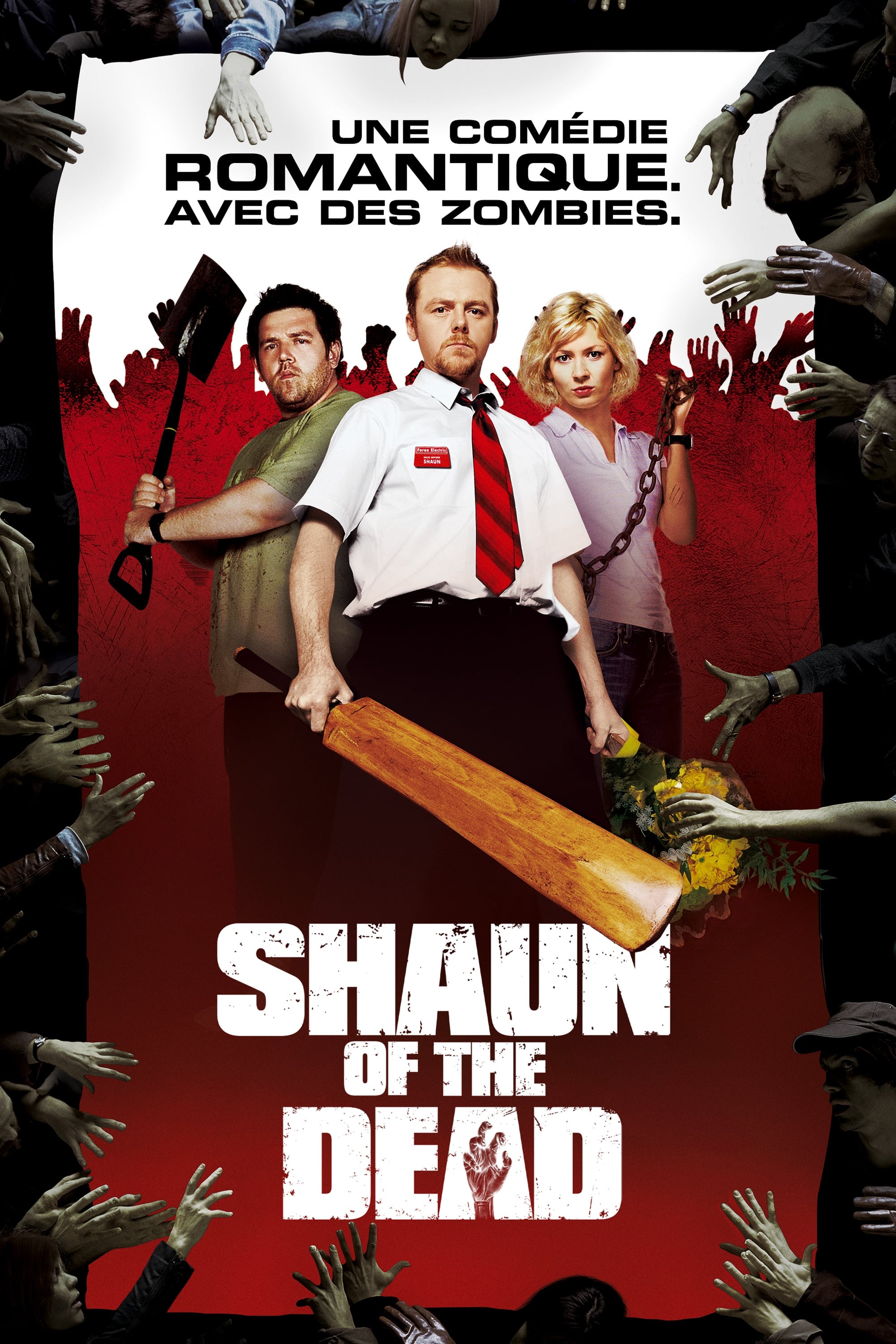
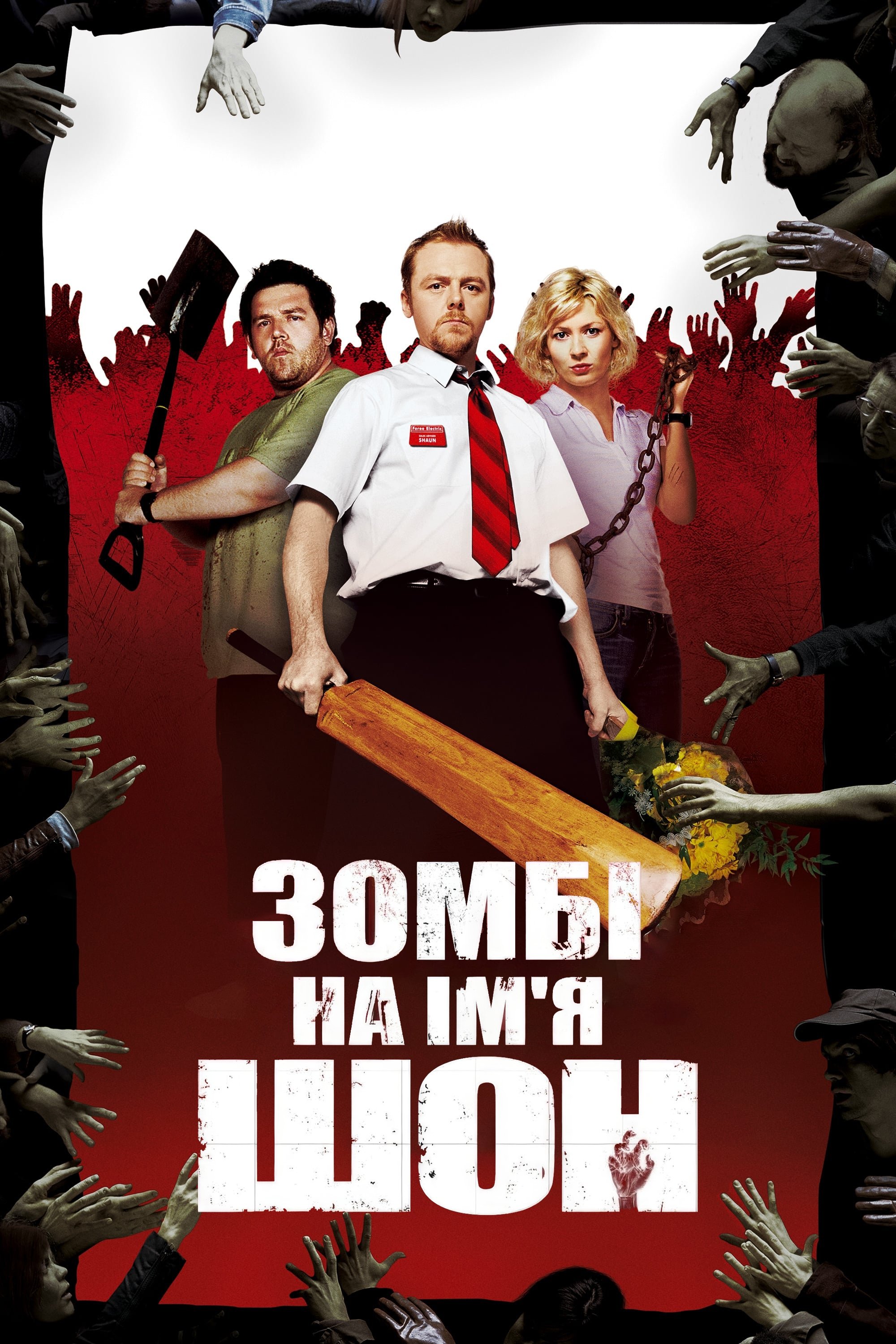
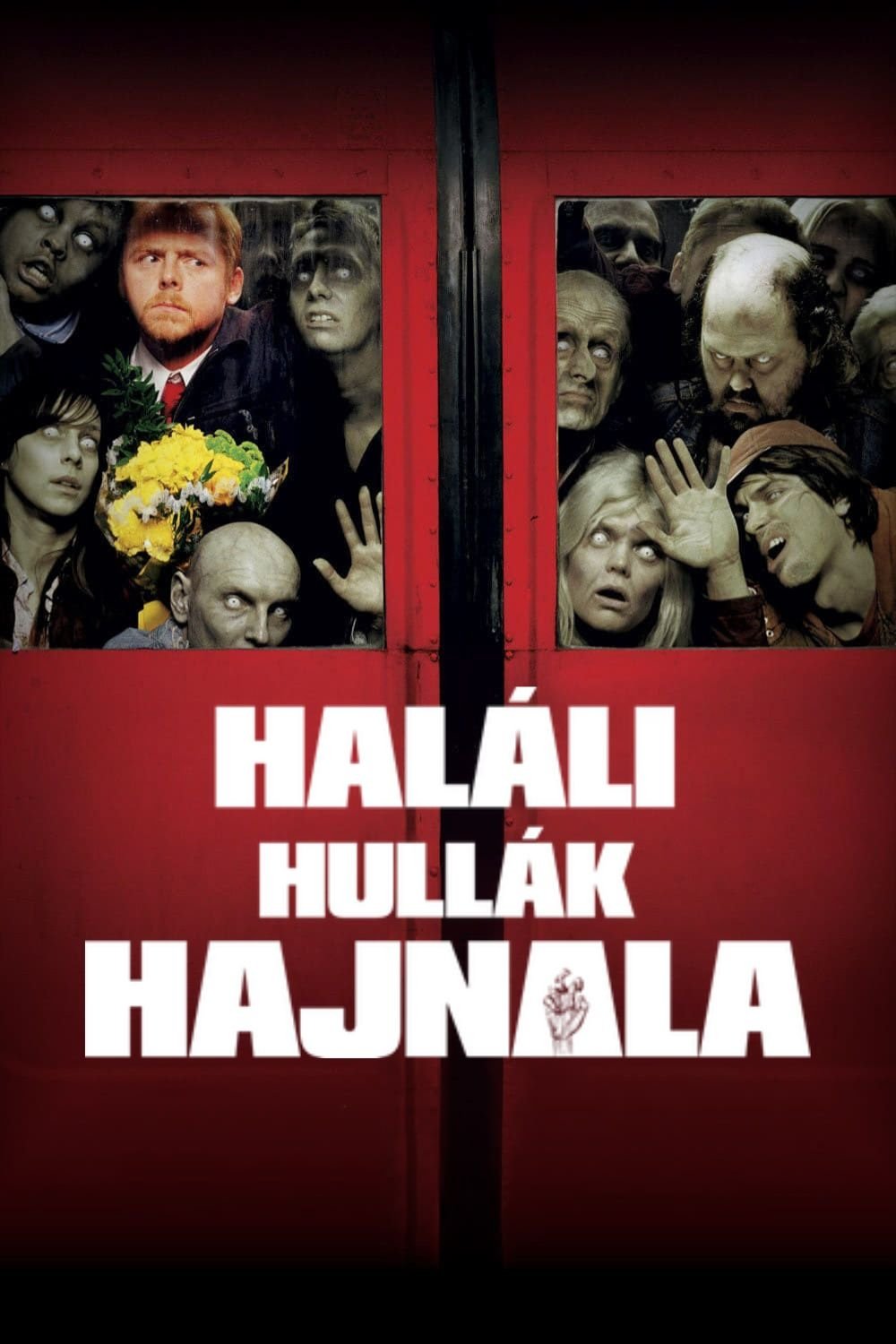
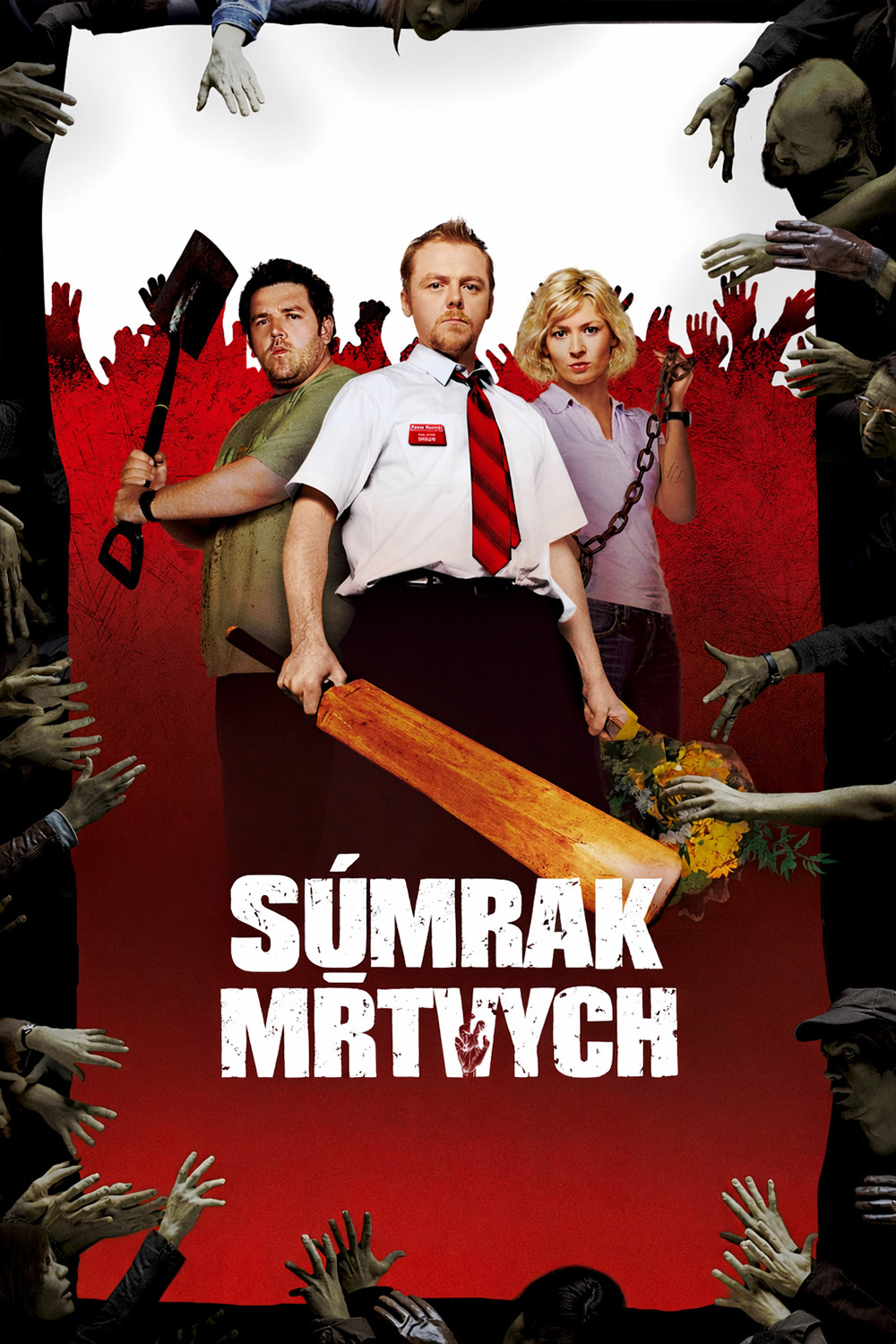
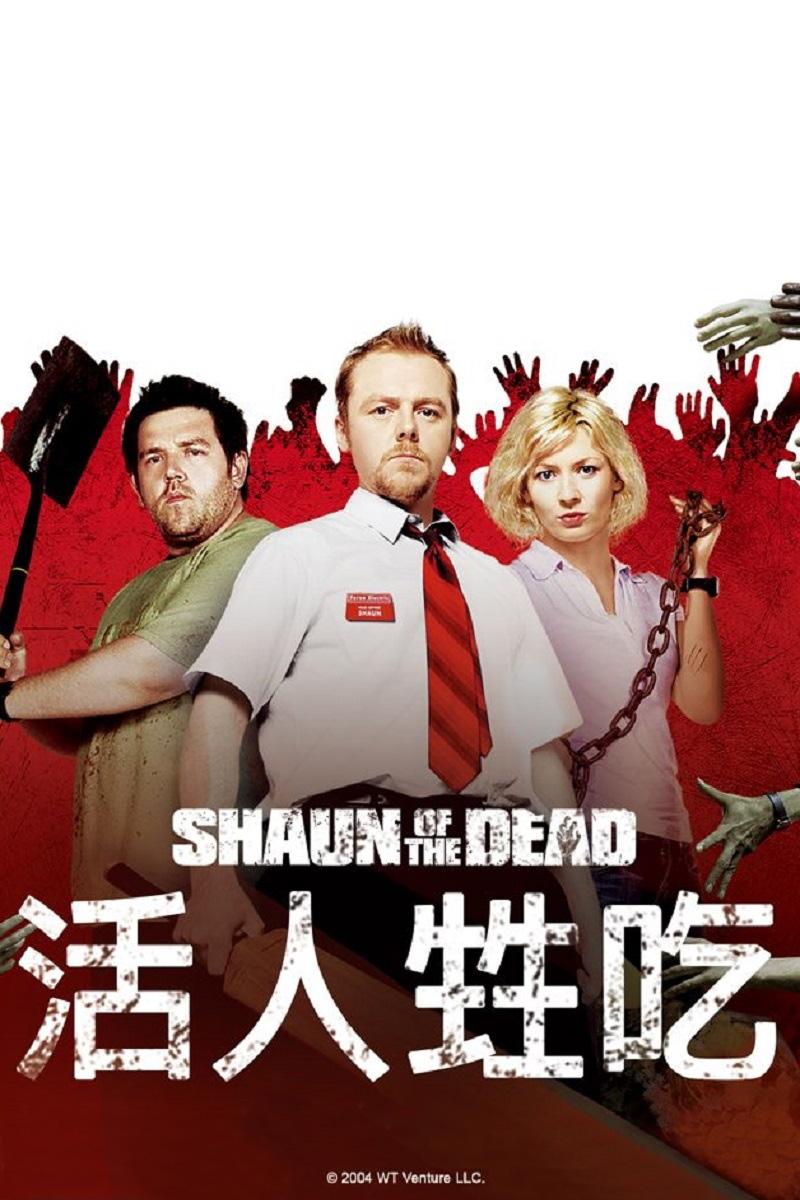
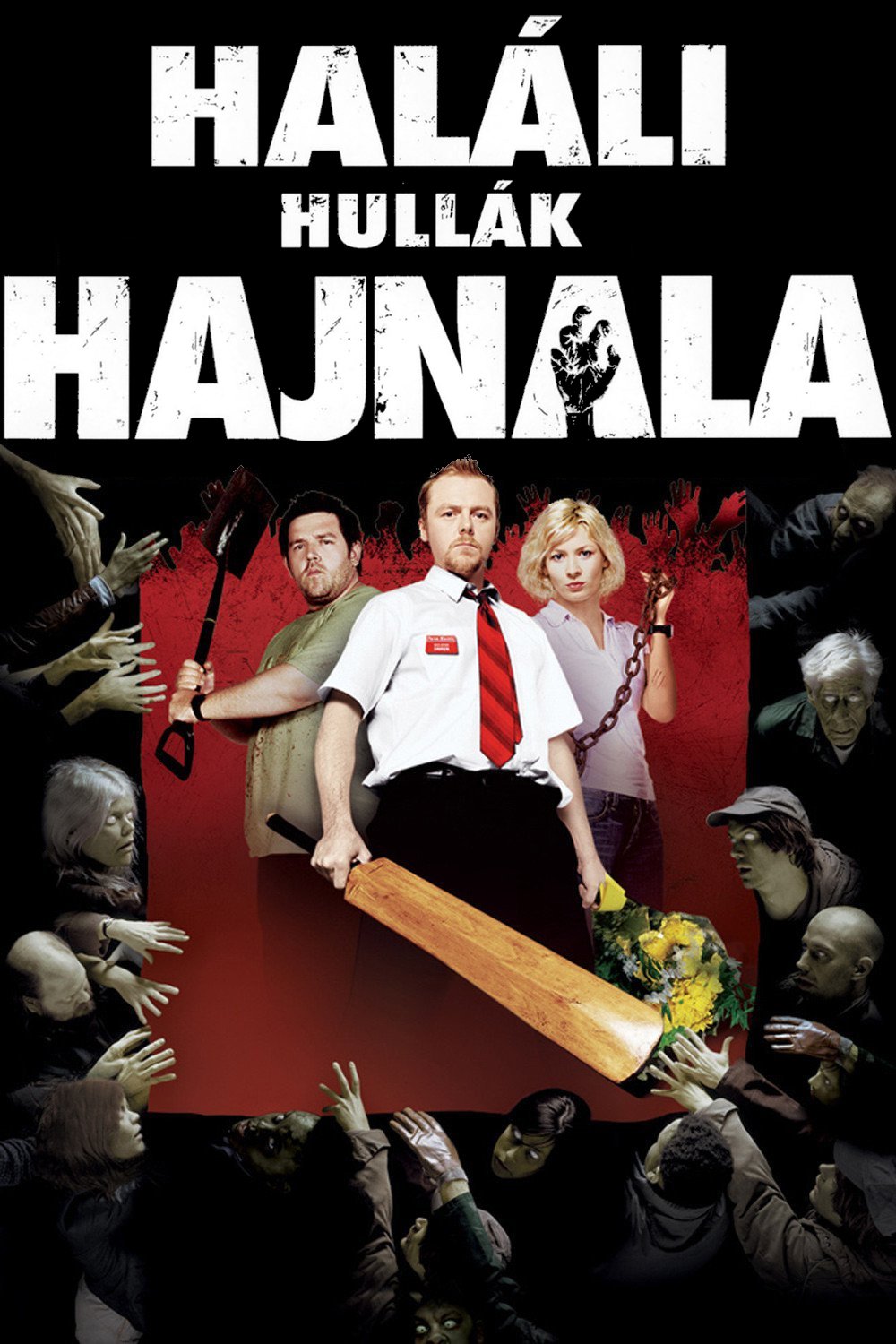
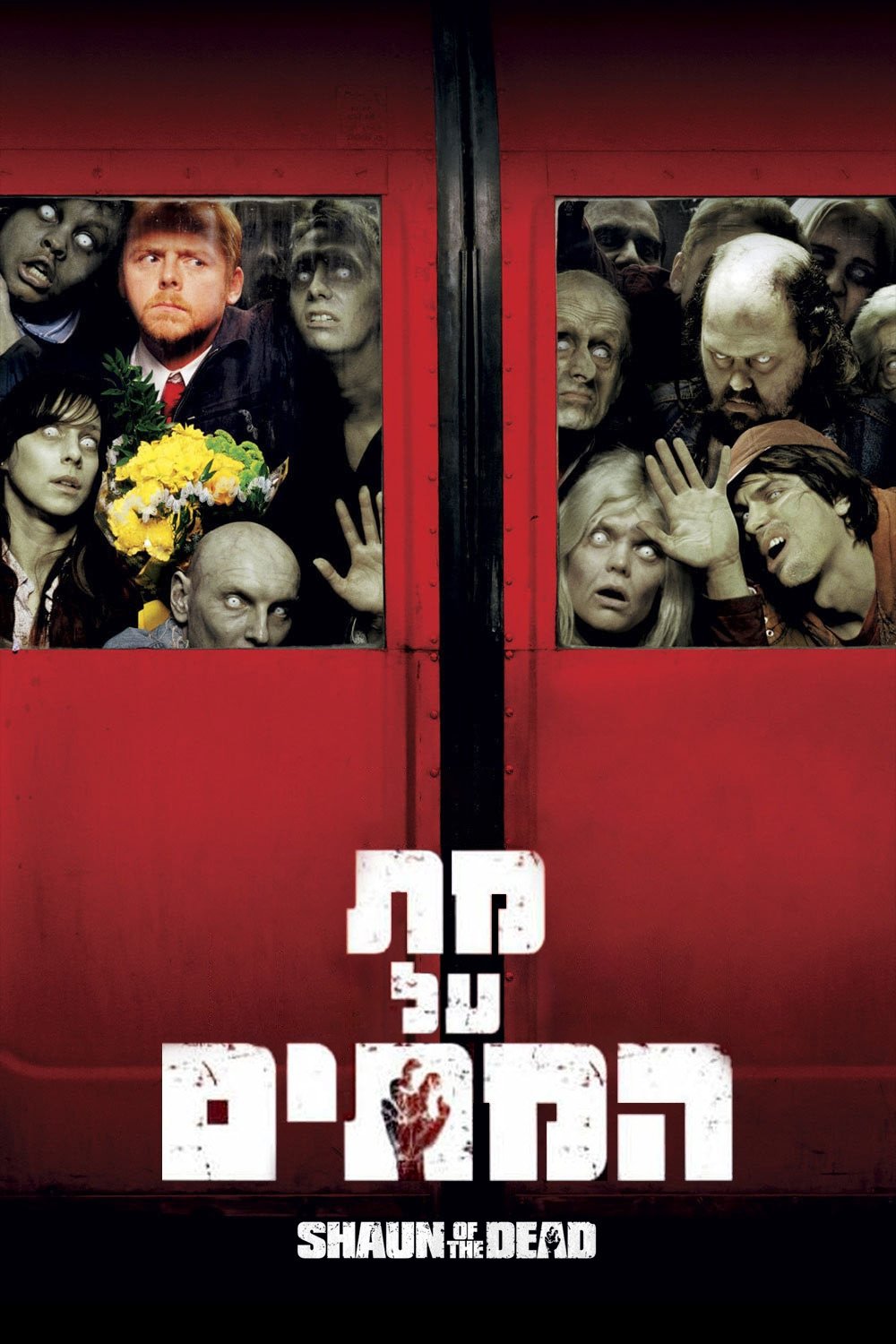
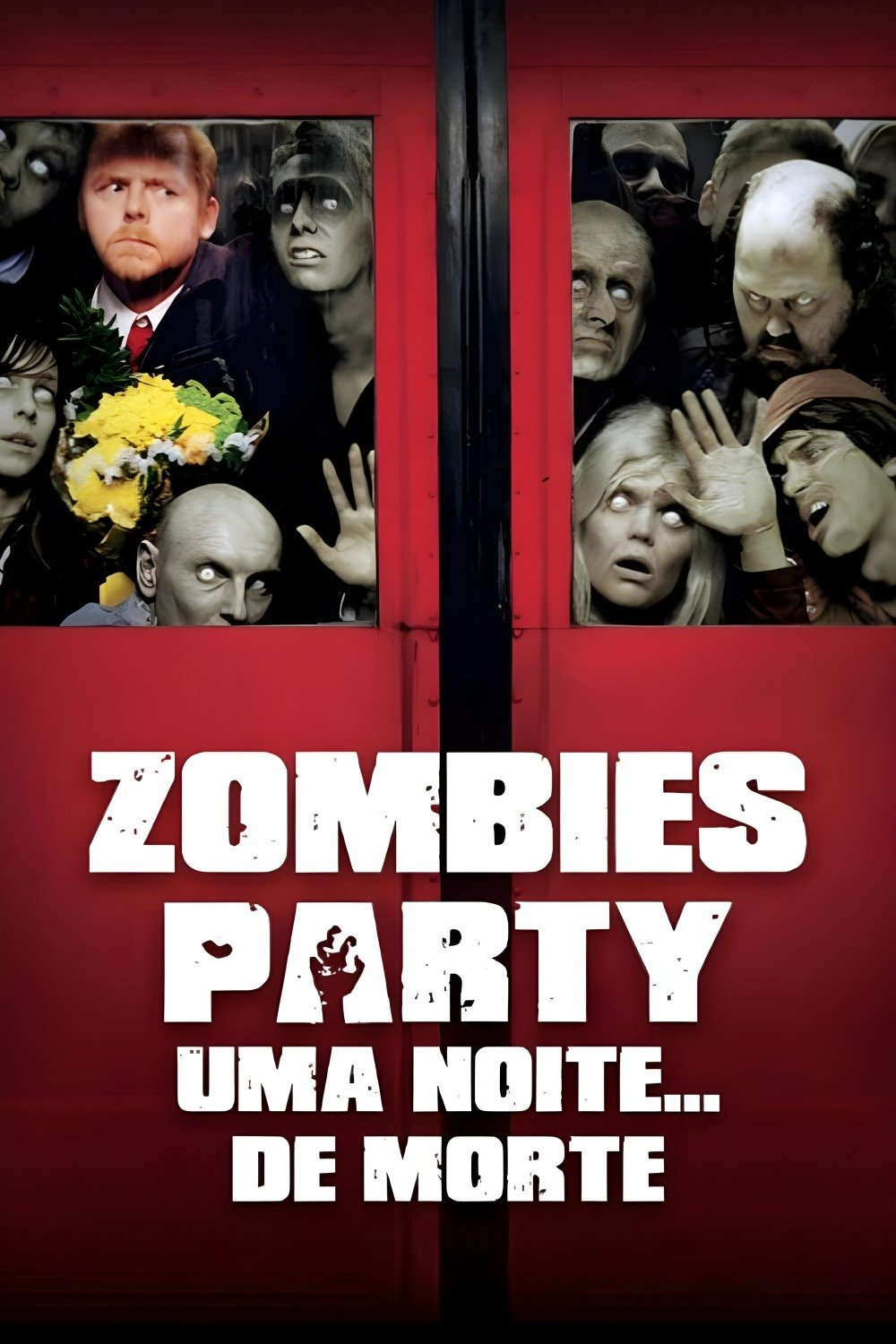
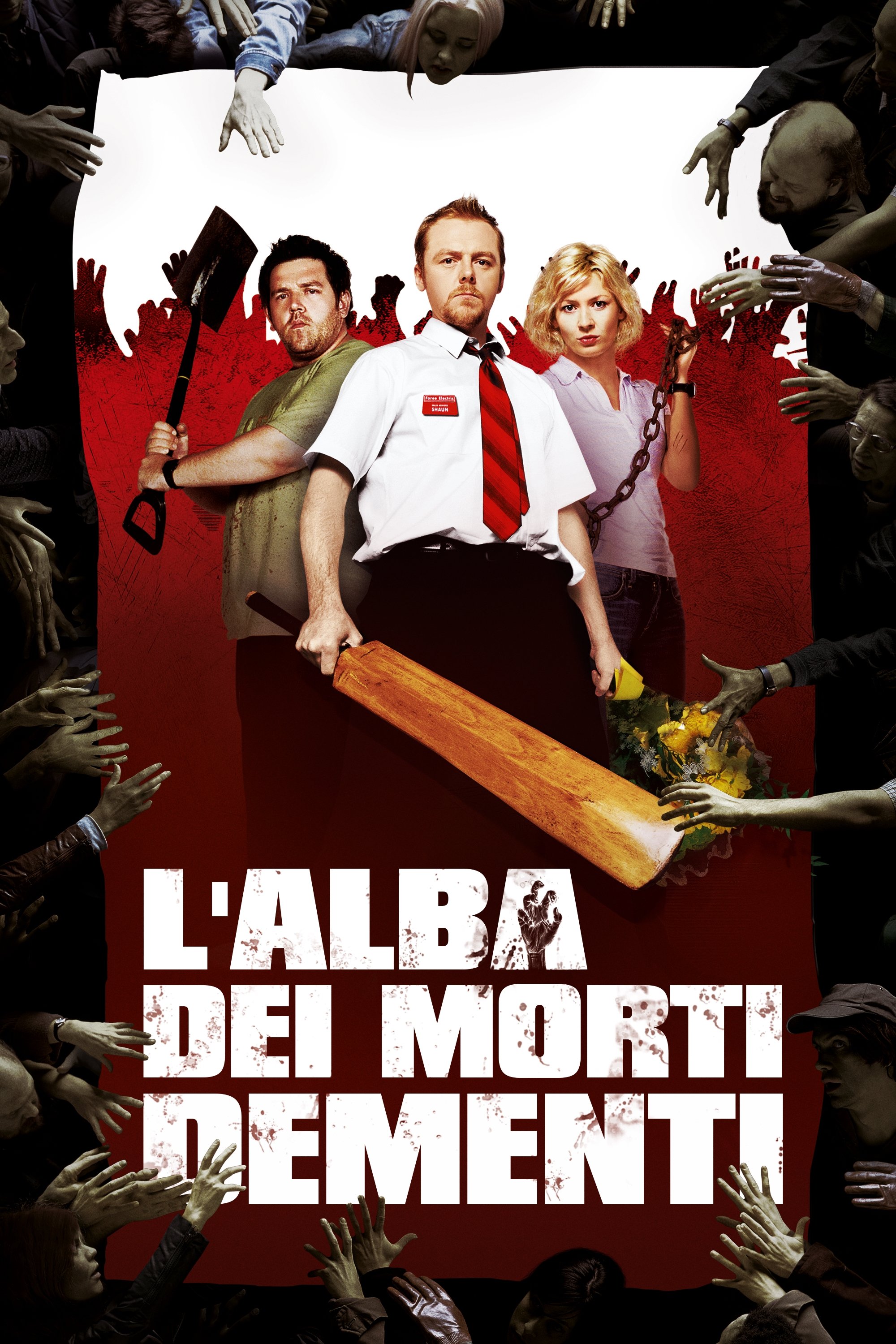
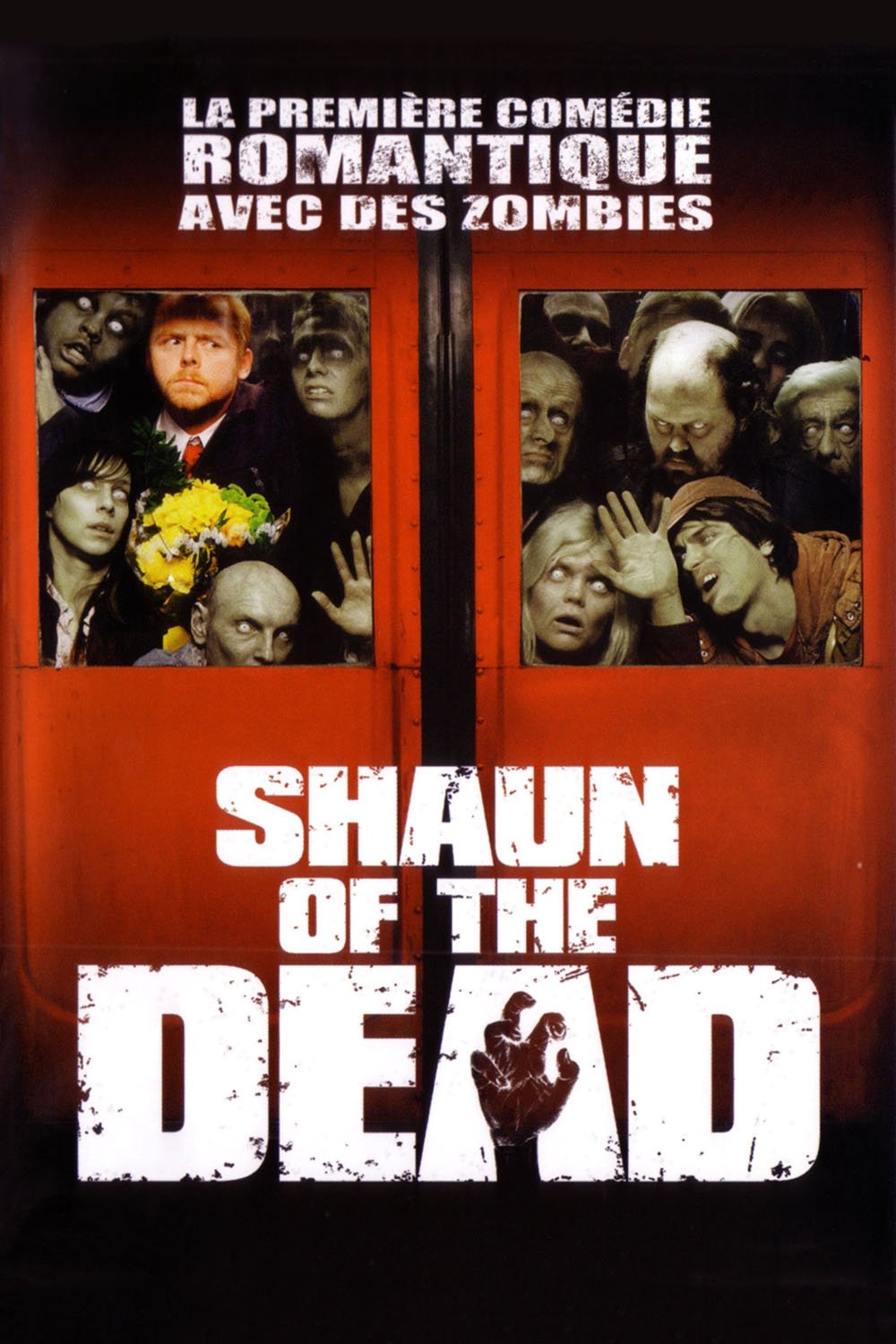
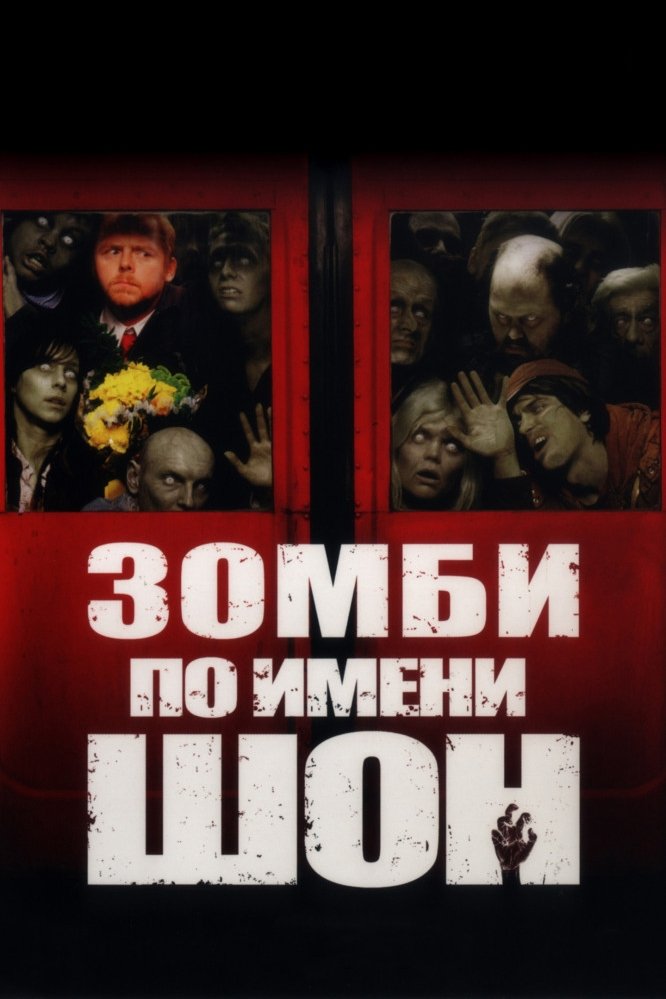
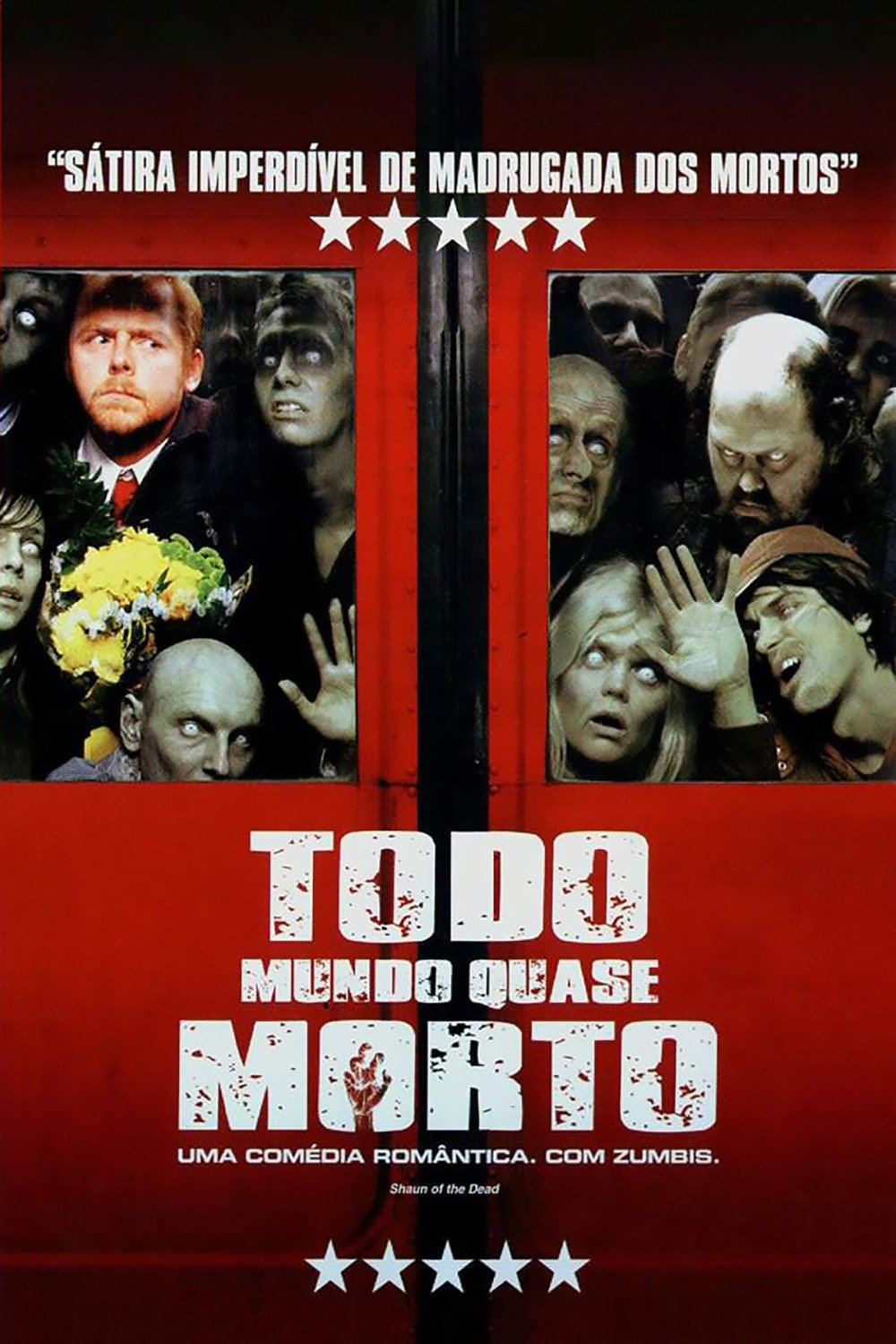
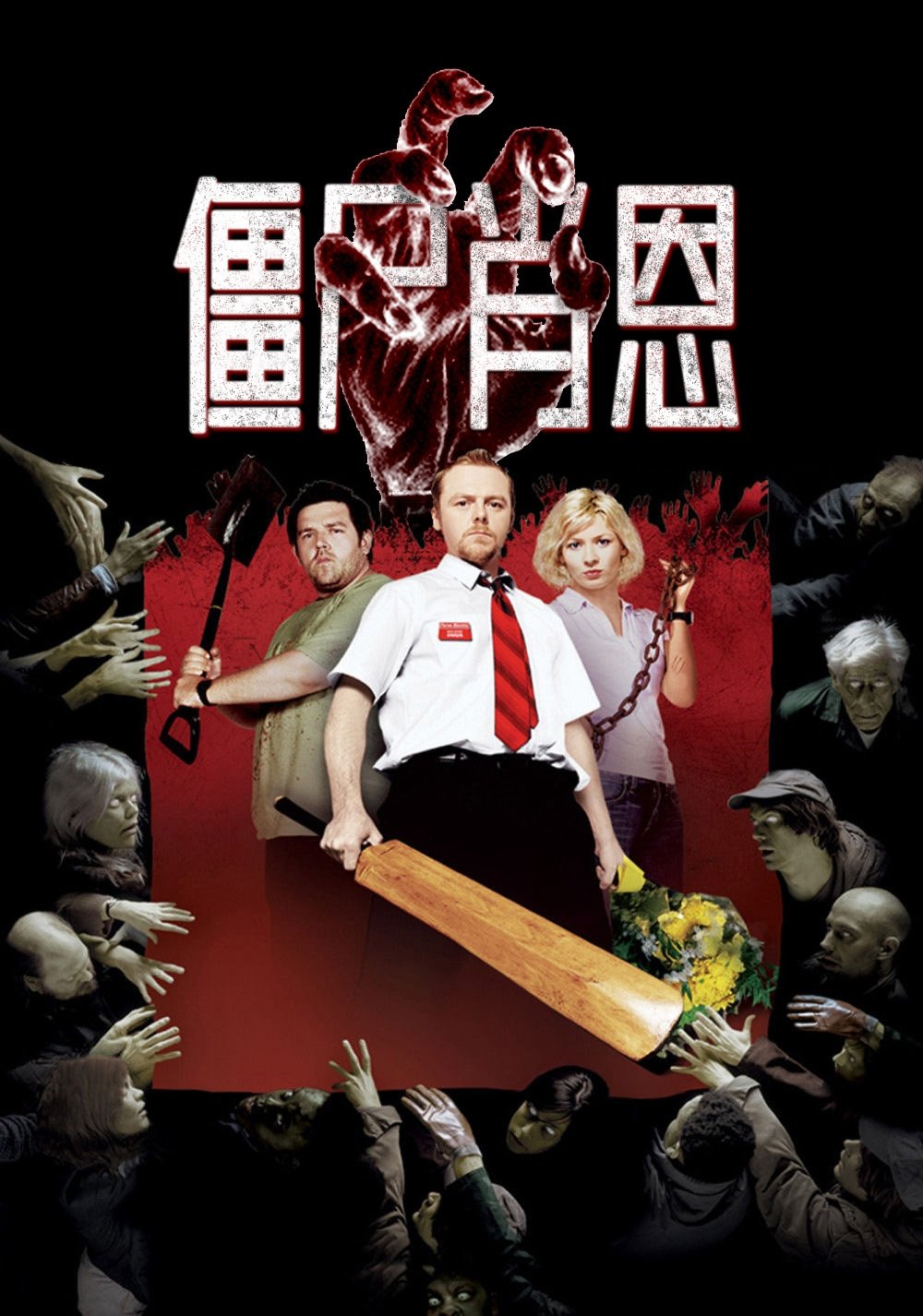
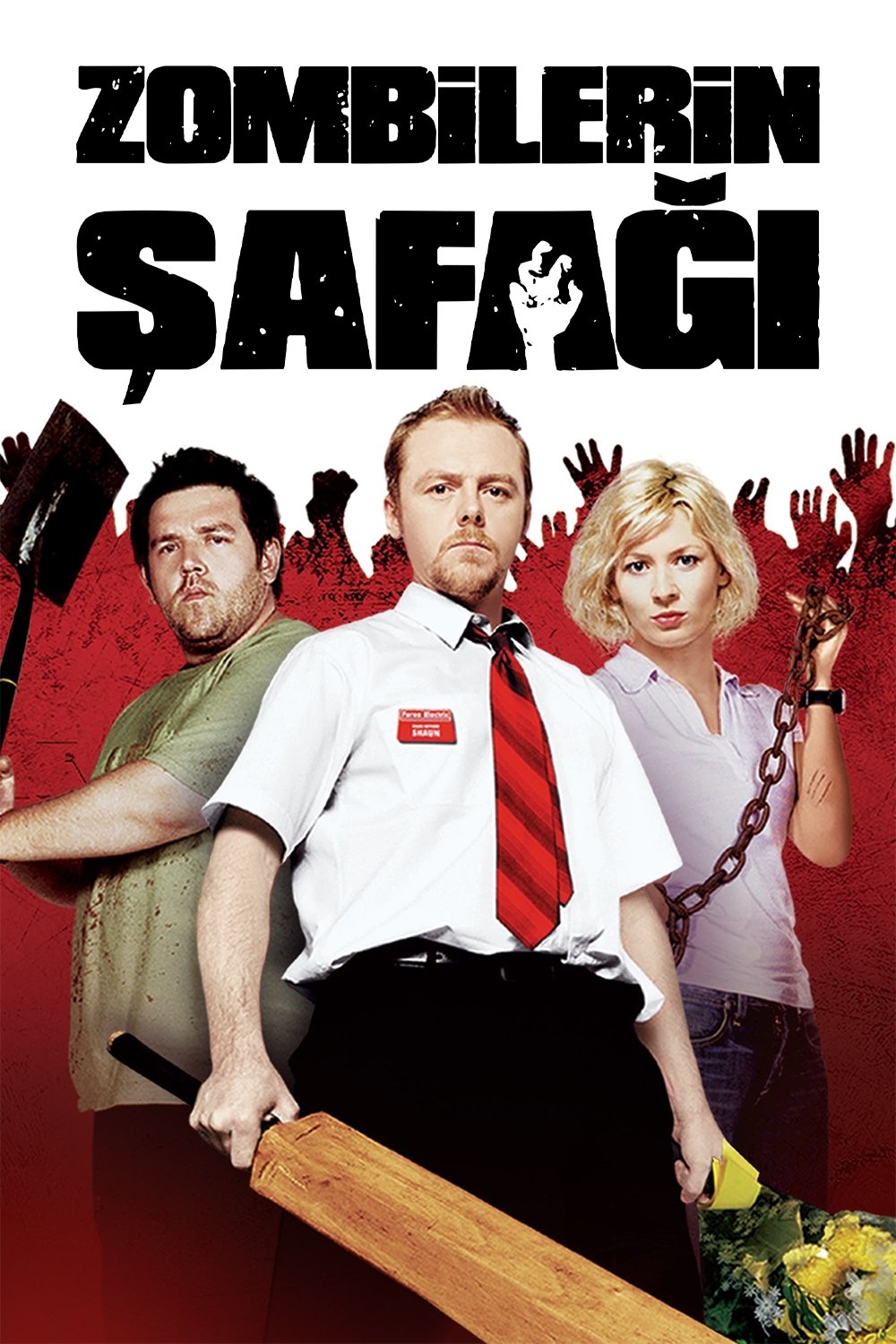
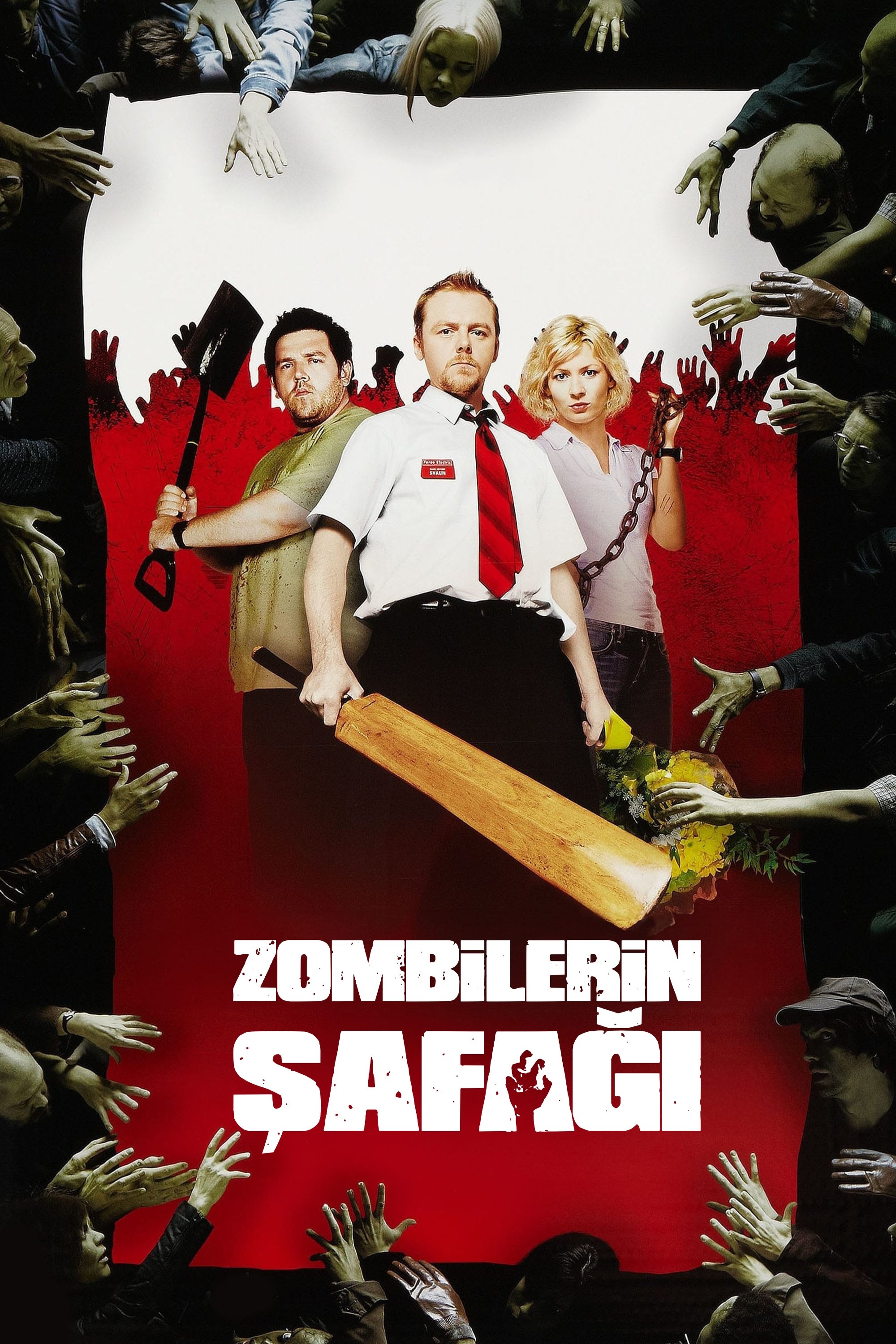
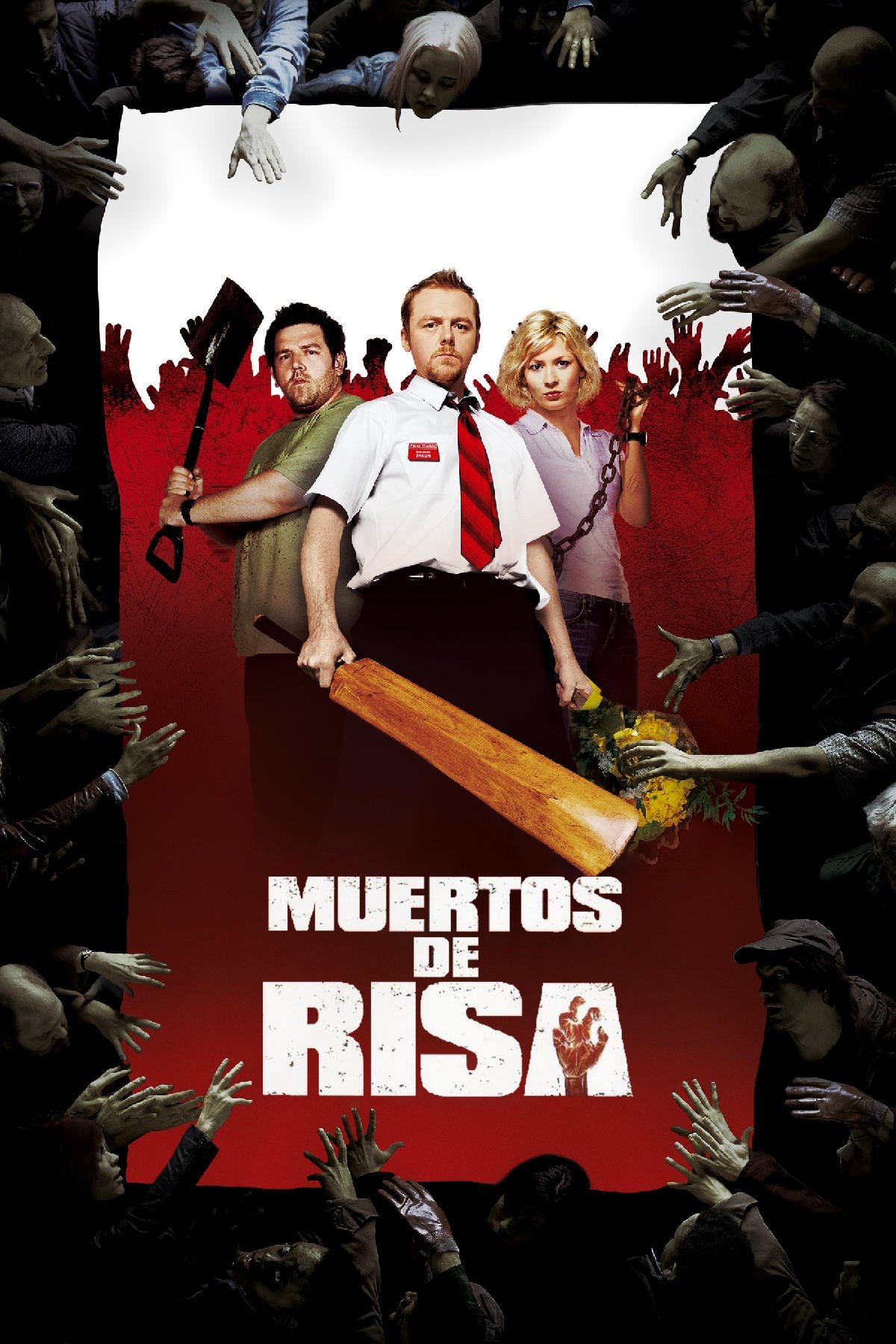
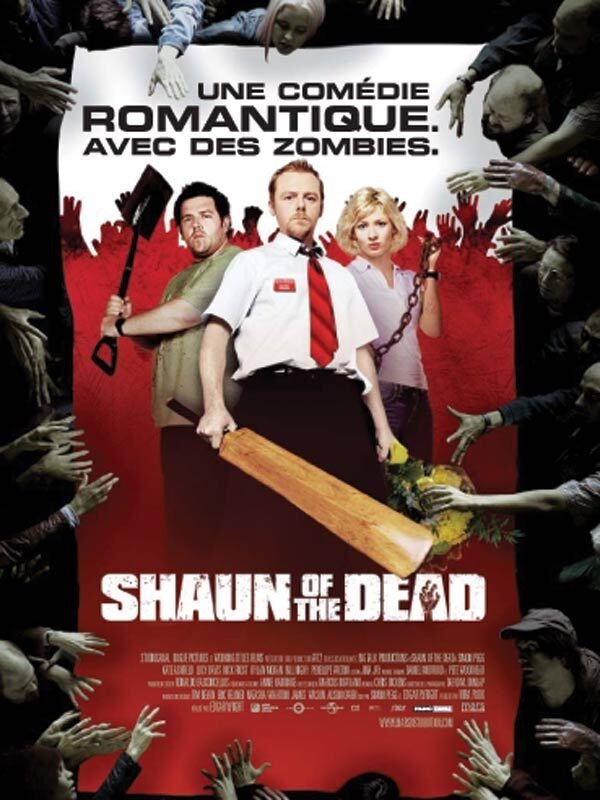
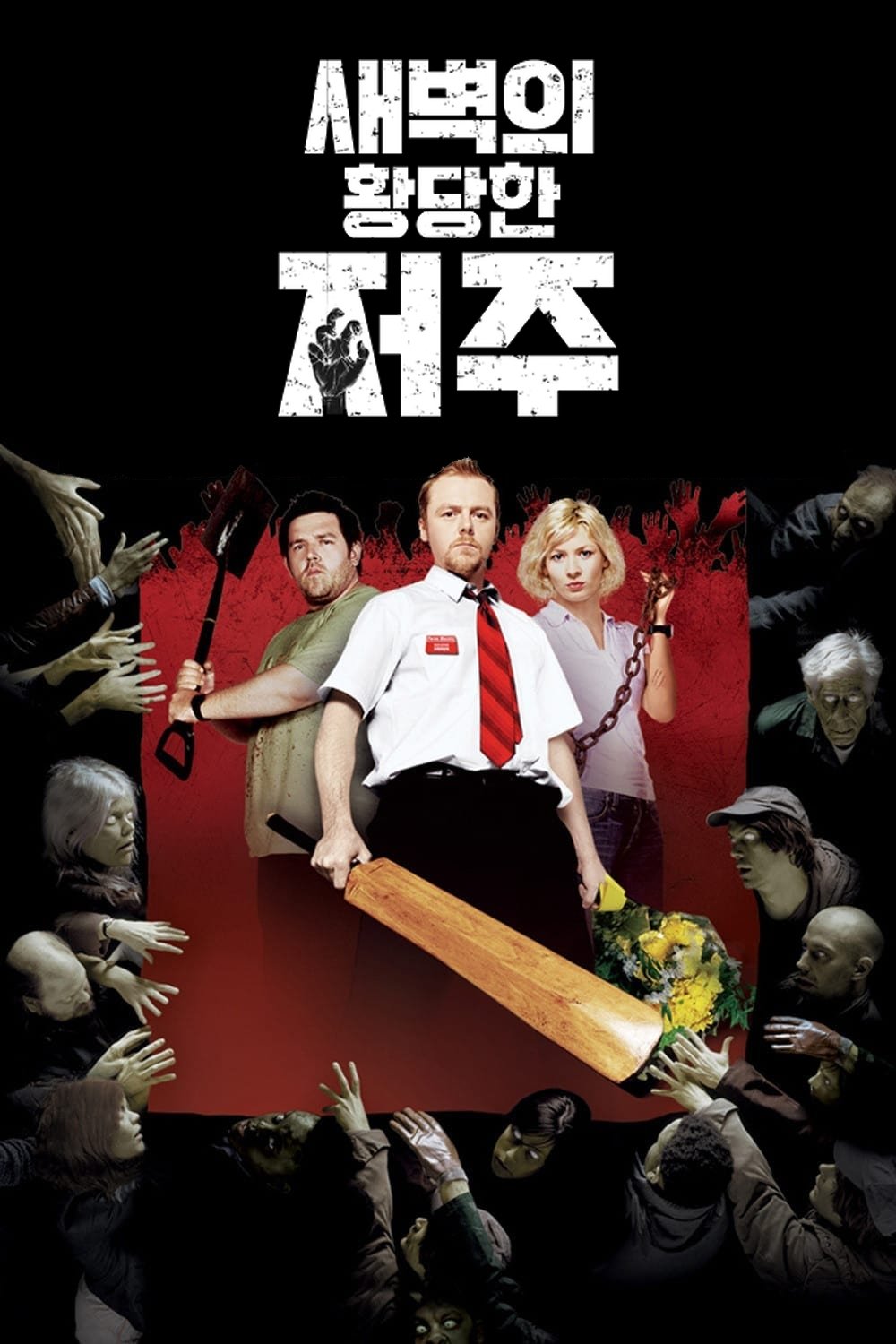
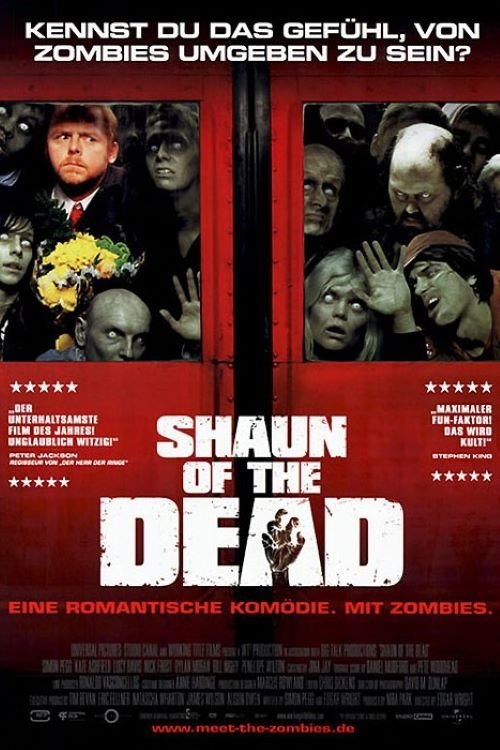
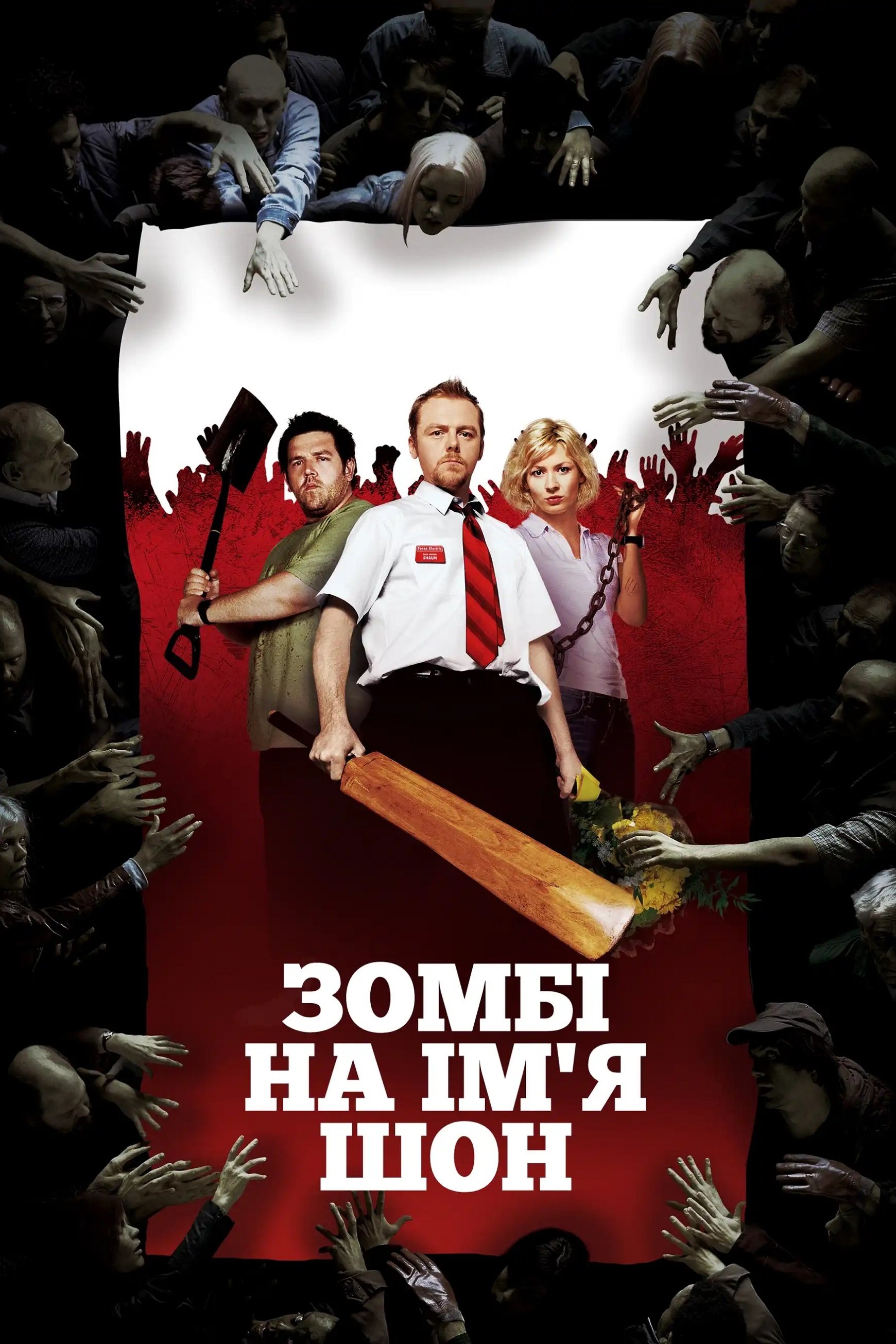
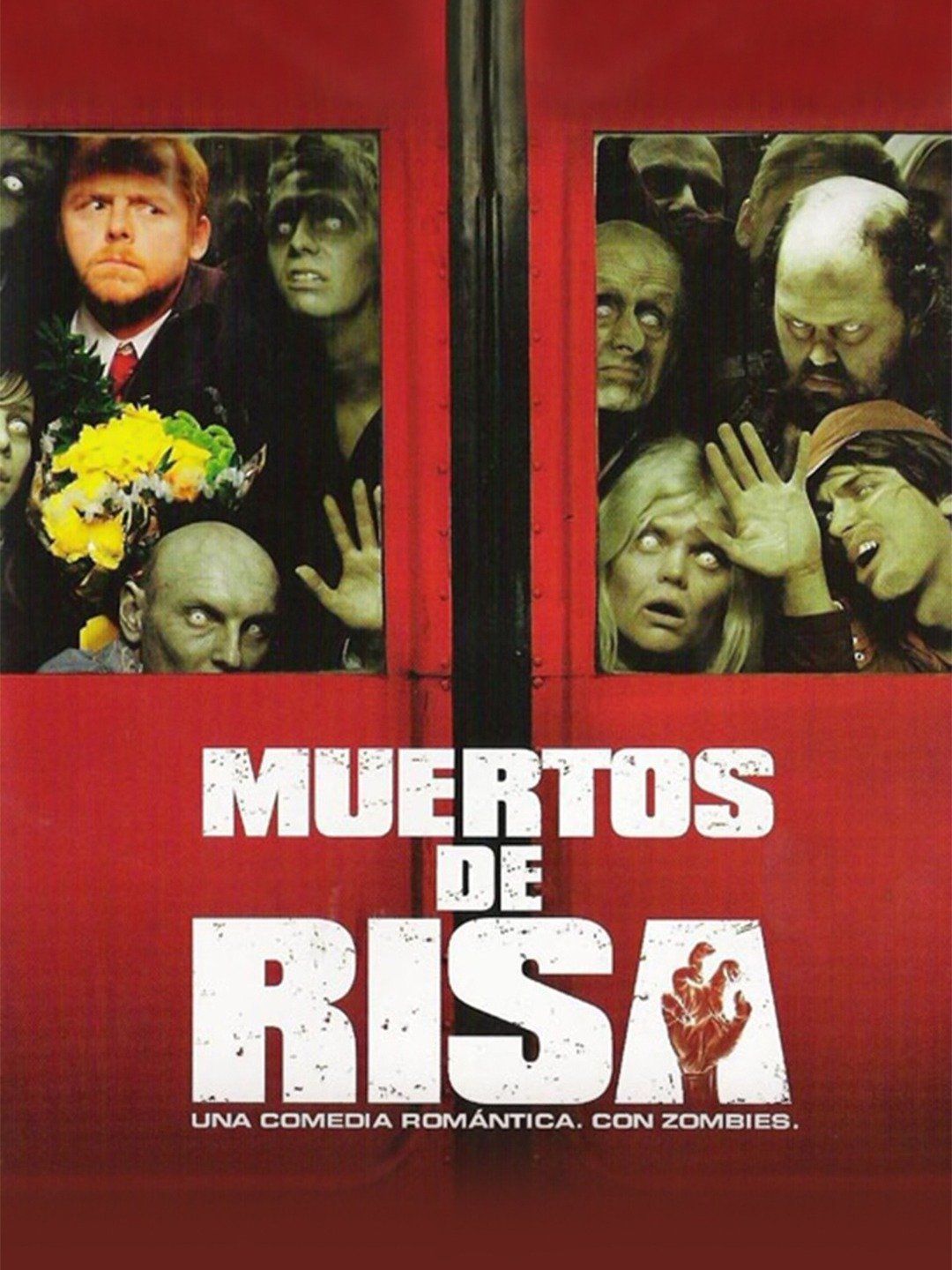
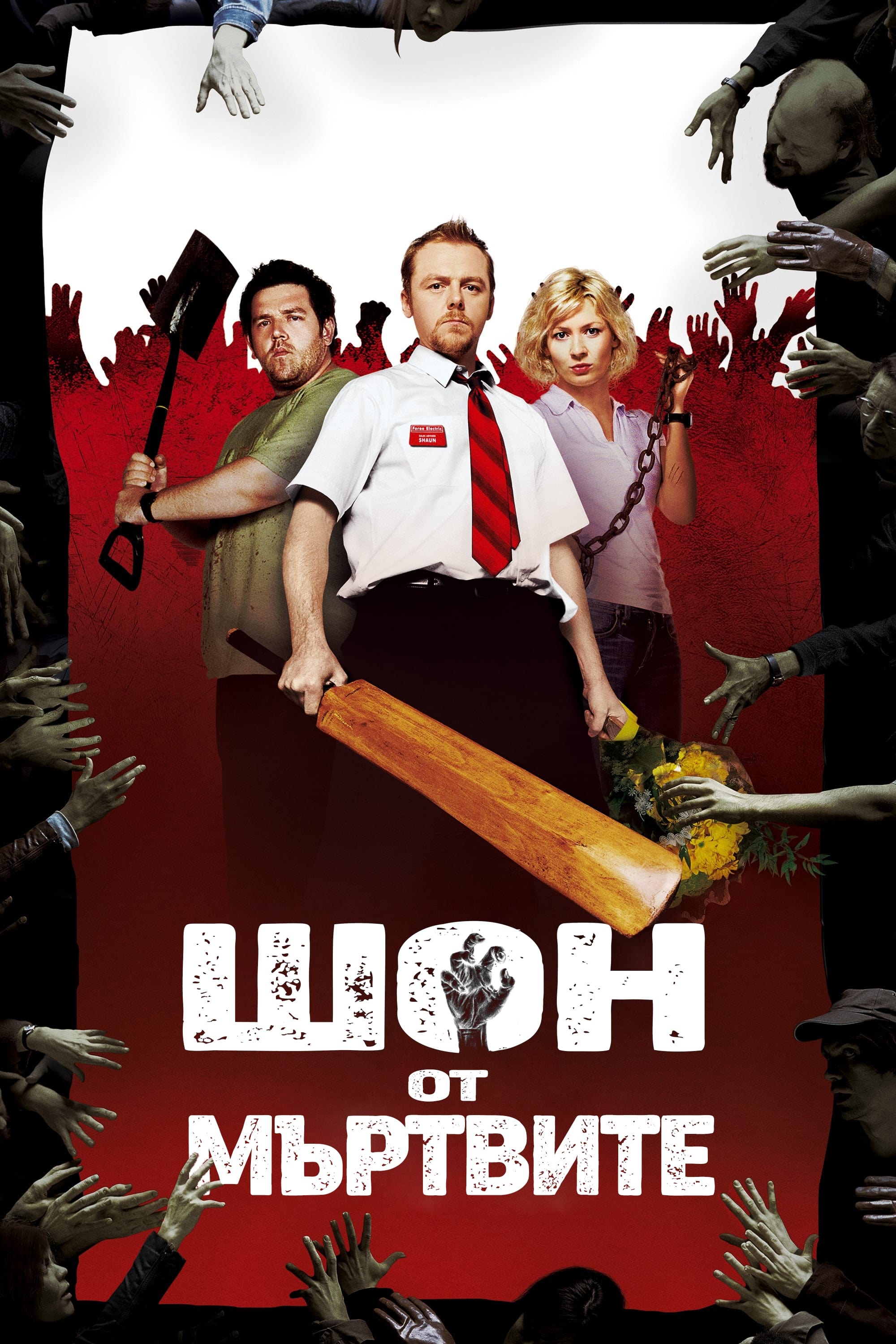
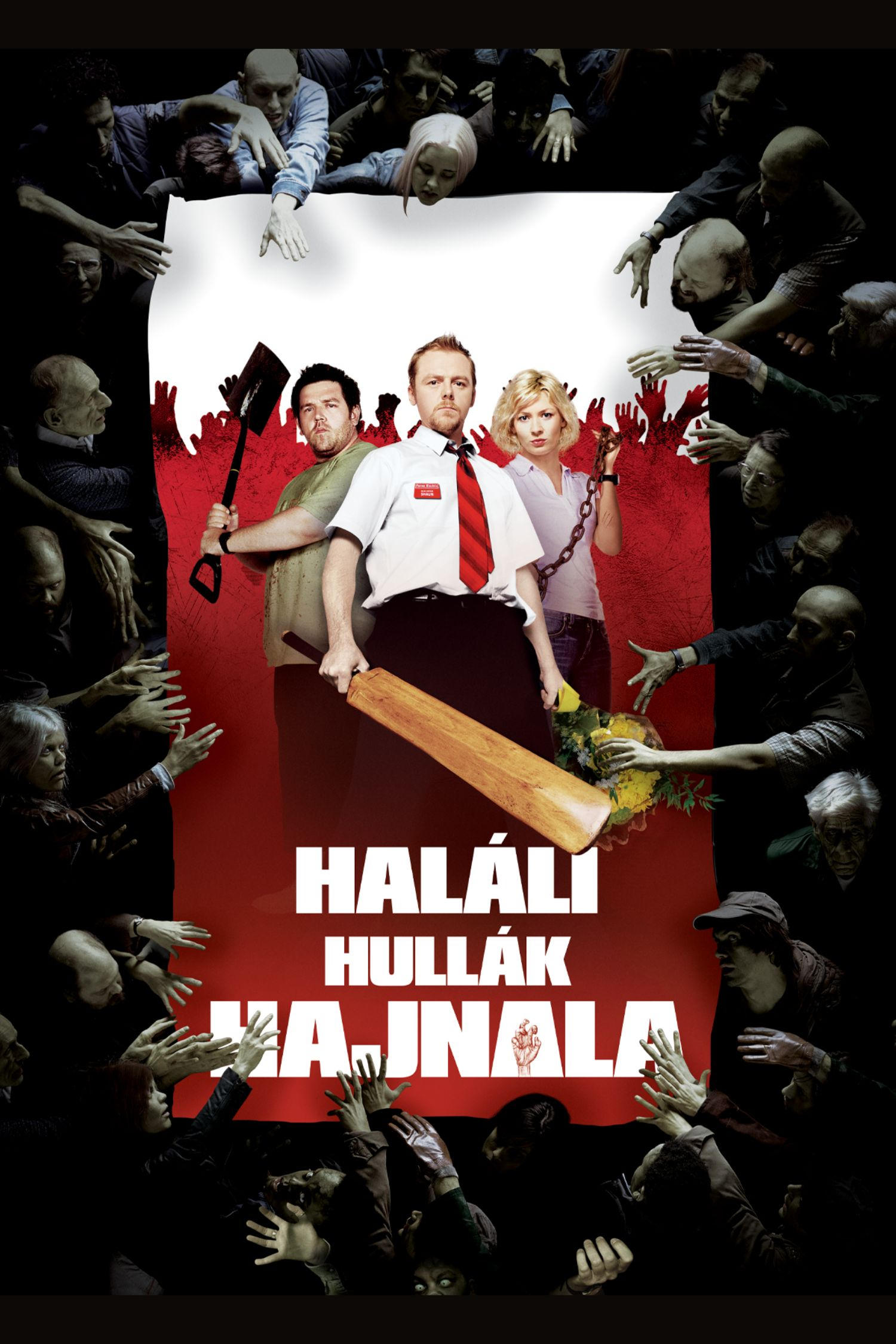
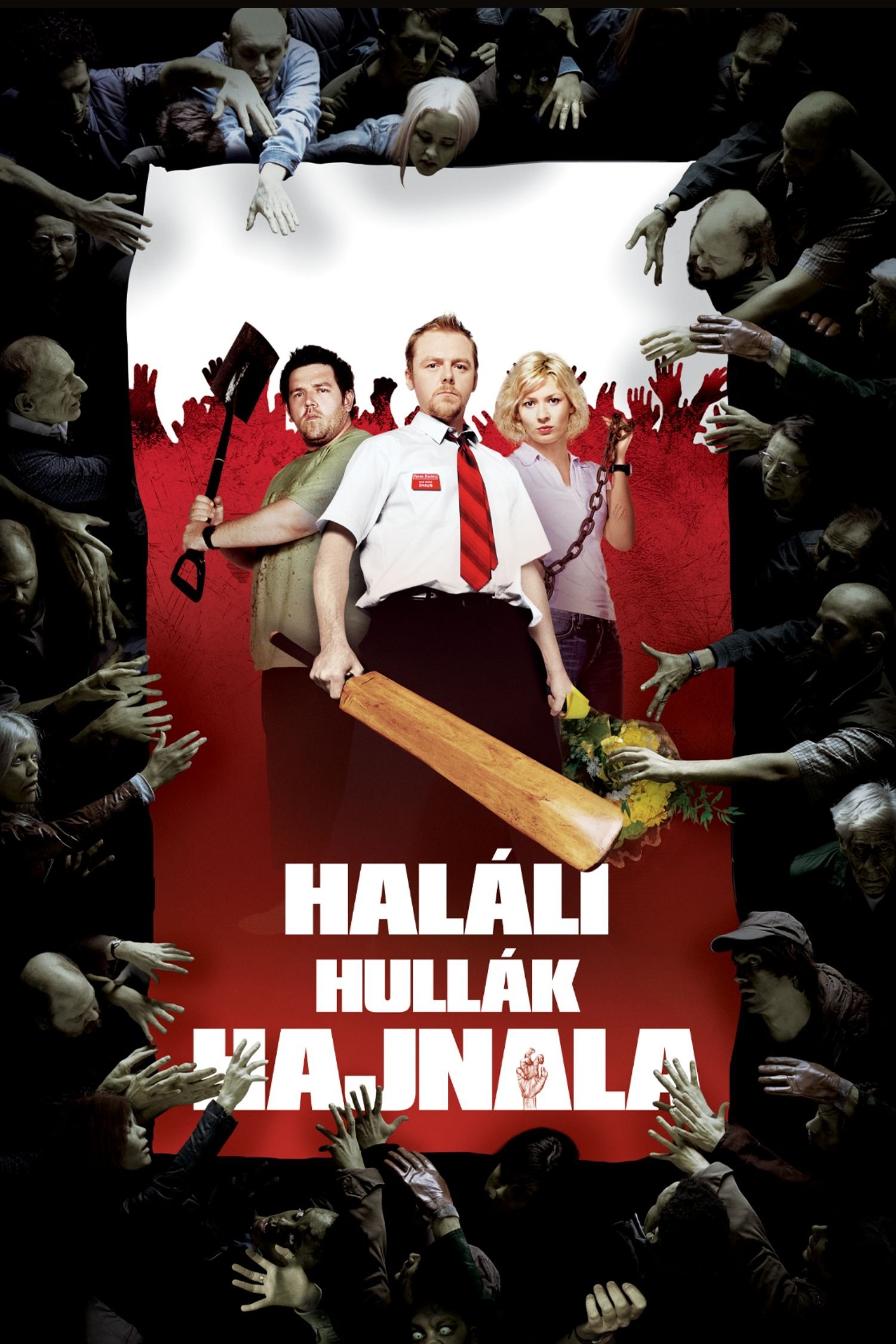
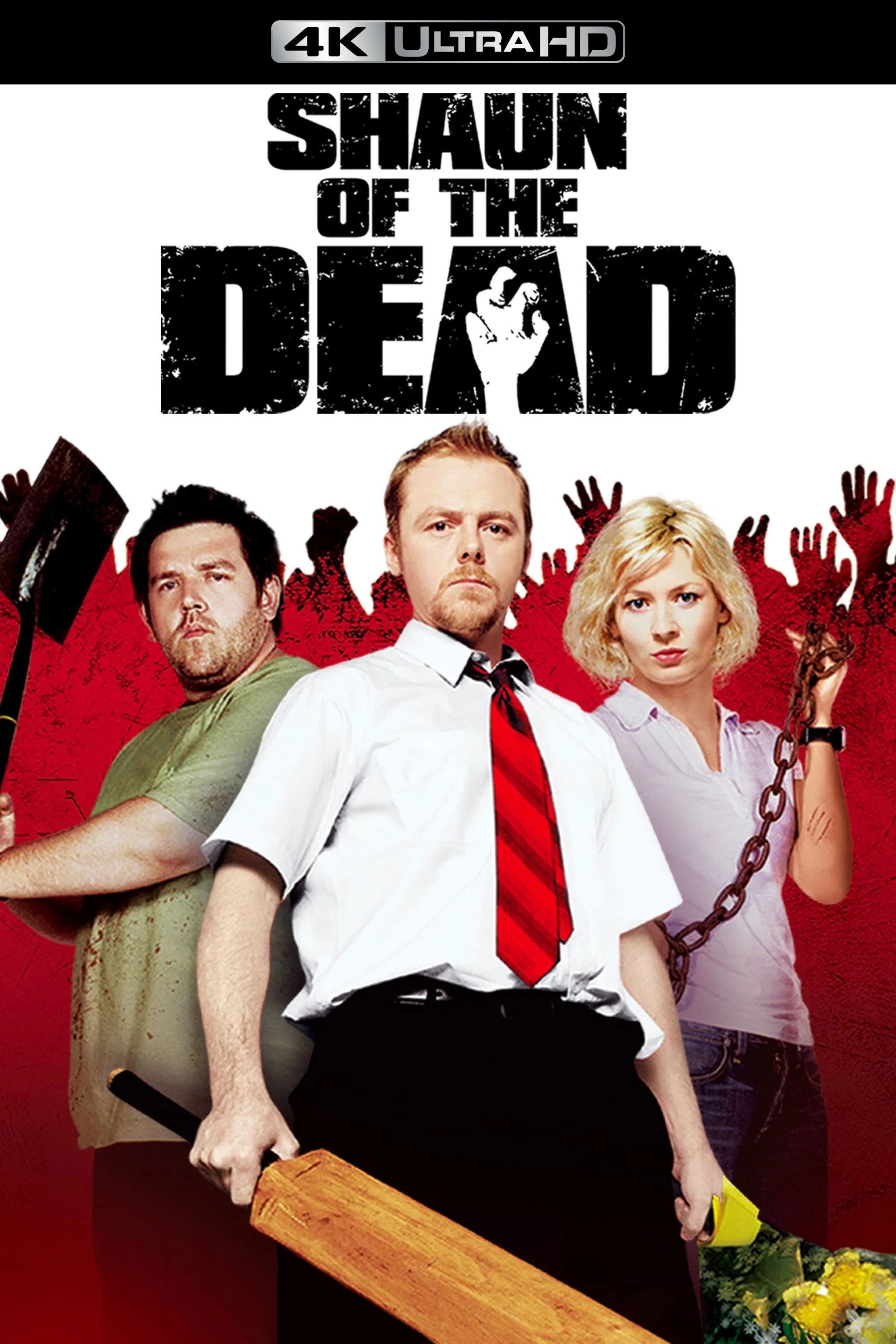
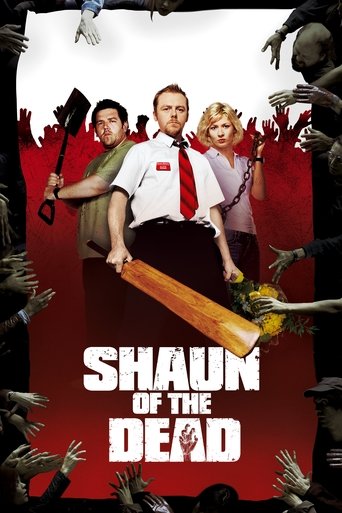
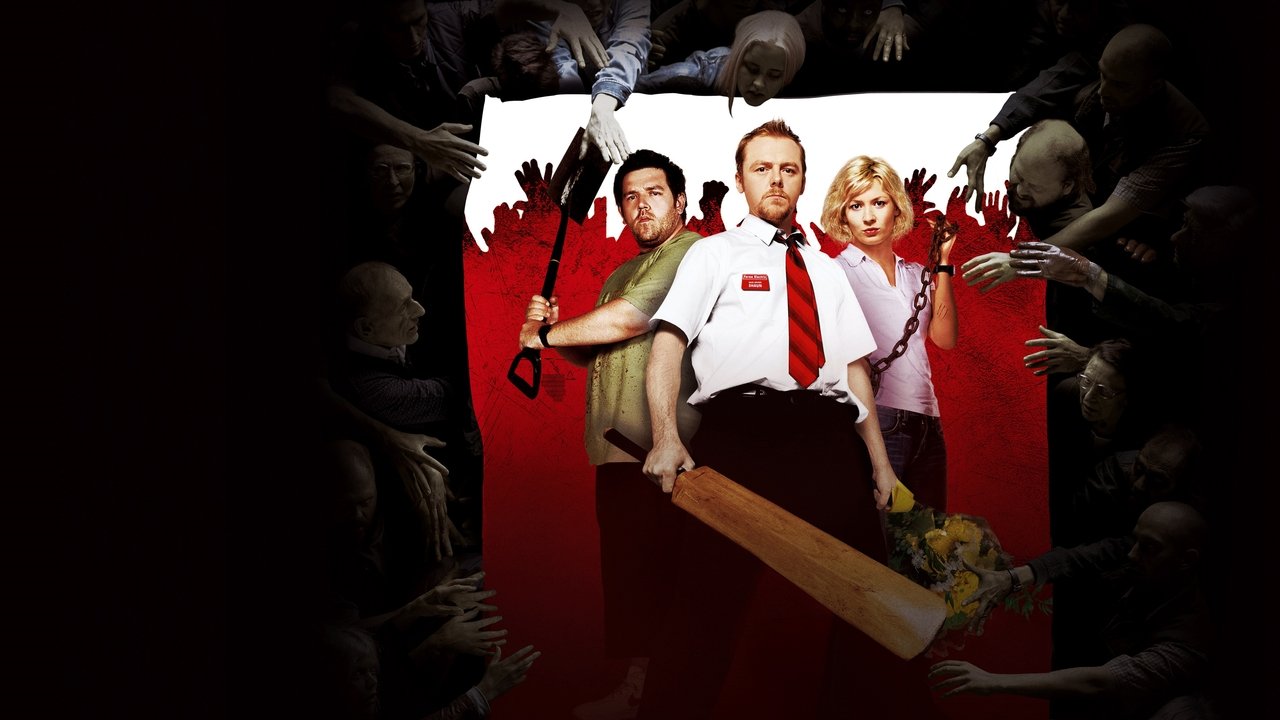
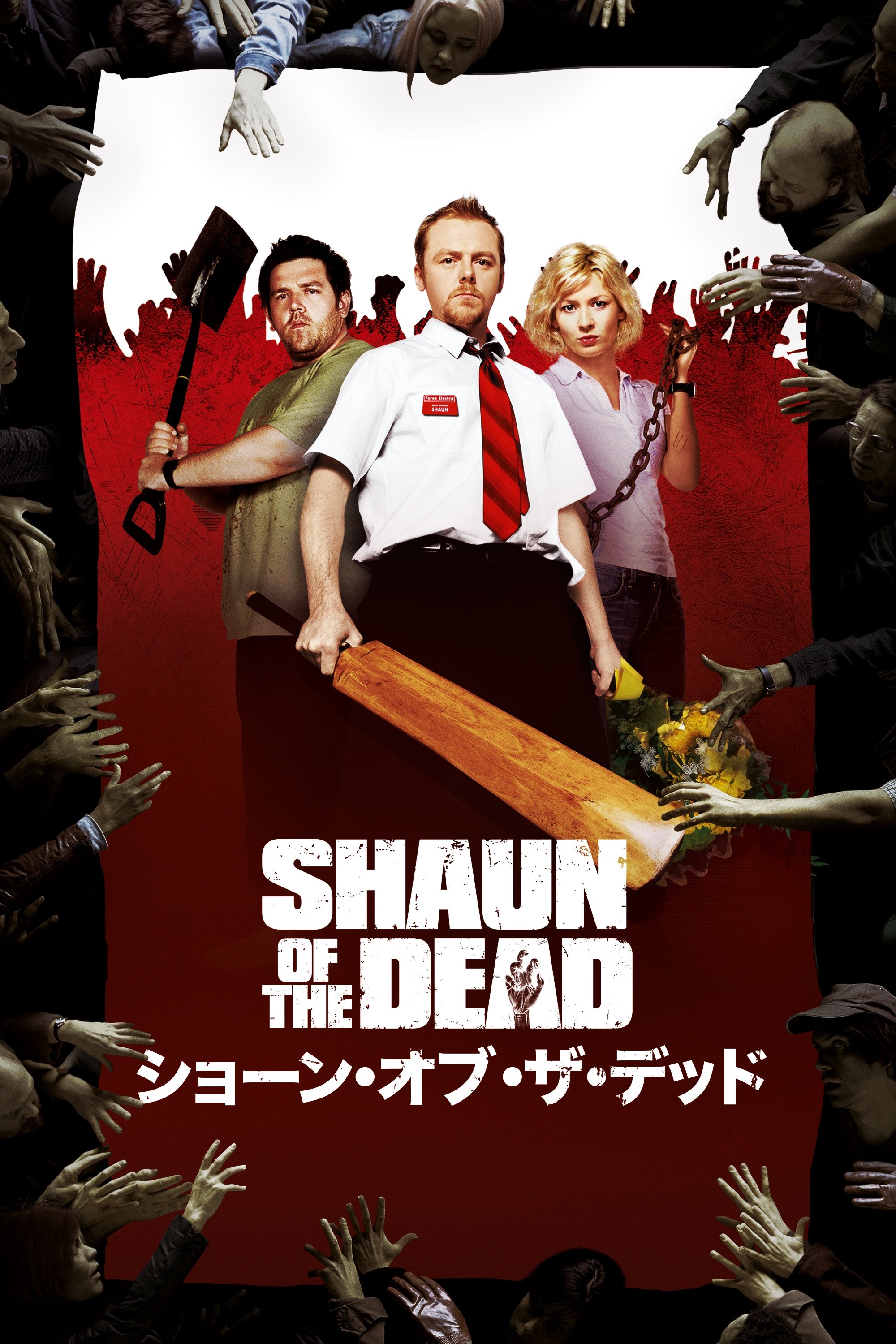
Shaun of the Dead (2004) poster
Director
Production Companies
WT² Productions , Big Talk Studios
Plot

Shaun lives a supremely uneventful life, which revolves around his girlfriend, his mother, and, above all, his local pub. This gentle routine is threatened when the dead return to life and make strenuous attempts to snack on ordinary Londoners.

Alternative Titles
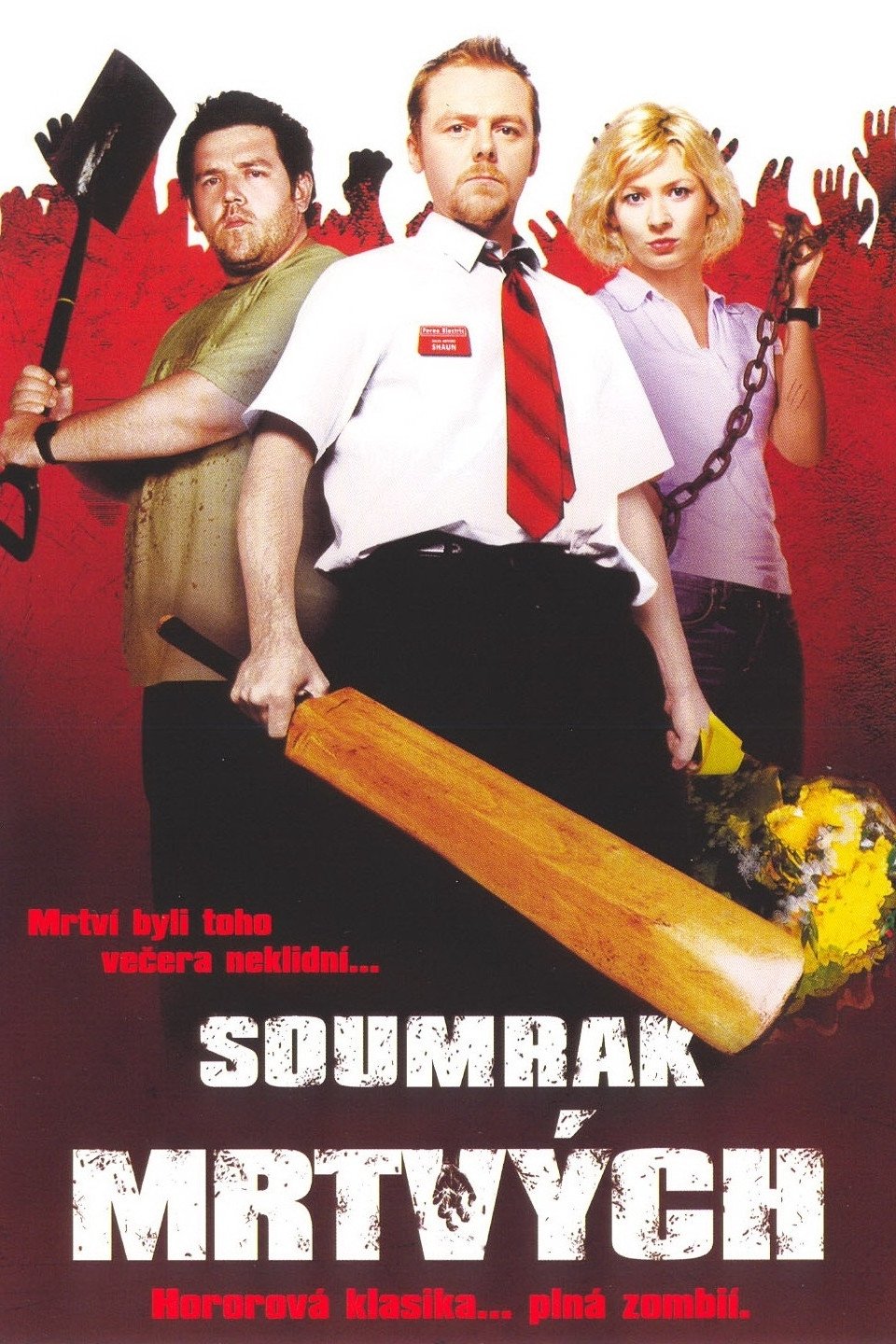
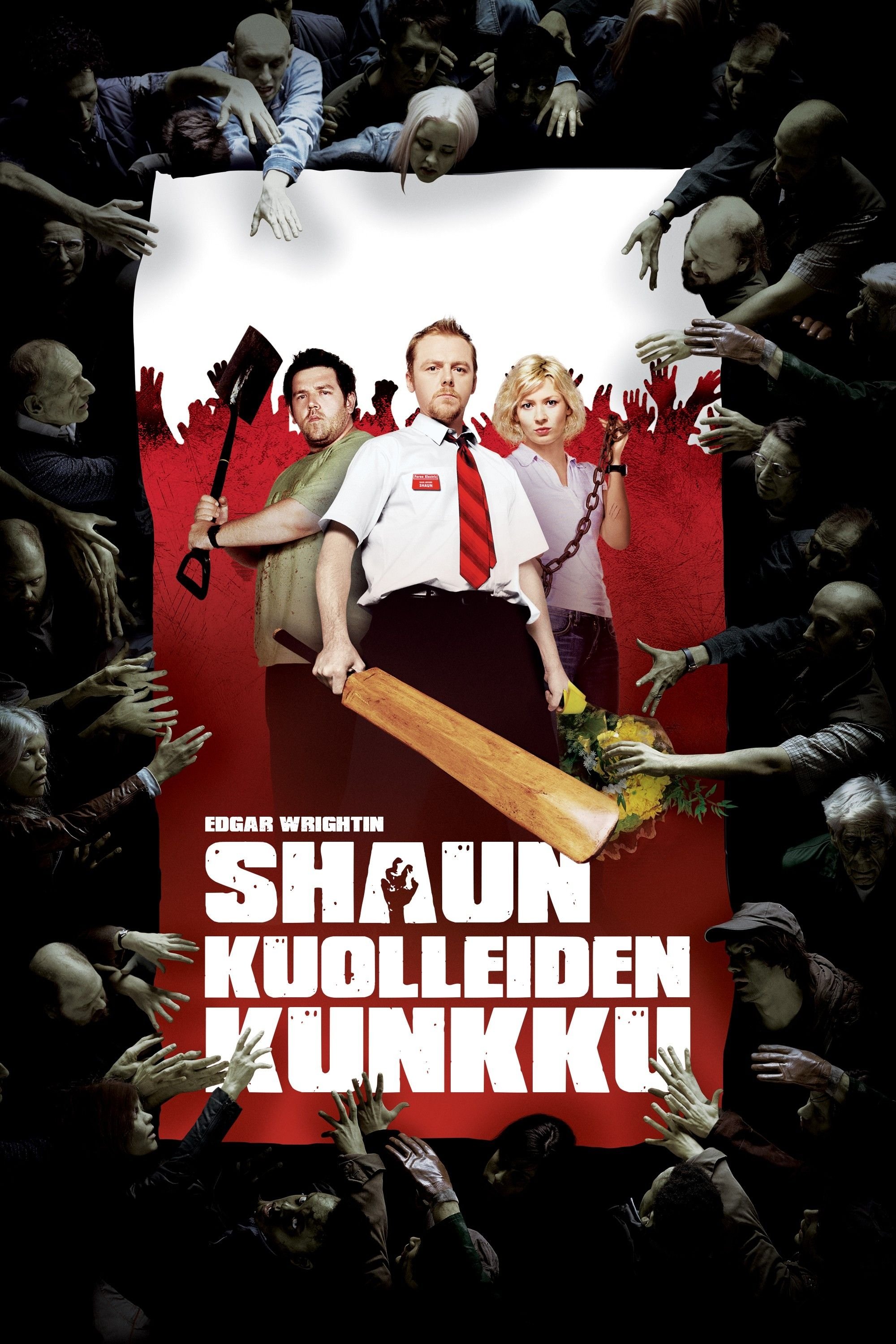
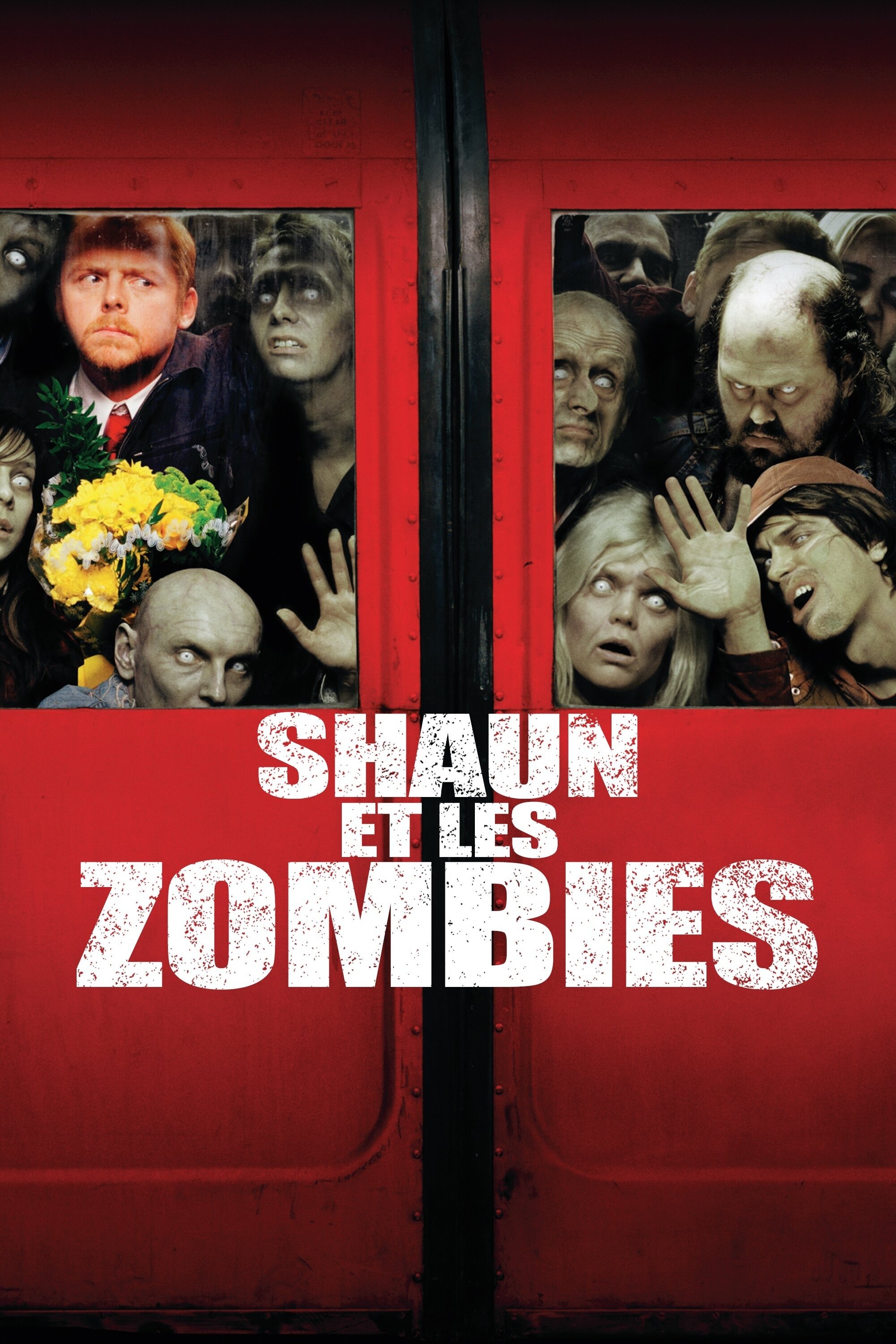
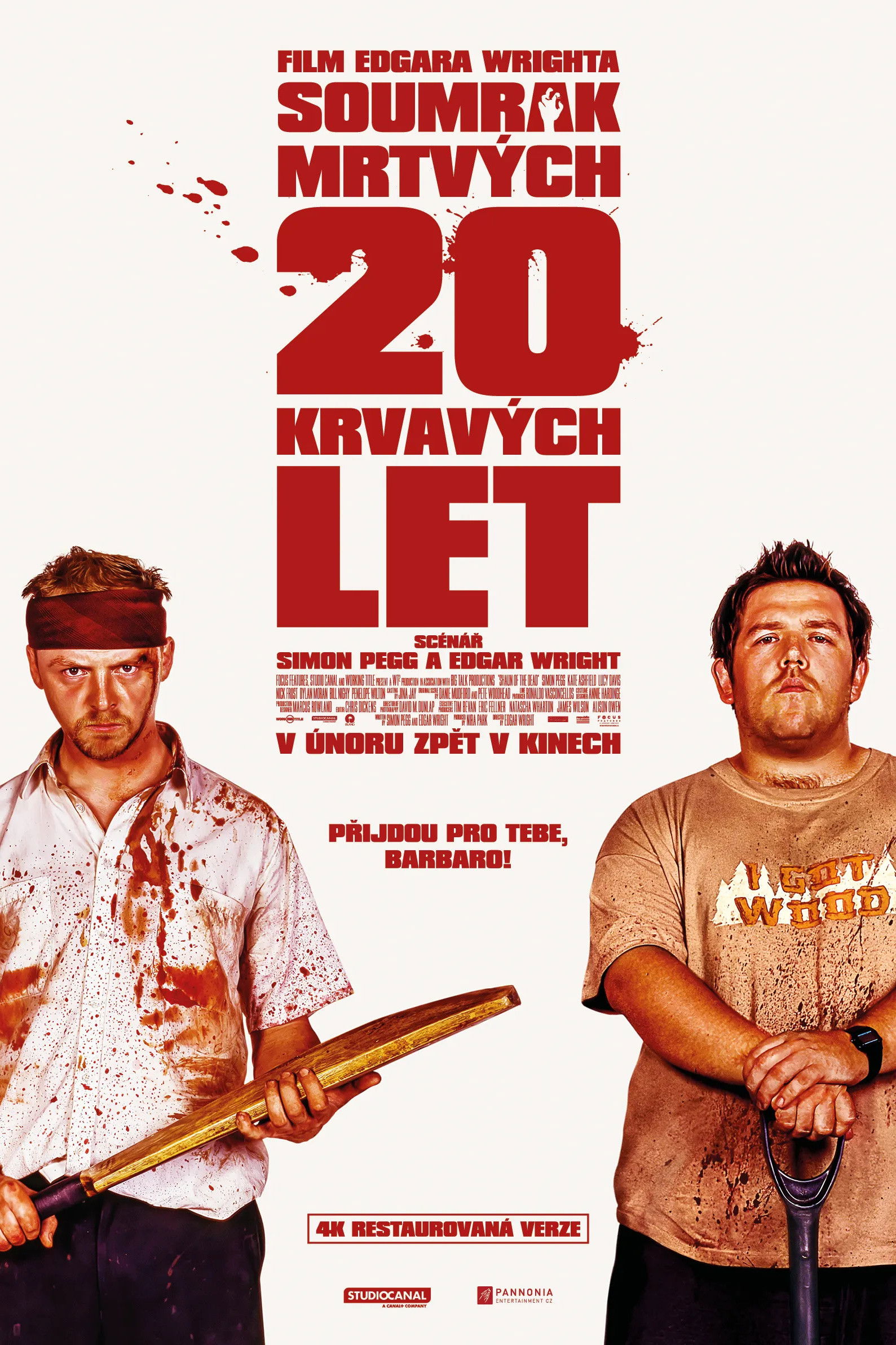
Muertos de risa (Argentina) Шон от мъртвите (Bulgaria) — Bulgarian Todo Mundo Quase Morto (Brazil) Shaun et les zombies (Canada) — French 僵尸肖恩 (China) — Chinese 行走的肖恩 (China) Soumrak mrtvých (Czechia) — Czech Ein Zombie kommt selten allein (Germany)
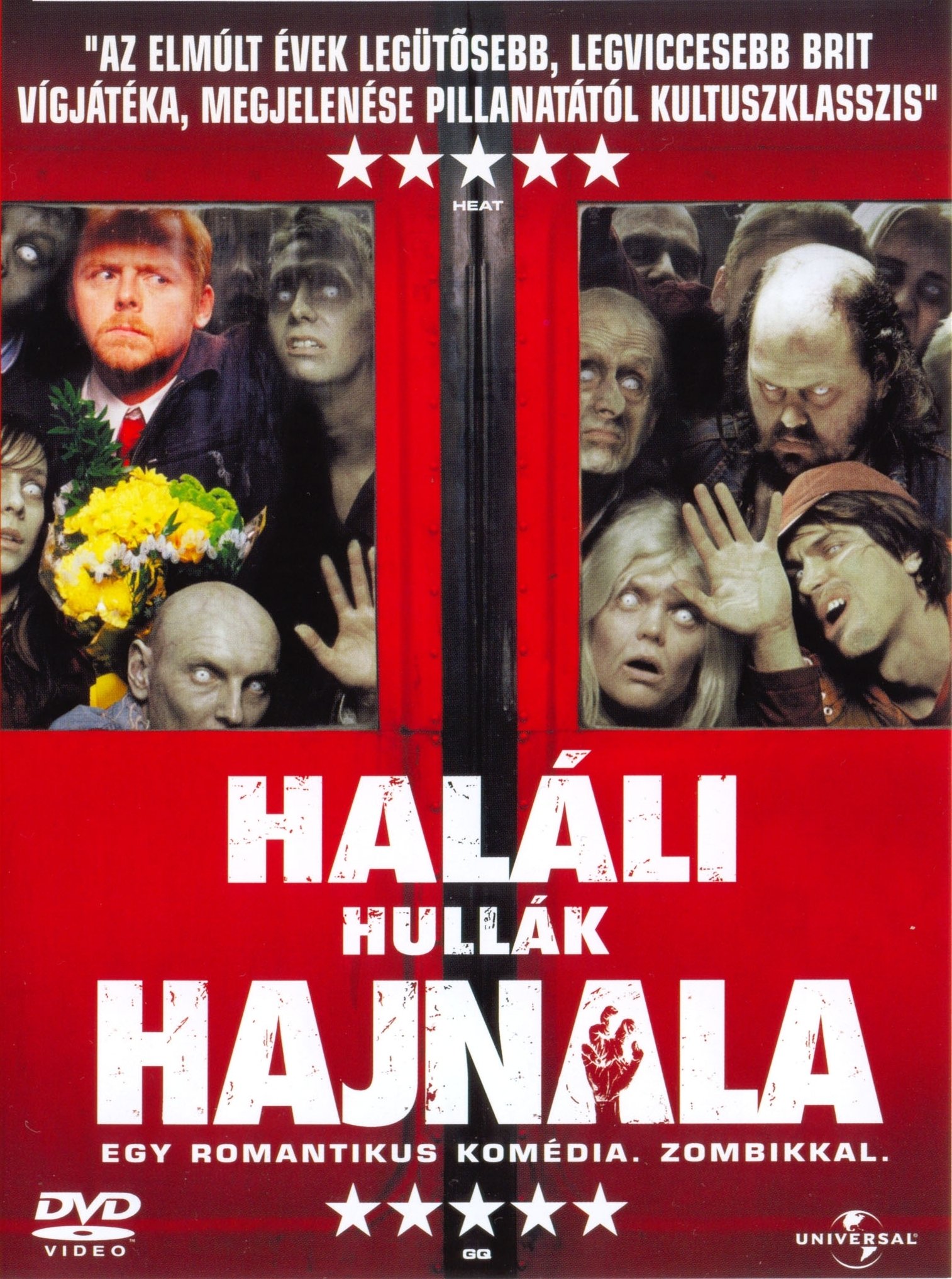
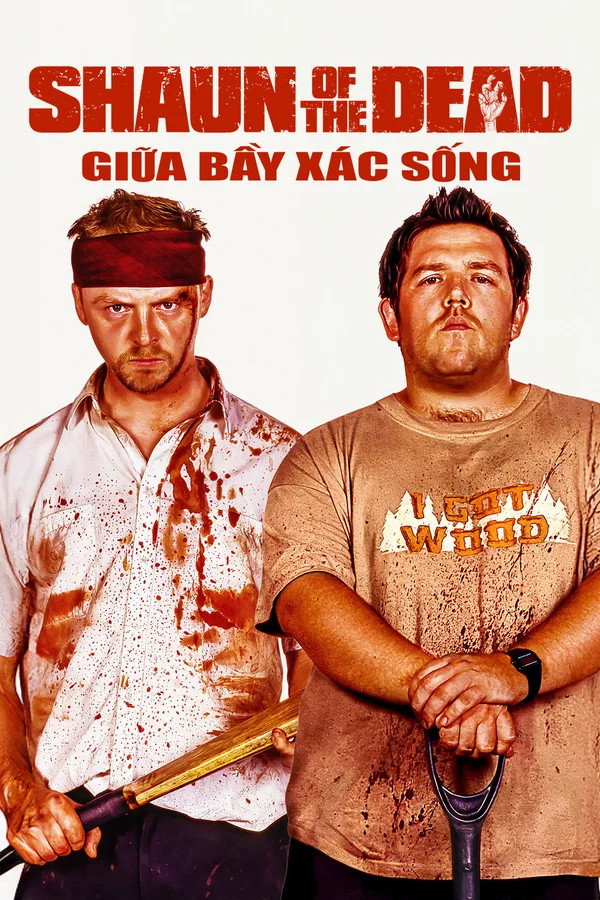
Show all 43 alternative titles Shaun ja zombid (Estonia) — Estonian Zombies Party (Spain) Zombies Party (Una noche... de muerte) (Spain) Shaun, kuolleiden kunkku (Finland) — TV Το Ξύσιμο των Νεκρών (Greece) — Greek 笑死人凶間 (Hong Kong SAR China) Noć glupih mrtvaca (Croatia) — Croatian Haláli hullák hajnala (Hungary) — Hungarian מת על המתים (Israel) — Hebrew شان مردگان (Iran) — Persian شان می میرد (Iran) شان می‌میرد (Iran) شاون مردگان (Iran) L'alba dei morti dementi (Italy) ショーン・オブ・ザ・デッド (Japan) — Japanese 새벽의 황당한 저주 (South Korea) Zombių karalius (Lithuania) — Lithuanian El Despertar de los Muertos (Mexico) — Spanish Muertos de risa (Mexico) Wysyp żywych trupów (Poland) — Polish Zombie Party - Uma Noite... de Morte (Portugal) Zombies Party - Uma Noite... de Morte (Portugal) — Portuguese Lupata cu zombi (Romania) — Netflix Lupta cu zombi (Romania) — Romanian Шон од мртвих (Serbia) — Serbian Зомби по имени Шон (Russia) شون و الموتى (Saudi Arabia) — Arabic Súmrak mŕtvych (Slovakia) — Slovak Muertos de Risa (El Salvador) รุ่งอรุณแห่งความวาย(ป่วง) (Thailand) — Thai Zombilerin Şafağı (Türkiye) — Turkish 活人甡吃 (Taiwan) — Chinese Зомбі на ім’я Шон (Ukraine) — Ukrainian Muertos de risa (United States) Giữa Bầy Xác Sống (Vietnam) — Vietnamese

Trailers & Videos

10 videos

Film Guide & Analysis

Edgar Wright and Simon Pegg’s zombie horror comedy: its origins in Spaced, George A. Romero’s influence, practical gore, visual storytelling, musical construction, theatrical reception and historical legacy.

Shaun of the Dead (2004) is a British zombie horror comedy directed by Edgar Wright and written by Wright and Simon Pegg. Set in contemporary London, the film follows an unambitious electronics salesman whose troubled relationships become entangled with an outbreak of the living dead. Its treatment of ordinary domestic routines, romantic uncertainty and friendship draws directly on the zombie cinema of George A. Romero while retaining the distinctive rhythms of British social comedy. The film combines detailed visual jokes with increasingly serious violence, allowing familiar situations to acquire new significance as the epidemic spreads through the city.

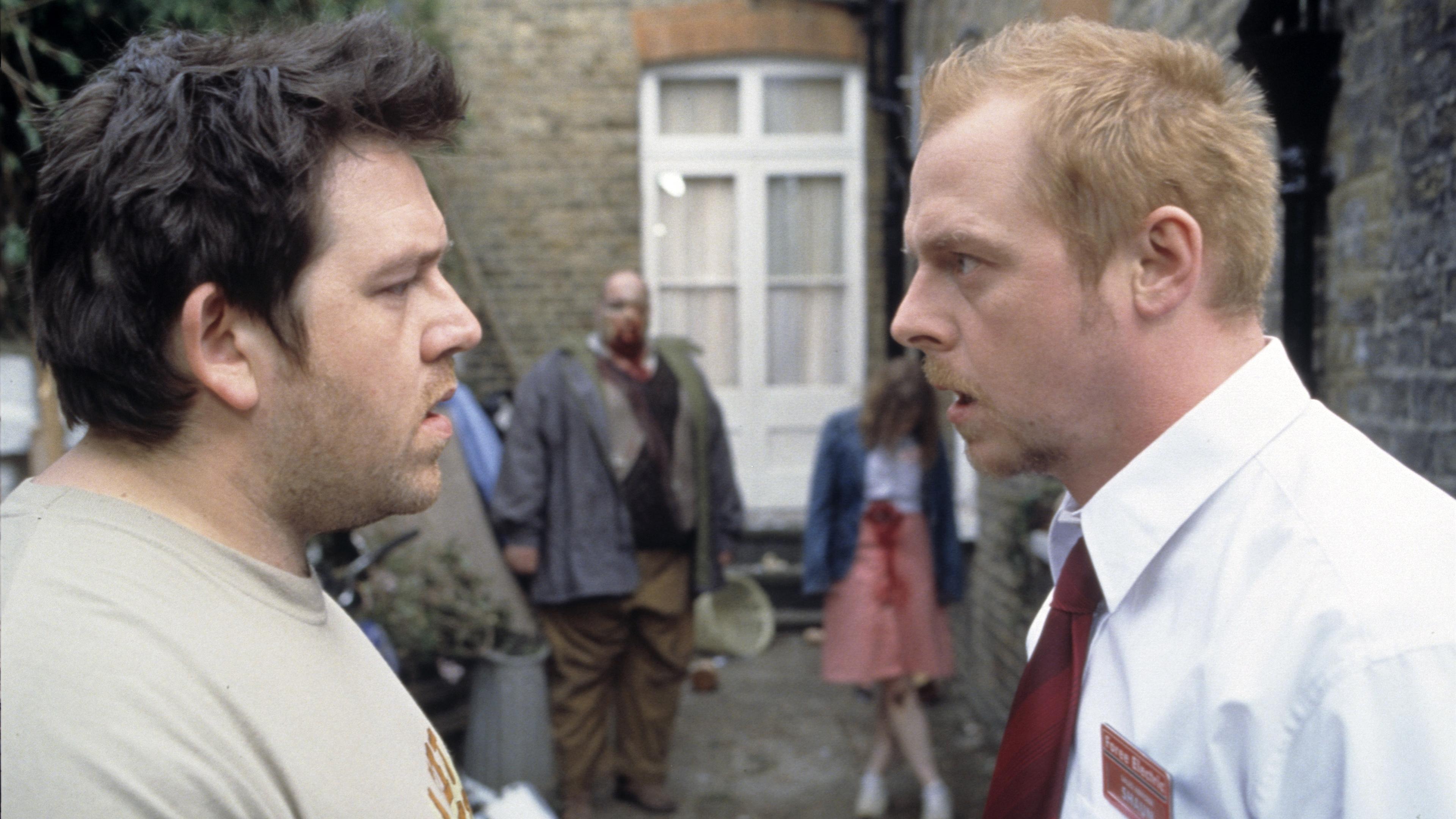
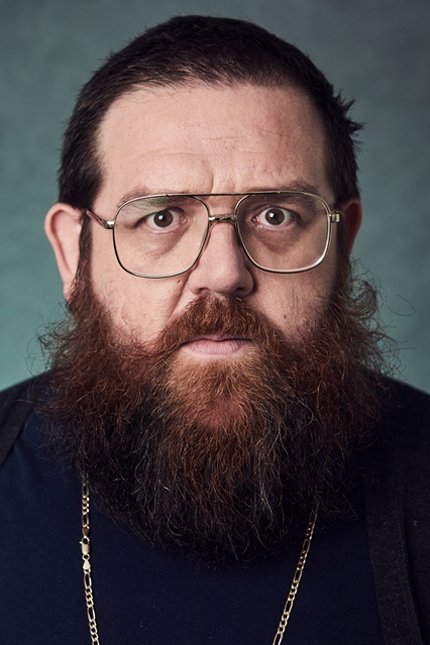
Pegg plays Shaun, whose attempts to reconcile with his girlfriend Liz, portrayed by Kate Ashfield, are complicated by his loyalty to his unemployed friend Ed, played by Nick Frost. Their decision to shelter in a local pub eventually exposes the characters to the full consequences of the outbreak. Developed after Wright and Pegg worked together on the television series Spaced, the production was filmed in London during 2003 with cinematography by David M. Dunlap, editing by Chris Dickens and prosthetic effects supervised principally by Stuart Conran. Released in the United Kingdom on April 9, 2004, the film became an international success and established a lasting connection between contemporary British comedy and the traditions of cinematic zombie horror.

Development: From Spaced to a Zombie Feature

The project originated during Wright and Pegg’s collaboration on Spaced, the Channel 4 television comedy written by Pegg and Jessica Hynes. One episode included a fantasy sequence in which Pegg’s character, Tim Bisley, imagined himself confronting zombies after playing the survival-horror game Resident Evil. Wright and Pegg enjoyed filming the sequence and began discussing the possibility of developing an entire feature around an outbreak. Their shared admiration for George A. Romero’s Dawn of the Dead provided a central point of reference. Wright also recalled walking through deserted London streets early one morning after playing Resident Evil and imagining how an ordinary British resident would respond to the sudden appearance of the living dead.

The first screenplay emerged during 2001, with the writers developing a protagonist whose personal difficulties would continue throughout the catastrophe. Wright wanted the film to concern people who encountered the apocalypse while occupied by entirely ordinary problems. The project encountered financing difficulties after Film4, which had initially supported its development, underwent a major restructuring in 2002. Wright recalled a period of considerable uncertainty in which he avoided other assignments while seeking to secure the film. Working Title subsequently became involved, and the production moved forward with producer Nira Park. Principal photography began in May 2003, several years after the initial discussions between Wright and Pegg.

The filmmakers resisted suggestions to replace members of their preferred cast with better-known performers. Wright recalled proposals involving established international names, including the possibility of casting an American actor as Ed. He considered Frost essential because the role had been developed around his existing relationship with Pegg. Kate Ashfield and Penelope Wilton were likewise preferred for Liz and Barbara, although the producers explored alternatives. Helen Mirren declined an invitation to play Barbara, while Kate Winslet was considered for Liz. The casting decisions preserved the social familiarity that Wright wanted at the centre of the film. Its principal characters were conceived as people whose ordinary shortcomings would remain recognizable even when their circumstances became extraordinary.
Shaun, Ed, and the Romantic Comedy Structure

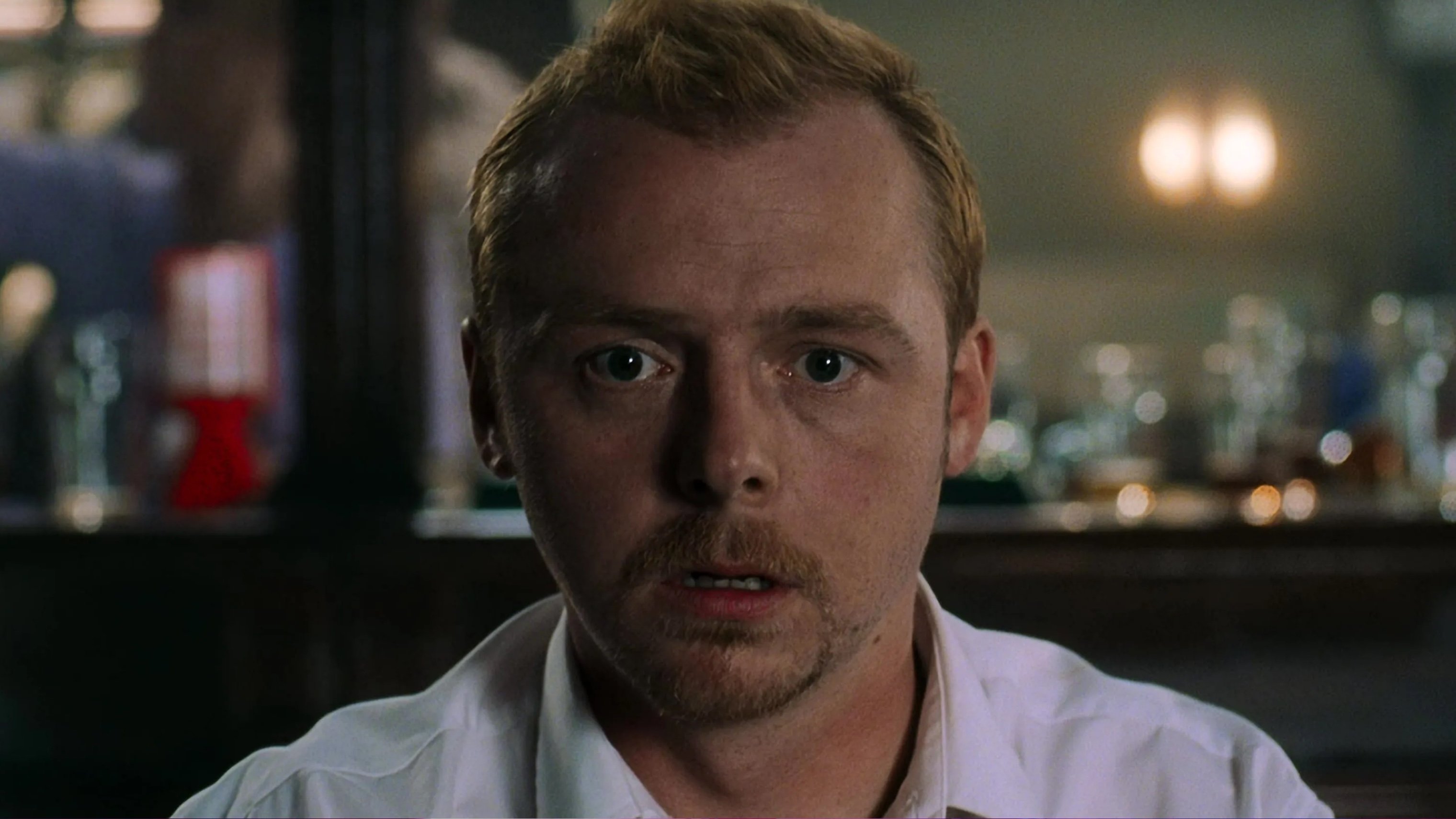
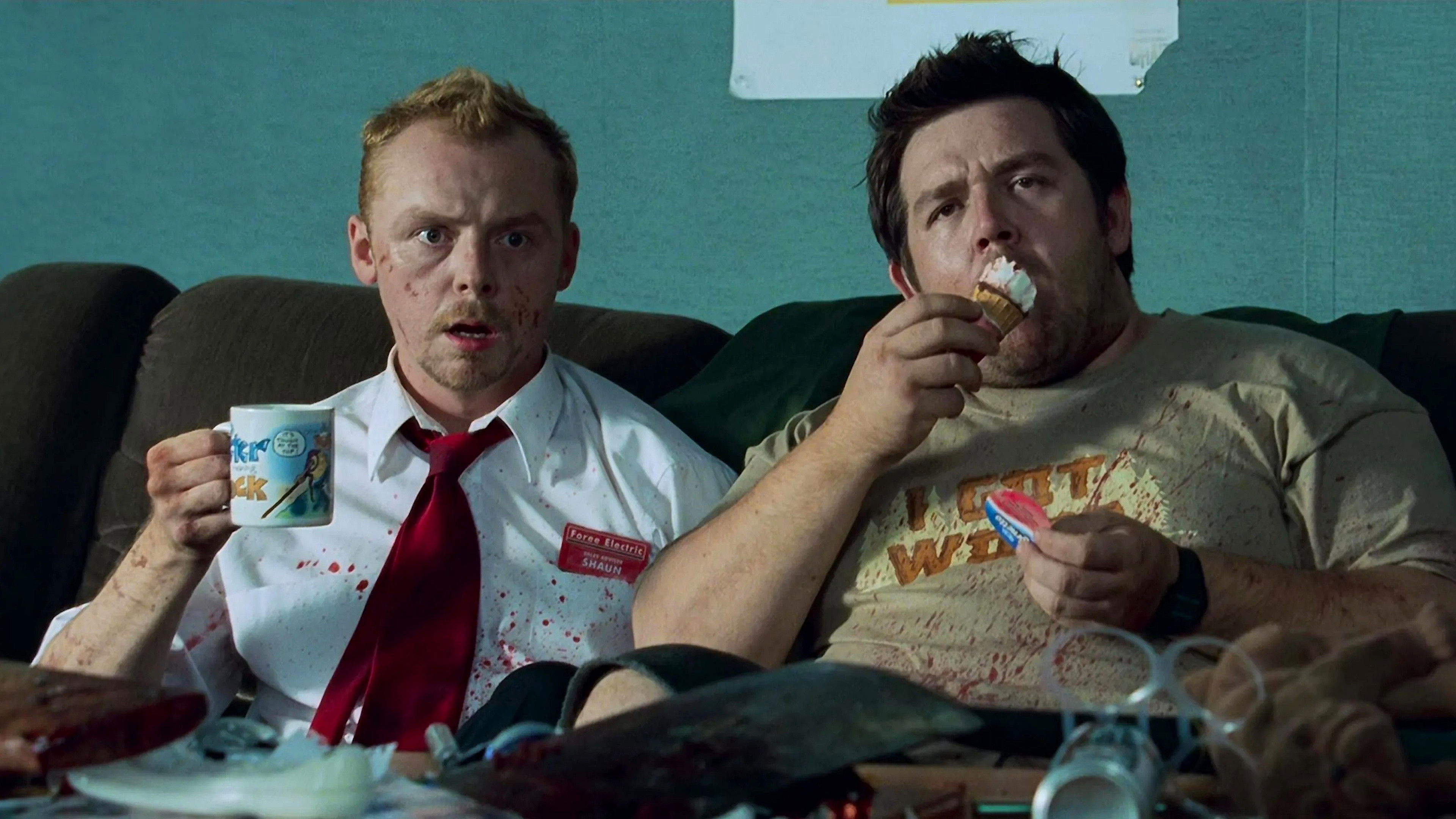
Shaun begins the film in a period of personal stagnation. He works in an electronics shop, spends his evenings at the Winchester pub and shares a house with Ed, whose dependence on him contributes to arguments with their flatmate Pete. Liz has become increasingly frustrated by Shaun’s unwillingness to change his routine. Her decision to end their relationship occurs shortly before the outbreak becomes impossible to ignore. The narrative initially gives these disagreements the importance ordinarily assigned to conflicts in romantic comedy. Shaun must decide whether he can become more attentive and responsible, but the arrival of the living dead transforms the practical consequences of his choices.

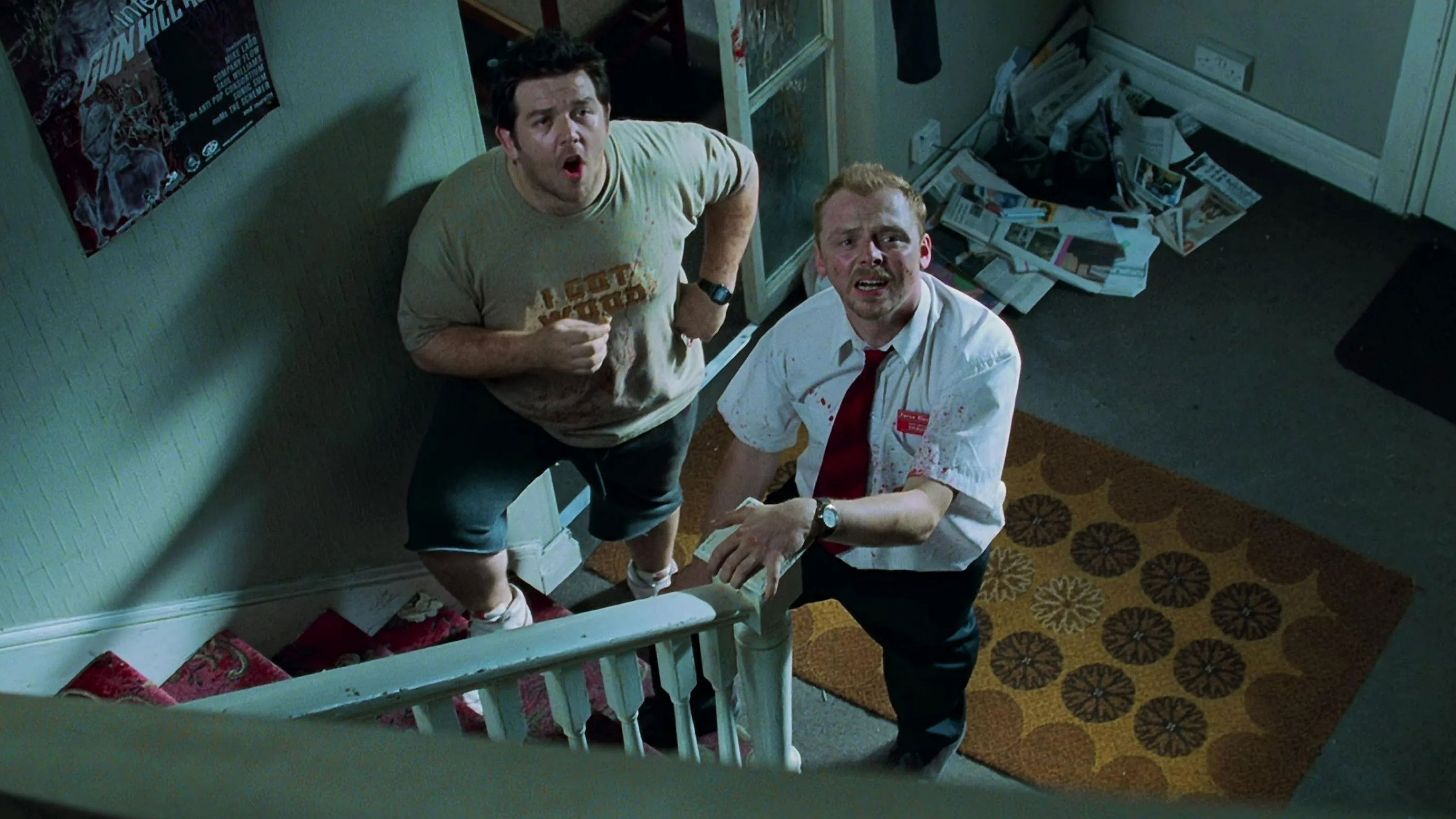
Wright and Pegg deliberately retained this personal foundation as the film moved into increasingly violent territory. The attempt to rescue Barbara, collect Liz and reach the Winchester requires Shaun to make decisions that he has previously avoided. His confidence develops unevenly, particularly when he struggles to balance Ed’s demands with the needs of the other survivors. The supporting characters complicate the group’s cohesion. David questions Shaun’s authority, while Dianne attempts to maintain order through an approach influenced by her experience as an actor. Their disagreements become progressively more dangerous because cooperation is essential to surviving encounters with the undead.
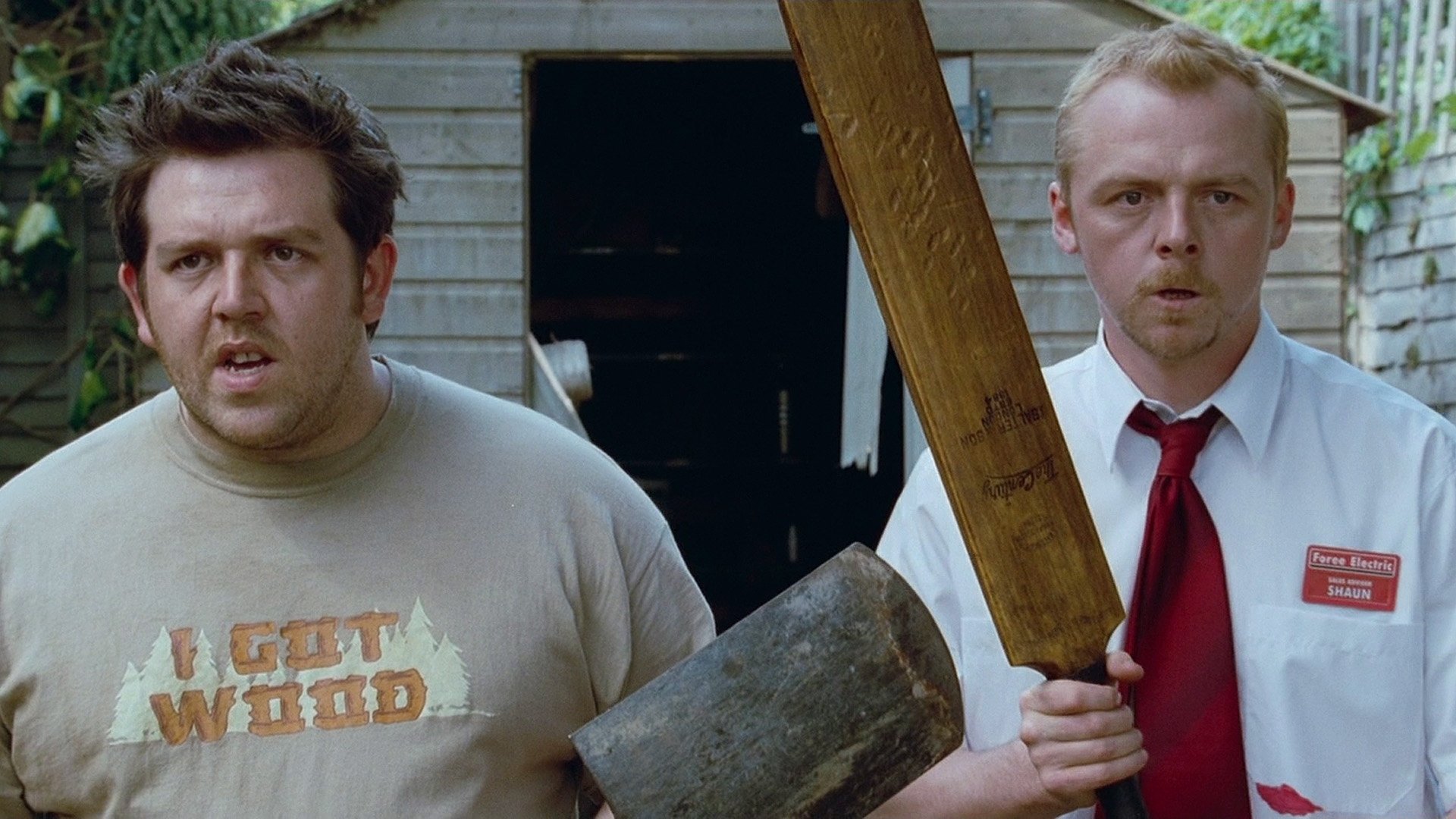
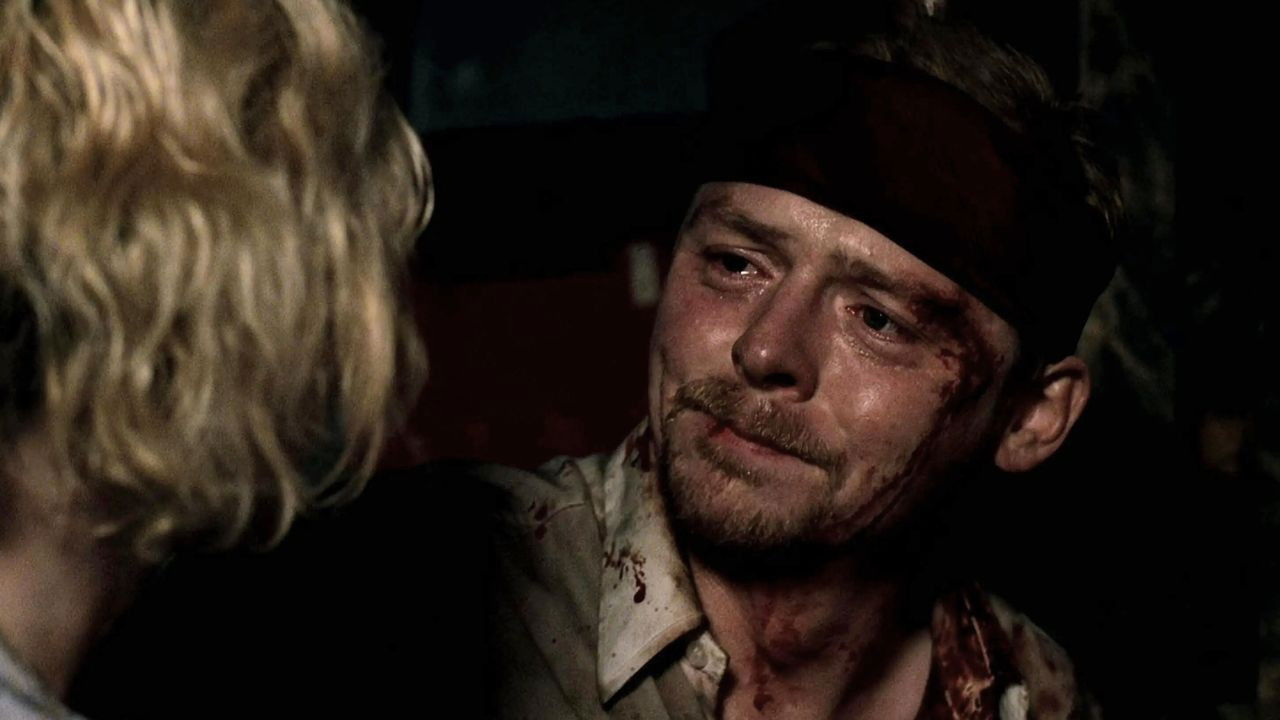
The consequences of the outbreak eventually remove the comic distance established during the opening scenes. Shaun must confront the transformation of his stepfather Phillip and later the infection of his mother. Pegg recalled that filming Barbara’s death was emotionally exhausting, with the performers deliberately treating the moment as a genuine family tragedy. Penelope Wilton’s performance shifts from familiar maternal reassurance to physical suffering as the infection progresses. The scene depends on Shaun’s reluctance to accept what has happened, a difficulty that also characterizes his earlier relationships. By this stage, the romantic-comedy structure has acquired a more severe meaning: personal maturity involves recognizing irreversible loss rather than merely resolving an argument.
George A. Romero, Zombie Conventions, and Urban Satire

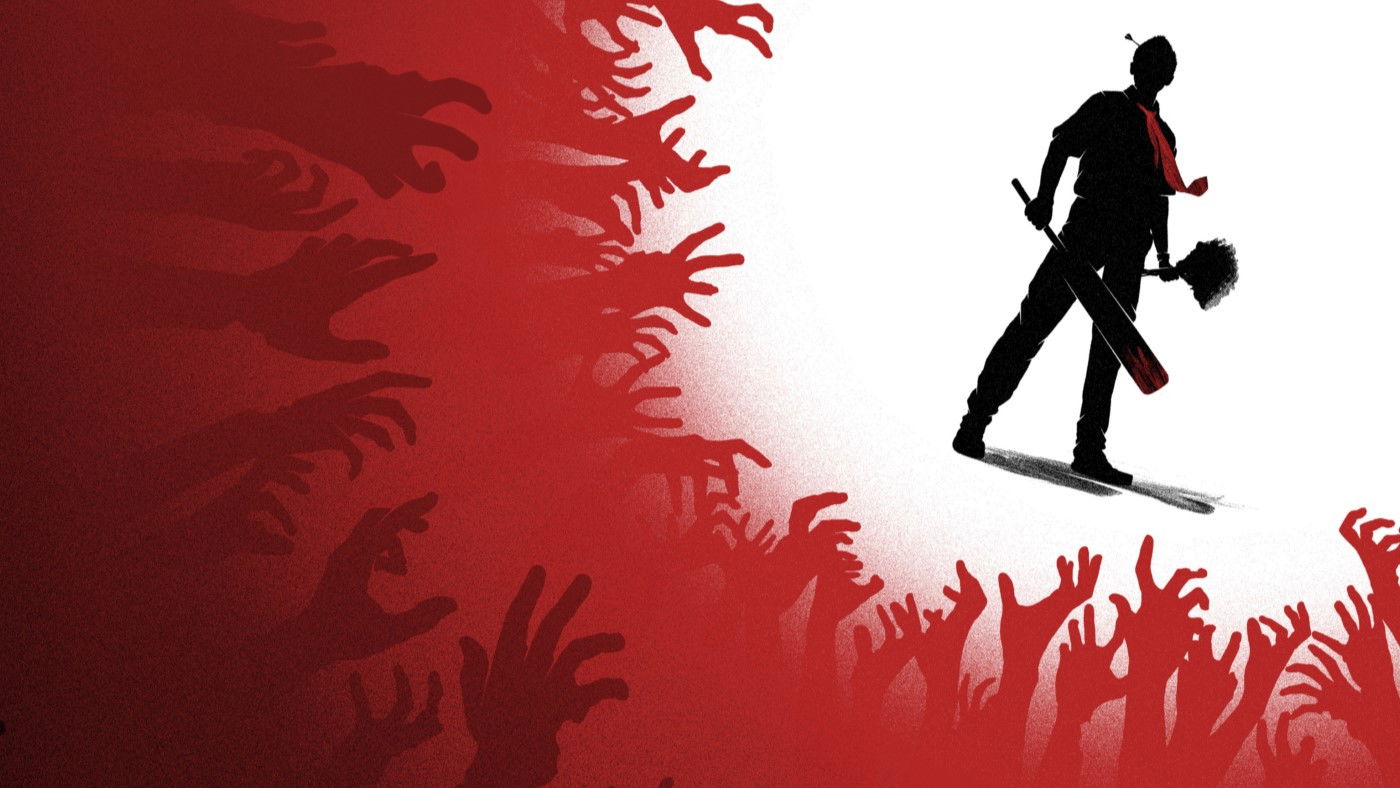
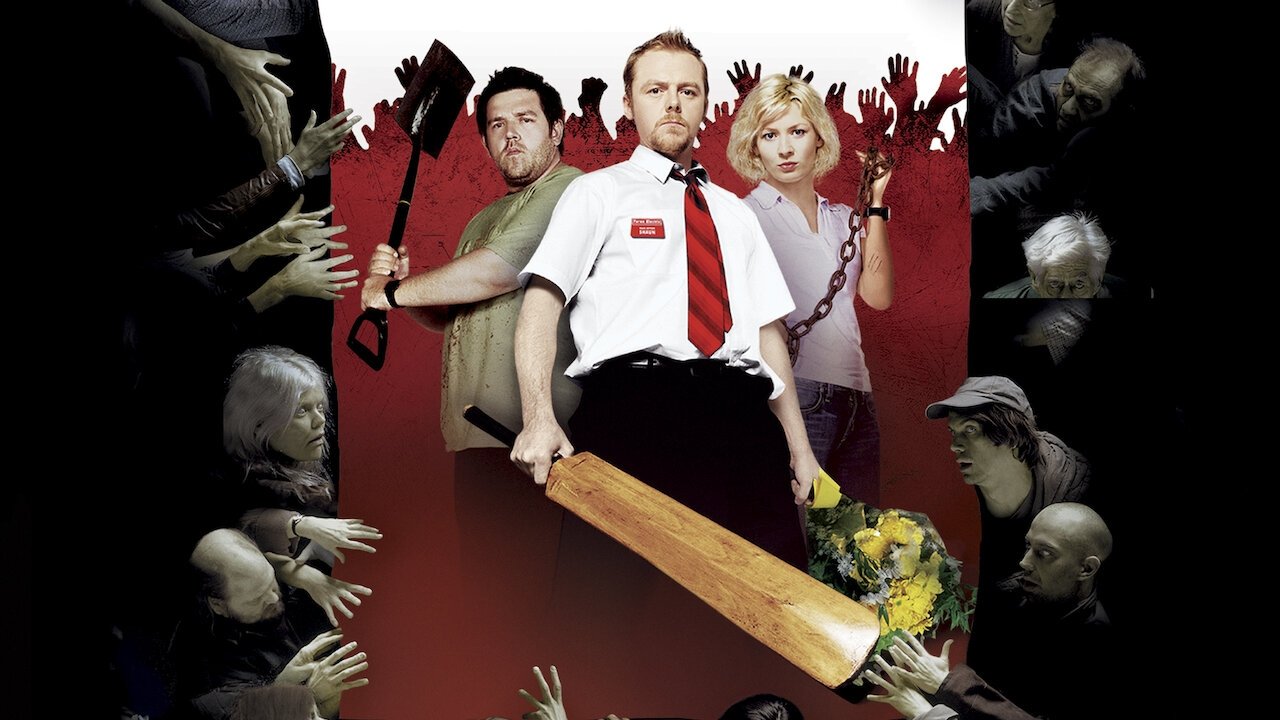
Wright and Pegg conceived the film as an affectionate continuation of the zombie tradition developed by Romero, particularly Night of the Living Dead (1968) and Dawn of the Dead (1978). They preferred slowly moving corpses and retained familiar methods of destroying them. Their interest extended beyond the mechanics of survival to the social observations contained in Romero’s work. Pegg admired the way the zombies in Dawn of the Dead returned to the shopping mall and preserved fragments of habitual behaviour. The filmmakers adapted that concern with routine to an urban environment in which living people already appear disconnected from one another.

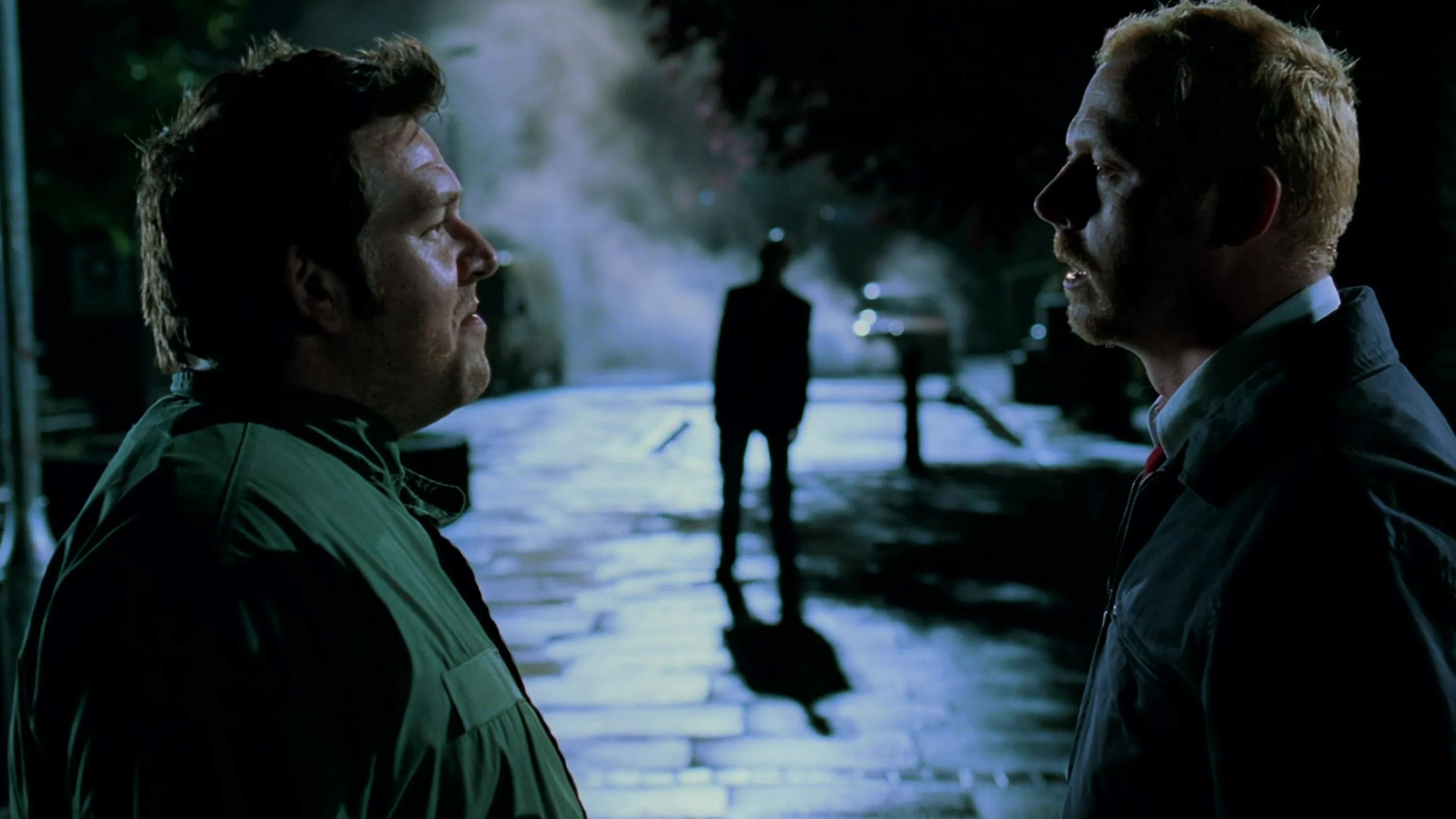
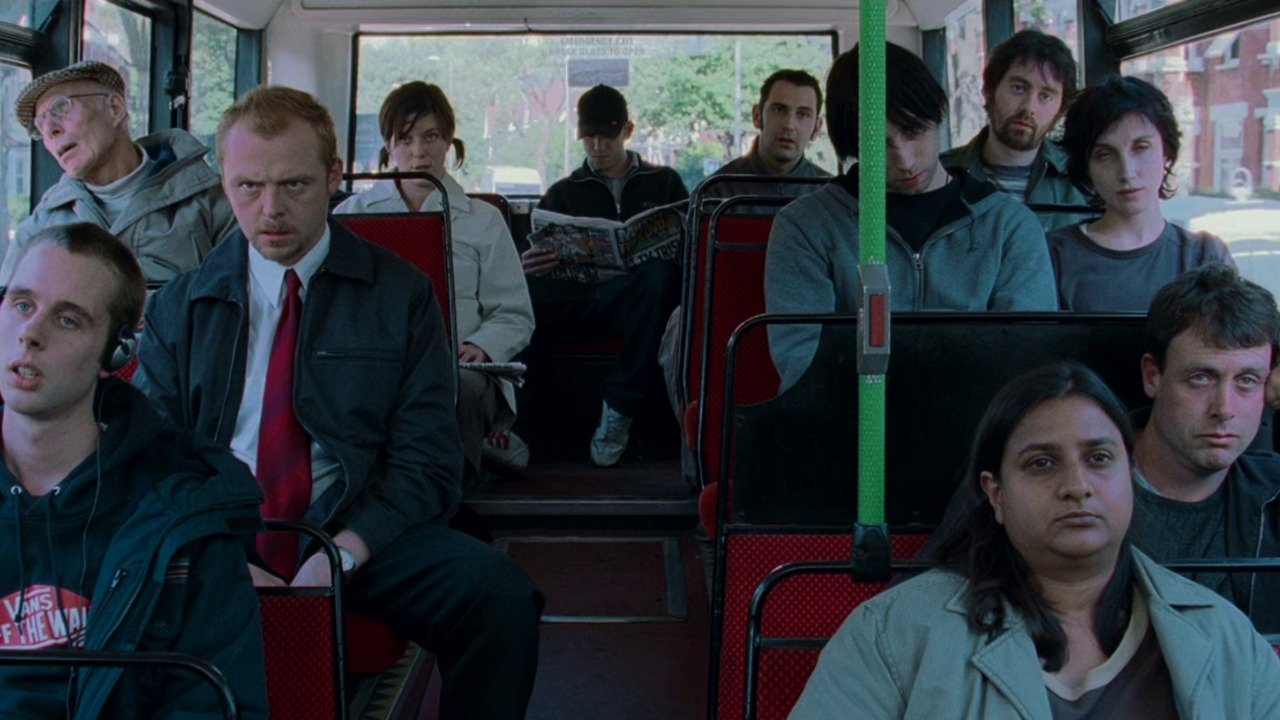
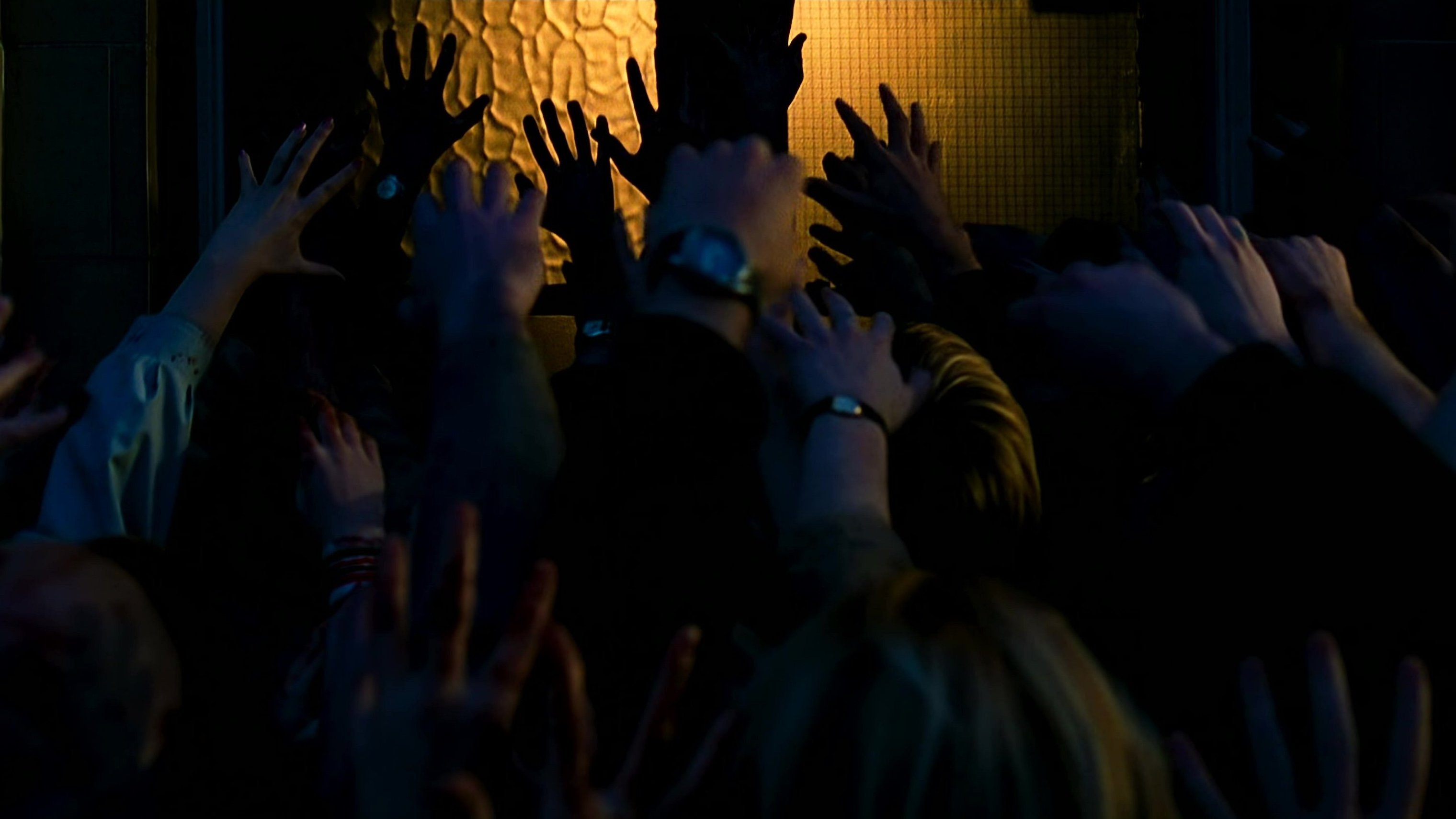
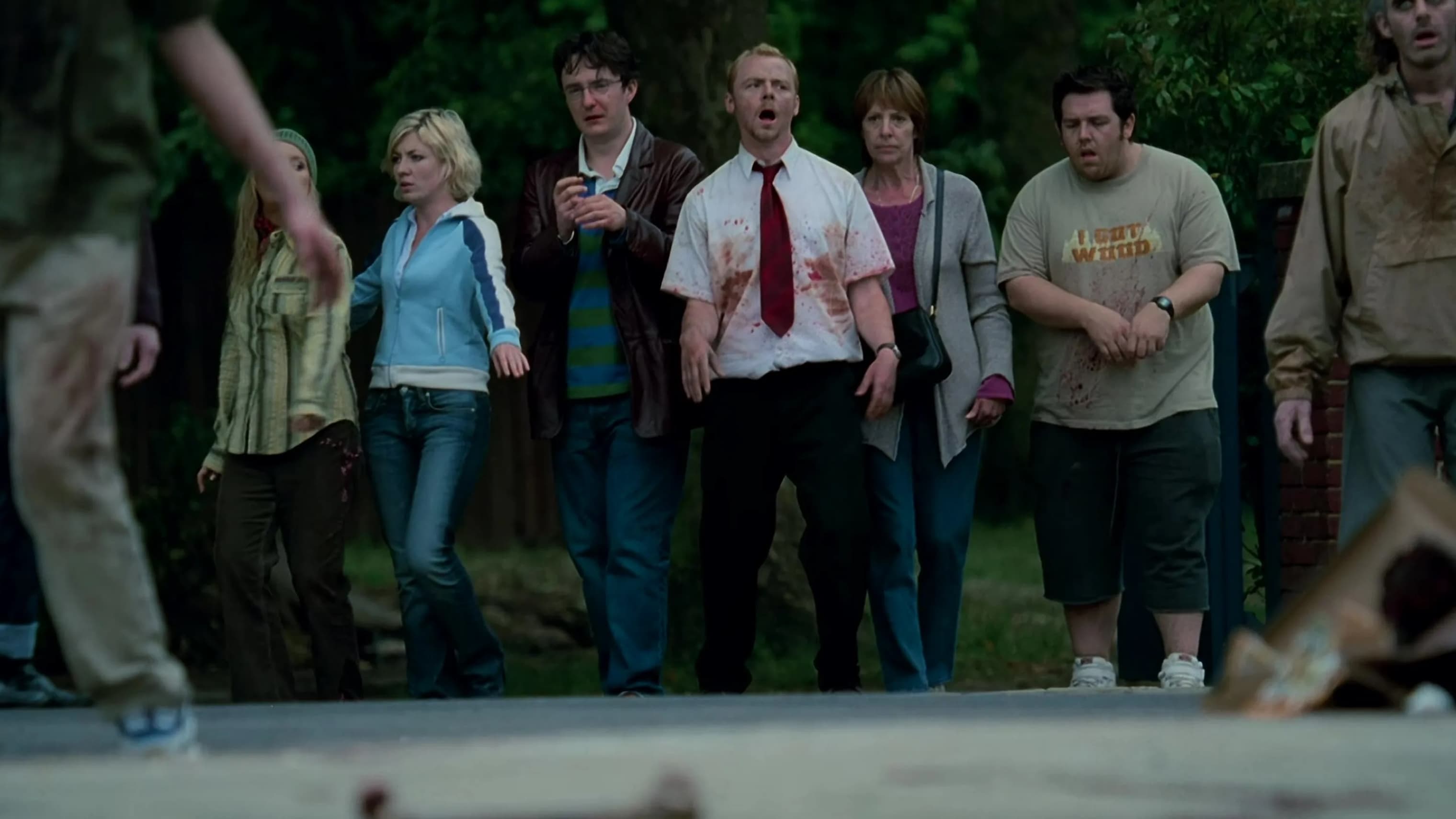
The opening passages establish a London populated by commuters, supermarket employees and pedestrians moving through familiar activities with little apparent awareness of their surroundings. Shaun follows a similarly repetitive pattern, travelling between his home, workplace and local shop. When the outbreak begins, he initially fails to notice the difference. A journey to the convenience store repeats the movements of an earlier scene, but abandoned vehicles, bloodstains and infected pedestrians now occupy the background. The humour depends on the audience recognizing these changes before Shaun does. The British Film Institute later situated the film within Romero’s tradition of examining consumption and the routine behaviour encouraged by modern urban life.

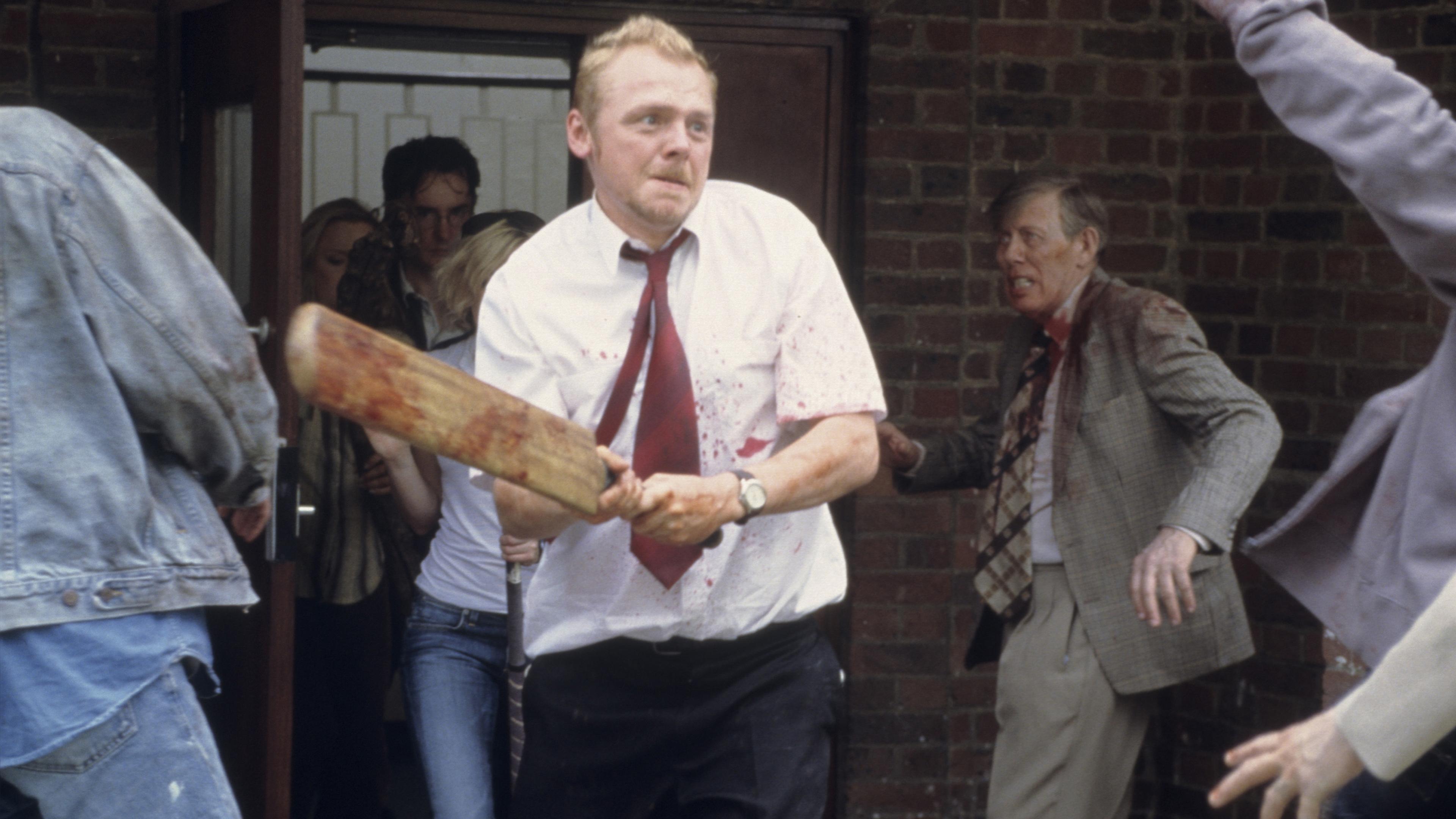
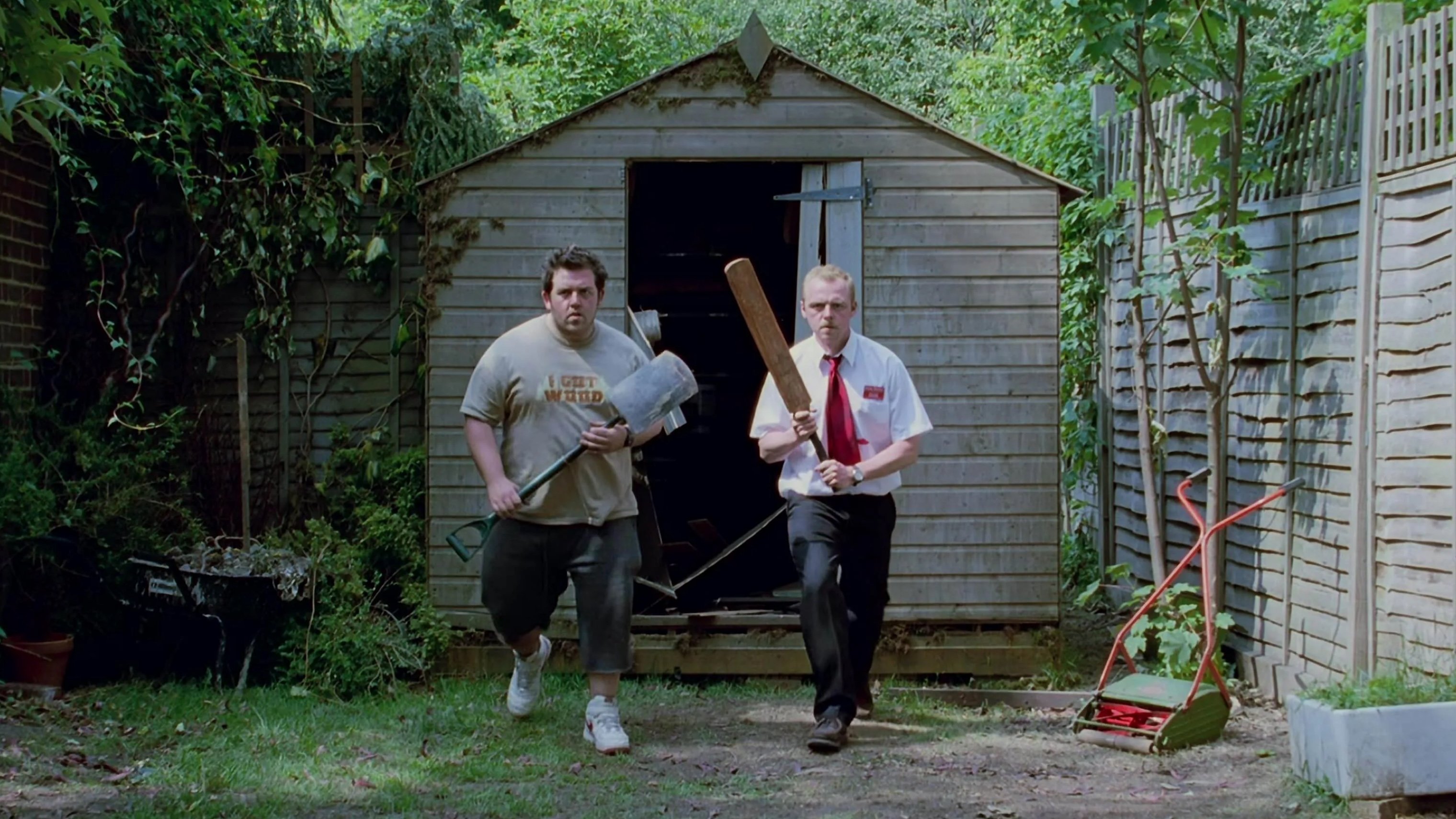
The characters possess little of the equipment associated with military or action-oriented survival narratives. Their initial attempts at defence involve household objects, sports equipment and vinyl records. Their knowledge of the threat develops through observation rather than through immediate access to a comprehensive set of fictional rules. Wright also avoided making the screenplay excessively dependent on explicit references to other zombie films. He explained in a 2004 interview that the characters needed to behave as though the established genre conventions were unfamiliar to them. This decision allowed the comedy to arise from recognizable reactions while preserving the danger posed by the creatures. Romero himself viewed the completed film before its release and subsequently contacted Wright and Pegg to express his approval.

Cinematography, Editing, and Visual Rhythm

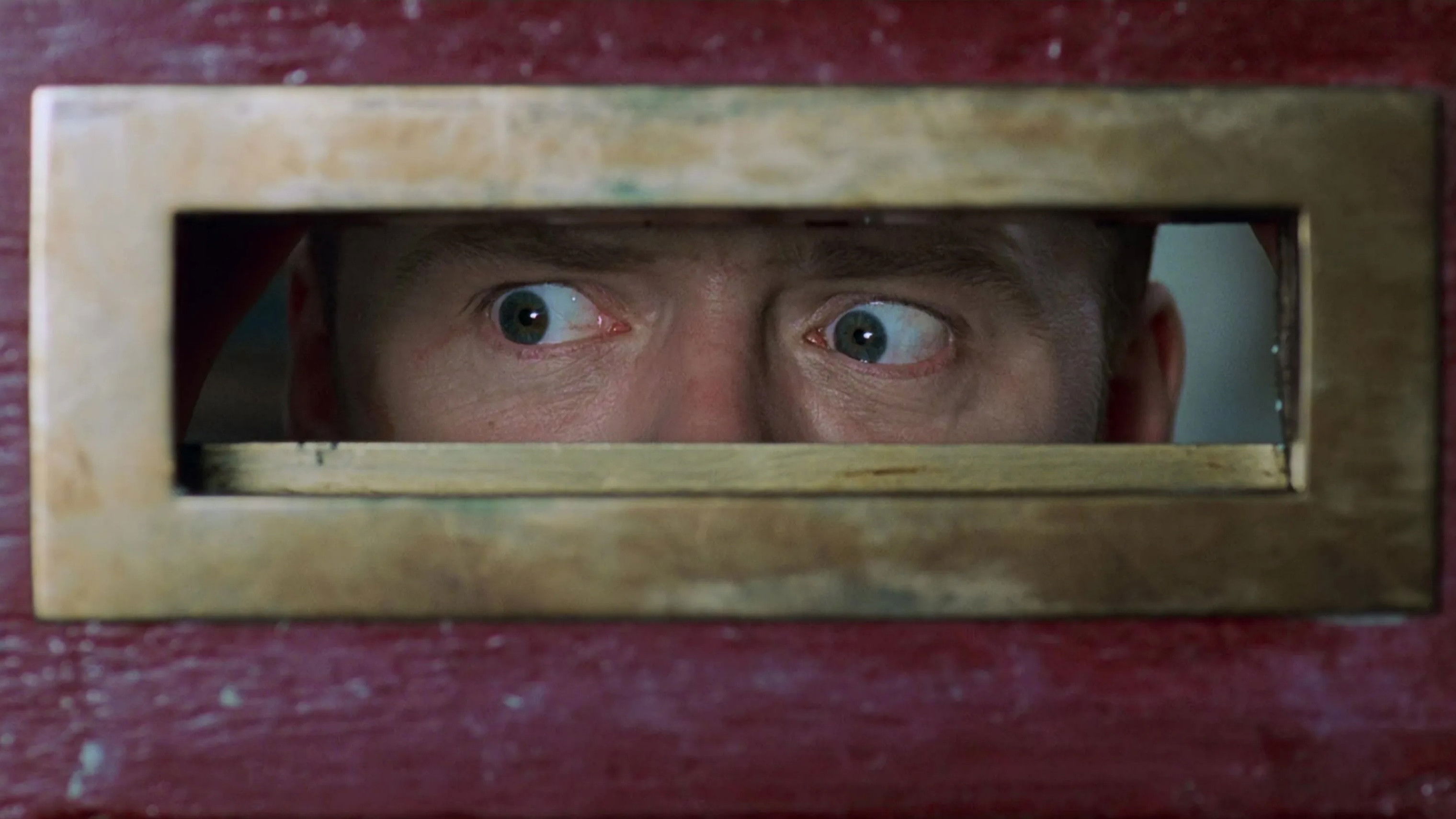
Wright’s direction extends the visually concentrated approach he had developed on Spaced into a feature photographed on 35 mm film. David M. Dunlap’s cinematography places the characters within familiar residential streets, shops and public spaces, allowing the audience to observe the changing environment around them. The film frequently uses controlled camera movements and compositions that preserve significant information beyond the immediate action. The repeated journey to the convenience store depends on a recognizable spatial arrangement, making the consequences of the outbreak visible through changes in apparently routine details. The careful organization of these images allows suspense and comedy to emerge from the same photographic material.

Editor Chris Dickens worked with Wright on sequences that compress ordinary actions into rapid visual passages. Preparing a drink, travelling between locations and organizing supplies become combinations of close-up images, short sound effects and sharply timed transitions. These passages establish the characters’ habitual movements and later contribute to the increasing urgency of the narrative. Their rhythm differs from the longer sequences in which the audience watches danger develop within a continuous environment. The contrast is especially important during scenes involving groups of zombies, when the camera must communicate their location relative to the survivors. The film’s visual humour therefore depends on more than isolated comic performances: framing, movement and cutting determine when information becomes available.

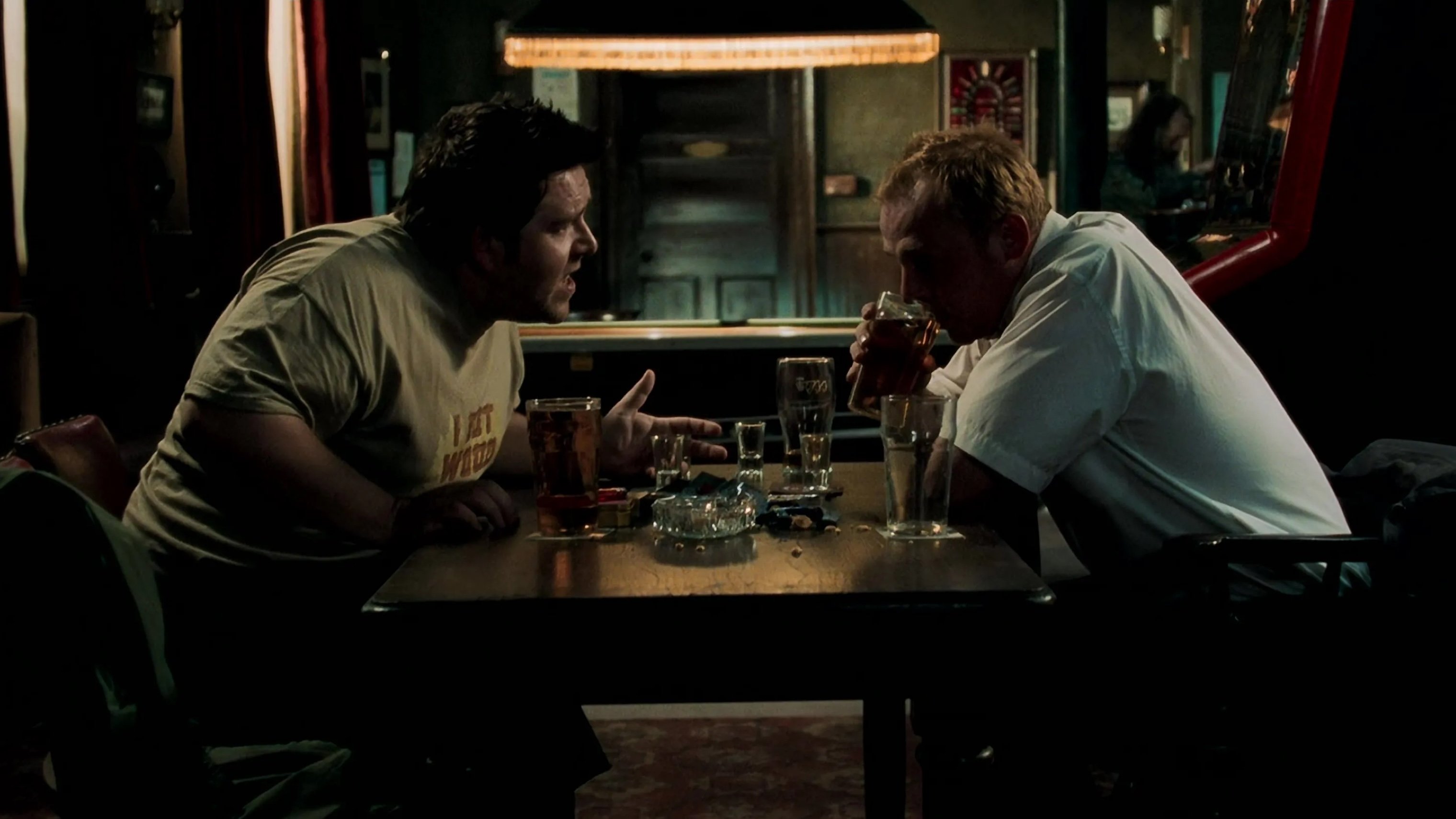
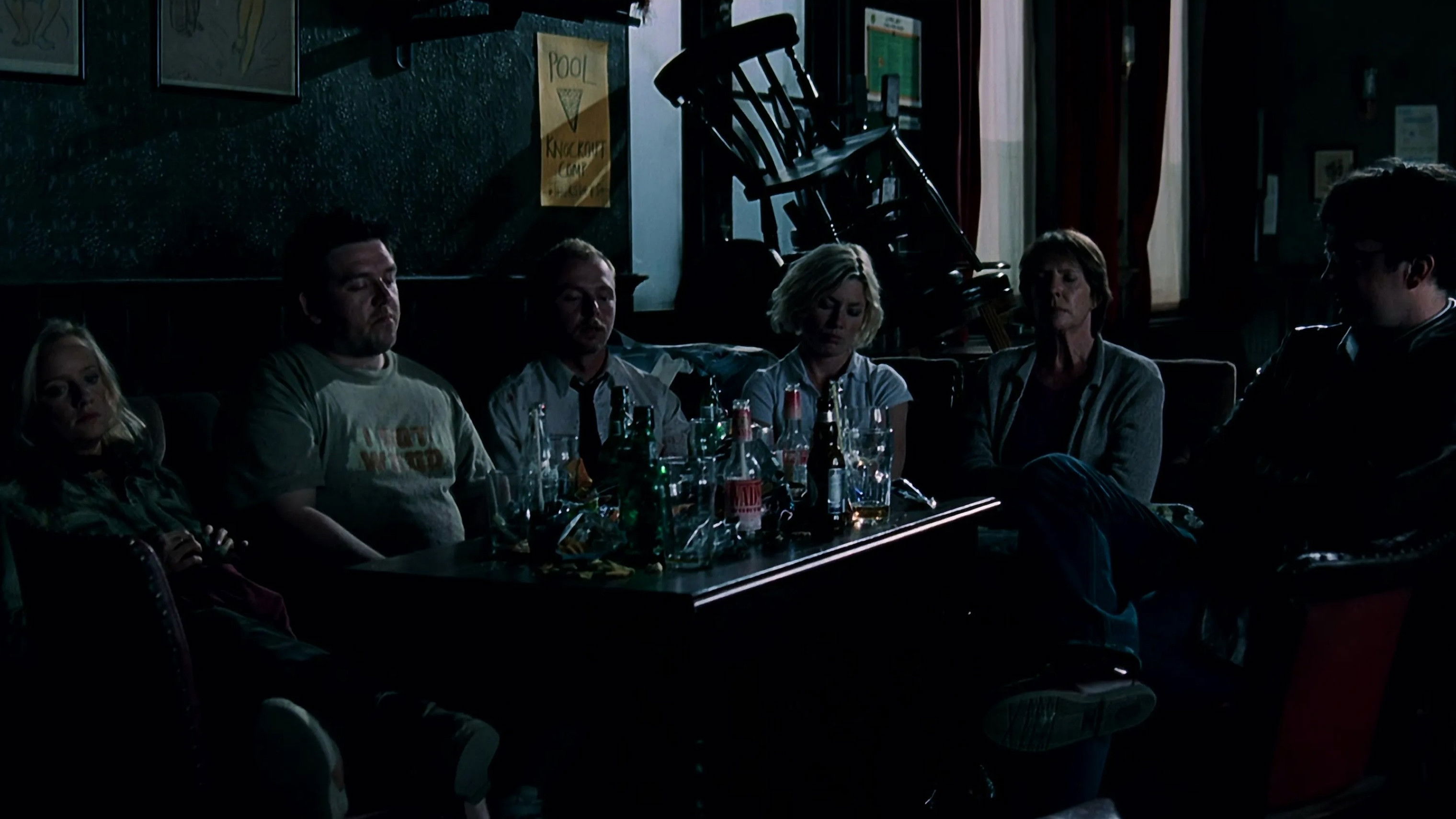
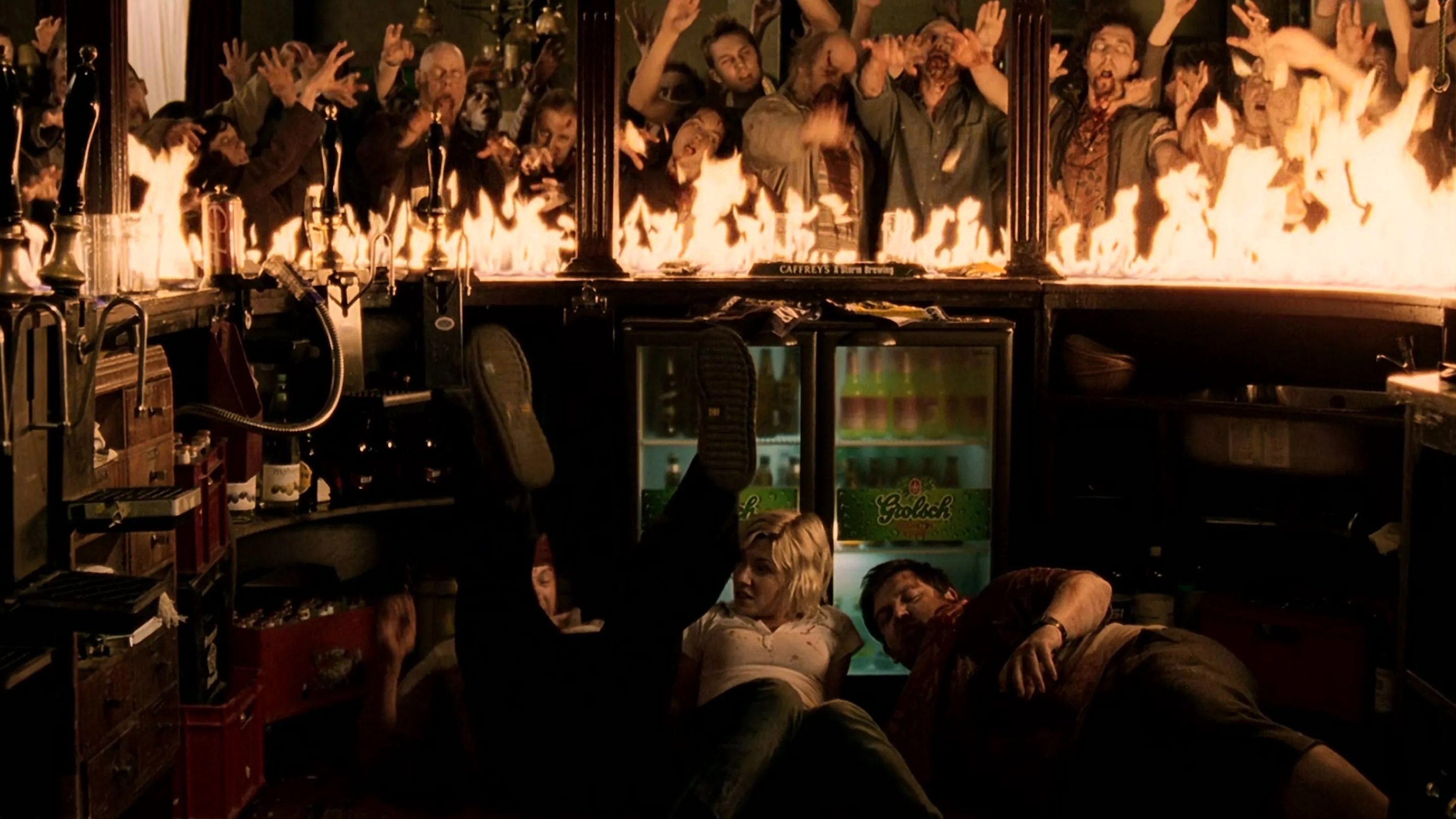
The Winchester provides a controlled setting for the extended concluding confrontation. Its furniture, windows and entrances establish the available routes of escape, while the surrounding undead gradually reduce the characters’ freedom of movement. The location becomes increasingly damaged as the survivors attempt to defend themselves. The film’s editing moves between improvised violence, disagreements among the group and the worsening condition of its members. A brief encounter between Shaun’s party and another group led by Yvonne also uses visual parallelism to suggest a separate survival narrative unfolding elsewhere. These choices create a wider fictional world without interrupting the principal story for a lengthy explanation of events beyond Shaun’s immediate experience.

Prosthetic Makeup, Zombie Performers, and Practical Gore

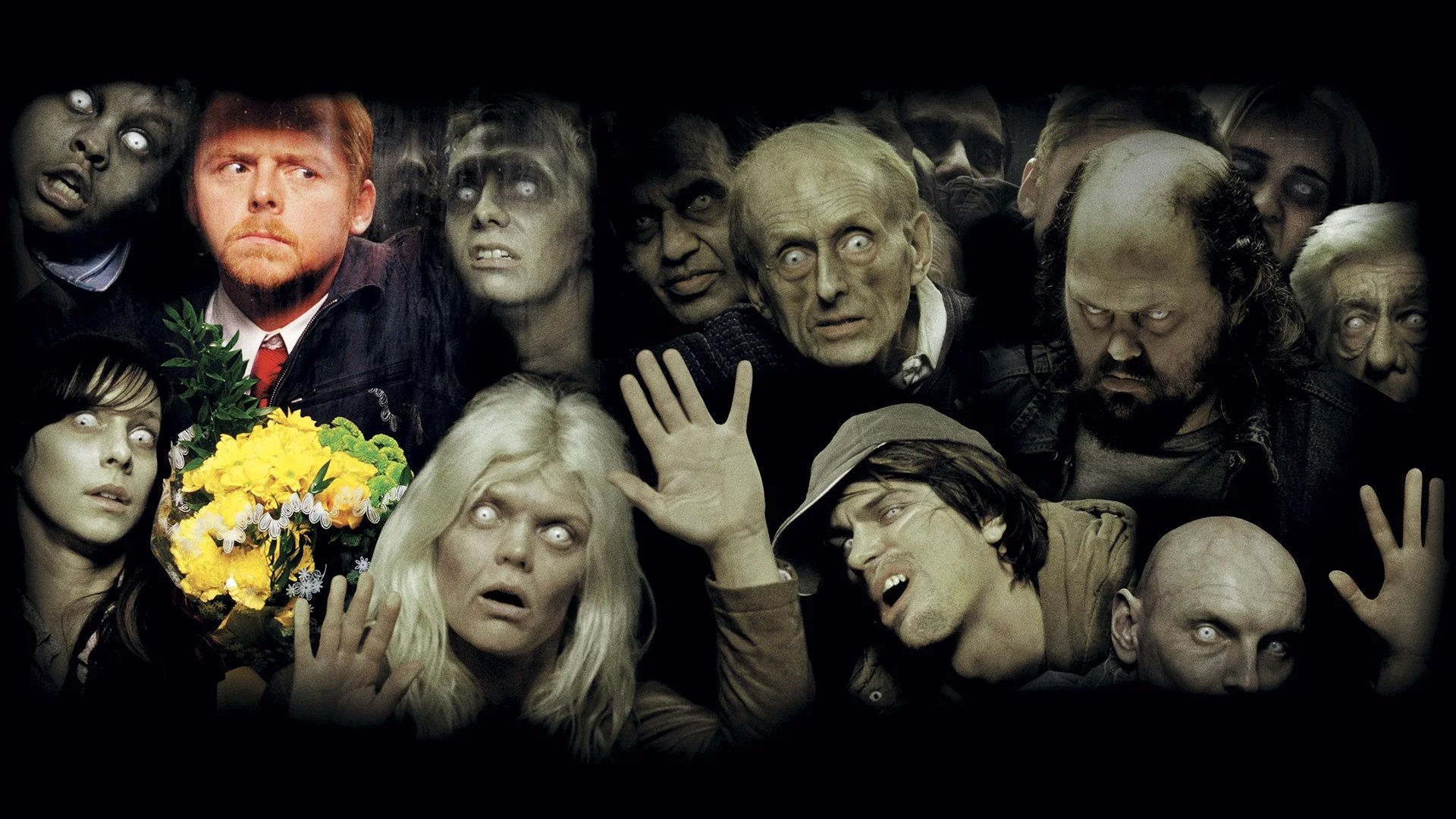
The production placed considerable emphasis on physical zombie makeup and visible bodily damage. Wright recruited Stuart Conran, who had previously worked on Peter Jackson’s Braindead (1992), to supervise much of the prosthetic material. The director wanted performers to interact with tangible creatures and injuries rather than rely extensively on computer-generated replacements. Latex appliances, artificial wounds and blood effects supplied the appearance of decay, while individual performers developed physical behaviours appropriate to their characters. The makeup department also prepared more elaborate injuries for the film’s violent confrontations. The range of appearances helped distinguish the undead within large groups without requiring every creature to become a separate narrative character.

Wright subsequently acknowledged that digital work supplemented the practical effects more extensively than he had originally expected. In an interview with Film Freak Central, he described a gunshot sequence in which the makeup department prepared a visible wound and a physical blood effect. Digital alterations removed part of the wound before the impact and enhanced the resulting injury. The approach allowed the actors to respond to something physically present while post-production adjusted the timing and appearance of the damage. Wright distinguished this use of computer-generated imagery from replacing the creatures entirely. His intention was to preserve the weight and texture of practical effects while using digital tools to complete actions that were difficult to achieve convincingly in camera.
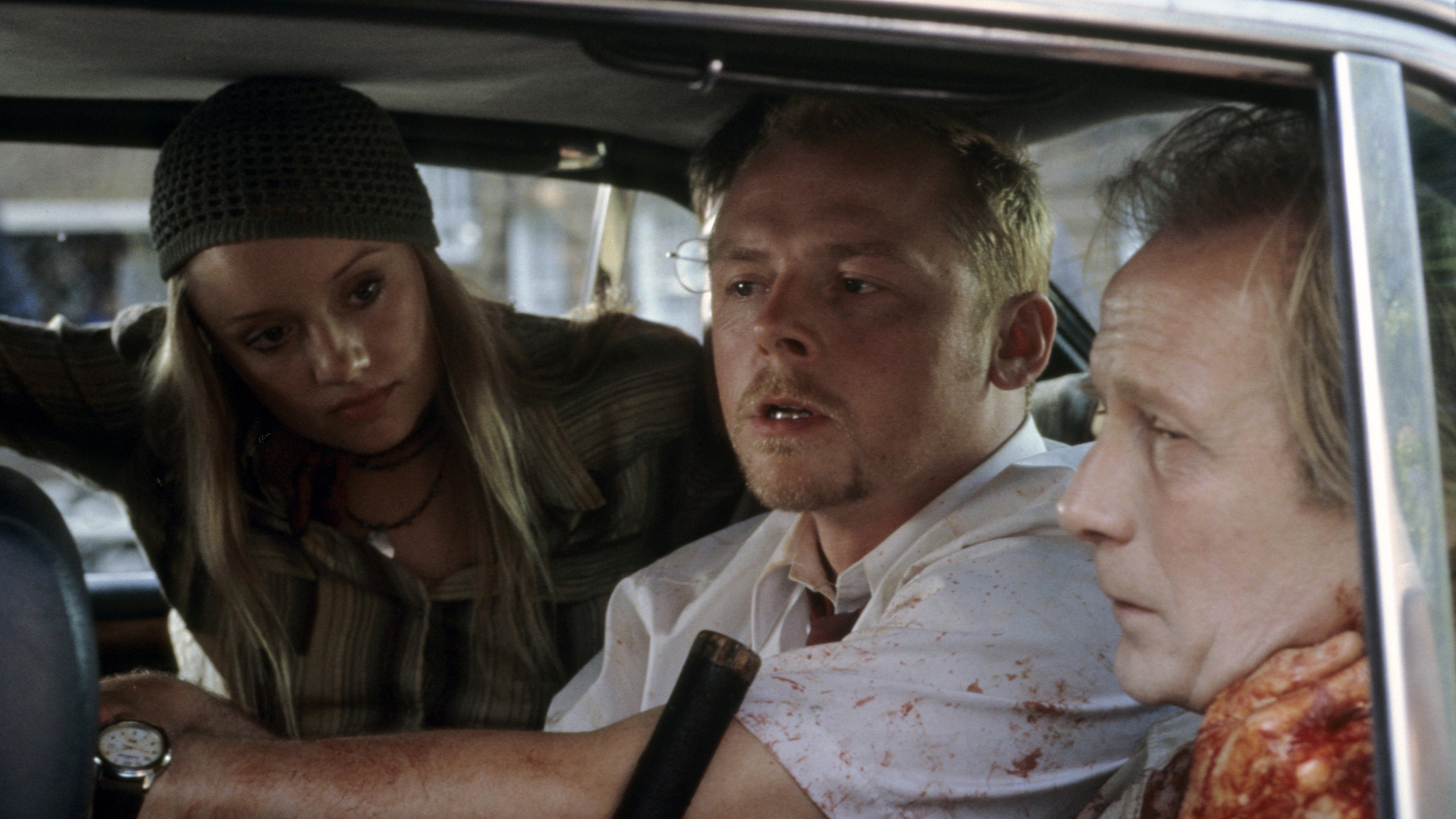
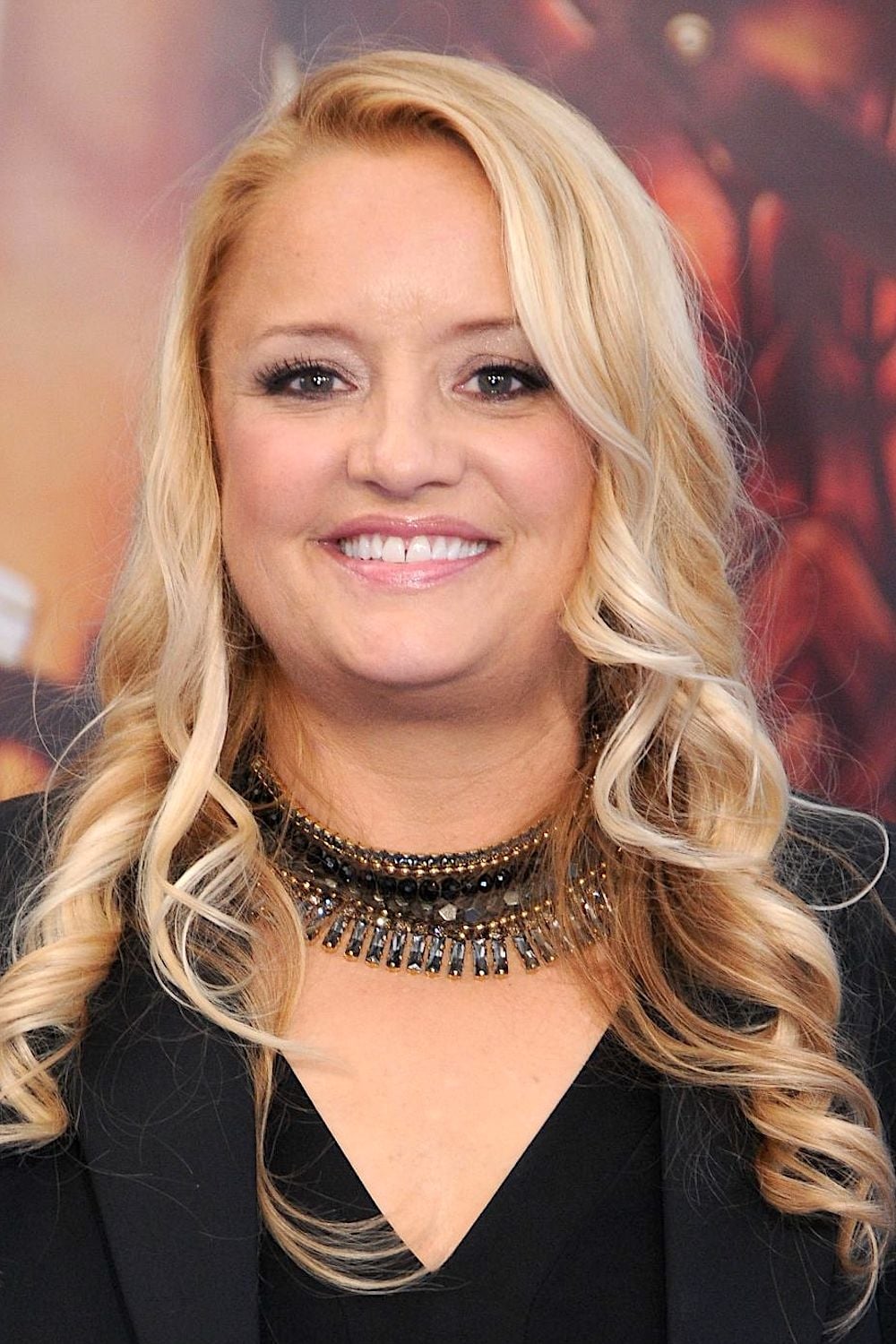
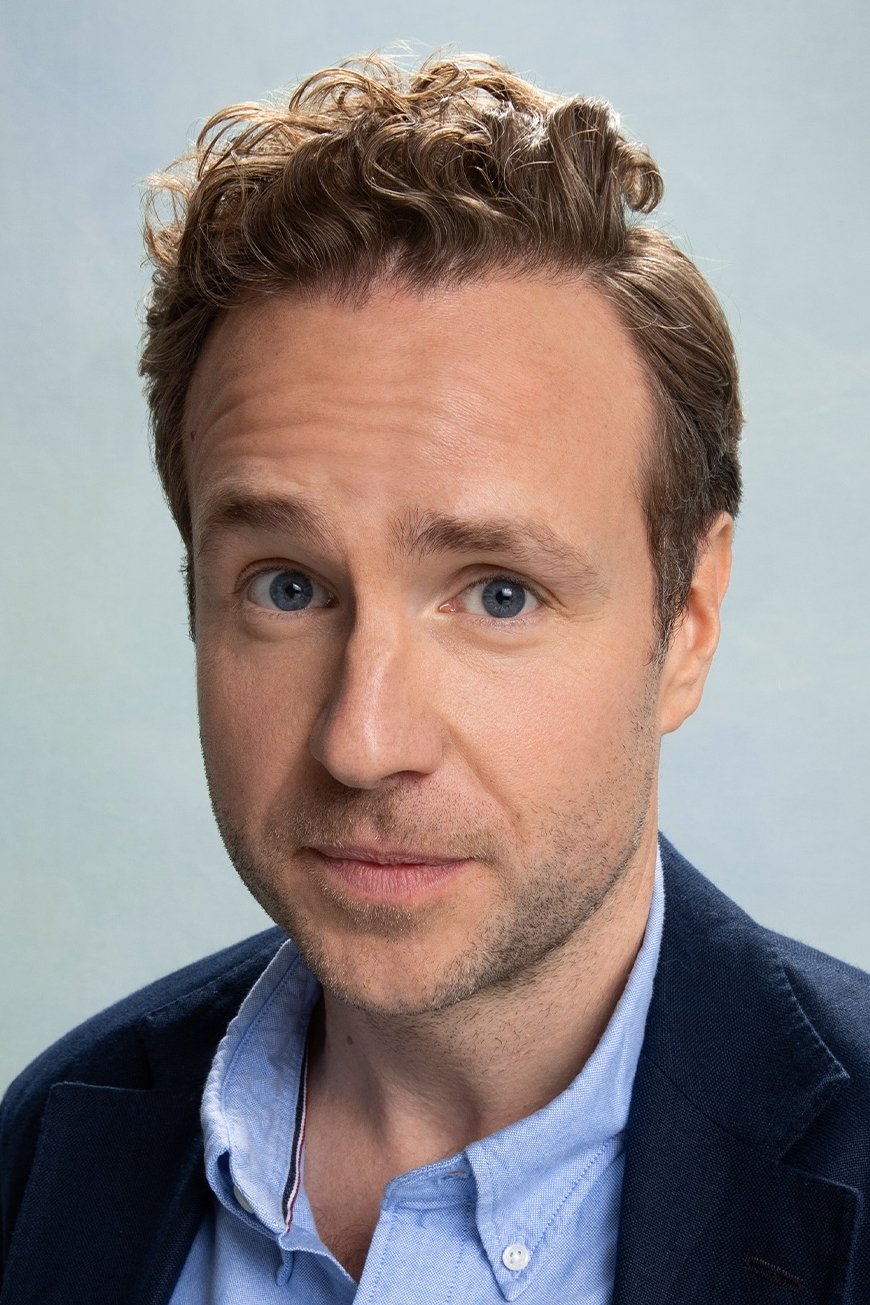
The dismemberment of David during the Winchester siege provides the clearest connection with Romero’s more graphic films. Wright identified the bodily destruction in Day of the Dead (1985) as an important reference and wanted the attack to resemble a violent crowd pulling a person apart. Dylan Moran performed with a prosthetic section attached to his body, allowing the surrounding zombie actors to interact directly with the fabricated injuries. Lucy Davis later recalled the physical intensity of the scene and the prolonged filming required. The production also depended on numerous background performers recruited through the audience of Spaced. Wright has repeatedly acknowledged that their unpaid participation was essential to creating the impression of a large-scale outbreak within the available resources.

Music, Sound Design, and the Winchester Fight

The soundtrack combines original music by Daniel Mudford and Pete Woodhead with recorded songs selected for their relationship to individual scenes. Wright’s interest in popular music was already apparent in Spaced, where editing and musical timing frequently shaped the comedy. In Shaun of the Dead, familiar recordings become part of the characters’ environment and help determine the rhythm of physical action. The soundtrack includes The Specials’ Ghost Town, whose association with urban decline complements the film’s depiction of increasingly deserted streets. Music drawn from the tradition of Italian zombie cinema also contributes to its relationship with earlier horror films, while the original score supplies additional tension during confrontations.

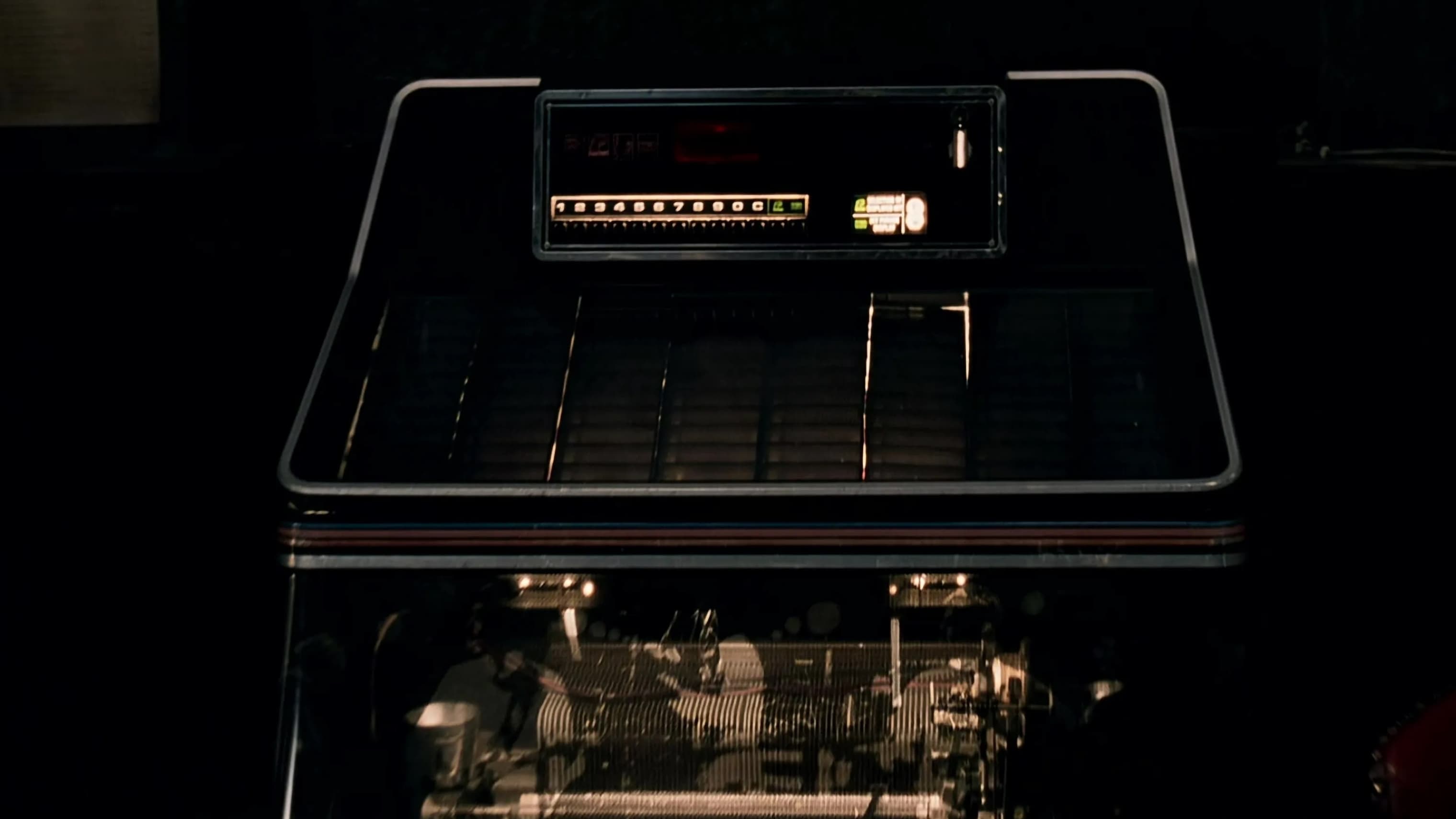
The Winchester sequence involving Queen’s Don’t Stop Me Now was planned around the recording rather than fitted with music after the action had been completed. Pegg recalled that Wright selected the song because its exuberant character would contrast with the violence of the scene. The performers choreographed their movements to its rhythm, striking a zombie with pool cues while the jukebox continues playing. Permission to use the recording had not been secured when the sequence was prepared. According to Pegg, the filmmakers appealed directly to Brian May, who supported the request. The finished scene demonstrates how musical synchronization can make physical comedy and horror violence operate within the same precisely organized passage.

Sound effects also contribute to the film’s treatment of the undead. During filming, Wright directed groups of extras to produce collective groans and other vocalizations for use in the soundtrack. He later recalled that one performer bit him during an improvised attempt to record a mass attack. The construction of zombie voices gives the crowd a threatening identity even when the creatures are not individually visible. Elsewhere, brief sounds associated with domestic routines accompany the rapid editing, while physical impacts during the attacks reinforce the material presence of the bodies. The relationship between these sounds and the selected songs helps distinguish the film’s everyday environments from moments when ordinary behaviour becomes violently impossible.

Theatrical Release, Critical Reception, and Historical Position

Shaun of the Dead premiered in London on March 29, 2004, before its general British theatrical opening on April 9. The film received a 15 classification in the United Kingdom and an R rating in the United States, where it opened on September 24 through Rogue Pictures. Its running time is approximately 99 minutes. Contemporary industry reporting described a production budget of around £4 million. The British opening weekend earned approximately £1.6 million, while the American opening generated $3.3 million from 607 theatres. Its original international theatrical circulation produced more than $30 million in reported worldwide ticket sales. These figures refer to cinema receipts rather than the net financial return to the filmmakers and distributors.

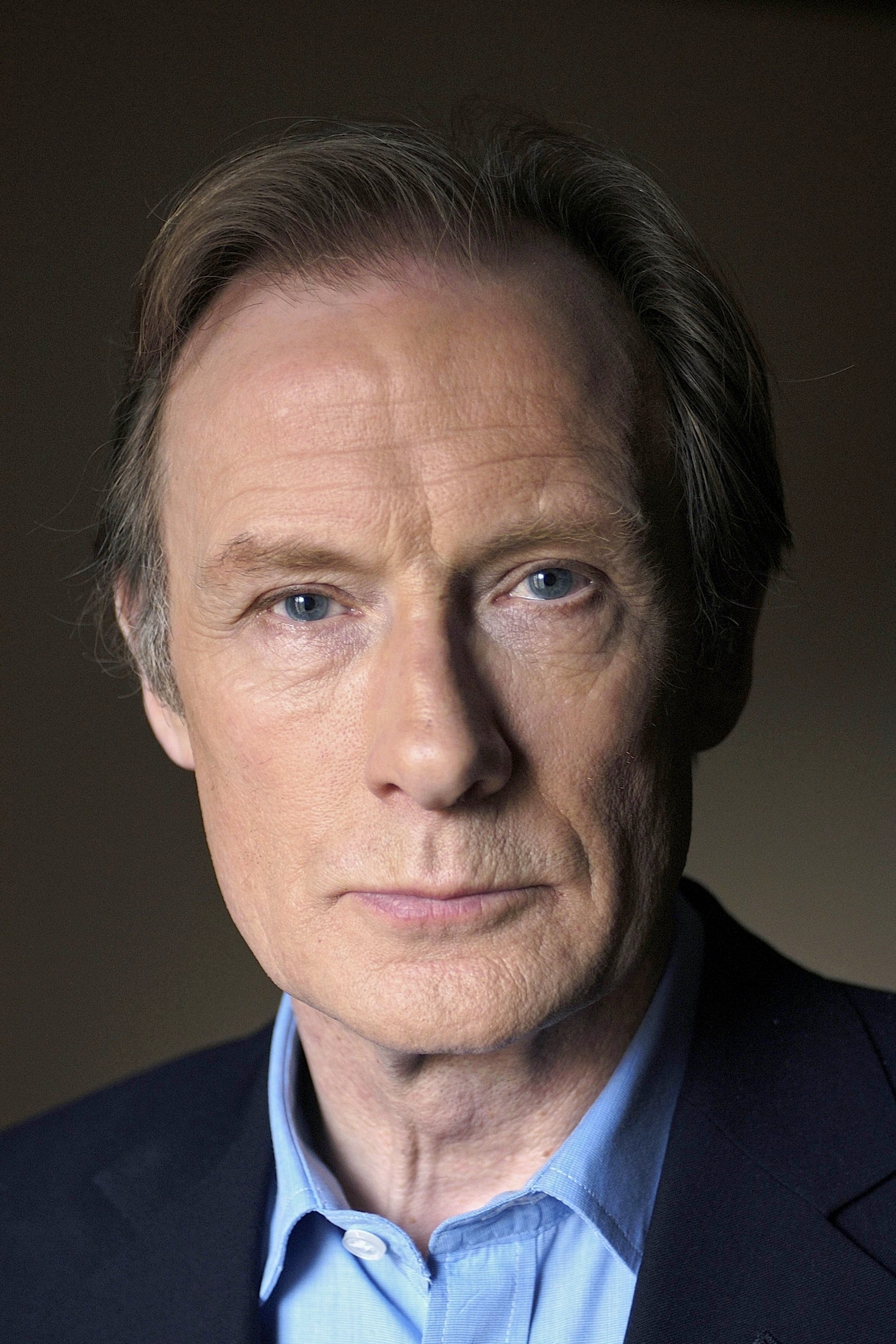
The contemporary British reception was strongly favourable. Reviewing the film for The Guardian in April 2004, Peter Bradshaw praised the screenplay, performances and pace, emphasizing the effectiveness of its combination of horror conventions and recognizably British comedy. His assessment also identified the importance of the supporting cast, particularly Penelope Wilton and Bill Nighy. Other critics acknowledged the film’s visual inventiveness while questioning aspects of its narrative development or its dependence on material associated with Spaced. The positive reception helped the film reach audiences beyond the established following of Wright and Pegg. Its American distribution subsequently expanded the international visibility of the principal creative team.

The film’s connection with Romero acquired a documented personal dimension when the director watched it privately and telephoned Wright and Pegg to express his approval. They later appeared as zombies in Romero’s Land of the Dead (2005), extending their relationship with the filmmaker whose work had inspired them. Shaun of the Dead also became the first entry in the informal Three Flavours Cornetto trilogy, followed by Hot Fuzz (2007) and The World’s End (2013). These films share key creative personnel and recurring stylistic ideas, but each develops a separate fictional setting and genre premise. Later assessments by the British Film Institute have situated Shaun of the Dead within the history of horror comedy and the social satire of zombie cinema. Its lasting reputation is supported by its continuing theatrical circulation, critical recognition and the documented relationship between its creators and the traditions they adapted.

References

  1. British GQ Edgar Wright, Simon Pegg and Nick Frost Break Down the Making of Shaun of the Dead, 20 Years Later

    Jack King’s April 2024 interview with Wright, Pegg and Frost documenting the development from Spaced, Film4 financing problems, casting decisions, production and George Romero’s response.

  2. The Guardian Shaun of the Dead: Edgar Wright and Simon Pegg on Their Zombie Classic

    Elizabeth Aubrey’s May 2020 firsthand production account covering the early concept, London filming, recruited zombie extras, vinyl-record sequence, Queen music licensing and emotional performances.

  3. Film Freak Central When There’s No More Room in Britain: FFC Interviews Shaun of the Dead Filmmakers Edgar Wright, Simon Pegg, and Nick Frost

    Walter Chaw’s direct interview documenting Stuart Conran’s prosthetic effects, the use of digital enhancements, Romero’s influence and the filmmakers’ approach to zombie violence.

  4. The Guardian Shaun of the Dead Review – Spirited and Goodnatured Spoof Zombie Flick

    Peter Bradshaw’s contemporary April 2004 review discussing the original British theatrical release, the screenplay’s comic construction, performances and relationship with Spaced.

  5. British Film Institute How George Romero’s Zombie Tropes Infected Pop Culture

    Ramsey Hassan’s historical examination of Romero’s zombie conventions, social satire and their continuation through Shaun of the Dead and later horror-comedy productions.

Cast

View Full Cast & Crew →

Release & Distribution

Production Companies (2)

  • Big Talk Studios GB
  • WT² Productions GB

Distributors (1)

  • UIP-Dunafilm HU

Release History (33)

Release DateTerritoryRelease TypeFormatDistributorCertificationNotes
2004-03-29 United Kingdom Premiere — — 15 London
2004-04-09 Belgium Physical — — 18
2004-04-09 Finland Limited Theatrical — — K-16
2004-04-09 United Kingdom Theatrical — — 15
2004-04-09 Ireland Theatrical — — 15A
2004-04-09 Norway Theatrical — — 18
2004-04-09 Portugal Theatrical — — M/12
2004-08-12 Netherlands Theatrical — — 16
2004-08-20 Italy Theatrical — — VM14
2004-09-24 Brazil Theatrical — — 16
2004-09-24 Canada Theatrical — — 18A
2004-09-24 United States Theatrical — — R
2004-10-07 Australia Theatrical — — MA 15+
2004-10-29 Spain Theatrical — — 12
2004-10-29 Poland Digital — — 16
2004-11-02 Czechia Physical DVD — — DVD
2004-11-04 South Korea Physical — — 19
2004-11-16 Hungary Digital — — 16
2004-12-15 Sweden Physical DVD — 15 DVD
2004-12-22 Japan Digital — — R15+
2004-12-23 Russia Physical DVD — — DVD
2004-12-30 Germany Theatrical — — 16
2005-07-19 France Theatrical — — 12
2007-05-24 Netherlands Physical DVD — 16 DVD
2007-06-18 Netherlands TV — — 16 RTL 7
2009-11-12 Netherlands Physical Blu-ray — 16 Blu-ray
2013-11-06 Sweden Physical Blu-ray — 15 Blu-ray
2024-08-29 United States Limited Theatrical — — R 20th Anniversary Re-Release
2024-09-27 United Kingdom Limited Theatrical — — 15 20th anniversary Re-release
2024-10-17 Canada Theatrical — — 18A 20th Anniversary Re-Release
2024-10-31 Australia Limited Theatrical — — MA 15+
2025-02-06 Czechia Limited Theatrical — — 18+
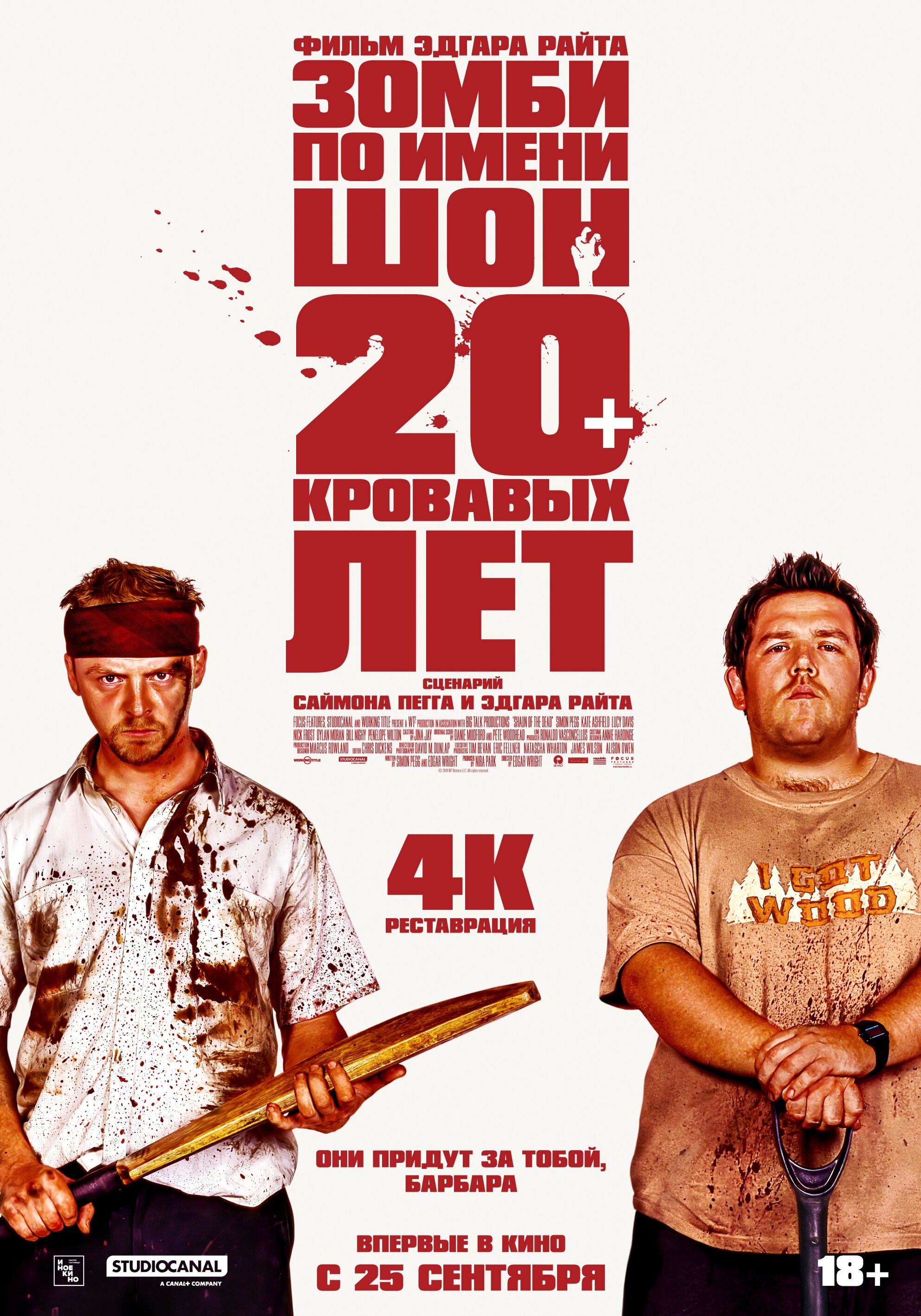
2025-09-25 Russia Theatrical — — 18+ Restored 4K version
A romantic comedy. With zombies.