
Iceland, Flood & Six Years of Rejection
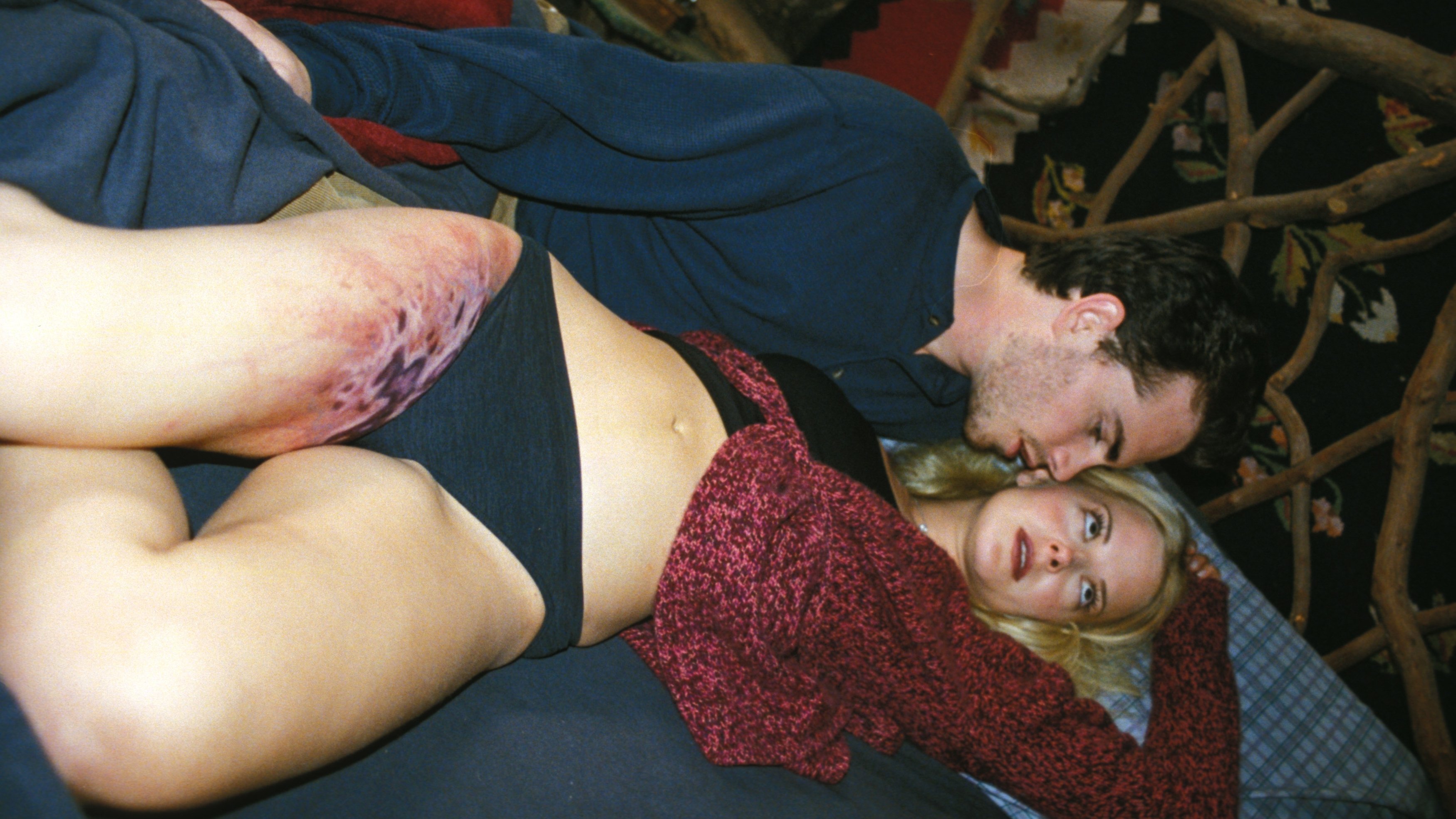
Roth traced the central idea to an experience in Iceland in 1991, when he was nineteen and working on a horse farm near Selfoss. After cleaning a barn, he developed a severe skin infection on his face. He later recalled waking during the night to discover pieces of skin beneath his fingernails and then losing more skin while shaving the next morning. Although treatment eventually cleared the condition, the experience gave him the basic image around which his first feature would develop: a group of young people trapped while an apparently unstoppable disease consumes their bodies.
His earliest version was called Flood. In that story, one member of a group was deteriorating from disease while a torrential storm cut off roads and electricity. Roth realised that producing convincing flooding would make an already difficult low-budget horror film unnecessarily expensive, so he removed the weather element and developed the infection into the central threat. He then brought the material to his NYU friend and former roommate Randy Pearlstein. Together they reshaped the characters and dialogue, completing the screenplay on July 4, 1995. Roth later described the finished film as deeply connected to how he and Pearlstein thought, joked and behaved in their early twenties.
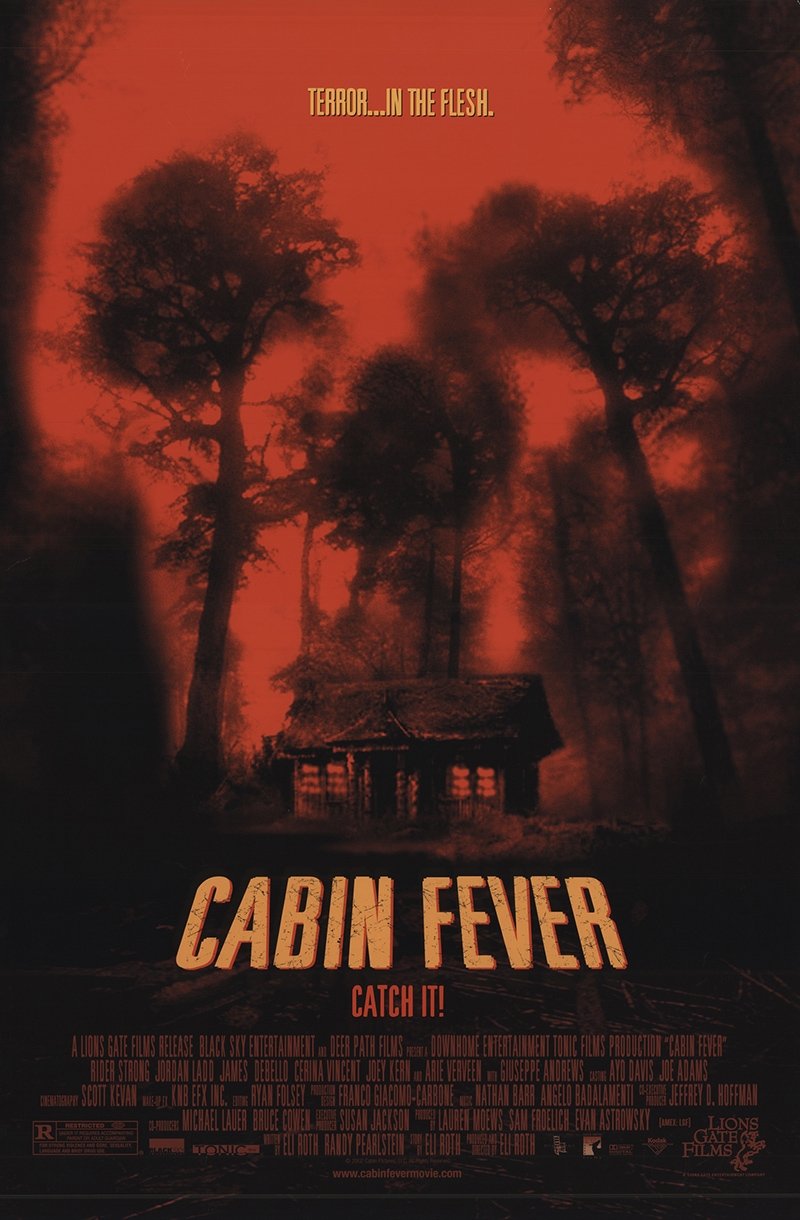
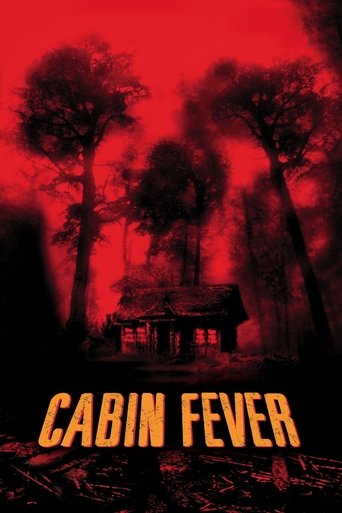
Financing proved much harder than writing it. Roth remembered hearing for years that horror was commercially dead, that the absence of a conventional killer was a problem and that the story left too little room for an easy sequel. Even after Scream revived studio interest in horror, Cabin Fever did not fit the self-aware model many producers were seeking. Roth and Pearlstein continued revising while Roth worked other jobs and made shorts. Only around 2000 did producer Evan Astrowsky help restart the project, beginning the long process of assembling enough independent financing to shoot the film roughly six years after the script had first been completed.