Development and the Long Road to Production
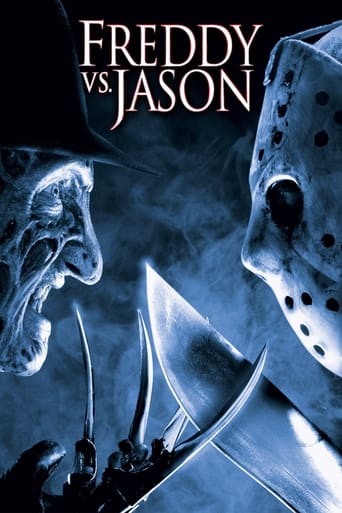
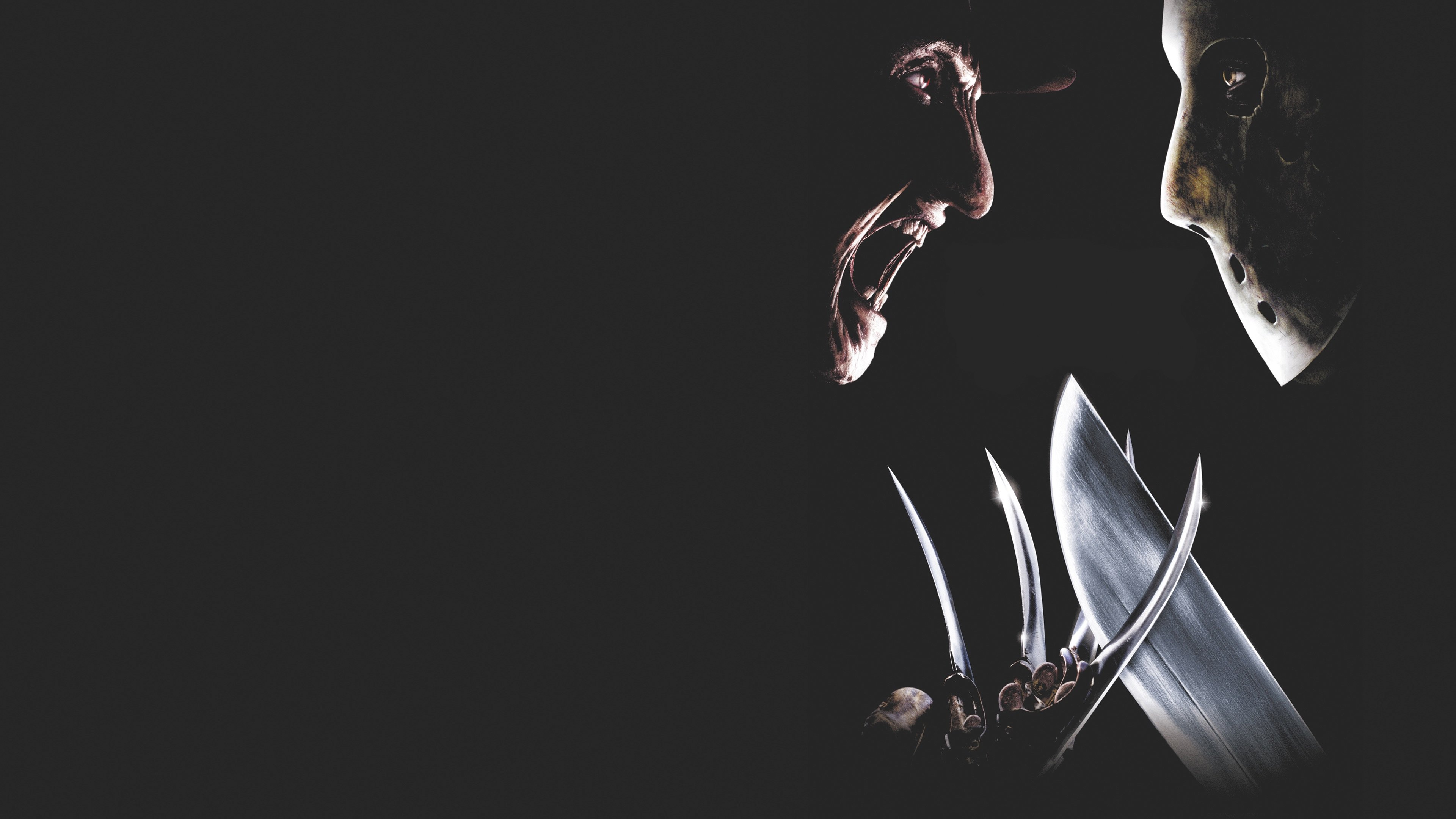
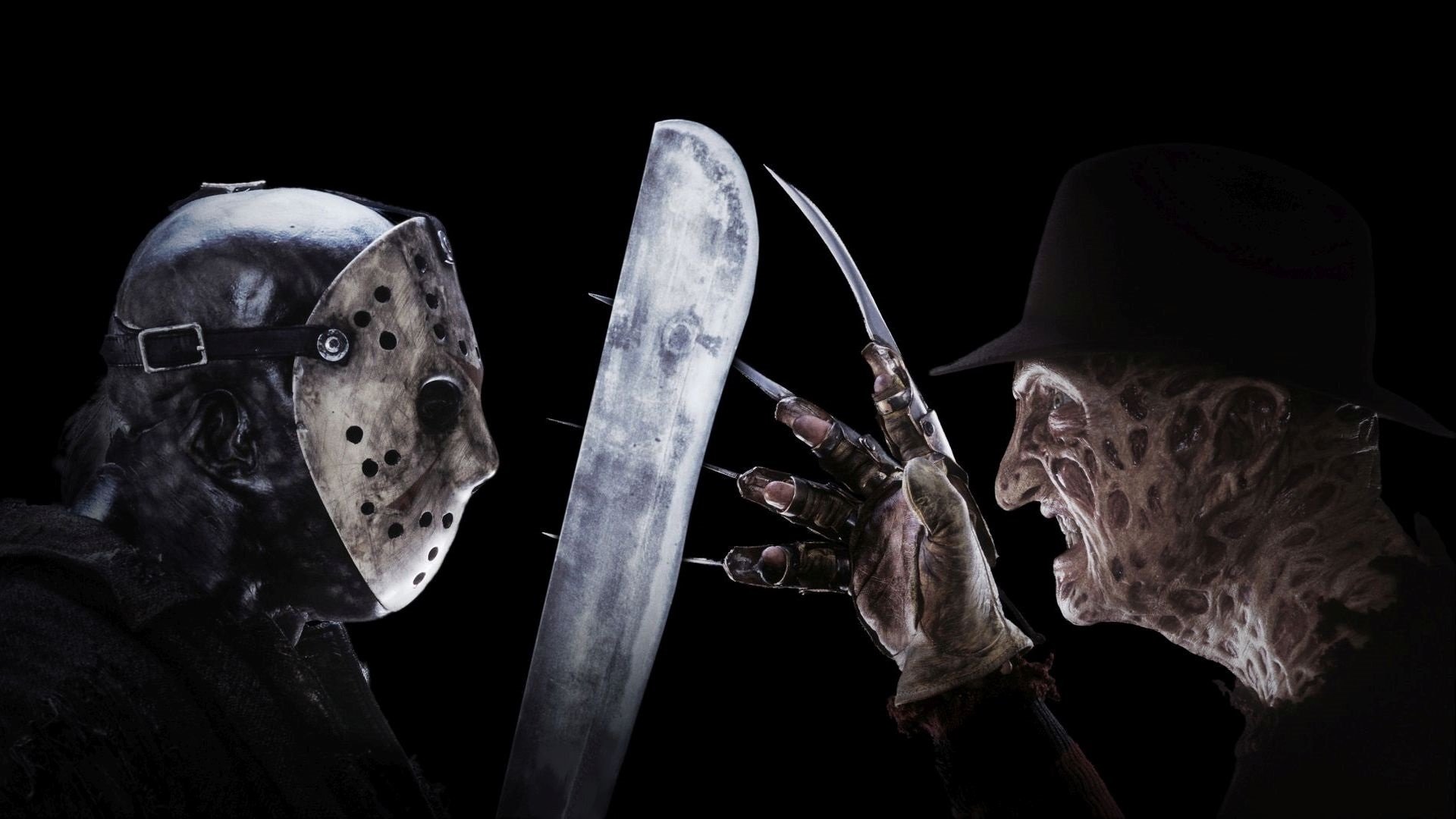
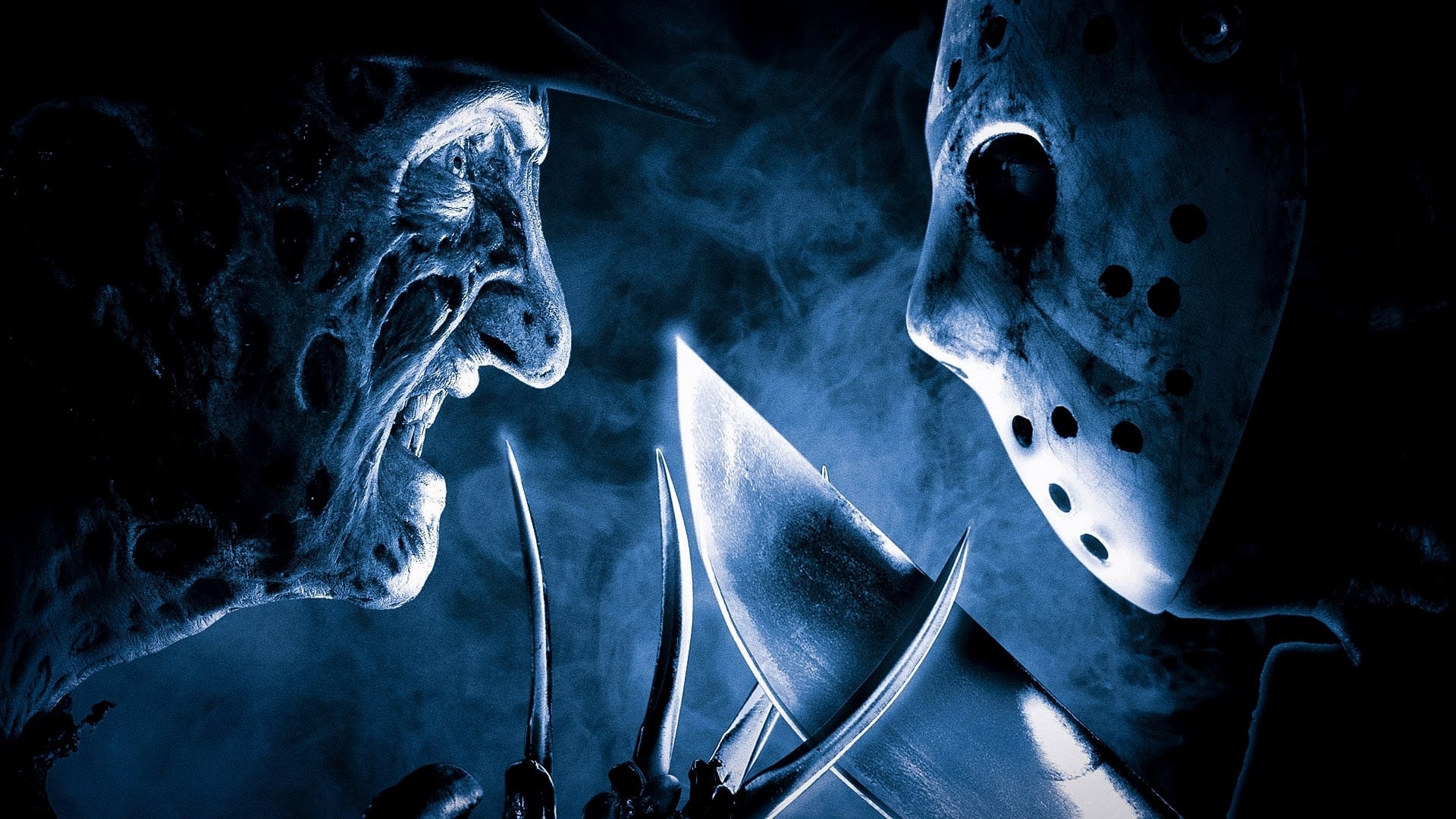
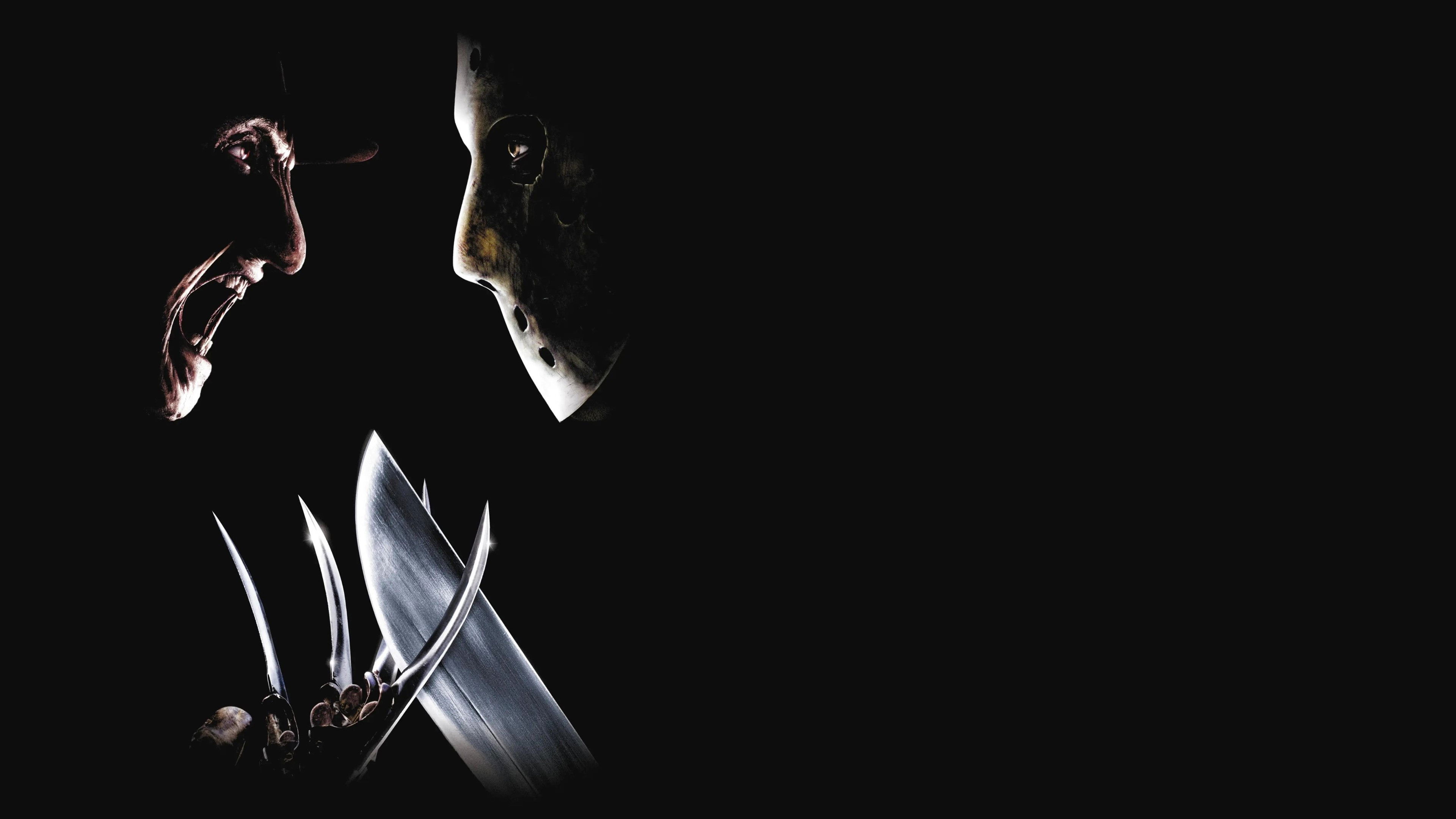
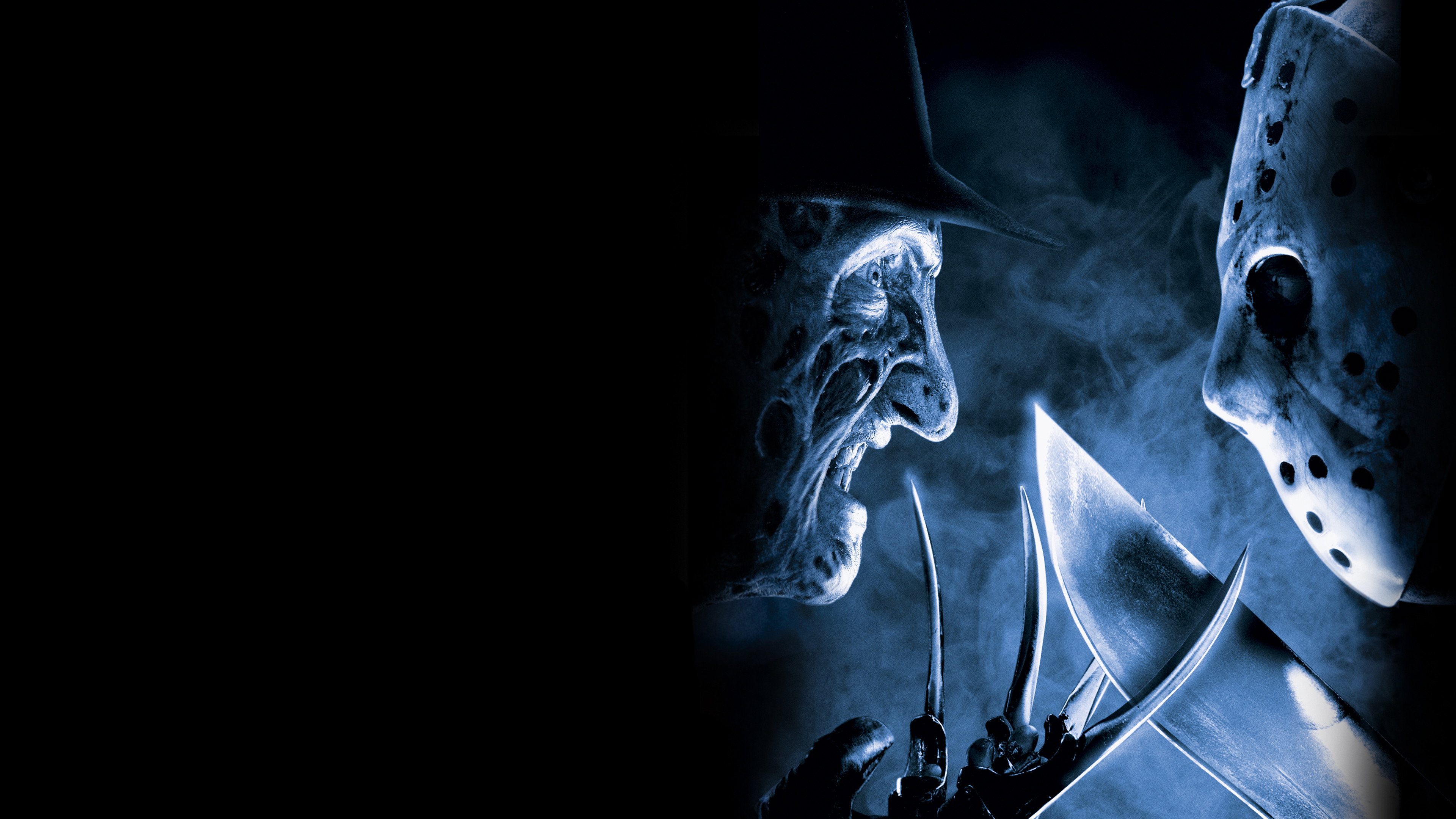
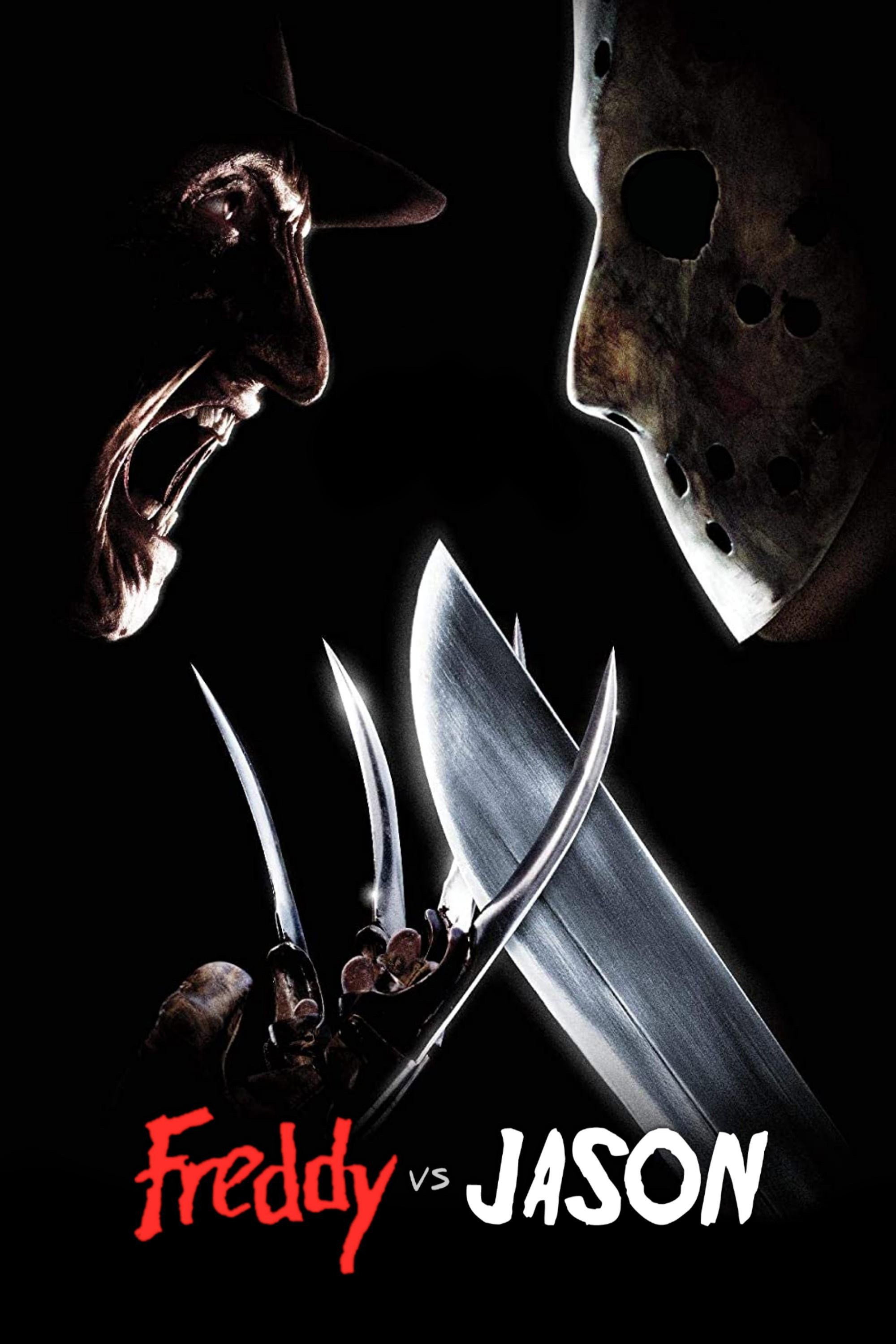
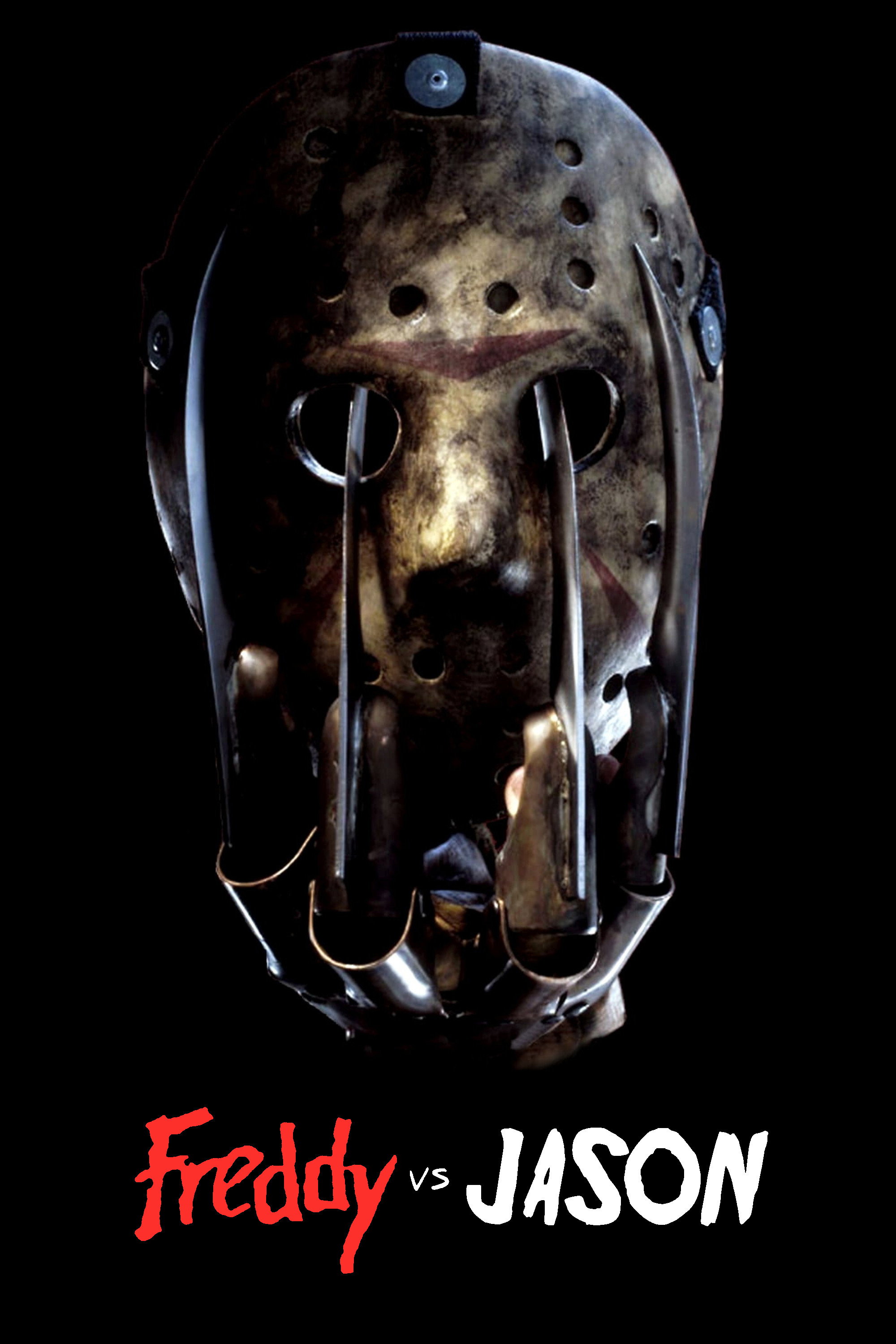
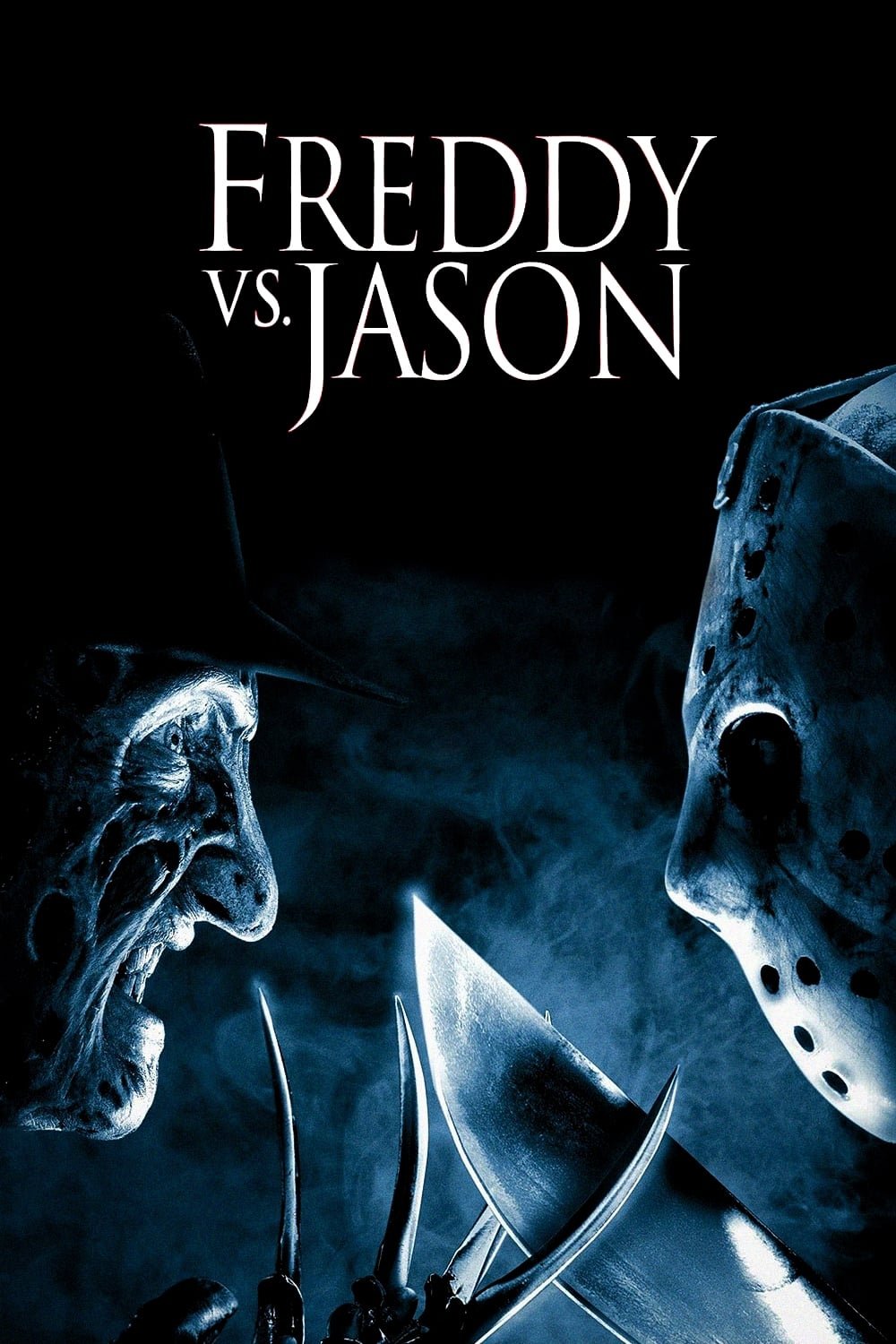
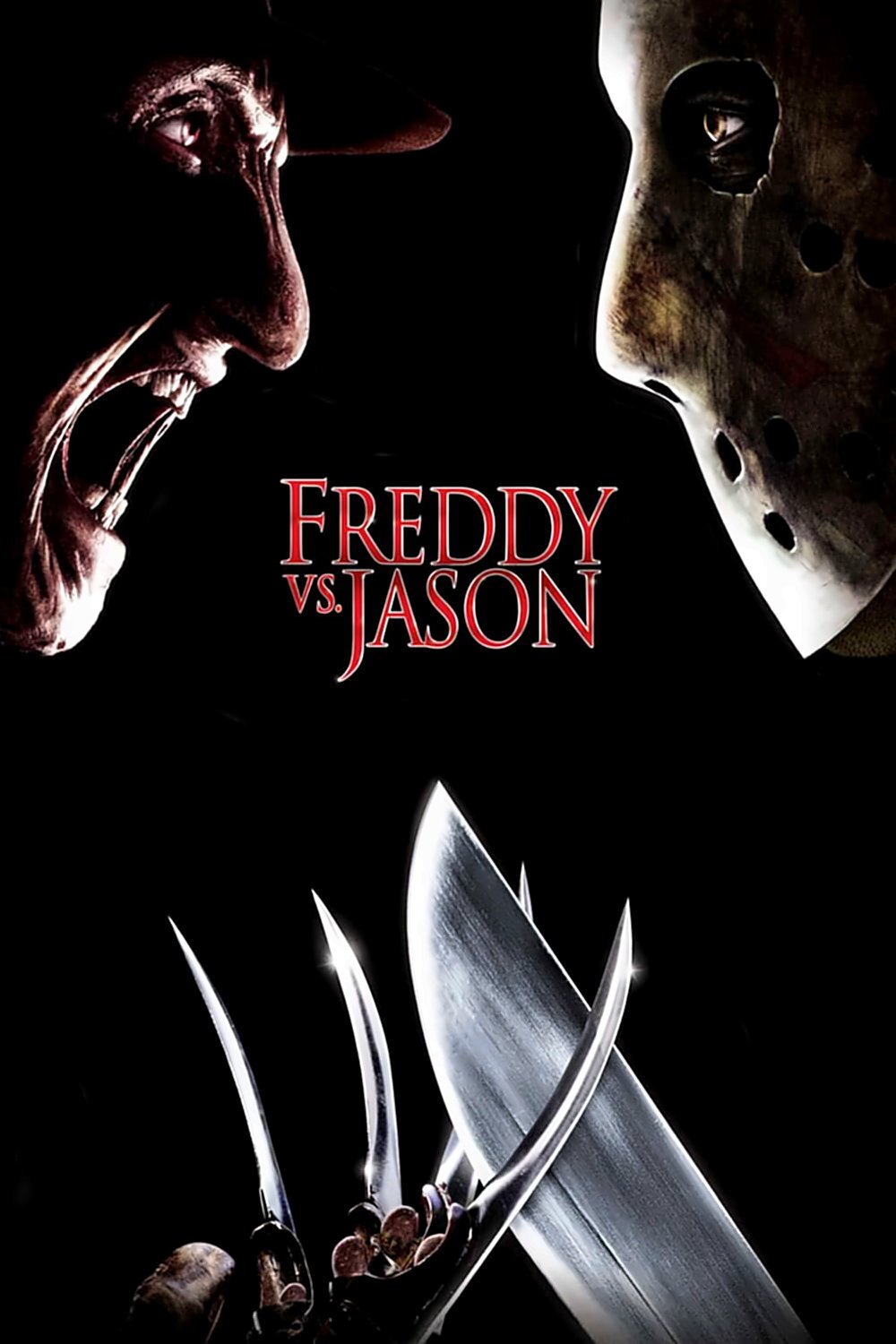
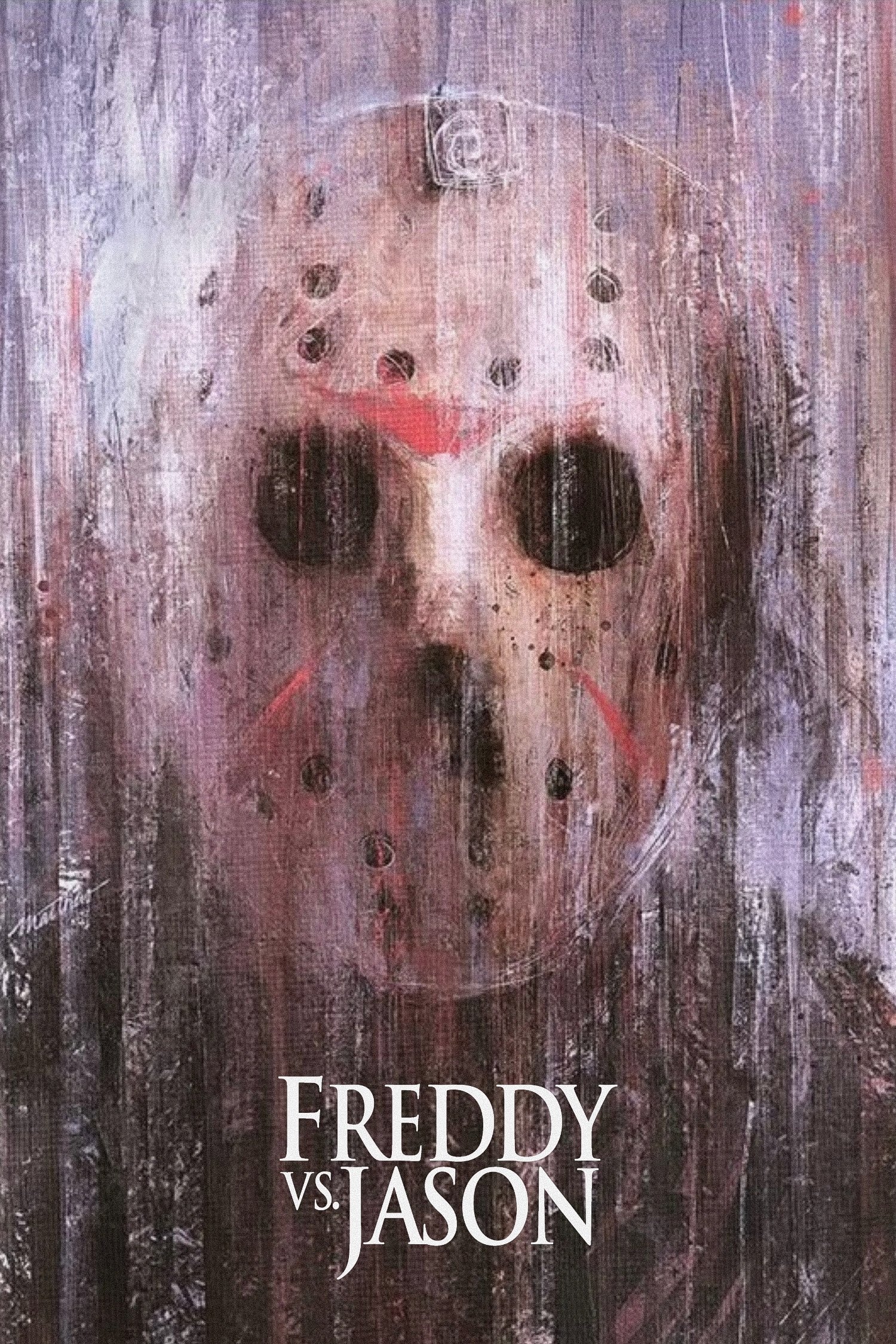
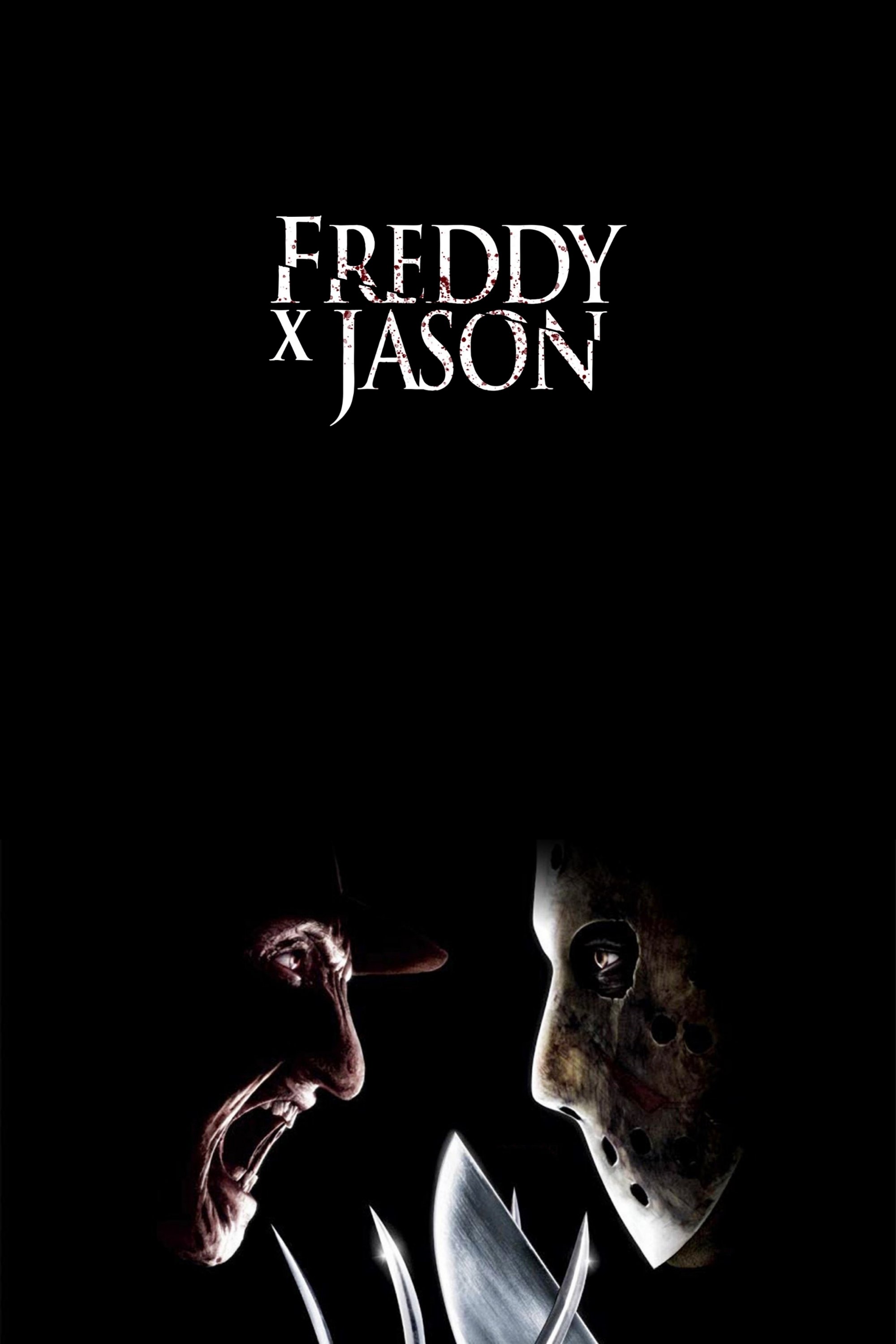
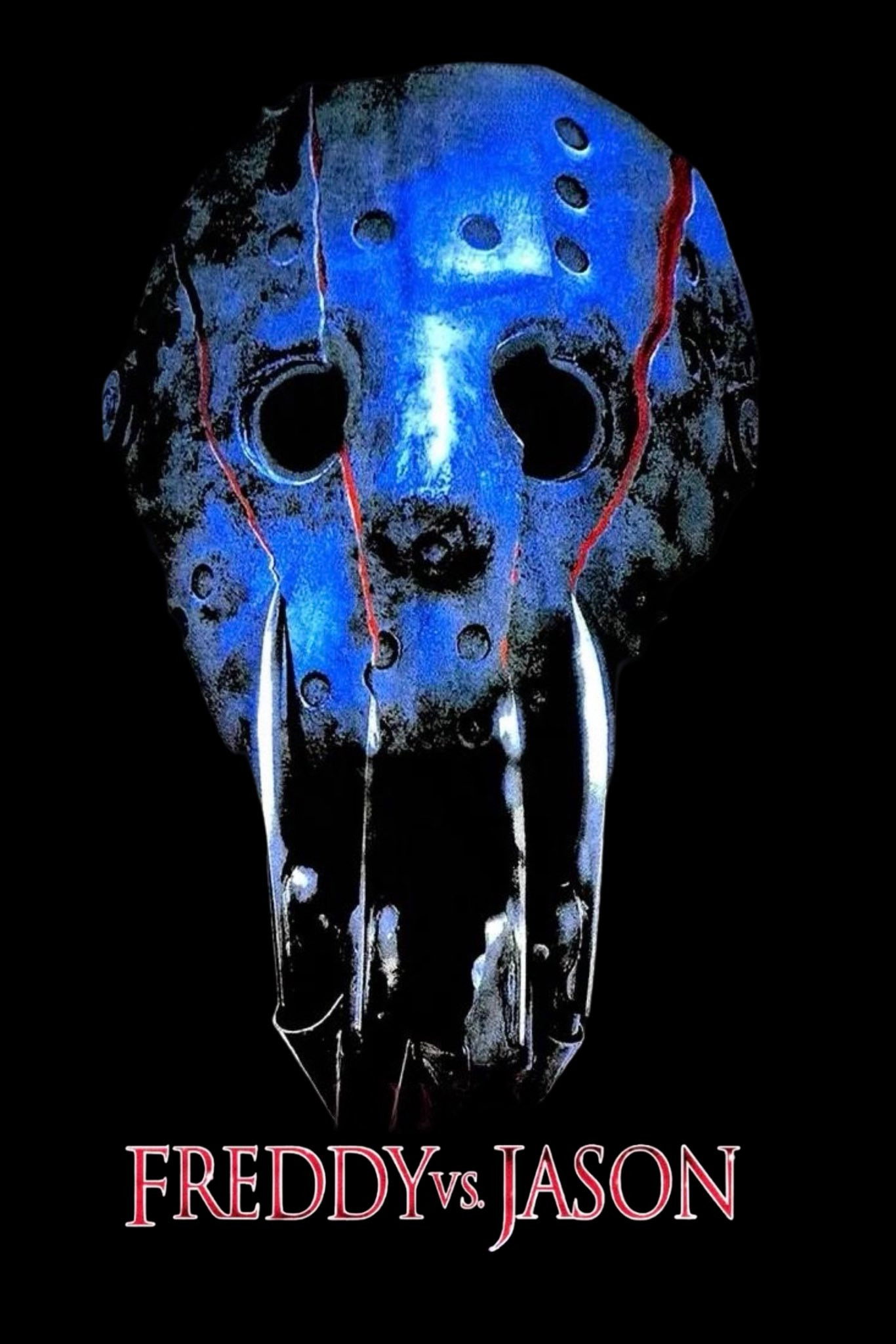
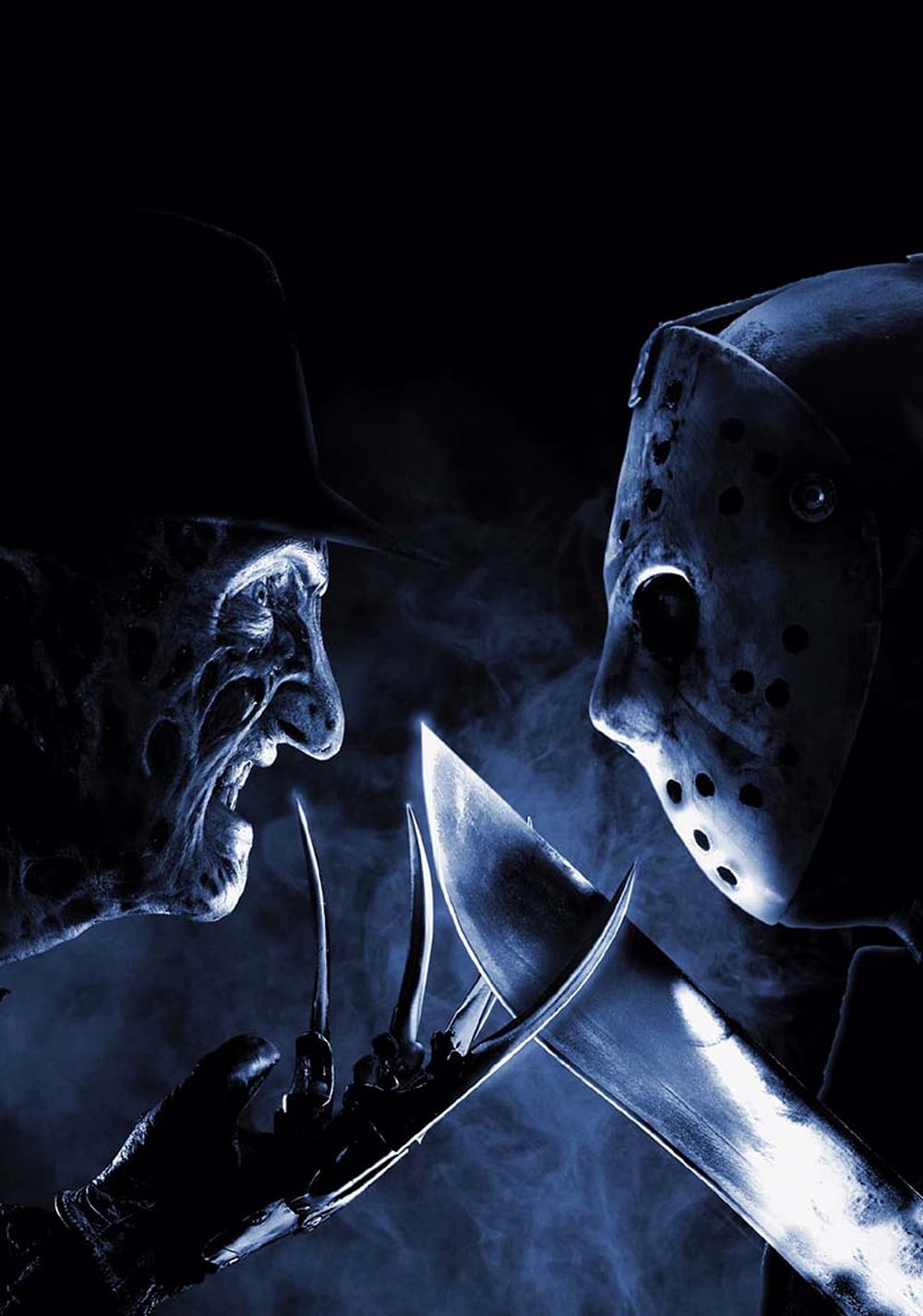
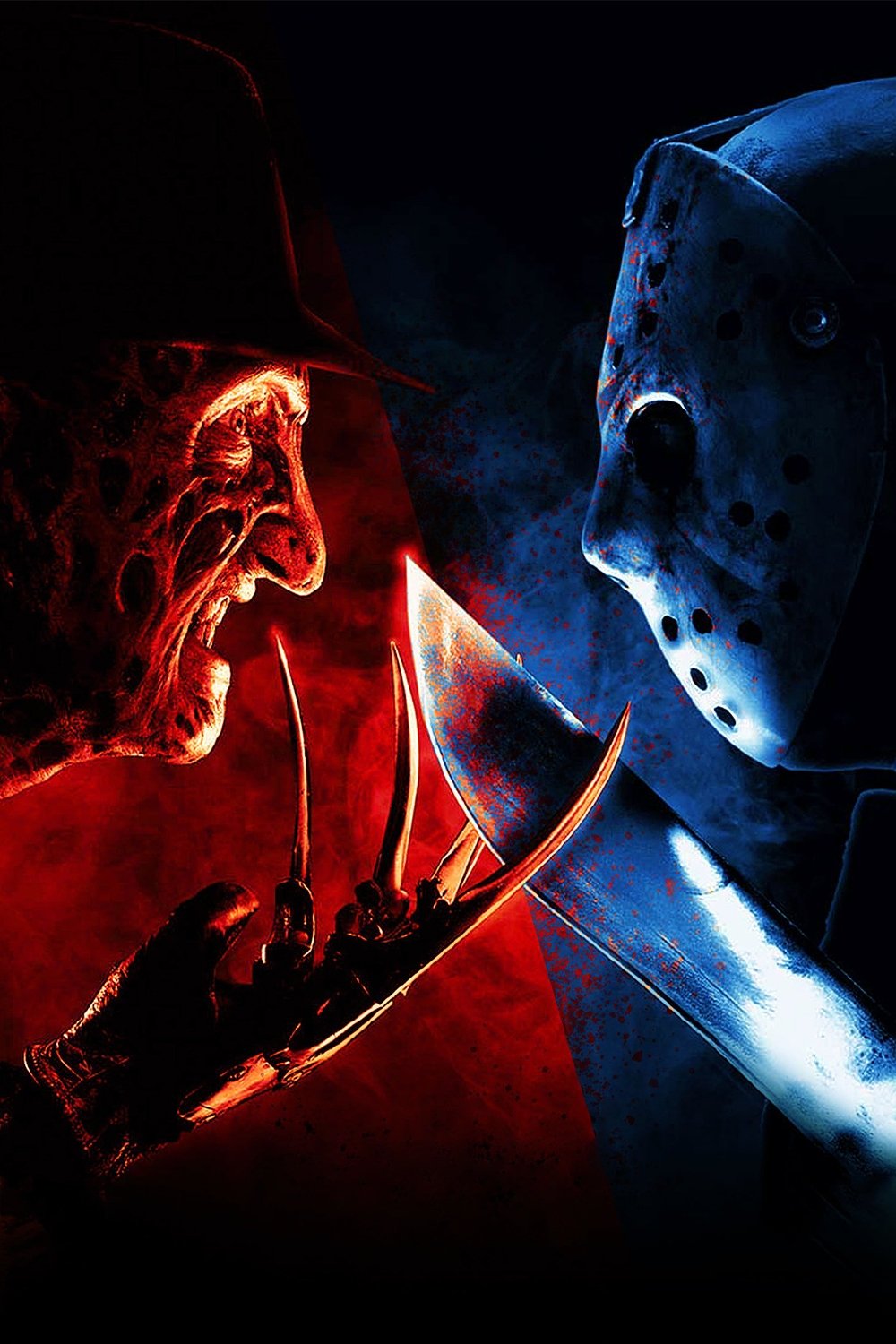
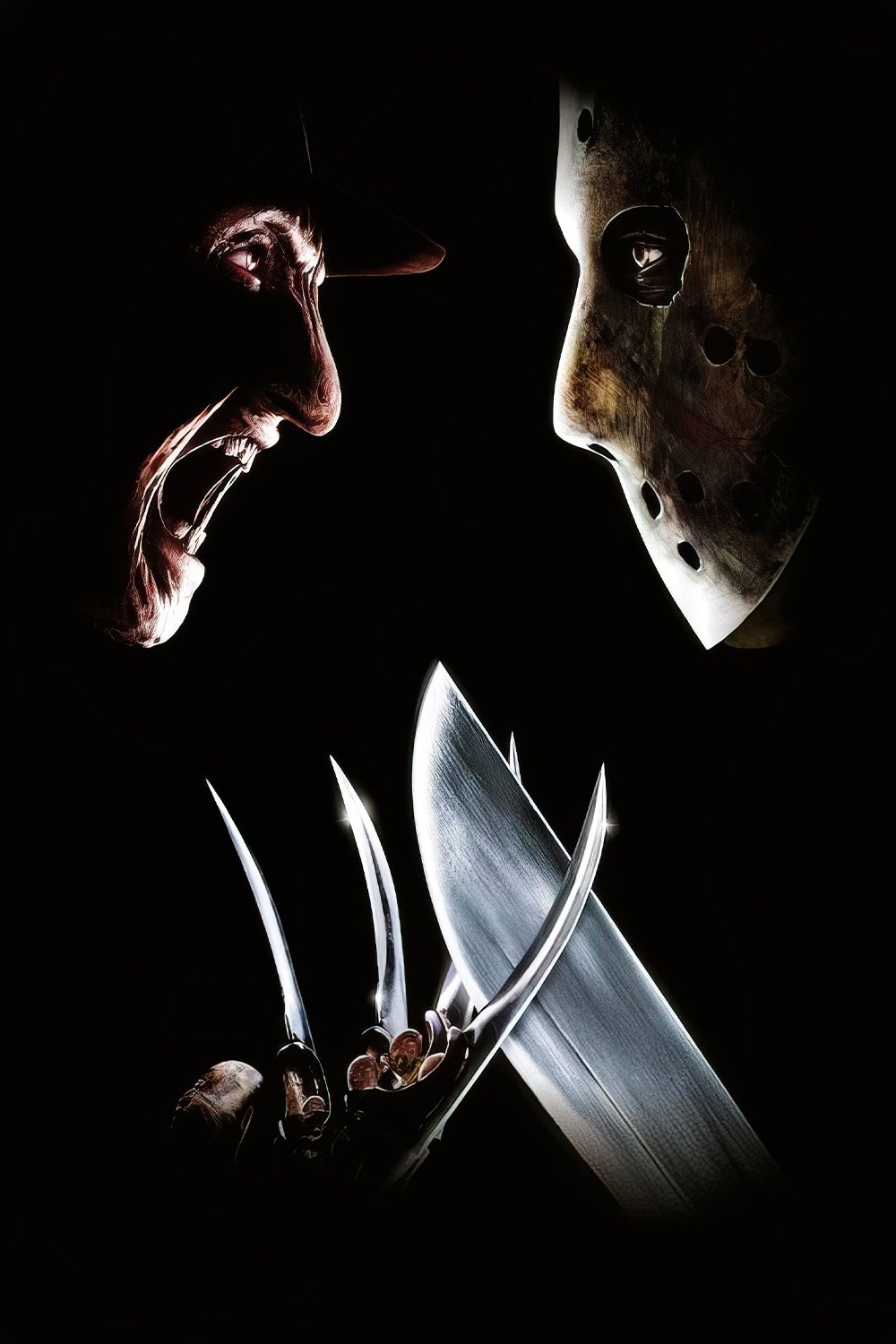
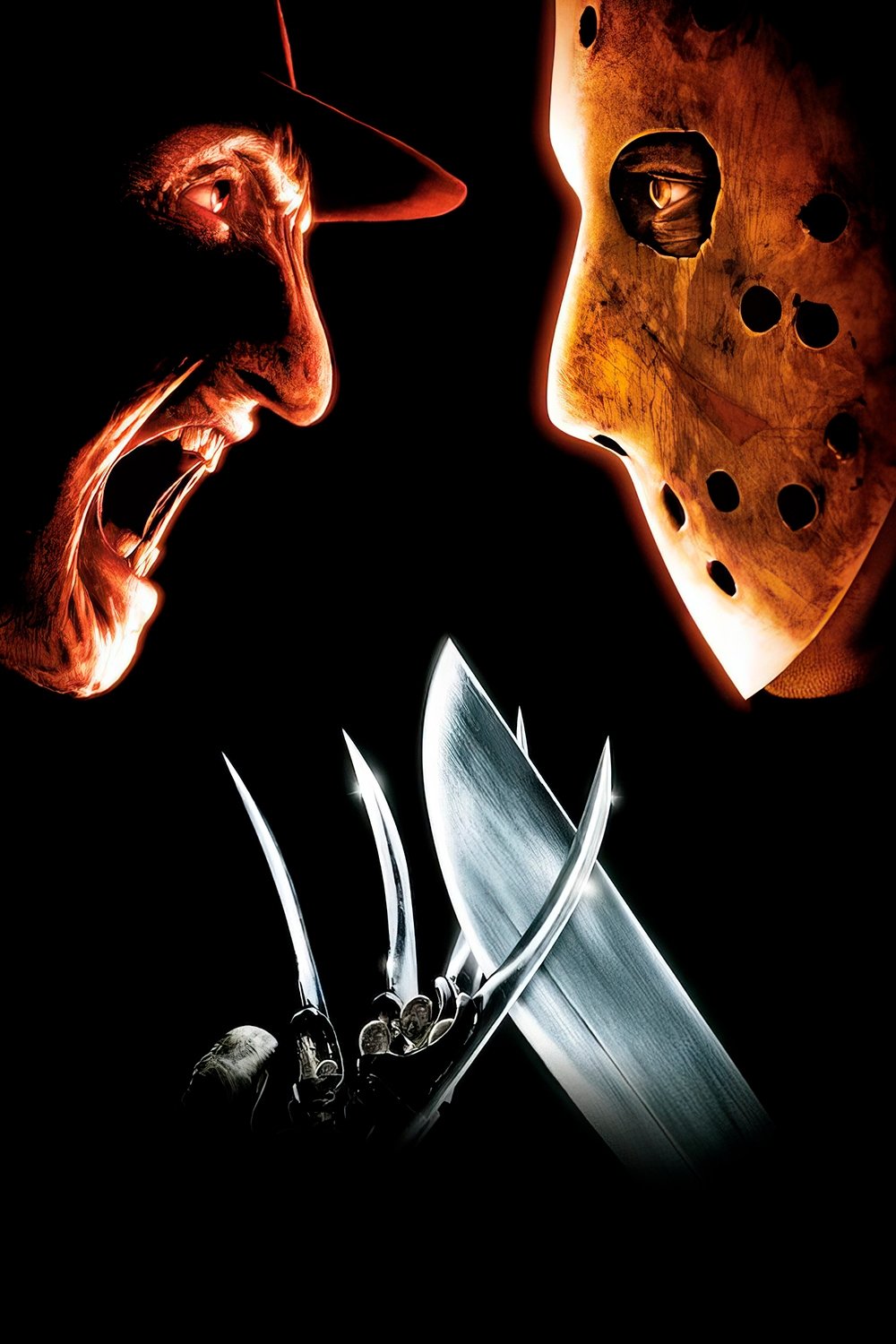
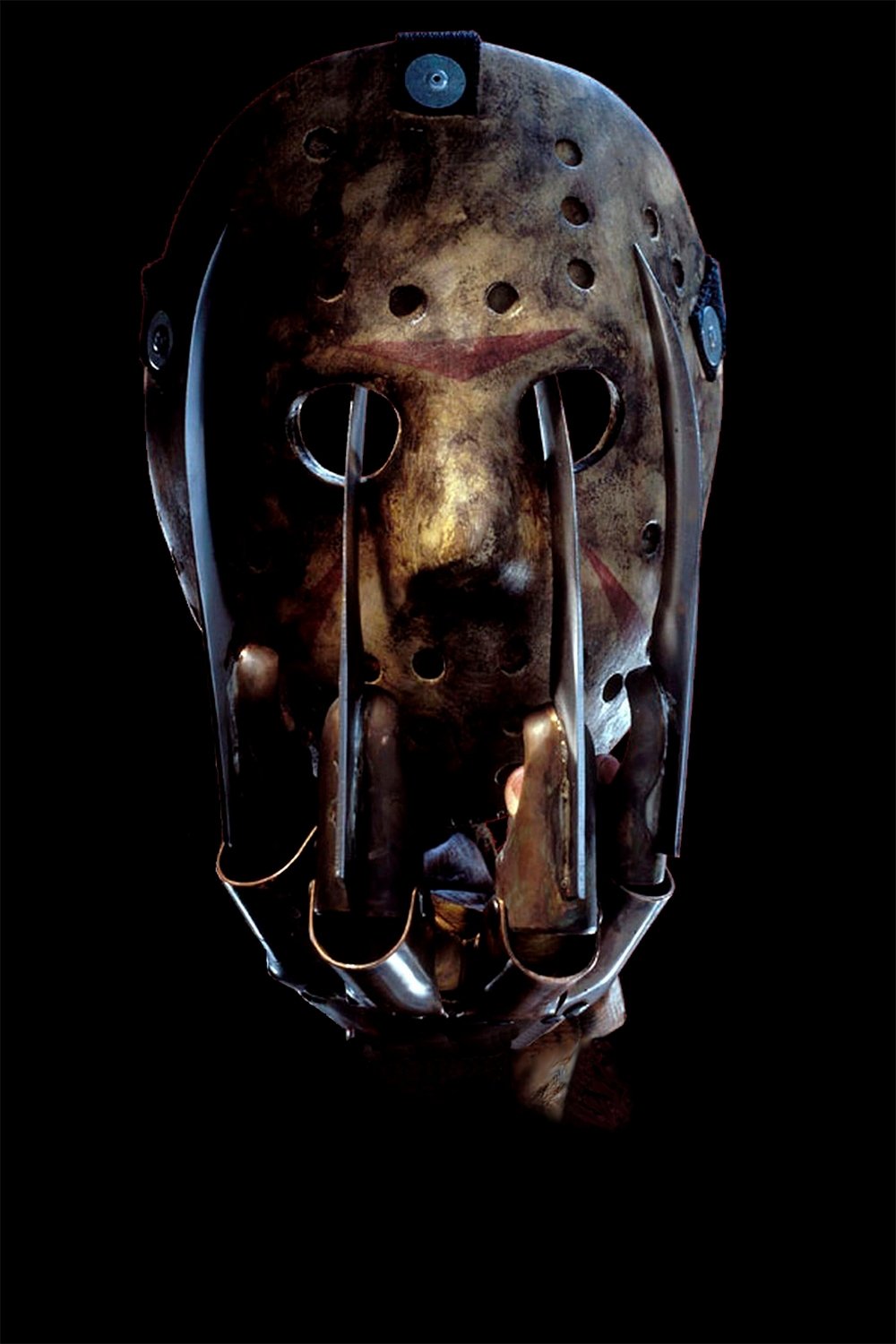
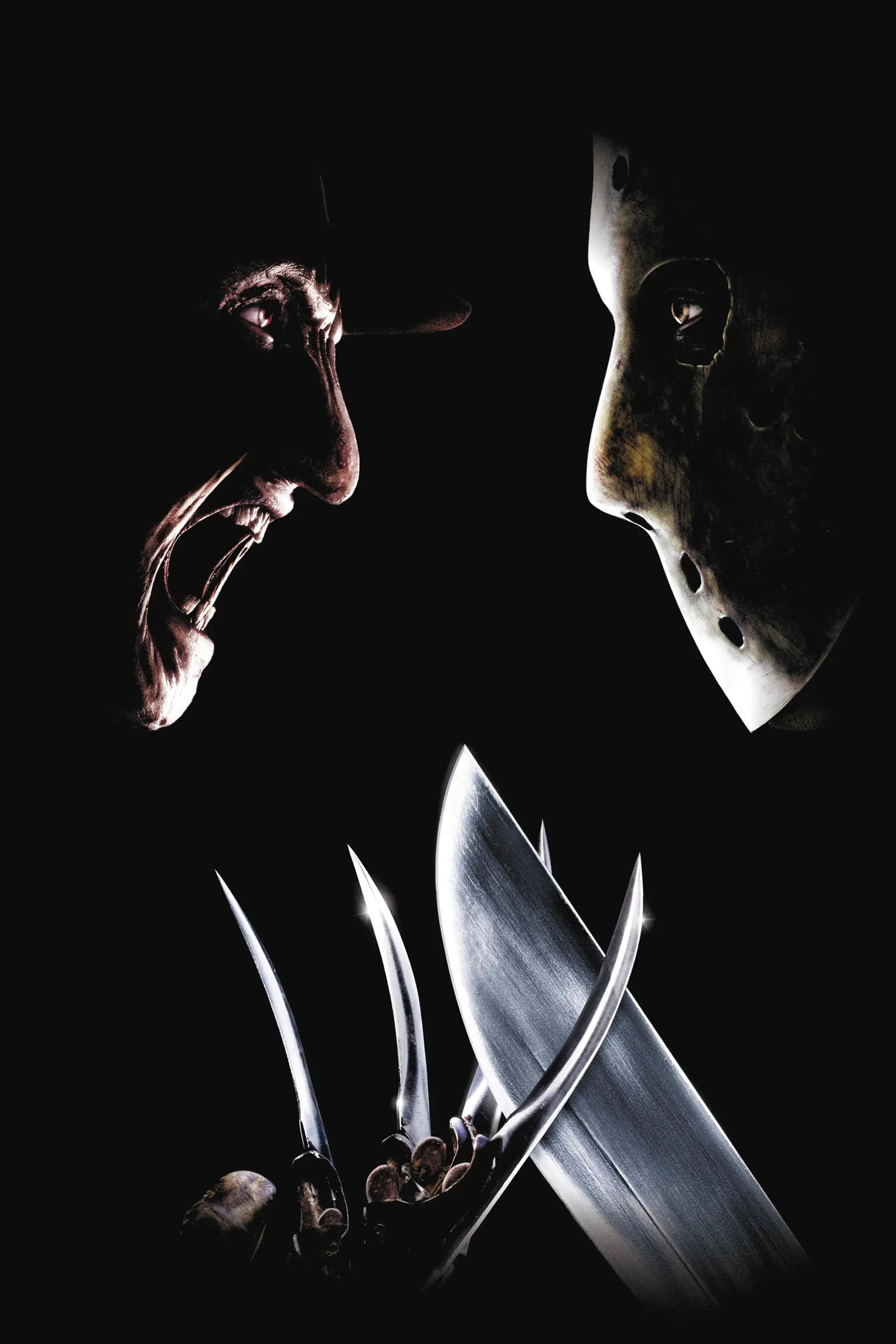
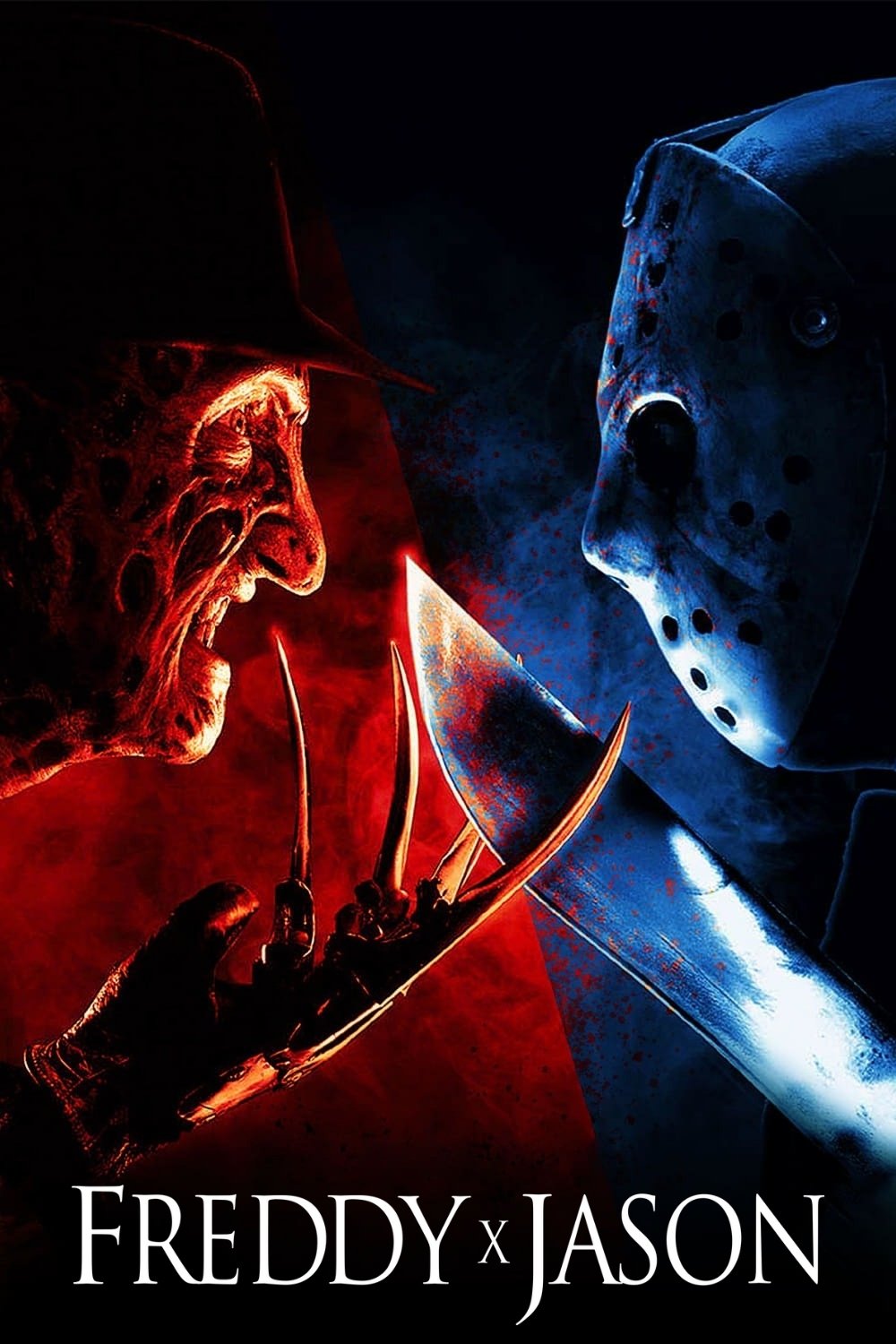
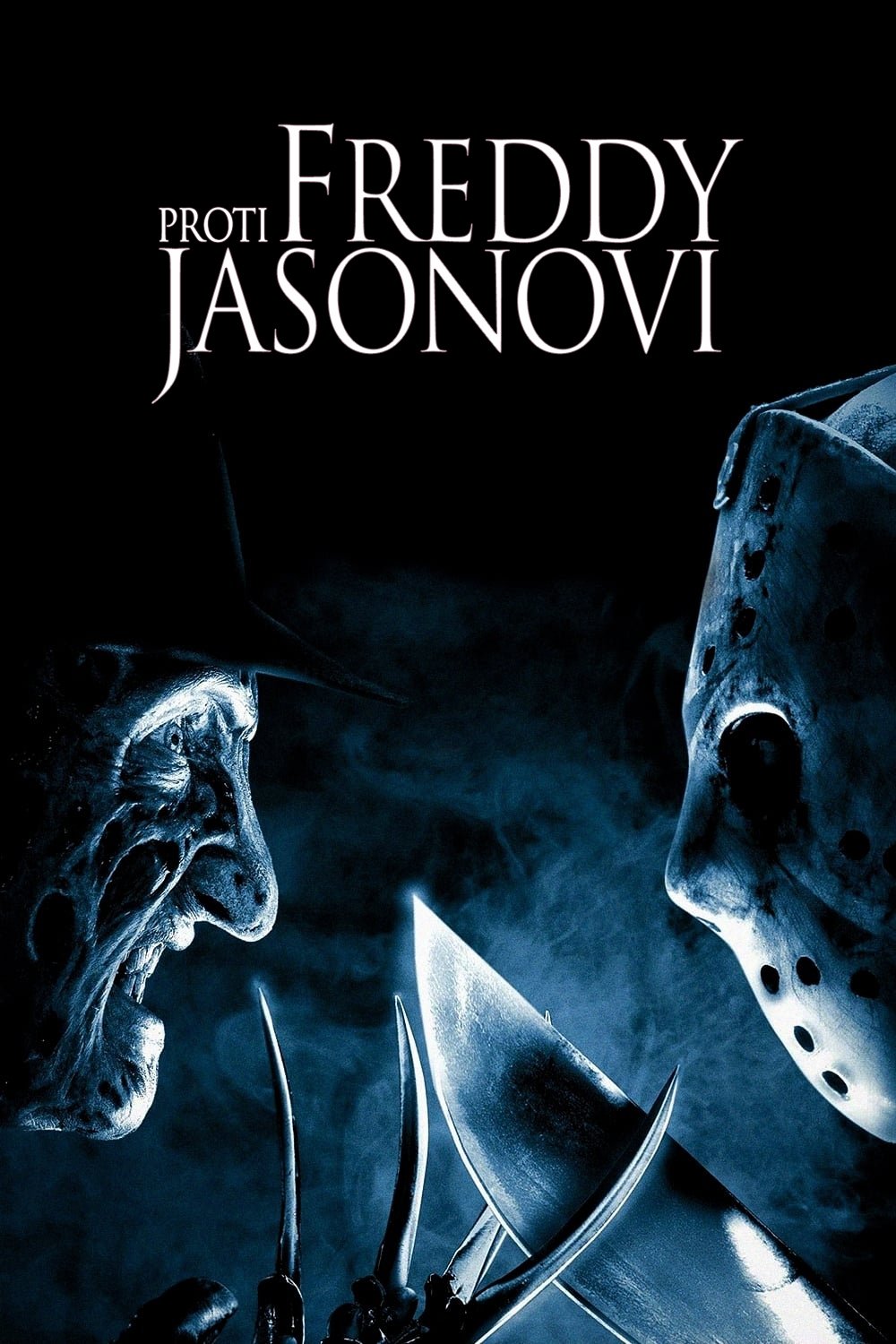
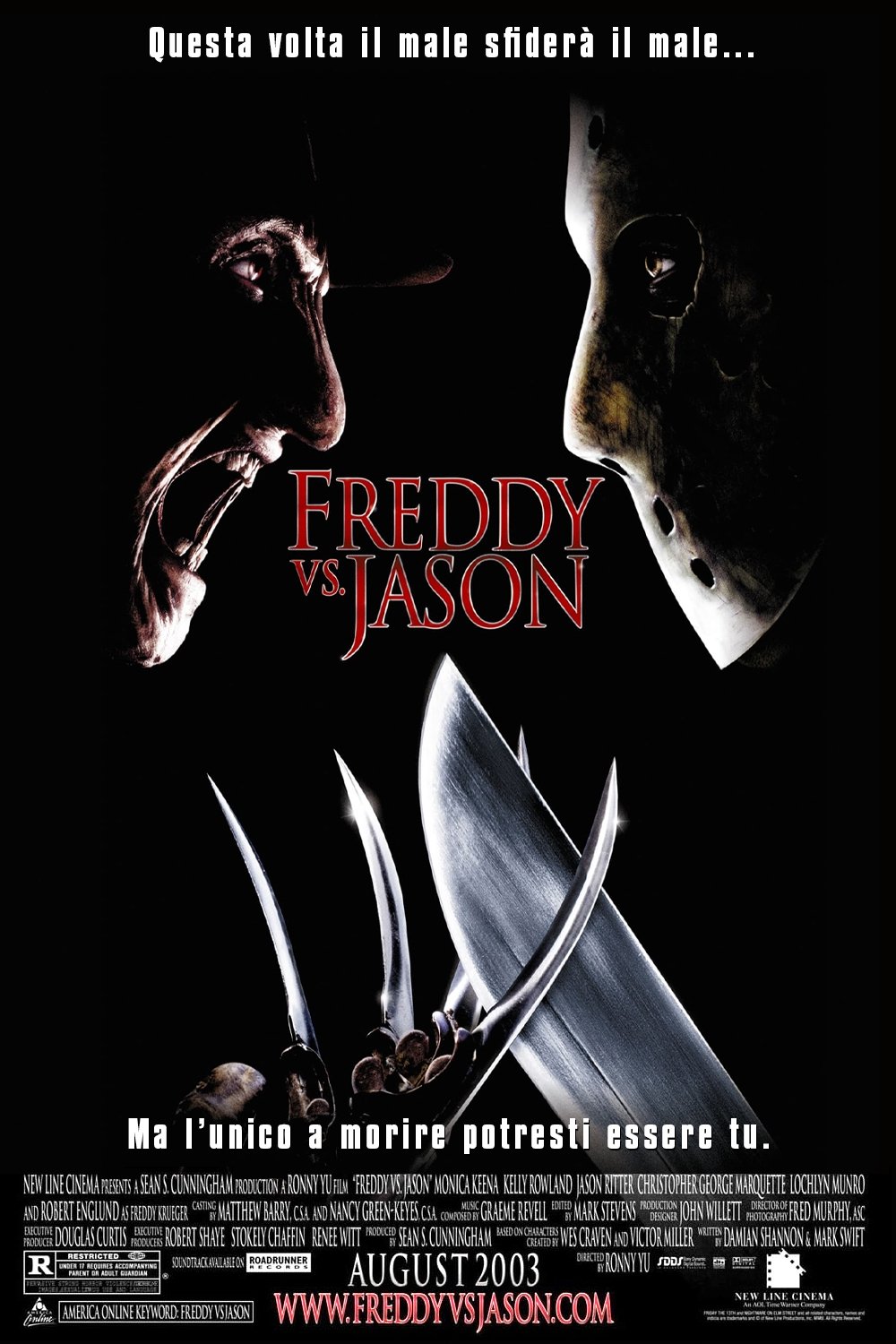
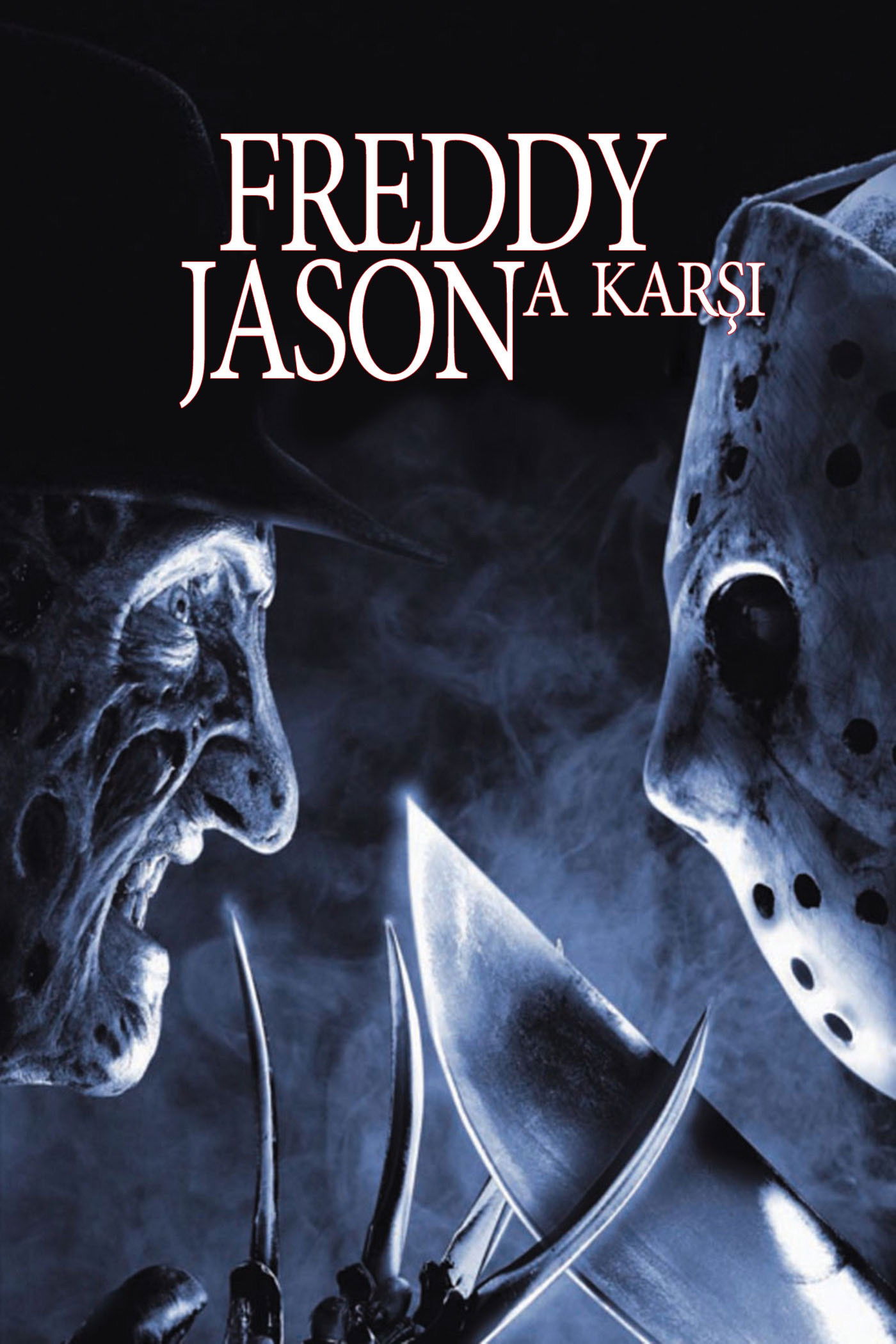
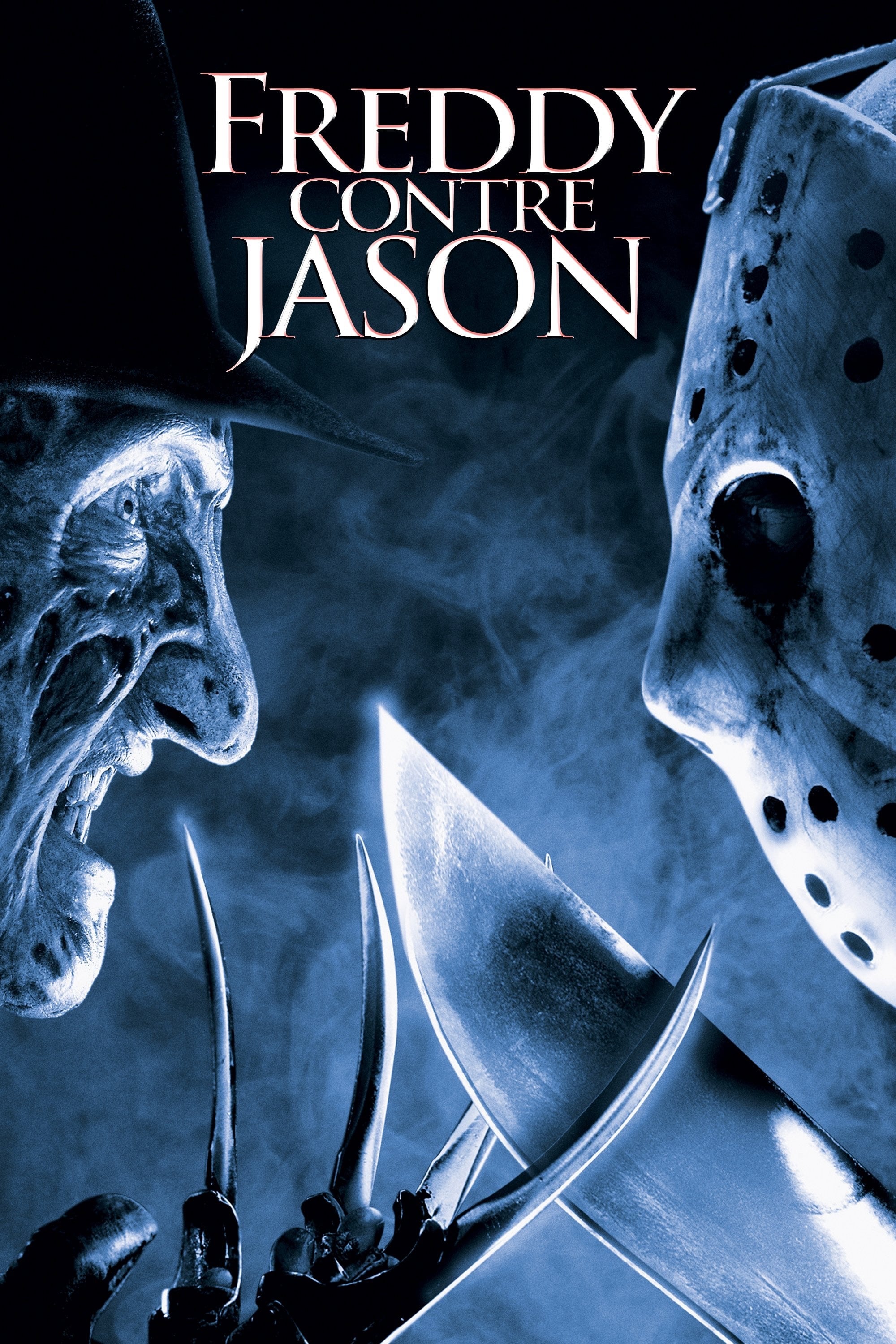
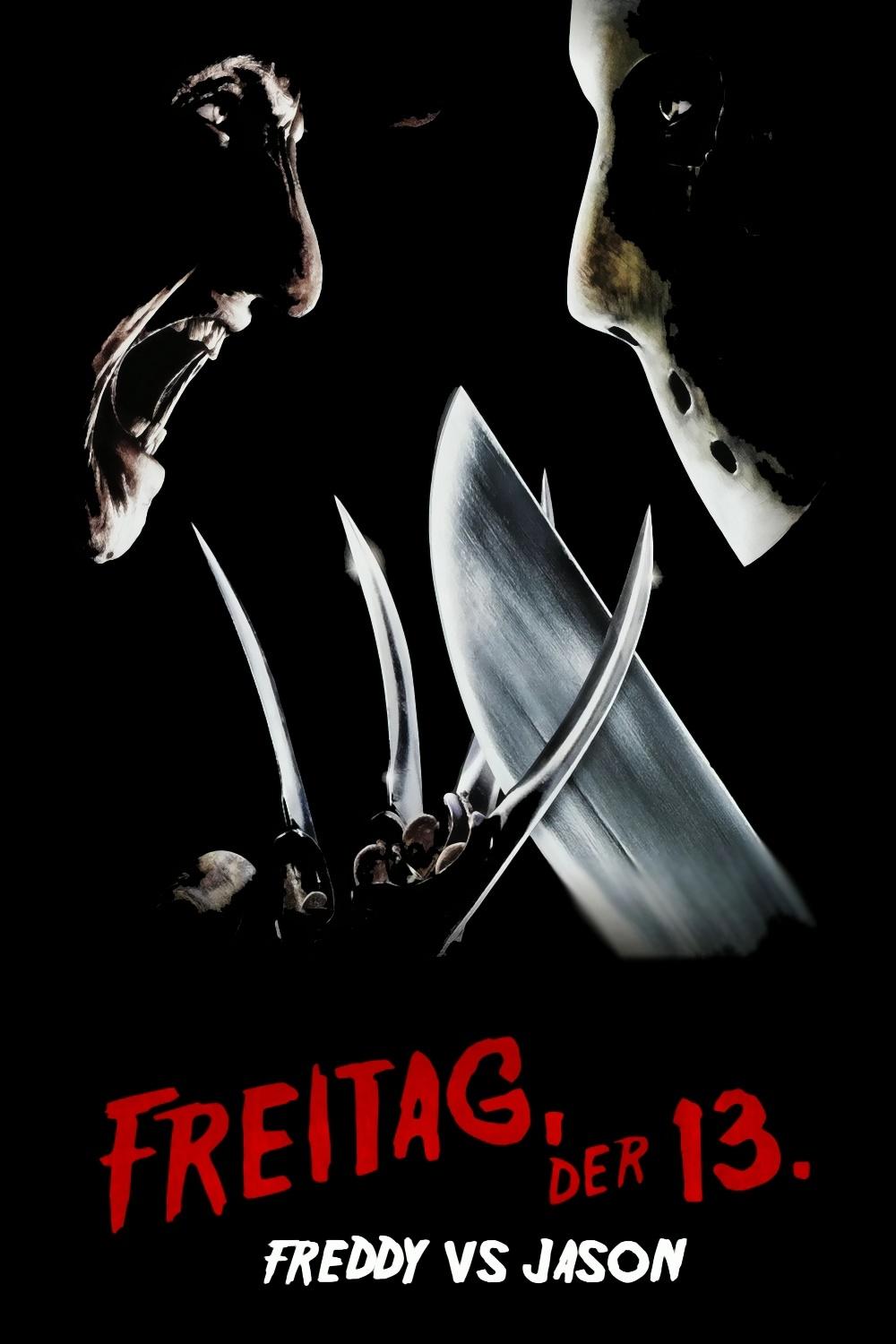
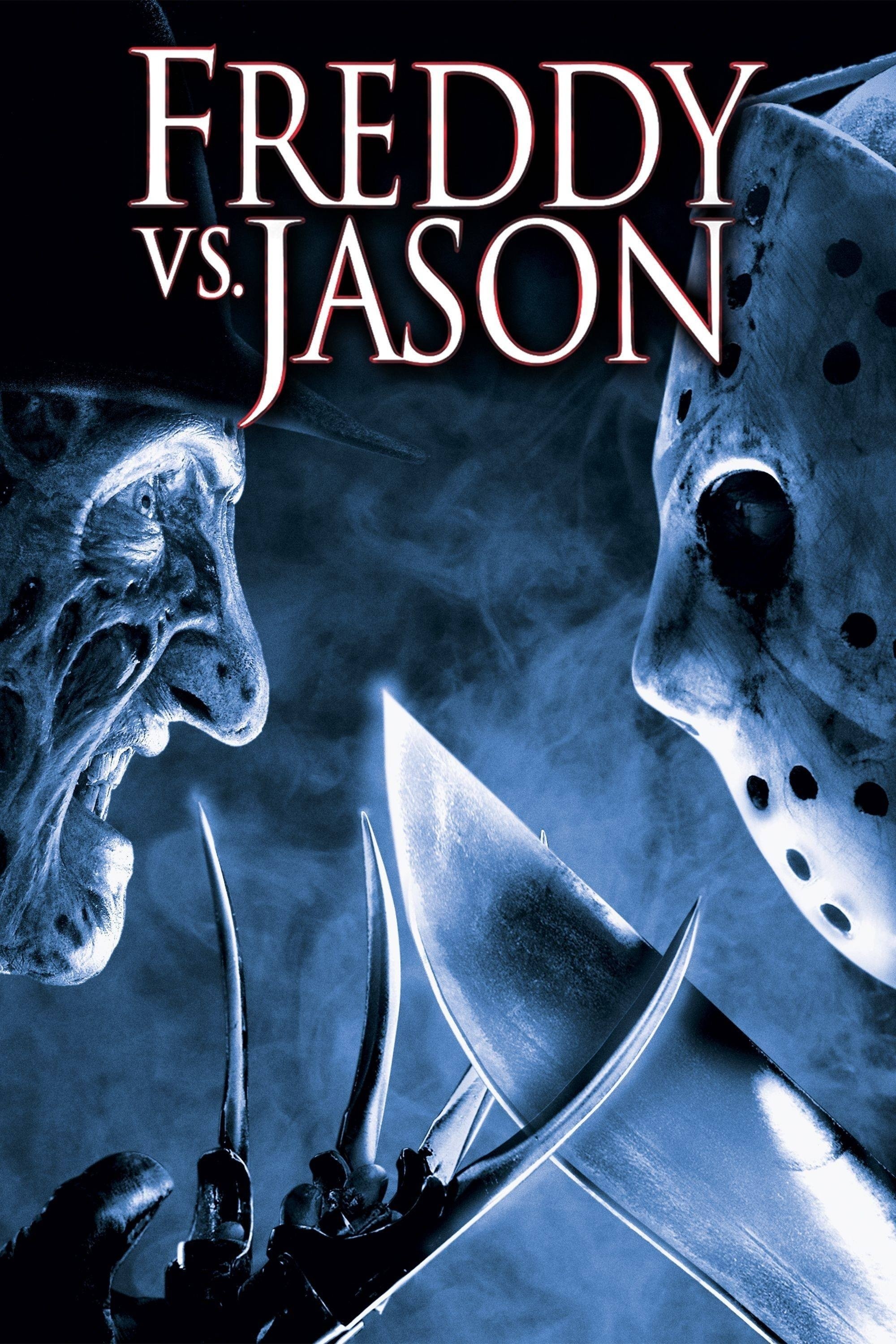
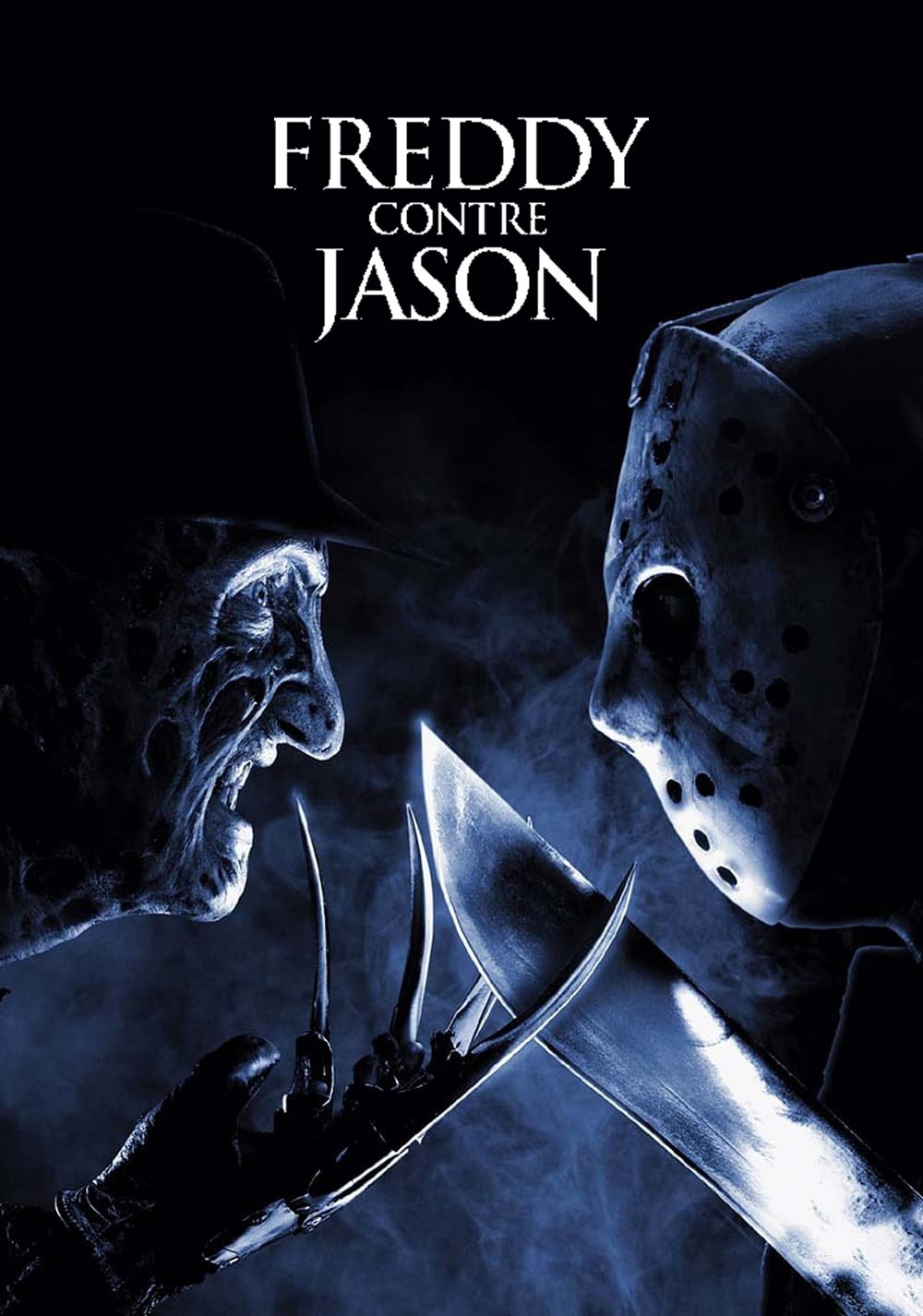
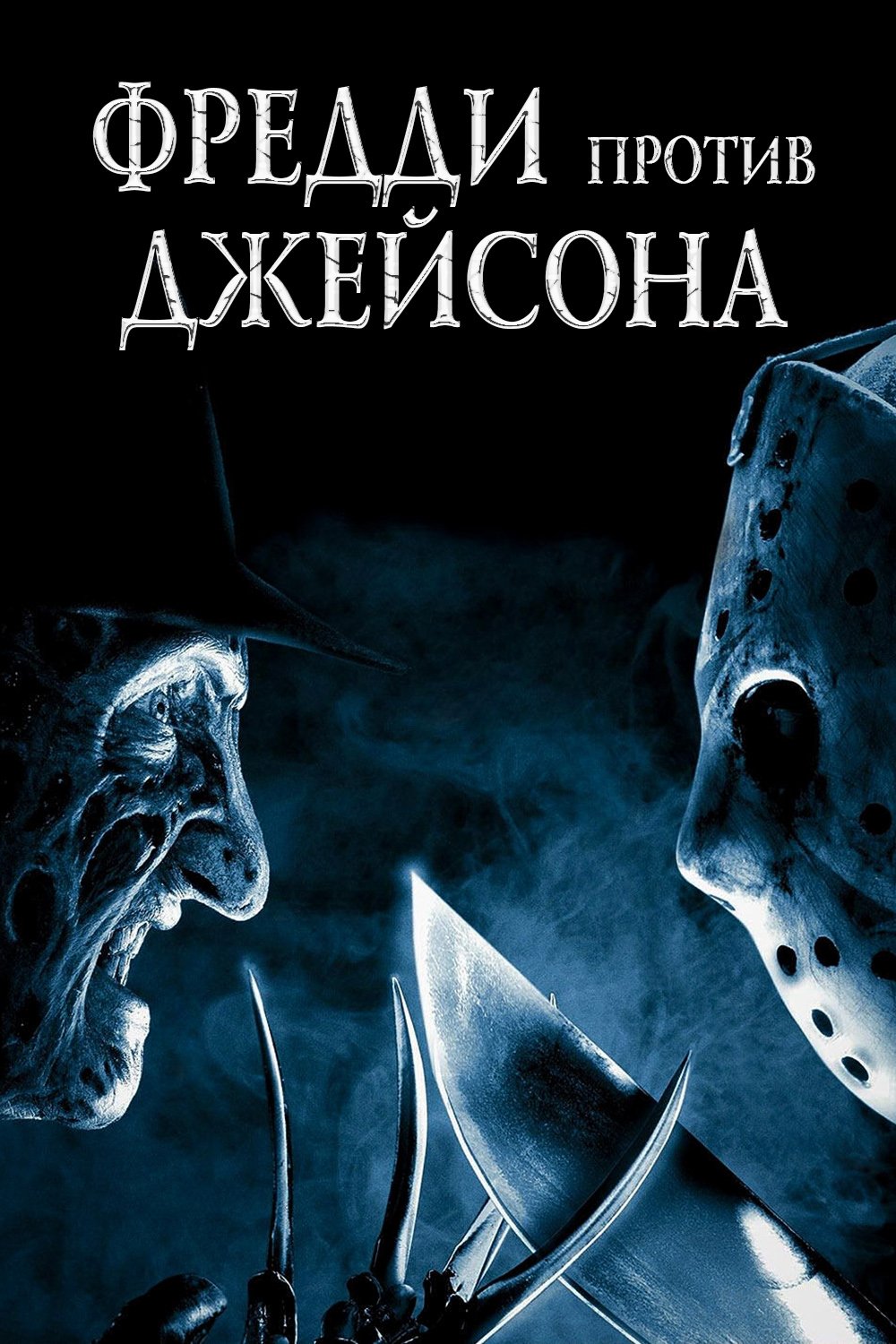
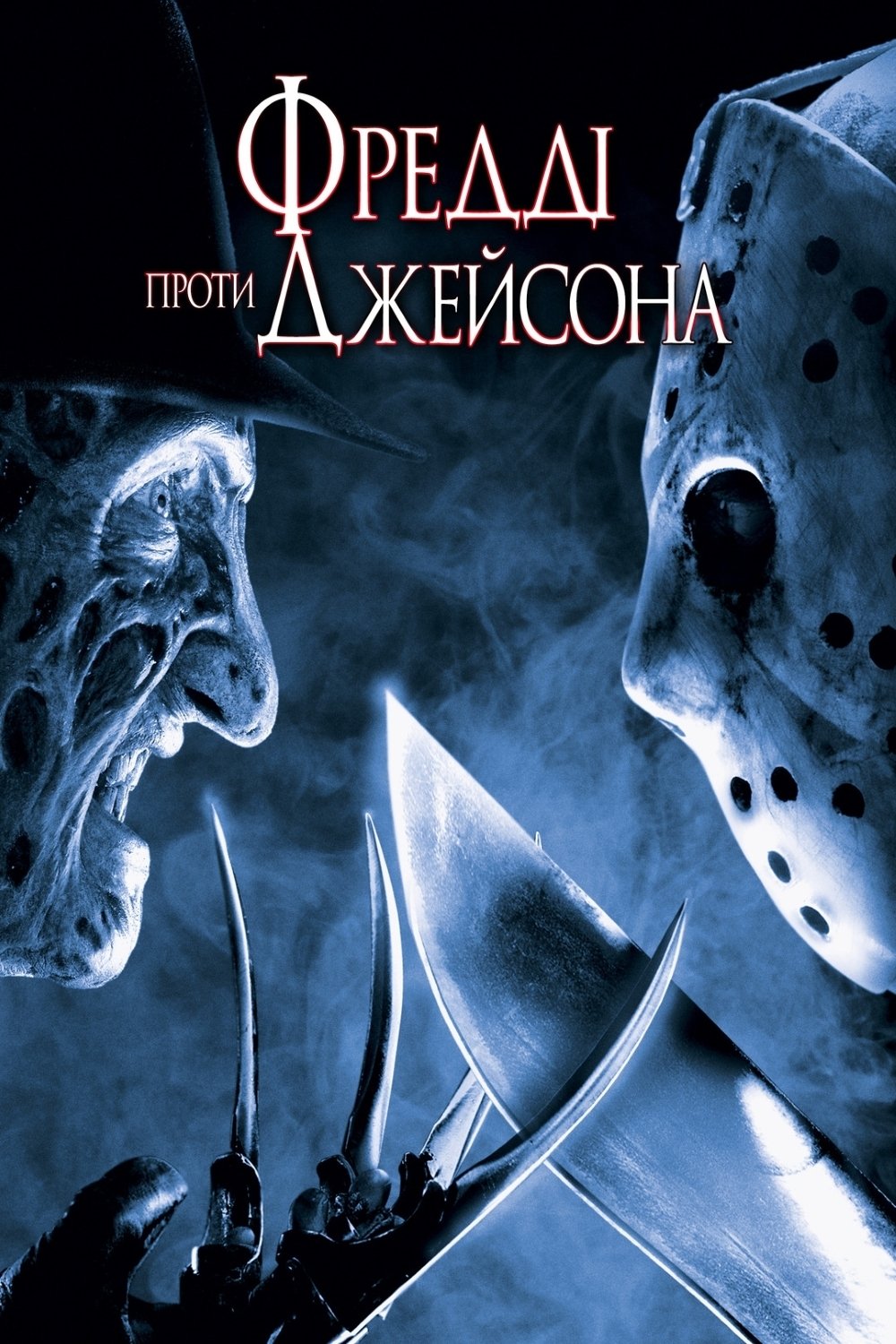
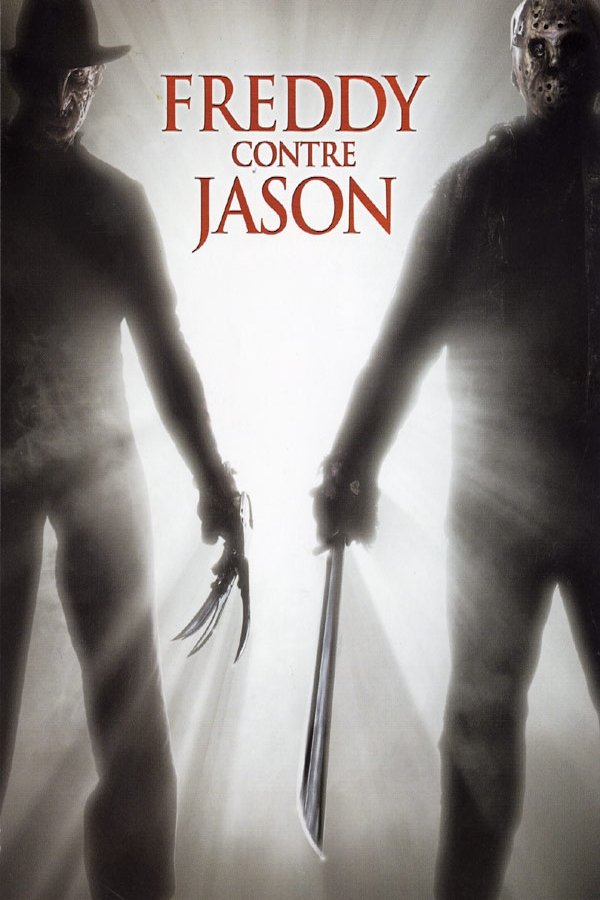
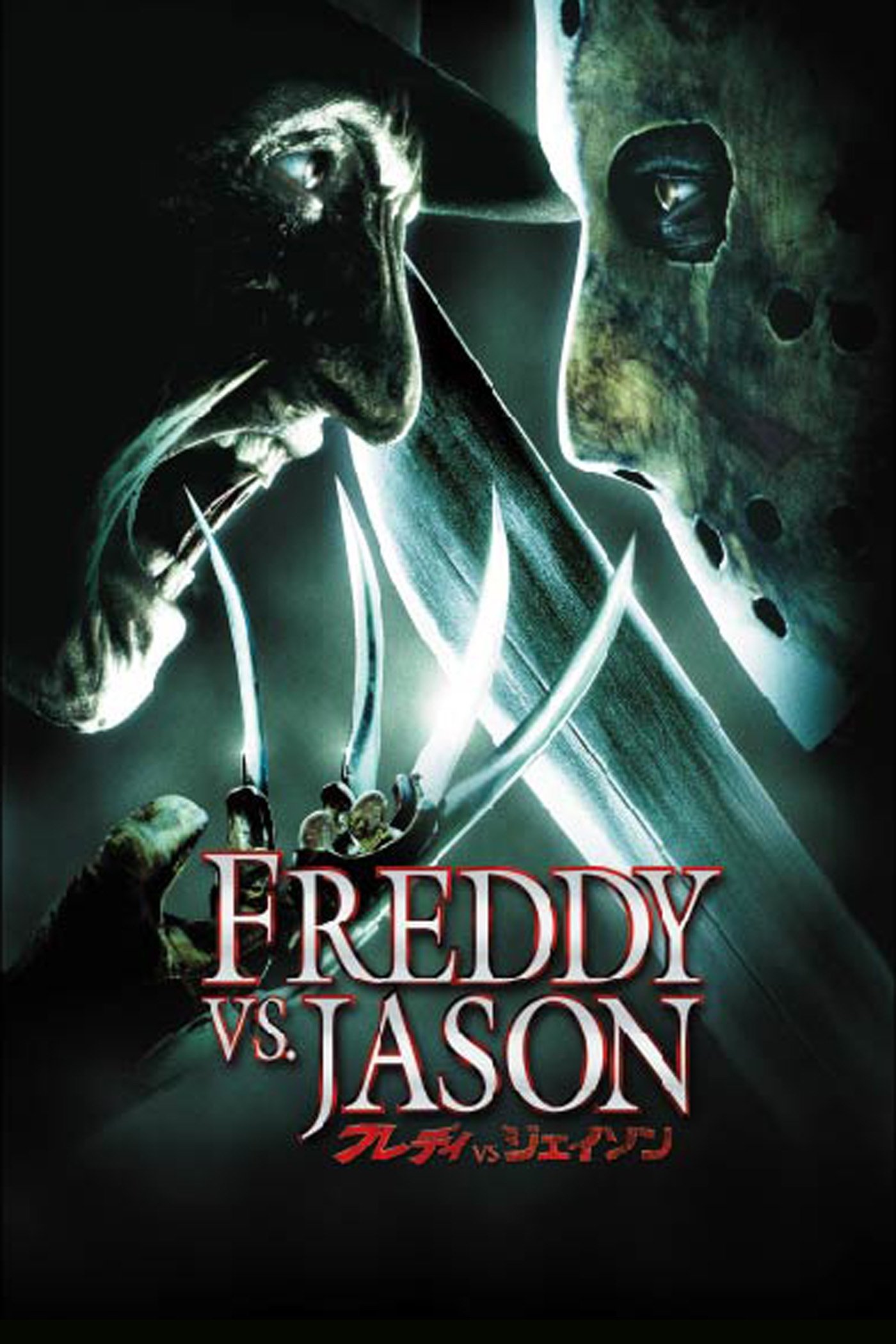
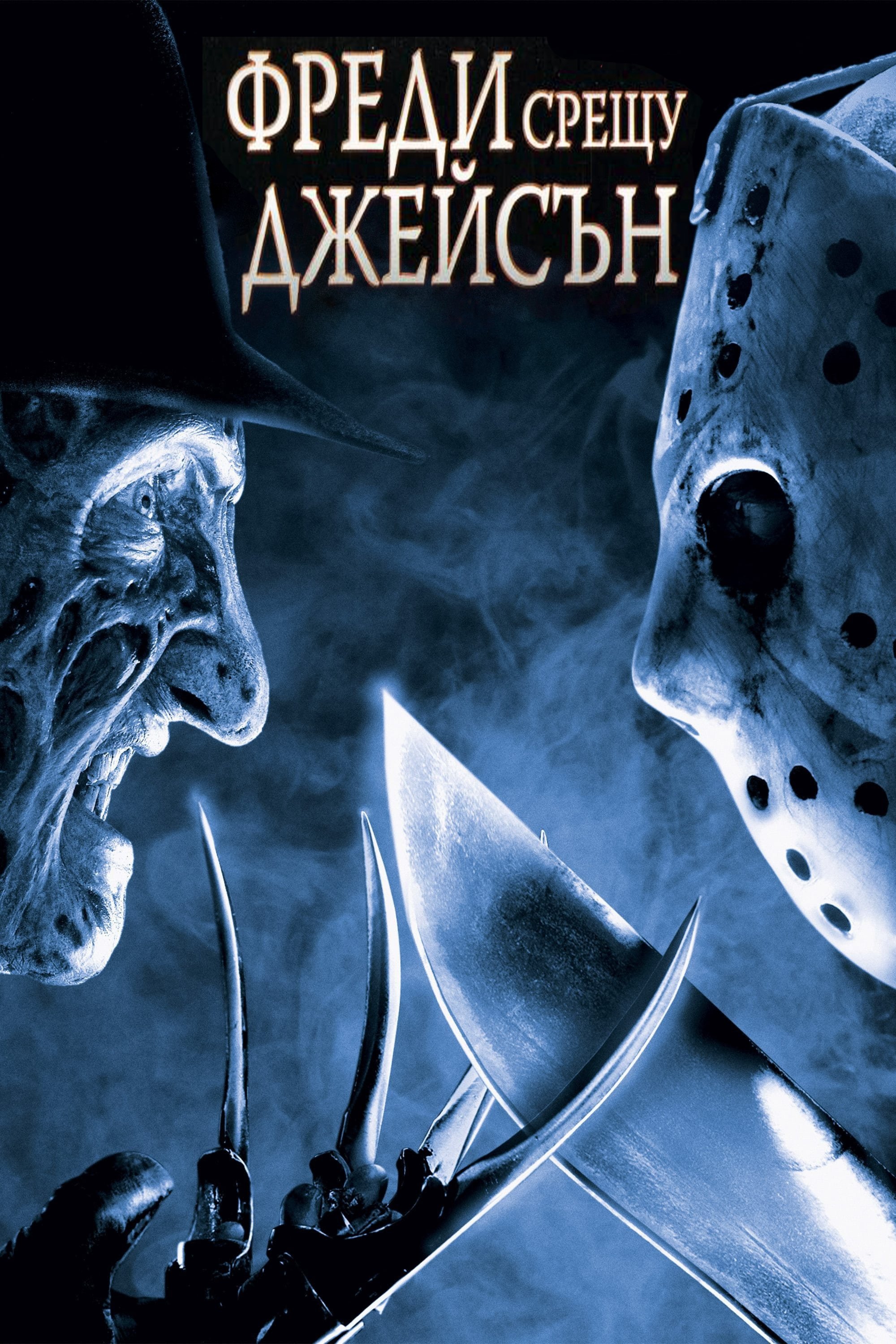
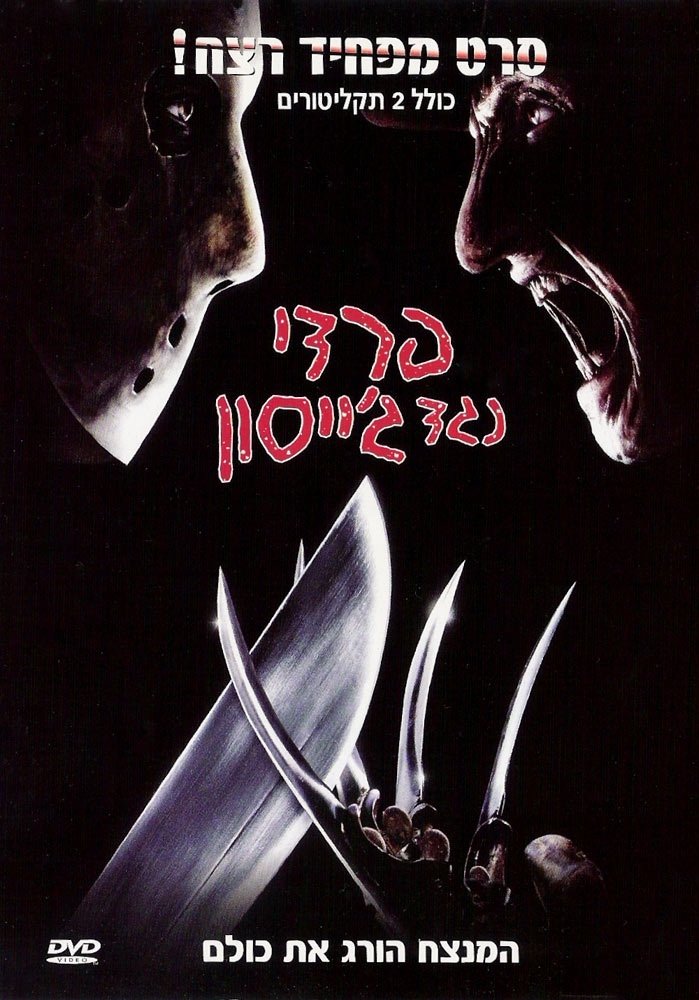
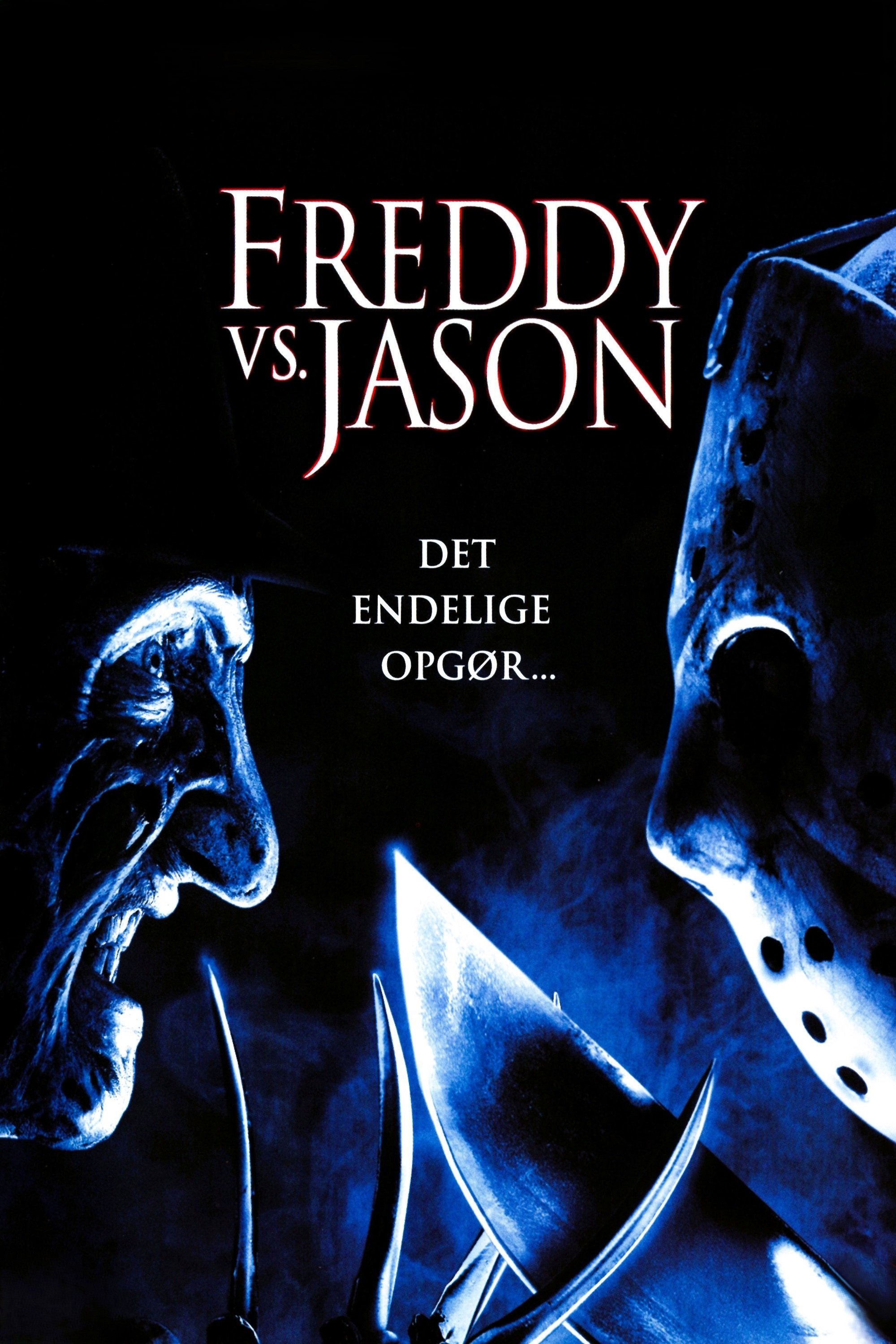
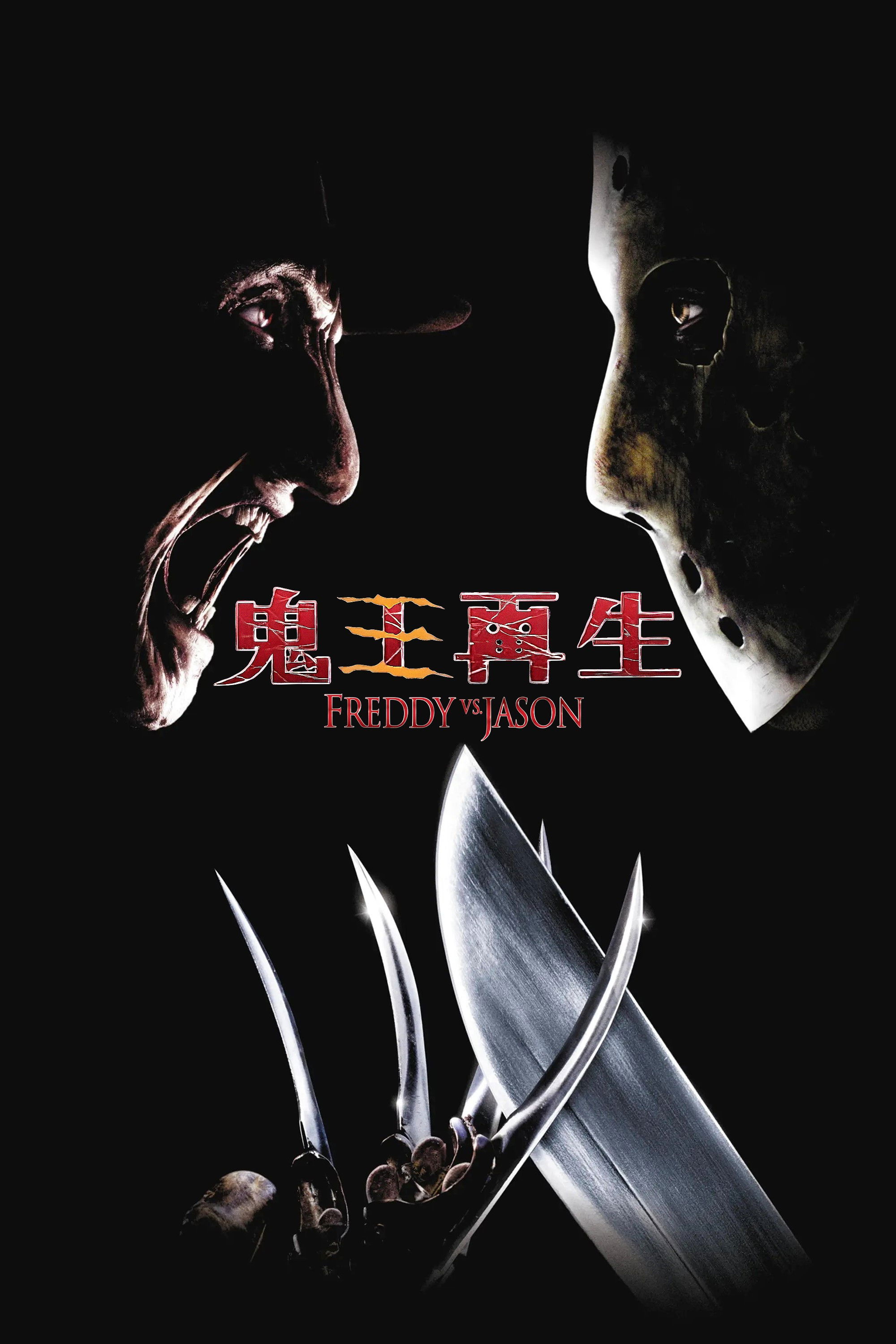
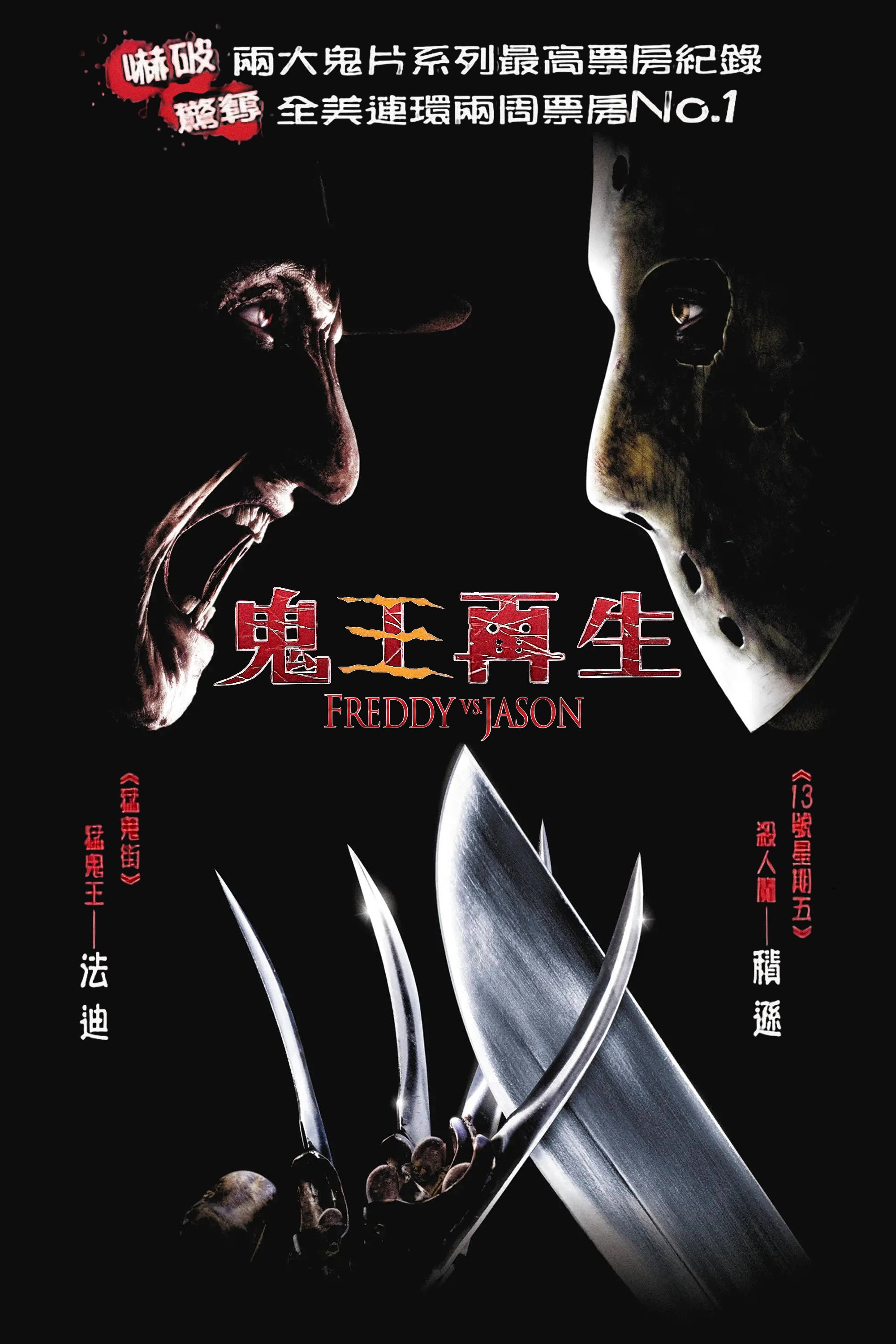
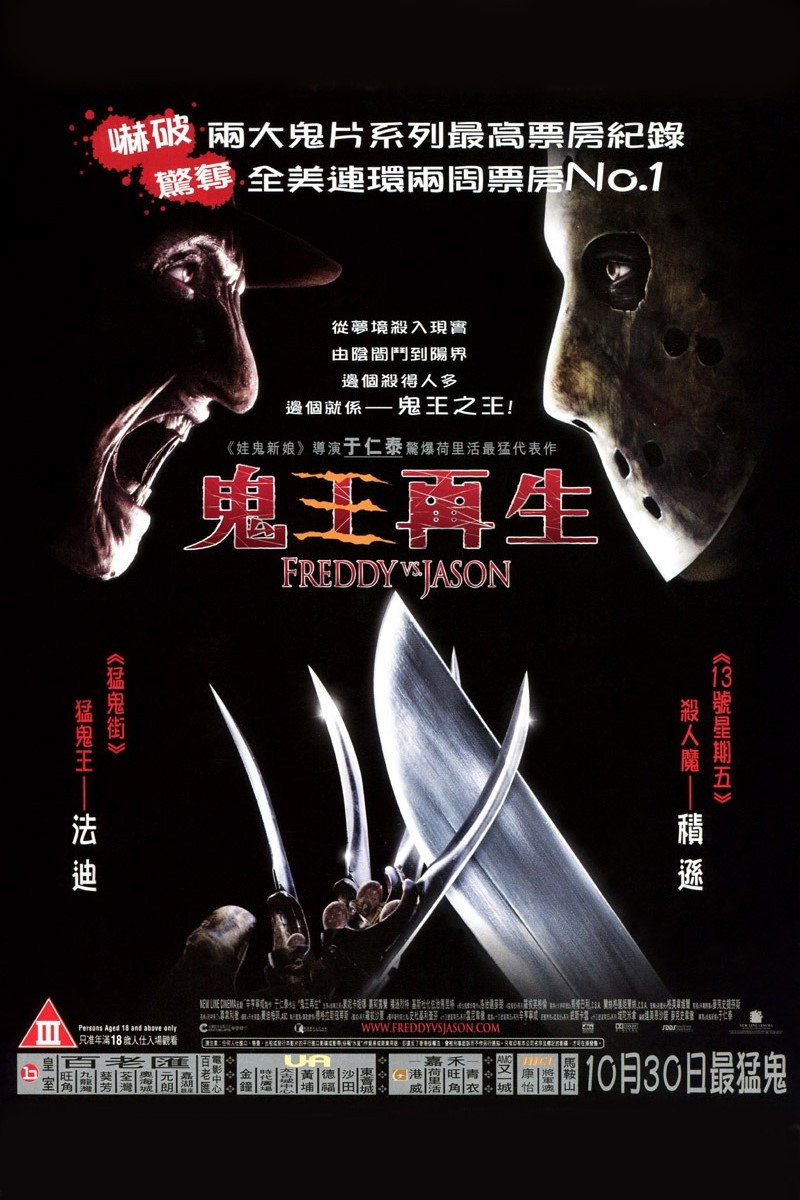
The idea of putting Freddy and Jason together predated the completed movie by almost a decade. The ending of Jason Goes to Hell: The Final Friday (1993), in which Freddy's bladed glove takes Jason's mask, had offered a conspicuous promise of a confrontation. Rights and corporate ambitions made the premise attractive, but agreement on a workable film proved harder. Patrick Goldstein's September 2003 reporting for the Los Angeles Times documents abandoned pitches, changing production leadership and the persistence of New Line founder Robert Shaye in pursuing the project. The central obstacle was dramatic: each monster followed rules established across a different sequence of films.
Producer Sean S. Cunningham described the delays in a 2003 interview as the product of several conditions failing to align. A screenplay, available director and a studio prepared to fund the production had to come together. Writers Damian Shannon and Mark Swift eventually supplied the credited script, establishing a device that could set the antagonists against one another without arbitrarily abandoning either mythology. Yu, who had directed Bride of Chucky, approached the assignment with limited familiarity with the extended sequel histories. He told interviewer Quint that his knowledge initially centered on the original films, requiring him to study the characters and their audience expectations.
The production emerged from a moment when New Line viewed sequels as valuable properties that had proved unusually difficult to revive. According to Goldstein, the studio had considered other creative approaches before committing to the released version, and spending during development had become a significant problem. That history explains the unusual pressure placed upon the finished story. The film had to satisfy viewers invested in both series, offer legible reasons for the confrontation and justify the expense of a release built around two famous villains. Its carefully constructed premise reflects the accumulated demands of the long development process.
Dreams, Fear and Competing Killers
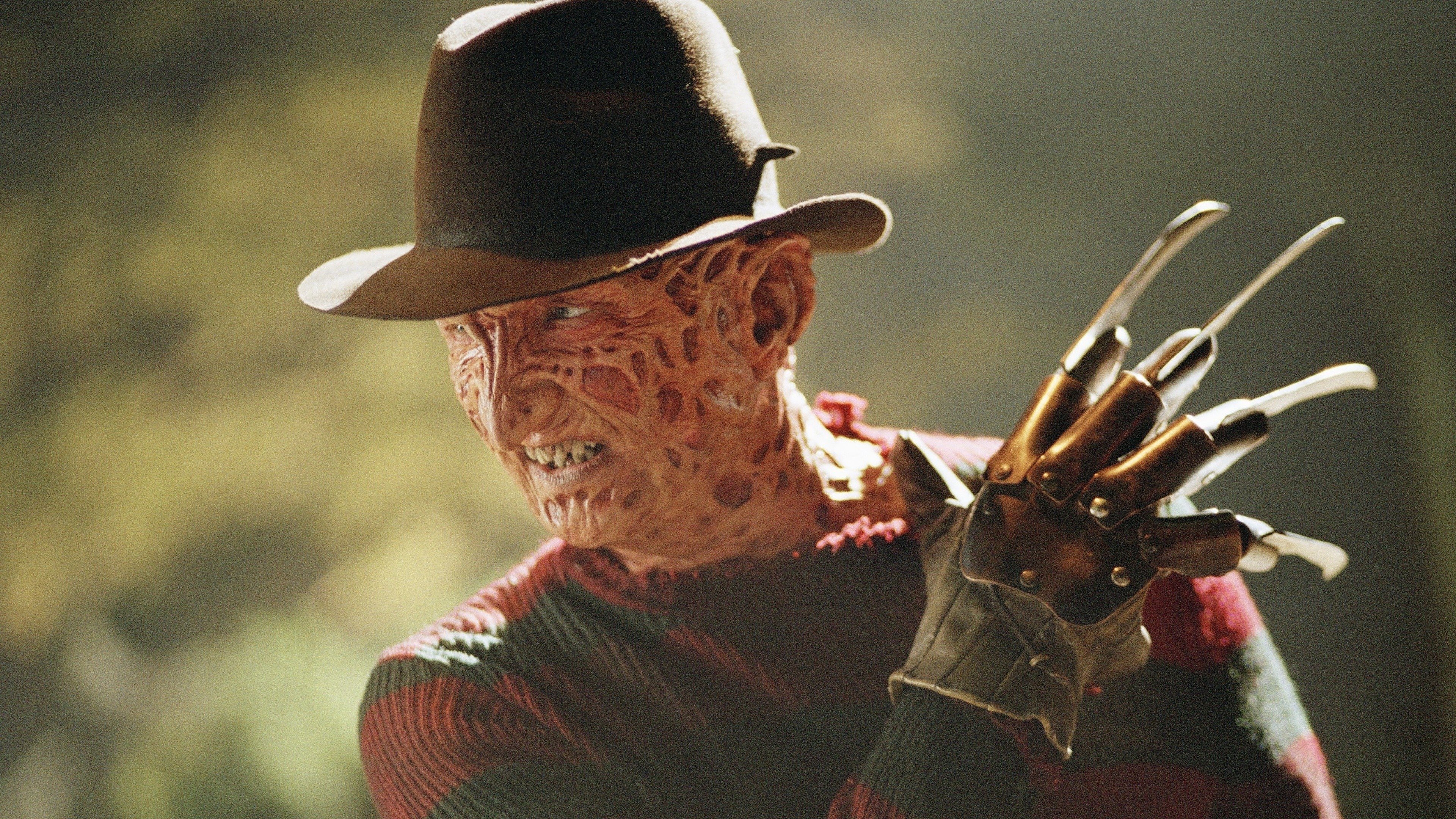
The script gives Freddy an immediate disadvantage: Springwood has suppressed knowledge of his crimes, leaving him without the fear needed to regain his power. He therefore sends Jason into the town to provoke killings that will restore his reputation. This mechanism joins the franchises through an understandable cause and effect. The adults' program of enforced forgetting also echoes a longstanding concern in the Elm Street films, in which protective secrecy can expose younger people to danger. Jason initially functions as the instrument of Freddy's return, but his refusal to stop killing soon threatens the dream demon's control over the victims.
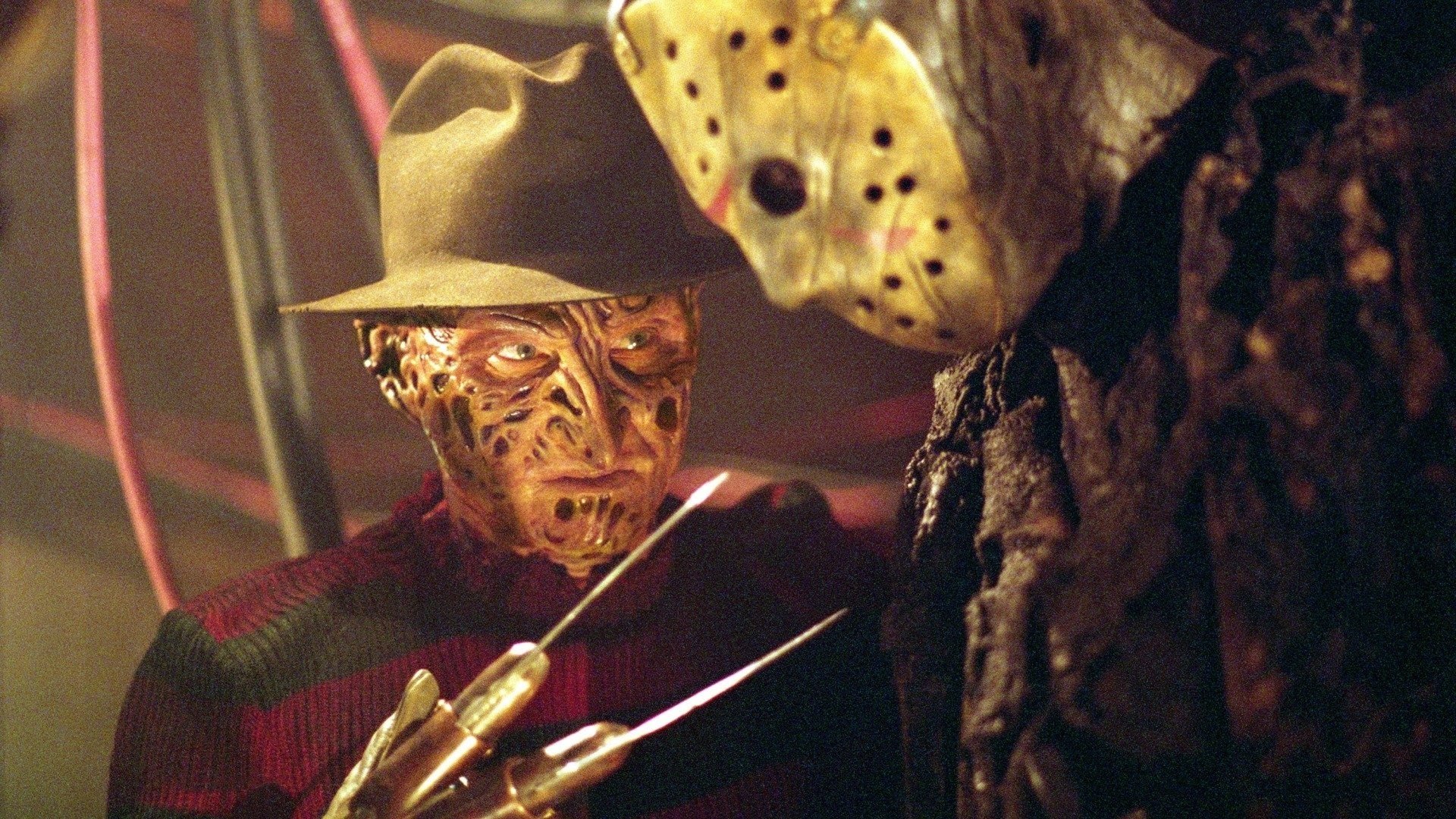
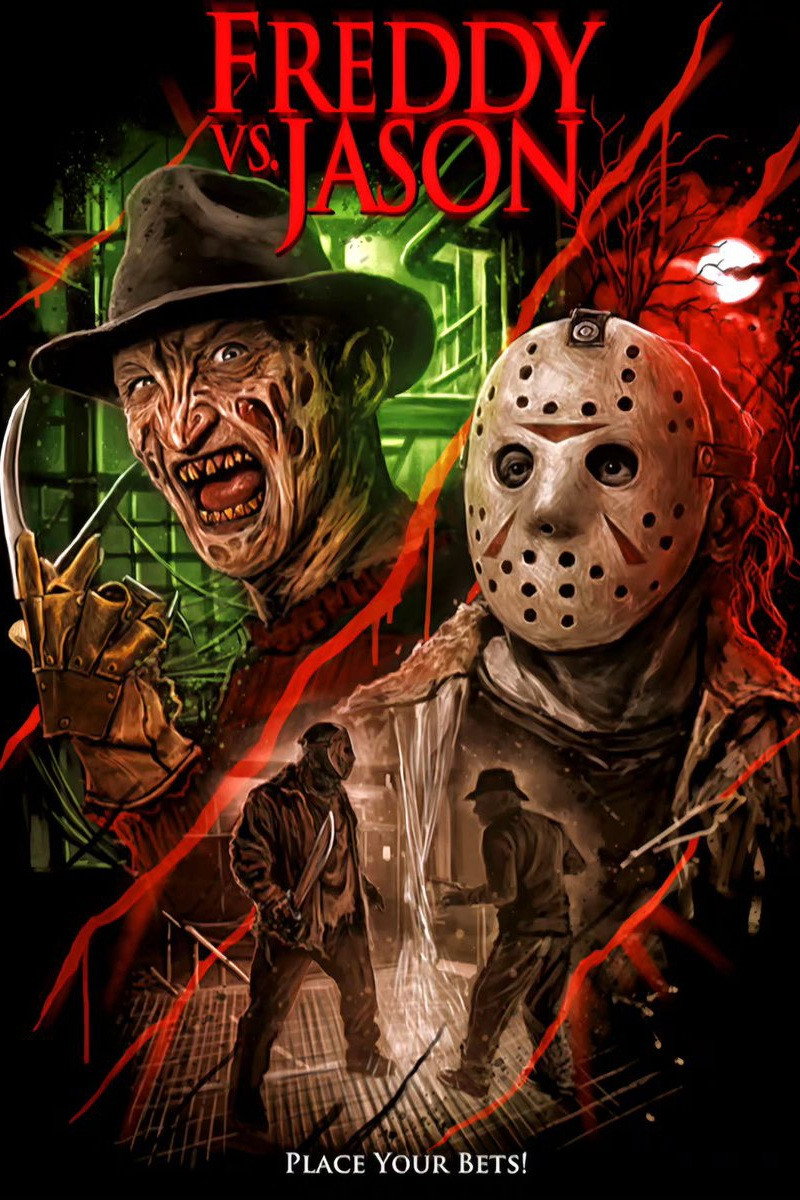
Yu recognized the dramatic usefulness of that imbalance. In his 2003 conversation with Quint, he emphasized that Freddy belongs to the dream world while Jason operates through bodily attack. Once the teenagers understand this division, the screenplay allows them to influence the conflict by pulling Freddy into the physical environment where Jason can fight him. The solution shifts the characters from omnipotent threats into adversaries with distinctive vulnerabilities. Dreams can stretch proportions and suspend physical laws; the waking world exposes Freddy to impacts that his normal victims could never administer. The contrast provides the framework for the film's two major confrontations.
Visual Design Between Nightmare and Slasher
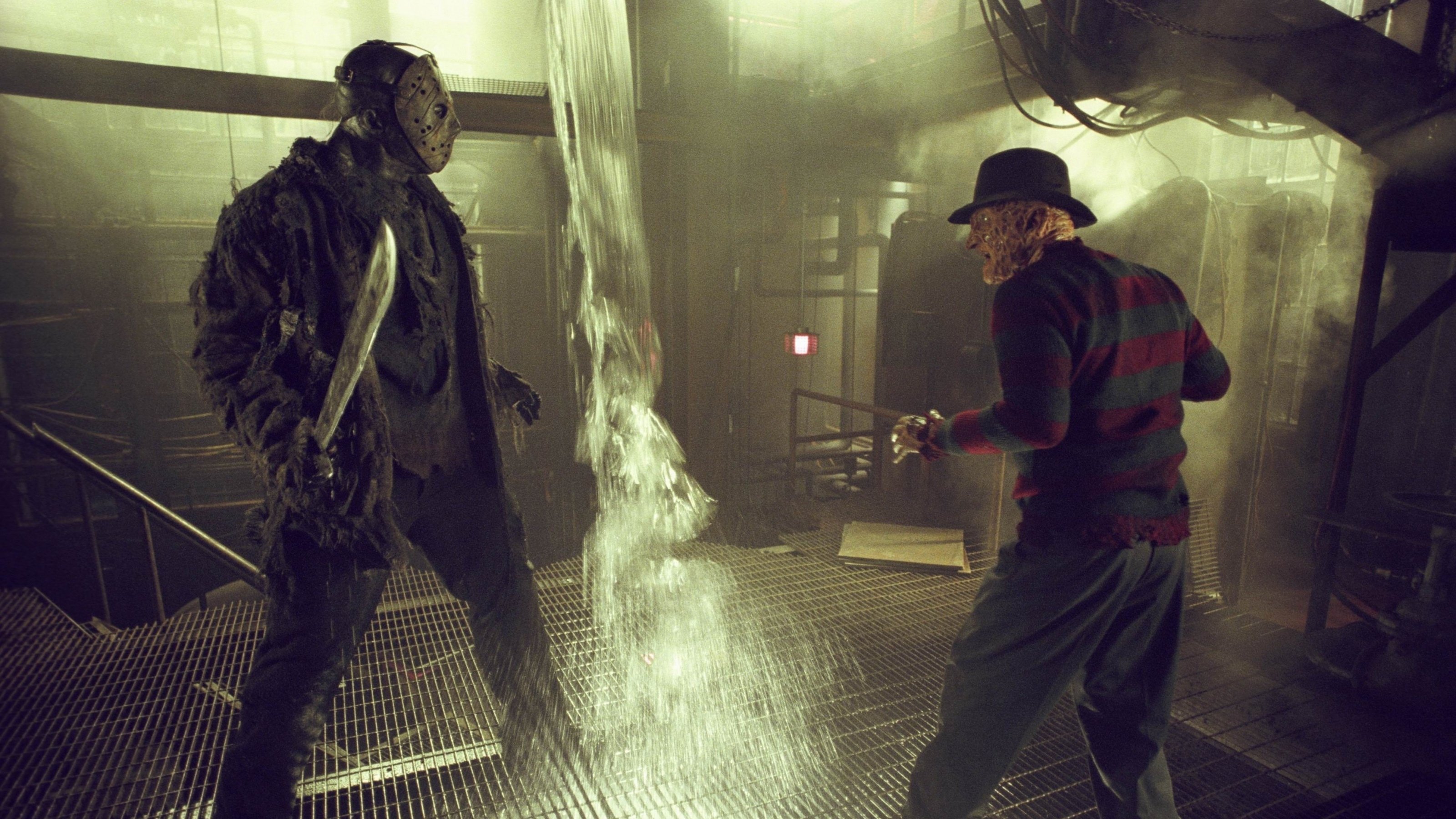
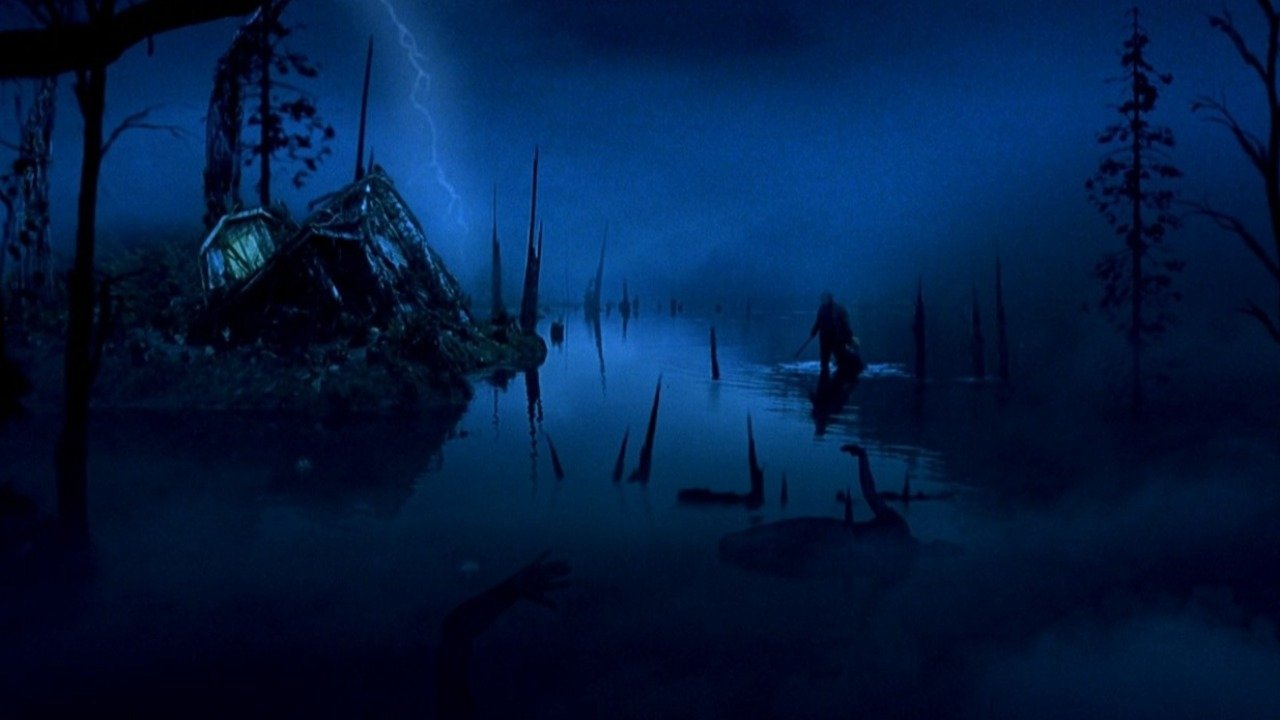
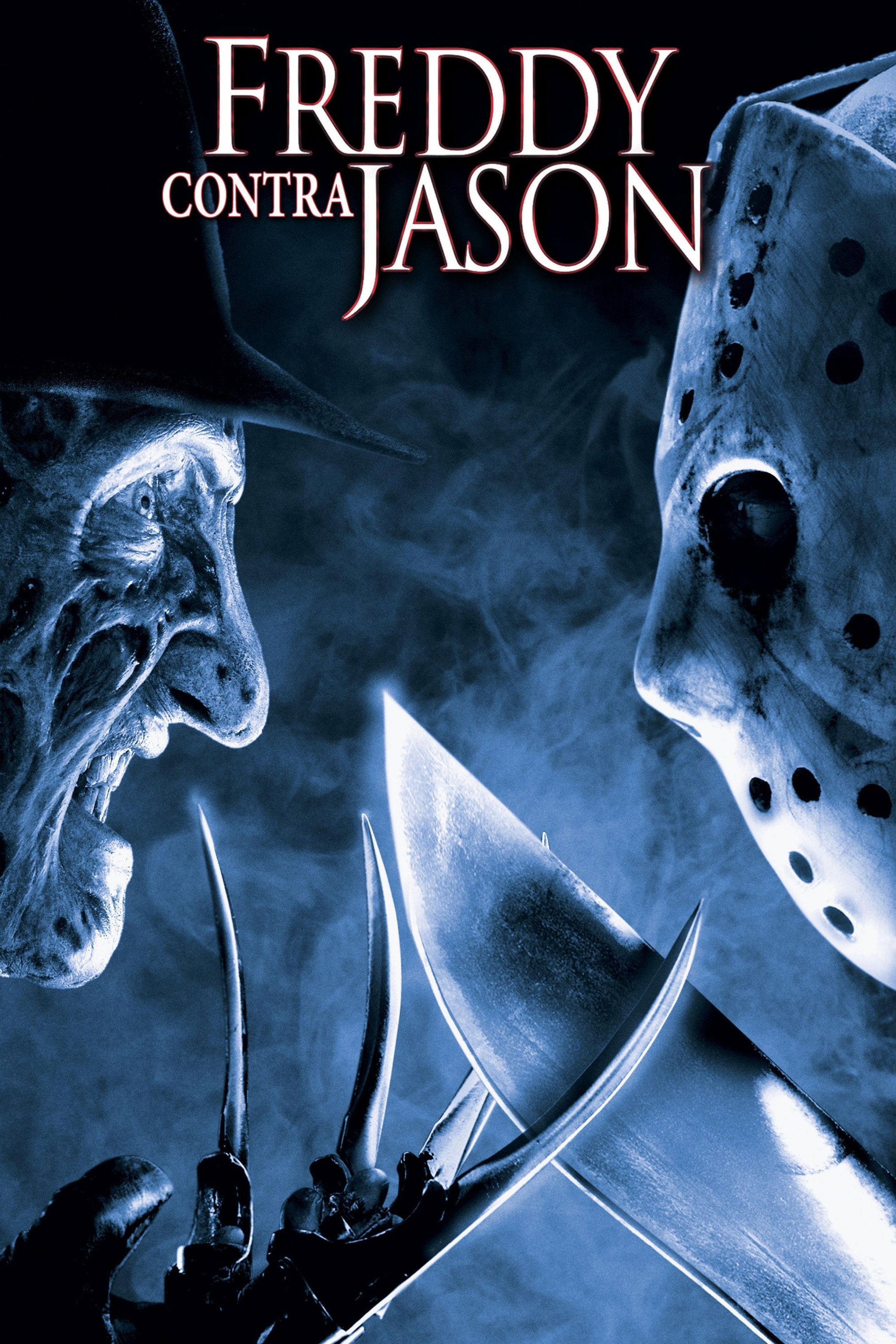
Yu's direction makes a sharp distinction between supernatural perception and the spaces the teenagers occupy. Cinematographer Fred Murphy worked with the director on a conspicuous use of saturated color, particularly the red of Freddy's boiler room and the greens associated with water and Jason's childhood terror. Yu described those choices in a contemporary interview, connecting the dream imagery to primary colors and heightened emotion. These environments have the density of theatrical nightmares: steam, harsh light and exaggerated scale give the villains' conflict an immediate visual identity. The surrounding suburban locations are comparatively ordinary, allowing abrupt intrusion to supply the shock.
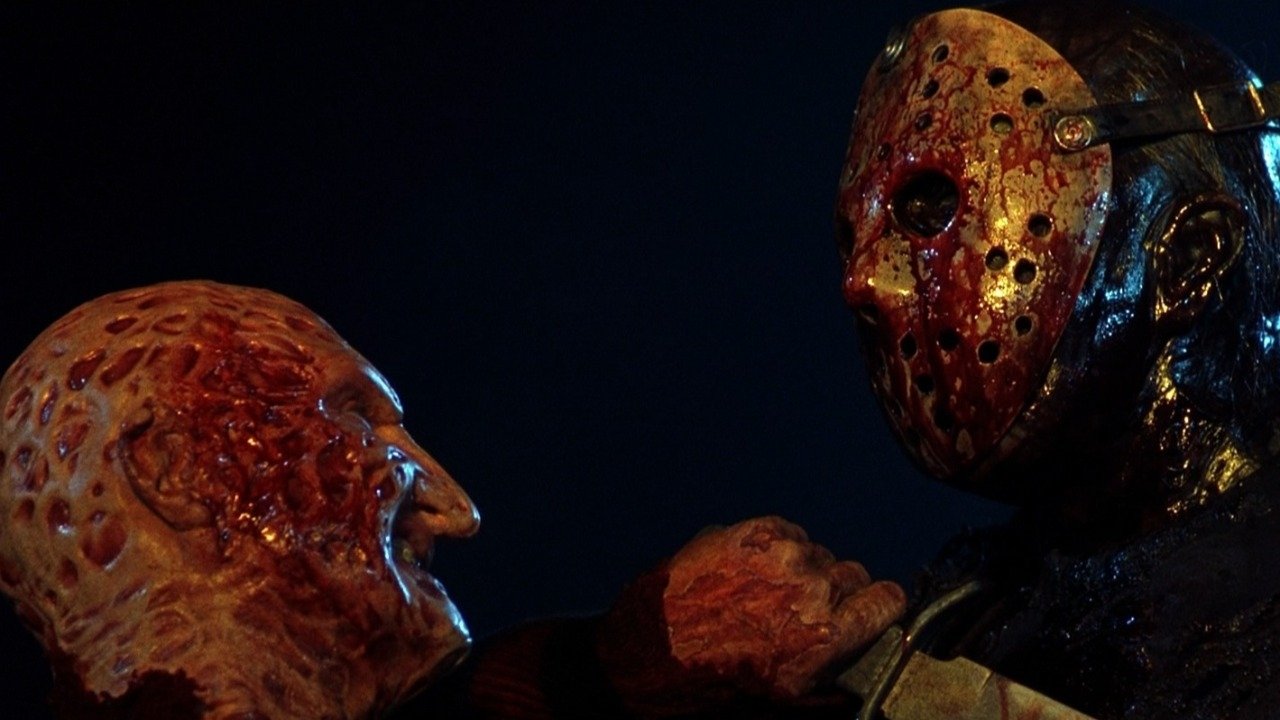
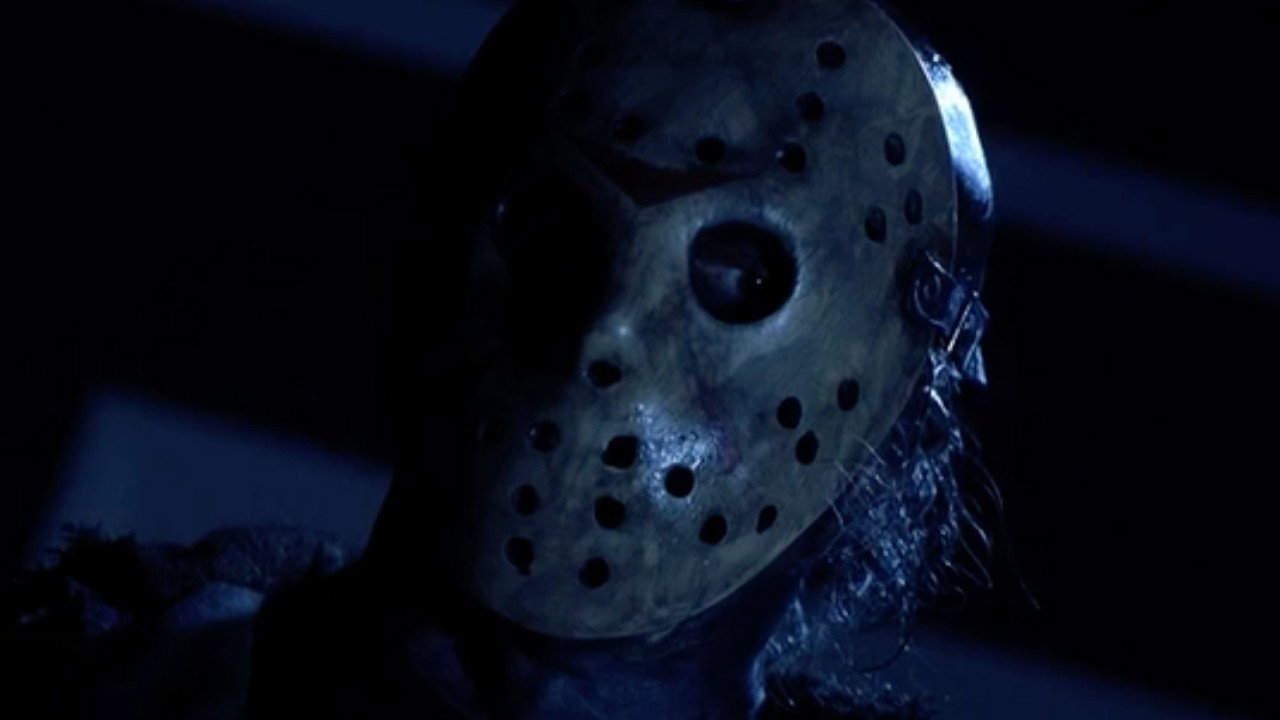
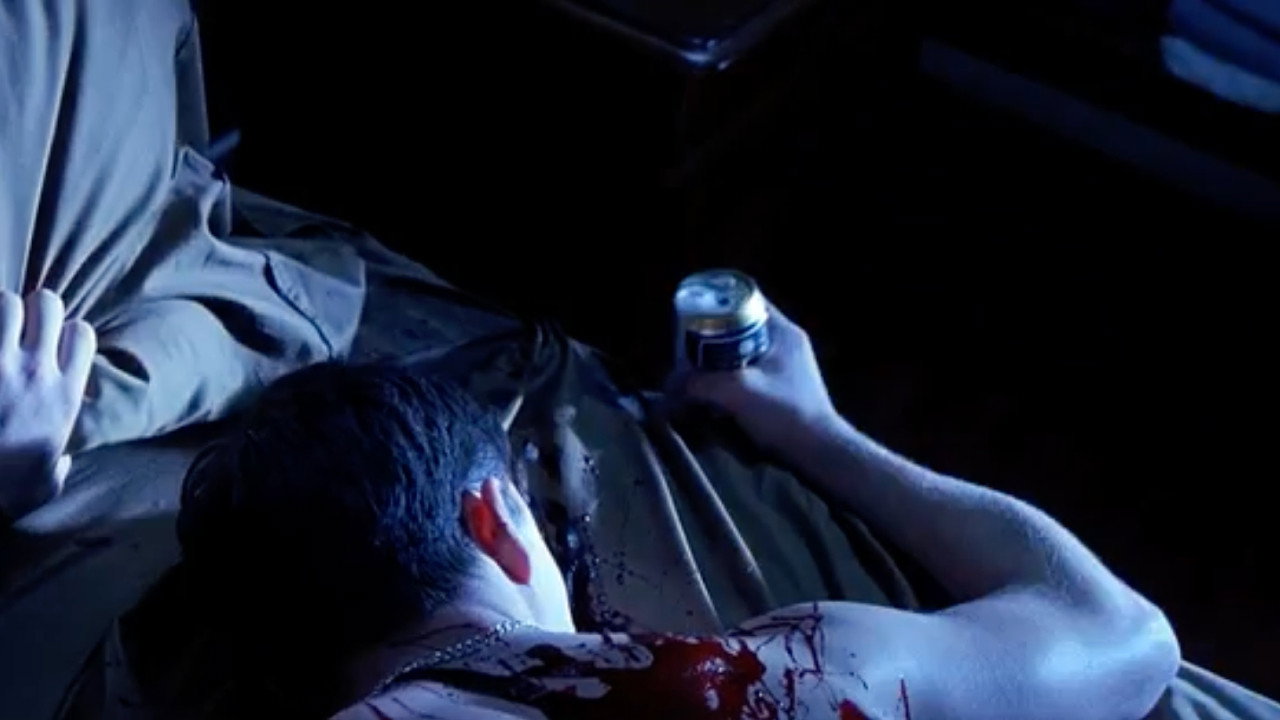
The editing also changes with the terrain. Outside dreams, Jason advances with blunt momentum, and the camera often emphasizes the distance between his mass and the people trying to escape. In Freddy's domain, bodies can be hurled across impossible distances and space becomes unstable. Yu carried experience in energetic Hong Kong filmmaking into the spectacle, although he told Quint he preferred physical impact to an overreliance on computer-generated imagery. The climactic combat therefore depends on bodies colliding, controlled stunt work and bursts of practical blood effects. Digital methods supplement the illusion, but the choreography is built around the audience seeing two recognizable performers occupy the same dangerous space.
Teenage Characters and the Unresolved Ending
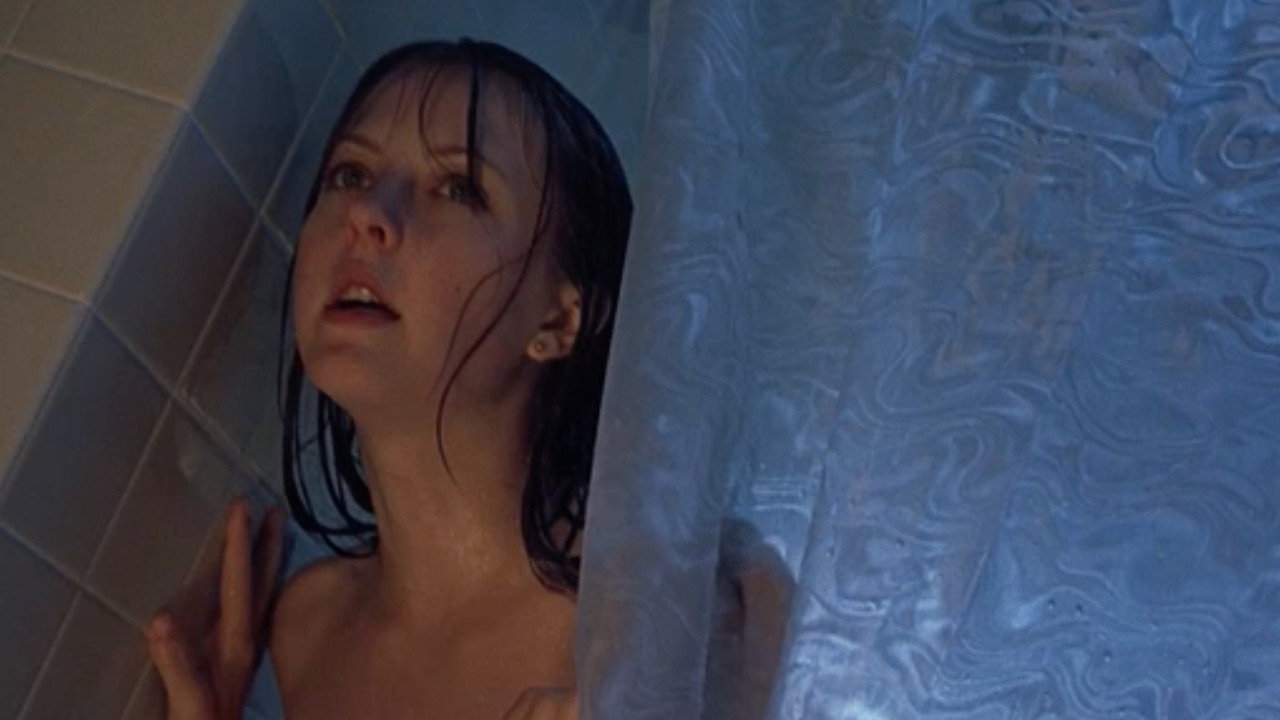
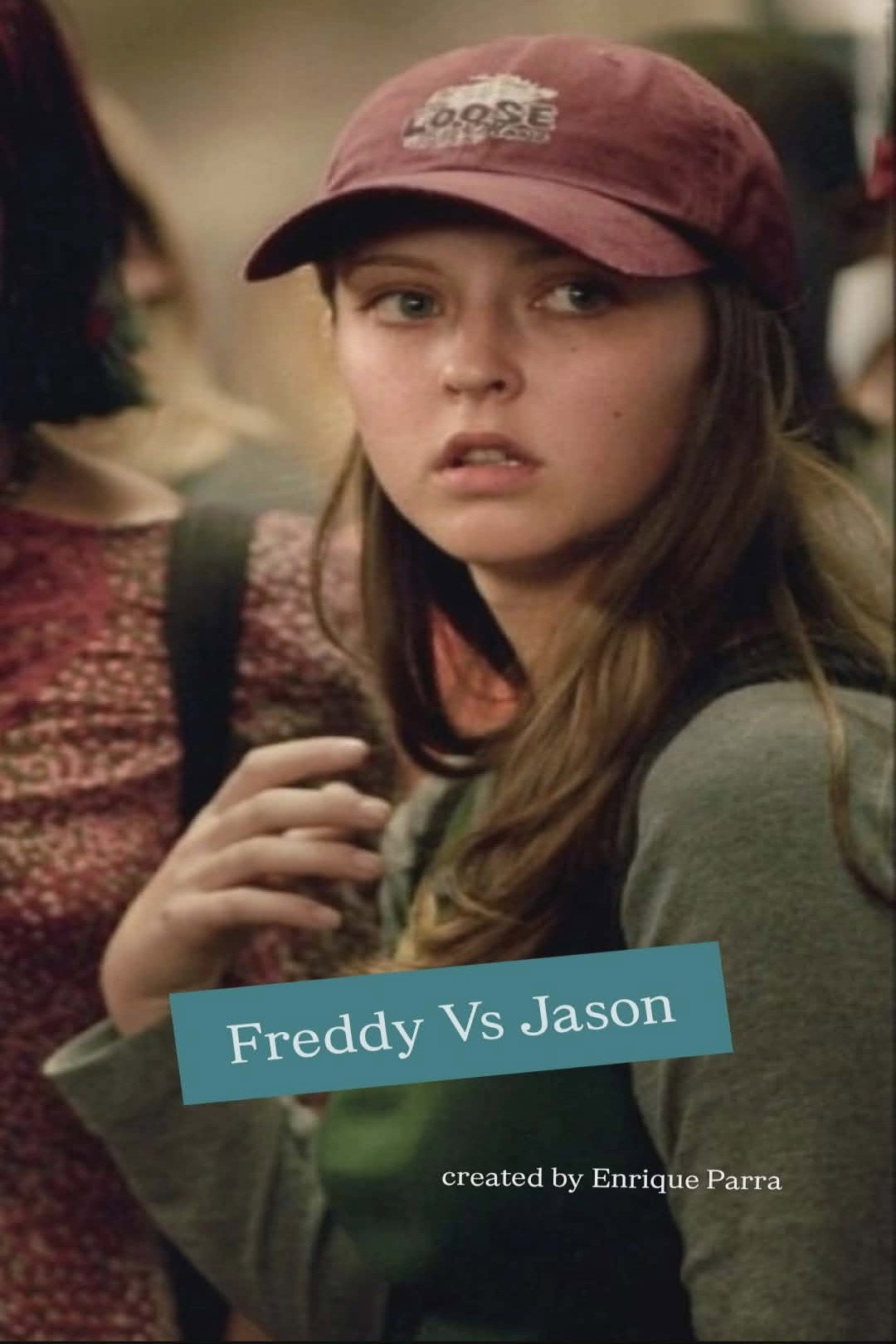
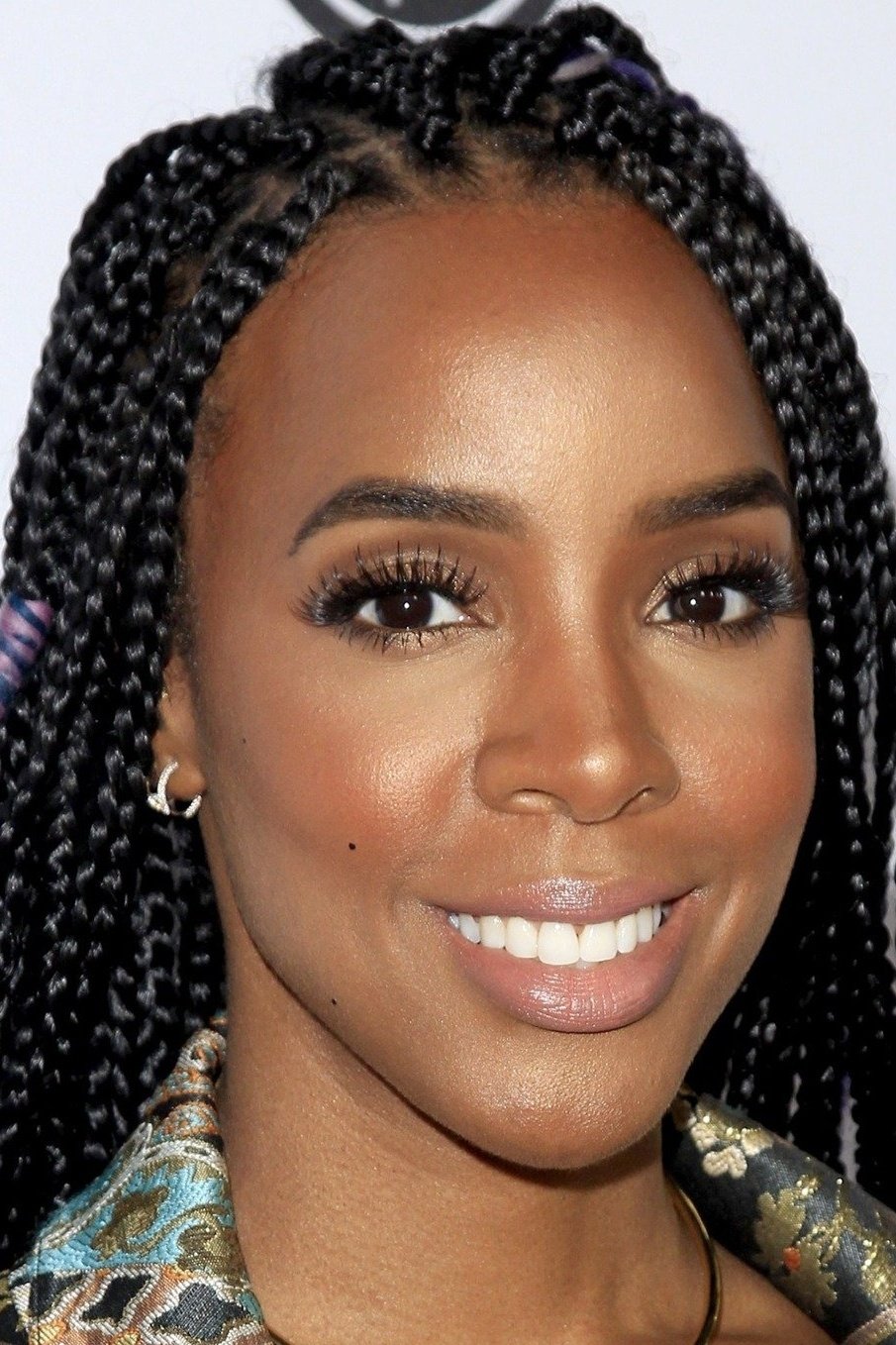
The human plot follows Lori Campbell, played by Monica Keena, and a group of young people attempting to understand attacks that their town has worked to erase from public memory. Jason Ritter's Will Rollins brings knowledge of Springwood's institutions, while Kia, played by Kelly Rowland, helps anchor the adolescent ensemble. These characters provide the information and practical decisions needed to orchestrate the final collision. Their relationships are less extensively developed than those in the strongest installments of either parent series. Because the premise continually returns to the monsters, conversations among the teenagers often function as explanations of rules or transitions between set pieces.
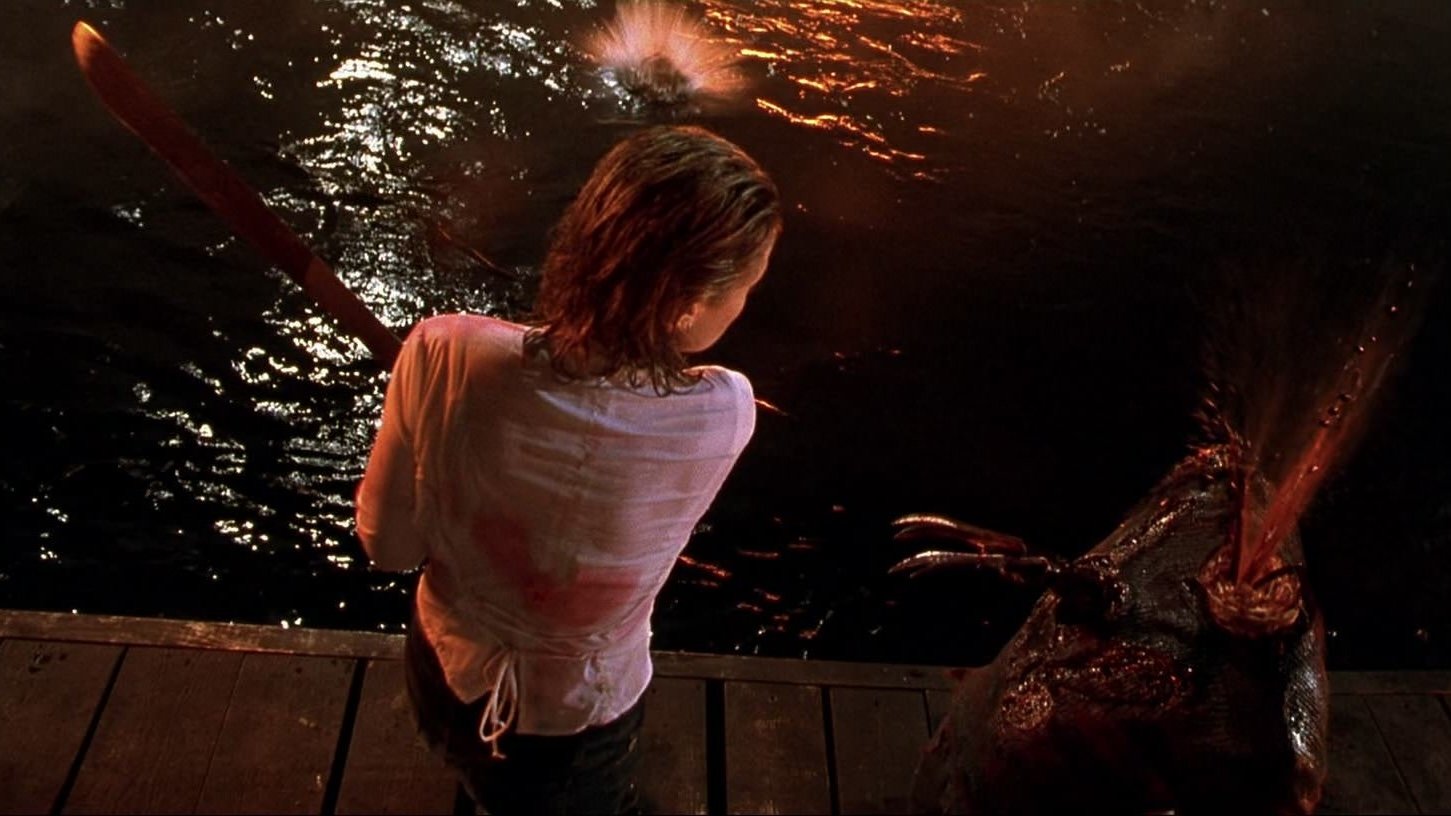
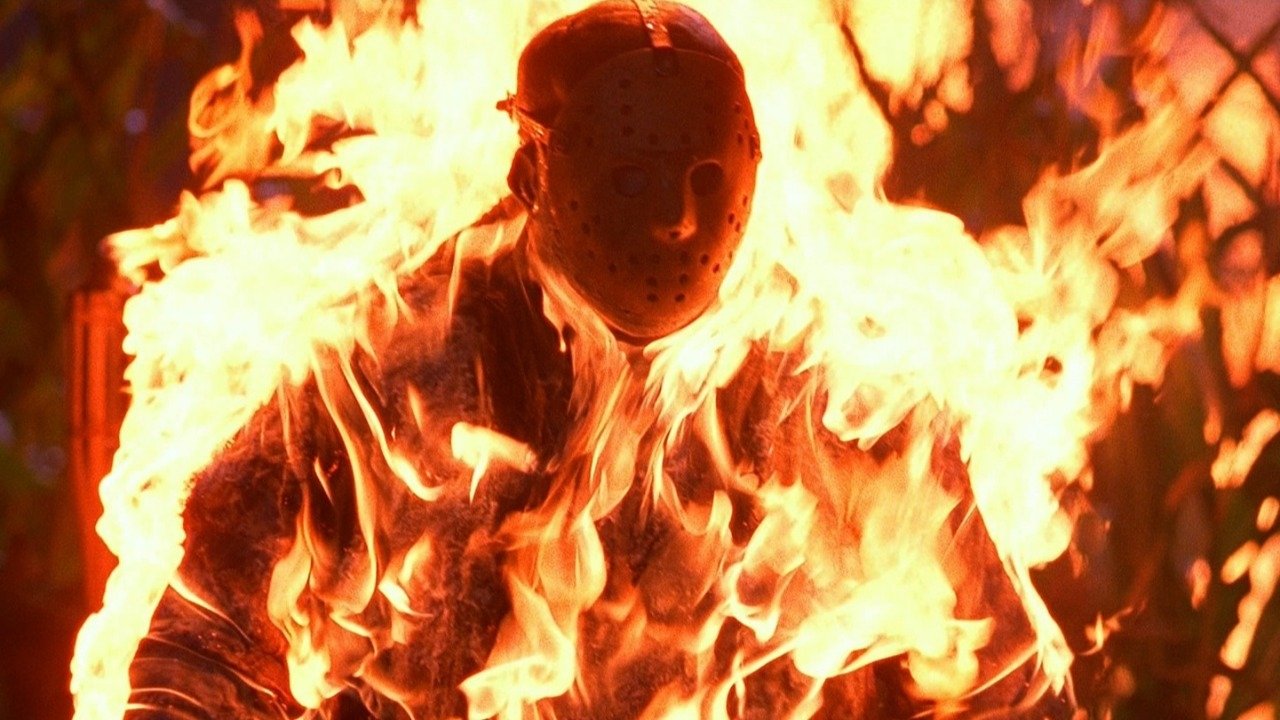
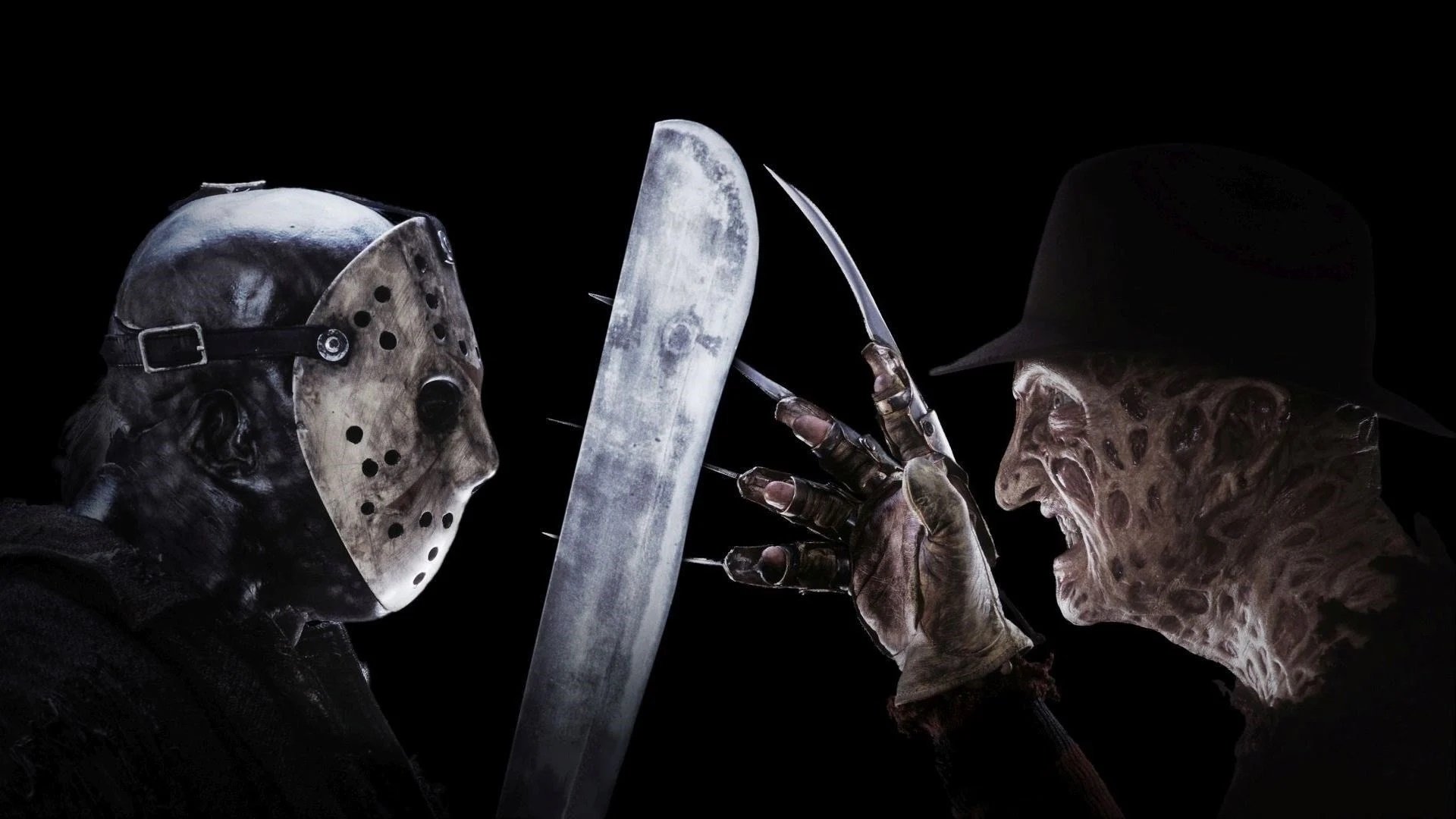
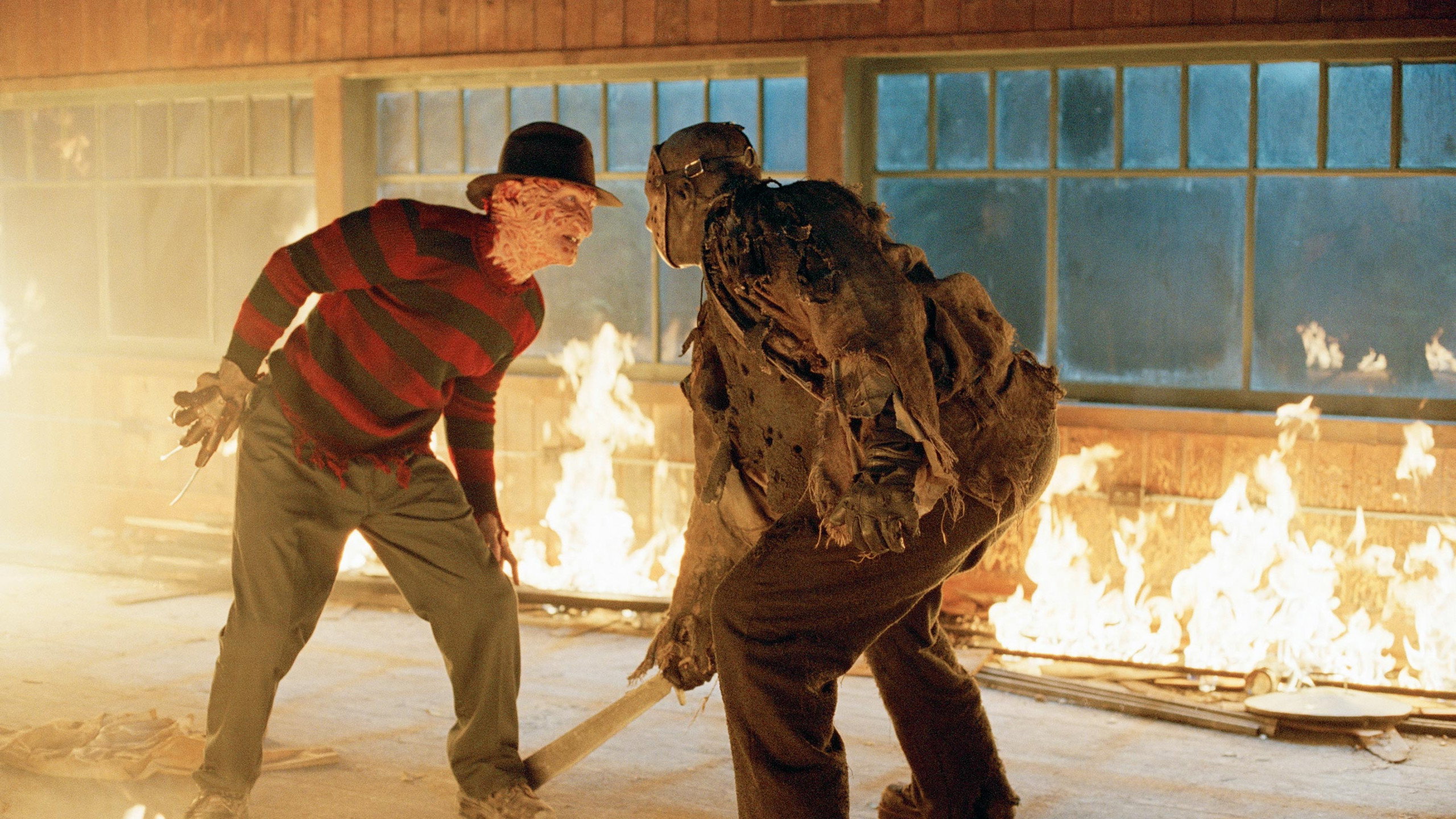
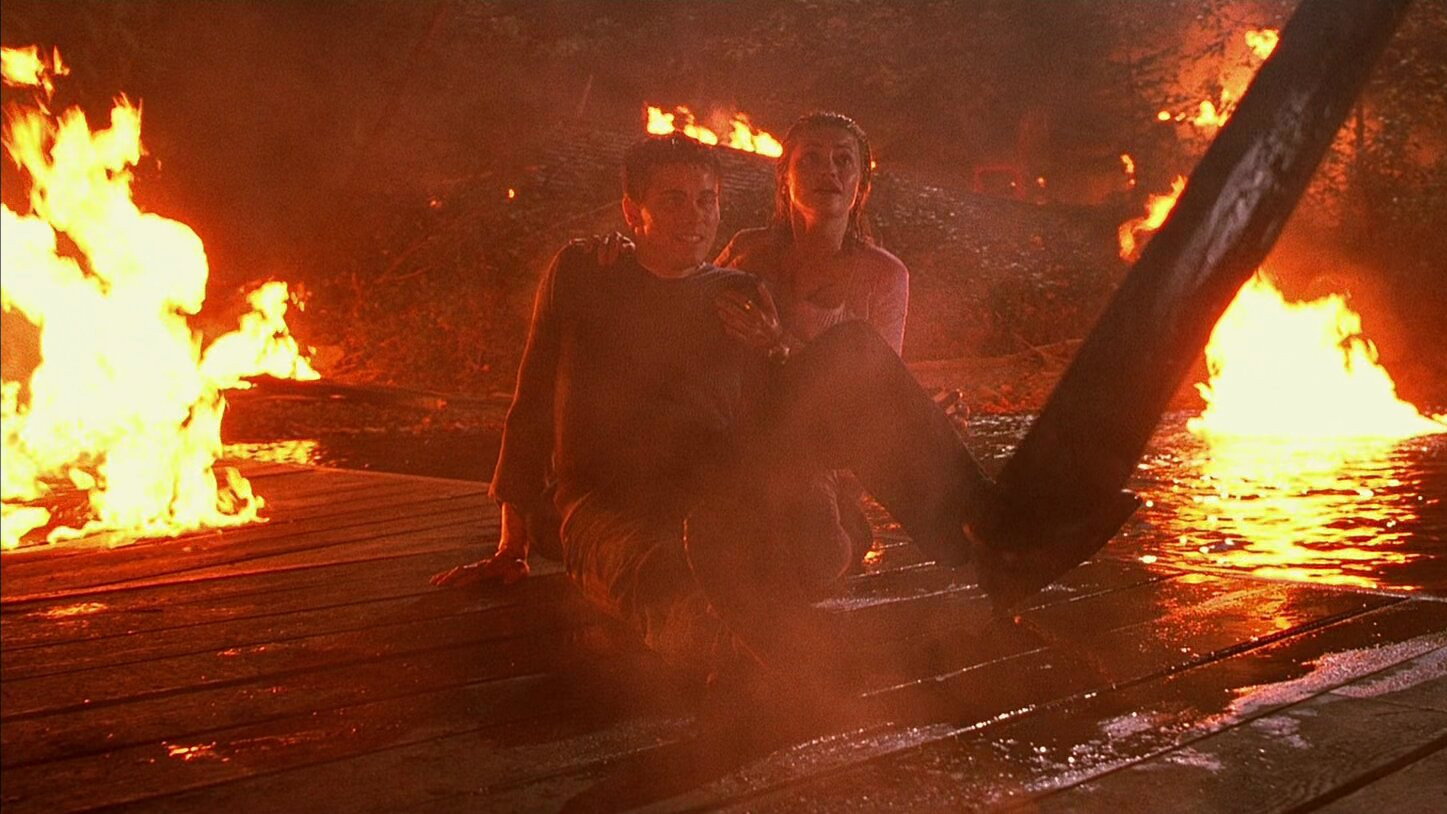
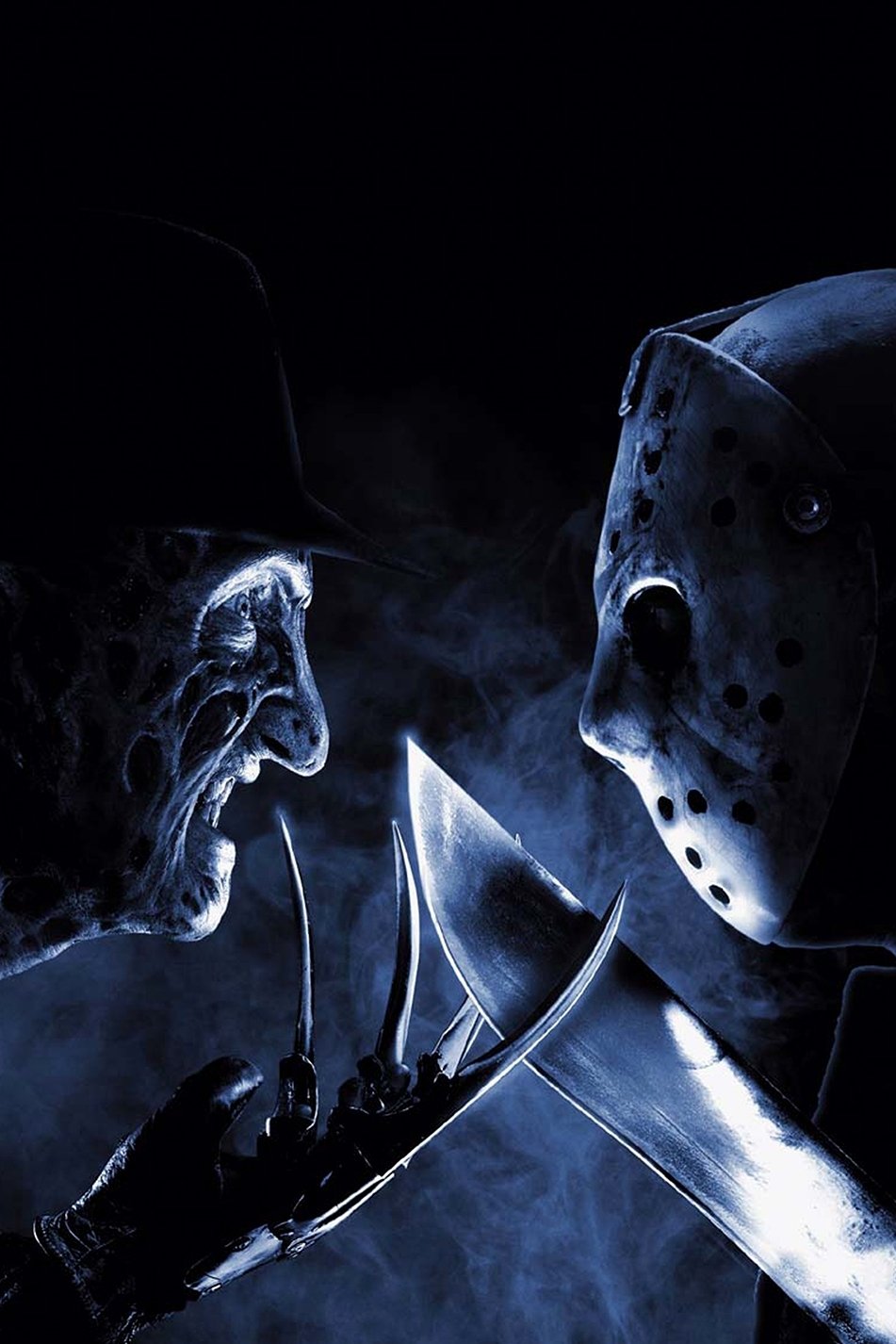
The closing confrontation moves to Crystal Lake, joining the franchise's most recognizable rural setting to imagery drawn from Freddy's fire and Jason's water. Weapons pass between the two killers as their physical differences become tactical advantages and liabilities. The film declines to deliver a simple, lasting verdict on the fight: the final image allows a surviving monster to display the other's severed head while a gesture complicates the apparent victory. Goldstein reported that the ending was revised following unfavorable responses to an earlier version. The released conclusion protects the identity of both properties, leaving the contest legible as a climax without permanently resolving the supernatural rivalry.
Release, Contemporary Reviews and Crossover History
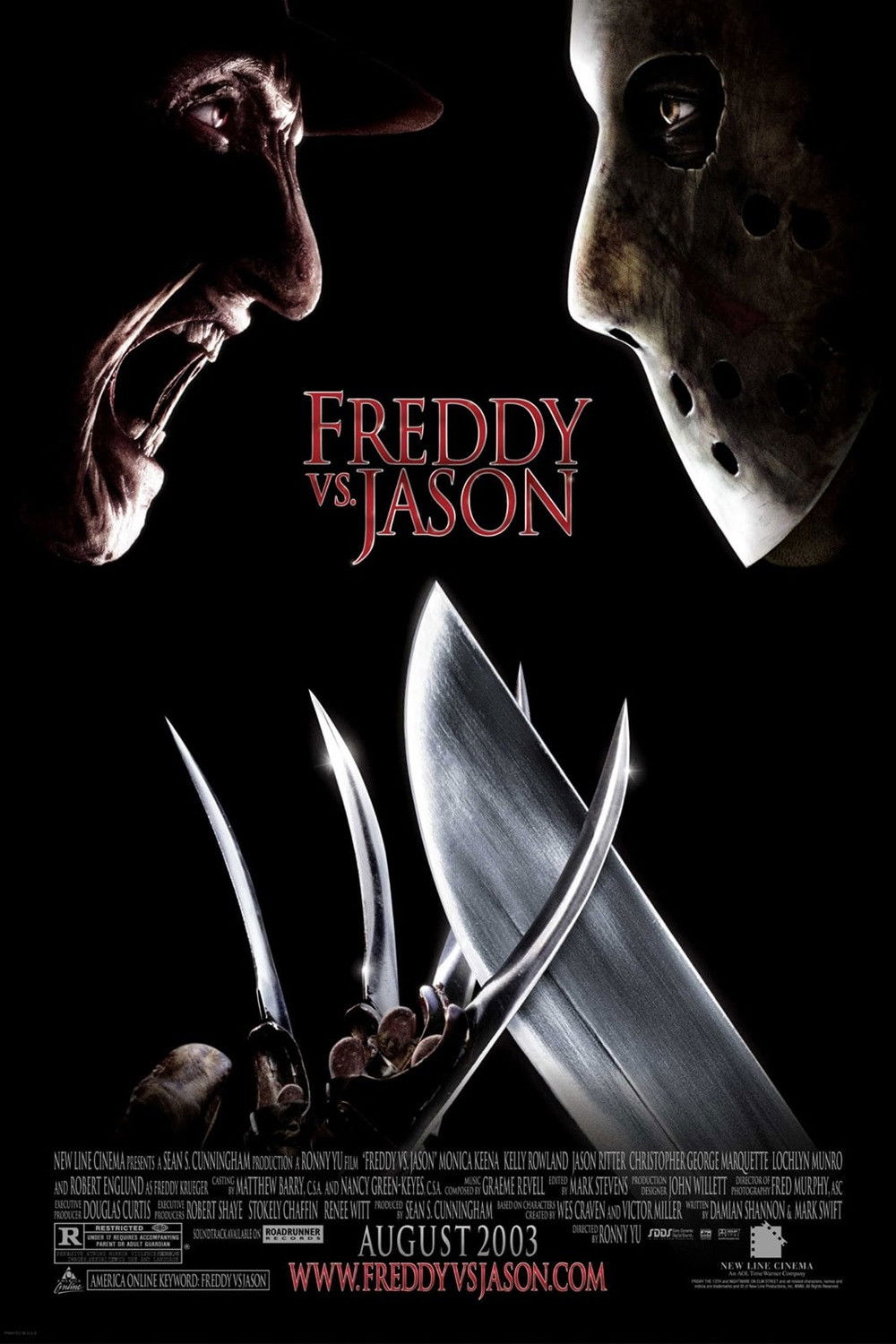
New Line opened Freddy vs. Jason in the United States on August 15, 2003. Goldstein reported an opening weekend of approximately $36.4 million, a striking result for a project whose development had repeatedly stalled. The commercial response showed that audiences would support a theatrical collision between villains whose individual series had appeared to exhaust themselves. Success should nevertheless be distinguished from the film's critical standing. Michael Gingold, reviewing it for Fangoria in August 2003, regarded the actual battles as effective but criticized the explanatory dialogue and thinly developed teenage roles. His review documents an informed genre response at the time of release.
Kim Newman offered a broader historical frame in The Guardian shortly before the premiere, comparing the prospective encounter with earlier combinations of established screen monsters, particularly Frankenstein Meets the Wolf Man. That comparison helps locate Freddy vs. Jason within an older tradition of crossovers, where the attractions created by separate films become the subject of a new narrative. The 2003 production translated this practice into a late-slashers context shaped by franchise ownership and fan expectations. Its legacy is therefore more precise than a claim that it transformed horror: it demonstrated the commercial viability and structural difficulties of turning rival supernatural killers into the stars of the same event film.