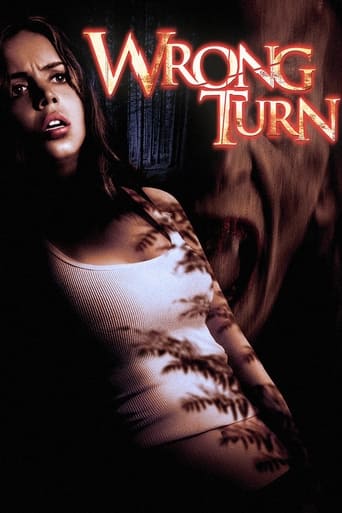
Wrong Turn (2003)

US
HORROR FILM Thriller
SUBGENRES CANNIBAL
6.5/10 2 votes
Runtime
84 min
Release
May 30, 2003
Budget
$12,600,000
Revenue
$28,650,575
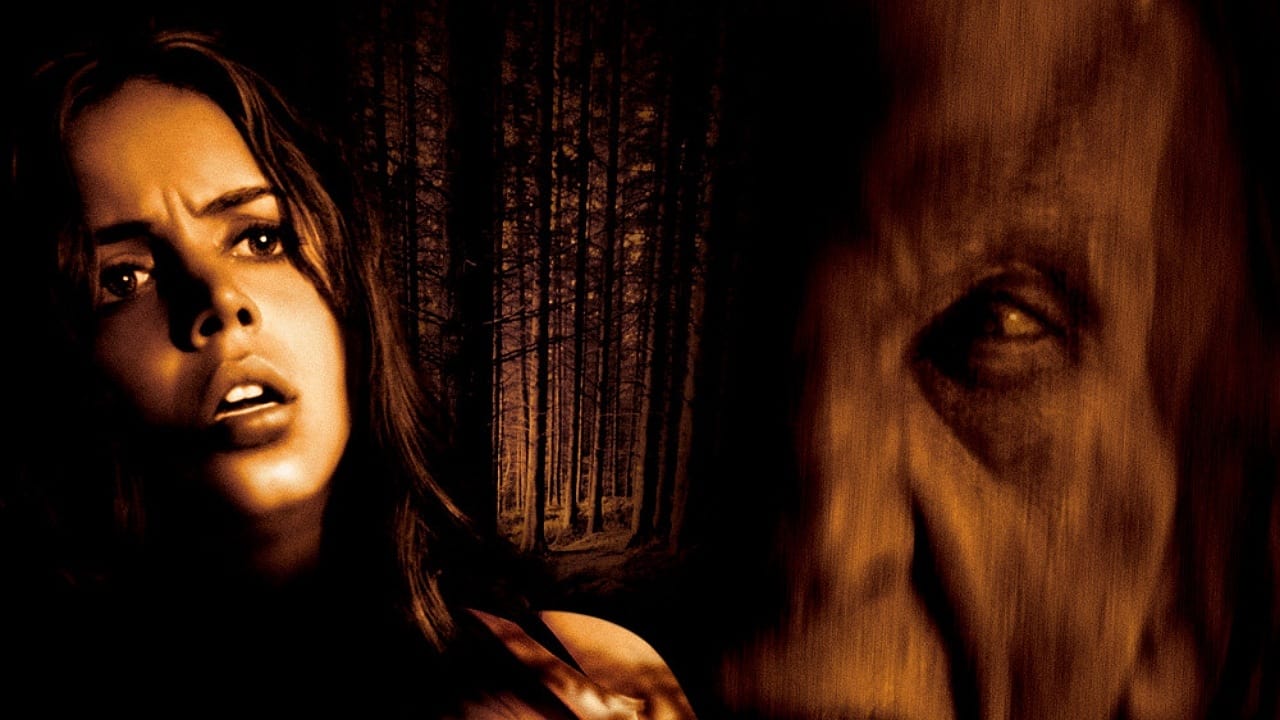
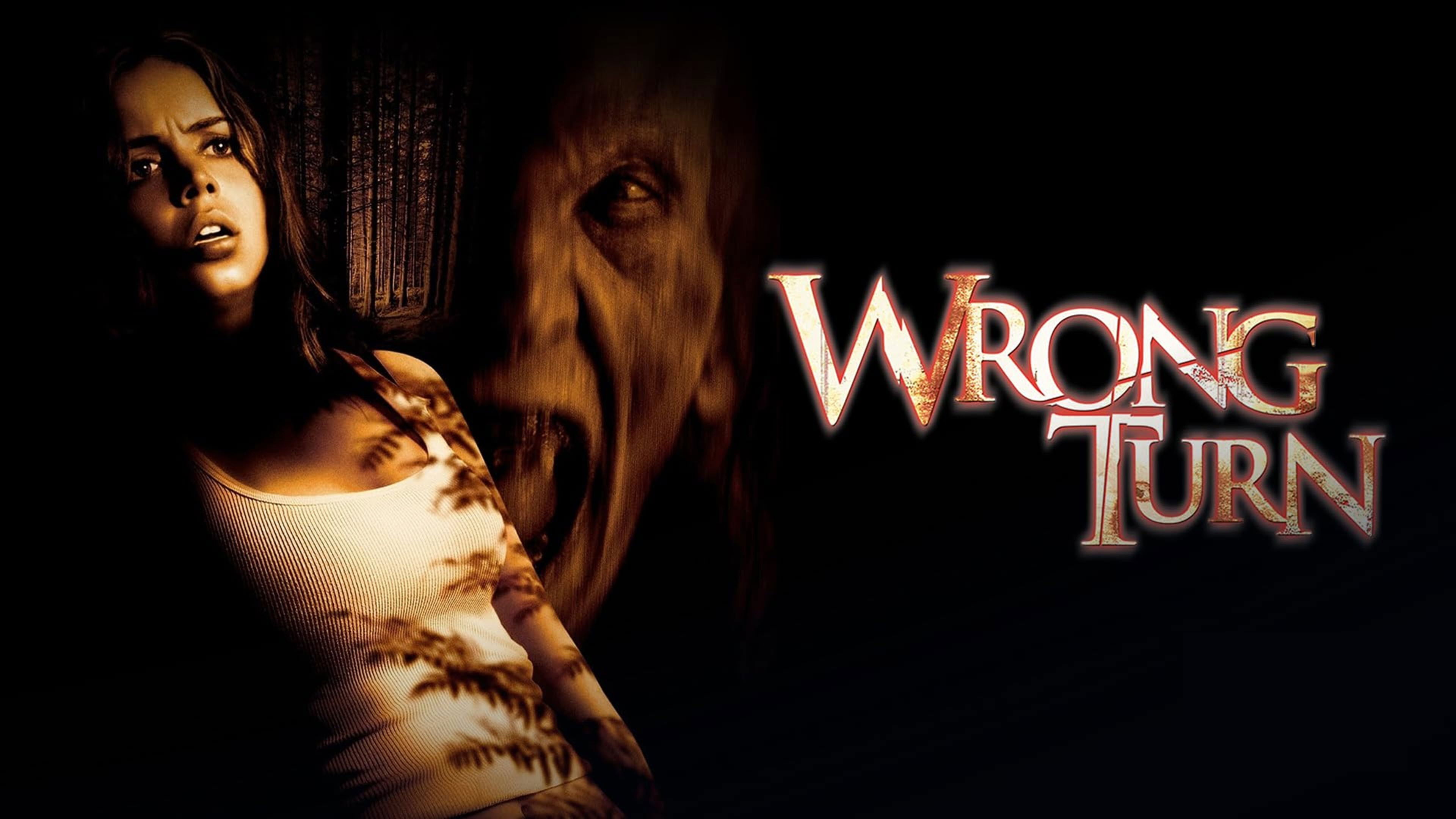
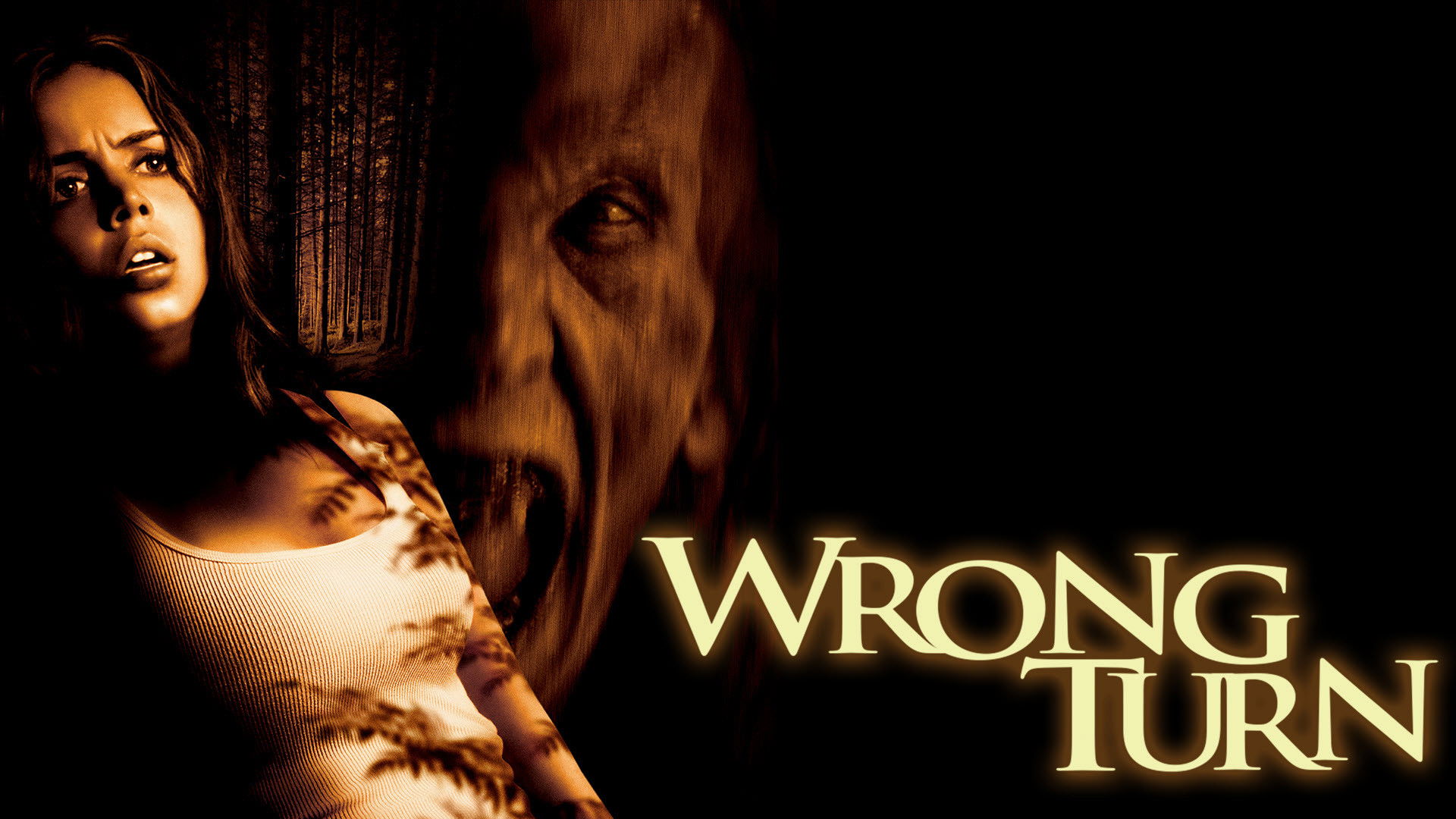
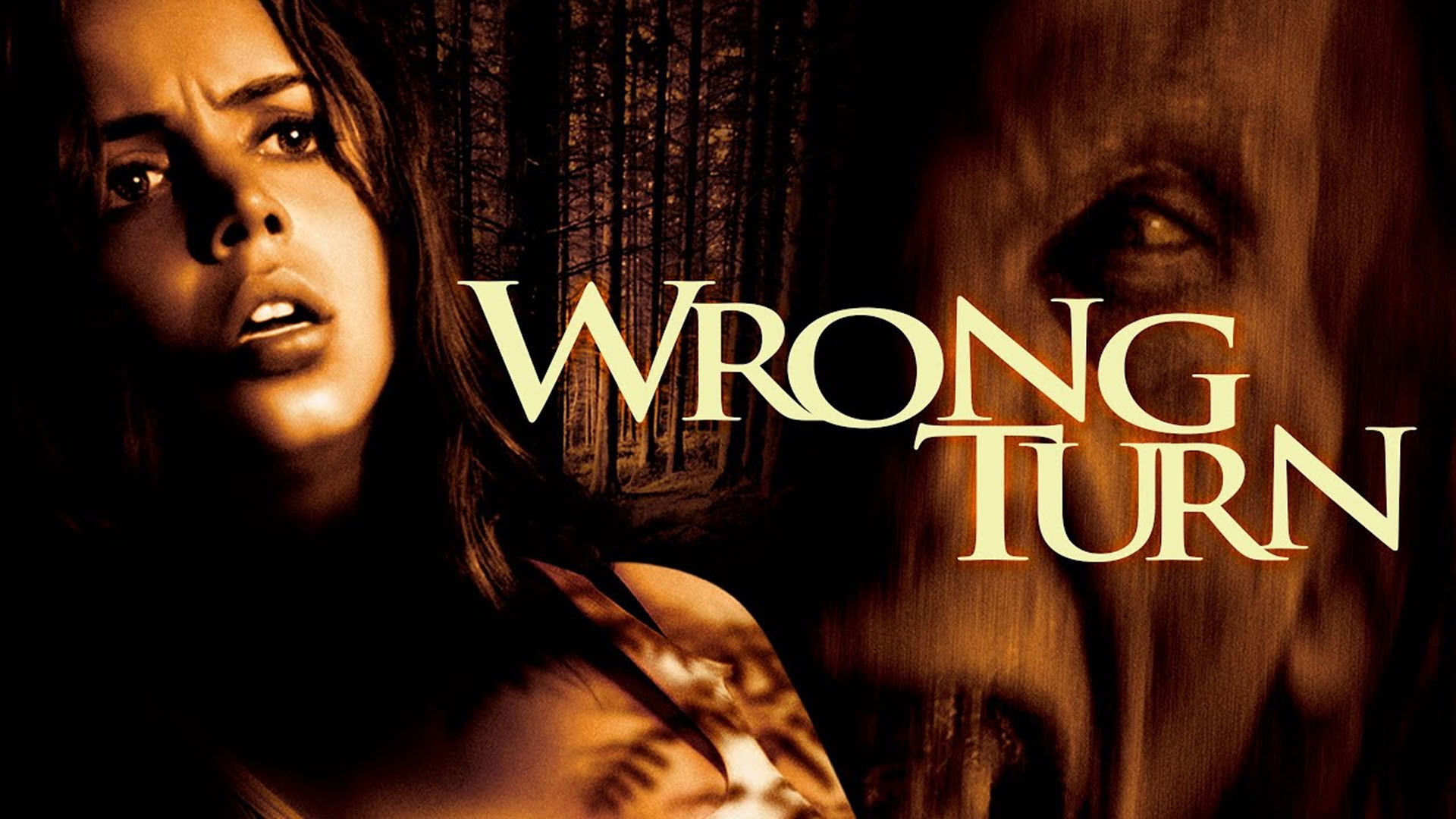
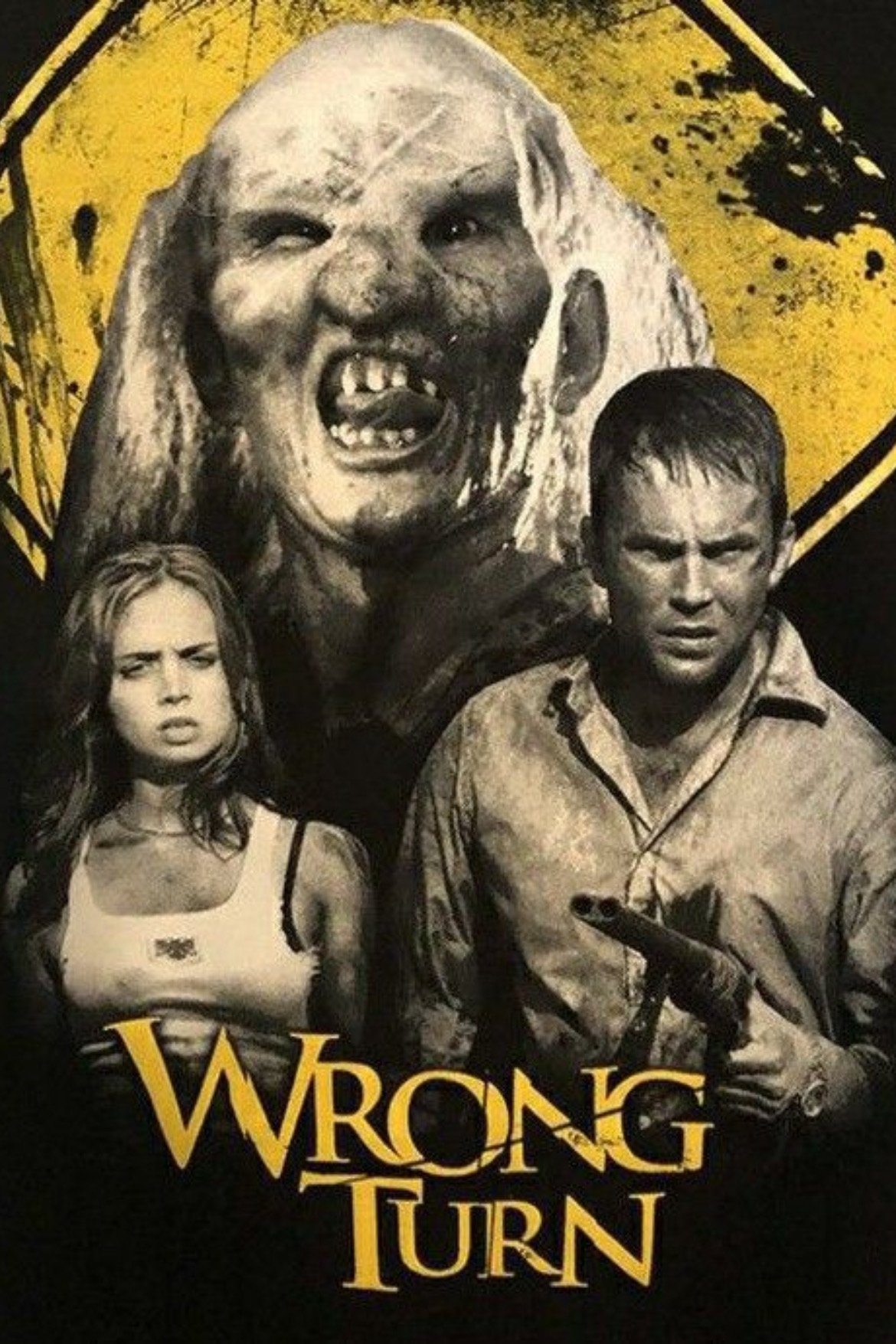
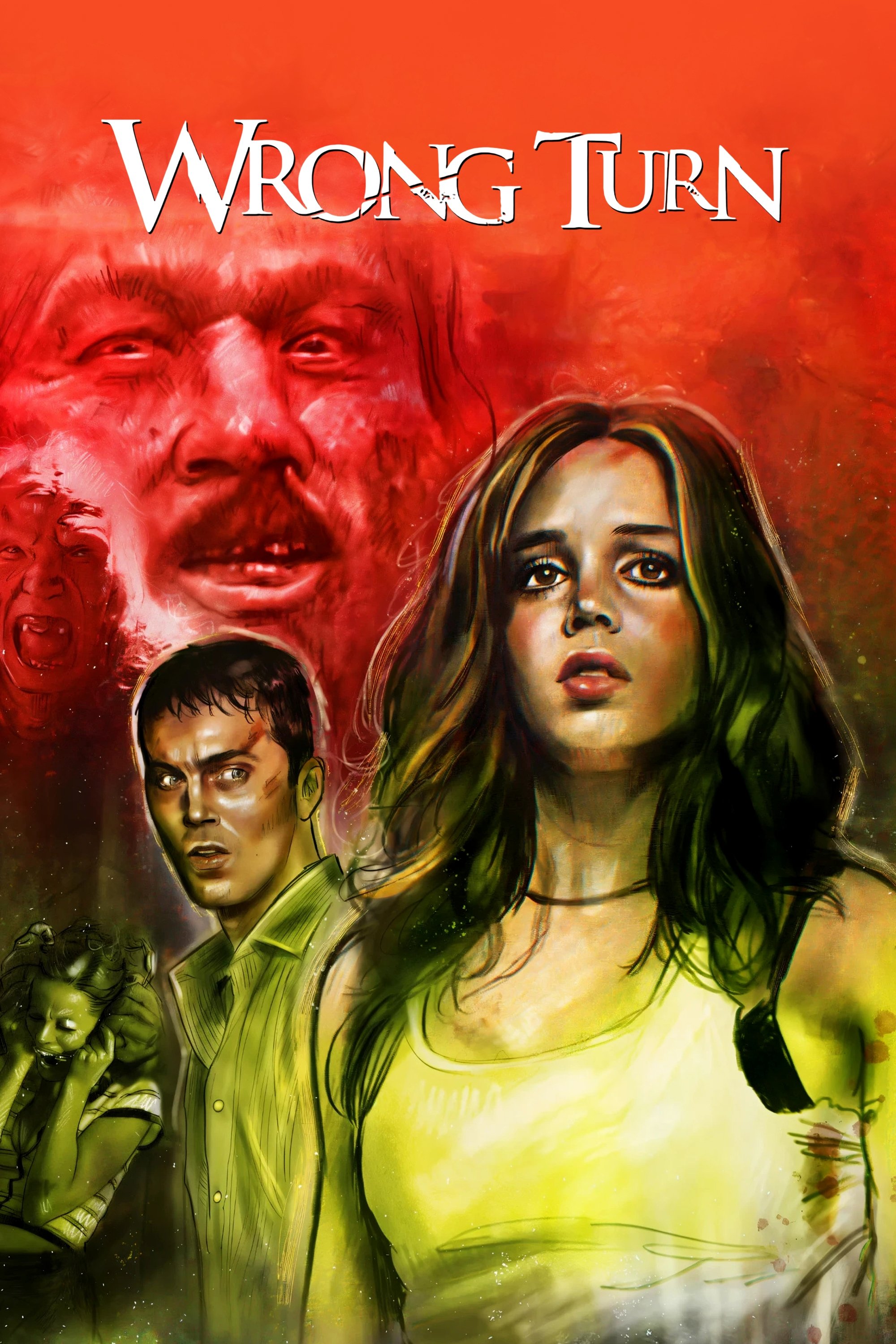
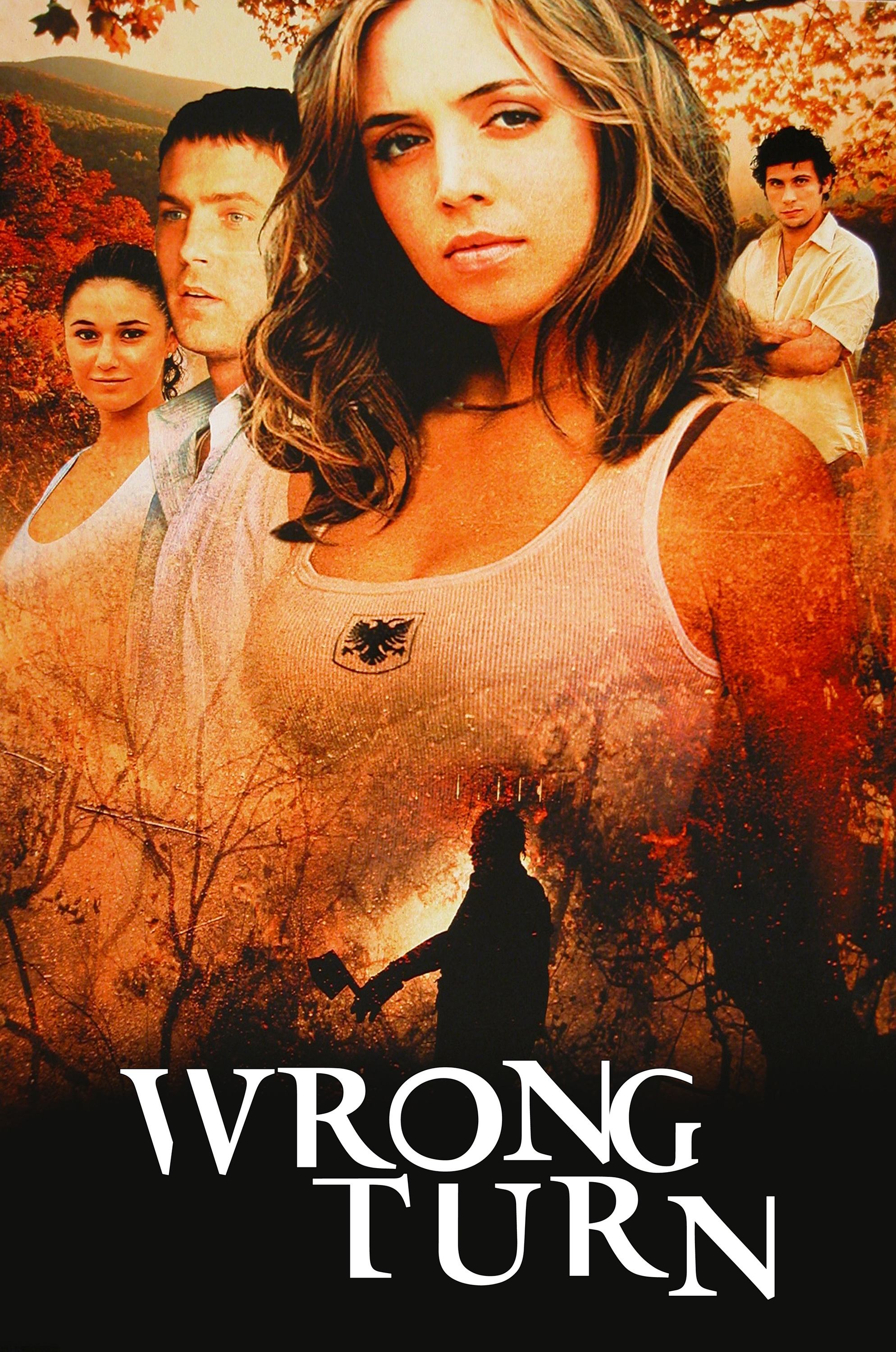
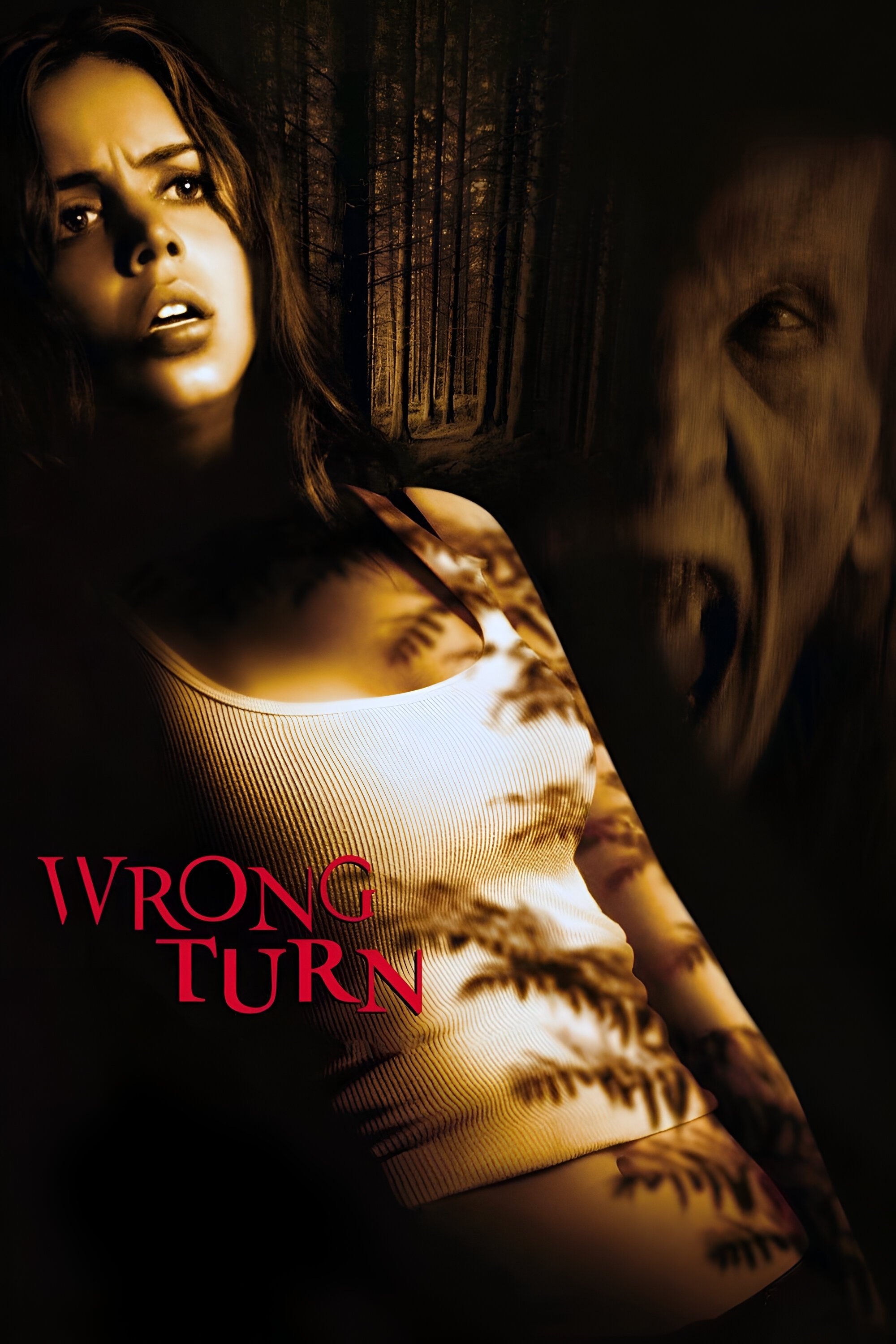
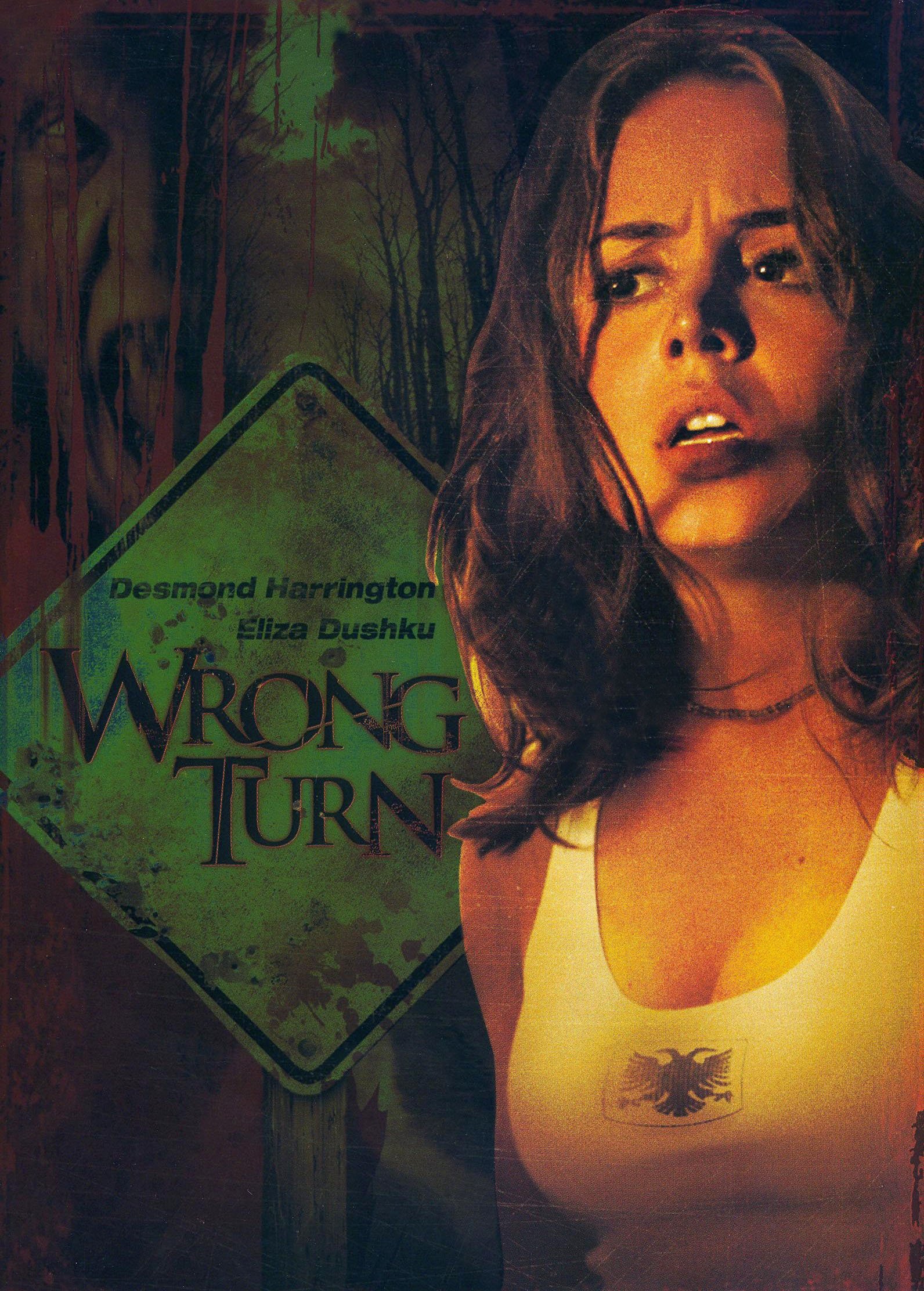
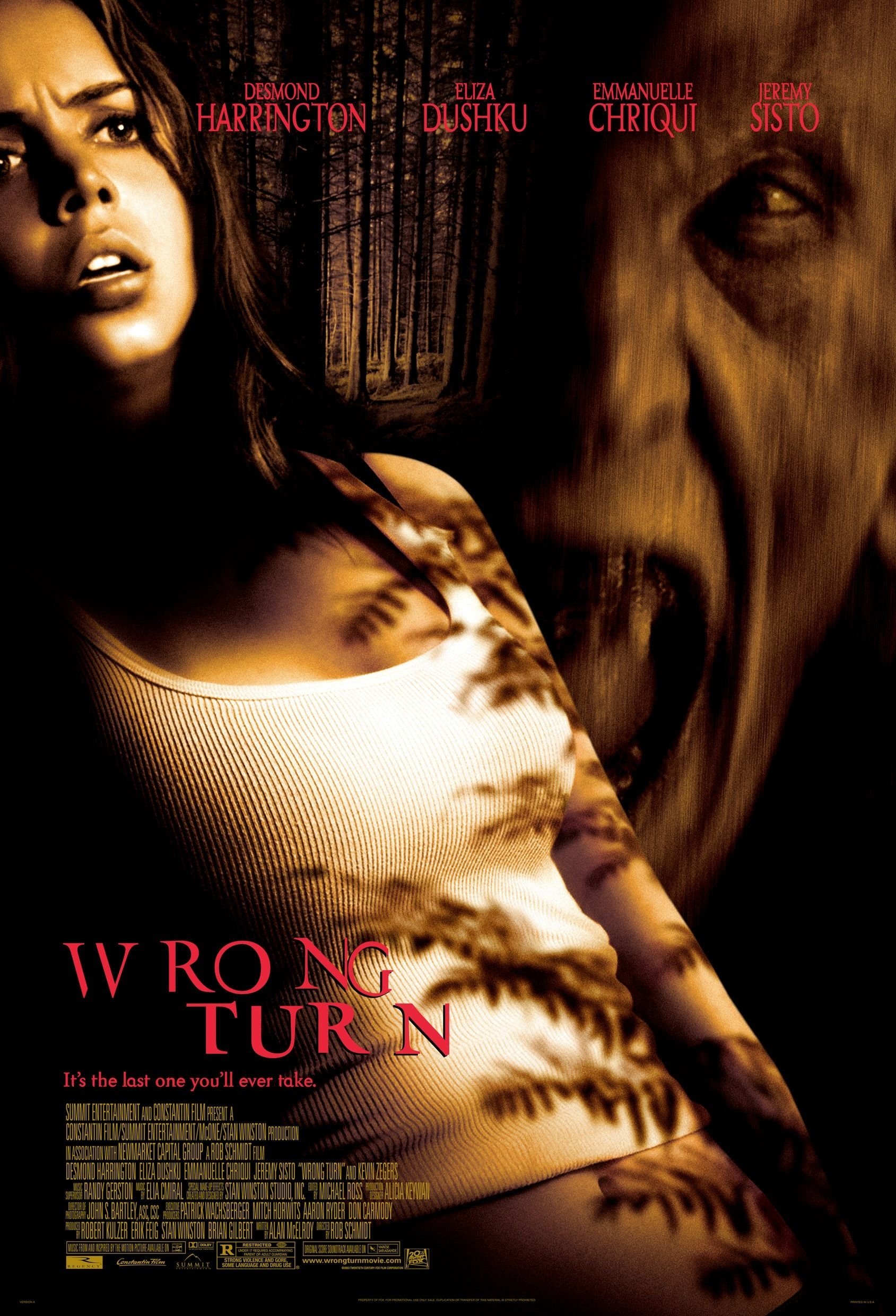
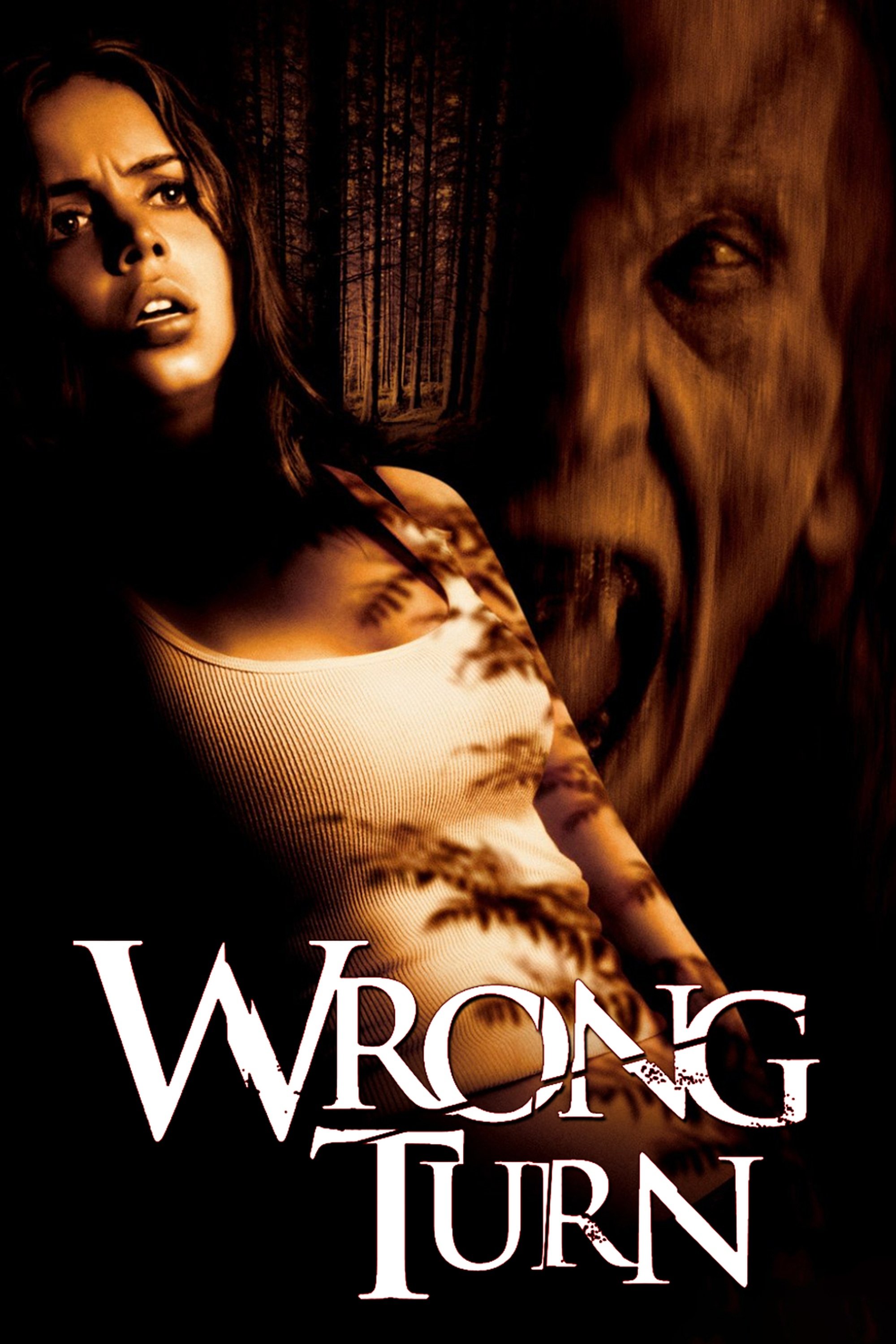
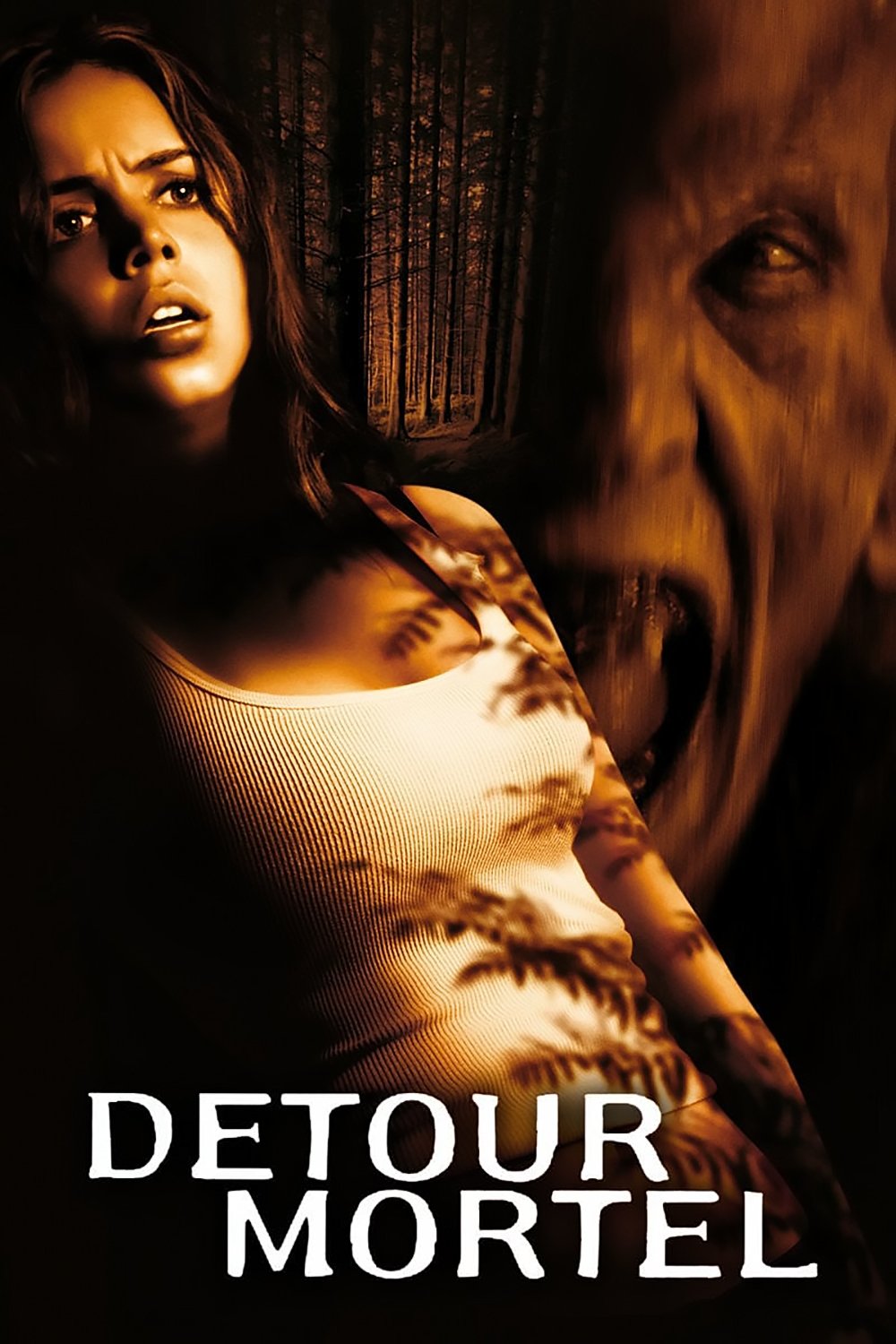
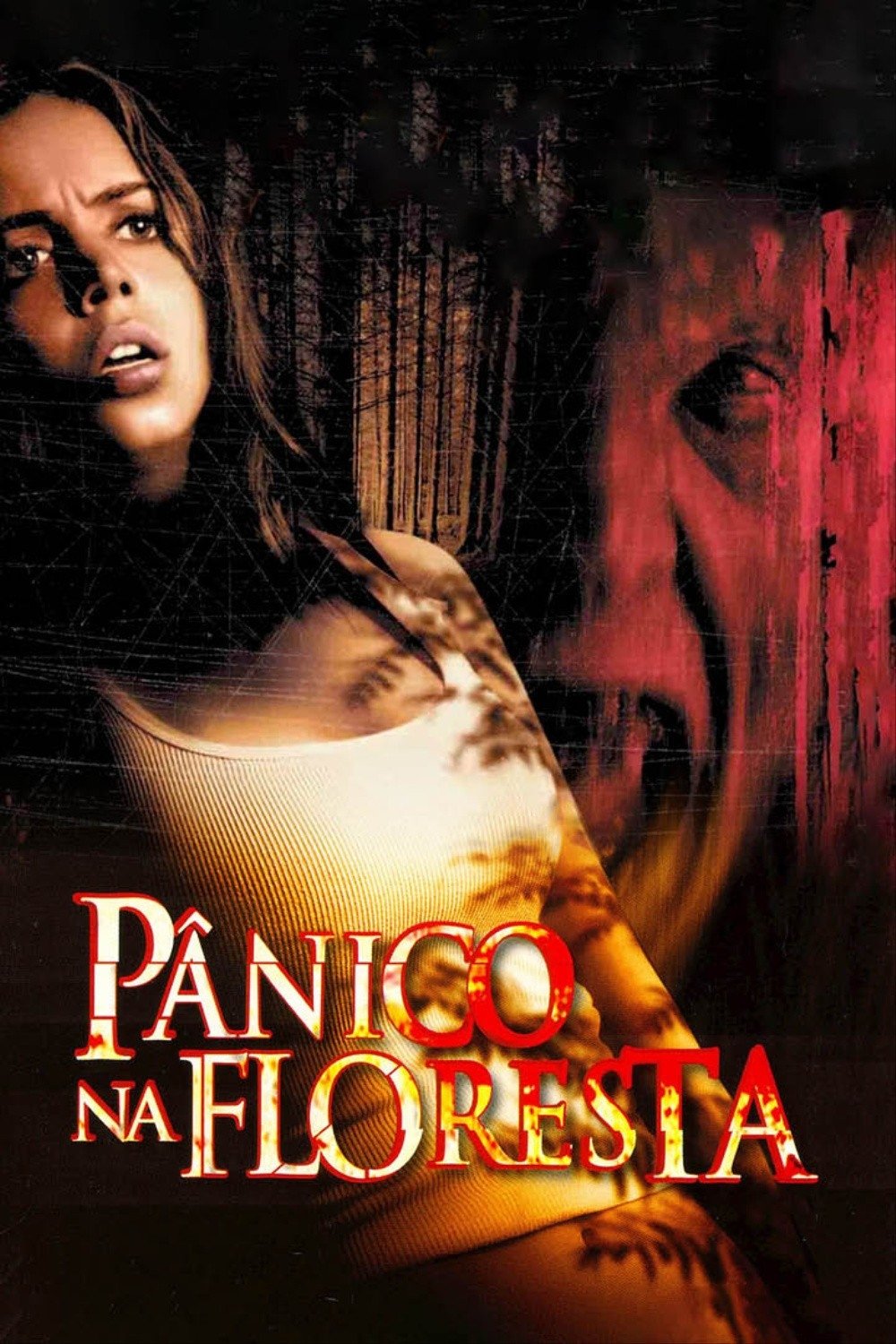
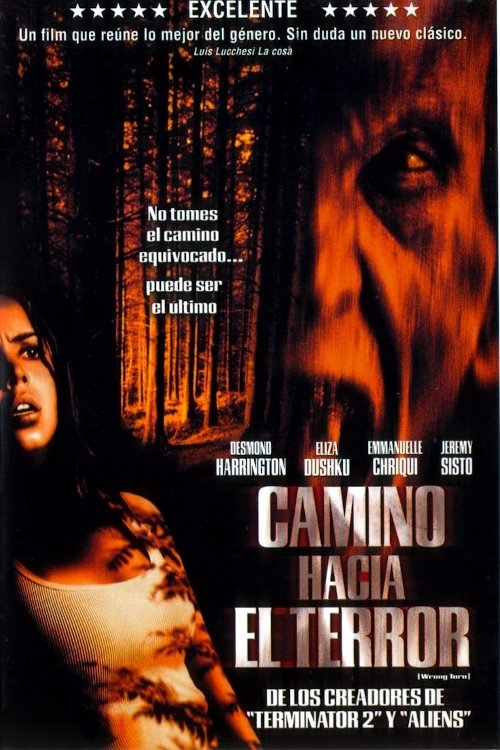
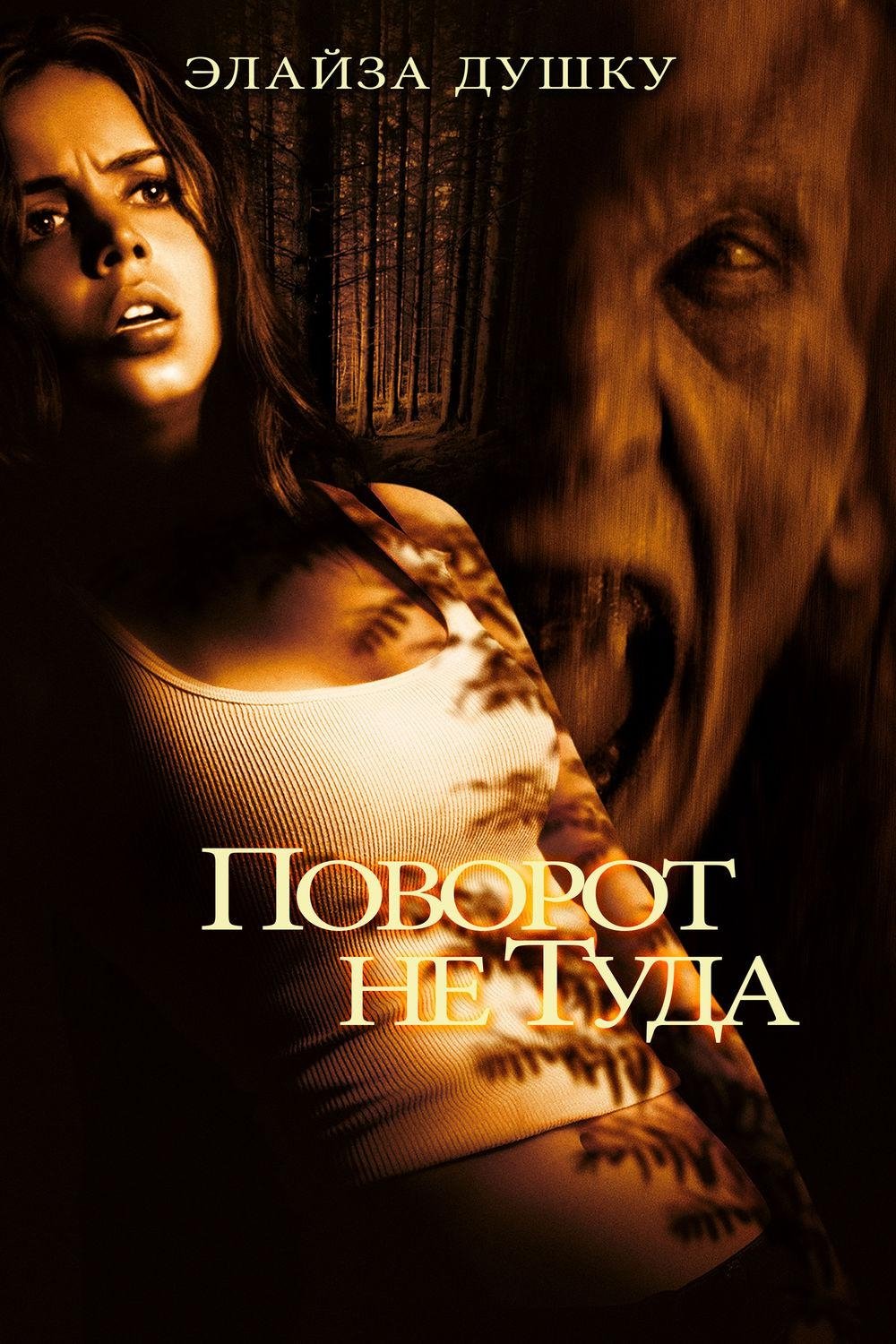
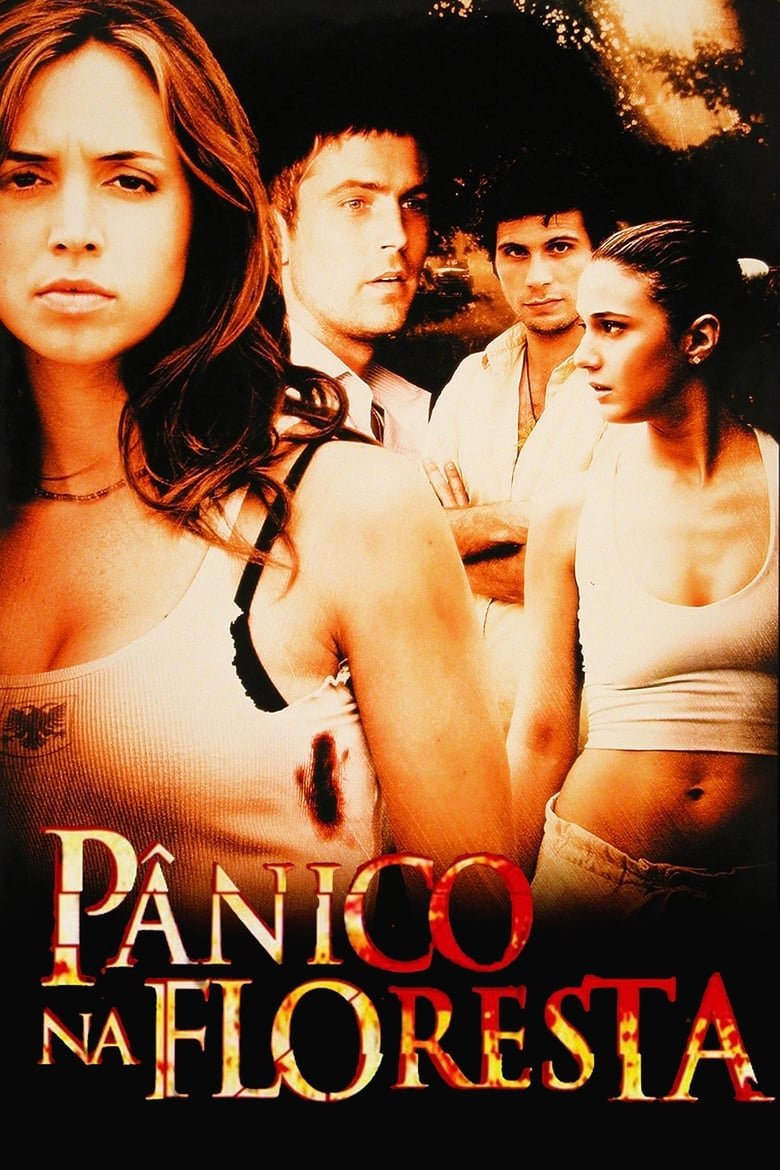
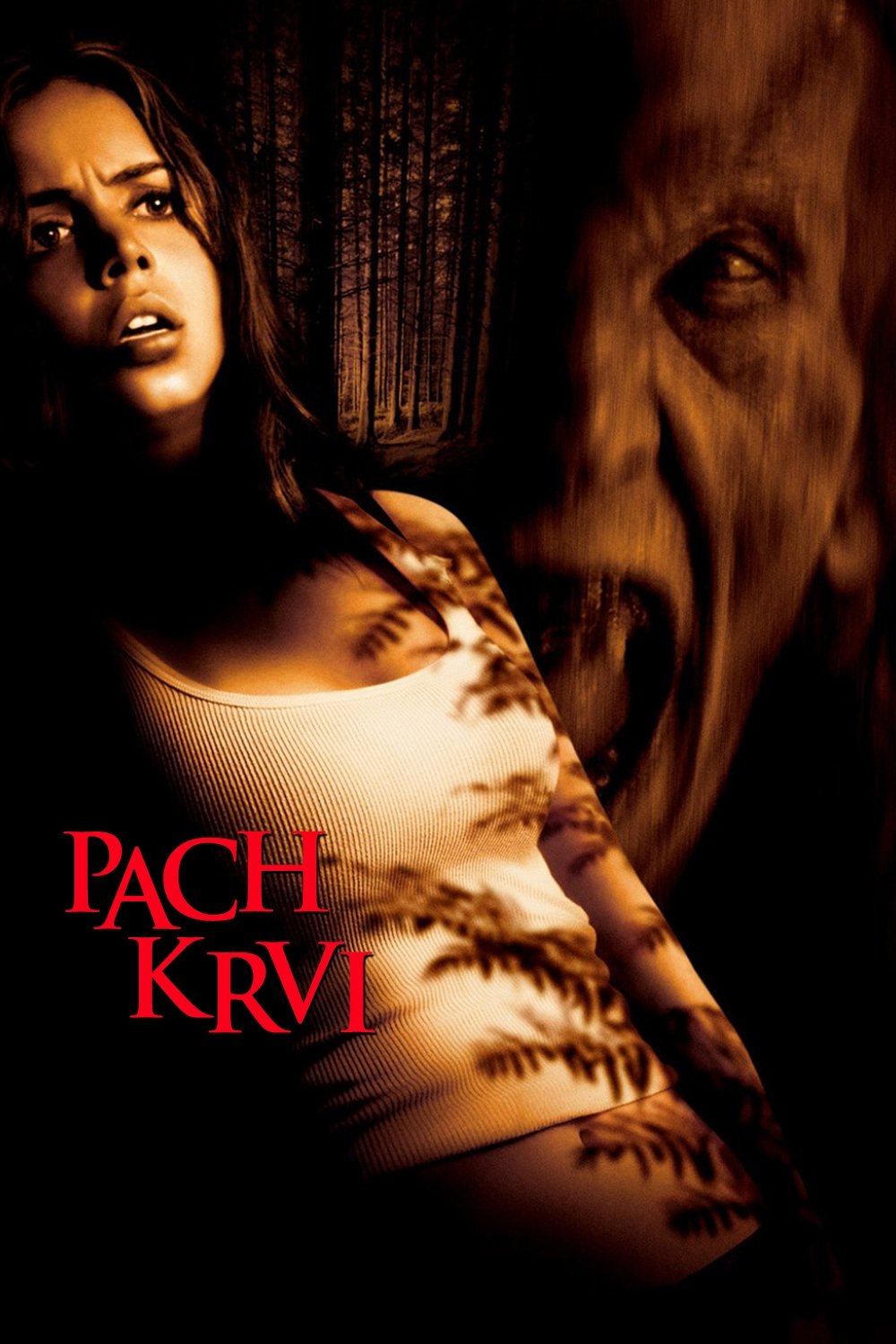
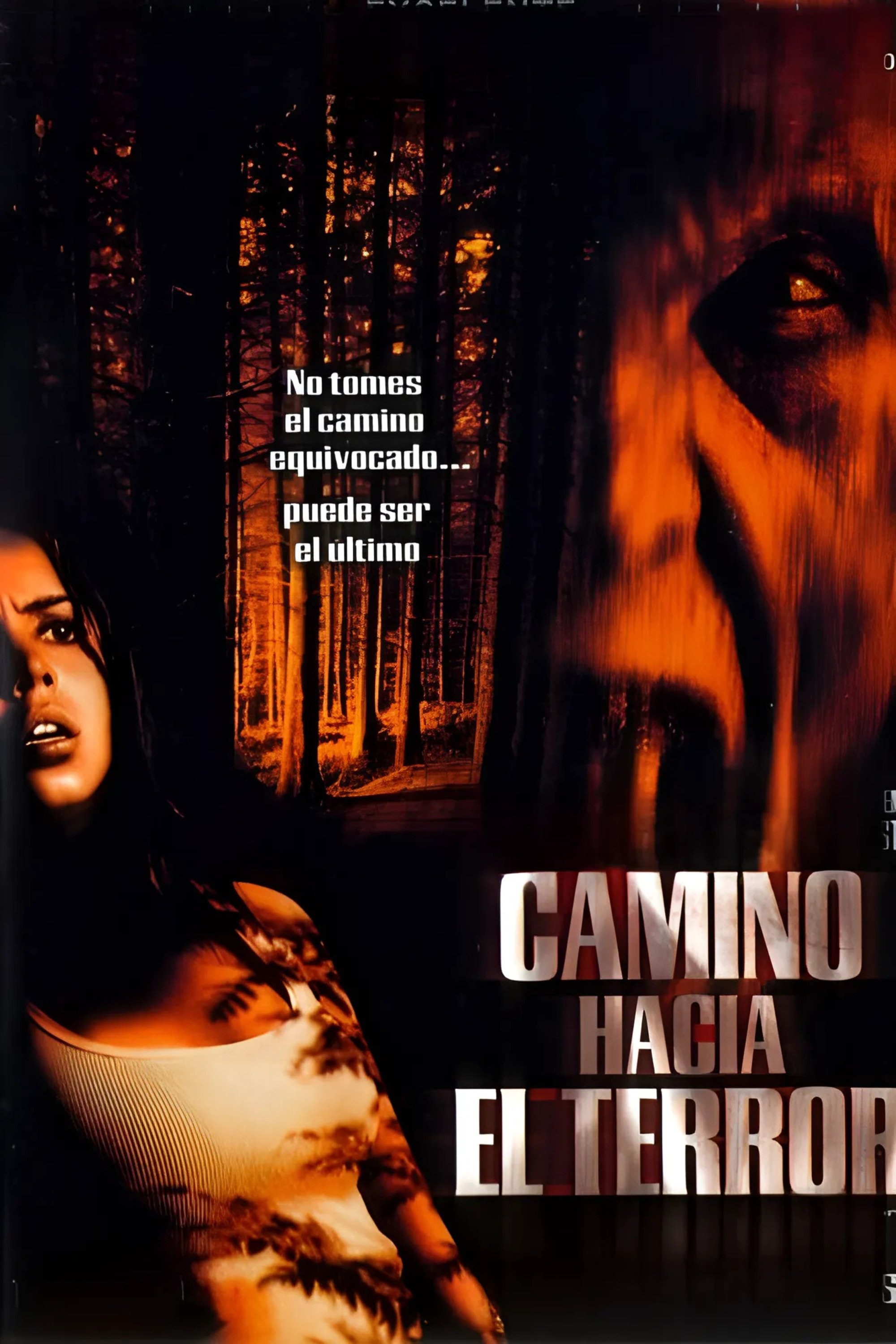
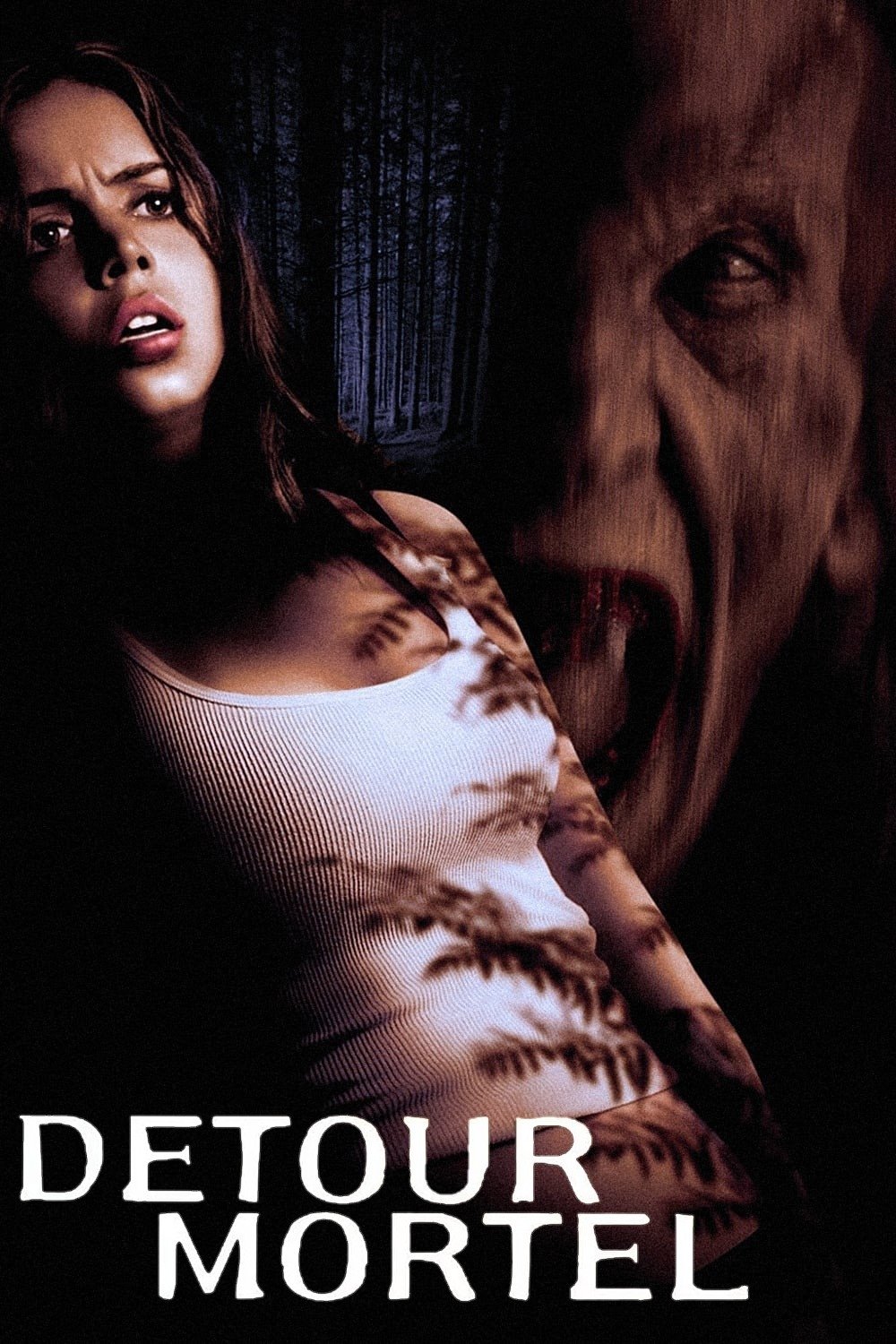
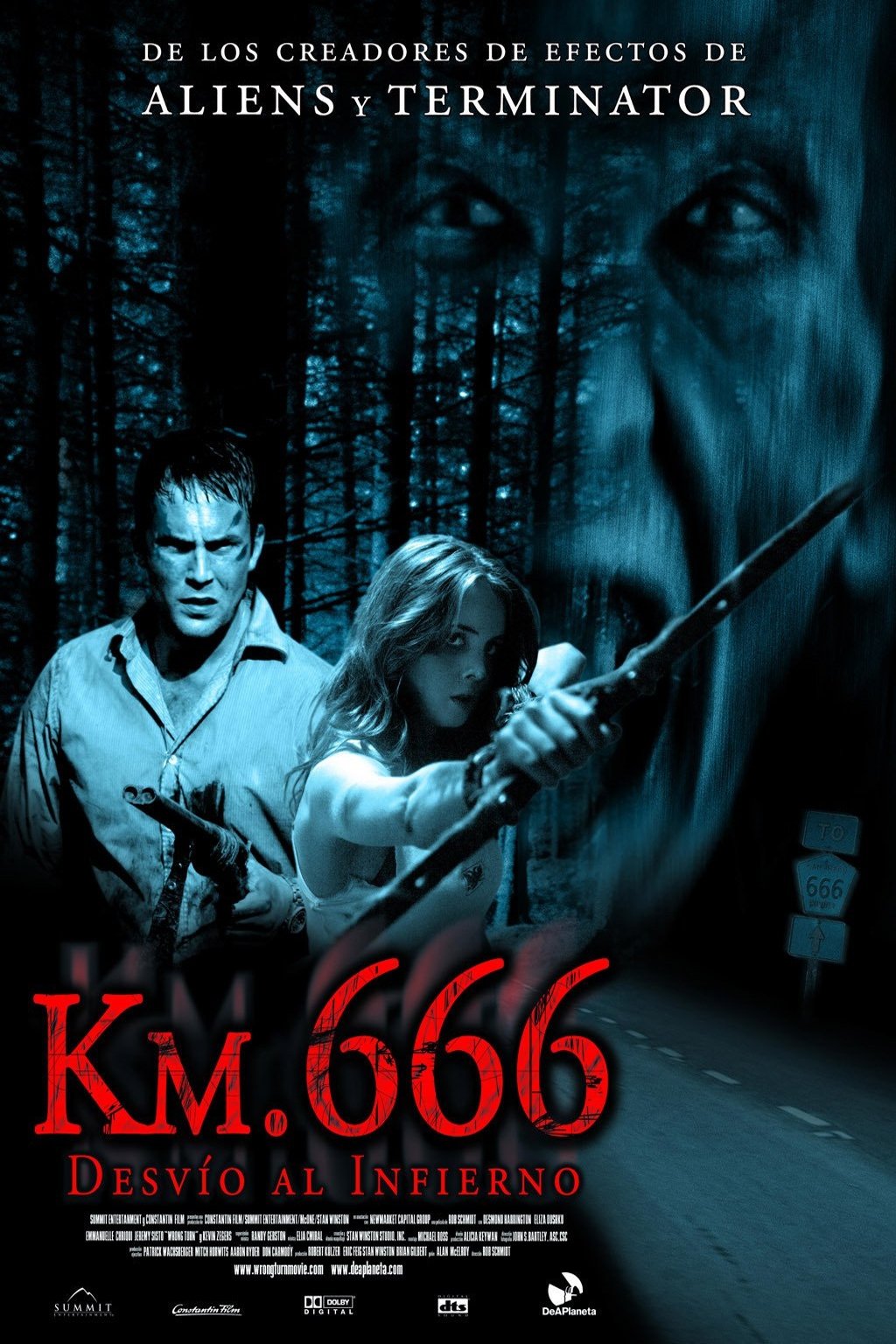
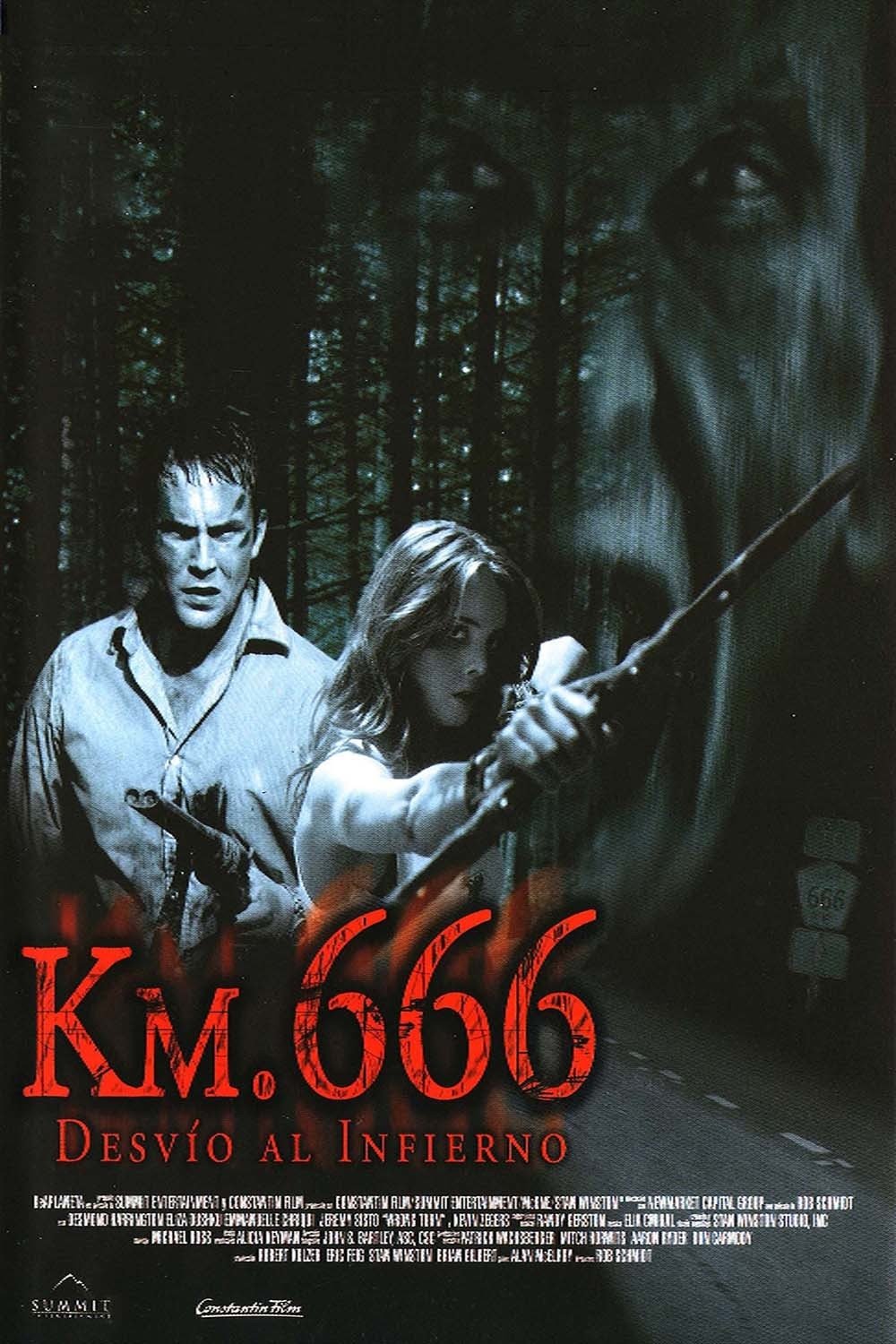
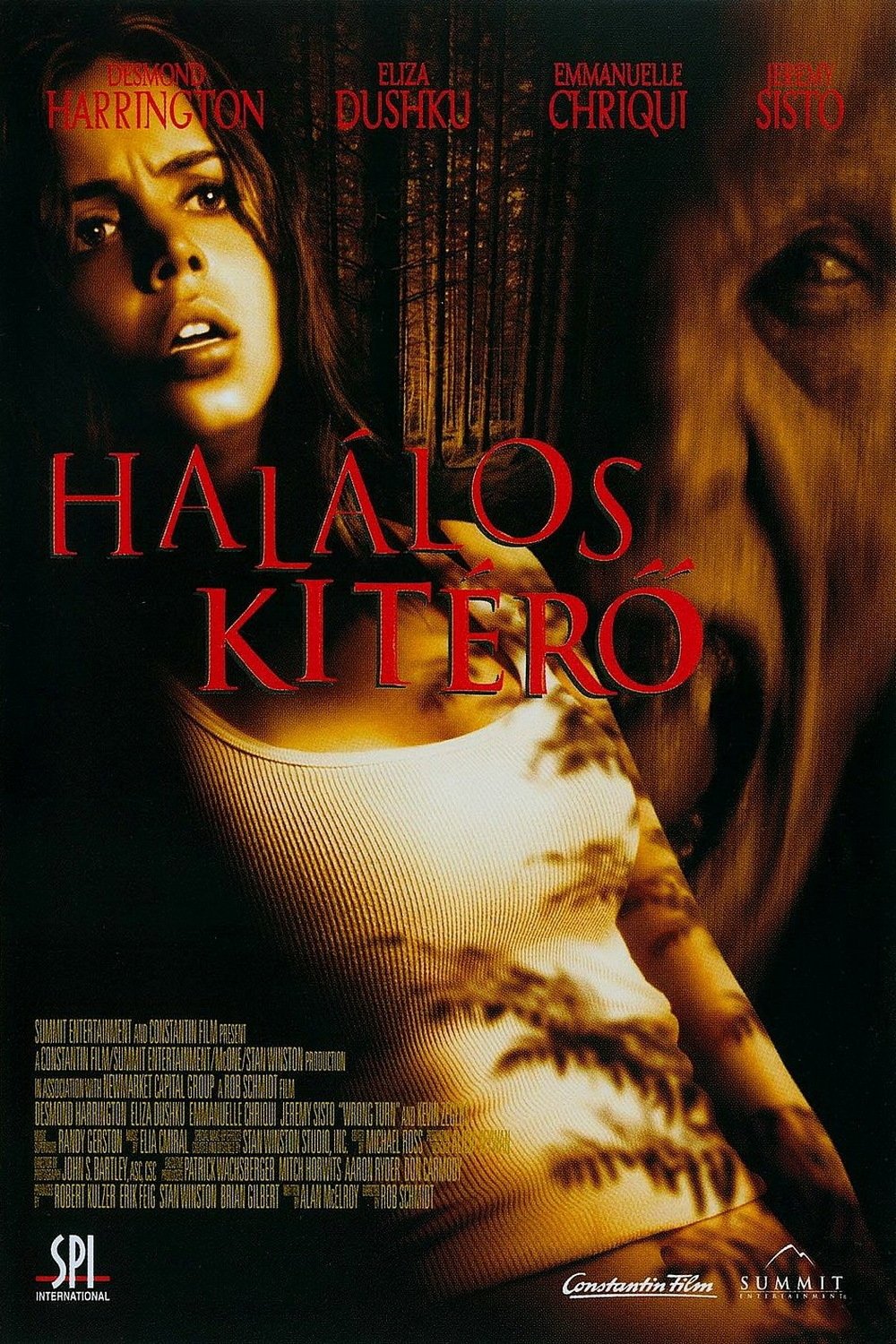
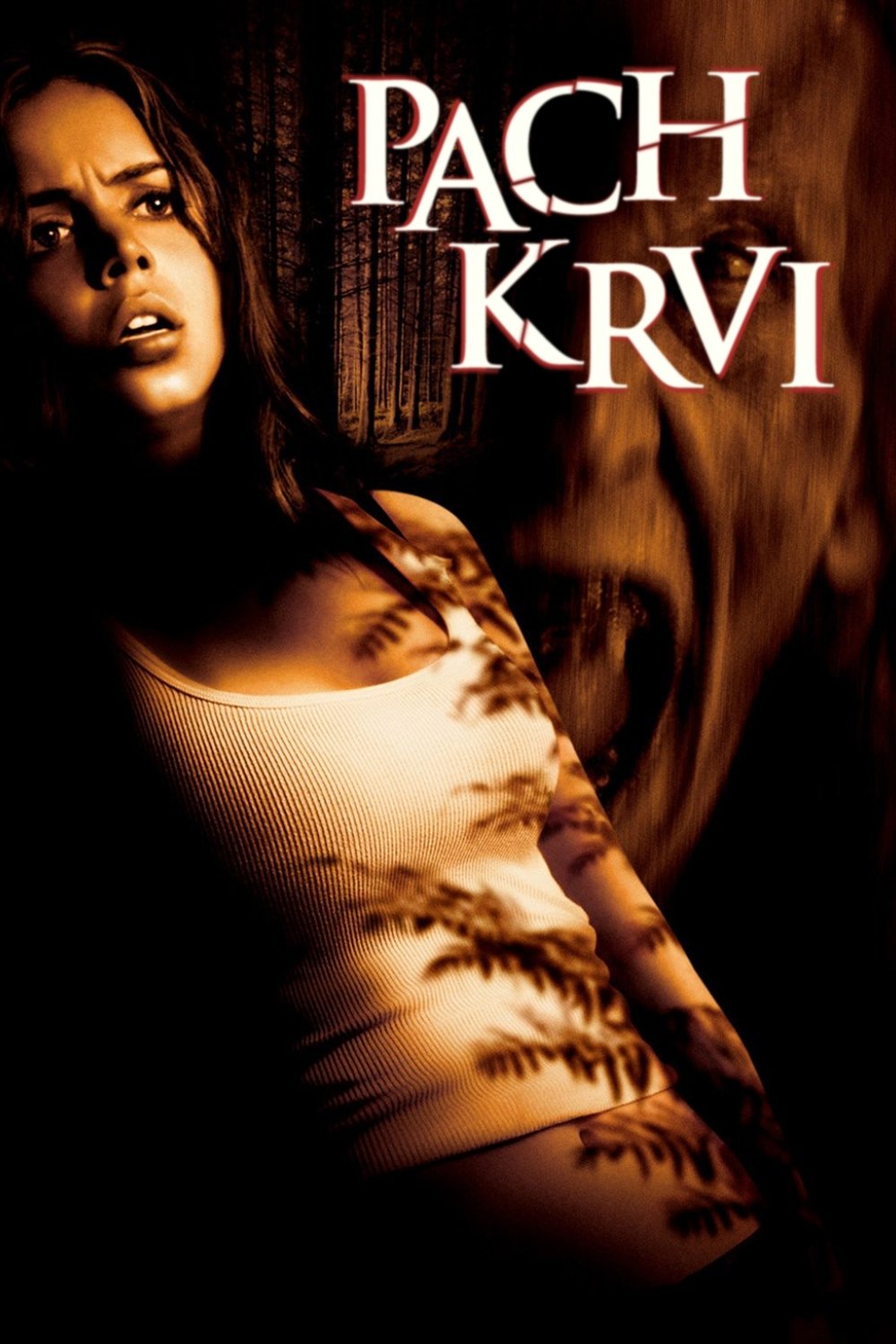
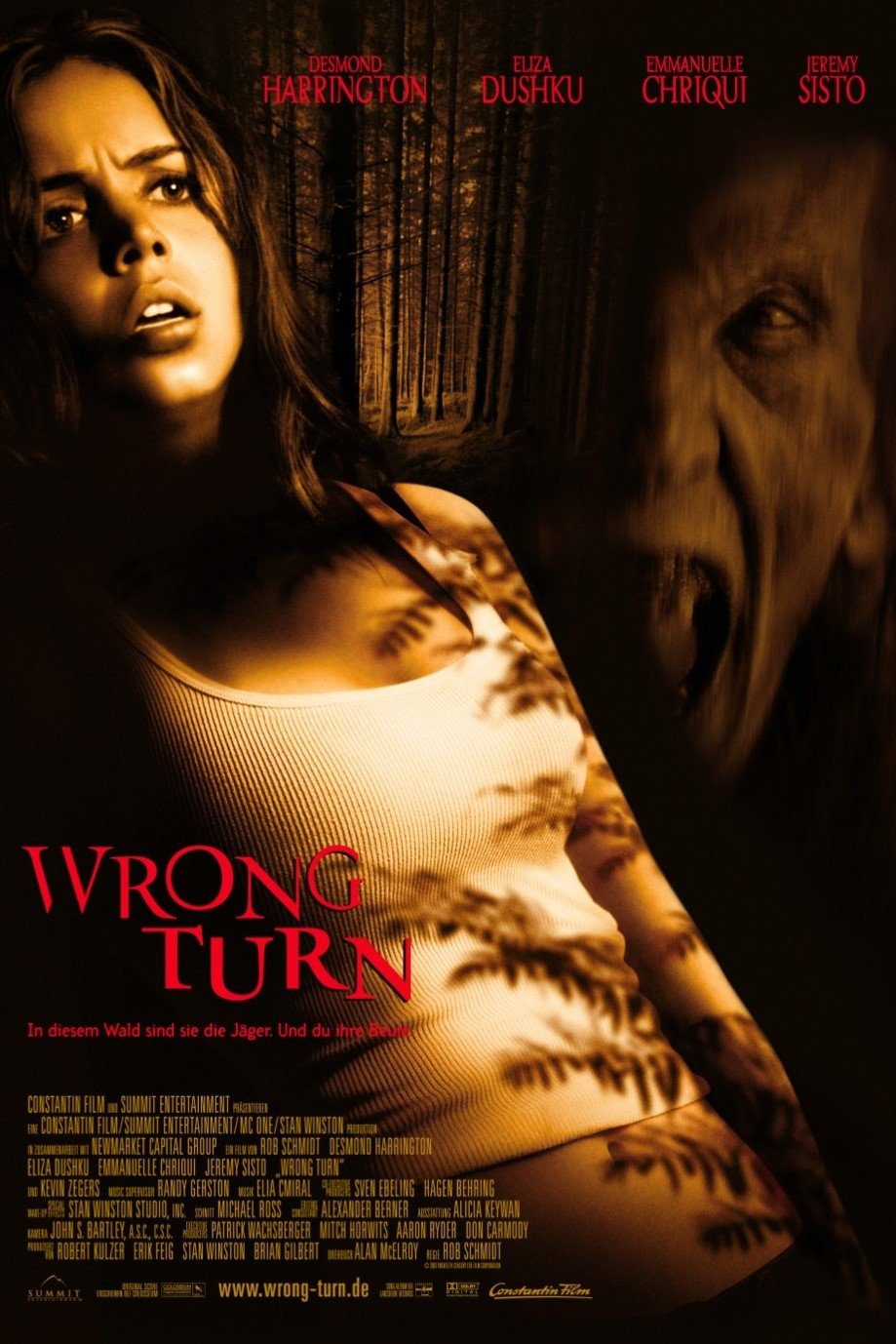
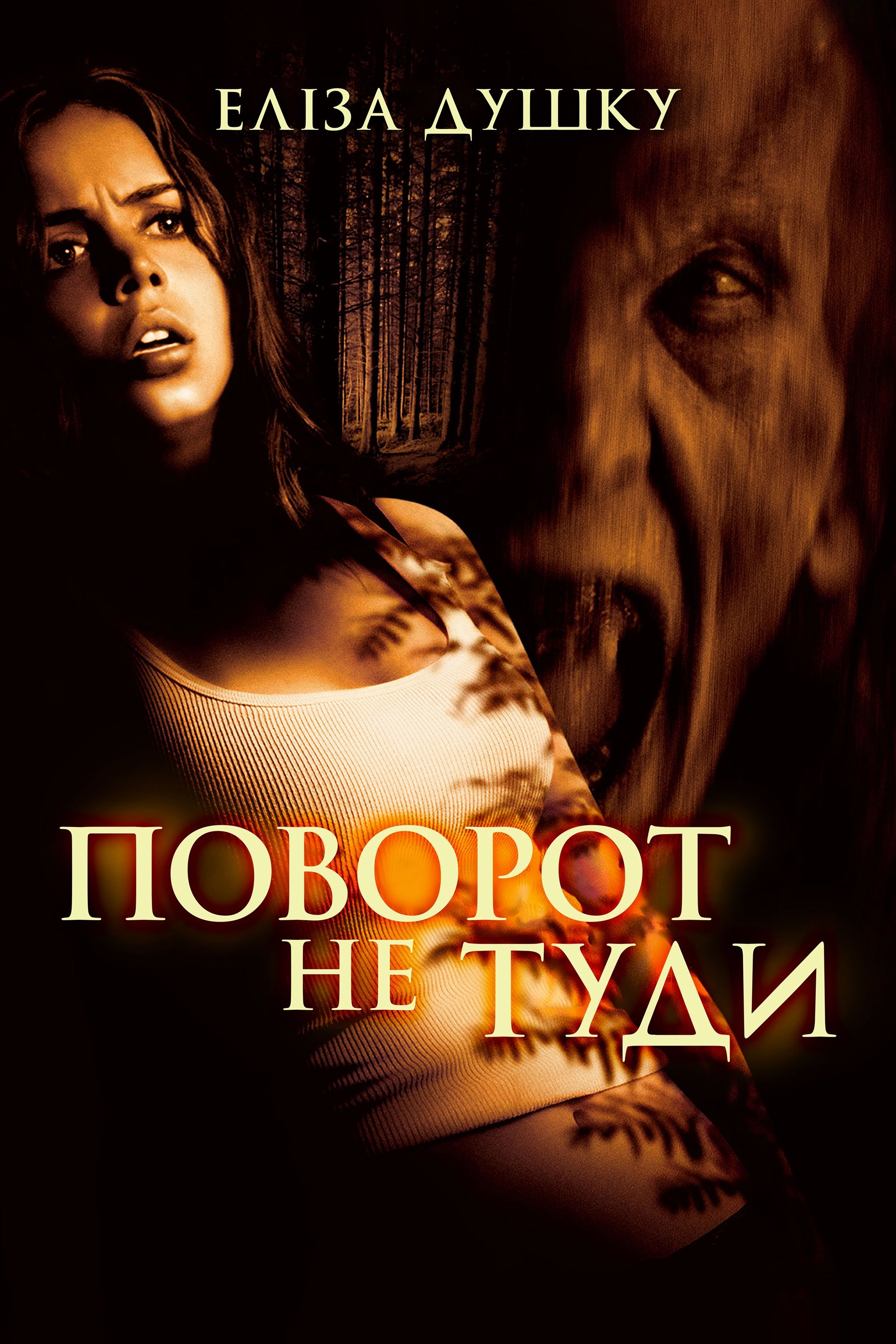
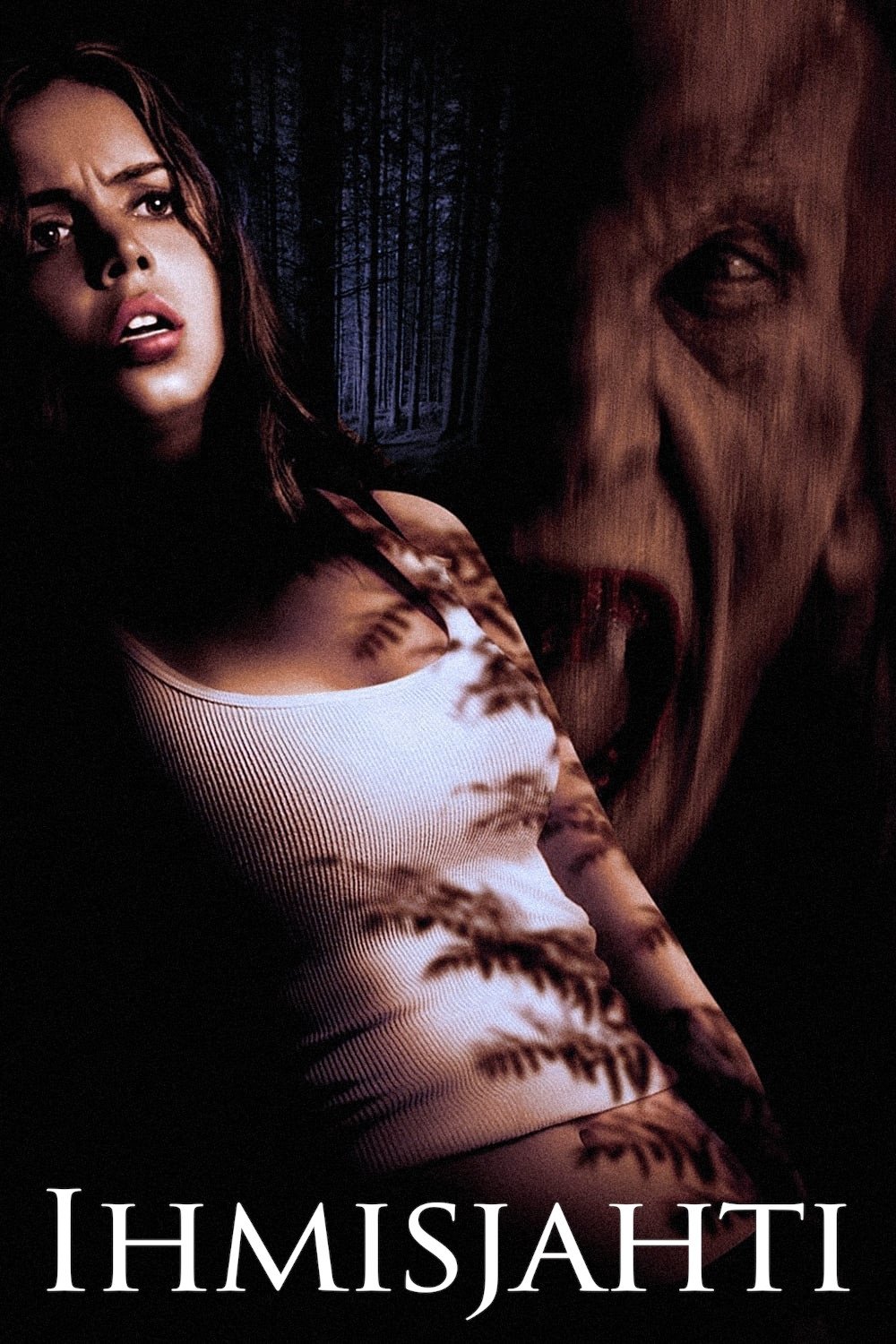
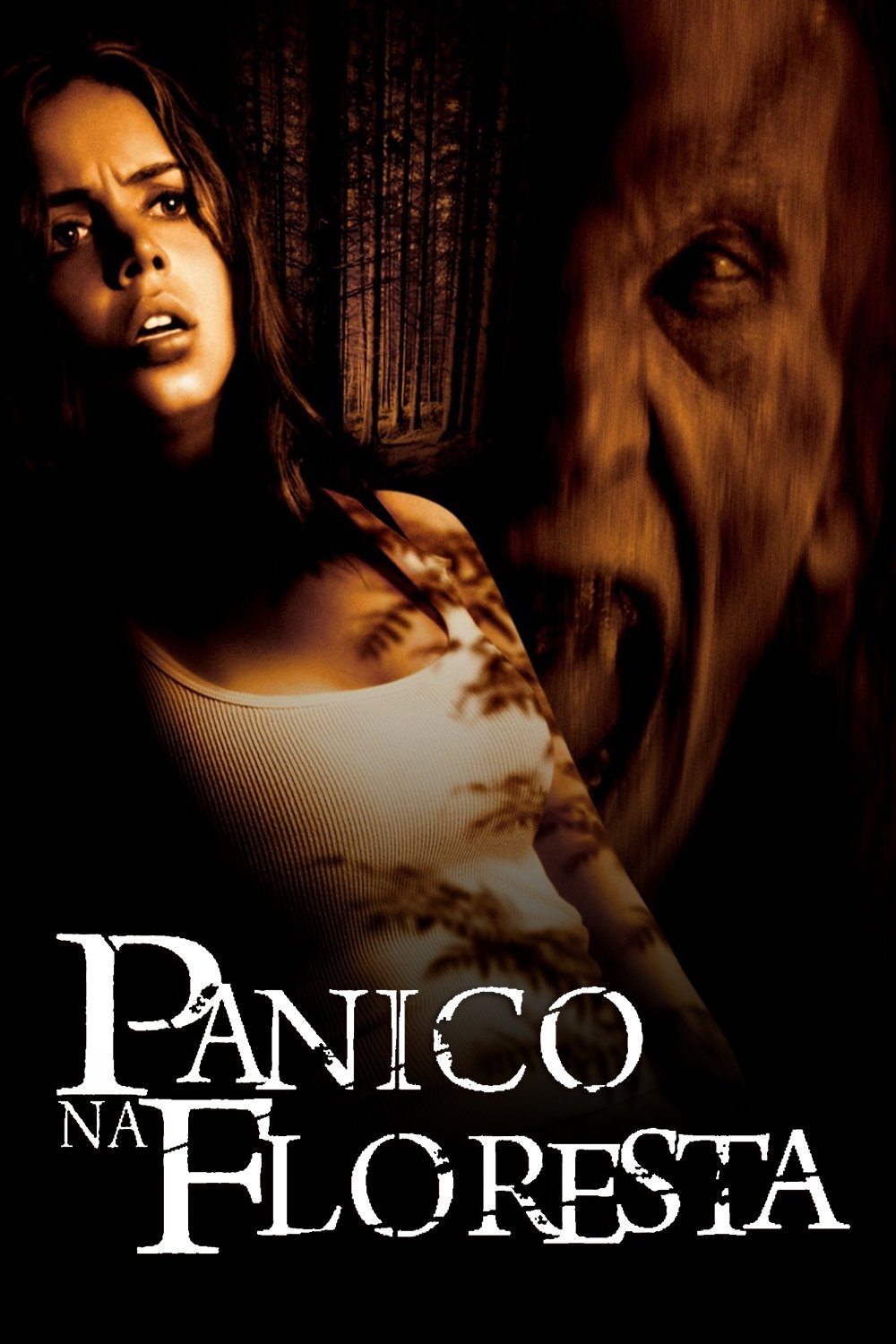
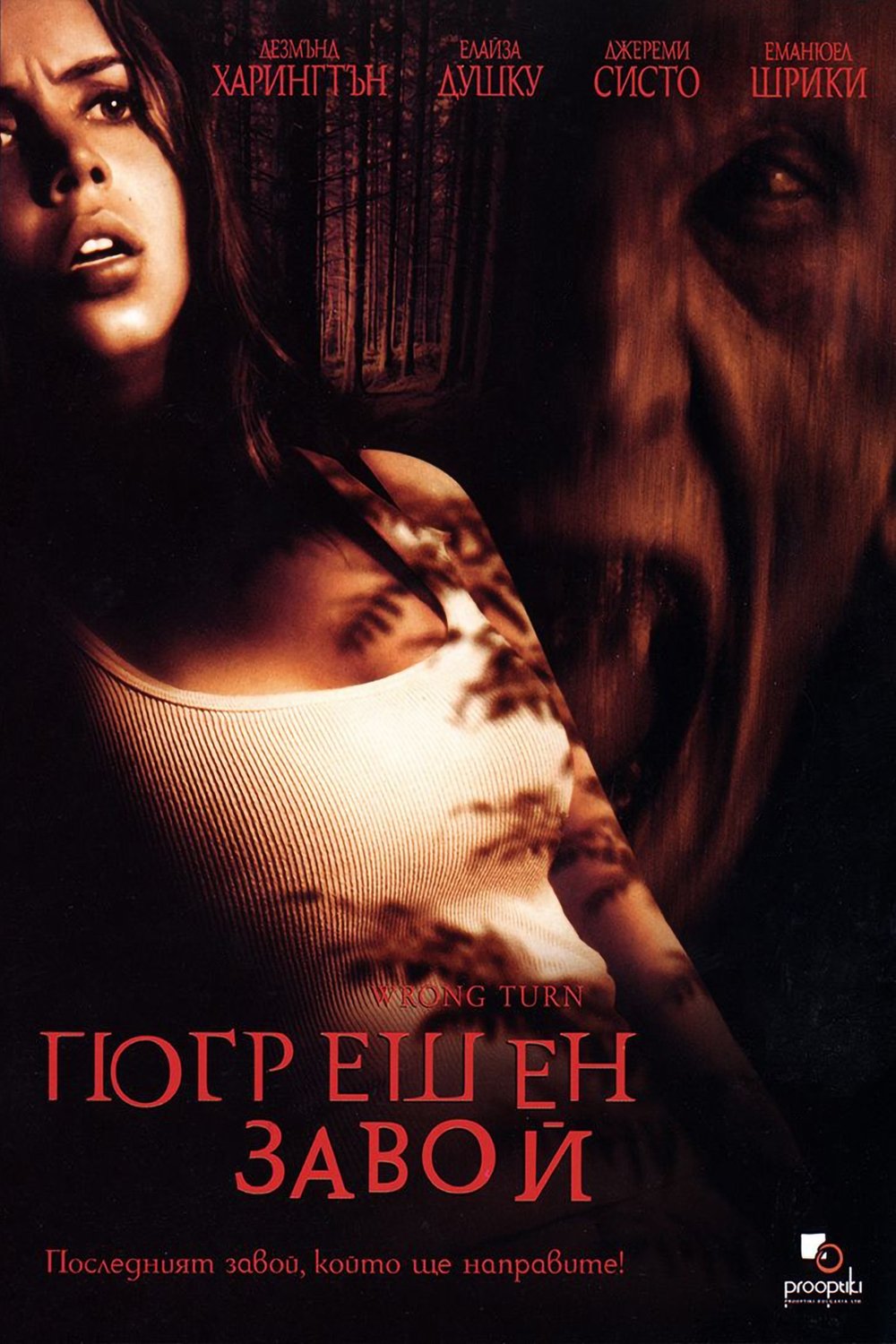
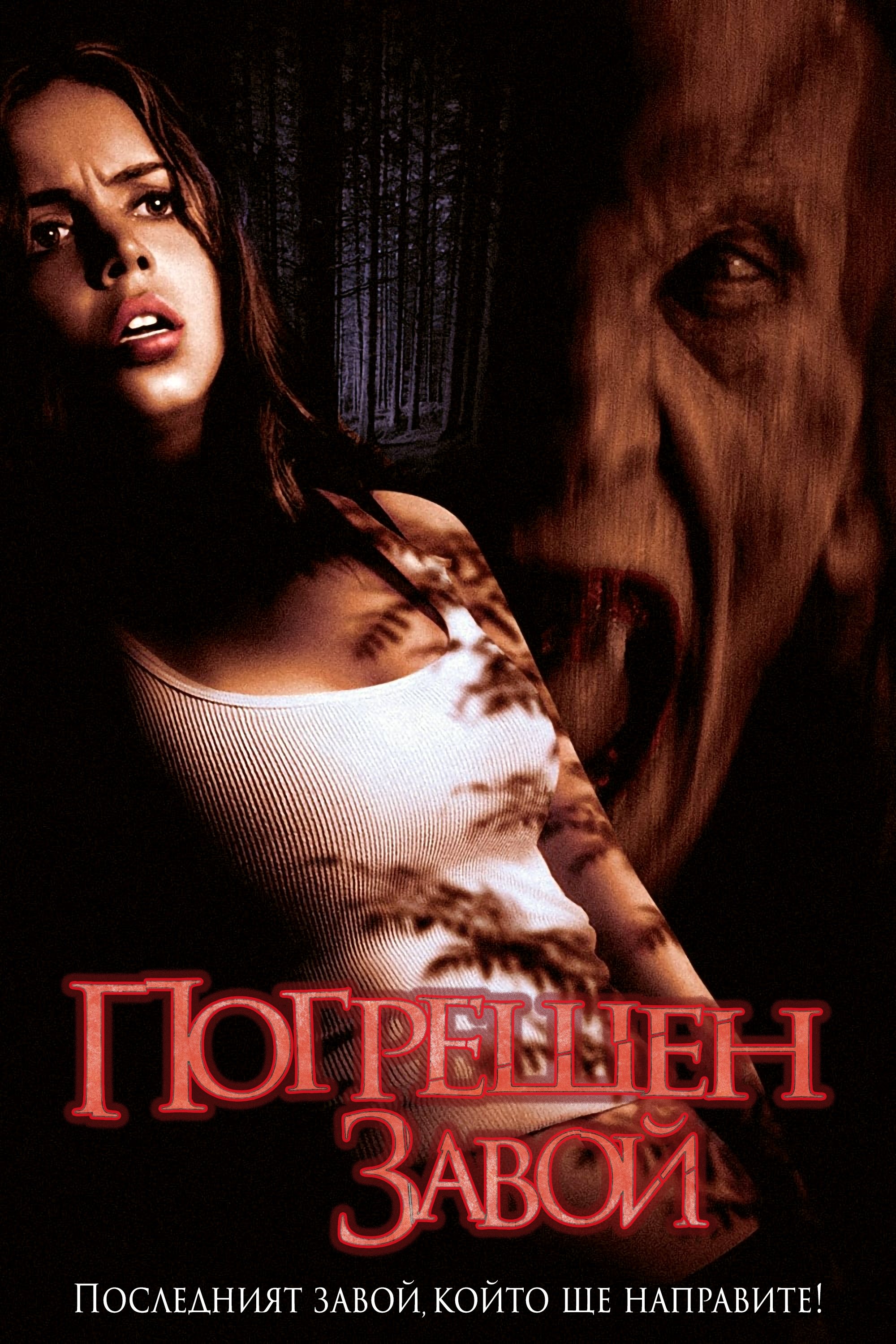
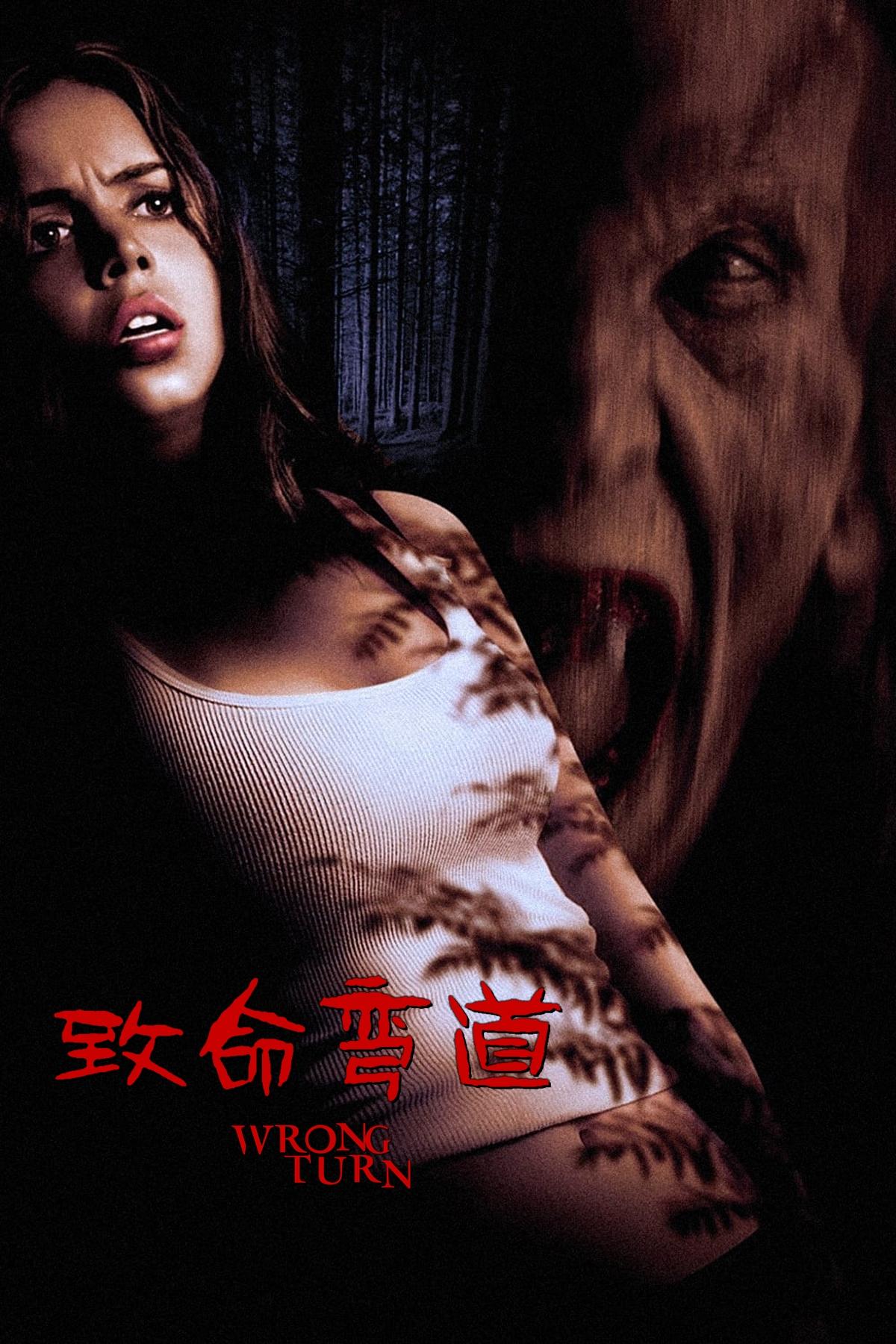
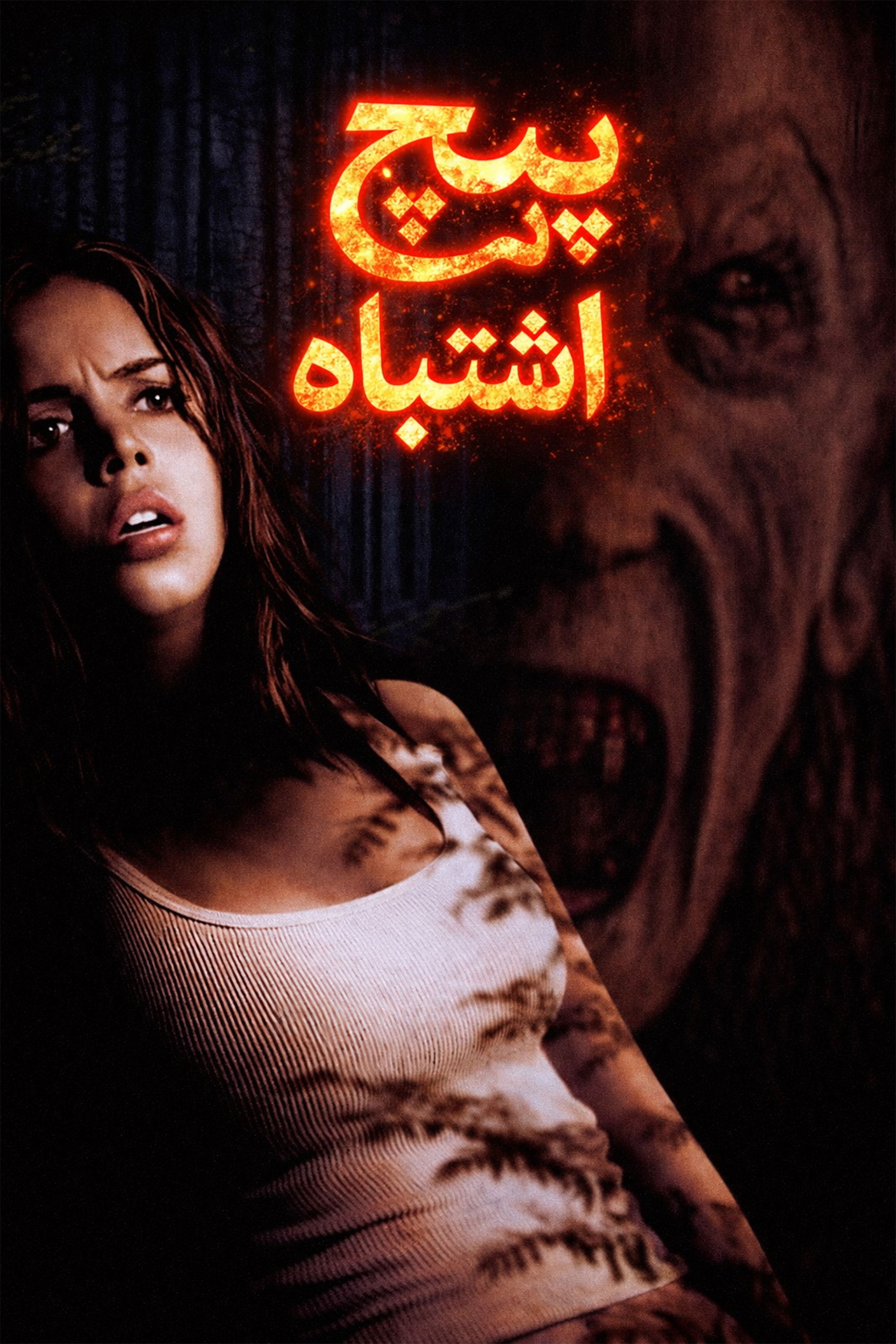
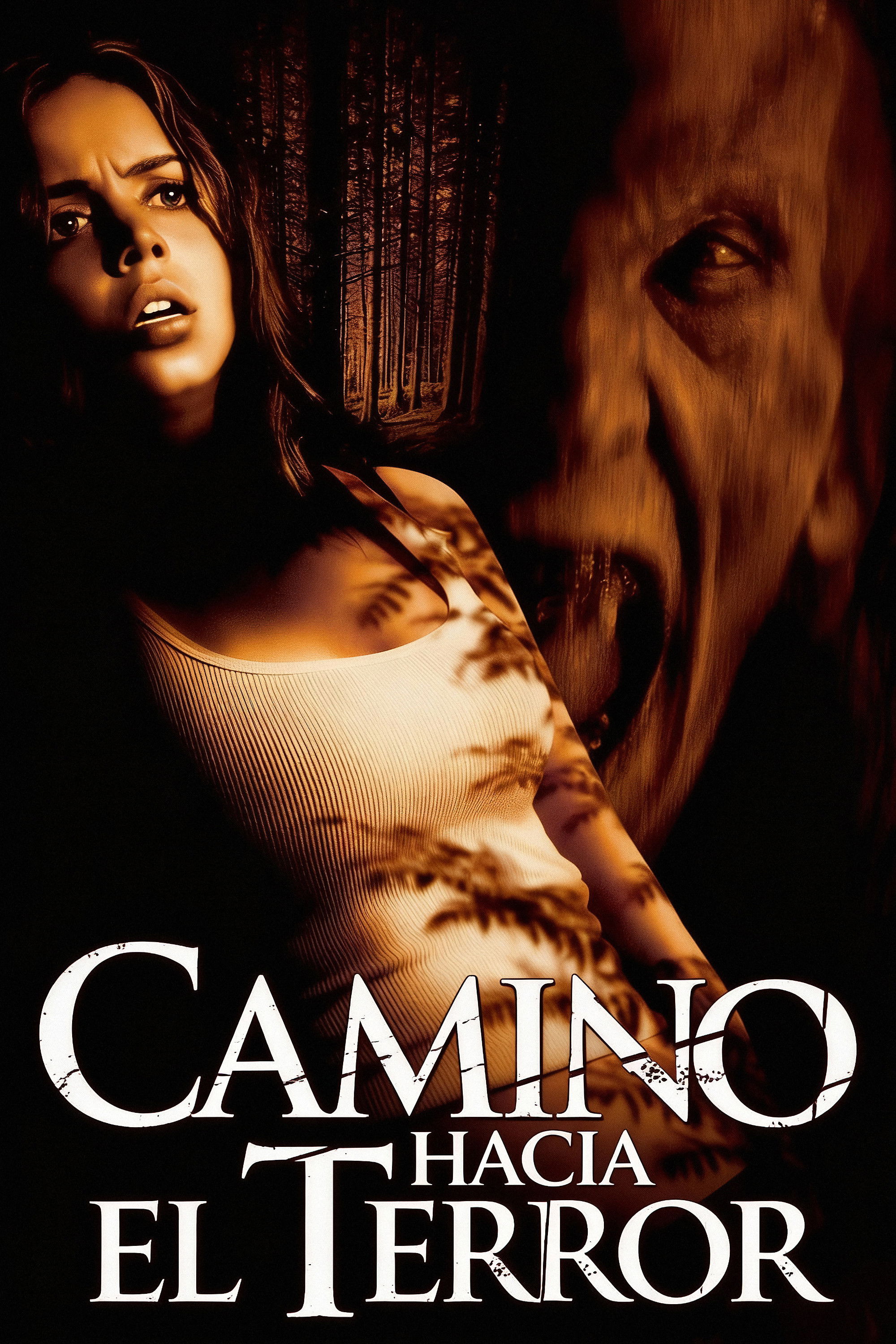
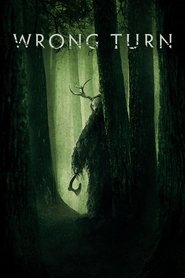
Wrong Turn (2003) poster
Director
Production Companies
Summit Entertainment , Constantin Film , Newmarket Capital Group , Stan Winston Productions , Media Cooperation One
Plot

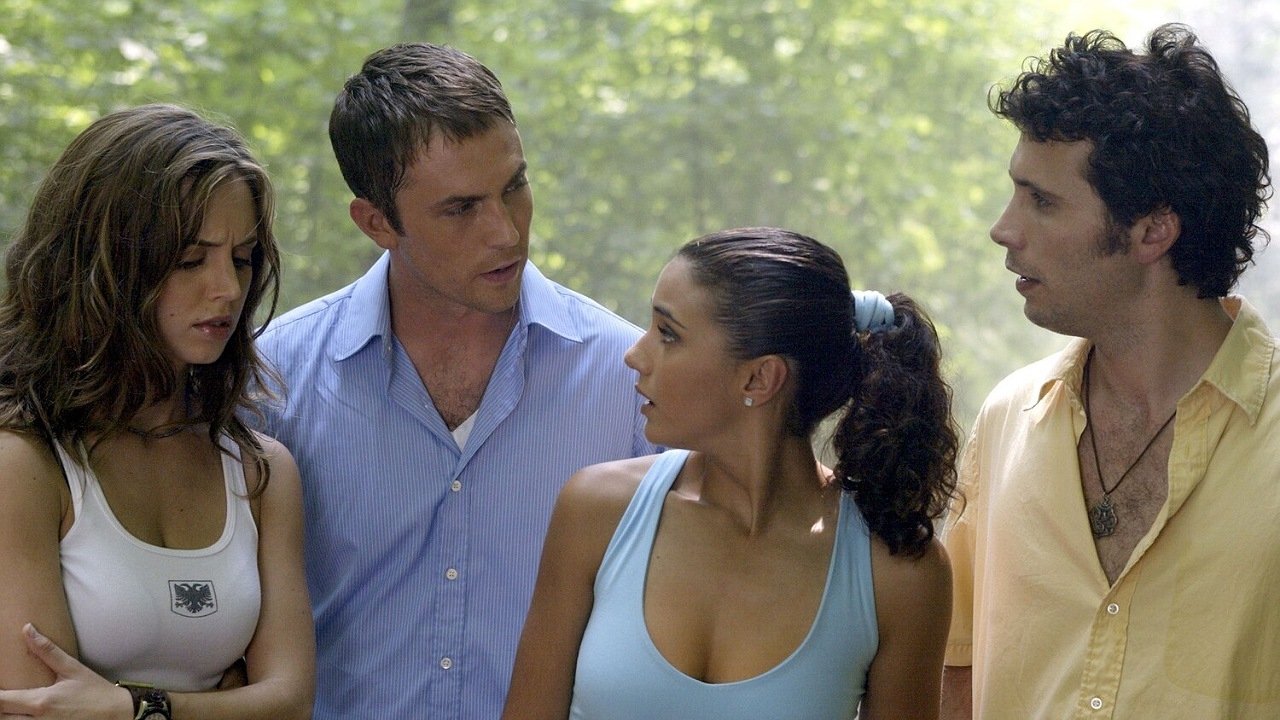
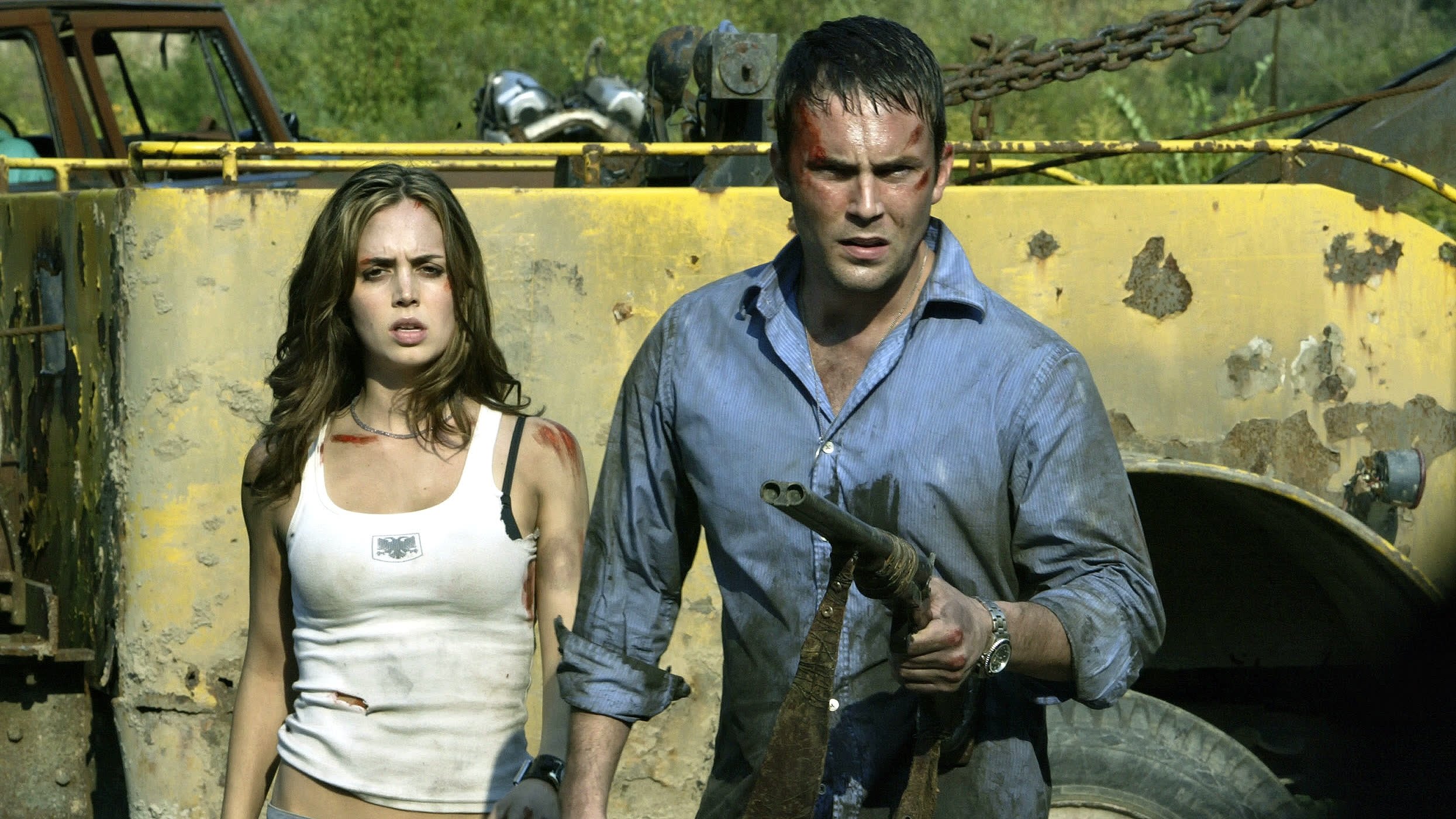
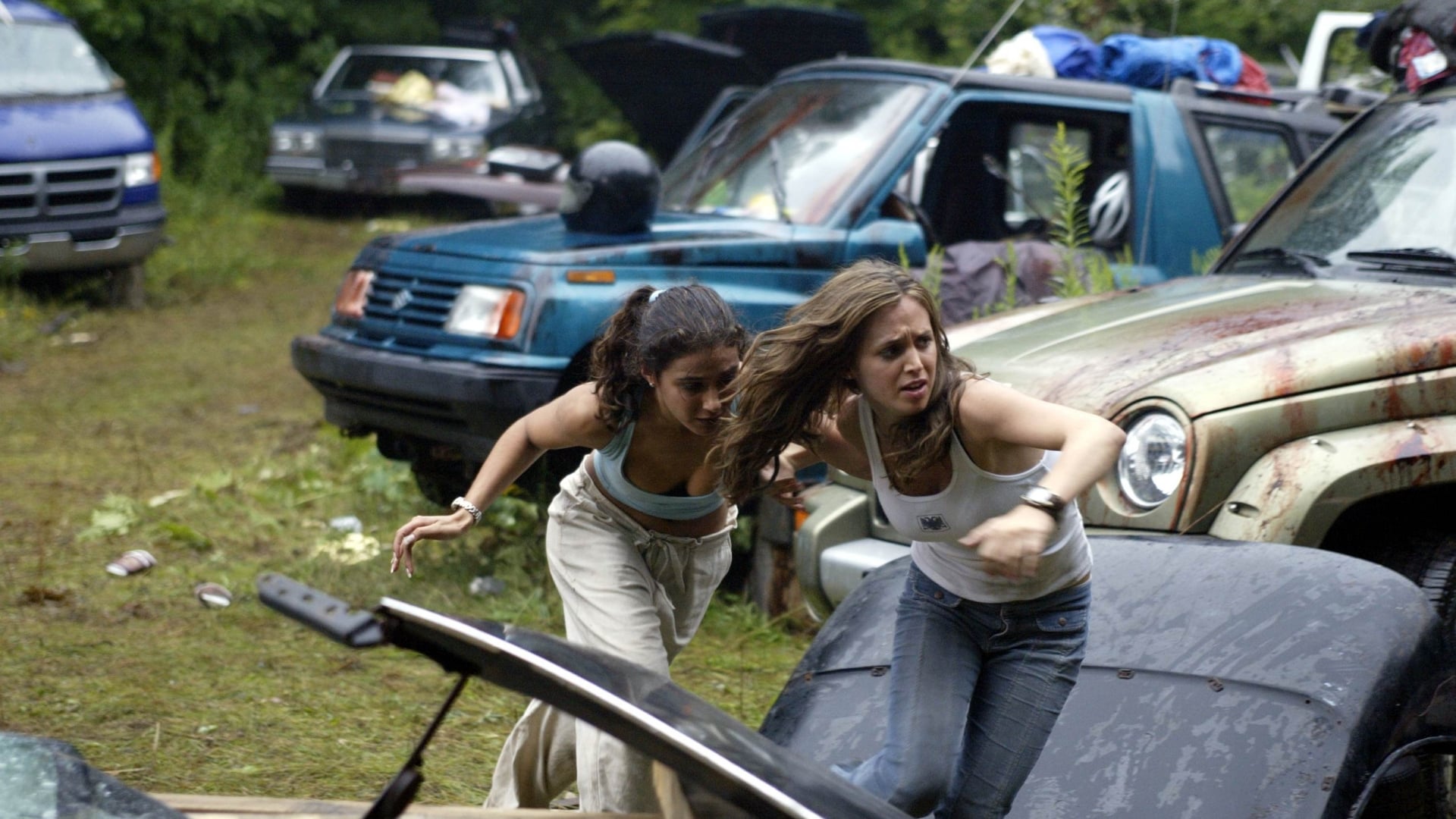
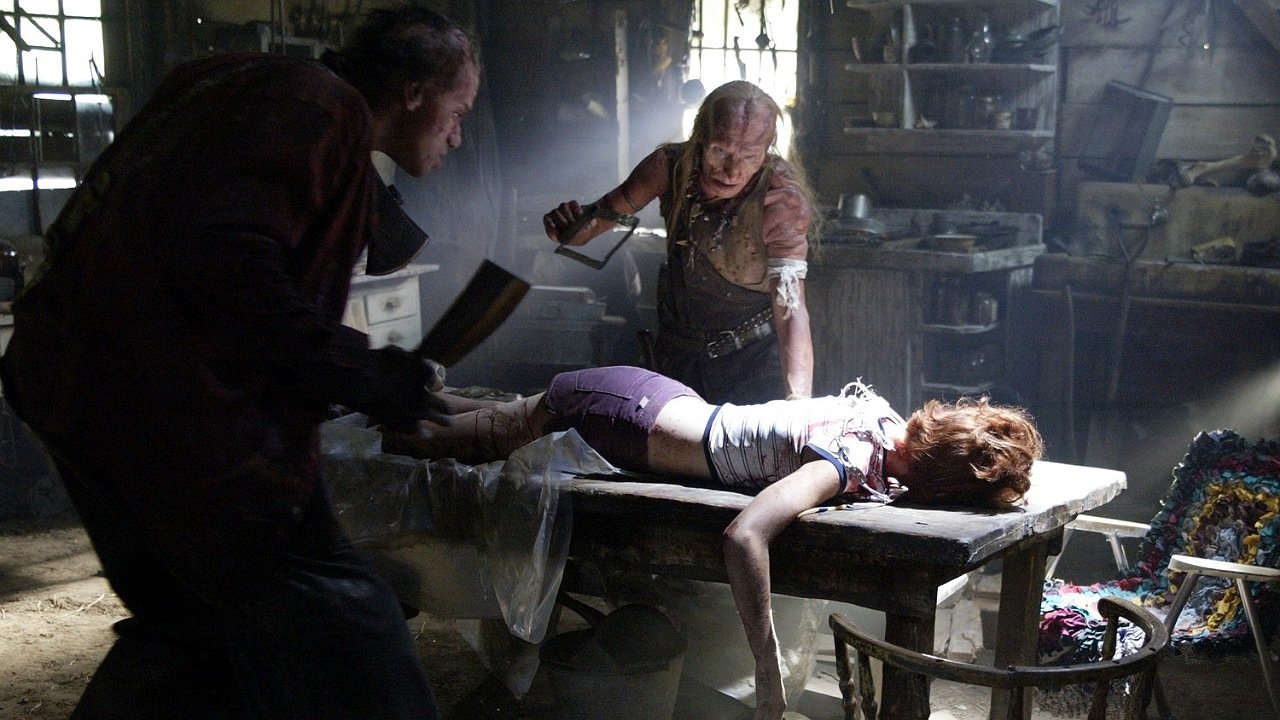
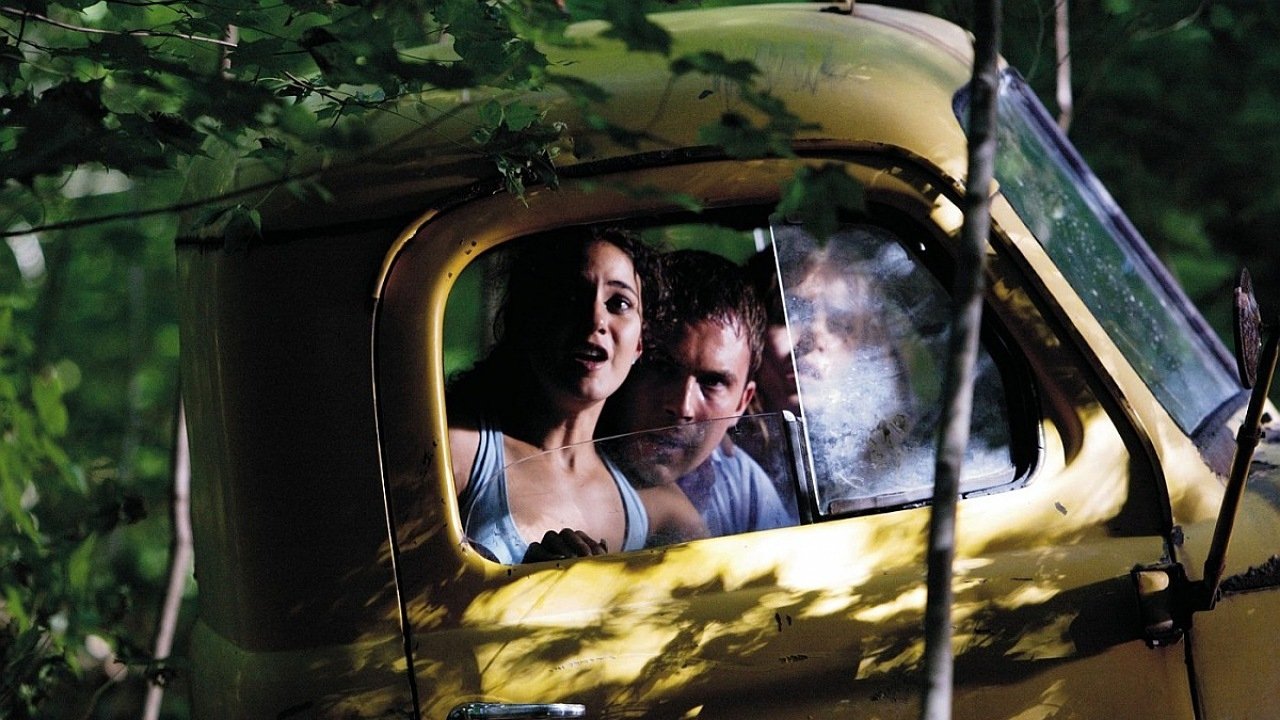
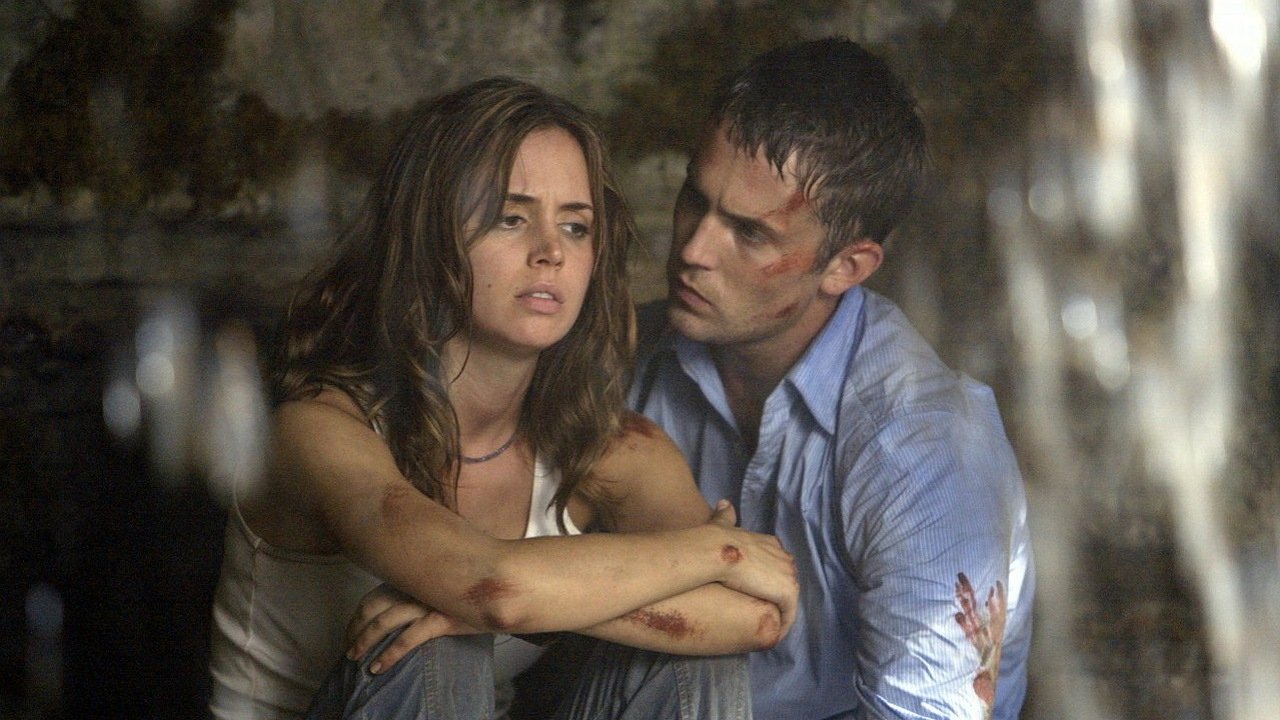
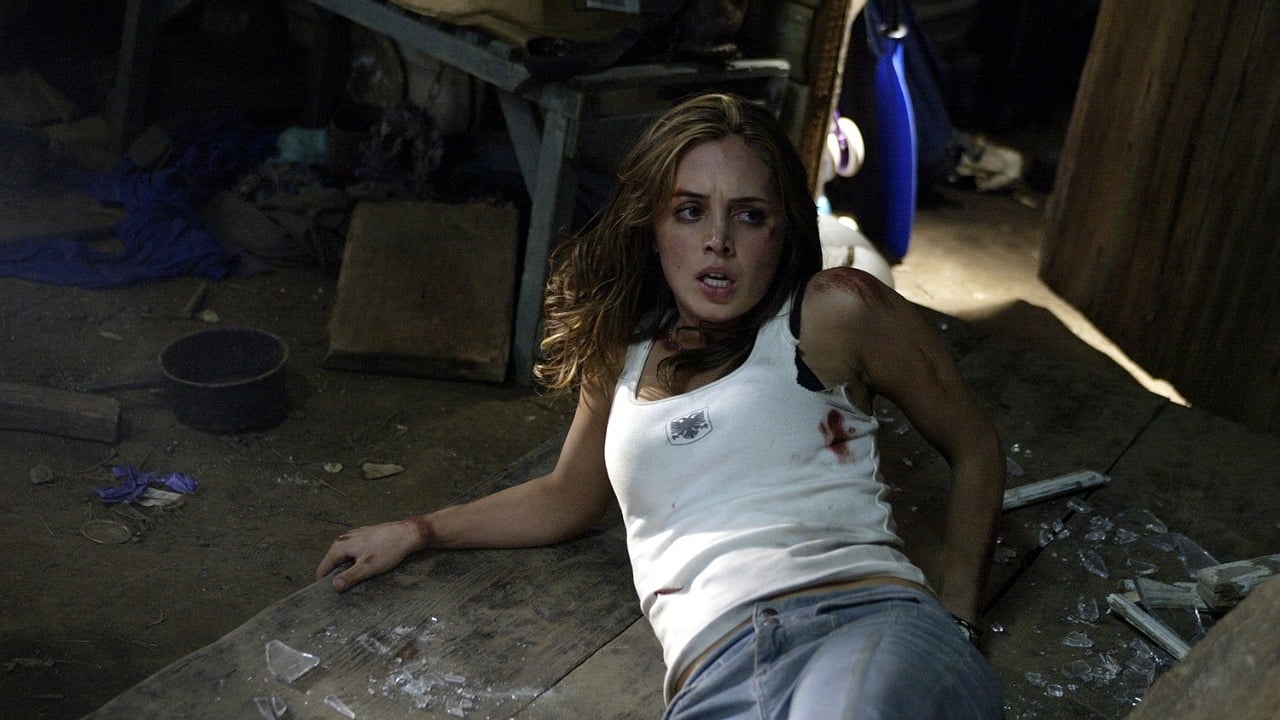
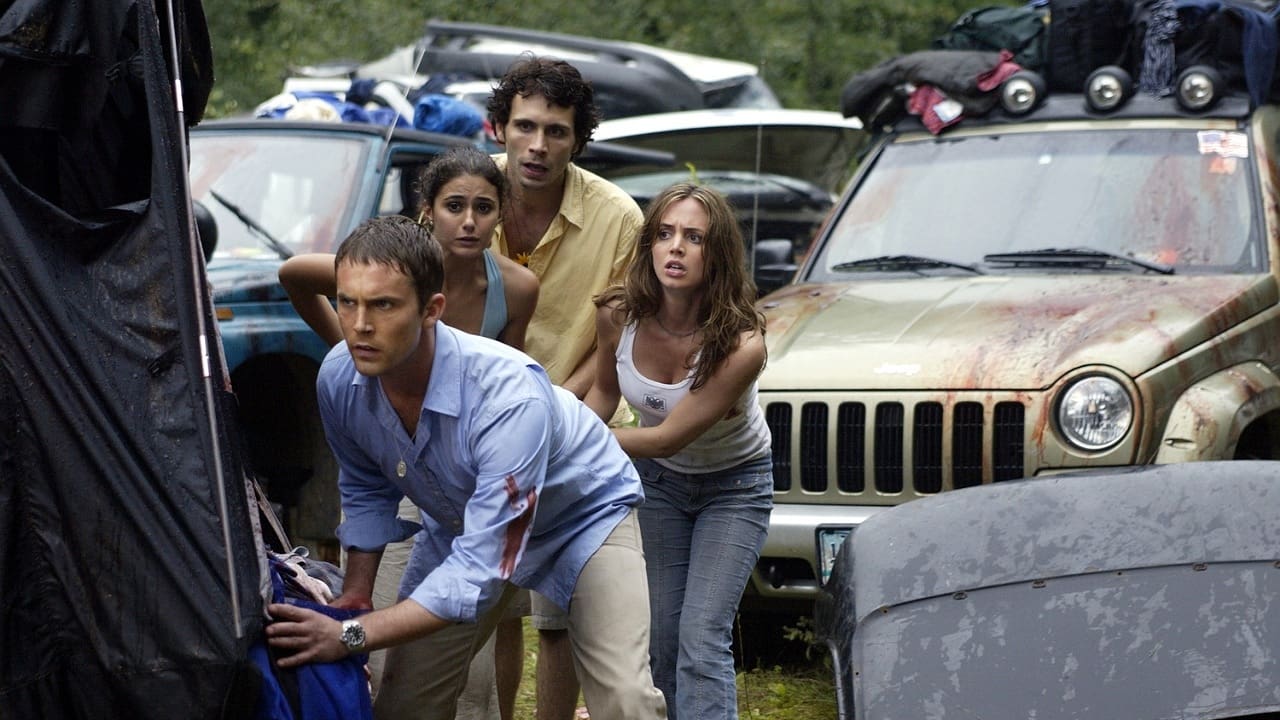
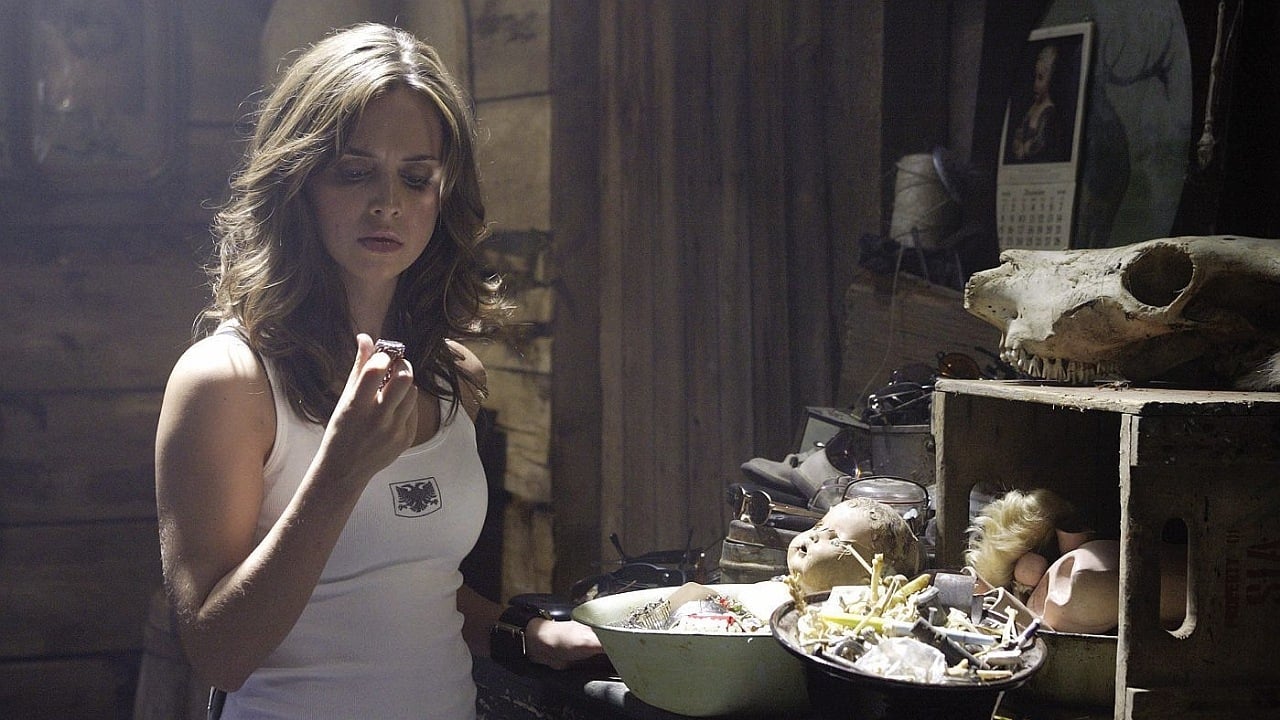
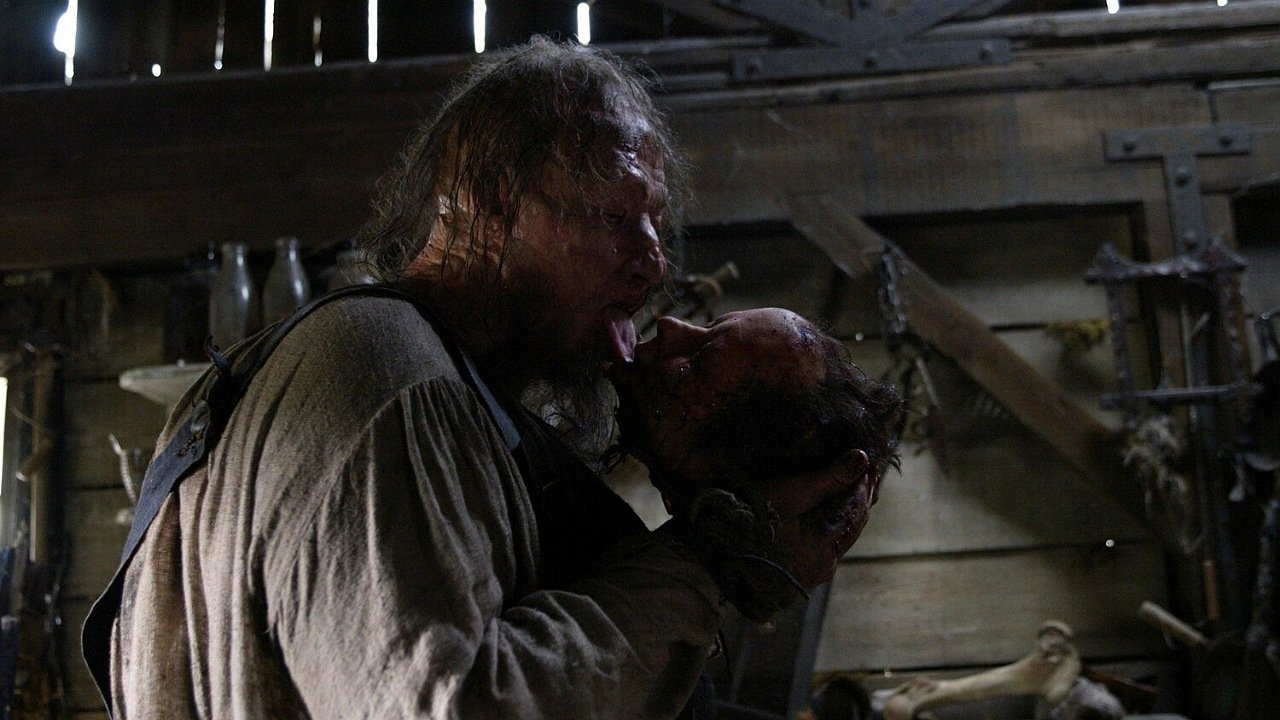
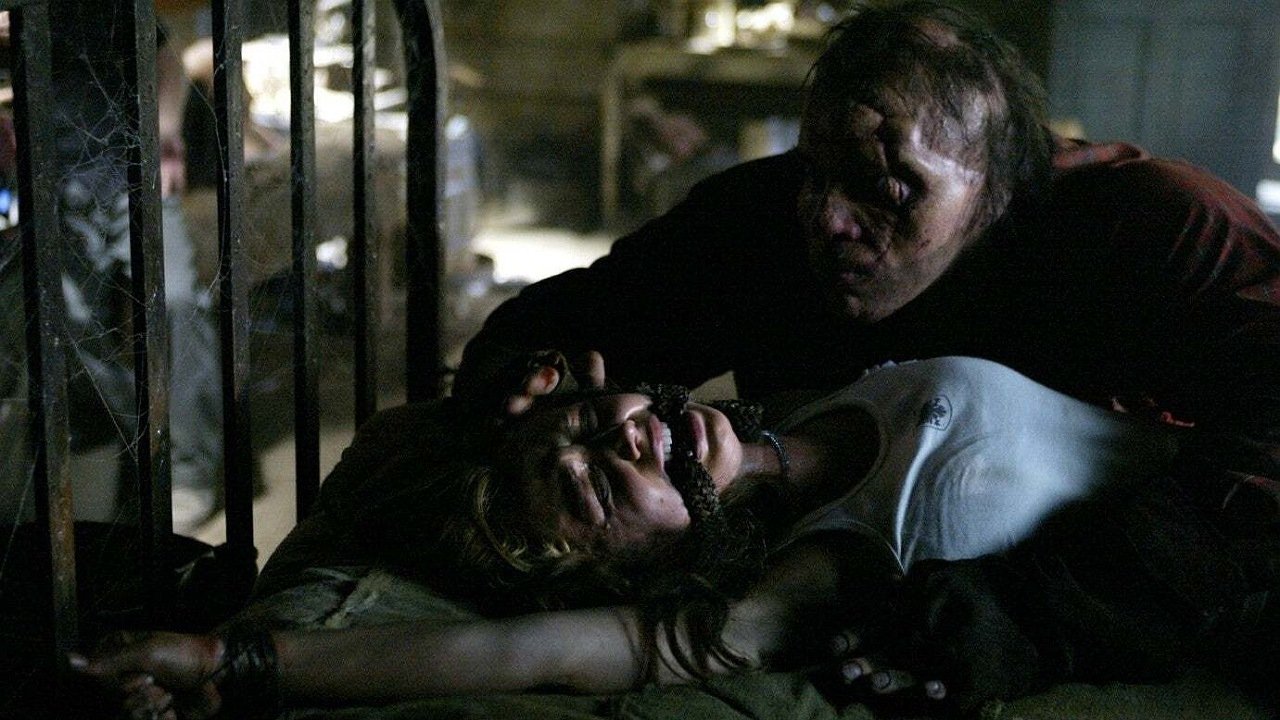
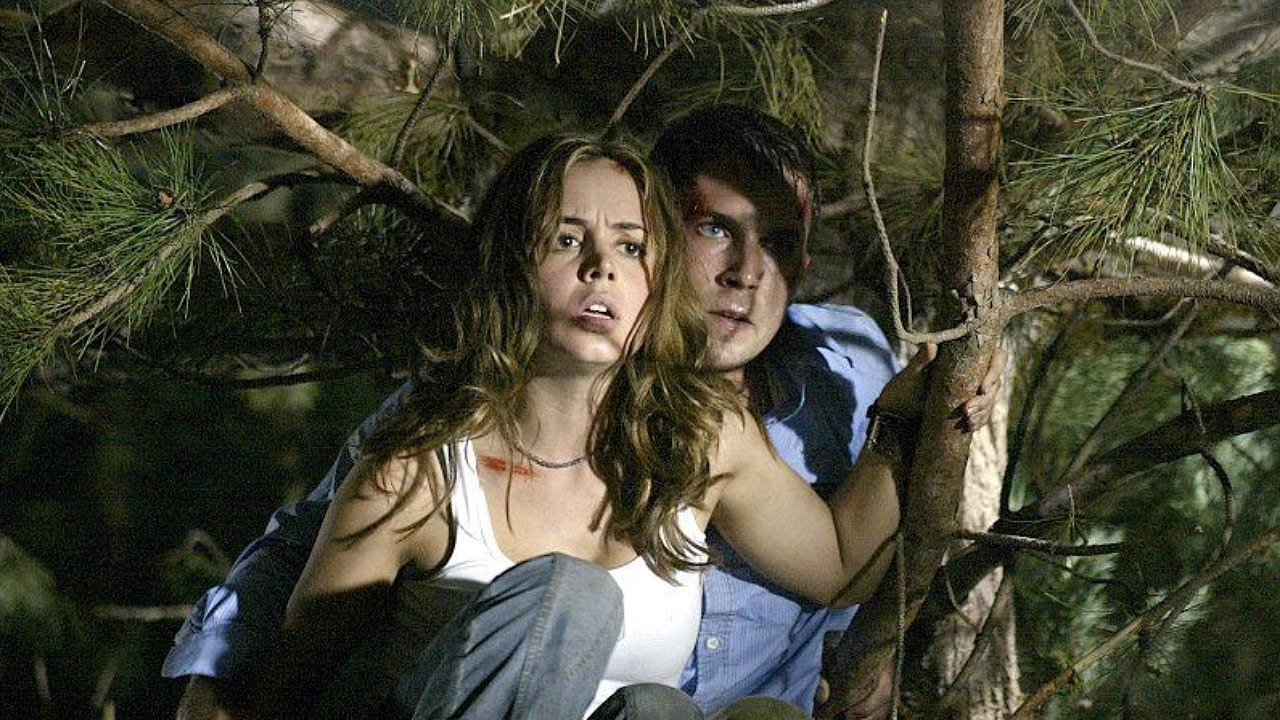
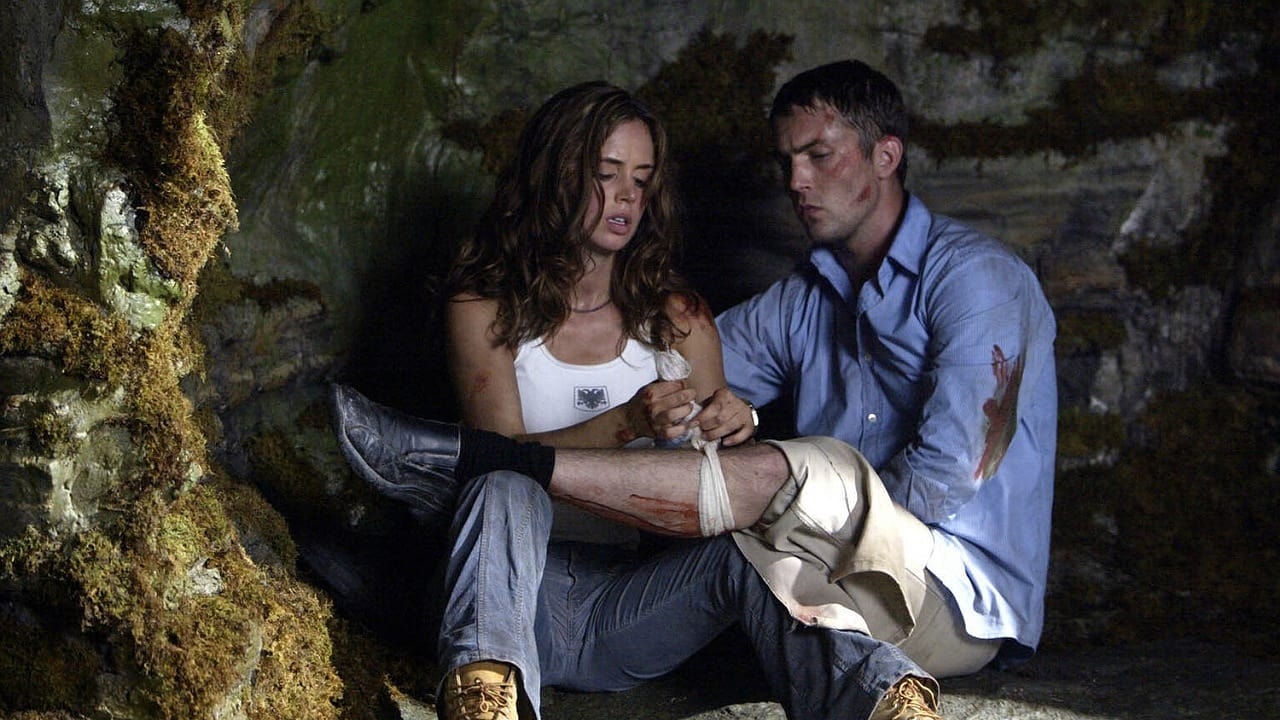
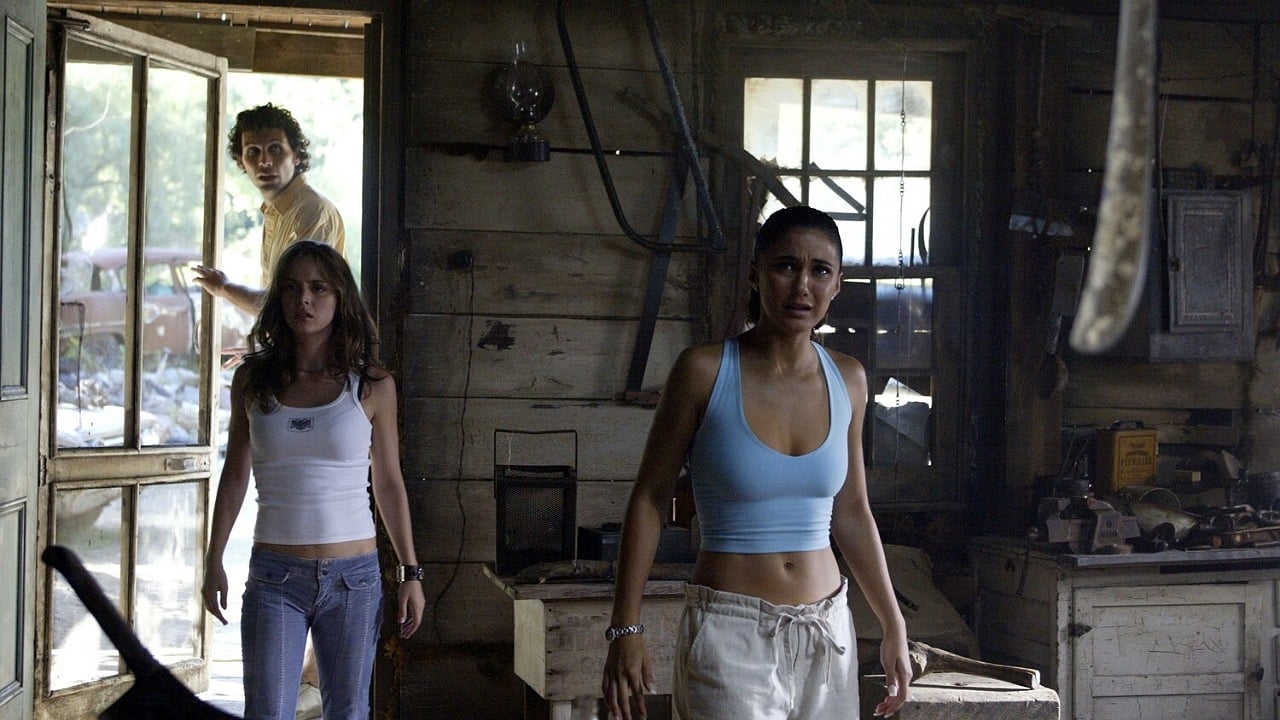
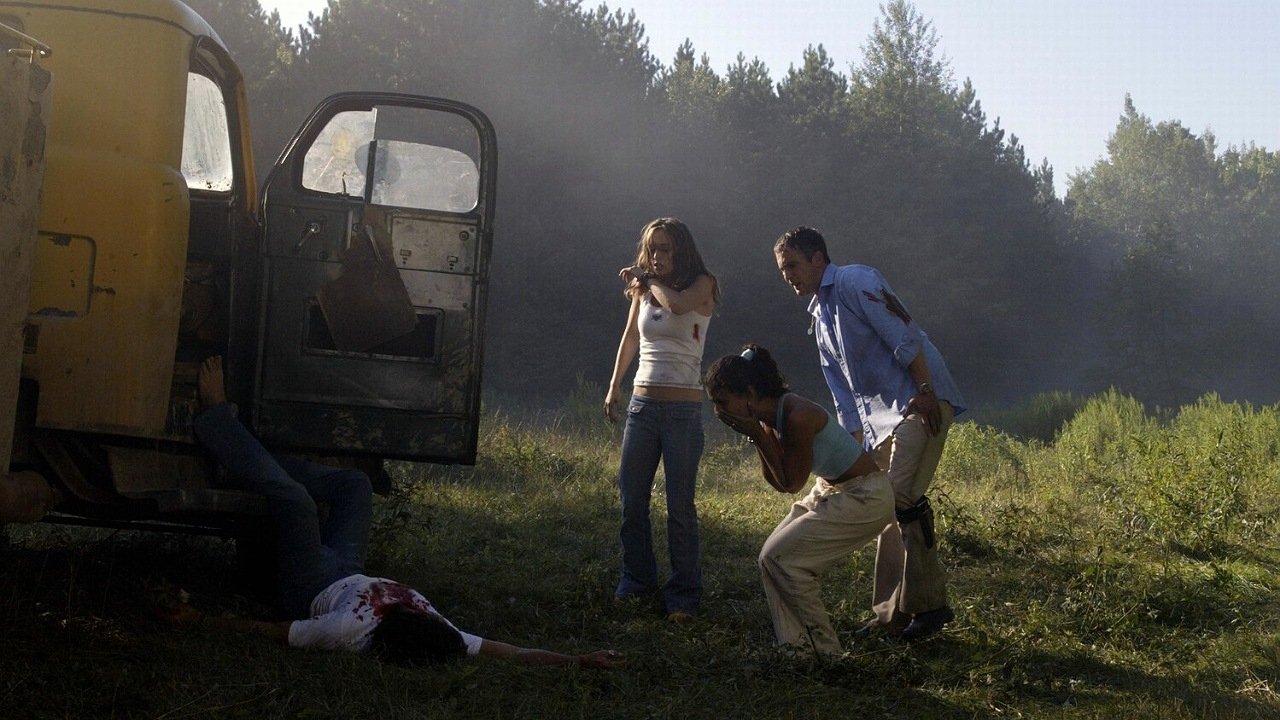
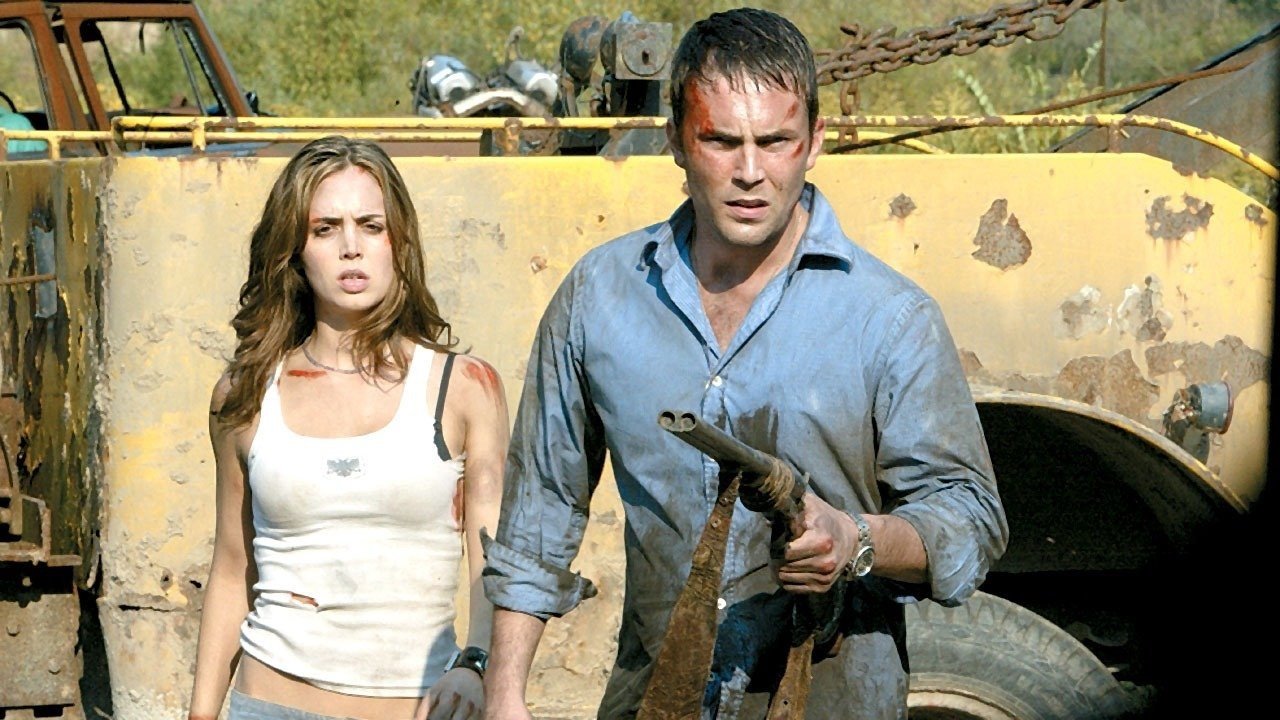
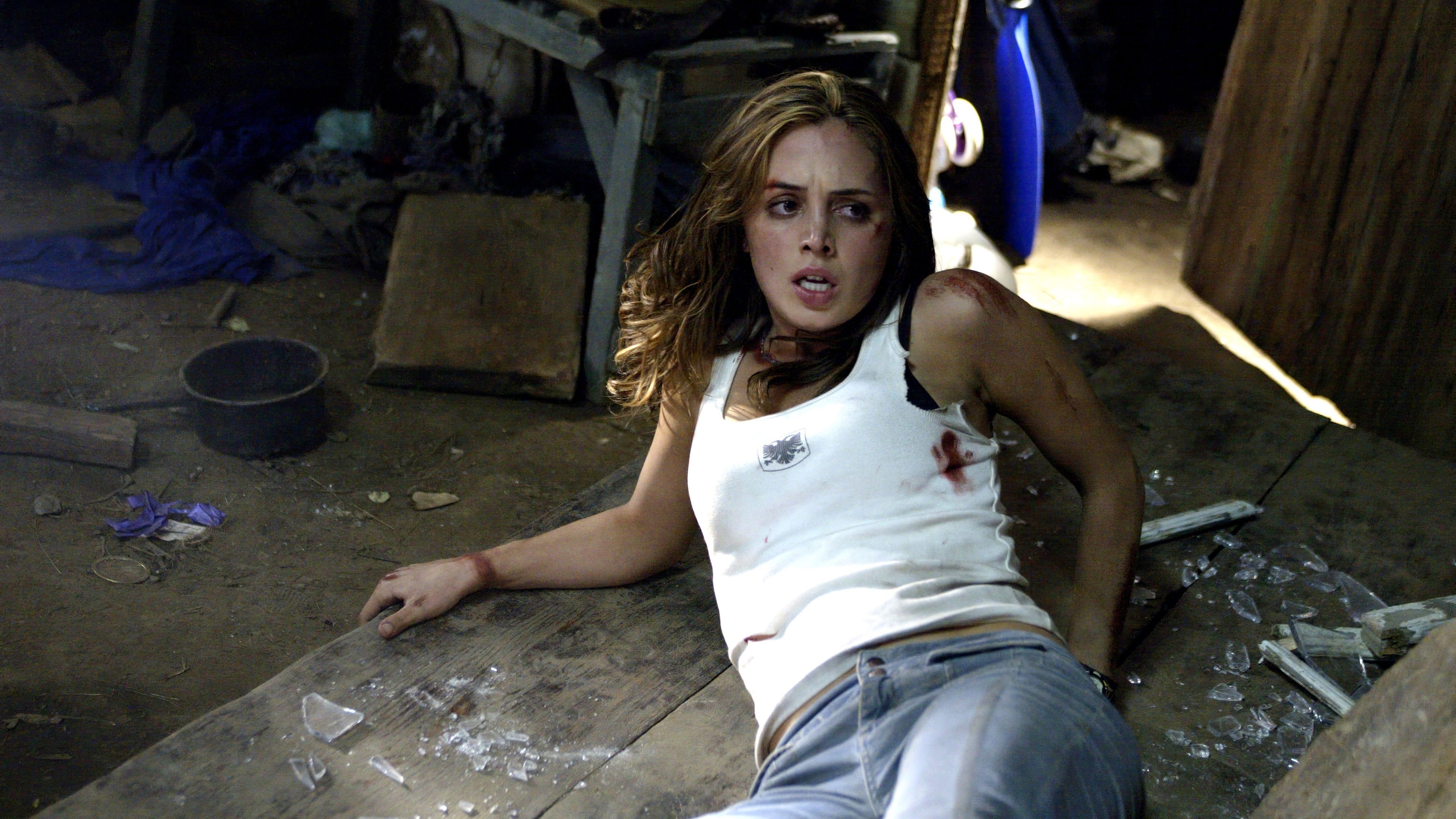
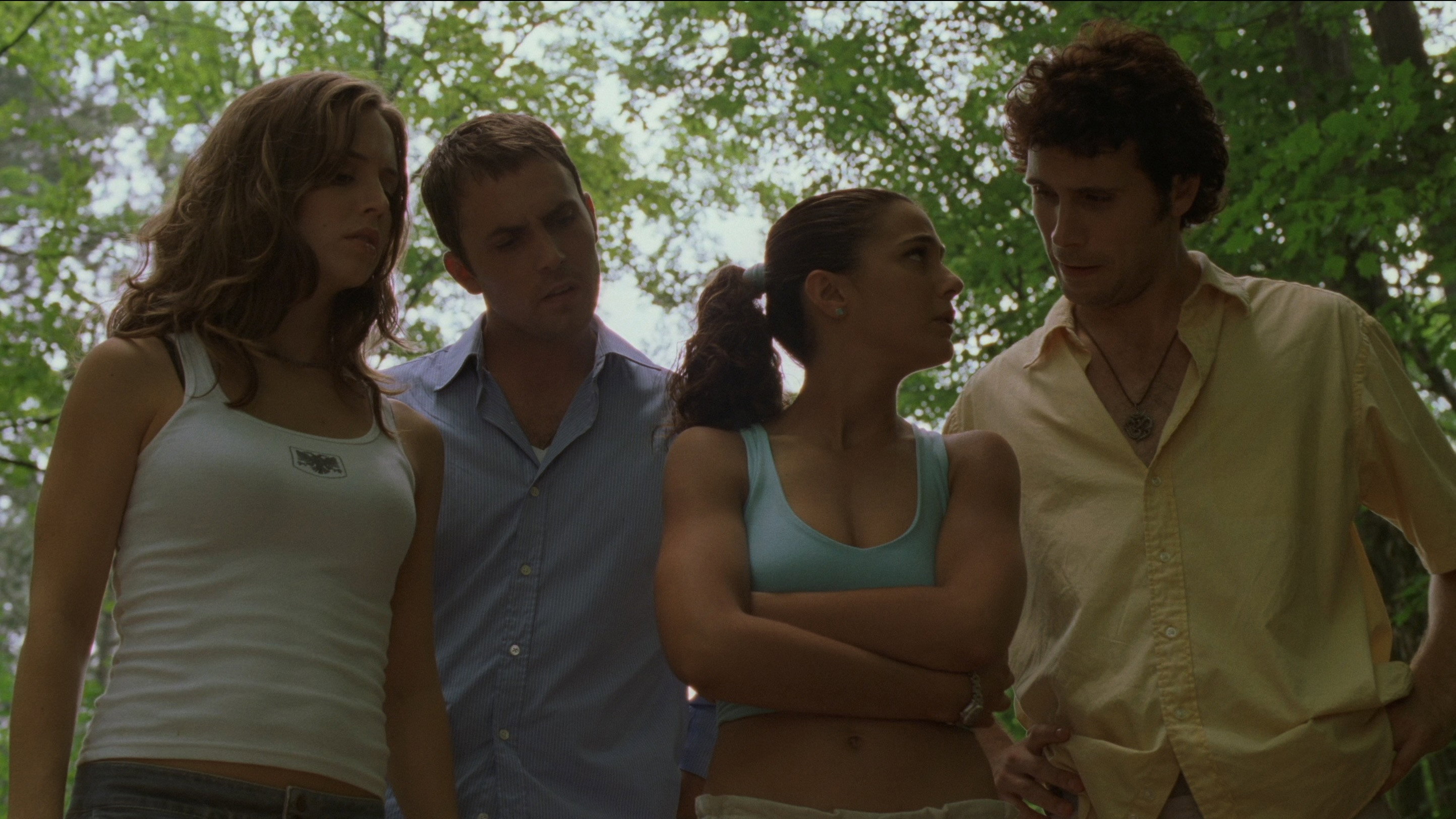
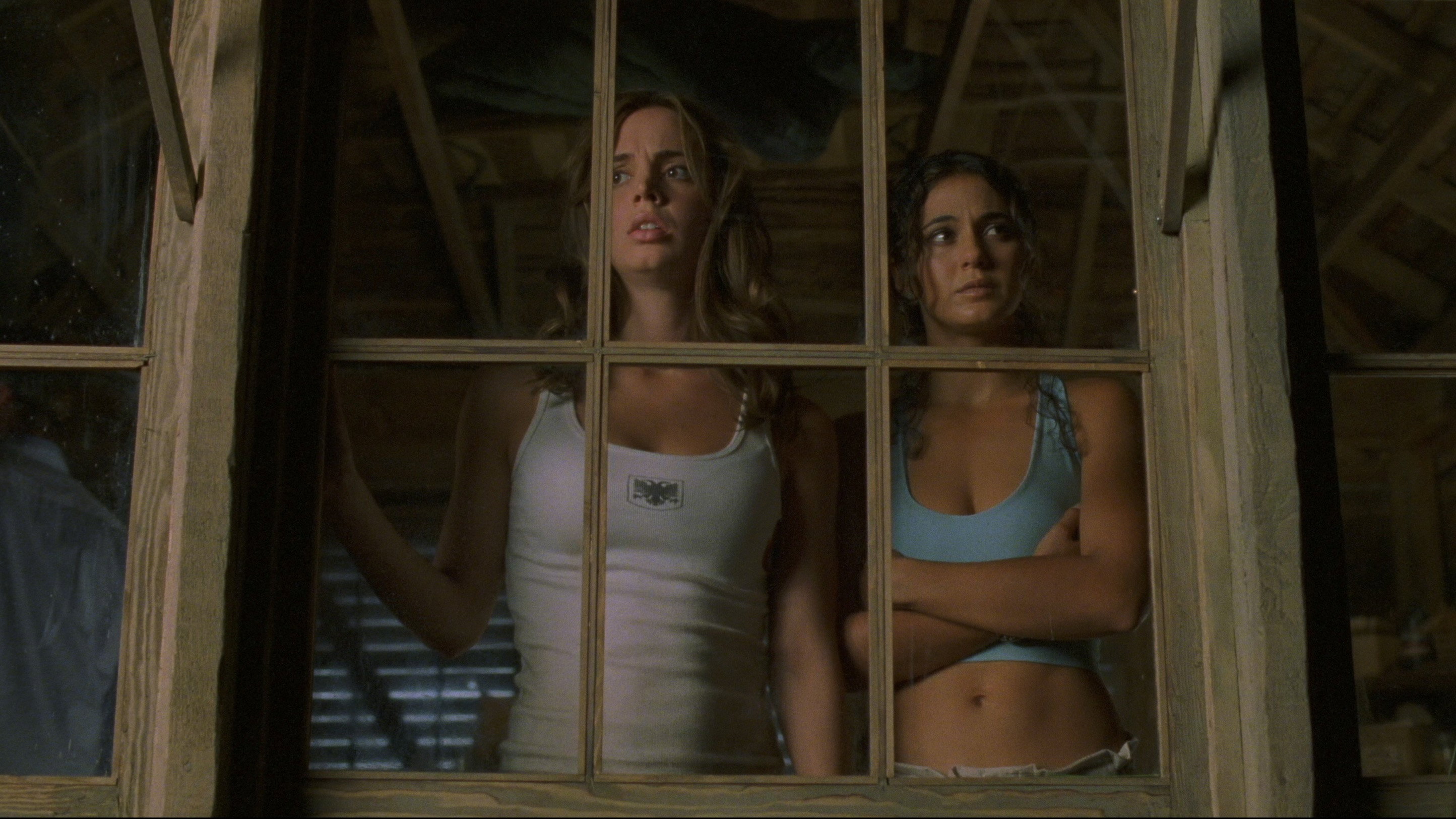
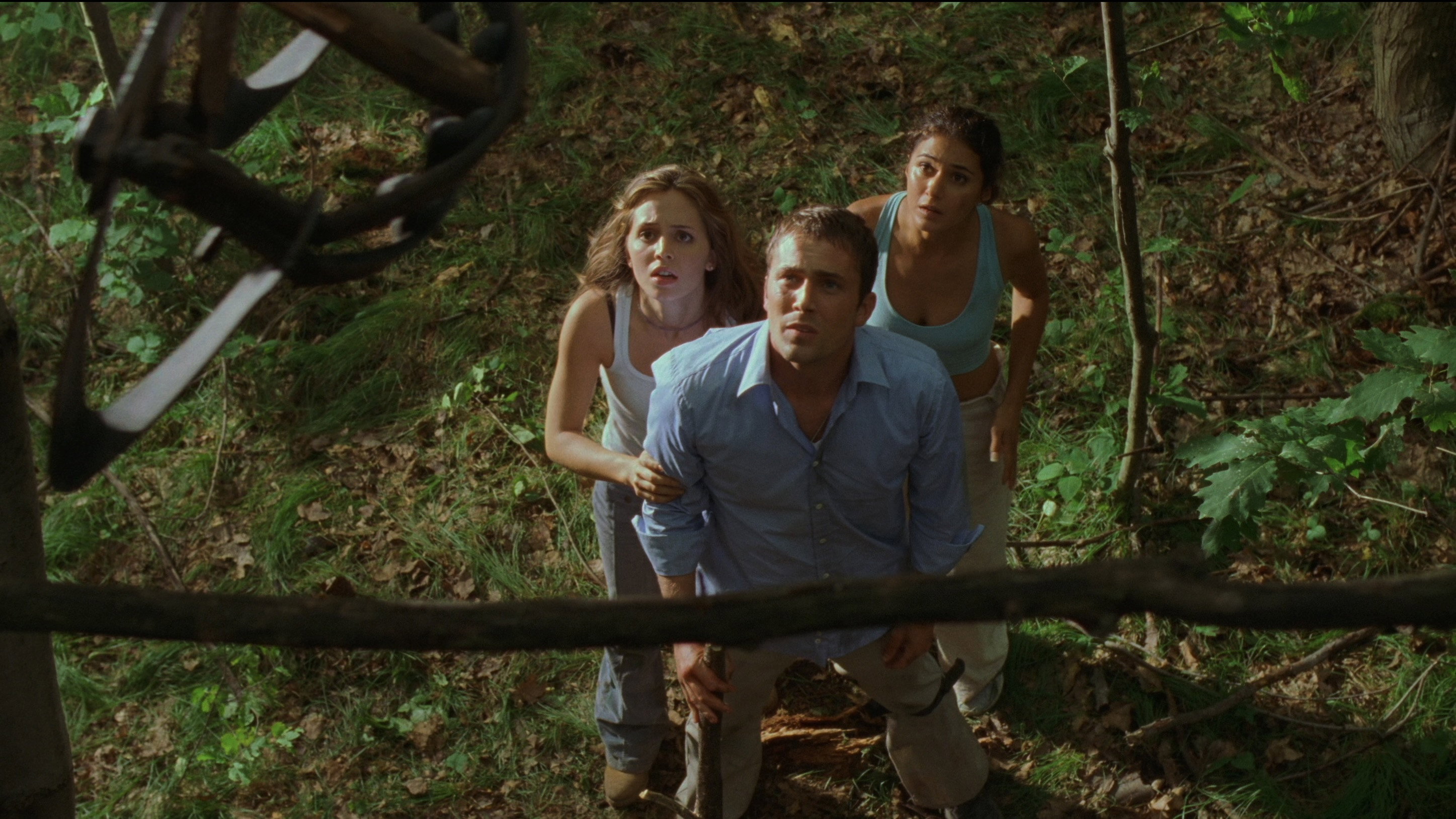
Medical student Chris Flynn takes a mountain road to avoid a traffic jam in West Virginia and collides with an SUV belonging to Jessie Burlingame and her friends. Someone has stretched barbed wire across the road, puncturing the SUV's tires and leaving the group stranded. While searching the woods for help, they enter a remote cabin containing personal belongings and human remains. The occupants return before the strangers can escape: Three Finger, Saw Tooth and One Eye, cannibal brothers who use the surrounding forest to trap passing travelers. The search for a working telephone becomes a flight through terrain the brothers know far better than their victims.

Alternative Titles
Wrong Turn 1 (Australia) Qorxu Qapanı (Azerbaijan) — alternative title Yanlış Döngə (Azerbaijan) Pogreshen zavoĭ (Bulgaria) Погрешен завой (Bulgaria) — Bulgarian Pânico na Floresta (Brazil) — Portuguese Sortie fatale (Canada) — French 致命弯道 (China)
Show all 44 alternative titles Pach krve (Czechia) — Czech Km. 666 (Desvío al infierno) (Spain) — Spanish Ihmisjahti (Finland) — Finnish Détour mortel (France) — French მცდარი მოსახვევი (Georgia) — Georgian Láthos strofí (Greece) Λάθος στροφή (Greece) — Greek 肢解狂魔 (Hong Kong SAR China) — Chinese 肢解狂魔1 (Hong Kong SAR China) Pogrešno skretanje (Croatia) — Croatian Halálos kitérő (Hungary) — Hungarian טעות בכיוון (Israel) — Hebrew پیچ اشتباه (Iran) Wrong Turn - Il bosco ha fame (Italy) — Italian クライモリ (Japan) クライモリ/間違ったターン (Japan) 데드 캠프 (South Korea) — Korean Lemtingas posūkis (Lithuania) — Lithuanian Camino hacia el terror (Mexico) — Spanish Droga bez powrotu (Poland) — Polish Escolha Perigosa (Portugal) — Portuguese Drum interzis (Romania) — Romanian Pogrešno skretanje (Serbia) Погрешно скретање (Serbia) — Serbian Povorot ne tuda (Russia) Поворот не в ту сторону (Russia) Поворот не туда (Russia) — Russian المنعطف الخاطئ (Saudi Arabia) — Arabic Napacen odcep (Slovenia) — Slovenian Pach krvi (Slovakia) — Slovak หวีดเขมือบคน 1 (Thailand) — Thai Korku Kapanı (Türkiye) — Turkish 鬼擋路 (Taiwan) — Chinese Povorot ne tudy (Ukraine) Поворот не туди (Ukraine) — Ukrainian Ngã Rẽ Tử Thần (Vietnam) — Vietnamese

Trailers & Videos

1 video

Film Guide & Analysis

Rob Schmidt rebuilt 1970s backwoods horror for the early 2000s through naturalistic forest photography, Stan Winston creature design, aggressive stunt work and practical gore, creating the foundation of the Wrong Turn franchise.

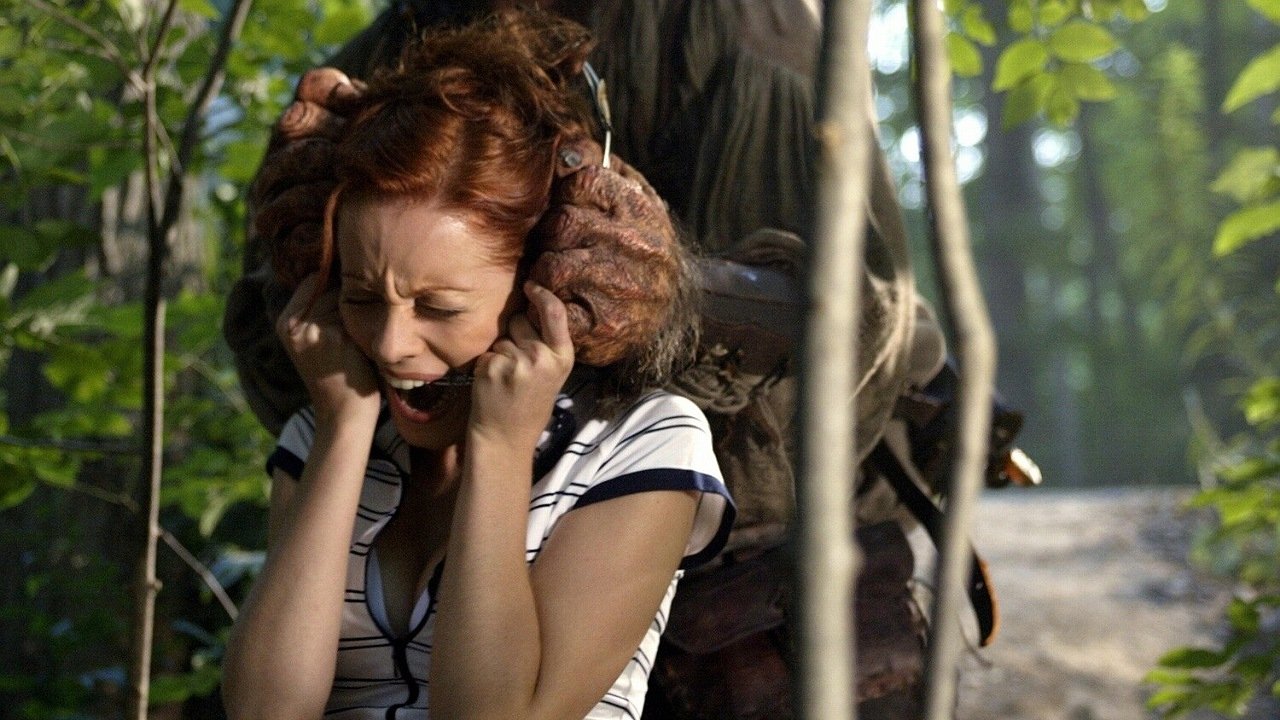
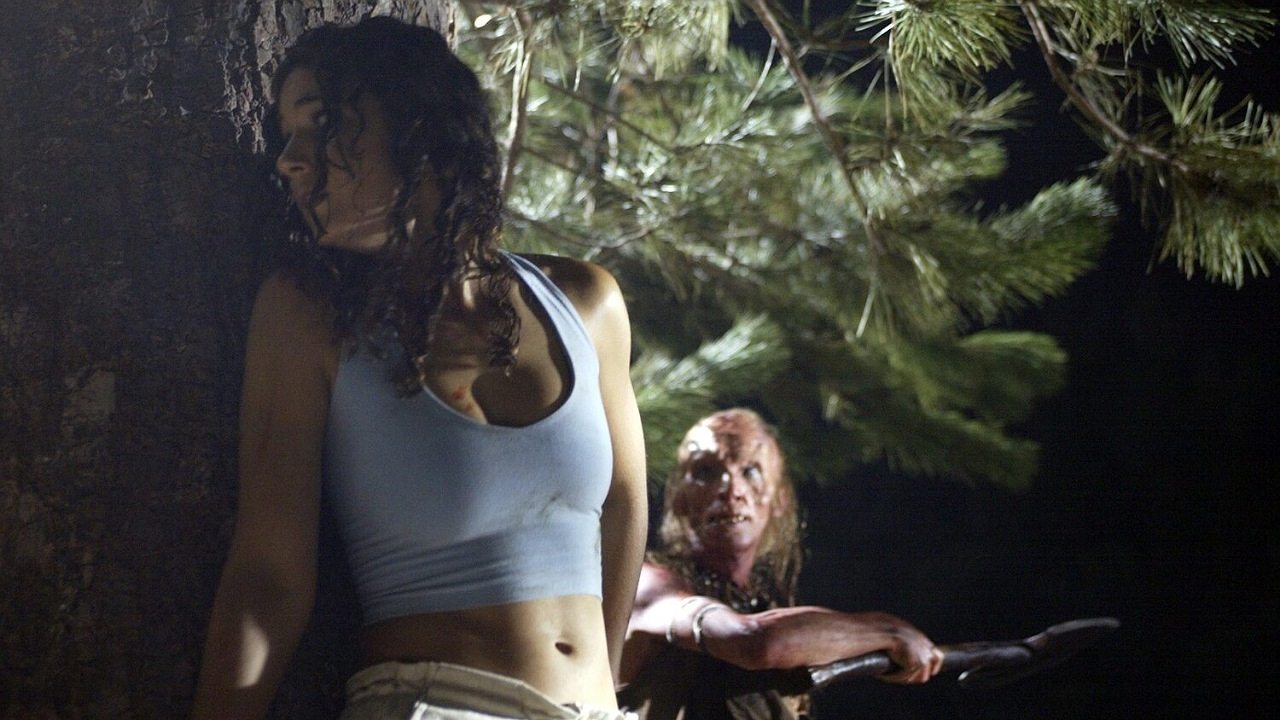
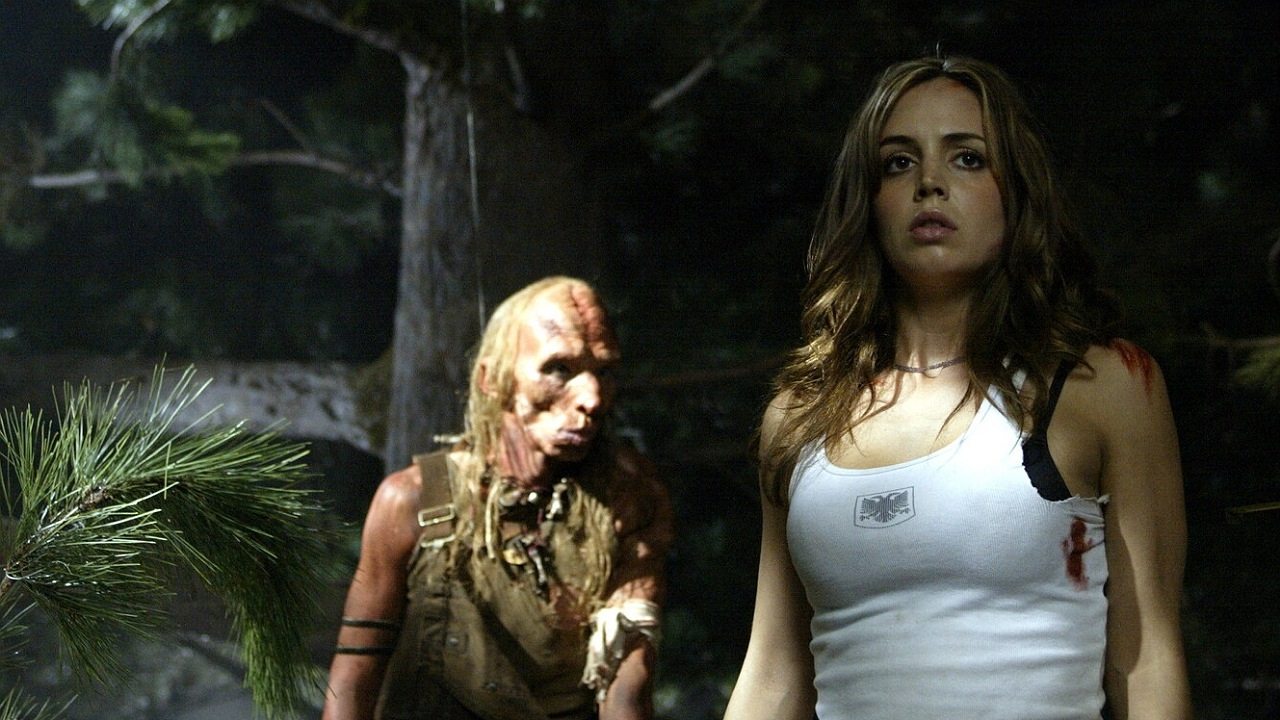
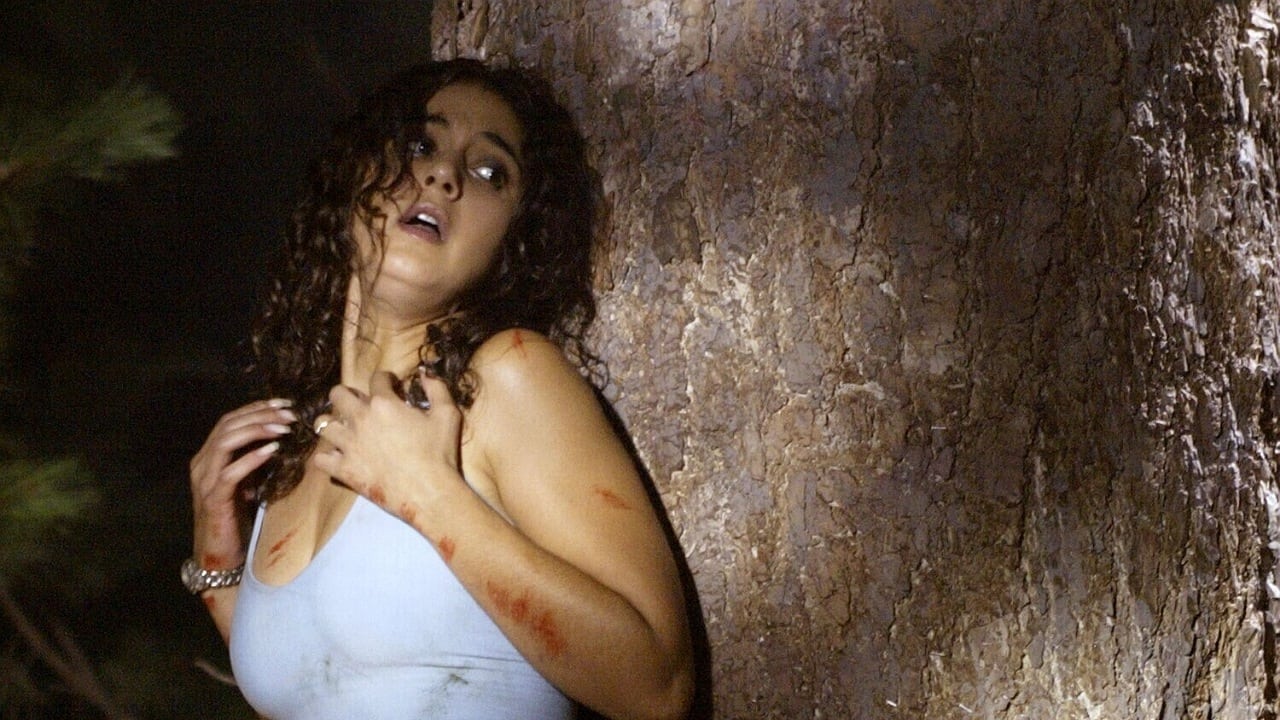
Wrong Turn reduces survival horror to a brutally efficient geographical mistake. Chris Flynn leaves a blocked West Virginia highway, takes an isolated mountain road and collides with a group of travelers whose own vehicle has been disabled. The accident removes transportation, telephone service and immediate contact with the outside world, forcing the survivors deeper into unfamiliar forest. What they discover is not a supernatural presence but Three Finger, Saw Tooth and One Eye, three cannibalistic men whose traps, house and knowledge of the terrain transform the wilderness into a controlled hunting ground. Rob Schmidt directs the 2003 film less as an elaborate mystery than as an accelerating pursuit in which every attempt to escape exposes the characters to another part of the predators' environment.

The film arrived during the beginning of a new cycle of commercially visible American horror but deliberately looked backward for much of its construction. Schmidt cited the tension and physical immediacy of 1970s films including Jaws and sought a comparatively natural photographic style, with fewer overt digital flourishes. Stan Winston, serving as producer as well as creature designer, approached the three killers as human beings with extreme deformities, while his effects team developed prosthetics and gore around performers physically present in the forest. The combination gave Wrong Turn an identity grounded in bodies, terrain and practical danger. Its theatrical performance was modest, but the film created characters and a backwoods survival formula durable enough to generate five direct sequels and, eventually, a separate 2021 reinterpretation.

Development and 1970s Horror Influence

Screenwriter Alan B. McElroy traced the originating idea to a real journey. While driving overnight with his wife during a snowstorm, he encountered a major traffic blockage and chose an unfamiliar side road in order to avoid being stranded. The practical solution immediately suggested the horror premise: leaving the safe route may solve one problem while creating another far more dangerous one. McElroy first developed a related short-film concept titled Blur, involving a criminal whose vehicle fails in the wilderness and who encounters dangerous mountain men, but the project was never produced.

The idea later expanded into Wrong Turn. McElroy recalled being encouraged to add a larger group of characters and give the project a simple, memorable title, after which he wrote the screenplay in approximately three weeks. Summit Entertainment and Newmarket became involved during development, and Stan Winston joined as a producer. Rob Schmidt, whose Crime and Punishment in Suburbia had screened at Sundance, was looking specifically for an opportunity to make a horror film and responded to the directness of McElroy's script: characters enter an unfamiliar environment, discover something appalling and spend the rest of the film attempting to survive.

Schmidt did not want to treat that simplicity as a weakness. During production he kept posters for Jaws and Alien in his office and spoke openly about the power of 1970s suspense filmmaking. His visual references also included The French Connection. He wanted natural light, slower zooms and periods of observation interrupted by sudden physical violence, using visual restraint to heighten the attacks. The film consequently uses a contemporary cast and editing rhythm while drawing much of its underlying construction from an earlier form of survival horror.
Ontario Forest and Cinematography

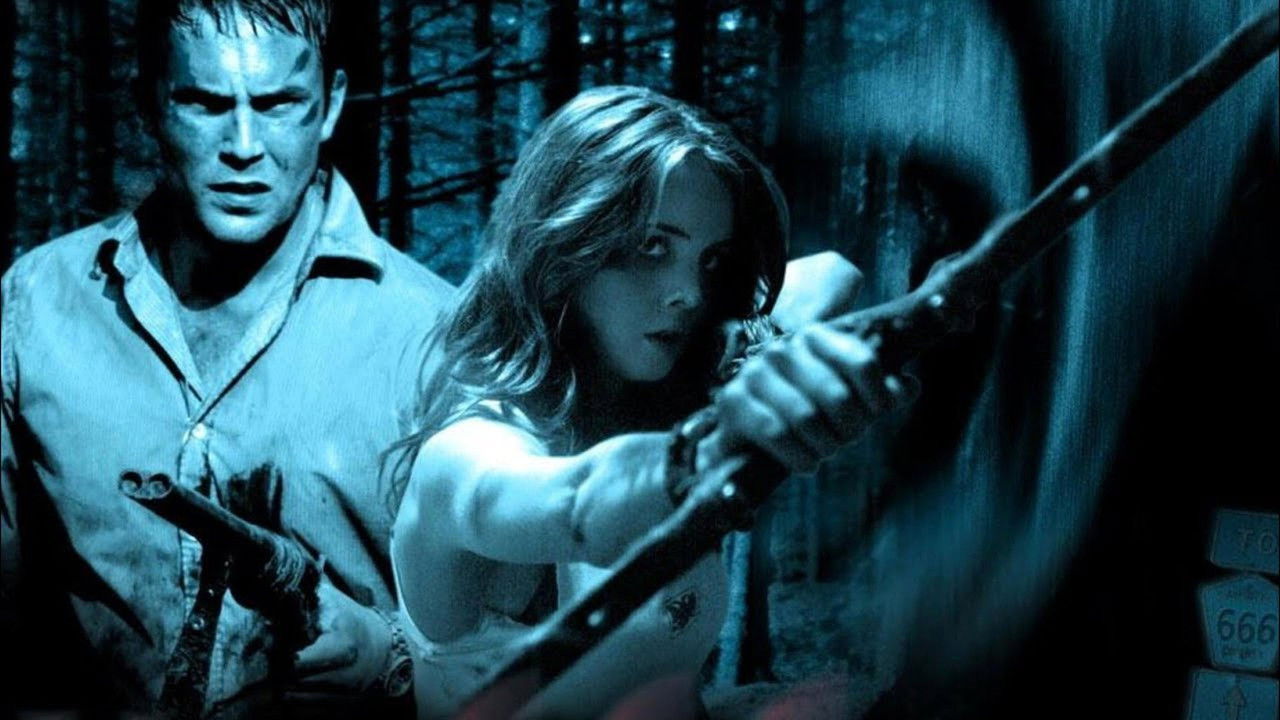
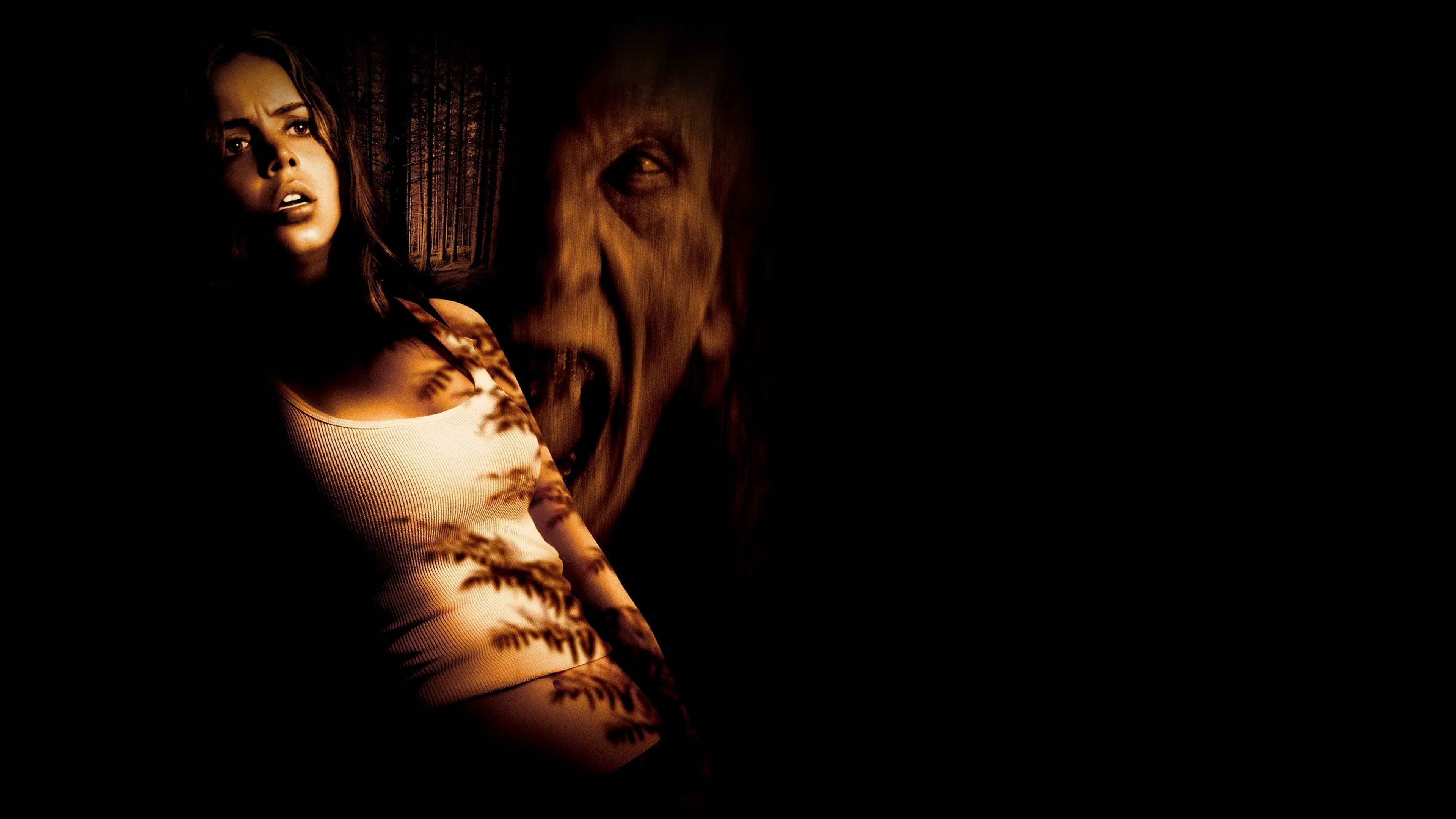
Although the story is set in West Virginia, principal forest material was photographed in Ontario, Canada. Schmidt later described working in a large park north of Toronto whose cliffs, dense vegetation and relative isolation could provide what he called a miniature wilderness. The production sometimes had to conceal evidence of the nearby city, including digitally removing or replacing distant urban structures visible beyond the trees. Additional Ontario locations included areas around Hamilton, Dundas and Uxbridge, with Webster's Falls among the recognizable natural sites used during filming.

John S. Bartley served as director of photography. Schmidt wanted a visual texture closer to 1970s location filmmaking than to polished studio horror, emphasizing available or apparently natural light and allowing the forest to retain readable depth around the characters. This is especially important during the stalking material because the trees must function simultaneously as scenery and concealment. The audience can often see considerable distance into the environment without knowing whether one of the killers is already occupying that space.

The forest becomes a technical component of the suspense, determining how characters can move and perceive danger. Roads narrow or disappear, elevation changes constantly and the characters rarely have a complete view of the route ahead. High positions such as the watchtower briefly reverse that disadvantage by allowing the survivors to see the landscape from above, but the film immediately converts height into another problem once the structure is attacked. Geography continually determines what kind of stunt, pursuit or effect can occur next.

Stan Winston and the Cannibal Design

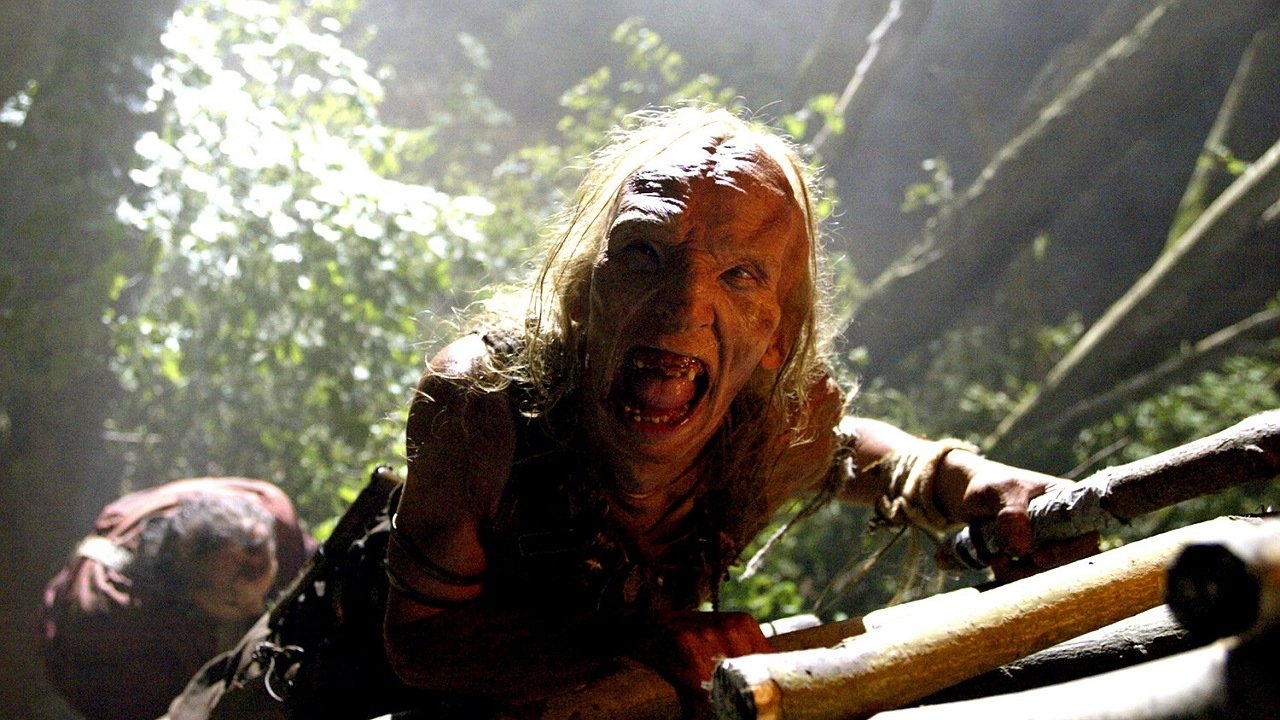
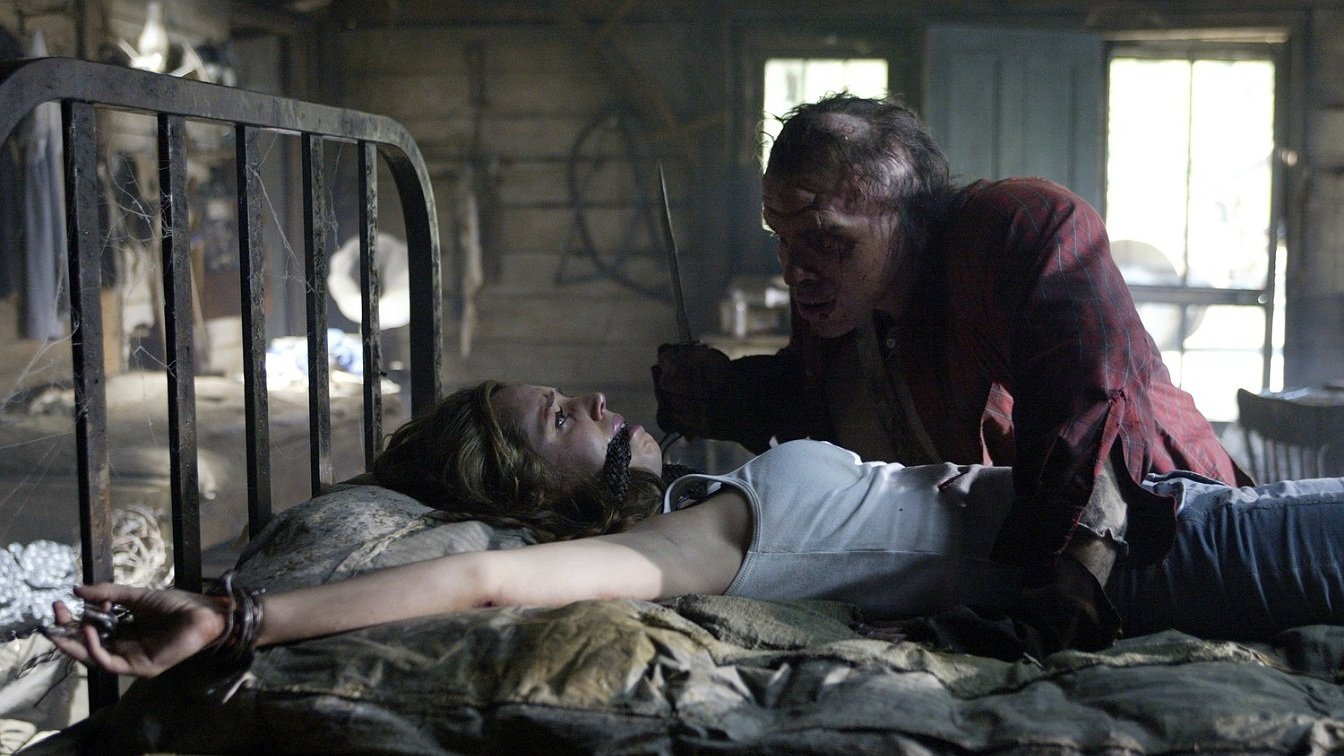
Stan Winston's involvement gave the production access to one of the most experienced creature-effects organizations in American cinema. Winston was not interested in presenting Three Finger, Saw Tooth and One Eye as fantasy mutants detached from human anatomy. Schmidt said that the designs were informed by physical deformities found in medical reference material, with the intention of creating men whose bodies had developed abnormally, grounding their appearance in anatomical reference material. No computer-generated imagery was used to construct the three principal cannibals themselves.

Performance remained central to that approach. Julian Richings played Three Finger, Ted Clark played One Eye and the exceptionally tall Garry Robbins played Saw Tooth. Winston suggested making Three Finger physically smaller than the other two, changing an earlier concept in which all three were large men. The contrast produced a more varied group: Saw Tooth supplies overwhelming size, One Eye adds another heavy physical presence and Three Finger can move more quickly and unpredictably. Richings' distinctive vocalizations and laugh were retained as part of the character's performance in the final soundtrack.

The prosthetic applications were substantial. Schmidt recalled production days on which performers required roughly five hours of makeup before photography could begin. The designs needed to survive close photography, outdoor conditions, stunt action and repeated applications while remaining flexible enough for the actors to perform beneath them. The resulting faces are asymmetrical and exaggerated without becoming completely nonhuman. This practical construction proved especially important for the franchise because Three Finger could later become its most recognizable recurring figure without requiring a supernatural explanation for his appearance.

Gore, Stunts and Effects Engineering

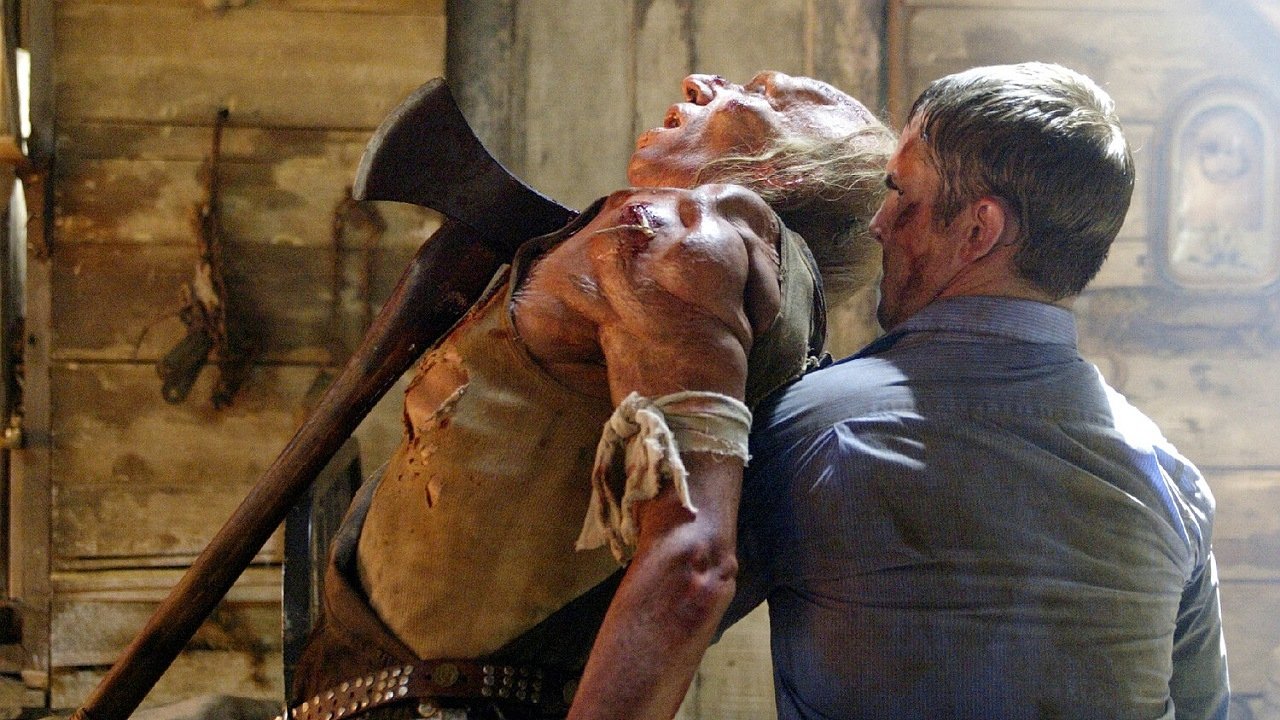
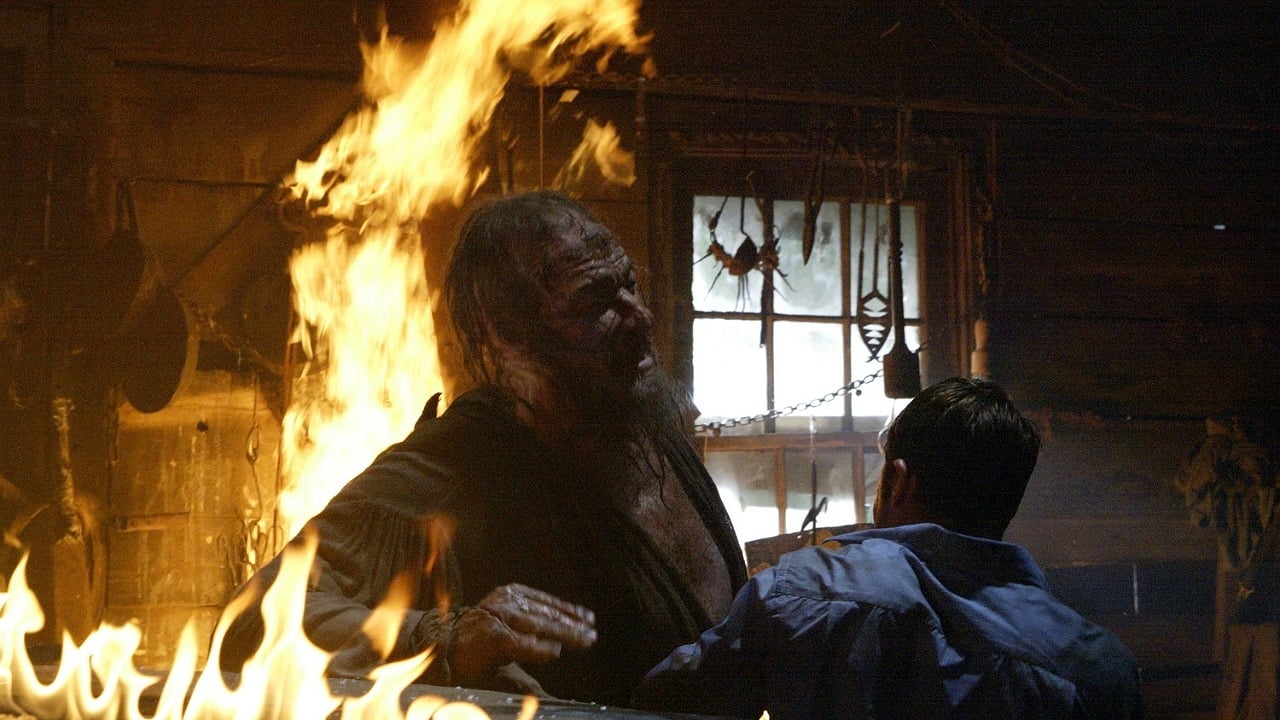
Wrong Turn combines special makeup, mechanical effects, stunt performers and selective digital augmentation rather than relying on one method for its violence. Schmidt described days involving full-body burns, explosions, vehicle action and axe fighting alongside actors working under heavy prosthetic makeup. One major sequence required a stunt performer to fight while on fire near the burning cabin before the production reset with the principal actor, double and stand-in maintaining identical levels of costume damage. The practical logistics of continuity therefore became almost as important as the violence itself.

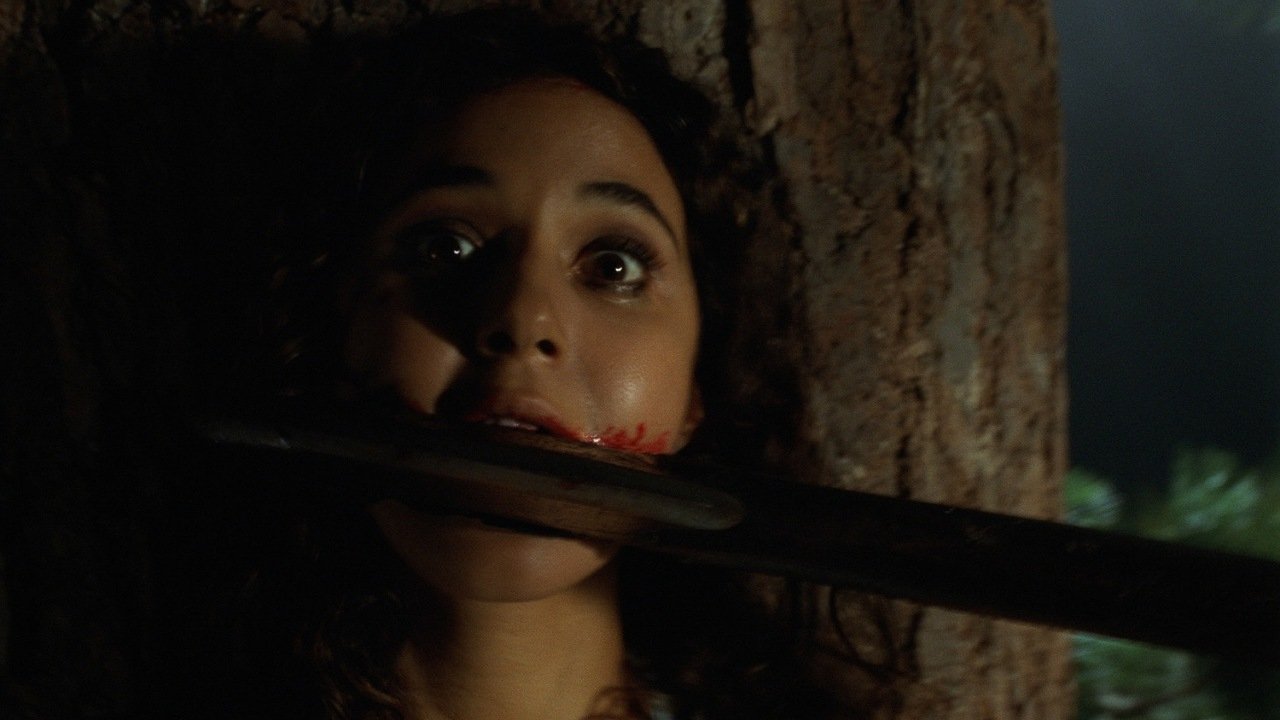
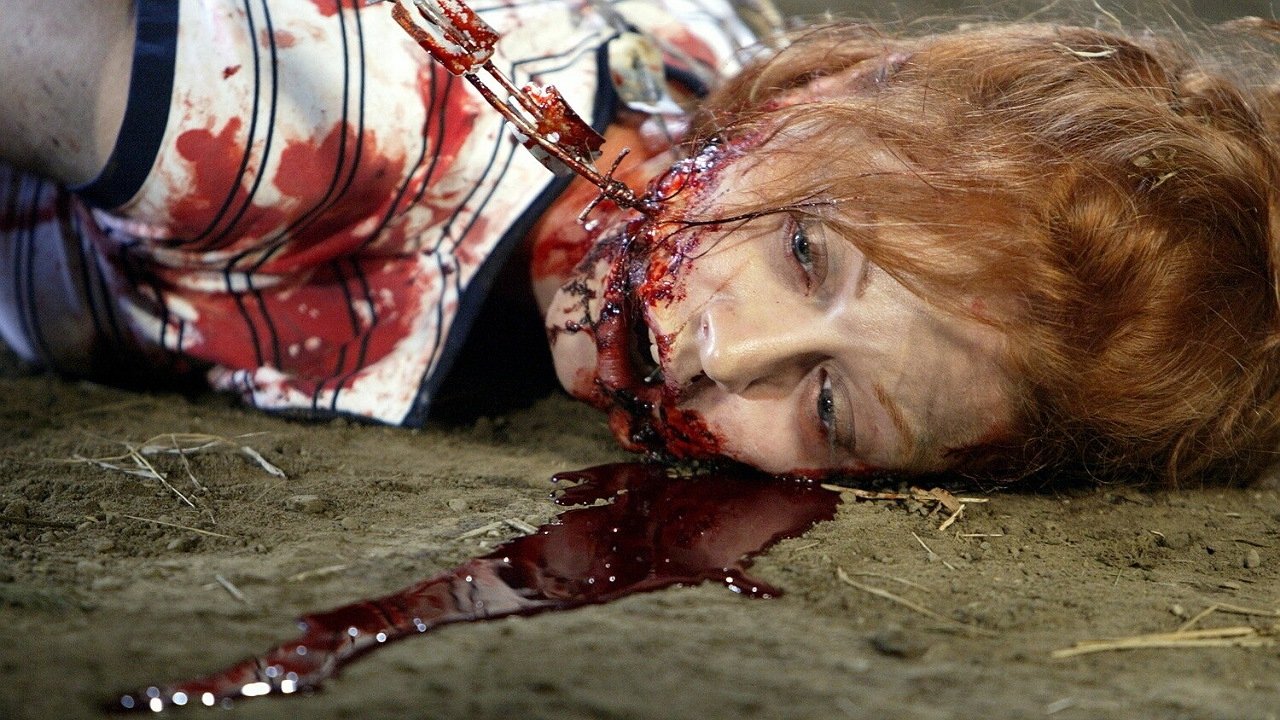
Carly's decapitation is a particularly clear example of economical effects design. Shane Mahan explained that the original concept risked requiring an expensive artificial head capable of delivering a convincing close performance. The team instead broke the action into separate physical illusions. A cutaway axe was prepositioned at the actress's mouth, while the attacking performer swung another axe toward camera. A rapid whip pan concealed the substitution and allowed the cut to appear to occur in real time. Using the actress's actual face preserved eye movement and expression that would have been difficult and costly to reproduce mechanically.

The following stage used a false tree arrangement and a lightweight replica body so that the head could appear momentarily suspended while the torso dropped away. Digital work then refined details including the eye and the final fall through the trees. Mahan later emphasized that the cheaper solution was arguably more convincing because practical photography retained the performer for the portion of the effect where human response mattered most. The sequence summarizes the film's general methodology: physical performance and practical elements establish the event, while digital work removes limitations or extends actions that would be unsafe or impossible to execute entirely in camera.

Music, Sound and Pursuit Rhythm

Elia Cmiral composed the score, combining suspense writing with more melodic material, percussion-driven action passages and touches intended to connect the music with the rural setting. Cmiral later explained that his general process on Wrong Turn began by repeatedly watching the film, both with and without temporary music, before establishing what individual sequences required. The resulting score does not attempt to give the cannibals an elaborate mythological theme. Much of its function is physical, accelerating pursuits or extending tension while the killers remain unseen.

Sound design is particularly important because Three Finger, Saw Tooth and One Eye often become audible before their exact positions are visible. Branches, vehicles, tools, footsteps and Richings' laugh allow the forest to contain information outside the frame. The killers' house reverses that relationship: the survivors must remain almost completely silent while the cannibals move nearby, and ordinary sounds produced by bodies or objects can reveal where someone is hiding.

Editing and sound repeatedly convert periods of stillness into short violent bursts. The film is only eighty-four minutes long and spends relatively little time explaining its villains once the pursuit begins. That economy allows technical departments to control rhythm directly. A branch snapping, a sudden camera movement or a percussion accent can shift the film from observation to attack without requiring additional exposition. The approach supports Schmidt's stated interest in tension followed by explosive moments of terror.
Release, Reception and Franchise Legacy

The road to release was affected by the film's violence. Schmidt said shortly before opening that the theatrical trailer had been rejected repeatedly by the MPAA, with the objection framed around overall intensity rather than a single specific gore image. The feature itself ultimately received an R rating for strong violence and gore, language and drug use. Twentieth Century Fox released Wrong Turn in the United States on May 30, 2003, earlier in the summer season than McElroy had originally expected.
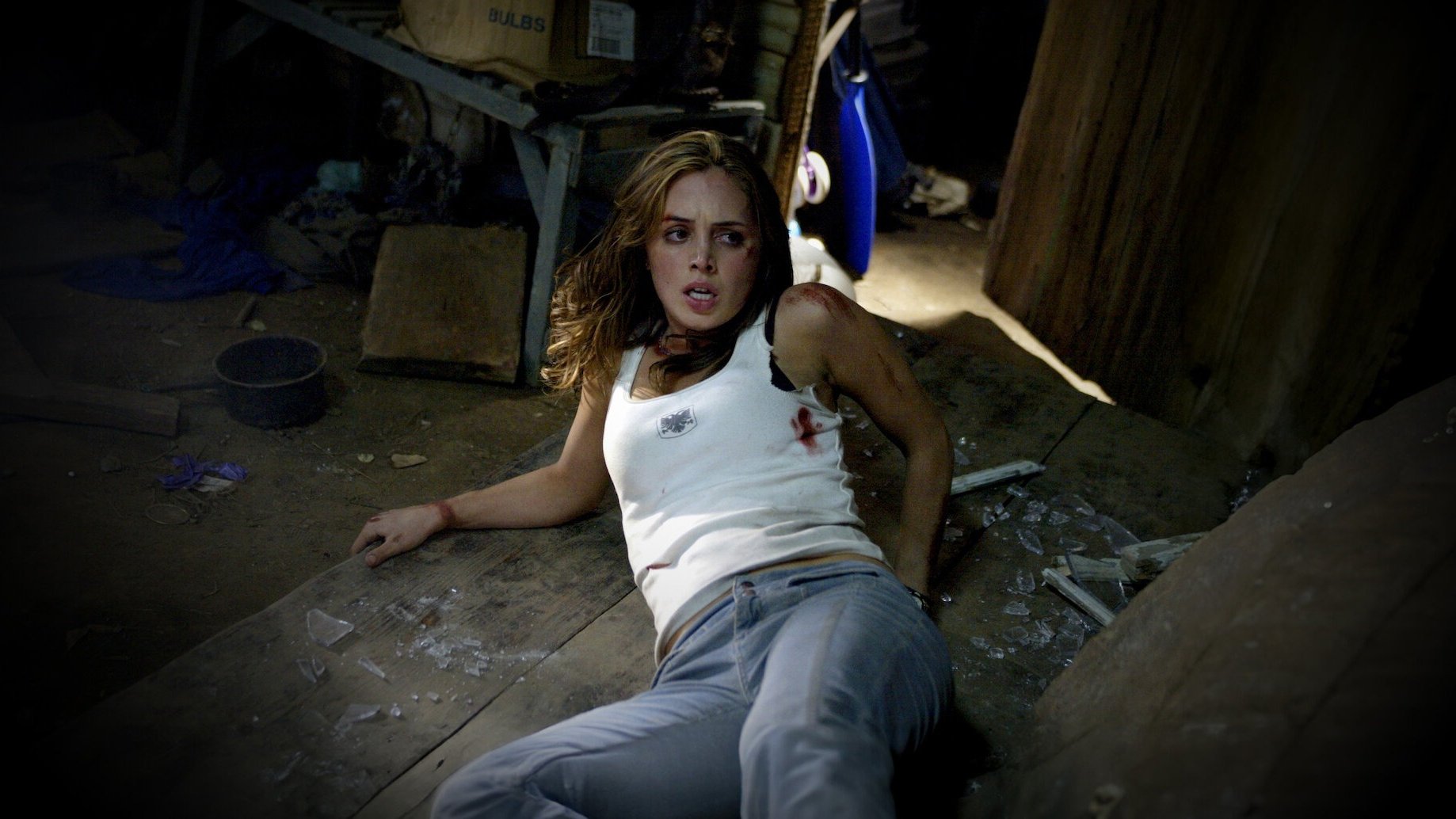
Box Office Mojo records an opening weekend of $5,161,498 from 1,615 theaters. The domestic theatrical run reached $15,418,790, with international markets adding $13,231,785 for a worldwide total of $28,650,575. The same source reports a production budget of approximately $12.6 million. Theatrically, the film was therefore profitable enough to demonstrate audience interest but not such a large breakout that an expensive continuation became inevitable.

The franchise instead developed through the home-video market. Schmidt later explained that both he and Winston had contractual provisions connected to a theatrical sequel, while the rights holders decided that less expensive direct-to-video installments offered a more attractive financial model. Wrong Turn 2: Dead End followed in 2007 without Schmidt, Winston or McElroy directly continuing their original roles, and additional sequels eventually expanded Three Finger and the cannibal mythology far beyond what the first film explains.

That later history makes the technical restraint of the original easier to appreciate. Wrong Turn does not supply an elaborate genealogy for the killers or transform them into supernatural franchise monsters. The fear comes from discovering physical human predators inside a landscape where they possess every tactical advantage. Schmidt, Winston and the effects team ground that premise in real locations, prosthetic bodies, stunt work and practical violence. The sequels would increasingly enlarge the mythology and gore, but the 2003 film established the essential mechanism: one bad road, an unfamiliar forest and people who know exactly how to hunt anyone who enters it.

Connections

Cast

View Full Cast & Crew →

Release & Distribution

Production Companies (5)

  • Constantin Film DE
  • Media Cooperation One DE
  • Newmarket Capital Group US
  • Stan Winston Productions US
  • Summit Entertainment US

Distributors (1)

  • 20th Century Studios US

Release History (44)

Release DateTerritoryRelease TypeFormatDistributorCertificationNotes
2003-05-30 Canada Theatrical — — 18A
2003-05-30 United States Theatrical — — R
2003-06-27 United Kingdom Theatrical — — 18
2003-06-27 Ireland Theatrical — — 18
2003-07-23 Belgium Theatrical — — 18
2003-07-30 France Theatrical — — 16
2003-07-30 Iceland Theatrical — — —
2003-07-31 Australia Theatrical — — MA 15+
2003-08-06 Switzerland Theatrical — — 16 French speaking region
2003-08-14 Netherlands Theatrical — — 16
2003-08-20 Germany Premiere — — — Hamburg Fantasy Filmfest
2003-08-21 Russia Theatrical — — 18+
2003-08-22 South Korea Theatrical — — —
2003-08-28 Switzerland Theatrical — — 16 German speaking region
2003-08-28 Germany Theatrical — — 16
2003-09-05 Greece Theatrical — — —
2003-09-05 Türkiye Theatrical — — —
2003-09-26 Finland Theatrical — — —
2003-10-03 Mexico Theatrical — — B-15
2003-10-08 Bahrain Theatrical — — —
2003-10-13 Lithuania Premiere — — — Forum Cinemas
2003-10-17 Lithuania Theatrical — — N-16
2003-10-24 Estonia Theatrical — — —
2003-11-12 Philippines Theatrical — — R-18 Manila
2003-12-05 Spain Premiere — — 18 Sitges International Fantastic Film Festival
2003-12-17 Philippines Theatrical — — R-18 Davao
2003-12-24 Kuwait Theatrical — — —
2004-01-23 Poland Theatrical — — 18
2004-01-28 Venezuela Theatrical — — —
2004-02-12 New Zealand Theatrical — — R16
2004-02-20 South Africa Theatrical — — 16
2004-02-25 Norway Physical — — 15
2004-03-04 Czechia Theatrical — — 15+
2004-03-05 Brazil Theatrical — — 14
2004-03-18 Portugal Theatrical — — —
2004-03-19 Spain Theatrical — — 18
2004-03-26 Panama Theatrical — — —
2004-04-07 Egypt Theatrical — — —
2004-05-06 Slovakia Theatrical — — —
2004-08-08 Italy Limited Theatrical — — T
2004-08-13 Italy Theatrical — — T
2004-10-09 Japan Theatrical — — R15+ Tokyo
2004-10-21 Argentina Theatrical — — +18
2005-09-29 Hungary TV — — 18
It's the last one you'll ever take.