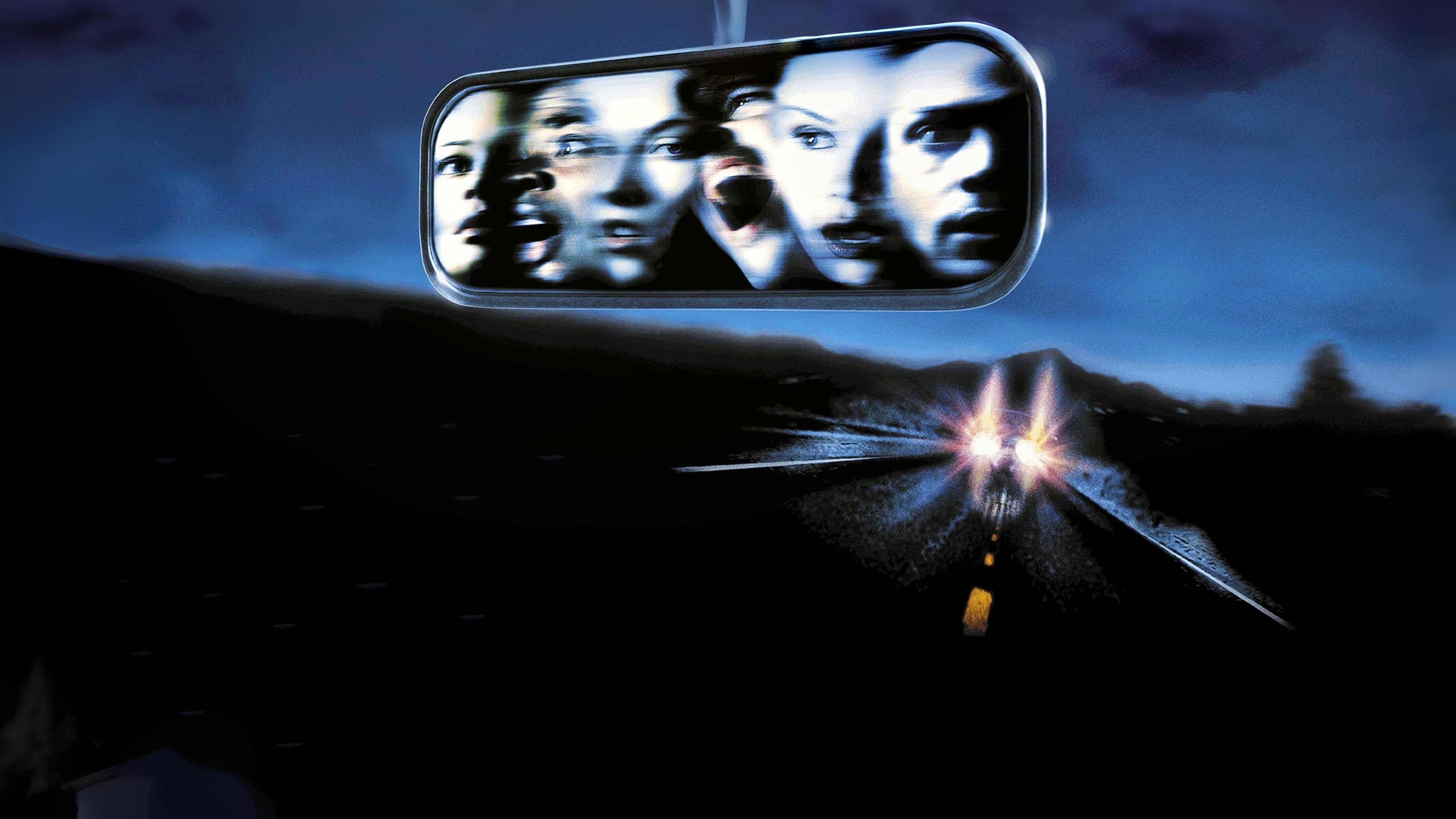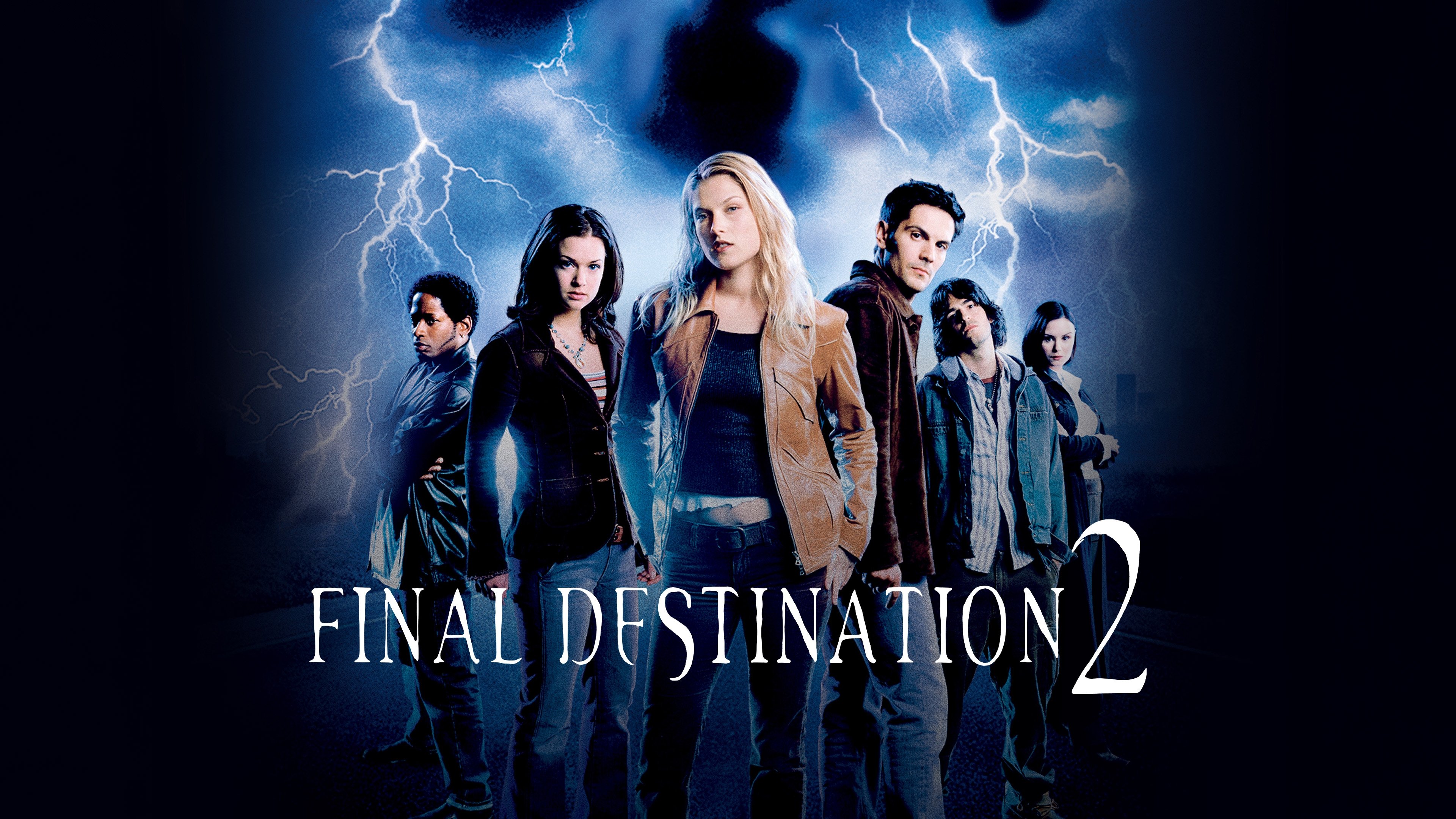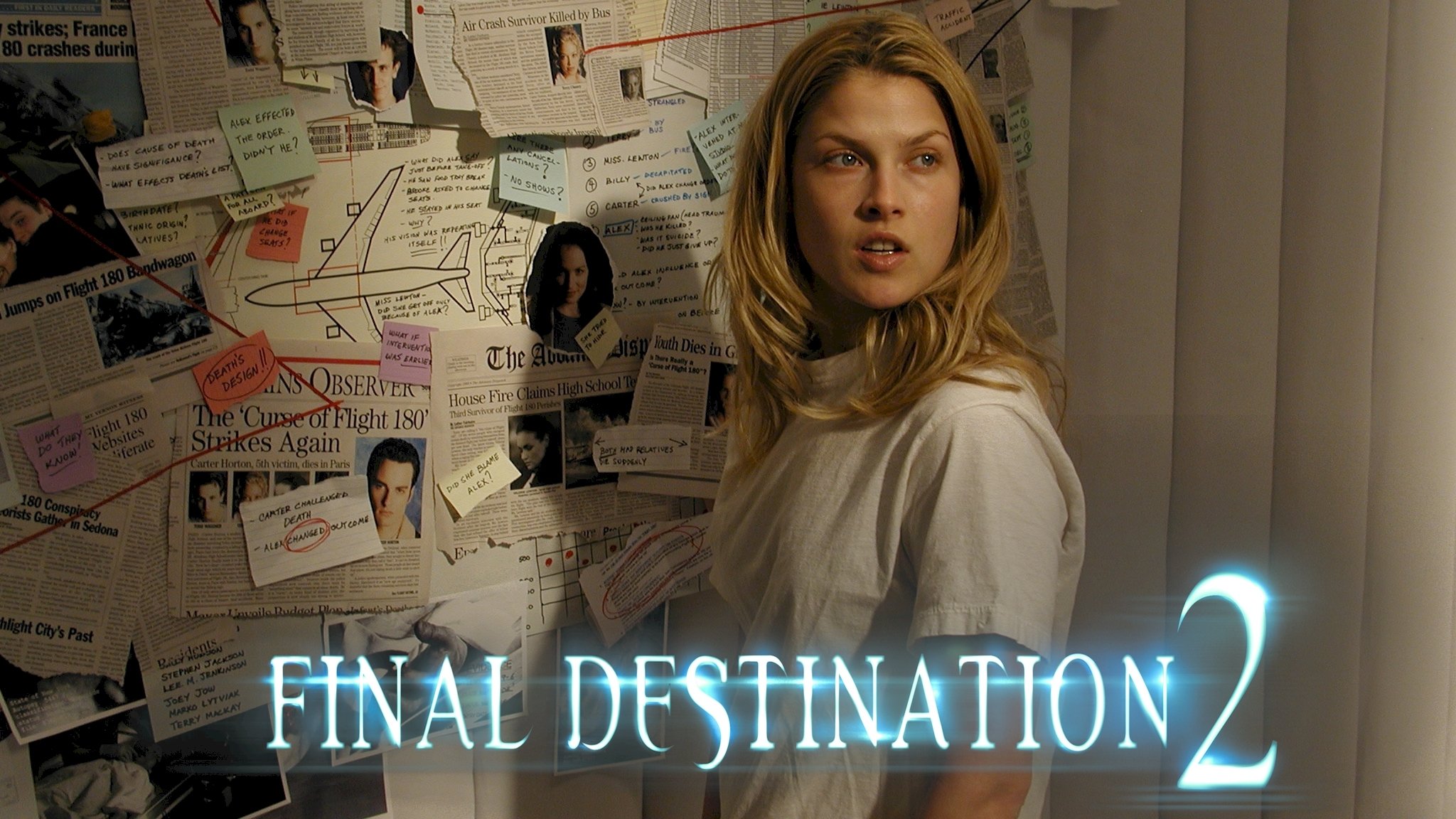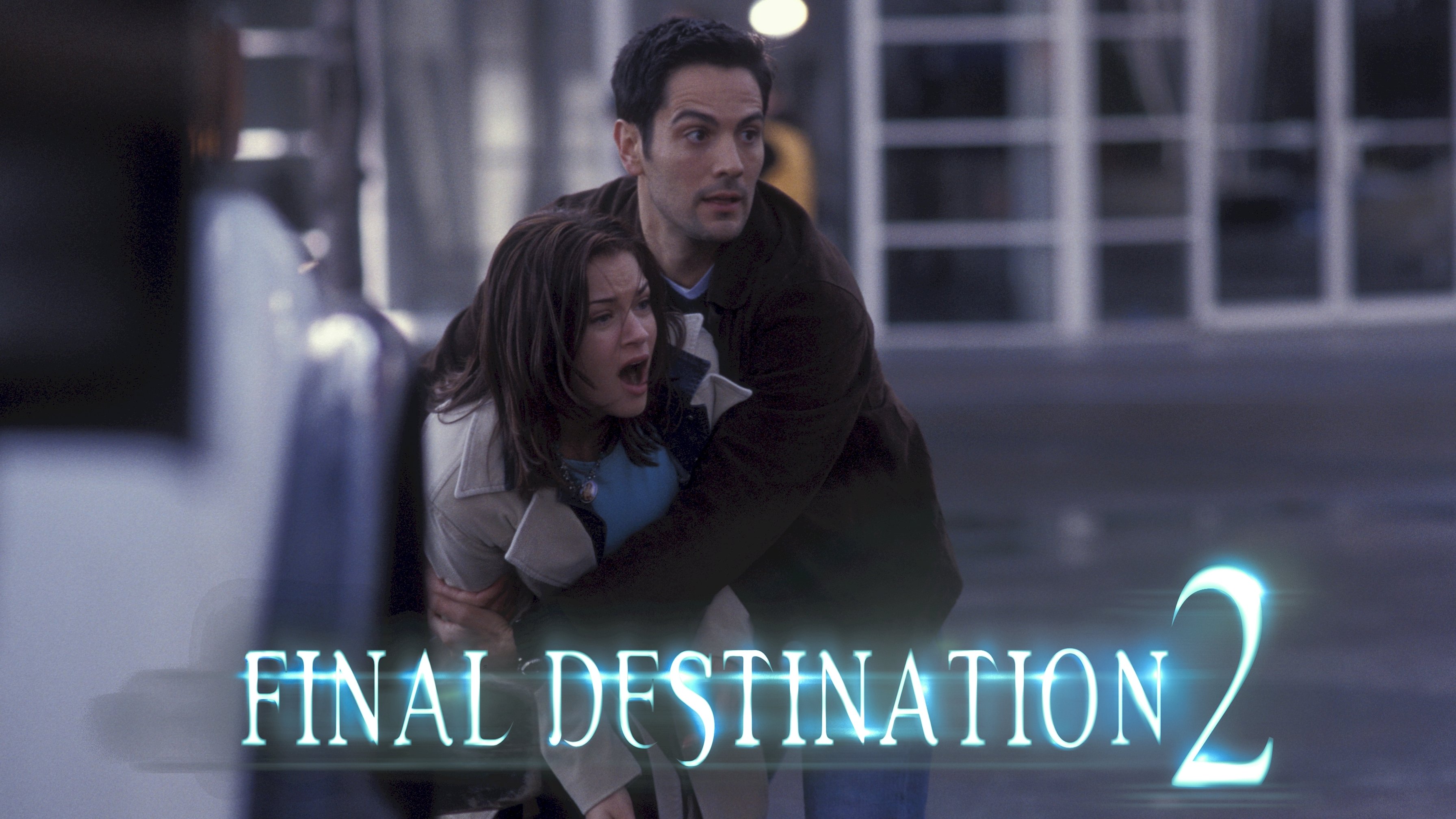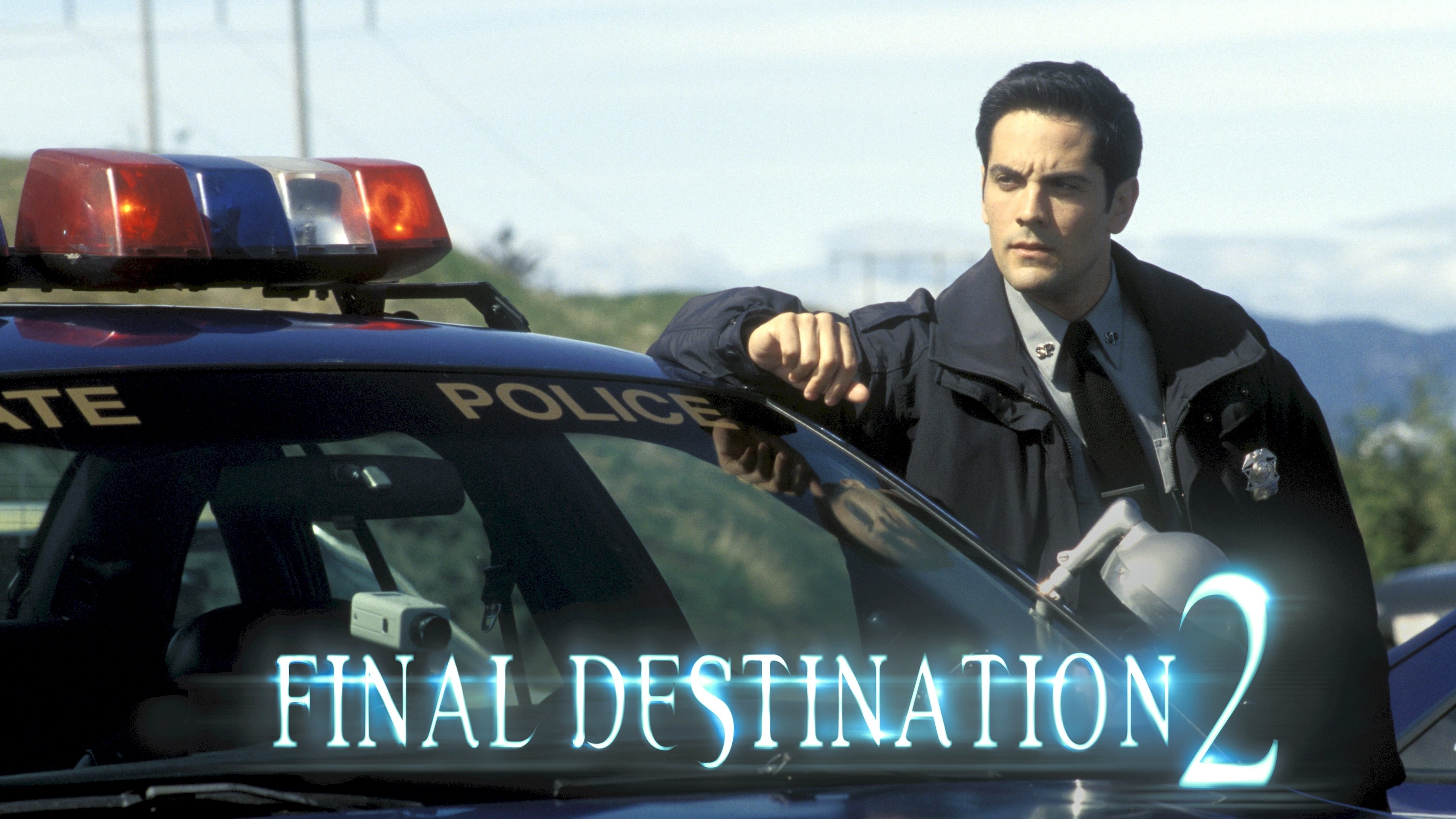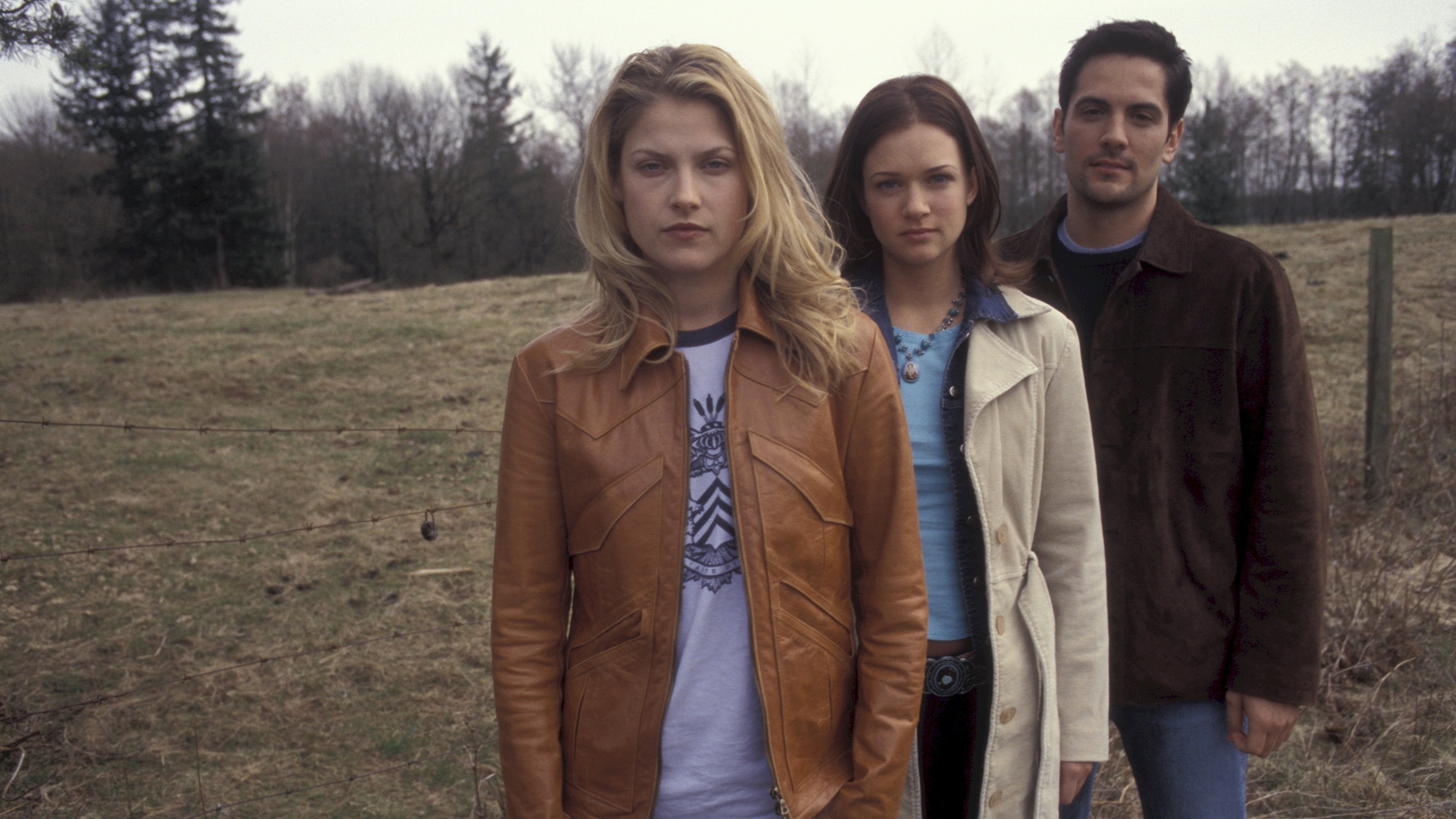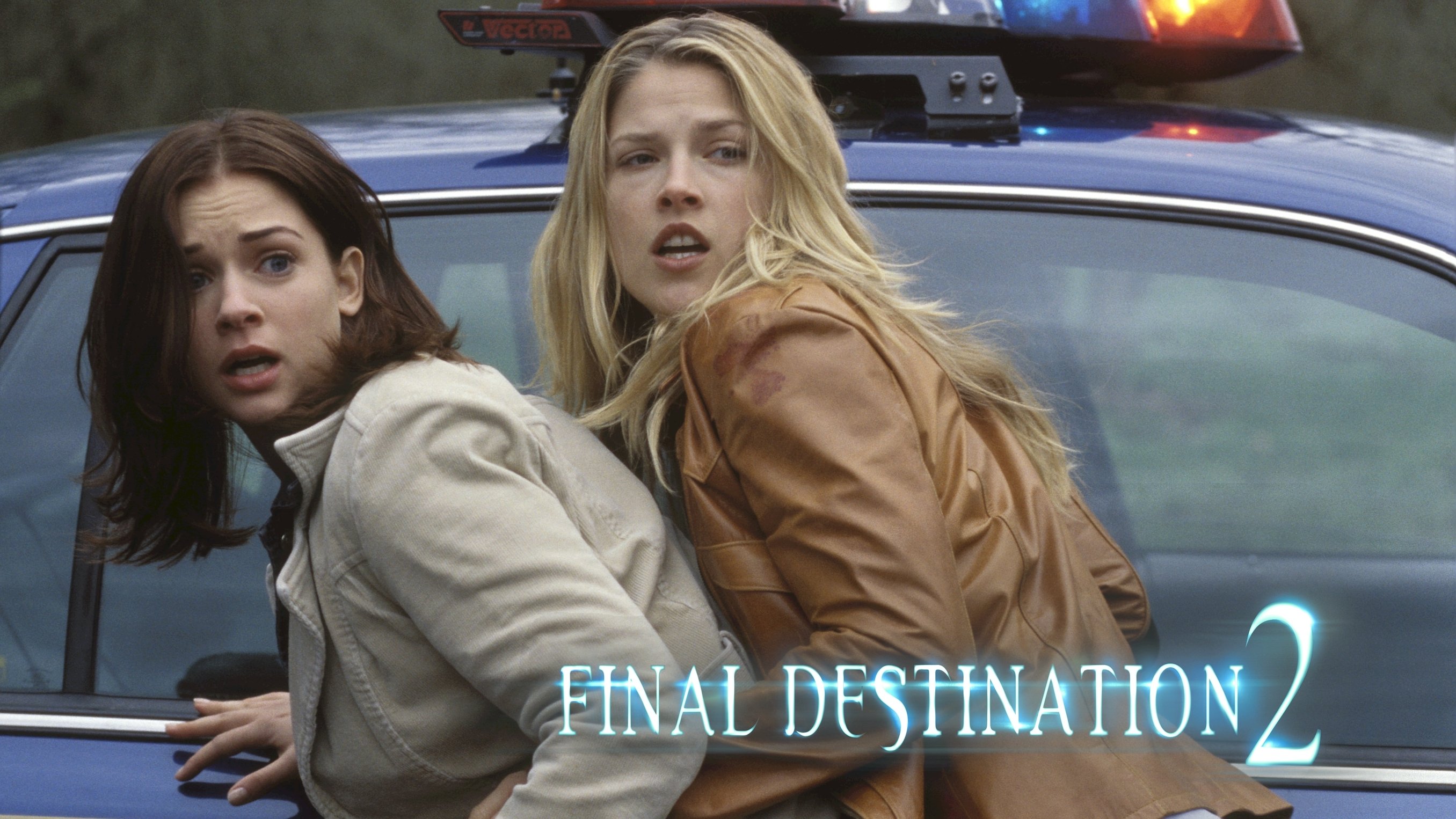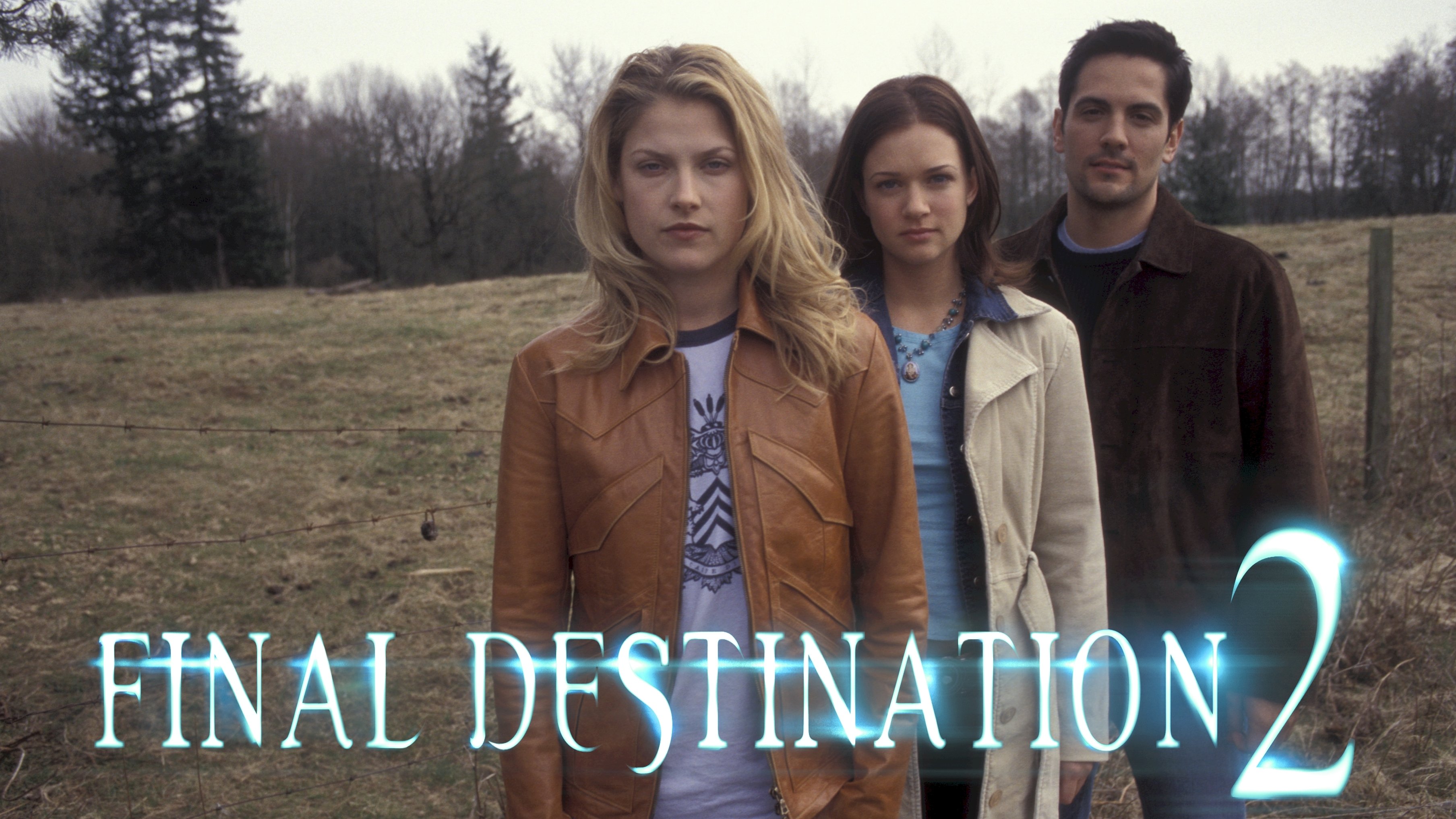
Final Destination 2 (2003)

US
7.4/10 5 votes
Runtime
90 min
Release
January 31, 2003
Budget
$26,000,000
Revenue
$90,941,129
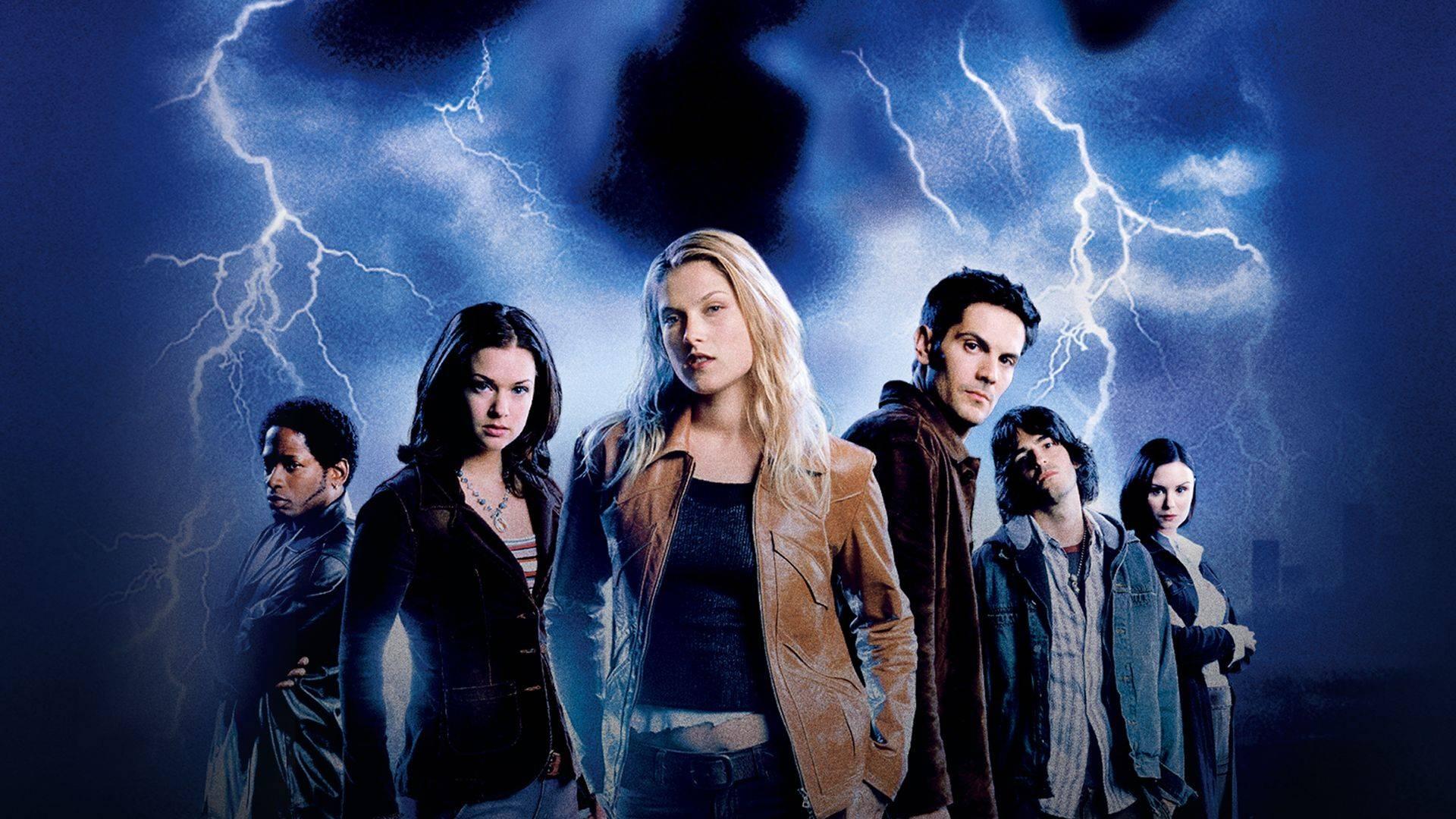
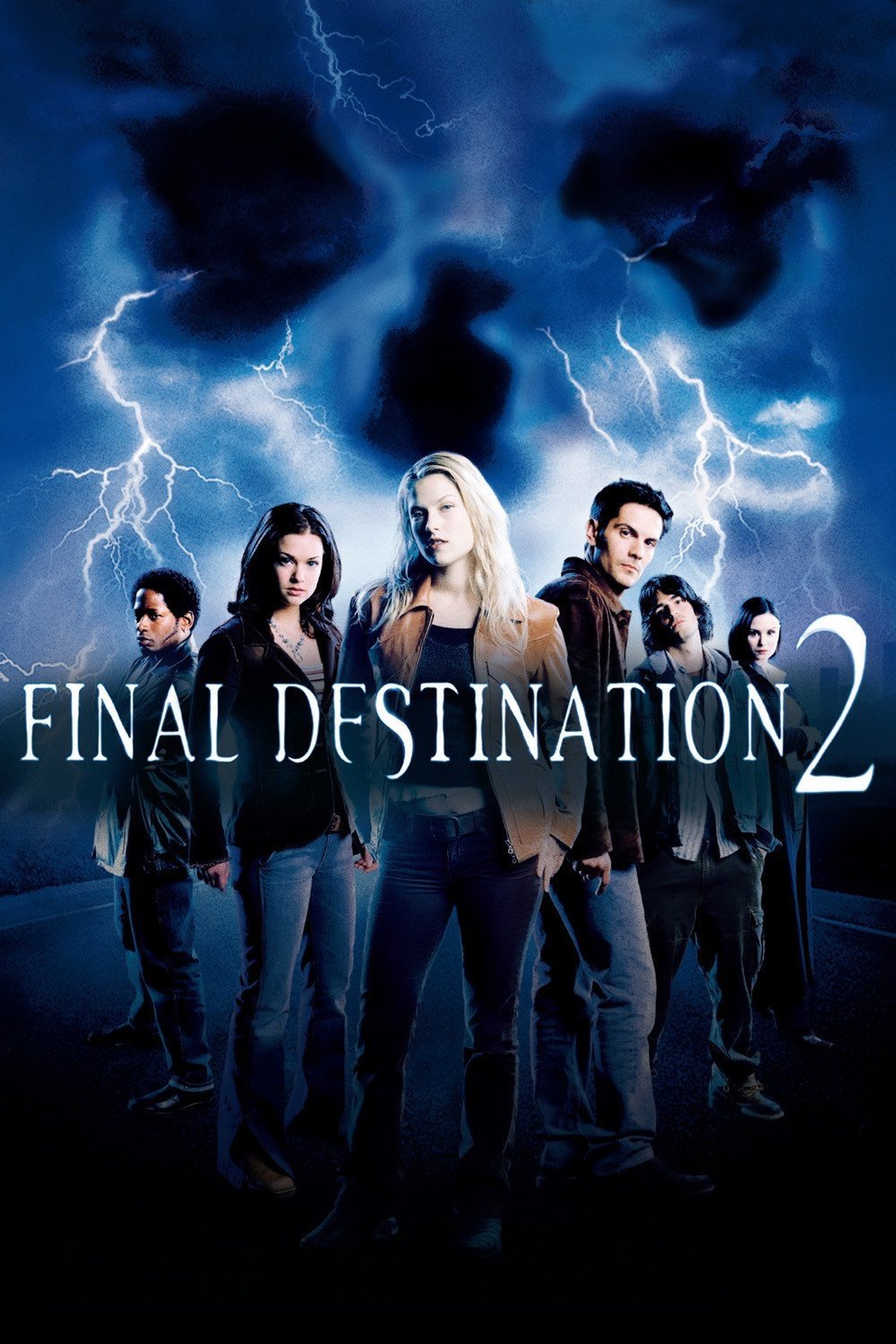
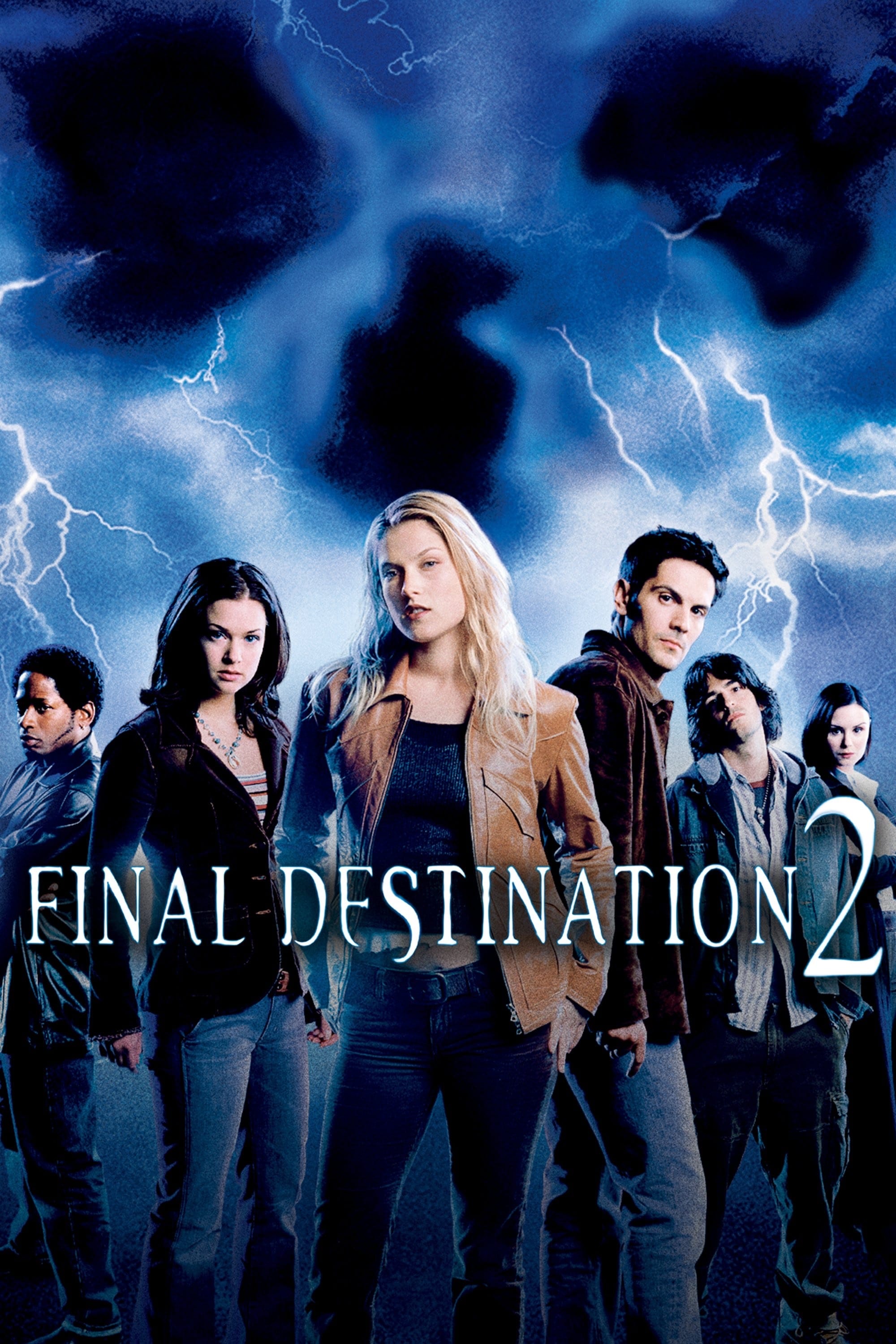
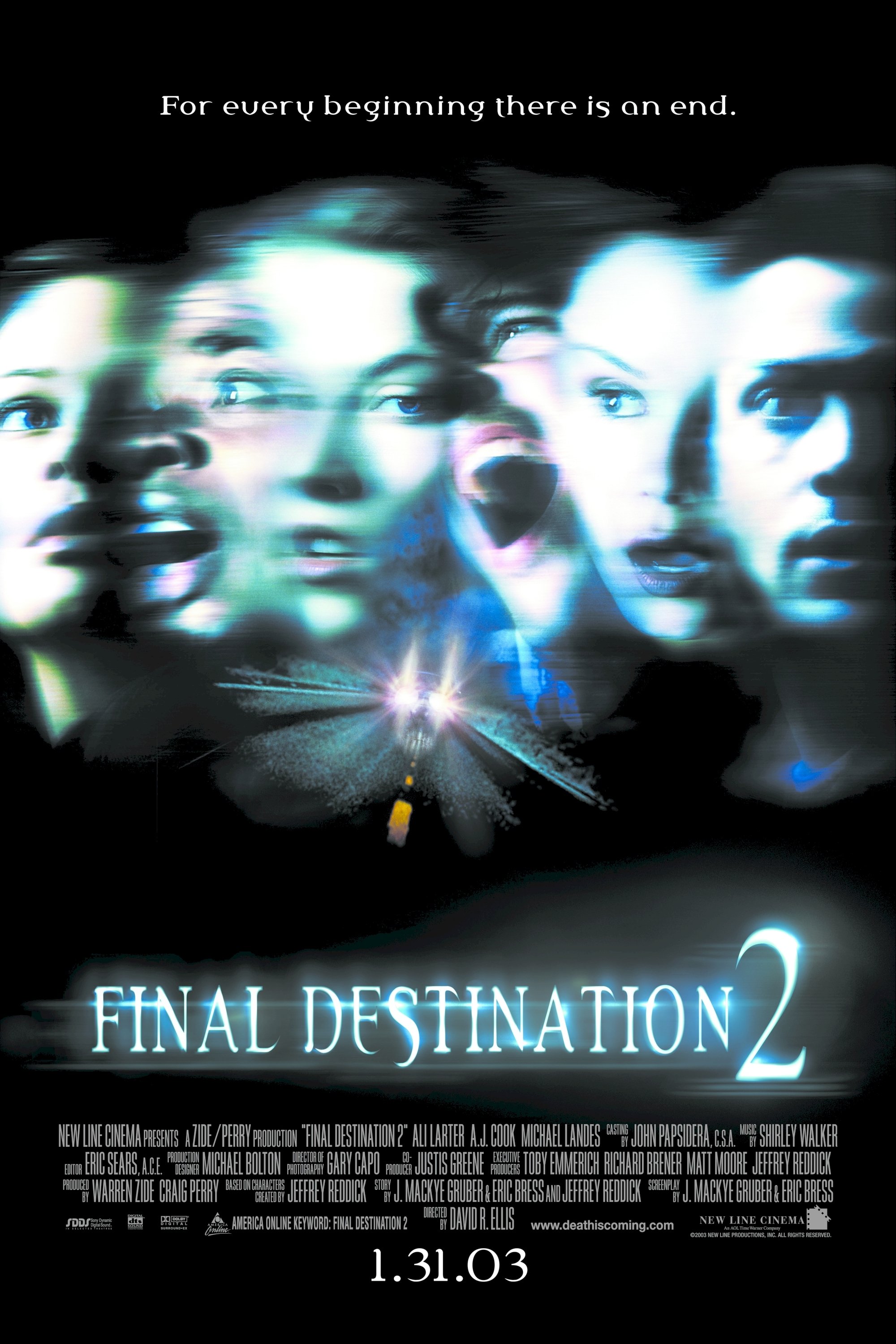
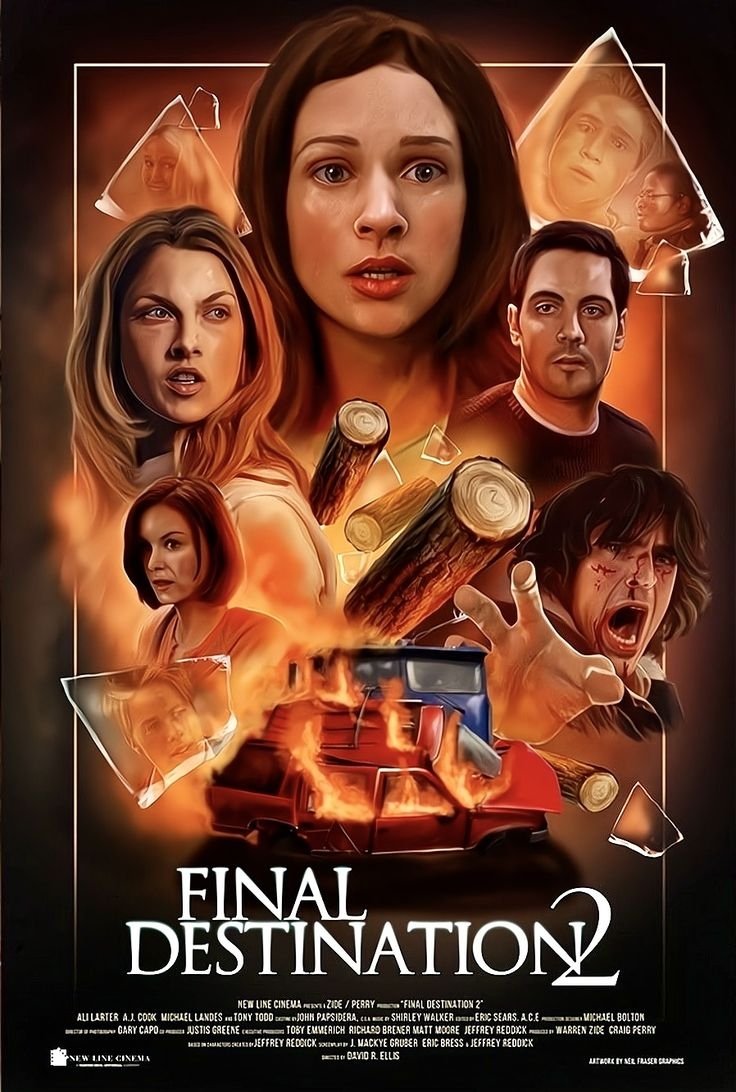
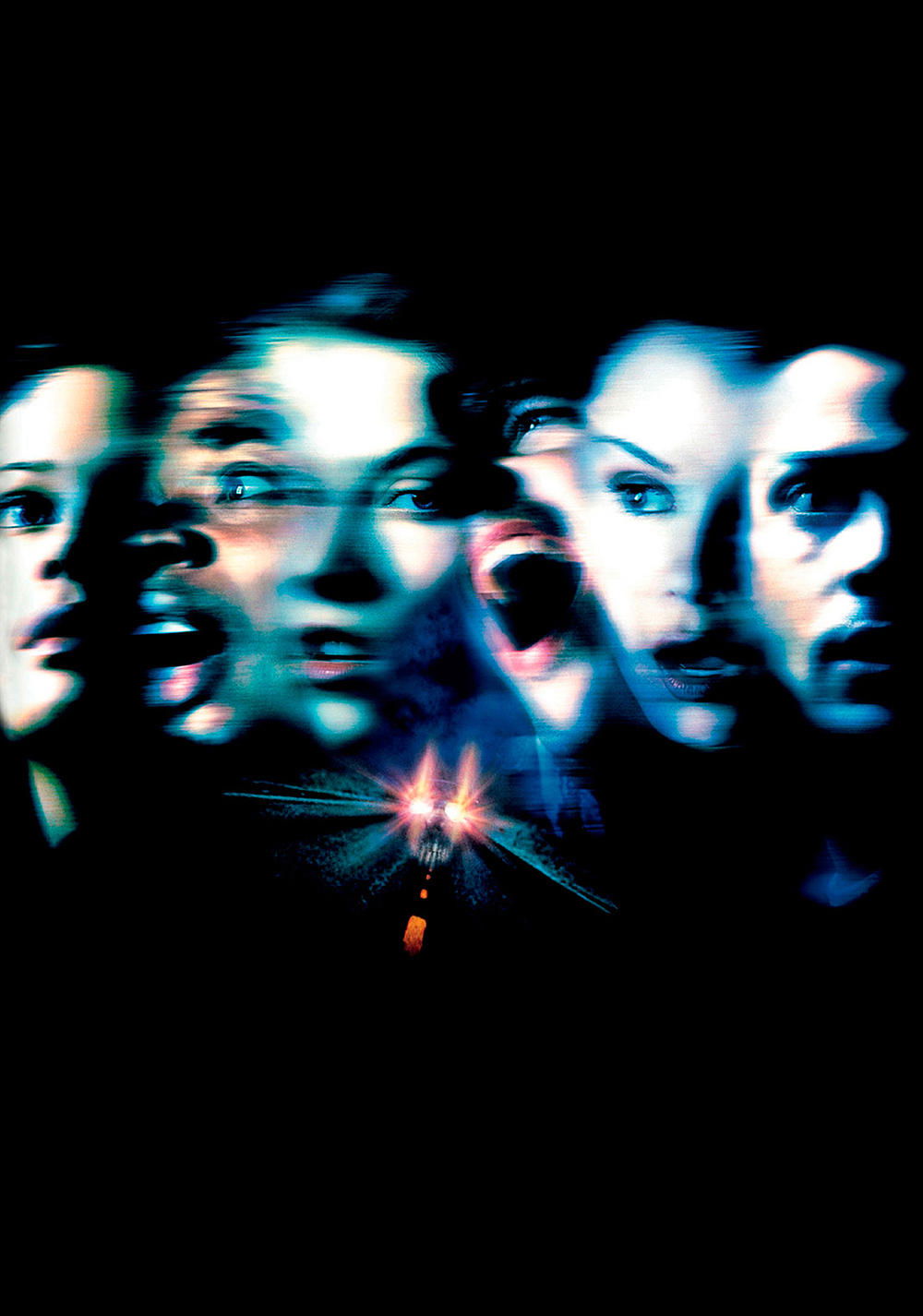
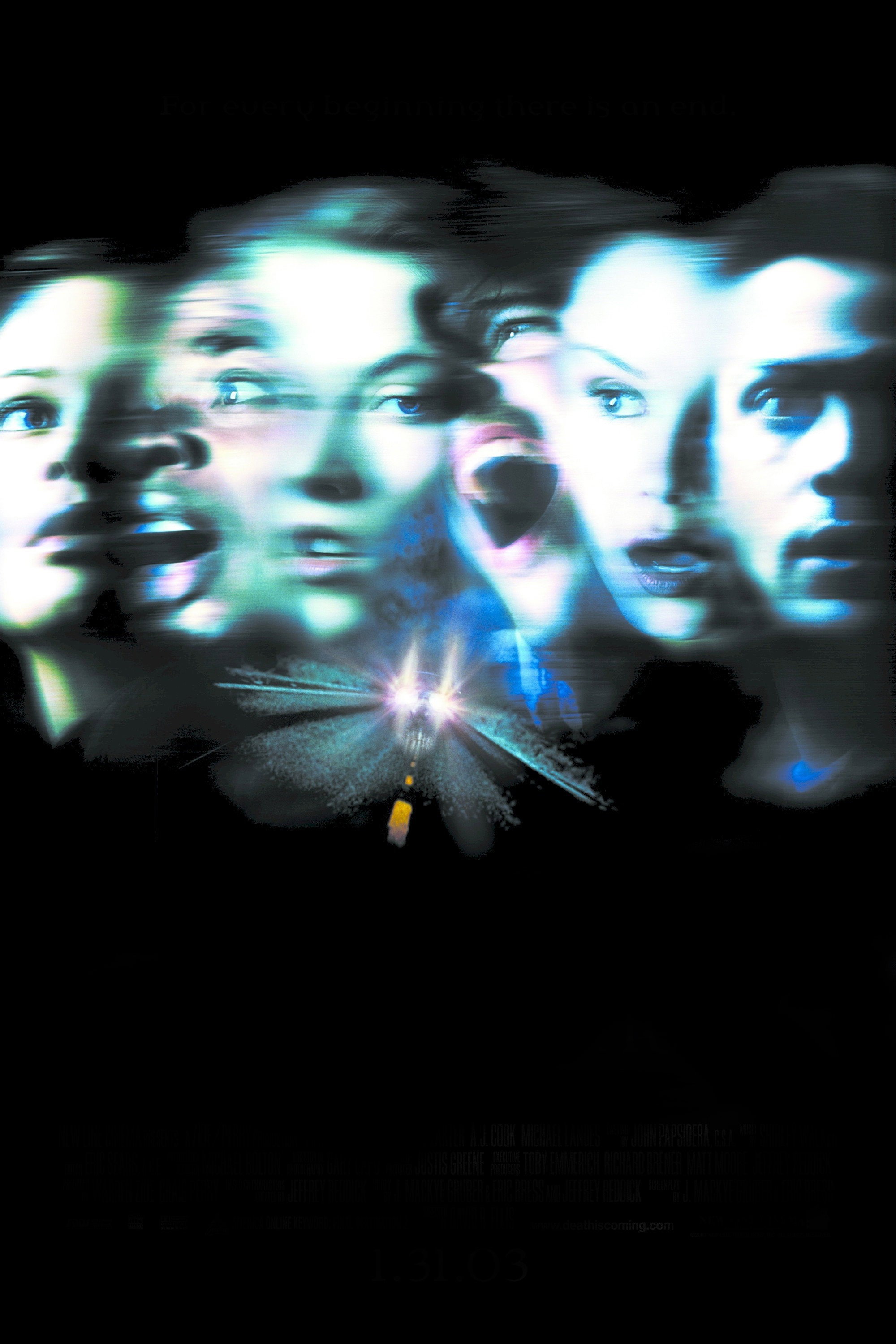
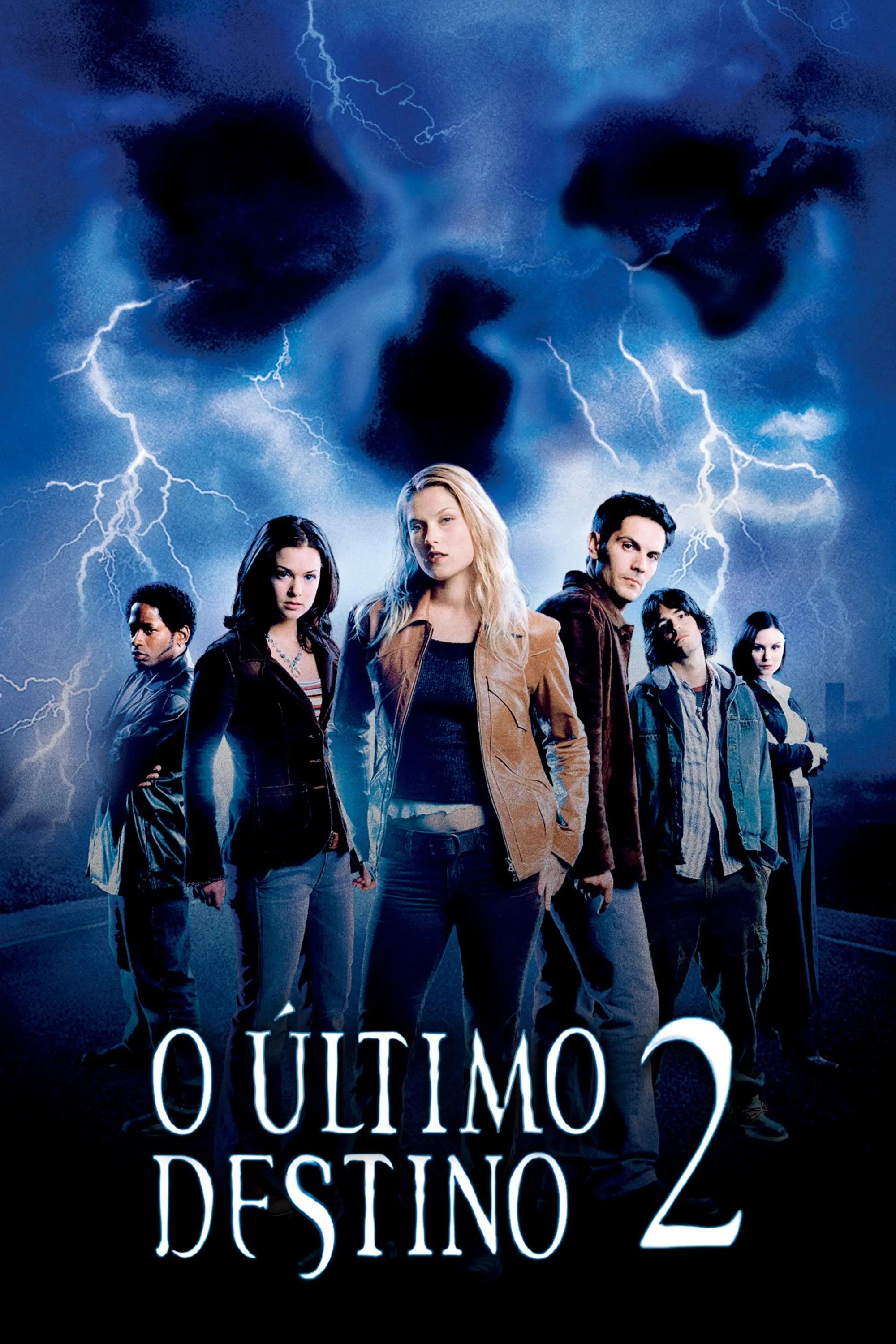
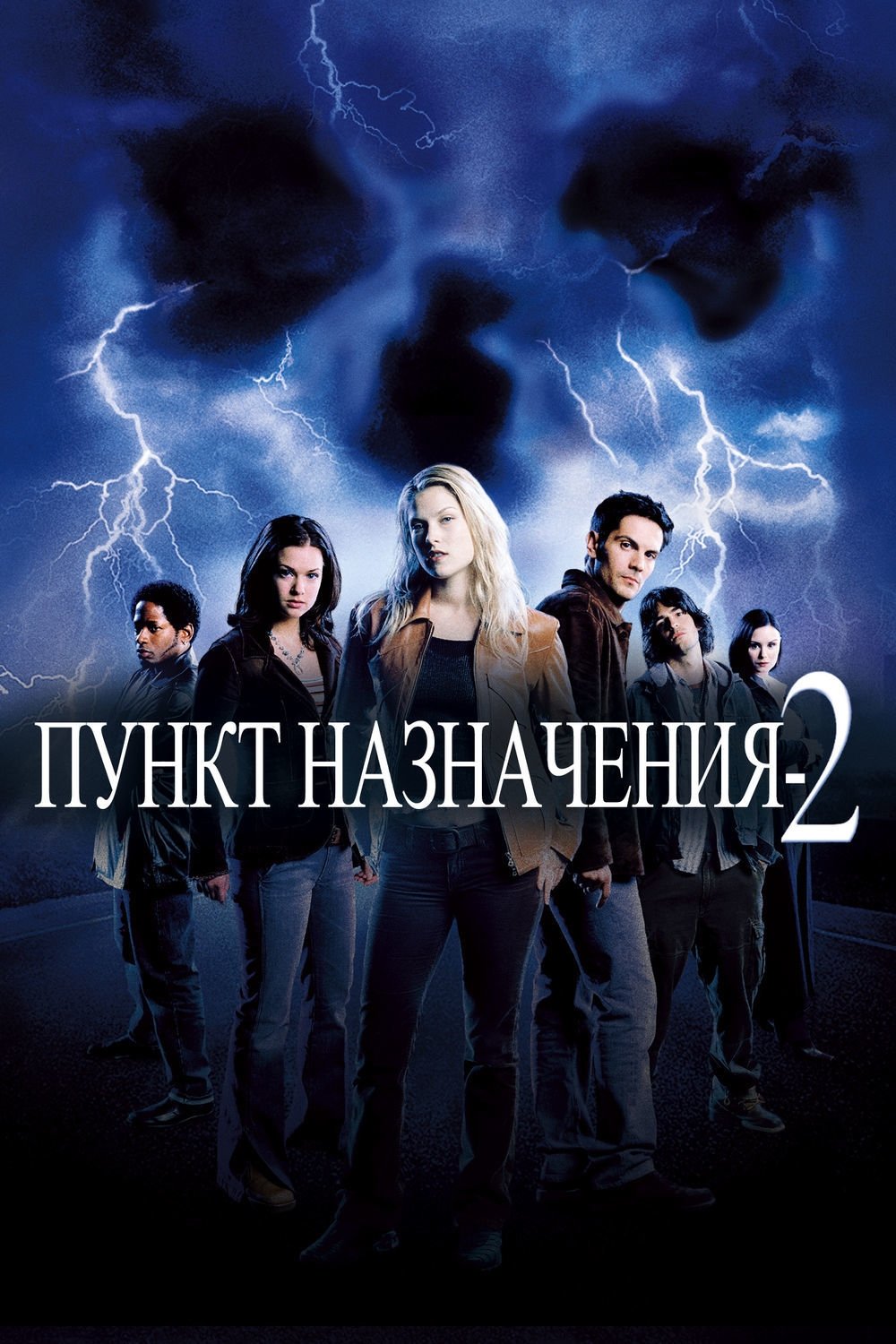
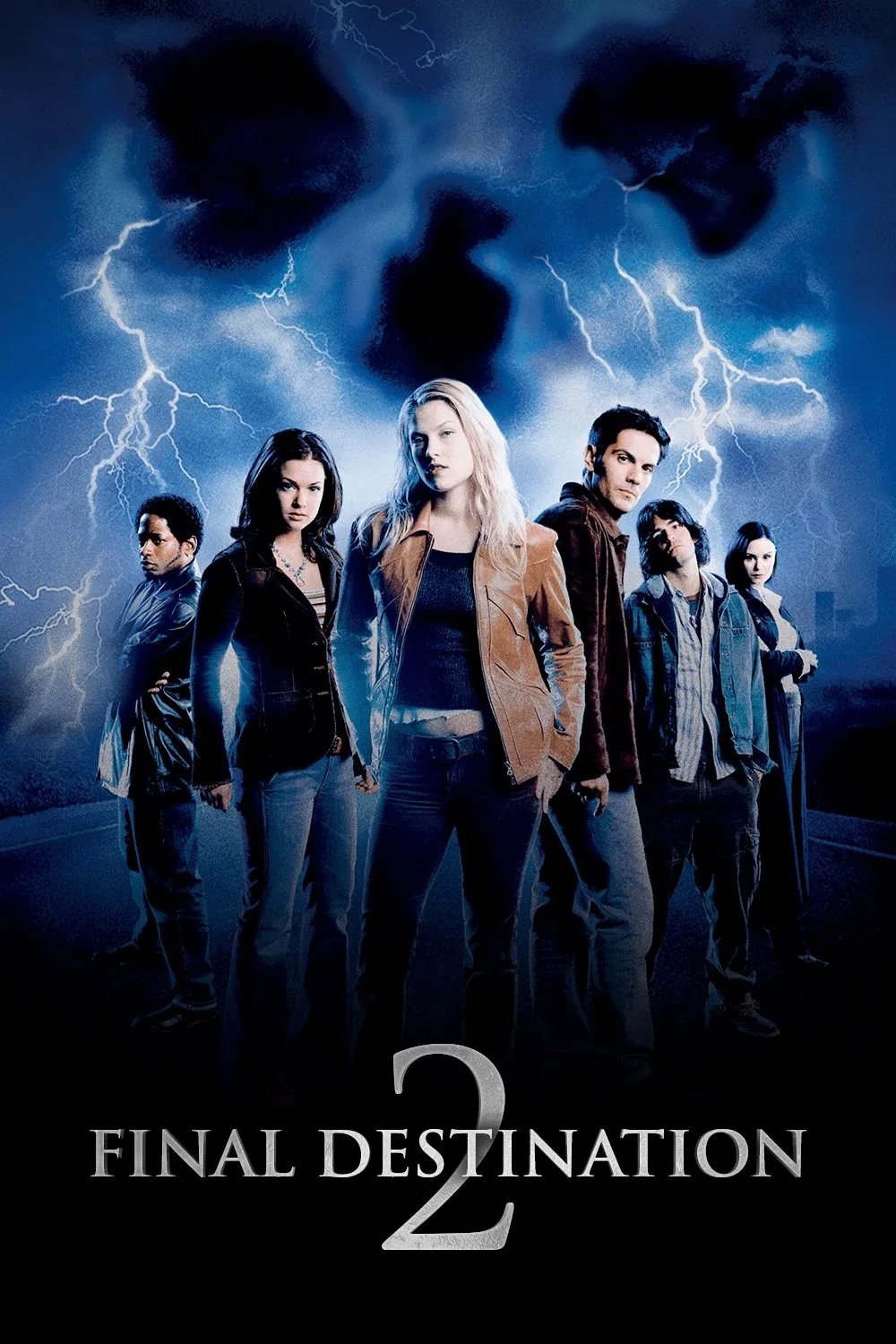
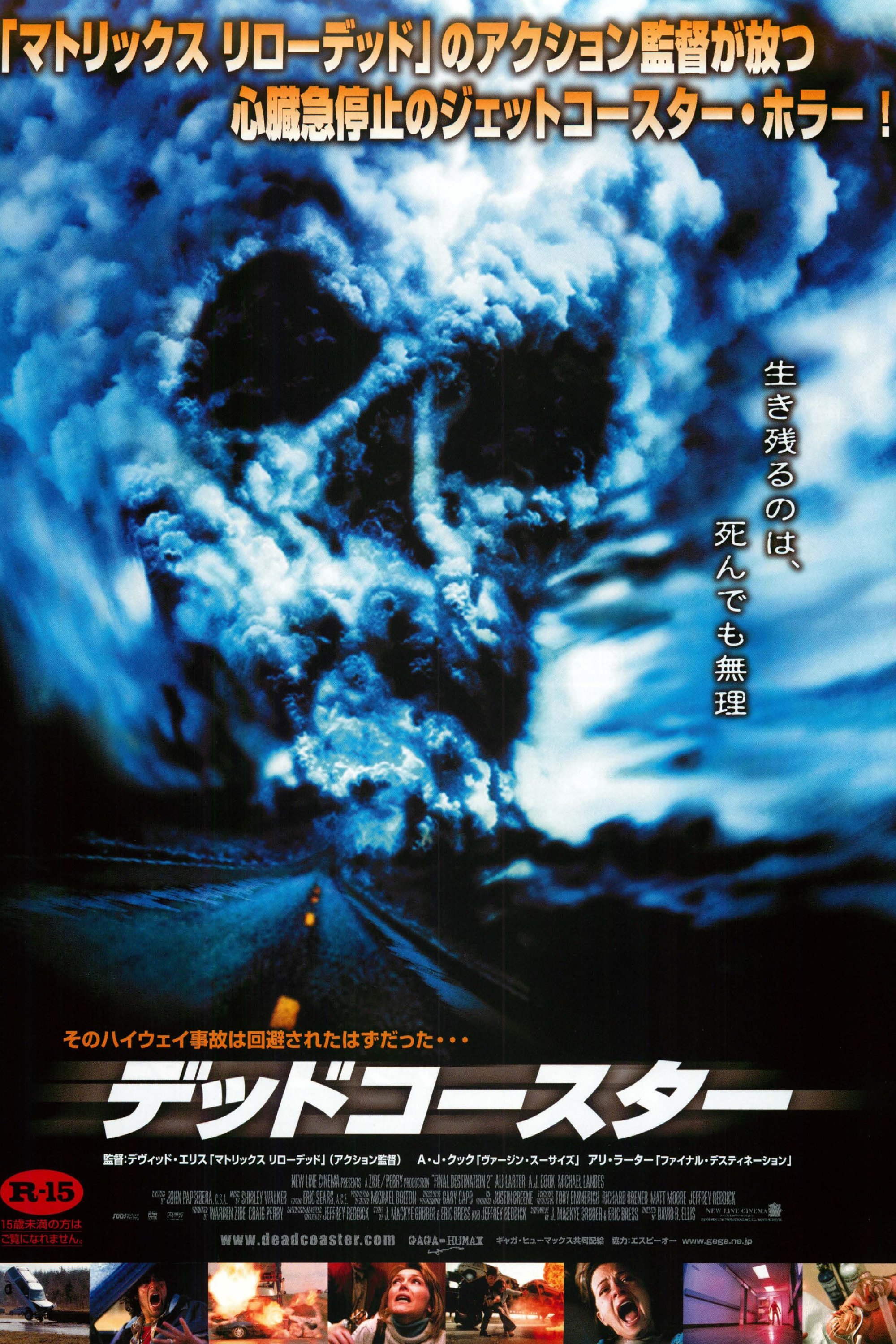
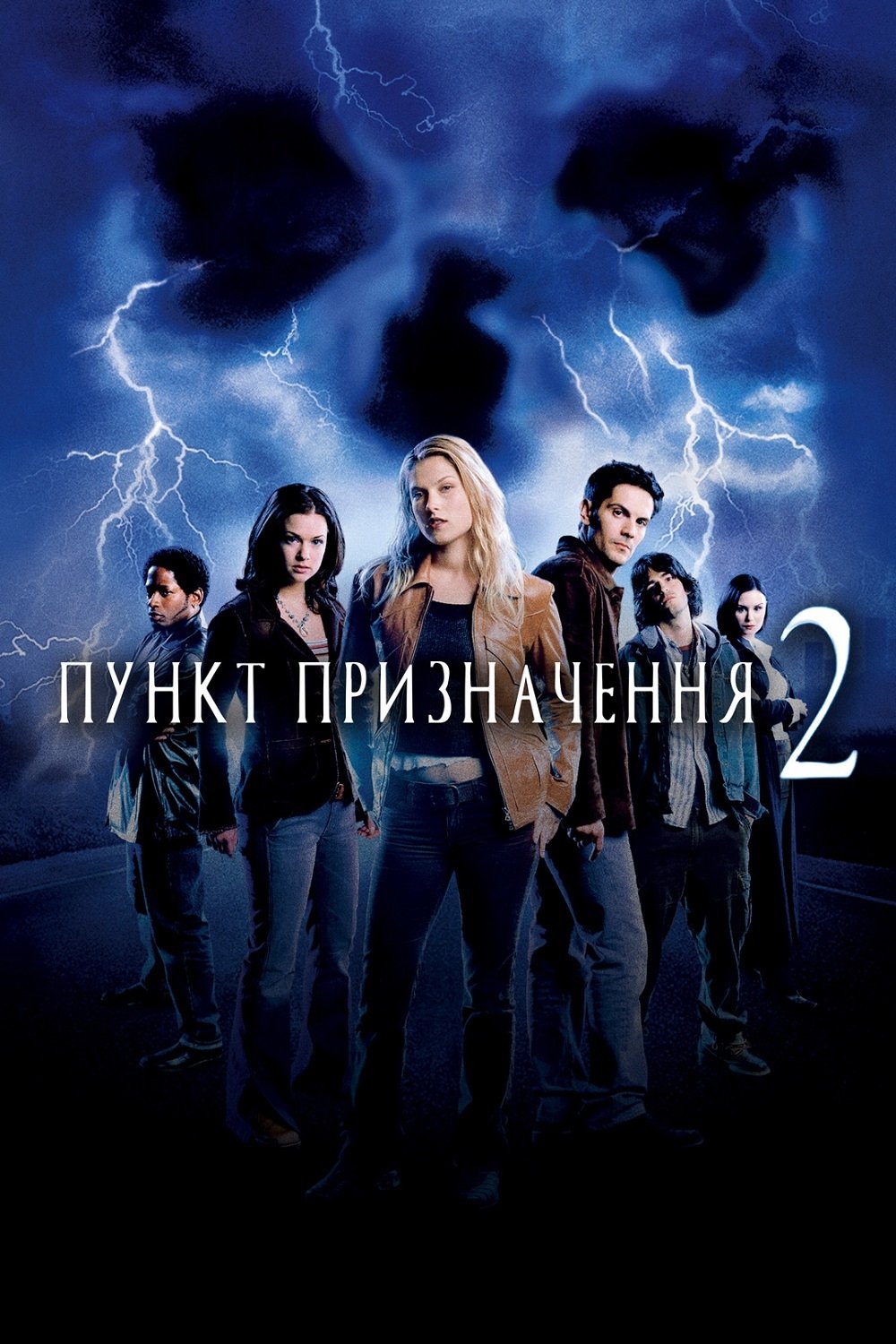
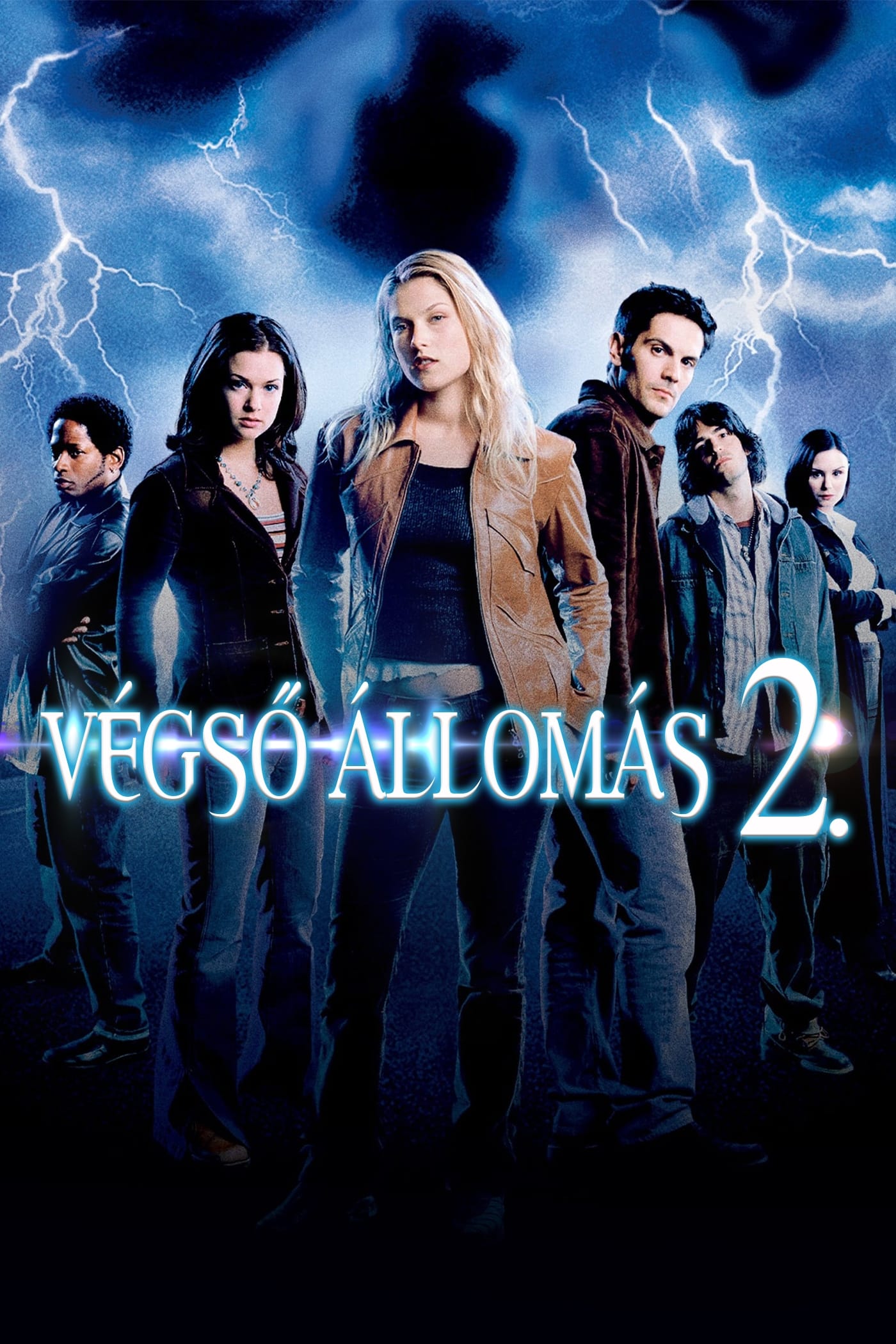
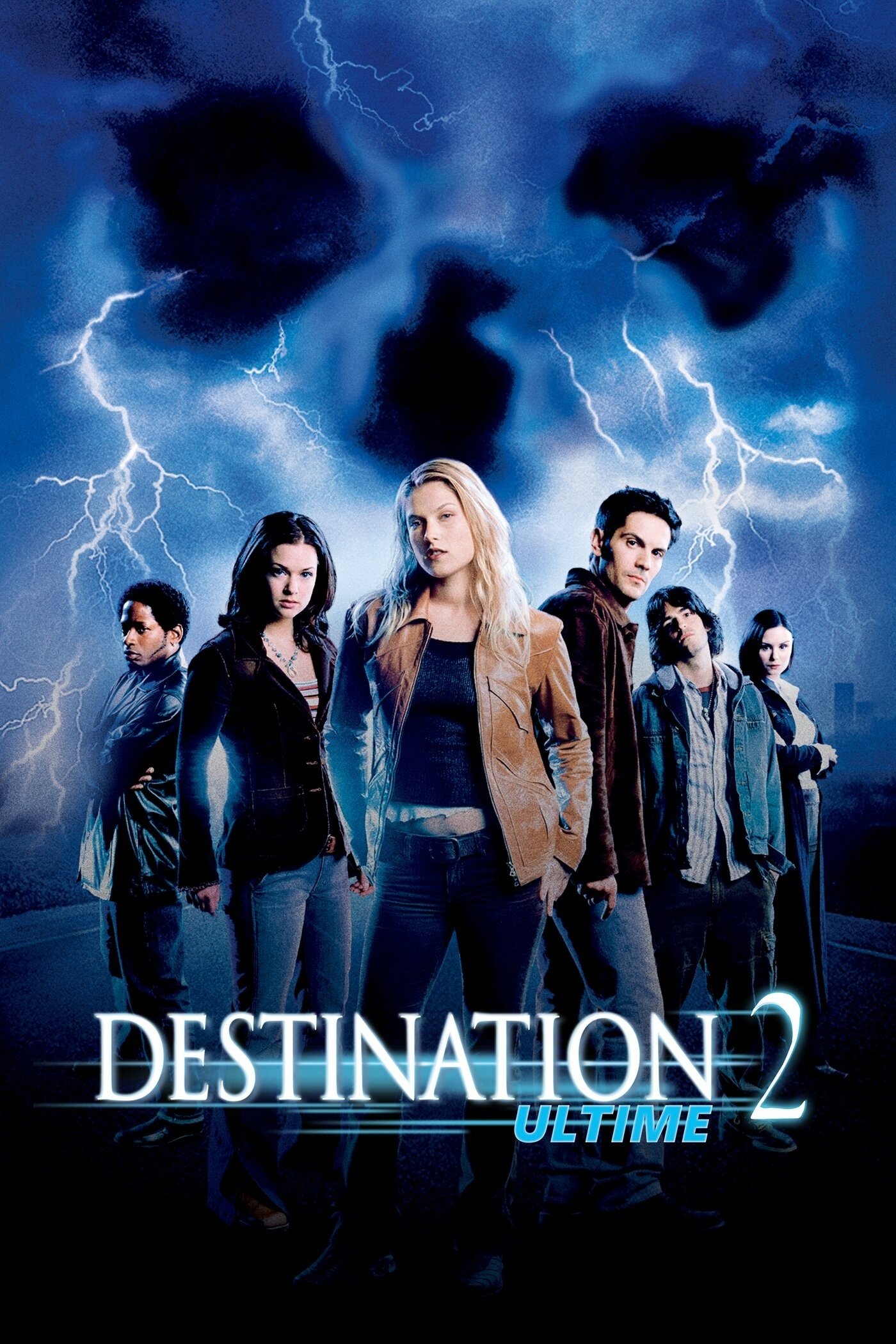
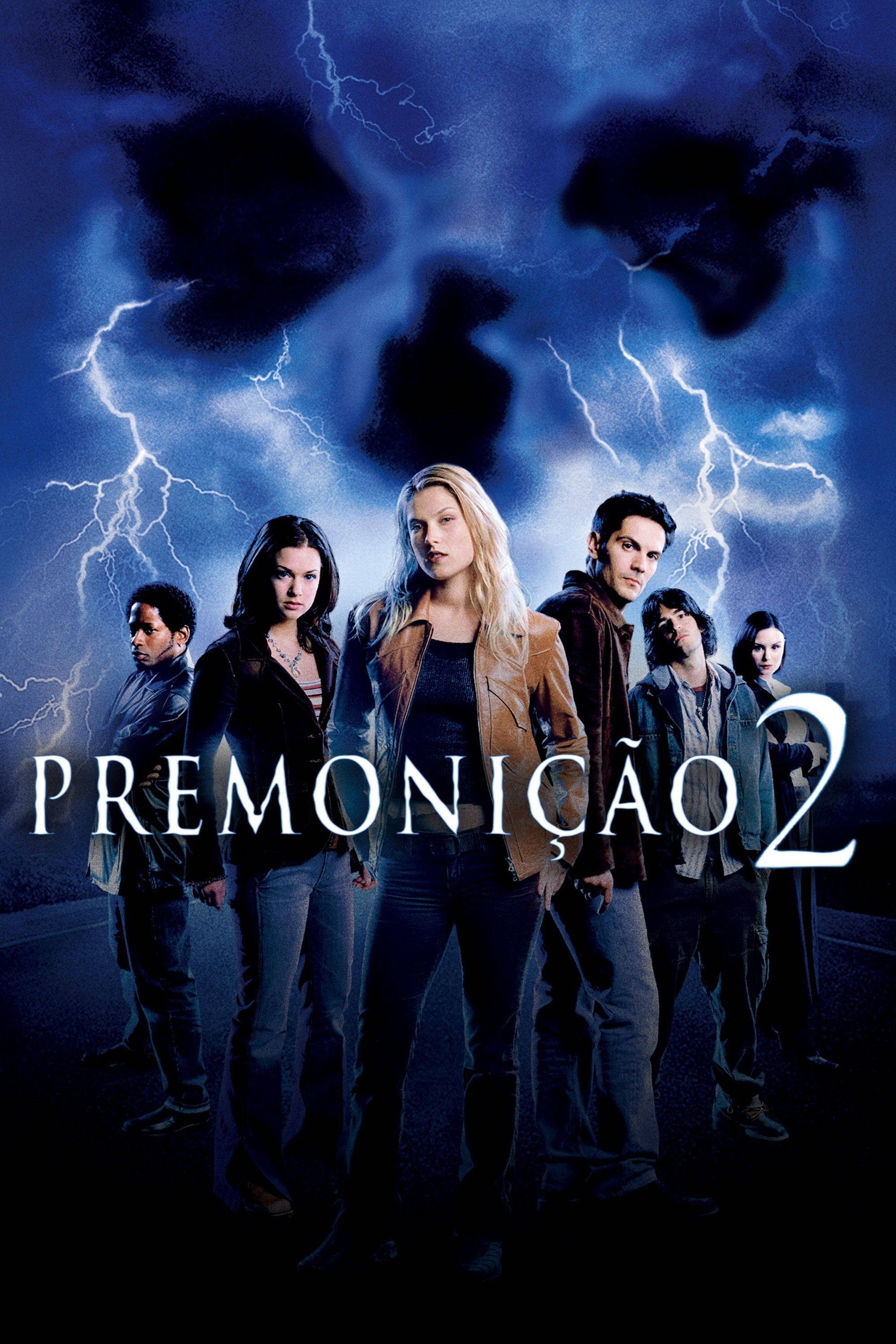
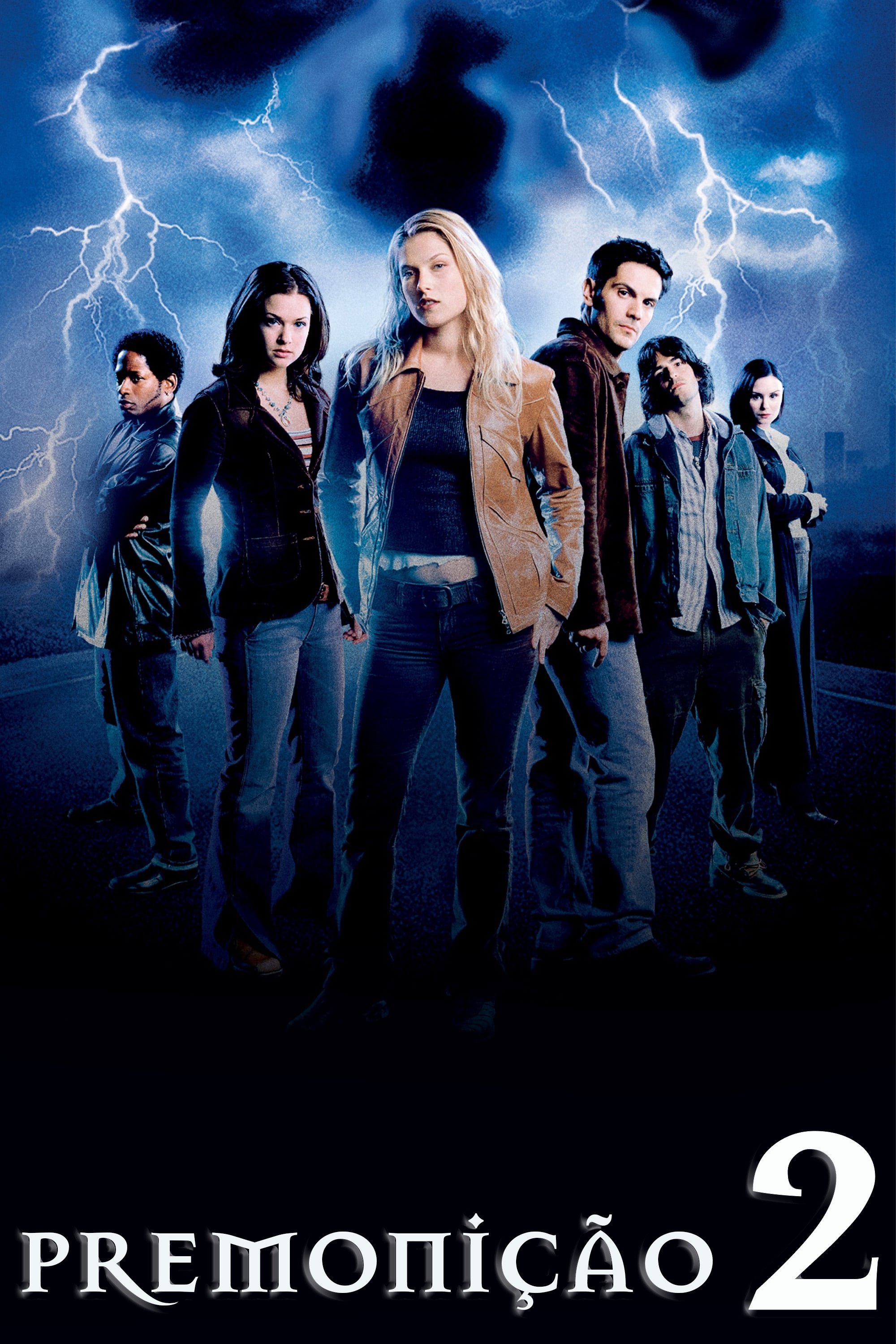
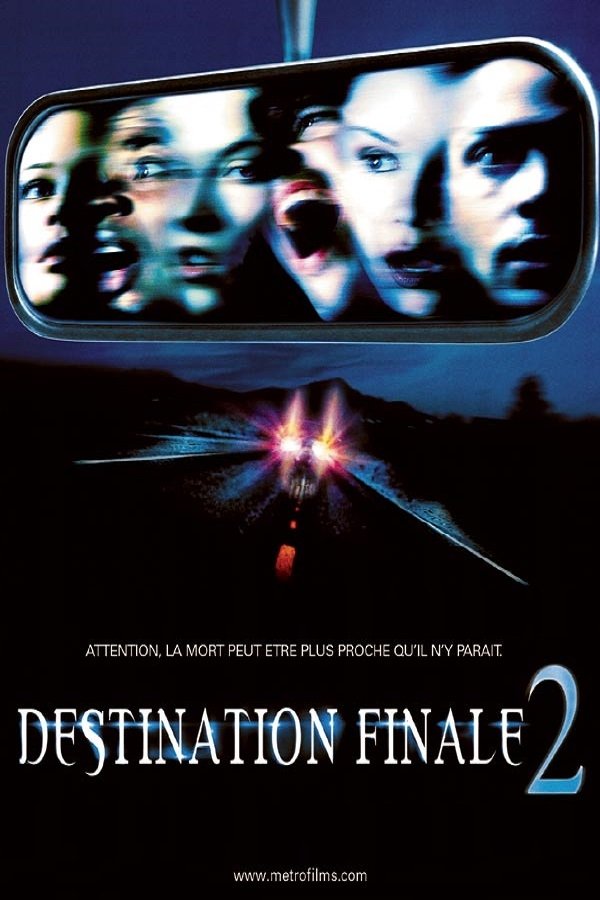
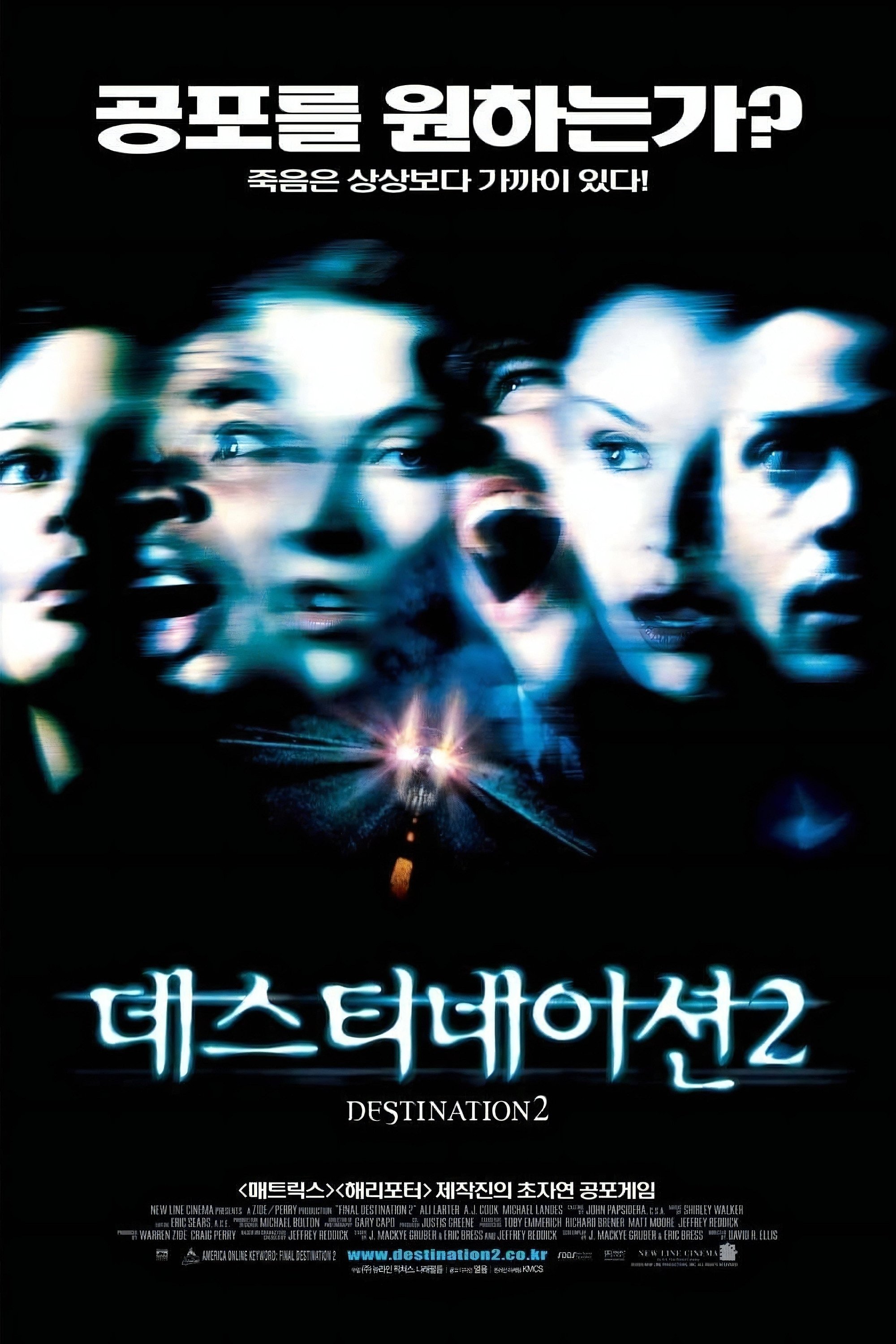
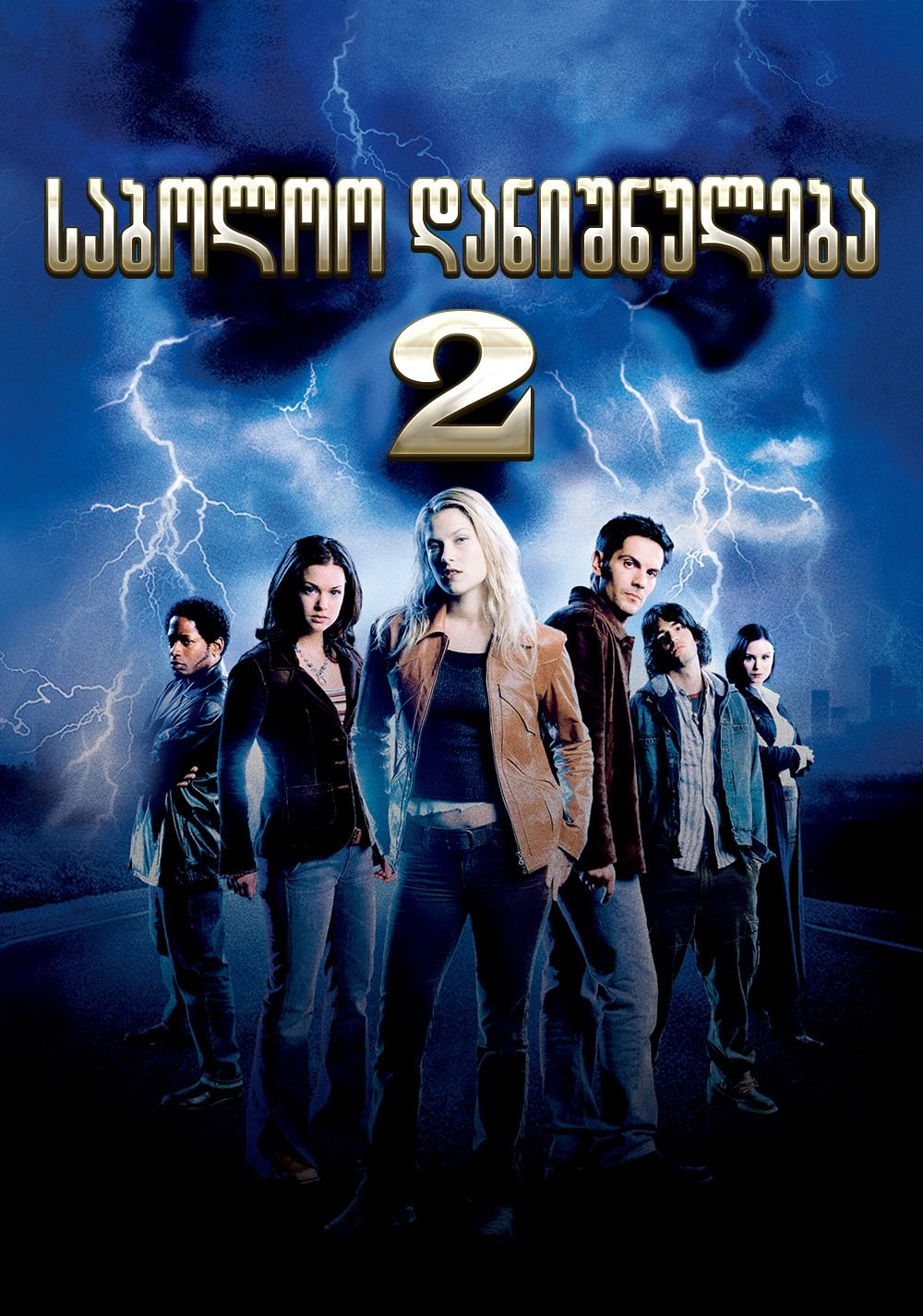
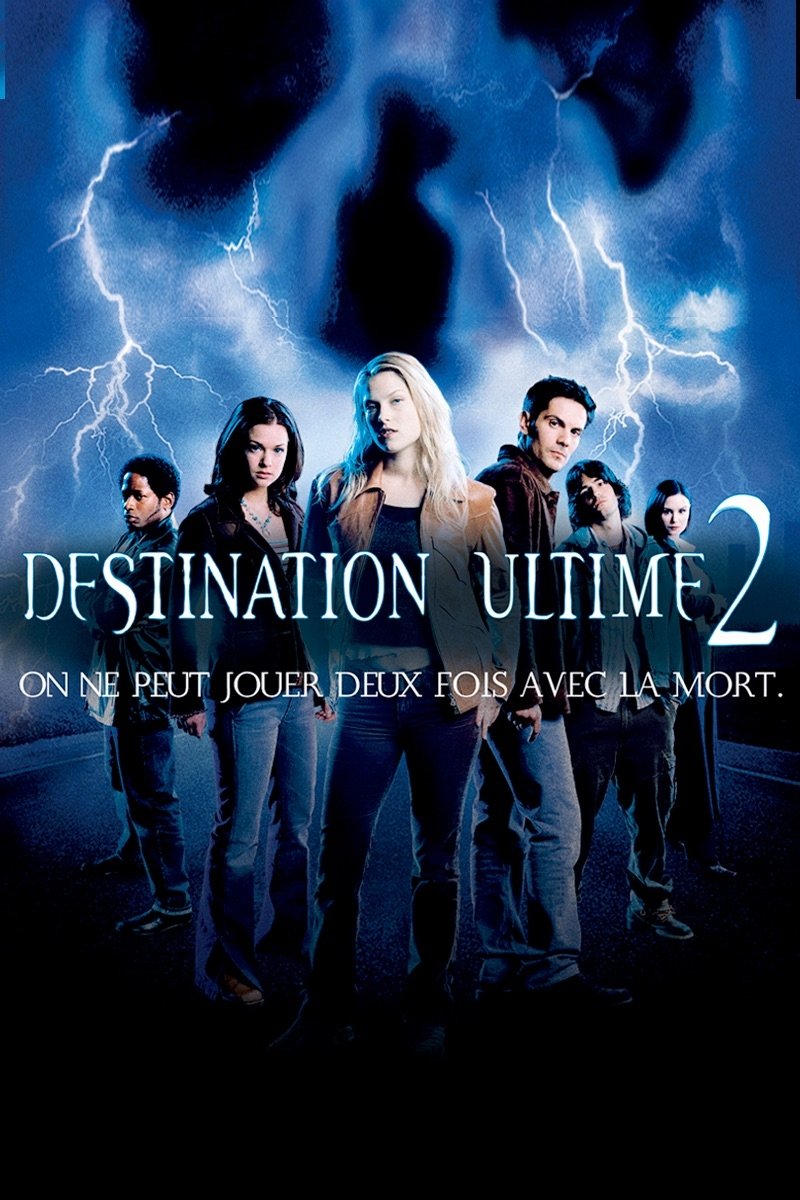
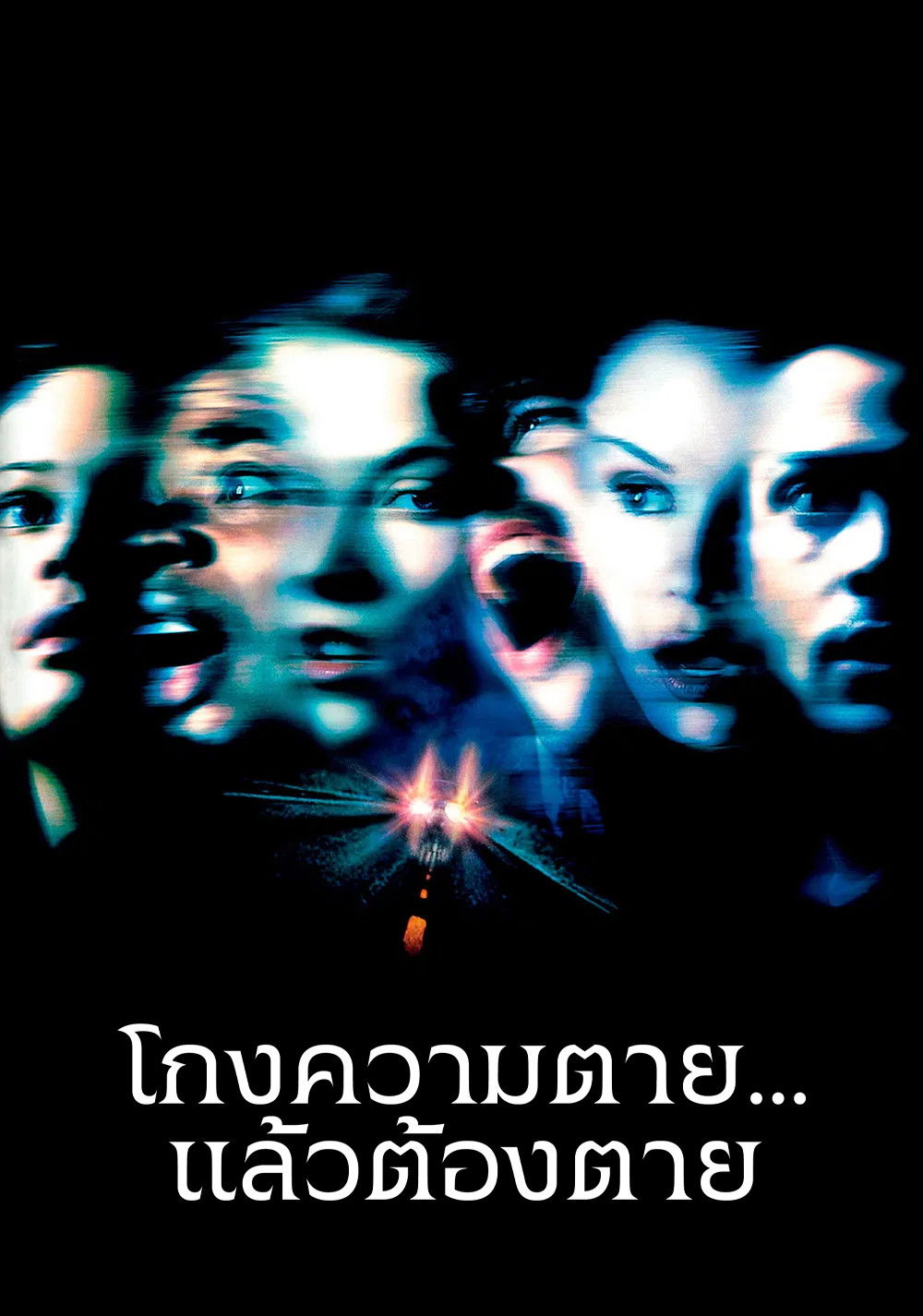
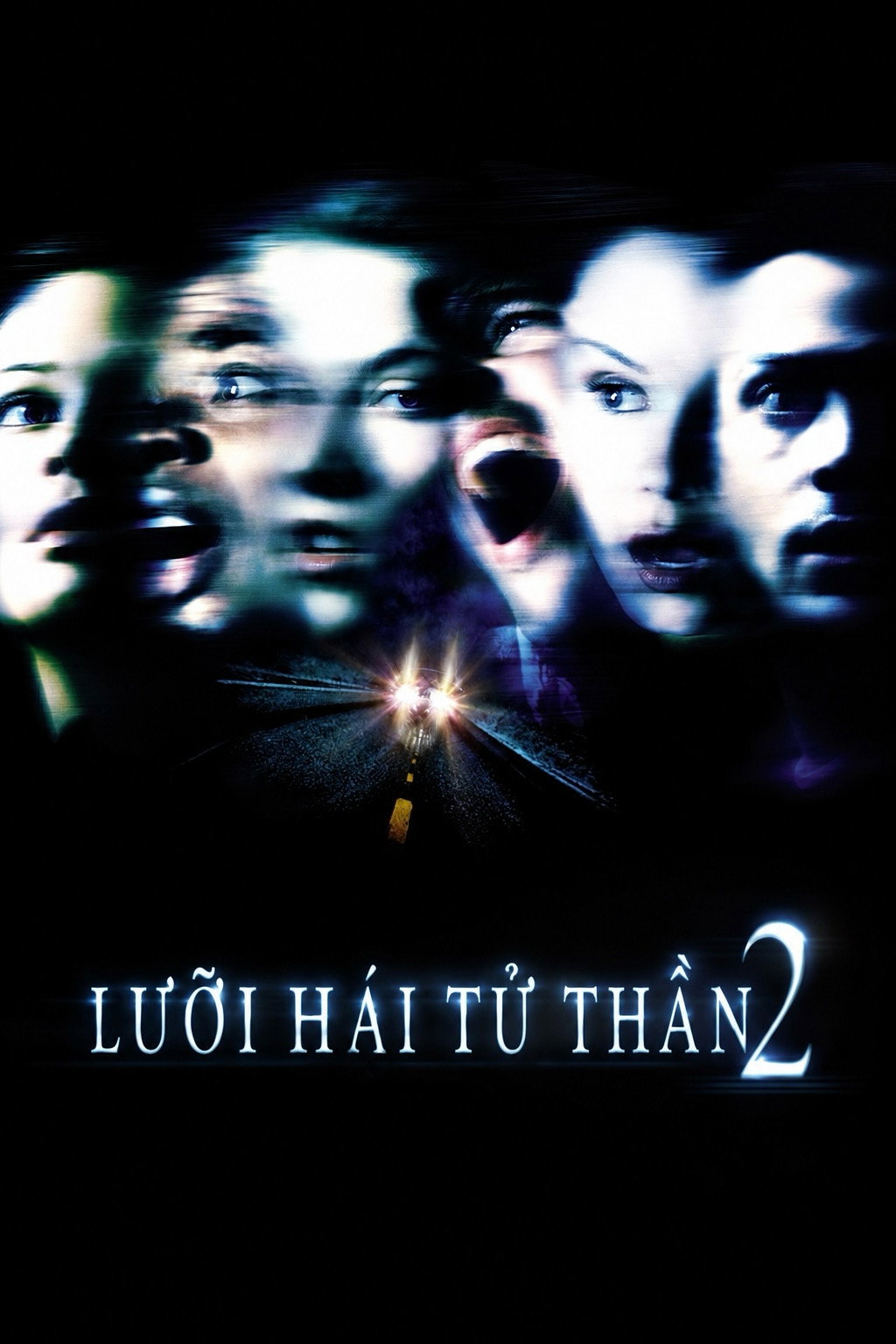
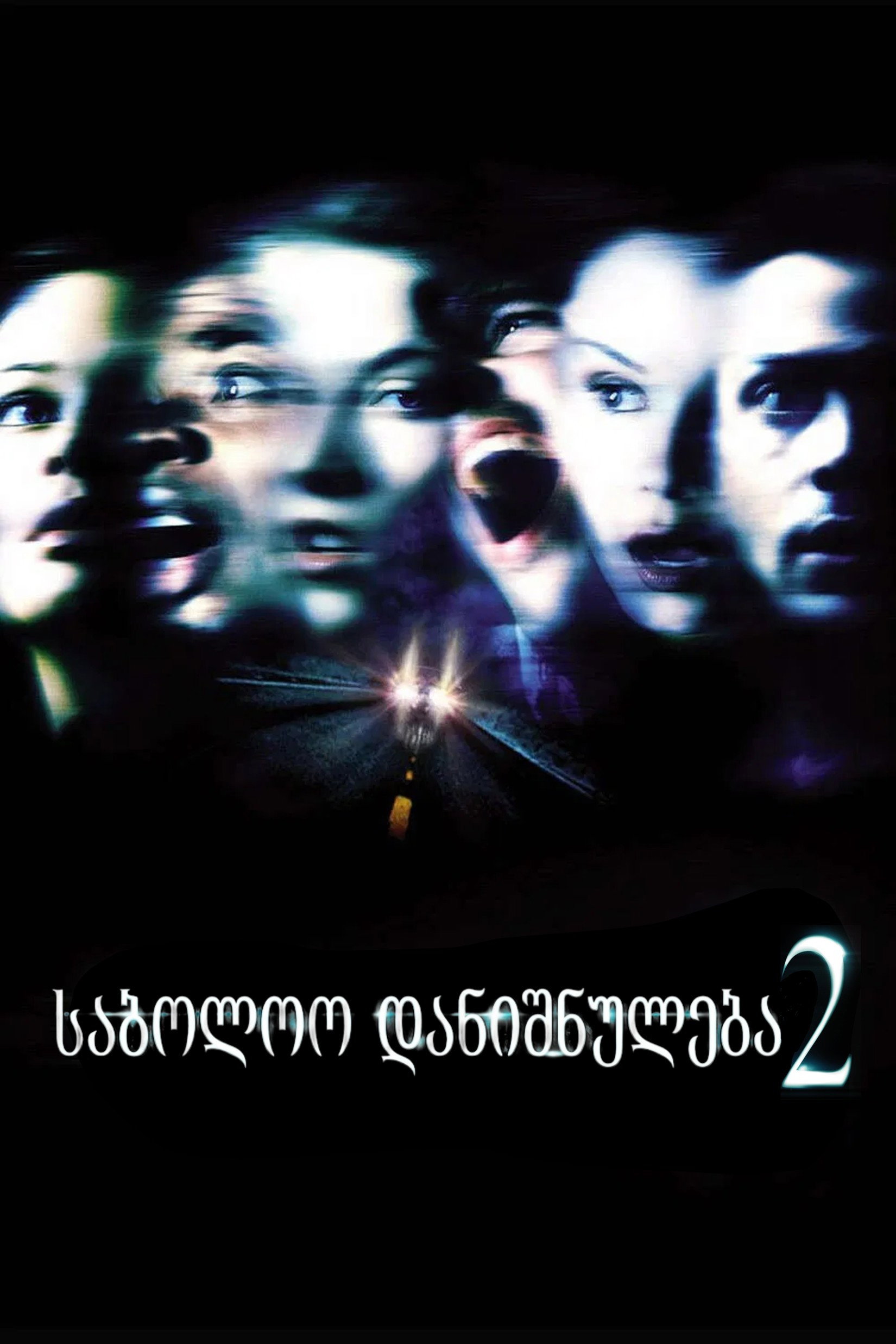
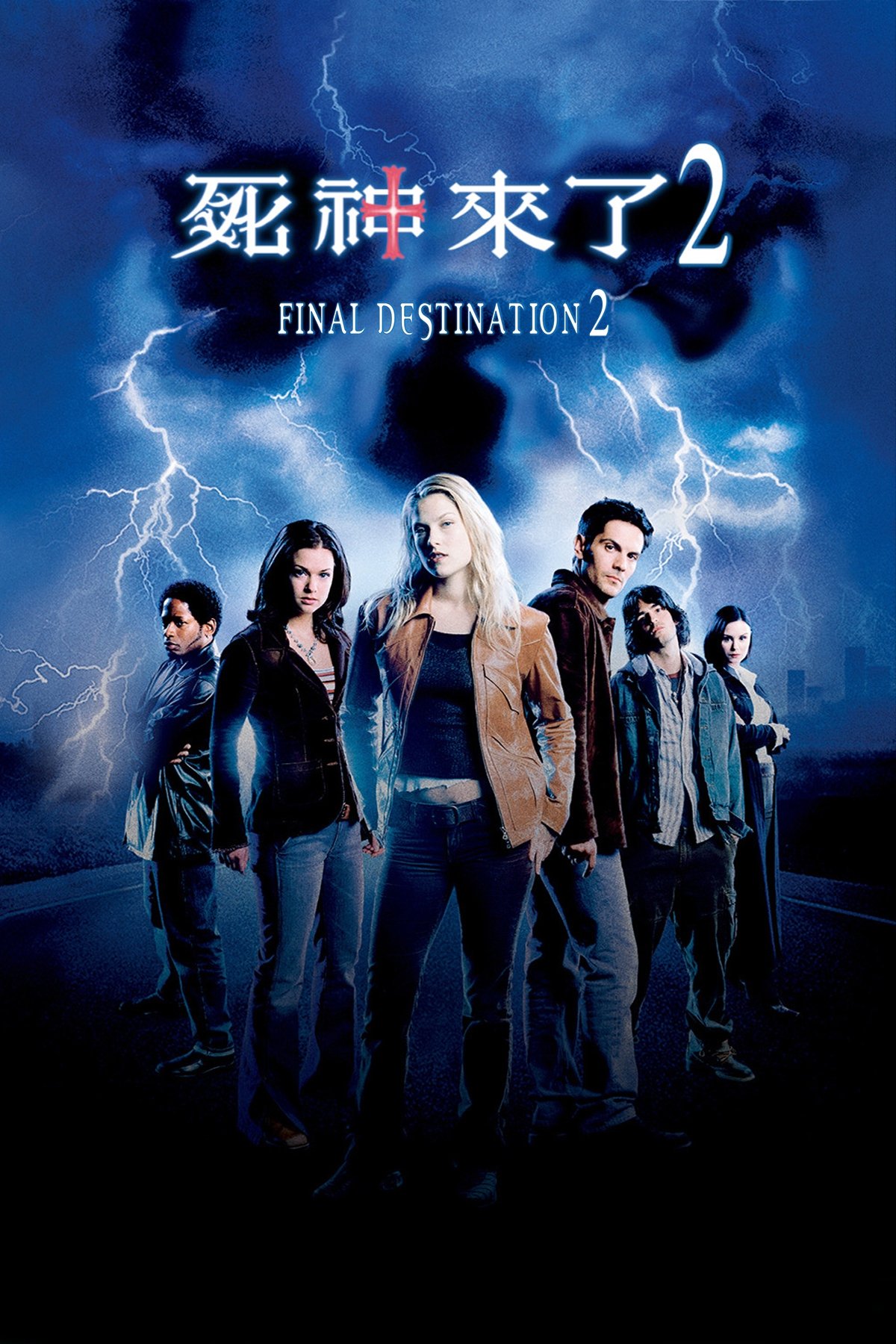
Final Destination 2 (2003) poster
Director
Production Companies
New Line Cinema , Zide-Perry Productions
Plot

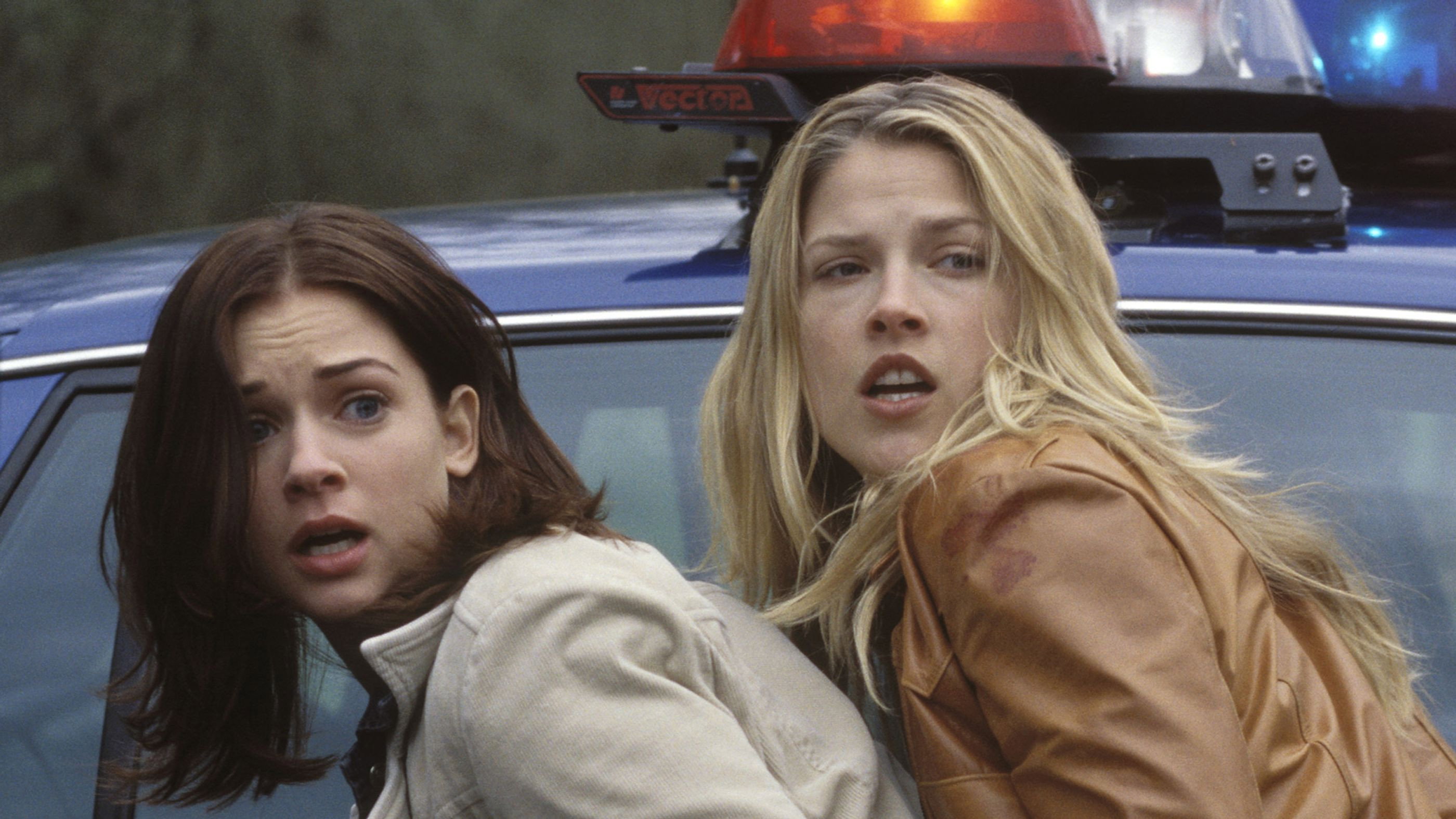
Kimberly Corman foresees a devastating highway pileup triggered by a truck carrying logs. She blocks the entrance ramp and saves several motorists, but the survivors soon begin dying in accidents that appear to follow a hidden order. Seeking answers, Kimberly contacts Clear Rivers, who survived Flight 180, and the mysterious mortician William Bludworth. Together they explore the possibility that the birth of a new life could interrupt Death’s sequence, even as further casualties cast doubt on whether the survivors have truly escaped.

Alternative Titles
Təyinat nöqtəsi 2 (AZ) — translation:az Последен изход 2 (BG) — translation:bg Premonição 2 (BR) — translation:pt Destination ultime 2 (CA) — translation:fr 死神来了2 (CN) — translation:zh 绝命终结站2 (CN) — Netflix Nezvratný osud 2 (CZ) — translation:cs Lõpp-punkt 2 (EE) — translation:et
Show all 39 alternative titles Destinació final 2 (ES) — translation:ca Destino final 2 (ES) — translation:es Final destination - viimeinen määränpää 2 (FI) — translation:fi Destination finale 2 (FR) — translation:fr საბოლოო დანიშნულება 2 (GE) — translation:ka Βλέπω το Θάνατό σου 2 (GR) — translation:el 死神又來了 (HK) — translation:zh Put bez povratka 2 (HR) — translation:hr Végső állomás 2. (HU) — translation:hu יעד סופי 2 (IL) — translation:he आखिरी मंजिल (IN) — translation:hi مقصد نهایی 2 (IR) — translation:fa デッドコースター/ファイナル・デスティネーション2 (JP) — translation:ja 데스티네이션 2 (KR) — translation:ko Galutinis tikslas 2 (LT) — translation:lt Ceļa gals 2 (LV) — translation:lv Destino Final 2 (MX) — translation:es Oszukać przeznaczenie 2 (PL) — translation:pl O Último Destino 2 (PT) — translation:pt Destinație finală 2 (RO) — translation:ro Последња екскурзија 2 (RS) — translation:sr Пункт назначения 2 (RU) — translation:ru الوجهة النهائية 2 (SA) — translation:ar Brez povratka 2 (SI) — translation:sl Nezvratný osud 2 (SK) — translation:sk โกงความตาย แล้วต้องตาย (TH) ไฟนอล เดสติเนชั่น 2 : โกงความตาย...แล้วต้องตาย (TH) — translation:th Son Durak 2 (TR) — translation:tr 絕命終結站2 (TW) — translation:zh Пункт призначення 2 (UA) — translation:uk Lưỡi Hái Tử Thần 2 (VN) — translation:vi

Trailers & Videos

10 videos

Film Guide

The 2003 sequel that transformed a logging-truck pileup into a horror landmark through ambitious vehicle stunts, digitally animated timber and revised rules of fate.

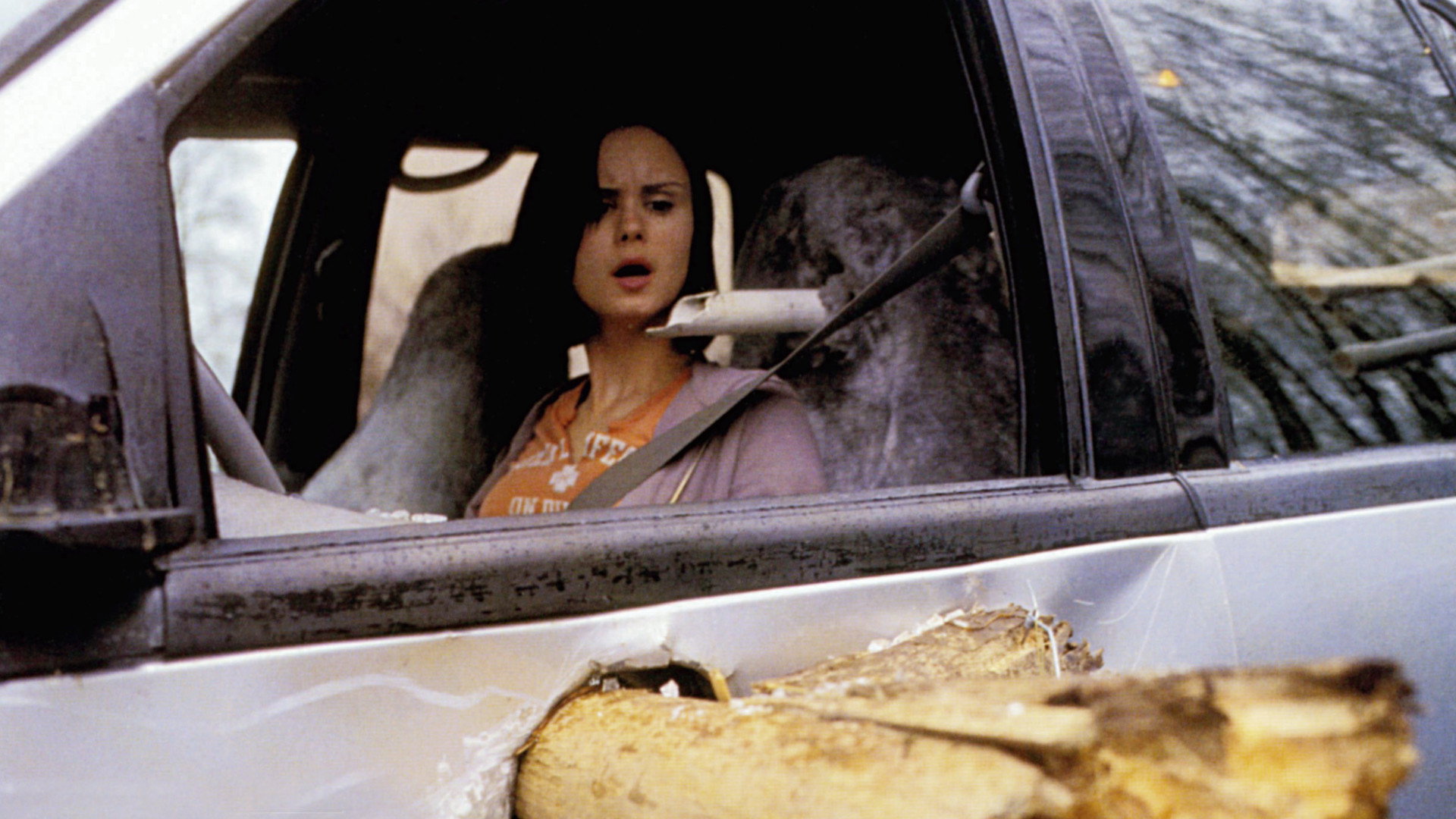
Final Destination 2 (2003) changes the scale of the original film's fatal premonition. Its centerpiece is a multiple-vehicle collision on a highway, a disaster built from ordinary traffic movements that abruptly become lethal. Instead of an isolated group of classmates, its endangered survivors come from different households, occupations and age groups. Their common experience starts with Kimberly Corman's warning and a blocked entrance ramp. The setting puts many unrelated lives within the same uncontrolled traffic system.

Directed by David R. Ellis, a veteran stunt performer and second-unit filmmaker, the production enlarged the mechanical violence associated with the series while reconsidering its narrative rules. Writers Eric Bress and J. Mackye Gruber pursued a darker comic tone and a more varied ensemble, working from an initial story treatment by franchise creator Jeffrey Reddick. Interviews with the filmmakers and crew provide unusually detailed evidence of the freeway shoot, the digital logging-truck effects and the collaboration required to join them.

Development and a Different Group of Survivors

Producer Craig Perry recalled that the commercial performance of Final Destination (2000), including its international earnings, convinced New Line Cinema to pursue a second installment. Jeffrey Reddick prepared an early treatment and searched for a catastrophe that would equal the original airplane disaster. He later told The Ringer that he briefly considered a hotel fire. The more effective idea arrived while he was driving behind a logging truck in Kentucky, an experience that left him anxious about the cargo and prompted him to contact Perry.

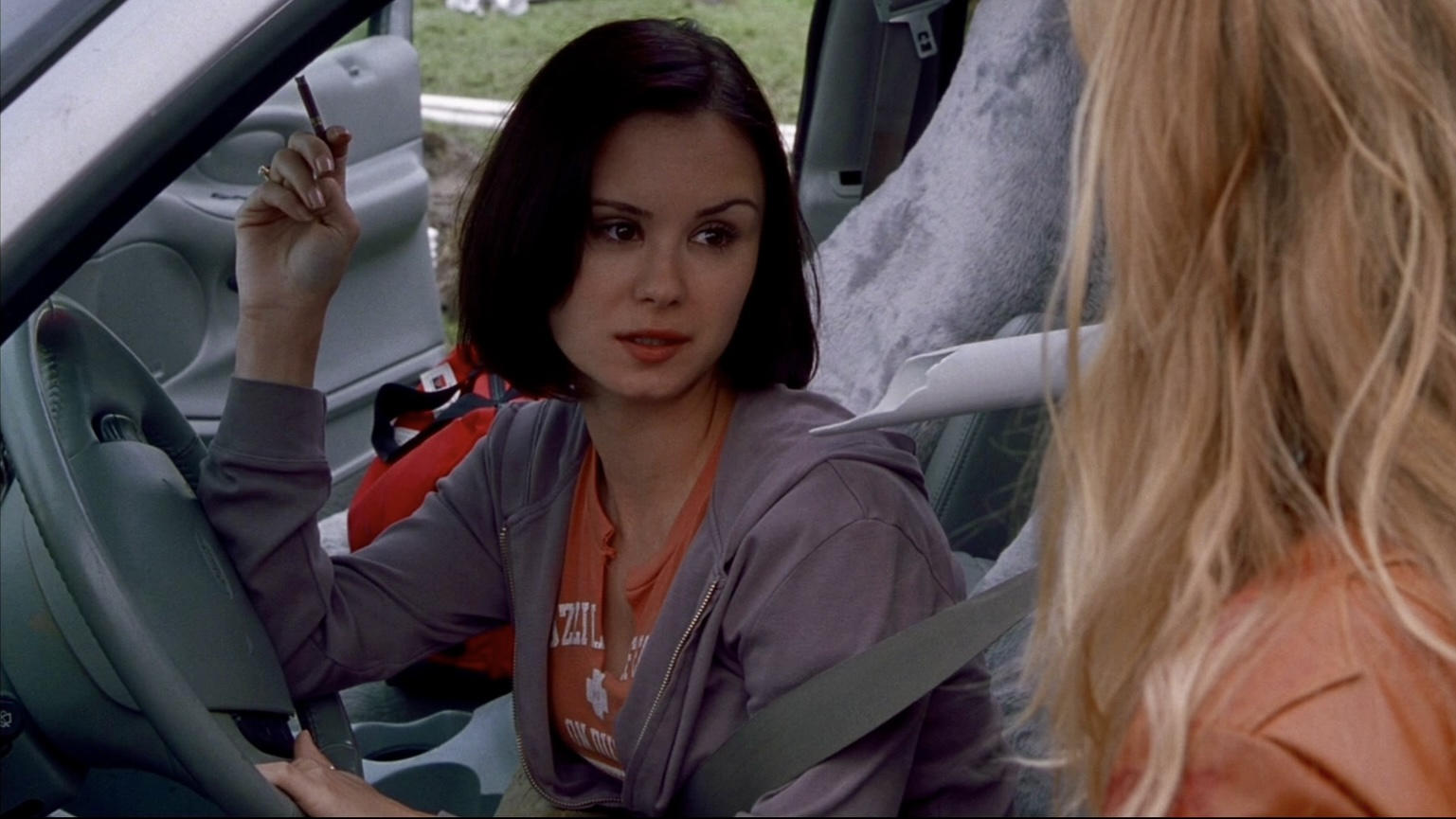
Bress and Gruber were recruited after their screenplay for The Butterfly Effect, then known as Blackouts, attracted attention at New Line. In a 2025 oral history, Bress recalled receiving one fixed requirement: the sequel had to begin with a logging-truck accident. Perry described the eventual screenplay as a synthesis of Reddick's material and the new writers' ideas, with the latter supplying most of the developing story. Their aim was to move beyond another exclusively adolescent cast. Kimberly's teenage companions initially seem destined to carry the film, but the interrupted journey introduces adult strangers as the principal survivors.

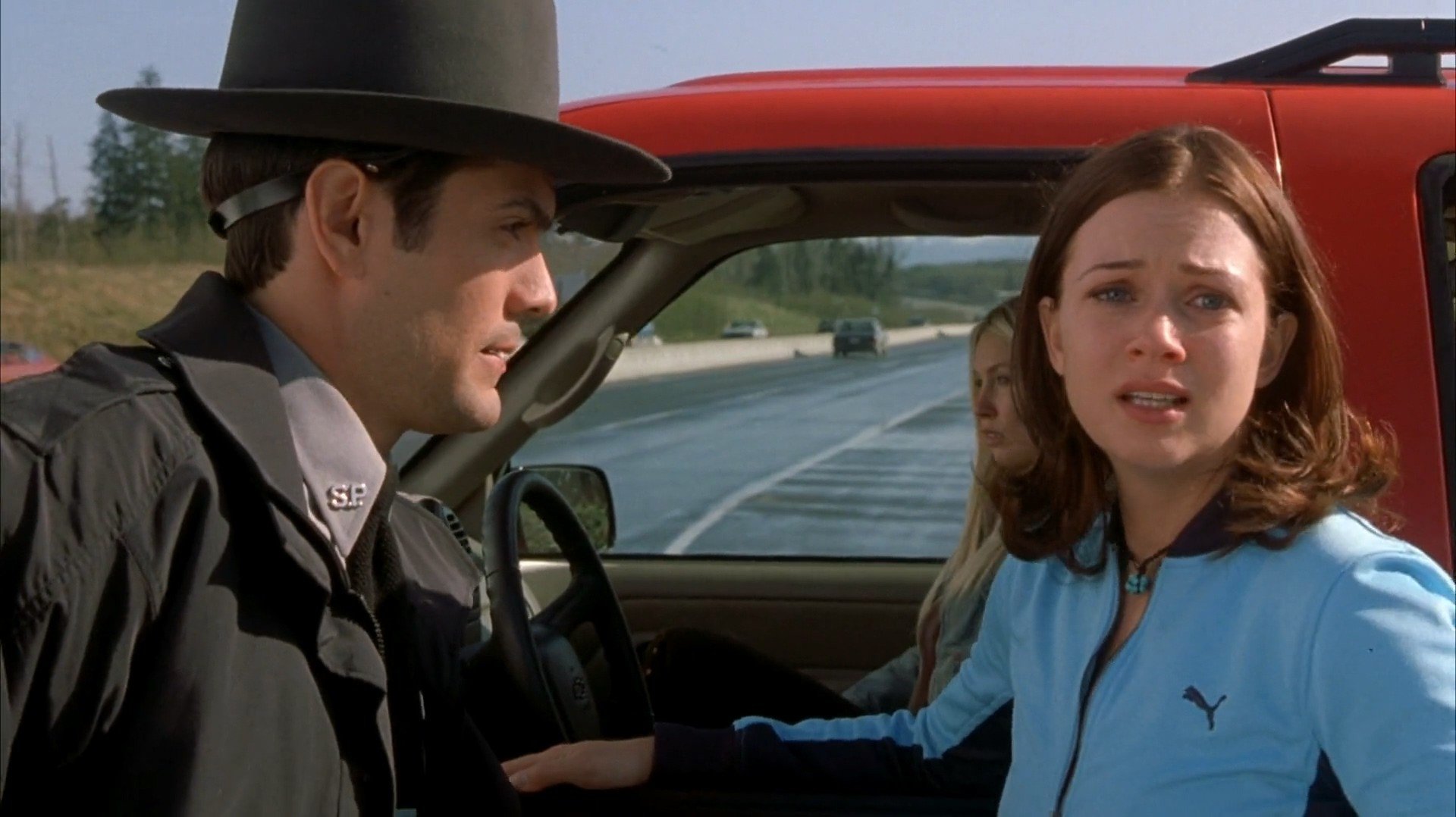
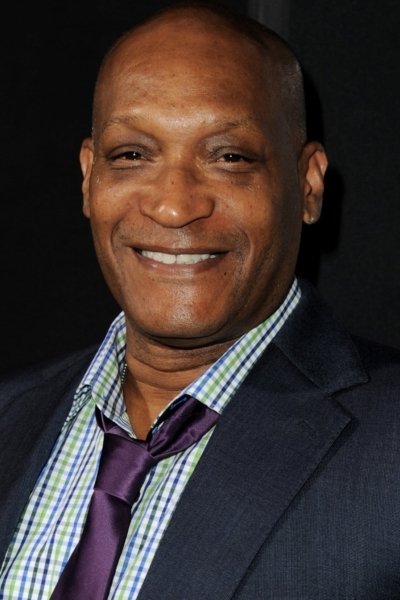
That change gives the aftermath a distinctive social texture. Officer Thomas Burke becomes an ally without sharing Kimberly's original premonition; other witnesses have independent responsibilities and reasons to doubt her. Ali Larter's returning Clear Rivers connects the narrative to the earlier disaster, while Tony Todd again appears as William Bludworth. Its writers were also interested in allowing those reactions to include disbelief and grim humor. In an October 2026 interview, Bress said the protagonists needed to recognize how absurd their situation could seem, a conscious adjustment to the first film's comparatively earnest approach.

Planning the Highway Catastrophe

Ellis brought extensive action experience to the project after years coordinating and directing second-unit material. The production selected a stretch of road on Vancouver Island where moving vehicles could be photographed over considerable distances. Cinematographer Gary Capo recalled that the crew wet the pavement for every day's work to preserve continuity in anticipation of changeable weather; according to his account, the planned rain never arrived during the two-week highway period. This lengthy shoot demanded a consistent account of each car's position, because the audience has to understand the catastrophe before Kimberly interrupts it.
Participants interviewed by The Ringer described Ellis and the stunt team using model vehicles to develop the traffic pattern. The wide shot just before the spill inside Kimberly's vehicle shows drivers settling into the positions required for the chain of impacts. Cars were assigned particular collisions, flips and trajectories along a roughly two-mile filming area. Producer Justis Greene emphasized advance consultation with the local First Nations community in securing access to the highway.

The staged incident also uses misdirection at the level of character identification. Early close-ups encourage an attachment to Kimberly's friends, only for the premonition to reveal that the narrative will follow the motorists who were momentarily saved. Bress compared that shift to the unsettling displacement of audience expectations in Psycho (1960). The fiction presents a catastrophe caused by small failures that accumulate rapidly, and the filmmaking reproduces that effect through carefully rehearsed operations rather than a single continuous stunt.

Stunts, Controlled Destruction and Fire

Stunt coordinator Freddie Hice and his drivers carried out many of the vehicles' most dangerous movements on the road. The oral history documents real collisions, a motorized garbage truck crashing into prepared car bodies, and a difficult rollover of Kimberly's Chevrolet Tahoe. Stunt performer David Jacox described operating the vehicle during an air-cannon-assisted roll after another attempt did not produce the desired result. For some shots, vehicles were modified or emptied of engines; dummies substituted for people where the apparent bodily risk would have been unacceptable.

The crew developed an elaborate series of fire effects. Special effects personnel used prepared charges and fuel systems for the burning vehicles, while safety teams supervised the work. Sound designer Scott Gershin later described efforts to make the approaching traffic and snapping restraints acquire a threatening sonic character before the most violent impacts. Such cues help bind shots photographed separately into a single accelerating episode. The crash is constructed as a sequence of recognizable mechanical events, with the soundtrack guiding attention to a hazard that may become important several moments later.

Ellis explained his practical approach in a February 2003 Los Angeles Times interview. He valued real stunt performance but accepted computer imagery when physical methods failed to deliver the needed movement or intensity. The newspaper reported that the opening action took ten shooting days; retrospective accounts describe a longer period on the highway that also included dialogue and setup work. These durations refer to different scopes of activity and should not be mistaken for an irreconcilable production history. New Line executive Toby Emmerich praised Ellis's meticulous preparation, while the director described the challenge of keeping elaborate action legible without allowing technique to overwhelm the scene.

Digital Logs and Composited Violence

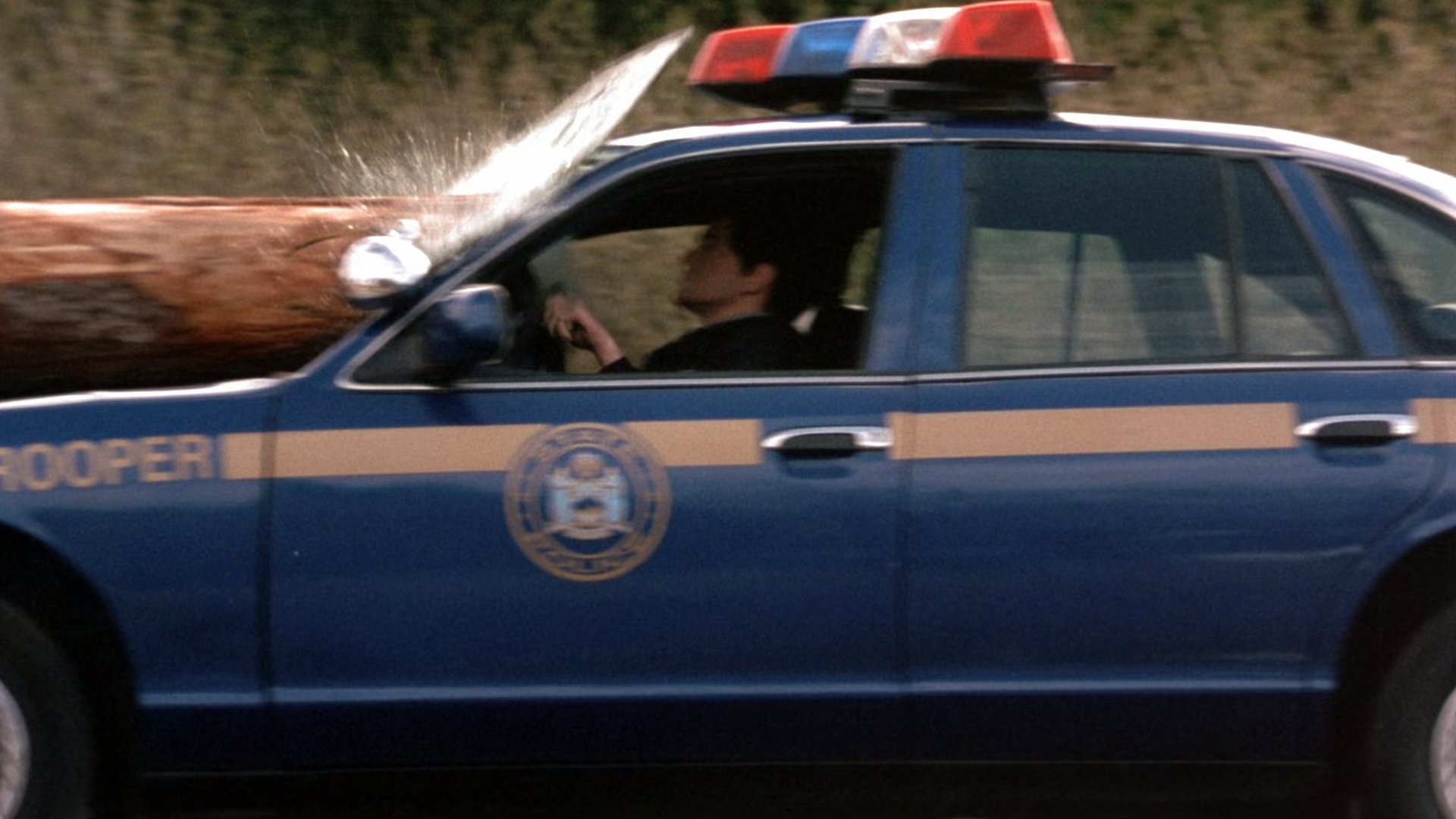
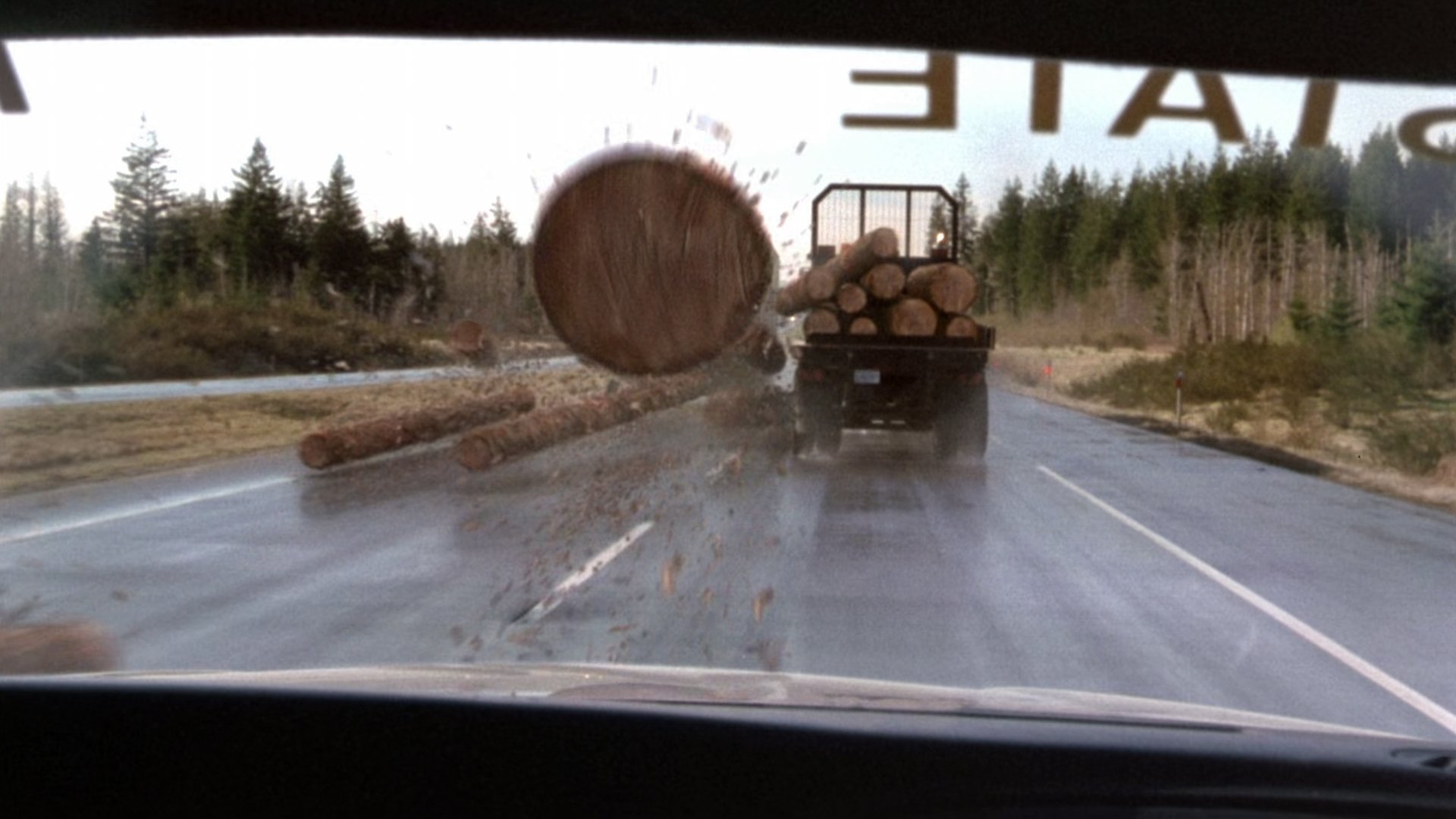
The logging truck provided a practical problem that reshaped the visual-effects plan. Heavy real logs did not bounce dramatically when released onto the road; crew members remembered them falling and rolling with limited vertical movement. Visual-effects supervisor Joe Bauer therefore brought in Digital Dimension, whose artists had tested simulated timber dynamics. In a January 2003 interview for CG Channel, computer-graphics supervisor Jason Crosby confirmed that the team began with real physical measurements before deliberately increasing the logs' movement for the finished scene. The onscreen disaster uses genuine vehicles and photographed action alongside digital timber, rather than being either wholly computer-generated or entirely practical.

Digital Dimension drew texture information from high-resolution photographs taken on location. Crosby described twenty-two different log models incorporating surface displacement and variations in bark, then explained how tracking and particle systems added airborne debris, road mist and splintering material. Computer-generated elements had to blend with footage recorded over numerous days in changing light. Crosby also stated that although computer-generated cars had been investigated, the production ultimately did not require them for that sequence.

The company's assignment extended beyond the freeway. Crosby discussed compositing work on a later sequence involving a body apparently cut apart, including digitally added blood and moving fence material. This evidence establishes that the sequel's graphic violence depended on collaboration between physical photography and postproduction, without suggesting that every injury was realized by the same process. A comparison of these accounts with the 2025 oral history shows that the crew sometimes remembered the balance of practical and digital effects differently. The interviews nevertheless agree on the central difficulty: real timber could not produce the spectacular airborne impacts required by the story.

Revising the Rules of Death

The screenplay introduces a different problem from the first film: Kimberly learns that several people survived the highway because earlier events connected them indirectly to Flight 180's survivors. The threatened group must work out who is next while confronting hazards that can emerge from any object near them. Their attempts to intervene create fresh uncertainties, particularly when they begin to speculate that a birth might disrupt the sequence. The proposed rule functions as a desperate theory held by the characters, not an independent explanation of how mortality operates outside the story.

Bress and Gruber said that the sequel's mixture of fate and contingency had grown out of their earlier work on The Butterfly Effect. Gruber recalled looking for a clearer internal logic after watching the first Final Destination, while Bress wanted the cast to respond with more openly incredulous reactions. Those intentions shape the film's pattern of suspense and release. A succession of apparently dangerous objects may culminate in an entirely different mechanism, allowing comedy and shock to occupy the same scene. The effect depends on an audience actively revising its prediction of what will happen next.

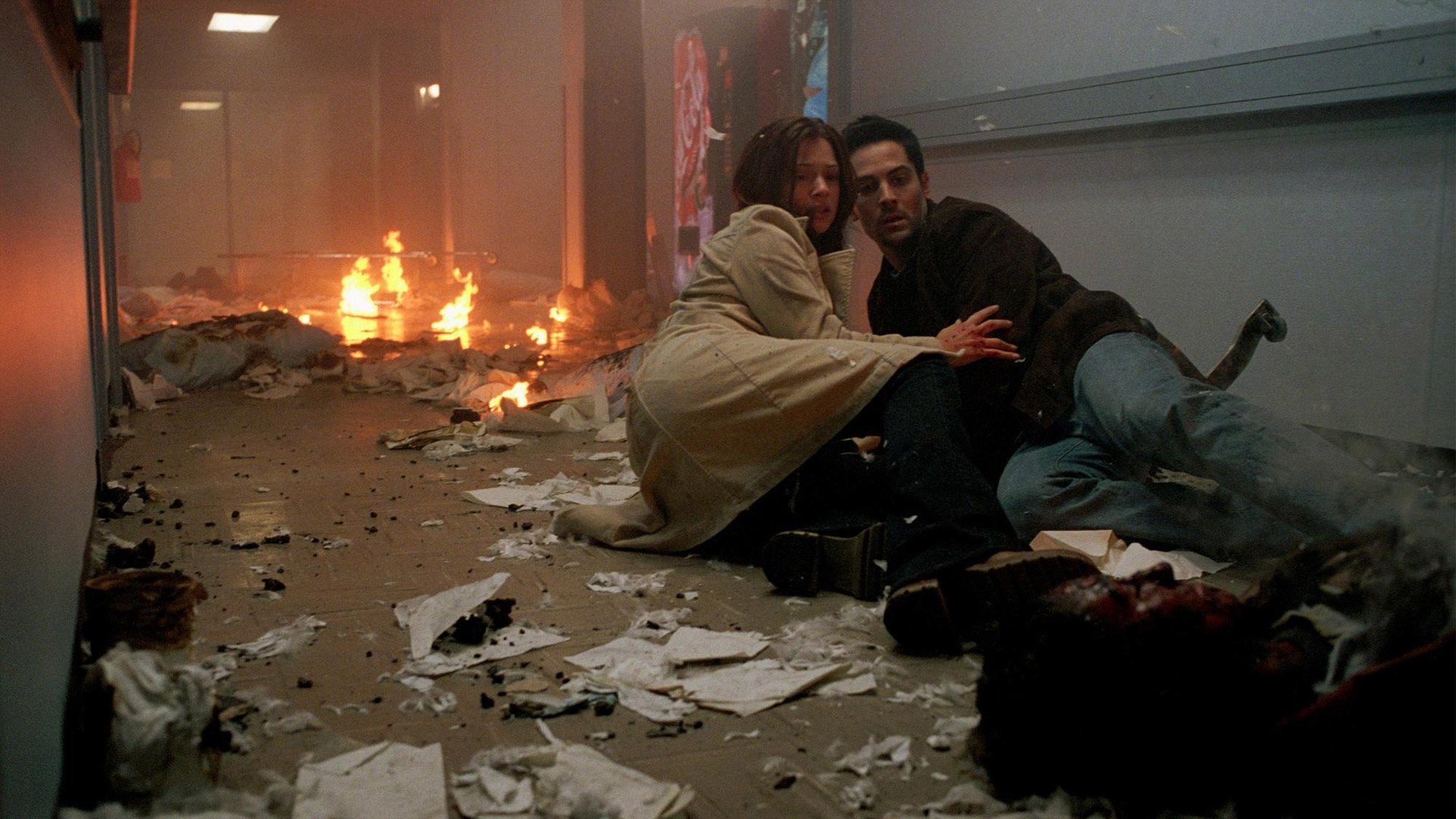
The death sequences extend beyond the freeway to homes, medical settings and public spaces. Their settings help preserve the franchise's capacity to make daily routines seem threatening, but the sequel increases the intensity of visible injury. The hospital material and the lethal consequences of commonplace equipment take advantage of spaces usually associated with care, shelter or convenience. Bludworth's pronouncements remain suggestive rather than a complete supernatural system. Although the characters seek instructions that would secure their survival, each apparent discovery gives them another possibility to misread.

Release, Classification and Cultural Memory

New Line Cinema released Final Destination 2 theatrically in the United States on January 31, 2003. The Los Angeles Times reported an estimated opening of 16.2 million dollars in an article published three days later, a contemporary figure that should not be confused with the film's eventual theatrical earnings. The British Board of Film Classification recorded a cinema version running 90 minutes and two seconds, classified on January 22, 2003, and later home-video submissions running approximately 86 minutes. These are separate submitted versions and running times; the records alone do not establish that the shorter material was produced through censorship cuts.

The BBFC's description specifically addresses the sequel's intense gore and the range of fatal injuries, confirming that graphic bodily damage was central to its presentation. Its original British theatrical classification was 15, while a later home-video listing carries the same central concern with disturbing violence. For the cinema submission, the official record names Entertainment Film Distributors; for physical media, it identifies Entertainment in Video. Reliable claims about editorial changes require further evidence.

The highway pileup eventually acquired a public life beyond the film. In interviews published in 2025 and October 2026, Reddick, Bress and Gruber each described encountering people who remained uneasy around trucks carrying unsecured-looking cargo. These statements document the filmmakers' experiences of the sequence's reputation, not a measurable change in road behavior across the population. The scene's staying power is also intelligible in formal terms: it takes an ordinary situation drivers cannot fully control, maps a plausible set of mechanical failures, then magnifies them through stunt choreography and digitally enhanced movement. Its historical distinction within the franchise rests especially on that synthesis.

References

  1. The Ringer The Oral History of the Final Destination 2 Log Truck Sequence

    Jake Kring-Schreifels interviews writer Jeffrey Reddick, producer Craig Perry, writers Bress and Gruber, stunt personnel, visual-effects supervisors and other crew about development, highway staging and the production of the pileup.

  2. HERO Your job is churning up your inner paranoia - talking to the filmmakers behind Final Destination 2 and The Butterfly Effect

    Alex James Taylor interviews Eric Bress and J. Mackye Gruber on the sequel's narrative rules, emotional register, connection to their earlier script and cultural afterlife.

  3. Los Angeles Times The fire man

    Elaine Dutka's February 2003 interview with director David R. Ellis documents stunt planning, digital reinforcement, production scheduling and the filmmaker's approach to action.

  4. CG Channel Interview with Jason Crosby: Final Destination 2

    Jean-Eric Henault speaks with Digital Dimension supervisor Jason Crosby in January 2003 about modeled logs, debris simulation, visual continuity and compositing techniques.

  5. British Board of Film Classification Final Destination 2

    Official UK classification records distinguish the 2003 cinema and home-video submissions, their running times and the content advice covering graphic injury.

Connections

Cast

View Full Cast & Crew →

Release & Distribution

Production Companies (2)

  • New Line Cinema US
  • Zide-Perry Productions US

Distributors (2)

  • LaserPacific
  • New Line Cinema US

Release History (48)

Release DateTerritoryRelease TypeFormatDistributorCertificationNotes
2003-01-30 US premiere — — —
2003-01-31 US theatrical — — R
2003-02-07 GB theatrical — — 15
2003-02-07 IE theatrical — — 18
2003-02-20 HK theatrical — — —
2003-03-05 PH theatrical — — — Manila
2003-03-06 AU theatrical — — MA 15+
2003-03-06 CH theatrical — — —
2003-03-06 DE theatrical — — 16
2003-03-07 AT theatrical — — —
2003-03-21 IS theatrical — — —
2003-04-02 BE theatrical — — —
2003-04-02 CH theatrical — — 16
2003-04-03 NL theatrical — — 16
2003-04-04 MX theatrical — — C
2003-04-09 FR theatrical — — 12
2003-04-10 AR theatrical — — —
2003-04-10 CZ theatrical — — 12+
2003-04-10 PE theatrical — — —
2003-04-10 SI theatrical — — —
2003-04-11 ES theatrical — — 16
2003-04-11 GR theatrical — — —
2003-04-19 PH theatrical — — — Davao
2003-04-24 HU theatrical — — 18
2003-04-24 KZ theatrical — — —
2003-04-24 RU theatrical — — 18+
2003-04-24 UA theatrical — — —
2003-04-25 EE theatrical — — —
2003-05-06 KW theatrical — — —
2003-05-07 EG theatrical — — —
2003-05-09 PL theatrical — — 18
2003-05-30 NO theatrical — — 15
2003-06-06 PT theatrical — — —
2003-06-13 BR theatrical — — 14
2003-06-13 SE theatrical — — 15
2003-07-05 JP theatrical — — R18+
2003-07-31 NZ theatrical — — —
2003-08-08 DK theatrical — — 15
2003-08-14 IT theatrical — — —
2003-08-15 TR theatrical — — —
2003-09-12 UY theatrical — — —
2004-06-11 KR theatrical — — 19
2005-12-20 NL tv — — 16 Talpa
2006-10-18 NL physical DVD — 16 DVD
2009-11-04 NL physical Blu-ray — 16 Blu-ray
2025-12-08 FR tv — — 12 RTL9
2026-08-01 PH digital — — — Netflix
2026-10-10 FR tv — — 12 Ciné+ Frisson
For every beginning there is an end.