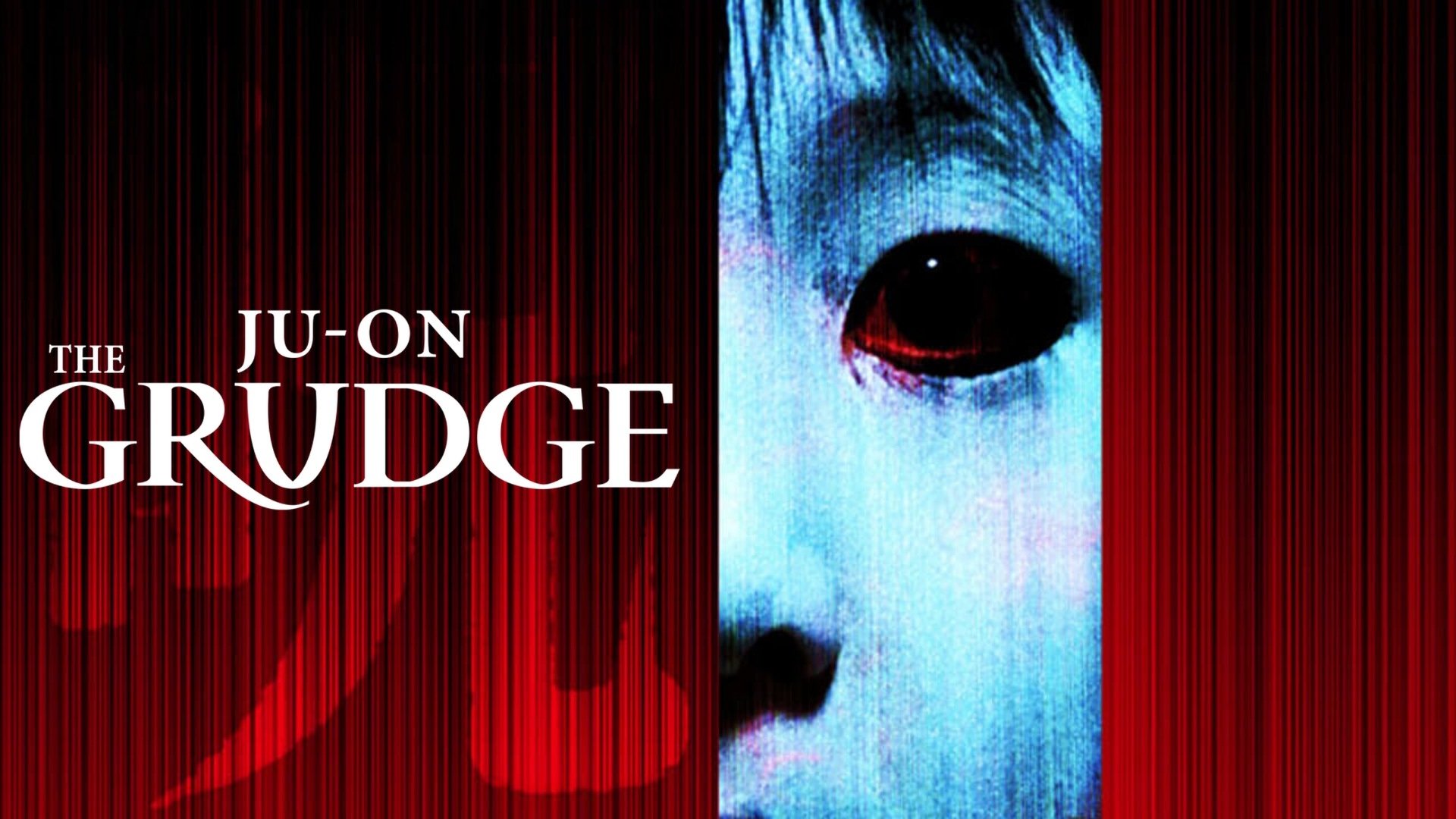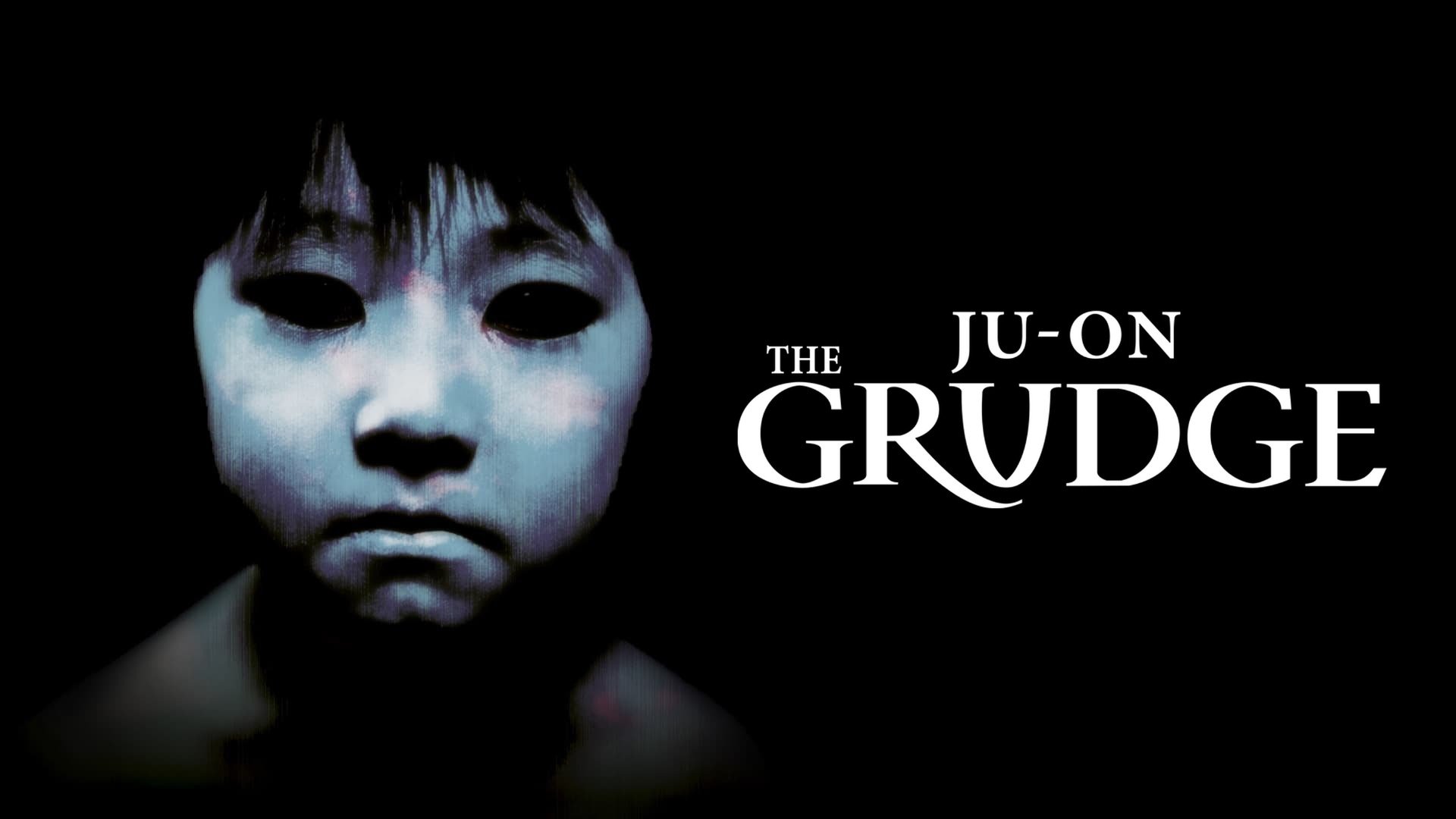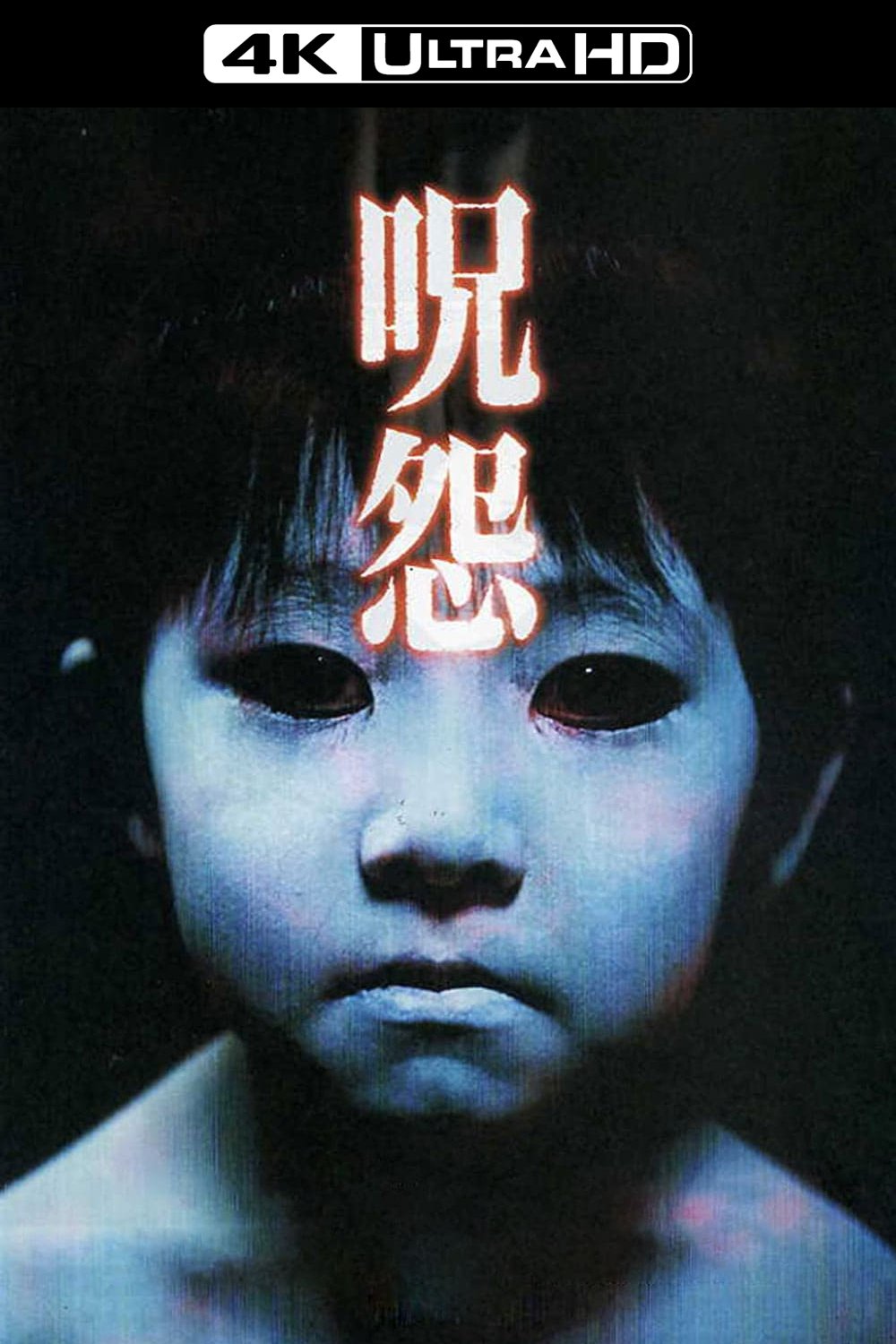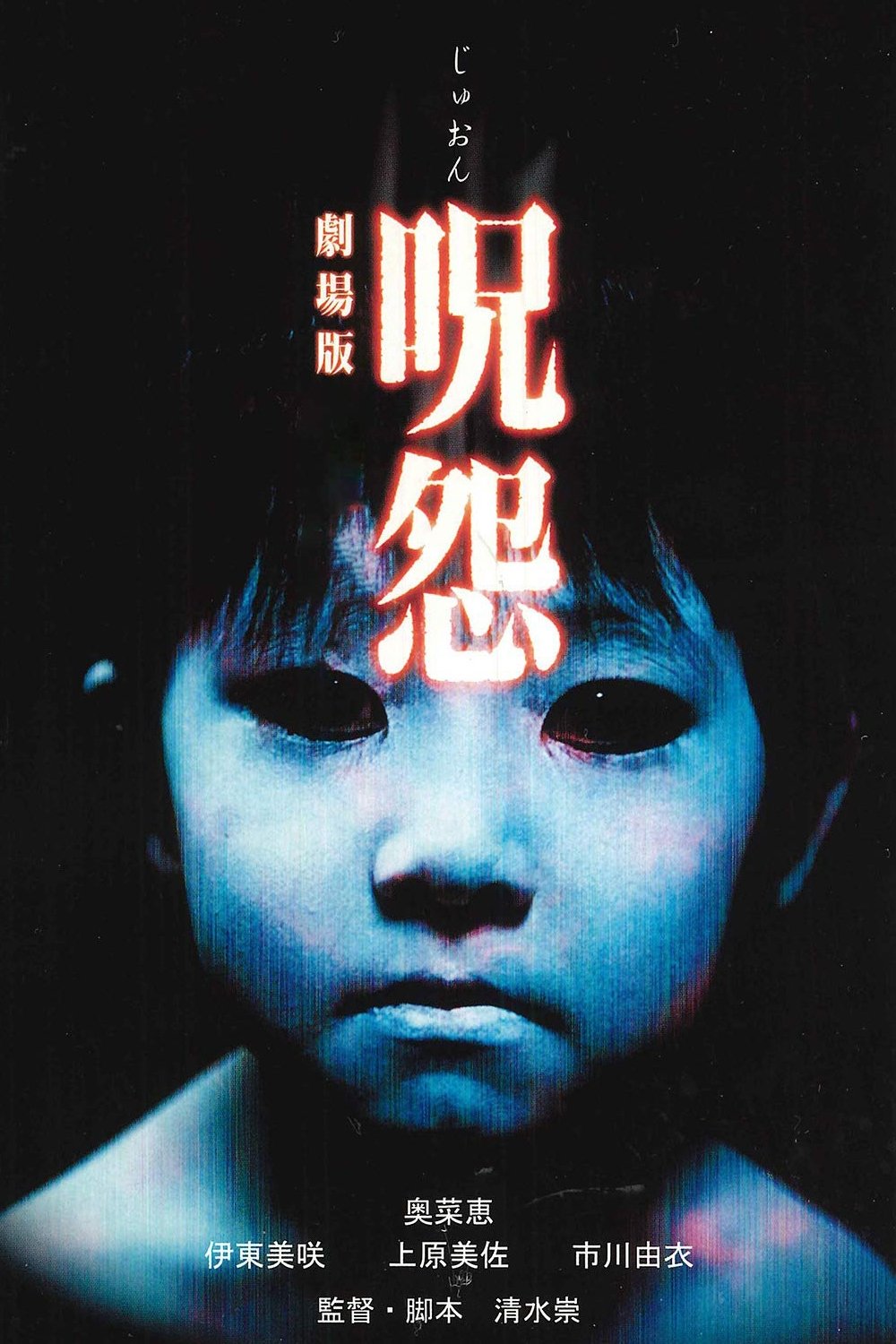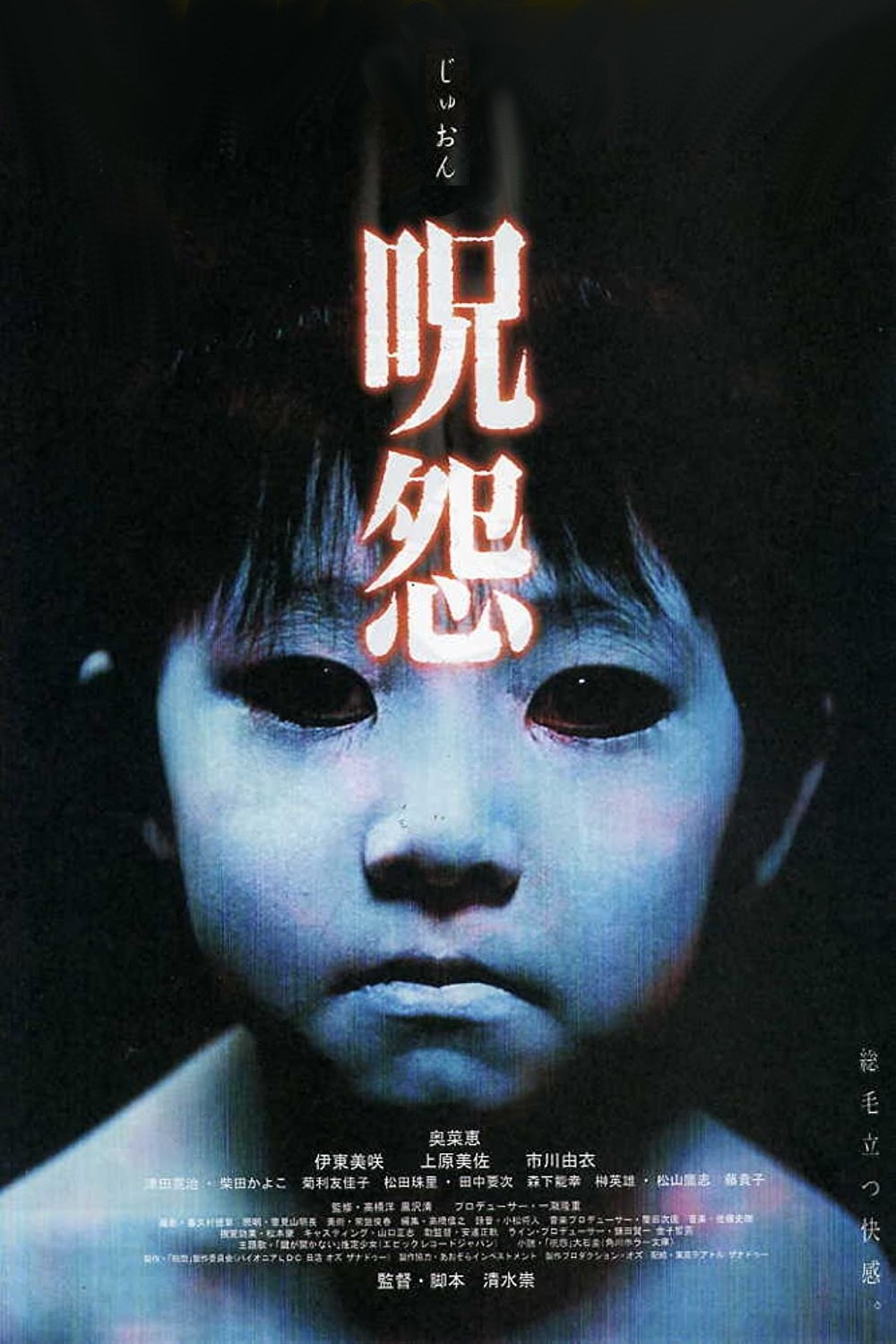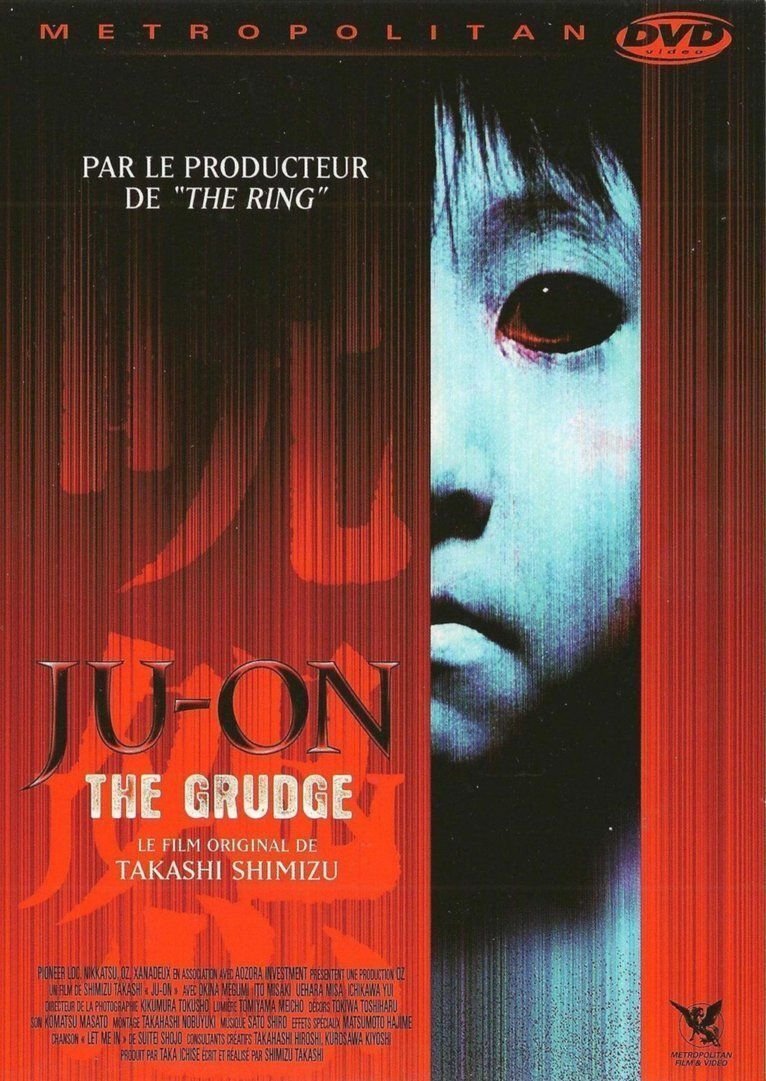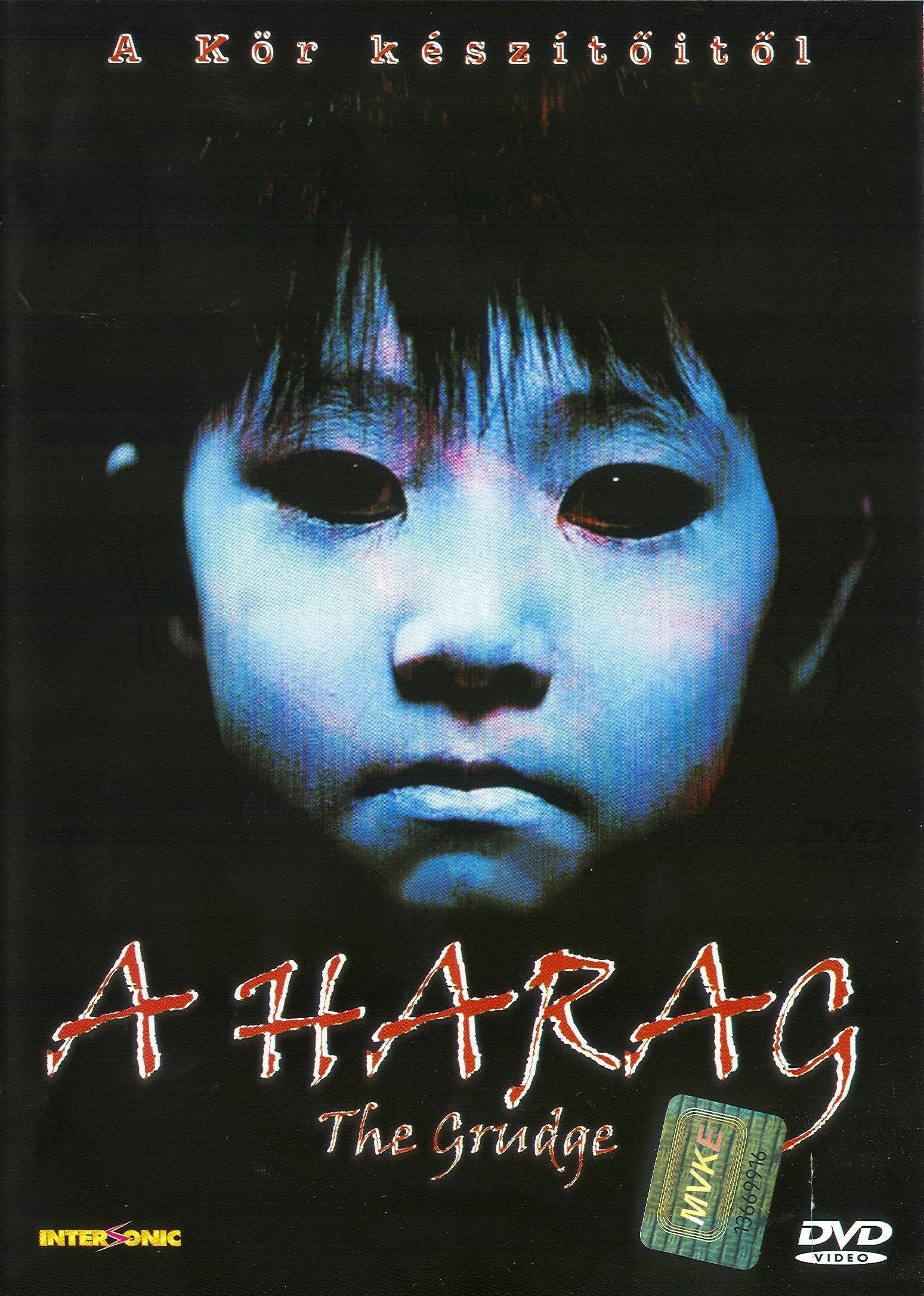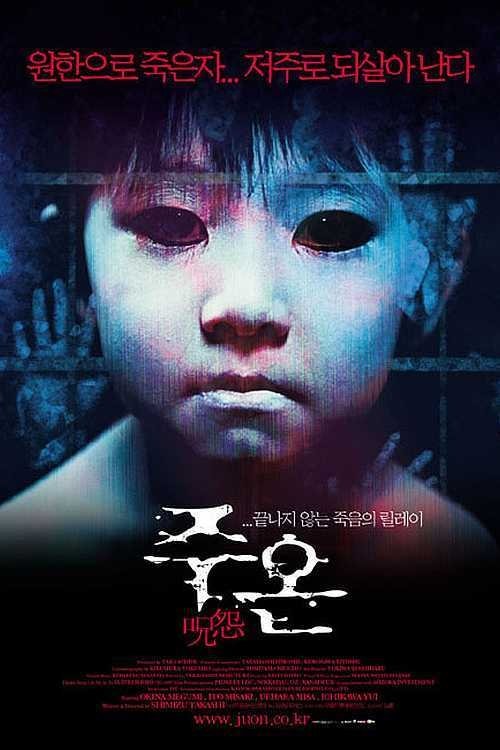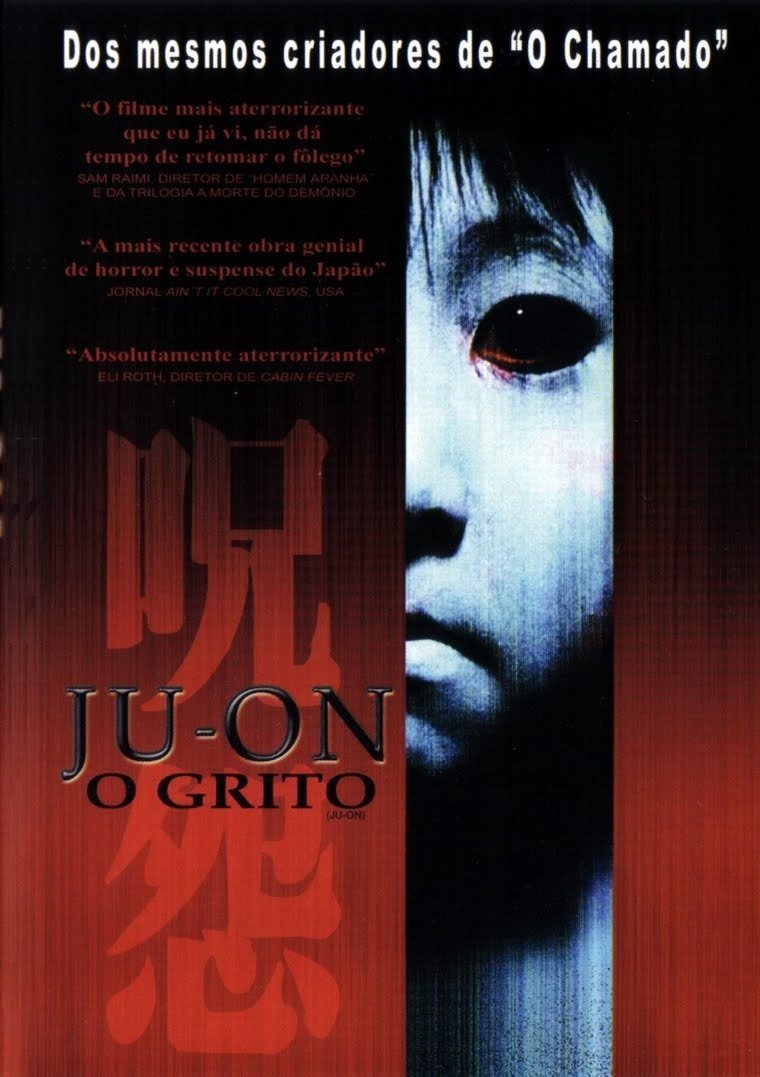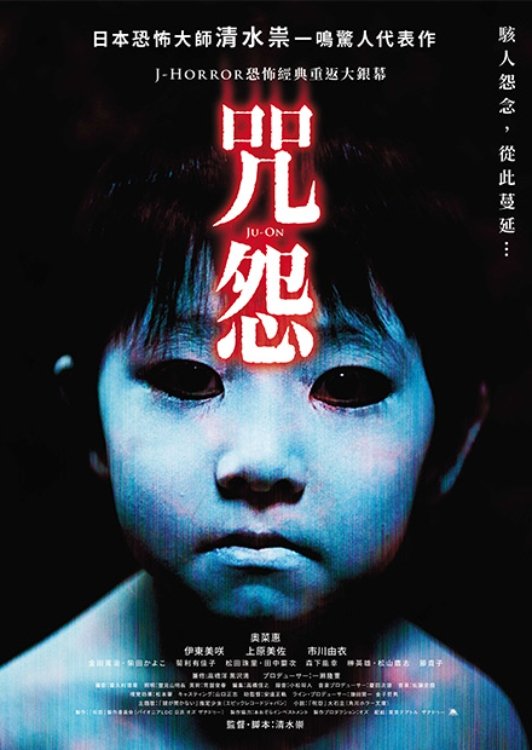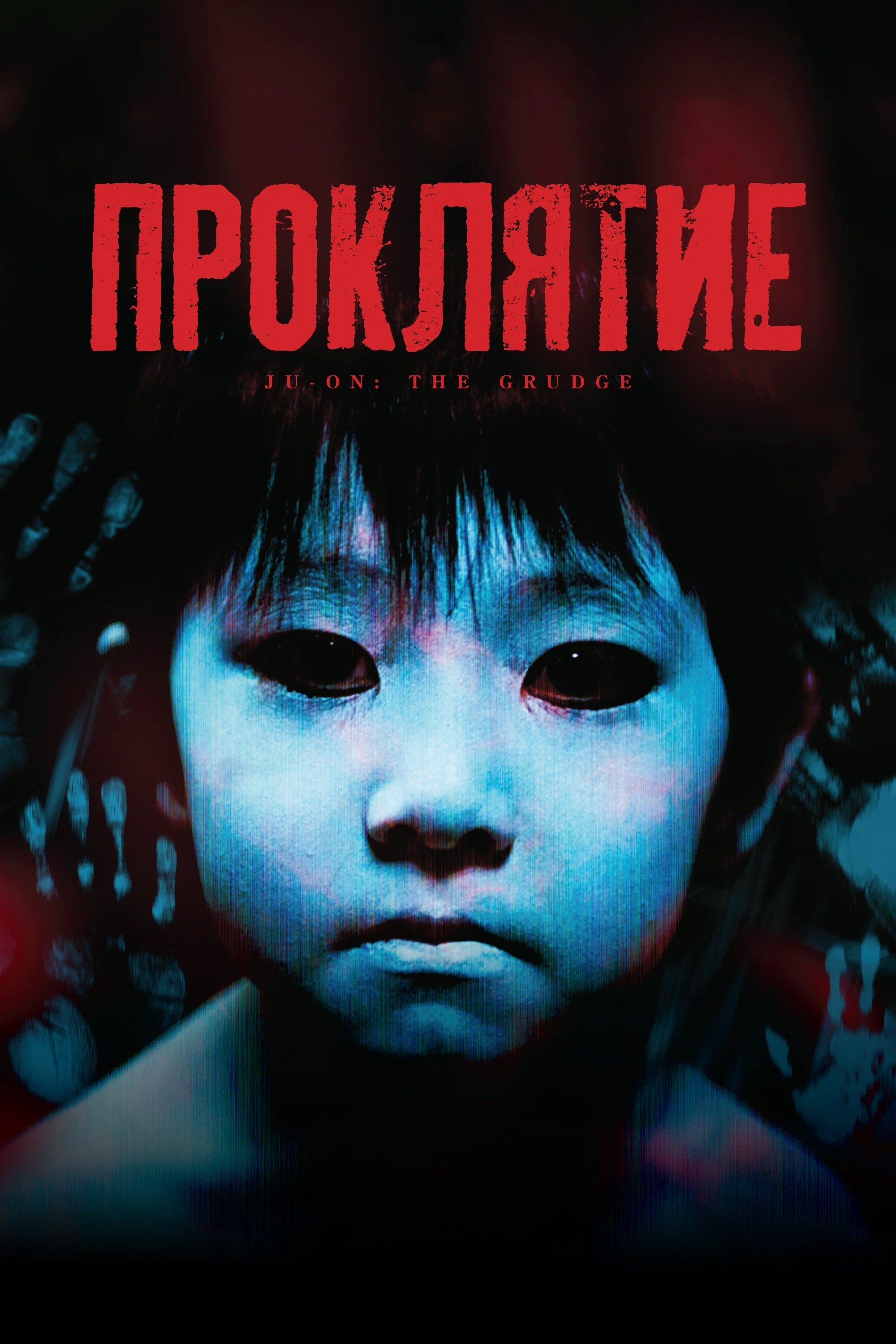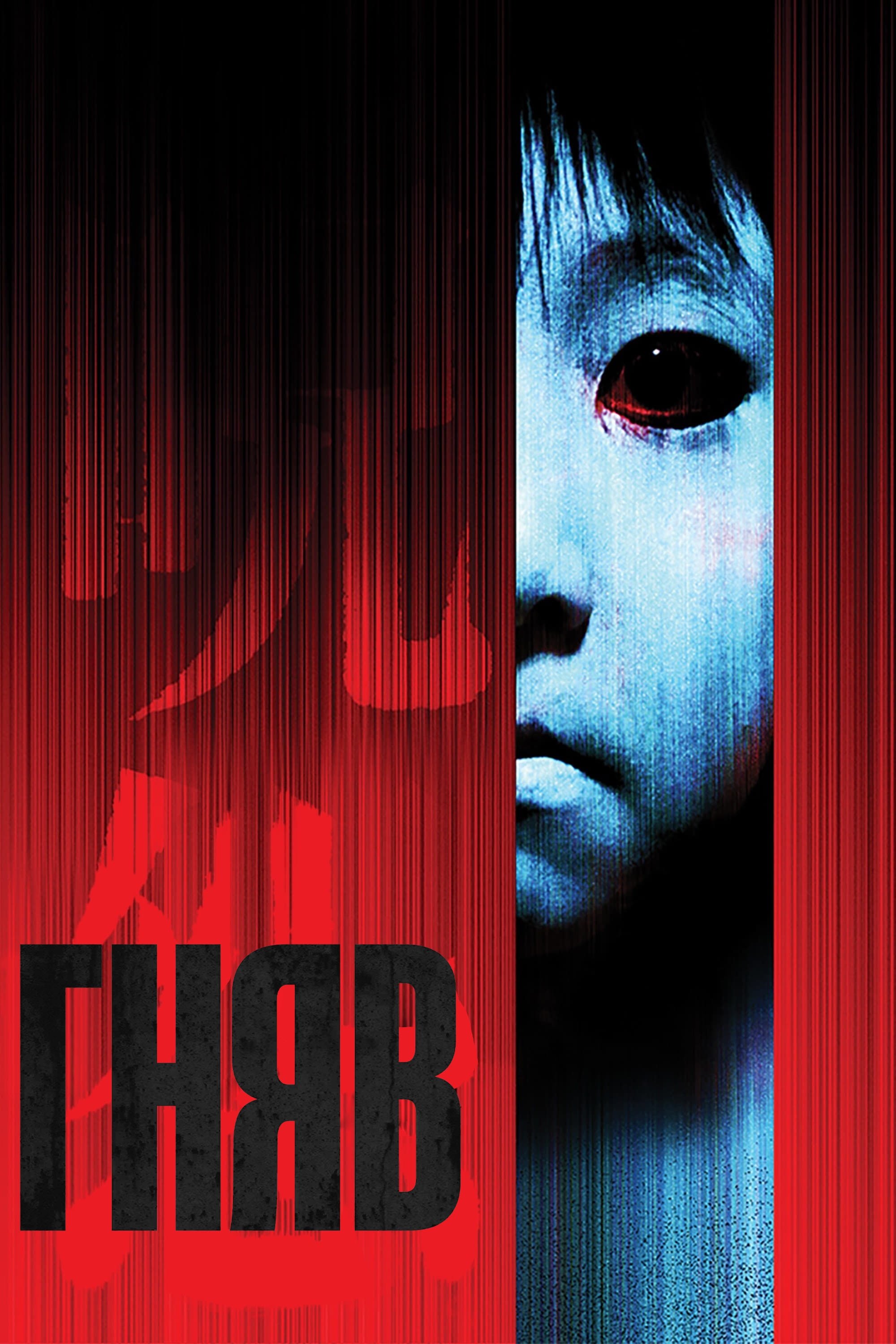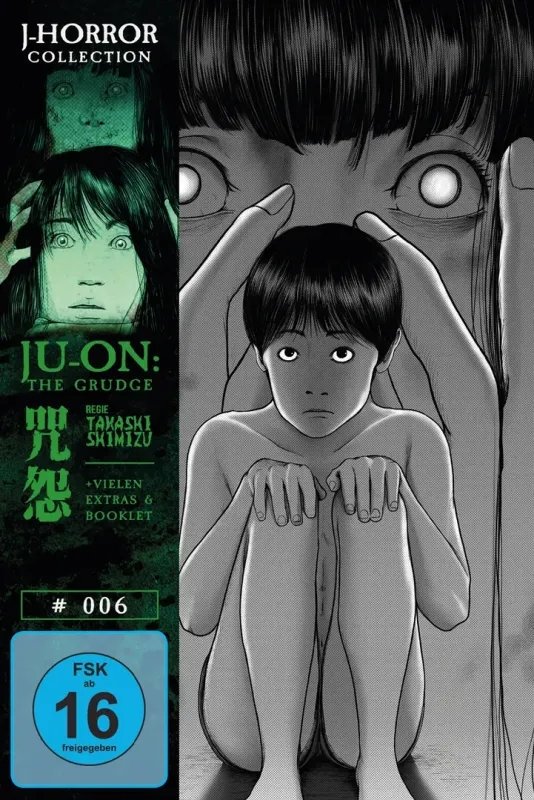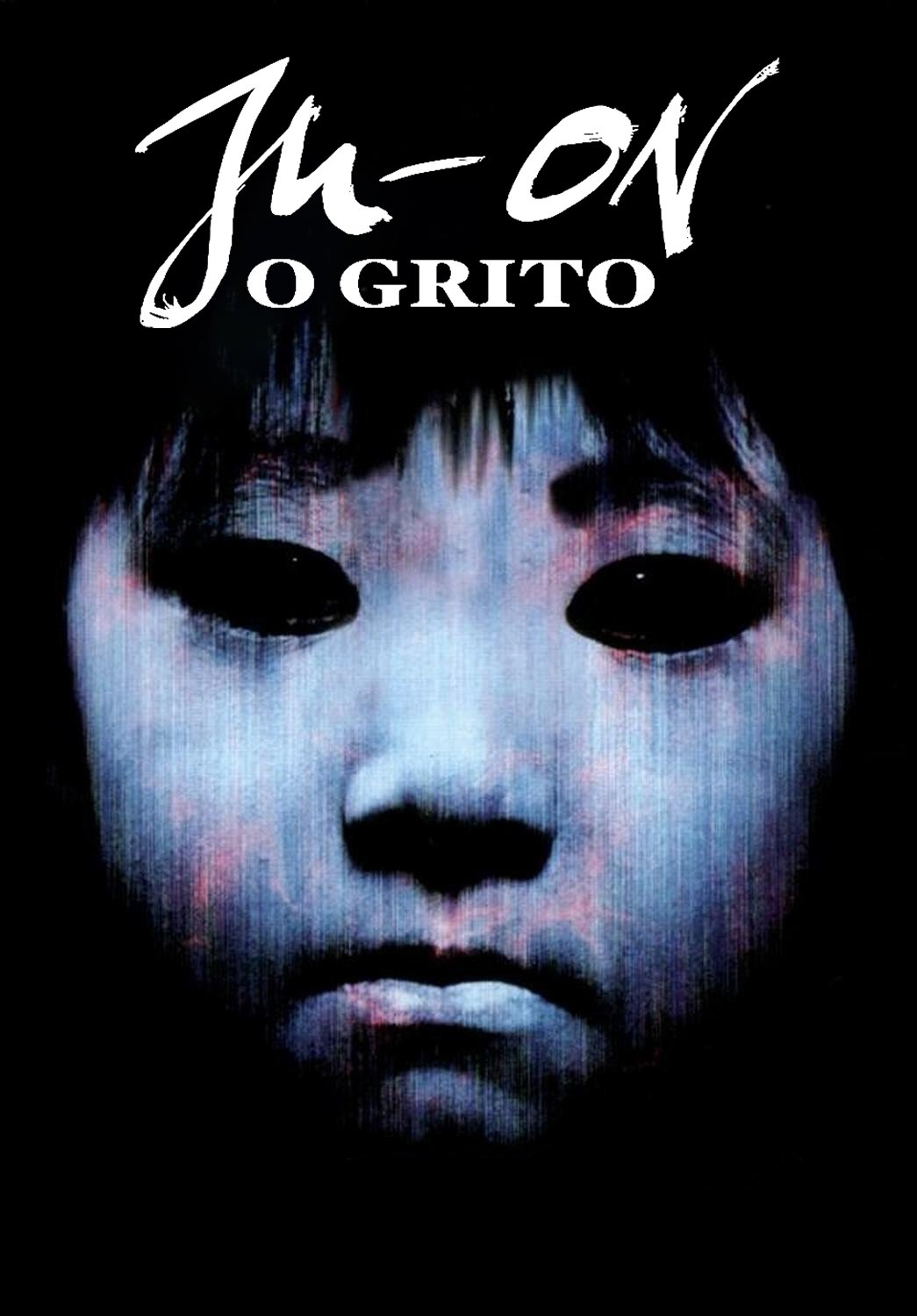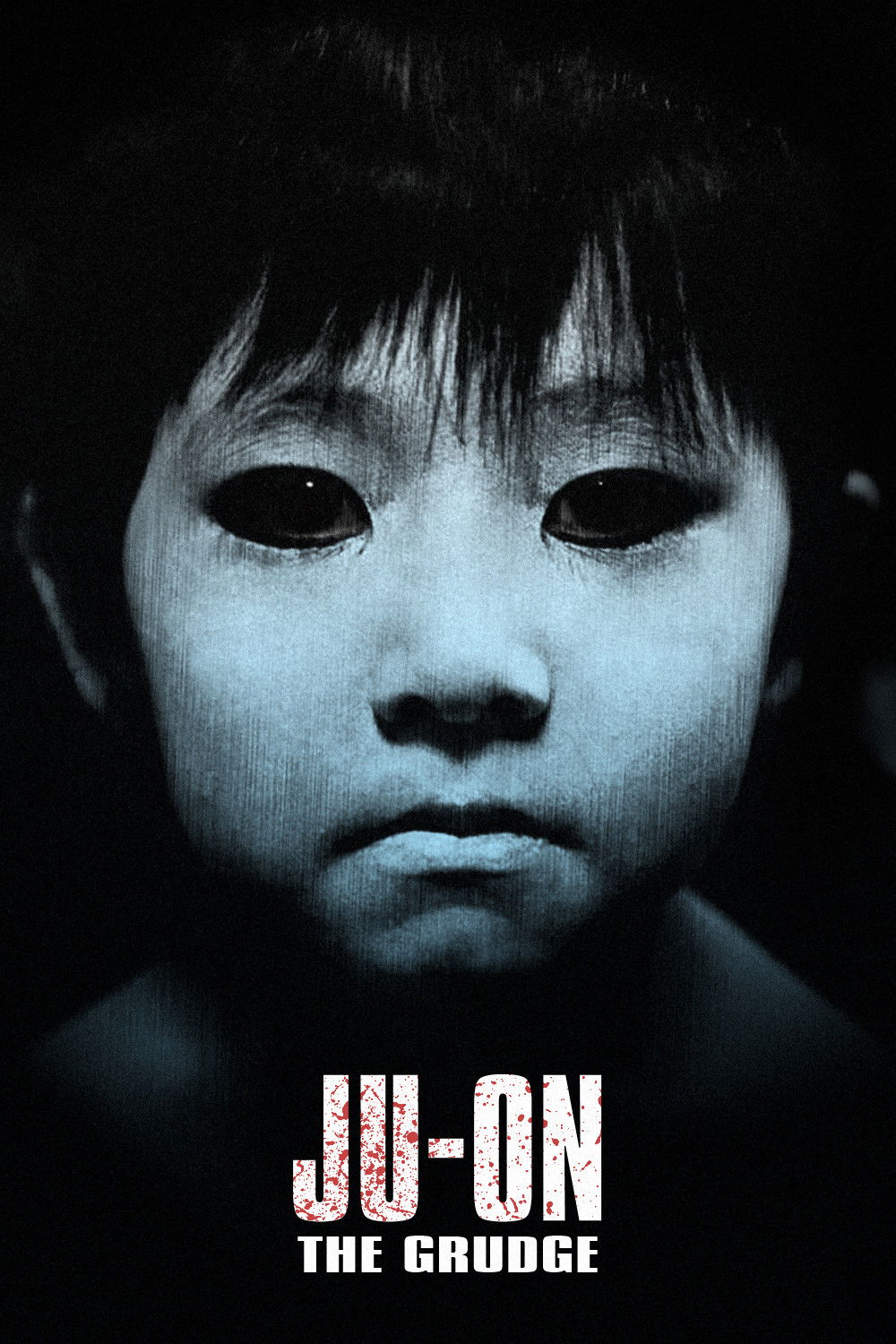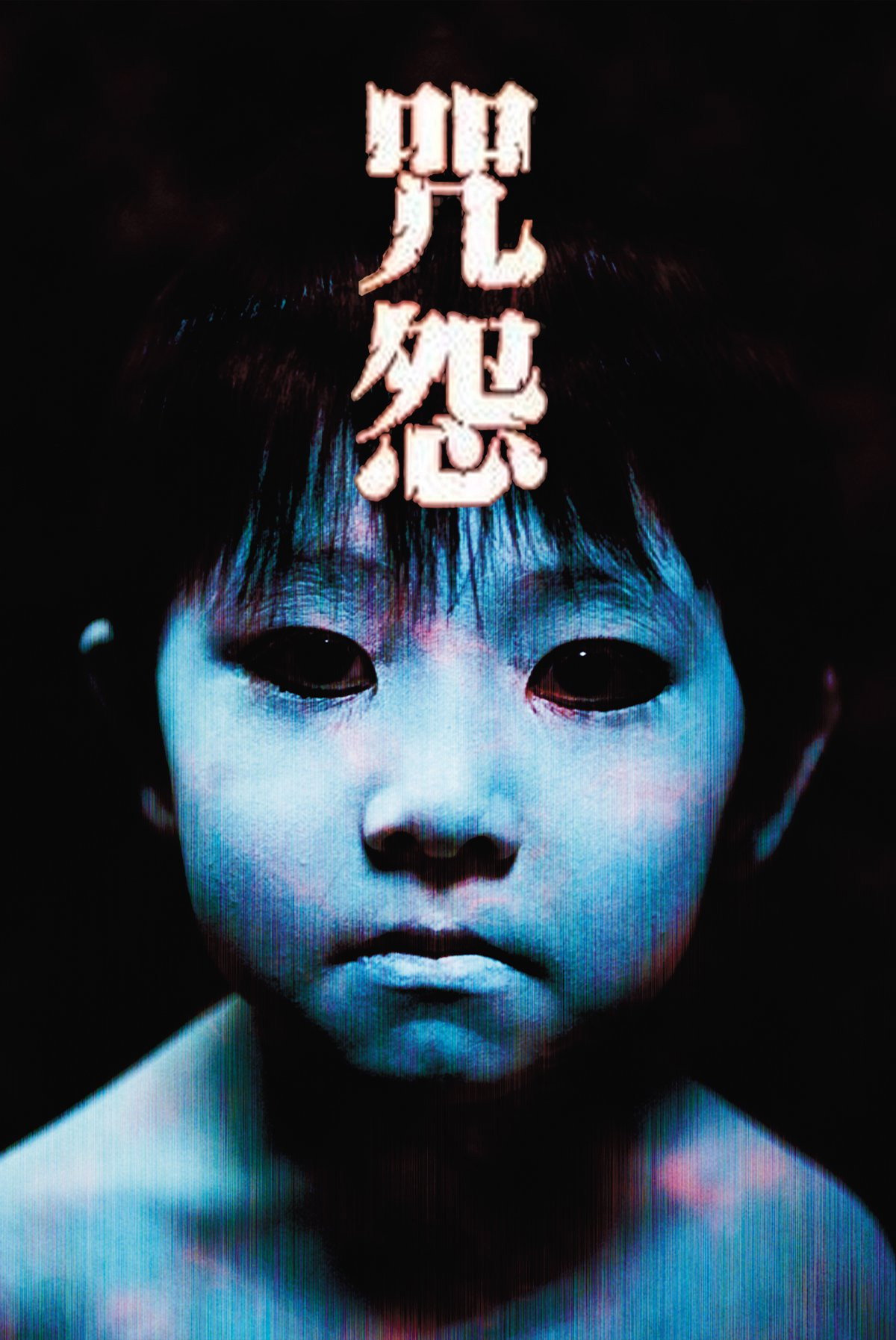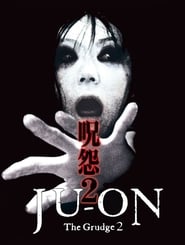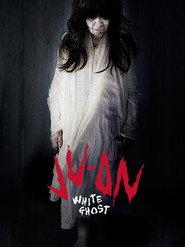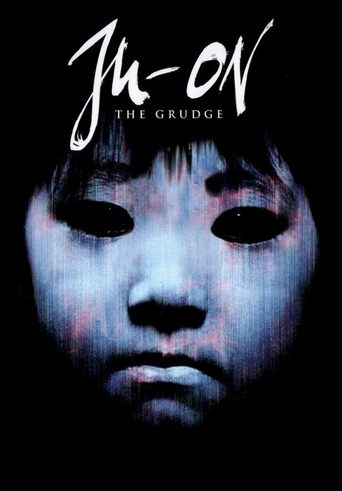
Ju-on: The Grudge (2002)

JP
HORROR FILM
SUBGENRES GHOST HAUNTED HOUSES
6.4/10 5 votes
Runtime
92 min
Release
October 18, 2002
Budget
$3,500,000
Revenue
$3,657,876
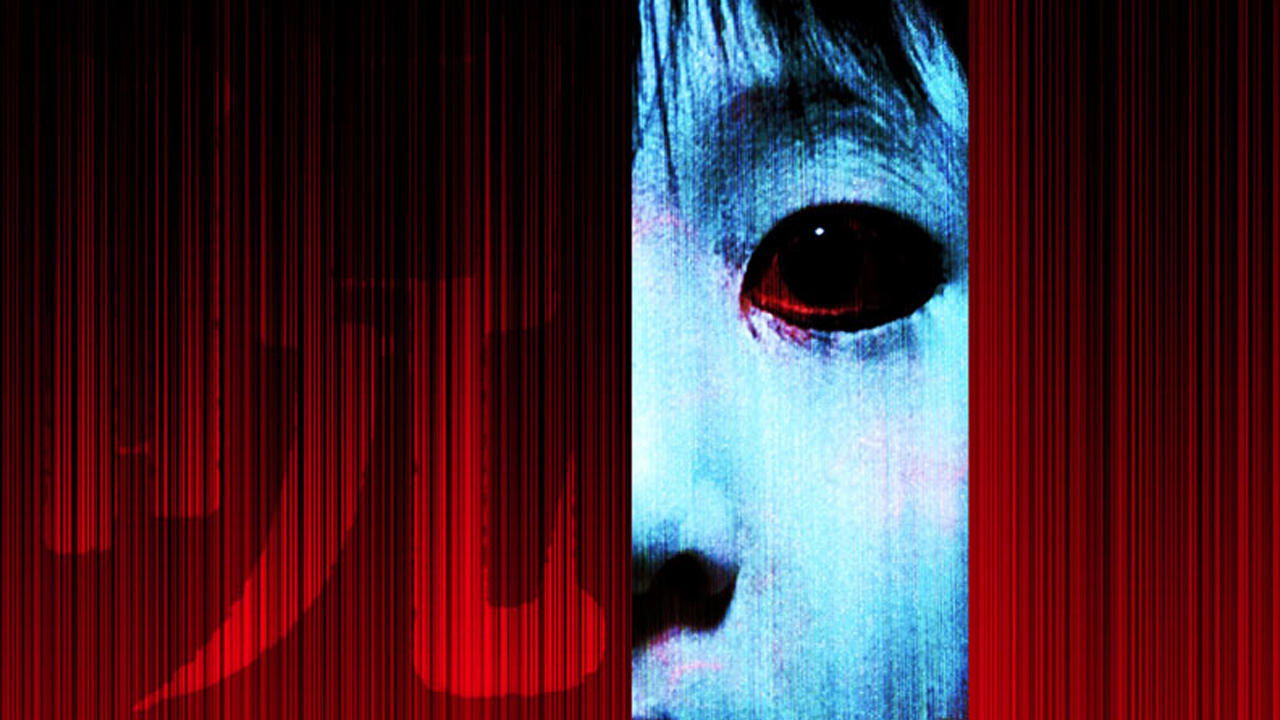
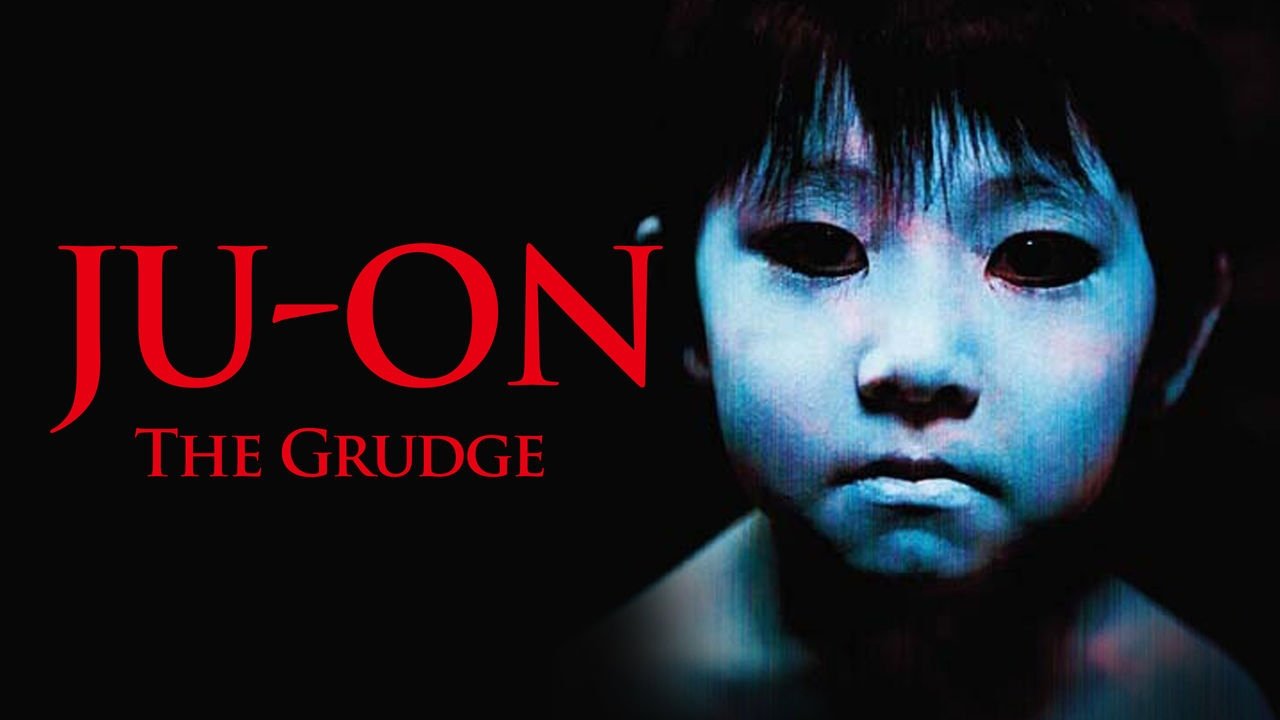
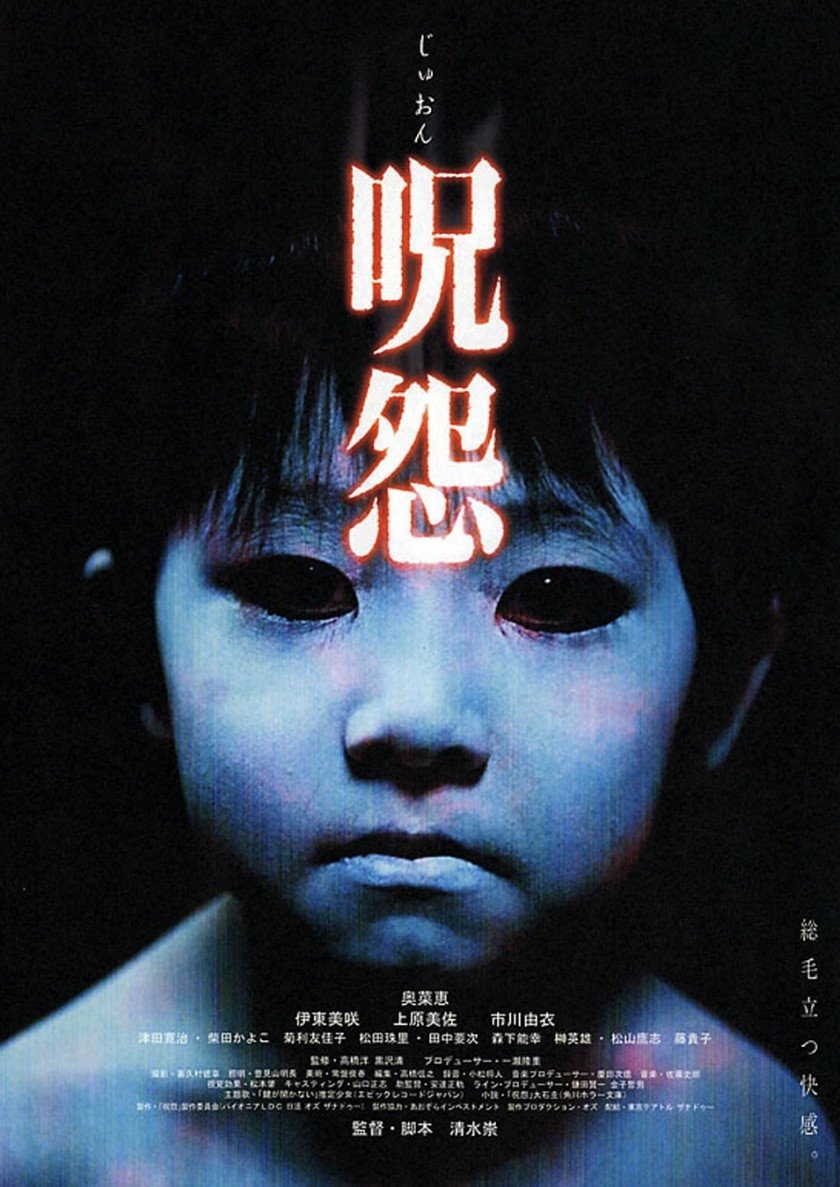
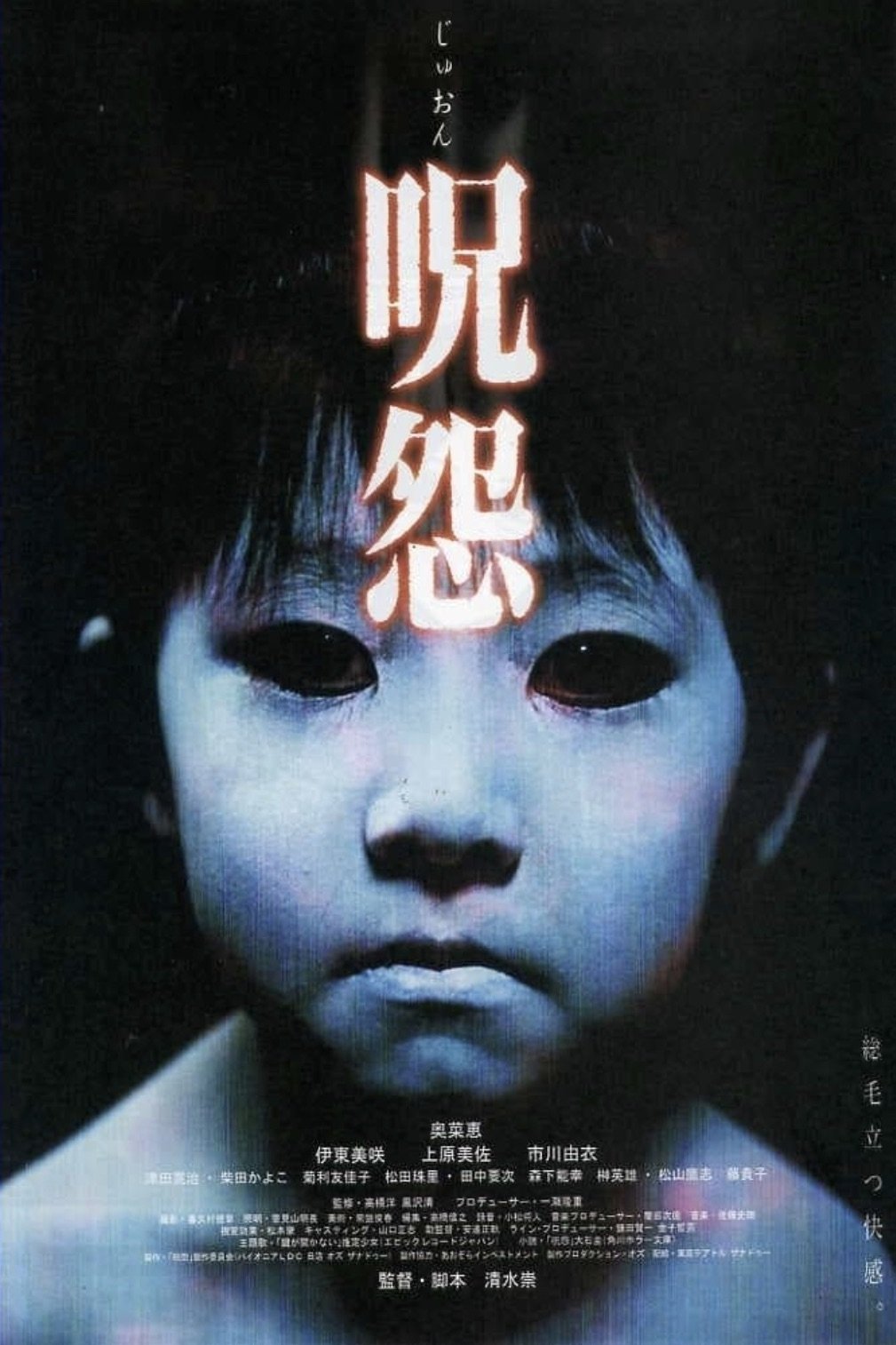
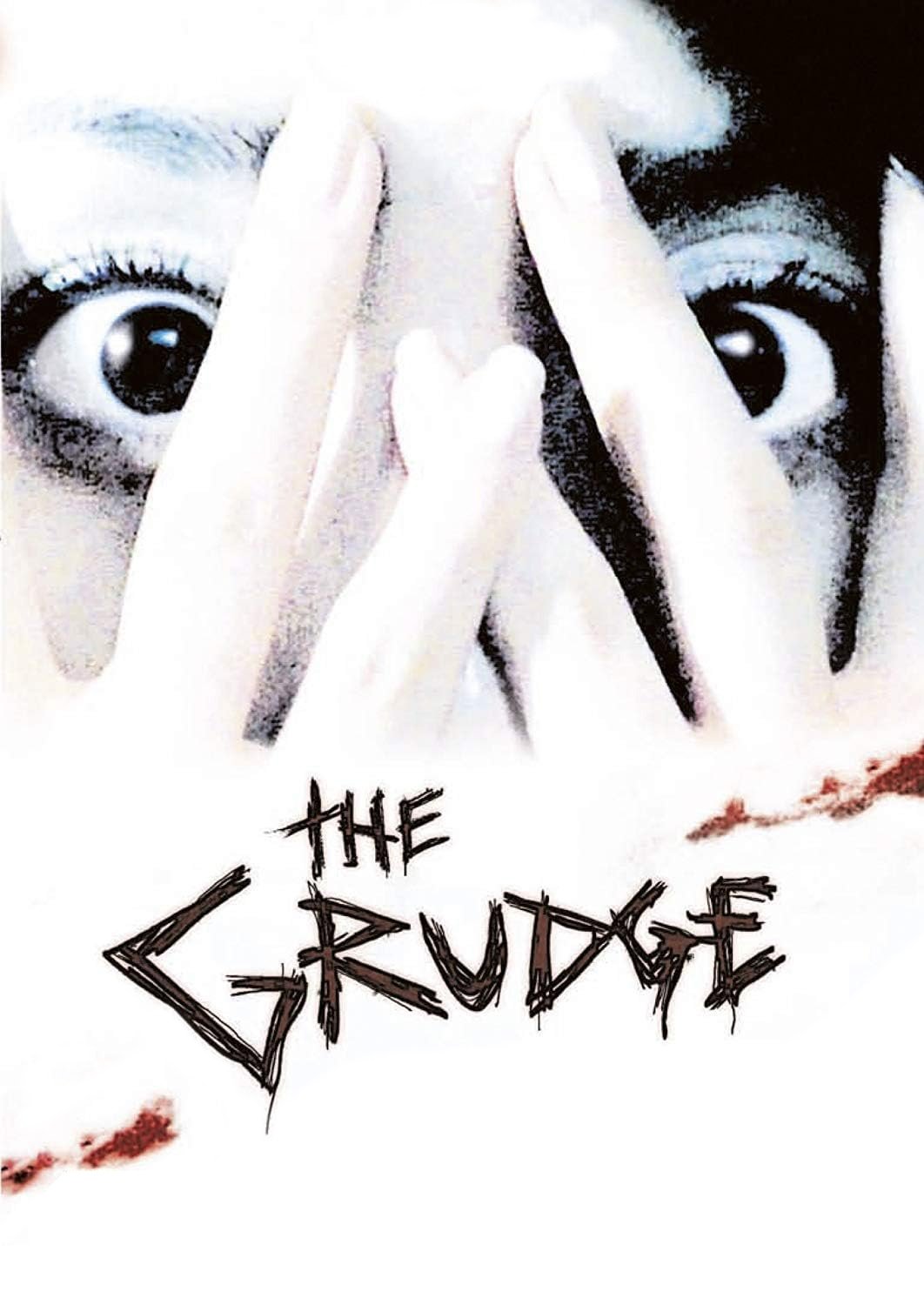
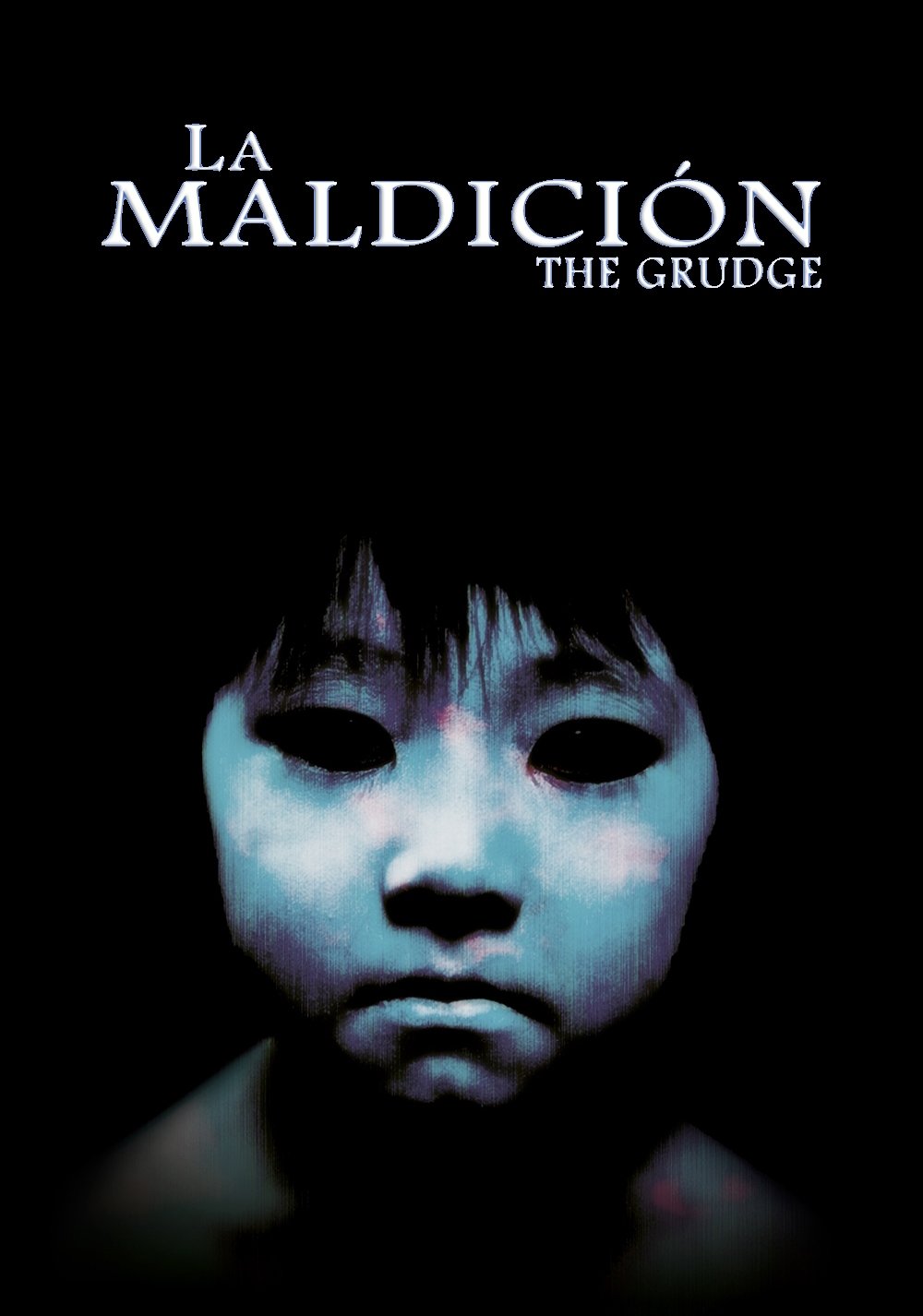
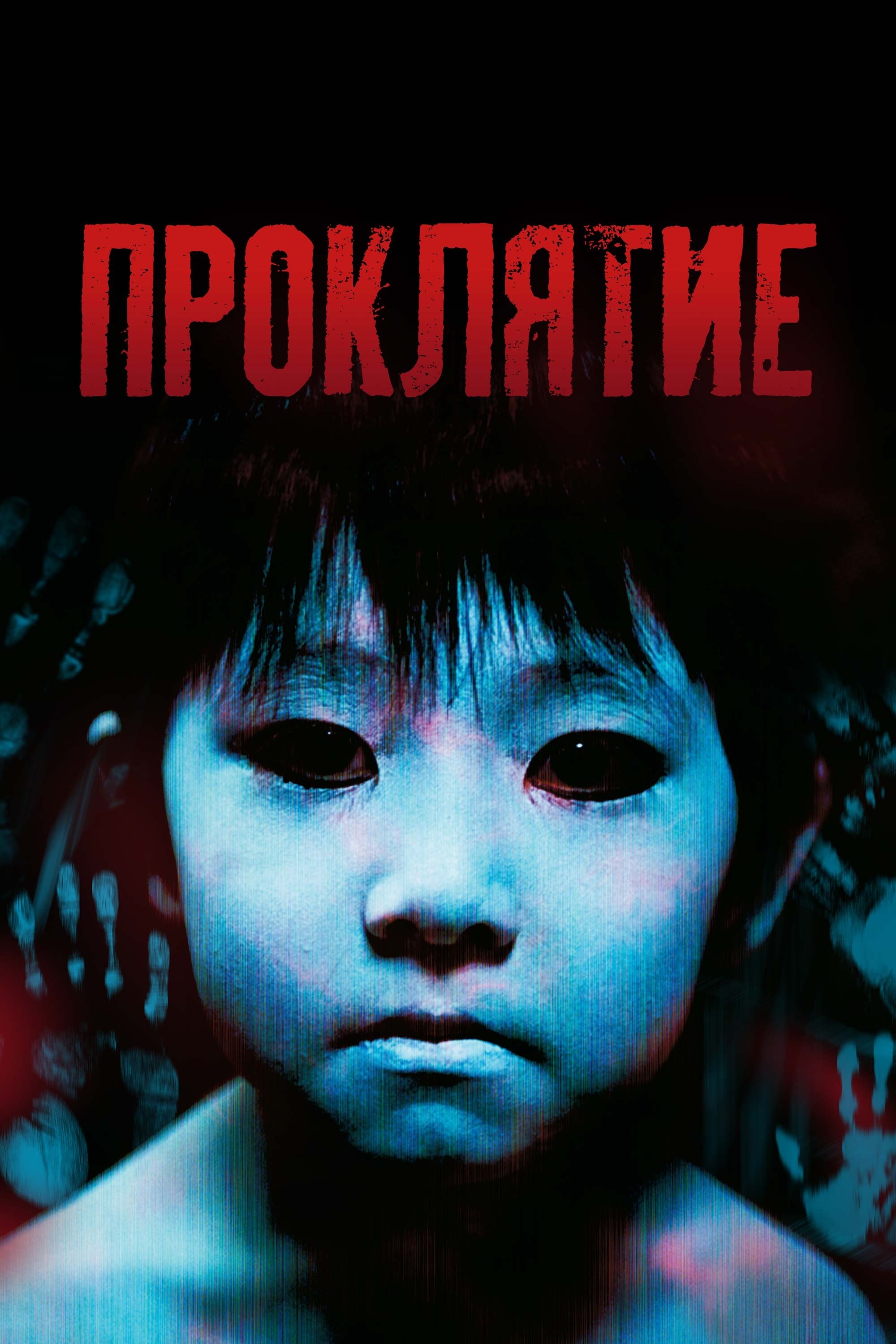
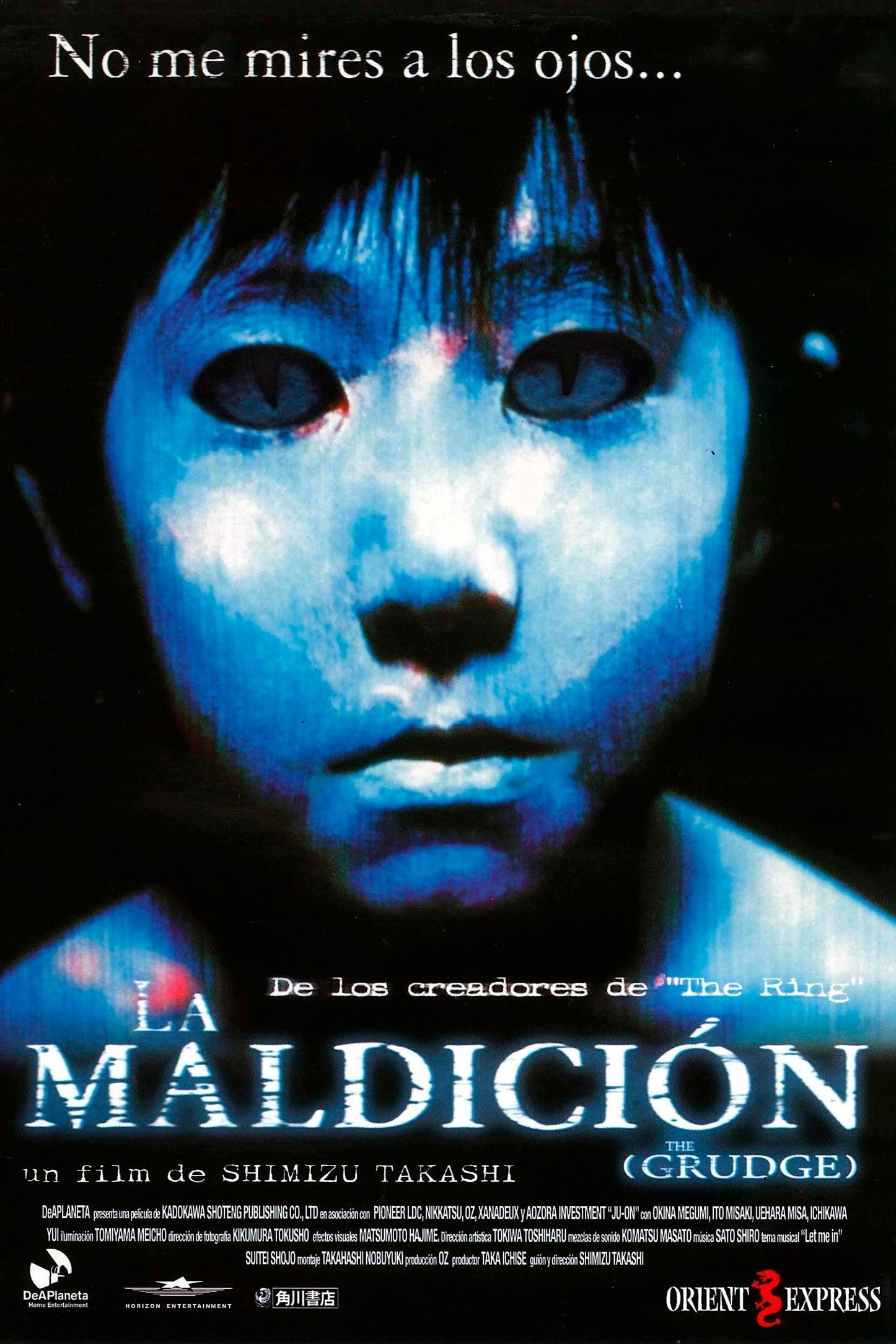
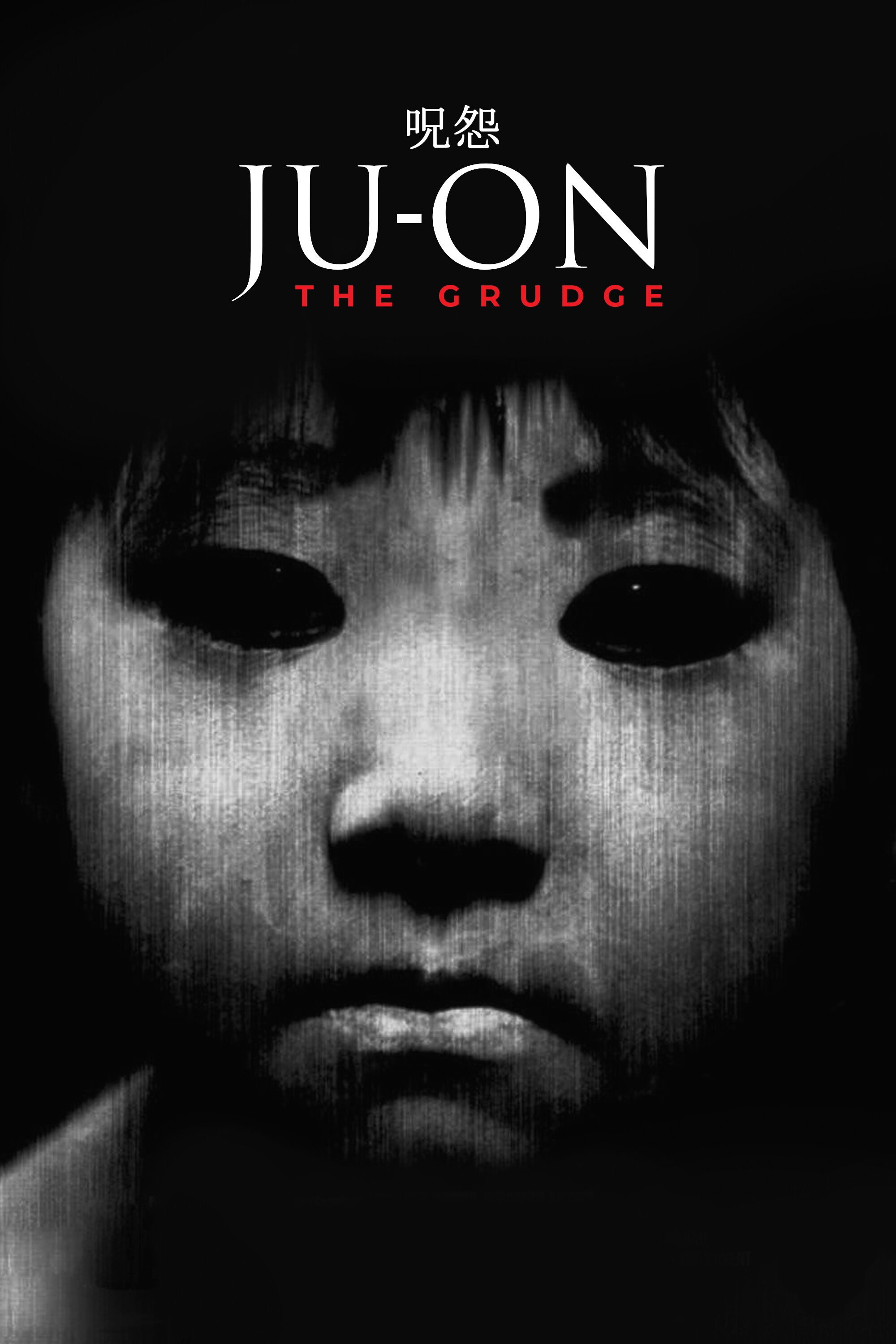
Ju-on: The Grudge (2002) poster
Director
Production Companies
Oz Company , Xanadeux Company , Pioneer LDC , Nikkatsu
Plot

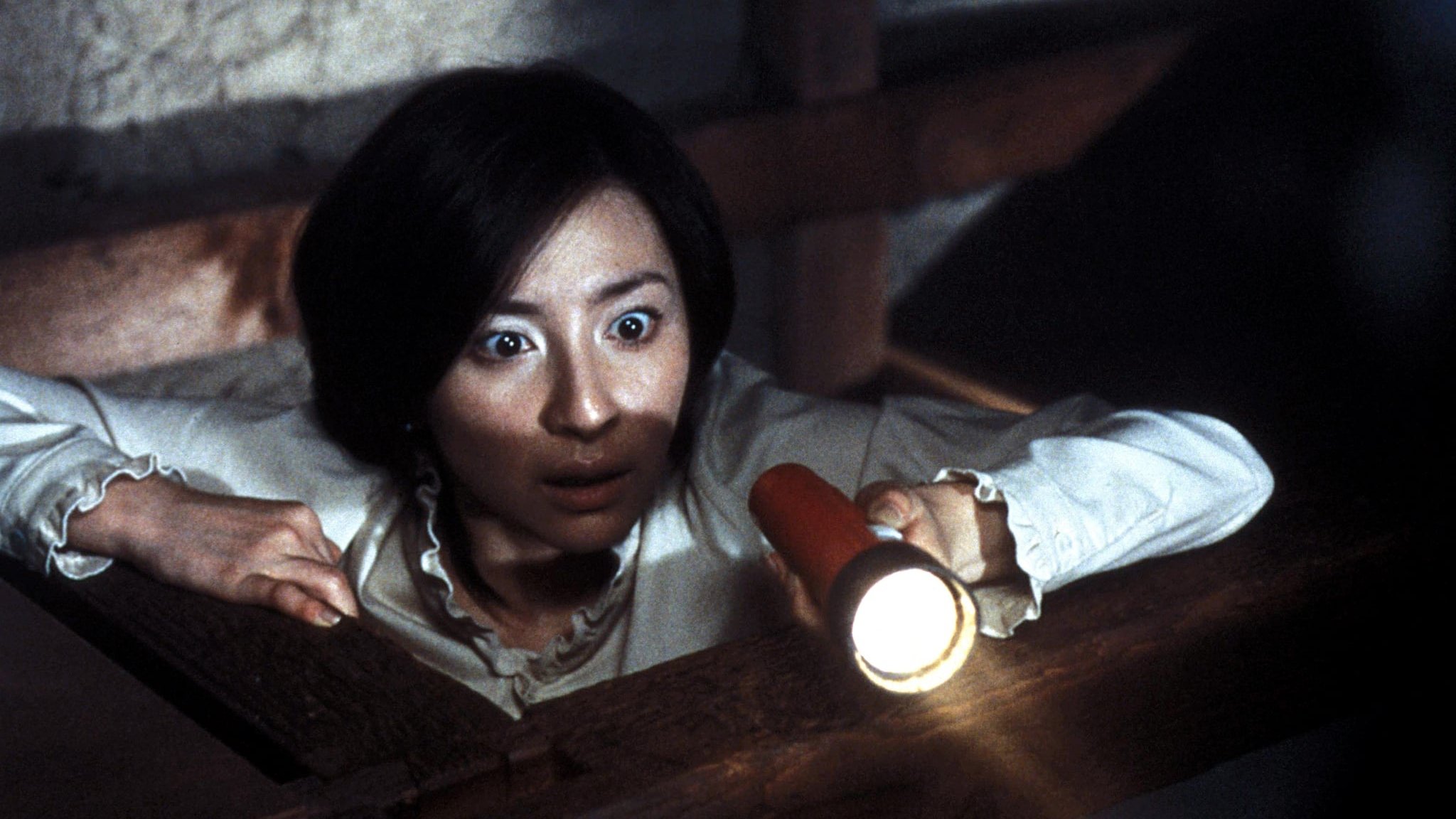
When social worker Rika is sent to check on a traumatized old lady whose family have moved in at the site of the notorious Saeki family murder case, she unwittingly unleashes a cycle of terror that is transmitted via its victims further and further from its original source.

Alternative Titles
Ju-on (Belgium) — Dutch Гняв (Bulgaria) Ju-on: O Grito (Brazil) — Portuguese O Grito (Brazil) 咒怨 (China) — Chinese Nenávist (Czechia) Ju-on: Forbandelsen (Denmark) La maldición (The grudge) (Spain)
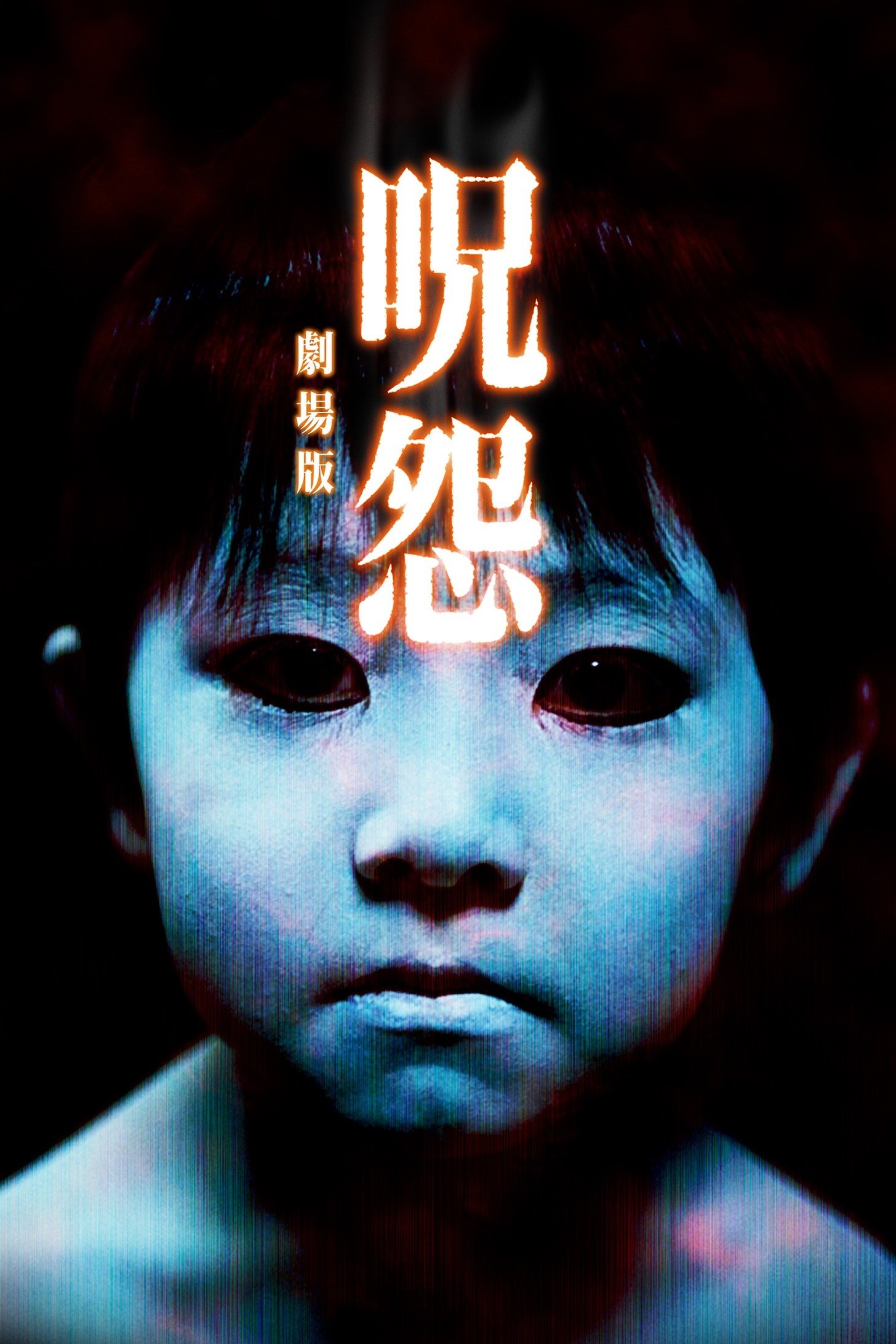
Show all 41 alternative titles Kirous (Finland) Ju-on : The Grudge (France) — French Ju-on: I katara (Greece) — transliteration Ju-on: Η κατάρα (Greece) 咒怨 (Hong Kong SAR China) — Chinese Kletva (Croatia) A harag (Hungary) ג'ו-און: הטינה (Israel) — Hebrew शैतानी शिकार (India) — Hindi Keeneh (Iran) — Persian Ju-on: Rancore (Italy) — Italian Ju-on (Japan) Ju-on 3 (Japan) — Working Title Ju-on: Gekijô-ban (Japan) — poster title 呪怨 劇場版 (Japan) — Japanese 주온 (South Korea) — Korean Pagieža (Lithuania) Ju-on: la maldición (Mexico) Ju-on (Netherlands) — Dutch Forbannelsen (Norway) Klątwa Ju-on (Poland) Ju-on: a maldição (Portugal) Kletva (Serbia) Клетва (Serbia) Проклятие (Russia) Förbannelsen - The Grudge (Sweden) 咒怨 (Singapore) — Chinese ผี...ดุ (Thailand) Garez (Türkiye) 咒怨 (Taiwan) Прокляття (Ukraine) Ju-on (United States) — DVD box title Lời Nguyền (Vietnam)

Trailers & Videos

4 videos

Film Guide & Analysis

Takashi Shimizu’s Japanese ghost film: the origins of Kayako and Toshio, its six-part chronology, haunted-house imagery, sound design, 2003 theatrical release and international reception.

Ju-on: The Grudge (2002), written and directed by Takashi Shimizu, extends a cycle of Japanese supernatural horror that began in short-form television and direct-to-video production. The film turns a modest suburban home into the centre of a recurring curse: anyone who encounters the place can become a victim of the rage left by a murdered family. Its ghosts, Kayako Saeki and her son Toshio, are disturbing partly because their appearances interrupt ordinary domestic routines. The violence that created them remains active long after the original crime, reaching people who have no connection to it and often little understanding of what they have encountered.

The story follows several characters, including volunteer care worker Rika Nishina, members of the Tokunaga family and people drawn into the house's history, across six episodes arranged outside chronological order. Rather than assembling a straightforward investigation, Shimizu allows each encounter to modify the audience's understanding of an earlier one. The resulting 92-minute film became the first Ju-on entry made for theatrical exhibition. It reached Japanese cinemas in January 2003 after a 2002 festival presentation, and its international circulation was followed by an American remake directed by Shimizu himself.

From Earlier Ju-on Films to a Theatrical Production

Shimizu had developed the Saeki haunting before this theatrical feature. Two earlier short pieces introduced a pale boy and a female apparition separately, and he subsequently joined the figures as mother and son when expanding the material for Ju-on: The Curse and Ju-on: The Curse 2, both released for the video market in 2000. In a later interview with Cinema Today, he explained that the family relationship arose while he was looking for a way to bring those earlier characters together. The connection gave the curse a domestic history and made the boy's frightening appearances inseparable from the violence suffered by his mother.

The video productions established an approach in which the same house connects people whose experiences unfold in separate episodes. Shimizu recalled that the pair of films had been shot in nine days, a measure of their low-budget conditions. Their success enabled a theatrical production with producer Taka Ichise, who had also been involved in the wider revival of Japanese supernatural horror. The new feature continued the existing Ju-on world while presenting a different set of encounters with the curse. It is therefore better understood as another story within an established cycle than as a frame-for-frame remake of the original video film.

The director has described the linked-story format as an answer to a practical creative problem. He possessed numerous frightening incidents but lacked the resources to expand each into a separate feature. Krzysztof Kieślowski's Dekalog, whose individual episodes intersect through a shared environment, provided the structural example he wanted. Speaking in 2025, Shimizu rejected the suggestion that the fractured chronology had been modelled on Pulp Fiction. What mattered to him was the way information about apparently unrelated lives could accumulate, allowing an audience to discover the connections without a character explaining them. The theatrical film refines that method through a single location and a curse that repeatedly crosses time.

Six Episodes and a Fractured Chronology

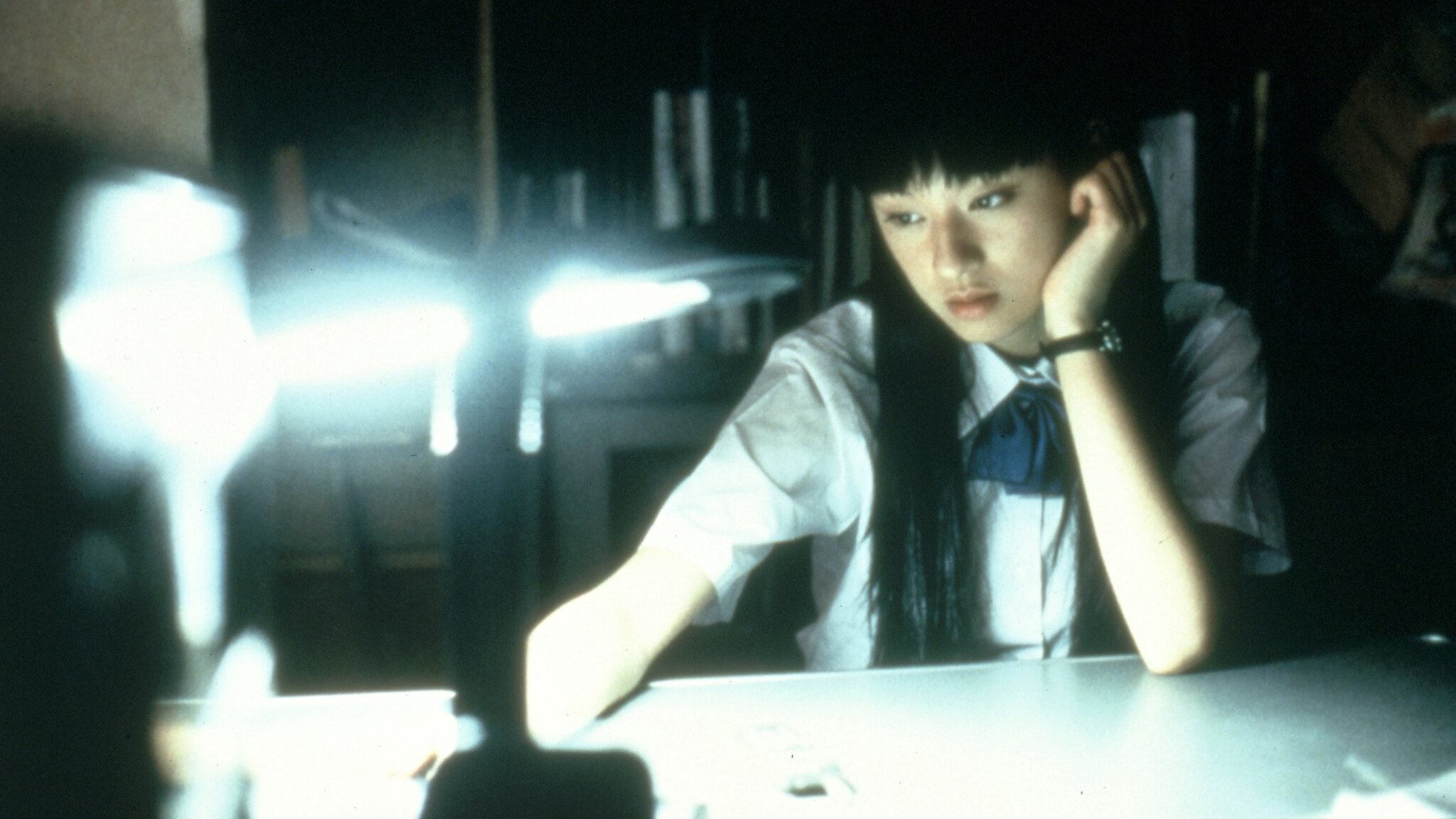
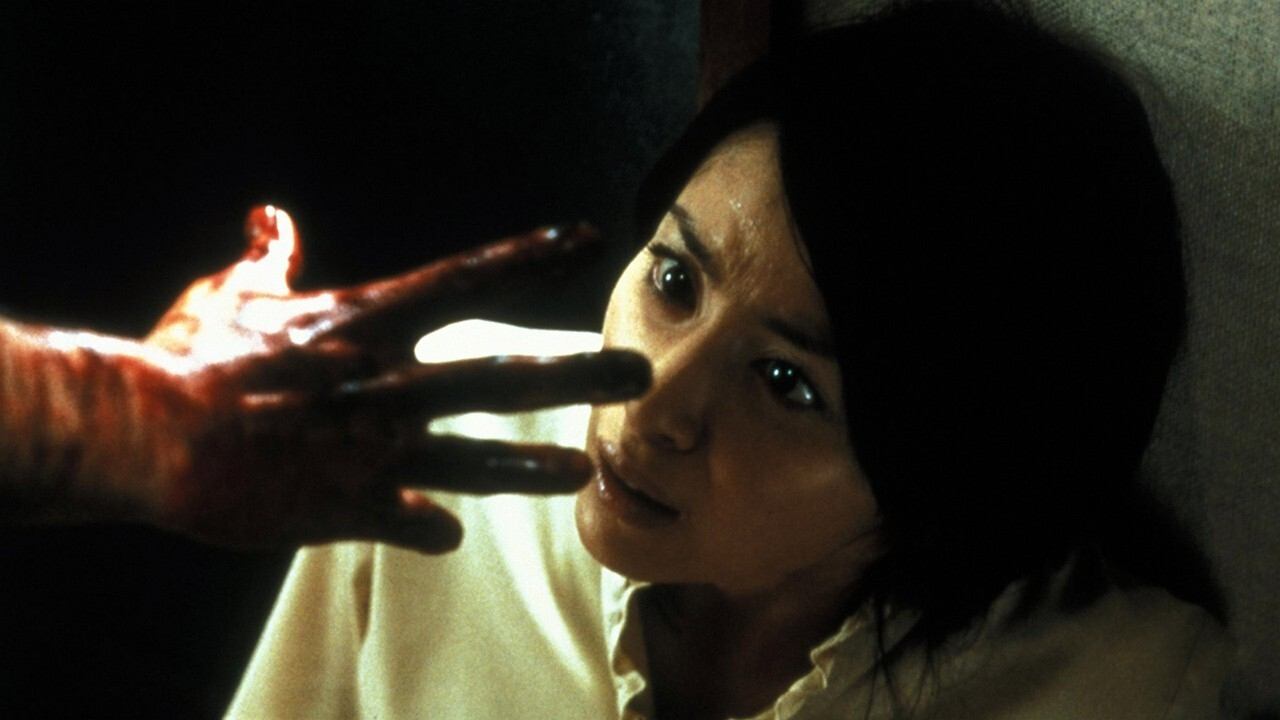
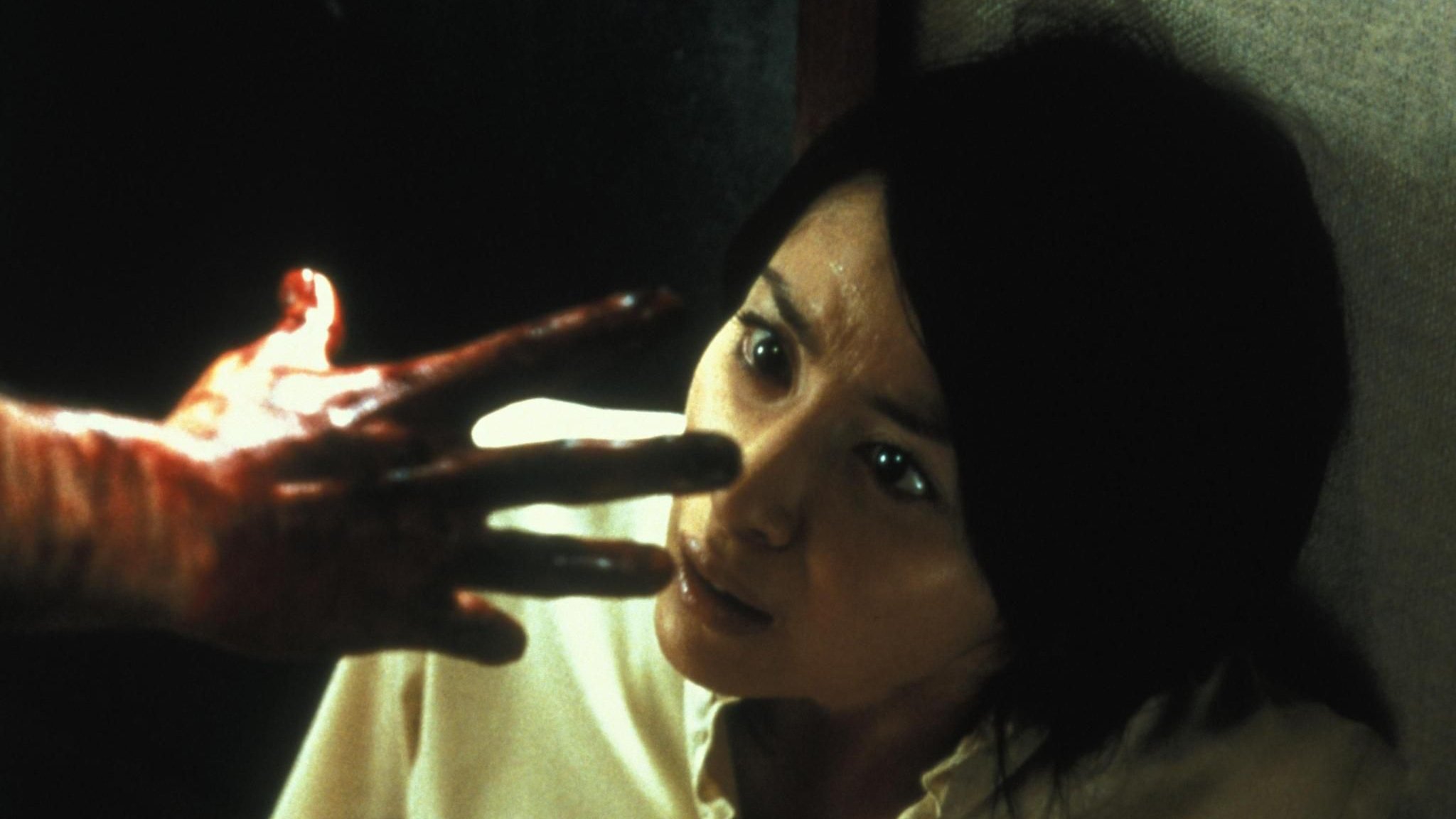
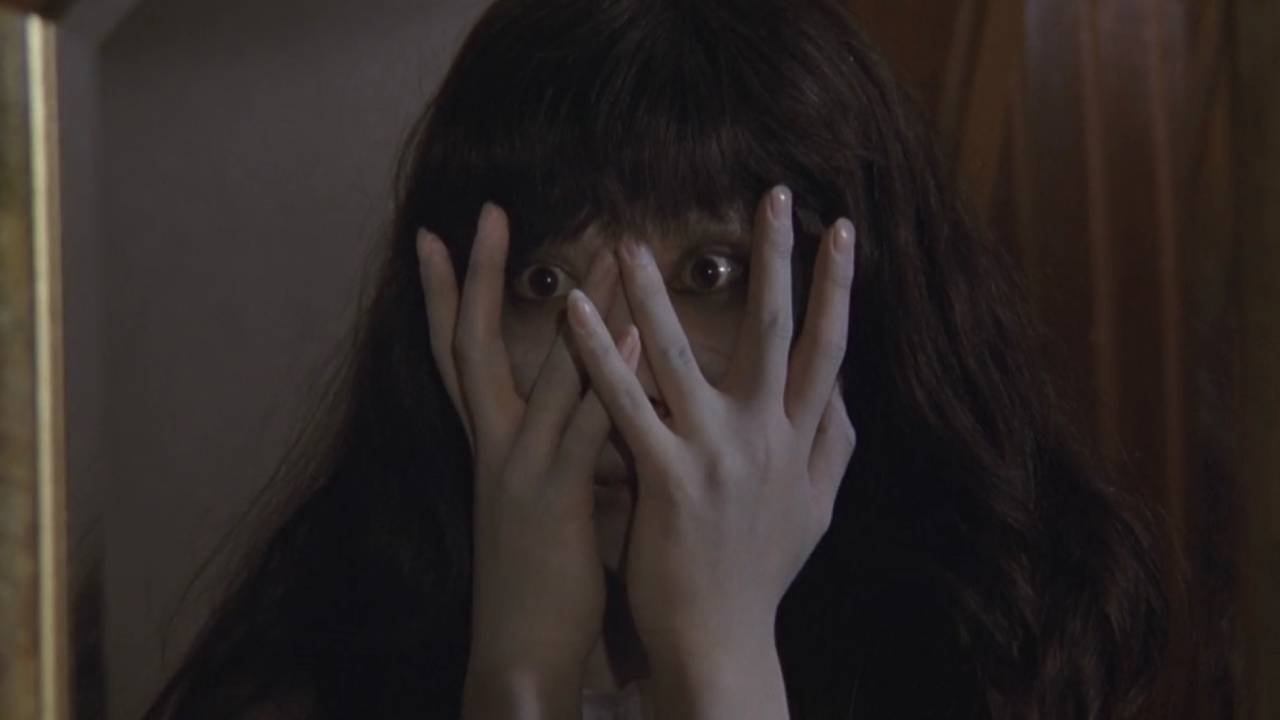
The opening encounter establishes a deliberately restricted perspective. Rika enters the Tokunaga home to check on Sachie, an elderly woman who has been left in an unkempt house. A pale child, unexplained noises and an increasingly alarming atmosphere interrupt an ordinary care visit. The film then changes its centre of attention, following Katsuya Tokunaga, his sister Hitomi, former detective Yūji Toyama and his daughter Izumi in episodes that do not obey the order in which the events occurred. The audience must reconsider the significance of each scene as subsequent chapters show the curse appearing at different points in the characters' lives.

This arrangement prevents the film from behaving like a conventional mystery with a detective steadily approaching a solution. Toyama's awareness of the Saeki murders provides some historical context, but access to information does not confer immunity. Likewise, the next chapter can present a character alive after a previous episode has implied that the person is doomed. The narrative repeatedly moves between what viewers know, what a particular character has learned and what the haunting has already accomplished. Shimizu said that this delayed recognition was part of his intended effect: the connections should become clear through experience rather than explanation.

The individual chapters also vary the distance between the supernatural and the everyday. A visit to a relative, an office building, a school friendship and a care assignment all become possible routes into the same network of harm. By withholding a single stable chronology, the film suggests that the curse cannot be contained within the duration of one person's encounter. Its opening definition makes rage an enduring presence in a place, capable of producing further deaths and further grievances. The fragmented construction supplies a narrative form for that rule, allowing apparently completed events to return with new implications.

Domestic Violence and the Loss of Domestic Safety

The source of the haunting is a killing within the Saeki household. Takeo Saeki murders Kayako and Toshio, and the violence leaves a force that punishes later occupants and visitors regardless of their innocence. The film shares elements with the Japanese tradition of onryō, or vengeful spirits, but Shimizu has resisted the idea that he simply adapted one specific legend. He described drawing on stories encountered during childhood and inventing his own rules by combining different ghostly traditions. The resulting curse is both culturally recognizable and peculiar to the film's imagined world.

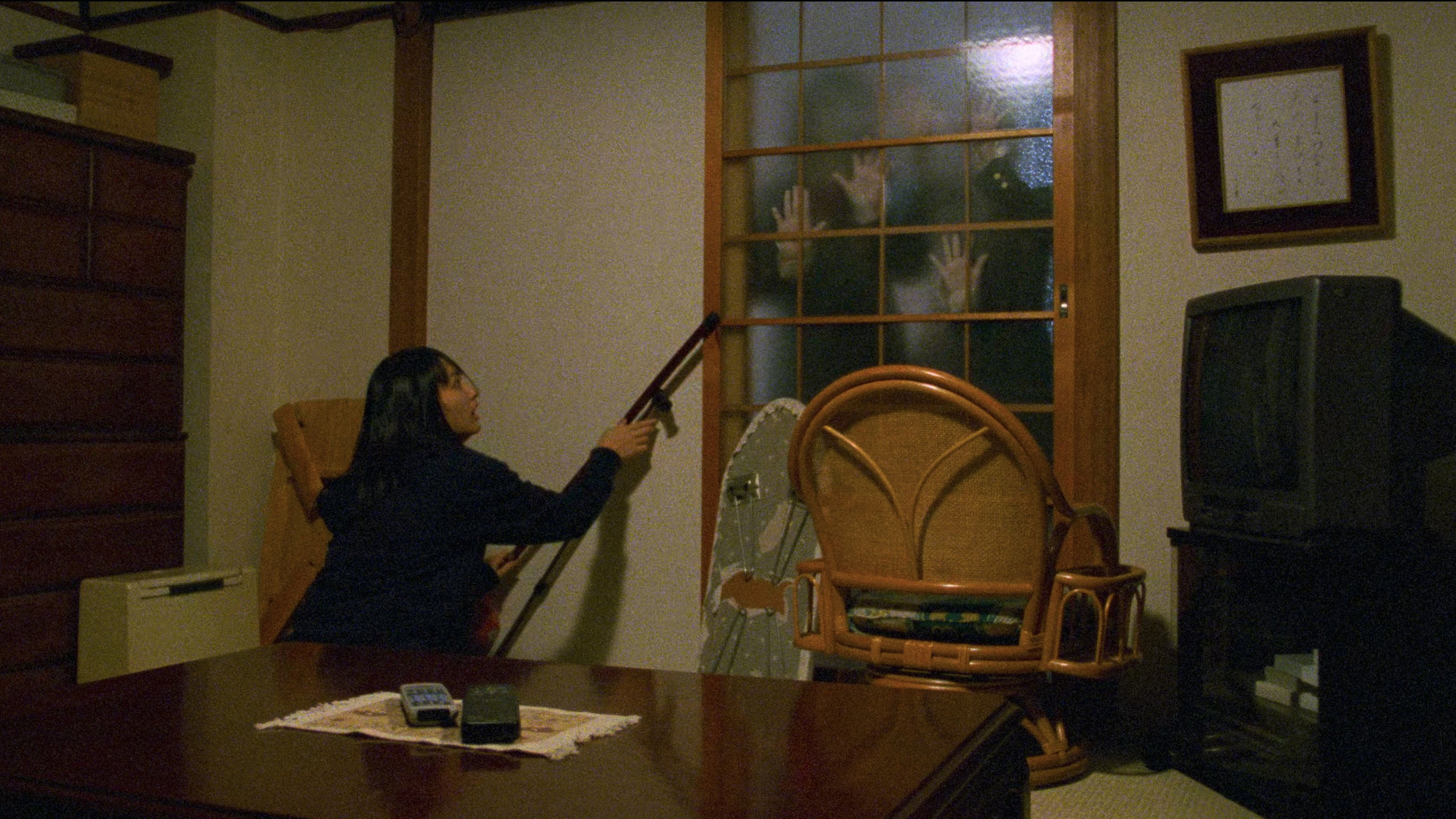
The suburban house is crucial because it offers none of the protective qualities normally associated with home. The attic, bedroom, corridor and staircase are ordinary architectural spaces where privacy should be possible. Instead, they become places from which a ghost may appear, often at the moment a person expects to be alone. The assault on the Tokunaga family extends the original violence from one household to another. Rika's work with an isolated elderly resident introduces a further vulnerability: a routine responsibility of care exposes her to danger that cannot be understood through medical or social explanations.

The film's domestic terror has drawn later readings concerned with family violence and the isolation of vulnerable people. Those interpretations are grounded in the events depicted, although they should not be presented as statements of the director's sole intended meaning. Nothing in the plot suggests that the victims have deserved what happens to them. The absence of a reliable protective ritual or clearly enforceable set of rules makes the curse especially severe: entering the house is enough to implicate someone, and leaving it does not necessarily end the encounter.

Kayako, Toshio, and the Physical Language of the Ghosts

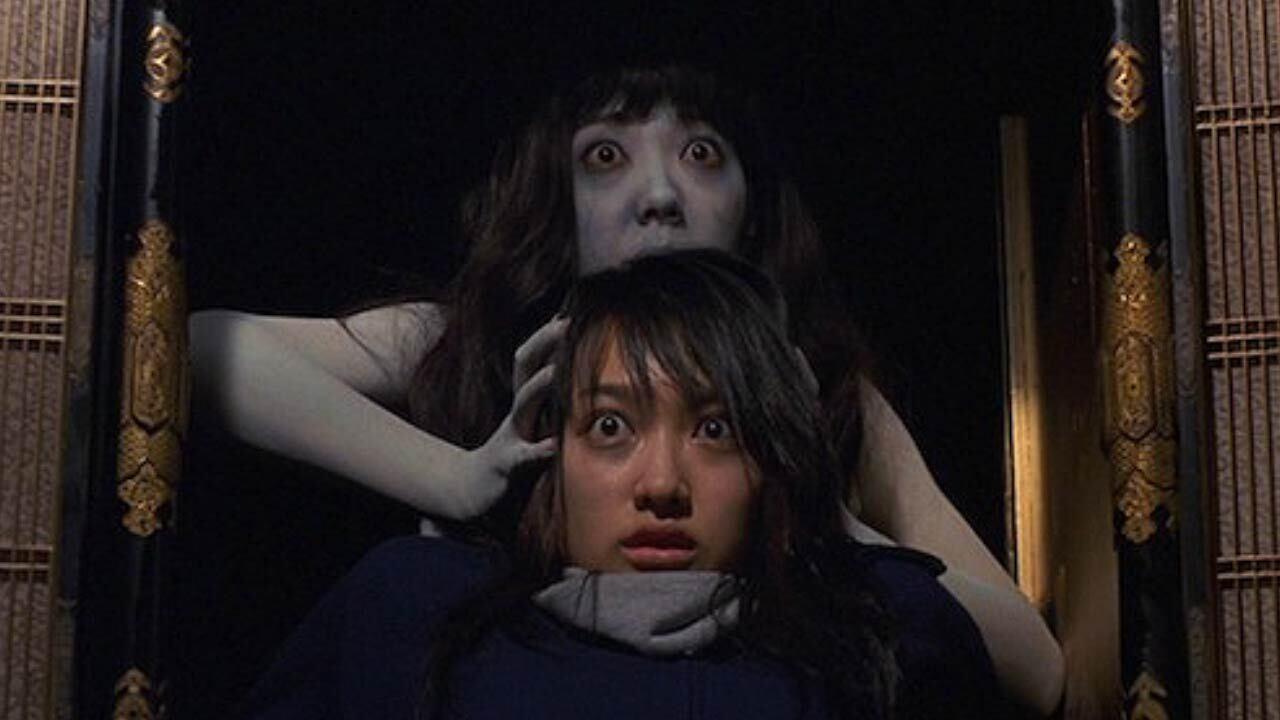
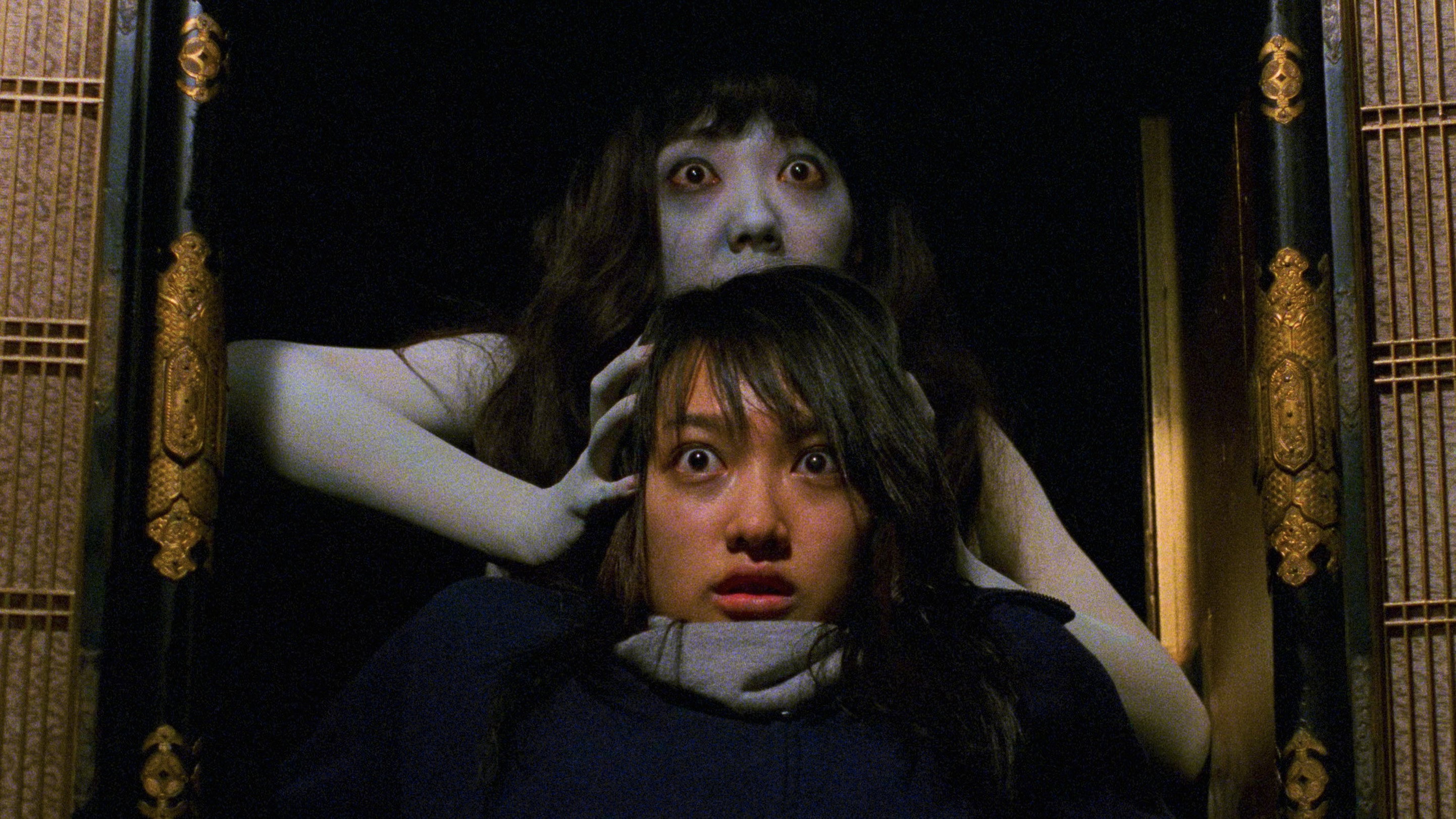
Takako Fuji's Kayako is recognizable through movements that seem difficult for a human body to perform, together with her pale face, dark hair and damaged voice. Her entrance on the staircase condenses those features into an extended approach toward the spectator. Shimizu later recalled that the scene had first been conceived more simply, with Kayako standing at the top of the stairs. During revisions he experimented with the idea of a body dragging itself downward and demonstrated the movement himself. He also gave Fuji detailed physical instructions, including how to hold the neck and support the body with the arms. The movement was consequently a deliberate part of the character's design rather than an accidental effect of makeup.

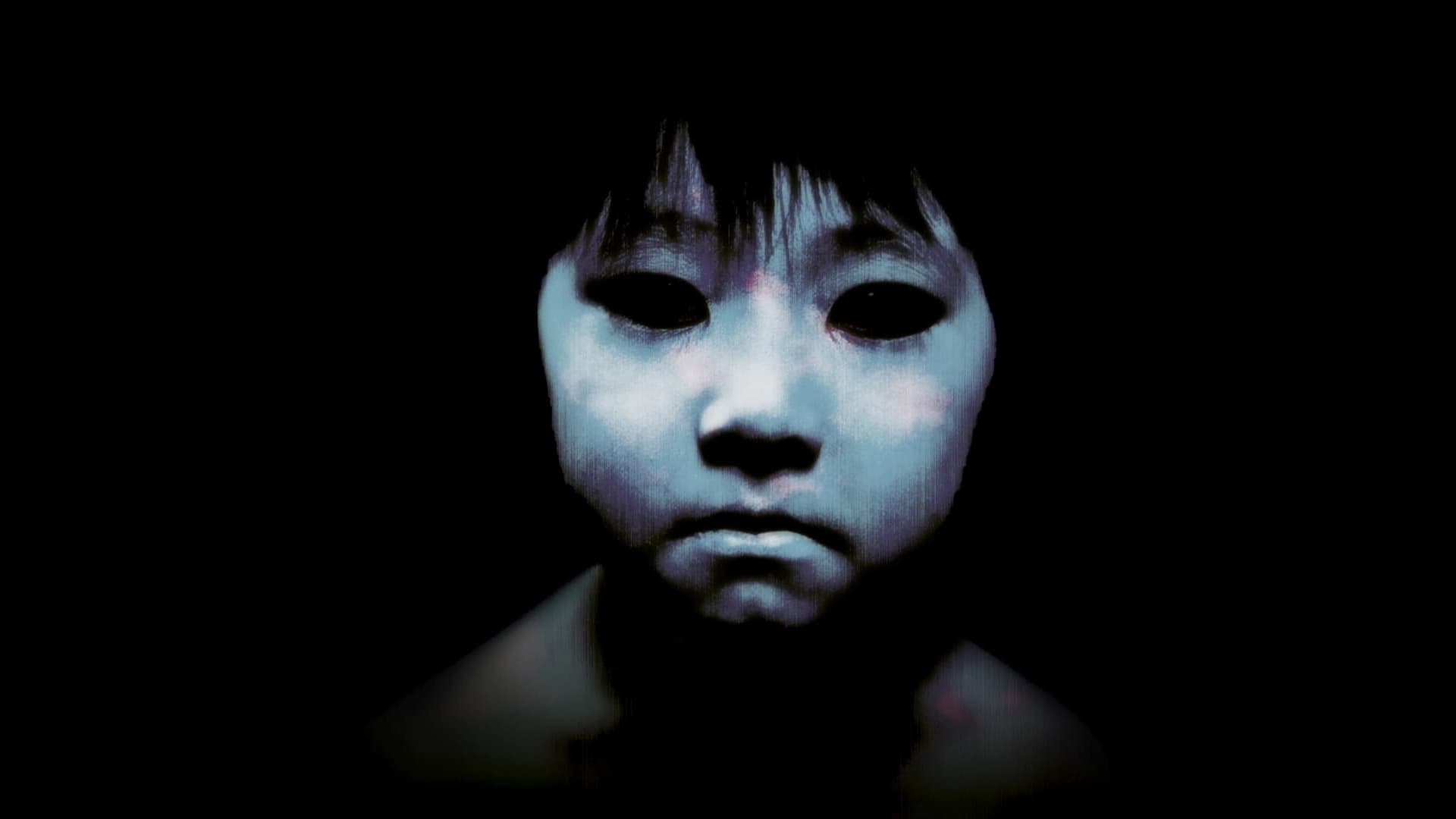
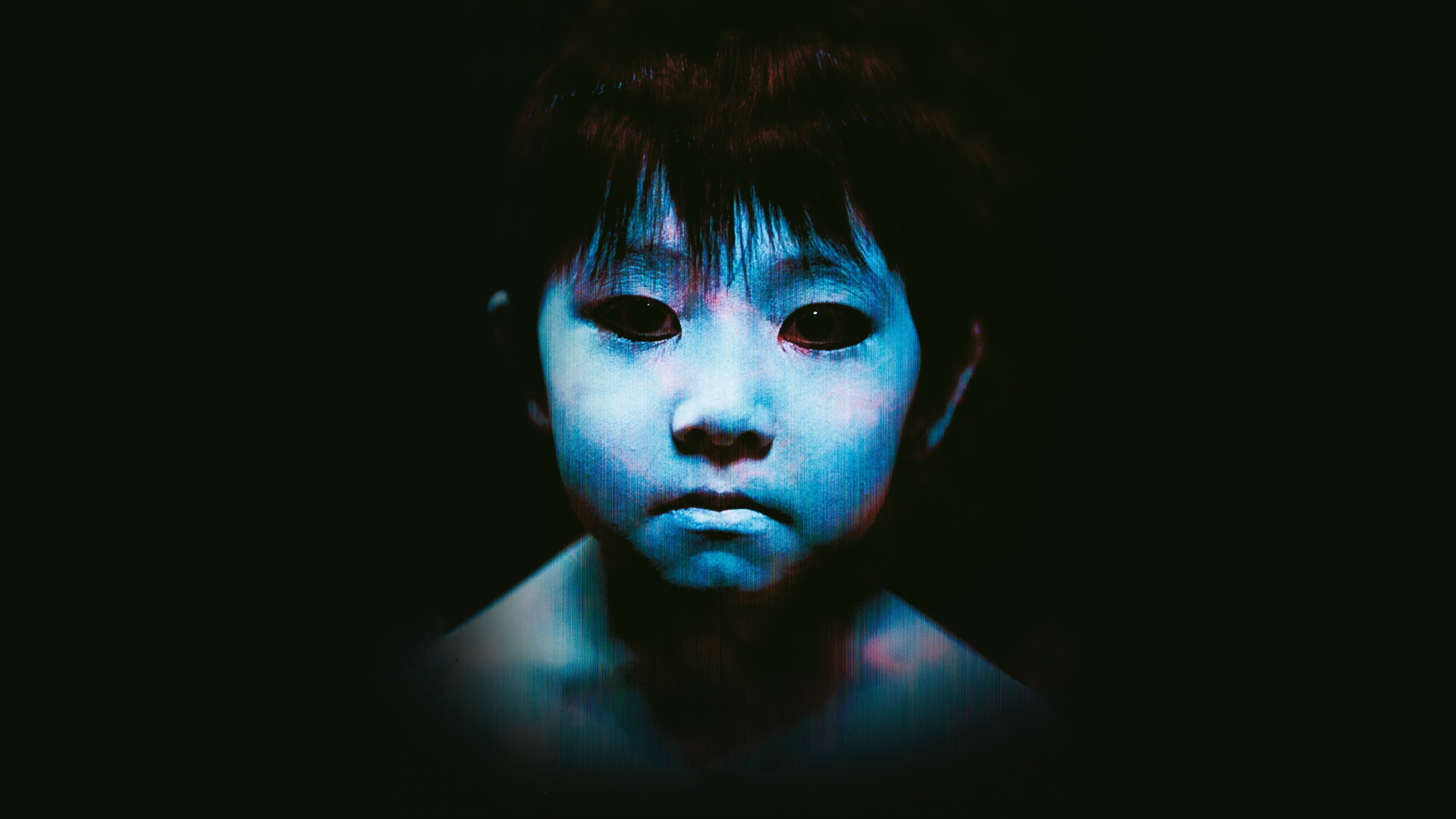
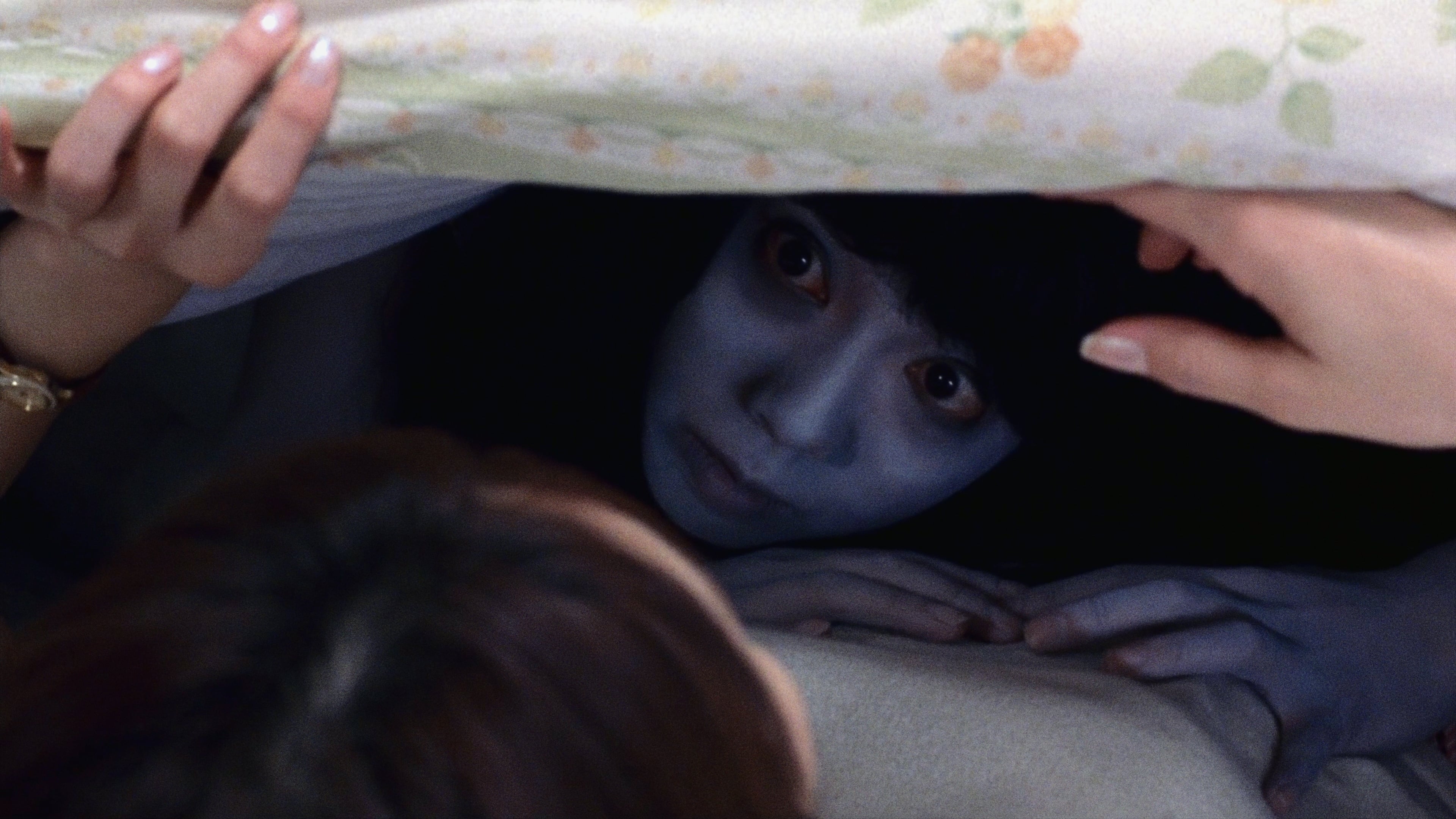
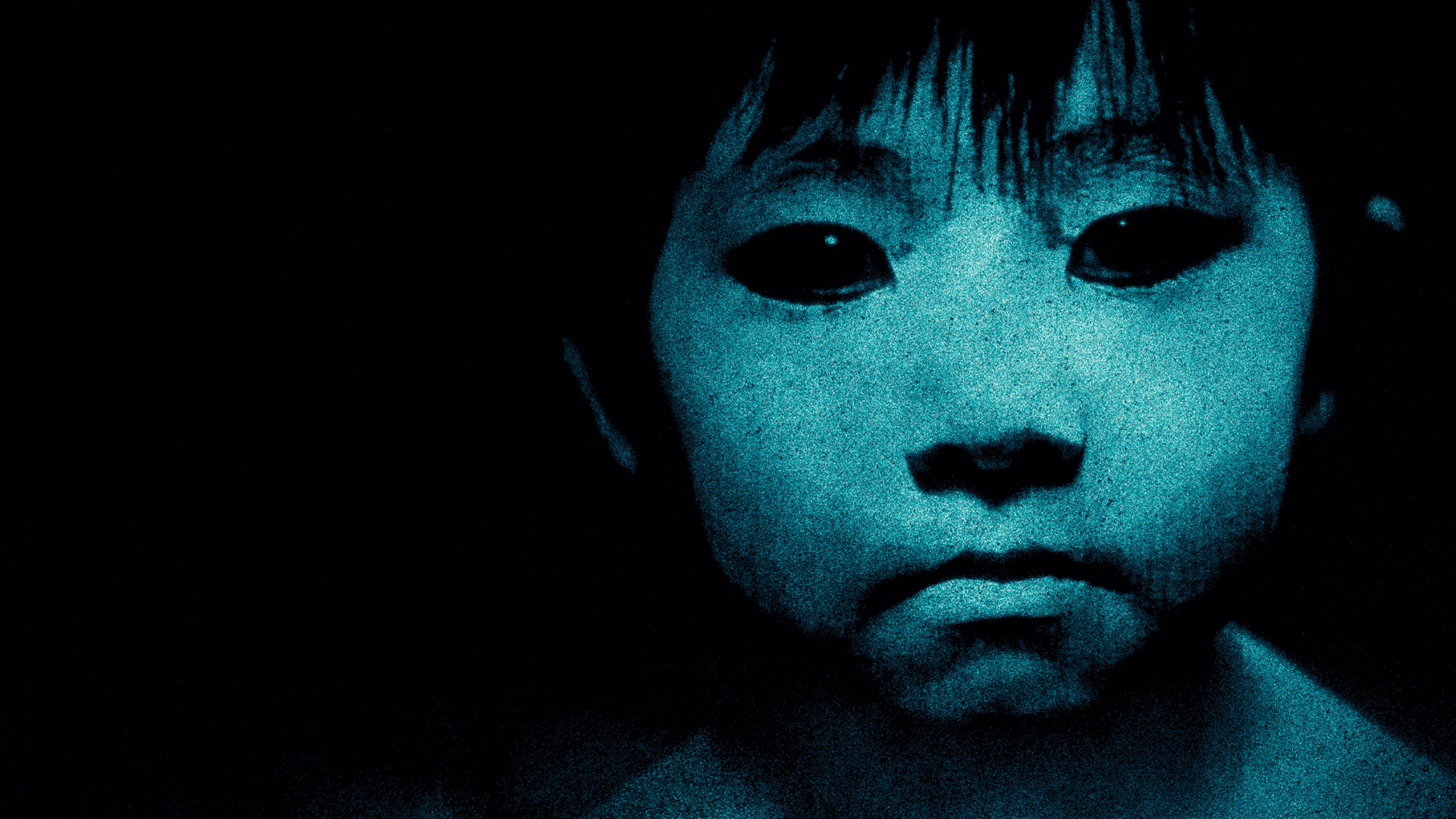
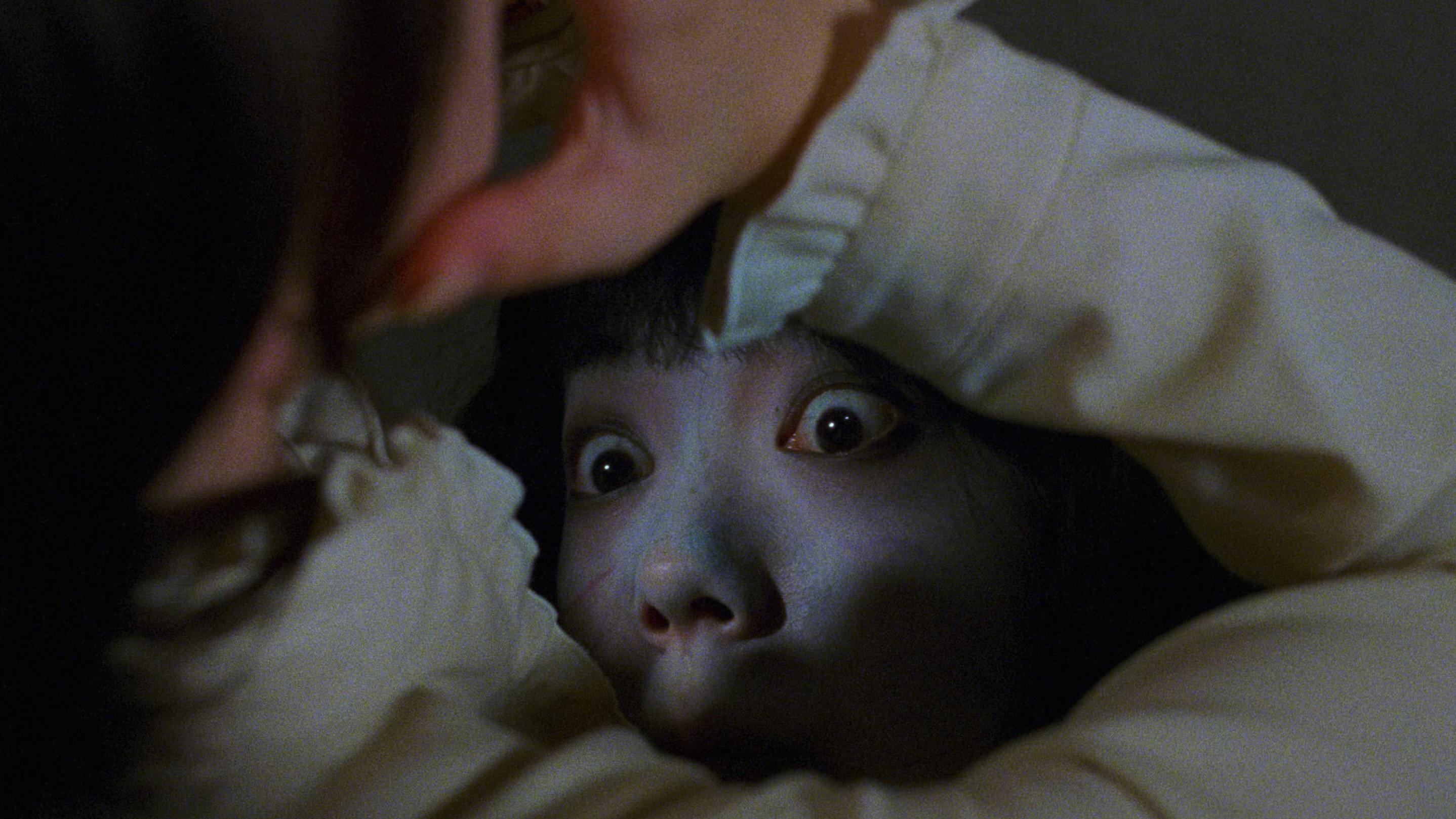
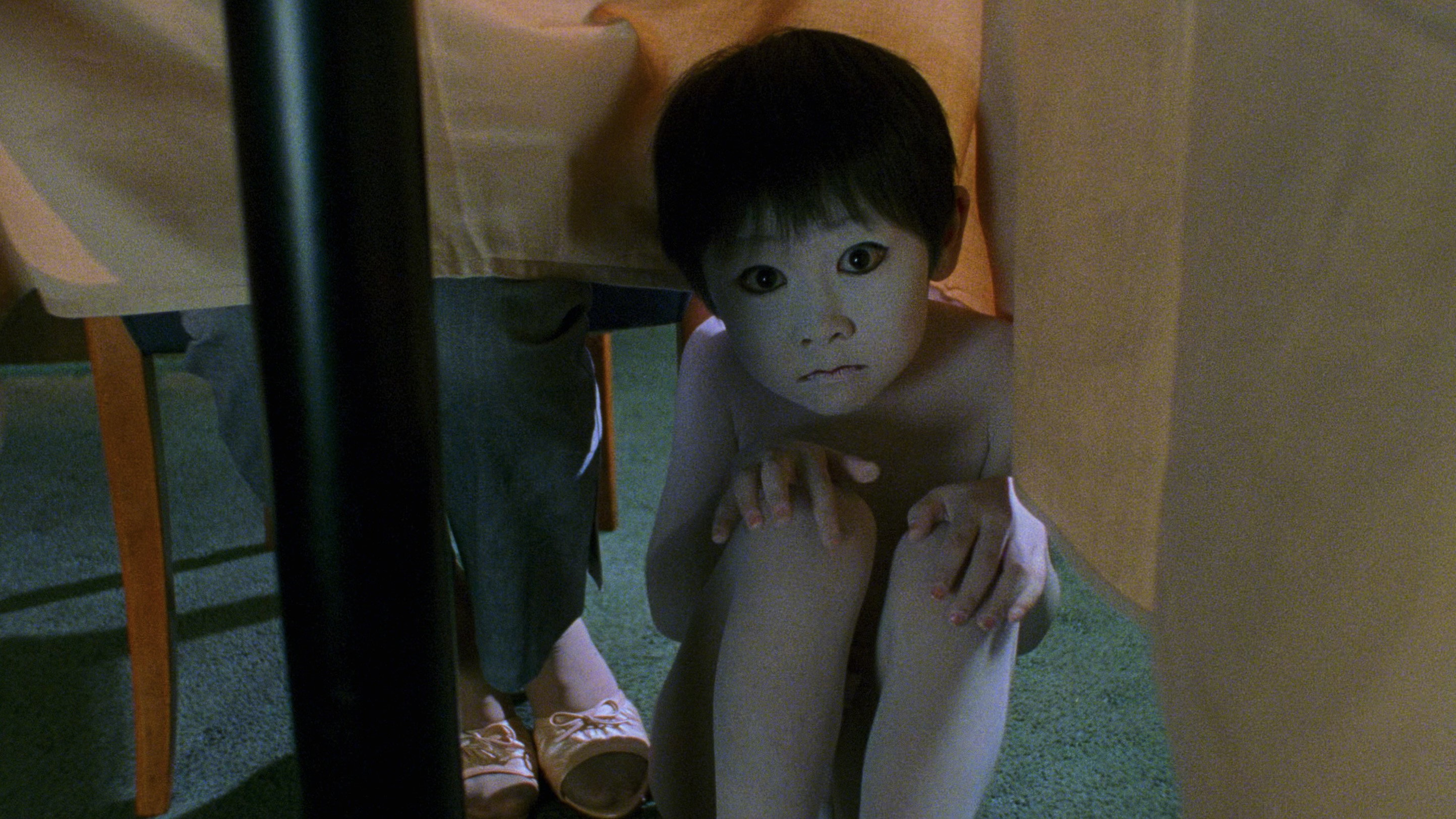
Toshio, played in the theatrical film by Yūya Ozeki, often appears as a silent or mewing child with an unnaturally white face. His association with a cat gives some manifestations an acoustic warning even before he is visible. Shimizu has related the character to childhood experiences of hiding in cupboards: an enclosed space could feel like a private refuge until fear made it threatening. That autobiographical connection was identified retrospectively and does not turn each scene into a literal memory. In the film, the boy's age and apparent vulnerability deepen the disturbance created by the Saeki murders.

The ghosts belong to a longer Japanese screen tradition of pale female spirits and threatening domestic hauntings, but their physical presentation is unusually insistent. The British Film Institute has connected the contorted, white-painted bodies to Butoh-influenced performance. Kayako's descent, Toshio's stationary watchfulness and the sudden change from distant apparition to close physical threat produce different kinds of anticipation. Shimizu can hold a figure within the frame long enough for an audience to recognize it before the next movement begins. This attention to timing makes the actor's body an essential special effect, independent of elaborate spectacle.

Cinematography, Restricted Space, and Sound Design

The camera often starts from the visual language of an ordinary interior before revealing that the space has become unsafe. Staircases allow a figure to enter the frame from above; narrow passages permit an apparition to block the direction of escape; corners and open doorways leave parts of the house temporarily unseen. The contrast between daylight and an encounter with a ghost discourages the assumption that supernatural events require darkness. Cinematographer Tokushō Kikumura's images preserve the recognizable details of the house while letting changes in framing turn familiar rooms into sources of uncertainty. The film's 35 mm presentation also separates its theatrical identity from the earlier video releases.

Shimizu's rhythm depends on delaying movement after a threatening detail has been noticed. Some scenes create unease by allowing a character to remain unaware of a figure that a viewer can see. Others abruptly close the distance between a ghost and its intended victim. Gavin Smith's contemporary Film Comment assessment singled out the precise organization of tension and release, particularly the repeated variation of scares within a limited set of rooms. The strategy suits the episodic narrative: each return to a domestic or institutional setting promises a new configuration of a familiar threat, even when the audience already knows what is responsible.

Sound supplies a second system of warnings. Kayako's dry, rattling vocalization has a distinctive physical quality, unlike a conventional spoken threat. Shimizu confirmed in a 2004 interview that he performed the sound himself, drawing on a noise he had experimented with since childhood. He also described working with sound specialist Masato Komatsu and repeatedly asking for greater intensity. At moments when Kayako remains concealed, the noise announces her presence before the image can explain it. Toshio's mew and quieter ambient disturbances create separate cues, giving the curse a presence that survives changes of room, viewpoint and time.
Theatrical Circulation and Contemporary Criticism

Ju-on: The Grudge was screened at Screamfest in the United States in October 2002 and opened commercially in Japanese cinemas on January 25, 2003. The Japanese Film Database records a running time of 92 minutes and a 35 mm screening format. This chronology explains why the title is usually dated 2002 even though its domestic theatrical release occurred in 2003. International exposure followed through festival programmes and theatrical distribution. The original Japanese film reached American cinemas in a limited engagement in July 2004, only months before the English-language version directed by Shimizu arrived in the same market.

Trade reporting in March 2003 described Lions Gate's acquisition of North American rights and reported earnings of approximately ¥150 million during the first seven weeks in Japanese cinemas. That figure is a contemporary partial-run report, not a verified final domestic total. In the absence of a reliable, consistently defined worldwide total, it is more accurate to describe the release's expansion than to present aggregate figures as a settled measure of its success. The rapid interest from foreign distributors is nevertheless documented, as is the decision to have Shimizu direct the American adaptation rather than replace him with another filmmaker.

Contemporary criticism demonstrates that the film's construction could be admired and questioned for similar reasons. Writing for Film Comment in 2003, Gavin Smith praised the way the restricted house setting generated repeated suspense and described its tension as a matter of atmosphere rather than explicit bodily violence. Reviewing the film in Britain in July 2004, Mark Kermode regarded its recurring shocks as highly effective, while observing that the episodic plot made little traditional narrative progress. These responses establish a specific early reception. The later prestige of Ju-on within Japanese horror should not be projected backward as unanimous critical approval at the time of release.
International Remake and Historical Position

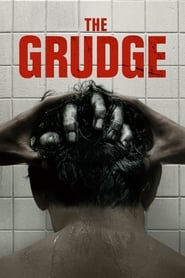
The American The Grudge (2004) was unusual in retaining the director of the Japanese theatrical film. Shimizu worked in Japan with a predominantly English-speaking central cast and a new production arrangement involving Sam Raimi and his collaborators. He described the experience as both an opportunity and a negotiation over how much of the original pacing and mood could remain. In his 2004 interviews, he recalled disagreements with studio representatives who wanted elements made more immediately comprehensible for an American audience. Although it repeats central characters and situations, the remake is a separate production with its own material and performance choices.

The Japanese film's international circulation placed it alongside Ring and other works that drew new audiences to Japanese supernatural horror around the turn of the millennium. BFI writing on the tradition has situated its ghosts within a continuing history of vengeful female spirits, while noting the contemporary concerns and environments that distinguish the J-horror cycle. A later Liverpool University Press study devoted an entire volume to the film's production, cultural context and themes, evidence of sustained scholarly attention beyond its original theatrical campaign. Such recognition supports its importance to discussions of the period without requiring an unsupported claim that every later haunted-house film descended from it.

Ju-on also continued through further Japanese films, overseas productions and later reworkings of the Saeki curse. The theatrical sequel Ju-on: The Grudge 2 followed in 2003, while the American remake established a parallel screen cycle. These continuations are part of the film's commercial and cultural afterlife, though they do not erase the distinct origins of the earlier video works. The 2002 film remains especially identifiable through its dislocated chronology, its ordinary but inescapable house, and a ghost performance whose sound and bodily movement make the consequences of violence seem permanently present.

References

  1. Cinema Today『呪怨』伽椰子&俊雄、恐怖の原点とは 生みの親・清水崇監督が明かす“幸せ”な縁

    A 2025 direct interview in Japanese describing the linked-story inspiration from Dekalog, the separate origins of the ghosts, and the physical design of Kayako’s staircase movement.

  2. British Film Institute10 great Japanese ghost stories

    Katherine McLaughlin’s historical survey placing Ju-on within the Japanese ghost-film tradition, including performance, domestic terror, and its distorted chronology.

  3. Film CommentFilm Comment Selects Program 2004

    Reproduces Gavin Smith’s 2003 contemporary assessment of the theatrical film’s episodic construction, confined setting, suspense and use of repeated variations.

  4. The GuardianYou know where you are with the living dead

    Mark Kermode’s July 2004 contemporary UK review of the film’s ghost imagery, recurrent scares, and deliberately episodic structure.

Connections

Cast

View Full Cast & Crew →

Release & Distribution

Production Companies (4)

  • Nikkatsu JP
  • Oz Company JP
  • Pioneer LDC JP
  • Xanadeux Company JP

Distributors (1)

  • Lionsgate Films US

Release History (41)

Release DateTerritoryRelease TypeFormatDistributorCertificationNotes
2002-10-18 United States Limited Theatrical — — R Screamfest Horror Film Festival
2003-01-25 Japan Theatrical — — PG-12
2003-02-01 France Theatrical — — — Gerardmer Film Festival
2003-03-25 Belgium Theatrical — — — Brussels International Film Festival
2003-03-29 Hong Kong SAR China Theatrical — — —
2003-06-27 South Korea Theatrical — — 12
2003-07-24 Australia Theatrical — — — Melbourne International Film Festival
2003-08-15 Germany Theatrical — — 16 Hamburg Fantasy Film Festival
2003-08-15 Hong Kong SAR China Theatrical — — IIB
2003-08-22 Taiwan Theatrical — — —
2003-09-09 Canada Theatrical — — R Toronto International Film Festival
2003-10-03 United Kingdom Theatrical — — — Leeds International Film Festival
2003-10-07 Italy Physical — — — video premiere
2003-10-16 Norway Theatrical — — 15 Bergen International Film Festival
2003-11-01 Sweden Theatrical — — 15 Stockholm International Film Festival
2003-11-14 Denmark Theatrical — — 15
2003-11-14 Spain Theatrical — — 18
2003-11-26 Philippines Theatrical — — — Manila
2003-12-02 Netherlands Physical DVD — — DVD Premiere
2003-12-04 Germany Physical DVD — — DVD premiere
2004-01-28 Philippines Limited Theatrical — — — Davao
2004-04-02 United States Theatrical — — — Wisconsin Film Festival
2004-04-15 Russia Theatrical — — —
2004-05-14 Greece Theatrical — — —
2004-06-10 Kazakhstan Theatrical — — —
2004-07-23 United States Limited Theatrical — — — Los Angeles, California / New York
2004-10-04 United Kingdom Physical DVD — 15 DVD Premiere
2004-10-04 Ireland Physical — — 15
2004-10-08 Sweden Theatrical — — 15
2004-10-23 Finland Premiere — — K-16 Night Visions Film Festival
2004-11-05 Finland Limited Theatrical — — K-16 Iik! Horror Film Festival
2004-11-09 United States Physical DVD — — DVD Premiere
2005-03-16 Hungary Physical DVD — — DVD Premiere
2005-03-30 Finland Physical DVD — K-16 DVD Premiere
2007-11-13 France Physical — — 12
2020-02-21 Taiwan Theatrical — — — Re-Release
2020-04-01 Singapore Physical DVD — — DVD Premiere
2022-12-12 United Kingdom Physical Blu-ray — 15 Arrow Video Ju-on: The Grudge Collection (Blu-ray)
2023-04-21 Brazil Limited Theatrical — — — Fantaspoa International Film Festival
2024-01-22 United Kingdom Physical 4K UHD — 15 Arrow Video 4k Ultra HD Blu-ray
2024-03-28 Russia Theatrical — — 18+ Re-release
When a grudge from the dead passes to the living, who is safe?