
Origins and Adaptation from Japanese Horror
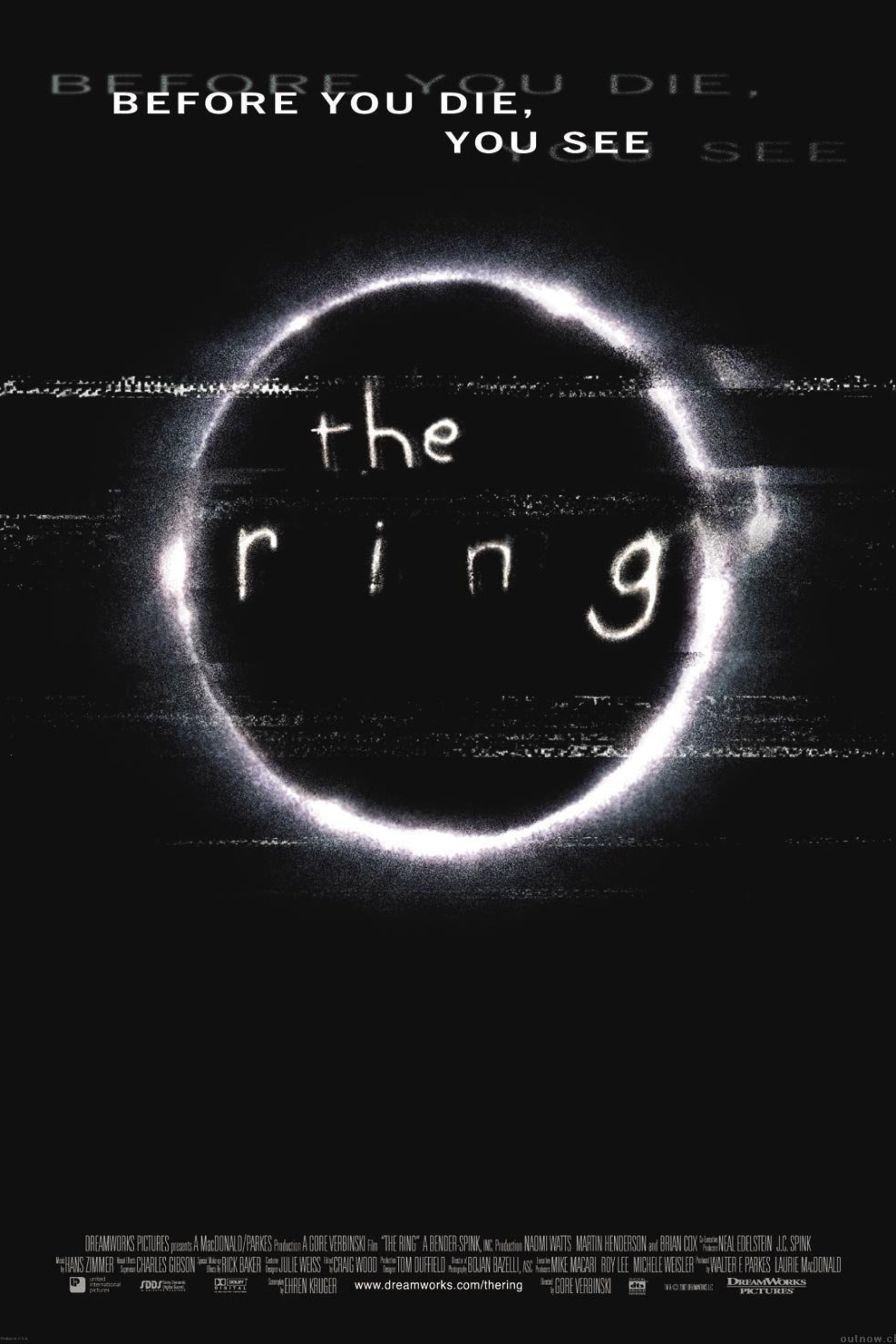
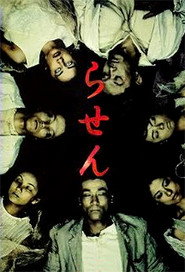
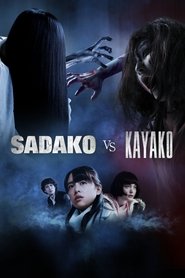
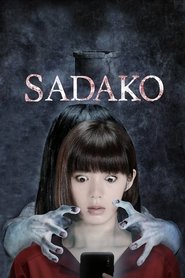
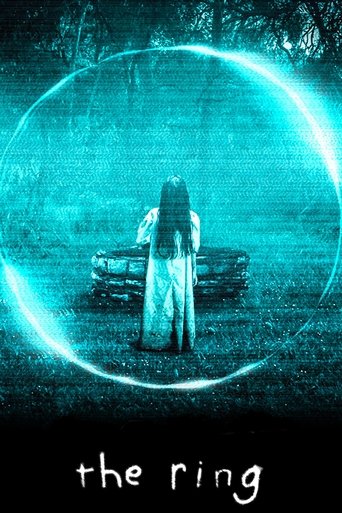
The American adaptation originated after DreamWorks executive Mark Sourian encountered Nakata’s Ring and recommended it to producers Walter F. Parkes and Laurie MacDonald. According to the studio’s contemporary production notes, the two producers watched the Japanese film on videotape and responded to its combination of supernatural mystery and everyday technology. They regarded the premise as suitable for an English-language reinterpretation that could preserve its atmosphere while developing the emotional relationships surrounding the curse. Gore Verbinski, who had previously directed Mouse Hunt (1997) and The Mexican (2001) for DreamWorks, was the producers’ preferred choice to direct.
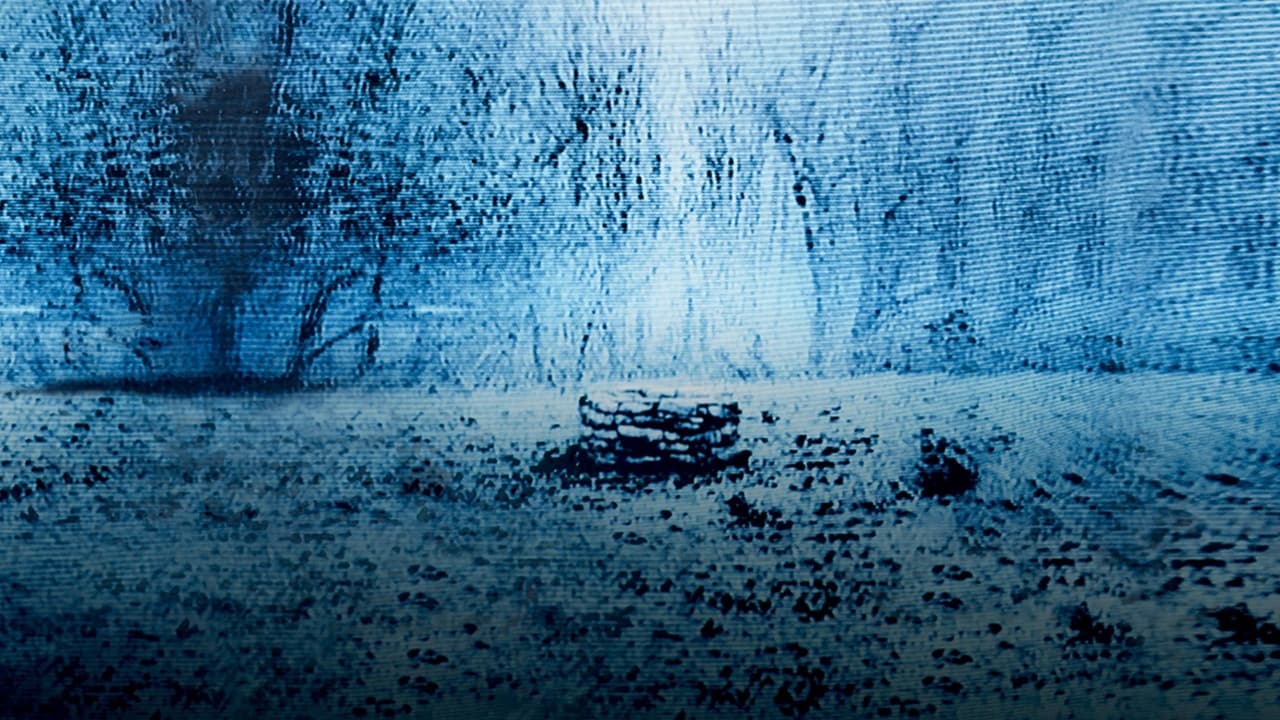
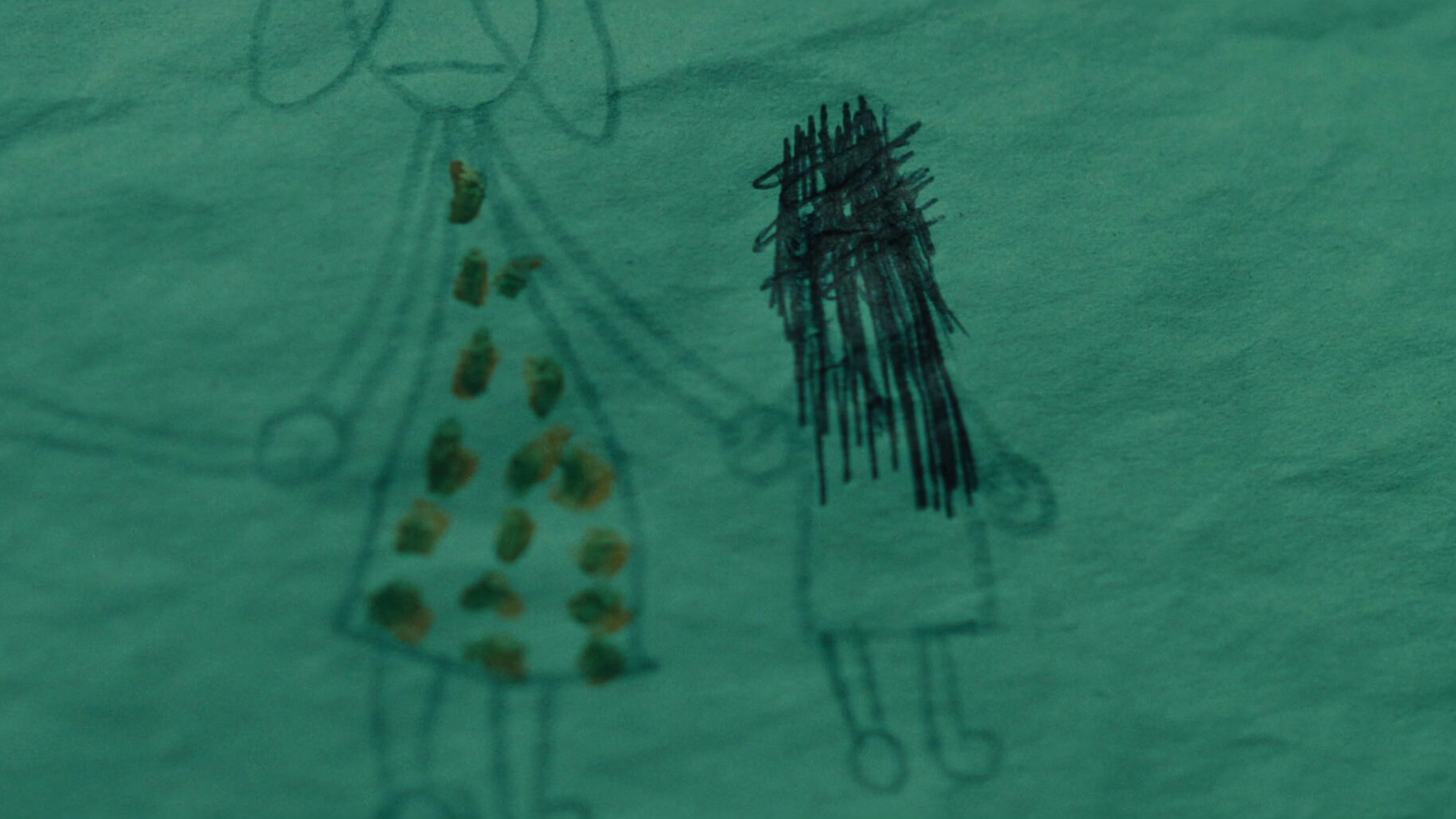
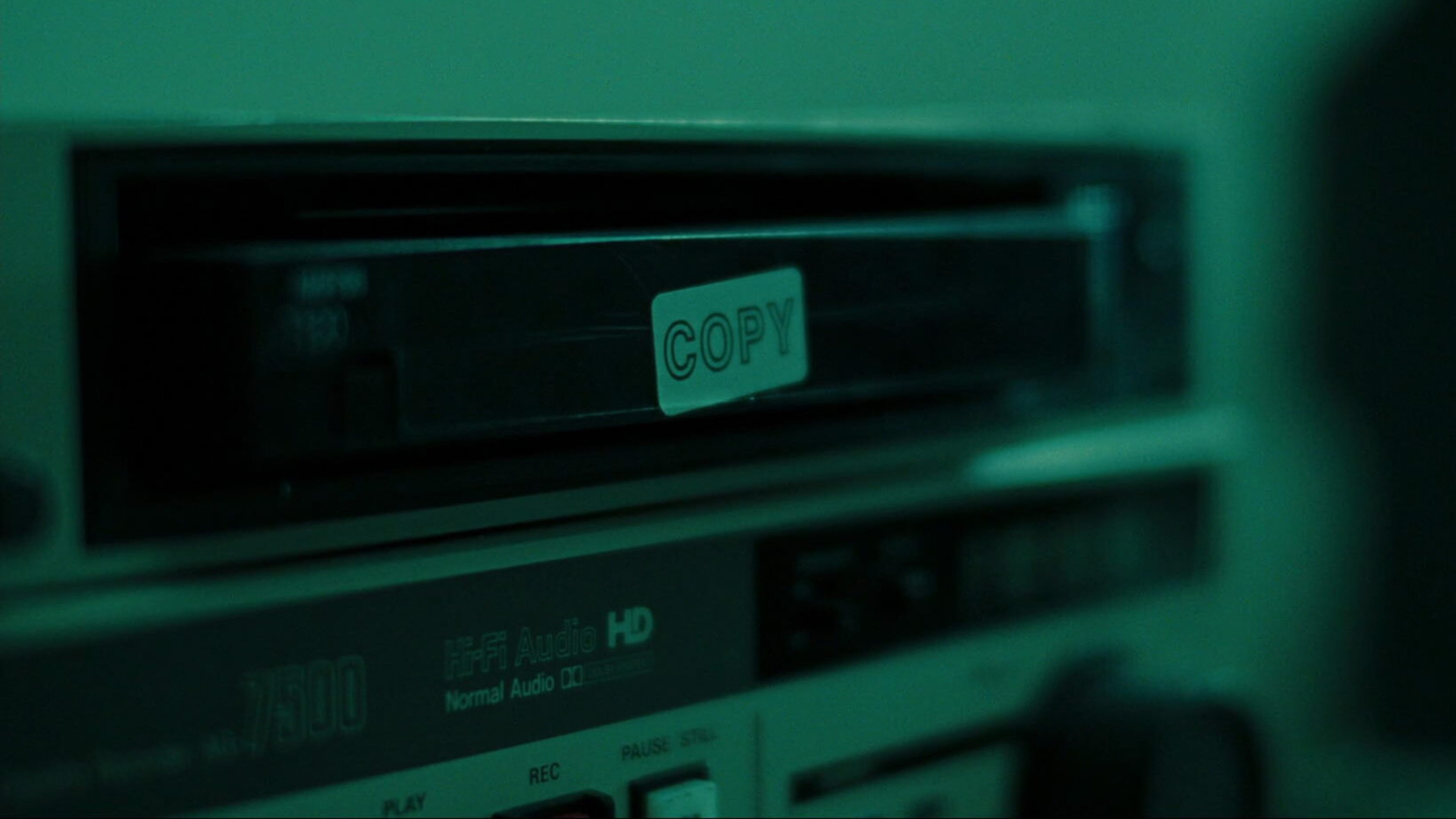
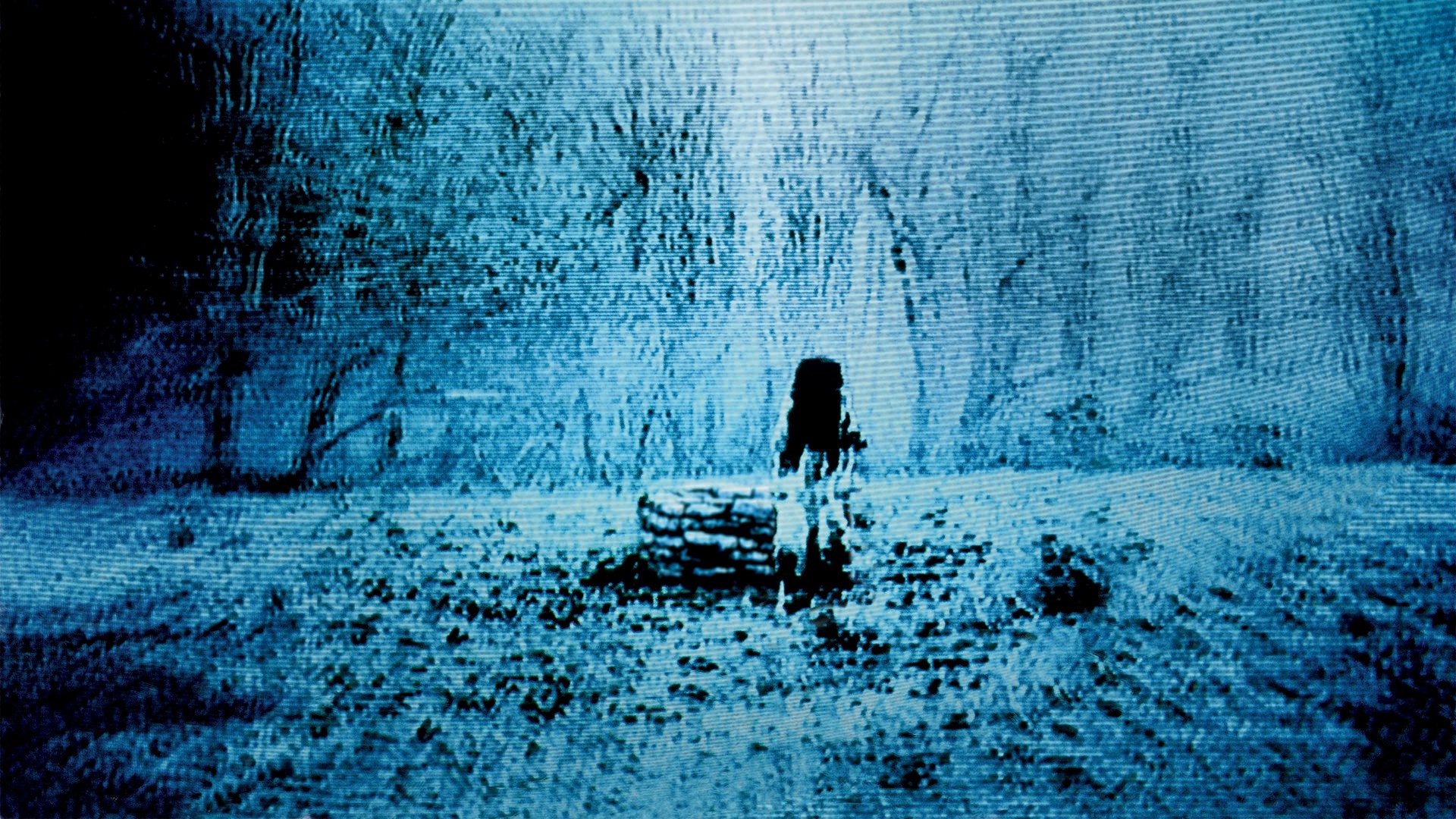
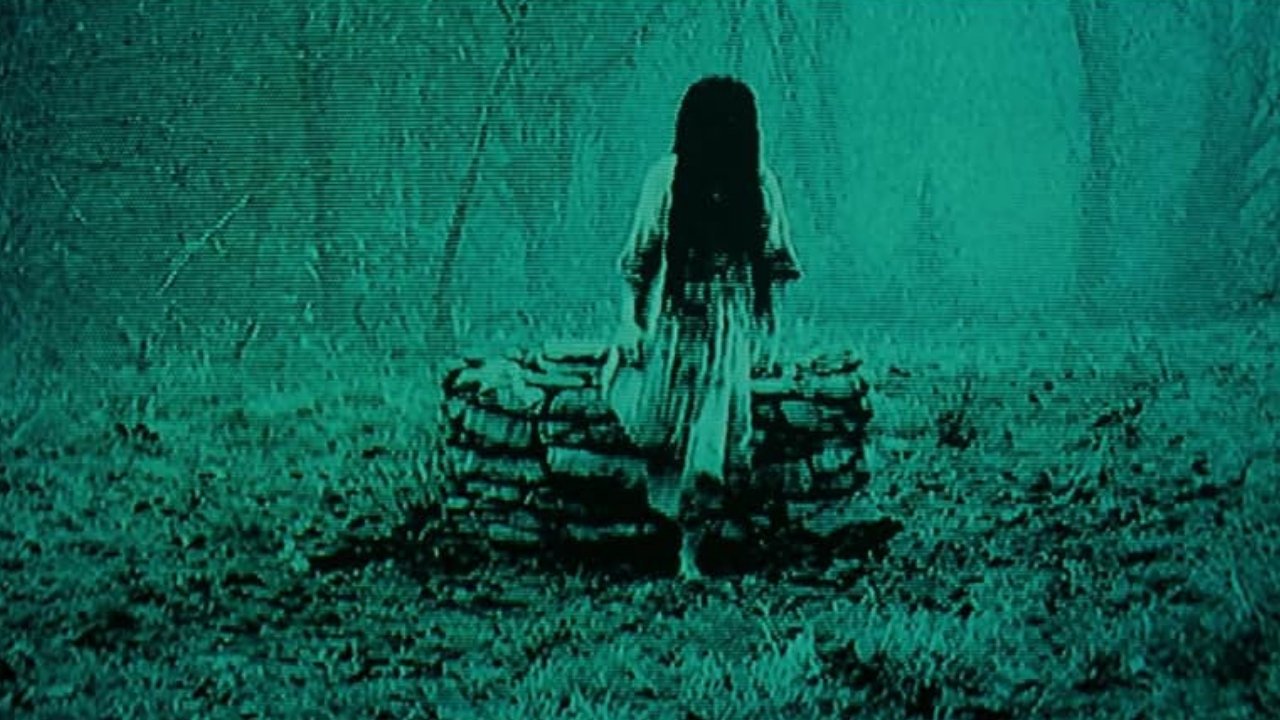
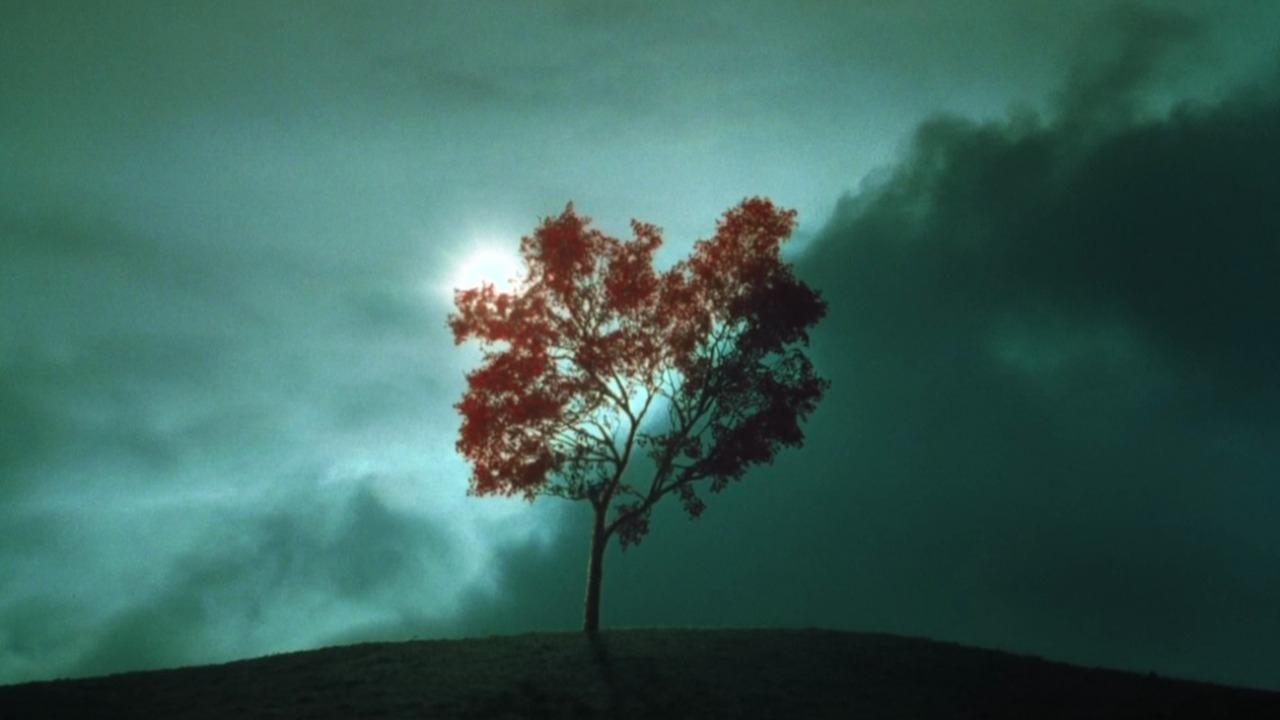
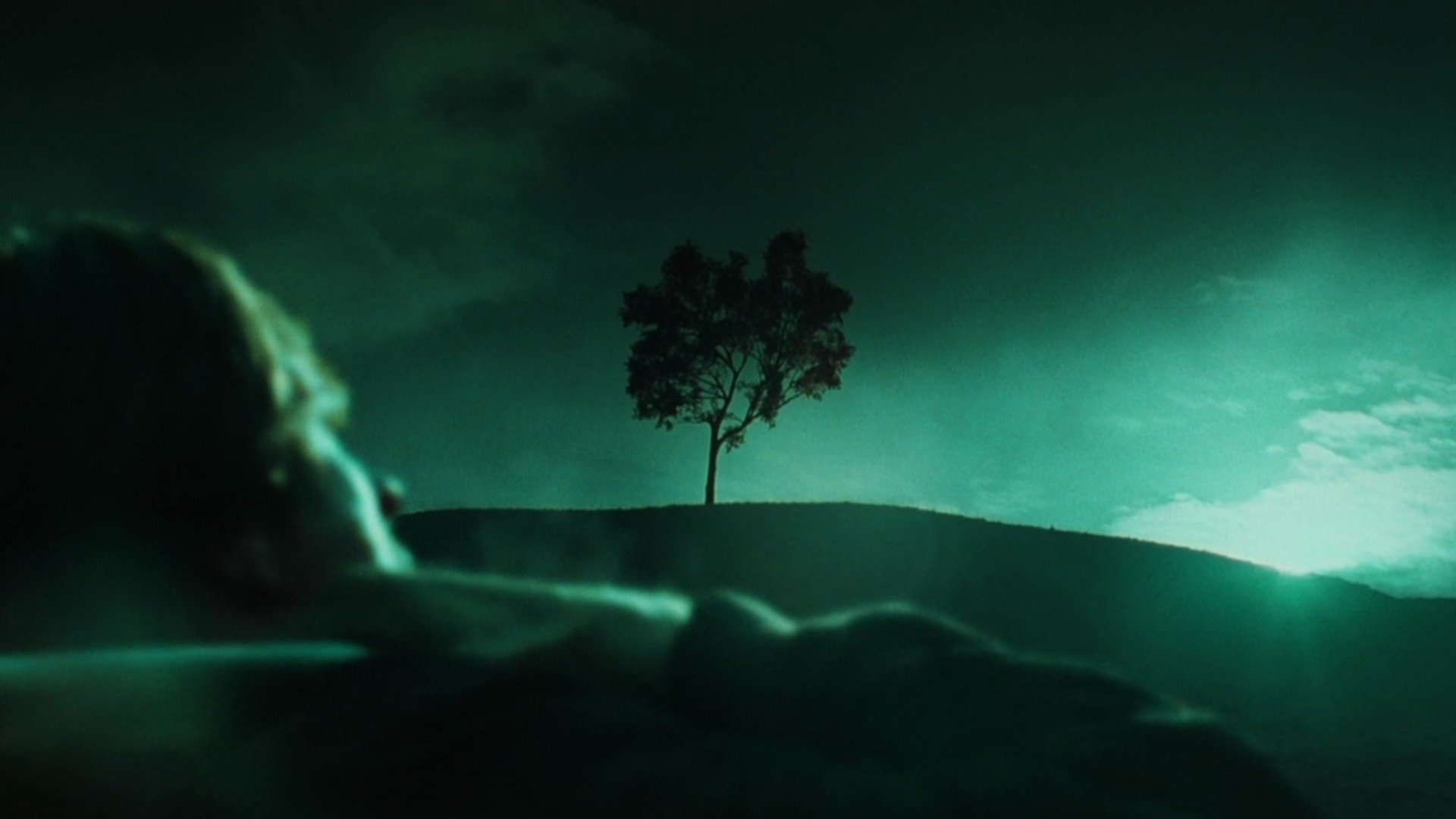
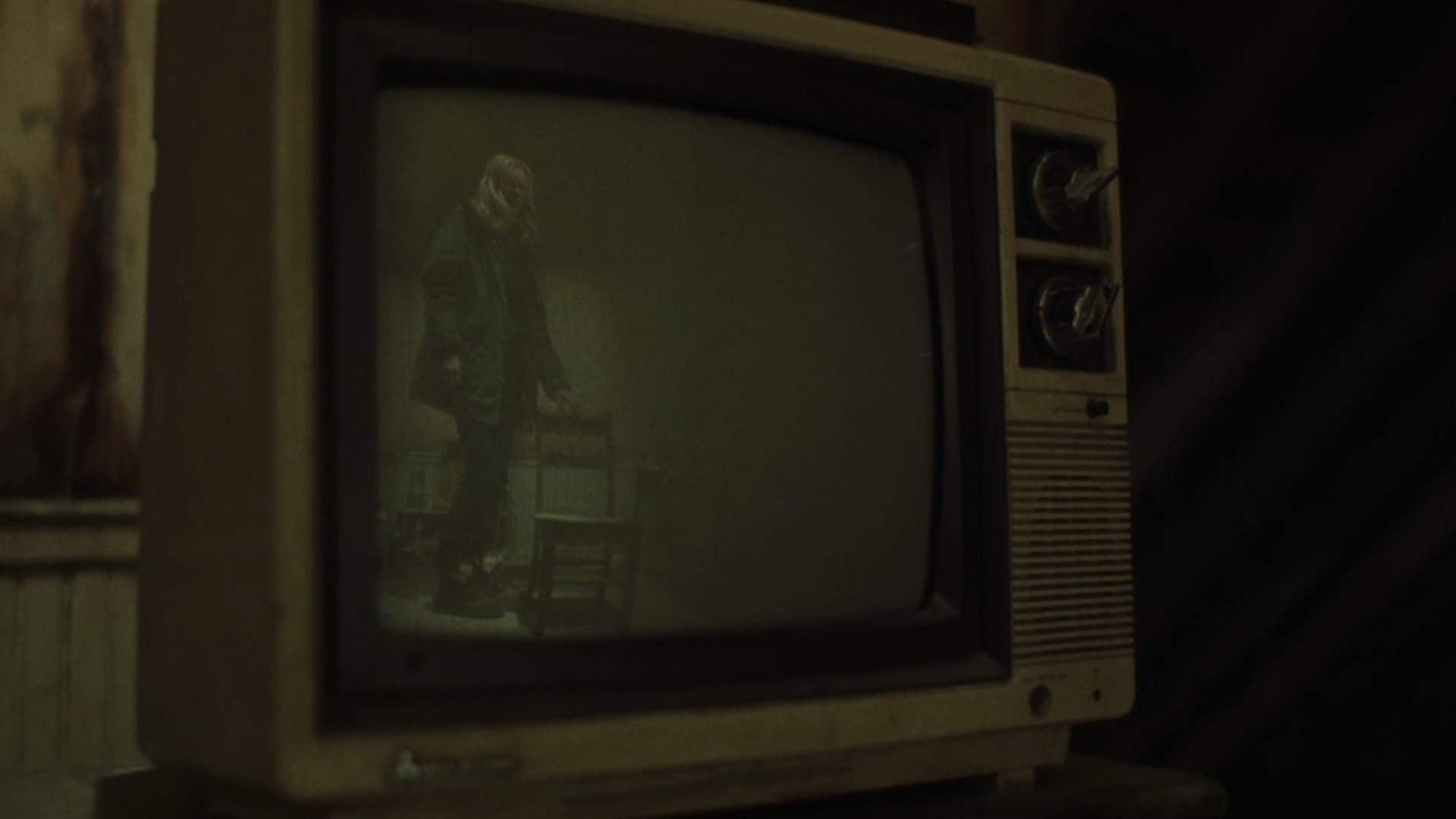
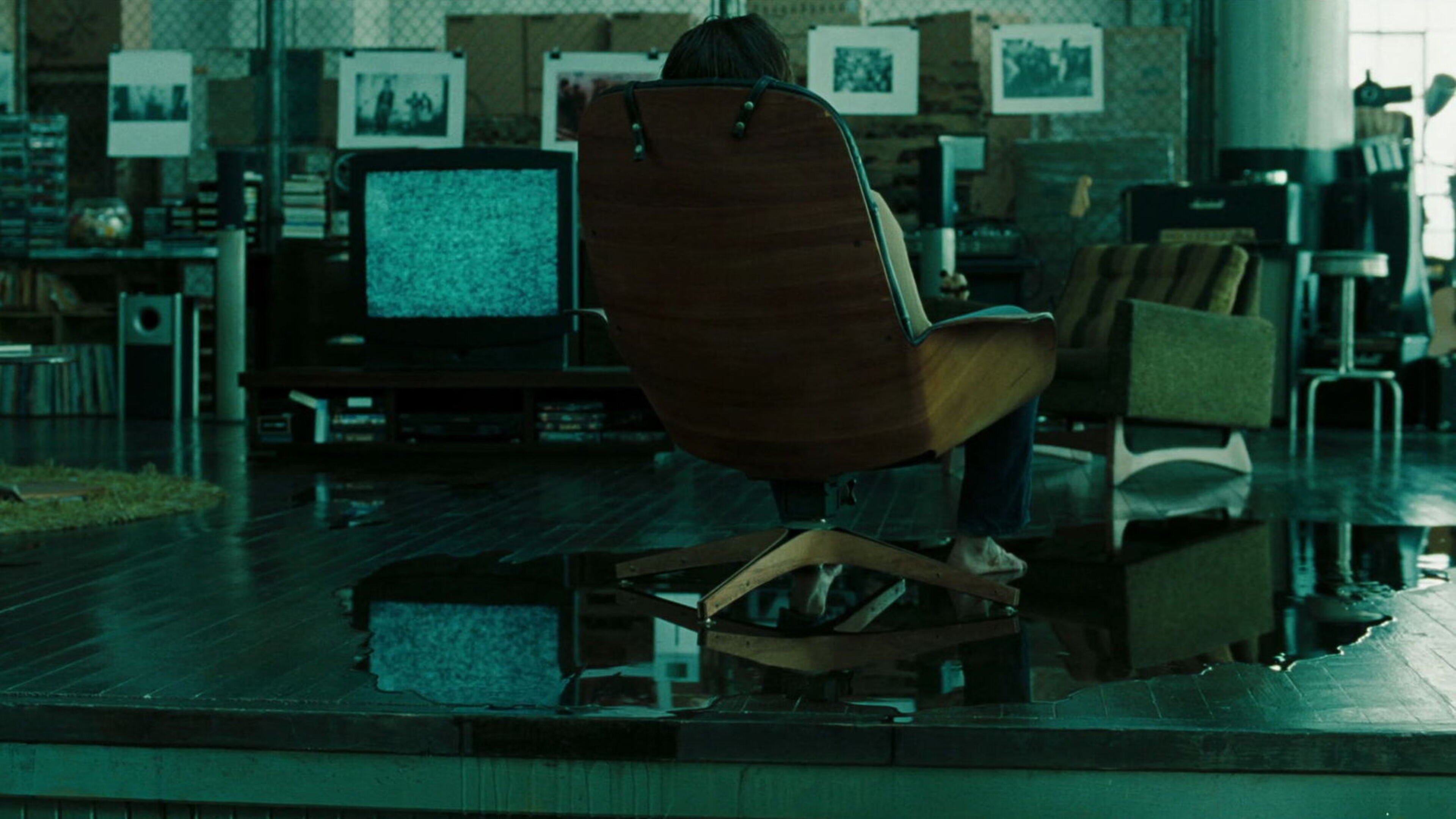
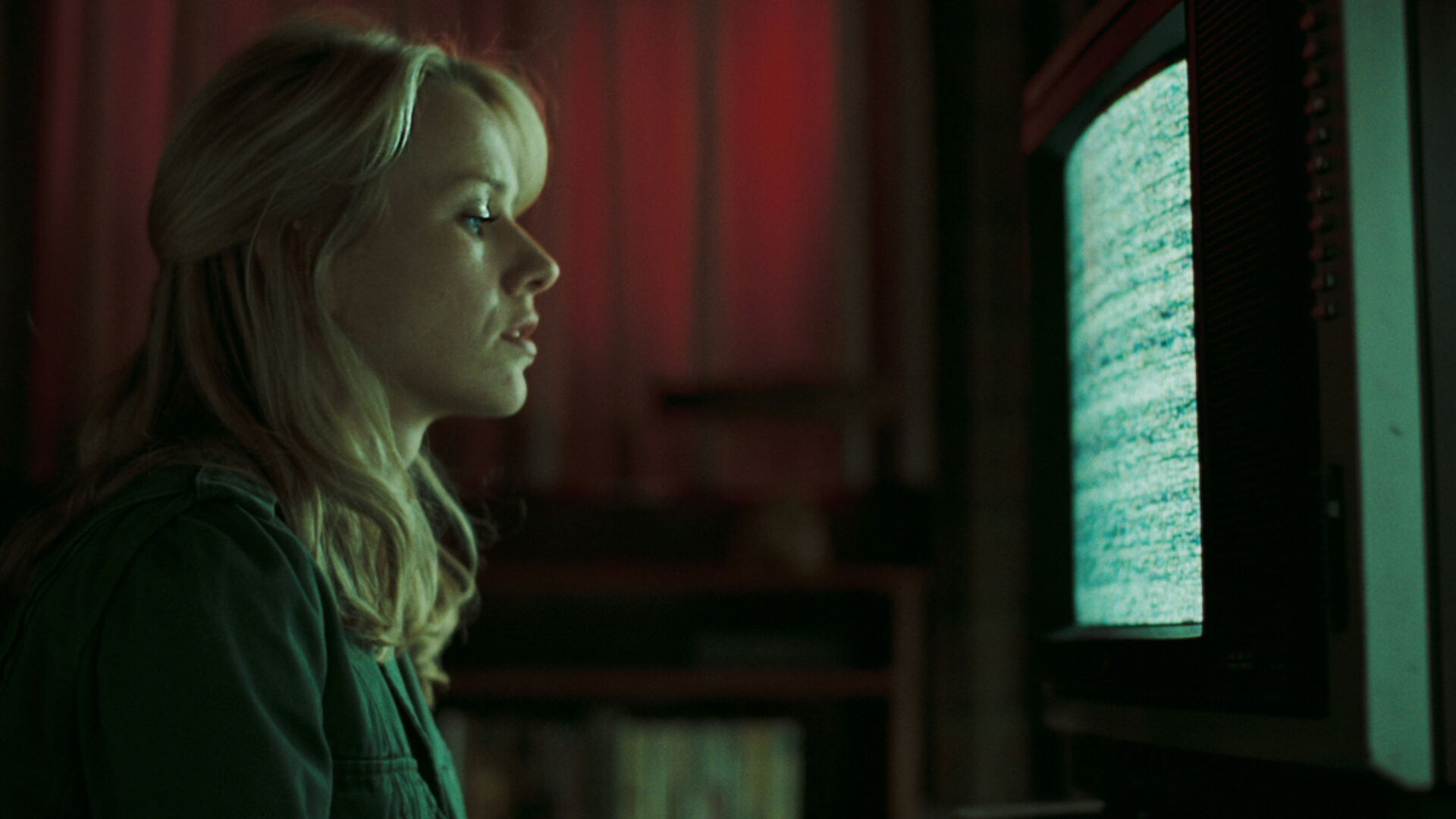
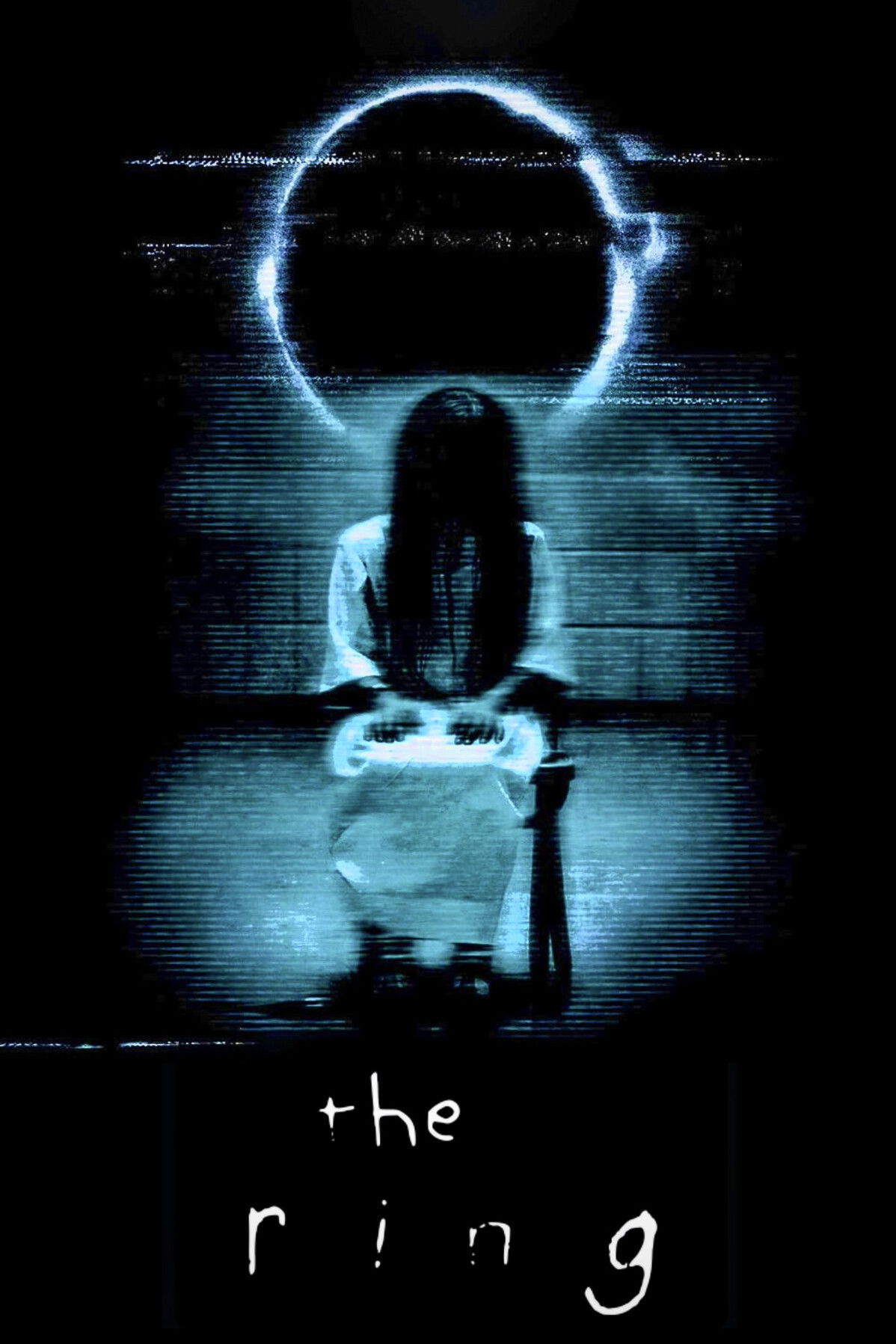
Verbinski recalled first seeing Ring on a heavily duplicated VHS cassette whose deteriorated image quality contributed to its disturbing effect. The experience reinforced his interest in the unlabelled videotape as an ordinary object capable of acquiring a threatening identity. The director wanted the American film to retain the Japanese original’s reliance on anticipation and psychological unease. His approach also involved making the apparently disconnected images on the cursed recording relevant to the investigation. Each image needed to operate initially as an unsettling fragment and later acquire a recognizable connection to Samara’s history.
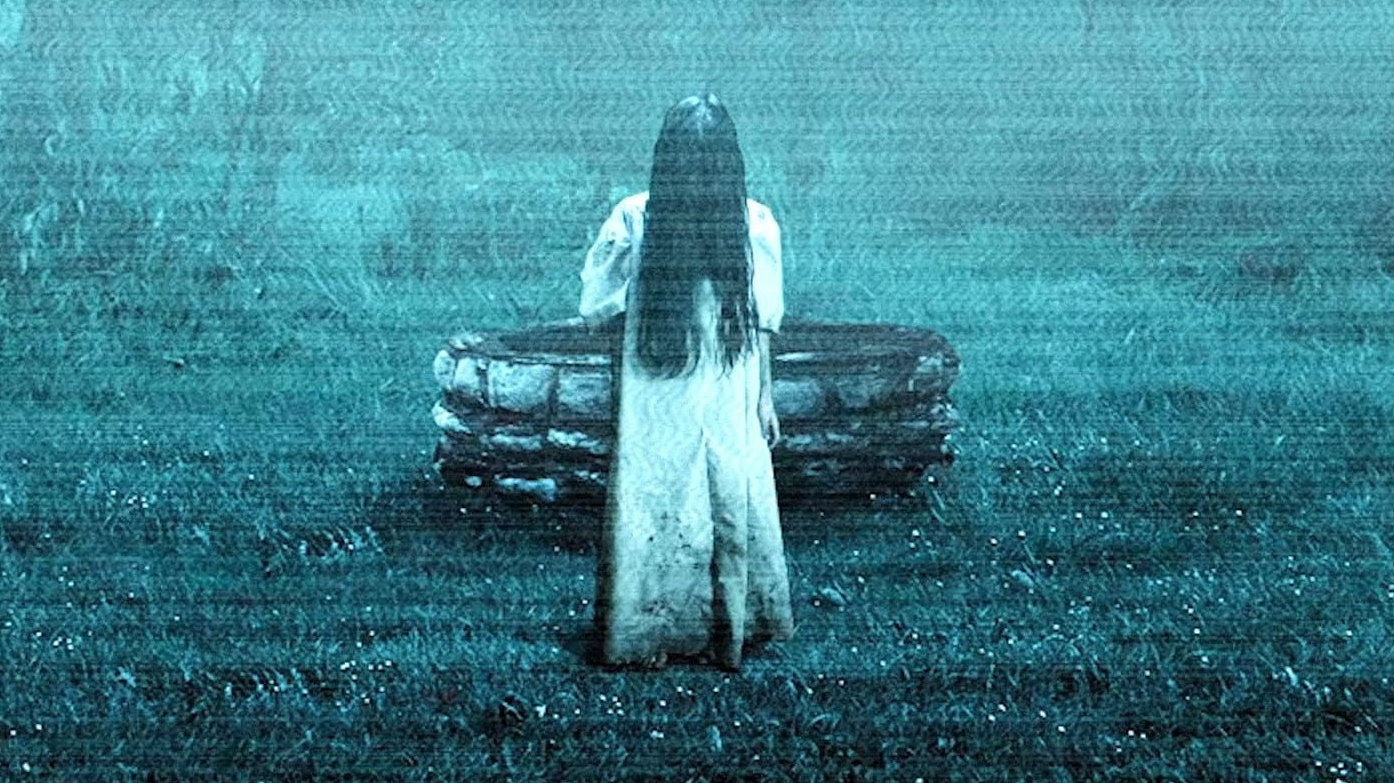
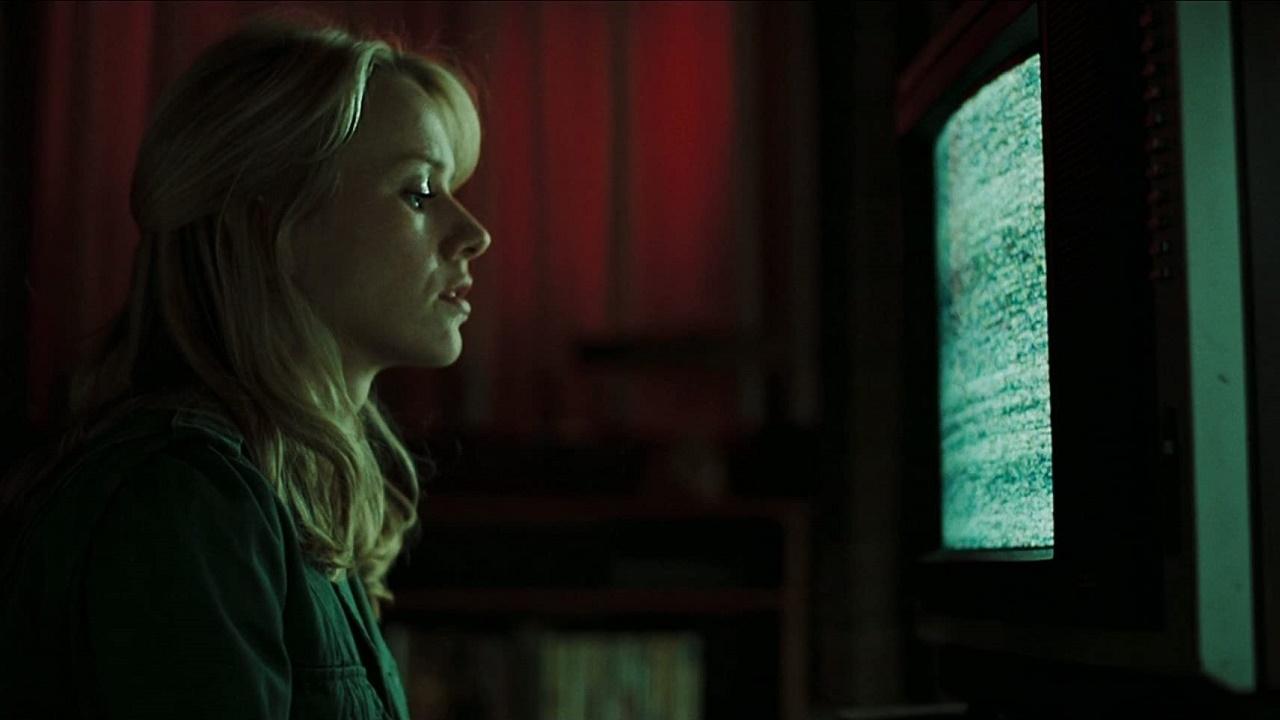
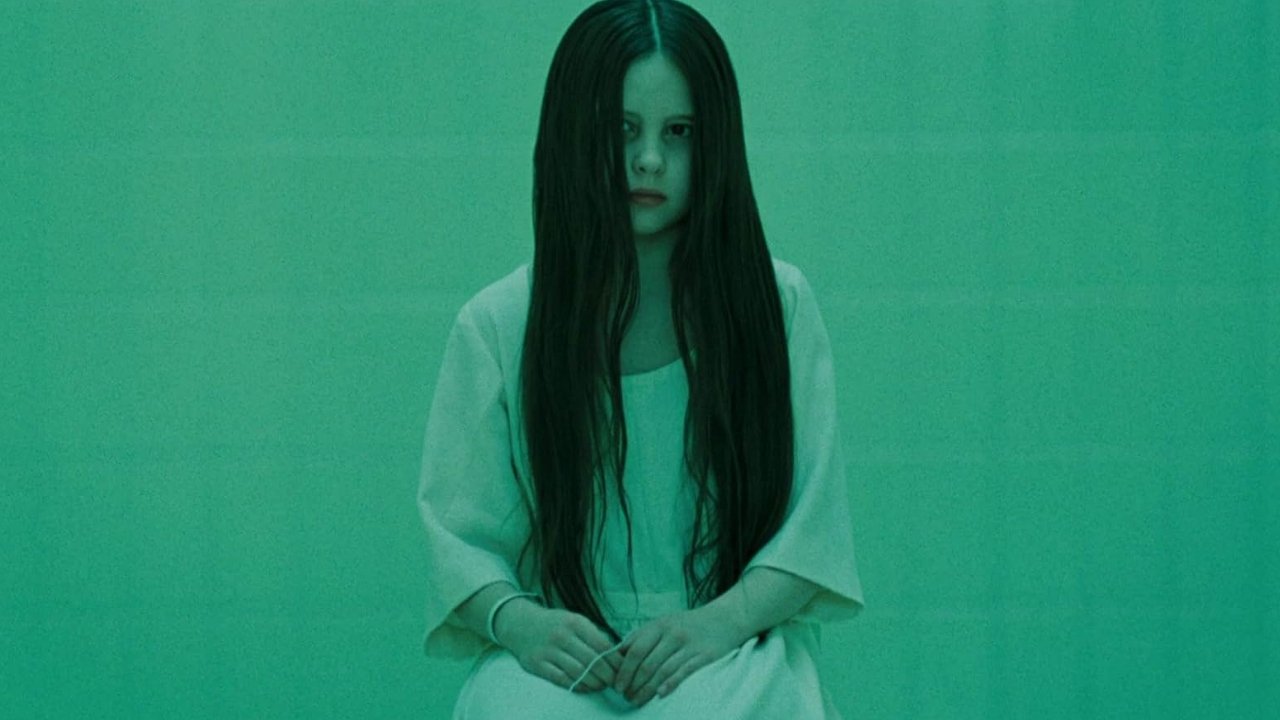
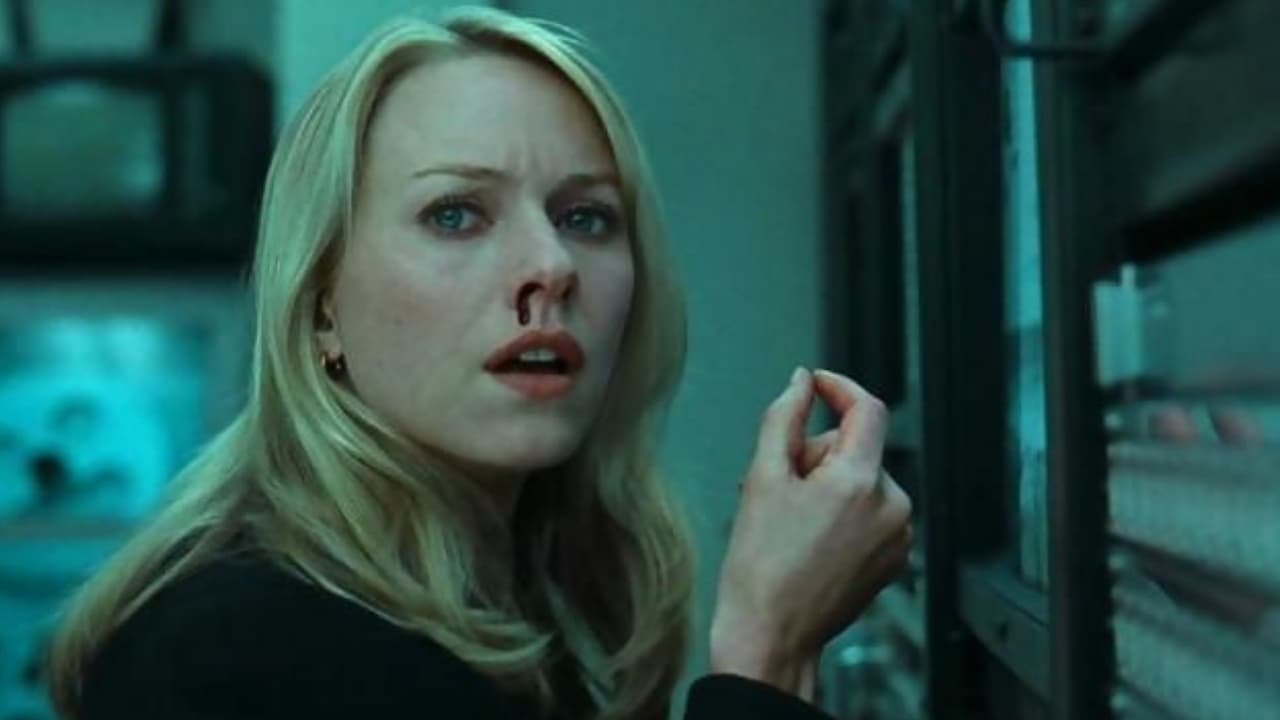
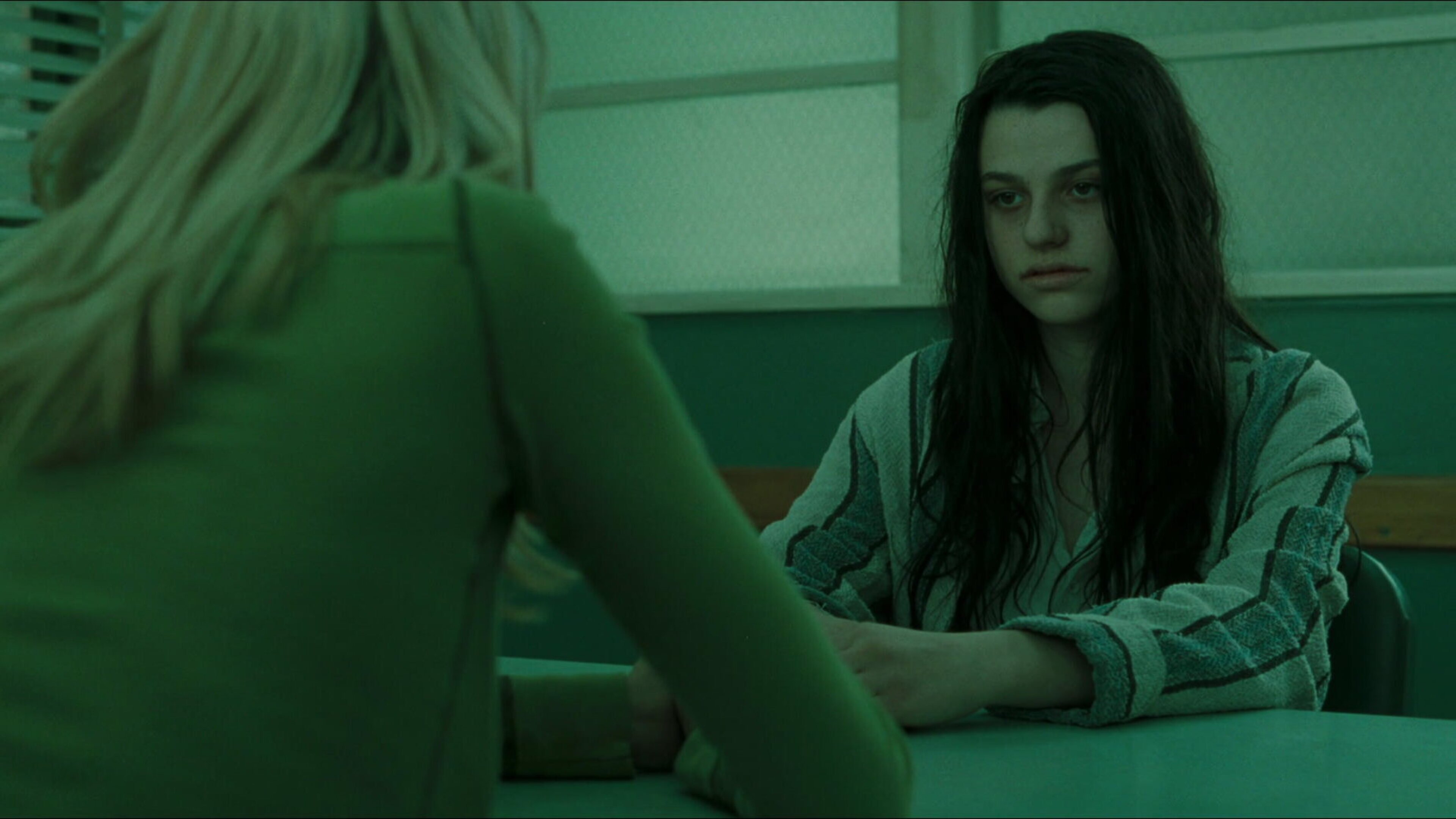
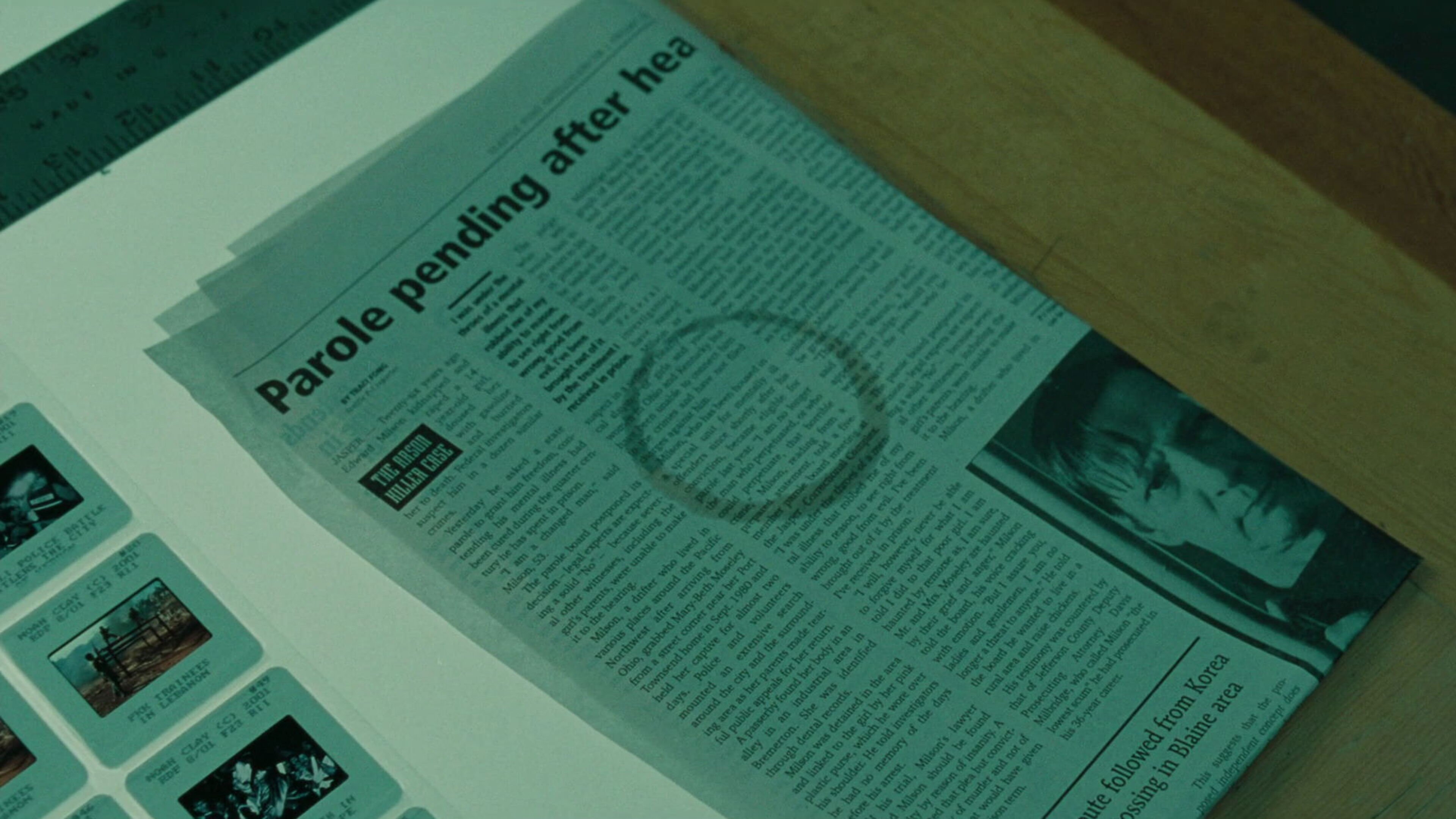
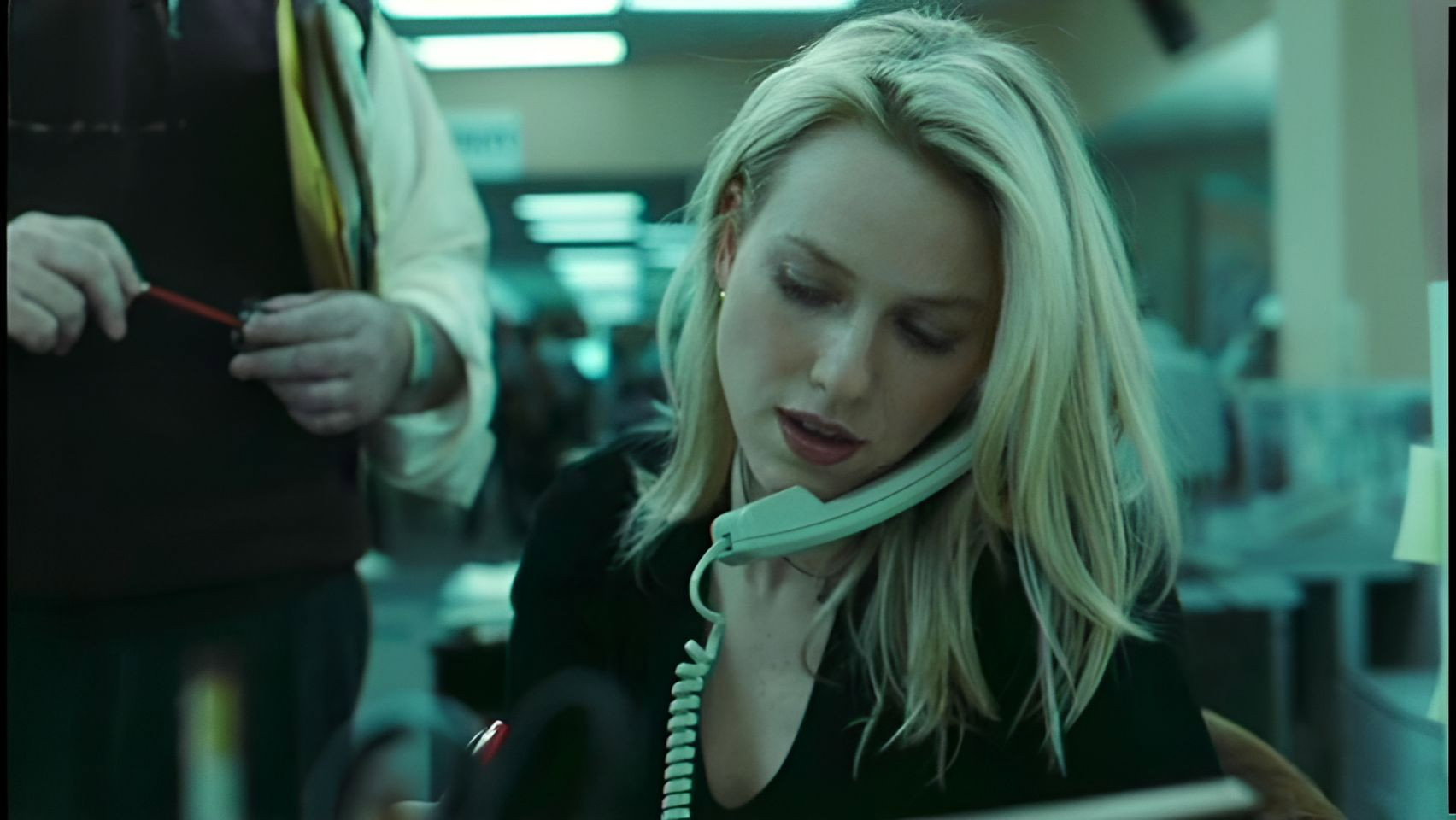
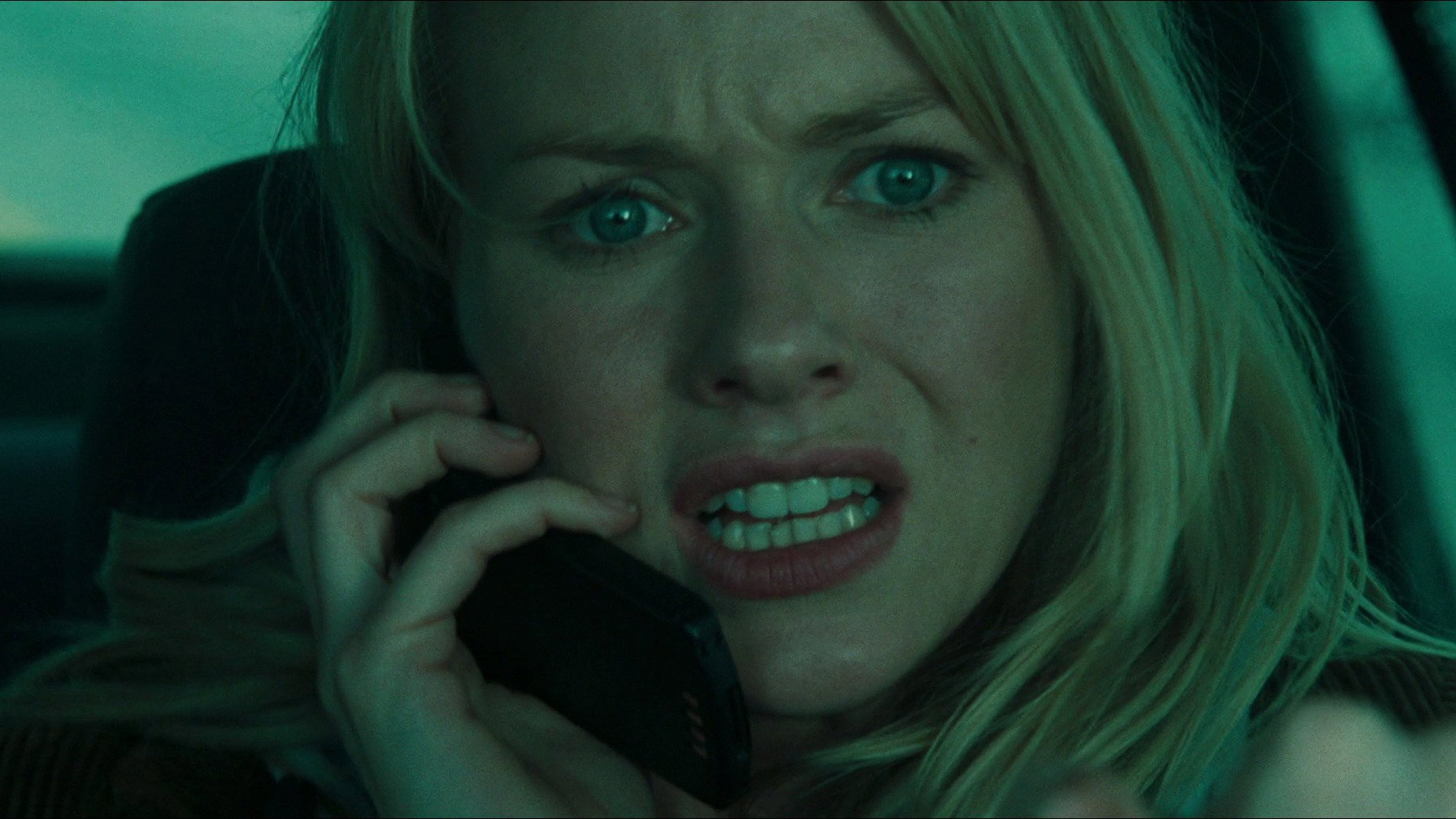
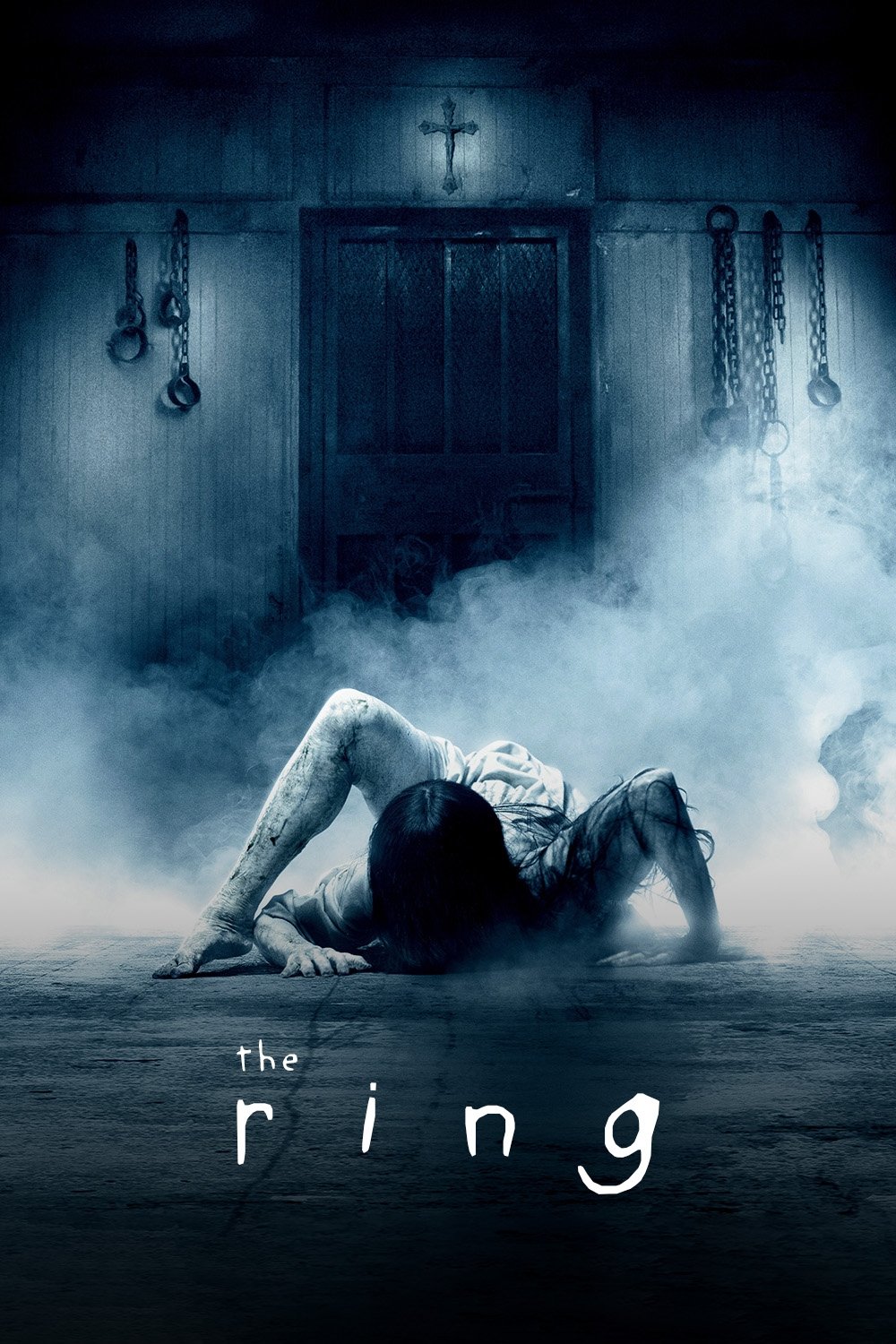
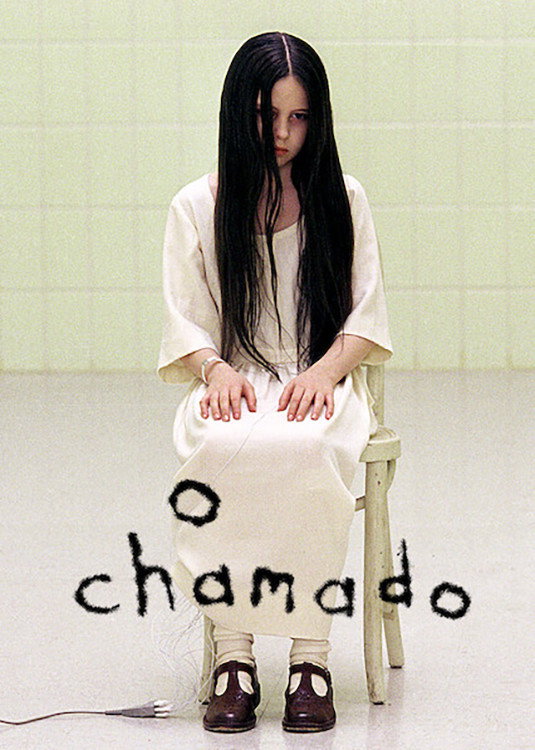
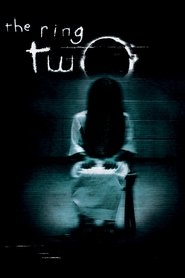
Kruger’s screenplay retains the seven-day deadline, the investigative structure and the ghost’s emergence from a television. Its changes are substantial. The central protagonist becomes Rachel Keller, a journalist and mother whose professional curiosity collides with responsibility for her son. The Japanese character Sadako Yamamura becomes Samara Morgan, whose history involves an isolated horse farm, institutional treatment and a fatal confrontation with her adoptive mother. These differences establish the American film as a reinterpretation of the preceding work. They also alter the cultural setting of the curse, transferring a supernatural figure rooted in Japanese ghost traditions into a Pacific Northwest landscape associated with rural isolation and deteriorating family relationships.