Developing a Story of Denial
Tim Day had previously worked with Bota and was brought in to revise material written by Carl Dupre. In a 2005 recollection preserved by the Official Clive Barker Website, Day said the earlier draft made Trevor difficult to sympathize with from the outset. He wanted the audience to encounter someone apparently ordinary before recognizing the consequences of his conduct. Day connected this approach to the tragic structure he admired in Barker's The Hellbound Heart. This is a documented writing intention, distinct from a claim that the finished story faithfully adapts a particular episode from the novella.
One unusual disagreement concerned the Lament Configuration itself. Day recalled proposing a round puzzle box that would transform into the familiar square design, an attempt to suggest that entrances to the Cenobites' realm need not have one fixed appearance. The objection he received concerned the round form, and the released scene retains the transformation only briefly. That small detail exposes a larger production constraint: experimentation with the franchise's central object remained possible, but its recognizable silhouette was difficult to abandon. The resulting screenplay ultimately privileges Trevor's personal reckoning over a substantial expansion of the supernatural mythology.
The Late Return of Kirsty Cotton
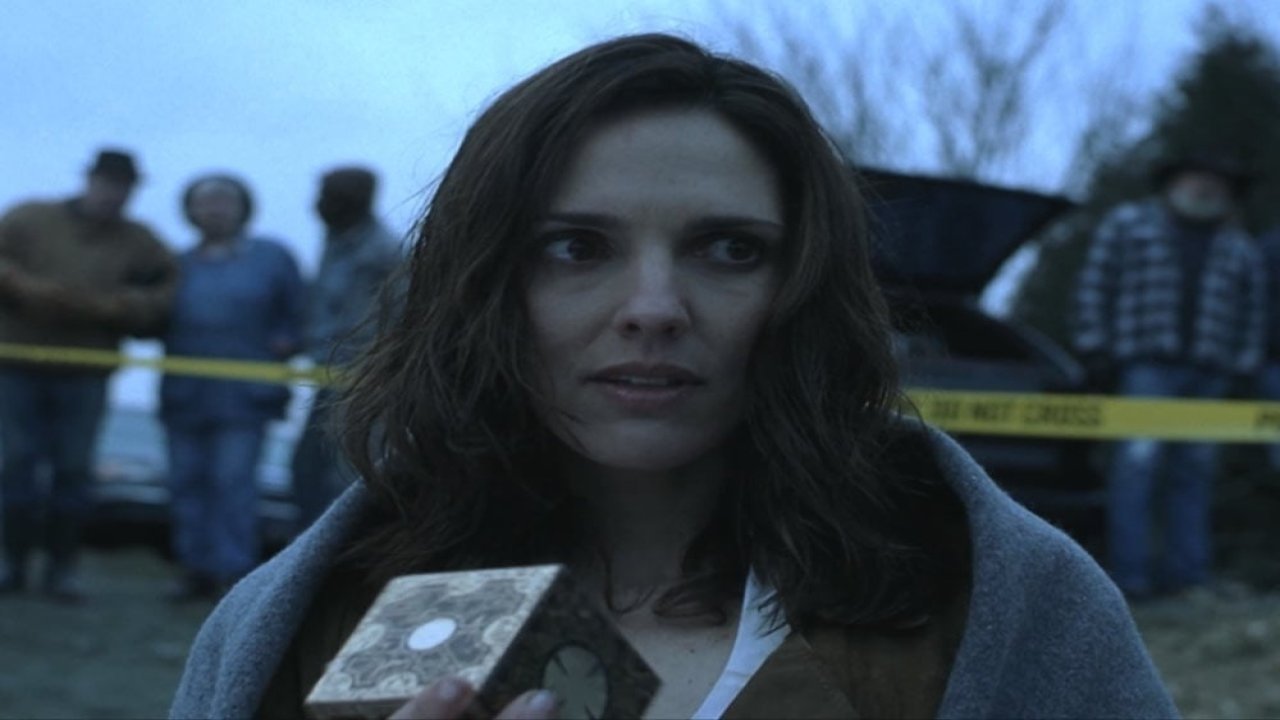
Kirsty was absent from the draft Day initially encountered. Bota wanted to bring Ashley Laurence back, but the filmmakers received information that the actress was unavailable. According to Bota's later interview with JoBlo, Doug Bradley contacted her personally and discovered that she had not received the offer. Day separately remembered Laurence joining shortly before photography began, requiring final revisions in Vancouver. Both accounts support a late casting resolution; they do not establish that a completed, fully Kirsty-centered script had ever been ready to shoot. The part was enlarged as far as the remaining production schedule allowed.
Laurence described the return in a contemporary Cinescape interview excerpted by Barker's official archive as an opportunity to revisit a character she had played when younger. She emphasized the film's interest in Trevor's psychology and Bota's handling of figures emerging from darkness. The limited screen time has a narrative consequence: Kirsty's history with Pinhead frames the mystery, but most developments remain filtered through her husband's disintegrating experience. Bota later said he would have featured her more prominently had the script begun from a blank page. The admission helps explain the gap between the reunion's publicity value and its actual dramatic weight.
Memory and Supernatural Punishment
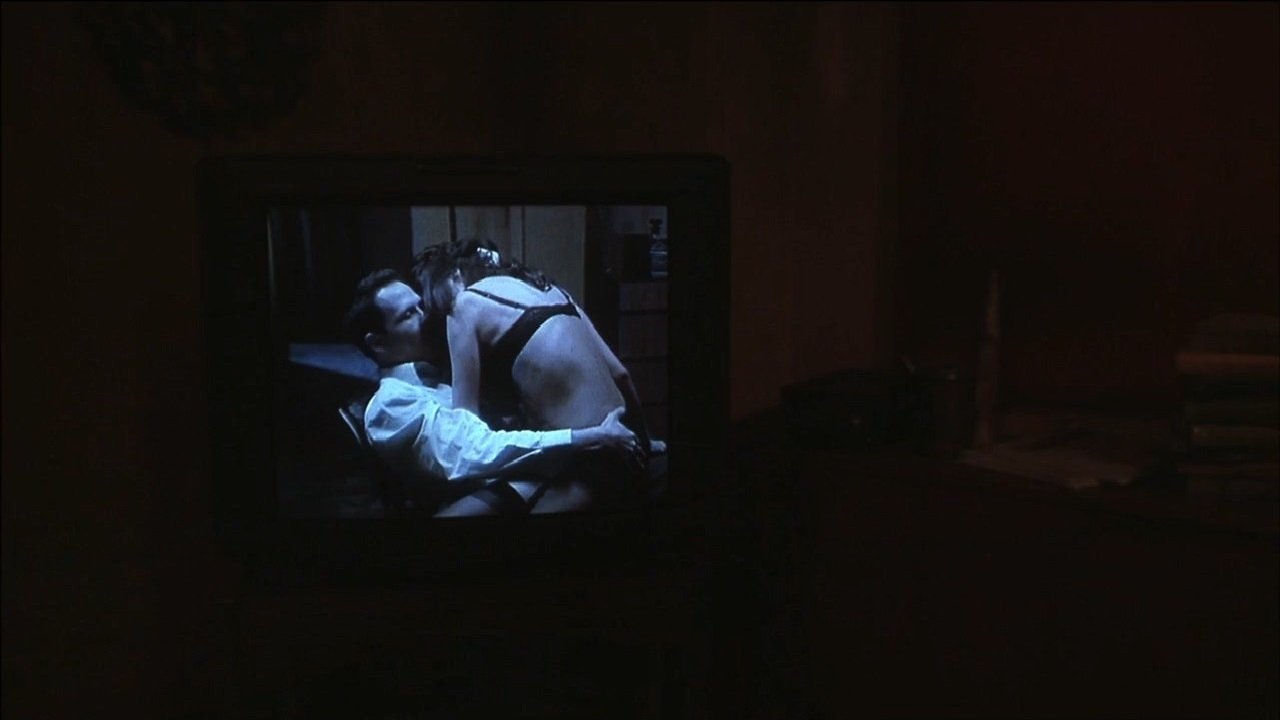
The film repeatedly denies Trevor a stable account of ordinary events. Conversations, intimate encounters and medical examinations change meaning as his apparent amnesia deepens. Bota's perspective turns the city into a succession of uncertain spaces where an object or person may appear familiar before assuming a threatening form. The technique shifts the horror away from an extended confrontation with the Cenobites toward the protagonist's fear that his senses cannot be trusted. Its structure shares a concern with personal culpability already present in Hellraiser: Inferno, although the two films use different characters and situations to reach that theme.
Richard Scheib's retrospective Moria review identifies the reality shifts as the film's most distinctive material while questioning whether their eventual explanation fits the mythology established by Barker. That is an interpretive judgment, not a fact about the writers' motives. A related tension is visible in the use of Kirsty: the audience remembers her resistance to the Cenobites, while the new story asks it to accept a different relationship between her and the Lament Configuration. By withholding the underlying circumstances until late in the film, Hellseeker makes recognition and doubt its main sources of suspense.
Creature Work and Constrained Appearances
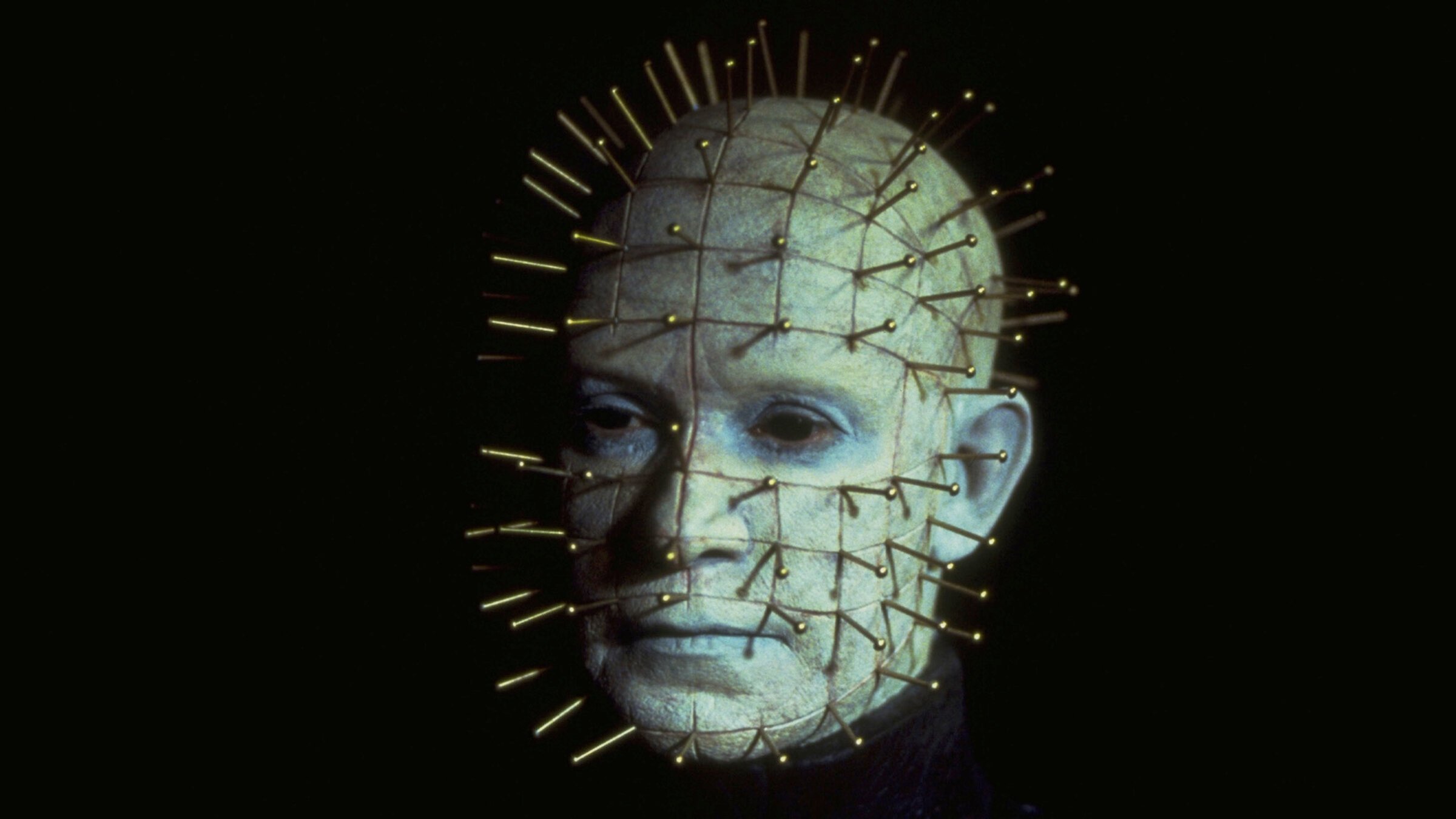
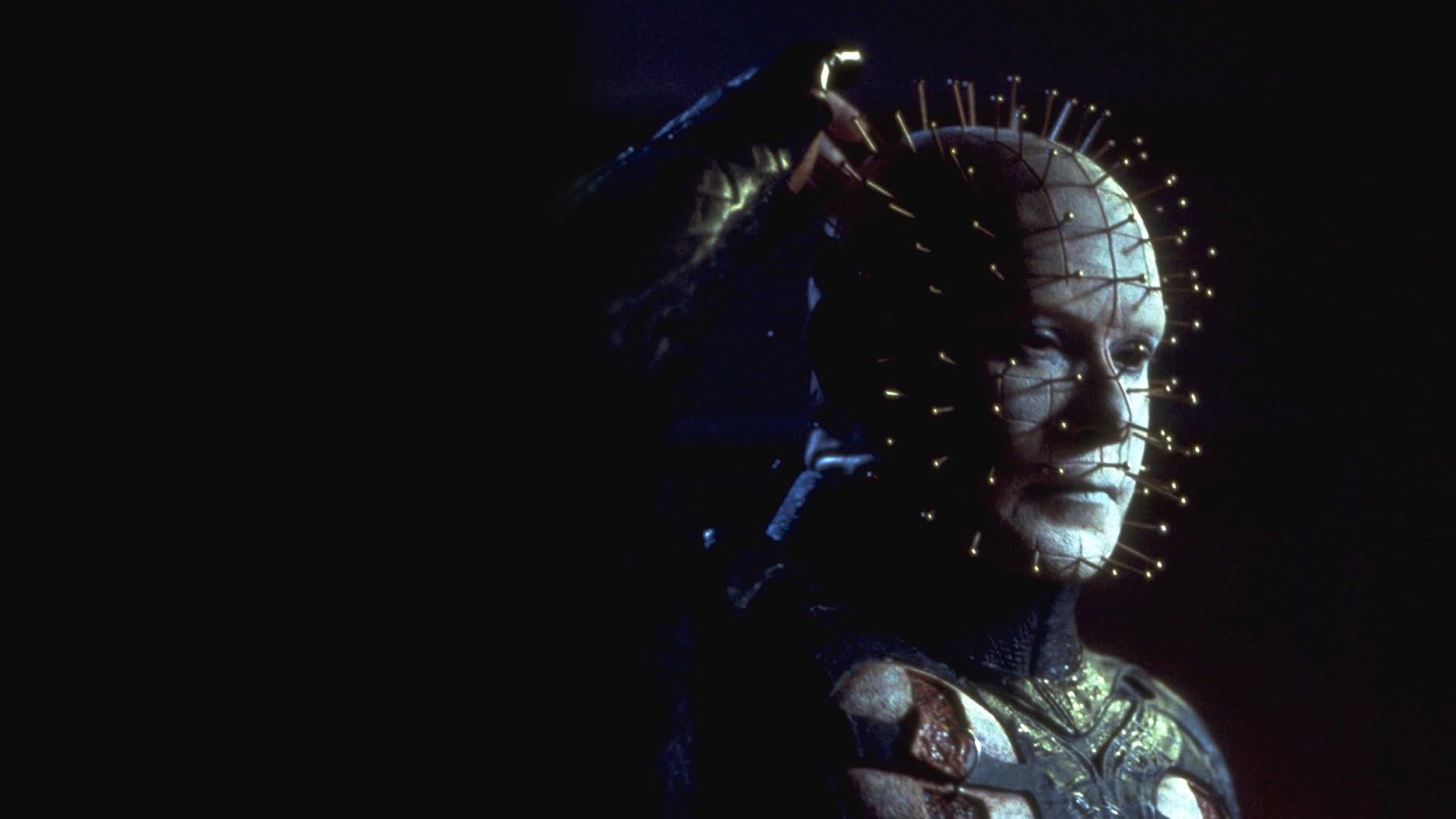
Bota told JoBlo that a familiar monster loses some of its capacity to surprise when viewers expect to see it. He wanted the threat to persist even while Pinhead remained largely outside the immediate action. This strategy offered a practical response to a recurring problem in the series: the Cenobites were simultaneously a source of horror and the advertised attraction. Bradley described collaborating with Bota on Pinhead's dialogue, while maintaining an interest in the character's established logic. The emphasis on controlled appearances therefore documents a directing preference; it does not establish that additional Cenobite scenes were photographed and removed.
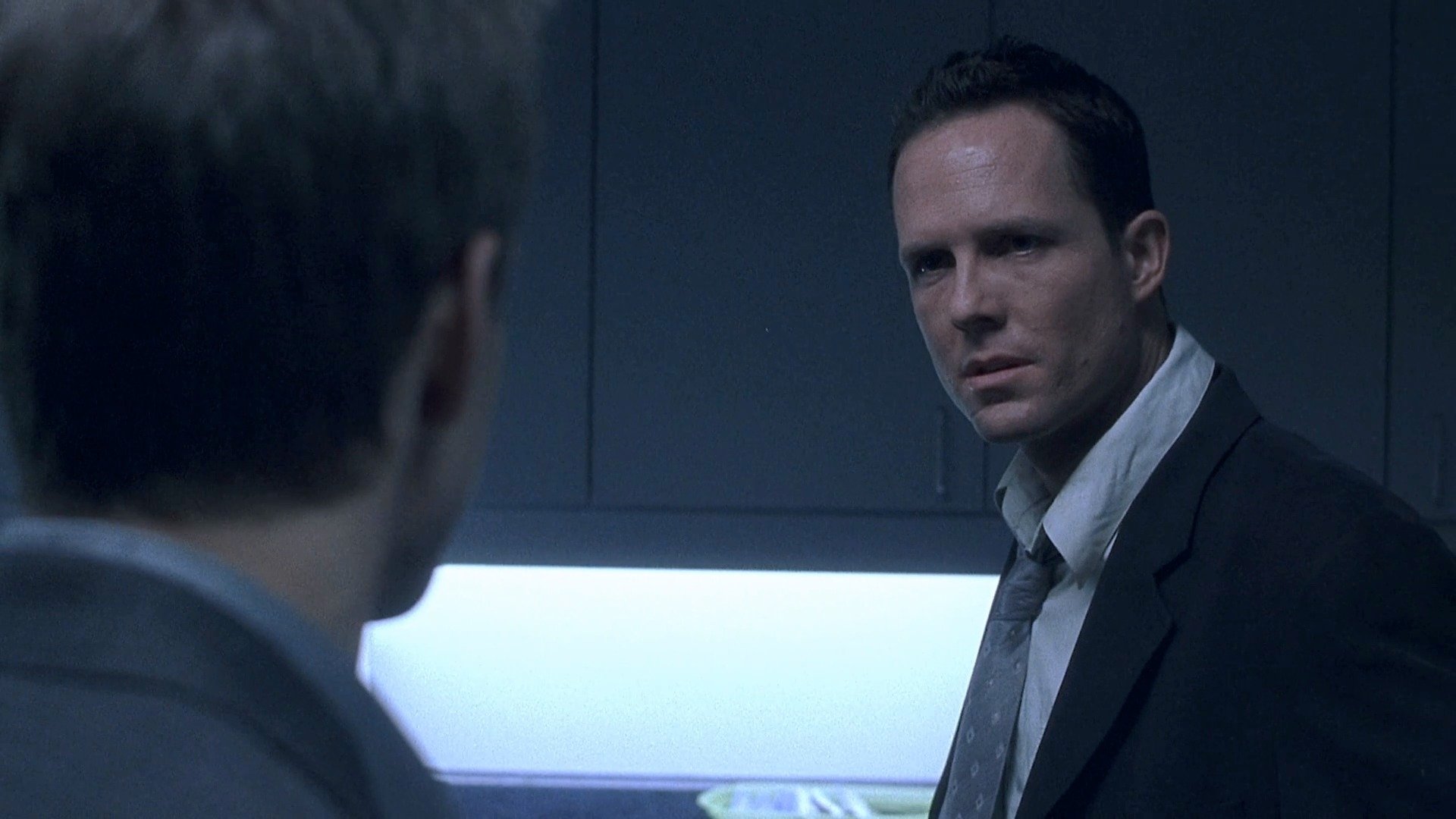
Makeup-effects specialist Gary J. Tunnicliffe offered a more tangible production account in remarks reproduced by the Barker archive. He recalled preparing the film for an unusually low fee and identified a silicone-eel effect involving Dean Winters, alongside new Cenobite designs that received little screen exposure. These are concrete examples of prosthetic work, not a complete inventory of the effects department. The eels turn an apparently impossible bodily intrusion into a brief physical event; glimpsed figures serve the uncertainty of Trevor's viewpoint. Such moments show how creature fabrication continued to support the franchise even as its narrative emphasis moved toward psychological disorientation.
Home-Video Release and Critical Position
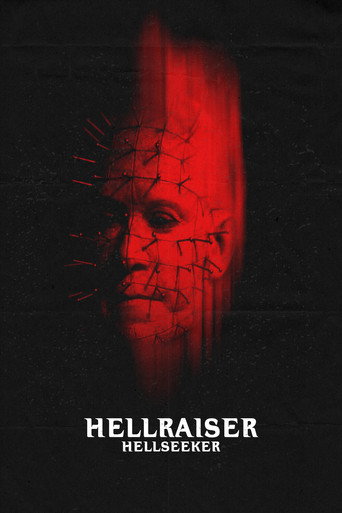
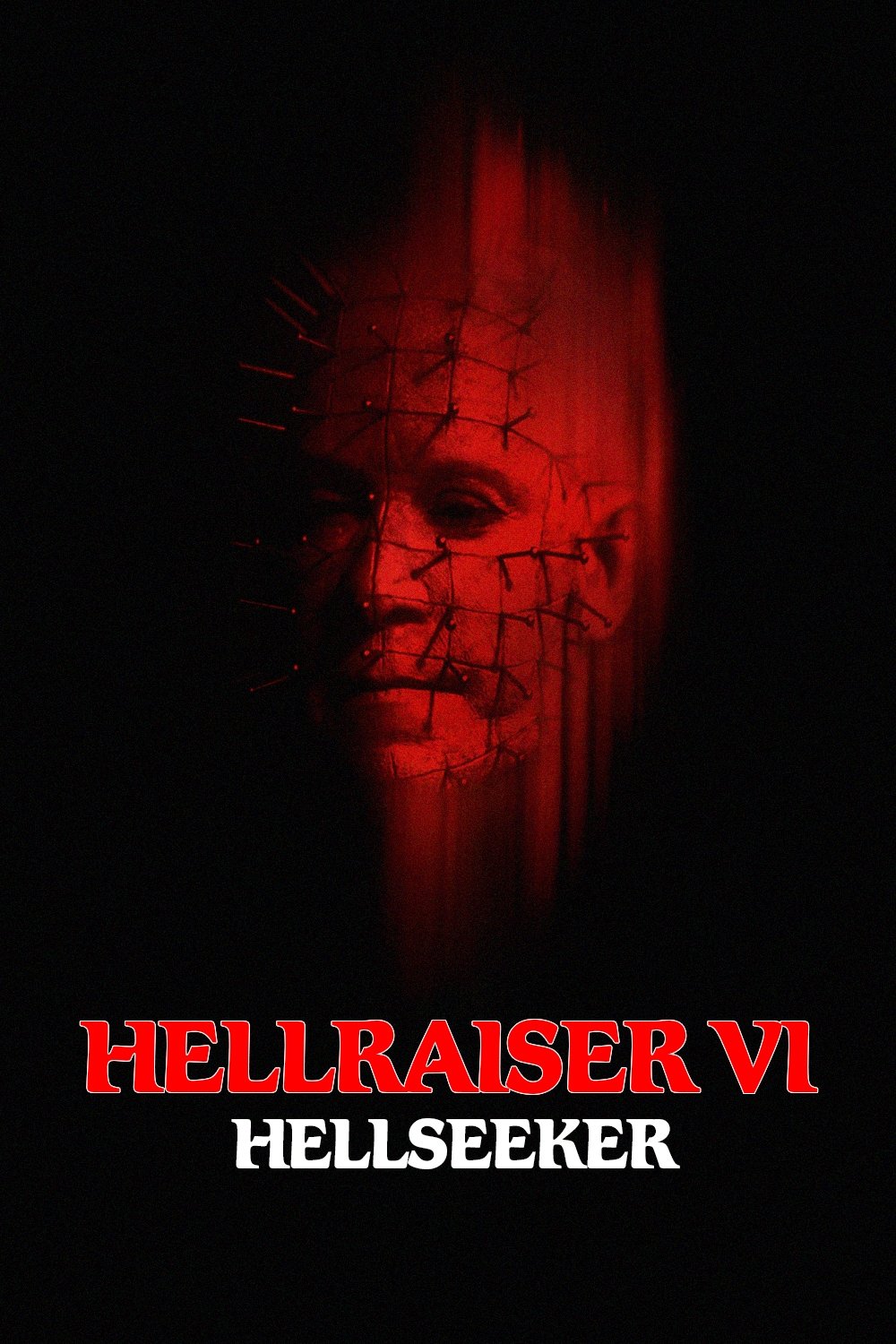
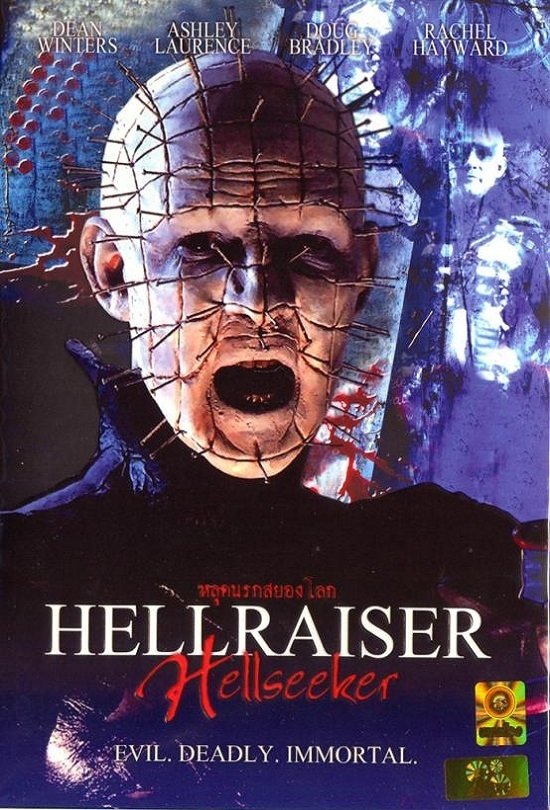
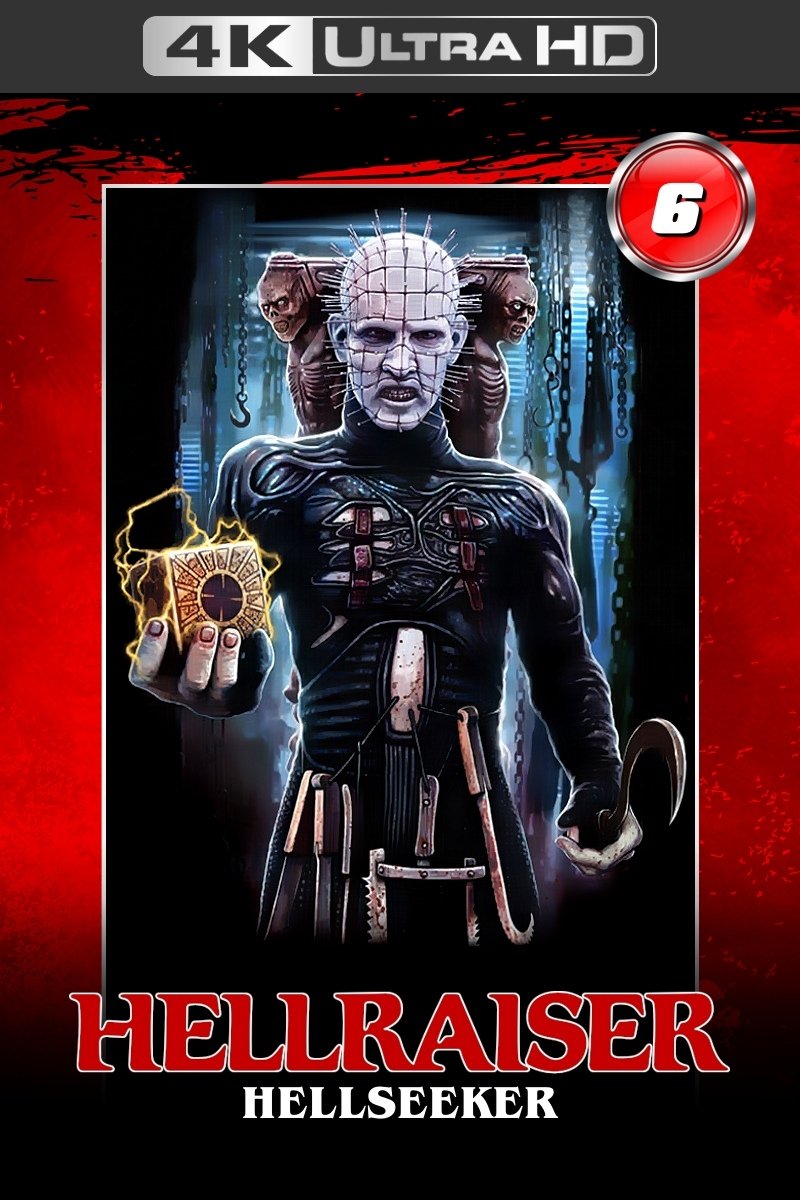
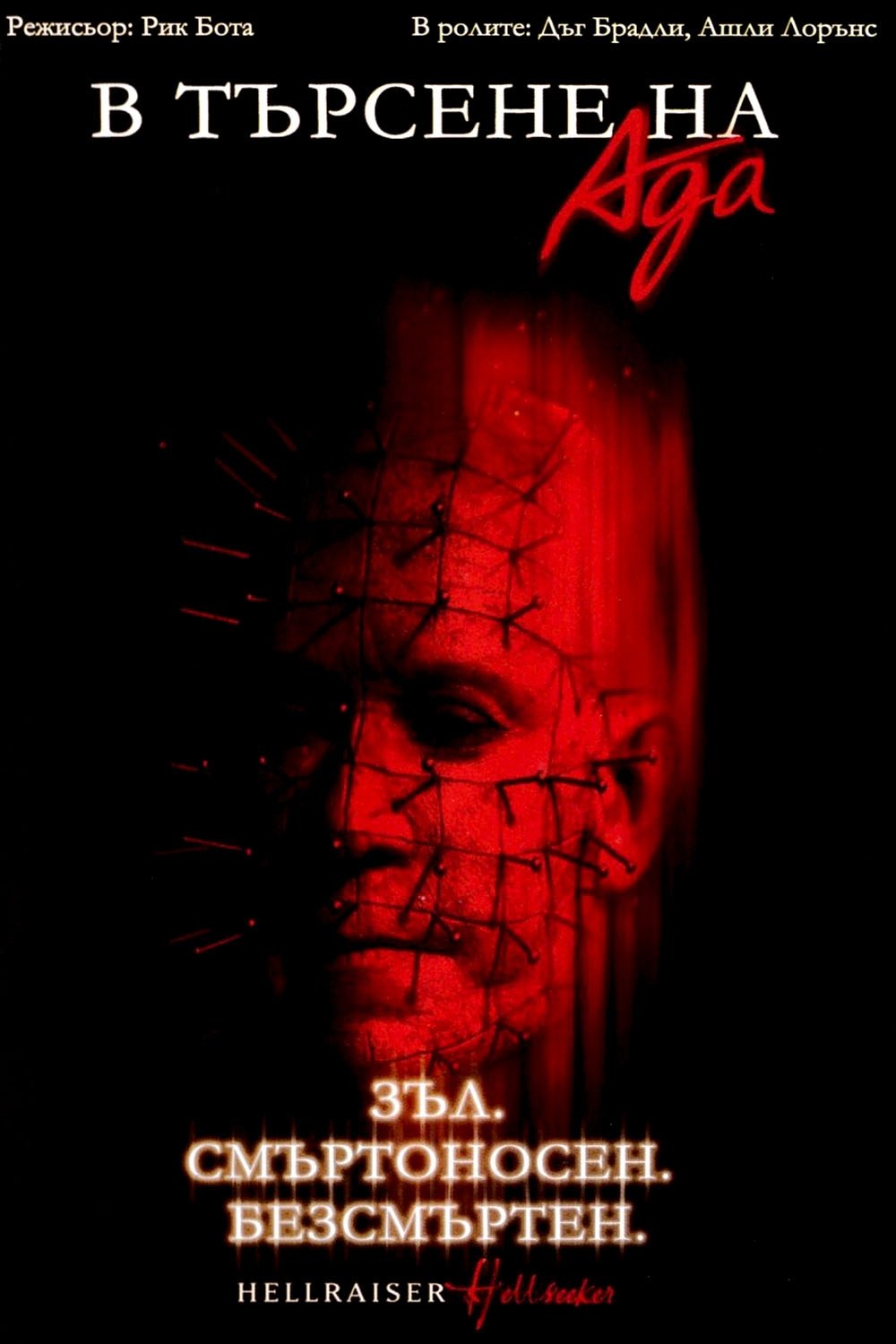
Hellseeker reached the United States on VHS and DVD in October 2002, bypassing the theatrical distribution that had accompanied the first four Hellraiser films. Bota later characterized these home-video productions as requiring efficiency because their resources and schedules were limited compared with theatrical features. His remarks concern the wider production arrangement, not a verified itemized budget for this film. The move also affected the role of the franchise name: Kirsty, Pinhead and the puzzle box linked a comparatively self-contained nightmare mystery to a series whose audience already expected elaborate transformations and occult mythology.
Critical writing records disagreement over that adjustment. In his detailed Moria analysis, Scheib found the dislocations of perception intriguing but objected to the explanation involving Kirsty and the Cenobites. His response should be read as one critic's later assessment, separate from the filmmakers' stated goals. Day also reported that Barker liked a version Bota showed him, but that is a secondhand account of Barker's reaction and cannot be elevated into an independently documented endorsement. Within the franchise, Hellseeker matters principally for its return of Kirsty and the visible transition toward lower-budget psychological scenarios, without evidence that it transformed the wider horror genre.