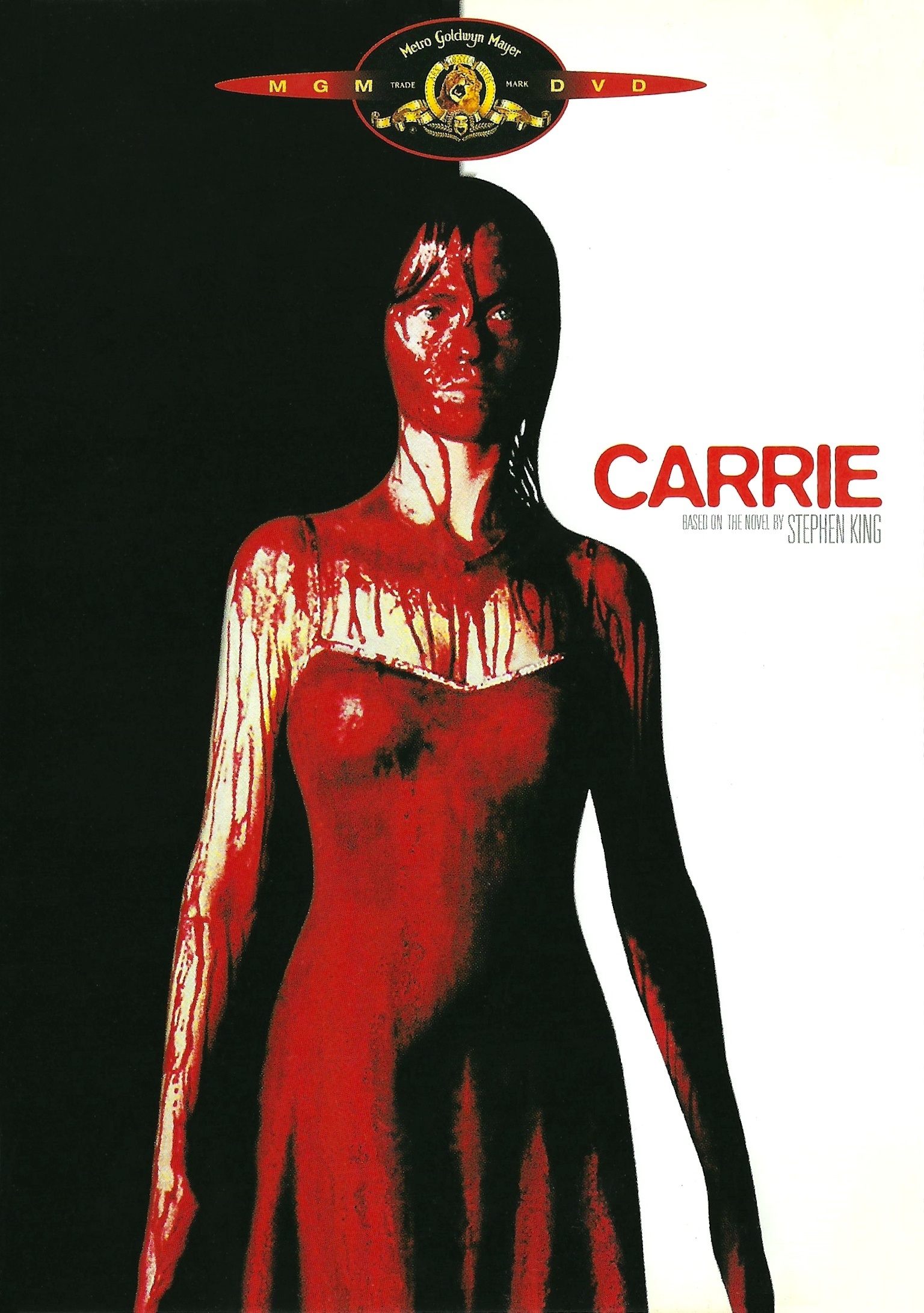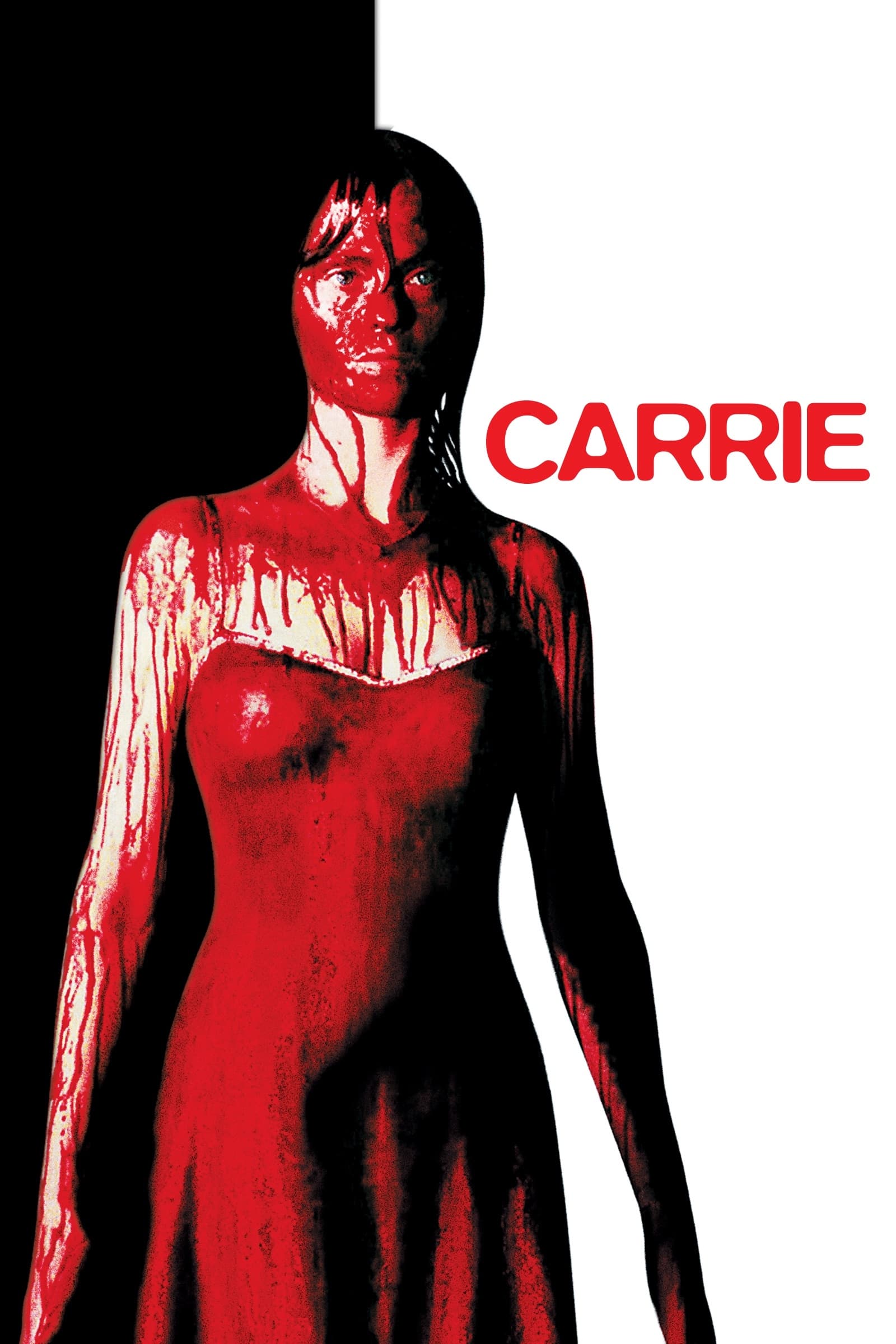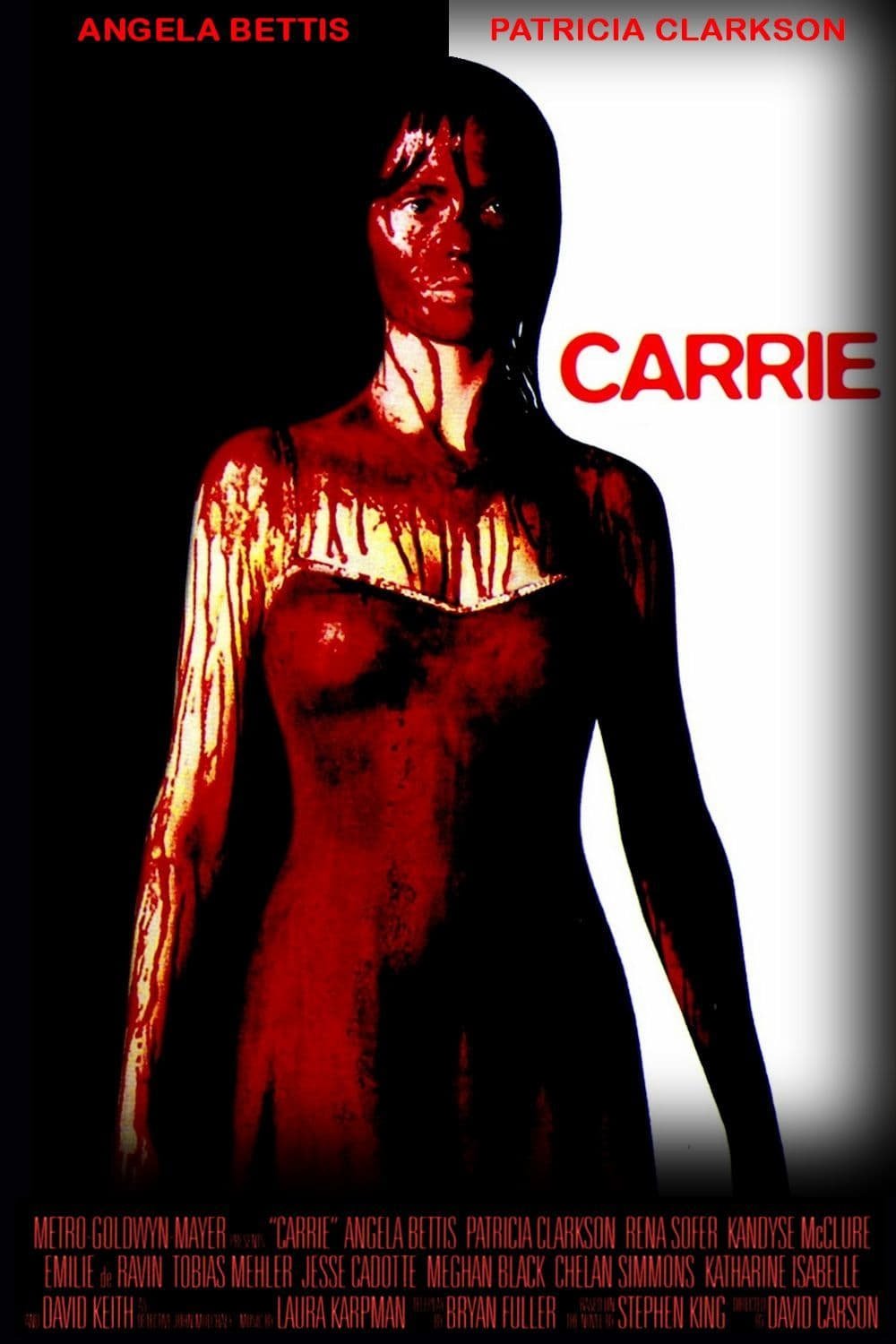
Carrie (2002)

US
4.5/10 4 votes
Runtime
132 min
Release
November 4, 2002
Budget
$5,000,000
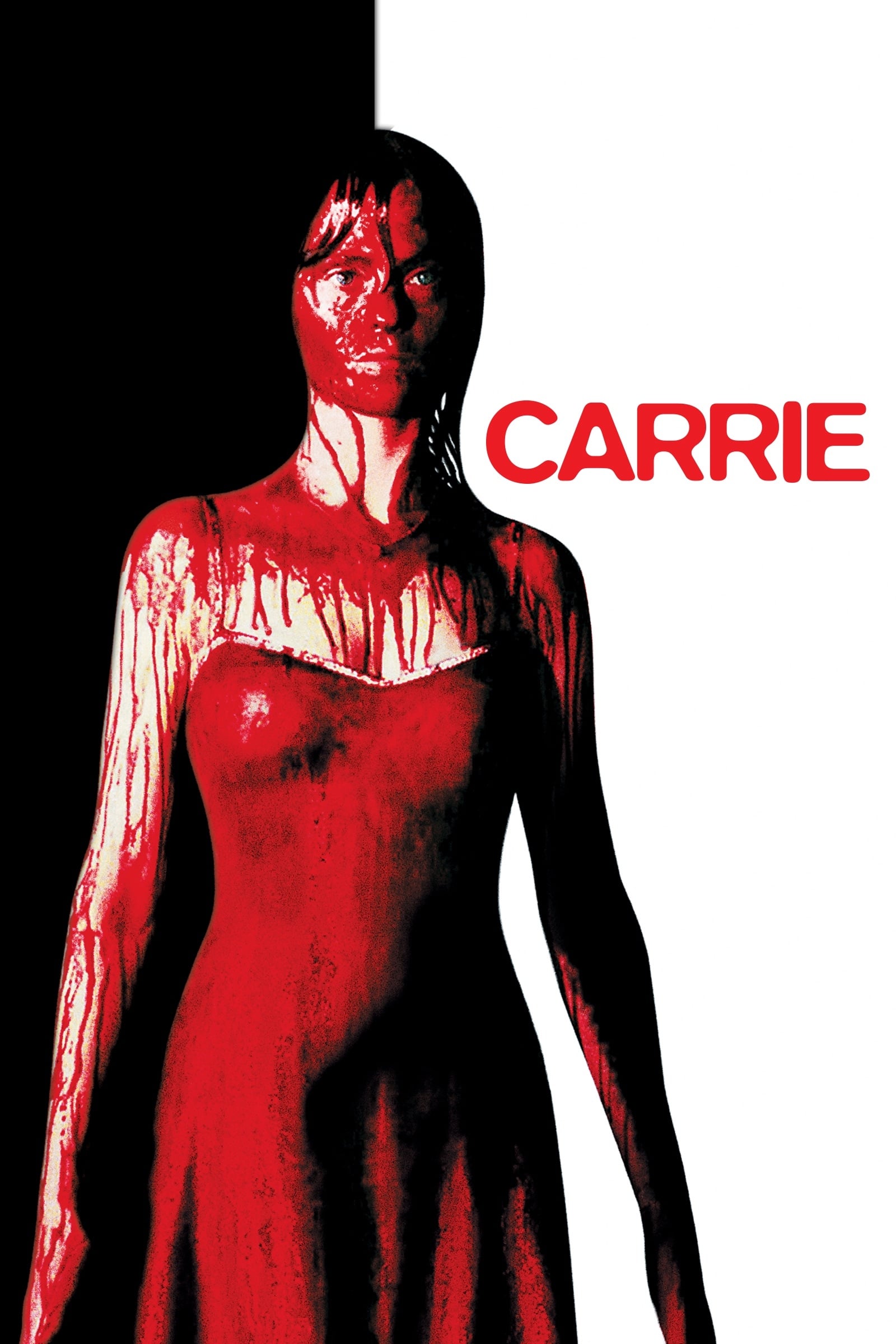
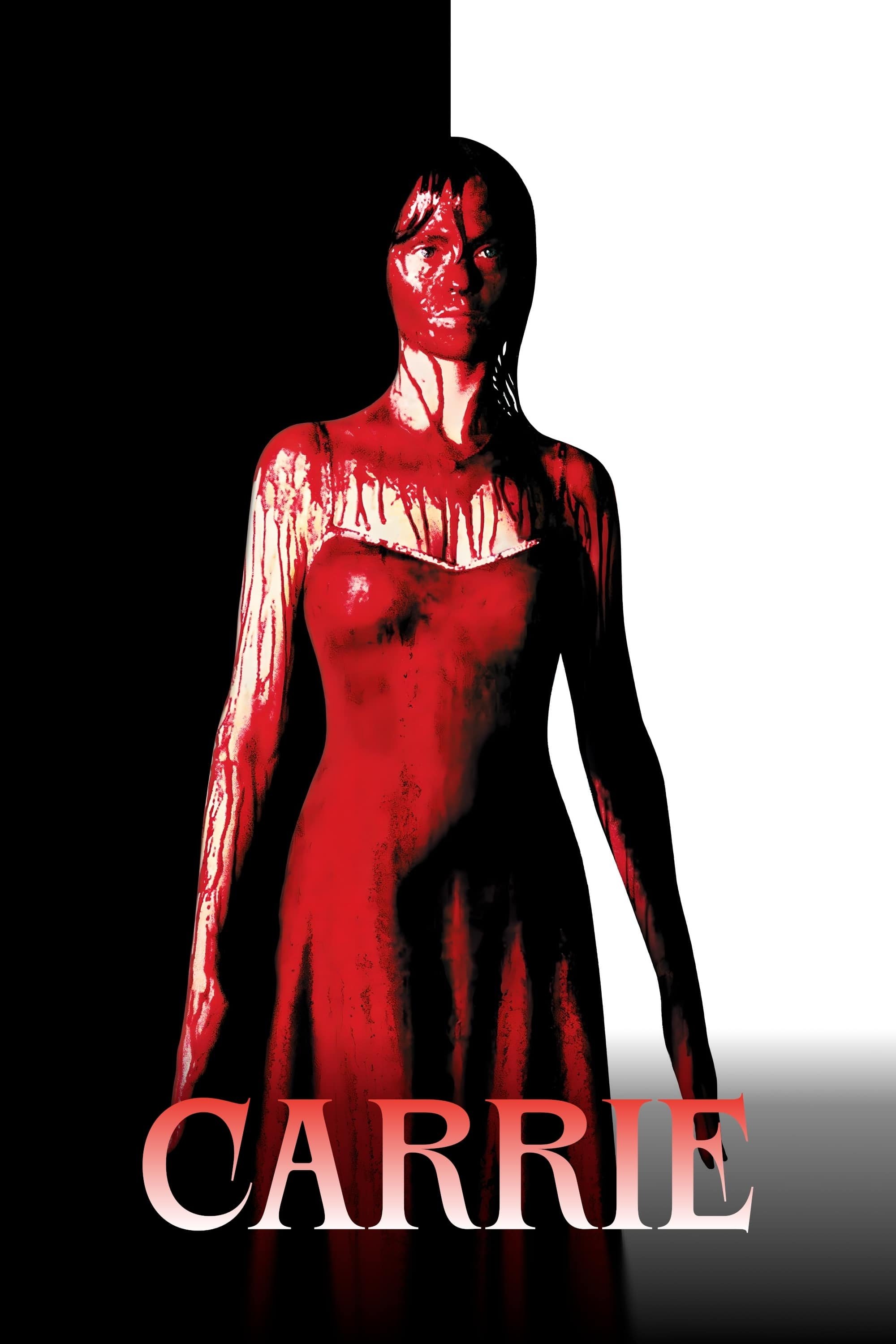
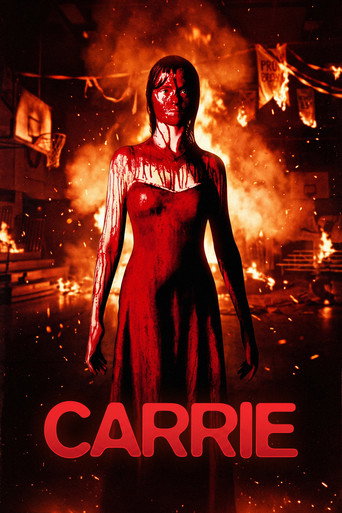
Carrie (2002) poster
Director
Production Companies
MGM Television , Trilogy Entertainment Group
Plot

After a devastating incident at Ewen High School, a police detective interviews witnesses about Carrie White, an exceptionally shy student raised by her religiously controlling mother. Their accounts reconstruct the harassment Carrie endured, a humiliating episode in the school showers and the gradual emergence of her telekinetic powers. Sue Snell regrets participating in the bullying and encourages her boyfriend Tommy Ross to take Carrie to the prom. Another student, Chris Hargensen, plots to destroy the evening. As testimony returns repeatedly to the approaching disaster, Carrie tries to reconcile the possibility of friendship with her growing abilities and her mother’s escalating fear. The investigation ultimately uncovers a catastrophe whose aftermath leaves an unexpected possibility for Carrie’s future.

Alternative Titles
Kerri (Azerbaijan) Кери (Bulgaria) — Bulgarian Carrie, A Estranha (Brazil) 魔女嘉莉 (China) — Chinese 魔女嘉莉 (Hong Kong SAR China) — Chinese Stephen King - Carrie (Hungary) — Hungarian キャリー (Japan) — Japanese 캐리 (South Korea) — Korean
Show all 11 alternative titles Carrie, a Estranha (Portugal) — Portuguese Кэрри (Russia) — Russian Керрі (Ukraine) — Ukrainian

Trailers & Videos

6 videos

Carrie (2002) Film Guide

David Carson and Bryan Fuller’s television adaptation: Bettis and Clarkson, Vancouver digital photography, the police-interview structure, telekinesis, an alternative ending and NBC reception.

David Carson’s Carrie (2002) is an American television adaptation of Stephen King’s 1974 novel, starring Angela Bettis as a high-school student whose telekinetic abilities become impossible to contain after prolonged humiliation. The film begins after a catastrophic prom night, when Detective John Mulchaey interviews witnesses to reconstruct what happened at Ewen High School. Their accounts lead back to Carrie’s isolation at school, the religious control exercised by her mother Margaret and a cruel conspiracy involving classmates. The familiar story is reorganized as an investigation, so that the extent of the disaster is known before the viewer learns how its victims and survivors reached it.

Written by Bryan Fuller and produced by MGM Television and Trilogy Entertainment Group for NBC, the film was photographed in Vancouver and first broadcast on 4 November 2002. Its extended running time restores some material and narrative devices from King’s novel, but its ending deliberately departs from both the book and Brian De Palma’s 1976 adaptation. Cinematographer Victor Goss used high-definition digital cameras, and the production made extensive use of computer-generated telekinetic effects. Its distinct identity rests on the police-interview structure, Bettis’s performance and the attempt to turn Carrie’s survival into the beginning of another story.

Development, Bryan Fuller and the Proposed Television Series

NBC announced the production in June 2002 as a new three-hour presentation of Stephen King’s novel, promoting scenes absent from the 1976 film. David Carson directed Bryan Fuller’s teleplay, with Fuller, Pen Densham, Mark Stern and John Watson serving as executive producers. The project emerged through MGM Television and Trilogy Entertainment Group. Its length and television format allowed the adaptation to retain a wider selection of school incidents and secondary characters than De Palma’s considerably shorter feature.

To build suspense around an already familiar catastrophe, Fuller began after the event and reconstructed the violence through questioning. In a contemporary Deseret News interview, he explained that withholding the outcome of such a famous story seemed less interesting than showing that something terrible had happened and gradually revealing the circumstances. Fuller later recalled a disagreement between a network interested in a movie of the week and a studio seeking the possibility of a continuing series. The finished telefilm was consequently designed to function as a potential series-launching pilot.

That ambition required a version of Carrie White who could live beyond the events of the original story. Fuller rejected the idea of transferring the supernatural premise entirely to a new character and instead allowed Carrie to survive. His stated concern was that the victimized protagonist should have to confront the consequences of her own destructive powers rather than suffer another irrevocable defeat. No continuing series followed the television film. The alternate ending therefore belongs to a documented development strategy, not to a forgotten ending written by King.

Vancouver Production, Digital Photography and Effects

Filming began in Vancouver, British Columbia, in June 2002. The NBC production announcement identified Carson, Bettis and Patricia Clarkson among the principal creative personnel and presented digital effects as a significant part of the remake. Contemporary technical reporting supplies more specific information. Panasonic’s November 2002 production bulletin identified Victor Goss as director of photography and reported that five AJ-HDC27 VariCam cameras were used across the main and second units during a seven-week shoot. Stargate Films provided visual effects, while Rainmaker Entertainment Group handled laboratory and post-production services.

Goss described choosing the high-definition VariCam system for its colour reproduction and response to bright highlights. The production generally photographed at twenty-four frames per second but also employed higher frame rates for slow motion and effects work. Those choices gave the filmmakers options when presenting supernatural movement and the moments preceding the prom disaster.

The contemporary North American locations give the material a different visual environment from De Palma’s 1976 film. School corridors, ordinary homes and police interview spaces supply the everyday setting in which Carrie’s abilities become increasingly conspicuous. A larger range of telekinetic disturbances, including events beyond the school, extends the scale of destruction.

Angela Bettis, Patricia Clarkson and the White Household

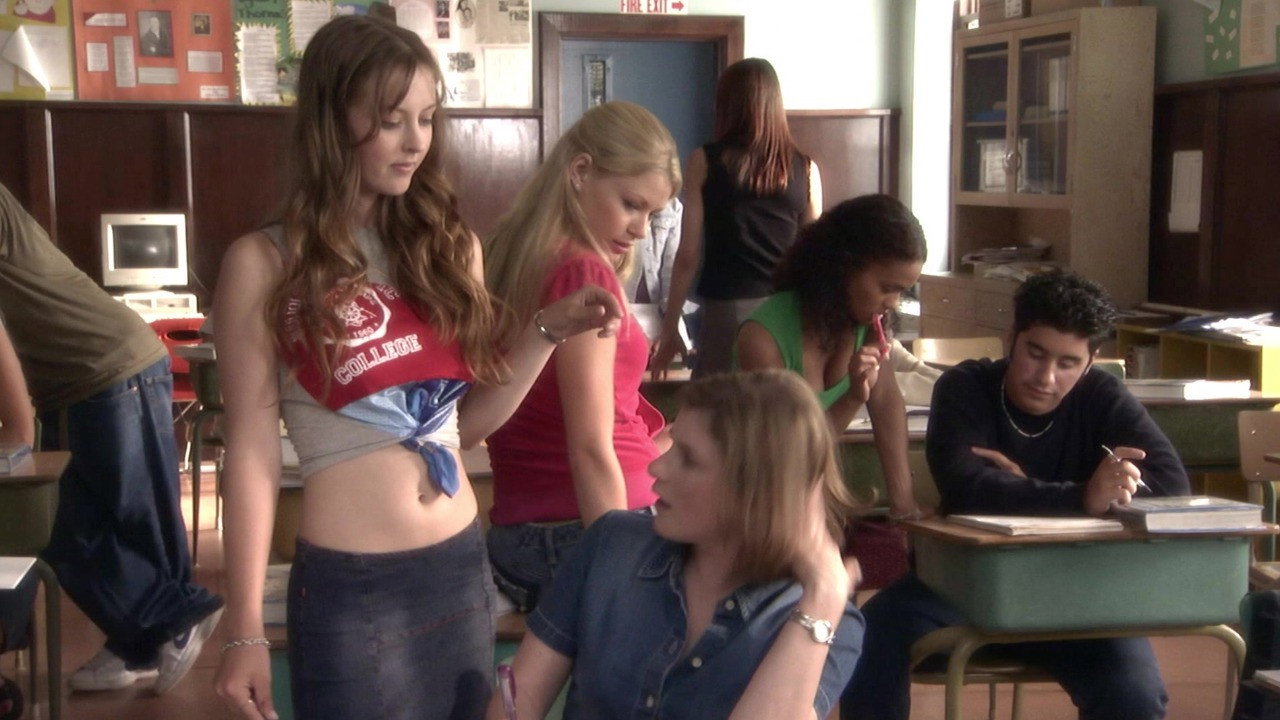
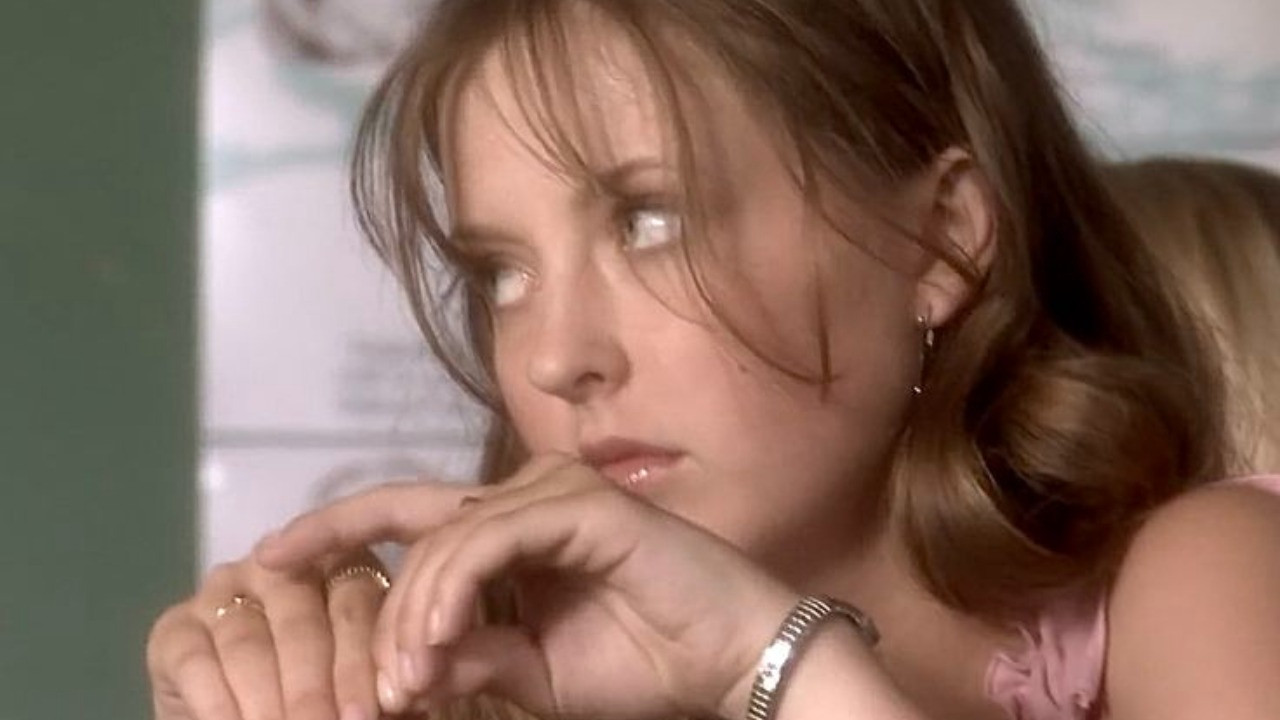
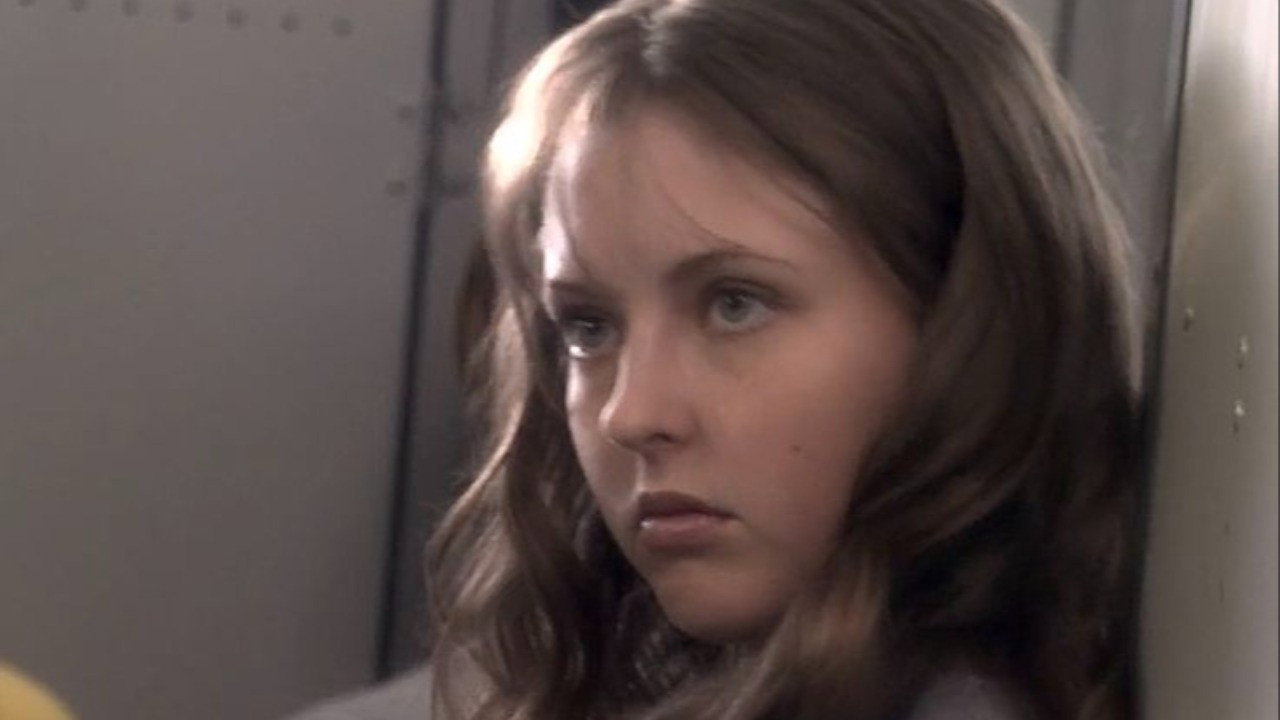
Bettis portrays Carrie as withdrawn and visibly uncomfortable around classmates who treat her ignorance and vulnerability as material for entertainment. The opening humiliation follows her first menstrual period in the school shower, when she does not understand the bleeding and her classmates respond with mockery. Her fear is connected to an upbringing that has withheld ordinary information about her body. Bettis gives the role a wary, unsettled quality rather than reproducing Sissy Spacek’s performance gesture for gesture.

Patricia Clarkson plays Margaret White, whose severe religious beliefs have become a justification for controlling her daughter. Margaret treats menstruation, sexuality and social independence as moral dangers, repeatedly turning domestic life into a place of accusation and confinement. The adaptation presents her as frightening through the authority she claims over Carrie rather than through a supernatural power of her own. Their scenes locate the roots of Carrie’s isolation in a household where parental love has been displaced by fear, punishment and religious certainty.

Carrie’s discovery that she can move objects offers a form of agency she has never possessed, but the ability arrives without the security or emotional preparation needed to use it safely. Her efforts to participate in ordinary teenage life therefore expose her to danger at home and at school. The final confrontation with Margaret brings those two experiences together, making the violence inseparable from years of domination and humiliation.

Sue Snell, Chris Hargensen and the Prom Conspiracy

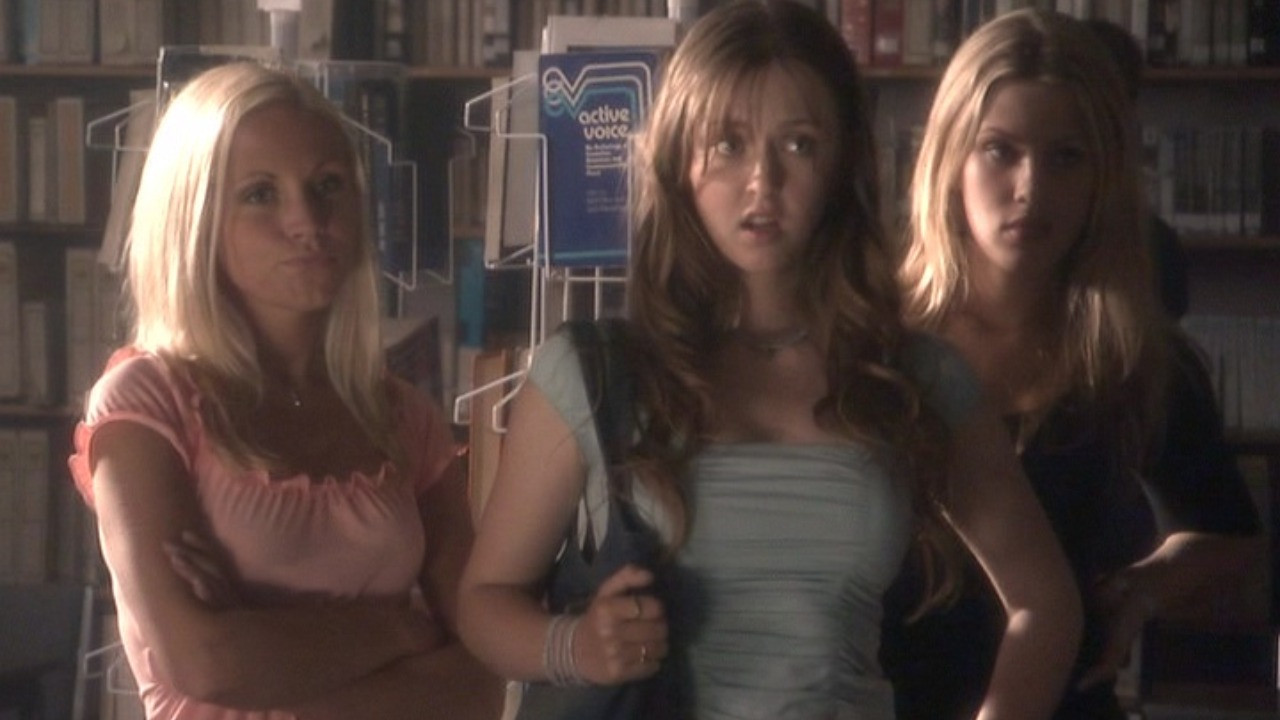
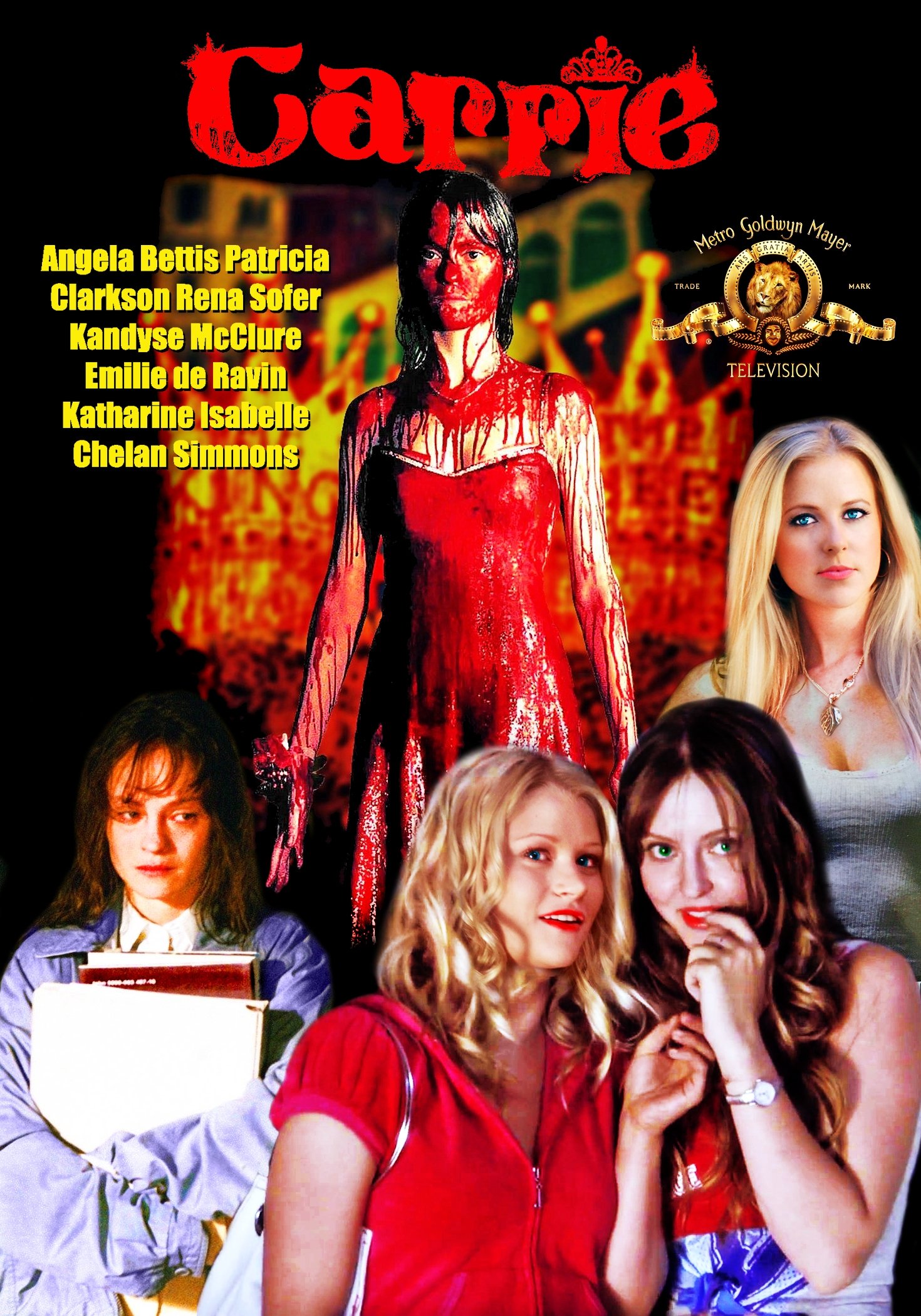
The school story distinguishes between cruelty, complicity and the attempt to make amends. Kandyse McClure plays Sue Snell, who participated in the early bullying but later recognizes the damage done to Carrie. She persuades her boyfriend Tommy Ross, played by Tobias Mehler, to invite Carrie to the prom. Rena Sofer’s gym teacher Rita Desjarden is one of the few adults who sees the bullying as a serious wrong and tries to make the students accept responsibility. These actions do not erase Carrie’s distrust, but they briefly allow her to experience school as something other than a place of punishment.

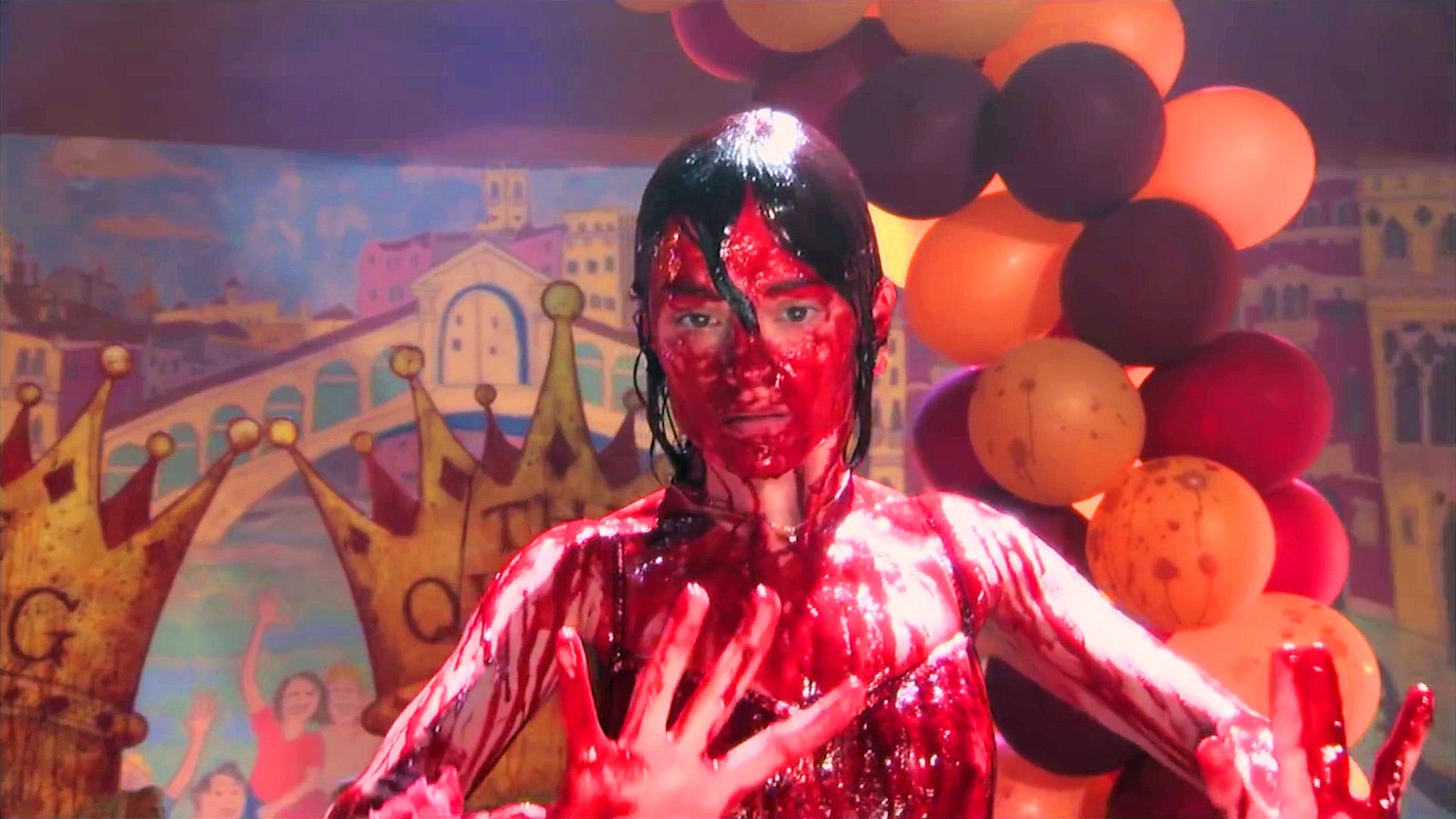
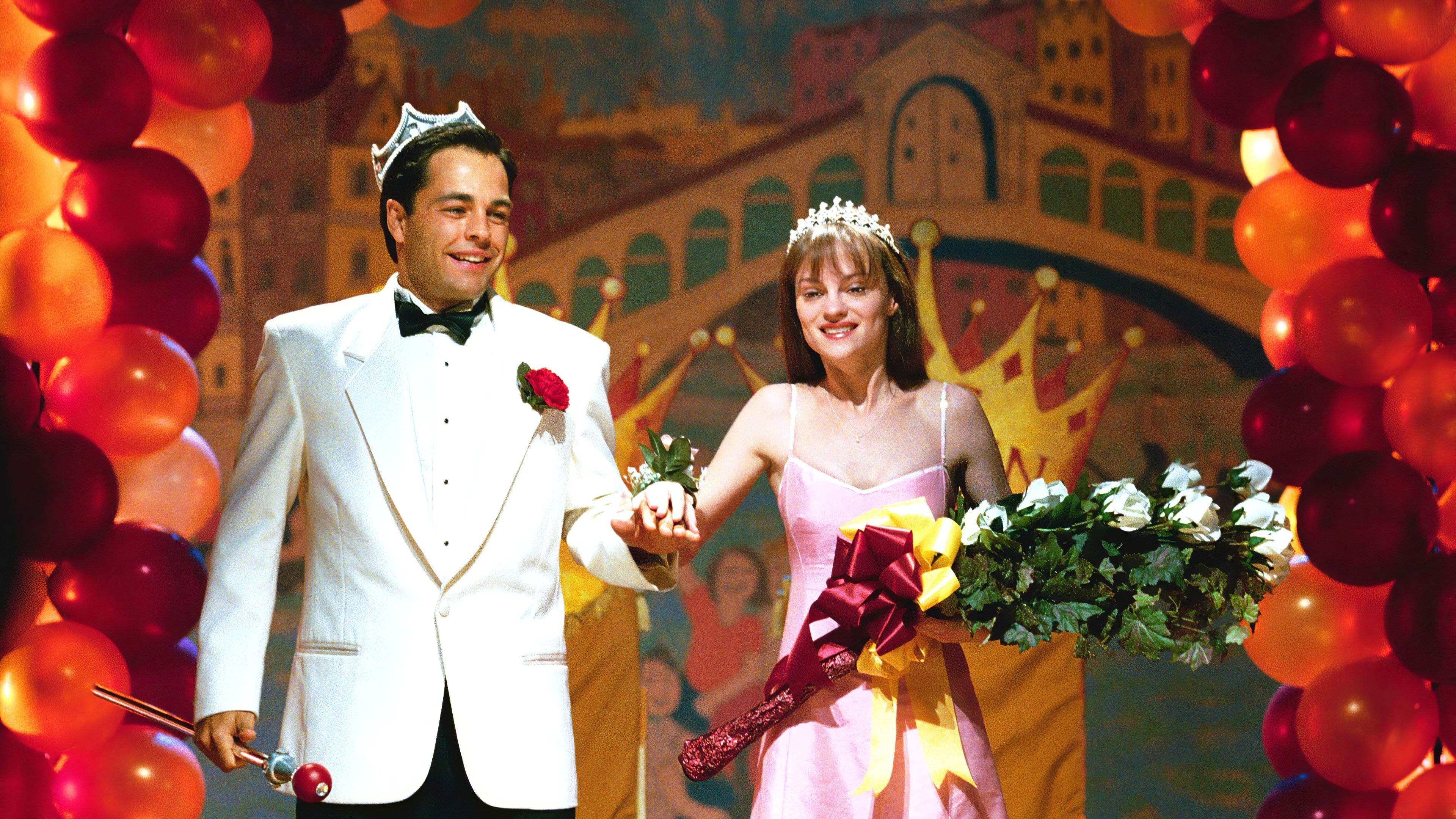
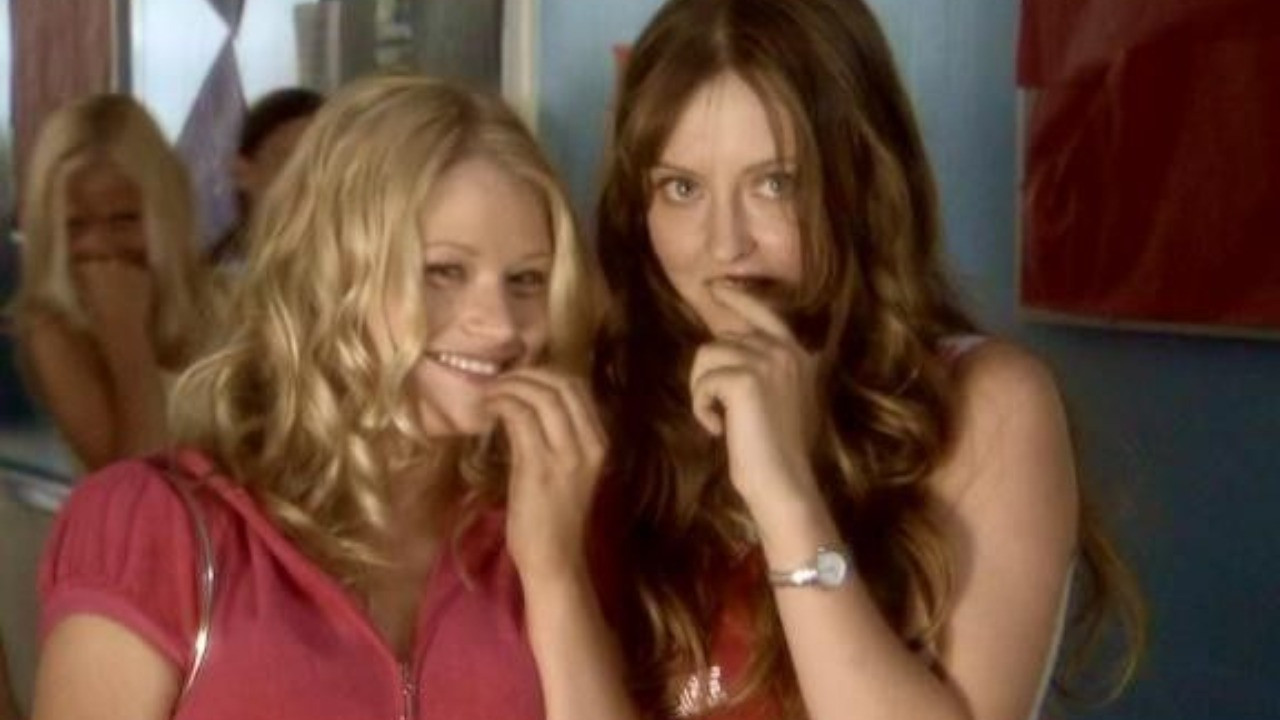
Emilie de Ravin’s Chris Hargensen refuses such accountability. With Billy Nolan, played by Jesse Cadotte, she arranges the humiliation involving a bucket of pig’s blood and a manipulated prom vote. The prank depends on exploiting a genuine act of kindness: Carrie’s invitation becomes the means of putting her on display. The moments leading to the crowning create dread from a danger that viewers can see but Carrie cannot.

The subsequent catastrophe transforms a carefully organized school celebration into mass injury and panic. The adaptation emphasizes the scale of that disaster and the consequences for people beyond those who planned the prank. Carrie’s power is not a precise instrument that punishes only the individuals responsible.

Witness Testimony, Flashbacks and the Prom Disaster

The investigating detective, played by David Keith, questions survivors about Carrie, her classmates and the events preceding the school disaster. The resulting flashbacks make the narrative resemble the assembled testimonies and documents used in King’s novel, even though the film does not reproduce every element of the book’s structure. The audience receives pieces of an already completed catastrophe through people whose understanding is incomplete and sometimes self-protective.

Fuller described the opening investigation as a deliberate response to an audience that already knew the outcome of the prom. It changes the source of suspense from whether the disaster will occur to how the characters interpret a chain of increasingly visible warnings. Statements by survivors also make the high school a community under scrutiny after the fact.

The prom sequence retains the central symbols of the established story, including the election of Carrie as queen and the blood dropped from above. Carson enlarges the physical consequences with effects that show objects and parts of the building responding to her rage. Contemporary criticism diverged over the result. Some writers considered the additional structure useful, while others judged the visible effects too frequent and the protracted climax less effective than De Palma’s concentrated staging.

Carrie’s Survival and the Rewritten Ending

The largest departure from King occurs after Carrie returns home. Margaret attempts to kill her, and Carrie’s powers become the means of resisting that attack. Instead of ending in Carrie’s death, the television film allows Sue to discover that she is alive and help her escape. The ending transfers the focus from the destruction already committed to the uncertain possibility of living with its consequences. It also gives Sue’s earlier remorse a concrete expression: her effort to help Carrie continues after the catastrophe rather than being confined to a final moment of guilt.

This change was neither an incidental censorship requirement nor a rediscovered alternative from the original novel. Fuller explained during the film’s launch that a series called Carrie would need Carrie herself, and that allowing the character to survive introduced unresolved responsibilities rather than simply cancelling what had happened.

De Palma’s version places Carrie's destruction and the destruction of her persecutors within an essentially closed tragedy. Carson’s film leaves the consequences open and encourages viewers to consider the possibility of recovery after catastrophic violence. Whether that opening strengthens the character or diminishes the bleak force of King’s ending remains a matter of interpretation. Its historical significance is clearer: the alteration makes visible the commercial and creative ambitions of a television project planned with a potential afterlife.

NBC Broadcast, Contemporary Criticism and Later Circulation

NBC premiered Carrie on Monday, 4 November 2002, in a three-hour evening slot, with advertising included in that broadcast duration. Copies of the completed film are generally catalogued at approximately 132 minutes, a different measurement from the network schedule. NBC promoted the production as a more expansive treatment of the novel, including material left out of De Palma’s film. Its television classification and commercial interruptions were part of its original presentation, distinguishing it from a conventional theatrical release. Later DVD and Blu-ray circulation enabled comparison of the work outside the network schedule.

The reviews were mixed and often strongly critical. Josh Friedman’s contemporary Los Angeles Times assessment objected to the early display of digital effects and found that the remake’s greater fidelity to parts of the novel did not produce greater suspense. Mike McDaniel, writing for the Houston Chronicle, praised Bettis and Clarkson but considered the extended closing act slow and predictable. Other assessments found merit in Fuller’s flashback structure and the attempt to revisit the story from a new perspective. The distinction between praise for performances and criticism of the film’s construction is important to a balanced account of its initial reception.

The unmade sequel series remained a central topic in later discussion of the adaptation. Retrospectives have examined the survival ending as a departure that reveals the possibilities and limits of adapting a widely known tragedy for continuing television. It remains a useful example of how the demands of television scheduling, new recording technology and a prospective series can reshape the interpretation of a familiar horror novel.

References

  1. NBC / Contemporary Press Release NBC Three-Hour Movie Event Carrie Begins Production

    Network announcement dated 28 June 2002 documenting the Canadian shoot, leading performers, teleplay by Bryan Fuller, director David Carson, production companies and visual-effects arrangements.

  2. Deseret News Carrie Is Back — Scott D. Pierce

    Contemporary 4 November 2002 interview with Bryan Fuller explaining the post-disaster witness structure, cultural familiarity with the story and Carrie’s survival as a proposed series premise.

  3. Panasonic Broadcast / DV Info Net Carrie Shot with Panasonic VariCam HD Camera

    Reproduced 4 November 2002 production bulletin featuring first-person comments by cinematographer Victor Goss on the Vancouver shoot, high-definition camera settings and visual-effects workflow.

  4. Los Angeles Times If Only Carrie Could Use Her Power Against Remakes — Josh Friedman

    Contemporary review of the NBC premiere assessing the longer adaptation, telekinetic digital effects, cast and the comparison with Brian De Palma’s 1976 film.

  5. CinemaBlend Adapting Stephen King’s Carrie: The 2002 TV Movie Remake Shows Sympathy for the Devil

    Detailed analysis of the differences between the novel, the 1976 film and the 2002 adaptation, including the police structure, alternate ending and unproduced television continuation.

Connections

Cast

View Full Cast & Crew →

Release & Distribution

Production Companies (2)

  • MGM Television US
  • Trilogy Entertainment Group US

Distributors (1)

  • Metro-Goldwyn-Mayer US

Release History (7)

Release DateTerritoryRelease TypeFormatDistributorCertificationNotes
2002-11-04 Canada TV — — R
2002-11-04 United States TV — — NR
2002-12-31 Germany TV — — 16
2003-05-18 Ireland Digital — — G
2004-12-04 Brazil Digital — — 14
2004-12-04 Hungary Digital — — KN
2005-06-02 Australia Physical DVD — PG DVD
If only they knew she had the power.