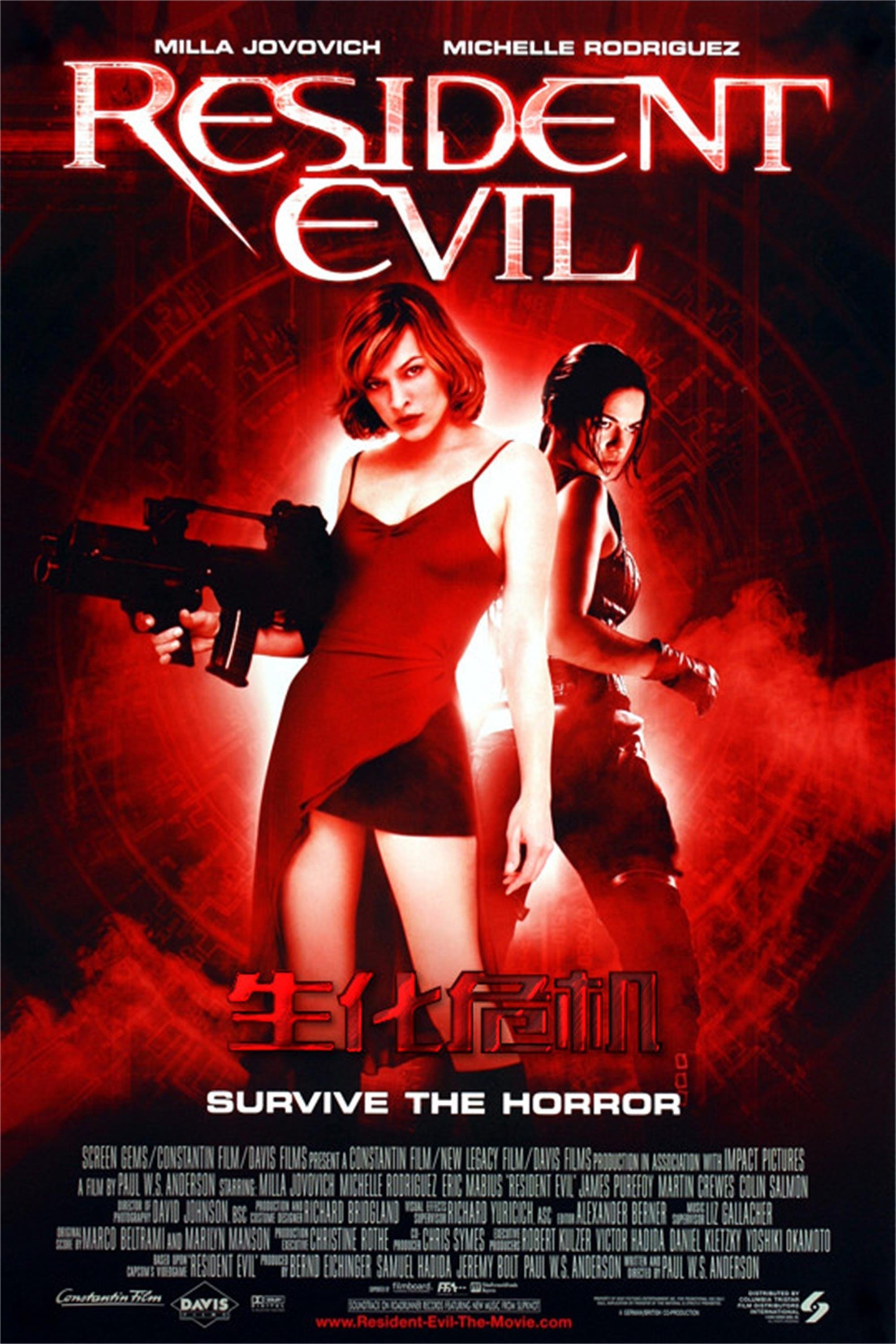
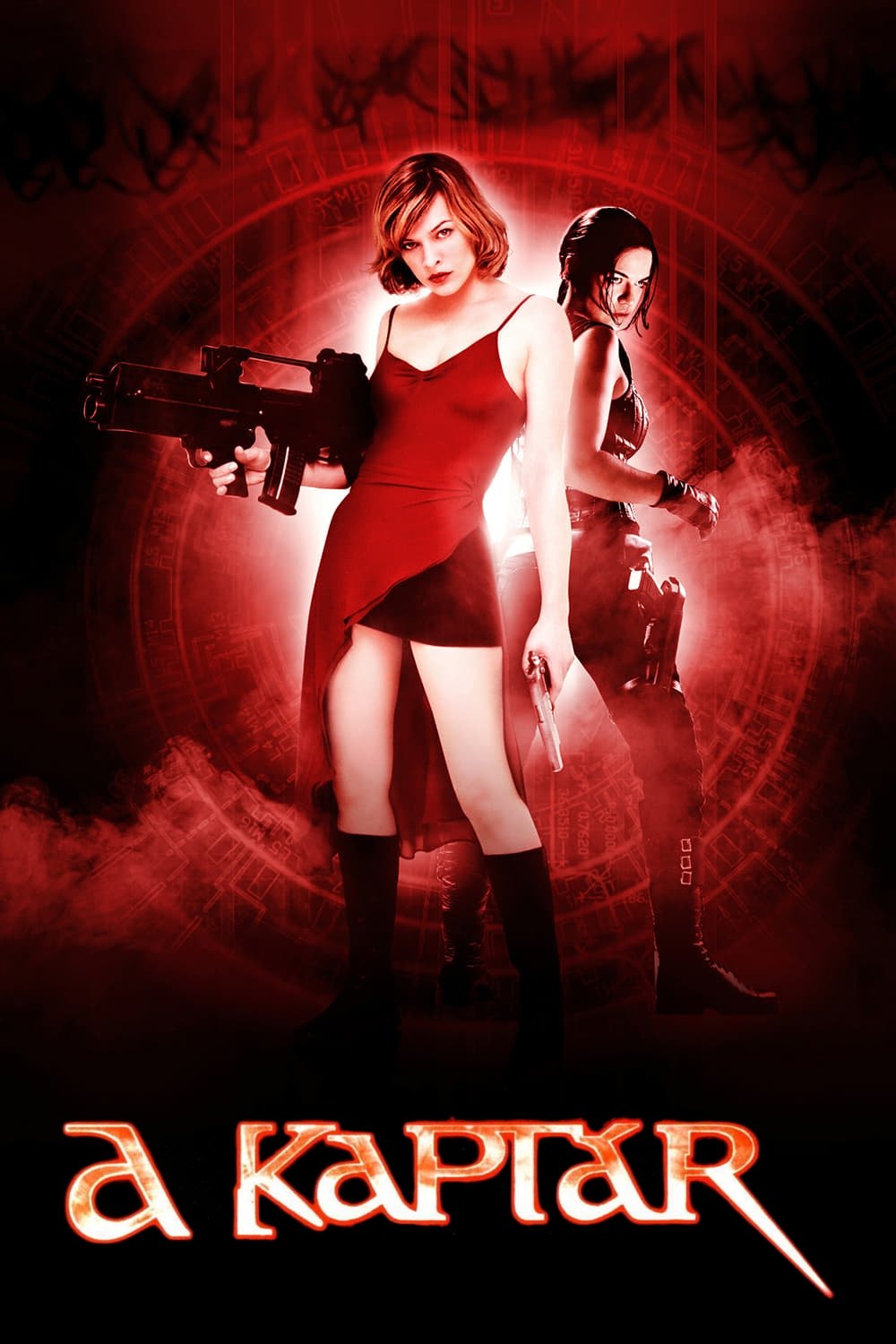
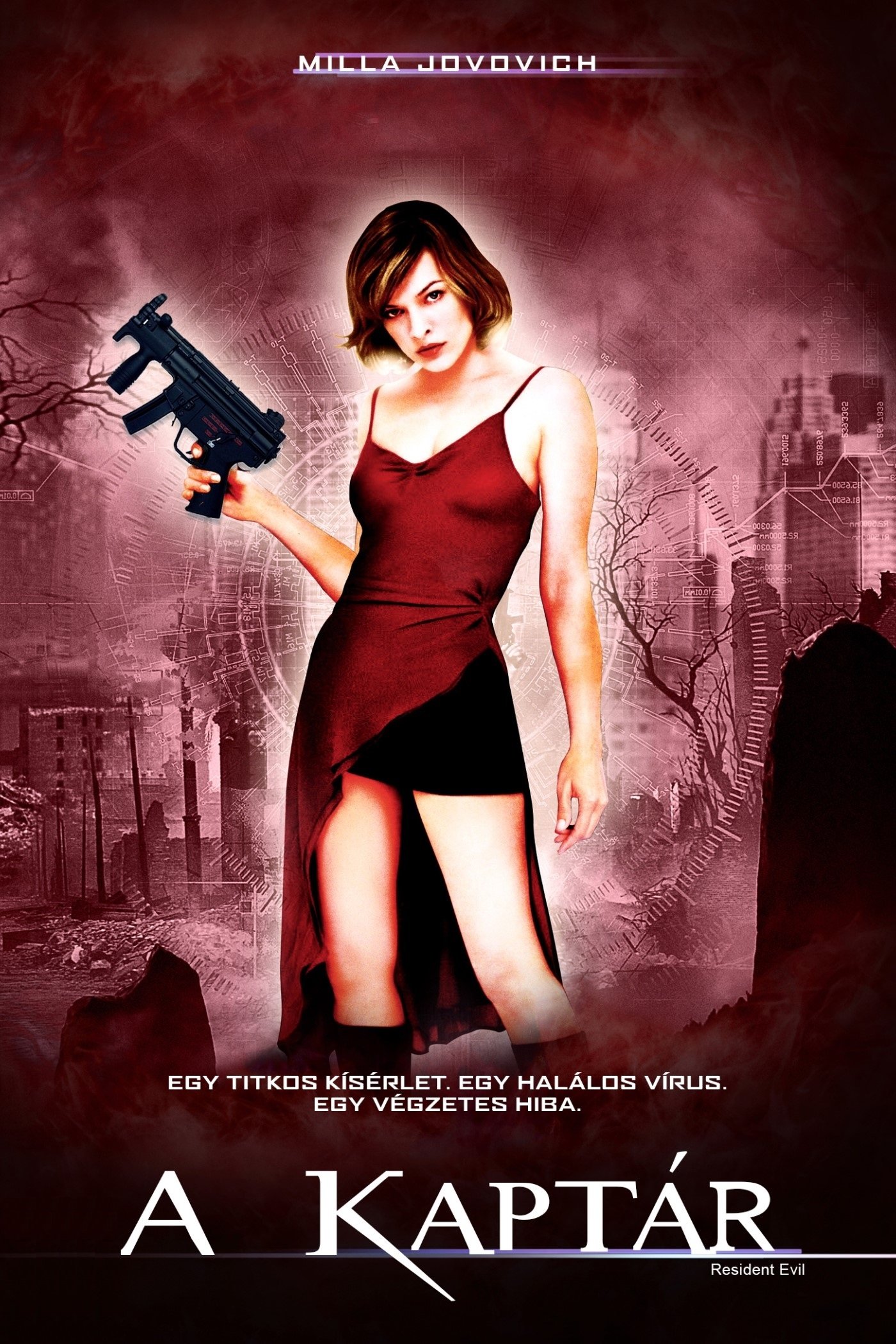
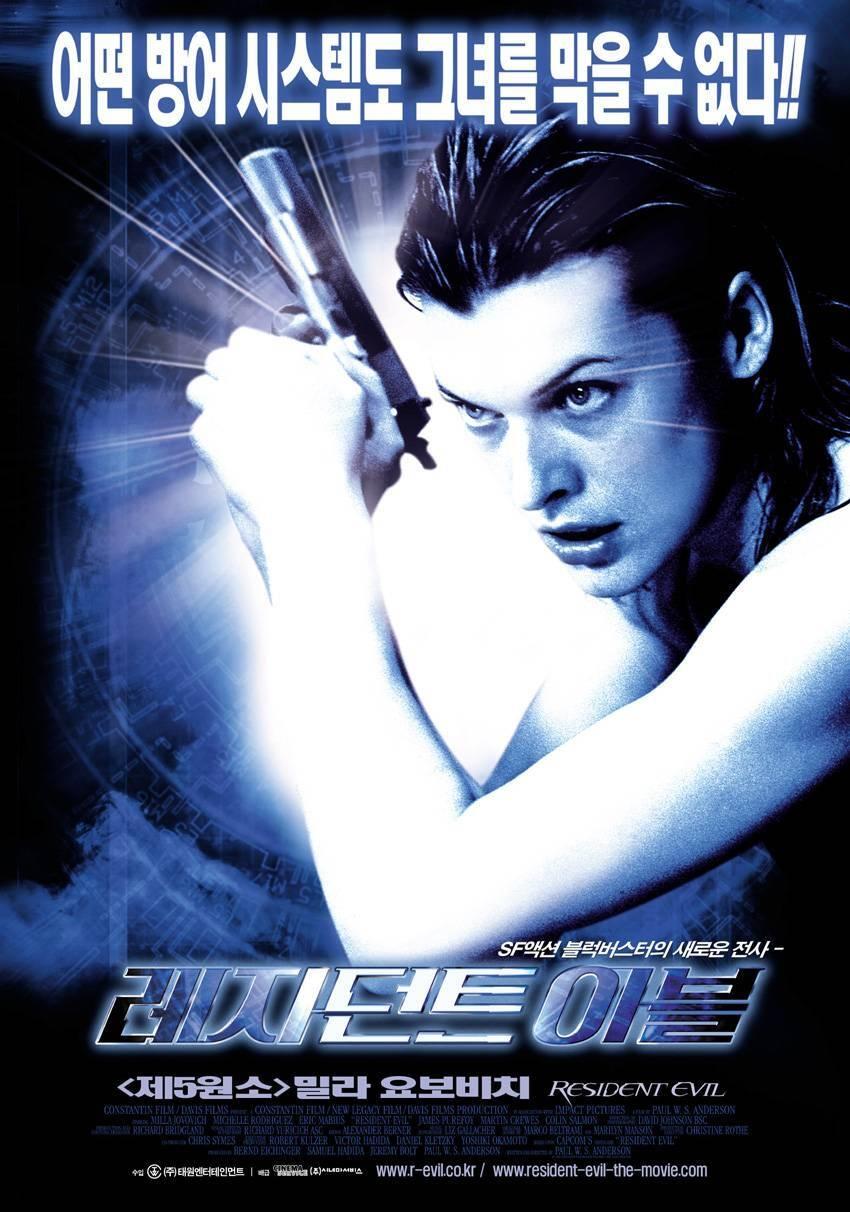
Impact Pictures
, Davis Films
, New Legacy Film
, Constantin Film
Plot
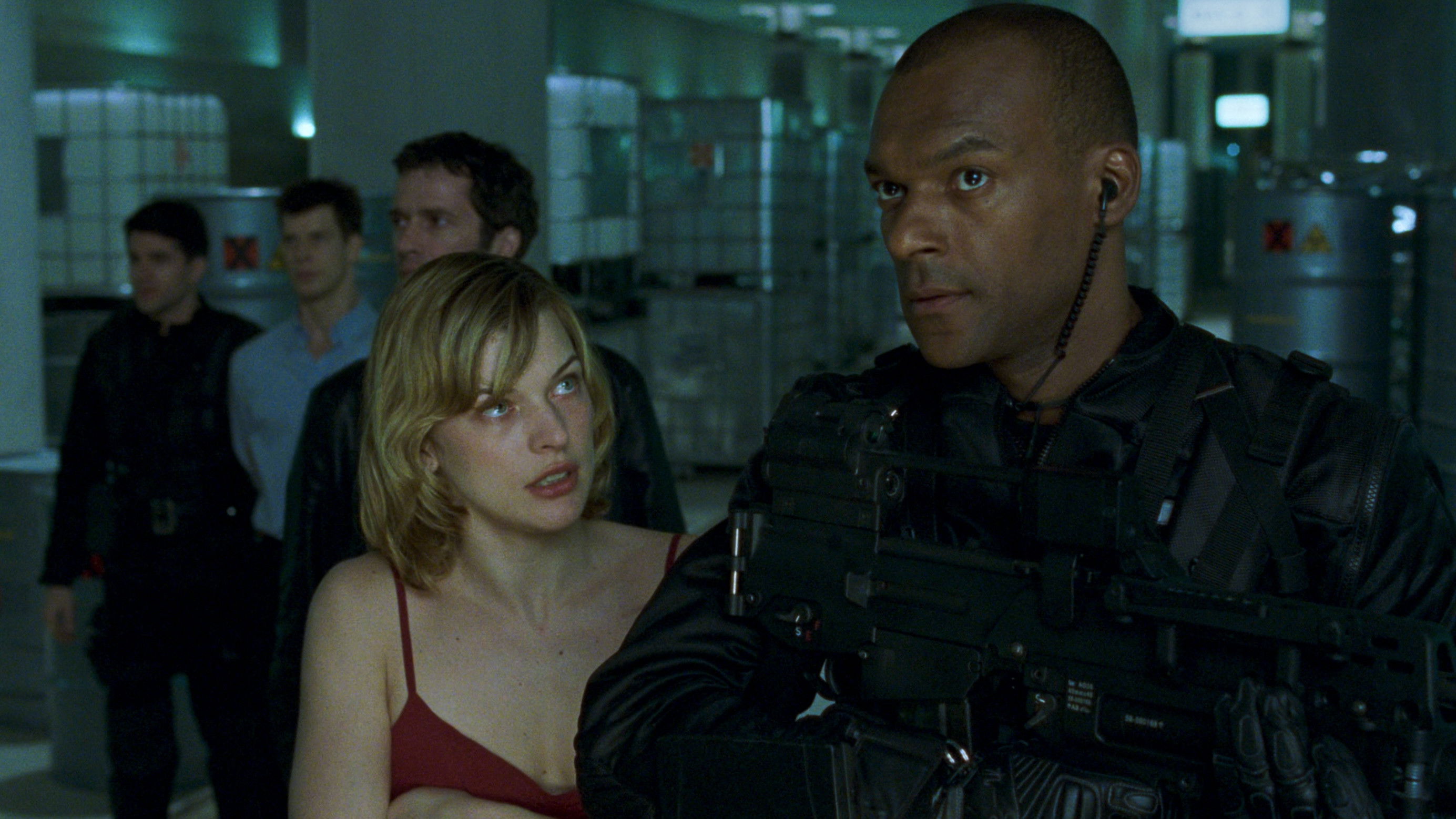
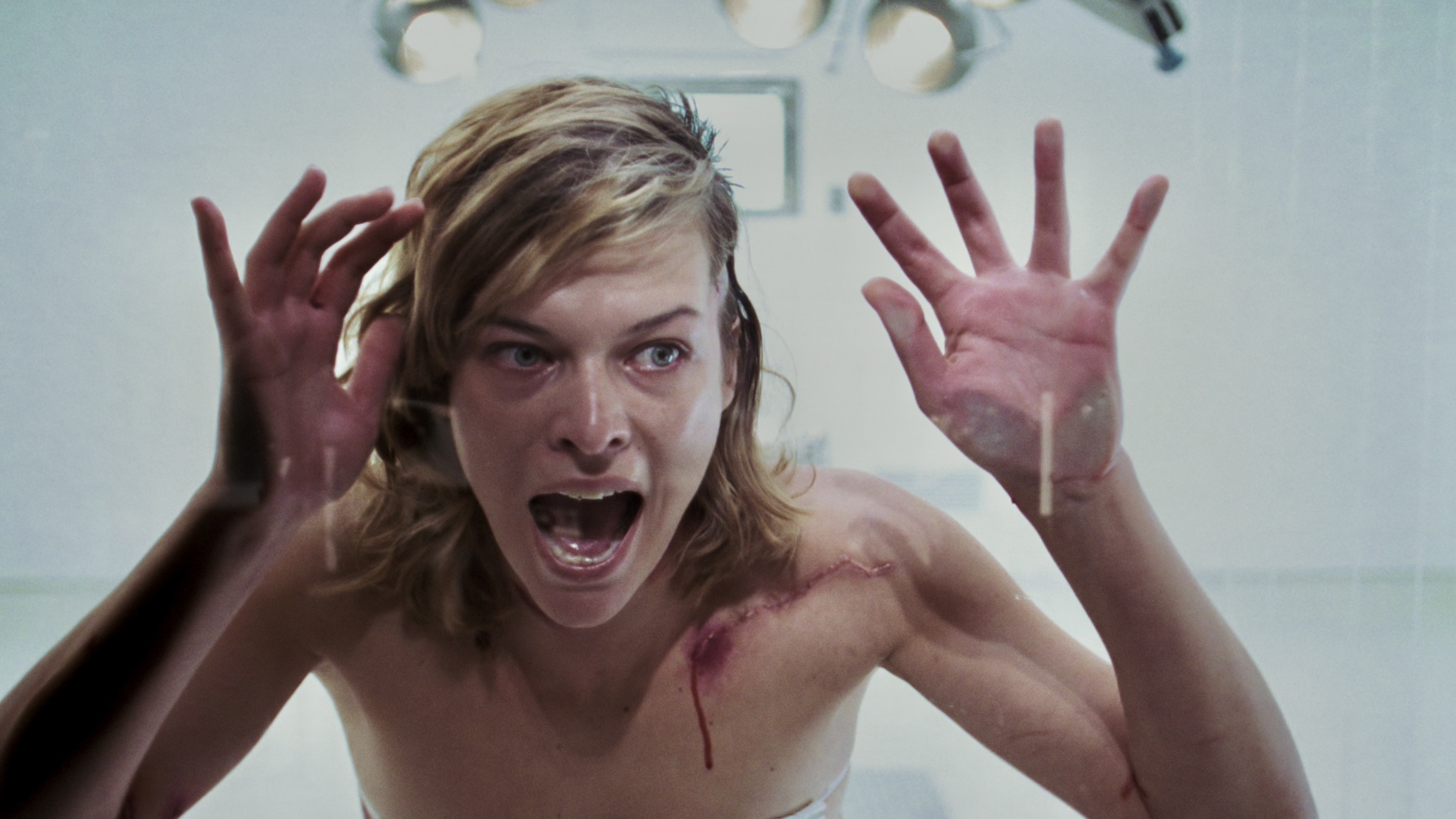
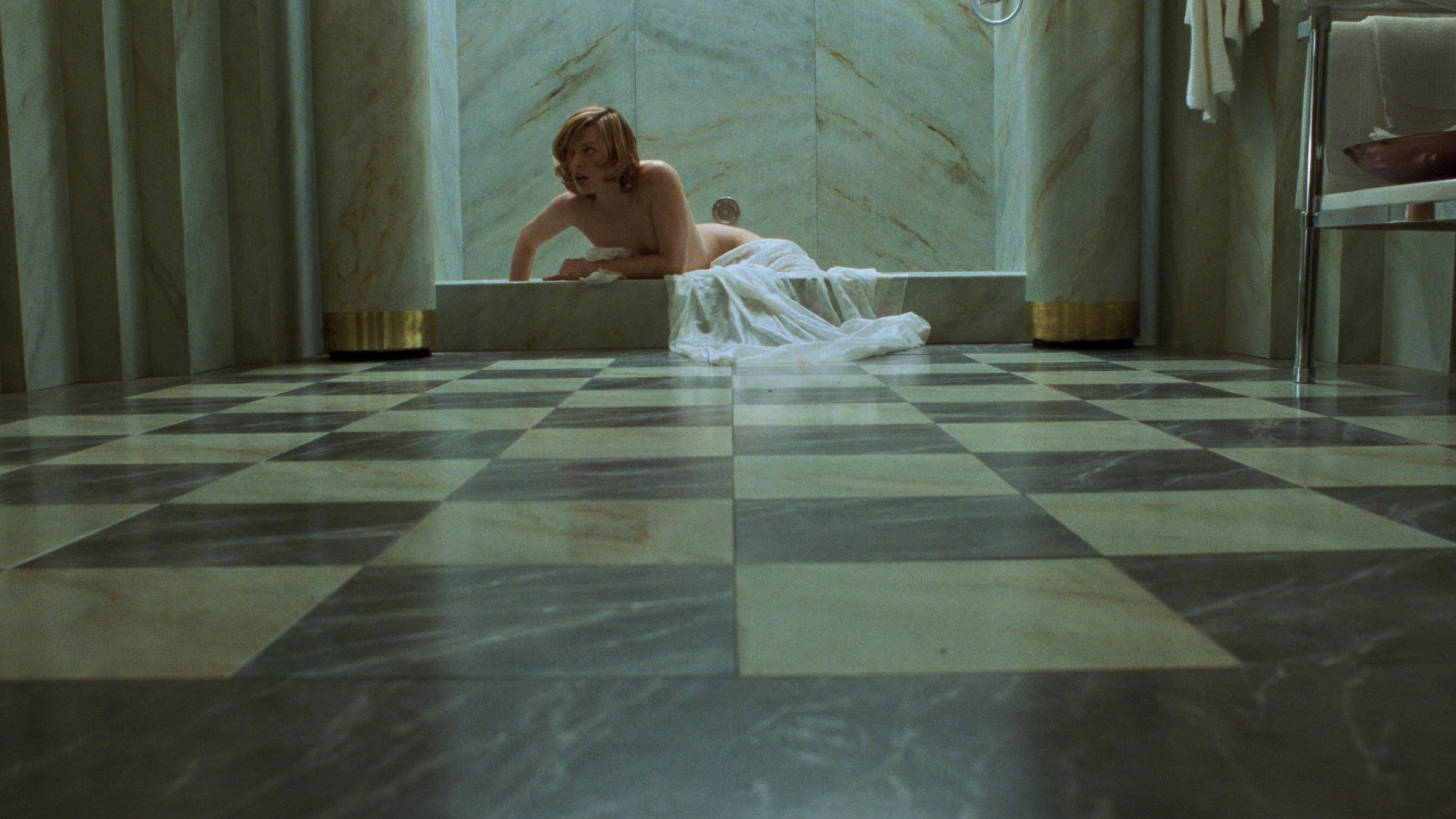
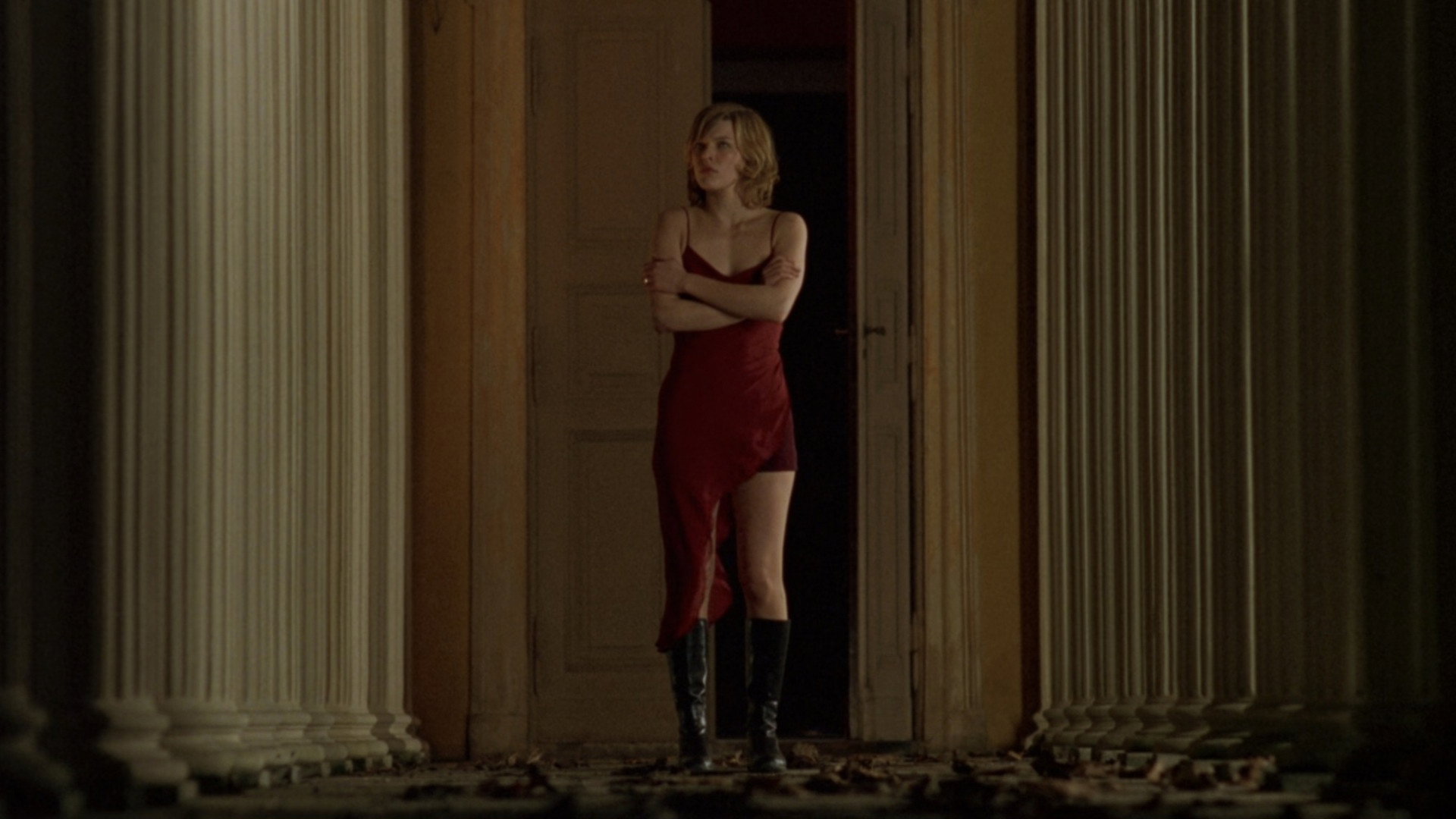
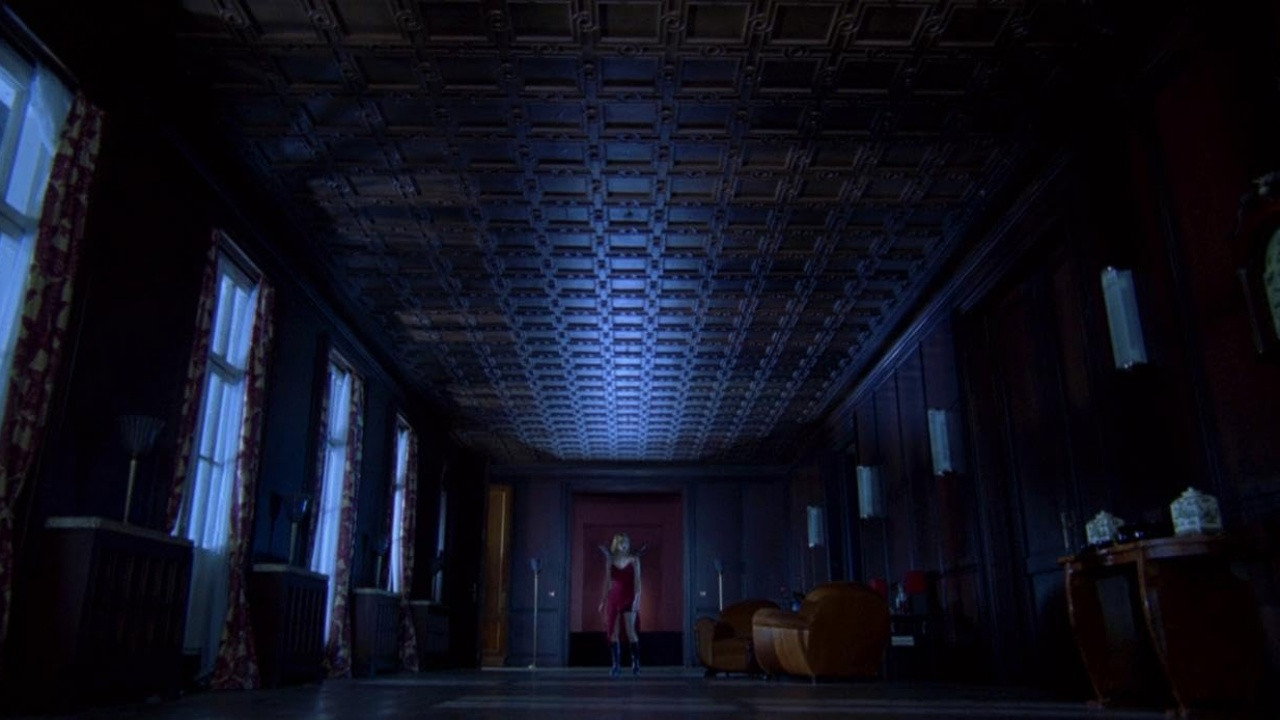
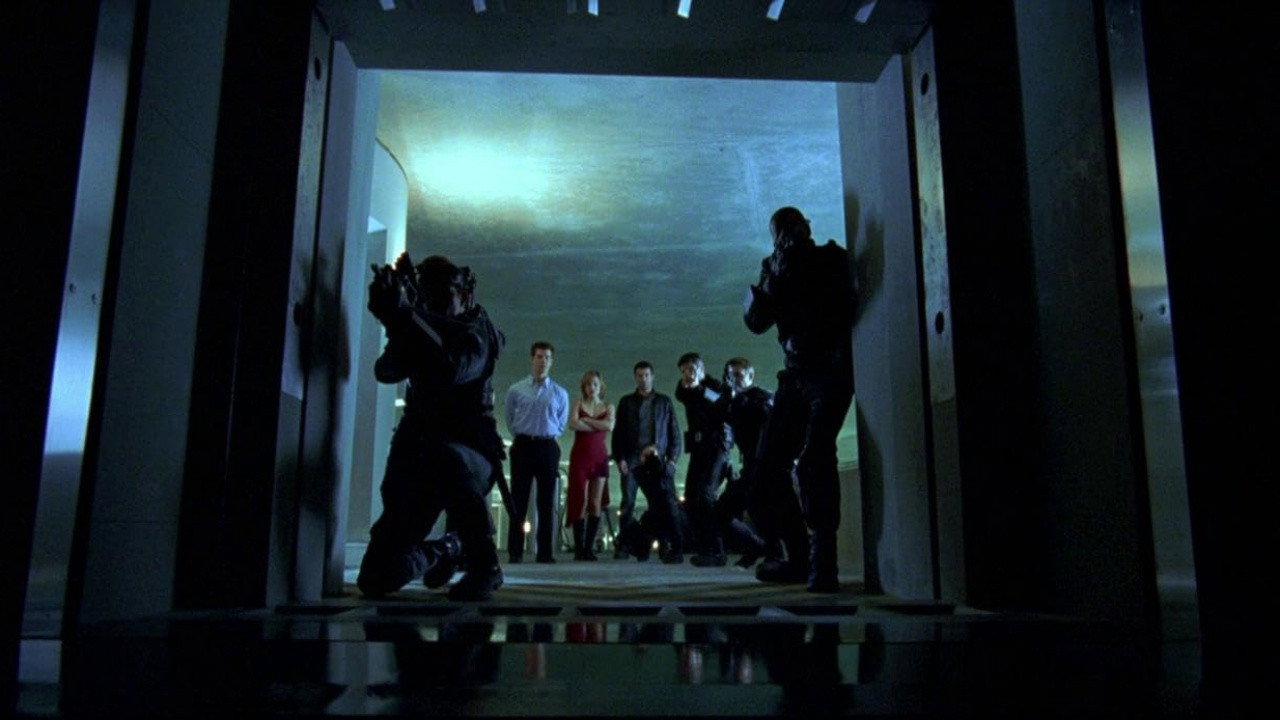
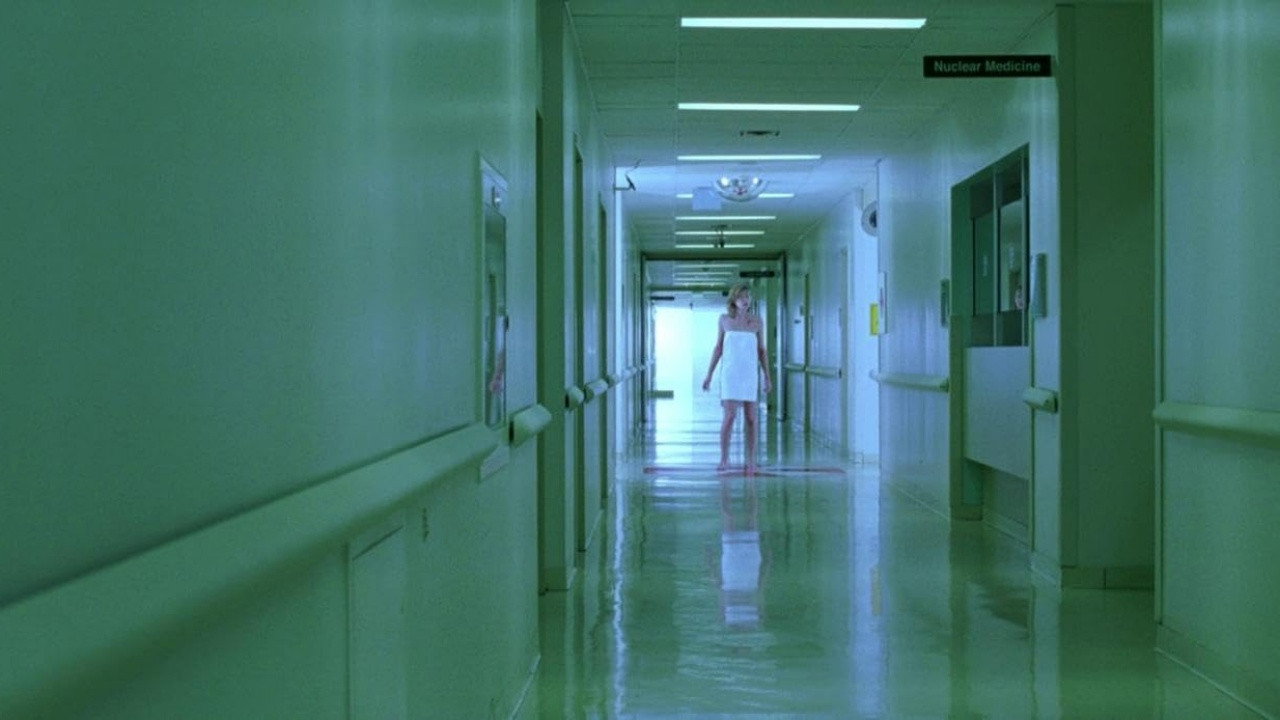
Alice awakens without her memory in a mansion above the Hive, an underground laboratory operated by the Umbrella Corporation. She joins a security team entering the sealed facility after an emergency has killed its staff. The group's investigation uncovers a viral outbreak that has reanimated researchers, while the laboratory's artificial intelligence attempts to contain the infection through lethal defenses. As Alice begins to recover fragments of her past, the survivors navigate locked corridors, infected workers and experimental creatures. Their escape depends on reaching the surface before the facility's systems close the remaining routes.
Alternative Titles
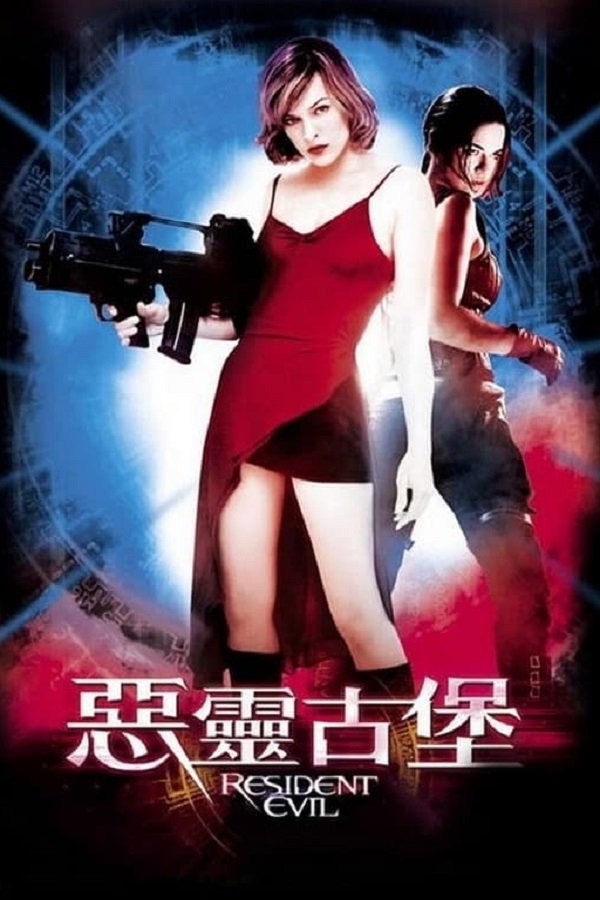
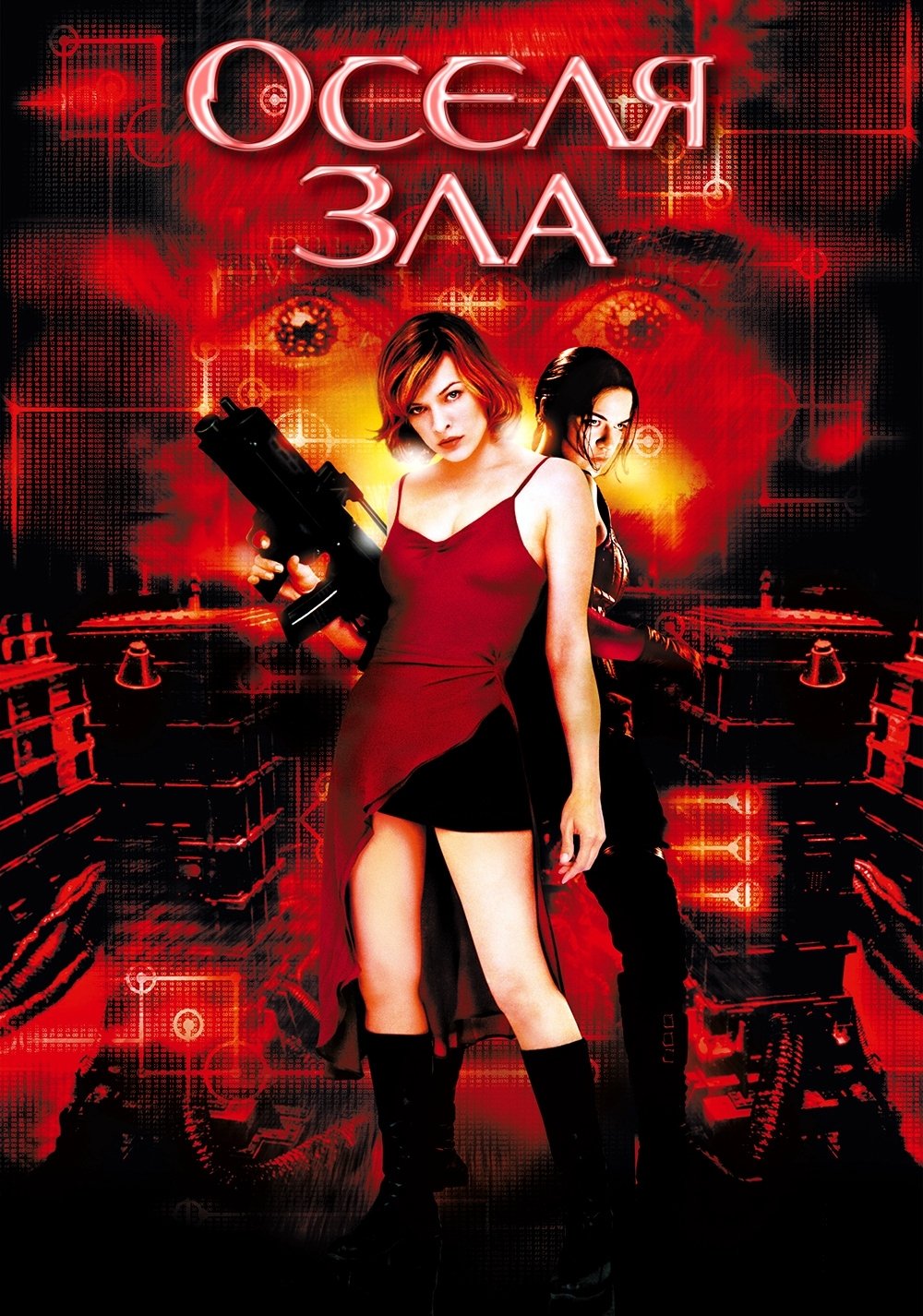
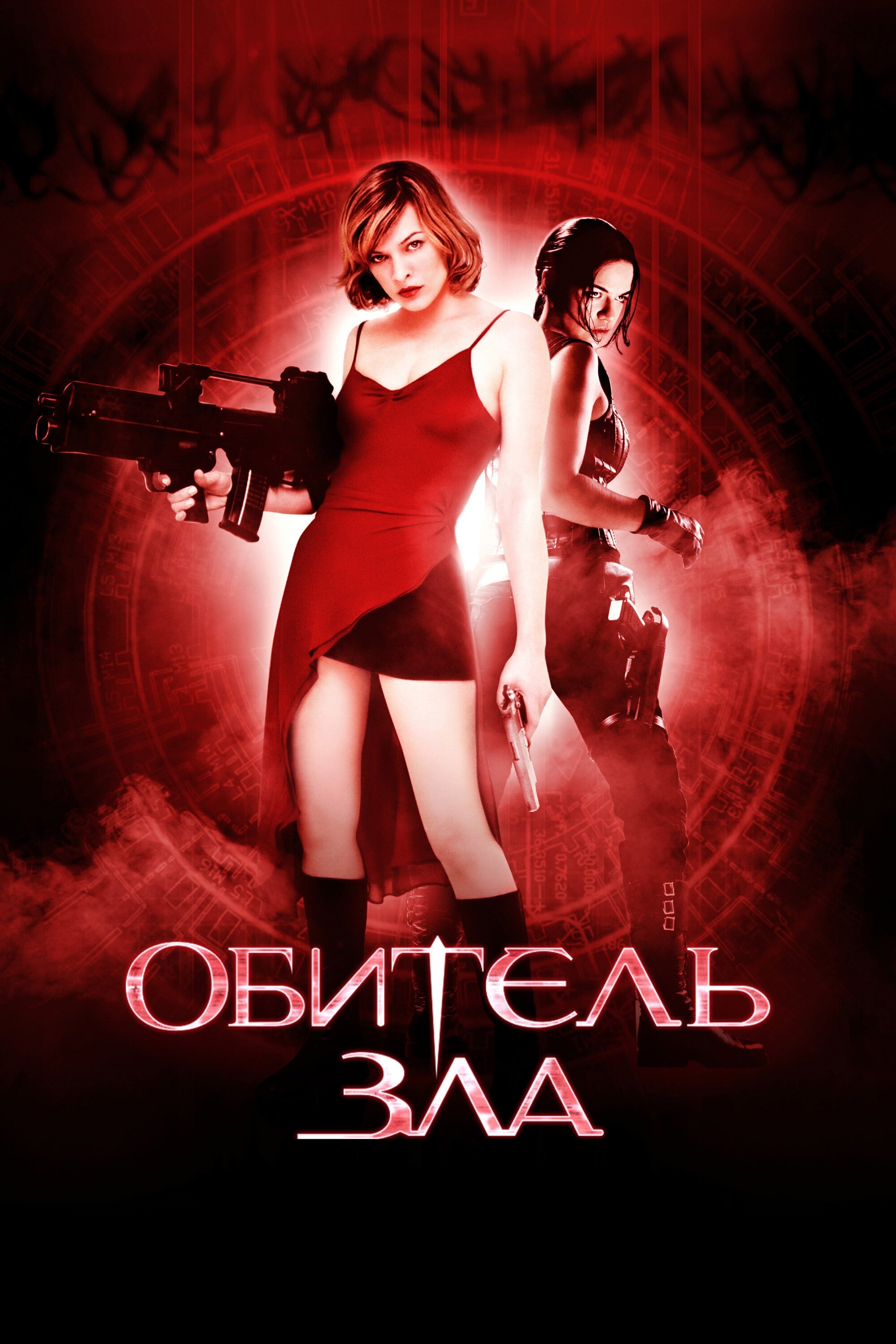
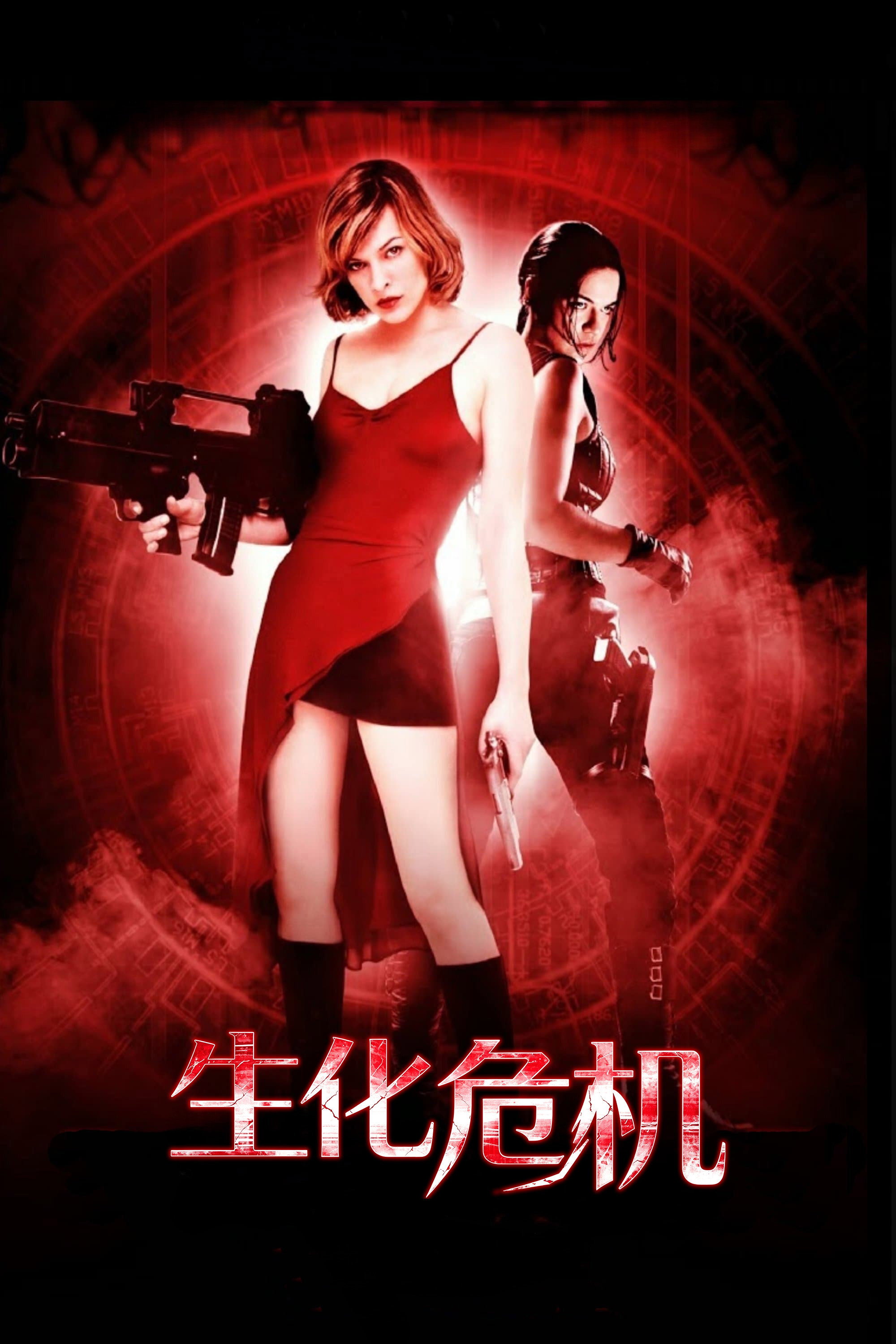
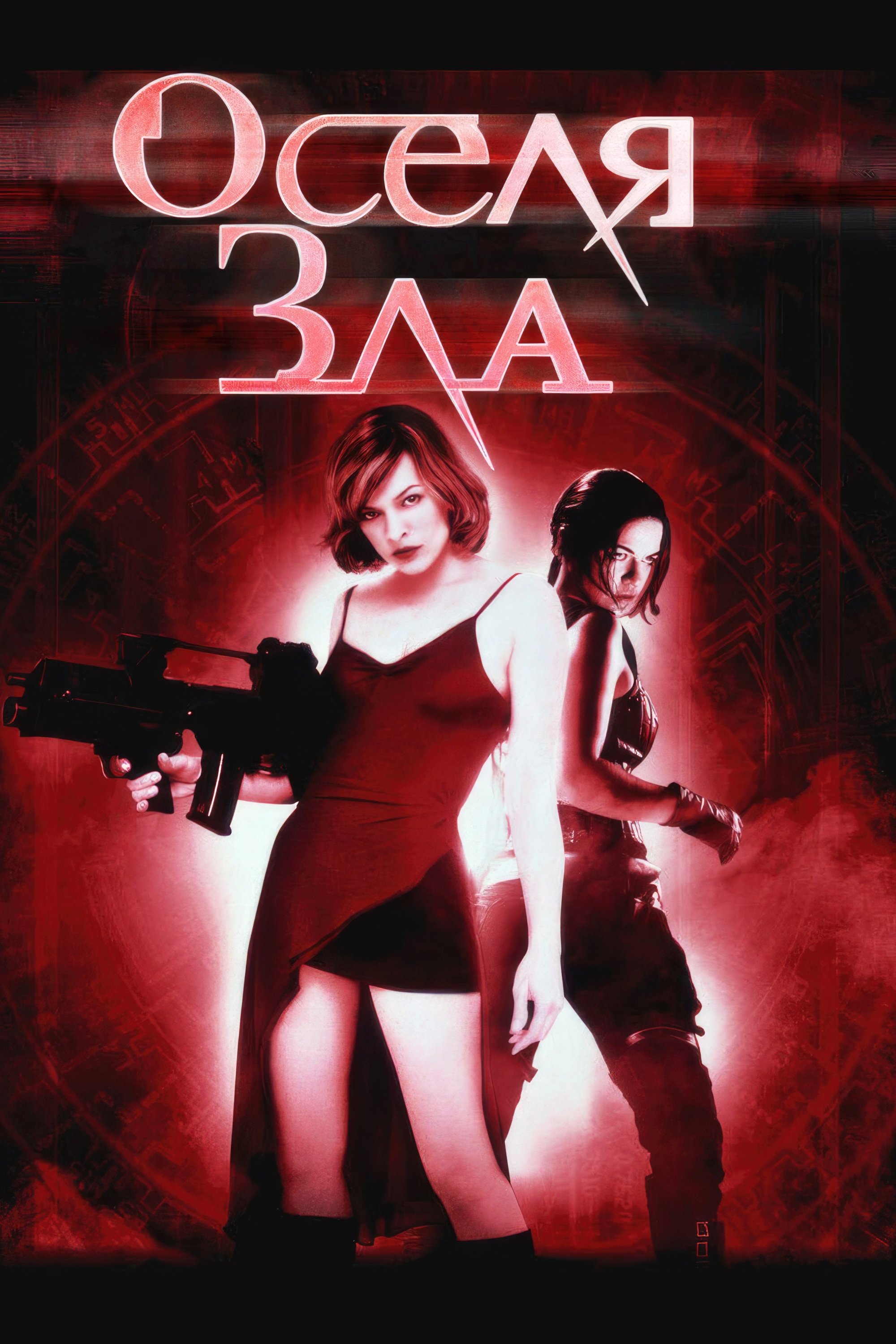
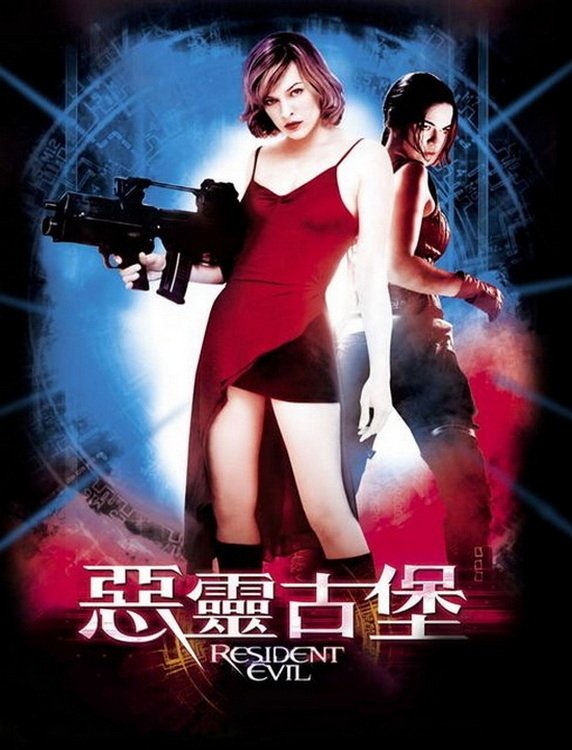
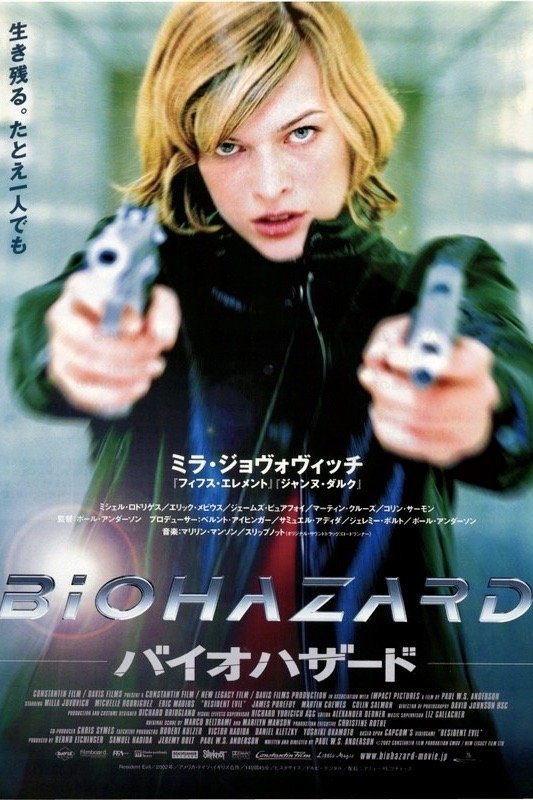
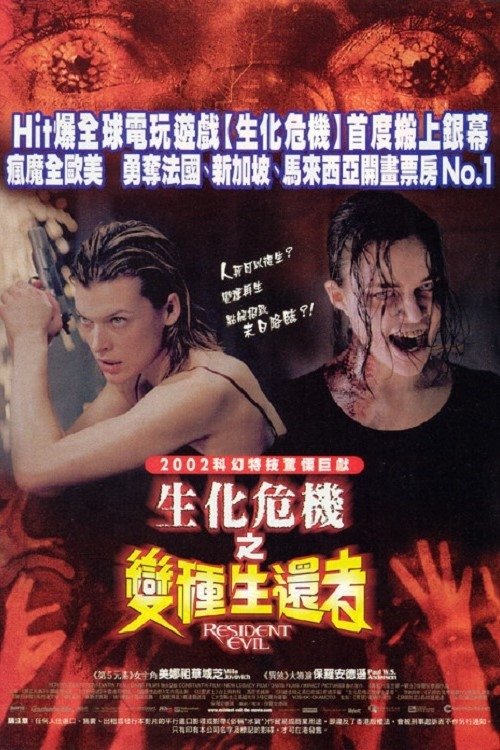
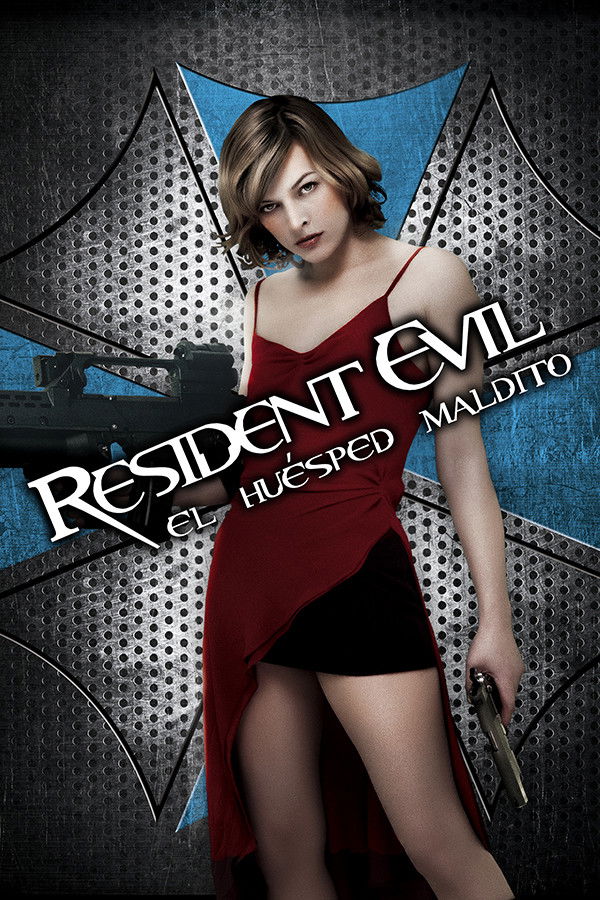
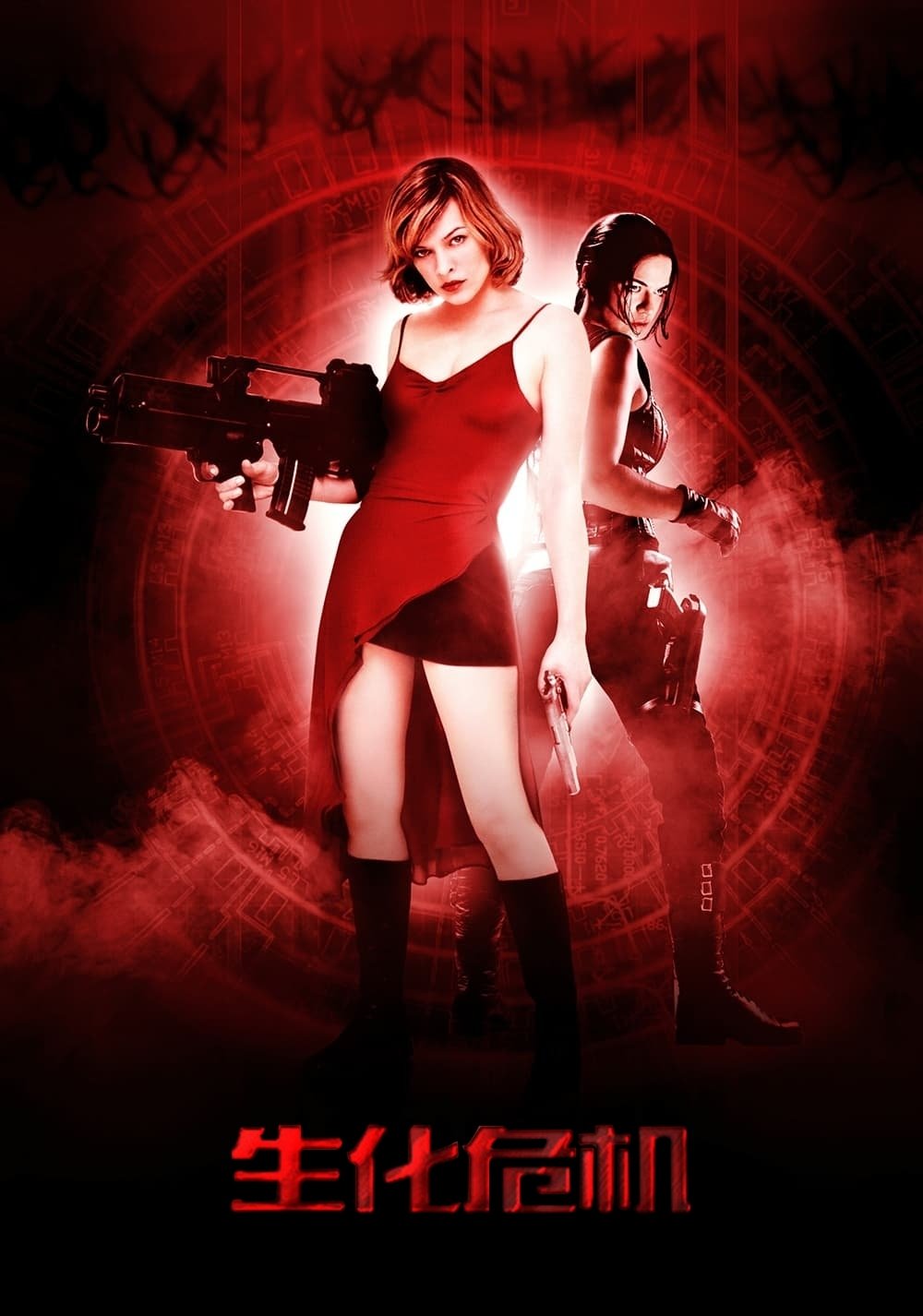
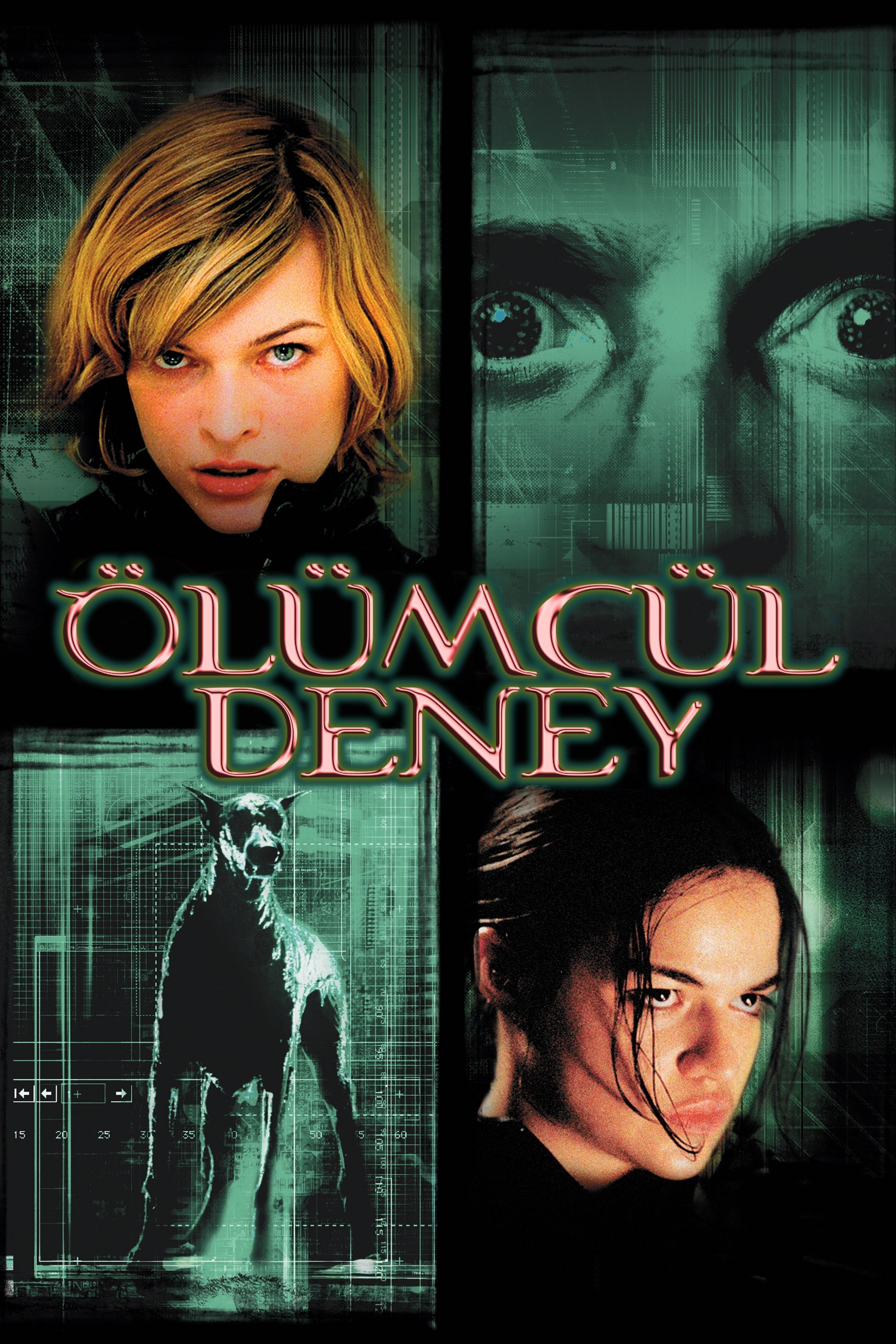
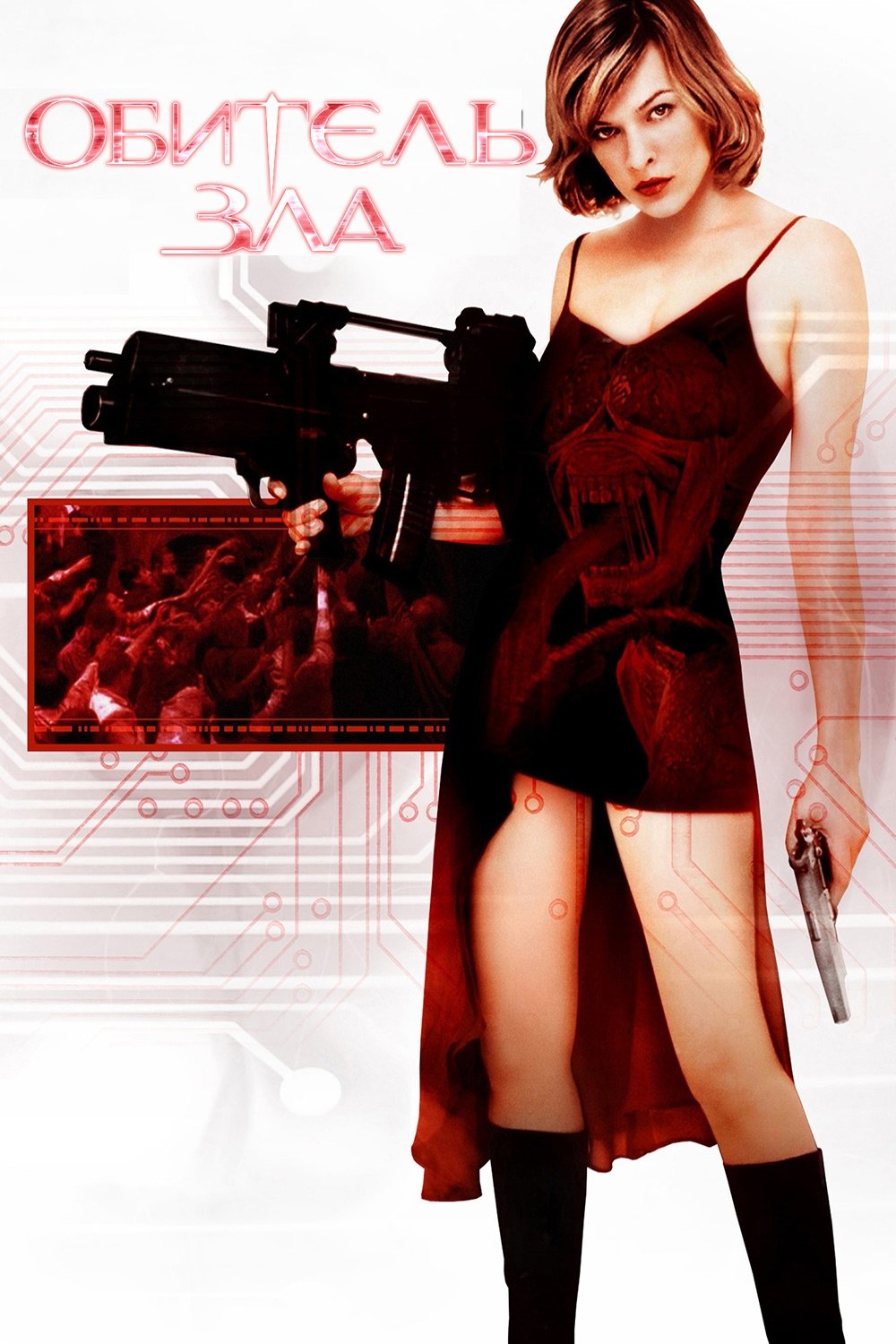
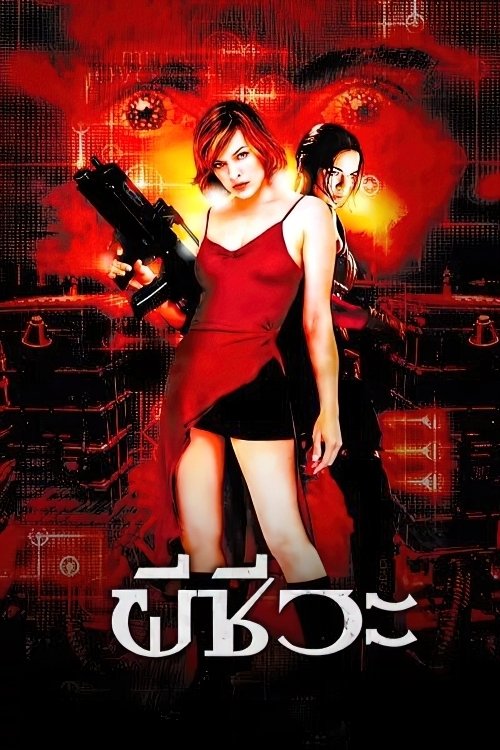
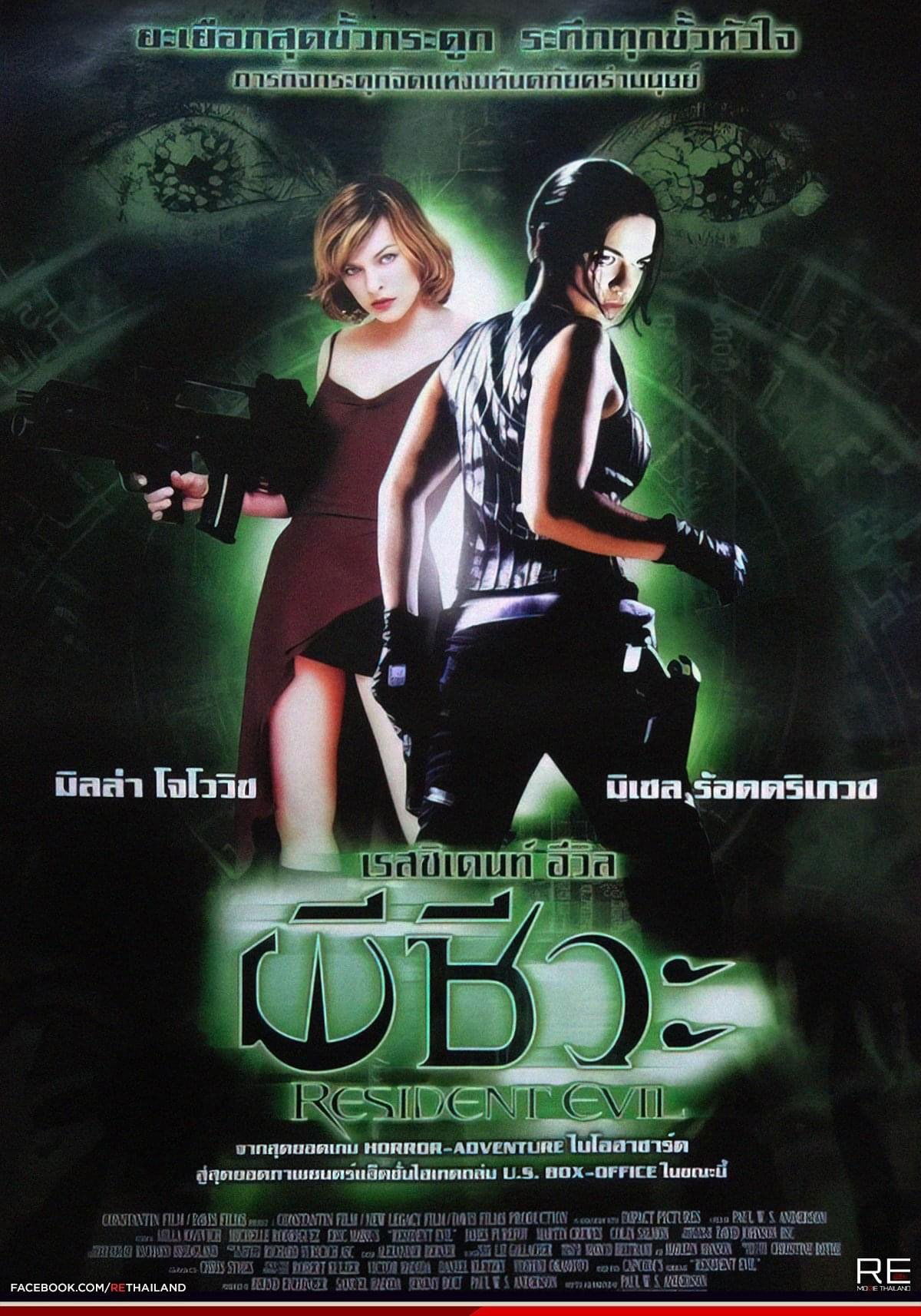
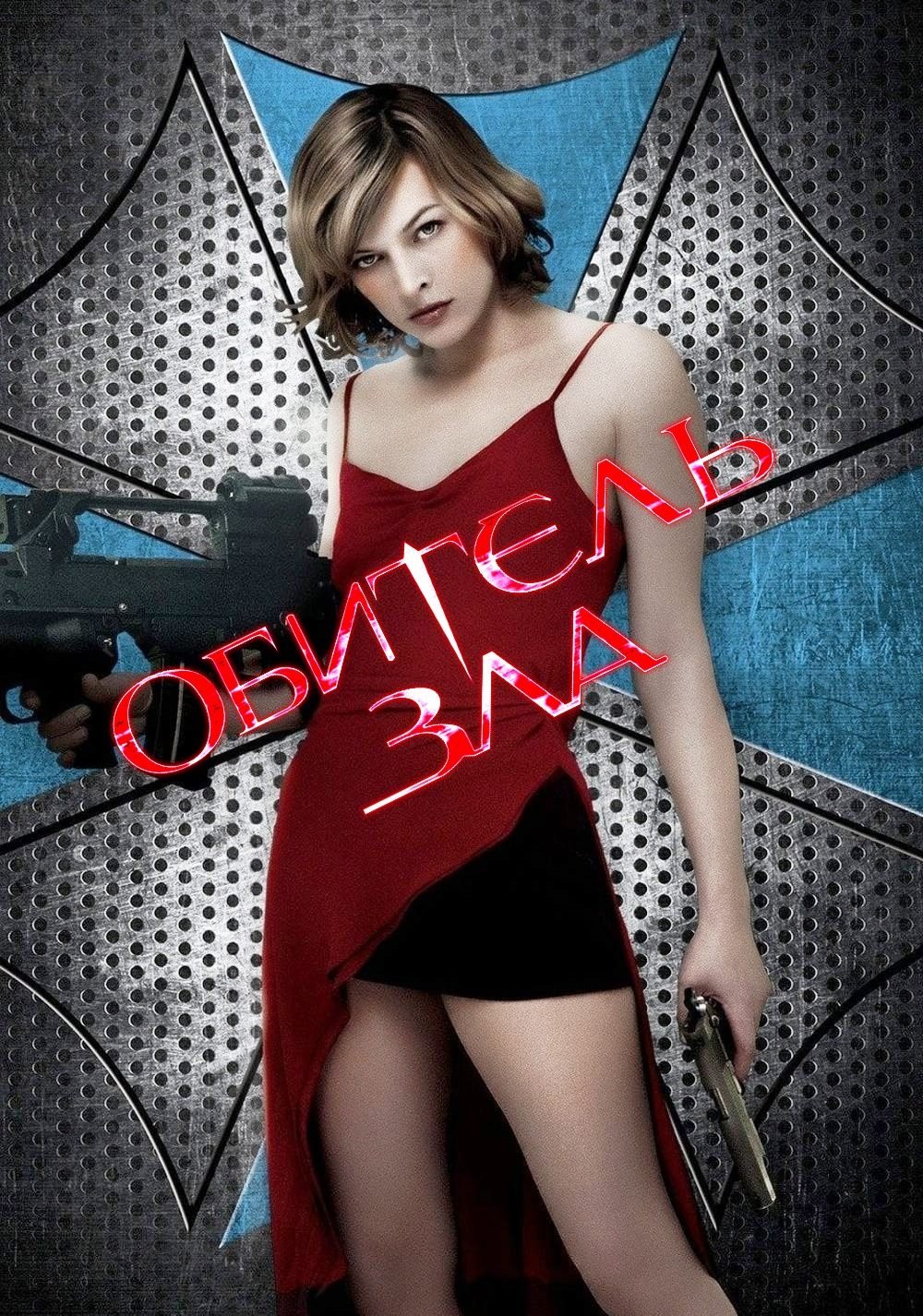
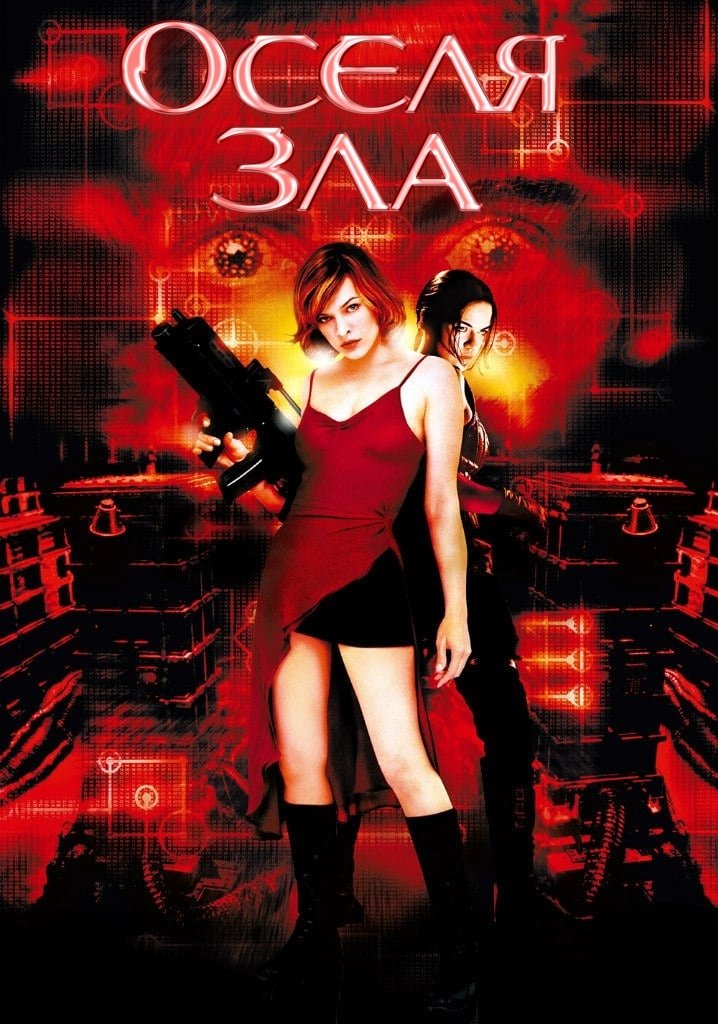
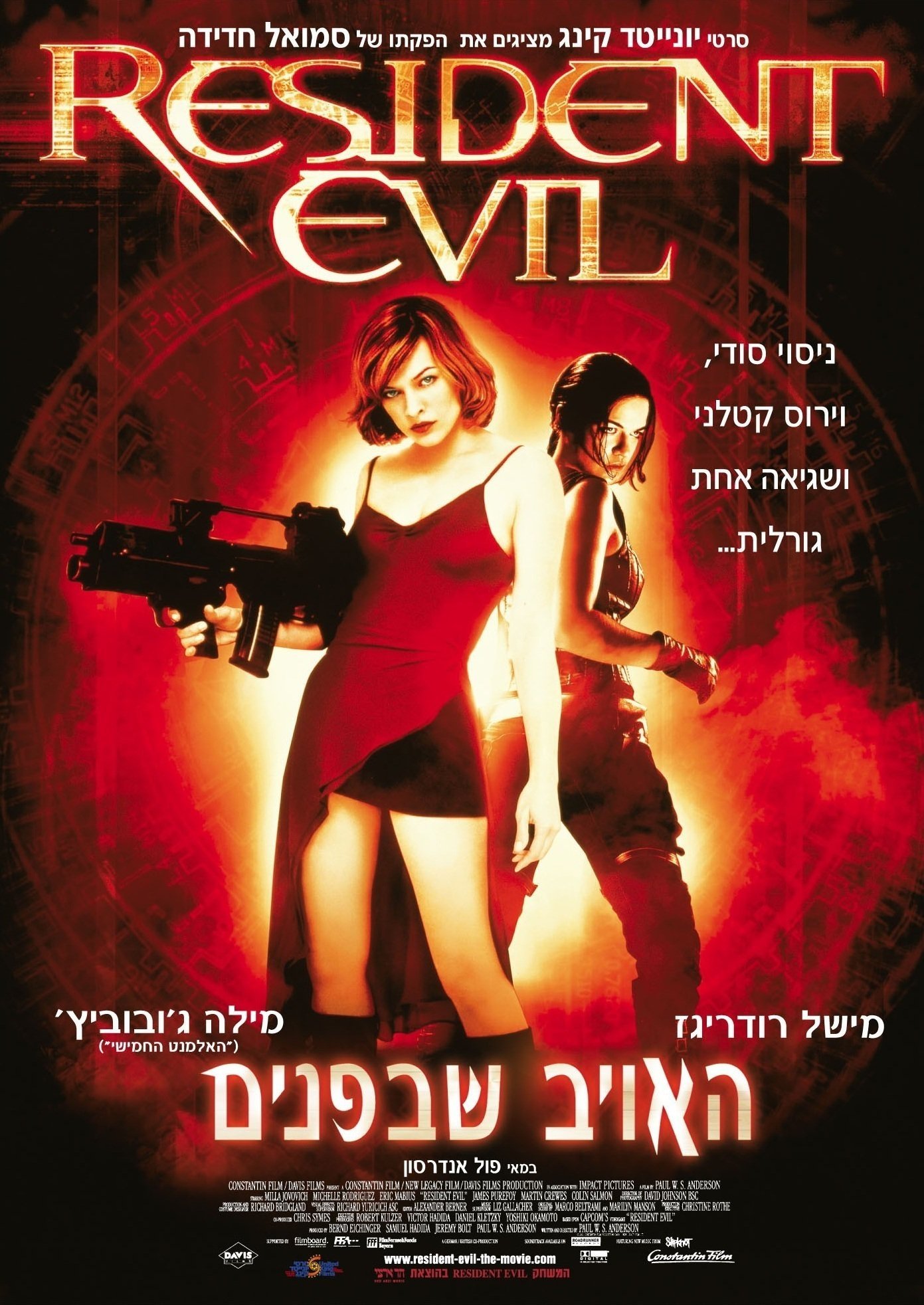
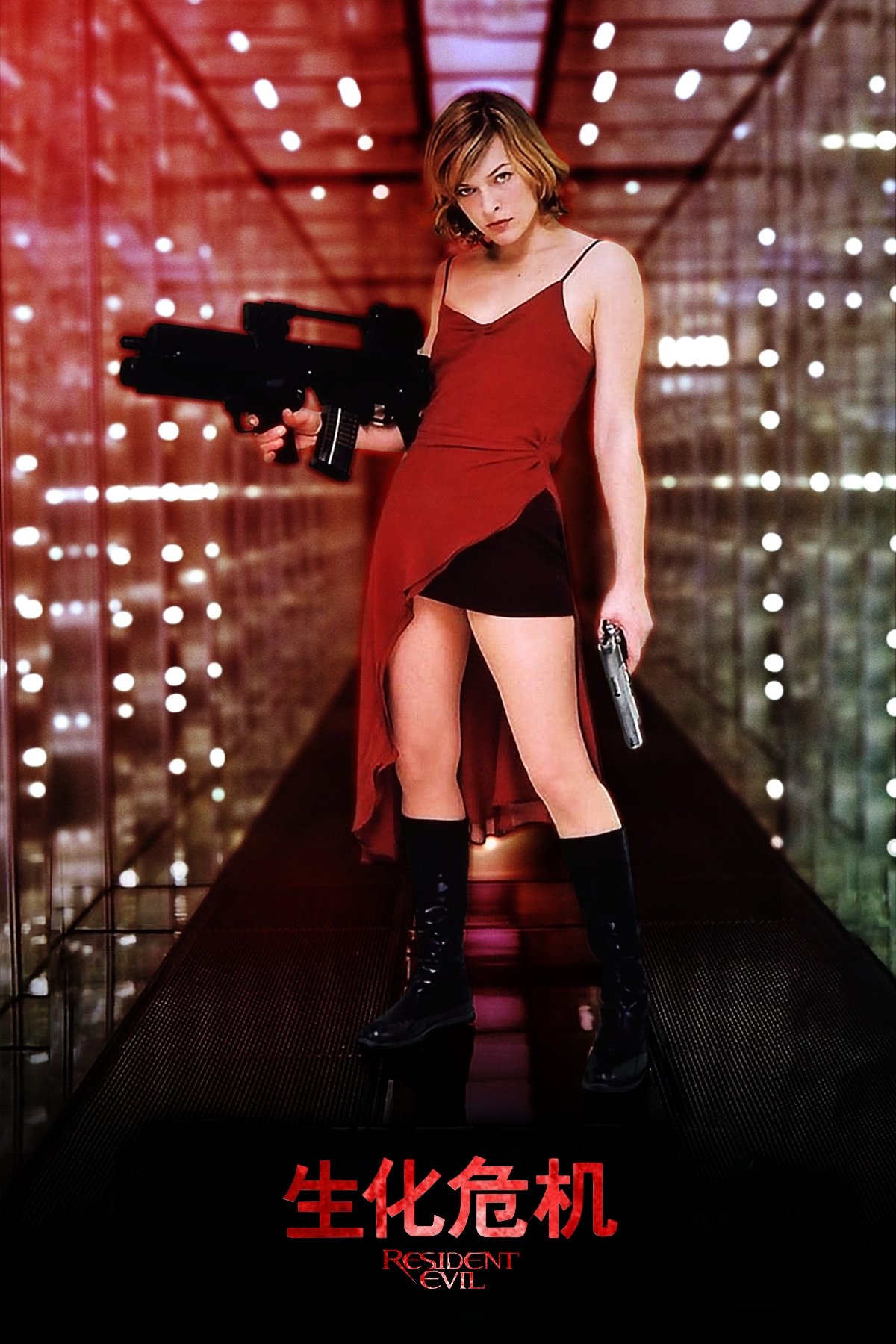
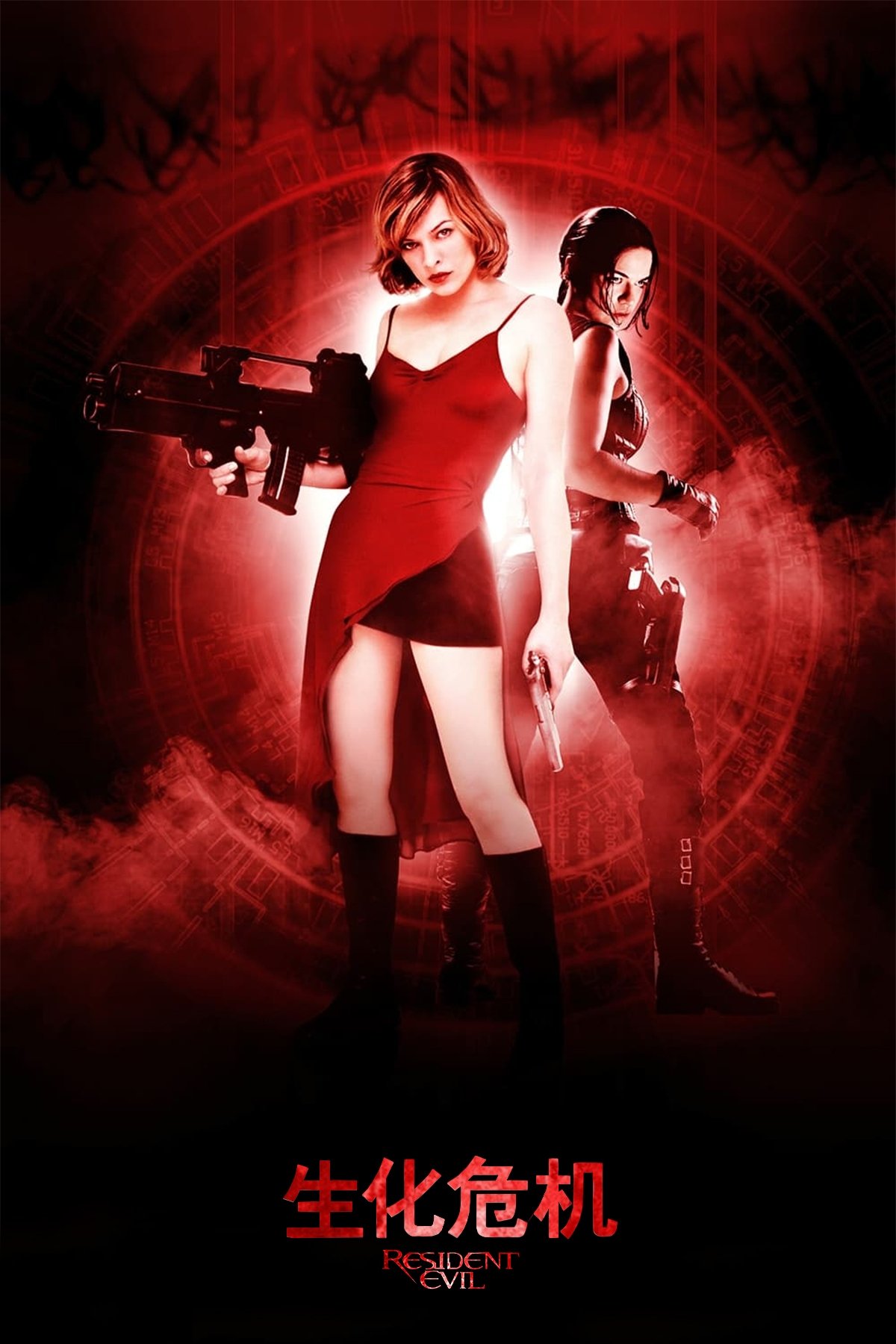
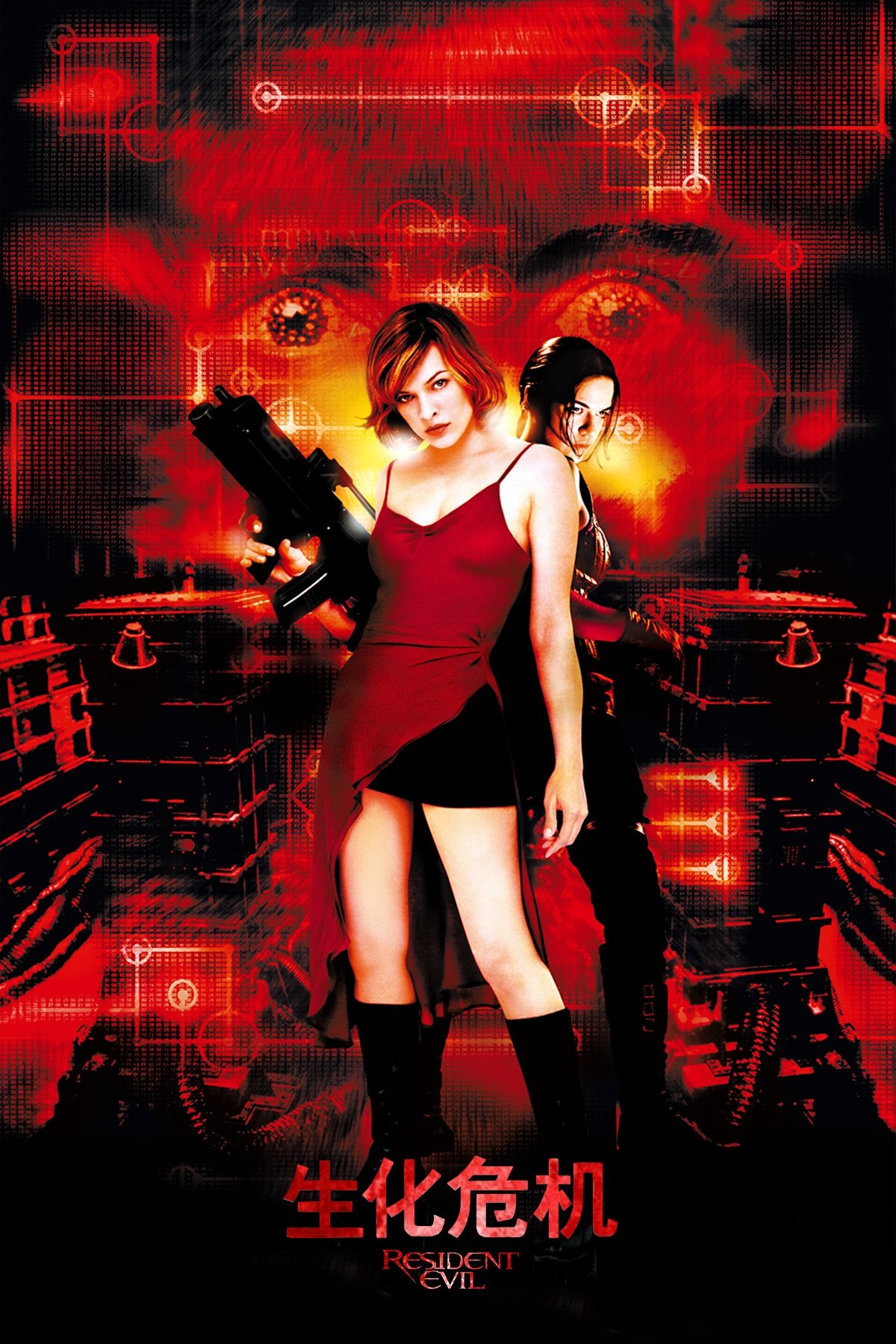
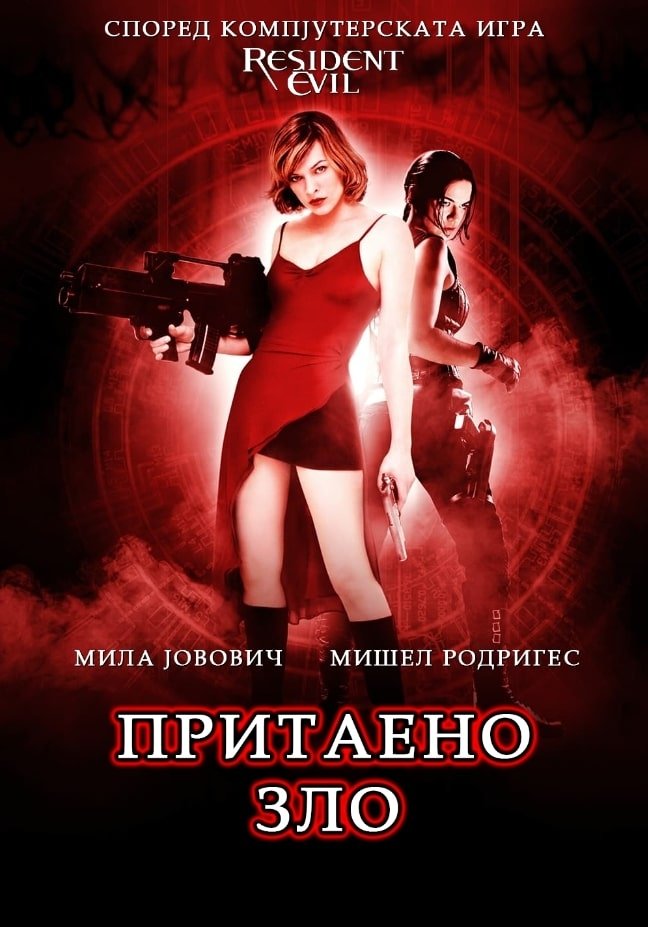
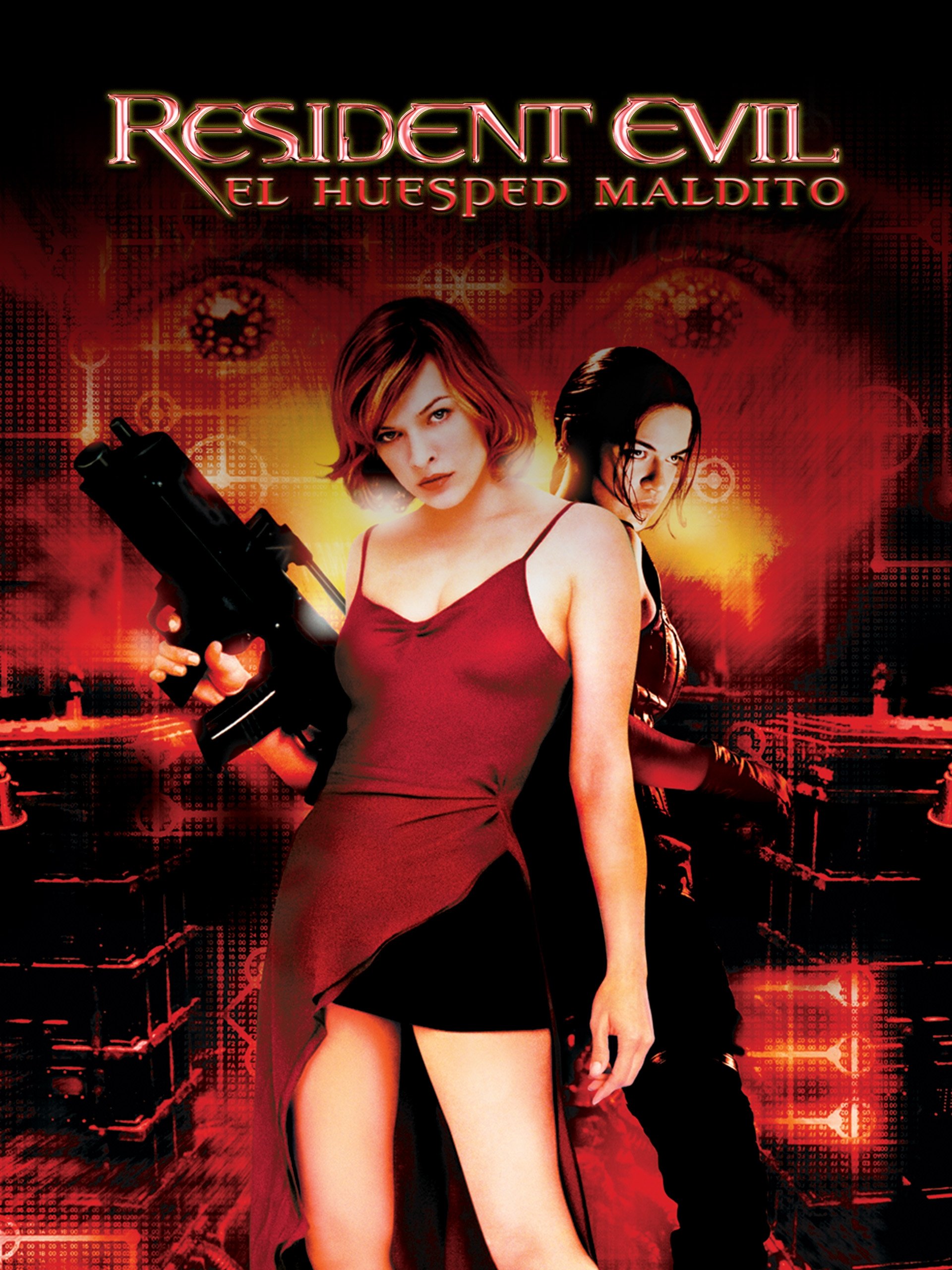
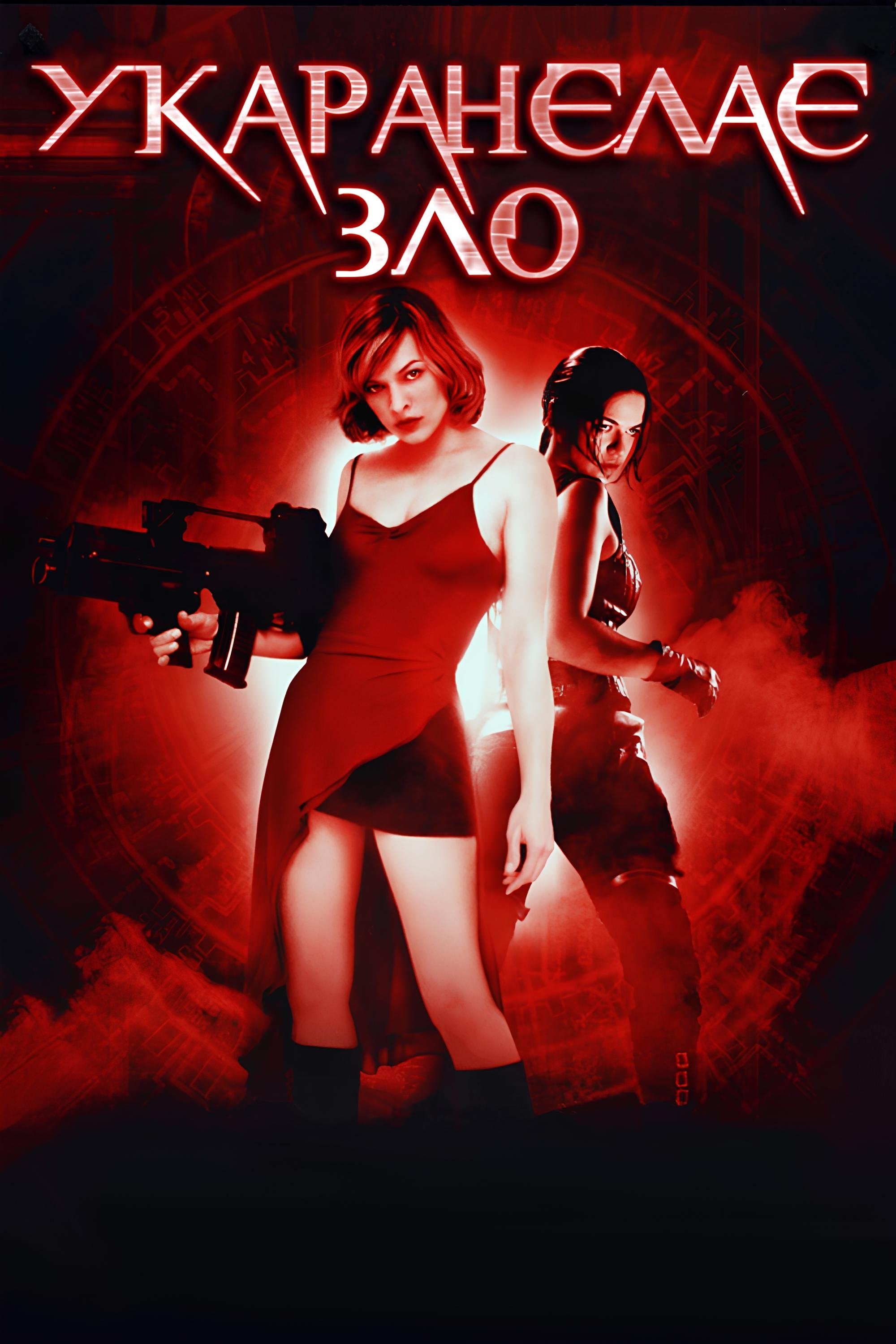
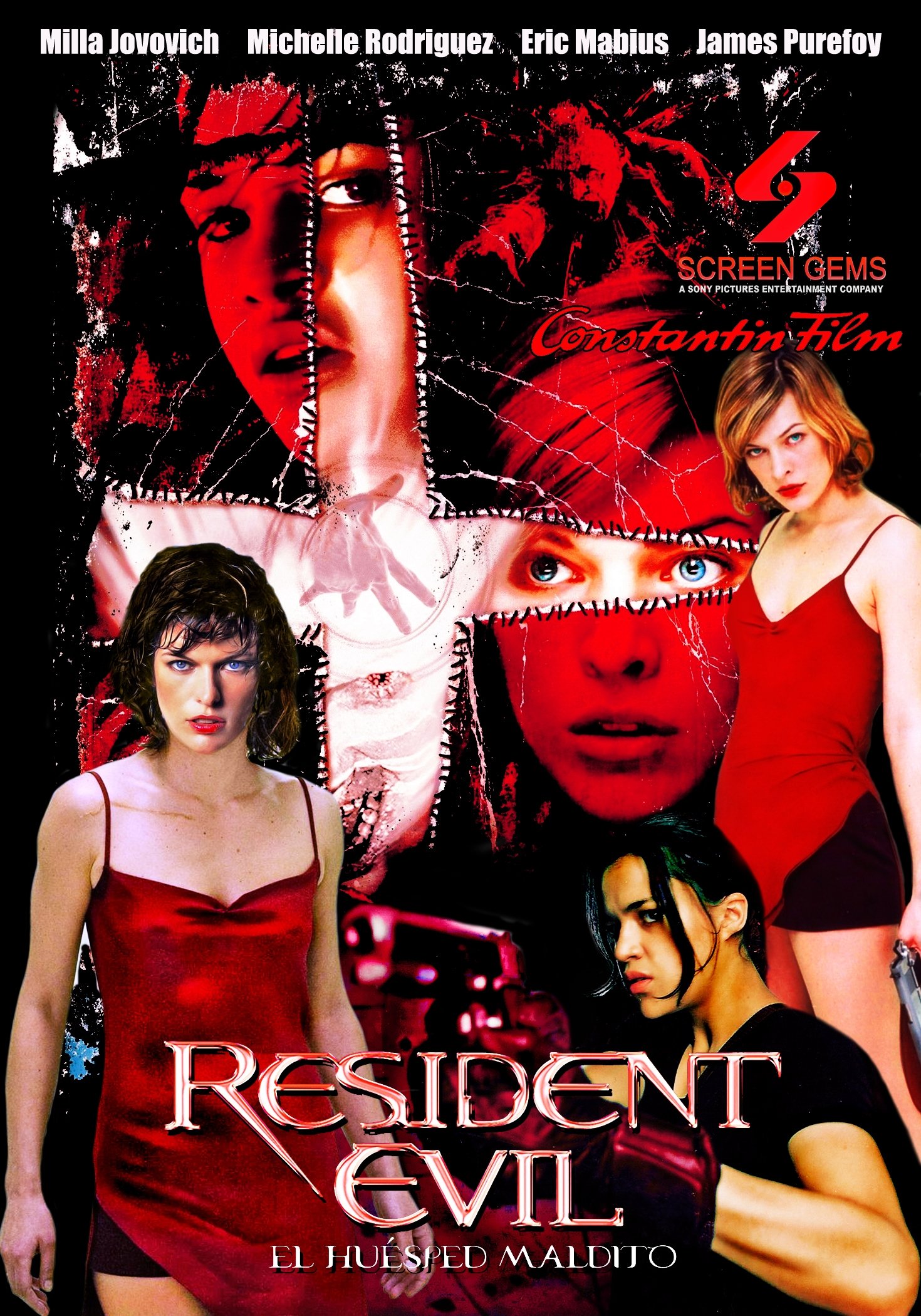
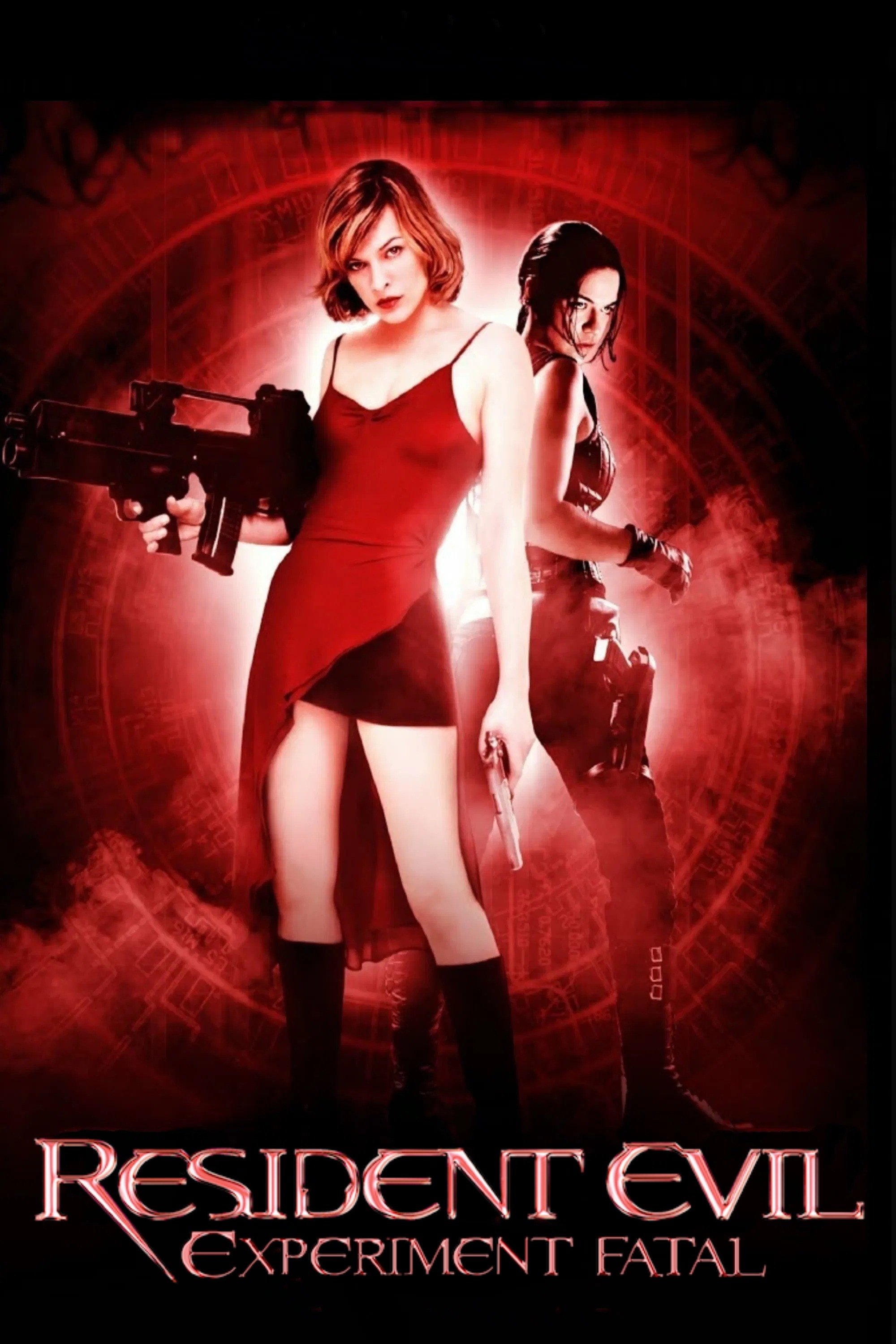
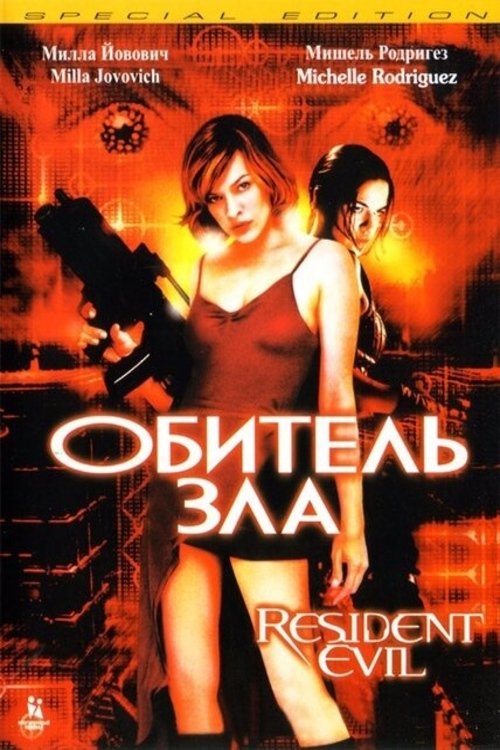
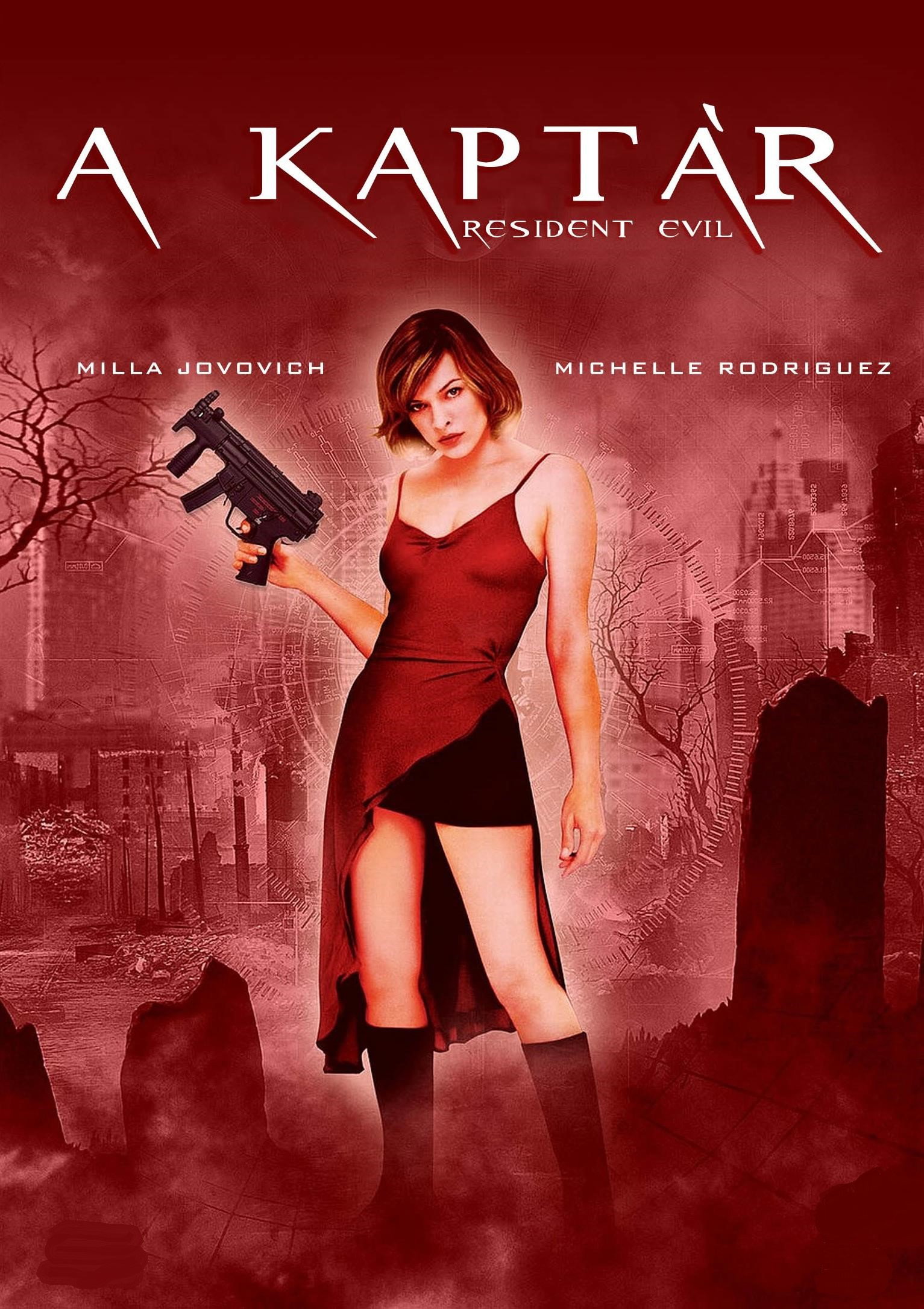
El huésped maldito (Argentina) Zarazno zlo (Bulgaria) Заразно зло (Bulgaria) — BulgarianResident Evil: O Hóspede Maldito (Brazil) — PortugueseУкаранелае зло (Belarus) — BelarusianResident Evil : Les créatures maléfiques (Canada) — French生化危机 (China) — Chinese生化危机1 (China) Show all 37 alternative titlesResident Evil: Genesis (United Kingdom) ბოროტების სავანე (Georgia) — Georgian生化危機之變種生還者 (Hong Kong SAR China) — ChineseA Kaptár (Hungary) — Hungarianהאויב שבפנים (Israel) — Hebrewमौत का बुलावा (India) — Hindiاهریمن خاموش ۱ (Iran) — PersianBiohazard (Japan) — English titleバイオハザード (Japan) — Japanese레지던트 이블 (South Korea) — Korean레지던트 이블 1 (South Korea) Absoliutus Blogis (Lithuania) — LithuanianNezūdošais ļaunums (Latvia) — LatvianResident Evil: El Huésped Maldito (Mexico) — SpanishRăul rezident (Romania) — literal titleResident Evil: Experiment fatal (Romania) — RomanianPritajeno zlo (Serbia) Притајено зло (Serbia) — SerbianОбитель зла (Russia) — Russianالشر المقيم (Saudi Arabia) Nevidno zlo (Slovenia) — Slovenianผีชีวะ (Thailand) — ThaiÖlümcül Deney (Türkiye) — Turkish惡靈古堡 (Taiwan) — ChineseOselya zla (Ukraine) Оселя зла (Ukraine) — UkrainianResident Evil the Movie (United States) — Working TitleResident Evil: Ground Zero (United States) — Working TitleVùng Đất Quỷ Dữ (Vietnam) — Vietnamese
Paul W. S. Anderson adapts Capcom survival horror through the Hive, Alice, corporate biohazards and the undead.
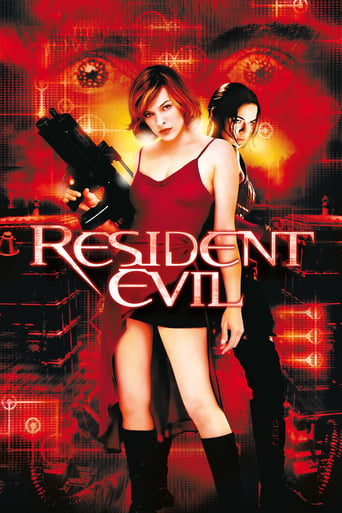
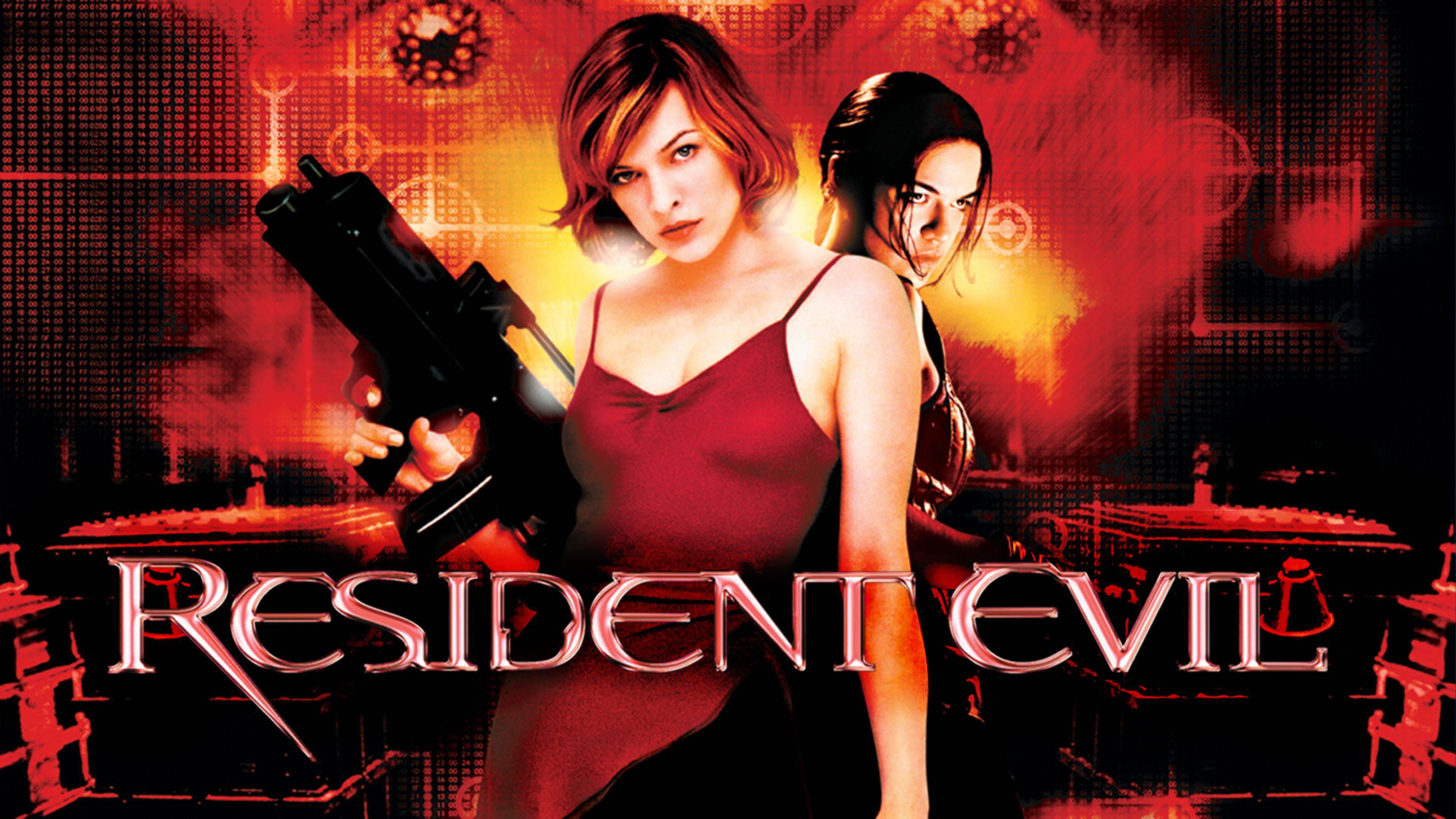
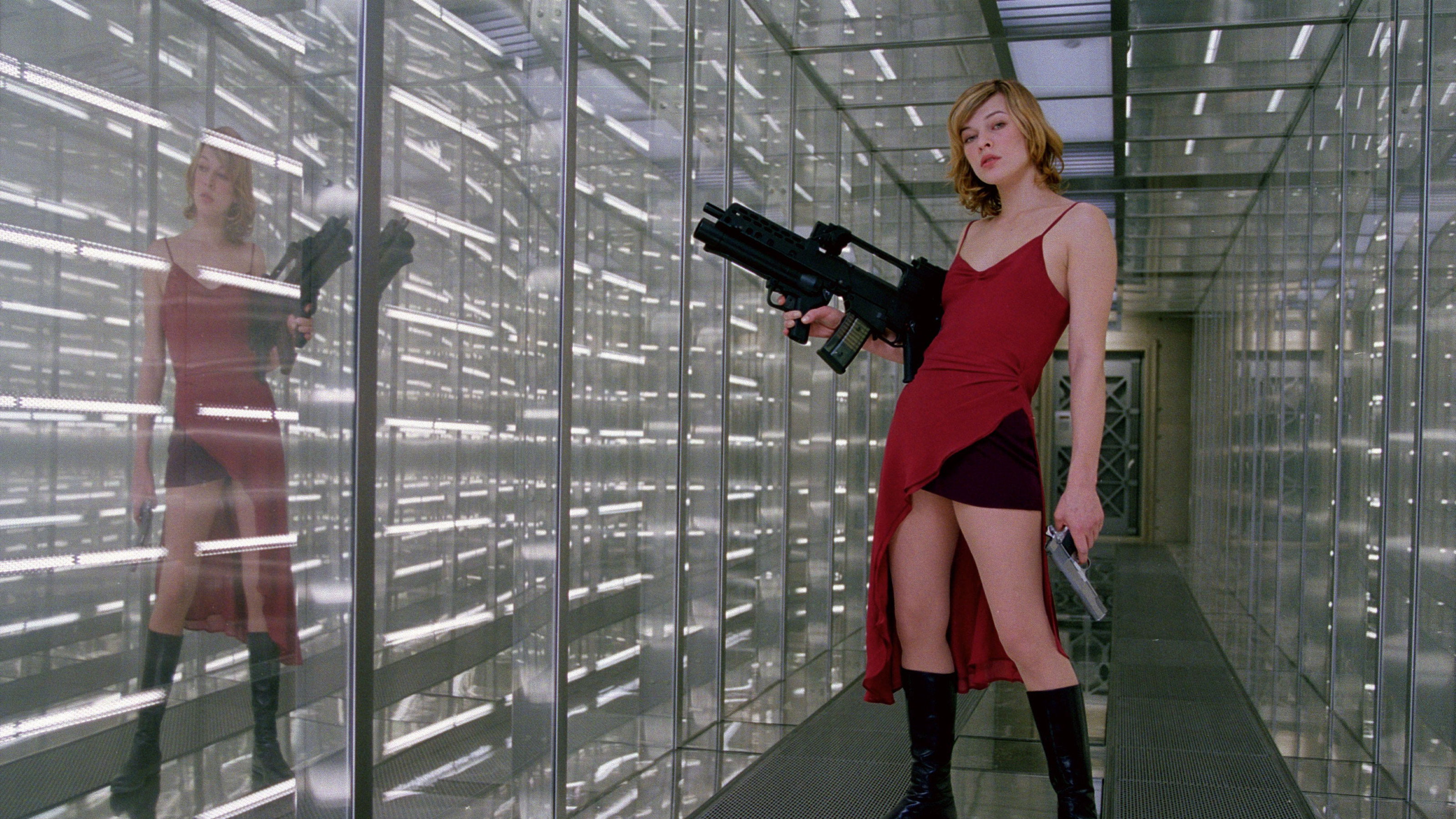
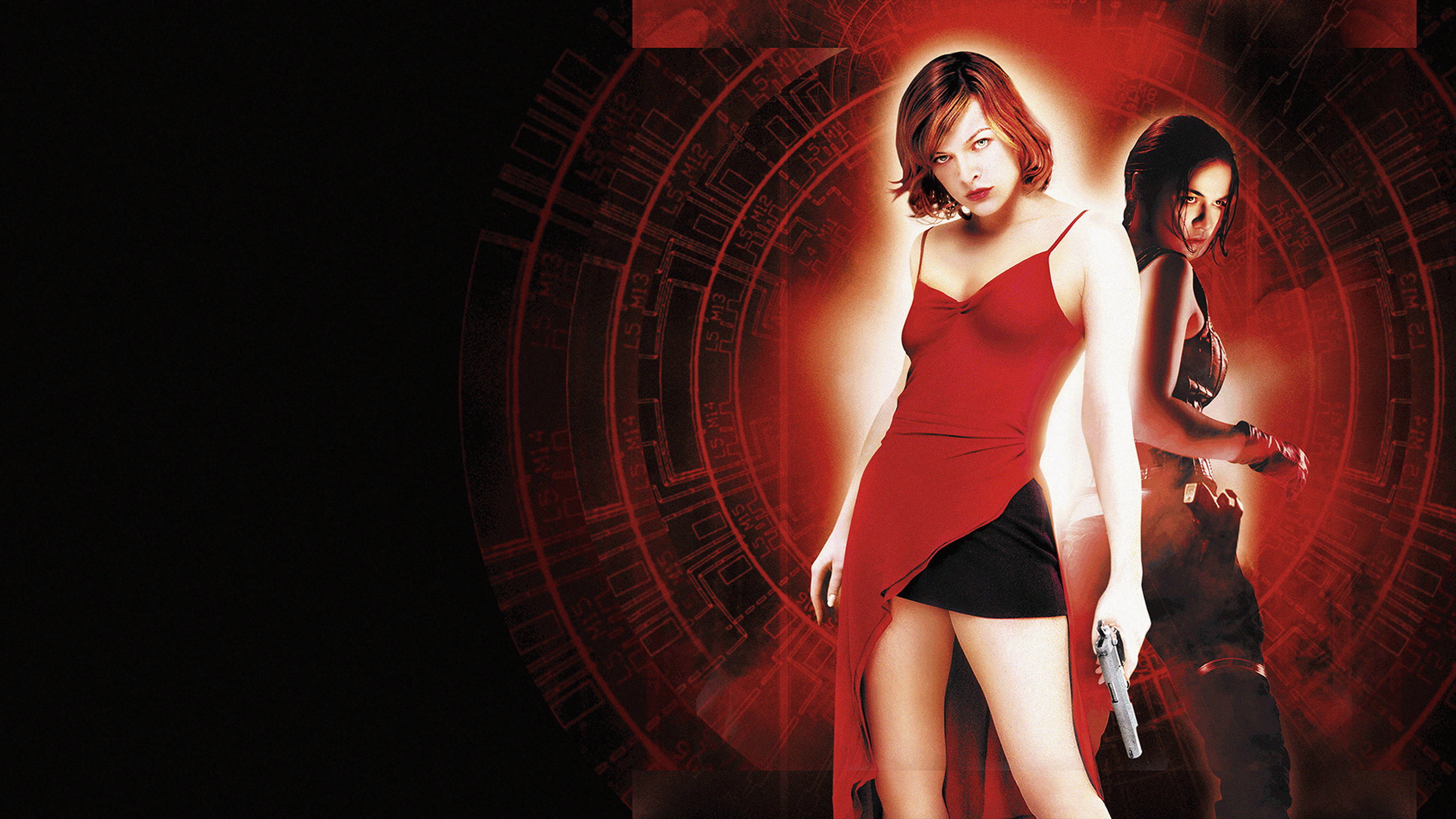
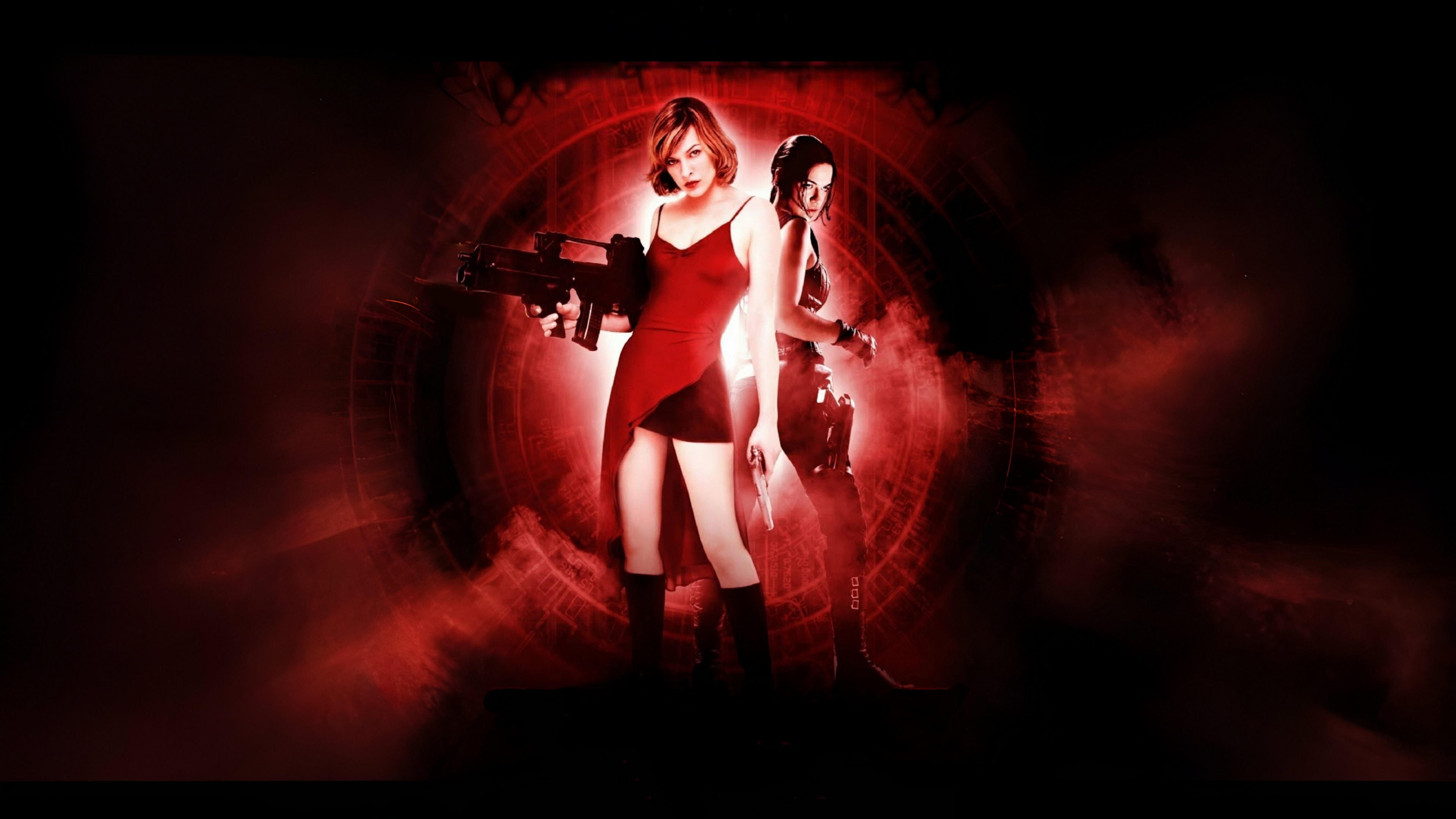
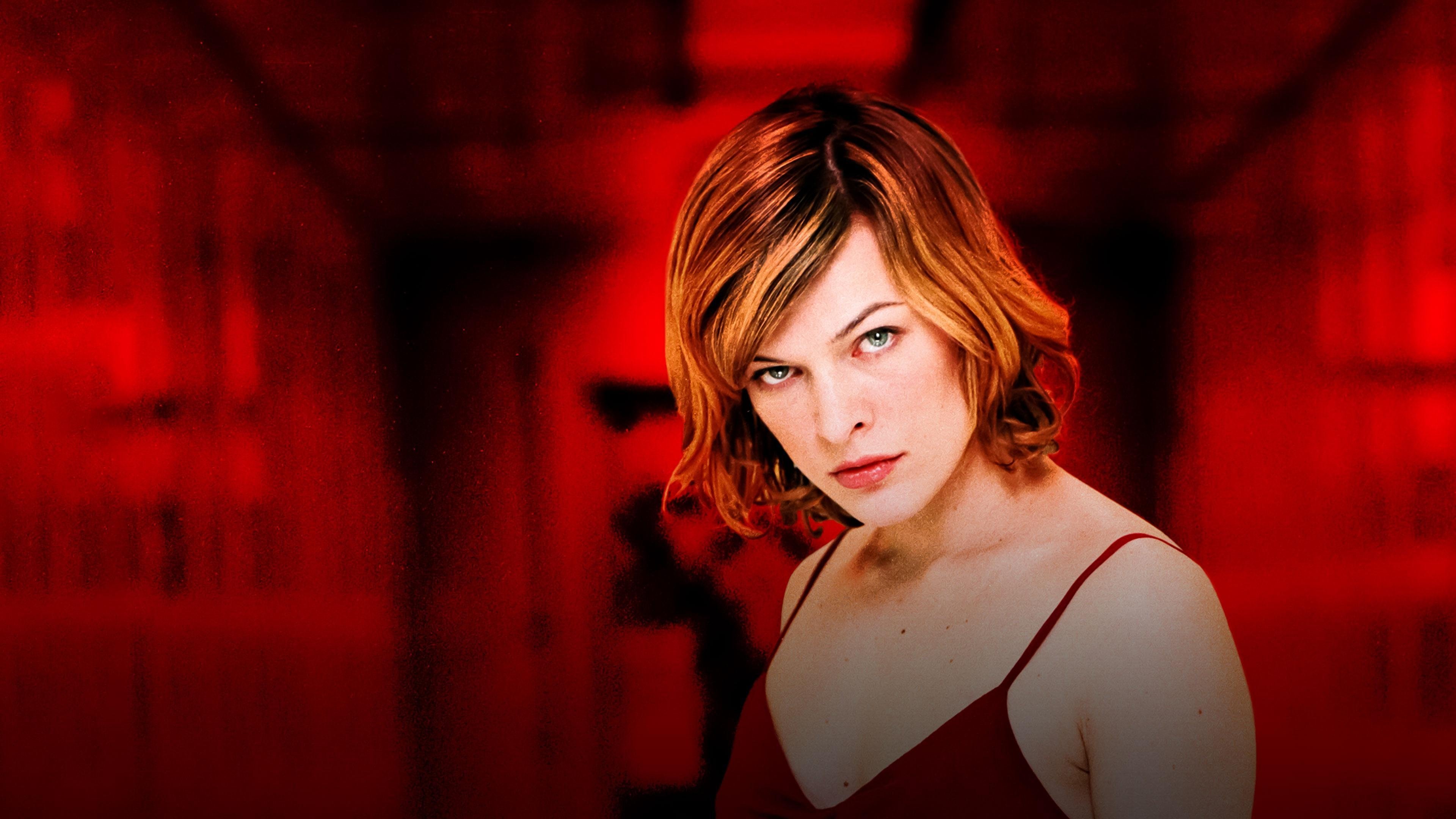
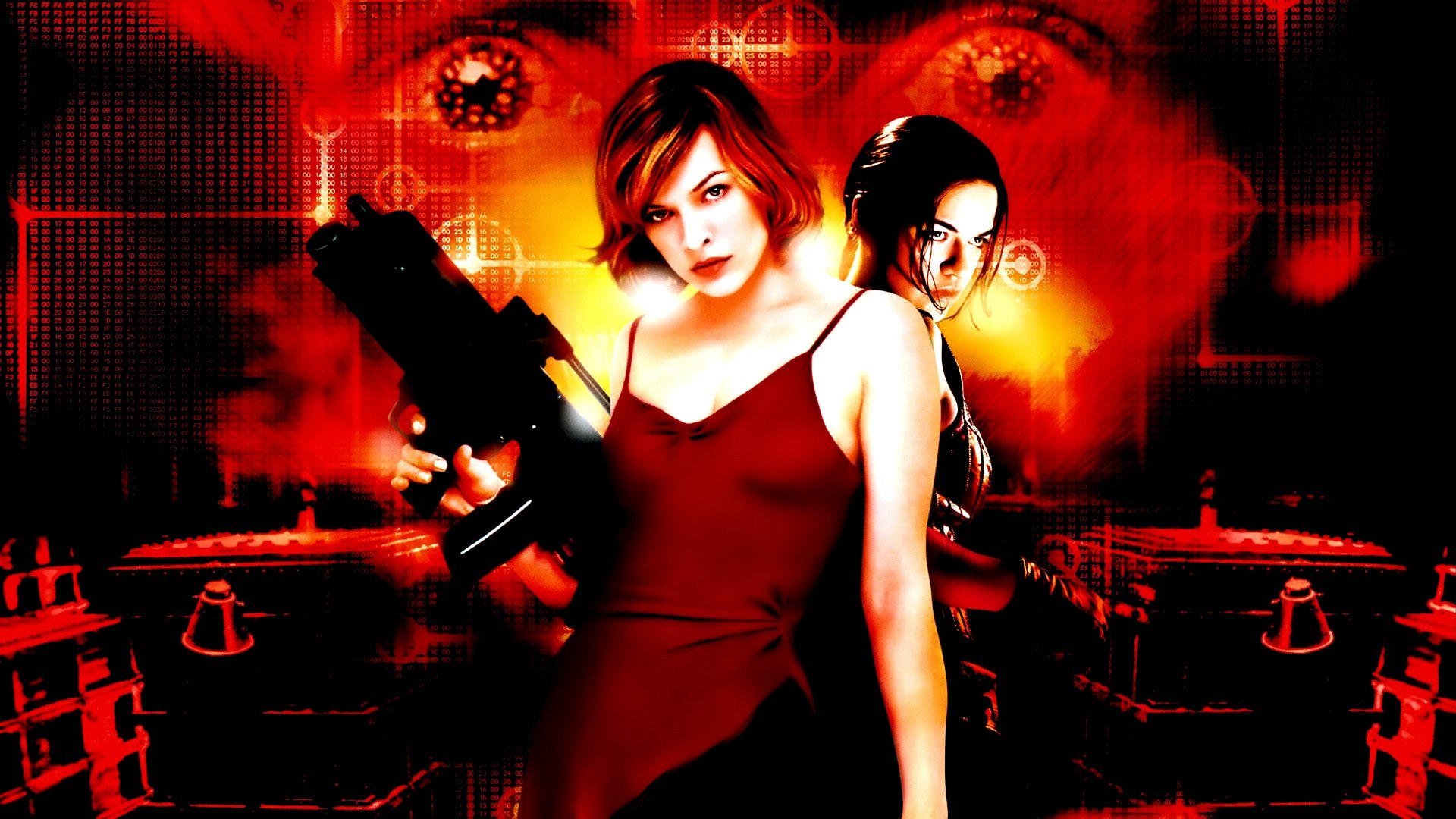
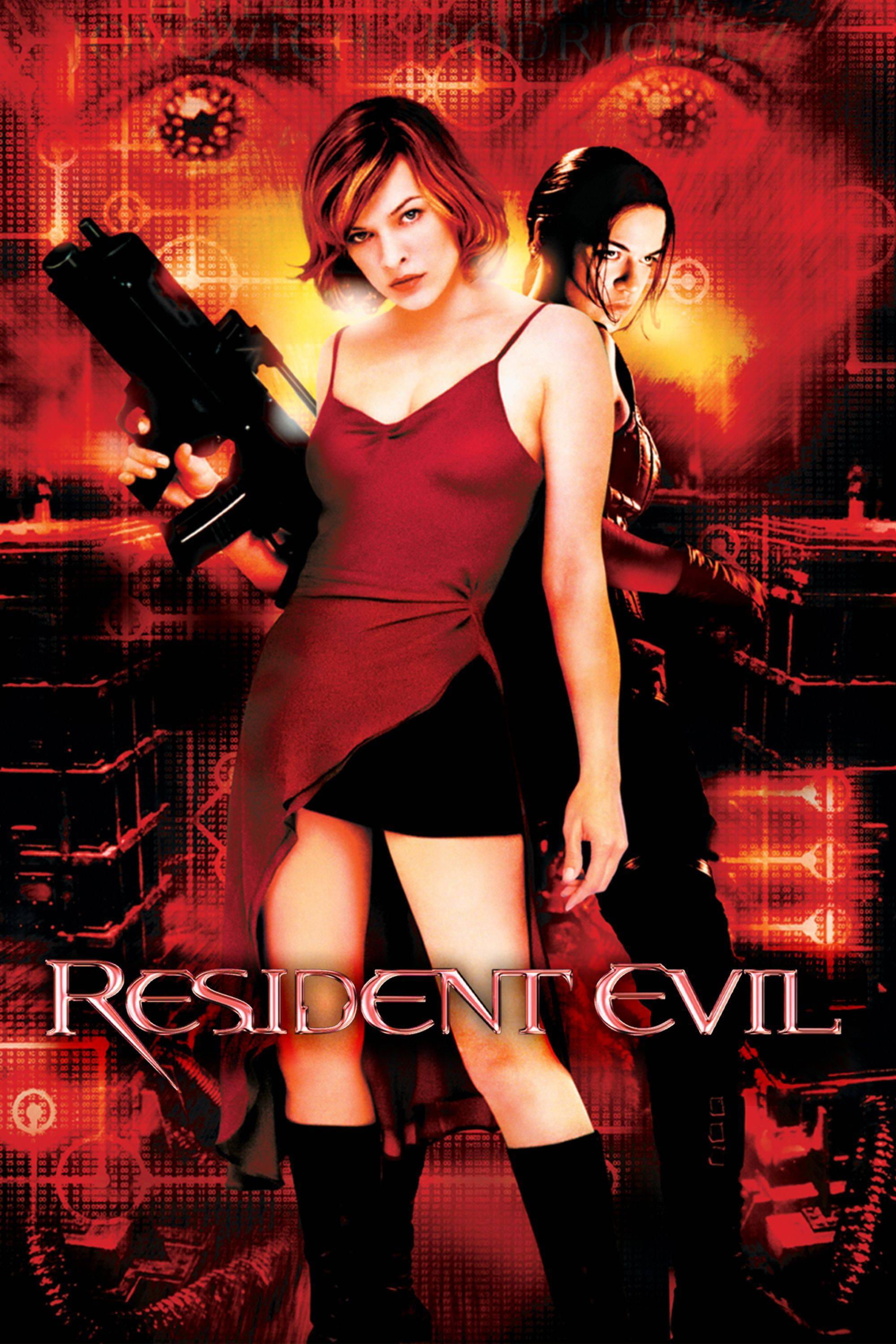
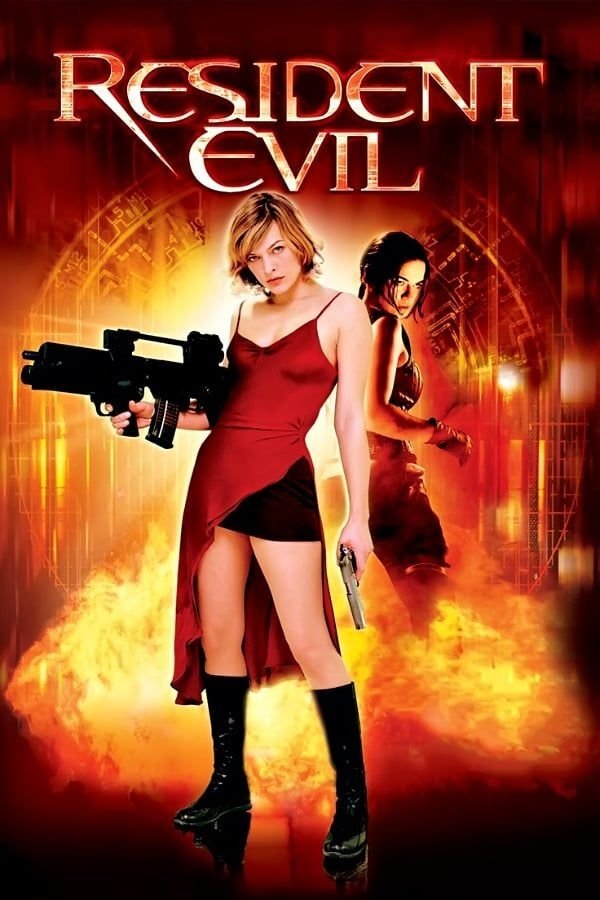
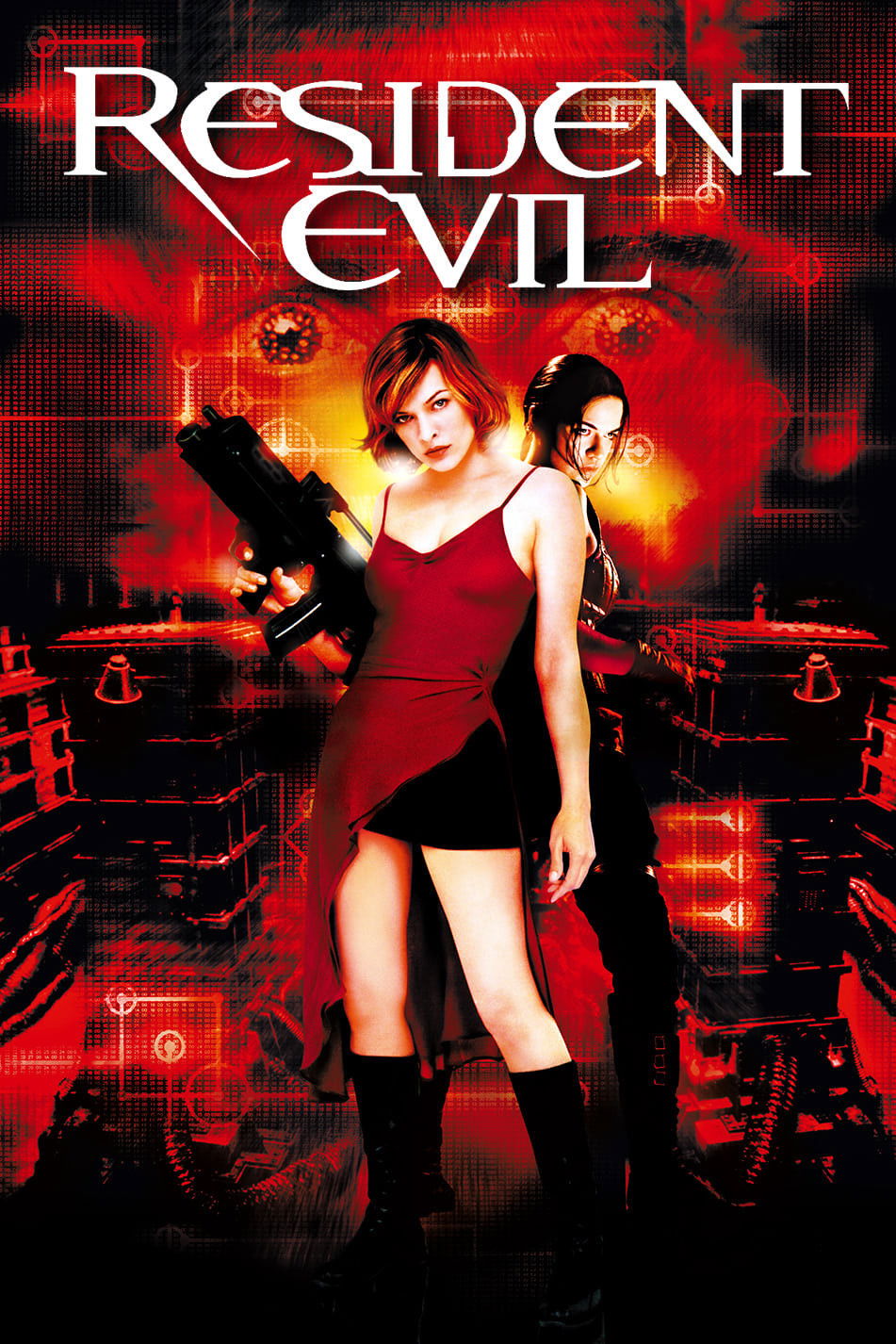
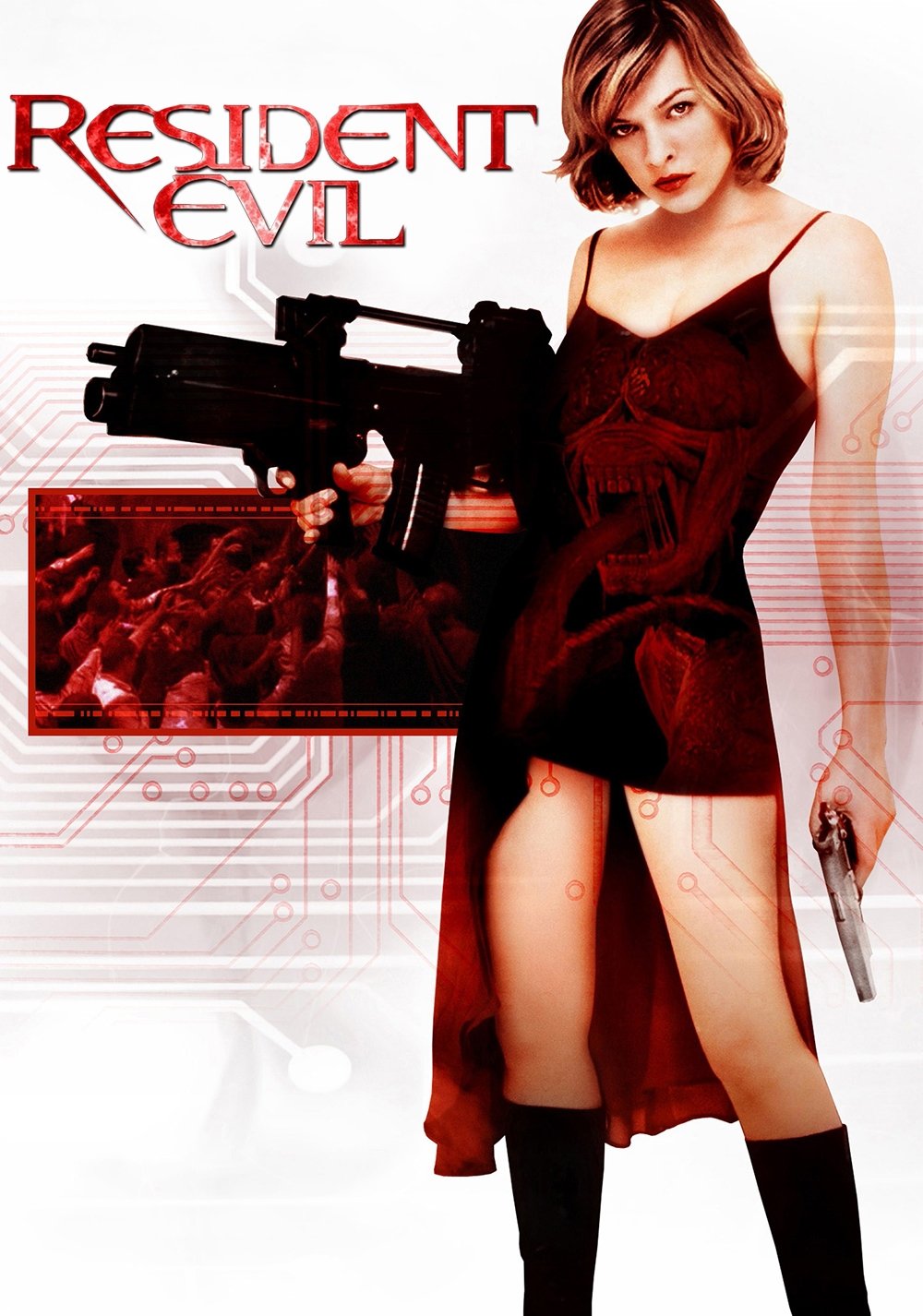
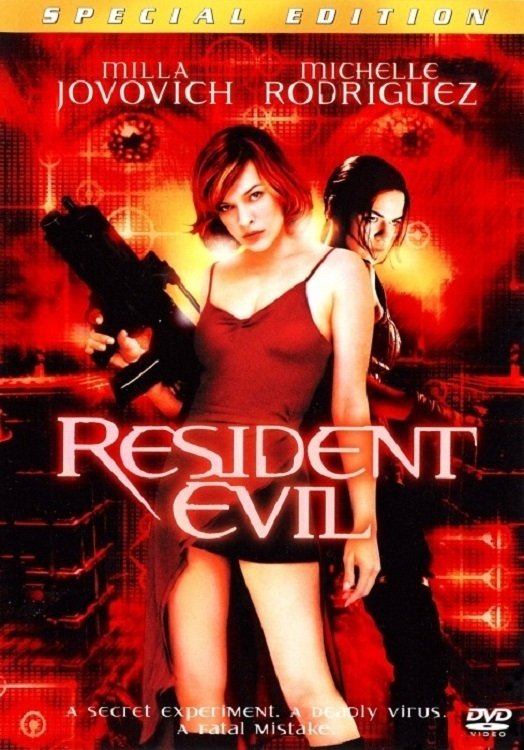
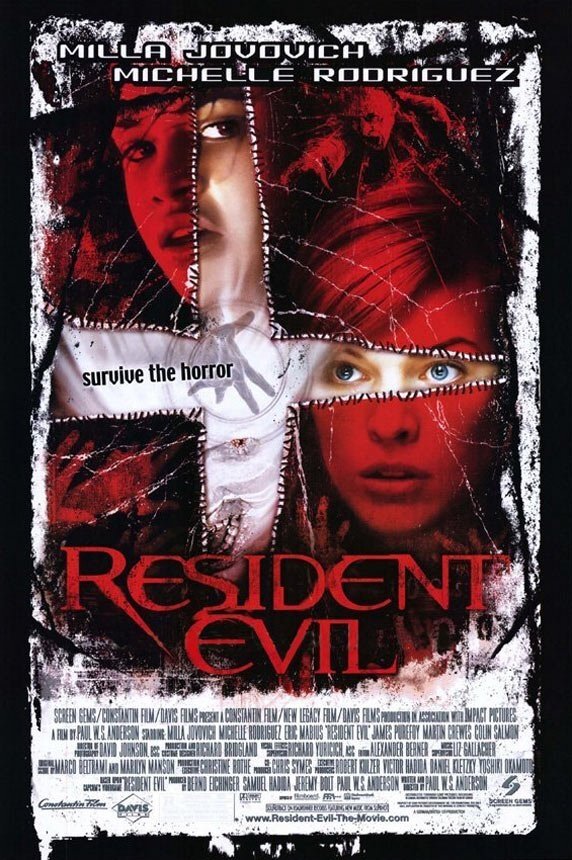
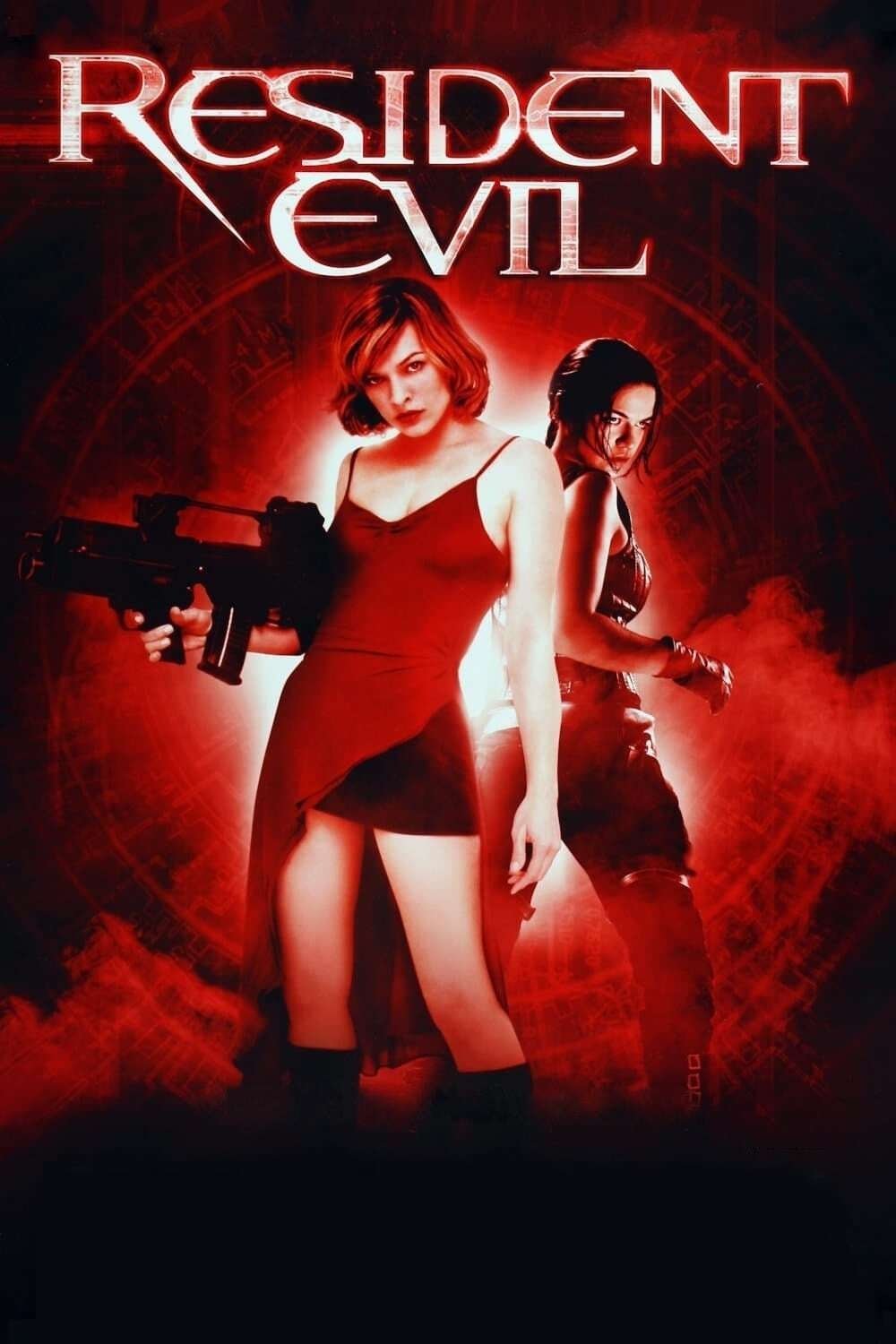
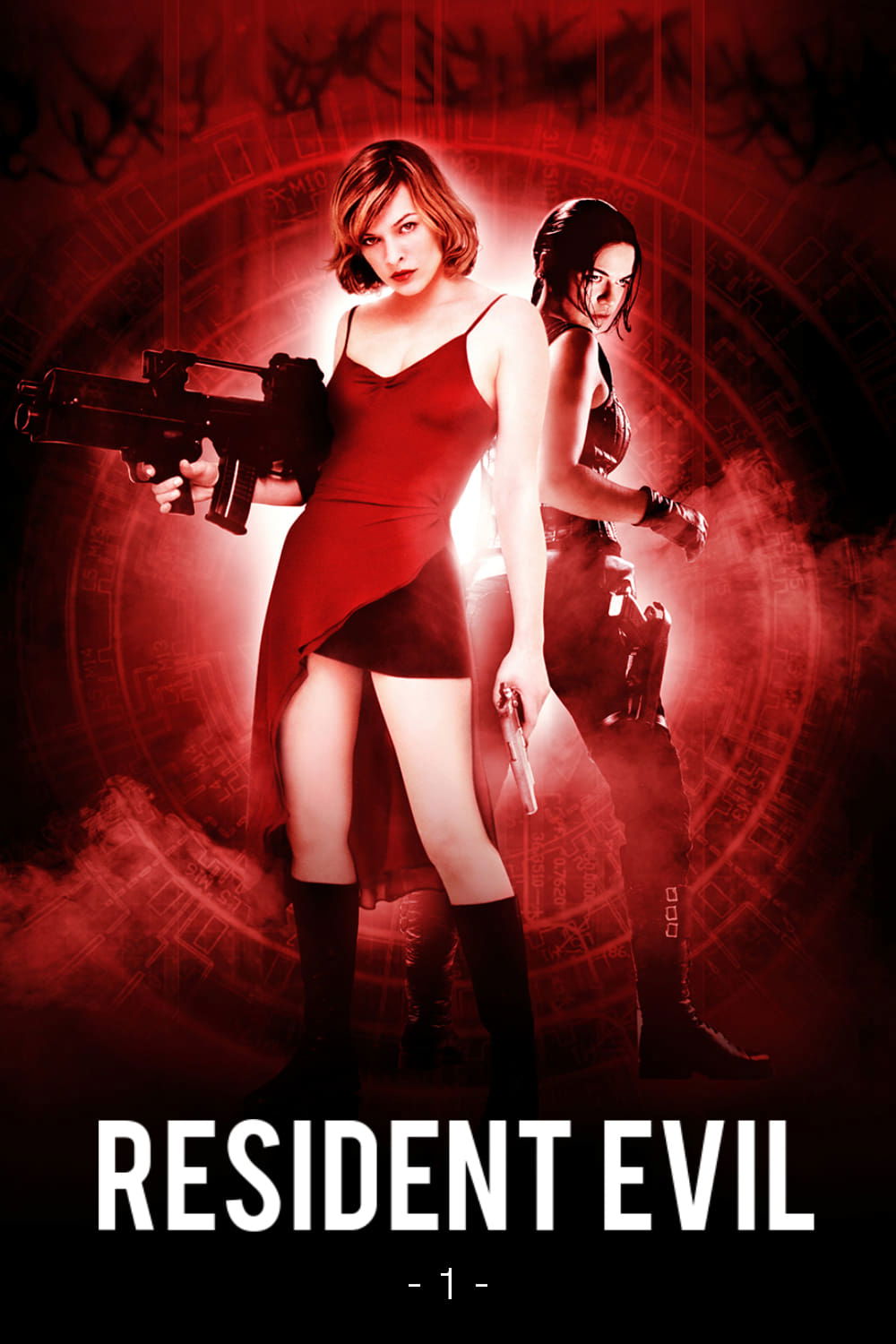
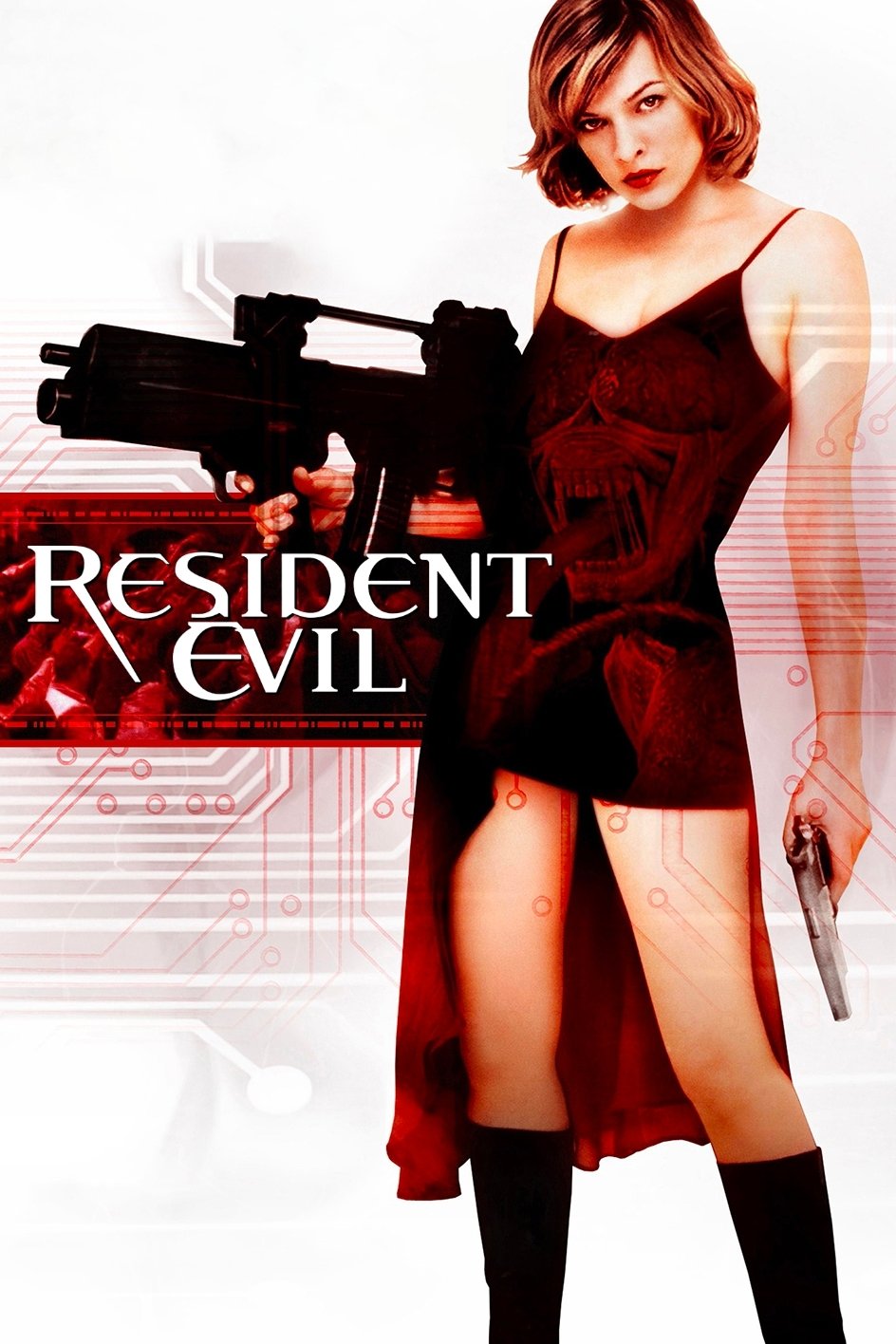
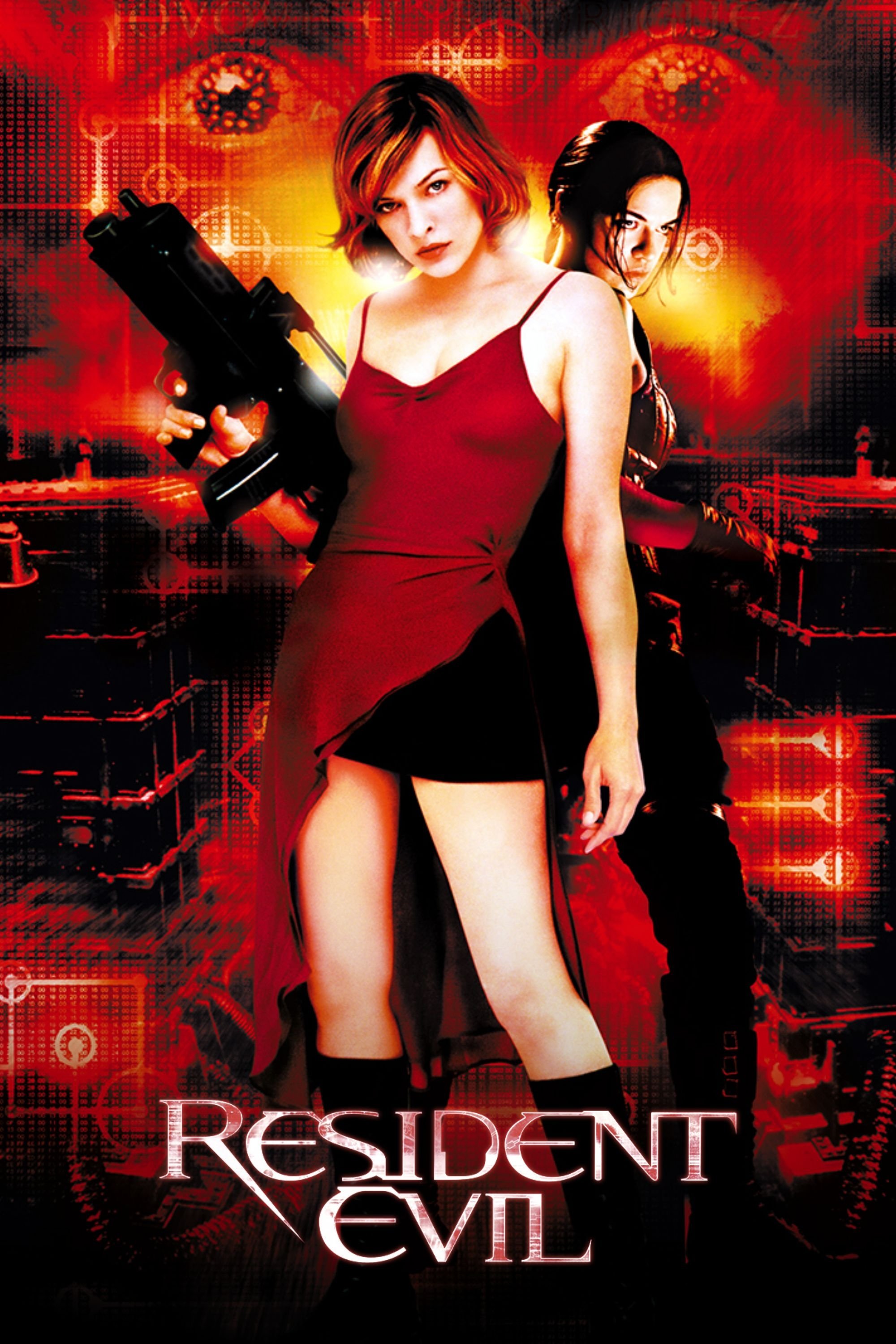
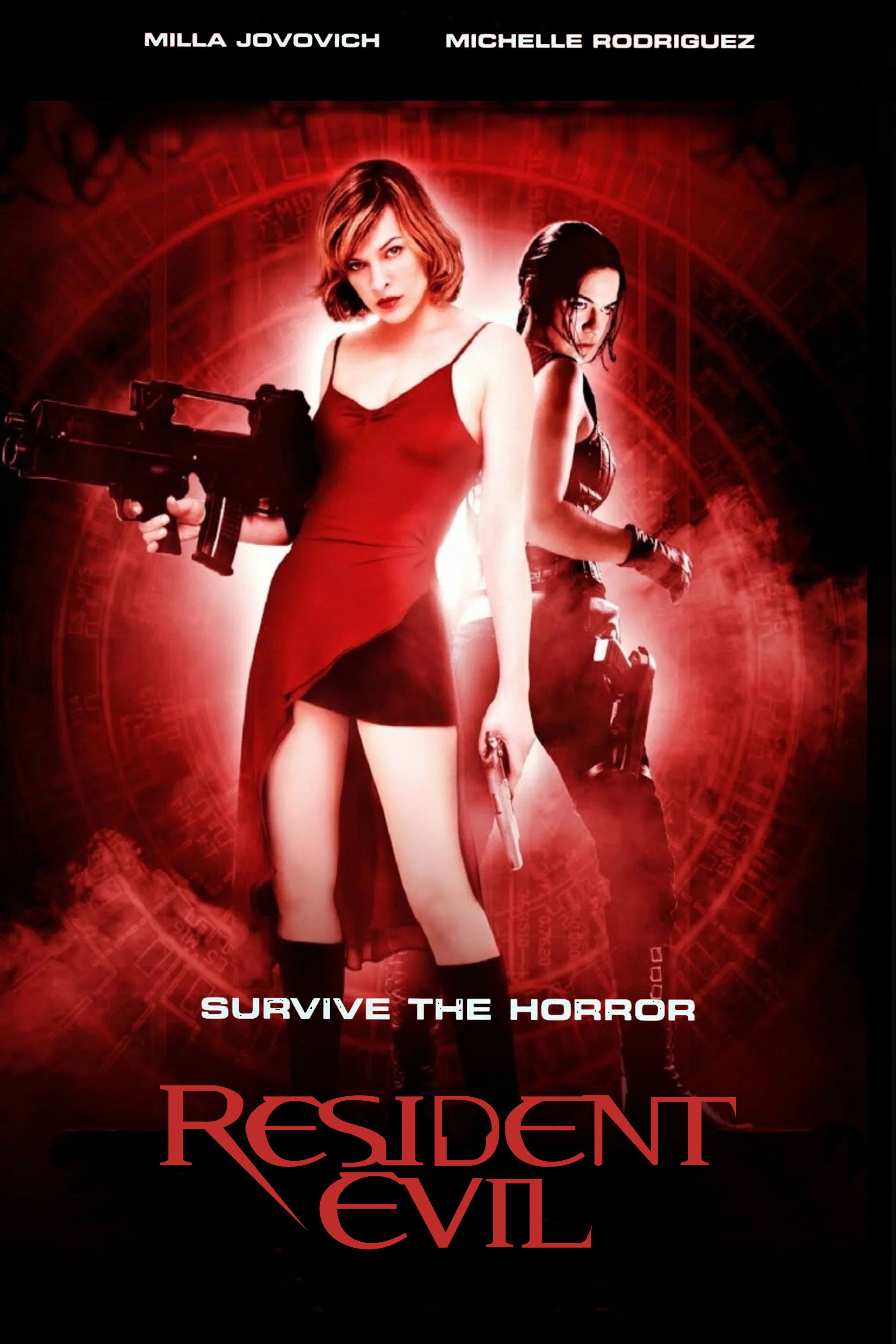
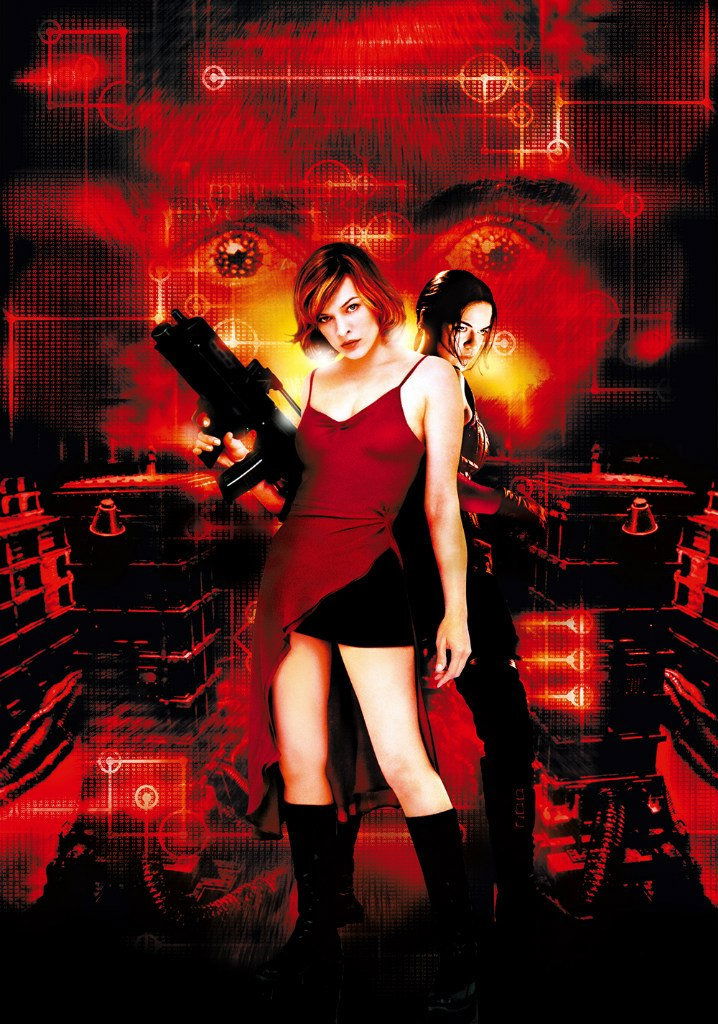
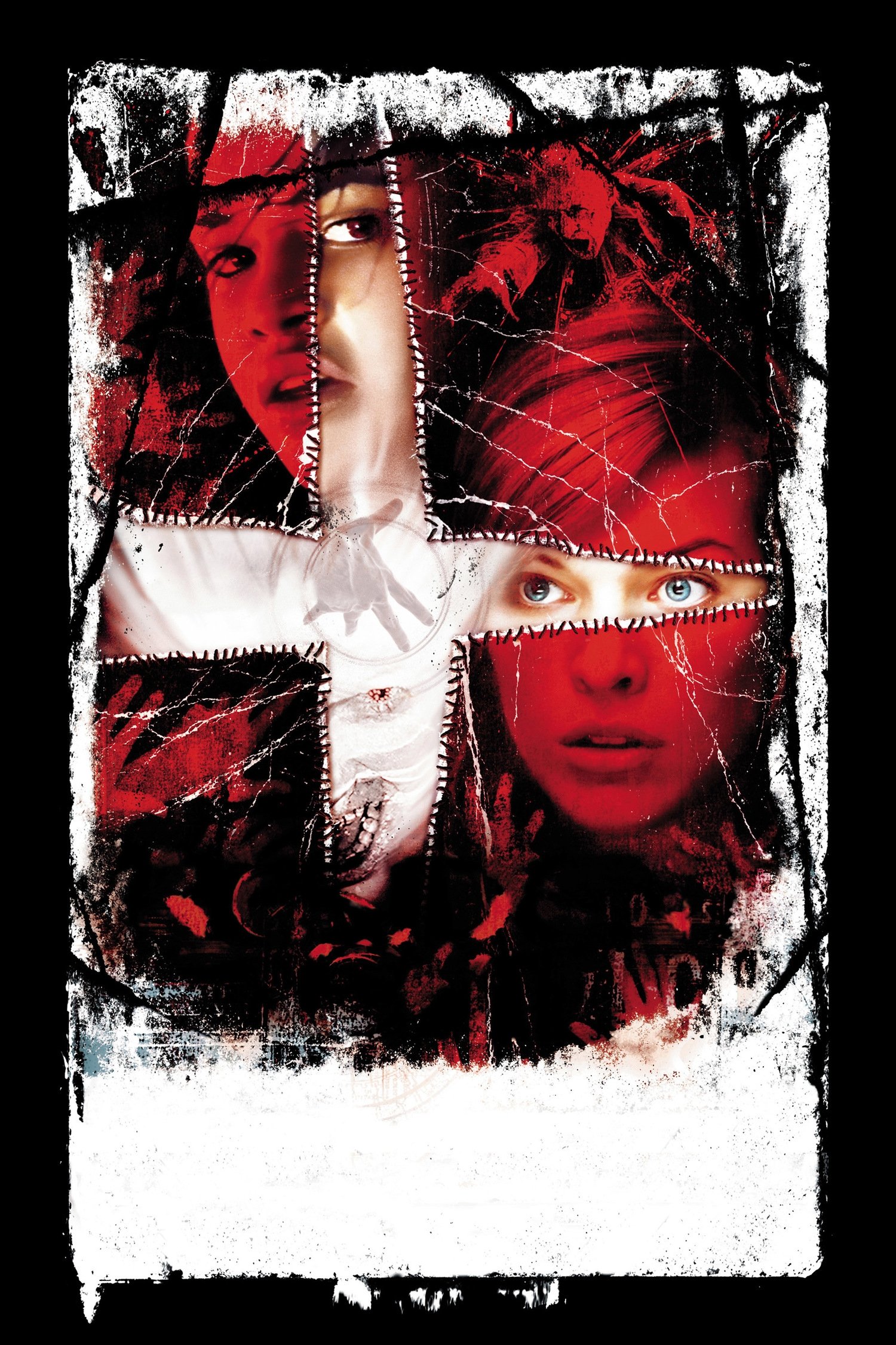
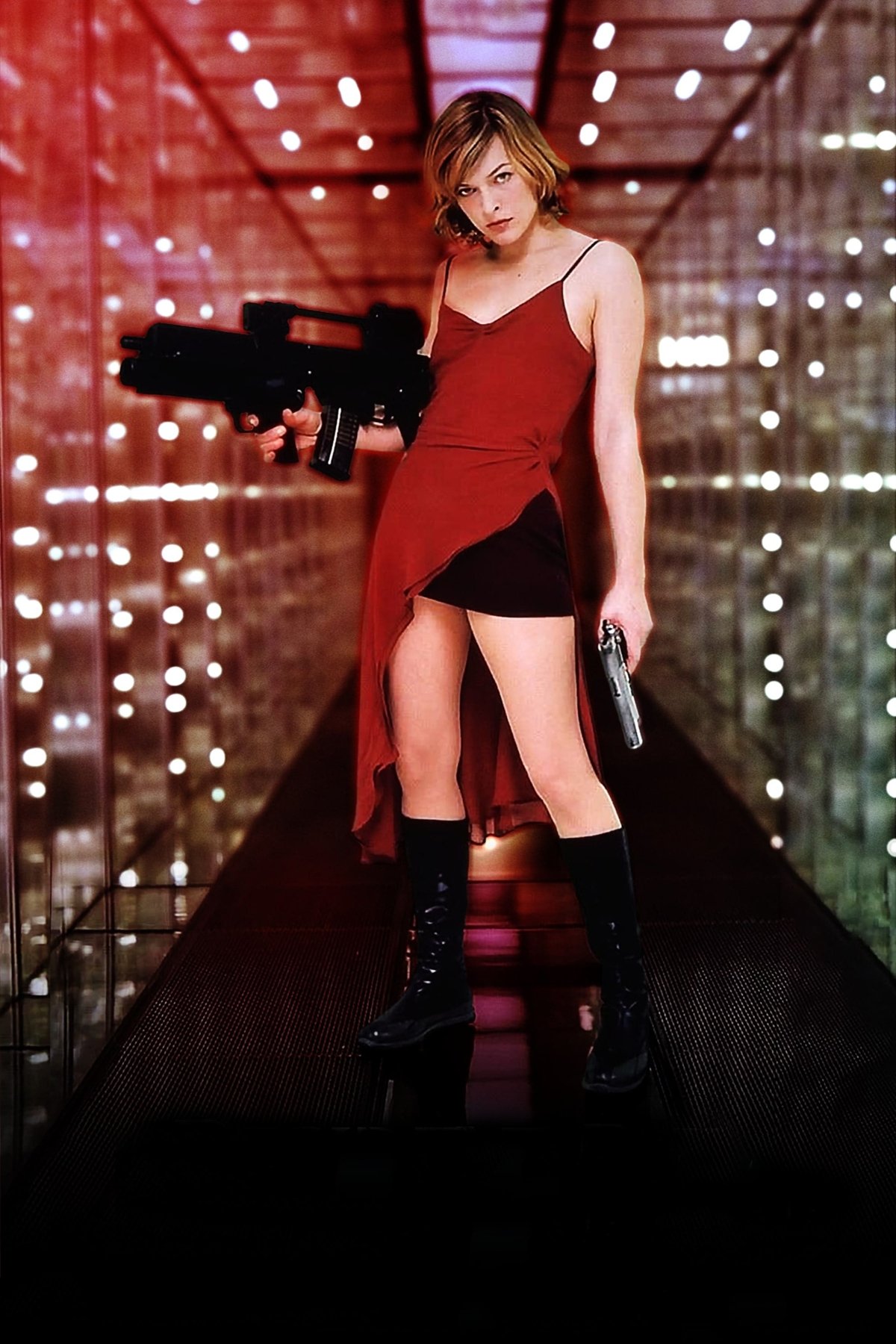
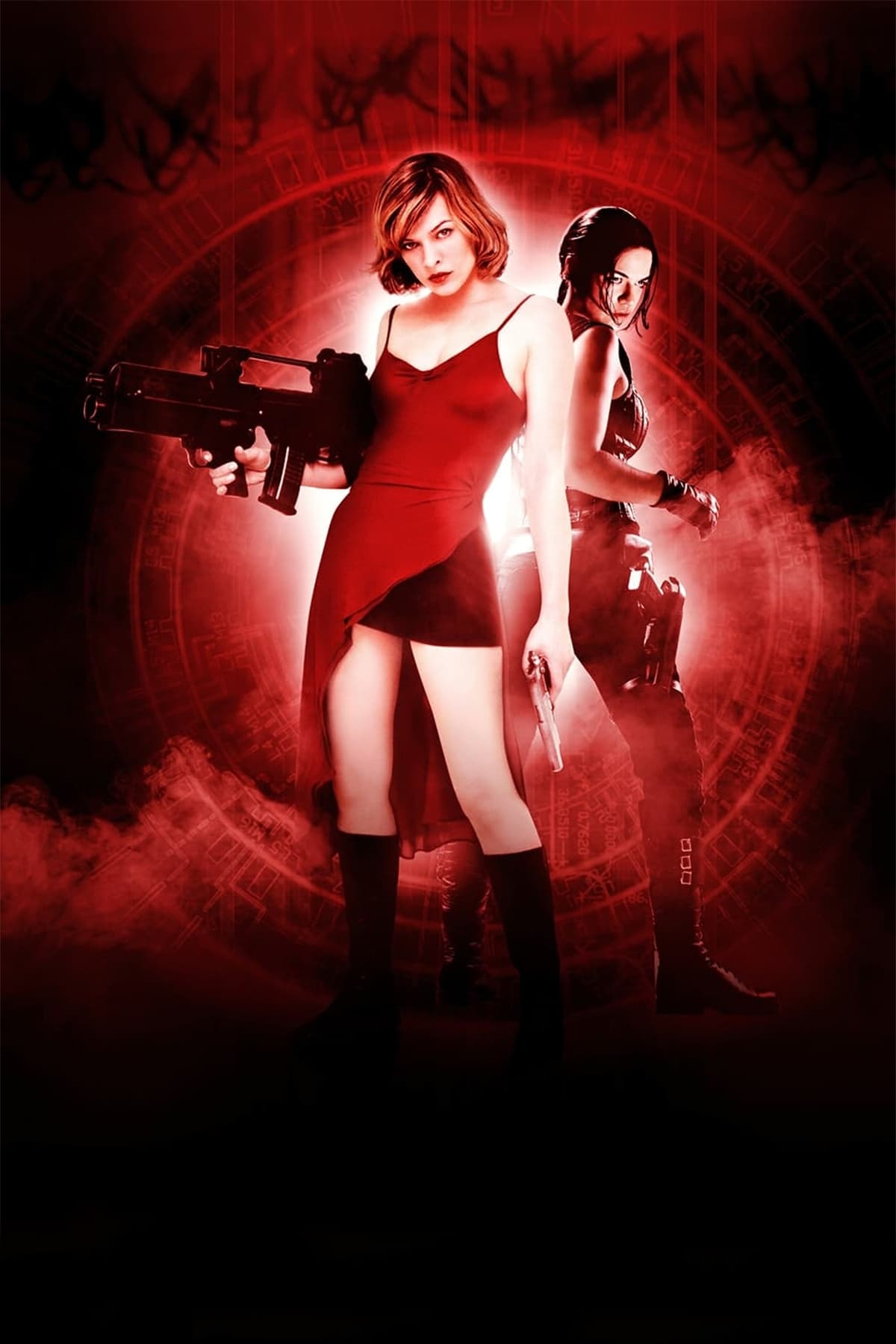
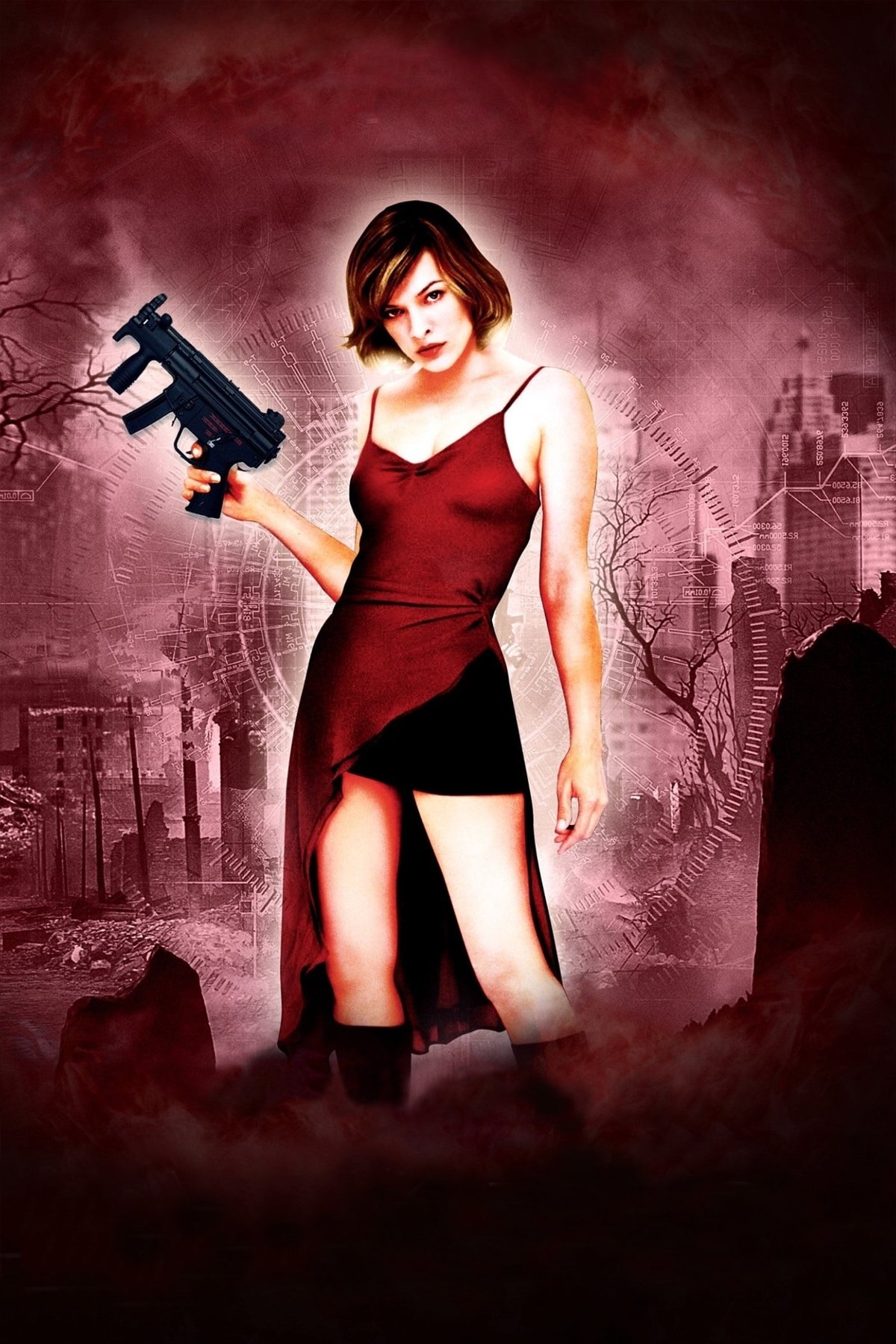
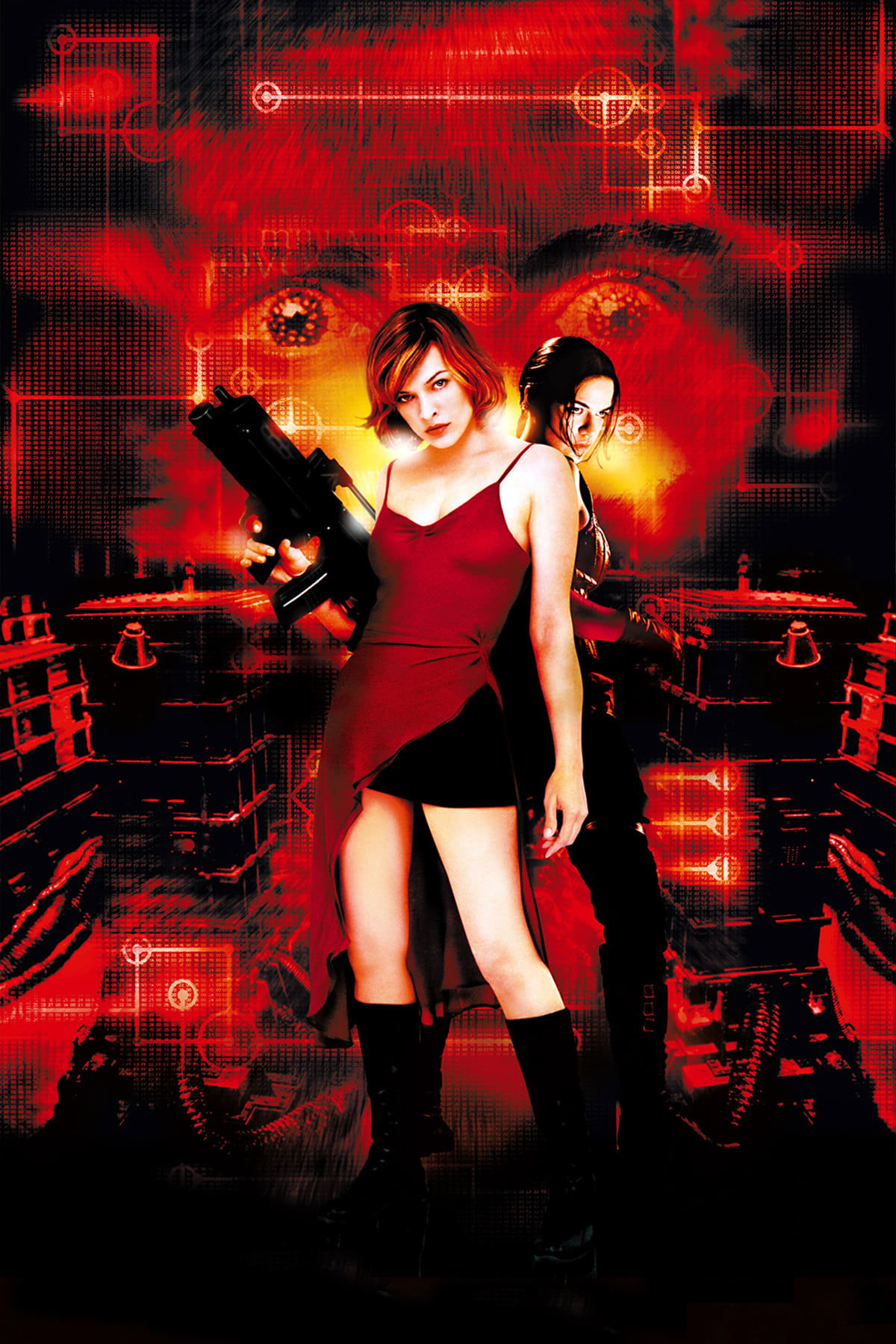
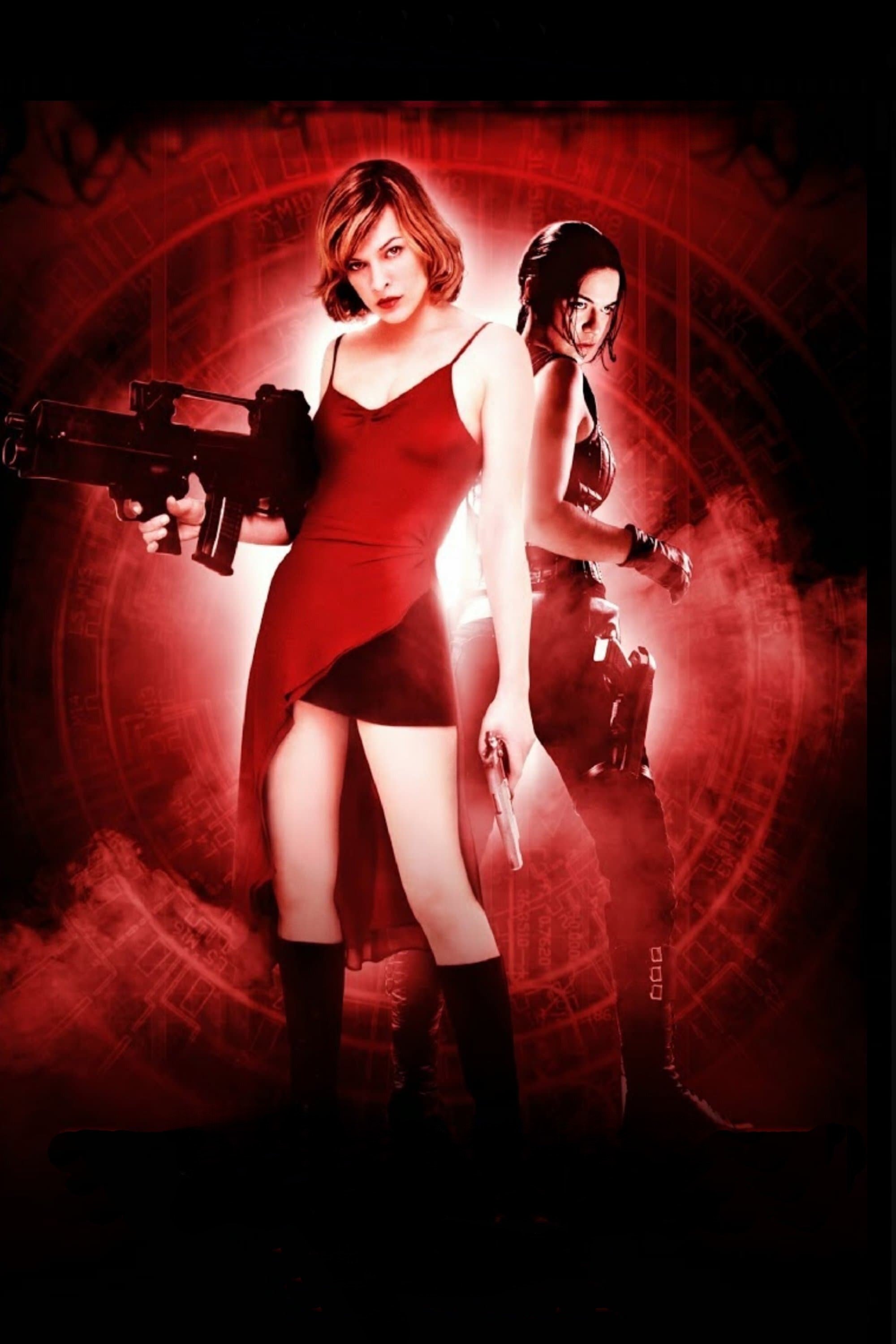
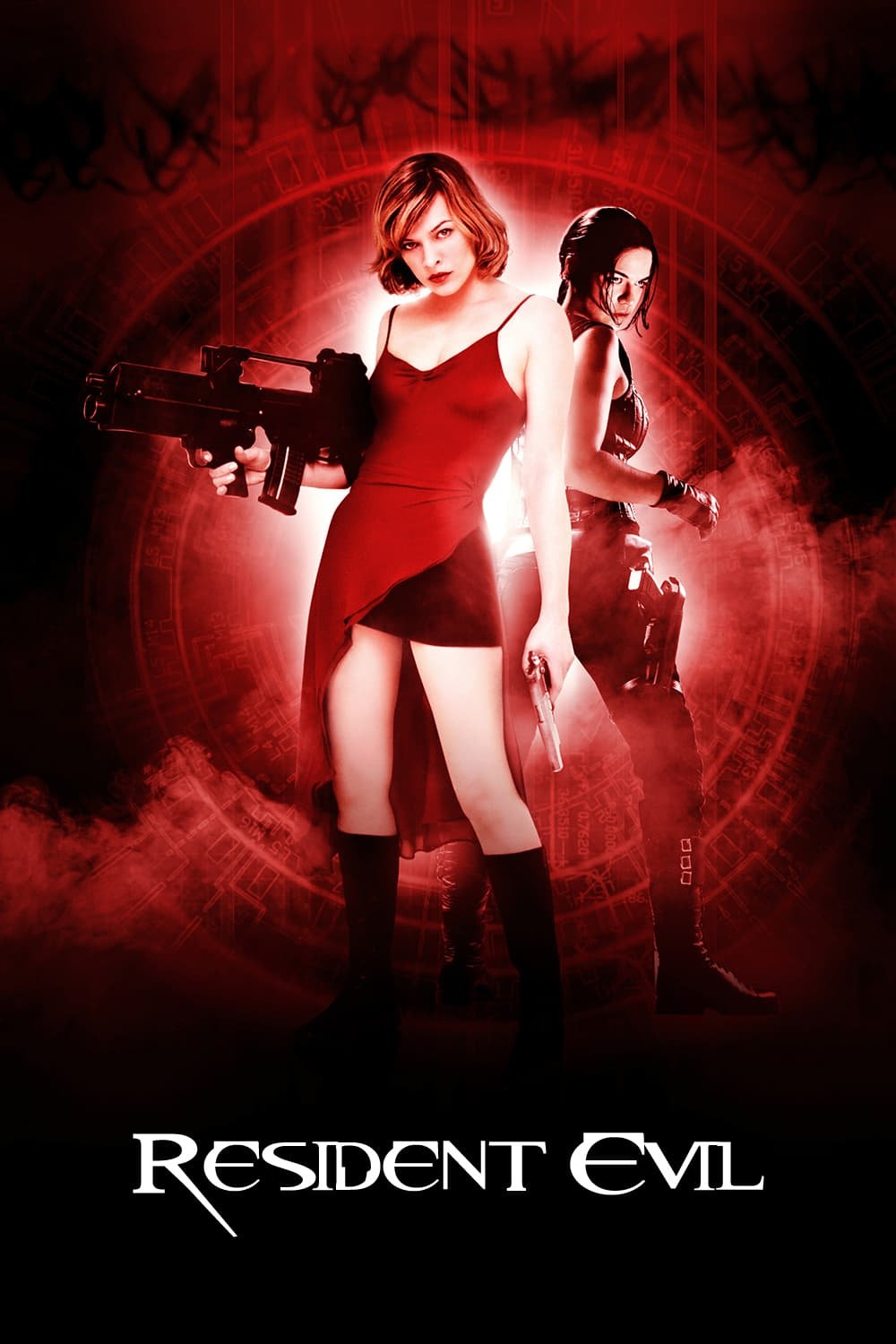
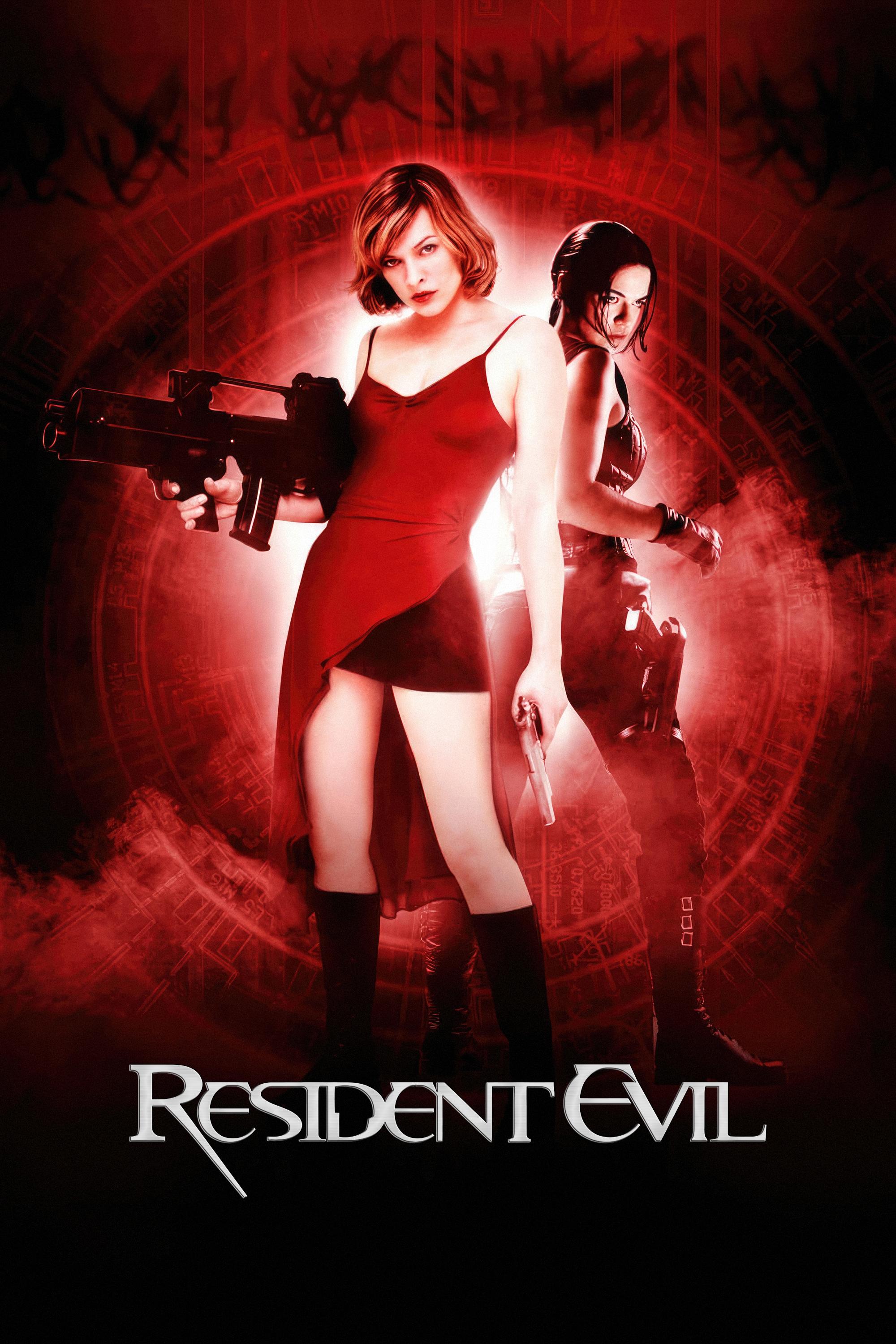
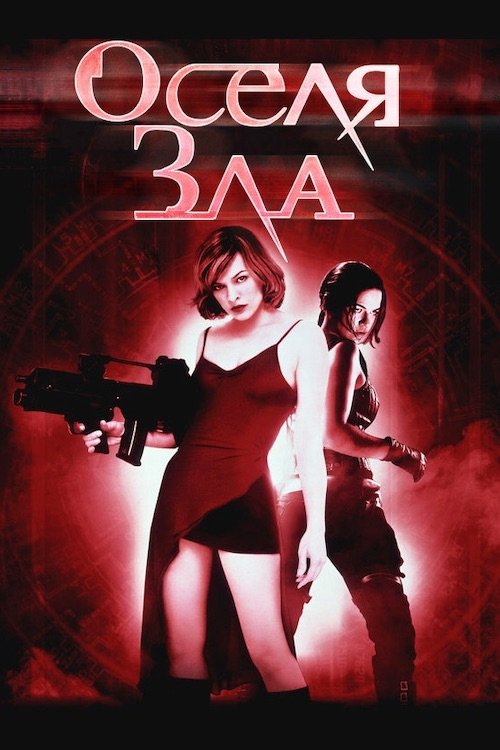
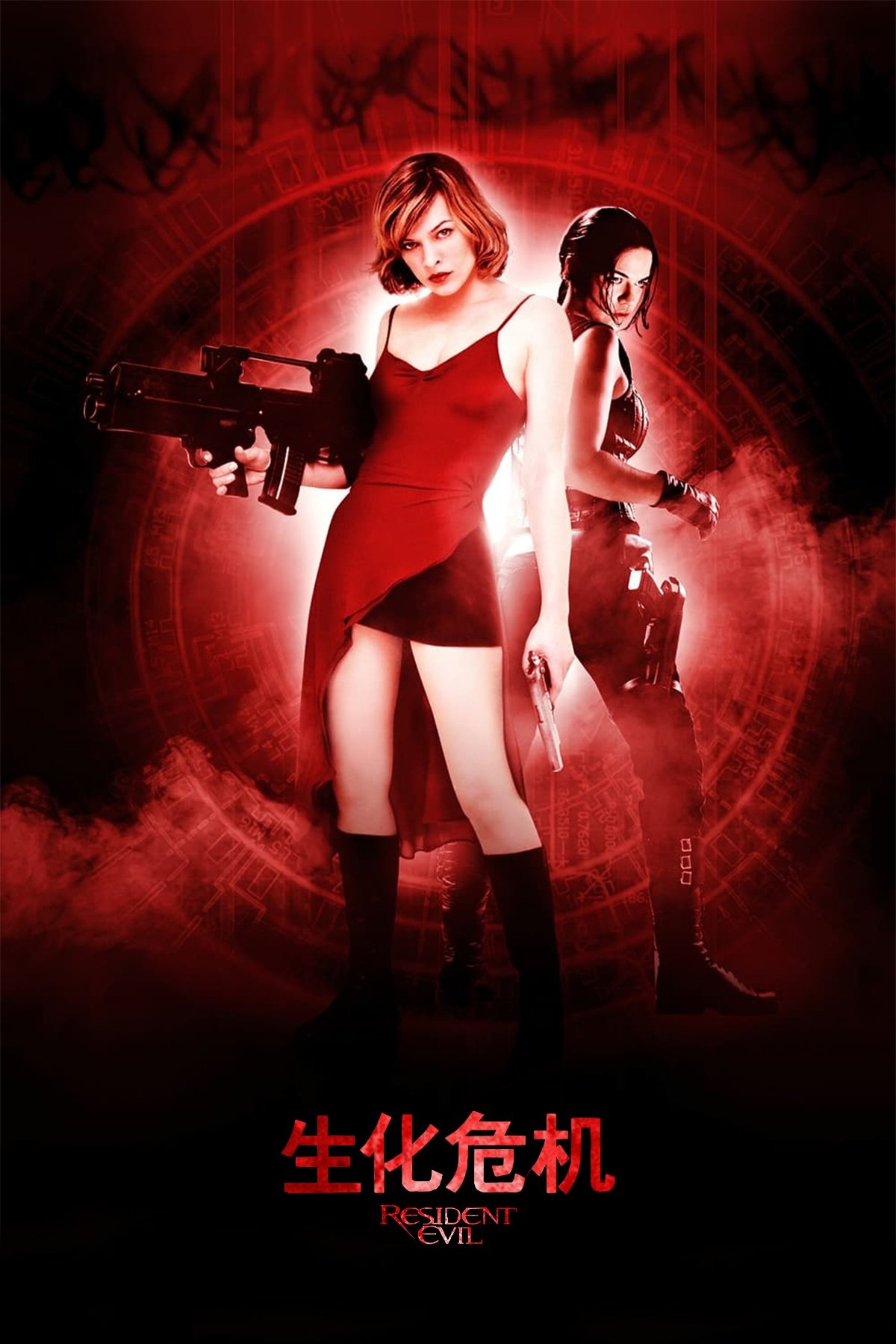
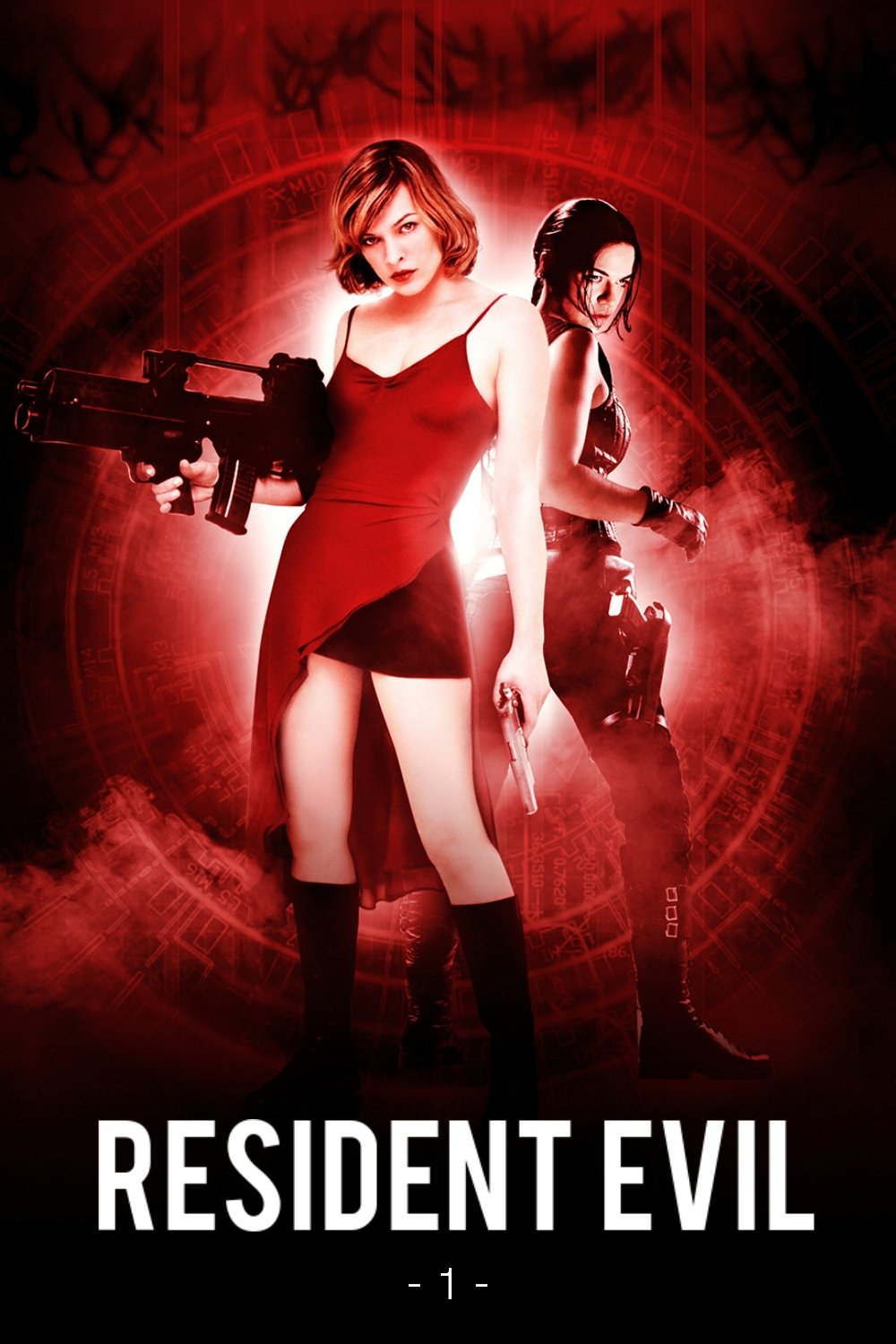
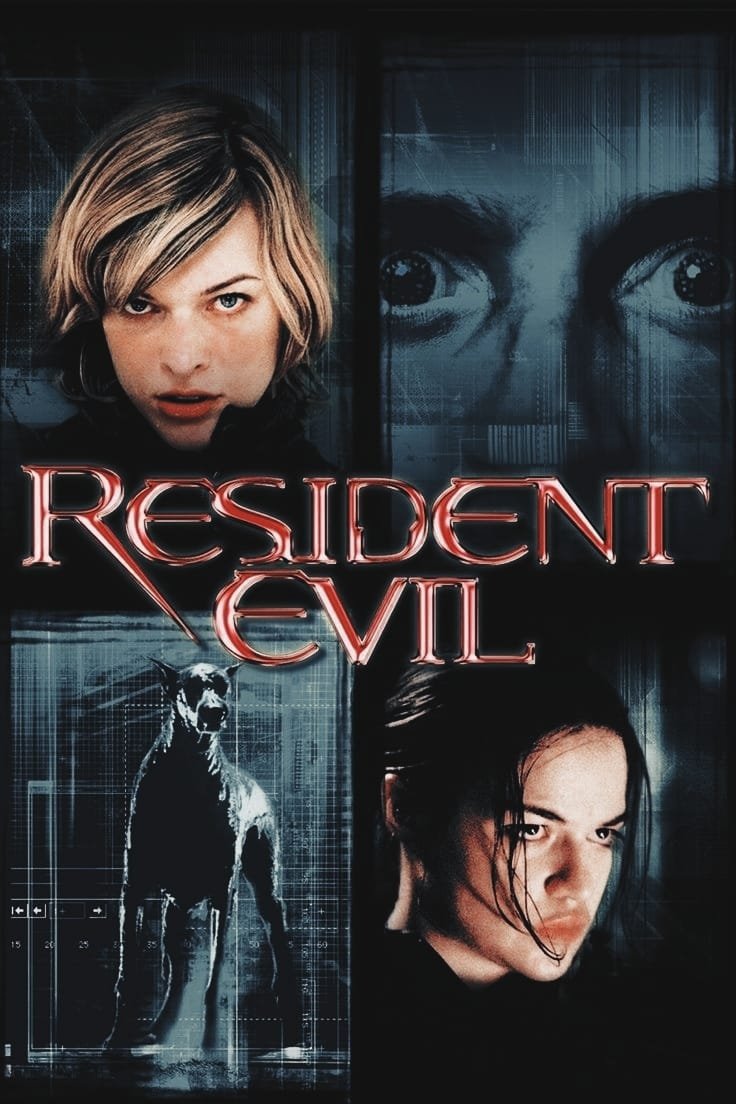
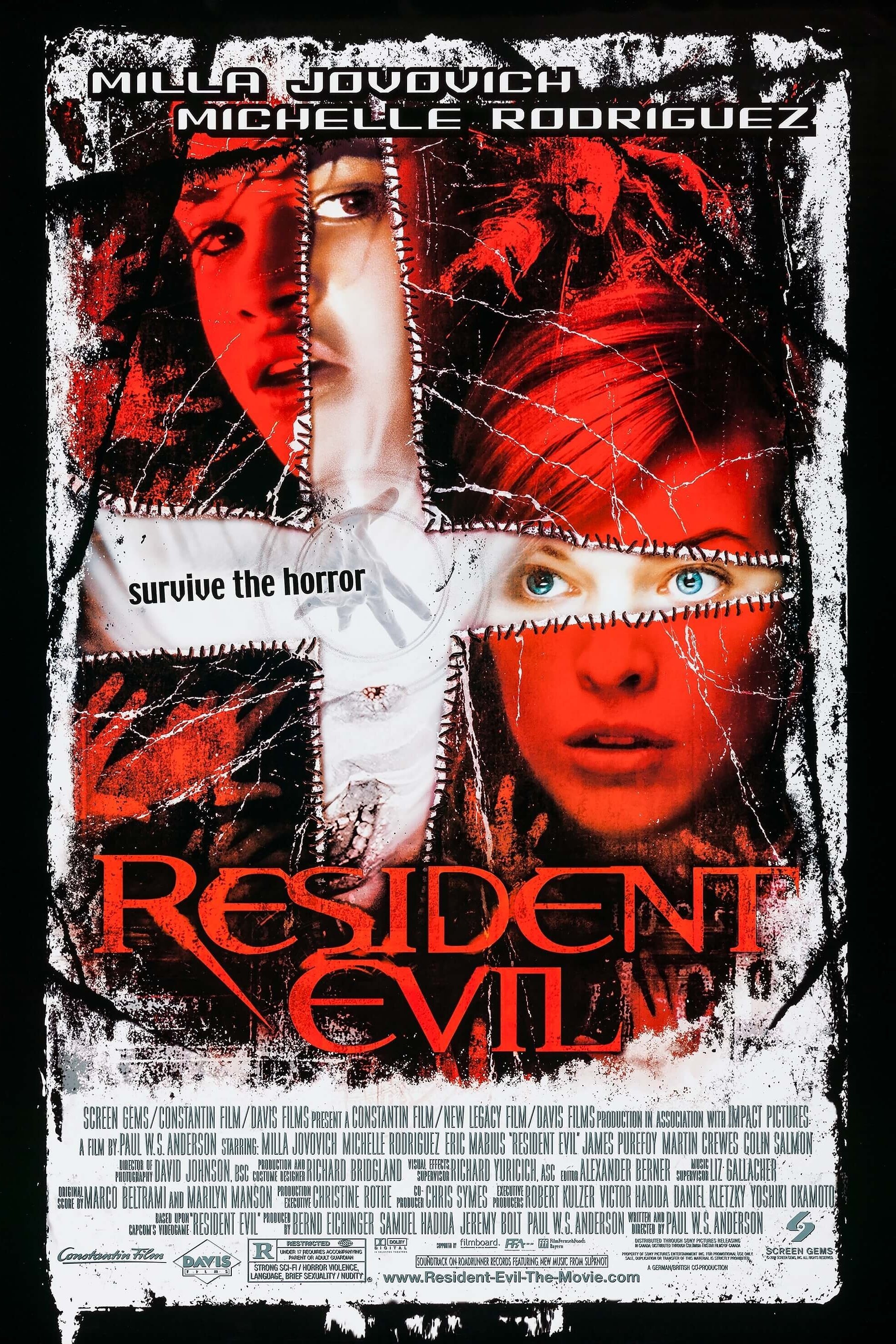
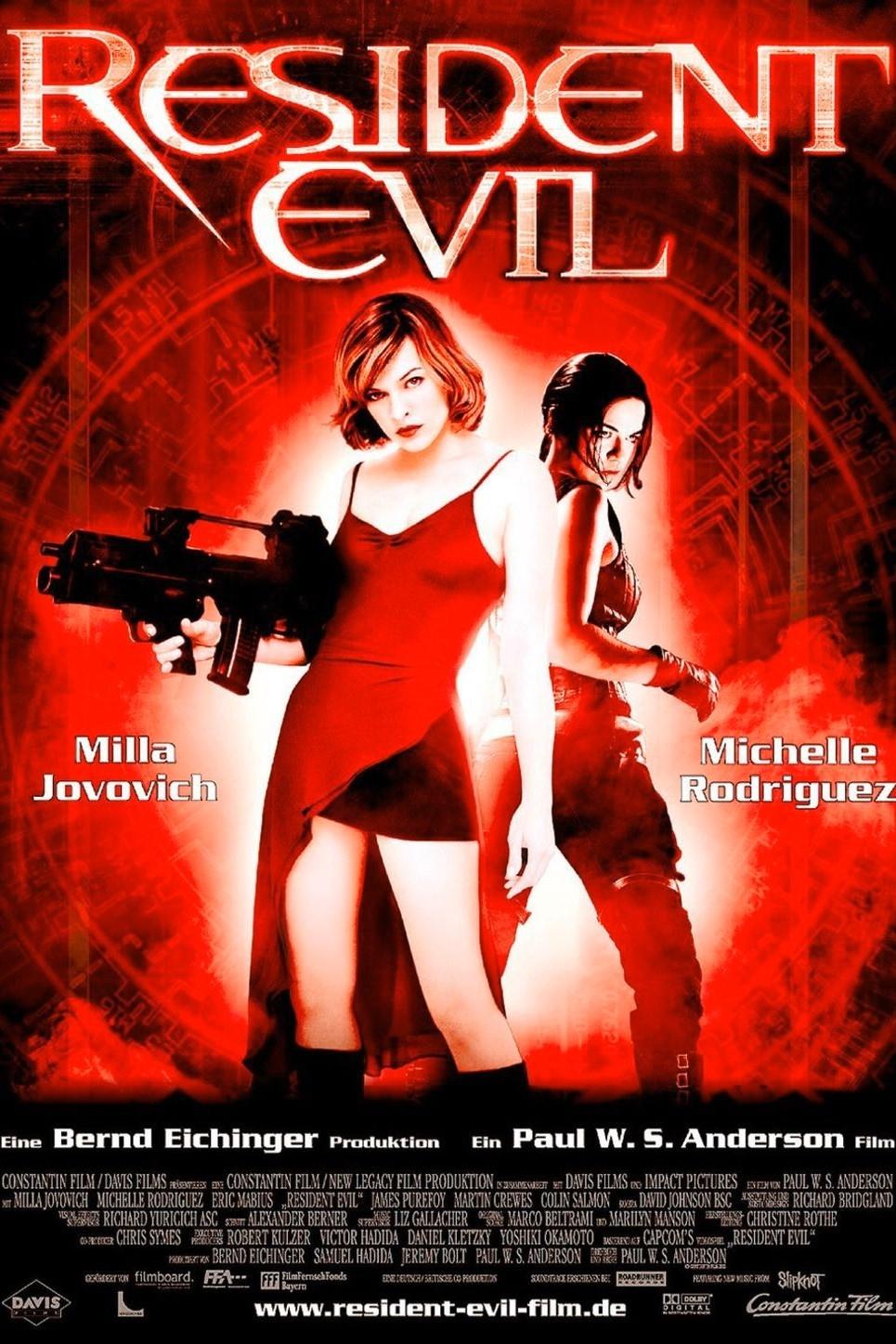
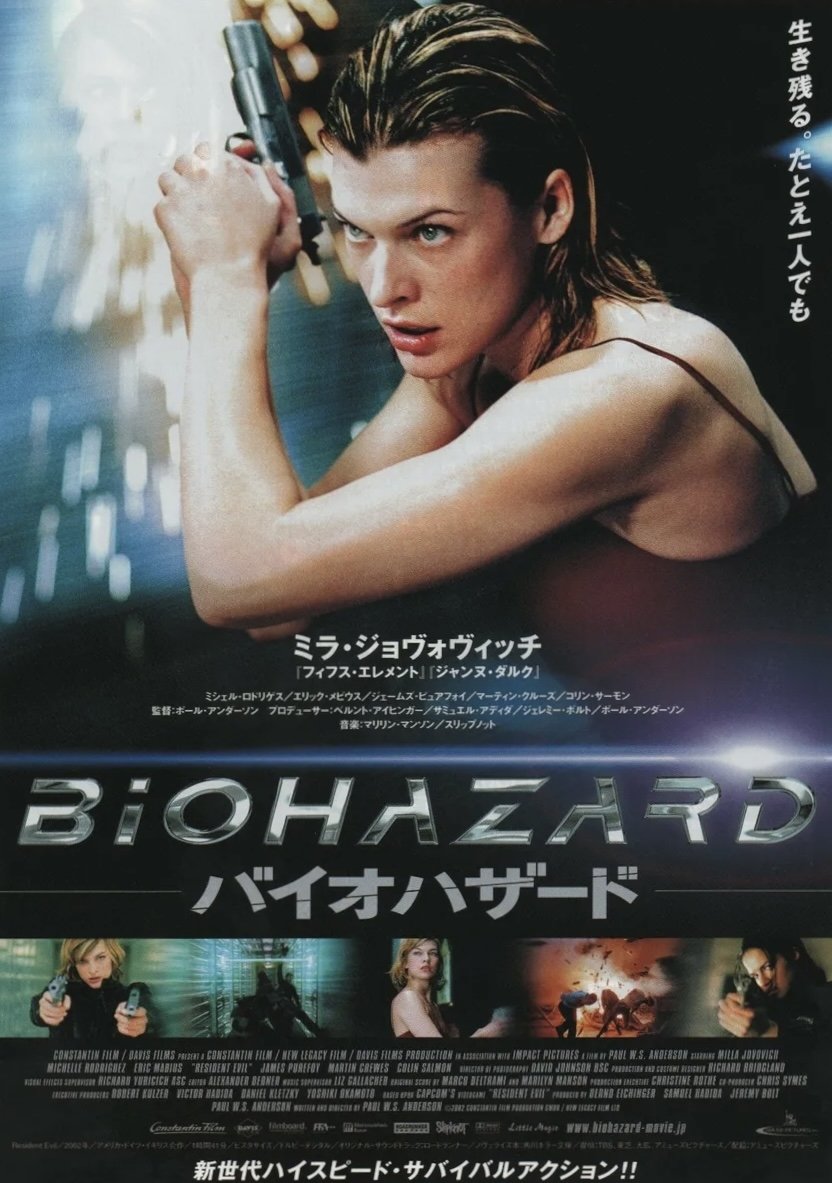
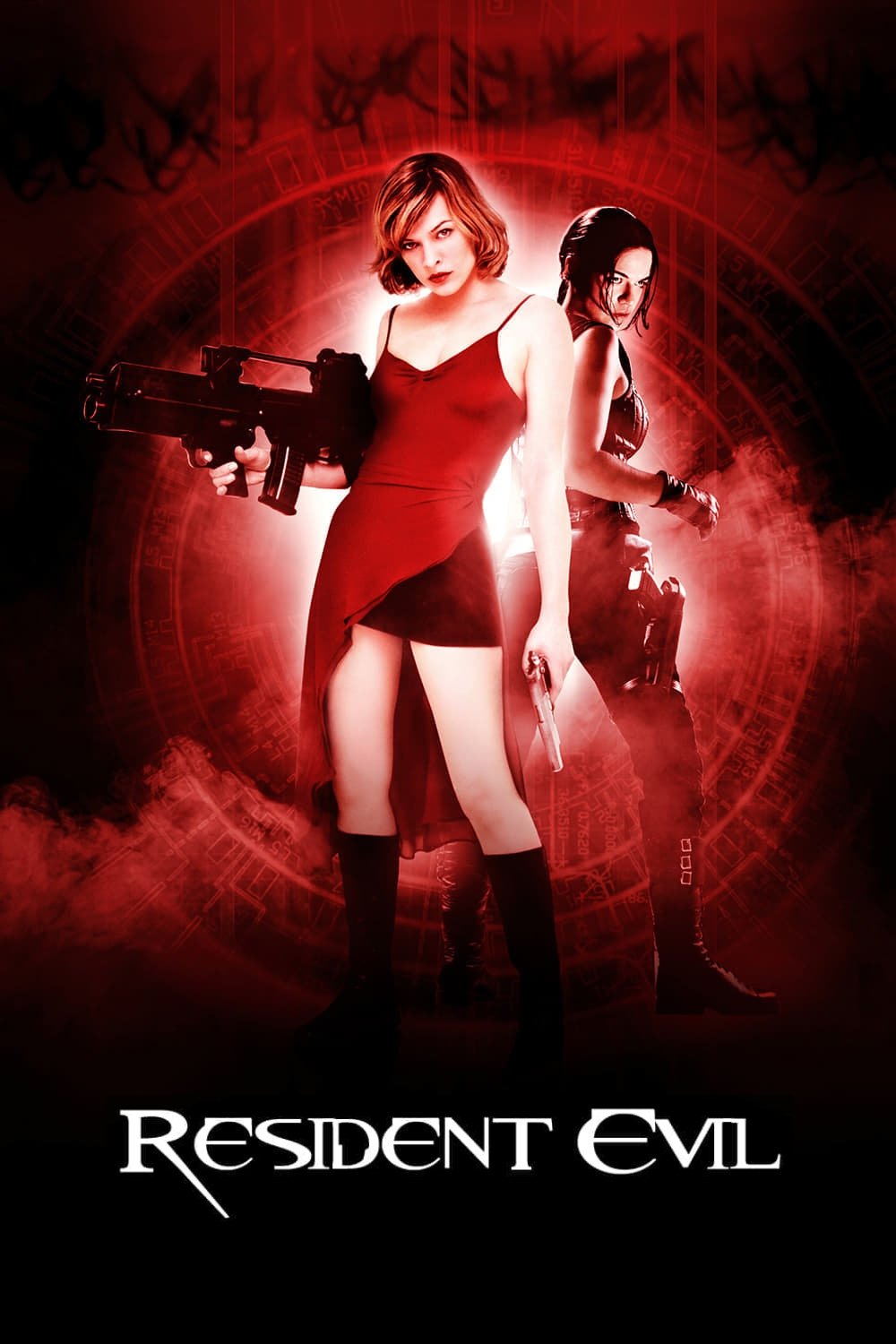
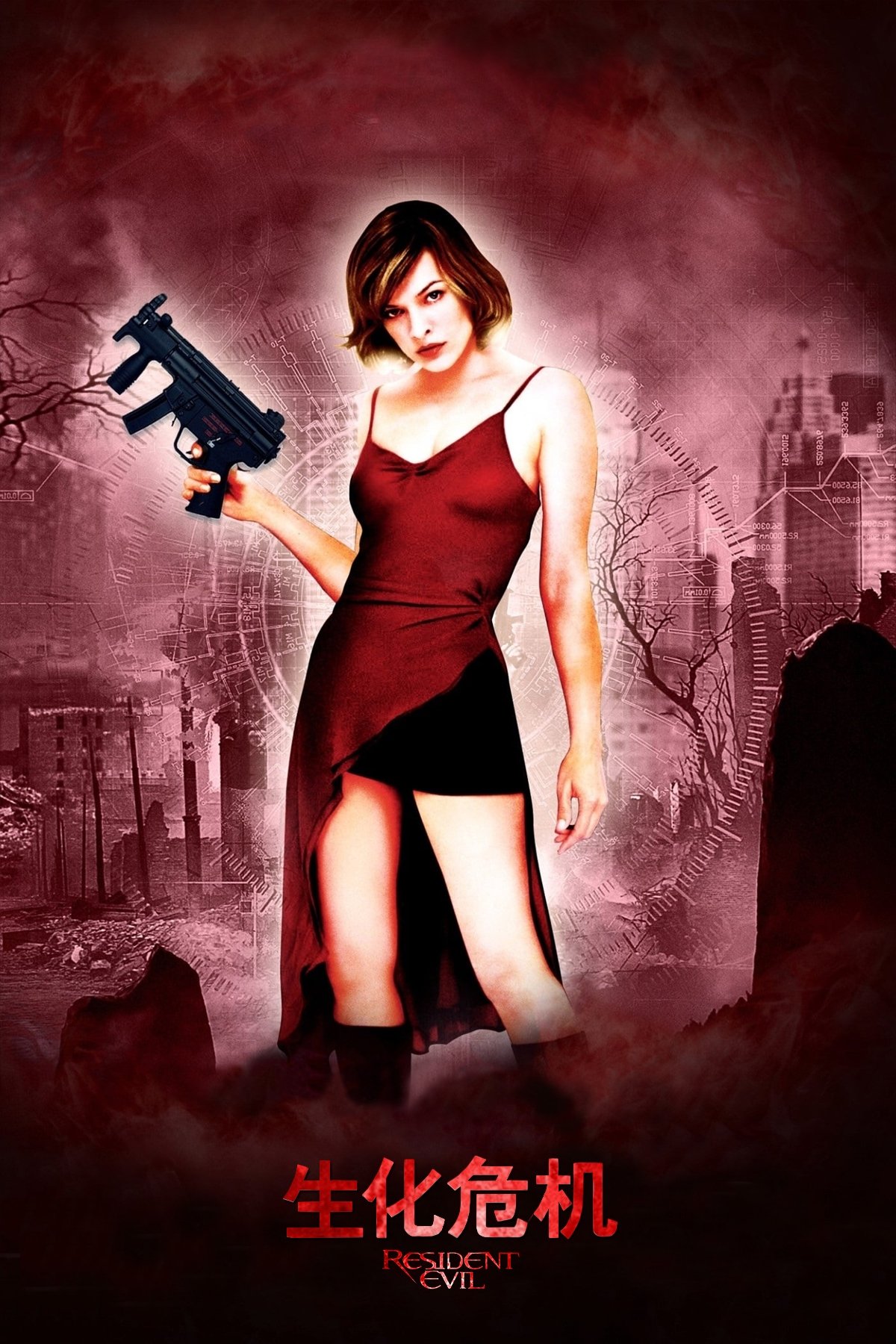
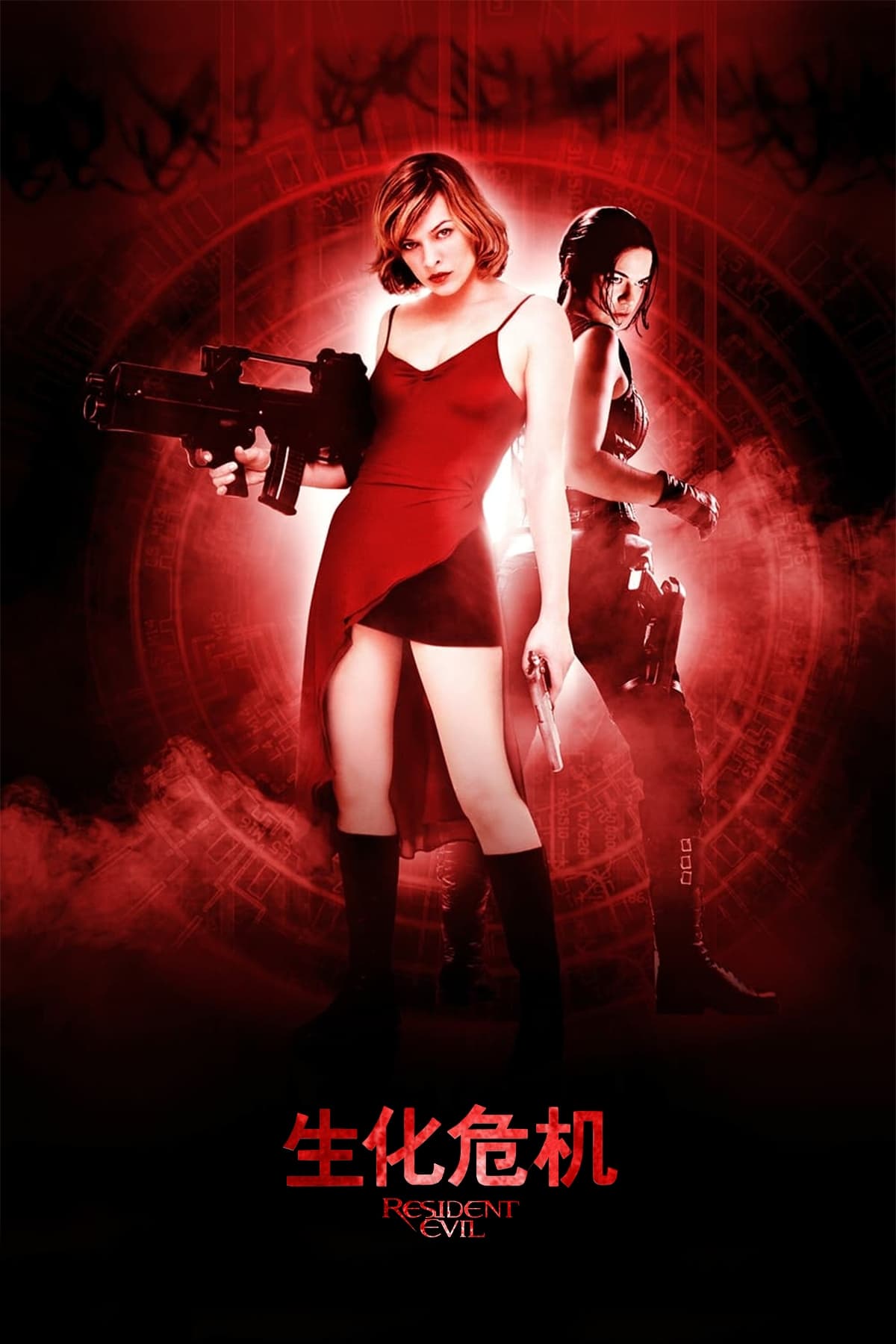
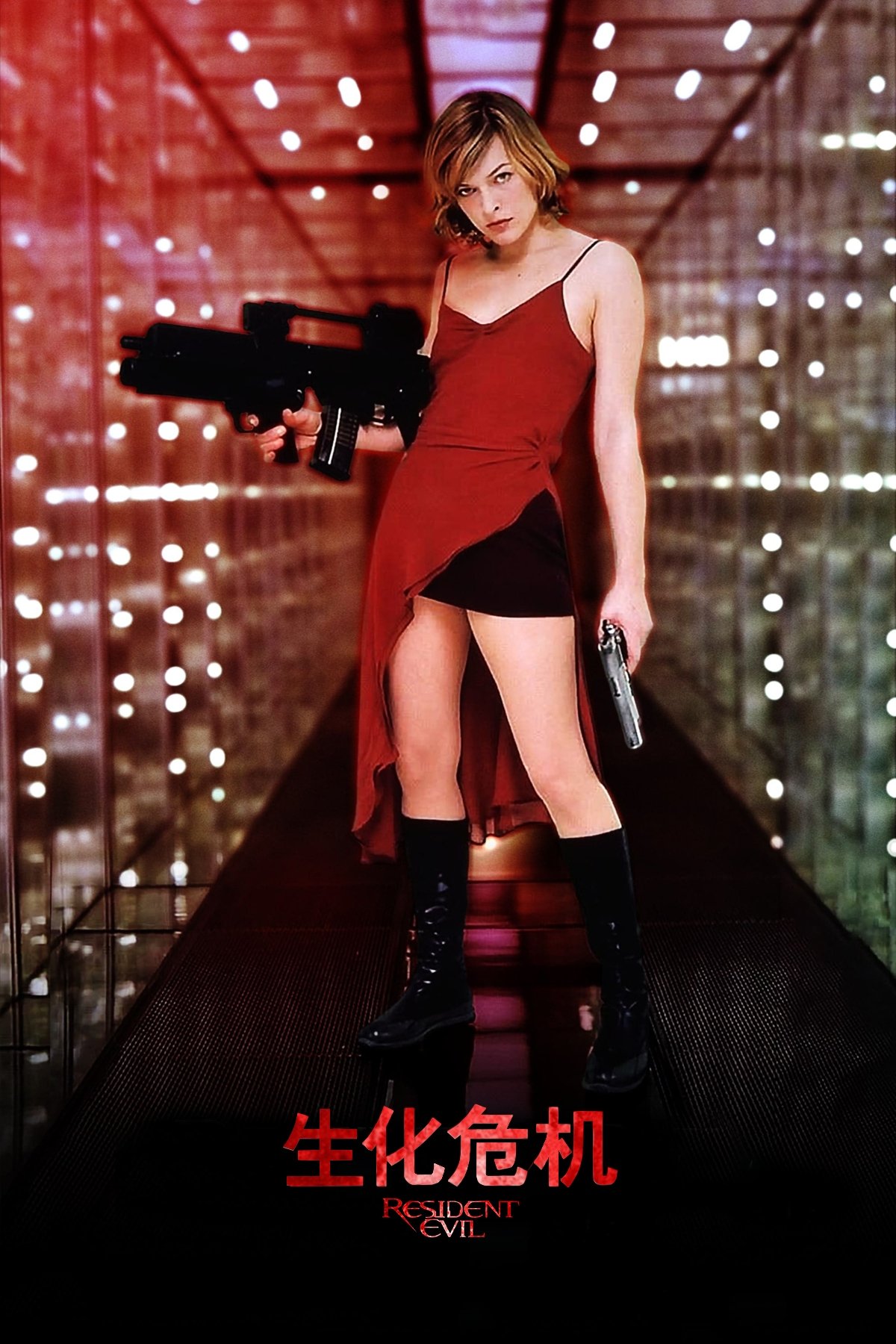
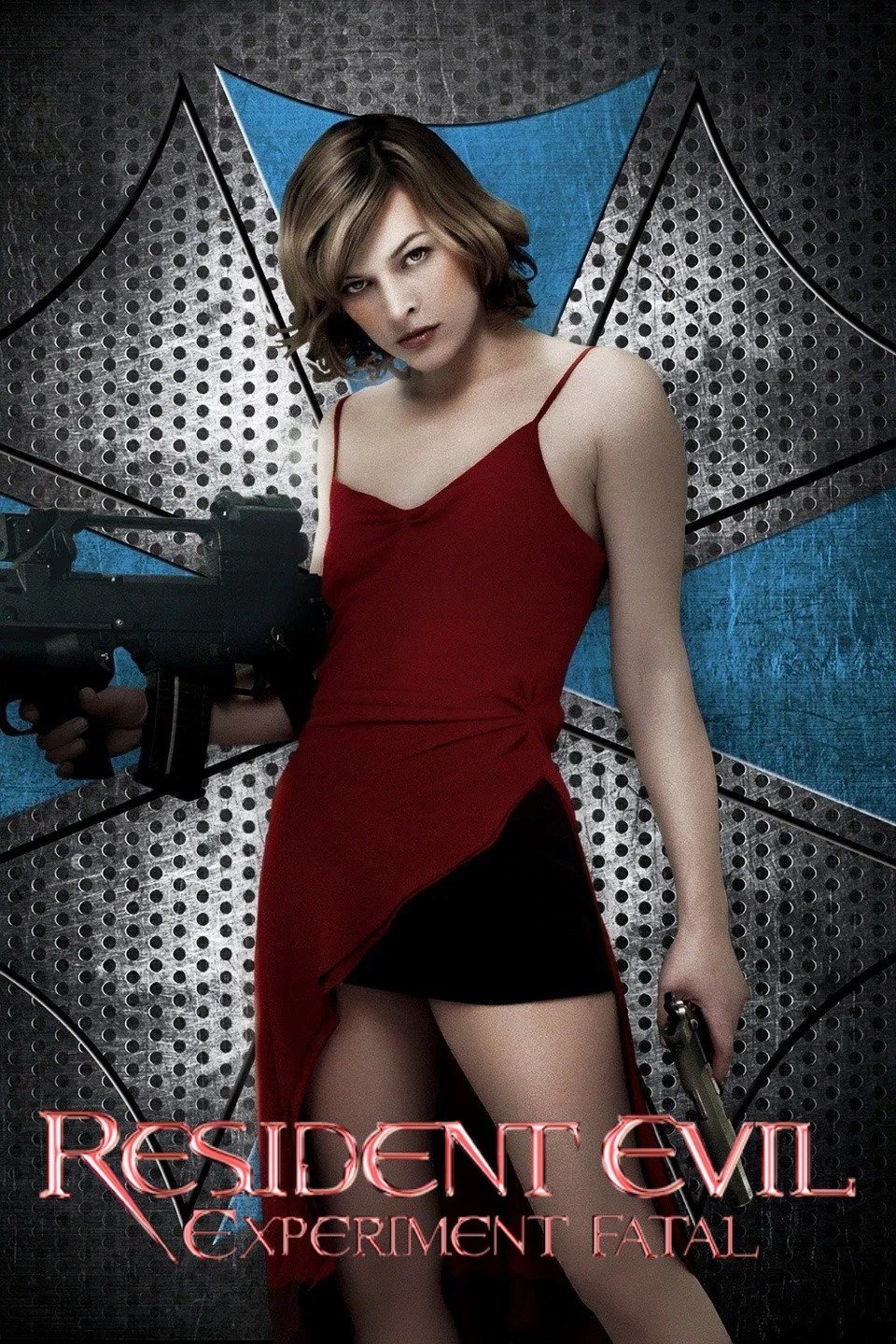
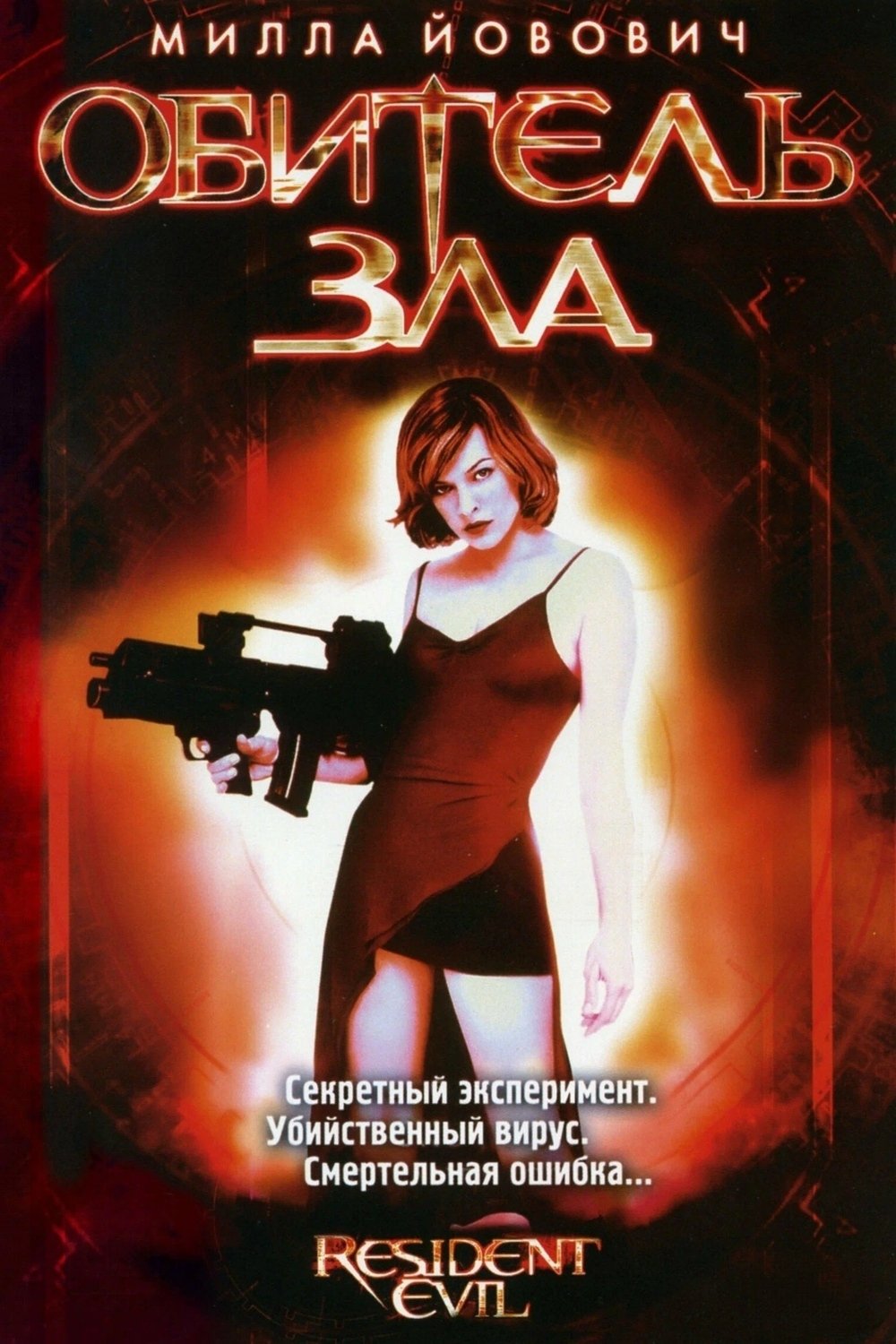
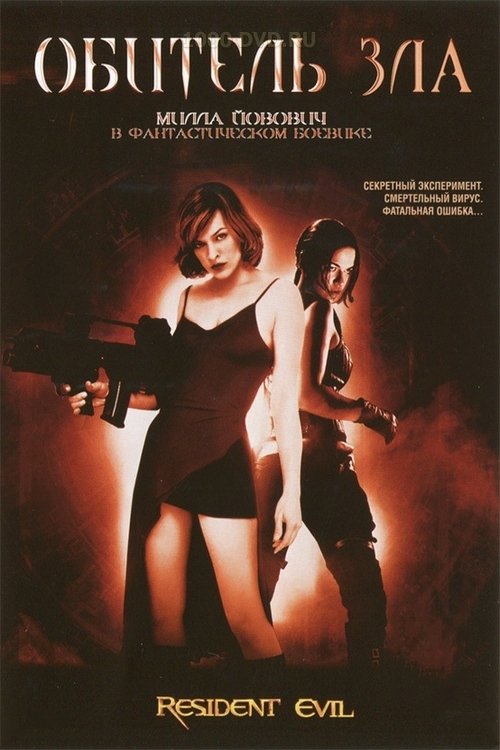
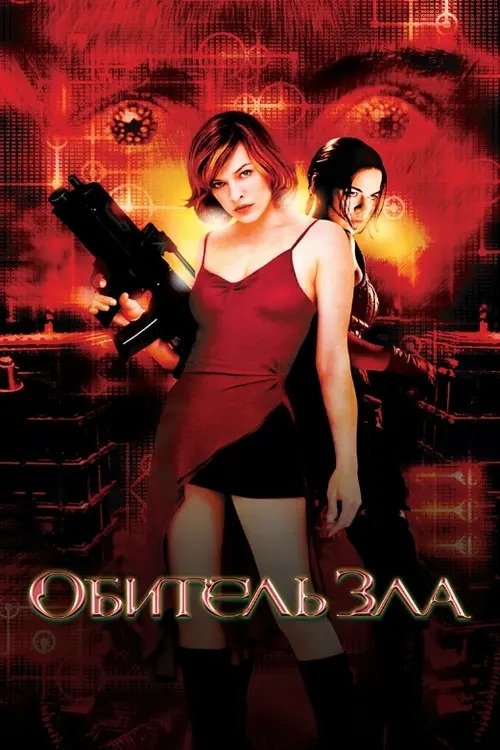
Resident Evil (2002) brought Capcom's survival-horror series into feature filmmaking through an underground laboratory, a corporate disaster and a group of people trapped with the infected dead. Written and directed by Paul W. S. Anderson, the film places Alice, played by Milla Jovovich, at the center of an investigation into the Umbrella Corporation's Hive. Its opening emphasizes sealed rooms, computerized surveillance and the consequences of a biological leak before exposing the characters to zombies and experimental creatures. The combination of corporate science fiction, action choreography and undead horror offered a different emphasis from the game's patient exploration and resource management.
The adaptation is important for the way it transformed a recognizable videogame world without simply restaging the first game's plot. Anderson devised new principal characters and built the mystery around the origins of an outbreak. In later interviews he identified George A. Romero's zombie films and John Carpenter's cinema among the influences he recognized in the games themselves. The film was released in March 2002, becoming the foundation of a long-running theatrical series. Its production history also documents a particular moment in genre filmmaking, when videogame adaptations, practical creature work and computer-generated imagery met an expanding international market for action horror.
Development and the Capcom Games
Anderson has described becoming absorbed in the first two Resident Evil games while living in Los Angeles. His account places the games' cinematic ancestry at the center of his interest: he recognized Romero's undead cinema and the besieged-building tension of Carpenter's Assault on Precinct 13 in their design. Instead of borrowing an established playable protagonist and reproducing familiar revelations, he constructed a film about the outbreak's beginnings. In a 2026 interview he explained that an exact retelling could remove suspense for viewers who already knew the games. This was the director's stated reasoning, not a claim that audiences unanimously preferred an original storyline.
The project had earlier passed through a proposed George A. Romero adaptation, which ultimately was not produced. Anderson's approach made the Umbrella Corporation and its biological research the main connective tissue with the games. His initial concept carried the subtitle Ground Zero. He later recalled that this was abandoned because the phrase acquired painful associations after the September 11 attacks. His account also describes disruption to location planning after the attacks; the film's documented principal work in Berlin belongs to an earlier production period, so those recollections should not be used to relocate the original German shoot. The evolving title and narrative illustrate how an adaptation can preserve a fictional universe while reorganizing its characters and chronology.
Berlin Locations and the Hive
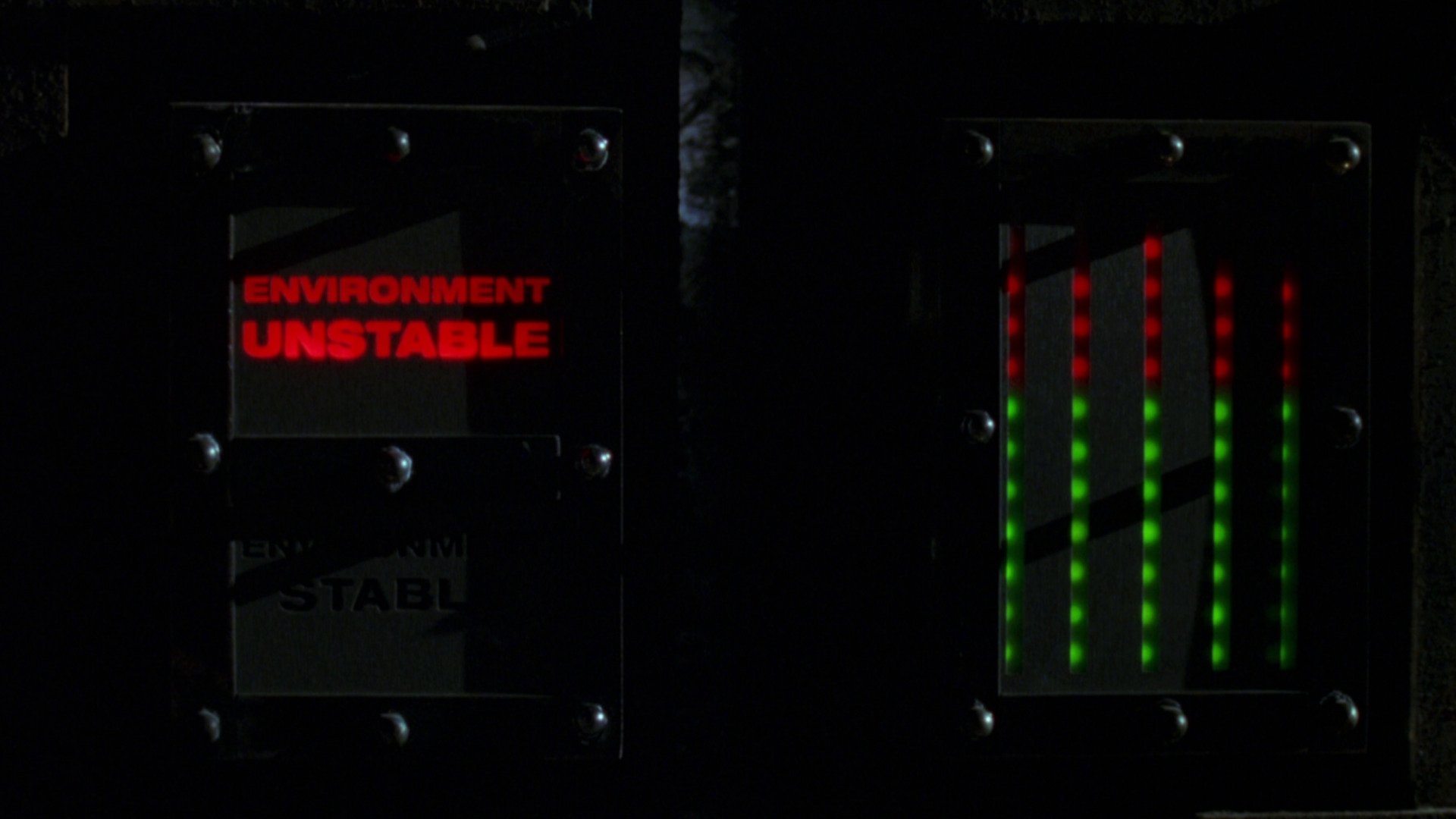
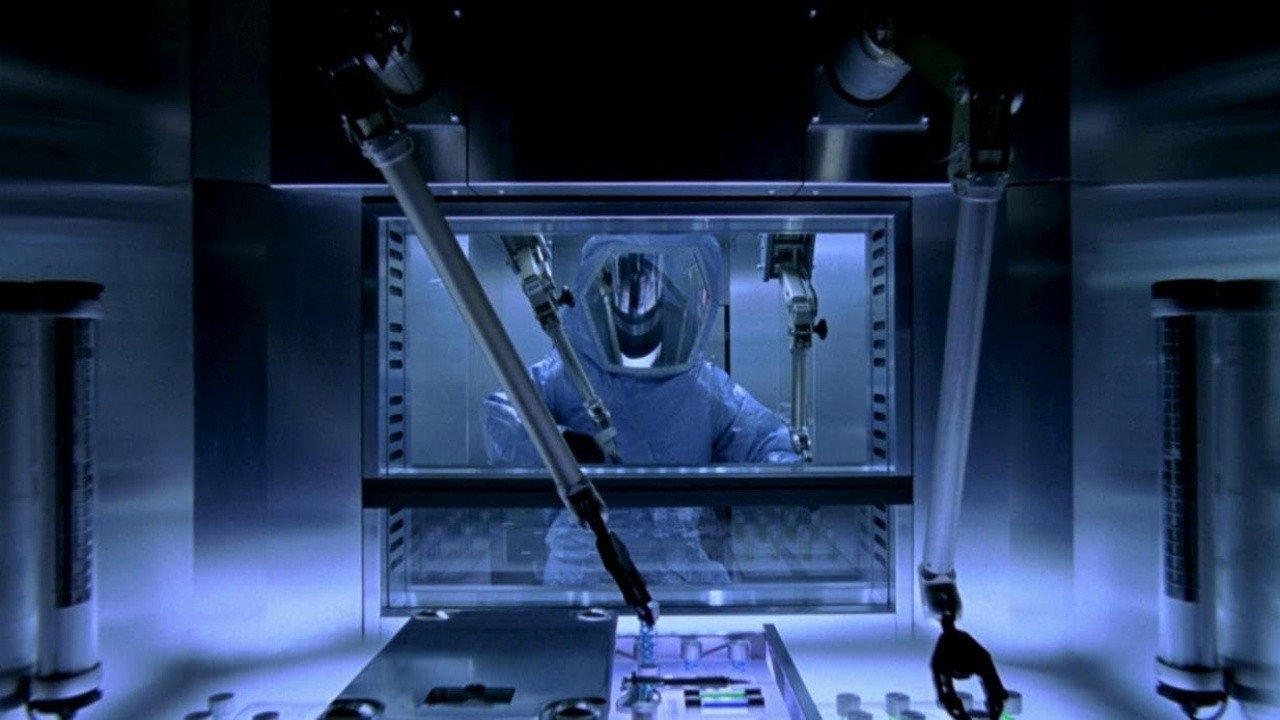
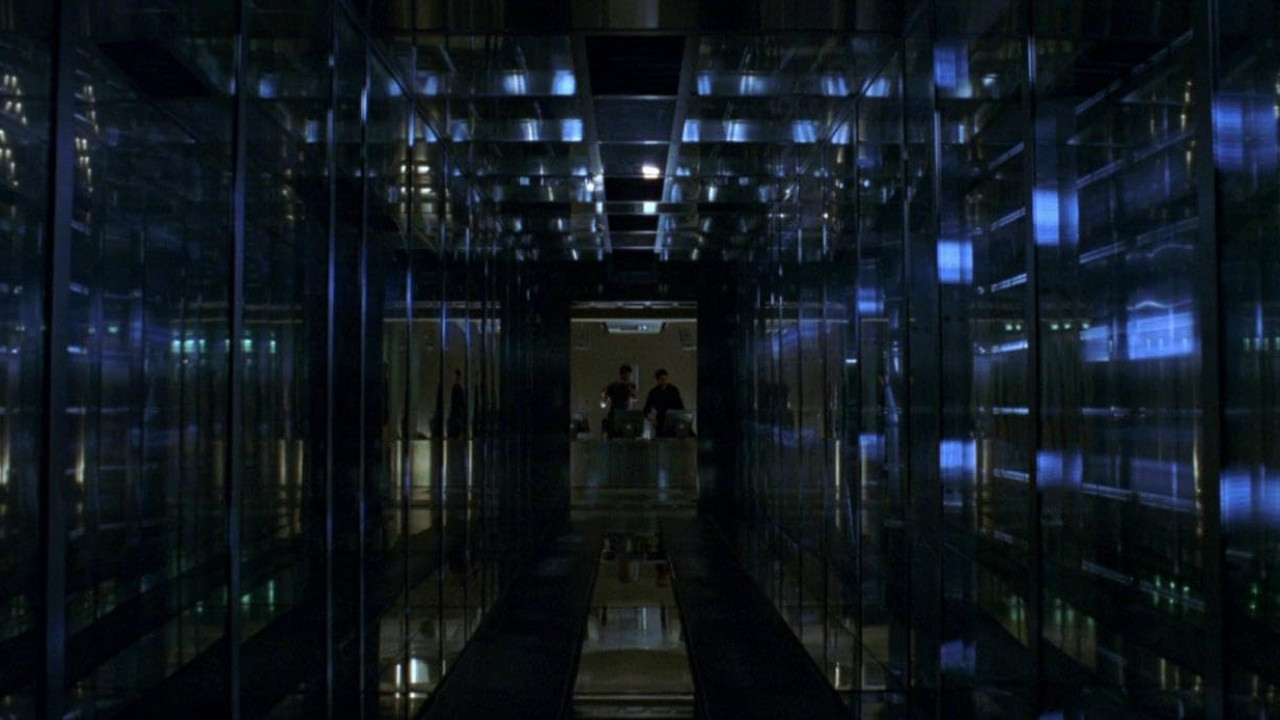
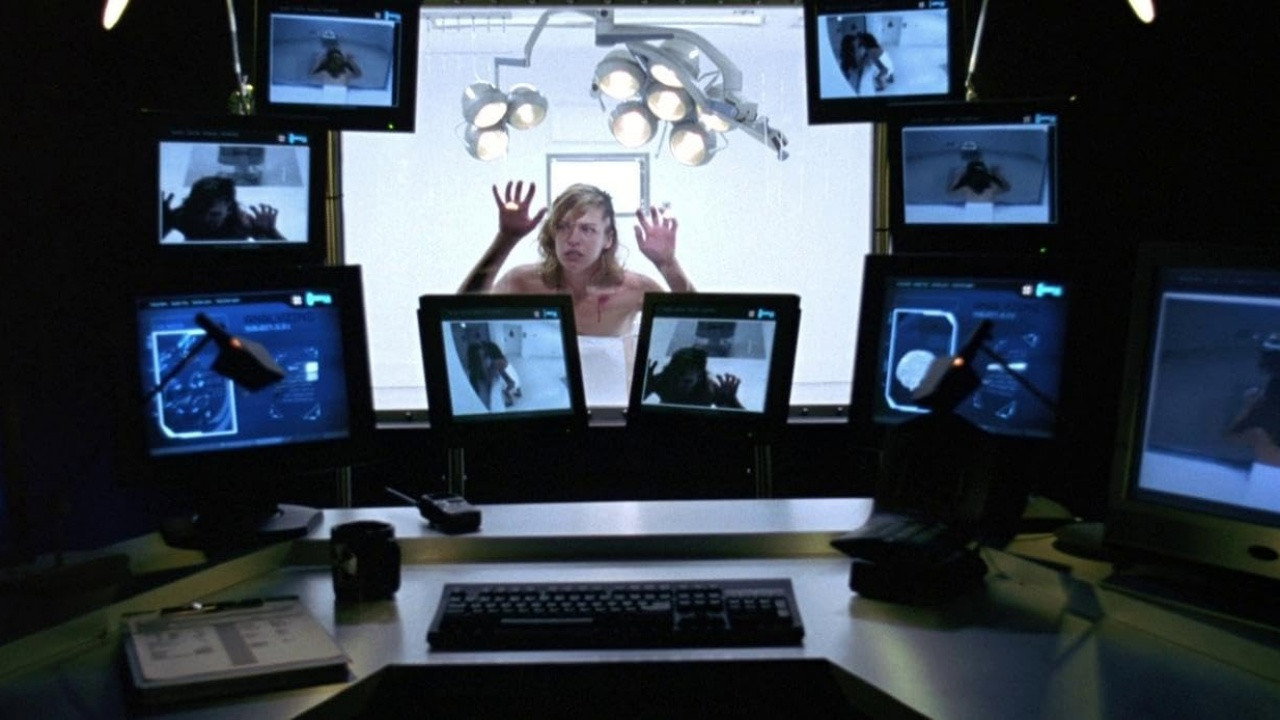
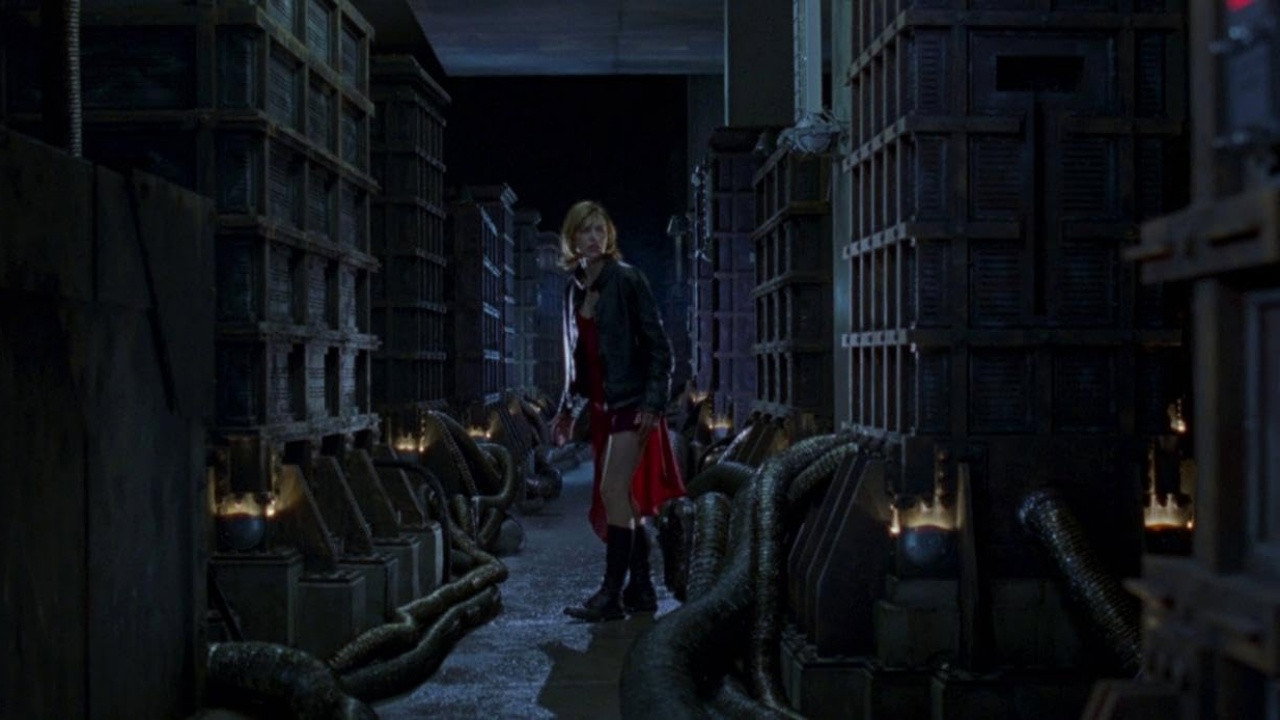
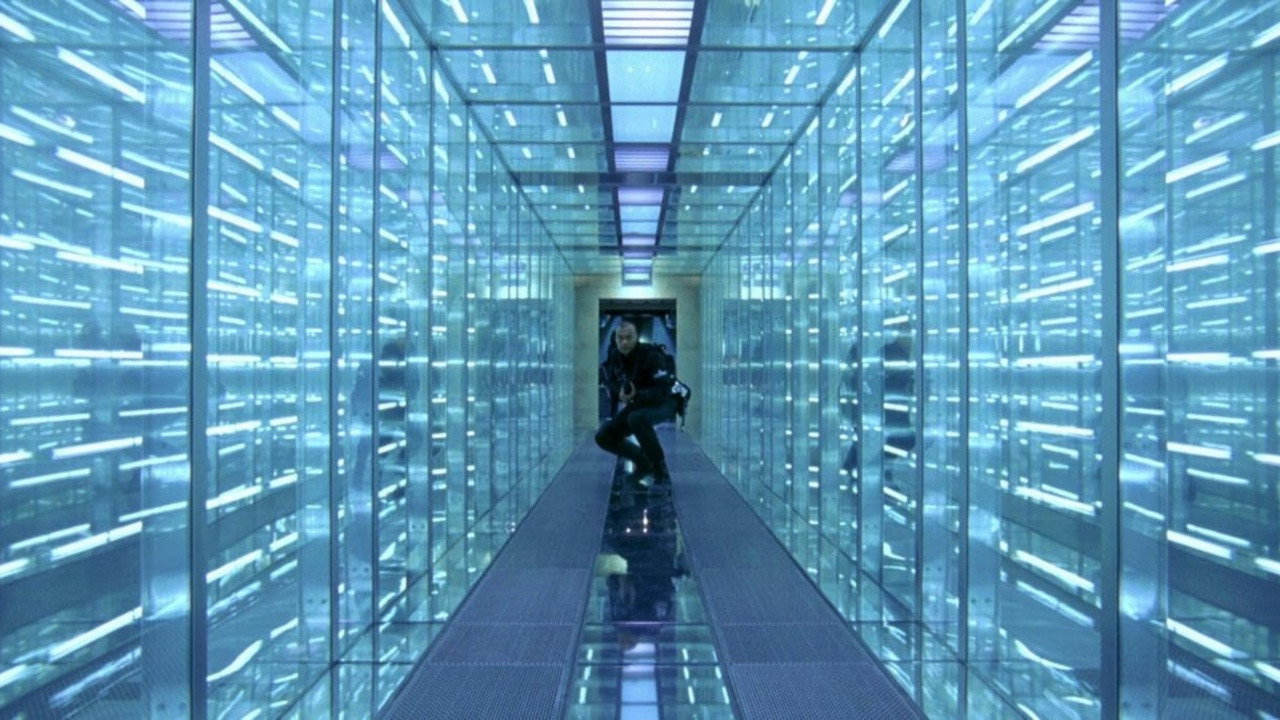
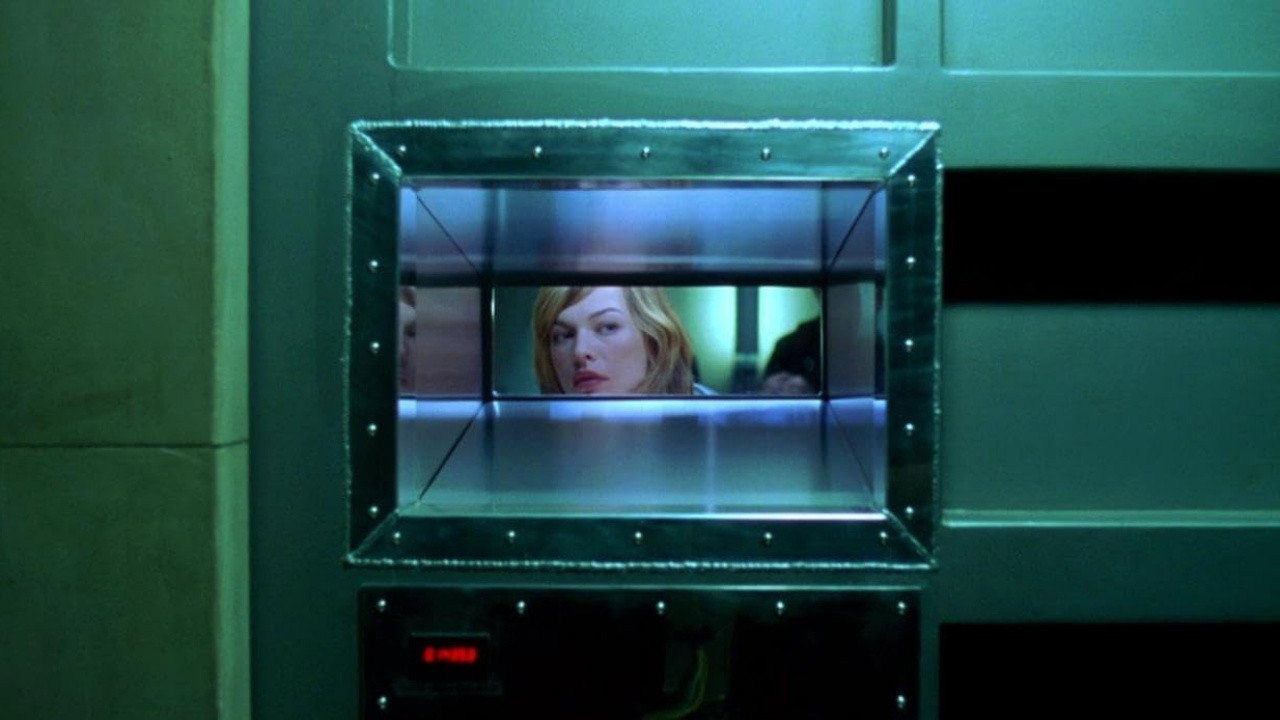
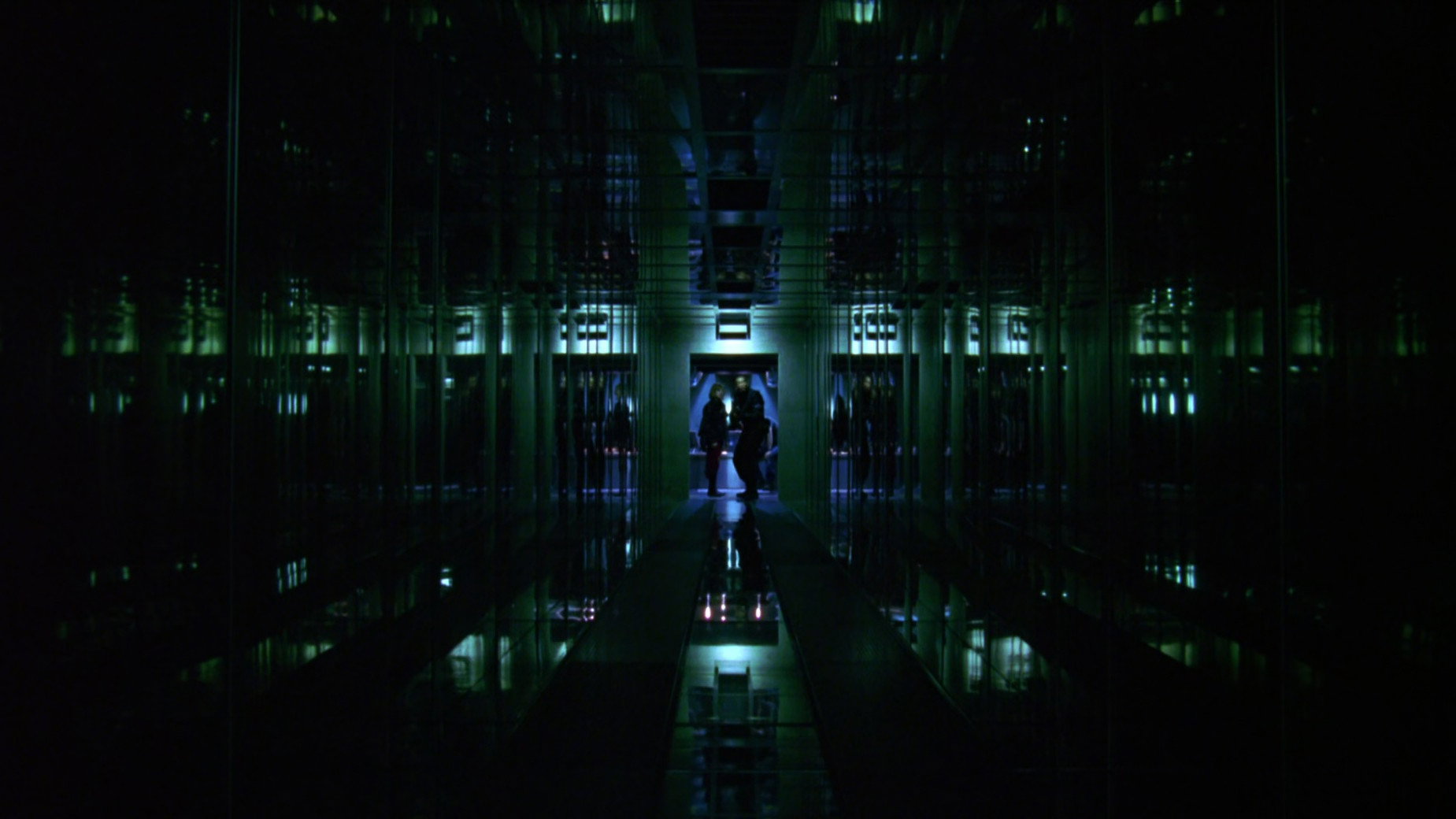
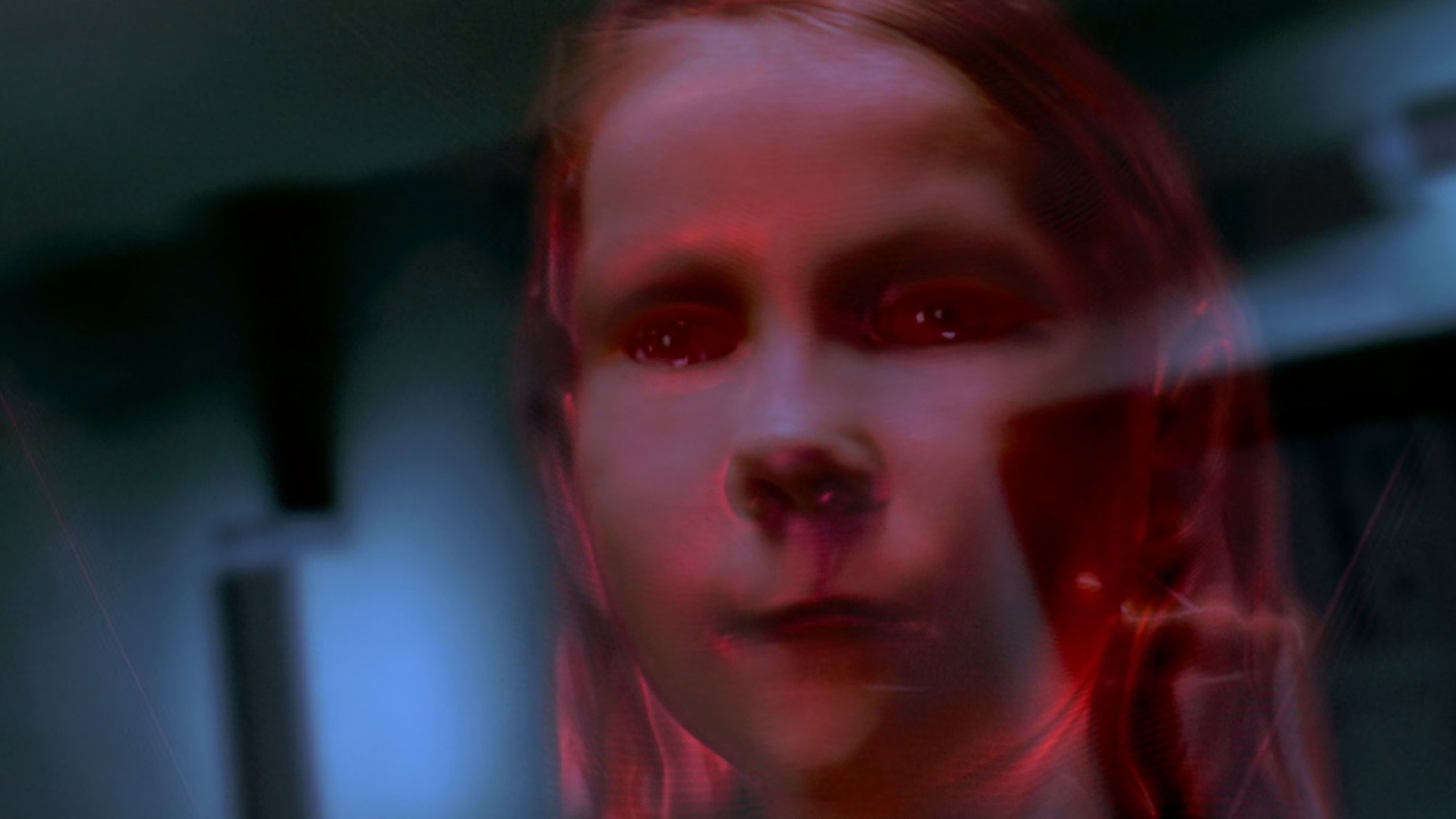
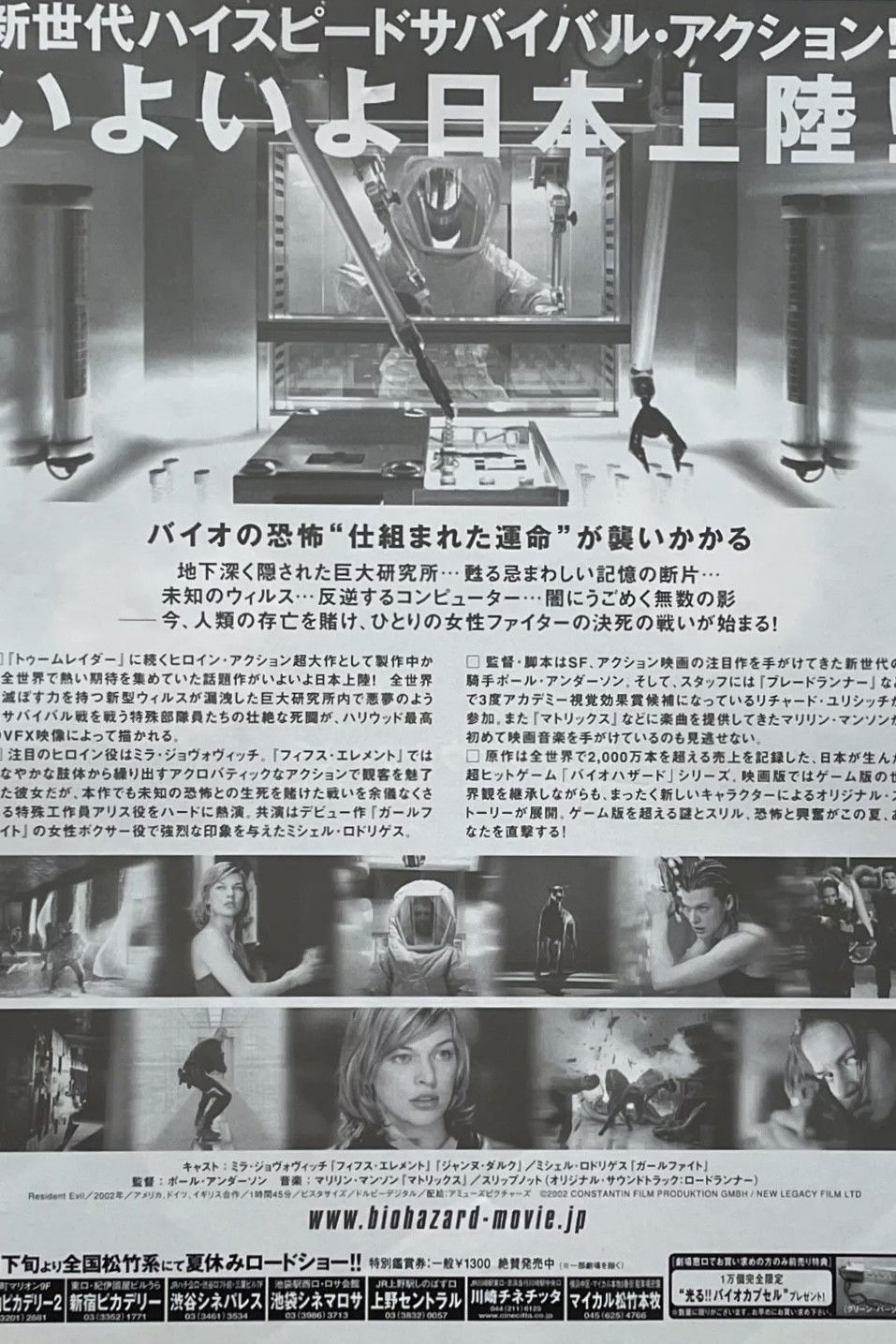
The Hive is introduced as a technologically controlled space beneath an apparently ordinary mansion. A small armed unit travels through passages, laboratories and a train system whose layout gradually becomes a threat. The location design translates the progression of the games into cinema: movement from an isolated residence into concealed infrastructure produces a series of new environments and dangers. Doors, corridors and security systems restrict the protagonists' decisions. The Red Queen computer turns the building into an active opponent, with surveillance and automated defenses supplying threats distinct from the infected workers.
In a detailed oral history published by Inverse, Anderson recalled that Berlin offered unusually expansive underground spaces, including a large unfinished station that could be used for filming. He also remembered the practical difficulty of working in cold conditions. His description helps explain the industrial character of the film's interiors. Their concrete surfaces, long passages and infrastructure lend scale to a story that otherwise confines much of its action to a single complex. The setting also accommodates sharply different kinds of menace: the impersonal logic of a computerized quarantine and the chaotic movement of resurrected human bodies. Both are tied to Umbrella's attempt to control the consequences of its own research.
Alice, Memory and the Horror Structure
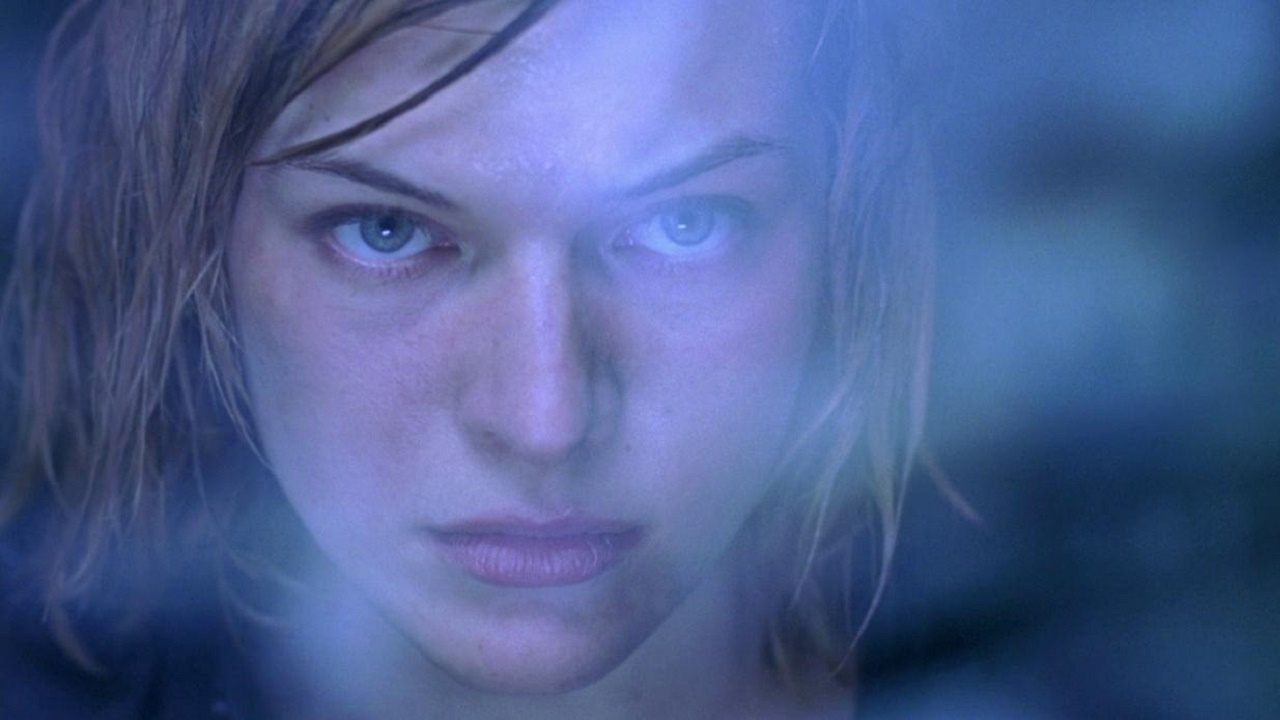
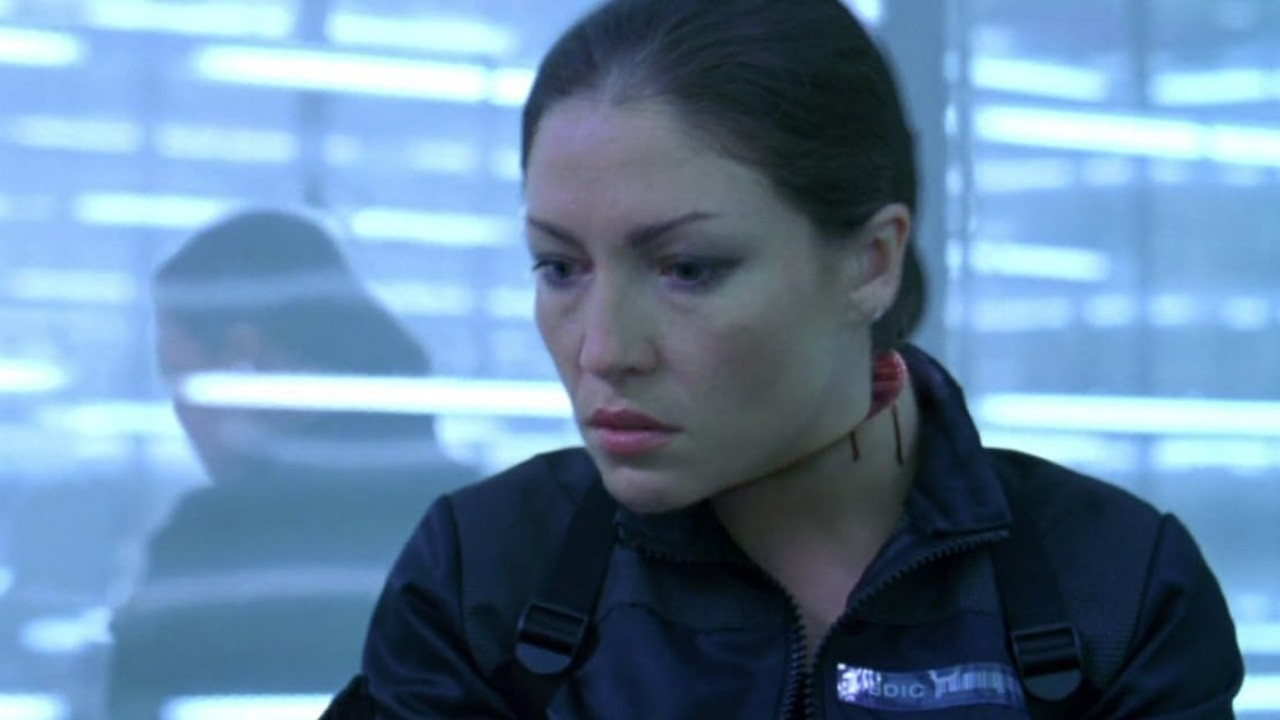
Alice initially lacks an accessible account of her own identity. Her amnesia makes the audience discover the facility alongside her, and her gradual recovery creates a suspense mechanism independent of prior knowledge of the games. Michelle Rodriguez's Rain brings a contrasting temperament: her direct response to threats helps propel the action even as an infection changes the significance of every injury. Other members of the unit are introduced through their functions within the mission, and the computer's deadly containment measures quickly demonstrate how little protection their training offers.
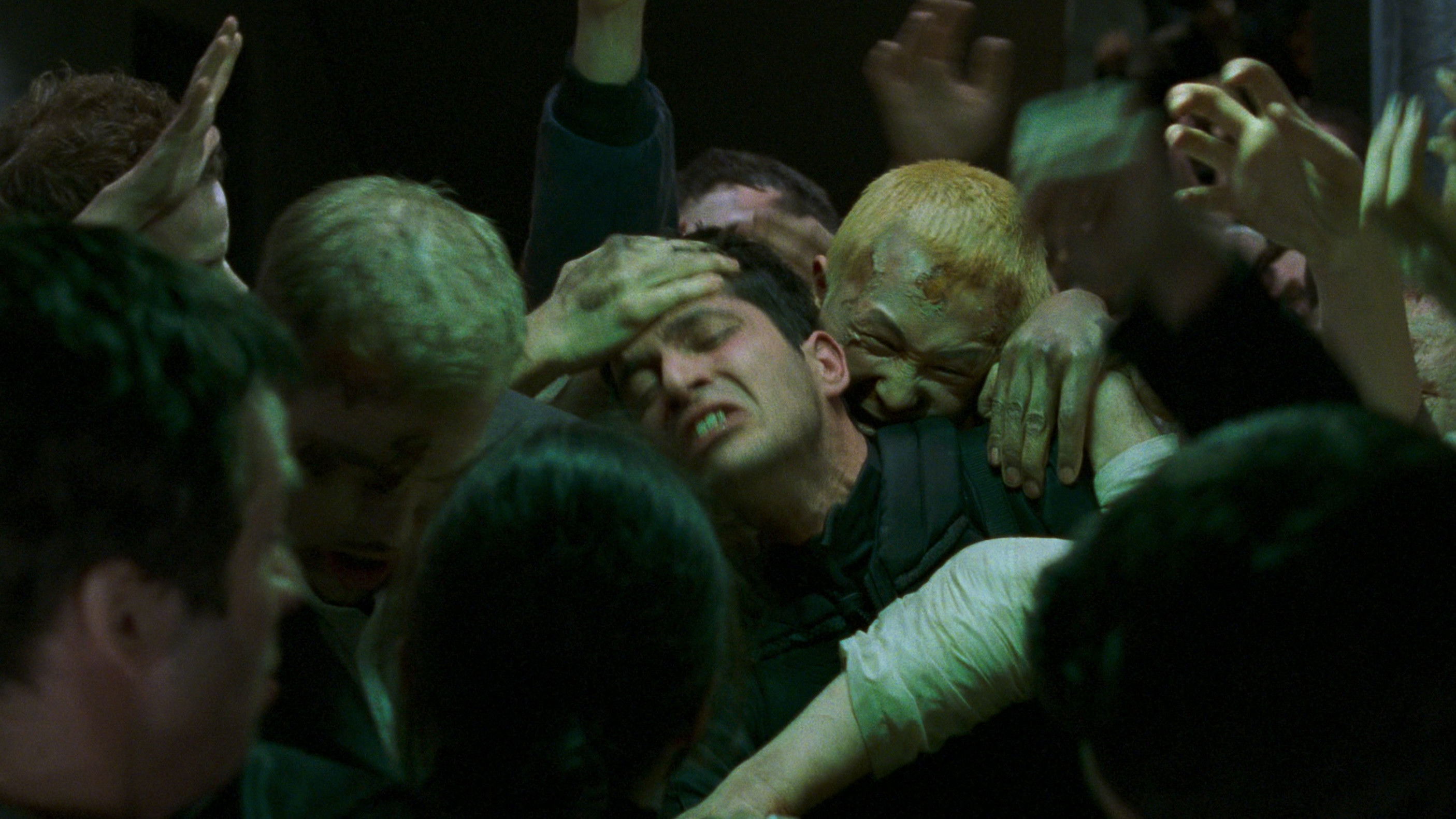
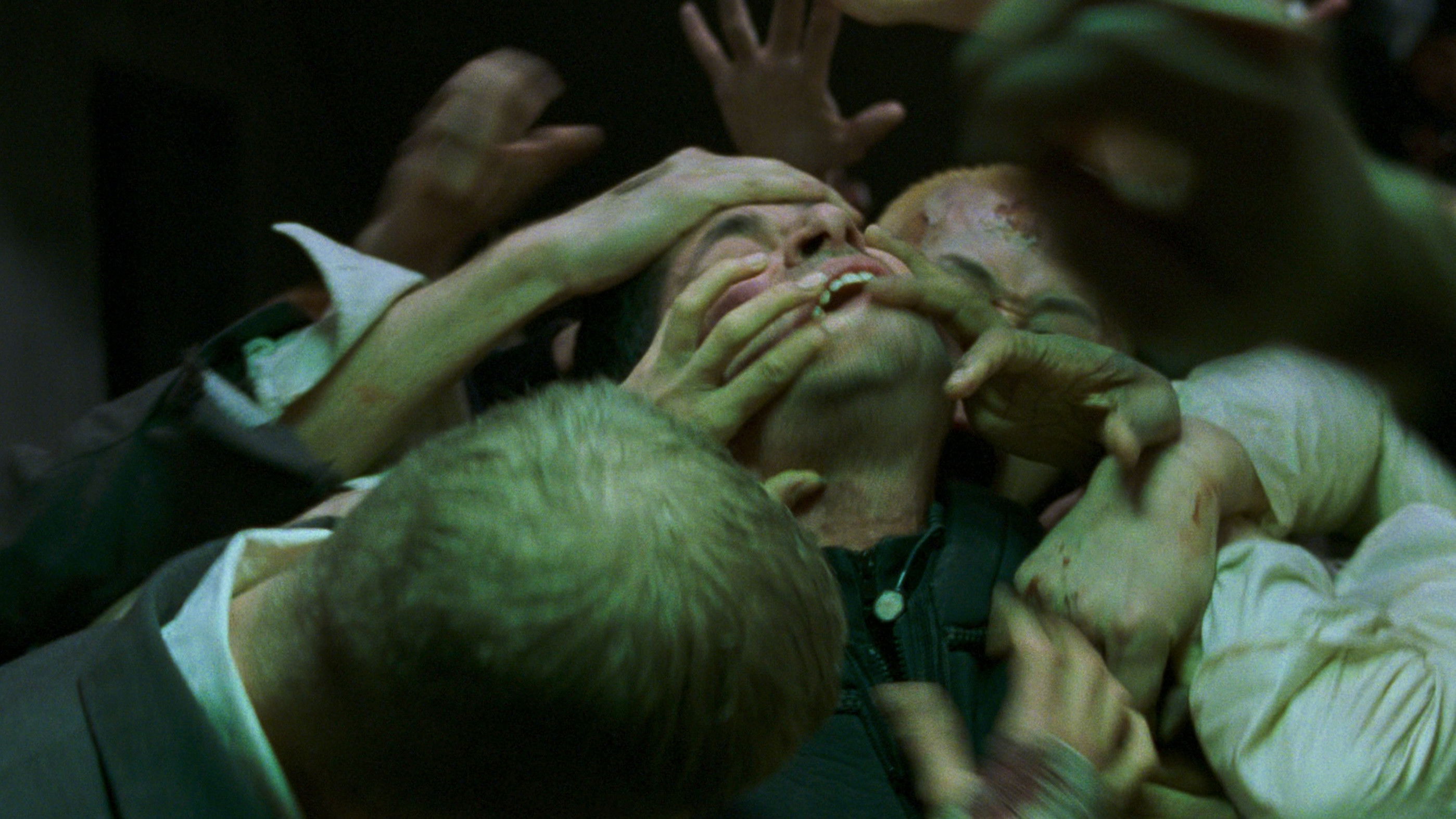
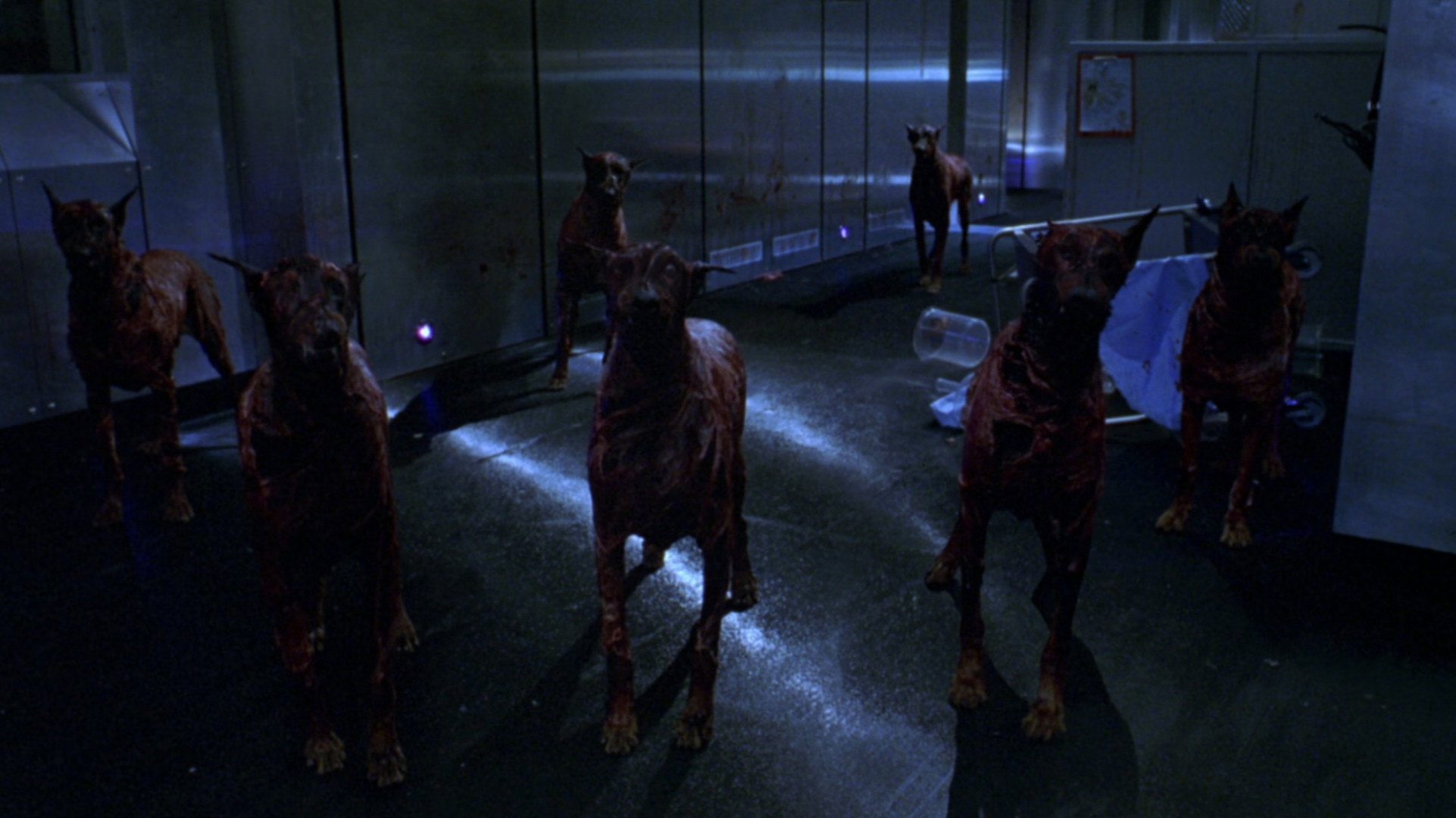
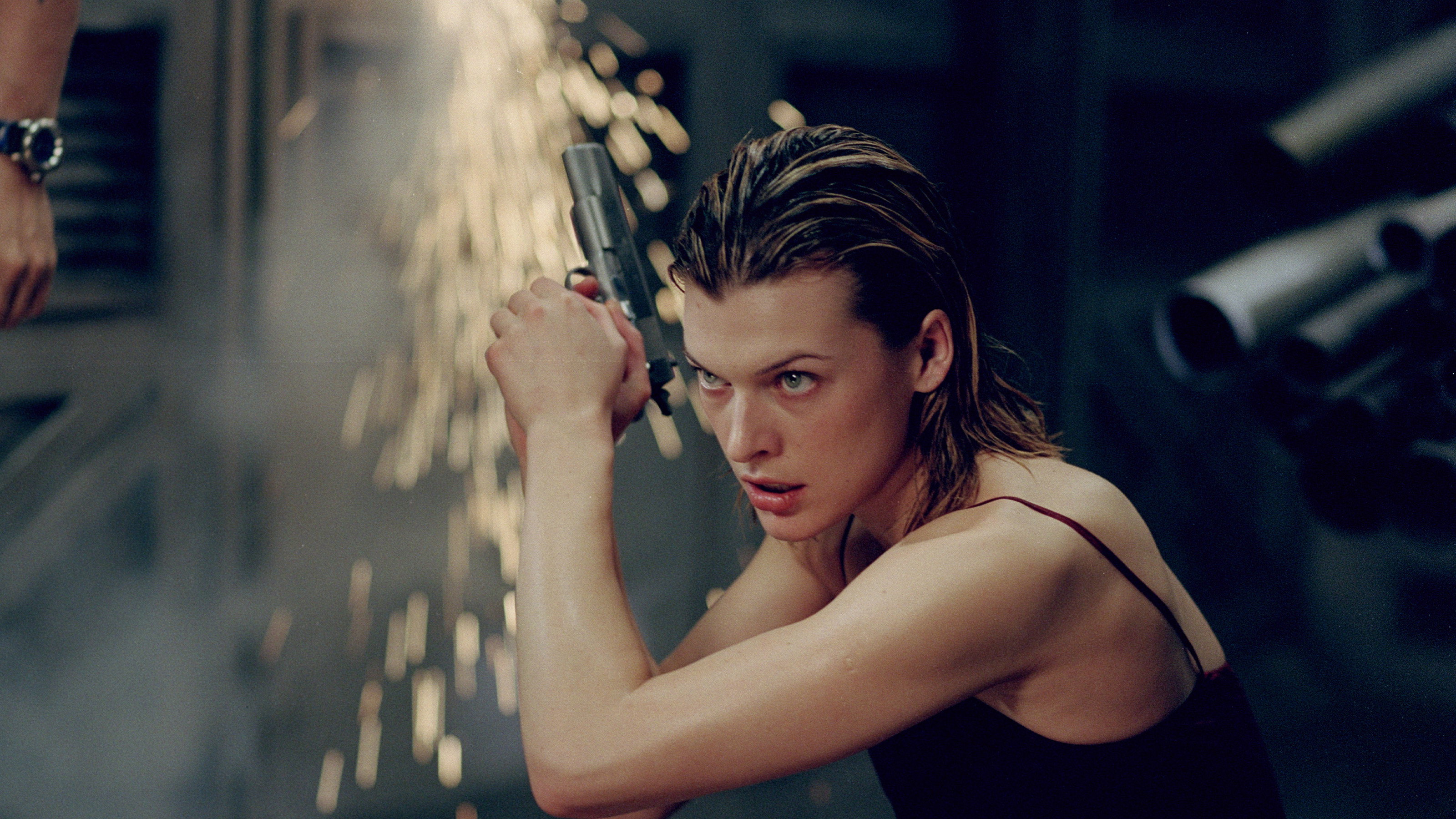
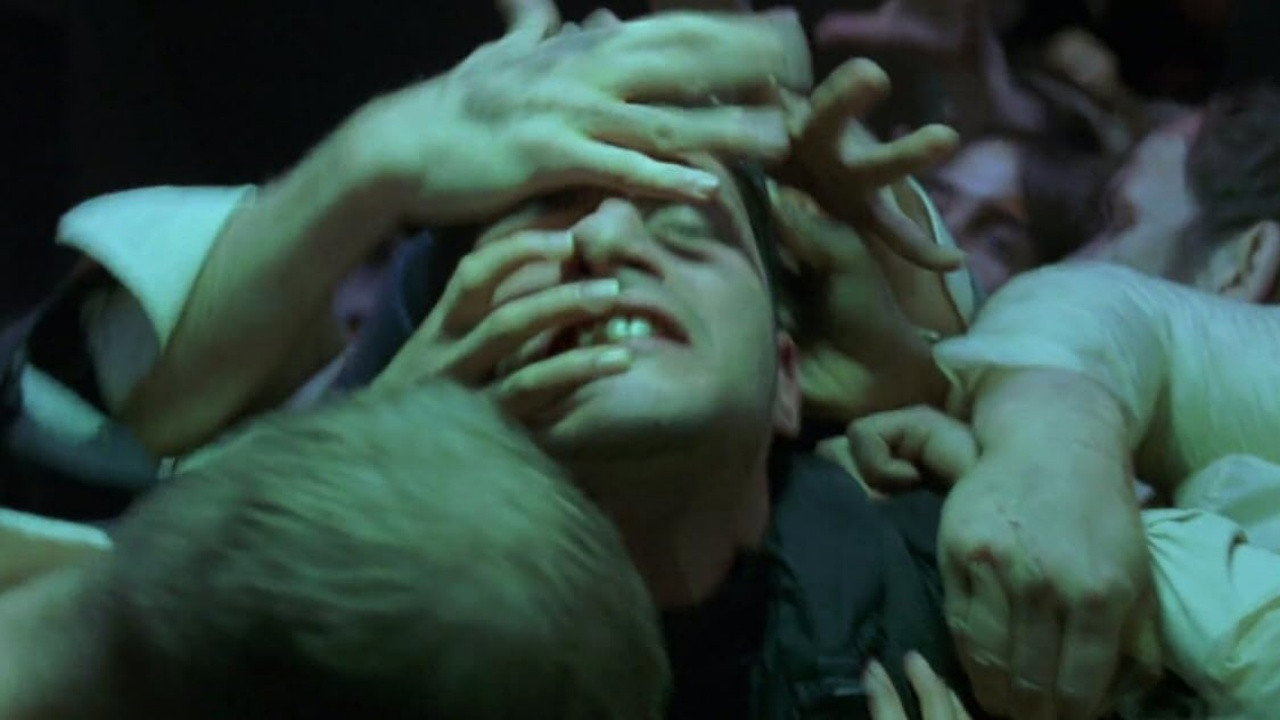
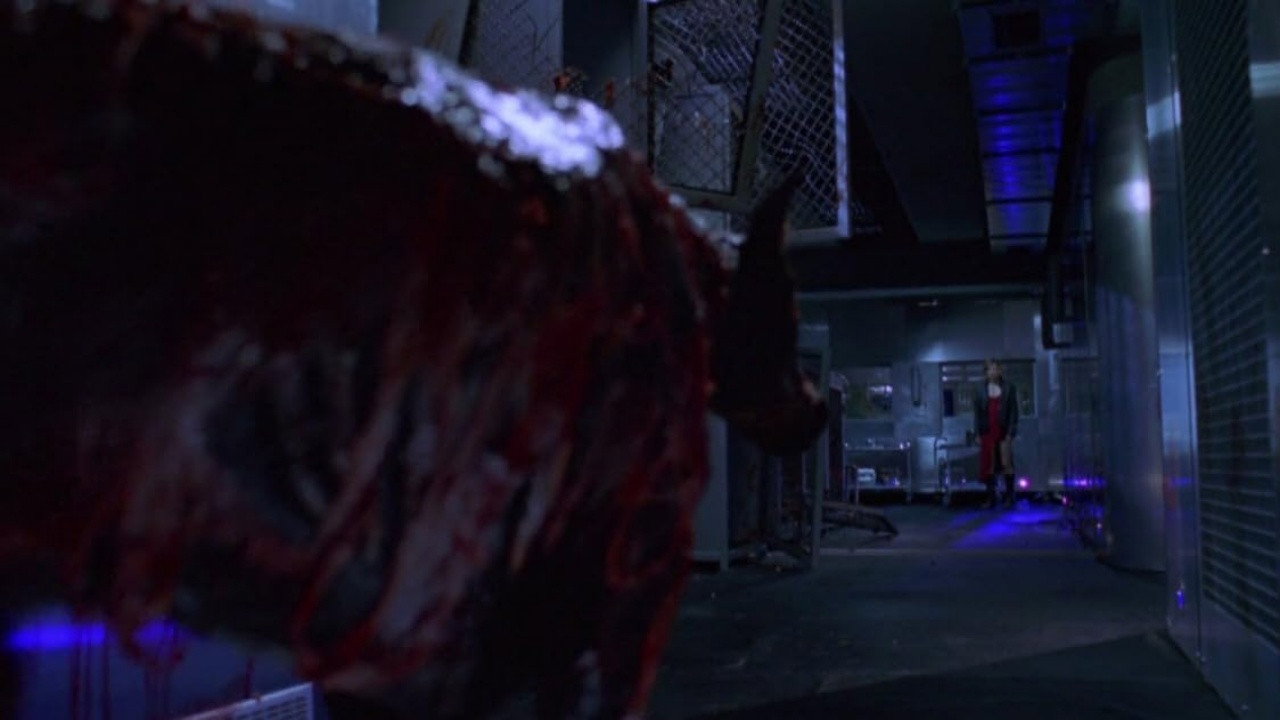
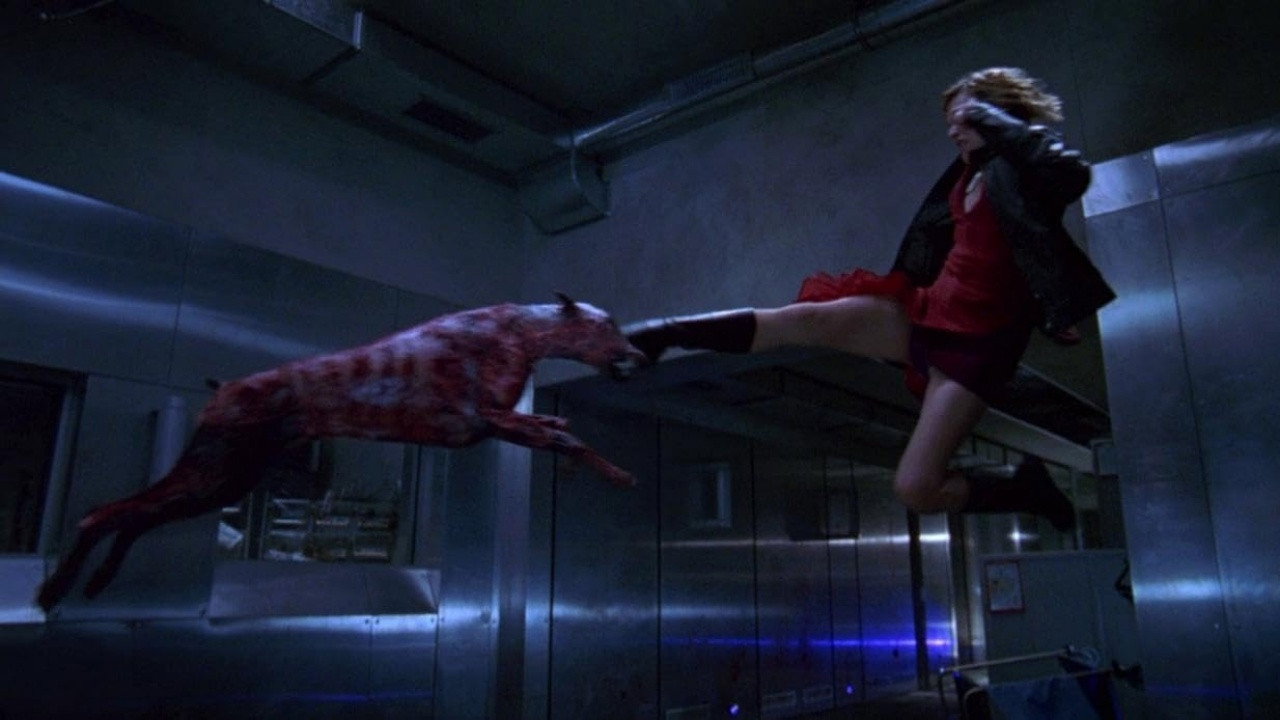
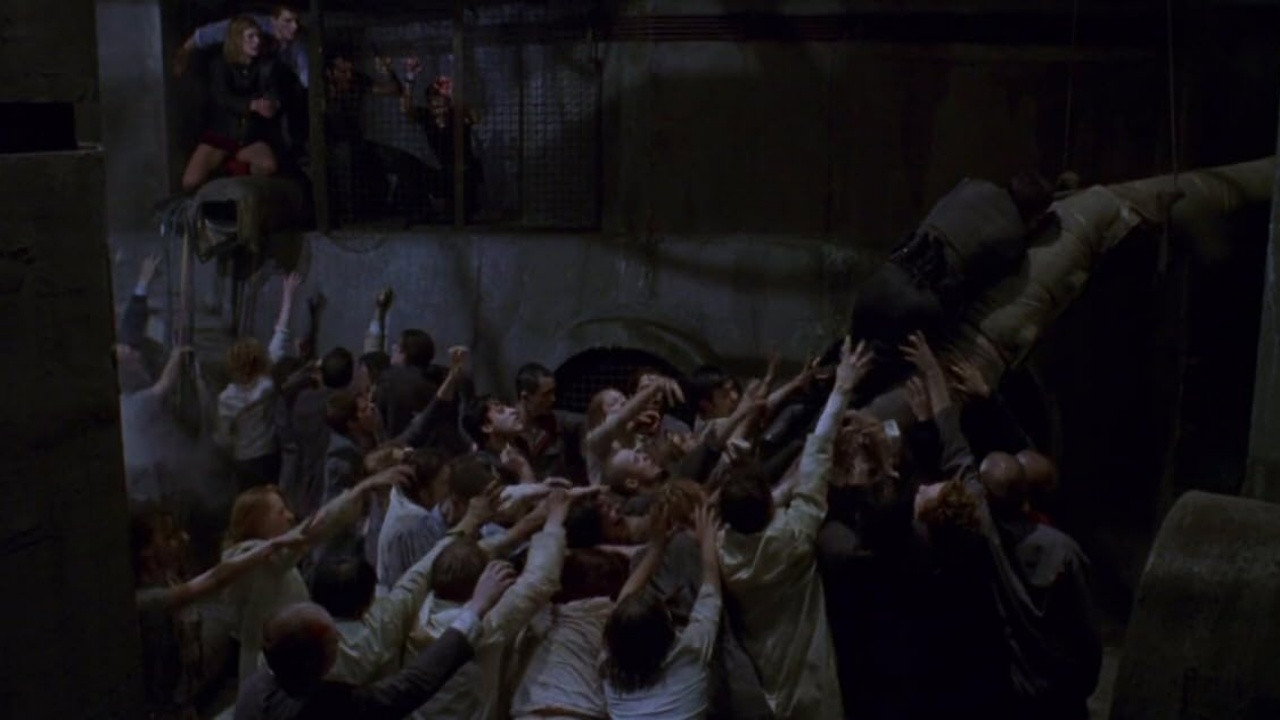
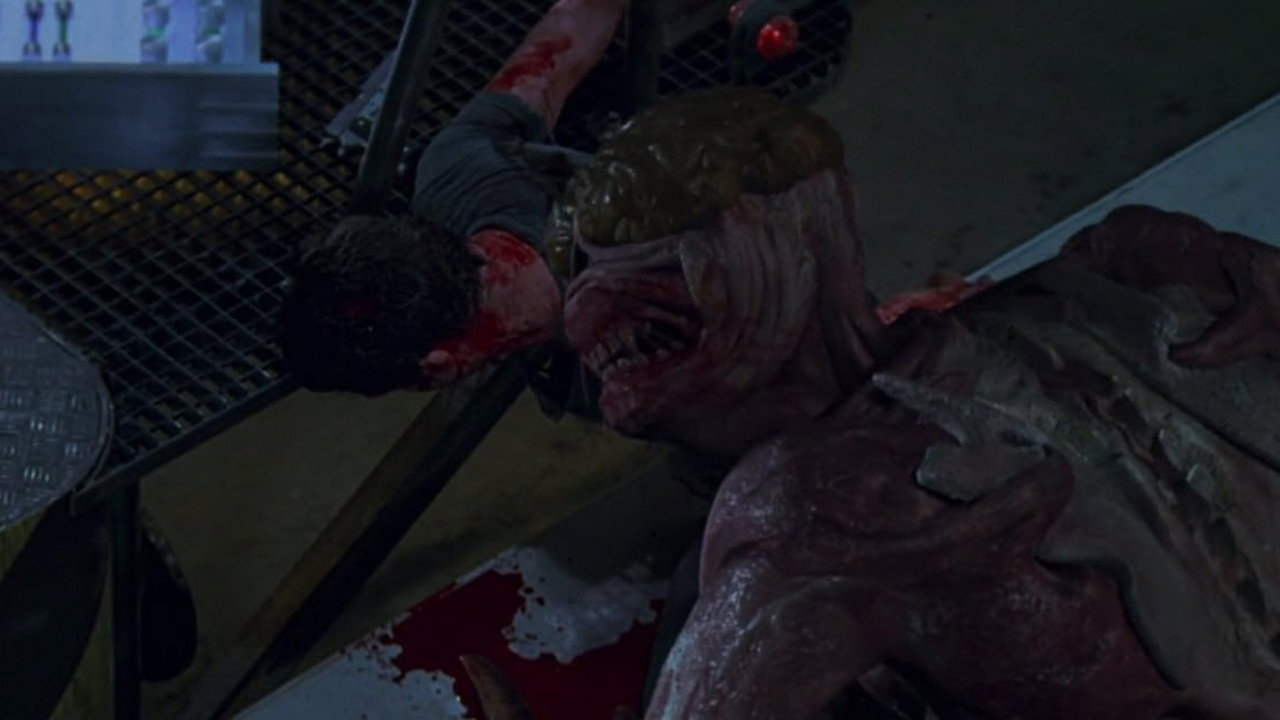
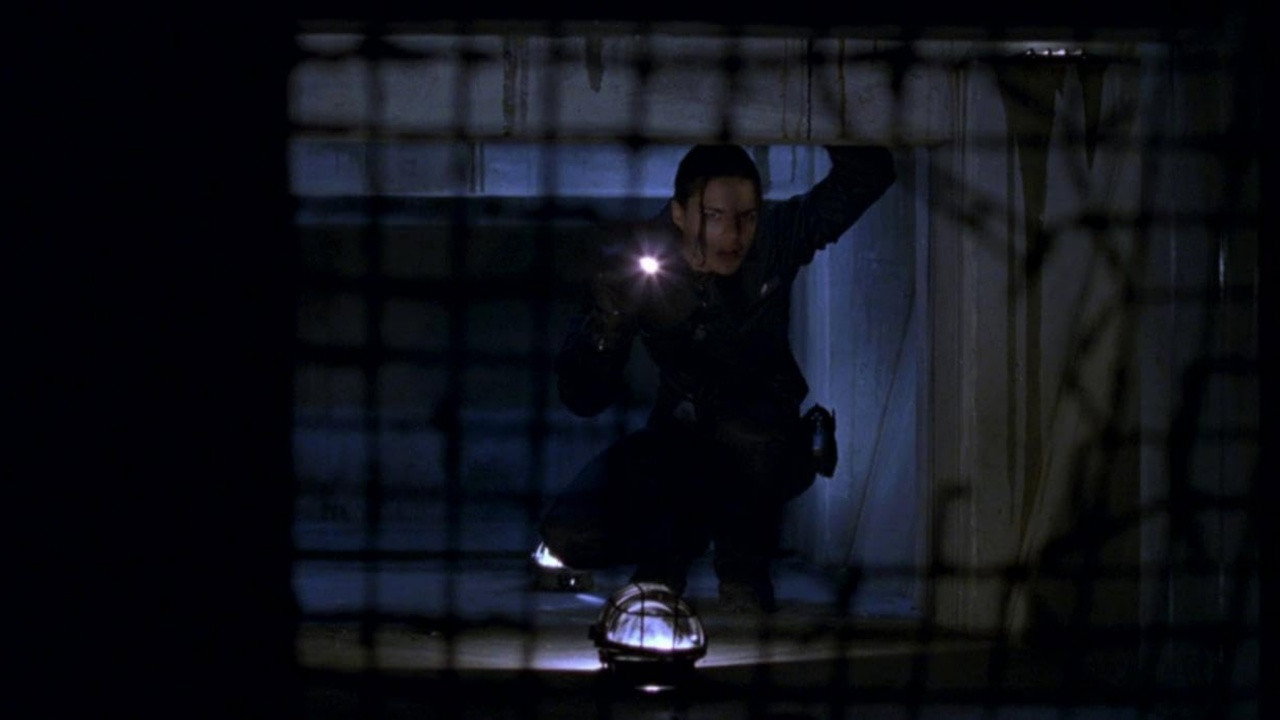
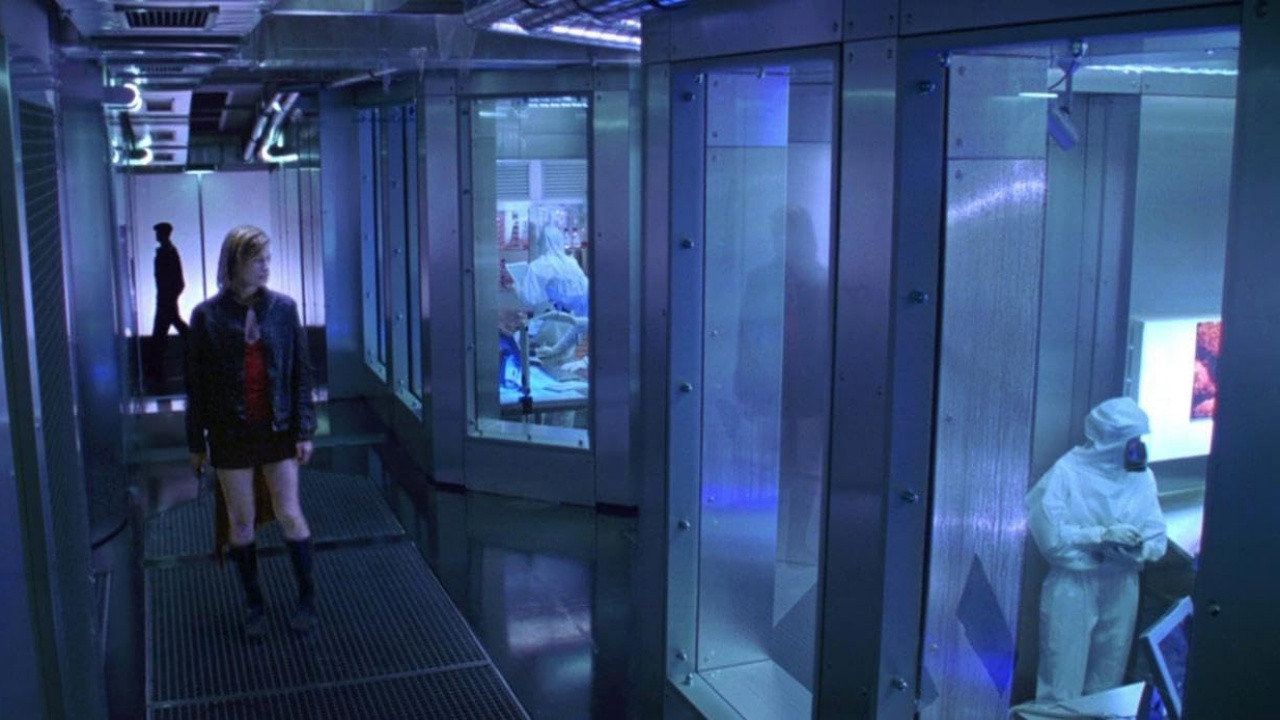
The film shifts repeatedly between anticipation and sudden physical danger. Empty hallways and monitoring screens establish the potential for surveillance, while the return of dead laboratory personnel converts sterile technical spaces into environments of bodily contamination. The infected dogs are especially direct links to the games' recognizable bestiary. At the narrative level, the T-virus gives these encounters a technological explanation while permitting the film to use familiar zombie conventions of biting and contagion. Alice's increasing physical competence then draws the story toward action spectacle. That balance between horror vulnerability and exceptional fighting ability would become central to the live-action series built around her character.
Creature Work and Digital Effects
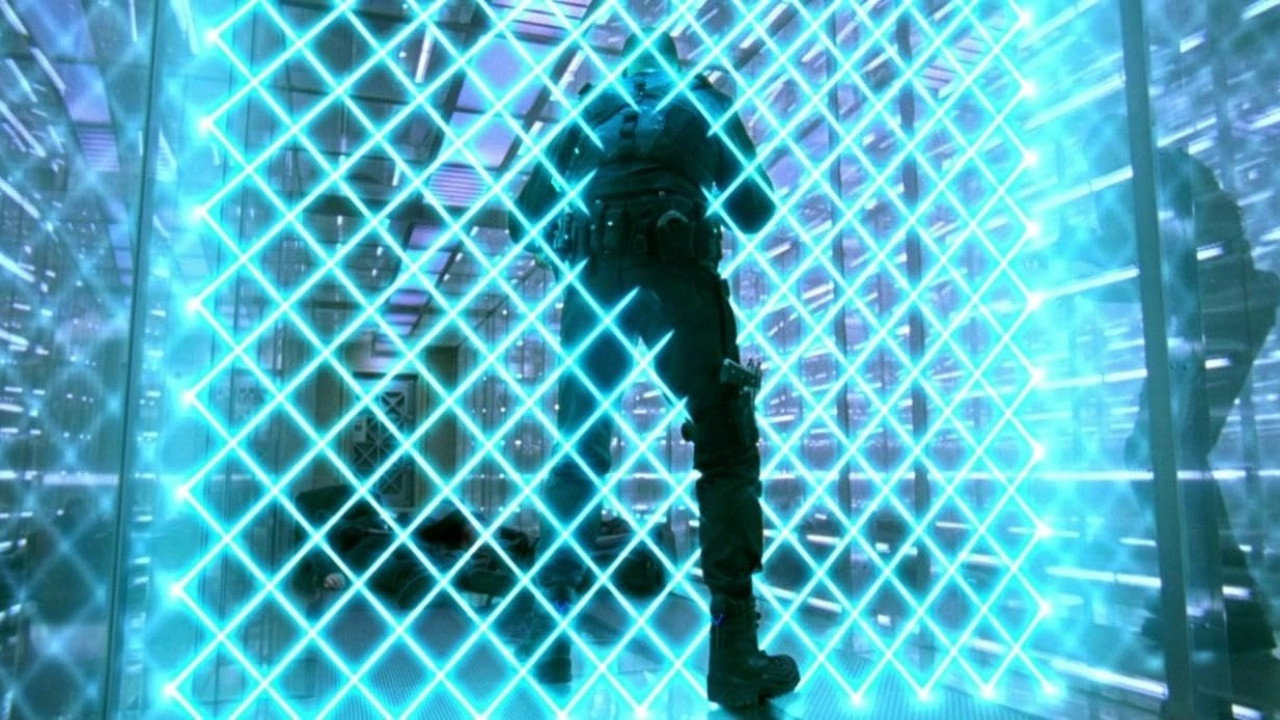
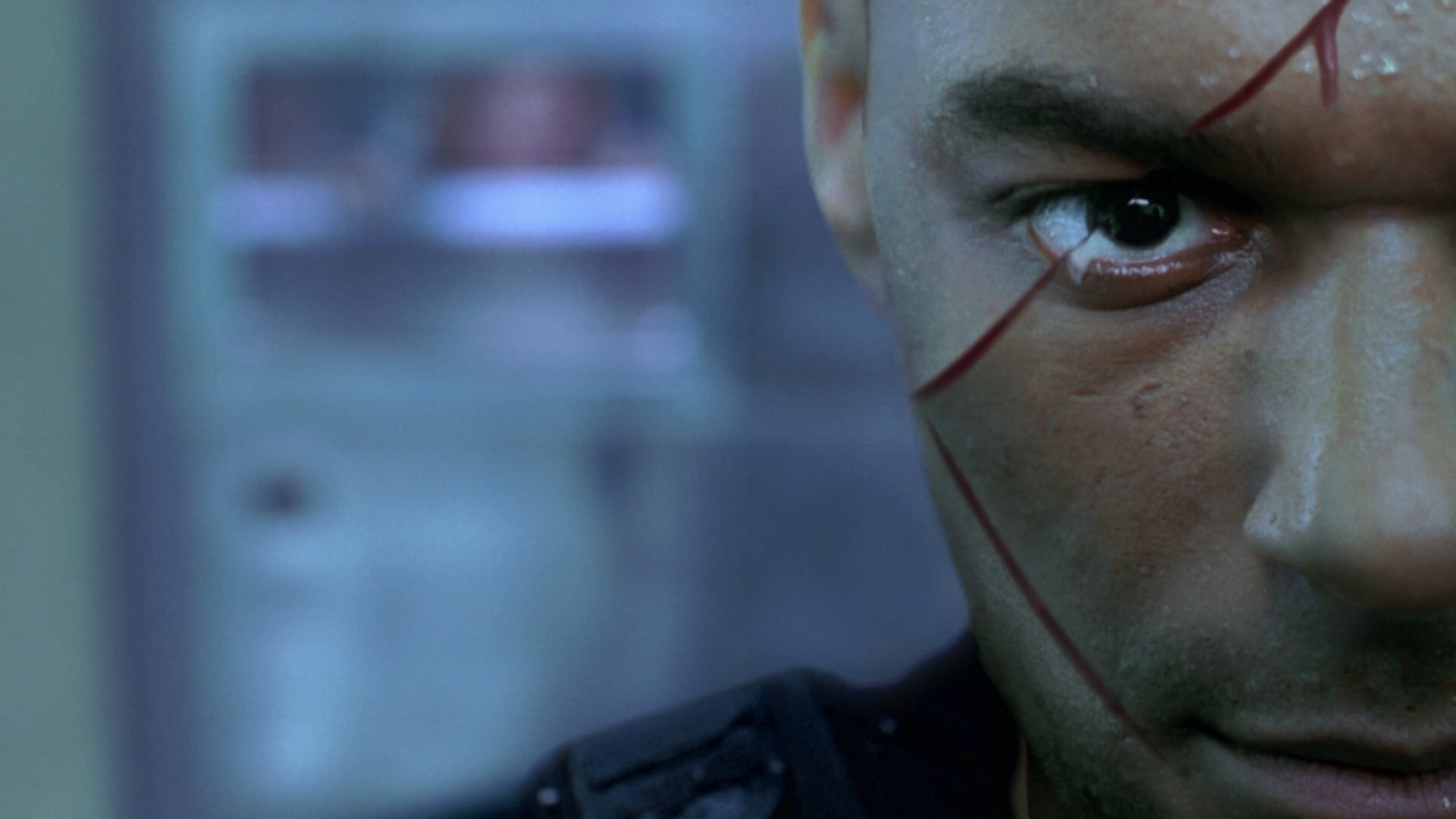
The effects strategy combined physical fabrication and digital work rather than treating the creatures as entirely computer-generated. A retrospective CinemaBlend account, citing the film's home-video documentary, describes the laser corridor death as an elaborate practical illusion: an actor's body was replicated as a model, divided into sections and filmed falling apart. The sequence makes an automated security device briefly more terrifying than the creatures it was built to contain. Its geometrical pattern also exploits the corridor's restricted dimensions, turning an apparently navigable passage into an impossible escape route.
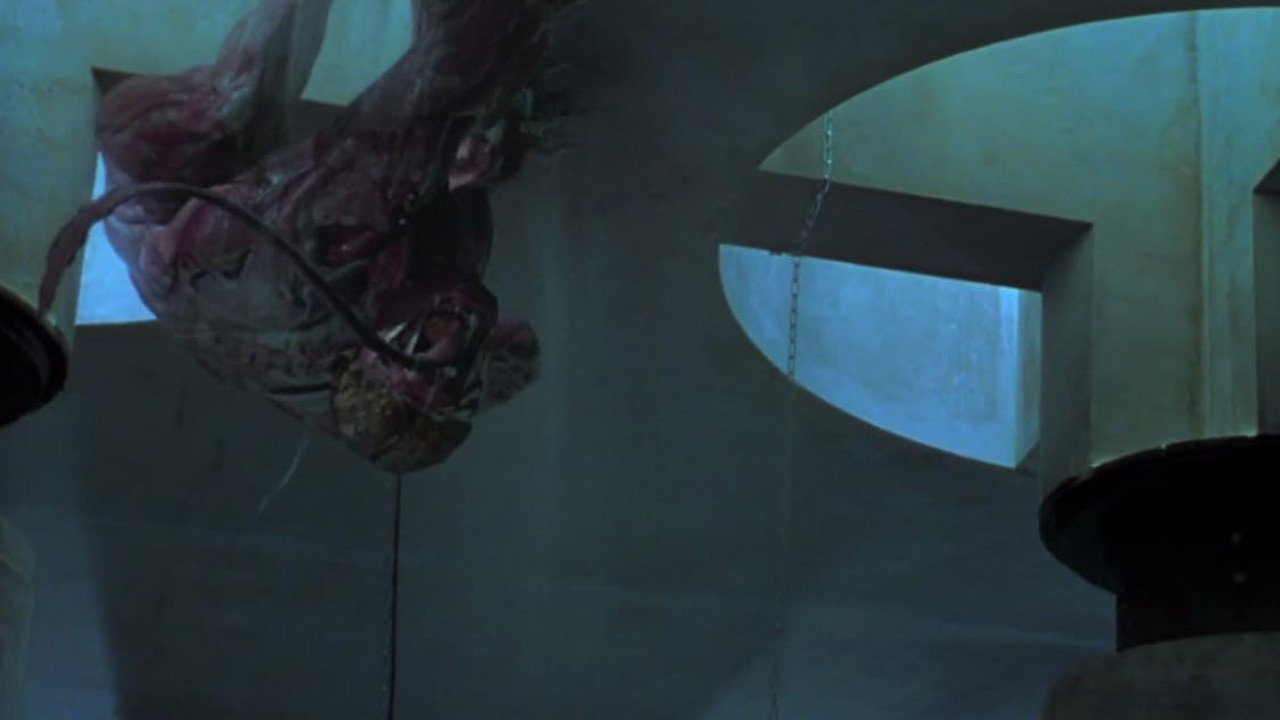
The Licker presents a different challenge because its movement and abnormal anatomy exceed the capabilities of conventional human performance. Contemporary production credits identify prosthetic and animatronic work alongside digital effects supervision, while later accounts describe a mixture of physical creature elements and computer imagery. These methods support different kinds of shots, from contact with the set to movements that could not be accomplished with a static prop. The important distinction is between documented techniques and the impression they create: the appearance of a seamless monster does not establish that every frame used the same method. The resulting design extends the film's biological horror beyond recognizable human corpses.
Music, Sound and Visual Rhythm
The credited score brought together Marco Beltrami and Marilyn Manson, situating the film's soundtrack within the period's collision of industrial and electronic textures with mainstream genre cinema. The sonic approach complements the subterranean setting: heavy pulses and abrasive surfaces emphasize machinery, impending attacks and the movement of armed characters through enclosed space. The film's more subdued passages rely on contrast, keeping otherwise ordinary technical noises conspicuous before the next attack. These are observations about the finished film's effect, not undocumented claims about particular studio instruments or recording sessions.
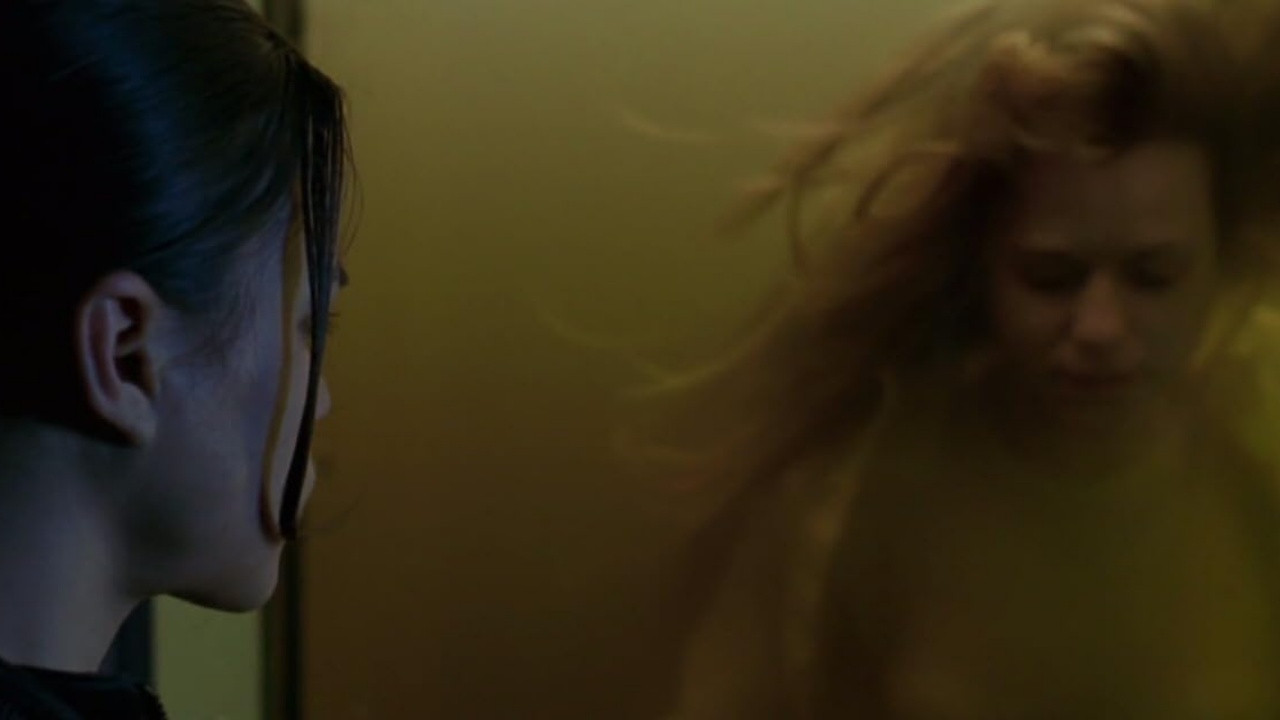
The editing repeatedly sets countdowns and controlled mechanical movements against the unpredictable behavior of the infected. Receding corridors, reflective surfaces and the Red Queen's mediated appearances make the Hive legible as an engineered environment whose rules can suddenly change. The passage between mansion and laboratory also provides a visual counterpart to the film's combination of Gothic and scientific horror. Whereas the mansion suggests a concealed historical secret, the laboratory exposes a modern corporate system whose experiments have escaped control. In that sense the production design supplies more thematic continuity than a literal recreation of individual videogame rooms could have achieved.
Release, Criticism and the Film Series
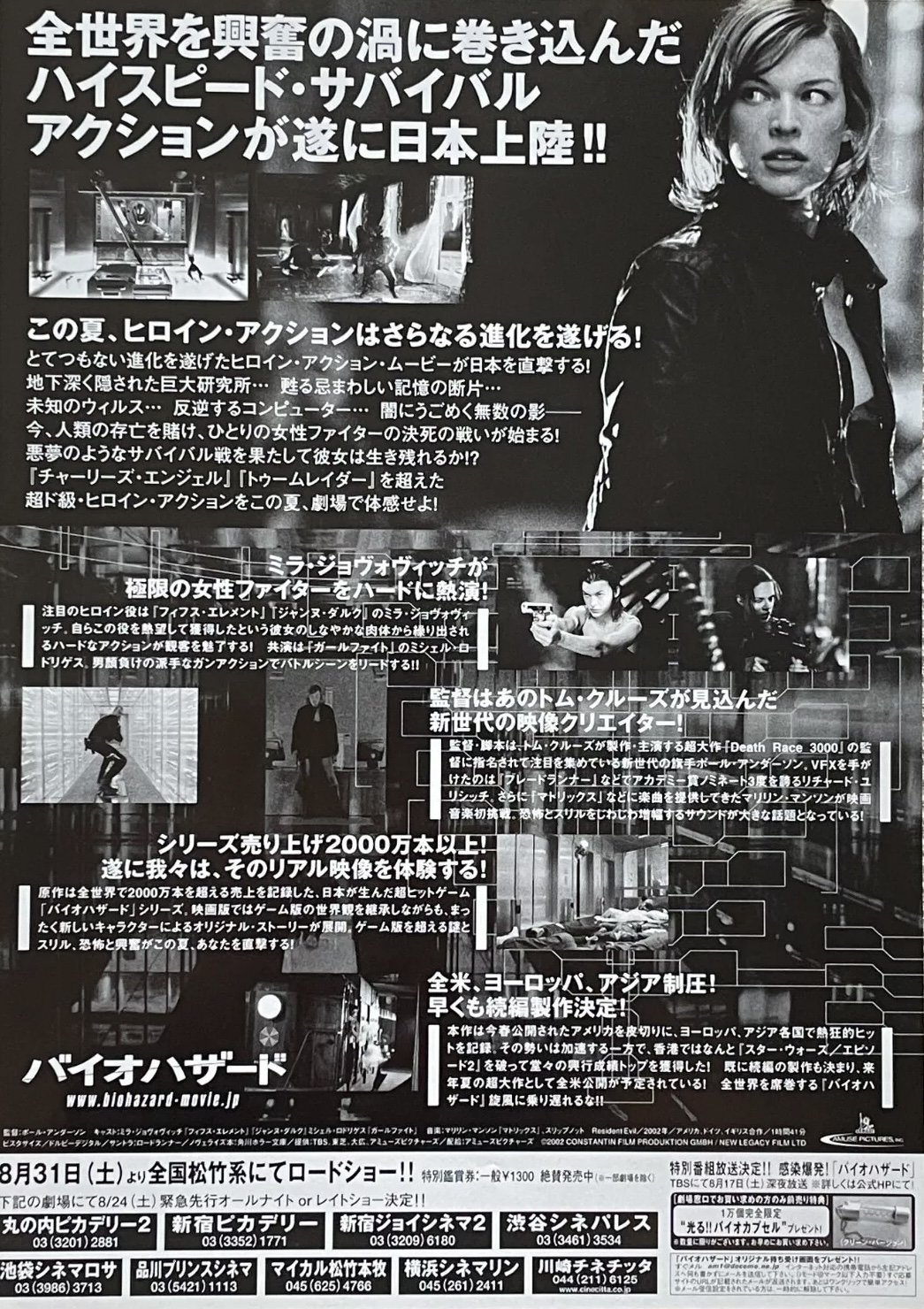
Resident Evil opened in American theaters on March 15, 2002. The American Film Institute records an R-rated film of approximately 101 minutes and identifies its international production companies. British classification records offer a useful warning about versions: the BBFC lists a cinema classification running 100 minutes and 26 seconds and a later home-entertainment submission of 96 minutes and 28 seconds. Those records establish different submitted running times, but the distinction alone does not prove which scenes were changed or why. Their different durations should therefore not be described as a confirmed director's cut or censorship history without further documentation.
Roger Ebert's contemporary review found little persuasive human interaction in the dialogue and objected to the film's dependence on noisy shocks, although he singled out the laser corridor as an effective device. This response provides a documented example of early critical reservations, not a complete account of the audience reception. The film nevertheless established Alice as an original screen protagonist and created a repeatable framework for later installments. In a later oral history, Anderson and Jovovich discussed the series as an extended production undertaking, while Anderson's subsequent claims that his film helped revive zombie cinema remain his interpretation of the genre's trajectory. The film's securely documented legacy is its central place in the Resident Evil screen franchise and its distinct approach to adapting Capcom's horror world.
References
Inverse — Resident Evil Oral History: Jovovich and Anderson on Zombie Series
Original interviews describing the adaptation, production conditions in Berlin and the development of the film series.
PC Gamer — Resident Evil Director Paul W. S. Anderson Explains Why the First Film Does Not Directly Adapt the Games
Extended 2026 interview documenting the director's account of game influences, narrative choices and the abandoned Ground Zero subtitle.
CinemaBlend — Resident Evil: 10 Behind-the-Scenes Facts About the 2002 Video Game Adaptation
Production-focused retrospective reporting practical techniques documented in the original home-video featurette.