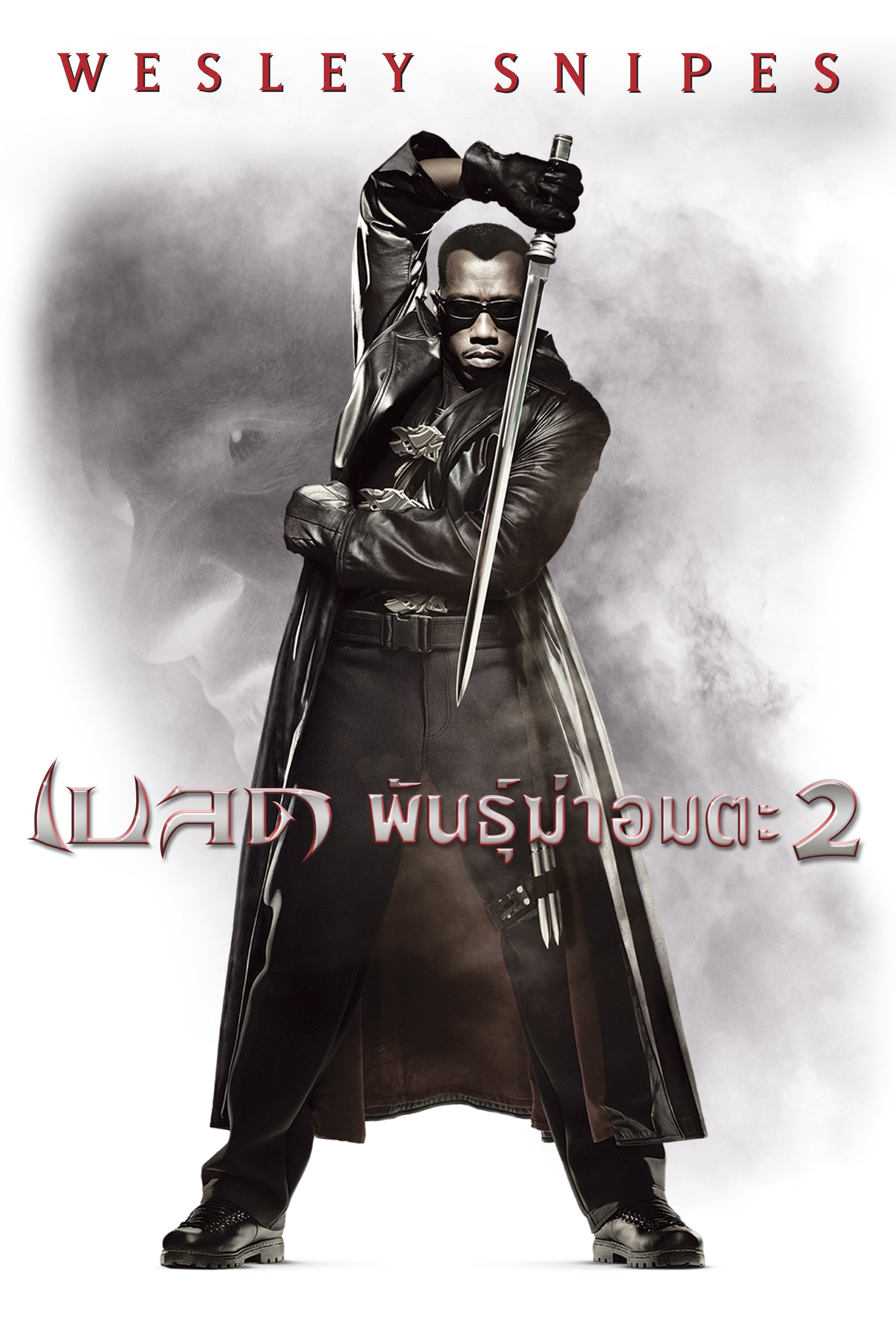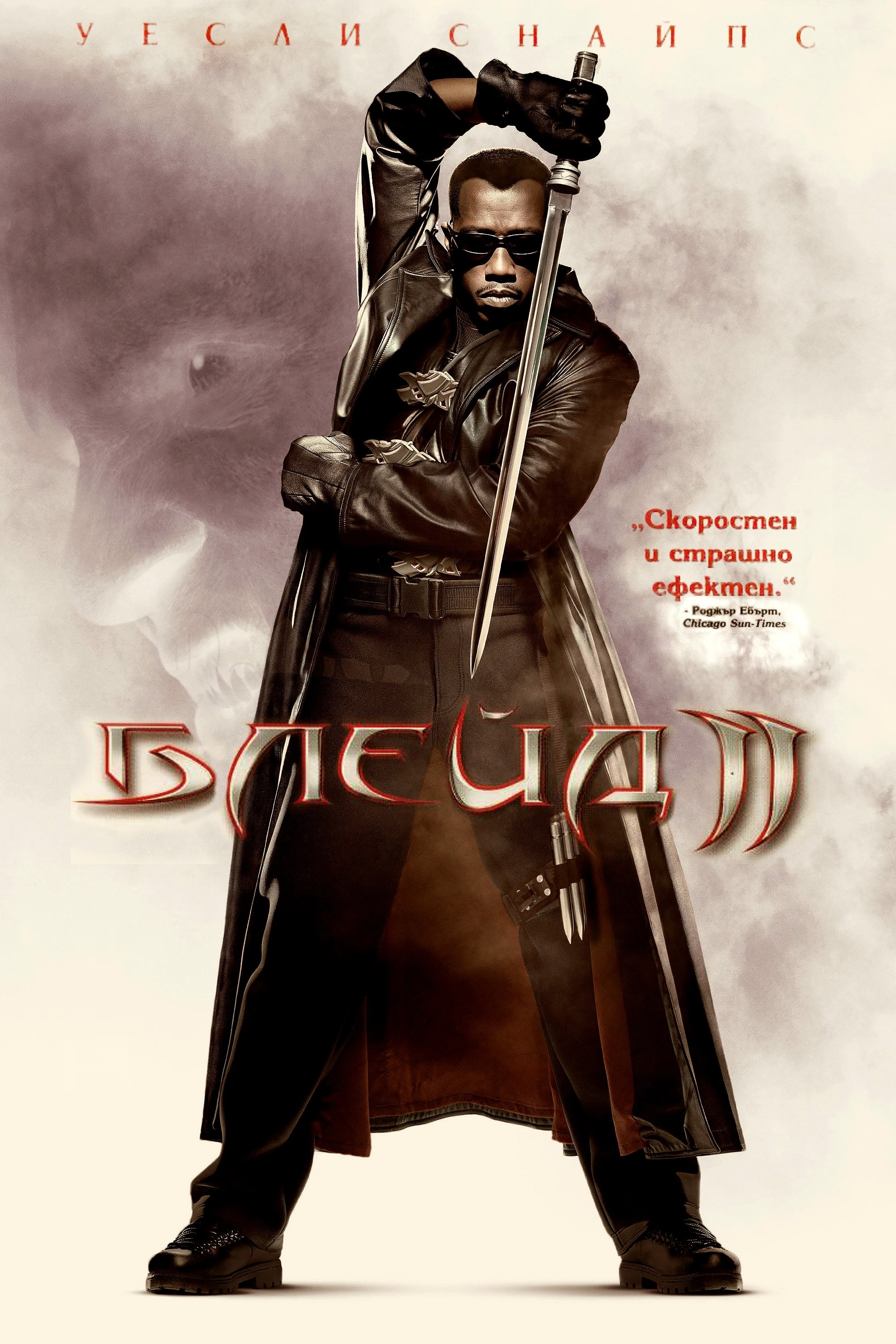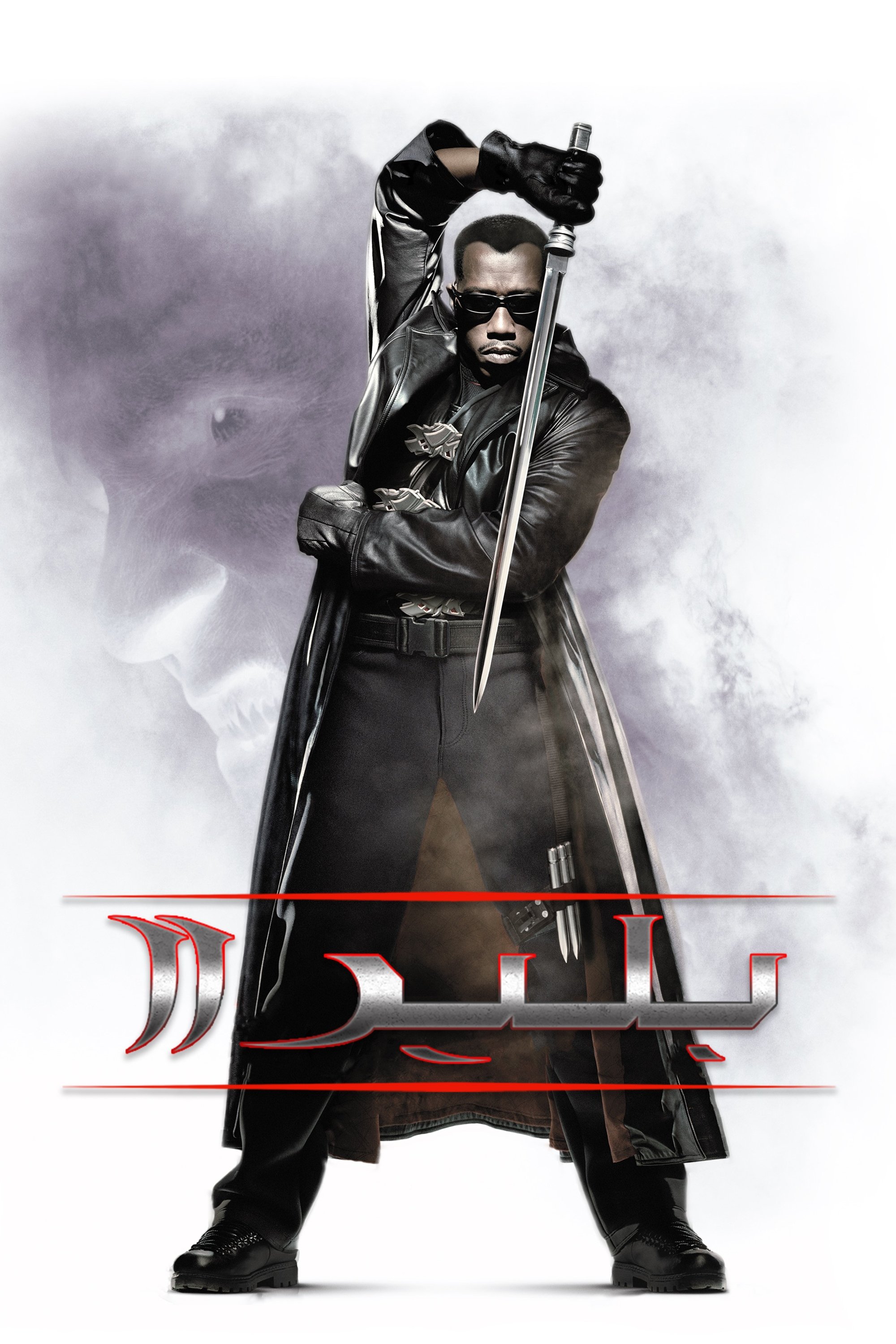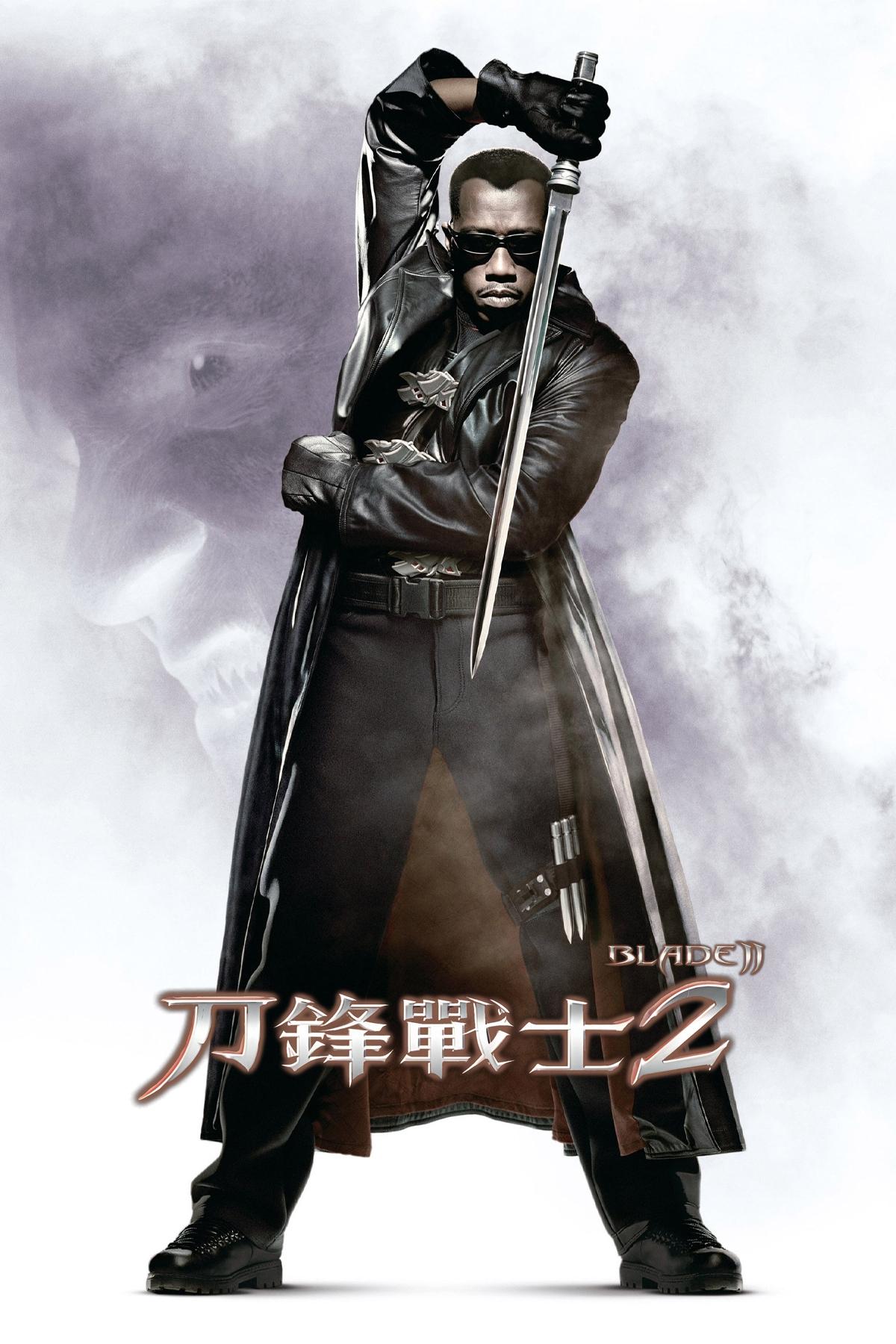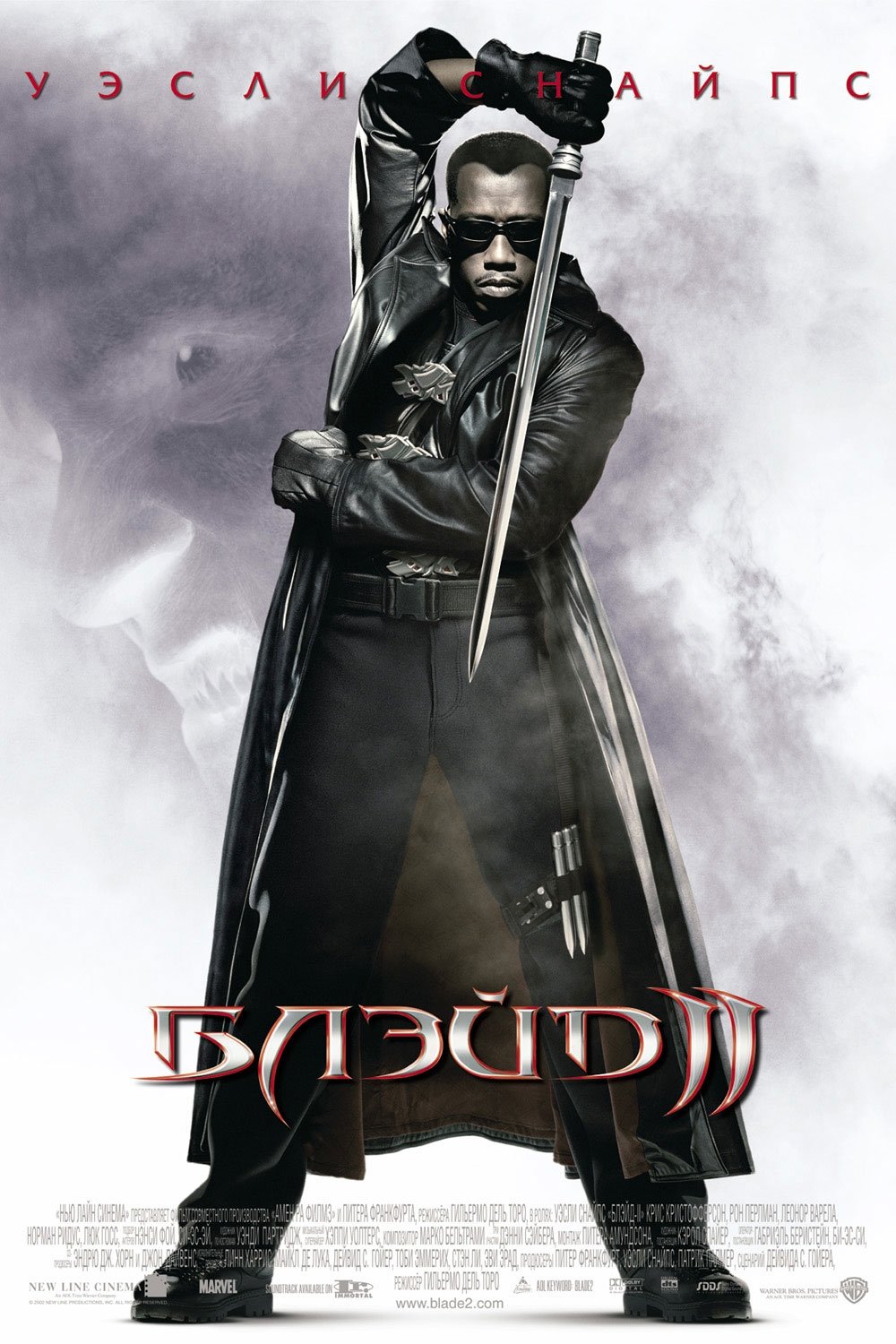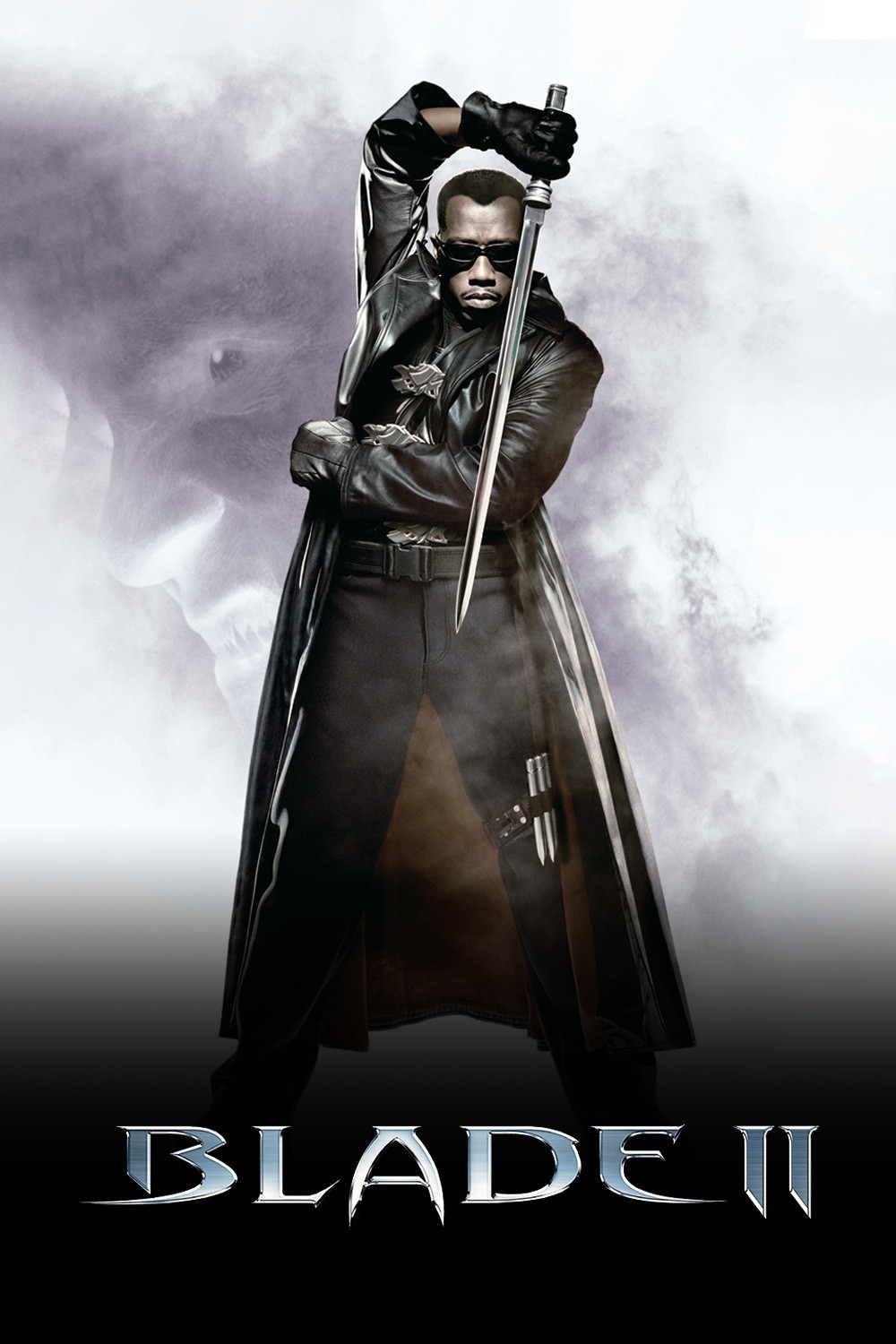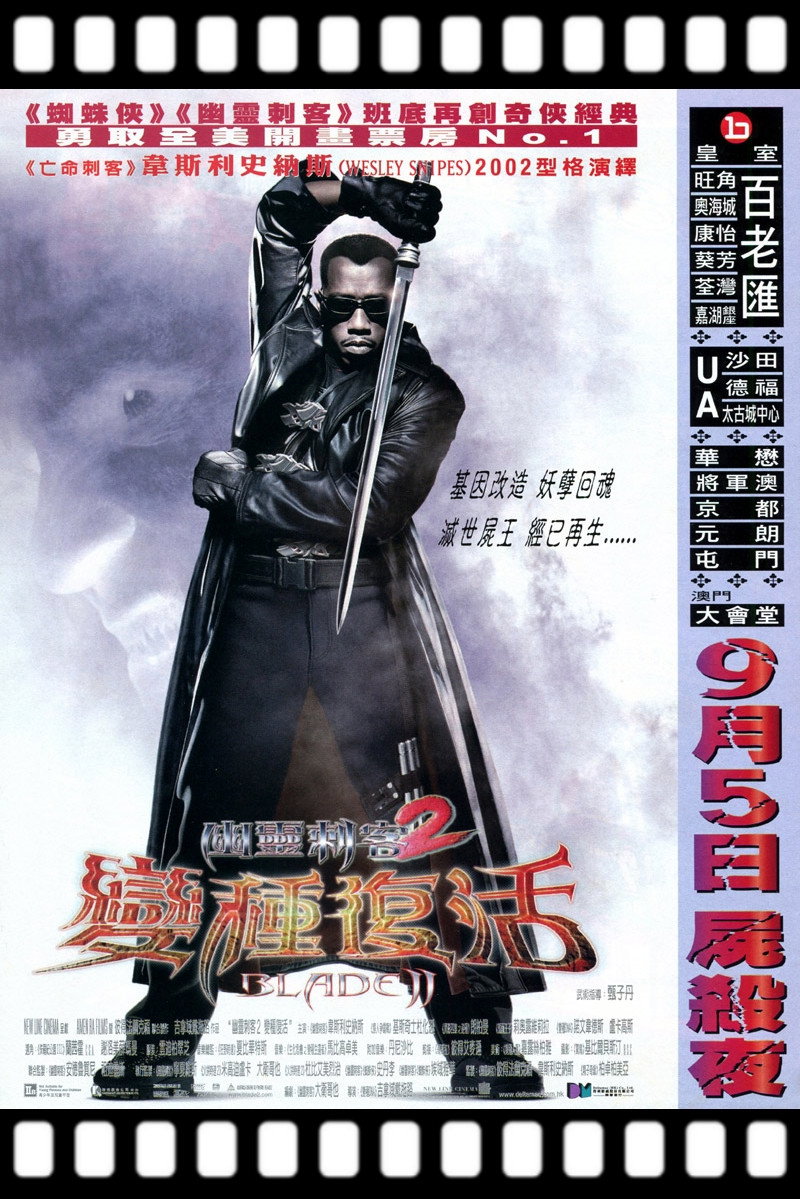
Blade II (2002)

US
7.0/10 1 votes
Runtime
117 min
Release
March 22, 2002
Budget
$54,000,000
Revenue
$155,010,032
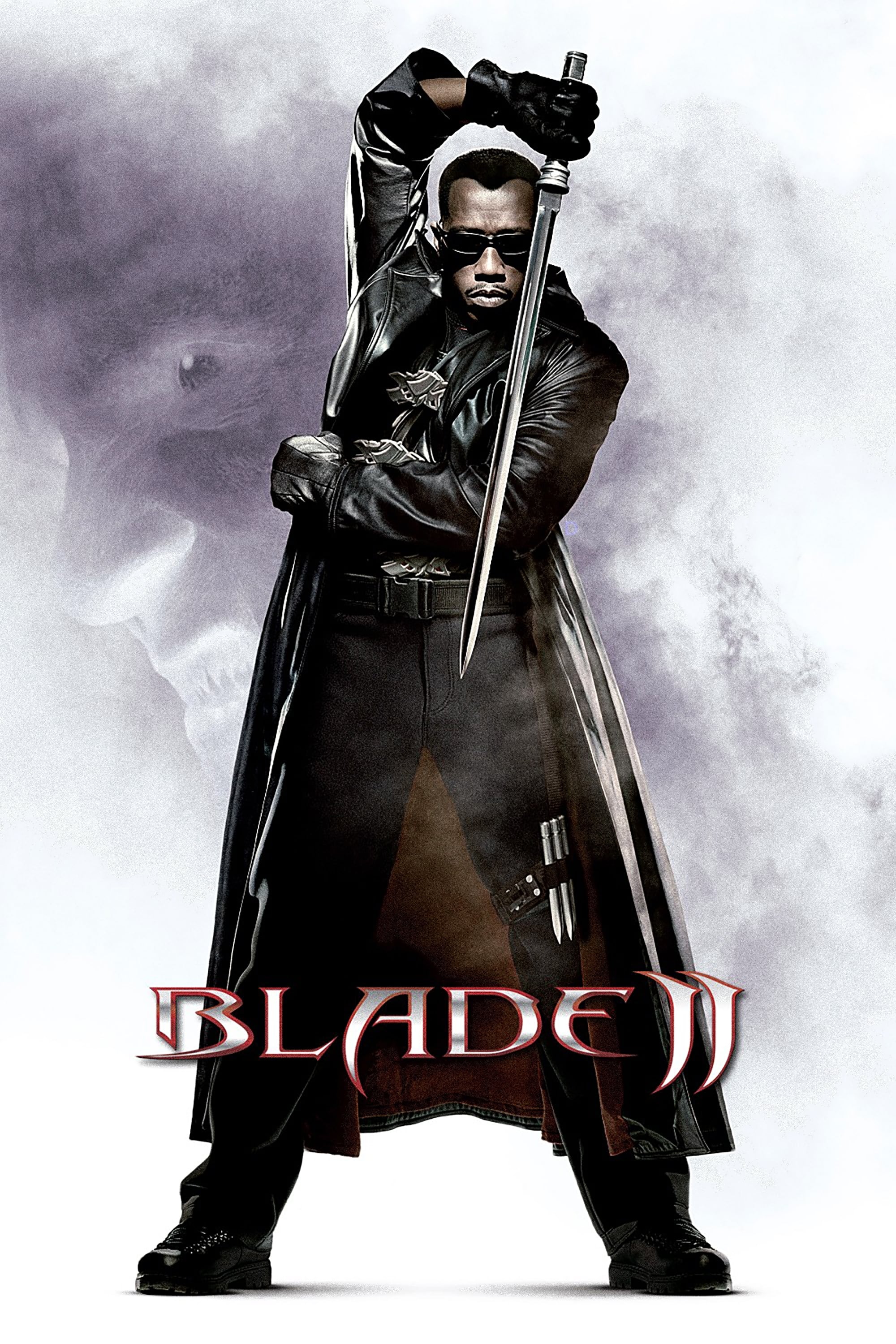
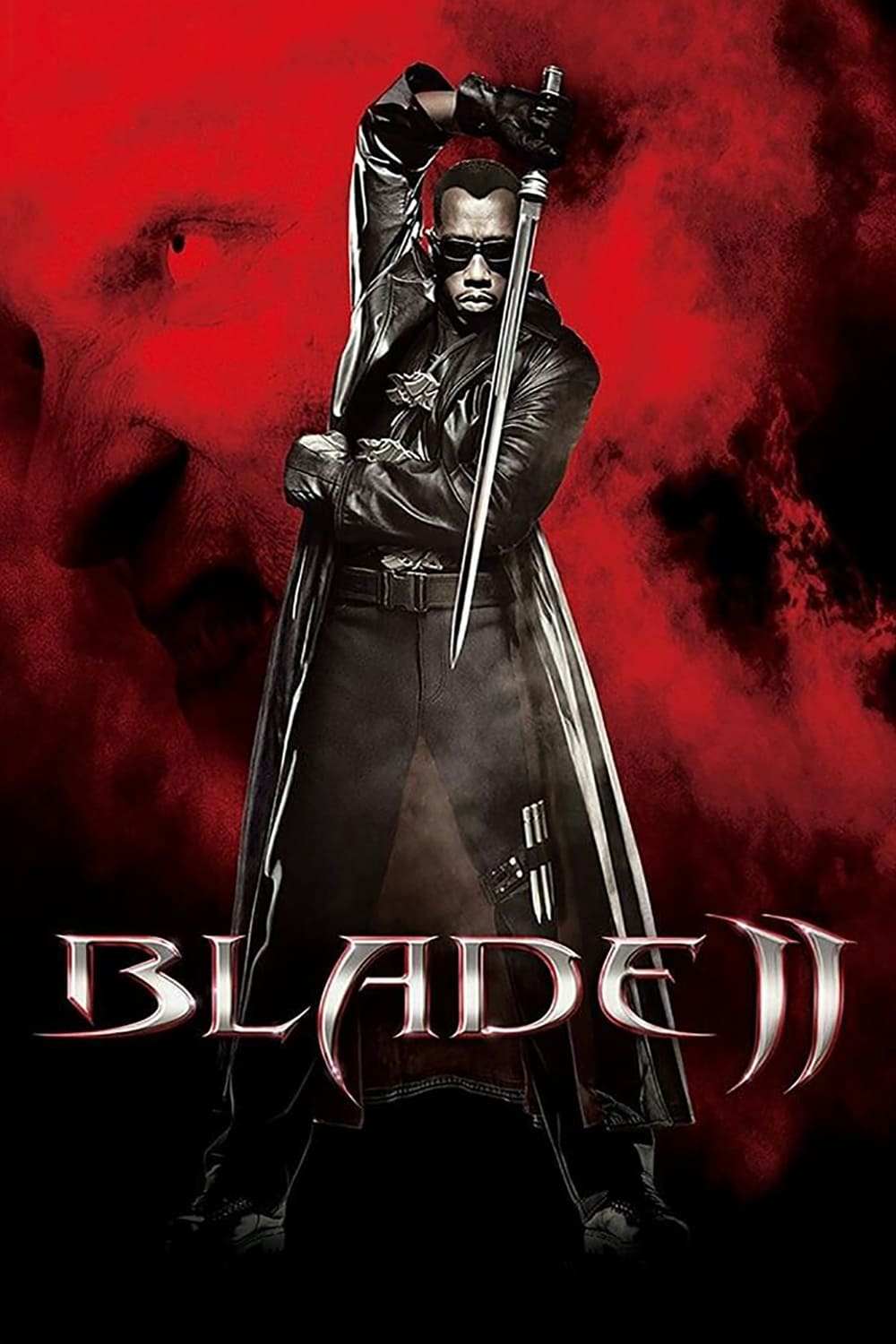
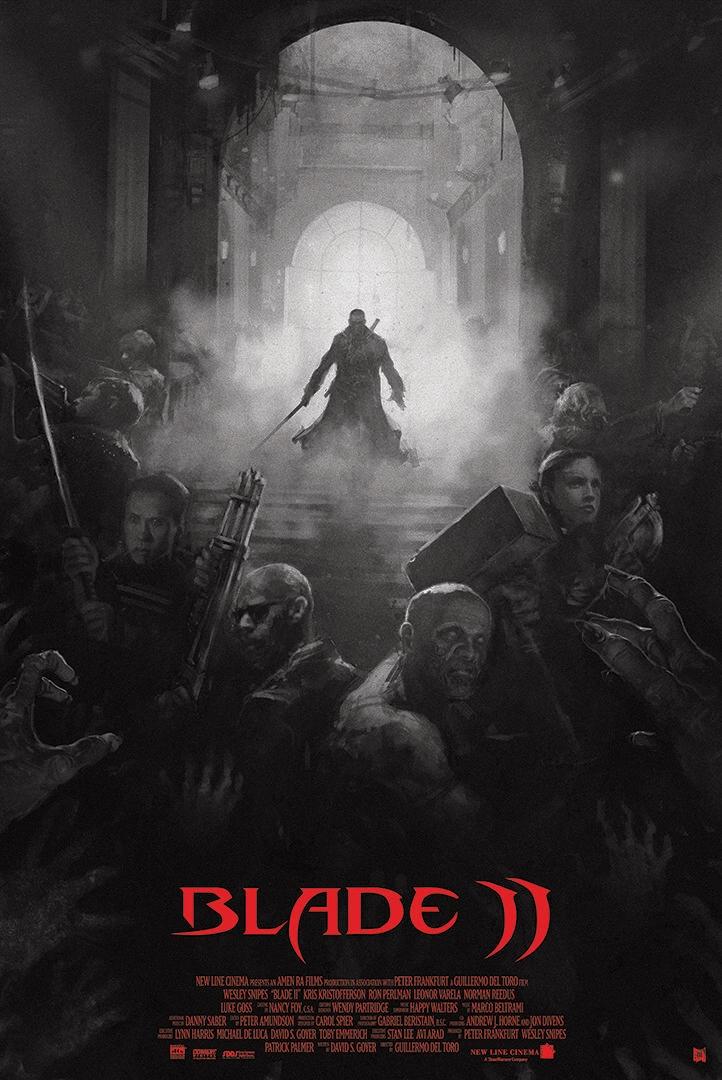
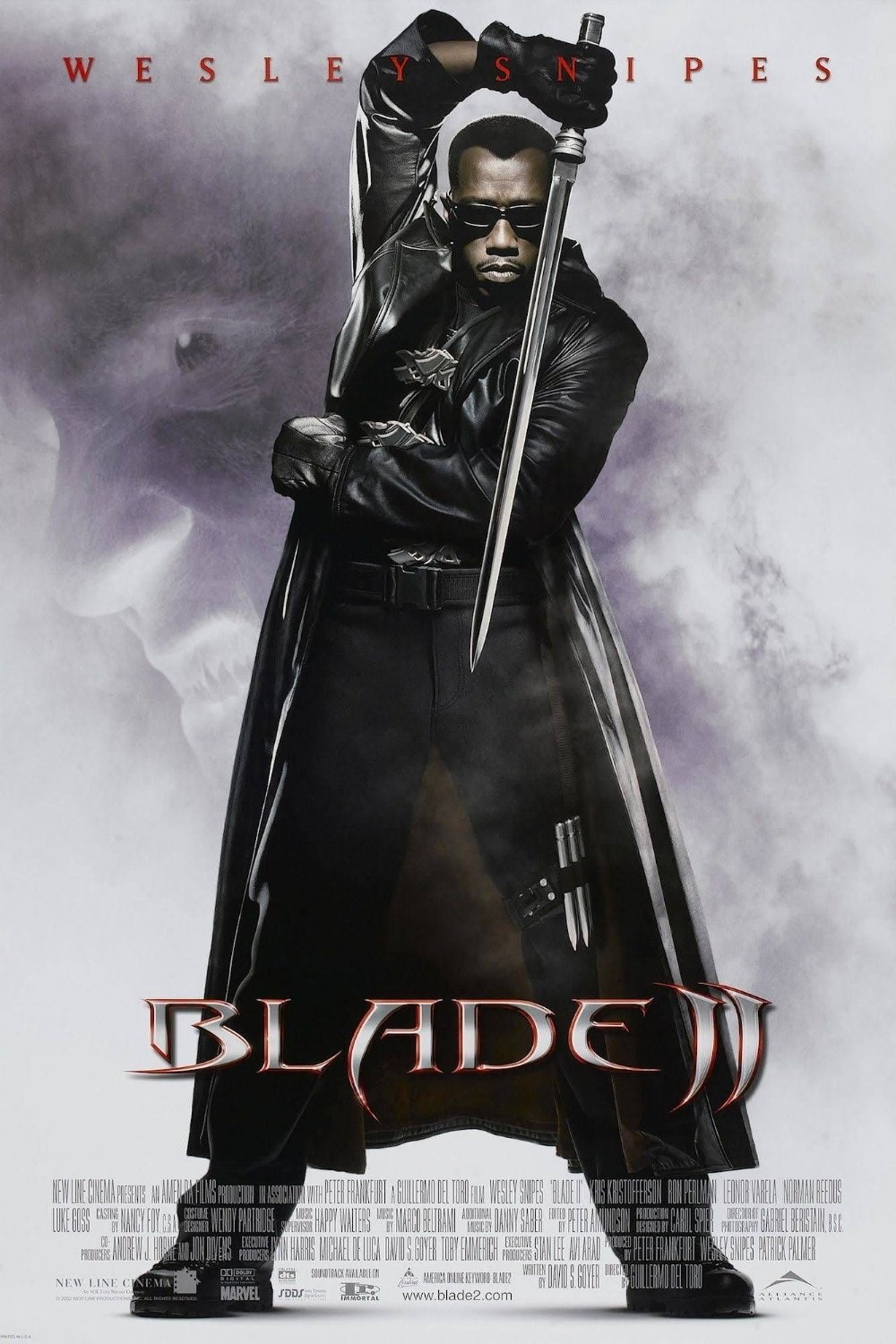
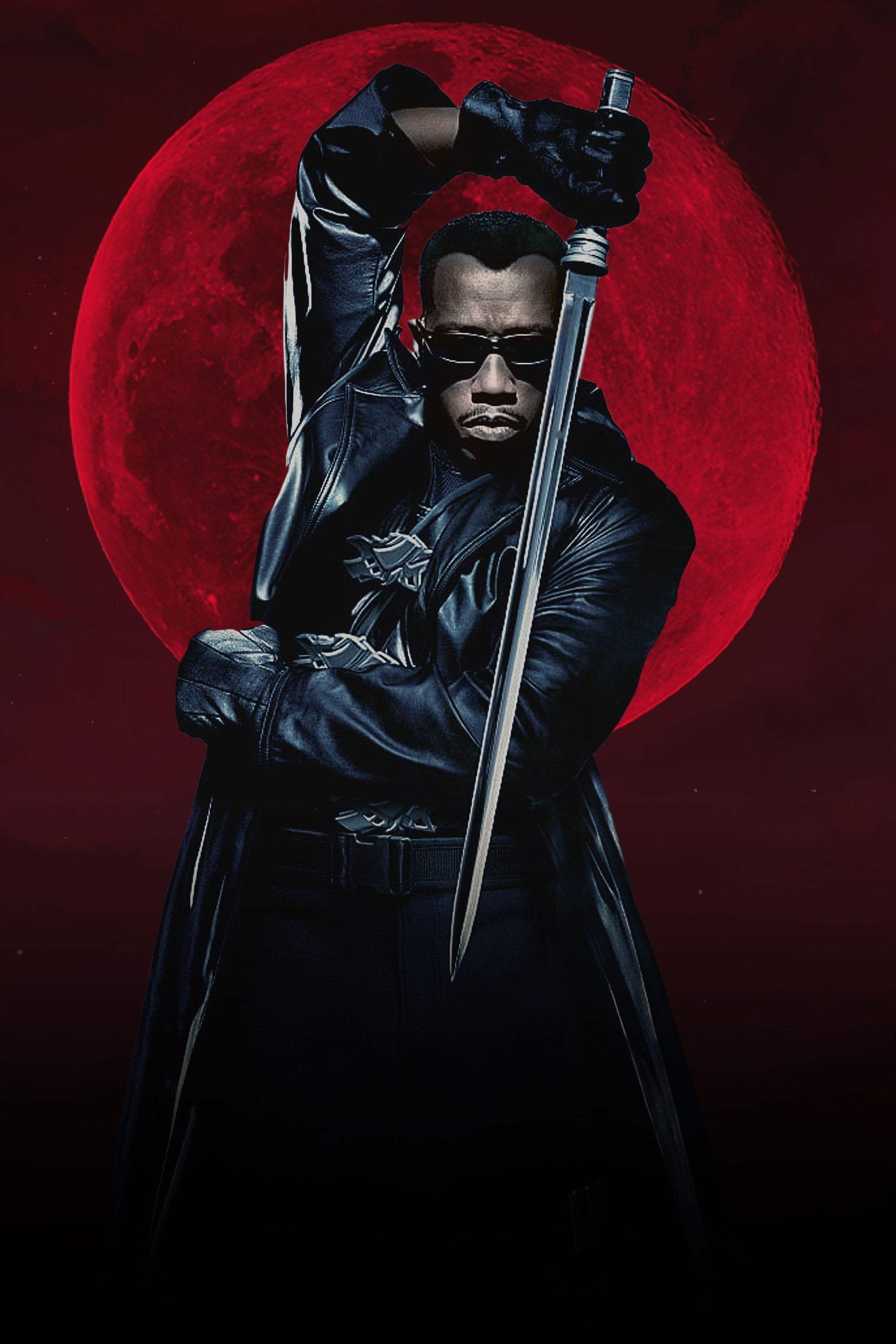
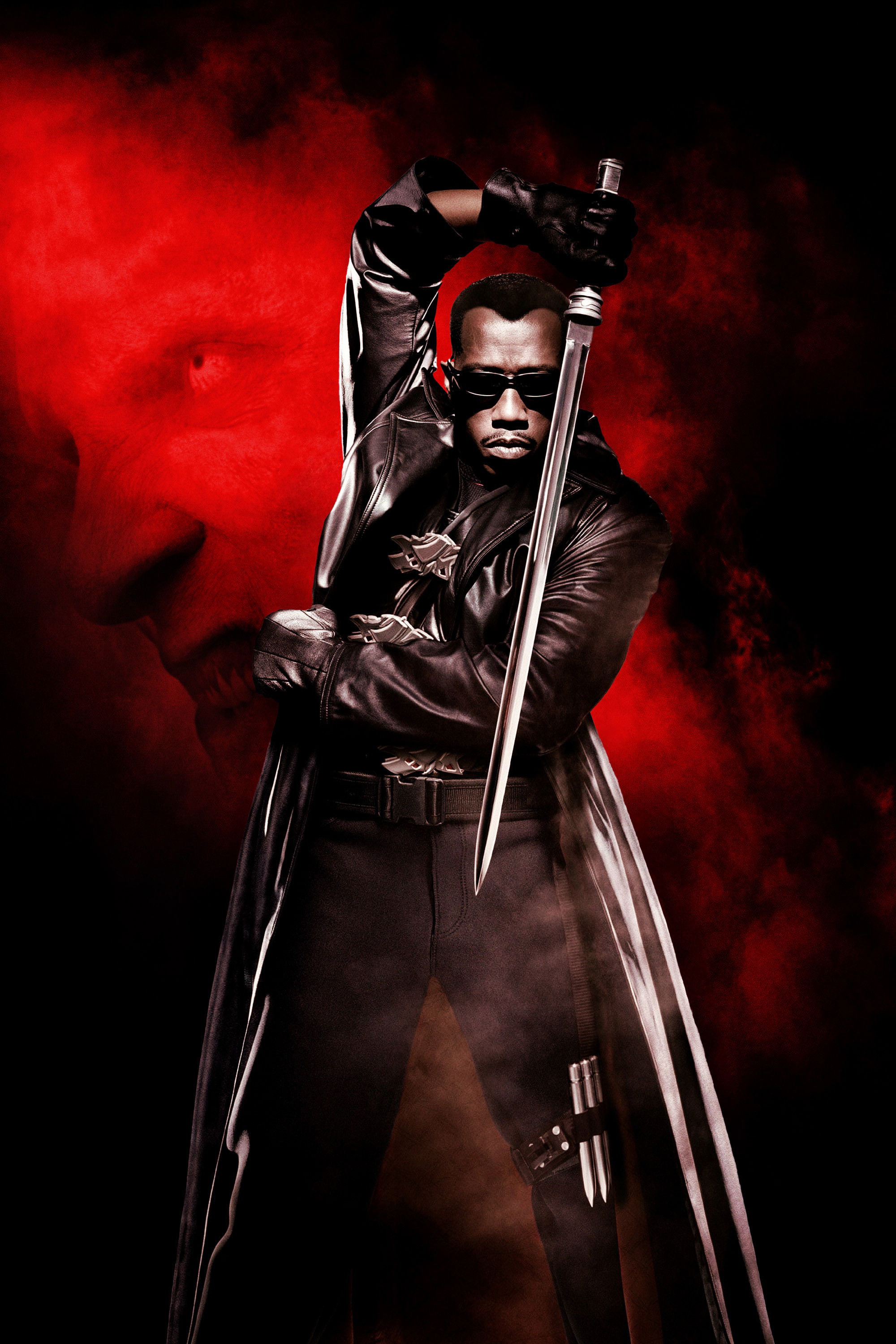
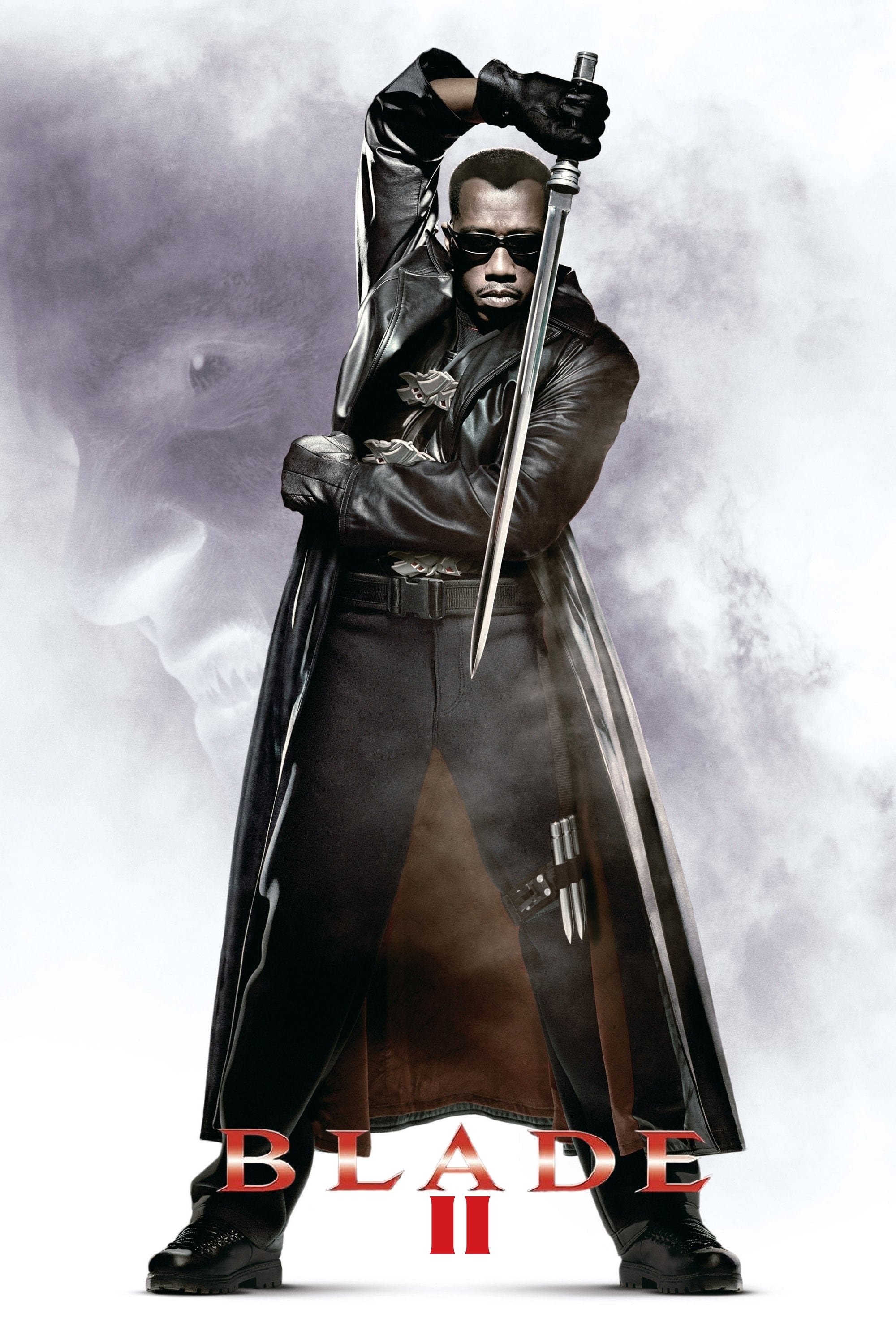
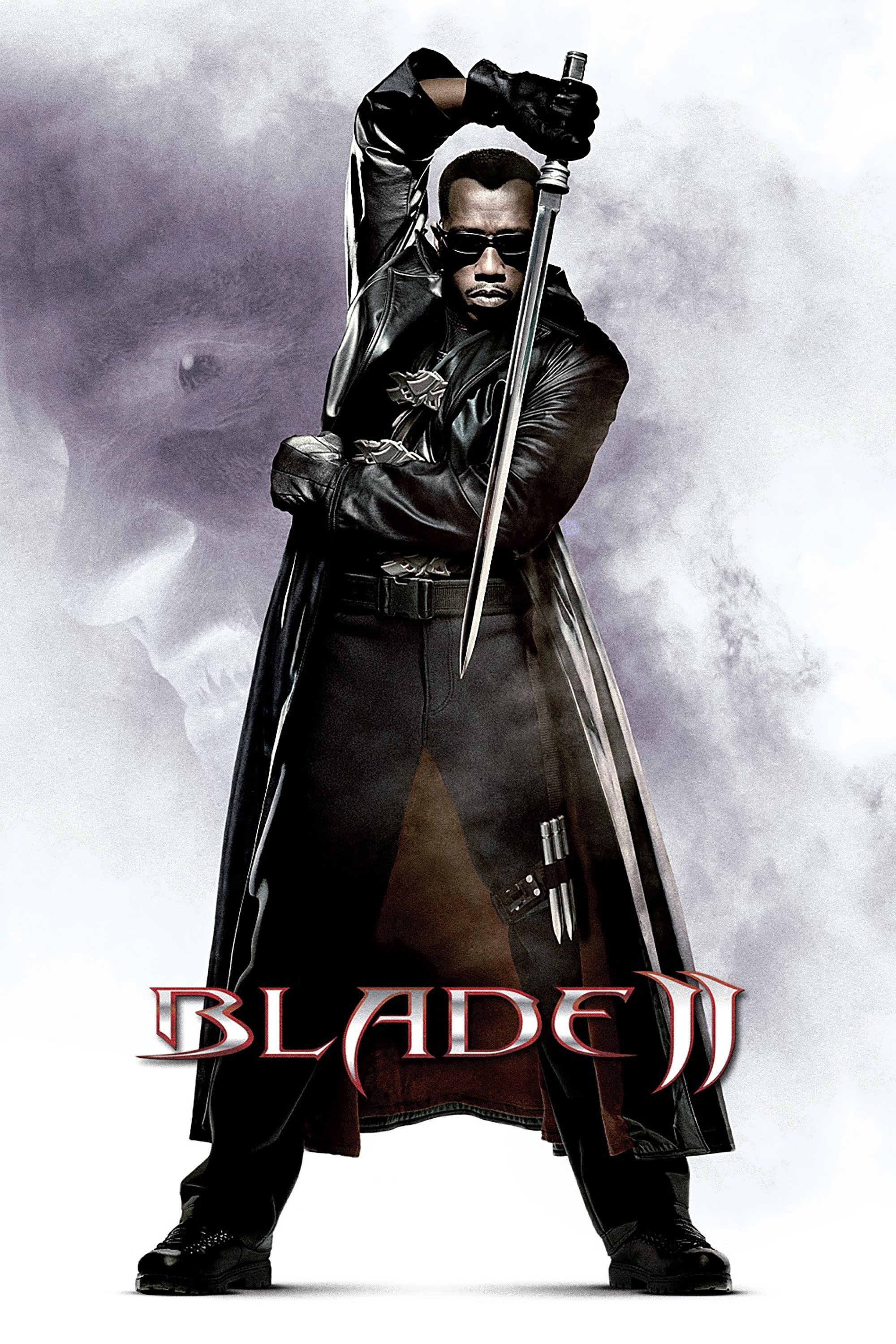
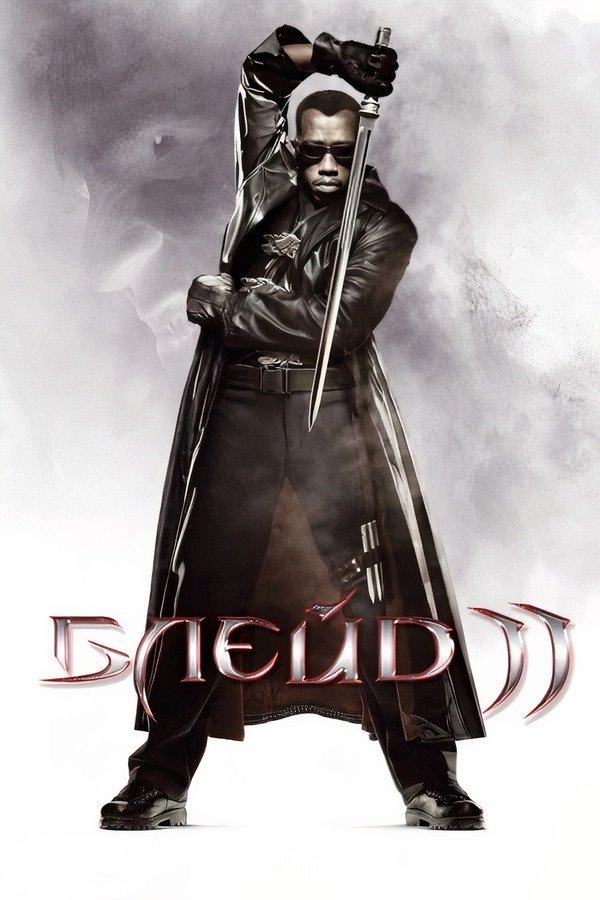
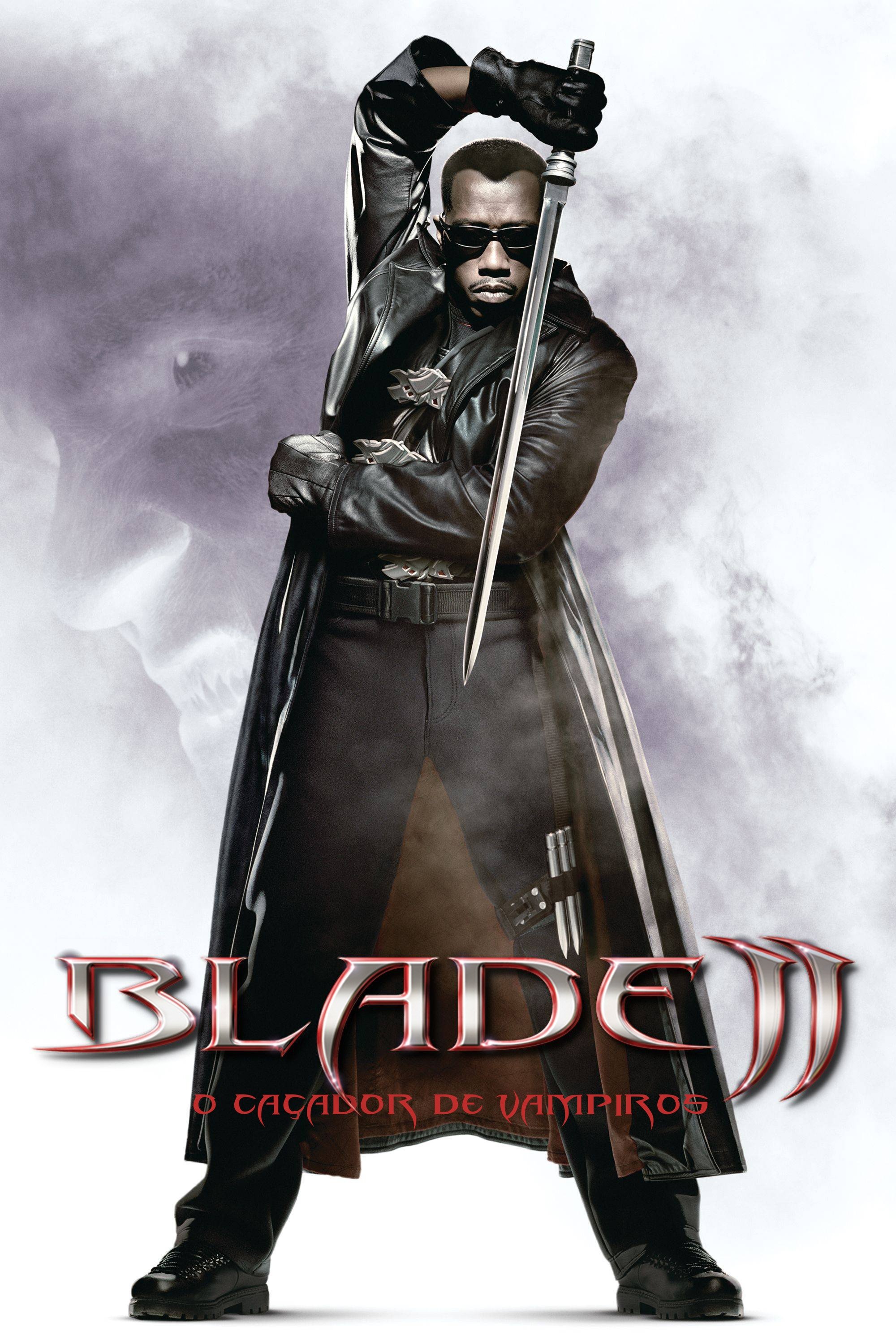
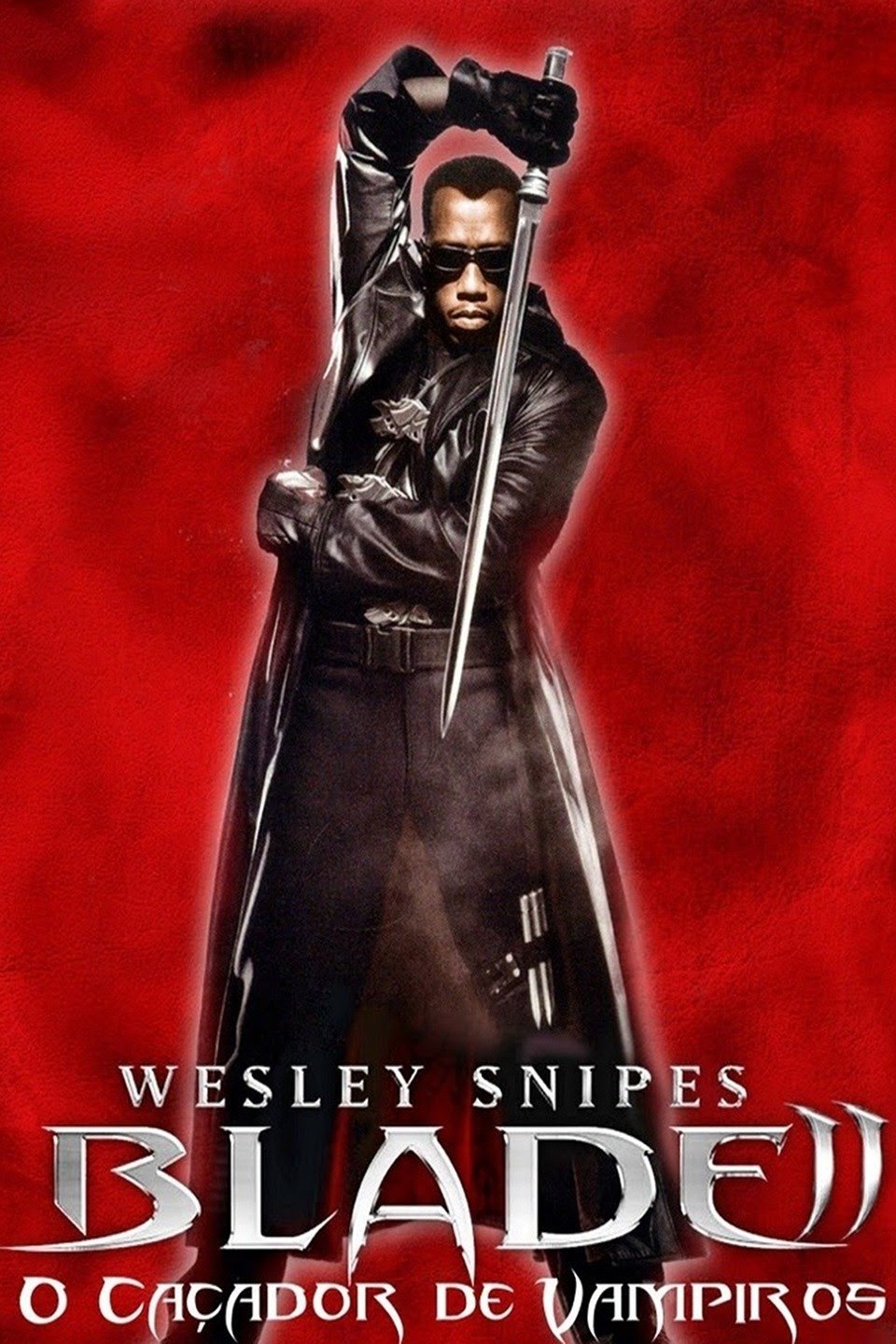
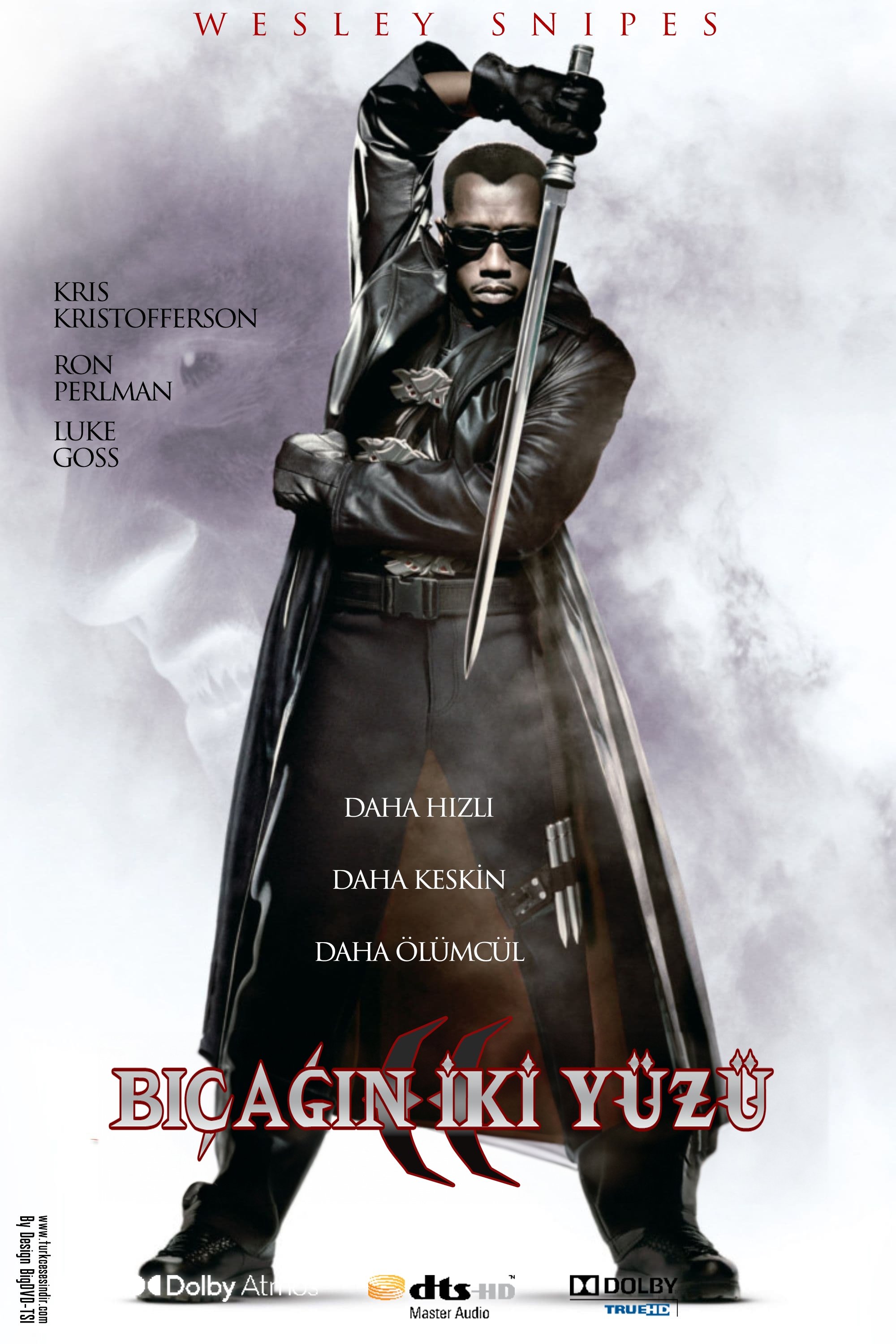
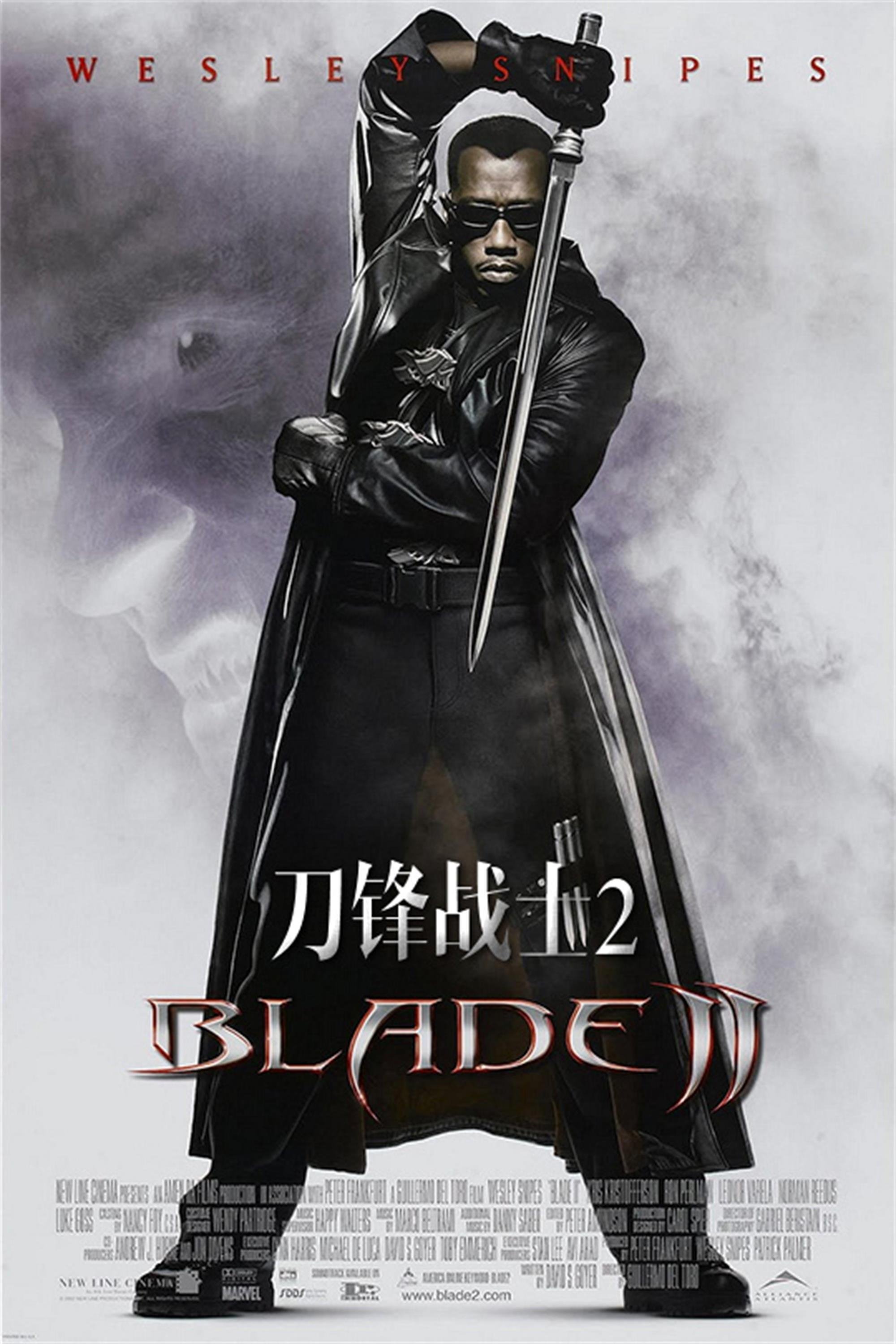
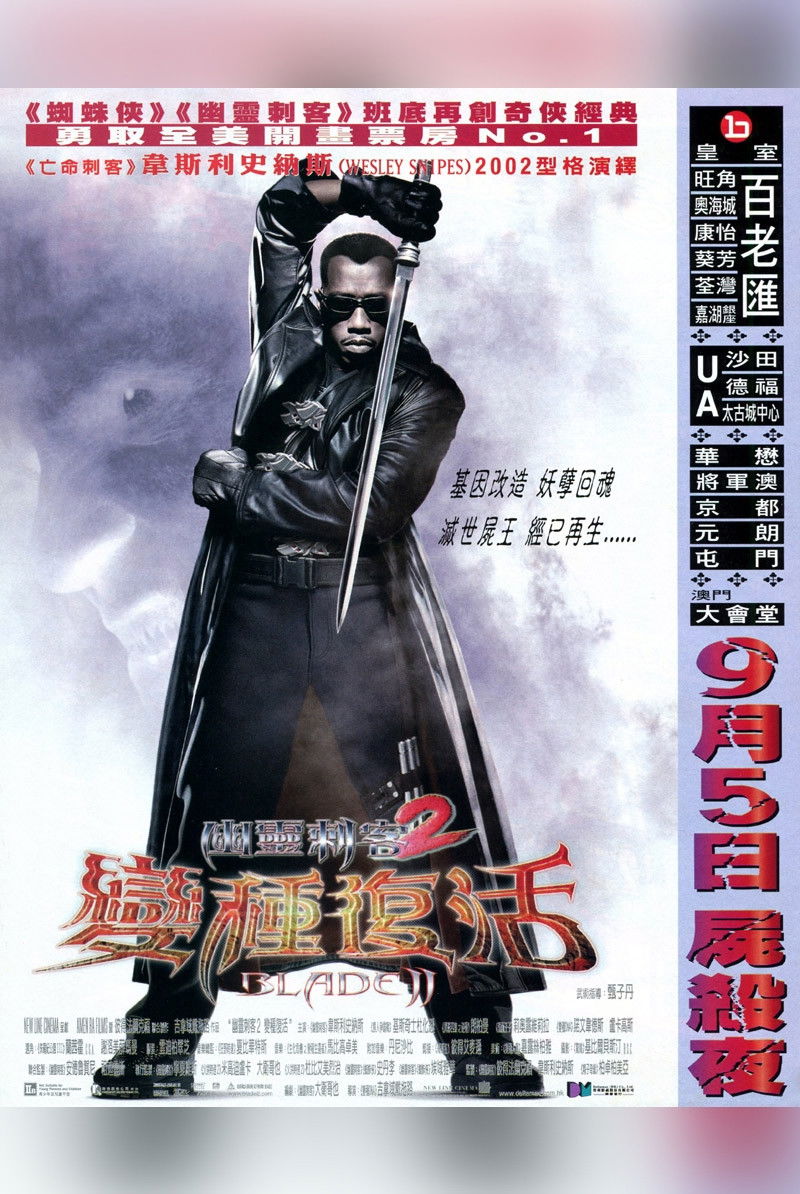
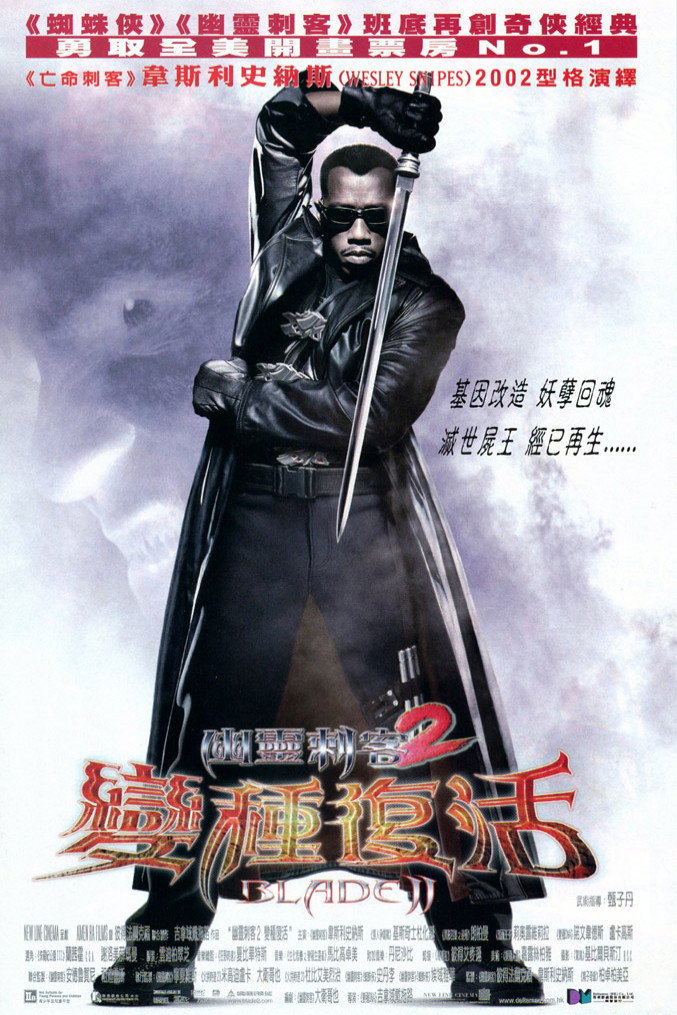
Blade II (2002) poster
Plot

A rare mutation has occurred within the vampire community - The Reaper. A vampire so consumed with an insatiable bloodlust that they prey on vampires as well as humans, transforming victims who are unlucky enough to survive into Reapers themselves. Blade is asked by the Vampire Nation for his help in preventing a nightmare plague that would wipe out both humans and vampires.

Alternative Titles
Blade II: Cazador de vampiros (AR) Bleĭd 2 (BG) Блейд 2 (BG) — translation:bg Blade II: O Caçador de Vampiros (BR) — translation:pt Blade 2 (CH) — short title 刀锋战士2 (CN) Blade 2 (CZ) Blade 2 (DE)
Show all 31 alternative titles ბლეიდი II (GE) — translation:ka Skoteiní dýnami 2 (GR) Σκοτεινή Δύναμη 2 (GR) — translation:el 幽靈刺客 2:變種復活 (HK) — translation:zh Penge 2. (HU) — translation:hu בלייד 2 (IL) — translation:he ब्लेड II (IN) — translation:hi تیغه ۲ (IR) — translation:fa ブレイド2 (JP) — translation:ja 블레이드 2 (KR) Ašmenys 2 (LT) — translation:lt Asmens II (LV) — translation:lv Блејд 2 (MK) — translation:mk Blade: Wieczny łowca 2 (PL) — translation:pl Blejd 2 (RS) Блејд 2 (RS) — translation:sr Блэйд 2 (RU) — translation:ru بليد 2 (SA) — translation:ar เบลด 2 นักล่าพันธุ์อมตะ (TH) — translation:th Bıçağın İki Yüzü 2 (TR) 刀鋒戰士2 (TW) — translation:zh Блейд 2 (UA) — translation:uk Săn Quỷ 2 (VN) — translation:vi

Trailers & Videos

1 video

Film Guide

Guillermo del Toro turned the second Blade film into a collision of comic-book action, biological vampire horror, Hong Kong fight choreography and elaborate practical creature design.

Blade II is a 2002 American-German action horror film directed by Guillermo del Toro from a screenplay by David S. Goyer, continuing the story of Marvel's half-human vampire hunter after the 1998 film. Wesley Snipes returns as Blade, who is forced into an alliance with the vampire hierarchy when a mutation begins producing Reapers, creatures capable of feeding on humans and vampires alike. Led by Jared Nomak, the new strain threatens to replace the existing vampire population. Blade therefore joins the Bloodpack, an elite group originally trained to kill him, while gradually discovering that the Reaper outbreak is connected directly to the ruling vampire family.

The basic sequel structure gave del Toro room to reshape the series around his own interest in bodies, parasites and monsters. Where the first Blade combined urban vampire mythology with the visual language of late-1990s techno culture, Blade II moves toward industrial decay, subterranean spaces, biological mutation and a much more elaborate creature mythology. The result remains recognizably a Wesley Snipes action vehicle, but its horror is unusually physical for a large studio comic-book adaptation. Splitting jaws, altered organs, blood addiction and mutated anatomy become as important as martial arts and weapons, making the film one of the clearest meetings between del Toro's monster cinema and early twenty-first-century superhero filmmaking.

Bringing Guillermo del Toro to Blade

Screenwriter David S. Goyer and producer Peter Frankfurt were central to bringing Guillermo del Toro onto the sequel. Goyer later recalled that New Line initially resisted the choice, while he and Frankfurt continued arguing that del Toro was the right filmmaker. Del Toro already knew Goyer socially and had responded positively to both Dark City and the first Blade. Goyer sent him the sequel screenplay, and although del Toro was initially reluctant to direct someone else's sequel, he supplied notes about what he would change. A later draft addressed enough of those concerns for him to reconsider. The central idea that interested him was a new vampire strain capable of preying upon vampires as well as humans.

Del Toro approached the assignment with unusual attention to the visual grammar already established by Stephen Norrington. He later described studying the first film's dailies to understand how its style had been constructed. His intention was nevertheless to redirect that language. He characterized the first film as more urban, neon-driven and techno-oriented, whereas his sequel would emphasize Gothic architecture, industrial decay, deeper darkness and a richer comic-book palette. He also cited comics and Japanese animation as visual reference points. Blade II consequently behaves as both continuation and redesign: Snipes' character, weapons and attitude remain intact, but the environment around him becomes much closer to del Toro's own world of ancient hierarchies, diseased bodies and carefully designed monsters.

Building a Vampire World in Prague

The production moved extensively into the Czech Republic in 2001, using Prague locations as well as Barrandov Studios and other production facilities. The Czech Film Commission records work in areas including Letnany, Liben, Karlin, Strahov and Charles Bridge. Goyer remembered the production as unusually large for Prague at that moment and noted that the comparatively favorable production environment allowed Carol Spier's art department to construct enormous sets. The approach was important because del Toro wanted the sequel to feel as though the vampire civilization extended far beyond the clubs and modern interiors seen in the first film.

The sewer environment became one of the clearest examples. Del Toro inspected actual Prague sewers and found them visually impressive but practically unpleasant enough that he chose to reproduce the environment on soundstages. The resulting tunnels gave the filmmakers control over water, lighting, camera placement and the large-scale Reaper attack. Del Toro also surrounded Spier's production design with artists associated with comic and fantastic illustration. Goyer specifically recalled Mike Mignola and Tim Bradstreet contributing design work, while the film credits Mignola and Wayne Barlowe as visual consultants and Bradstreet as a vampire look consultant. The combination creates a world that feels simultaneously architectural and illustrated, with ancient vampire power expressed through stone, metal, underground chambers and decaying industrial surfaces.

Making Vampires Monstrous Again

Del Toro openly rejected the increasingly romantic image of the vampire as a tortured, elegant immortal. For Blade II he wanted vampirism to become frightening again on a biological level. The Reapers provided that opportunity. They are defined not merely by greater strength but by an altered anatomy and metabolism: they feed compulsively, infect other vampires, possess increased resistance to traditional vampire weapons and have hearts protected within reinforced bone. Their most distinctive feature is a mouth that divides apart, transforming a recognizably human face into a feeding mechanism. The mutation converts the sensual act traditionally associated with vampire feeding into something parasitic and invasive.

Steve Johnson and his effects company XFX were responsible for the prosthetic makeup and animatronic creature work. The production used physical appliances and mechanical creature elements alongside digital augmentation rather than relying upon a single technique. Effects artist Mike Elizalde later recalled being hired specifically to construct animatronic mechanisms for the Reapers, including their eyes, and meeting del Toro while working on the film. That encounter became the beginning of a lasting collaboration. Del Toro's interest in the mechanics of the creatures was therefore not incidental to the production. The Reapers embody one of his recurring ideas: monstrosity explained through anatomy, appetite and transformation rather than through a purely supernatural curse.

Hong Kong Choreography and Superhuman Combat

Blade II also expanded the martial-arts component of the series by bringing Donnie Yen into the production. Del Toro hired Yen both to play Snowman, a member of the Bloodpack, and to work on the martial-arts choreography for the film's superhuman fights. Yen's team included experienced collaborators such as Kenji Tanigaki and John Salvitti. Salvitti later explained that the group worked on the choreography and trained performers including Luke Goss, whose Nomak was deliberately given a fighting style in which his hands could remain unusually low. This helped distinguish the Reaper leader from conventional screen fighters while emphasizing his physical confidence and altered abilities.

The collaboration was not frictionless. Yen later described Blade II as one of the more frustrating Hollywood experiences of his career, explaining that detailed fight routines he developed were often given far less shooting time than he was accustomed to receiving in Hong Kong. He nevertheless spoke positively about del Toro's interest in martial-arts cinema. That tension between Hong Kong choreography and studio scheduling remains visible in the finished film. The fights combine clearly recognizable martial-arts movements with rapid cutting, wire work, stunt performers and digital doubles. Blade's abilities are pushed beyond ordinary human limits without completely abandoning the physical discipline that Snipes had established as one of the character's defining traits.

Darkness, Color and Hybrid Effects

Gabriel Beristain photographed Blade II on 35mm in the 1.85:1 format, working with del Toro to distinguish the sequel visually from its predecessor. Del Toro described the desired palette as richer and more comic-book oriented while simultaneously increasing darkness and chiaroscuro. The House of Pain nightclub, vampire interiors and sewer sequences consequently use saturated artificial color against large areas of black rather than maintaining a uniformly naturalistic environment. Production designer Carol Spier's metal, concrete and Gothic surfaces give that lighting texture, allowing the film to move between stylized nightlife and spaces that feel damp, corroded or biologically contaminated.

The effects strategy follows a similarly hybrid approach. XFX supplied creature prosthetics and animatronics, while Tippett Studio and several other companies handled digital visual effects. Digital doubles were particularly useful when Blade, Nomak and other characters had to perform movements beyond what stunt performers could safely achieve. Contemporary technical documentation also records Tippett using Shake on Linux for compositing work on the film. The combination is characteristic of a transitional period in effects filmmaking: computer-generated bodies could extend the speed and scale of action, while practical Reaper heads, makeup, blood and mechanical components gave close-up transformations a physical presence. The occasional artificiality of the digital doubles remains visible, but it exists inside a film whose creatures are otherwise unusually tactile for a studio comic-book sequel.

Orchestra, Electronics and the Sound of Blade

Marco Beltrami returned to work with del Toro after Mimic, composing a score that had to coexist with the electronic and hip-hop identity already associated with Blade. Beltrami later described the central problem as finding music heroic enough for Blade without separating the character from the rest of the film's darker sound world. He worked with Danny Saber on electronic rhythms and textures while supplying orchestral material around them. Del Toro had proposed the musical combination early, imagining Japanese koto, electronic elements and a full orchestra as components of the same score.

The orchestral recording used approximately eighty musicians, and the score became unusually dense during the major action passages. Beltrami recalled writing roughly ninety minutes of music under a demanding schedule, with one extended House of Pain cue lasting more than seven minutes. Del Toro was closely involved in the scoring process and had temped portions of the film largely with earlier Beltrami music so that the temporary soundtrack would already approximate the composer's musical language. Alongside the score, the commercial soundtrack continued the franchise's club-oriented identity through collaborations pairing hip-hop performers with electronic artists and producers. The two musical layers mirror the film itself: Blade retains his contemporary urban identity while del Toro surrounds him with a darker Gothic and biological horror landscape.

Release, Reception and Lasting Position

New Line Cinema released Blade II in the United States on 22 March 2002 with an R rating. It opened in 2,707 theaters and earned approximately $32.5 million during its first weekend. Its North American theatrical total reached $82.3 million, with another $72.7 million internationally for approximately $155 million worldwide. Those numbers established the sequel as a substantial commercial success and ensured that the screen version of Blade would continue with Blade: Trinity in 2004. The film also received an 18 certificate in Britain and Germany, reflecting the unusually graphic creature violence retained in a major comic-book production.

Critical reaction was divided but frequently acknowledged del Toro's contribution. Roger Ebert rated the film highly and concentrated much of his review on the grotesque conception of the Reapers, describing it as an improvement on the first Blade. Kevin Thomas of the Los Angeles Times likewise preferred the sequel and praised the atmosphere del Toro brought to the material. Aggregate response remained more mixed, particularly regarding characterization and narrative simplicity, but the film's reputation has endured more strongly around its design, action and monsters. The British Film Institute has subsequently described Blade II as a visceral and stylish comic-book adaptation and singled it out as the most stylish entry in the trilogy. It also became professionally important within del Toro's developing Hollywood network: Mike Elizalde's relationship with the director began on the Reaper effects and directly preceded their collaboration on Hellboy. Blade II therefore occupies a distinctive position in del Toro's career, demonstrating how thoroughly his creature-driven horror sensibility could survive inside a commercial franchise film.

Cast

View Full Cast & Crew →

Release & Distribution

Distributors (2)

  • InterCom HU
  • New Line Cinema US

Release History (54)

Release DateTerritoryRelease TypeFormatDistributorCertificationNotes
2002-03-21 US premiere — — R
2002-03-22 RO premiere — — 18
2002-03-22 US theatrical — — R
2002-03-27 PH premiere — — —
2002-03-29 GB theatrical — — 18
2002-03-29 IE theatrical — — 18
2002-04-02 PH theatrical — — — Manila
2002-04-04 KR theatrical — — 19
2002-04-04 SG theatrical — — —
2002-04-12 IS theatrical — — —
2002-04-12 NL premiere — — — Fantastic Film Festival
2002-04-18 IL theatrical — — —
2002-04-19 ES theatrical — — 18
2002-04-25 NZ theatrical — — —
2002-05-01 KZ theatrical — — —
2002-05-02 CH theatrical — — 18
2002-05-02 DE theatrical — — 18
2002-05-02 FI theatrical — — K-16
2002-05-03 AT theatrical — — —
2002-05-08 PH theatrical — — — Davao
2002-05-08 SE theatrical — — 15
2002-05-09 RU theatrical — — 18+
2002-05-31 DK theatrical — — 15
2002-05-31 PA theatrical — — —
2002-06-07 BG theatrical — — —
2002-06-07 MX theatrical — — B-15
2002-06-07 PL theatrical — — 18
2002-06-07 TW theatrical — — —
2002-06-12 BE theatrical — — —
2002-06-13 NL theatrical — — —
2002-06-14 NO theatrical — — 18
2002-06-15 JP theatrical — — —
2002-06-19 CH theatrical — — —
2002-06-19 FR theatrical — — 12
2002-06-20 SK theatrical — — —
2002-06-21 BR theatrical — — 14
2002-06-21 EE theatrical — — —
2002-06-27 HU theatrical — — 18
2002-06-27 PE theatrical — — —
2002-07-04 CZ theatrical — — 15+
2002-07-05 PT theatrical — — M/16
2002-07-11 AU theatrical — — MA 15+
2002-08-01 AR theatrical — — —
2002-08-16 IT theatrical — — —
2002-08-23 CO theatrical — — —
2002-08-23 TR theatrical — — —
2002-08-29 GR theatrical — — 16
2002-09-05 HK theatrical — — IIB
2002-10-30 SE physical DVD — 15 DVD
2003-01-15 EG theatrical — — —
2003-10-06 US physical DVD — R DVD
2012-07-10 US physical Blu-ray — R Blu-ray
2012-10-05 SE physical Blu-ray — 15 Blu-ray
2022-10-01 IL digital — — 16+ Netflix
Faster. Sharper. Deadlier.