The End of Lewis's First Filmmaking Period
Lewis entered the 1970s with experience in sexploitation, regional distribution and a form of horror defined by conspicuously artificial but explicit physical injury. Blood Feast (1963) had demonstrated the market for sustained gore, and Two Thousand Maniacs! (1964) placed similarly shocking effects inside a larger narrative. By the time he made The Gore Gore Girls, the commercial distinction he had established was under pressure. In a later interview with Will Sloan, Lewis recalled that competitors possessed larger budgets, stronger production facilities and distribution arrangements unavailable to him. He regarded increasingly outrageous material as one possible way for a small independent producer to remain visible.
The film was produced through Lewis's own Chicago-based operation rather than his earlier partnership with David F. Friedman, which had ended during the 1960s. Stephen Thrower's historical account for Sight and Sound describes the filmmaker's business infrastructure in 1972: offices in the Wrigley Building, editing and screening facilities, an art department, equipment and an advertising business. This background explains why the project should not be described simply as an amateur undertaking. Lewis had substantial practical knowledge of small-scale production and promotion, even though the finished movie retained the uneven technical qualities of his earlier exploitation work. The Gore Gore Girls was the final feature of this first period, before his eventual return with Blood Feast 2: All You Can Eat (2002).
A Detective Mystery in the Strip-Club Circuit
Alan J. Dachman's screenplay uses a serial-murder investigation to connect episodes of nightclub entertainment and bodily violence. Nancy Weston, a reporter for The Globe, seeks the assistance of Abraham Gentry after the killing of a performer. The investigation moves among clubs, employees, patrons and possible suspects, giving the audience a limited mystery to follow while additional women are attacked. Unlike the ritual murders of Blood Feast, the crimes initially appear to have no common supernatural purpose. Their motives belong to the world of sexual commerce, jealousy and personal grievance that the characters encounter during the inquiry.
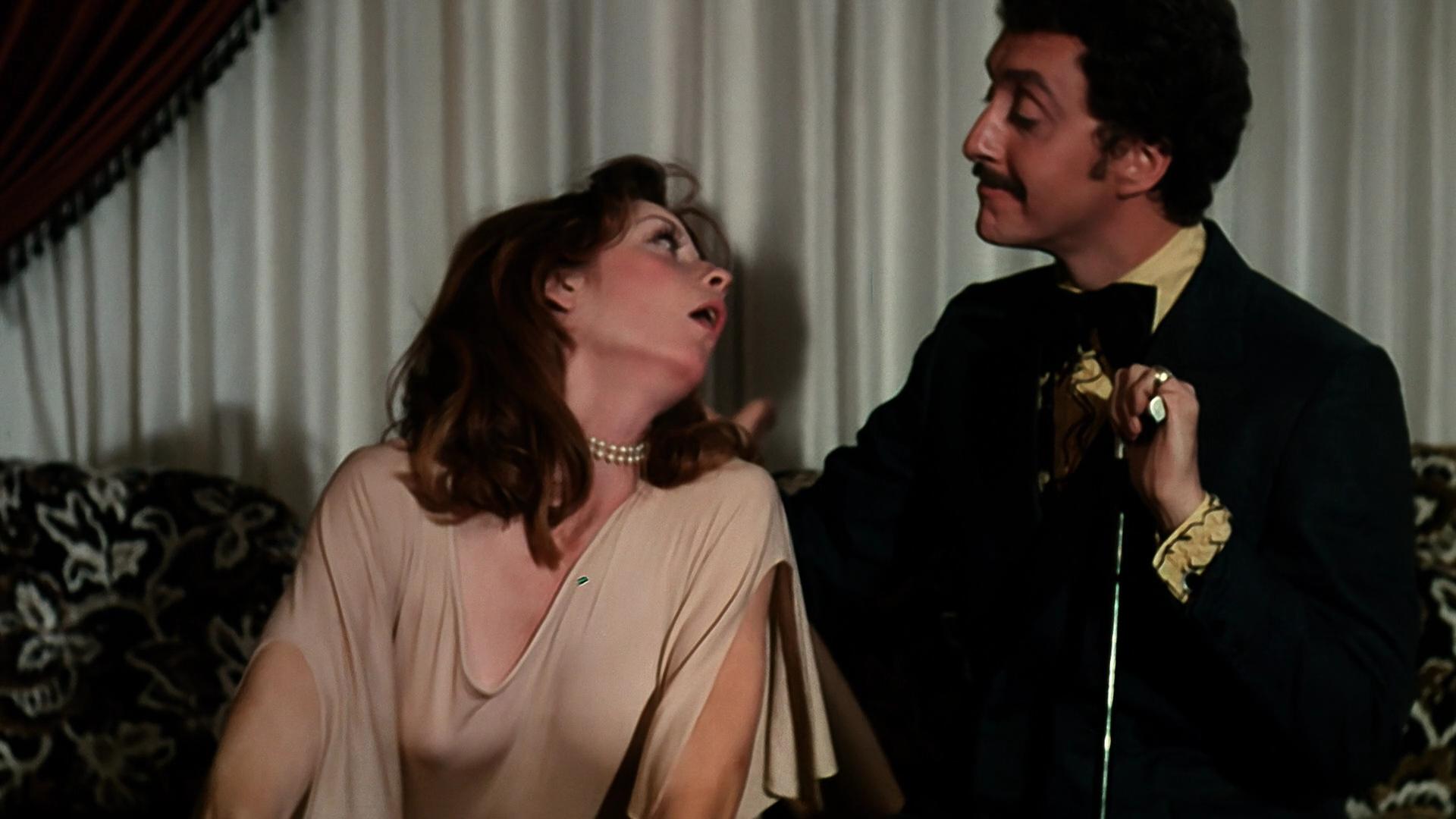
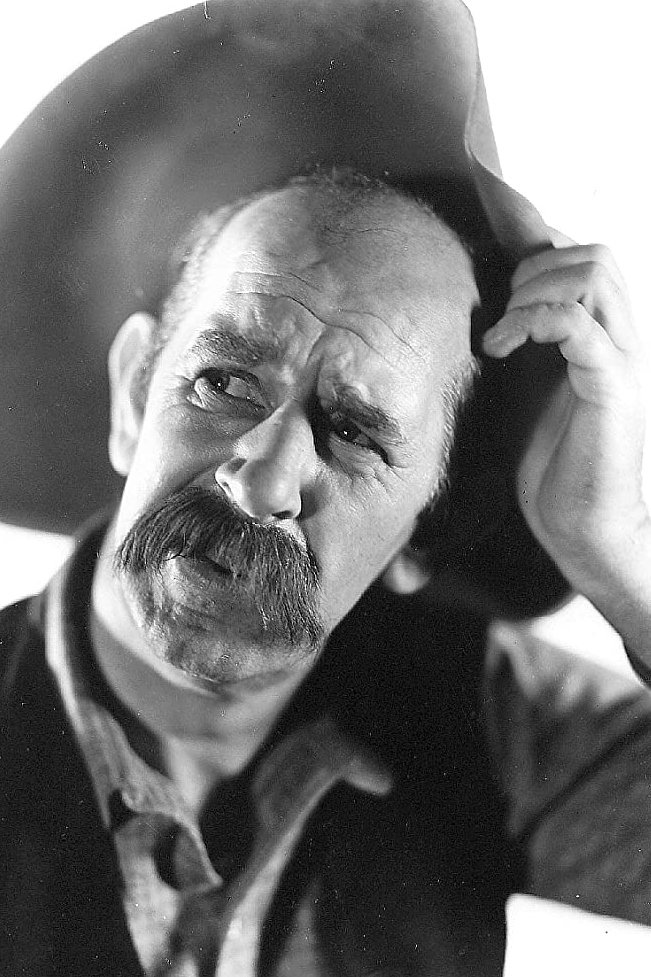
Frank Kress plays Gentry as an ostentatiously self-satisfied detective whose verbal jokes and frequent superiority toward other characters undercut the urgency of the investigation. Amy Farrell's Nancy provides the professional reason for pursuing the case, even as the script repeatedly uses her presence to invite condescension from Gentry. Henny Youngman appears as club proprietor Marzdone Mobilie; his established stand-up persona fits a film already willing to pause for deliberately dated comic business.
The clubs also preserve an important part of the film's exploitation identity. Performances are presented at length, and the camera treats the dancers' bodies as attractions before the narrative turns those same bodies into sites of injury. This arrangement is central to understanding the film's disturbing effect. It offers erotic spectacle and then repeatedly converts the objects of that spectacle into gruesome evidence, asking viewers to accept the resulting contrast as entertainment. The treatment of women belongs to the film's historical context and commercial strategy; claims that the picture develops a consistent critique of sexism would require stronger evidence than its narrative supplies.
Practical Gore, Escalation and Black Comedy
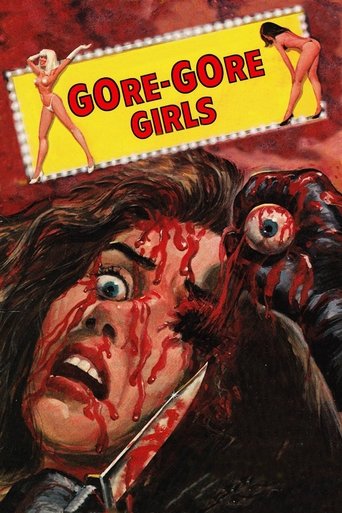
The murders are constructed around damage to recognizable parts of the human body. One victim's face is battered against a mirror; another is subjected to a prolonged attack with a meat tenderizer. The film is also notorious for an effect in which severed nipples release white and chocolate milk. These sequences combine theatrical blood, dummy flesh, changes of camera angle and plainly artificial materials with gestures of slapstick exaggeration. The effects are designed to be understood immediately, and Lewis repeatedly allows the audience time to register the particular injury before continuing the investigation. Such visibility was an established feature of his gore cinema, but the jokes are more directly built into the violence here.
Lewis discussed the film's deliberate excess in separate interviews with Will Sloan and Panorama-cinema. He recalled knowing that certain scenes would provoke strong reactions and regarded the clash between disgust and laughter as part of the experience. In his own account, the more elaborate effects helped distinguish an independently financed film in an increasingly competitive market. The killings remain unusually cruel in their targeting of women, and the comic treatment often intensifies the discomfort they cause.
The film's visual method remains economical. Performances take place in recognizable interiors, and the cutting privileges the display of an effect over maintaining an immaculate physical illusion. Makeup material and staged injuries vary in credibility, while the lighting often leaves their artificial construction exposed. Lewis relies on cumulative escalation: after each murder, a new set piece must surprise viewers already familiar with the previous one. The resulting splatter comedy demonstrates a practical limit of the approach as well as its ambition, because its shocking images continually compete with a stream of verbal and physical gags.
Sexploitation, Gender and the Horror of Spectacle
The Gore Gore Girls occupies an uncomfortable position between two exploitation markets in which Lewis had worked for years. The strip-club environment provides nudity and suggestive entertainment, while the murder scenes supply the gore that had made his horror productions recognizable. These attractions are closely connected within the story: women visible to the public as performers become vulnerable to attacks staged for another audience, the spectators watching the film. The detective's joking manner and the limited attention paid to the victims' personal lives amplify the imbalance between the narrative roles given to the women and the time spent showing their injuries.
This construction invites a historically specific discussion of misogyny and spectatorship. Its victims are repeatedly punished through assaults that focus on their faces, breasts and other exposed parts of the body. The film's apparent indifference to their suffering does not remove the disturbing implications of those images. Nor should its grotesque humor be treated as reliable evidence of a critical intention. Lewis explicitly called the picture a farce, but statements about his goals need to be distinguished from what the finished scenes present. The comic presentation helps explain the movie's cult reception while leaving open serious objections to its treatment of female bodies.
The X Rating and Australian Classification Dispute
The Gore Gore Girls was released in the United States in 1972 and received an X rating from the Motion Picture Association's ratings system. The Museum of Modern Art's later programming notes identify it as the only Lewis film submitted for an MPAA rating. That distinction matters because his earlier gore productions commonly circulated through independent theaters and drive-ins without seeking the same kind of classification. The X designation reflected the film's adult-oriented content, but it should not be confused with a specific record of required cuts or with the later association of the letter X primarily with pornography. Available release listings disagree on a precise first American opening date, so a single national premiere date should not be asserted without stronger distribution evidence.
An unusually well-documented later dispute occurred in Australia. Film historians Alexandra Heller-Nicholas and Dean Brandum, writing in Overland, describe a proposed home-video release by Siren Visual Entertainment in 2005. Australia's Classification Review Board refused classification after a divided decision: two members supported refusal and one disagreed. The disagreement turned partly on how to assess the severity of patently unrealistic and grotesque effects. The dissenting opinion gave greater weight to their artificial, comic presentation, while the majority considered the imagery sufficiently intense to justify refusal.
The decision illustrates the difficulty of separating revulsion, parody and sexualized violence within content regulation. It also shows why censorship accounts require precise geography and medium: the American theatrical rating and the Australian video classification were distinct decisions made decades apart. Neither establishes that every surviving print has the same running time or contains identical material. Later screenings and home-video editions brought the film back into circulation, but the status of individual national releases still requires examination of their classification and distribution records.
Rediscovery, Reassessment and Horror History
The film's afterlife was complicated by the dispersal of Lewis's materials and rights. In his interview with Will Sloan, Lewis said that after completing The Gore Gore Girls he transferred his interest in it and subsequently lost track of the production elements. He later learned that collector and distributor Jimmy Maslin had obtained the film. This is an account supplied by Lewis many years after the events, but it helps explain the uncertainty surrounding some of his films' surviving materials. Subsequent specialty distribution and retrospective programming restored its visibility among audiences interested in regional exploitation cinema.
The Museum of Modern Art screened the film in 2017 as part of its Club 57 programming, placing it in the context of the downtown New York audience that had embraced low-budget and transgressive cinema. Historical discussion has also become more nuanced than simple celebration of ever-greater amounts of gore. Stephen Thrower emphasizes Lewis's commercial showmanship and anarchic humor while acknowledging the technical limitations of the films. Heller-Nicholas and Brandum use the Australian controversy to examine how censorship distinguishes offensive material from material considered artistically important. Together, these approaches make it possible to discuss both the achievement and the objections without treating them as mutually exclusive.
The Gore Gore Girls did not create splatter cinema; Lewis had already helped establish that market nearly a decade earlier. Its importance is instead as an extreme late example of the approach, combining deliberately visible mutilation with nightclub sexploitation and an aggressively comic detective structure. It records the point at which the filmmaker believed that escalation might compensate for the superior resources of his competitors. The film therefore belongs in the history of changing exploitation markets and the relationship between sexual display, violent spectacle and black comedy in early-1970s American horror.