August Underground (2001)

US
HORROR FILM
5.5/10 2 votes
Runtime
70 min
Release
January 1, 2001
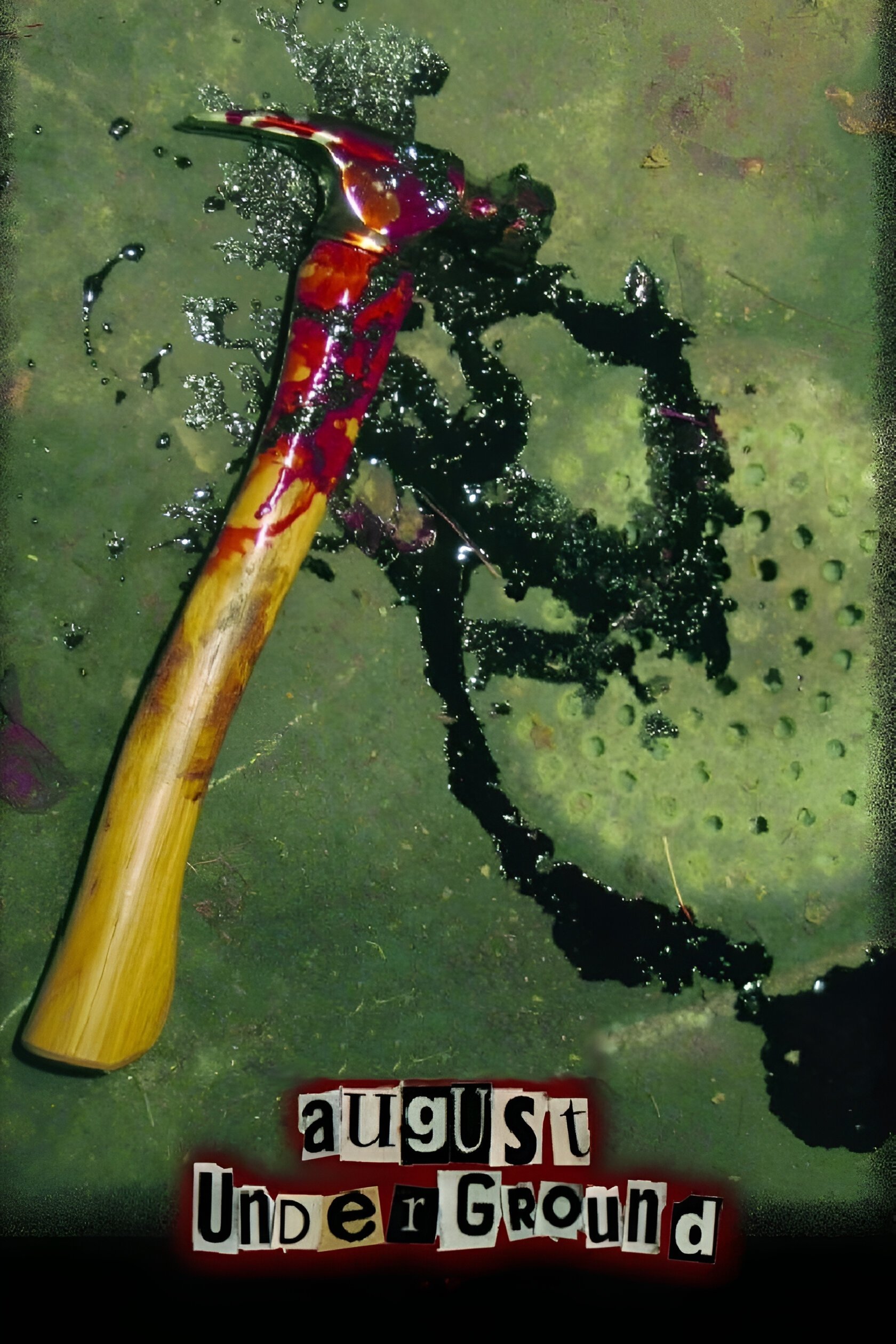
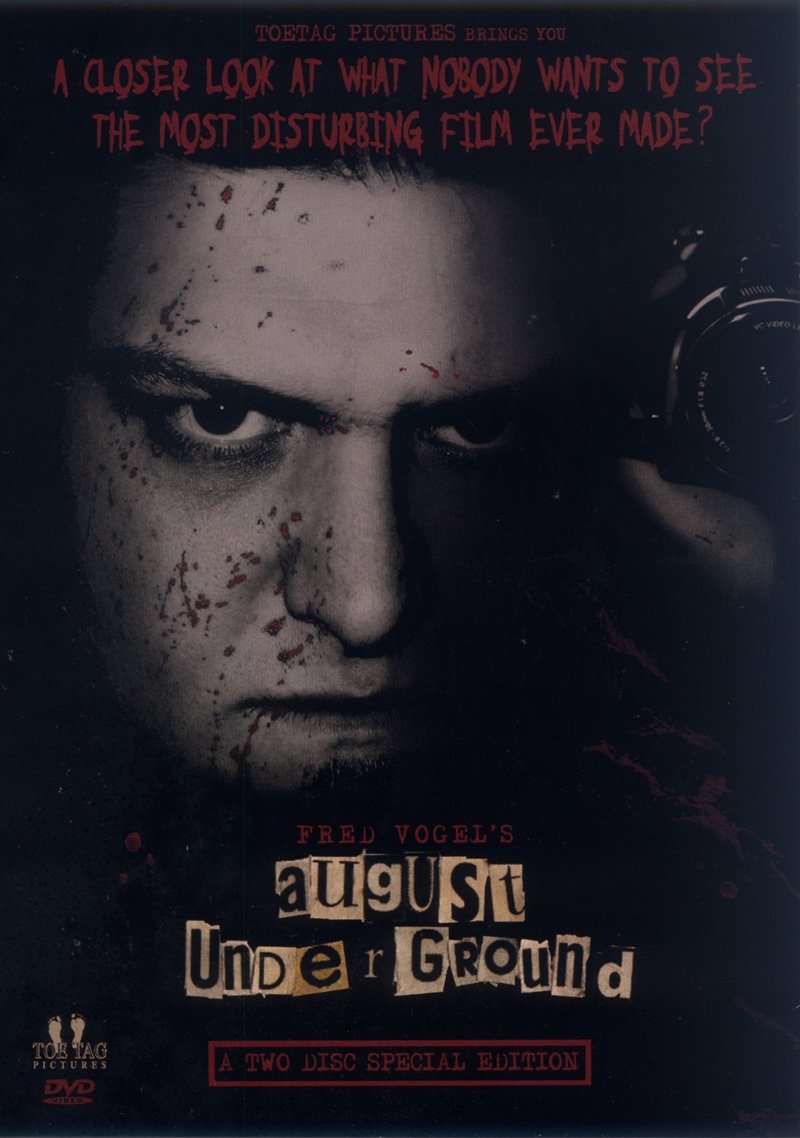
August Underground (2001) poster
Director
Production Company
Toetag Pictures
Plot

Presented as rough handheld home-video footage, the film follows two men who record their everyday activities alongside acts of abduction, abuse and murder. One of the men operates the camera while the other carries out much of the violence, and the recording repeatedly shifts between apparently mundane encounters and the treatment of their victims. With no outside investigator or explanatory narration, the footage reveals the perpetrators through their behavior and conversations.

Alternative Titles
八月地下 (China) — Chinese Août souterrain (France) 八月地下 (Hong Kong SAR China) — Chinese Agosto Sotterraneo (Italy) オーガスト・アンダーグラウンド (Japan) Подполье (Russia)

Trailers & Videos

2 videos

Film Guide & Analysis

Fred Vogel transforms the simulated snuff image into intimate perpetrator-shot horror through degraded video, practical effects and underground circulation.

August Underground (2001) is an American independent horror feature directed by Fred Vogel that presents a succession of violent incidents as a recording made by the perpetrators themselves. The viewer remains with a cameraman who accompanies a man named Peter through ordinary excursions and acts of extreme abuse. Its damaged-looking video, casual conversations and absence of conventional exposition create the impression of private footage never intended for public exhibition. The film occupies an important position in the history of extreme found footage because the camera appears to belong to the aggressors, placing the audience inside the machinery of the narrative's cruelty.

The production arose from the low-budget effects culture surrounding Pittsburgh and reached audiences through a small underground video circuit. Vogel's account of its early distribution, together with later academic attention, helps explain how a film made outside established horror financing acquired a reputation that survived changes in physical media. Its techniques invite discussion beyond the intensity of individual scenes: what makes an image appear evidentiary, how staged injuries are presented as accidental discoveries, and why access to a perpetrator's viewpoint unsettles familiar expectations of horror narration.

Origins and Independent Production

Vogel came to filmmaking through an interest in practical horror effects and work associated with the Tom Savini Special Makeup Effects Program near Pittsburgh. Looking back in a May 2026 television interview, he said that his awareness of students who corresponded with serial killers contributed to the original idea. He wanted to confront what he regarded as a tendency to romanticize such criminals. This account expresses the filmmaker's retrospective intention; it should be distinguished from a claim that every viewer experiences the film as a criticism of violence. The finished work provides little interpretive guidance and leaves considerable space for conflicting reactions.

His project belonged to an independent environment in which collaborators could make a feature with consumer recording equipment and physical effects rather than a conventional film crew. The name ToeTag Pictures is closely associated with the subsequent circulation of the trilogy, although the company's later development should not be projected backward onto every stage of the first production. Vogel's recollections of his early work emphasize the difficulty of obtaining attention for a picture whose methods were deliberately abrasive. Its means of production were inseparable from its aesthetics: a narrow group of performers and a camera operated from within the action became the narrative's primary resources.

Recording from the Perpetrators' Perspective

The formal premise is that Peter's accomplice records events while taking part in them. His presence is felt through movement, speech, proximity to other characters and occasional demands made of the camera. This creates a different relationship to the image from stories in which endangered protagonists record evidence of a threat. Here the recording is implicated in the behavior it depicts. A shot can begin late, wander away from its apparent subject or continue after the viewer has enough information. The resulting uncertainty about what will enter the frame becomes a source of apprehension independently of the amount of violence visible at any particular moment.

Scenes of travel and ordinary conversation are crucial to that construction. They prevent the footage from functioning solely as a sequence of effects demonstrations and situate the men within recognizable social environments. The camera's inconsistent attention makes their activity seem less organized, even though the material has been selected and arranged by the filmmakers. In a 2016 analysis, Found Footage Critic observed a tension between convincing amateur camerawork and passages that appear more consciously composed. That tension matters aesthetically: apparent incompetence helps build credibility, but an image still has to communicate enough information for the viewer to understand the dramatic situation.

Videotape Texture and Diegetic Sound

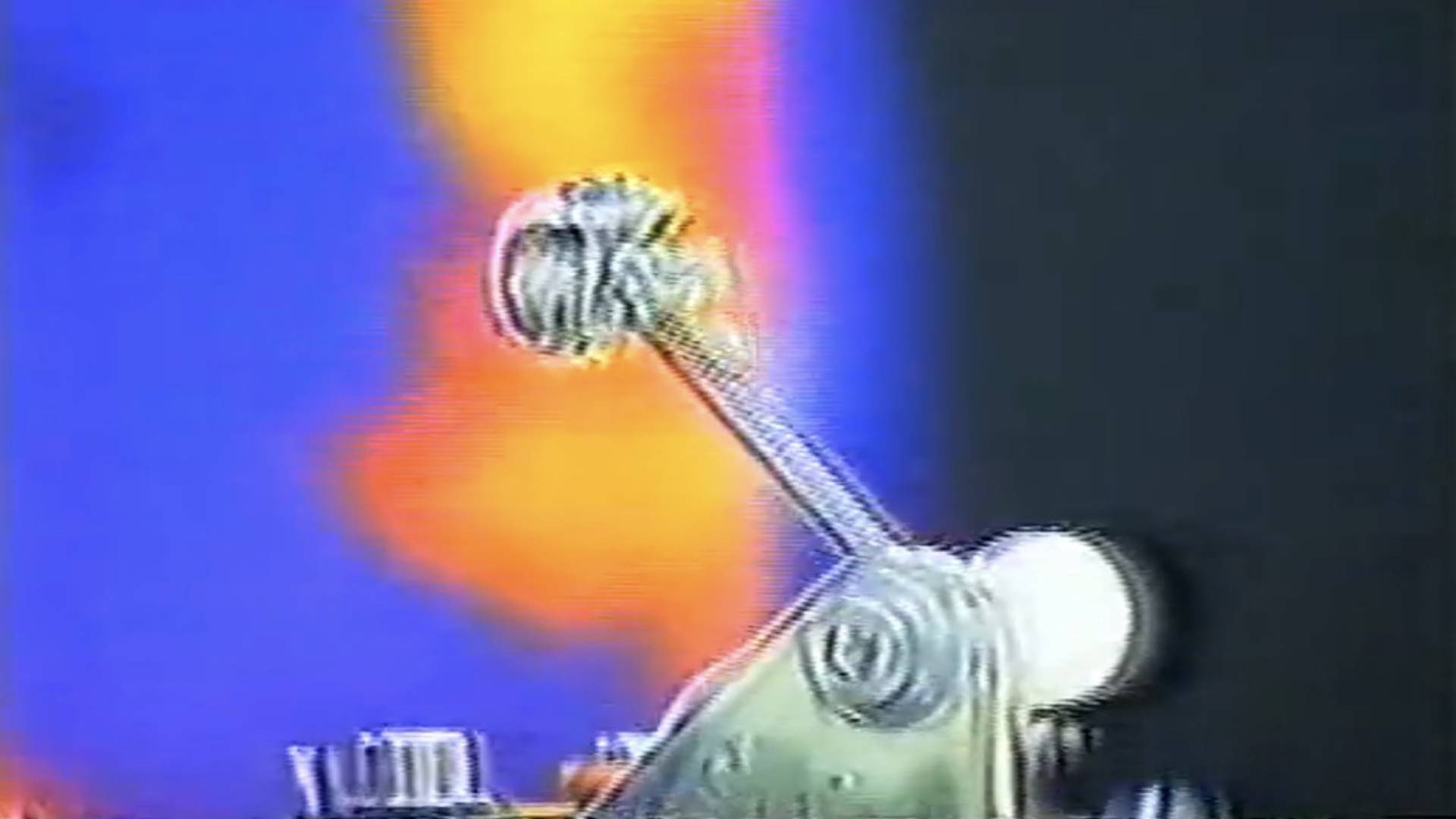
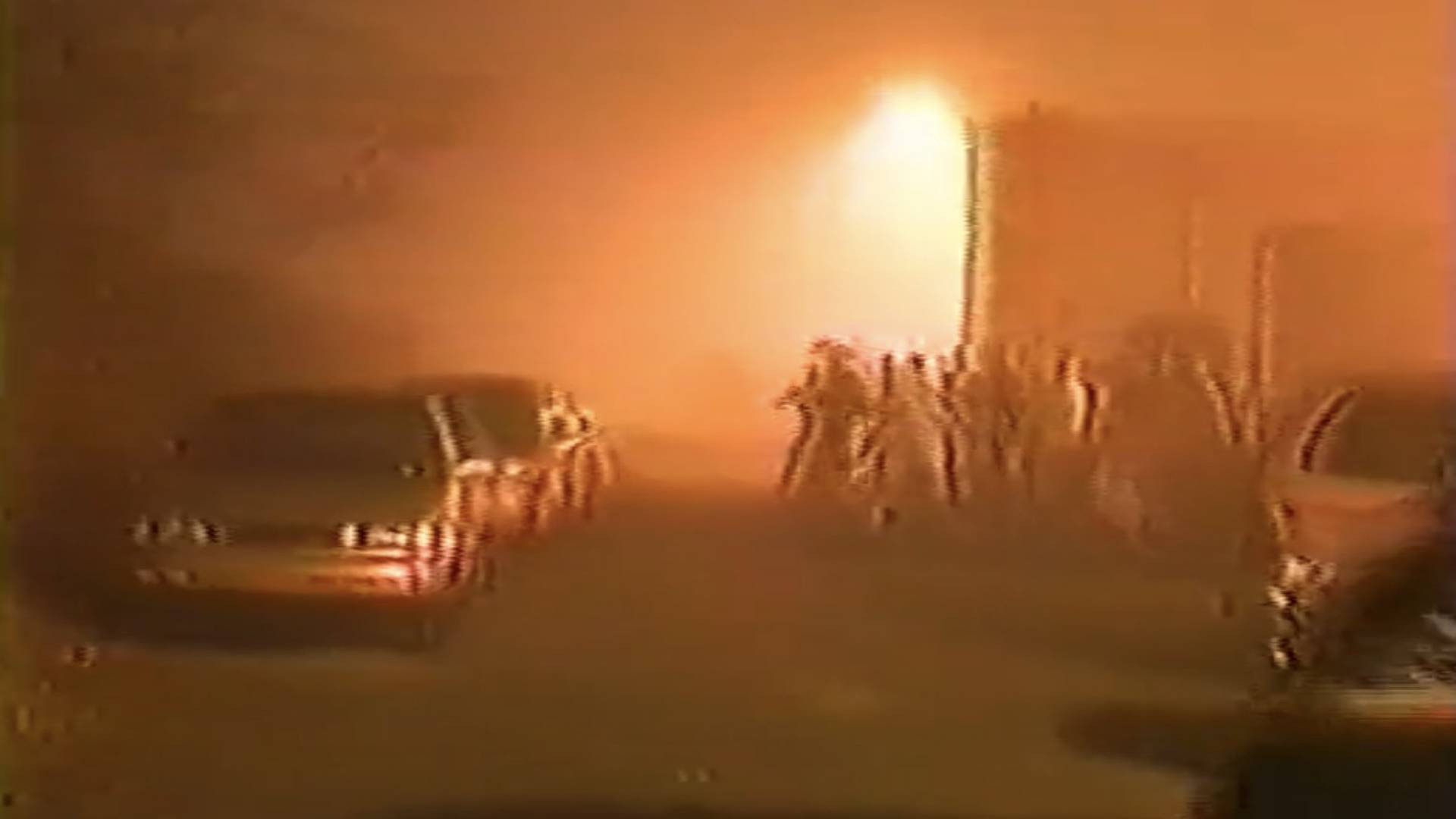
The picture uses the visual signs of low-grade personal recording: unstable framing, imperfect focus, harsh exposure and a degraded video texture. Those qualities lend the material an age and physical history, encouraging the impression that it has passed through other hands before being watched. The damage is part of the fiction's rhetoric of authenticity rather than evidence that actual crimes were filmed. Grain, blurring and abrupt changes of view also make the most elaborate artificial injuries harder to separate from the surrounding surfaces. This interaction between technical limitation and calculated design distinguishes the film from found footage that relies on polished images while claiming a documentary origin.

Sound follows the same principle of apparent immediacy. Voices overlap, the recording environment intrudes and the action is heard from the position occupied by the person holding the camera. The film does not depend on a continuous dramatic score to explain when a frightening moment is approaching. Instead, verbal behavior and incidental noises become part of the pressure exerted on the audience. The rough presentation may frustrate viewers expecting clean dialogue or conventional suspense cues. Its effect depends on accepting the recording as a physical object with limitations, even while recognizing that the circumstances on screen are a deliberately fabricated performance.

Practical Makeup and the Staged Snuff Image

The makeup effects are central to the illusion. Injured bodies occupy the same cramped spaces as the performers and are photographed in a manner that avoids the reassuring separation between spectacle and everyday action. Vogel's background in makeup work provided a practical foundation for an approach that asks prosthetics to withstand close, apparently spontaneous observation. The staging does not always give the viewer a clear demonstration of a technique or a single climactic effect. Instead, its duration and the actors' conduct make the constructed injuries seem to belong to an ongoing event. The violence remains simulated; the apparent documentary status is achieved through cinematic craft.

The film draws upon the long cultural history of the alleged snuff recording, an object whose supposed illicit circulation depends on uncertainty about where fiction ends. Academic discussion has placed the trilogy within this tradition. In Digital Horror, James Aston devoted a chapter specifically to August Underground and the problem of reel and real horror, indicating the film's relevance to scholarship about media authenticity. This context does not require accepting the promotional suggestion that the footage might be genuine. The more useful question is how the work manipulates familiar traces of amateur media so that staged violence acquires the disturbing appearance of an unregulated private document.

Unmarked Copies and Home Video Circulation

In a 2010 interview with HorrorNews.net, Vogel described an abandoned plan to place unmarked copies where strangers might discover them. He said the attacks of September 11, 2001 made the idea seem untenable and that he instead released an initial run of 200 copies. The claim is valuable as a direct account of his marketing intentions, although it should not be confused with proof that anonymous tapes were widely planted in public. The small release and subsequent word of mouth helped build a reputation based on the rarity of early copies as much as on the content of the recording itself.

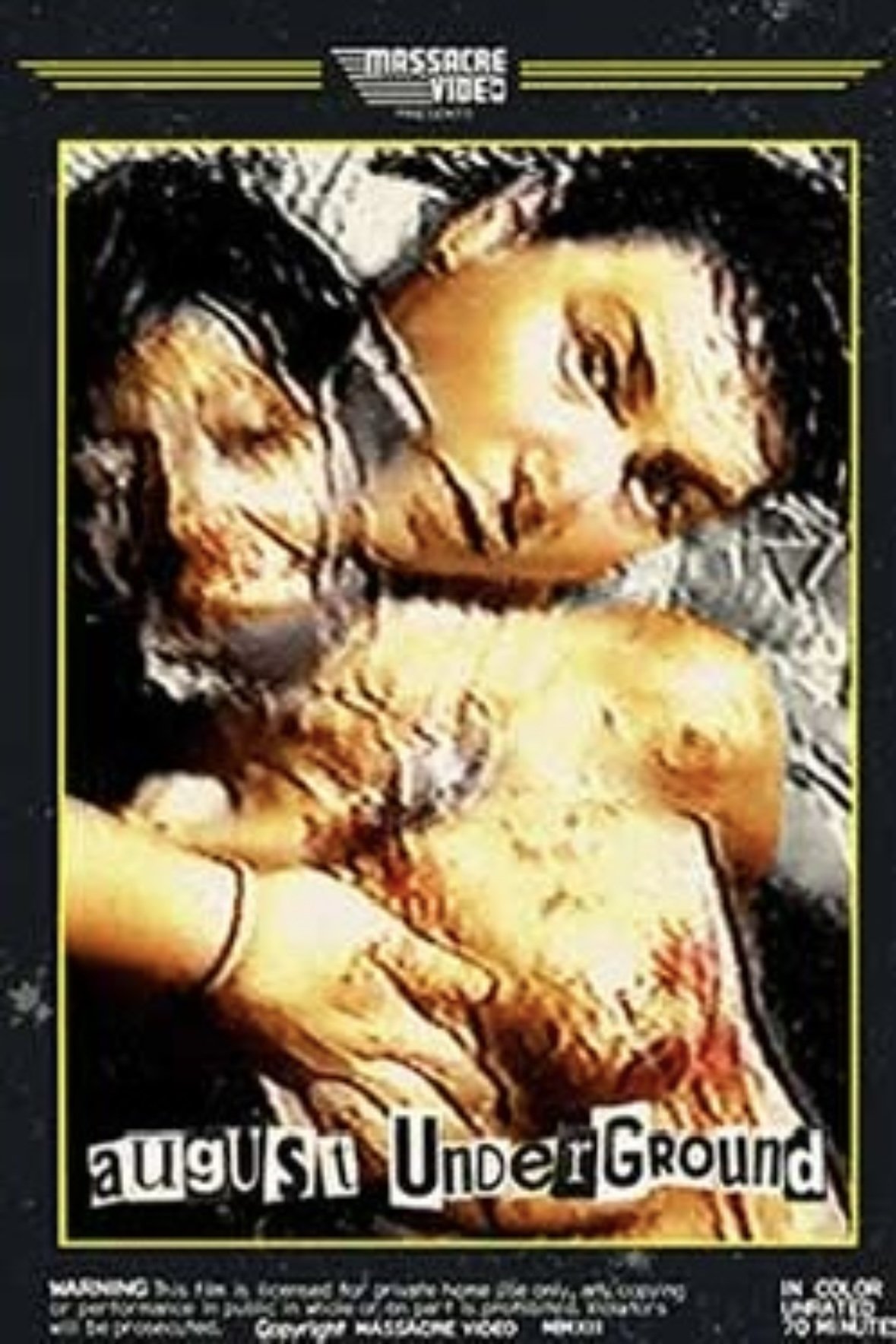
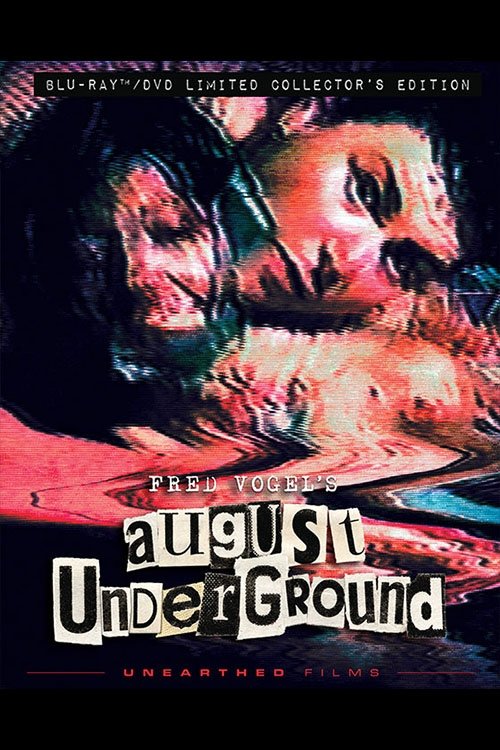
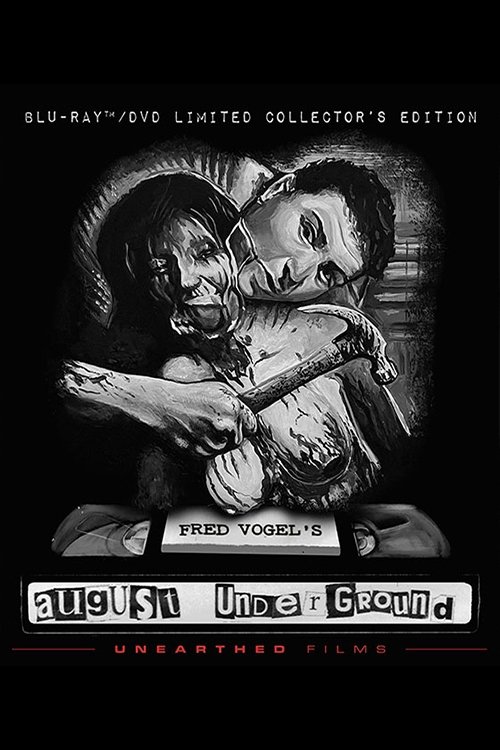
The intended viewing environment was domestic. Speaking in an August 2026 podcast interview, Vogel recalled an early public screening at Cinema Wasteland in 2002 that took place in a hotel-room setting and used a VHS copy. He explained that the film was conceived for television-sized viewing rather than large theatrical projection. This history makes a standard theatrical opening date an unreliable way to describe its original exposure. Later editions altered the conditions of access. Unearthed Films' August 2023 Blu-ray and DVD release included an original screener version, several commentaries and extensive production documentaries, making the project's construction more visible to a later audience.

Reception and Place in Extreme Horror

The critical response has long been divided between interest in the formal experiment and objections to the prolonged simulated suffering. Found Footage Critic's 2016 review recognized the strength of the amateur-video illusion while questioning the characterization and dramatic progression. A 2023 examination of the Unearthed Films edition at Macabre Daily approached the same material through the idea of confrontational horror, emphasizing the challenge it presents to the viewer. These positions illustrate how the picture can be evaluated as a media experiment while provoking disagreement over what its extremity contributes to that experiment. Neither reaction can stand in for a universal critical consensus.

The film's later life includes the sequels August Underground's Mordum (2003) and August Underground's Penance (2007), whose relationship to the first entry secured its identification with a particular strand of American underground cinema. Its history also extends beyond fan circulation: Aston's chapter in a scholarly collection on digital horror addresses the feature as a meaningful object of study. Vogel's 2026 reflections stress the changes in audience expectations over twenty-five years, while maintaining that he never meant to celebrate real-life killers. The continuing tension between professed intention, fictional method and audience interpretation is a major part of the film's cultural history.

References

  1. HorrorNews.netRob Dimension, Interview: Fred Vogel - Director (2010)

    Direct interview about the original 200-copy release, the abandoned unmarked-tape idea and the filmmaker's objectives.

  2. Bloomsbury / I.B. TaurisJames Aston, Nightmares outside the Mainstream: August Underground and Reel/Real Horror, in Digital Horror (2015)

    Publisher landing page documenting a scholarly chapter devoted specifically to the film and questions of recorded authenticity.

  3. Horror Happens RadioJay Kay, That Screening Podcast E/25: Fred Vogel Discusses Three Screenings (2026)

    Direct audio interview and transcript discussing domestic viewing, the 2002 Cinema Wasteland screening and festival circulation.

  4. Macabre DailyMatthew Orozco, Collector's Crypt: August Underground (Unearthed Films Blu-ray) (2023)

    Detailed assessment of the 2023 presentation, video texture and production-focused supplementary features.

Connections

Cast

View Full Cast & Crew →

Release & Distribution

Production Companies (1)

  • Toetag Pictures US

Distributors (1)

  • Toetag Pictures US

Release History (4)

Release DateTerritoryRelease TypeFormatDistributorCertificationNotes
2001-01-01 Spain Digital — — — Internet
2001-01-01 France Digital — — — Internet
2001-01-01 United States Digital — — — Internet
2002-01-01 United States Limited Theatrical — — NR Pittsburgh, Pennsylvania
The sickest film ever made.