Book of Shadows: Blair Witch 2 (2000)

US
HORROR FILM Mystery Thriller
Runtime
90 min
Release
October 27, 2000
Budget
$15,000,000
Revenue
$47,737,094
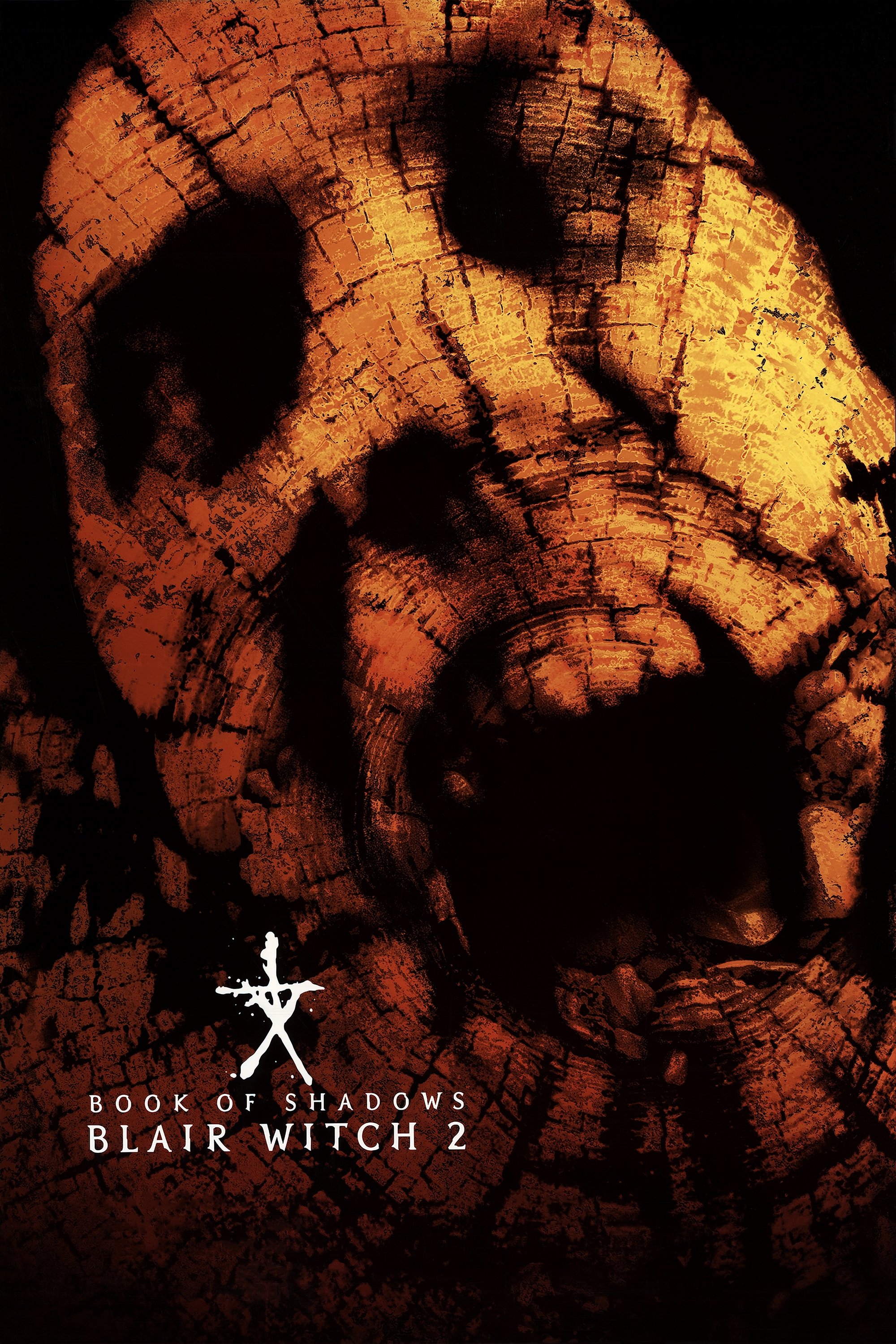
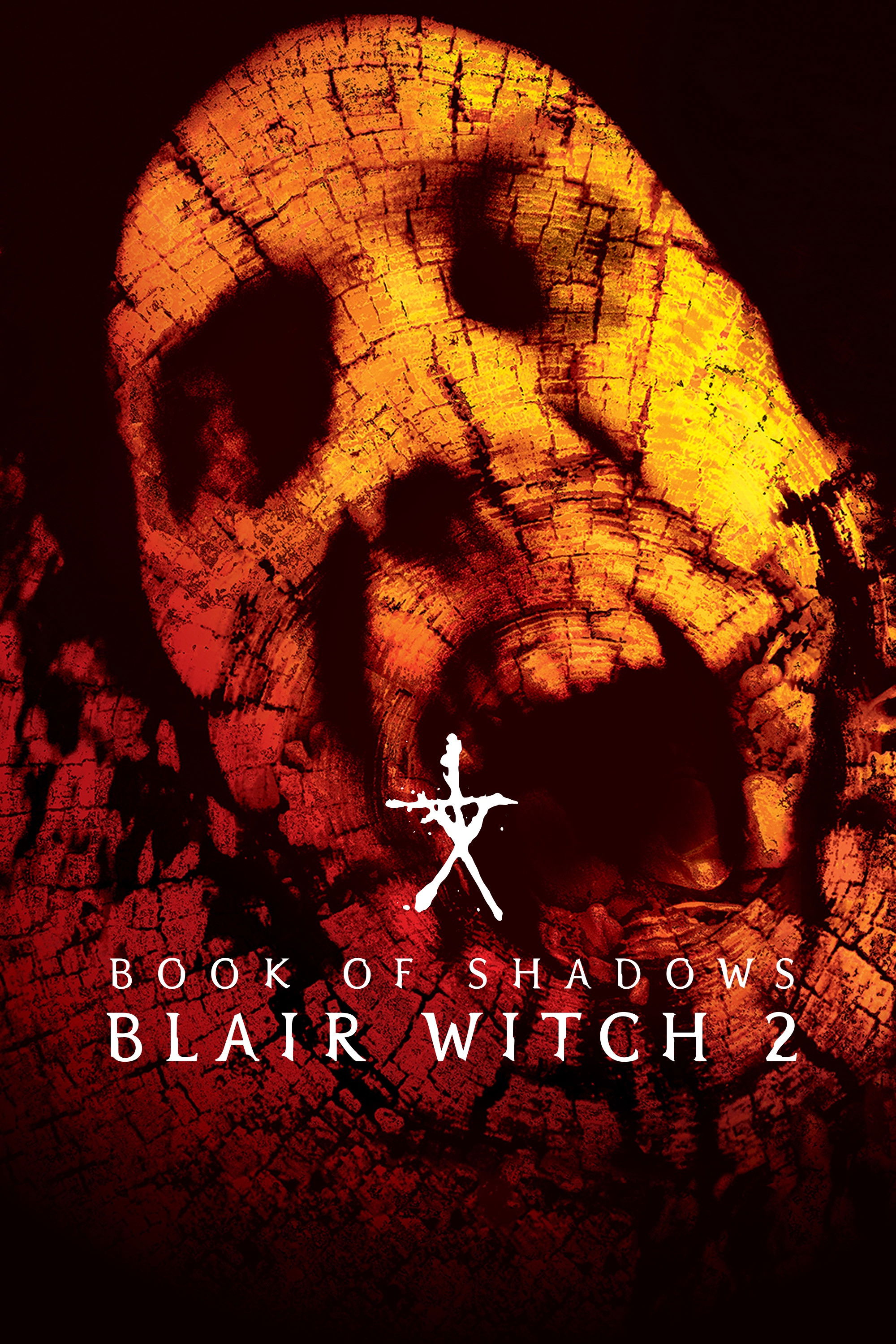
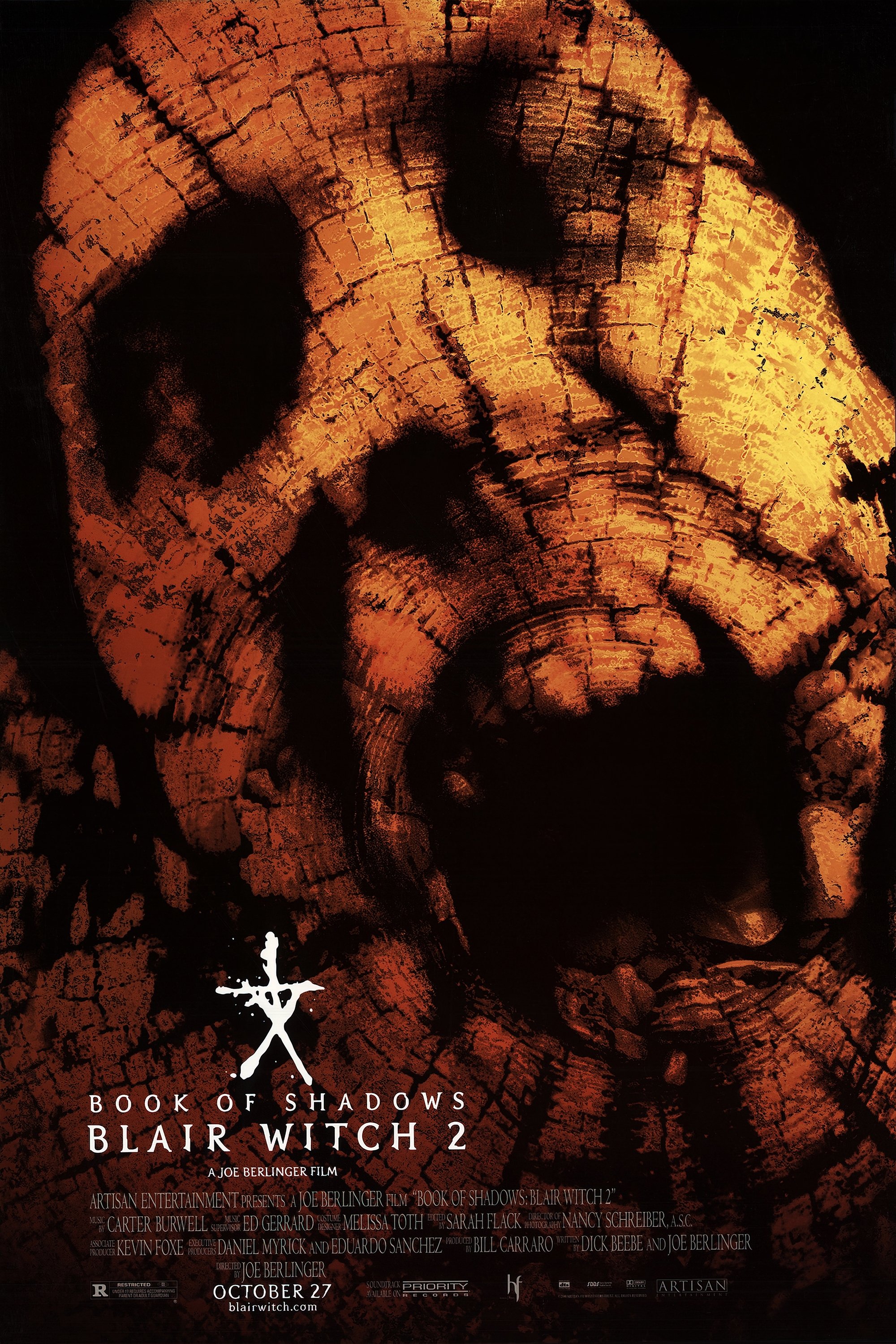
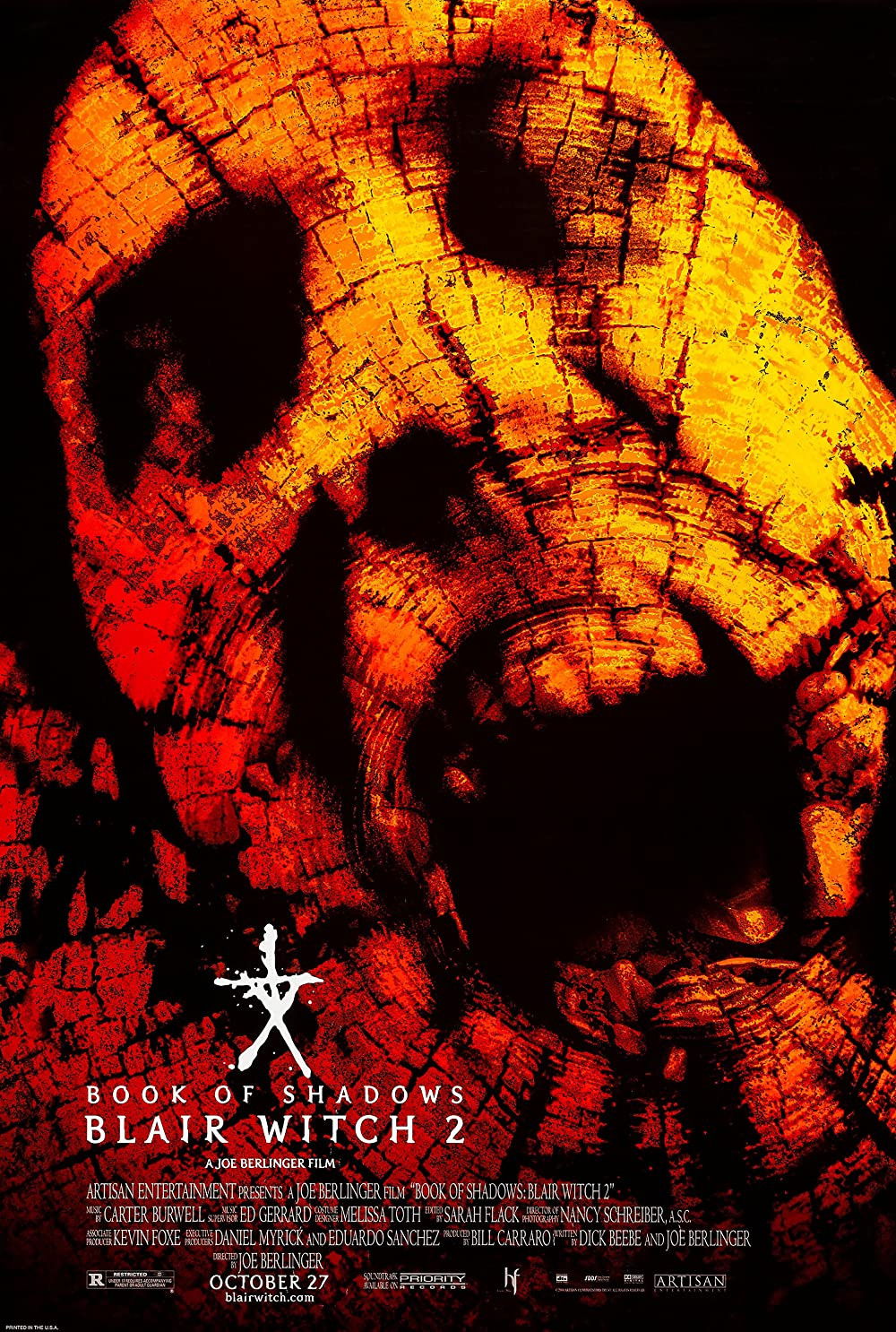
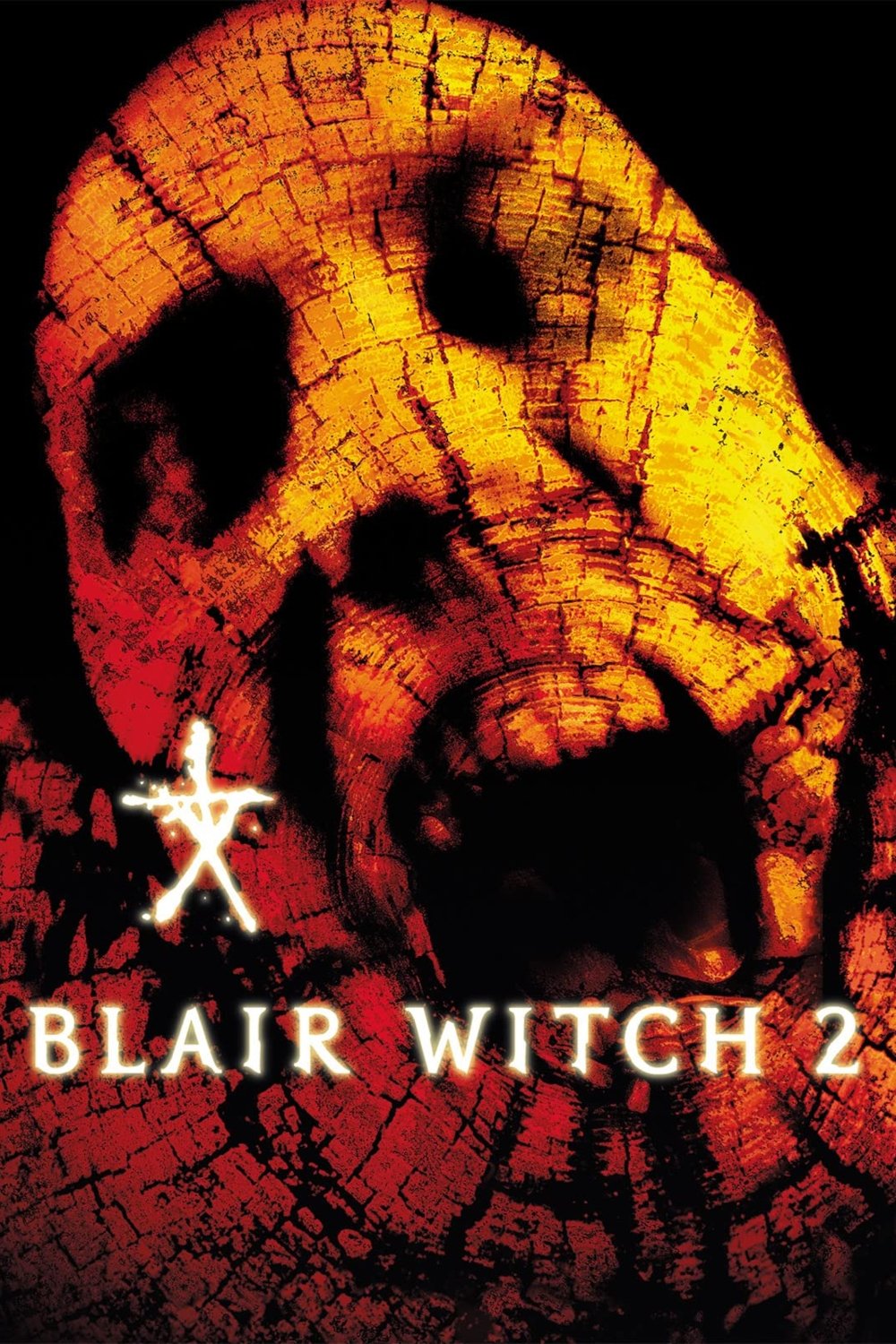
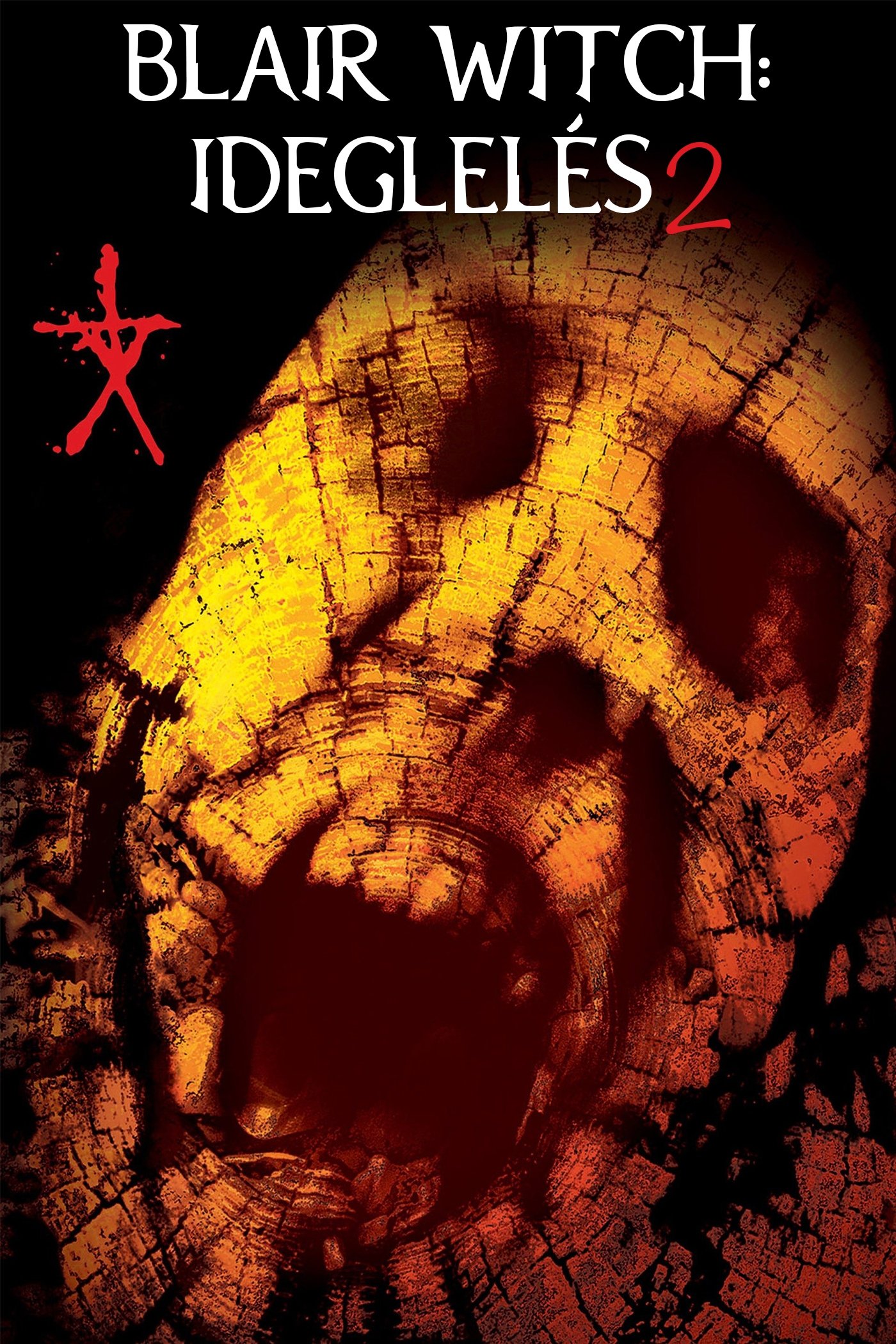
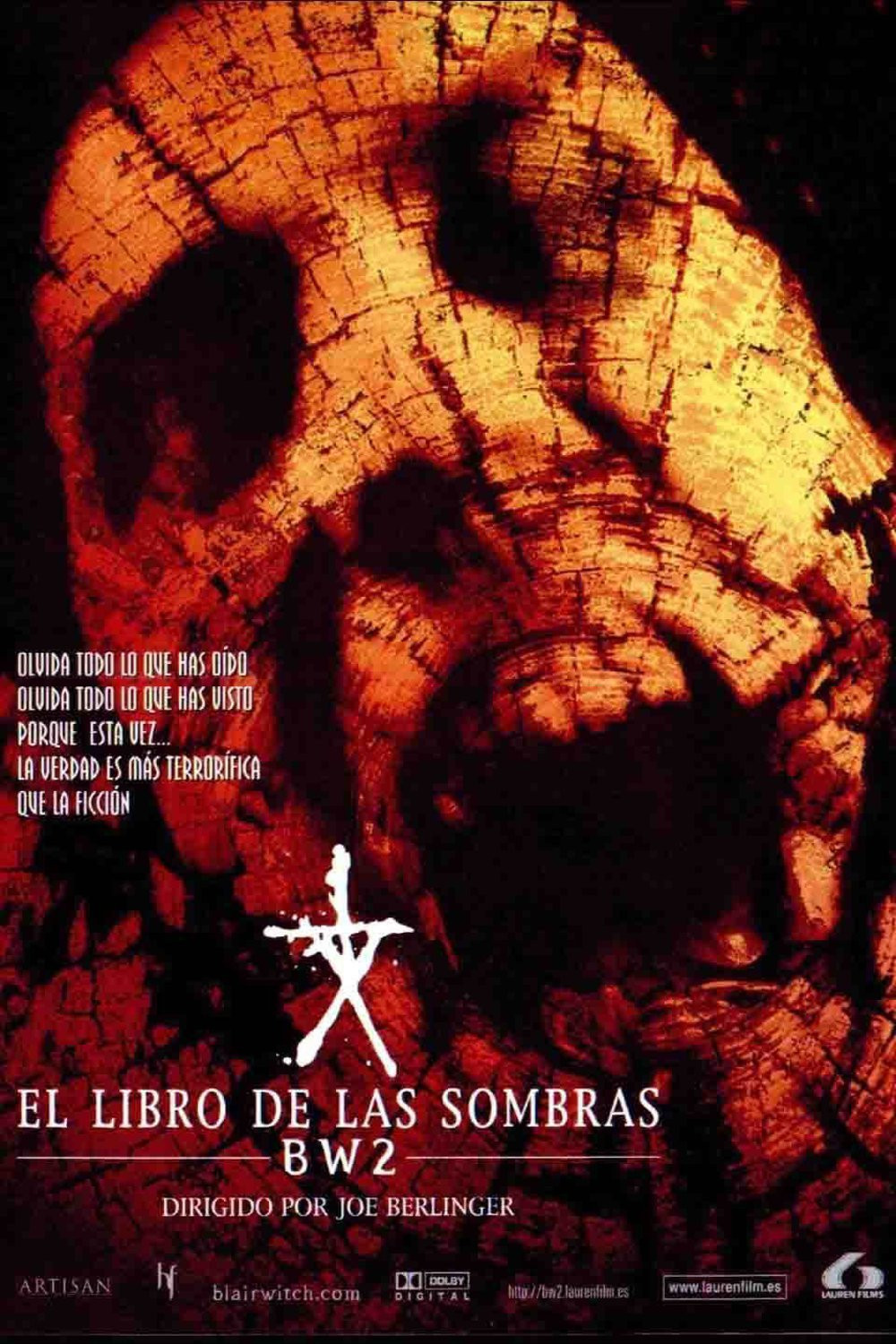
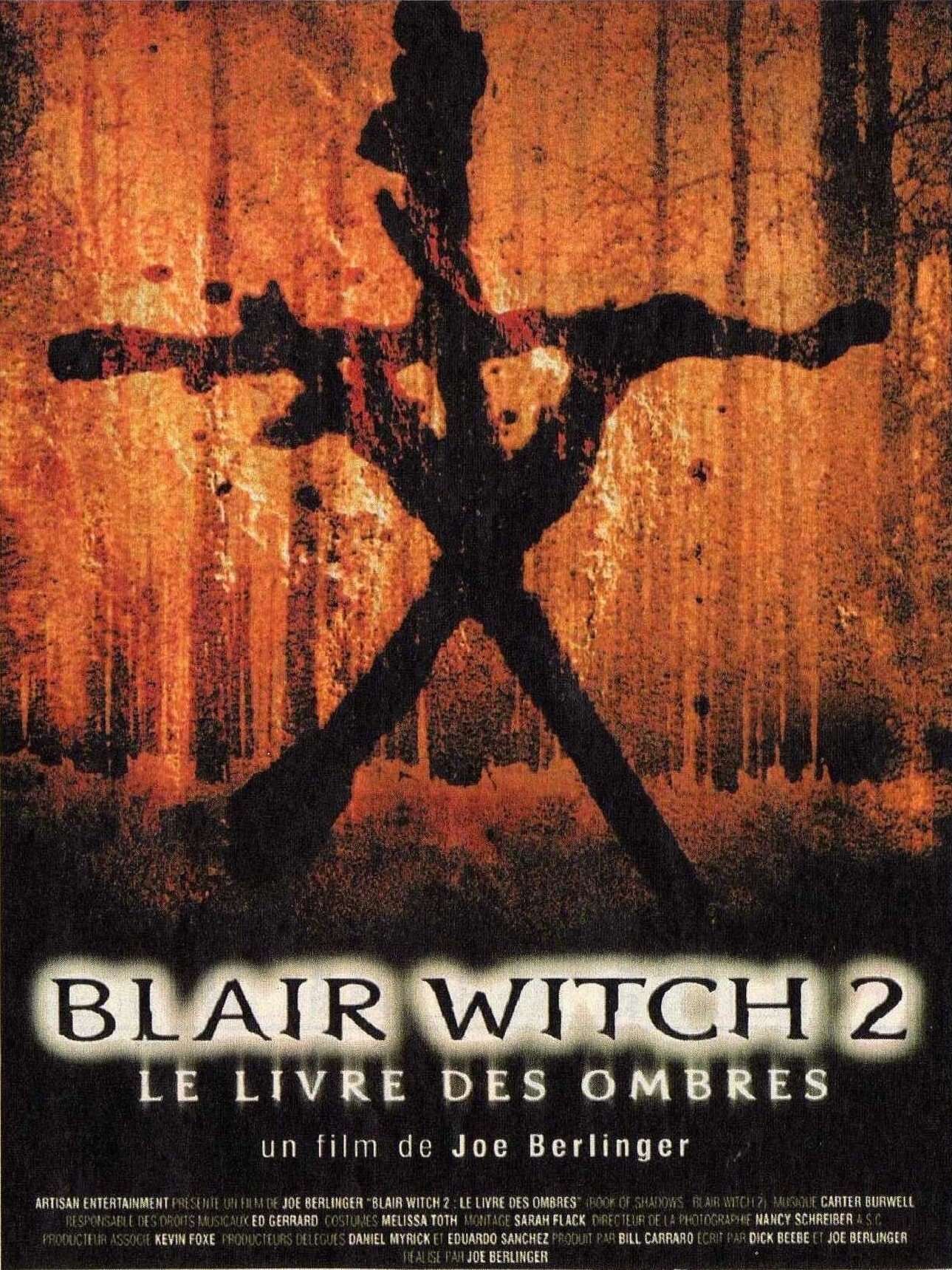
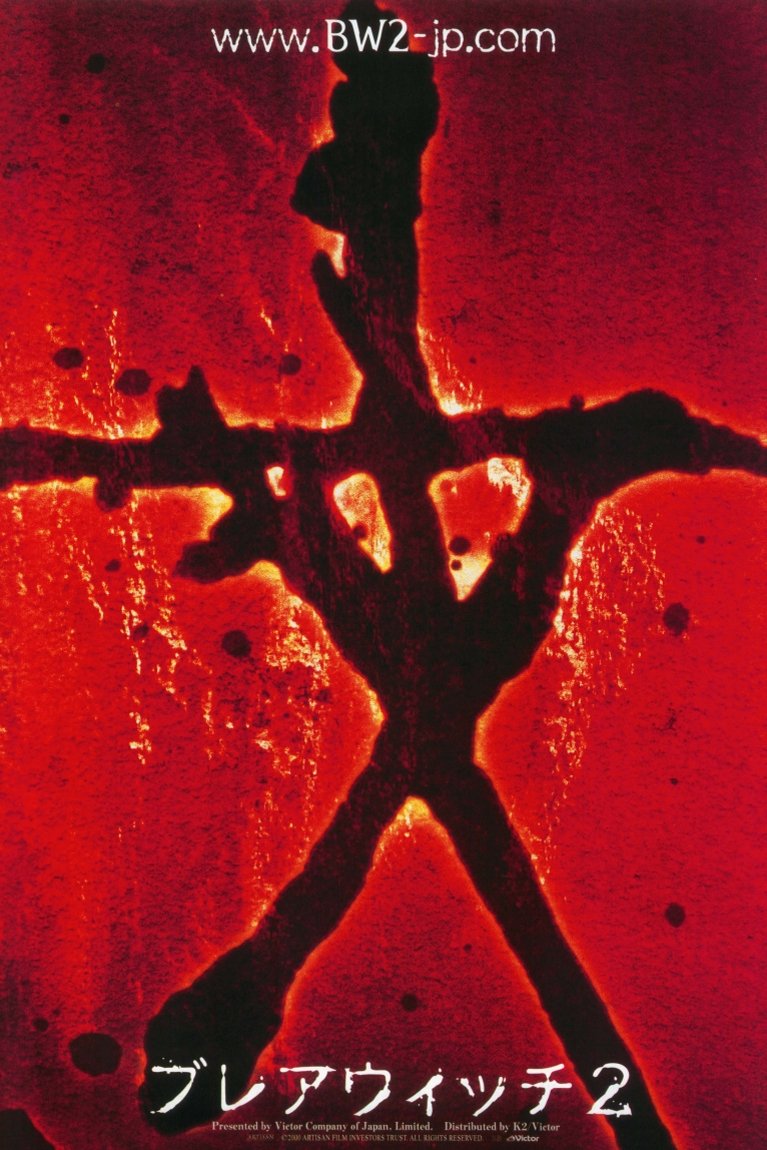
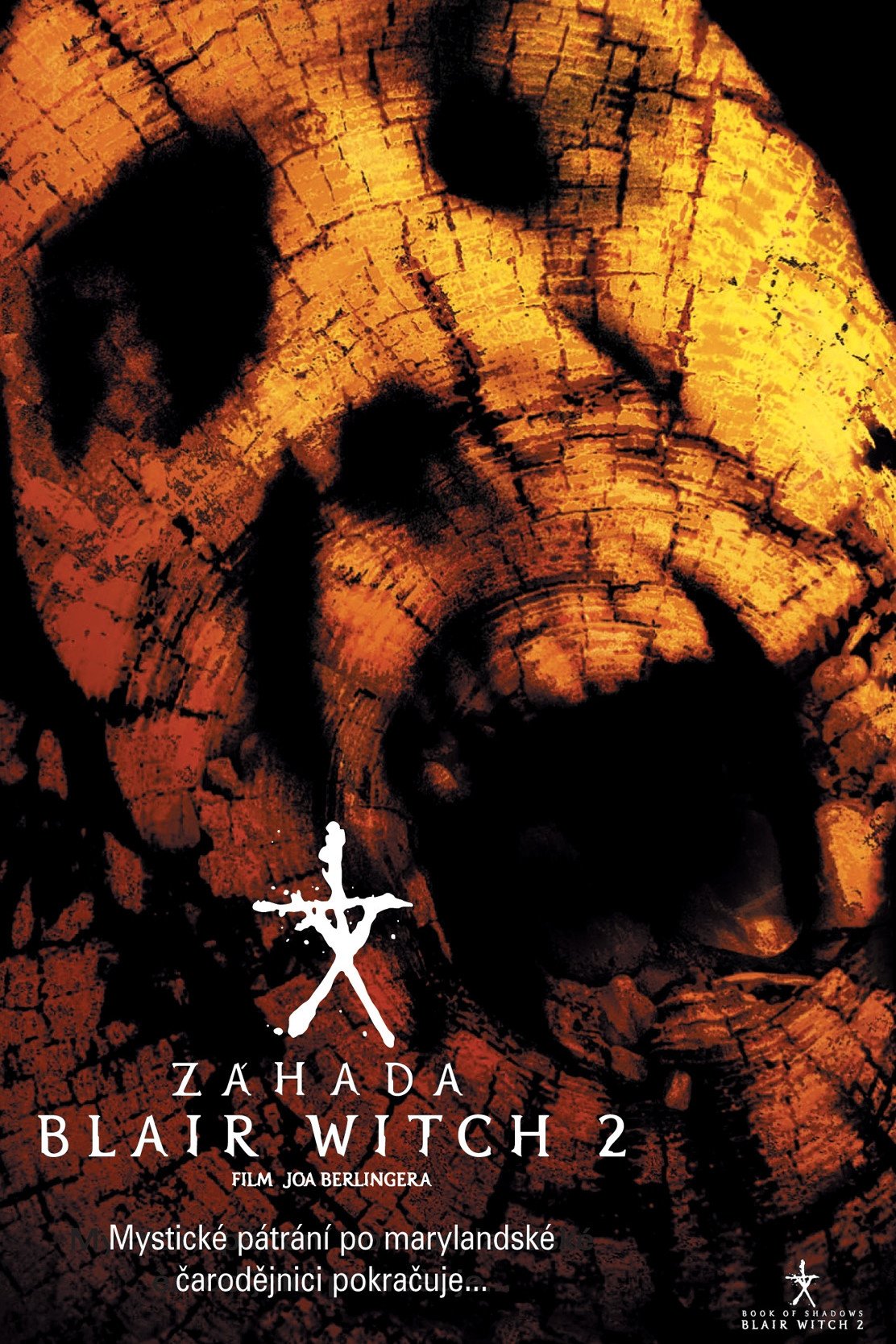
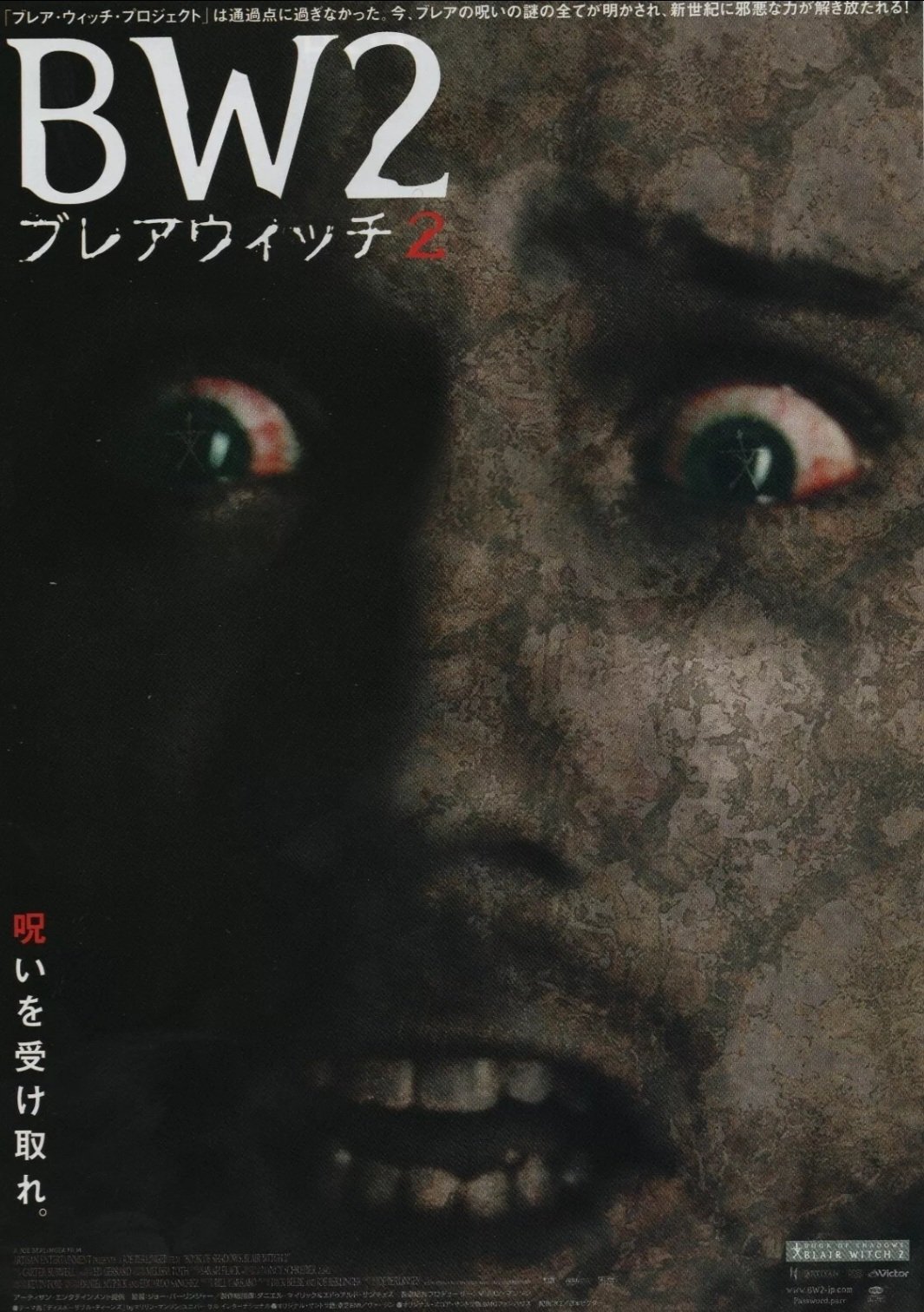
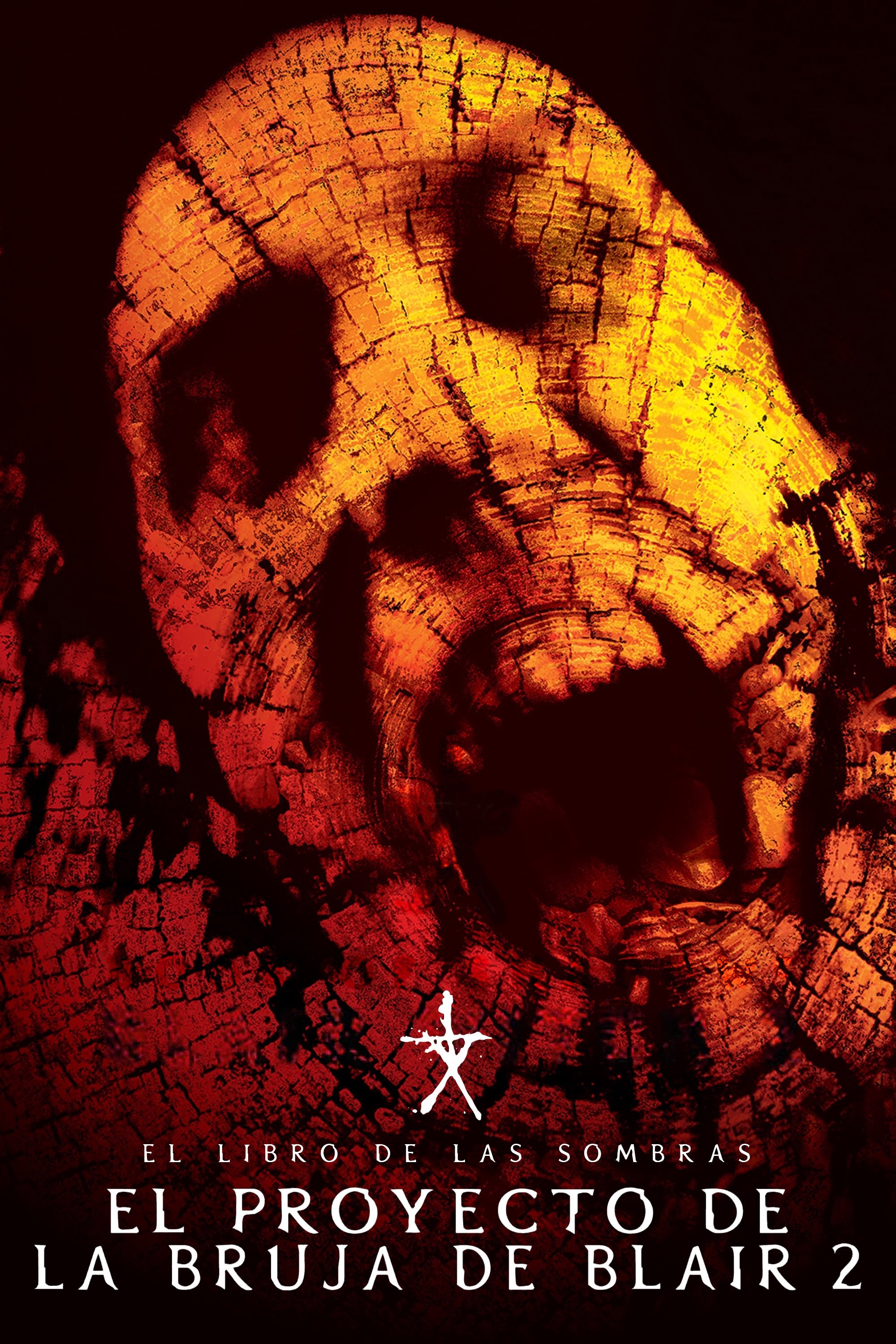
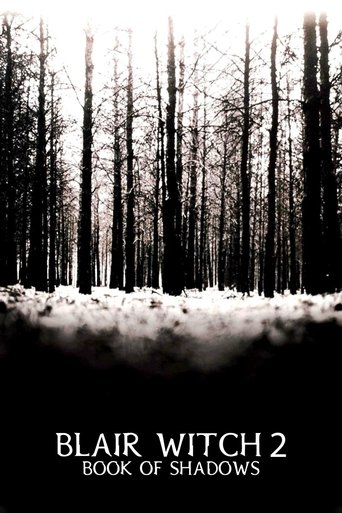
Book of Shadows: Blair Witch 2 (2000) poster
Director
Production Companies
Haxan Films , Artisan Entertainment
Plot

In the aftermath of the public fascination with The Blair Witch Project, a tour organized by Jeff Patterson brings a group of visitors into the woods around Burkittsville. Following a night they struggle to remember, the participants find themselves connected to violent incidents and conflicting evidence. As the police investigate and the group attempts to reconstruct what happened, their recollections increasingly diverge from the recorded material. The film treats the Blair Witch story as a cultural phenomenon within its own fictional world.

Alternative Titles
Vestica iz Blera 2: Knjiga Senki (Bosnia & Herzegovina) — (Croatian title) Проклятието Блеър 2: Книга на сенките (Bulgaria) — Bulgarian Проклятието Блеър 2: Книга от сенки (Bulgaria) A bruxa de Blair 2 - O livro das sombras (Brazil) A Bruxa de Blair 2: O Livro das Sombras (Brazil) — Portuguese Le projet Blair 2: Le livre des ténèbres (Canada) — French The Blair Witch Project 2 - Book of Shadows (Canada) 女巫布莱尔2:影子之书 (China) — Chinese
Show all 40 alternative titles Záhada Blair Witch 2 (Czechia) Blair Witch 2 (Germany) — German The Blair Witch Project 2 (Germany) El libro de las sombras (BW2) (Spain) — Spanish El libro de las sombras: Blair witch 2 (Spain) Blair Witch 2 (Finland) — Finnish Blair Witch 2 (France) — alternative title Blair Witch 2 : Le Livre des ombres (France) — French Le Projet Blair Witch 2 (France) — alternative title 死亡習作 2:陰魂不散 (Hong Kong SAR China) — Chinese Blair Witch: Ideglelés 2. (Hungary) — Hungarian פרויקט המכשפה מבלייר 2 (Israel) — Hebrew Il libro segreto delle streghe - Blair Witch 2 (Italy) — Italian Il libro segreto delle streghe: Blair Witch 2 (Italy) ブレアウィッチ2 (Japan) 북 오브 섀도우 (South Korea) — Korean Šešėlių knyga: Bleiro ragana 2 (Lithuania) — Lithuanian Ēnu grāmata: Blēras ragana 2 (Latvia) — Latvian El Libro de Las Sombras: Bruja Blair 2 (Mexico) — Spanish El Proyecto de la Bruja de Blair 2 (Mexico) Blair Witch 2: Księga cieni (Poland) — Polish O Livro das Trevas: BW2 (Portugal) Cartea Umbrelor: Vrăjitoarea Blair 2 (Romania) — Romanian Ведьма из Блэр 2: Книга теней (Russia) El Proyecto de la Bruja de Blair 2 (El Salvador) Blair Cadısı 2: Gölgelerin Dili (Türkiye) — Turkish Gölgelerin dili - Blair cadisi 2 (Türkiye) 厄夜叢林2:陰魂怒吼 (Taiwan) — Chinese Книга тіней: Відьма з Блер 2 (Ukraine) — Ukrainian Blair Witch 2 (United States) Book of Shadows - Blair Witch 2 (United States) Phù Thủy Rừng Blair 2: Quyển Sách Bóng Đêm (Vietnam) — Vietnamese

Trailers & Videos

1 video

Film Guide & Analysis

Joe Berlinger turns Blair Witch fandom into a debate over recorded evidence, with Artisan recutting the horror and Carter Burwell building a score from woodland sounds.

Book of Shadows: Blair Witch 2 (2000) approaches its predecessor as a cultural event whose publicity has changed the people living around its fictional legend. The Blair Witch Project (1999) had made simulated documentary evidence a commercial phenomenon. Its sequel, directed by documentarian Joe Berlinger, instead follows spectators who have accepted the mythology as an invitation to visit Burkittsville, Maryland. When their excursion becomes associated with violence, conflicting recordings and memories threaten any stable account of what occurred. The premise connects supernatural horror to the danger of treating convincing images as reliable evidence.

The film also has an unusually revealing production history. Berlinger devised a self-reflexive story about spectatorship and mass belief, but Artisan Entertainment altered the structure late in post-production and demanded more explicit horror imagery. The surviving theatrical version therefore combines its director's ideas with commercial interventions he later criticized. Contemporary interviews, Berlinger's retrospective testimony and composer Carter Burwell's production notes make it possible to examine that conflict without treating the director's unrealized version as a finished, publicly available alternative.

Development: A Sequel About the Audience

Artisan sought a rapid continuation after the success of the 1999 original. Berlinger had already established himself through the documentaries Brother's Keeper and Paradise Lost: The Child Murders at Robin Hood Hills, which explored the gap between public accusation and what filmed testimony could establish. He told interviewer Paul Fischer in October 2000 that the marketing of the original Blair Witch film had troubled him: its suggestion that invented events were real seemed to blur a distinction essential to documentary practice. This concern supplied a reason for entering the franchise even though he had reservations about reproducing its formula.

In a detailed 2020 recollection, Berlinger said he had initially approached Artisan about a different dramatic project. Executives offered him three conventional Blair Witch sequel scripts, all of which he rejected. He then proposed a story about fans who returned to the woods after seeing the first film, convinced that the legend described an actual threat. The studio accepted the premise on an accelerated schedule. Berlinger wrote the film with Dick Beebe, while the first movie's directors, Daniel Myrick and Eduardo Sánchez, remained associated with the sequel as executive producers. The screenplay's central subject was the audience's relationship with the first film, not the further adventures of its missing protagonists.

This choice also drew upon the moral panic surrounding Berlinger's Paradise Lost documentaries. Both works examine how a community reads signs of supposedly sinister behavior, although their stakes are fundamentally different. The documentary investigated a real criminal case; Book of Shadows stages its own mystery through fabricated characters and events. The connection explains the director's interest in suspicion and outsider identities without turning the sequel into a direct statement about the historical case.
Burkittsville, Belief and the Horror of Fandom

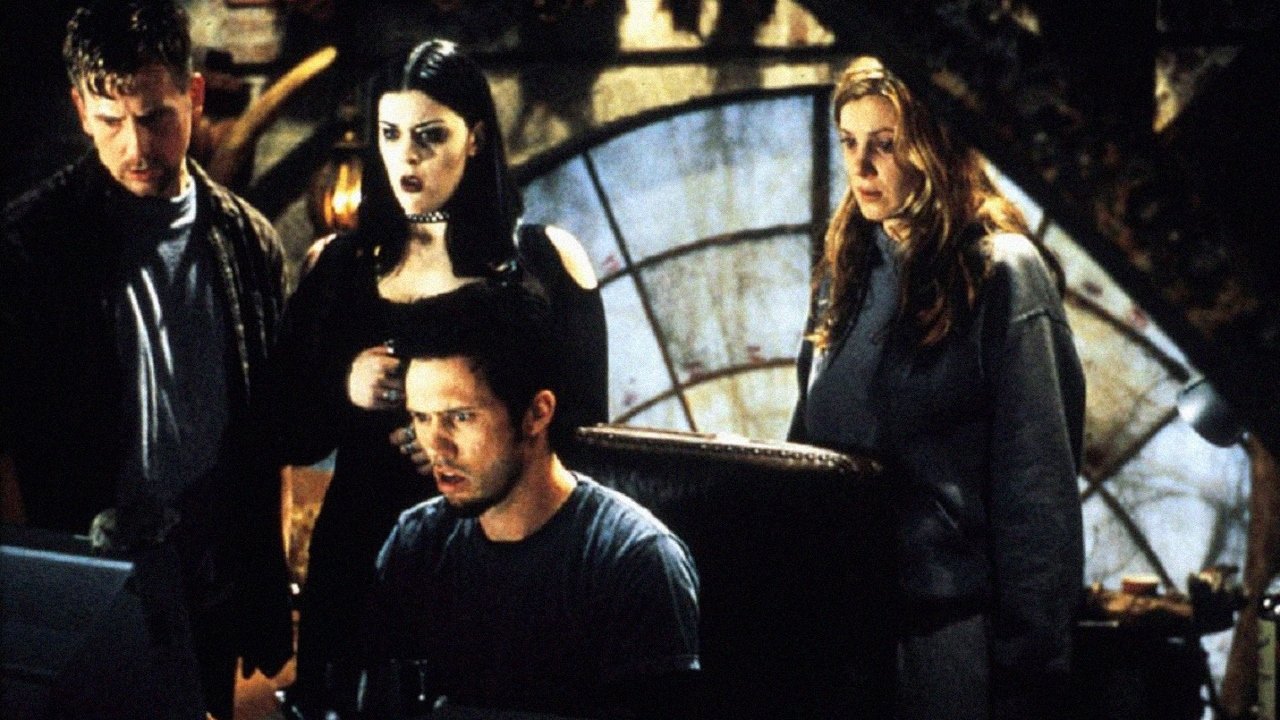
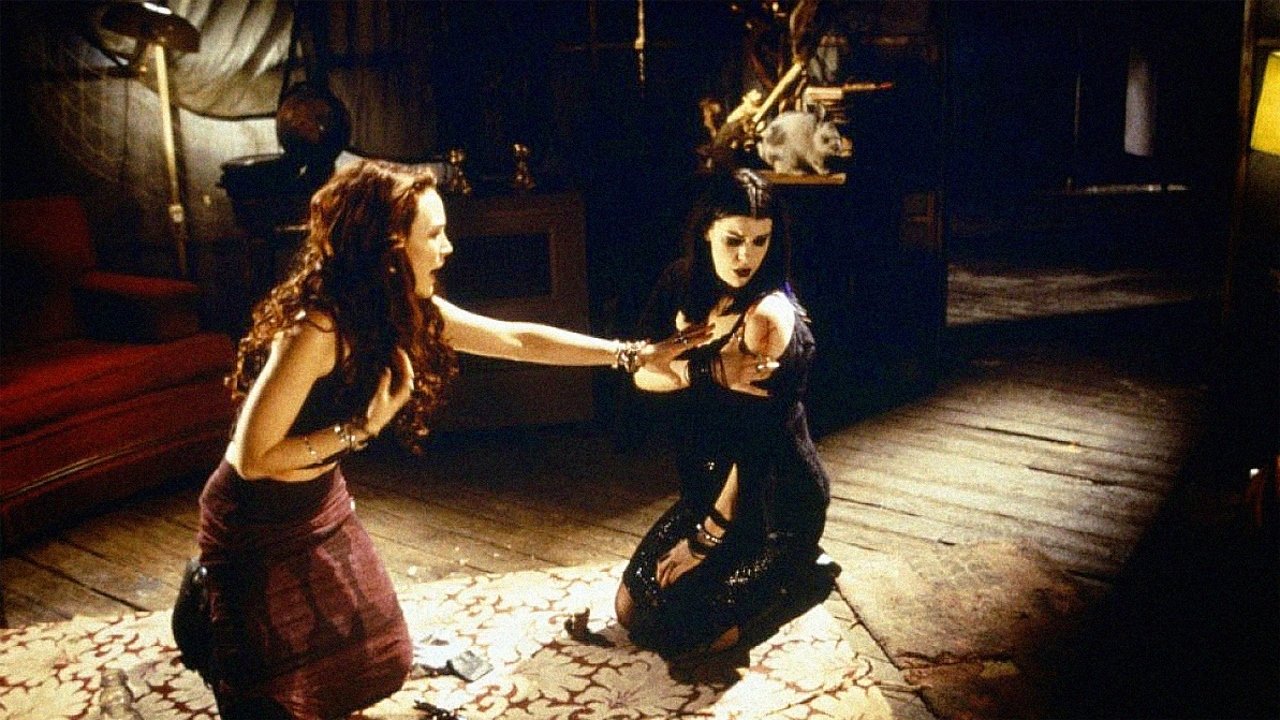
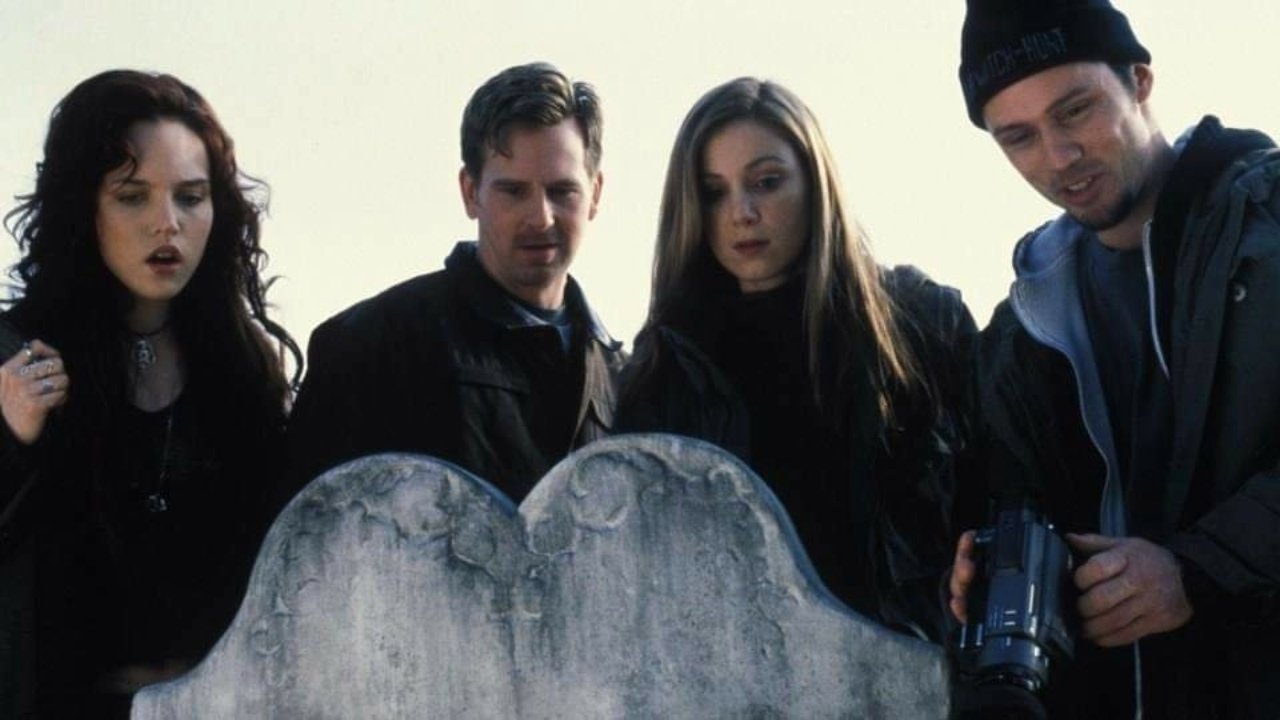
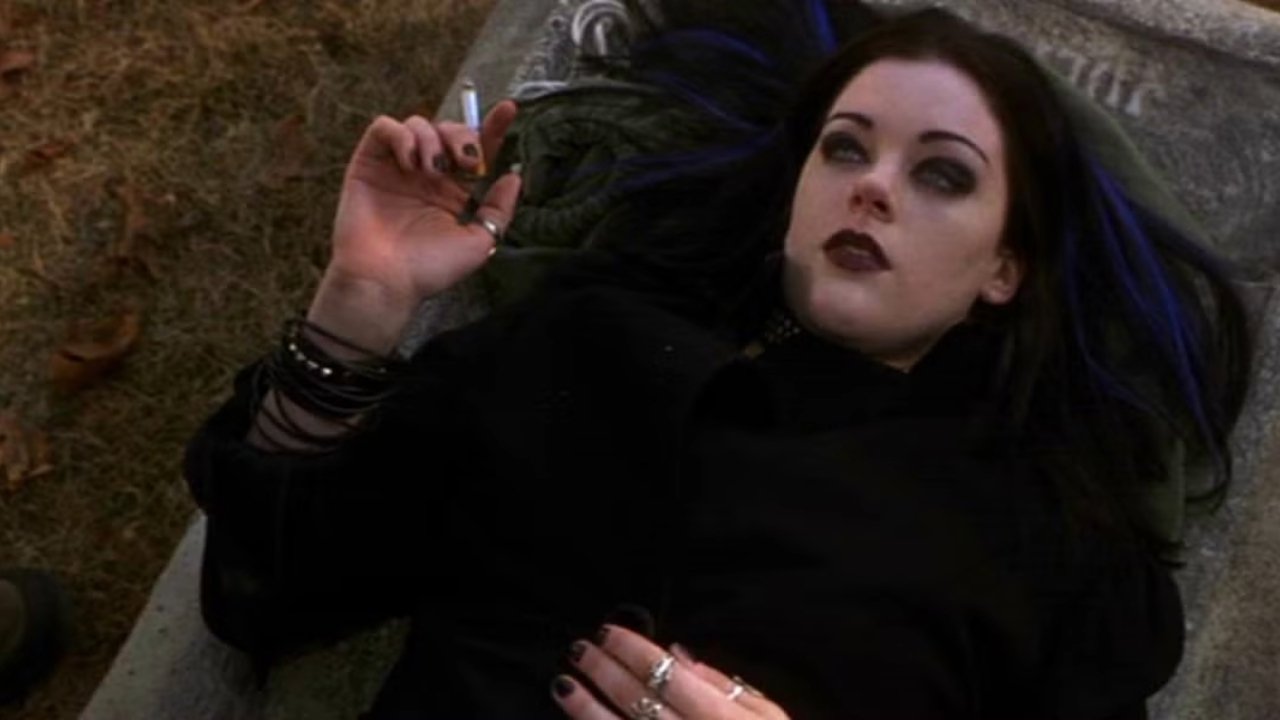
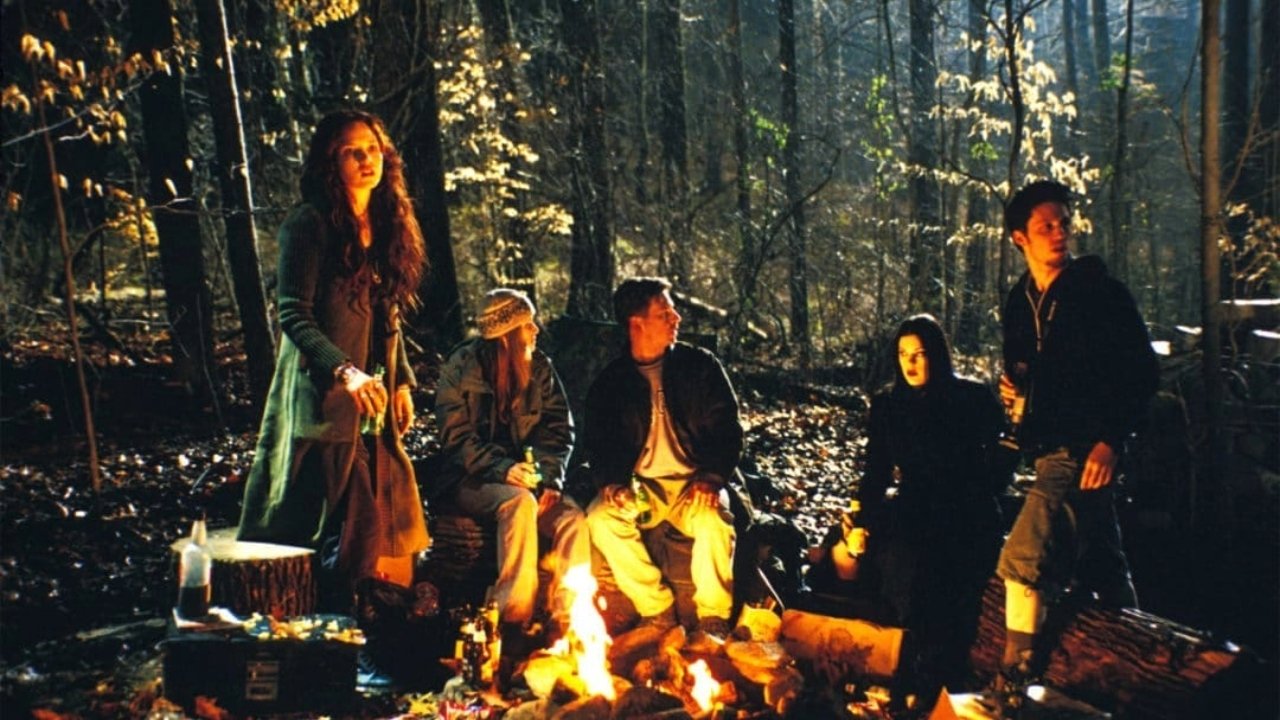
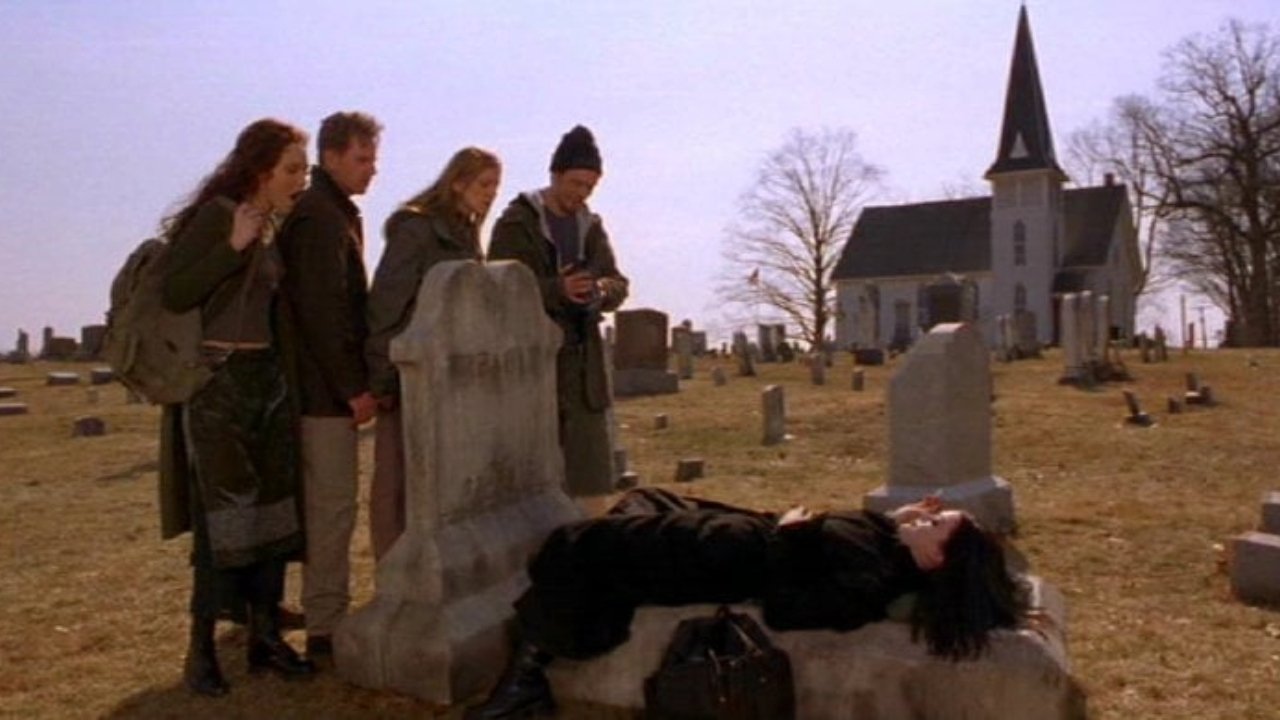
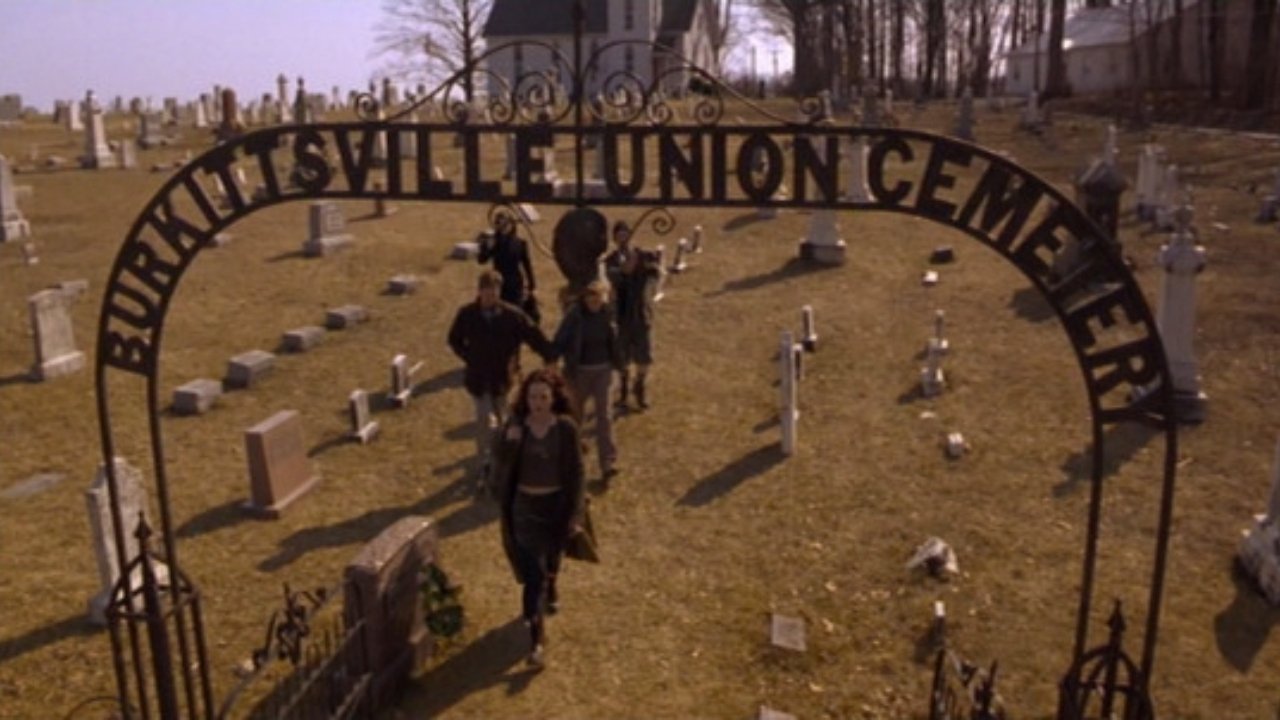
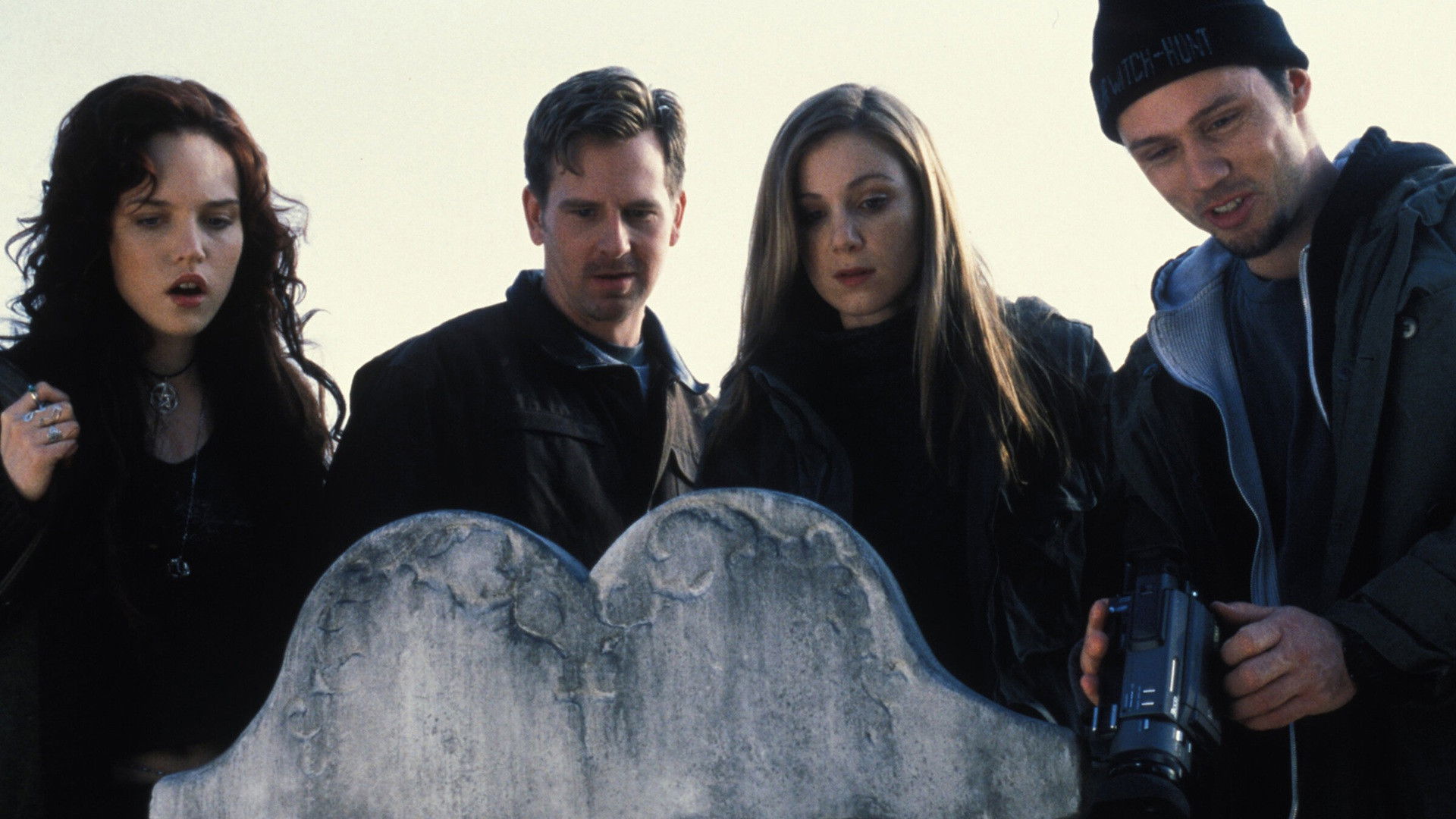
The opening presents Burkittsville after the release of a successful horror movie. Local residents, tourists and media coverage inhabit the same world as the fictional Blair Witch mythology, turning the film's title into a recognizable commodity. Jeffrey Patterson leads a group on a Blair Witch Hunt, promising access to the landscape associated with the earlier production. The visitors include a practicing Wiccan, a goth who is readily read through familiar horror stereotypes, and researchers interested in collective belief. Their differences establish a social setting in which the group's interpretation of events is already shaped by popular images of witchcraft.

The party's night in the woods ends with an apparent gap in memory. Recorded images later suggest actions that the characters do not remember committing. The possibility of supernatural interference remains entangled with intoxication, uncertainty and ordinary human violence. Its horror depends on whether the participants will recognize their own involvement in events, and on how readily they dismiss evidence that contradicts their preferred story. Because the characters have come in search of a legendary witch, the investigation has an explanation waiting before the evidence has been examined.

Berlinger described the project during its release as an anti-sequel that viewed the media phenomenon through people affected by it. This intention gives the film a different position within the series: the initial movie's public reception becomes part of the sequel's fictional environment. Its treatment of Wicca and gothic appearance also exposes a contradiction. Characters who are vulnerable to suspicion because of their looks or beliefs participate in a narrative where suspicion itself can produce terrible misjudgments.

Visual Form: Film, Video and Unreliable Evidence

Berlinger rejected another feature made entirely in the first film's shaky handheld style. Most of Book of Shadows was photographed on 35mm film, while the characters' video footage supplies an alternate record of events. The polished images initially appear to provide a conventional dramatic account, even as later recordings cast doubt on their accuracy. The contrast matters because viewers are encouraged to treat the apparently ordinary feature-film scenes as something they can trust. When the video contradicts them, the film exposes the habit of assigning credibility according to format rather than to the circumstances in which an image was made.

In his 2020 interview Berlinger explained that he regarded handheld camerawork as an unreliable shorthand for documentary truth. His previous nonfiction features were carefully composed and edited, yet their evidentiary status did not depend on whether the image shook. Book of Shadows tests the inverse assumption: professional film photography can represent subjective experience while a crude private recording may reveal actions its subjects deny. The dialogue makes the characters' confidence in video explicit, but their confidence is precisely what the narrative complicates.

The released film frequently interrupts this uncertainty with anticipatory glimpses of violent incidents. R. Kurt Osenlund, writing for Slant Magazine in 2013, argued that the screenplay's concern with conflicting media remained visible beneath a disjointed structure. The distinction between the feature-film images and diegetic video is therefore more than a formal resemblance to found footage. It is the mechanism through which the story asks whose version of a frightening event will be accepted.

The Studio Recut and the Unreleased Conception

The most extensively documented production dispute concerns the construction of the theatrical version. Berlinger explained in 2020 that an extended interrogation sequence had originally been designed as the culminating revelation. In the released film, sections of that encounter are distributed throughout the running time. His account holds that this change weakens the discovery of what the characters actually did, because fragments of the answer arrive before the narrative is ready to confront them. The same interview identifies additional images of killings and a psychiatric-hospital introduction as changes associated with Artisan's demands for more overt horror material.

Berlinger was particularly critical of the inserted gore, which he felt disrupted his preference for the threat of unseen violence. He also acknowledged that he liked elements of the hospital prologue, a qualification that prevents the production dispute from being reduced to a simple division between wholly rejected material and wholly approved material. Composer Carter Burwell independently remembered the studio pushing additional violent scenes. These are accounts by filmmakers who worked on the production, not a frame-by-frame reconstruction from an accessible original negative. They establish substantial intervention, while leaving individual editorial decisions open to more detailed archival verification.

The difference between contemporary and retrospective comments is significant. In a release-period interview, Berlinger defended the relevance of the film's violence to its story. Two decades later he described parts of the theatrical assembly as an unwanted compromise. His later assessment should be attributed to him rather than presented as an uncontested account of what every collaborator believed. He said he had asked rights holder Lionsgate about issuing a director's cut without obtaining approval. Consequently, the described earlier assembly is an unrealized public release, not a separately distributed version whose complete contents or running time can be independently inspected.

Carter Burwell, Environmental Sound and Commercial Music

Carter Burwell's own notes provide unusually specific evidence about the original score. He began with a pre-existing piece, Rock Water Wind, built from recordings of water being struck, rocks tapped and scraped, and sampled wind. He then expanded that palette with guitarist David Torn and percussionist Geoffrey Gordon, mixing natural textures with electric sound. Burwell recorded and mixed the work at his studio with assistance from Dean Parker. The resulting music treats the woodland environment as material for composition, an approach that suits a story in which ordinary sensory evidence becomes menacing through repetition and uncertainty.

Berlinger recalled a very different musical atmosphere for the opening of his preferred assembly. He said it began with Frank Sinatra's Witchcraft, while the theatrical release used Marilyn Manson's Disposable Teens. The latter choice was part of a wider use of aggressive commercial songs that the director later criticized as serving the soundtrack's marketability. Burwell's intimate score and the added rock selections belong to distinguishable musical strategies, even when both contribute to the released film. Berlinger also cited licensing and music clearance as obstacles to reconstructing his preferred version. The sound history is therefore inseparable from the editorial one.

Release, Critical Response and Later Reassessment

Artisan released Book of Shadows in the United States on October 27, 2000, less than two years after the original's festival breakthrough. Richard Natale reported for the Los Angeles Times that the sequel opened in 3,317 theaters and earned an estimated $13.1 million during its first weekend, finishing behind Meet the Parents. The article also documented mixed reactions among those interviewed at screenings. Those figures describe an opening weekend, not the complete commercial performance or a calculation of profitability. The film arrived under unusually intense expectations created by a first installment that had transformed a very small production into a major theatrical attraction.

Critical objections concerned the film's confused structure and its uncertain relationship to the earlier movie. The opening documentary-style material examined the first film's publicity, while the later scenes used more conventional horror devices. In a detailed retrospective for Slant Magazine, Osenlund described the studio's rearrangement as a substantial obstacle to the intended play between subjective memory and recorded evidence. His assessment also found weaknesses beyond studio intervention, offering a useful counterweight to the suggestion that an alternative cut would necessarily have been accepted. A disputed editing history helps explain a film's shape without determining how audiences would have judged another version.

Berlinger said in 2020 that he had encountered viewers who valued the sequel years after its release. This is evidence of a continuing minority interest, not proof of an across-the-board critical reversal. Book of Shadows retains an unusual place in the Blair Witch franchise because it addresses the fictionalization of reality at the level of the audience itself. Its filmmaking history mirrors that subject: the director's attempt to expose how expectations shape interpretation collided with a studio's expectations of what a profitable horror sequel should show.

References

  1. Dark Horizons Jeffrey Donovan, Erica Leerhsen, Joe Berlinger for Blair Witch 2: Book of Shadows

    Paul Fischer's October 2000 interviews with Berlinger and the cast on the anti-sequel, marketing of the original, fictional belief and characters' experiences.

  2. ComicBook.com Book of Shadows: Blair Witch 2 Director Joe Berlinger Looks Back on Its Legacy and the Death of Truth

    Patrick Cavanaugh's extensive 2020 interview details the original concept, writing schedule, imposed recut, intended finale, music changes and status of a director's cut.

  3. Carter Burwell Blair Witch 2 - Carter's Notes

    The composer's firsthand production notes describe the recorded environmental samples, collaboration with David Torn and Geoffrey Gordon, studio sessions and creative interference.

  4. Los Angeles Times A Scary Time for Blair Witch 2 as It Struggles to No. 2

    Richard Natale's October 30, 2000 industry report documents the wide-release opening, estimated weekend revenue, audience response and comparisons with theatrical expectations.

  5. Slant Magazine Sinful Cinema: Book of Shadows: Blair Witch 2

    R. Kurt Osenlund's 2013 critical analysis examines the film's competing visual registers, DVD commentary, editorial changes and the limits of its intended critique.

Connections

Cast

View Full Cast & Crew →

Release & Distribution

Production Companies (2)

  • Artisan Entertainment US
  • Haxan Films US

Distributors (1)

  • Artisan Entertainment US

Release History (14)

Release DateTerritoryRelease TypeFormatDistributorCertificationNotes
2000-10-27 Denmark Limited Theatrical — — 15
2000-10-27 Finland Physical — — K-18
2000-10-27 Norway Theatrical — — 18
2000-10-27 United States Theatrical — — R
2000-11-08 France Theatrical — — —
2000-11-09 Germany Theatrical — — 18
2000-11-15 Switzerland Digital — — 16
2000-12-01 Italy Theatrical — — —
2001-03-24 Japan Digital — — PG12
2001-05-10 Czechia Theatrical — — 12+
2001-05-10 Hungary Theatrical — — 18
2001-08-10 Spain Theatrical — — —
2001-10-25 Portugal Theatrical — — M/16
2010-10-27 United Kingdom Theatrical — — 15
Evil doesn't die.