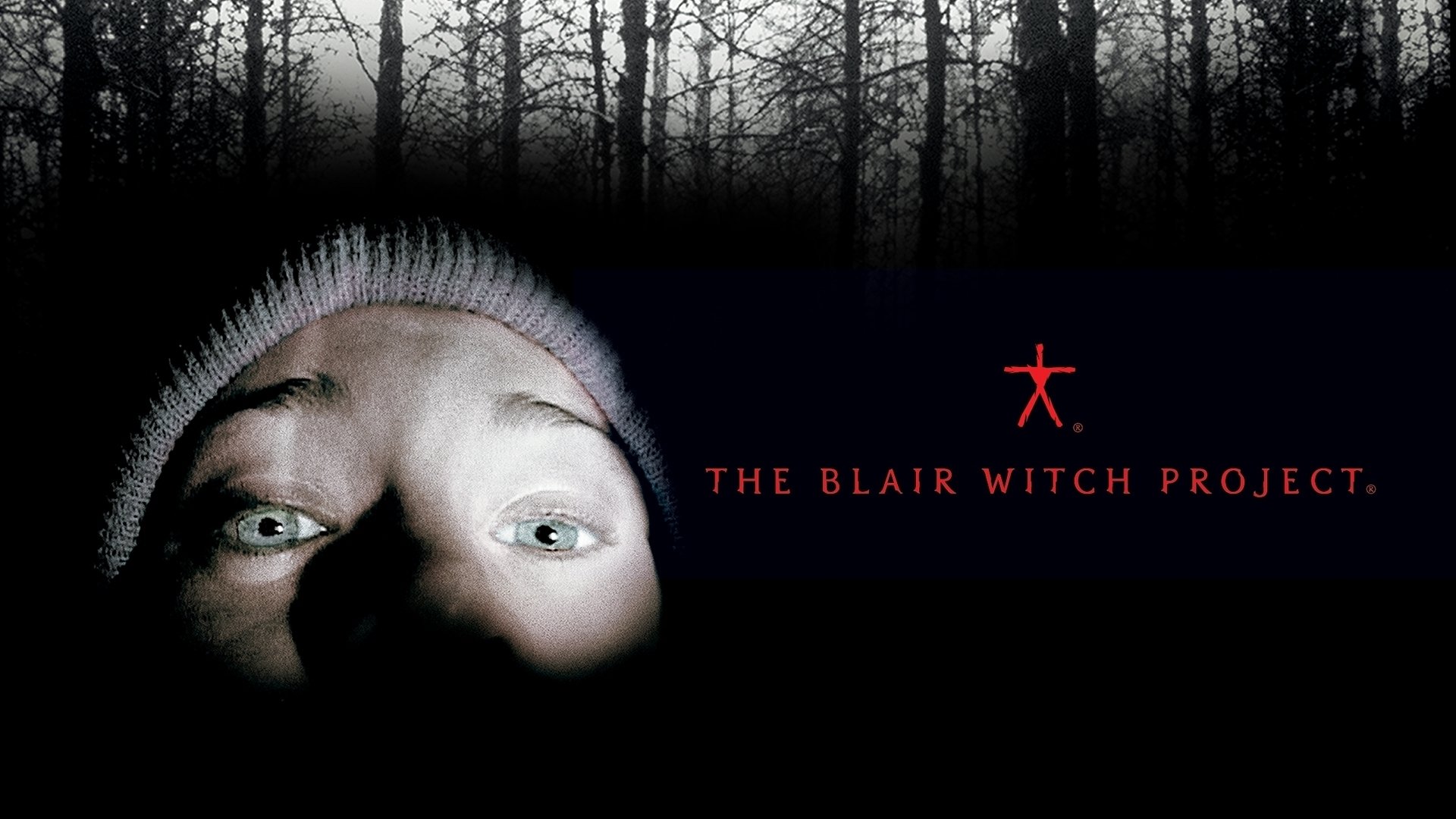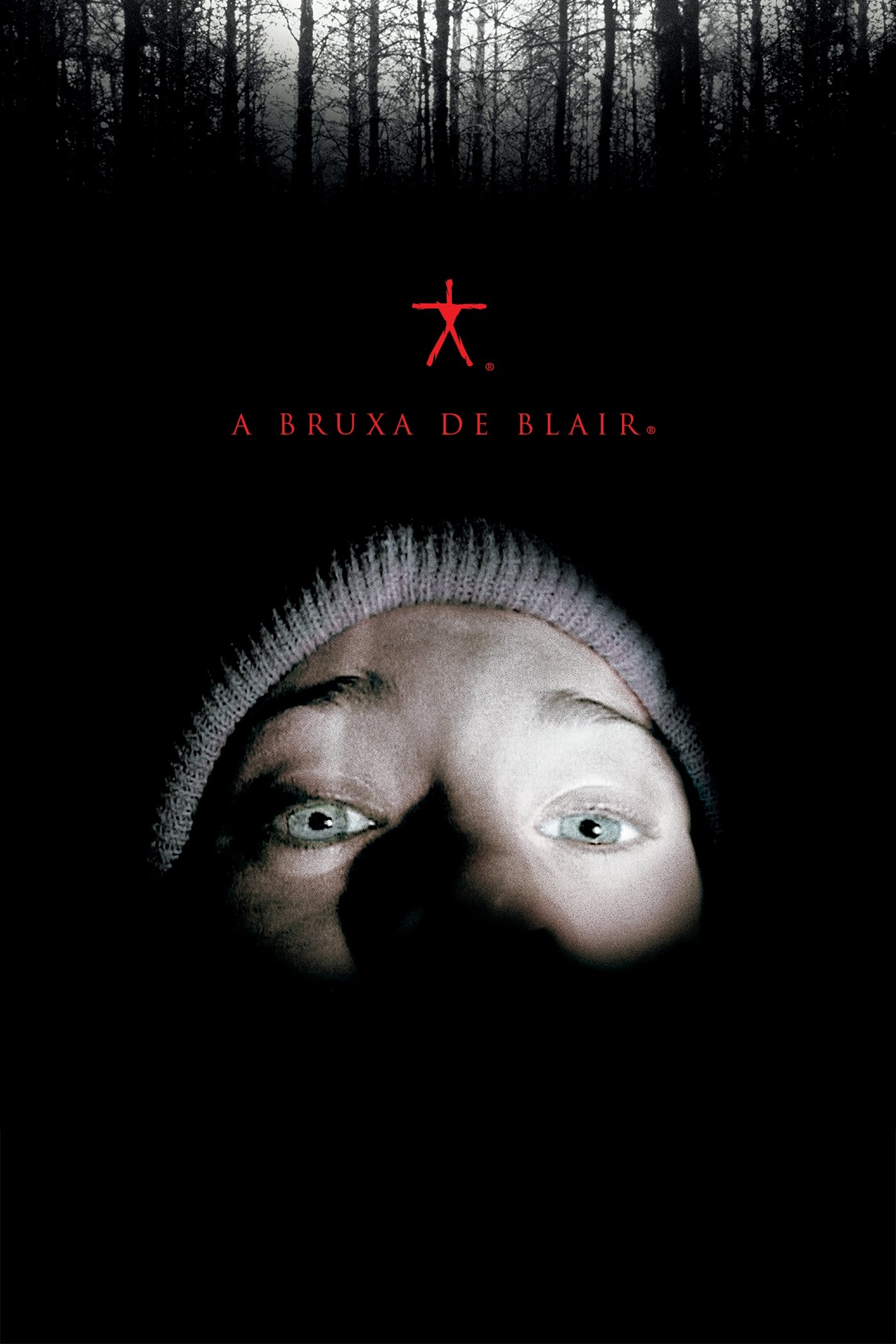
The Blair Witch Project (1999)

US
HORROR FILM Mystery
6.3/10 6 votes
Runtime
81 min
Release
July 14, 1999
Budget
$60,000
Revenue
$248,639,099
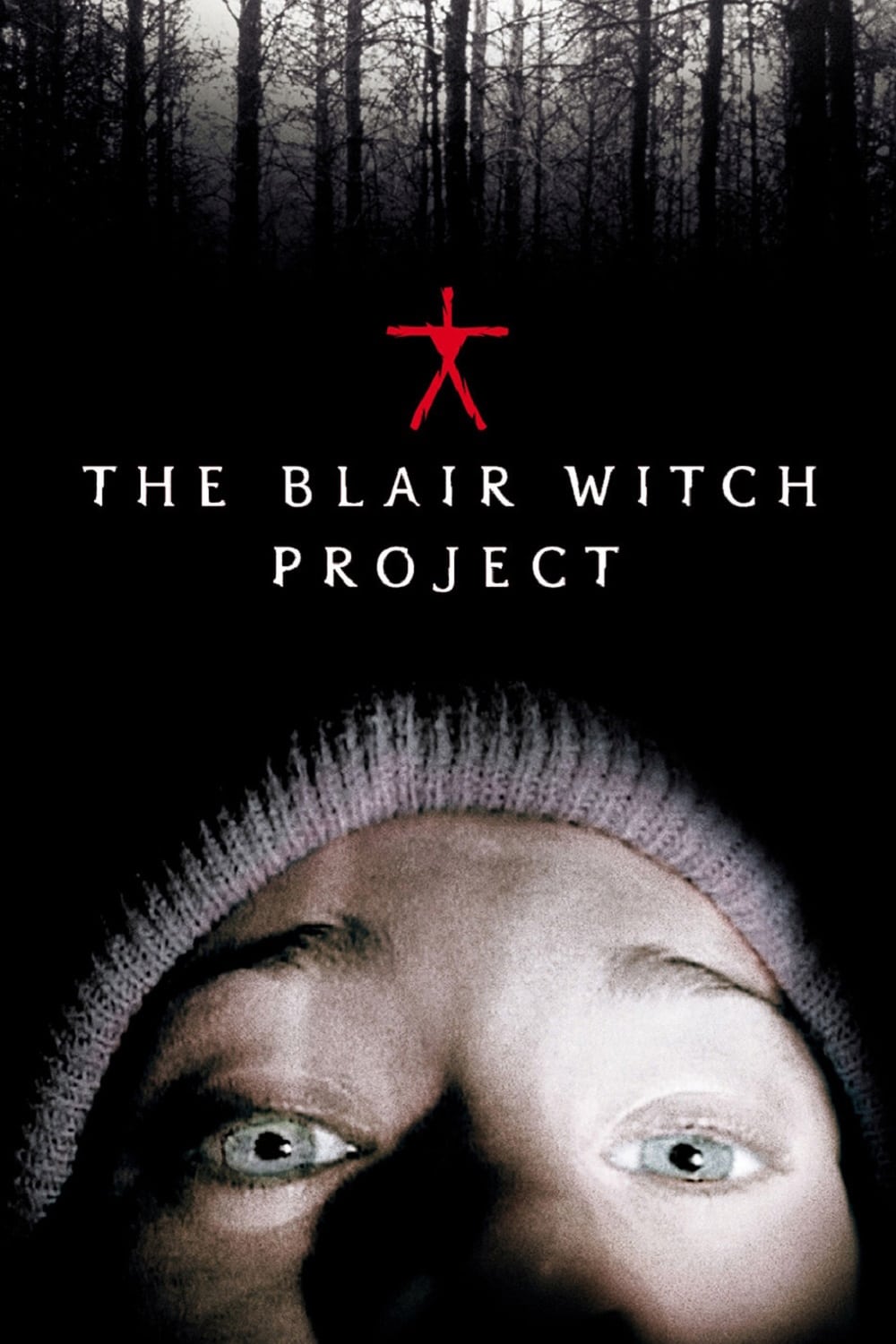
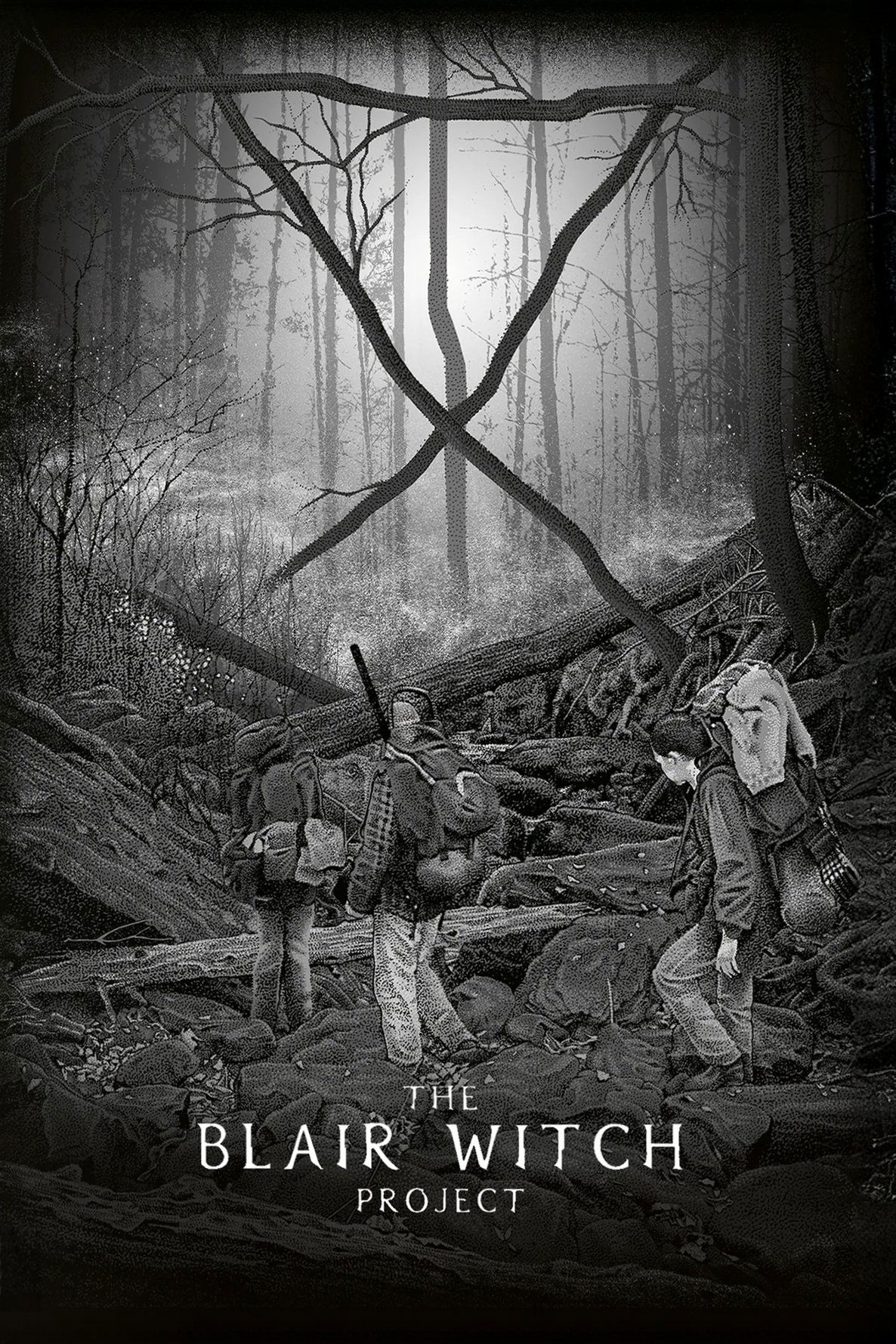
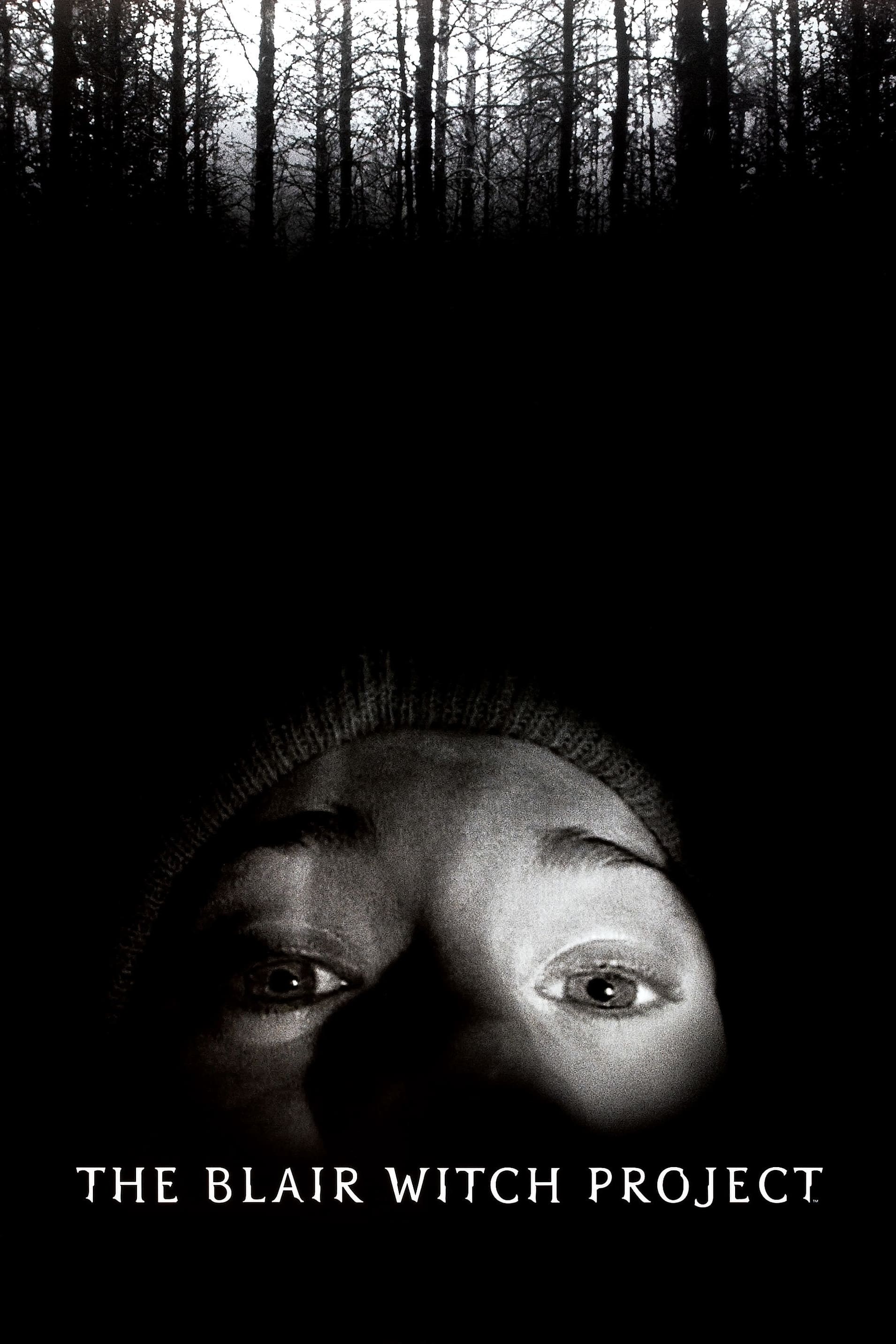
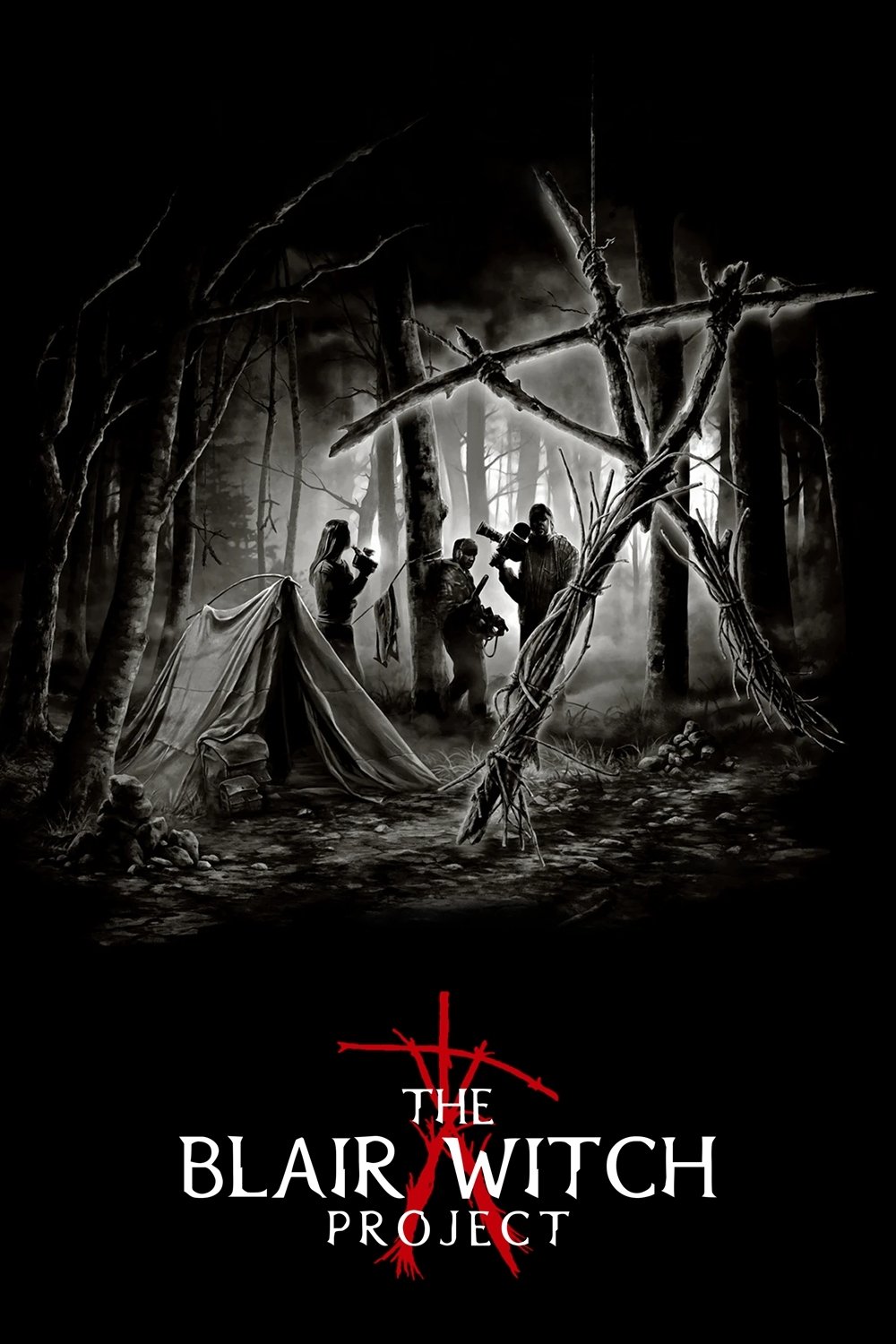
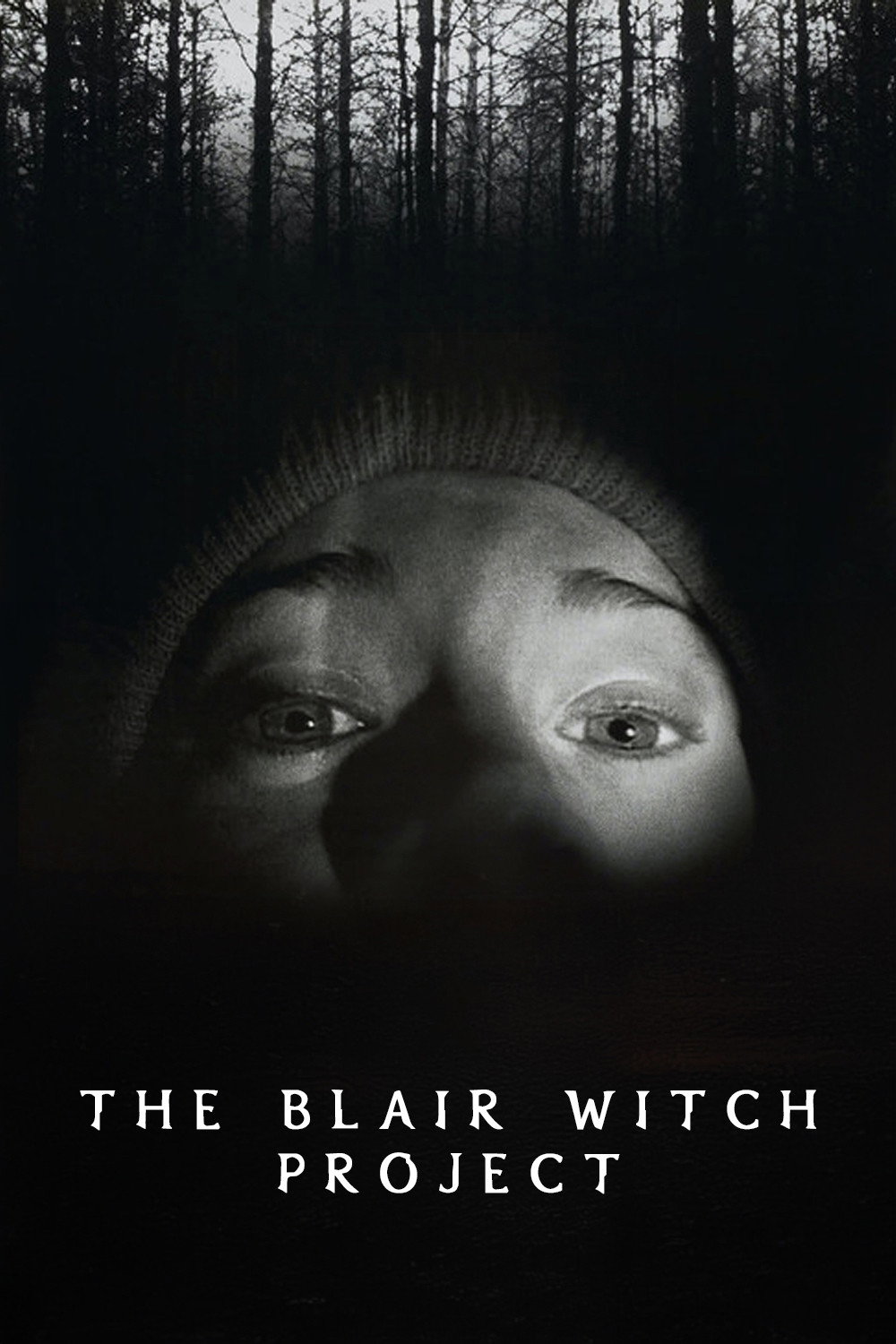
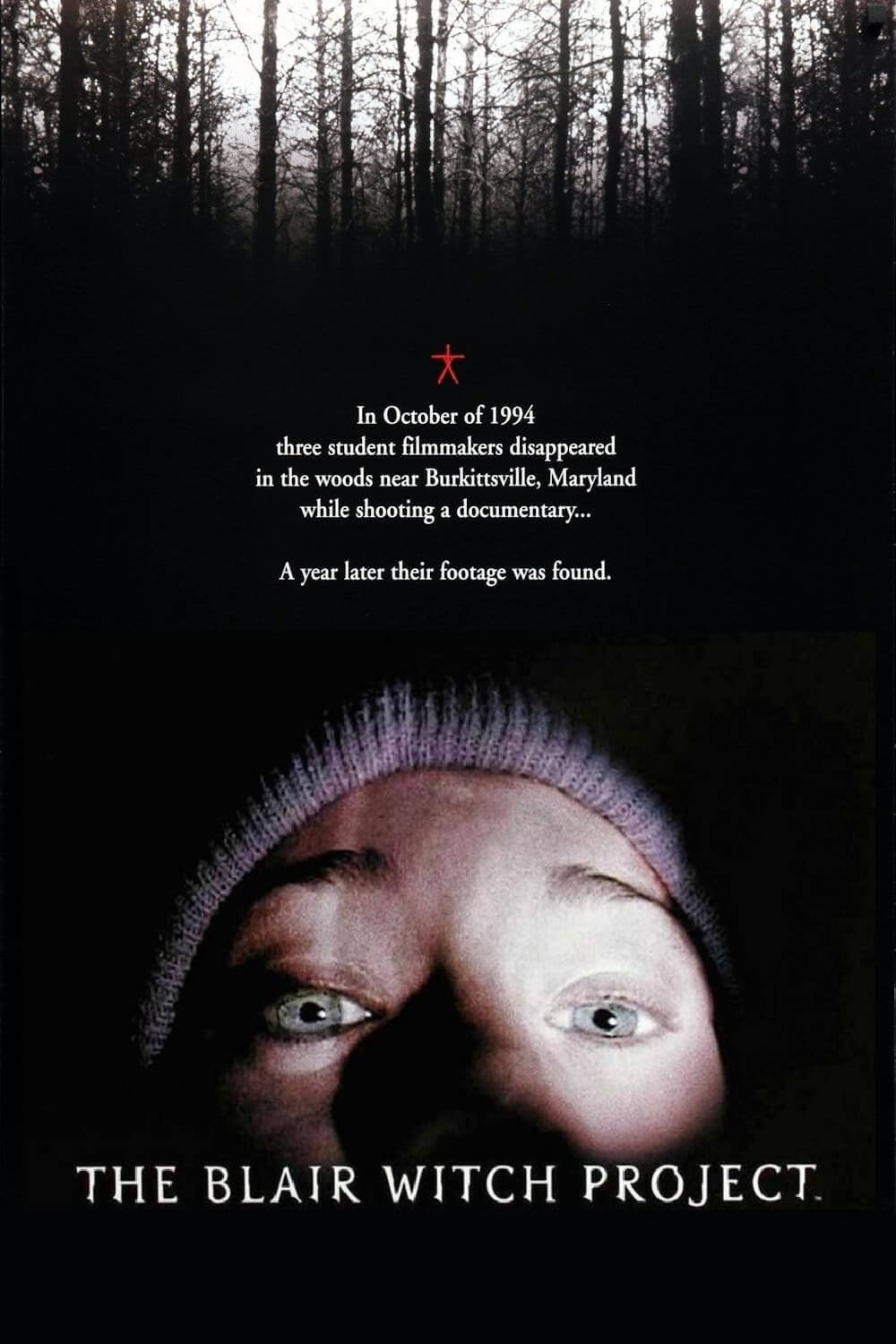
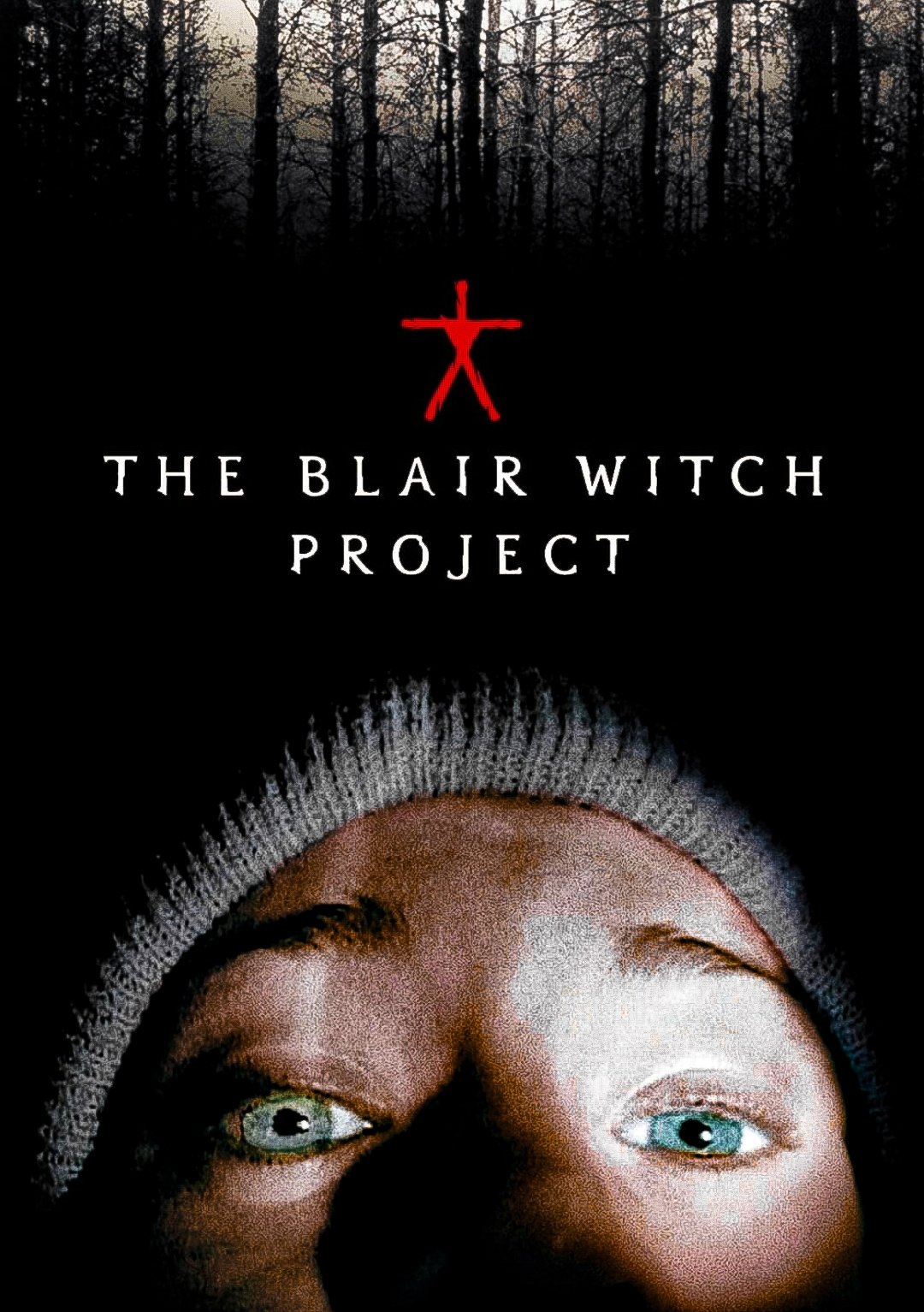
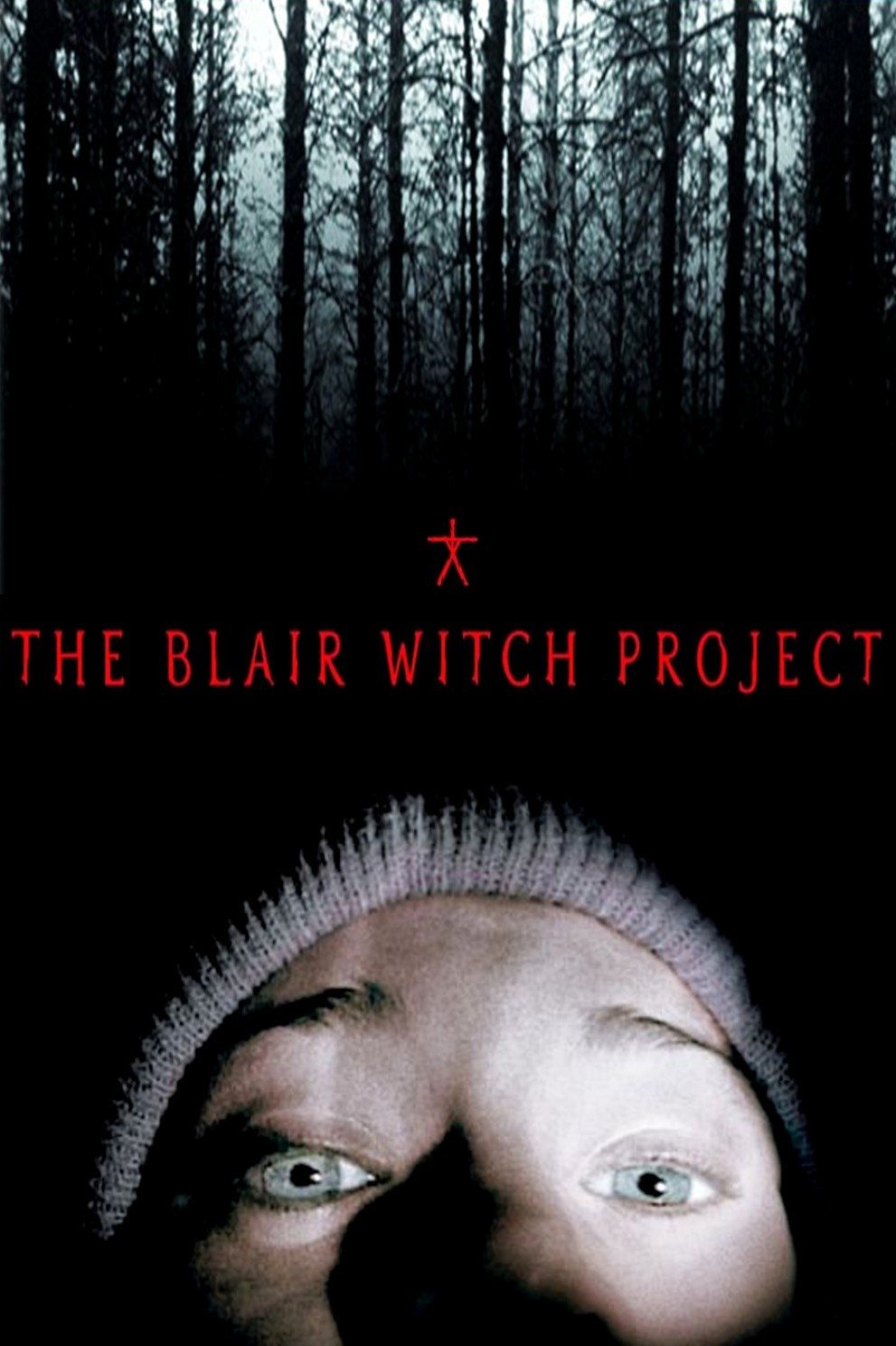
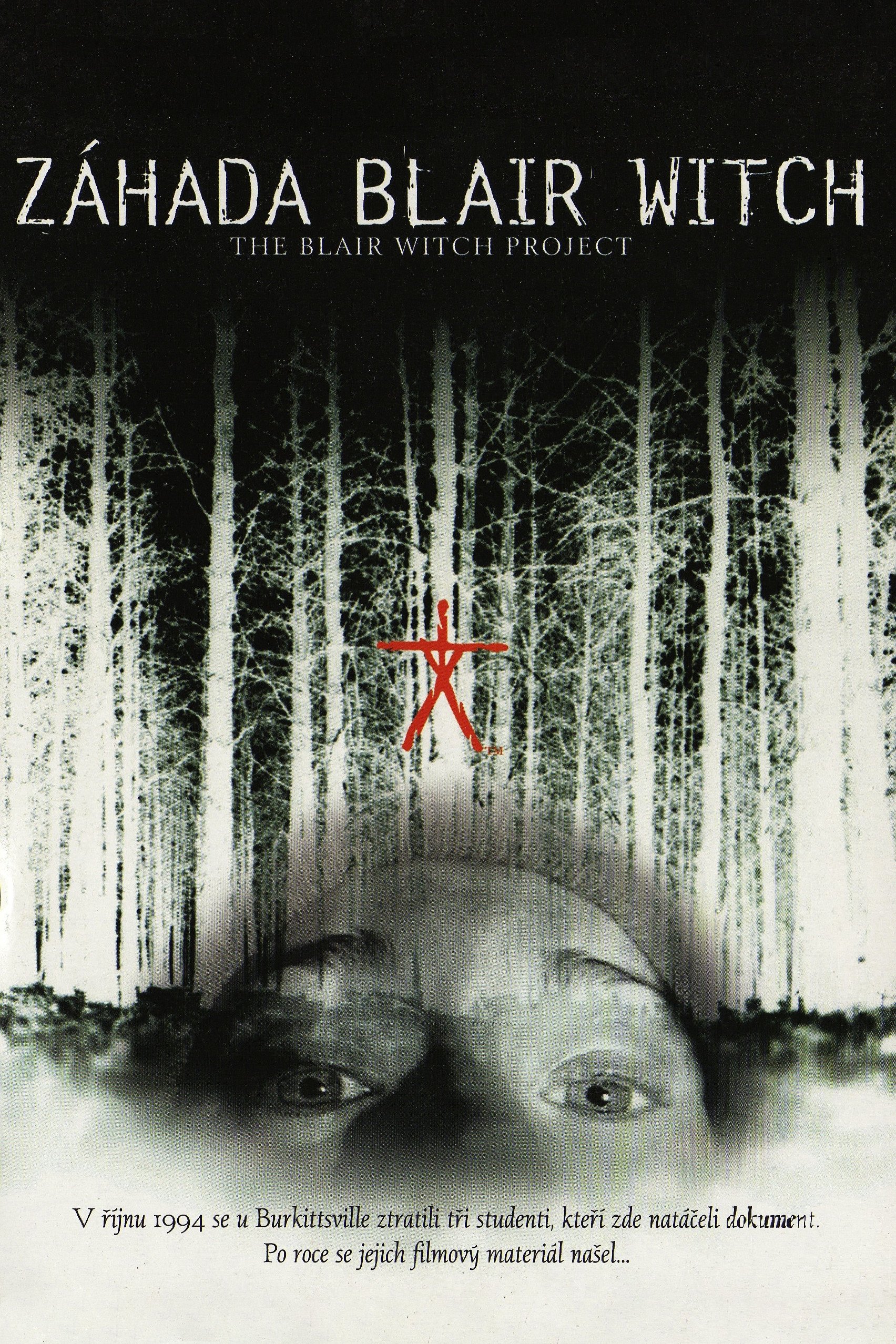
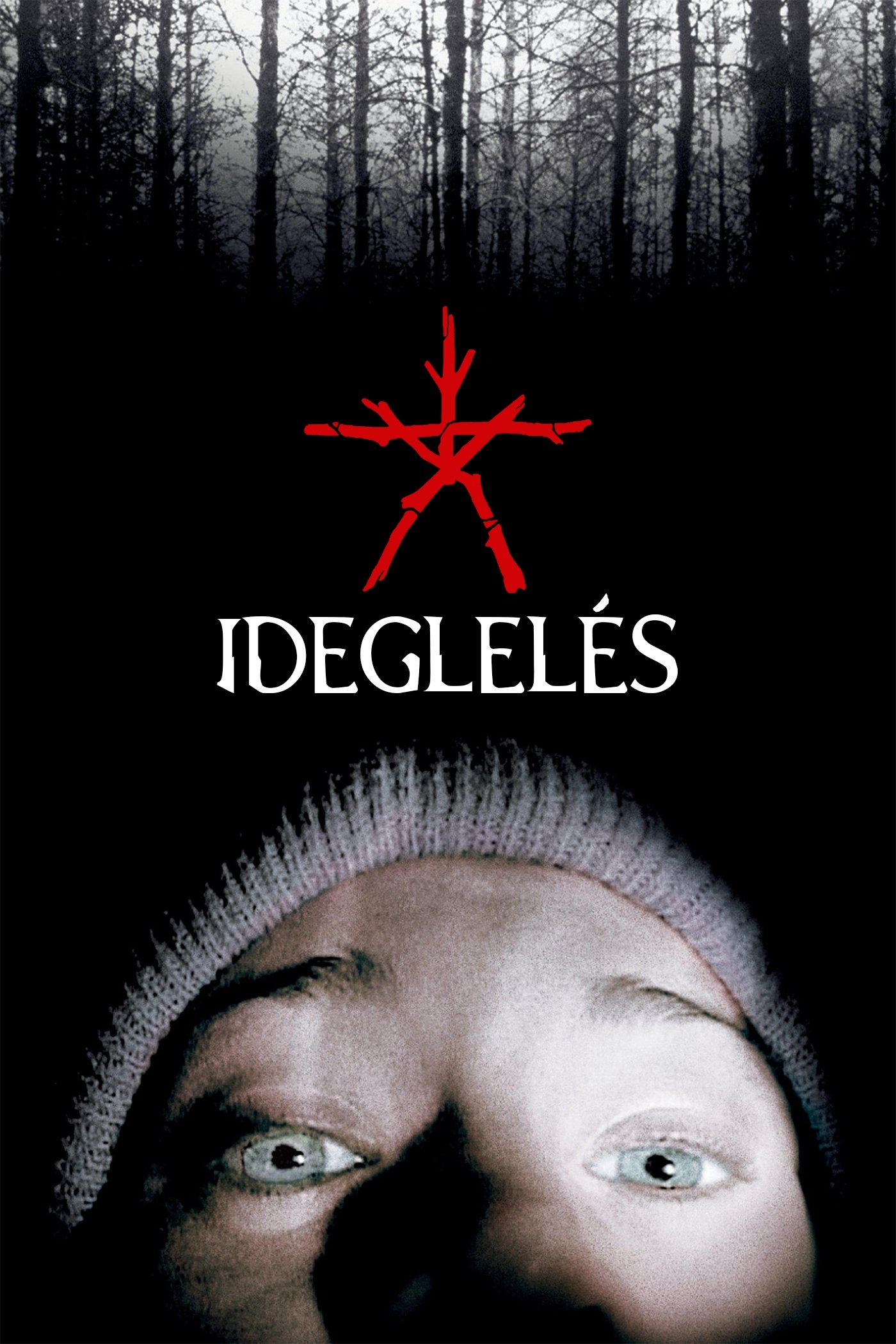
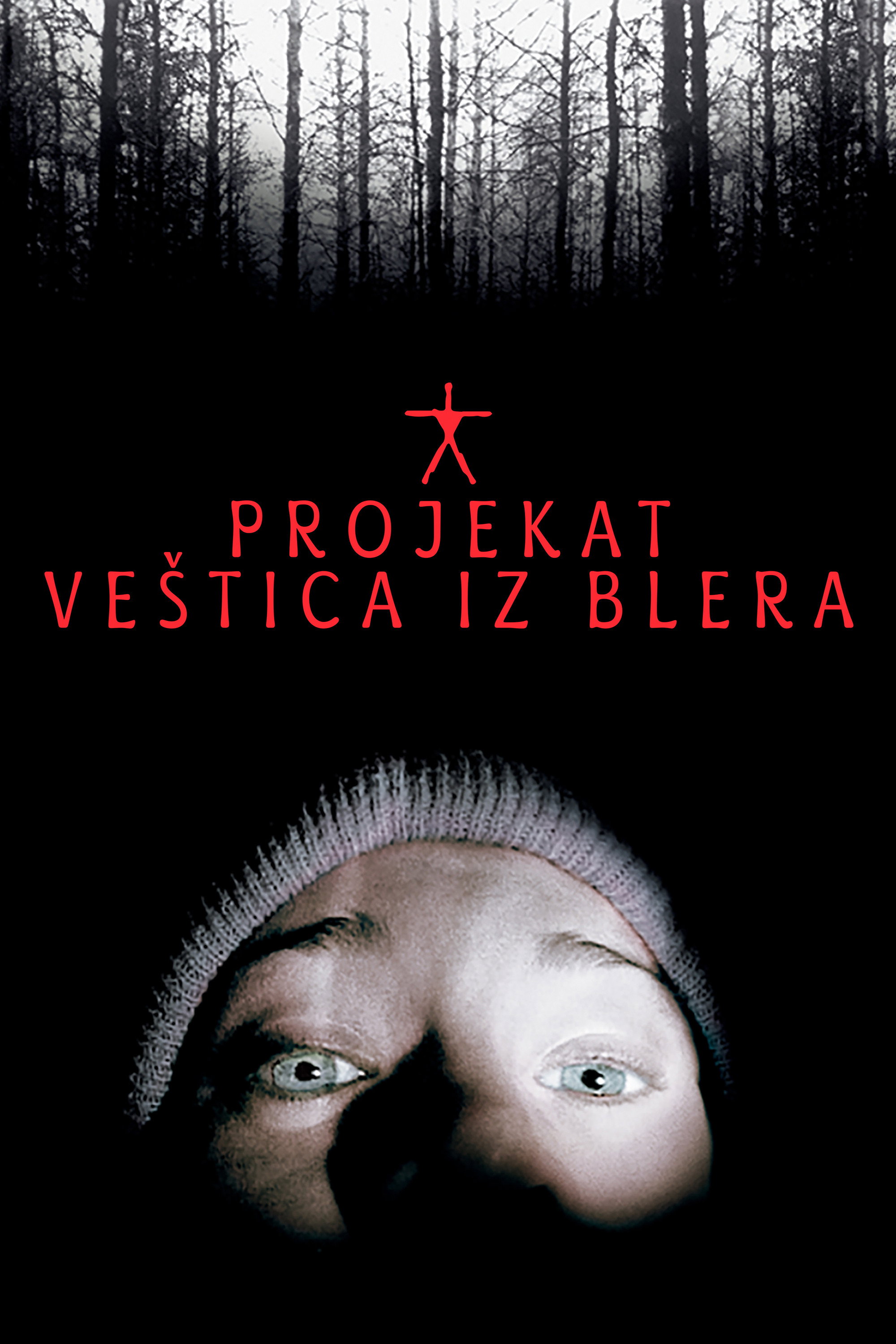
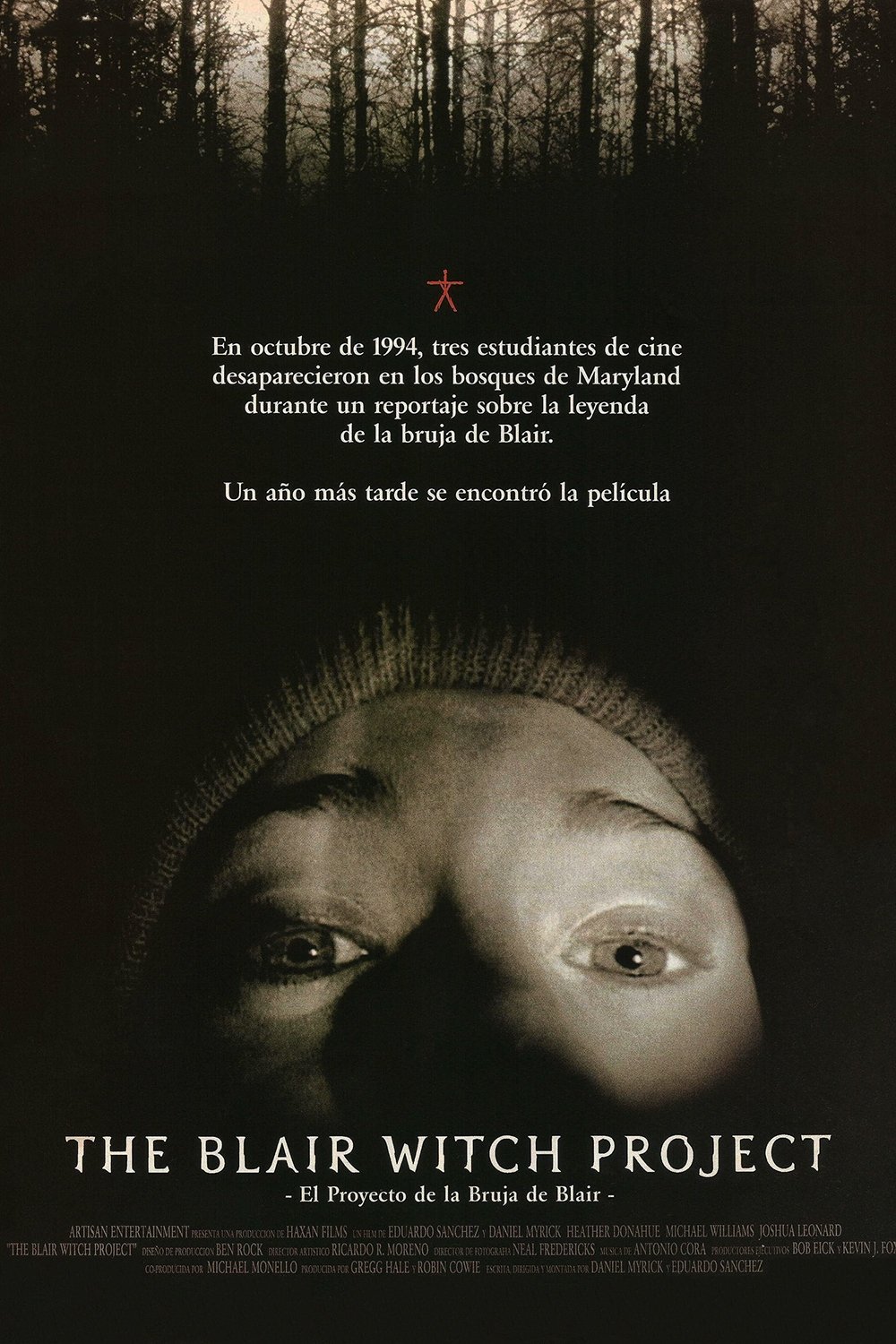
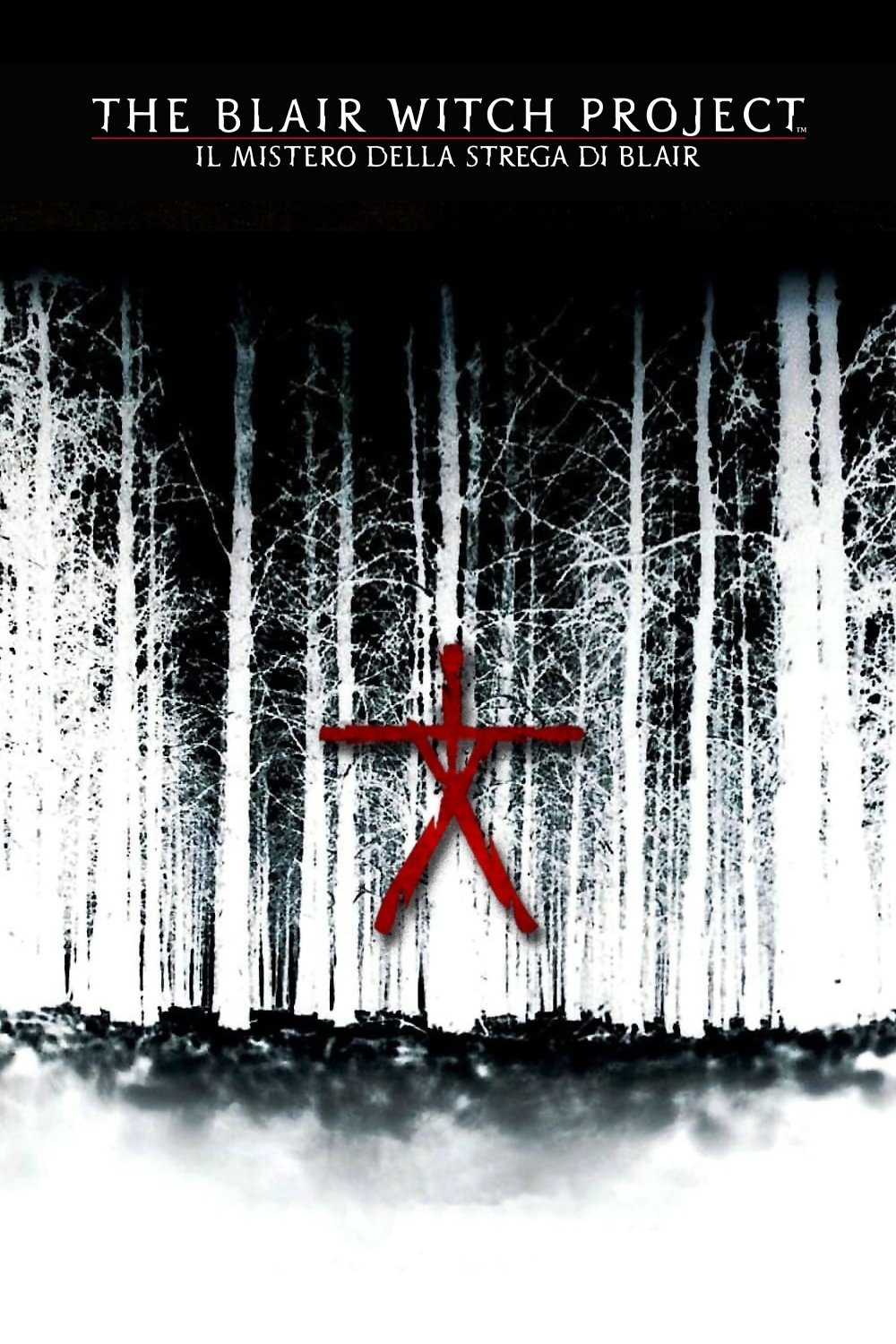
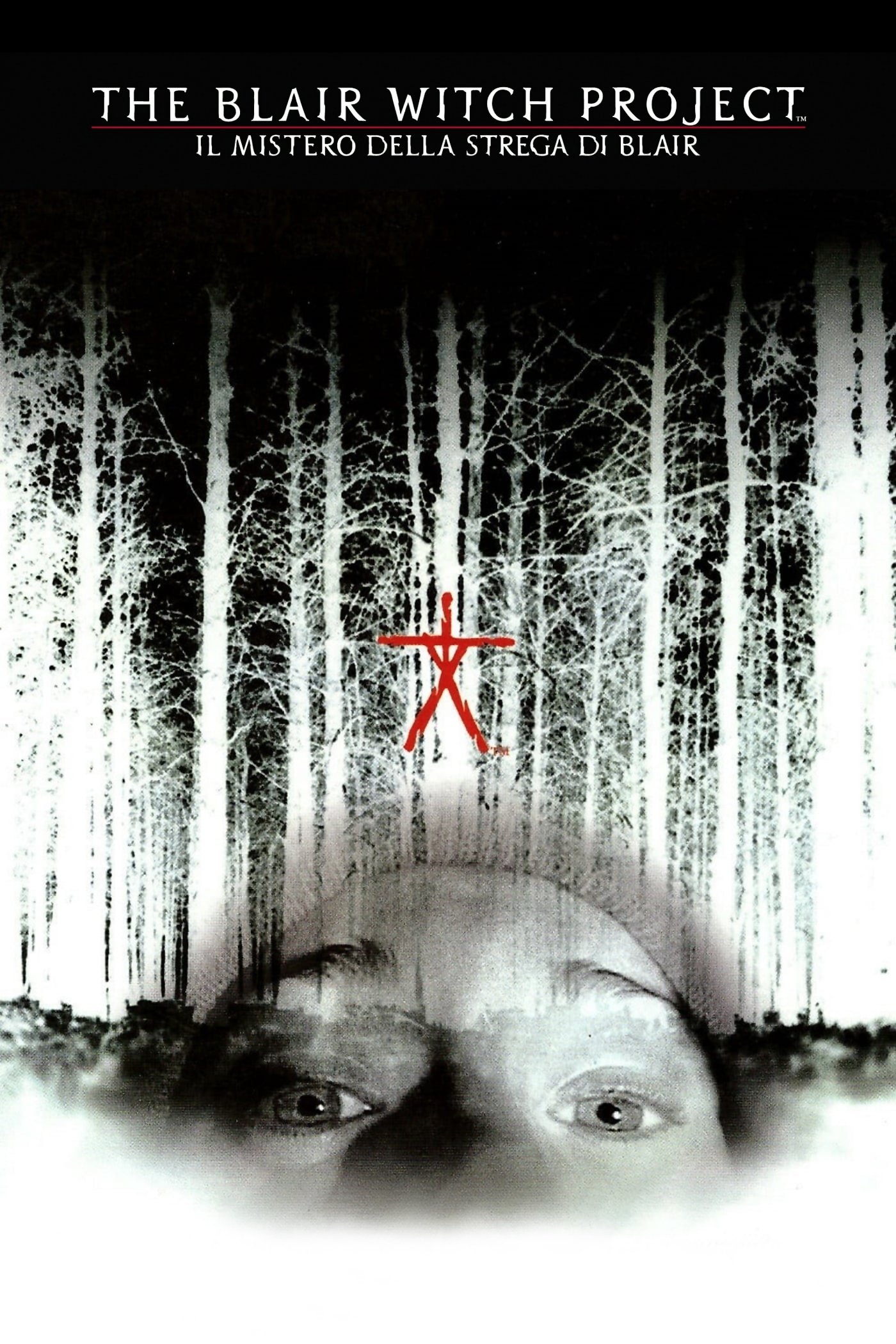
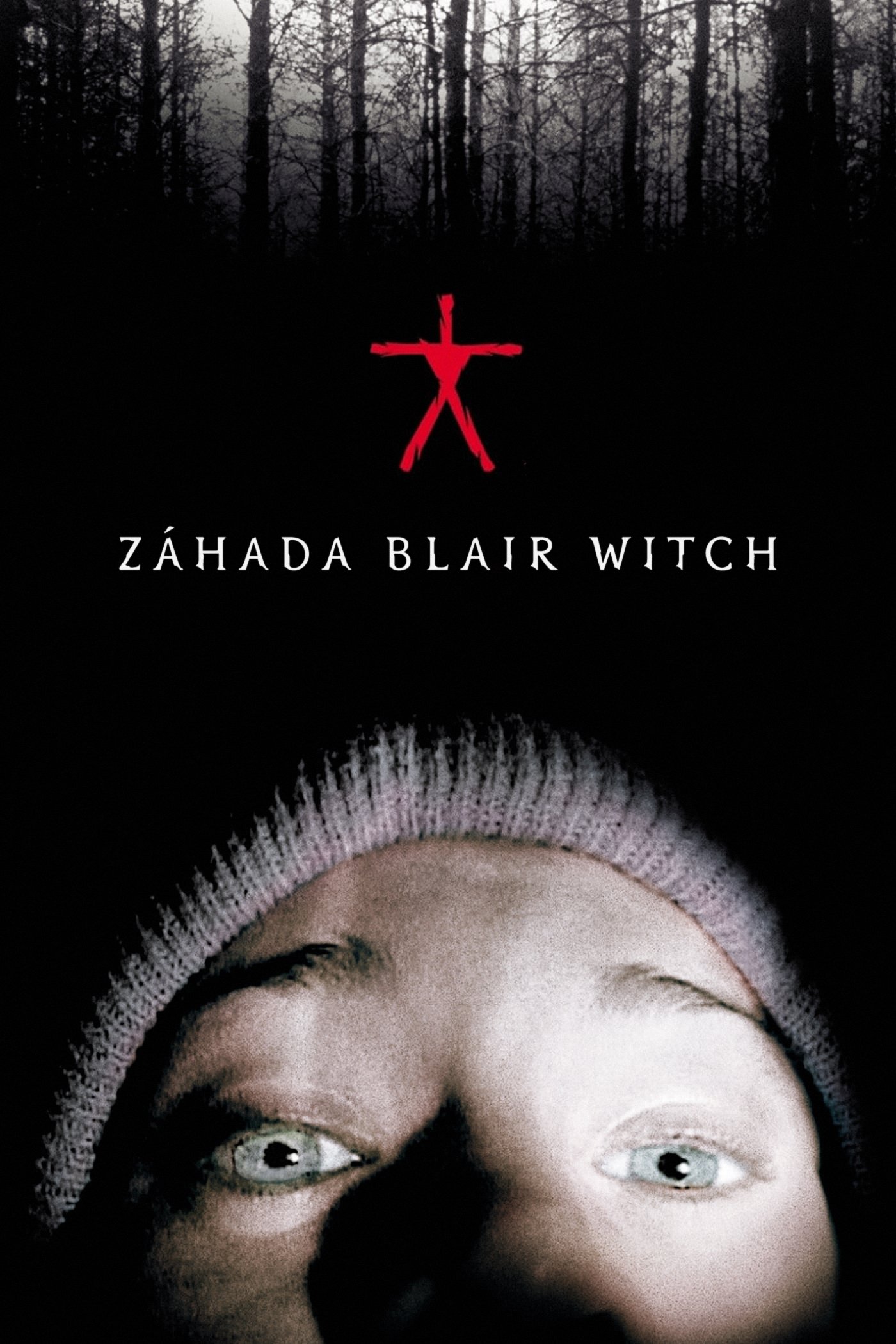
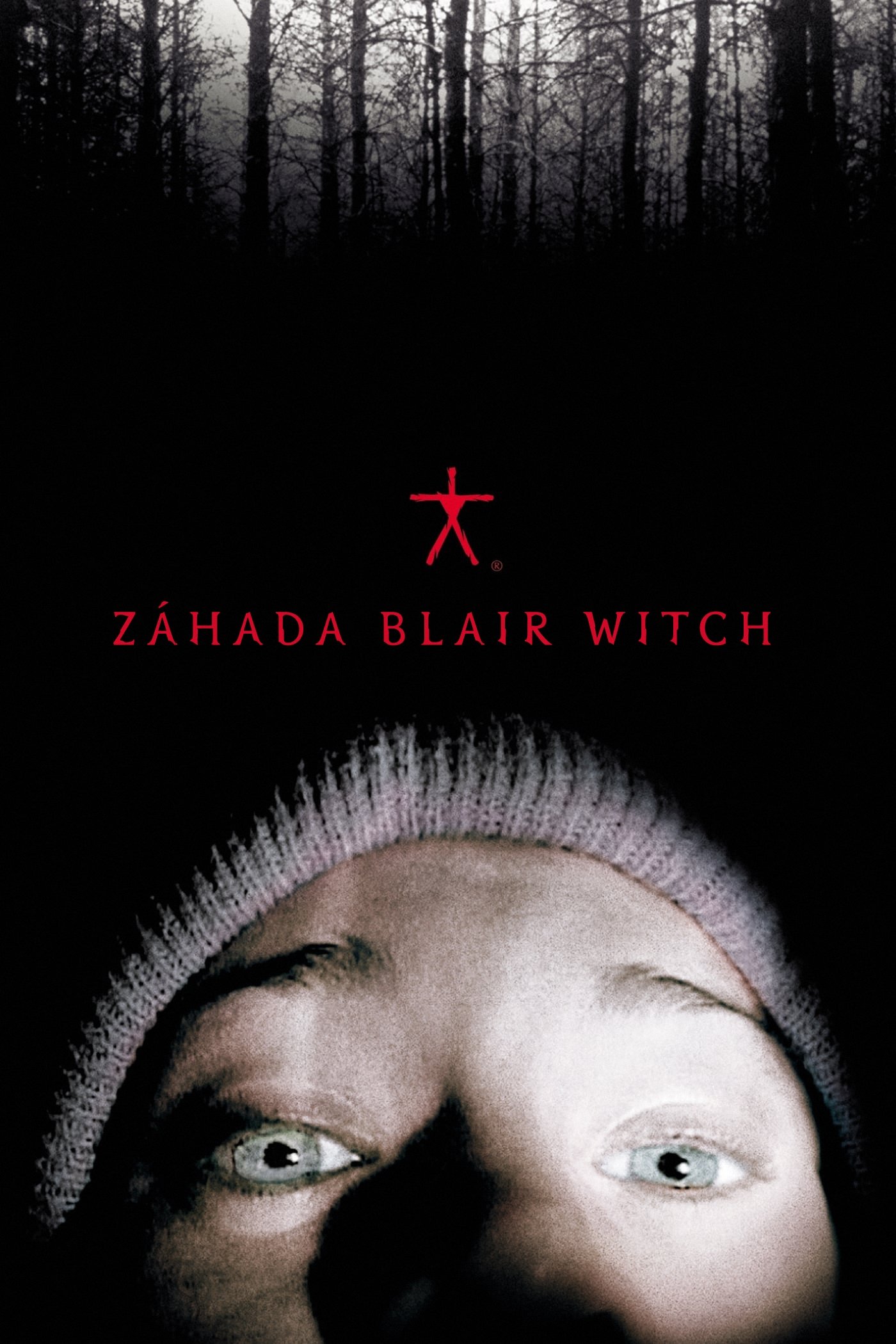
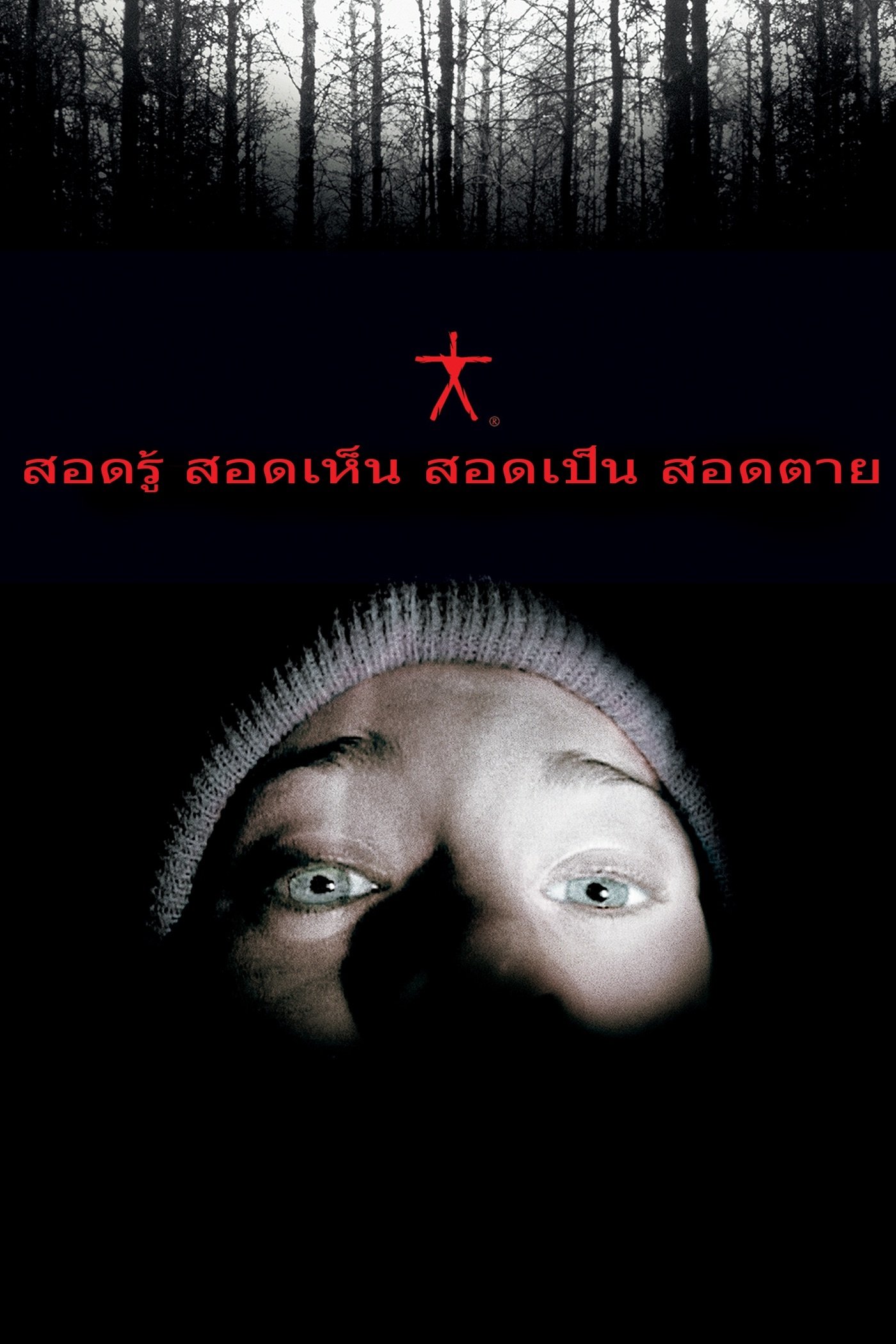
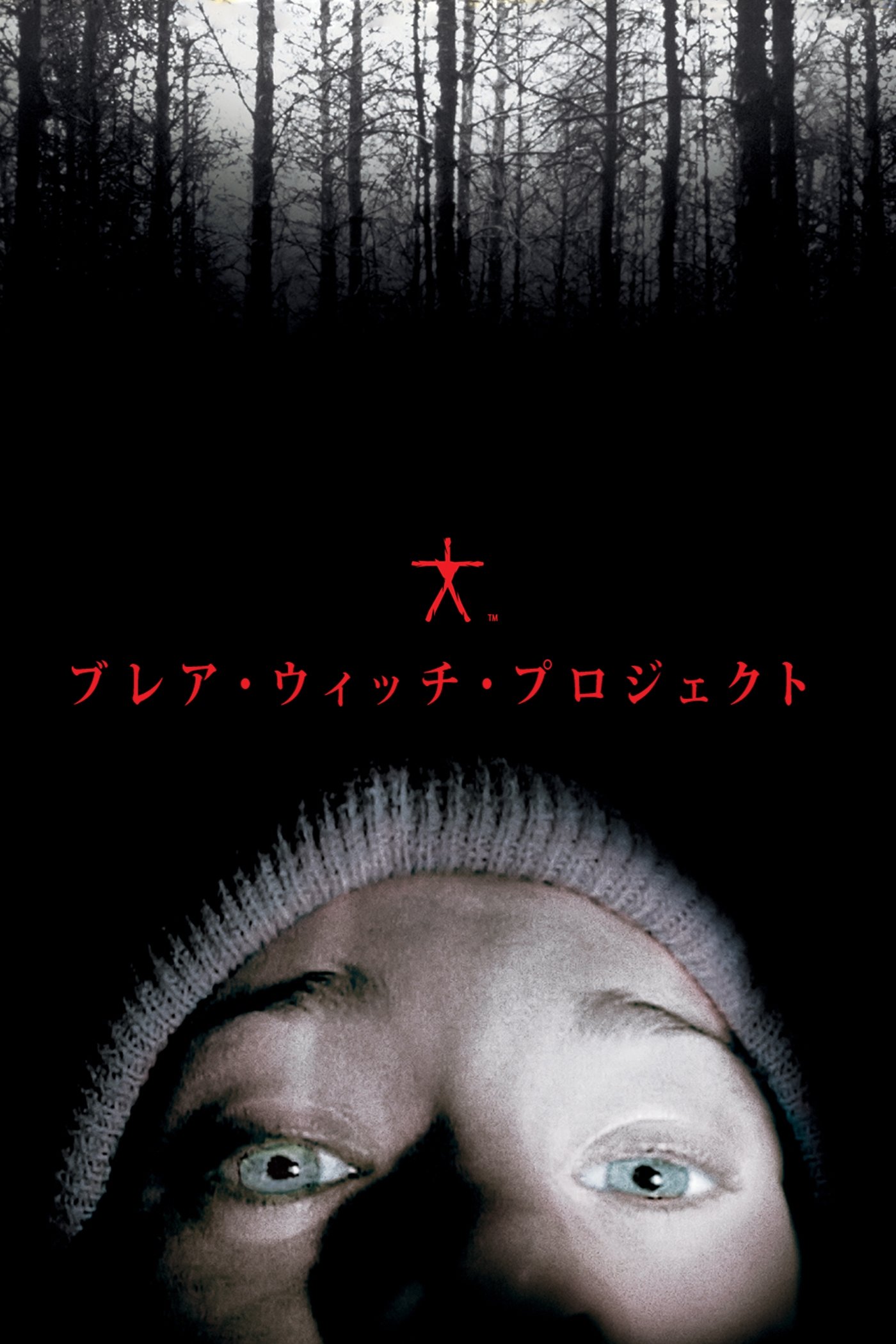
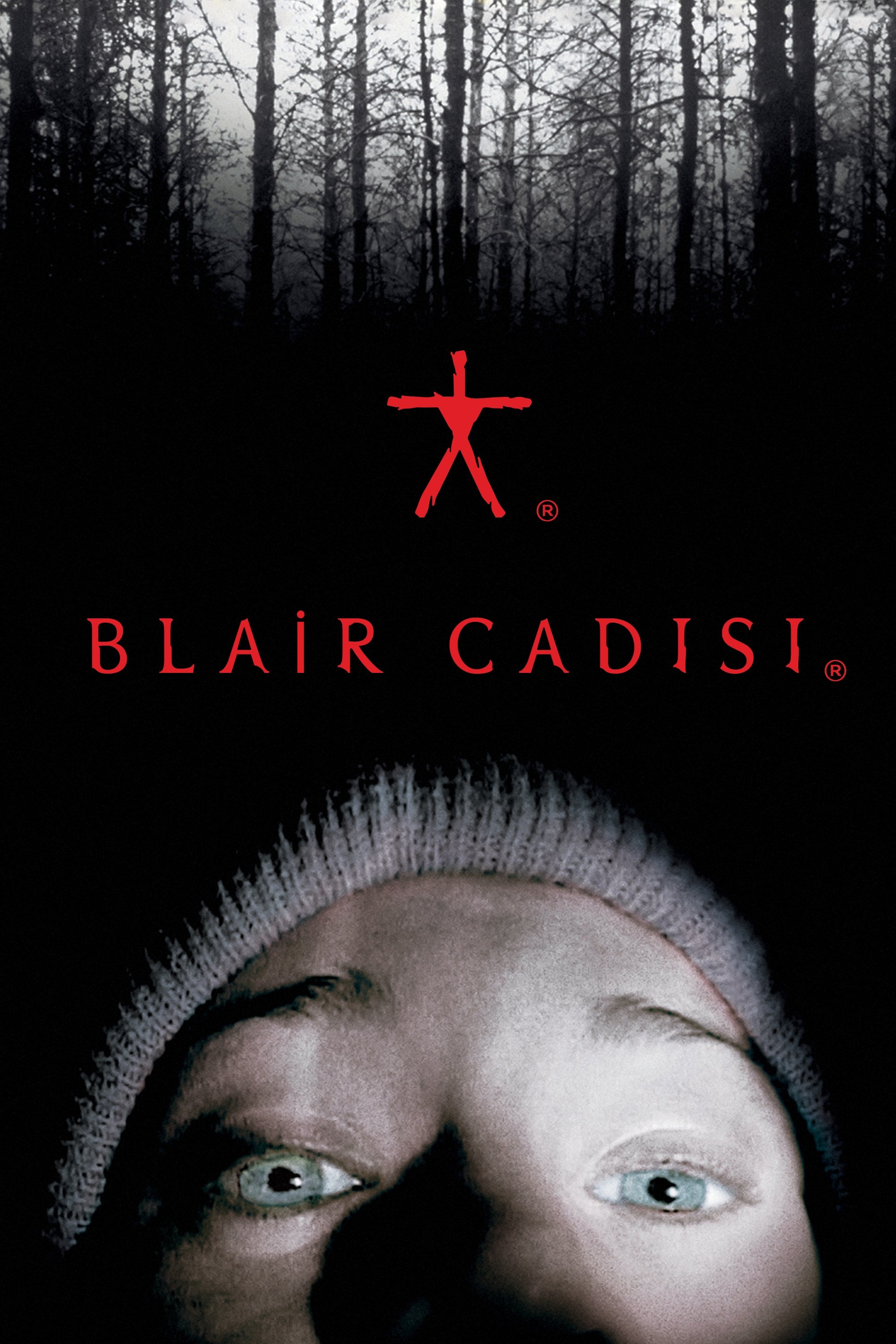
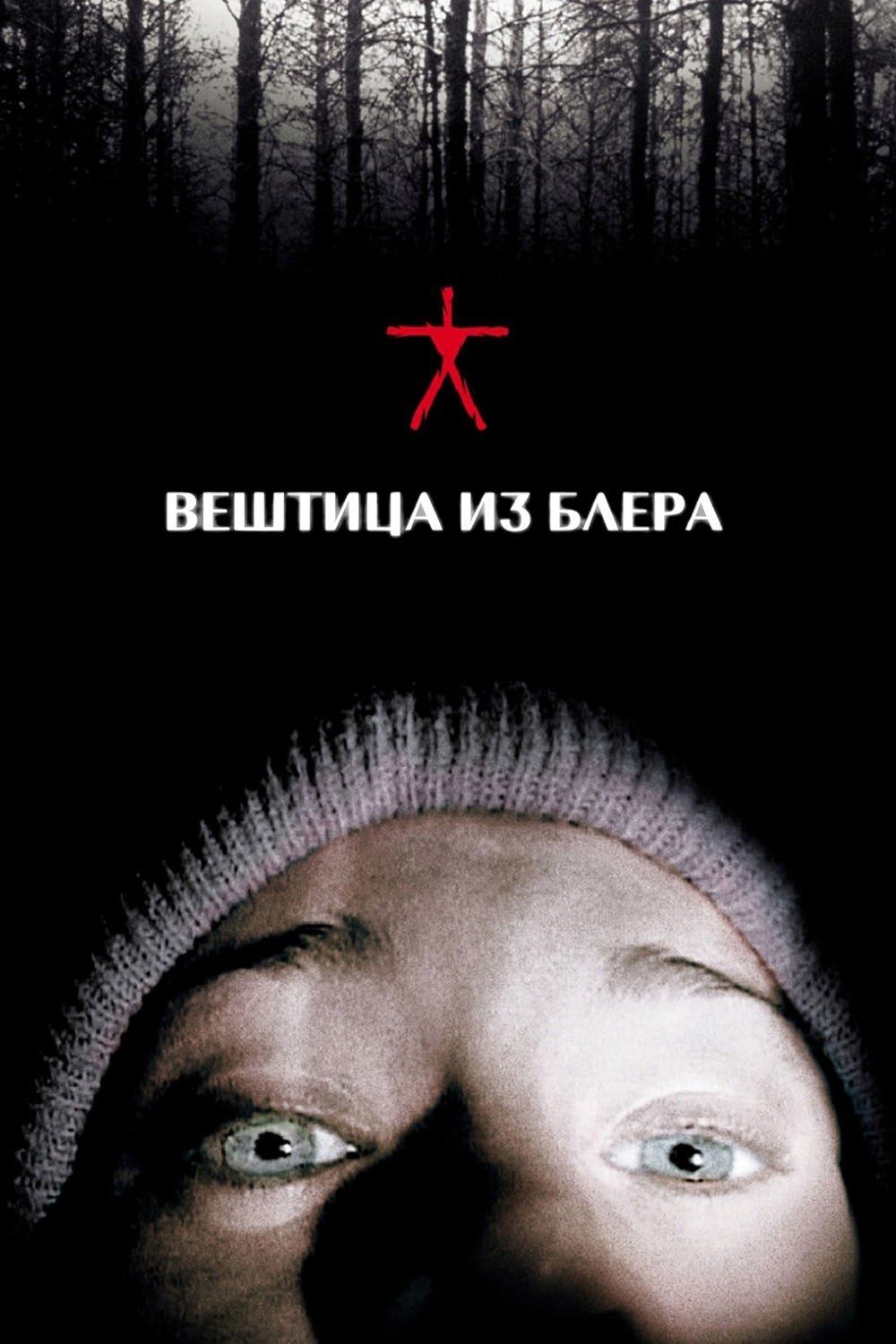
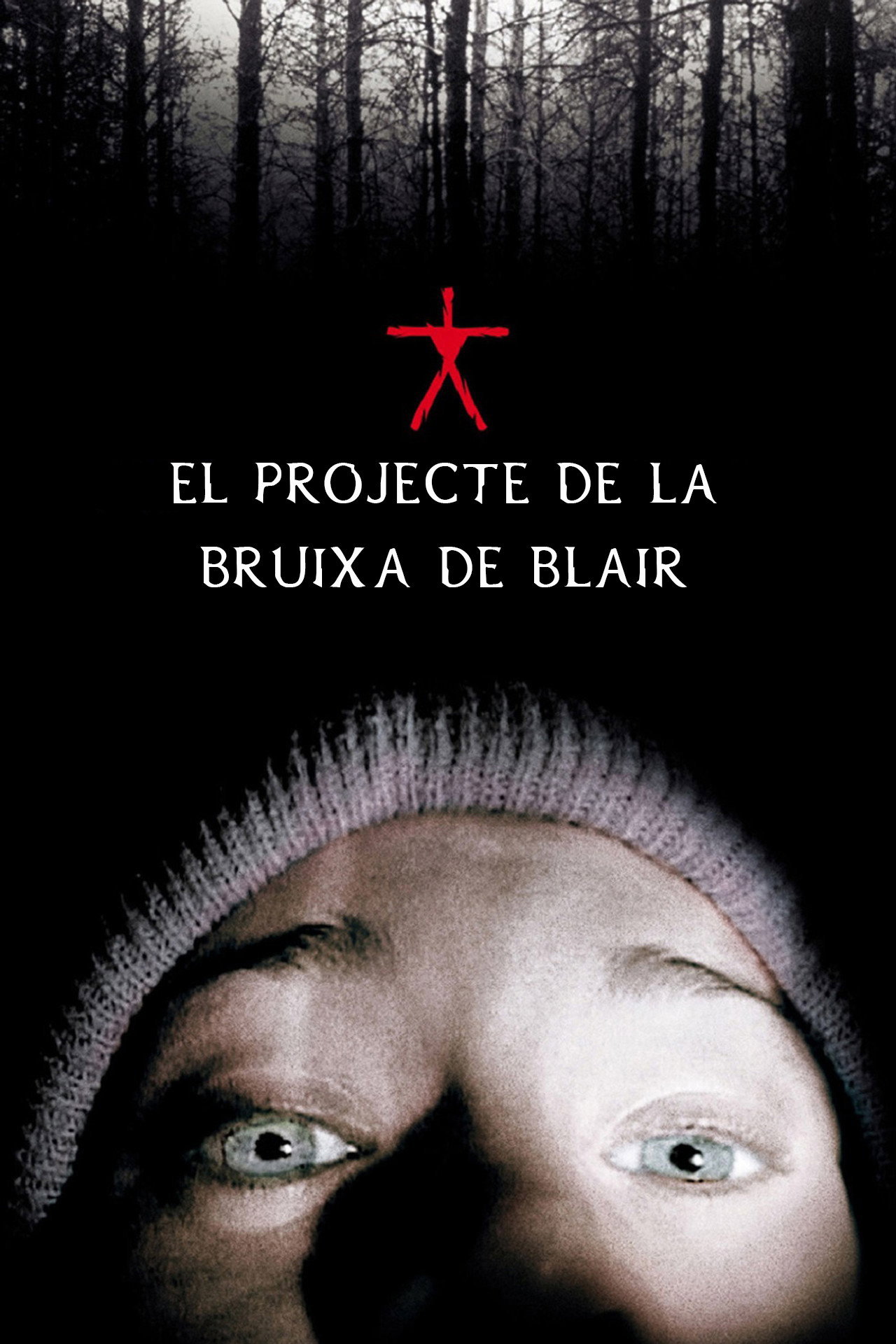
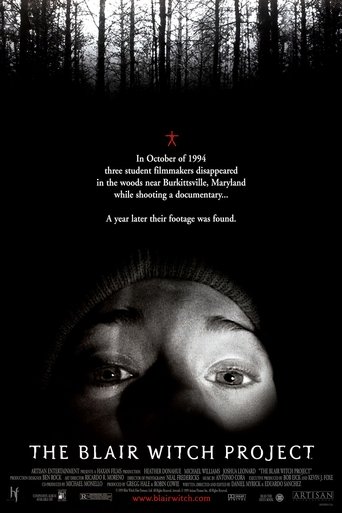
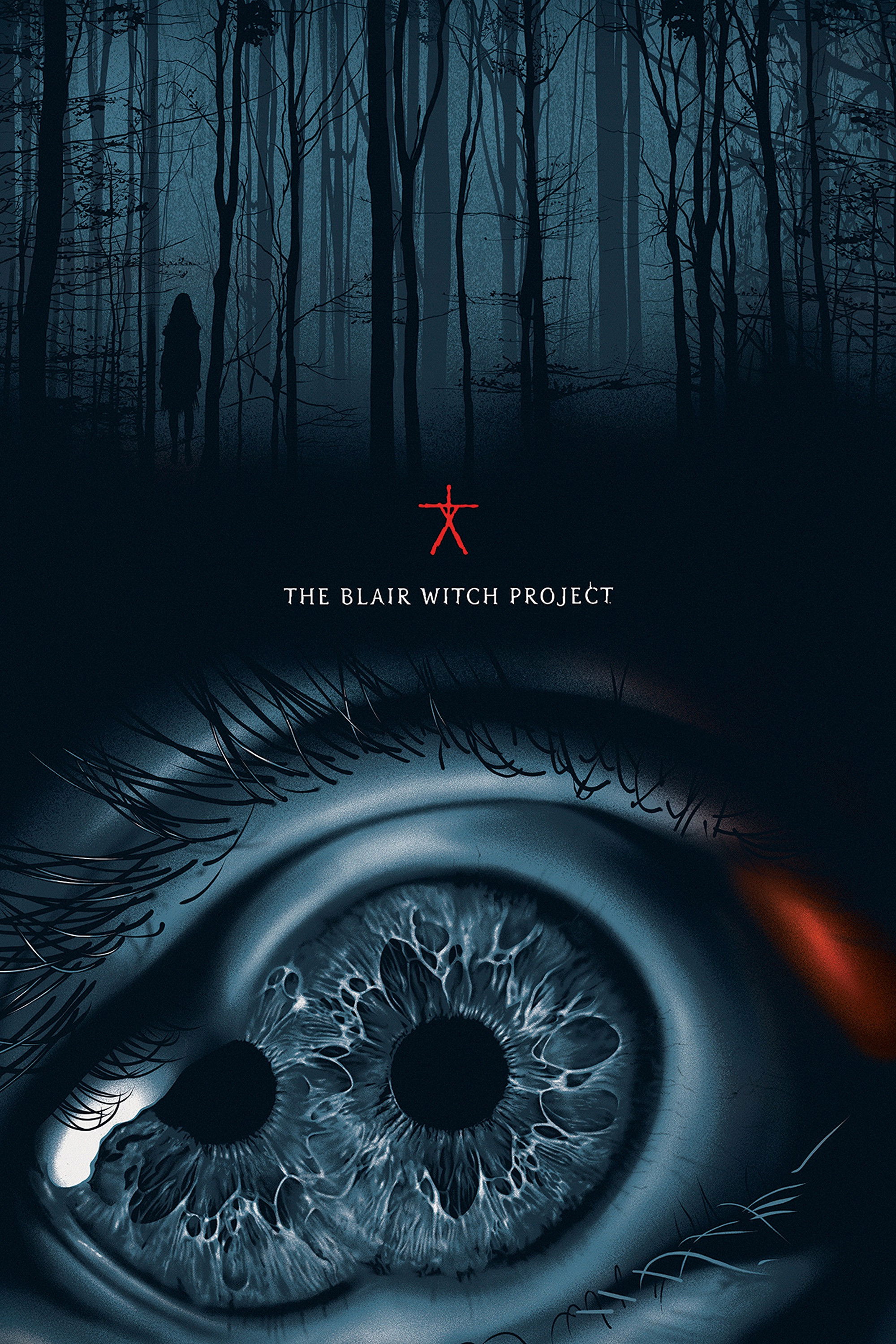
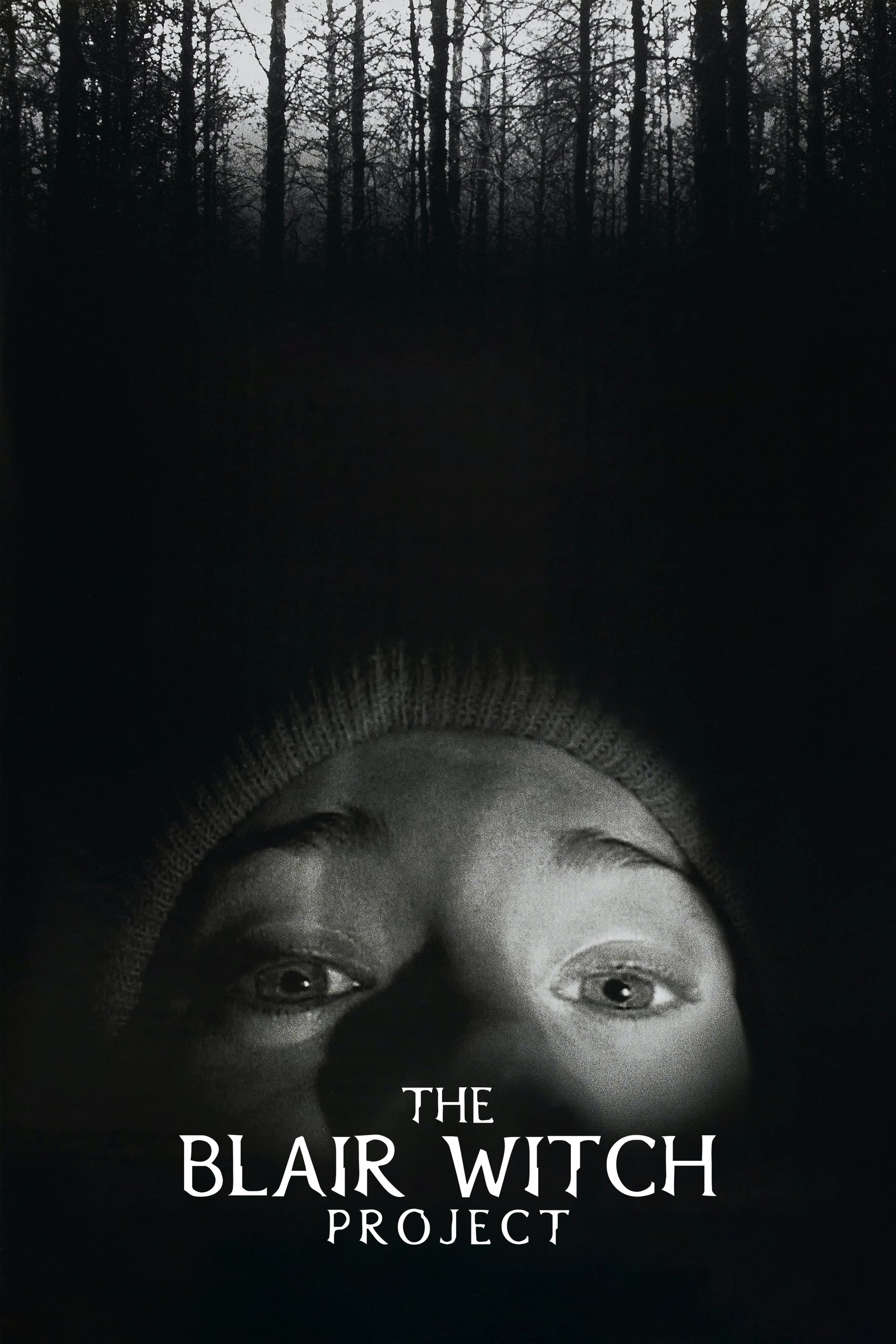
The Blair Witch Project (1999) poster
Production Companies
Haxan Films , Artisan Entertainment
Plot

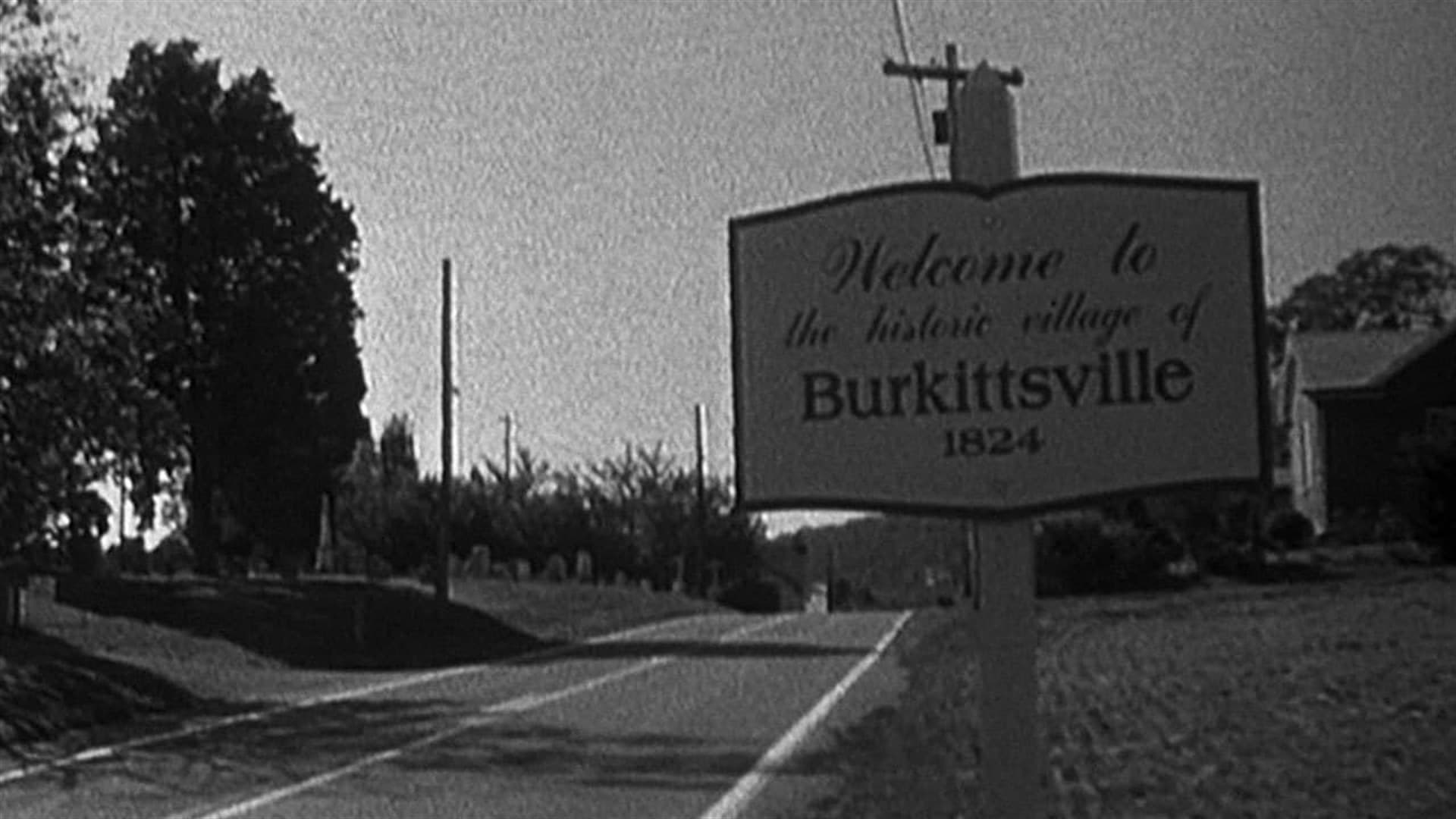
In October 1994, documentary student Heather Donahue and her cameramen Joshua Leonard and Michael Williams travel to Burkittsville, Maryland, to investigate a local legend associated with the Black Hills Forest. After interviewing residents, they enter the woods and lose their bearings. Strange sounds, unexplained objects and mounting disagreements weaken the group as their recordings continue. The film is presented as footage recovered after the three filmmakers disappeared, with the evidence left incomplete and the nature of the threat unresolved.

Alternative Titles
El proyecto Blair Witch (Argentina) Proklyatieto Bleŭr (Bulgaria) Проклятието Блеър (Bulgaria) A Bruxa de Blair (Brazil) Le Projet Blair (Canada) — Québec title 女巫布莱尔 (China) Záhada Blair Witch (Czechia) Blair Witch Project (Germany) — German
Show all 52 alternative titles Blairi nõiafilm (Estonia) — Estonian مشروع الساحره بلير (Egypt) El projecte de la bruixa de Blair (Spain) — Catalan title El proyecto de la bruja de Blair (Spain) — Spanish Le Projet Blair Witch (France) ალქაჯი ბლერიდან (Georgia) To Prógramma Mágissas Bler (Greece) 厄夜叢林 (Hong Kong SAR China) 死亡習作 (Hong Kong SAR China) — Chinese Projekt: Vještica iz Blaira (Croatia) Ideglelés (Hungary) פרויקט המכשפה מבלייר (Israel) پروژه جادوگر بلر (Iran) Al mistēr dla stria ad Blair (Italy) — Emilian title The Blair Witch Project - Il mistero della strega di Blair (Italy) ブレア・ウィッチ・プロジェクト (Japan) 블레어 위치 (South Korea) 블레어 윗치의 저주 (South Korea) — alternative title Projektas: Bleiro ragana (Lithuania) Blēras ragana: Kursa darbs no viņpasaules (Latvia) Вештерката од Блер (North Macedonia) El proyecto de la bruja de Blair (Mexico) — Spanish Blair Witch Project (Poland) — Polish O Projecto Blair Witch (Portugal) — Portuguese O Projeto Blair Witch (Portugal) Proiect: Vrăjitoarea (Romania) Veštica iz Blera (Serbia) — latin Вештица из Блера (Serbia) — cyrillic Пројекат вештица из Блера (Serbia) — Serbian Пројекат: Вештица из Блера (Serbia) — alternative title Ved'ma iz Bler: Kursovaya s togo sveta (Russia) — transliteration Ведьма из Блэр: Курсовая с того света (Russia) مشروع الساحرة بلير (Saudi Arabia) مشروع ساحرة بلير (Saudi Arabia) — Arabic Čarovnica iz Blaira (Slovenia) Záhada Blair Witch (Slovakia) — Slovak El Proyecto de la Bruja de Blair (El Salvador) สอดรู้ สอดเห็น สอดเป็น สอดตาย (Thailand) Blair Cadısı (Türkiye) 厄夜叢林 (Taiwan) — Chinese Vidʹma z Bler: Kursova z toho svitu (Ukraine) Відьма з Блер: Курсова з того світу (Ukraine) Blair Witch Project (United States) Dự án phù thủy rừng Blair (Vietnam)

Trailers & Videos

2 videos

Film Guide & Analysis

Daniel Myrick and Eduardo Sánchez use improvised recordings, unseen menace and an early web mythology to redefine the commercial reach of found-footage horror.

The Blair Witch Project (1999) is an American independent horror film directed by Daniel Myrick and Eduardo Sánchez, constructed as the recovered recordings of three student filmmakers who vanish while investigating a local legend in Maryland. The camera belongs to the characters, and almost everything the audience learns arrives through incomplete interviews, disoriented navigation and sounds heard after dark. That formal limitation is central to the horror. The film asks viewers to judge images that appear accidental while withholding any definitive view of the threat that may be pursuing the group.

Its achievement belongs equally to filmmaking and distribution history. An improvised, low-budget woodland production became a major theatrical success after a promotional campaign extended the invented Blair Witch mythology across websites and documentary-style materials. The film did not originate the found-footage approach, but its commercial reach demonstrated how recorded-media realism and offscreen storytelling could support a mainstream horror release. Later versions and restorations also show how much its effect depends on the particular texture of video, film and sound.

Development and the Woodland Shoot

Myrick and Sánchez drew on the unsettling tone of supposedly factual paranormal programmes rather than conventional screen monsters. In a 2024 interview, Sánchez identified In Search Of and The Legend of Boggy Creek as formative examples of programmes and films that presented extraordinary claims within an investigative framework. Their central idea was to treat a manufactured legend as a subject already being researched, so that skepticism, curiosity and fear could emerge from the same material. The filmmakers developed the project through Haxan Films and began shooting in 1997, long before its 1999 theatrical success made the production seem like an overnight discovery.

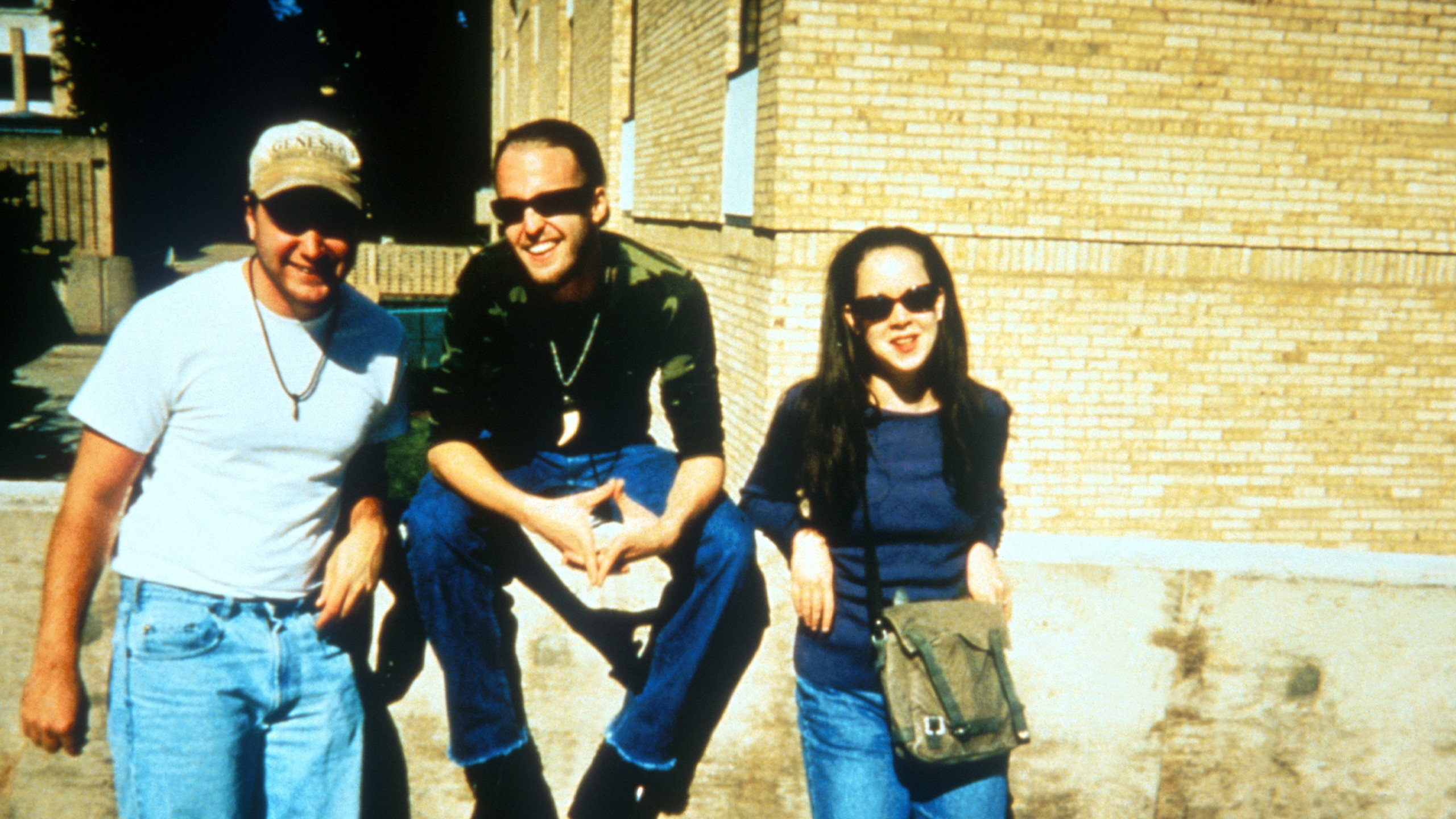
The three principal performers, Heather Donahue, Joshua Leonard and Michael C. Williams, played characters sharing their names and worked from situations rather than conventional dialogue pages. Myrick and Sánchez described an eight-day shoot in which the actors moved through the woods with broad guidance, discovering more specific instructions as the story progressed. Notes were left for them, and the filmmakers sometimes arranged incidents beyond the performers' immediate knowledge. This permitted spontaneous responses while maintaining a designed progression from a research excursion to exhaustion and suspicion. The dialogue's interruptions, irritations and unfinished ideas emerged from the actors' work inside that framework.

The circumstances were demanding, but the danger was staged. Myrick later emphasized that the production team remained nearby and that some supposedly isolated locations were close to roads. The film's effect depended on the performers' ability to sustain a state of anxiety, combined with actual fatigue and discomfort, rather than an uncontrolled ordeal. The increasingly tense relationship between Heather, Josh and Mike provides an emotional structure for the otherwise fragmentary footage. As confidence in the documentary project deteriorates, arguments about leadership, directions and responsibility become as important to the mounting dread as the noises beyond the tent.
Cameras, Image Texture and Sound

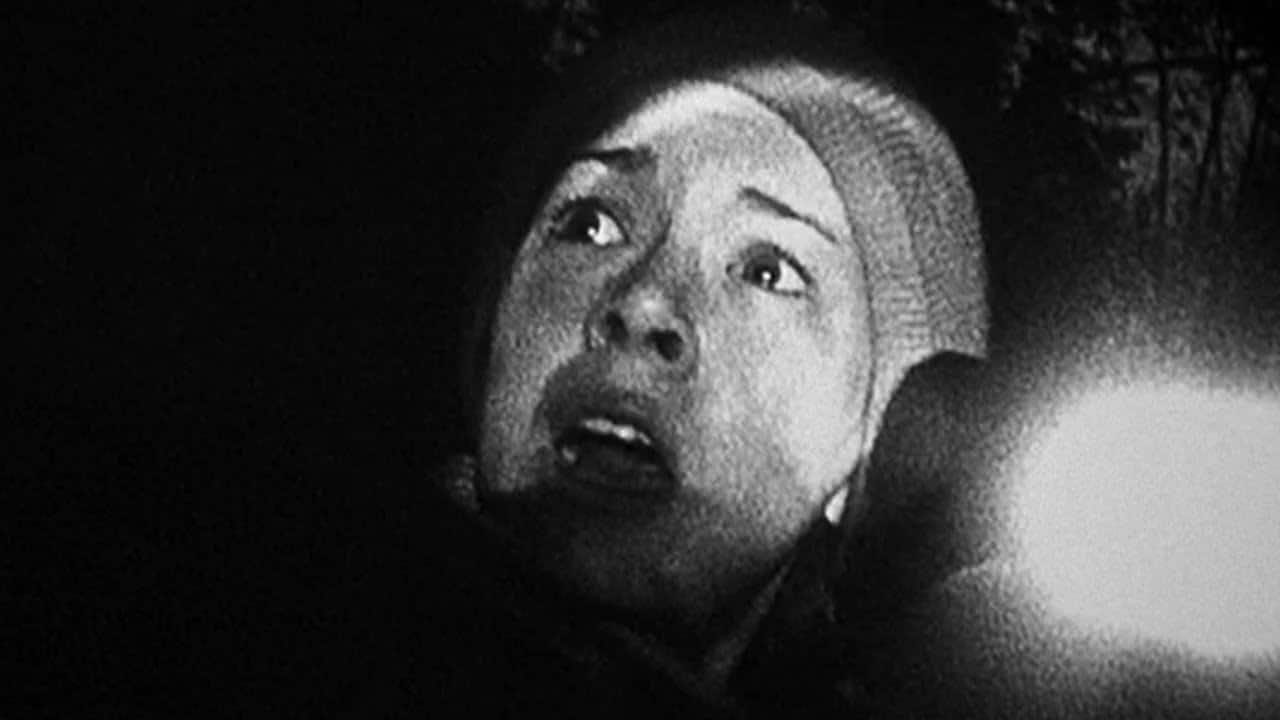
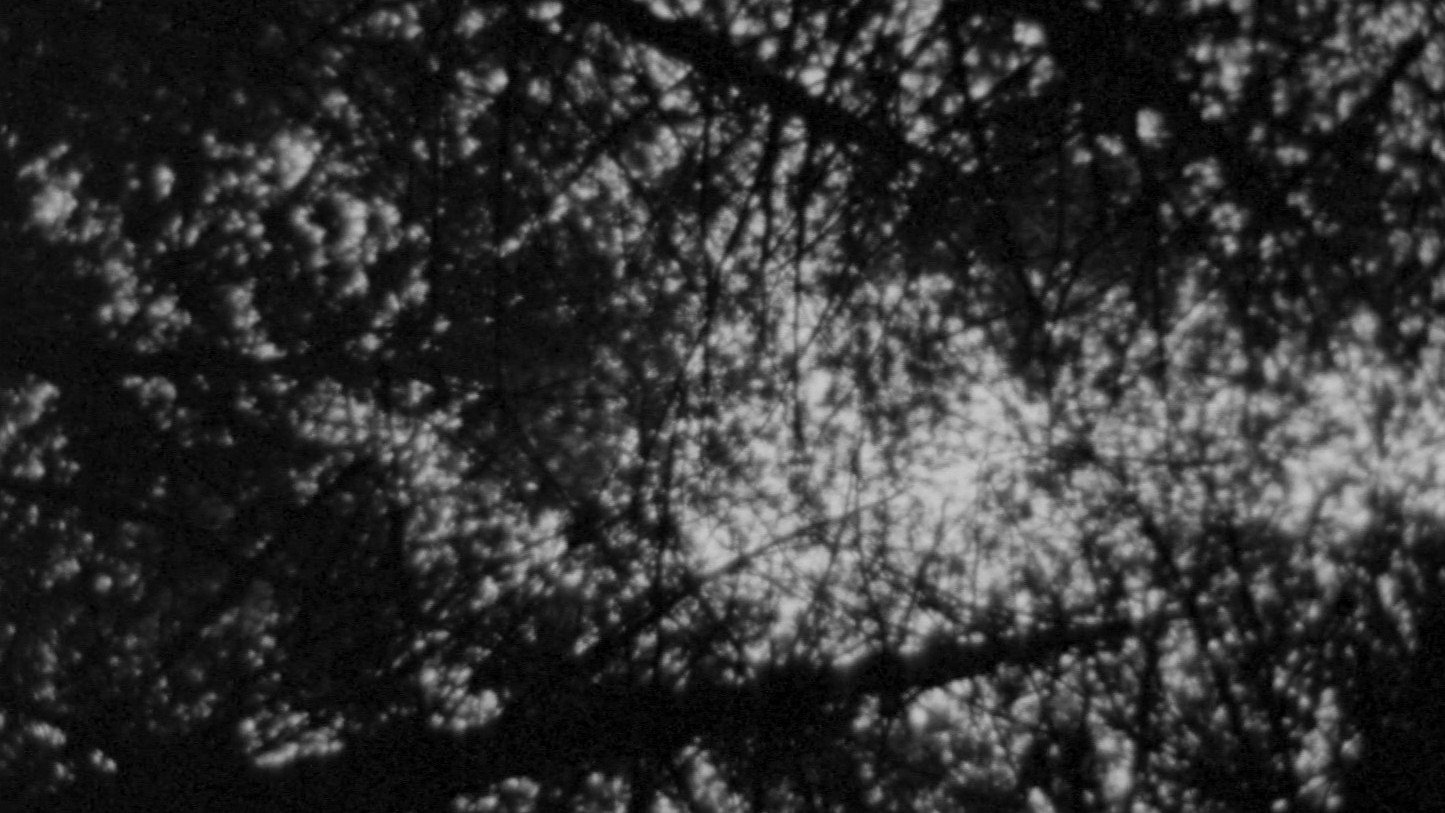
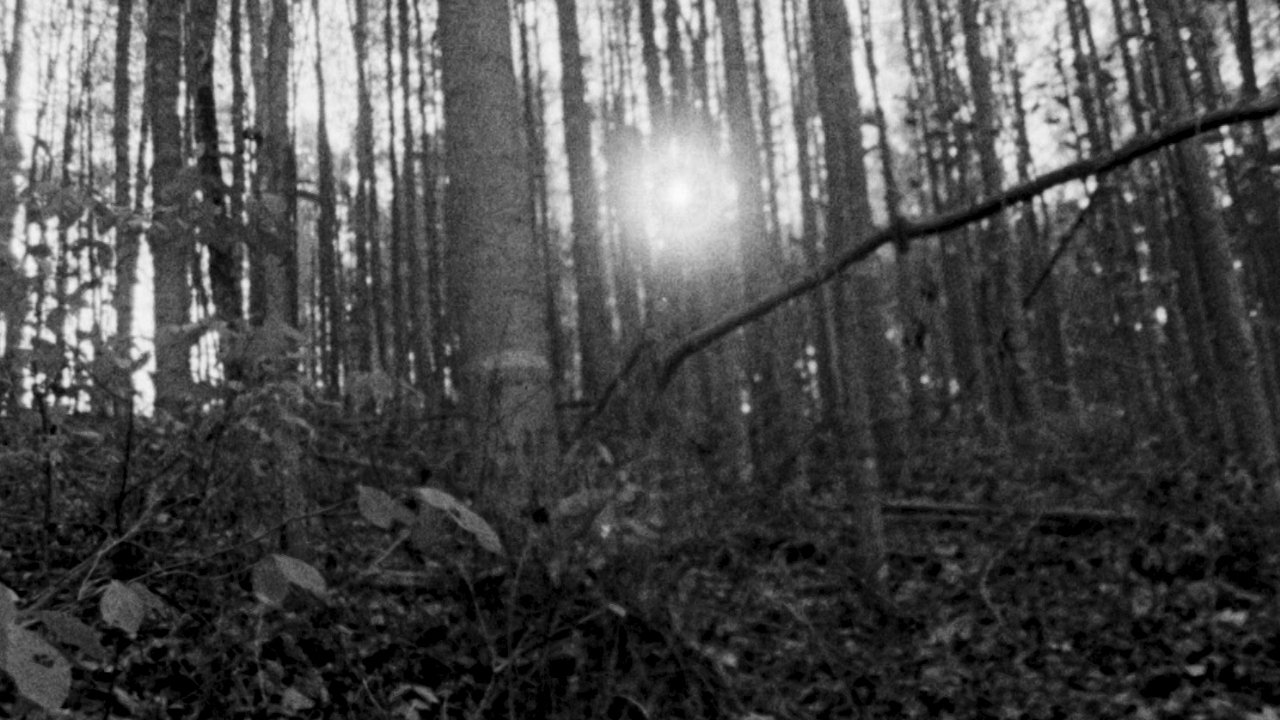
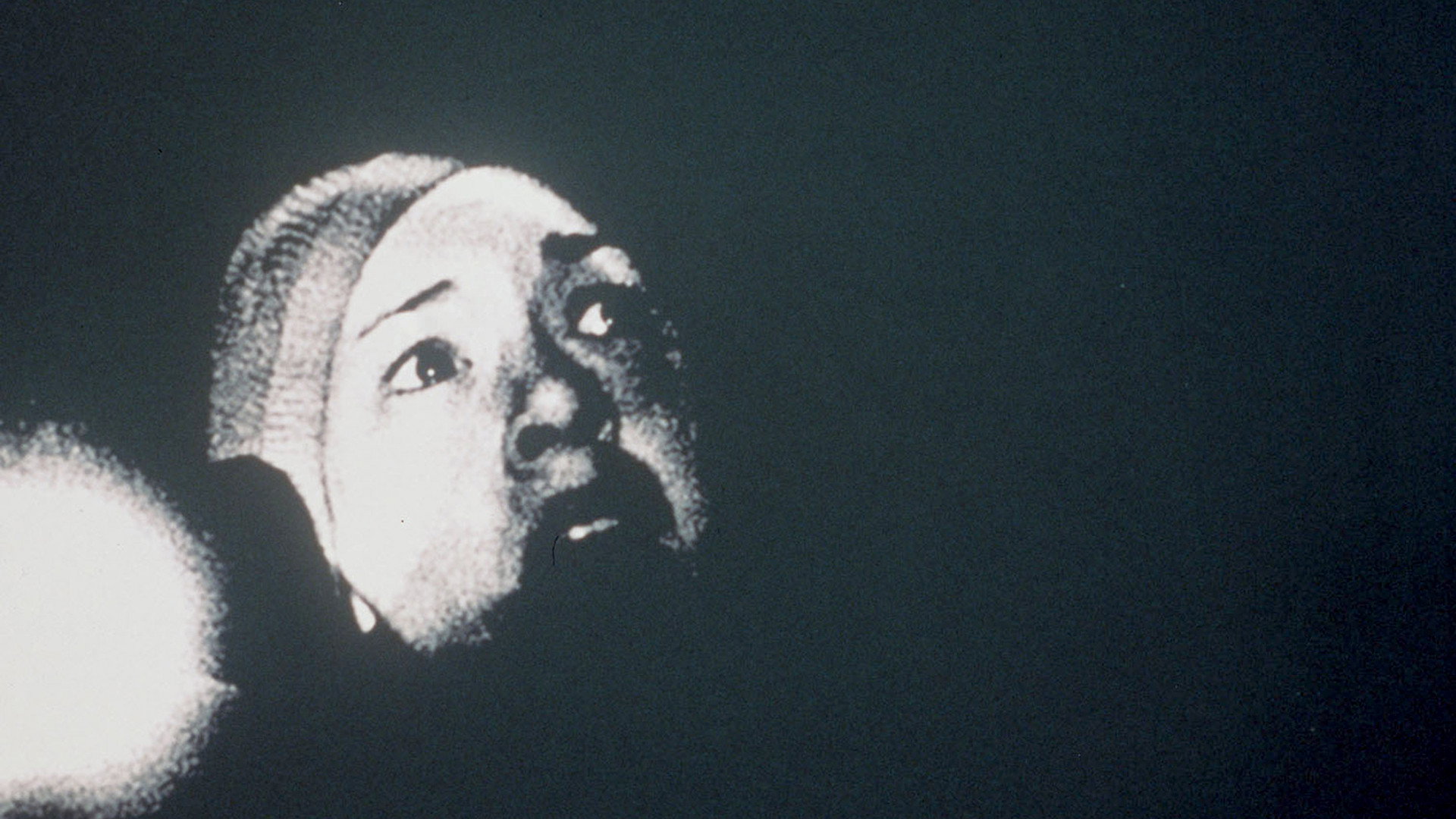
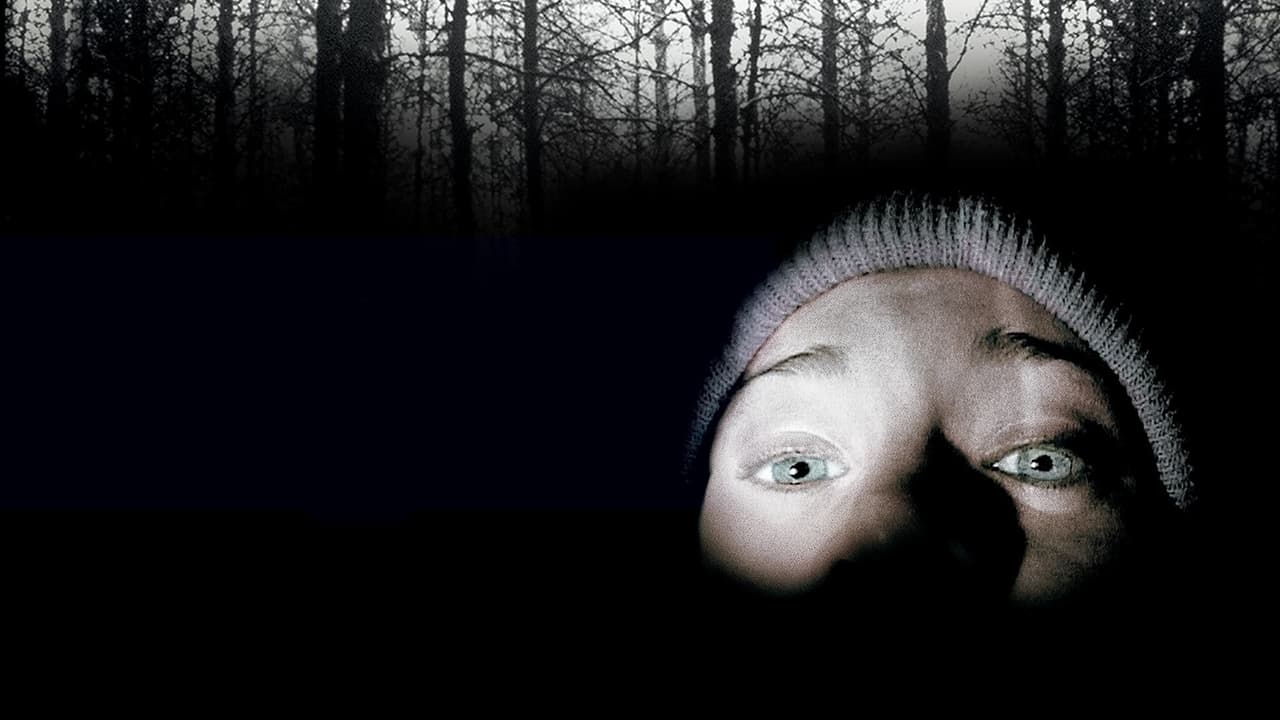
The recording devices establish two sharply different kinds of evidence. Heather uses a color video camera for casual documentation and direct address, while Josh's black-and-white 16mm footage reflects the student crew's attempt to make a more formally composed documentary. Their shifting use of these cameras creates an unstable boundary between an intended film and a private record of events. A shaky or badly framed image has a reason to exist within the fiction: the operator is running, frightened, arguing or trying to illuminate something that remains outside the lens. The production converts technical limitations into dramatic conditions that the viewer must inhabit.

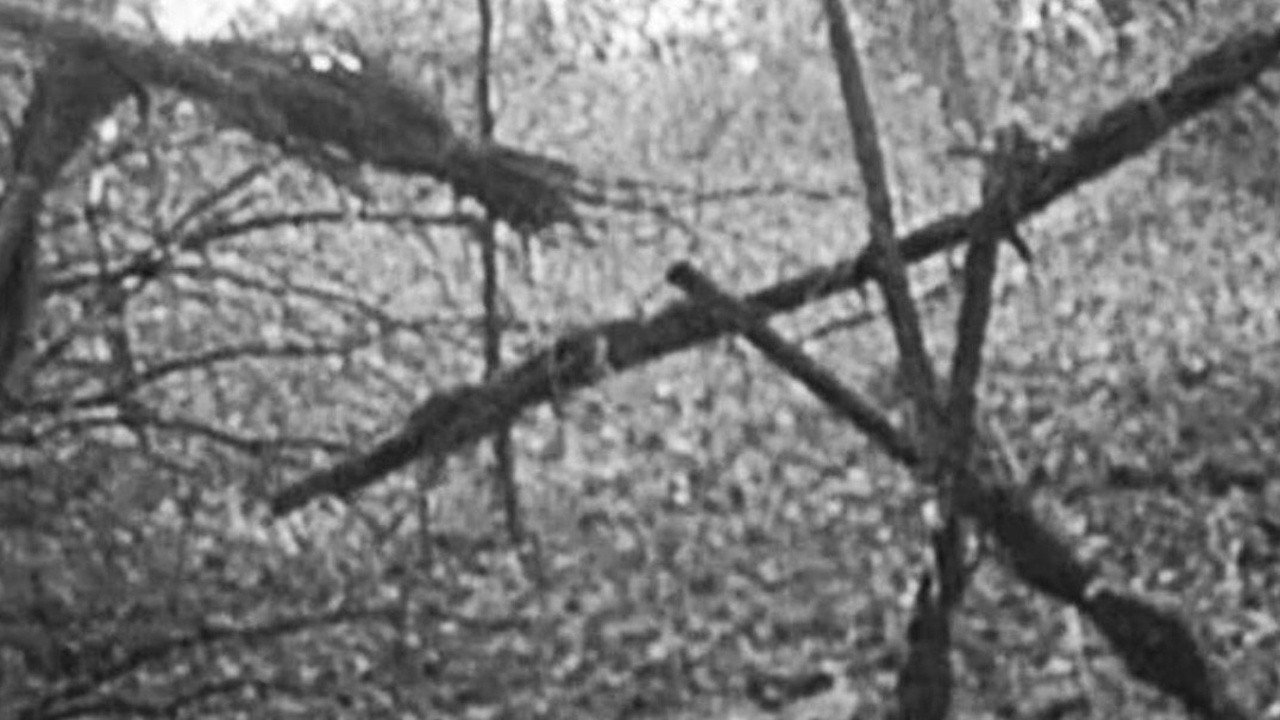
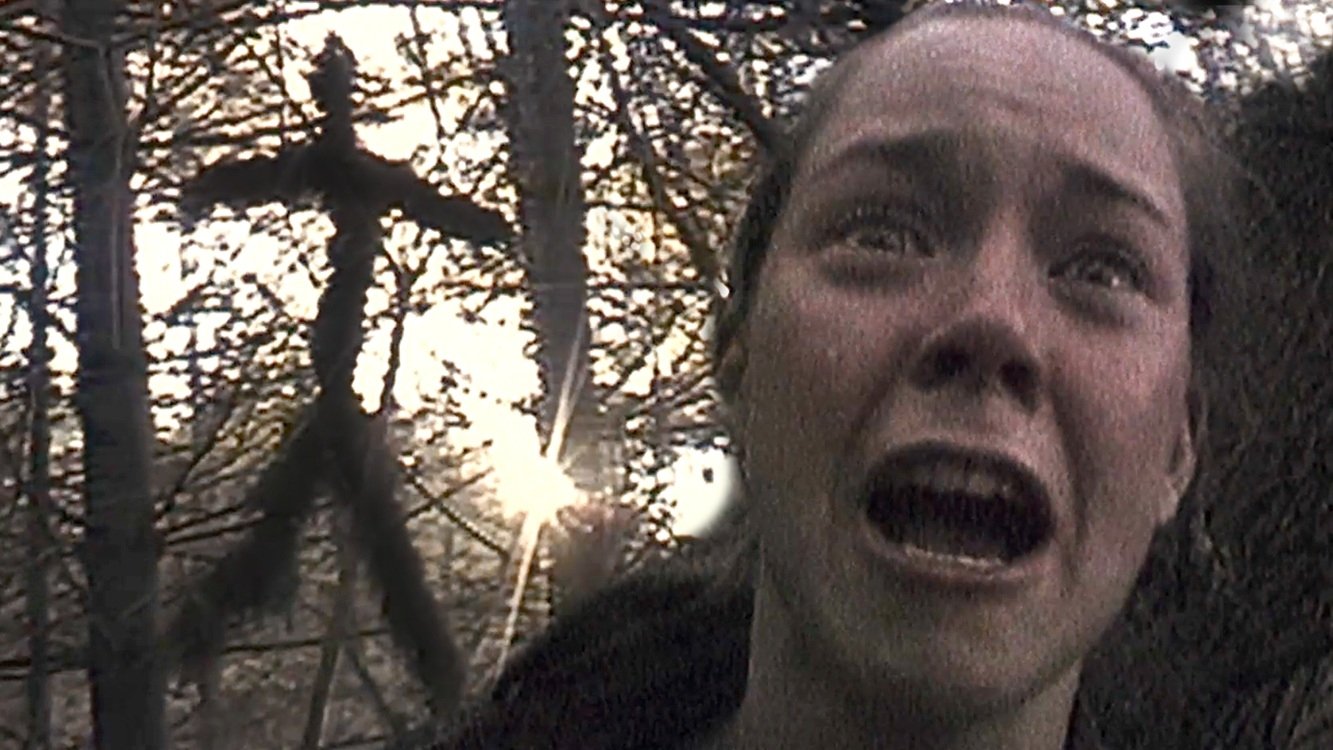
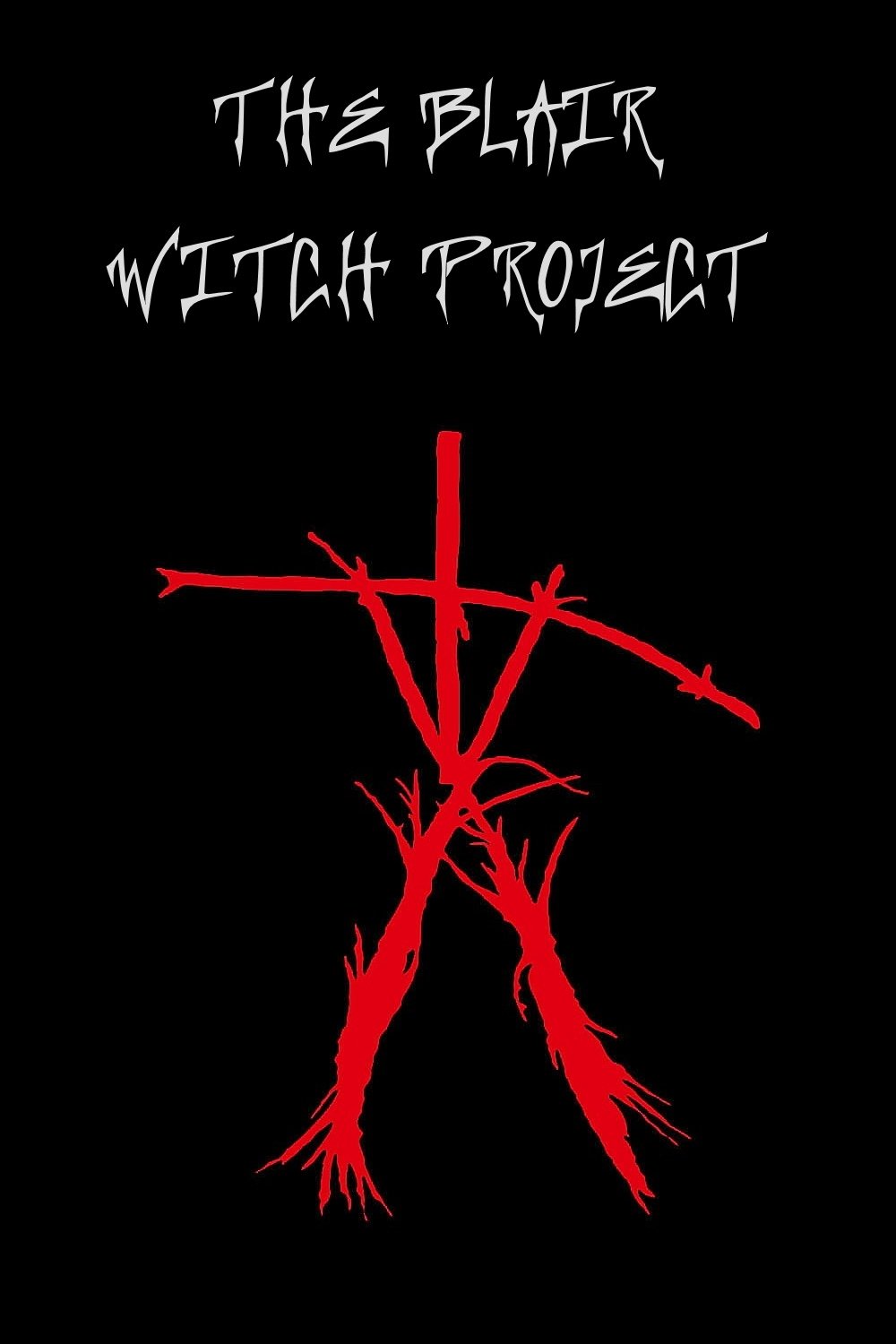
The contrast is particularly effective in the forest, where paths, trees and clearings become progressively difficult to distinguish. Daytime compositions provide enough detail for the characters to search for landmarks, while darkness reduces visibility to narrow pools of light and moving silhouettes. A moment of visual clarity can become more disturbing than blur when it reveals an inexplicable arrangement of sticks or stones. These objects are simple and recognizable, yet their placement implies an intelligence the characters cannot locate. The film's apparent roughness is sustained by careful control of what each recording can plausibly show.

Sound often carries the threat beyond the reach of the images. Cries in the darkness, movement near the tent and the characters' uncertain attempts to identify a noise produce fear through incomplete information. The filmmakers preserve periods of ordinary conversation and relative quiet so that nocturnal interruptions feel sudden and invasive. Their retrospective account of a substantial post-Sundance sound remix confirms that the soundtrack was shaped as deliberately as the picture. The effect comes from the relation between what the camera can establish and what the microphone suggests; the supernatural remains a possibility rather than a photographed fact.

The Invented Folklore and Narrative Ambiguity

The legend is assembled through competing accounts rather than delivered as a settled mythology. The early interviews collect references to the Blair Witch, Coffin Rock and Rustin Parr, giving the students fragments of a local history that they attempt to organize into a documentary. These names and incidents belong to the film's invented folklore; the interviews are performances inside its fiction, not historical records of actual crimes attributed to a witch. Their inconsistent levels of certainty are important. A speaker's conviction and another person's secondhand recollection can appear equally persuasive when recorded by an enthusiastic amateur crew.

Once the group enters the woods, familiar evidence gradually loses its usefulness. The map becomes a source of conflict, repeated routes fail to produce recognizable exits and objects left near the campsite may be warnings, pranks or traces of an unseen presence. Myrick has explained that the filmmakers wanted uncertainty between supernatural and human explanations. That tension is especially evident when the characters disagree about whether their pursuers know the territory better than they do. The audience cannot see more than the students can see, yet it knows that their desperate interpretations are shaped by the stories they have already heard.

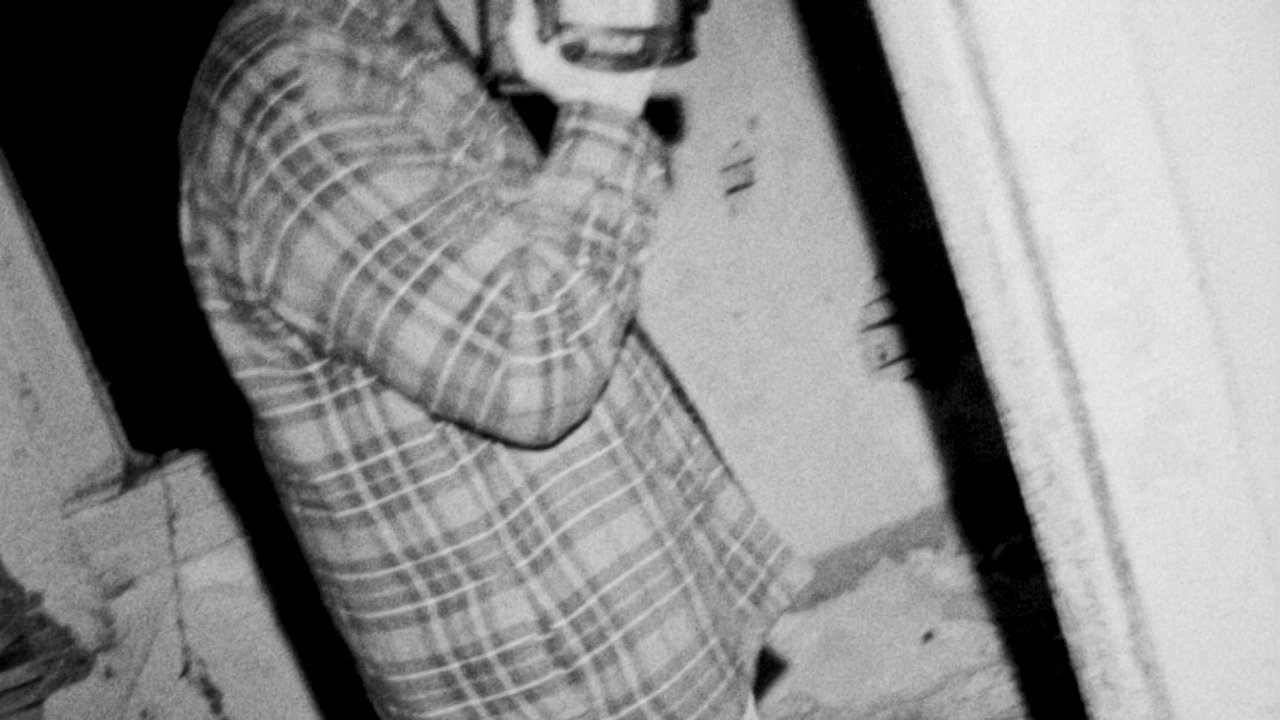
The final encounter preserves that uncertainty while giving an earlier story a disturbing visual echo. Mike's position in a corner acquires significance from the account of Rustin Parr's murders heard during the investigation. According to Myrick's retrospective production account, the explanatory interview that clarifies this detail was added after the Sundance version. The connection demonstrates the precision hidden beneath the apparently accidental footage. A small piece of information planted near the beginning becomes legible only when the film reaches its abrupt end, and it remains open whether the recorded events should be understood as witchcraft, human violence or another form of deception.

Editing a Film from Apparent Evidence

The original concept was broader than the finished feature. Myrick recalled that the woodland footage was initially expected to occupy perhaps fifteen or twenty minutes of a more conventional documentary assembled from research, expert testimony and invented historical material. The filmmakers produced additional segments in Orlando, including material about Rustin Parr, before testing combinations of those elements against the footage made by the principal cast. Their eventual decision to abandon most of the supporting documentary framework shifted the center of the film toward immediate subjective experience rather than a reconstruction of the supposed case.
That change required extensive work in the editing room. Myrick described approximately eight months of shaping and audience testing before a version could be submitted to festivals. The process involved removing information that made the story easier to understand but less immersive. Disorientation had to remain credible without becoming dramatically inert, and arguments needed to develop across shots that had been captured as improvised events. The resulting structure lets the missing-footage premise stand on its own while providing enough recurring objects, stories and behaviors to create continuity from day to day.

Work continued after the Sundance screening. The directors tested alternative endings, filmed additional material and made changes to clarify the closing scene. The postproduction revisions are a reminder that the finished film is an organized fiction rather than footage merely assembled in the order it was captured. Its most characteristic moments of spontaneity were selected, arranged and accompanied by an increasingly precise sound design. The distinction matters when evaluating claims that the picture was an unplanned experiment: its rough documentary appearance was the outcome of repeated creative decisions over a long development and editing period.

The Website and the Missing-Person Campaign

The film's publicity expanded its central illusion beyond the screen. Haxan Films created a Blair Witch website before the Sundance premiere, presenting fictional records, interviews and case materials as pieces of a larger investigation. This was a production initiative rather than a website invented after Artisan Entertainment bought the film. The original pages gave curious visitors information that appeared to precede the footage, making the fictional disappearance a subject that could be researched independently of a ticket purchase. The strategy suited the film's fragmentary construction, since an incomplete record could always suggest additional documents elsewhere.

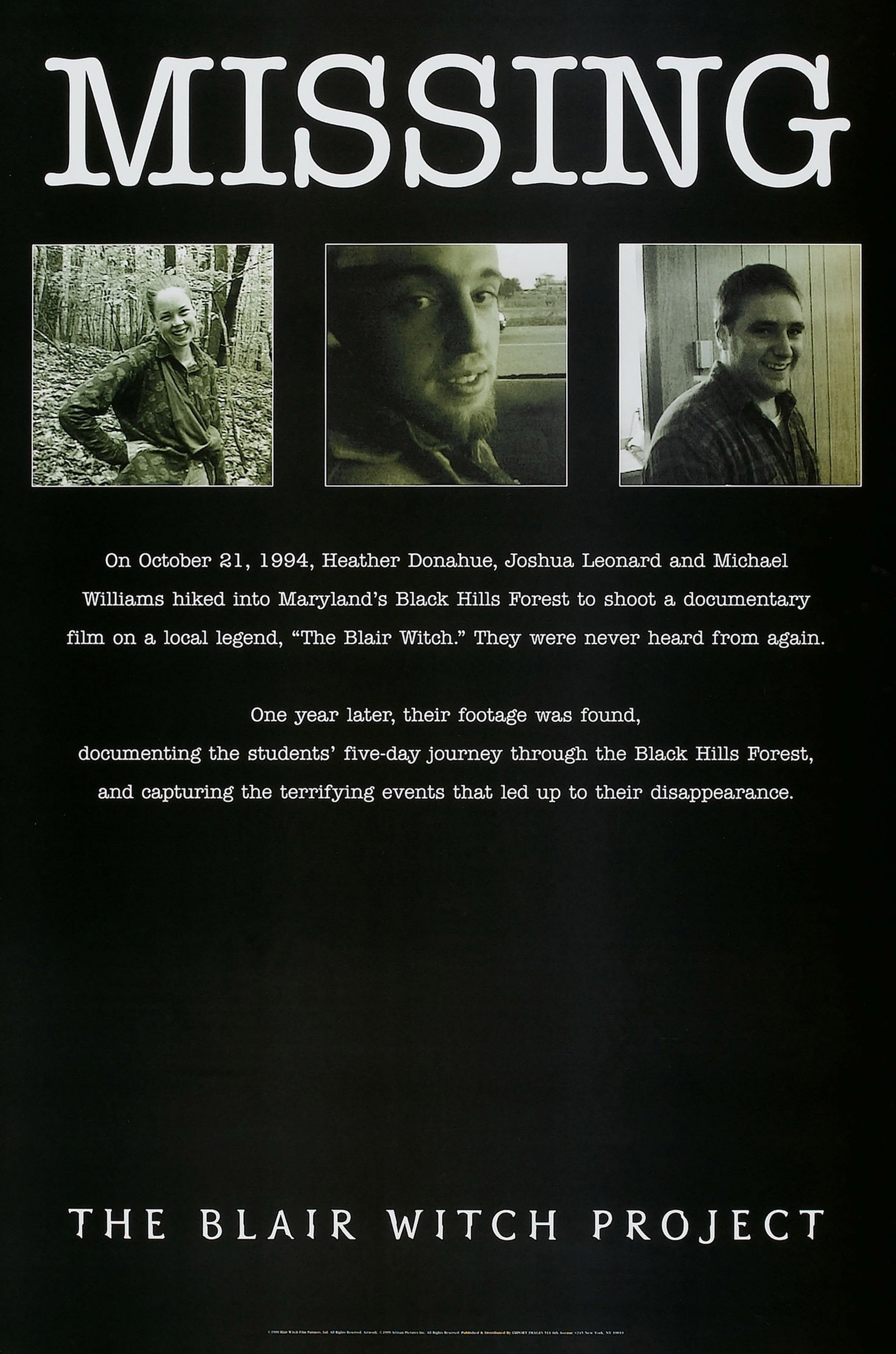
After acquiring distribution rights at Sundance, Artisan amplified the campaign under marketing executive John Hegeman. The company refreshed the site and circulated missing-person posters, documentary-style material and street promotion. The protagonists' real names reinforced the conceit, while supporting publicity blurred the border between an invented disappearance and information about a forthcoming motion picture. Contemporary reports describe the rapid spread of the campaign online, in a period before social media offered today's established mechanisms for sharing trailers and promotional clips. The advance publicity created an unusually large discussion around a small independent production.

The approach also had costs for the actors whose identities were tied to the fiction. Myrick acknowledged in a later interview that maintaining the disappearance story became part of Artisan's strategy and that the performers had expressed frustration about restrictions on their public visibility during the initial publicity period. The campaign's historical importance therefore includes questions of authorship and control as well as ingenuity. The filmmakers and distributor used different means to enlarge the same invented case, while the real performers had to negotiate the consequences of being portrayed publicly as people who had vanished.

Sundance, Theatrical Release and Later Versions

The Blair Witch Project reached a decisive turning point at the 1999 Sundance Film Festival, where Artisan acquired distribution rights and prepared a national theatrical release. It began its American commercial run on a small number of screens in July and expanded rapidly as publicity and word of mouth accelerated. Contemporary reporting identifies an opening on 27 screens and a worldwide theatrical total approaching $250 million. Figures for the film's budget vary depending on whether writers count the initial shoot, subsequent editing and delivery, or the distributor's separate marketing expenditure. The small production cost and the eventual theatrical gross should be distinguished from any calculation of net profit.

The principal theatrical version runs approximately 81 minutes, but the different available releases have materially different histories. BBFC records document an approximately 81-minute UK cinema classification in August 1999, followed by shorter running times on some home video submissions. Such differences cannot by themselves prove censorship, because master formats and playback standards may affect measured duration. The 2024 BBFC record for a separately identified Festival Cut lists approximately 85 minutes. Myrick's account of the evolving edit also establishes that the festival and later theatrical materials were not simply different transfers of an identical assembly.

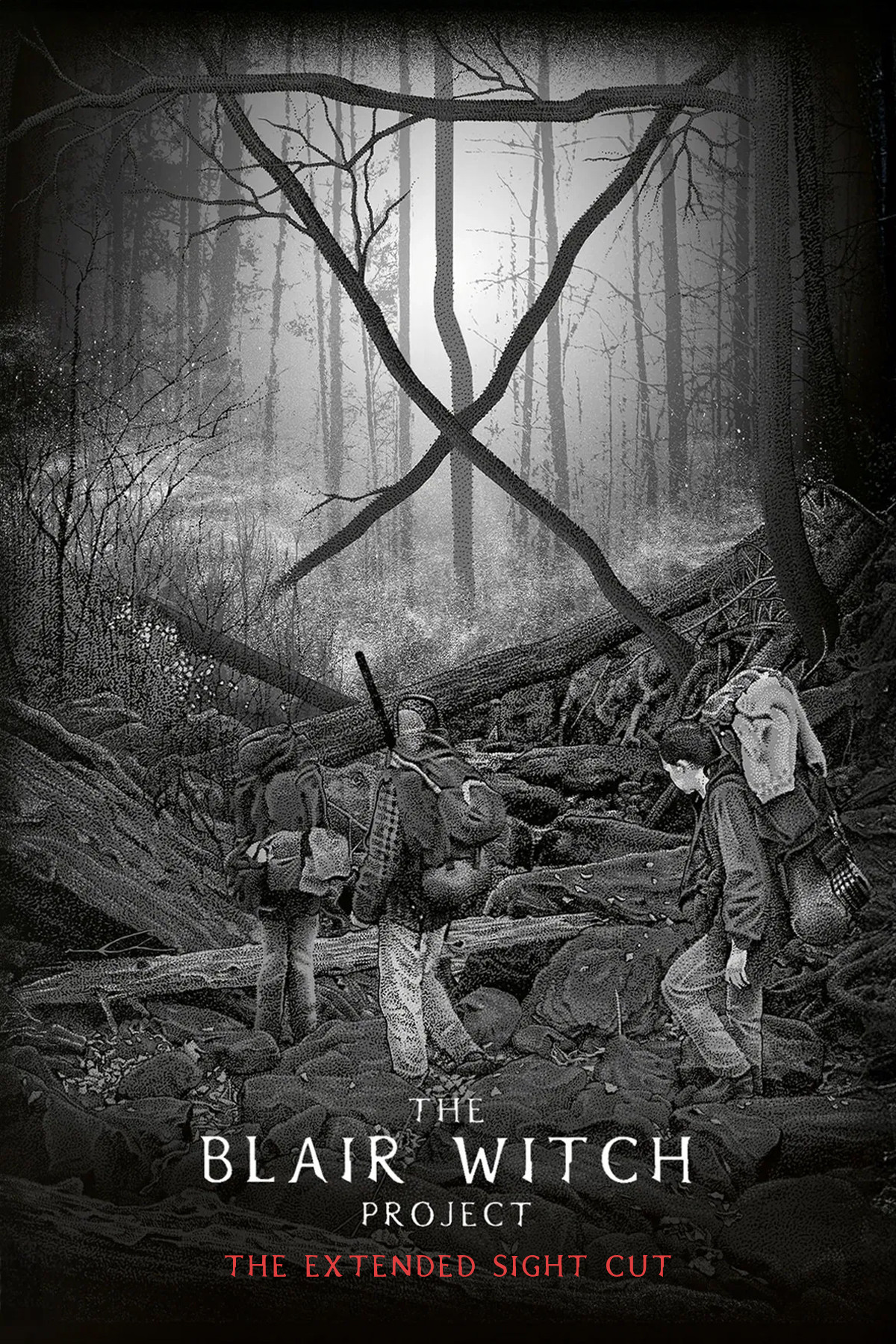
The restoration released by Second Sight Films in 2024 returned to the Hi8 videotapes and 16mm film elements under the filmmakers' supervision. The edition distinguished the restored theatrical and festival versions from the earlier release presentation. A further United States edition in 2026 carried those restored versions into another market. This preservation history is particularly meaningful for a work whose fiction depends on a visible difference between home video and black-and-white film. Revisiting the original elements changes how their textures can be experienced, while making the production's changing versions more accessible for comparison.

Critical Response and the Found-Footage Legacy

The initial critical reception included unusually strong responses to the film's restraint. Reviewing it in July 1999, Roger Ebert praised the way everyday fear of the dark and an unseen presence could sustain horror without elaborate visual effects. His review focused on the performers' desperation, the texture of the recordings and the use of seemingly ordinary objects in the woods. Other reactions were less enthusiastic about its prolonged uncertainty and deliberately rough camera work. The contrast was inseparable from the film's method: viewers accustomed to a visible monster or a more conventional explanation could experience the refusal of resolution as either powerful or frustrating.
The commercial result changed the position of the found-footage format within horror production. Earlier experiments had used pseudo-documentary construction and claims of recording authenticity, but the success of The Blair Witch Project provided a widely recognized business example for subsequent filmmakers and distributors. Cloverfield, Paranormal Activity and The Last Exorcism would later approach character-operated cameras through their own premises. The 1999 film's influence rests less on a single technical invention than on the combination of minimal shooting resources, sustained first-person uncertainty and publicity that made the fictional world seem independently accessible.

Its later cultural life has been unusually varied. Books, comics, games and the film sequels Book of Shadows: Blair Witch 2 and Blair Witch extended or reworked aspects of the original mythology. Meanwhile, anniversary interviews, new restorations and critical reassessments returned attention to the first film's editing, performance methods and analogue recording formats. Its reception has also become part of the story: the marketing campaign made audiences debate authenticity before viewing, and that knowledge now changes how later generations encounter the same images. The film remains a reference point for the ways horror can turn incomplete evidence into dramatic experience.

References

  1. Eye For Film Jennie Kermode, A Spell in the Woods: Eduardo Sánchez and Daniel Myrick on The Blair Witch Project (2024)

    Direct retrospective interview on documentary influences, actor direction, restructuring in the edit, revised endings and the original sound mix.

  2. CBS News The Men Behind the Madness (1999)

    Contemporary interview with the directors about the eight-day improvised woodland shoot and the methods used to guide the performers.

  3. Los Angeles Times Josh Rottenberg, How The Blair Witch Project Revolutionized Movie Marketing (2024)

    Historical investigation distinguishing the original Haxan website from Artisan promotion and documenting the theatrical expansion.

  4. RogerEbert.com Roger Ebert, The Blair Witch Project (1999)

    Contemporary critical analysis of the film's camera perspective, offscreen menace, performances and use of woodland objects.

  5. BBFC The Blair Witch Project (Festival Cut): Classification Record (2024)

    Institutional classification record confirming the distinct festival version and its 2024 home entertainment release and duration.

Connections

Cast

View Full Cast & Crew →

Release & Distribution

Production Companies (2)

  • Artisan Entertainment US
  • Haxan Films US

Distributors (1)

  • Artisan Entertainment US

Release History (73)

Release DateTerritoryRelease TypeFormatDistributorCertificationNotes
1999-01-25 United States Premiere — — — Sundance Film Festival
1999-07-14 United States Limited Theatrical — — R Angelika Film Center, New York City
1999-07-28 France Theatrical — — 12
1999-07-30 Canada Theatrical — — 14A Québec release
1999-07-30 United States Theatrical — — R
1999-09-29 Philippines Theatrical — — R-13 Manila
1999-09-30 Russia Theatrical — — 16+
1999-10-01 Brazil Theatrical — — 14
1999-10-01 Türkiye Theatrical — — 15+
1999-10-02 Taiwan Theatrical — — —
1999-10-07 Netherlands Theatrical — — 16
1999-10-08 United Kingdom Premiere — — 15 Raindance Film Festival
1999-10-09 Spain Premiere — — — Sitges Film Festival
1999-10-14 Hong Kong SAR China Theatrical — — IIB
1999-10-14 Israel Theatrical — — —
1999-10-14 Mexico Theatrical — — B
1999-10-15 Sweden Theatrical — — 15
1999-10-20 Belgium Theatrical — — KNT/ENA
1999-10-22 United Kingdom Theatrical — — 15
1999-10-22 Norway Theatrical — — 15
1999-10-22 United States Physical VHS, DVD — R VHS / DVD
1999-10-28 Switzerland Theatrical — — 16
1999-10-28 Singapore Theatrical — — PG
1999-10-29 Spain Theatrical — — 12
1999-10-29 El Salvador Theatrical — — —
1999-10-30 South Korea Theatrical — — 18
1999-10-30 Portugal Theatrical — — M/12
1999-10-31 Finland Premiere — — K-16 Night Visions Film Festival
1999-11-03 Philippines Theatrical — — R-13 Davao
1999-11-05 Finland Theatrical — — K-16
1999-11-10 Malta Theatrical — — —
1999-11-12 Iceland Theatrical — — 12
1999-11-19 Greece Premiere — — — Thessaloniki International Film Festival
1999-11-24 Egypt Theatrical — — —
1999-11-25 Germany Theatrical — — 16
1999-12-02 Argentina Theatrical — — 13
1999-12-02 Denmark Theatrical — — 15
1999-12-02 Peru Theatrical — — 14
1999-12-09 Australia Theatrical — — MA15+
1999-12-09 New Zealand Theatrical — — 13
1999-12-10 Greece Theatrical — — —
1999-12-16 Czechia Theatrical — — 12+
1999-12-23 Japan Theatrical — — —
1999-12-30 Hungary Theatrical — — 16
2000-01-14 Lithuania Theatrical — — —
2000-01-21 Estonia Theatrical — — —
2000-01-21 Uruguay Theatrical — — —
2000-01-27 Malaysia Theatrical — — 18PL
2000-02-02 Kuwait Theatrical — — —
2000-02-18 Italy Theatrical — — T
2000-03-03 Poland Theatrical — — 16
2000-03-10 Ireland Theatrical — — 15
2000-10-19 Germany Limited Theatrical — — — Re-release
2001-05-18 Romania Theatrical — — 18
2001-10-01 United States TV — — — FX (exact day unknown)
2002-11-01 Finland Premiere — — K-16 Iik!! Horror Film Festival
2003-04-04 Netherlands TV — — 16 Yorin
2003-09-19 France Physical DVD — 12 DVD
2008-04-10 Netherlands Physical DVD — 16 DVD
2008-07-17 Russia Theatrical — — 16+
2010-08-29 United States Physical Blu-ray — — Exclusive Blu-ray release
2010-08-31 United States Physical Blu-ray — R Blu-ray
2010-10-01 Netherlands Physical Blu-ray — 16 Blu-ray
2010-10-04 Indonesia Physical Blu-ray — — Blu-ray
2010-10-05 United States Physical Blu-ray — — Blu-ray
2016-10-11 United Arab Emirates Premiere — — — DVD
2020-08-09 Poland Premiere — — 16 Octopus Film Festival
2020-08-19 India Digital — — UA
2022-08-27 Ecuador Physical DVD — — DVD
2024-10-16 Colombia Limited Theatrical — — — Fantasmagoría - Festival de Cine Fantástico y de Terror de Medellín
2024-10-30 Australia Physical Blu-ray — MA 15+ Blu-ray
2024-11-11 United Kingdom Physical Blu-ray — 15 Blu-ray steelbook
2025-02-13 France TV — — 12 Warner TV
Everything you've heard is true.