Development: A Detective Story Conceived for Hellraiser
Dimension sought a new approach after four features, and Derrickson and Boardman proposed an idea the studio accepted. In comments published by Fangoria in November 2000 and preserved by the Clive Barker archive, Derrickson said that the company had returned to the pair after considering other writers. He described being allowed to develop their own screenplay and said the first draft substantially resembled the version filmed. Boardman likewise recalled a request to refresh the property without being constrained by every rule established in earlier chapters. These are direct accounts from the writers, although neither establishes a complete draft-by-draft production history.
The account matters because later Hellraiser installments are sometimes discussed as unrelated thrillers adapted for the franchise. In the case of Inferno, however, the contemporary statements from its two writers place their proposal within Dimension's search for a fifth chapter. The surviving interviews do not establish the complete sequence of revisions, so claims about a separate original screenplay should not be presented as production fact. The released story avoids continuing the plot of Bloodline and instead makes the puzzle box the trigger for a detective's inward collapse. This approach provides an accessible entry point while taking liberties that its original creator found objectionable.
Joseph Thorne and the Architecture of a Private Hell
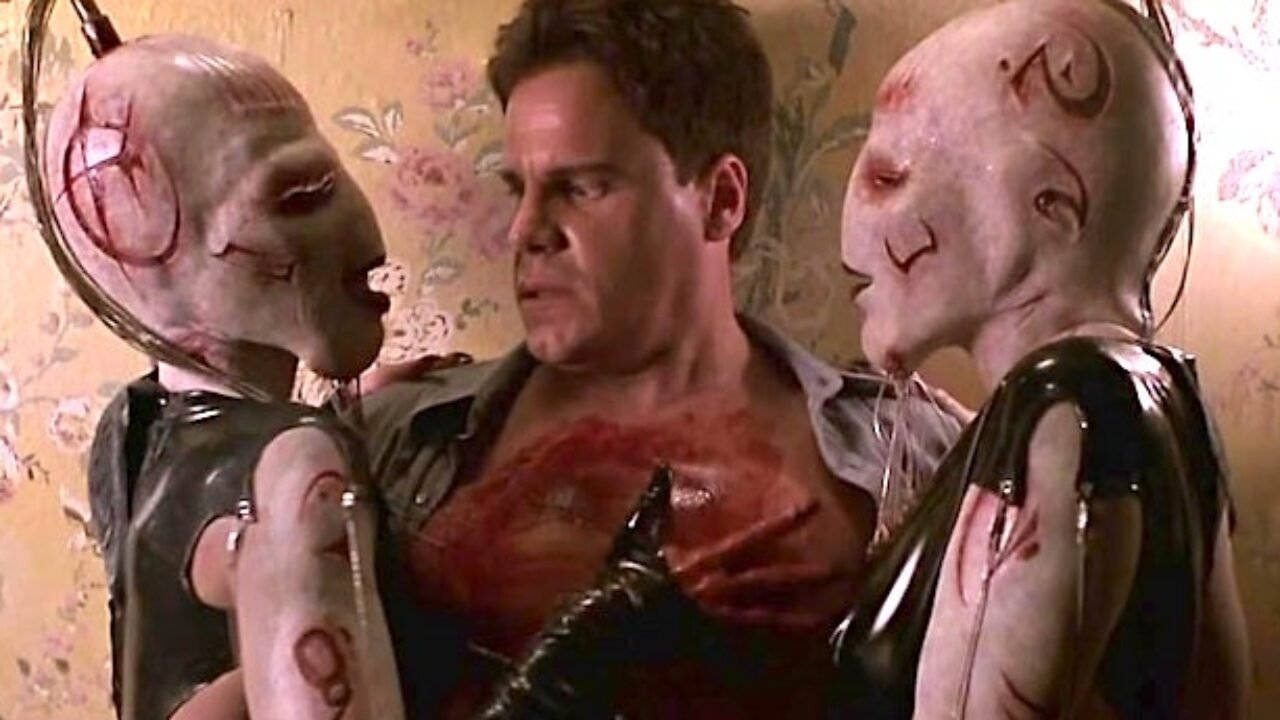
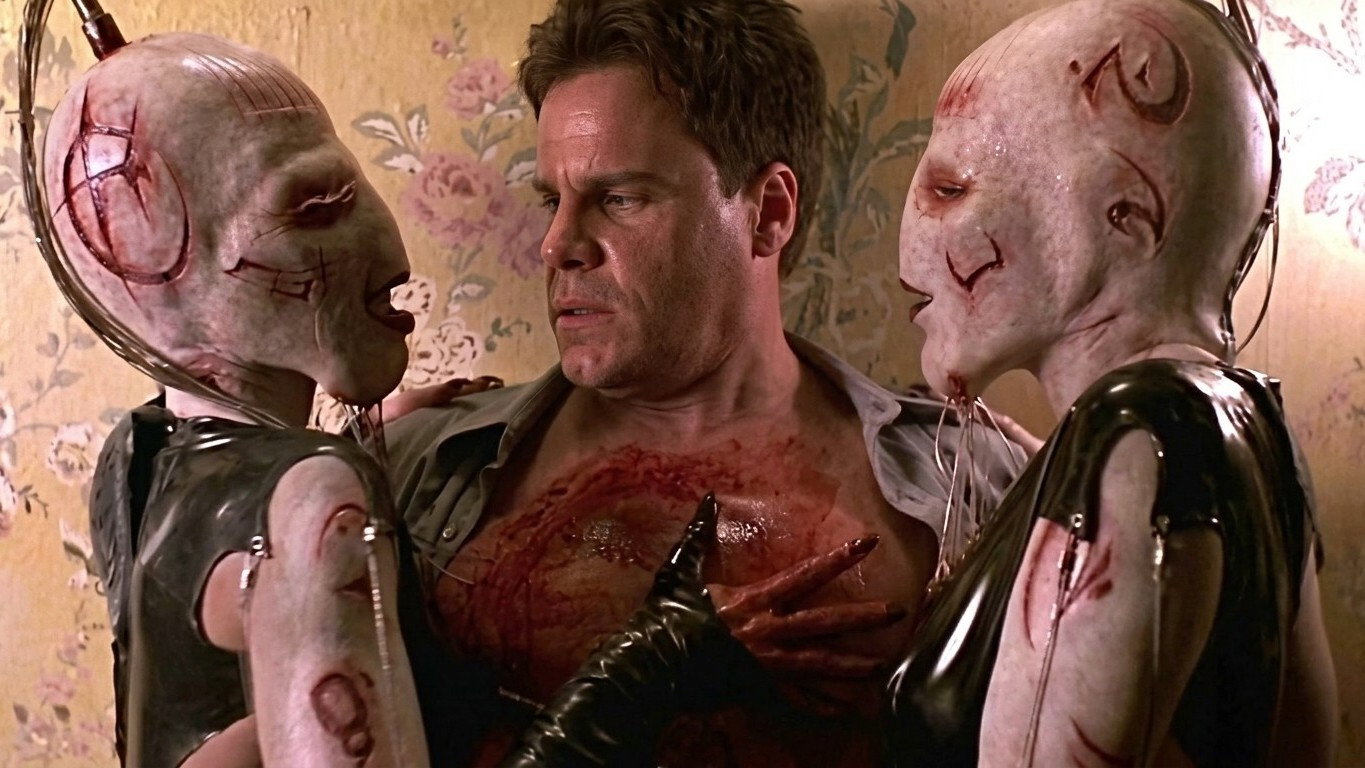
Craig Sheffer's Joseph Thorne is introduced as a policeman who exploits his authority while concealing infidelity and other misconduct. An investigation involving a mysterious figure called the Engineer leads him to the puzzle box, after which evidence and threatening encounters become increasingly difficult to interpret. His partner Tony Nenonen and a psychologist played by James Remar provide points of contact with the ordinary procedural world. Yet the detective's apparent control over witnesses and suspects steadily gives way to uncertainty about where he is, what has happened and whether the investigation follows any reliable chronology. The mystery adopts the structure of a personal nightmare.
Derrickson explained the governing idea in a 2002 essay for The Christian Century: he wanted a story in which sin could culminate in damnation without offering a reassuring escape. His later interview with ZekeFilm also clarified that the severed fingers encountered by Thorne form part of the imagery through which his personal hell is organized. The director did not supply a literal solution for every object in the mystery. These explanations locate the film's moral framework in its maker's stated intentions. They do not establish that the supernatural world is governed by a set of universally applicable rules across the franchise.
Pinhead, the Cenobites and Physical Horror
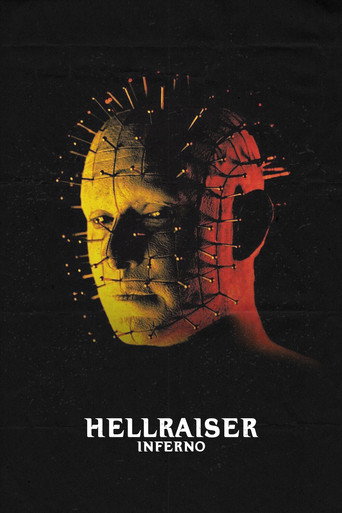
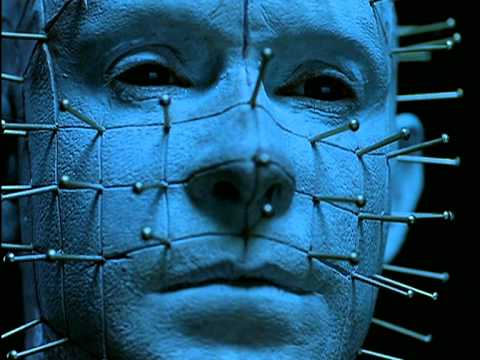
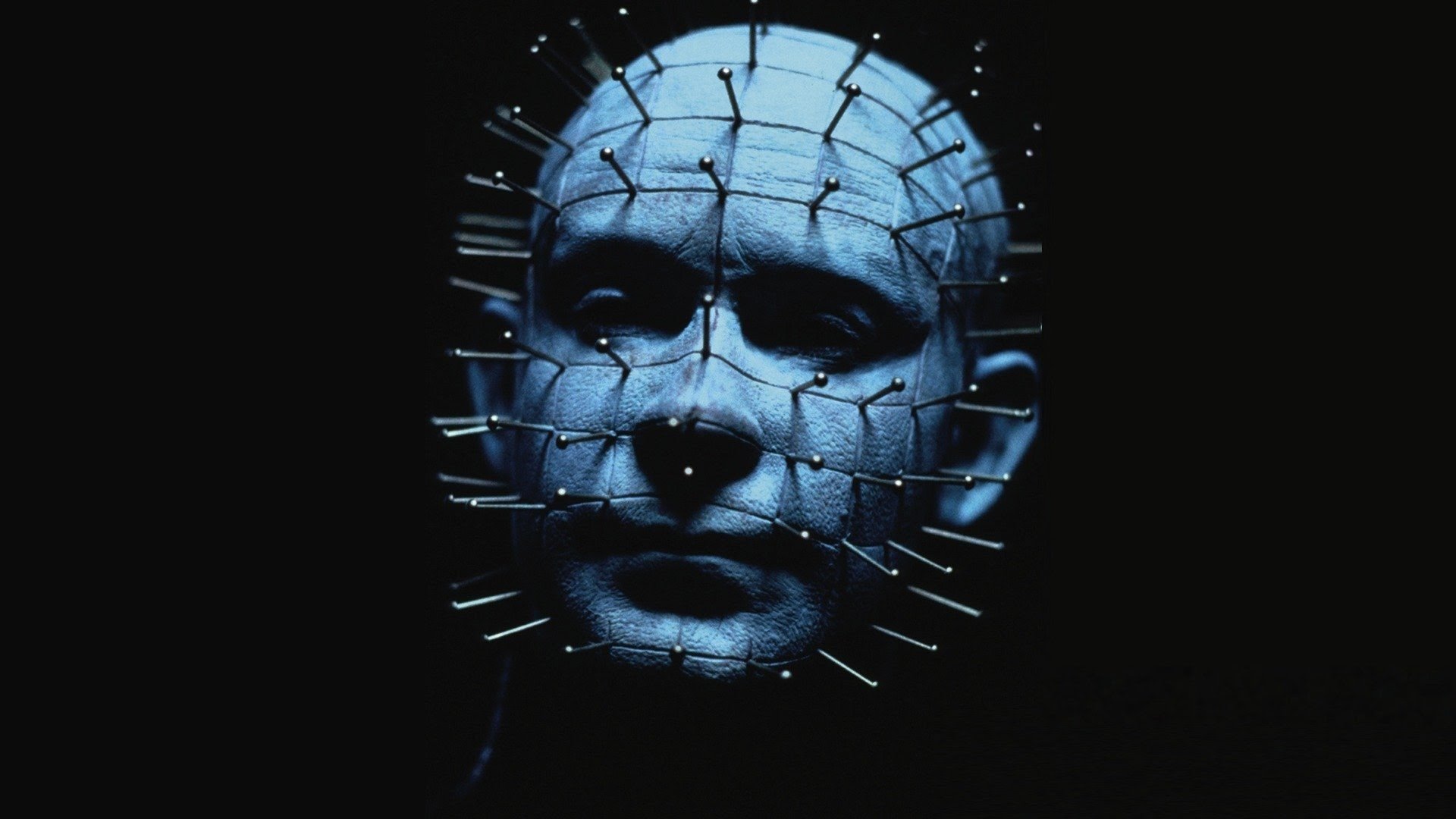
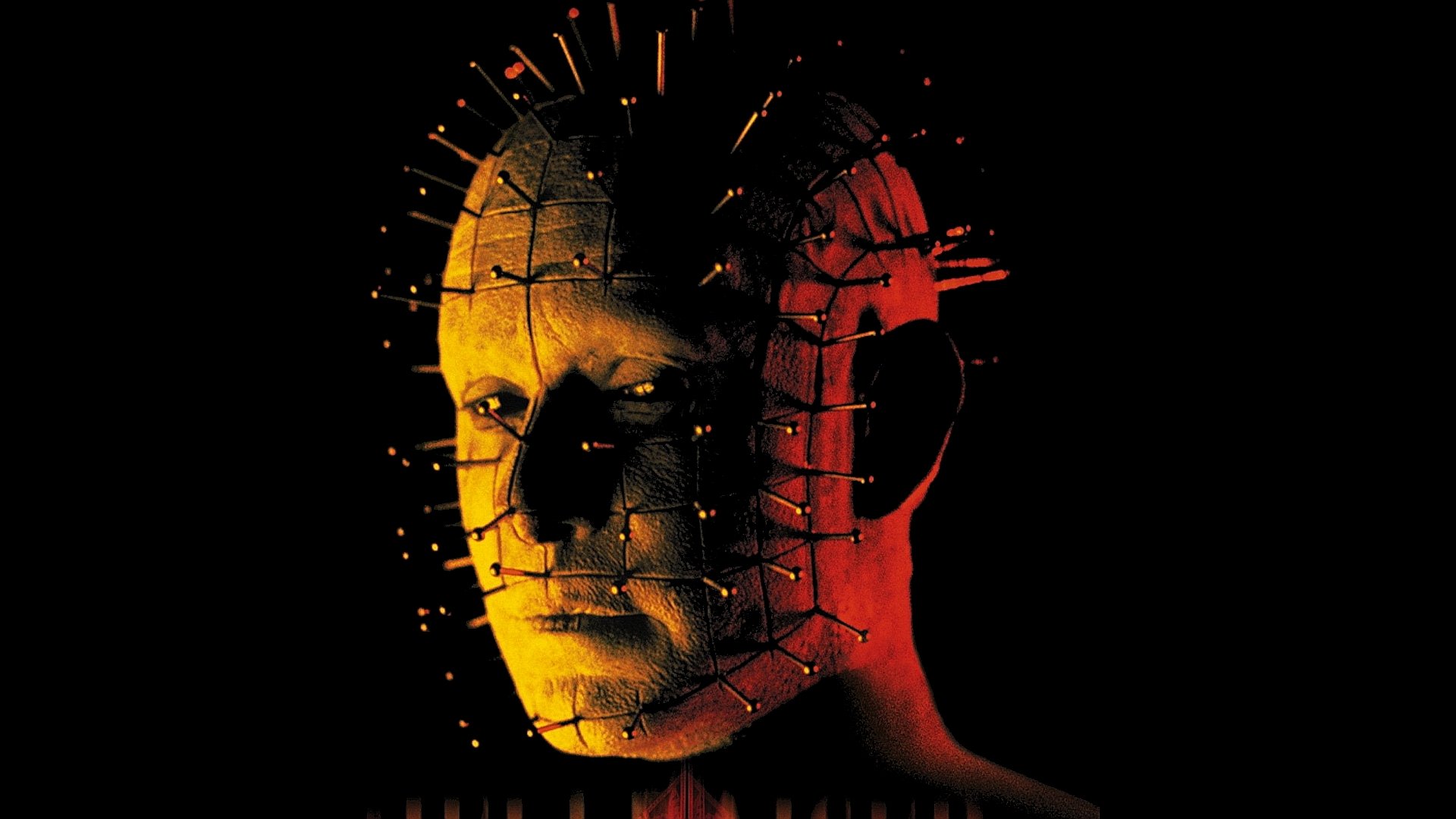
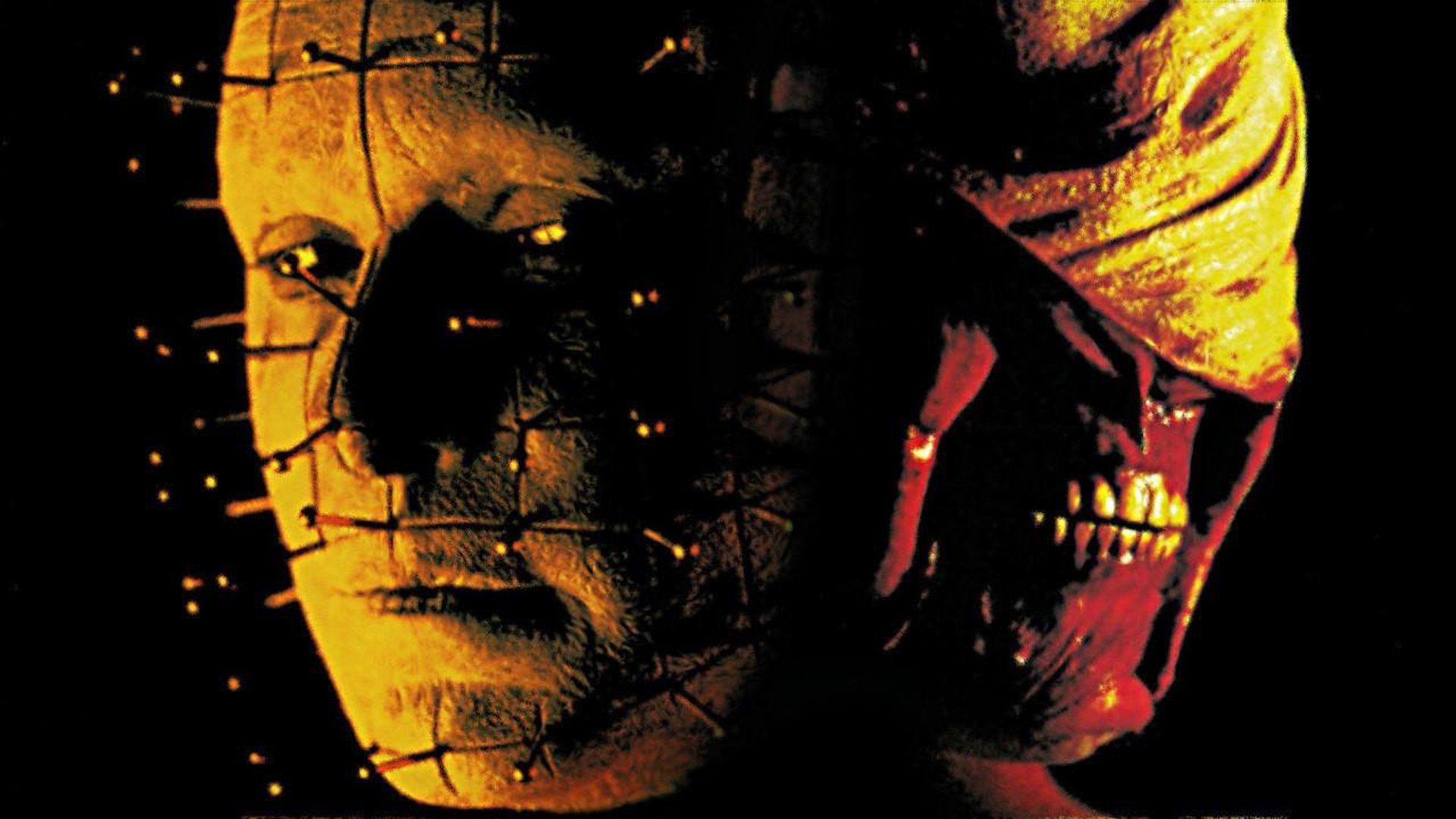
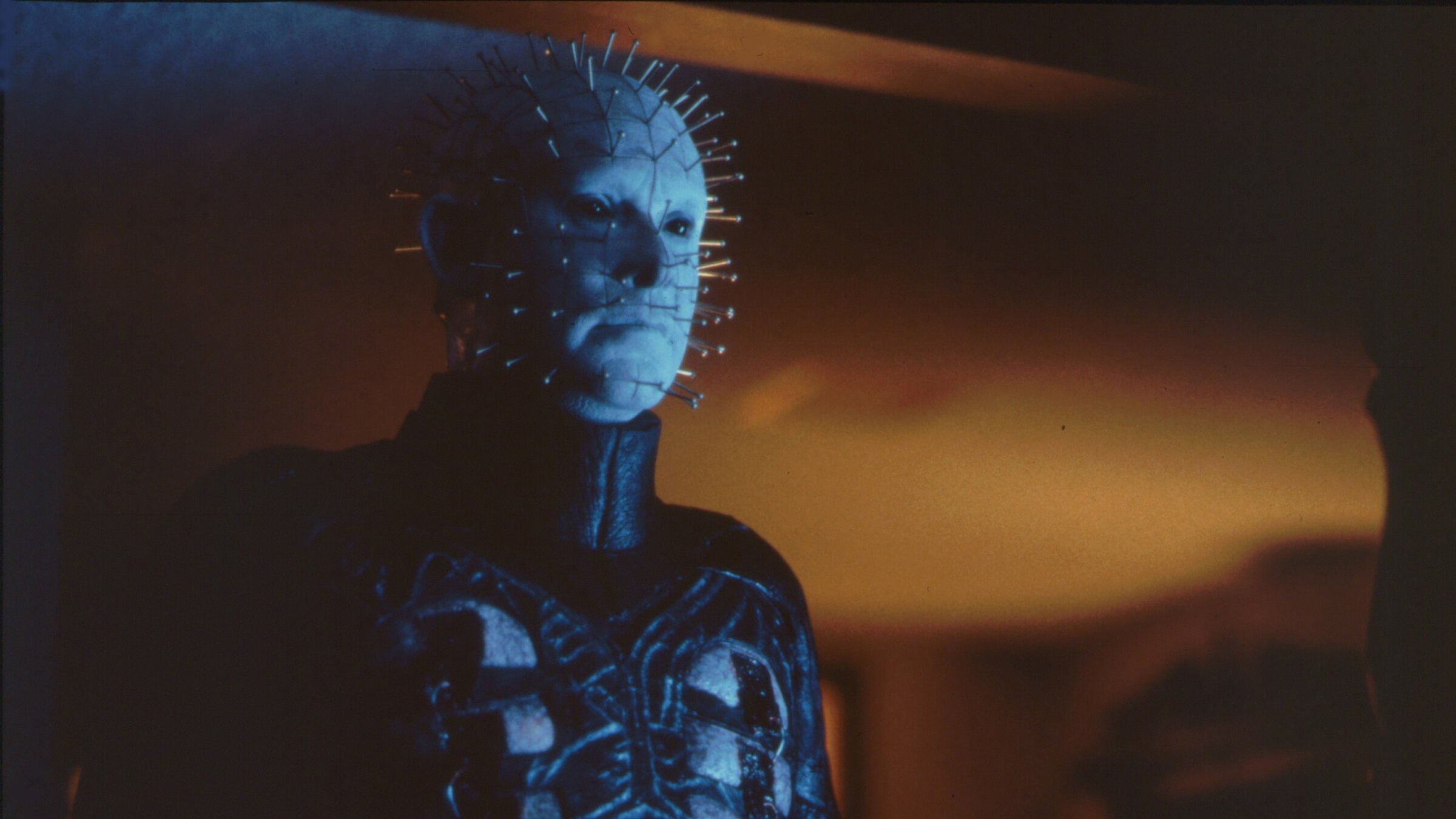
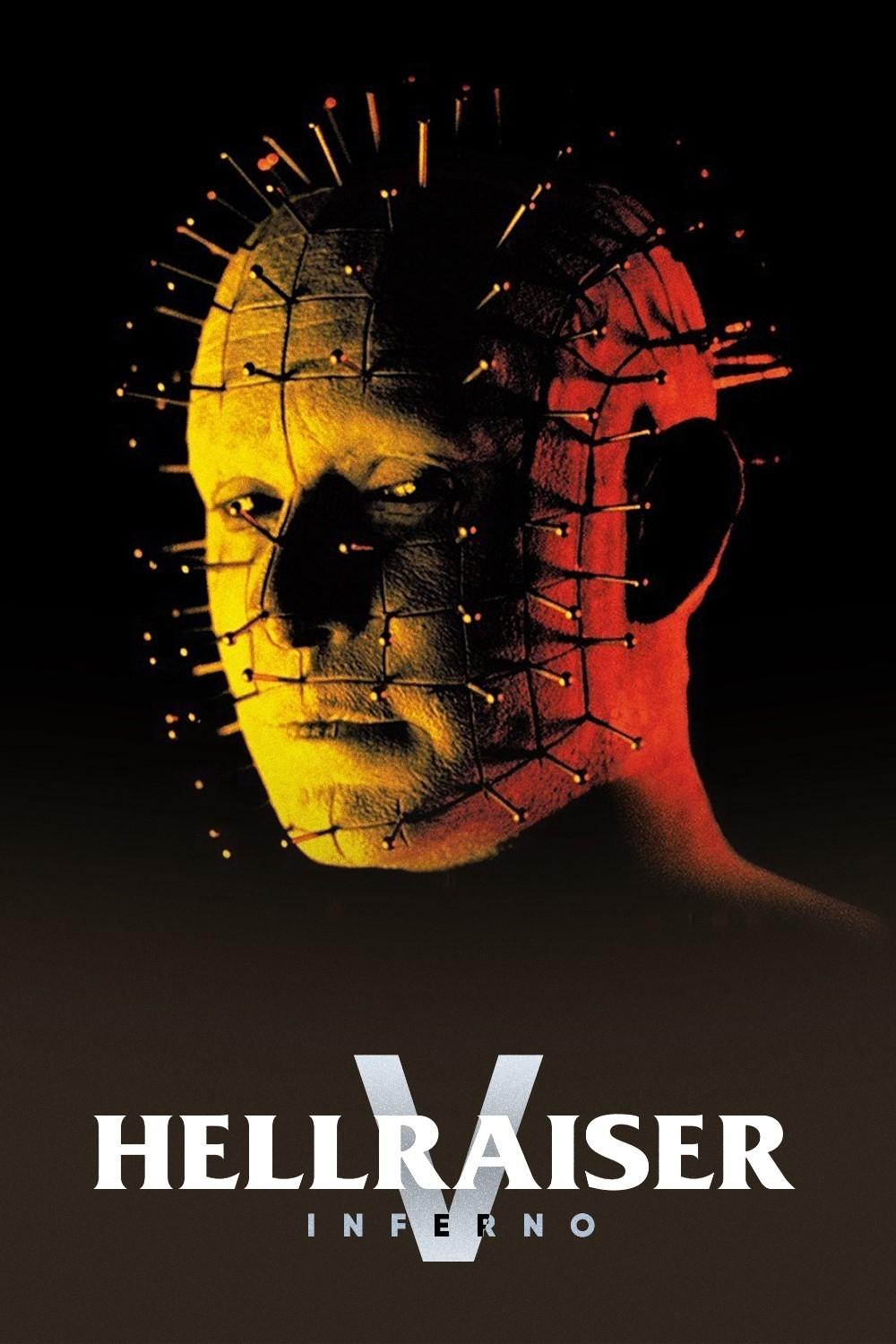
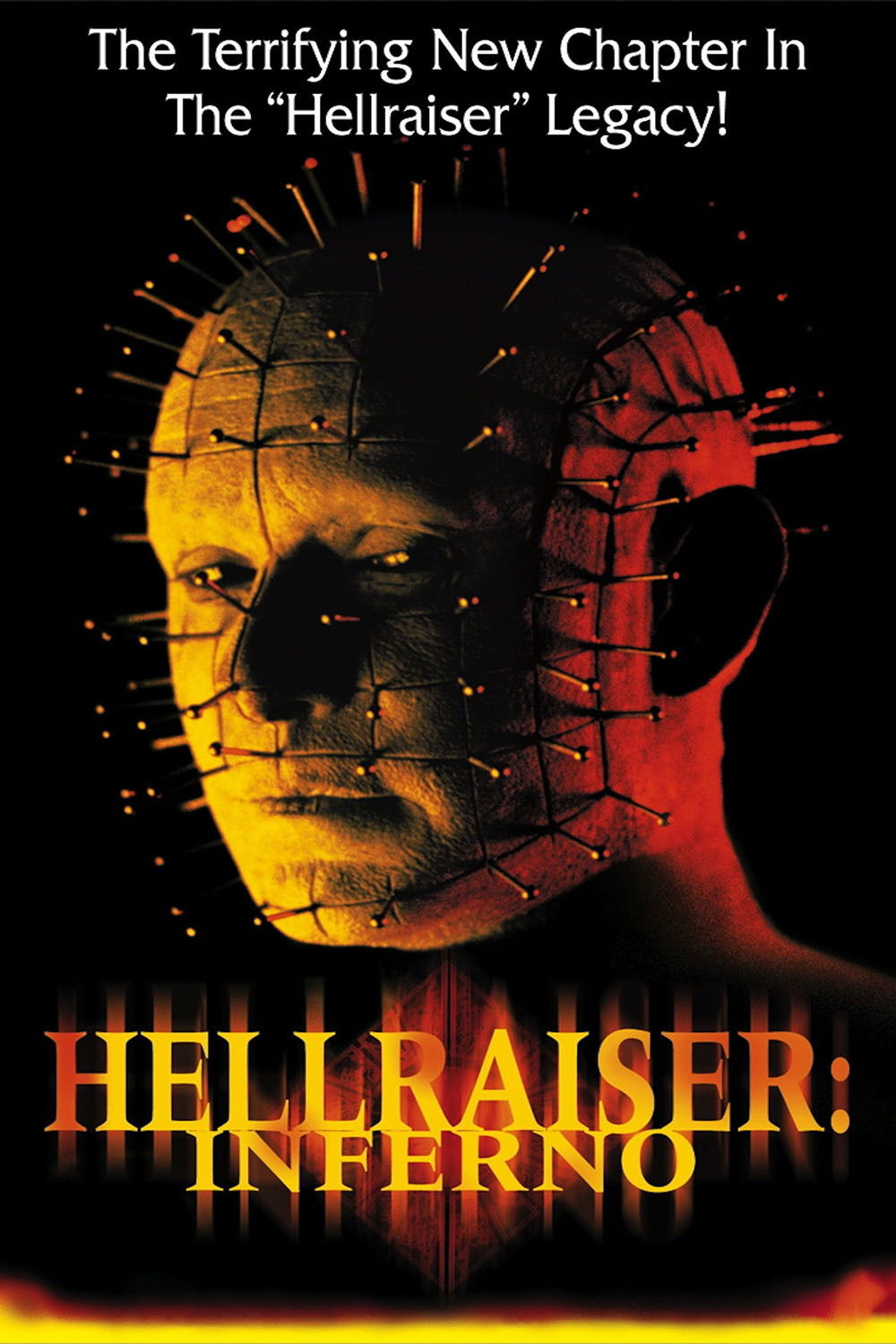
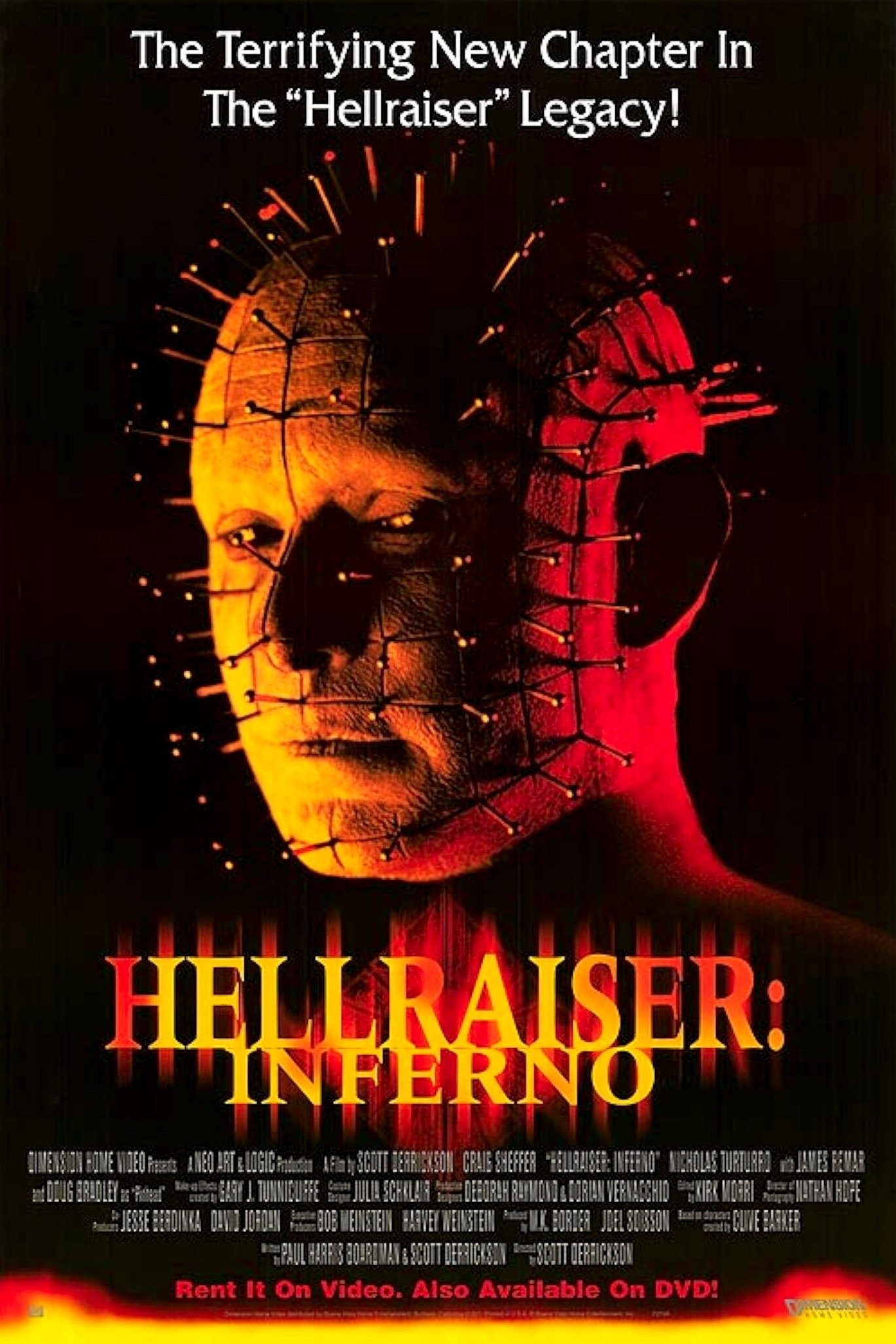
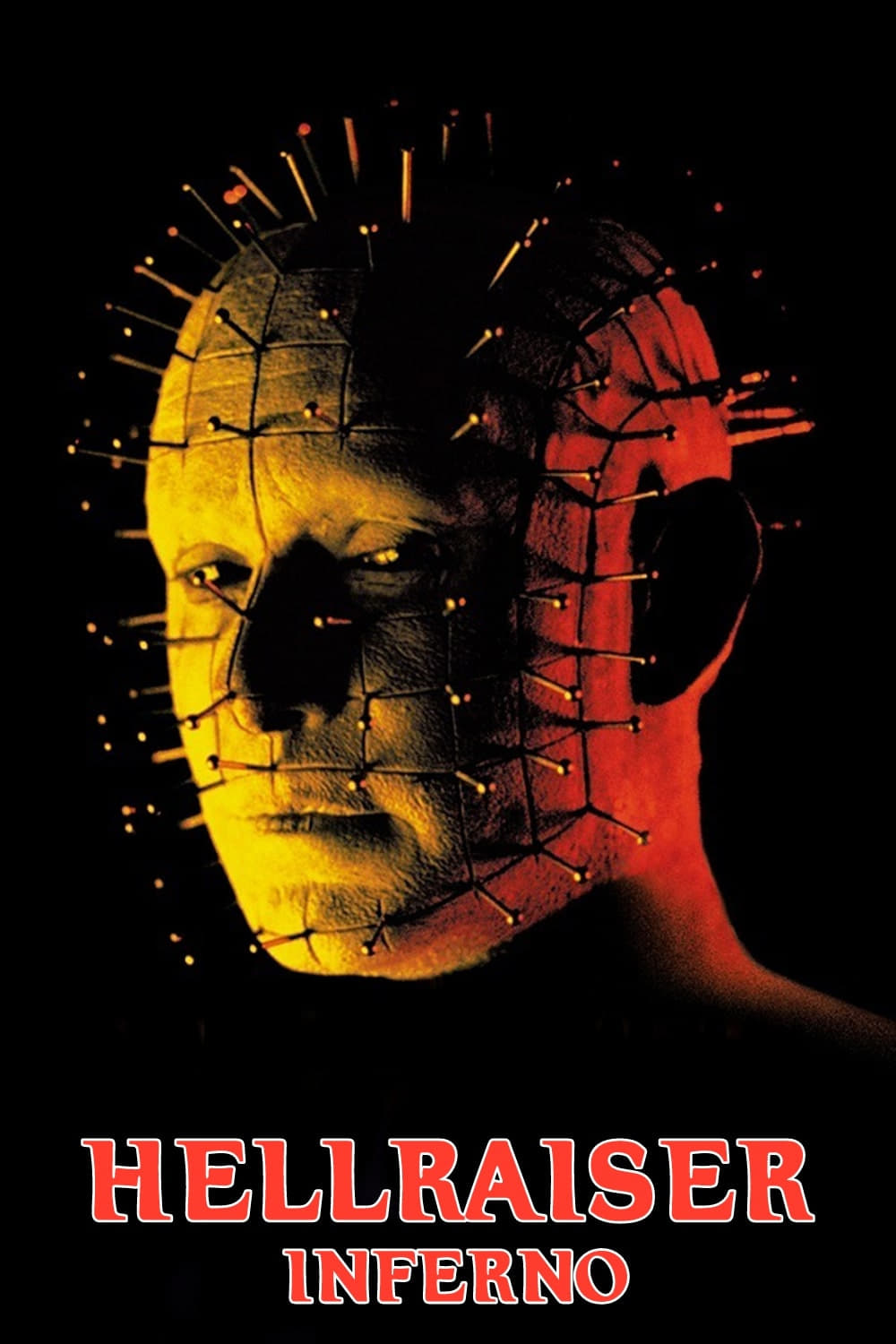
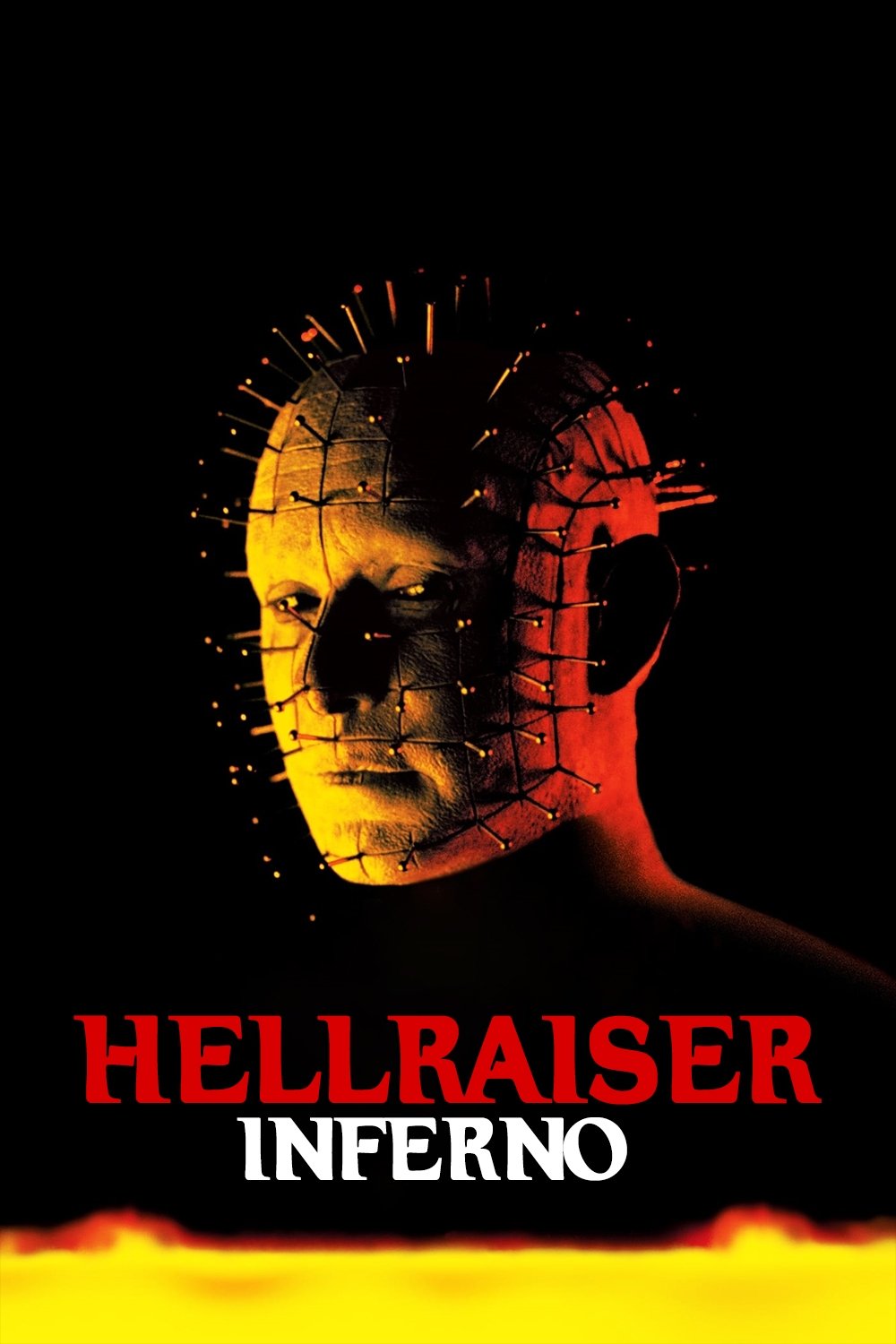
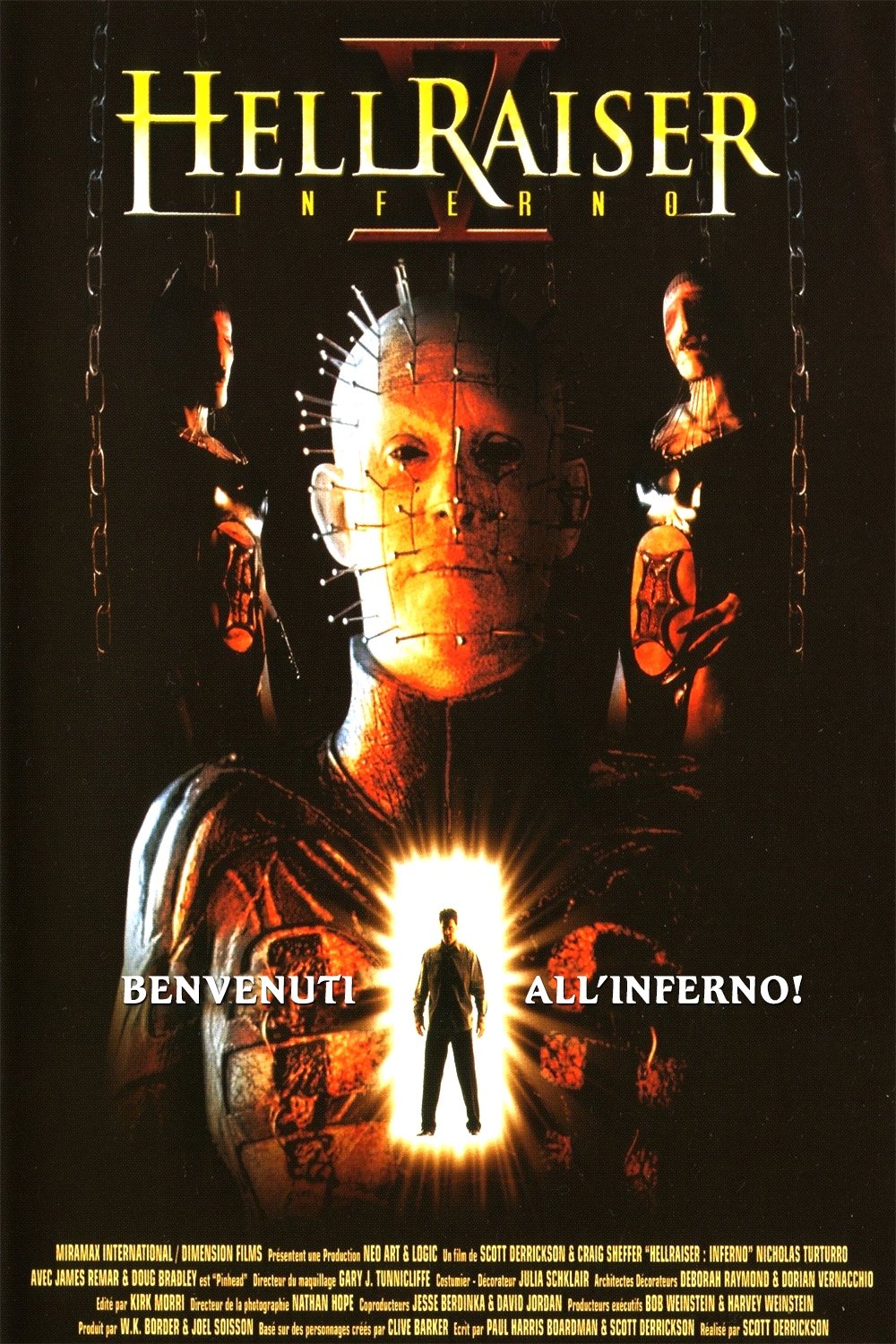
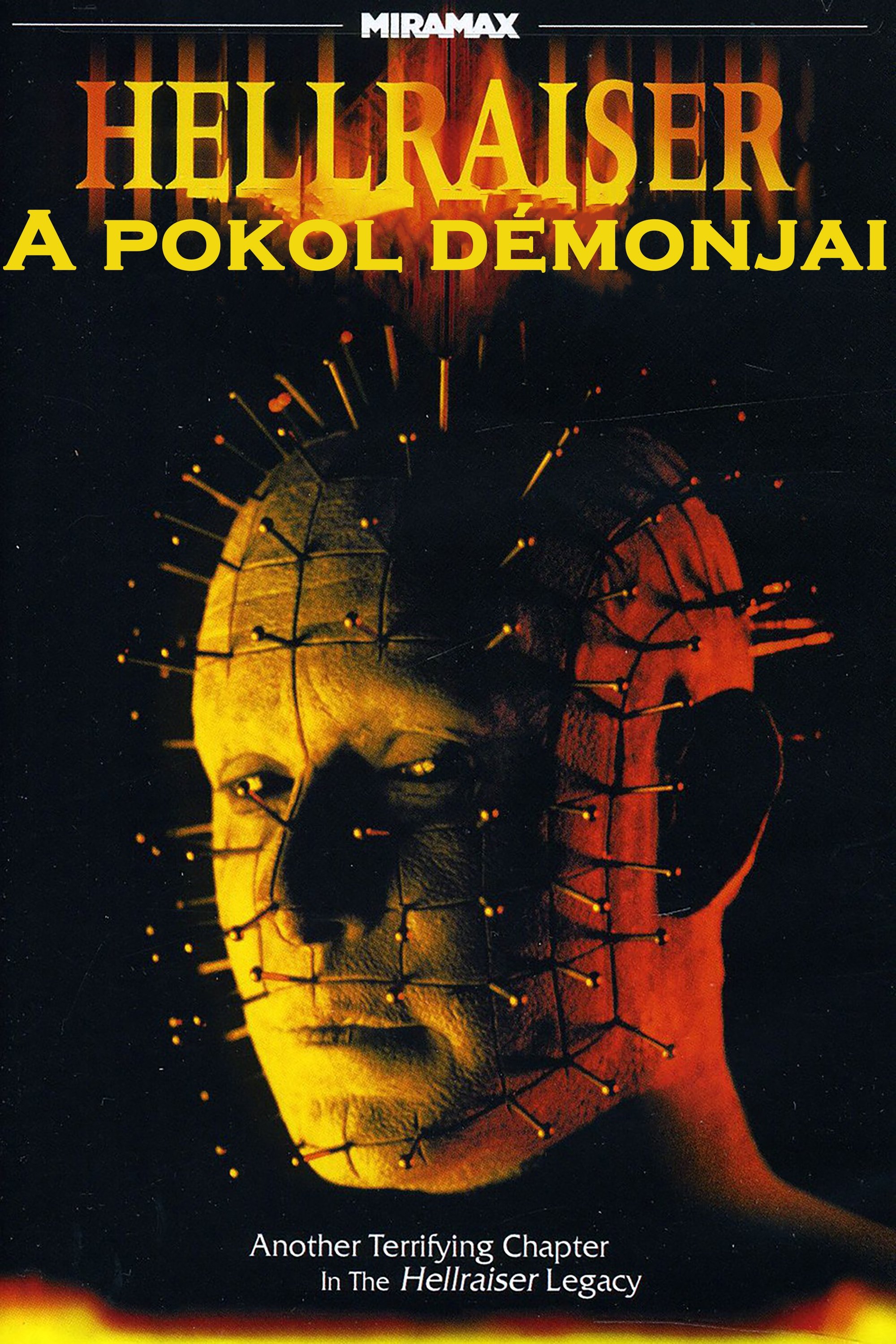
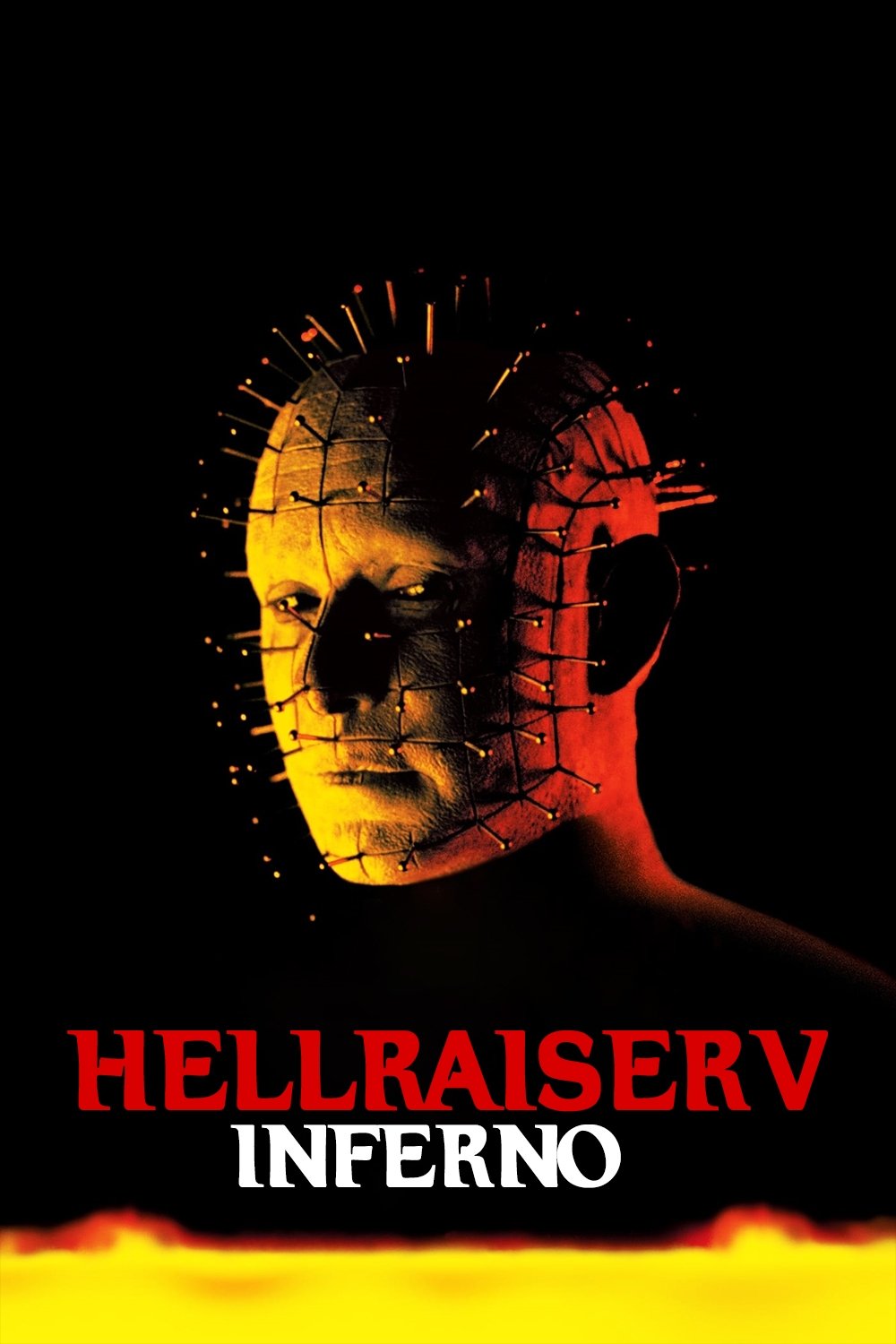
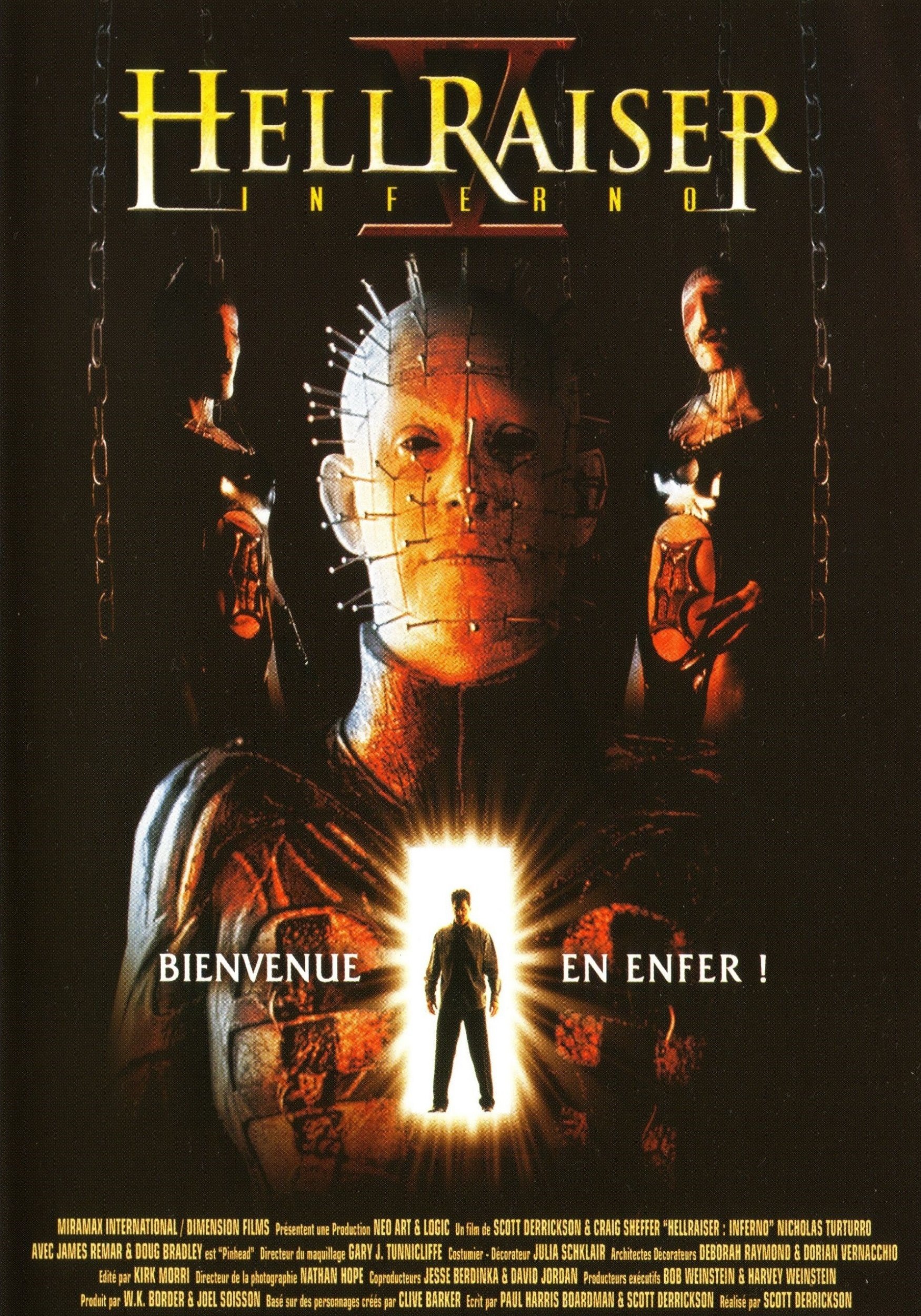
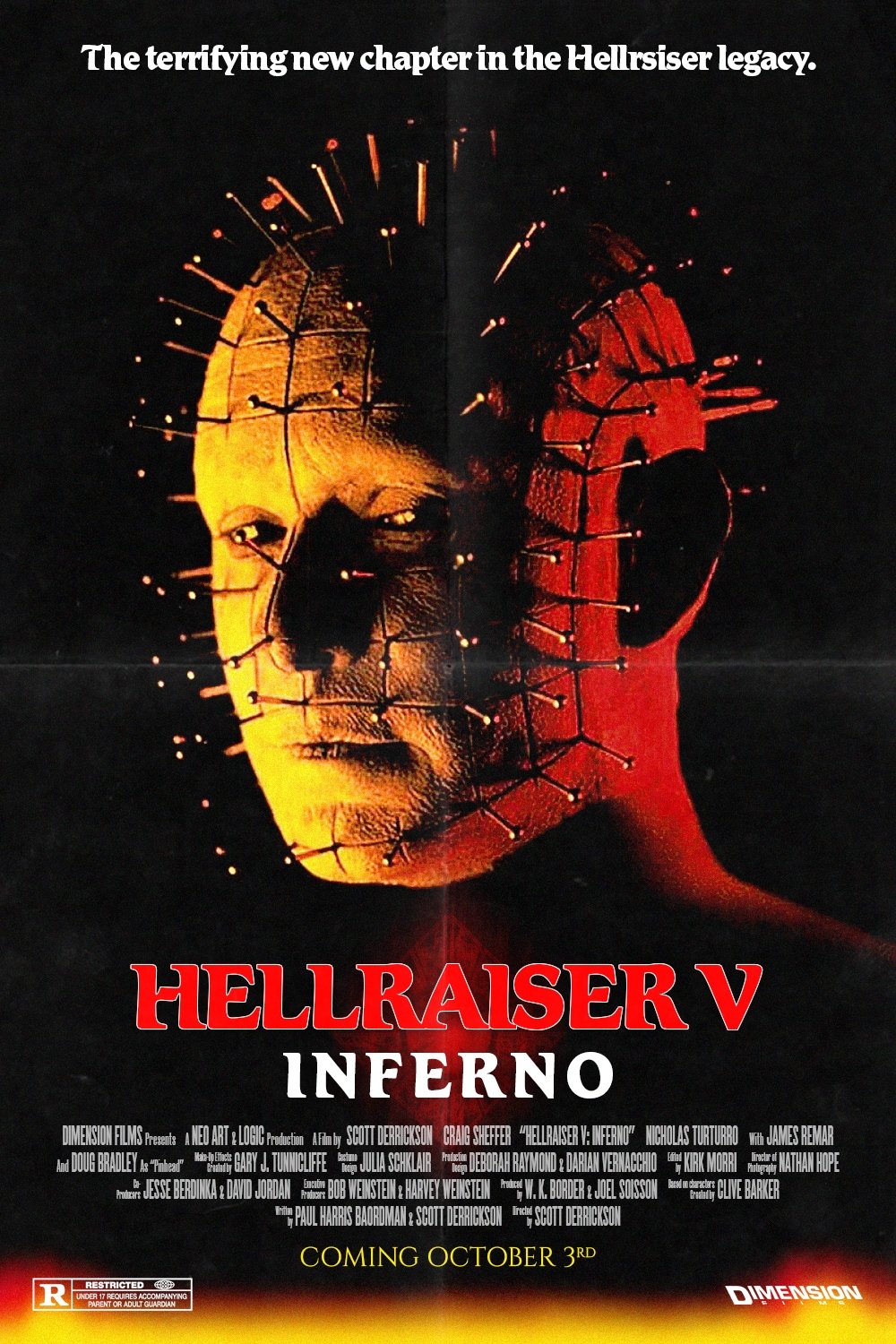
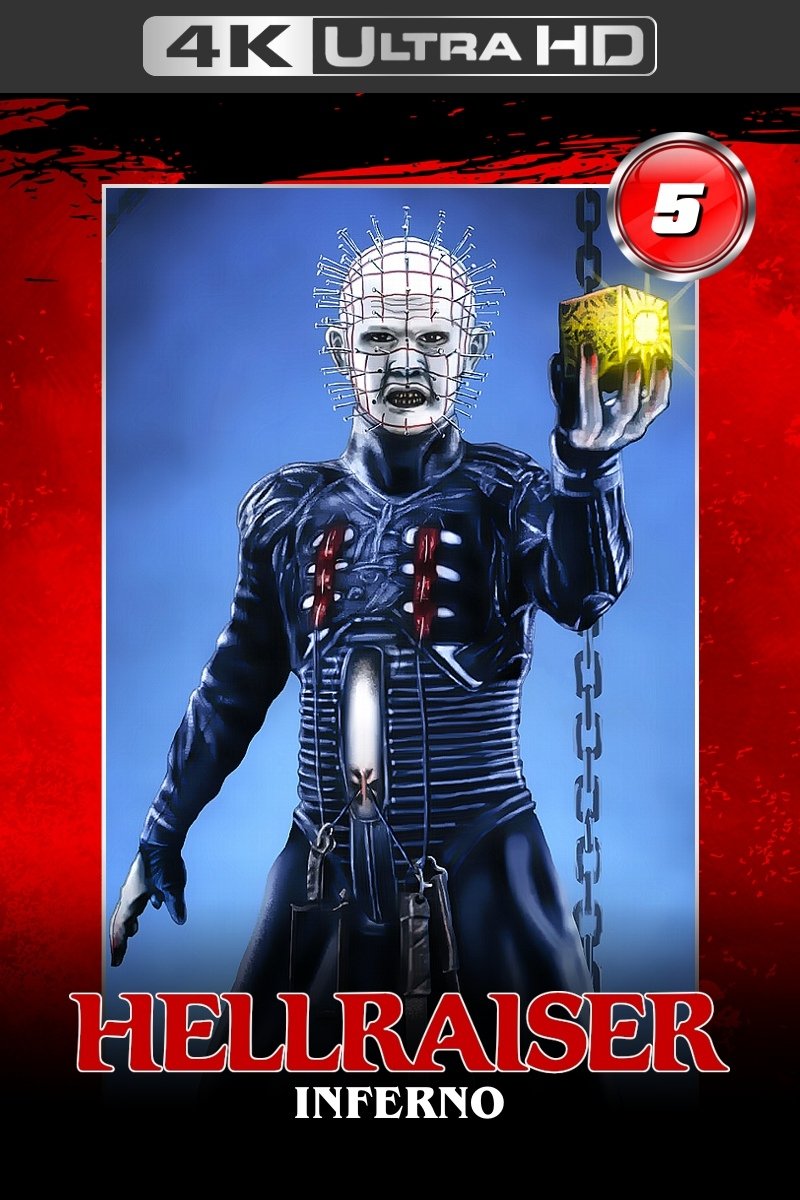
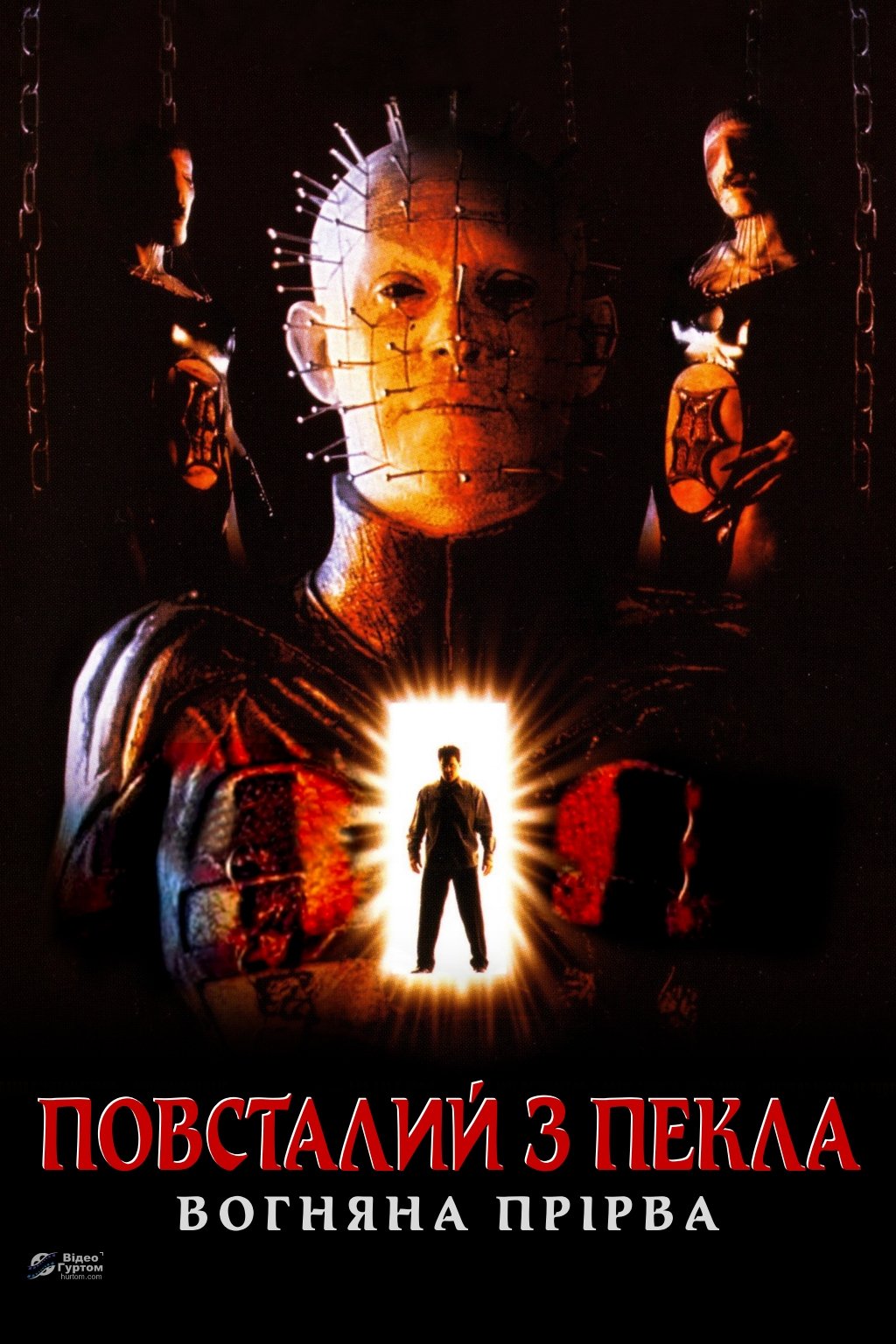
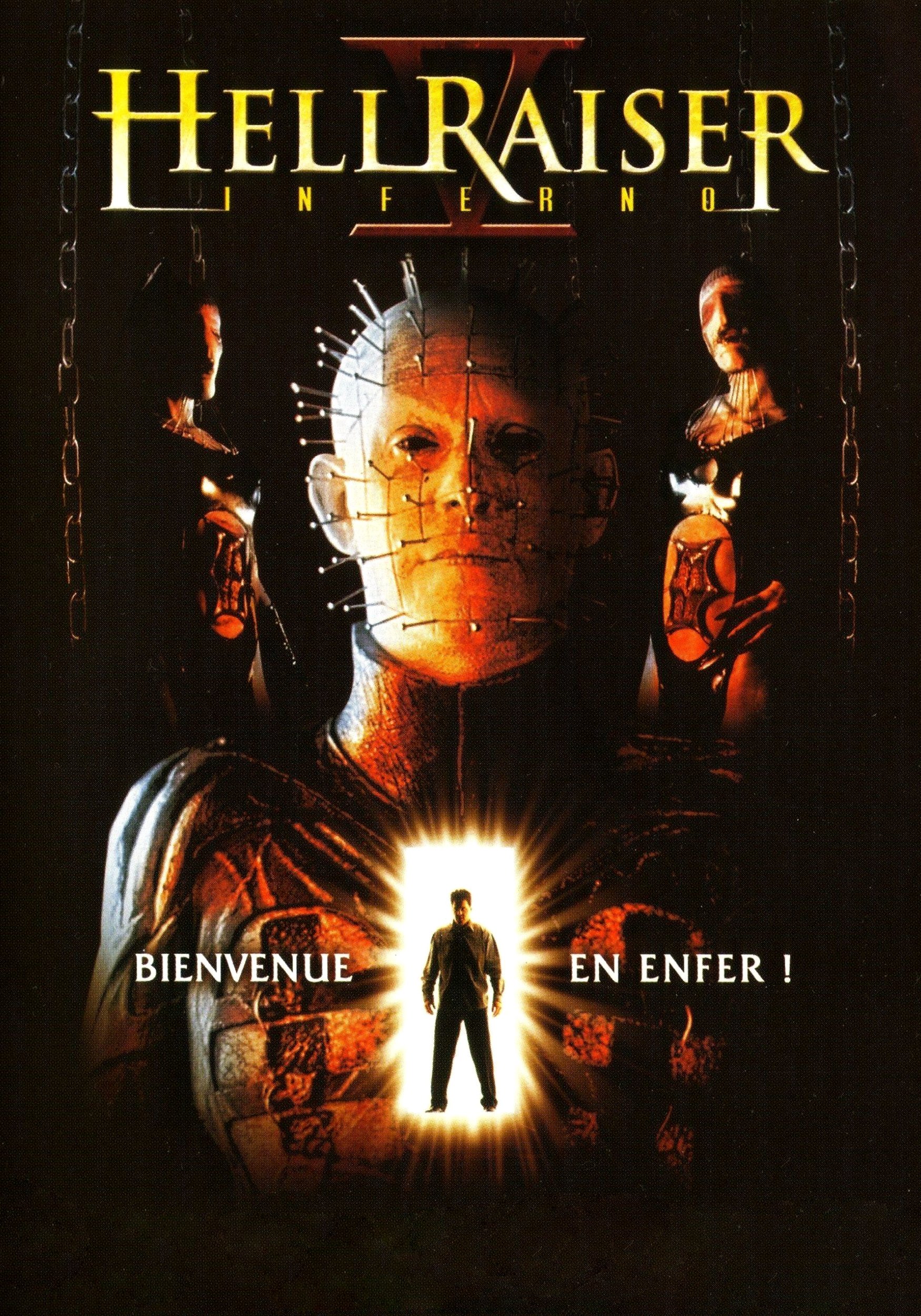
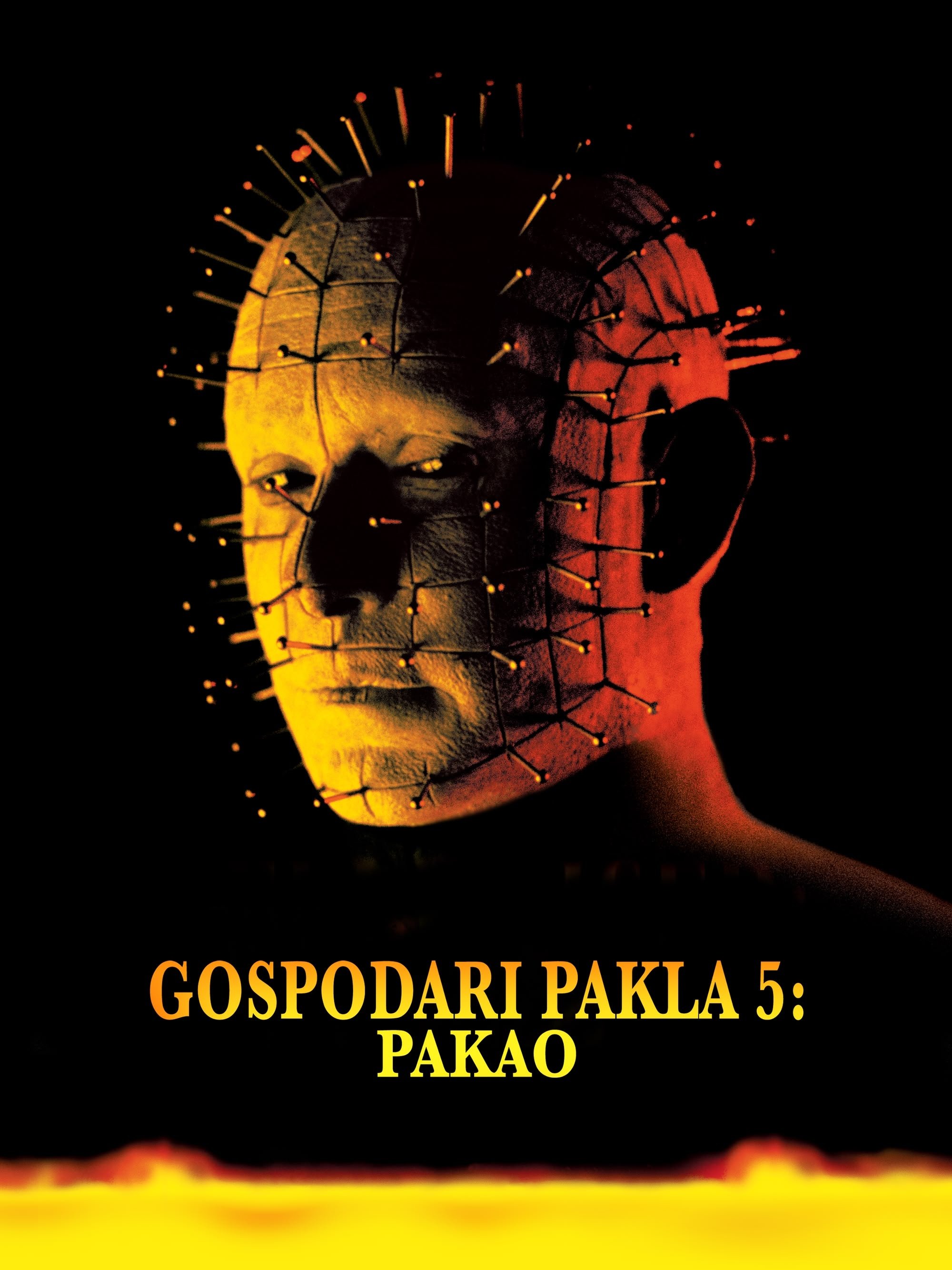
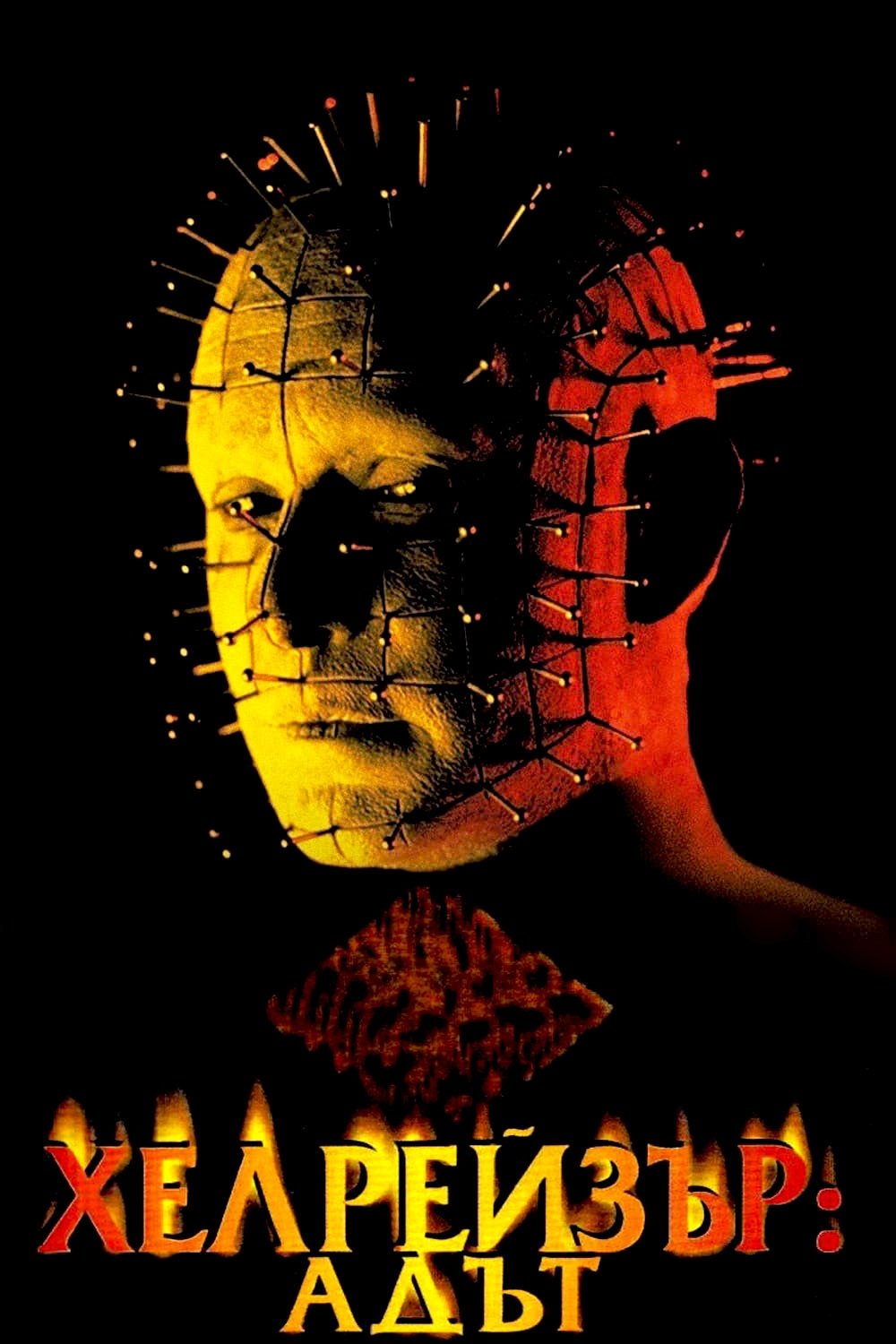
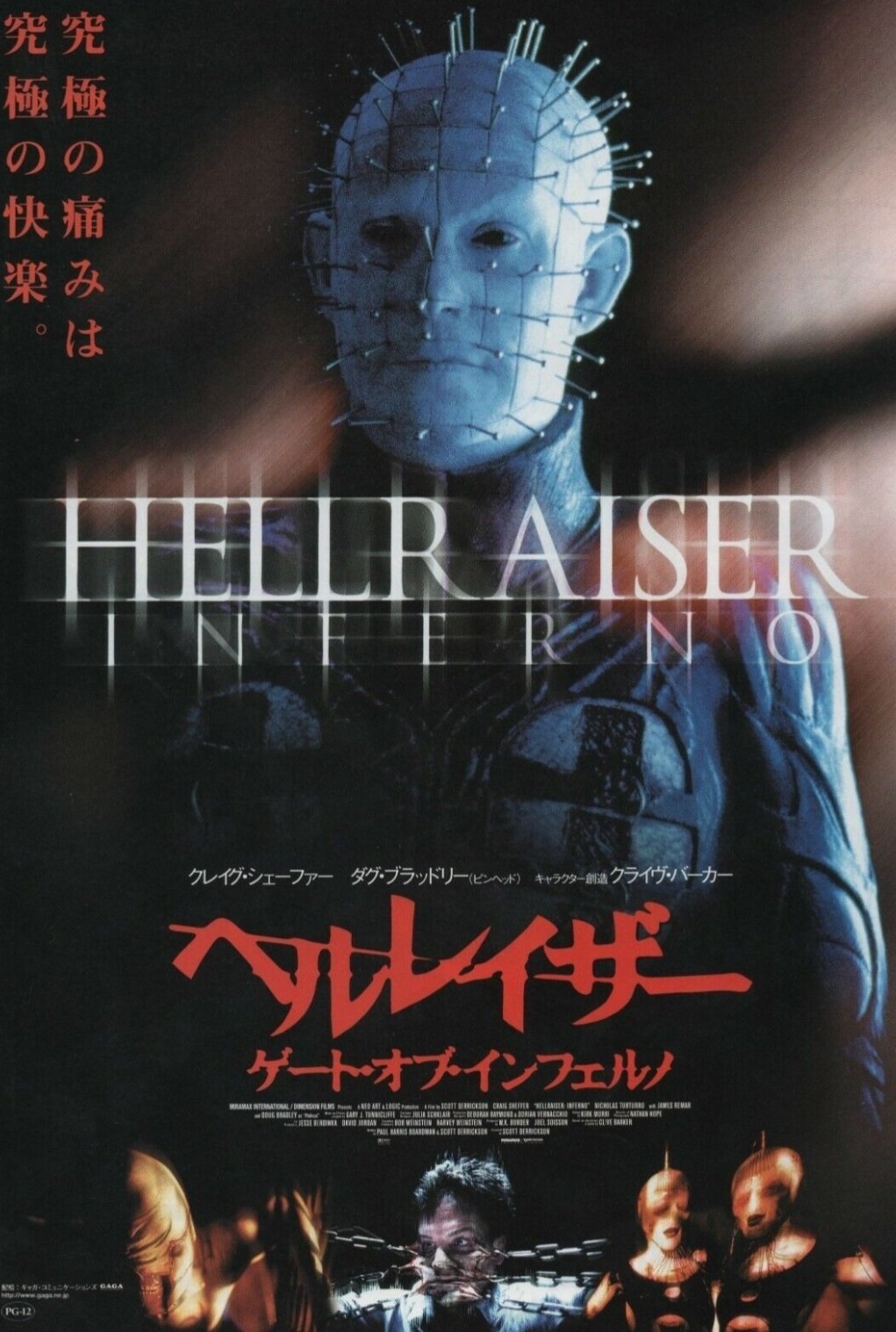
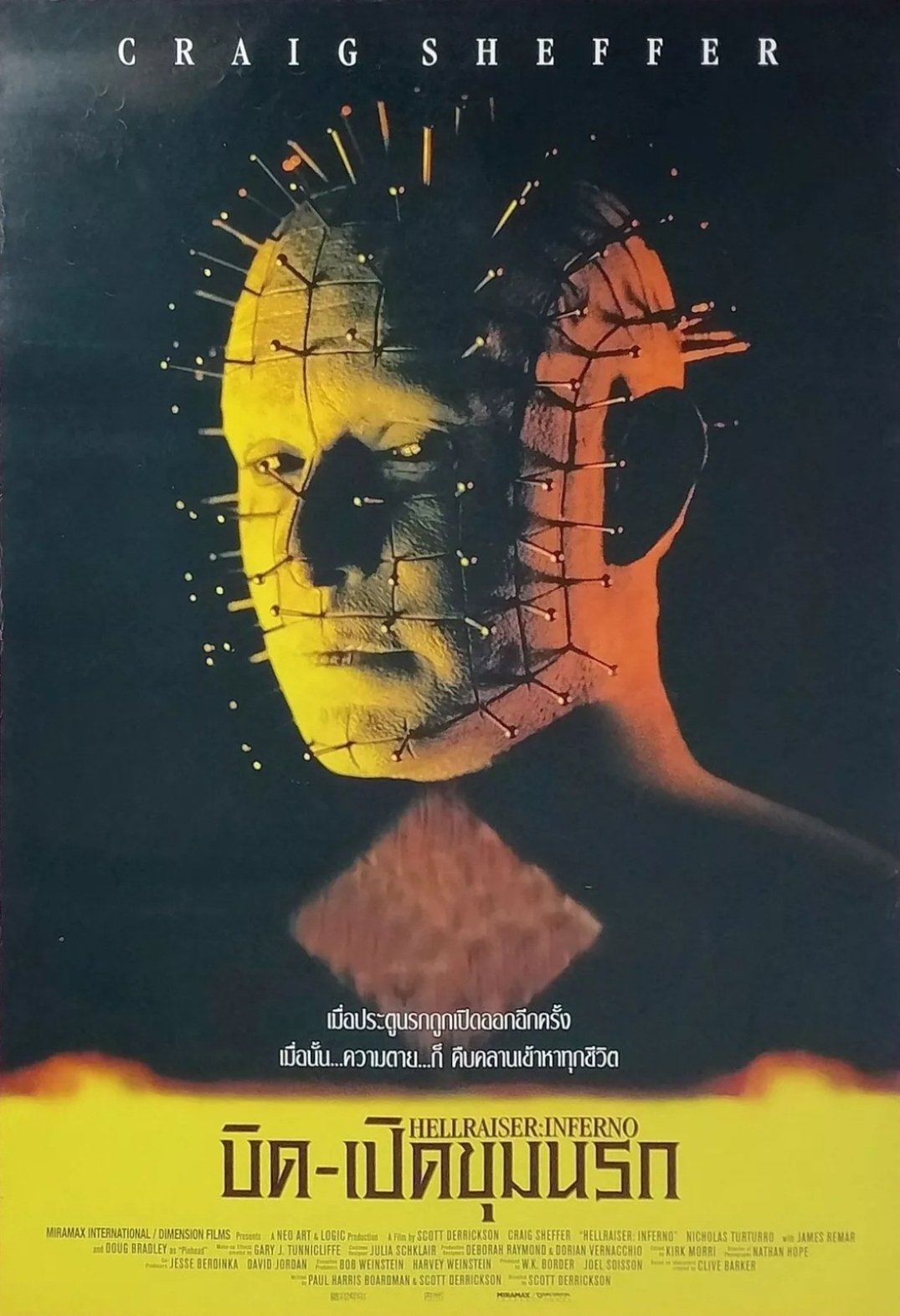
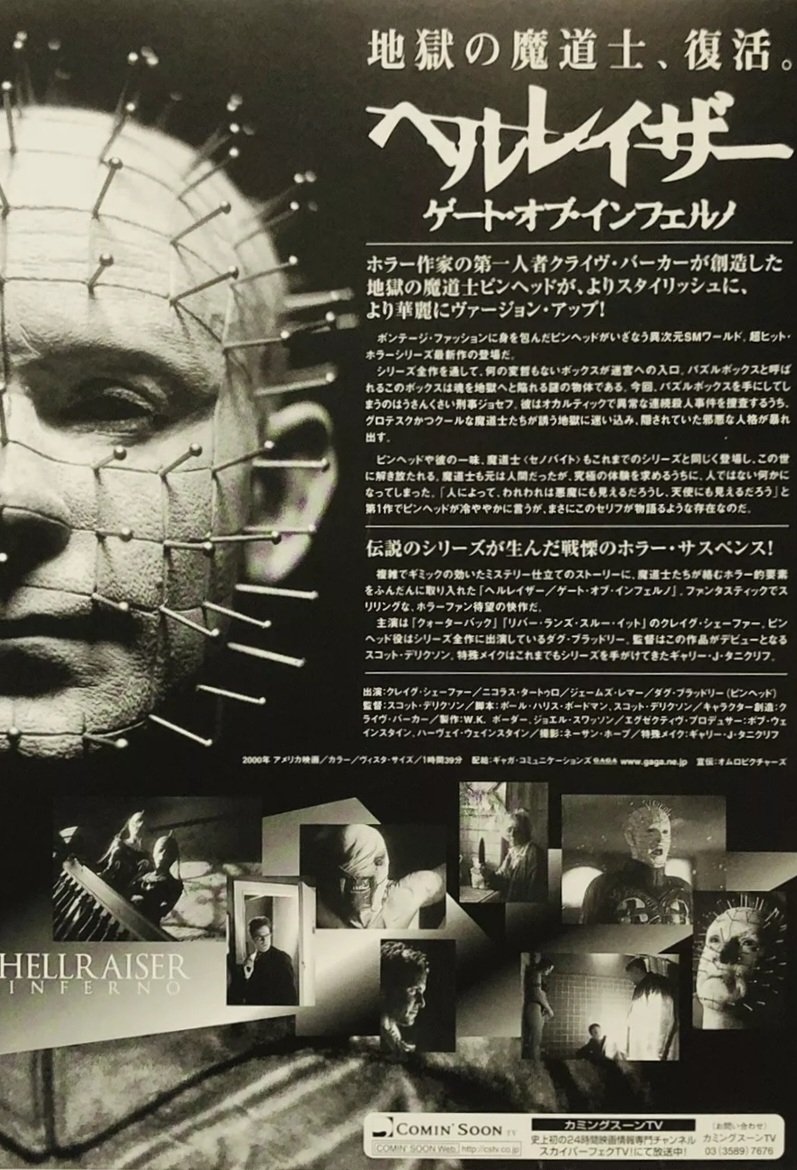
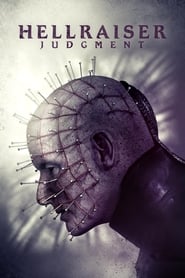
Inferno gives Pinhead a restricted role within a story focused on the sufferer's experience. Instead of supervising a procession of elaborate punishments throughout the running time, he becomes most consequential when Thorne's ordeal approaches an explanation. Derrickson said in a 2002 interview that the original film's mystery surrounding Pinhead had appealed to him, and that he welcomed a return to a less exposed figure. He also admitted that greater screen time might have better served established fans. Bradley's comments from the same period record discomfort with promotional packaging that prominently featured a character whose actual appearance was brief.
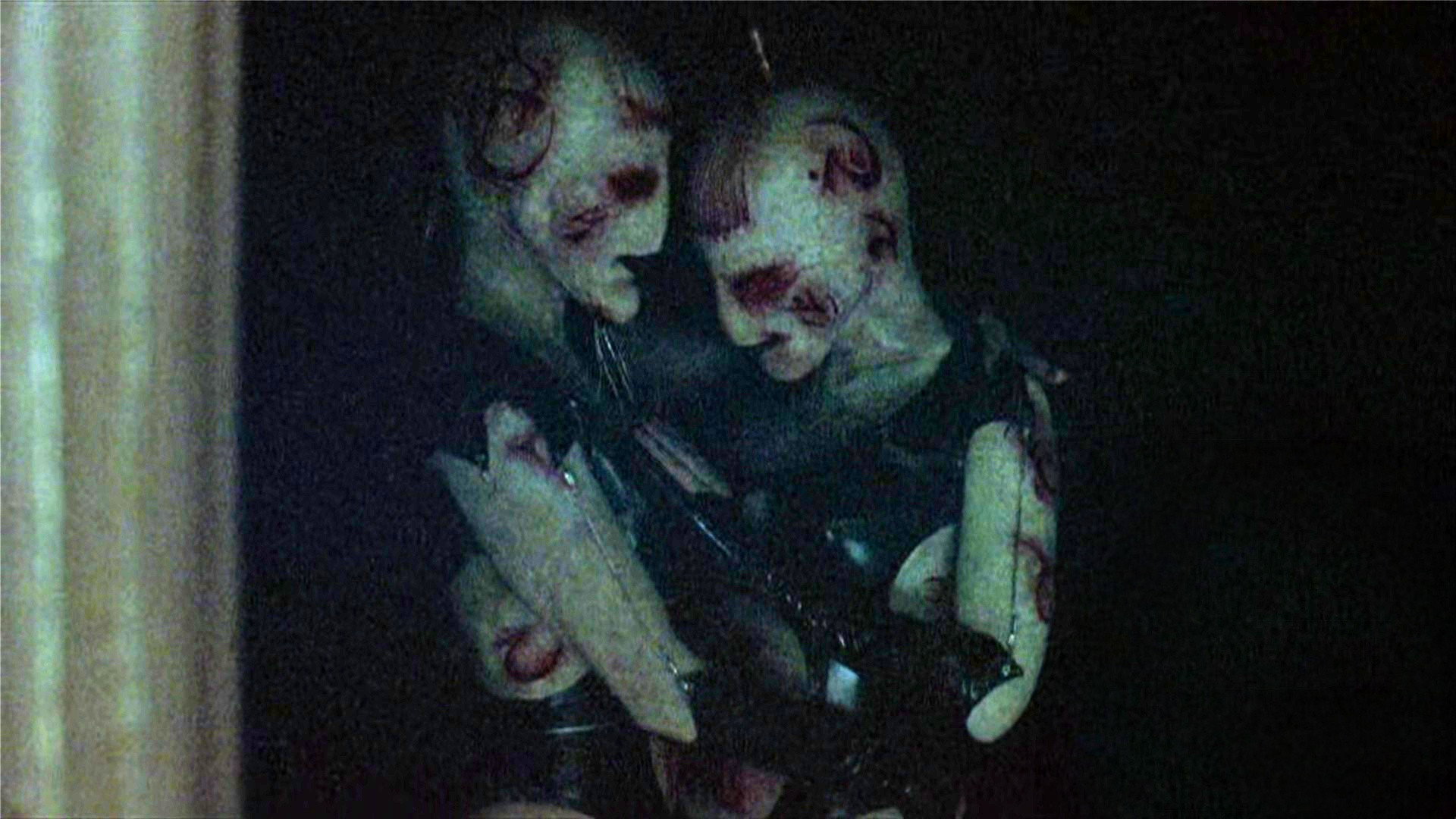
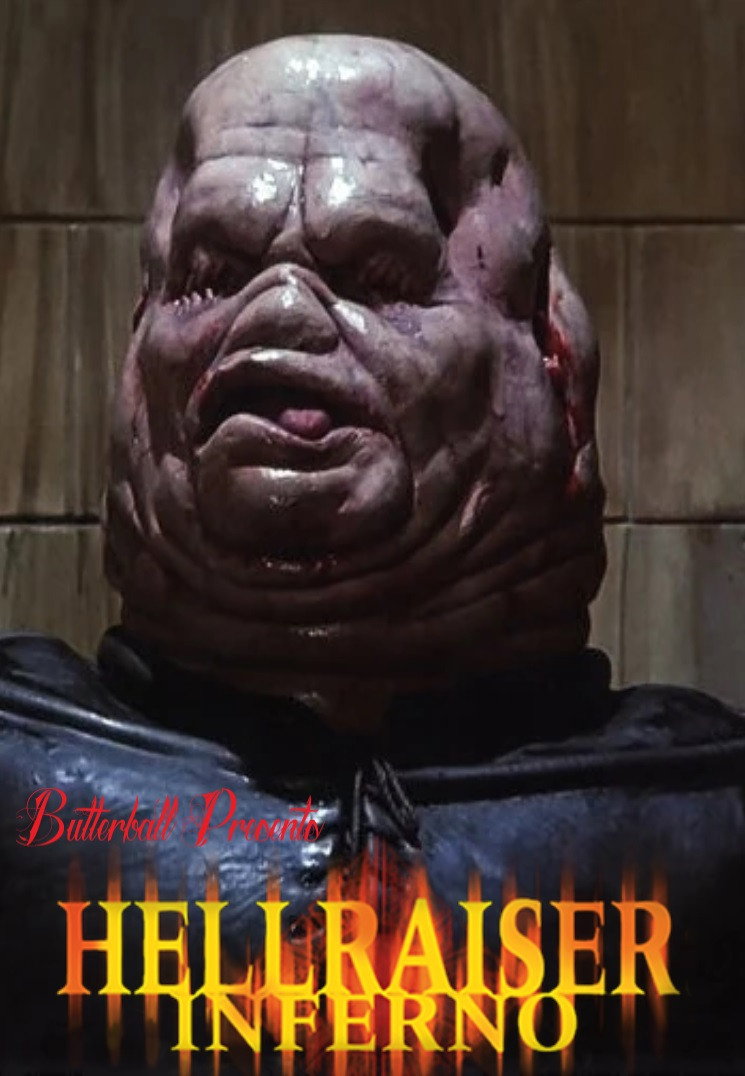
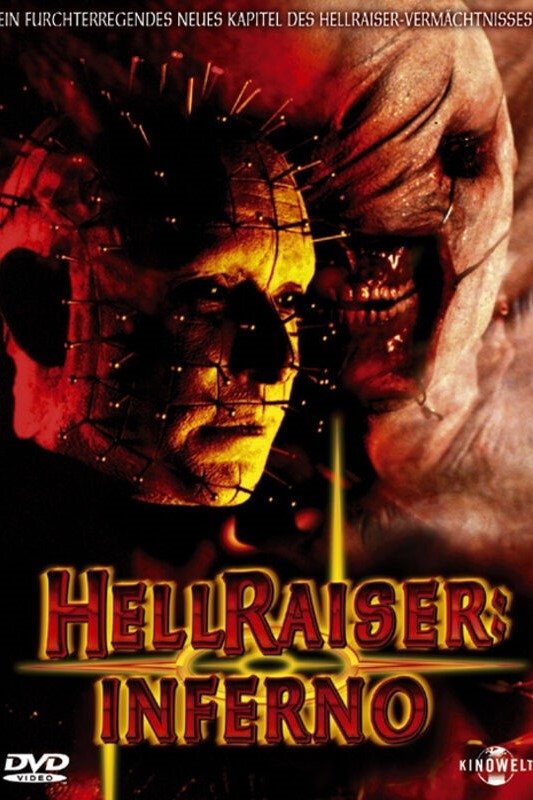
Gary Tunnicliffe, reporting during production in 1999, described the fifth chapter as the journey into an individual's hell and identified new Cenobite designs alongside an updated Chatterer. This testimony provides a firmer basis for discussing the creature work than unsupported claims about exact prosthetic budgets or shooting methods. The film's bodily disturbances appear as sudden violations of Thorne's perception: grotesque patients, disfigured figures and violent transformations interrupt spaces that had seemed familiar. Such imagery places the recognizable hooks and altered flesh of Hellraiser within a threatening psychological environment. The effects serve the detective's disorientation, even when the monsters occupy relatively little time on screen.
Barker, Bradley and the Creative Disagreement
Clive Barker's objections were unusually explicit. In an August 2000 conversation later reproduced by his official archive, he said he had received the screenplay, expressed reservations and been excluded from meaningful involvement by Dimension. He criticized the result and felt that Pinhead had been attached to a project whose dramatic principles departed from his conception. His remarks describe his personal experience of the negotiations and his artistic judgment; they should not be treated as an objective technical audit of the completed production. Bradley independently questioned both the script and the discrepancy between its marketing and his limited participation.
Derrickson answered Barker's criticism in a September 2000 statement, arguing that the series required reinvention and that his story introduced a moral perspective different from the earlier films. His response was defensive and included disparaging opinions about Barker's direction, which remain part of the period controversy without proving either filmmaker correct. The central disagreement is visible in the work itself. Where Barker's mythology originally explored desire and extreme sensation through the Cenobites, Inferno interprets supernatural suffering through an individual's moral failures. This shift accounts for much of the fifth film's distinct identity and for the sharply conflicting testimony surrounding its production.
Home Video Release and Retrospective Assessment
Inferno appeared in 2000 as the first Hellraiser feature developed for direct home-video distribution in the United States. Derrickson confirmed in an April 2024 interview that this was the intended outlet, distinguishing its release model from the theatrical circulation of the preceding films. That production context limited the resources available for a narrative involving a shifting reality and conspicuous supernatural imagery. No reliable theatrical box-office total is appropriate for its original American run. Its importance to the series lies instead in the transition toward comparatively self-contained installments centered on people outside the established family history.
Looking back in a 2022 Entertainment Weekly interview, Derrickson called the production ambitious for its available budget and acknowledged that he still had much to learn about generating fear. Two years later he identified insufficient attention to the central performance and the sustained construction of suspense as lessons from his debut. These are retrospective self-assessments, separated by decades from the initial production, not contemporary reviews. He also observed that the picture had attracted renewed discussion after a long period of relative obscurity. That personal impression is evidence of the director's experience with later audiences, but cannot establish a measured critical reappraisal or a broader influence on horror cinema.