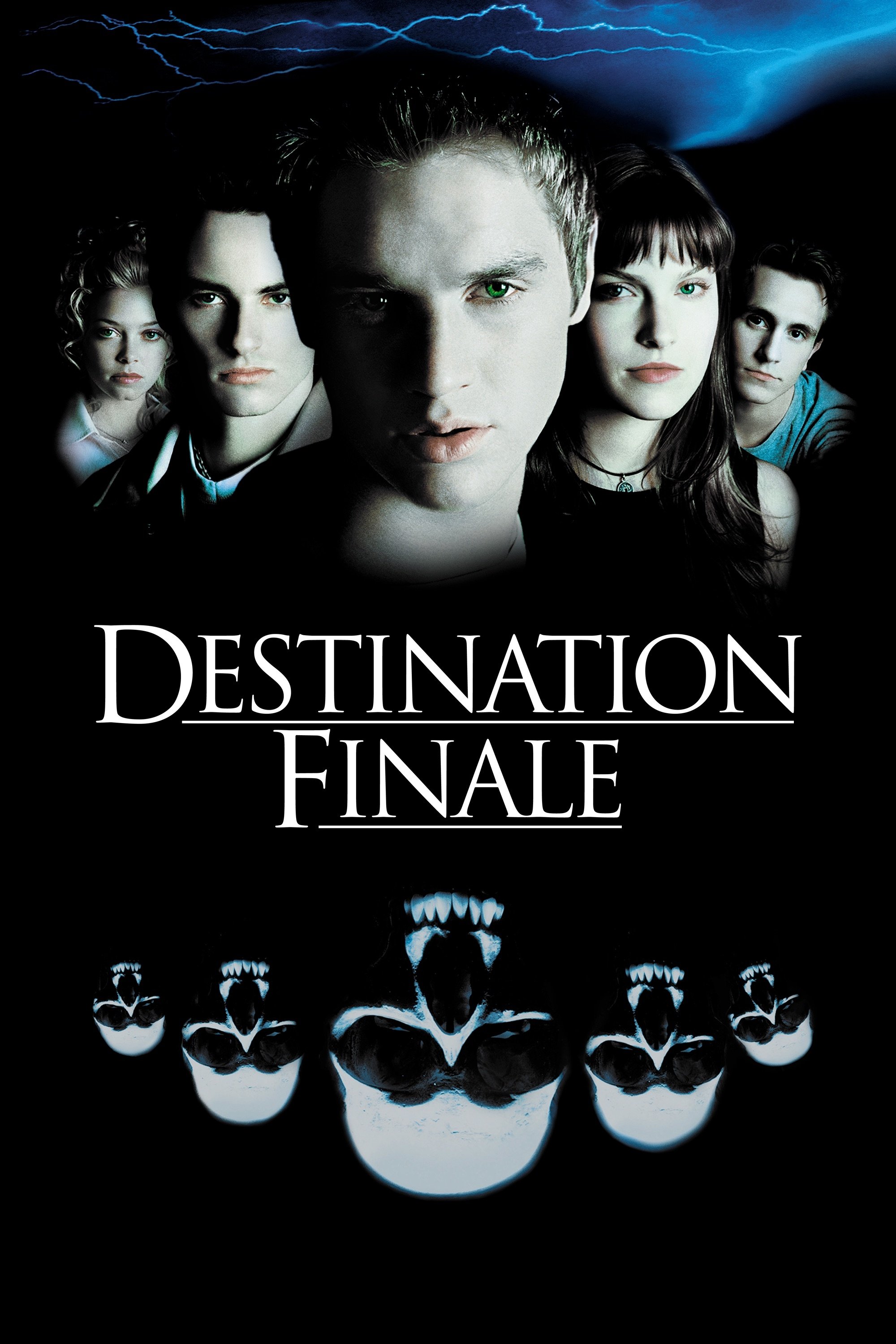
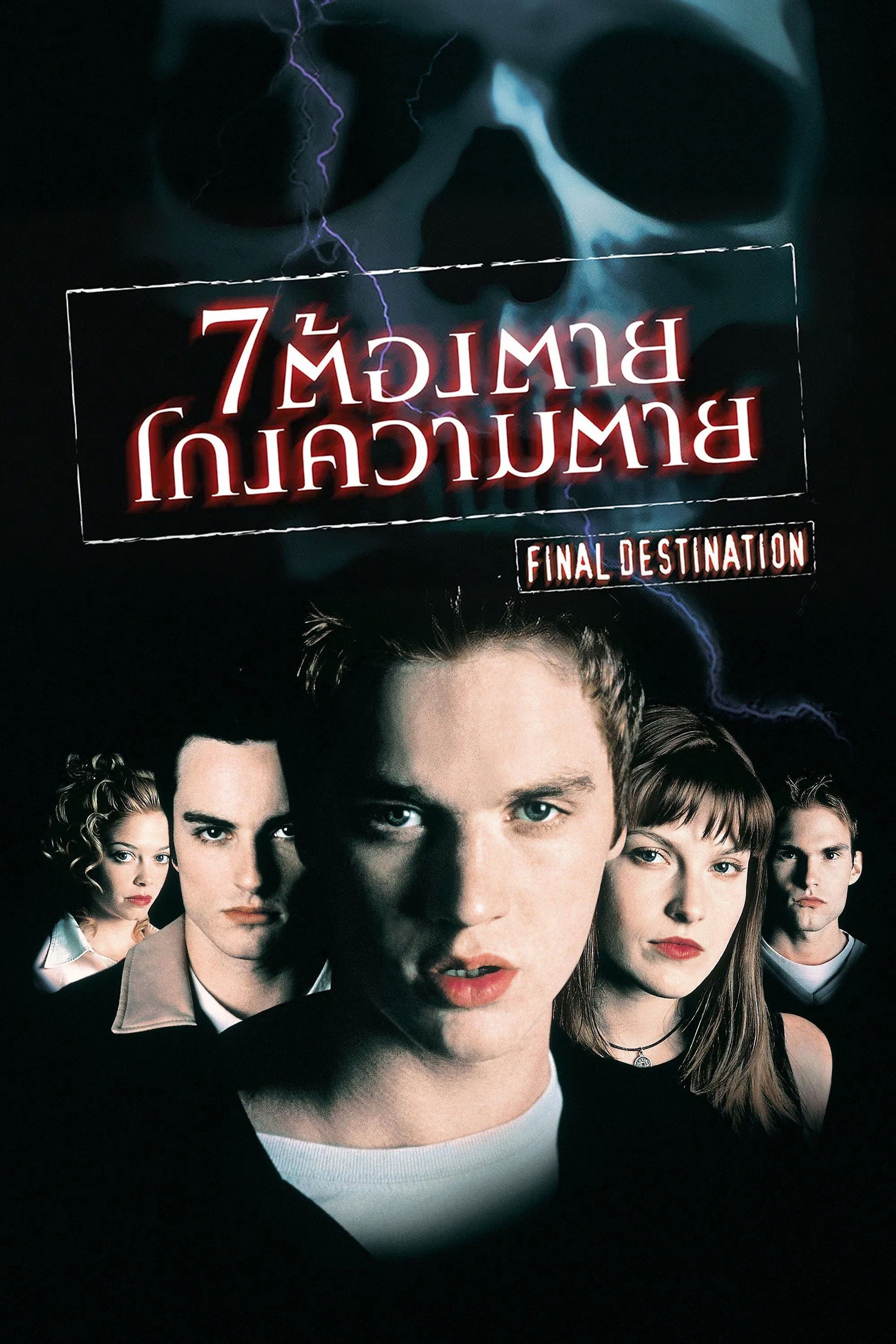
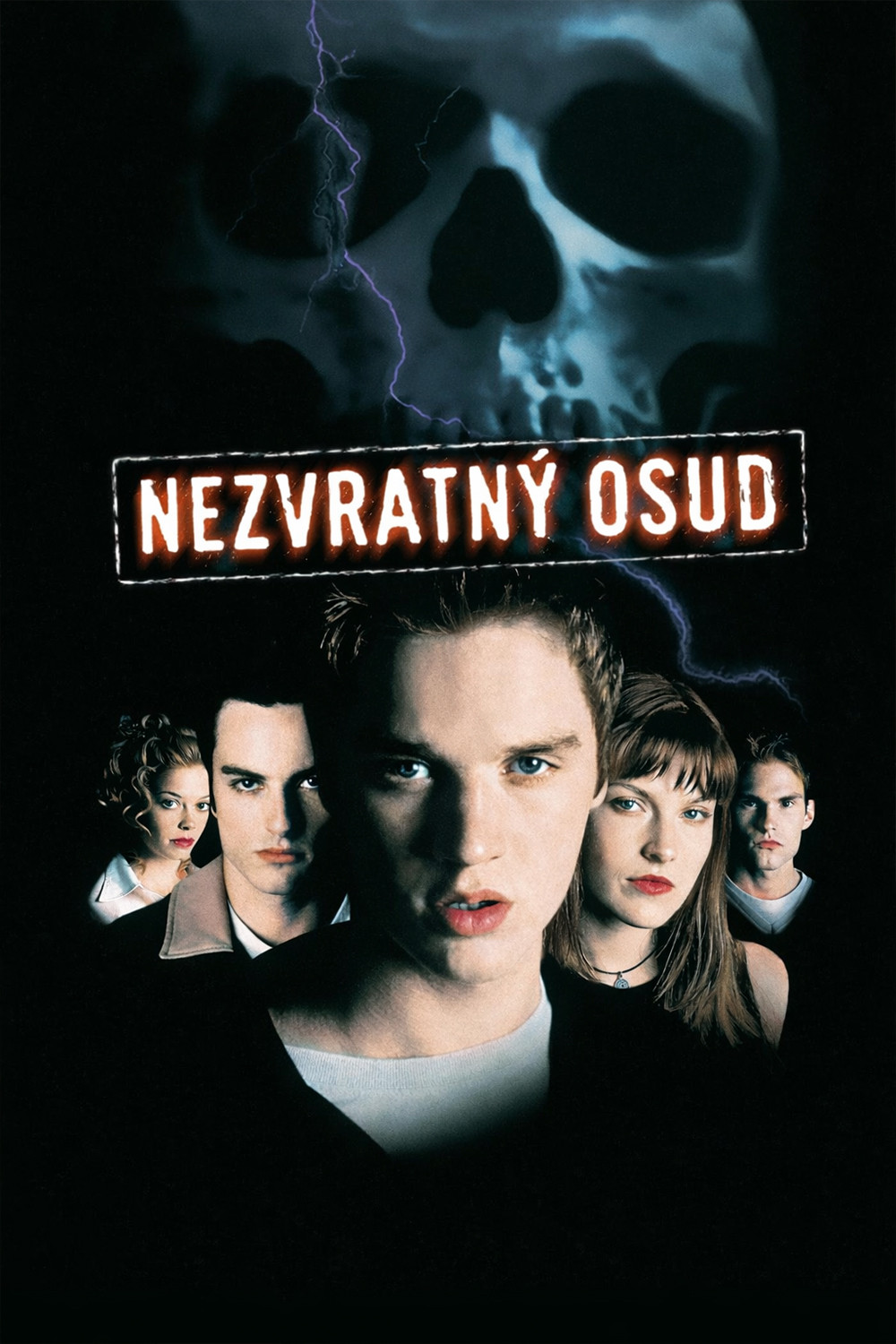
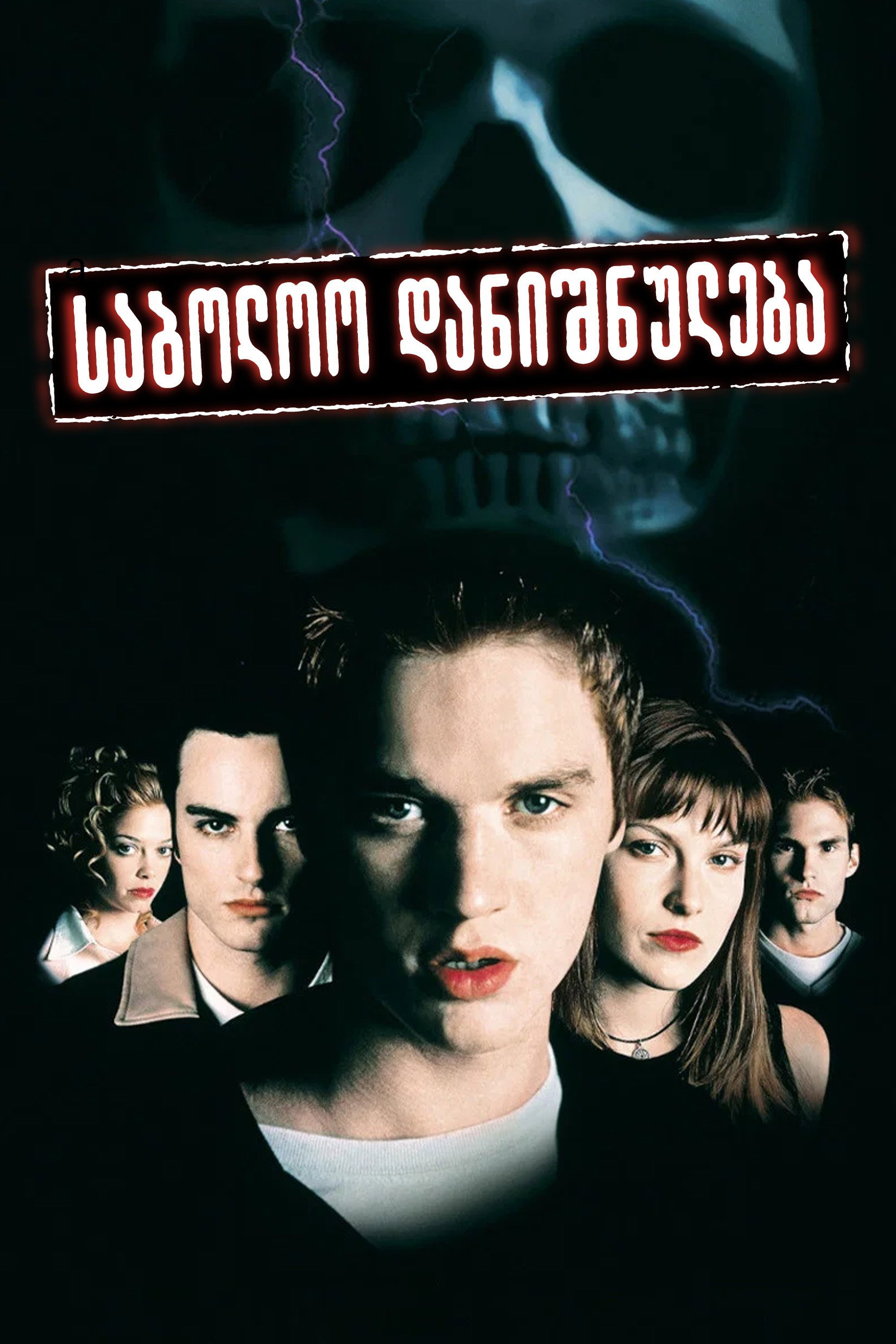
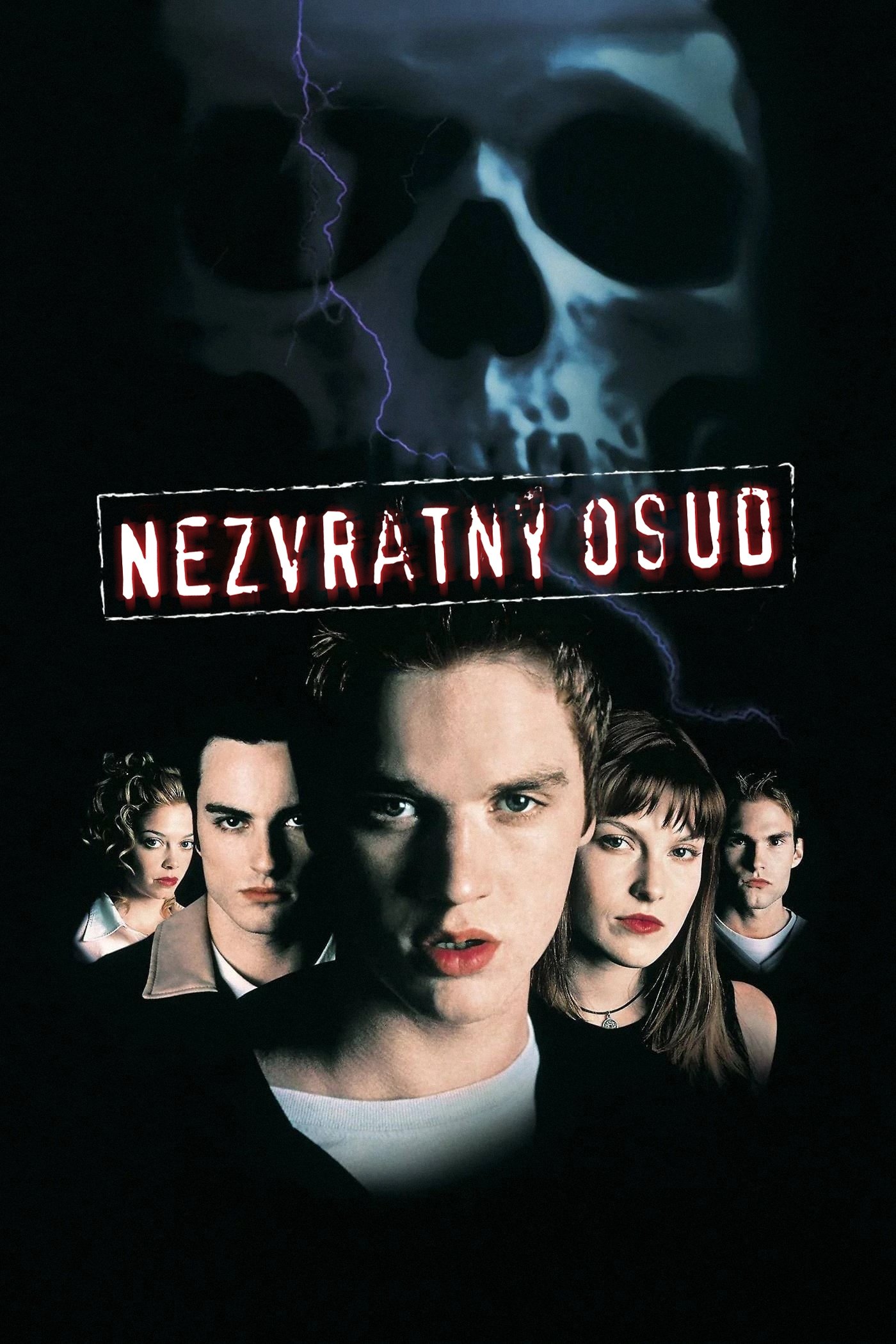
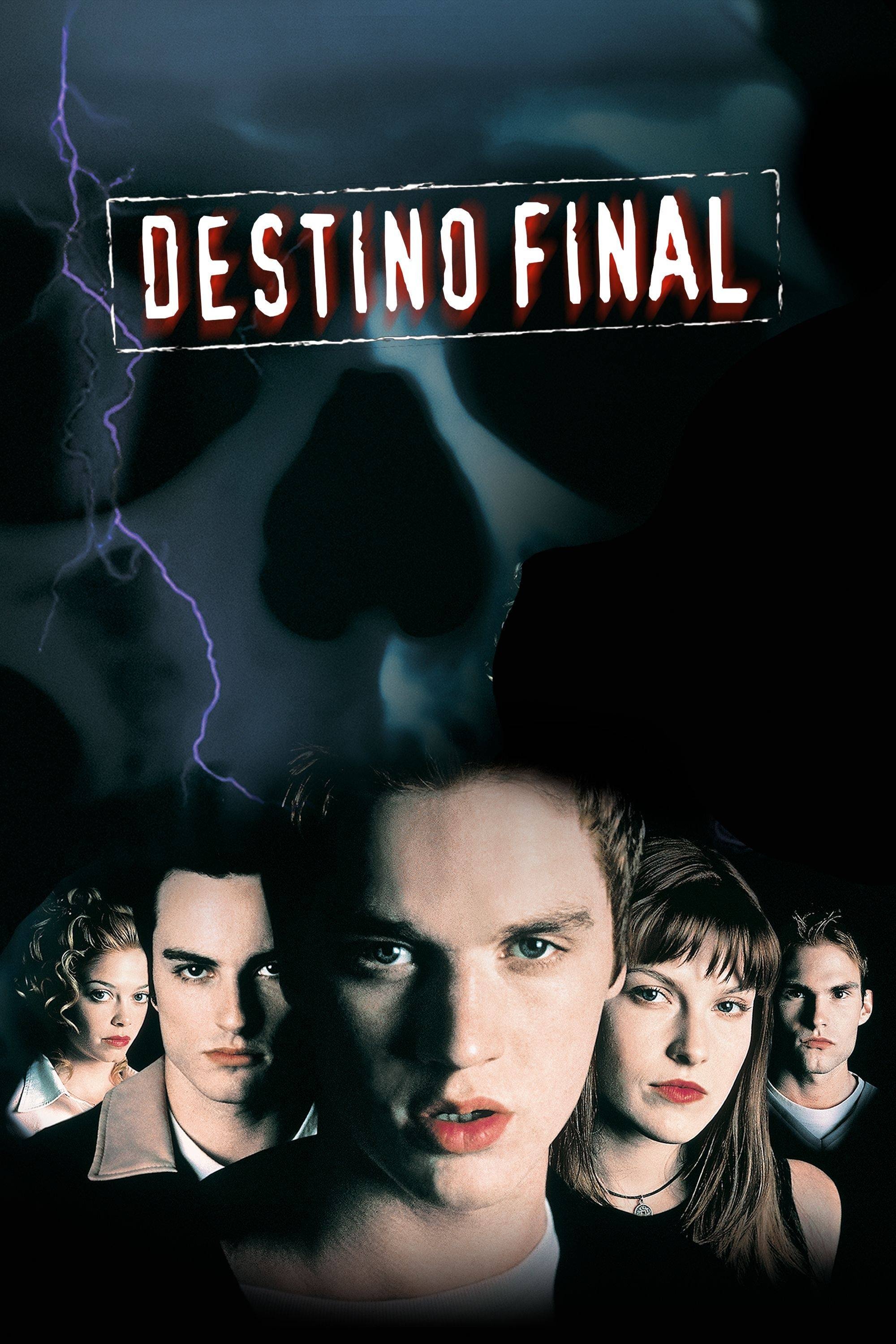
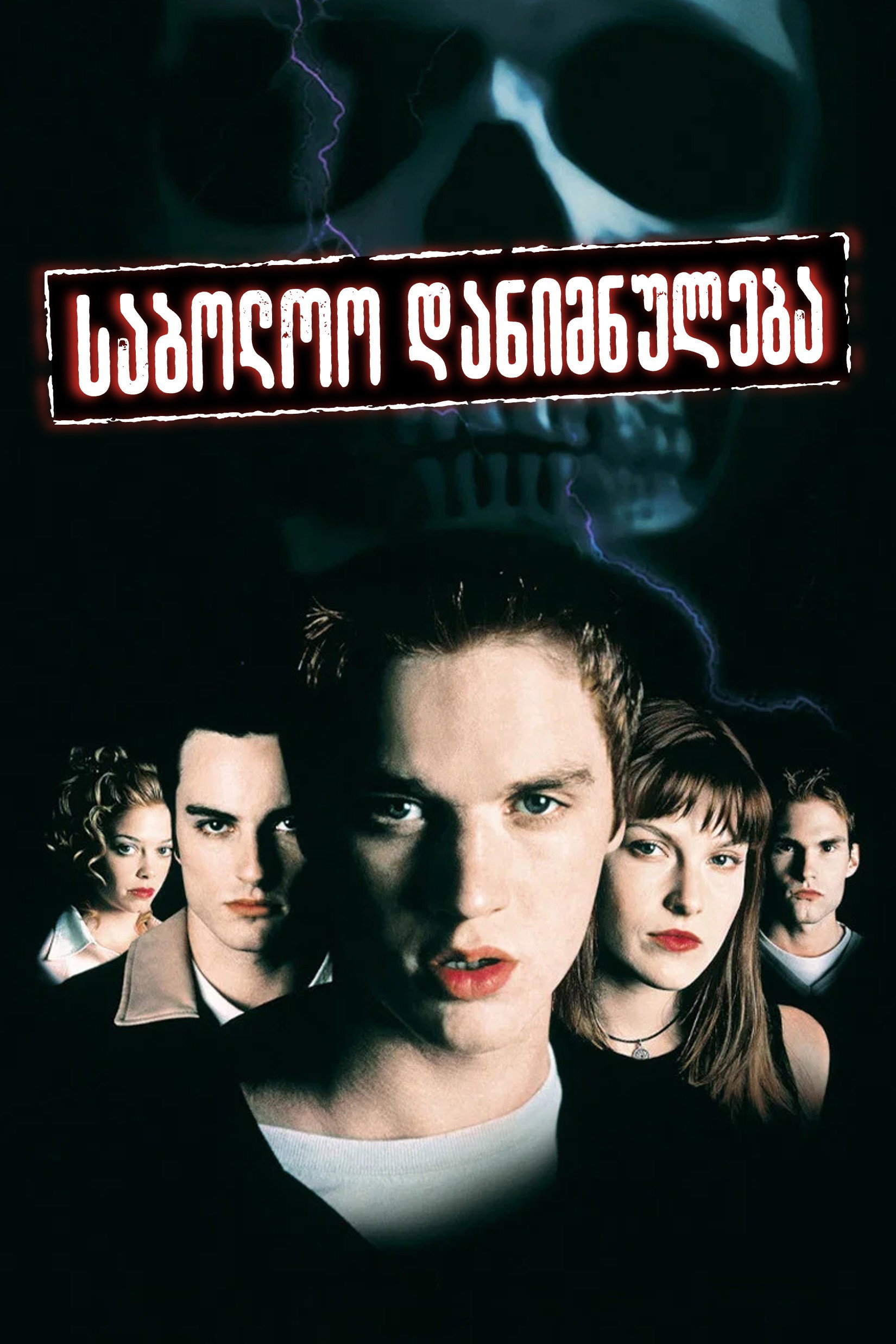
From Flight 180 to a Feature Film
Jeffrey Reddick has repeatedly traced the initial idea to a magazine account he read while traveling: a woman had reportedly changed her plans after a warning about an aircraft, which subsequently crashed. This remains Reddick's retrospective account of his inspiration; the underlying aviation incident has not been independently established by the cited material. Seeking representation in television, he built the premise into a speculative episode for The X-Files. His version centered on Charles Scully, the brother of the show's principal character Dana Scully, who survived a doomed flight and became implicated in the deaths of other passengers. Reddick has emphasized that the script was a writing sample and never became a produced episode.
The idea reached feature-film development through Reddick's existing ties to New Line Cinema. In interviews, he identified colleague Mark Kaufman as an early advocate, while Chris Bender connected the property with producers Craig Perry and Warren Zide. Reddick was familiar with the company after an unusual early relationship with its founder, Bob Shaye, that began when he submitted an unsolicited Nightmare on Elm Street screenplay as a teenager. That personal history helped place him near the studio, although it did not eliminate development obstacles. New Line eventually acquired the film treatment, and the project circulated under the working title Flight 180 before receiving its final name.
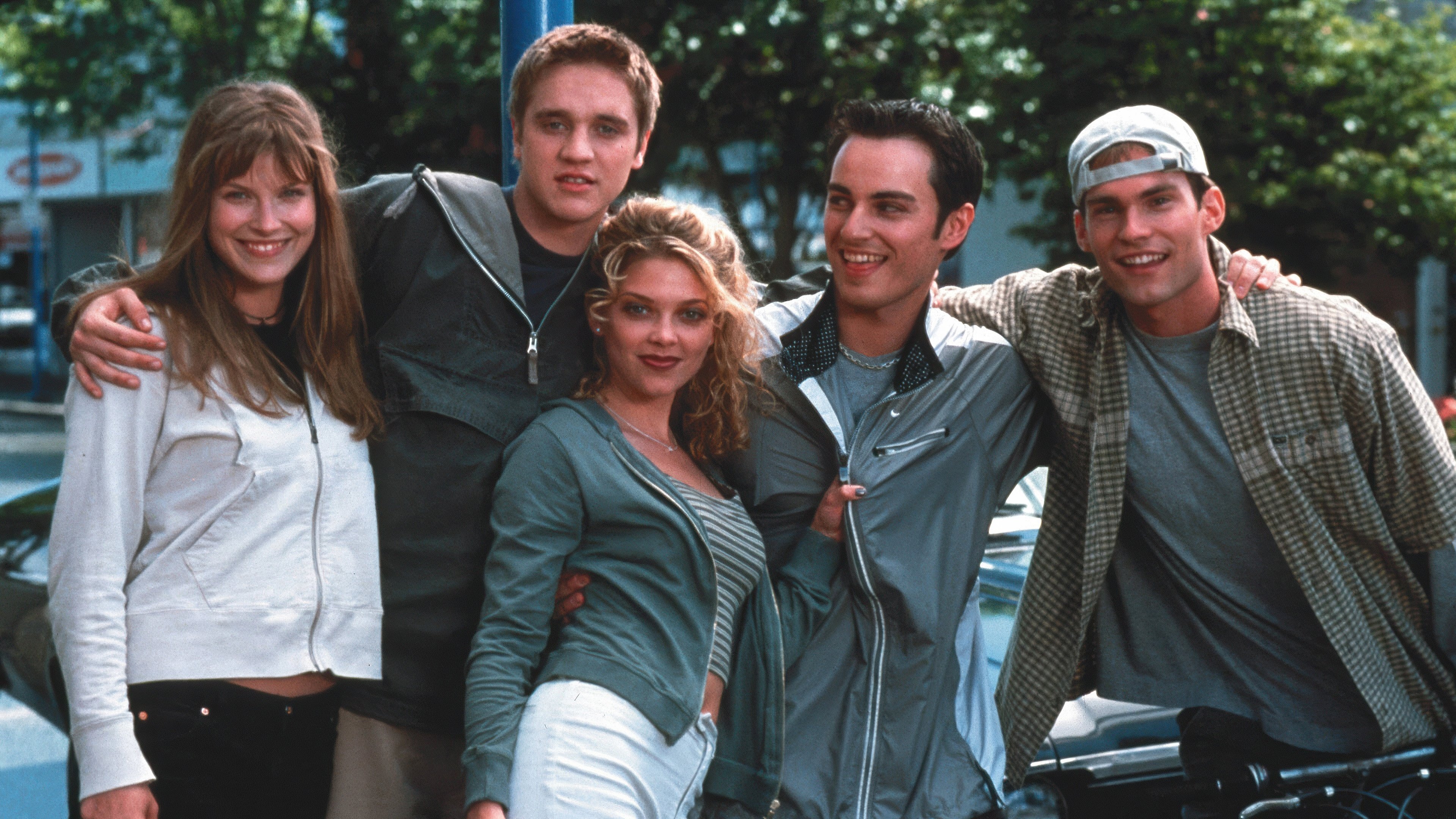
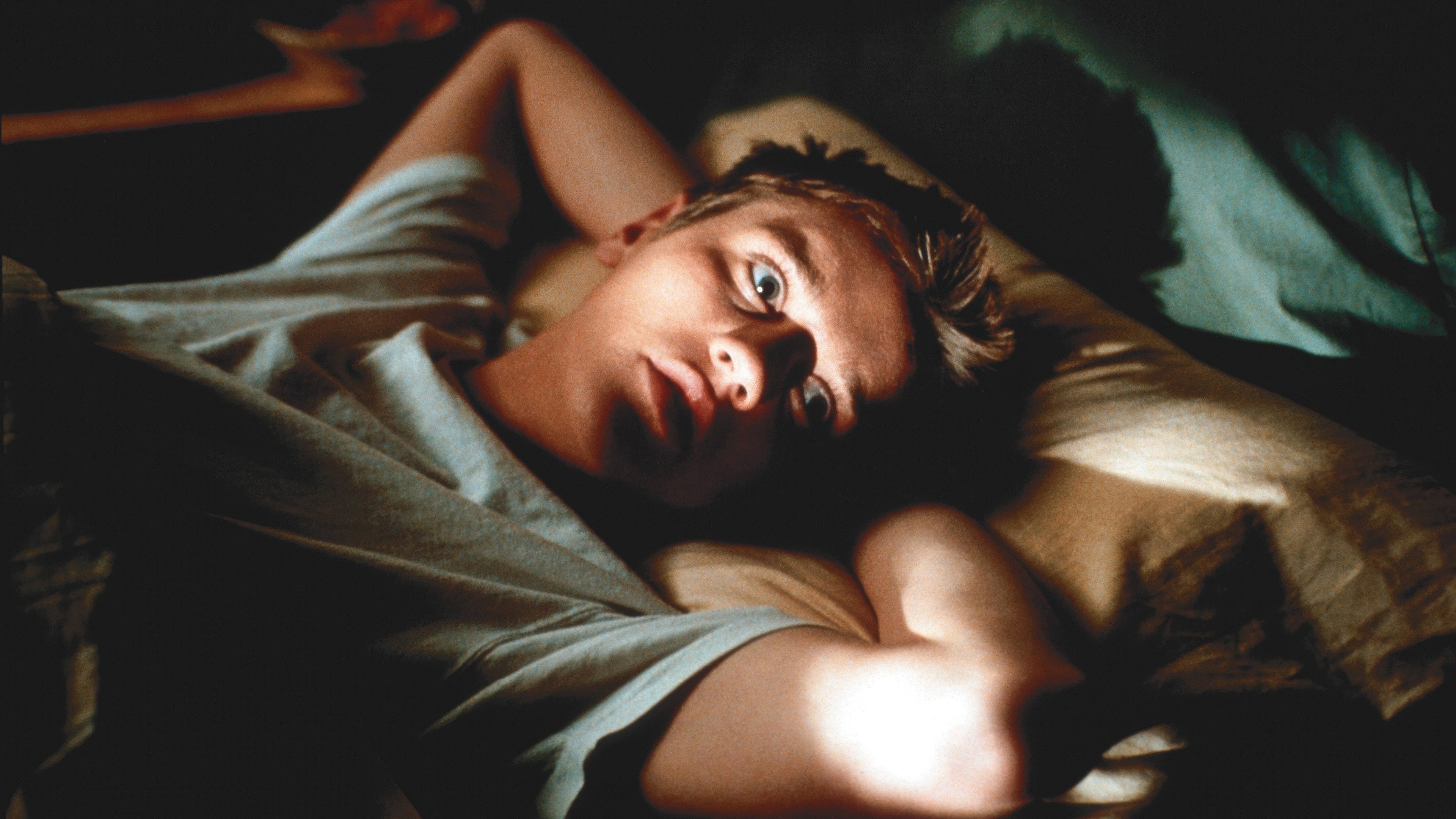
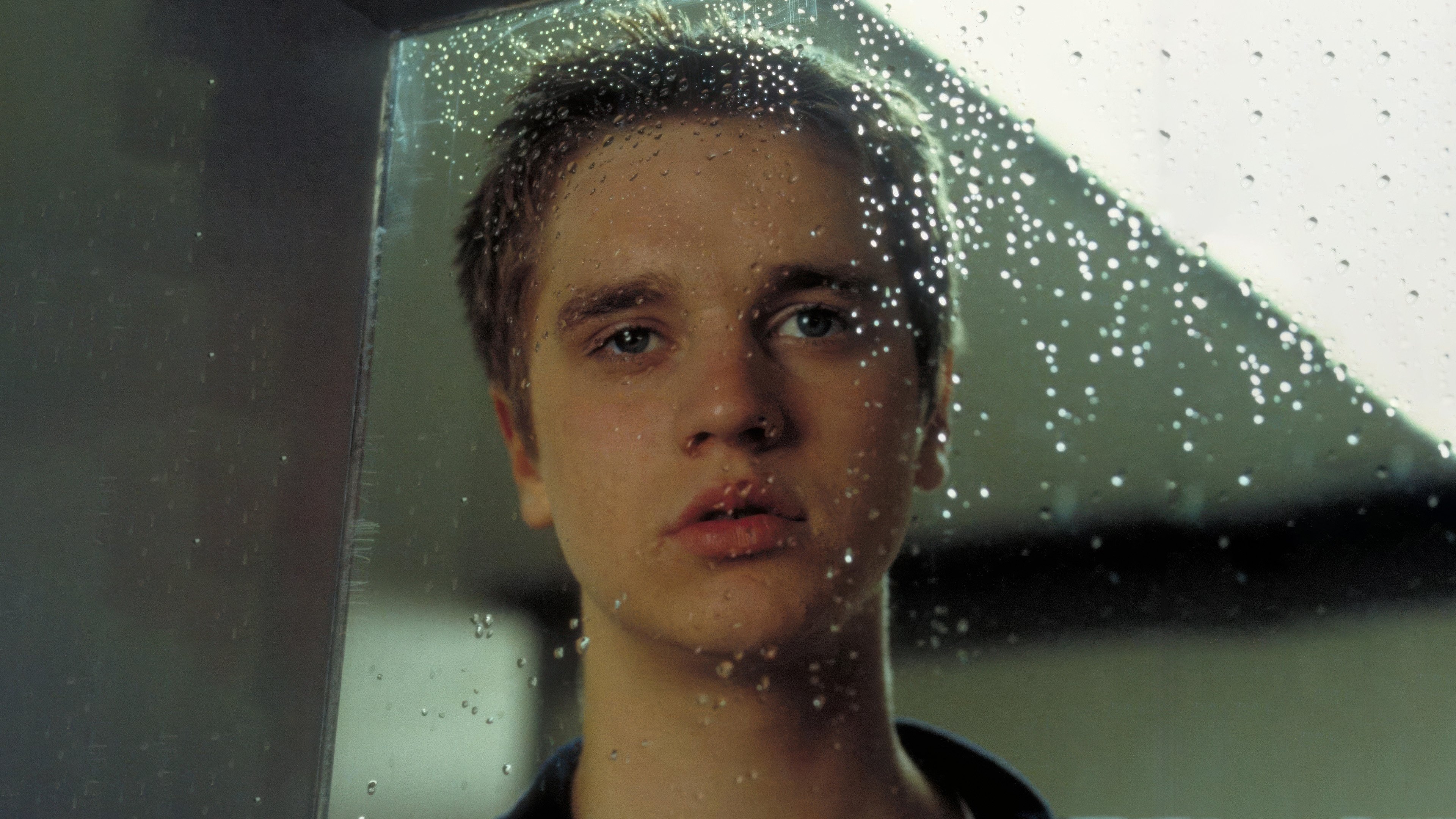
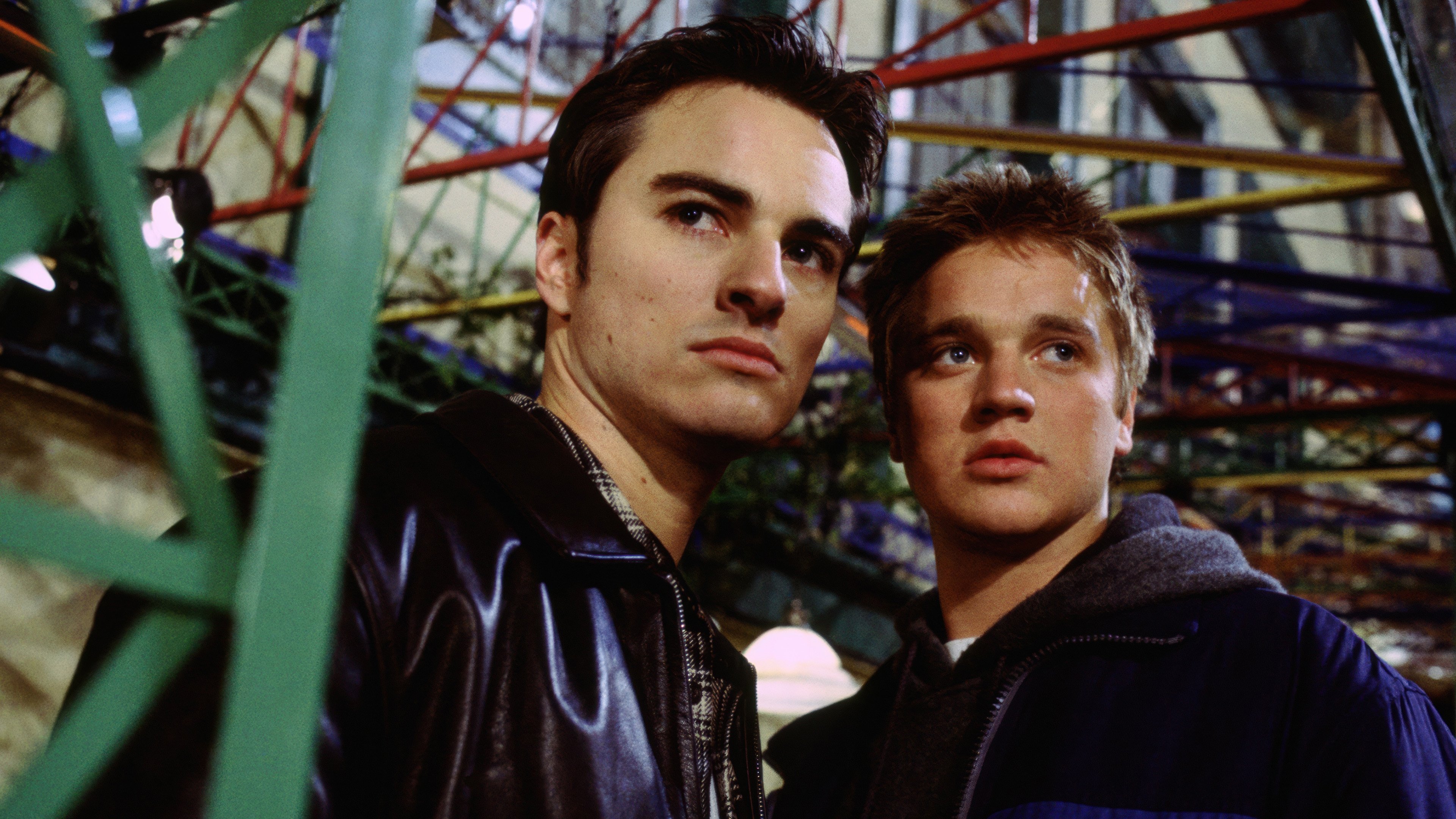
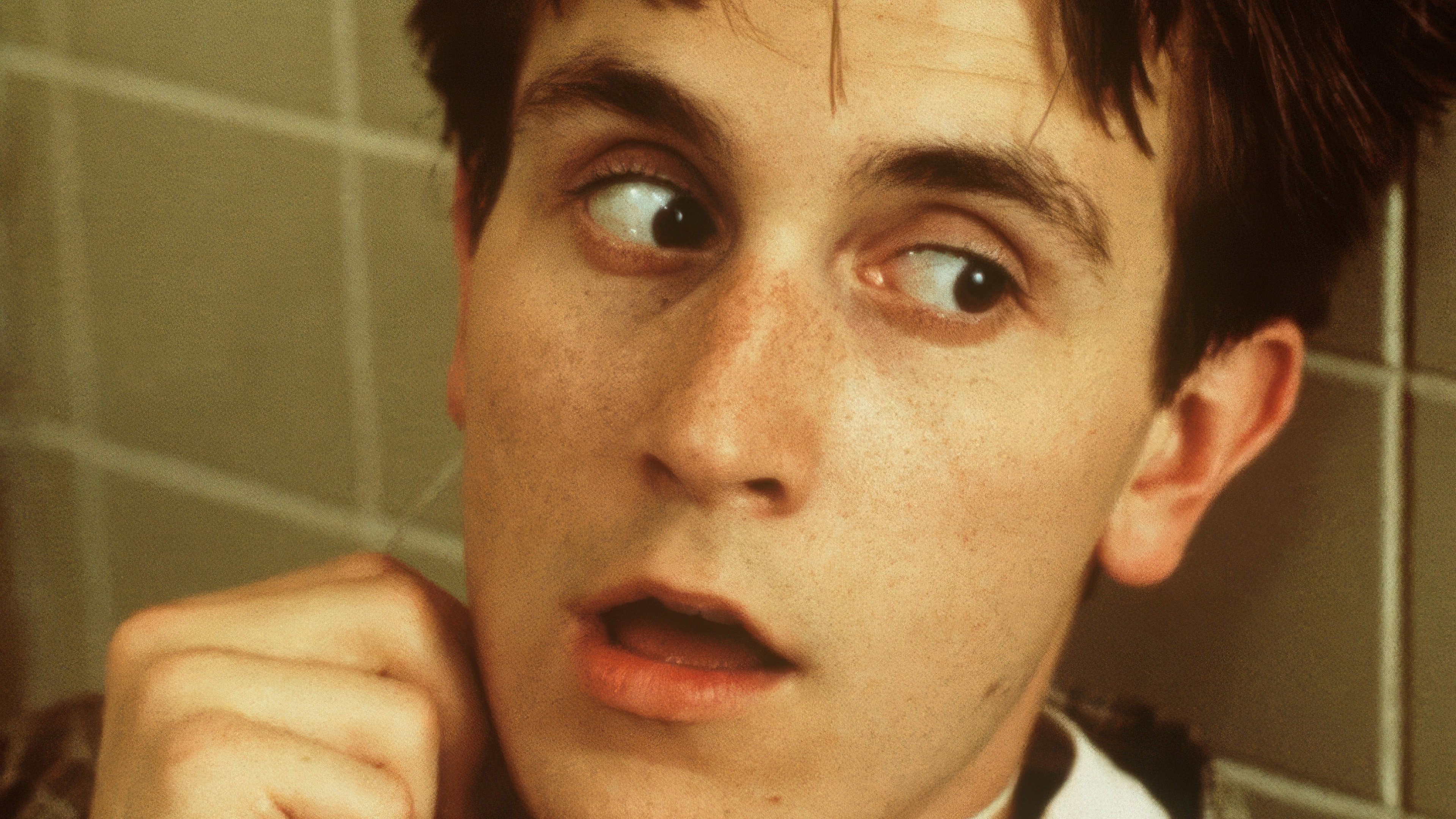
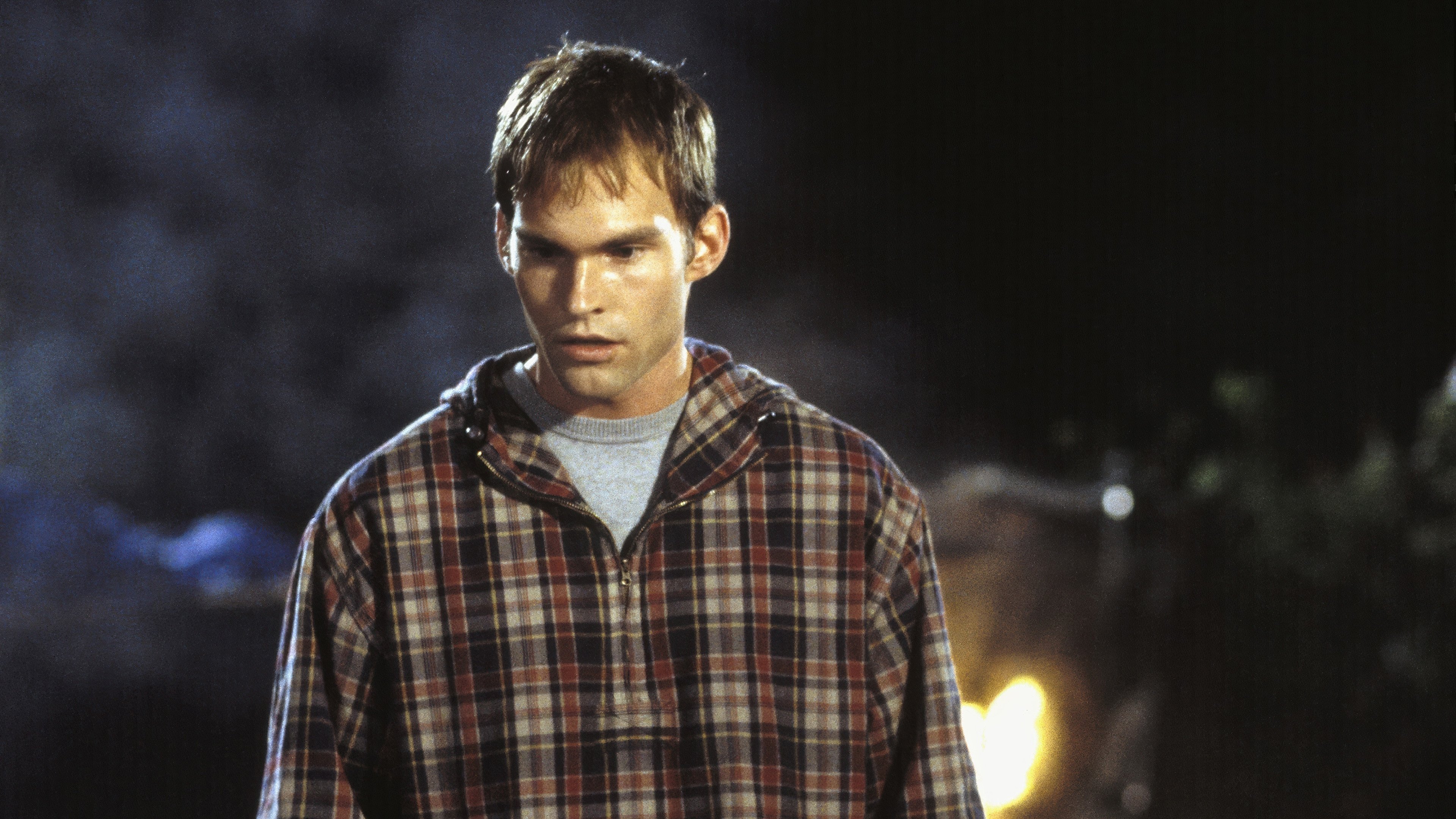
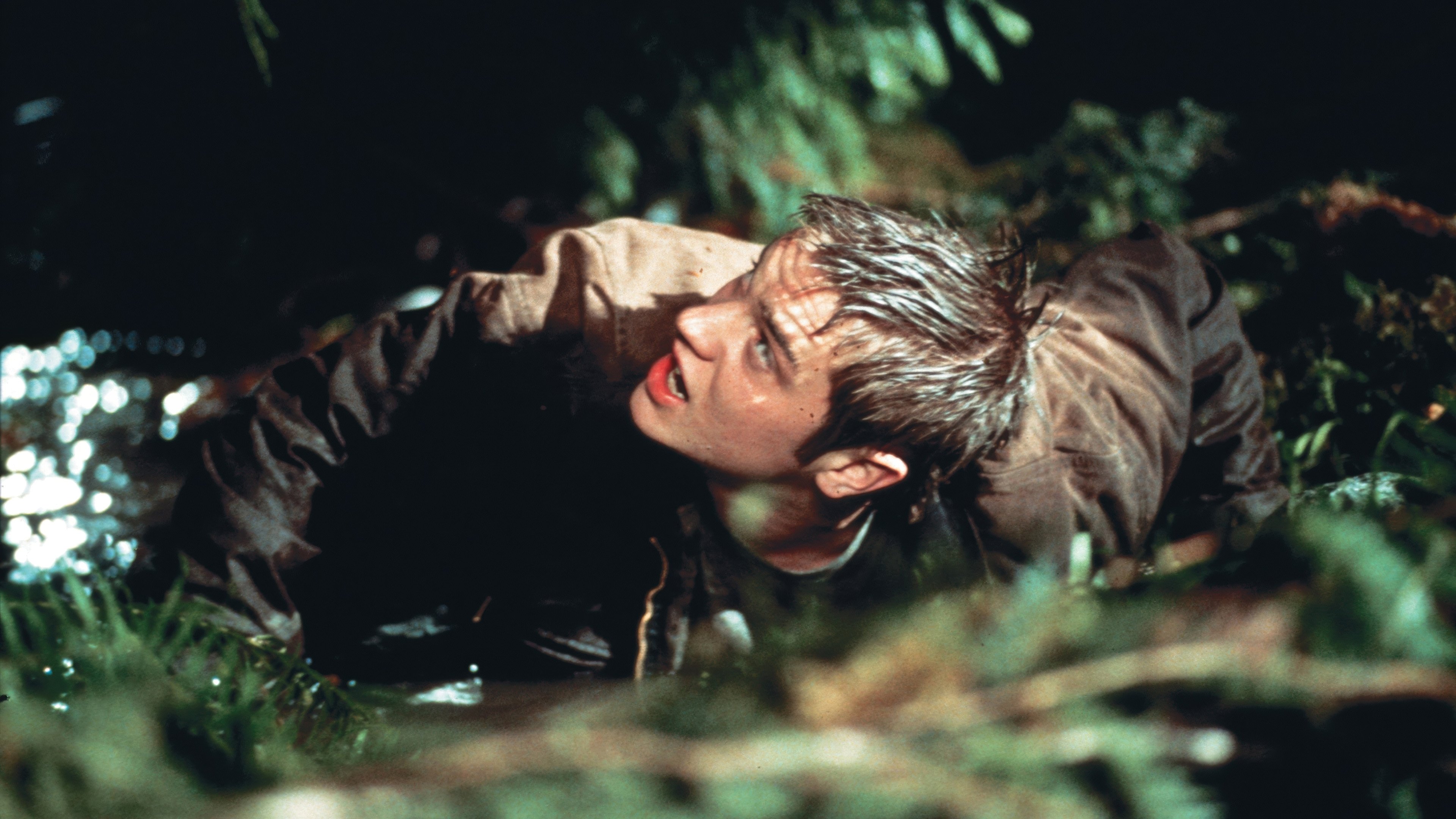
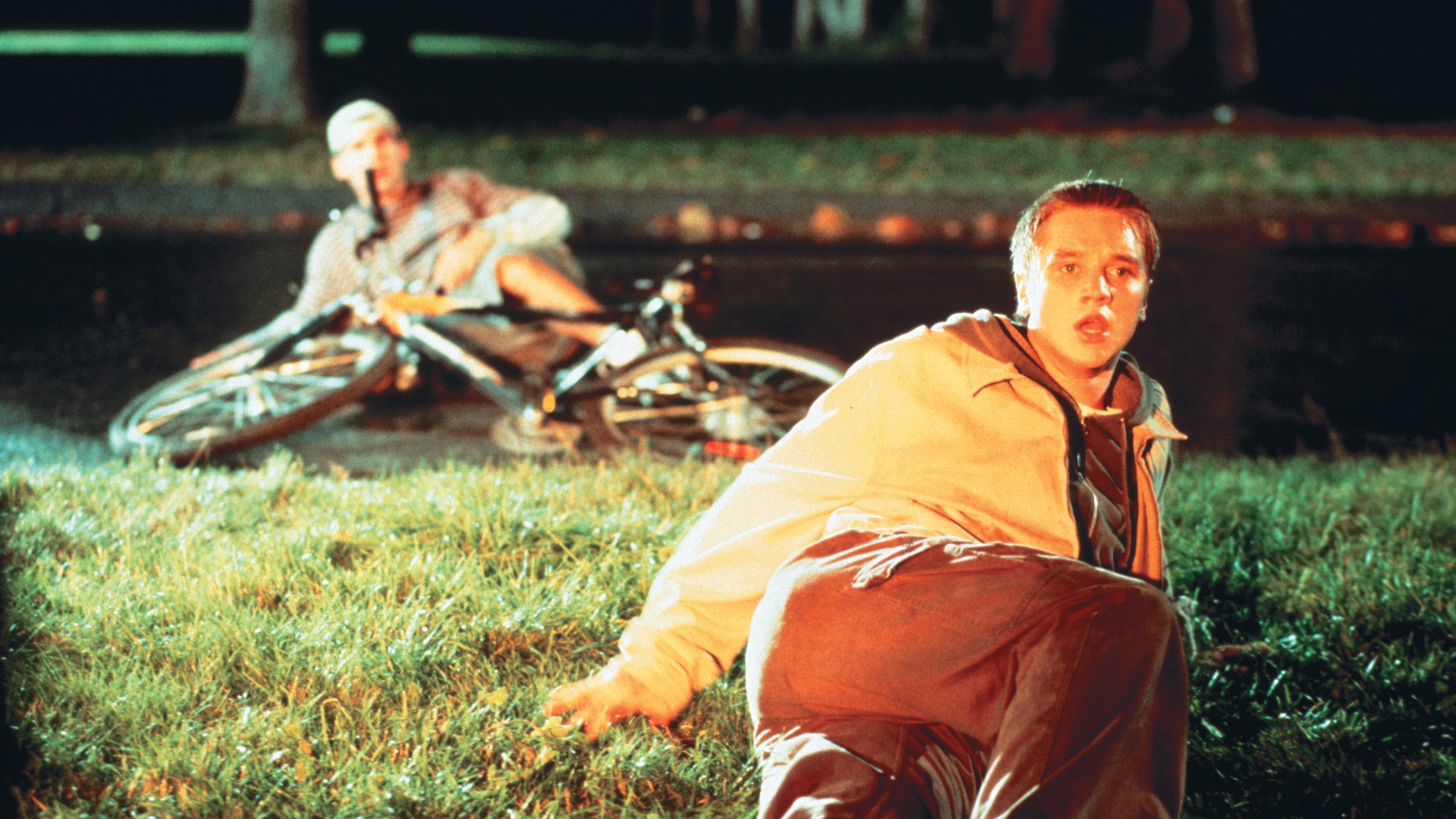
The principal survivors were adults in an early conception, permitting Reddick to explore obligations and anxieties outside a school setting. Following the commercial revival of teenage horror associated with Scream (1996), the project shifted toward students traveling abroad. Reddick described the alteration as a request from the studio, consistent with New Line's interest in the contemporary youth audience. The revised premise also created a clear social group whose arguments after the crash could intensify their isolation. Returning classmates saw Alex Browning's warning as either evidence of abnormal insight or grounds for suspicion, leaving him exposed to disbelief even after his prediction had come true.
Rewriting an Invisible Antagonist
An antagonist who cannot be seen, confronted or killed created an unusually difficult commercial proposition. Reddick recalled repeated resistance from New Line executives to the absence of a recognizable monster. His early feature draft was strongly influenced by A Nightmare on Elm Street: Death exploited the survivors' guilt and private fears, sometimes pushing them toward fatal circumstances resembling suicide. James Wong and Glen Morgan, whose television experience included The X-Files and Millennium, took over the shooting screenplay and redirected the threats toward mechanical consequences within everyday environments. The finished film makes spectators follow ordinary causes whose combined effect proves lethal.
The allocation of creative credit for that approach deserves care. In a 2023 Los Angeles Times interview, Reddick described his efforts to preserve a nonphysical adversary. After publication, Wong and Morgan disputed aspects of his account, with Wong claiming that their screenplay supplied the decisive system in which an unseen force manipulates inanimate objects. In other interviews, Reddick credited the pair with the chain-reaction design while emphasizing his initial concept of survivors being pursued after evading a scheduled death. These statements establish a collaborative development history with different views about authorship. They do not justify assigning the complete finished mechanism to any one participant without qualification.
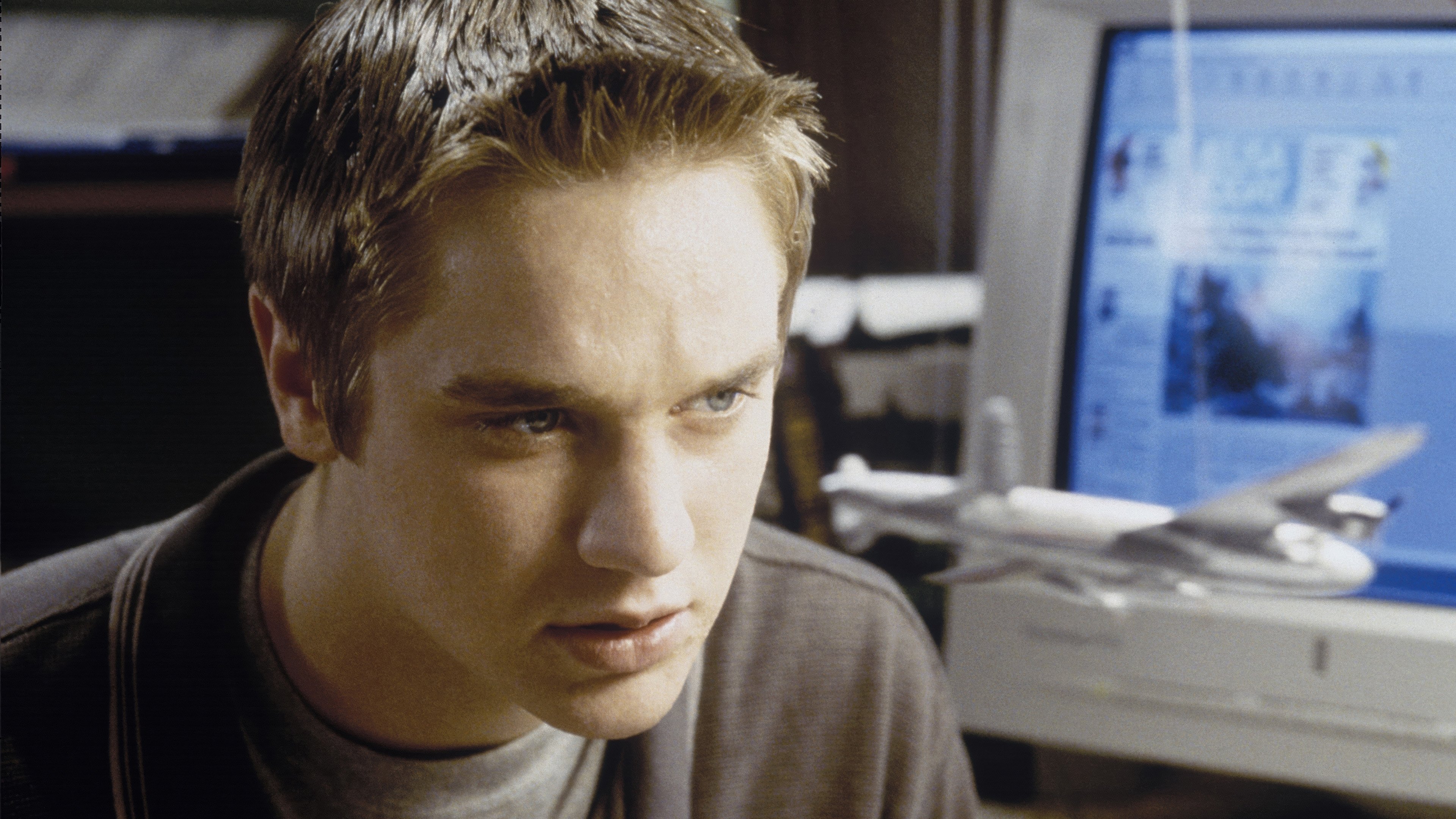
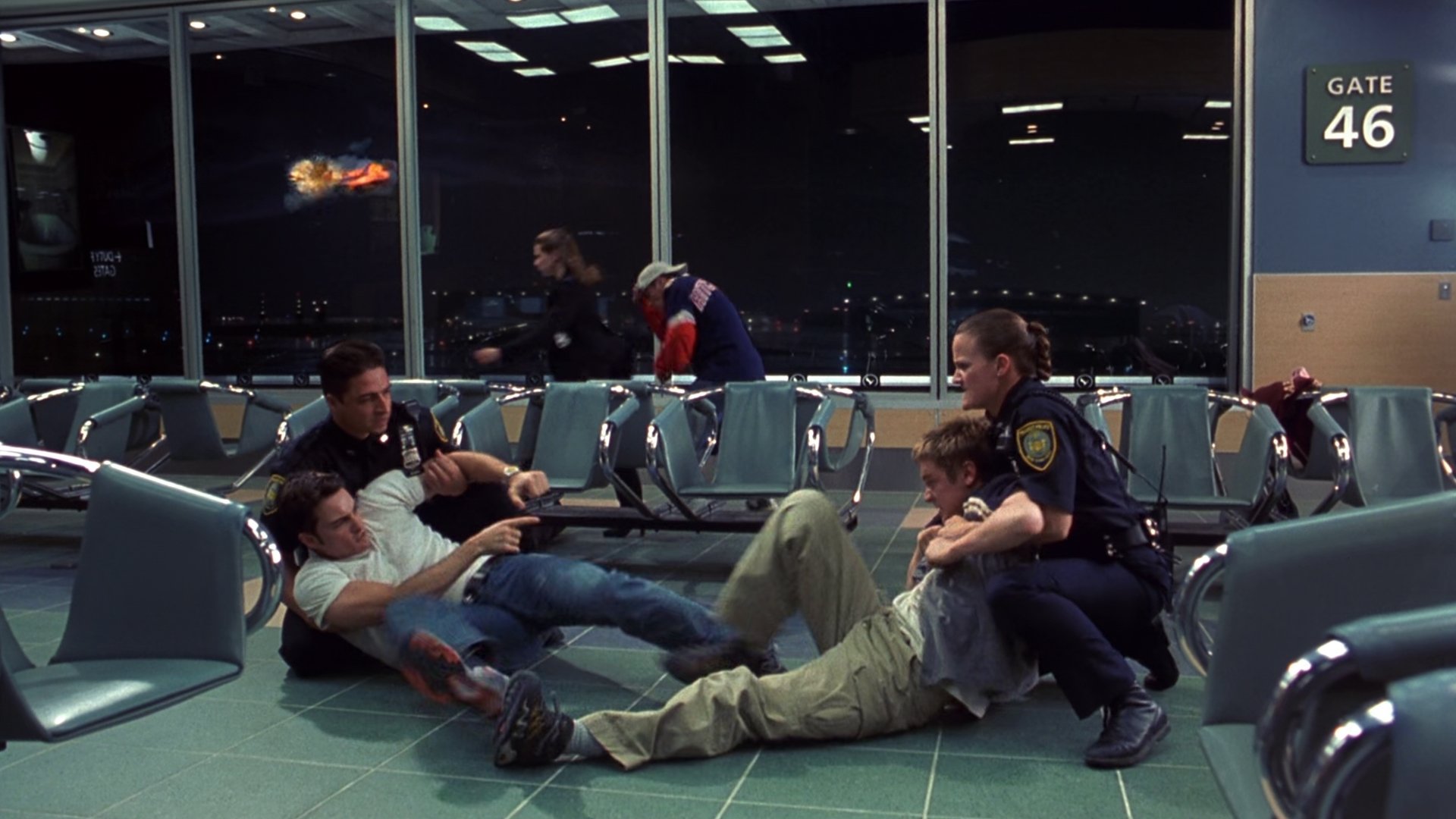
The script gives its threat a set of partially intelligible rules without defining a supernatural theology. Alex works from his memory of the plane and the sequence in which people were expected to die, interpreting subsequent accidents as evidence that the missed deaths are being reclaimed. Federal agents investigating the explosion supply an earthly counterweight: suspicions about Alex's knowledge force him to defend himself under ordinary criminal procedures even as he follows a theory nobody can prove. This tension gives the premise narrative traction beyond successive fatalities. A protagonist who detects a pattern must act on incomplete information, and every intervention changes the situation he is trying to predict.
Omens, Sound and Horror-Cinema References
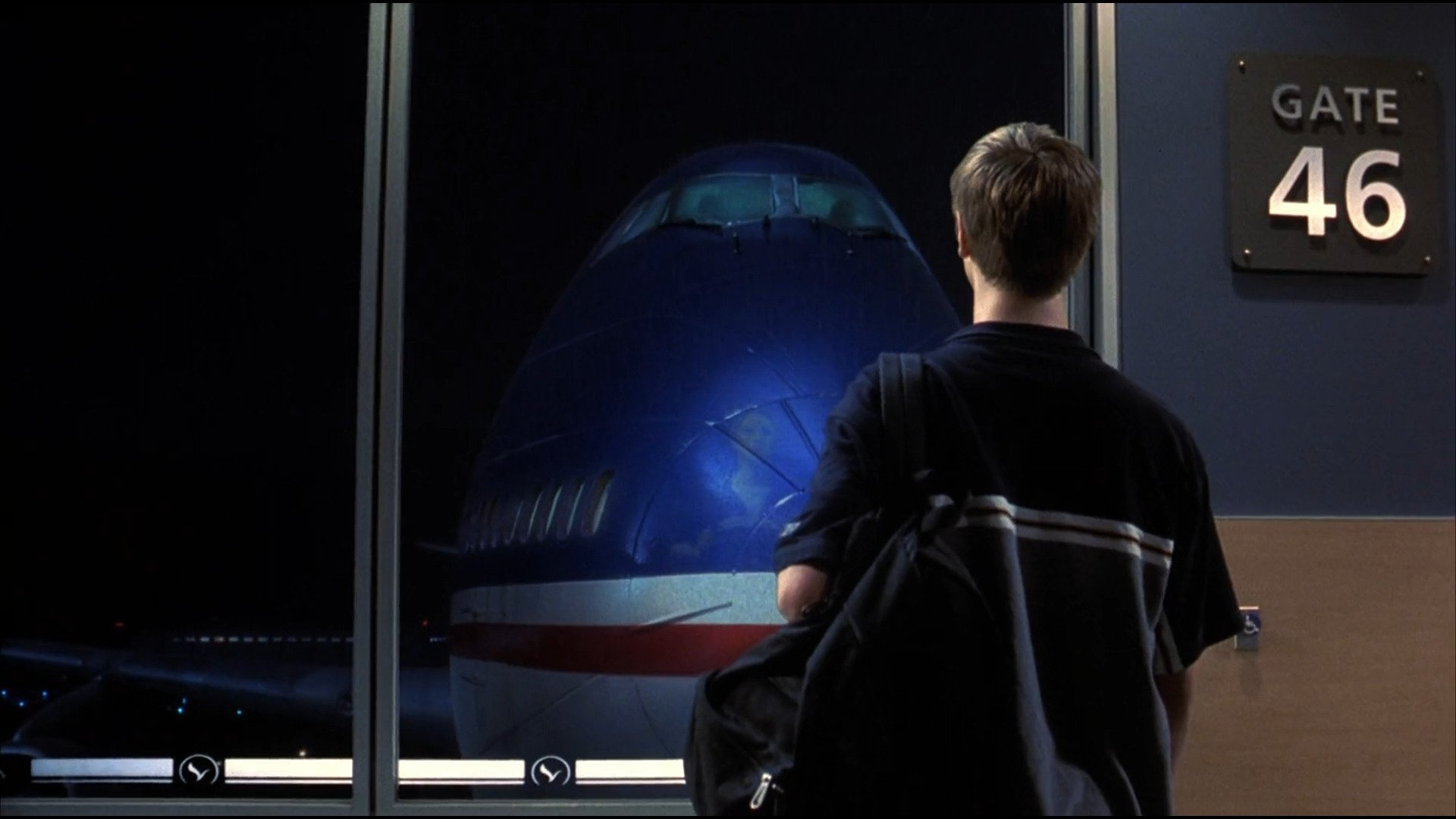
The film prepares viewers to read its environments before any elaborate fatality occurs. During Alex's departure, mundane events acquire possible significance through his superstitions and nervous attention. Once the disaster has occurred, the same habit of scanning spreads to the audience. A fluid near electrical wiring or a kitchen implement left within reach can be read as a warning even when the immediate result remains uncertain. This method depends on the duration and arrangement of shots: a close view of an object establishes one possibility, while a later cut may cancel it or bring an entirely different hazard into play. Suspense emerges from the competing causal paths within the frame.
John Denver's music provides a striking auditory signal of danger. Denver died in an aircraft accident in 1997, and the screenplay uses the association to give an otherwise familiar song a disturbing secondary meaning. In a 2020 interview, Reddick attributed the decision to Wong and Morgan and acknowledged his own unease about connecting a real performer's death to fictional shocks. The detail illustrates how the film treats information outside the immediate plot as a potential omen. Rather than relying exclusively on an orchestral warning, it allows a recognizable piece of popular music to prompt apprehension through context. Its effectiveness also depends on the spectator noticing why the selection is unsettling.
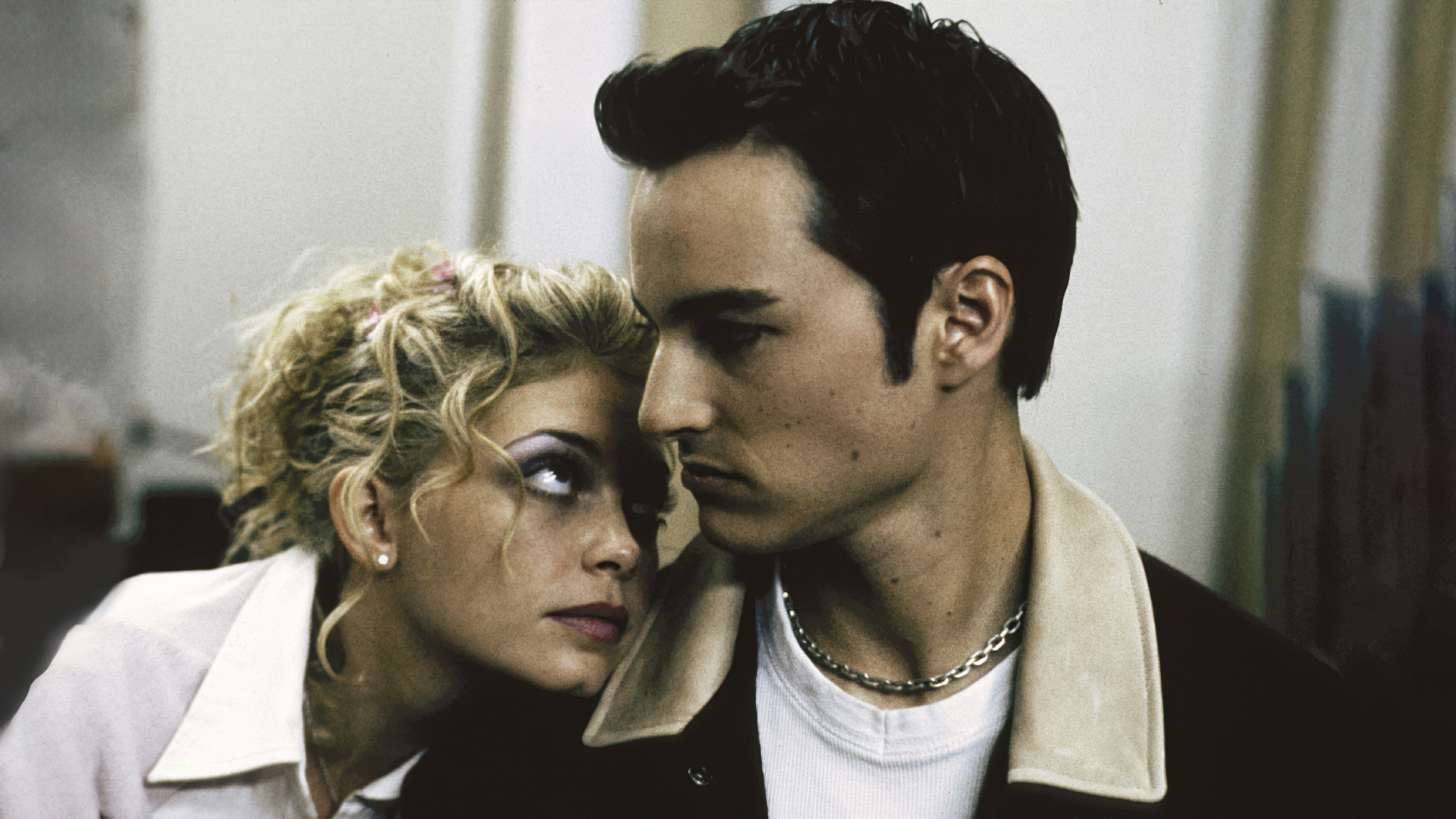
The writers embedded a quieter set of references in character names. Valerie Lewton recalls producer Val Lewton, whose films often derived terror from suggestion; Billy Hitchcock evokes Alfred Hitchcock, while the names Murnau and Schreck acknowledge early screen horror. Reddick identified these gestures as contributions from Wong and Morgan, and period critics noticed at least some of them. They connect an ostensibly contemporary teen thriller with traditions of withheld images and oppressive anticipation. The allusions should be understood as deliberate acknowledgments, without making every narrative device a direct borrowing from a particular predecessor. The picture's distinctive method lies in converting seemingly harmless visual evidence into a sequence of possible deaths.
Photographing Familiar Places and Catastrophe
Cinematographer Robert McLachlan provided a revealing account of the film's visual conception in an interview published by Staci Layne Wilson in 2020. His earlier work on Millennium had explored dark, carefully controlled television photography. For Final Destination, he said Wong and Morgan wanted kitchens, bathrooms and airplanes to look commonplace at first, minimizing the conspicuous lighting cues normally associated with supernatural horror. The aim was to establish settings that viewers recognized before violence altered their meaning. Such restraint had consequences for staging: an audience cannot fully anticipate an attack by looking for a conventional monster silhouette, so it is encouraged to examine the placement of ordinary objects instead.
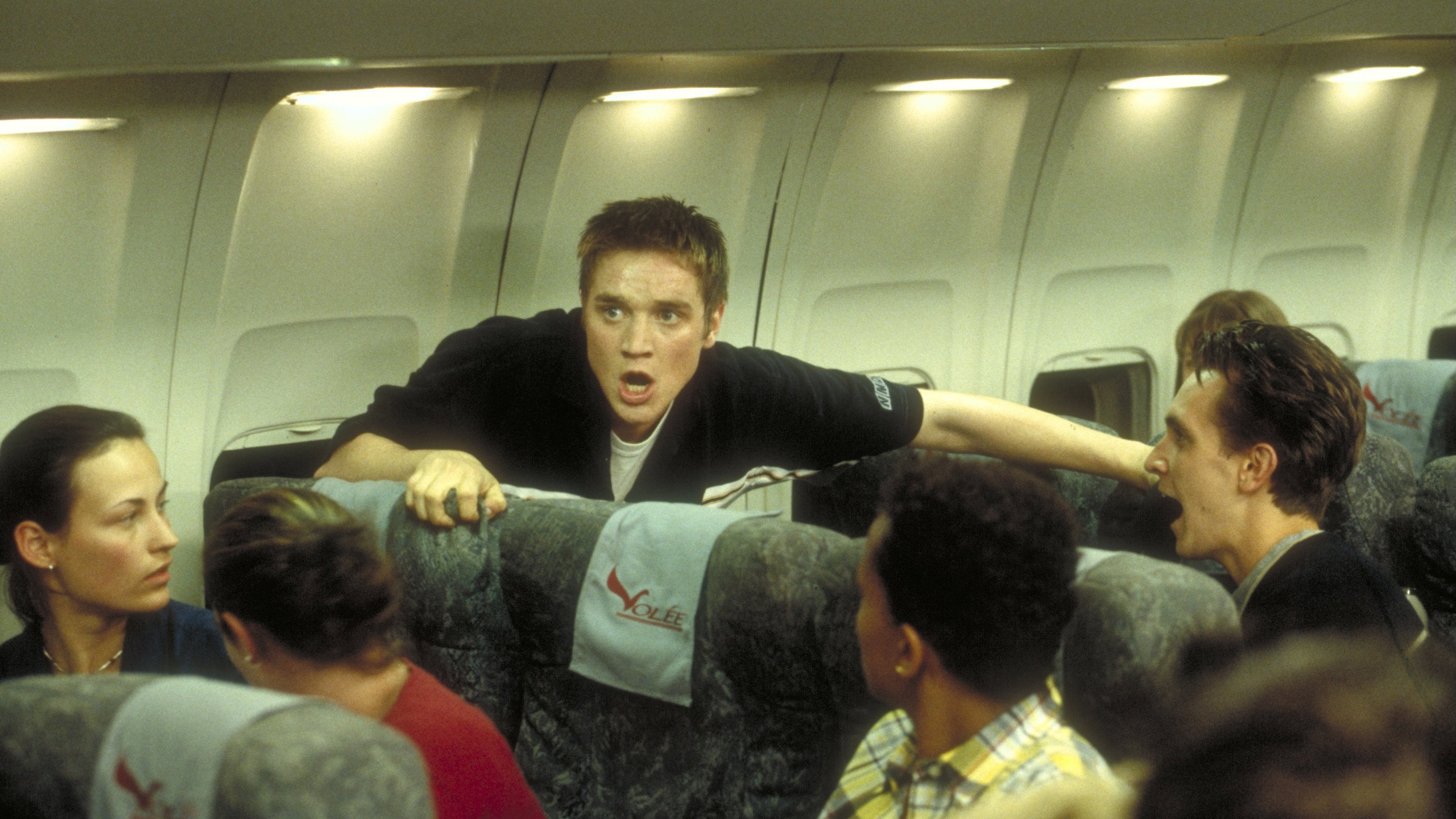
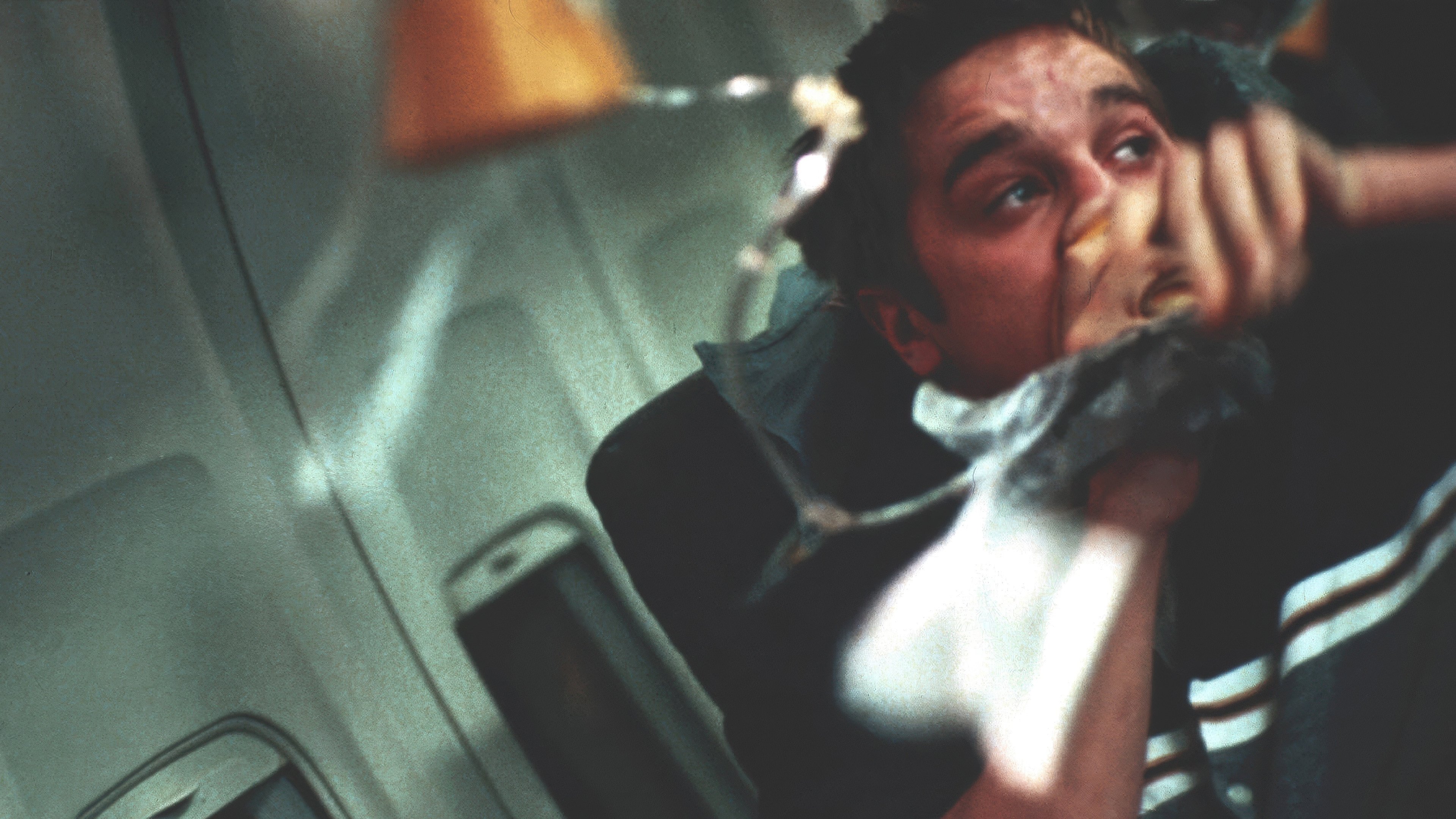
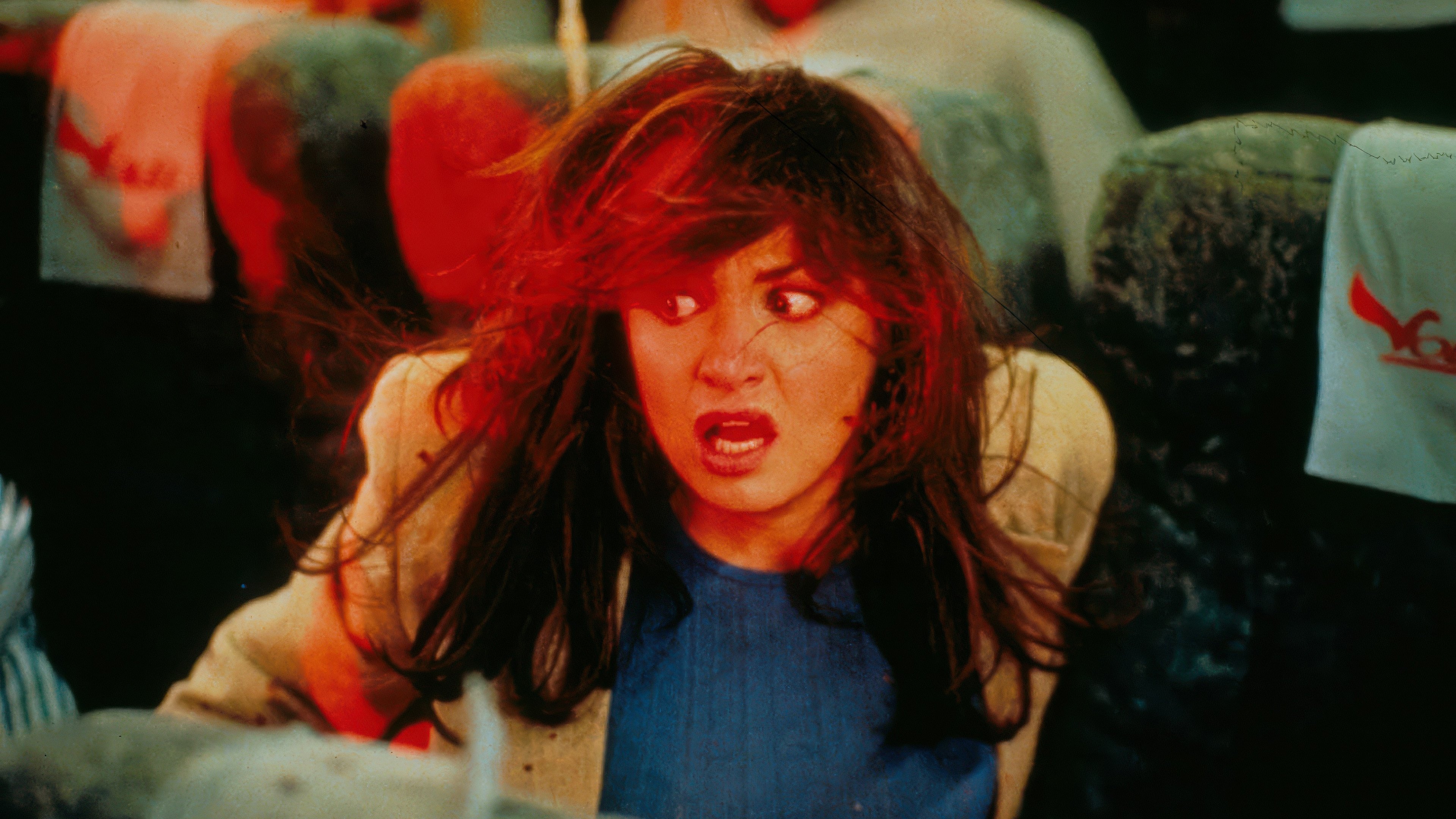
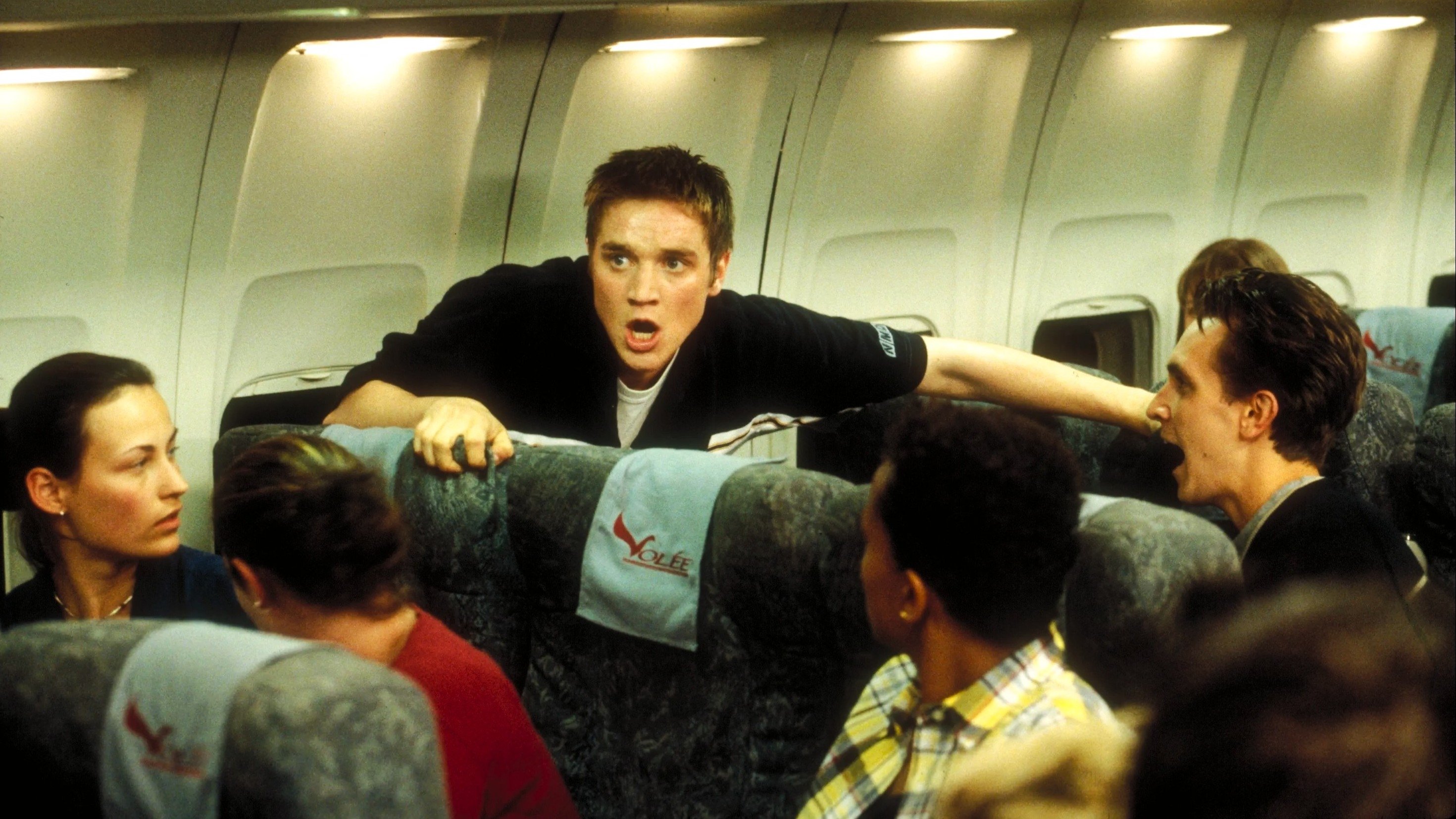
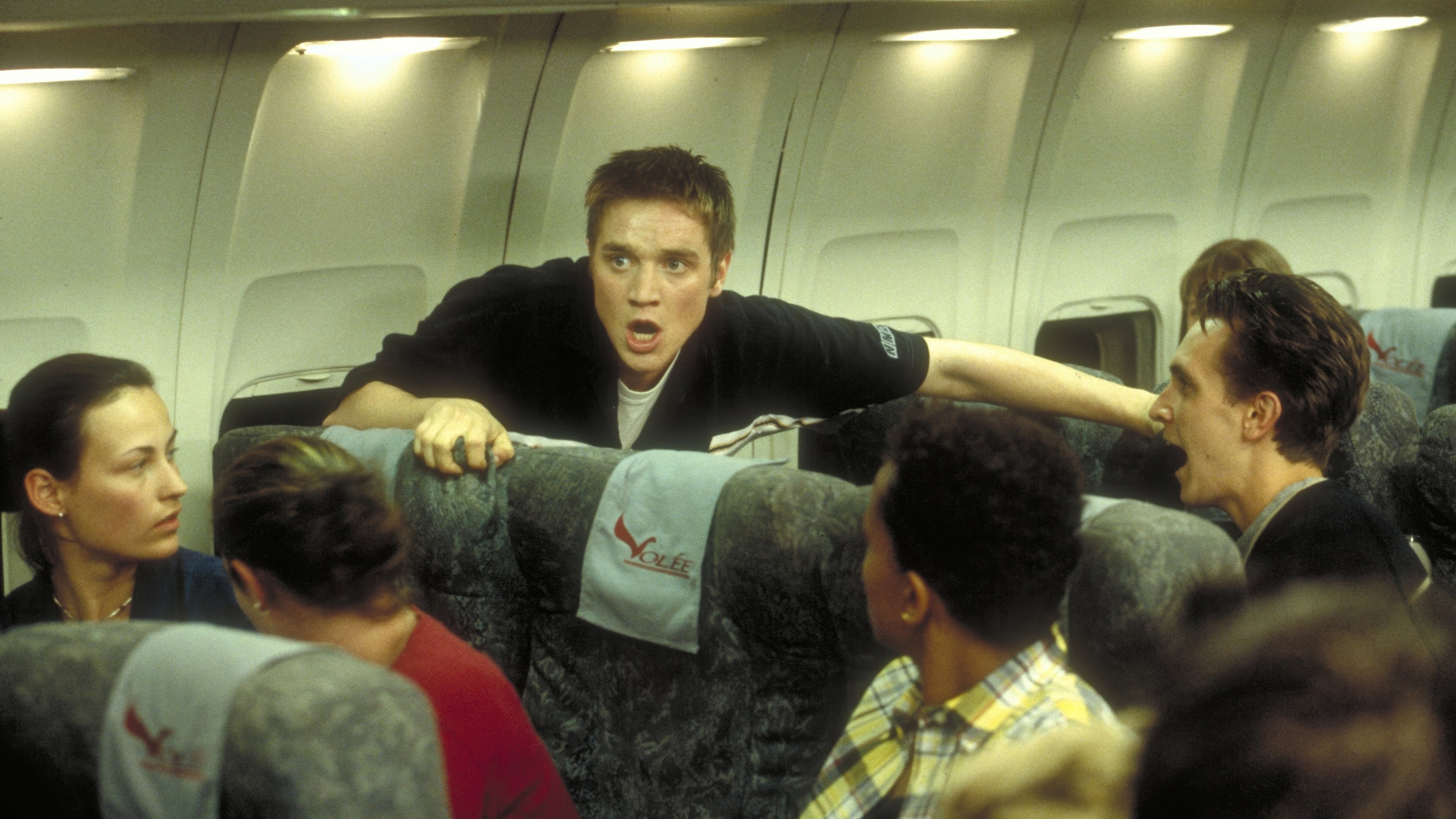
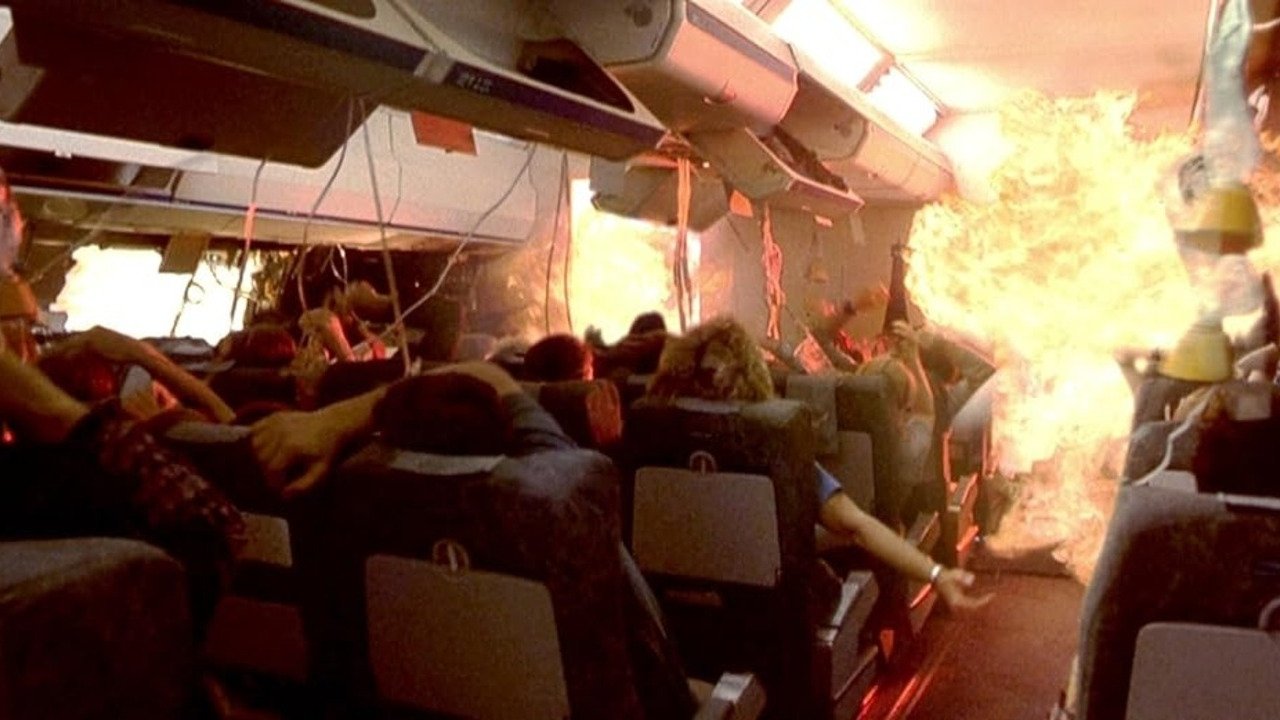
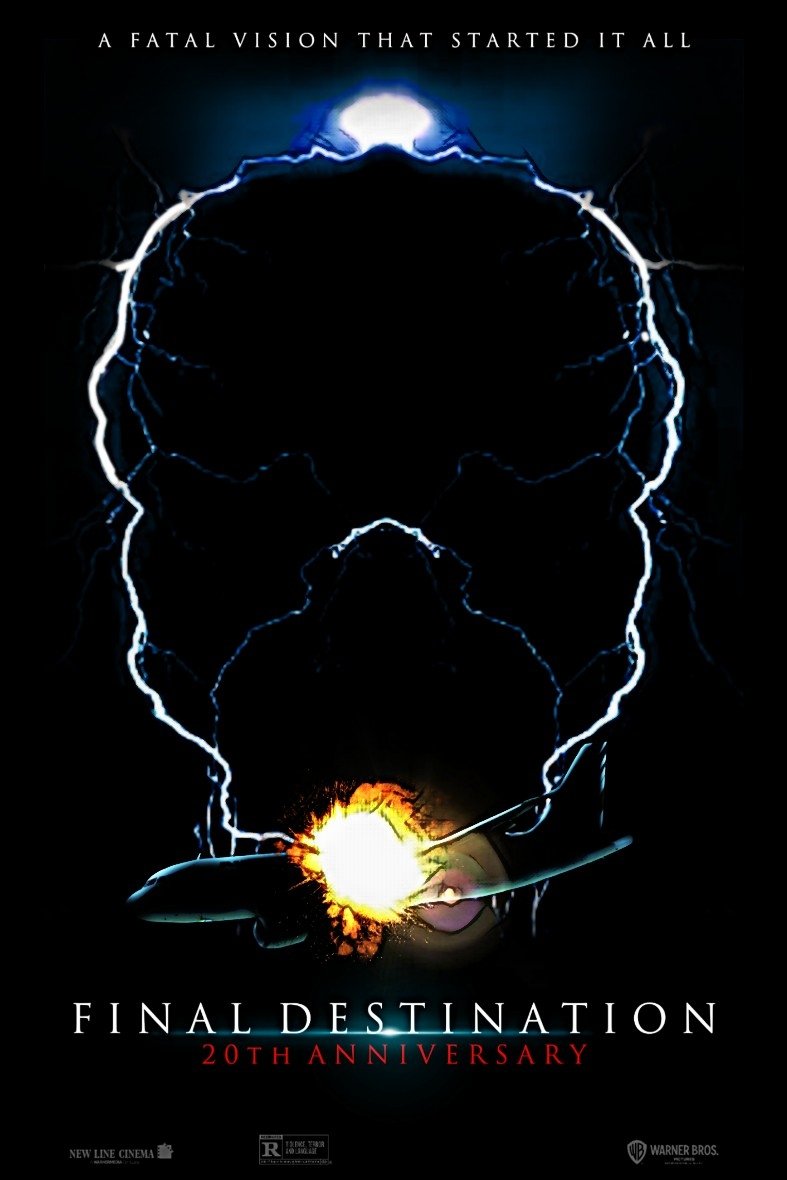
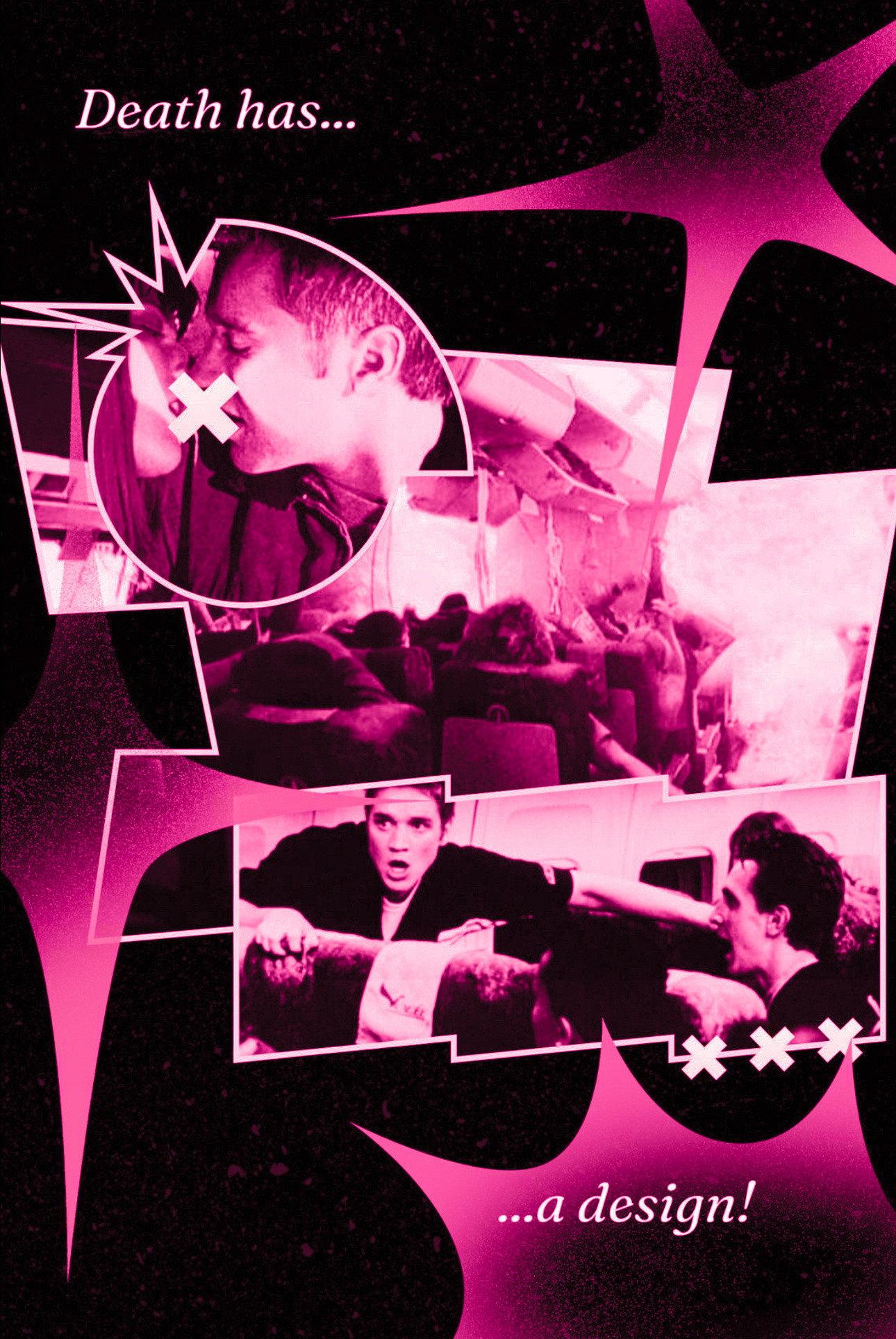
The aircraft catastrophe required a sharply different level of physical intervention. McLachlan recalled a substantial airplane section mounted on a gimbal roughly twenty feet above the studio floor. Moving this interior allowed actors and camera to register violent disturbances within a recognizable passenger cabin. Its importance extends beyond the spectacle of the crash, since Alex's vision provides the movie with a traumatic event that the survivors must subsequently reconstruct. The sudden transition between familiar air-travel routines and extreme mechanical disorder supplies a visual argument for the central premise: one change in an everyday procedure can redirect an entire chain of events.
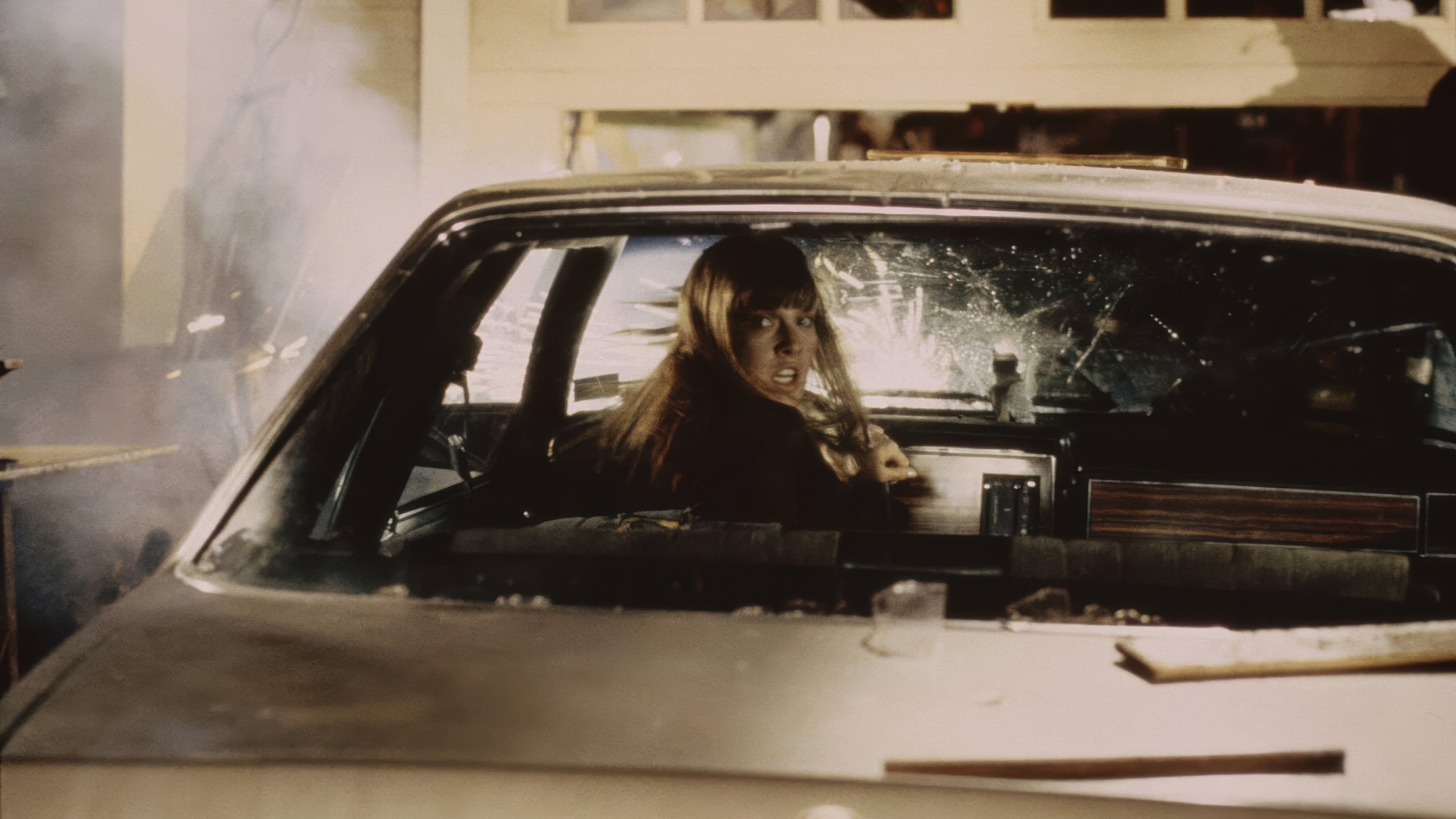
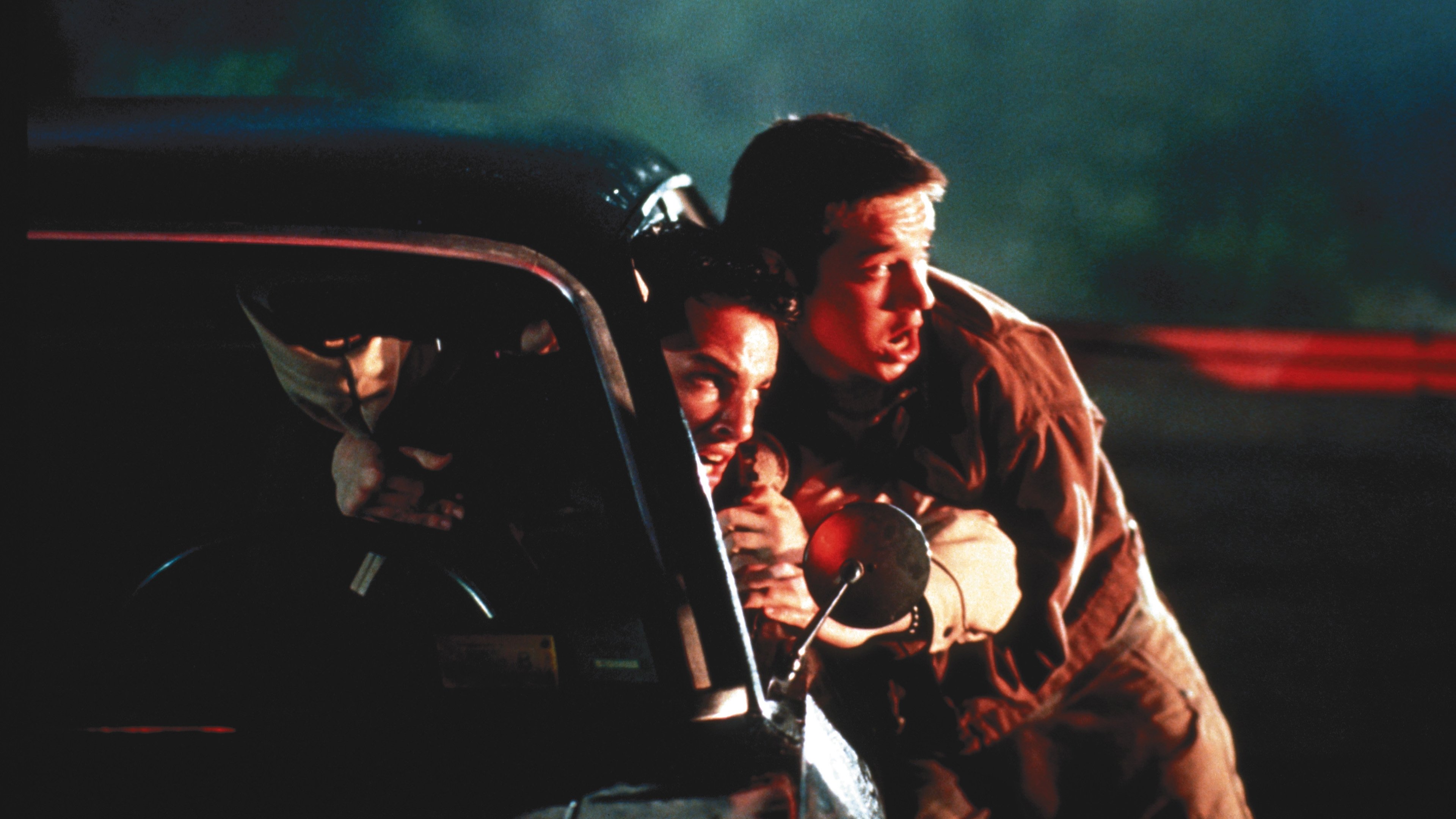
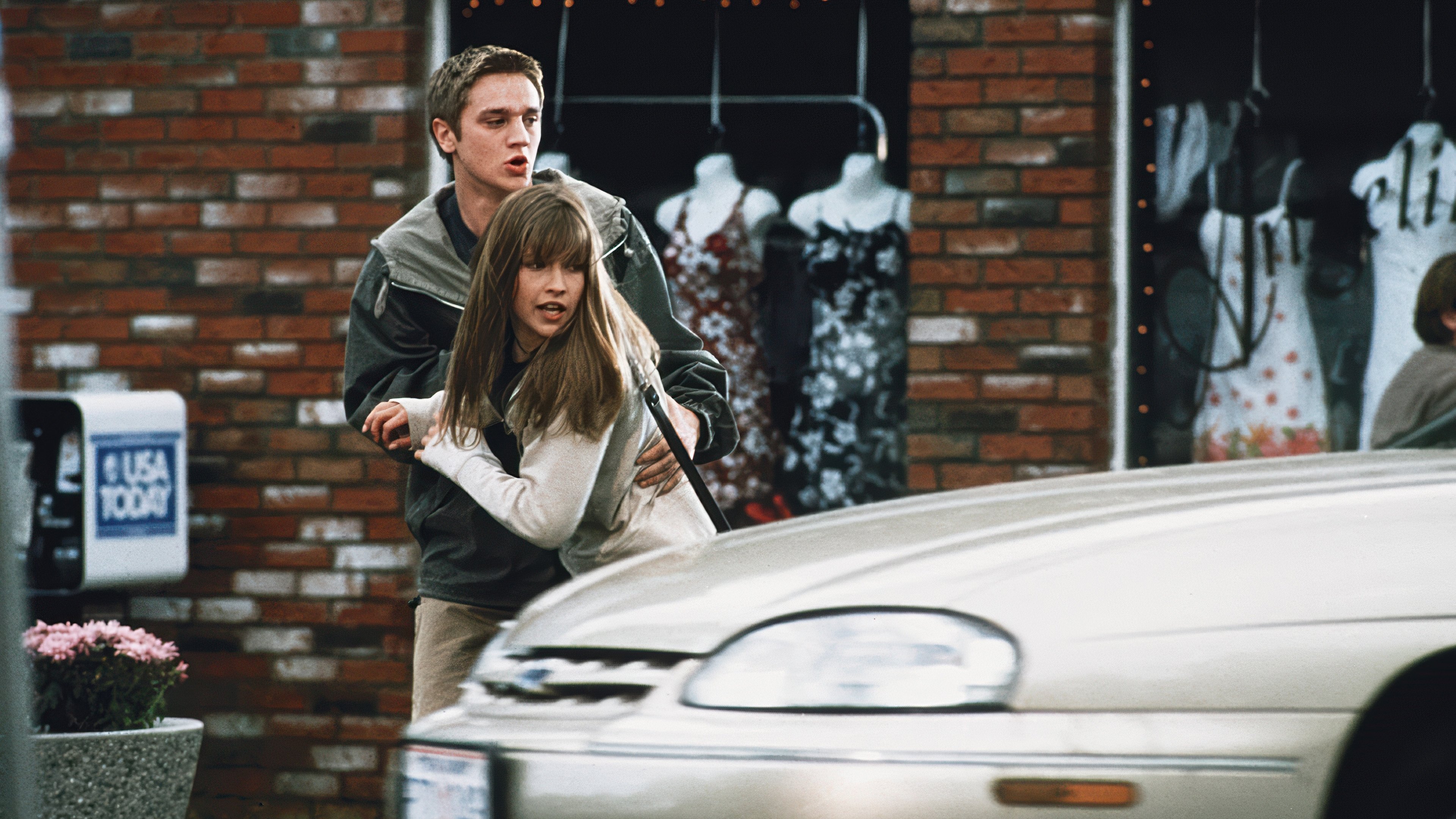
Practical complexity also governed the final attack around Clear's home. Producer Craig Perry recalled that footage for the car-and-electrical-wire sequence came from three different locations, including a deserted shopping mall where part of a garage environment was rebuilt around the vehicle. This account relates to work required after the ending was changed. McLachlan also remembered the difficulties of combining heavy wind, rain, animal action and numerous interdependent cues in that climax. Such testimony establishes the sequence as a coordinated production task, not evidence that every effect visible onscreen was created through a single technique. Detailed claims about individual digital or mechanical shots require documentation beyond these interviews.
Ordinary Accidents as Horror Set Pieces
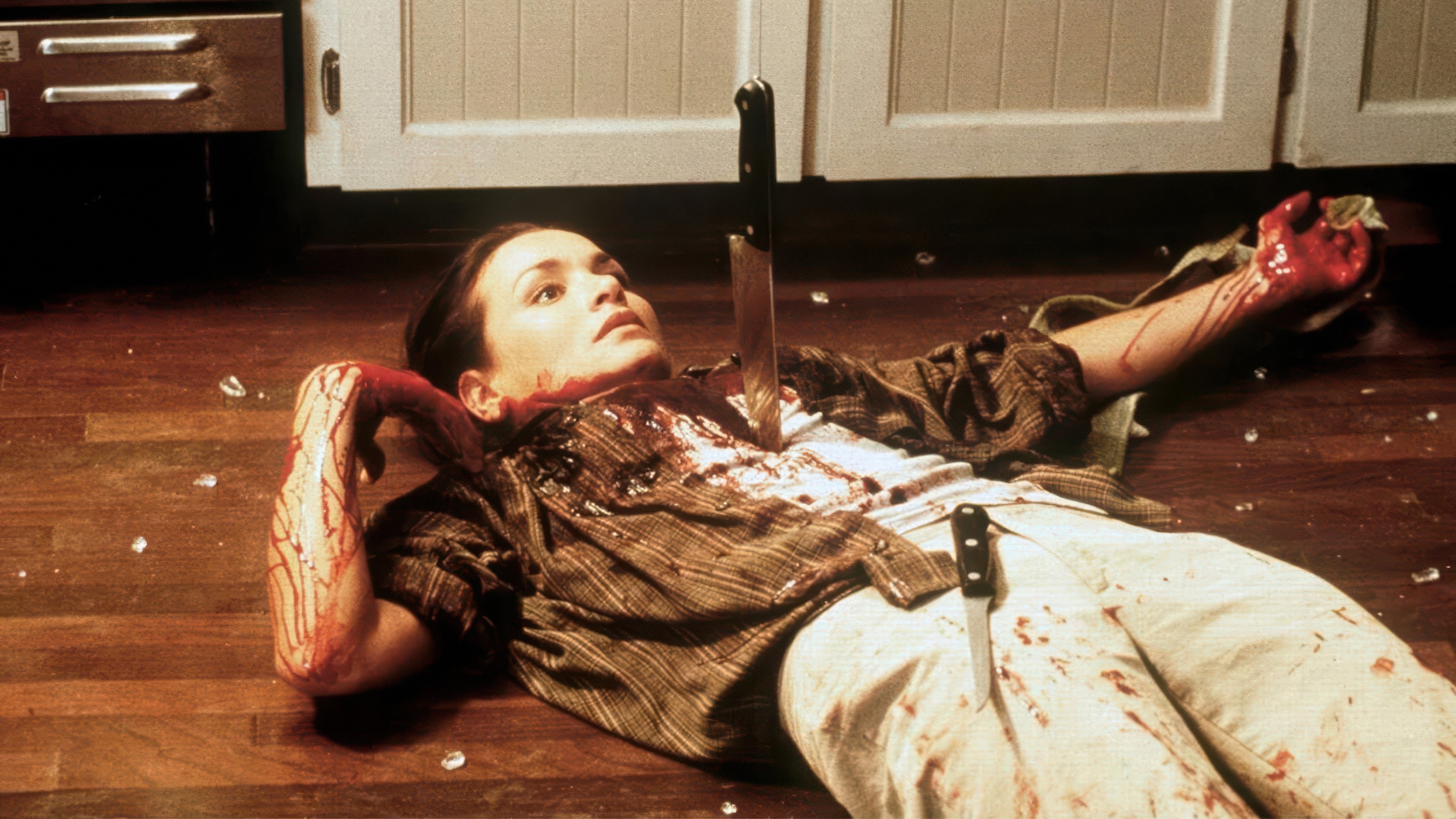
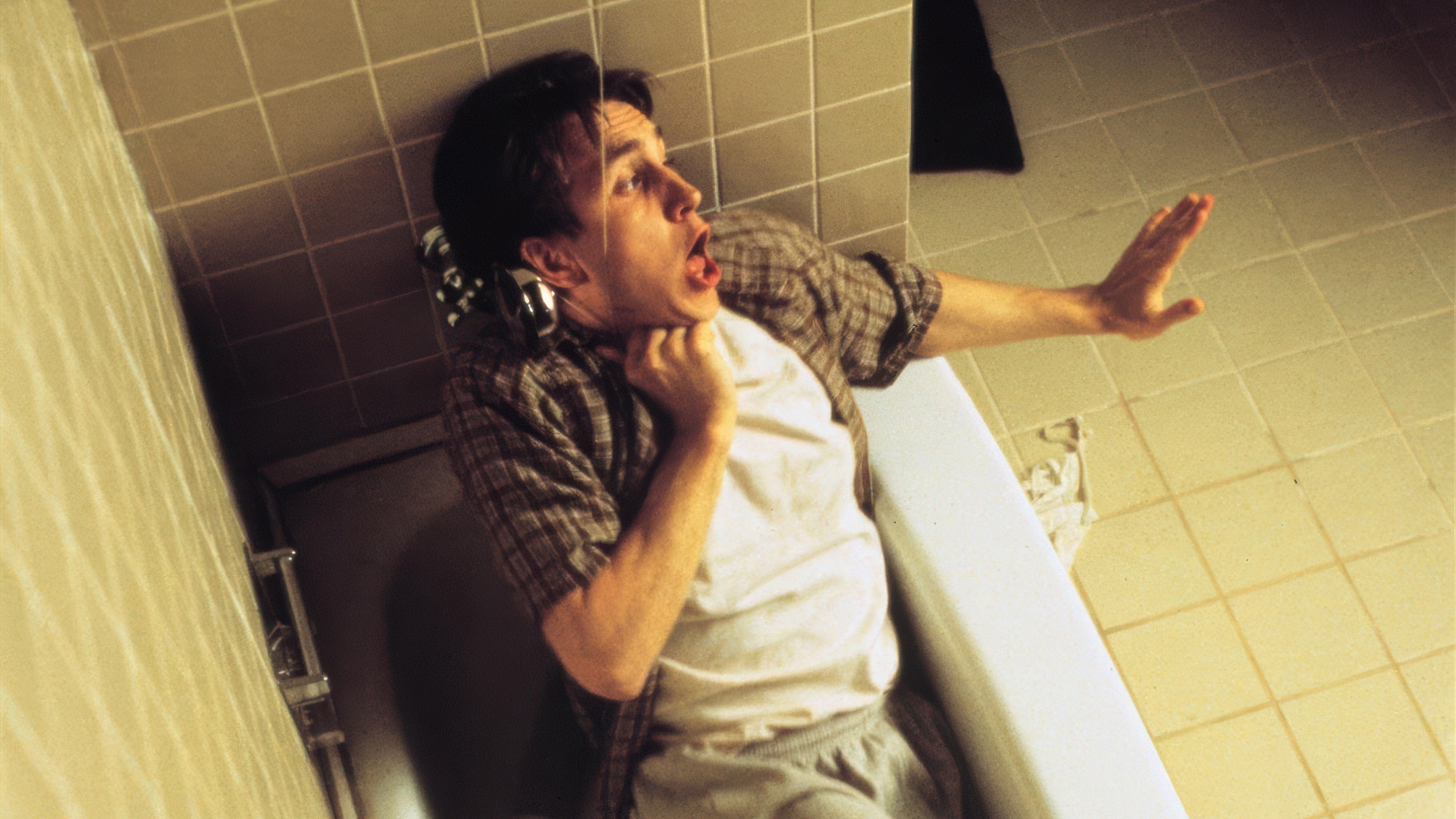
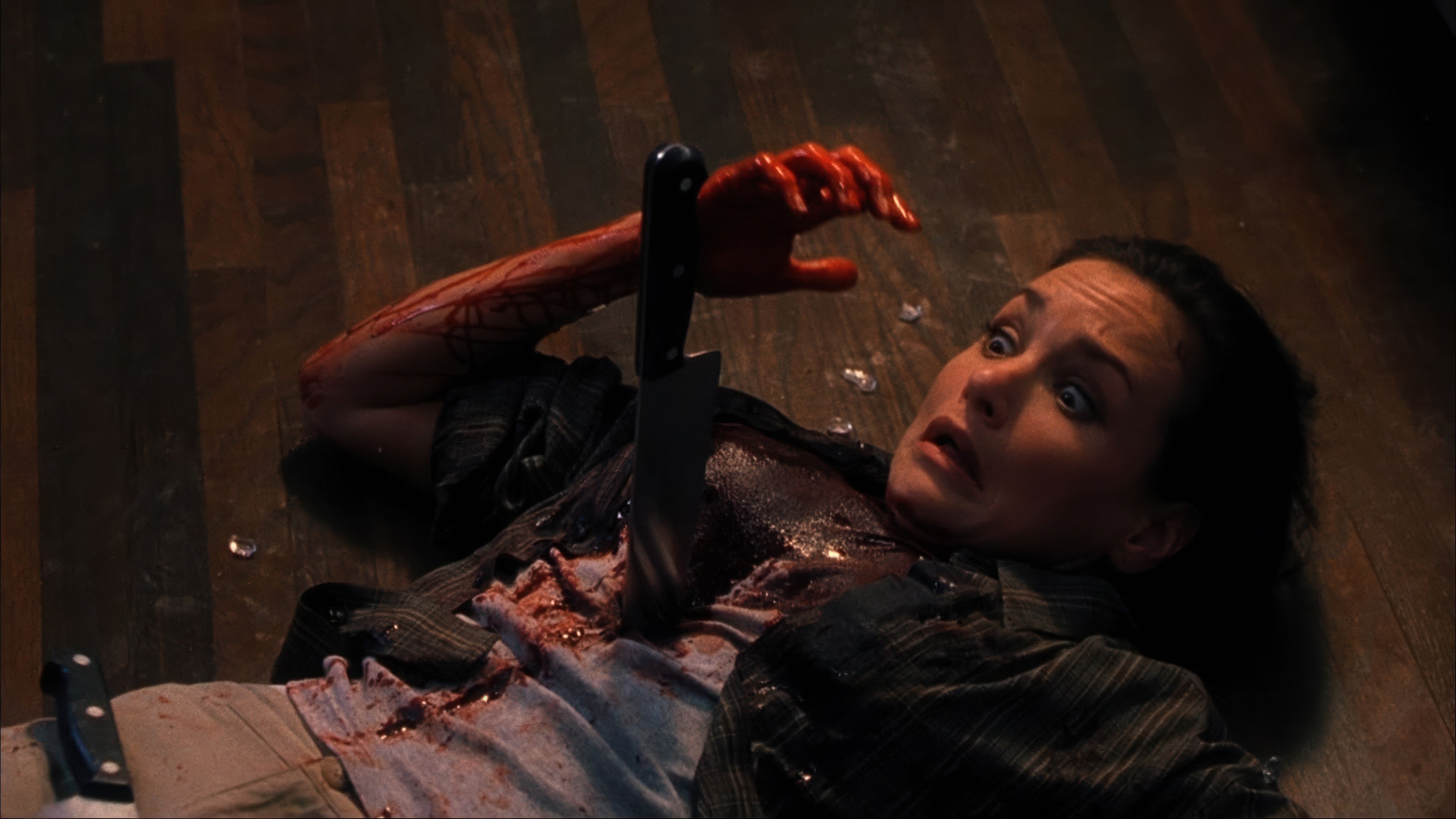
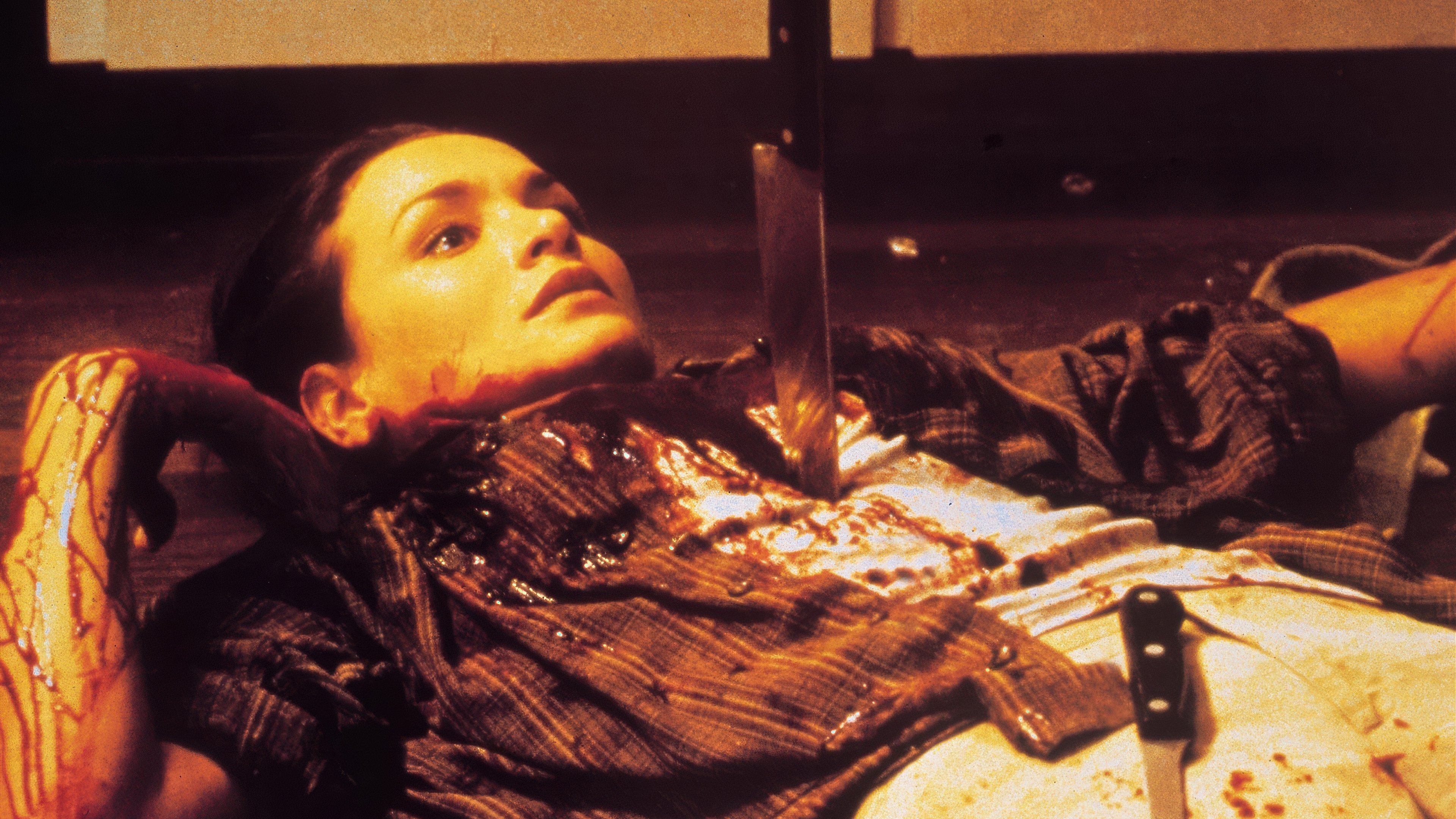
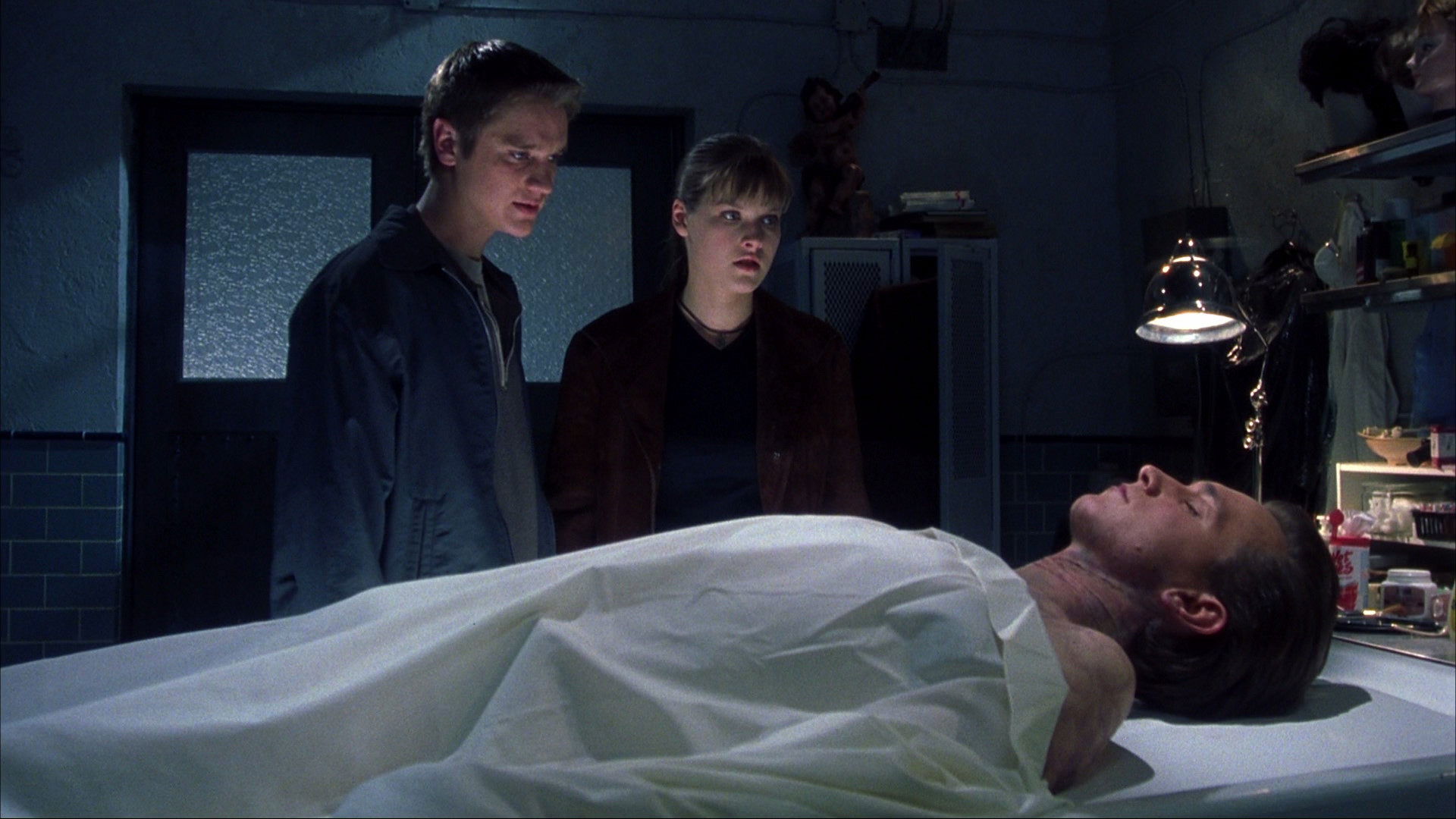
Tod's bathroom accident introduces the physical intimacy of the design. Valerie Lewton's kitchen sequence is especially elaborate in its movement between apparent danger and actual injury. Heating equipment and household tools become parts of an escalating situation, combining the suspense of an imminent malfunction with the shock of bodily damage. Producer Perry and Reddick have both singled out the scene in retrospective discussions of the film's identity. Terry's abrupt collision with a bus achieves a different effect: the killing arrives with little of the extended preparation given to other victims. Placed alongside the more methodical sequences, it demonstrates how unpredictability can survive inside an apparently ordered design. The film alternates sustained attention to tiny causes with violence that interrupts a conversation before spectators can prepare for it.
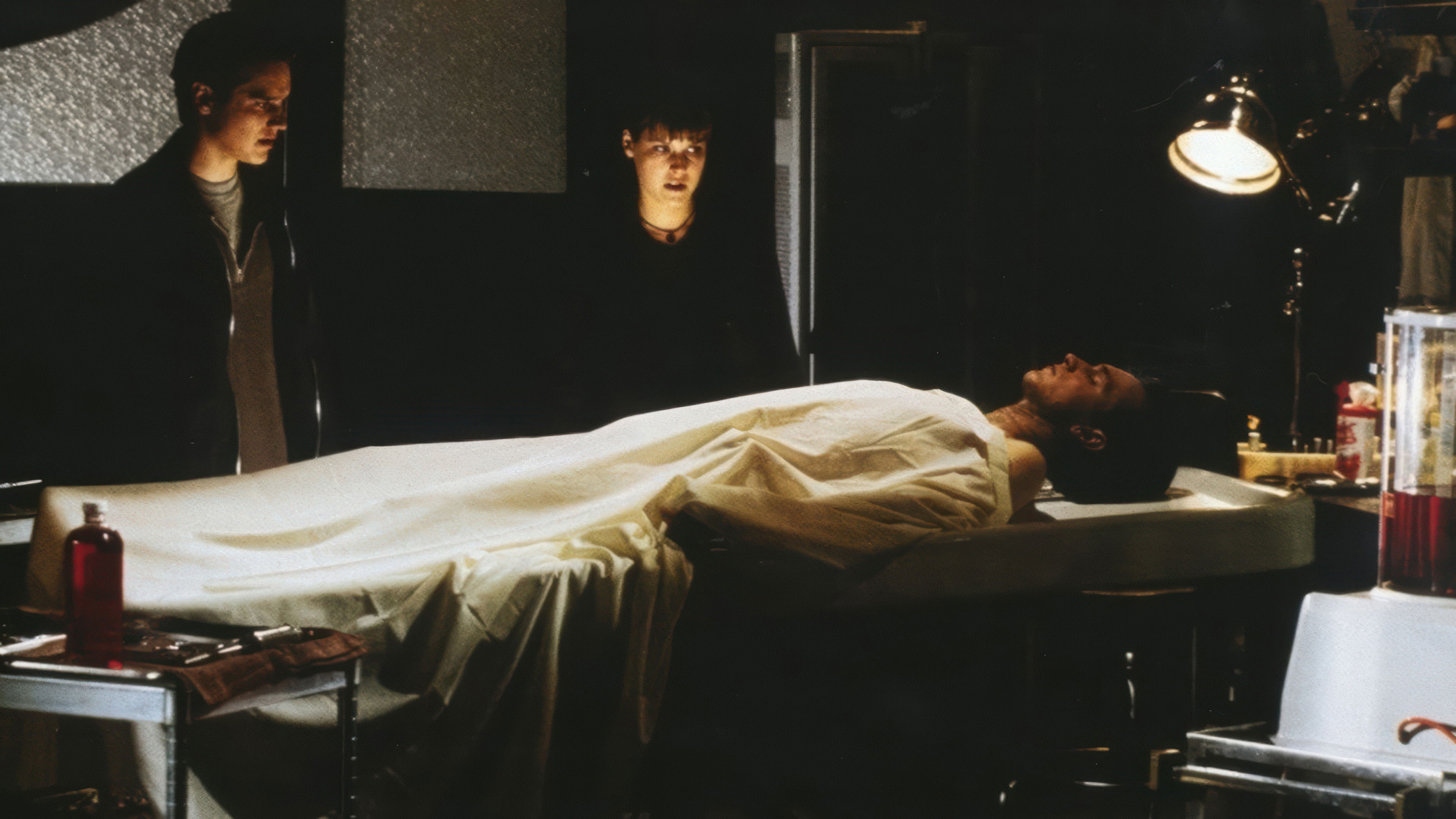
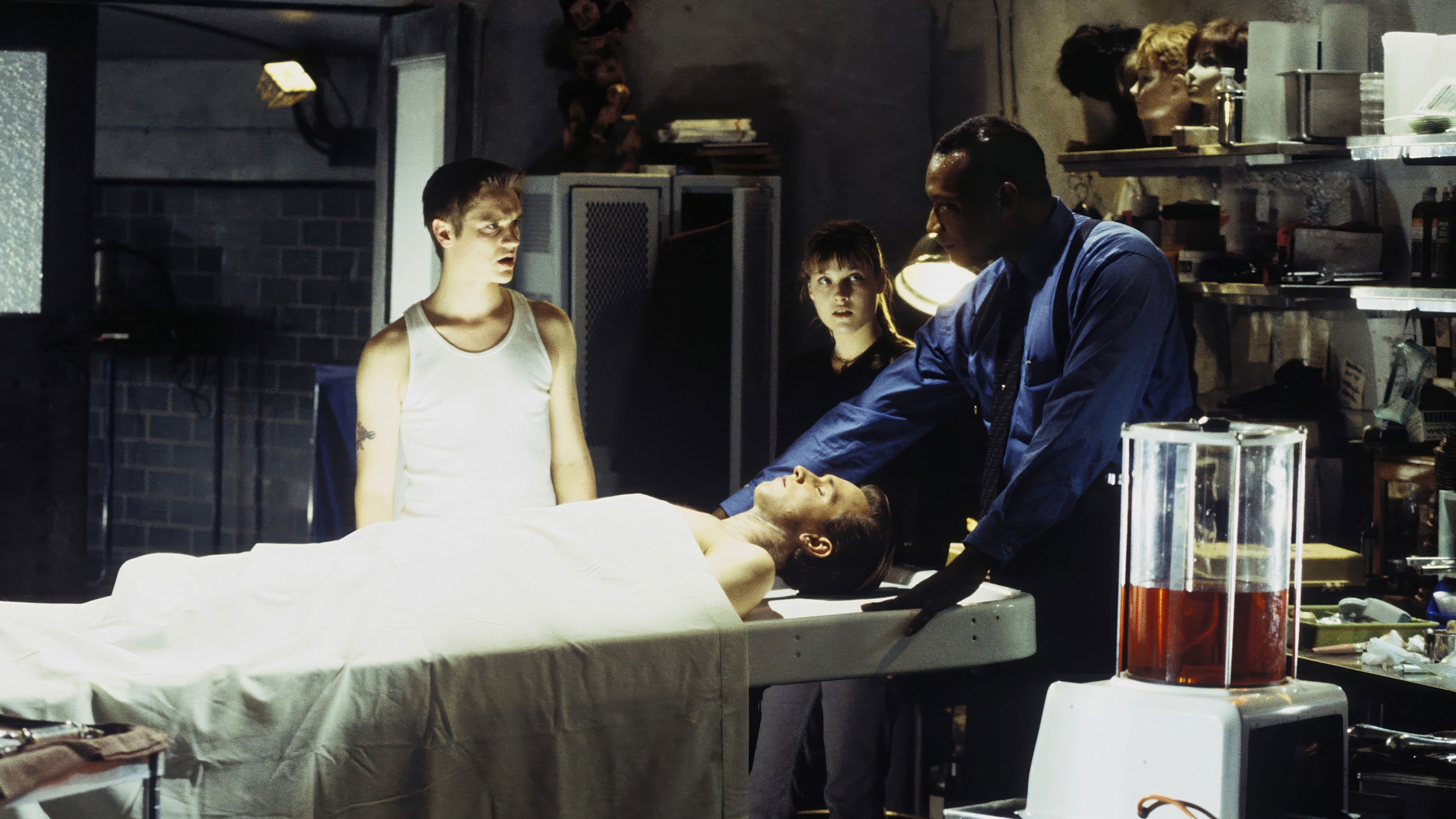
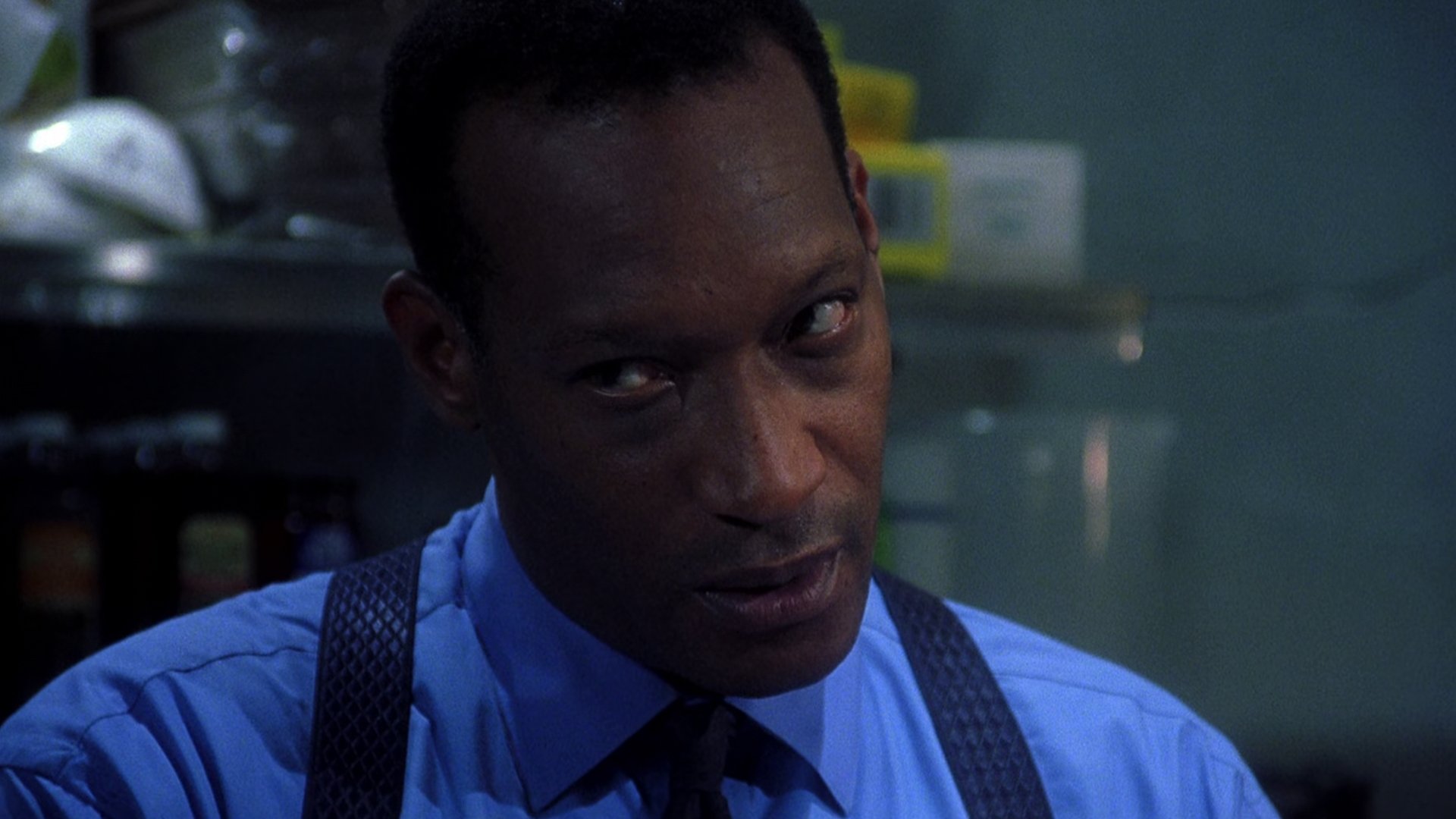
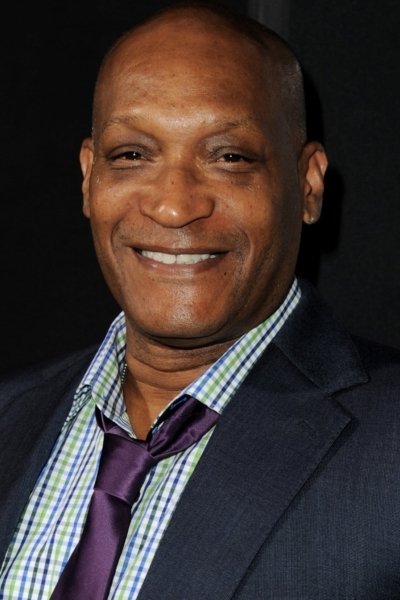
Tony Todd's appearance as mortician William Bludworth gives the otherwise invisible force a human interpreter. His measured warnings explain the consequences of avoiding a scheduled death while preserving uncertainty about what he personally knows. Todd later rejected the notion that he portrayed the Grim Reaper, describing the character instead as someone sincerely cautioning the survivors. Perry likewise favored leaving the question of Bludworth's identity unresolved. His function is consequently dramatic and interpretive: he makes Alex's developing theory speakable while maintaining the film's refusal to supply a visible embodiment of Death. For a movie organized around unseen agency, the limits of that explanation are as important as its information.
The Rejected Ending and Reshaped Release
The version first shown to test audiences ended differently from the theatrical release. The filmmakers had pursued an emotionally conclusive solution involving Alex's death and Clear's pregnancy, suggesting that new life might change the implications of the supernatural design. In the final picture, that premise no longer resolves the threat. Contemporary reporting by David Lazarus for Salon examined the making-of documentary included with the film's first DVD release, which preserved discussions of the test screenings and deleted material. According to that account, the original conclusion combined romance, the hero's death and a more uncertain spiritual outcome. Audiences responded poorly, leading New Line to order additional work.
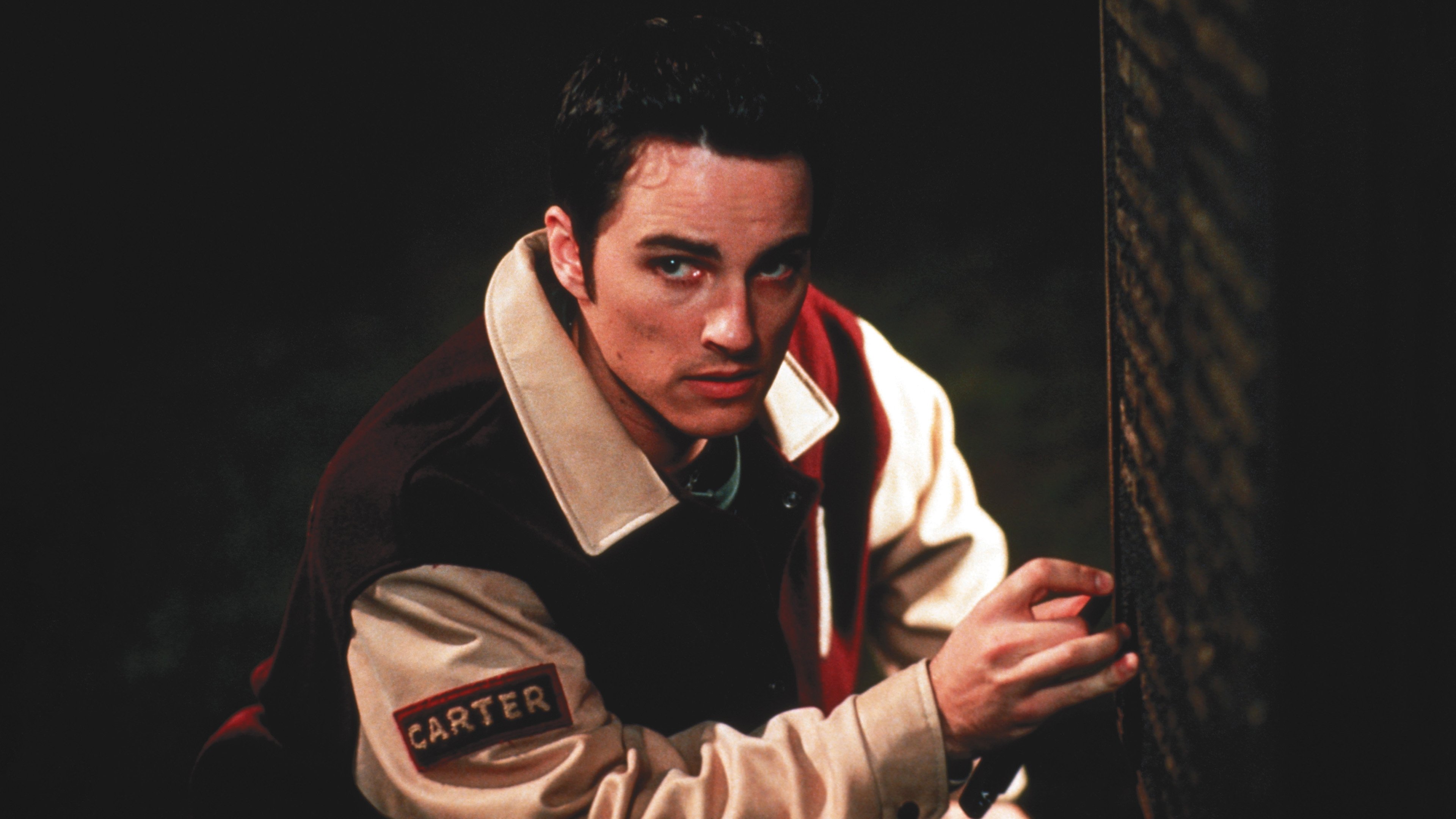
The studio committed approximately two million dollars to the revised ending, according to Salon's report on the production documentary. Reddick, Perry and Wong later discussed the change as a decisive moment in discovering the film's audience. The Paris epilogue ultimately keeps Alex alive while returning him, Clear and Carter to a precarious encounter with elaborate accidental danger. It also substitutes a fatal reversal for the earlier suggestion of deliverance through childbirth. The difference concerns the structure of the series as much as the fate of particular characters: apparent survival can now become a temporary pause before another lethal mechanism is activated.
Release, Initial Criticism and Film History
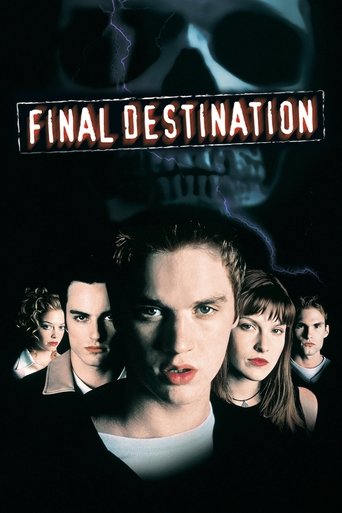
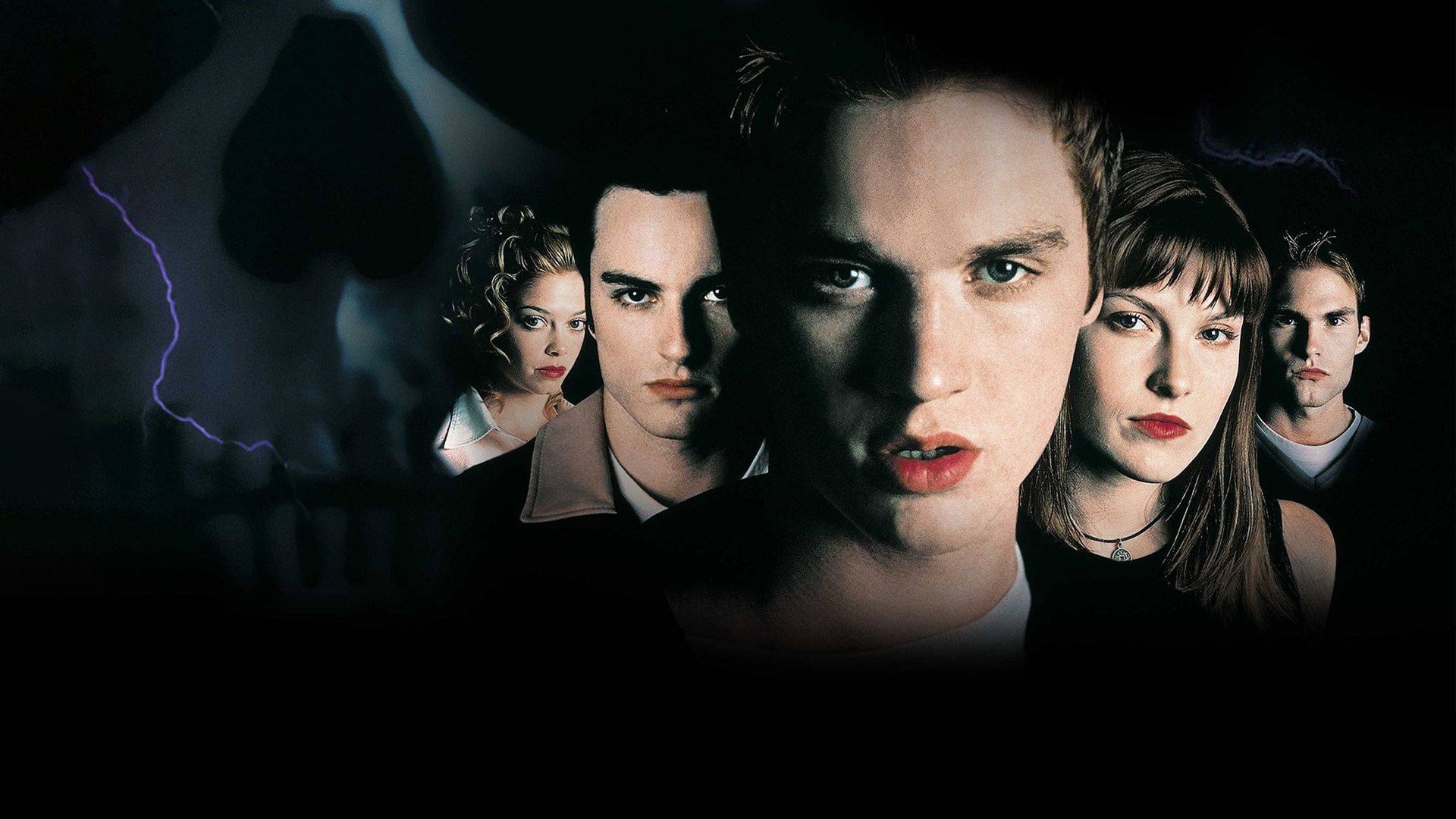
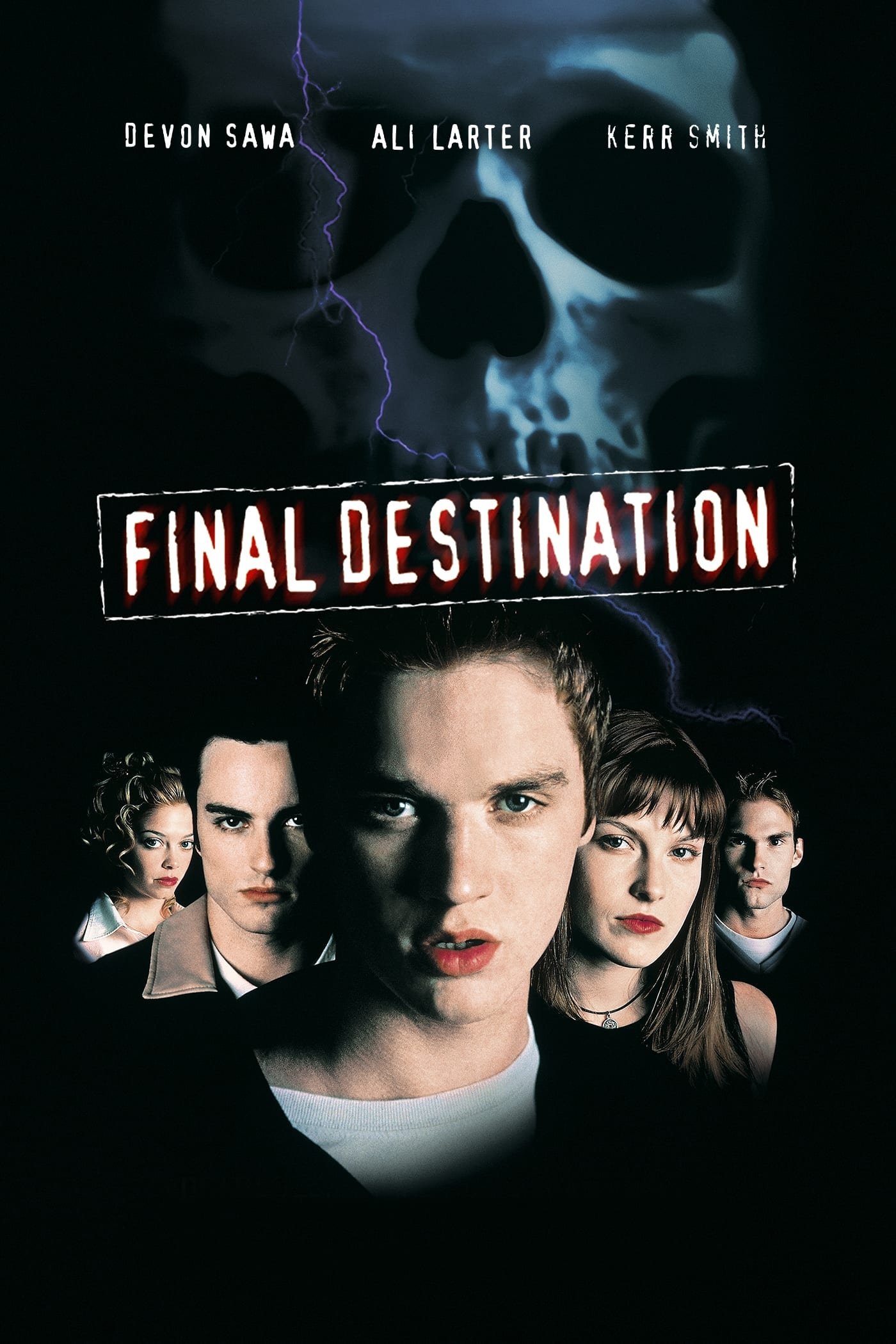
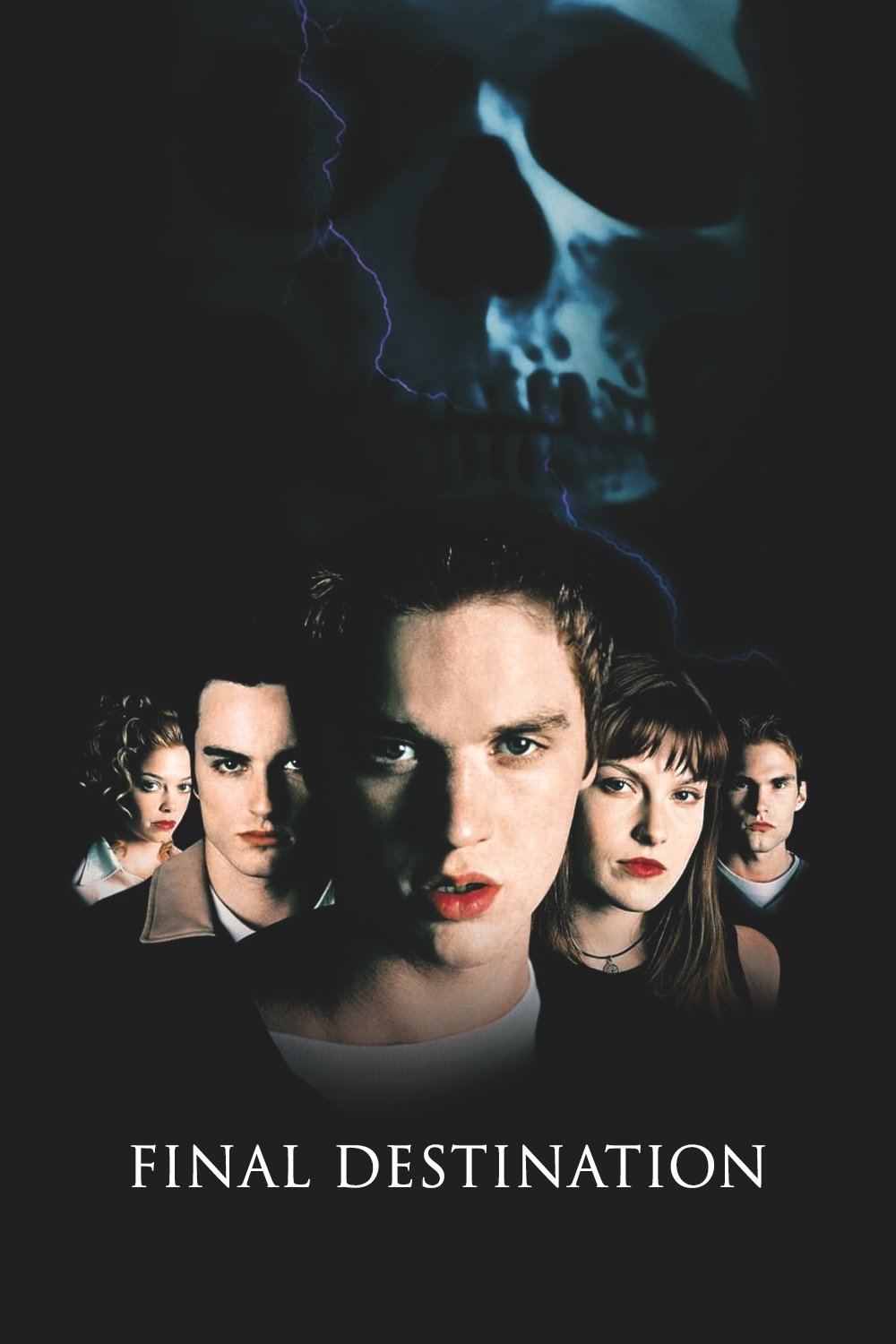
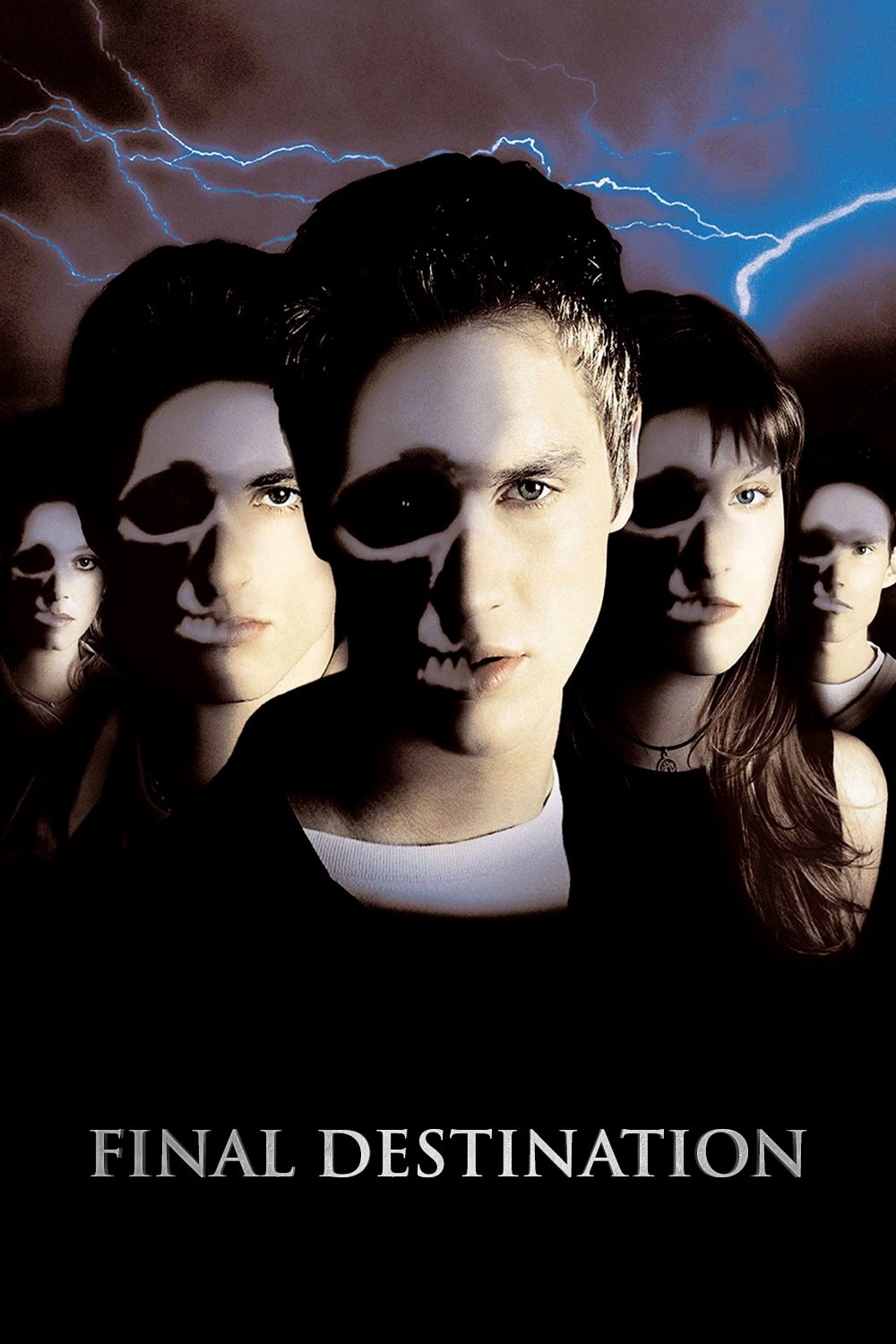
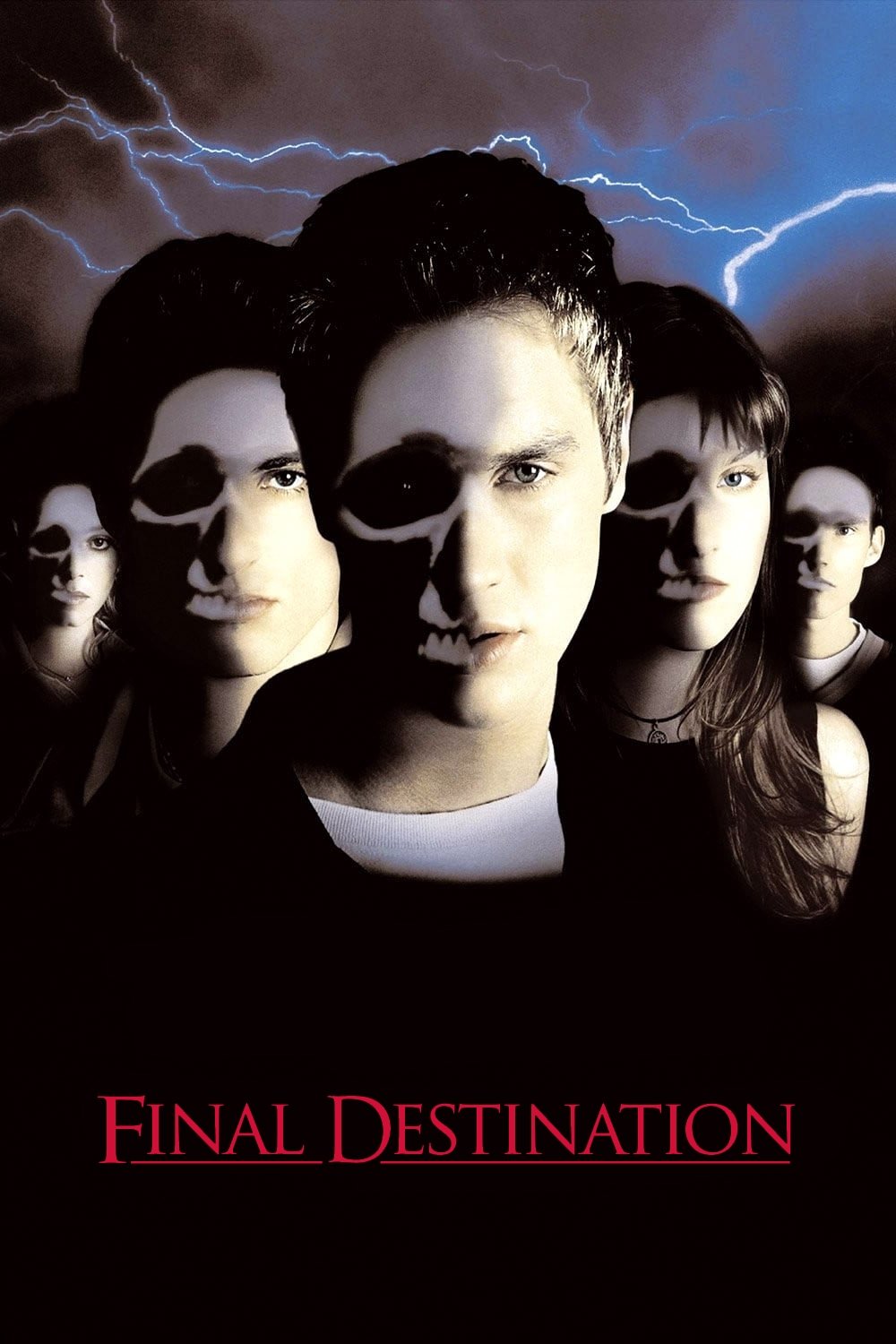
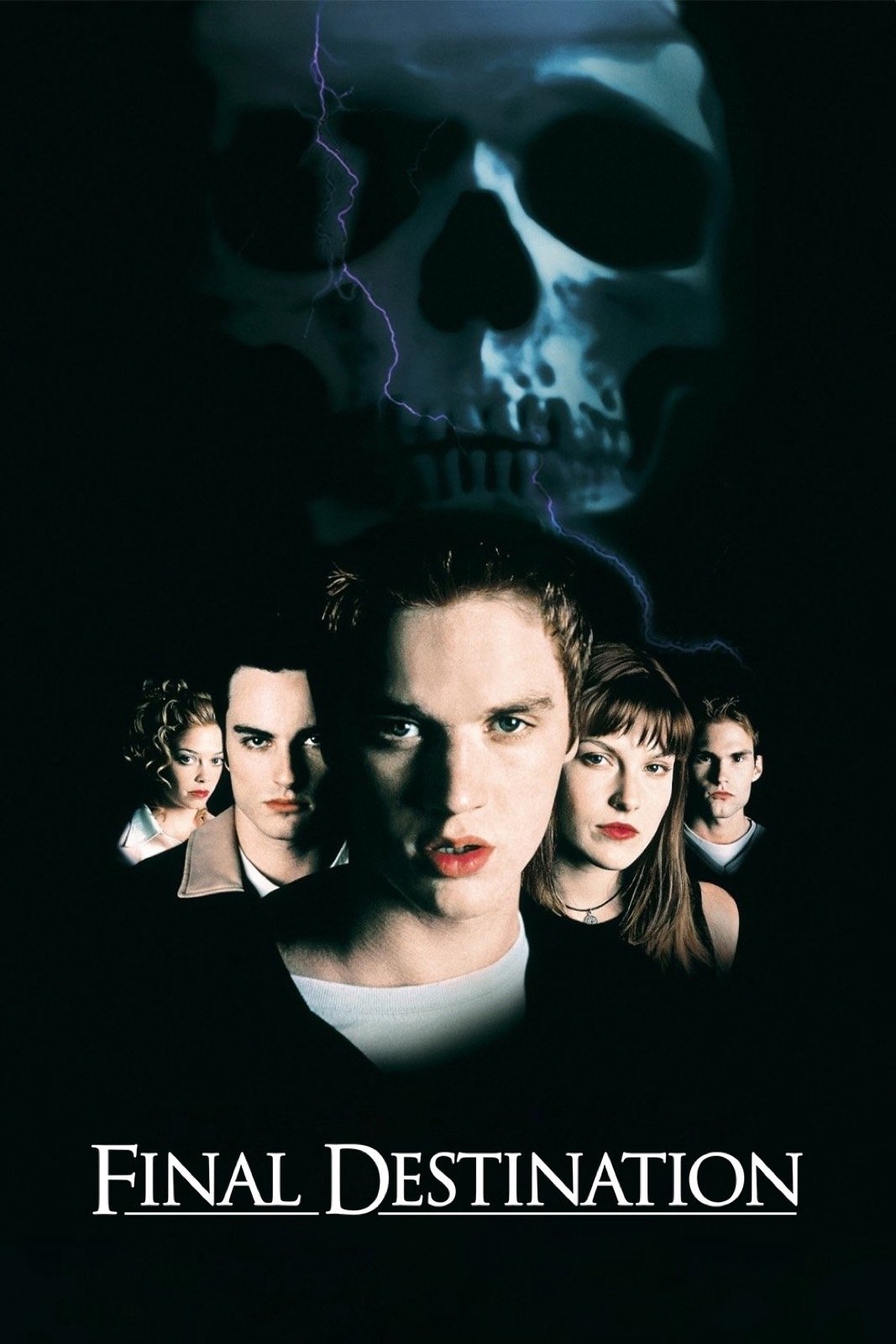
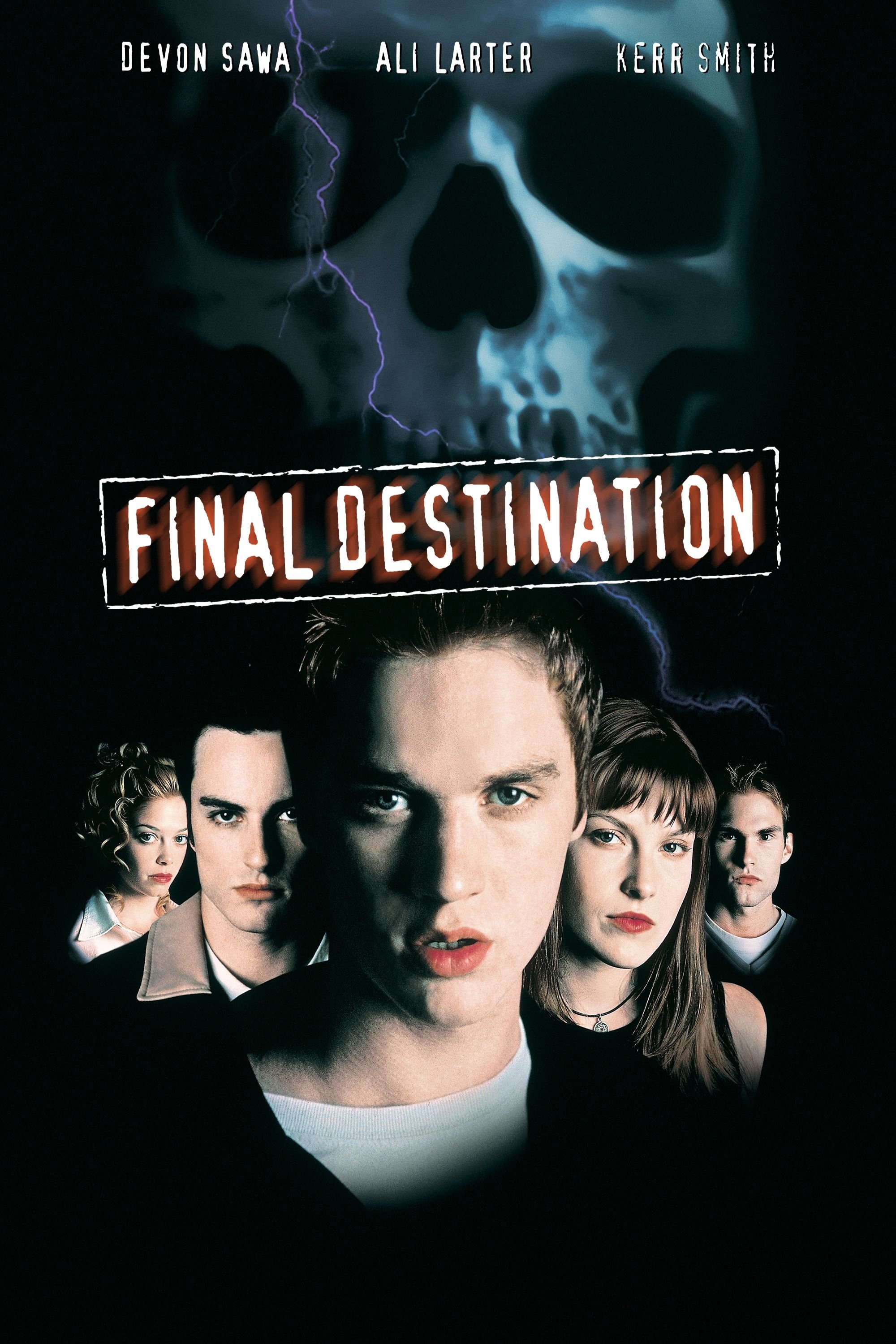
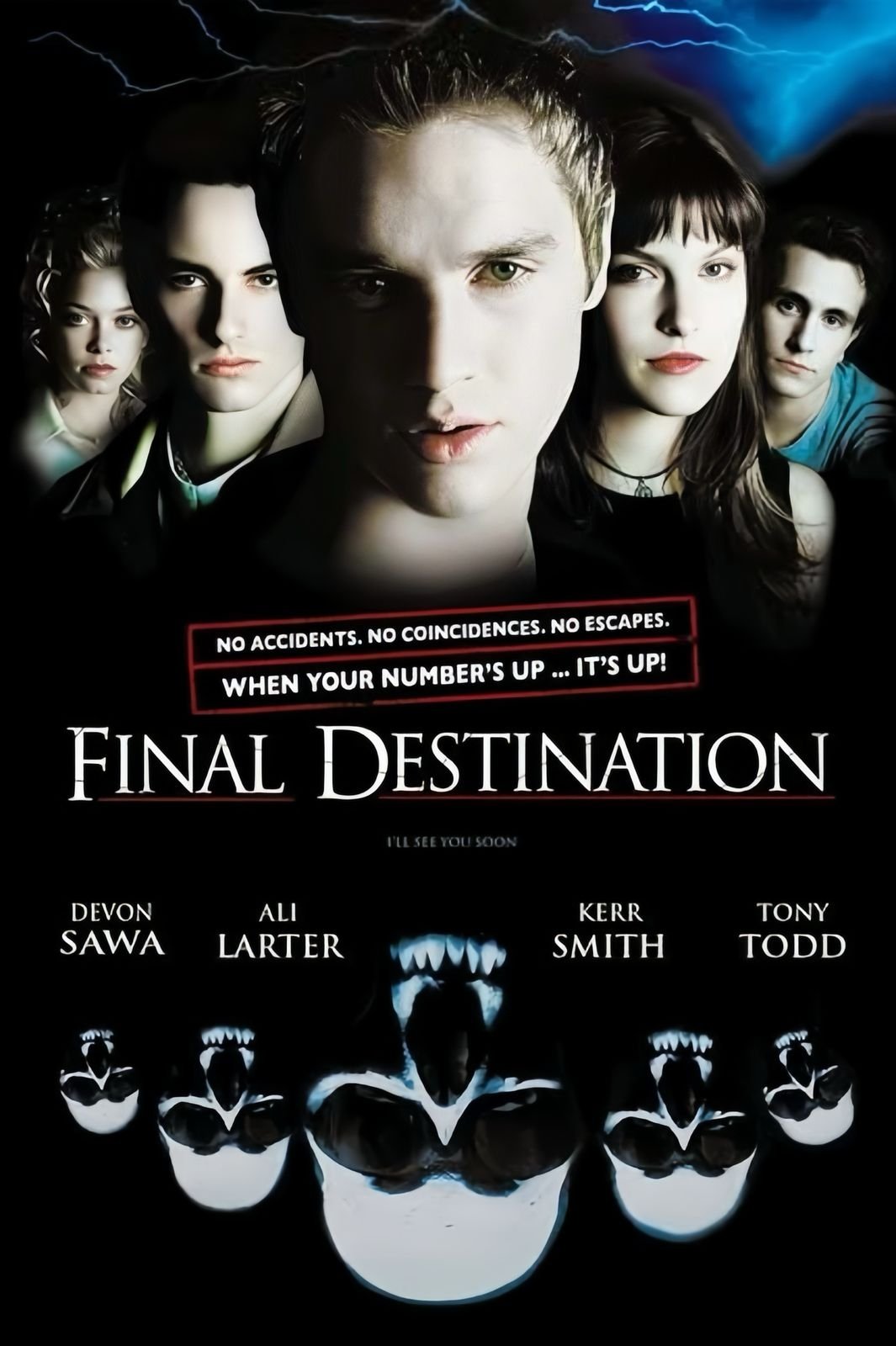
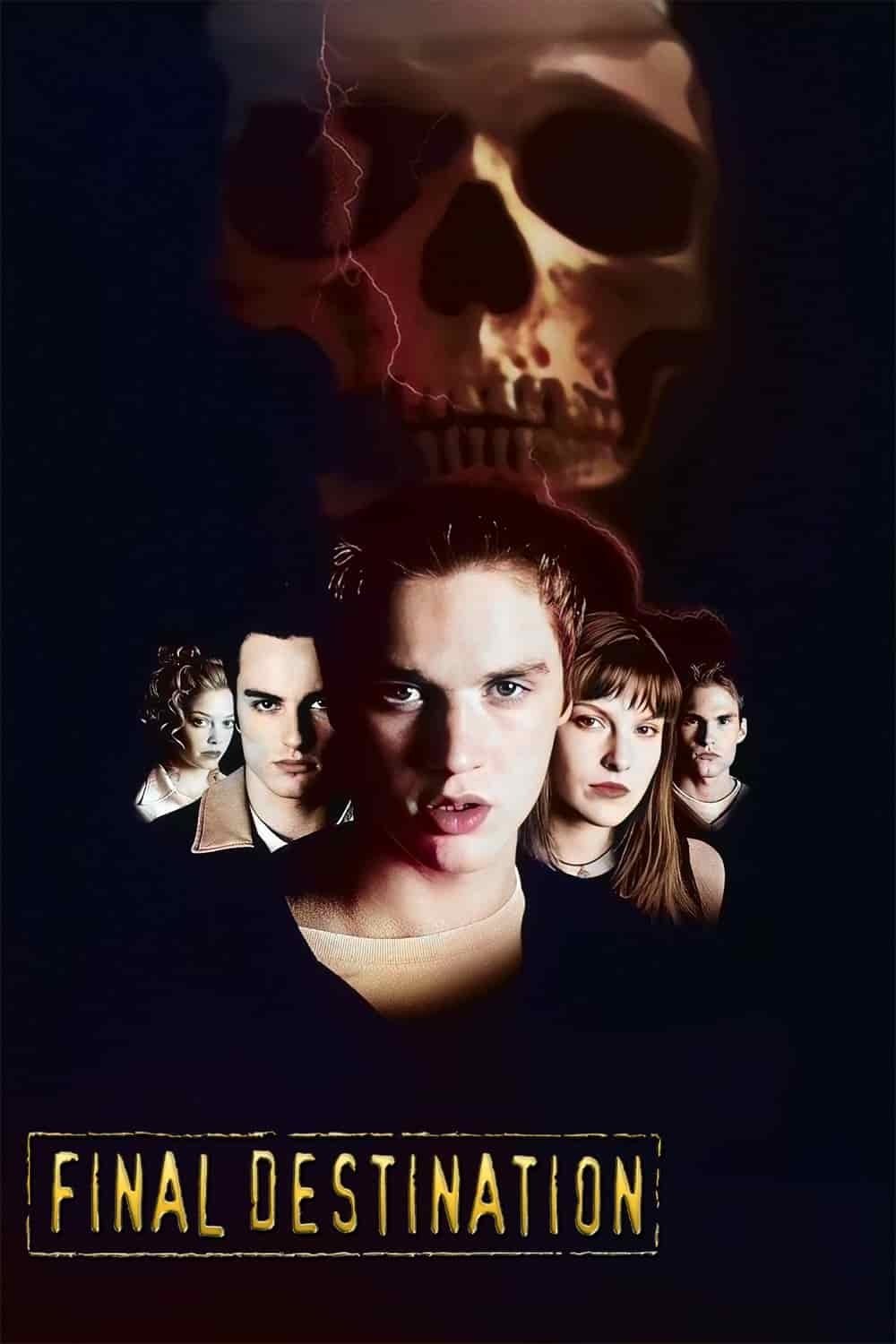
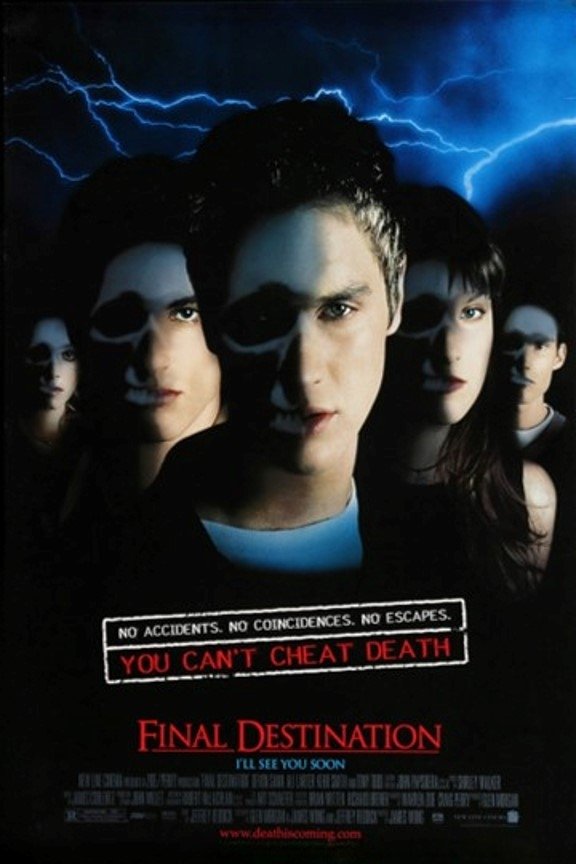
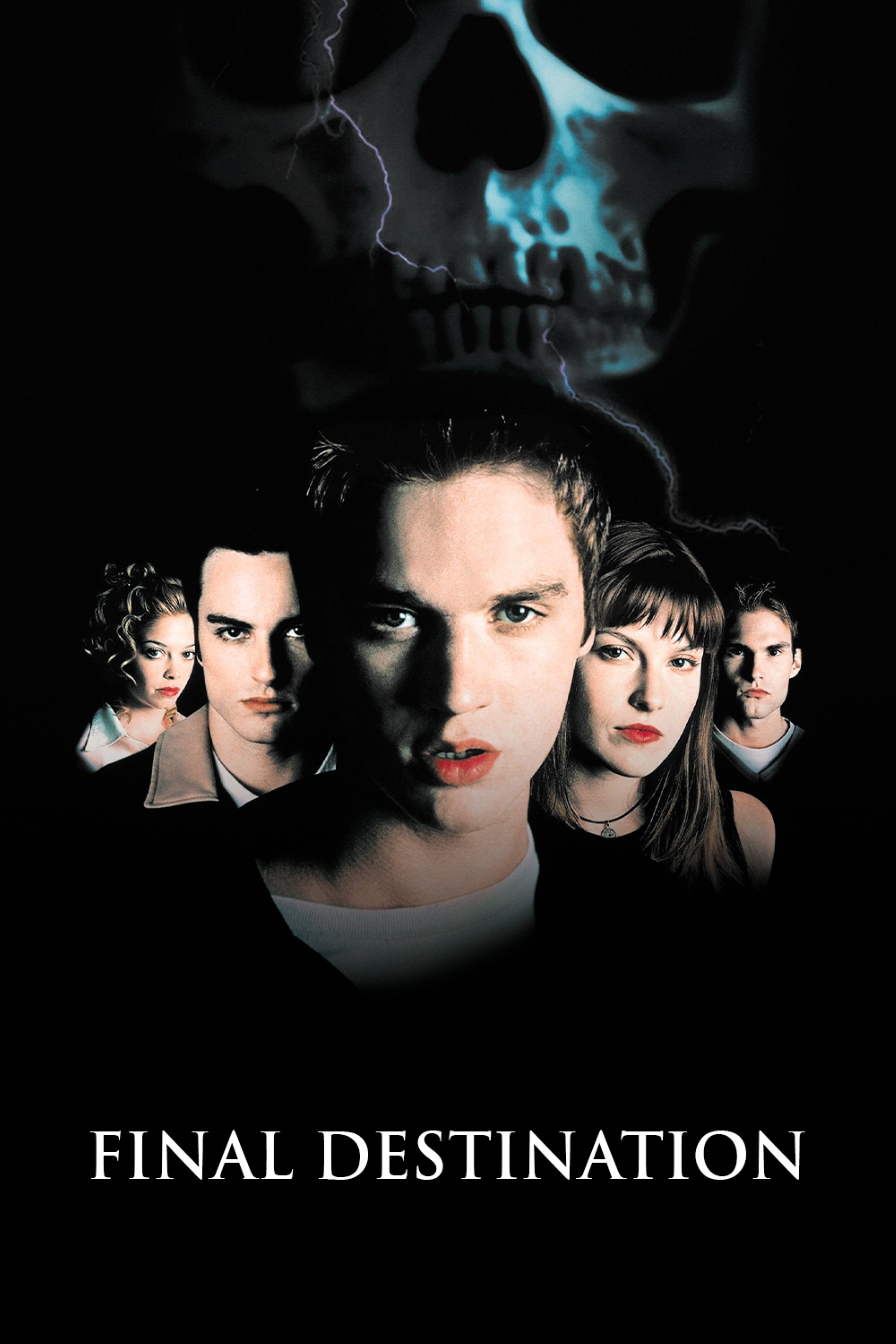
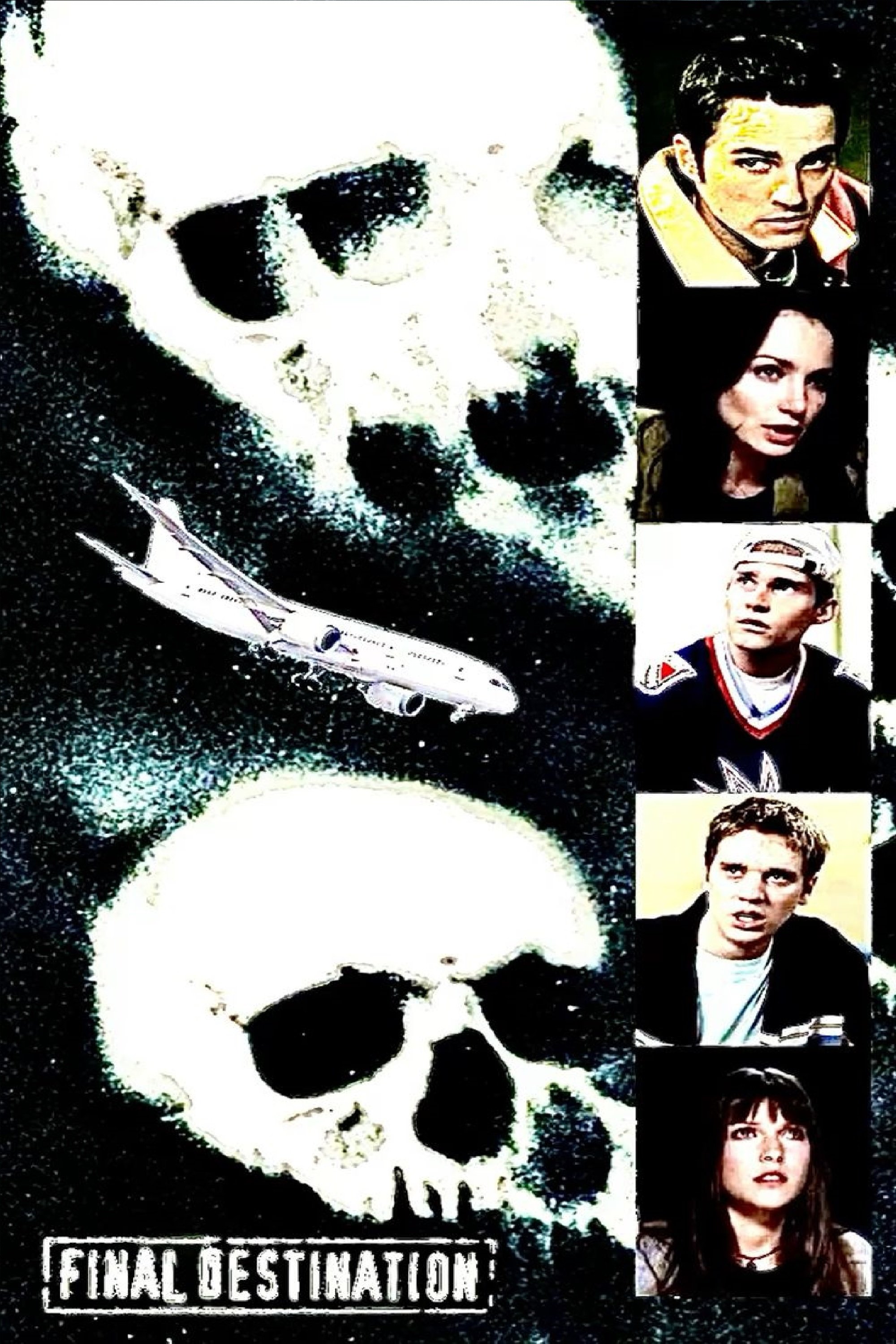
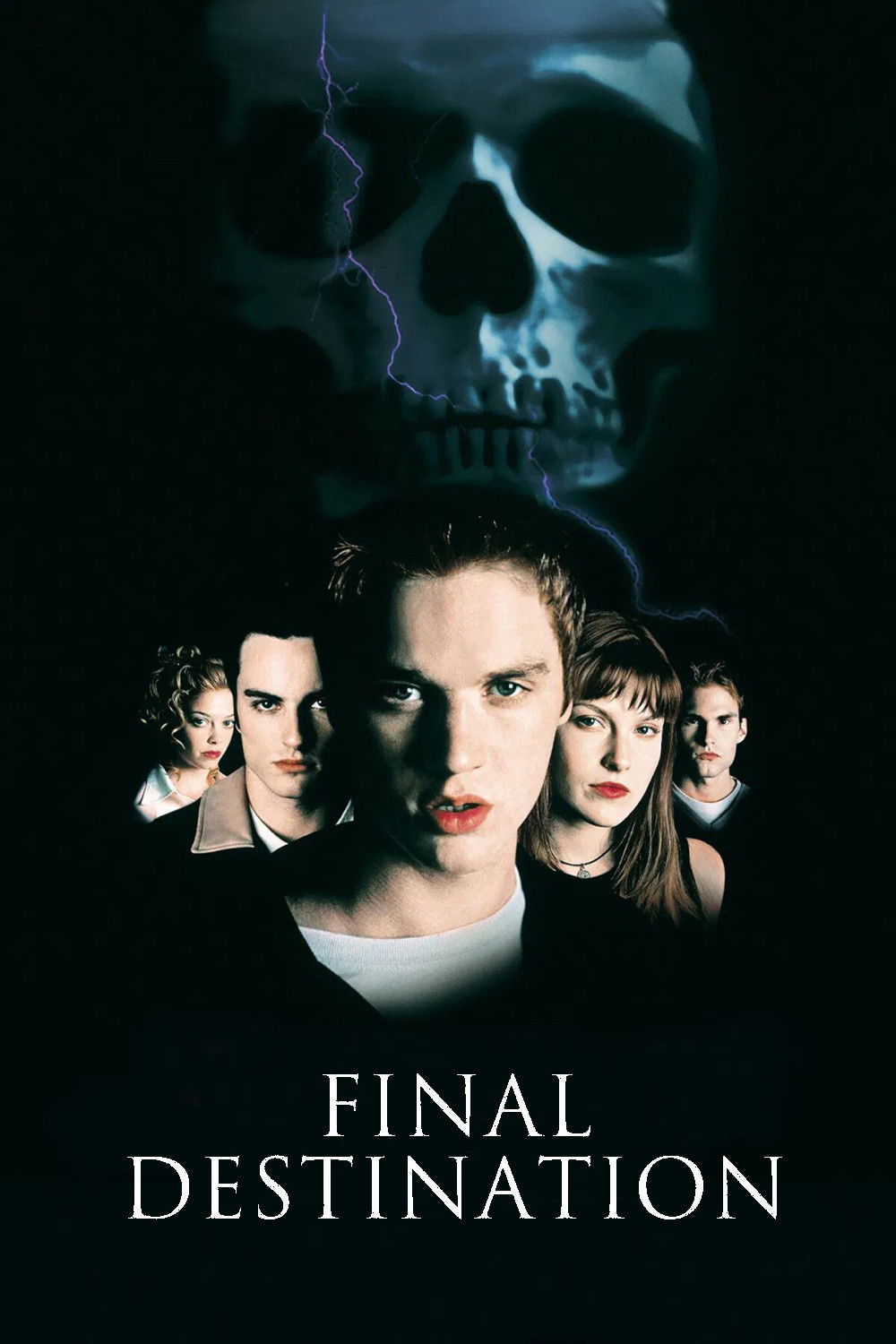
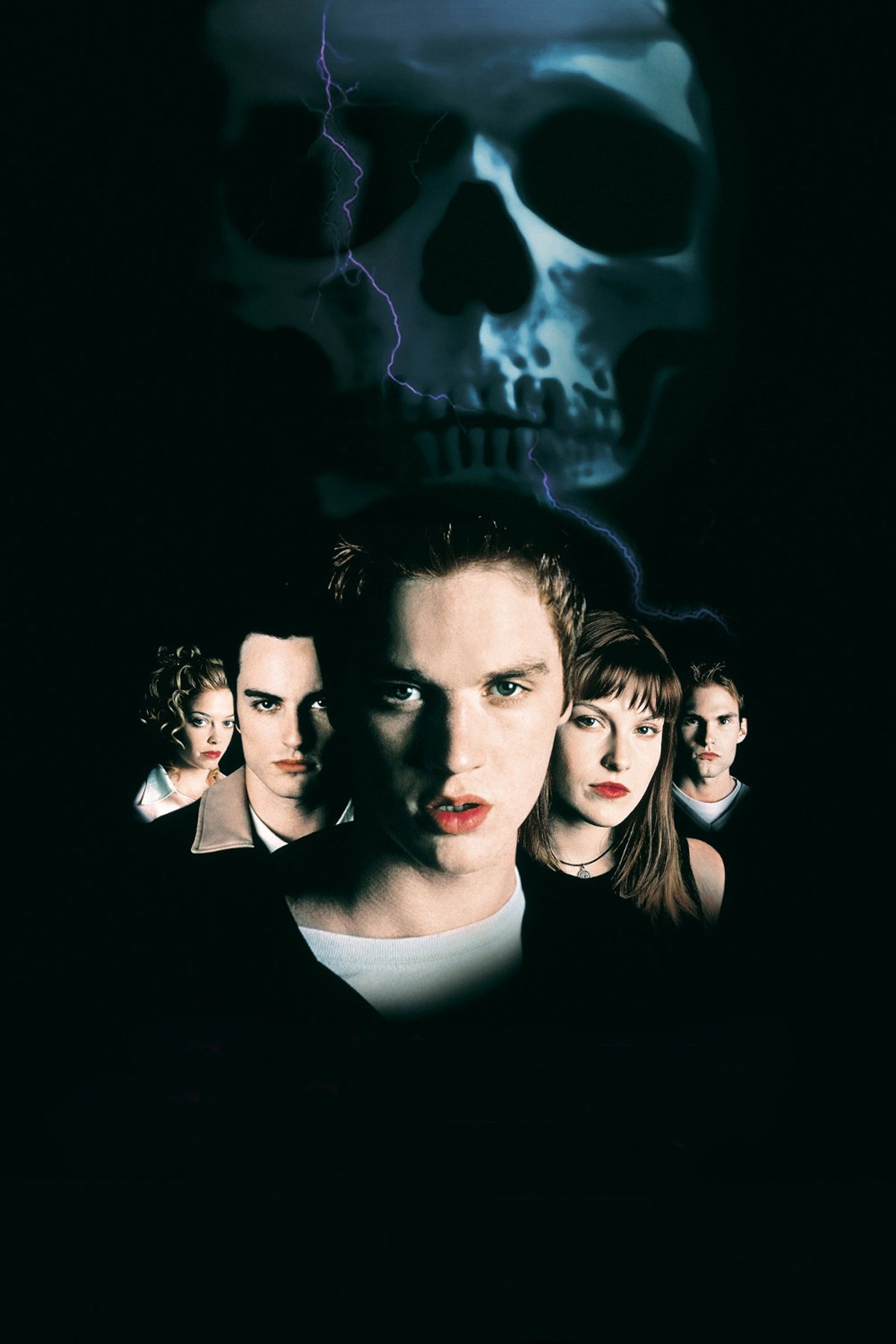
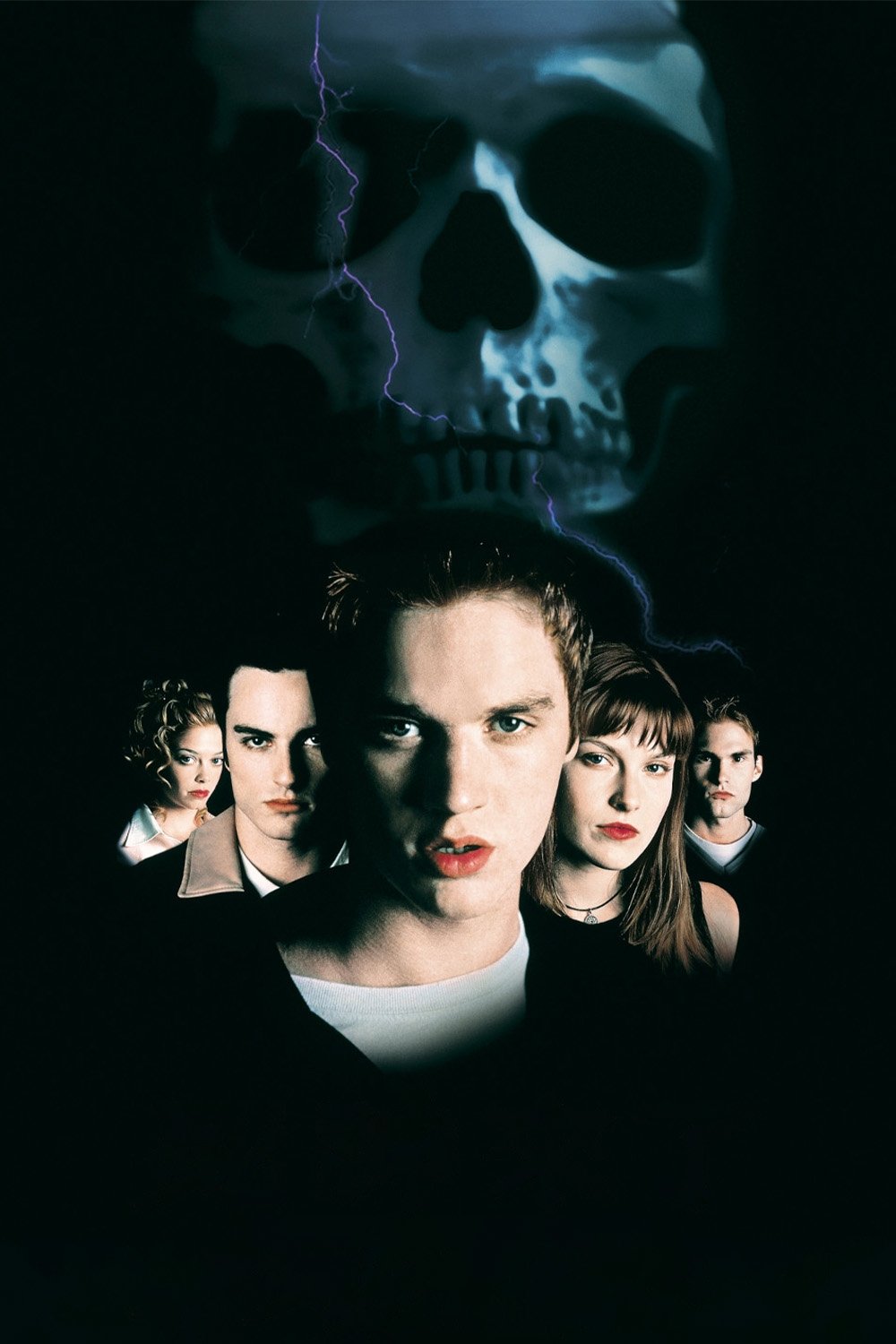
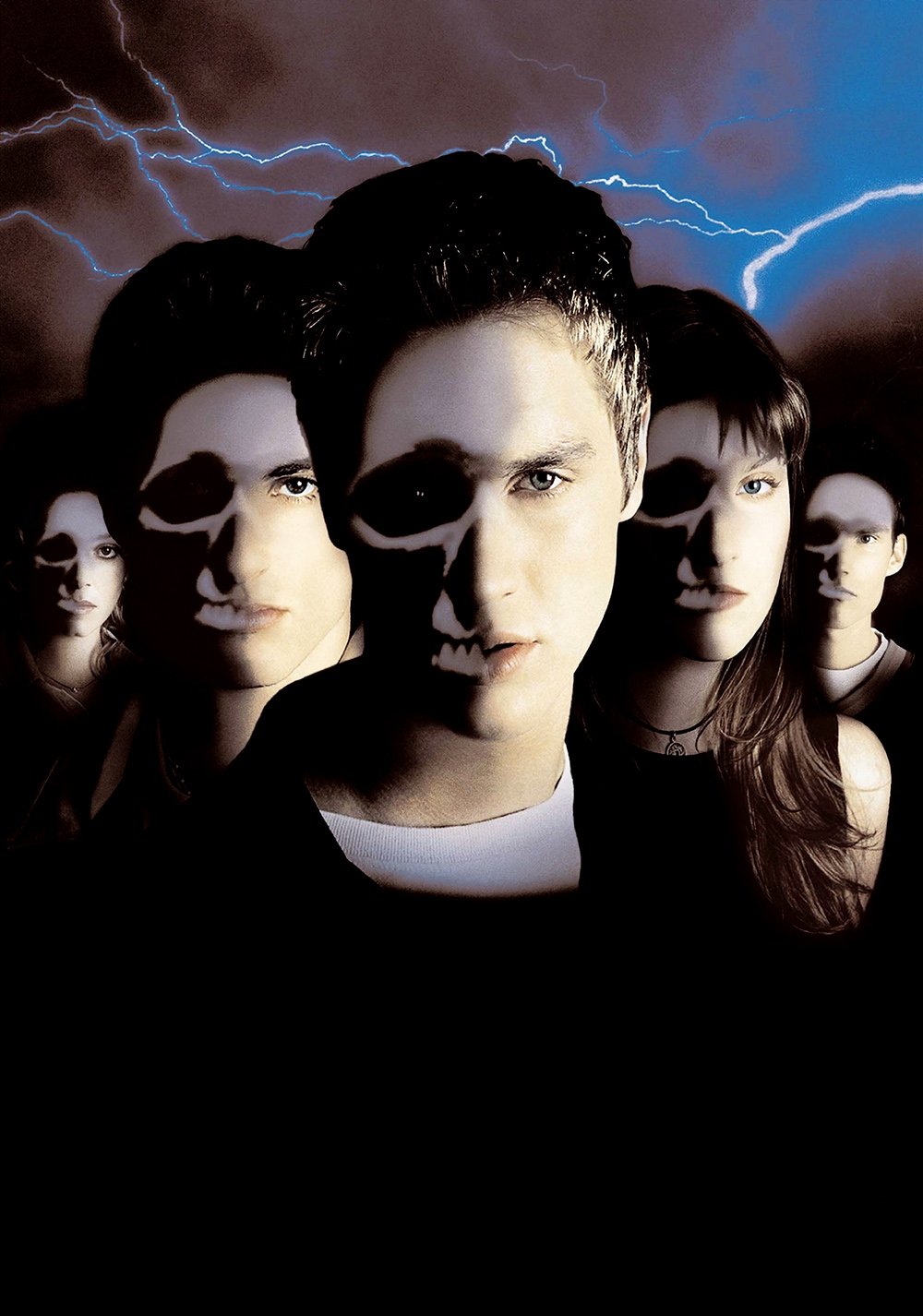
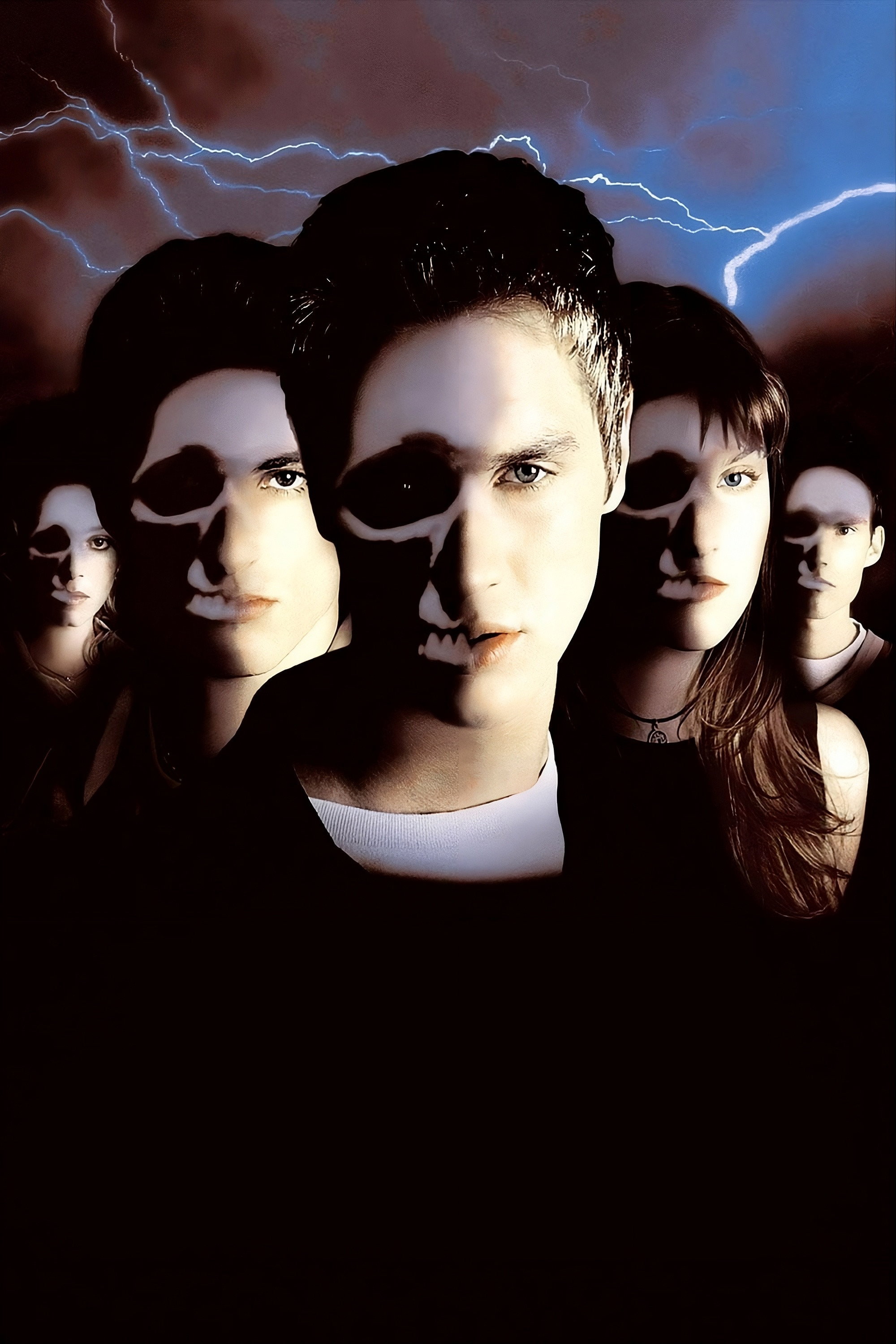
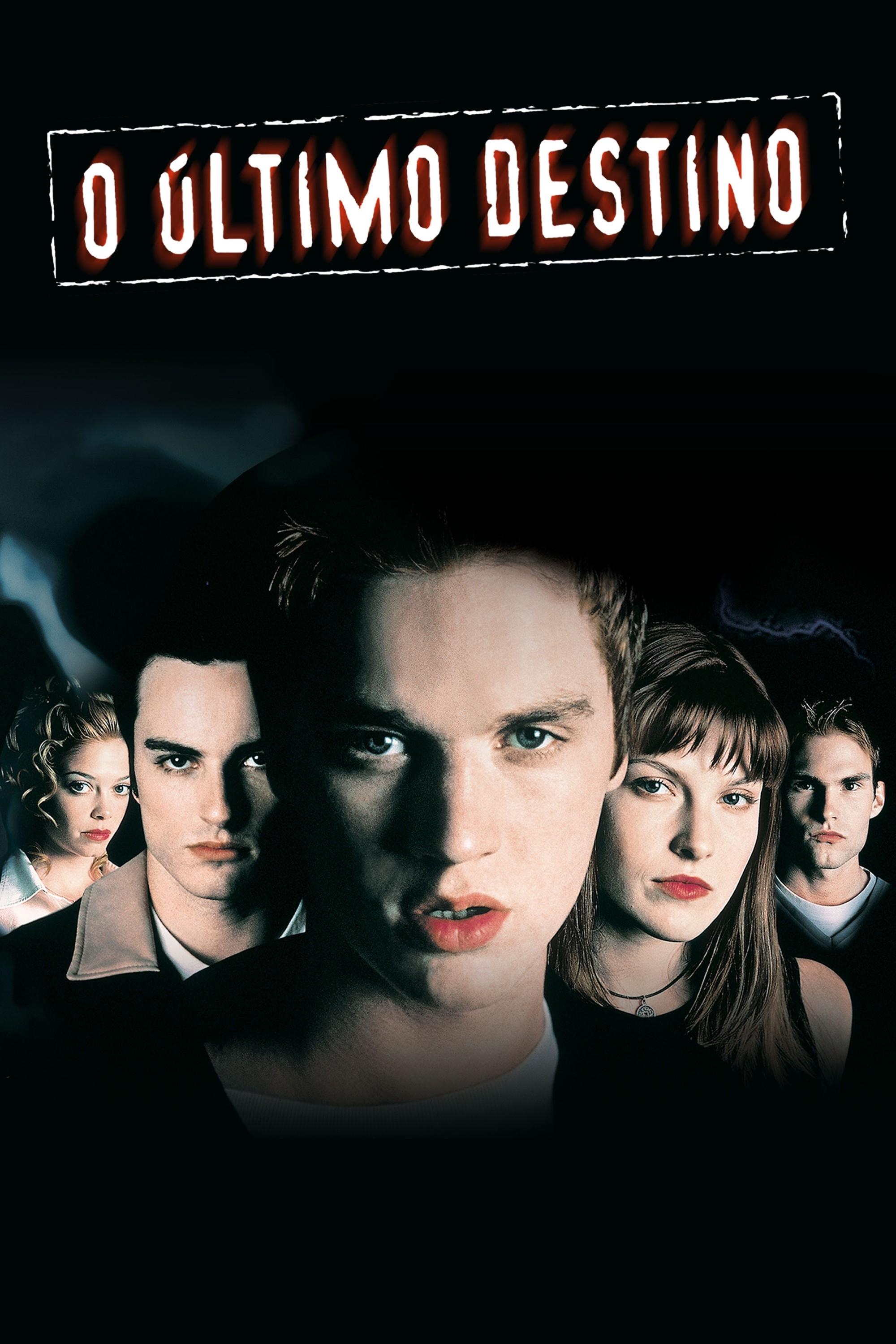
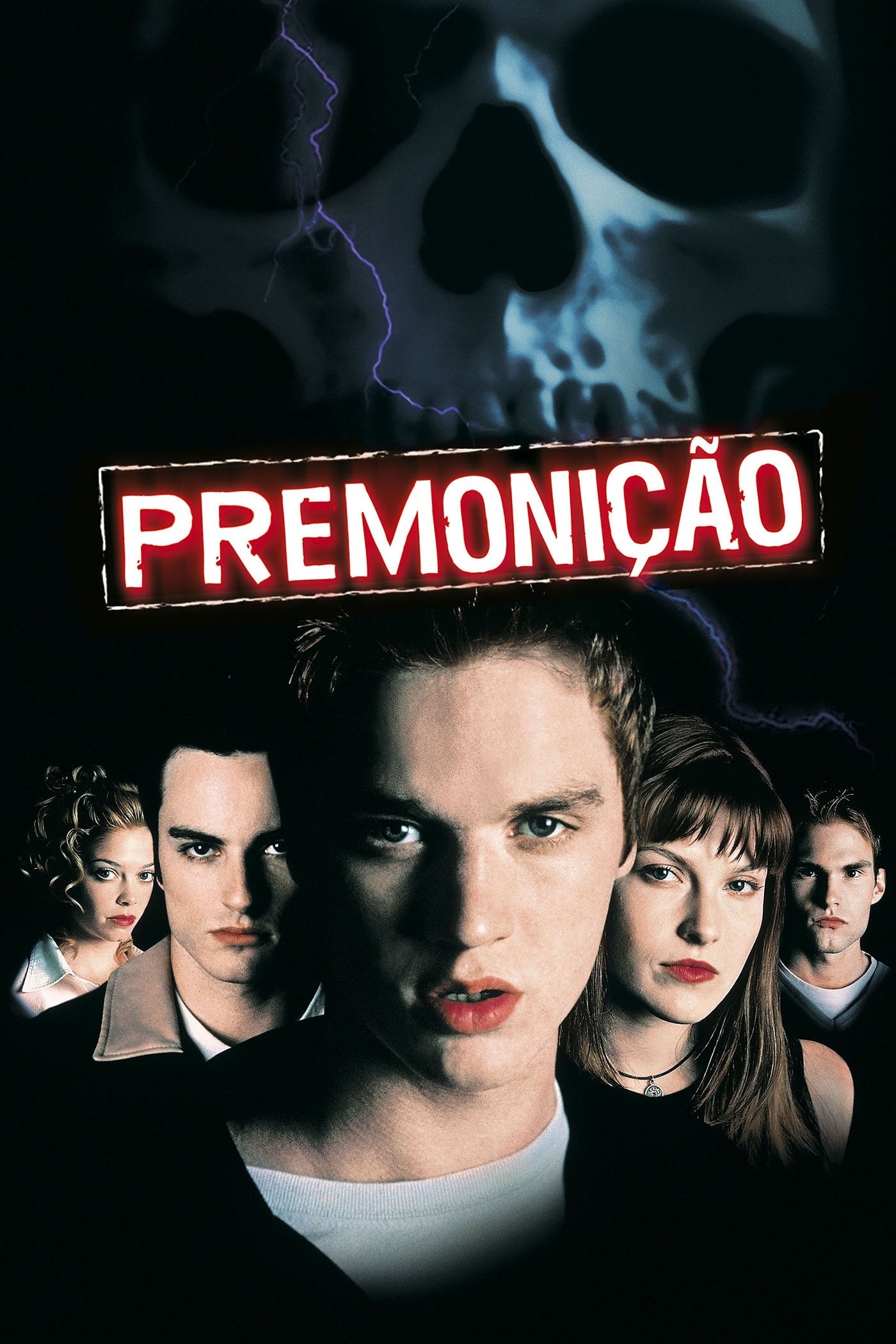
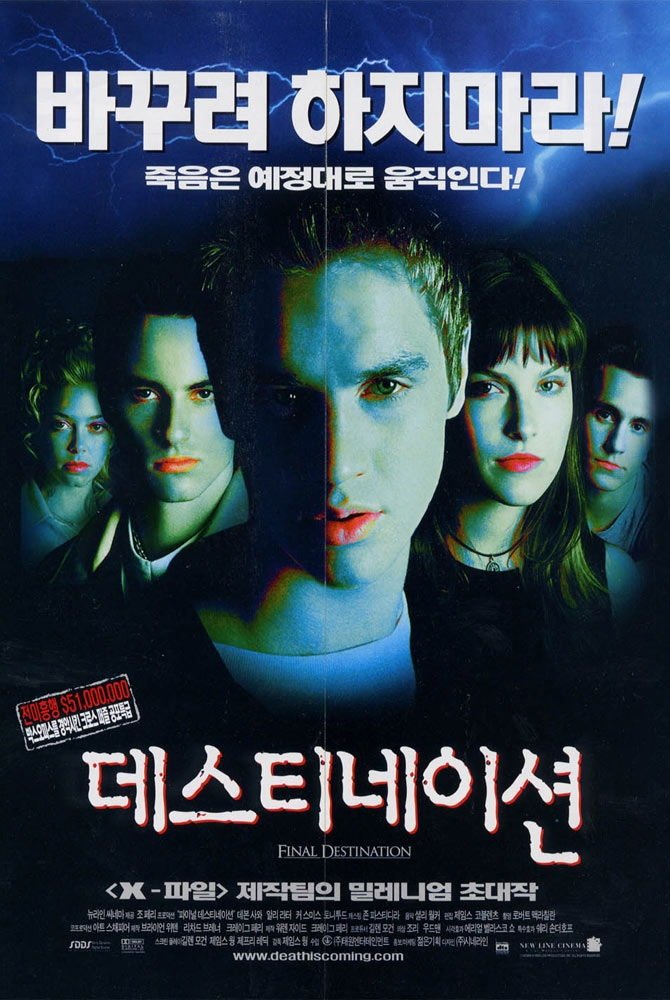
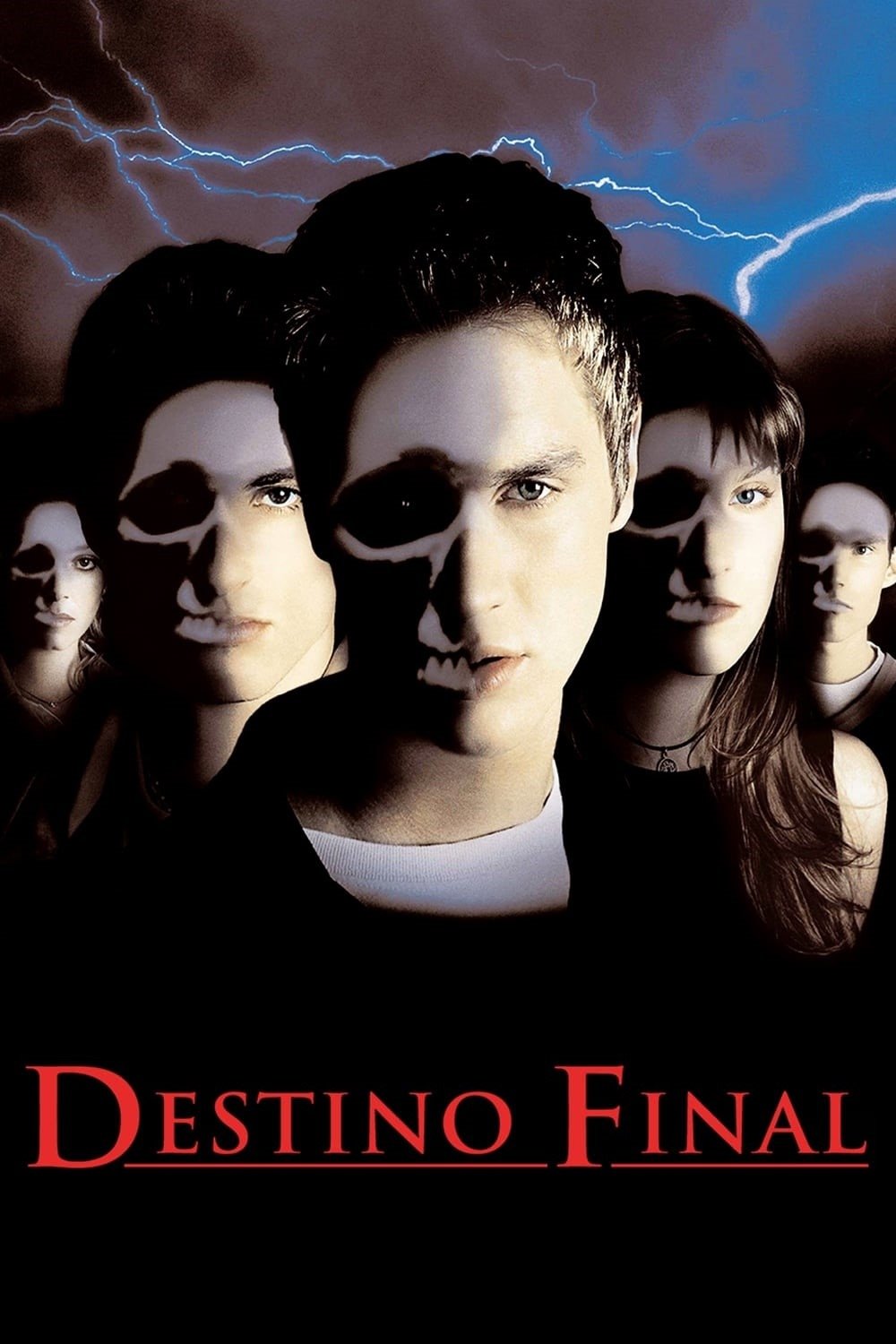
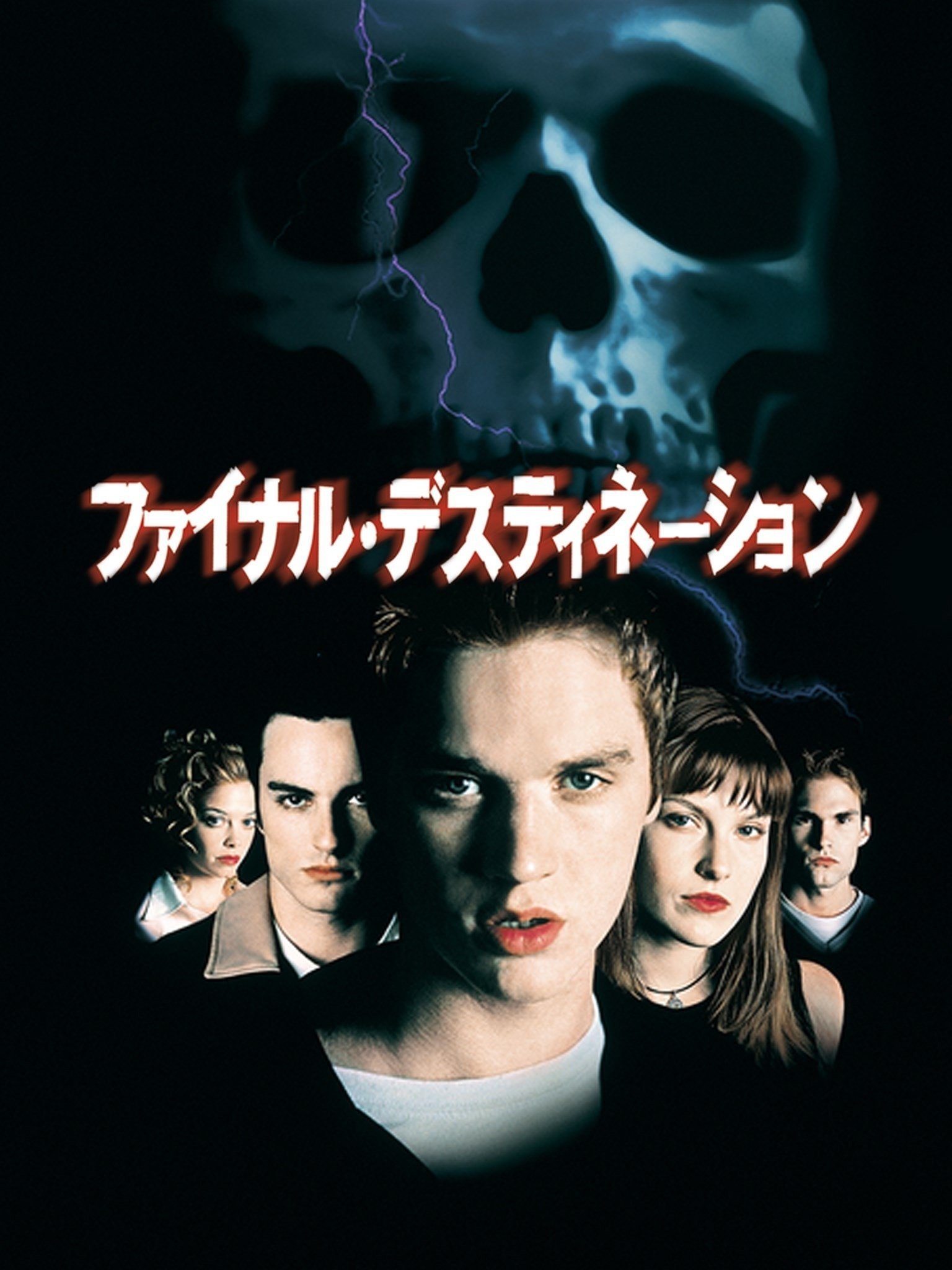
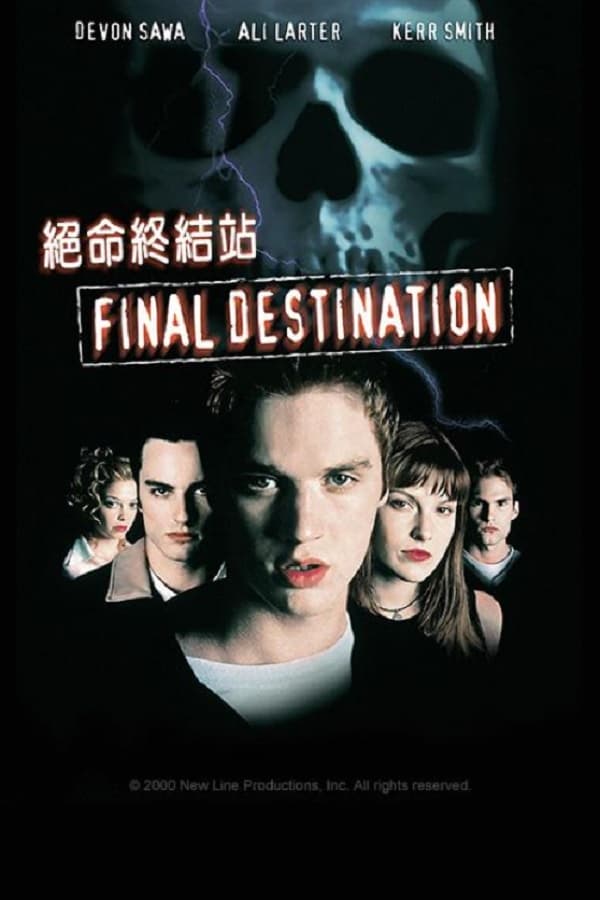
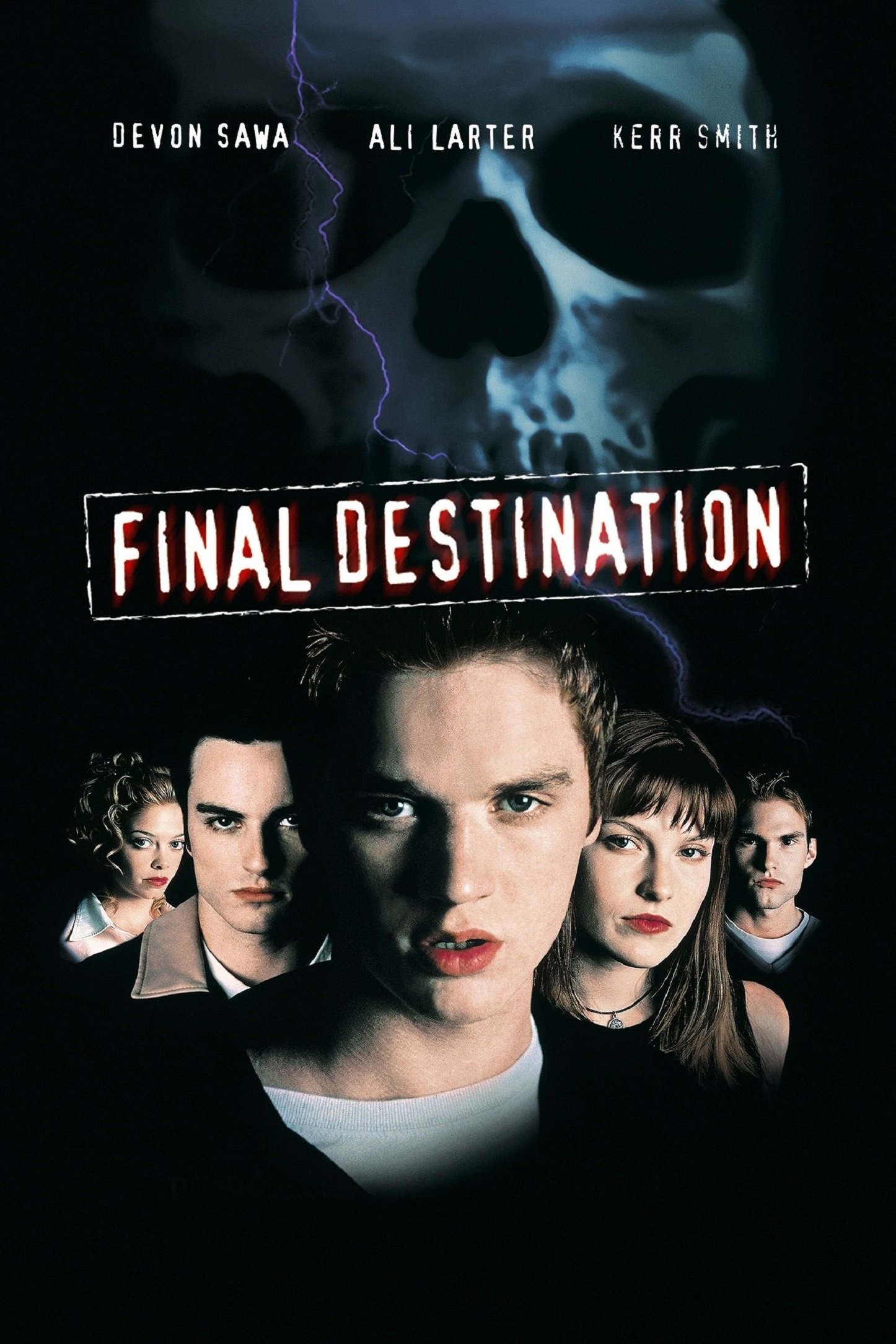
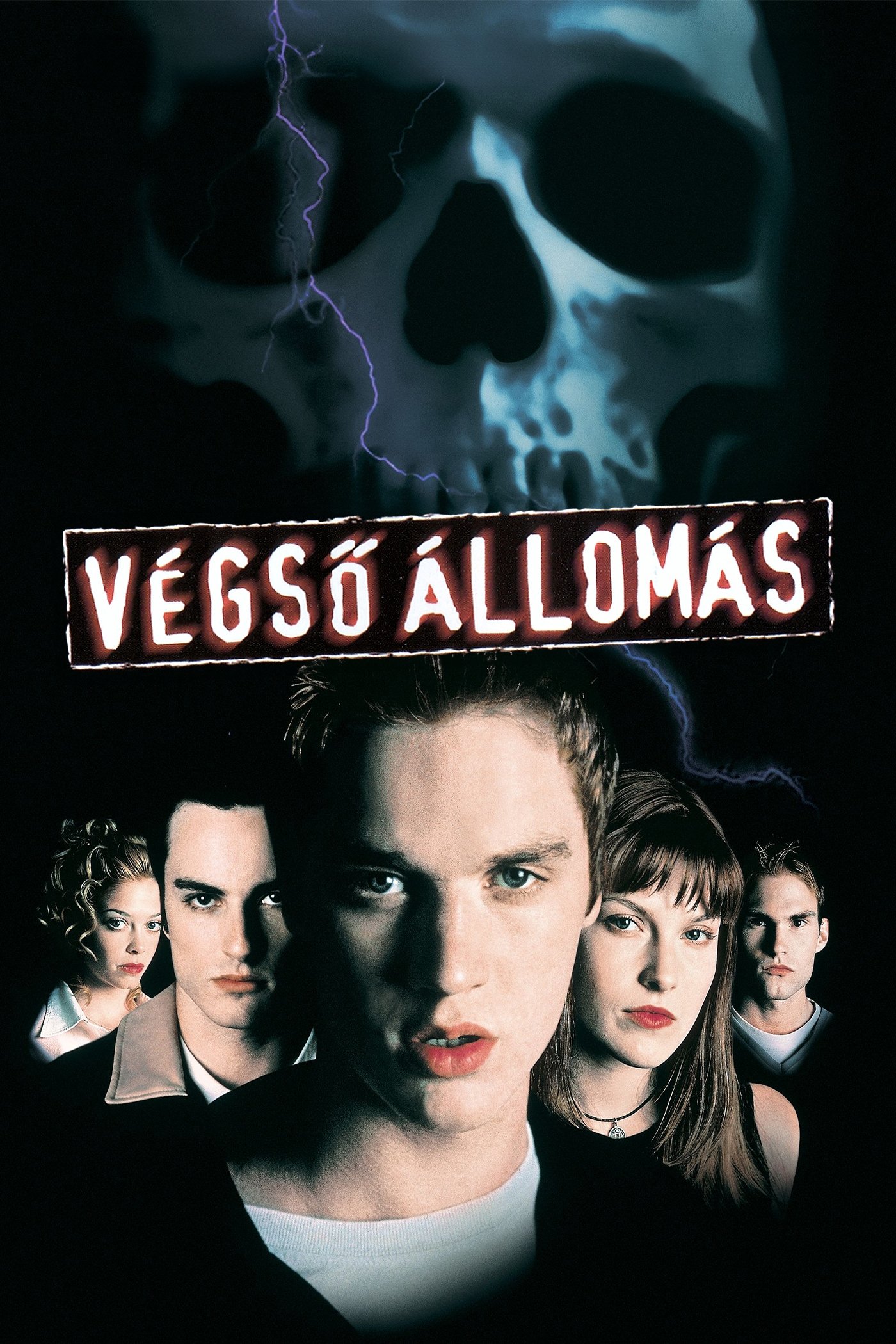
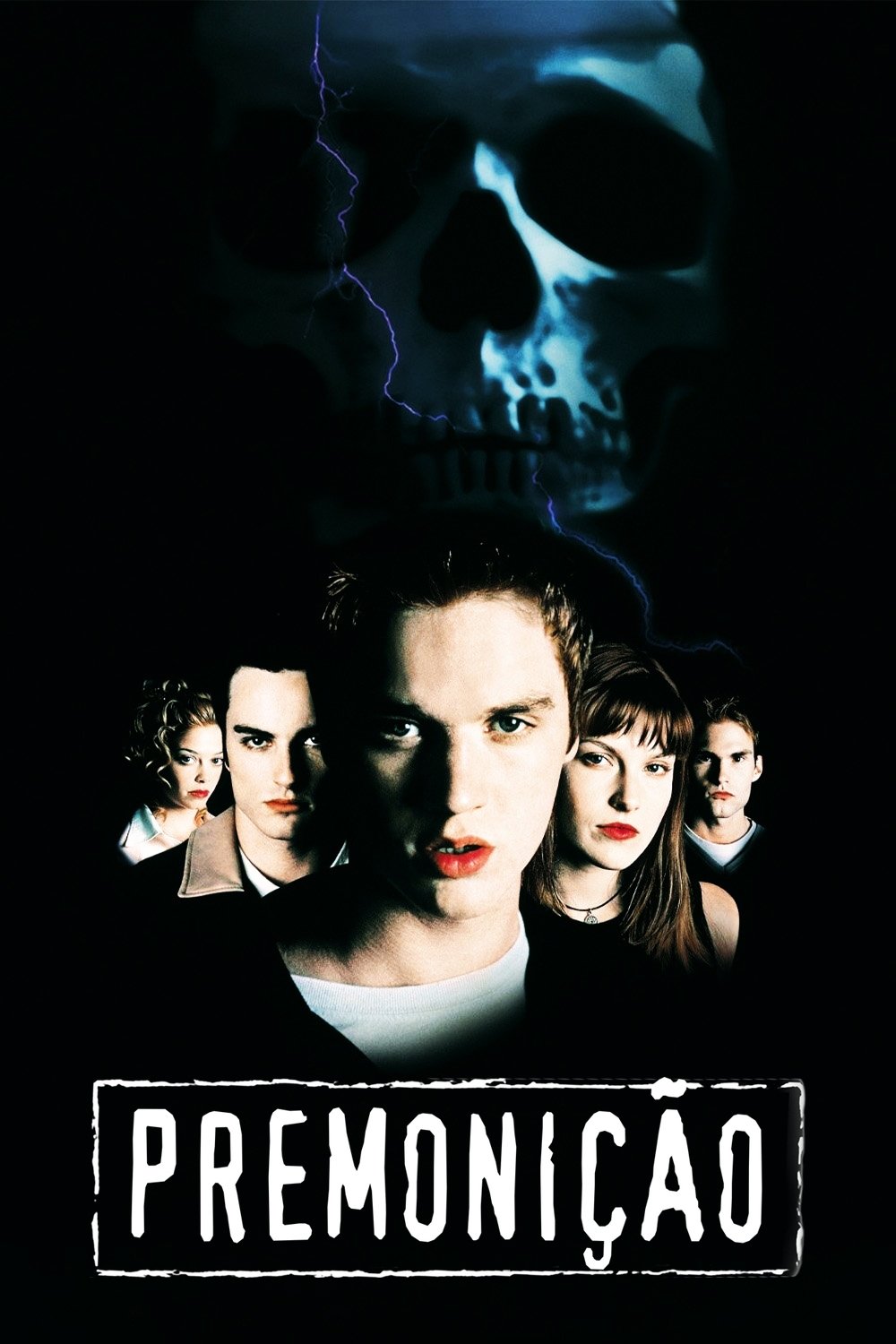
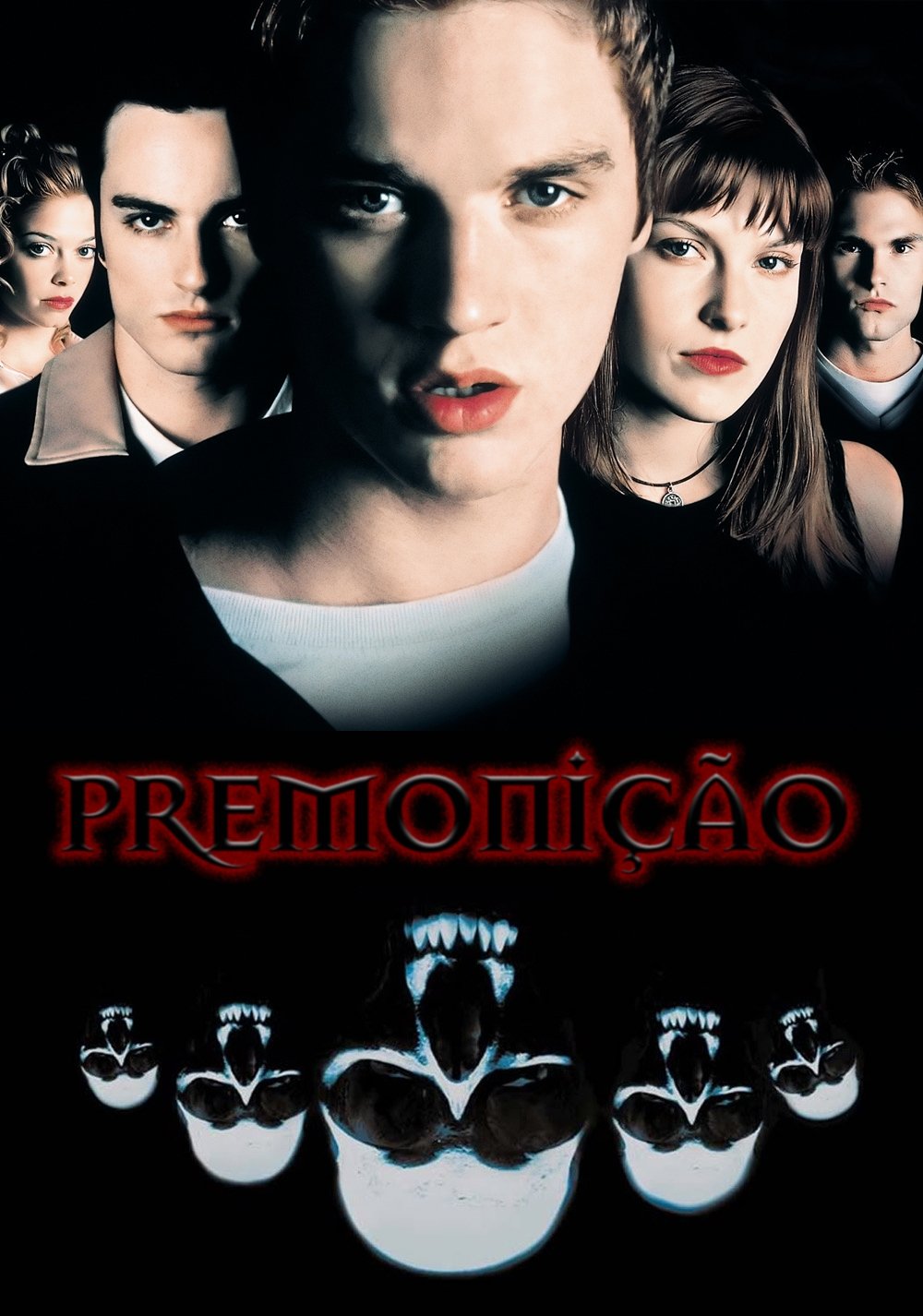
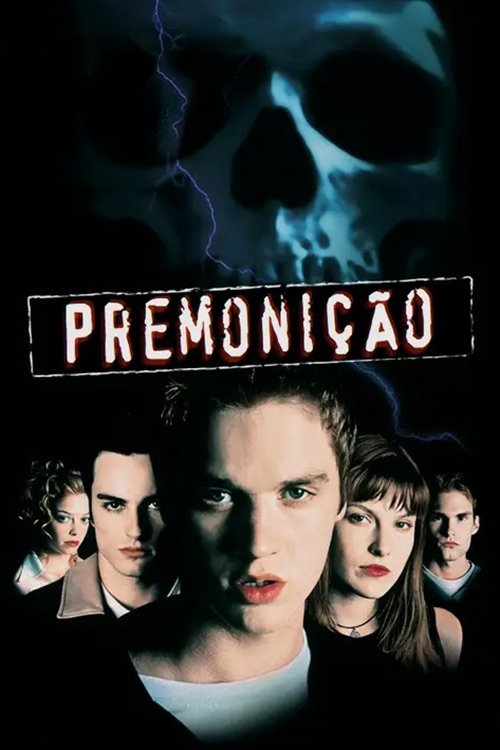
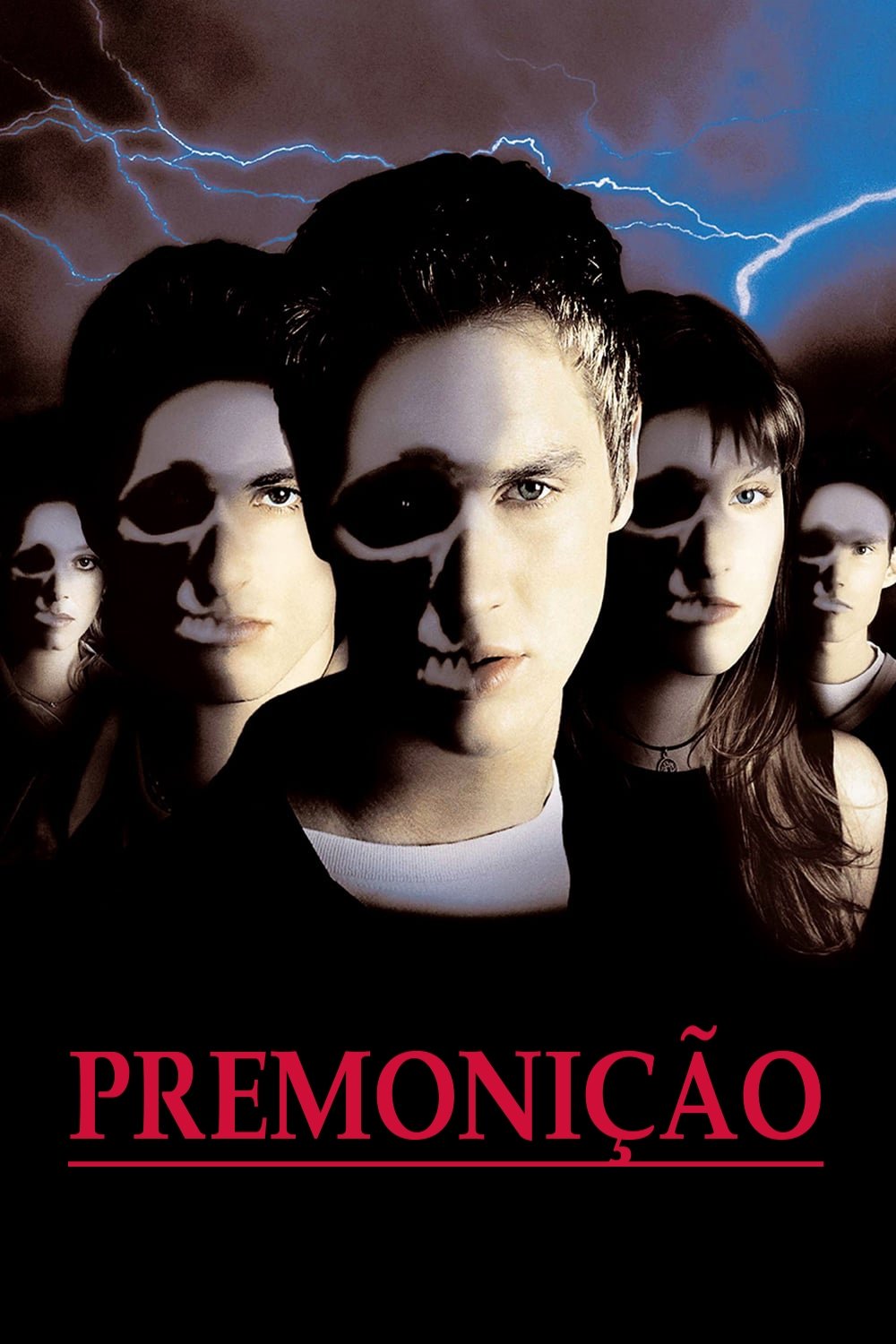
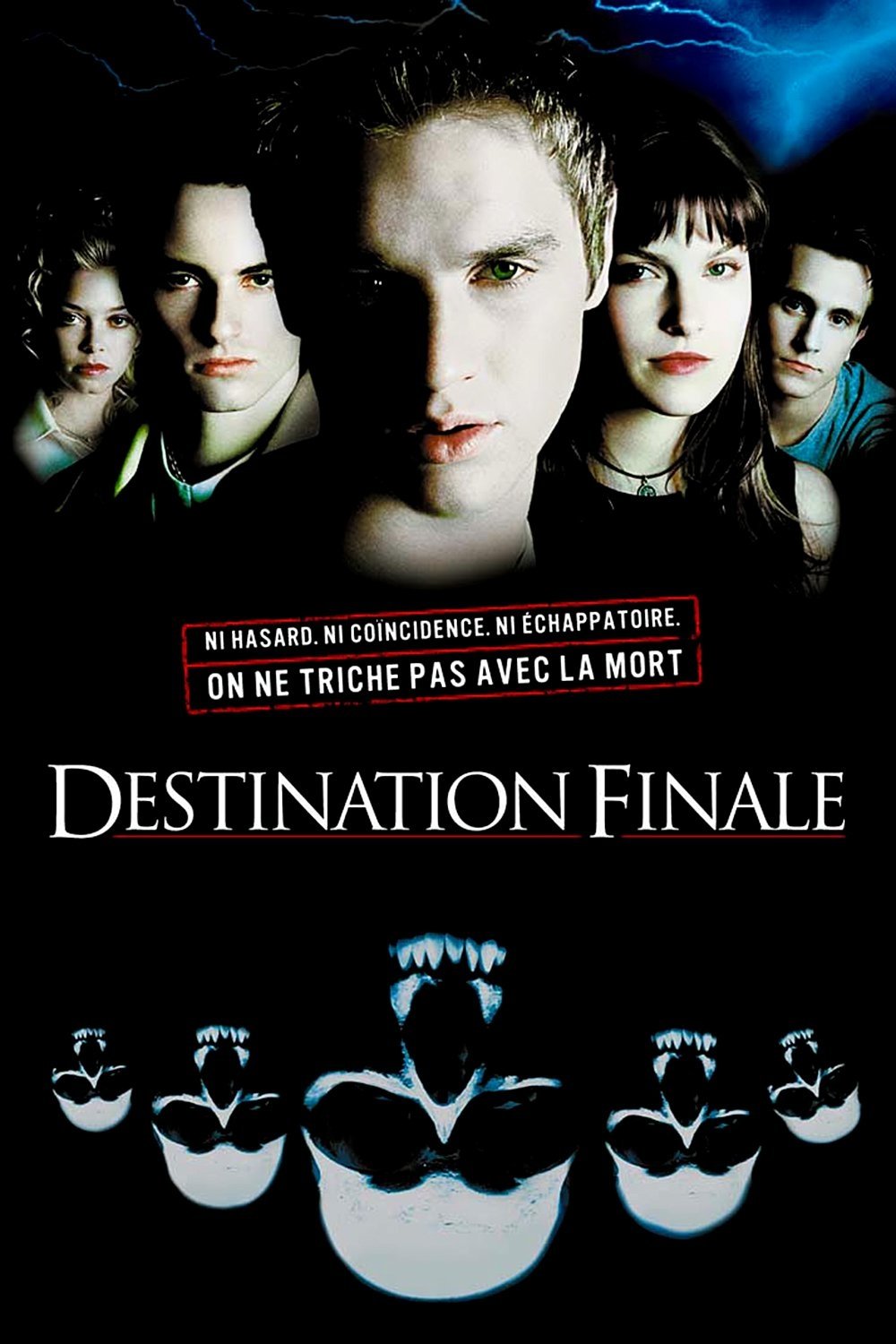
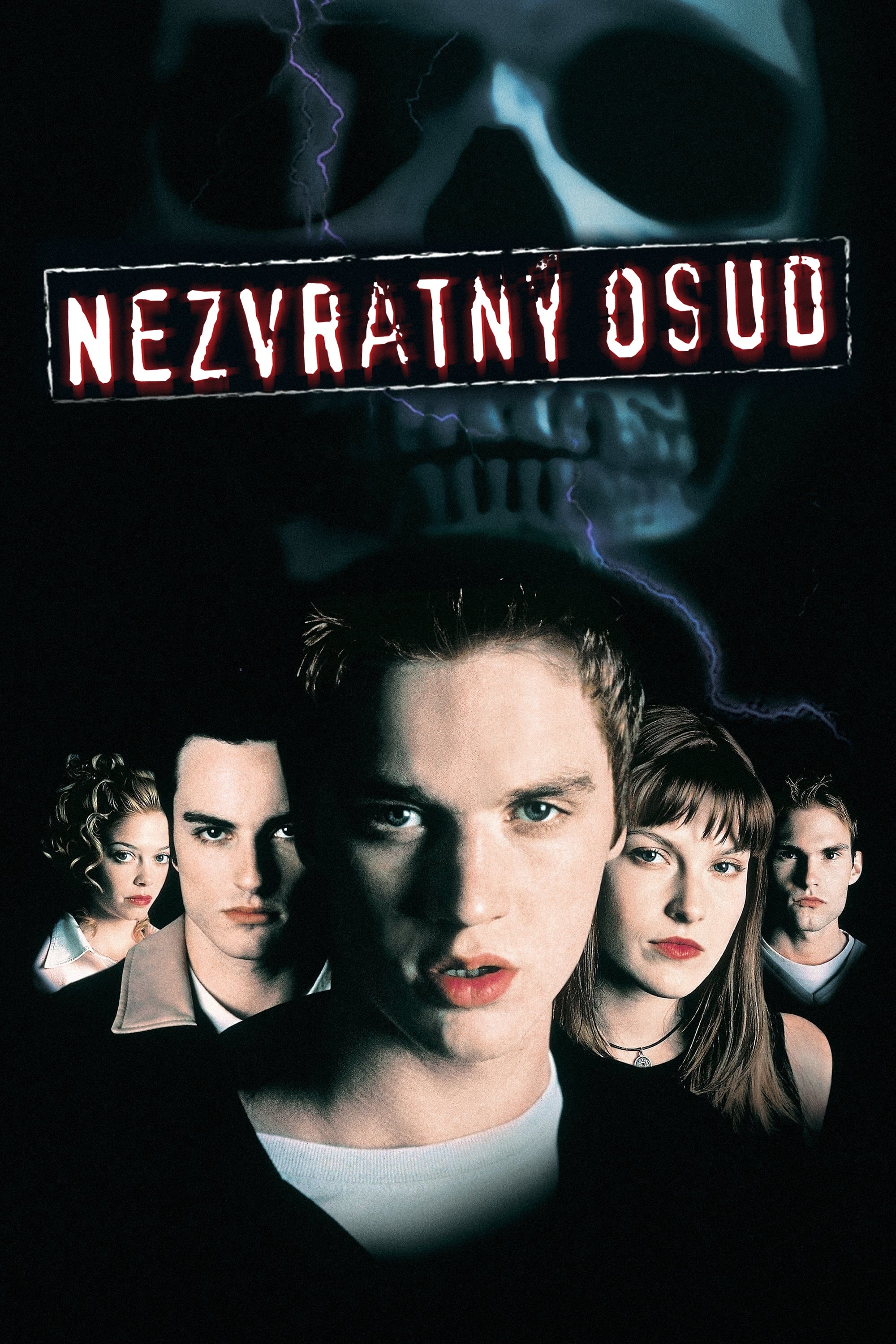
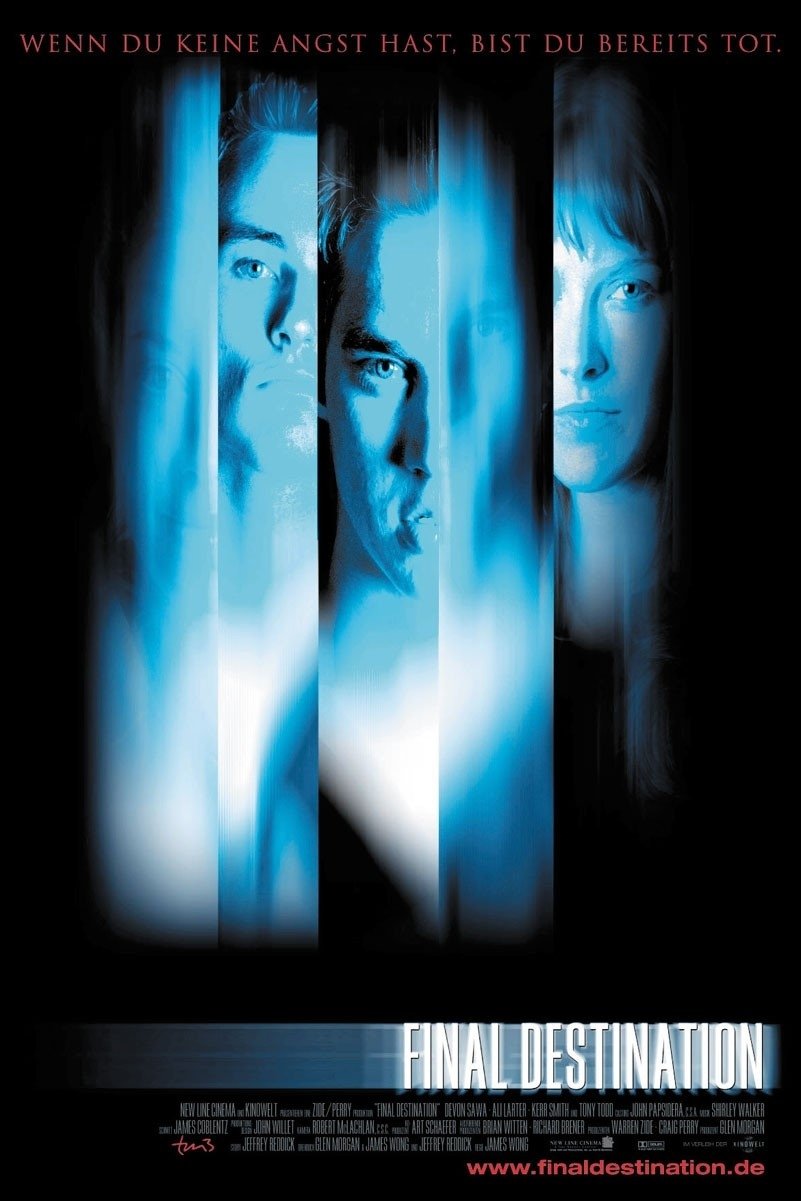
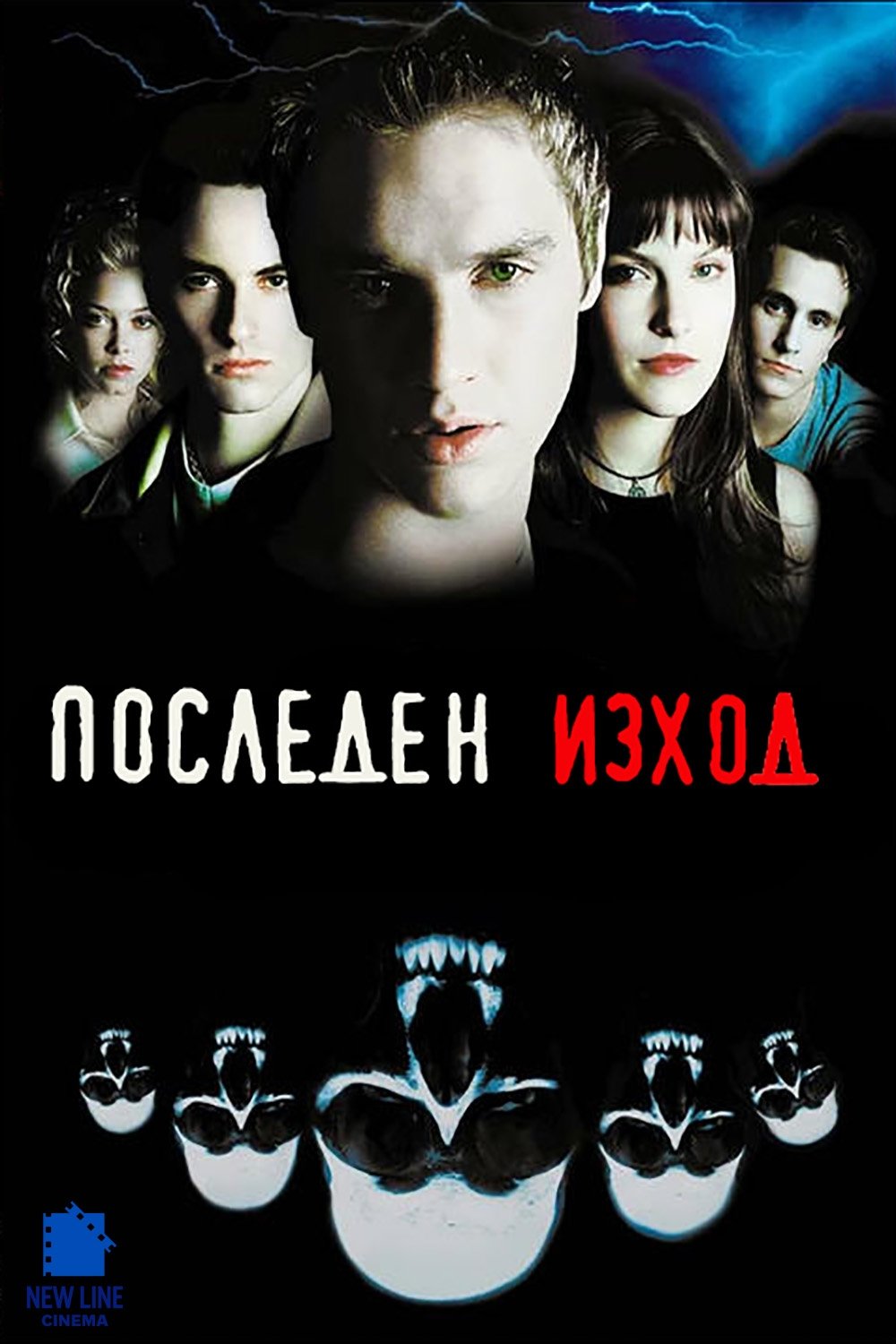
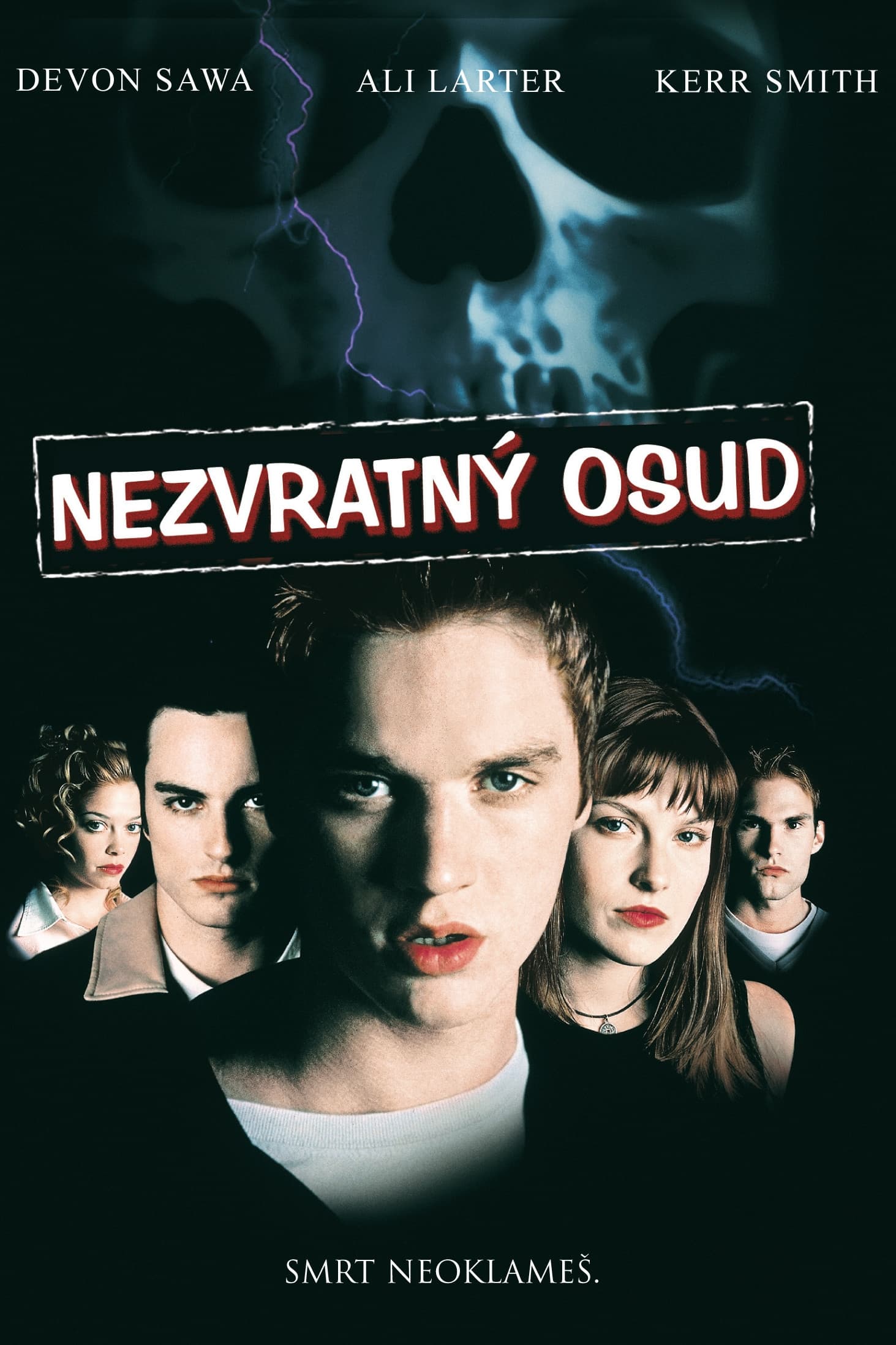
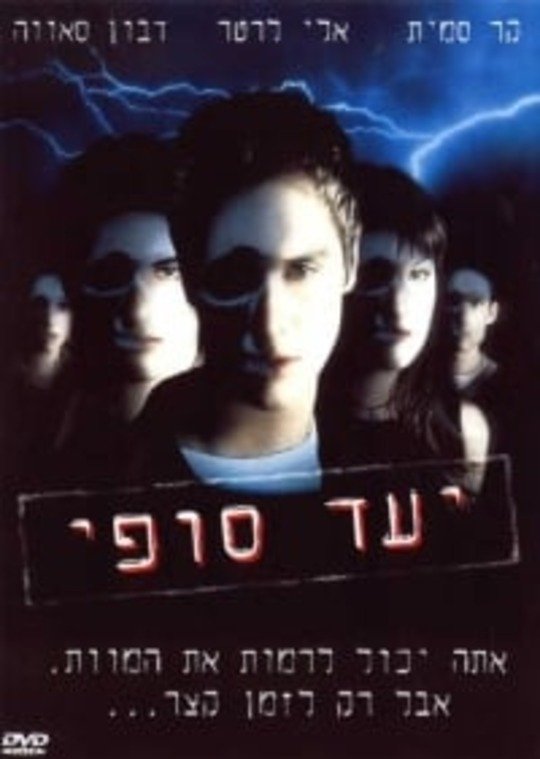
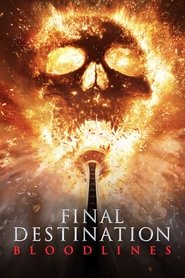
New Line Cinema released Final Destination in the United States on March 17, 2000. Contemporary reference material places its production budget at approximately twenty-three million dollars, while later box-office reporting gives a worldwide theatrical gross of around 112 million dollars. Those figures describe a commercial performance that justified continuing the concept, without establishing how much profit the distributors ultimately retained. The film belonged to a crowded market for young-adult thrillers and arrived without an established franchise identity. Its R rating and intense death sequences offered a harsher variation on the high-school horror cycle while the premise made familiar environments seem unstable after the screening ended.
Critical reception in 2000 was mixed, a distinction worth preserving amid later celebration. In a March 17 review for the San Francisco Examiner, Walter Addiego acknowledged imagination in the elaborate accidents but was sharply dissatisfied with the acting and dialogue. He also recognized that the supernatural device was being developed for a possible series. Other contemporary responses found greater value in the picture's blend of fatalism and cruel humor. These reactions document an initial divide between admiration for the engineered set pieces and skepticism about the film's dramatic substance. Later popularity does not erase that disagreement, nor should a modern reputation be presented as unanimous praise at the time of release.
The film has since become a subject of analysis beyond fan rankings and commercial retrospectives. In a 2015 Journal of Visual Culture article, scholar Eugenie Brinkema described the series through plans, lists and schematic arrangements, considering how a certainty shared by every human being is made visible through particular designs. That reading is valuable because the 2000 film already establishes the franchise's basic formal problem: identifying the next event from patterns that never reveal the whole system. Subsequent installments expanded the scale and inventiveness of the accidents, but the first picture's historical contribution resides in the logic of attention it taught its audience. An ordinary environment could now be watched as if each object were part of an unfinished sequence.