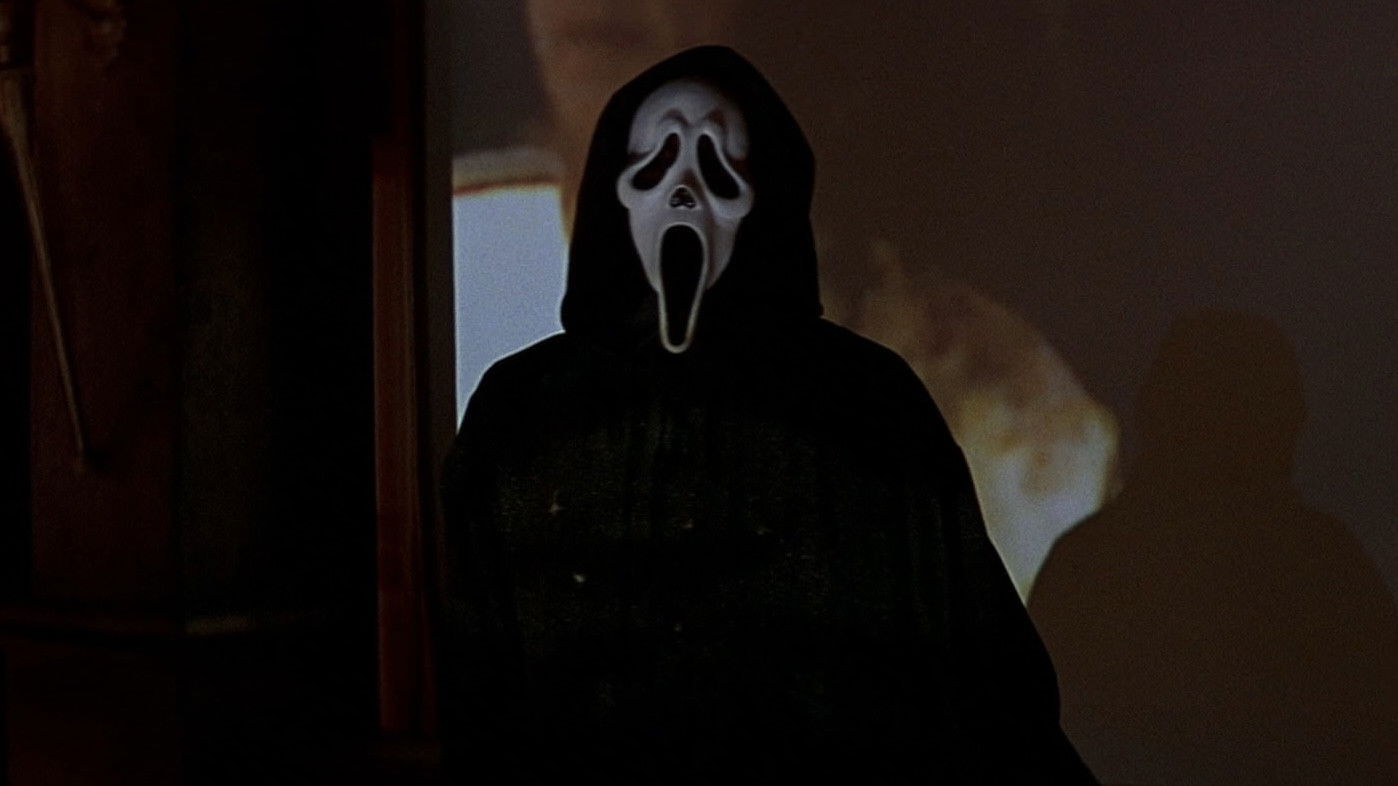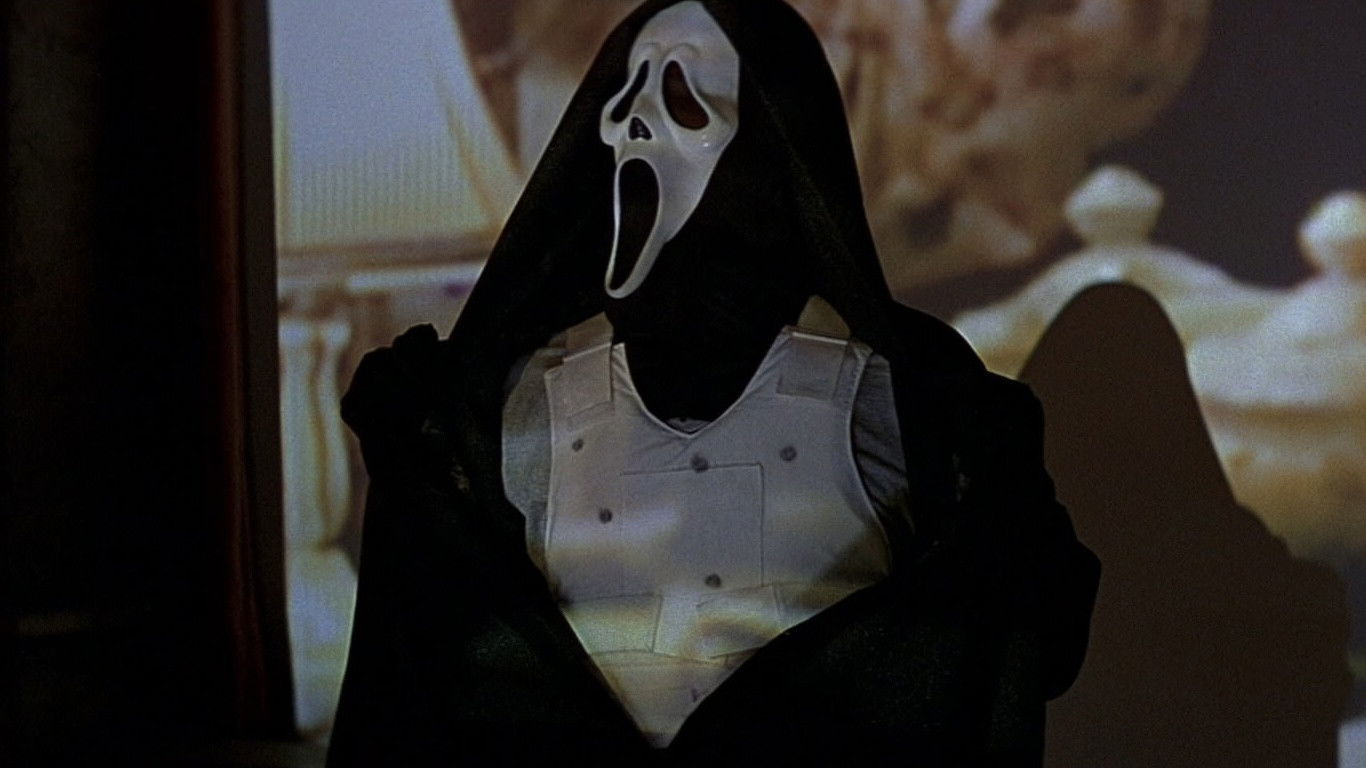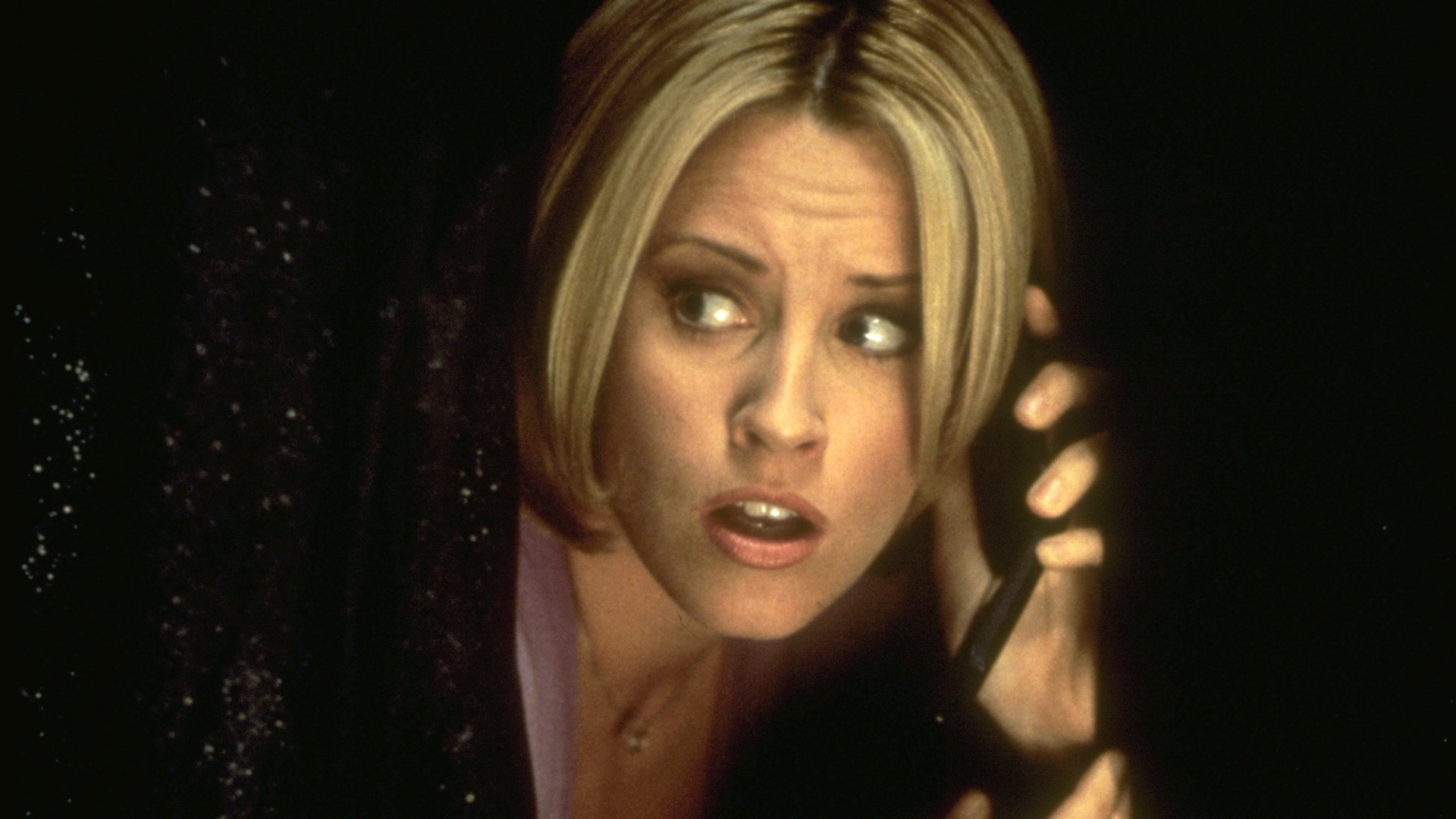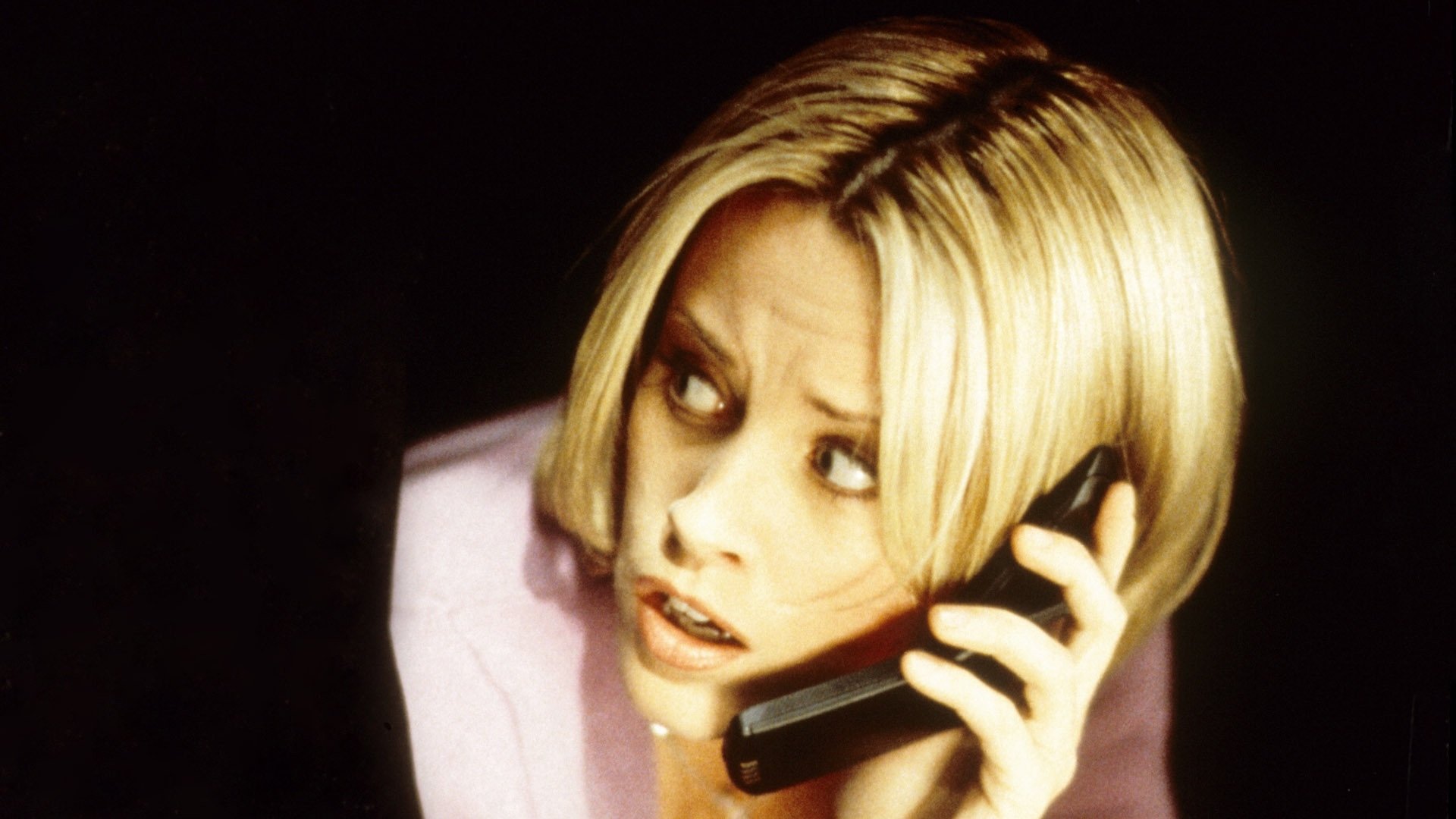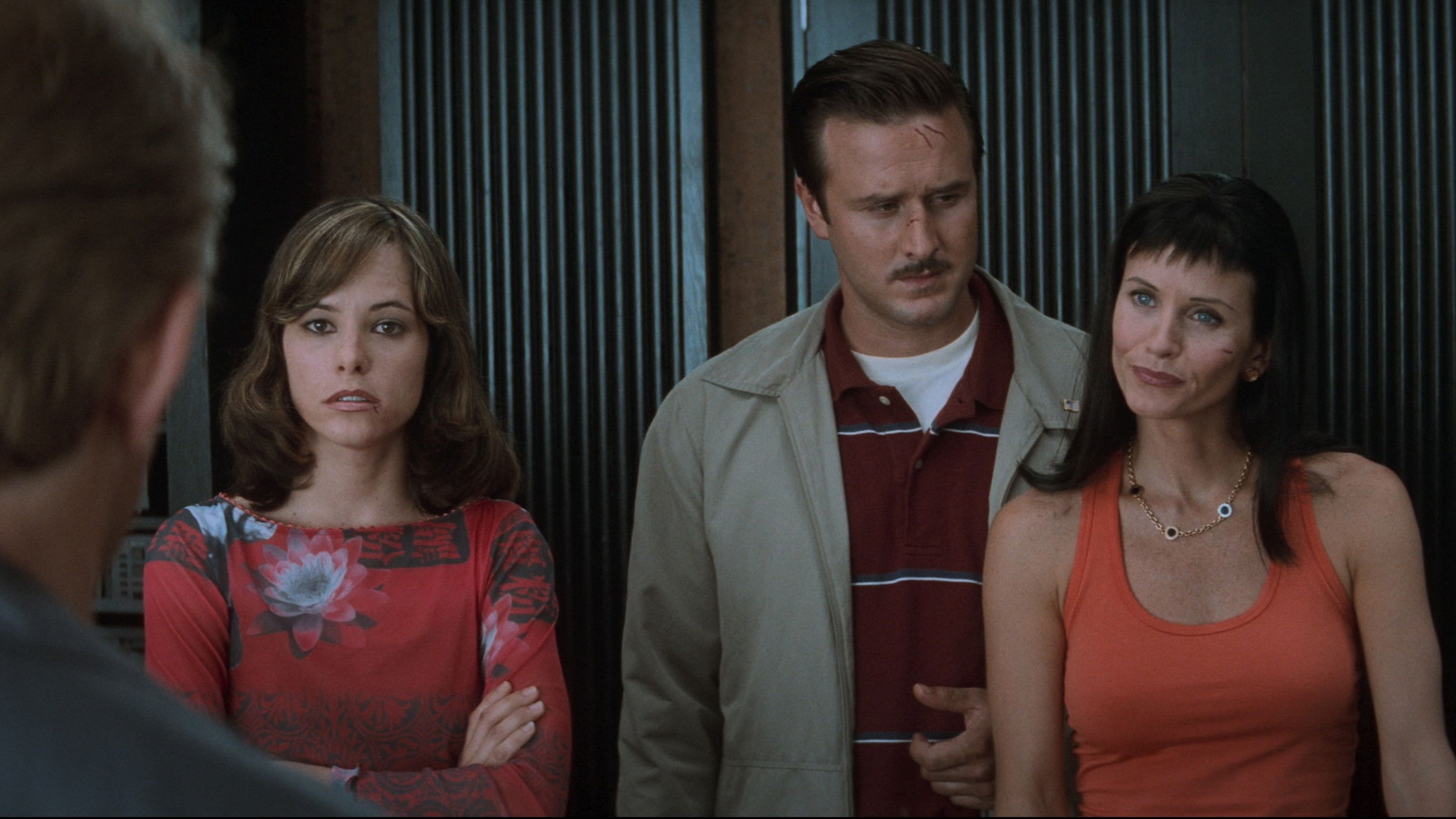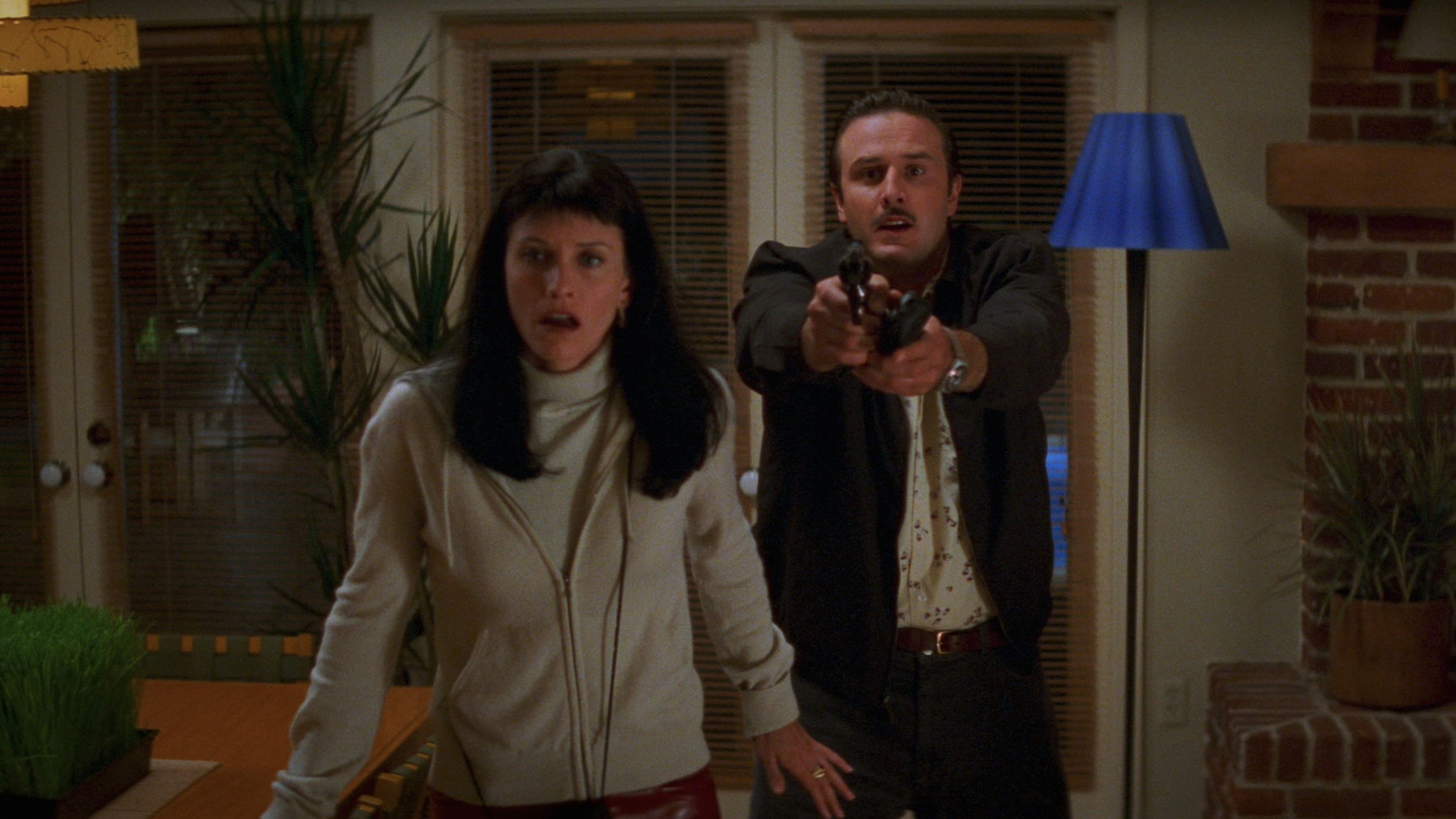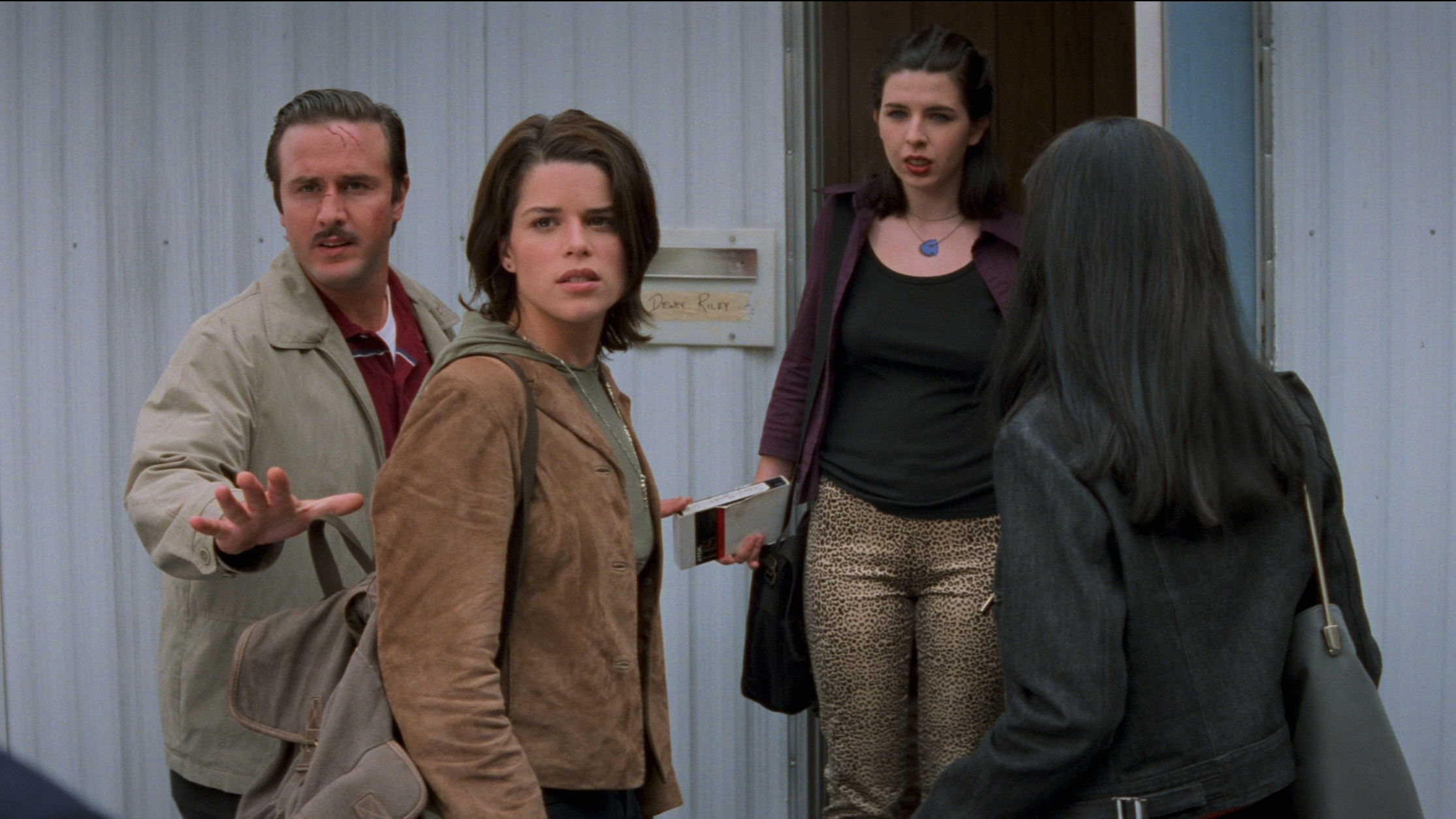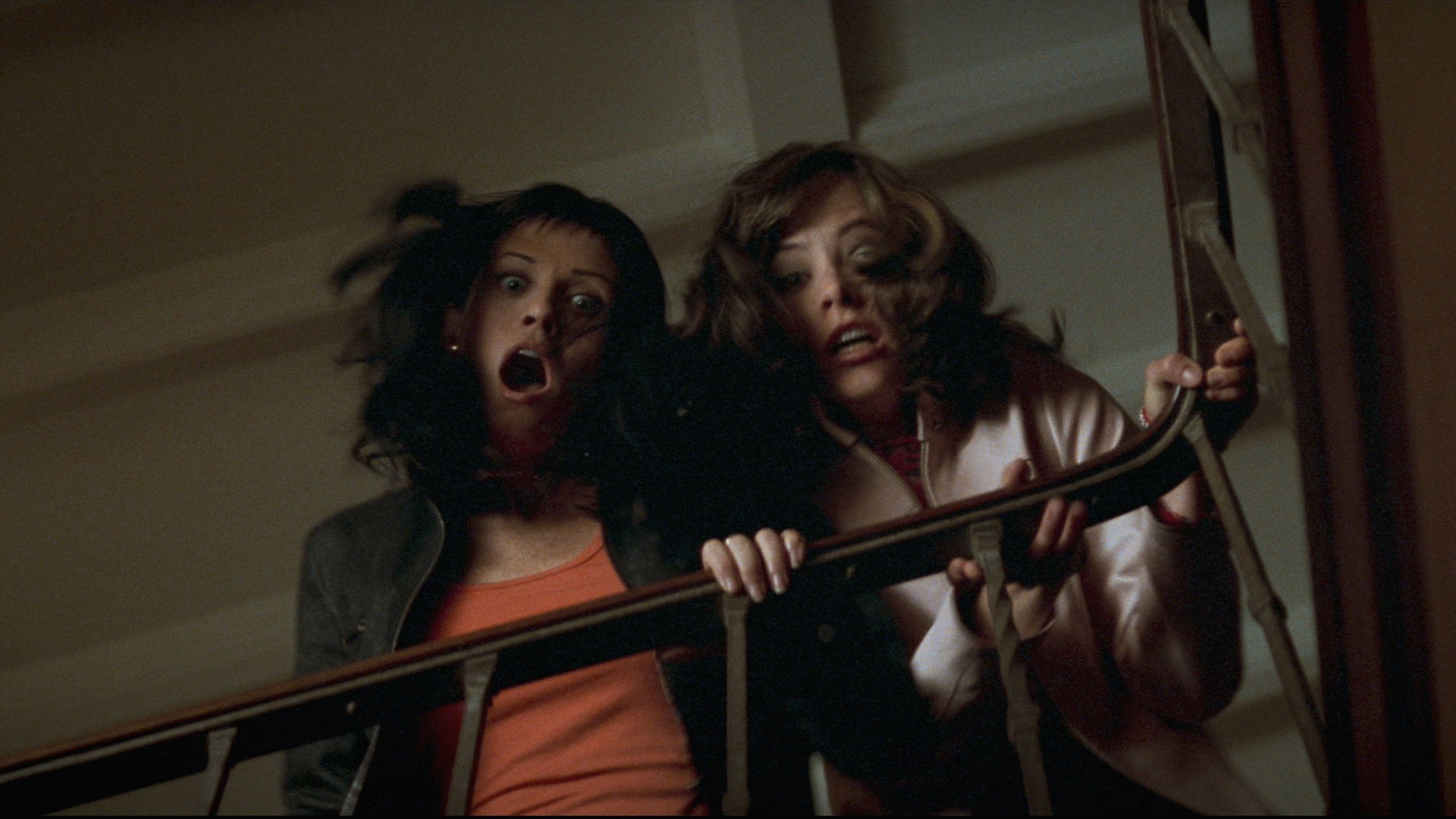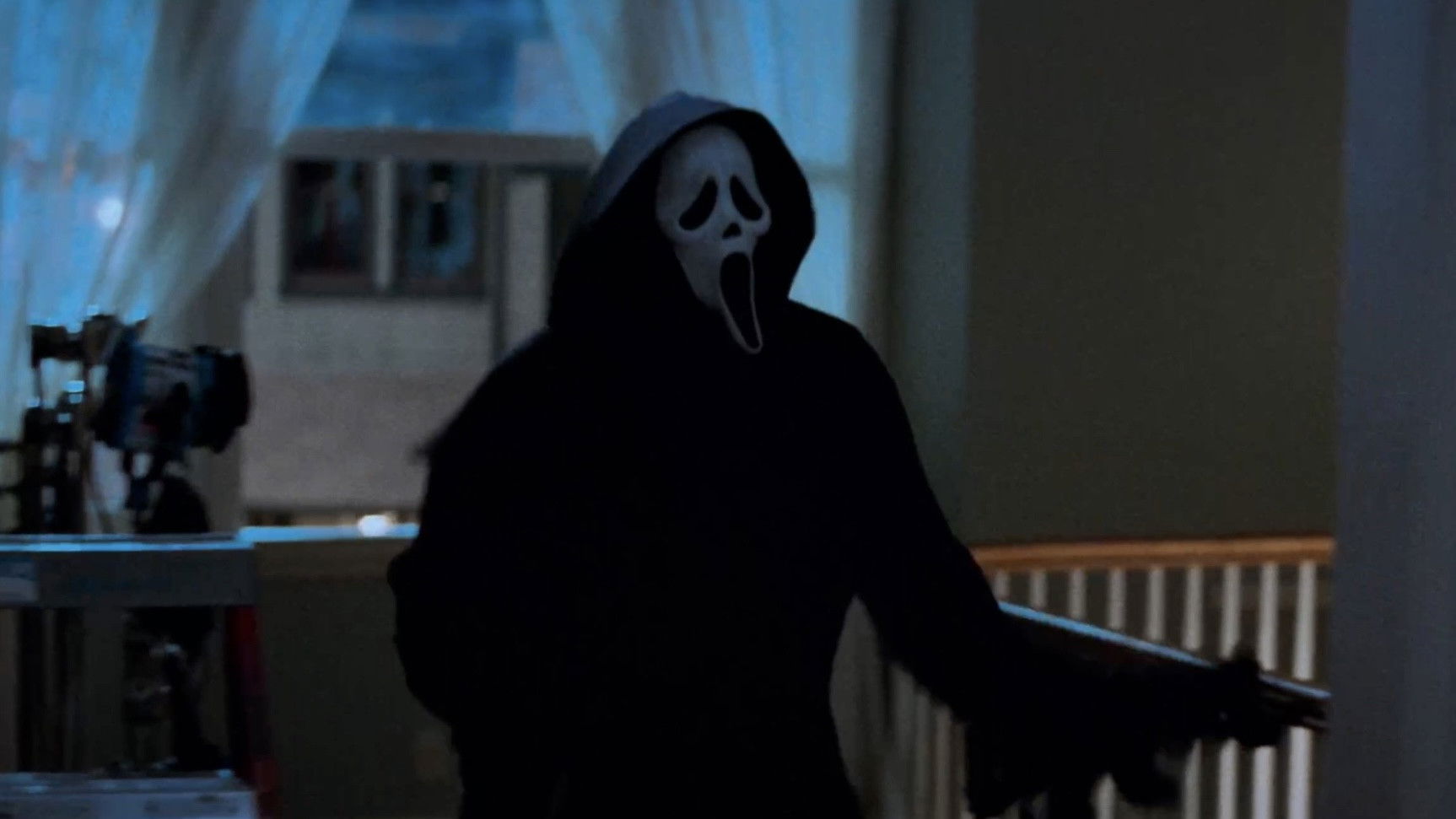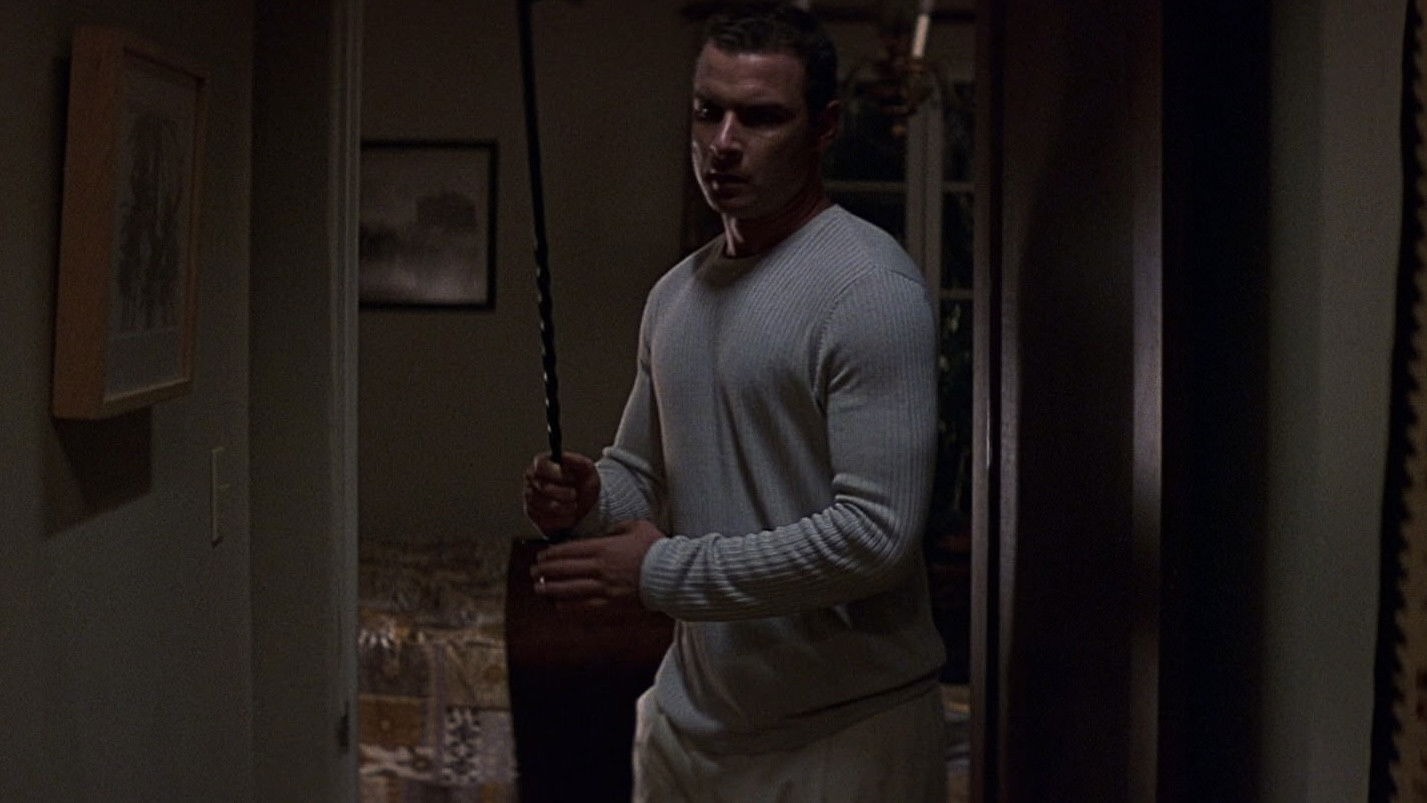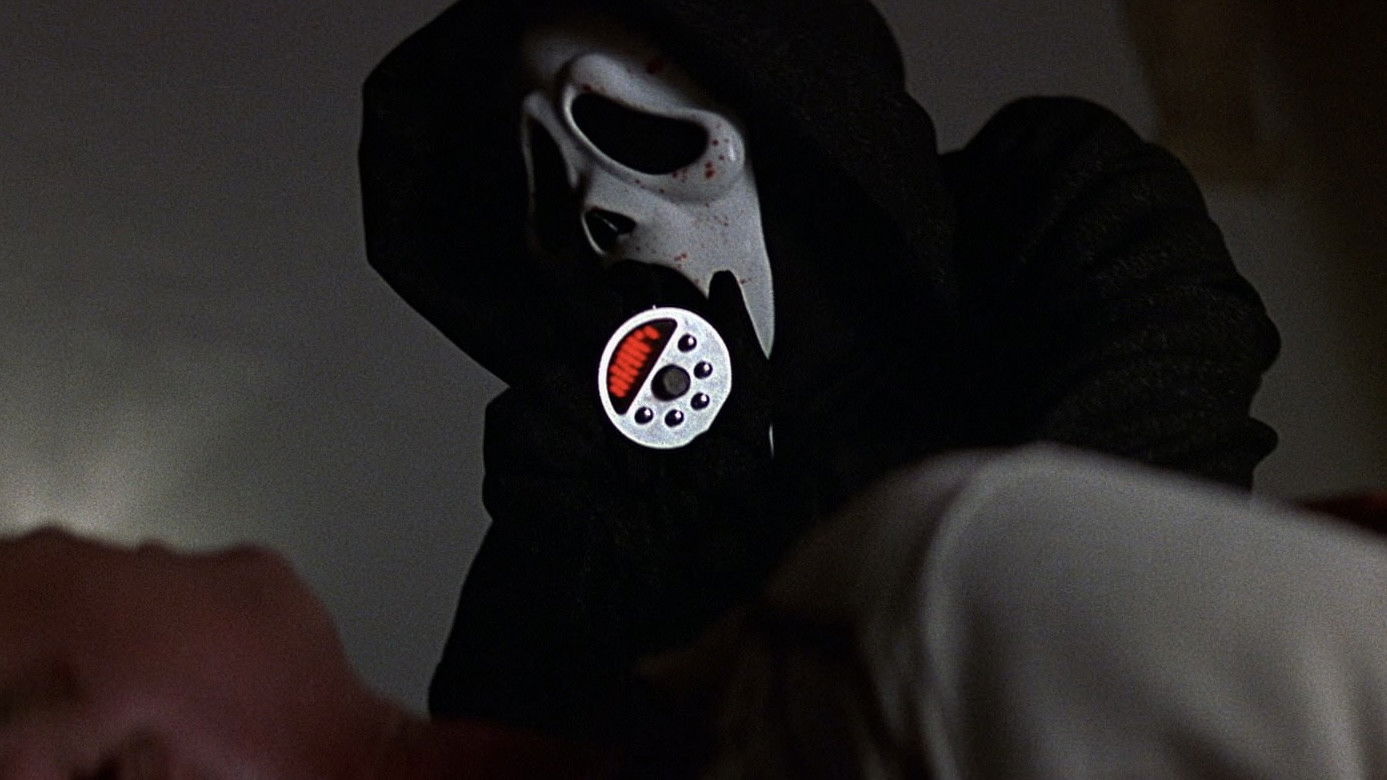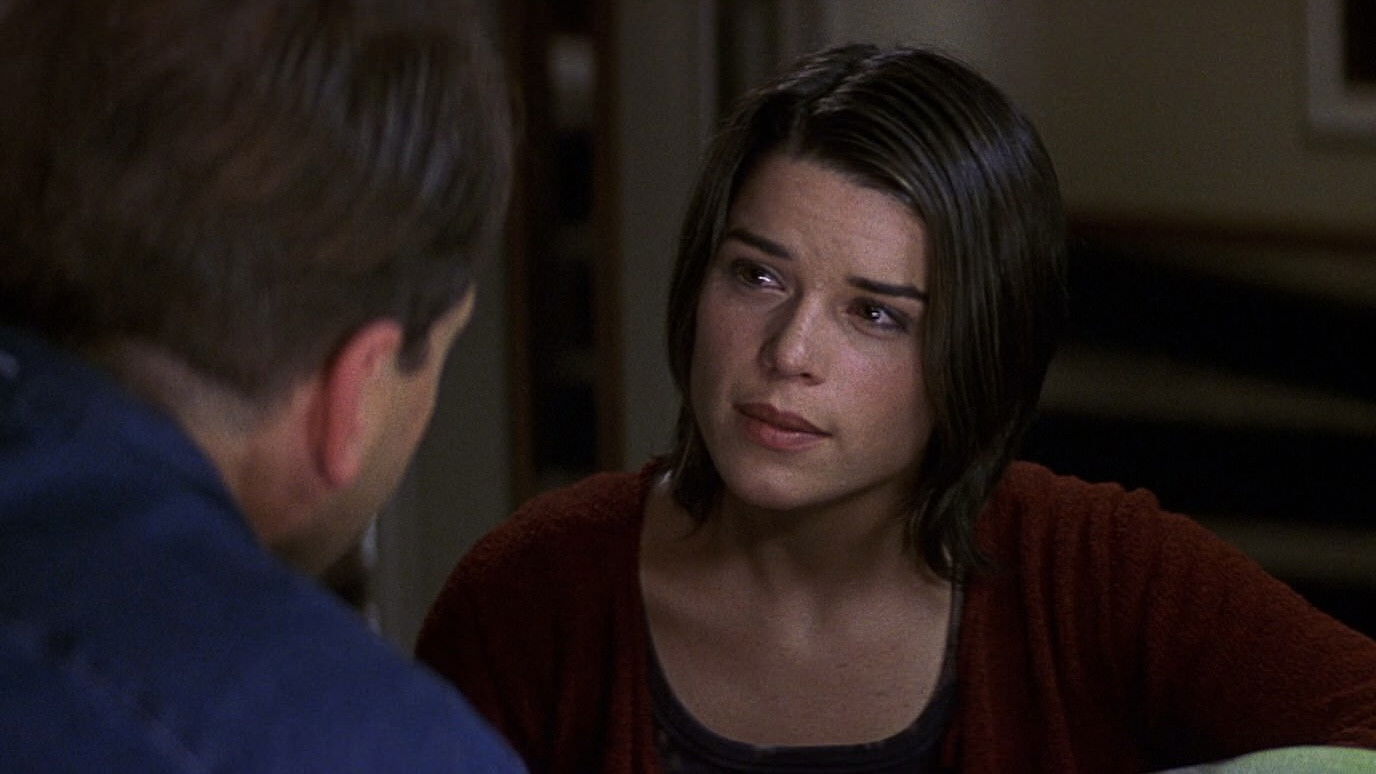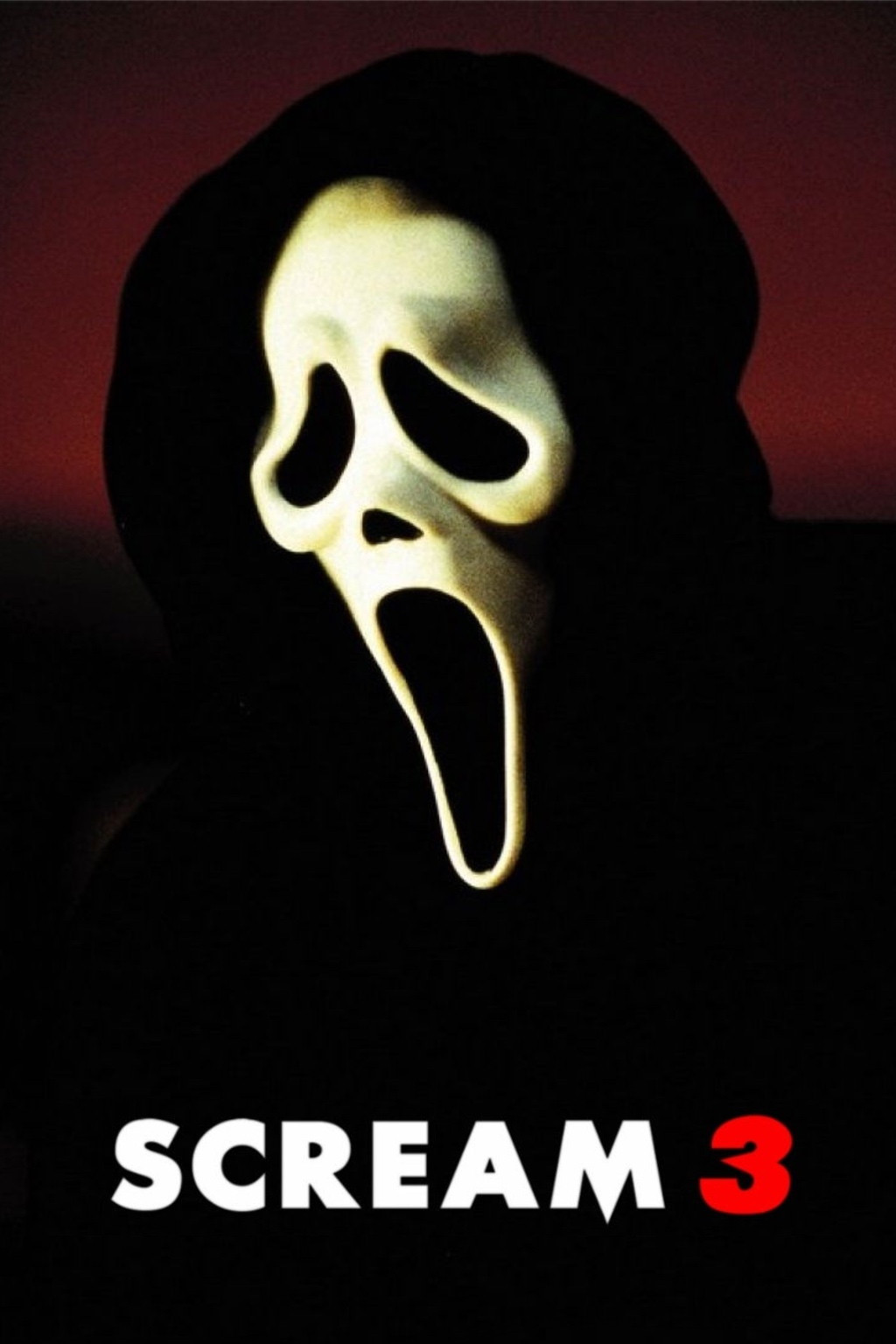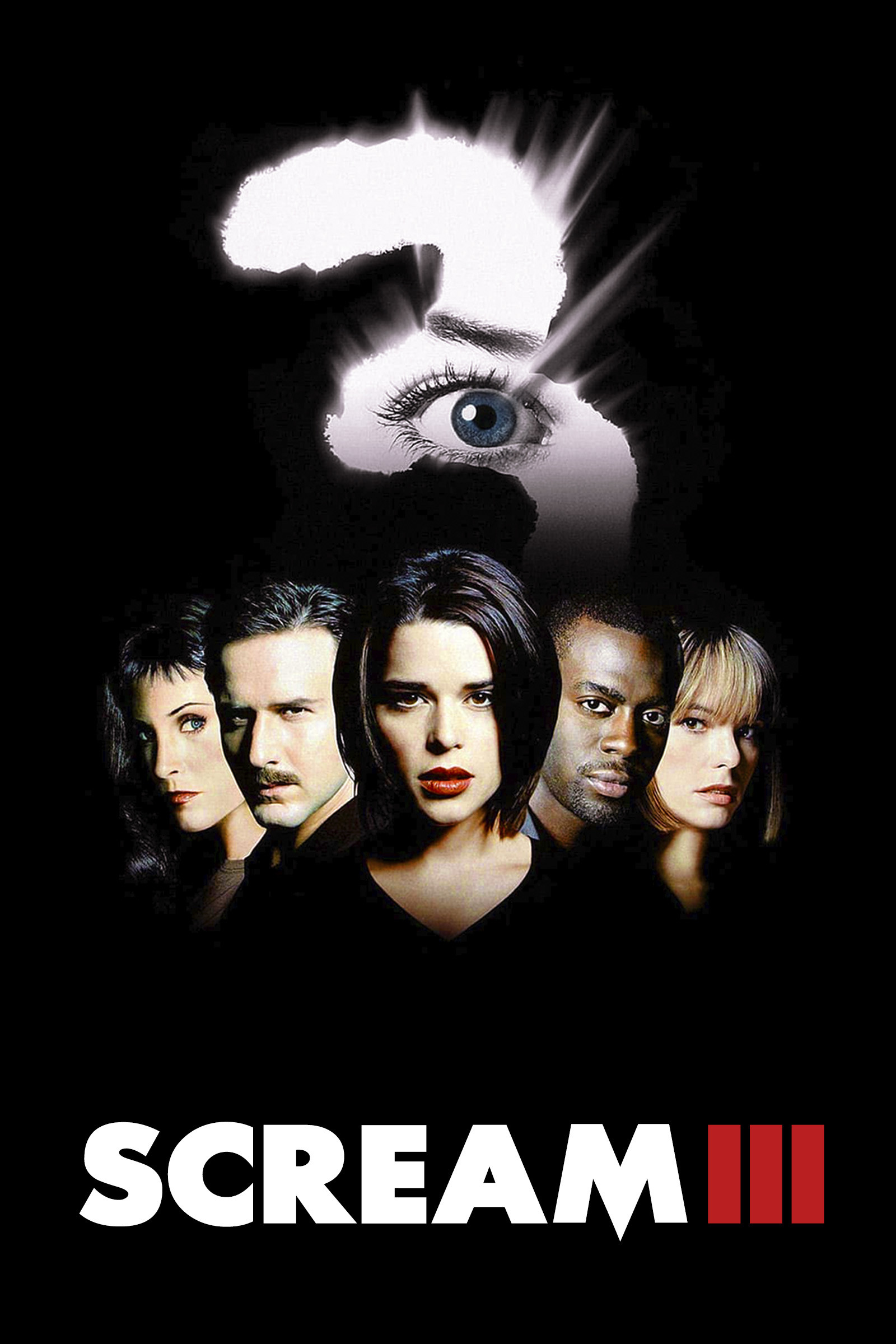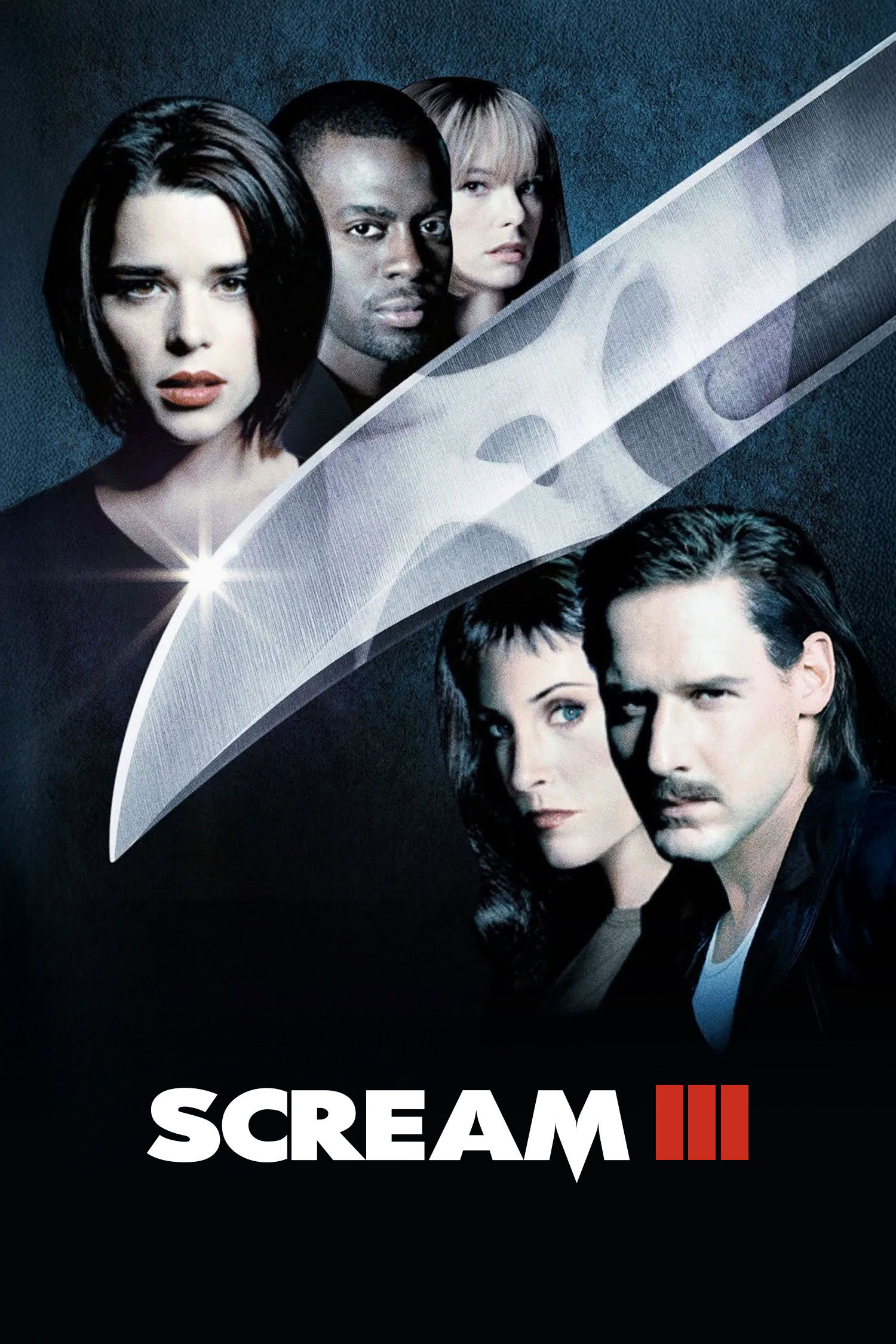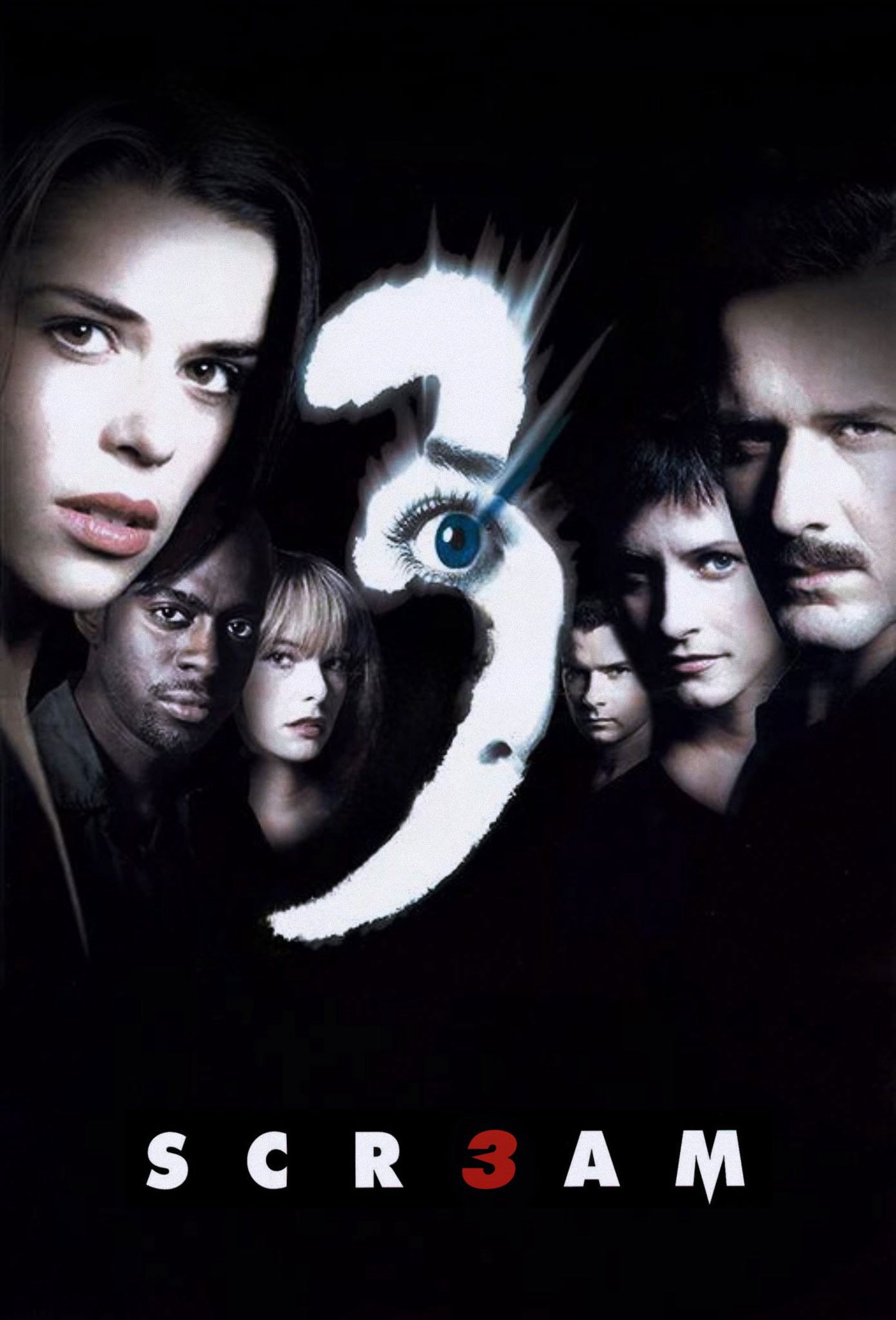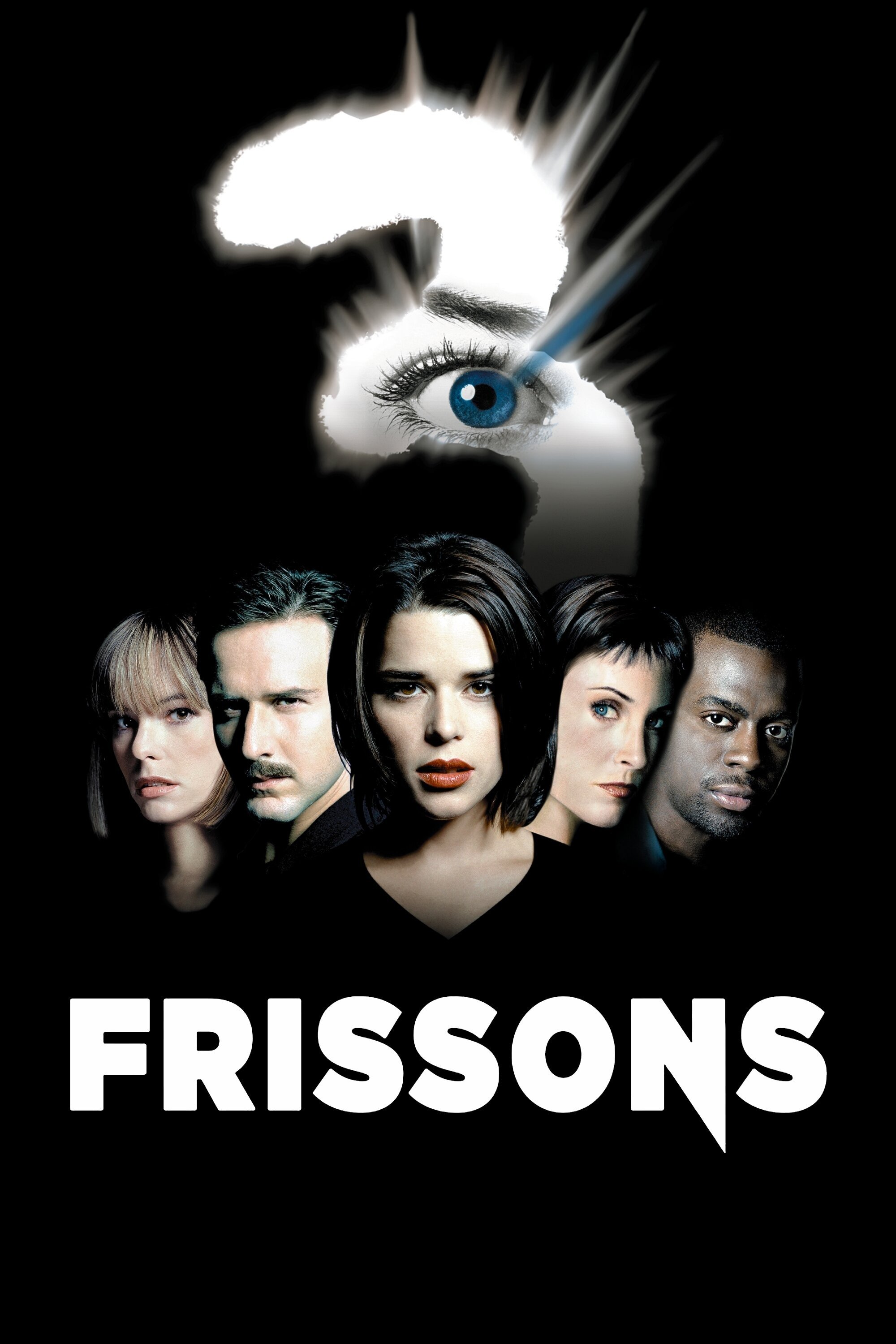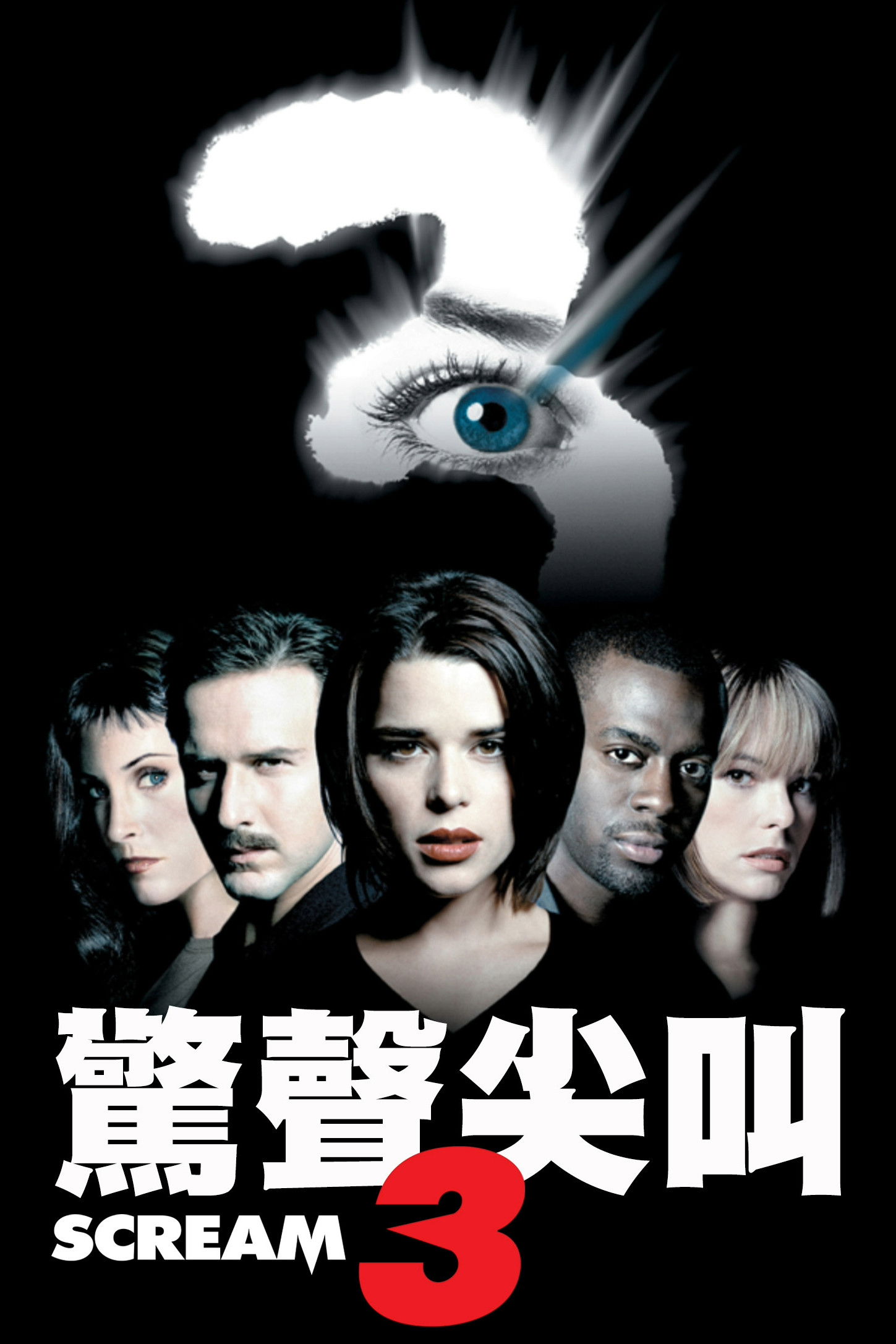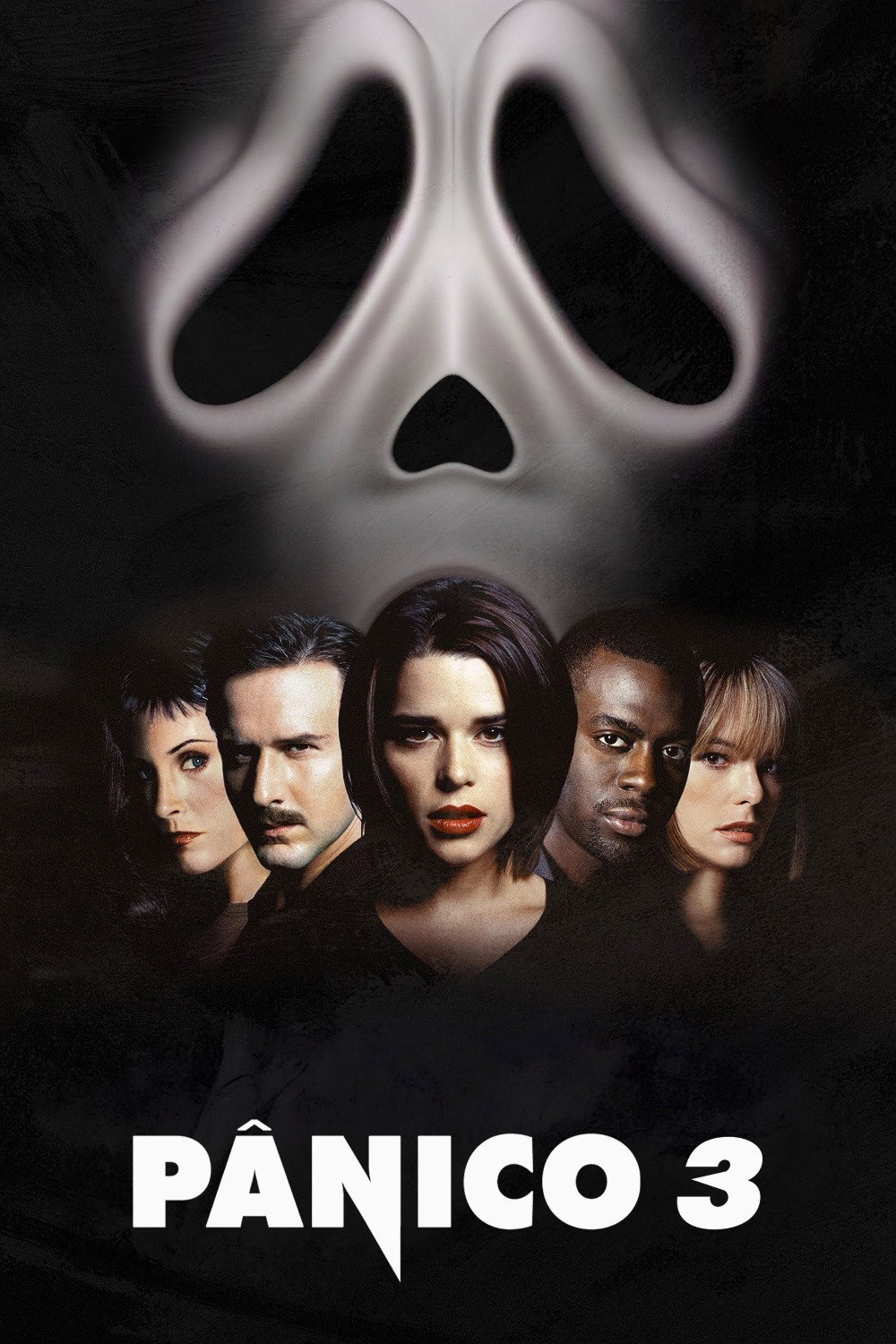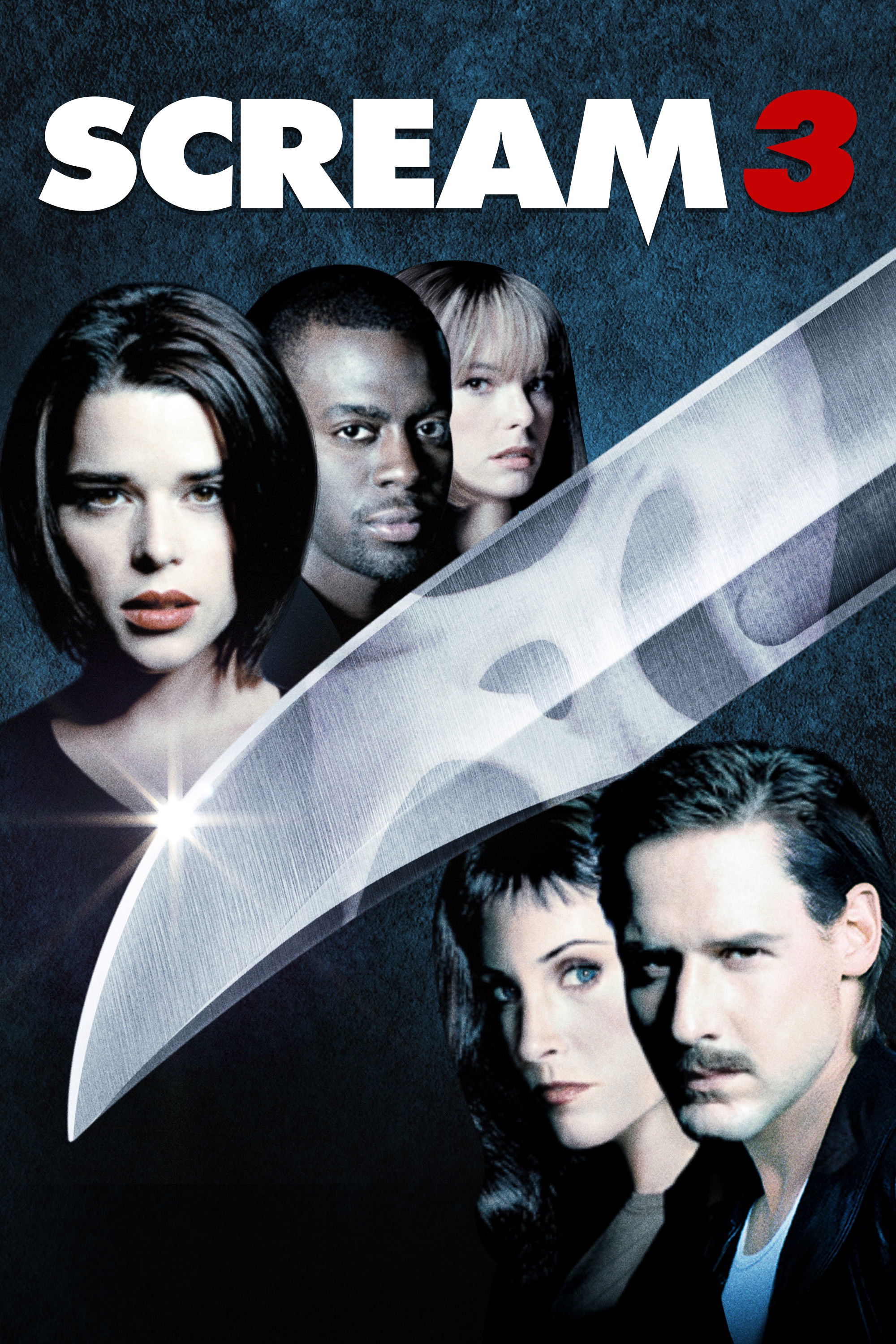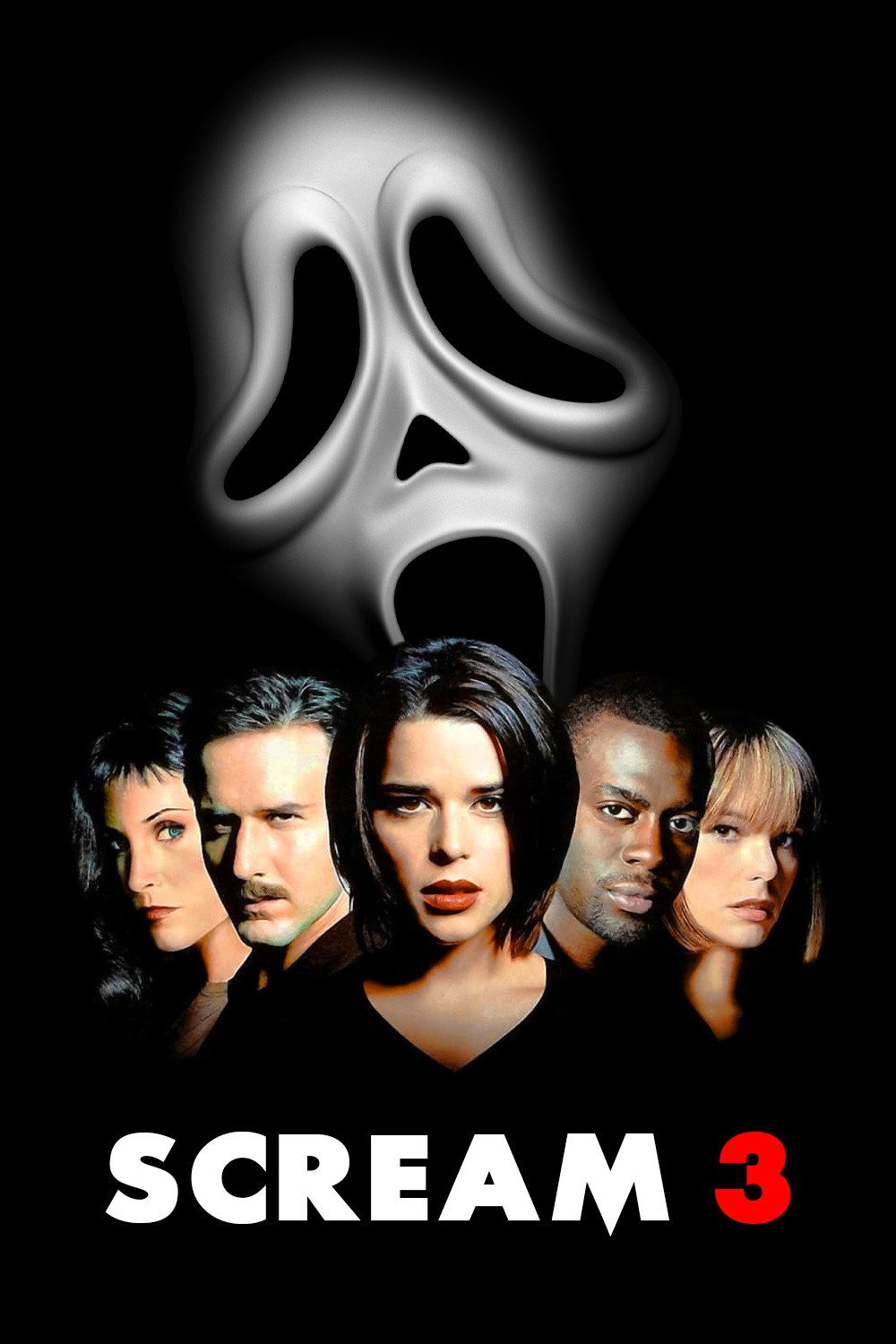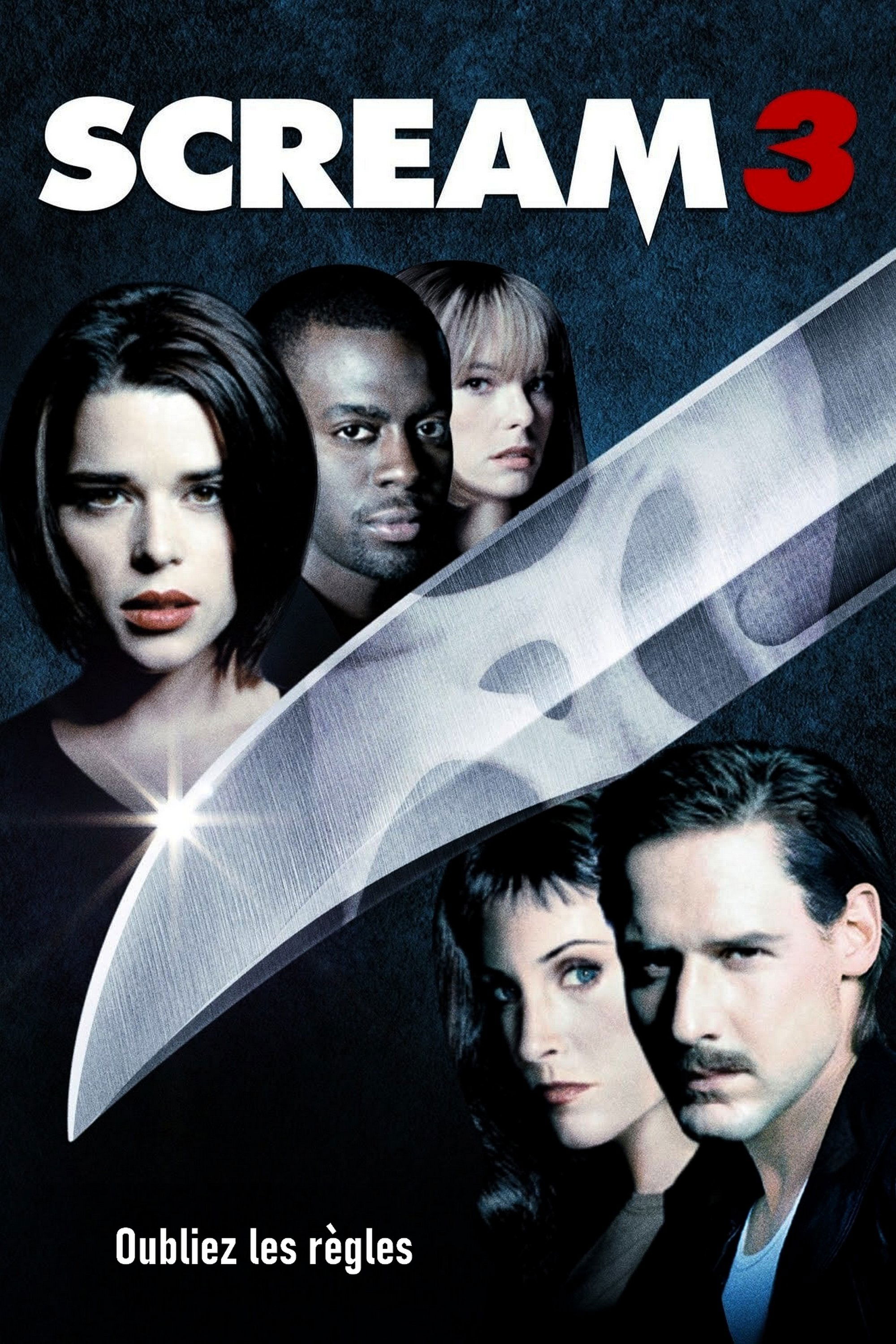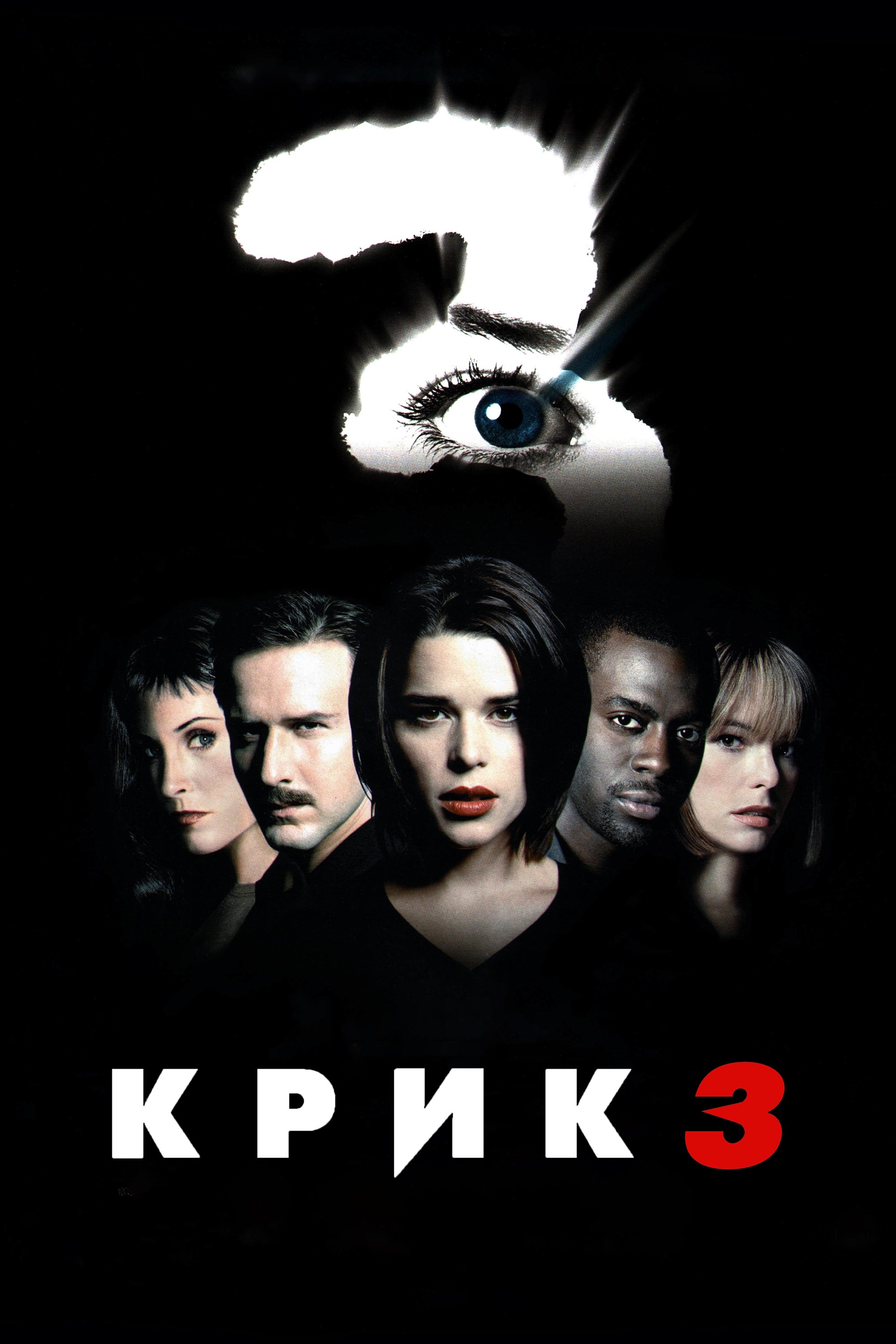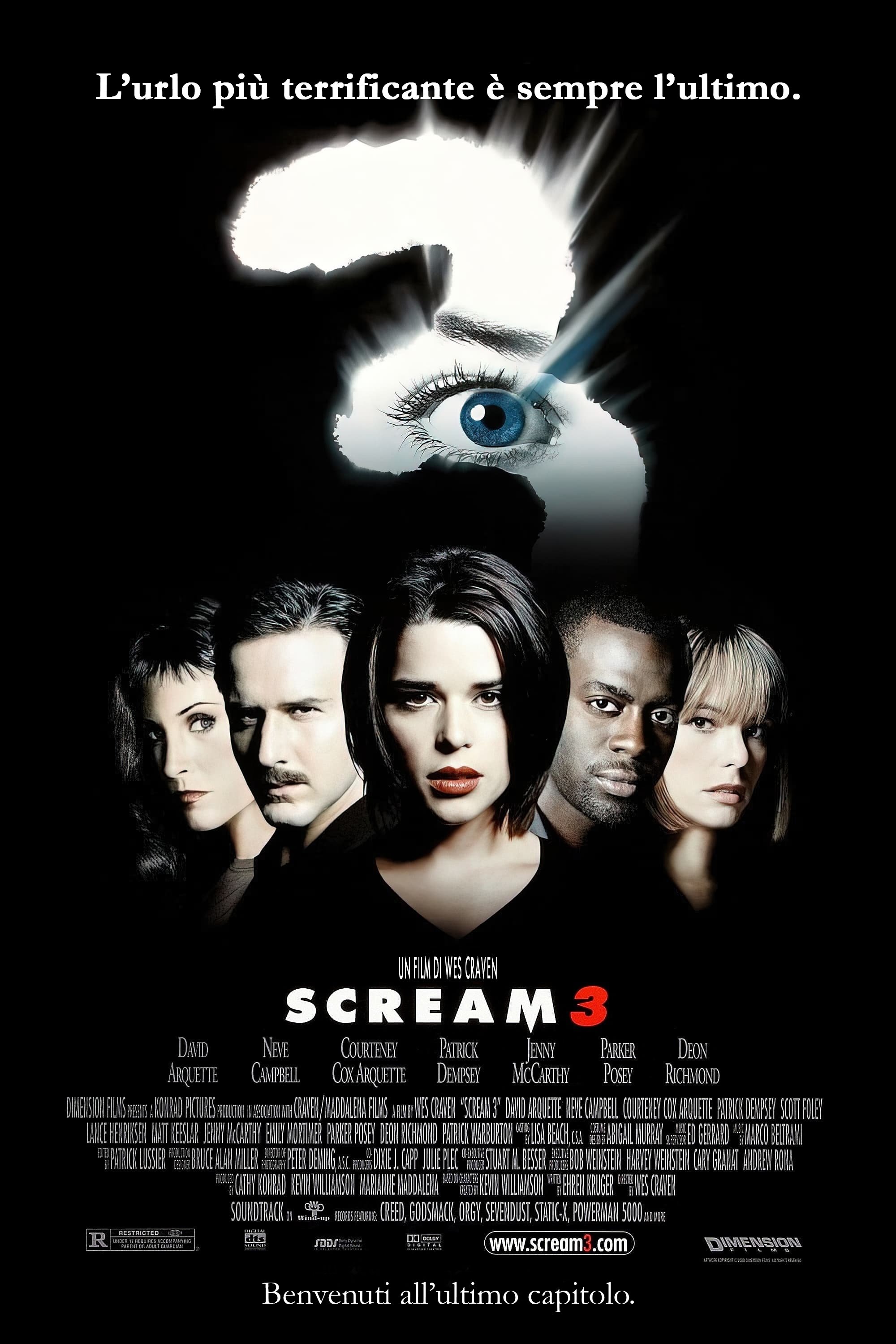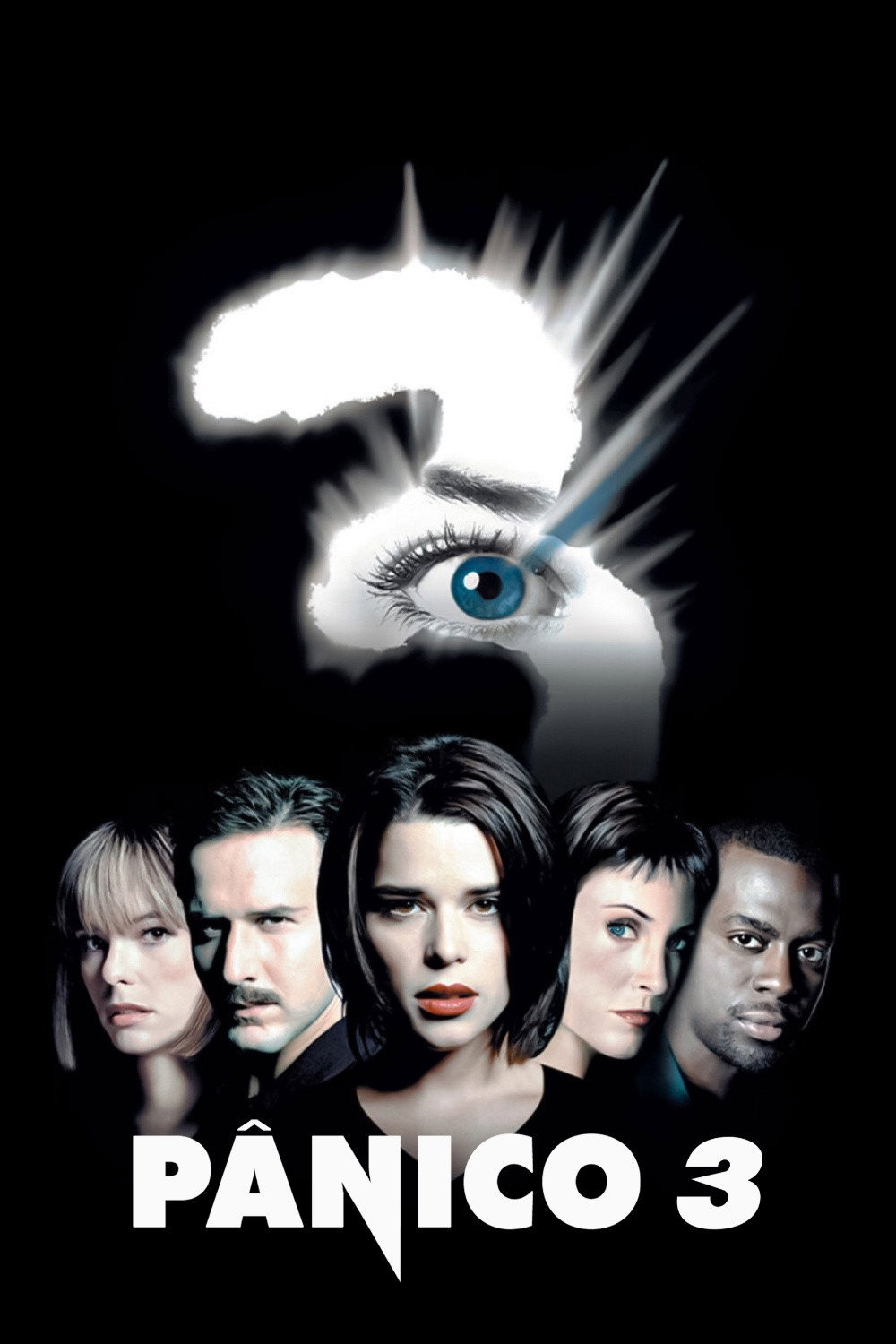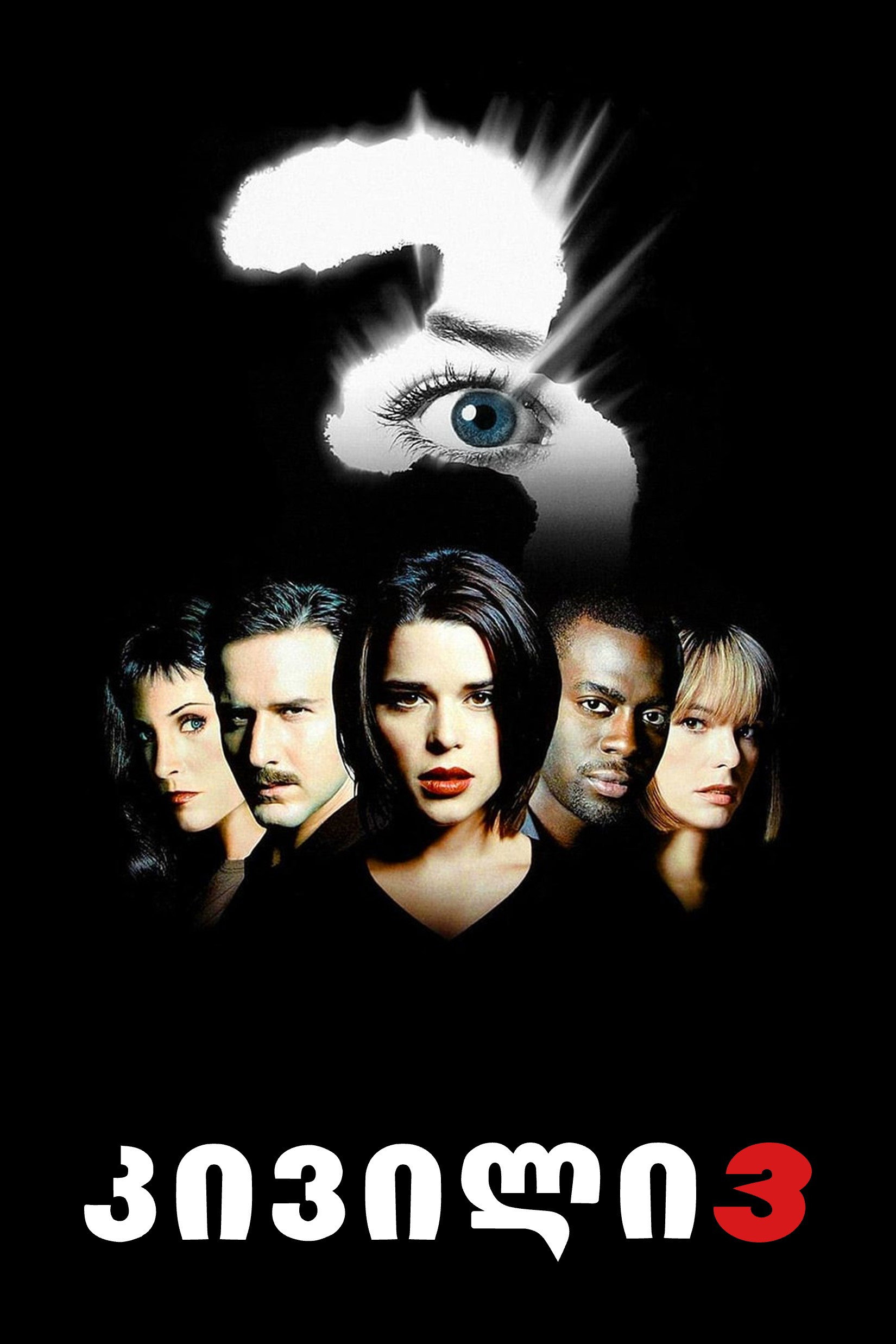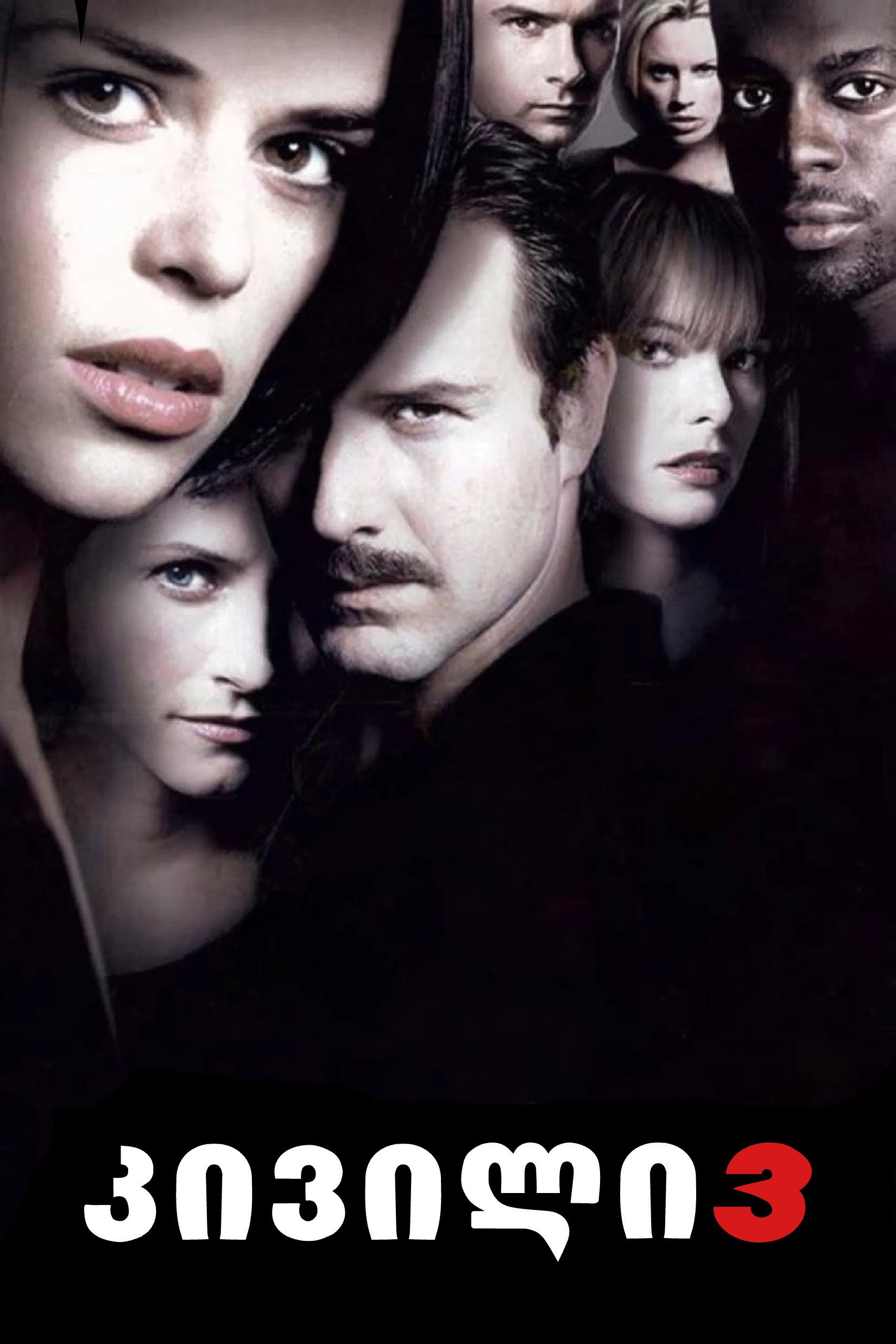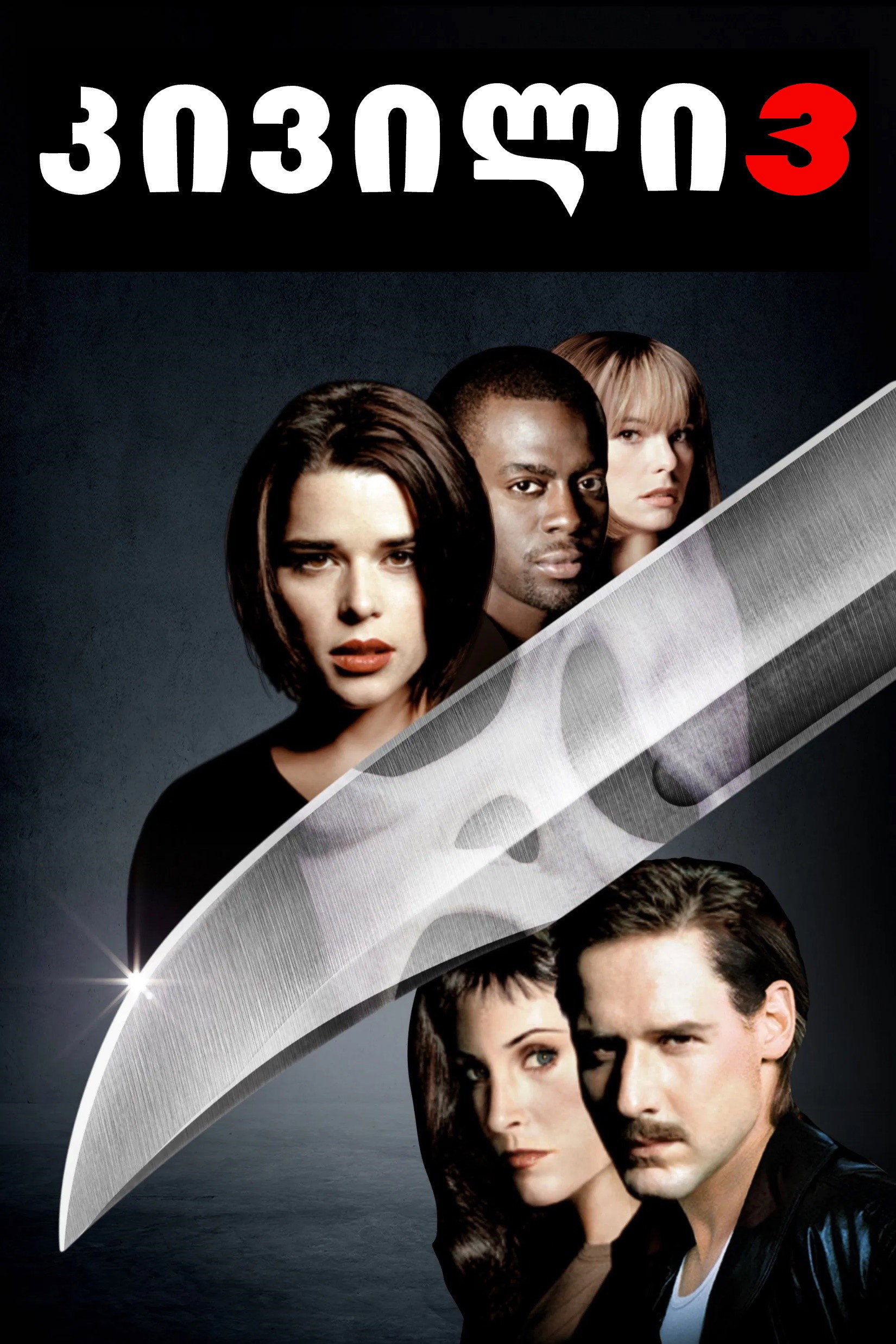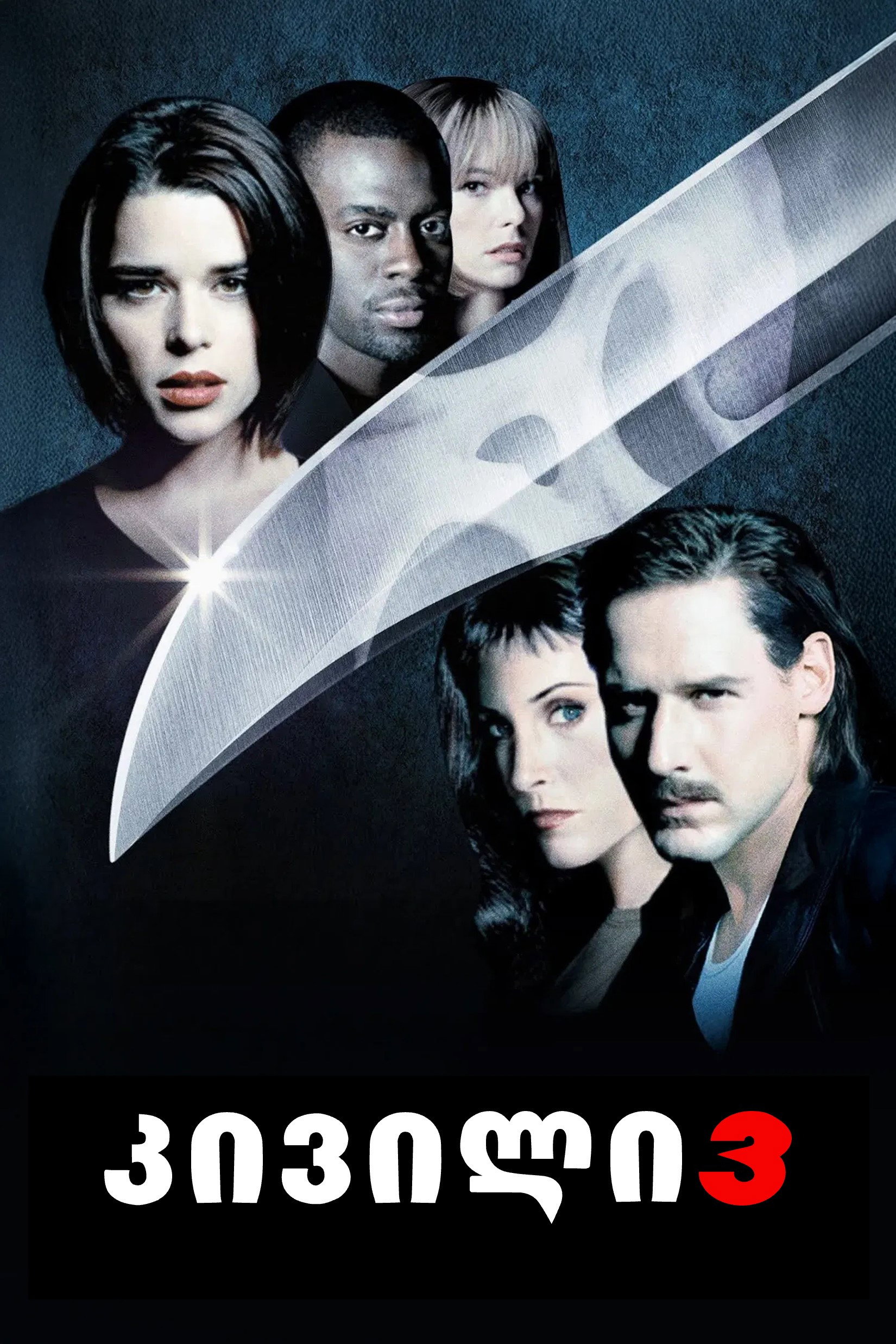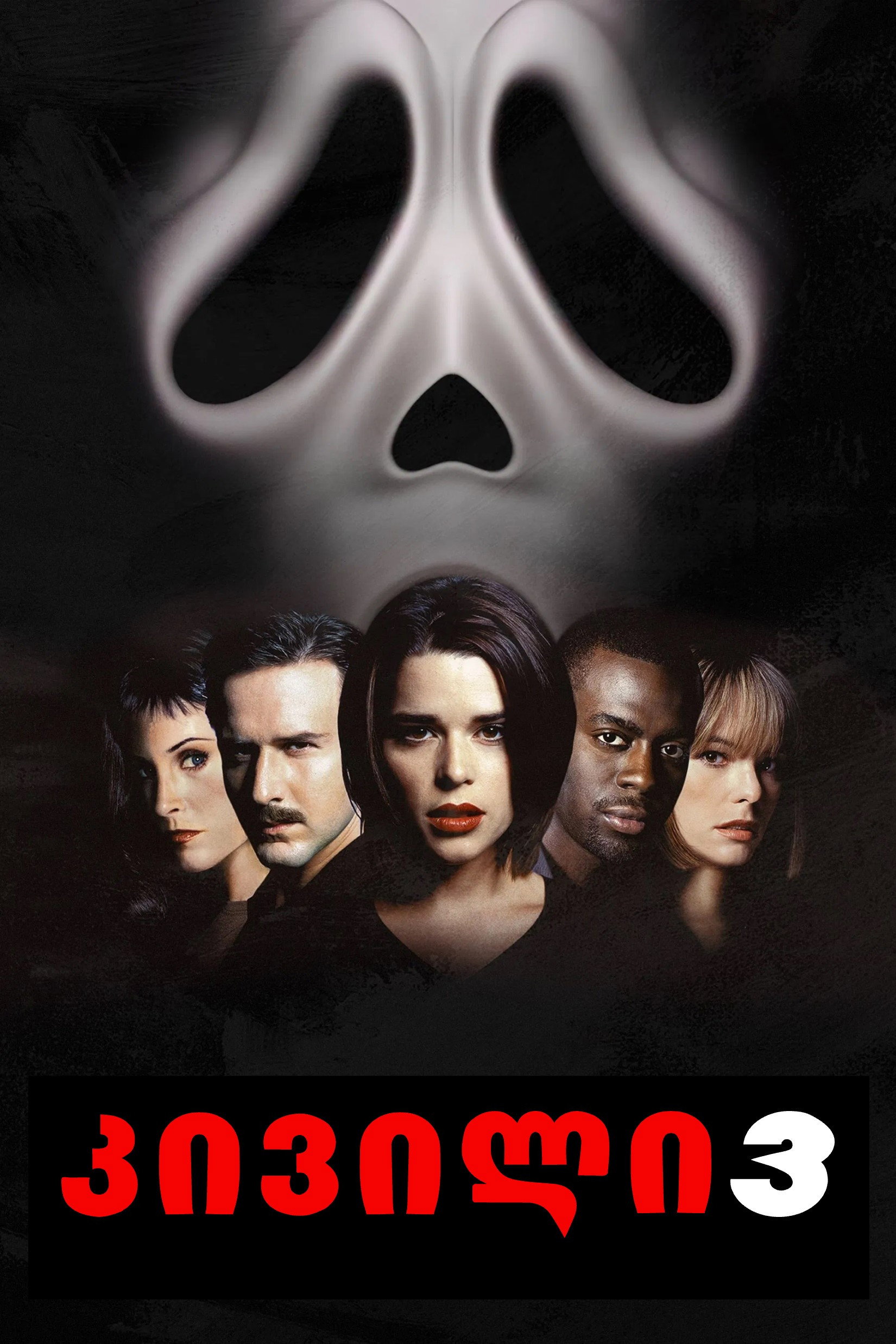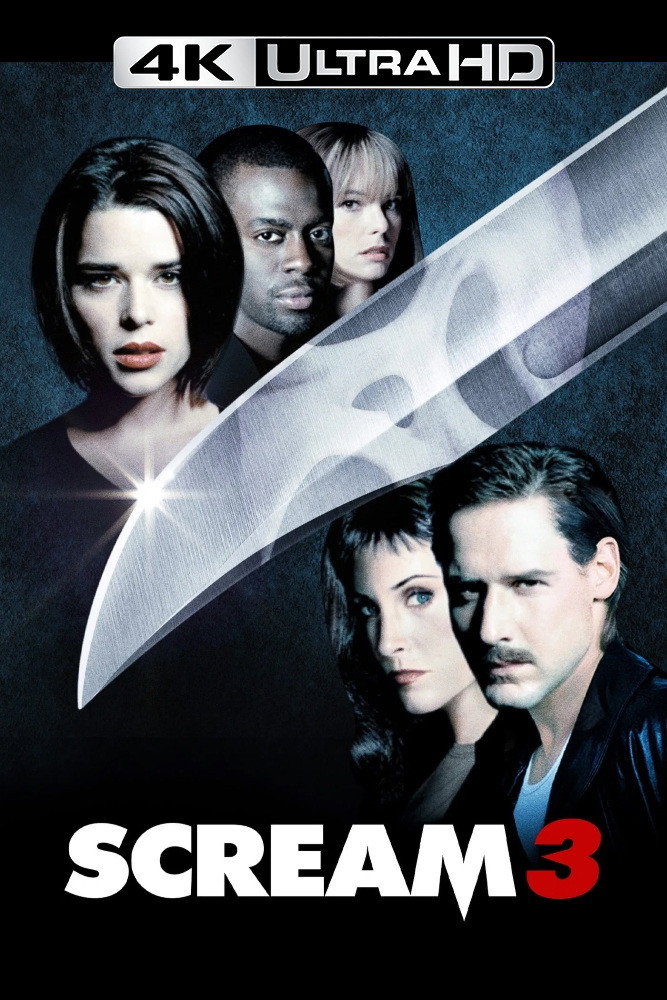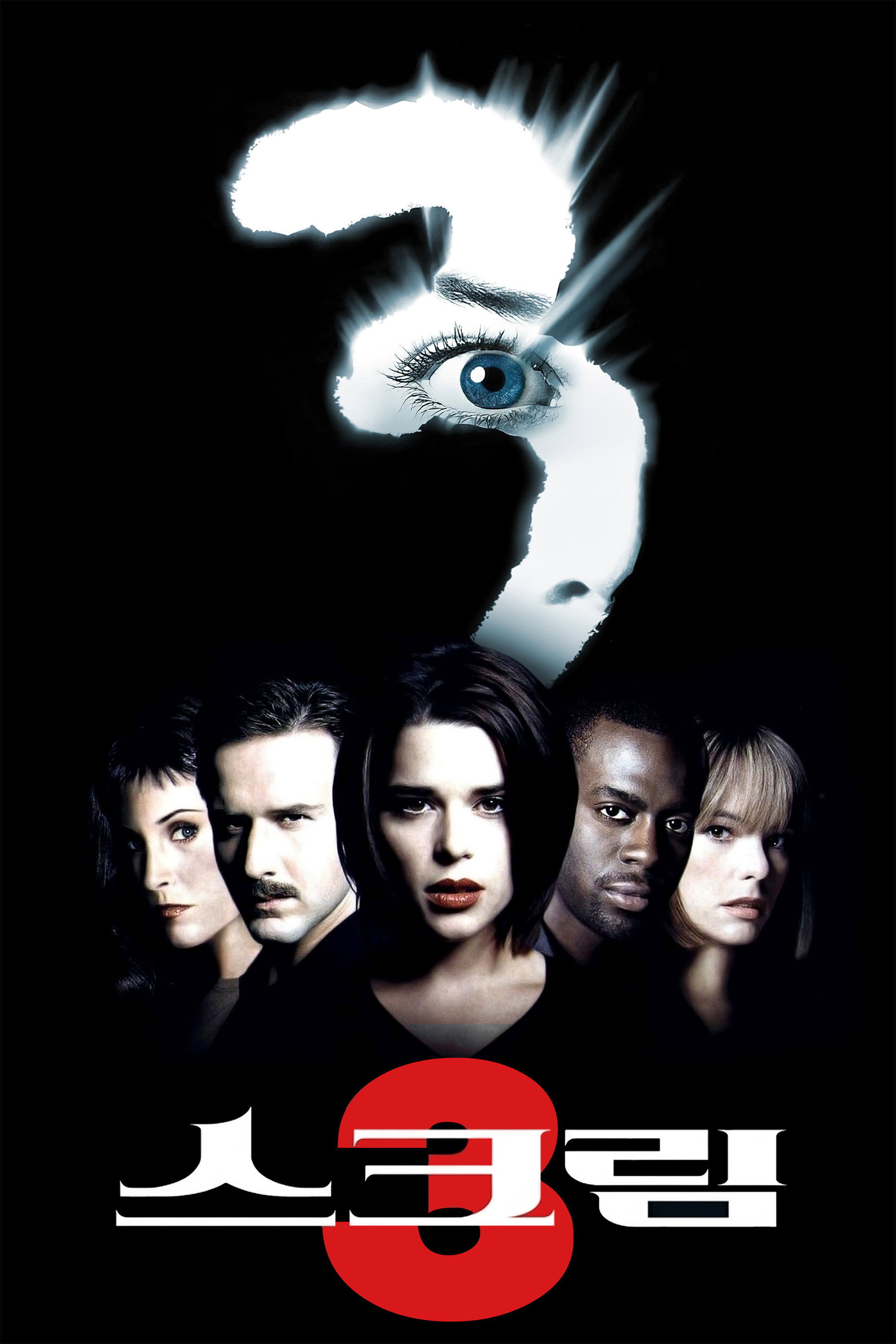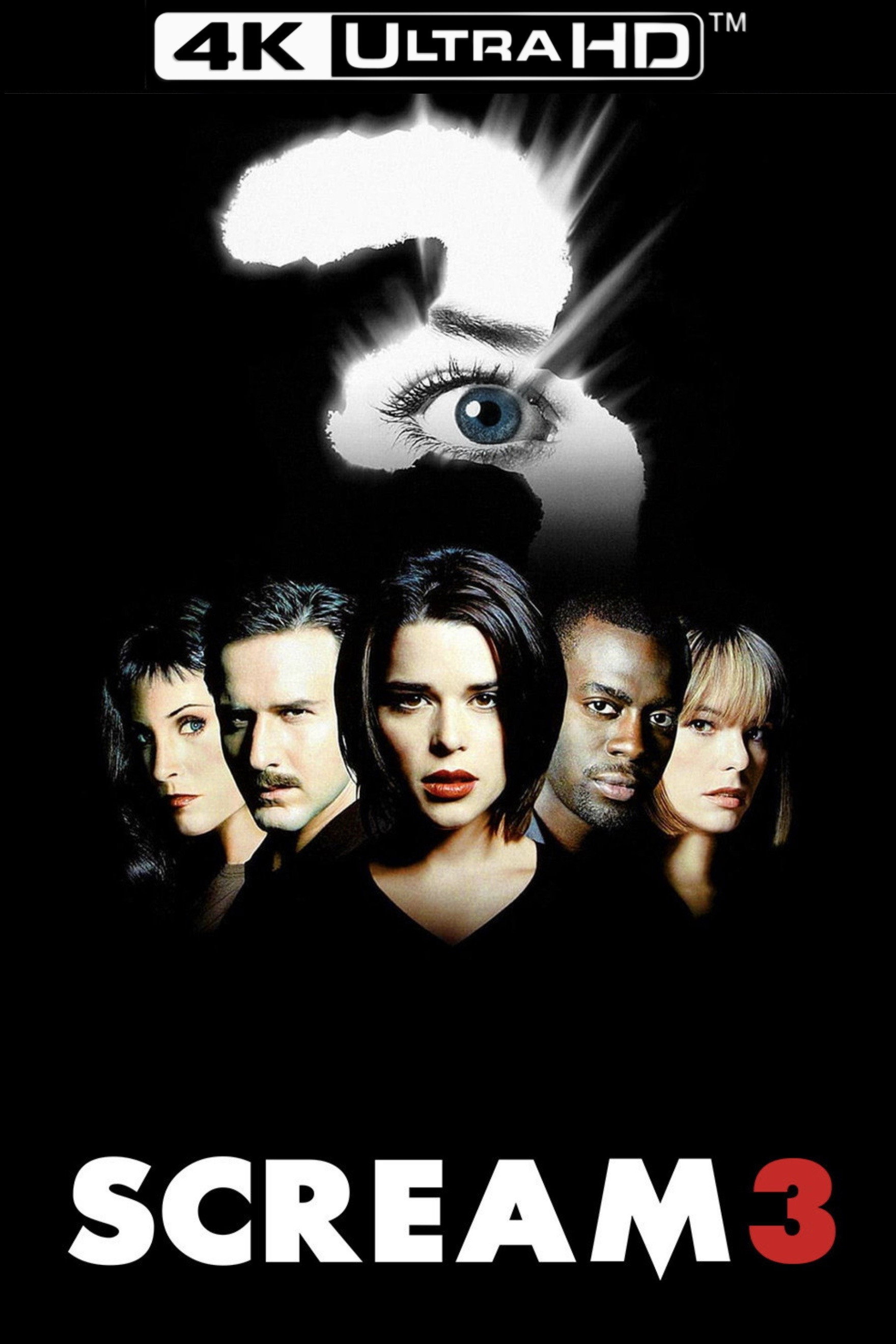
Scream 3 (2000)

US
5.0/10 6 votes
Runtime
116 min
Release
February 3, 2000
Budget
$40,000,000
Revenue
$161,838,076
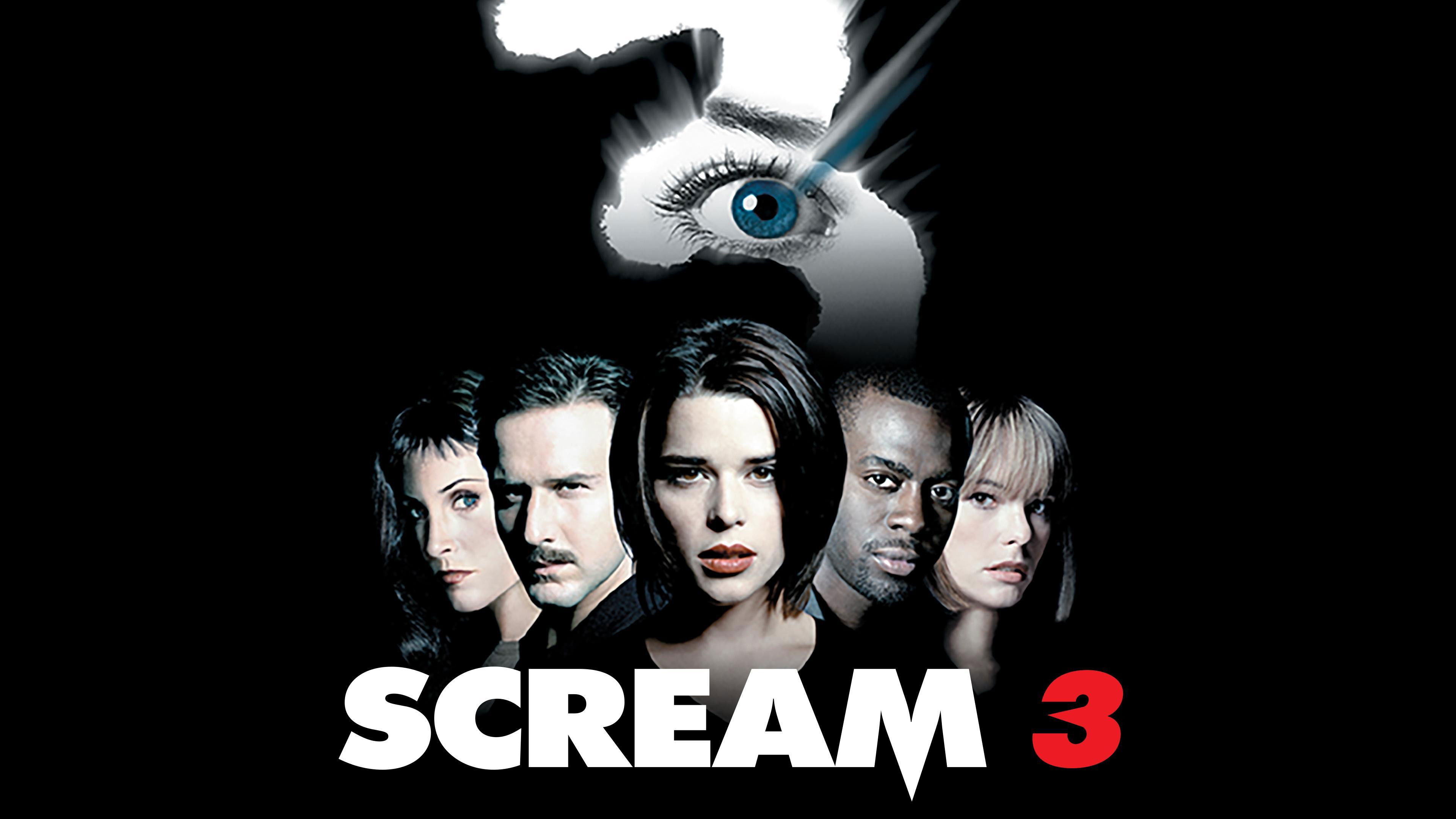
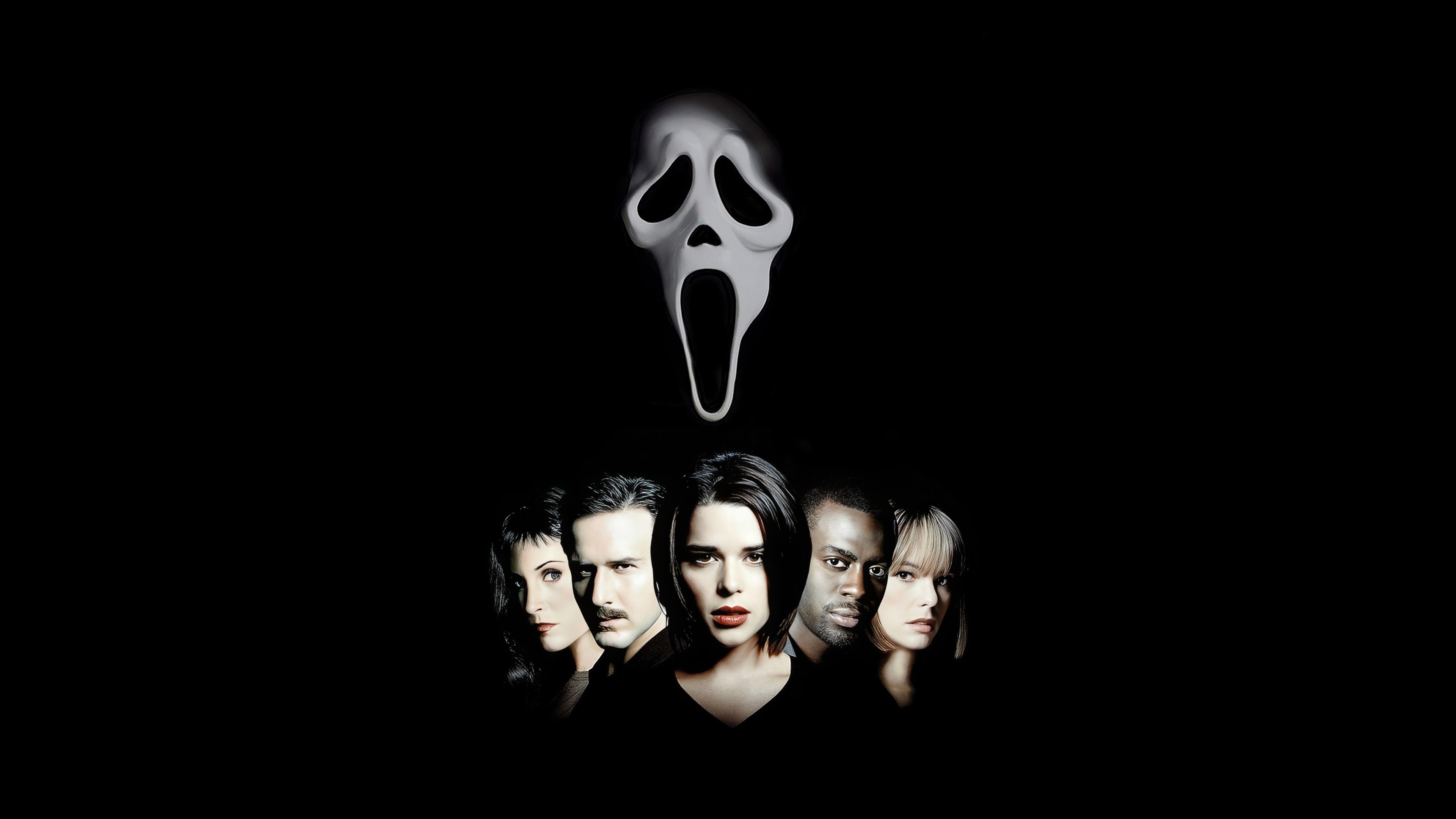
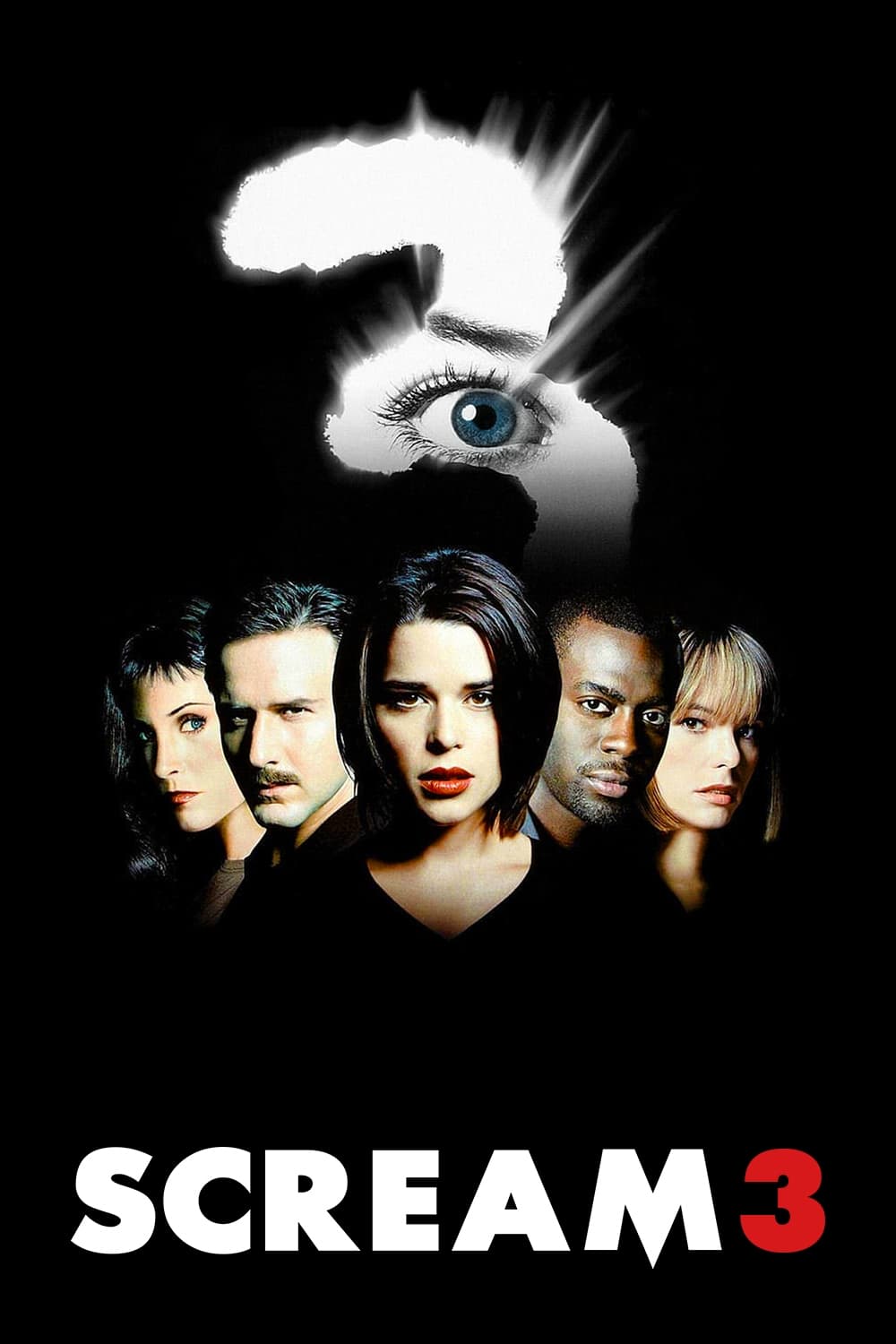
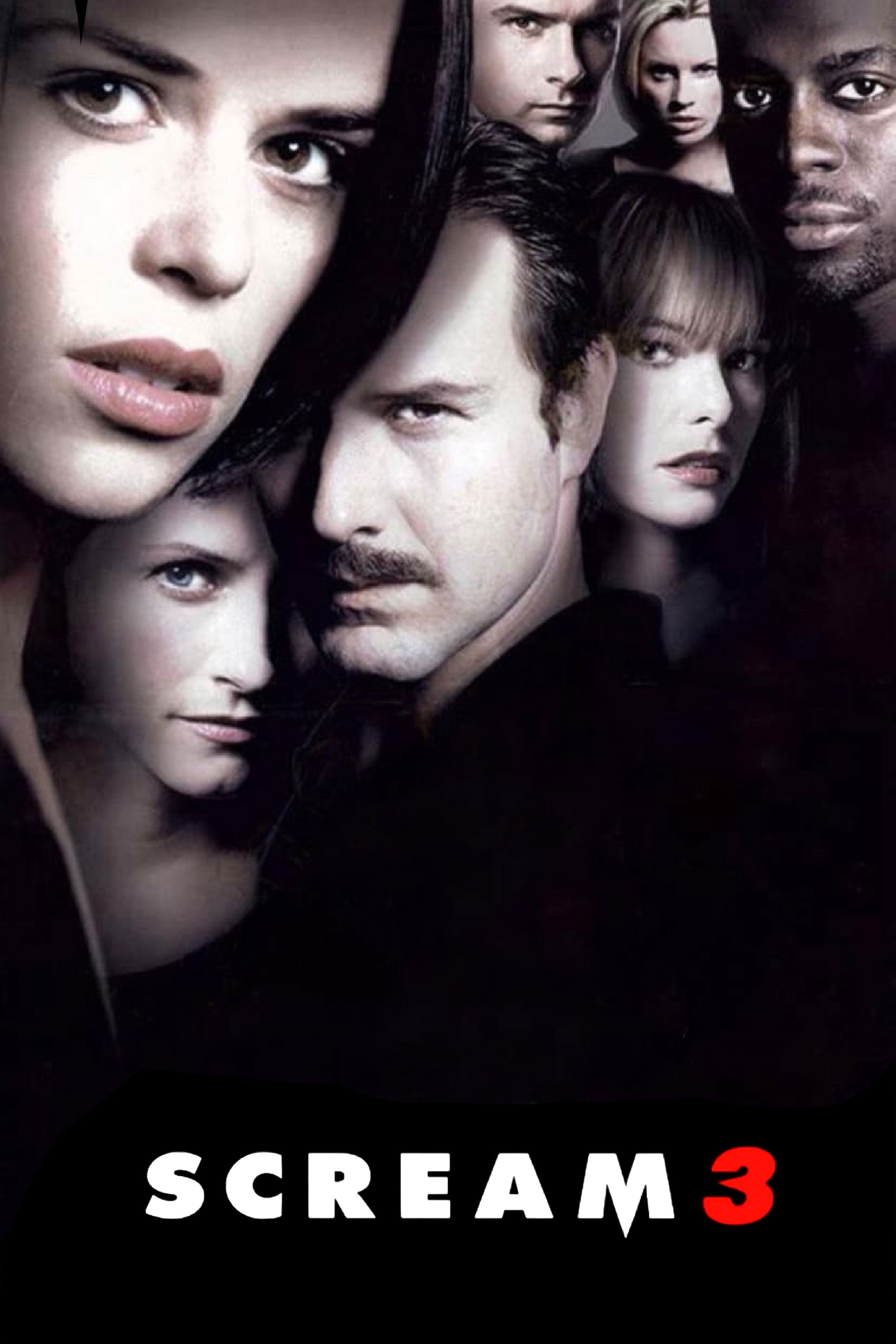
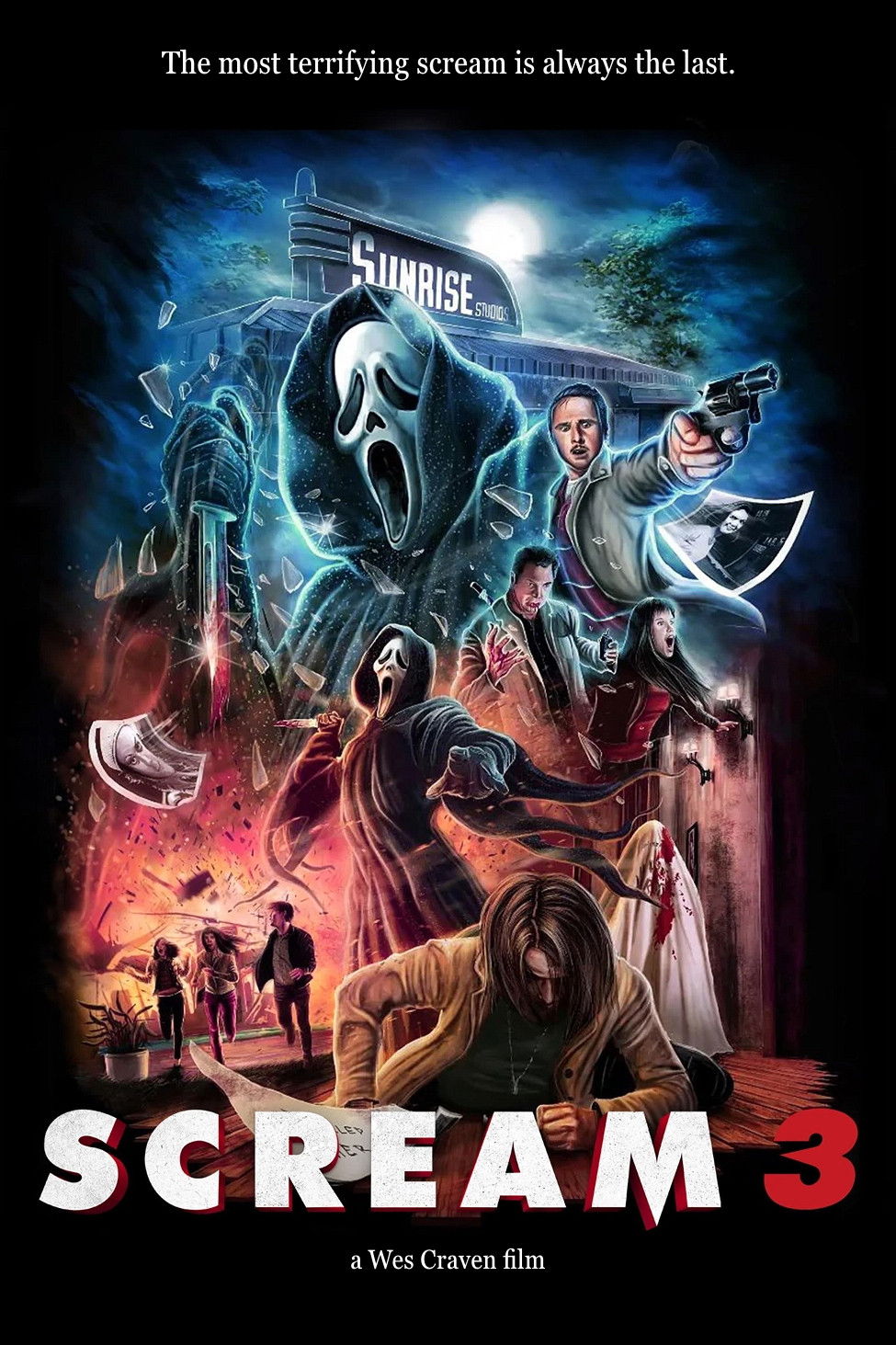
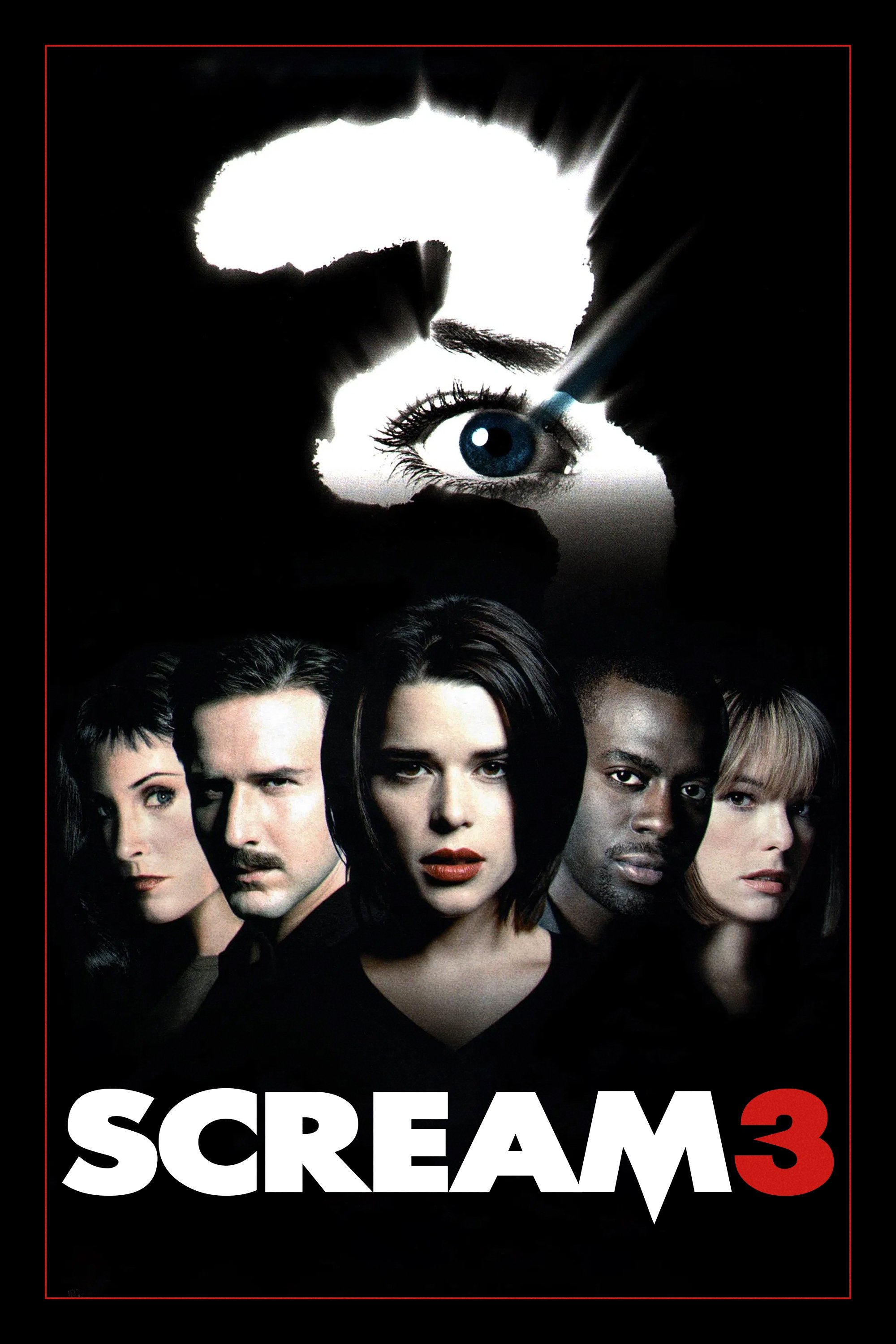
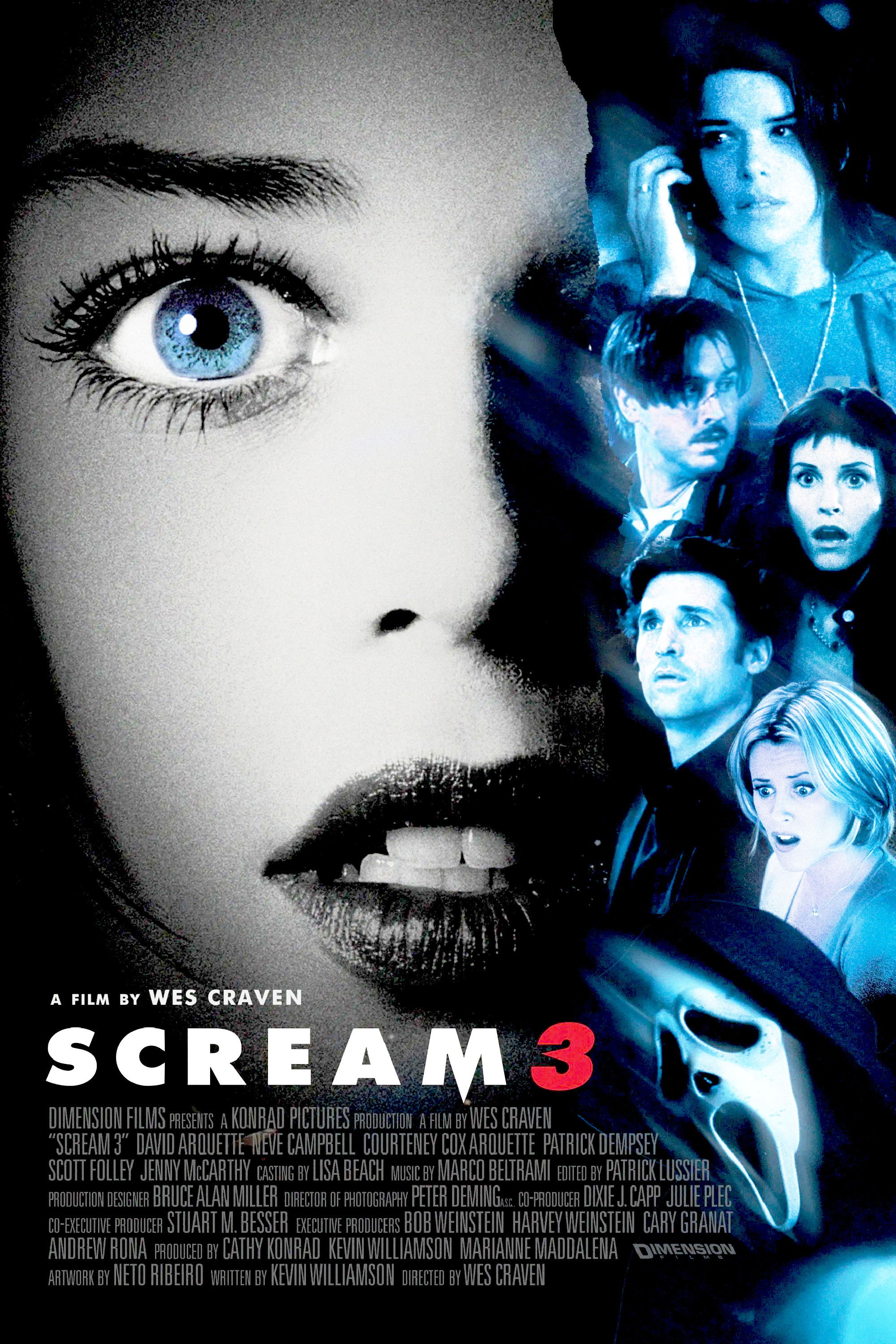
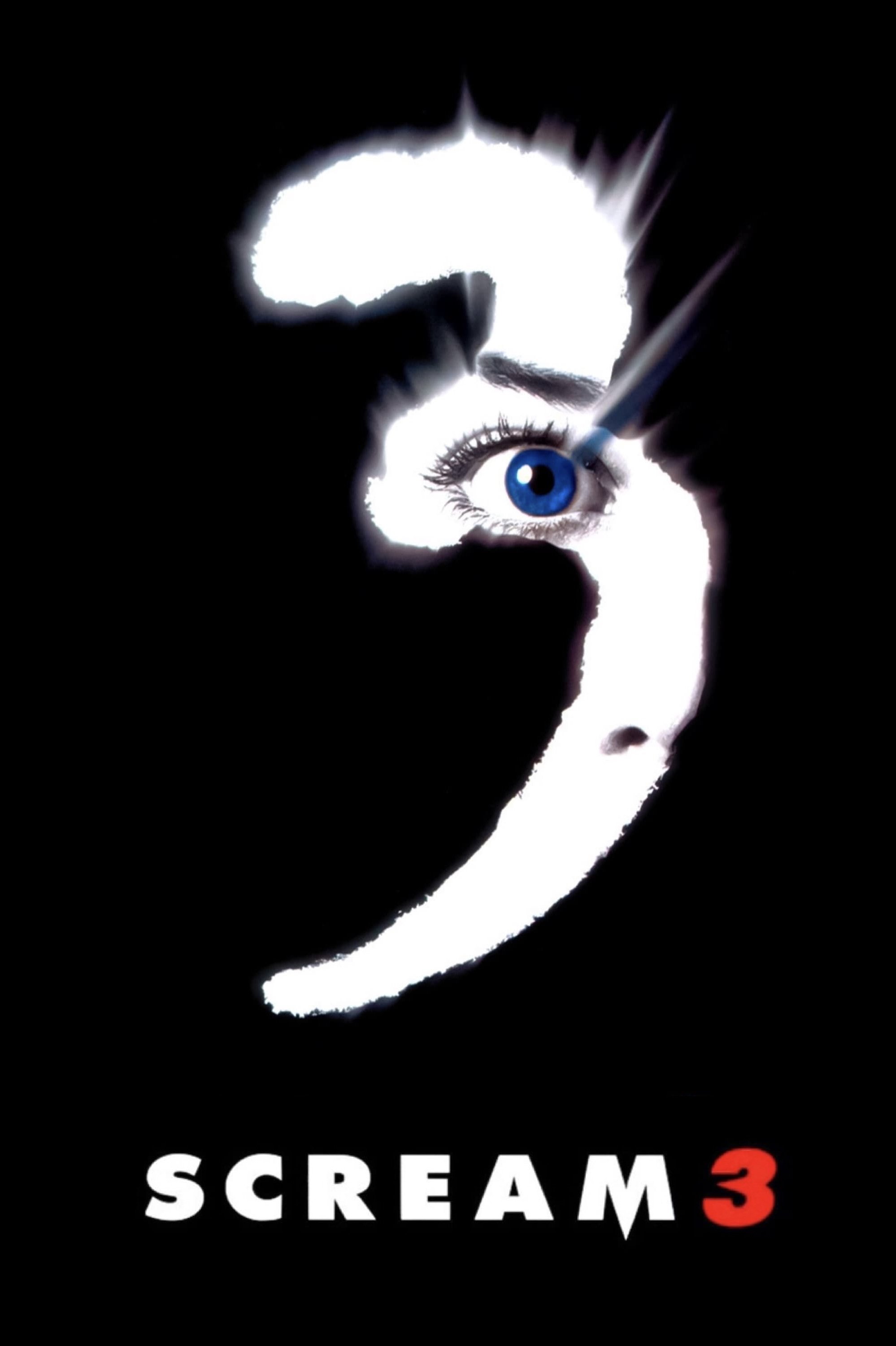
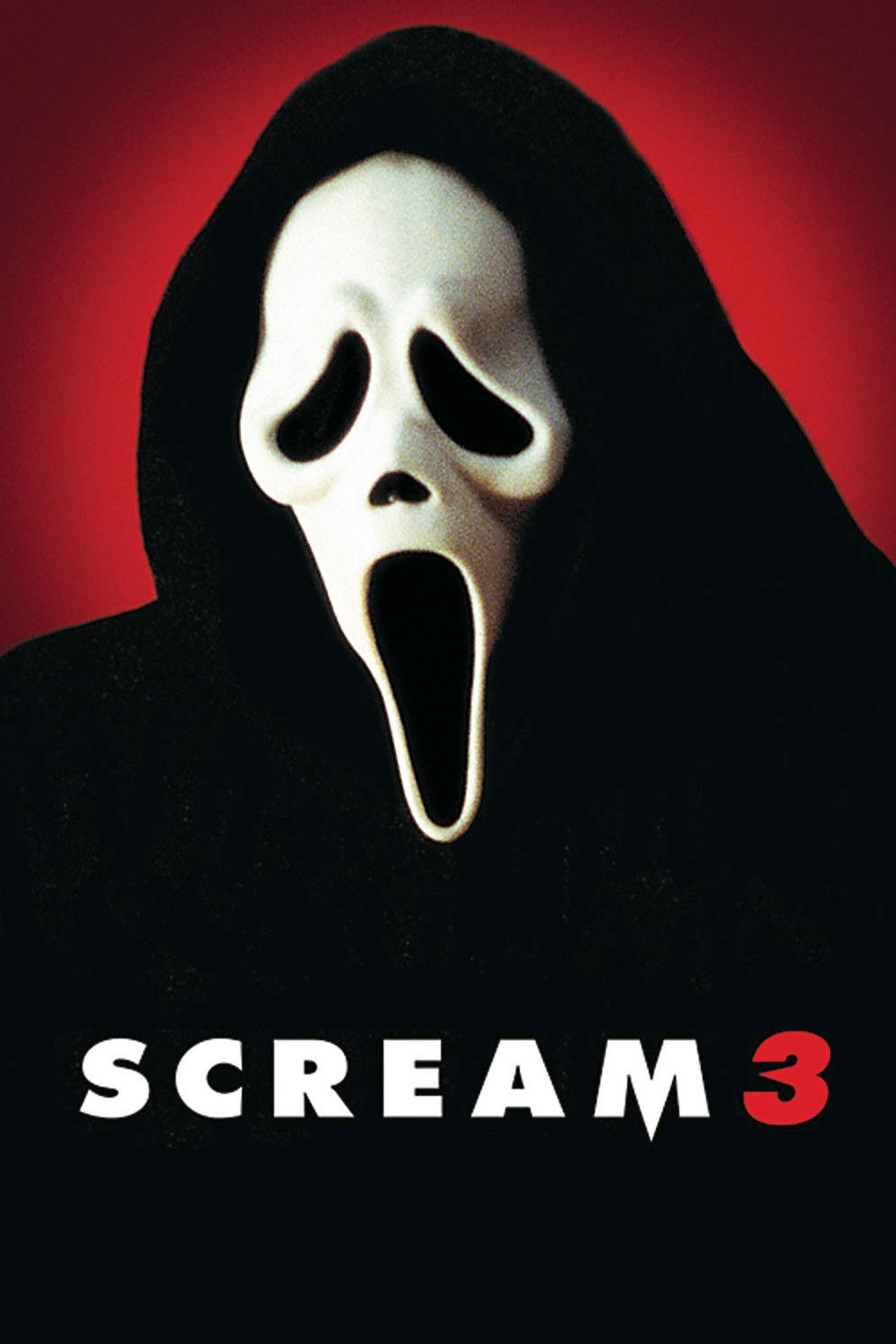
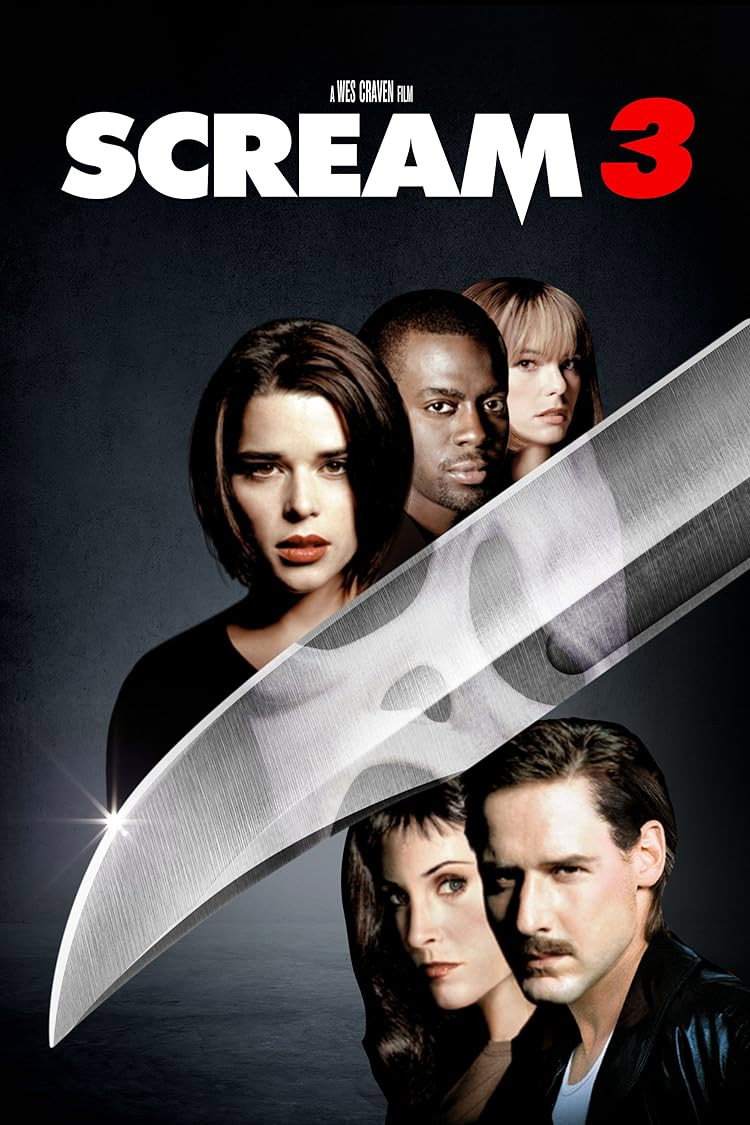
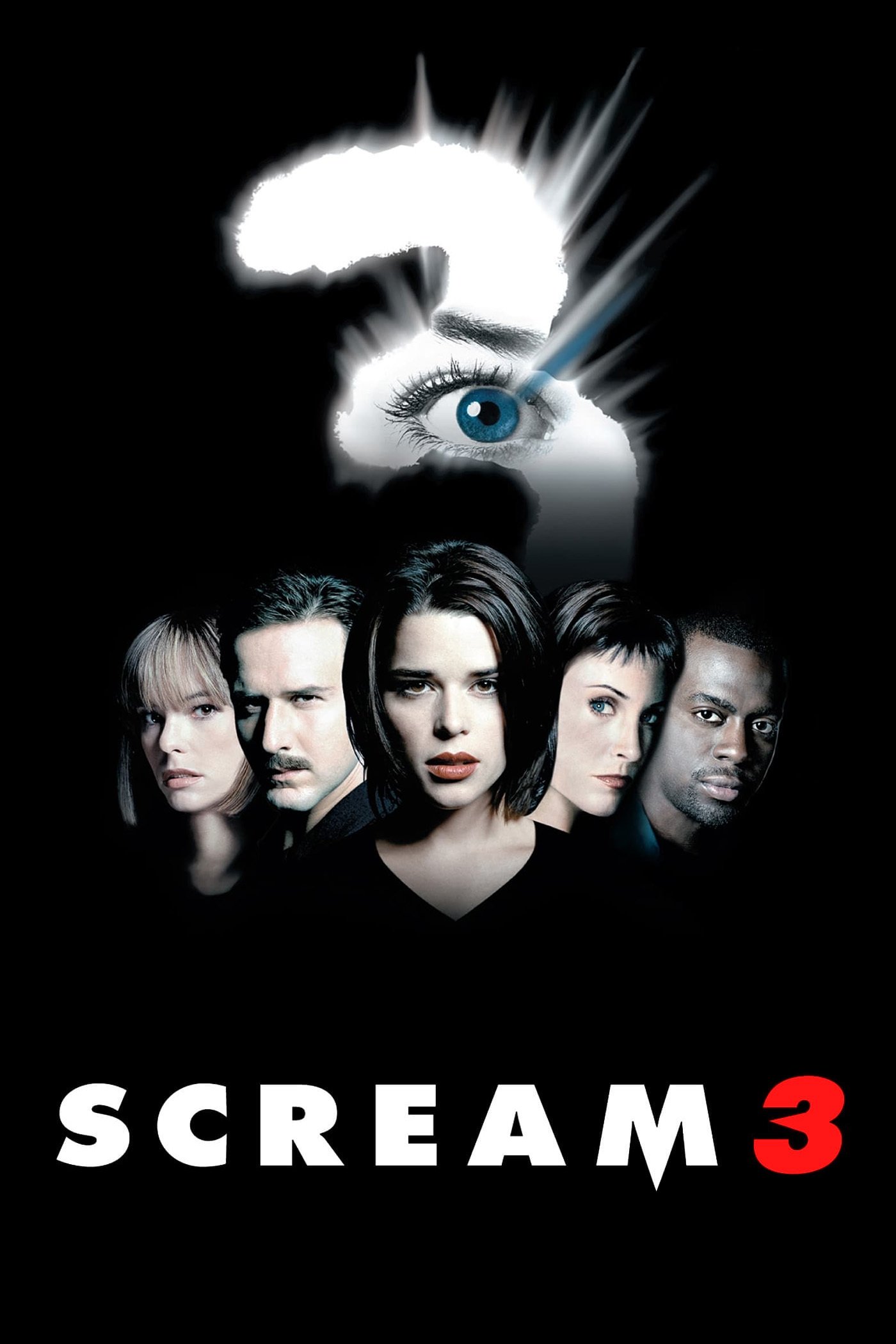
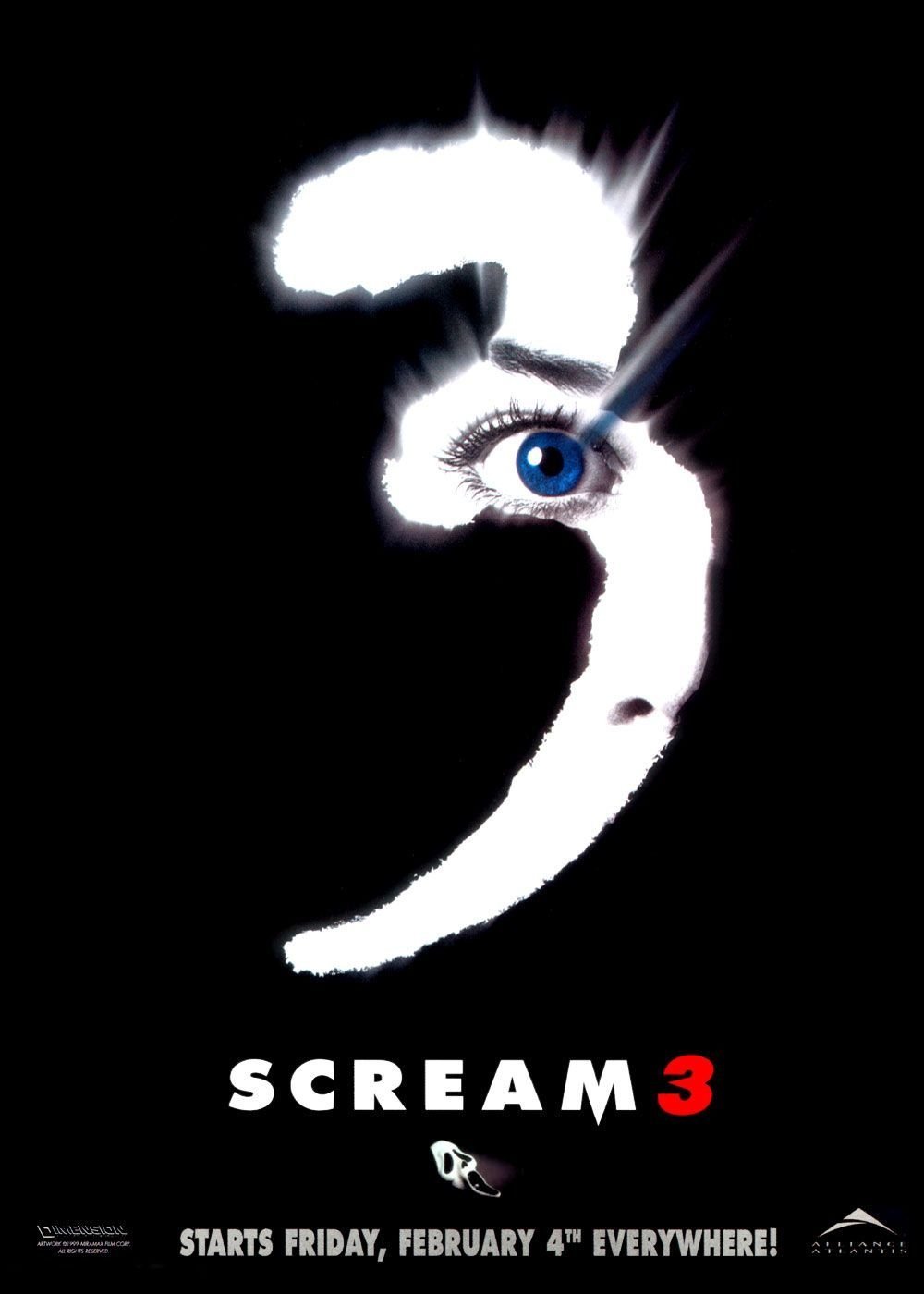
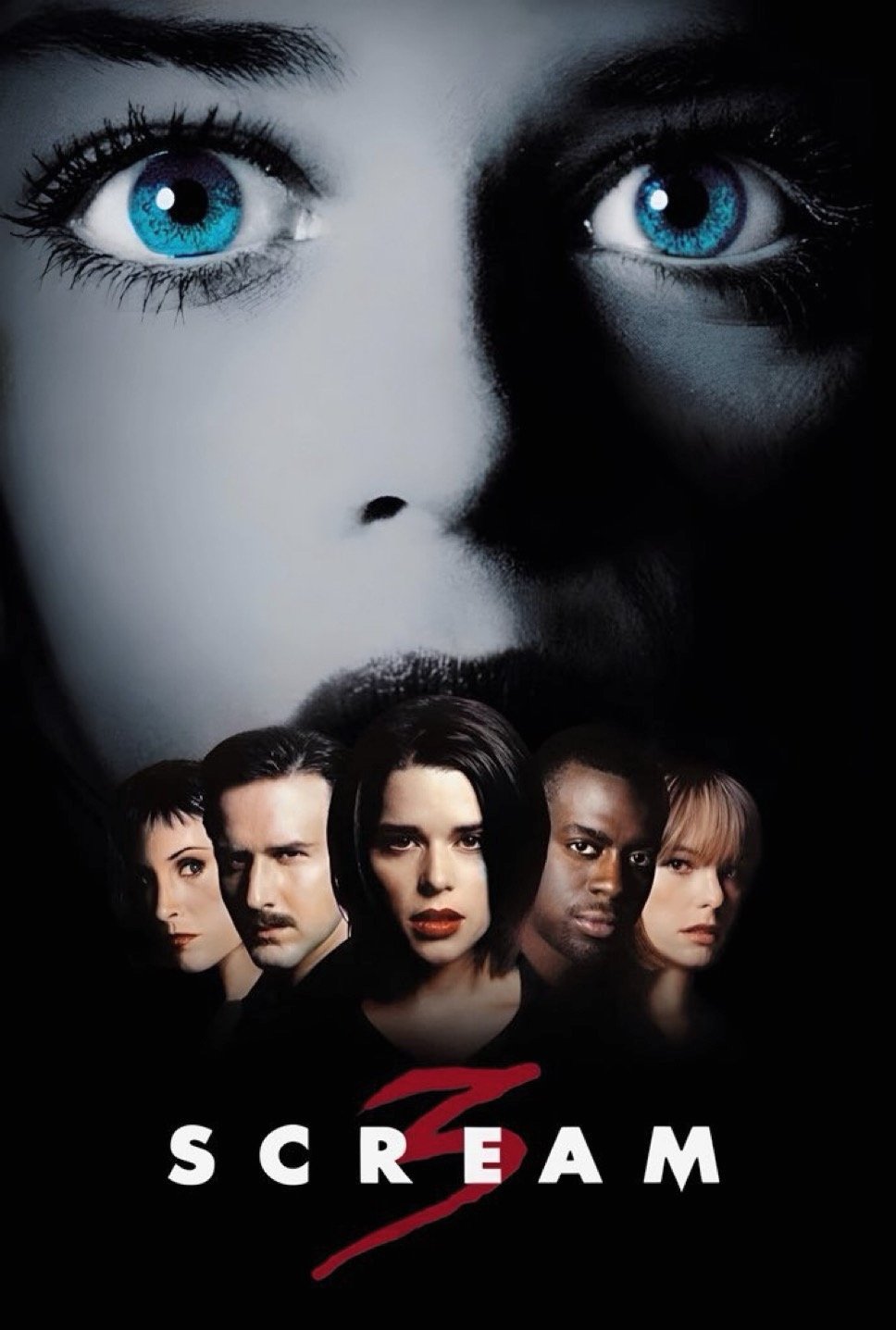
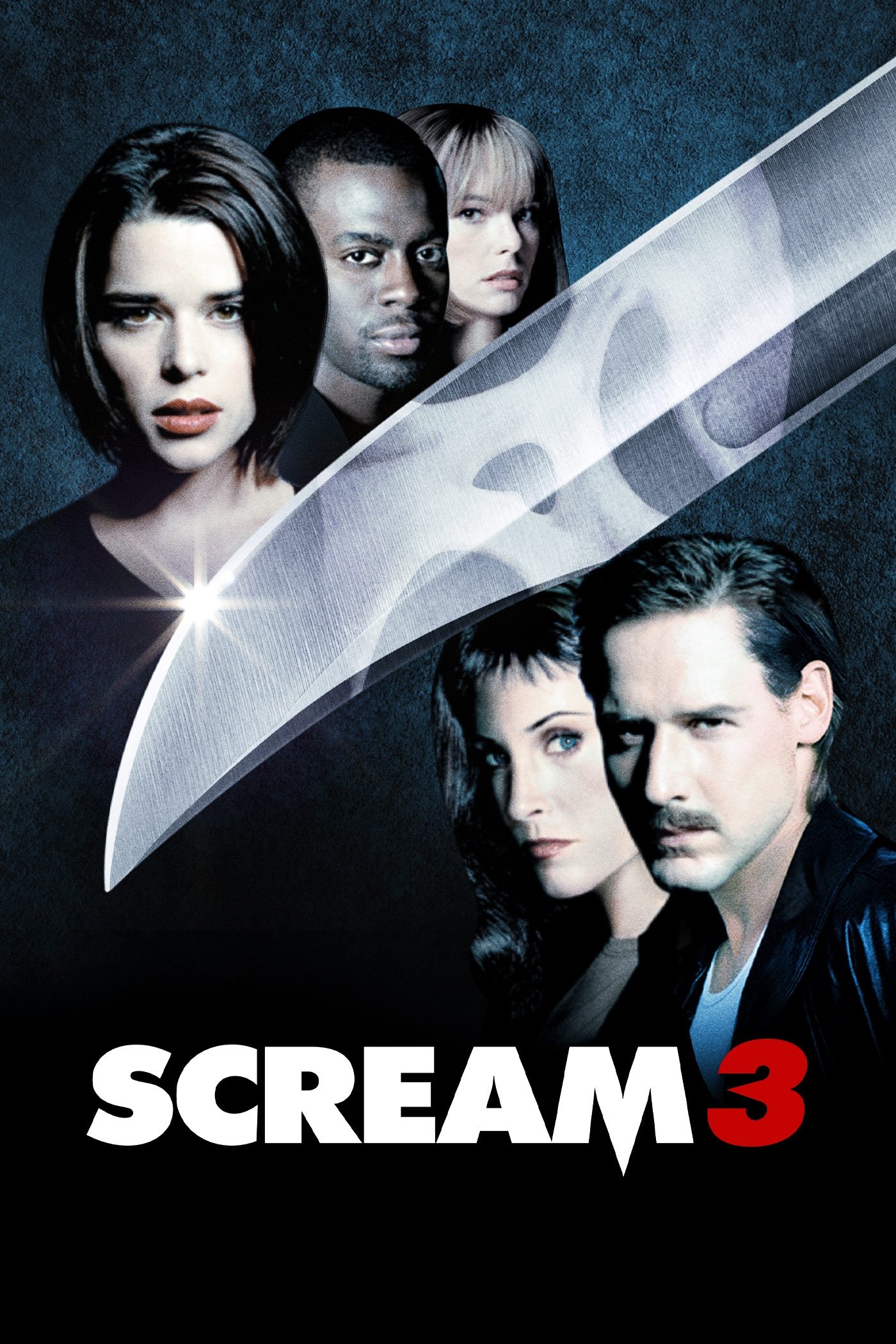
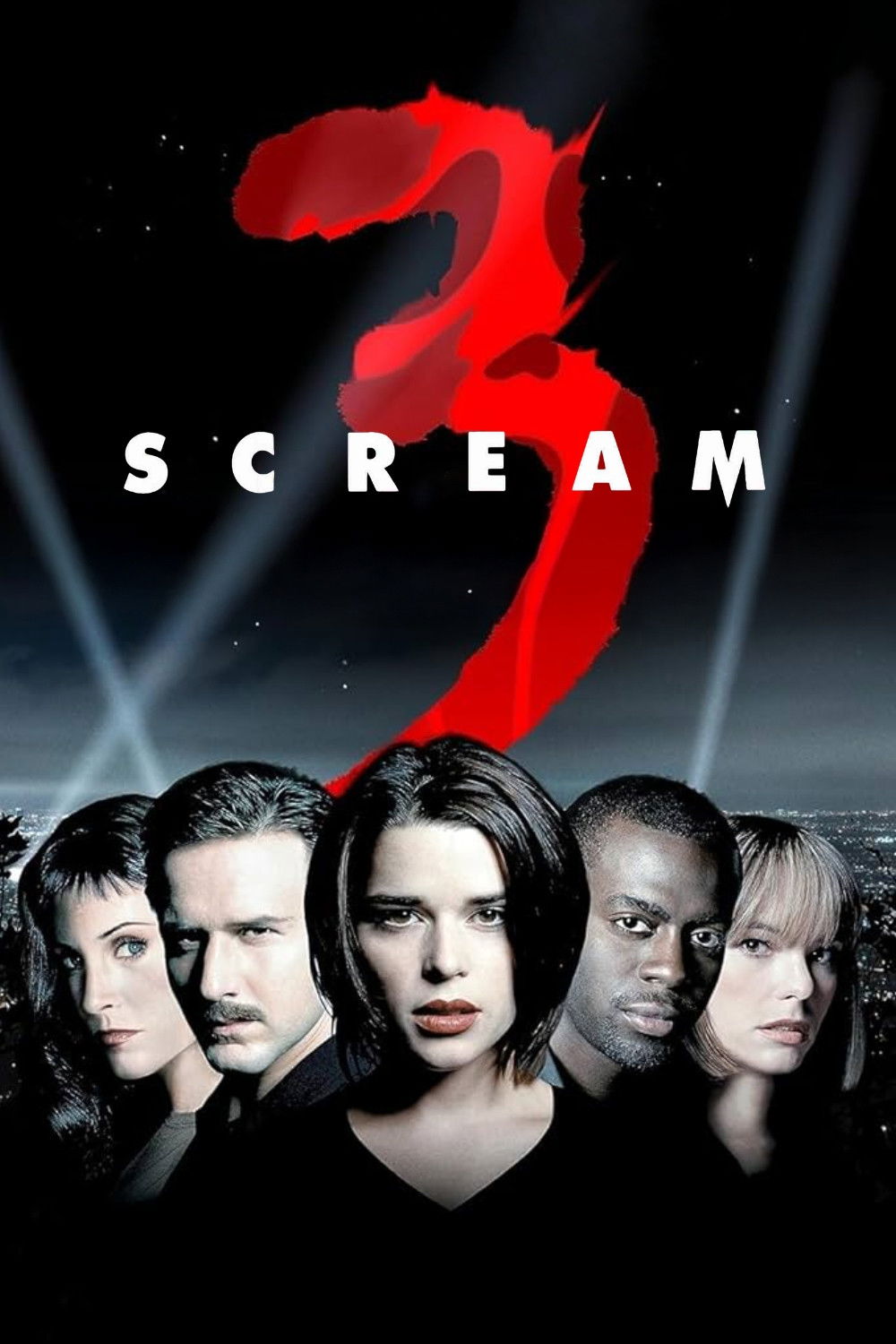
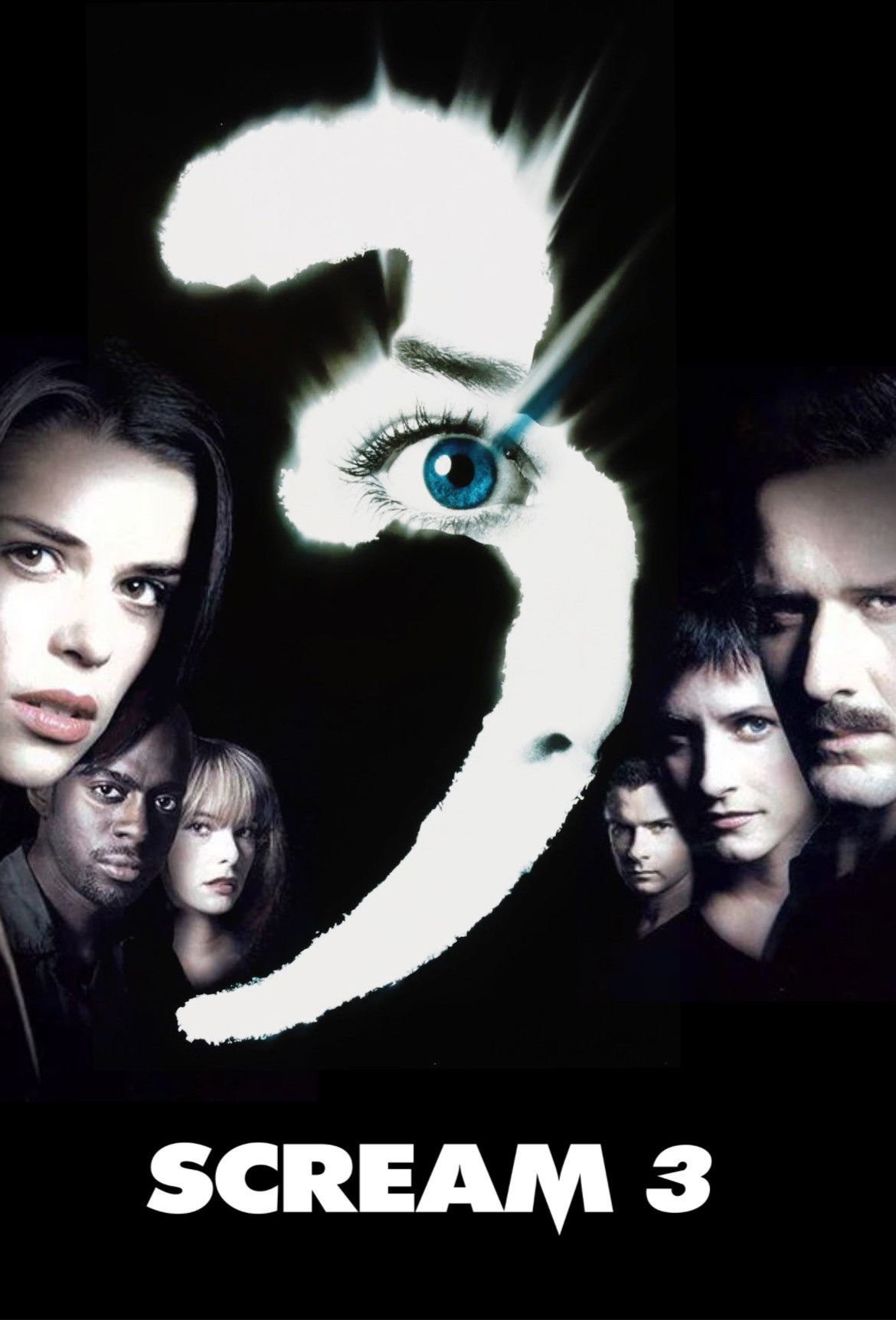
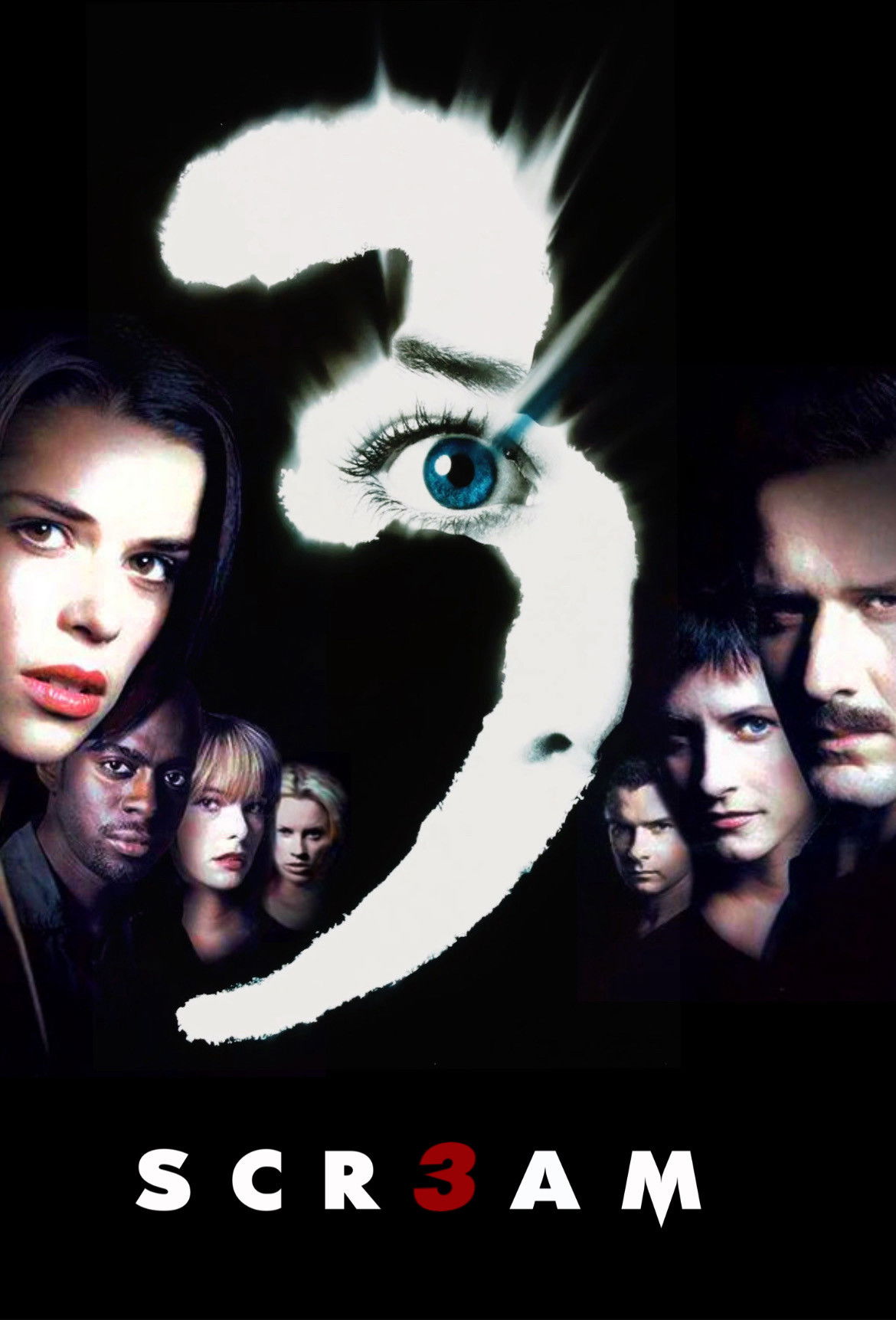
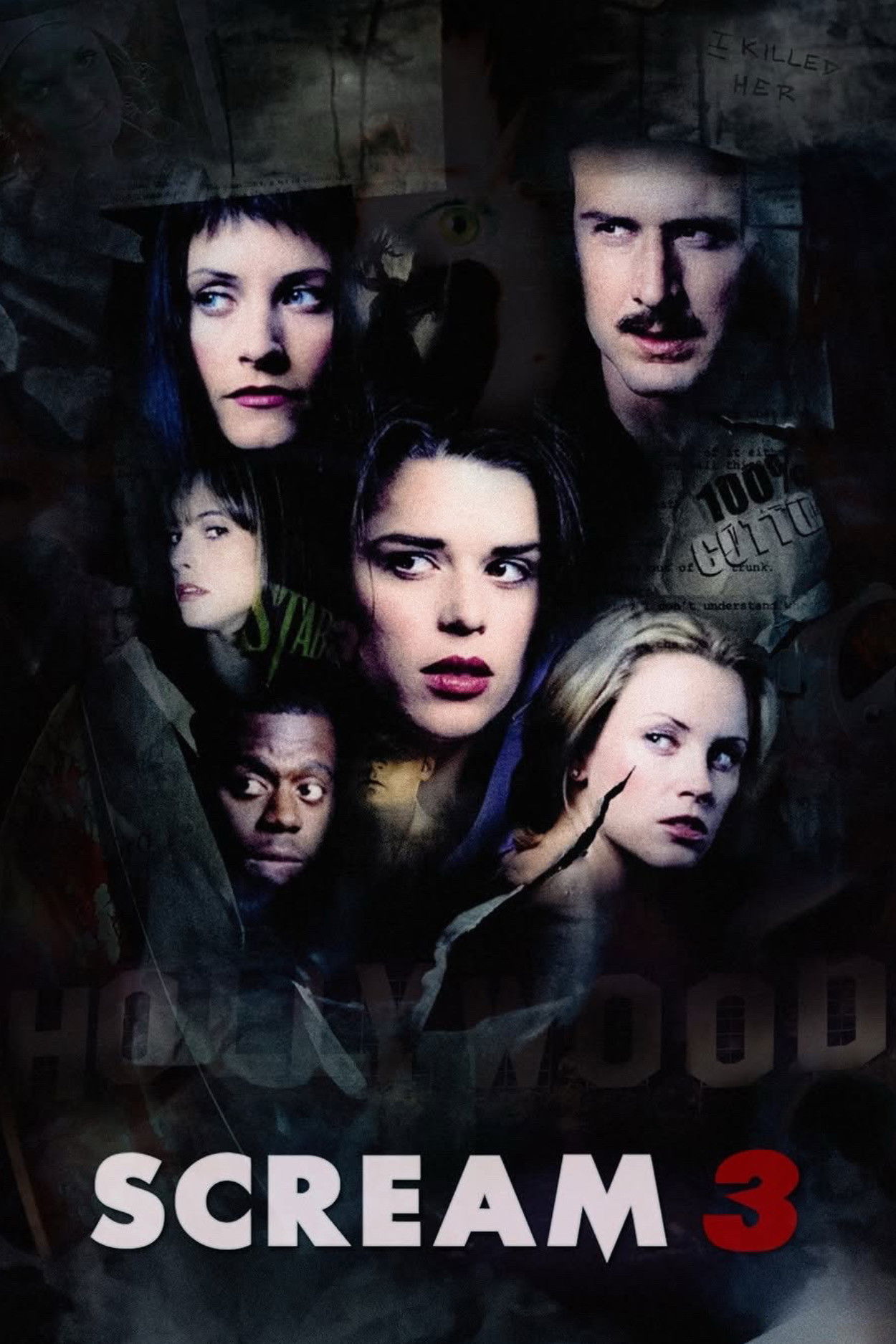
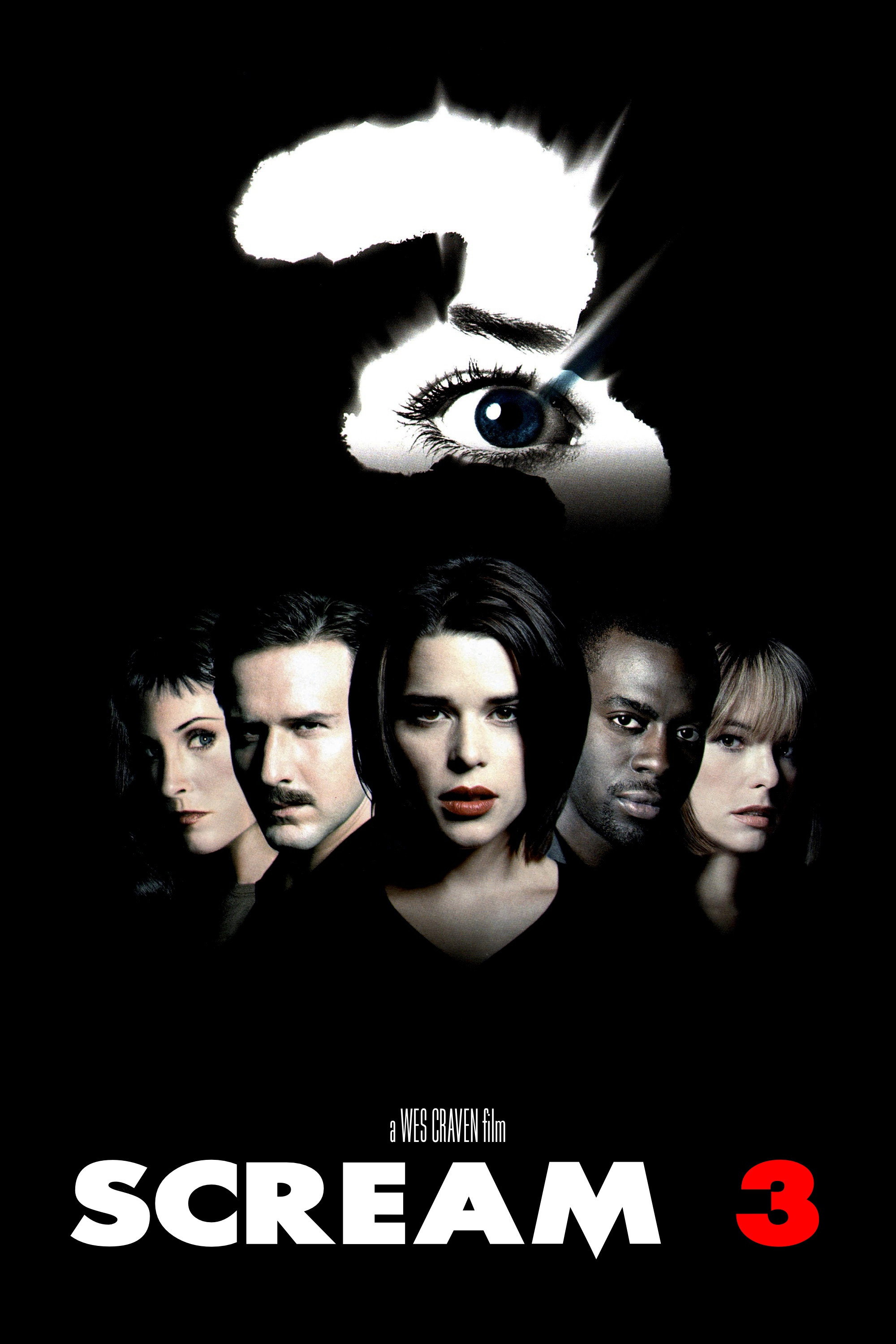
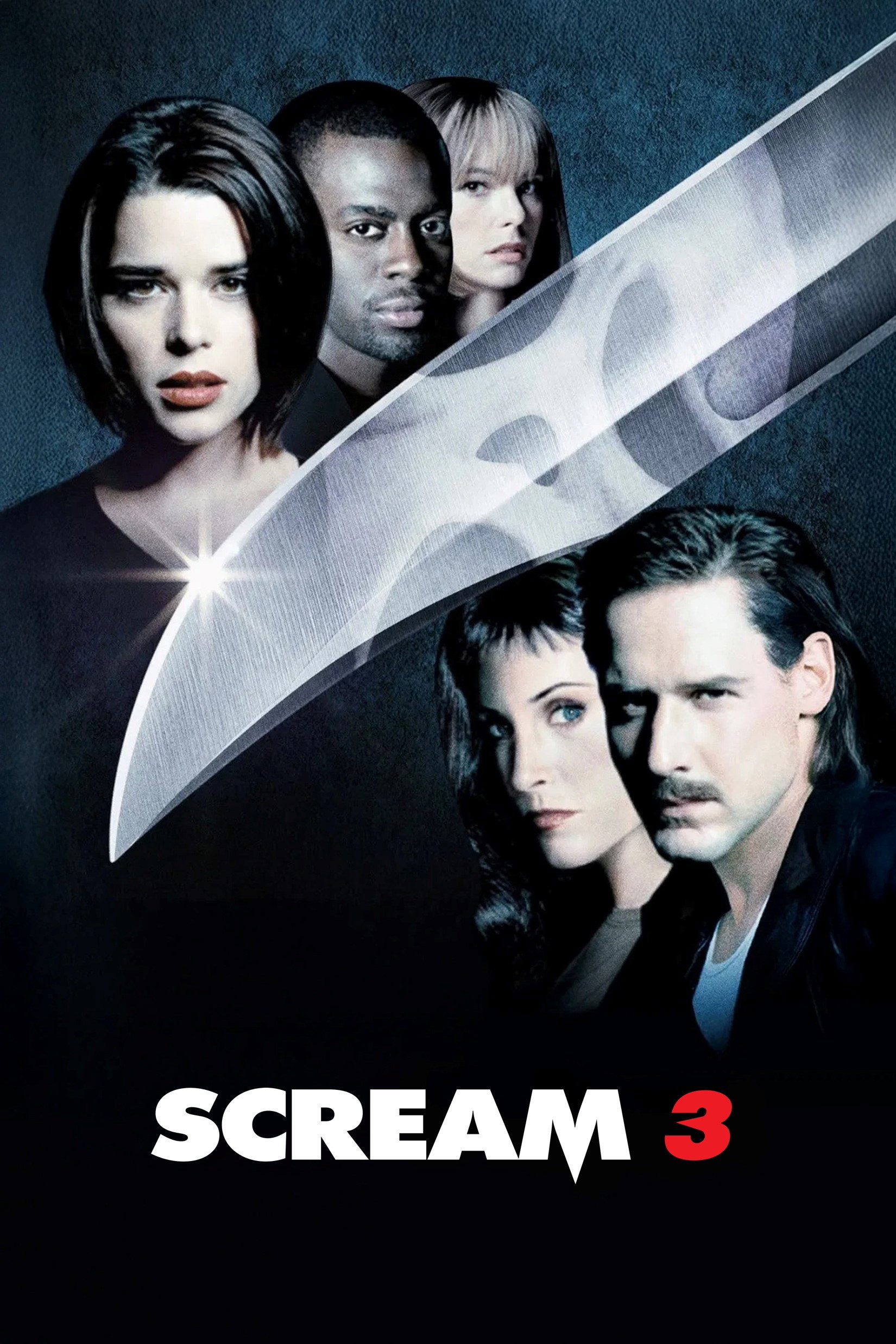
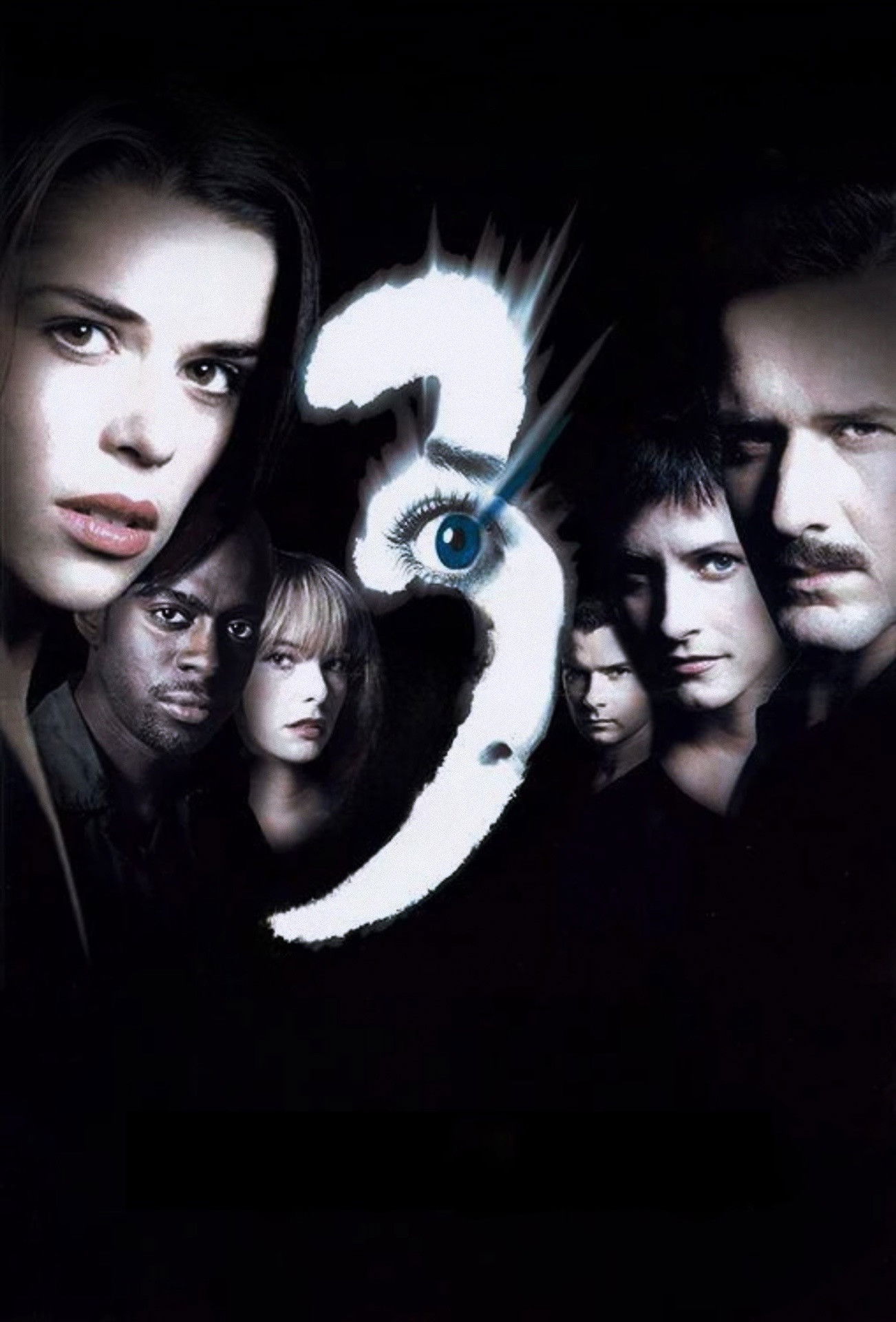
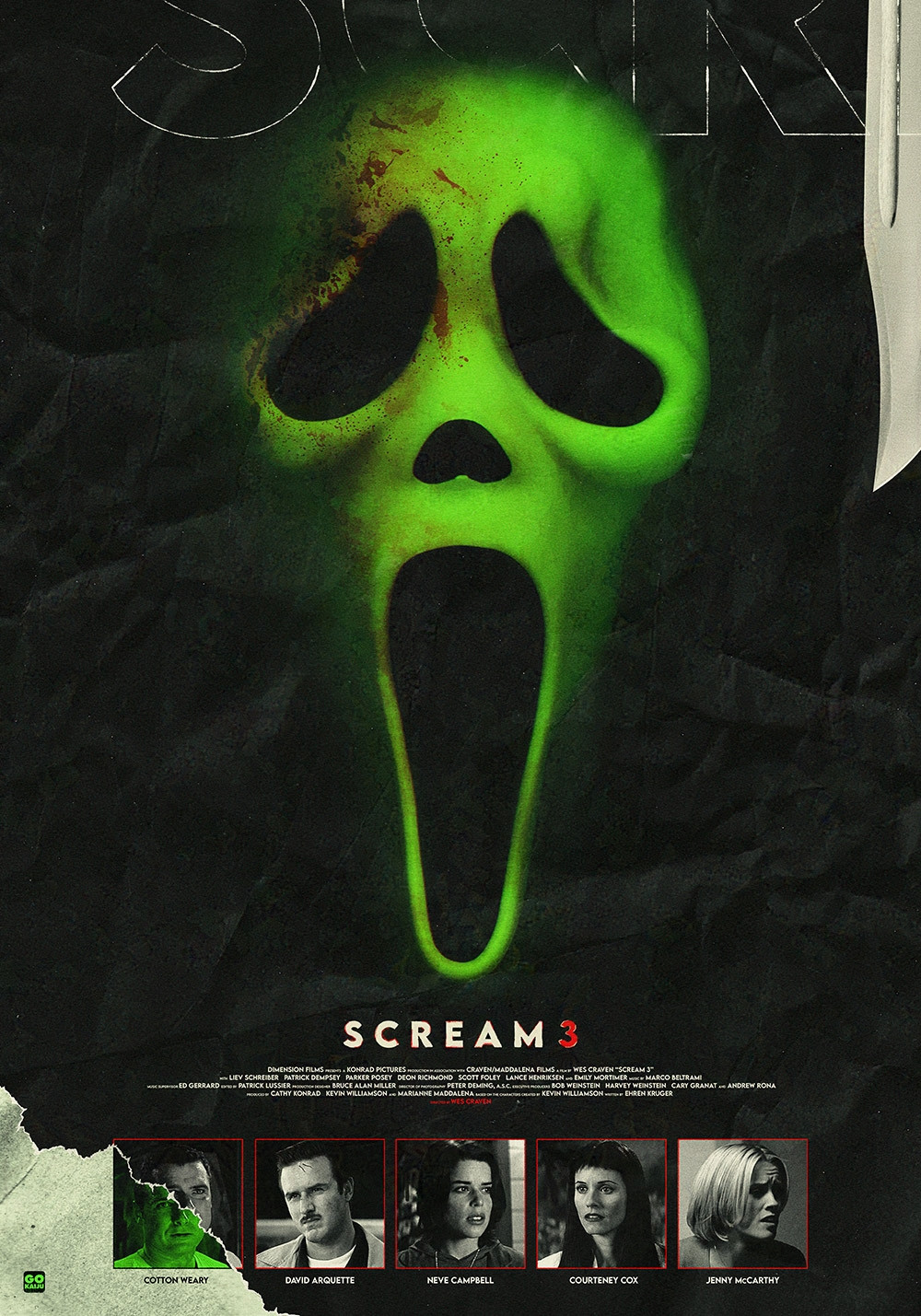
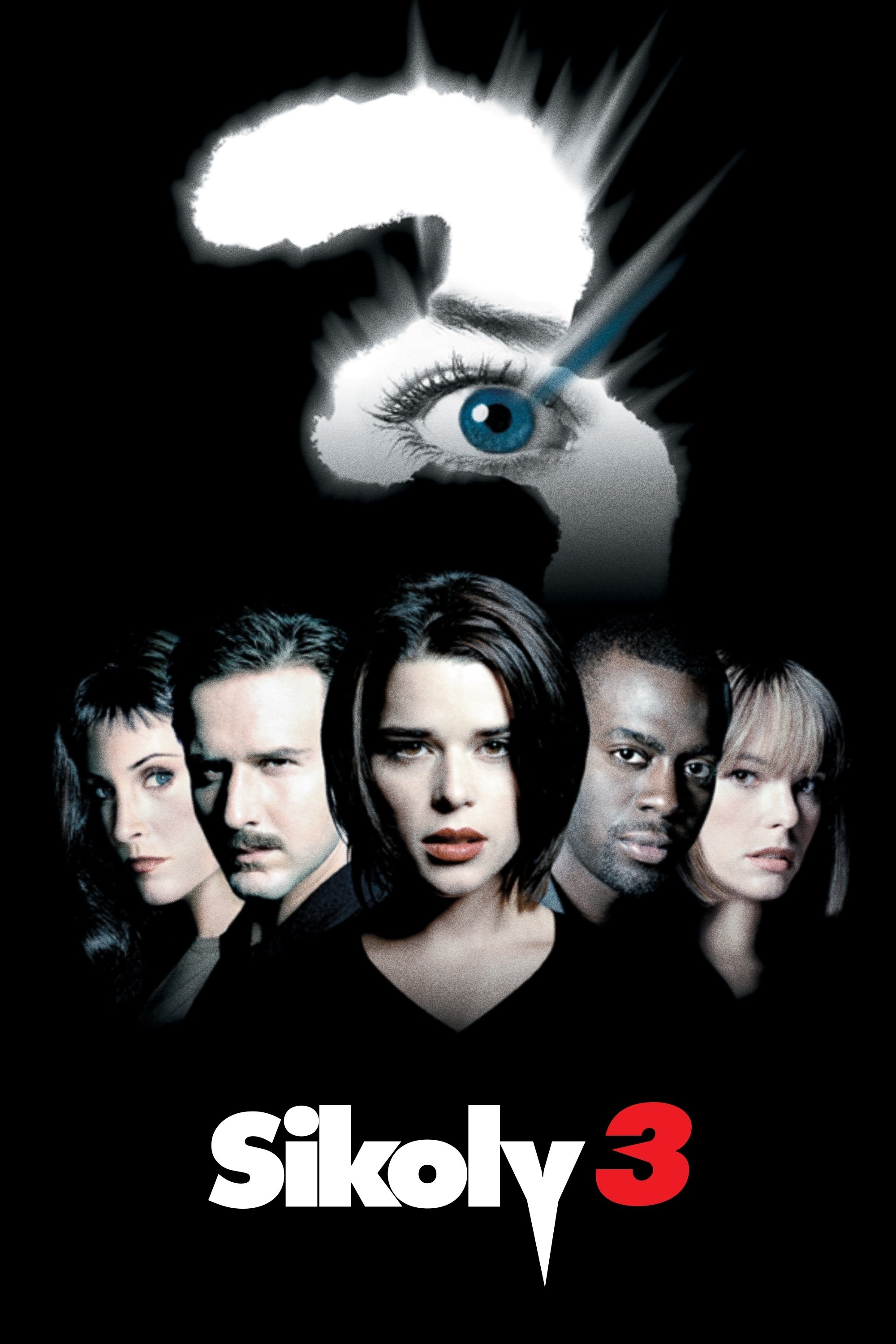
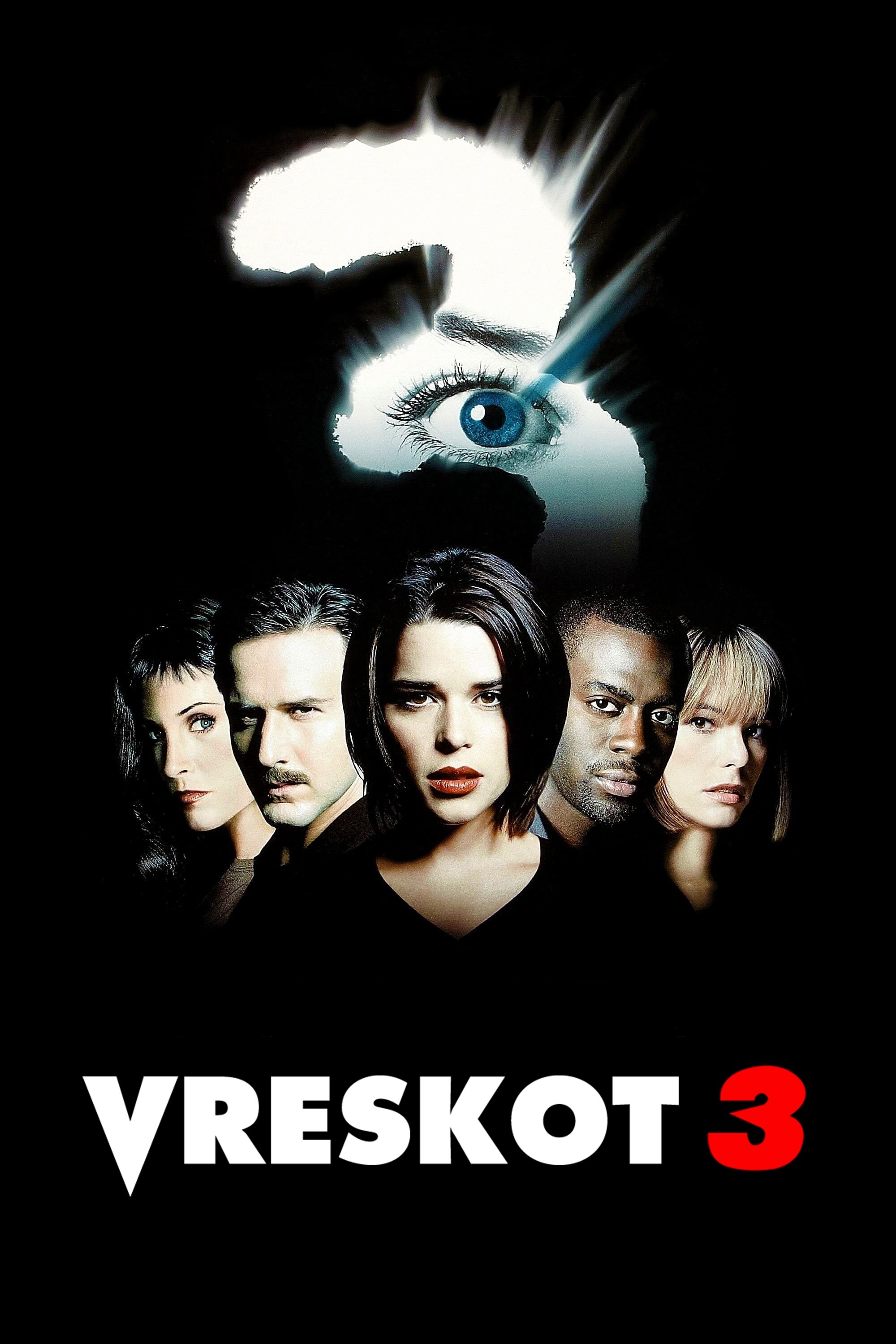
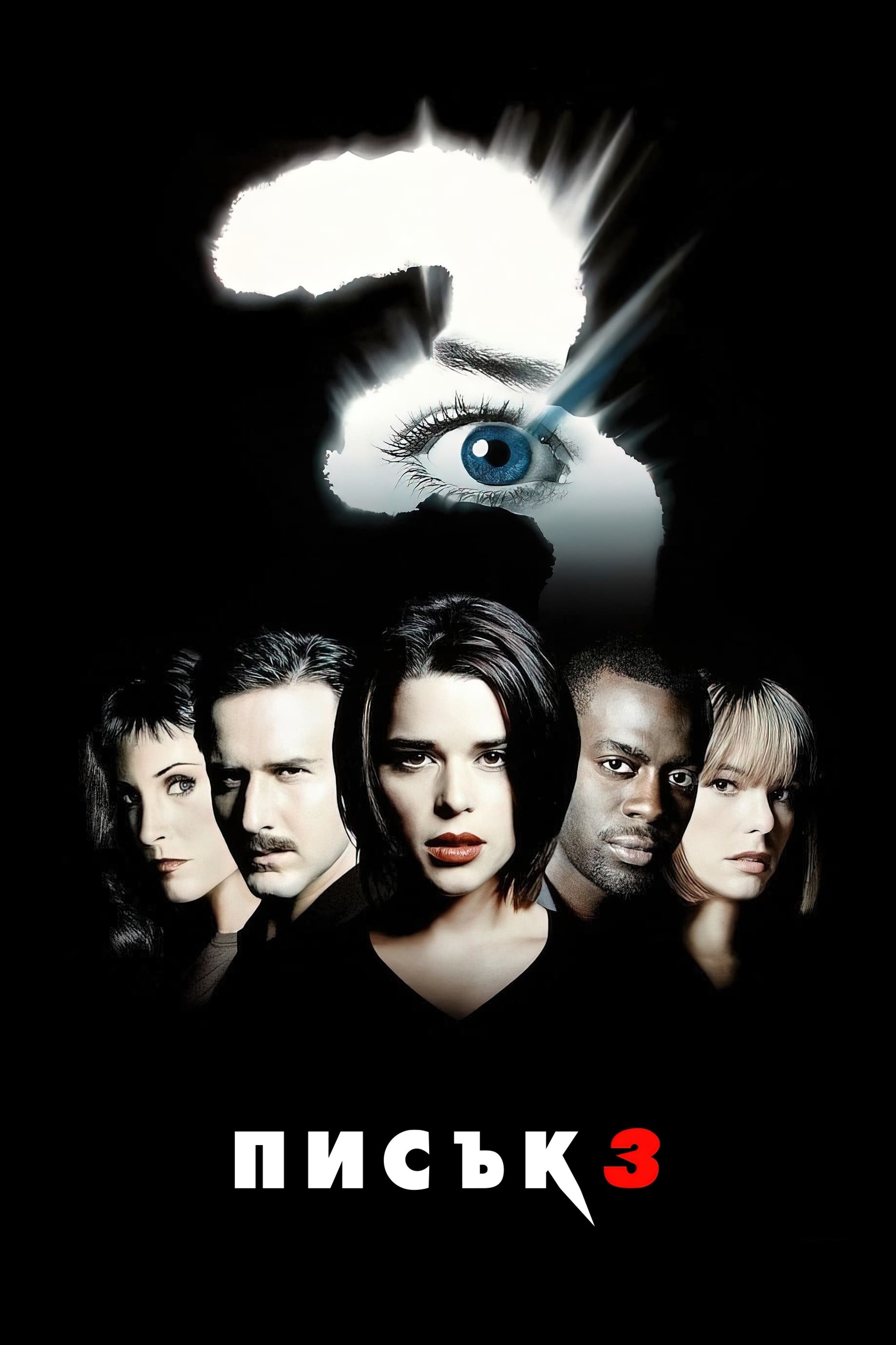
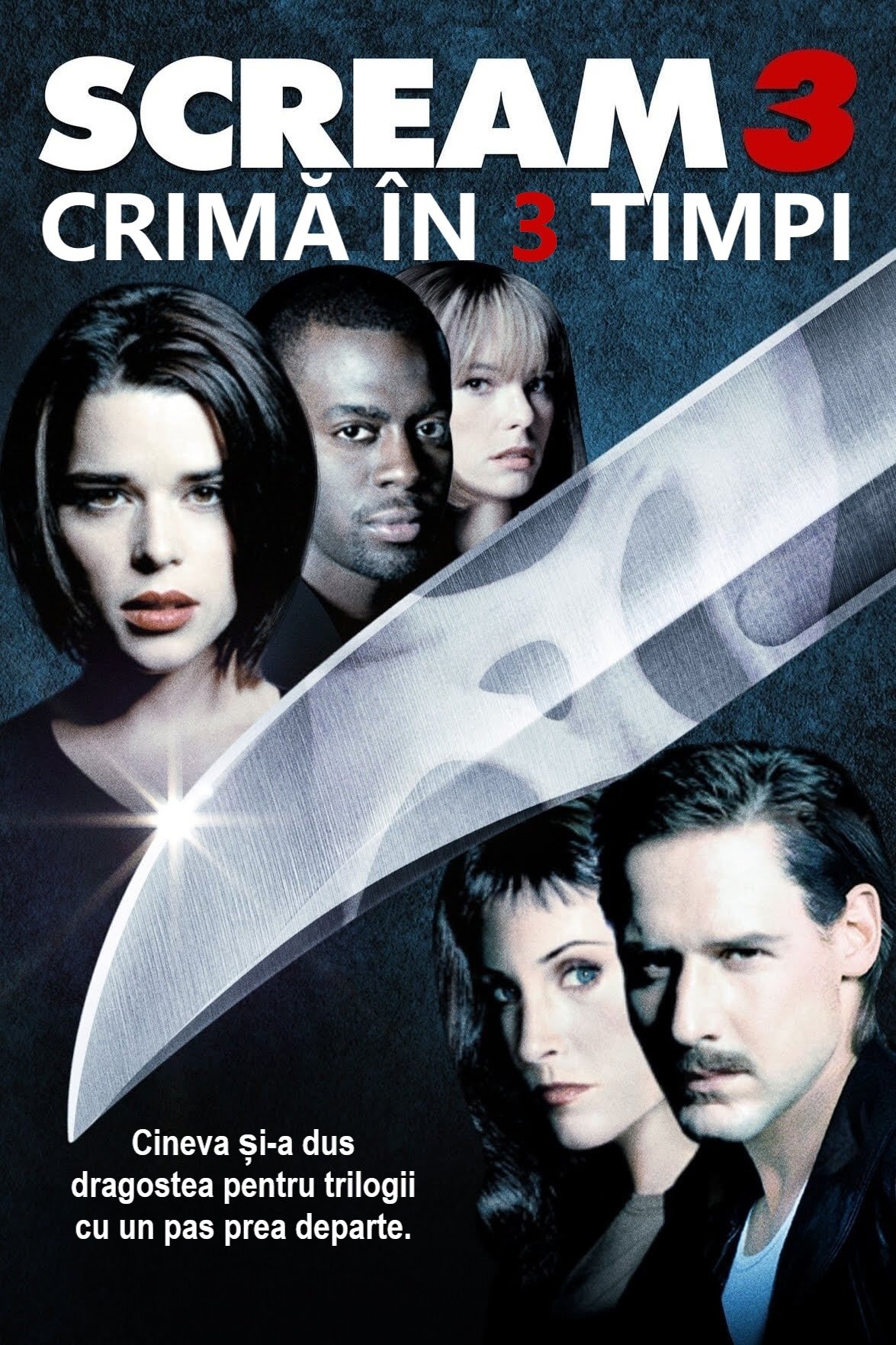
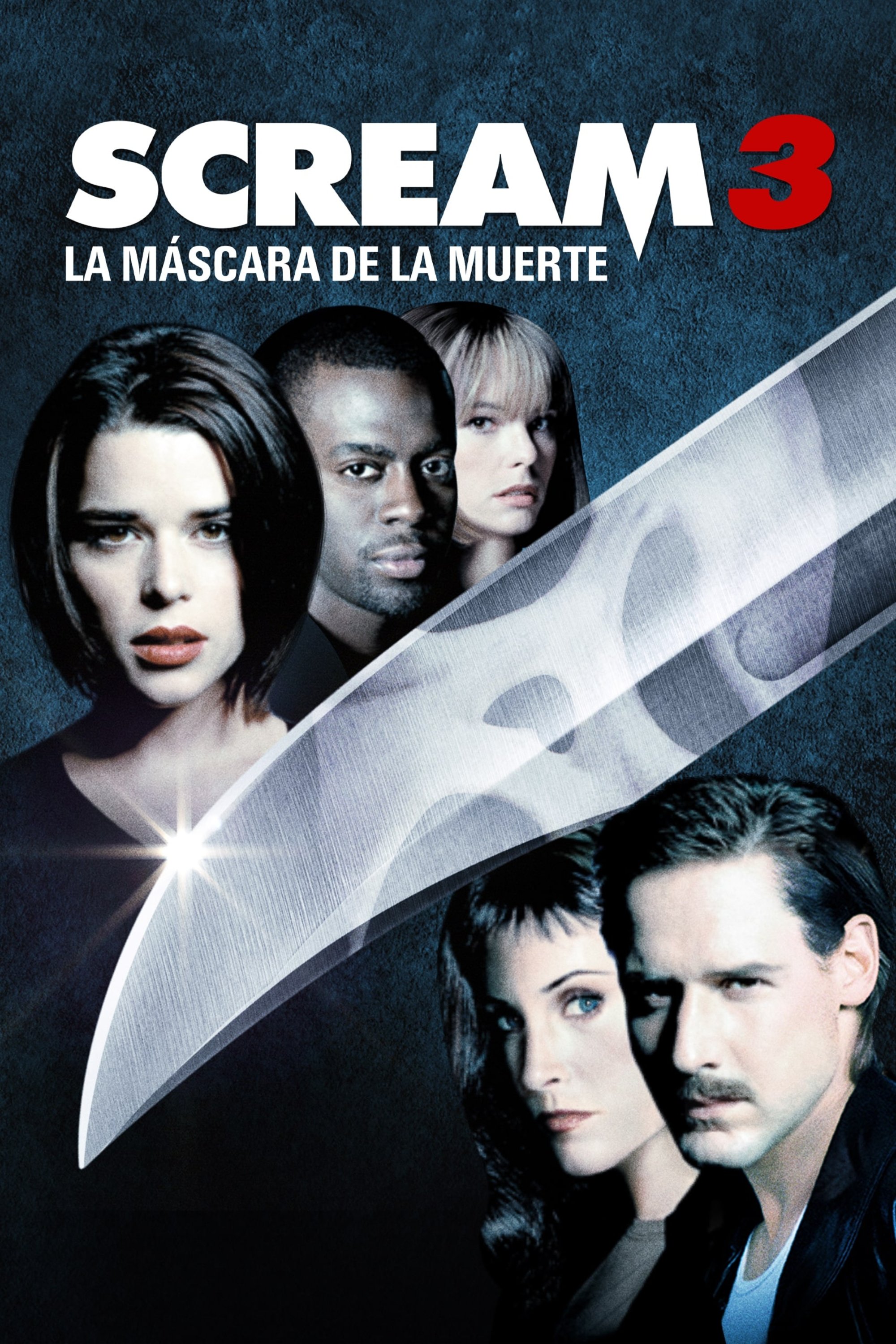
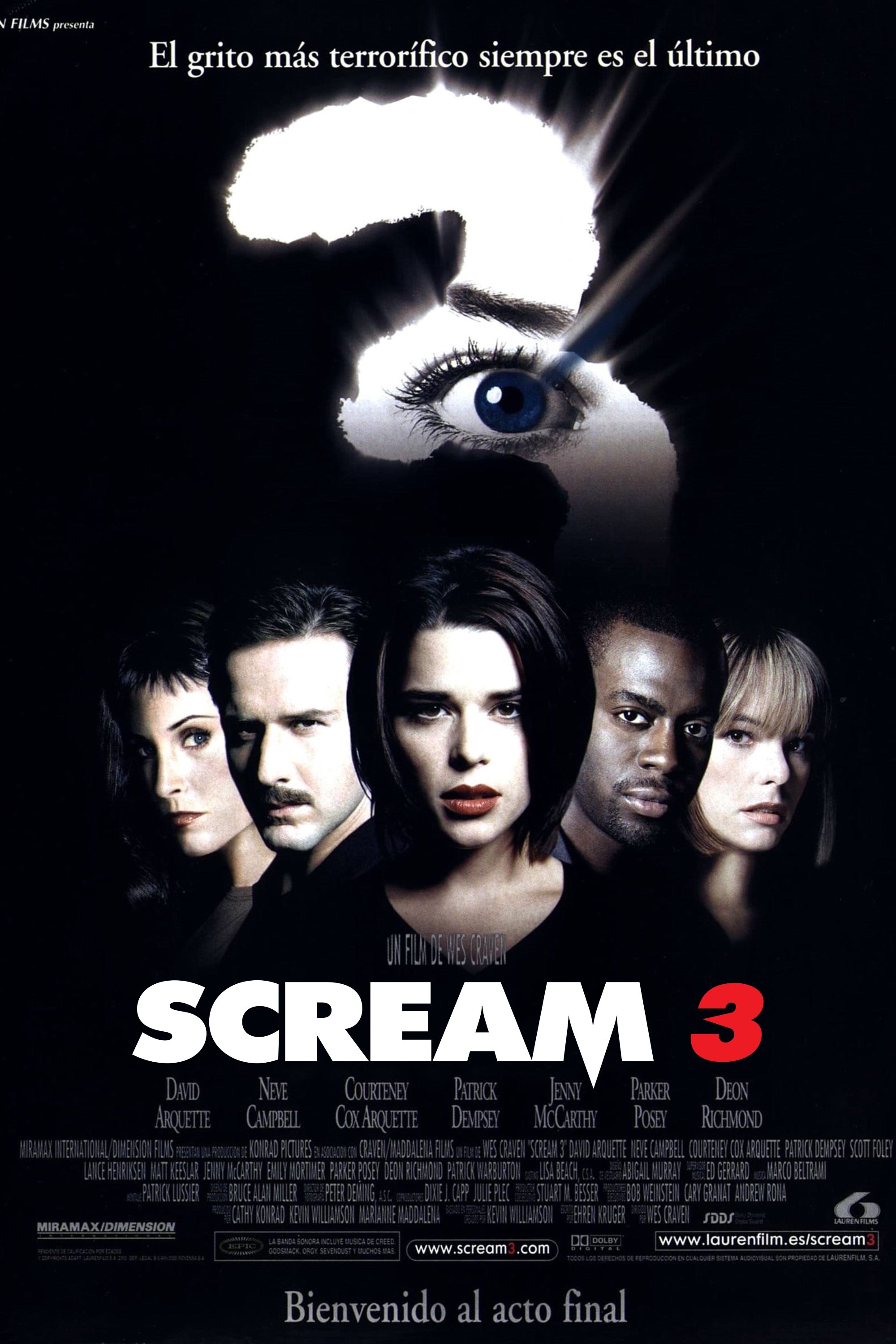
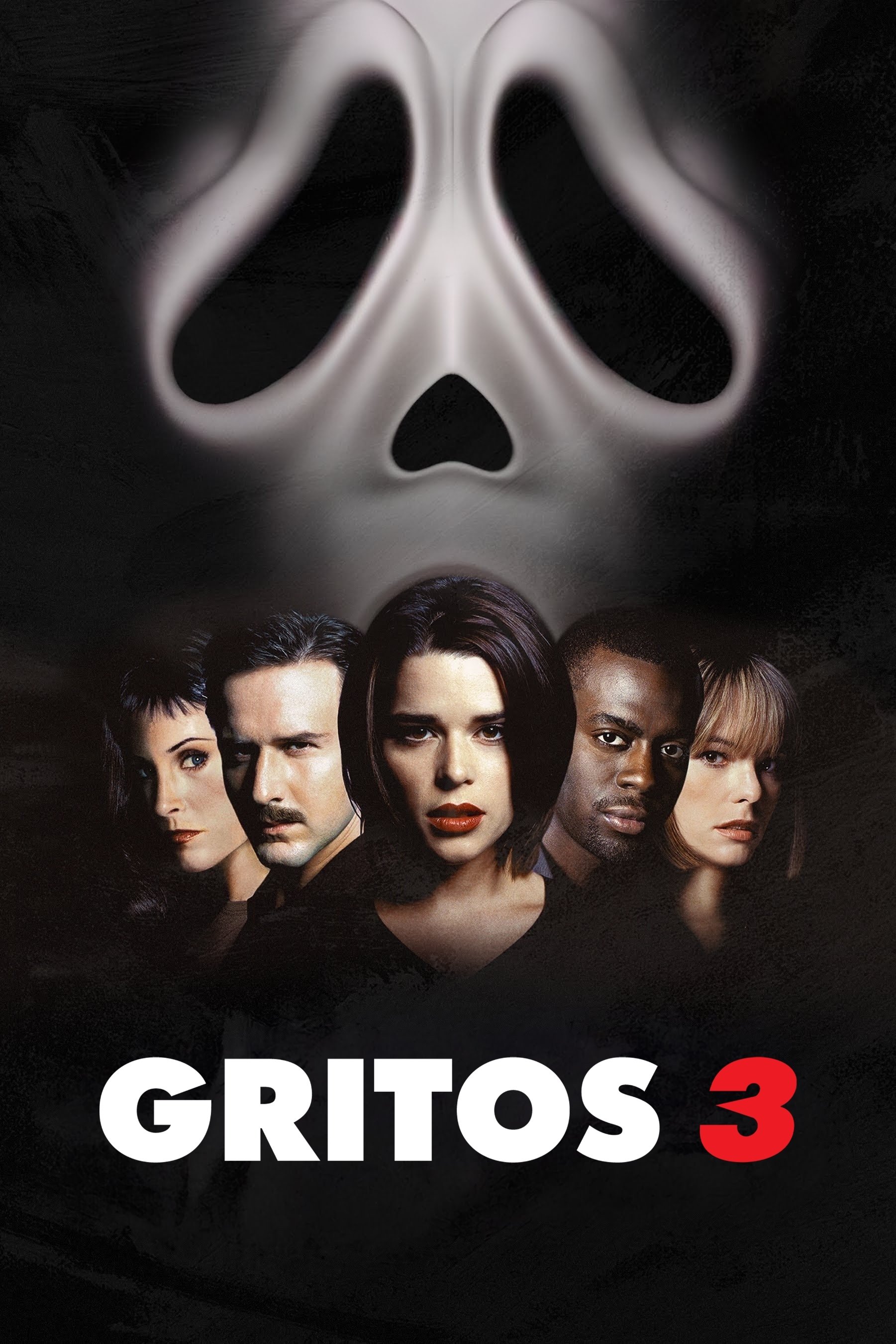
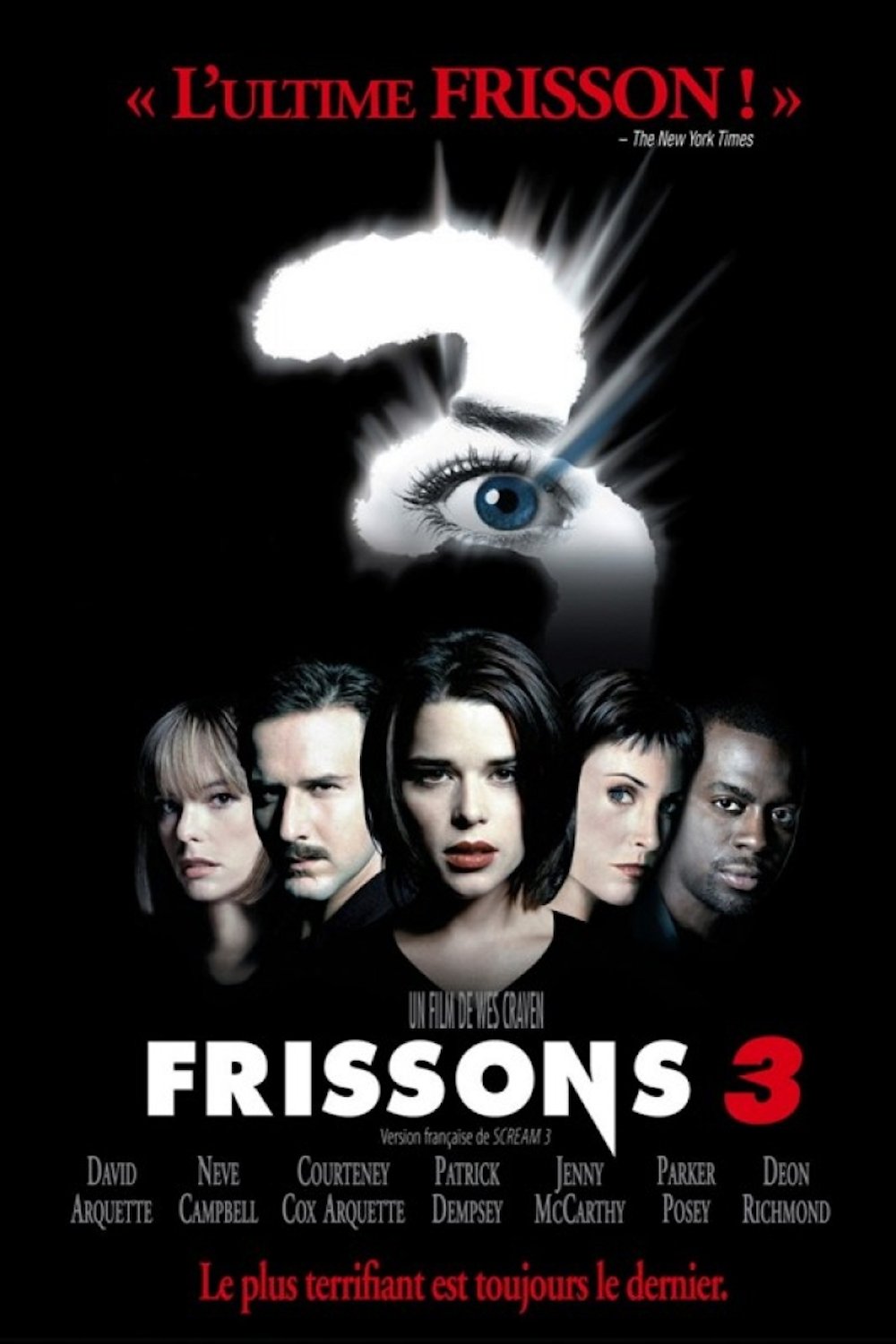
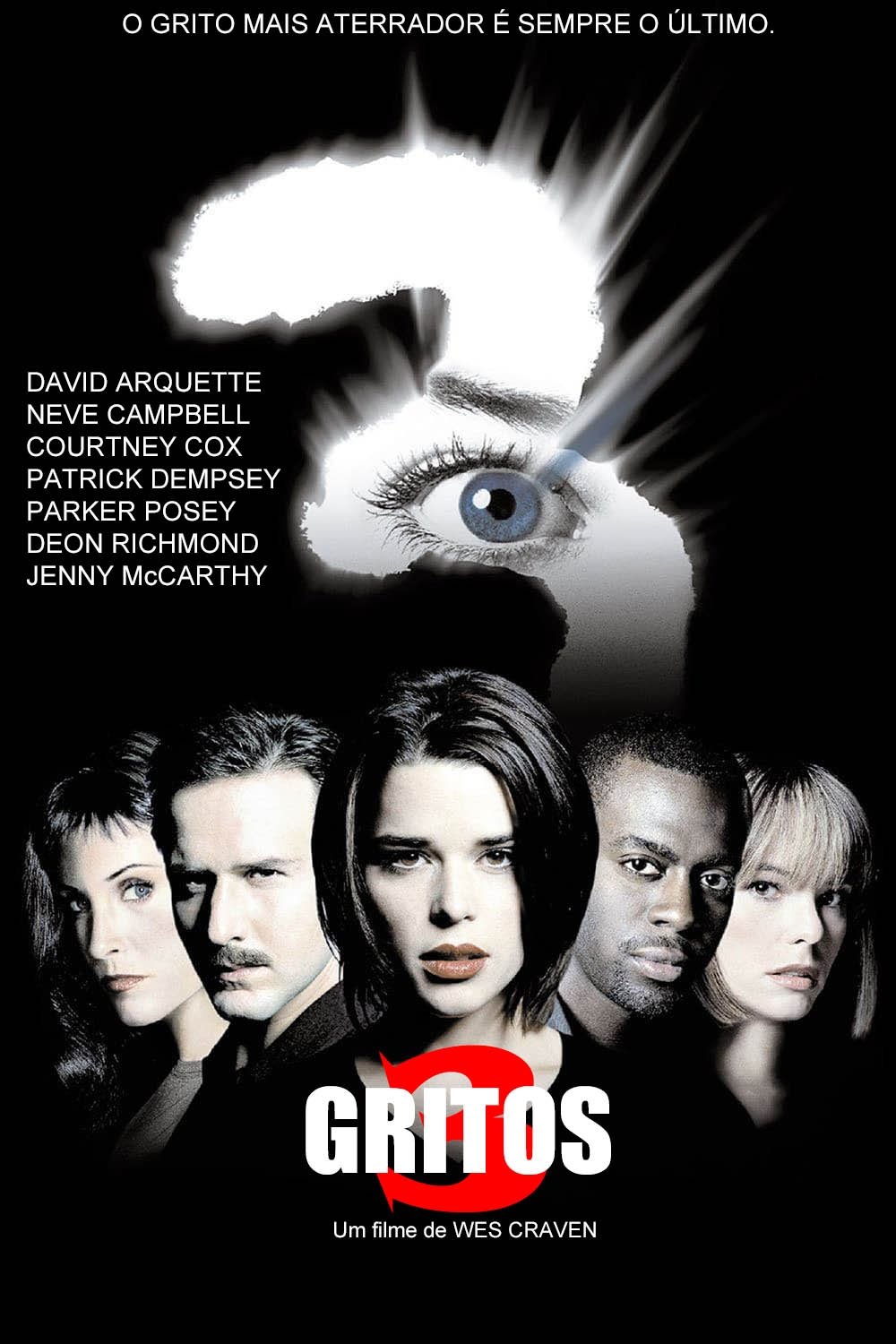
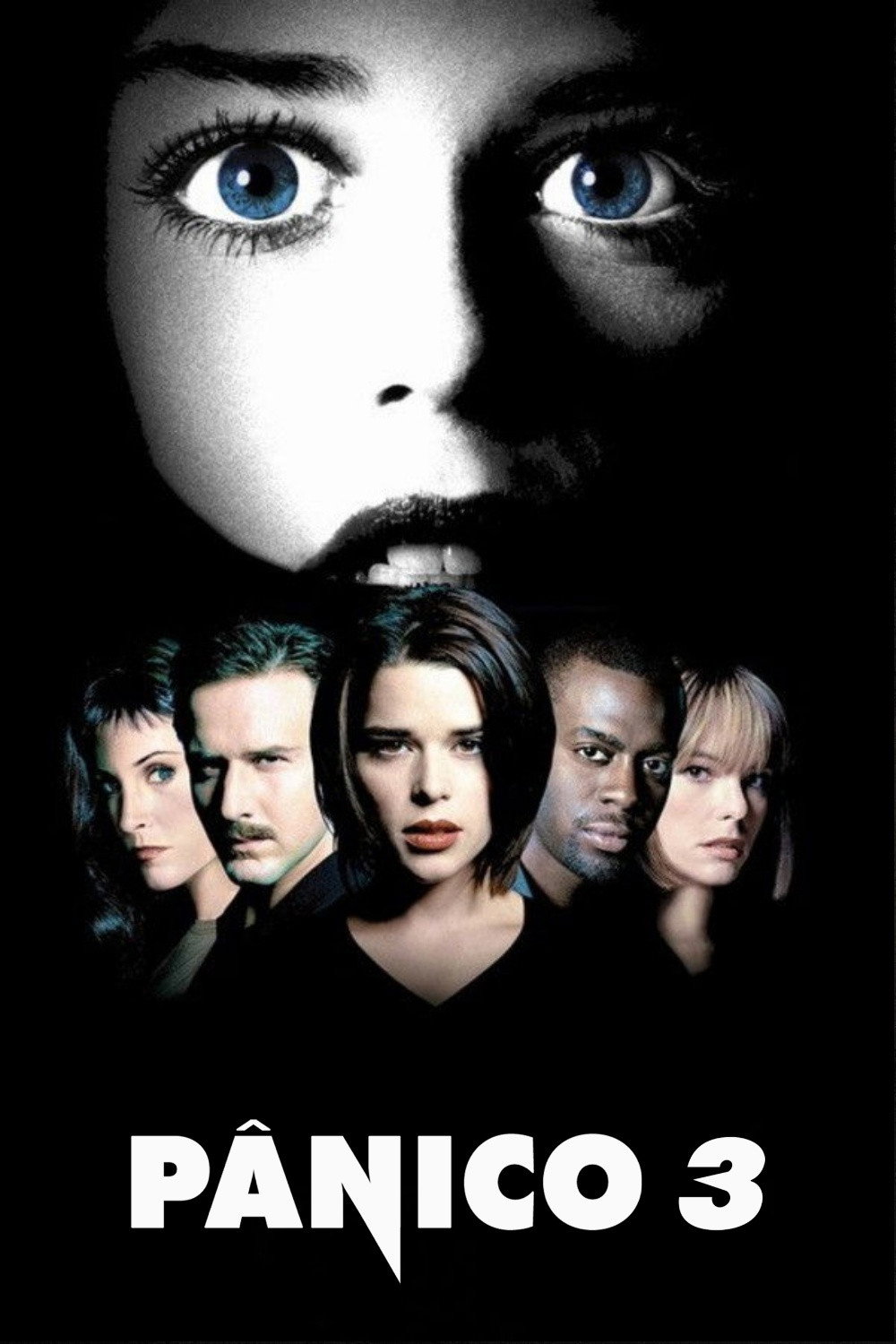
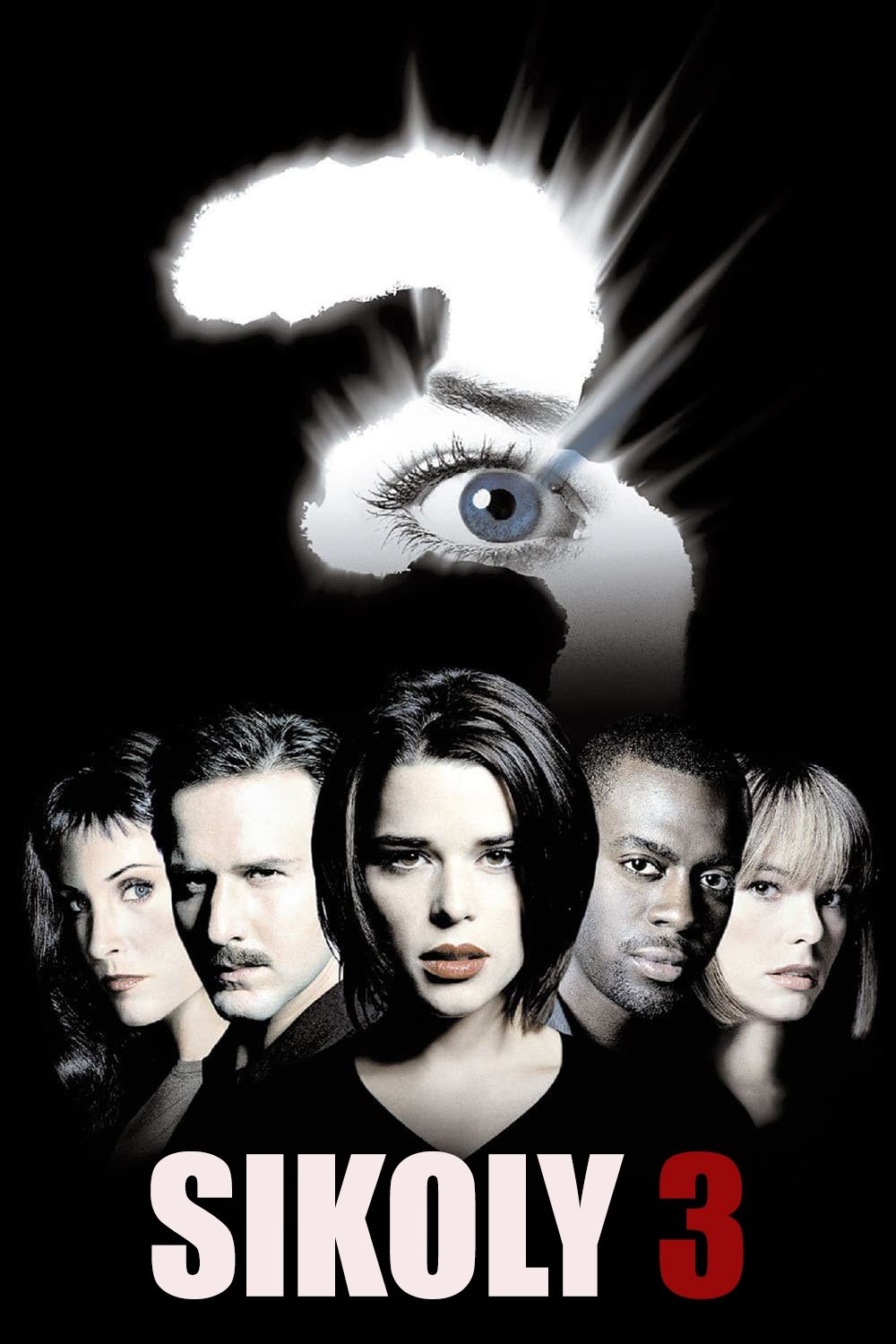
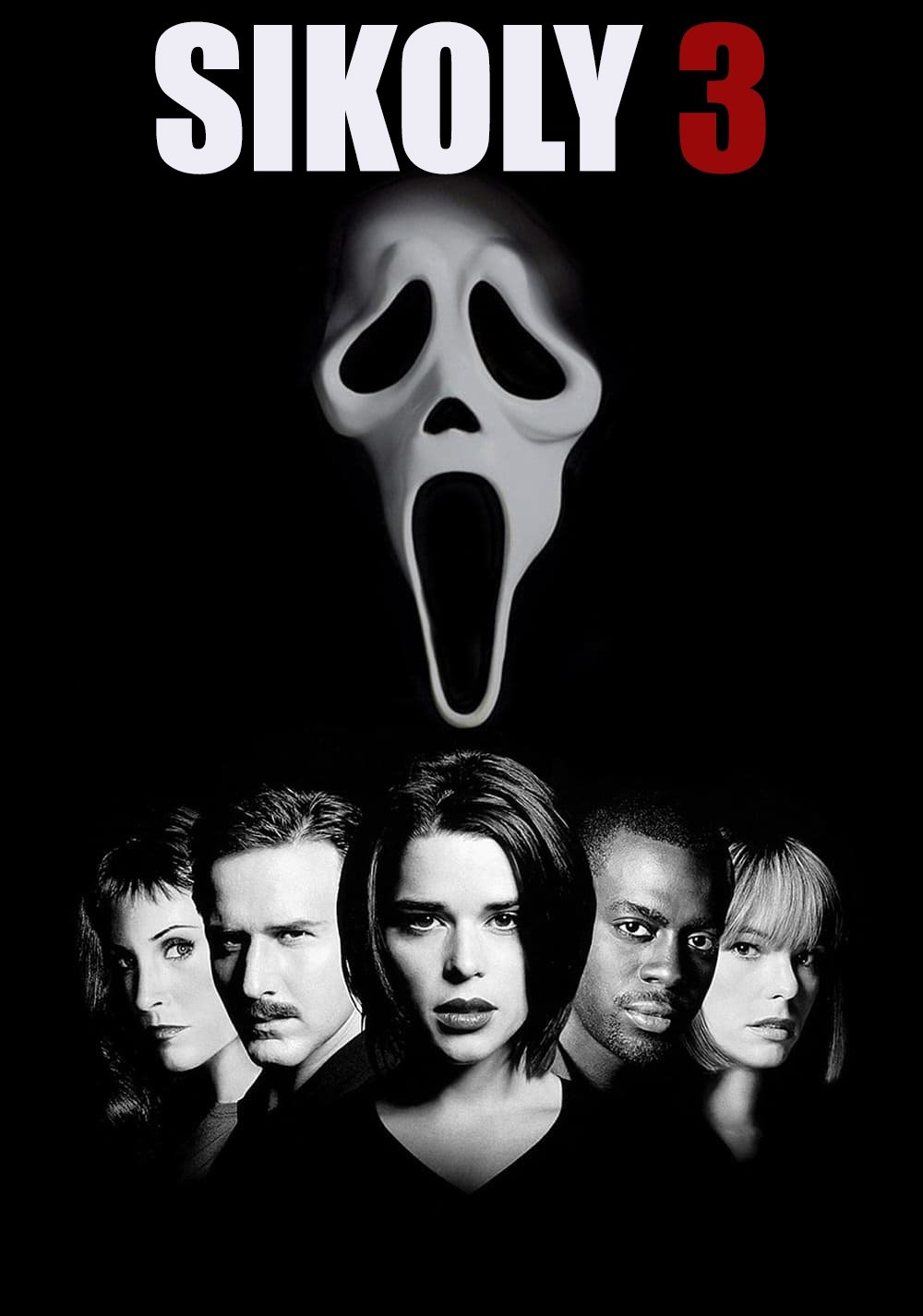
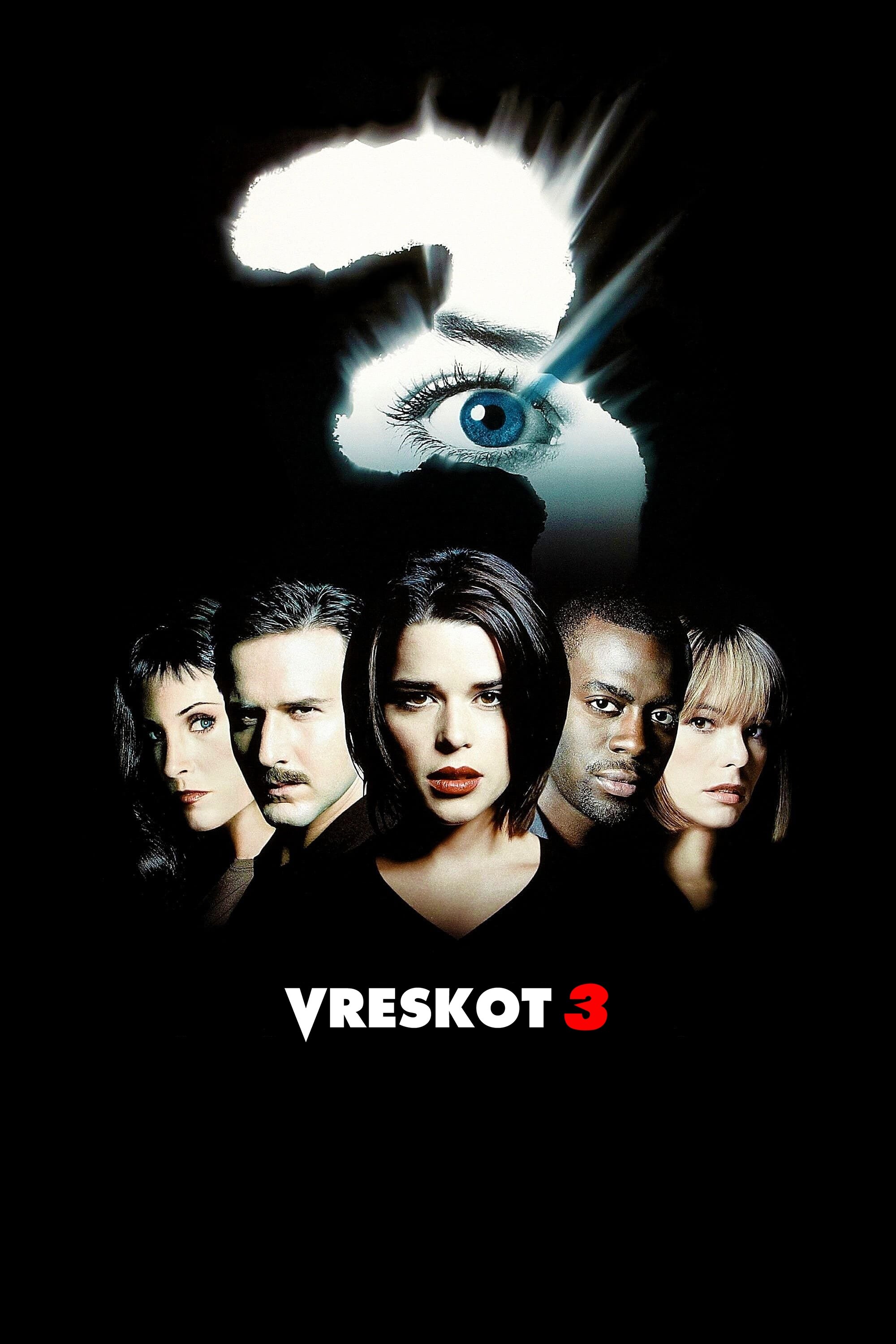
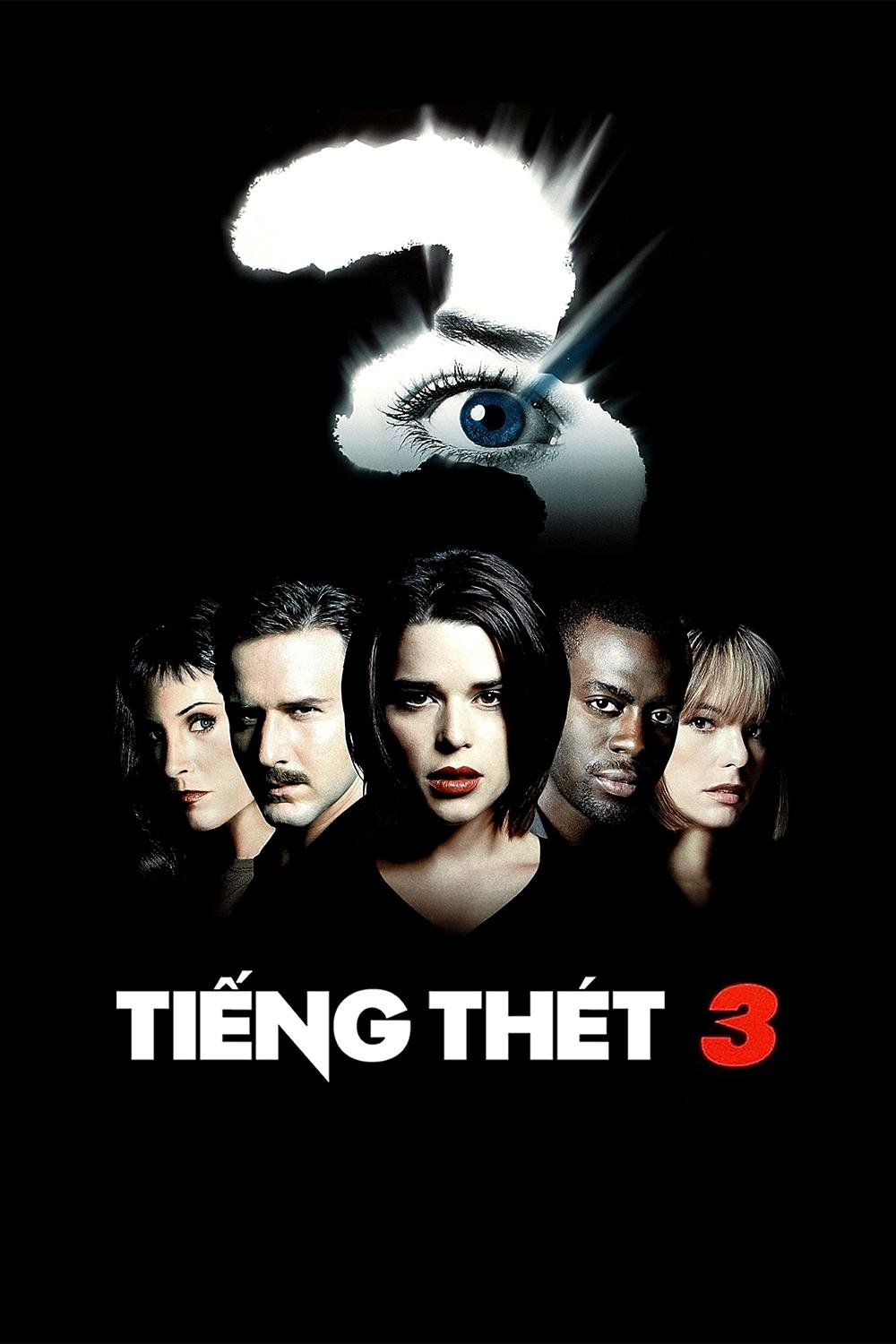
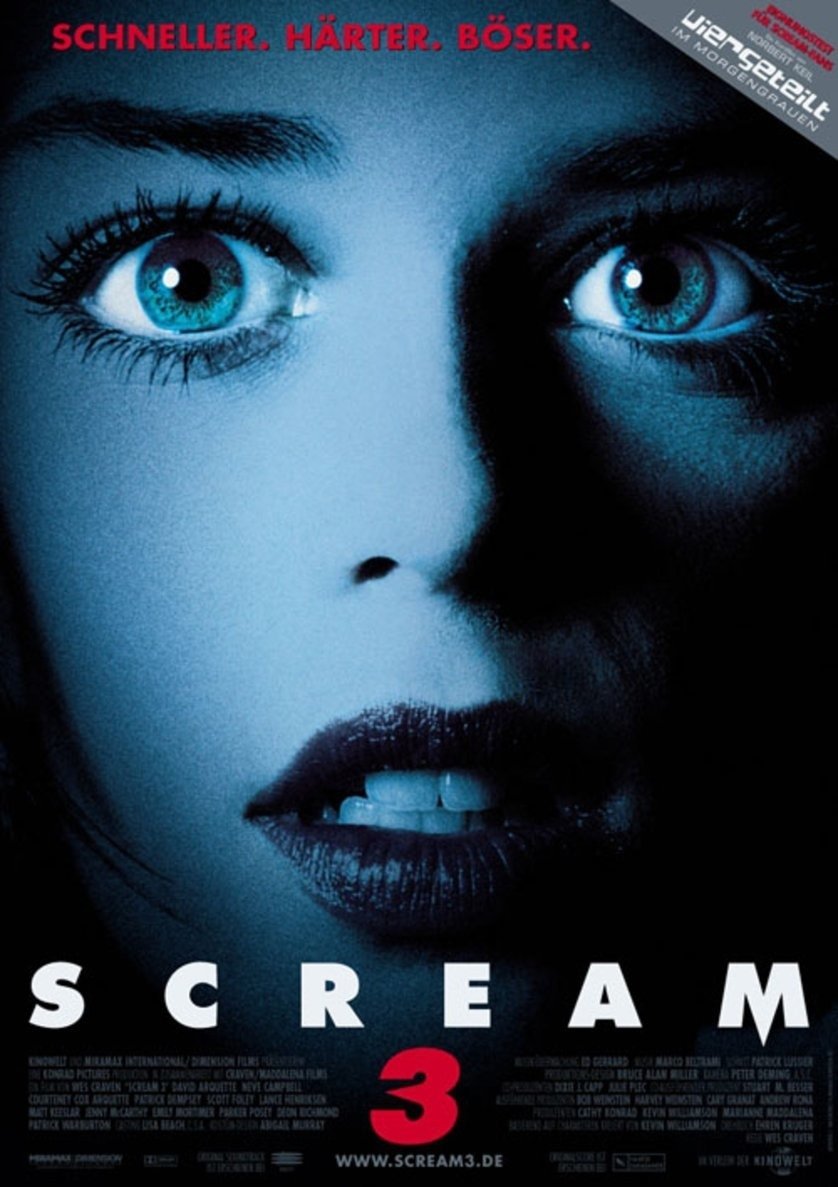
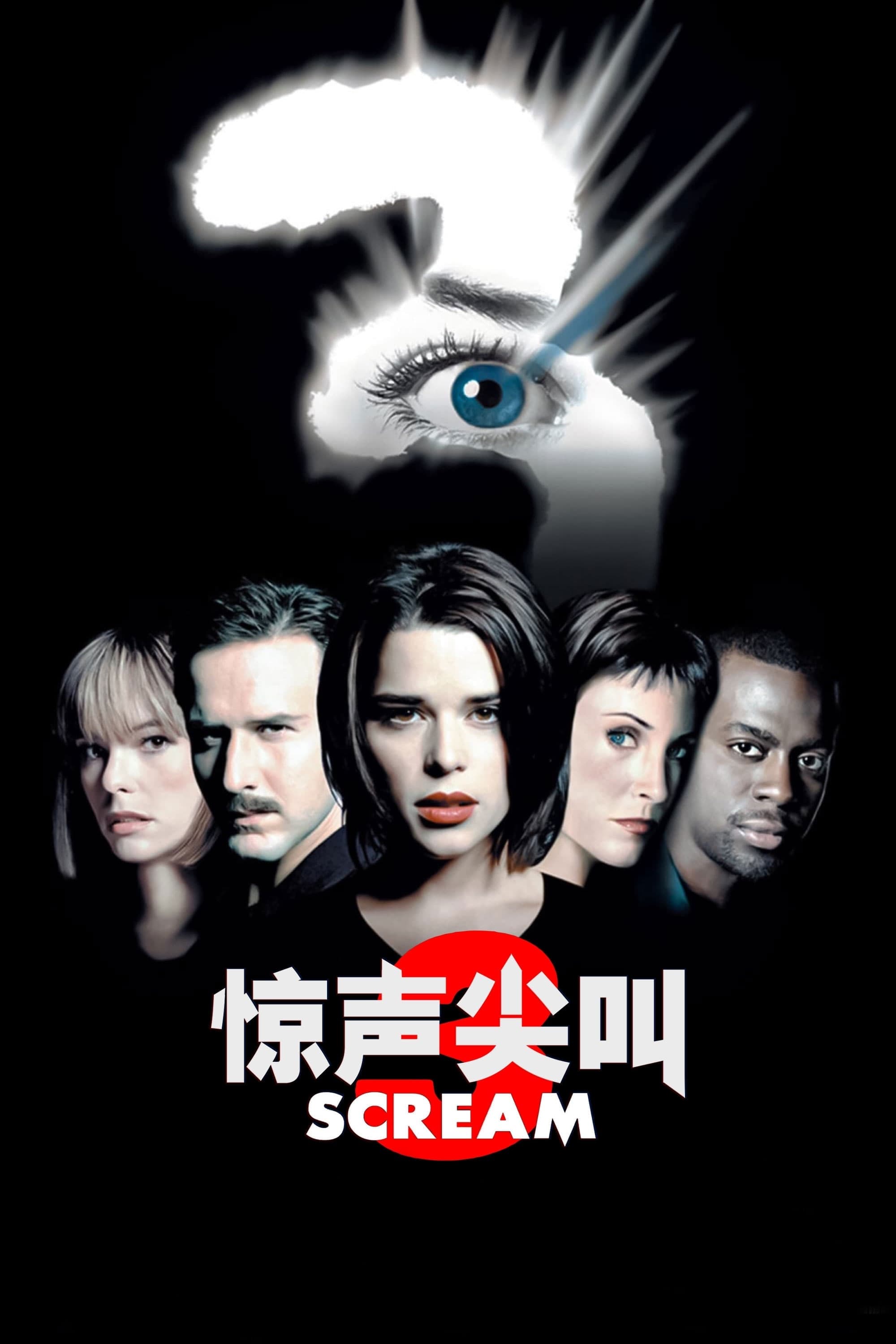
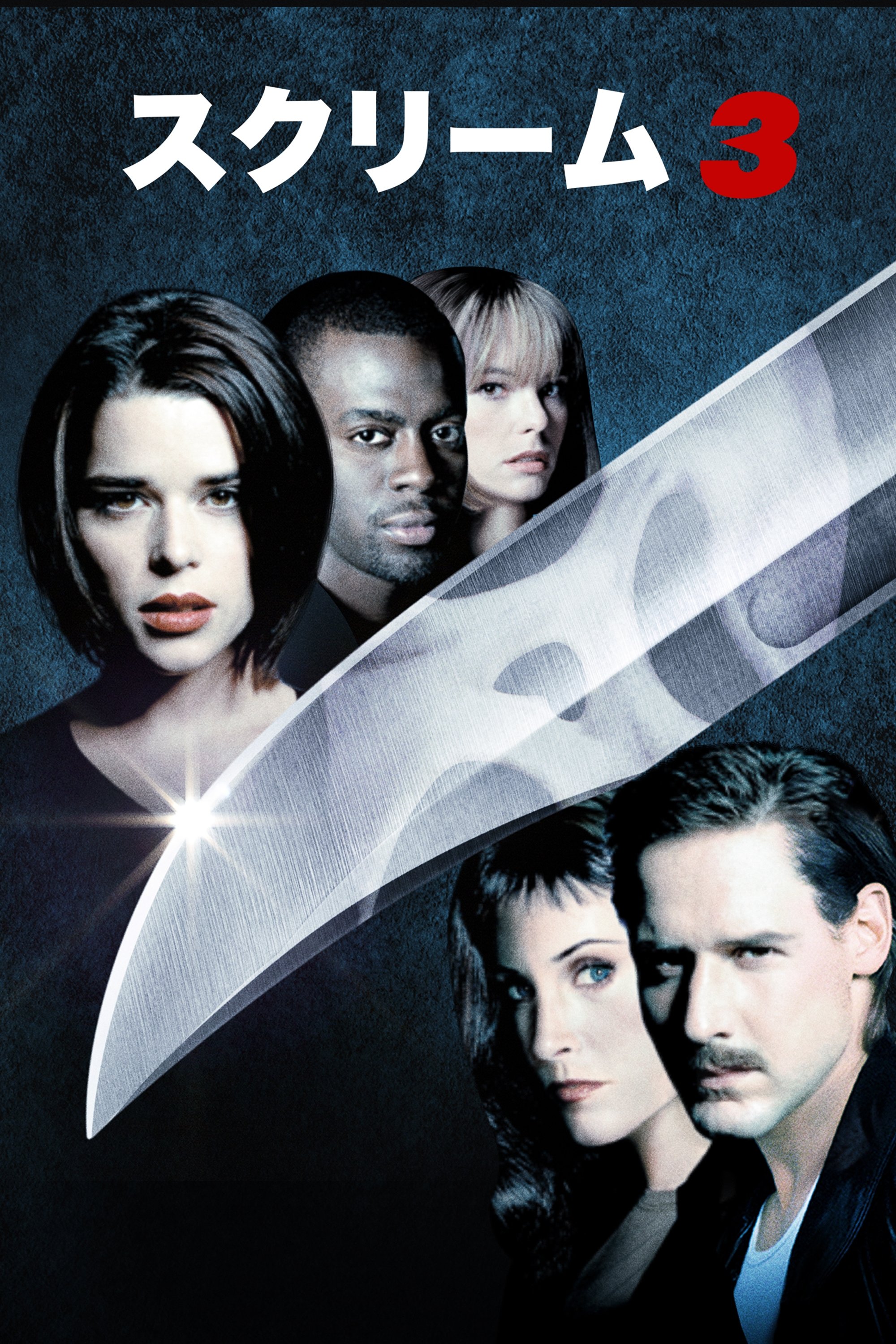
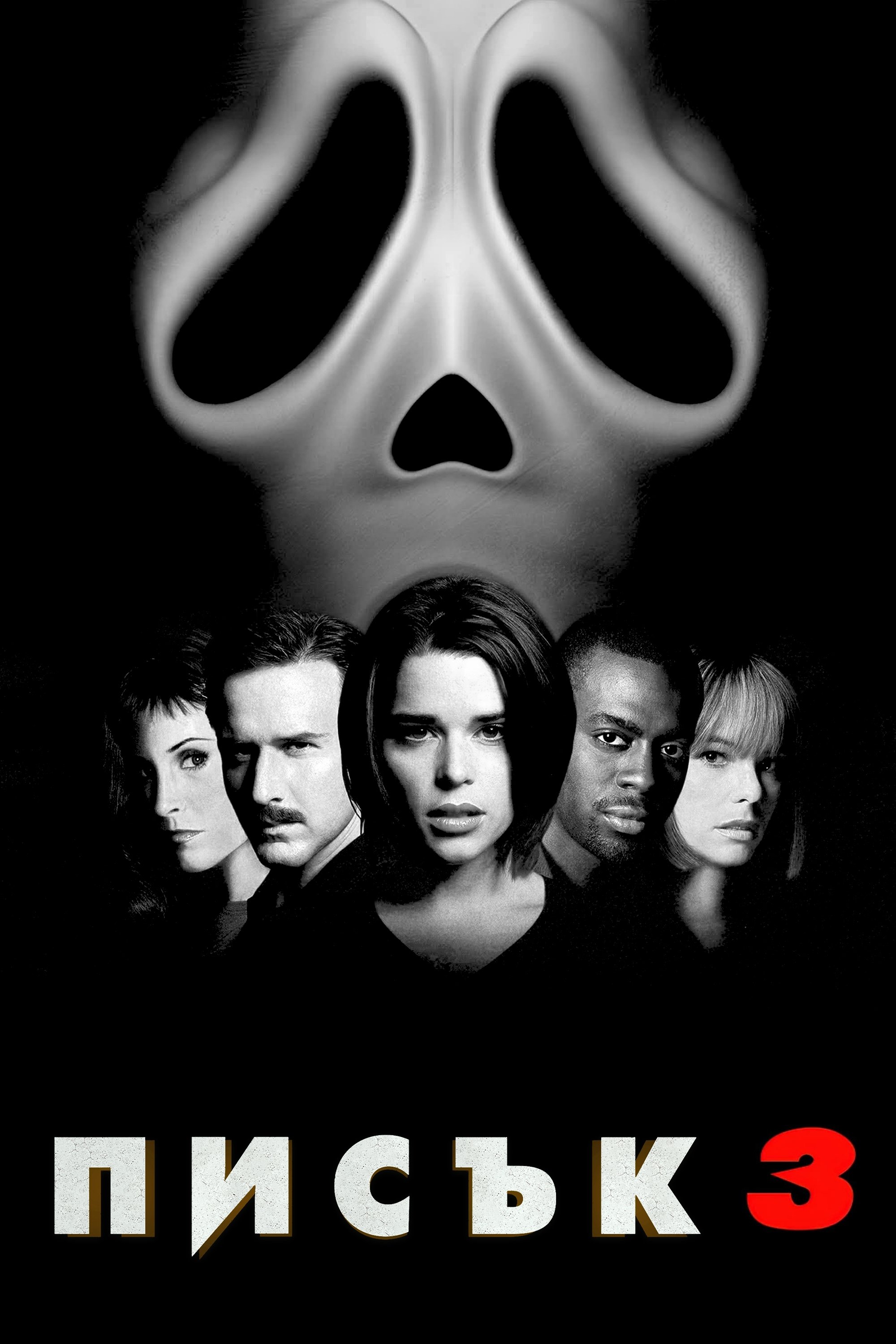
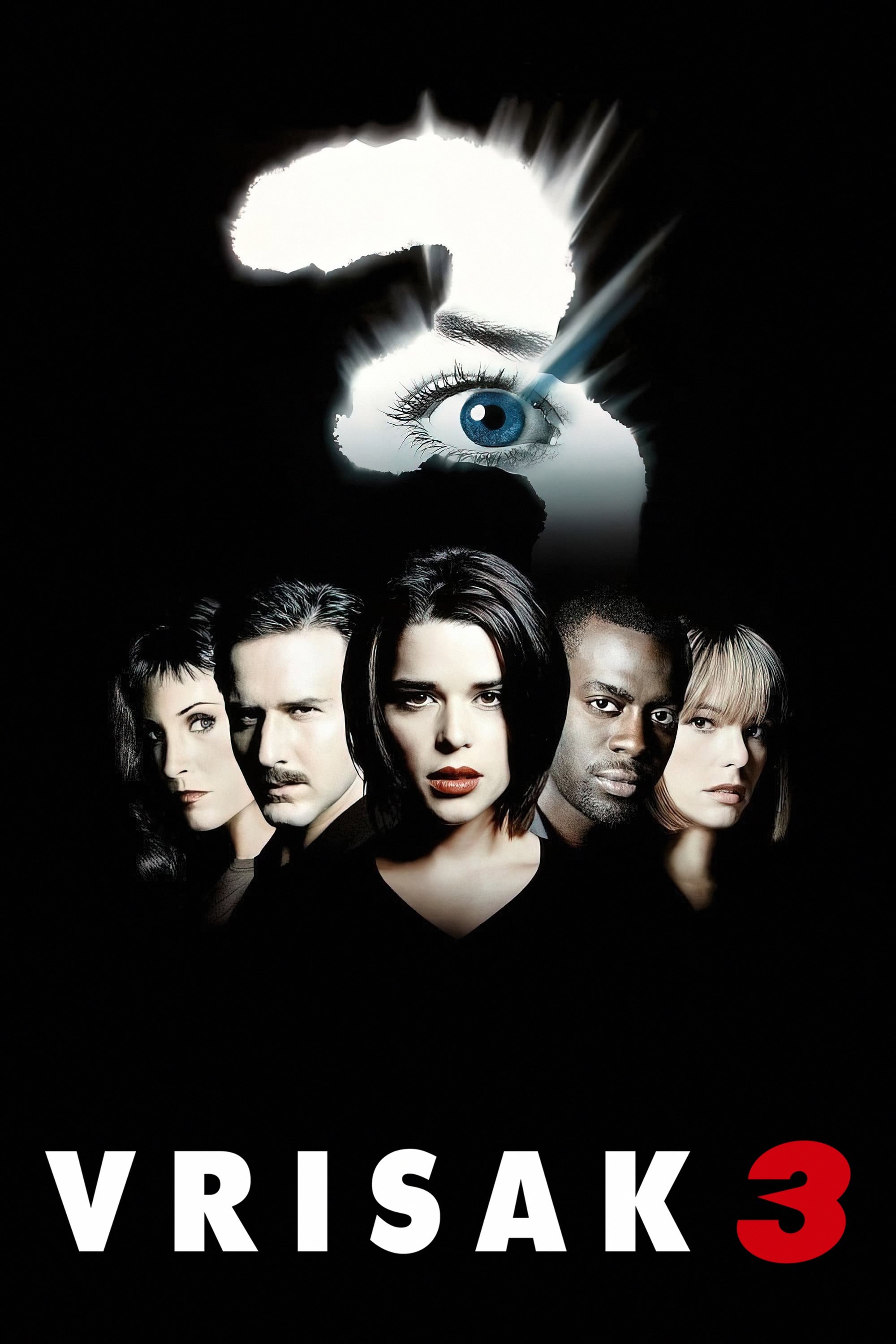
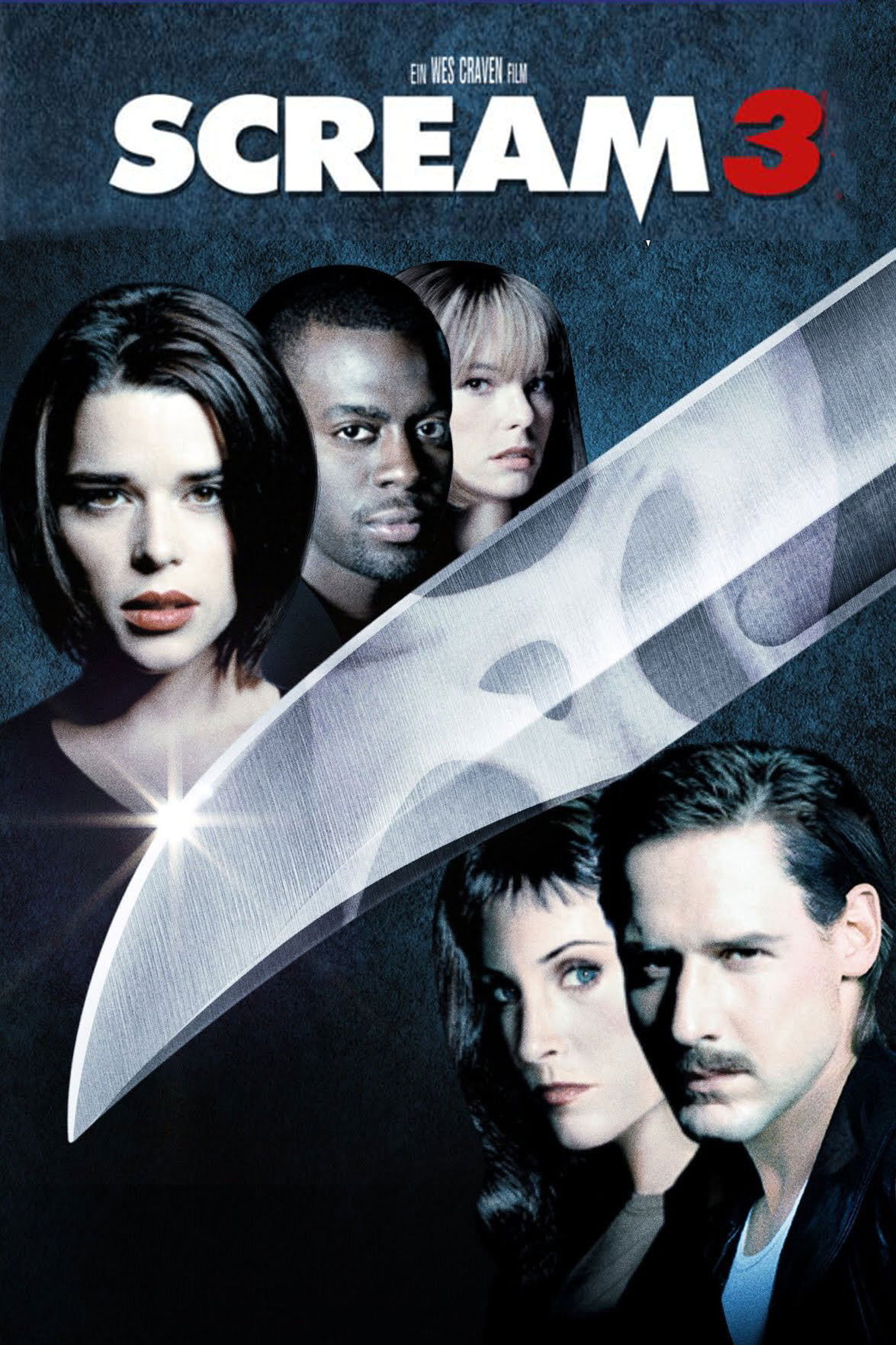
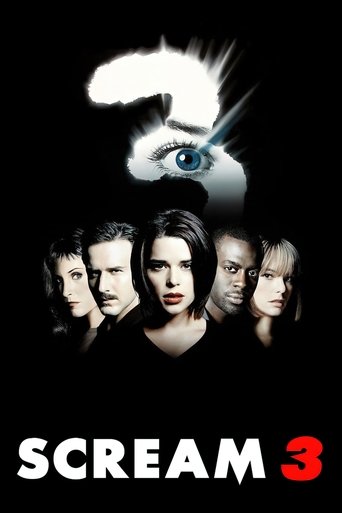
Scream 3 (2000) poster
Director
Production Companies
Dimension Films , Konrad Pictures , Craven-Maddalena Films
Plot

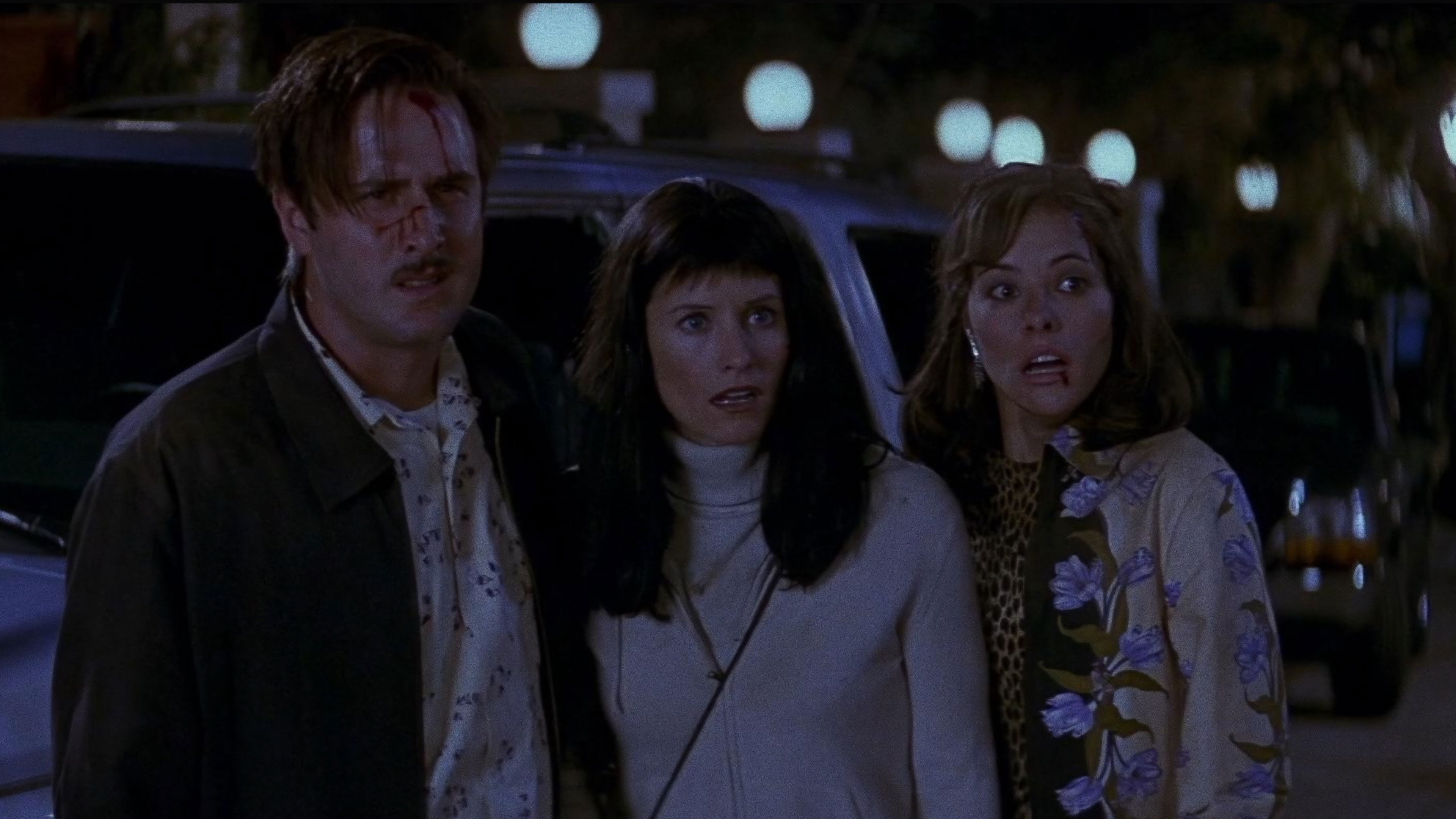
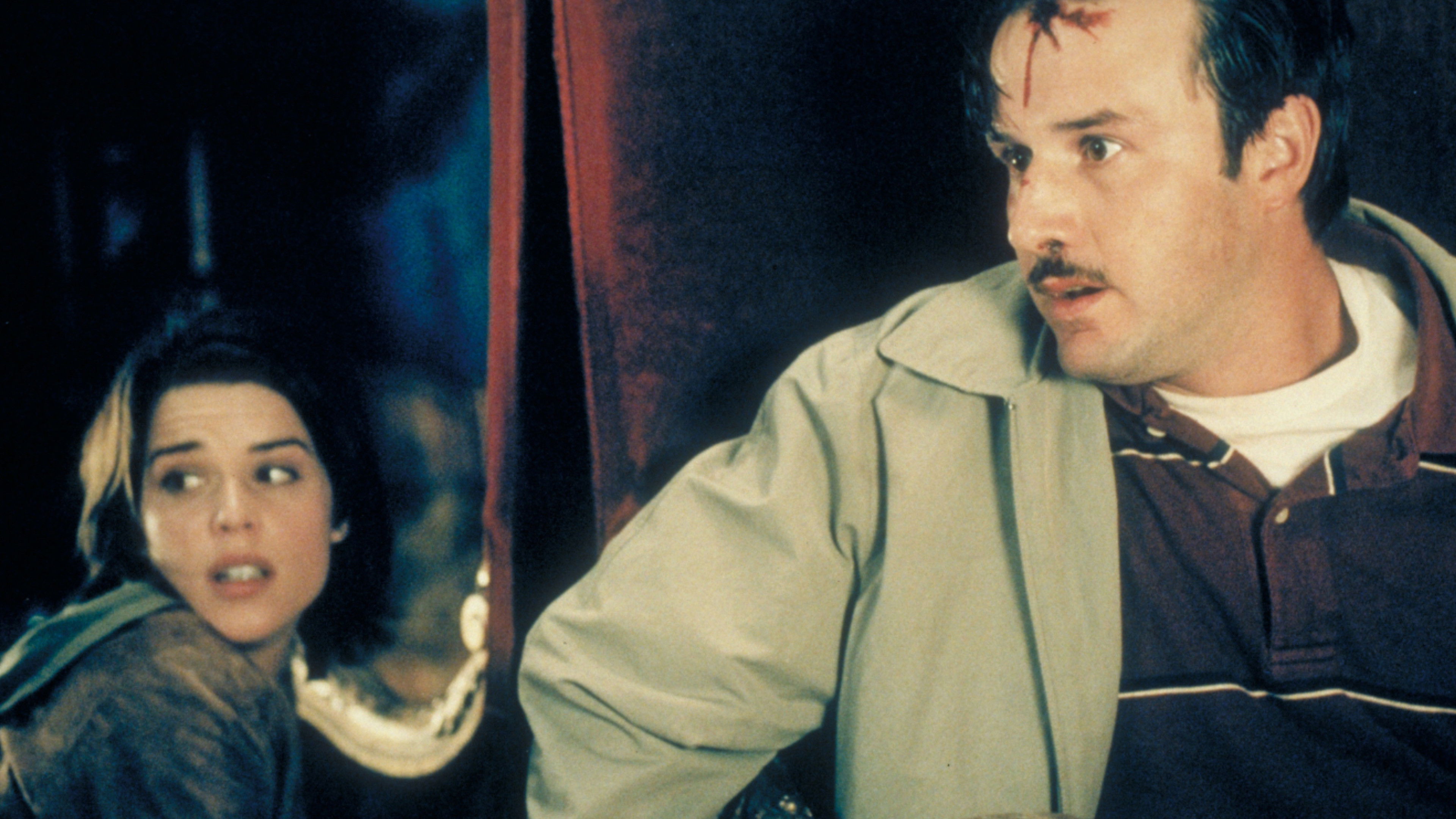
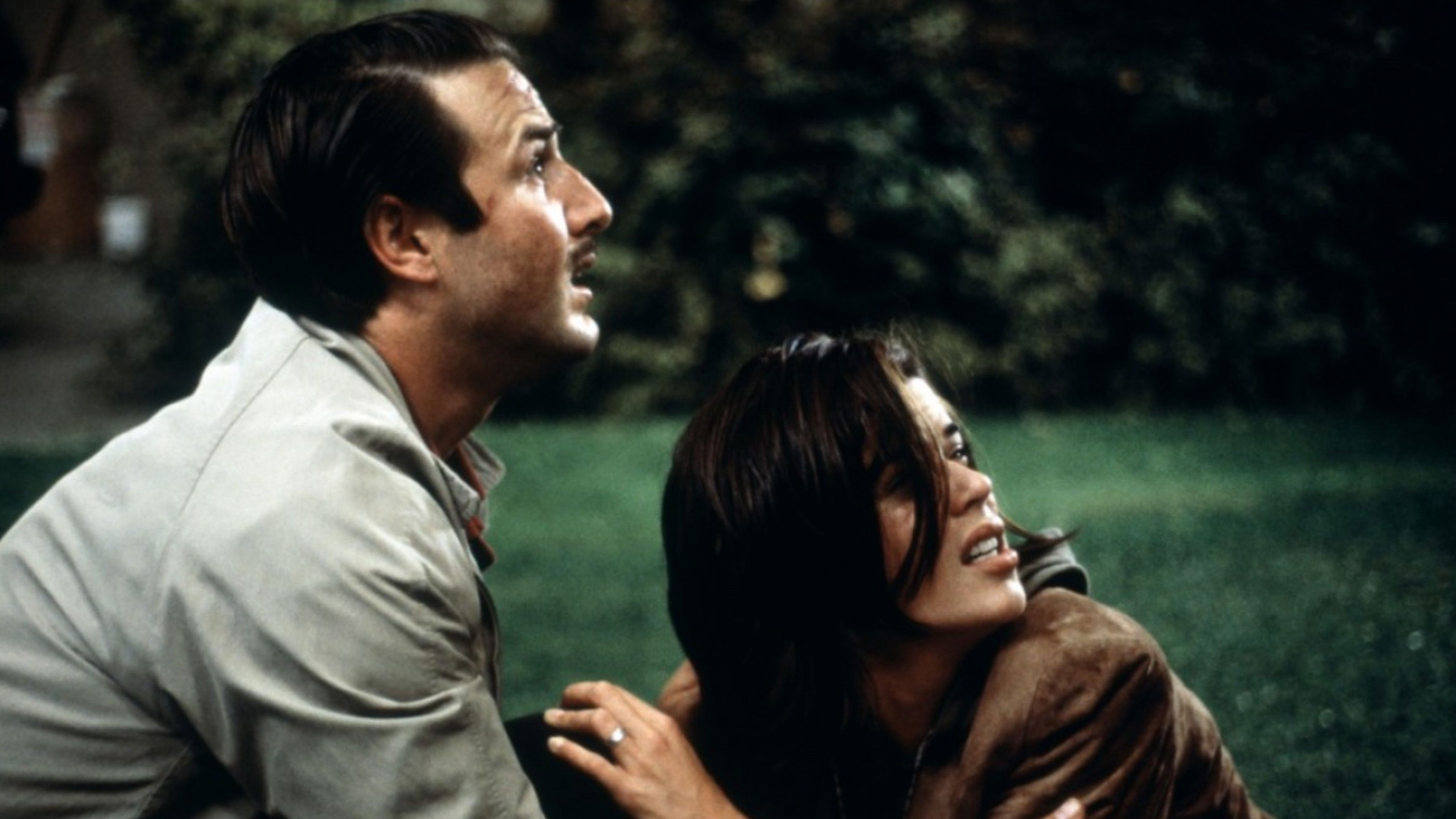
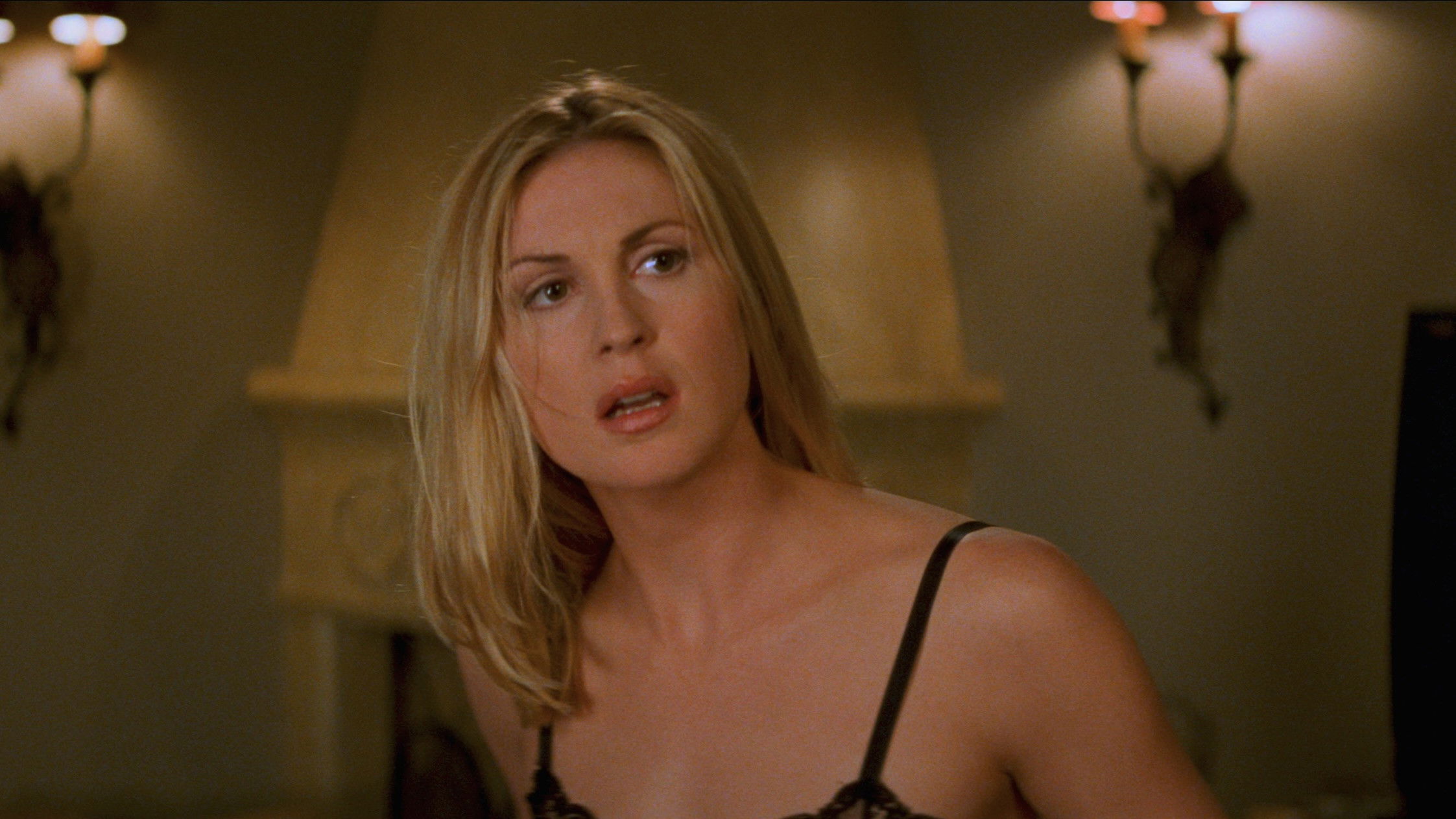
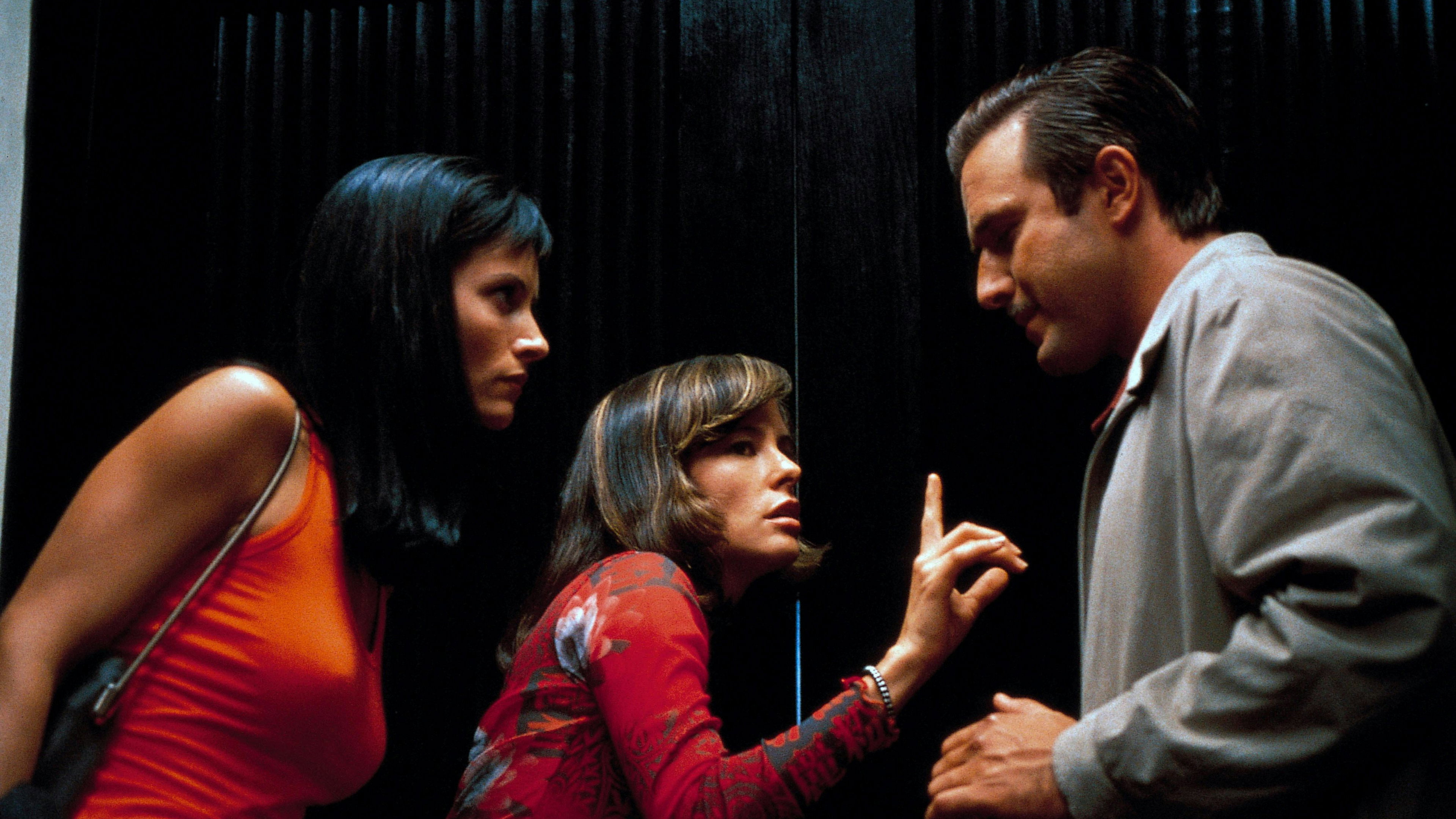
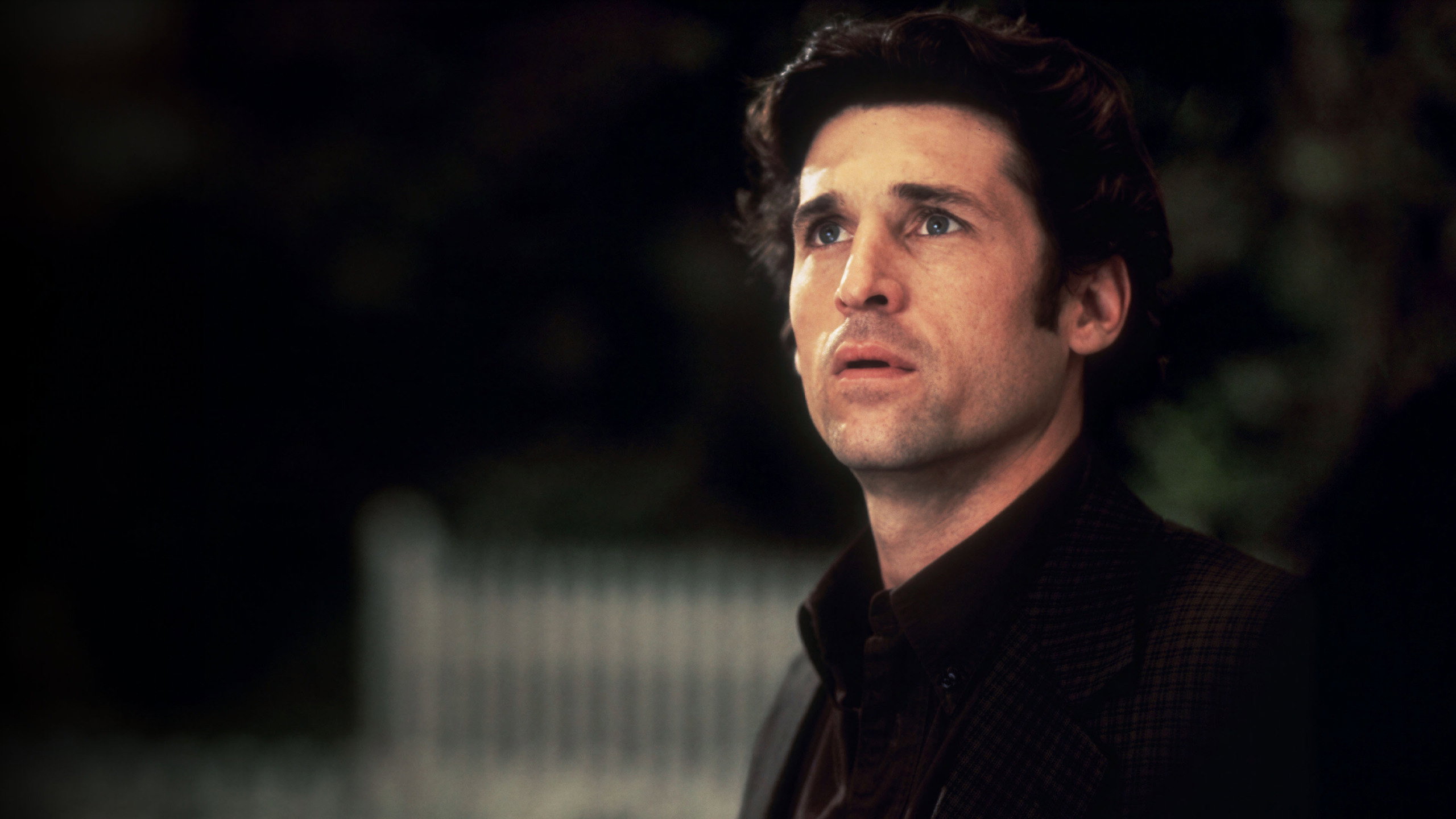
Production of the horror sequel Stab 3 is disrupted when people associated with the film begin receiving threatening calls and are murdered. Gale Weathers and Dewey Riley investigate the violence on the Hollywood set, where actors portray characters drawn from the earlier Woodsboro crimes. Sidney Prescott, who has withdrawn from public life, is forced to confront the possibility that the new killer is using secrets from her family's past. As the investigation moves through film studios and recreated locations, the survivors try to distinguish misleading performances from real evidence.

Alternative Titles
Qışqırıq 3 (Azerbaijan) — Azerbaijani Писък 3 (Bulgaria) — Bulgarian Pânico 3 (Brazil) — Portuguese Frissons 3 (Canada) — French 夺命狂呼3 (China) 惊声尖叫3 (China) — Chinese Vřískot 3 (Czechia) — Czech Karje 3 (Estonia) — Estonian
Show all 37 alternative titles კივილი 3 (Georgia) — Georgian Κραυγη Αγωνιας 3 (Greece) — Greek 奪命狂呼 3:終極篇 (Hong Kong SAR China) — Chinese Vrisak 3 (Croatia) — Croatian Sikoly 3. (Hungary) — Hungarian הצעקה III (Israel) צעקה 3 (Israel) — Hebrew جیغ ۳ (Iran) — Persian スクリーム3 (Japan) — Japanese 스크림 3 (South Korea) — Korean Klyksmas 3 (Lithuania) — Lithuanian Kliedziens 3 (Latvia) — Latvian Scream 3: La Máscara de la Muerte (Mexico) — Spanish Skrik 3 (Norway) — Norwegian Krzyk 3 (Poland) — Polish Gritos 3 (Portugal) — Portuguese Scream 3: Crimă în 3 timpi (Romania) — Romanian Врисак 3 (Serbia) — Serbian Крик 3 (Russia) — Russian الصرخة ٣ (Saudi Arabia) Krik 3 (Slovenia) — Slovenian Vreskot 3 (Slovakia) — Slovak หวีดสุดท้ายนรกยังได้ยิน (Thailand) — Thai Çığlık 3 (Türkiye) — Turkish 驚聲尖叫3:終結篇 (Taiwan) — Chinese Крик 3 (Ukraine) — Ukrainian Ghostface (United States) — Working Title Qichqiriq 3 (Uzbekistan) — Uzbek Tiếng Thét 3 (Vietnam)

Trailers & Videos

10 videos

Scream 3 (2000) Film Guide

Wes Craven closes the original Scream trilogy with a Hollywood-set murder mystery shaped by screenplay turmoil, studio satire and Sidney Prescott's family history.

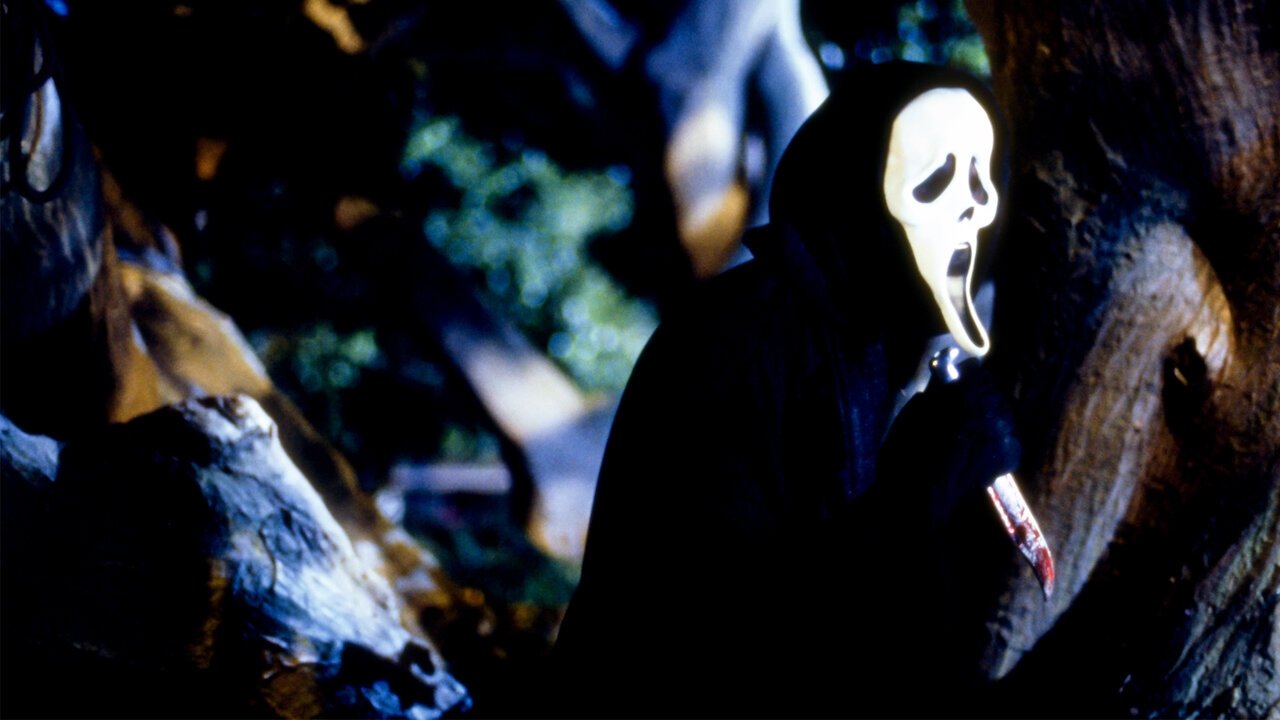
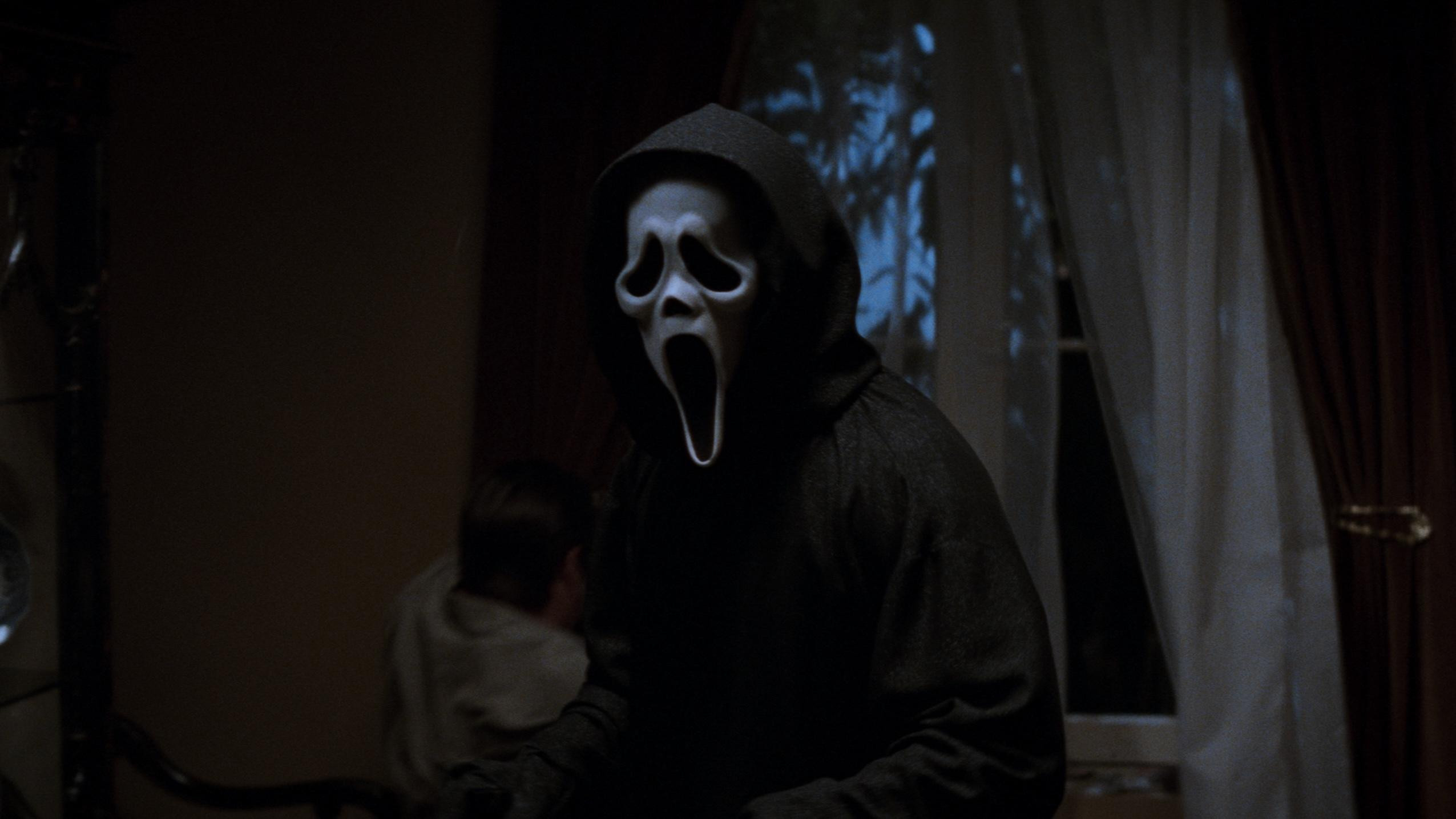
Scream 3 (2000) moves Wes Craven's self-aware slasher series into the film industry that has turned its murders into entertainment. As a new Ghostface attacks people associated with the fictional production Stab 3, the surviving characters confront a story that Hollywood has already rewritten for mass consumption. The shift from Woodsboro and a college campus to studio offices, sets and a producer's mansion gives the sequel a pointed subject: the power of filmmaking to exploit real experiences. Its final mystery also traces the origin of Sidney Prescott's suffering to events preceding the first film, making the promised trilogy ending an examination of inherited trauma and manufactured celebrity.

The production was unusually difficult. Kevin Williamson supplied a treatment but could not complete the screenplay; Ehren Kruger took over, with Craven and collaborators continuing to shape scenes as filming approached. Contemporary testimony records pressure to moderate screen violence amid public debate about media and school shootings, while later recollections describe substantial changes to the opening sequence. The result combines horror, elaborate whodunit plotting and broad show-business comedy. Its historical interest comes from the visible tension between those aims, documented in interviews with the writer and editor and in sharply different critical readings of the released picture.

A Trilogy with a Changing Screenplay

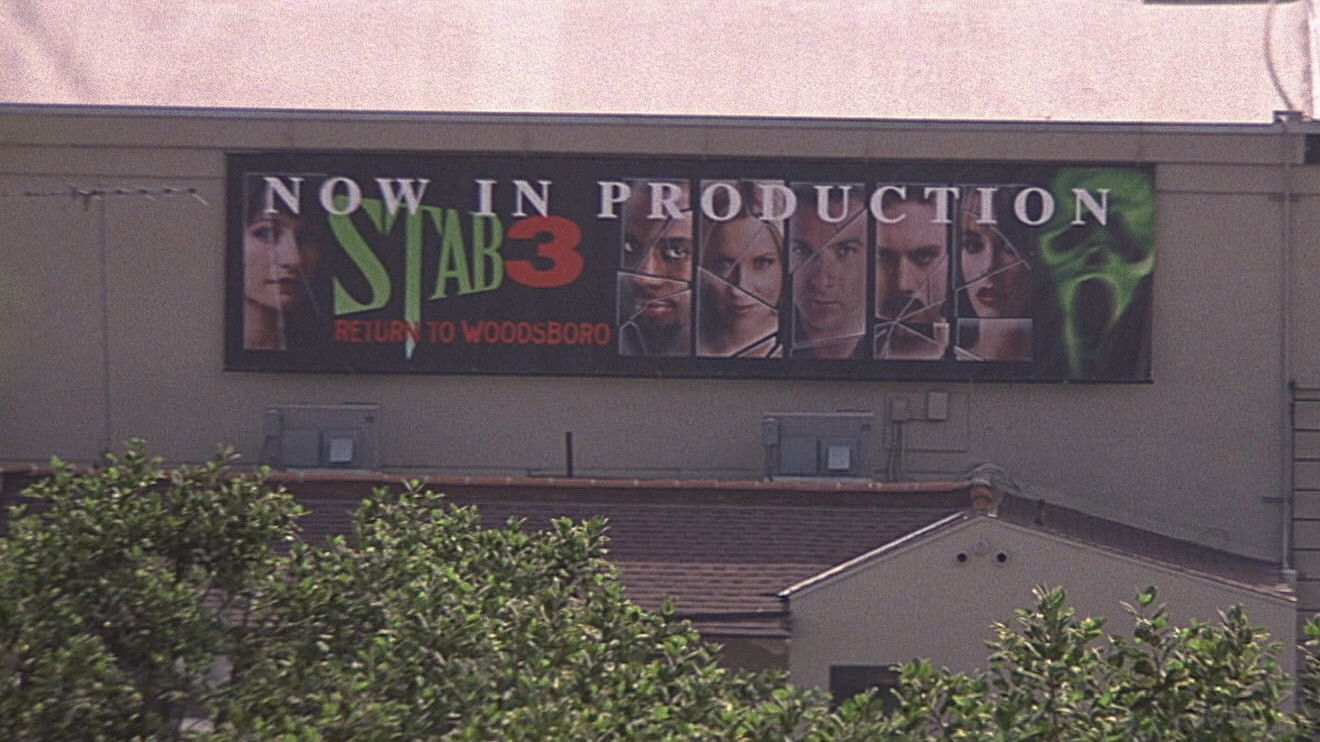
Williamson's unavailability altered the franchise's creative arrangement. In a contemporary interview first printed in Fangoria, Kruger explained that he received a treatment of roughly twenty to thirty pages and studied the previous screenplays to learn the characters' voices. Williamson's material already involved filming Stab 3, but located the production in Woodsboro. Kruger proposed moving the characters to Hollywood, following the series' progression from a small town to a college and then a larger entertainment world. Kruger's interview documents the location change.

Kruger recalled initially imagining Sidney in an action-hero mode that Craven felt did not fit the character. He credited the director and returning performers with a deeper familiarity with her behavior and the mixture of comedy and danger. The collaboration was less settled than those remarks might suggest. Editor Patrick Lussier later described a screenplay still being adjusted as photography began, with Craven helping assemble a workable narrative. The recollection does not establish exact authorship. The film's jokes about confidential scripts and changes on the Stab set consequently echo problems experienced by the production itself.

The surrounding climate also affected the filmmakers' choices. Kruger said that, during the controversy following the 1999 Columbine shootings, the studio briefly considered an approach with almost no onscreen blood. He recalled Craven arguing that a Scream film still required frightening set pieces, whatever the quantity of visible gore. This is first-hand testimony about production discussions, not a record of a specific censorship ruling or proof that a particular theatrical sequence was cut. It explains why tone became a sensitive production issue.
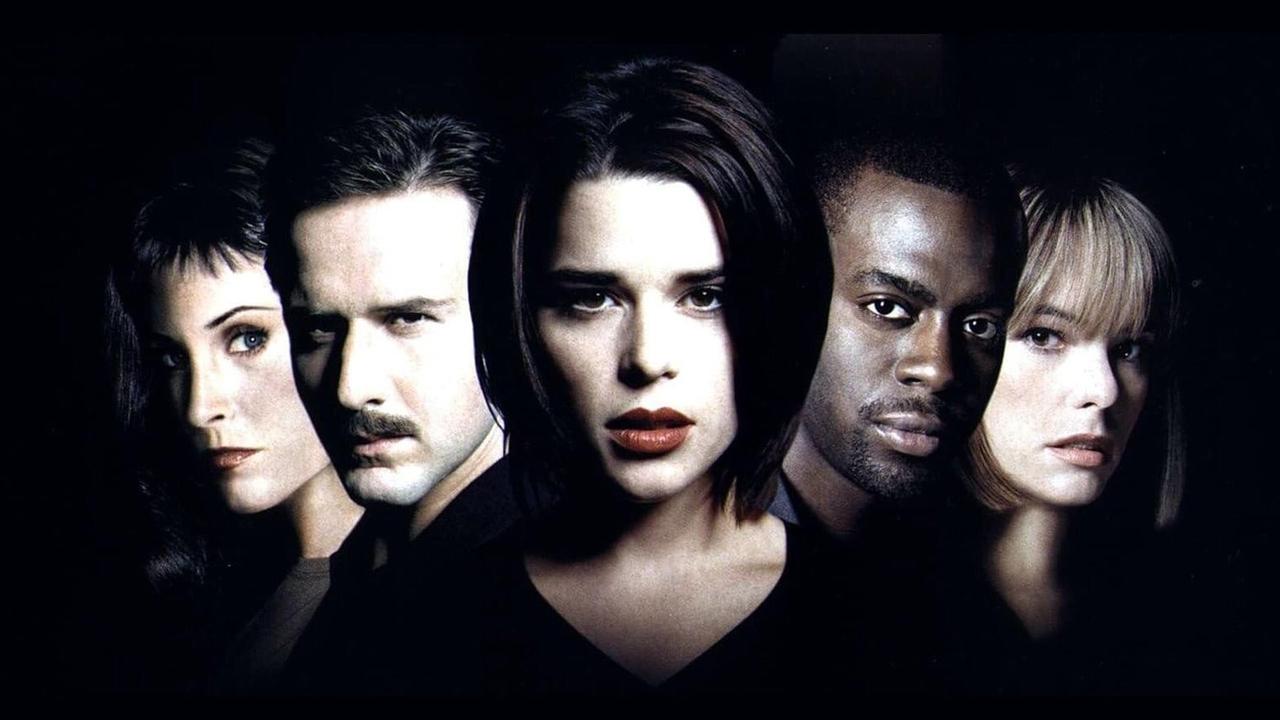
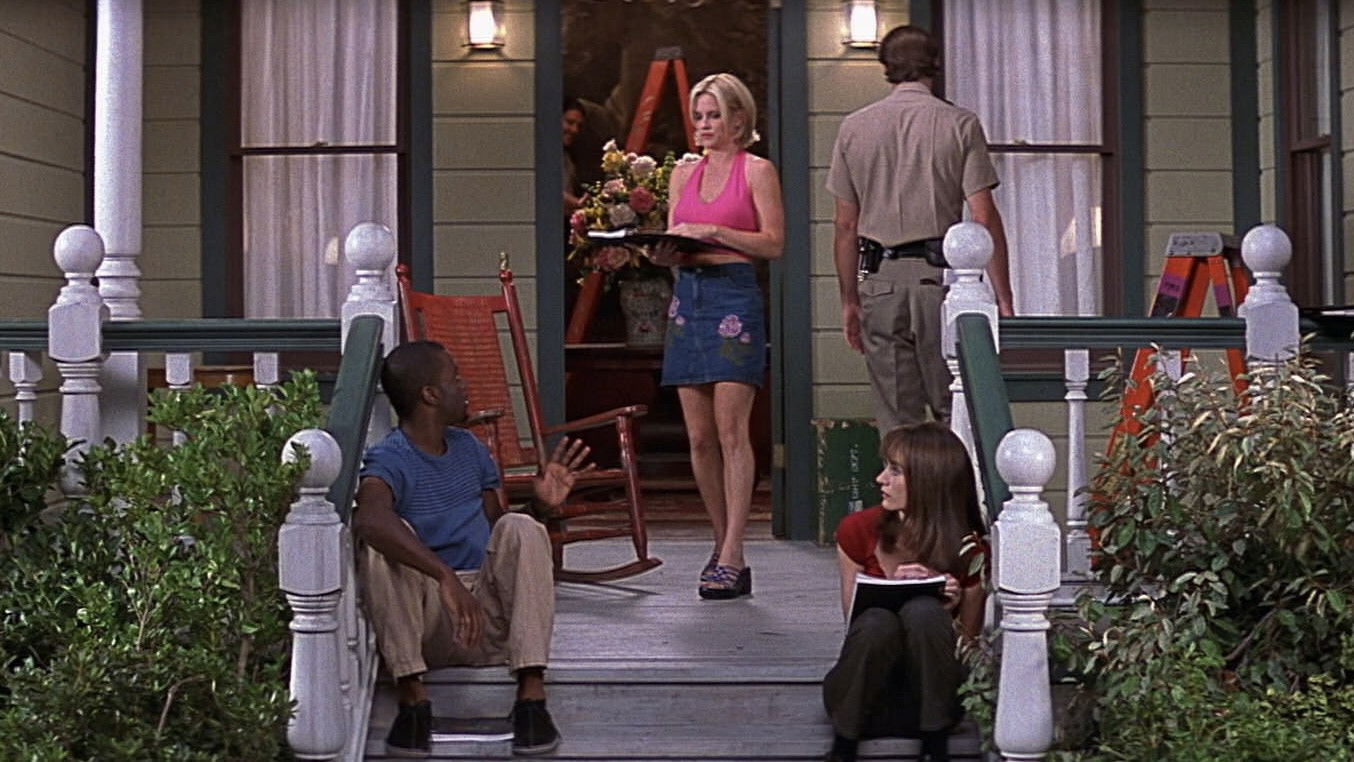
Hollywood as a Horror Setting

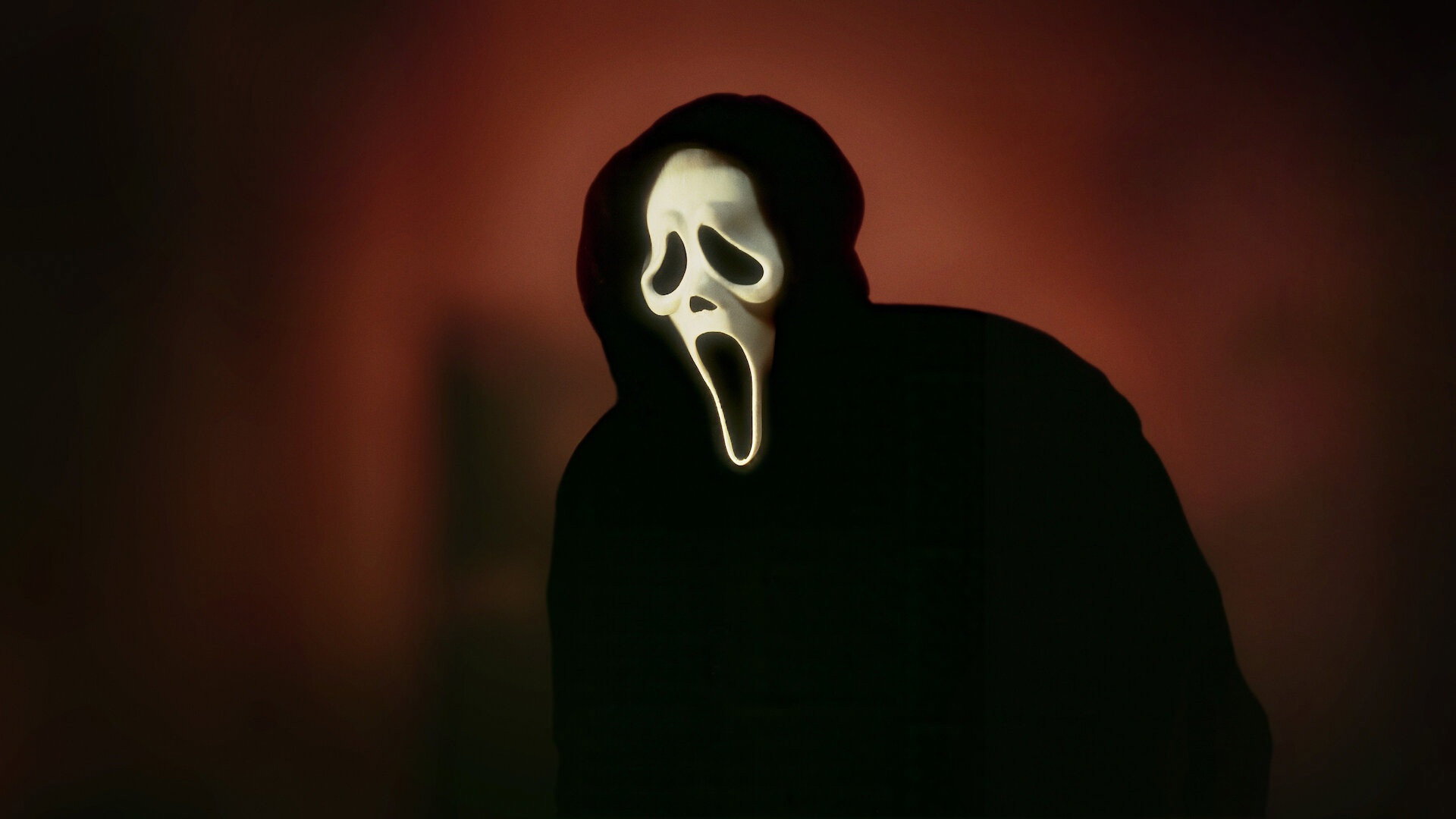
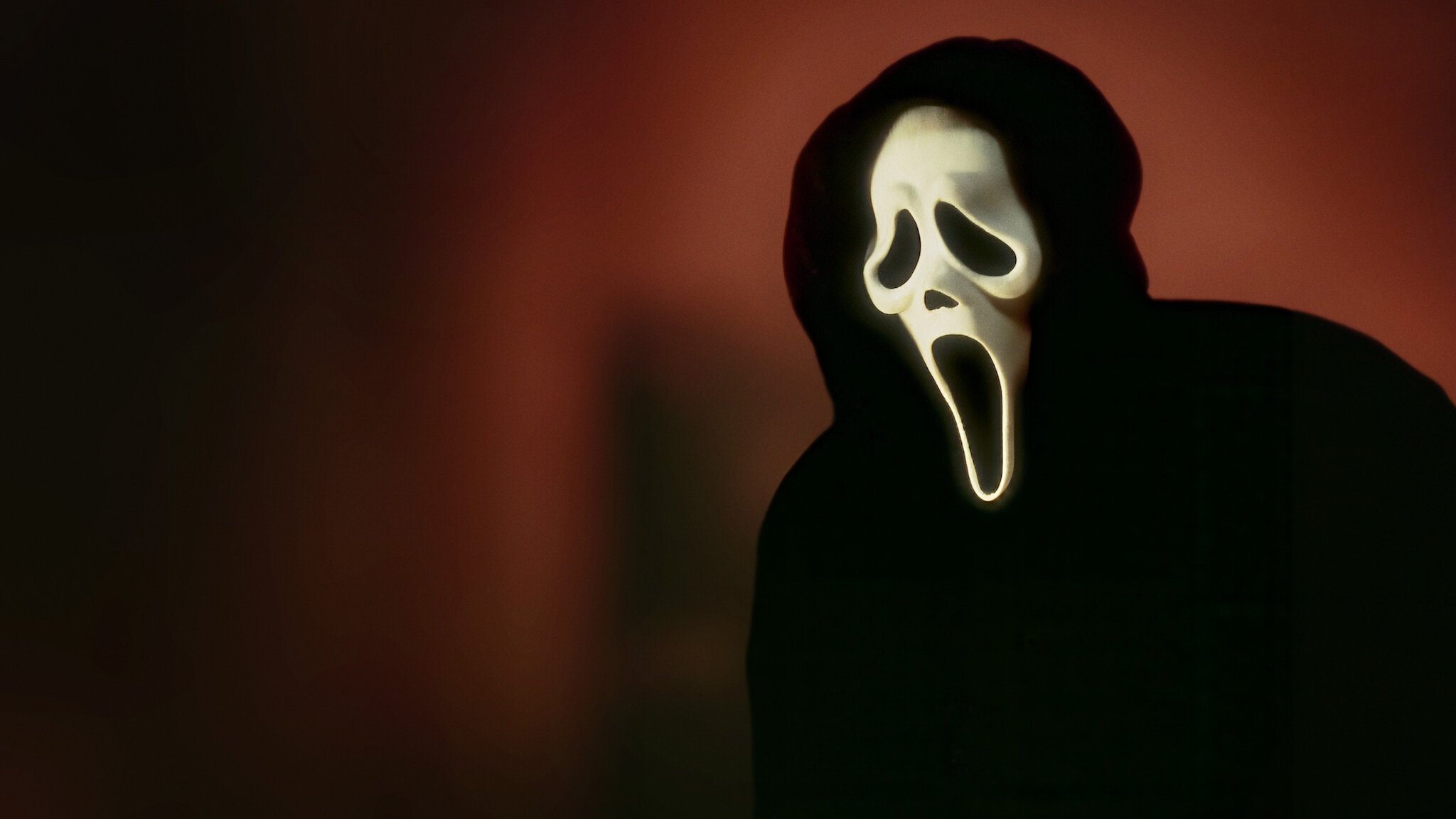
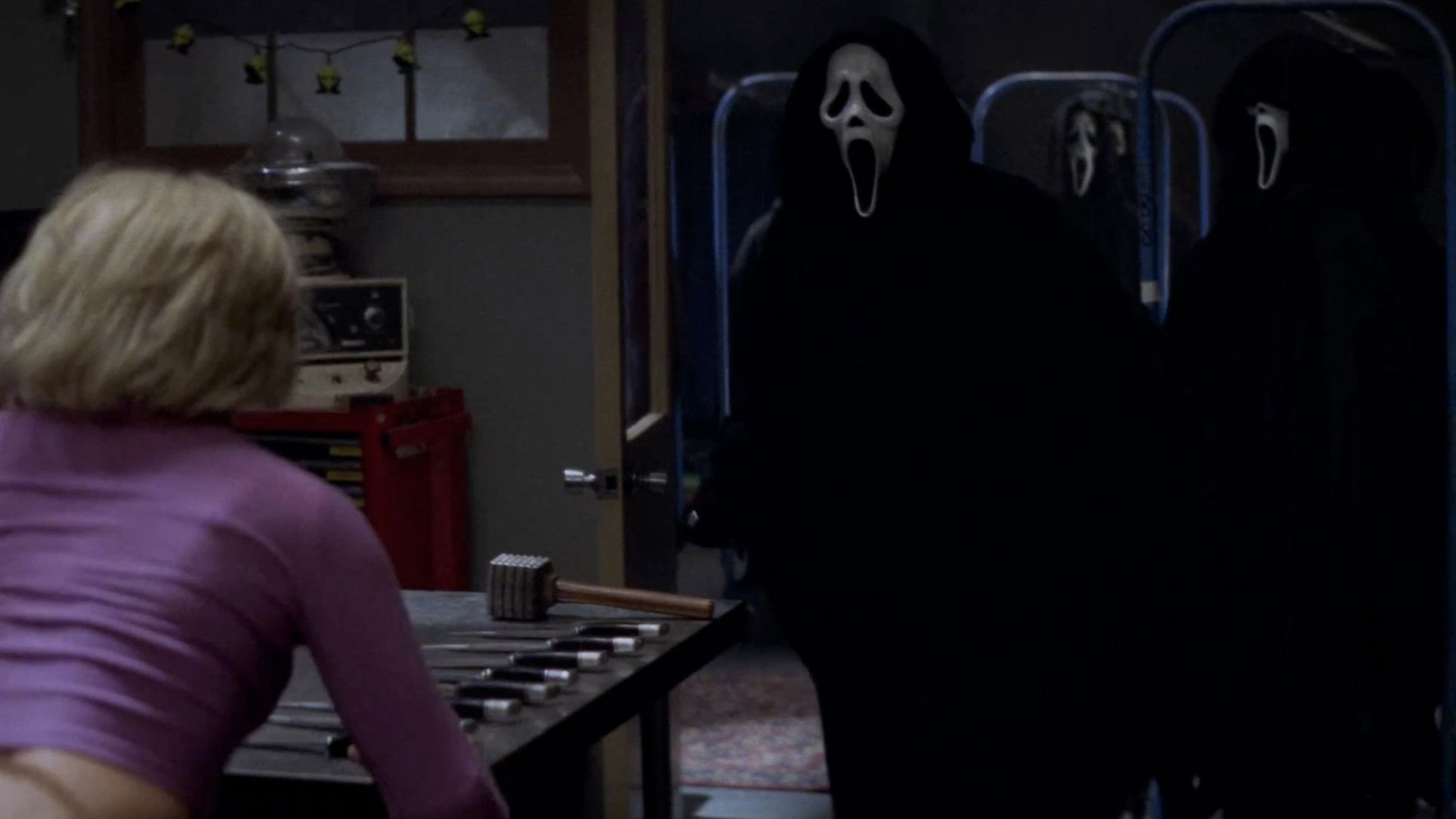
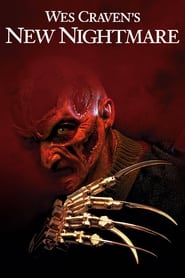
Stab 3 transforms the ordinary work of making a movie into a source of uncertainty. Actors portray figures already familiar to the audience, and disagreements about the screenplay conceal which apparent pattern of murders will be followed. The fictional film offers a distorted reflection of the actual investigation, while its sets reproduce places associated with Sidney's past. Craven had explored the interaction of performers and their screen identities in Wes Craven's New Nightmare (1994); here the device is embedded in an established franchise whose own success has become part of the subject. Ghostface is able to exploit a culture that routinely disguises people behind roles.

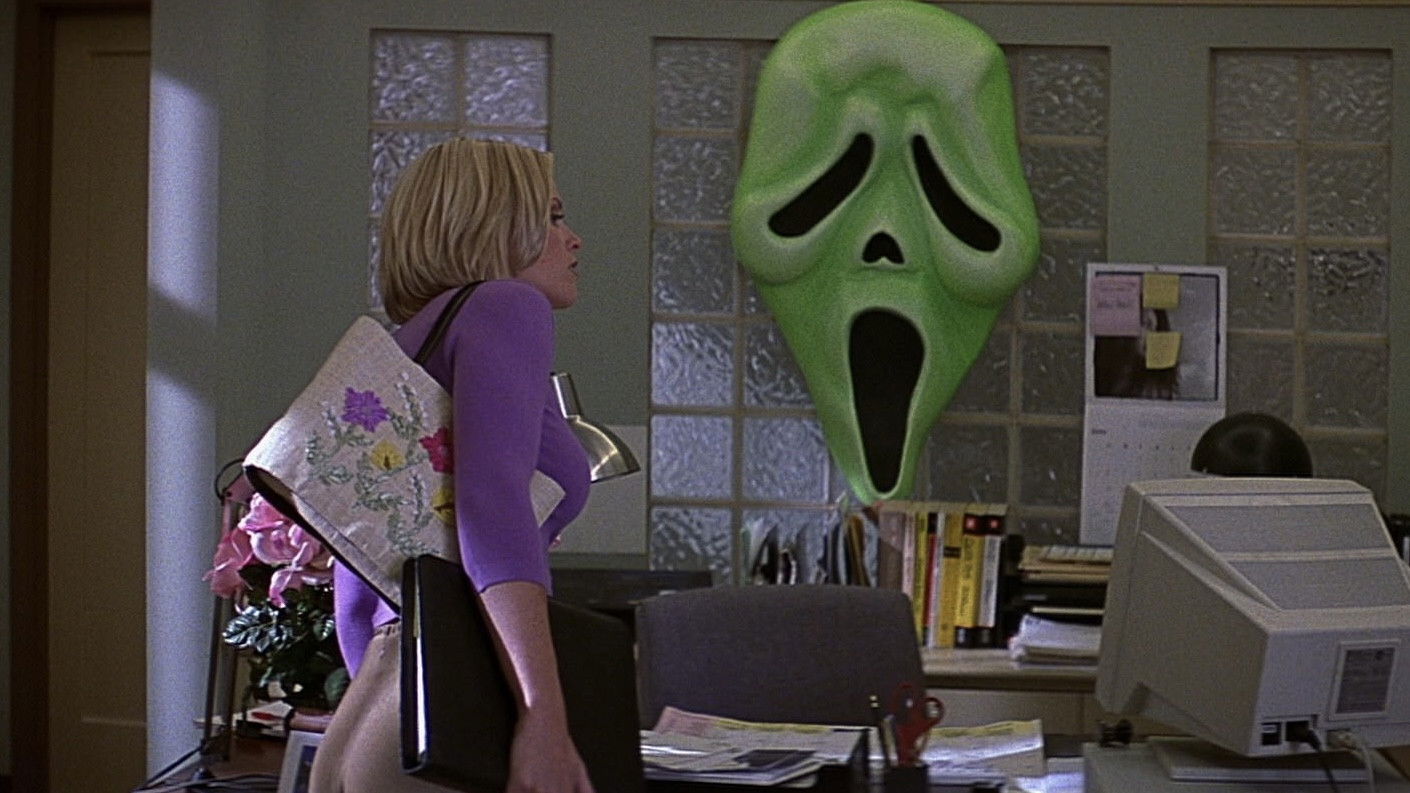
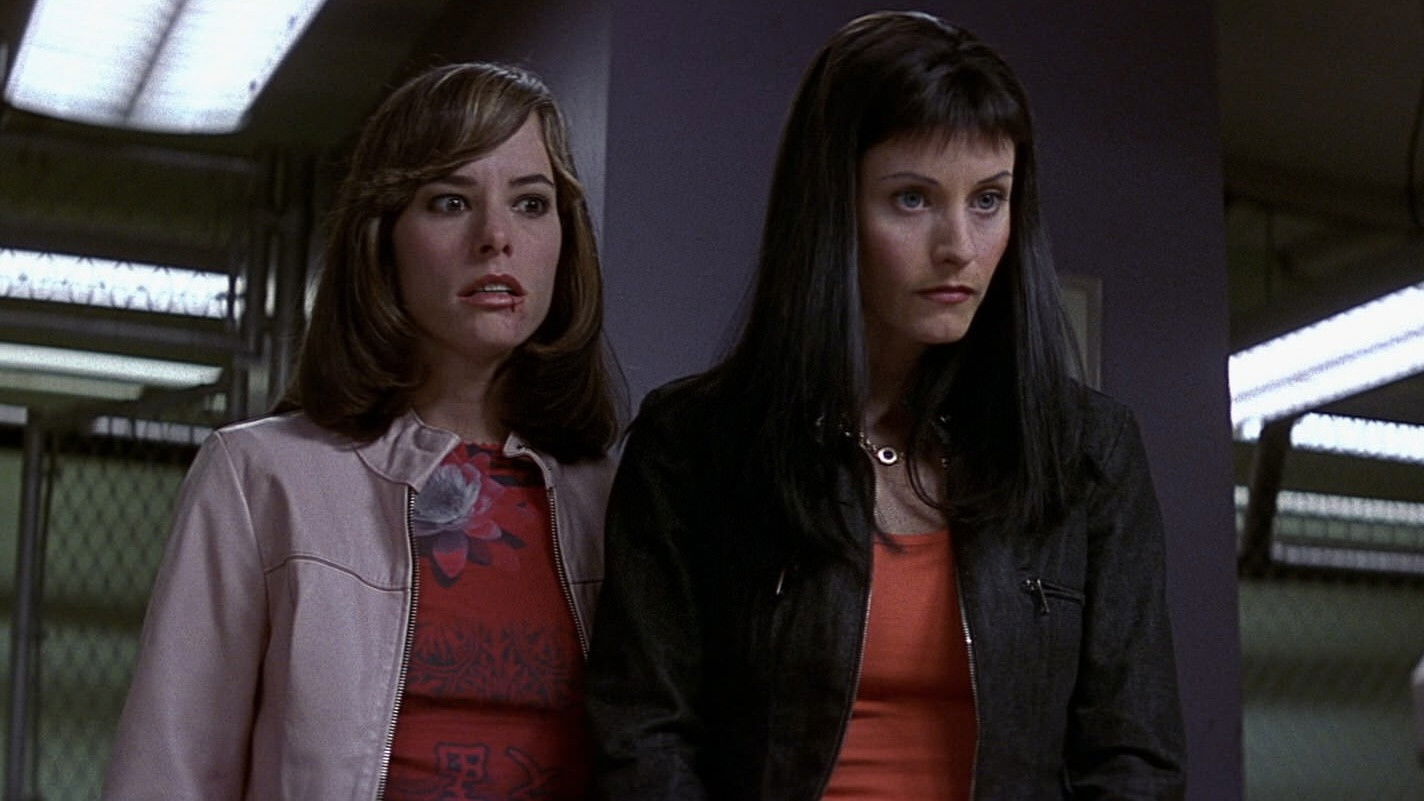
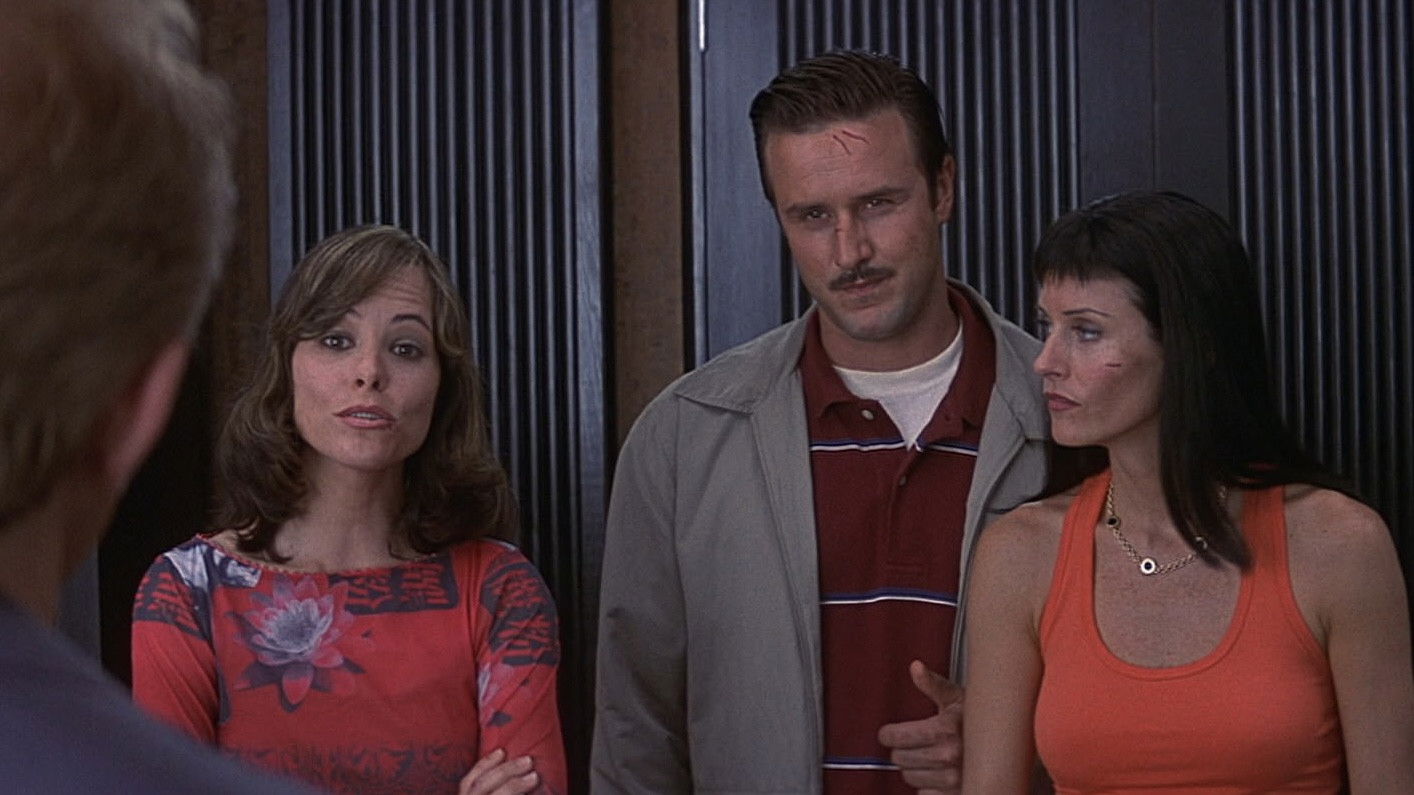
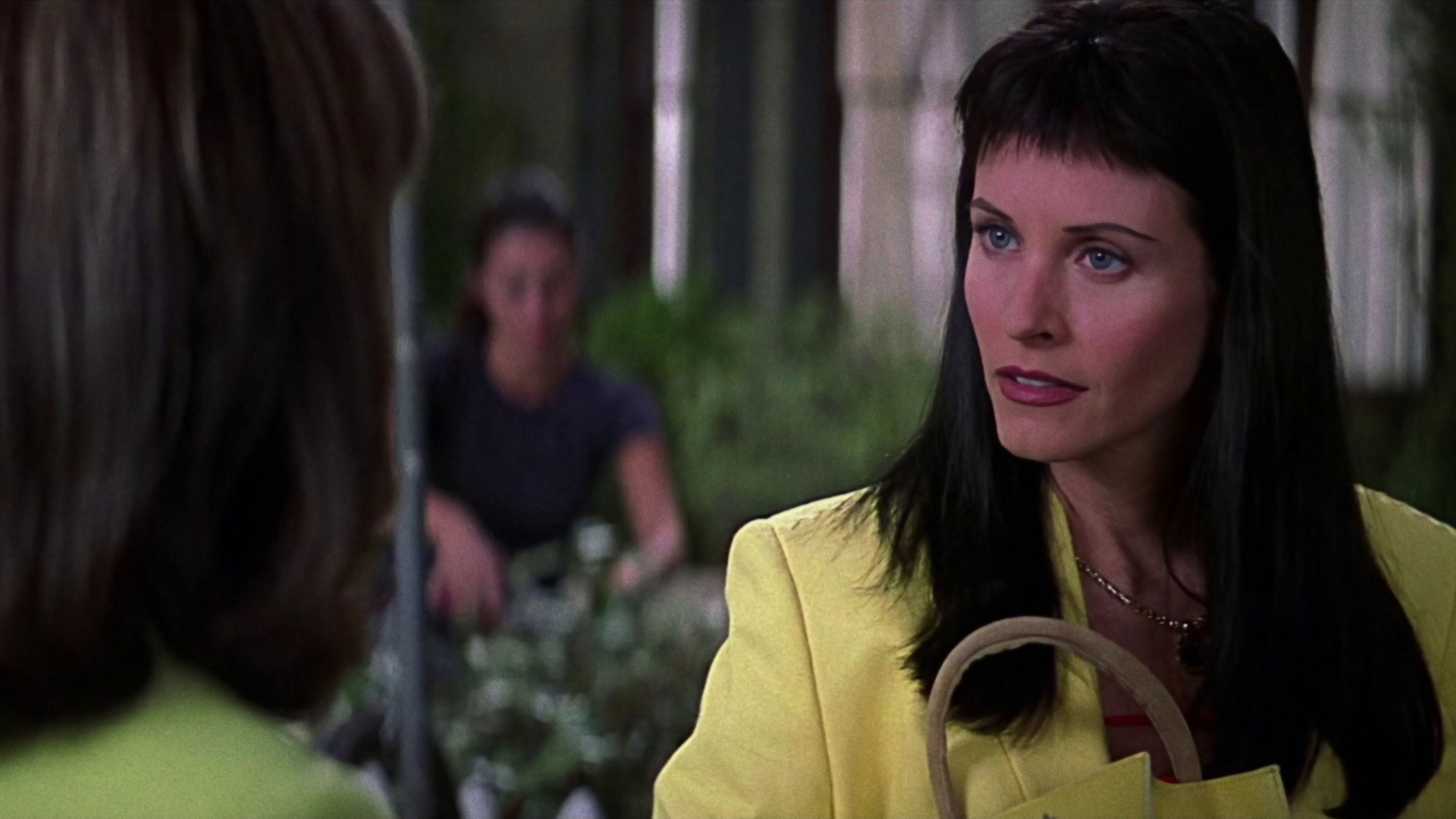
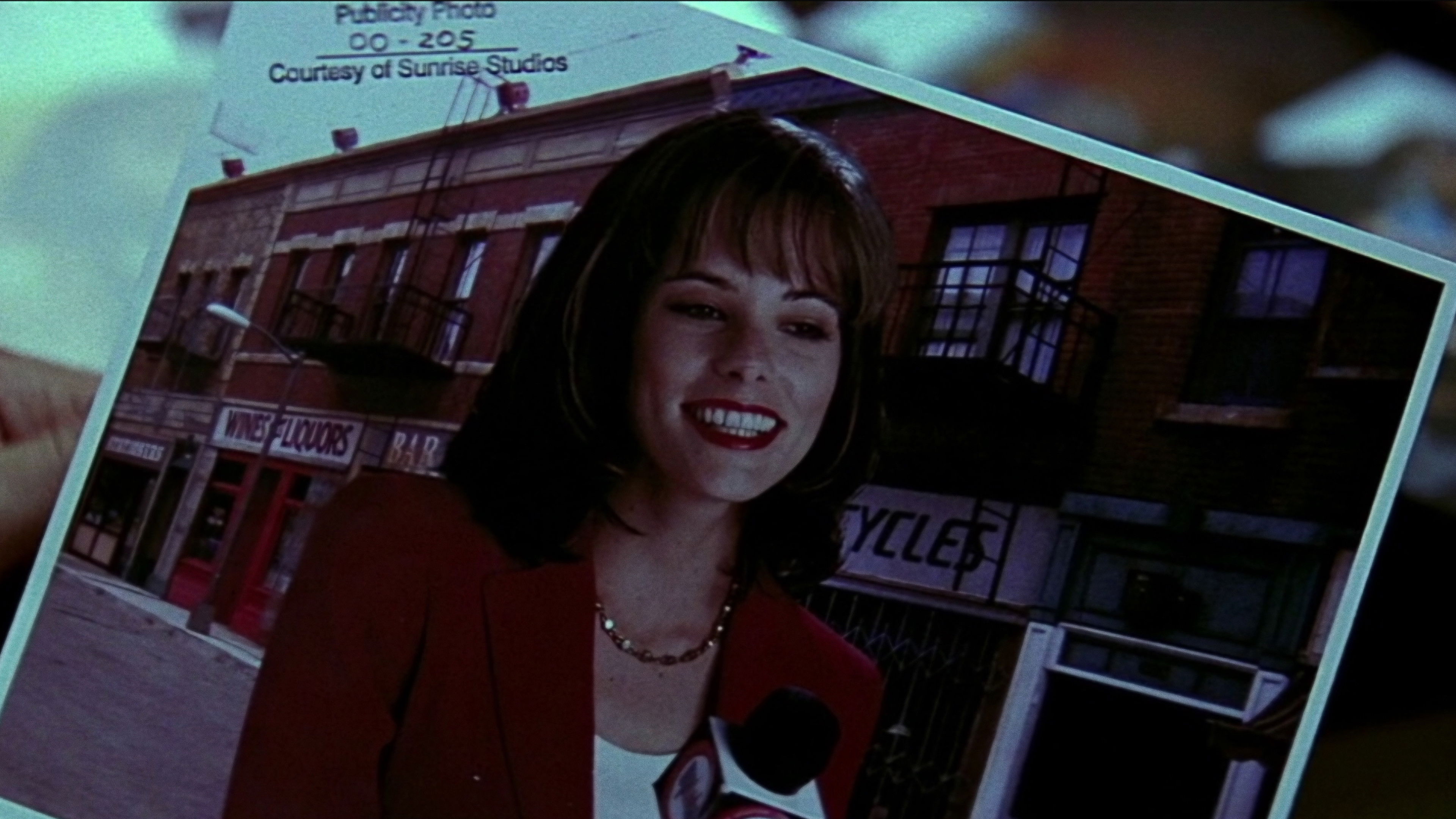
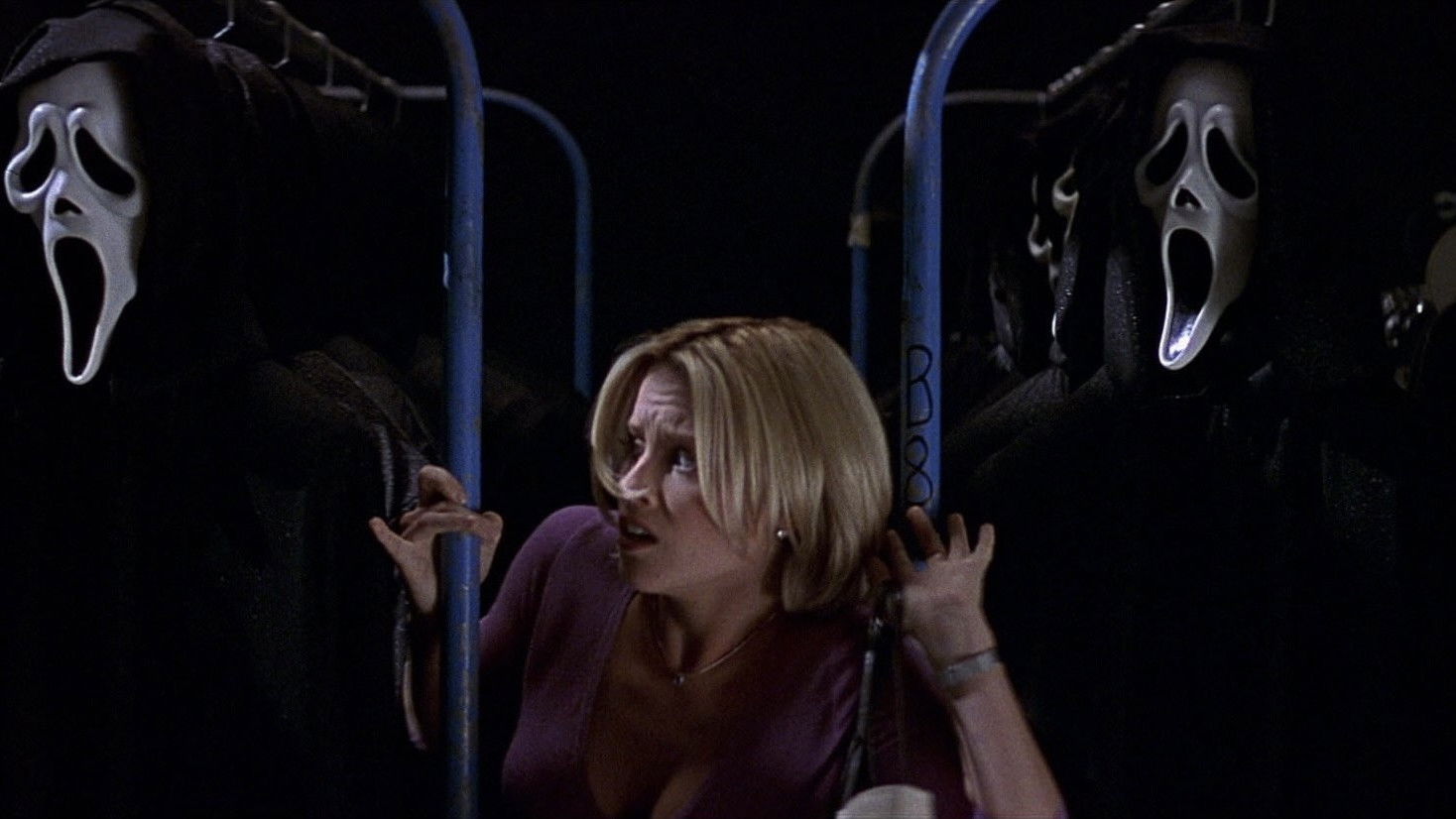
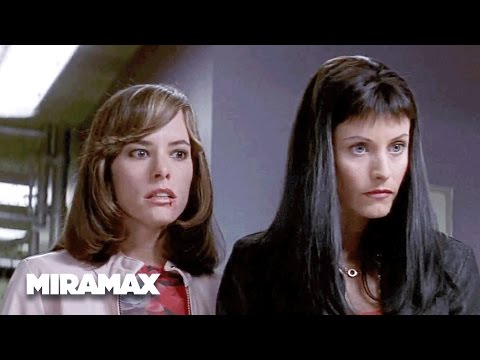
Jennifer Jolie, the performer assigned to play Gale Weathers, gives this premise its most sustained comic expression. Her uneasy alliance with the real journalist creates a confrontation between a person and the marketable personality based on her. Parker Posey's performance makes the production's exaggerated behavior an active source of movement through the investigation. The studio environment contributes directly: a fabricated Woodsboro street and the corridors of a soundstage create deceptive familiarity. Familiar locations become artificial surfaces with uncertain escape routes.

The film's final revelations extend its criticism beyond gossip about actors and publicity. Producer John Milton's history is tied to the exploitation of aspiring actresses, and Maureen Prescott's Hollywood years become a concealed part of her family's history. These events are fictional, yet the screenplay presents professional influence and silence as conditions allowing harm to persist. Later critics have read this thread against revelations about abuse in the entertainment industry. Such parallels are interpretations, not proof of a specific real-world source.

Sidney and the Return of the Past

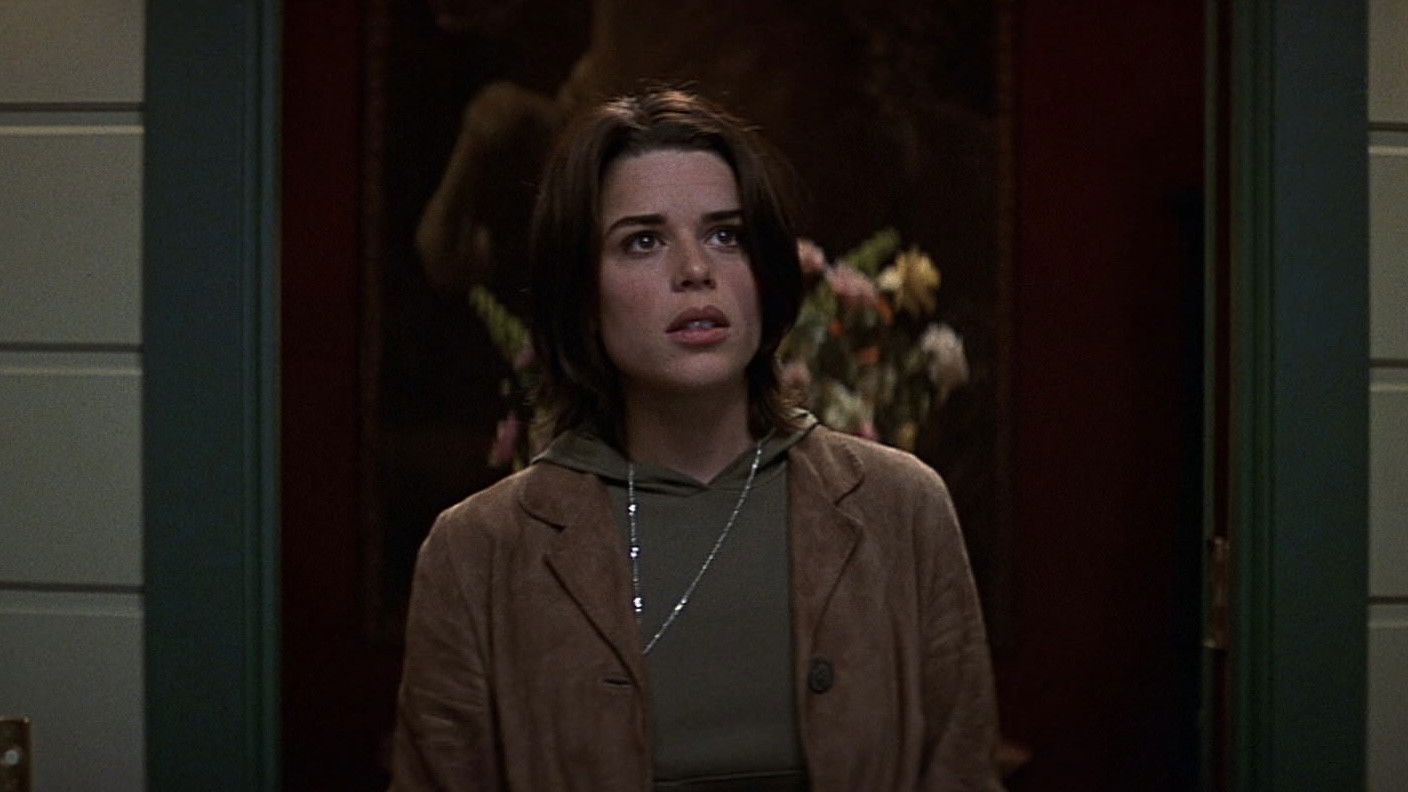
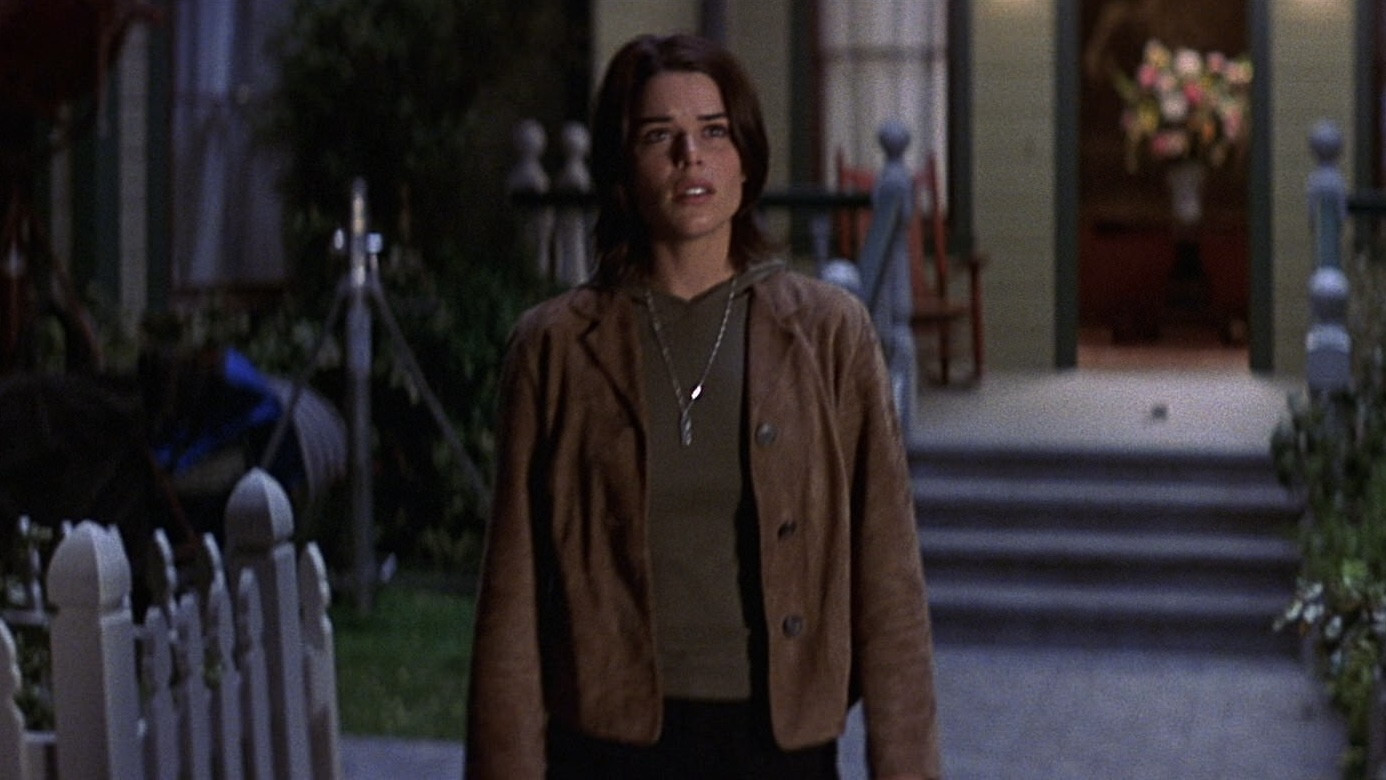
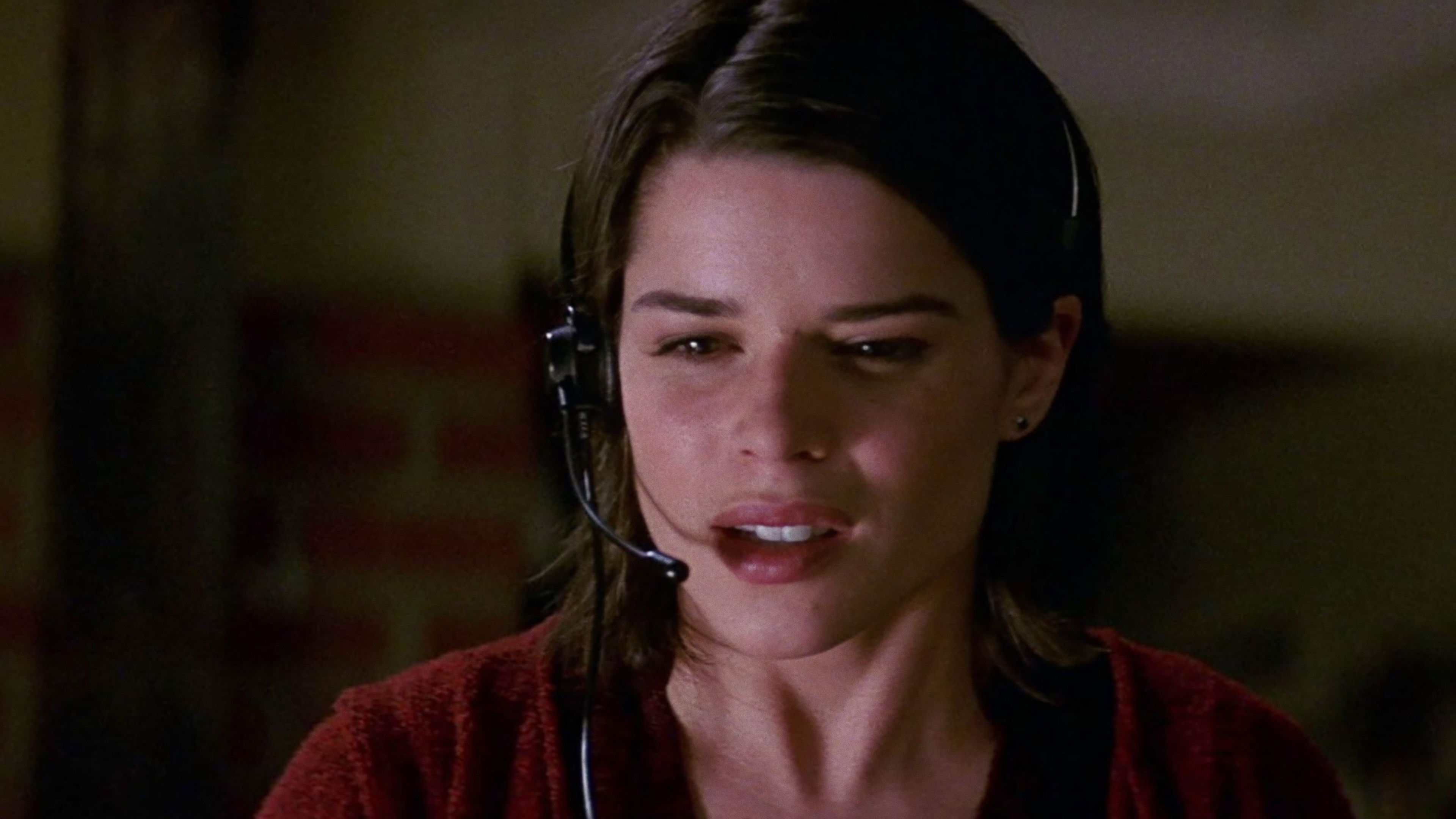
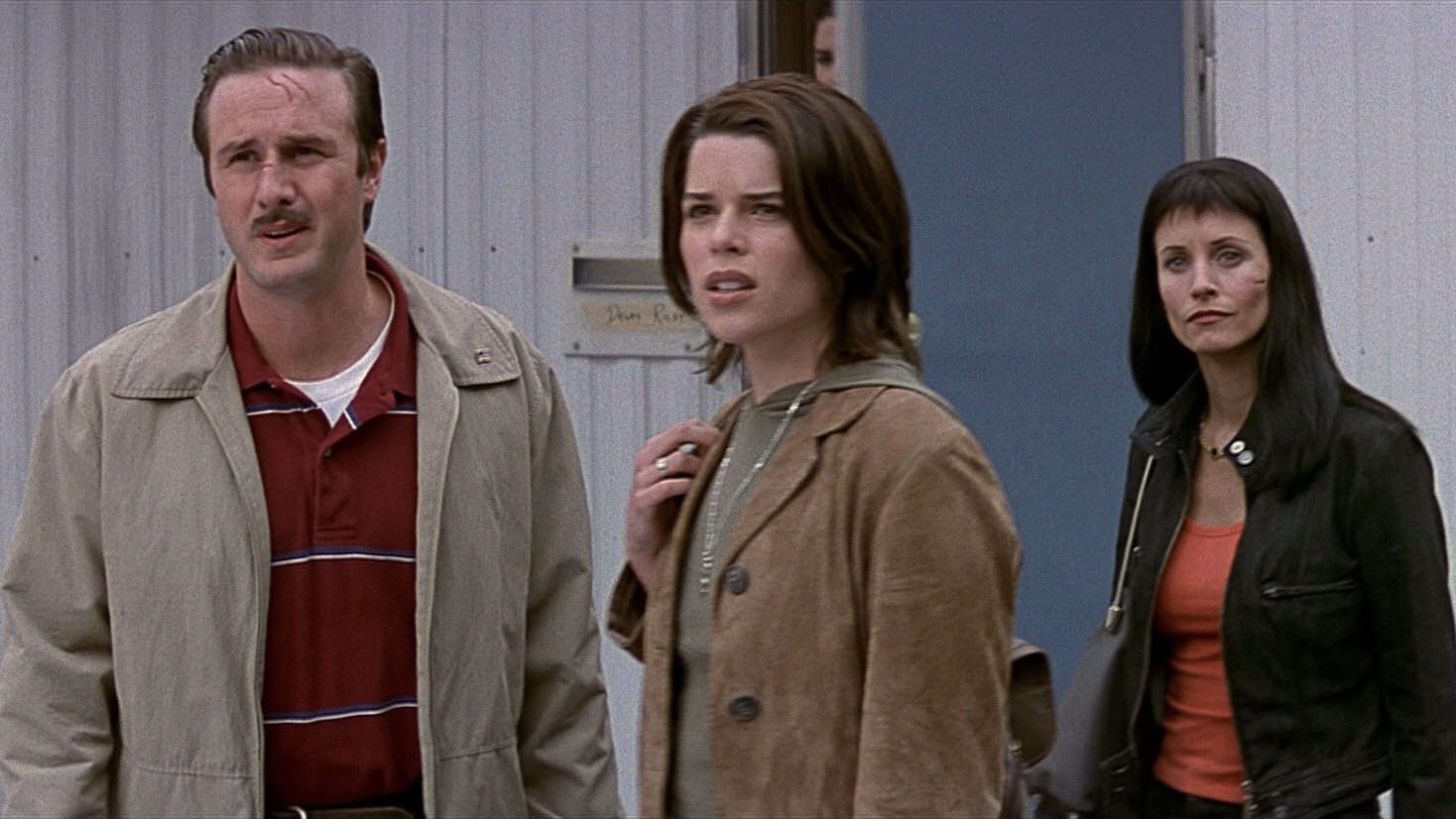
Sidney begins the third installment separated from the public life created by the earlier crimes. She works on a crisis telephone line while protecting her location, an arrangement that lets her help others while remaining physically inaccessible. The renewed killings force a return to the places and people associated with her mother's death. Photographs and encounters with an image of Maureen give the investigation a distinctly personal dimension. The appearance of her mother in a frightening dream introduces a register of unreality that the series rarely uses so openly. The sequence grounds its dread in memory.

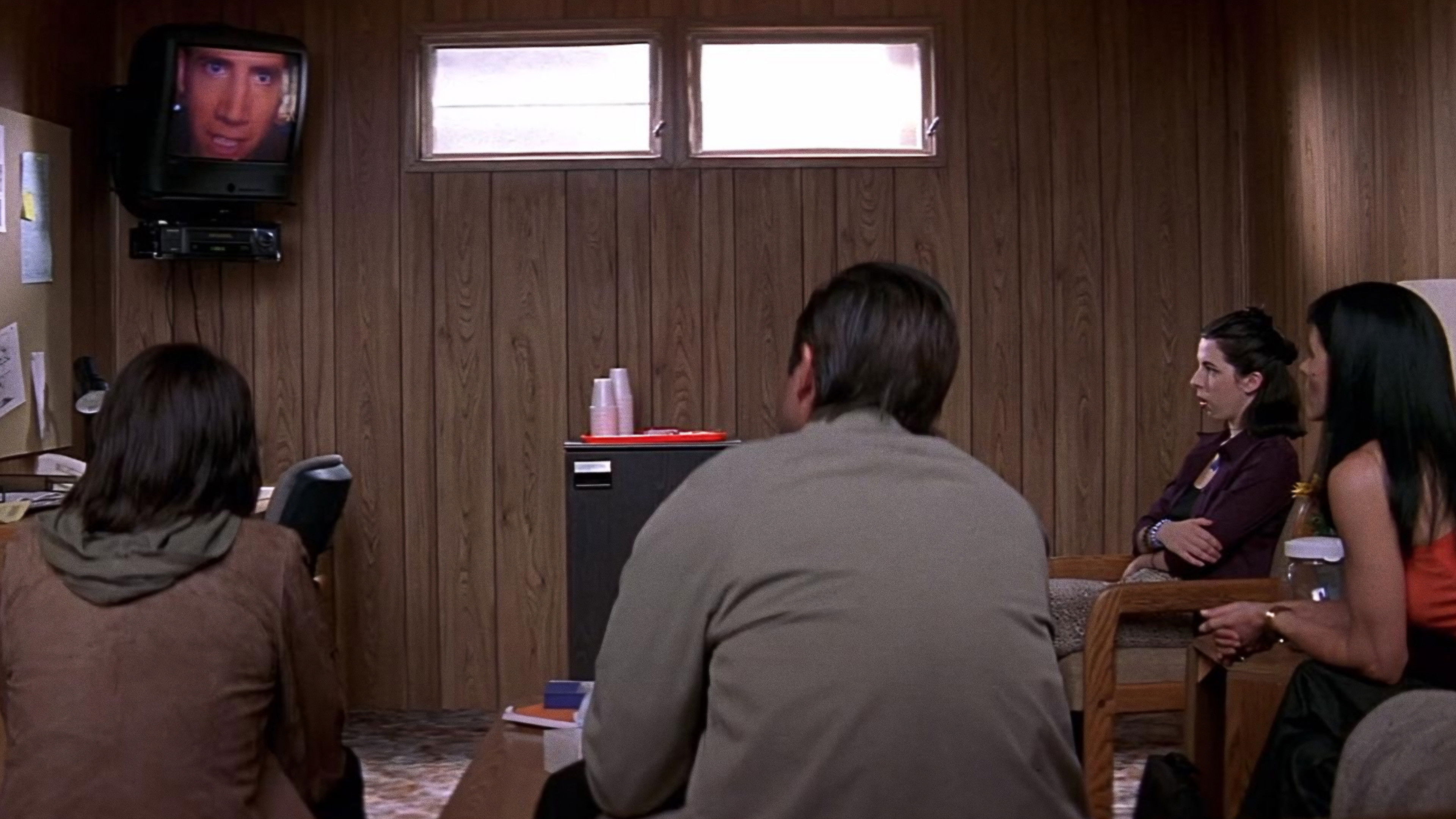
A recorded message from Randy provides the film's theory of a final chapter: established information must be reconsidered, and the surviving central figure can no longer rely on familiar rules. The subsequent revelation revisits relationships introduced in the original Scream and changes how its motivating crime is understood. That technique creates a form of retroactive continuity in which an earlier account acquires a previously concealed cause. The emotional question, however, remains Sidney's ability to end a pattern of fear. As a piece of slasher storytelling, the finale depends on the audience caring about that struggle as well as recognizing the plot's rearranged history.

Editing the Opening and Staging Fear

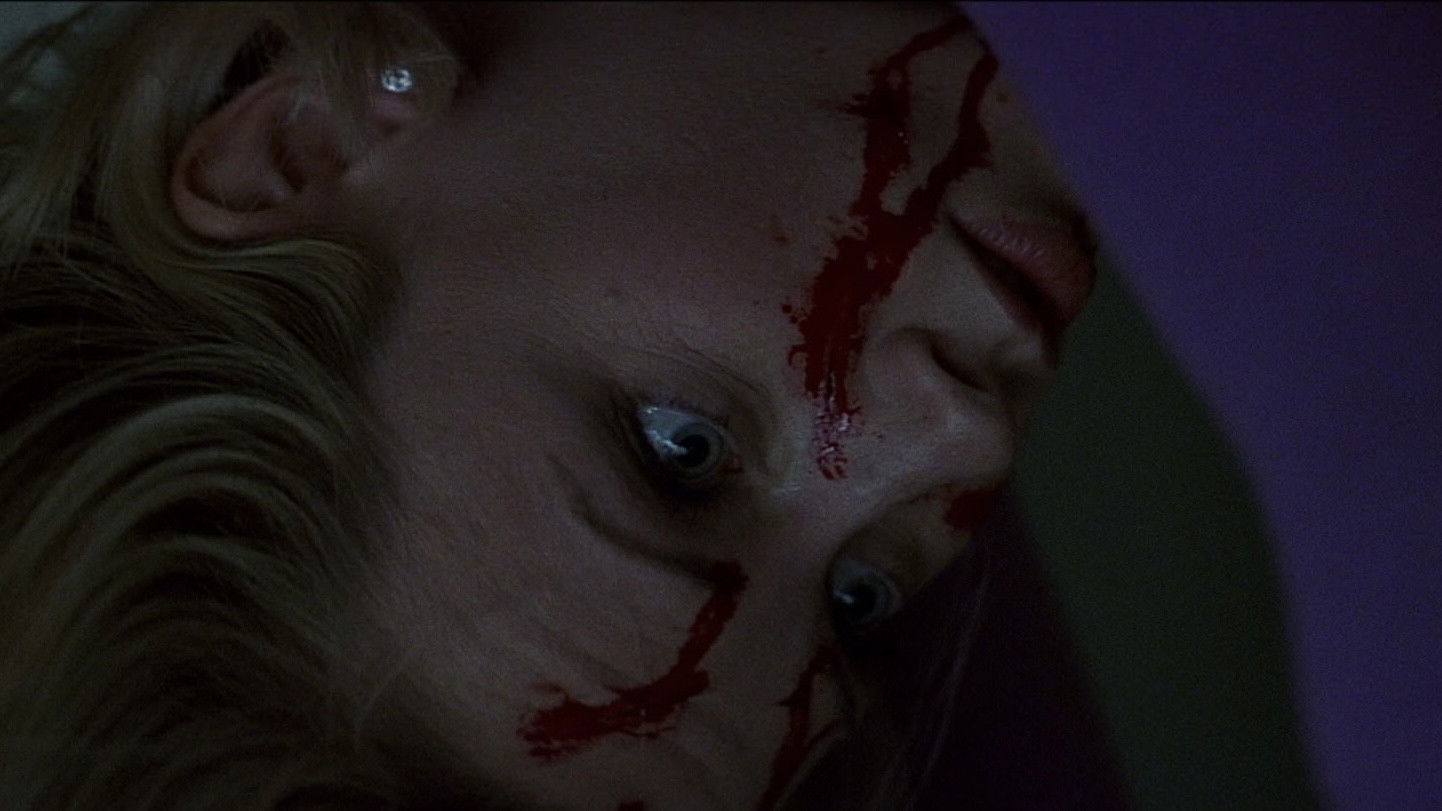
Lussier's detailed 2021 interview supplies a rare account of changes made after an initial assembly. He described early plans that involved a different opening victim, but said the only opening actually photographed centered on Cotton Weary. Within that filmed version, the editor recalled an arrangement in which Cotton arrived to discover that his girlfriend had already been killed. Williamson, who saw an early cut, objected to the lack of time for the audience to establish concern for her. The sequence was rewritten and reshot, eventually producing the version that intercuts Cotton's desperate attempt to reach home with Christine's danger. These are specific editorial decisions, not rumors about unseen complete versions of the movie.

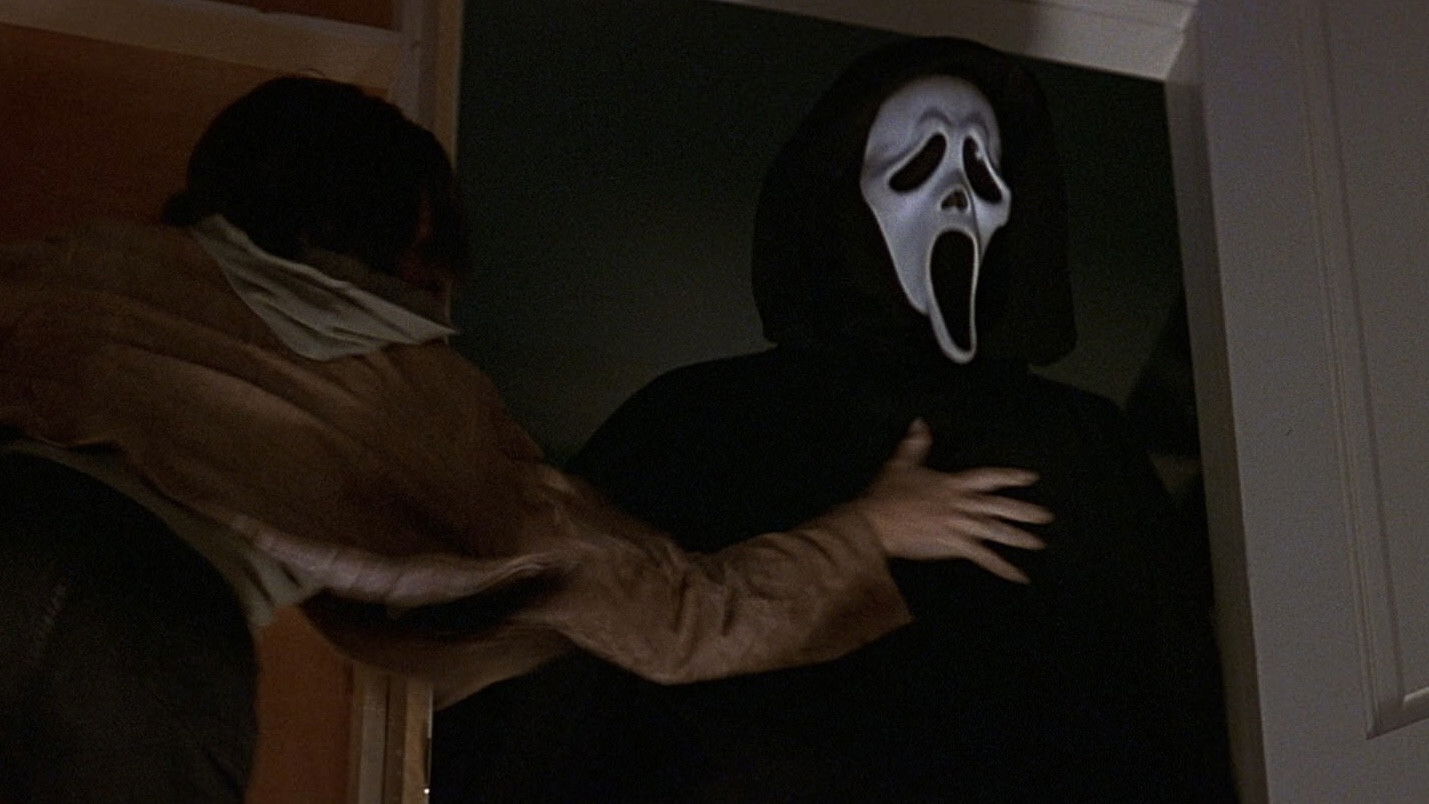
The revised opening displays Craven's familiar method of clarifying a physical threat before releasing it. Cotton is placed at a distance from the endangered person while the caller controls the information connecting them. The killer's voice imitation makes an ordinary telephone exchange unreliable; the same device later disrupts communication among characters on the movie set. Suspense develops from the gap between a voice and the body apparently producing it. The premise is closely related to the franchise's first frightening phone calls, but expands deception beyond a stranger using a theatrical manner of speaking to someone able to impersonate a known person.

Lussier also remembered the difficulty of maintaining continuity while details were still being settled. His testimony identifies the practical role of editing in determining when viewers receive information about a suspect, especially during police scenes and false leads. A sequence can acquire a different emphasis depending on which reaction precedes a cut or how long a character remains in view. The finished film uses these uncertainties within large Hollywood interiors as well as smaller domestic spaces. Its suspense operates through the organization of evidence, geography and mistaken recognition, even when the action pauses for extended exchanges of comic dialogue.
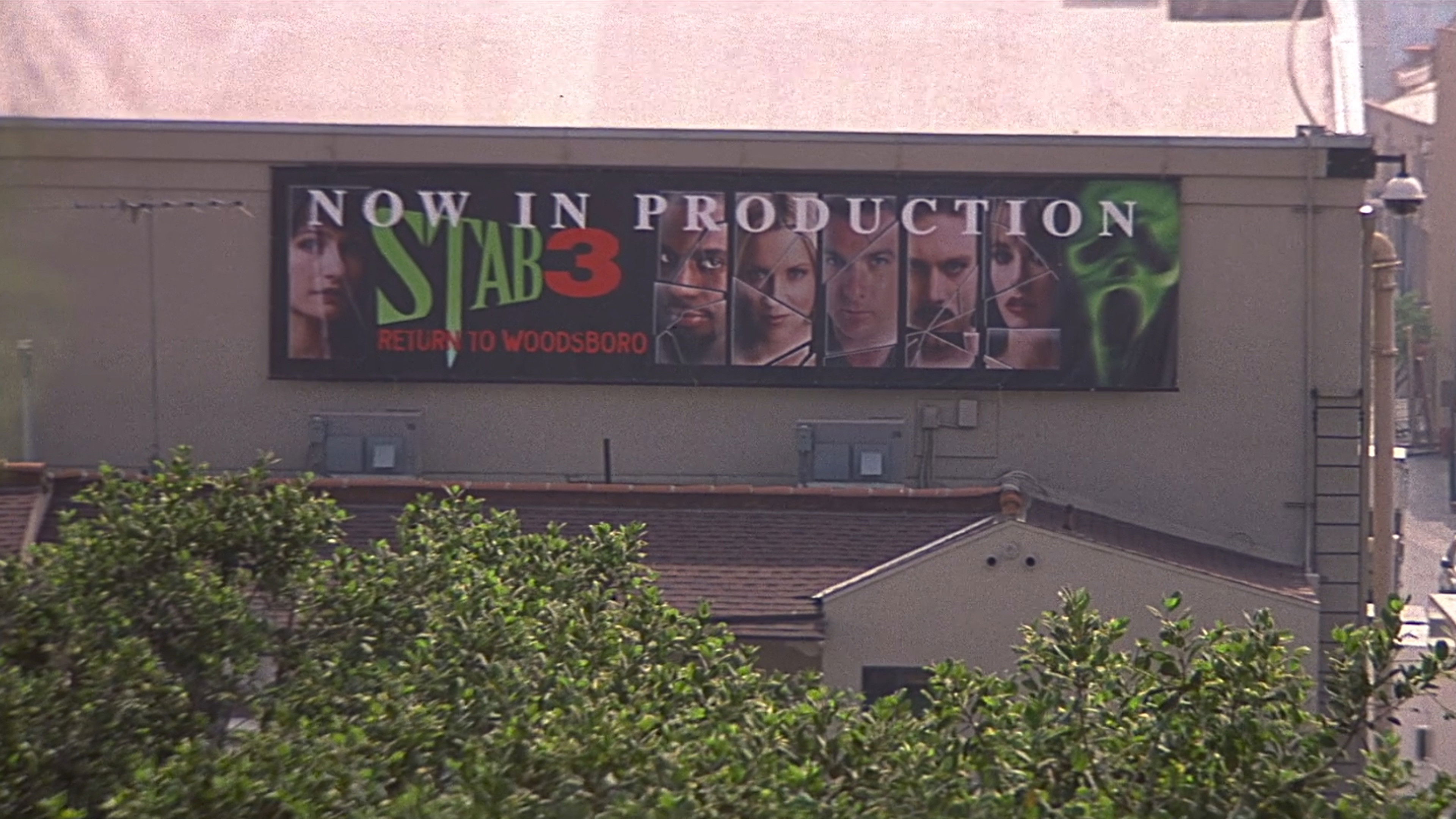
Violence, Comedy and a Controlled Tone

Kruger's production-era comments make the change in tone unusually easy to document. He characterized his screenplay as more openly comic in its early passages than Scream 2 and connected its mystery structure to the traditions of playful detective fiction. This was an assessment of the script before he had seen the final cut. He also insisted that frightening suspense need not depend on displaying a fixed quantity of blood, a distinction that addressed contemporary studio anxiety without claiming an absence of physical violence. The released picture contains stabbing attacks and deaths, but its broad interactions between Stab performers regularly interrupt the threatening atmosphere.
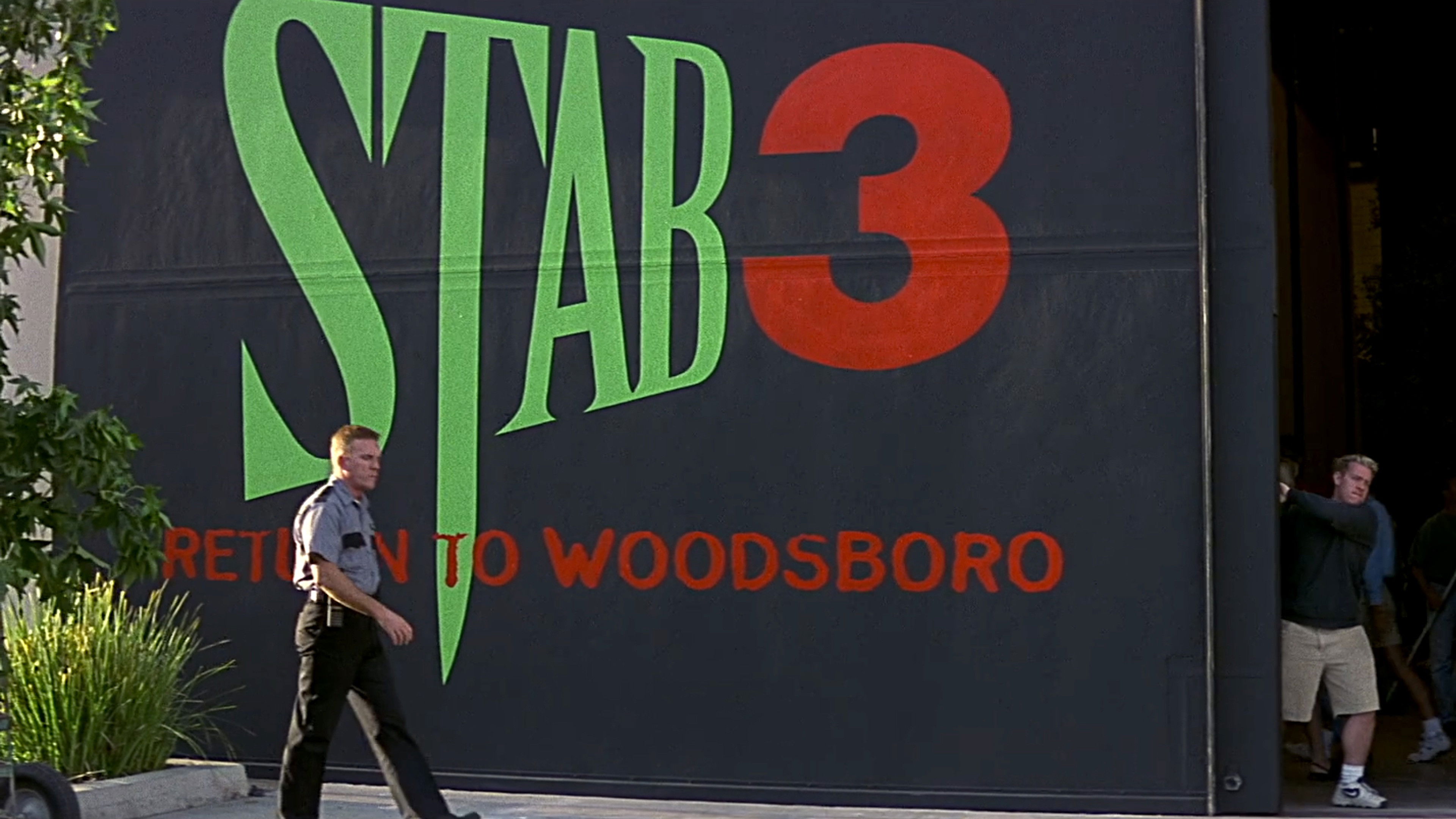
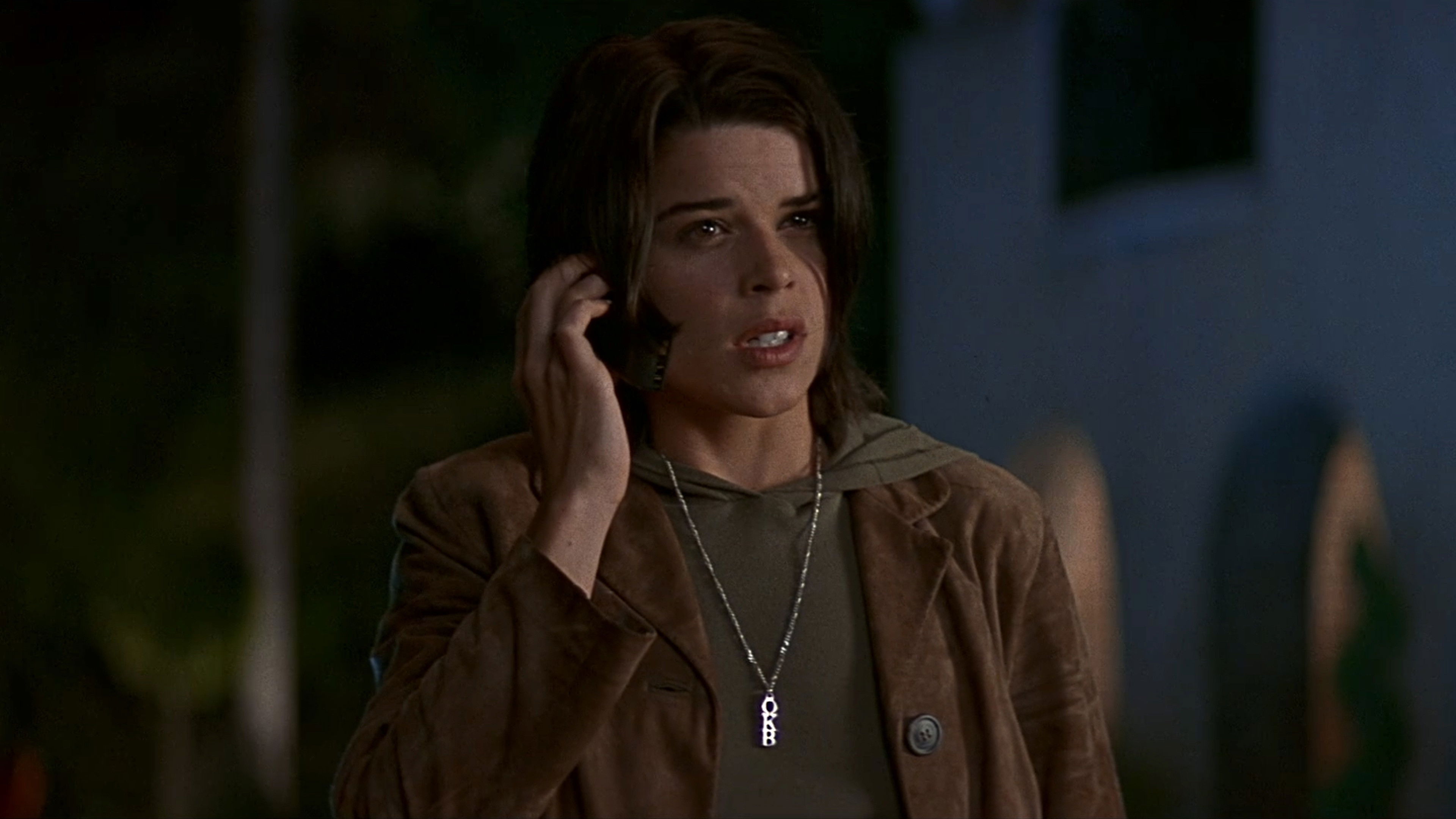
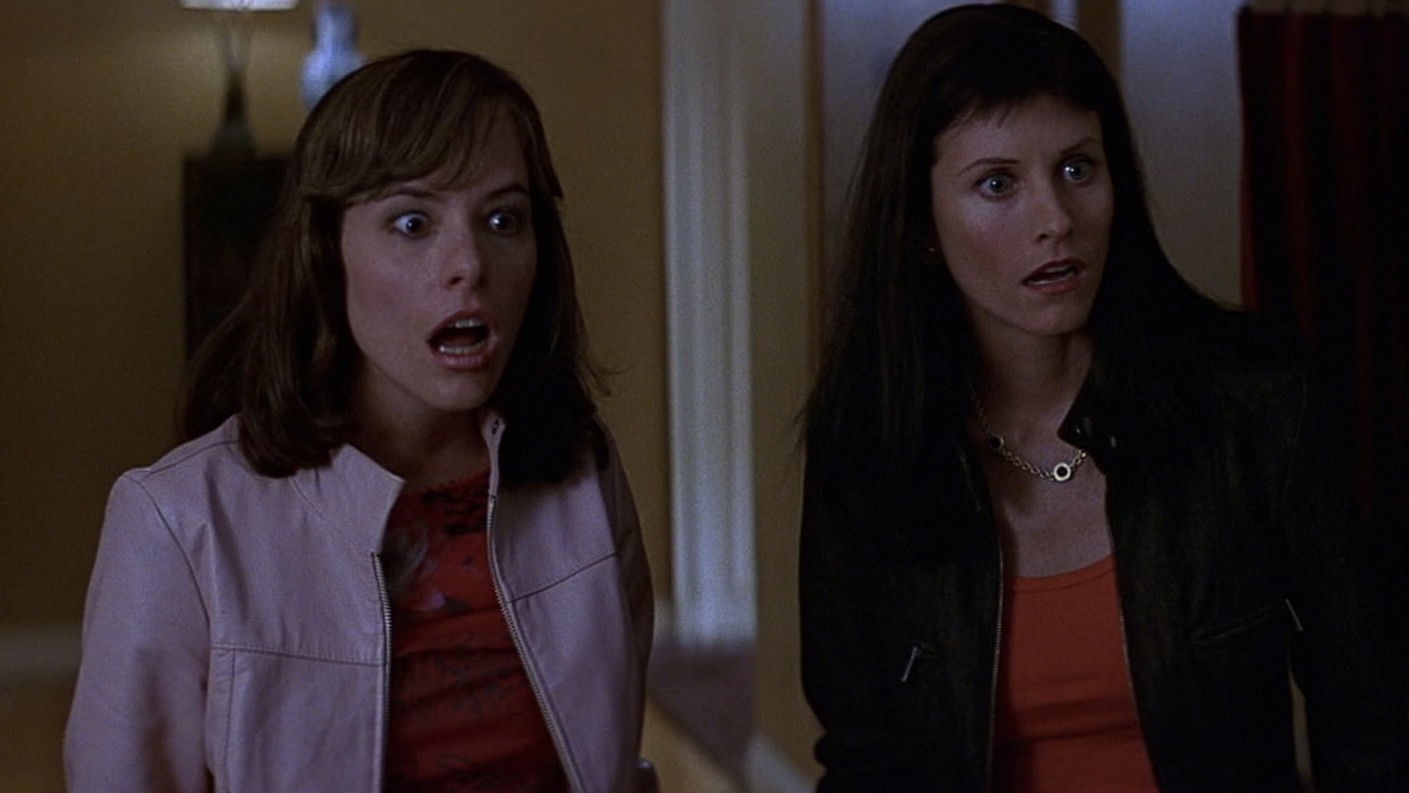
The balance is visible in scenes where the actors debate the instability of their own fictional parts even as the murderer may be using their production as a guide. Humorous self-consciousness makes them alert to the conventions of a sequel, while providing little protection from danger. For the audience, every overt joke about a trilogy also becomes a possible instruction for interpreting the mystery. That tension is a continuation of the series' slasher method, although Hollywood caricature now receives far more attention than the teenagers who originally supplied its social world. Claims about its reduced intensity remain critical judgments.

Release, Criticism and the End of an Era

Scream 3 opened theatrically in the United States on February 4, 2000, after an earlier holiday-season release had been anticipated during development. Its marketing framed the picture as the conclusion of a trilogy, a description reflecting the filmmakers' stated plan at the time. The appeal depended on spectators recalling two previous mysteries while welcoming another set of suspects and a return of major survivors. The Los Angeles Times review published on opening day praised the elaborate movie-within-a-movie construction and Craven's orchestration of tension, although it warned that the large cast and complex plotting demanded close attention. This is a particular favorable contemporary response, not evidence of unanimous approval.

Brian Eggert's substantial 2023 reassessment in Deep Focus Review offered a markedly cooler judgment. He emphasized the film's dependence on broad comedy, the reduced centrality of Sidney during much of the action and the awkwardness of revealing previously hidden causes for the first murders. The essay also considered the troubling history of Maureen's experiences in Hollywood and how that material appears differently to later viewers. Setting the two critical accounts beside one another illustrates a change in emphasis: one critic valued the theatrical playfulness on release, while the other found a darker subject partly obscured by the film's construction. Neither response can stand for all critics or audiences.

The original trilogy eventually ceased to be the franchise's endpoint when Scream 4 arrived in 2011. That later continuation does not alter the closing purpose stated in 2000, but it changes how the film's promises of finality are understood today. Scream 3 belongs to the history of the late-1990s slasher revival because it shows a successful genre cycle turning its commentary toward the production and exploitation of horror itself. Its hurried development, shifting violence policy and contested tone reveal the industrial pressures surrounding that transition. The film's significance resides in those documented conditions and the specific choices visible in Craven's completed sequel.

References

  1. Fangoria (archive at Scream-Thrillogy) Ehren Kruger Talks Scream 3

    An original interview from Fangoria issue 190 in which Kruger explains the Williamson treatment, move to Hollywood, work with Craven and studio concerns about violence.

  2. Scream-Thrillogy Interview with Patrick Lussier

    Ryan Hills interviews the original trilogy editor in depth about the unstable screenplay, practical editing decisions and the rewritten and reshot Cotton Weary opening.

  3. Los Angeles Times Edge Is Back in Grisly, Scary Scream

    Kevin Thomas reviews the film on February 4, 2000, addressing the studio-set satire, suspense, cast and knotty narrative as perceived on original release.

  4. Deep Focus Review Scream 3

    Brian Eggert offers a long retrospective study of the screenplay transition, diminished violence, Hollywood exploitation theme and changing critical interpretation.

Connections

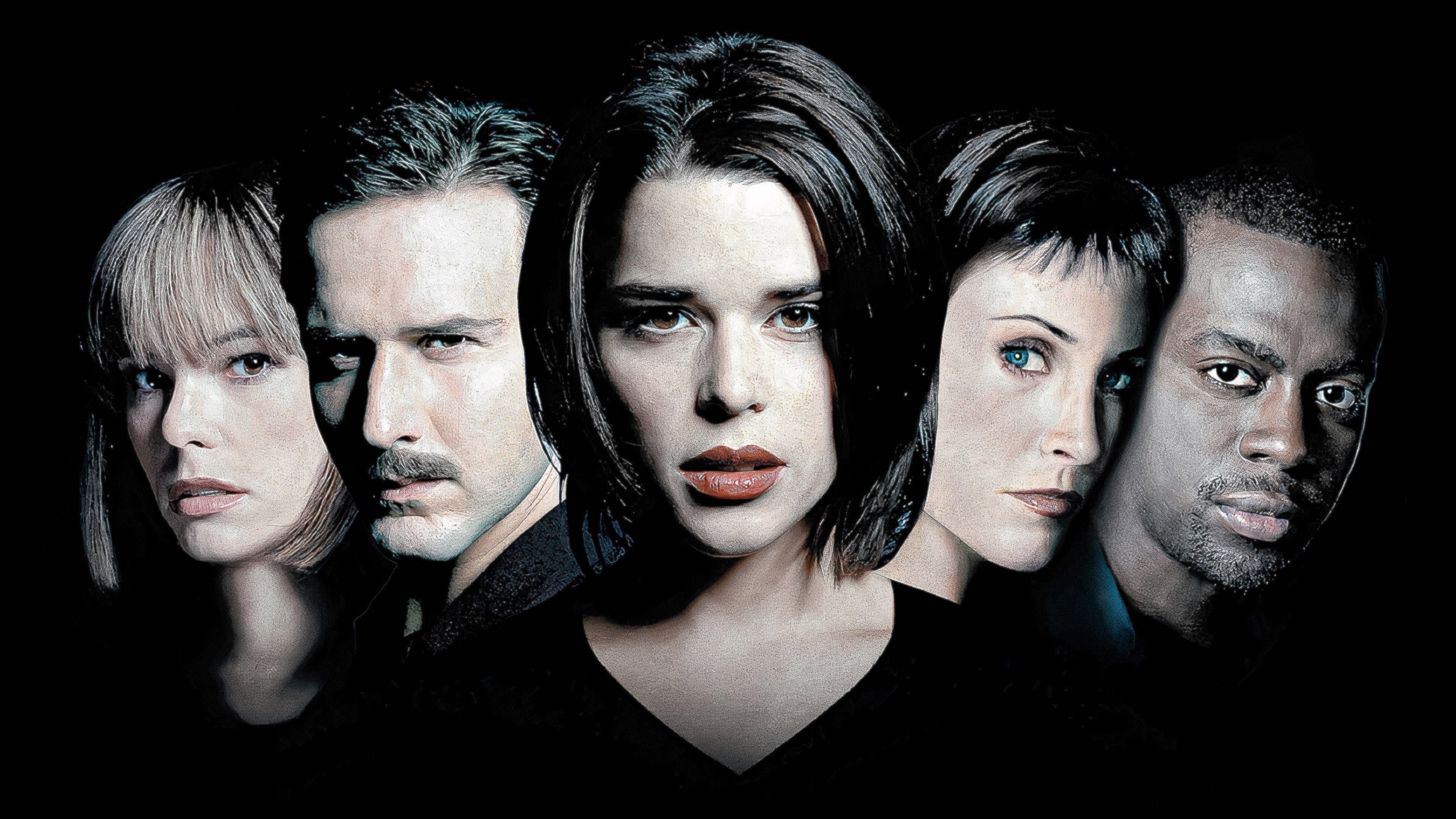
Cast

View Full Cast & Crew →

Release & Distribution

Production Companies (3)

  • Craven-Maddalena Films US
  • Dimension Films US
  • Konrad Pictures US

Distributors (2)

  • Dimension Films US
  • UIP-Dunafilm HU

Release History (51)

Release DateTerritoryRelease TypeFormatDistributorCertificationNotes
2000-02-03 United States Premiere — — R Westwood, California
2000-02-04 Canada Theatrical — — 18A
2000-02-04 United States Theatrical — — R
2000-02-18 Portugal Theatrical — — M/16
2000-03-09 Singapore Theatrical — — PG
2000-03-16 New Zealand Theatrical — — R16
2000-03-23 Australia Theatrical — — MA 15+
2000-03-31 Iceland Theatrical — — —
2000-04-01 Japan Theatrical — — PG12
2000-04-02 United Kingdom Premiere — — 18 Dead by Dawn Horror Film Festival
2000-04-05 Colombia Theatrical — — —
2000-04-07 Spain Theatrical — — 18
2000-04-07 Finland Theatrical — — K-16
2000-04-08 Taiwan Theatrical — — —
2000-04-12 Thailand Theatrical — — —
2000-04-13 Hong Kong SAR China Theatrical — — IIB
2000-04-14 Greece Theatrical — — —
2000-04-14 Sweden Theatrical — — 15
2000-04-19 Belgium Theatrical — — —
2000-04-19 France Theatrical — — 12
2000-04-20 Israel Theatrical — — 16
2000-04-20 Netherlands Theatrical — — 16
2000-04-21 South Africa Theatrical — — 16
2000-04-28 United Kingdom Theatrical — — 18
2000-04-28 Ireland Theatrical — — 18
2000-04-28 Norway Theatrical — — 15
2000-04-28 Russia Theatrical — — 16+
2000-04-28 Türkiye Theatrical — — —
2000-04-29 South Korea Theatrical — — 19
2000-05-04 Argentina Theatrical — — +13
2000-05-12 Denmark Theatrical — — 15
2000-05-25 Hungary Theatrical — — 18
2000-05-26 Mexico Theatrical — — B
2000-05-31 Kuwait Theatrical — — —
2000-06-07 Venezuela Theatrical — — —
2000-06-08 Peru Theatrical — — —
2000-06-15 Switzerland Theatrical — — 16
2000-06-22 Germany Theatrical — — 16
2000-06-24 Estonia Theatrical — — —
2000-07-07 Brazil Theatrical — — 18
2000-09-01 Italy Theatrical — — T
2000-09-27 Philippines Theatrical — — R-18
2000-10-20 Poland Theatrical — — 18
2000-11-02 Czechia Theatrical — — 15+
2000-11-02 Croatia Theatrical — — —
2000-12-21 Slovenia Theatrical — — —
2001-02-20 France Physical DVD — — DVD
2012-08-14 France Physical Blu-ray — — Blu-ray
2023-10-04 France Physical 4K UHD — 12 4K UHD
2025-11-17 France TV — — 12 RTL9
2026-03-09 France TV — — 12 RTL9
The most terrifying scream is always the last.