AV Horror Rather Than Conventional Cinema
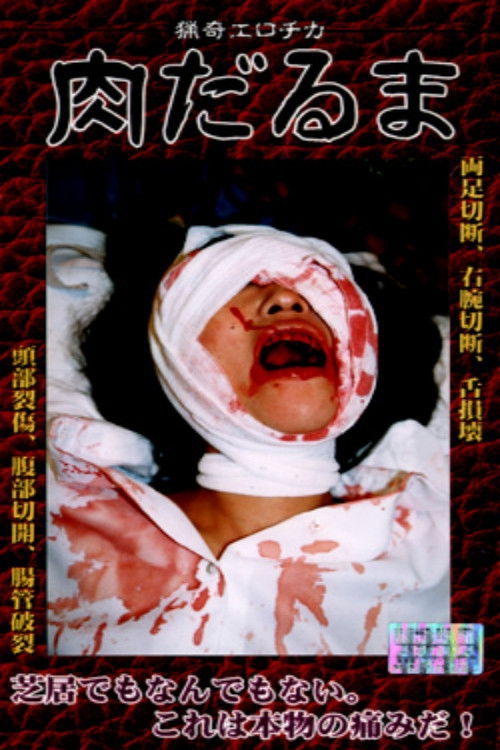
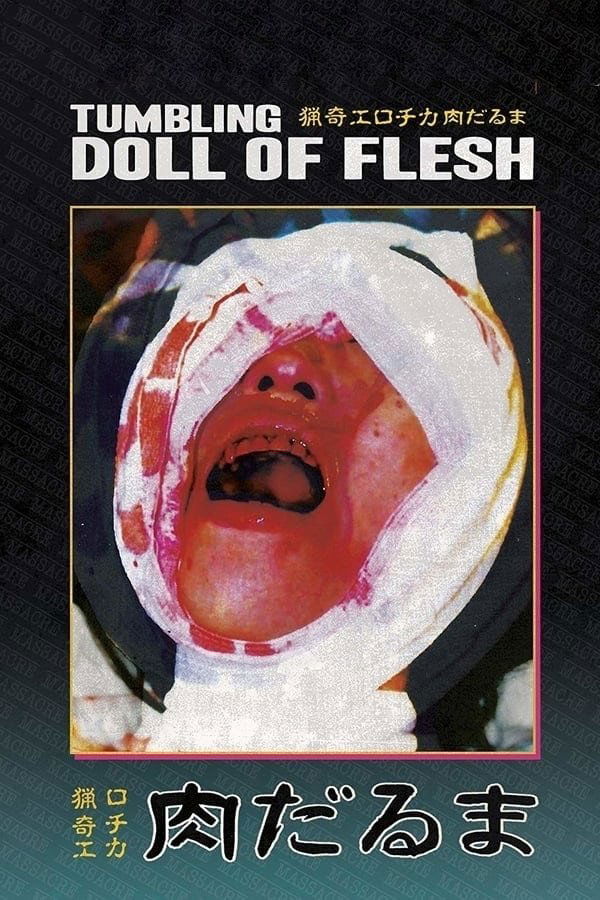
Niku Daruma originated inside the Japanese adult-video market. Contemporary and later release documentation identifies Psycho as the production banner and Aroma Planning as the company associated with its original Japanese distribution. ScreenAnarchy documented a Japanese VHS edition carrying the catalogue number PSY-01 and reported that the cassette remained available through Aroma Planning years after its original 1998 release. Tamakichi Anaru served as director, writer, producer and performer, giving the production the concentrated authorship common to very small underground video projects with minimal division of production roles.
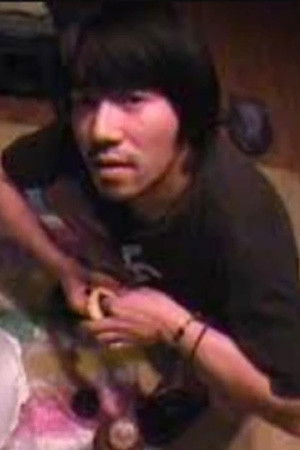
The credited cast is correspondingly compact. Kanako Ooba plays Kana, Kikurin appears as Kiku, Yuuji Kitano operates within the story as the cameraman, and Anaru plays the director overseeing the shoot. Barom One is credited with the music and High Mega Pinoko with editing. Anaru and Shino Setsuna are credited for the special makeup effects. These credits are significant because the film's horror does not depend on scale. Nearly everything is concentrated around four people, video equipment and a restricted interior, allowing the production itself to become the setting. The boundary between the fictional crew making a video and the actual crew making Niku Daruma is deliberately made uncomfortable.
Constructing the Pseudo-Snuff Illusion
The film's basic formal trick is persistence. It does not introduce a separate visual language once the fictional shoot turns violent. The cameras continue recording, the inexpensive video texture remains unchanged and the participants continue to occupy what looks like an ordinary production environment. Anaru uses the crude video image of simulated violence to support the illusion that the viewer is watching documentation that was never intended to become a conventional film.
This places Tumbling Doll of Flesh in the broader tradition of pseudo-snuff horror without making the material itself real. Later official distributor Massacre Video explicitly describes the work as a fictional depiction of underground filmmaking and violence. Notoriety surrounding extreme cinema often produces stories detached from production evidence, making the film's documented circumstances particularly valuable. What can be established from the film and its credits is the deliberate construction of realism through performance, video recording and practical makeup effects. The result depends less on sophisticated illusion than on refusing the reassuring visual separation normally created between a horror movie and the fictional camera existing inside its story.
The Body as a Practical Effect
Anaru and Shino Setsuna's credited makeup work becomes increasingly important as the film abandons the appearance of an ordinary AV production. Prosthetic damage, artificial blood and replacement body elements are integrated into the same video environment established earlier in the recording. Because the image remains coarse and immediate, the effects are rarely presented as isolated spectacle shots. They are instead absorbed into extended sequences in which the camera continues to observe the performers after the narrative has crossed from sexual exploitation into simulated bodily destruction.
The method inevitably recalls Japanese splatter works that had already explored the aesthetics of apparently recorded torture, particularly the Guinea Pig cycle, but documentation does not justify presenting Niku Daruma as an officially connected production. Its more specific identity comes from the AV framework surrounding the effects. The horror is not introduced into an otherwise conventional narrative world; it grows out of a commercial recording session in which the people controlling the camera also control what happens to the performers. That relationship between image-making, exploitation and bodily transformation gives the film a structural idea stronger than its extremely minimal story might initially suggest.
From Japanese VHS to International Underground Circulation
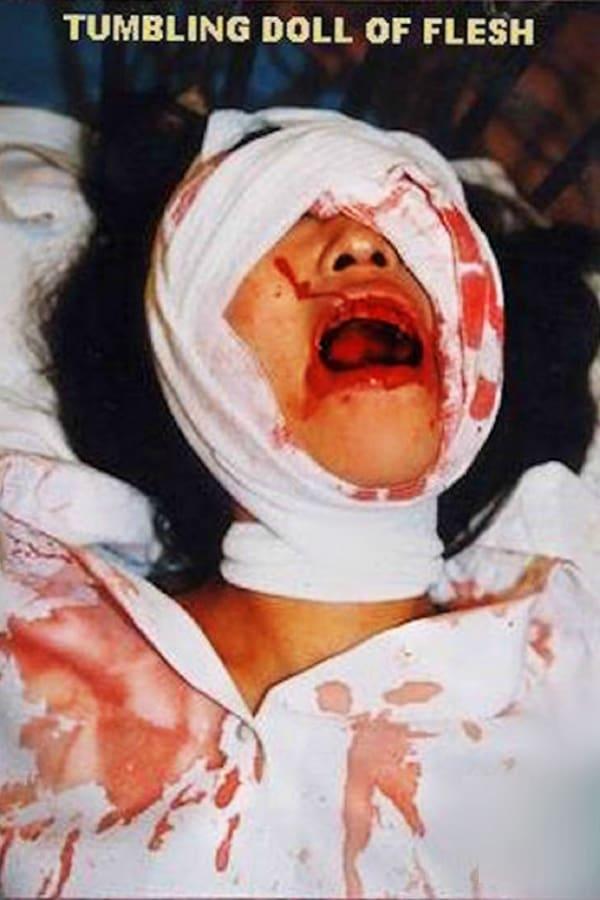
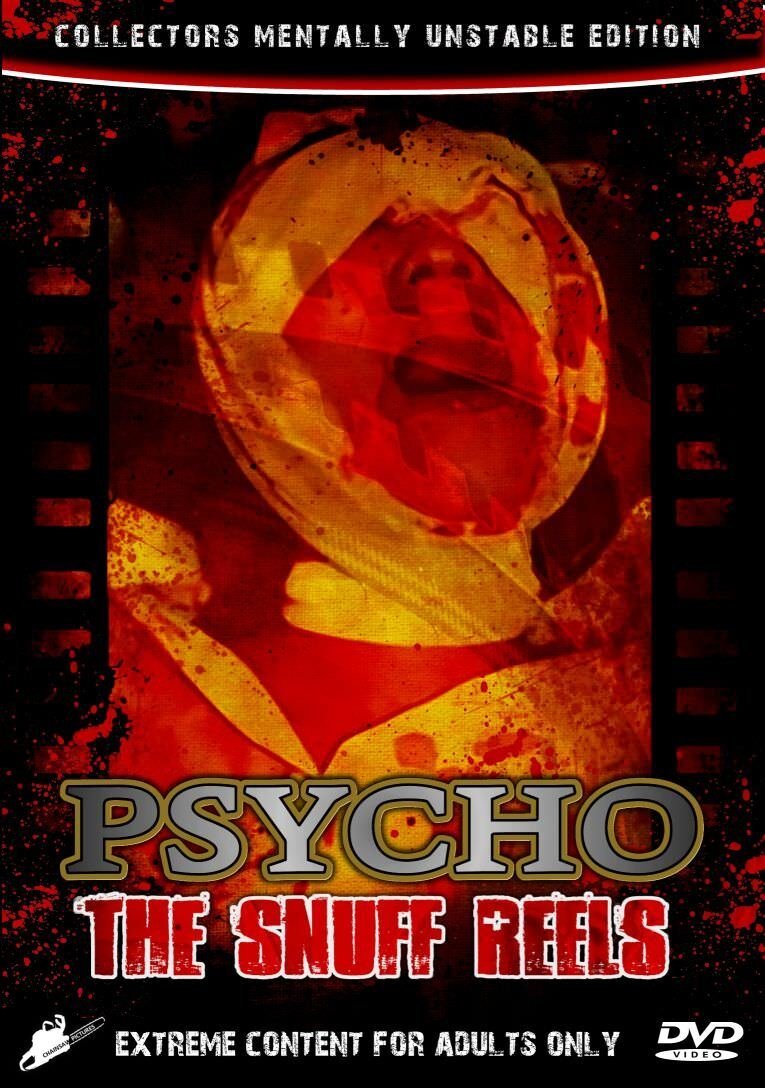
For years Tumbling Doll of Flesh was far easier to encounter by reputation than through an official international edition. ScreenAnarchy reported in 2005 and again in 2006 that the film existed commercially in Japan on VHS while unauthorized DVD-R copies were circulating elsewhere. Release records also document a screening in the Brigadoon section of the Sitges festival in October 2005 under one of the alternate English titles associated with the film. Its reputation abroad developed through specialist horror communities, copied media and festival exposure, with little conventional commercial distribution.
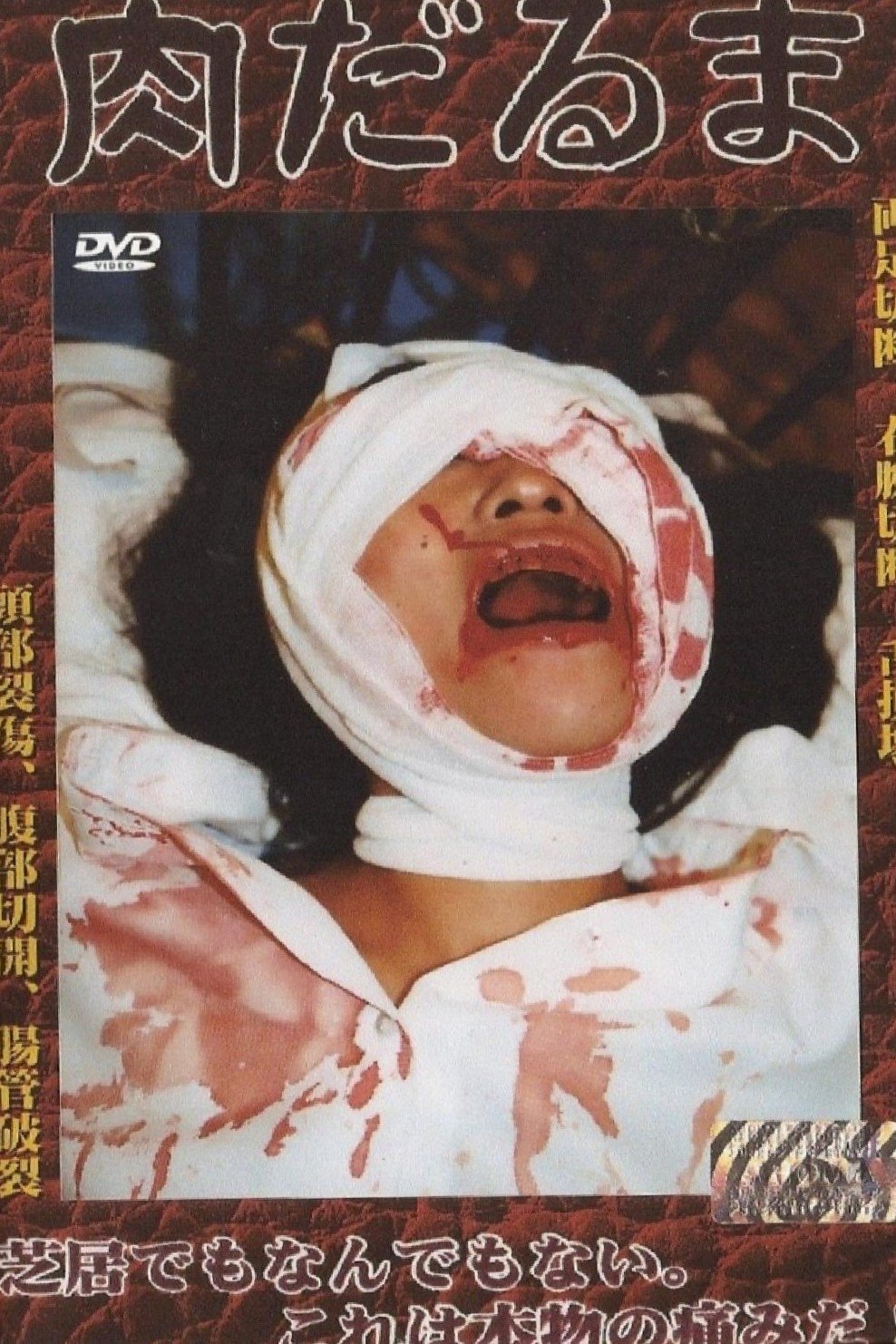
That situation changed substantially when Massacre Video licensed the film for an official North American DVD release in 2017. The distributor described the edition as the film's first DVD release outside Japan and supplied optional English subtitles, reversible artwork and archival stills. Massacre Video later returned the title to VHS, while its streaming service currently lists a running time of approximately 69 minutes. Earlier catalogues sometimes give 70 or 72 minutes, with some listings apparently incorporating additional material attached to particular tapes. The available evidence establishes multiple published running times but does not by itself demonstrate the existence of separate censored versions. The film's long journey from Japanese AV cassette to licensed specialist distribution is itself representative of how extreme direct-to-video works from the 1990s gradually entered the international horror-collector market.