01.01
Pilot
Episode synopsis not yet available.
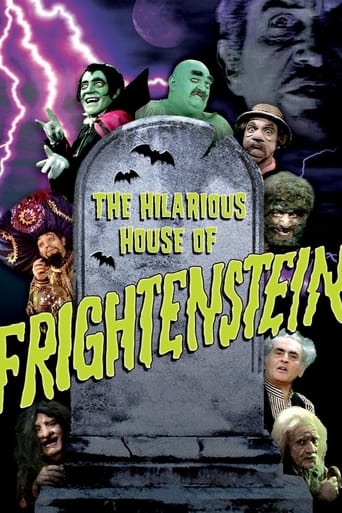
The Hilarious House of Frightenstein was a Canadian children's television series produced by Hamilton, Ontario's independent station CHCH-TV in 1971. It was syndicated to television stations across Canada and the United States and occasionally still appears today in some television markets. In Canada, the series is currently airing on Space, TV Land Canada, Drive-In Classics and MTV2. A quirky sketch comedy series that included some genuine educational content among the humor, the show's cast included Billy Van, Fishka Rais, Guy Big, Mitch Markowitz, Vincent Price, and Julius Sumner Miller. Van played most of the characters on the show. All 130 episodes were made in a single nine-month span starting in 1971; the scenes with Price and Miller were all filmed within one summer.
Explore episode plots and credits without leaving this series page.
During the 70s, "The Hilarious House of Frightenstein" was a popular Canadian TV show that starred Billy Van, Fishka Rais as Igor, Joe Torbay as Gronk, Guy Big as Count Munchkinstein, and even had Vincent Price as a special guest star. This 60-minute live-action show became a staple on Saturday morning television and was loved by many due to its mix of variety, humour, and educational segments, all with a touch of mock horror. It left a lasting impression on the younger generation of that time.
Episode synopsis not yet available.
Episode synopsis not yet available.
Episode synopsis not yet available.
Episode synopsis not yet available.
Episode synopsis not yet available.
Episode synopsis not yet available.
Episode synopsis not yet available.
Episode synopsis not yet available.
Episode synopsis not yet available.
Episode synopsis not yet available.
Episode synopsis not yet available.
Episode synopsis not yet available.
Episode synopsis not yet available.
Episode synopsis not yet available.
Episode synopsis not yet available.
Episode synopsis not yet available.
Episode synopsis not yet available.
Episode synopsis not yet available.
Episode synopsis not yet available.
Episode synopsis not yet available.
Episode synopsis not yet available.
Description: The Count invents invisible ink, Bwana takes a look at gorillas, and Pet-Vet brings Igor a turtle.
Episode synopsis not yet available.
Episode synopsis not yet available.
Episode synopsis not yet available.
Episode synopsis not yet available.
Episode synopsis not yet available.
Episode synopsis not yet available.
Episode synopsis not yet available.
Episode synopsis not yet available.
Episode synopsis not yet available.
Episode synopsis not yet available.
Episode synopsis not yet available.
Episode synopsis not yet available.
Episode synopsis not yet available.
Episode synopsis not yet available.
Episode synopsis not yet available.
Episode synopsis not yet available.
Episode synopsis not yet available.
Episode synopsis not yet available.
Episode synopsis not yet available.
Episode synopsis not yet available.
Episode synopsis not yet available.
Episode synopsis not yet available.
Episode synopsis not yet available.
Episode synopsis not yet available.
Episode synopsis not yet available.
Episode synopsis not yet available.
Episode synopsis not yet available.
Description: The Count invents a "Sun Light Flashor", Bwana takes a look at a Kinkajou, and Pet-Vet brings Igor a kitten!.
Episode synopsis not yet available.
Episode synopsis not yet available.
Episode synopsis not yet available.
Episode synopsis not yet available.
Episode synopsis not yet available.
Episode synopsis not yet available.
Episode synopsis not yet available.
Episode synopsis not yet available.
Episode synopsis not yet available.
Episode synopsis not yet available.
Episode synopsis not yet available.
Episode synopsis not yet available.
Episode synopsis not yet available.
Episode synopsis not yet available.
Episode synopsis not yet available.
Episode synopsis not yet available.
Episode synopsis not yet available.
Episode synopsis not yet available.
Episode synopsis not yet available.
Episode synopsis not yet available.
Episode synopsis not yet available.
Episode synopsis not yet available.
Episode synopsis not yet available.
Episode synopsis not yet available.
Episode synopsis not yet available.
Episode synopsis not yet available.
Episode synopsis not yet available.
Episode synopsis not yet available.
Episode synopsis not yet available.
Episode synopsis not yet available.
Episode synopsis not yet available.
Episode synopsis not yet available.
Episode synopsis not yet available.
Episode synopsis not yet available.
Episode synopsis not yet available.
Episode synopsis not yet available.
Episode synopsis not yet available.
Episode synopsis not yet available.
Episode synopsis not yet available.
Episode synopsis not yet available.
Episode synopsis not yet available.
Episode synopsis not yet available.
Episode synopsis not yet available.
Episode synopsis not yet available.
Episode synopsis not yet available.
Episode synopsis not yet available.
Episode synopsis not yet available.
Episode synopsis not yet available.
Episode synopsis not yet available.
Description: The Count shows off his sandwich maker, Bwana presents his cougar photos, Gronk hams up hovercrafts, and Pet-Vet has a duck.
Episode synopsis not yet available.
Episode synopsis not yet available.
Episode synopsis not yet available.
Episode synopsis not yet available.
Episode synopsis not yet available.
Episode synopsis not yet available.
Episode synopsis not yet available.
Episode synopsis not yet available.
Episode synopsis not yet available.
Episode synopsis not yet available.
Episode synopsis not yet available.
Episode synopsis not yet available.
Episode synopsis not yet available.
Episode synopsis not yet available.
Episode synopsis not yet available.
Episode synopsis not yet available.
Episode synopsis not yet available.
Episode synopsis not yet available.
Episode synopsis not yet available.
Episode synopsis not yet available.
Episode synopsis not yet available.
Episode synopsis not yet available.
Episode synopsis not yet available.
Episode synopsis not yet available.
Episode synopsis not yet available.
Episode synopsis not yet available.
Episode synopsis not yet available.
Episode synopsis not yet available.
Episode synopsis not yet available.
Episode synopsis not yet available.
Episode synopsis not yet available.
Episode synopsis not yet available.
A Canadian gothic comedy-variety series blends monster-film imagery, Vincent Price introductions, pop music and science lessons.
The Hilarious House of Frightenstein (1971) brought the imagery of classic horror into an unusually freewheeling Canadian children's television format. Produced at CHCH-TV in Hamilton, Ontario, the program turned a Gothic castle into a stage for sketches, musical interludes and scientific demonstrations. Count Frightenstein's efforts to revive an inert monster supplied a loose narrative thread, while the show moved constantly among unrelated acts. Its comic vampires, witches and laboratory figures borrowed recognizable forms from horror cinema but placed them within the rapid, unpredictable rhythms of a variety program.
The series occupies a distinctive corner of televised horror culture because its pleasures were never confined to a single age group. Children could follow the broad physical comedy and recurring characters; adults encountered wordplay, popular music and jokes delivered at a different register. Canadian performer Billy Van inhabited a large share of the cast, while Vincent Price lent the material the voice and authority of a major horror-film star. The resulting combination endured through decades of syndicated broadcasts, leaving an audience that remembered the castle as vividly as many of the films its monsters evoked.
The project developed around producer Rafael 'Riff' Markowitz and his brother Mitch, who brought an unconventional children's concept to the independent Hamilton station CHCH. Its production model depended on a large stock of short, reusable segments rather than a continuous story with a fixed beginning and ending. CHCH ultimately recorded 130 episodes during a concentrated period in 1971. Mitch Markowitz later recalled that the team expected the series to run its course after one year; syndication gave the material a far longer life. That unexpected durability helps explain why a locally produced experiment became part of Canadian television memory.
Accounts of the show's initial invention differ. In a 2018 interview, Mitch credited himself and Riff with conceiving and selling the program. Writer and broadcaster Ted Barris, however, published a detailed recollection in 2022 describing a 1970 brainstorming meeting with fellow writer Ross Perigoe. Barris said they contributed characters, routines and the idea of interchangeable modules, and he recalled short periods of poorly compensated writing work. He also reported that the Markowitz brothers disputed his version of that meeting. These are competing first-person accounts; the available testimony establishes collaborative development but does not settle every question of creative credit.
The arrangement also reflects the working conditions of local television production at the time. Short sketches made it possible to assemble hour-long programs from repeatable units, vary their running order and accommodate host material for different markets. The ambitious volume of material remained concentrated in studio sets. Costumes, recurring entrances and familiar routines gave each segment an identity that survived without elaborate dramatic continuity.
The central fiction concerns Count Frightenstein, who has been exiled to the castle and hopes to restore life to Brucie J. Monster. The situation is a comic variation on Frankenstein's laboratory, with the Count occupying the role of an ineffectual experimenter. Igor, played by Fishka Rais, provides a physically imposing and often bewildered assistant, while Guy Big appears as the miniature Count. The principal story can be resumed whenever the show returns to its castle framework, allowing other acts to interrupt without requiring an elaborate explanation.
The Gothic setting functions as a shared language for the sketches. A witch preparing grotesque meals, a solemn librarian dispensing frightening stories and a mock scientist surrounded by strange apparatus all draw on images familiar from monster pictures. Their behavior, however, repeatedly undercuts the threat suggested by their appearance. Rather than creating sustained suspense, the program uses the audience's recognition of horror conventions as the premise for jokes. The audience is invited to feel at home among creatures that older films would have presented as outsiders or dangers.
This was one way horror imagery crossed into family entertainment during the period. The show's macabre decorations, theatrical makeup and conspicuously artificial sets made its monsters easy to recognize without demanding realistic violence. The format made room for mild unease, especially when a gloomy recitation or strange visual effect interrupted the comedy. Yet the regular return of known performers and stable routines kept those sensations within a playful environment. That balance made the material accessible to children encountering horror imagery on television.
Billy Van supplied the production with its strongest mechanism for variety: the same performer could return as several entirely different inhabitants of the castle. His Count is a frustrated aristocrat, while Grizelda the Ghastly Gourmet turns a cooking demonstration into an exercise in edible grotesquerie. The Librarian treats absurdly spooky material with misplaced gravity; Dr. Pet Vet brings animals into the show's wider educational and comic program. Switching from one figure to another changed the pace, voice and comic assumptions of a scene without requiring a new guest star each time.
The Wolfman is especially revealing. Van's exuberant disc jockey draws on the popular style associated with Wolfman Jack, but his place in a castle populated by monsters gives radio showmanship a literal creature costume. His sequences interrupt the Gothic atmosphere with contemporary records and dancing. Other performances alter the mood in different directions, from the false authority of an oracle to the mock solemnity of the Count's experiments. The characters are built from recognizable television types as much as from screen-horror archetypes, which is why their humor can move from parody to everyday absurdity so quickly.
Supporting performers provided contrasts that Van could play against. Fishka Rais gave Igor a distinctive presence beyond a stock monster assistant, and the miniature Count provided a visual disruption to the castle's social order. Mitch Markowitz also appeared in character sketches, including Super Hippy. The production's reliance on a small repertory cast is central to its identity: repetition made the characters familiar, while changes in setting and performance allowed them to remain flexible. Its appeal rests heavily on characterization instead of the outcome of an episode's nominal plot.
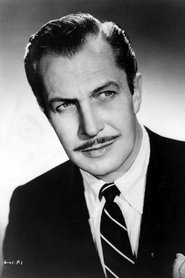
Vincent Price's participation brought a direct connection to the cinema from which the program borrowed much of its iconography. Mitch Markowitz recalled that the station wanted a recognizable name, and that the producers approached Price because of his established standing in horror. The actor agreed to tape introductions and linking material, which could be placed around the independently structured sketches. According to Mitch, the original two-day recording plan expanded to four days. Price's economical appearance across the series demonstrates how a major guest performer could give a modest television production a coherent identity.
His measured voice and theatrical bearing work differently from Van's frantic transformations. Price performs the atmosphere of the haunted house even when the language is deliberately ridiculous. Short recitations and introductions preserve a suggestion of old-fashioned Gothic ceremony, lending shape to material that might otherwise seem purely anarchic. The effect depends on a contrast between the actor's serious delivery and the absurd circumstances surrounding him. His role connects a younger audience's television comedy with an older tradition of horror performance, including the genre's long history of theatrical narration and macabre hosts.
Science educator Julius Sumner Miller introduced another sort of authority. His demonstrations brought real explanatory material into the company of fictional monsters and failed experiments. In the castle, an apparently eccentric professor could present a lesson while the surrounding sketches freely abandoned logic. Animal segments and other educational routines served a similar purpose at a more informal level. This combination was a defining characteristic of the production: horror supplied the costumes and language, while science offered viewers something concrete to learn. The program's jokes often depended on the movement between those two registers.
The visual style belongs unmistakably to early-1970s studio television. Castle interiors are theatrical environments, and the performers are presented in a way that draws attention to costume, exaggerated expression and sudden shifts of tone. The show occasionally uses conspicuous image treatments and unusual graphic effects, enhancing the sense that its world is constructed for television rather than borrowed from a naturalistic film. Contemporary critical writing has singled out its psychedelic imagery as a crucial element of the experience. That artificiality allows Gothic decoration to coexist with pop-art comedy and direct-to-camera performance.
Music brings the setting into its own cultural moment. The Wolfman's record selections take the program away from the period atmosphere suggested by vampires and graveyard props, placing contemporary popular songs inside the monster world. The resulting collisions between musical fashion and antique horror imagery are central to the show's humor. A castle associated with the past becomes a place where viewers can hear the sounds of the present. This feature also complicates later nostalgia: remembering the series means recalling a specific period in popular music as well as the characters and their routines.
The modular construction had practical consequences for the show's rhythm. Different sketches could be placed next to one another without resolving an ongoing narrative, and Price's interstitial performances offered a return to a shared mood. The changes in scale, pace and address make a single episode feel closer to a variety broadcast than a conventional serialized comedy. The technique also gave distributors flexibility, since independent segments could be reorganized into shorter presentations. Its technical simplicity was part of a deliberate format, allowing a relatively small television operation to sustain a remarkably broad range of material.
The production was recorded at CHCH in 1971, but its audience extended through subsequent years of Canadian and American syndication. The program's presentation could vary by market, including shorter broadcasts assembled from the original material. That circulation complicated the relationship between the original one-hour format and later television schedules. It also gave successive groups of viewers the experience of discovering an apparently inexhaustible store of castle sketches. Firsthand accounts and later rights-holder announcements consistently describe 130 original episodes.
Renewed interest has involved more than nostalgic recollection. In April 2021, Unearthed Films and its partners announced plans for digitally remastered editions of the 130-episode series and a broader fiftieth-anniversary release campaign. The announcement described a planned preservation and distribution campaign. The program also became the subject of Behind the Castle Doors, a documentary by Tammy Heisel and Morgan Baker that premiered at the Hamilton Film Festival in October 2025. CHCH covered the project, reconnecting the series with the station and city where it had been made.
Frightenstein's reputation is rooted in several overlapping viewing traditions. Its original child audience remembers the monsters as companions on weekend or after-school television; older viewers have also recognized the comedy's stranger, more experimental qualities. A retrospective by Kathy Shaidle placed the series alongside the tradition of television horror hosts while emphasizing its psychedelic pop setting. The castle thus survives as a point of intersection between classic horror performance, local Canadian television and a generation's memories of early genre encounters. Reruns and renewed historical work have kept the production visible far beyond its first broadcasts.
Original station coverage including interviews with Mitch Markowitz and the directors of the 2025 historical documentary.
Direct interview with Mitch Markowitz on production, the modular comedy format, Billy Van and Vincent Price recording sessions.
First-person recollection by an original writer of the show, explaining disputed development credit and the early writing process.
Substantial retrospective examining the series as horror-host television, including its psychedelic style and popular-music references.