Schoolgirls in Chains (1973)

US
HORROR FILM
UK censorship history Section 3 · Supplementary list
Runtime
86 min
Release
January 1, 1973
Budget
$45,000
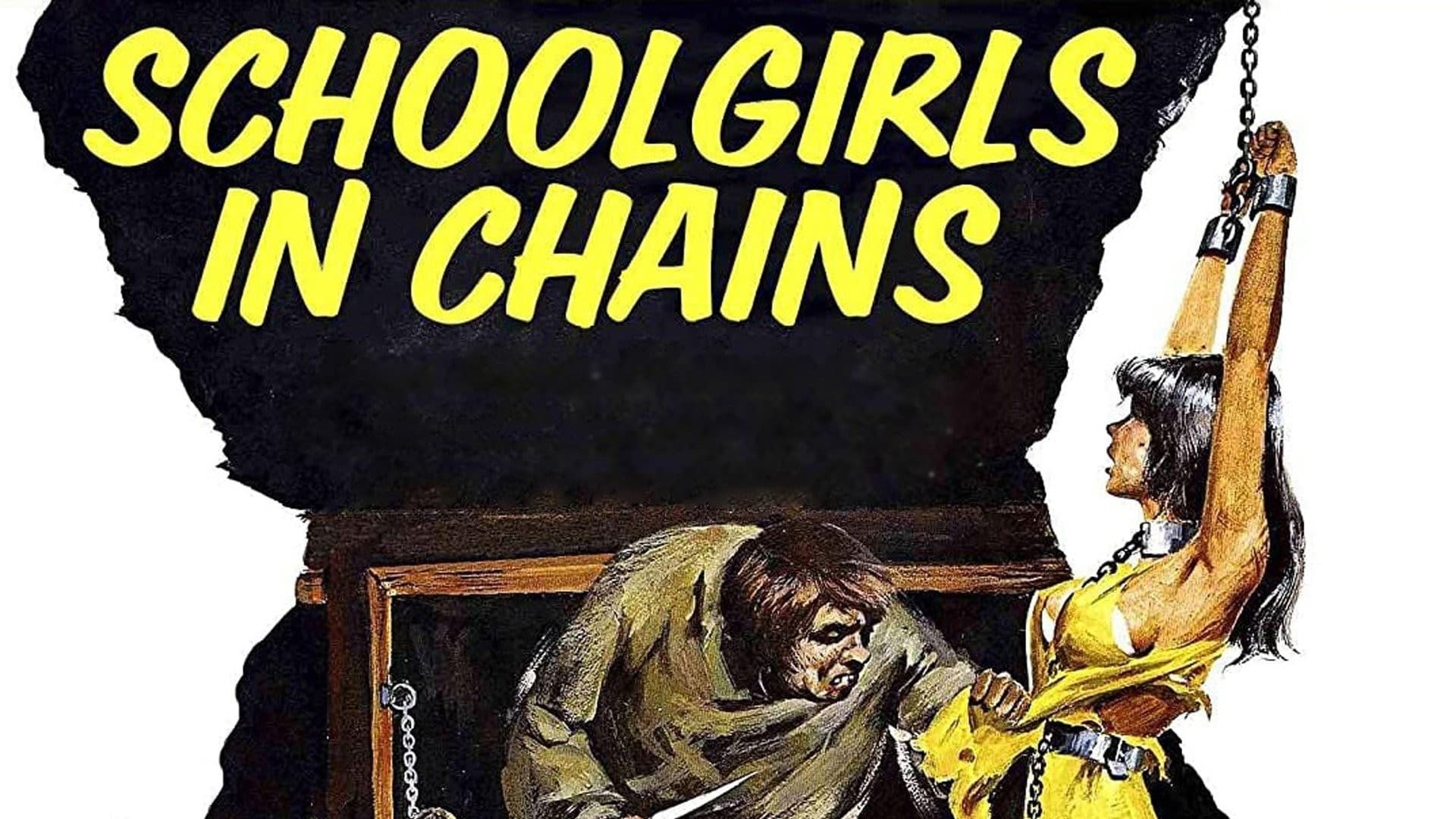
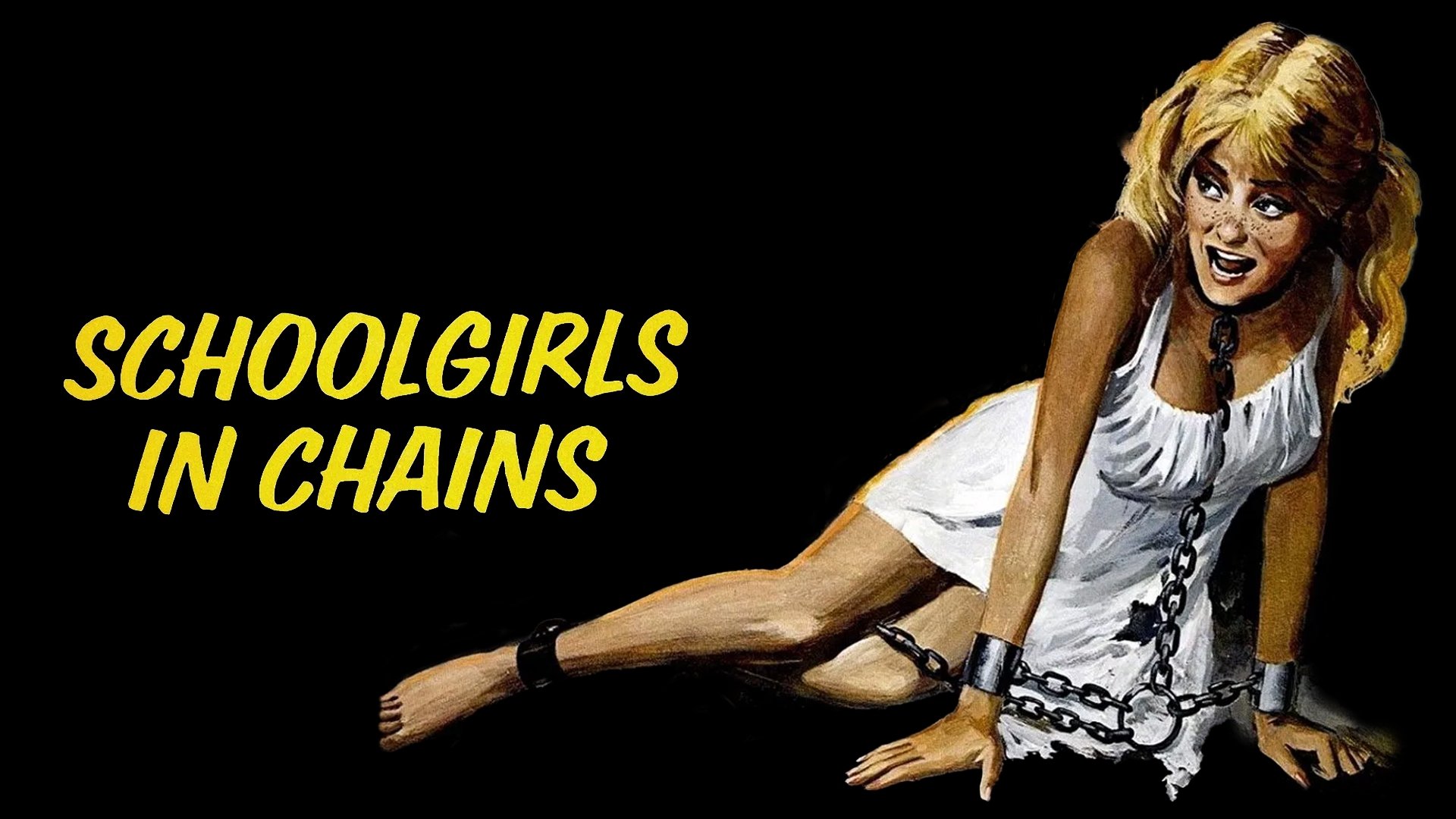
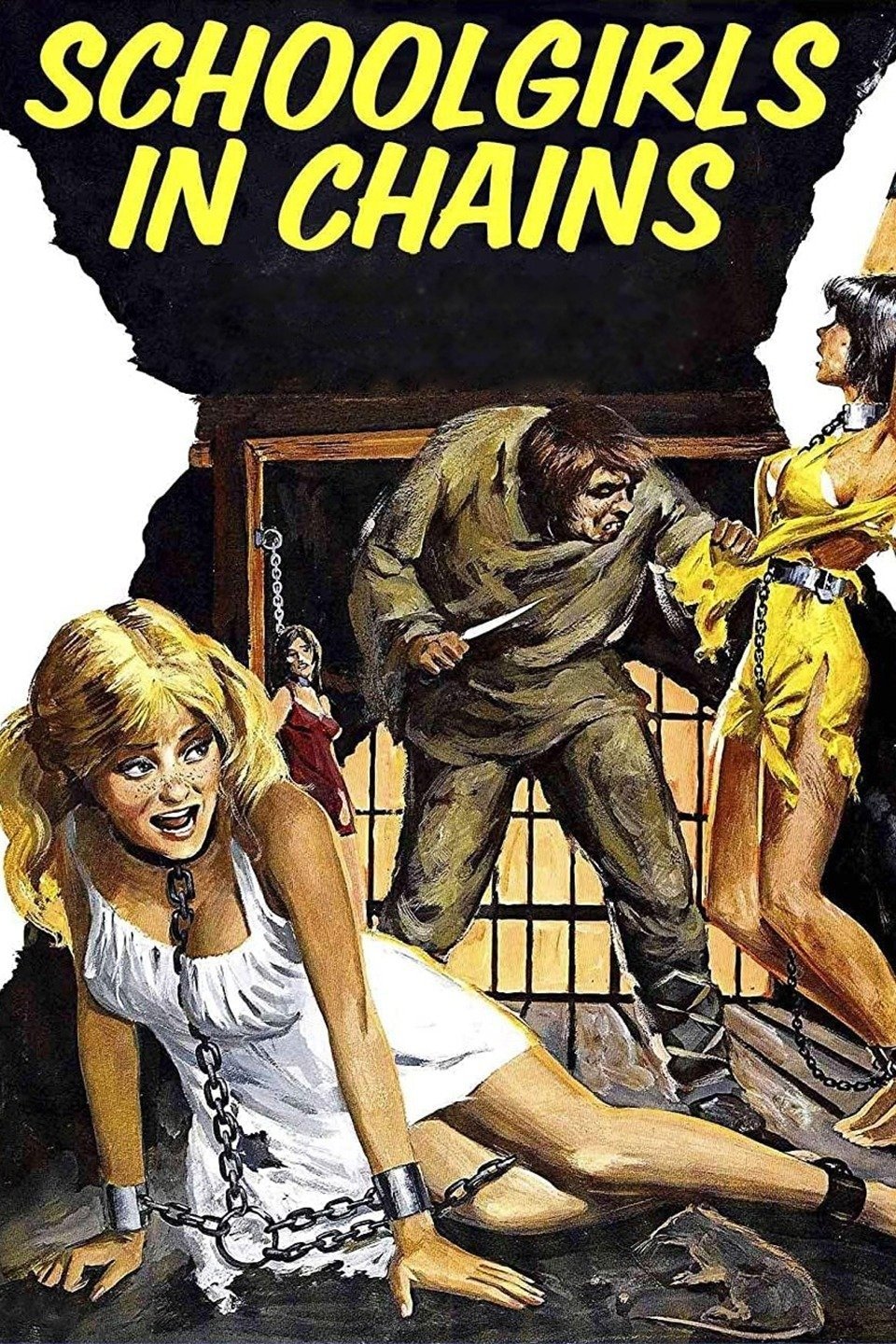
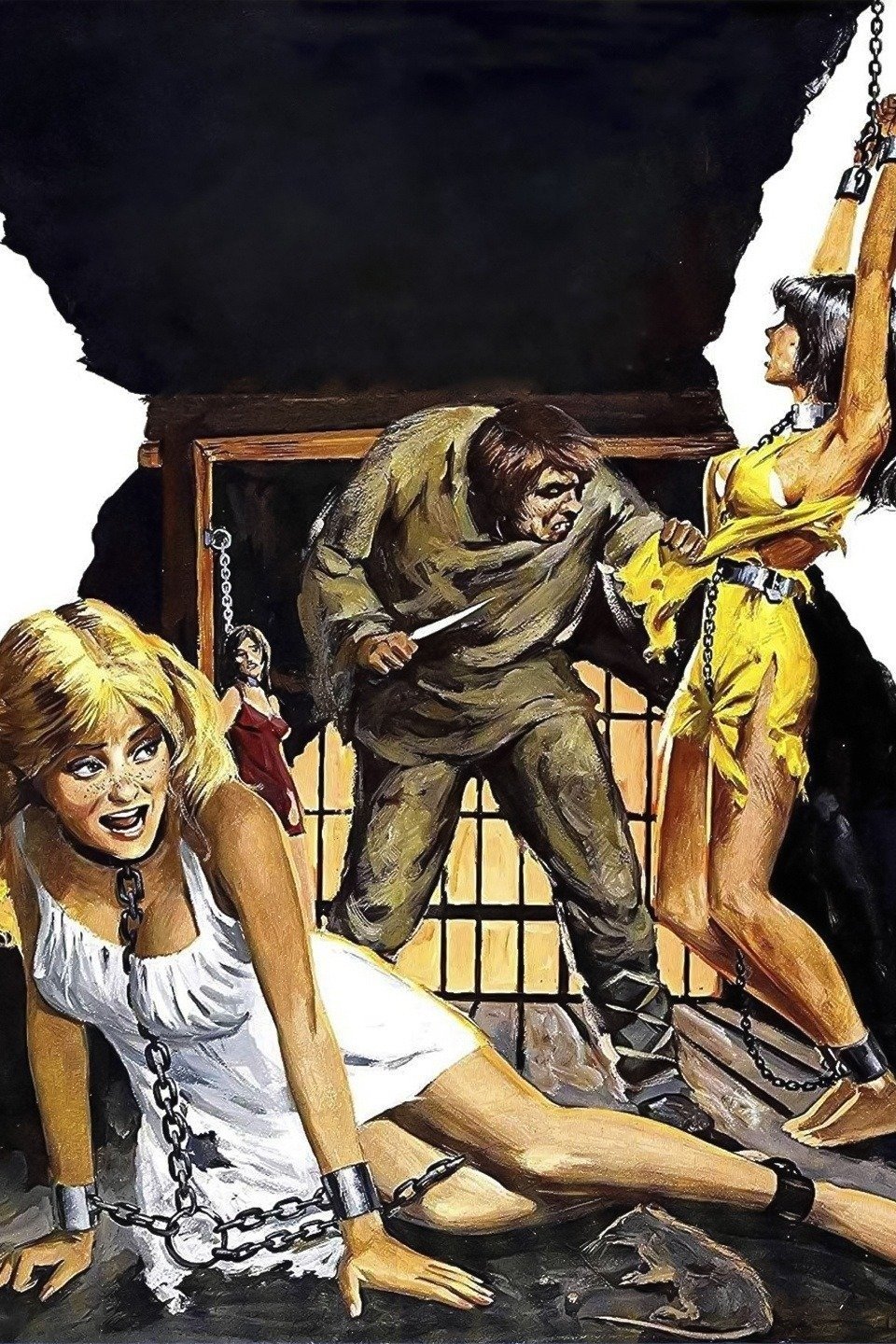
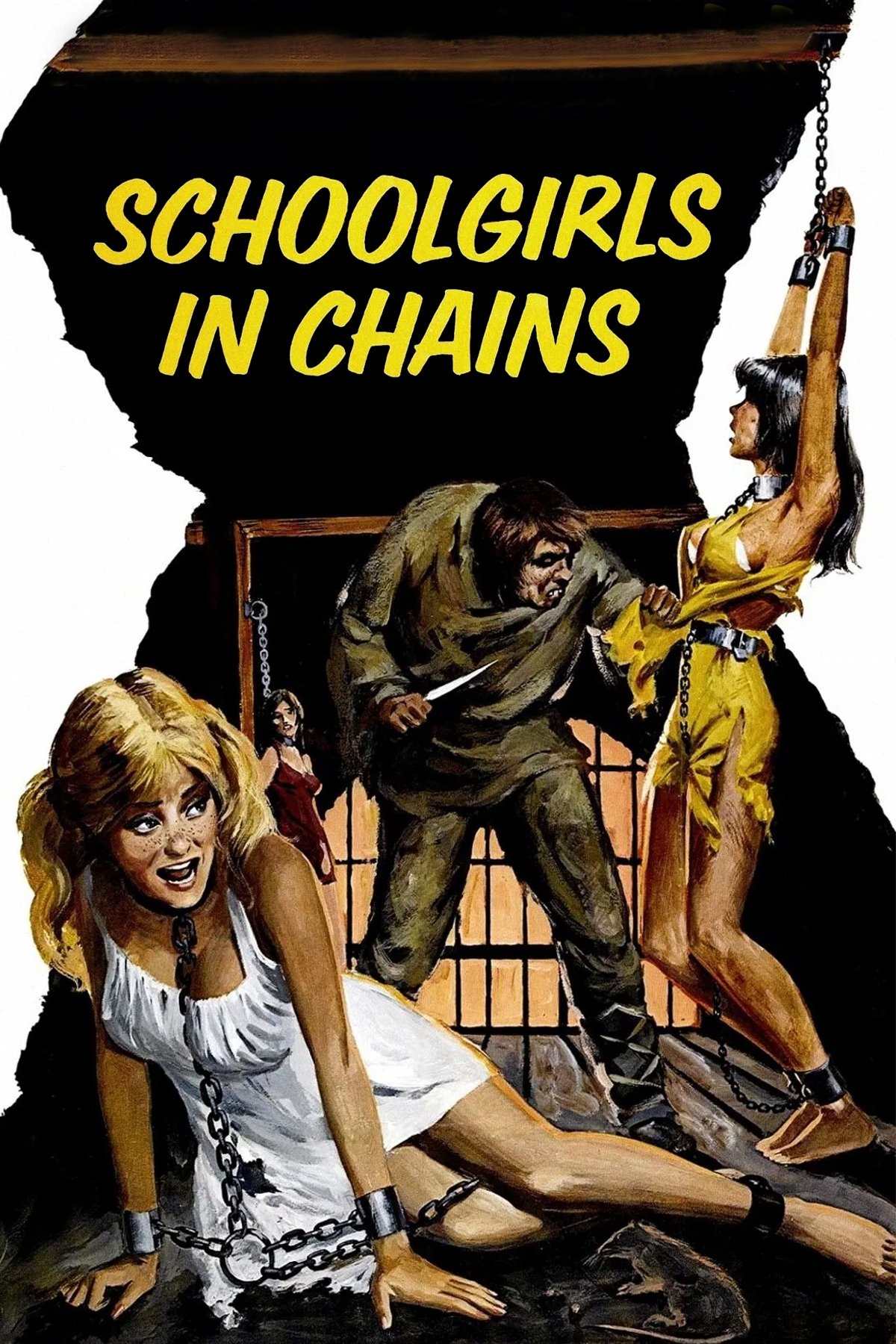
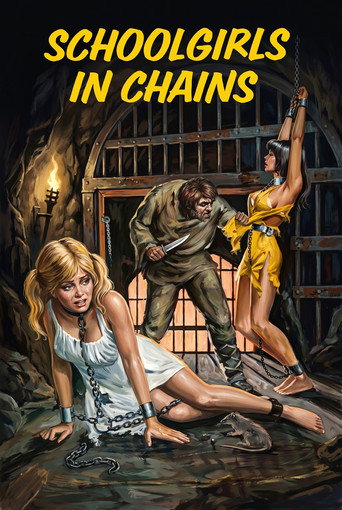
Schoolgirls in Chains (1973) poster
Director
Writer
Production Company
Mirror Releasing
Plot

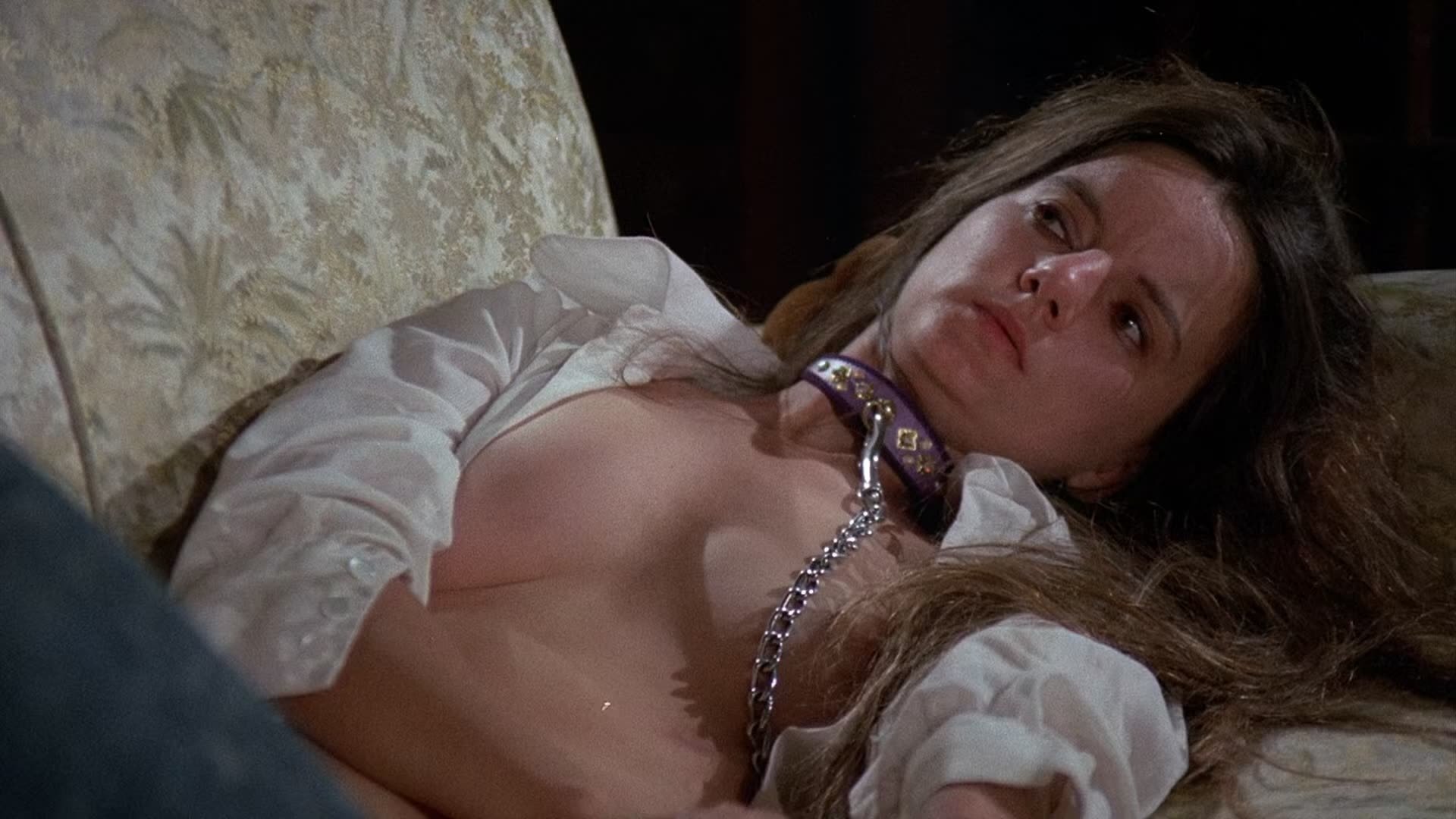
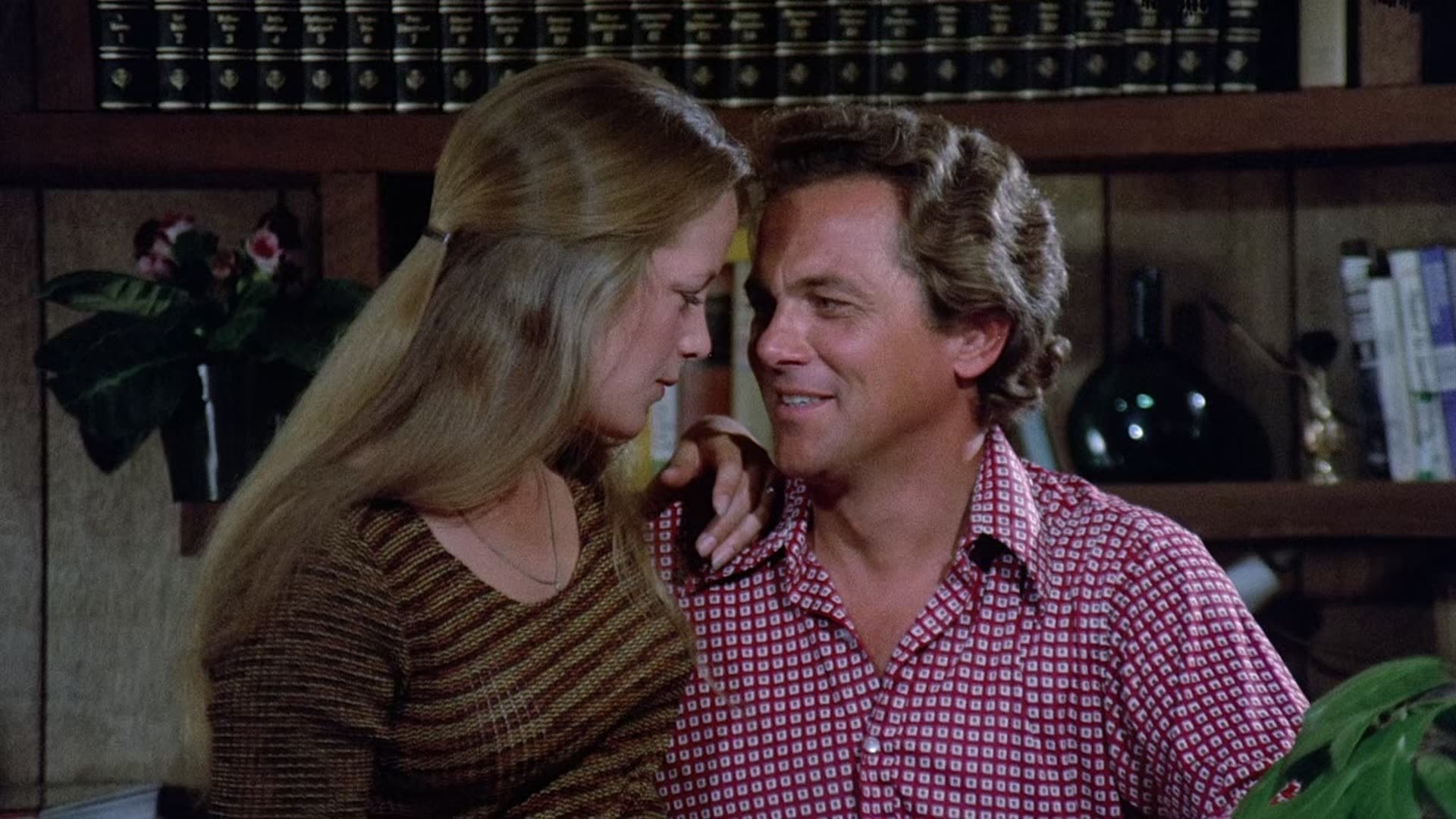
Two deranged brothers, who are under the domineering influence of their crazed mother, kidnap young girls and keep them captive in chains in their basement, where they subject them to depraved "games" that often end in torture and murder.

Alternative Titles
The Abduction (Australia) 绑架 (China) 绑架女学生 (China) 铁链女生蒙难记 (China) — Chinese Abducted (United Kingdom) 鐵鏈女生蒙難記 (Hong Kong SAR China) — Chinese دختران مدرسه‌ای در زنجیر (Iran) — Persian Come Play with Us (United States) — reissue title
Show all 10 alternative titles Girls in Chains (United States) — DVD title Let's Play Dead (United States) — Home Video Title

Film Guide & Analysis

Don Jones's 1973 captivity horror, from its troubled family setting and drive-in exploitation origins to its British Section 3 video history.

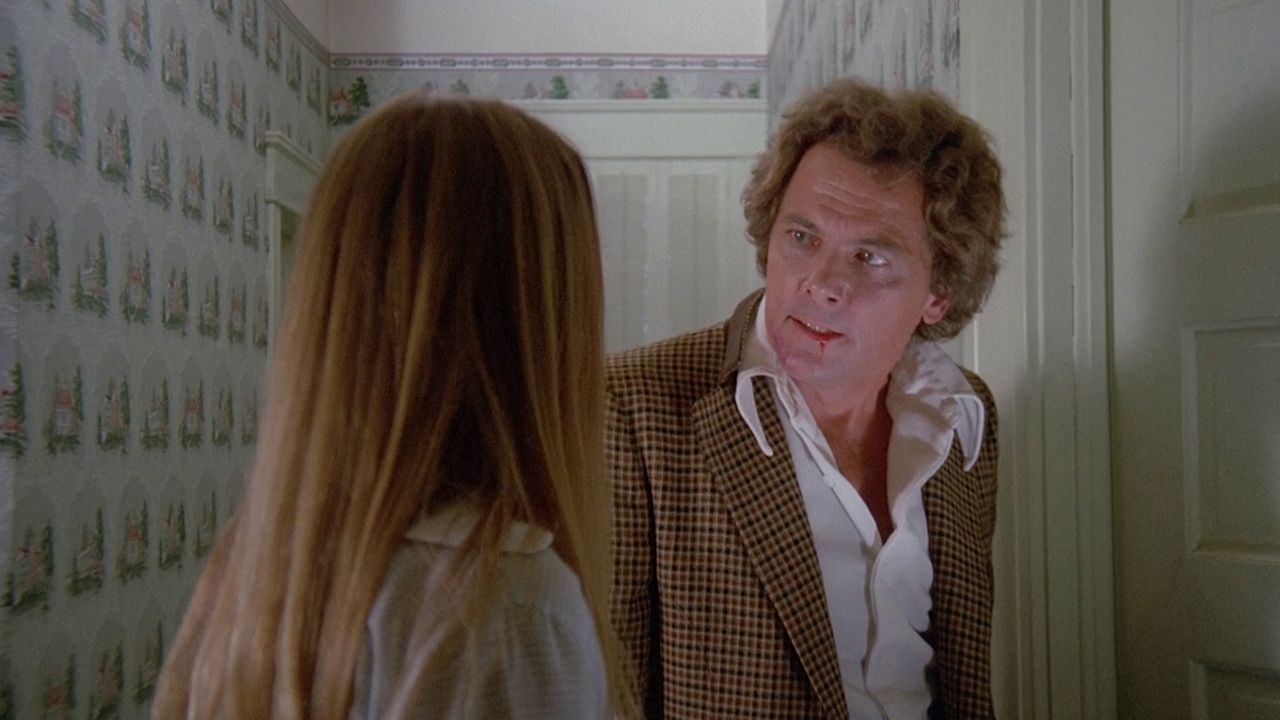
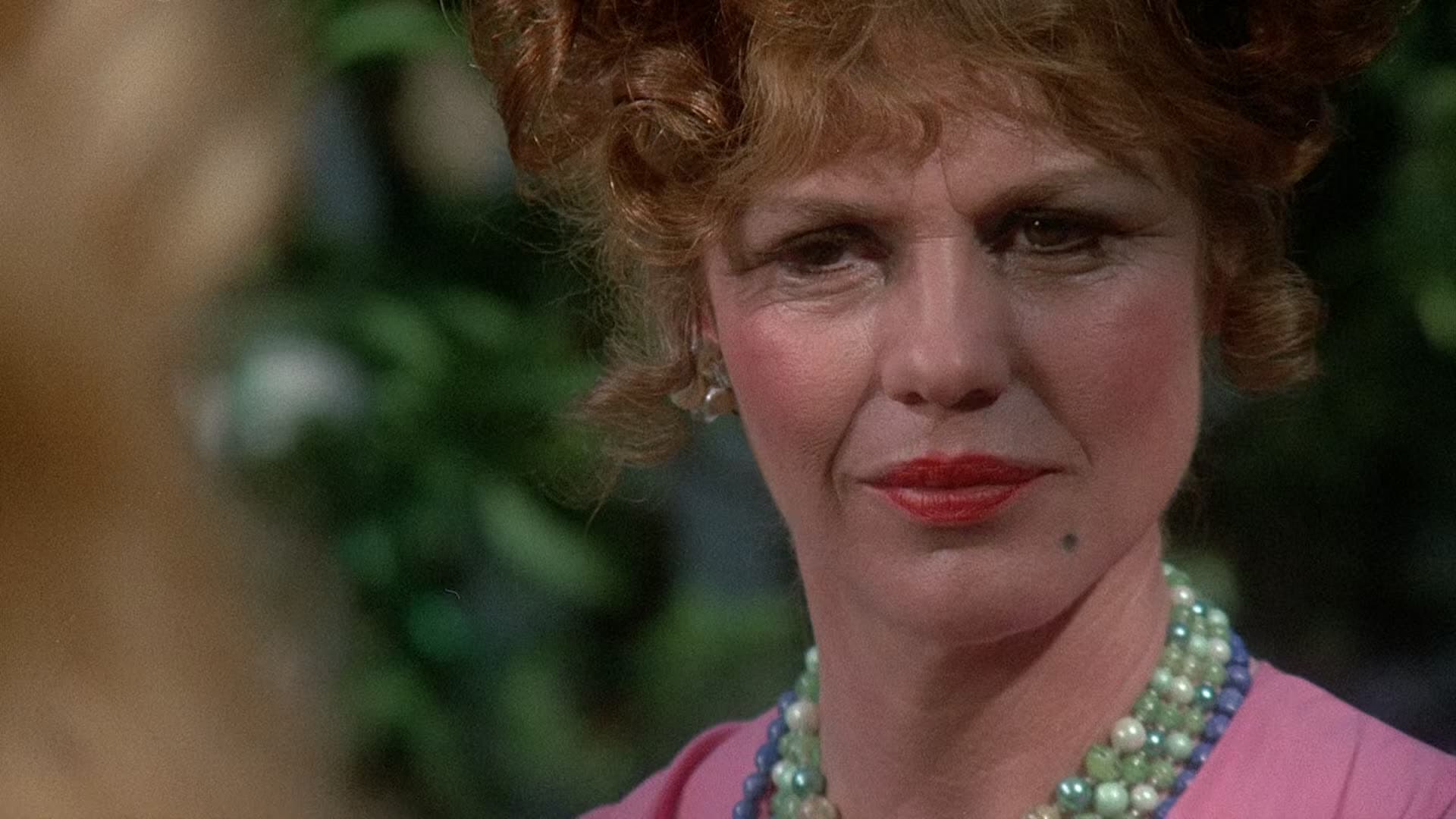
Schoolgirls in Chains (1973) belongs to the early American cycle of captivity horror in which ordinary travel and domestic spaces become sites of prolonged abuse. Don Jones places two brothers, Frank and Johnny Barrows, inside an isolated household where abducted women are confined and forced into games arranged around the men's disturbed understanding of family and intimacy. The provocative title suggests a school setting, but the film's central location is the brothers' home. Its particular horror grows from the gap between the men's childish routines and the real injuries their captives suffer. That contradiction gives the picture an identity beyond its blunt exploitation advertising.

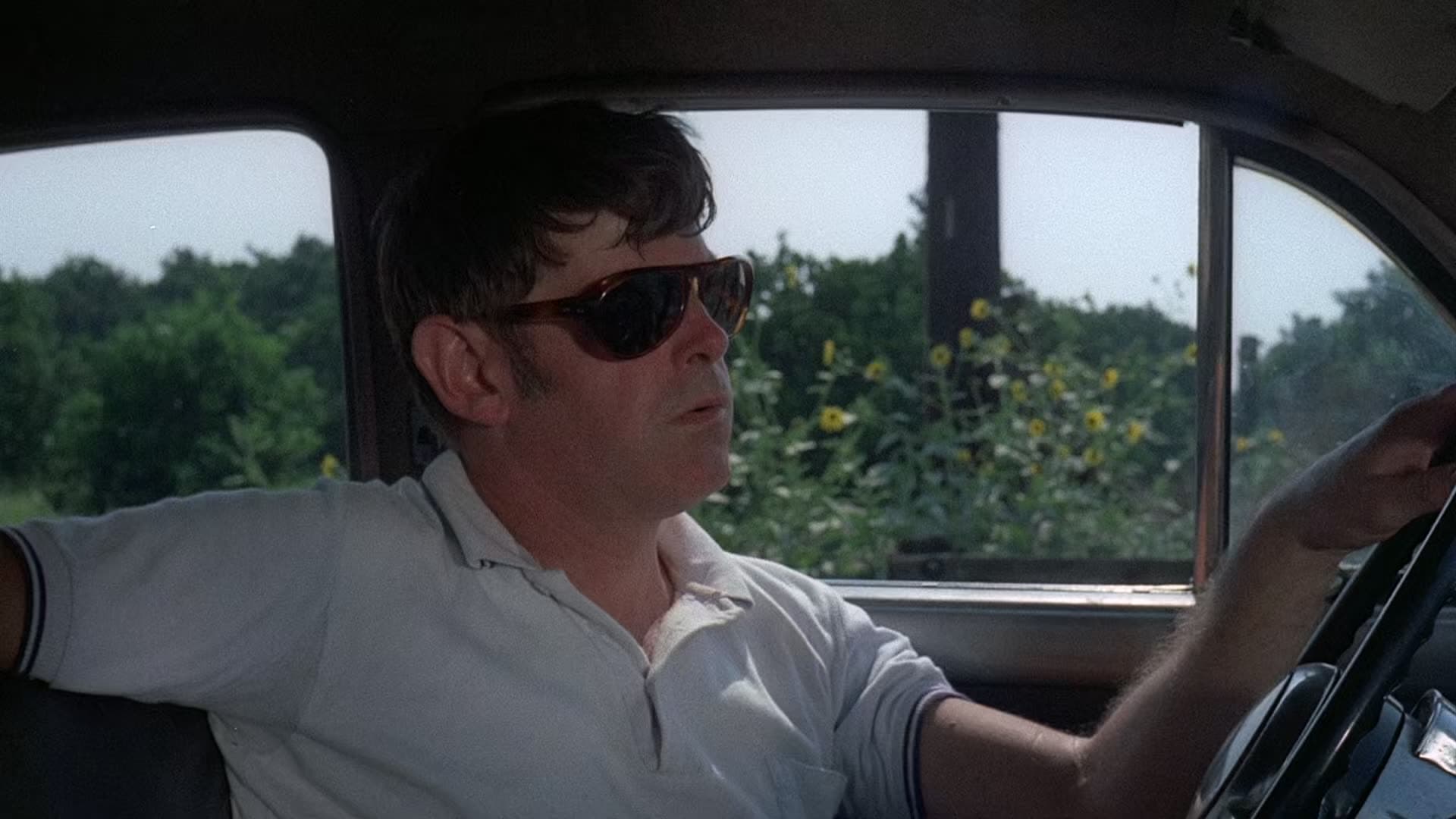
Made before the mid-1970s surge in rural American horror, the film uses a dominating maternal presence, sexual coercion and the fear of imprisonment to sustain its threat. Gary Kent's performance as Frank and John Parker's portrayal of Johnny establish distinct forms of menace. Their interactions also reveal how the household turns control into a kind of daily ritual. Later distribution under titles including Abducted and Let's Play Dead shifted attention toward different aspects of the story. Its appearance on Britain's supplementary list of videos liable to seizure gave this comparatively obscure independent feature a second history within the censorship debates of the 1980s.

Independent Production and the Exploitation Cycle

Jones wrote, produced and directed the film within the low-budget American exploitation sector. The production relied on performers familiar with regional and drive-in cinema, above all Kent, whose previous credits included films made with Al Adamson. Kent also worked in production management on the picture. Accounts of interviews with Jones and his collaborators describe a small-scale shoot in which the principal house and its contents became essential resources. In those recollections, the film had a working title, The Black Widow, before appearing under a name designed to emphasize captivity and sexual danger. These are retrospective production accounts, not evidence of a documented nationwide advertising strategy.

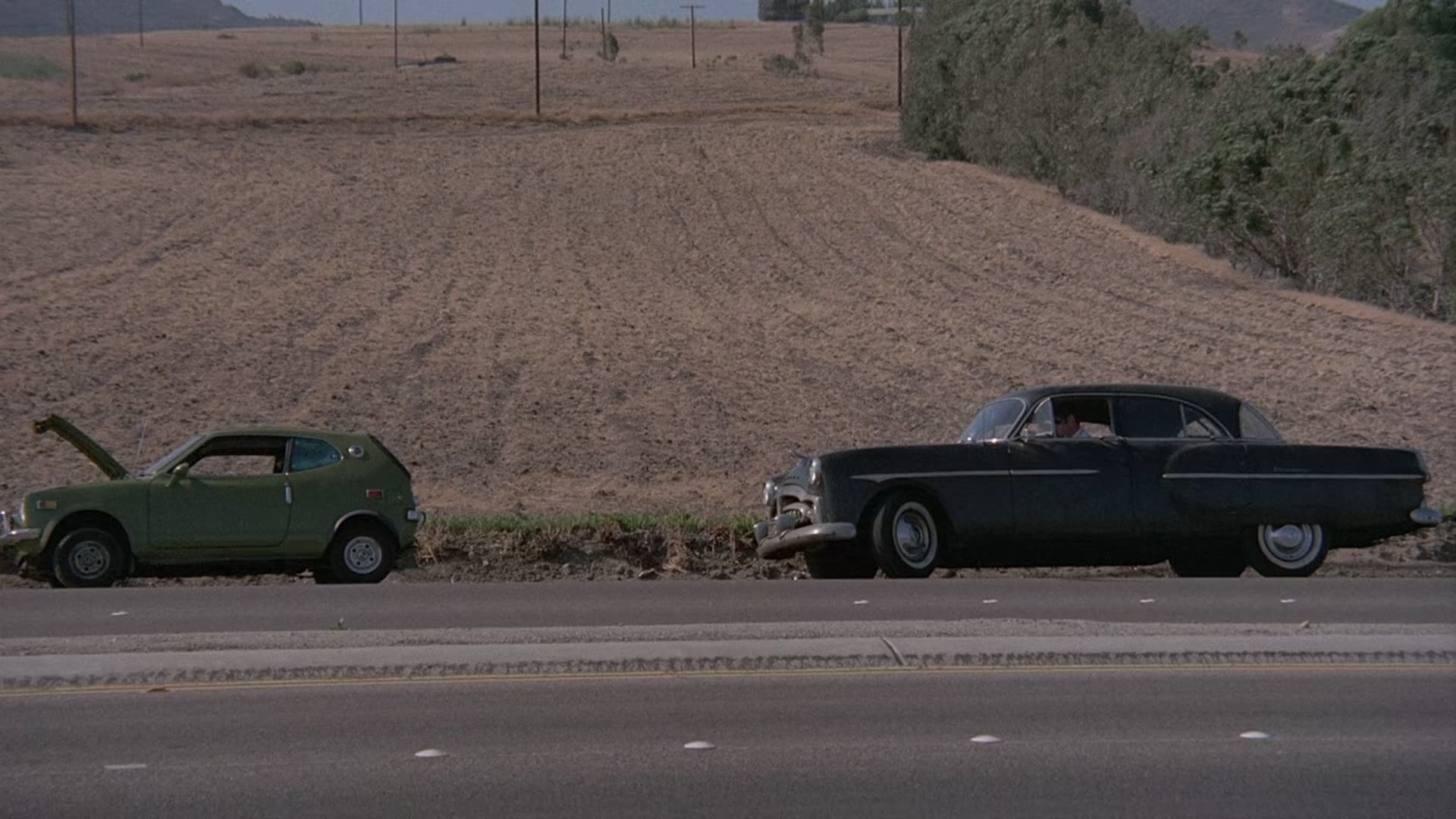
The choice of a rural dwelling connects the project to a contemporary strain of horror about travelers encountering violent households. Comparison with The Last House on the Left or later films about isolated families is useful at the level of genre history, although no evidence establishes a direct production connection. Jones built a setting that could contain numerous encounters without elaborate changes of location. The result makes domestic confinement the organizing condition of the narrative. The women can observe their captors, bargain for time and assess possible exits, but the surrounding grounds and the brothers' control of movement continually frustrate those efforts.

The Brothers, the Mother and Captive Games

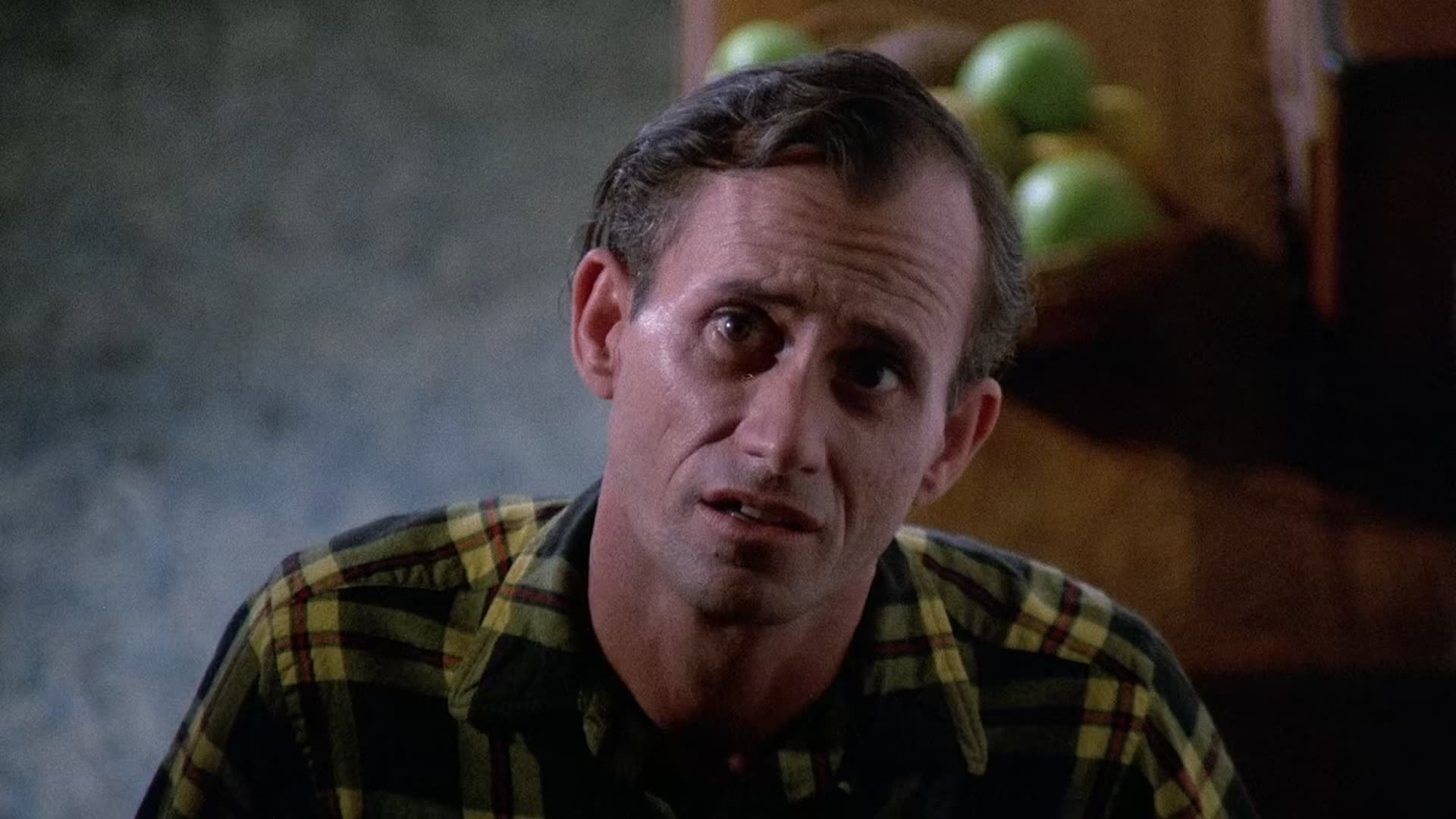
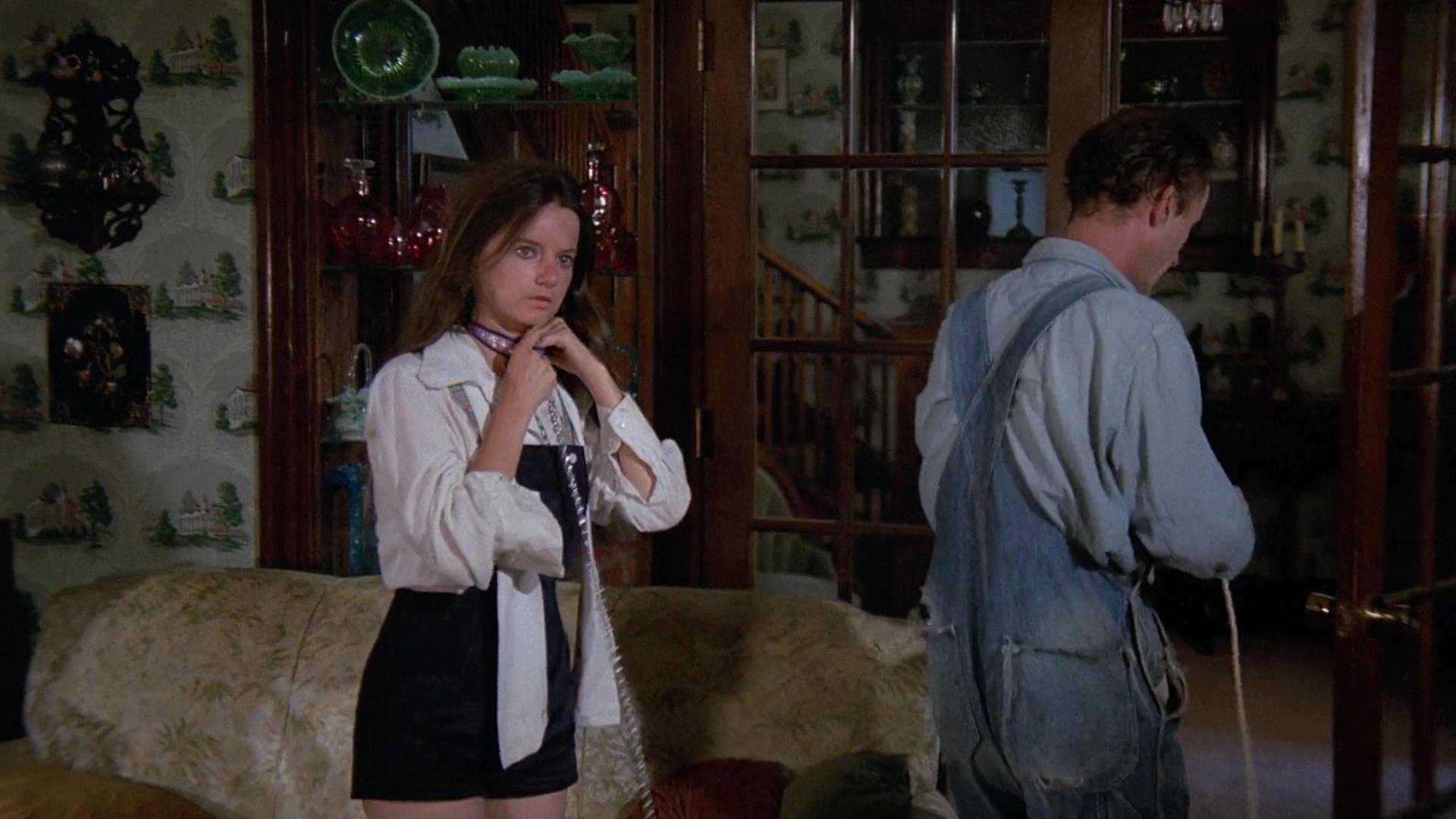
Frank and Johnny present contrasting threats. Frank attempts to control the household through coercion and explanations that expose his possessiveness, while Johnny turns familiar childhood activities into ordeals for the prisoners. His repeated desire to play doctor makes a supposedly harmless game a setting for invasive examination and threatened injury. Their mother occupies a powerful place in the family account, influencing how both sons speak about affection and obedience. As the plot supplies more information about that relationship, the household's conduct takes on a disturbing psychological dimension. The film borrows recognizable ideas from mother-centered thrillers, but its emphasis remains on what those fantasies do to the women held captive.

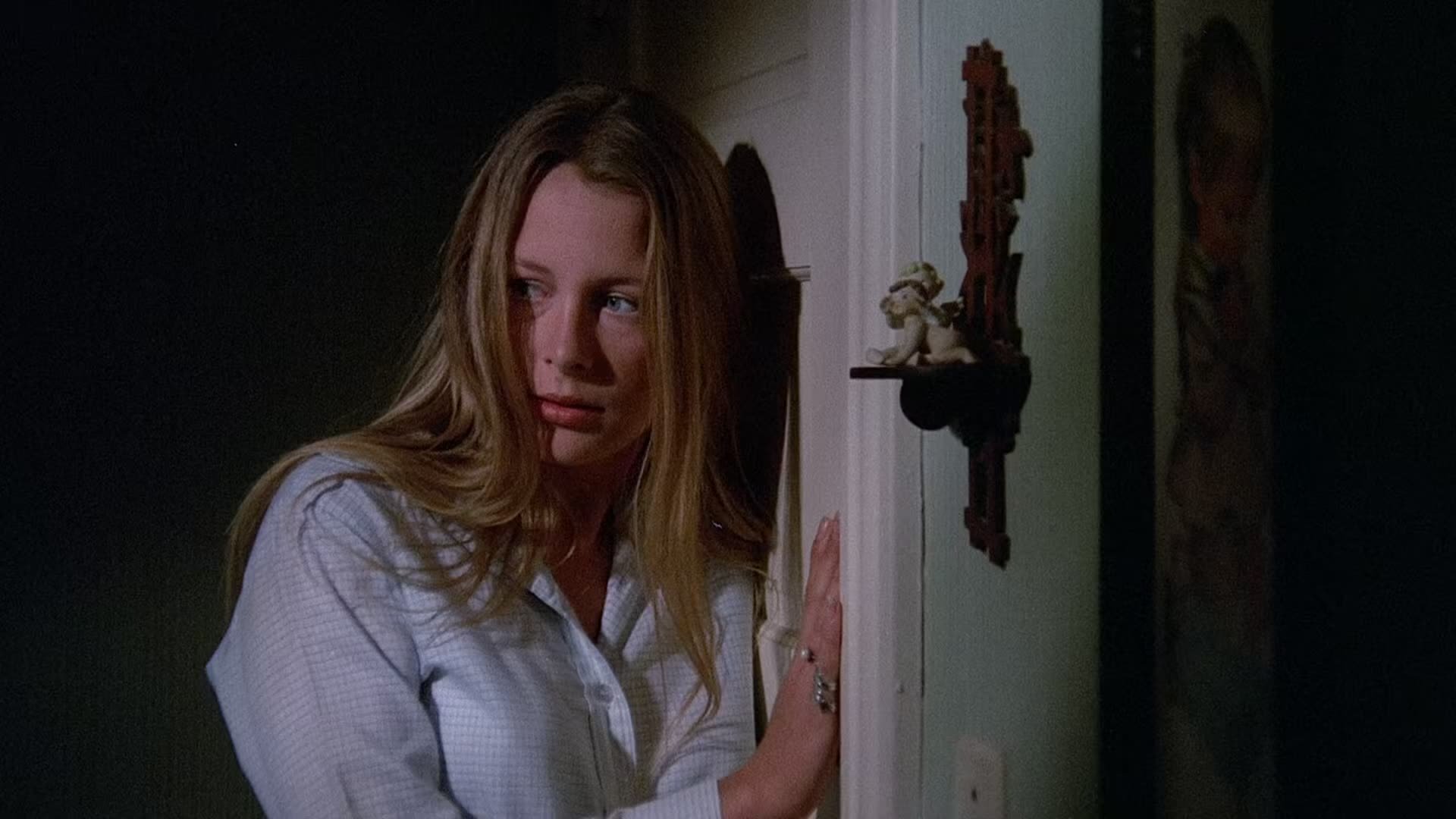
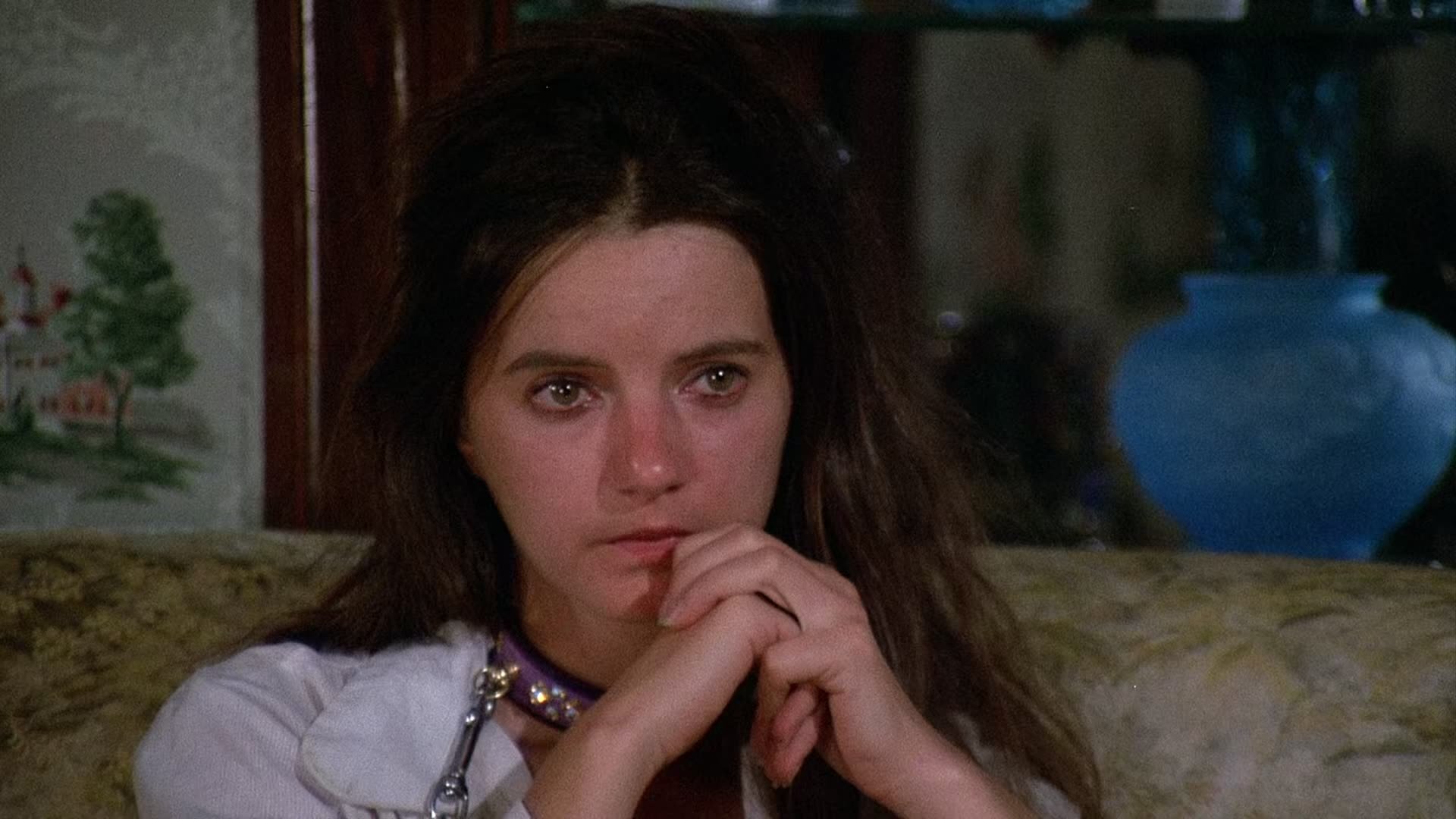
The script gradually turns the women's attempts at survival into the central source of suspense. Conversations and apparent concessions matter because the captives must judge which brother might be manipulated and which gesture could provoke retaliation. Bonnie, played by Cheryl Waters, is connected to a life outside the house, giving the final stages of the story a pressure absent from the brothers' private routines. Although the film's marketing promises spectacle, many scenes are built around waiting and negotiation. This prolonged exposure to the captors also creates the work's chief ethical problem: the experience of threatened women is essential to its horror, while their confinement repeatedly becomes a source of voyeuristic display.

The House, Image and Sound

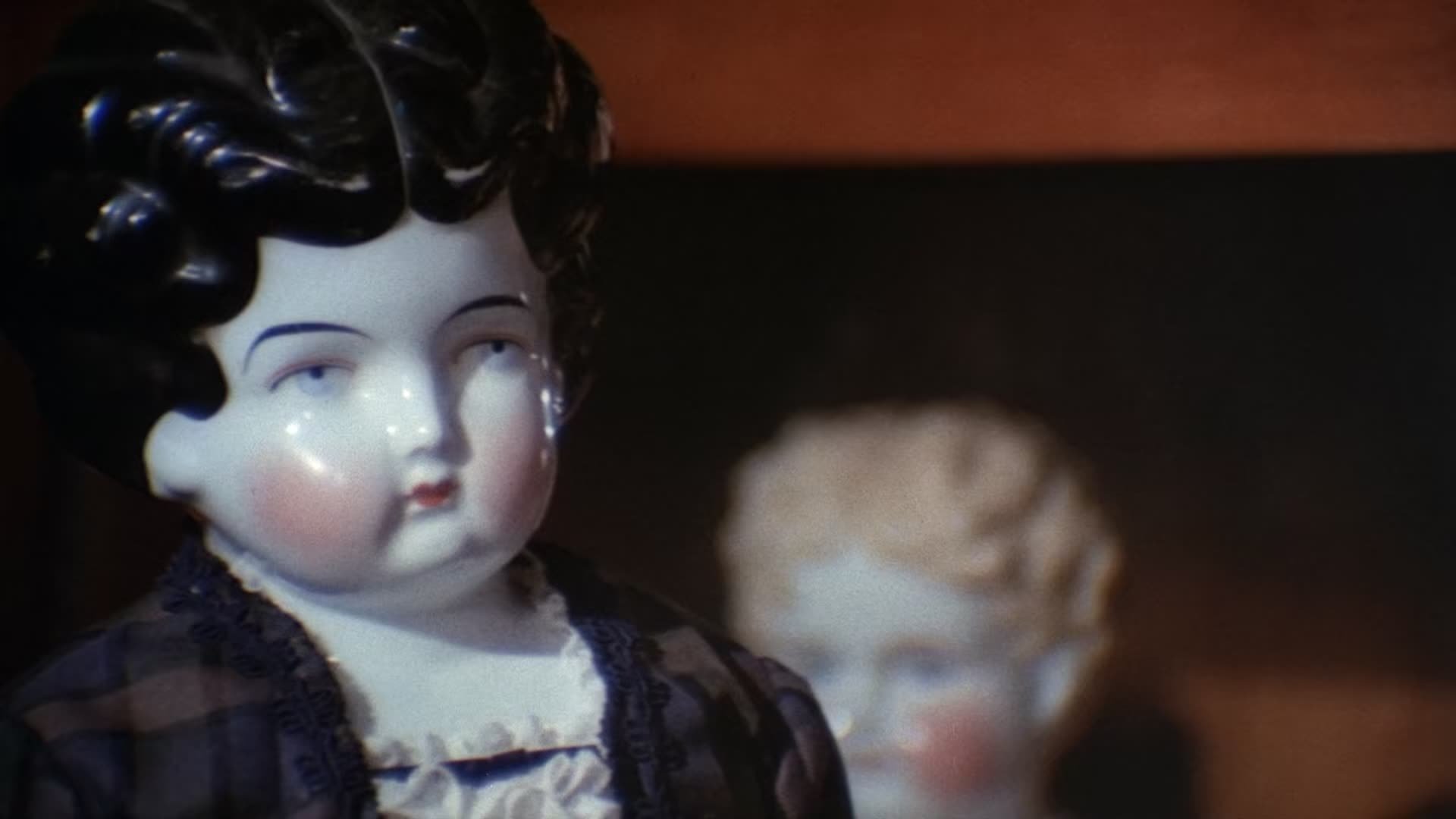
The opening arrangement of dolls introduces the household as a place where human relationships have been replaced by objects that can be owned and arranged. Accounts of the director's later commentary connect the collection to the actual house used during filming. Within the story, the dolls reinforce an atmosphere of arrested childhood before the captives appear. The camera then moves between rooms, the cellar and the surrounding property, making everyday architecture function as a system of concealment. Doors and changes in level separate the prisoners from the outside world. Scenes set elsewhere briefly expand the geography, but the return to the house restores the pressure of a space governed entirely by the brothers.

Jones's staging depends on uncomfortable duration as much as on visible wounds. Close encounters are allowed to continue while the audience understands how little room the victims have to refuse. The score and sound design provide a jarring accompaniment: an opening song contrasts with the imagery of dolls, and fragments of children's music accompany scenes whose implications are increasingly cruel. Critics have noted the use of wider compositions and longer lenses, which permit the men and women to share a frame without reducing their unequal positions to isolated reaction shots. The exploitation content stays within the film's American R-rated presentation, yet the threats of sexual violence remain central to its effect.

Alternate Titles, British Seizures and Later Preservation

The original American release is generally dated to 1973, although accessible sources do not establish a precise opening day. Later circulation used several titles, among them Girls in Chains, Let's Play Dead and Abducted. In Britain, Abducted appeared on the Astra video label in November 1982, according to the distribution appendix of M. J. McKenna's study Nasty Business. British censorship histories place that cassette among the supplementary Section 3 titles associated with the video nasties controversy. The distinction is important: Section 3 permitted seizure and forfeiture under the Obscene Publications Act, but it should not be described as proof that this film was successfully prosecuted under Section 2 or formally banned following a trial.

Version information also needs caution. Specialist censorship records report a shortened US release print, but brief running-time listings and later transfers do not by themselves identify every altered shot. A later video edition preserved commentary tracks with Jones, Kent and cinematographer Ronald Victor Garcia, alongside an interview in which Jones discussed the production and its earlier title. In the following decade, a new transfer from rediscovered original negative material significantly improved the film's availability and image quality. That preservation history allows the film to be studied beyond the battered copies associated with its early home-video reputation, while leaving unverified claims about precise original cuts unresolved.

References

  1. Mondo Digital Schoolgirls in Chains

    Substantial retrospective film analysis with information drawn from Don Jones's commentaries, the working title, house locations, soundtrack and successive restorations.

  2. Melon Farmers Video Nasties Seizures: Schoolgirls in Chains

    Specialist British censorship chronology distinguishing Section 3 seizure, the Astra videotape and reported differences between film versions.

Cast

View Full Cast & Crew →

Release & Distribution

Production Companies (1)

  • Mirror Releasing

Release History (1)

Release DateTerritoryRelease TypeFormatDistributorCertificationNotes
1973-01-01 United States Theatrical — — R
They Were Abducted and Violated... but the Worse Was Yet to Come!