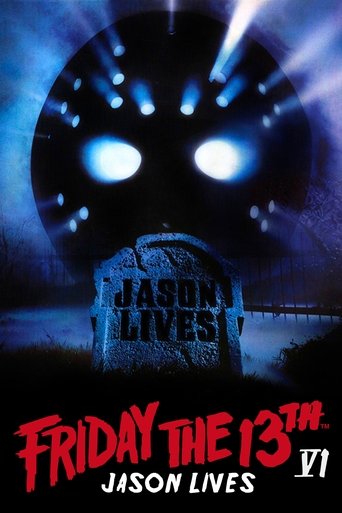


Development: Bringing Back the Real Jason
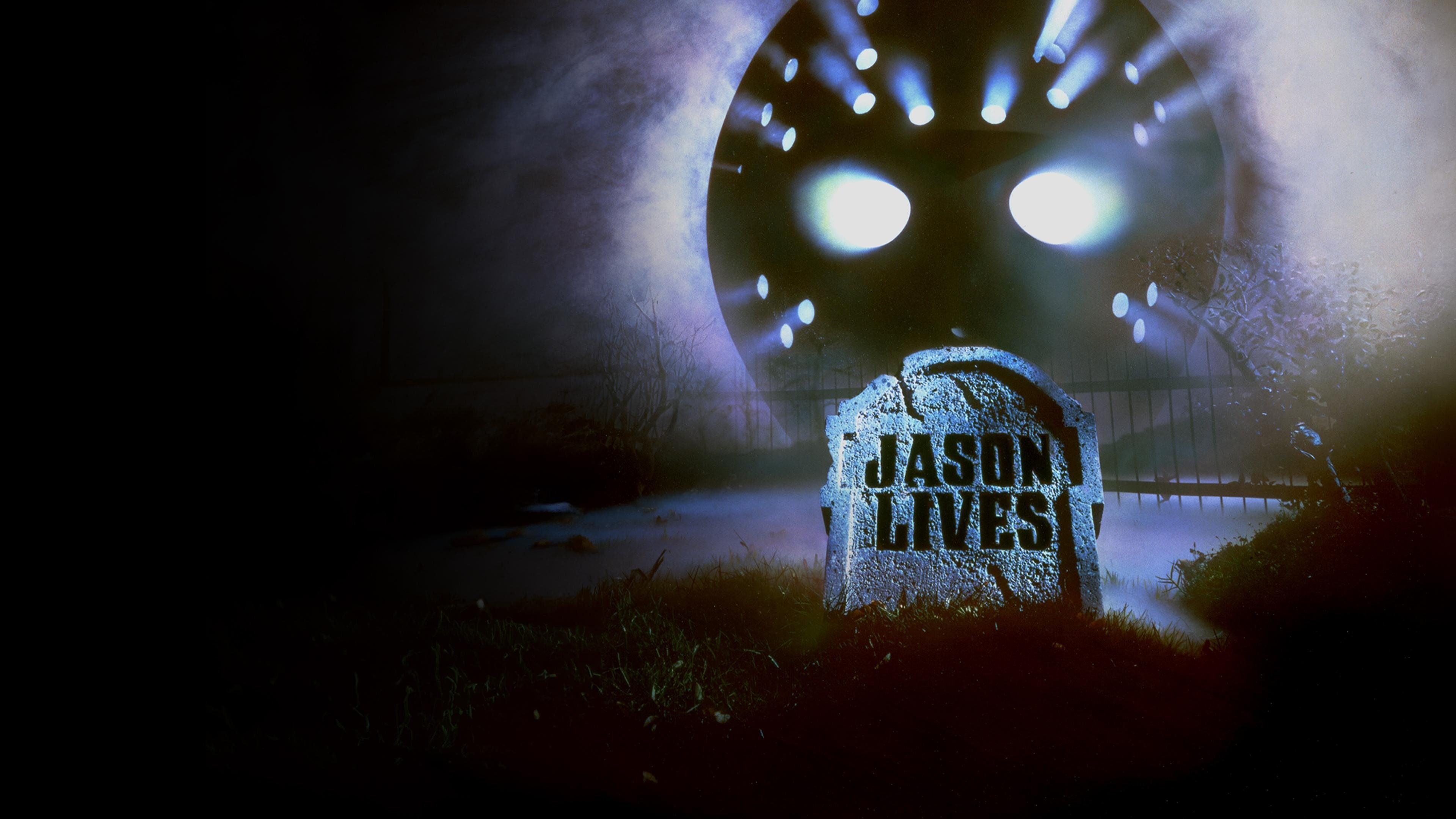
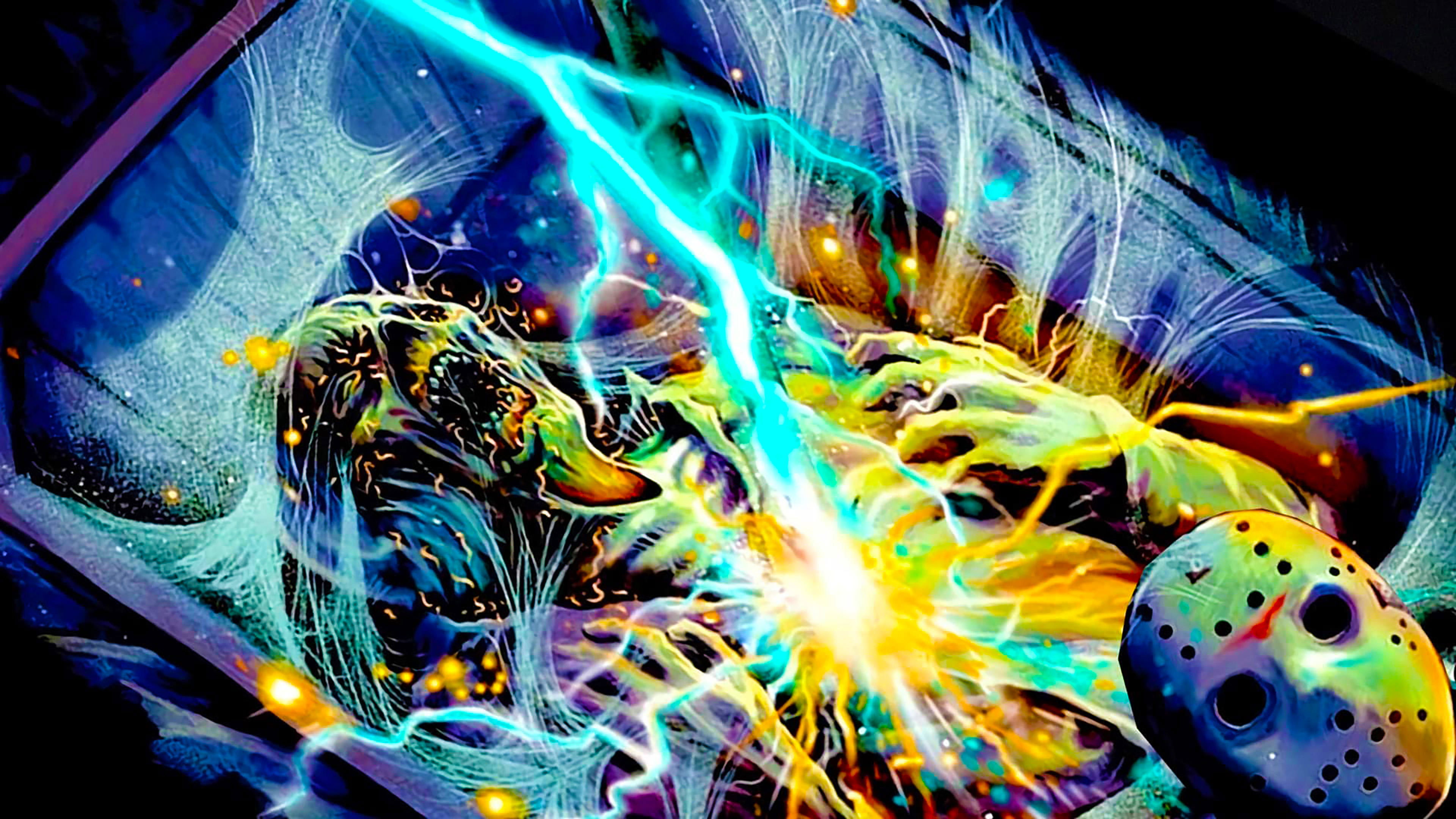
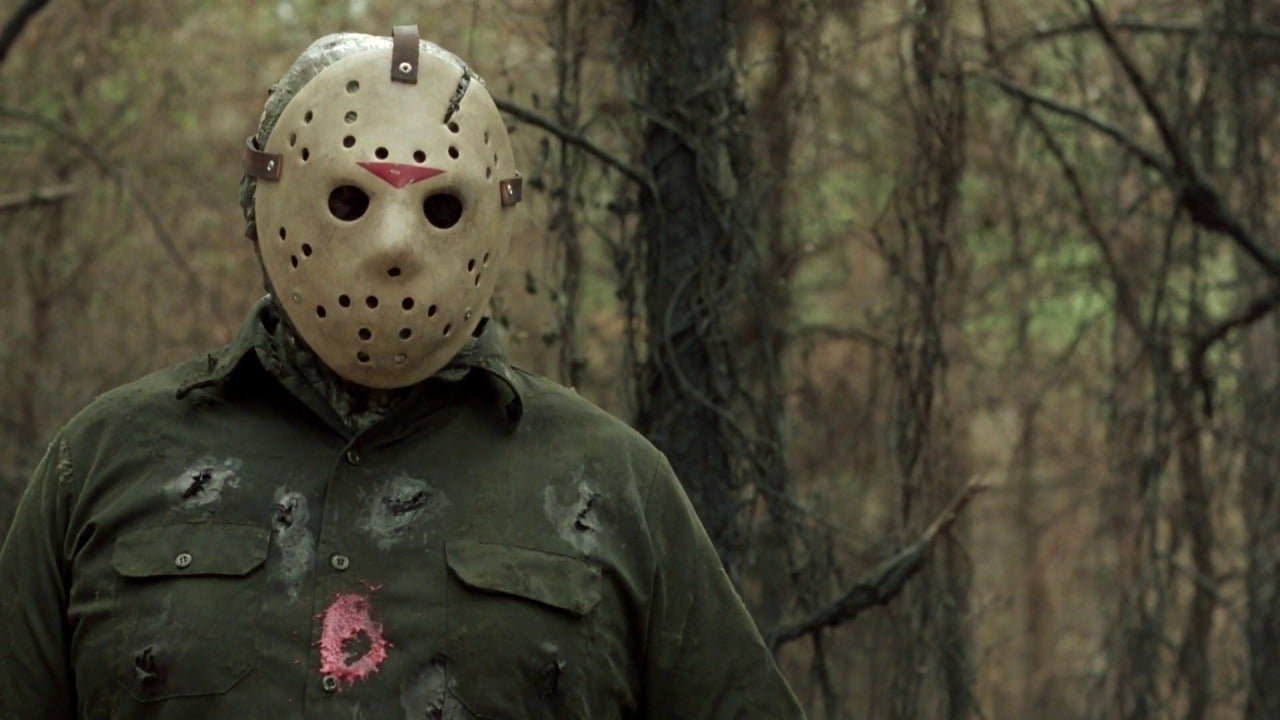
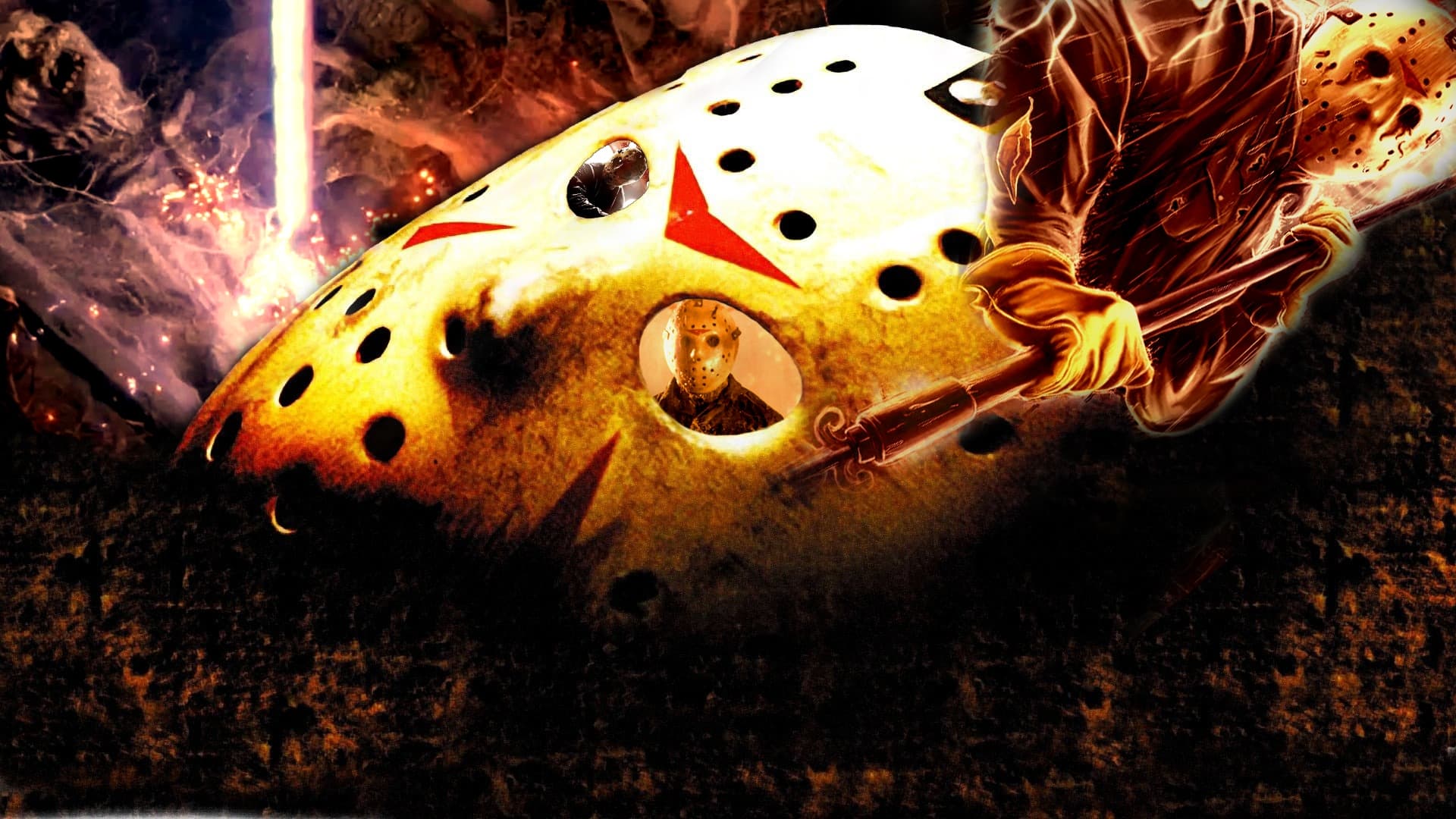
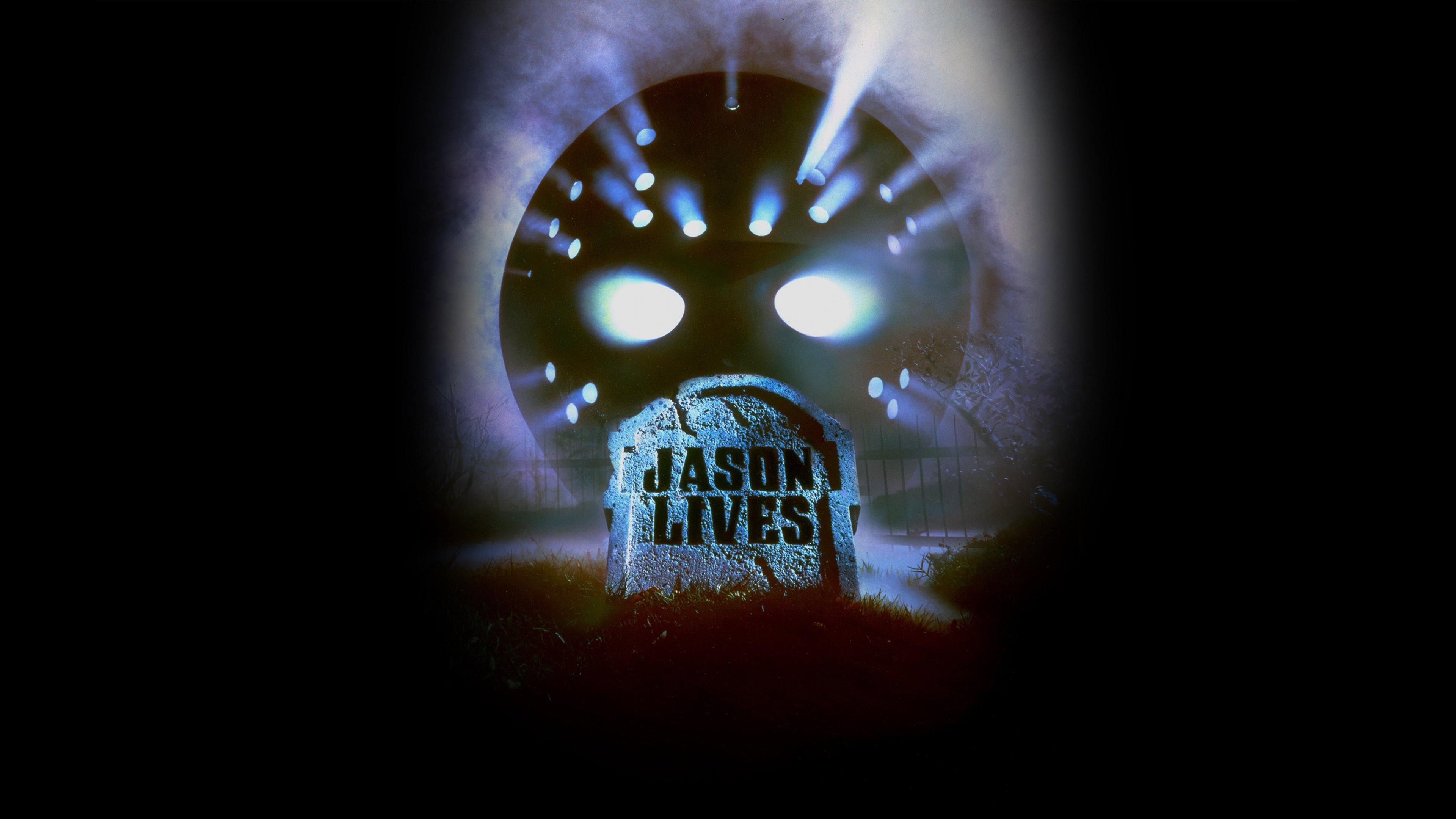
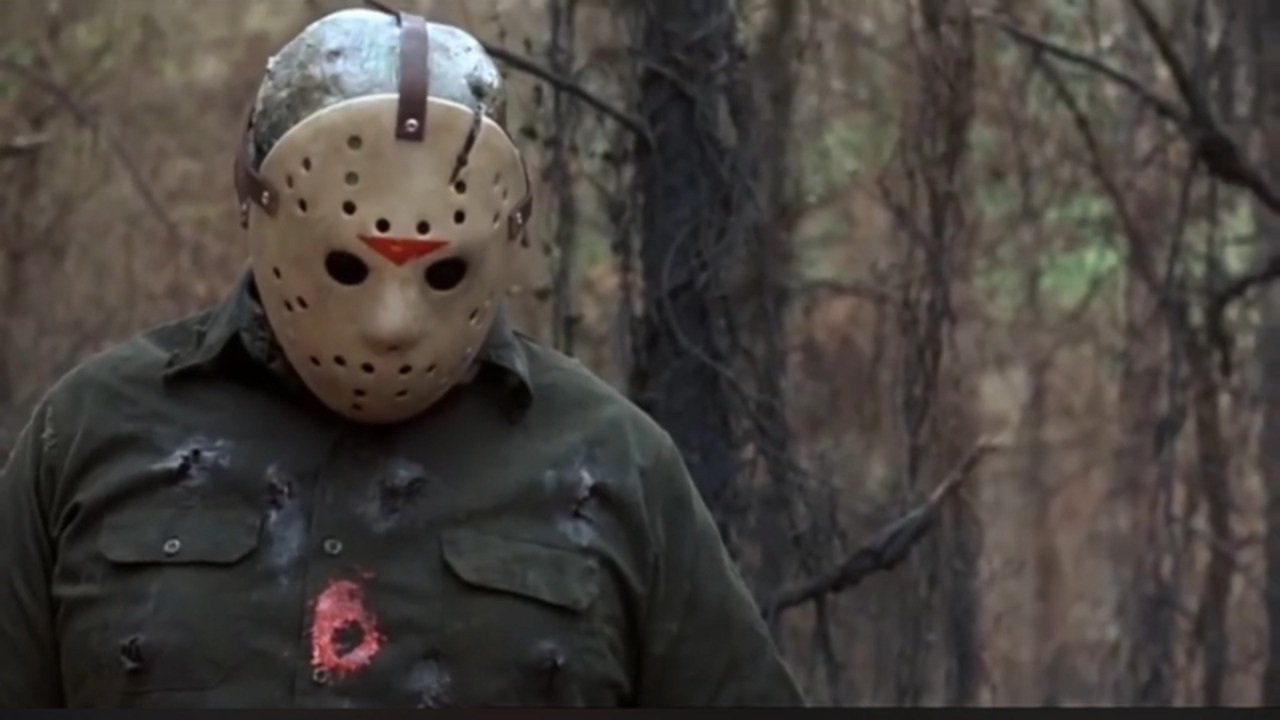
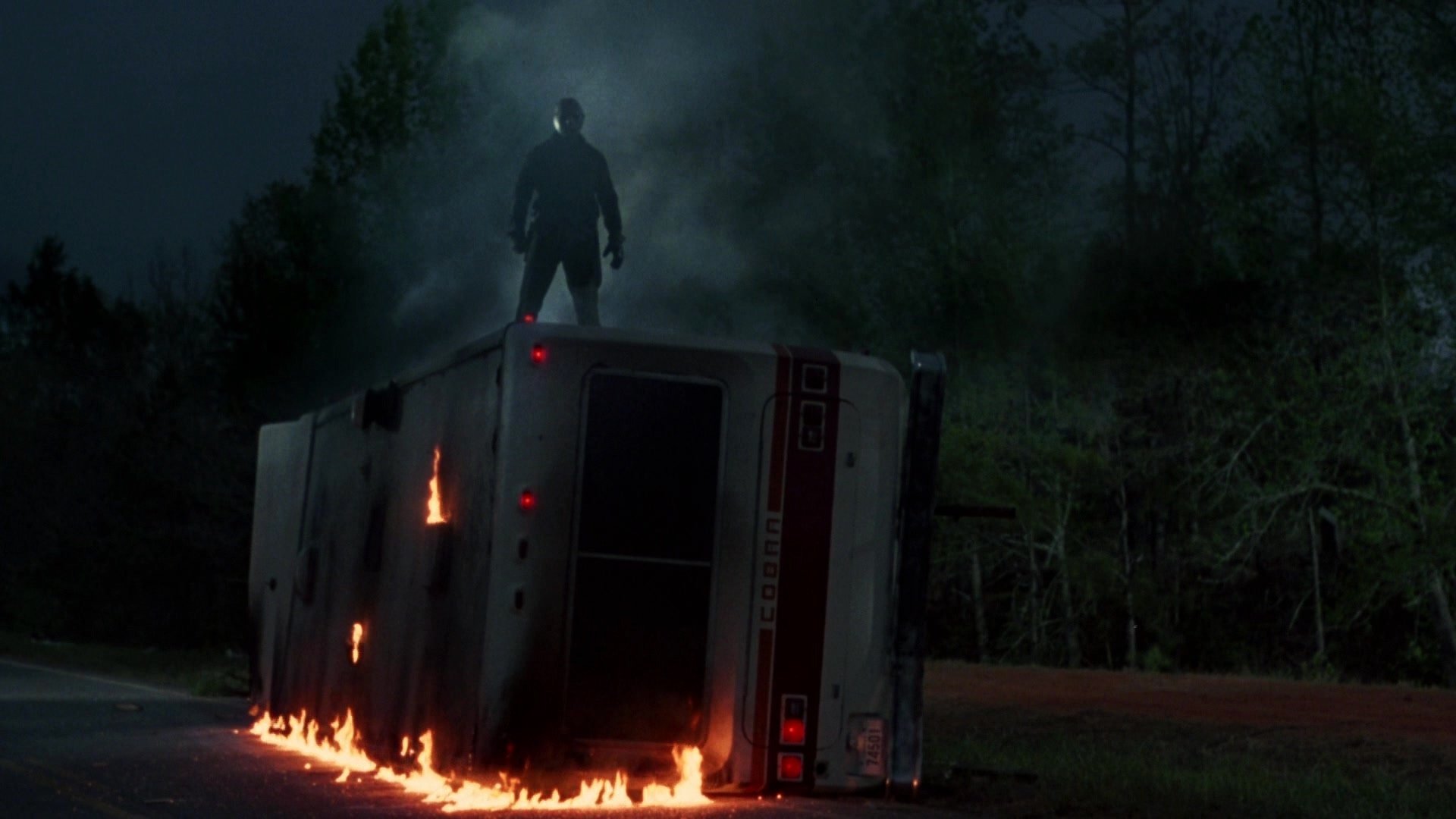
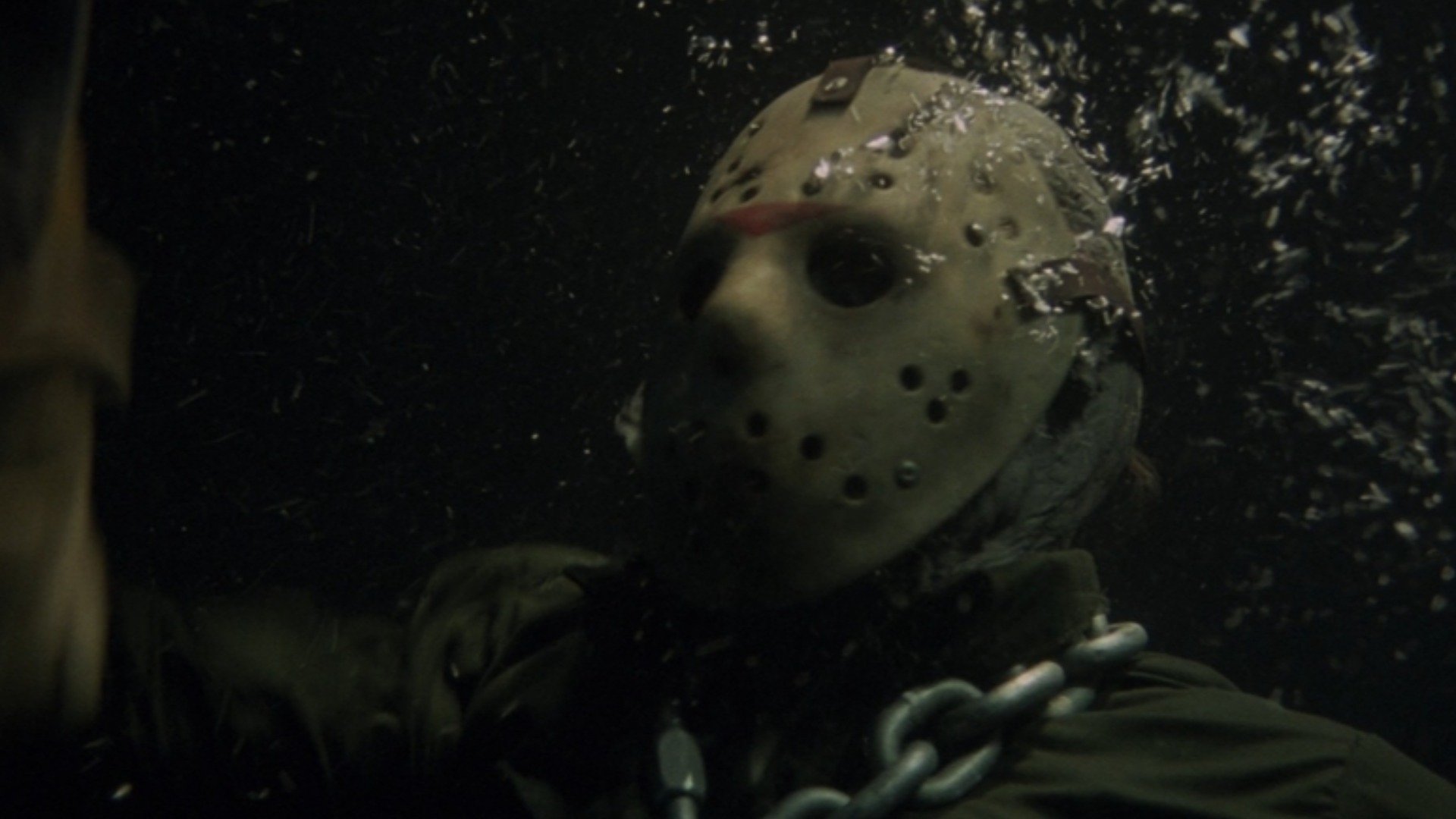
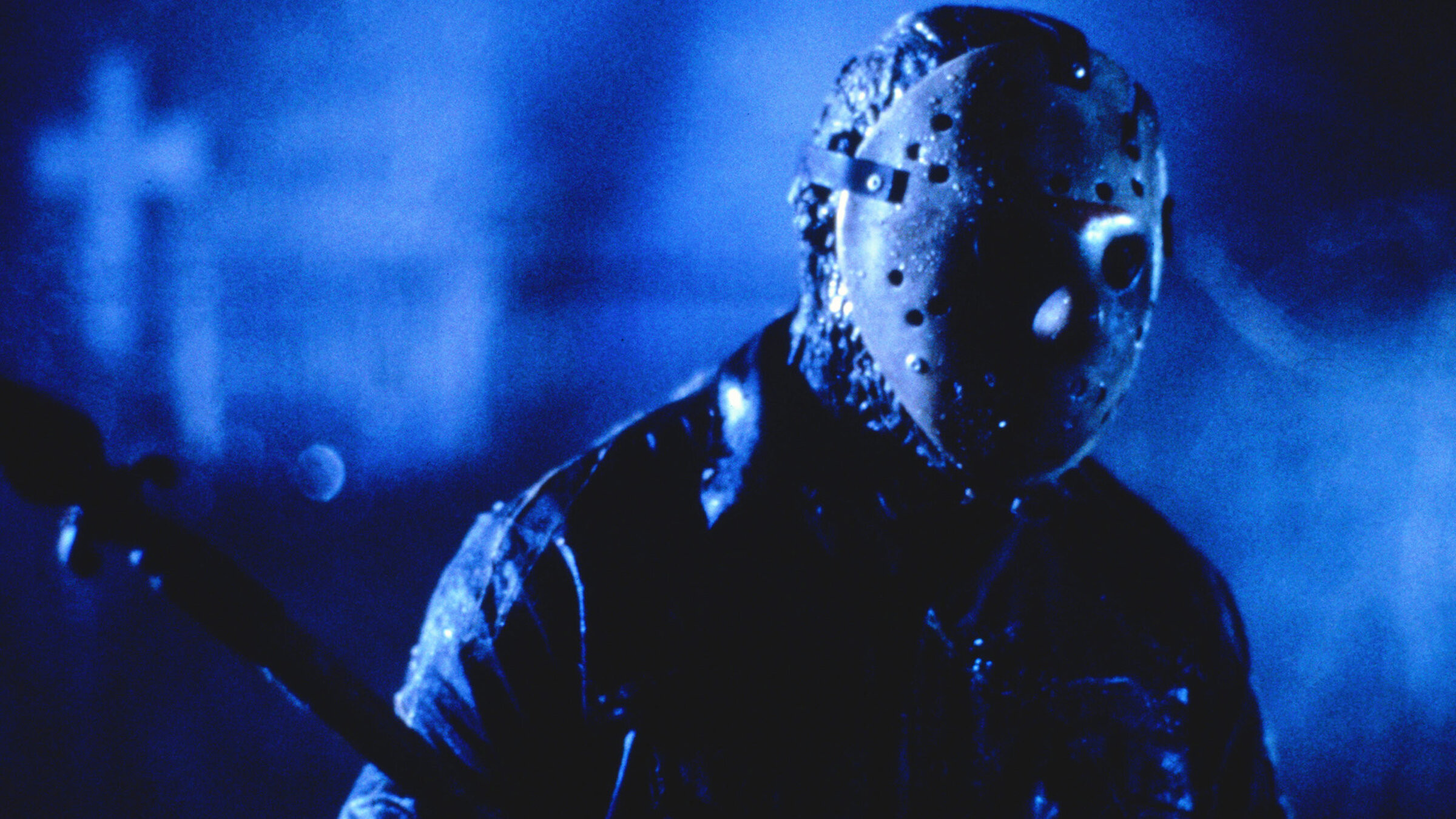
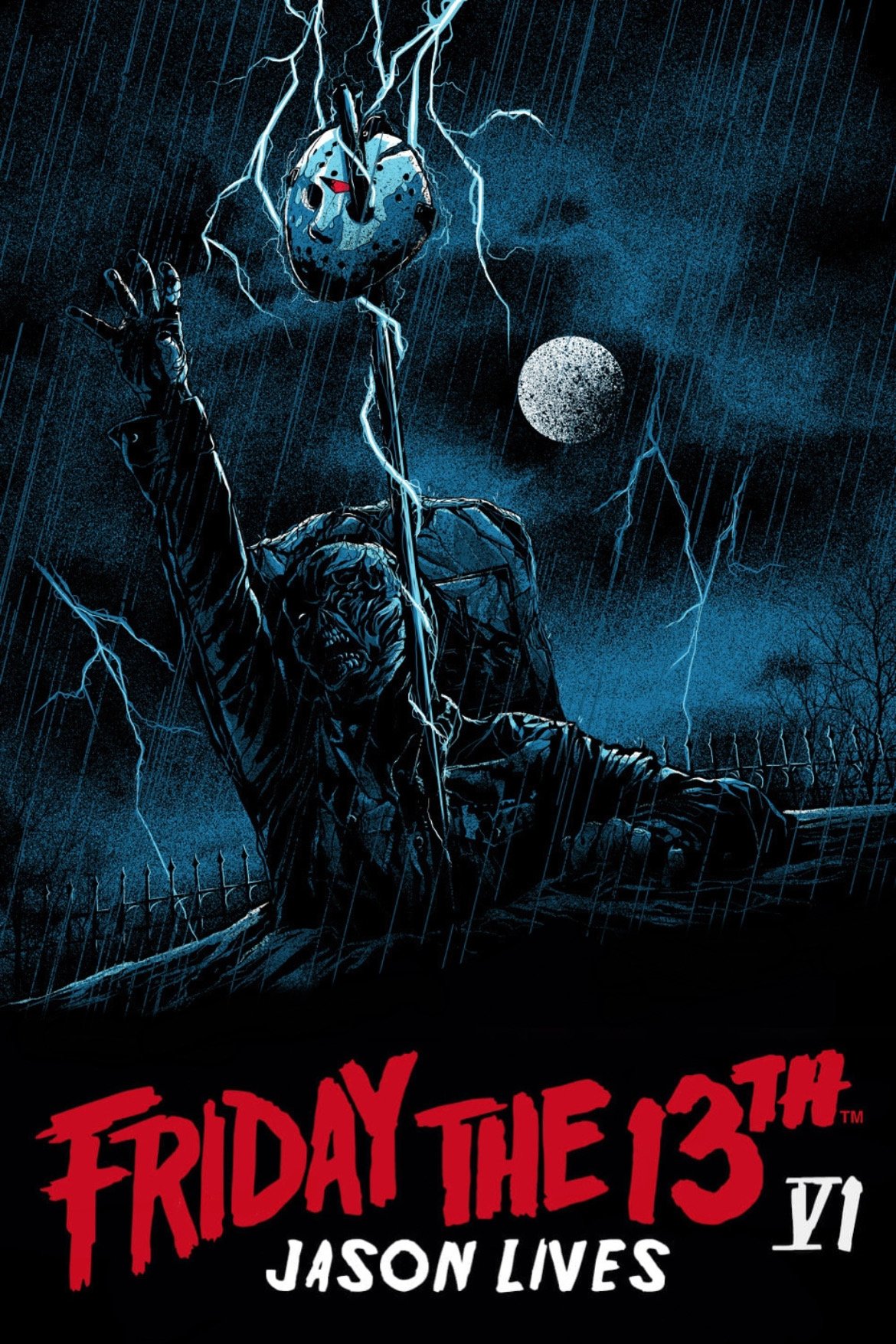
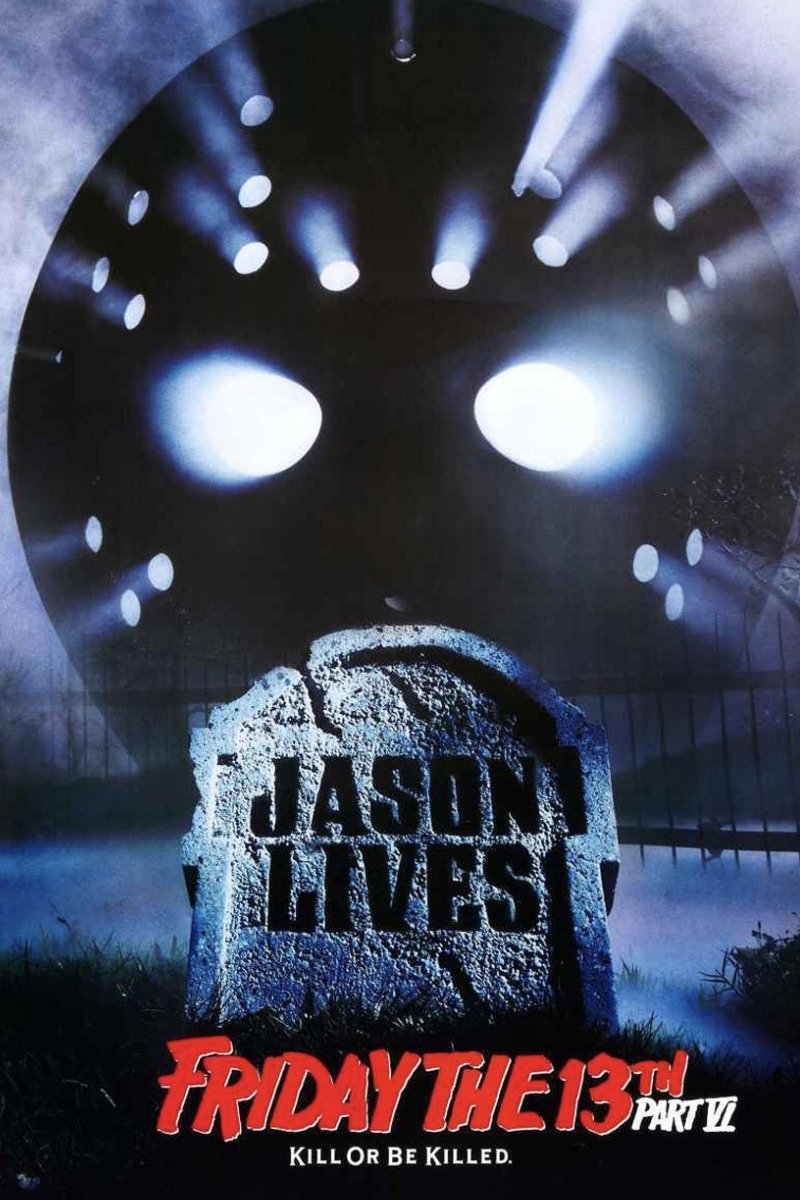
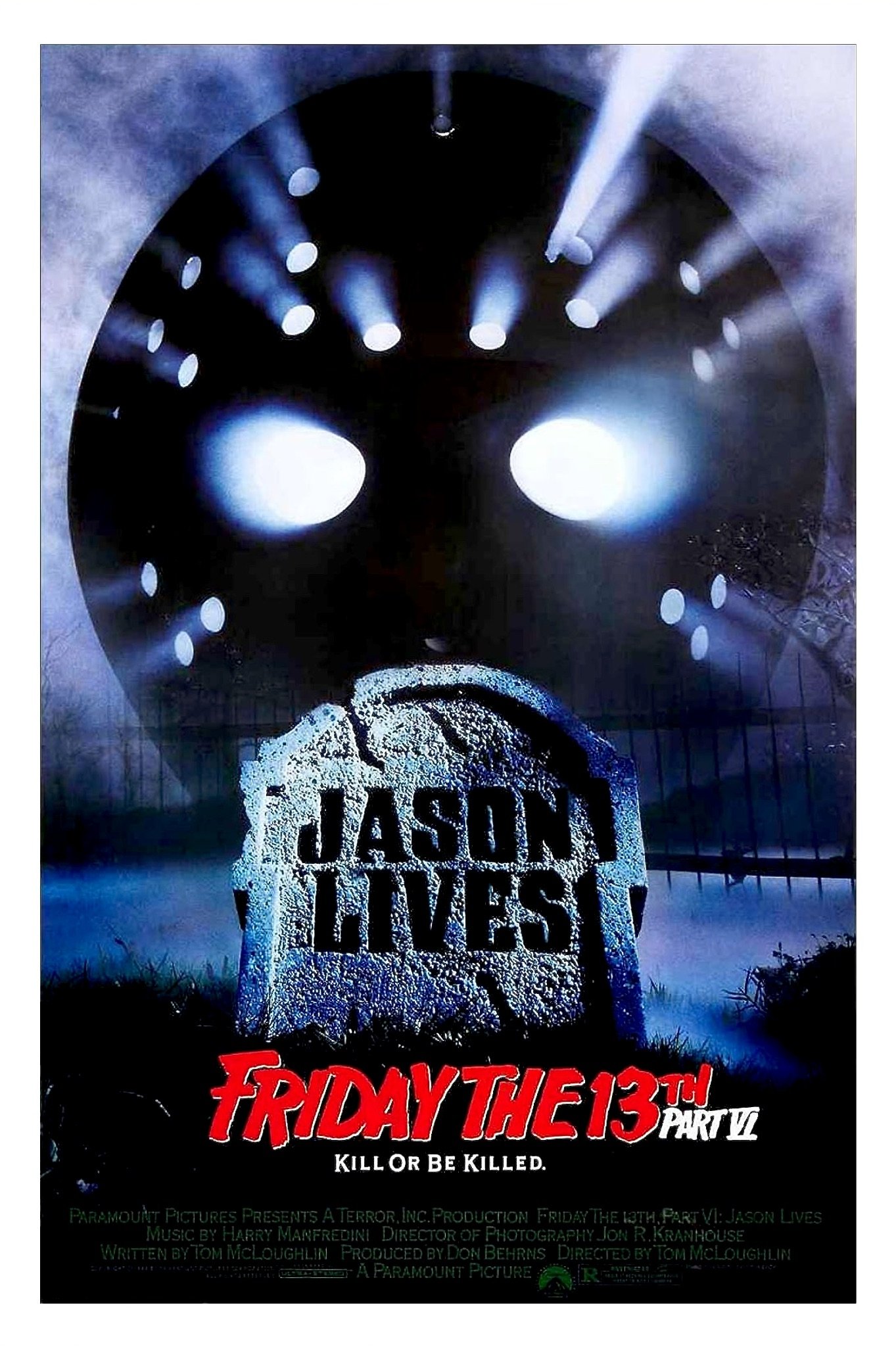
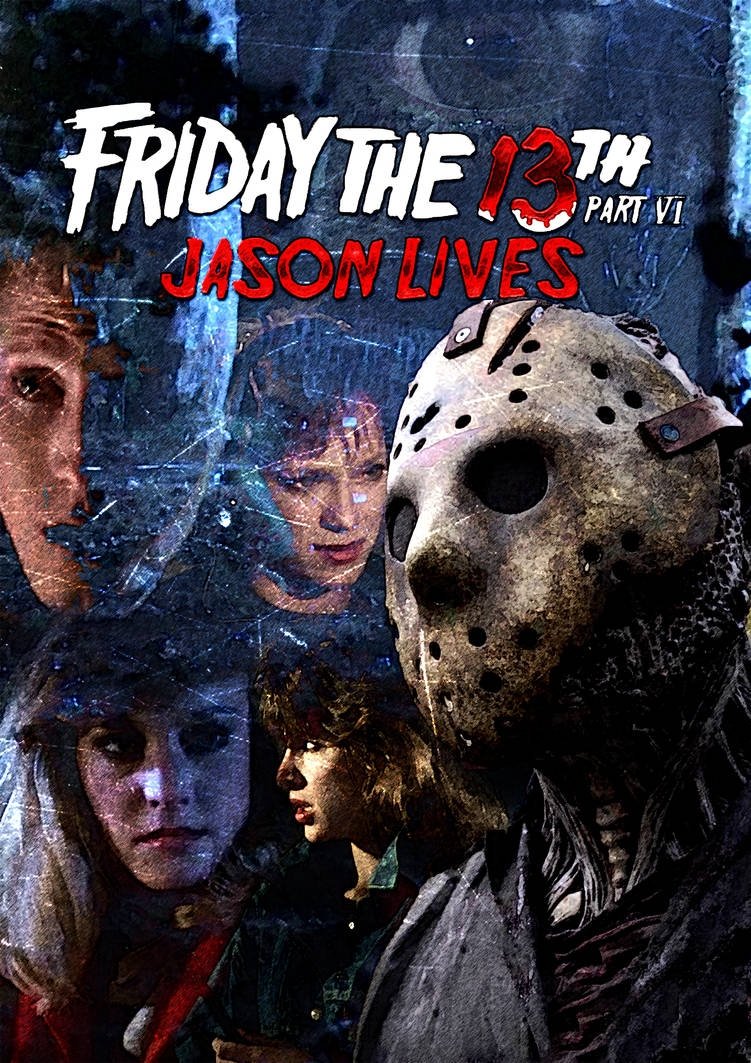
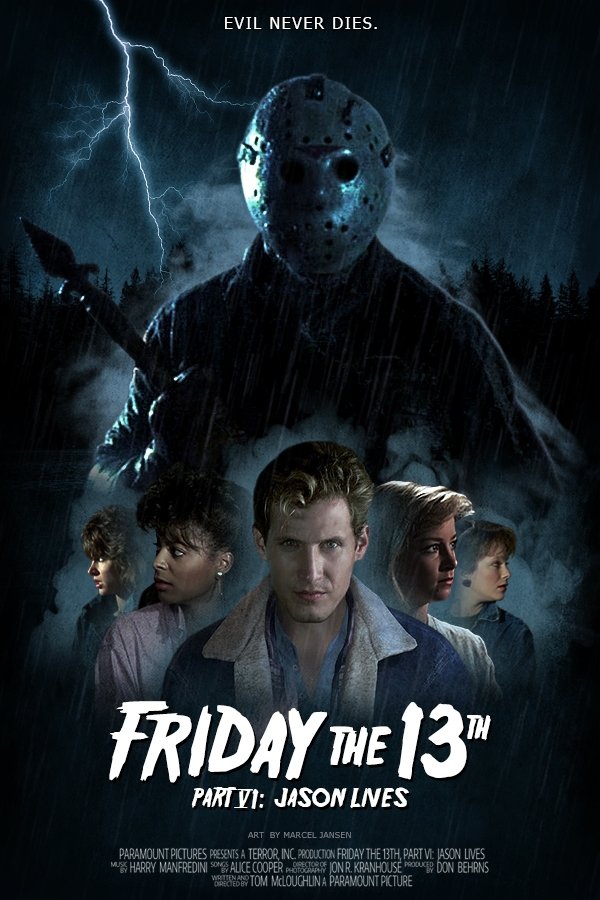
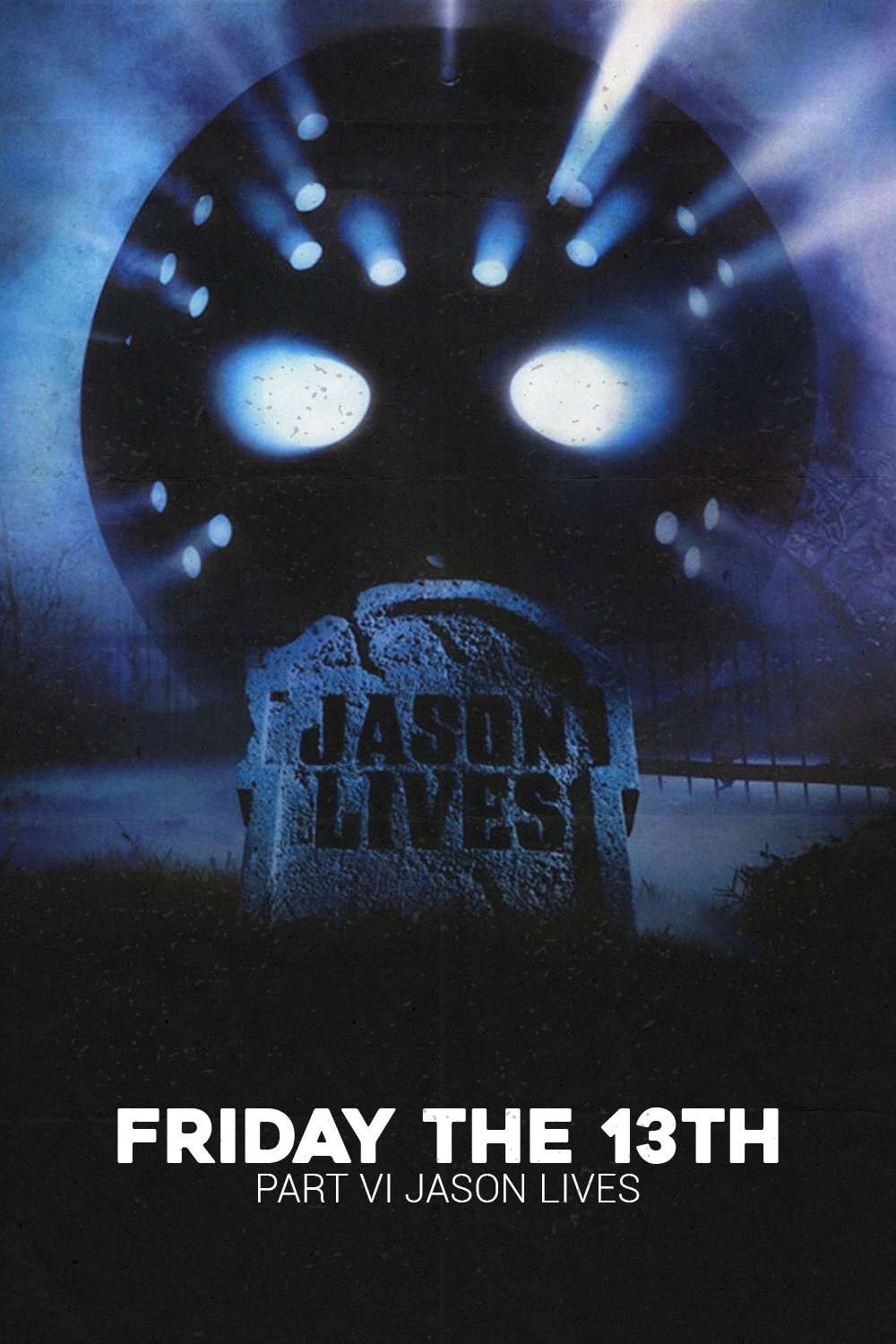
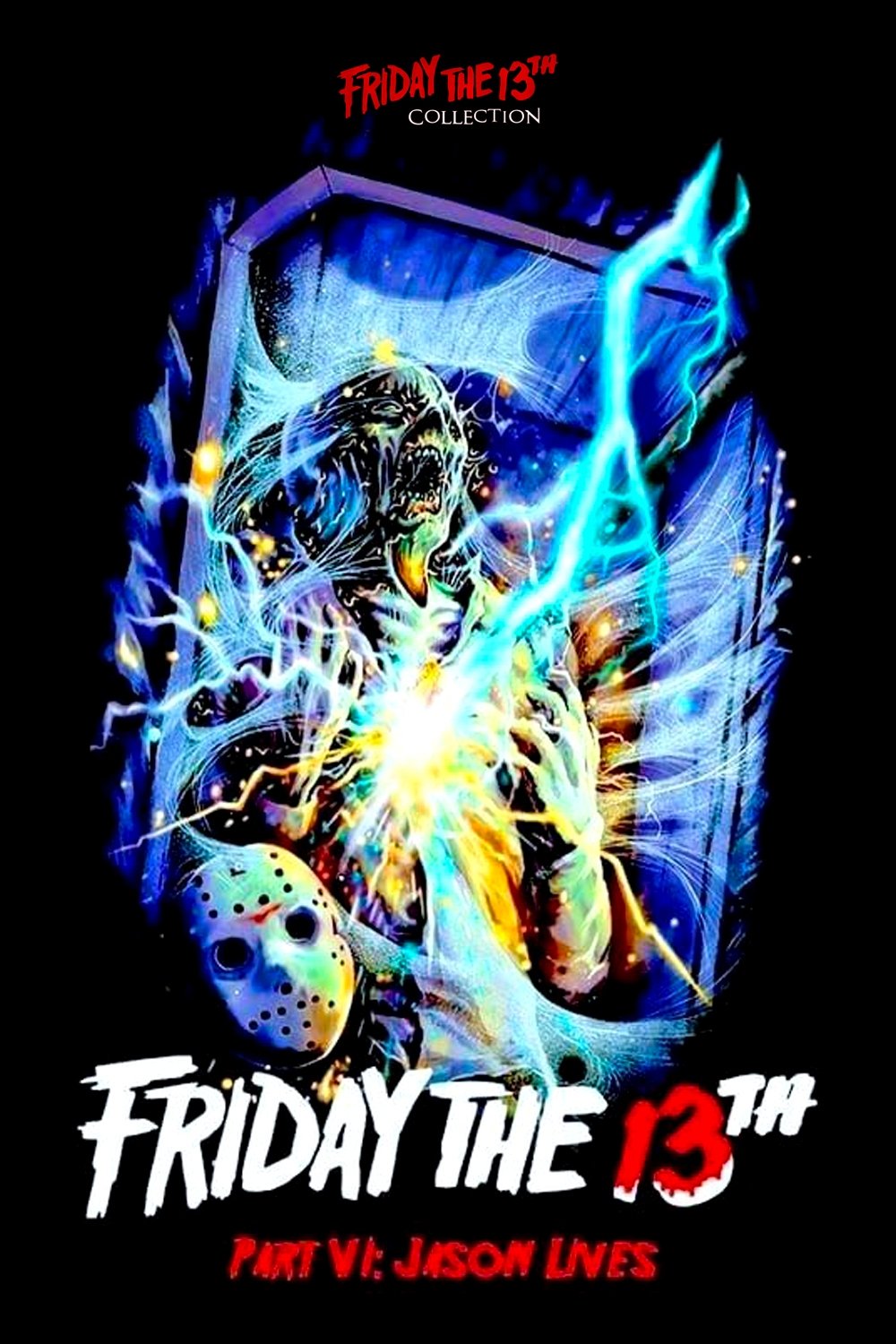
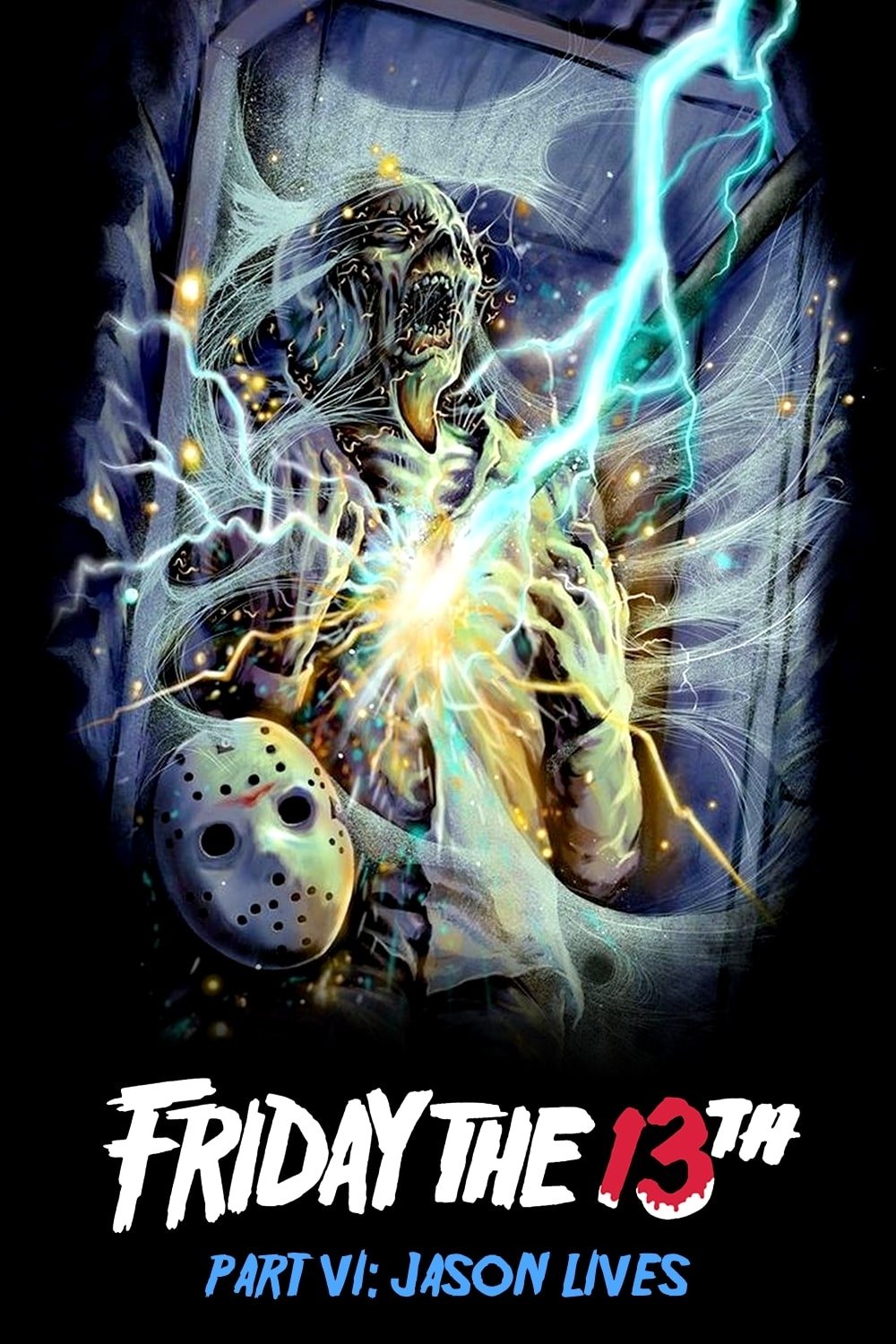
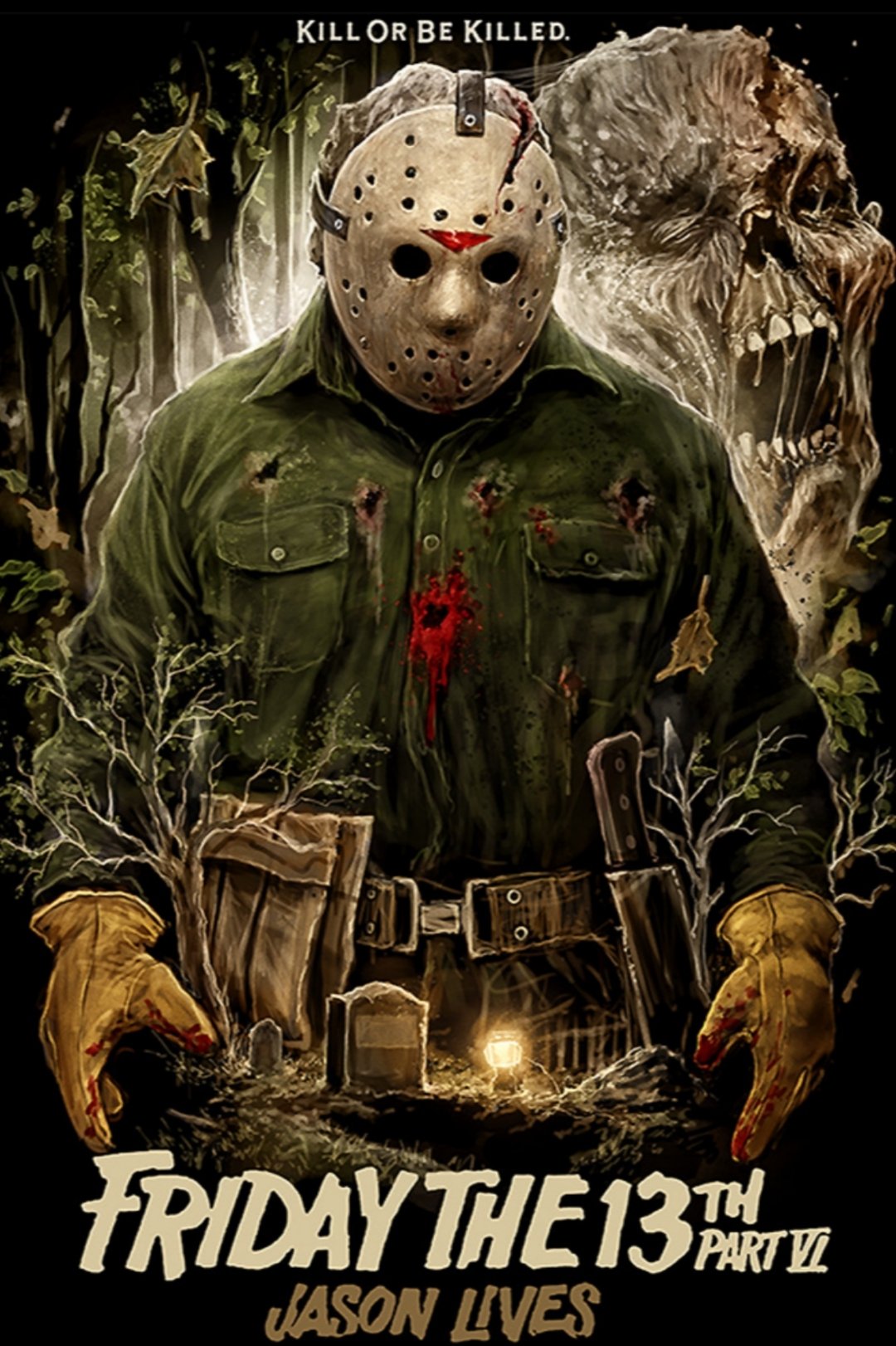
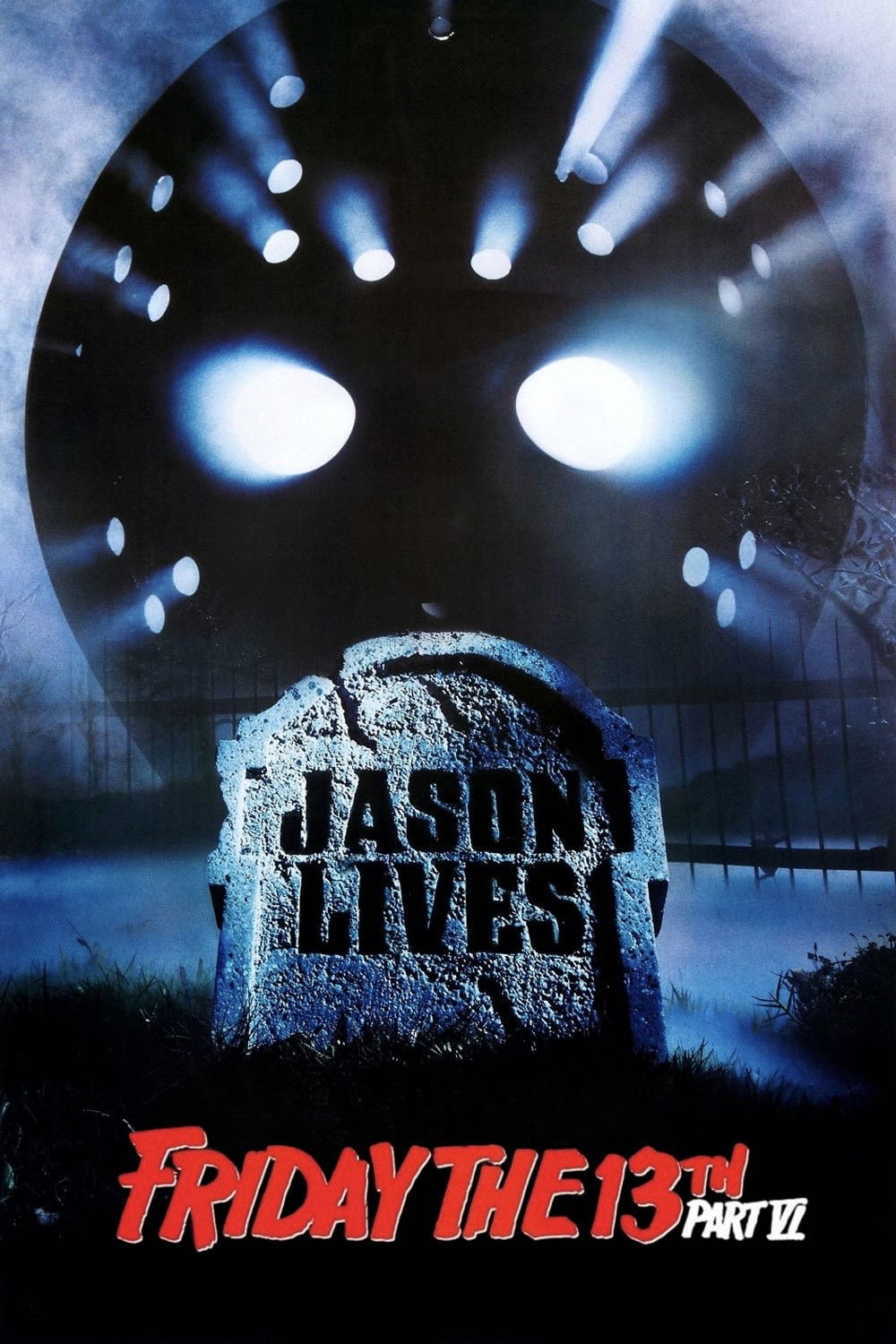
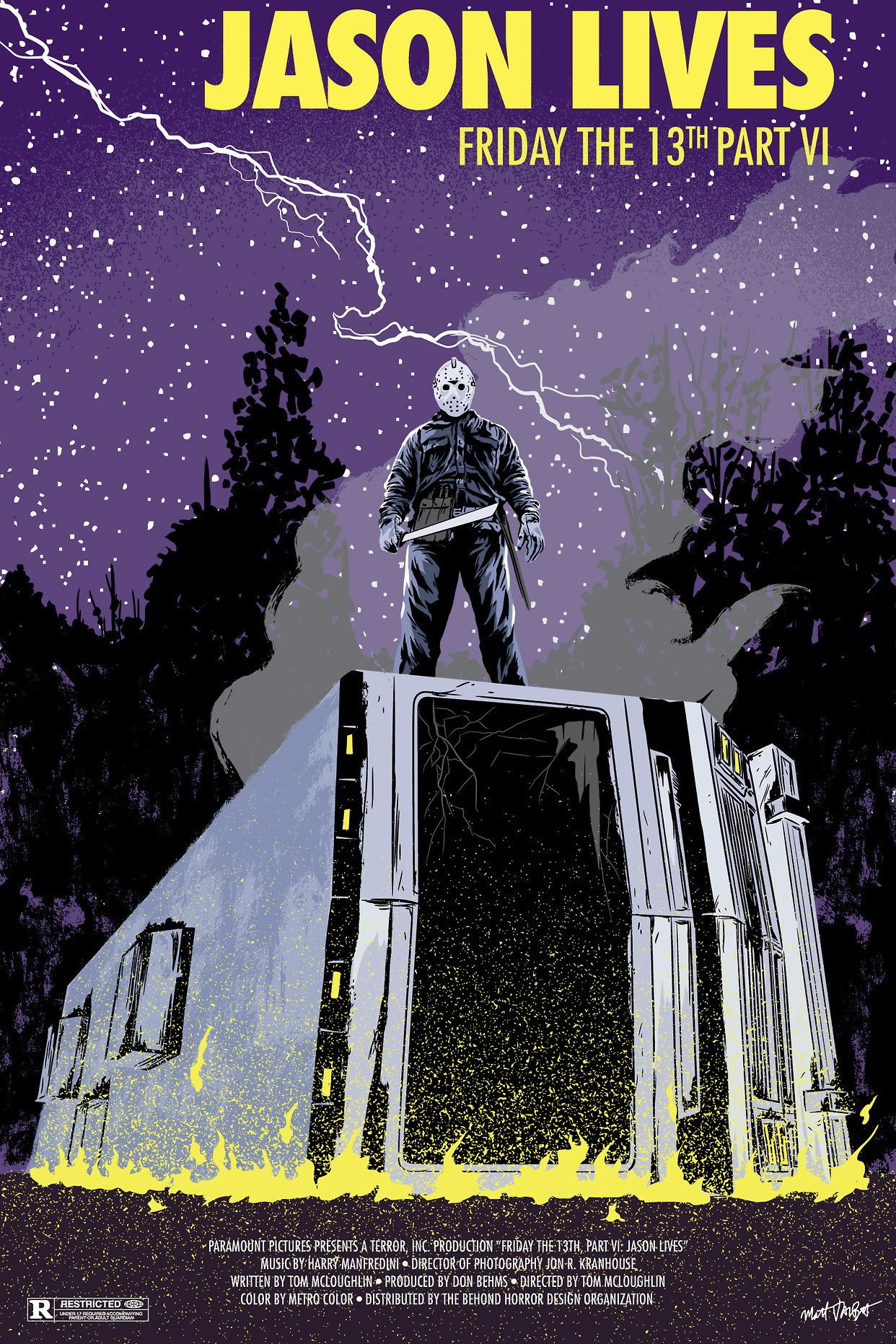
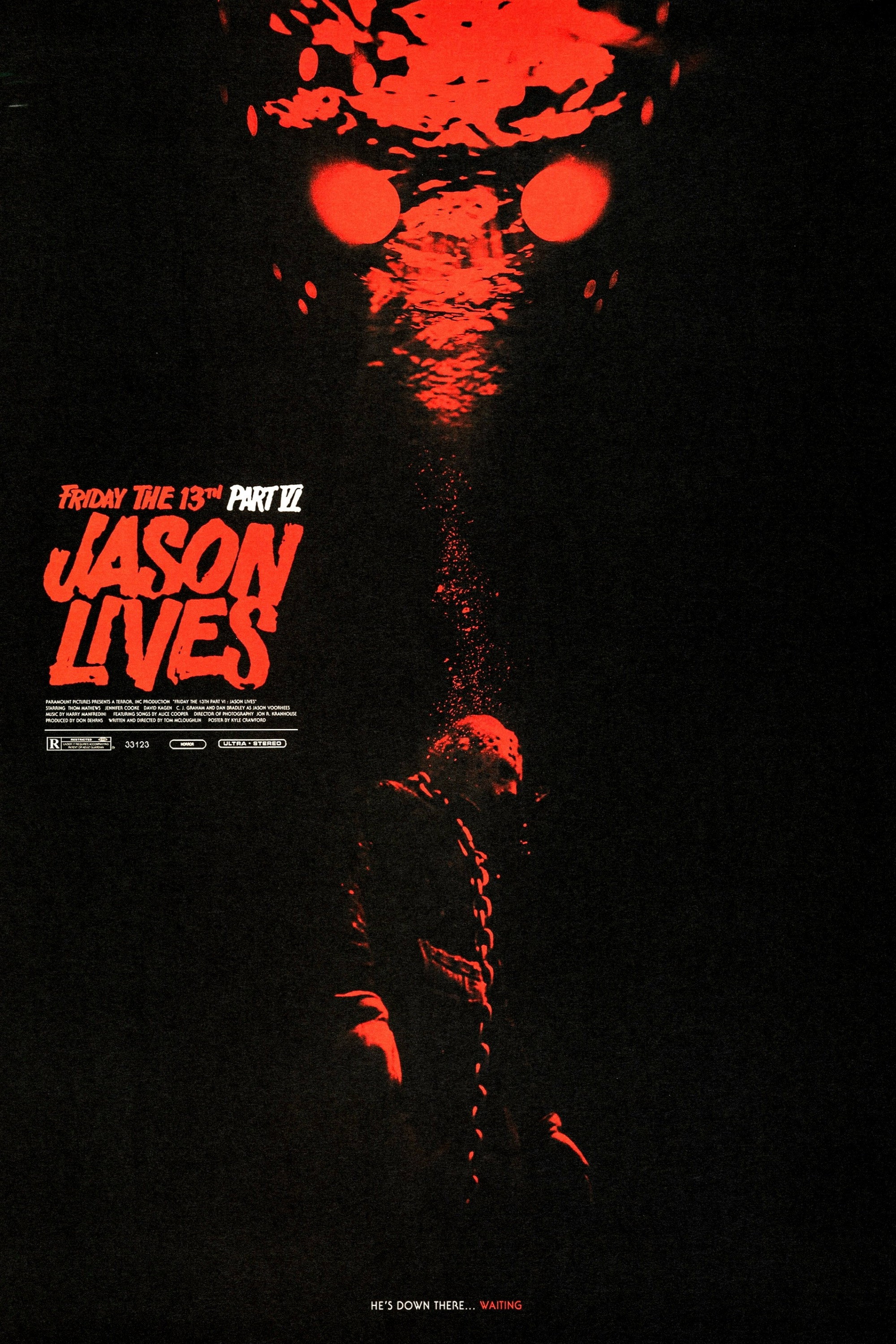
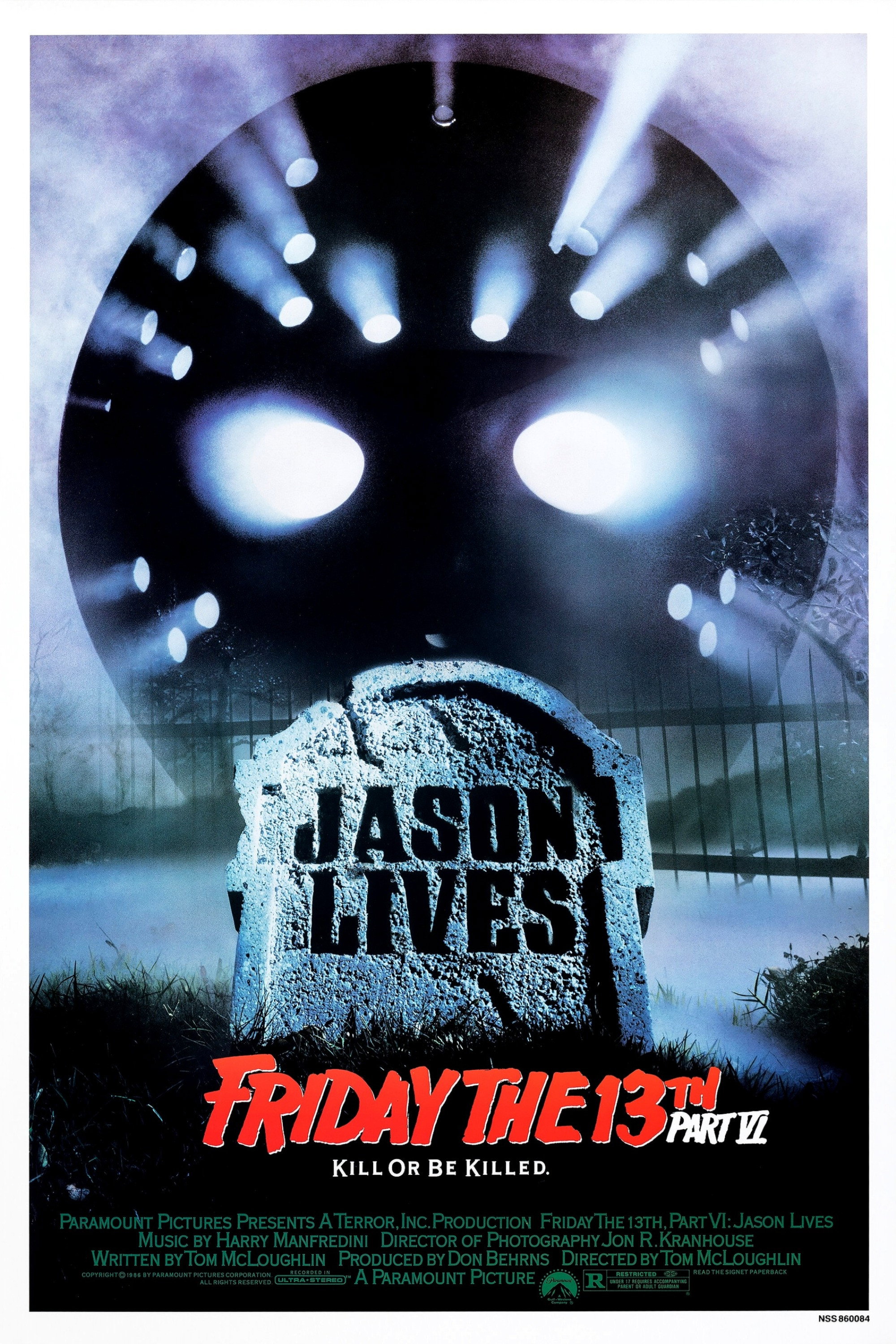
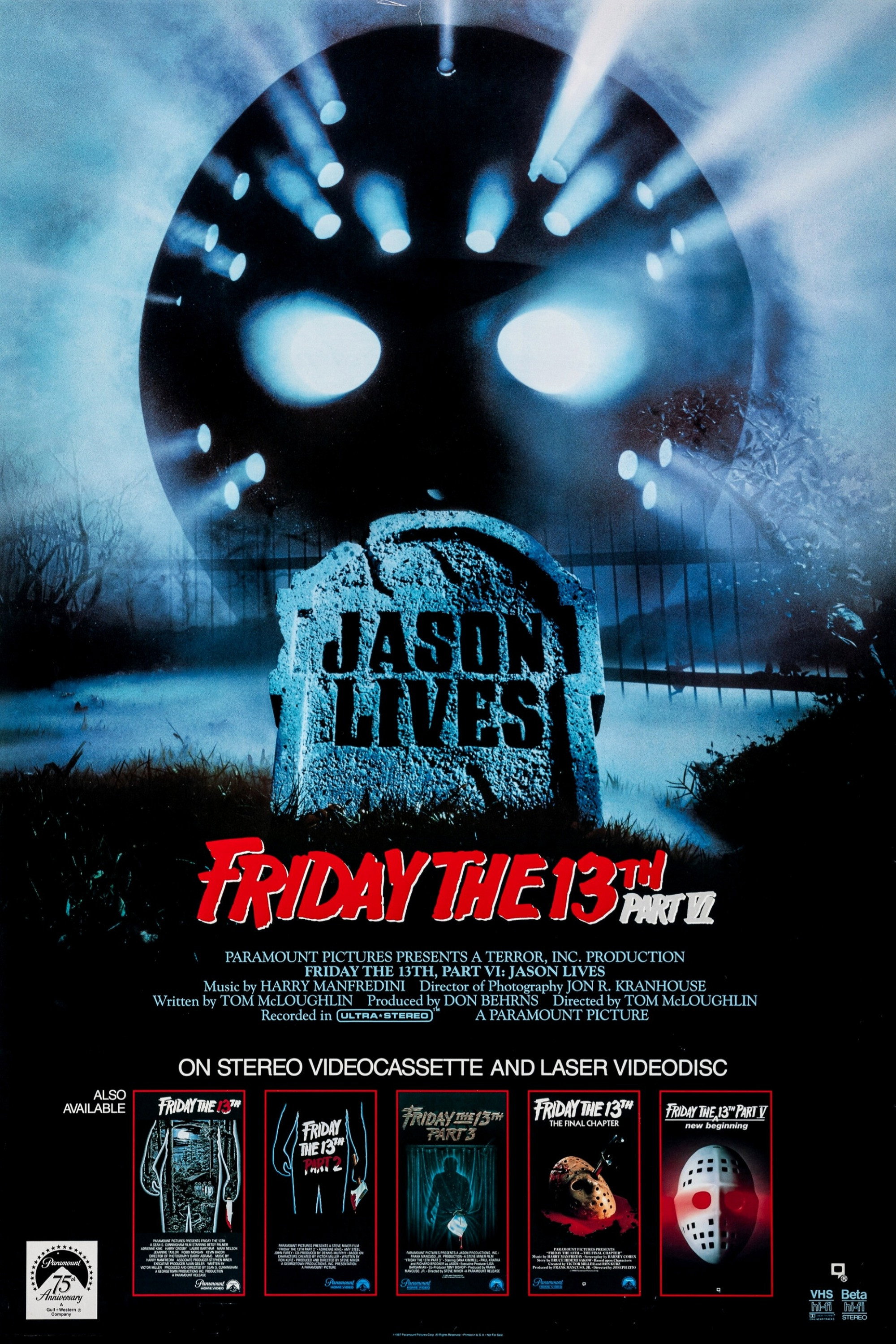
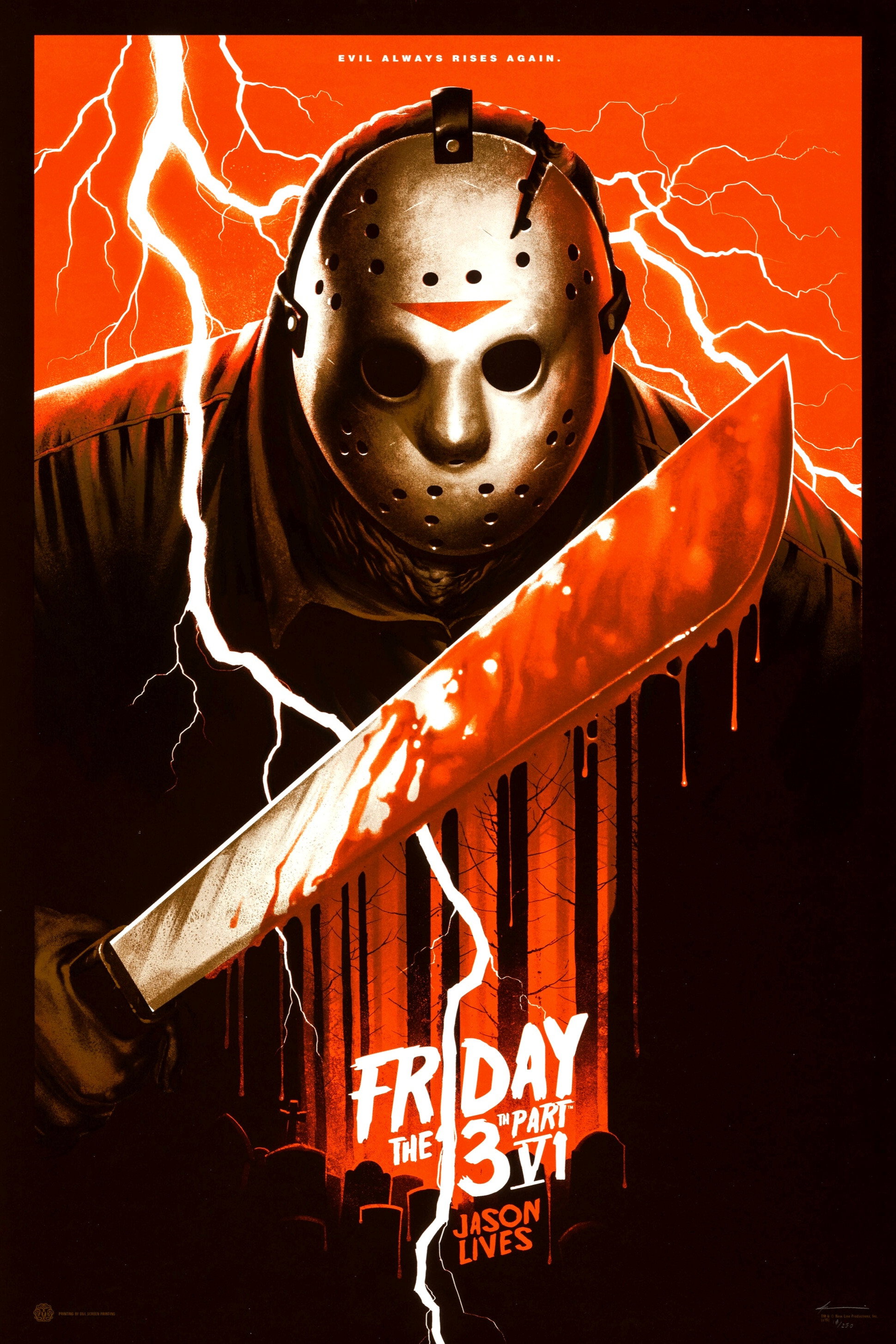
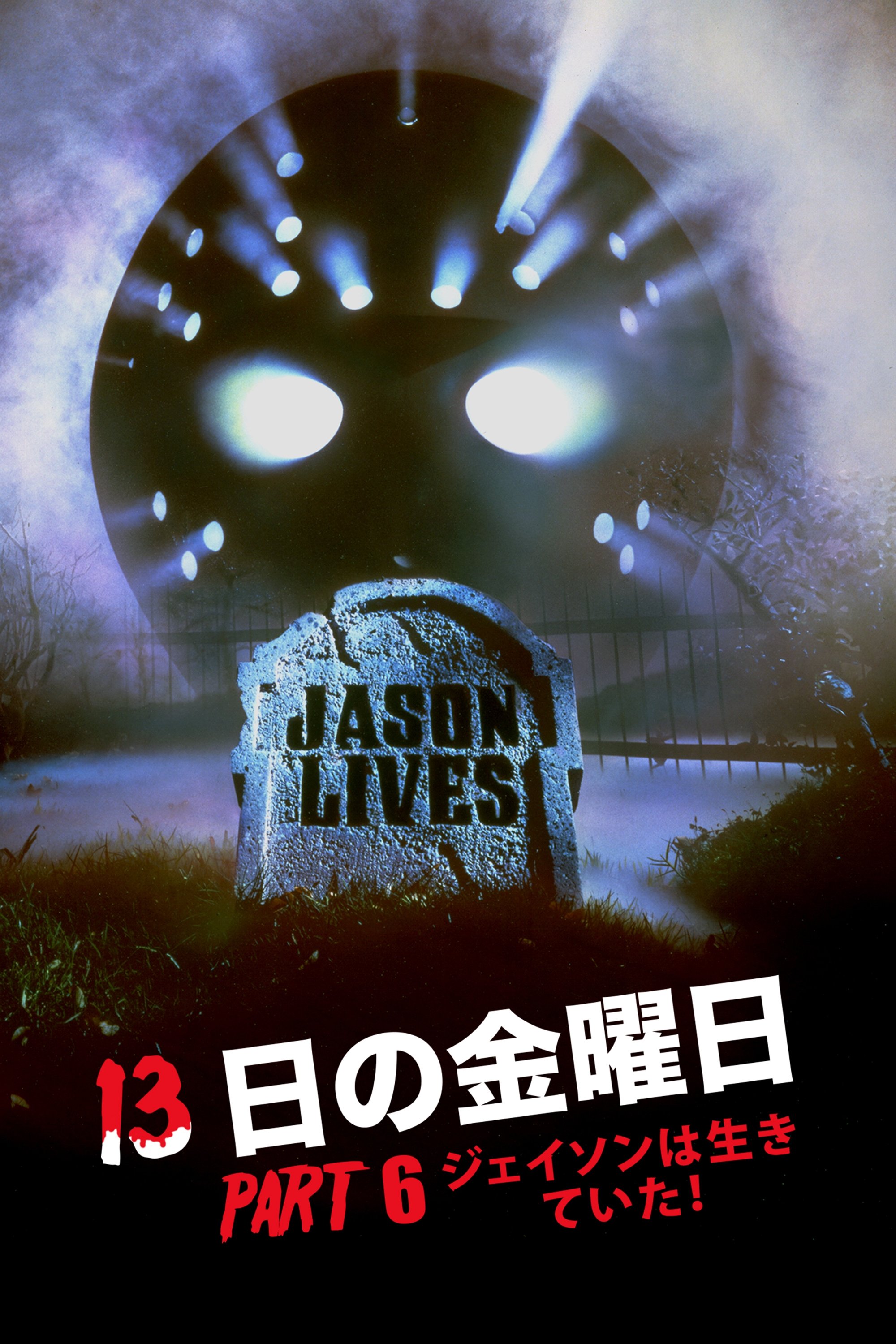
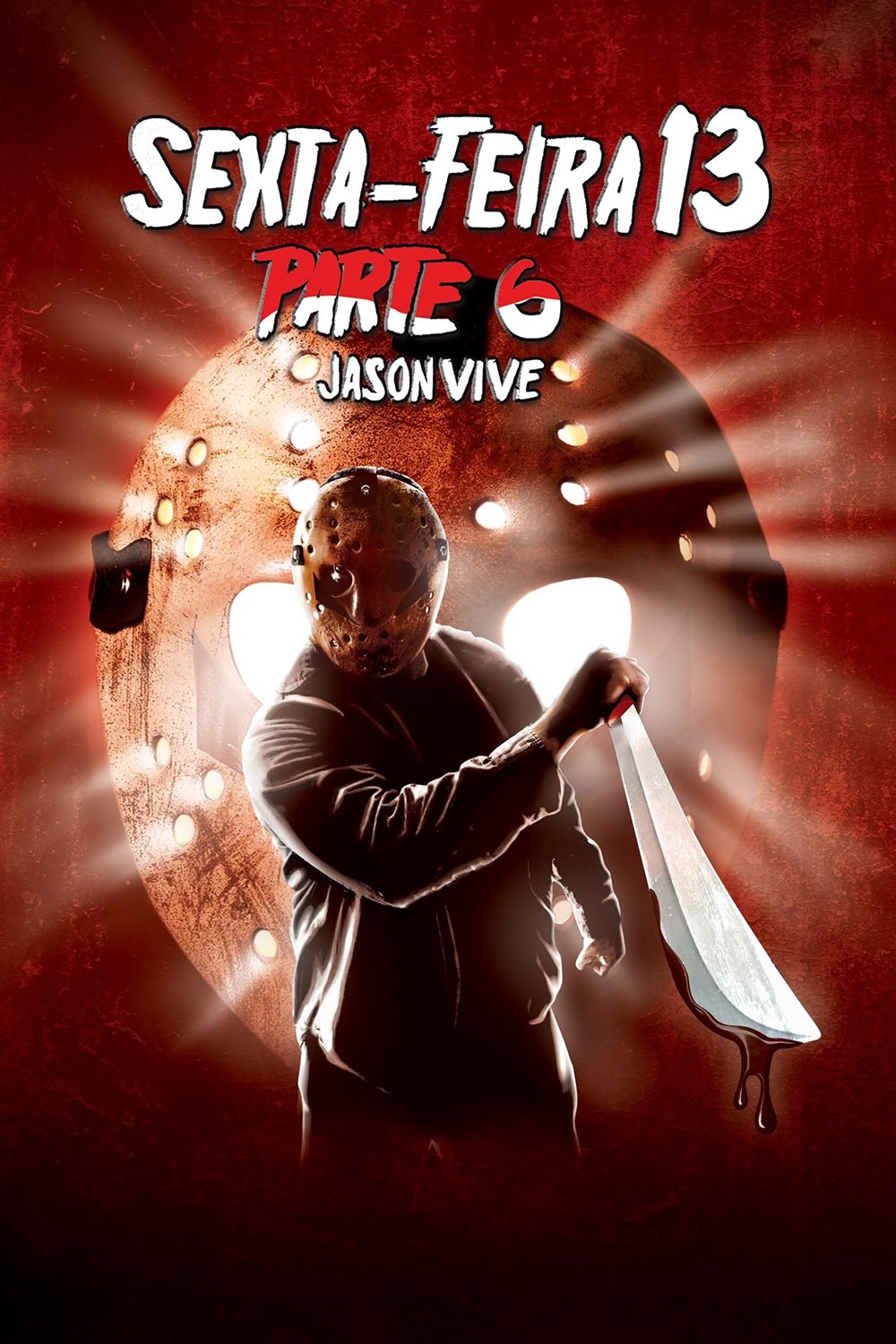
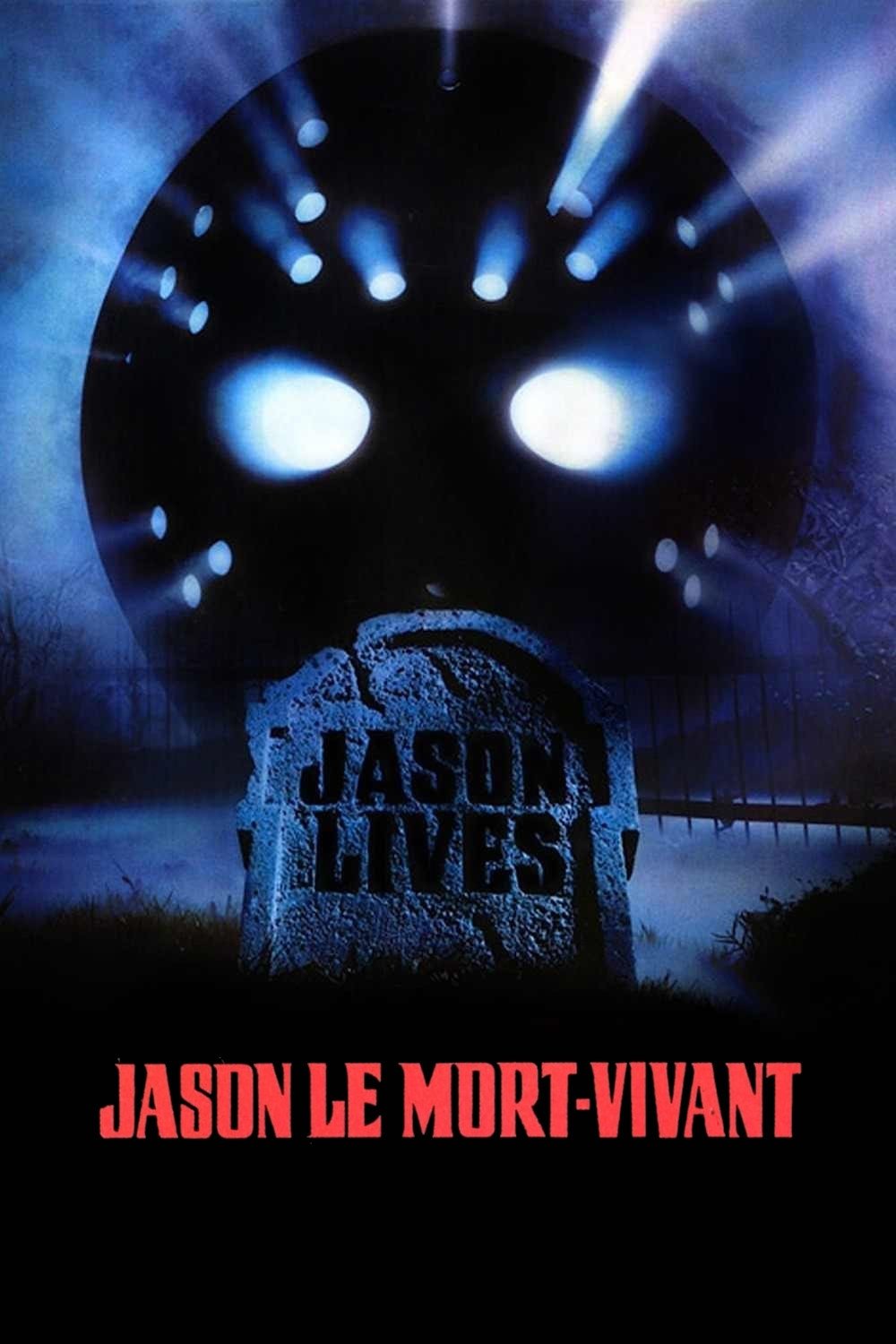
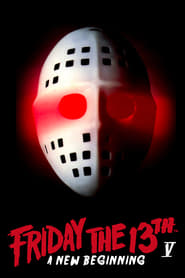
The preceding installment, Friday the 13th: A New Beginning (1985), had made a copycat murderer its principal attacker, leaving the identity of the next film's killer in question. McLoughlin recalled that the producers wanted Jason himself restored after this departure. He brought an interest in paranormal storytelling formed through his earlier feature One Dark Night (1983). In a 2026 interview, the filmmaker described proposing a lightning-bolt resurrection and a high-contrast Gothic atmosphere. His account explains the film's explicit resurrection of Jason, a departure from earlier sequels that left the nature of his survival unsettled.
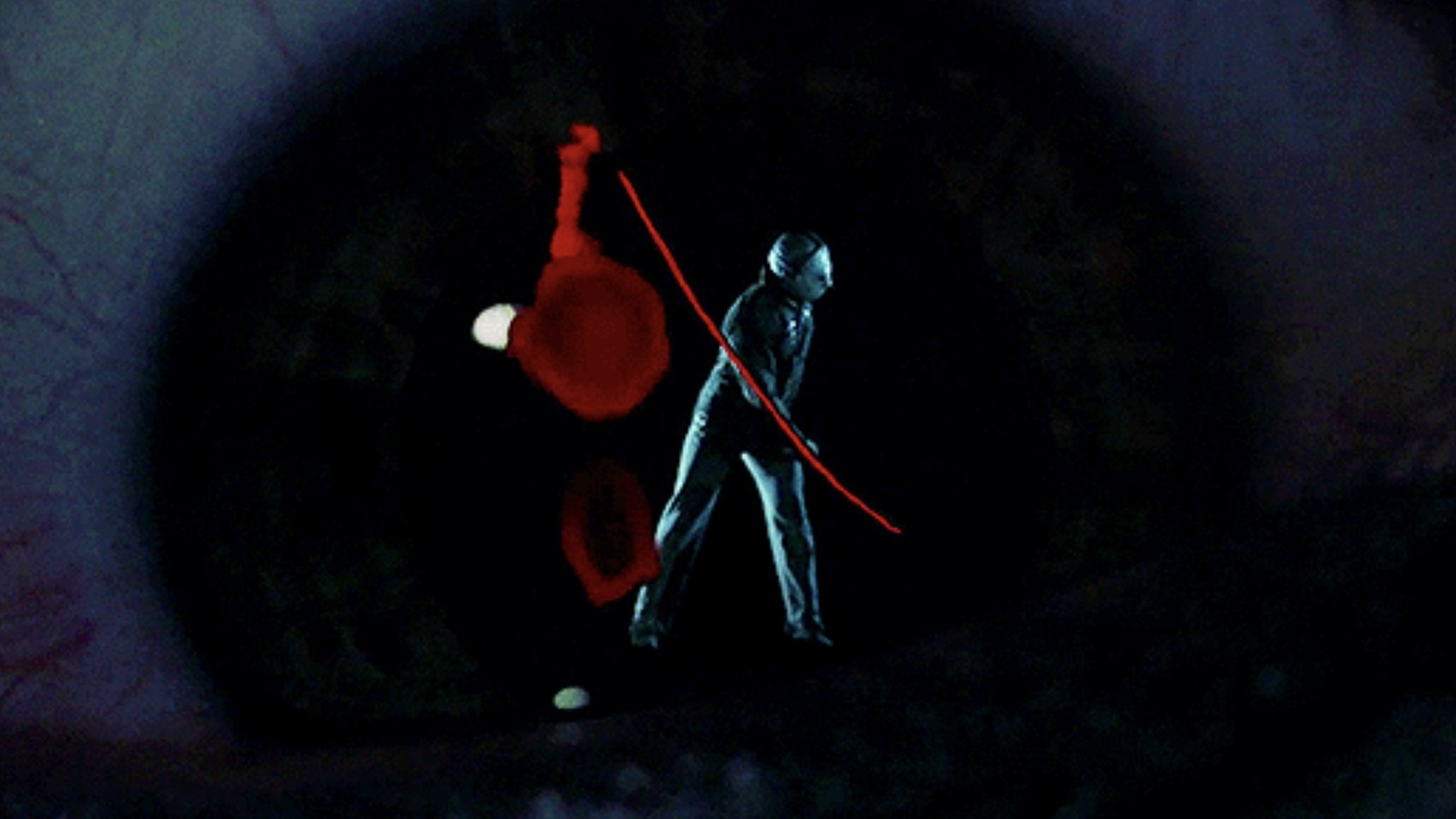
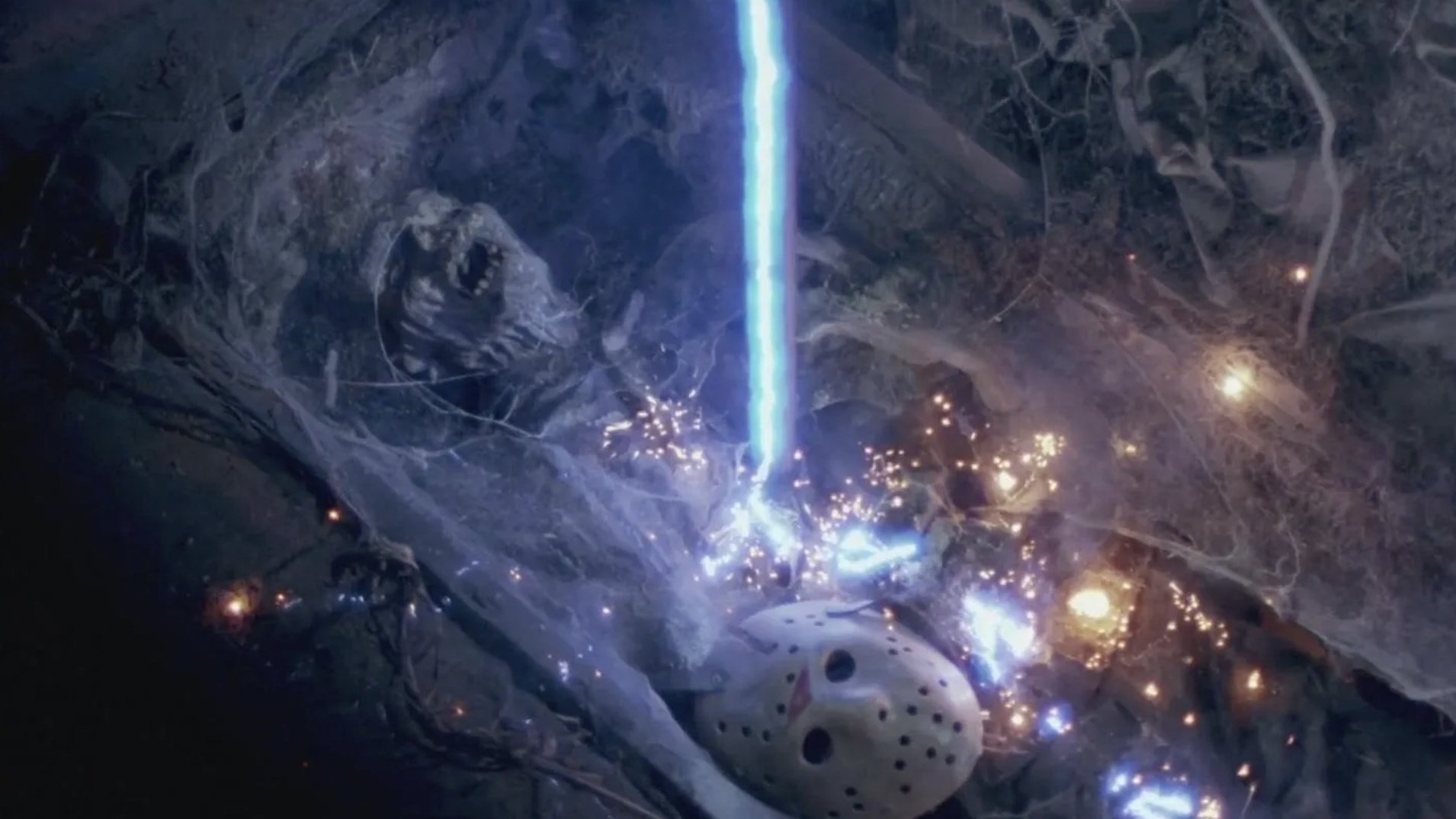
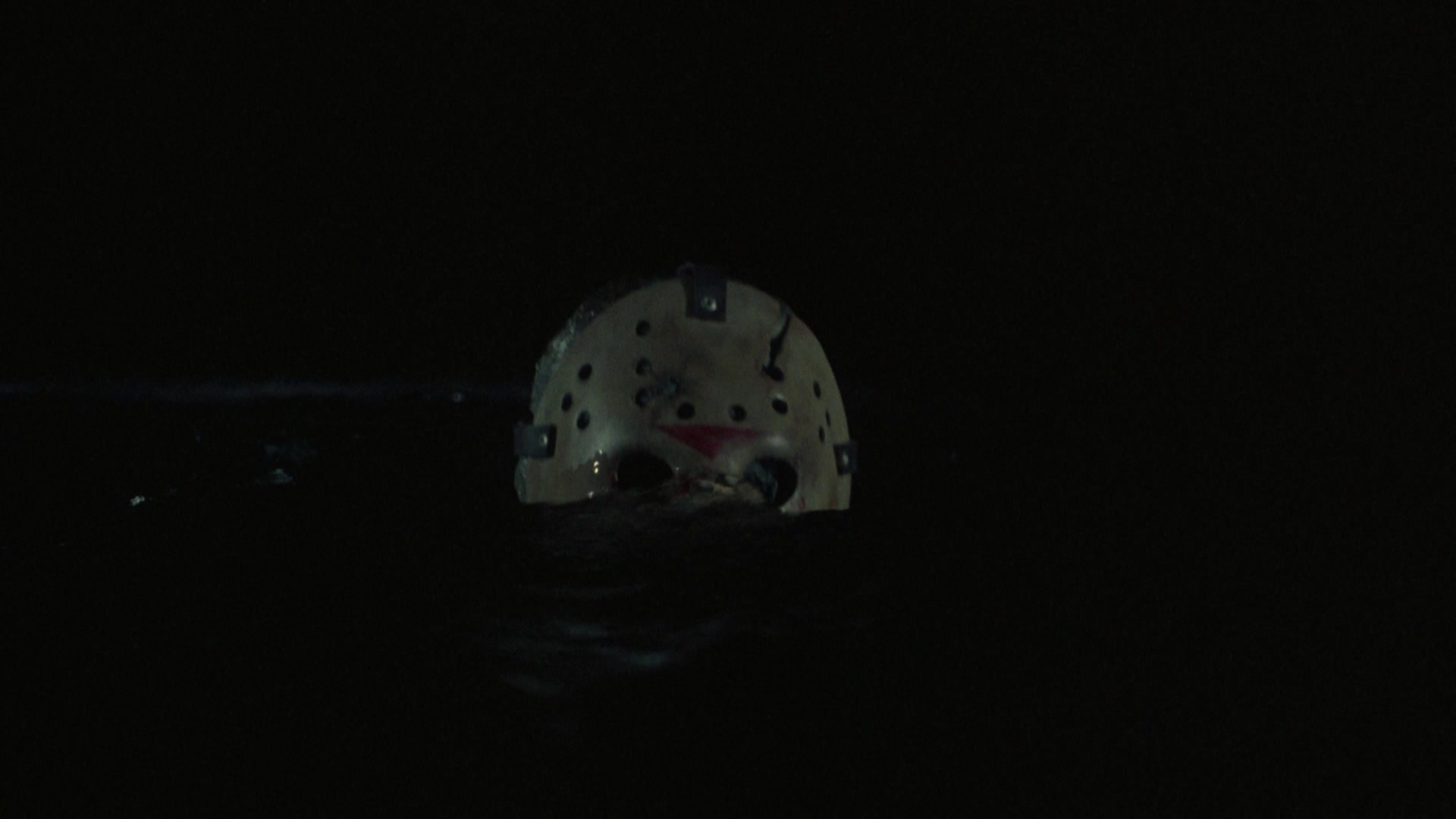
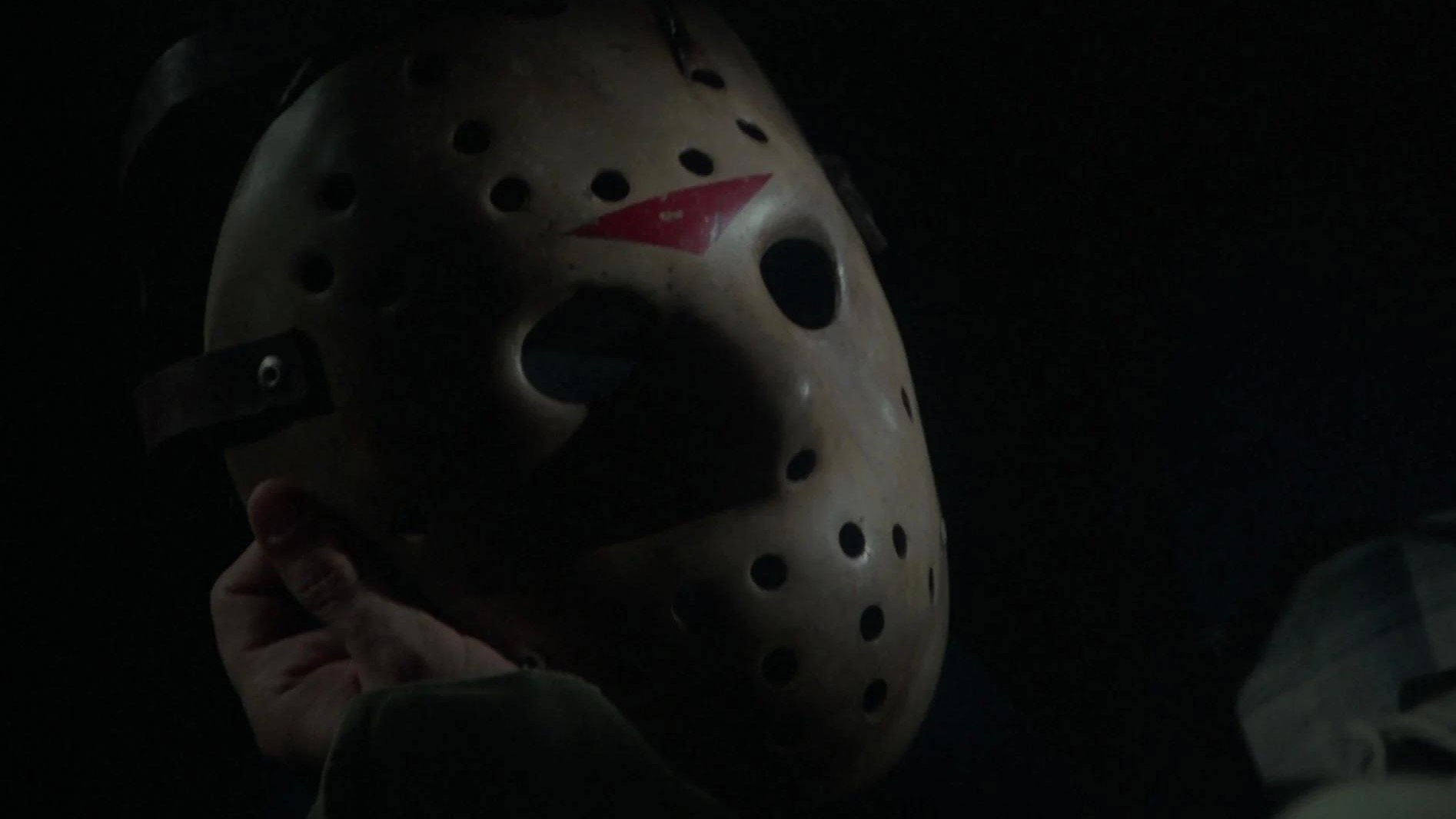
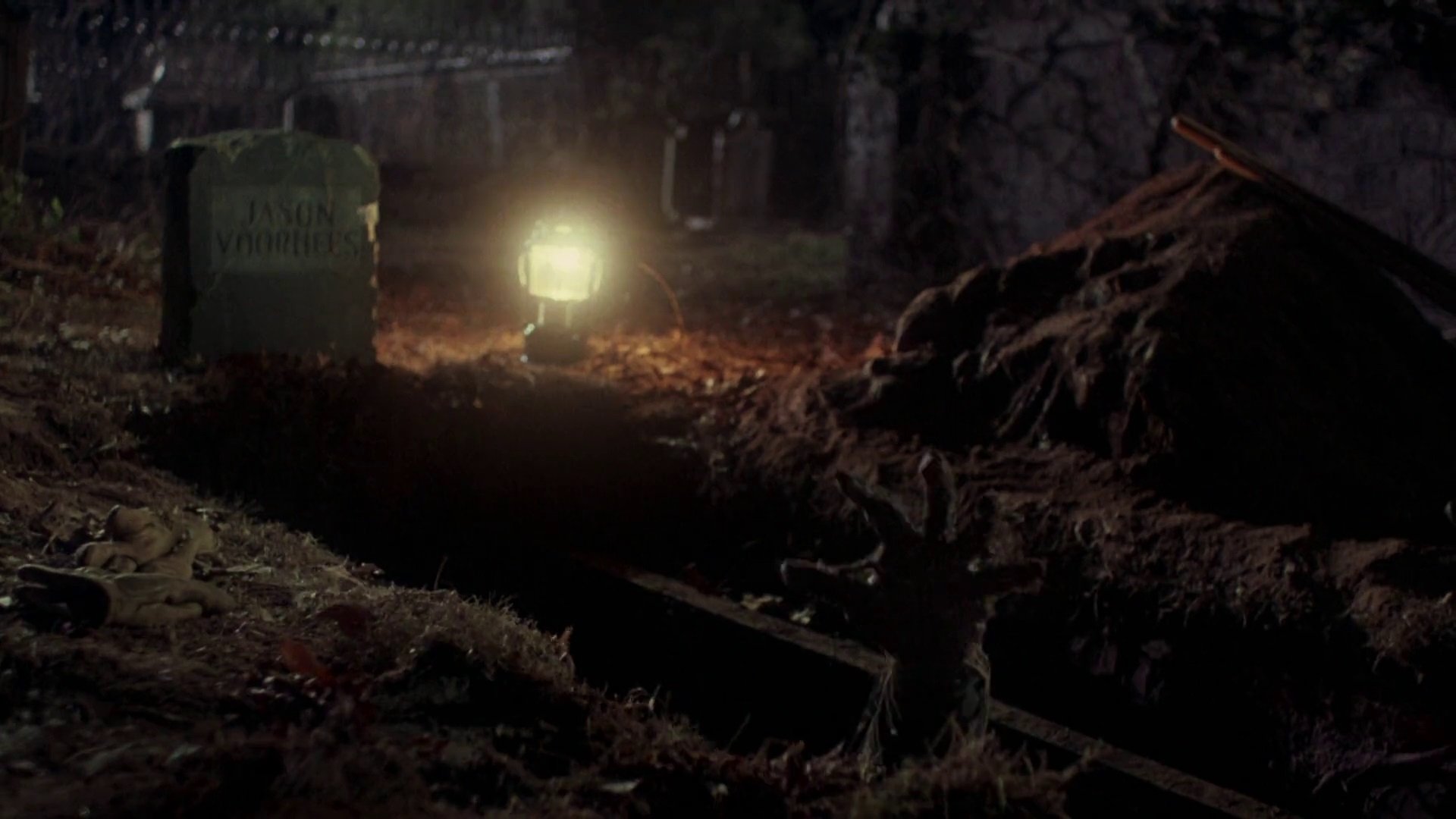
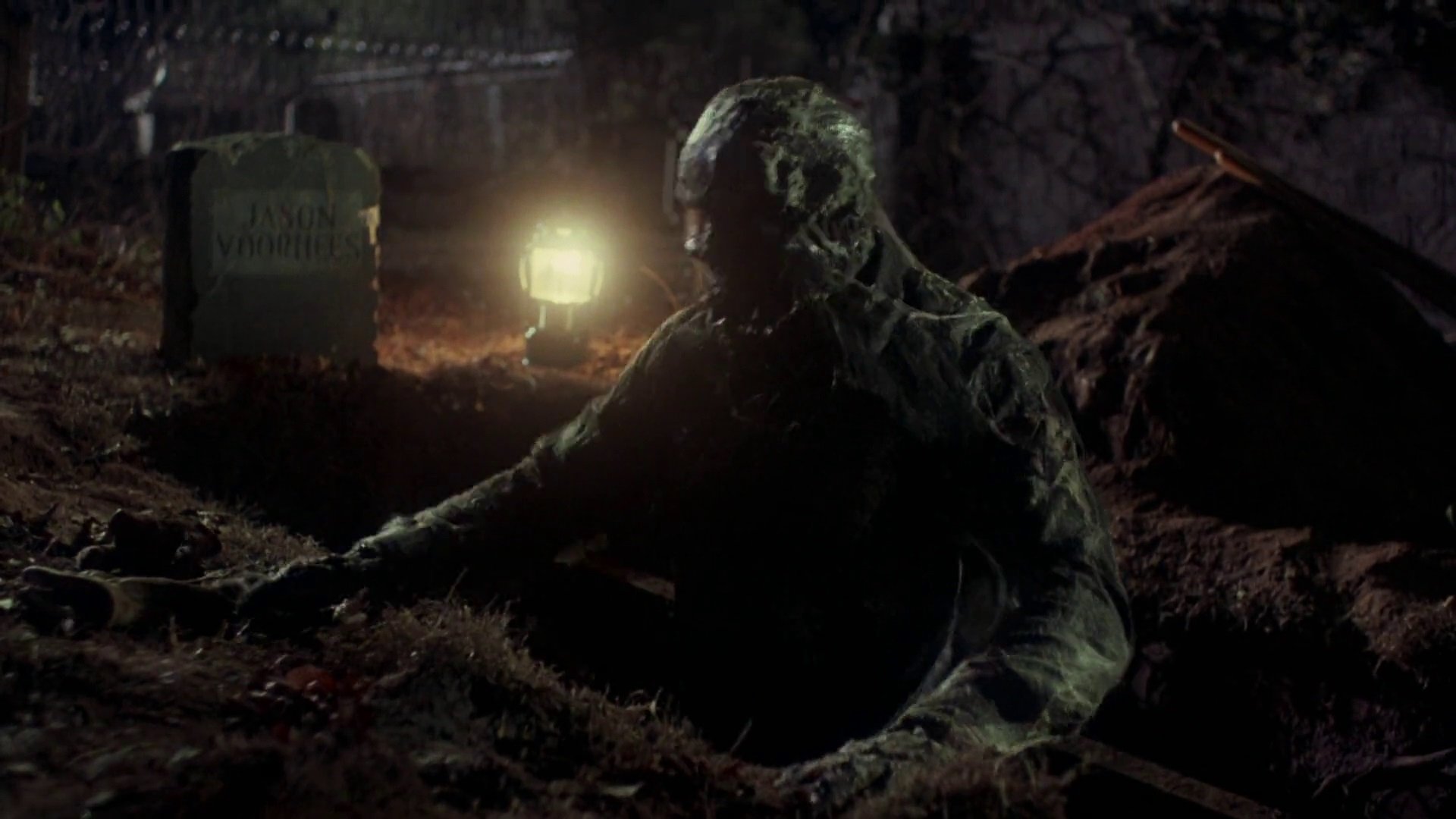
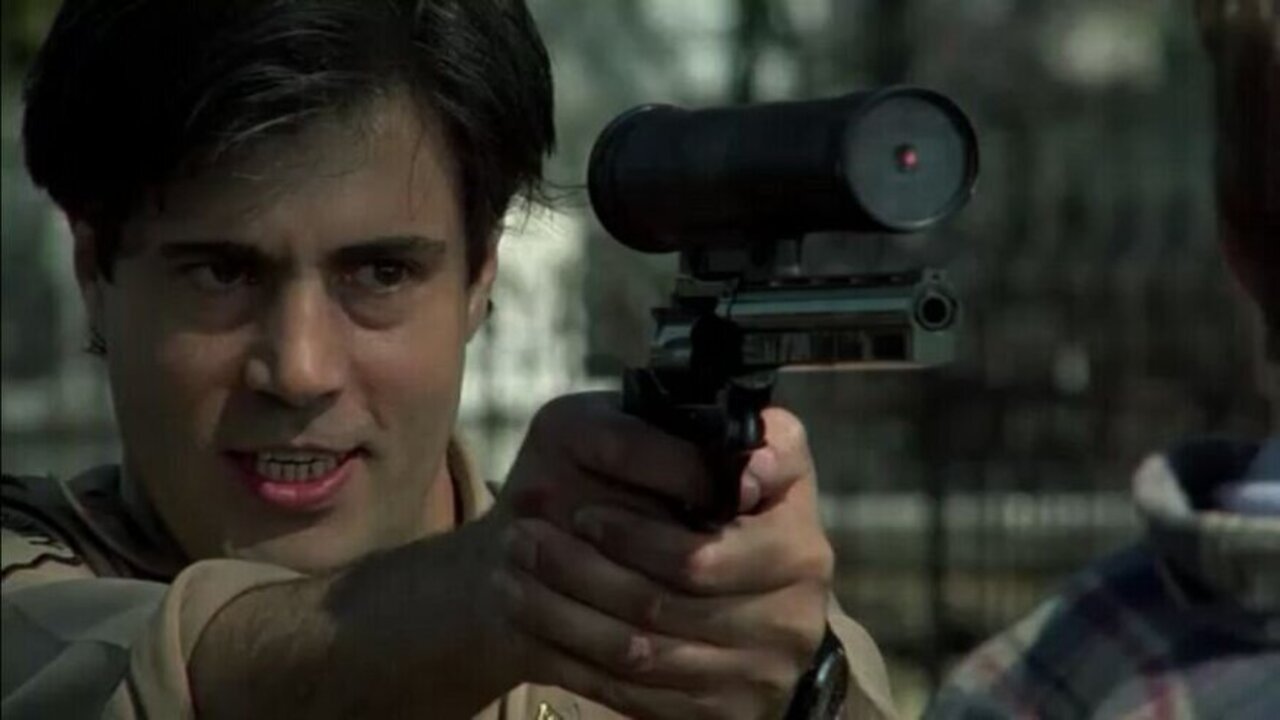
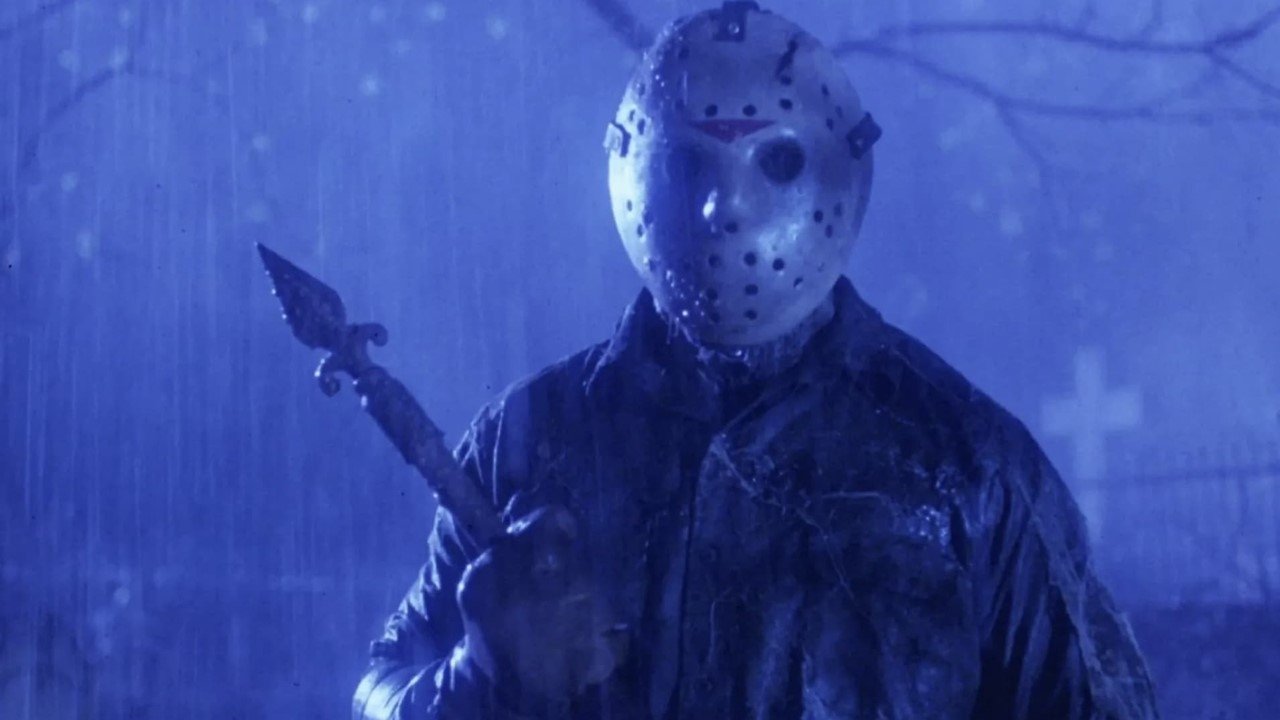
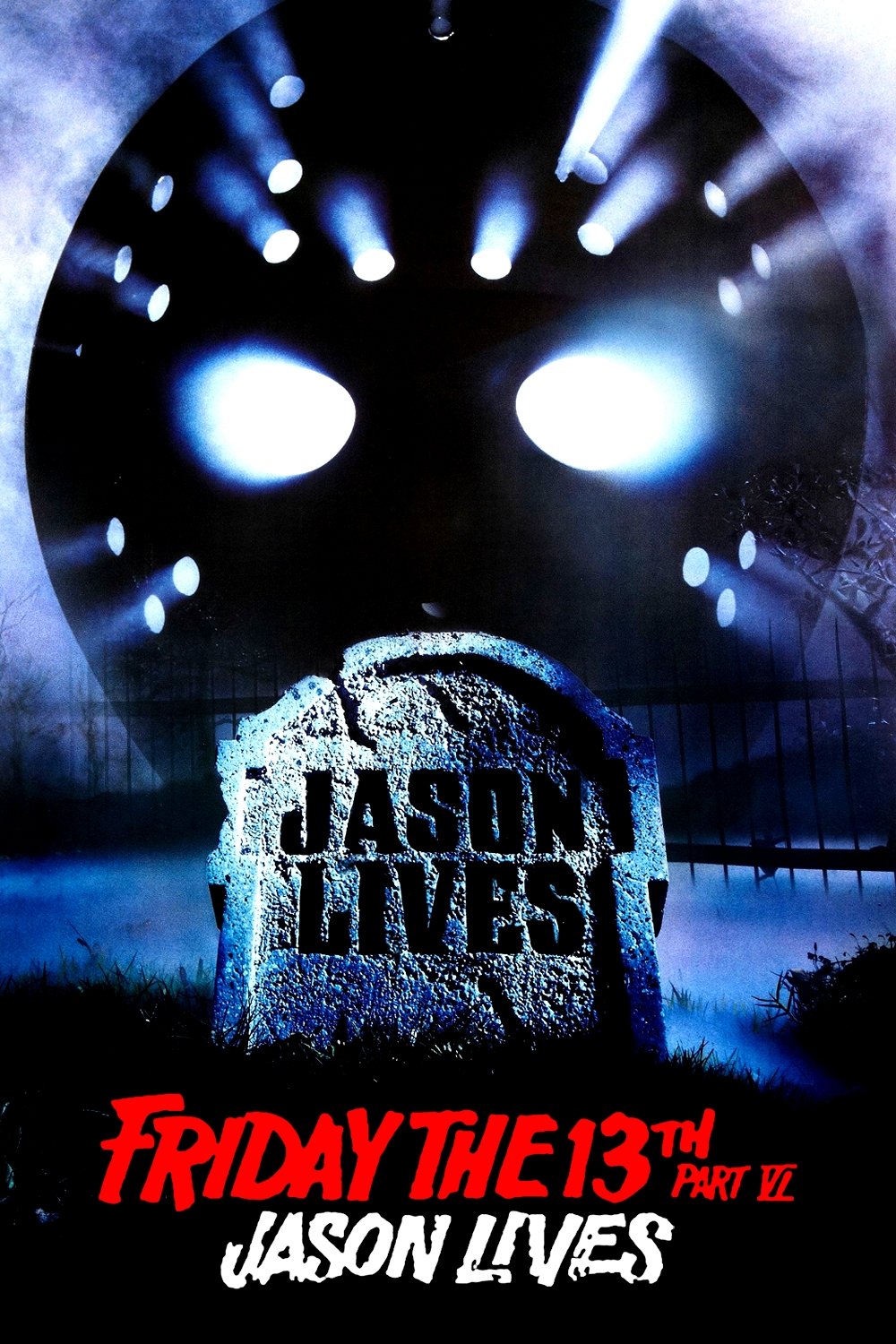
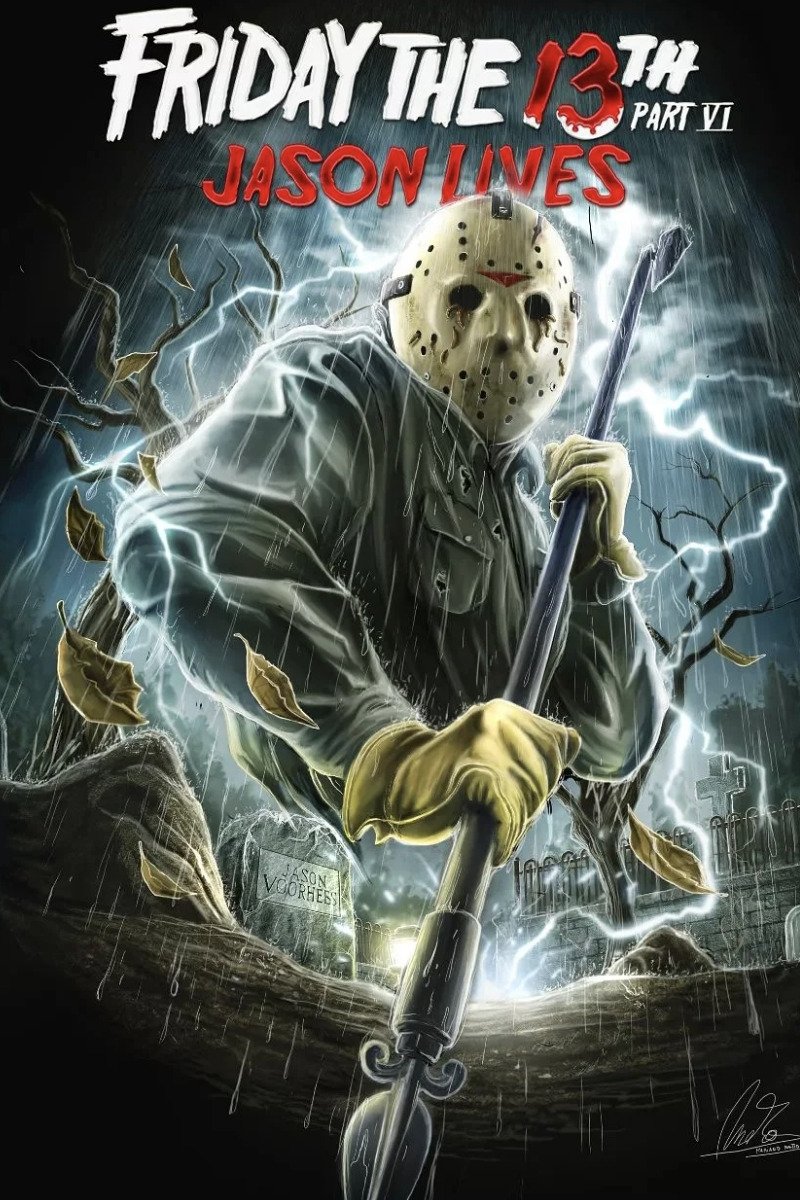
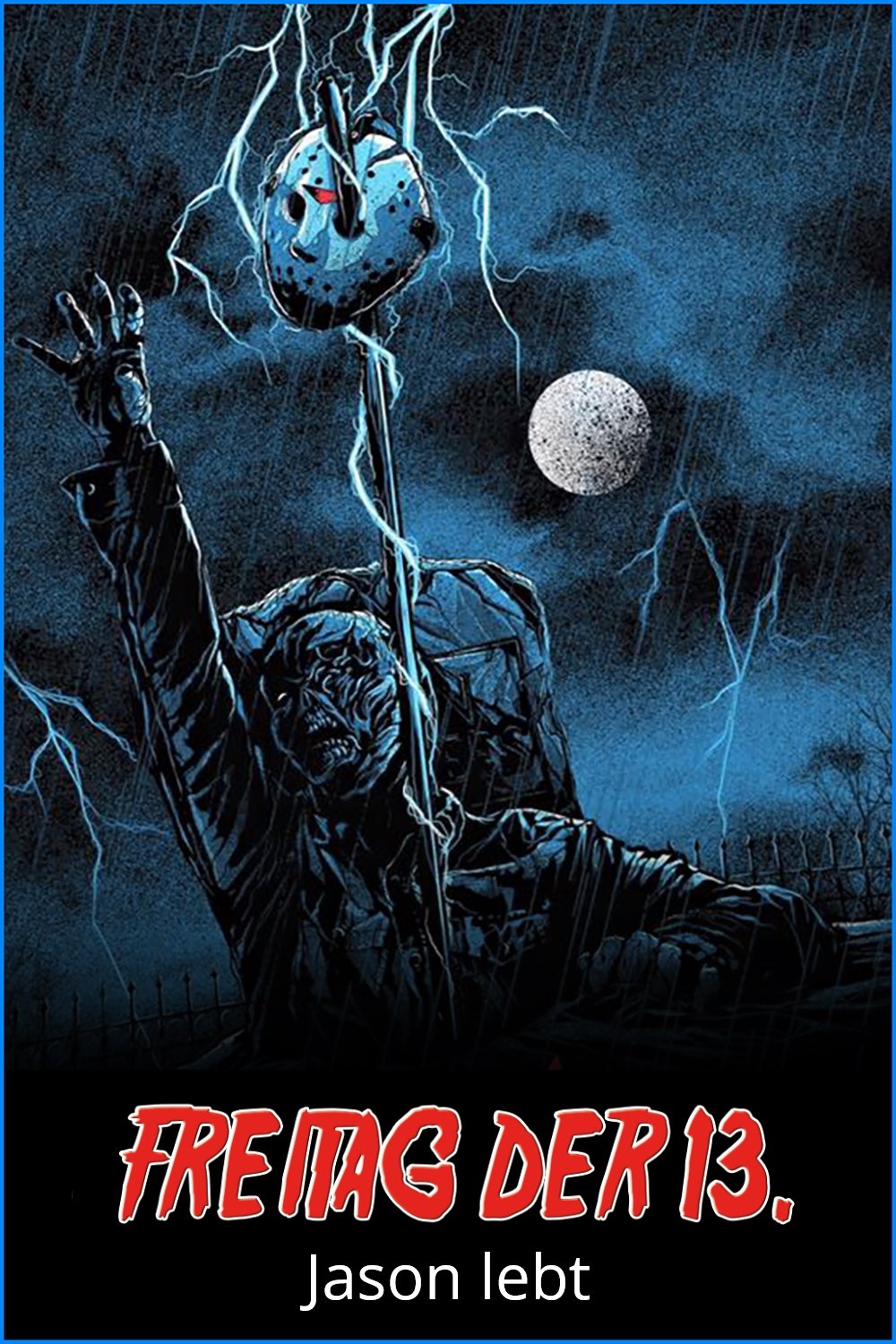
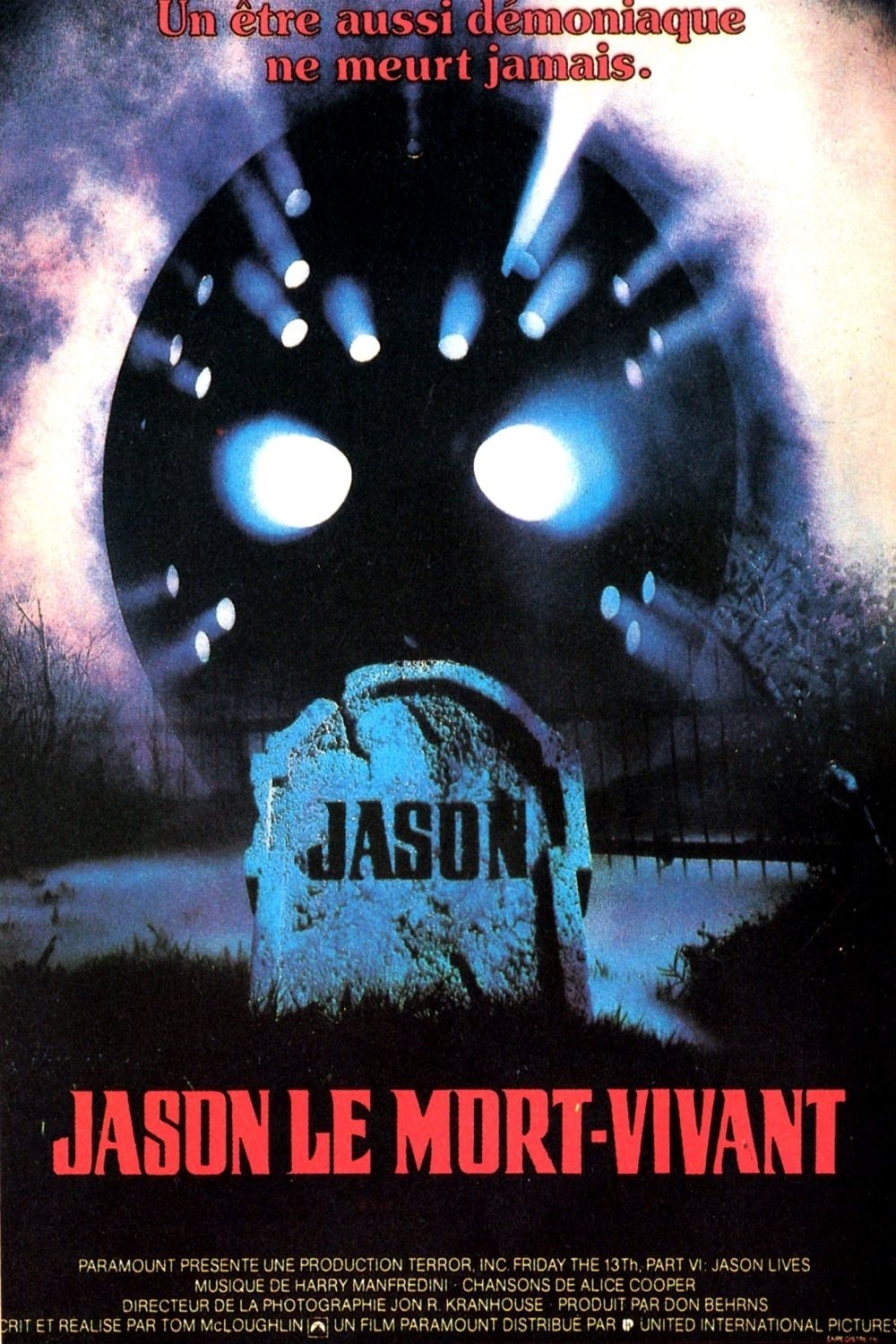
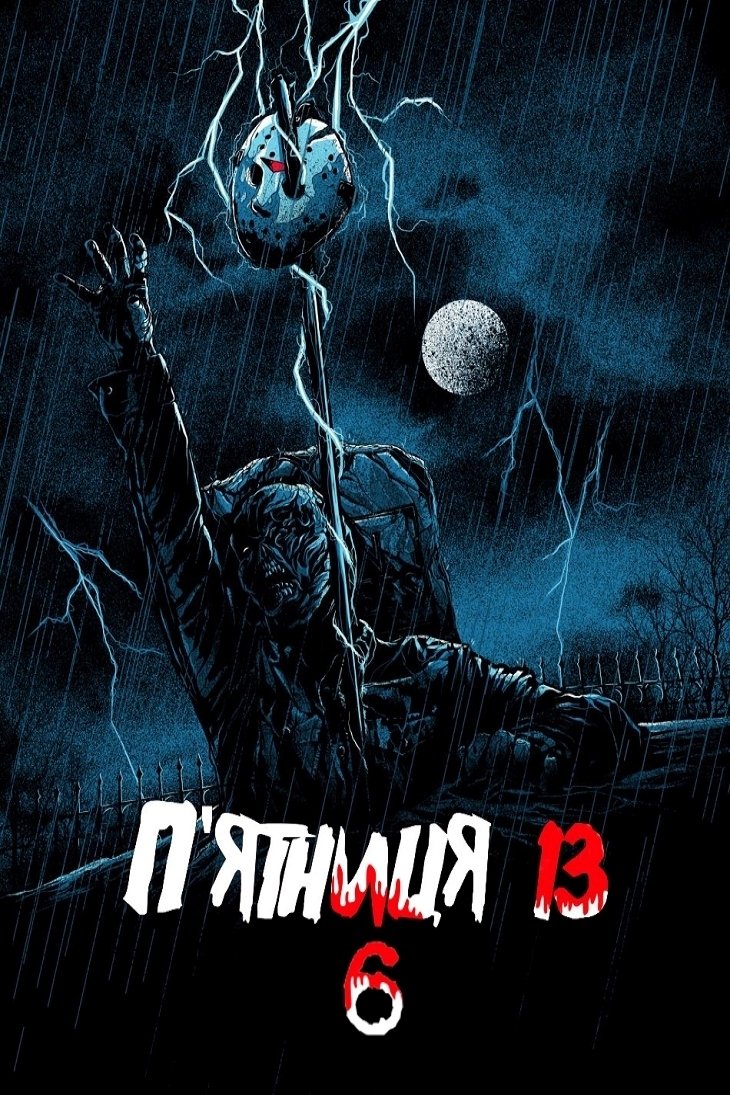
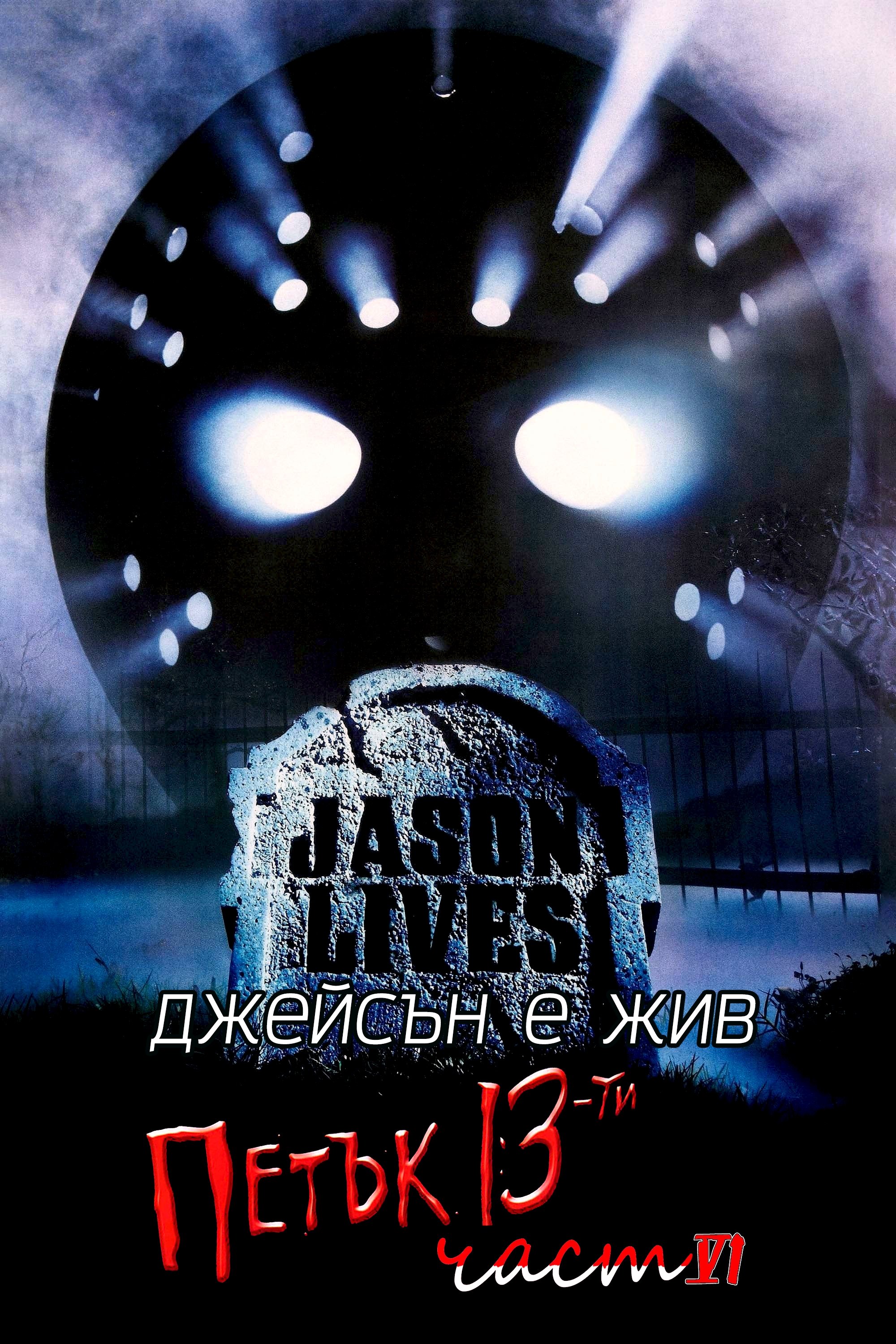
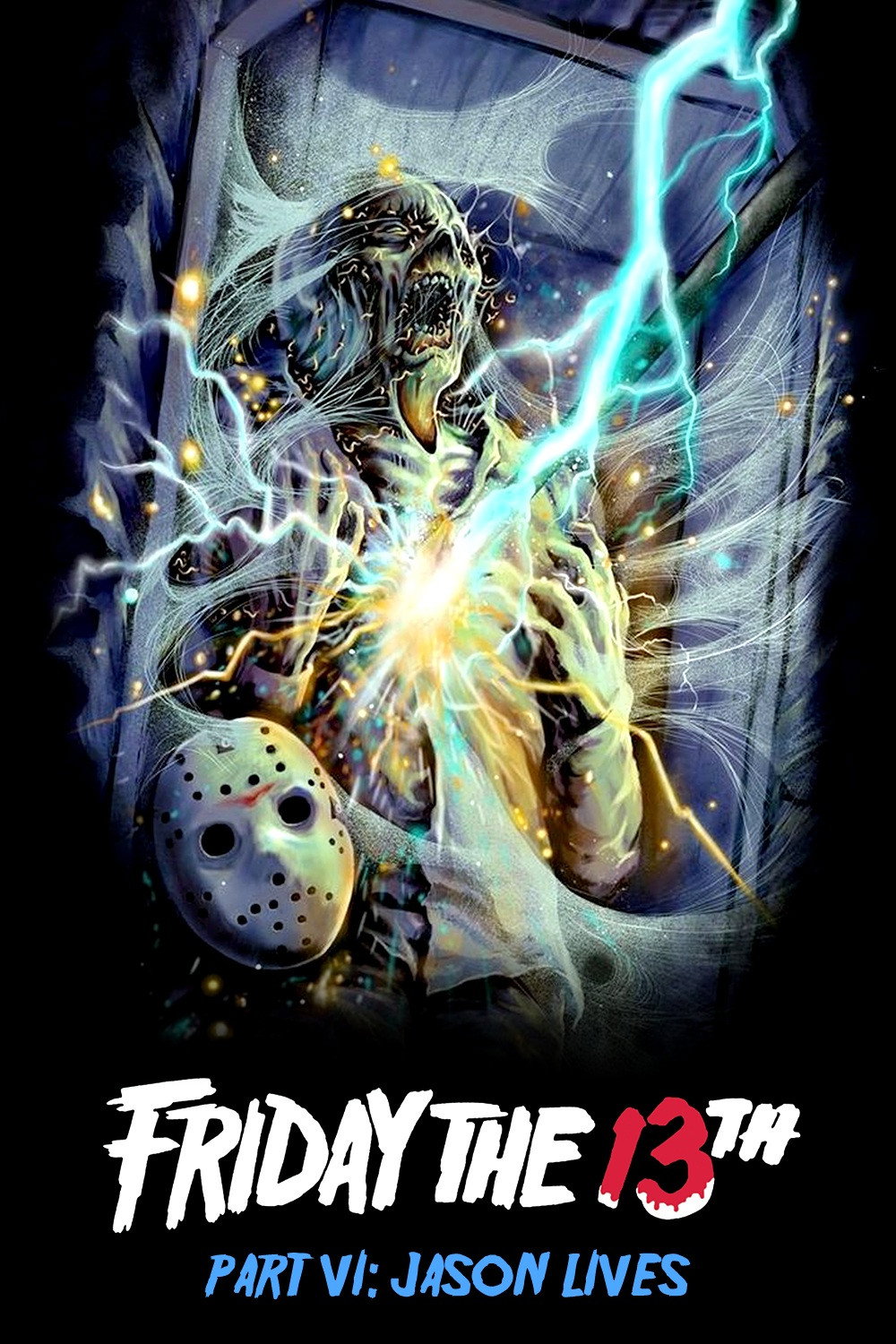
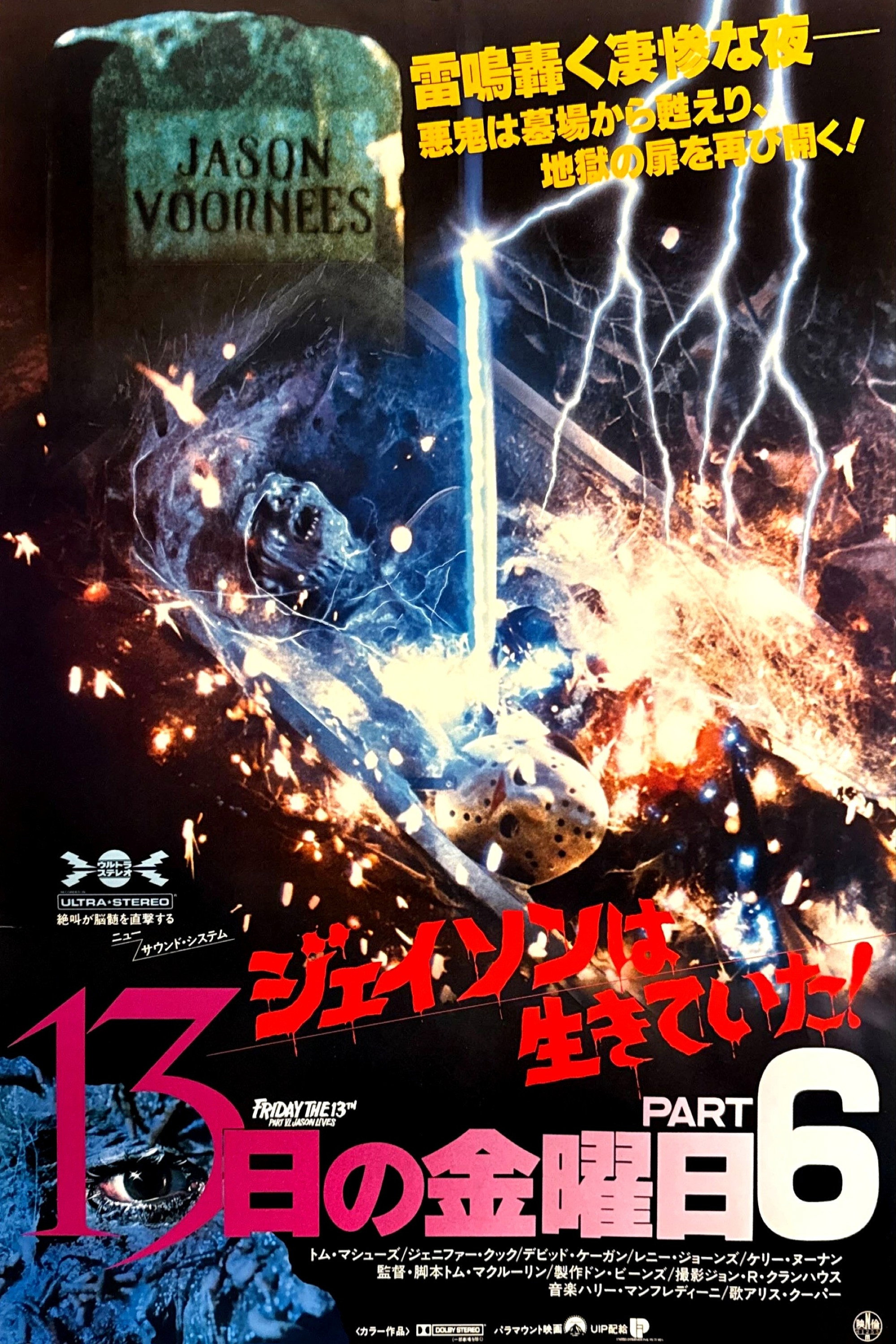
McLoughlin sought sympathetic characters and opportunities for dark humor, provided the film did not ridicule Jason. The graveyard opening establishes that distinction with unusual economy. Tommy Jarvis attempts to destroy the buried remains and instead supplies the circumstances of their revival. The storm, decaying body and sudden burst of electricity evoke older screen monsters, while the accelerated action keeps the sequence rooted in the contemporary slasher. The opening credits then parody the familiar James Bond gun-barrel device, announcing a willingness to joke about cinematic conventions without turning the masked killer into a comic figure.
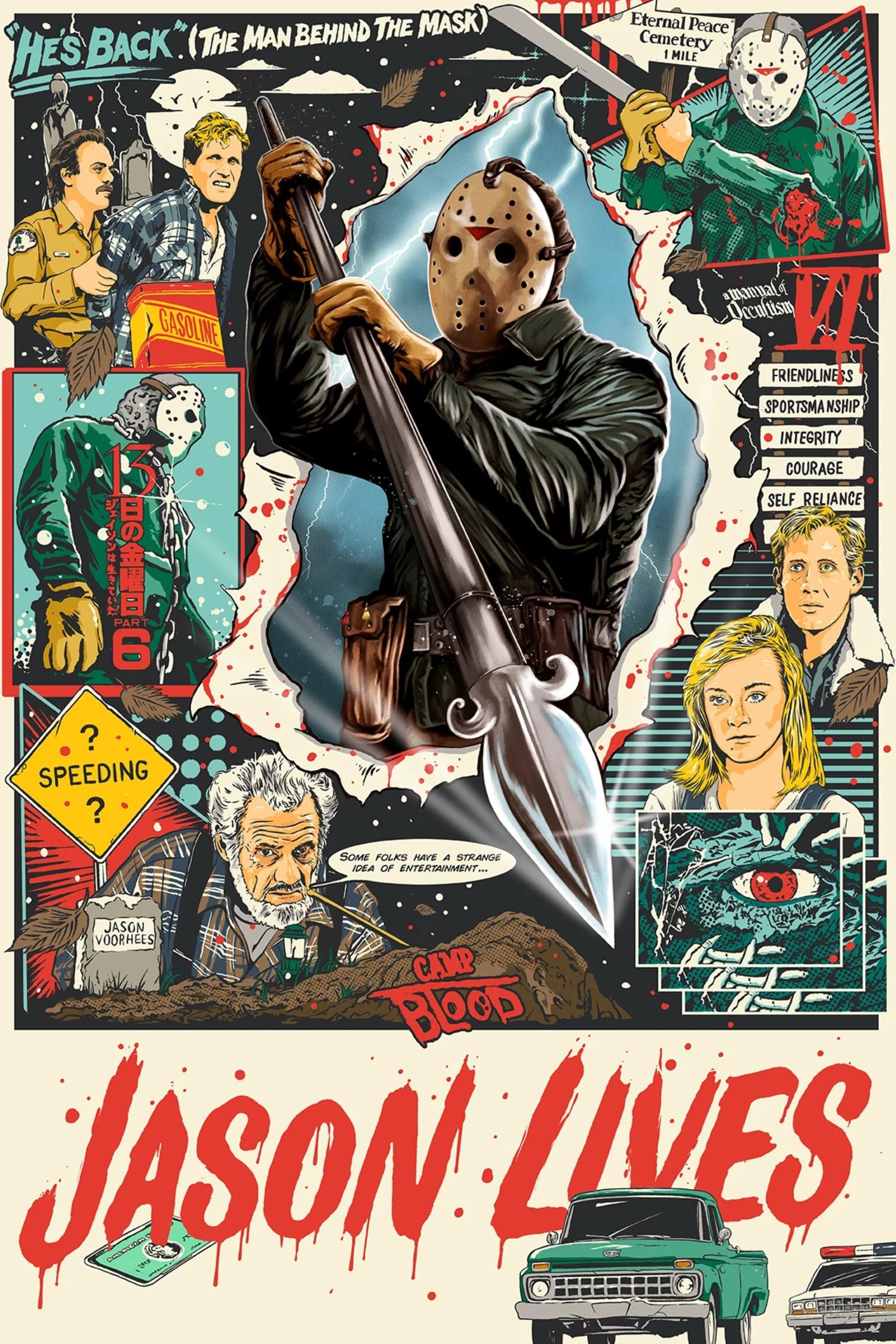
An unused strand of the development concerned Jason's family history. McLoughlin has said that an early script included a scene involving the killer's father, but that producer Frank Mancuso Jr. had reservations and the material was dropped. Such recollections establish a discarded idea, not an event in the finished film's continuity. Archival records also identify Aladdin Sane as a working title used during production, a reference to David Bowie. That temporary name belongs to the film's development history; the released title made Jason's return its central selling point.