




Development, True Crime and the Giallo Cycle
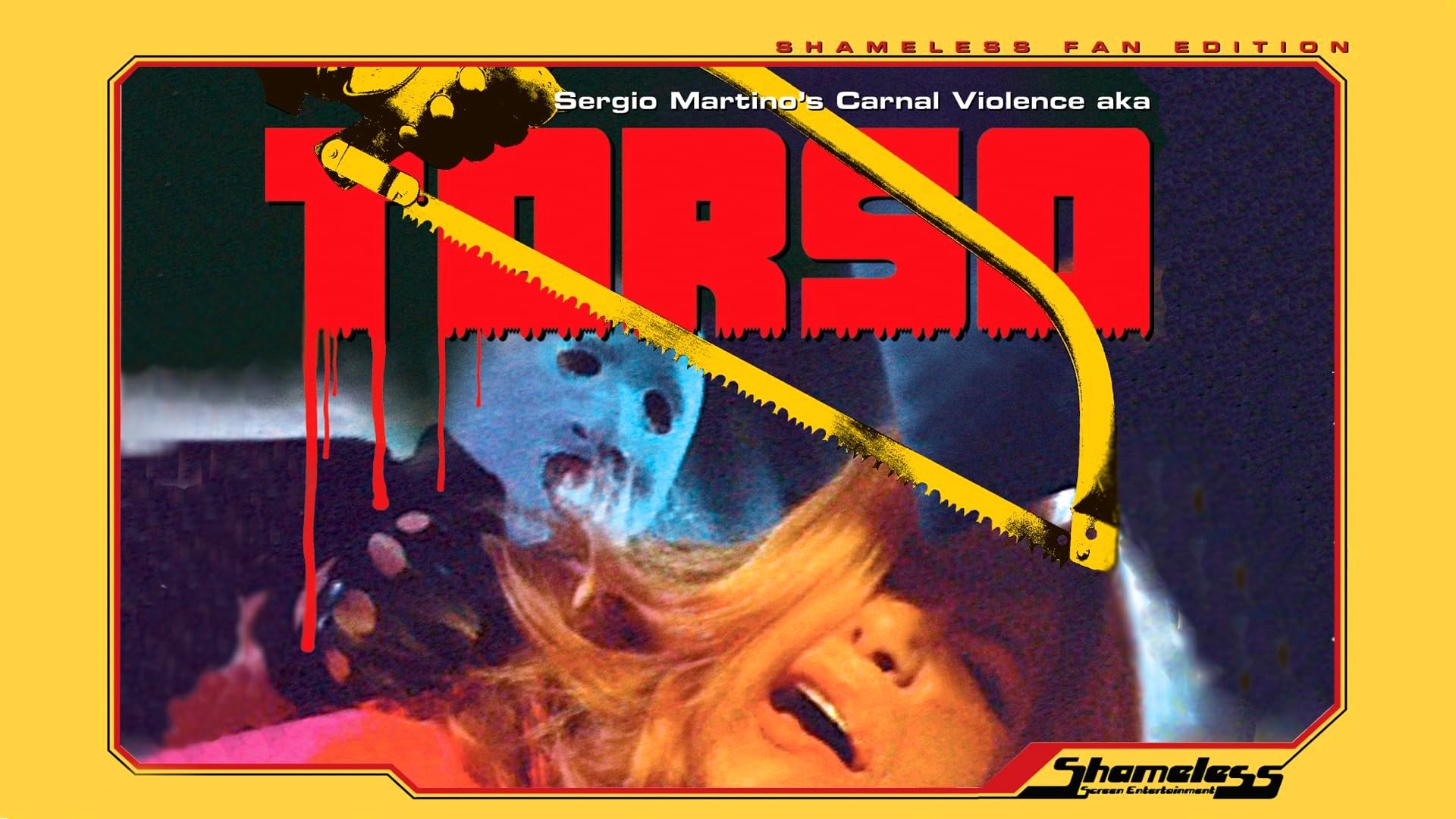
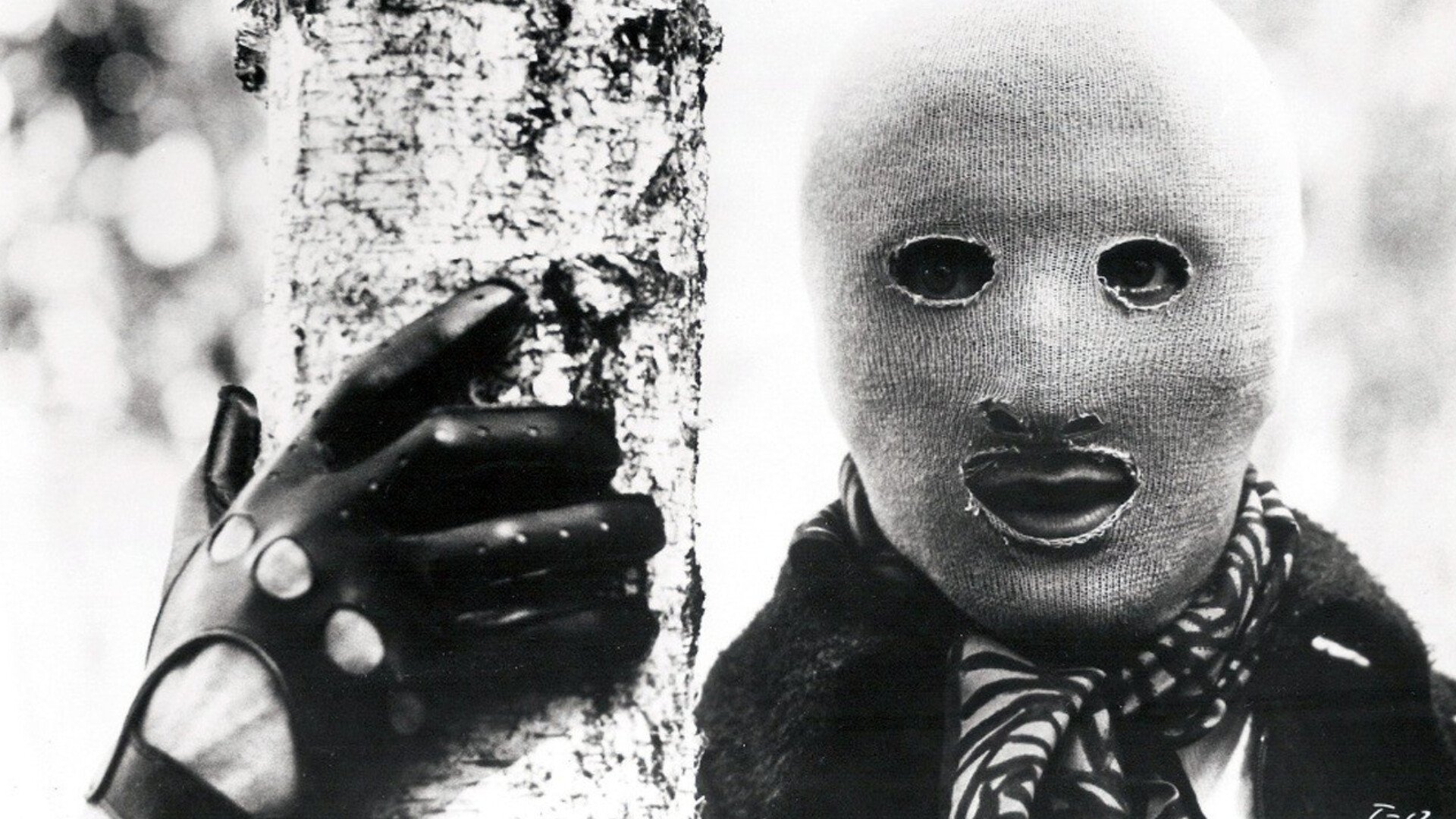
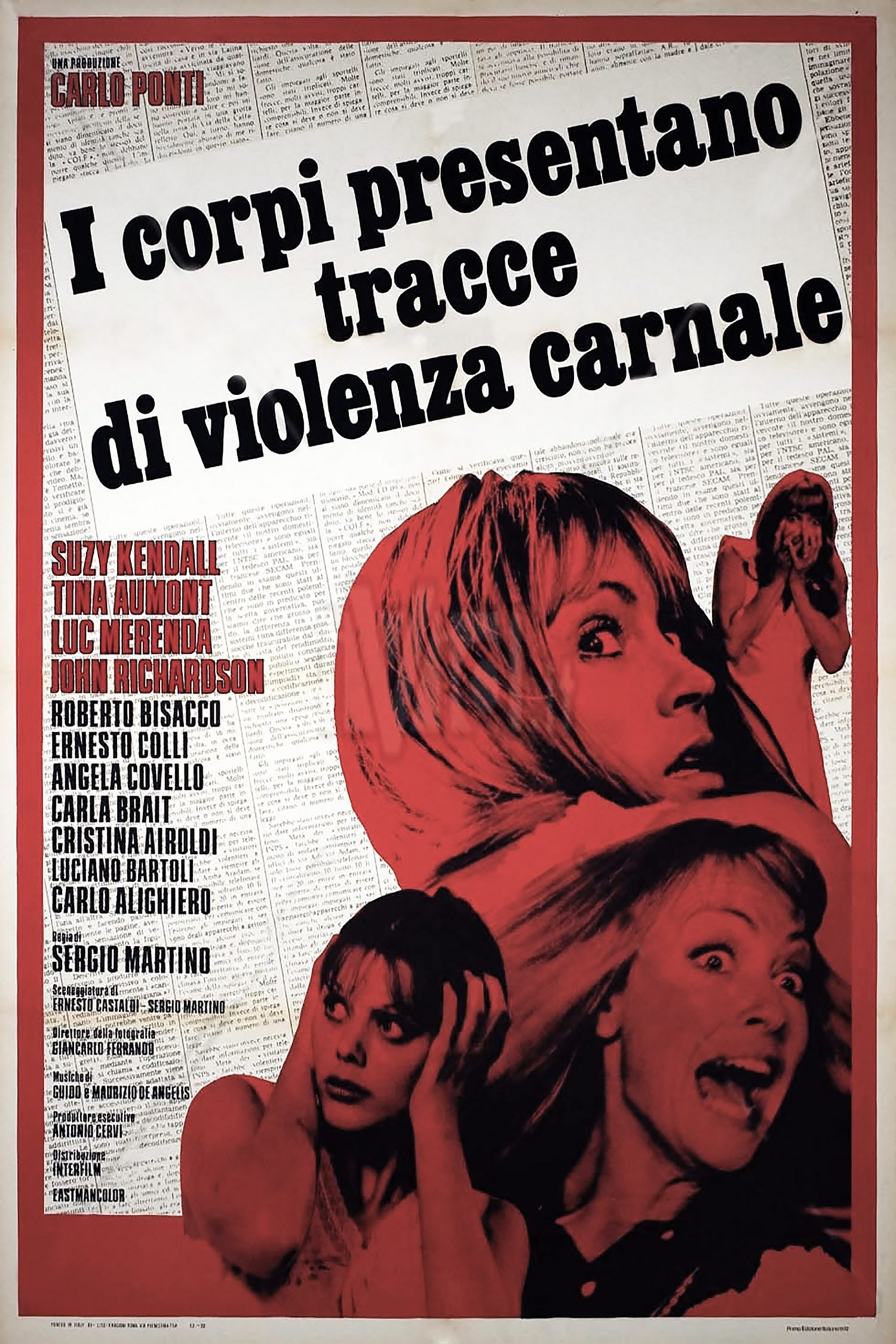
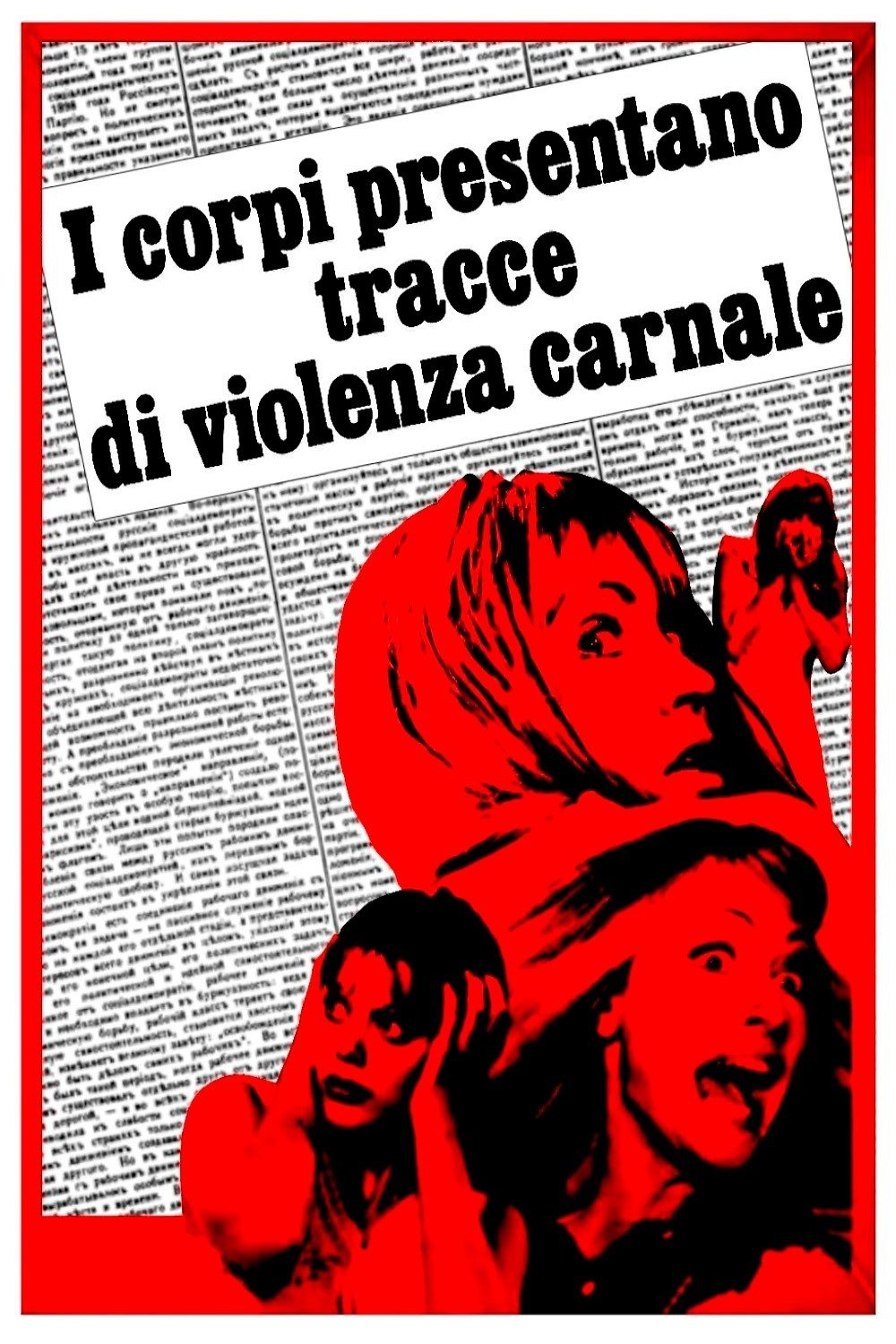
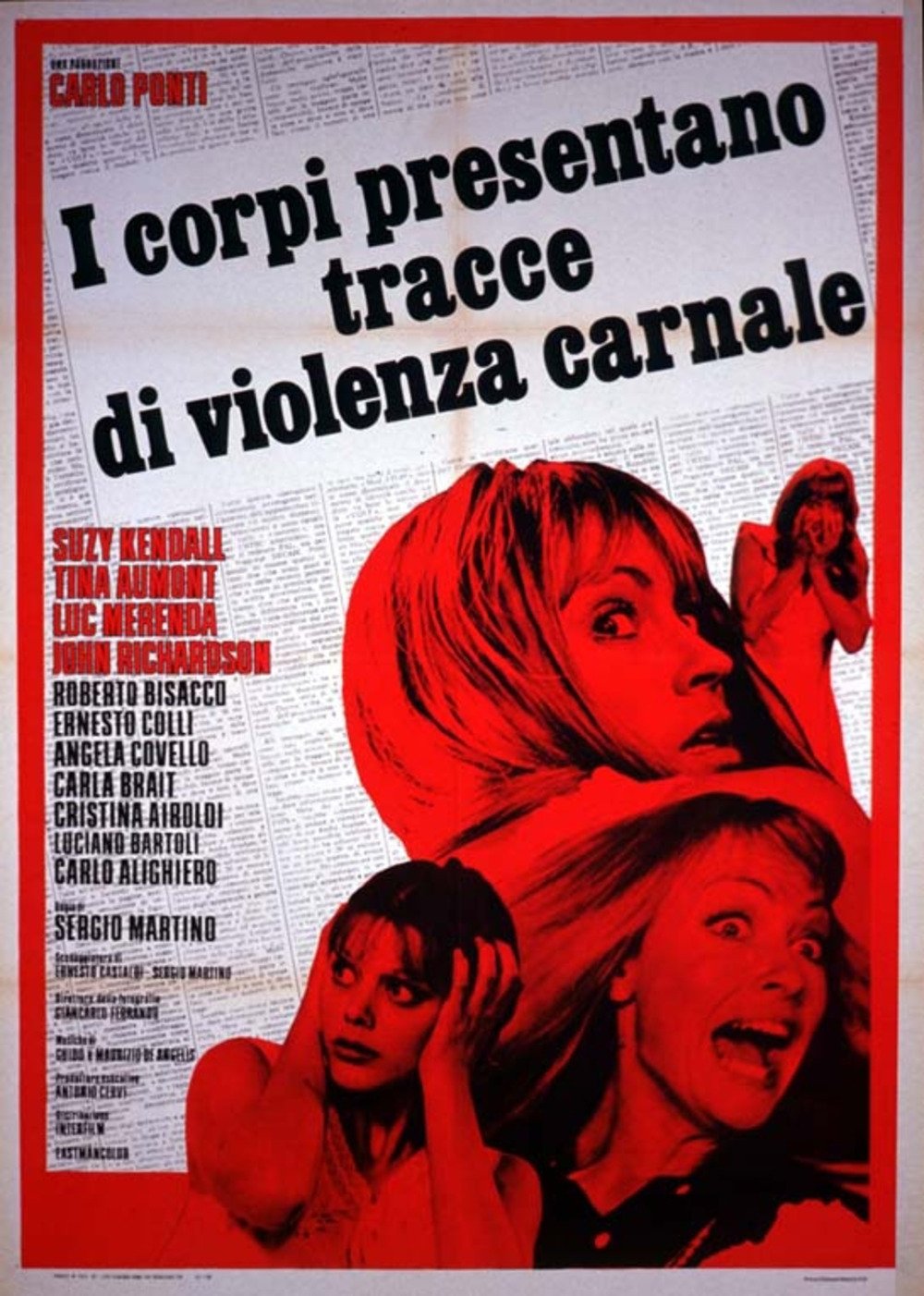
Torso was the culmination of a concentrated run of thrillers that had established Martino as an important practitioner of the Italian giallo. The screenplay is credited to the director and Ernesto Gastaldi. By the early 1970s, Italian genre cinema had developed an international market for investigations punctuated by stylized murders and erotic material. Martino worked within that commercial environment while placing progressively greater emphasis on the attacks themselves. The original Italian title, translating approximately as The Bodies Bear Traces of Carnal Violence, explicitly foregrounded sexual harm and forensic discovery, establishing the disturbing character of the material before the story began.
Martino has described a real criminal case as one stimulus for the film. In retrospective testimony, he recalled reading about a man who dismembered murdered relatives and removed the remains from an apartment over several days. He also cited Richard Fleischer's See No Evil (1971) when discussing the conception of Torso. These recollections help explain the significance of body disposal and the final confrontation, although the fictional characters and campus murders do not reproduce the reported crime. In a 2017 interview at Sitges, Martino singled out the nearly silent closing stretch as a passage he wrote substantially himself, with later assistance from Gastaldi.
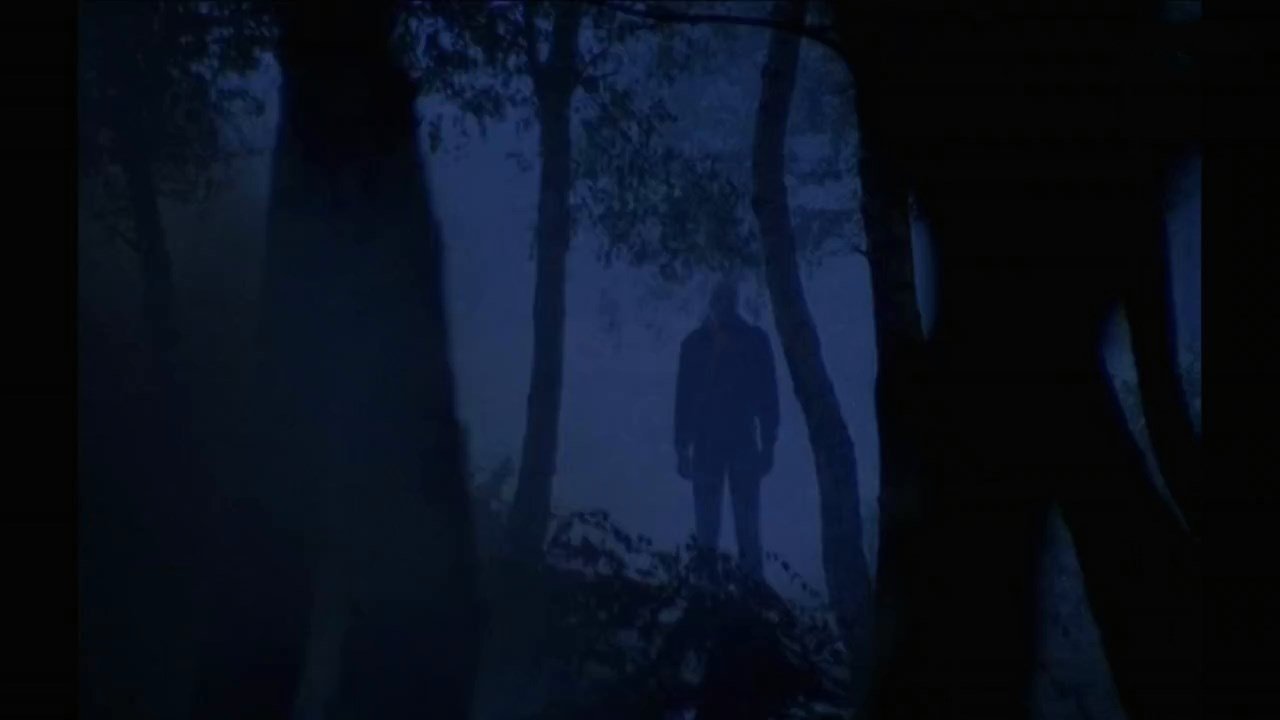
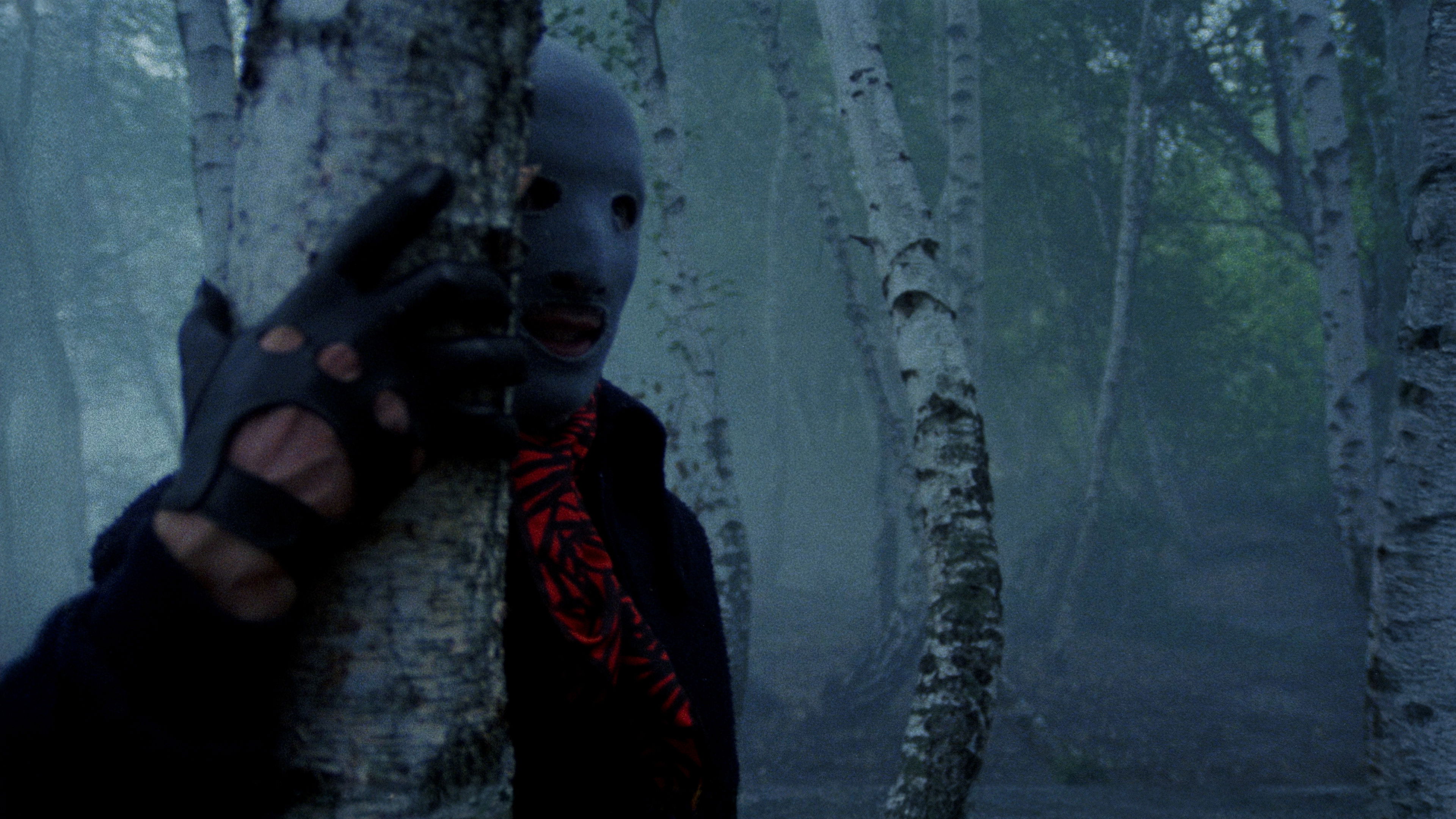
The production combines a recognizable northern Italian university environment with the pleasures of a mystery built around false suspicion. Giancarlo Ferrando photographed streets, interiors and a country retreat that gradually become hostile to the female characters. The film's generic movement is essential to its historical position: it begins by inviting viewers to identify a killer among several men, then allows survival to displace detection as the immediate concern. Its significance within horror comes from that change in emphasis and the precision with which Martino organizes the resulting threat.