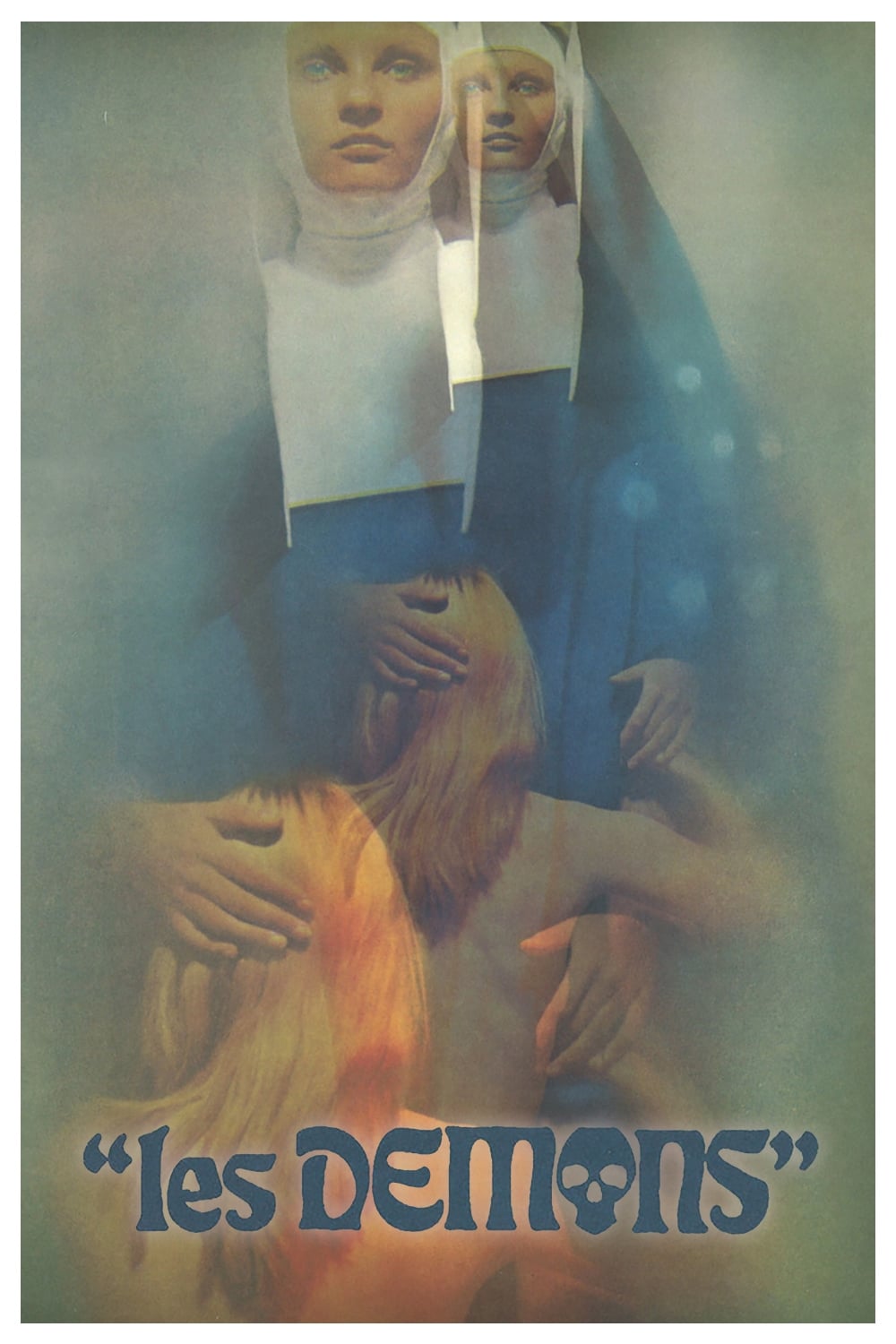
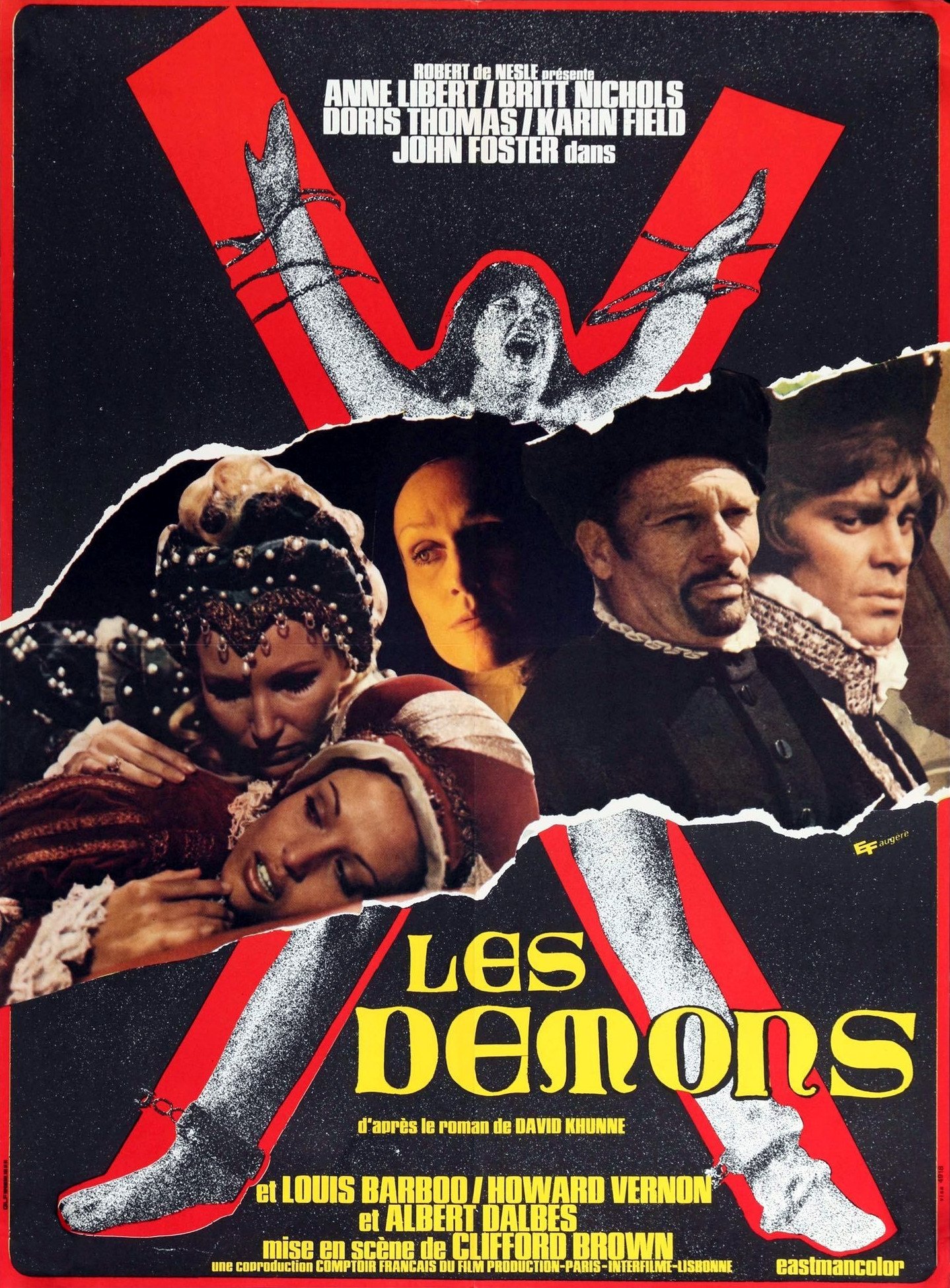
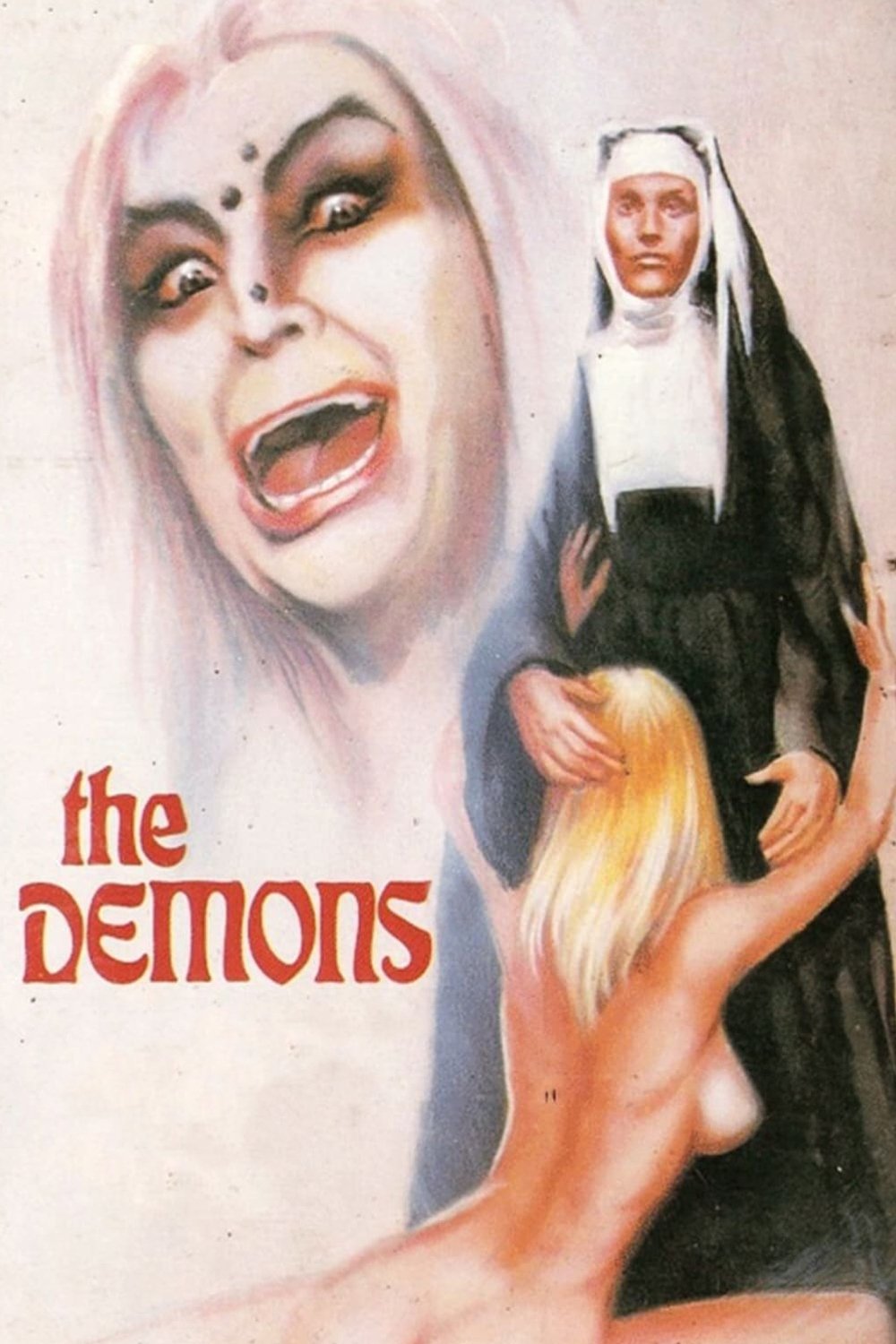
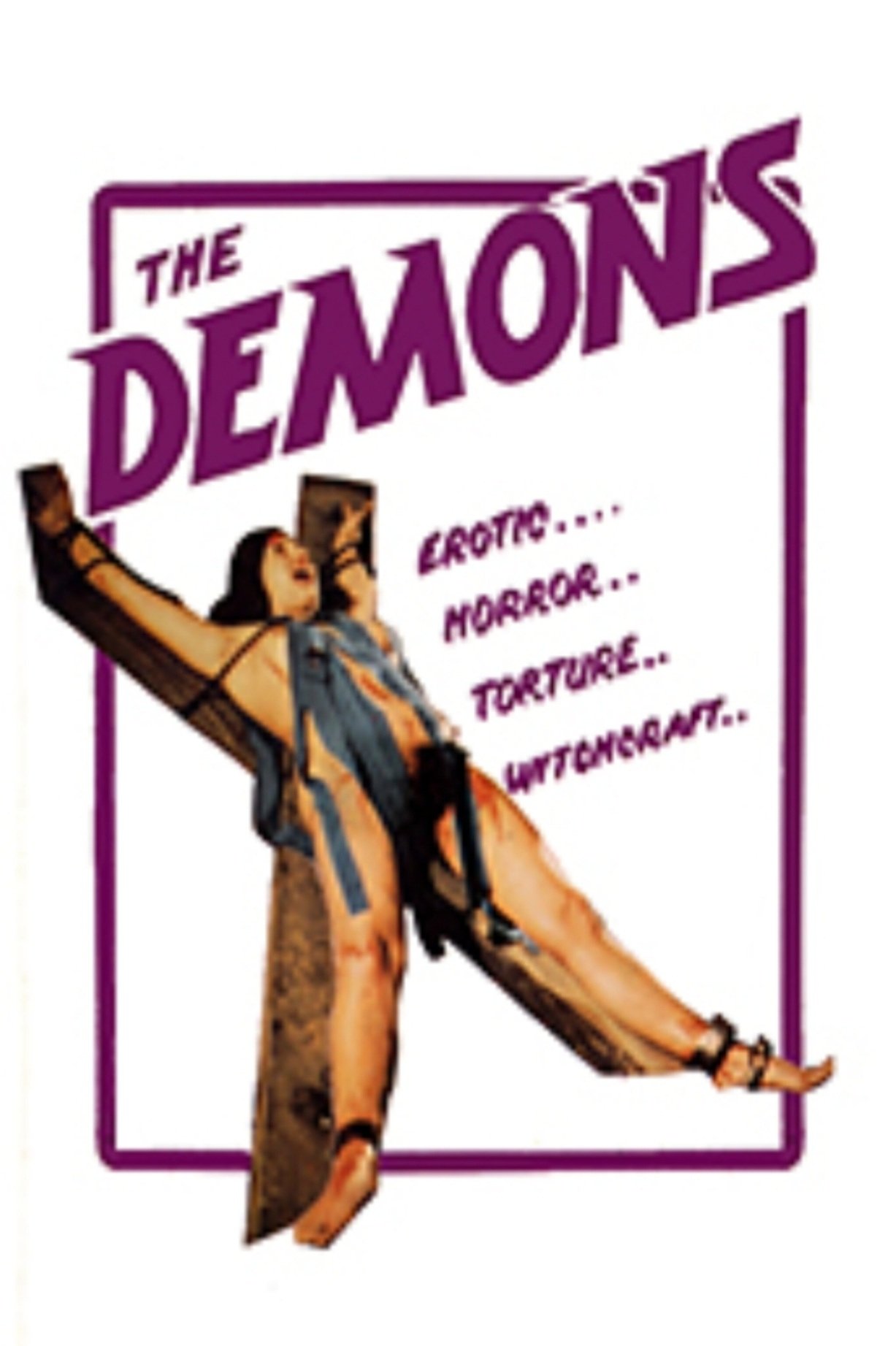
From The Bloody Judge to the de Nesle Period
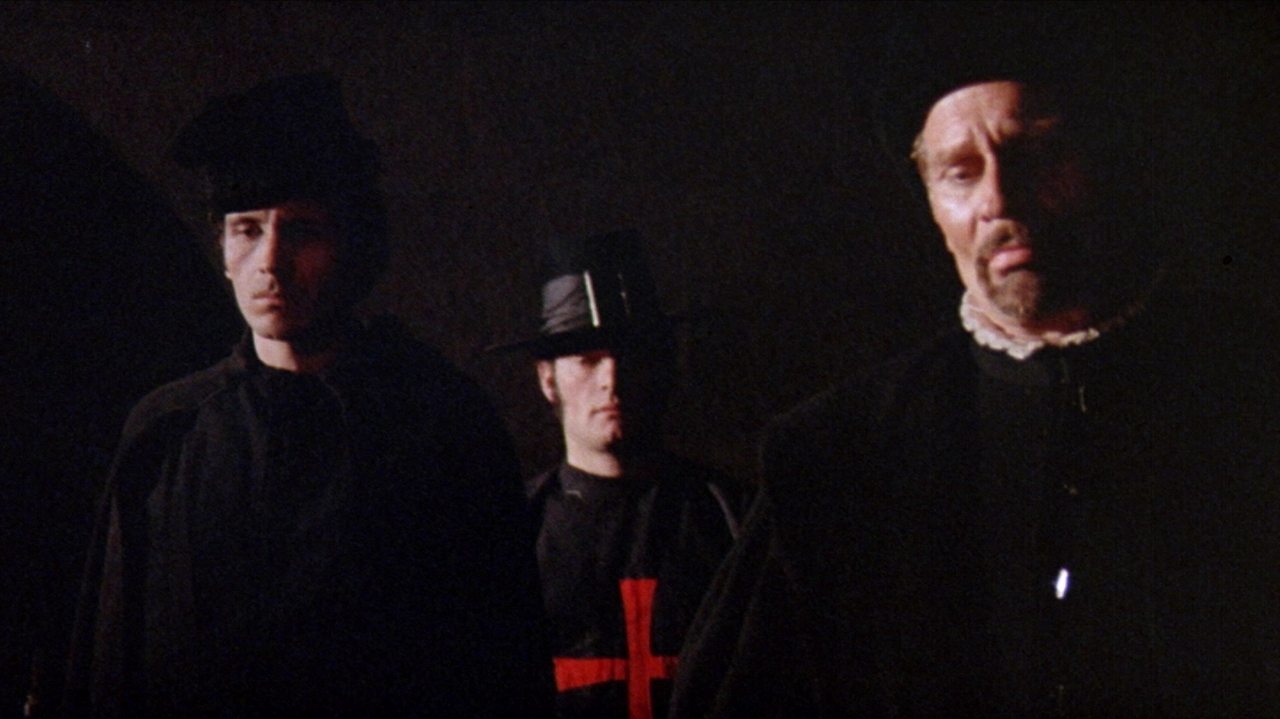
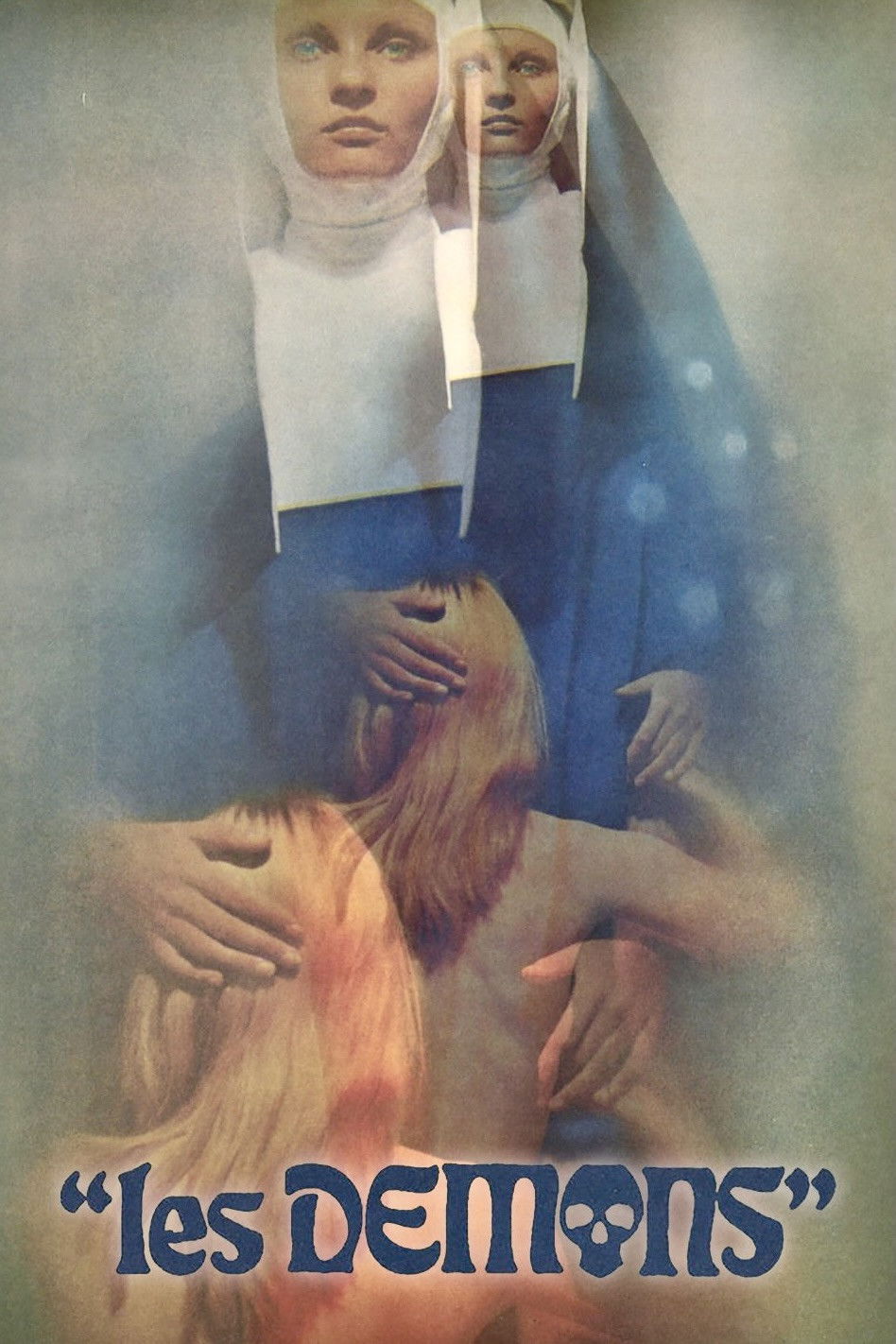
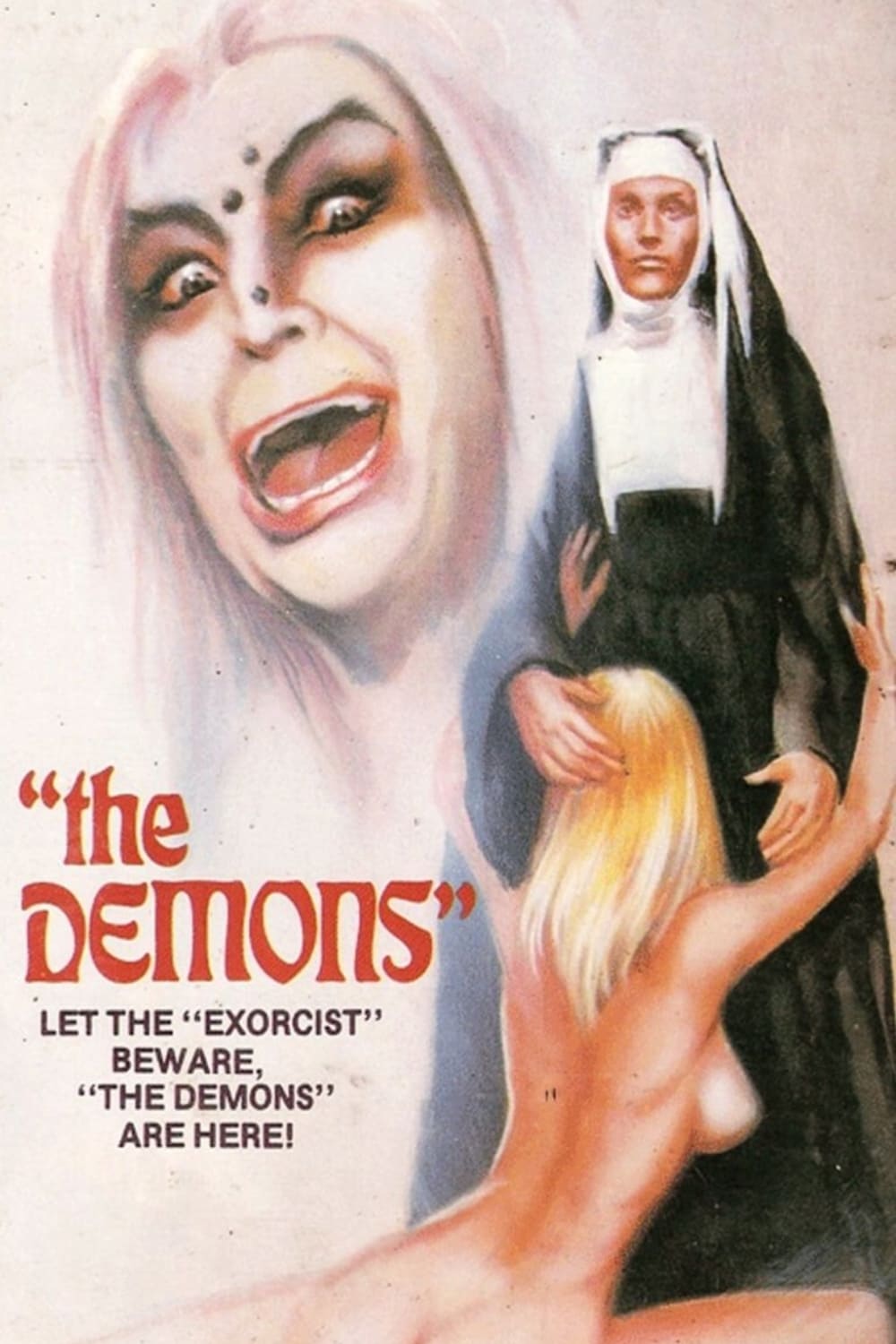
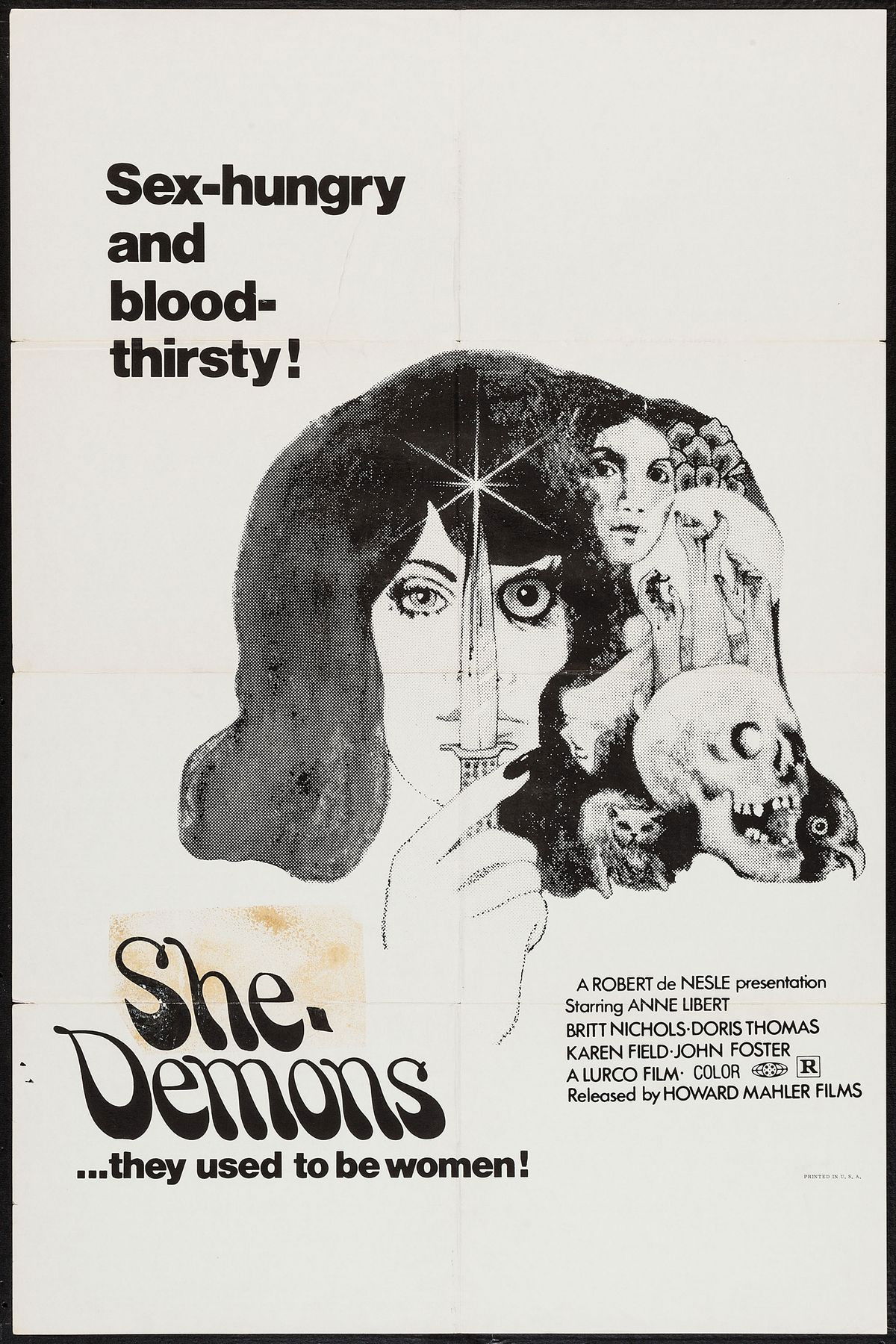
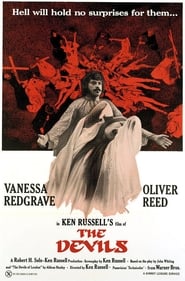
Franco had already addressed judicial persecution in The Bloody Judge (1970), a production associated with Harry Alan Towers and a comparatively substantial international cast. Olivier Père, writing for ARTE, contrasts that earlier film's relatively traditional historical staging with the freer methods visible in The Demons. Both works take liberties with the figure of Judge Jeffreys and the English past. Their relationship is therefore more revealing than treating the later picture solely as a quick imitation of Ken Russell's The Devils. Russell's success helped make ecclesiastical scandal commercially visible, but Franco was returning to obsessions and dramatic situations already present in his own work.
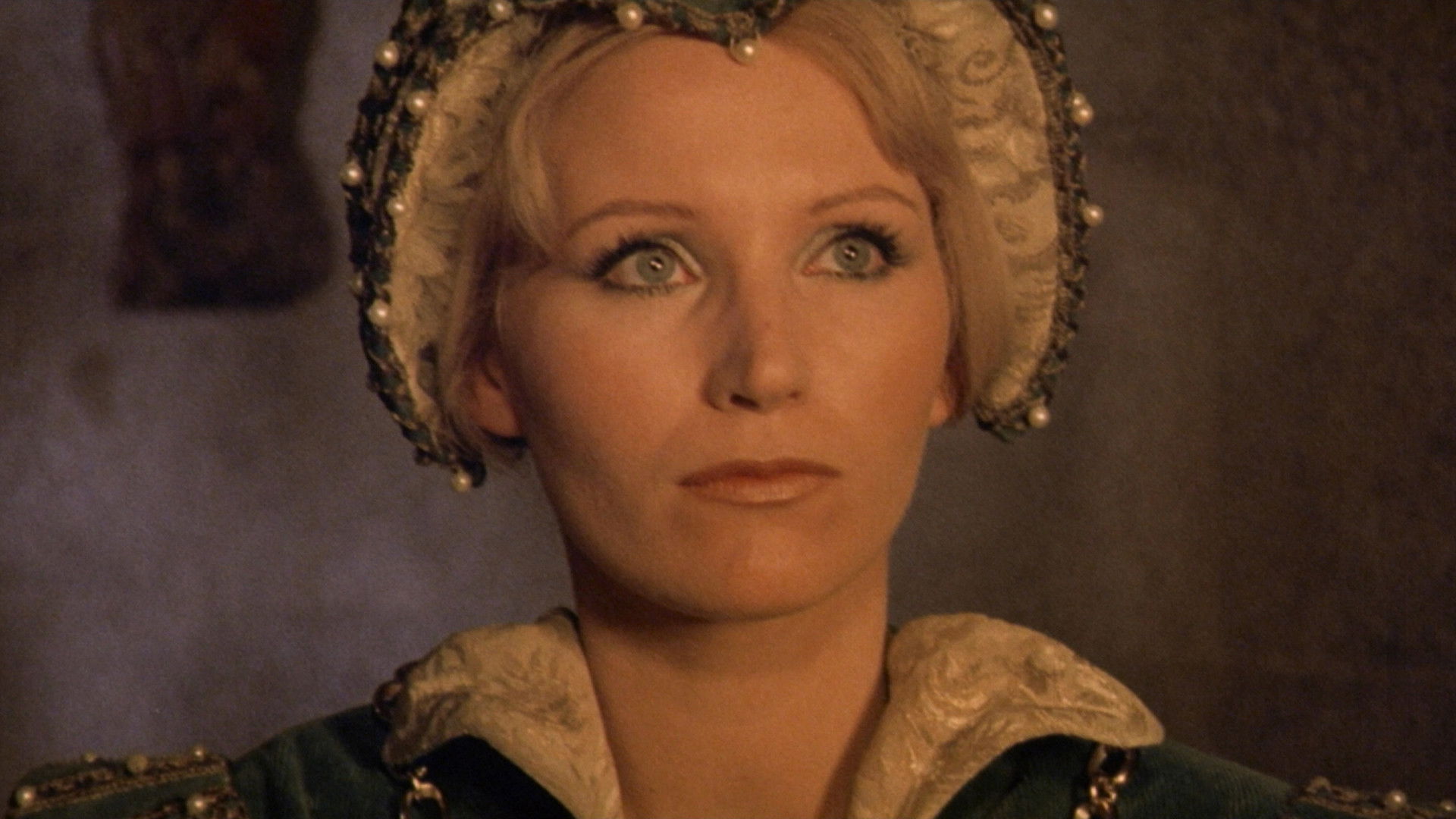
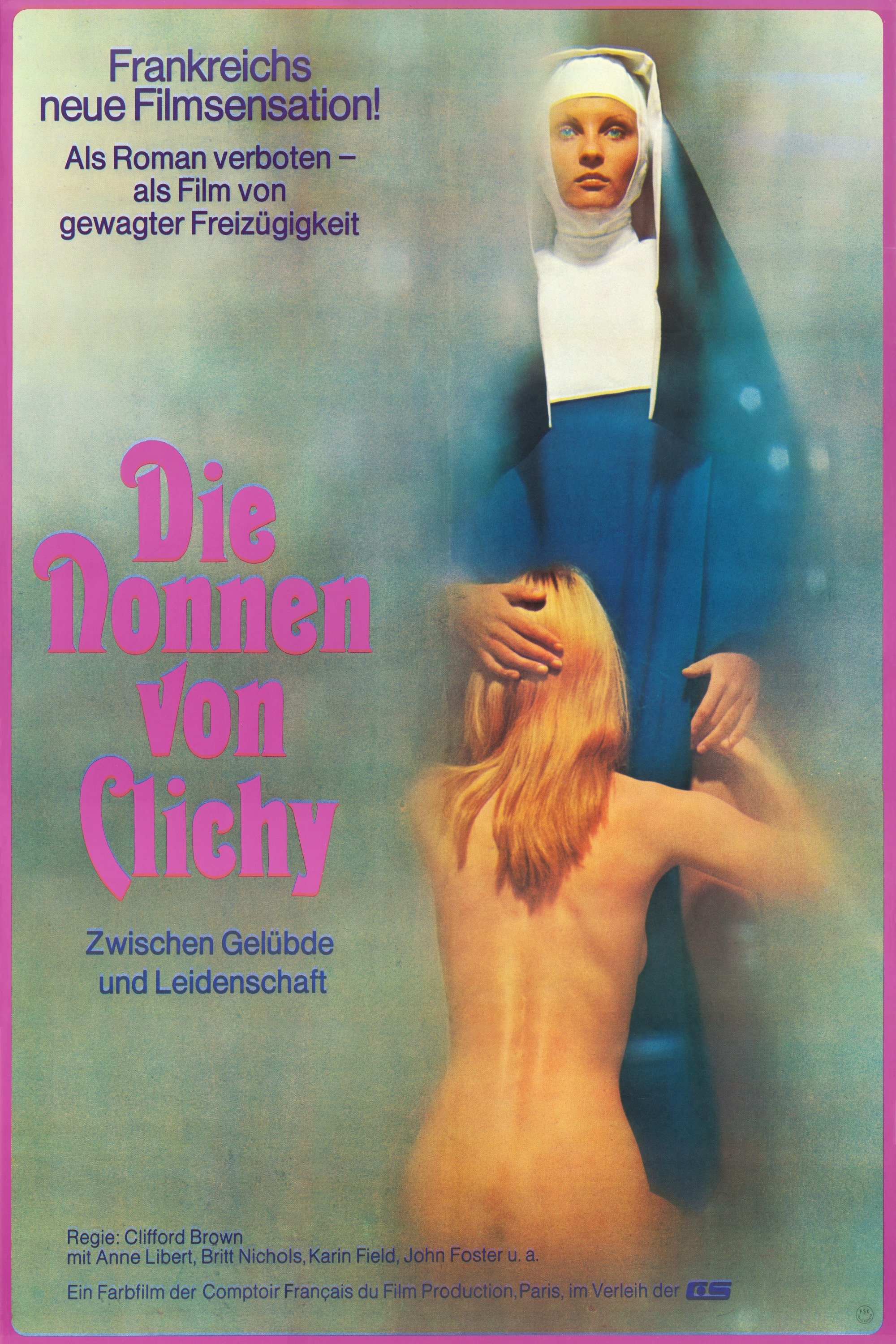
A change in producing circumstances helps explain the result. Père places The Demons within Franco's sustained association with Robert de Nesle and the Comptoir francais du film, a company moving toward inexpensive erotic features for a changing French exhibition market. A project built around witch trials could provide recognizable costumes, castles and the promise of sensational images without requiring the expense of a historical epic. Franco's production approach accommodated that market while leaving room for peculiar visual experiments. The article offers a general account of de Nesle's practices; it should not be taken as proof that any particular later insert was added to this film without separate evidence.
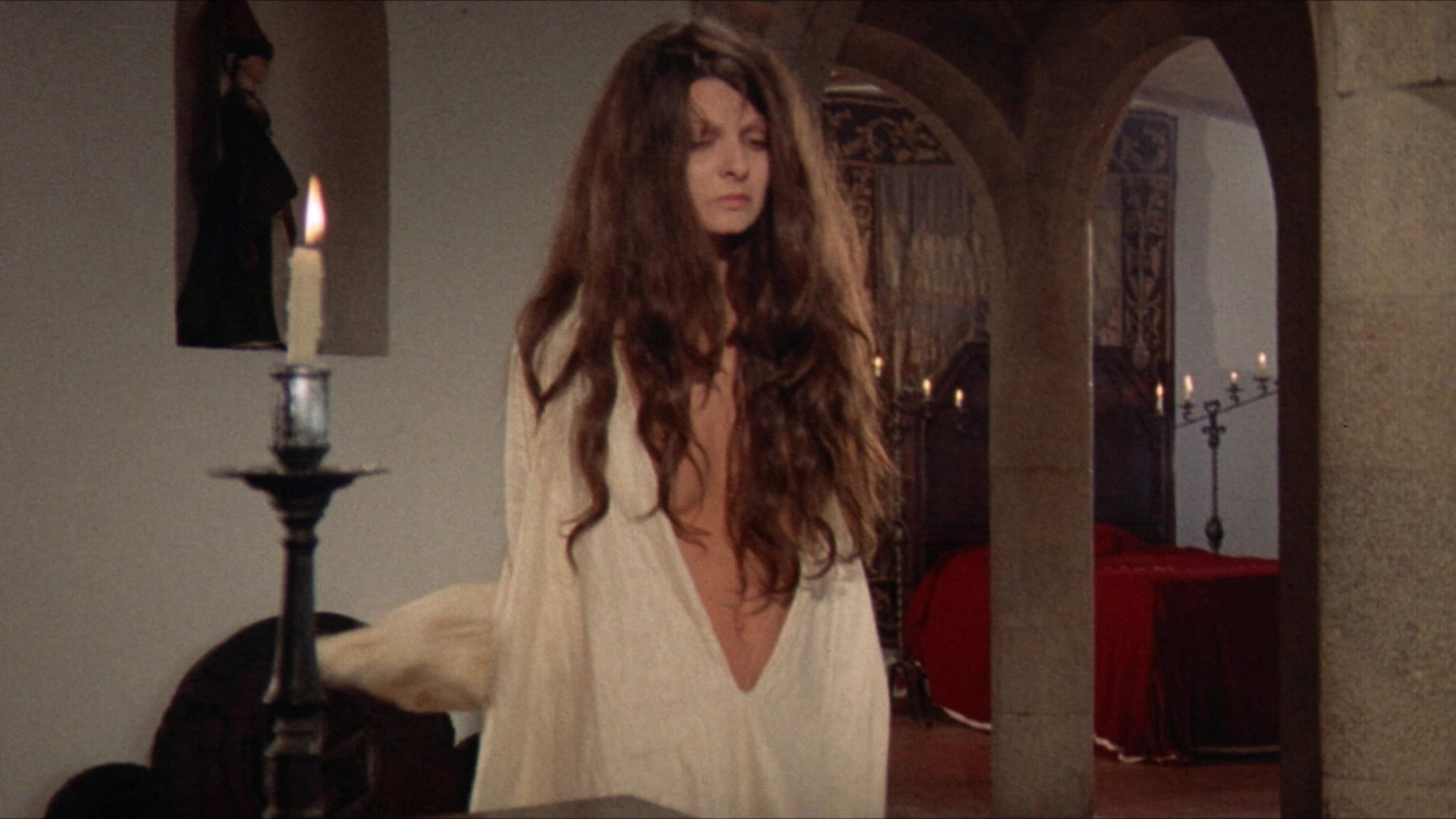
The picture's literary atmosphere also reflects the director's longstanding fascination with the Marquis de Sade. Père identifies a connection between the sisters' contrasting temperaments and the fiction of Justine and Juliette, alongside the libertine behavior of the aristocratic characters. These correspondences are critical interpretation rather than evidence of a faithful literary adaptation. They illuminate a recurring Franco pattern in which institutions meant to enforce morality are themselves populated by people exercising power through humiliation and appetite. That tension gives the supernatural revenge plot a recognizable moral setting, however extravagant the events become.