The Exorcist (1973)

US
HORROR FILM
SUBGENRES POSSESSION
8.2/10 9 votes
Runtime
122 min
Release
May 31, 1973
Budget
$8,000,000
Revenue
$441,306,145
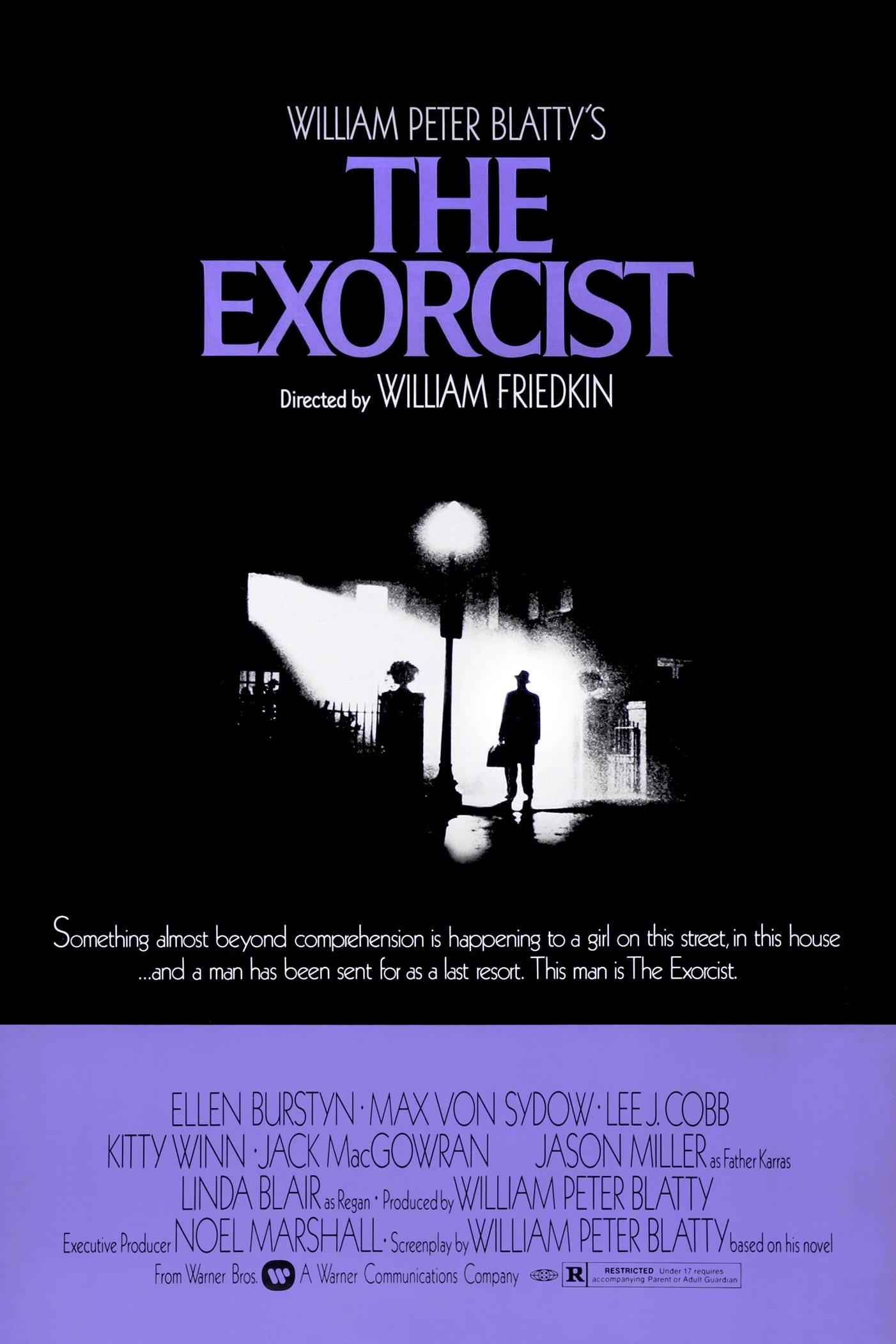
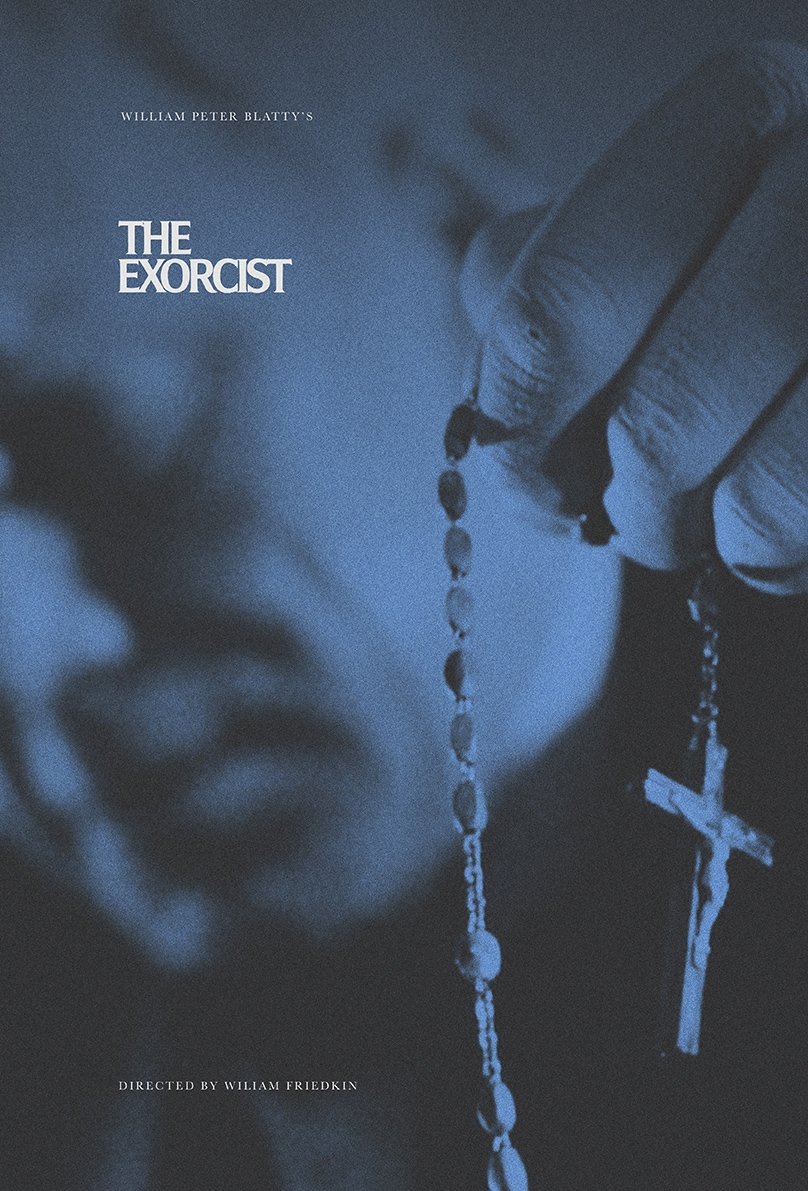
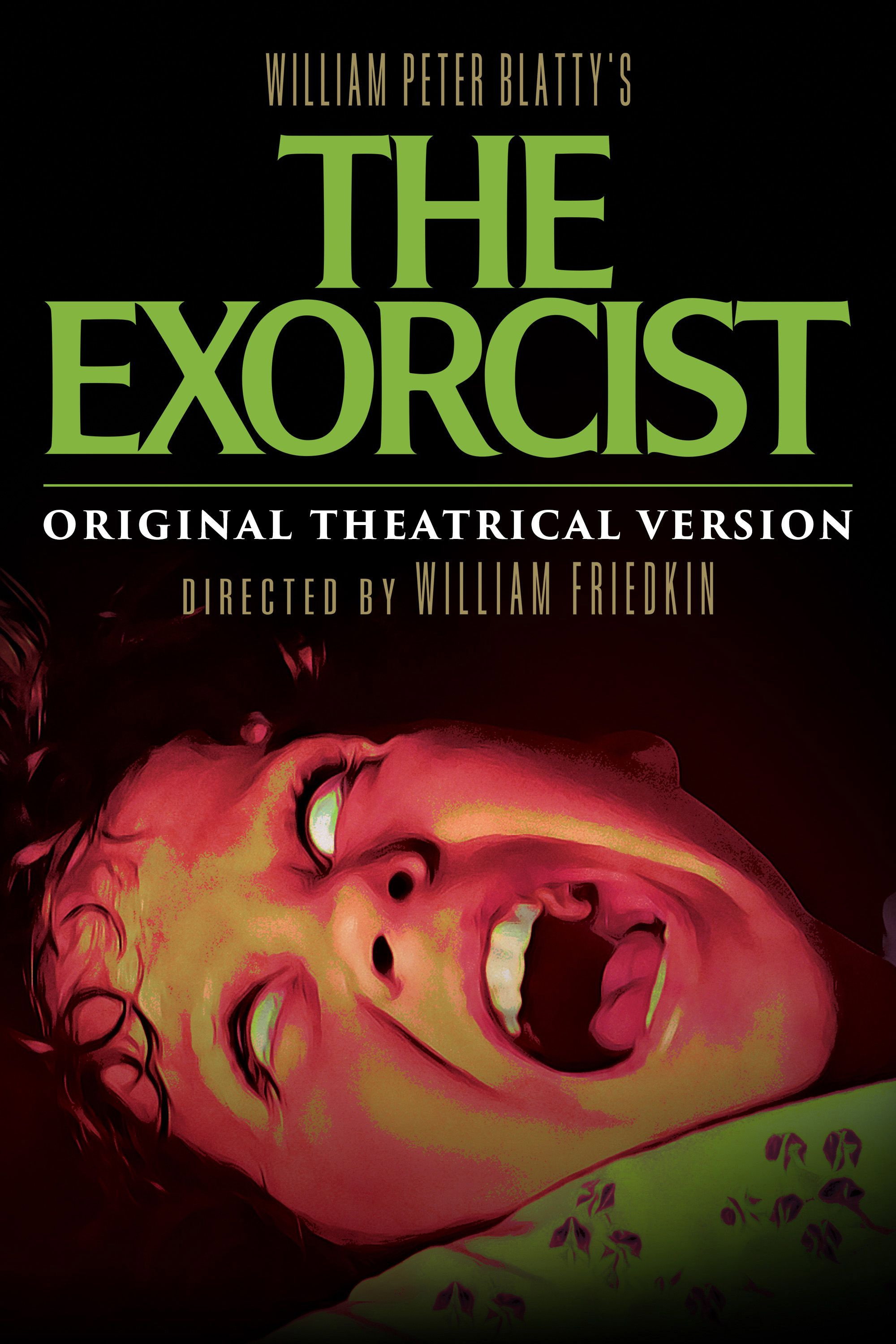
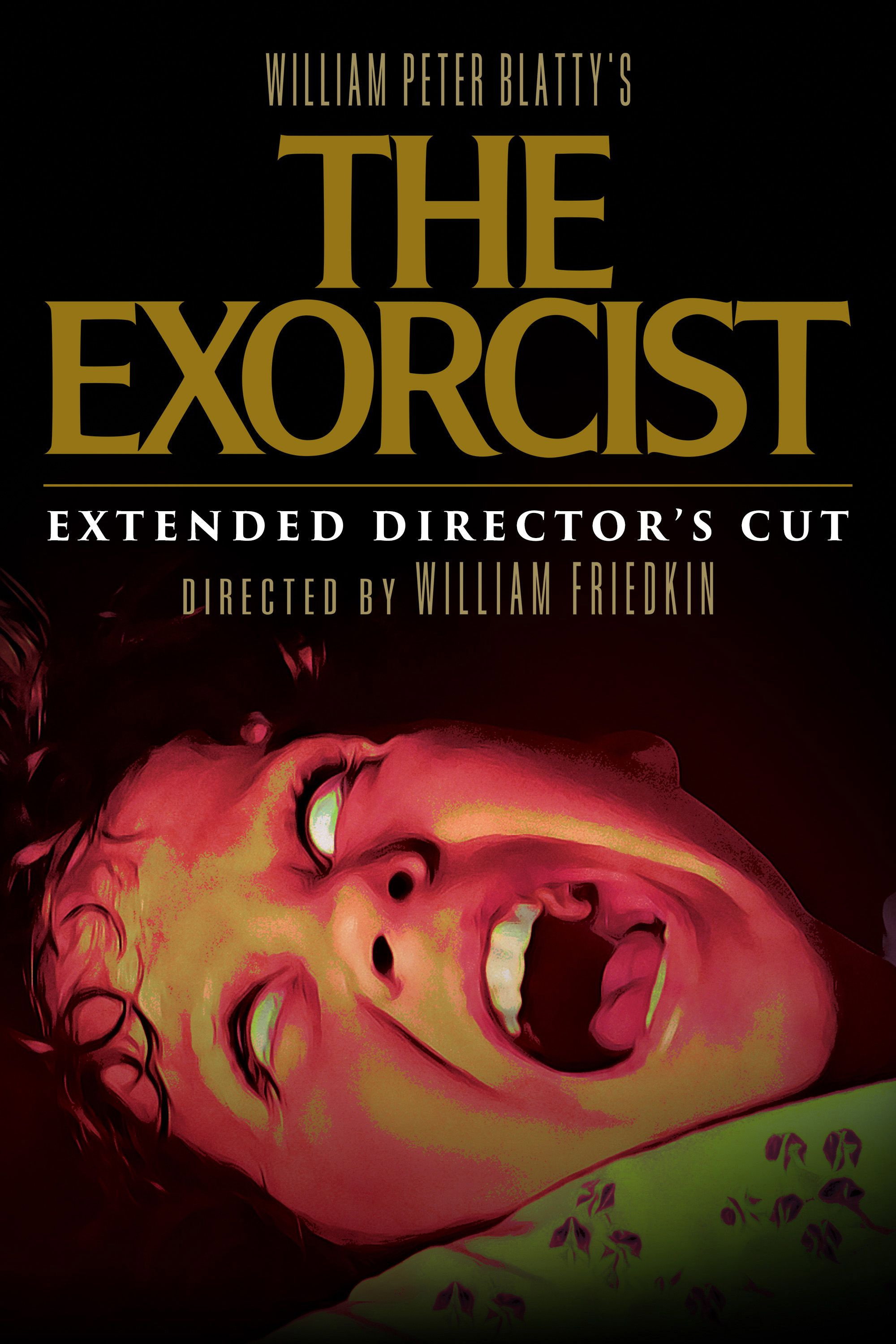
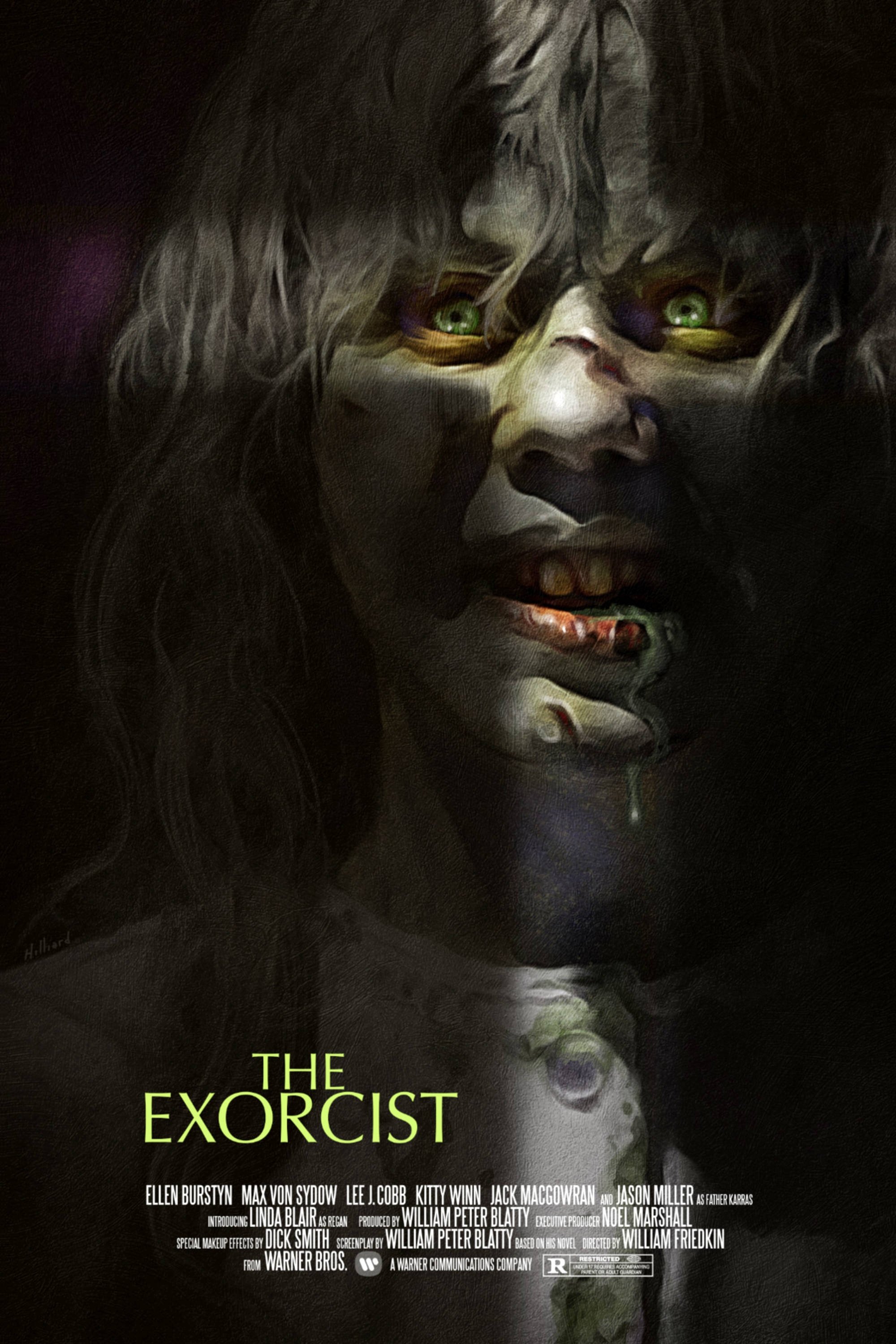
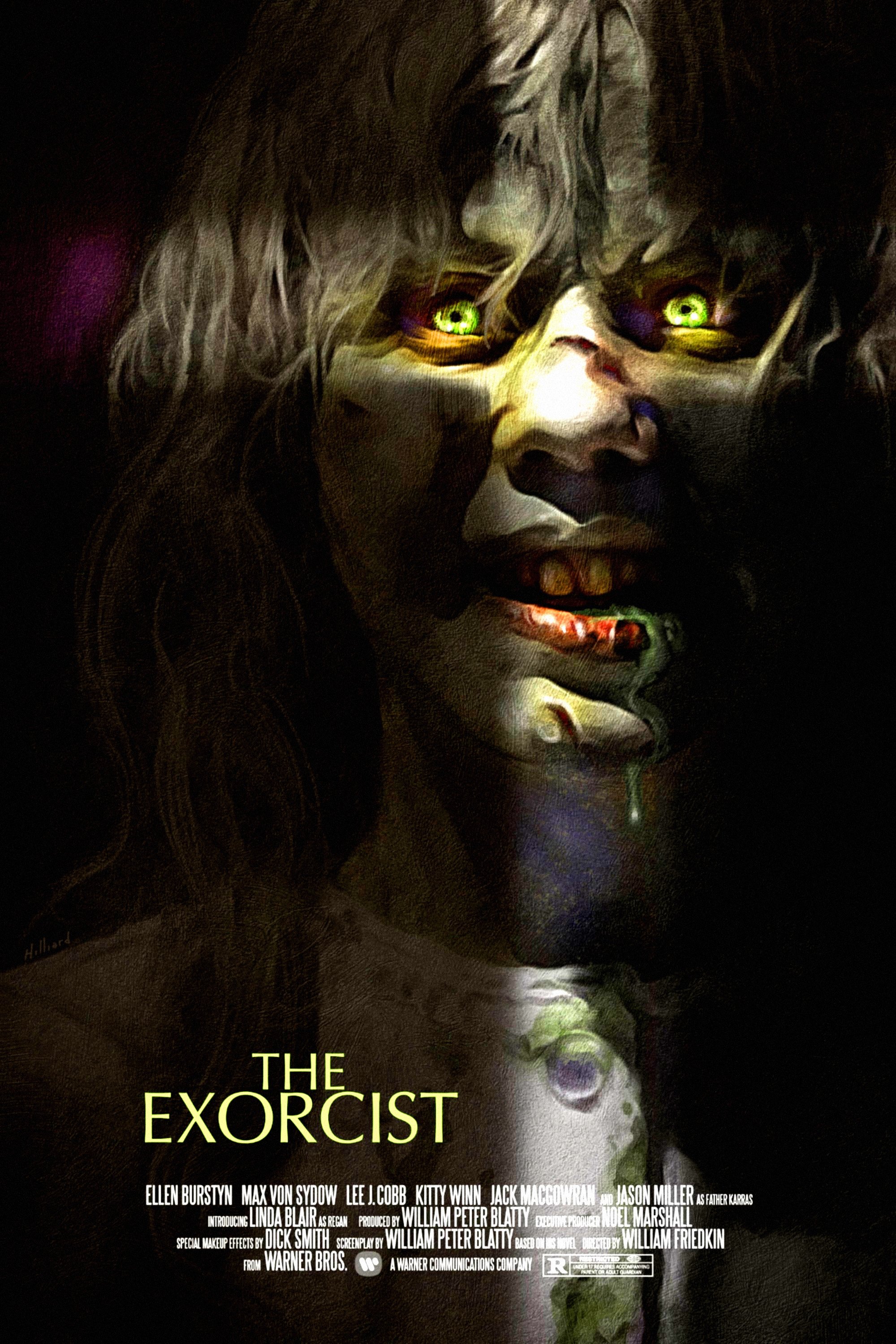
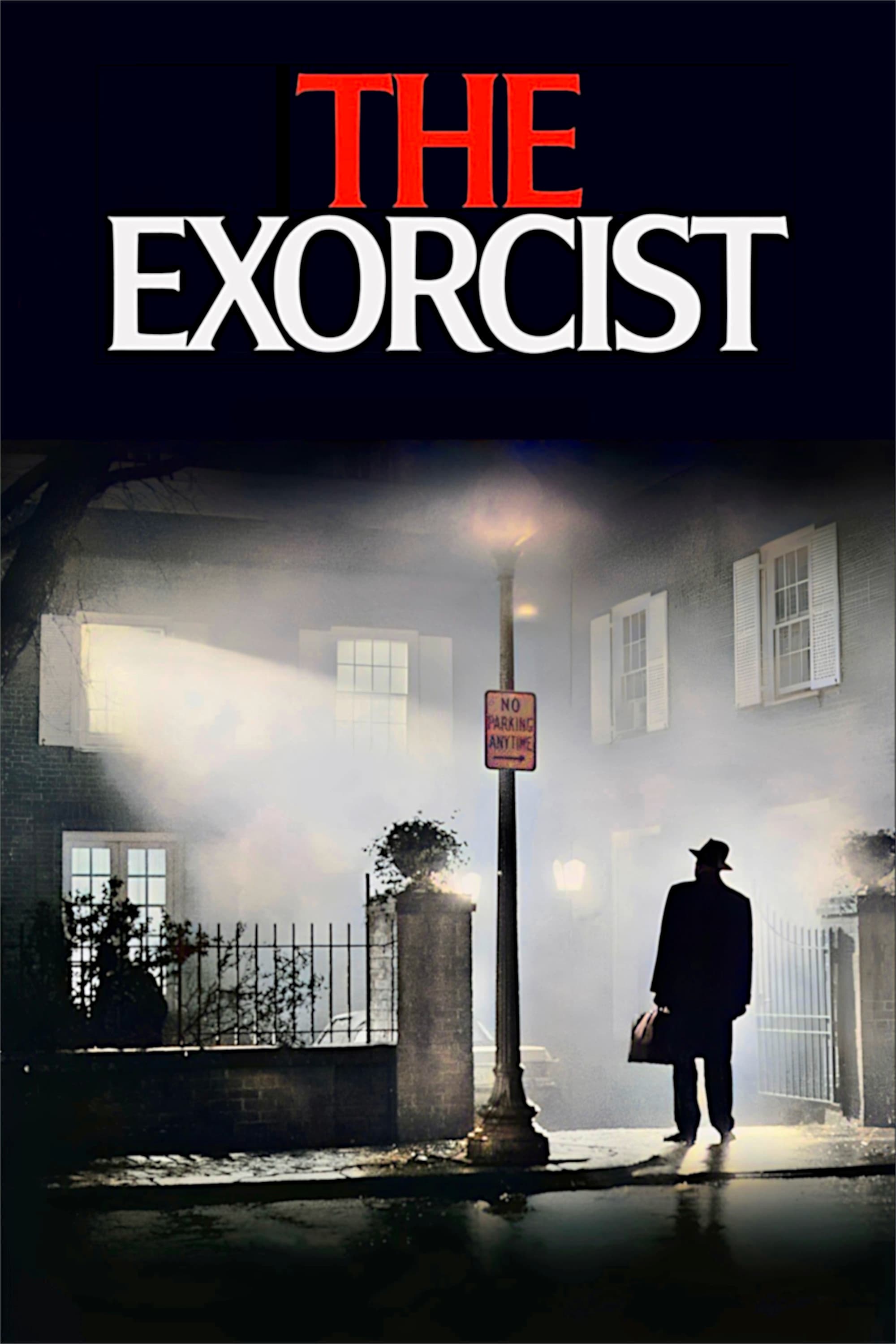
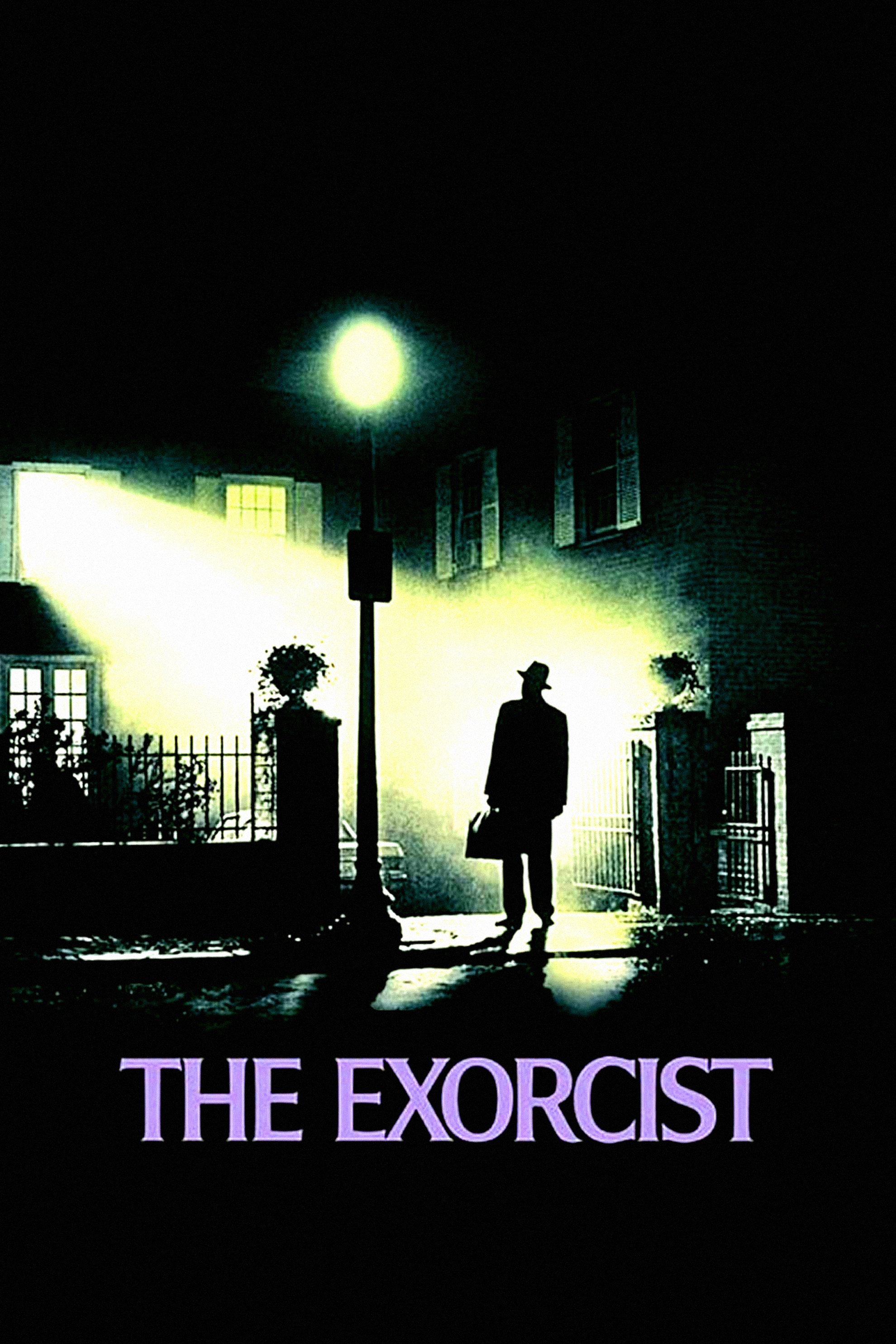
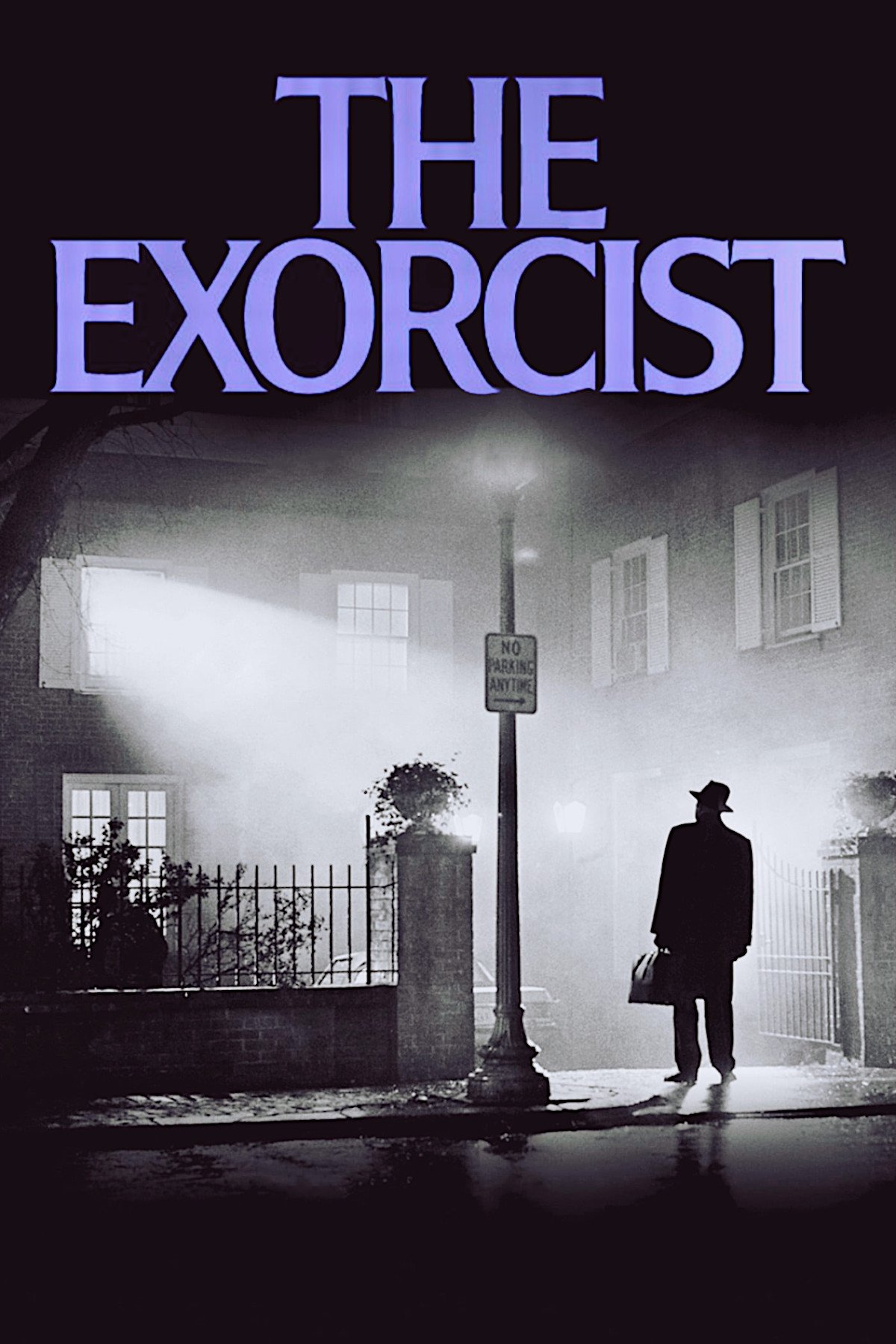
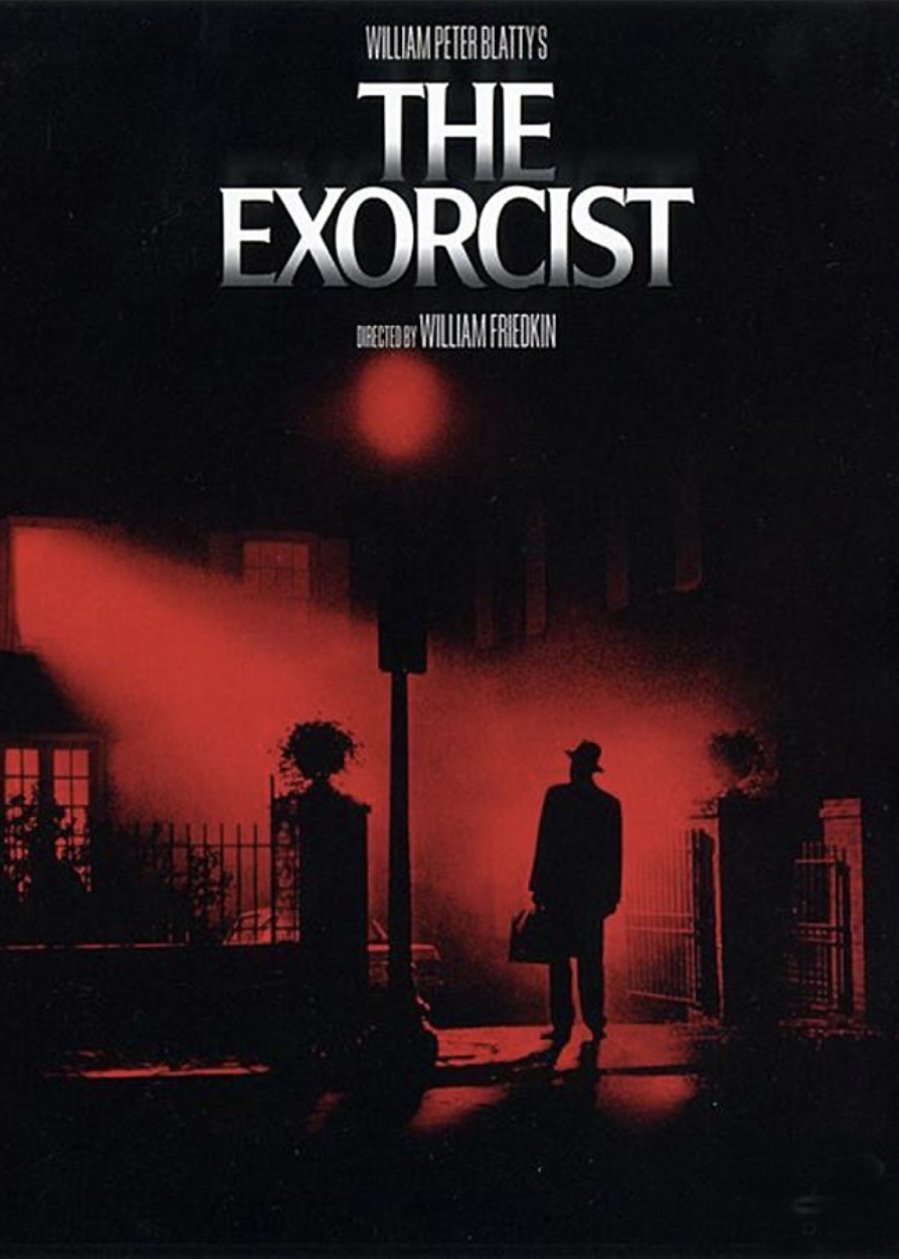
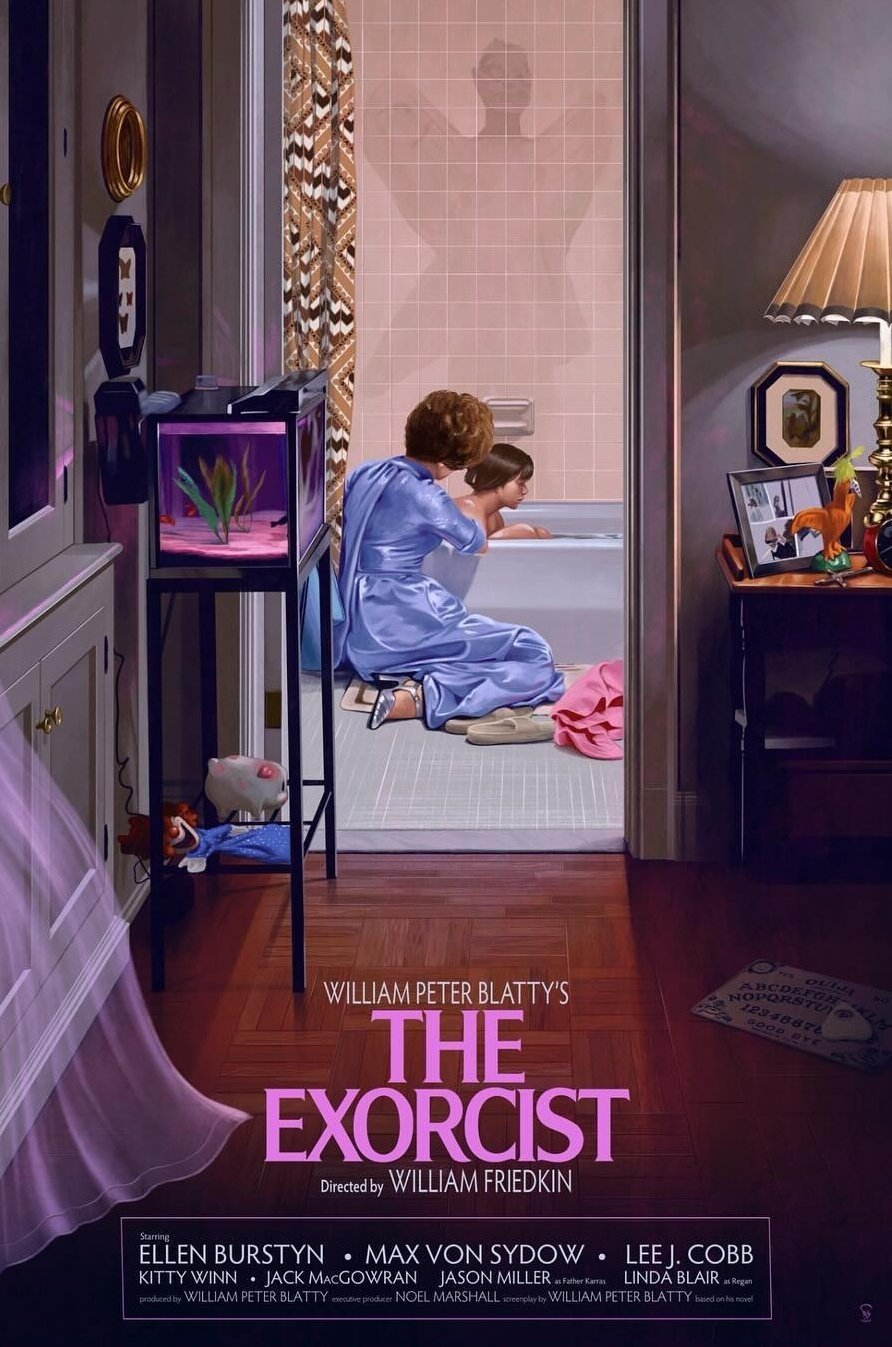
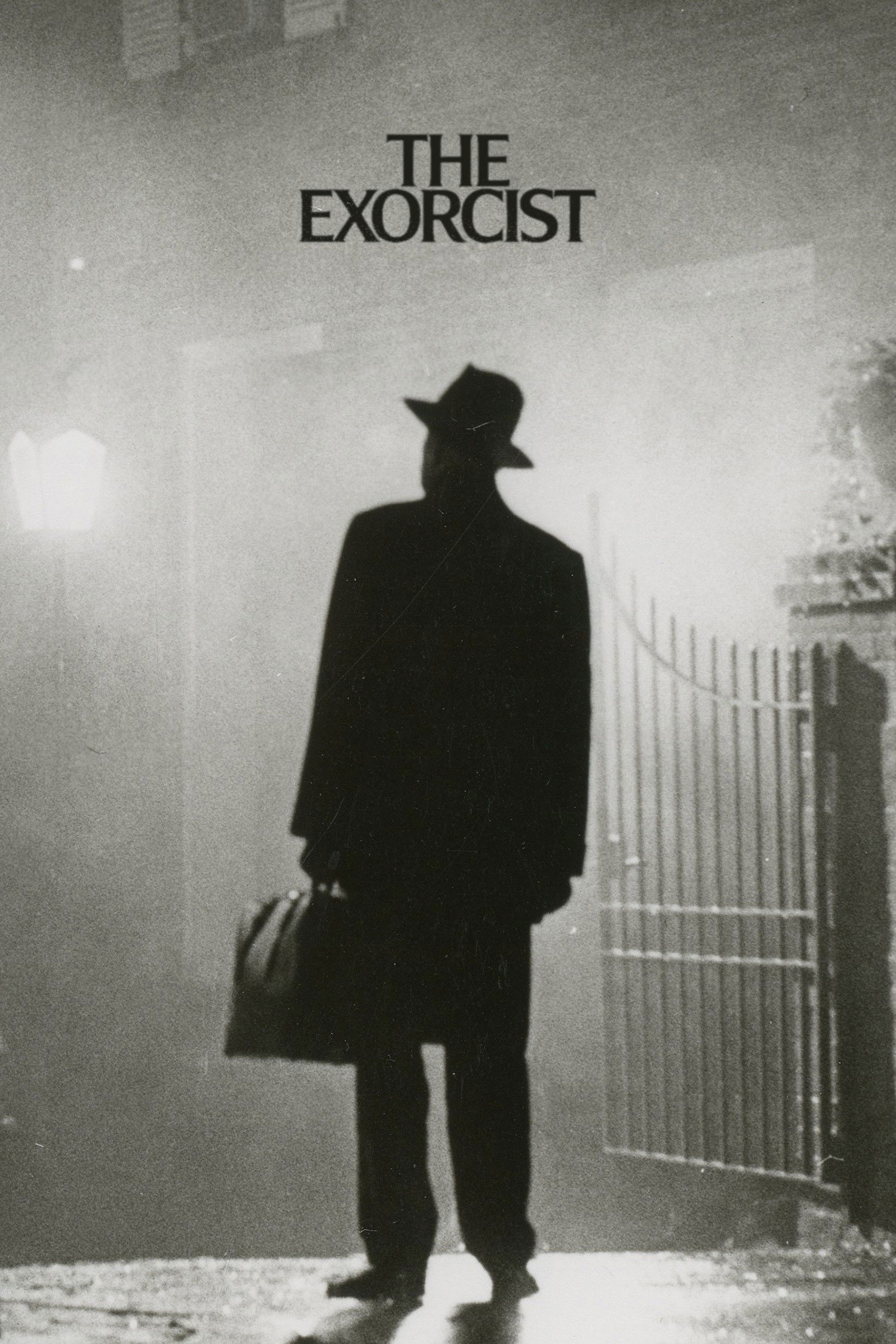
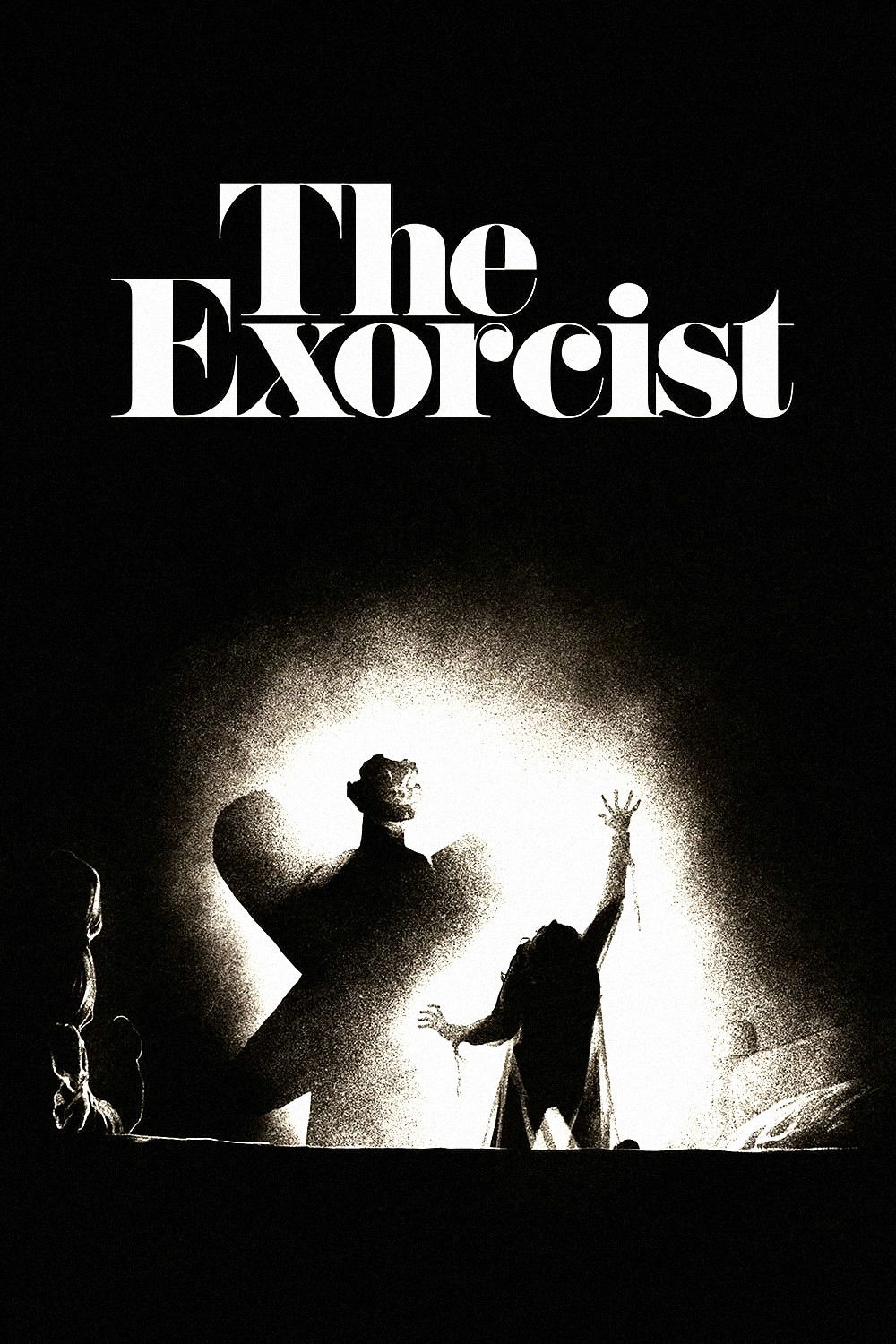
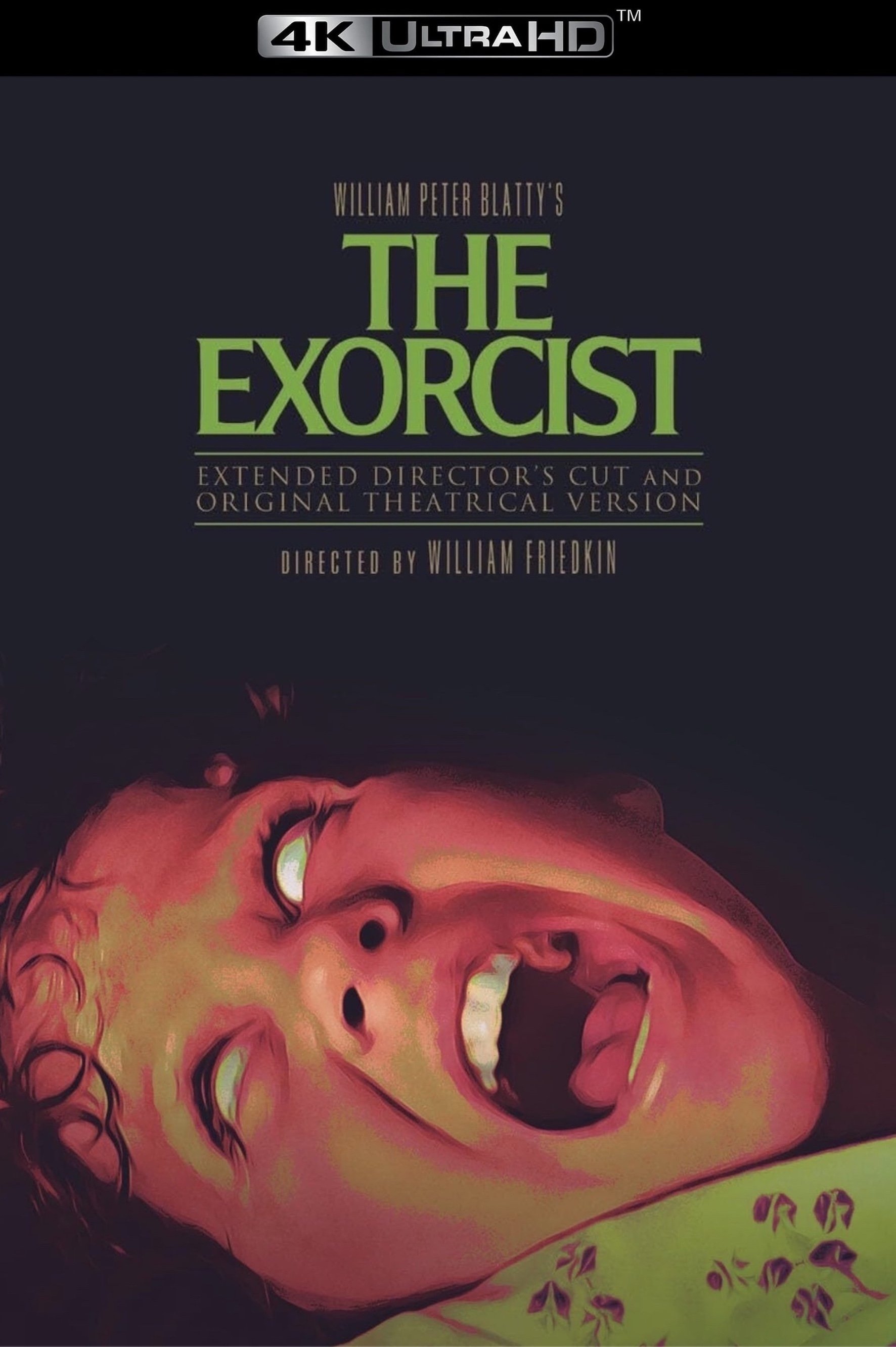
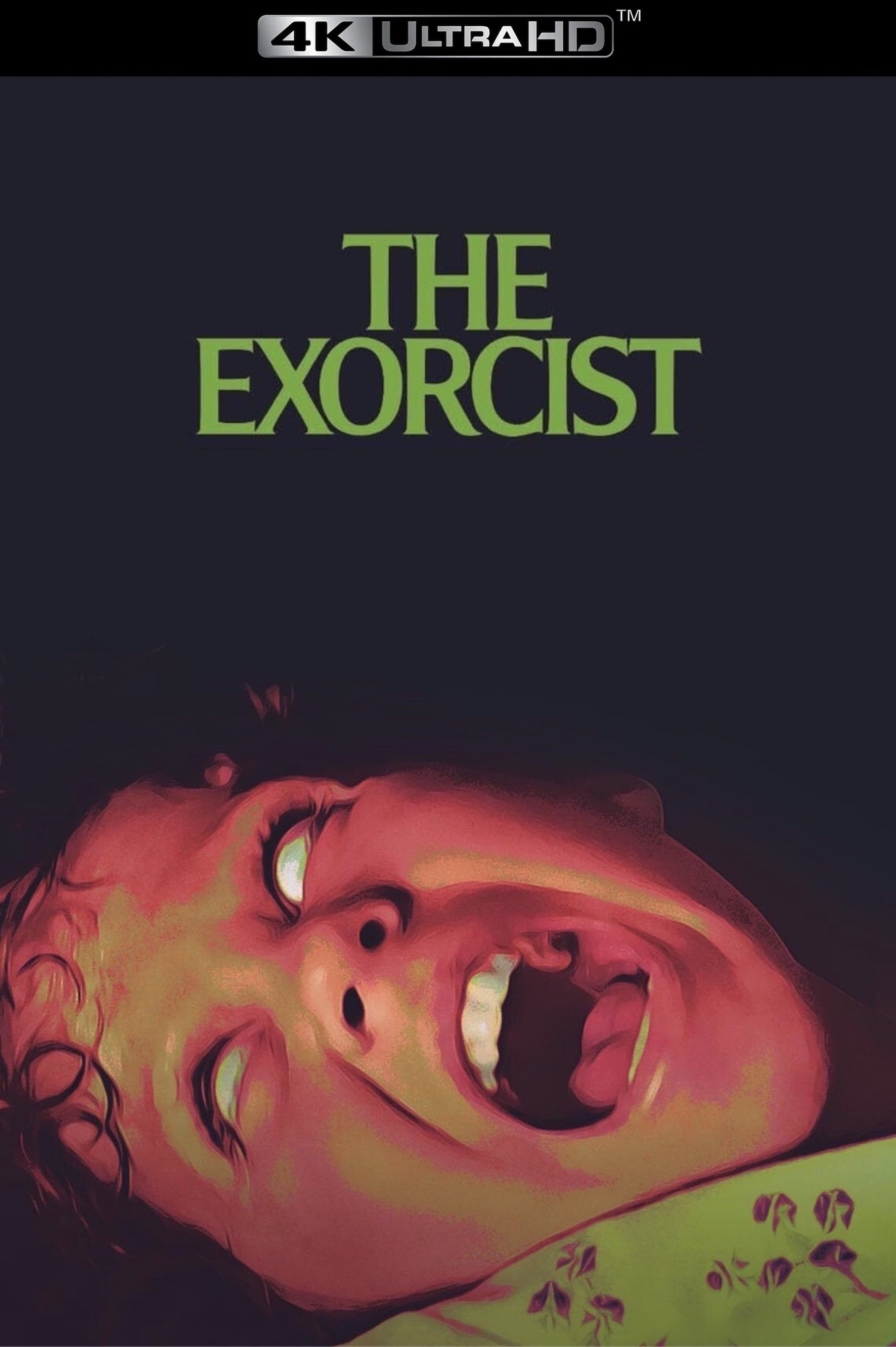
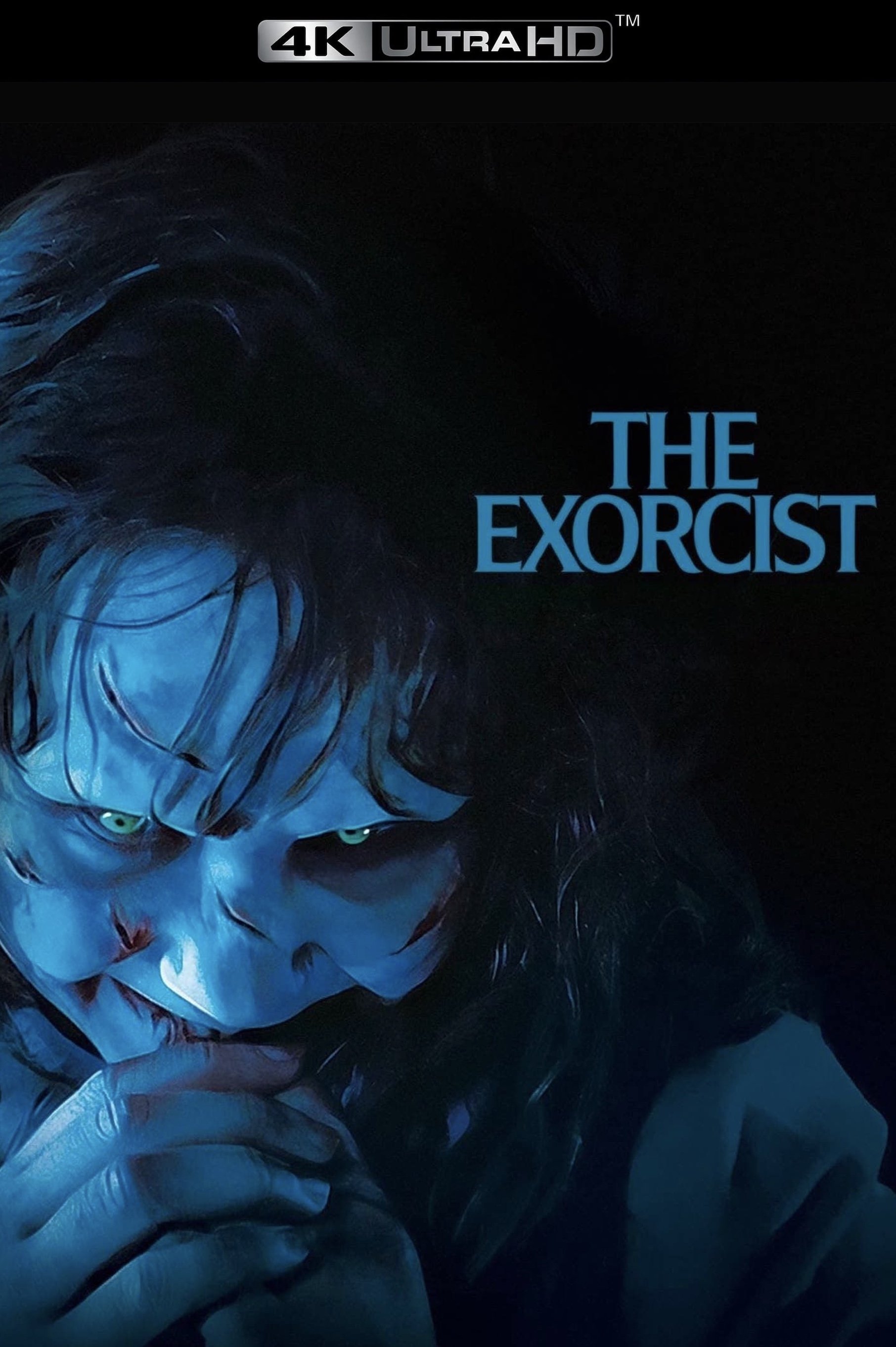
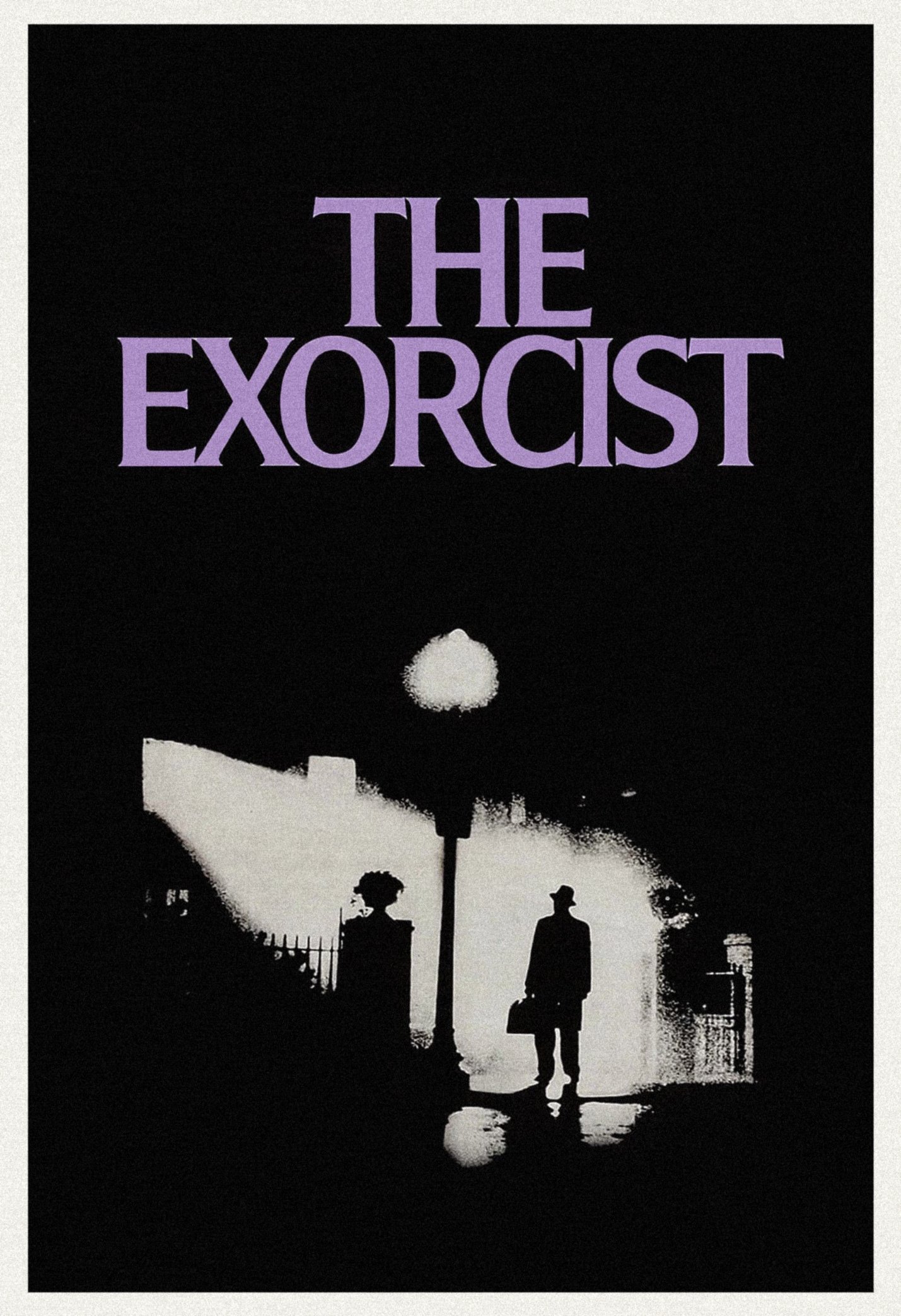
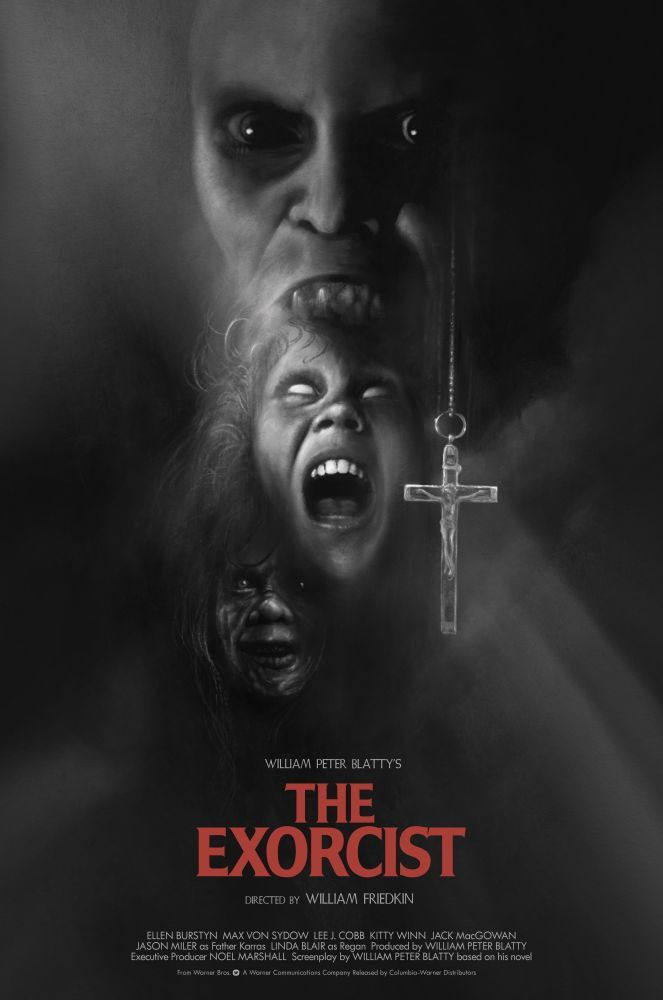
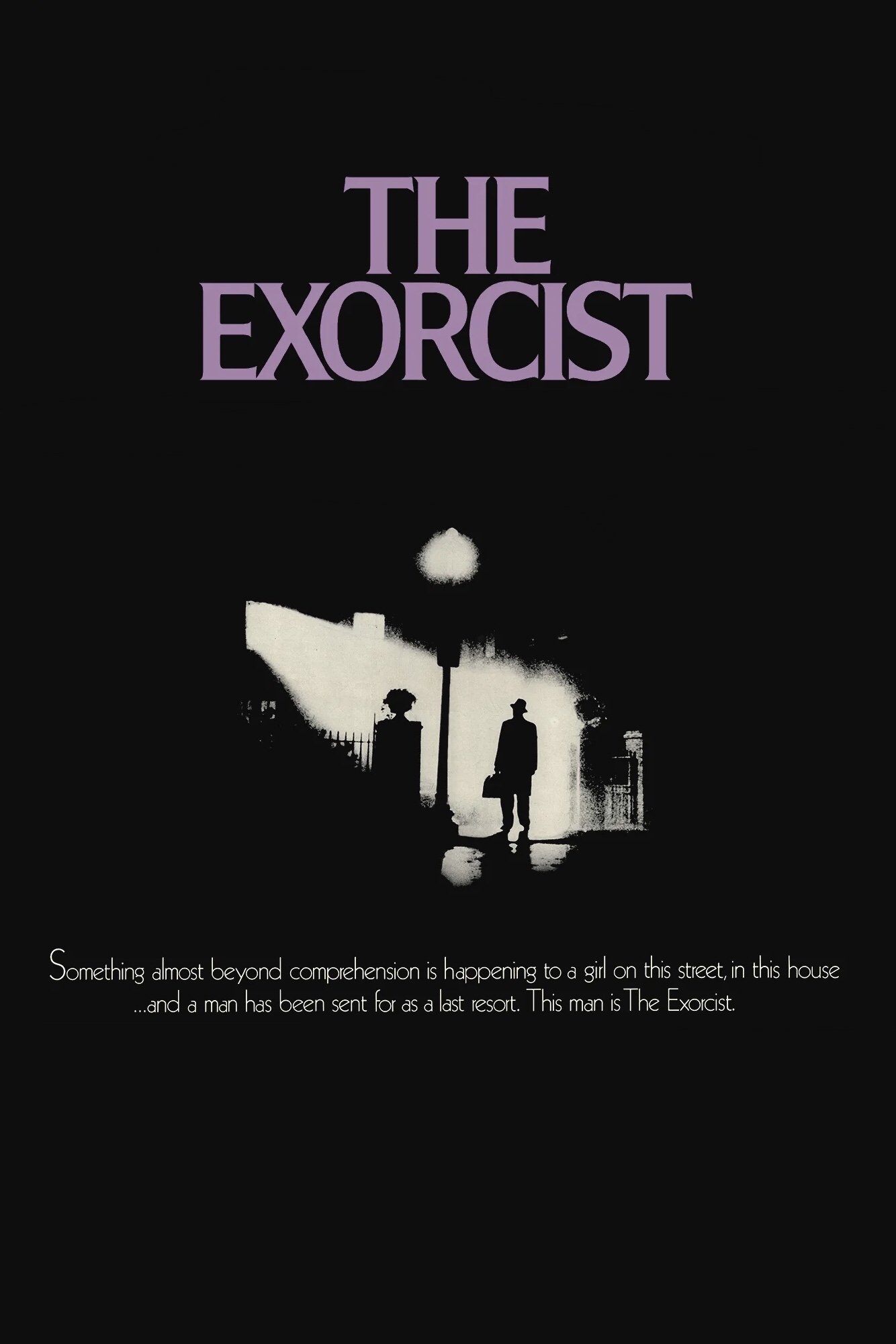
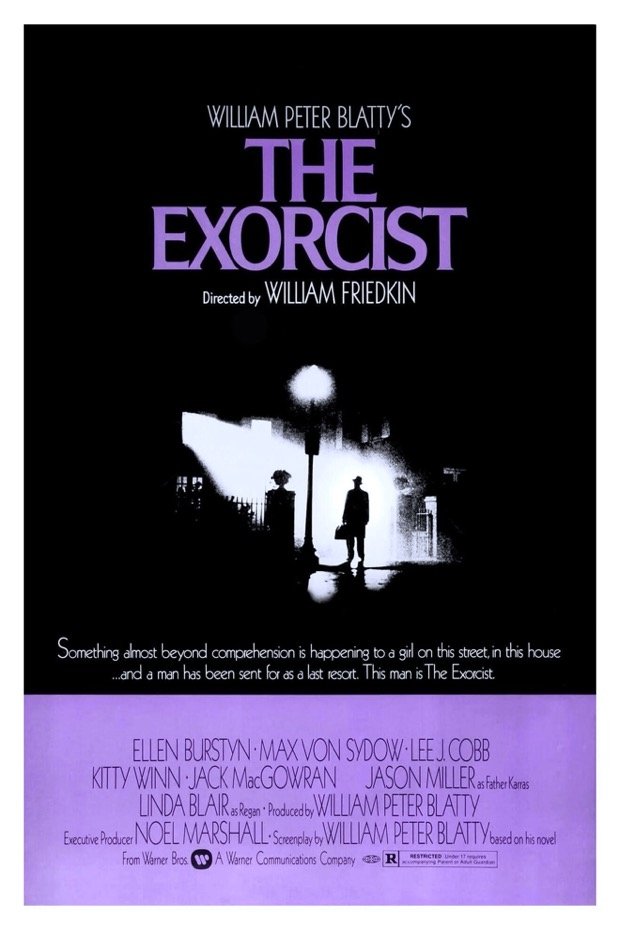
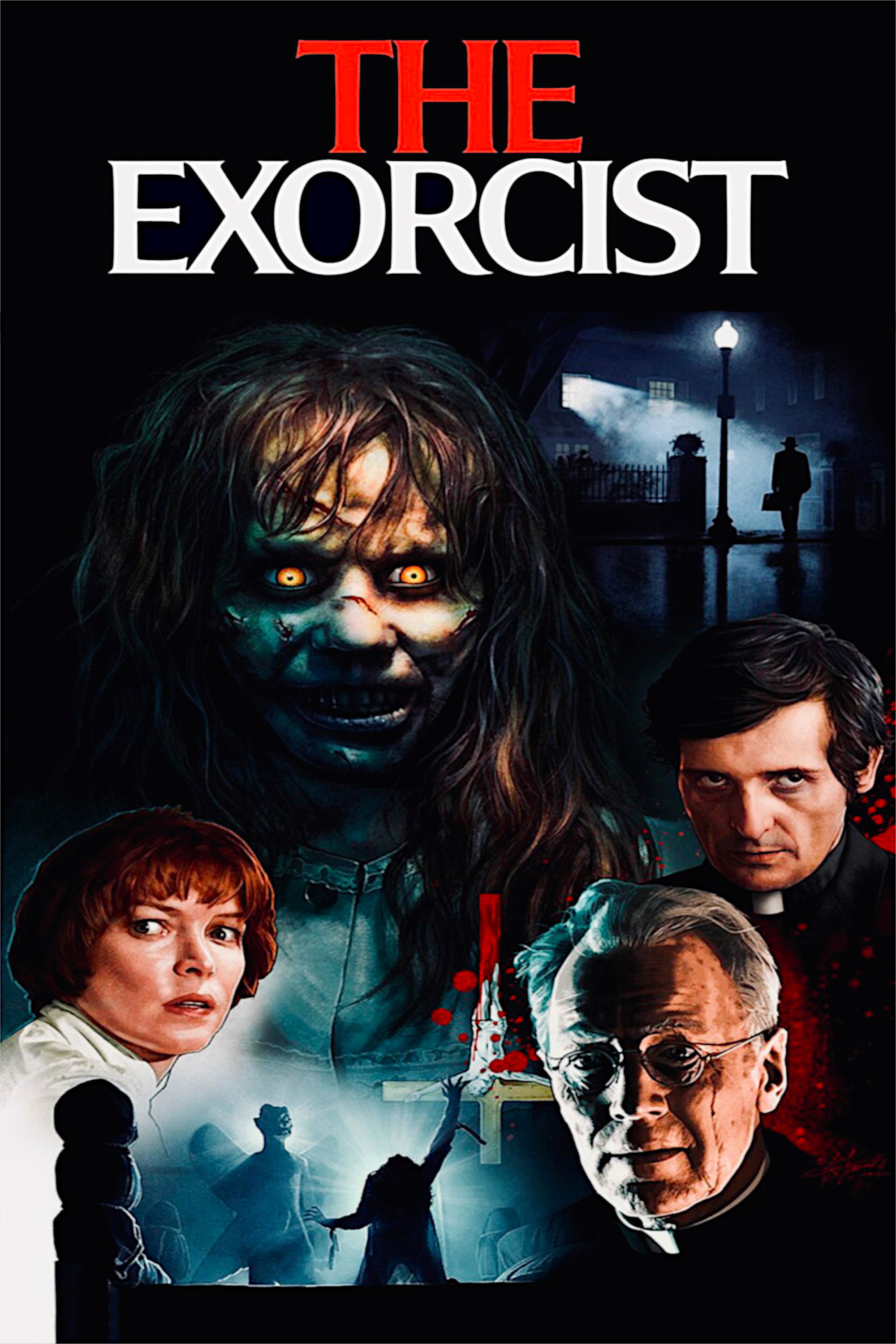
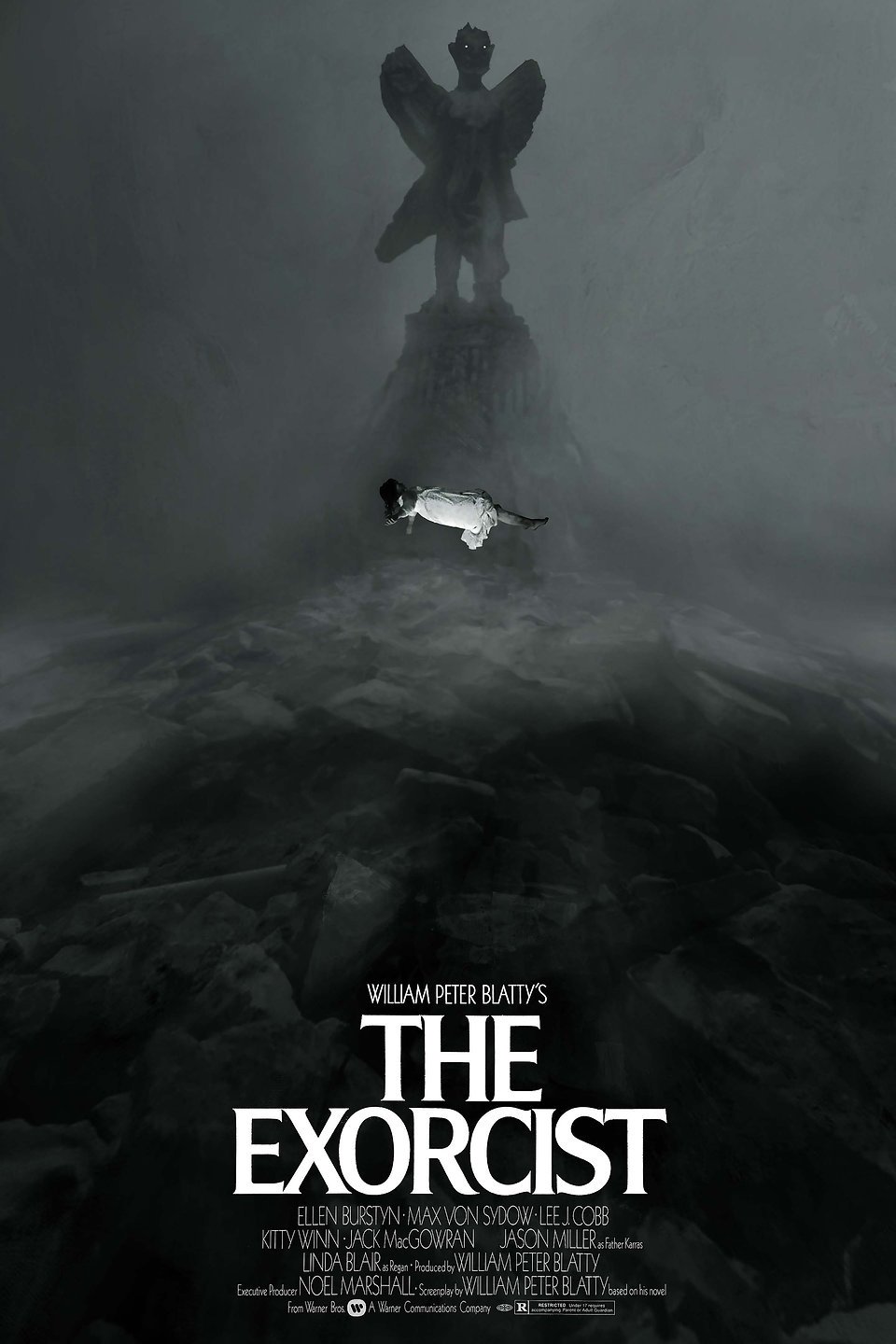
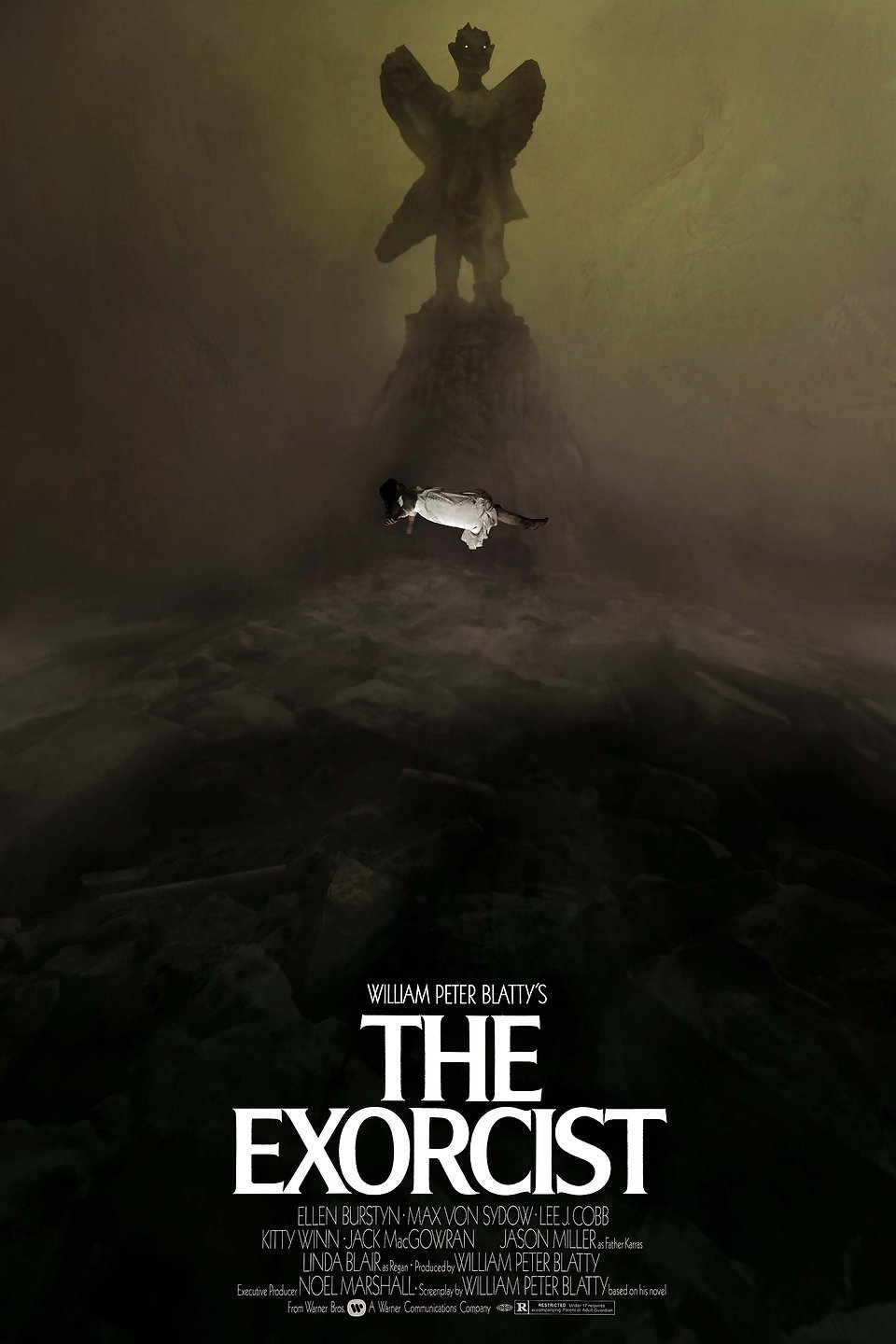
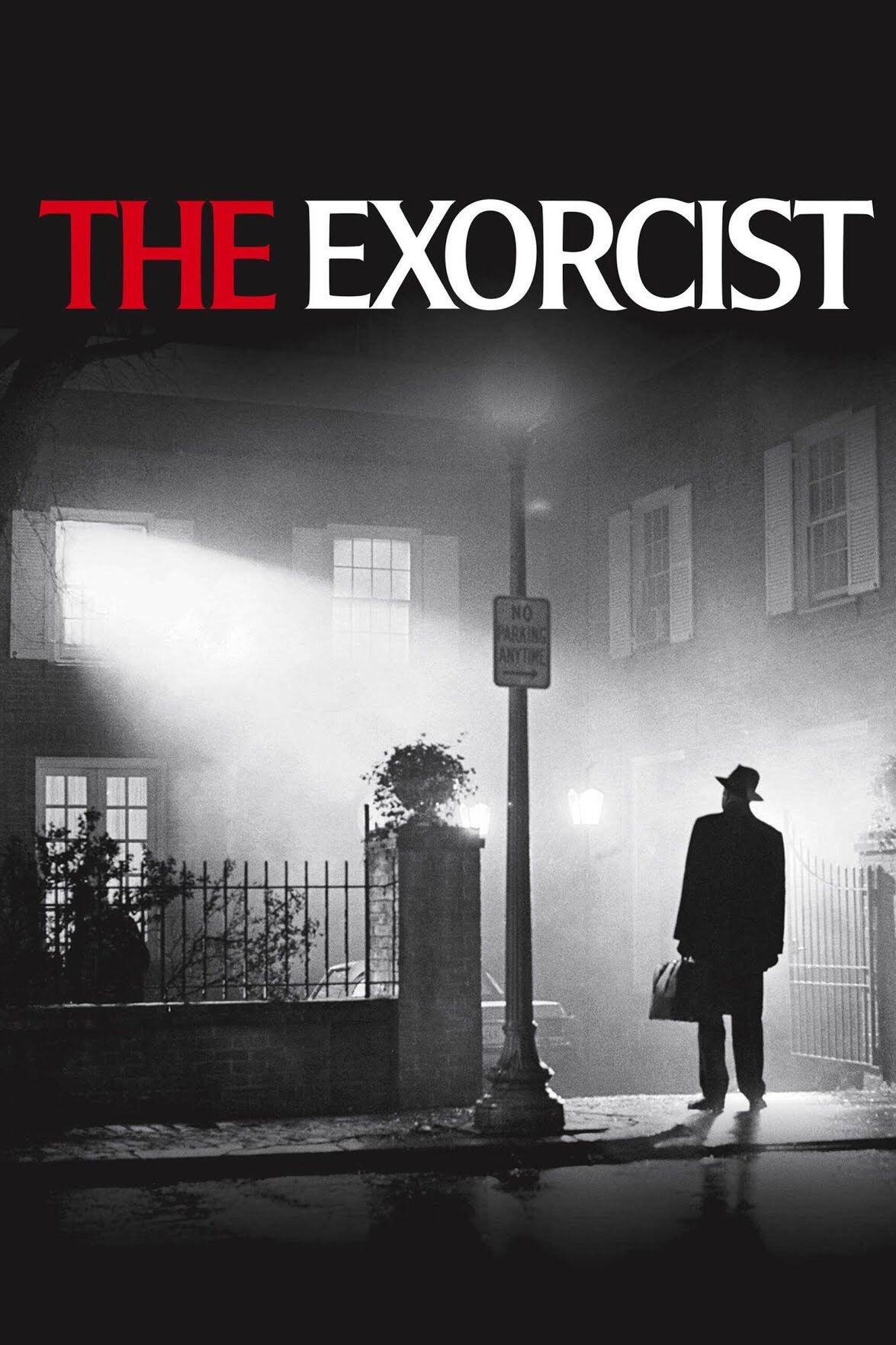
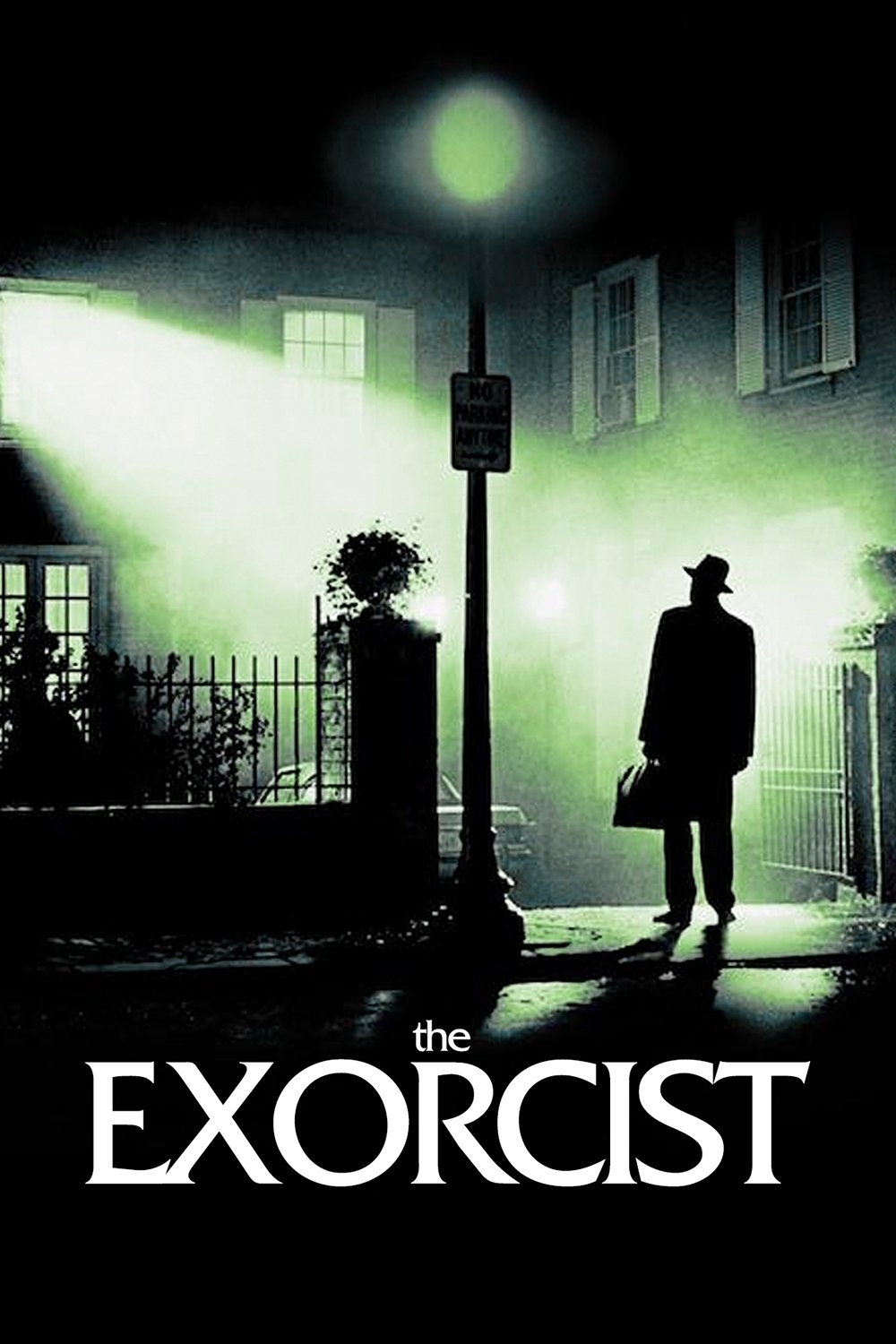
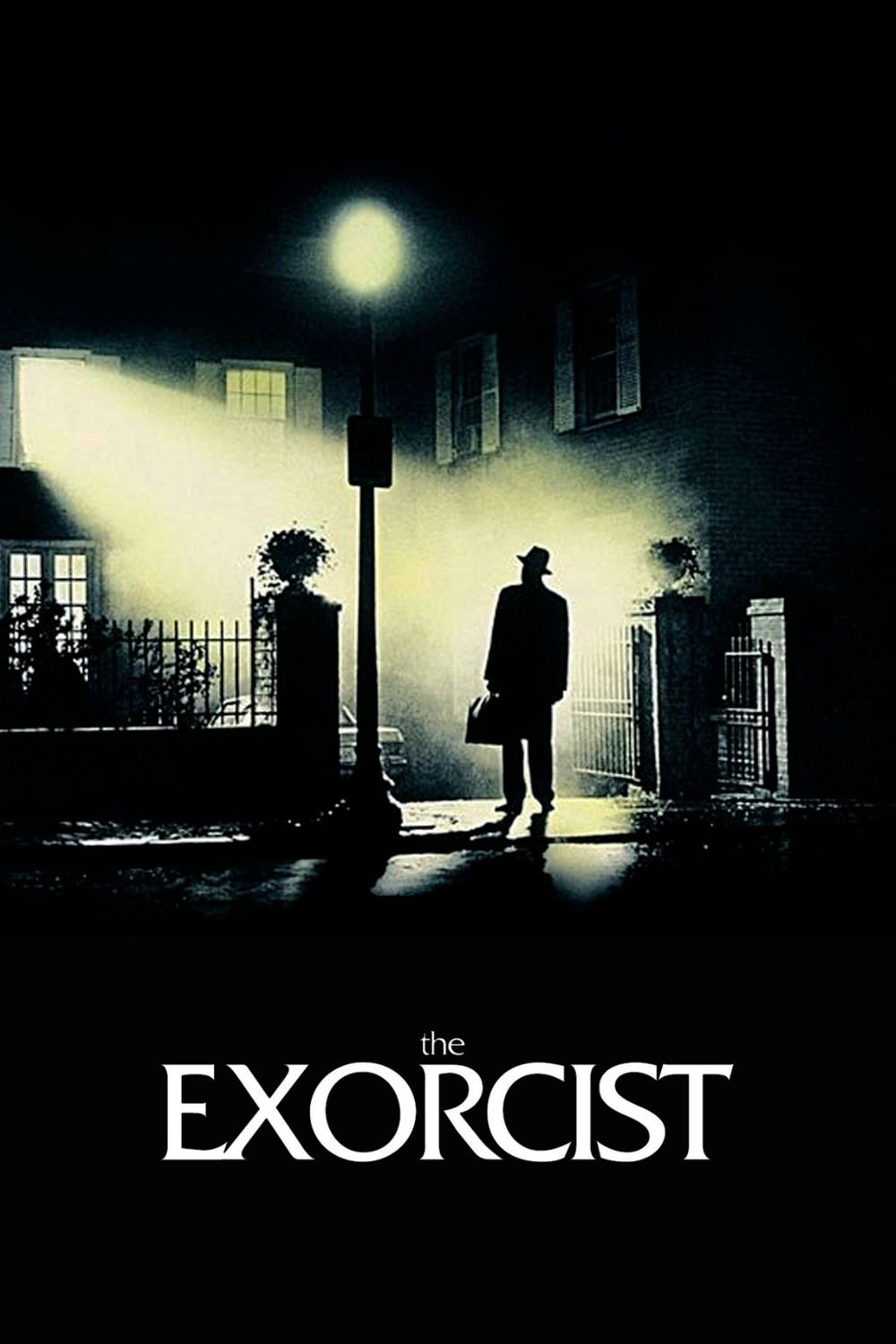
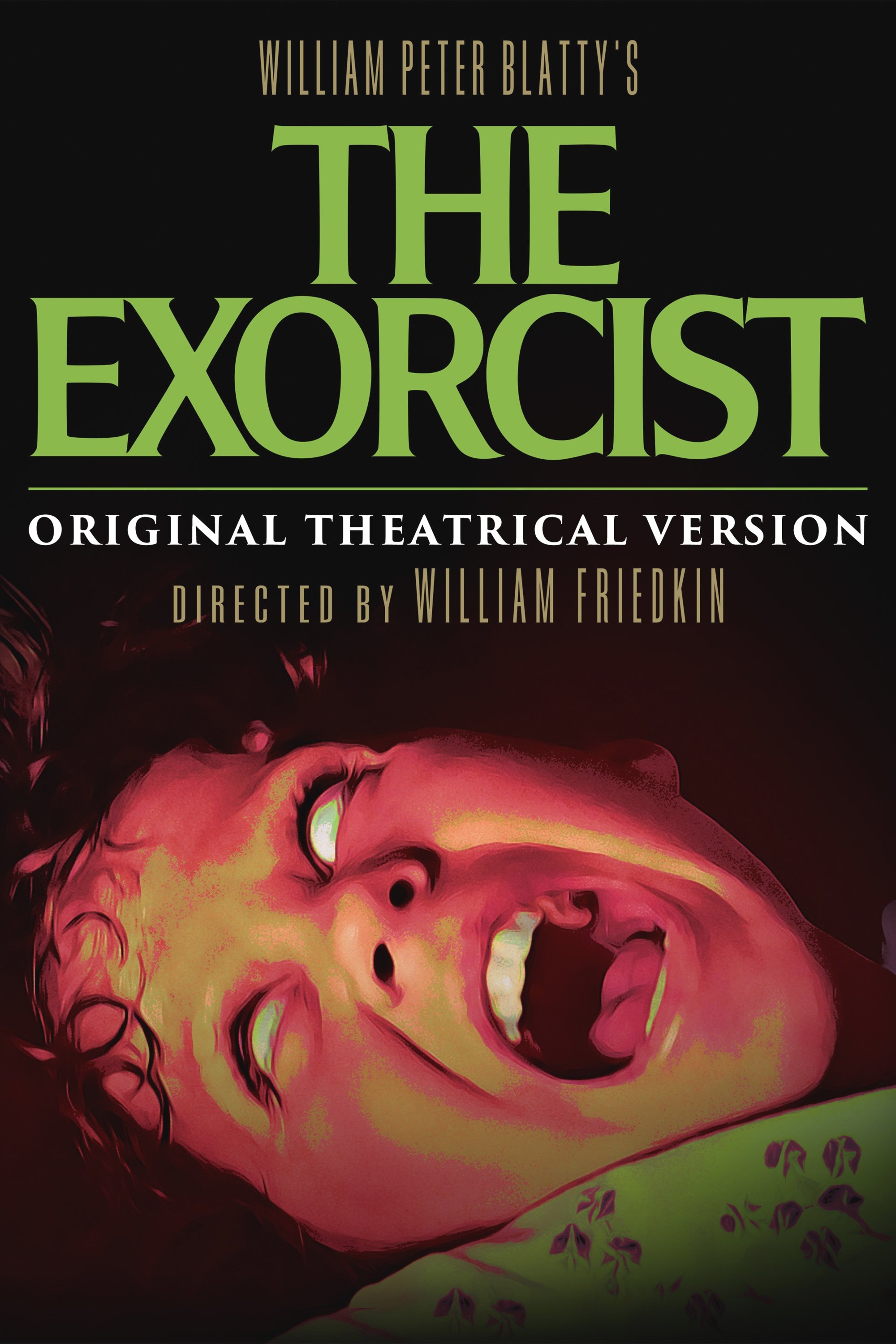
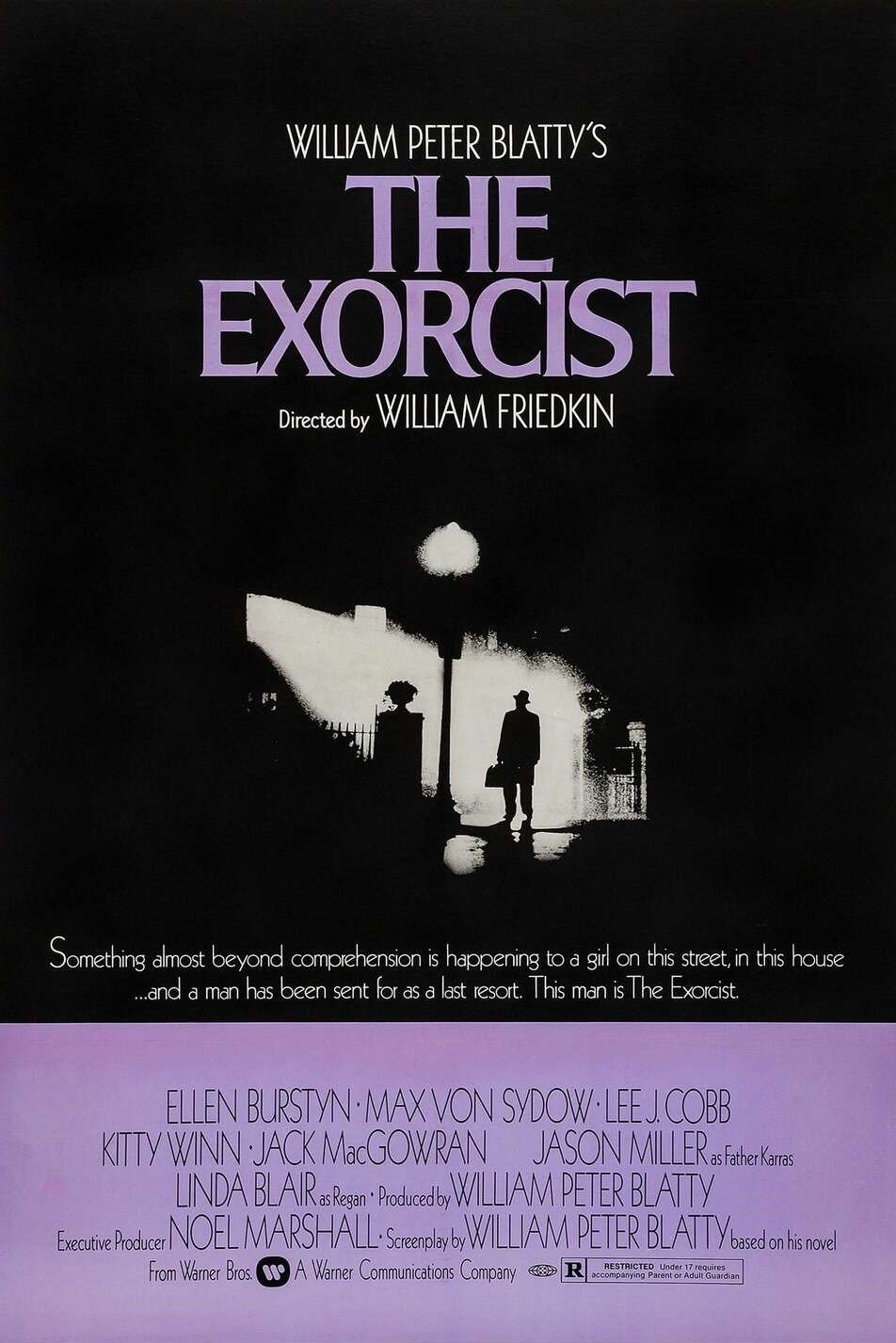
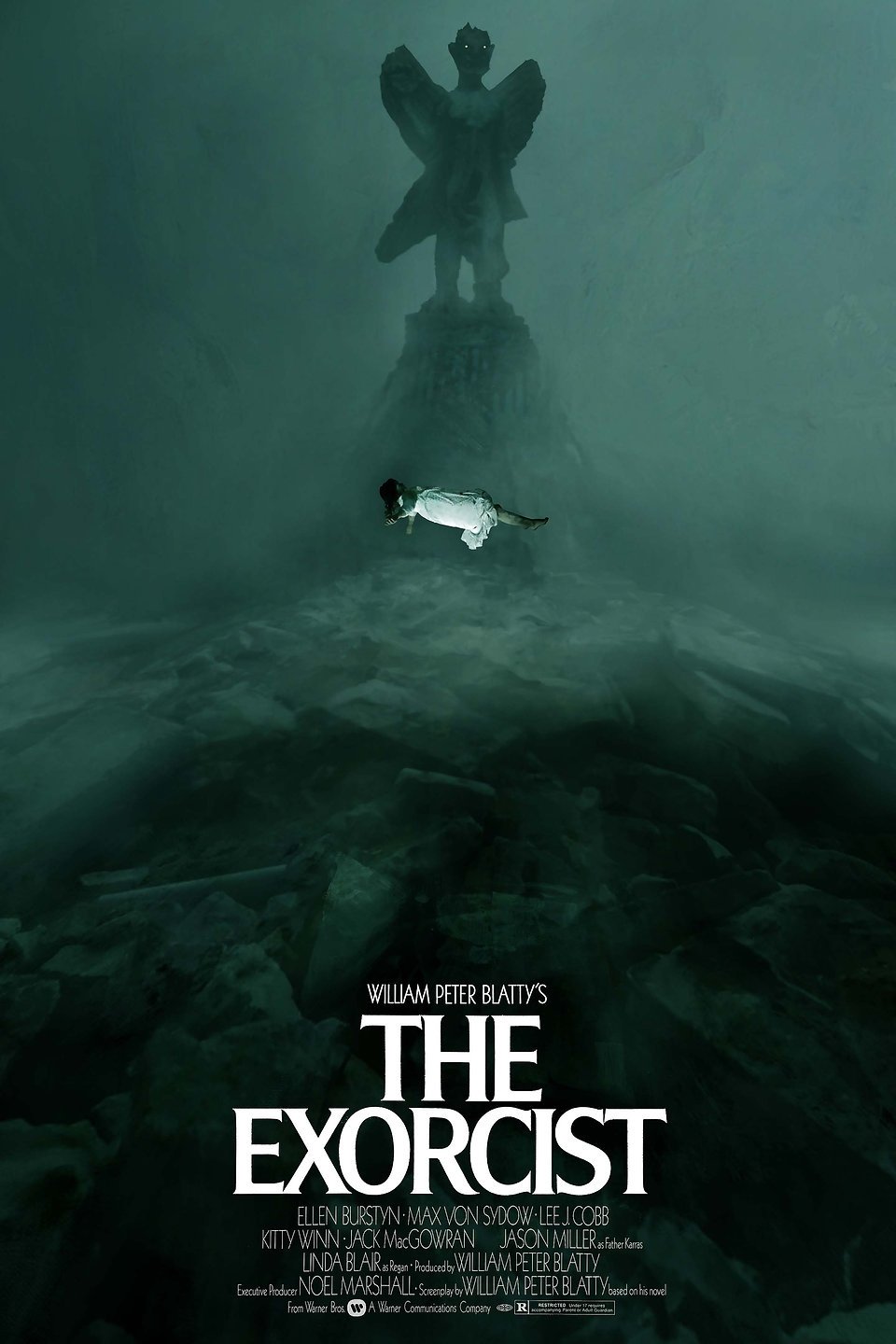
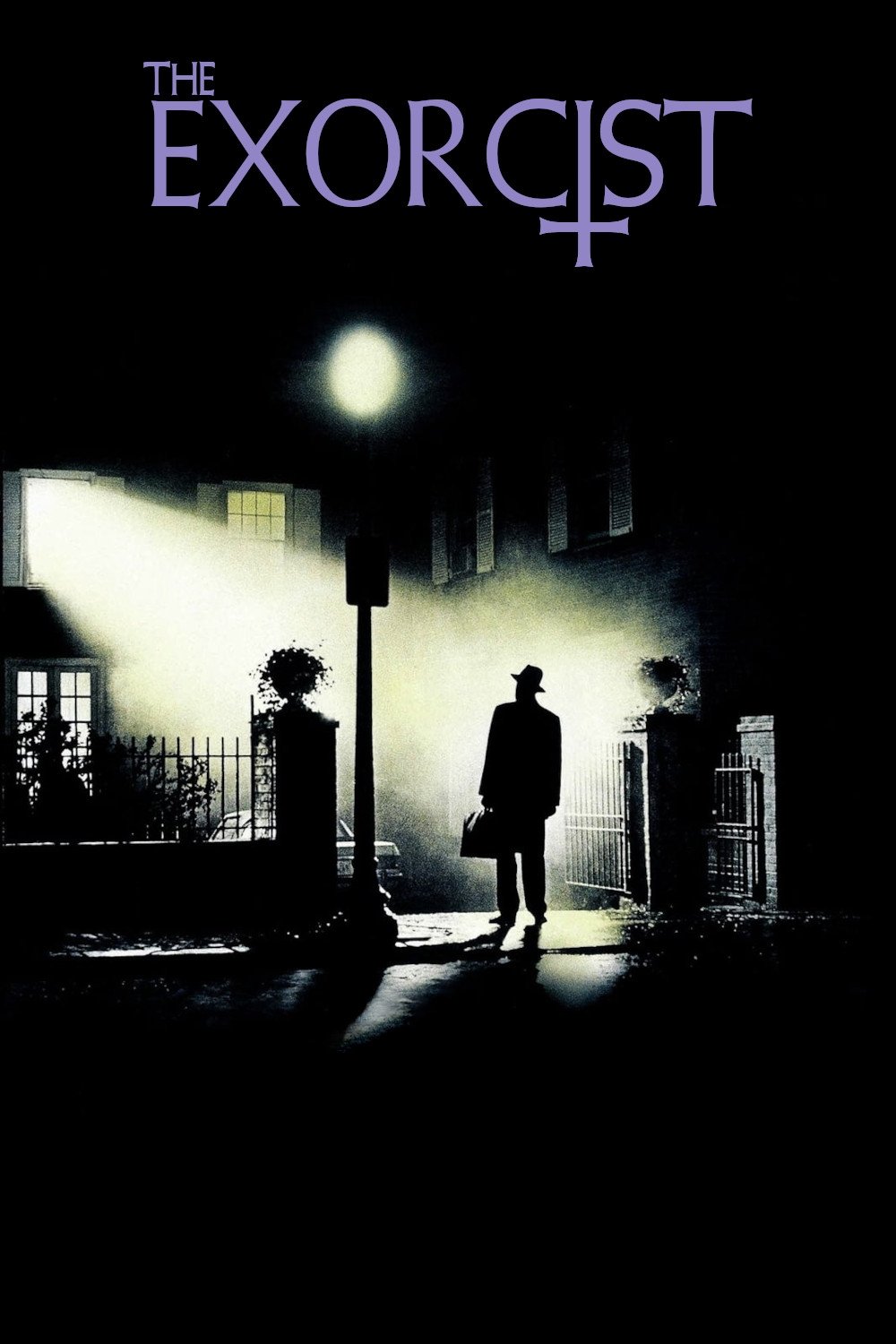
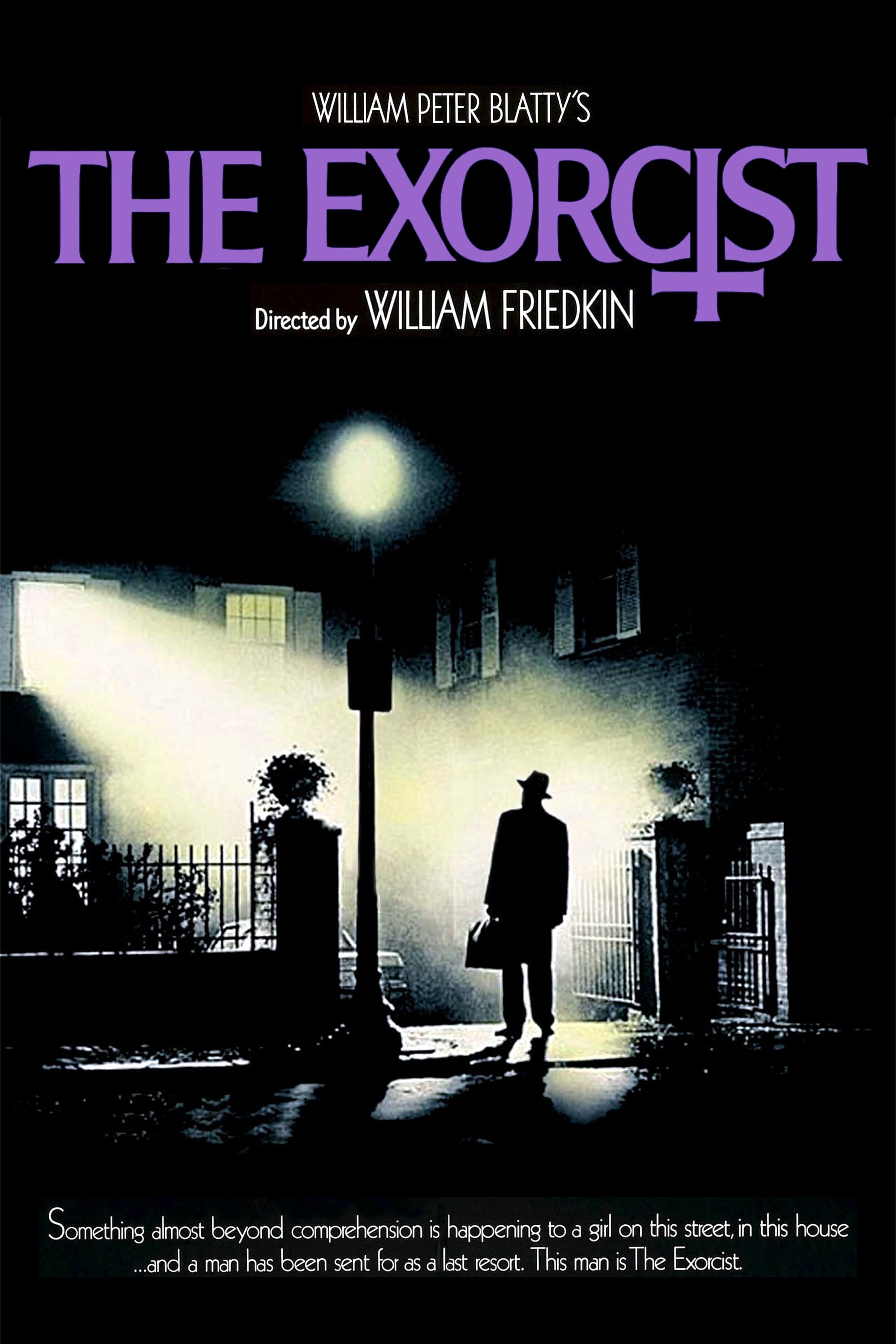
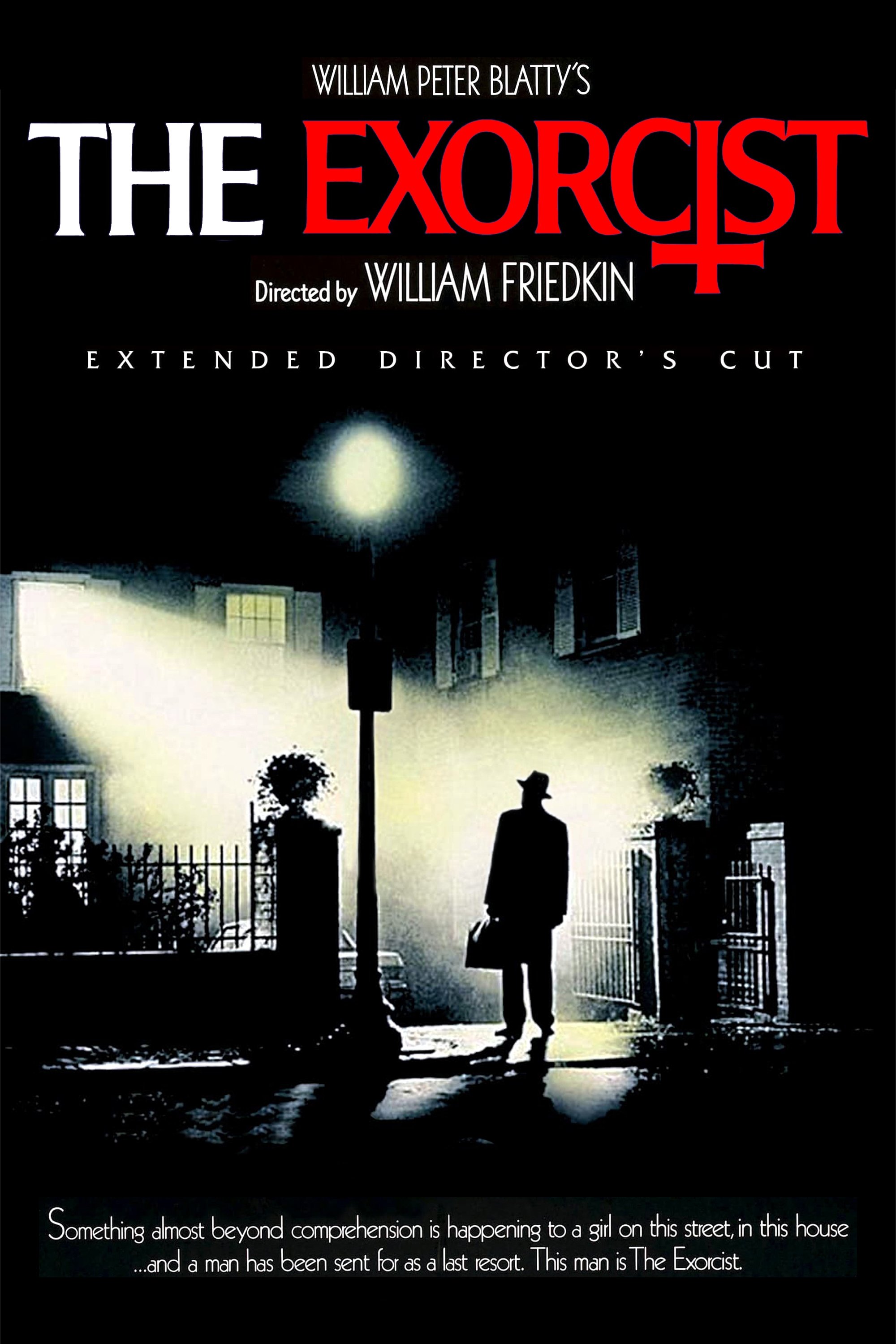
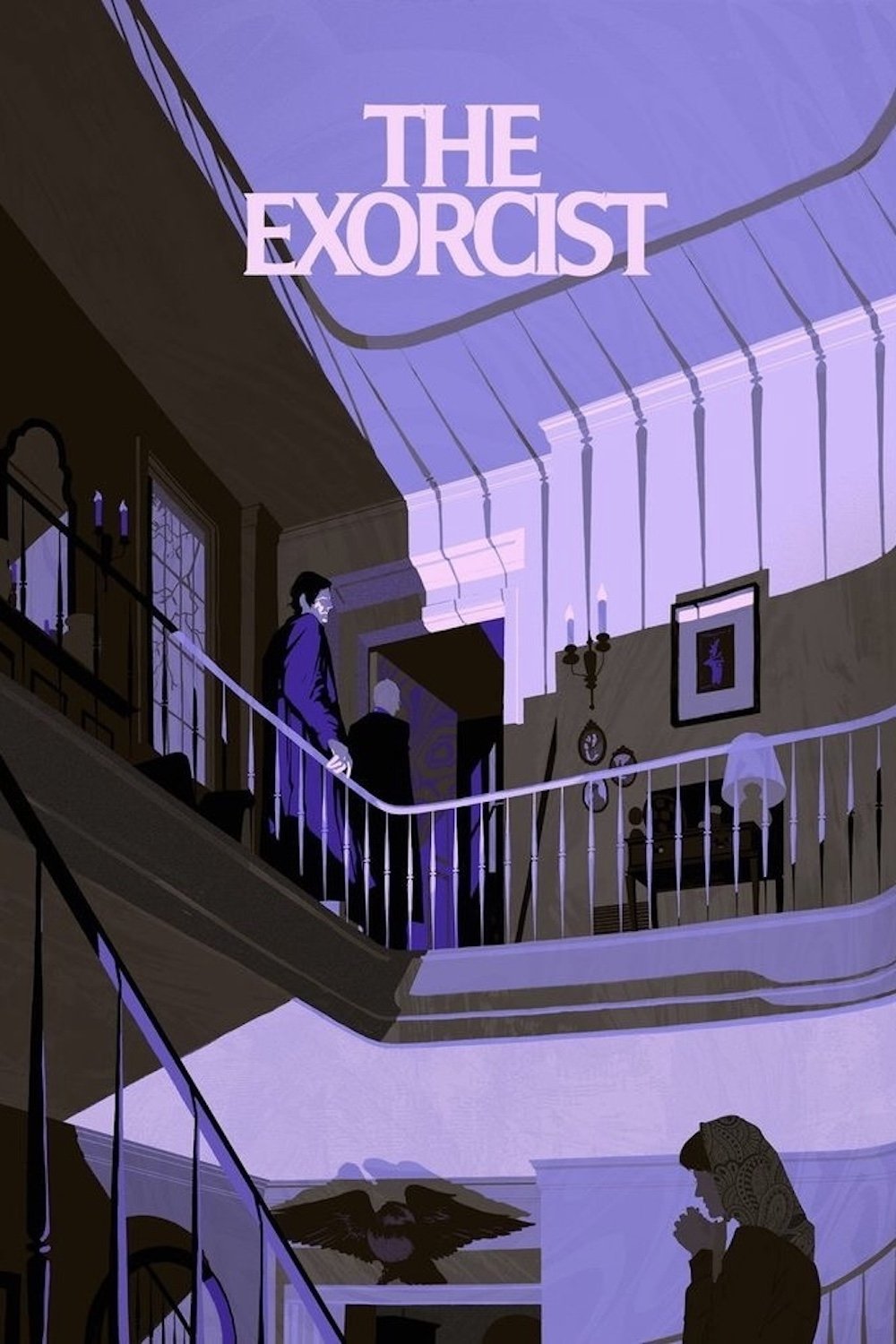
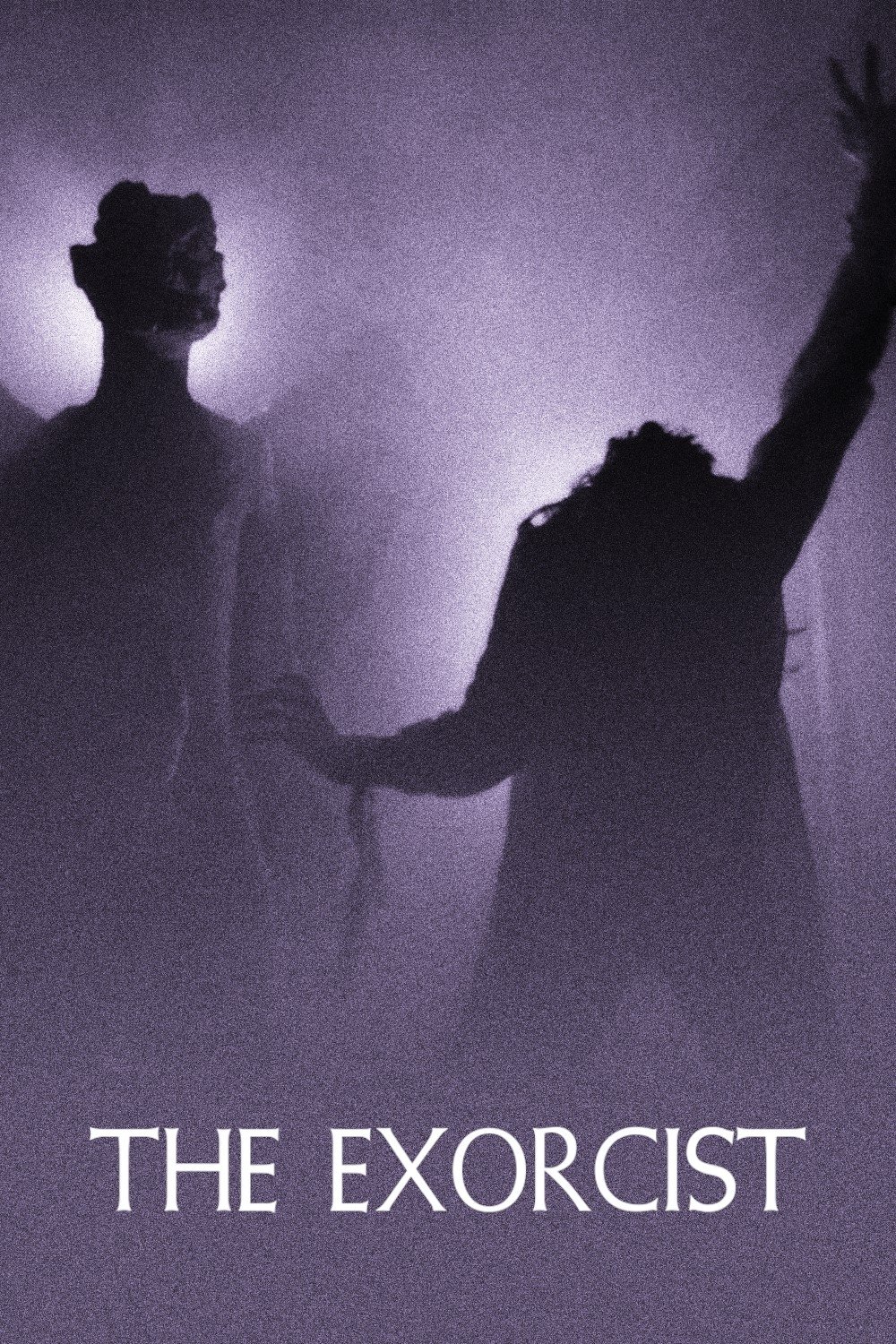
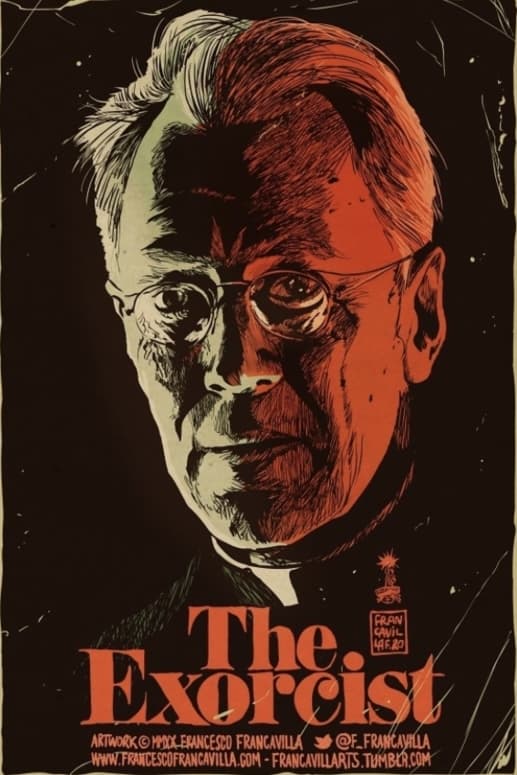
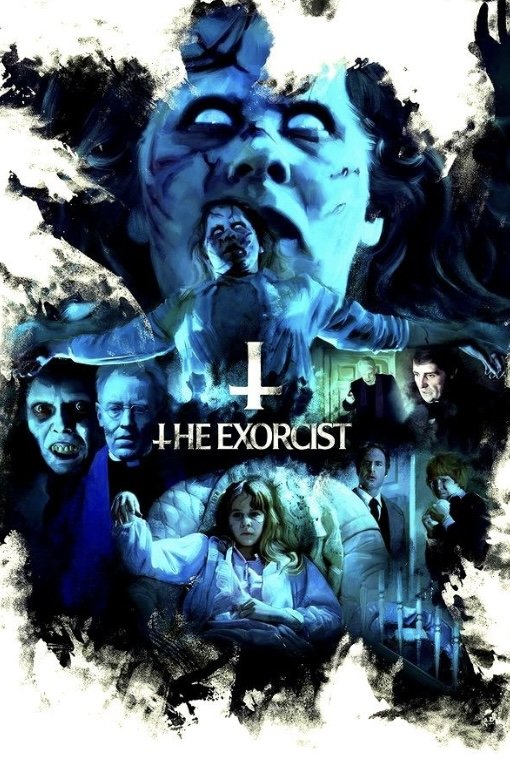
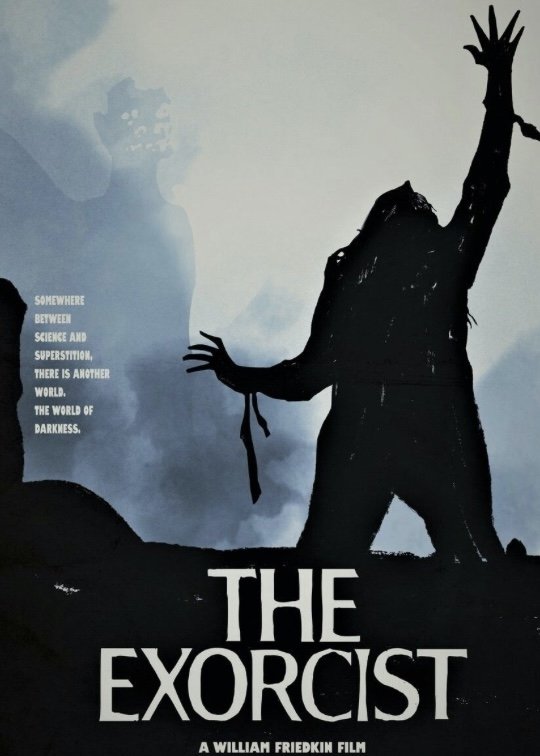
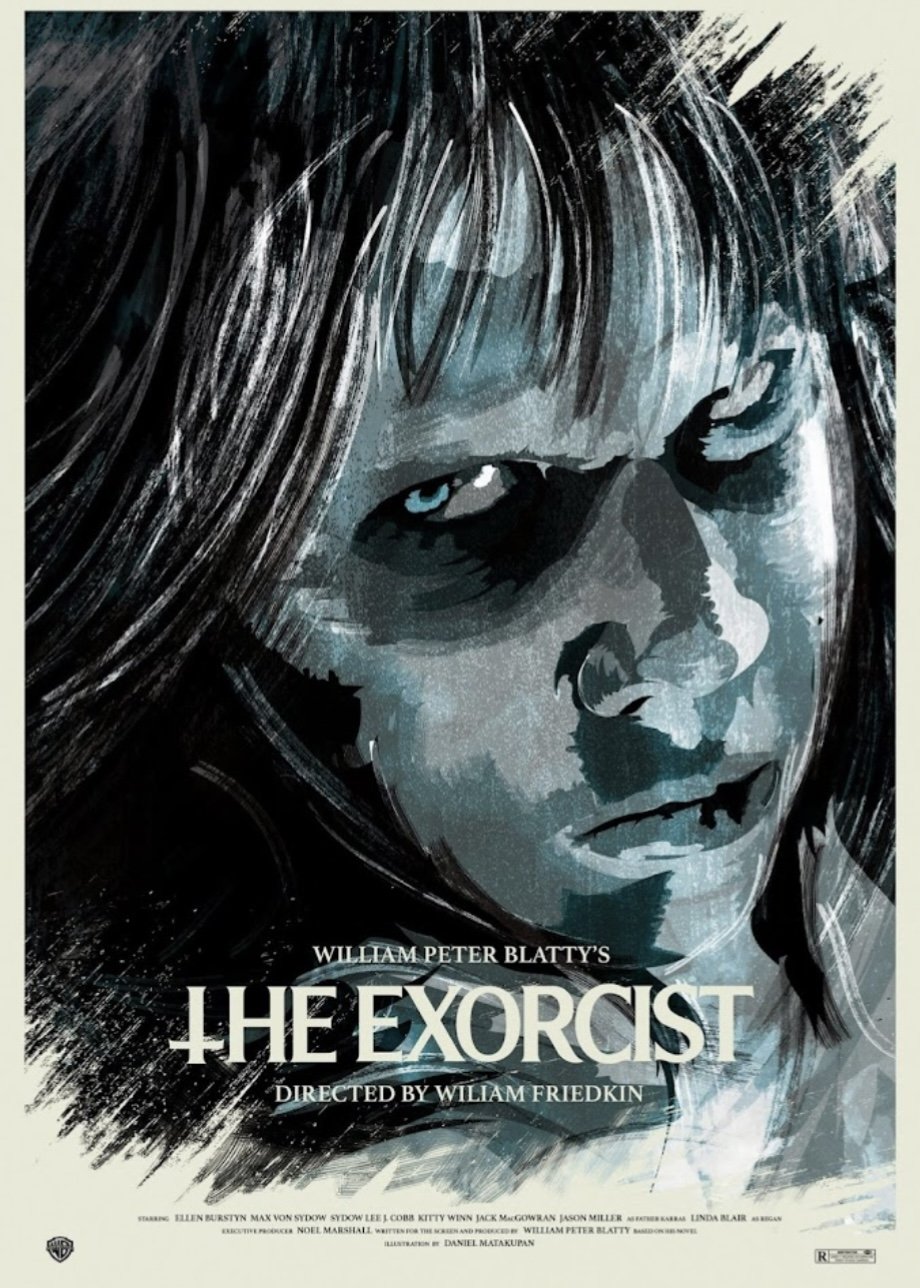
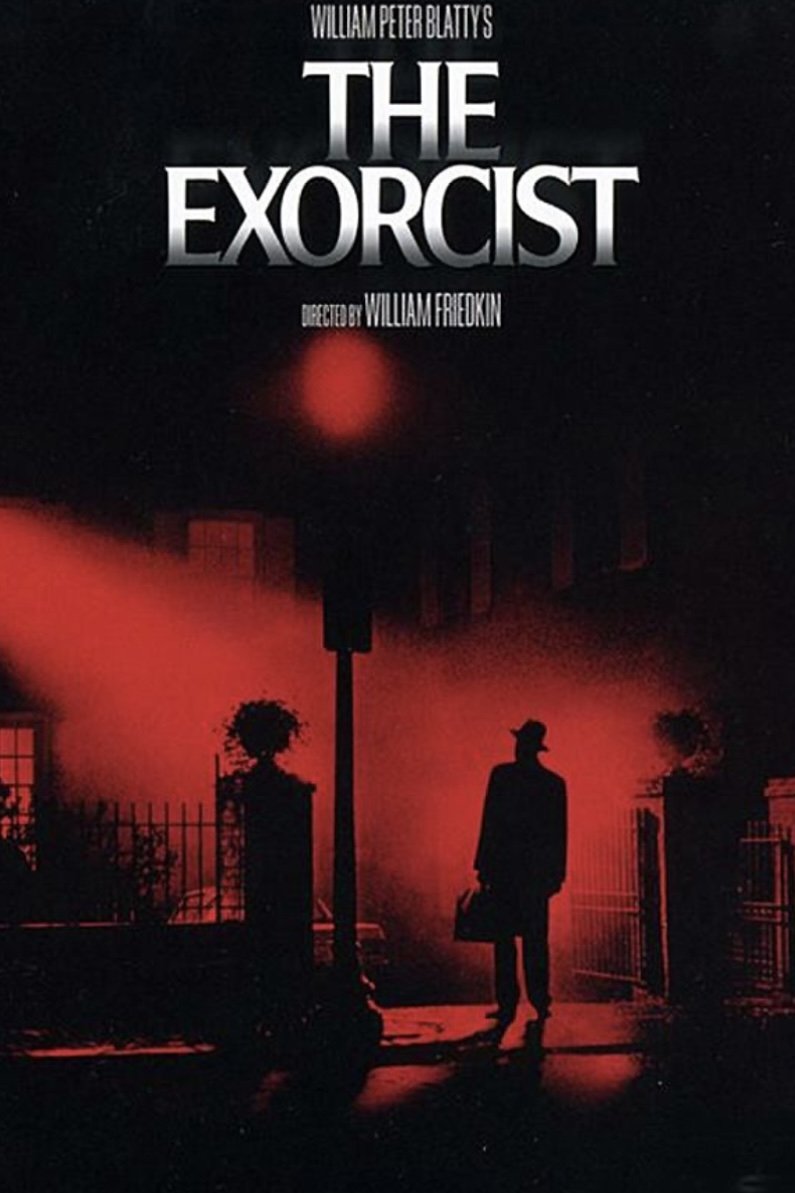
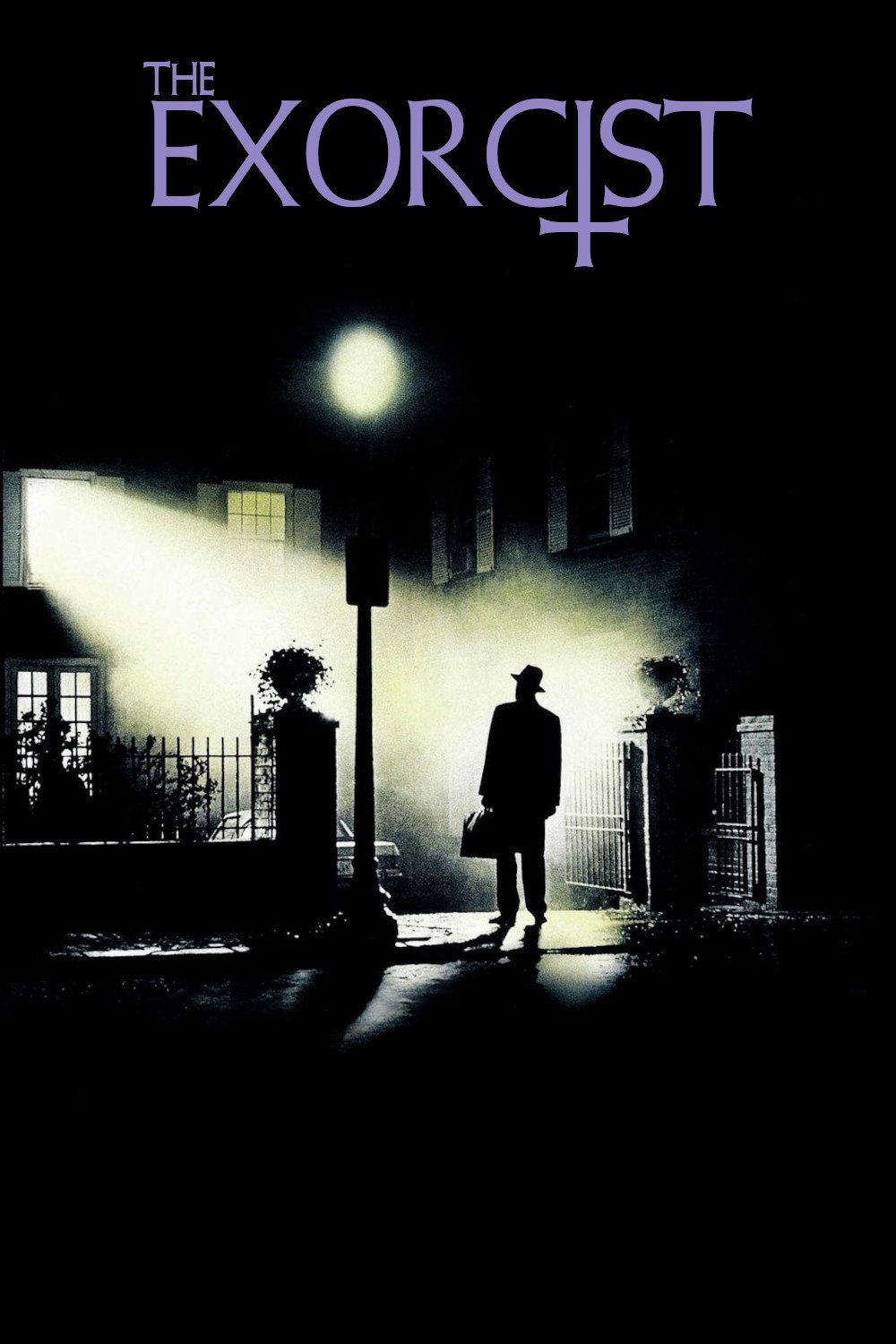
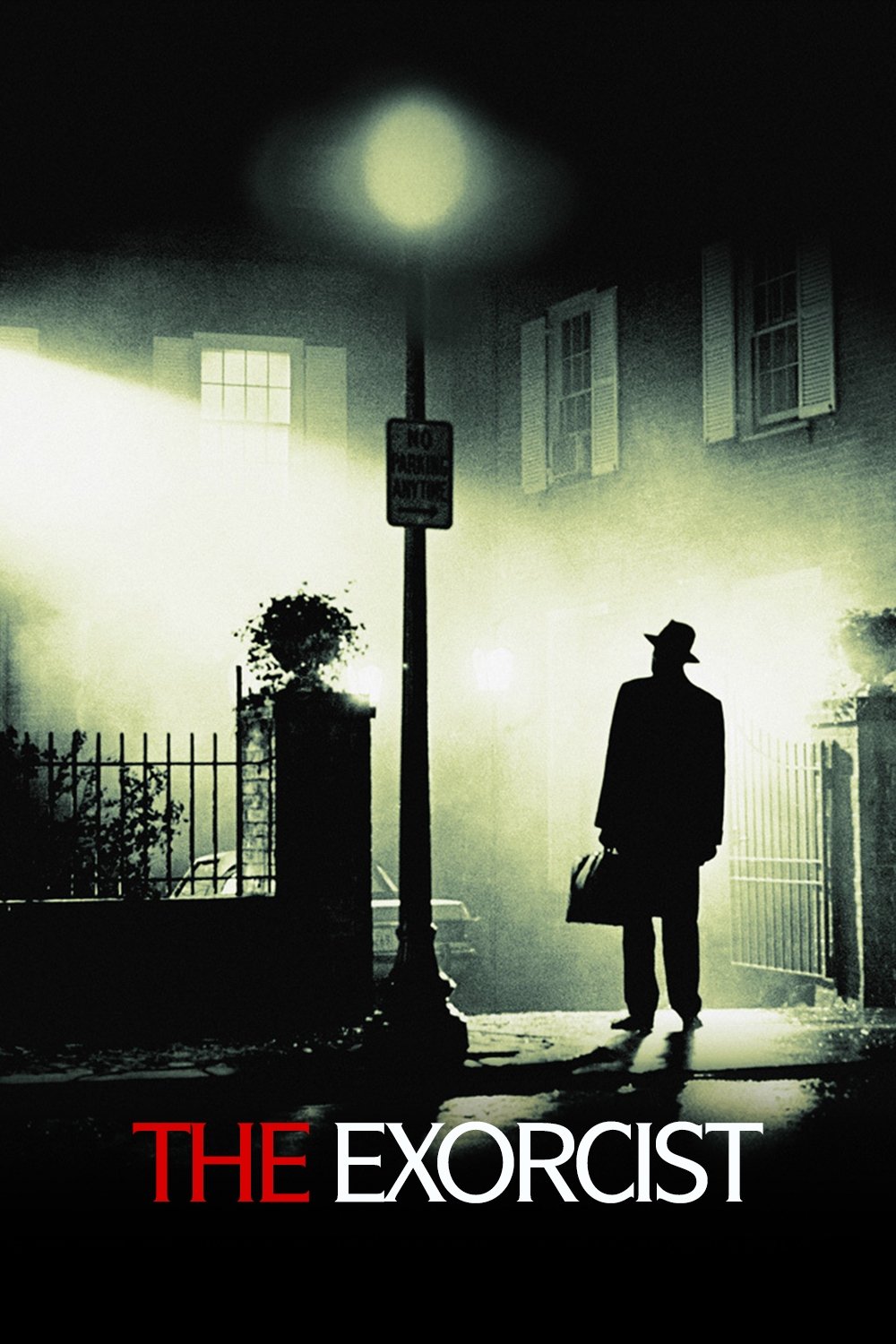
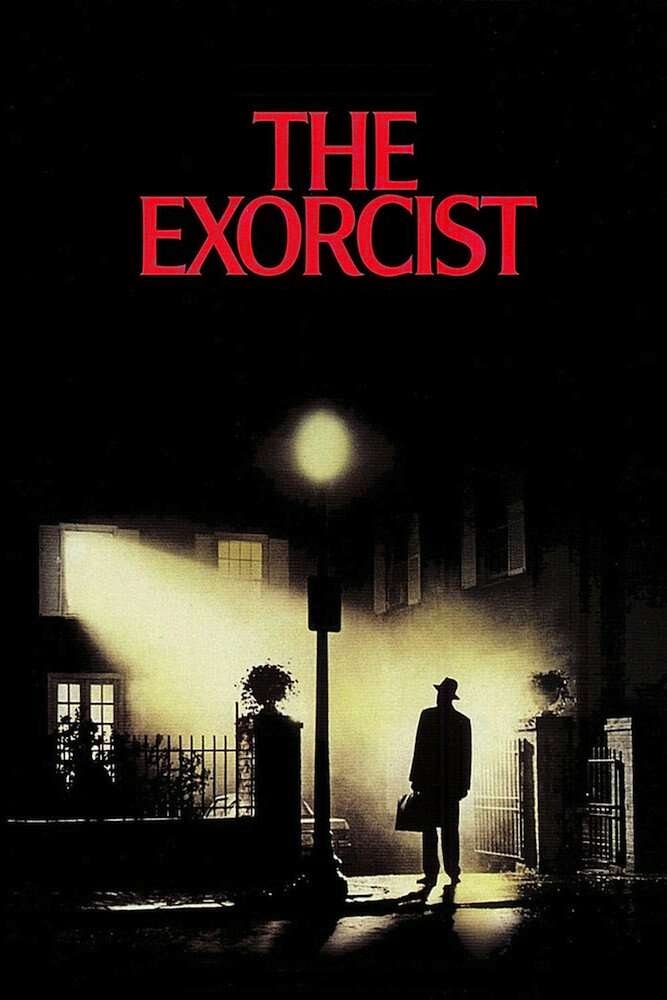
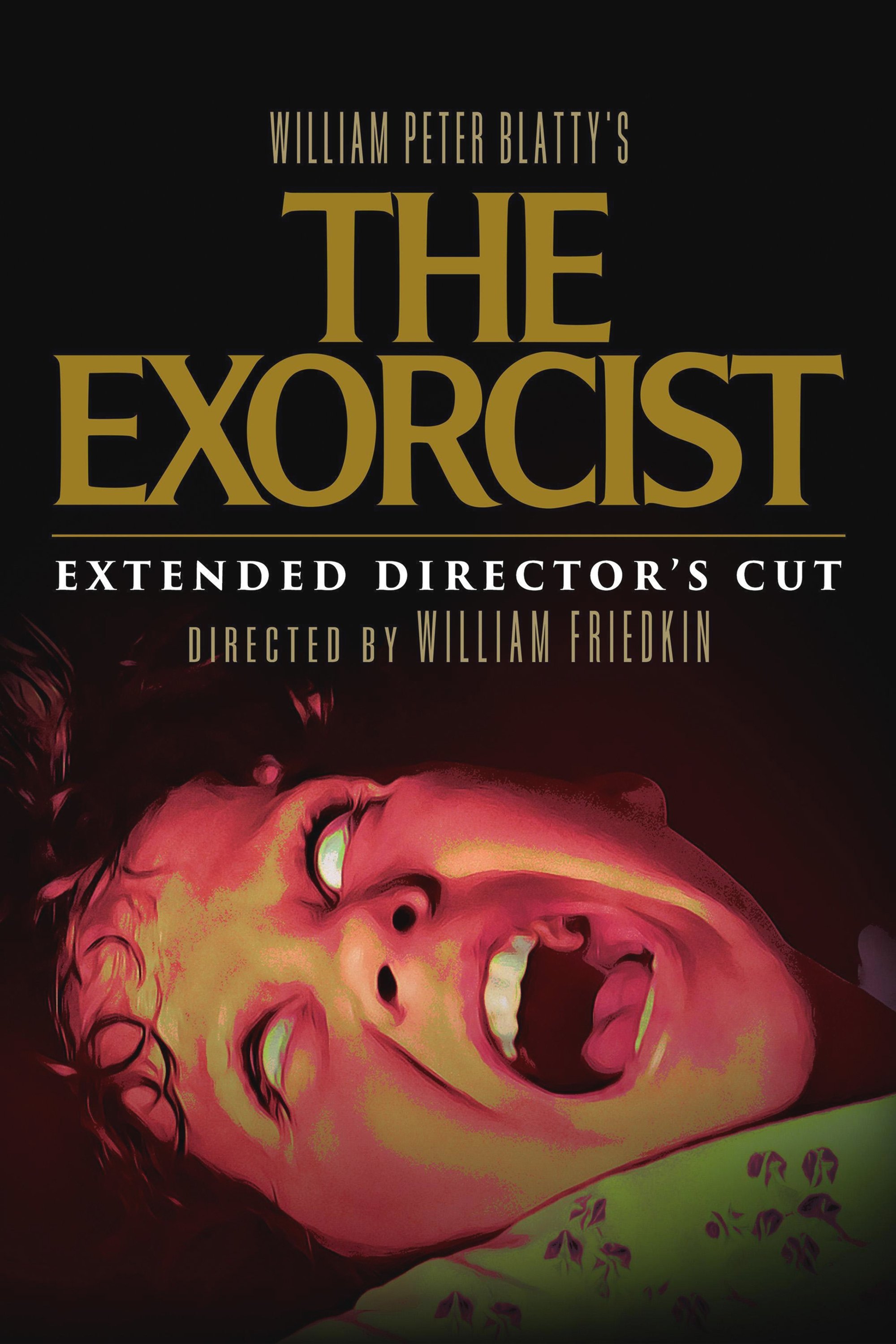
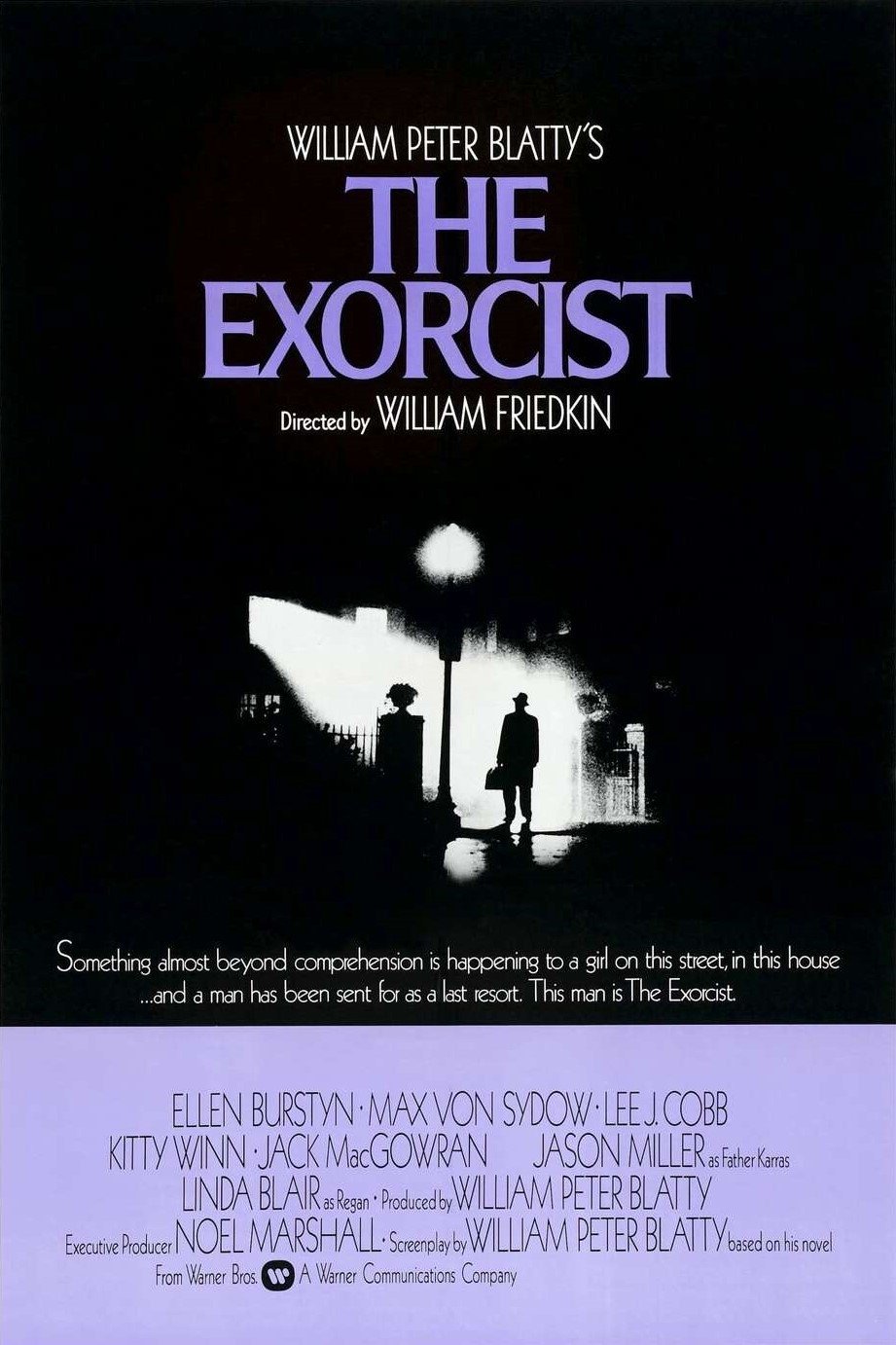
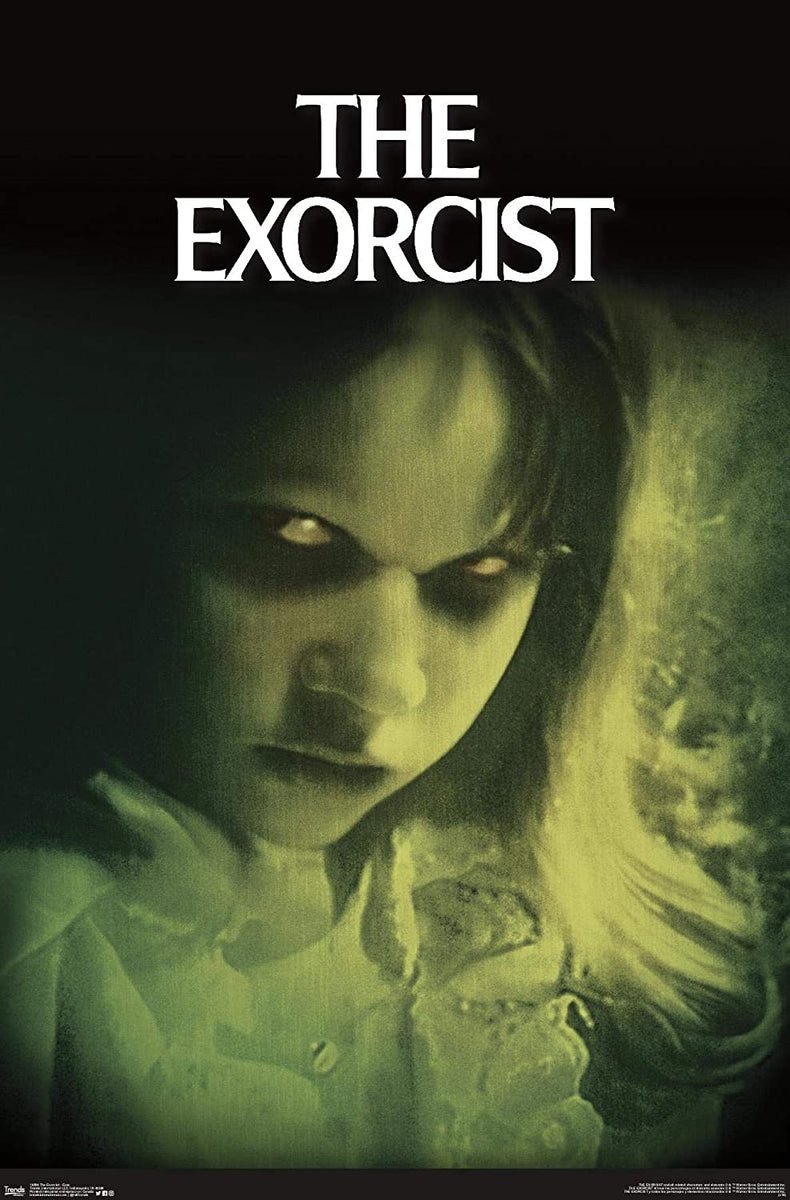
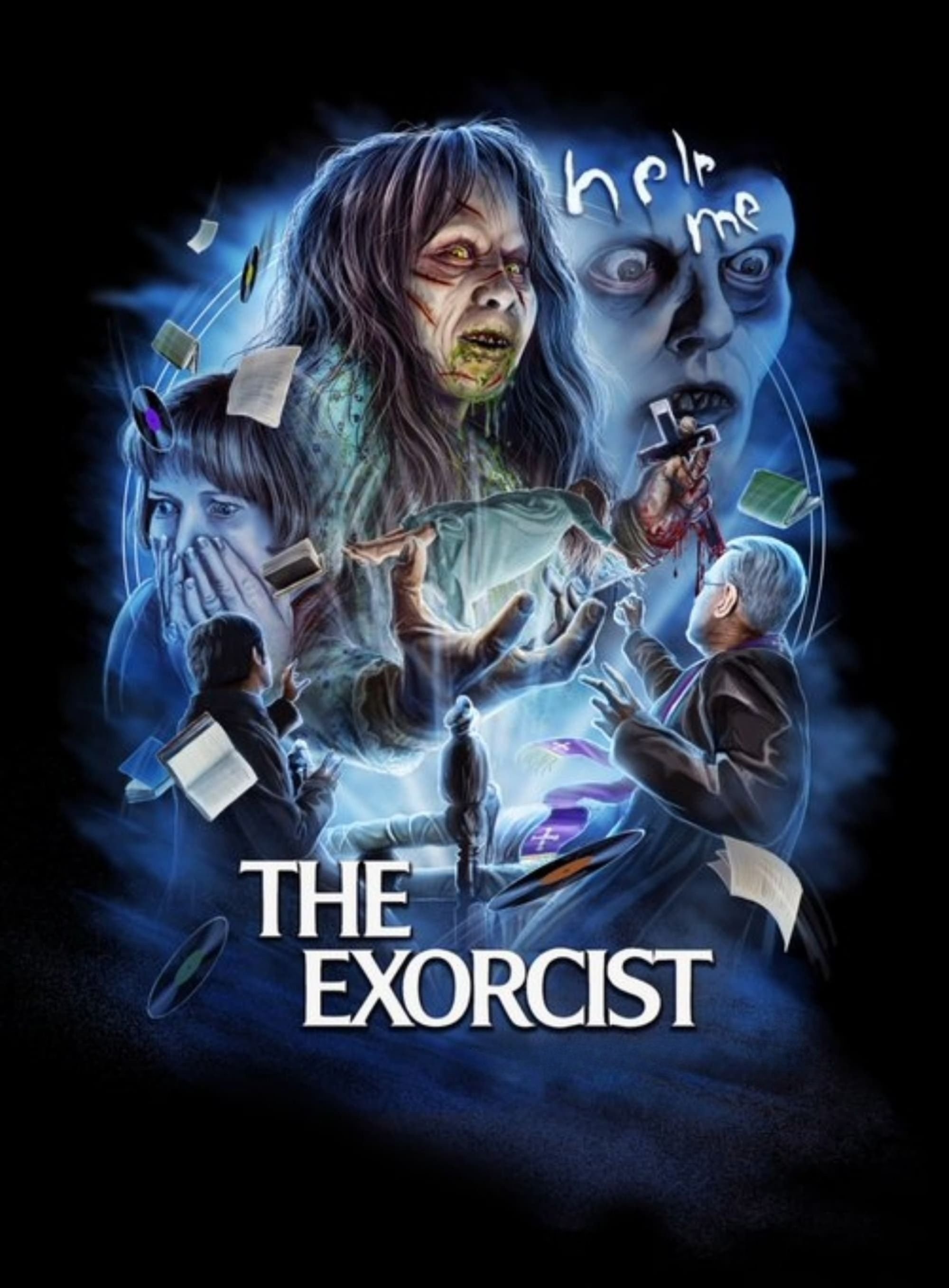
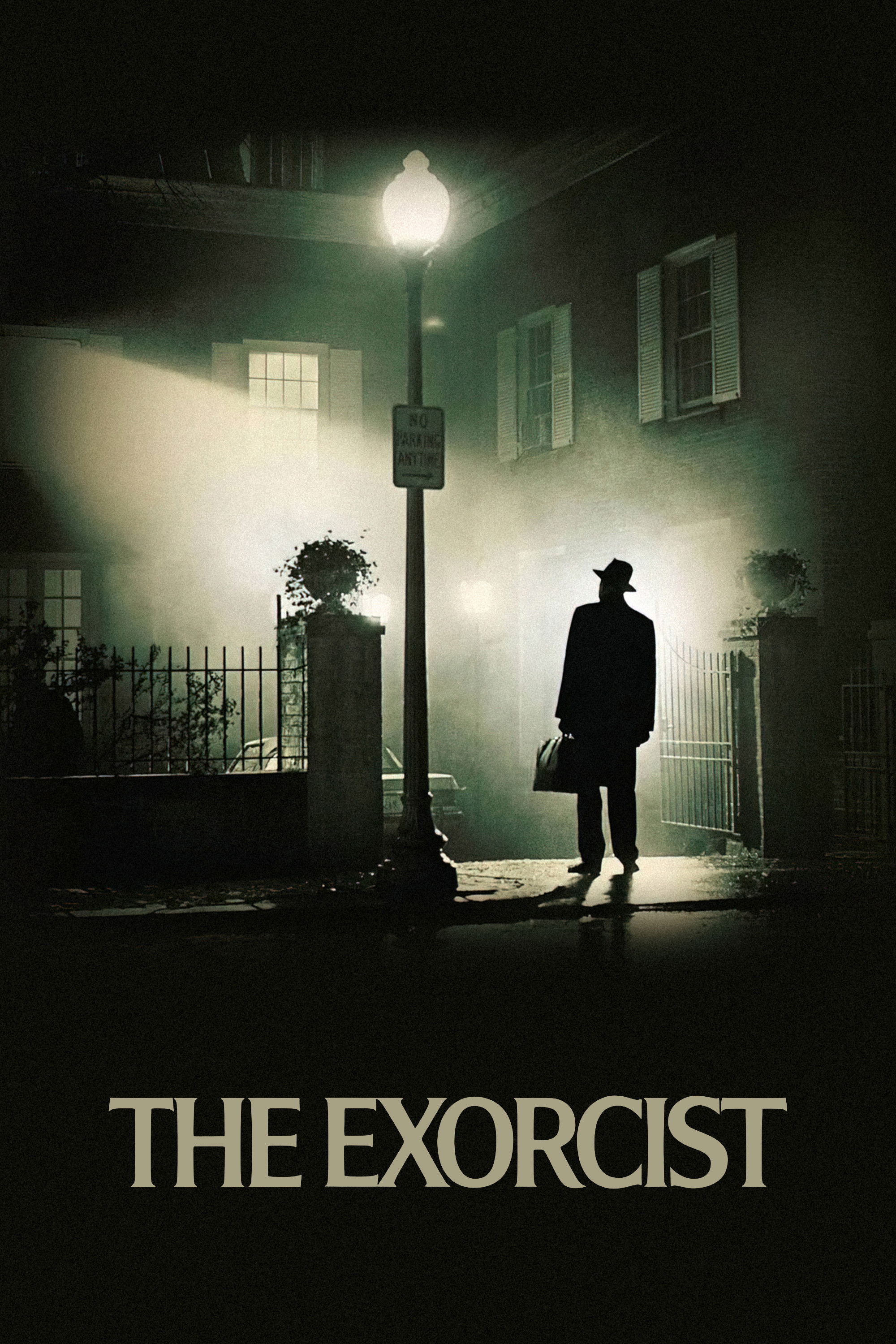
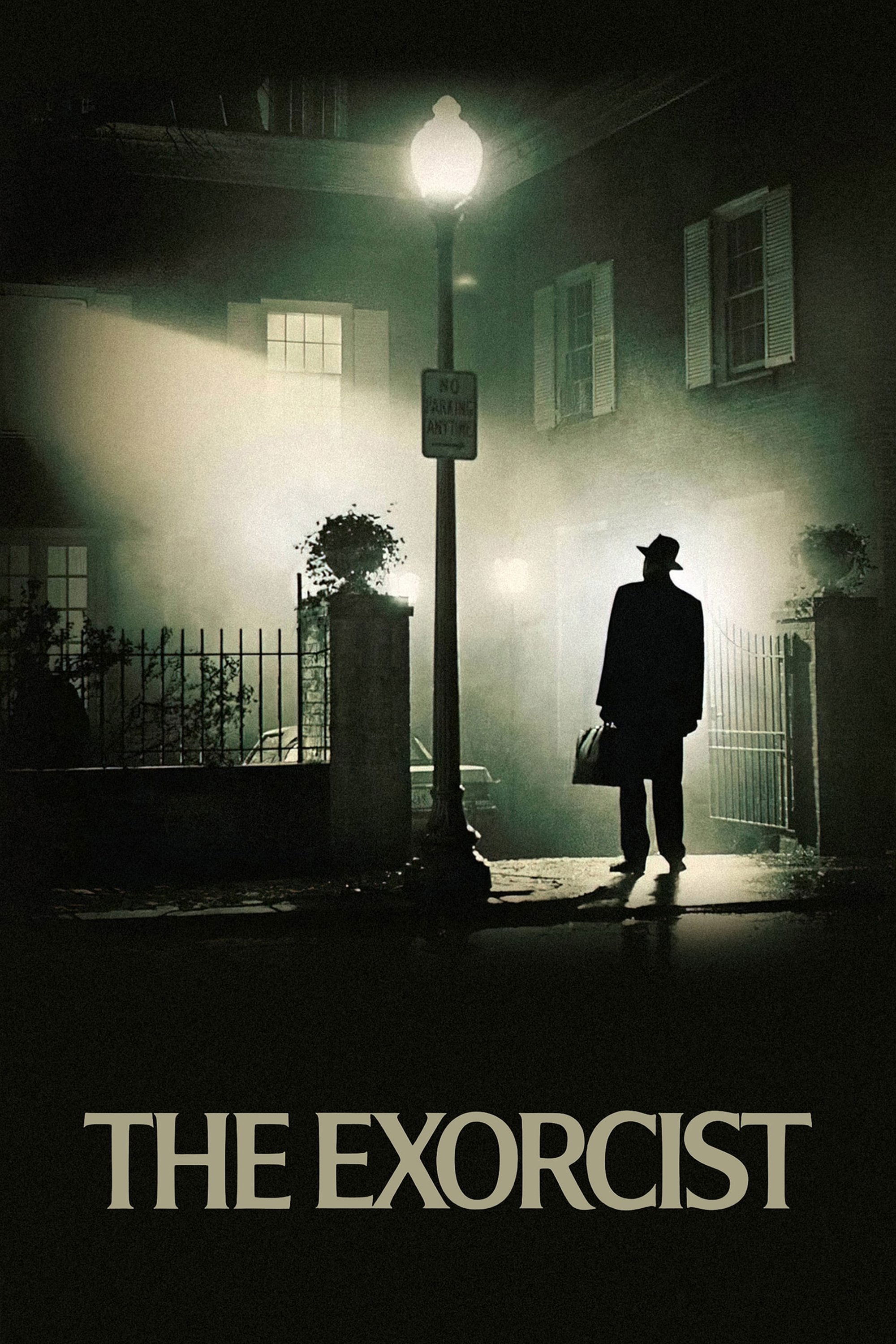
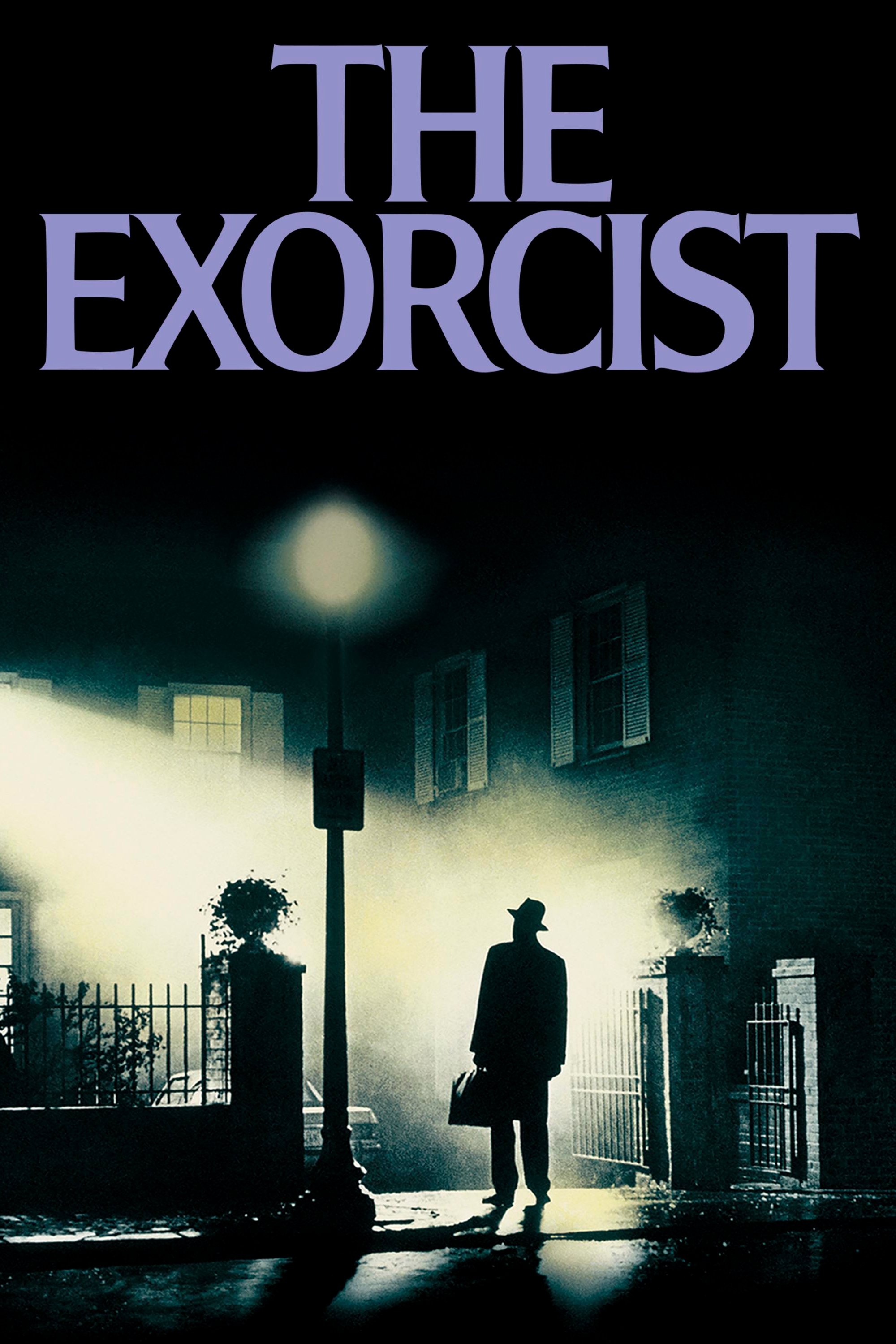
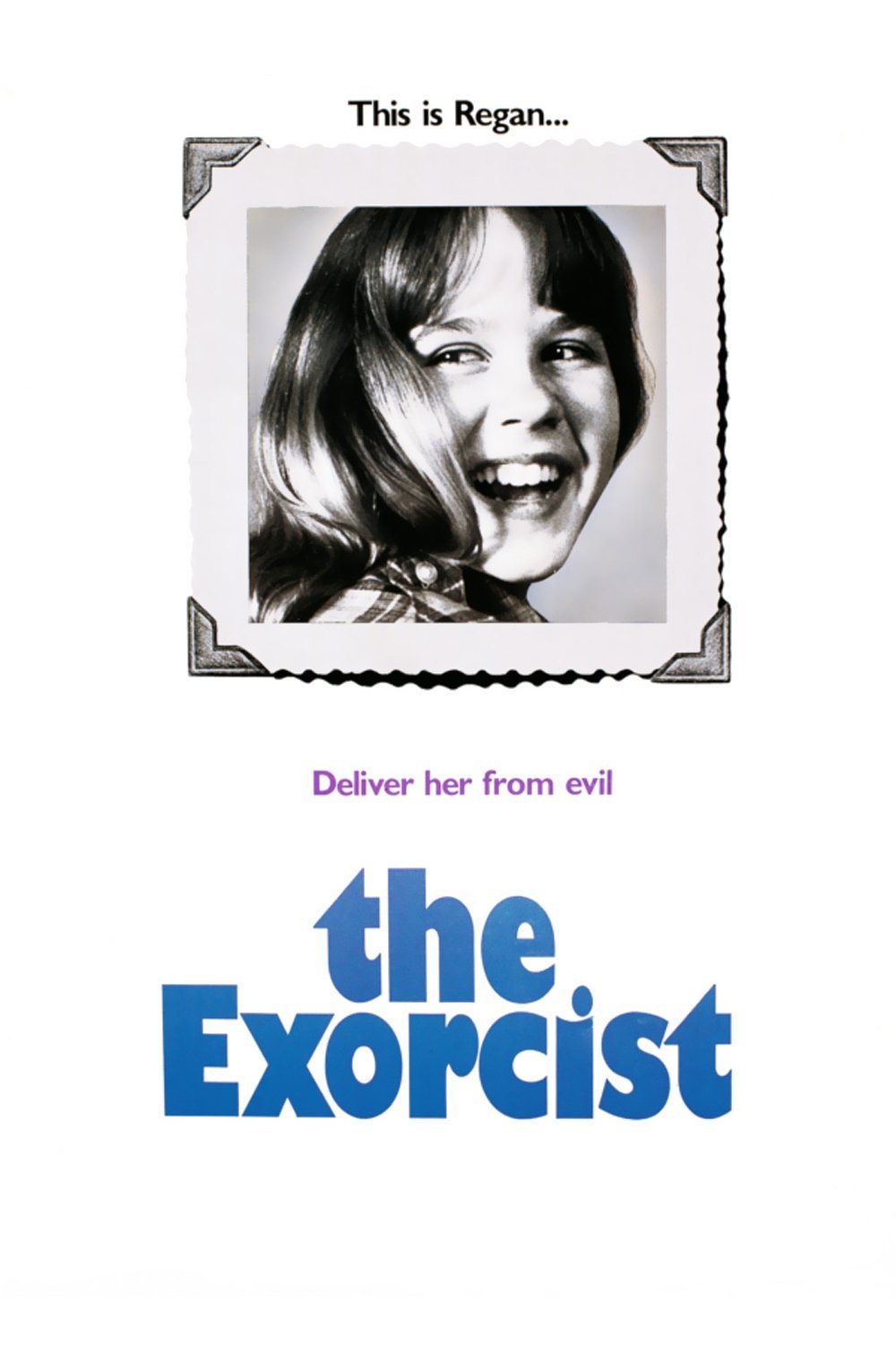
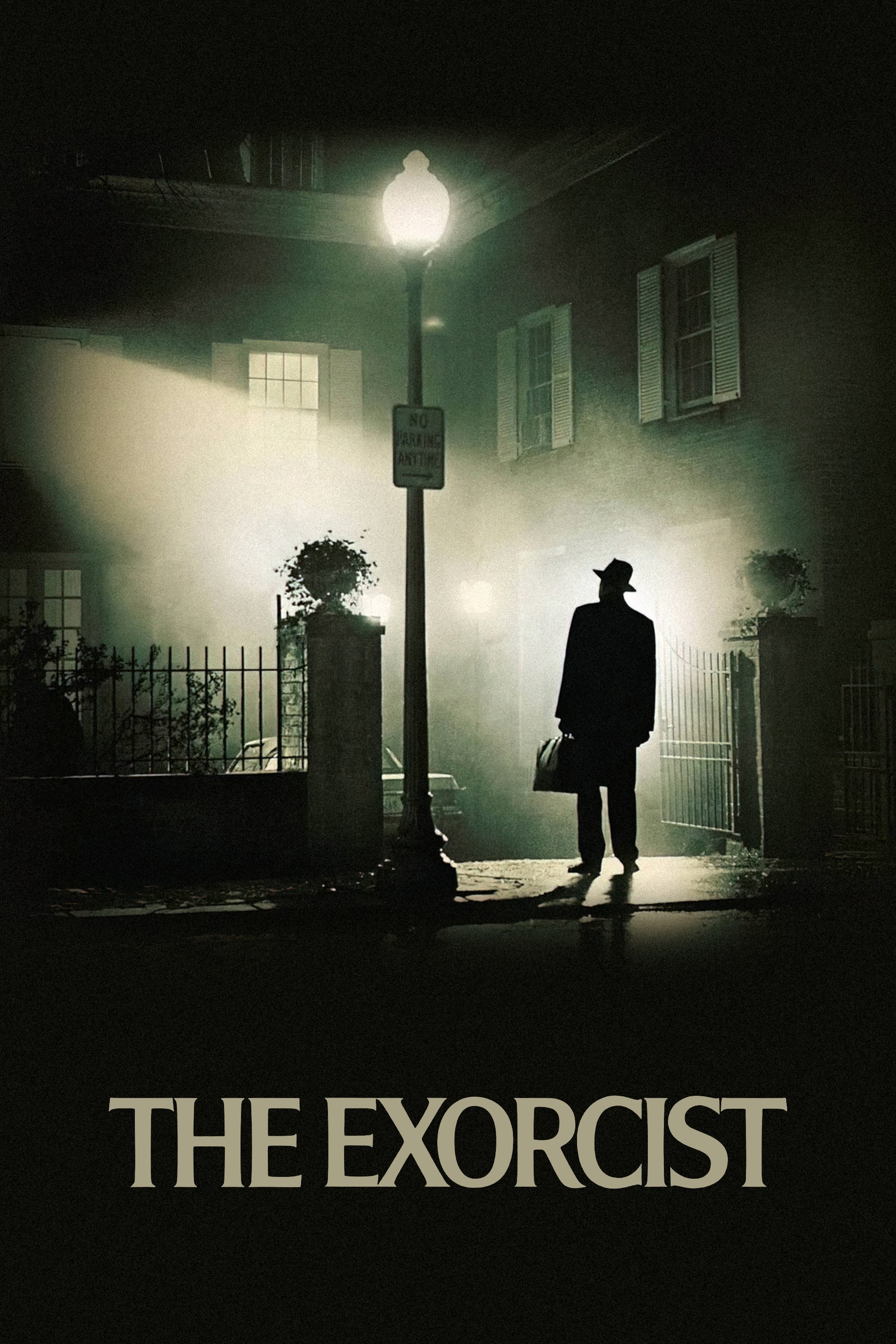
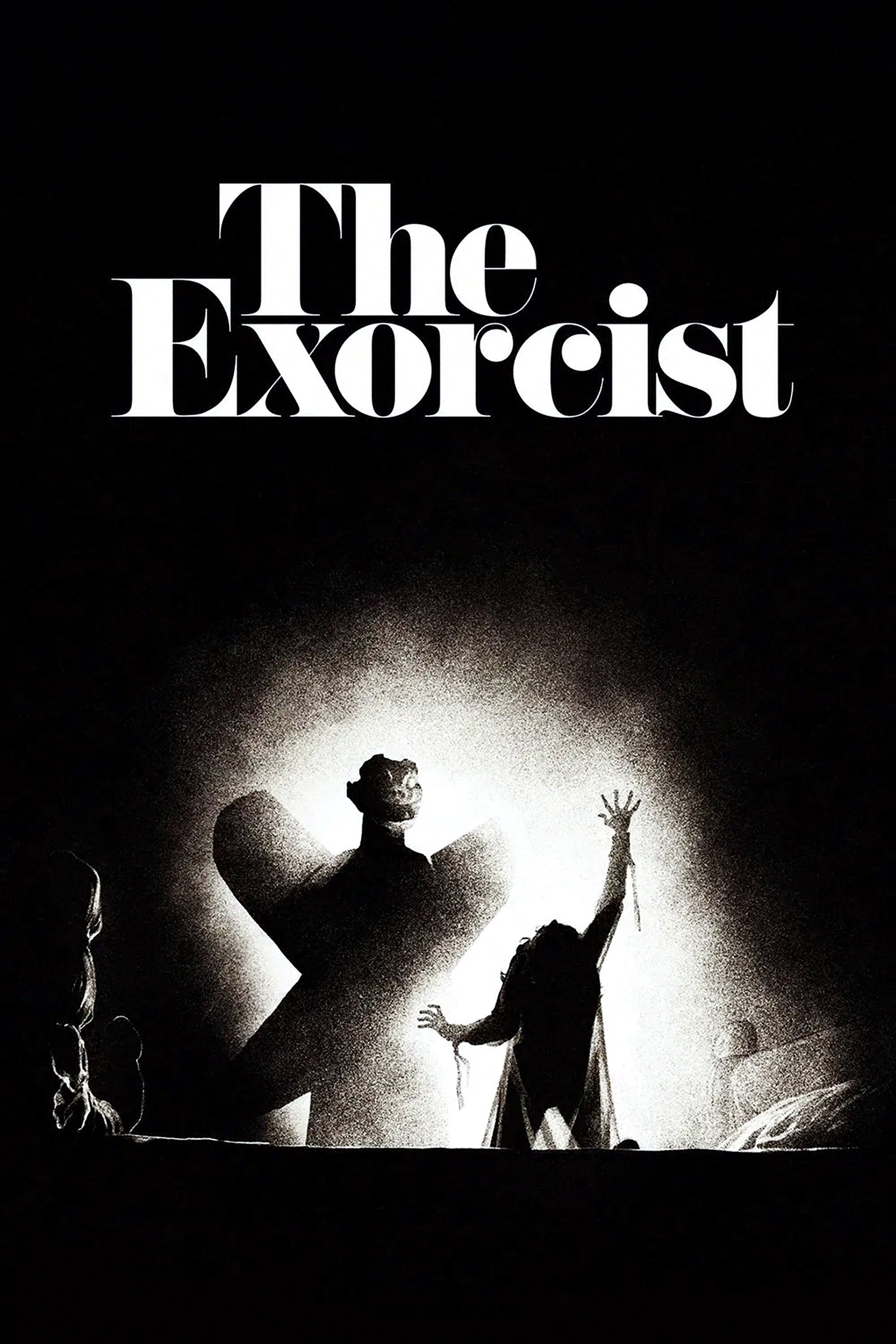
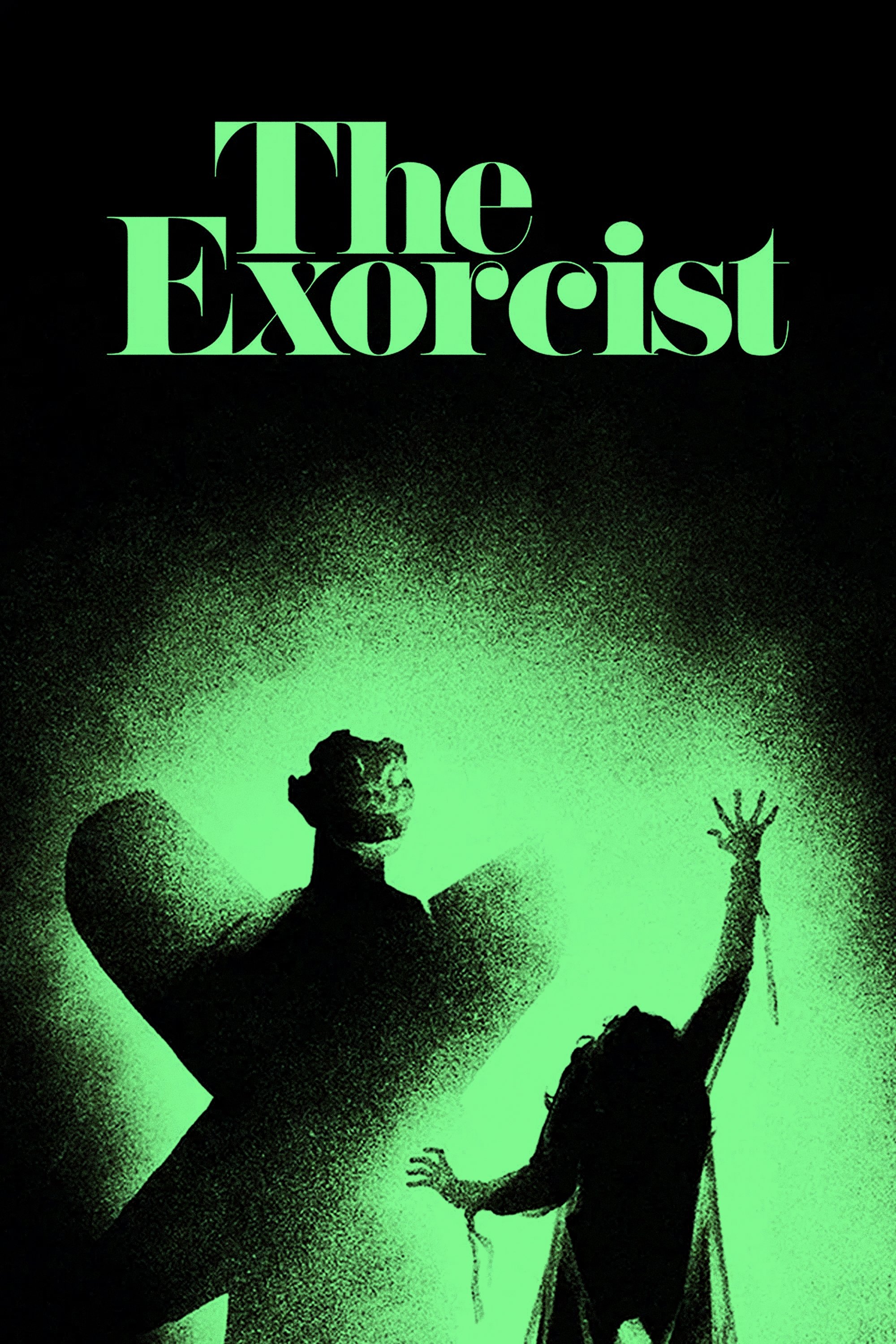
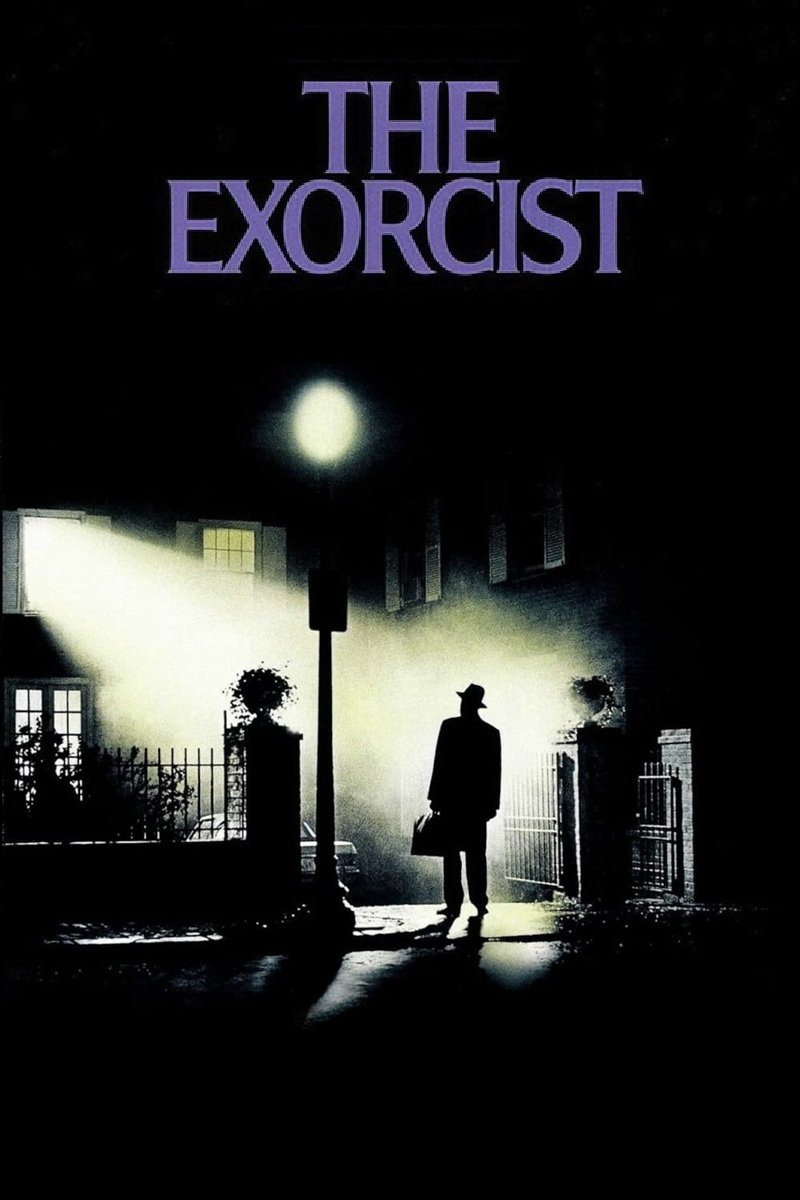
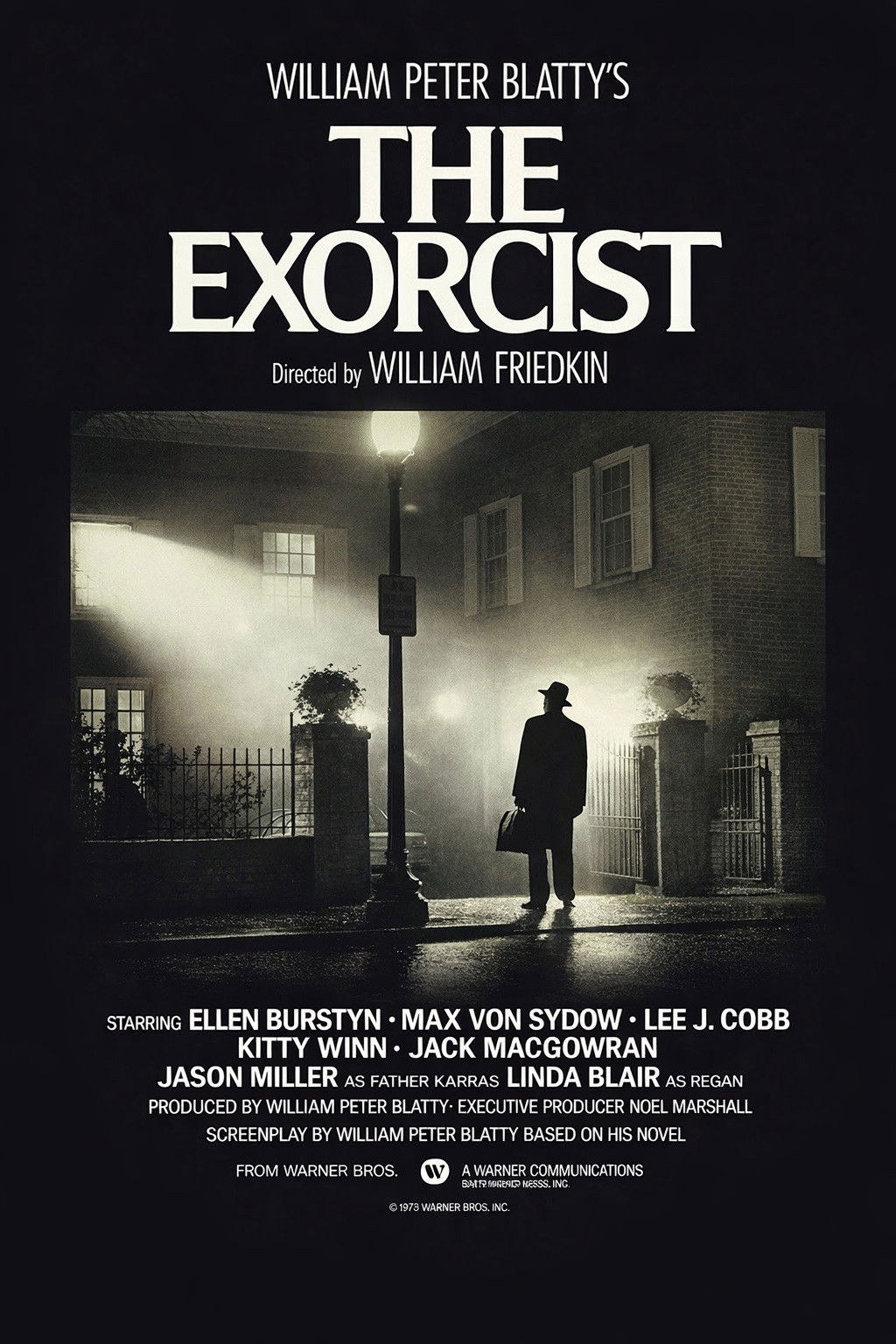
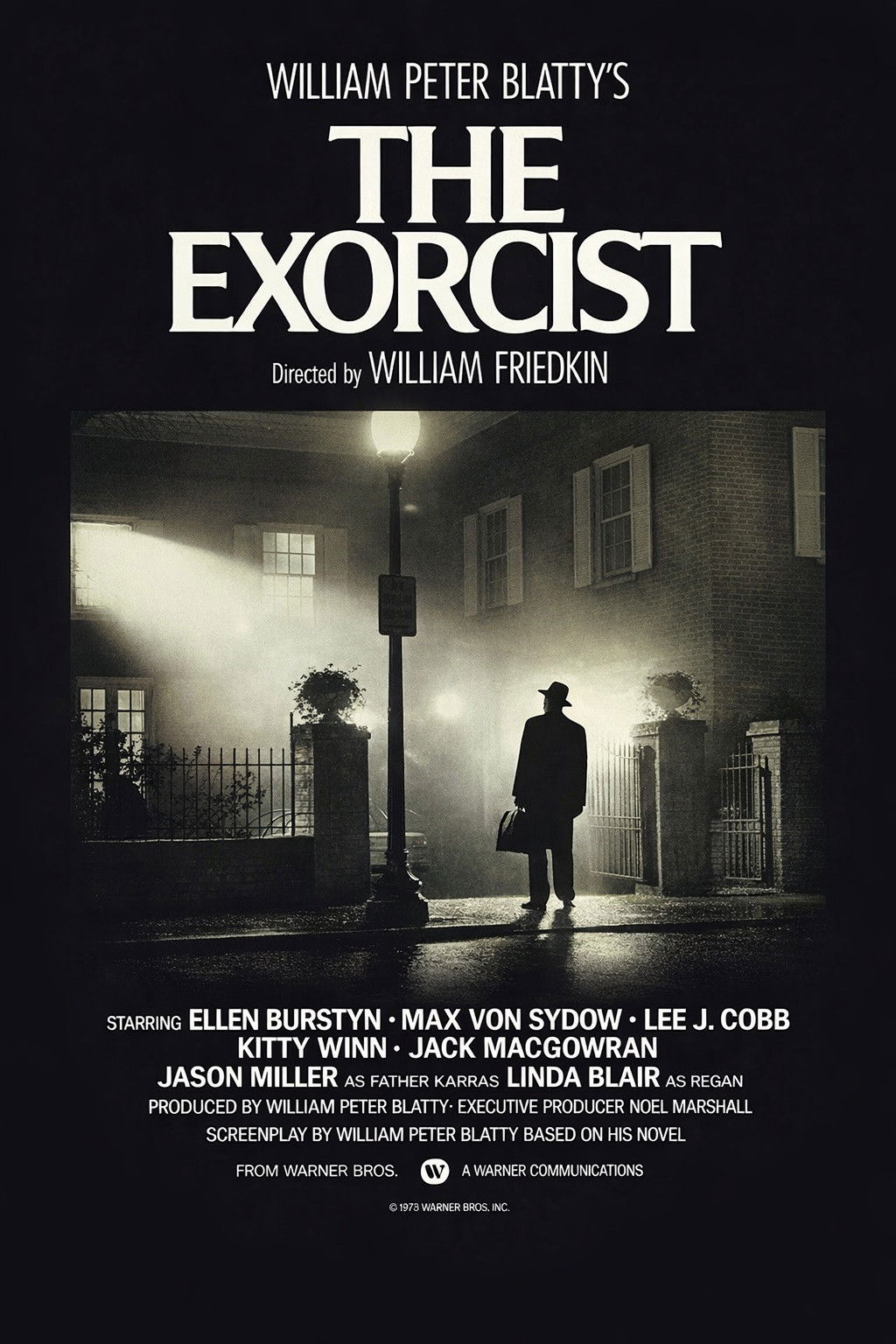
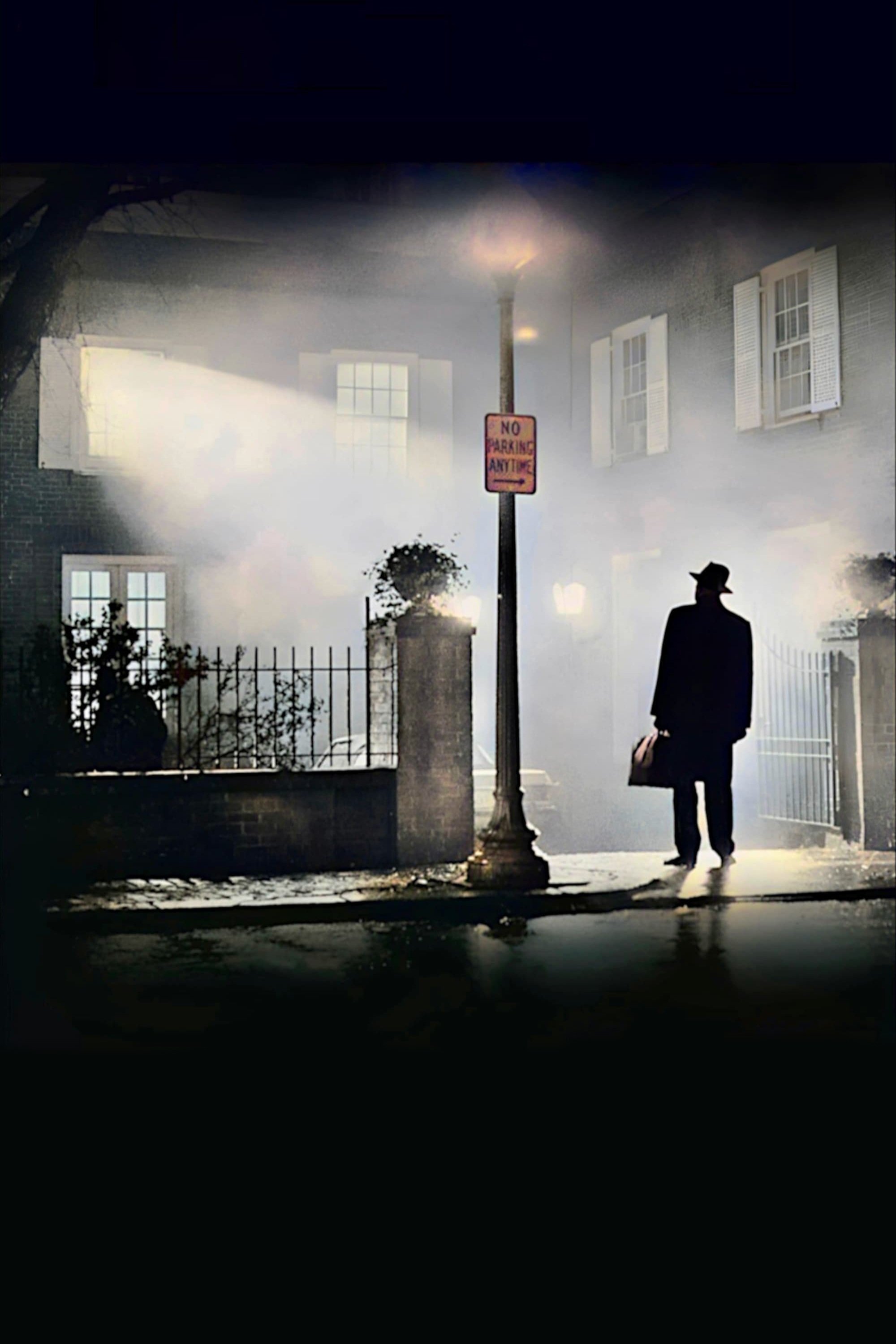
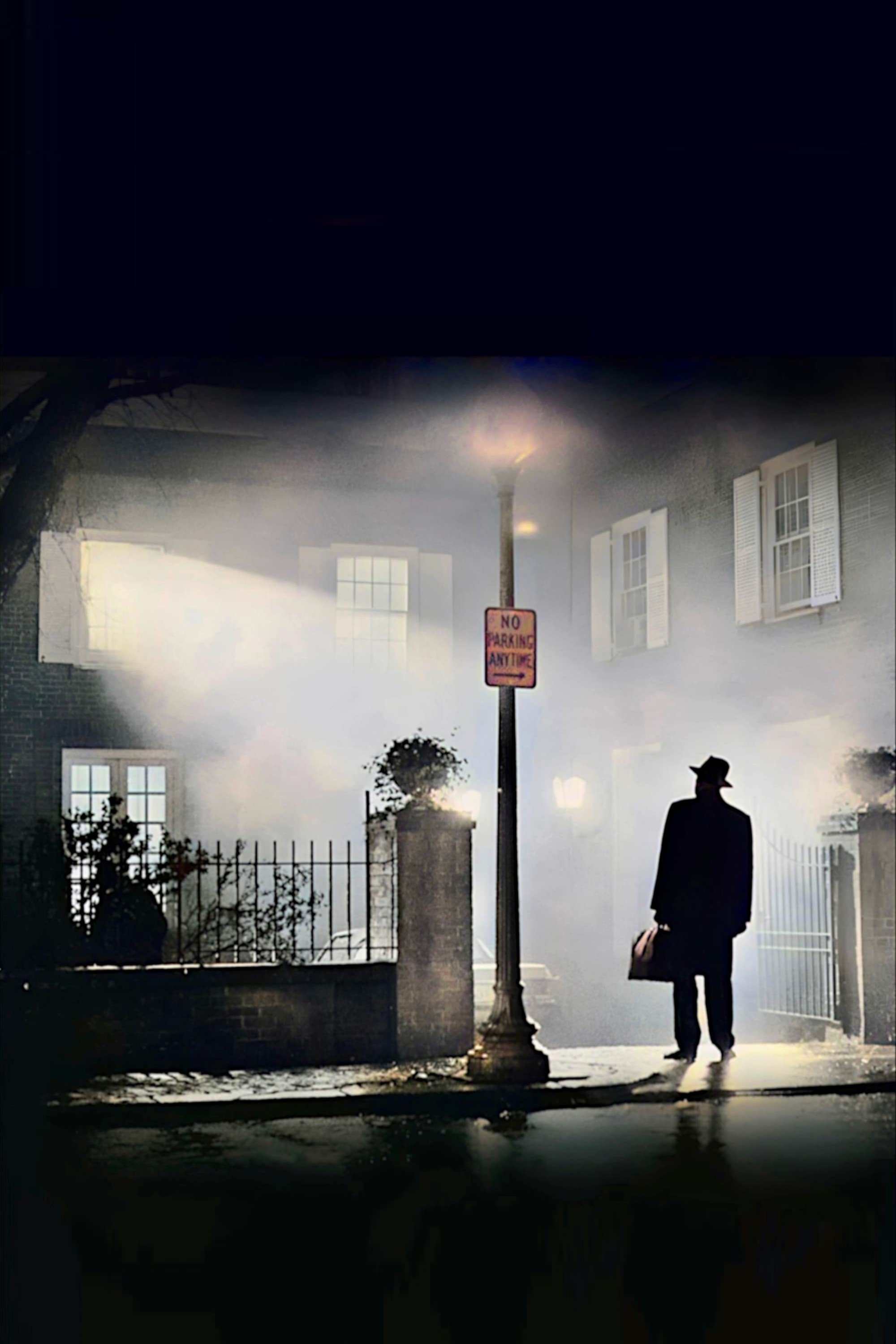
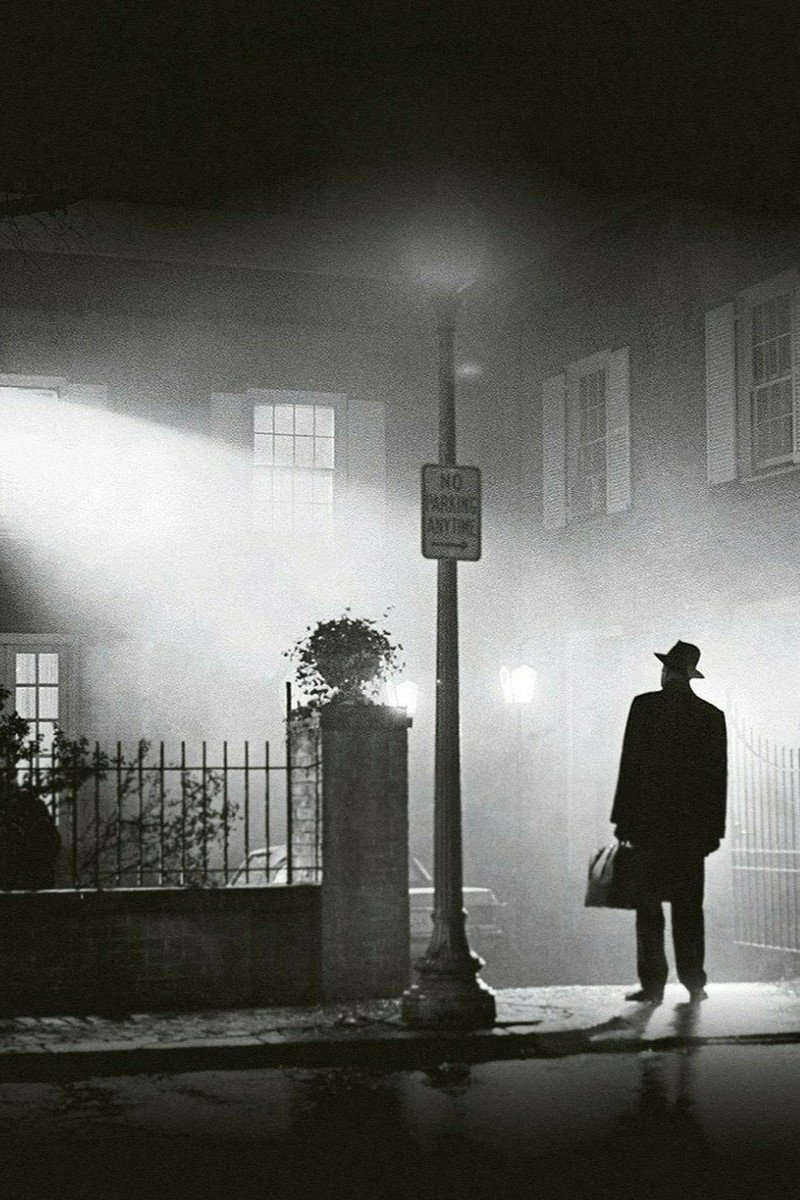
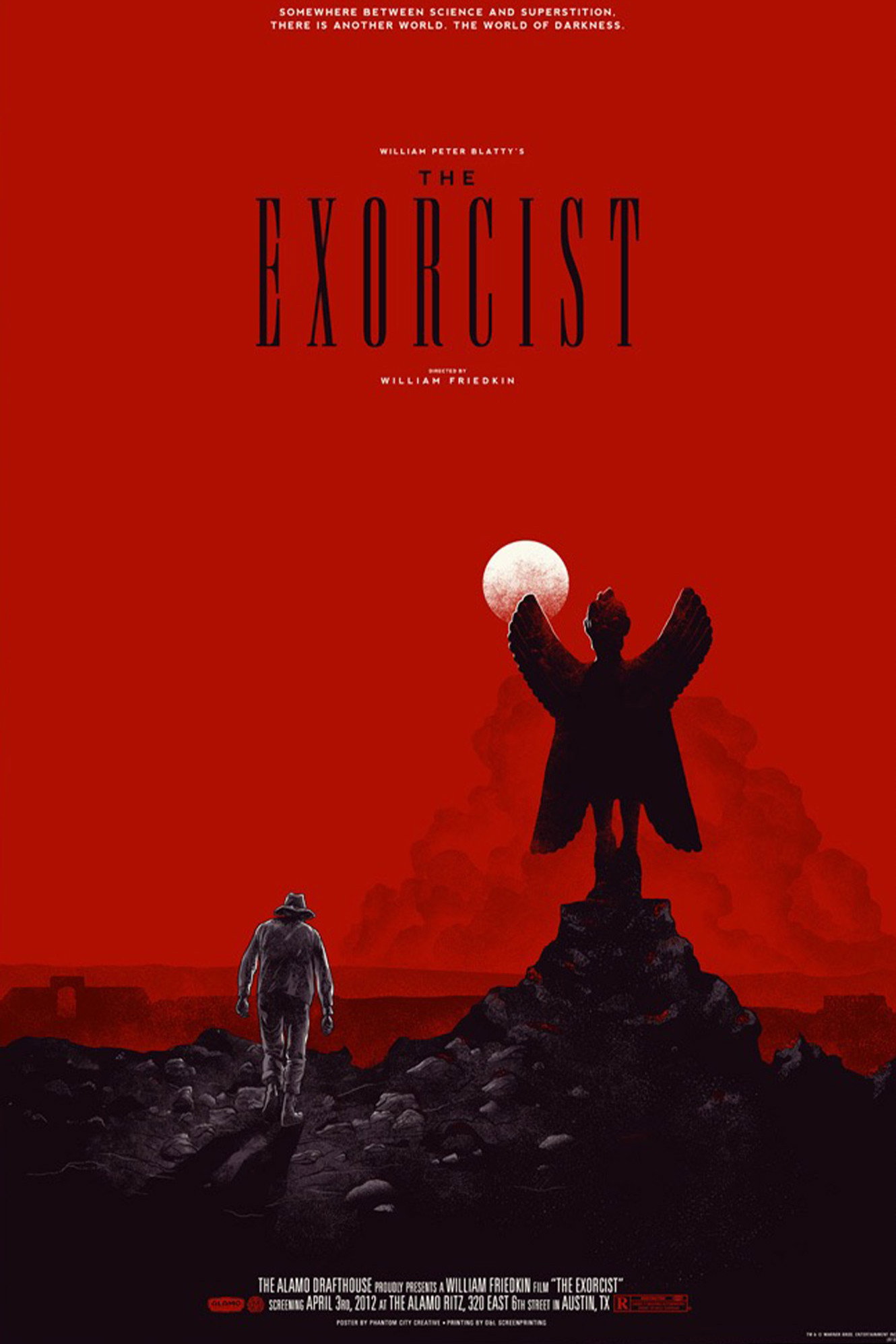
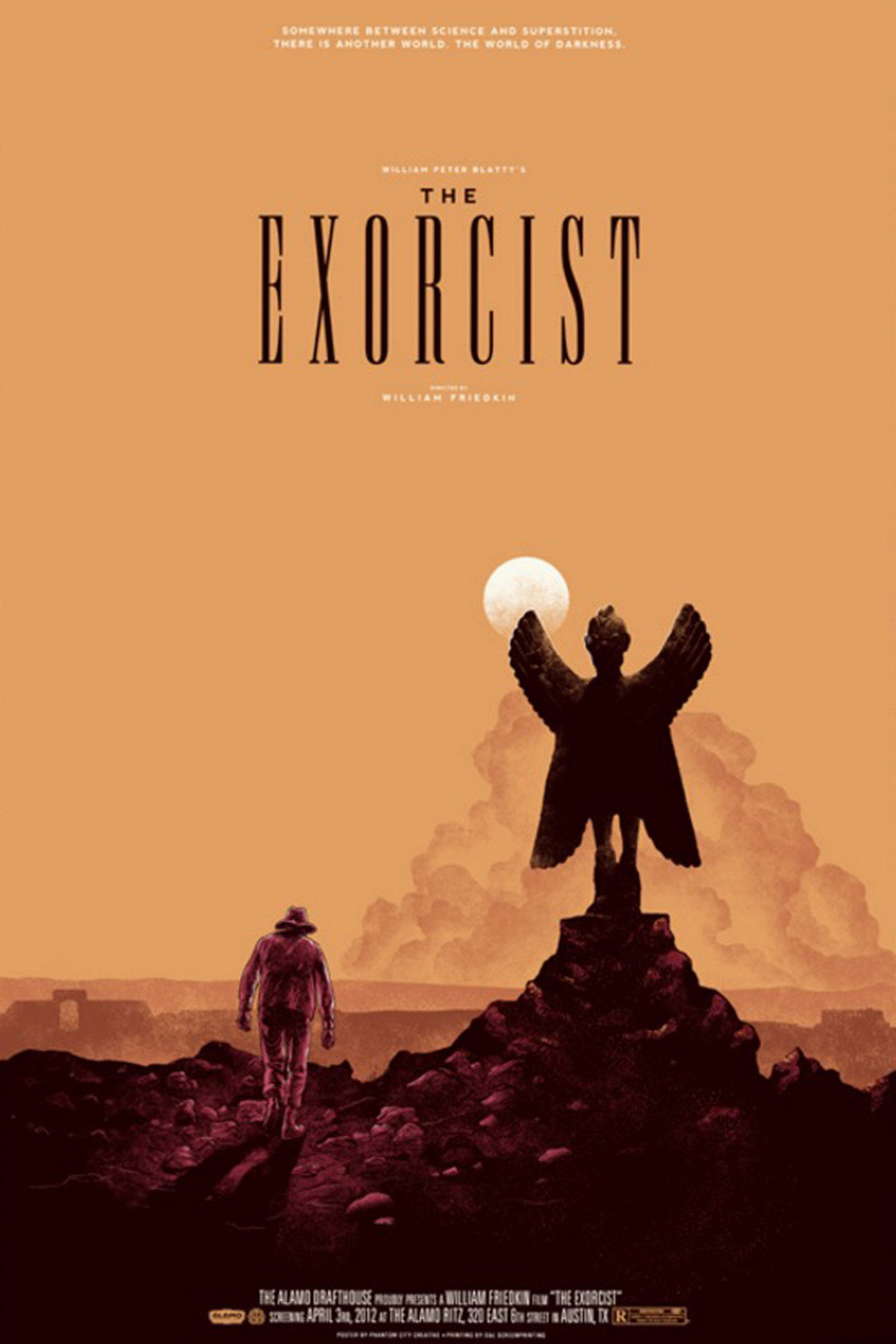
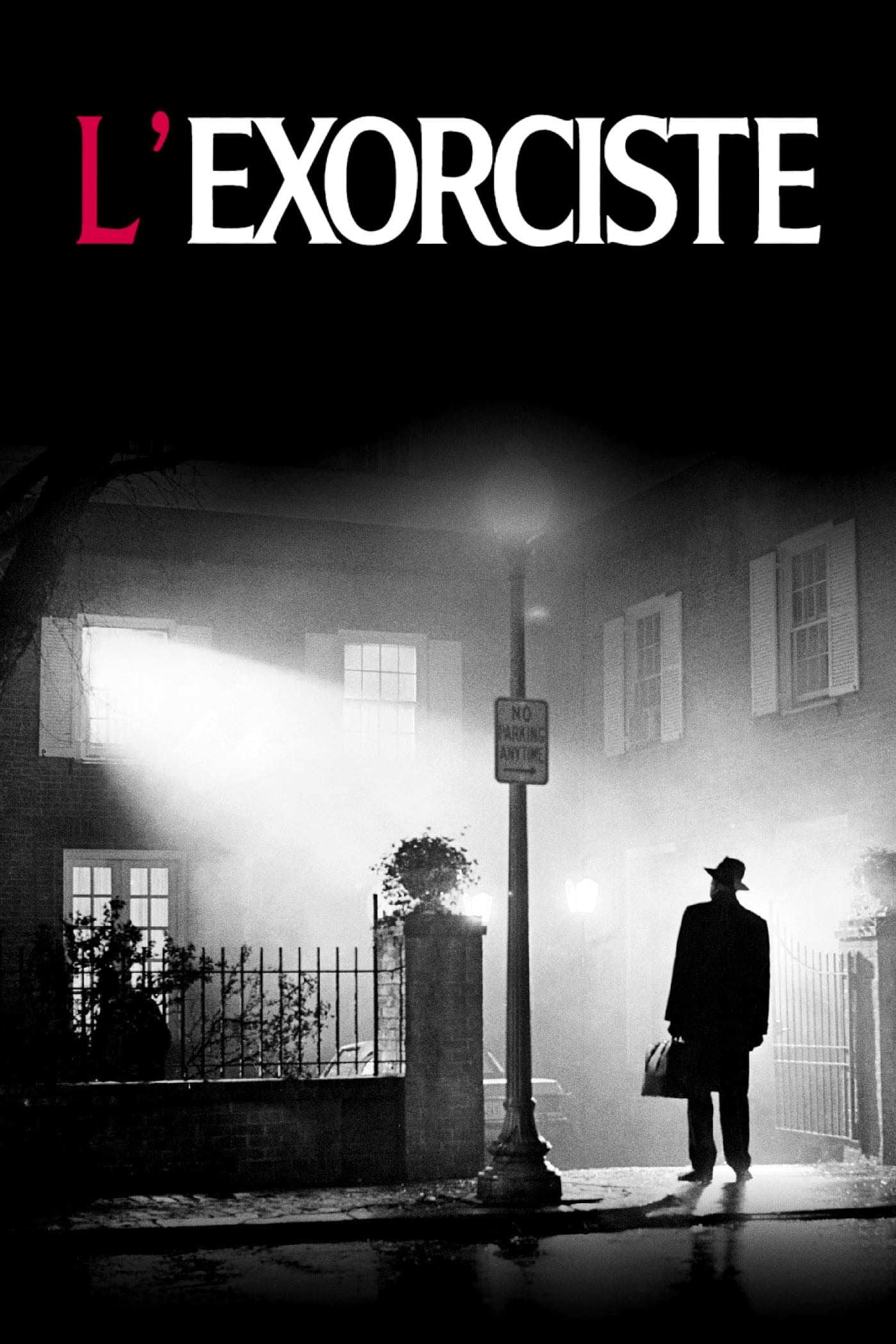
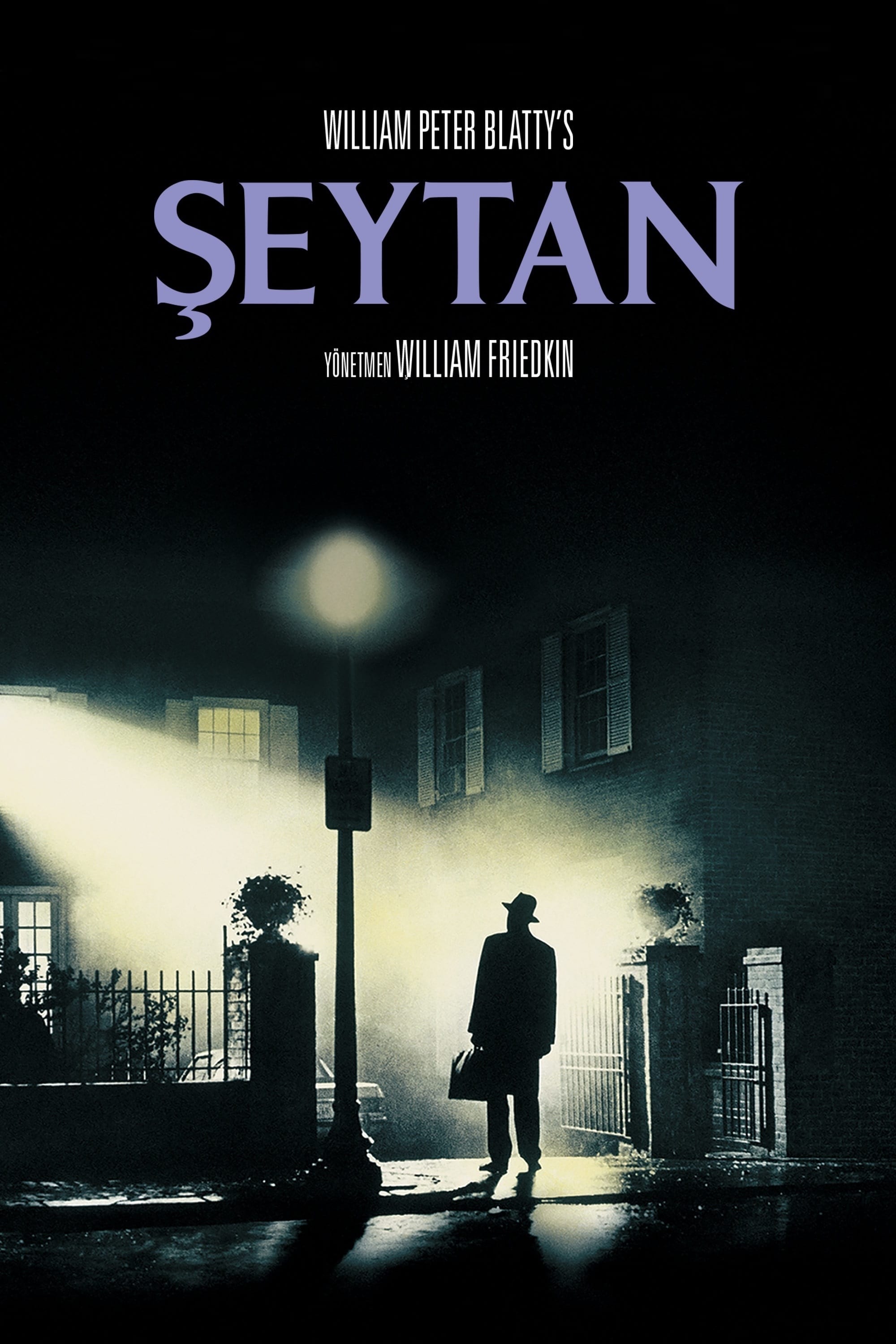
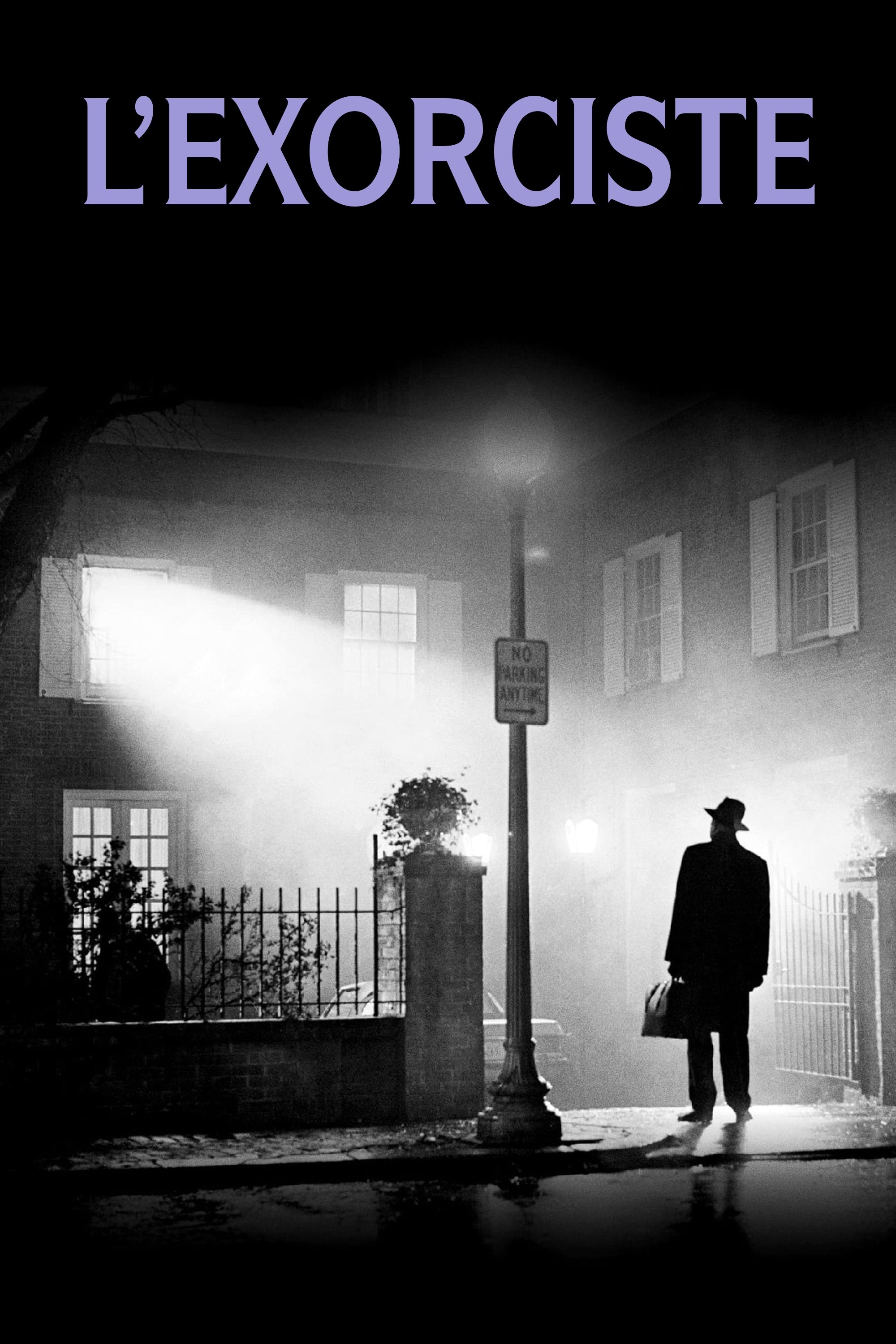
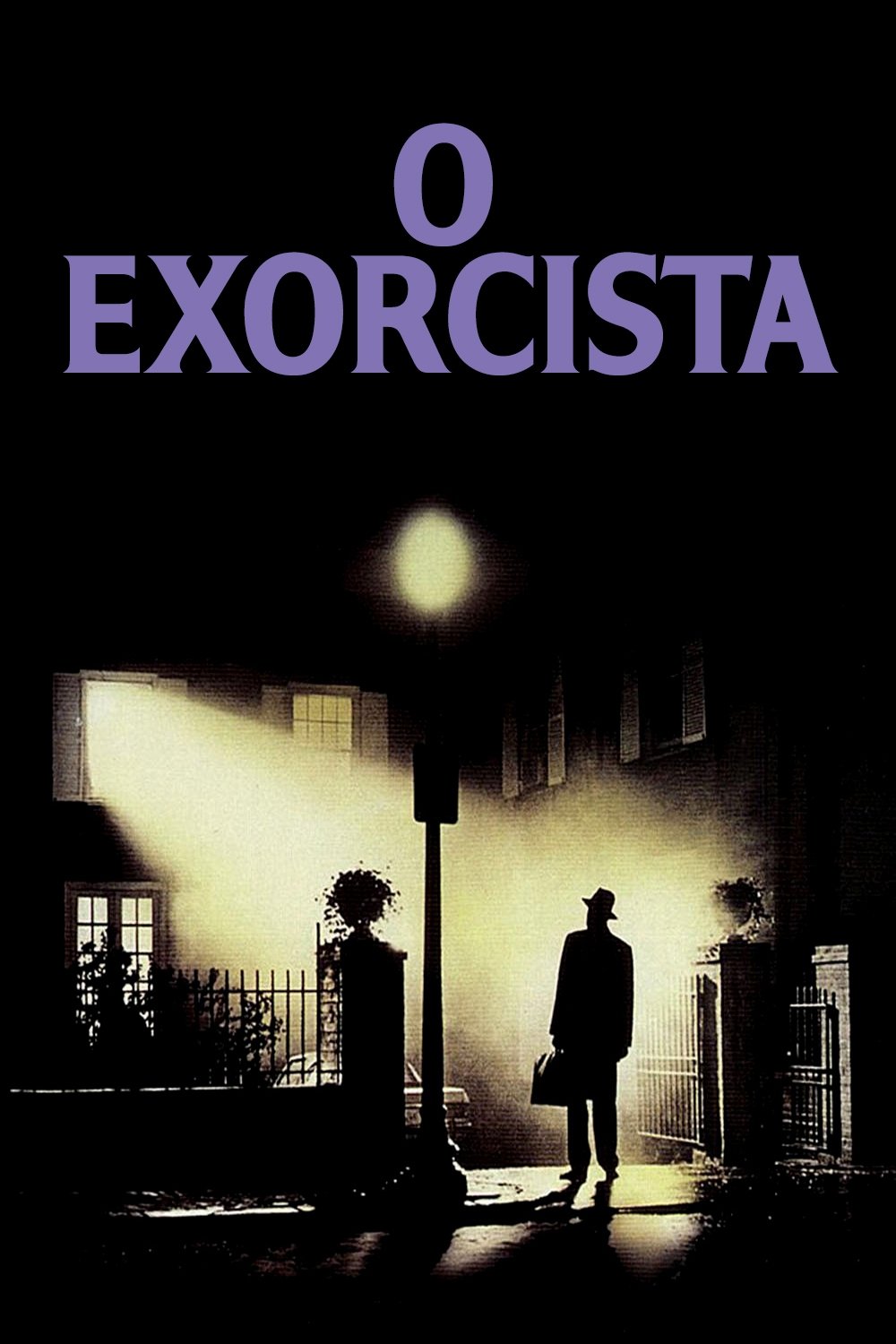
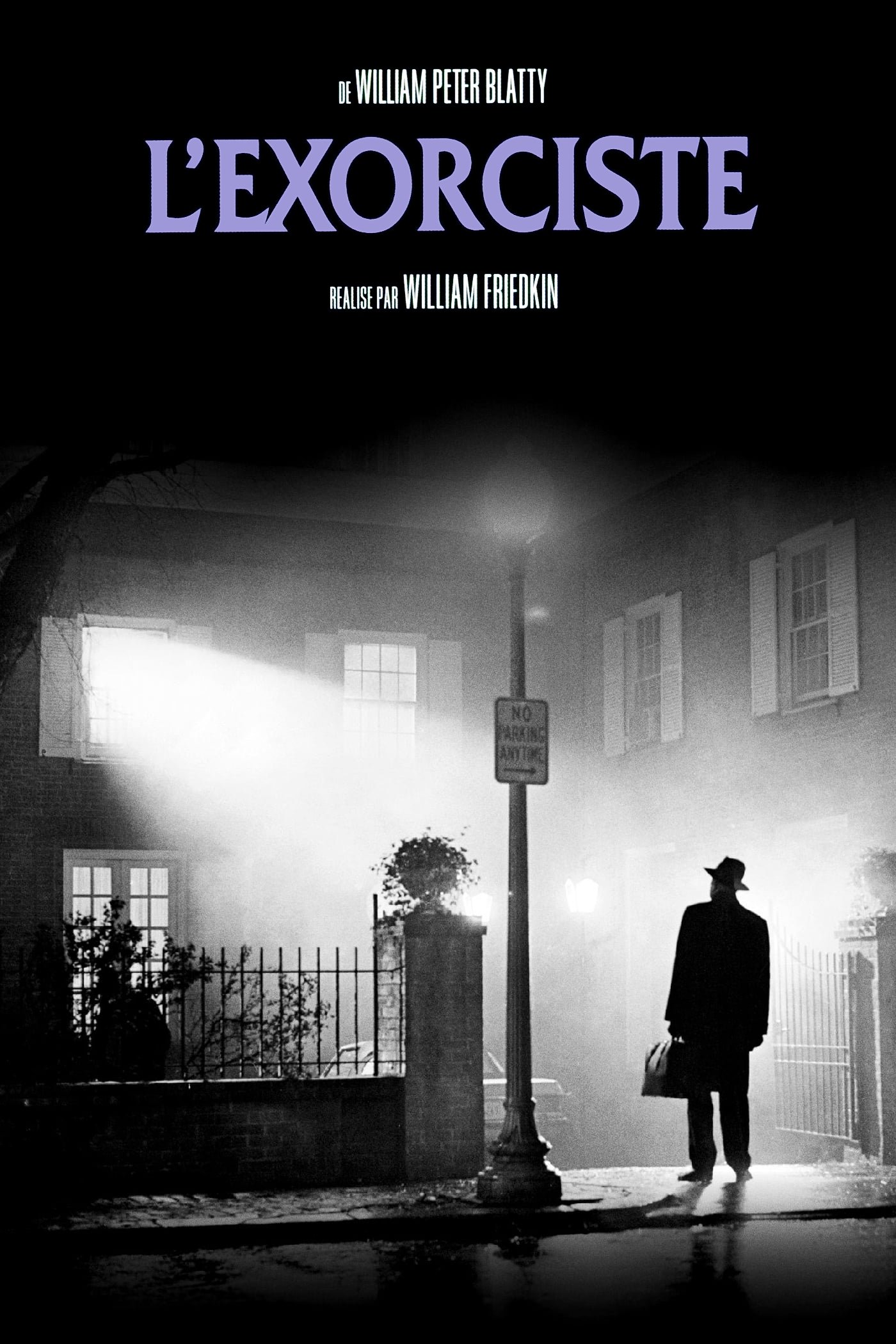
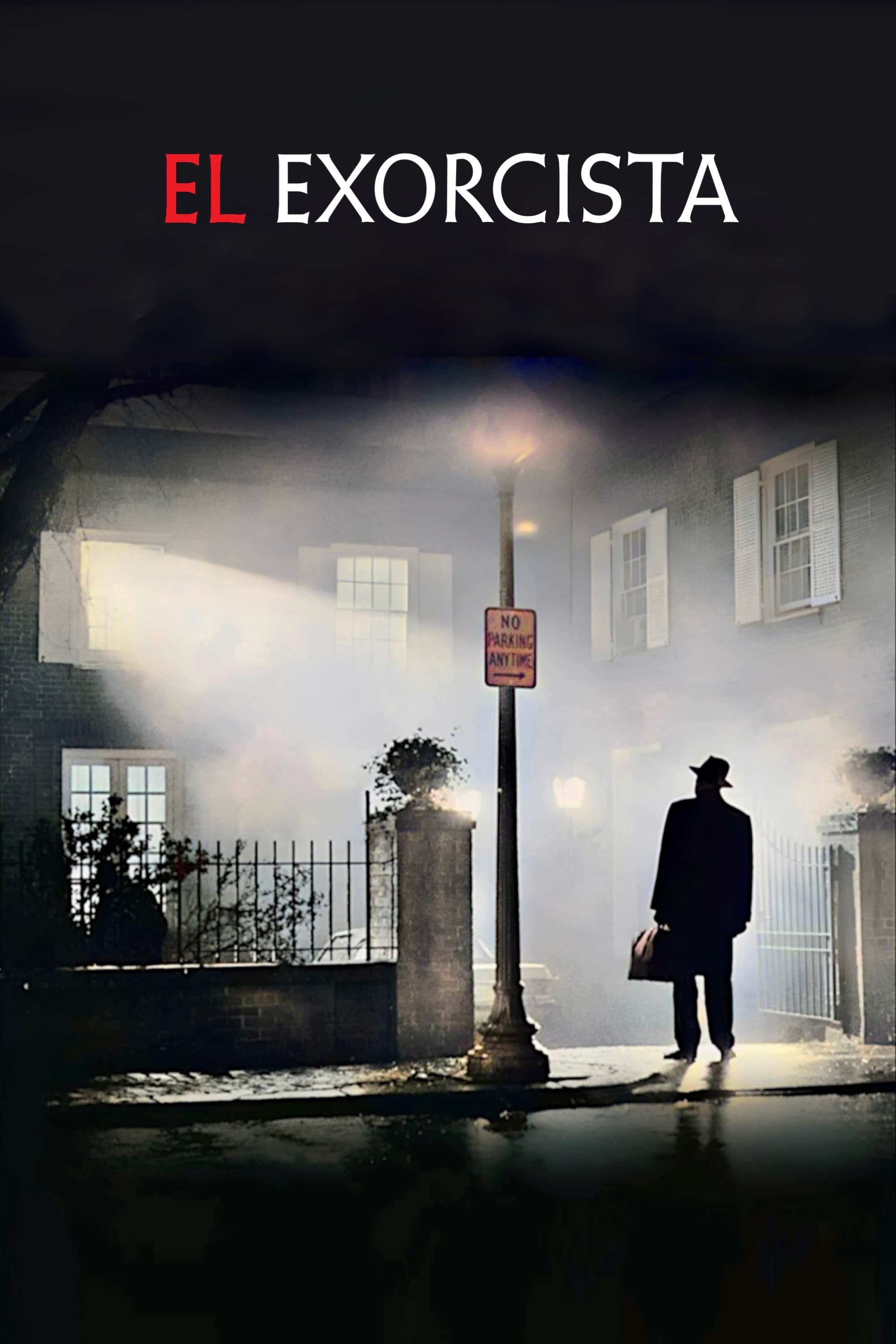
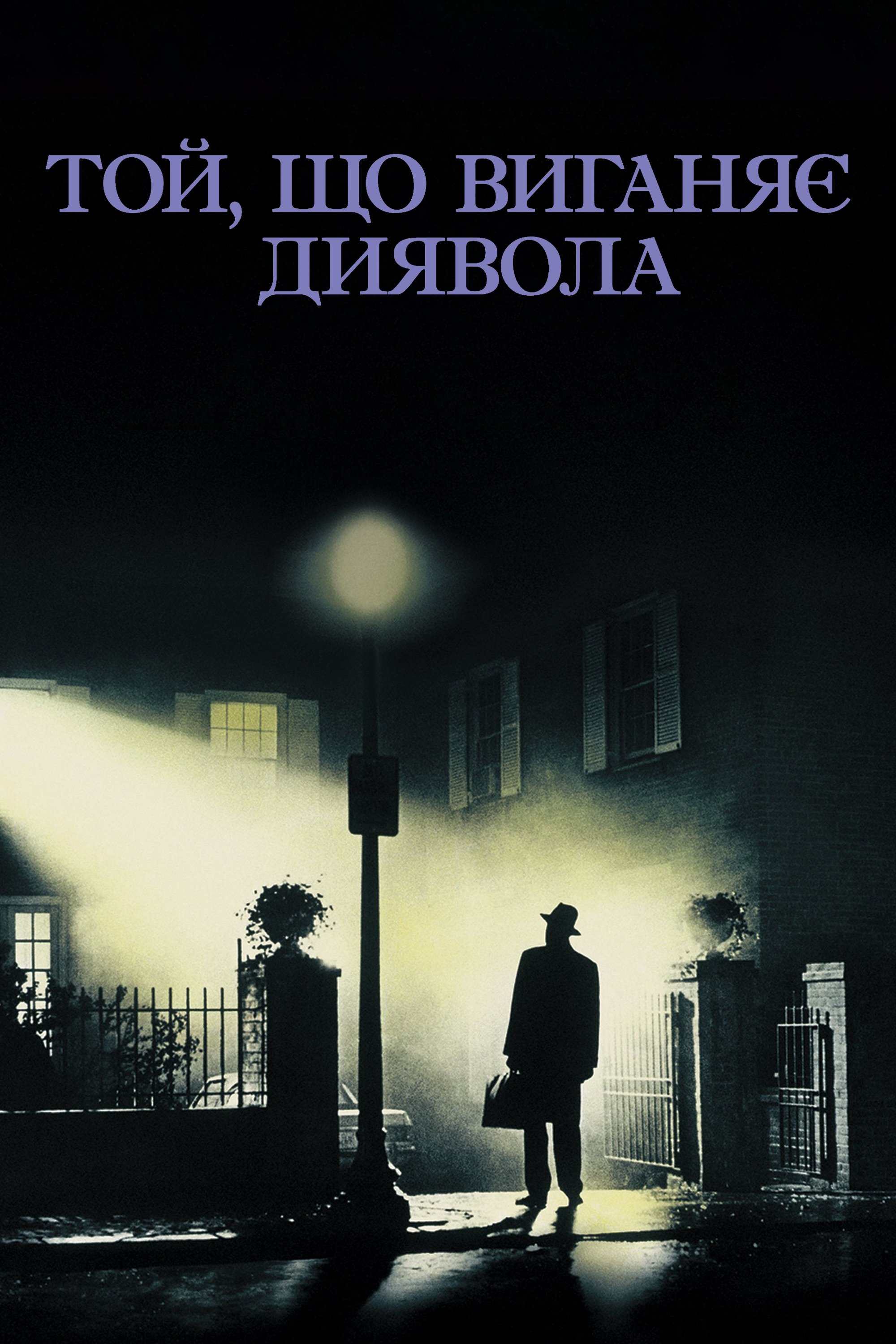
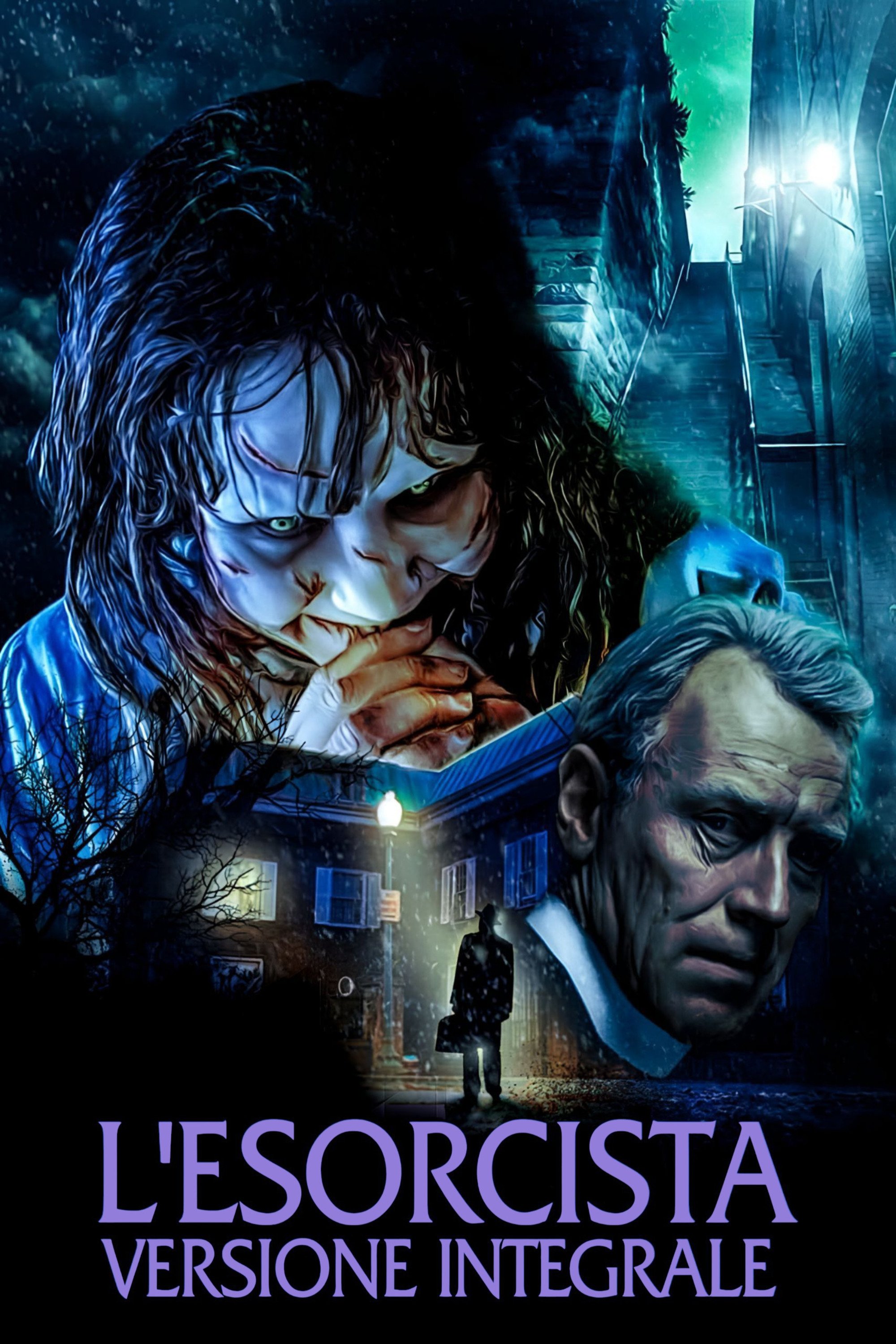
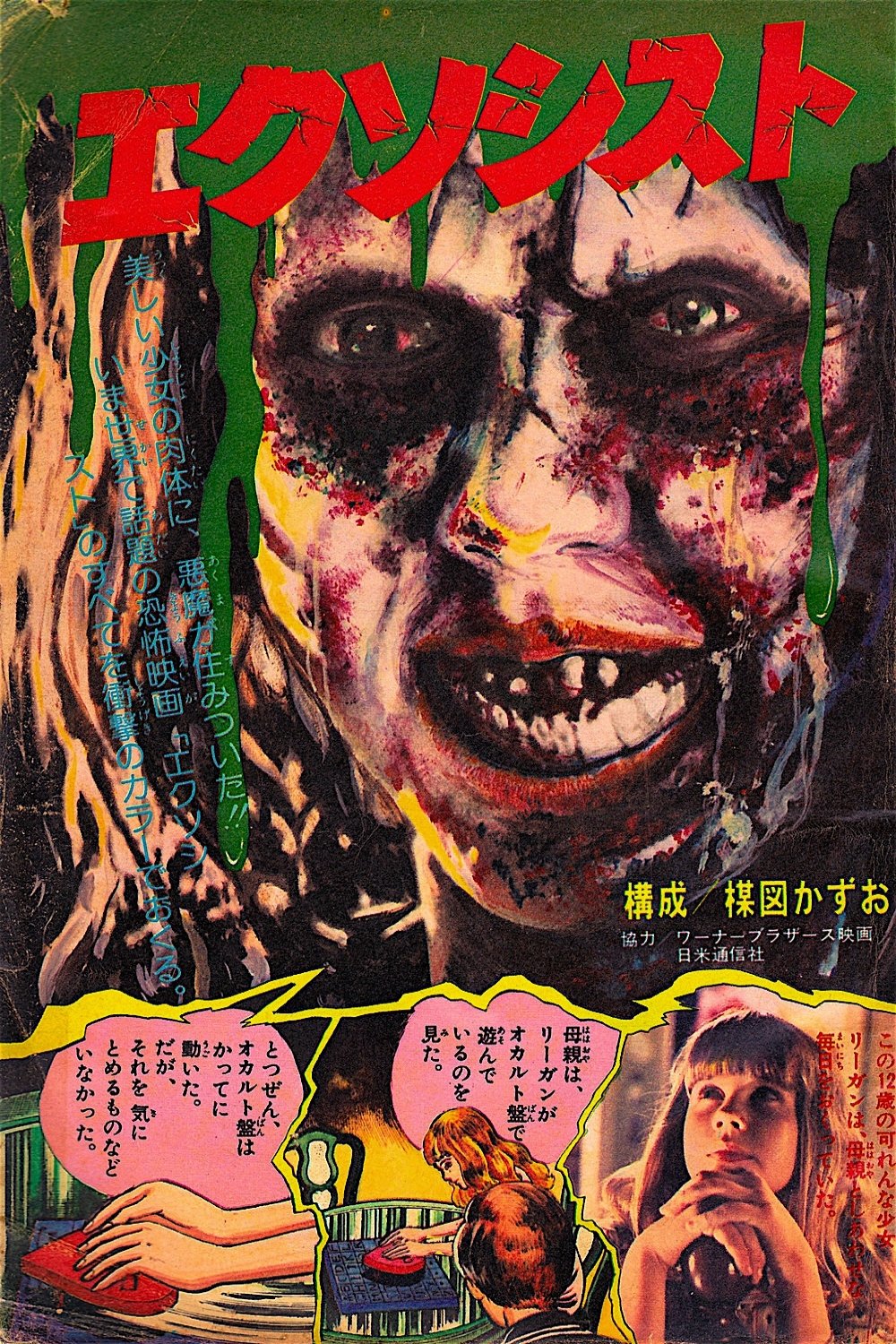
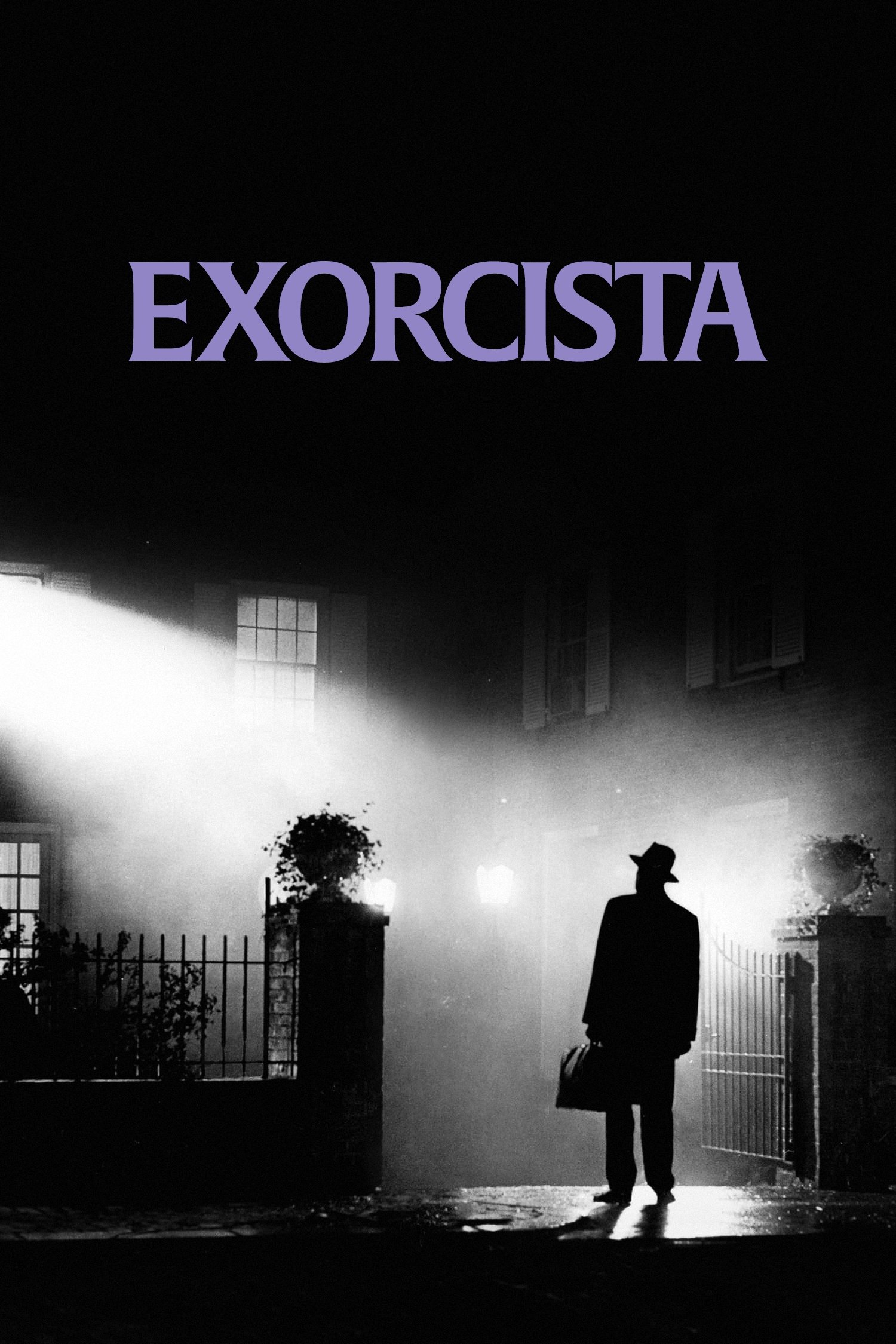
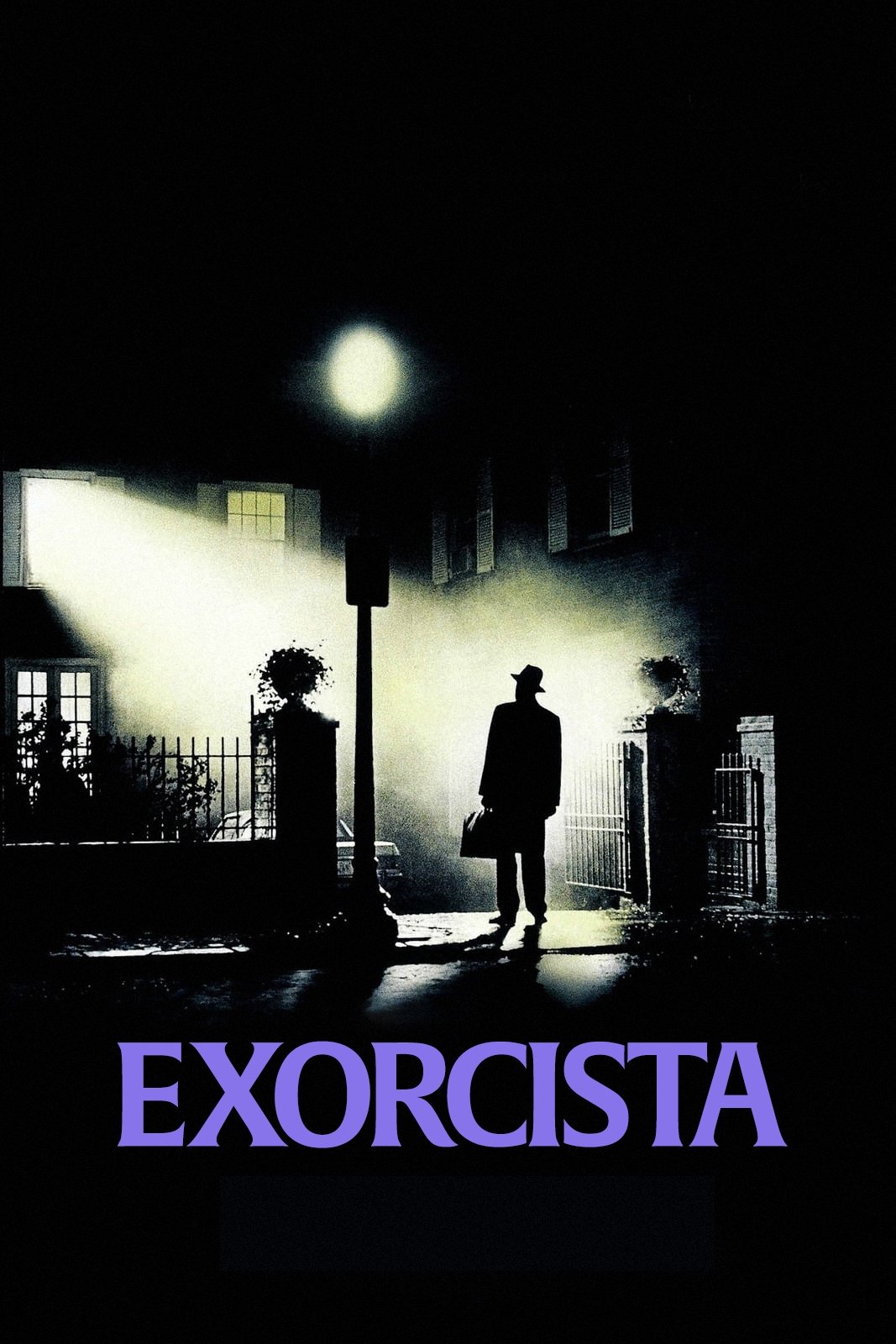
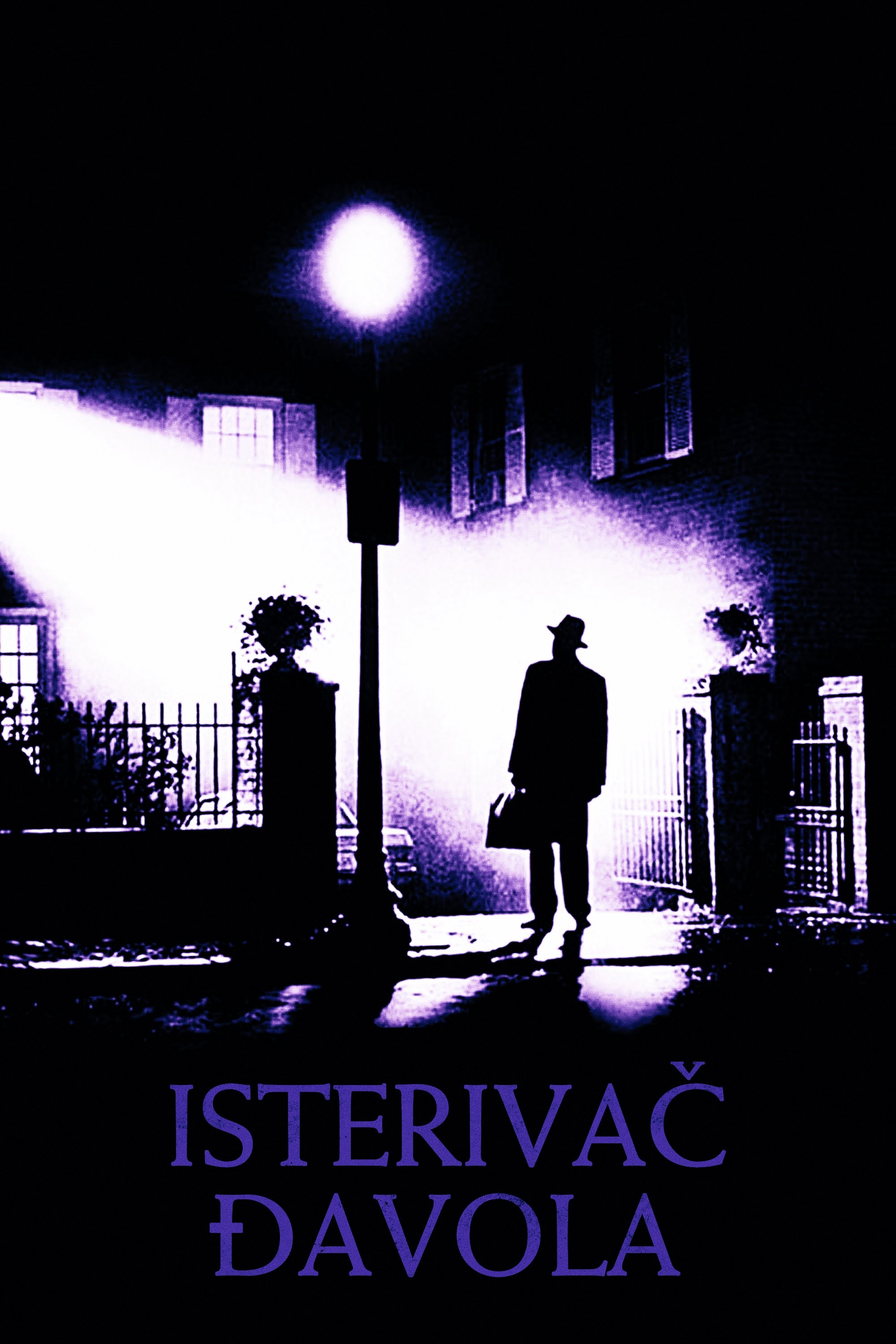
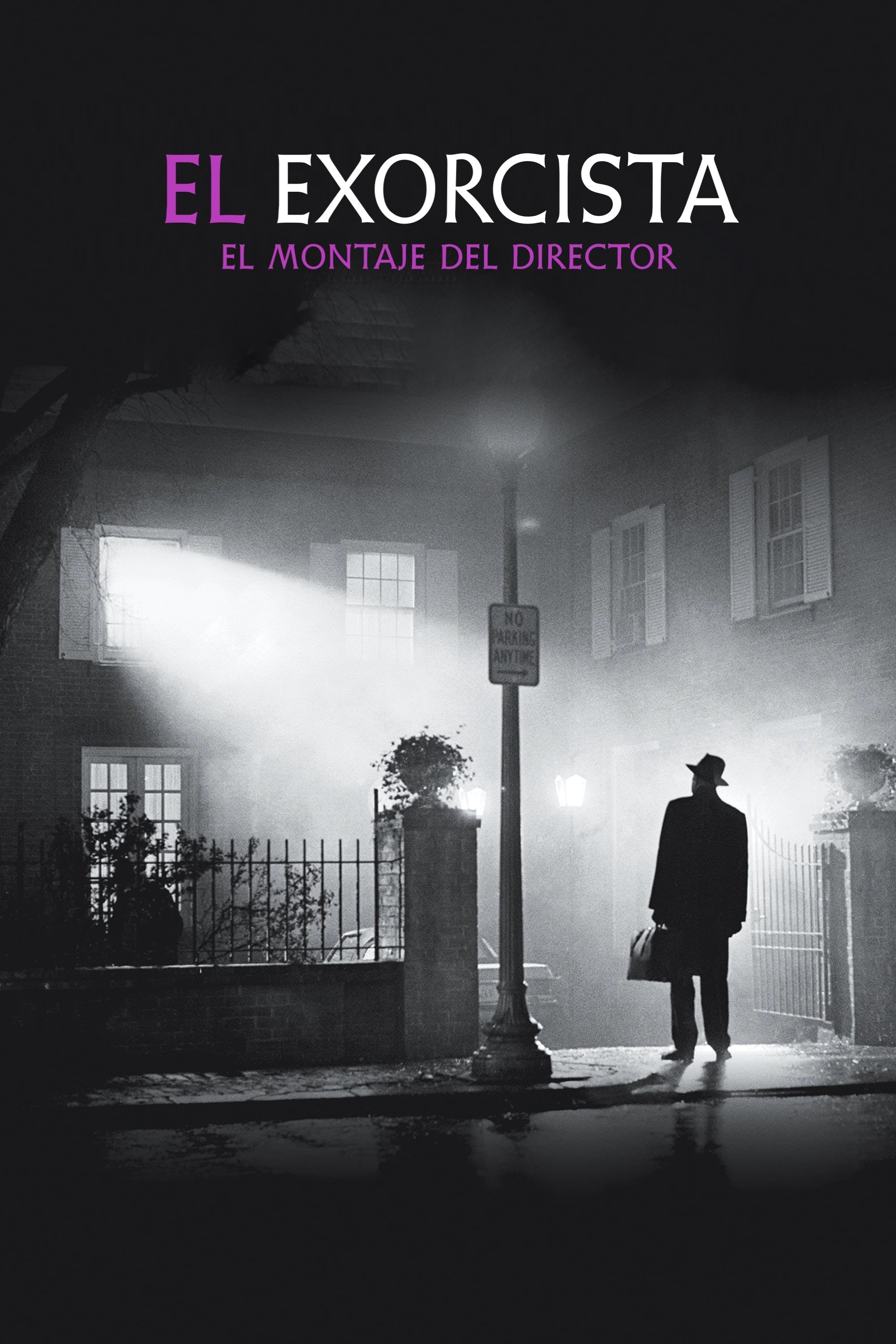
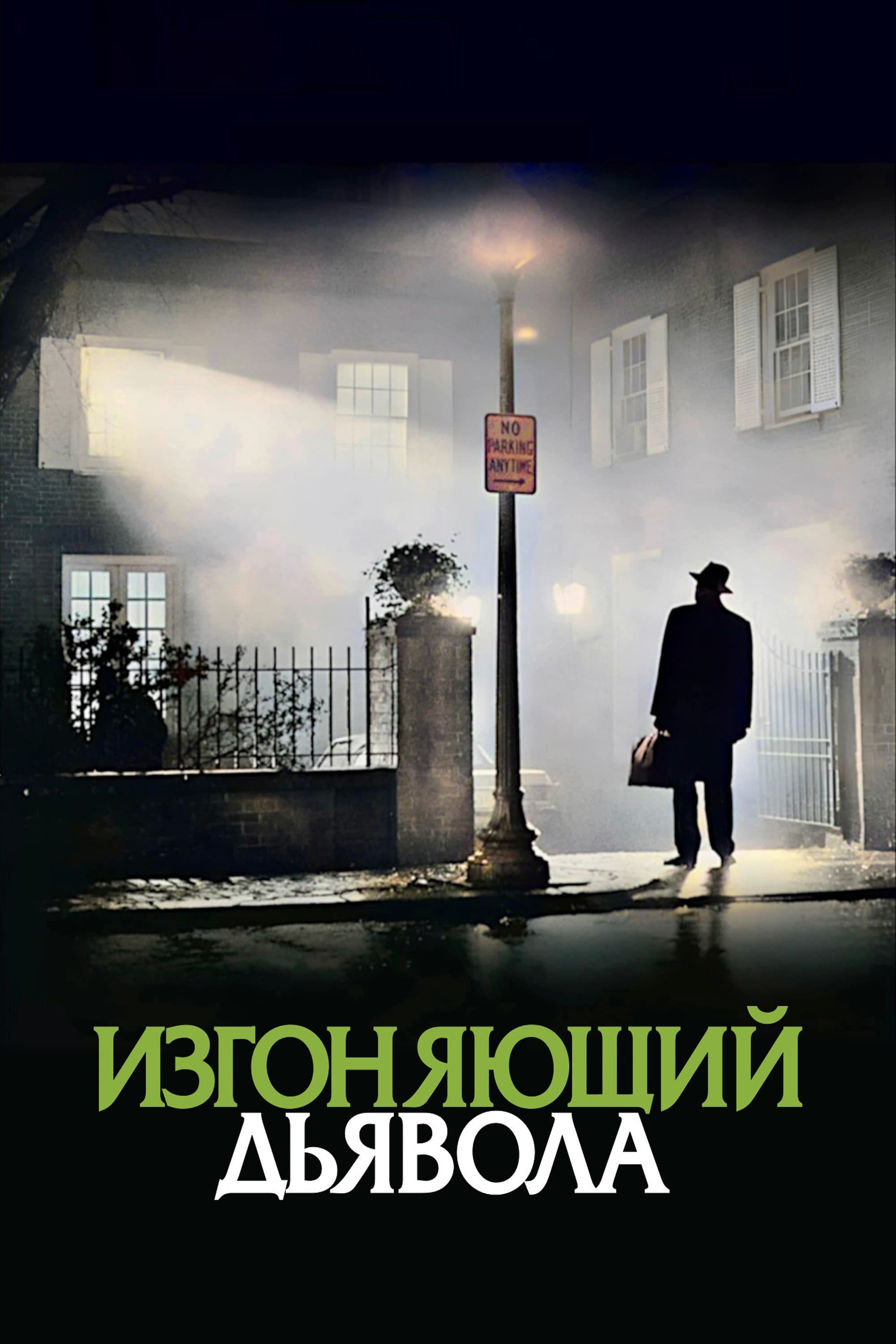
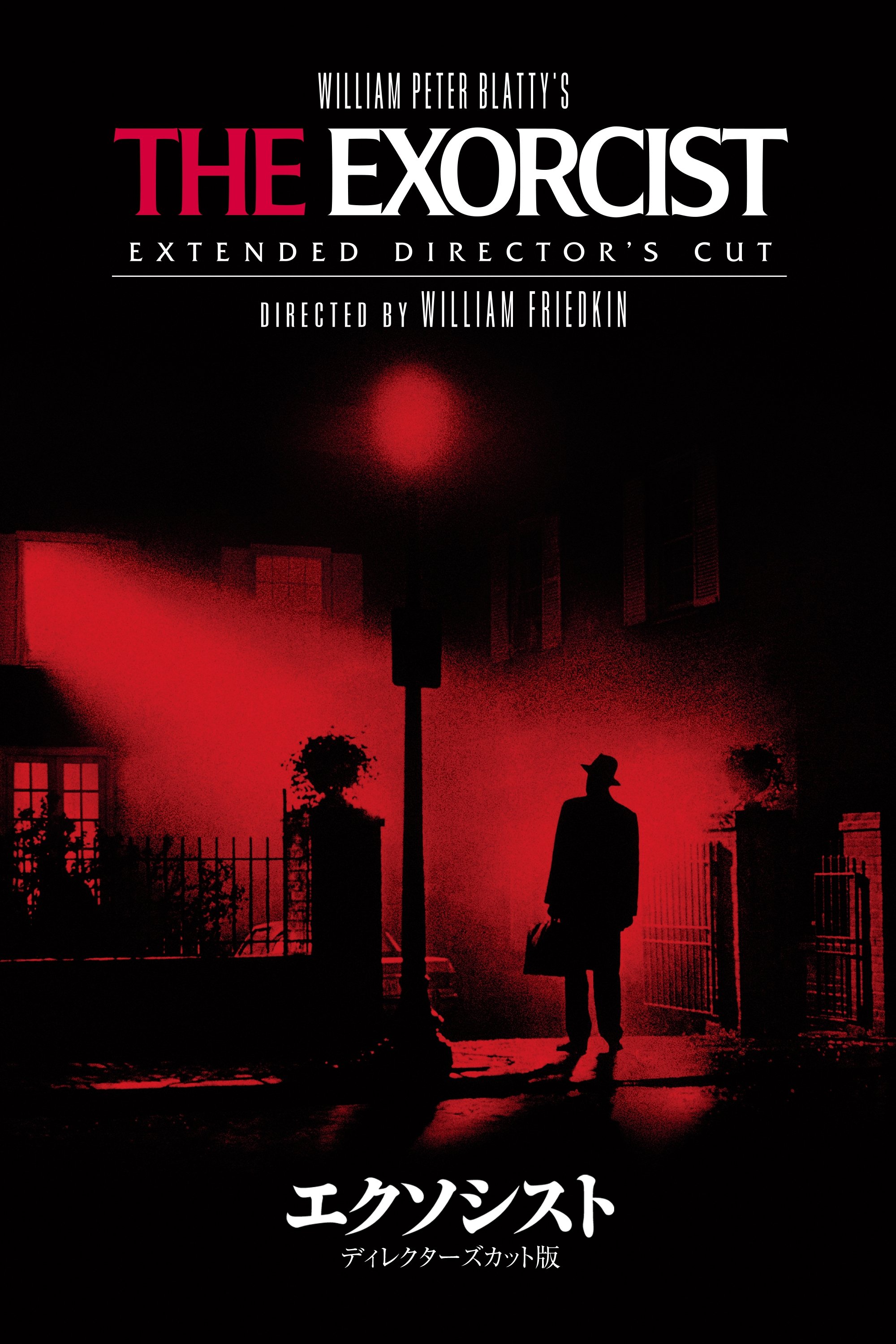
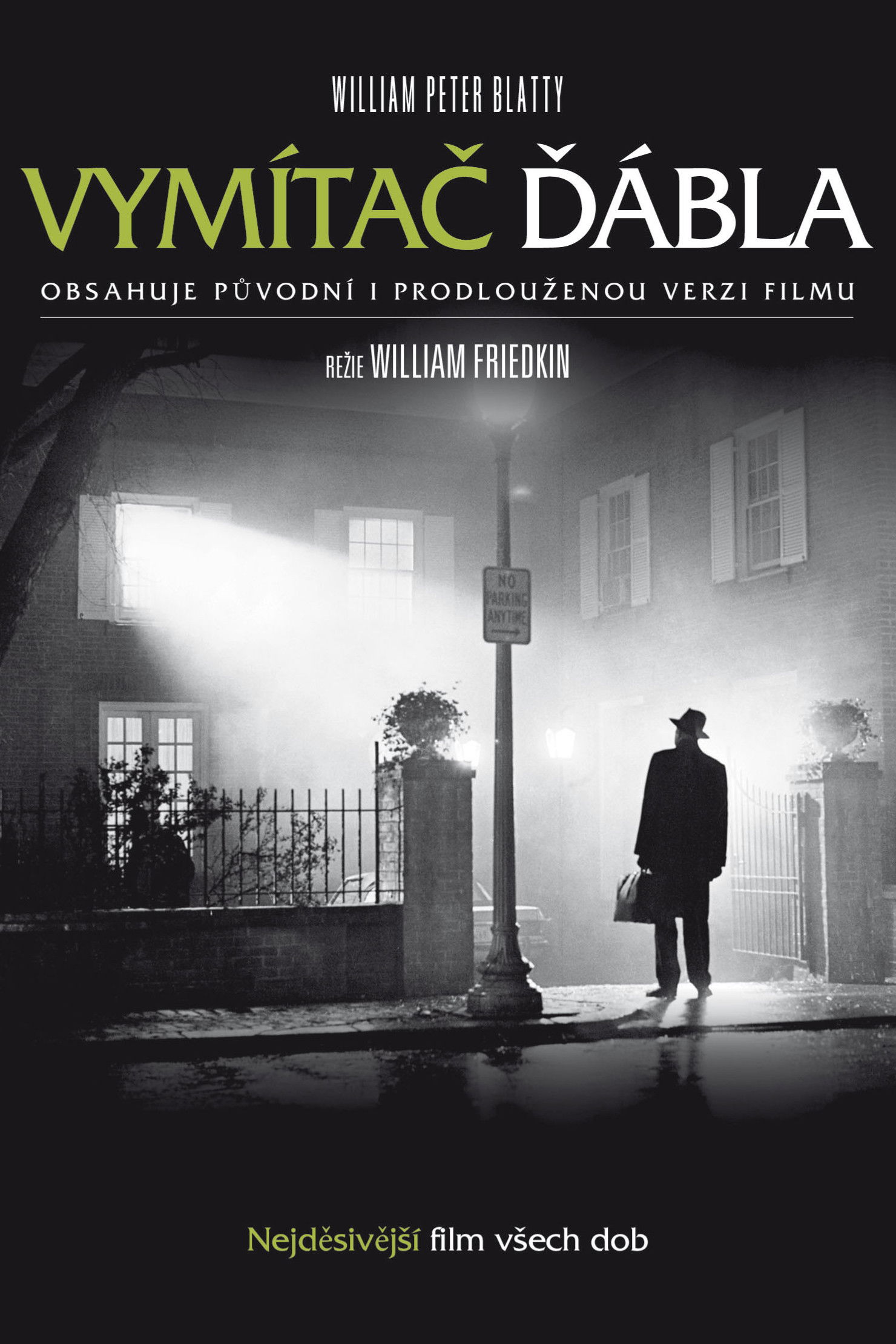
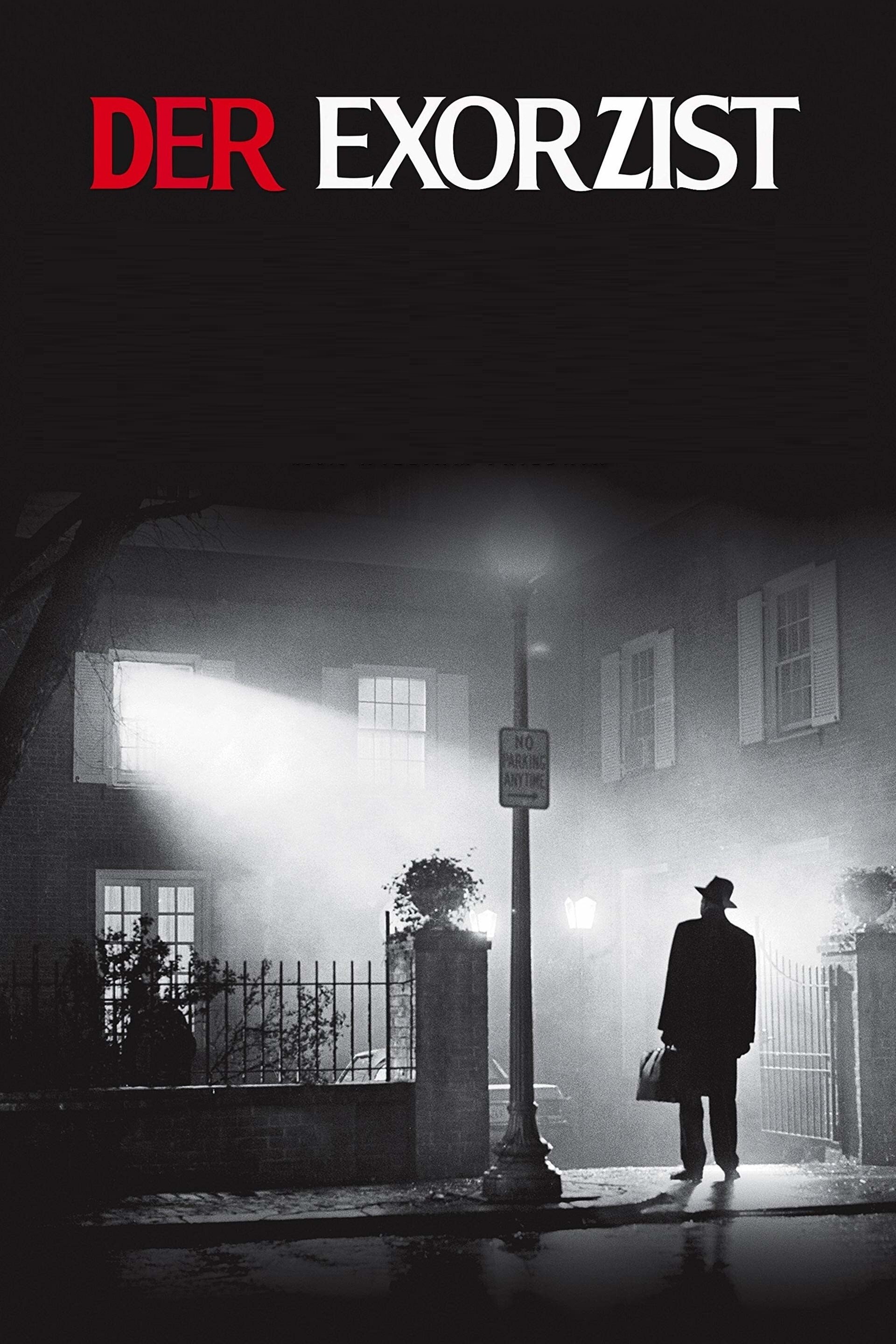
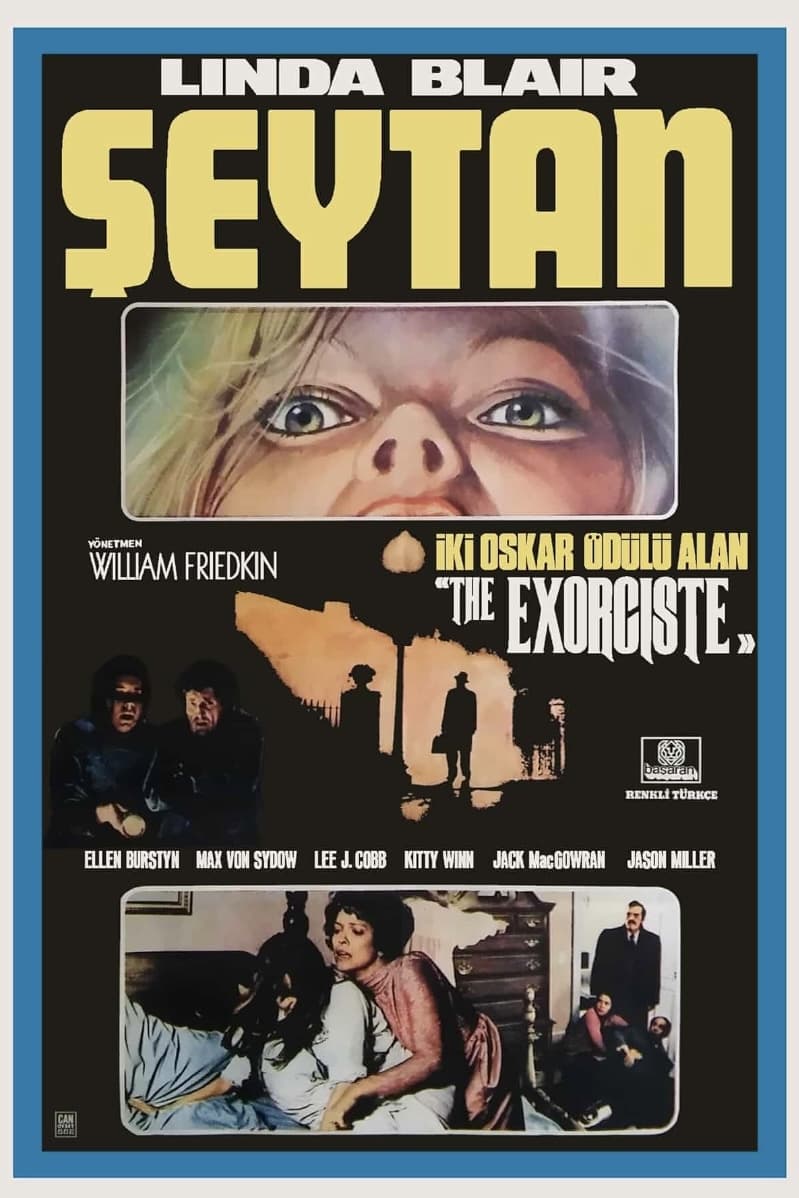
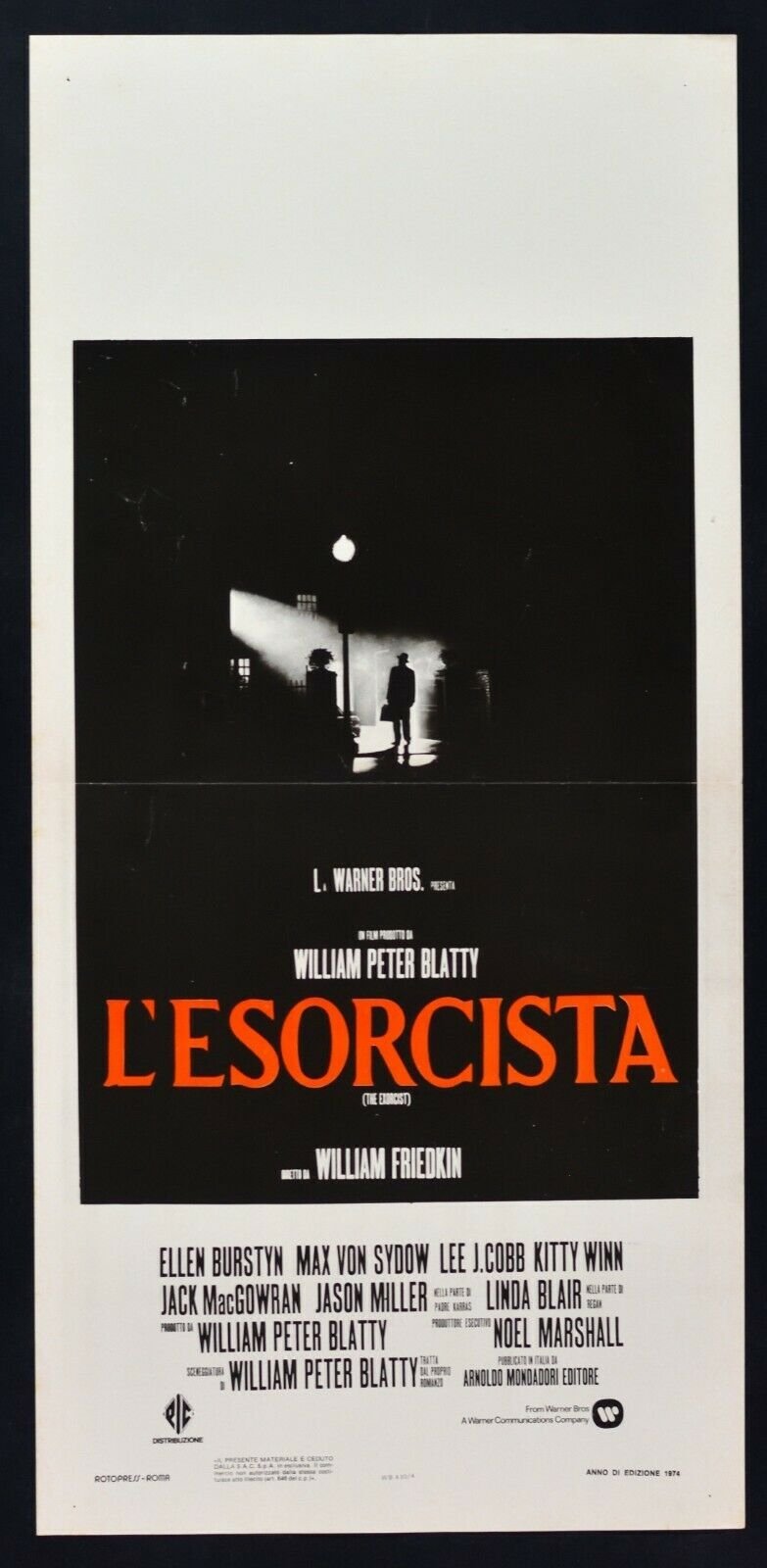
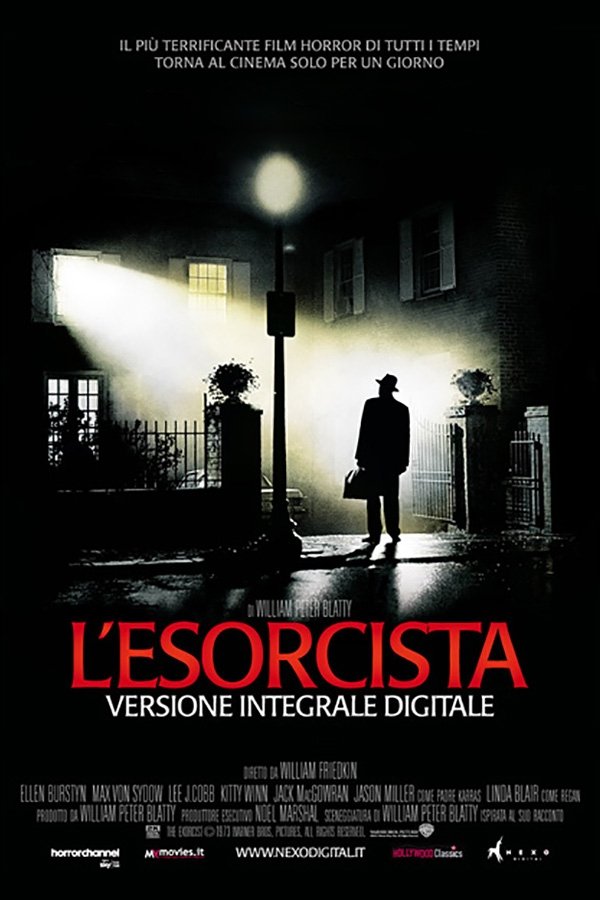
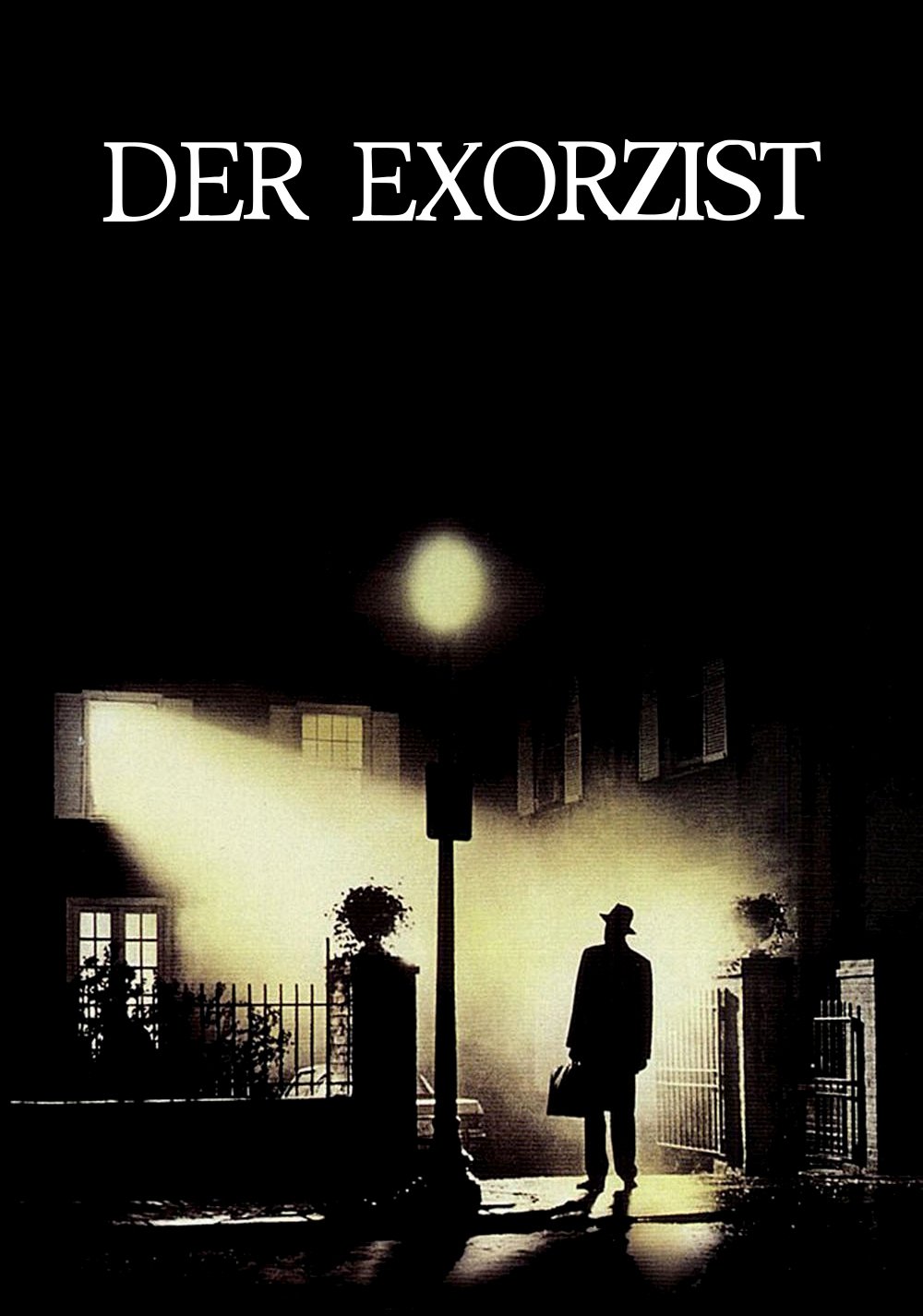
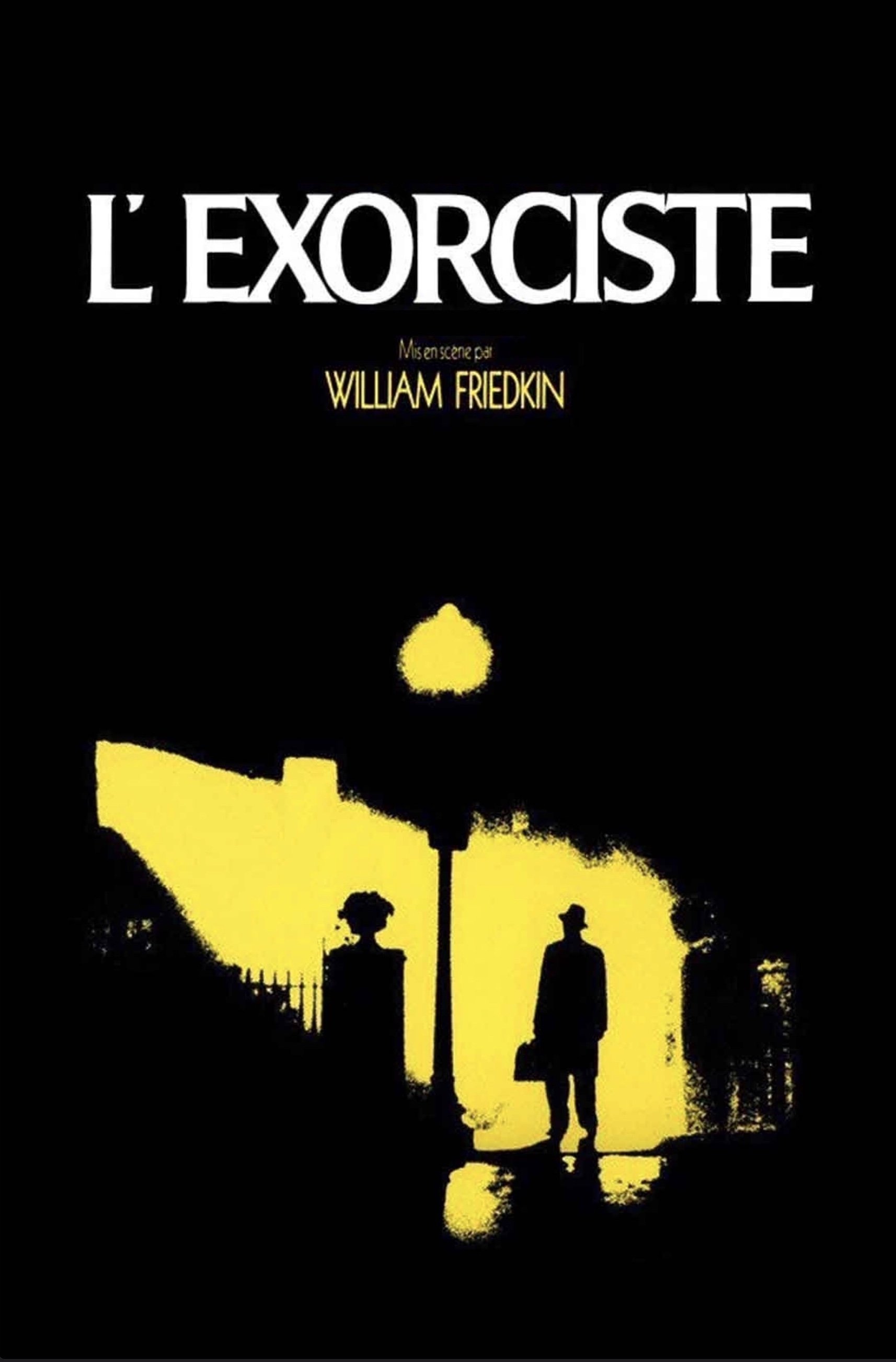
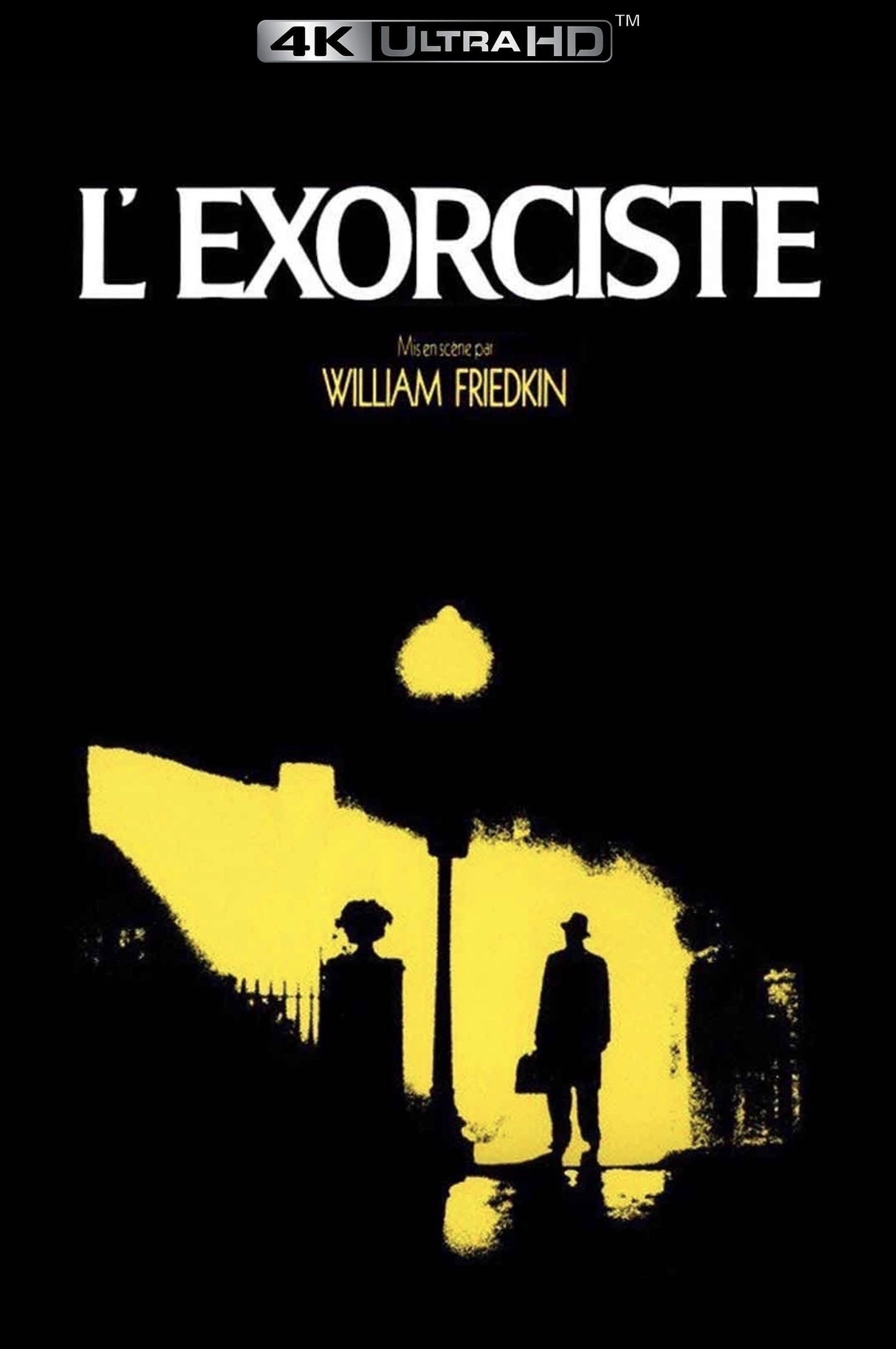
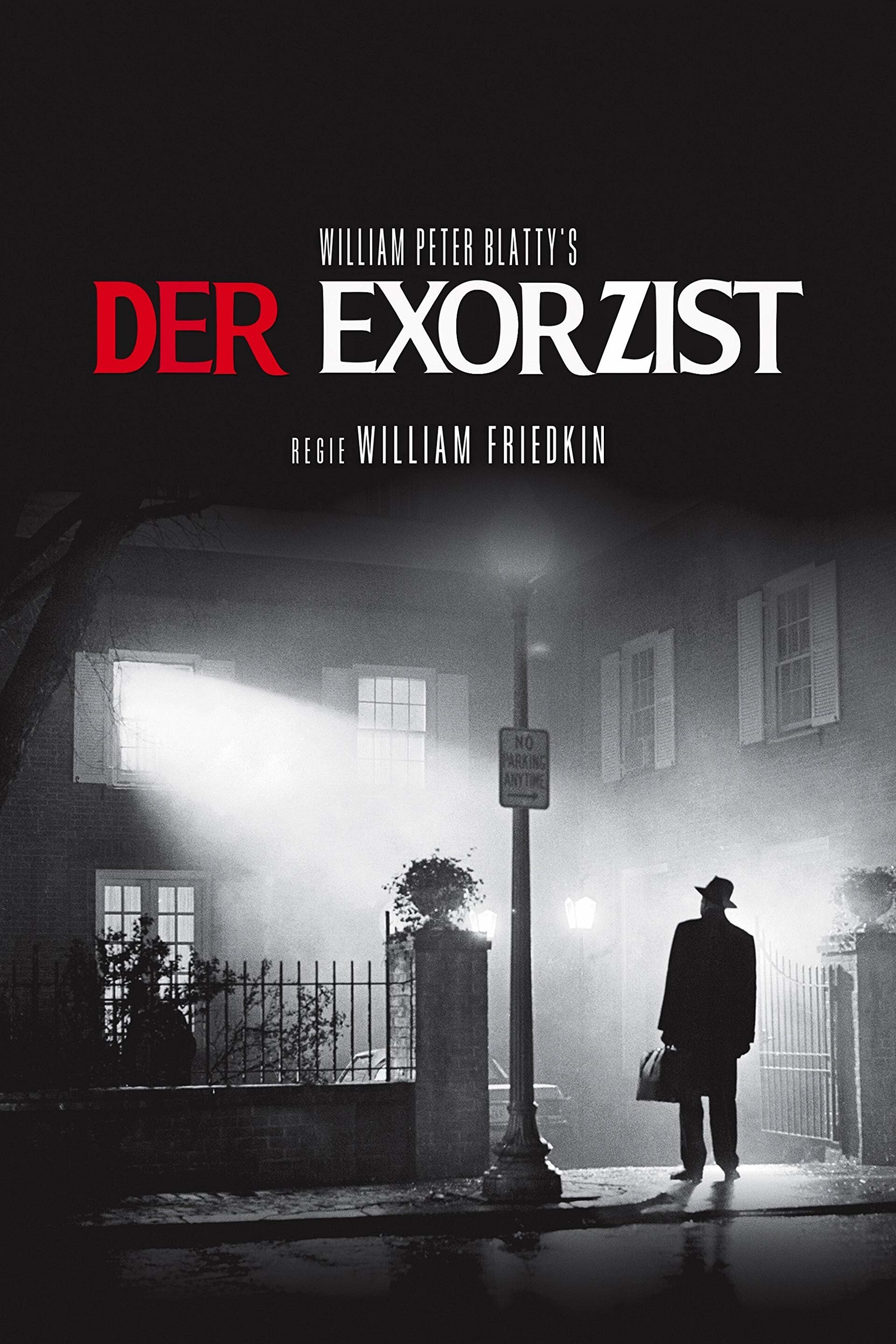
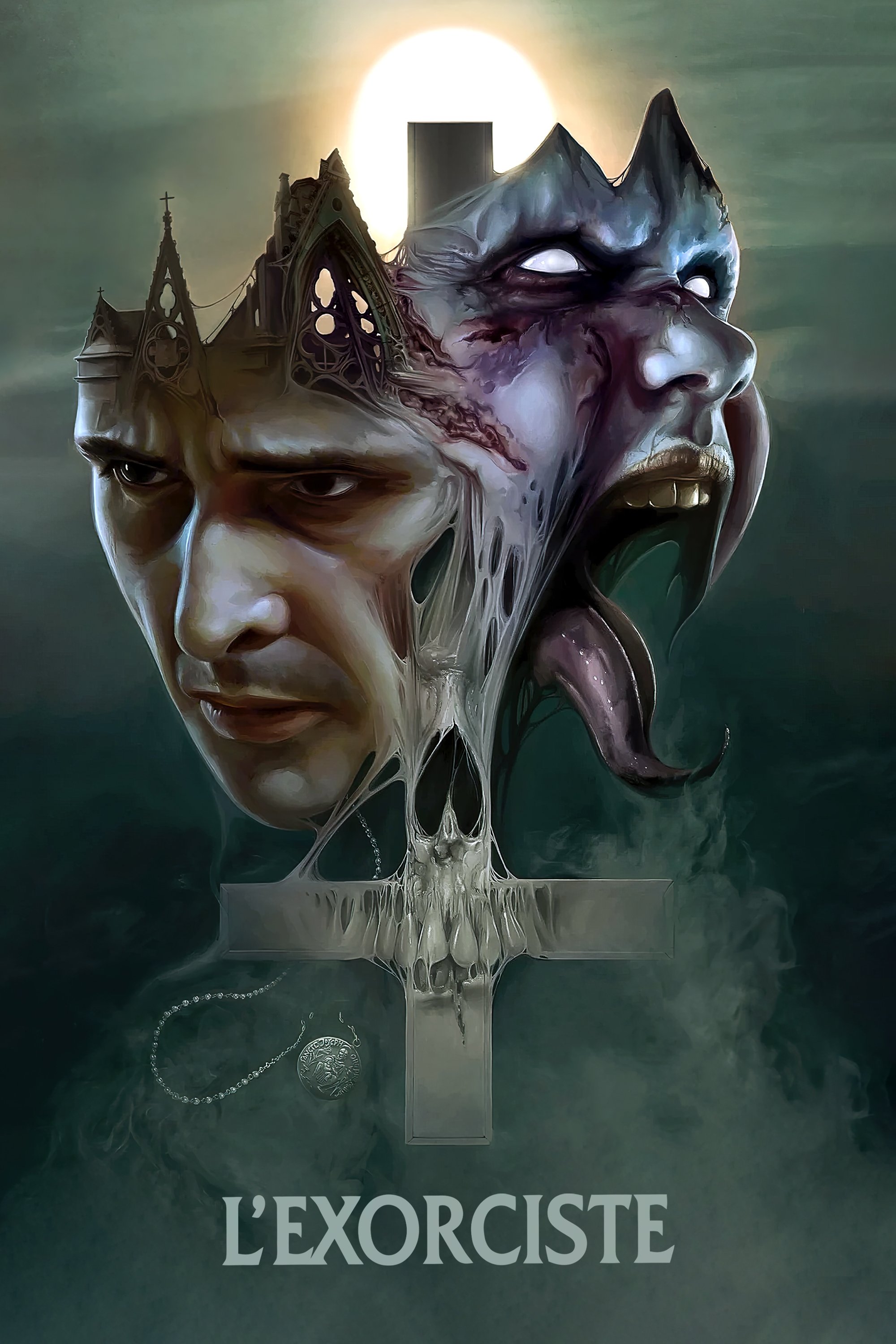
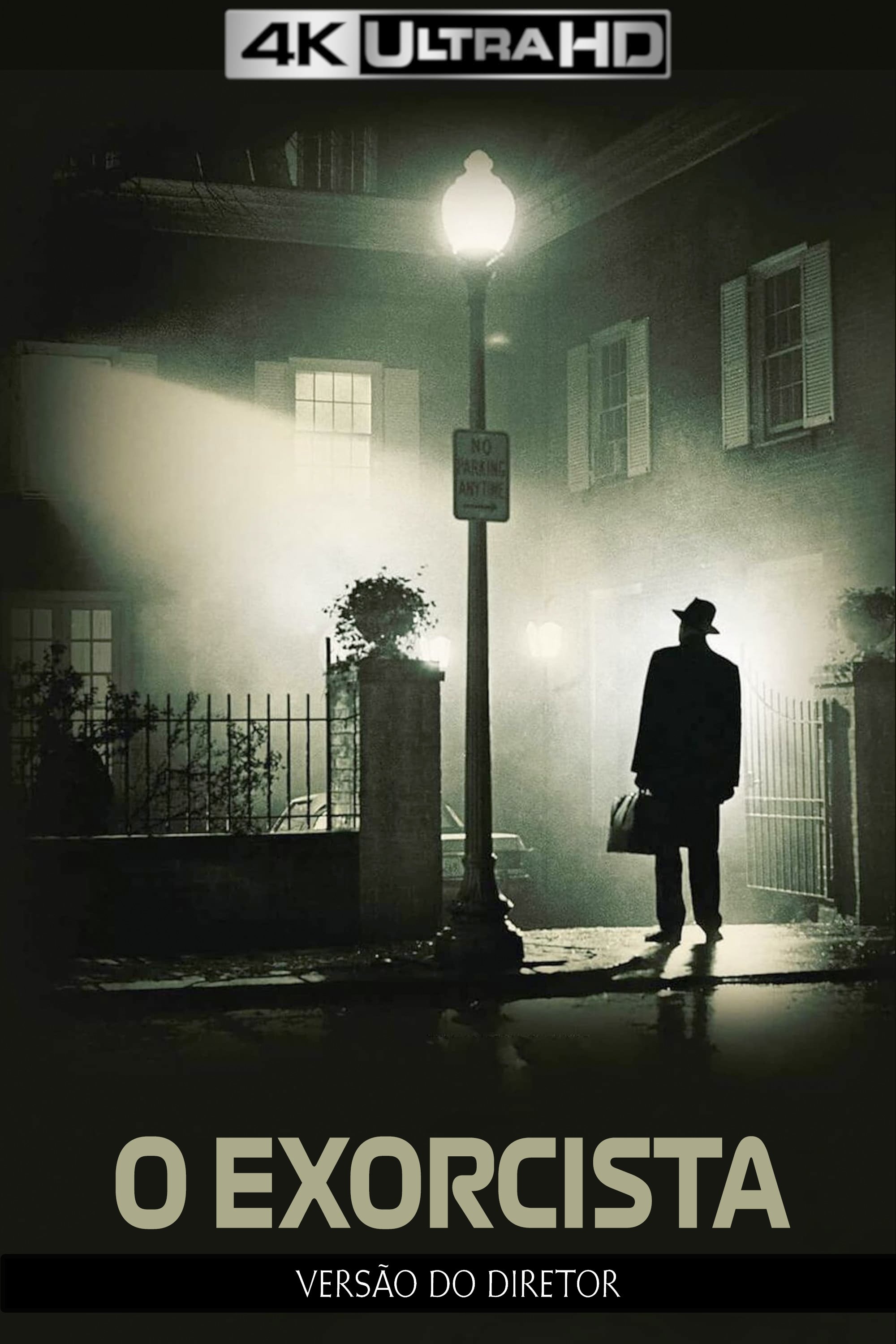
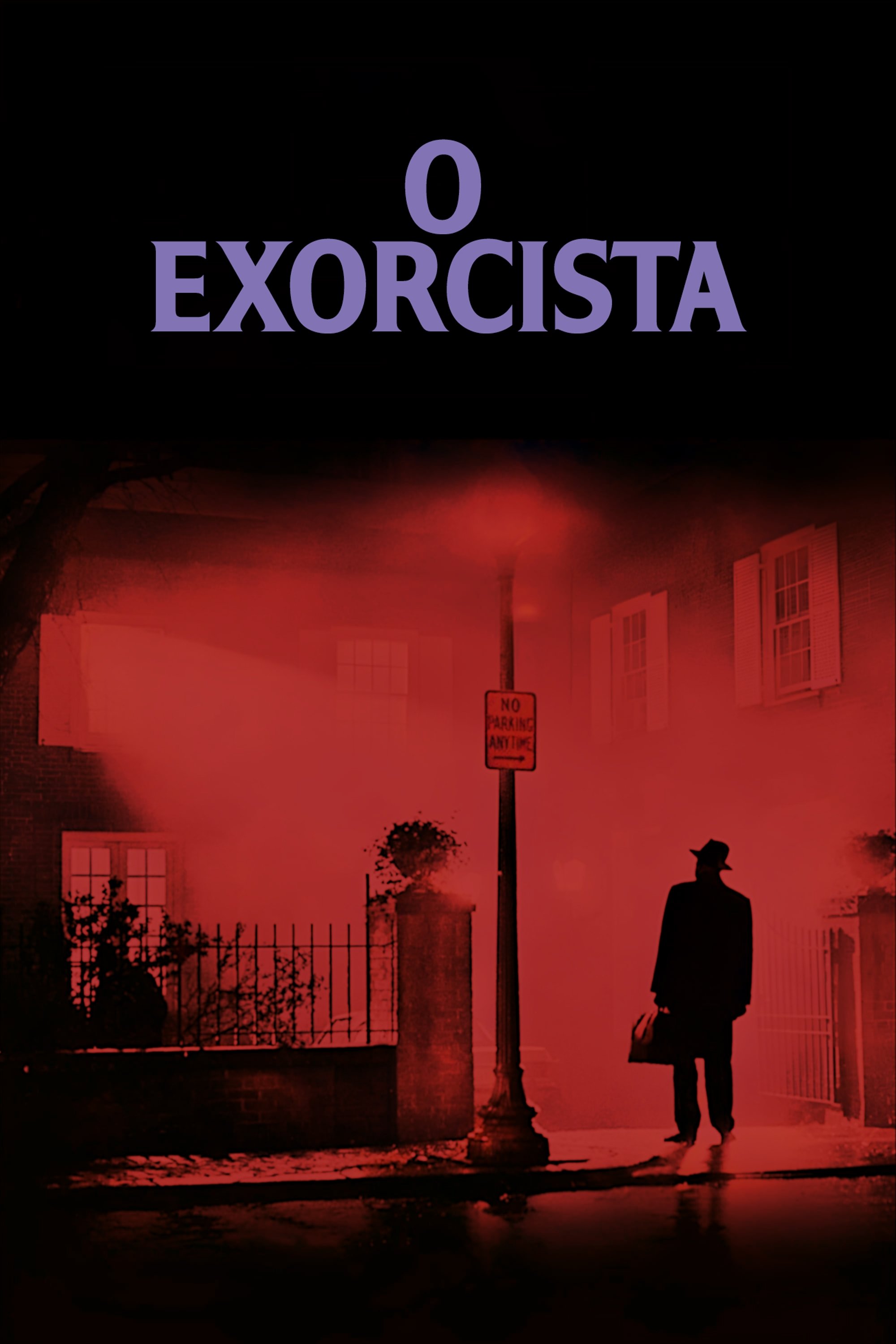
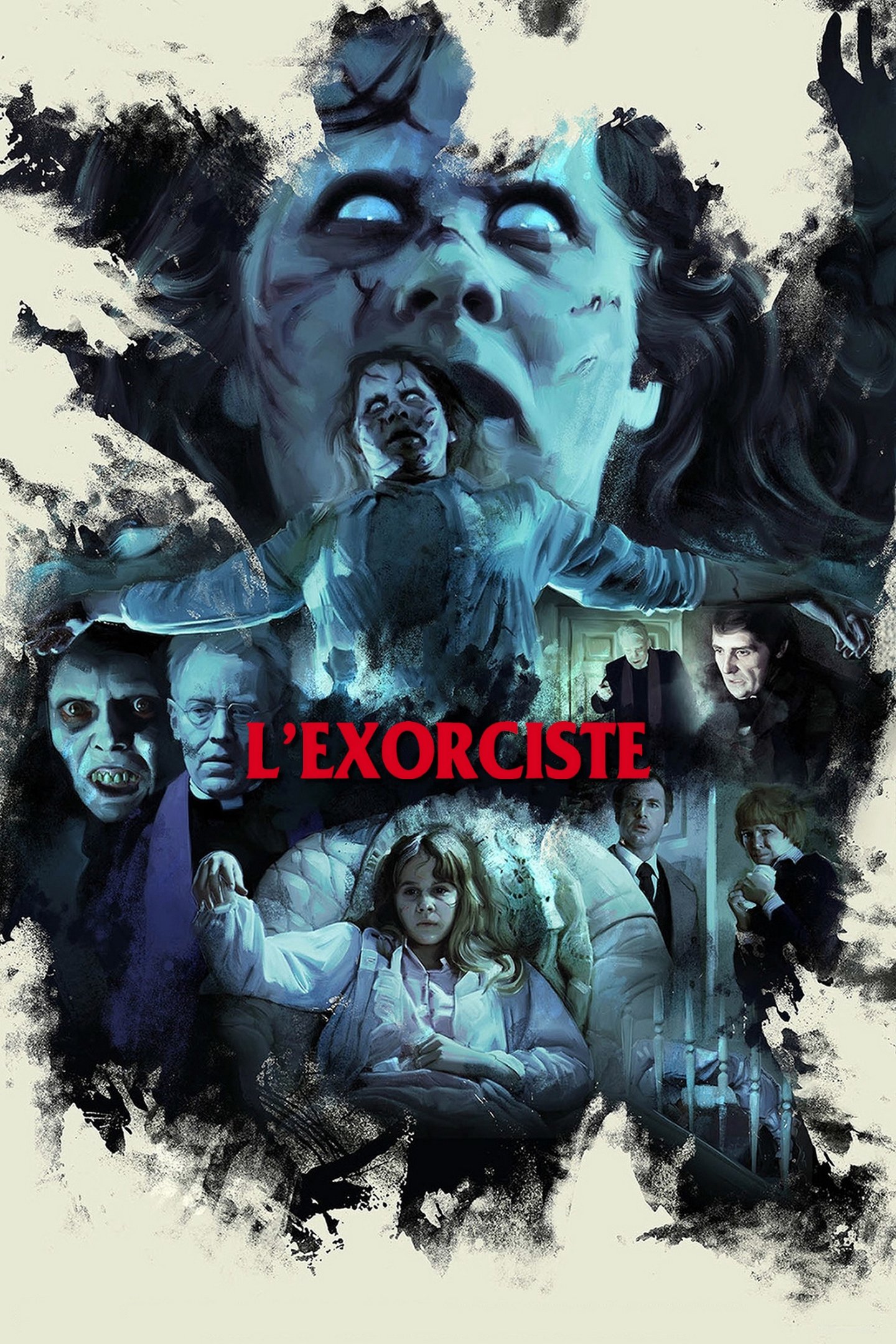
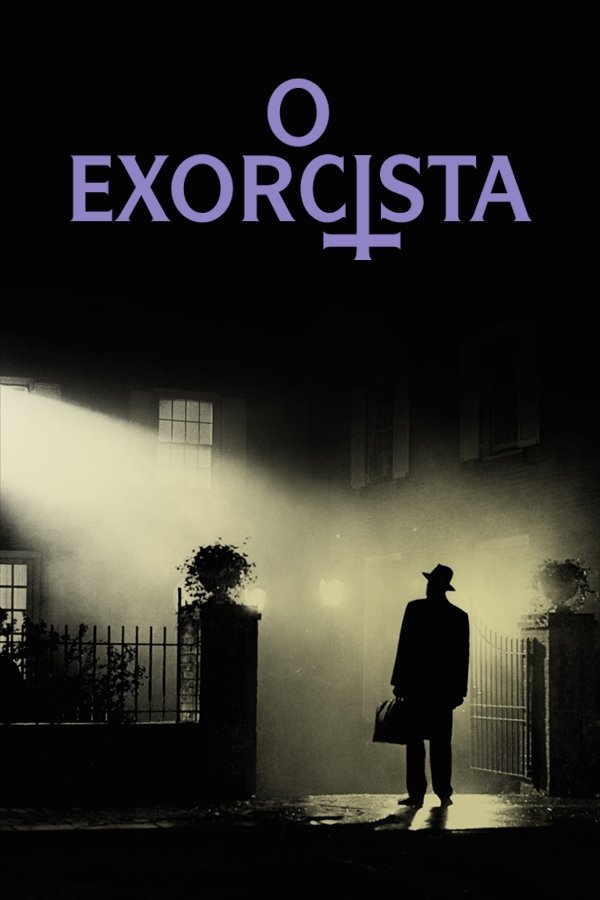
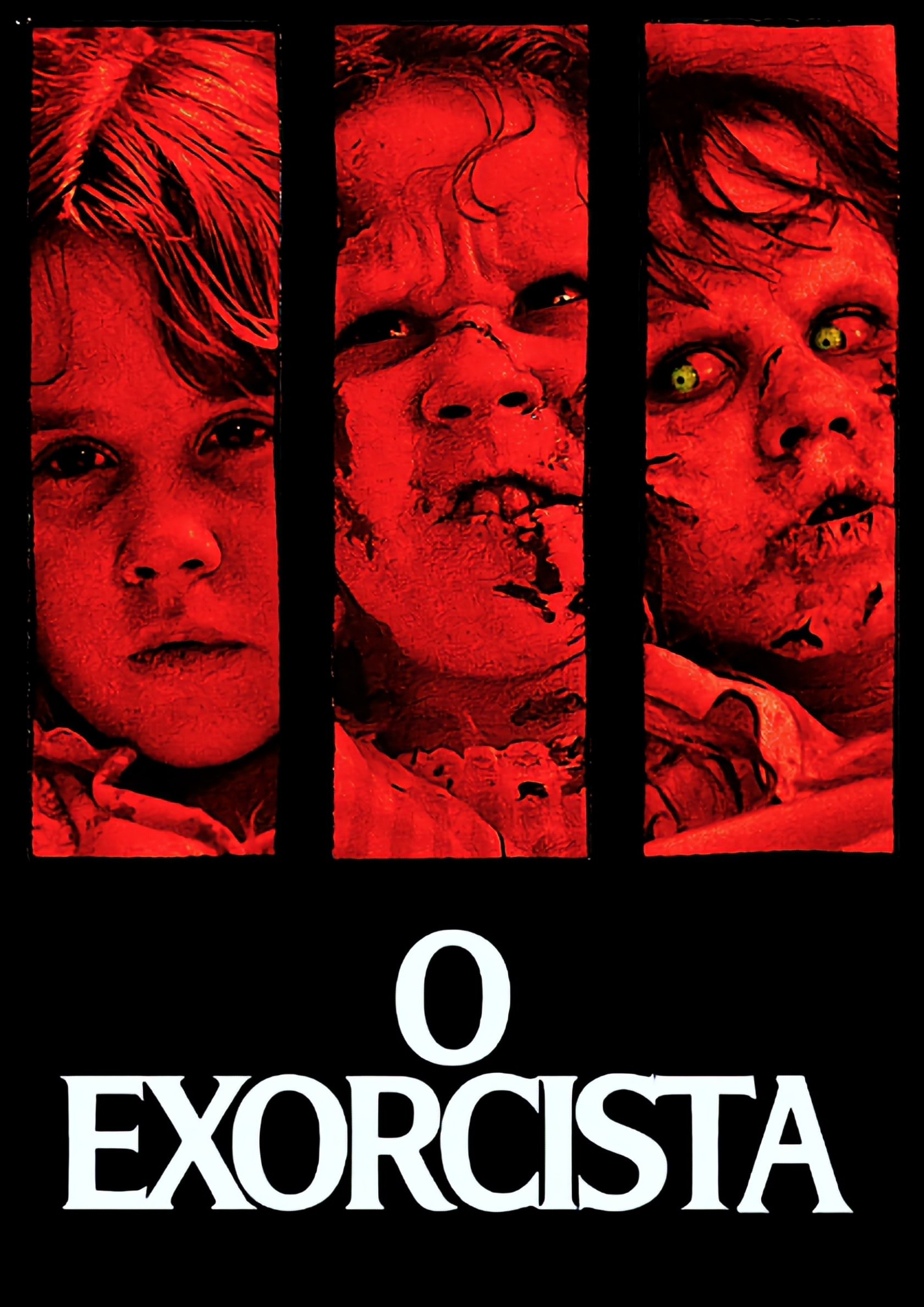
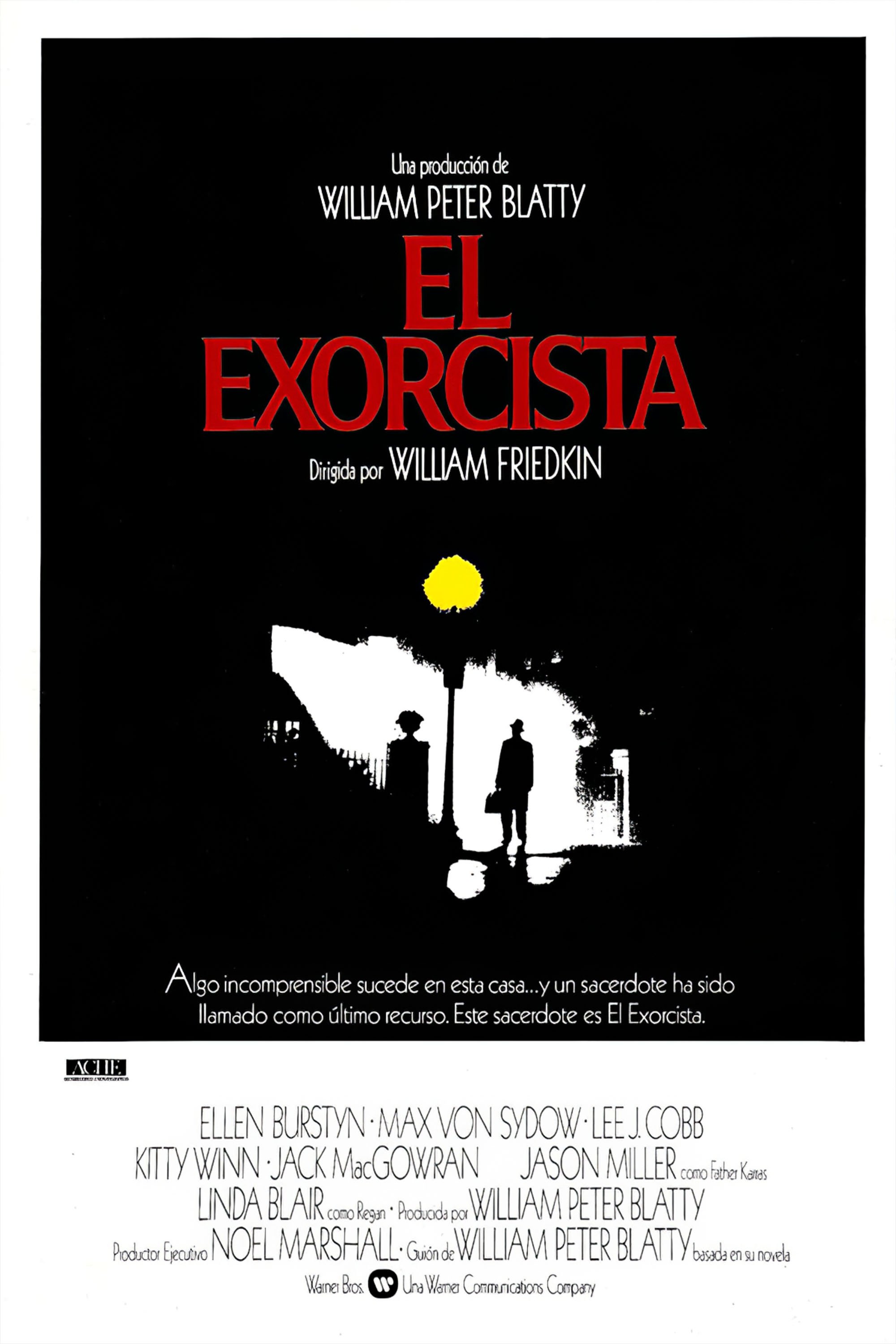
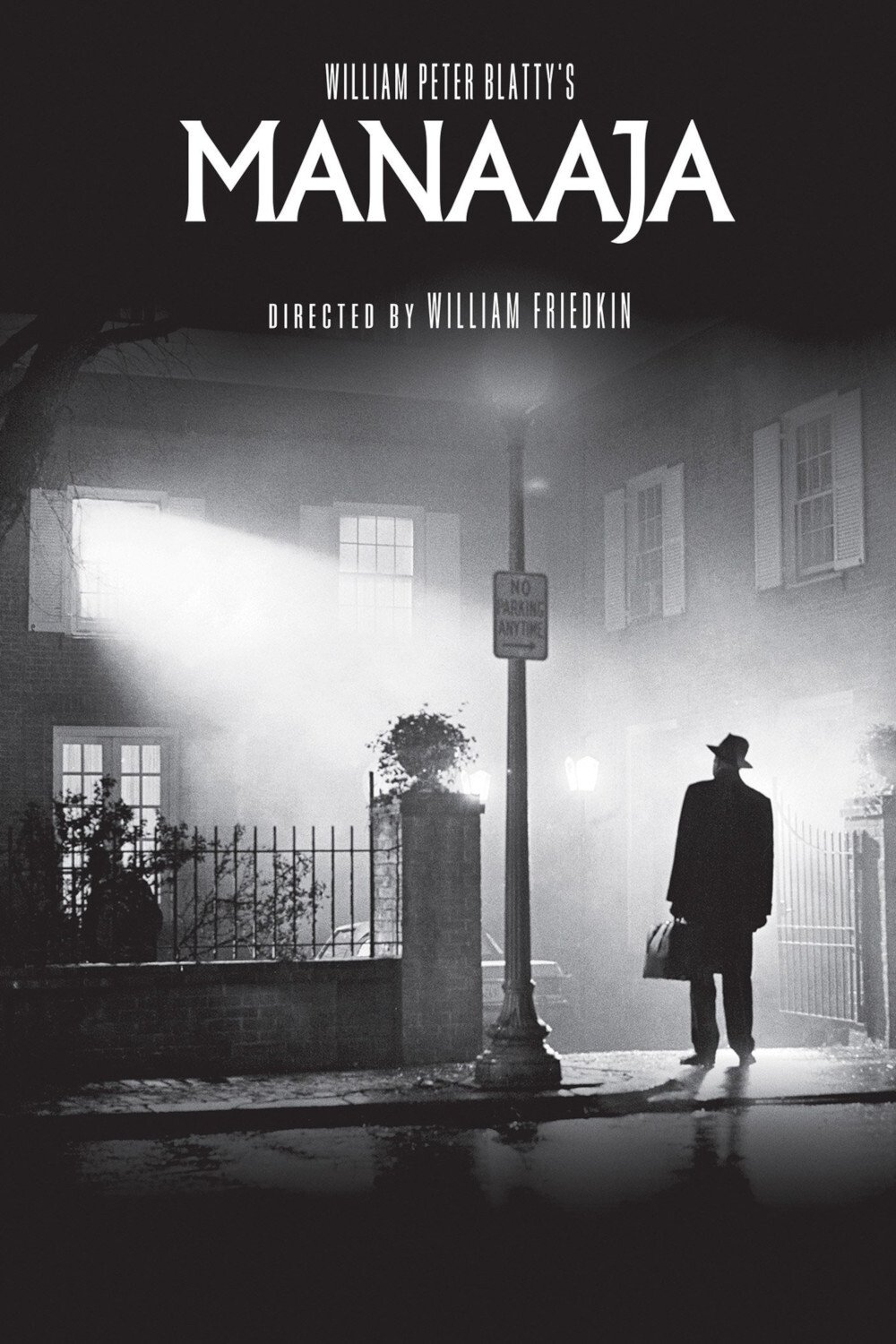
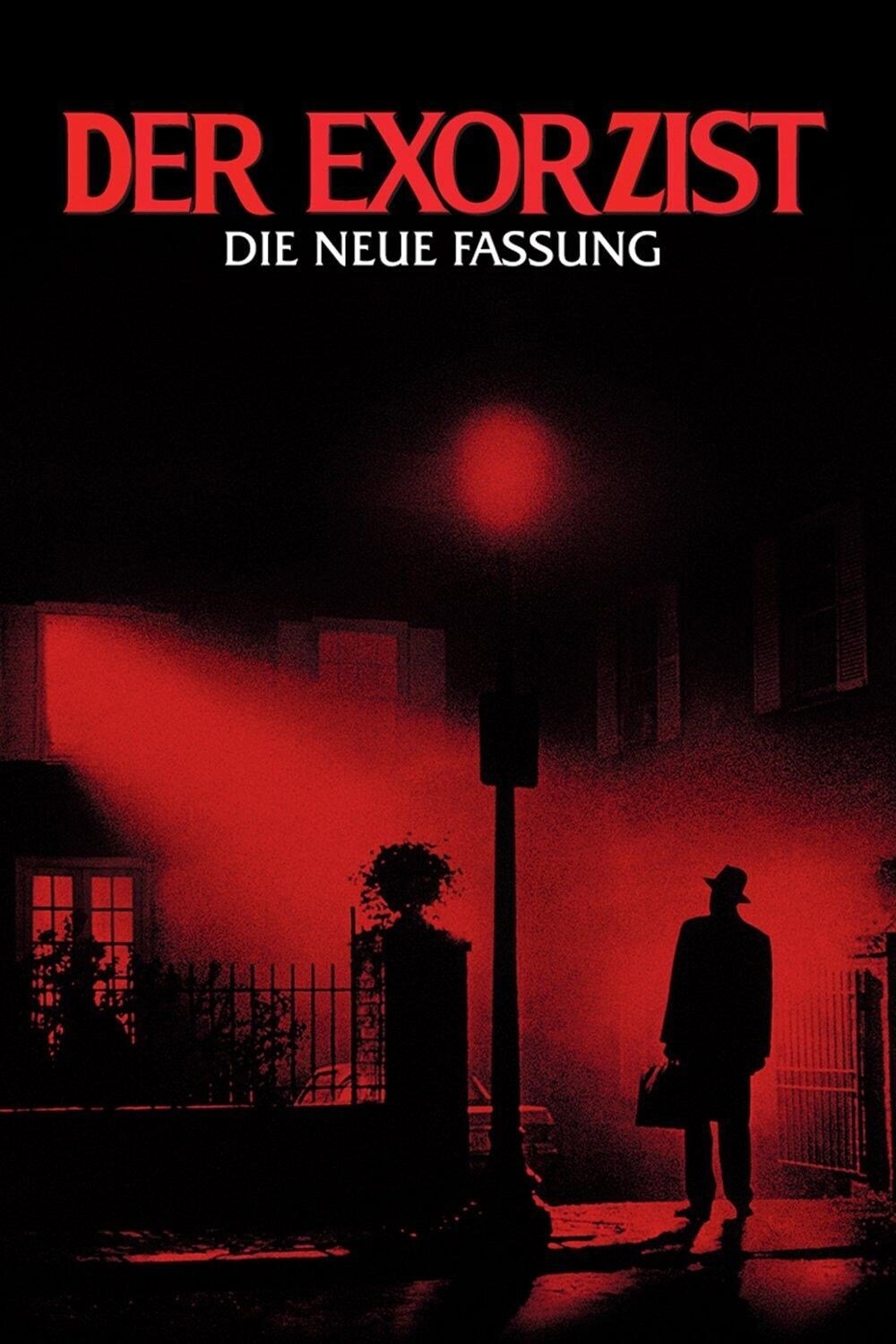
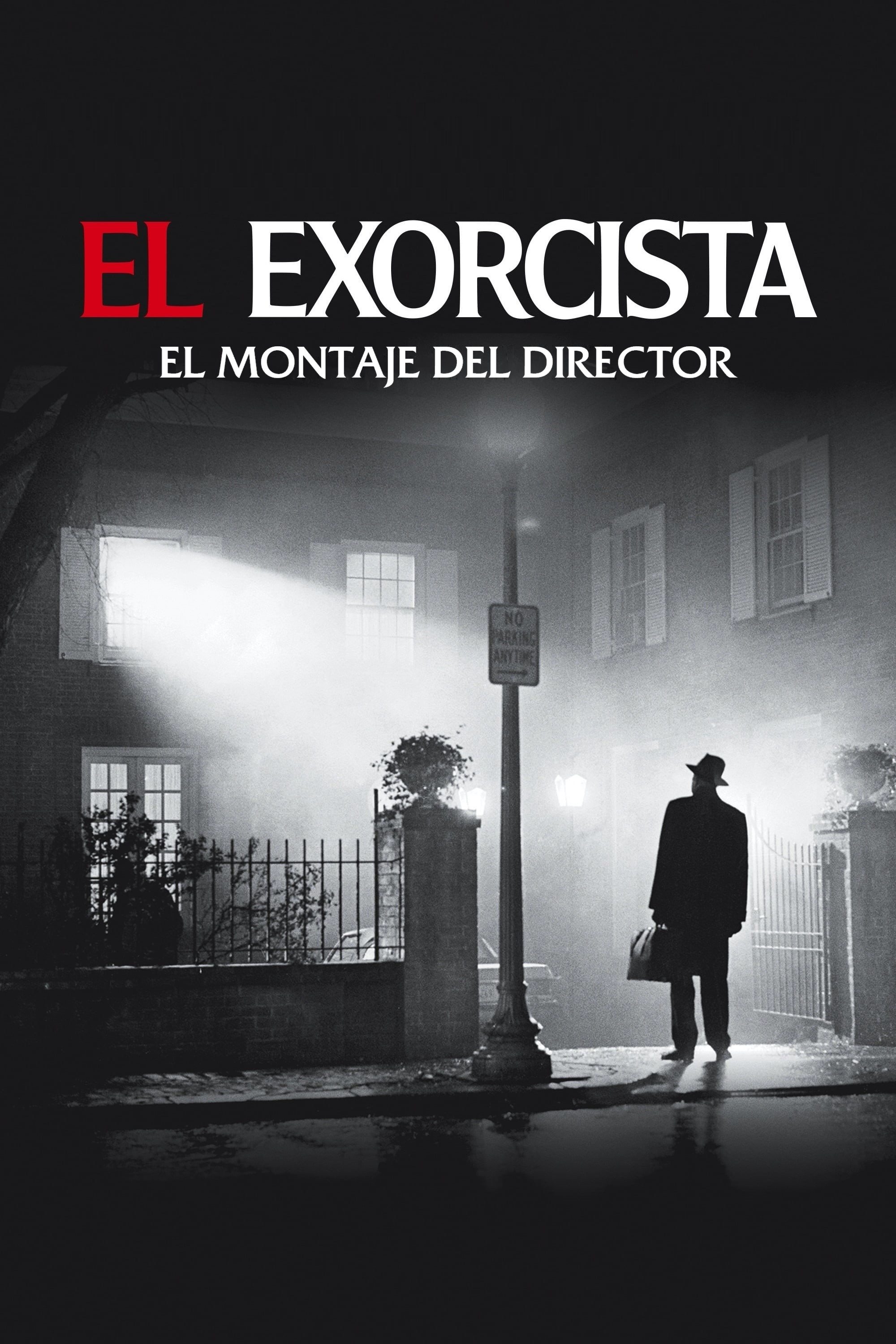
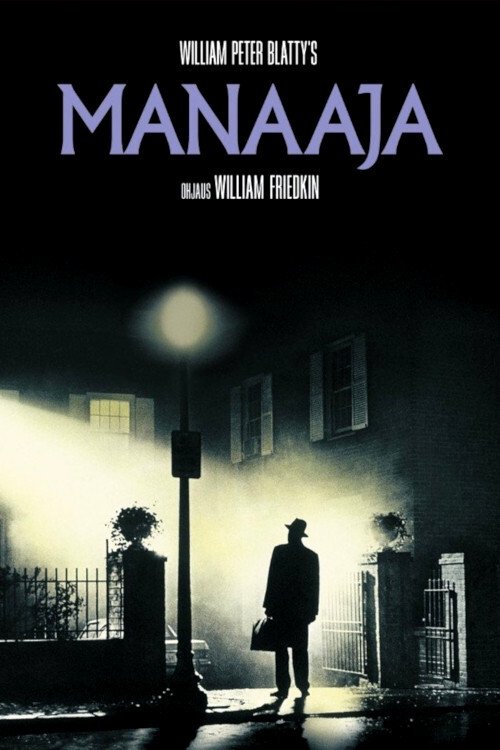
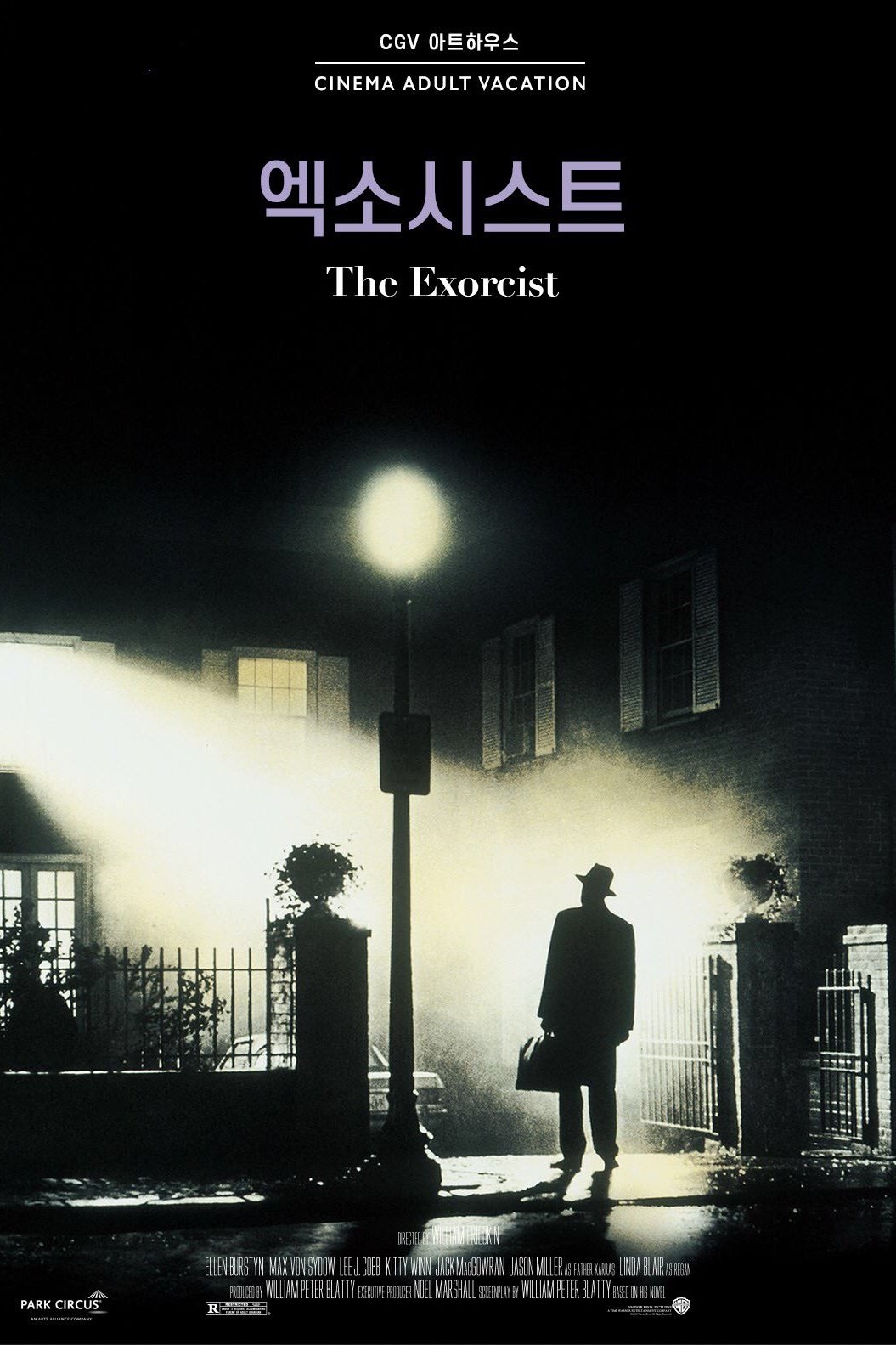
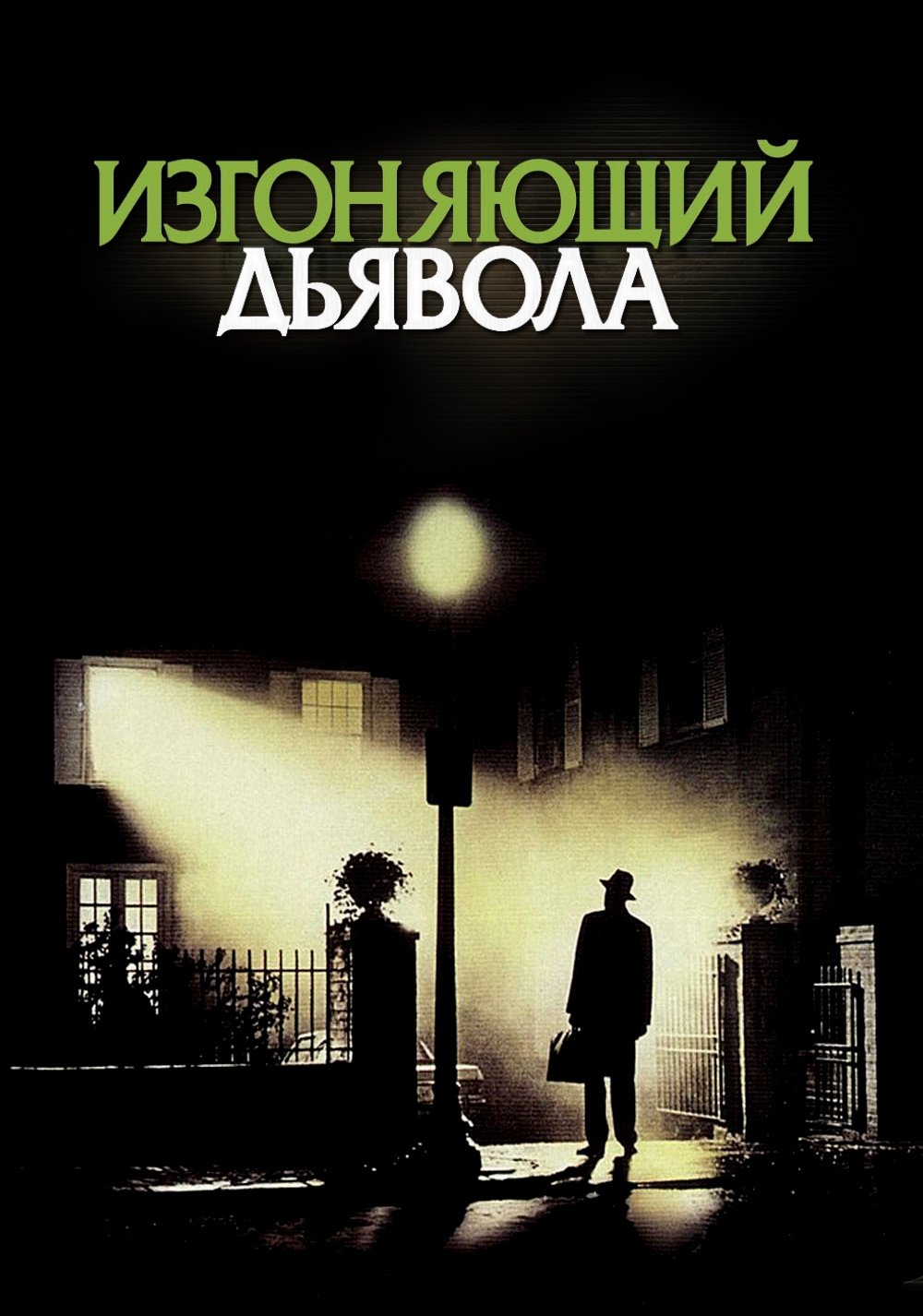
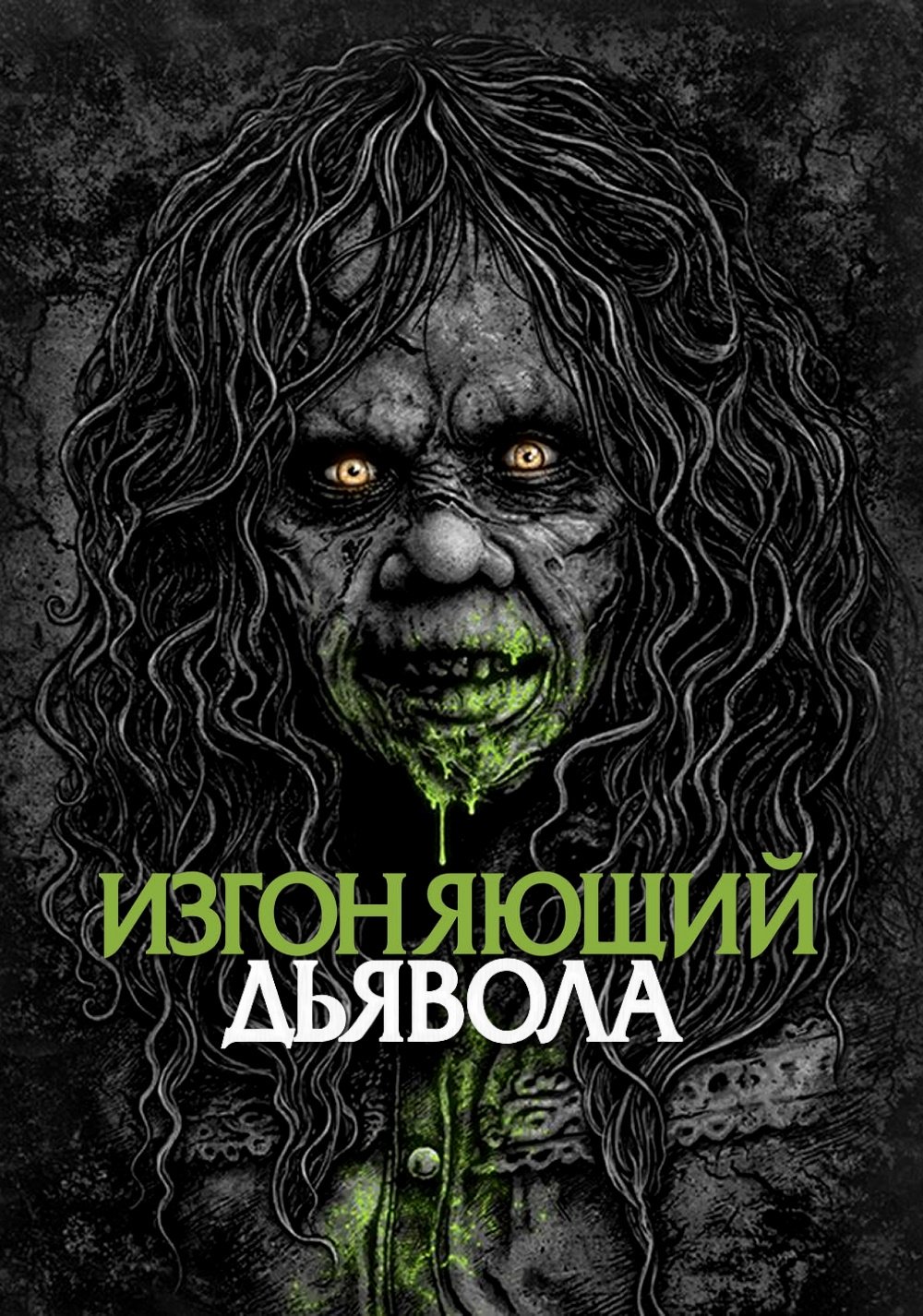
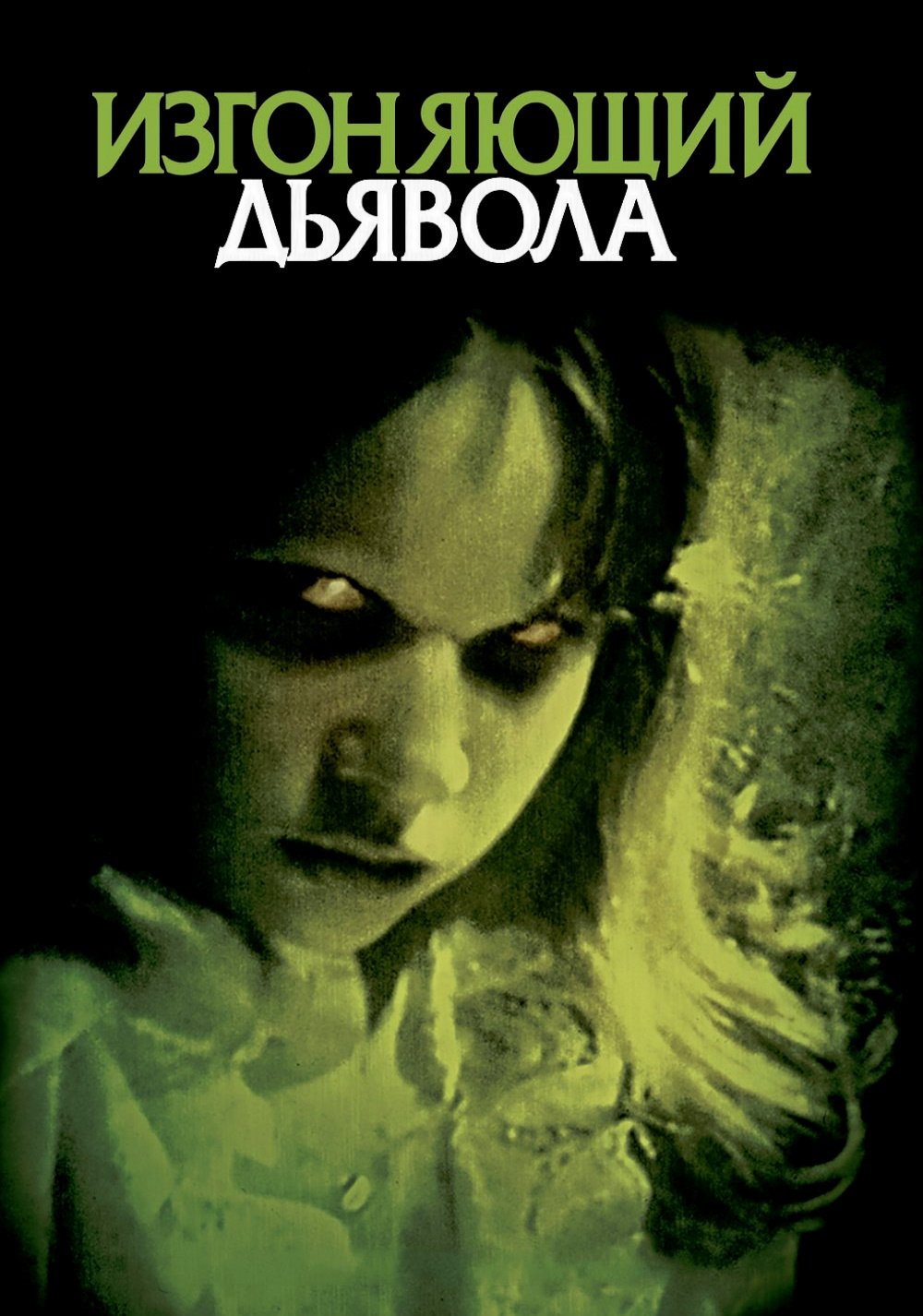
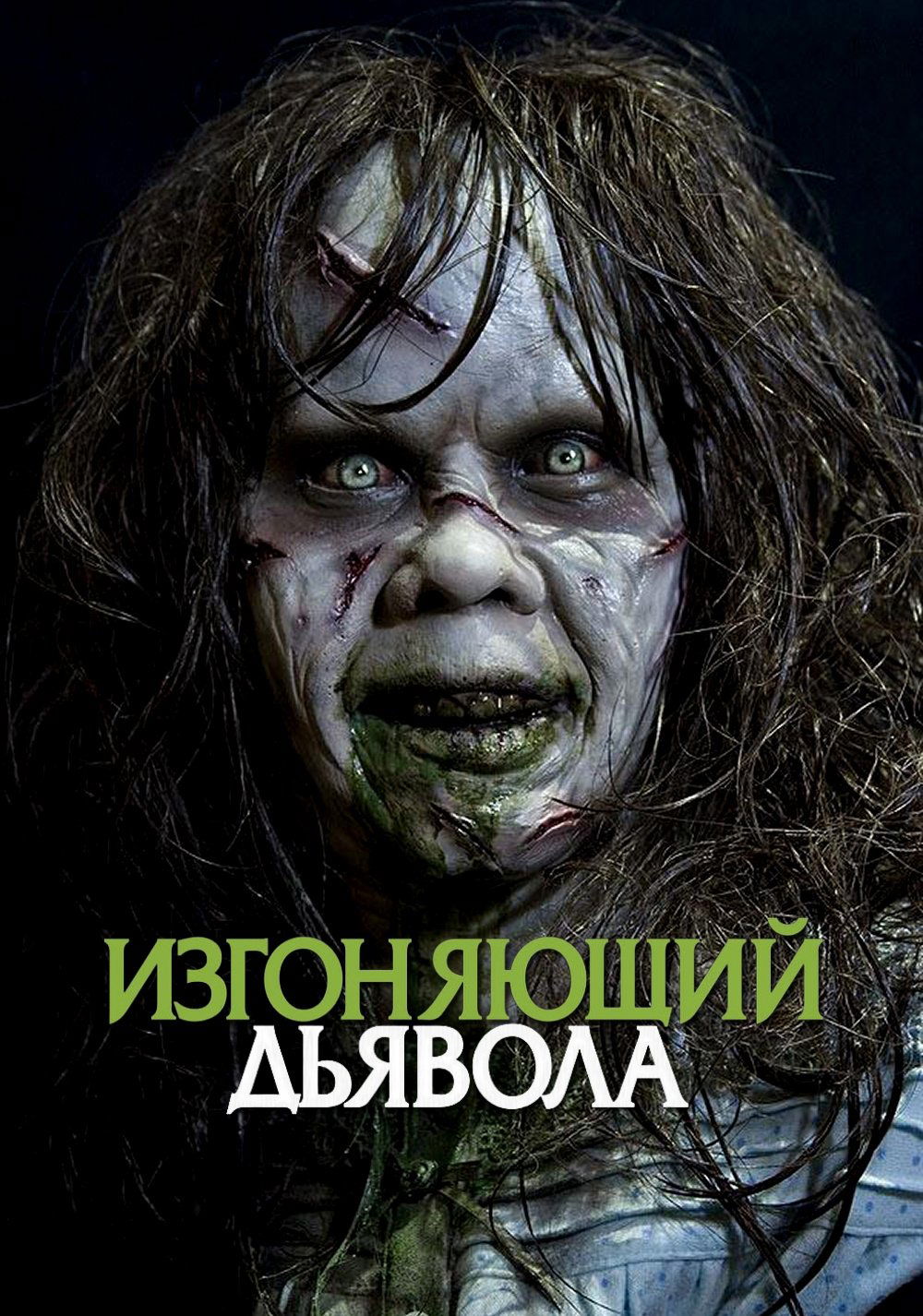
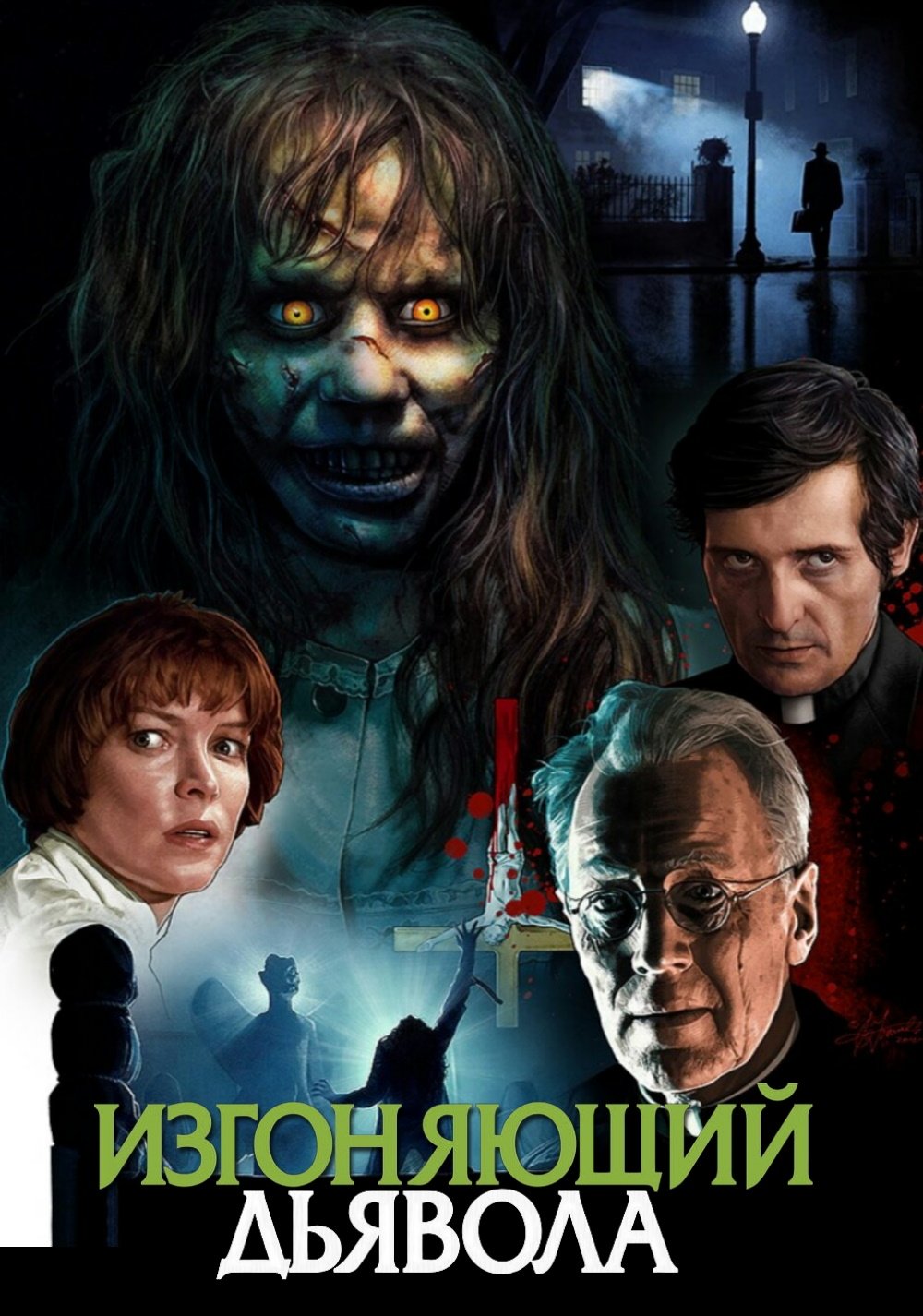
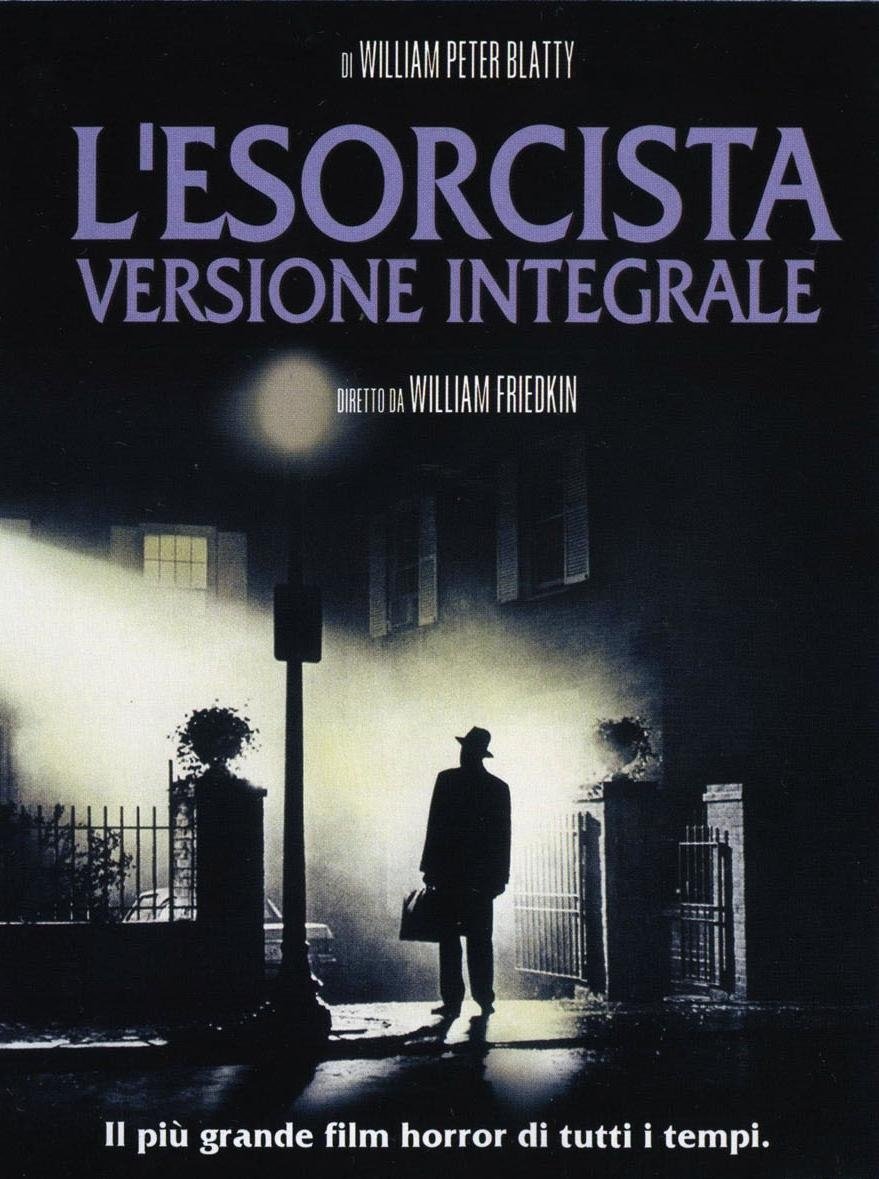
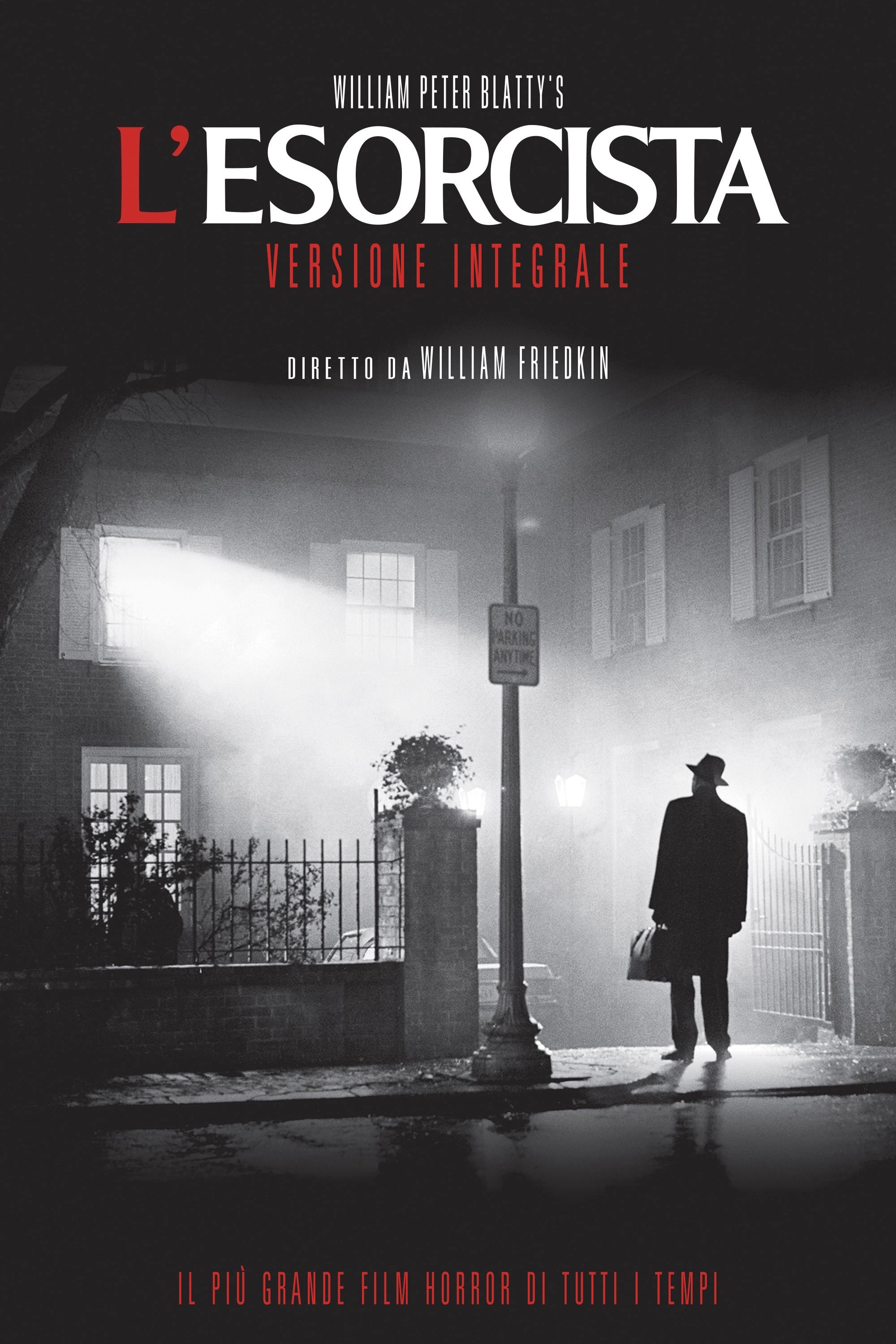
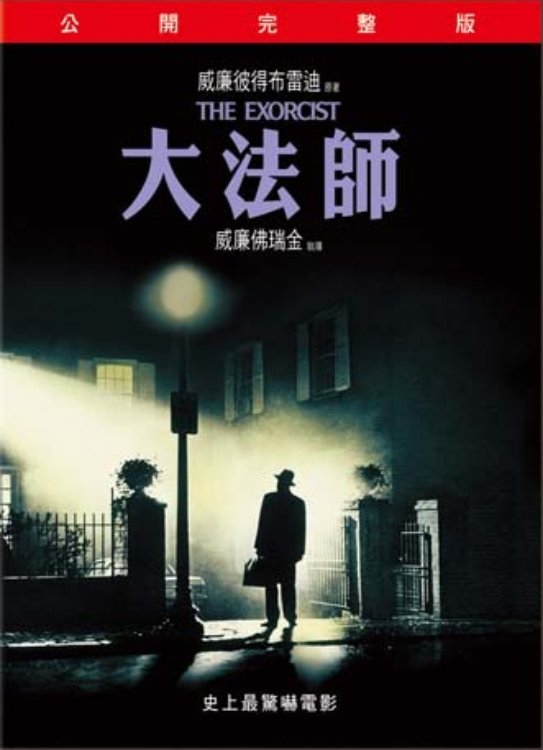
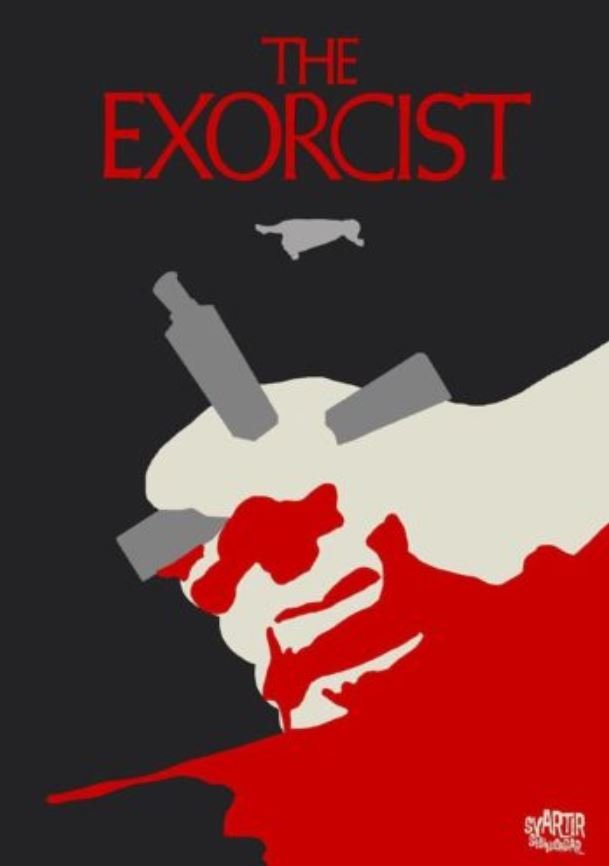
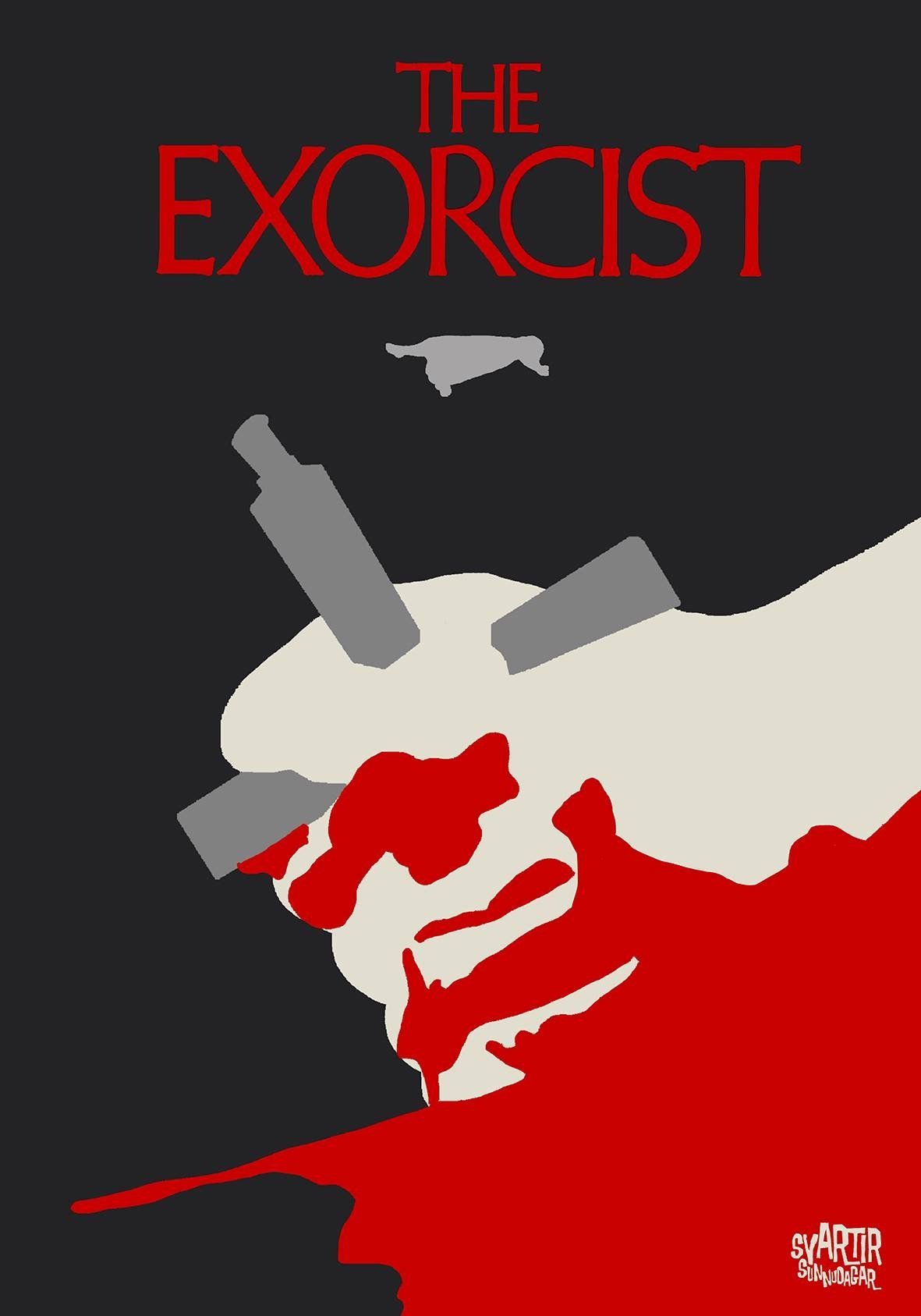
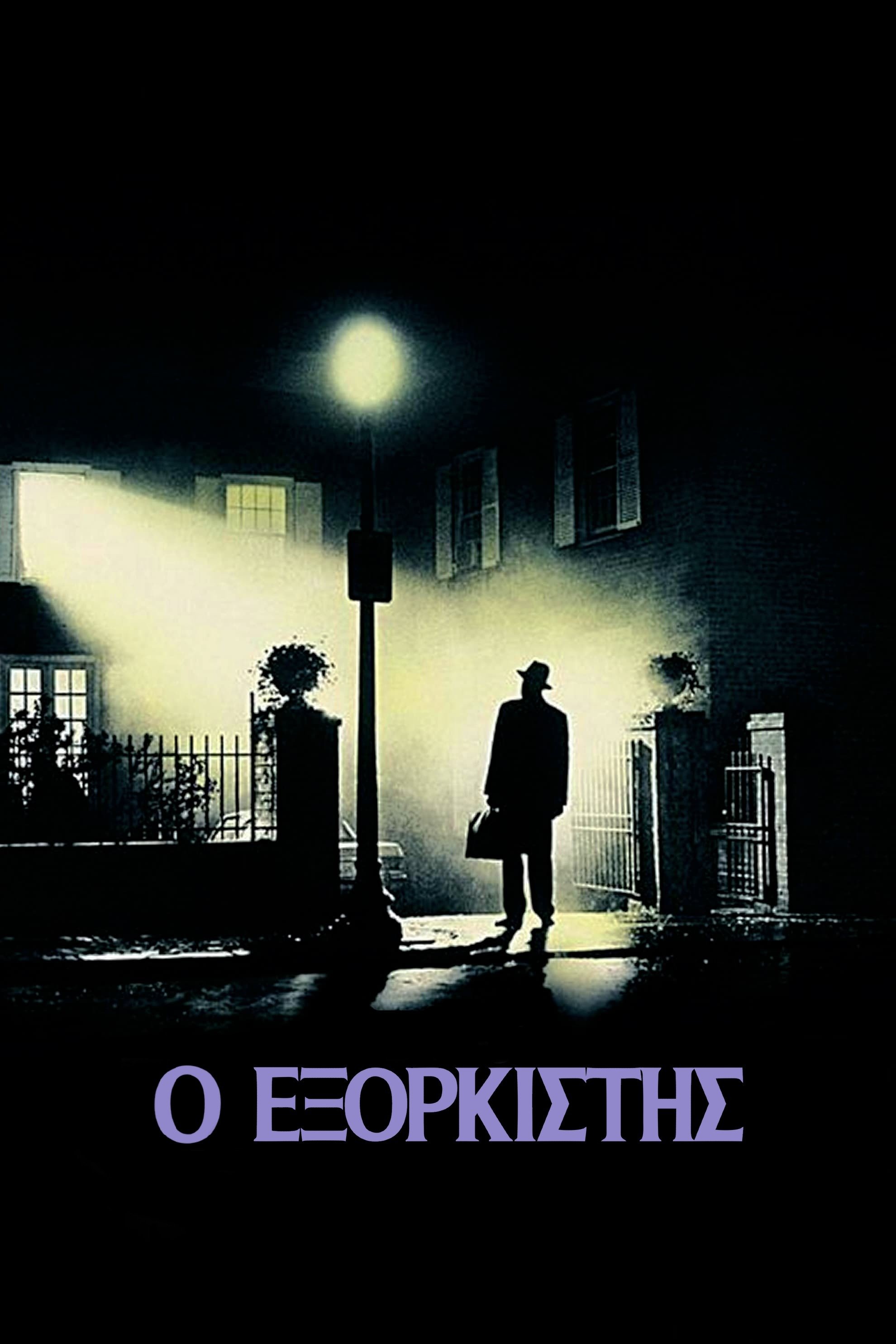
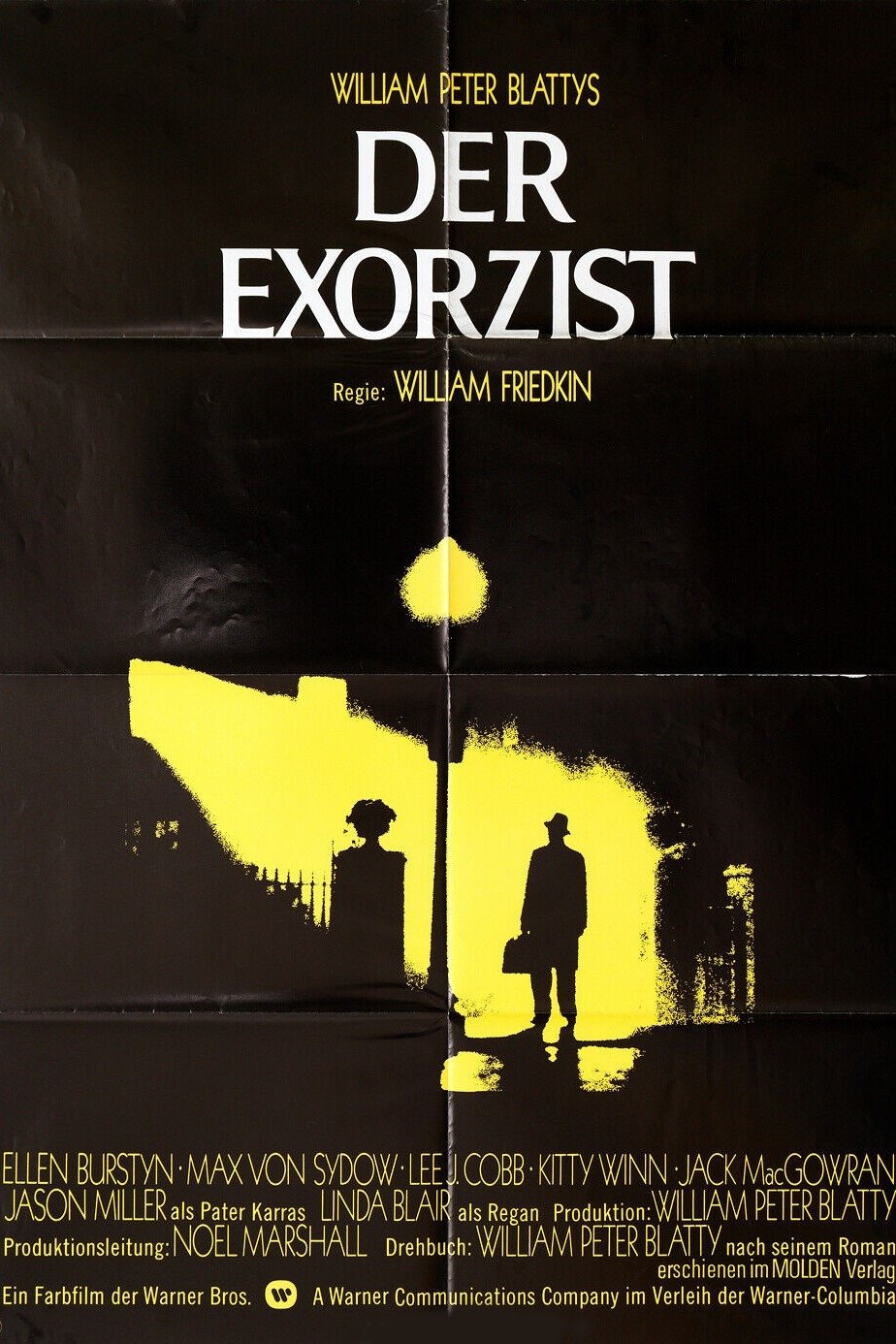
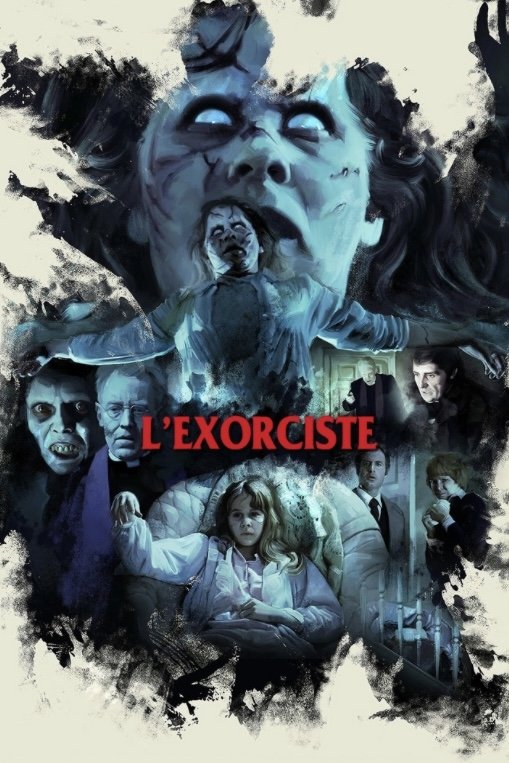
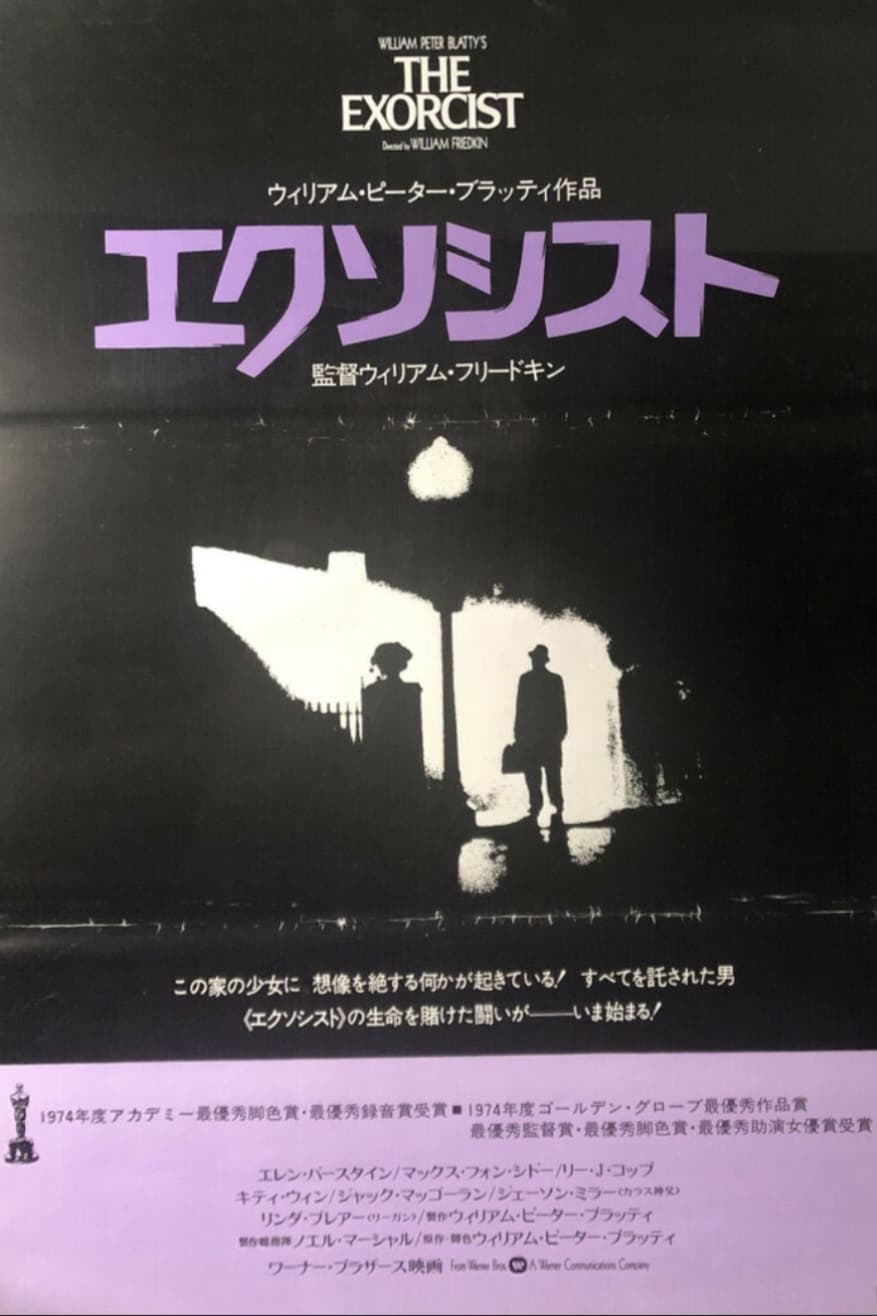
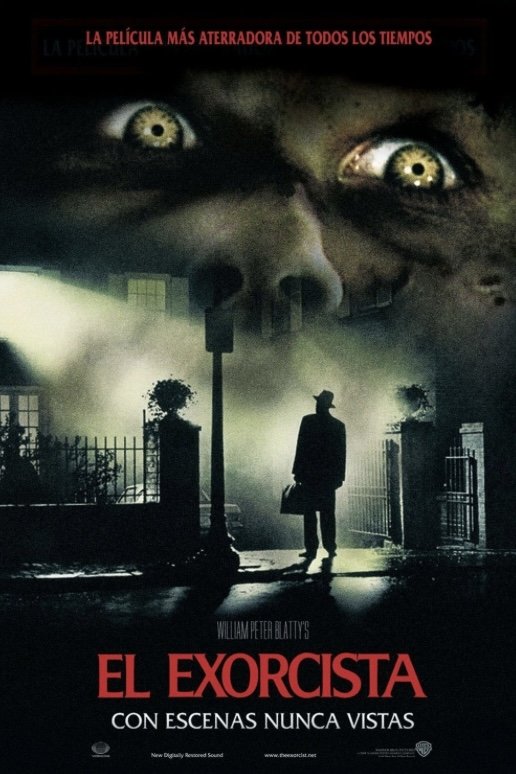
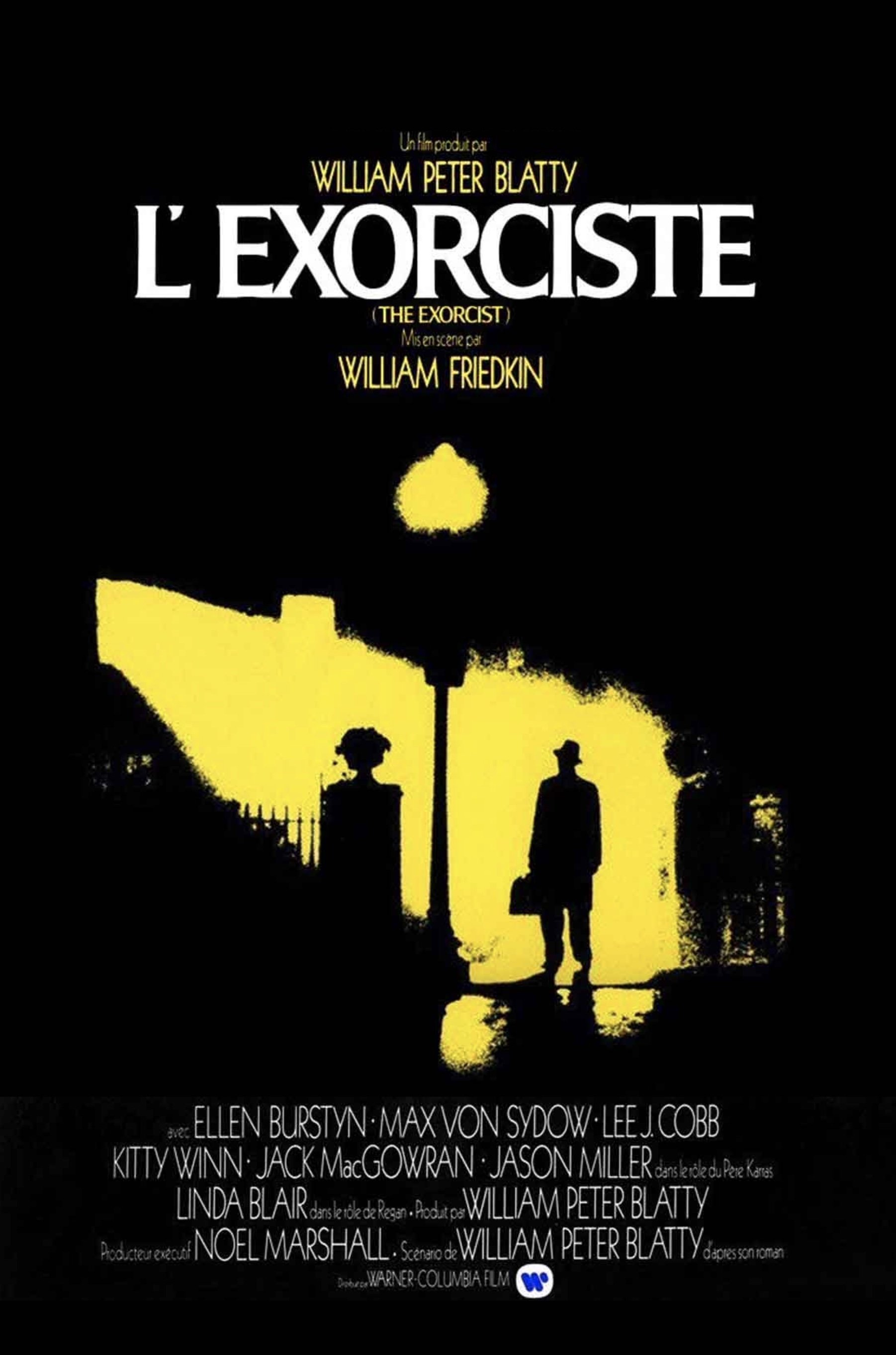
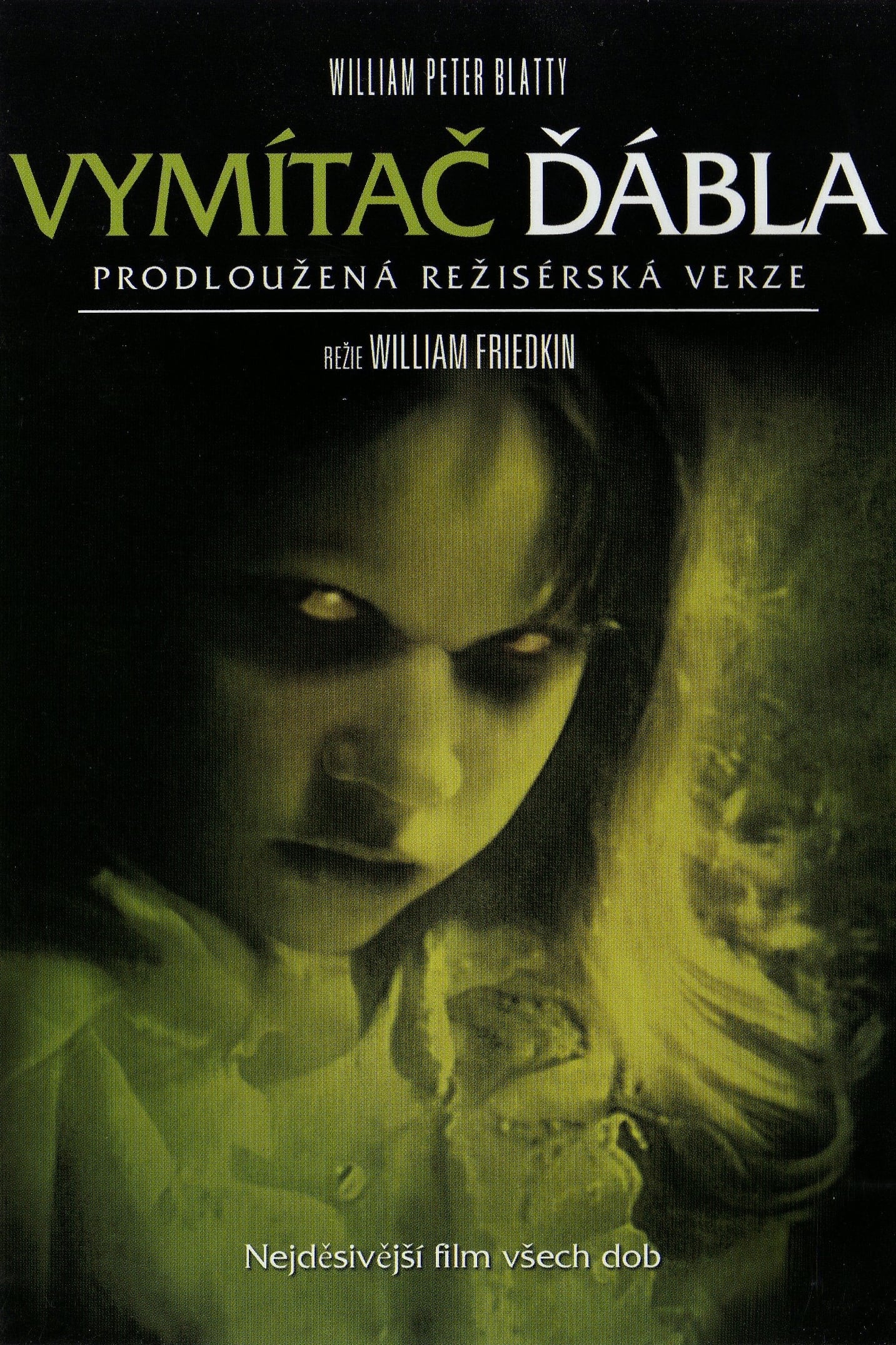
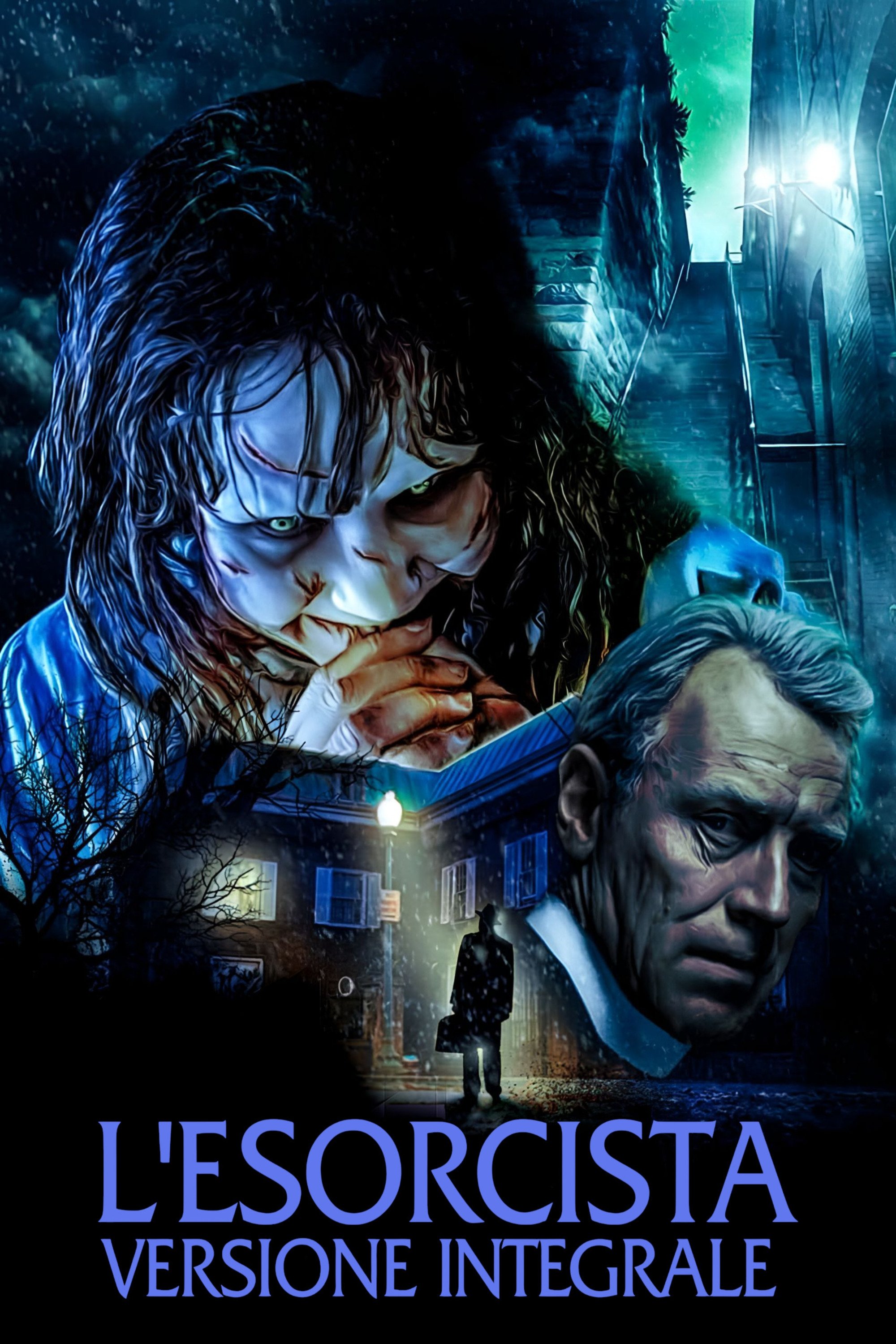
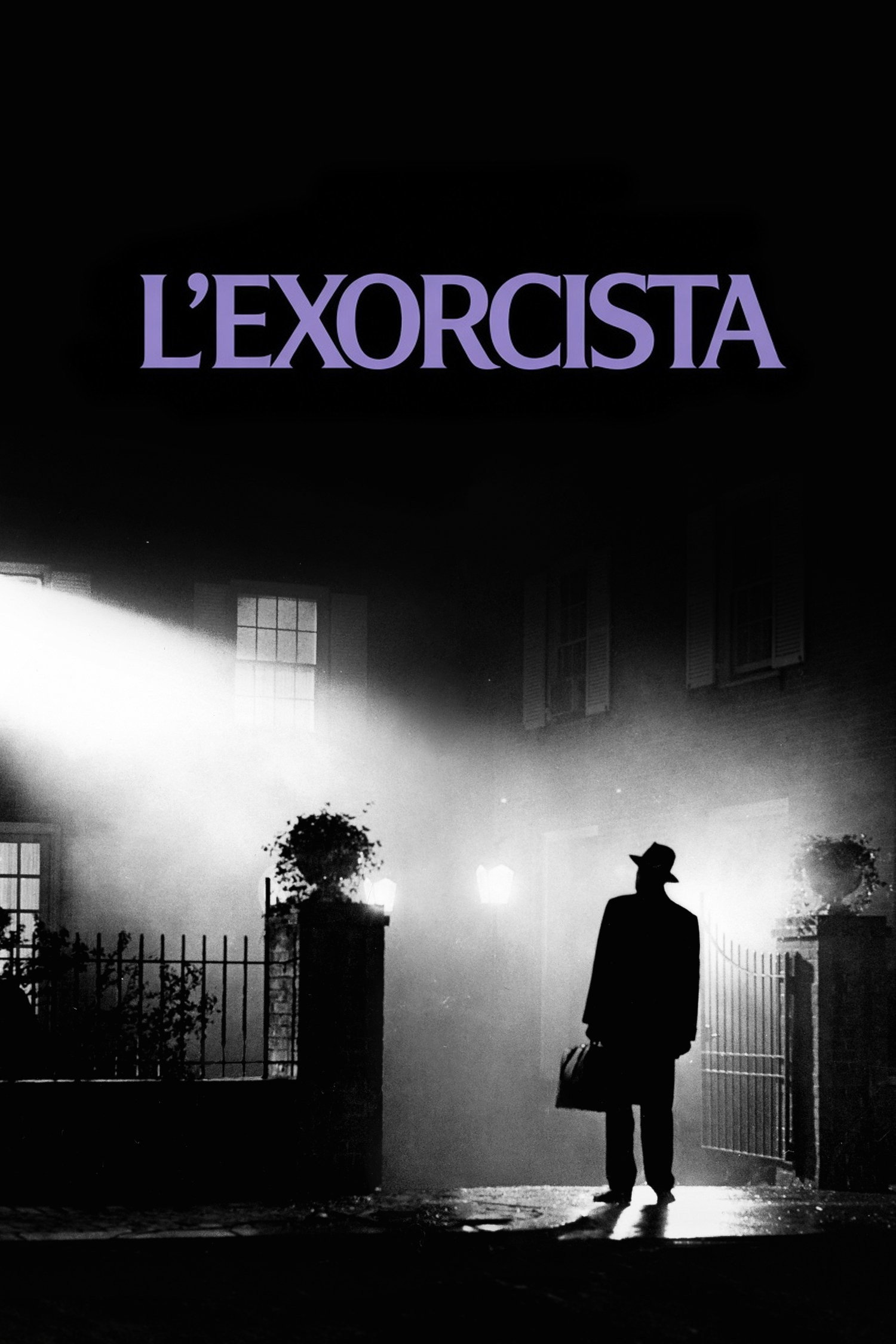
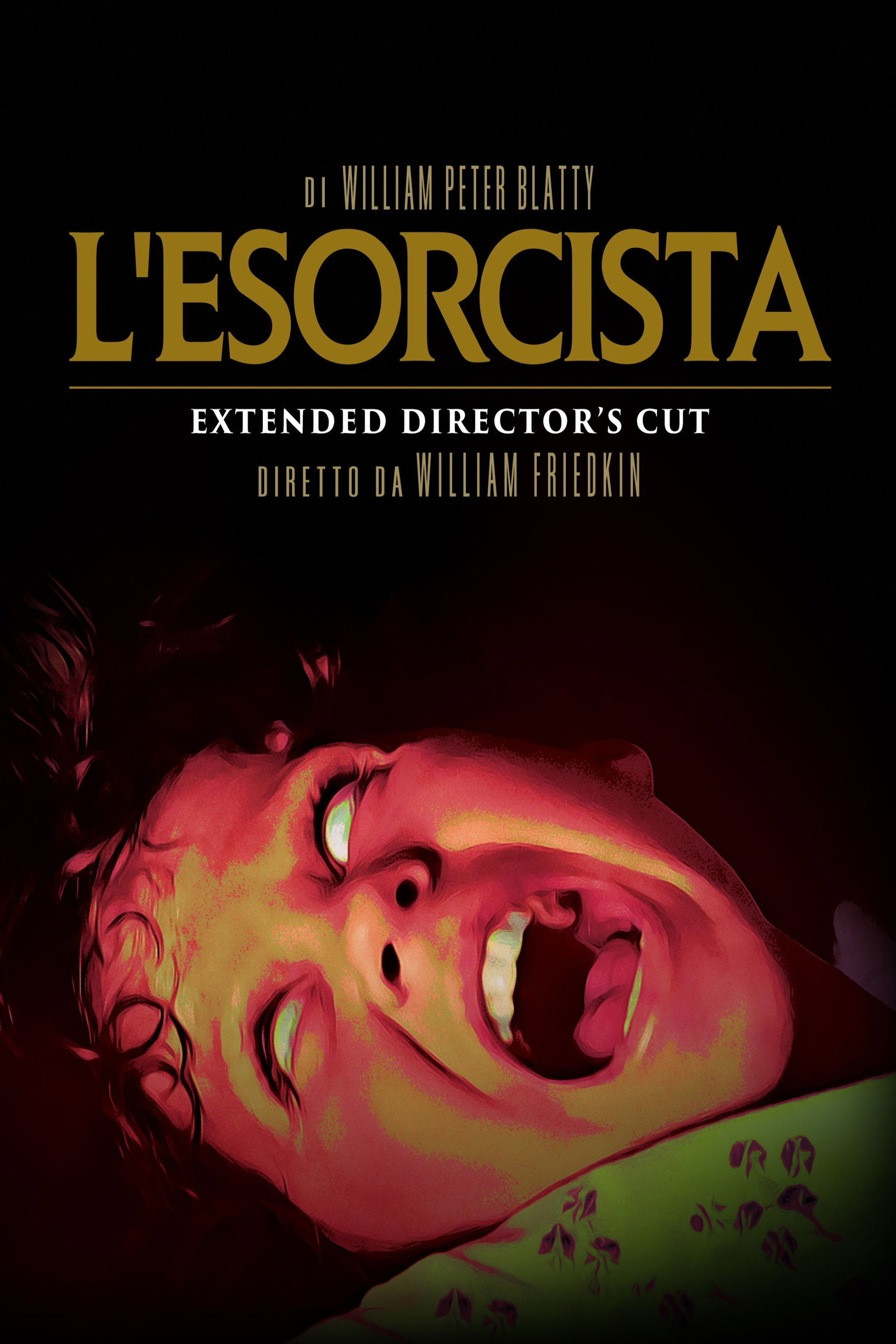
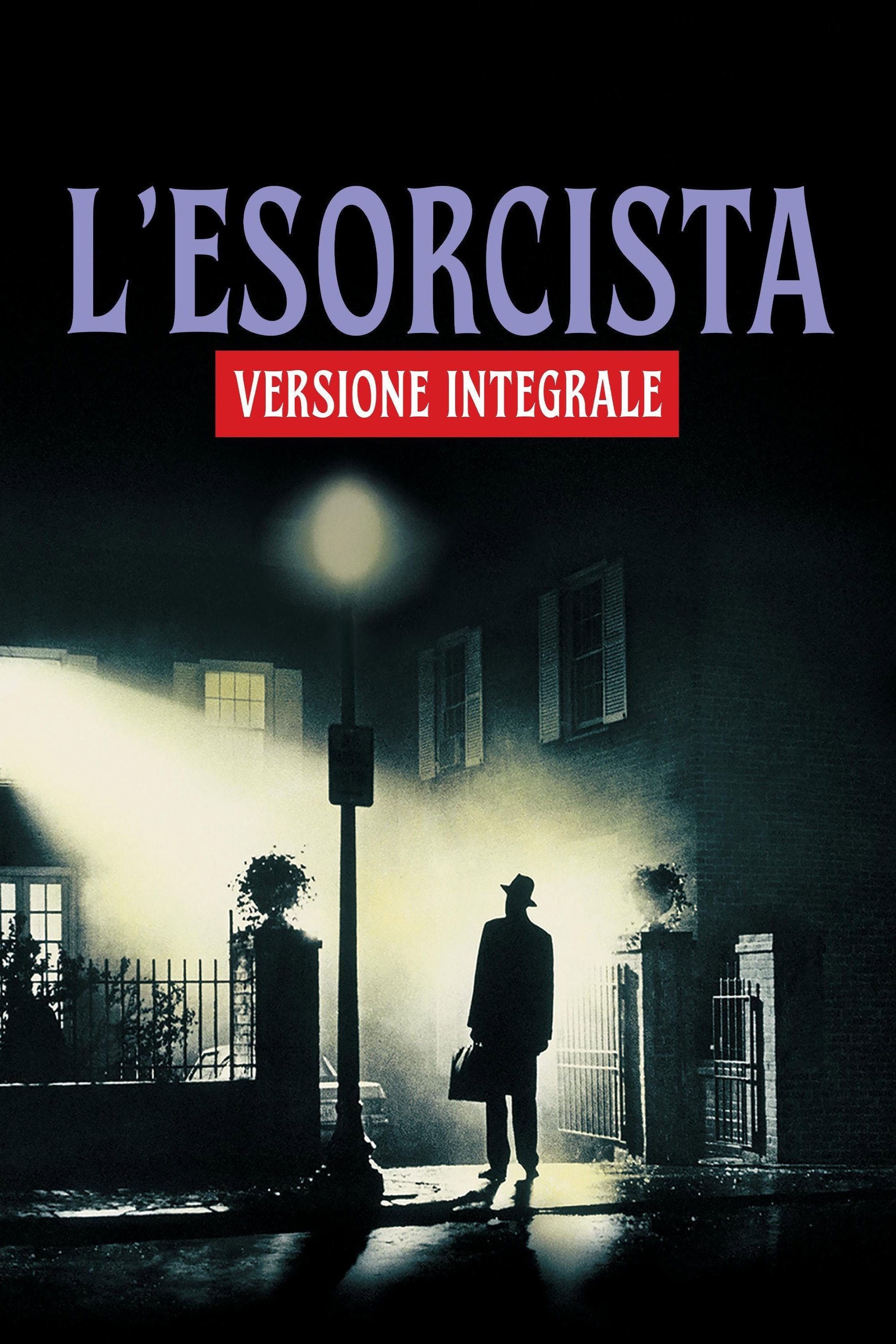
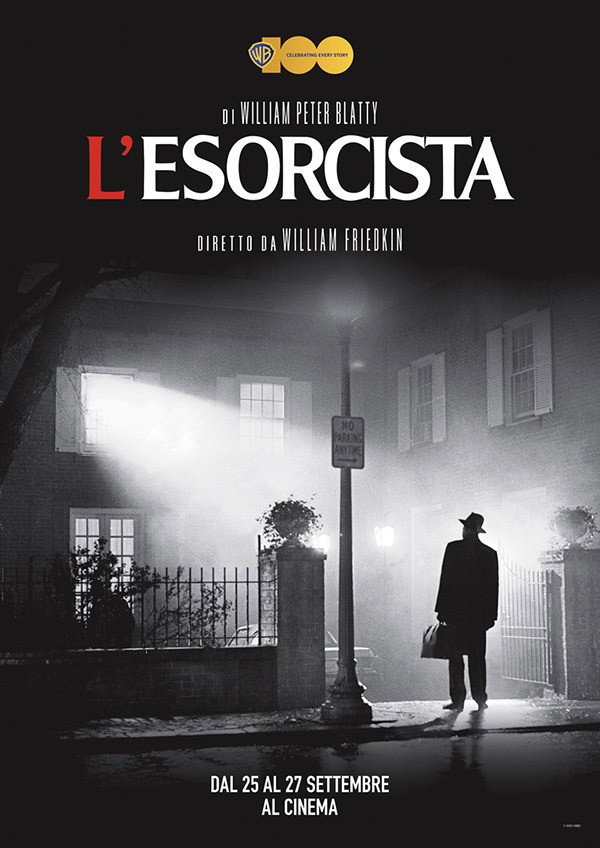
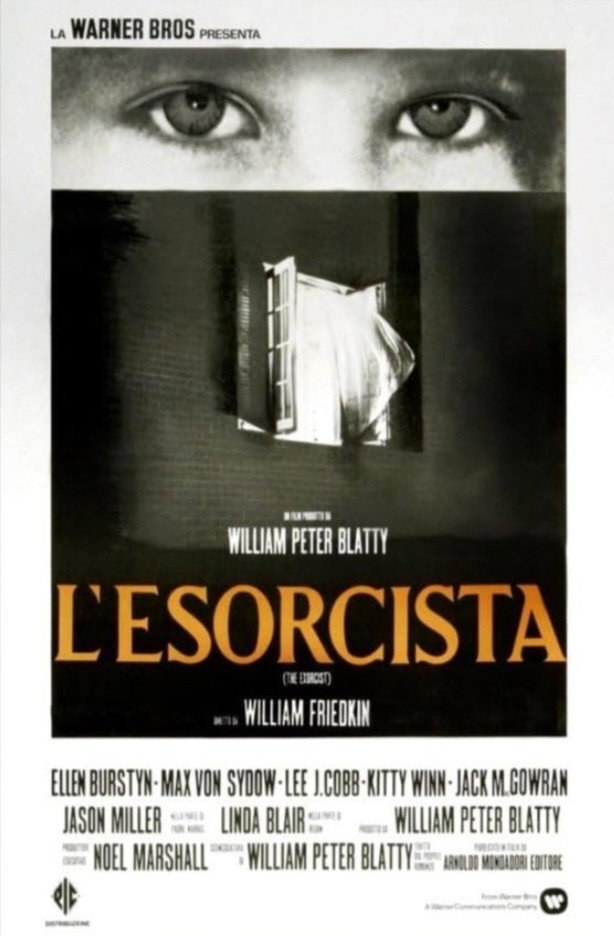
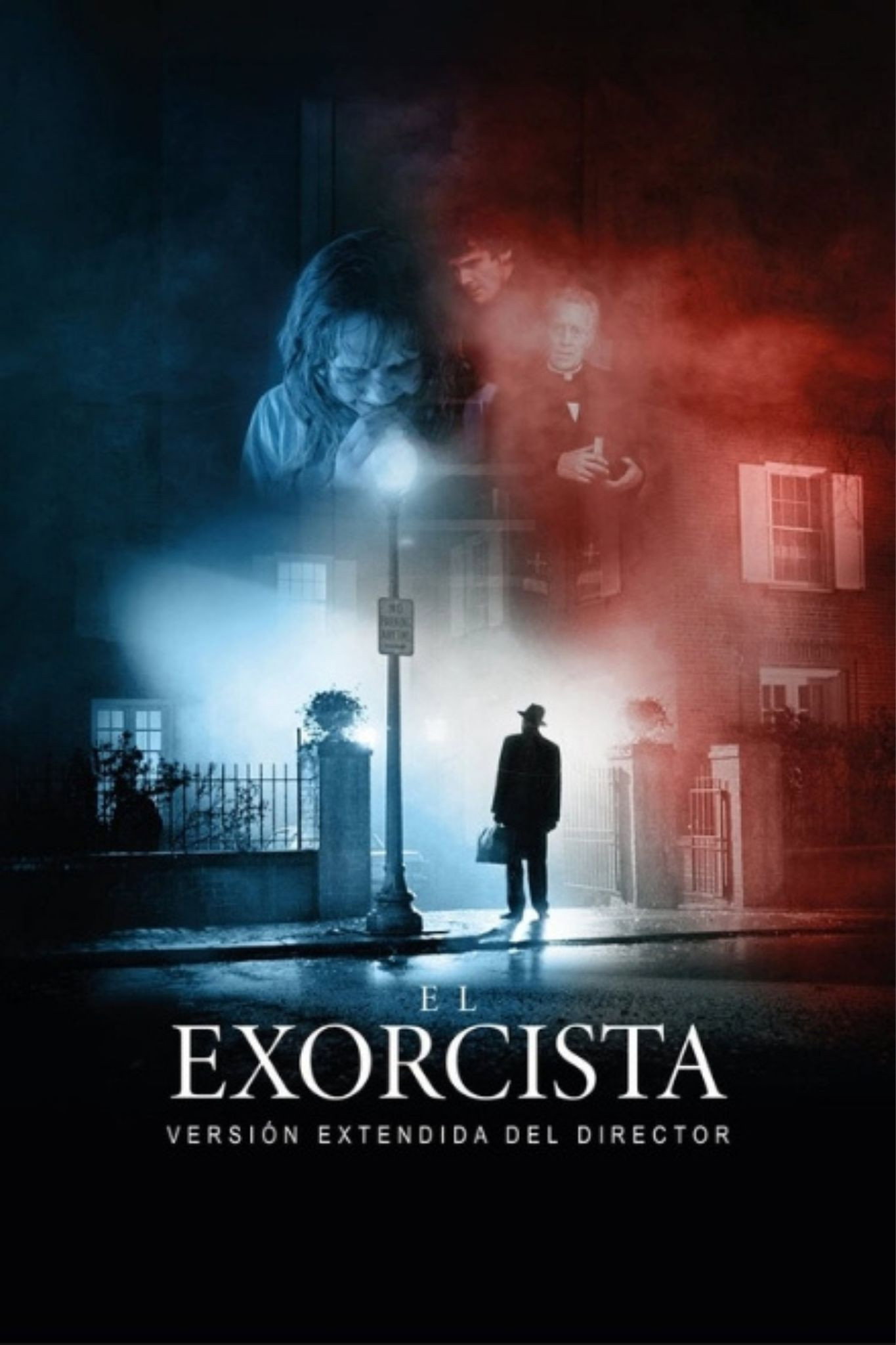
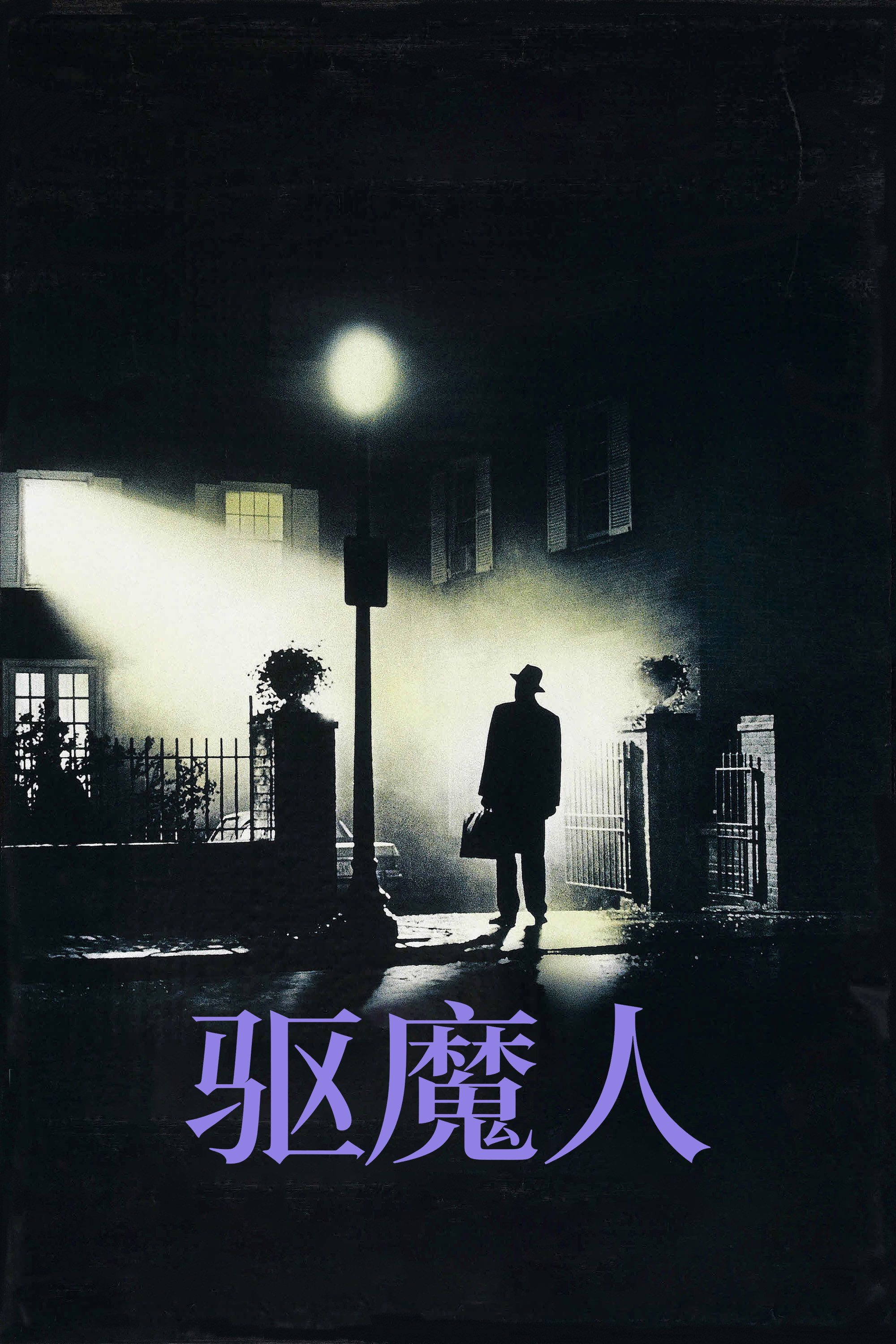
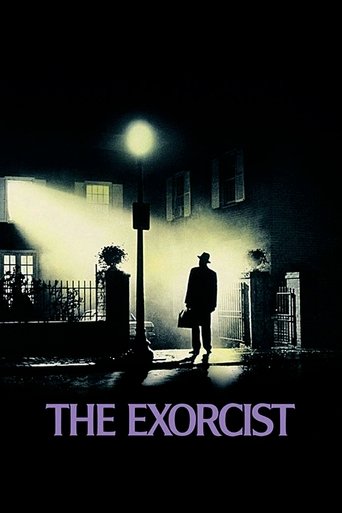
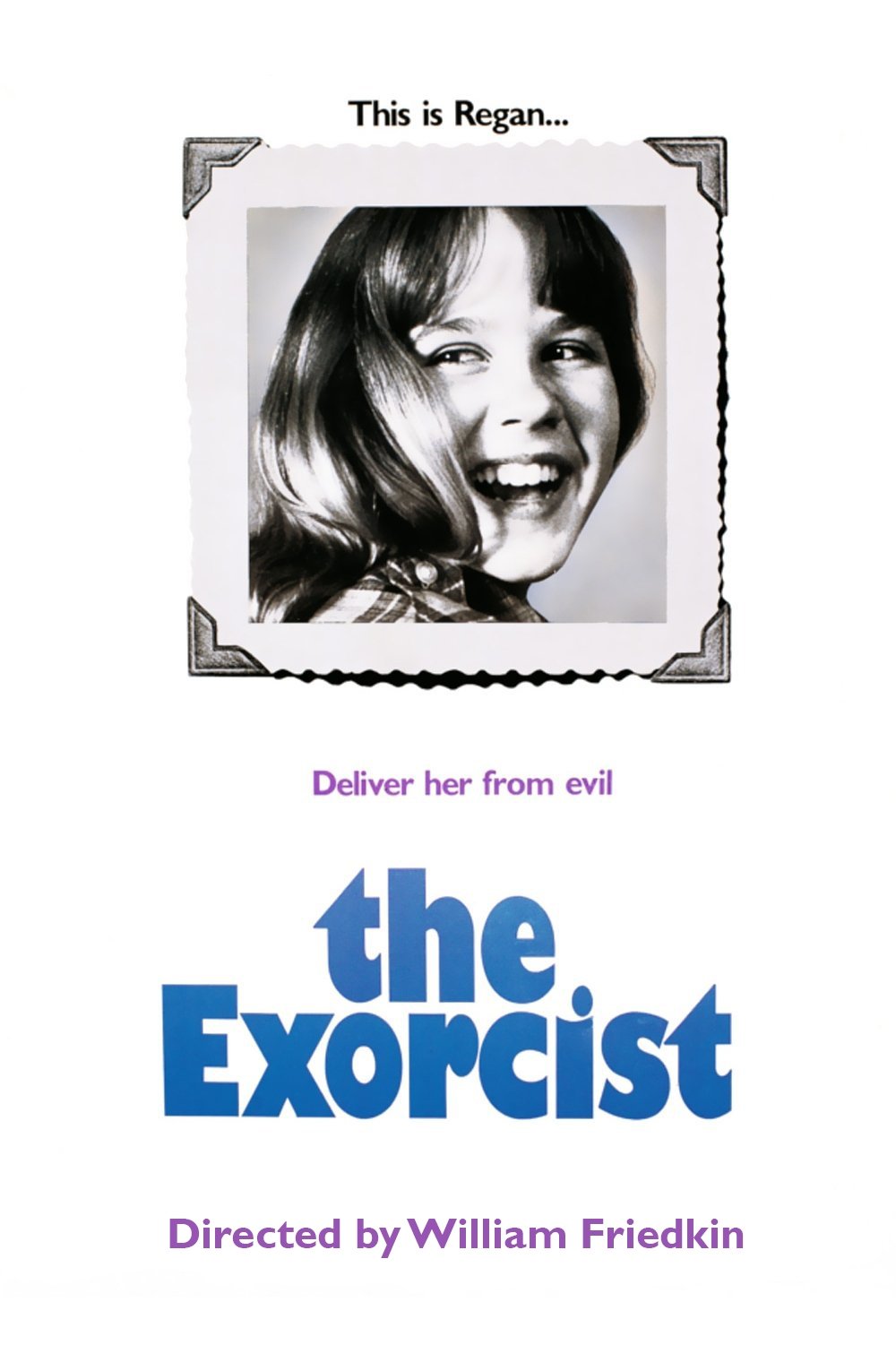
The Exorcist (1973) poster
Plot

12-year-old Regan MacNeil begins to adapt an explicit new personality as strange events befall the local area of Georgetown. Her mother becomes torn between science and superstition in a desperate bid to save her daughter, and ultimately turns to her last hope: Father Damien Karras, a troubled priest who is struggling with his own faith.

Alternative Titles
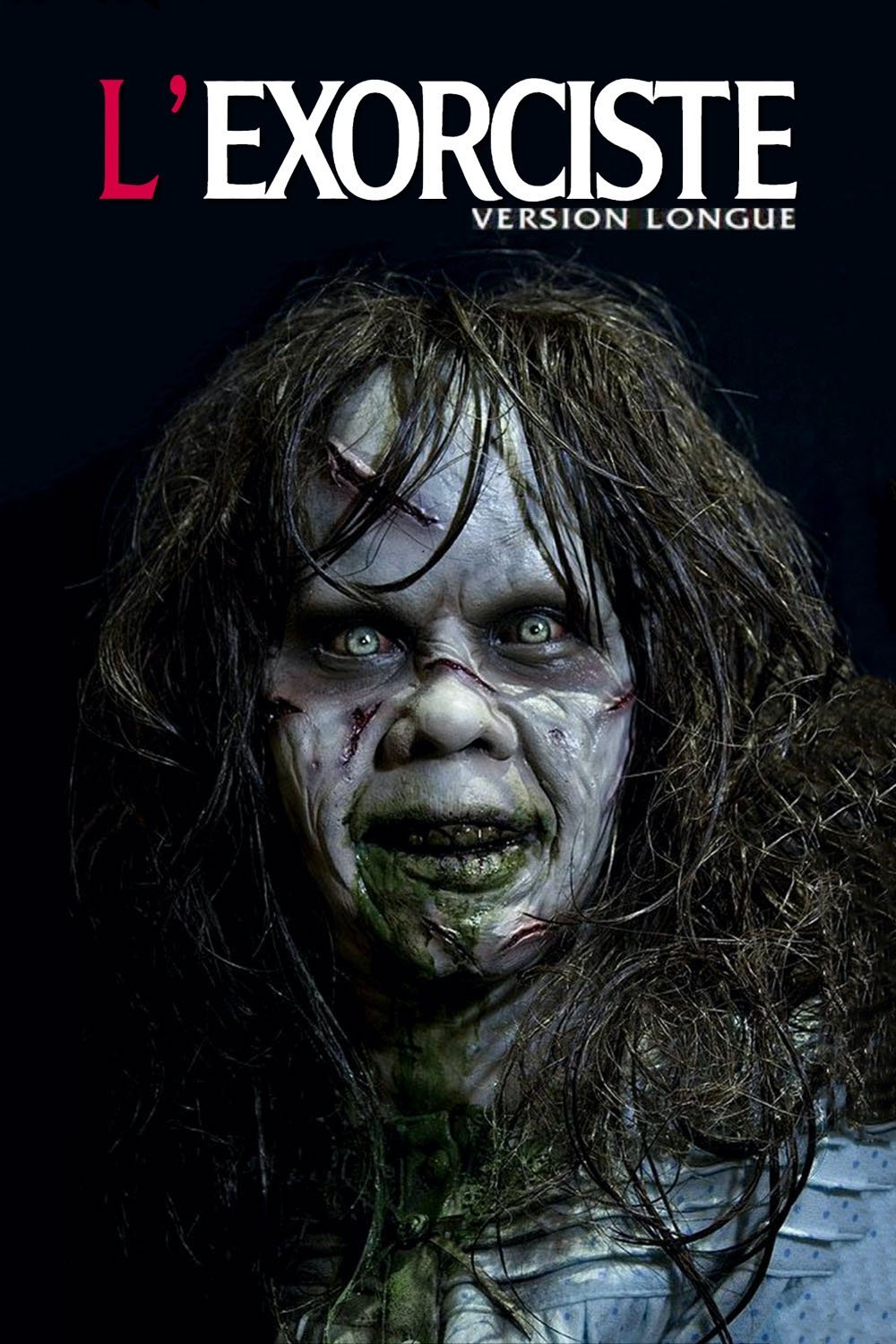
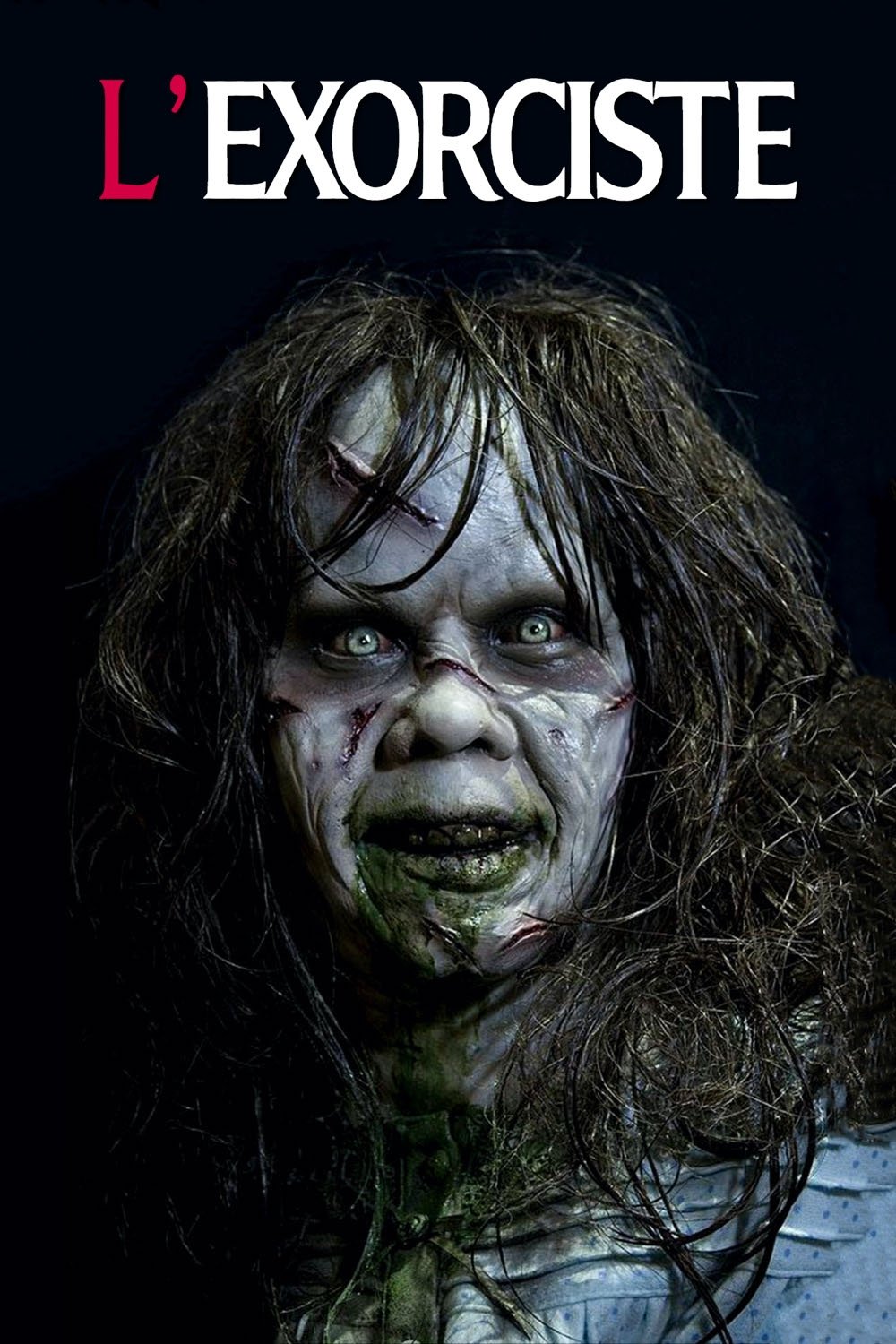
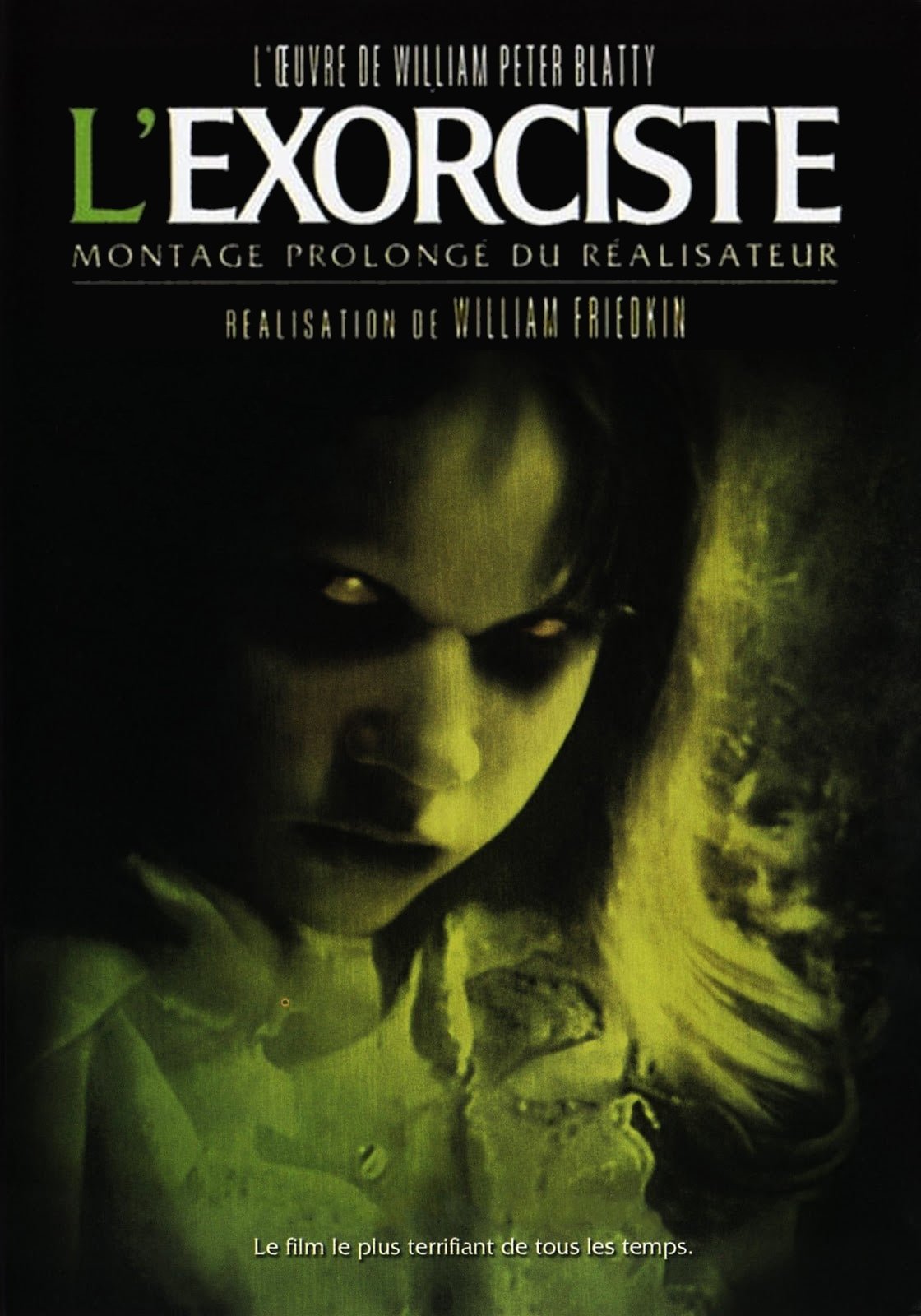
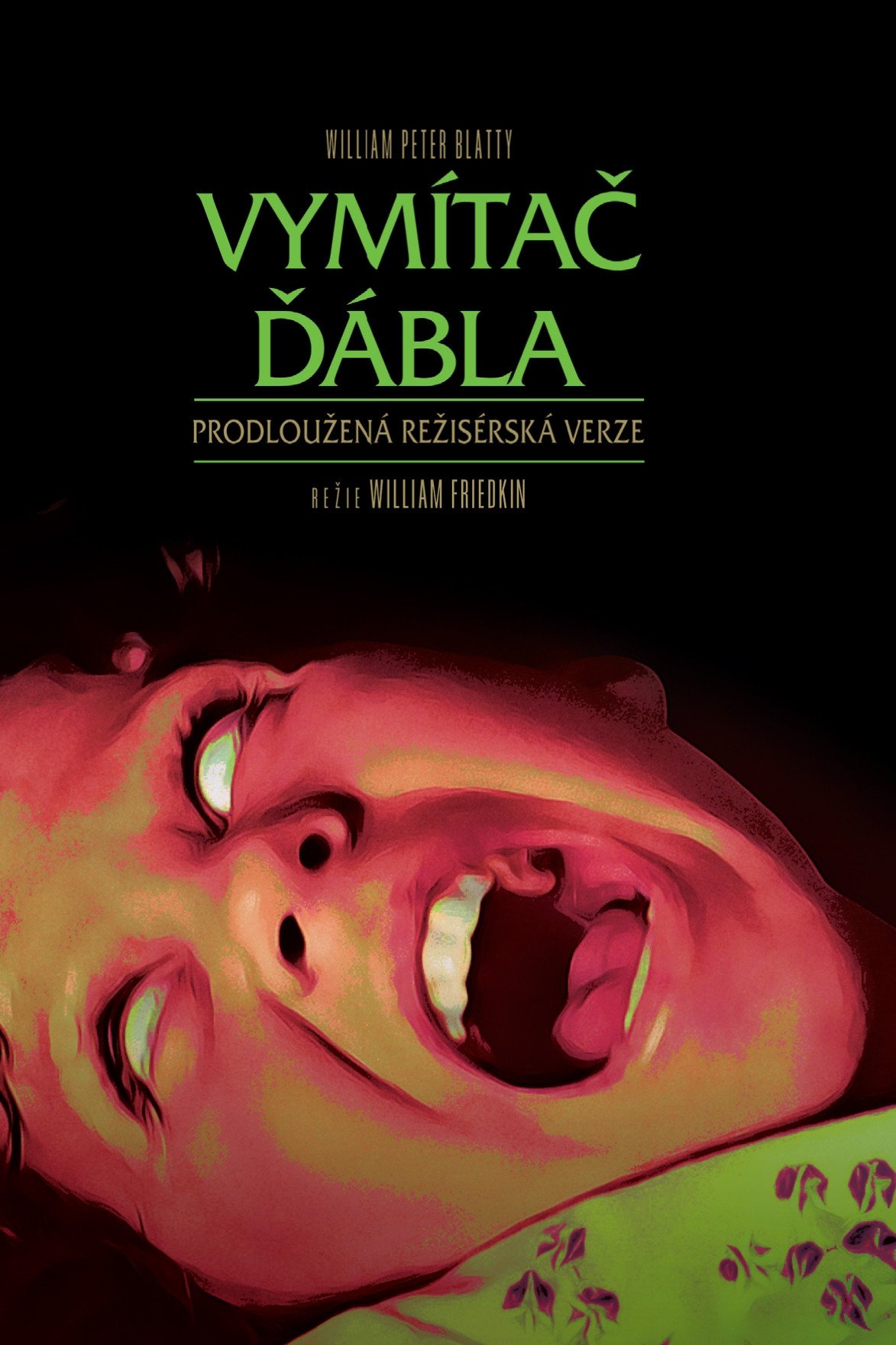
Заклинателят (Bulgaria) — Bulgarian O Exorcista (Brazil) L'exorciste (Canada) — French L'exorciste: Montage prolongé du réalisateur (Canada) — French title (director's cut) 驱魔人 (China) — Chinese Vymítač ďábla (Czechia) — Czech Vymýtac dábla (Czechia) — restored version Der Exorzist (Germany) — German
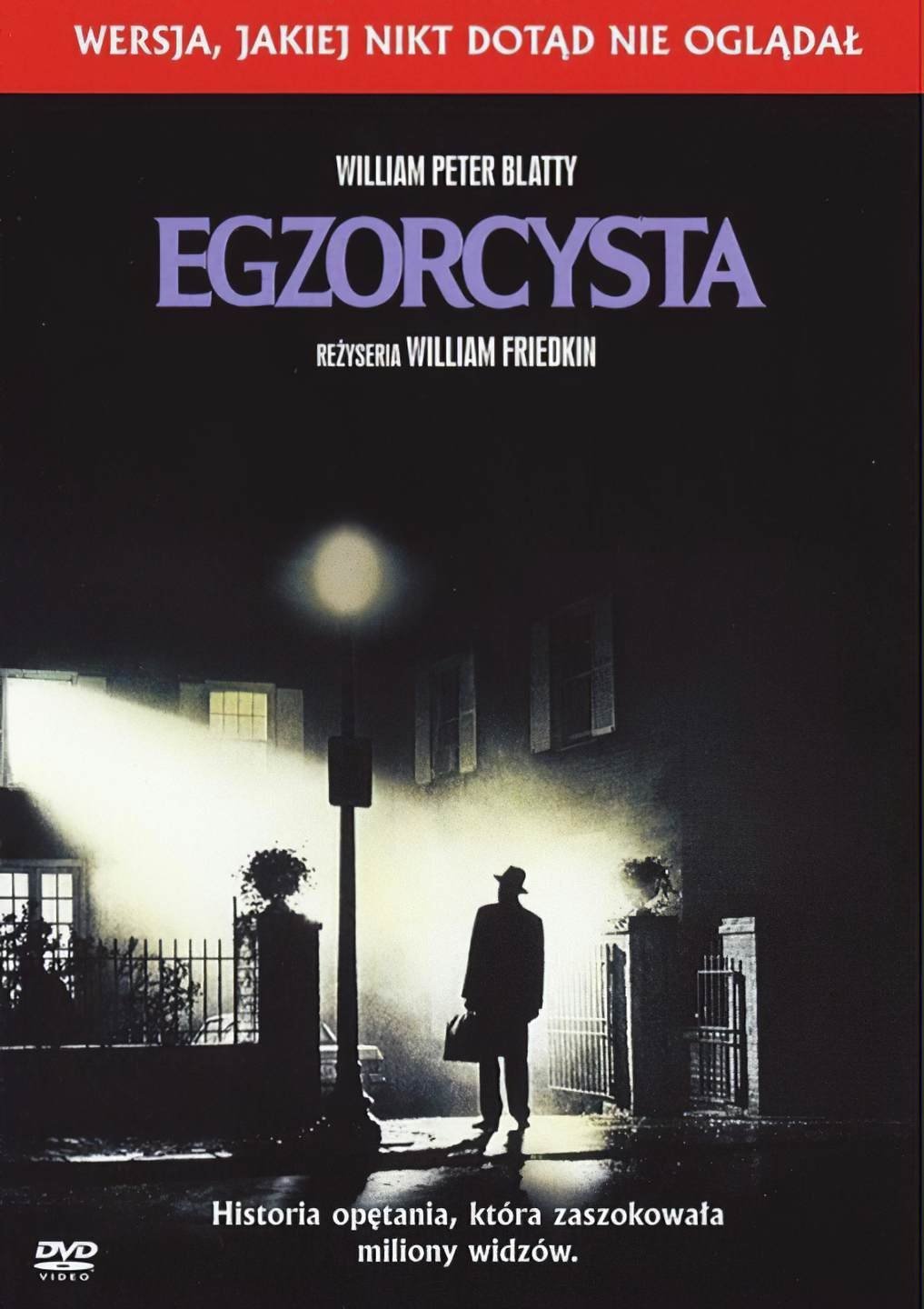
Show all 64 alternative titles Der Exorzist - Die längere Fassung (Germany) — Television Title Der Exorzist - Die neue Fassung (Germany) — alternative title Der Exorzist - Director's Cut (Germany) — alternative title Eksorcisten (Denmark) — Danish El exorcista (Spain) — Spanish L'exorcista (Spain) — Catalan title L’exorcista (Spain) — Catalan Manaaja (Finland) — Finnish Manaaja - Ennennäkemätön versio (Finland) — video box title L'Exorciste (France) — French L'Exorciste : Version intégrale (France) — recut version ეგზორცისტი (Georgia) — Georgian Ο Εξορκιστής (Greece) — Greek 驅魔人 (Hong Kong SAR China) — Chinese Istjerivač đavla (Croatia) — Croatian Az ördögűző (Hungary) — Hungarian מגרש השדים (Israel) — Hebrew Shaitaanee Raat (India) — transliterated Hindi title Shoitan Raat (India) — transliterated Bengali DVD title शैतानी रात (India) — Hindi title (dubbed version) Jengir (Iran) — transliterated Persian title جنگیر (Iran) — Persian L'esorcista (Italy) — Italian L'esorcista - Versione integrale (Italy) — alternative title Exorcist (Japan) — English title エクソシスト (Japan) — Japanese エクソシスト:1973 (Japan) エクソシストディレクターズカット版 (Japan) — director's cut 엑소시스트 (South Korea) — Korean Egzorcistas (Lithuania) — Lithuanian Egzorcistas. Versija, kurios dar nematete (Lithuania) — alternative title El Exorcista (Mexico) — Spanish De Duivel-uitbanner (Netherlands) Exorcisten (Norway) — Norwegian Exorsisten (Norway) — alternative spelling Egzorcysta (Poland) — Polish O Exorcista (Portugal) — Portuguese Exorcistul (Romania) — Romanian Истеривач ђавола (Serbia) — Serbian Изгоняющий дьявола (Russia) — Russian Экзорцист (Russia) طارد الأرواح الشريرة (Saudi Arabia) — Arabic Exorcisten (Sweden) Izganjalec hudiča (Slovenia) — Slovenian Exorcista (Slovakia) — Slovak หมอผีเอ็กซอร์ซิสต์ (Thailand) Şeytan (Türkiye) — Turkish 大法師 (Taiwan) — Chinese Екзорцист (Ukraine) Той, що виганяє диявола (Ukraine) — Ukrainian The Exorcist (Director's Cut) (United States) The Exorcist: The Version You Haven't Seen Yet (United States) — recut version The Exorcist: The Version You've Never Seen (United States) — promotional title William Peter Blatty's The Exorcist (United States) — reissue title Người Trừ Tà (Vietnam) — Vietnamese Isterivač djavola (Serbia) — Serbian literal title

Trailers & Videos

6 videos

Film Guide & Analysis

An in-depth look at the production, visual design, practical effects, sound, censorship, reception and legacy of The Exorcist (1973).

Released at the end of 1973, The Exorcist brought demonic possession into the center of contemporary American life with a degree of realism, seriousness and physical intensity that radically changed the scale on which supernatural horror could operate. William Friedkin’s film did not present evil in a remote Gothic setting. It placed it inside a prosperous Georgetown home, surrounded it with hospitals, psychiatrists, police procedure and Catholic institutional caution, and delayed the full supernatural confrontation until ordinary explanations had been exhausted. That structure gave the film much of its disturbing power: the horror emerges within a recognizable modern world.

William Peter Blatty adapted and produced the film from his 1971 novel, itself inspired by reports of a 1949 exorcism involving a Maryland boy. The result became both a mass-market phenomenon and a landmark in the history of screen horror. Its success was accompanied by controversy over its imagery, its R rating and its treatment of religion, while its technical achievements brought major awards recognition to a genre that had rarely occupied such a central position in Hollywood prestige culture. Decades later, The Exorcist remains important for the way it fused spiritual dread, medical realism, bodily transformation, sound design and documentary-inflected filmmaking into a sustained experience whose impact extended well beyond its reputation for shock.

Production & Development

The film grew directly out of William Peter Blatty’s best-selling novel. Blatty had learned while a student at Georgetown University of a reported 1949 exorcism involving a teenage boy in Maryland, and he used that case as the starting point for a fictional story about possession, faith and doubt. For the screen version he served as both screenwriter and producer. Blatty also favored William Friedkin for the director’s chair, a choice that proved decisive: Friedkin approached the supernatural material less as fantasy than as an event that had to feel physically possible inside an otherwise ordinary world.

Production began in August 1972 and extended into 1973, with work in New York, Washington, D.C., Georgetown and Iraq. The schedule was repeatedly disrupted. A major house set burned and had to be rebuilt, performers were unavailable for periods of time, and the technically demanding bedroom material required specialized refrigeration equipment. Friedkin later recalled that filming in Iraq also required cooperation with the Baath government at a time when the United States had no diplomatic relations with the country. These difficulties helped turn what was already an ambitious literary adaptation into a prolonged and unusually complicated studio production, but they also contributed to the film’s emphasis on physically convincing realism.
Filming & Cinematography

Cinematographer Owen Roizman, who had previously worked with Friedkin on The French Connection, described the visual strategy as realistic and naturalistic but more controlled than their earlier film. Friedkin wanted an available-light feeling without the rawness of a newsreel. The MacNeil house was therefore designed and lit as an elegant, believable domestic space whose normality heightens the intrusion of horror. Roizman used practical light sources, reflective surfaces and restrained color to keep the environment recognizable while allowing the upper floors and Regan’s bedroom to become progressively colder, darker and more threatening as the story advances.

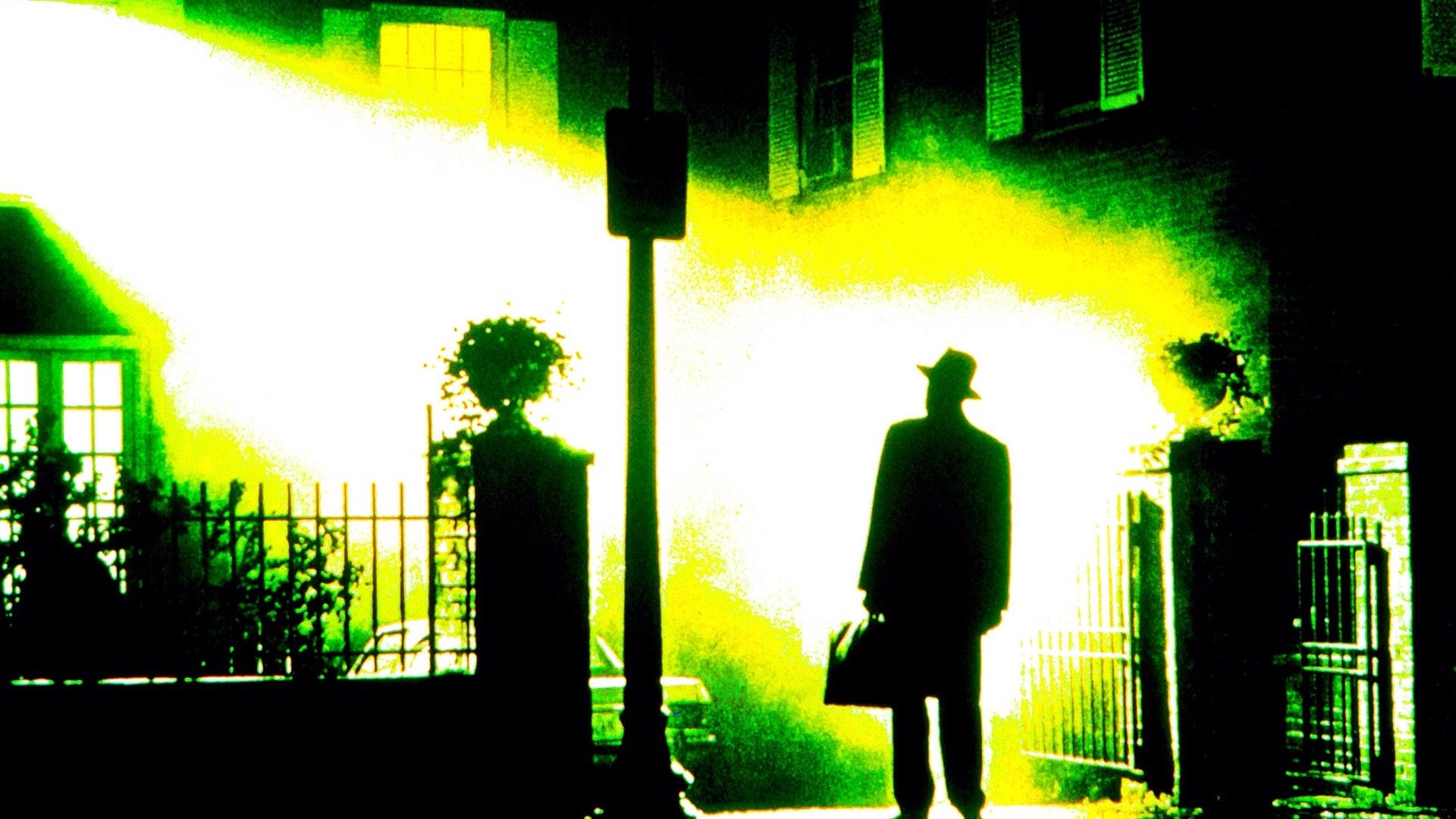
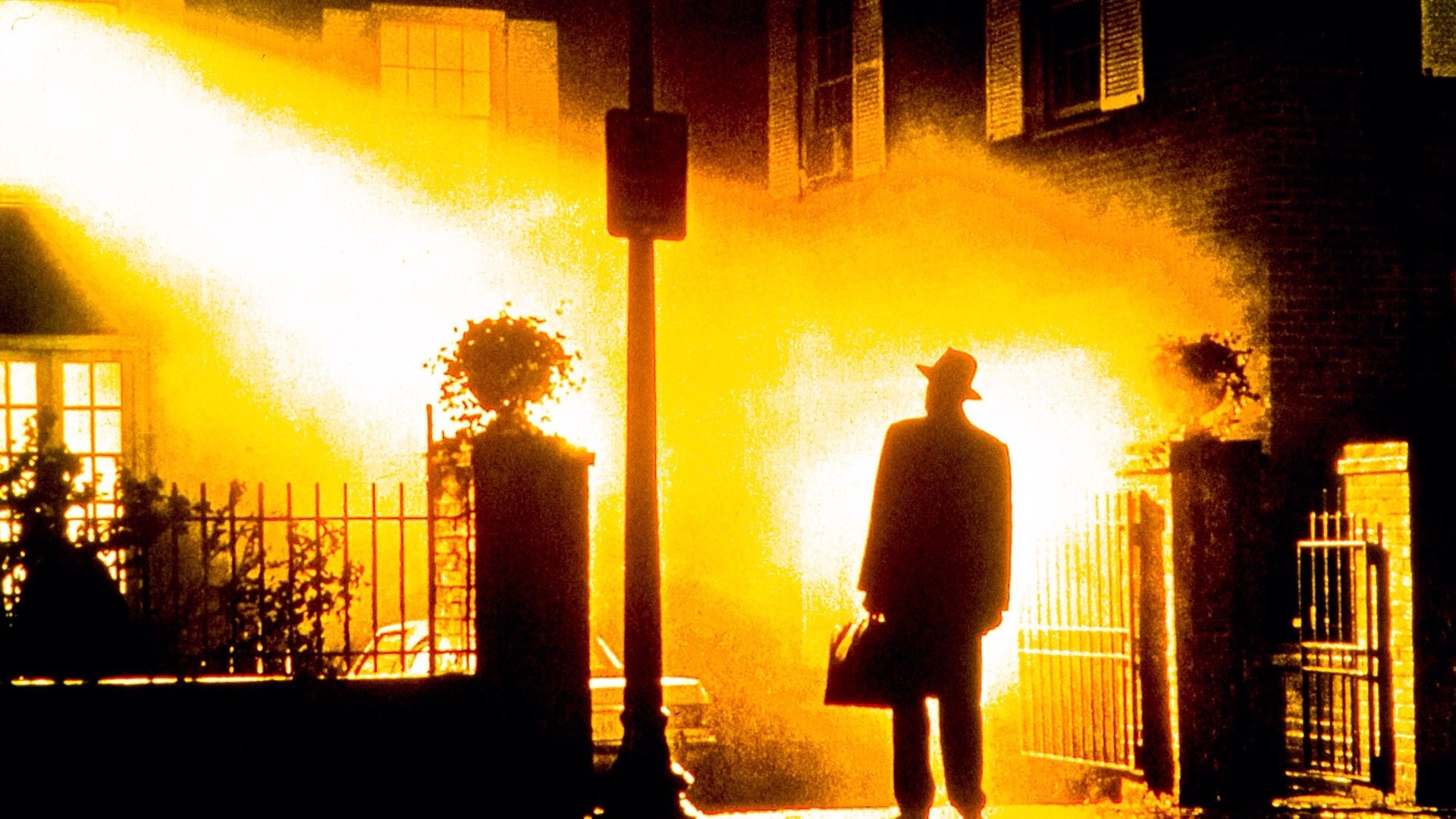
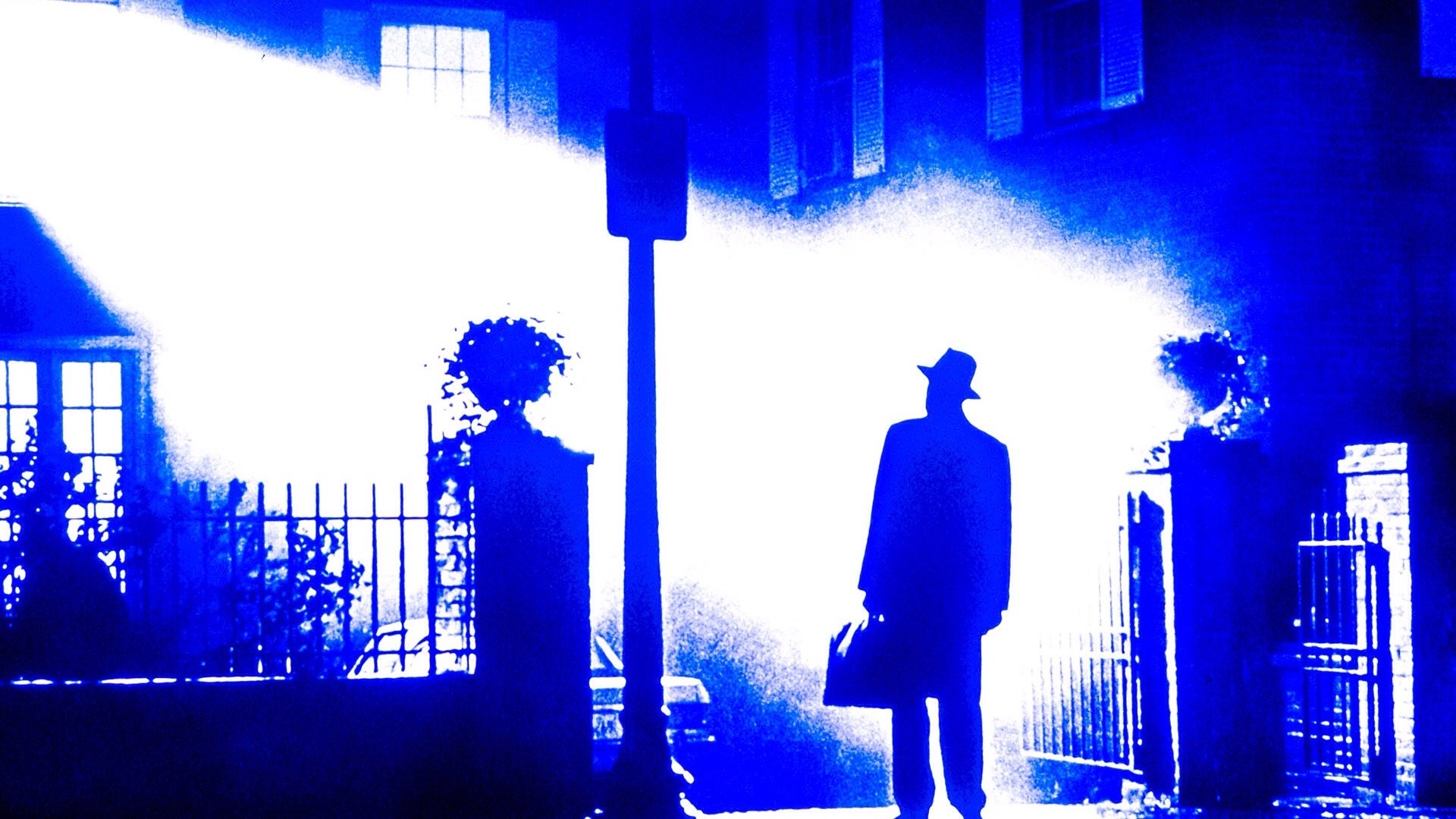
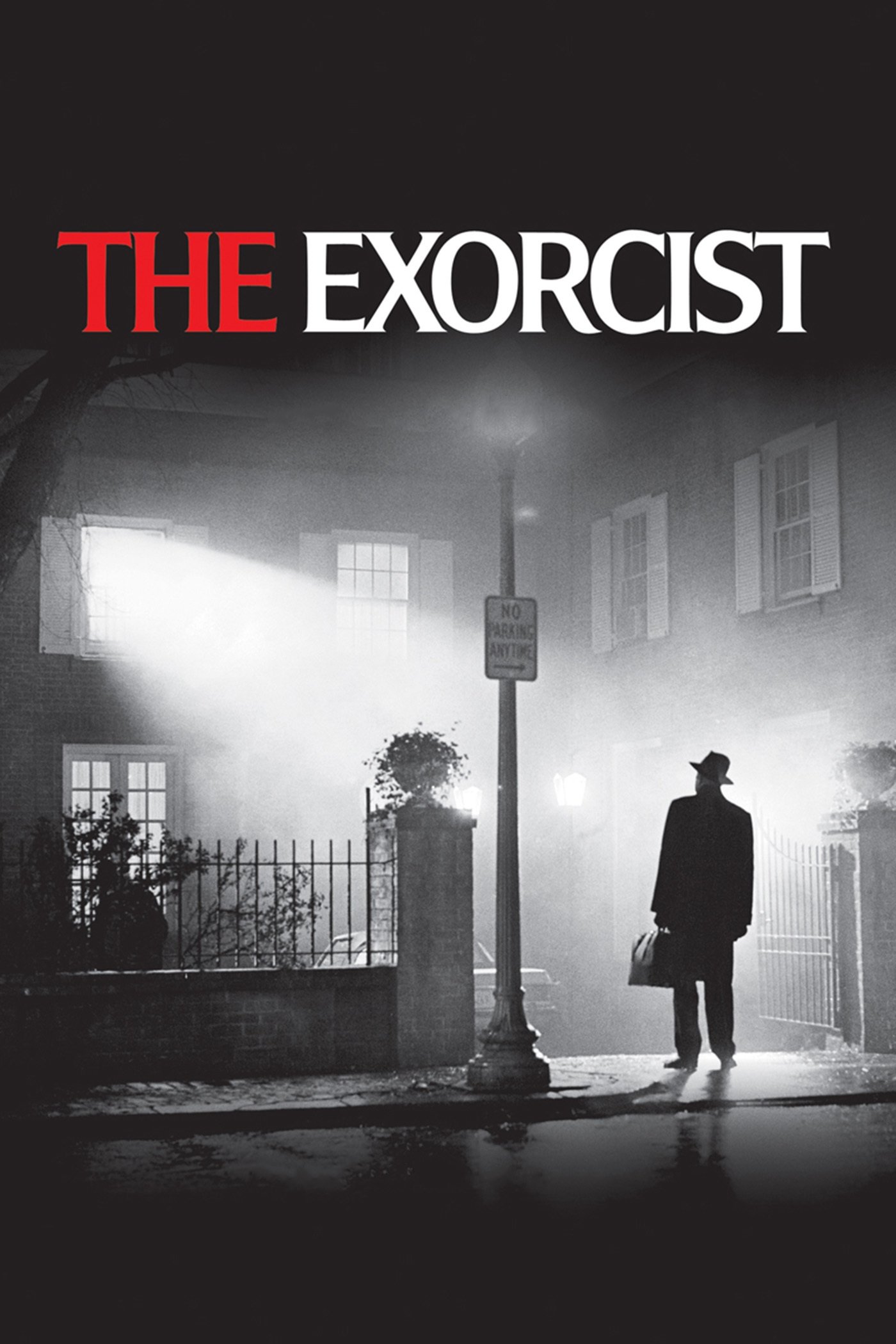
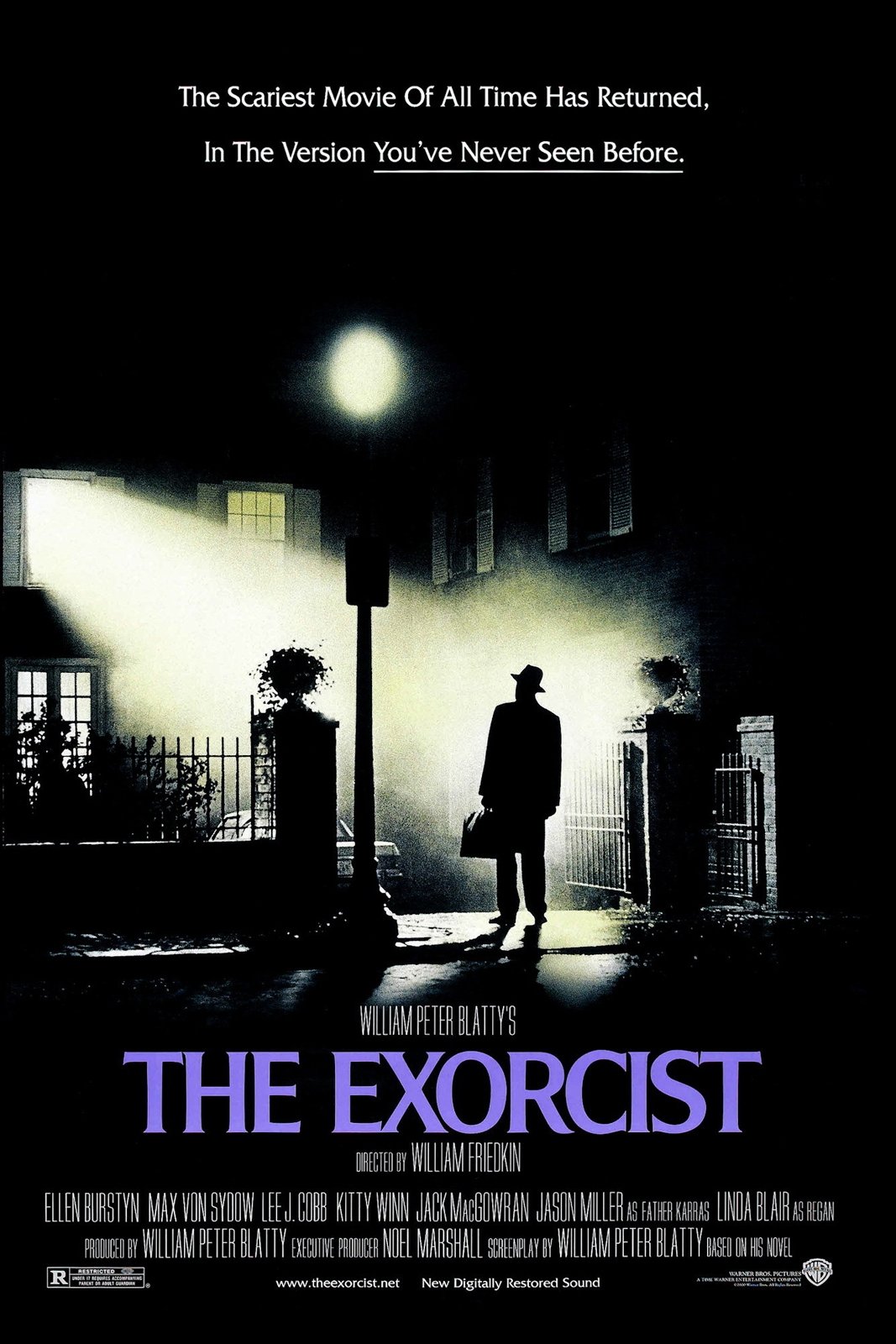
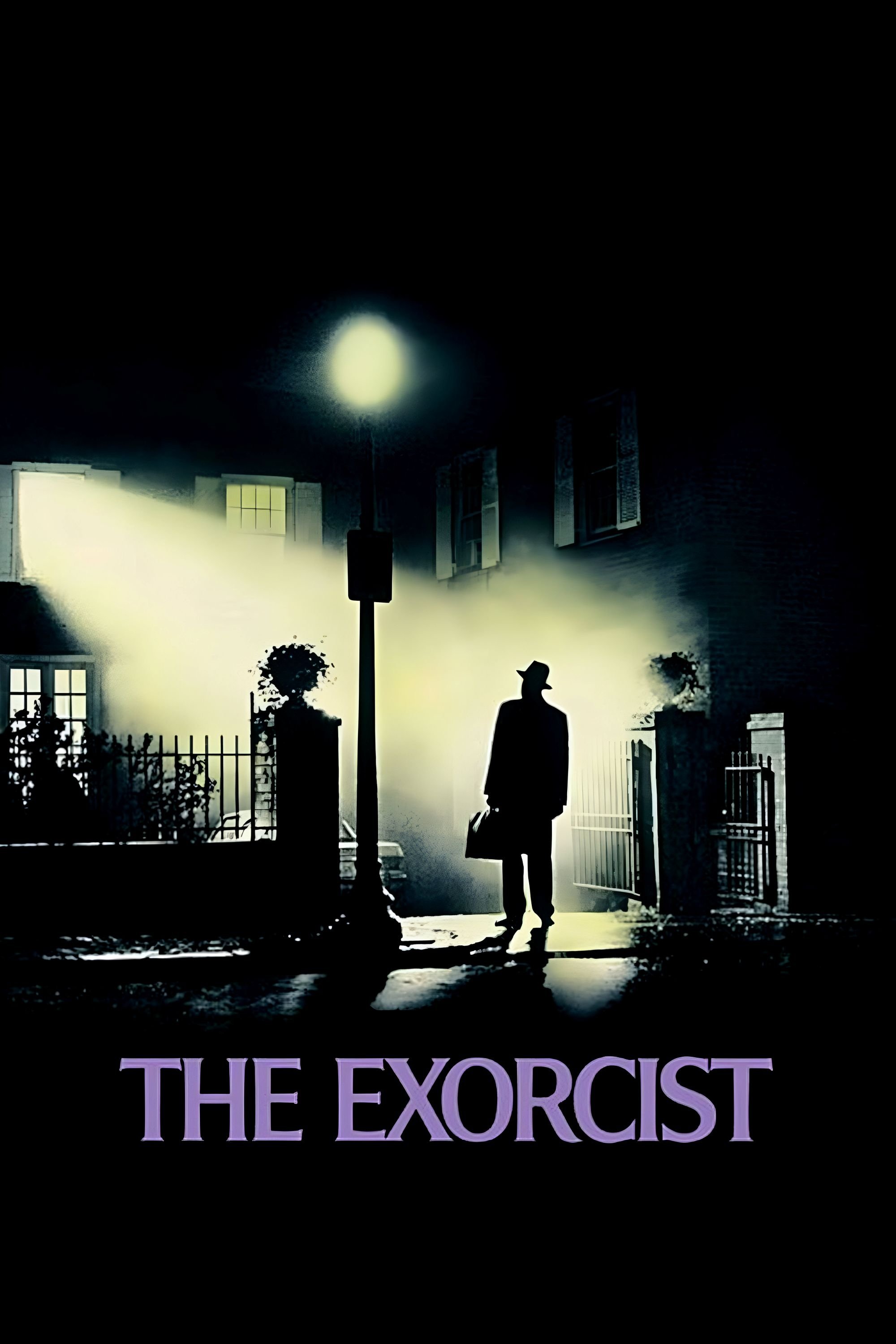
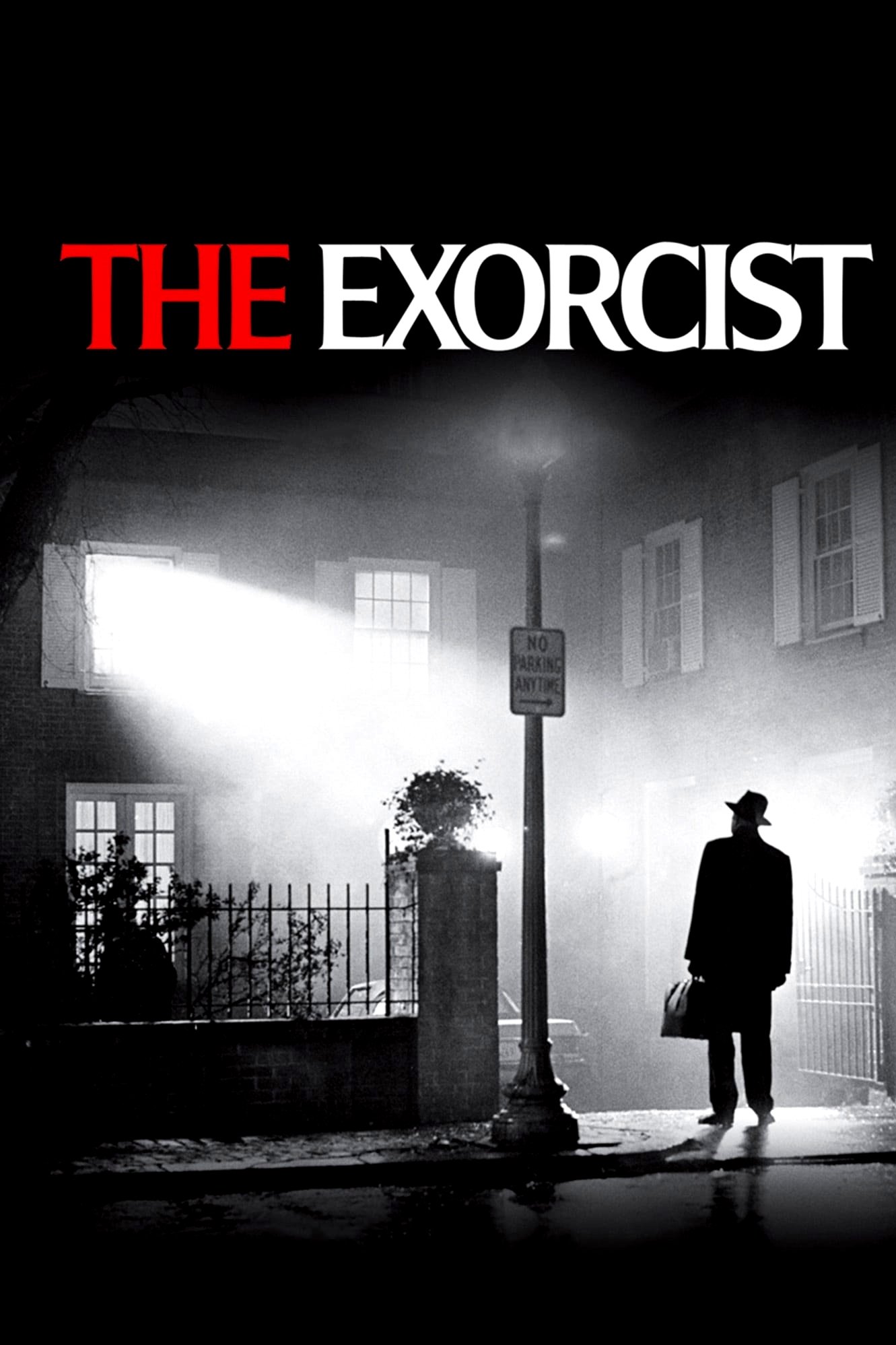
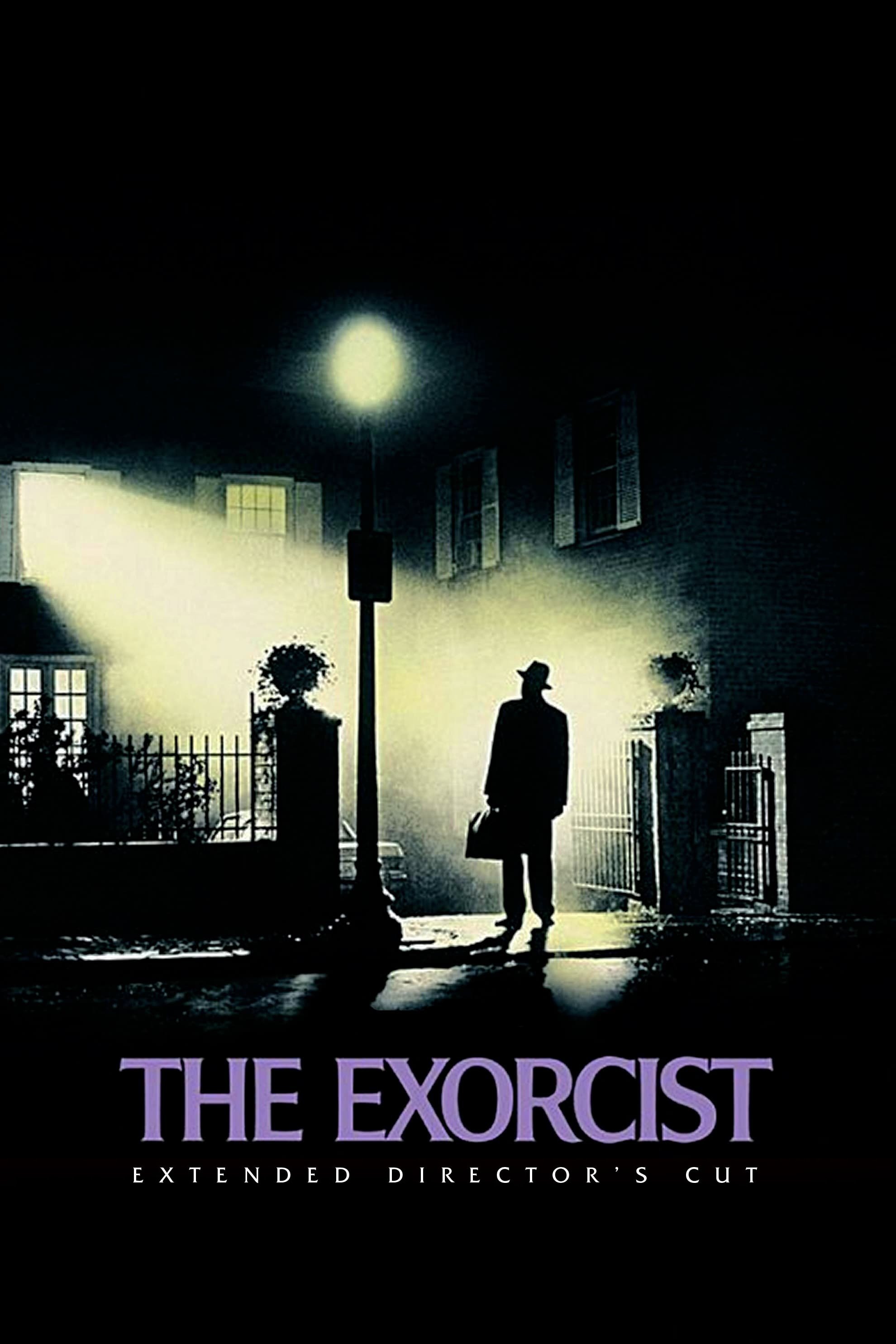
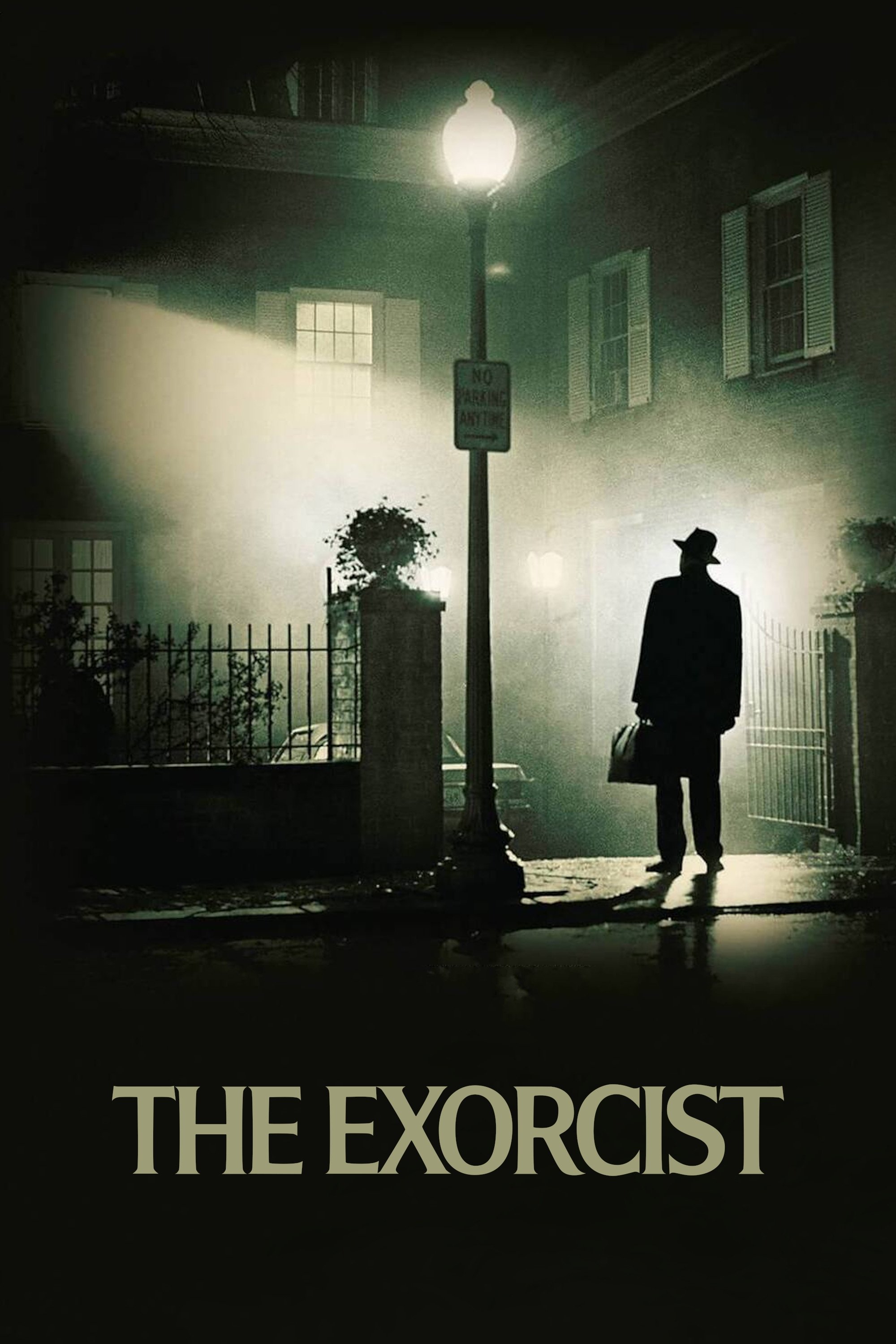
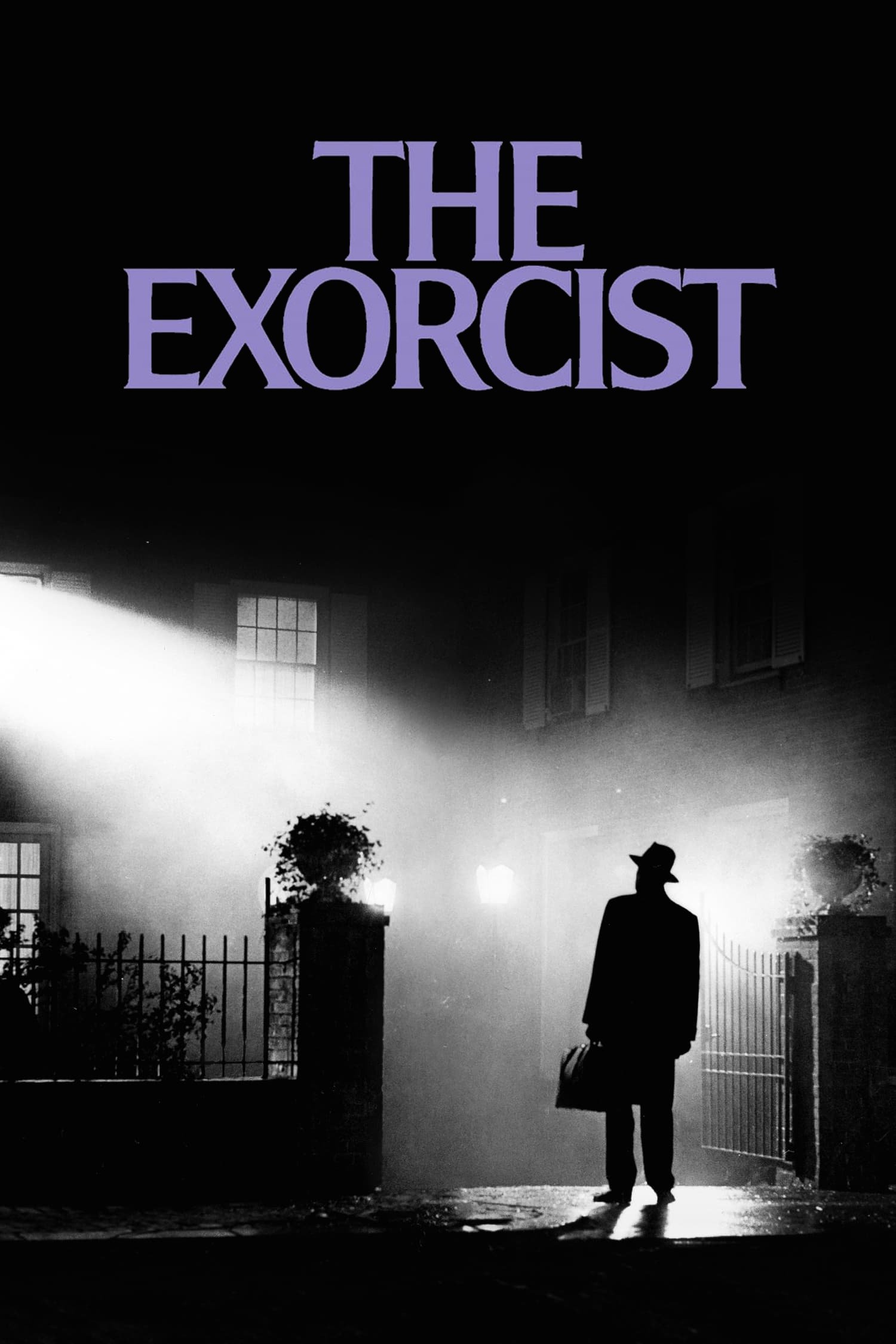
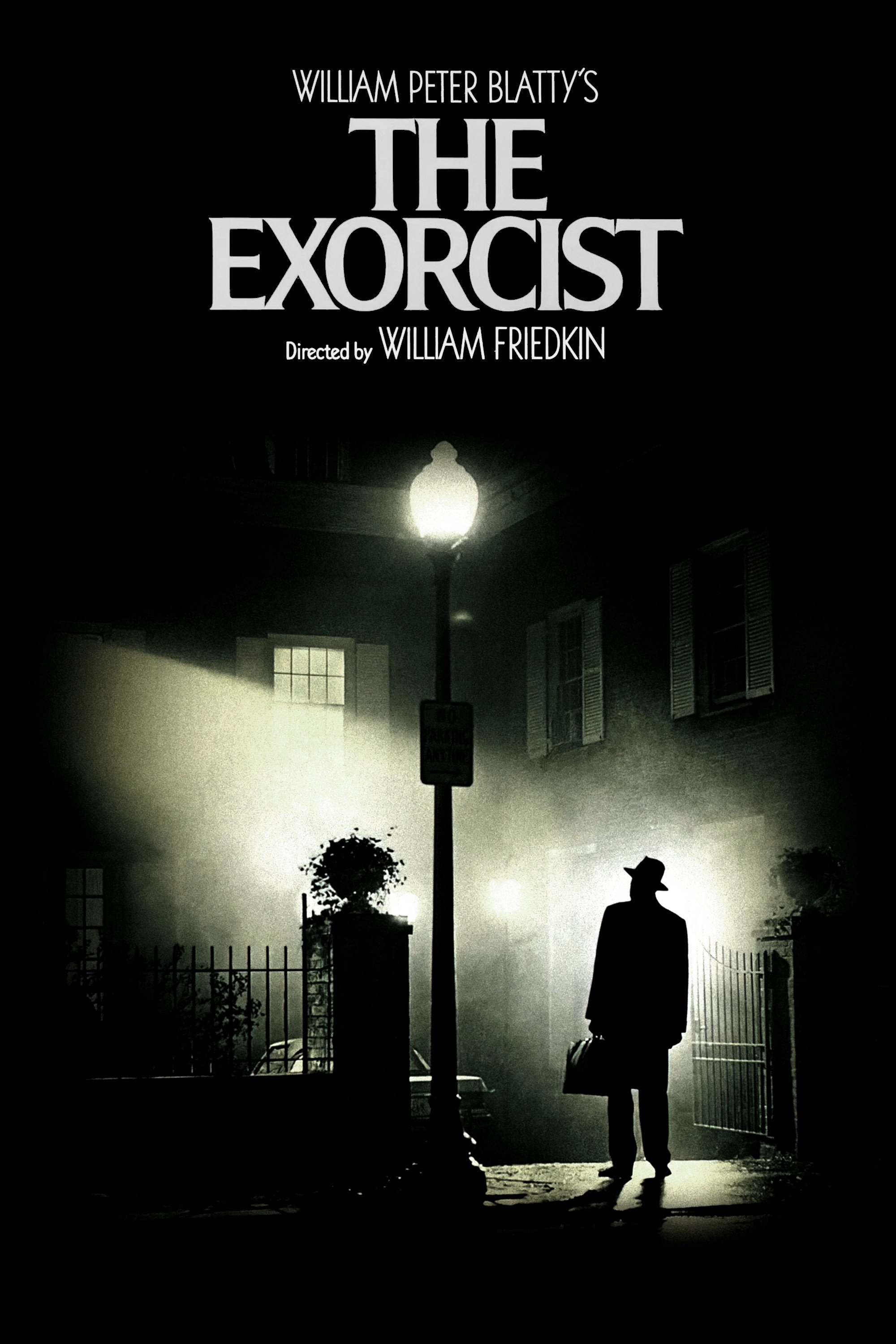
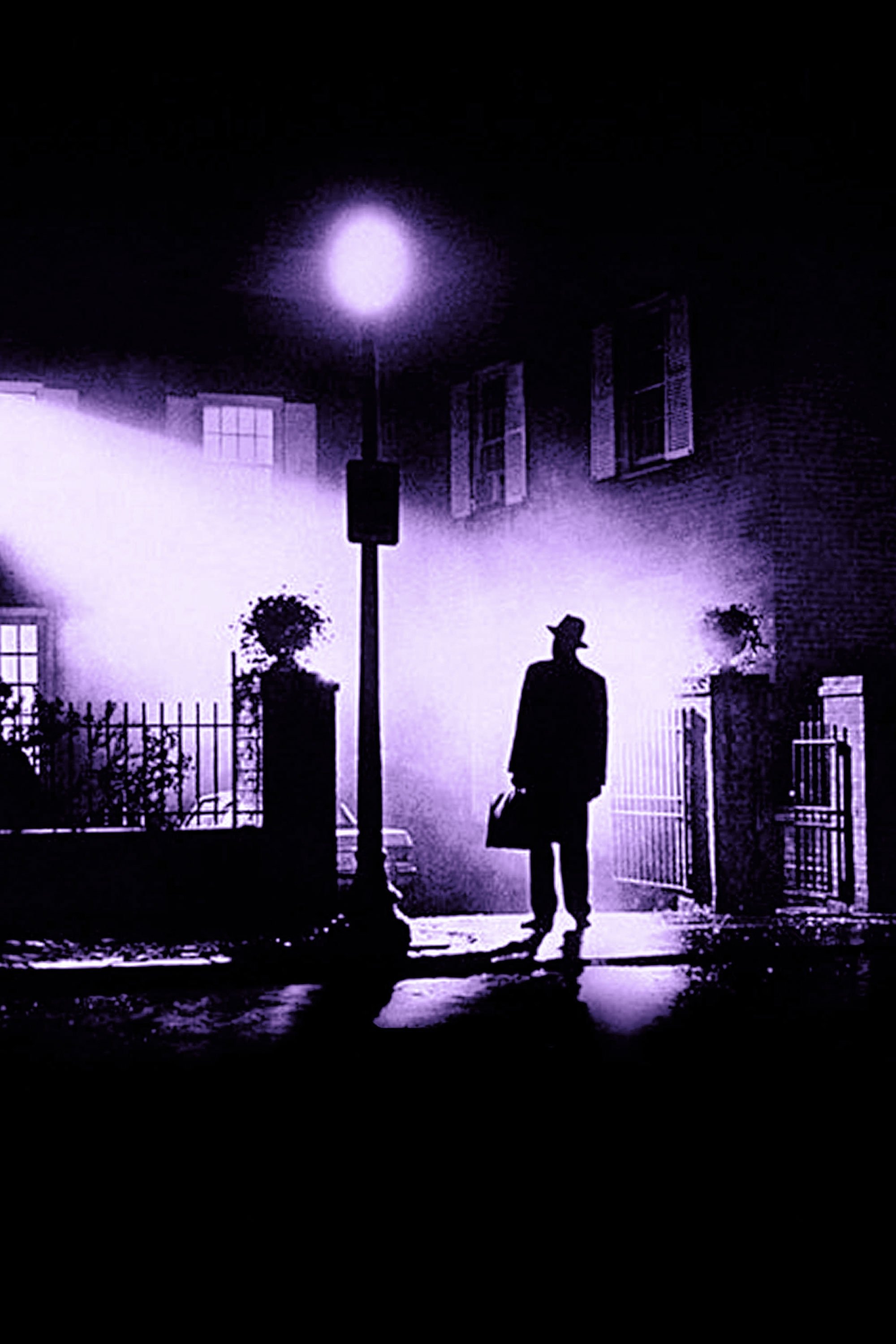
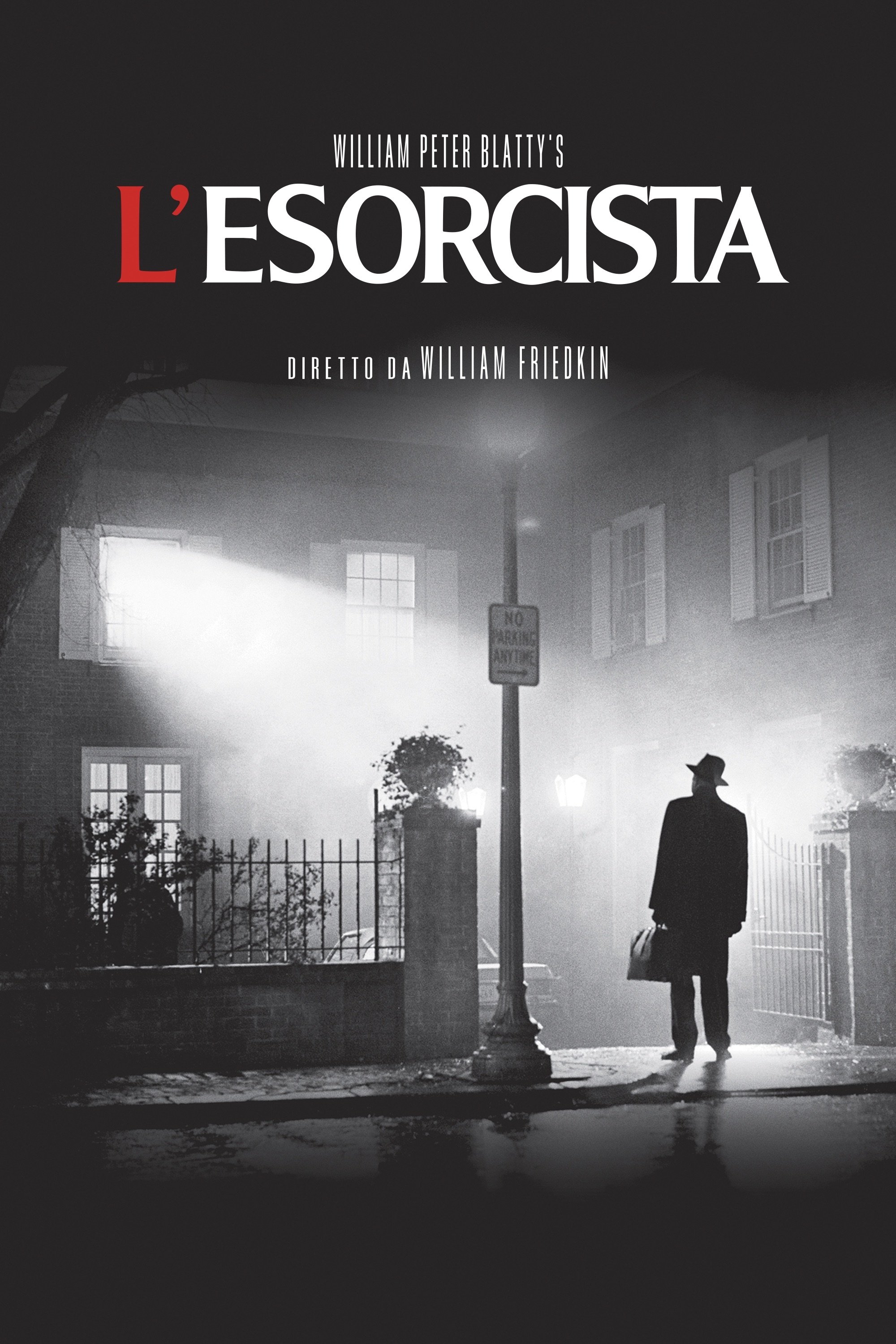
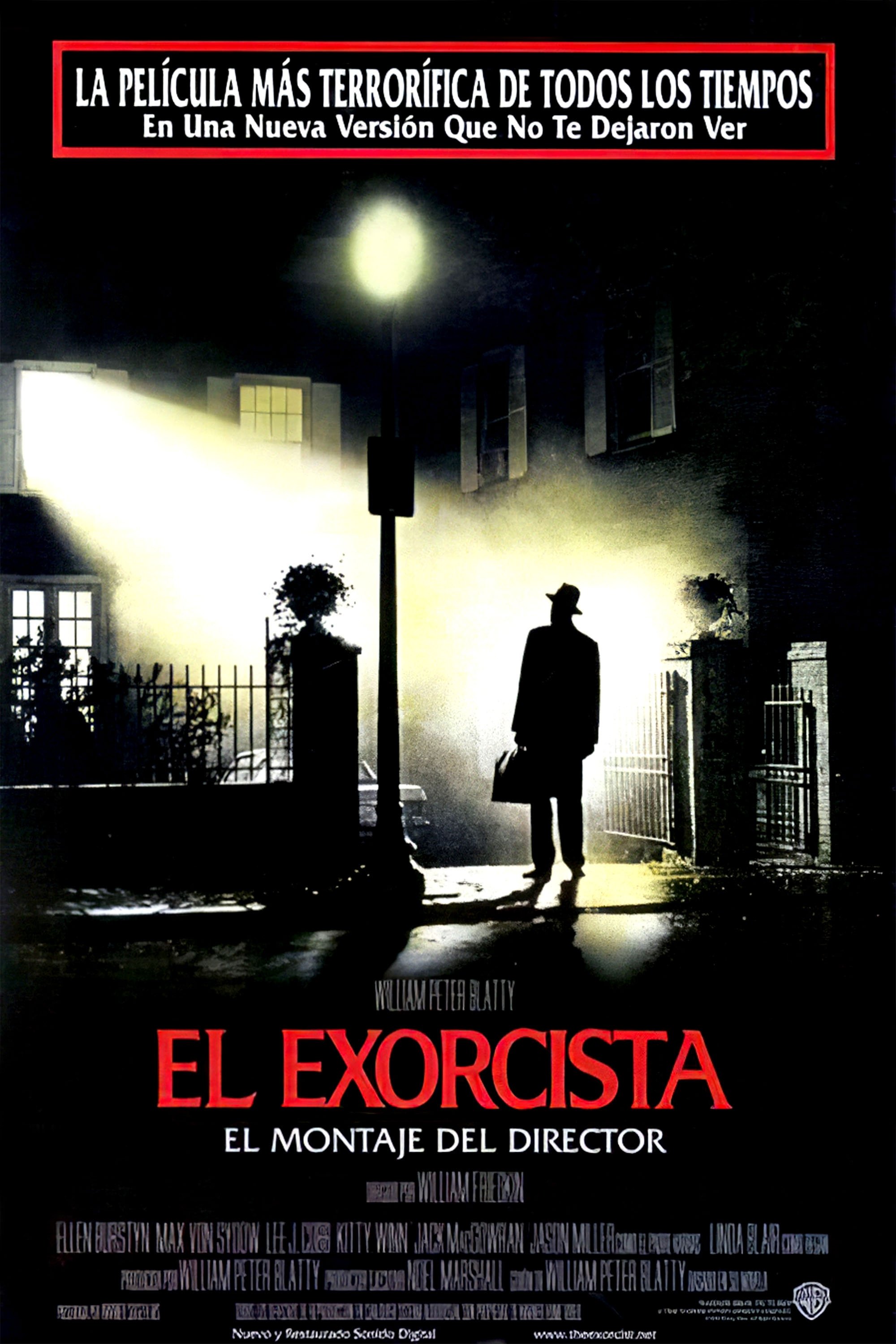
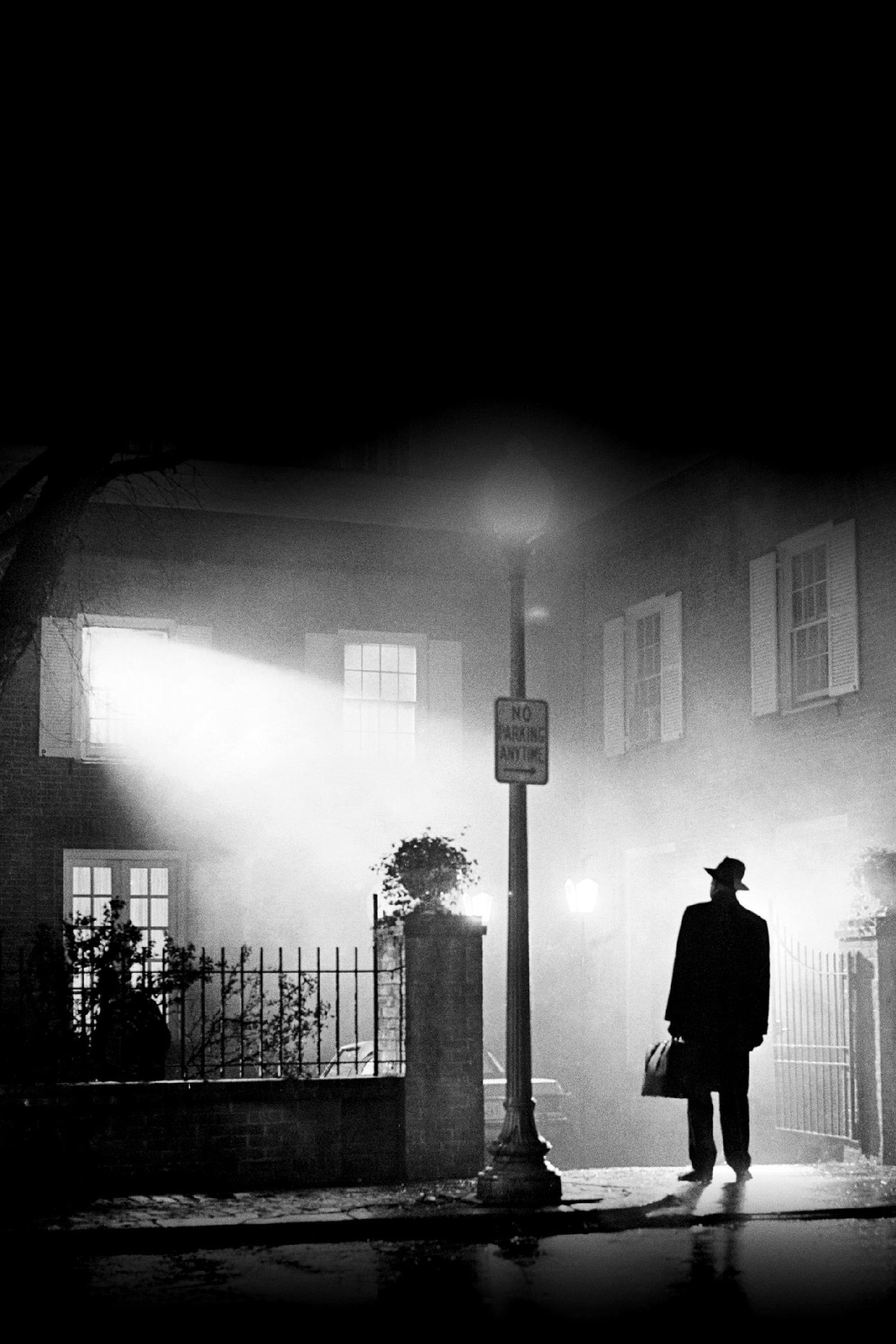
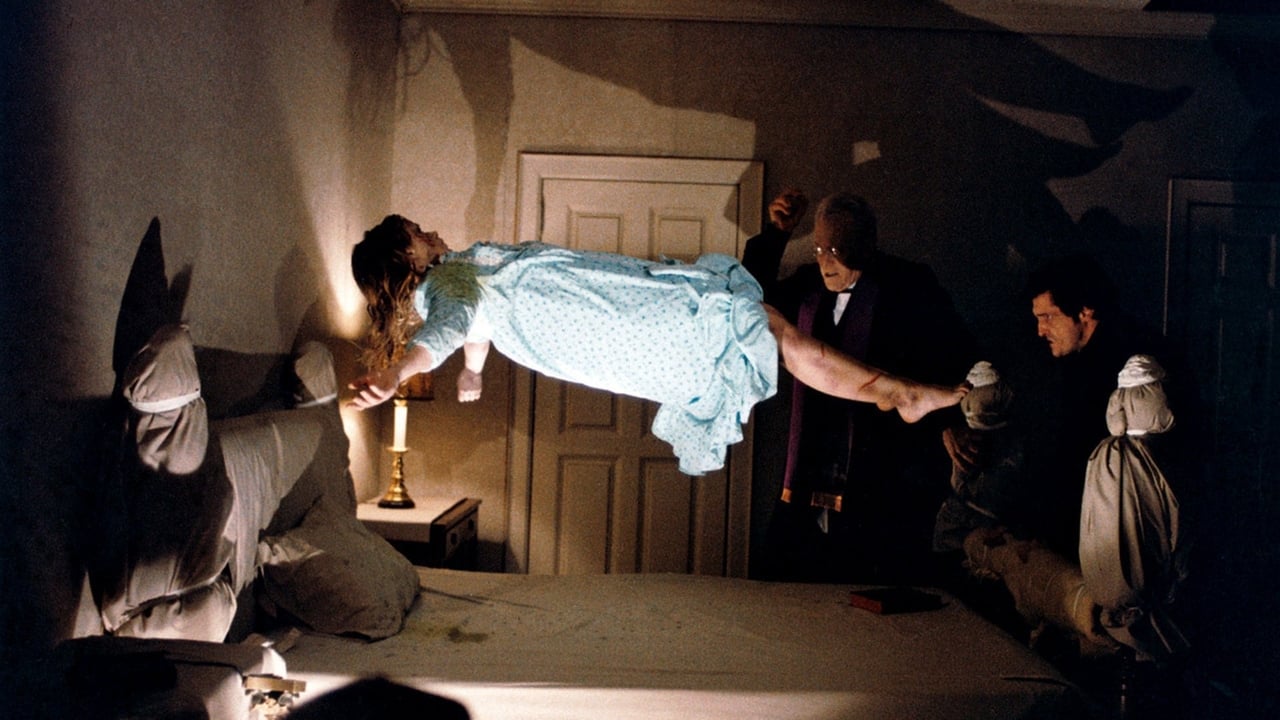
The exorcism room was the production’s most extreme photographic environment. To make the actors’ breath visible, the bedroom set was enclosed inside a refrigerated structure that could be cooled to roughly 20 degrees below zero Fahrenheit. Roizman then had to backlight the vapor without making the source of the light feel artificial. The room itself was deliberately subdued in color, with neutral walls and bedding that pushed skin tones and black clerical clothing to the foreground. Elsewhere the crew devised custom moving rigs for difficult shots, including a suspended platform for a stairwell move. The famous image of Father Merrin arriving through fog and standing beneath the beam from Regan’s window likewise depended on carefully controlled practical lighting and atmosphere.

Makeup & Practical Effects

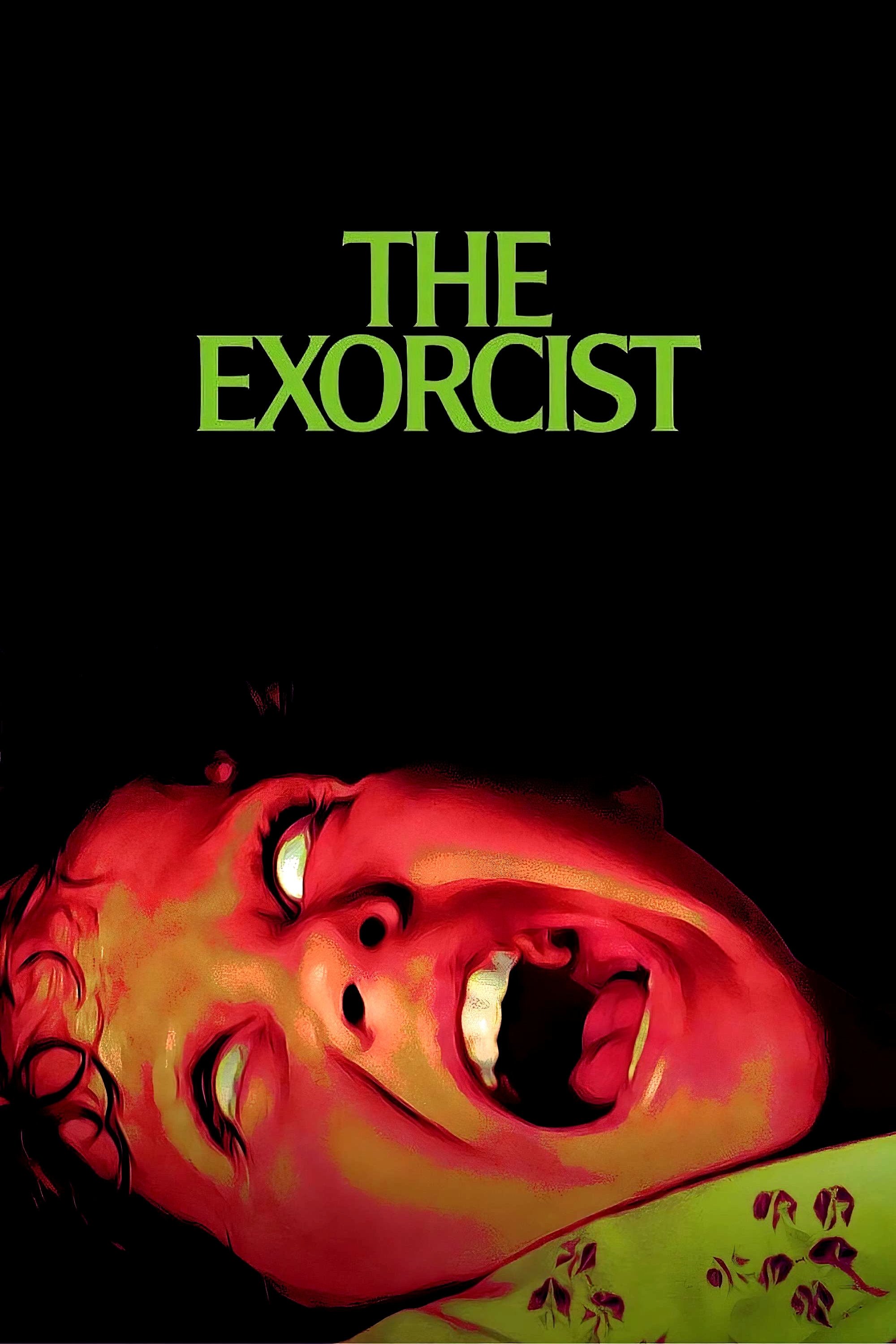
The film’s physical horror depended heavily on the collaboration between makeup artist Dick Smith and mechanical-effects specialist Marcel Vercoutere. Smith’s transformation of Linda Blair developed through successive stages of prosthetic makeup. The deterioration of Regan’s face was treated as an evolving condition, allowing the performance to remain visible beneath the makeup. The Academy Museum notes that the final design required weeks of camera tests and repeated variations, while Smith’s broader practice of applying foam-latex appliances in smaller sections helped preserve facial movement and expression. The result was grotesque without losing the sense that a child remained trapped beneath the transformation.

Several of the film’s most famous images were achieved as practical mechanical effects. Smith and Vercoutere created a life-size Regan dummy for the head-turning sequence, while hidden tubing and a mouthpiece were used for the projectile-vomit effect. Friedkin later explained that the bedroom itself was mounted so it could be violently rocked while props were manipulated with monofilament lines, making the space appear to erupt around the priests. These effects work because they are integrated into the physical environment photographed by Roizman. The horror is tactile: beds move, bodies strain, breath freezes in the air and makeup changes texture under the same light as the actors around it.

Music & Sound

The Exorcist is unusual among major studio horror films of its period because it does not rely on a continuous original dramatic score. Lalo Schifrin was originally engaged, but Friedkin rejected the material and instead assembled much of the final soundtrack from existing modern classical compositions and other recorded music. The film uses works by Krzysztof Penderecki, Anton Webern, Hans Werner Henze and George Crumb, alongside additional music by Jack Nitzsche. Mike Oldfield’s Tubular Bells appears only briefly, yet its repeating piano figure became inseparable from the film’s public identity. Friedkin later described the approach as a collage drawn from music he was already listening to.

Sound effects were treated with the same emphasis on physical reality. Contemporary production accounts documented how recorded animal and insect sounds were processed alongside electronic elements: dogs, pigs, a trapped bee and human vocal material were manipulated into disturbing textures, with the bee recording even retuned across multiple pitches. Silence was equally important, allowing abrupt noises to land with greater force. The demon’s voice, performed by Mercedes McCambridge, became another major component of the sound design; her contribution was not credited in the earliest release prints, leading to a dispute before her credit appeared in later publicity and versions. The film’s sound work ultimately won the Academy Award for Sound.

Release & Box Office

Warner Bros. opened The Exorcist in New York and Los Angeles on December 26, 1973. The release quickly became a public event. Contemporary reports described long lines and incidents of viewers fainting or becoming physically ill, reactions that became part of the film’s publicity but were also recorded by major newspapers at the time. The film’s R rating generated additional controversy because of its violence, sexual language and the age of its central character; some Catholic leaders argued that the rating should have been more restrictive, while MPAA president Jack Valenti publicly defended the decision. The controversy did not prevent the picture from becoming one of the defining commercial successes of the decade.

Box-office figures require care because The Exorcist has been repeatedly reissued. Box Office Mojo separates the 1973 release from later runs and lists approximately $193 million in domestic revenue for the original release group. The substantially revised 2000 theatrical reissue added another $39.7 million domestically, and later engagements continued to add smaller amounts. AFI records that the original film broke box-office records in the United States, Europe and Japan. Its commercial performance was therefore not a short-lived opening-week phenomenon but a long theatrical life that continued through rereleases, allowing a difficult, explicitly religious horror film to operate on the scale of a mainstream Hollywood blockbuster.

Censorship & Alternate Versions

The film’s censorship history is especially significant in Britain. The BBFC passed The Exorcist uncut with an X certificate for cinema release in 1974, even amid public controversy and objections from pressure groups. Some local authorities nevertheless chose to prohibit screenings in their own jurisdictions. The film later appeared on home video before the Video Recordings Act created a compulsory classification system. When the BBFC reviewed older tapes under the new law, it declined to issue a video certificate, and the cassette was removed from shelves in 1988. Contrary to a persistent myth, the BBFC states that The Exorcist was never placed on the Director of Public Prosecutions’ list of “video nasties” and was never prosecuted for obscenity. It returned to certified home video in 1999.
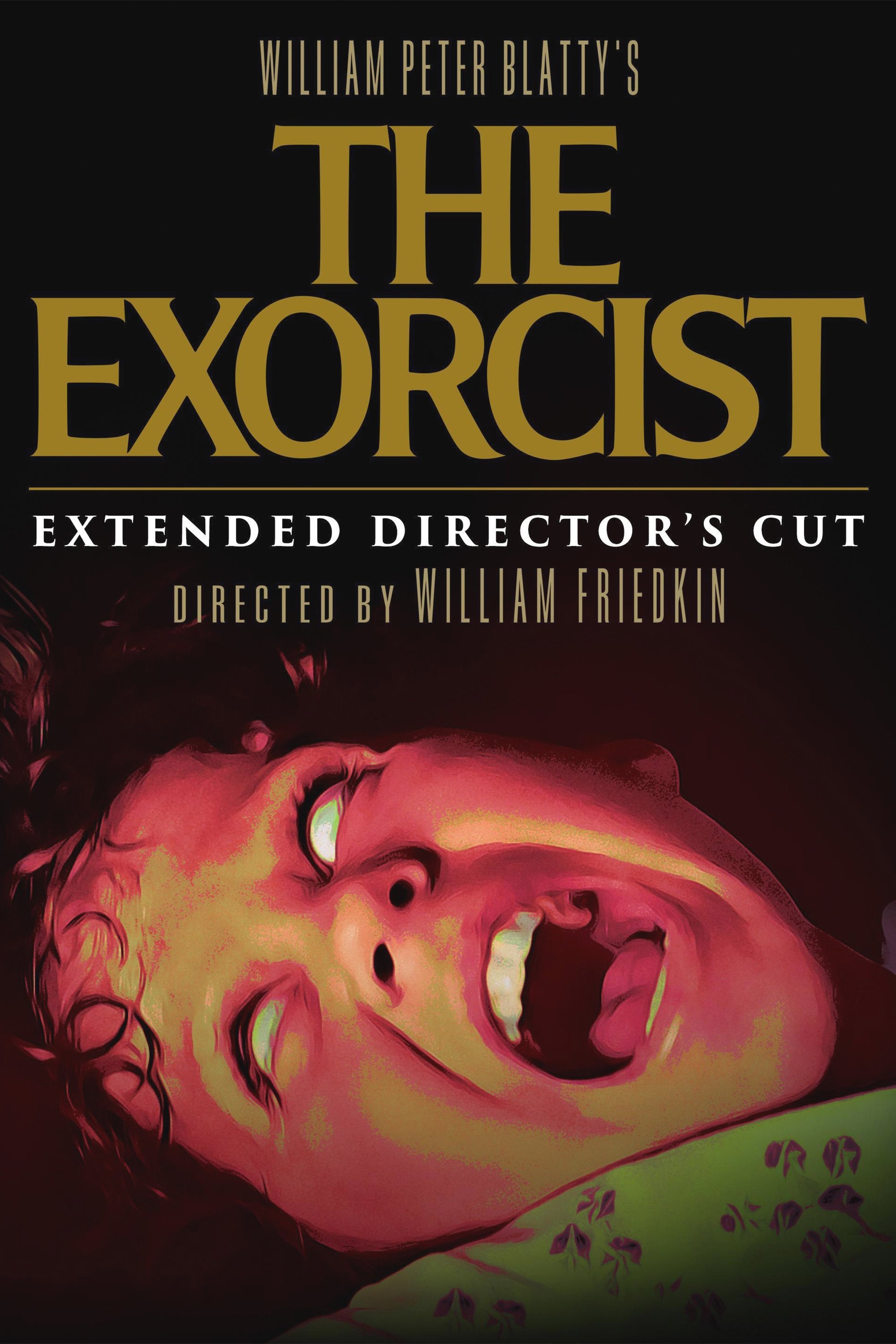
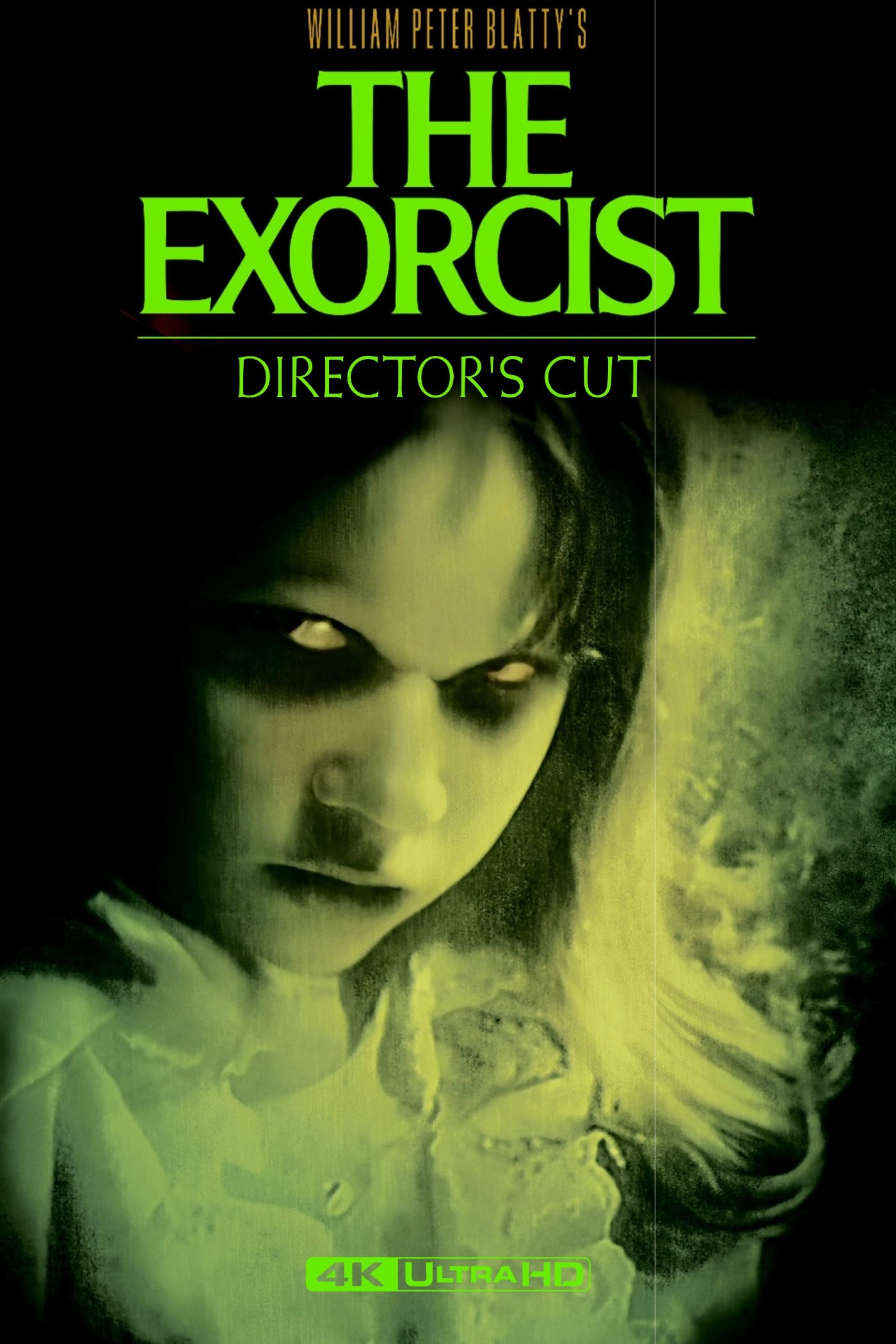
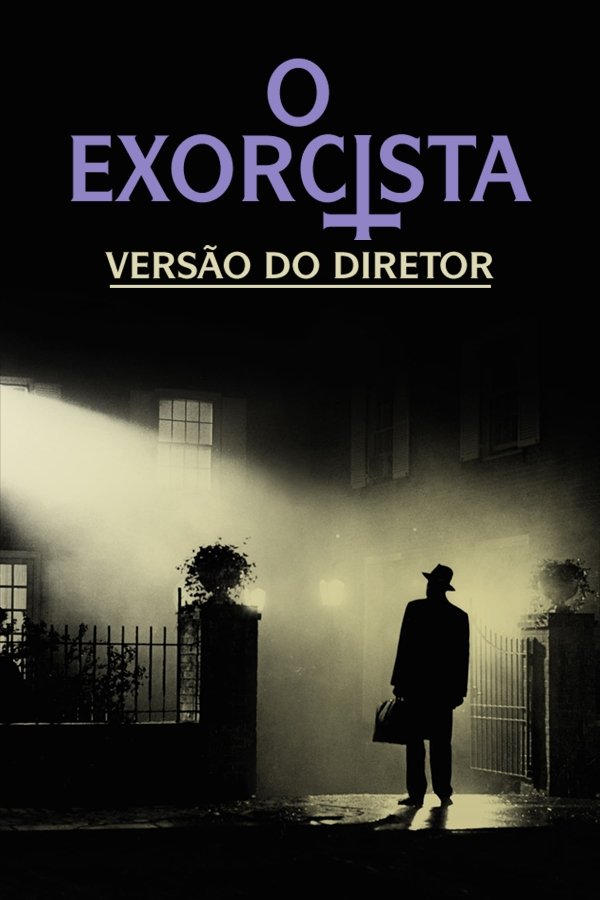
The 1973 theatrical version also exists alongside a later authorized revision. In 2000 Warner Bros. released The Exorcist: The Version You’ve Never Seen, restoring roughly eleven minutes of material that Friedkin had originally removed for pacing. Additions included the spider-walk, extra dialogue and an expanded ending, while digital work removed visible support wires from footage that could not be used effectively in 1973. Friedkin later said that Blatty had urged him for years to restore the material and that he eventually changed his mind after reviewing it again. The 2000 cut is a later re-edit reflecting a revised agreement between director and writer-producer; it should not be confused with the original 1973 version.

Critical Reception & Awards

The initial critical response was sharply divided. Some reviewers treated the film as an extraordinary achievement in horror technique, while others saw its explicitness as sensational or degrading. Roger Ebert, writing on the day of release, praised its overwhelming emotional and technical force while remaining uneasy about what that force was being used to express. AFI’s survey of contemporary coverage likewise records both enthusiastic notices and severe attacks, including the New York Times review that dismissed the film in unusually harsh terms. The disagreement is central to the film’s history: The Exorcist was not immediately received as an uncontested classic, even though its ability to affect audiences was widely acknowledged.

Industry recognition was nevertheless exceptional. At the 46th Academy Awards the film received ten nominations, including Best Picture, Director, Actress for Ellen Burstyn, Supporting Actor for Jason Miller, Supporting Actress for Linda Blair, Cinematography and Film Editing. It won for William Peter Blatty’s adapted screenplay and for Sound. AFI notes that its Best Picture nomination marked the first time a horror film had entered that category. That achievement mattered because it placed a work built around demonic possession, bodily desecration and religious terror inside the same awards conversation as the year’s major prestige dramas, expanding the cultural territory in which studio horror could be taken seriously.

Legacy & Influence

The Exorcist became a reference point for supernatural horror through its subject matter and its documentary-influenced filmmaking methods. The film treats possession as a crisis investigated through medicine, psychology, police work and theology before allowing the ritual of exorcism to dominate the final movement. That gradual replacement of modern explanations by an older religious framework proved enormously durable. Later possession films repeatedly returned to its combination of domestic realism, bodily transformation, clerical expertise and escalating diagnostic failure. The Library of Congress, when selecting the film for the National Film Registry in 2010, explicitly described its stylistic and narrative influence as continuing into twenty-first-century horror.

Its technical legacy is equally visible. The American Society of Cinematographers later included The Exorcist among its milestone films in twentieth-century cinematography, while museums and the Academy continue to preserve and exhibit Dick Smith’s makeup work as a landmark in practical effects. The film also demonstrated that extreme horror imagery could coexist with serious dramatic performance, sophisticated sound design and large-scale commercial success. Its influence cannot be reduced to the number of later exorcism stories it inspired. More fundamentally, it helped establish a model in which horror could be staged with the procedural detail, production resources and institutional prestige of mainstream adult drama without surrendering the genre’s capacity for physical shock.

Connections

Cast

View Full Cast & Crew →

Release & Distribution

Distributors (1)

  • Warner Bros. Entertainment US

Release History (93)

Release DateTerritoryRelease TypeFormatDistributorCertificationNotes
1973-12-26 Canada Theatrical — — 18A
1973-12-26 United States Theatrical — — R
1974-03-14 United Kingdom Premiere — — 18 London
1974-05-31 Ireland Theatrical — — 18
1974-07-13 Japan Theatrical — — R15+
1974-07-29 Sweden Theatrical — — 15
1974-08-05 Denmark Theatrical — — 15
1974-08-14 Argentina Theatrical — — +18
1974-08-19 Uruguay Theatrical — — —
1974-09-04 Netherlands Theatrical — — 18
1974-09-11 France Theatrical — — 18
1974-09-19 Germany Theatrical — — 18 West Germany
1974-09-20 Belgium Theatrical — — 18
1974-09-20 Italy Theatrical — — 18+
1974-09-22 United Kingdom Theatrical — — 18 X (original rating)
1974-10-04 Finland Theatrical — — K-18
1974-10-05 Greece Theatrical — — —
1974-11-01 Portugal Theatrical — — M/18
1974-11-11 Brazil Theatrical — — 18
1974-12-19 Mexico Theatrical — — C
1975-01-01 Peru Theatrical — — —
1975-05-24 South Korea Theatrical — — 18
1975-09-01 Spain Theatrical — — 18
1977-08-27 India Theatrical — — —
1977-12-29 Norway Theatrical — — 18
1979-04-11 United States Theatrical — — R Re-release
1979-09-20 Argentina Theatrical — — — Re-release
1980-07-20 United Kingdom Theatrical — — 18 Re-release
1981-03-09 Türkiye Theatrical — — —
1989-01-05 Hungary Theatrical — — 18
1991-10-01 XC Physical — — —
1998-01-30 Slovakia TV — — 18 Markíza
1998-10-30 Ireland Theatrical — — — Re-release
2000-03-17 United States Limited Theatrical — — — Re-release
2000-09-22 United States Theatrical — — R Restored Version
2000-10-07 Japan Theatrical — — PG12 Restored version
2000-10-18 Spain Theatrical — — — Restored version
2000-10-25 Philippines Theatrical — — R-16 Restored version
2000-11-02 Hong Kong SAR China Theatrical — — IIB Restored version
2000-11-03 Iceland Theatrical — — — Restored version
2000-12-01 Italy Theatrical — — — Restored version
2000-12-05 Norway Physical — — 15 Nytgivelse og ny aldersgrense. Filmen skildrer en djevelutdrivelse og får 15-årsgrense pga. scener der den besatte jenta utagerer verbalt og fysisk. Virkemidlene, som var svært omdiskutert på 70-tallet, er ikke så uvanlig i film i dag.
2000-12-06 United States Physical — — R
2000-12-26 Canada Physical DVD — 18A DVD
2001-02-09 Finland Theatrical — — K-16 Re-release
2001-02-18 Argentina Theatrical — — +16 Restored version
2001-03-02 Belgium Theatrical — — 18 Restored Version
2001-03-02 Brazil Theatrical — — 18 Restored version
2001-03-09 Mexico Theatrical — — B Restored version
2001-03-14 Switzerland Theatrical — — 16 Restored version
2001-03-14 France Theatrical — — 12 Restored version
2001-03-15 Switzerland Theatrical — — 16 Restored version
2001-03-15 Germany Theatrical — — 16 Restored version
2001-03-15 New Zealand Theatrical — — R16 Restored version
2001-03-15 Peru Theatrical — — — Restored version
2001-03-22 Australia Theatrical — — R 18+ Restored version
2001-04-01 Russia Digital — — 18+ Restored version
2001-04-05 Netherlands Theatrical — — 16 Restored version
2001-04-06 Portugal Theatrical — — M/18 Restored version
2001-04-11 Sweden Theatrical — — 15 Restored Version
2001-05-04 Greece Theatrical — — — Restored version
2001-05-04 Türkiye Theatrical — — 18+ Restored version
2001-05-19 South Korea Theatrical — — 15 Restored version
2001-07-12 Czechia Theatrical — — 15+ Restored version
2001-07-19 Hungary Theatrical — — — Restored version
2001-08-08 Sweden Physical DVD — 15 DVD release
2001-08-16 Israel Theatrical — — 18 Restored version
2002-10-17 United States Premiere — — — Screamfest Horror Film Festival (Extended Version)
2004-03-16 Netherlands TV — — 16 Net 5
2006-10-10 Singapore Physical DVD — R21 DVD (uncut)
2010-09-20 Netherlands Physical Blu-ray — 16 Blu ray
2010-09-30 United States Limited Theatrical — — — Re-release
2010-10-18 United Arab Emirates Physical Blu-ray — — Blu-ray
2010-10-27 Sweden Physical Blu-ray — 15 Blu-ray release
2013-02-21 Peru Theatrical — — — Re-release
2013-06-19 Italy Theatrical — — — Re-release
2013-08-13 Germany Physical — — 16 Neuprüfung
2013-10-08 Singapore Physical Blu-ray — R21 Blu-ray (uncut)
2014-04-15 Netherlands Physical DVD — 16 DVD
2014-10-20 Poland Theatrical — — 18 Restored version
2015-01-04 Slovakia TV — — 18 Markíza
2015-05-30 Chile Theatrical — — — Re-release
2015-11-13 Sweden Theatrical — — 15 Stockholm International Film Festival
2016-01-07 Indonesia Digital — — —
2016-11-08 France Physical — — —
2017-06-25 China Premiere — — — Shanghai International Film Festival
2018-07-17 Spain Theatrical — — 18 Reestreno
2019-04-03 Australia Digital — — MA 15+
2020-10-30 Taiwan Theatrical — — 輔12級 Restored Version
2021-03-11 Luxembourg Premiere — — — Luxembourg City Film Festival
2021-10-26 Mexico Limited Theatrical — — B-15 Re-release
2024-04-19 China Premiere — — — Beijing International Film Festival (4K)Director Edited The Version You've Never Seen Before
2025-10-30 Argentina Theatrical — — —

Awards & Festivals

17 entries
YearFestival / AwardEntrySectionCategoryResultPremiere
1974Academy Award for Best Actressawardnominated
1974Academy Award for Best Cinematographyawardnominated
1974Academy Award for Best Film Editingawardnominated
1974Academy Award for Best Production Designawardnominated
1974Academy Award for Best Soundawardwon
1974Academy Award for Best Soundawardnominated
1974Academy Award for Best Supporting Actorawardnominated
1974Academy Award for Best Supporting Actressawardnominated
1974Academy Award for Best Writing, Adapted Screenplayawardwon
1974Academy Award for Best Writing, Adapted Screenplayawardnominated
1974Academy AwardsawardAcademy Award for Best Directornominated
1974Golden Globe Award for Best Screenplayawardwon
1974Golden GlobesawardGolden Globe Award for Best Motion Picture – Dramawon
1974Golden GlobesawardGolden Globe Award for Best Directorwon
1974Golden GlobesawardGolden Globe Award for Best Supporting Actress – Motion Picturewon
—Academy AwardsawardAcademy Award for Best Picturenominated
—Saturn AwardsawardSaturn Award for Best Horror Filmwon
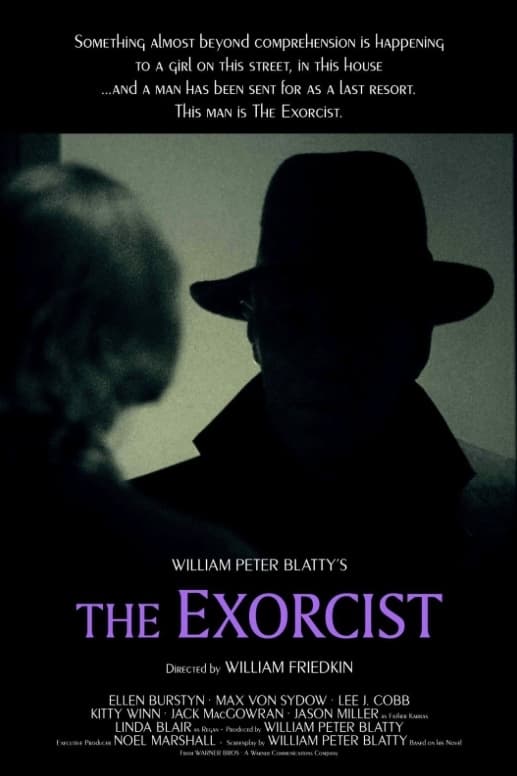
Something almost beyond comprehension is happening to a girl on this street, in this house… and a man has been sent for as a last resort. This man is The Exorcist.