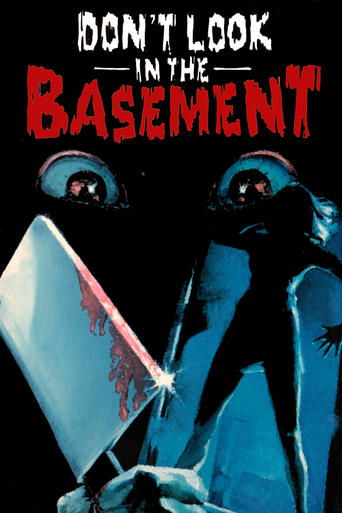
Don't Look in the Basement (1973)

US
Runtime
89 min
Release
September 1, 1973
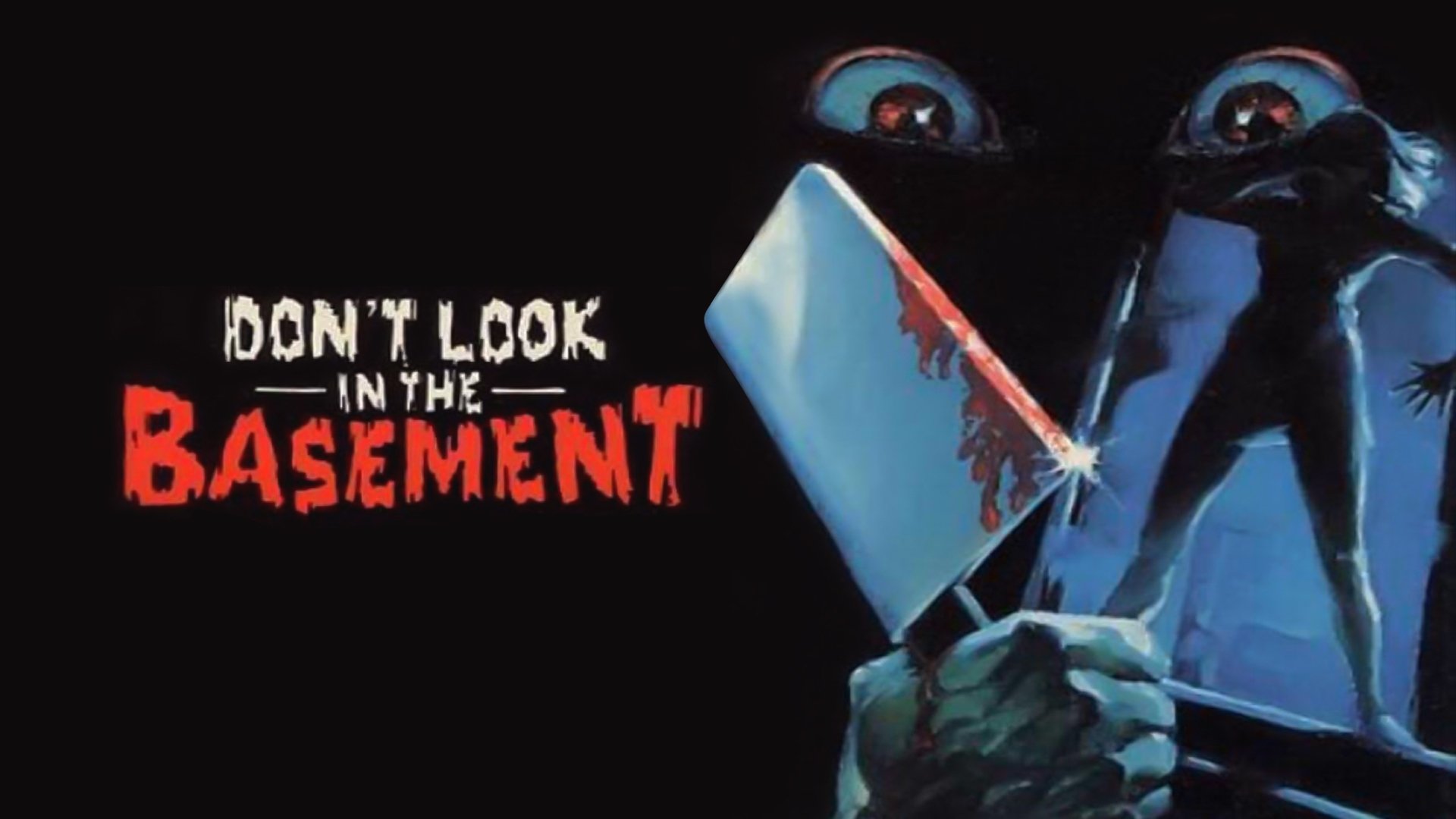
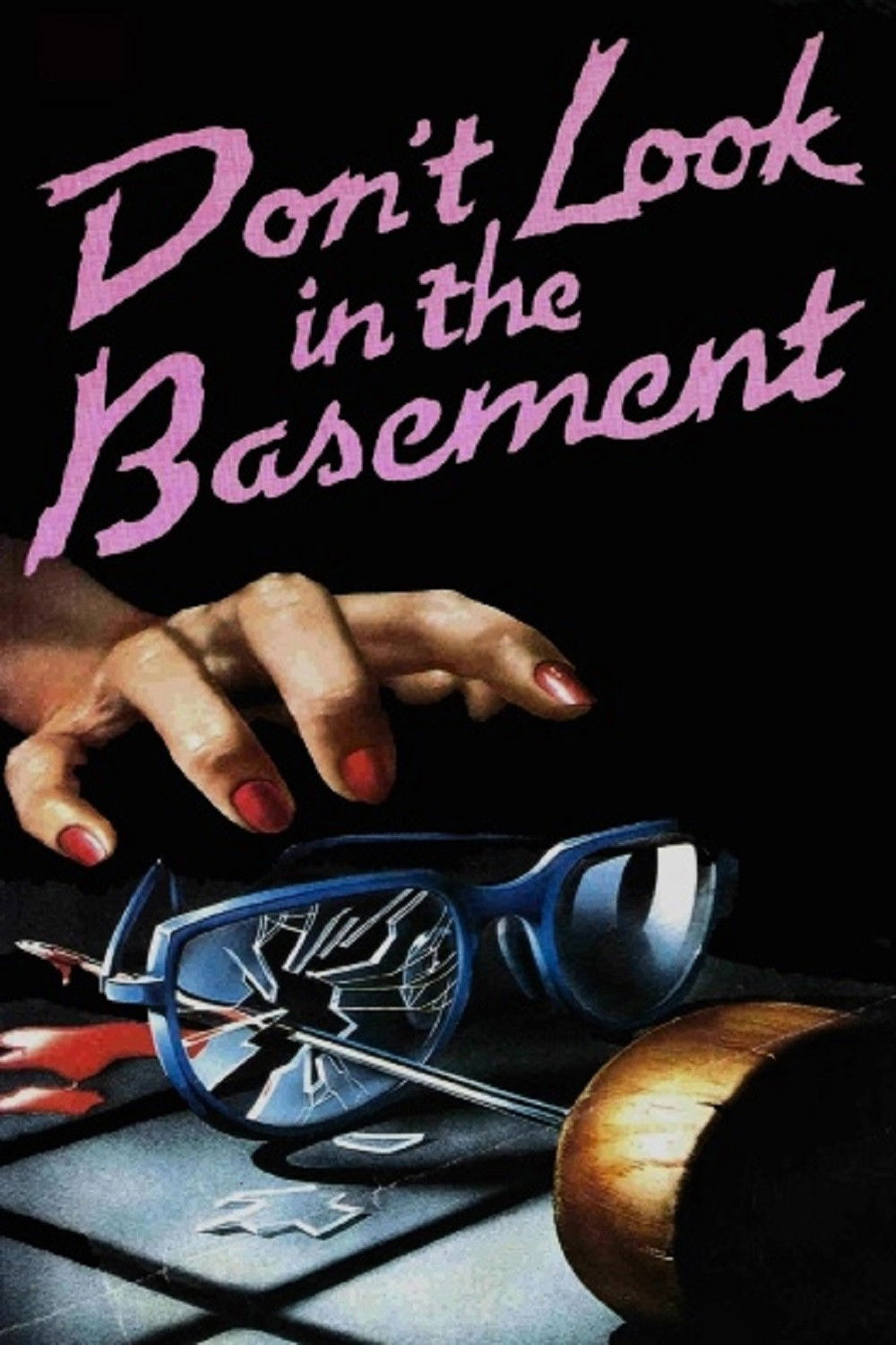
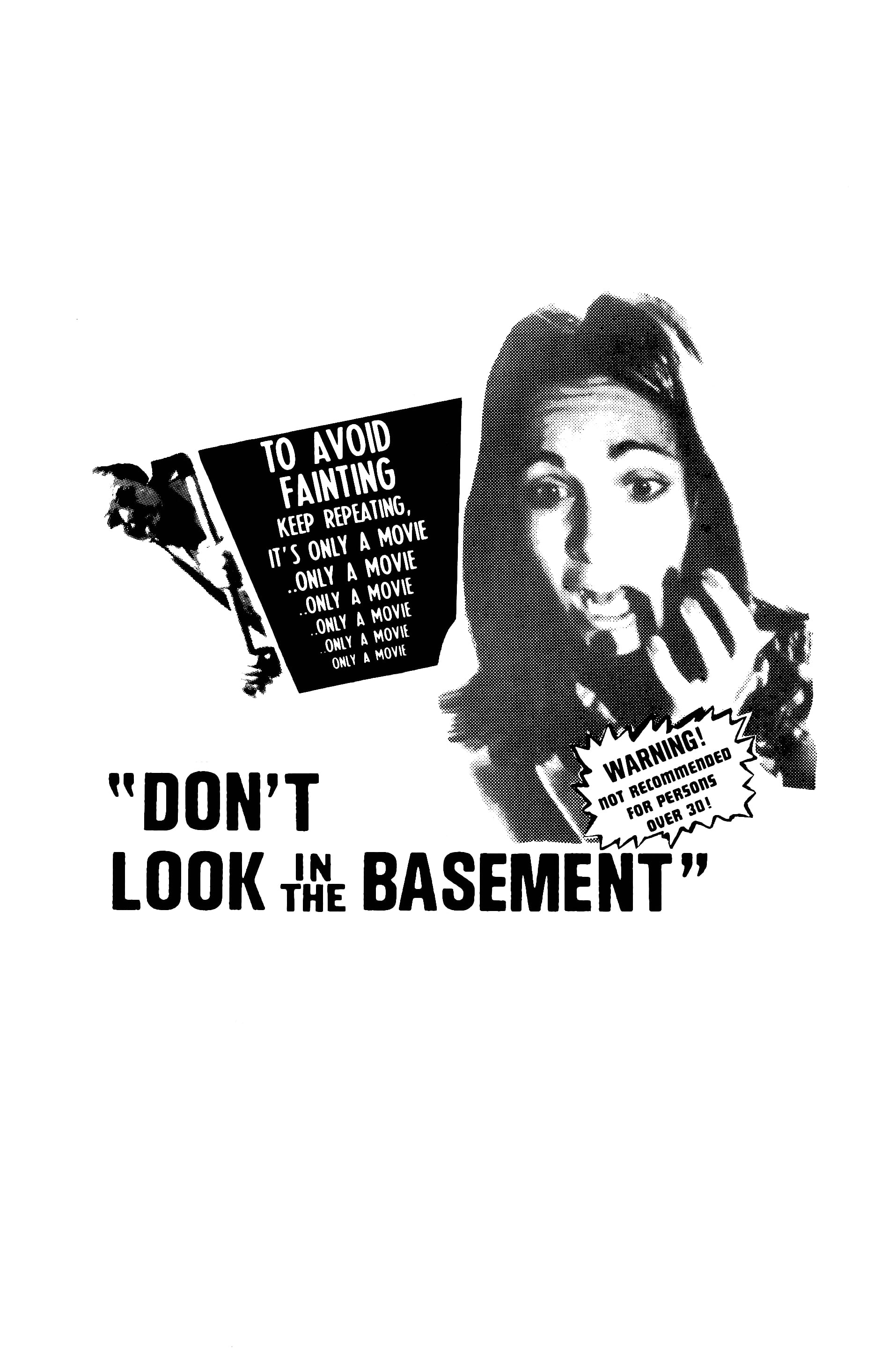
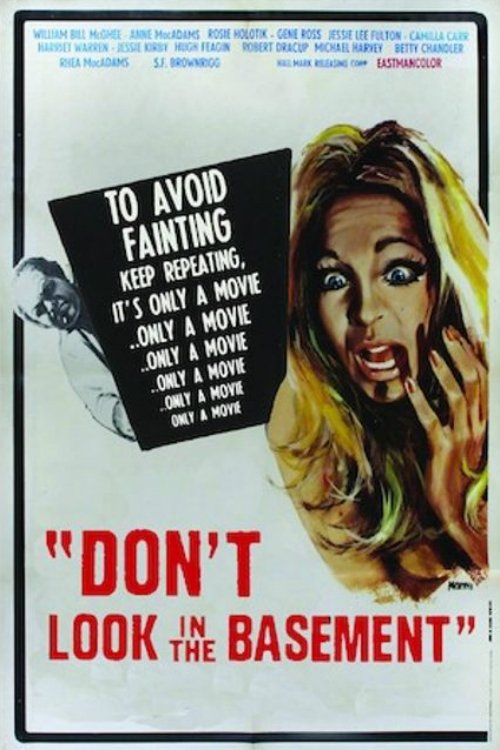
Don't Look in the Basement (1973) poster
Director
Writer
Production Companies
Camera 2 Productions , Century Studios
Plot

A young psychiatric nurse goes to work at a lonesome asylum following a murder. There, she experiences varying degrees of torment from the patients.

Alternative Titles
Ústav hrůzy (CZ) — translation:cs No Miréis en el Sótano (ES) — translation:es No Mireis en el Sotano! (ES) Non Guardare in Cantina (IT) ベイスメント 院内感染殺人 (JP) Не заглядывайте в подвал (RU) — translation:ru Death Ward #13 (US) The Forgotten (US)

Trailers & Videos

1 video

Film Guide

S. F. Brownrigg builds a Texas asylum nightmare around false authority, escalating murder and a disputed British video history.

Don't Look in the Basement (1973), first circulated as The Forgotten, is a Texas-made asylum horror film organized around the collapse of professional authority. A newly appointed nurse arrives at Stephens Sanitarium after the institution's director has been attacked with an axe. The remaining occupants live under a system that encourages patients to indulge their delusions, leaving the newcomer unable to distinguish treatment from coercion. S. F. Brownrigg makes the building itself part of the trap: rooms are accessible, staff are scarce and every claim to authority becomes suspect.

Produced for the American independent circuit, the film uses an ensemble of troubled characters, abrupt murders and a prolonged deception to create tension with limited resources. Its transformation into a drive-in attraction under a more alarming title was followed by a separate British history of cinema cuts, a shortened videocassette and inclusion on the Director of Public Prosecutions' video-nasty list. The picture also illustrates how exploitation horror borrowed popular fears surrounding psychiatric institutions without offering a reliable portrait of mental illness.

A Texas Production and The Forgotten

Brownrigg came to feature directing after working in Texas filmmaking, including editing and sound assignments for Larry Buchanan. His first feature was originally known as The Forgotten, a title that placed less emphasis on the sensational promise of immediate physical danger. Author Bret McCormick's research on regional exploitation, as reported by historian and critic Jon Kitley, preserves conflicting budget estimates: figures around $100,000 circulate publicly, but Brownrigg reportedly recalled a cost closer to $25,000. Neither amount represents an audited cost. The brief shoot is commonly described as lasting twelve days.

The sanitarium was staged at the former college building in Tehuacana, Texas, later known as the Trinity Institute. Anthony Brownrigg, the director's son, confirmed that location when he returned there for his own continuation of the story. Its real corridors, stairways and institutional rooms provided an economical setting whose scale suited the small cast. The AFI identifies Camera 2 Productions and Century Studios in the film's production history, with Tim Pope credited for the screenplay. That practical arrangement favored a single building and locally recruited performers.

The Asylum, Authority and Impersonation

Dr. Stephens runs his institution according to the dangerous belief that patients should be permitted to enact their private realities. An exercise involving an axe ends in a violent assault on the doctor, and the apparent succession by Geraldine Masters immediately unsettles the staff hierarchy. Nurse Charlotte Beale arrives expecting an ordinary position, only to discover that Masters is reluctant to admit outsiders or explain recent events. A disconnected telephone and increasingly threatening residents leave Charlotte with limited access to help. The horror is generated by the breakdown of ordinary safeguards before she fully understands the scale of the deception.

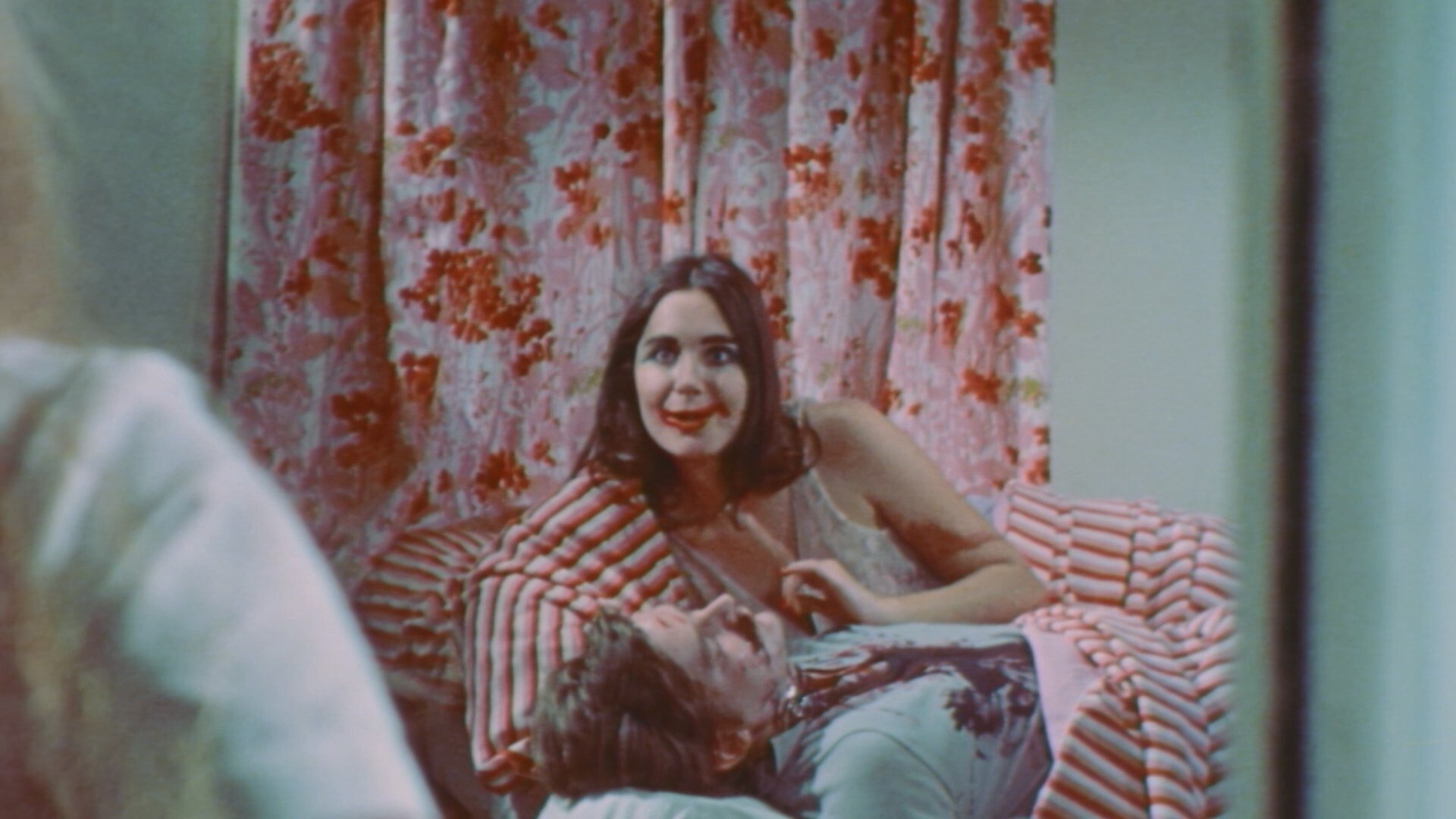
The central reversal reveals that Masters is a patient impersonating a physician. Her assumed status has enabled her to treat other occupants with cruelty while presenting her decisions as professional care. Charlotte's efforts to uncover the truth are countered by the false allegation that she, too, belongs among the patients. Control of records, explanations and testimony becomes as dangerous as the weapons scattered through the building. The narrative exposes the fragility of authority when everyone inside a closed institution depends on the same unreliable source of information.

Sam supplies an important variation on that struggle. A former lobotomy patient, he retains affection for Stephens and repeatedly attempts to communicate what has happened. His behavior invites other characters to underestimate his understanding, but his later actions complicate their assumptions. The film treats vulnerability, manipulation and the ability to protect another person as elements of its final confrontation. That development gives the story a human relationship beyond the succession of murders.

Rooms, Performances and Threat

Much of the unease comes from the way familiar spaces refuse to offer security. Corridors connect small bedrooms, shared areas and the cellar, allowing one resident to enter another person's surroundings with little warning. Brownrigg uses close views of faces, uneasy pauses and abrupt movement within the frame to keep attention on unpredictable reactions. The large building is seldom photographed as a reassuring whole. Its individual rooms become temporary enclosures, and the absence of locked doors leaves the inhabitants exposed to one another.

The ensemble is constructed around distinctive habits and possessions. Harriett guards a doll she considers her child; the former judge Cameron continues to issue judgments; Sergeant Jaffee behaves as though he remains in a war. The screenplay uses these traits to build anticipation because a familiar gesture can turn into an act of aggression. Such characterization also draws on stigmatizing screen conventions that reduce psychiatric patients to exaggerated behaviors. The performances sustain the mystery, but the institution's portrayal should be understood as exploitation fiction with no basis in clinical practice.

Violent Images and Horror Structure

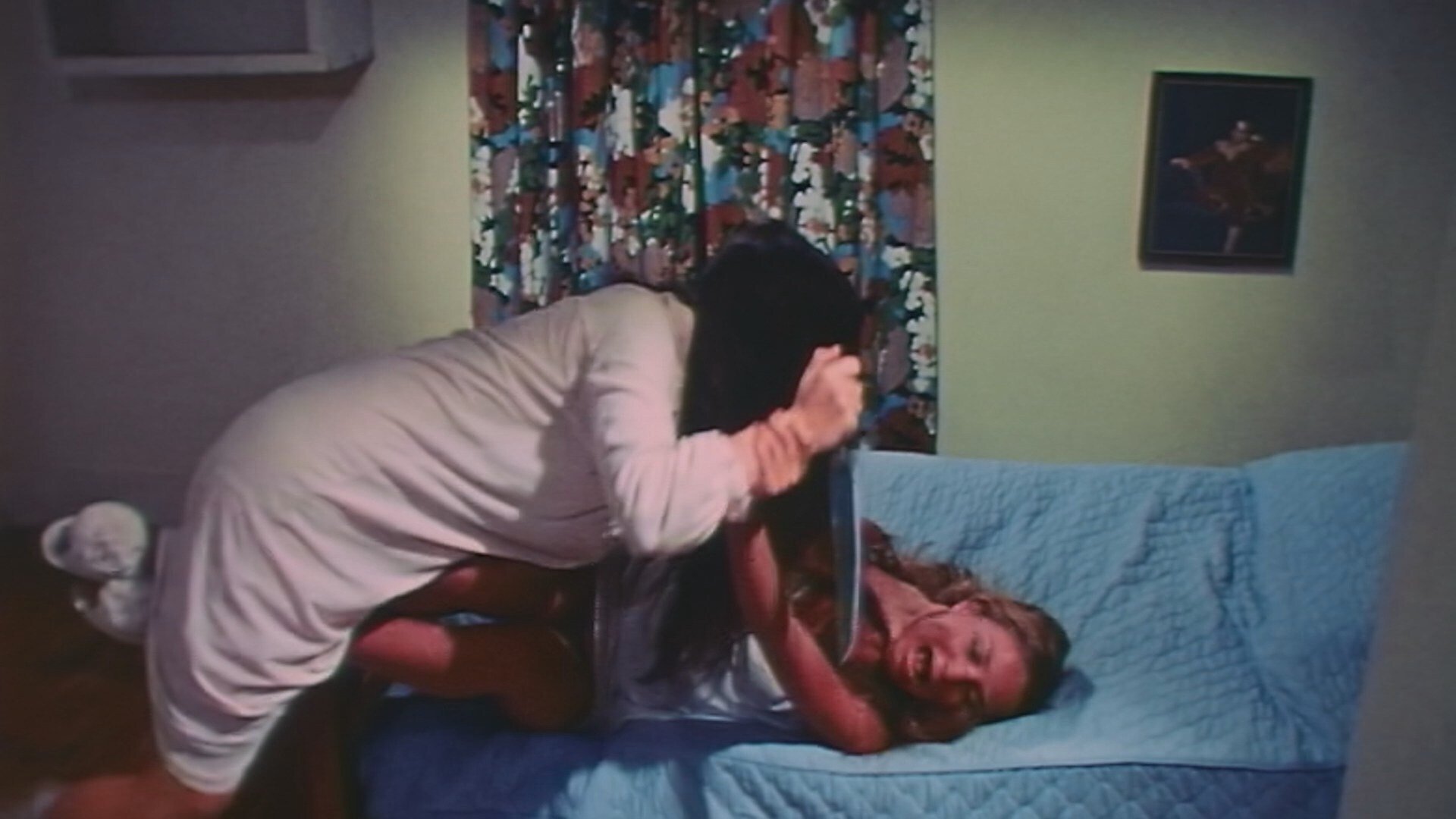
The opening attack establishes the axe as an instrument of sudden bodily damage. Subsequent incidents move through strangulation, threatened stabbing, mutilation and the discovery of corpses, with injuries interrupting long stretches of conversation and suspicion. Graphic effects are used selectively, allowing the aftermath of harm to remain visible after an individual assault has ended. The film's climax returns violence to the collective setting: residents turn against Masters, and the building becomes the site of escalating killings. The pattern links each death to the shifting balance of power inside the sanitarium.

The title directs attention toward the cellar, although the most persistent menace comes from the people occupying the rooms above it. The mismatch serves an exploitation strategy: a simple prohibition promises a concealed shock, while the story distributes danger throughout an ordinary institutional environment. The ending offers no broad restoration of normal order. Sam's survival amid the devastation gives the conclusion a note of loss that distinguishes the film from a straightforward procession of deaths.

Drive-Ins, British Cuts and Afterlife

The AFI dates the American release to September 1973 and records an R classification and a running time of approximately 95 minutes. Hallmark Releasing and American International Pictures appear in its distribution history. The retitling accompanied drive-in exhibition, although The Forgotten remained in circulation. A precise worldwide box-office total cannot be established from those documents. Its marketing changed across territories and later reissues.

British screenings followed a separate path. Specialist censorship research records an X-rated cinema release with cuts in 1977. A much shorter Crystal-label VHS appeared in 1983; researchers suggest it may have derived from a television version, but the underlying edit is not conclusively identified. The title appeared on the changing DPP list in August 1984 and was removed in December 1985, without a successful obscenity prosecution established by that listing. Running times cannot measure the cuts precisely because film and PAL-video speeds differ.

In 2005 an uncut home-video edition received a British 15 classification, with the earlier theatrical restrictions no longer applied. Later Blu-ray circulation, including a 2018 VCI presentation paired with Brownrigg's Don't Open the Door, brought the film to audiences beyond its old drive-in and cassette markets. Anthony Brownrigg subsequently returned to the original Texas building for a sequel, using a direct family connection to the earlier production. These developments document continued interest in a modest regional horror film whose reputation became intertwined with changing practices of exhibition and censorship.

References

  1. AFI Catalog Don't Look in the Basement (1973)

    Archival credits, production-company records, contemporary trade citations, original title and detailed account of the institutional murder mystery.

  2. Kitley's Krypt Movie Review: Don't Look in the Basement

    Substantial discussion of Brownrigg's Texas production background, conflicting budget recollections, acting and the film's regional horror identity.

  3. Melon Farmers BBFC Cuts D: Don't Look in the Basement

    Detailed comparison of the British theatrical, shortened Crystal VHS and uncut 2005 editions, including the film's DPP-list chronology.

  4. Dread Central Don't Look in the Basement / Don't Open the Door Blu-ray Review

    Extended analysis of the asylum characters, framing, violence and the 2018 VCI presentation of Brownrigg's early features.

Cast

View Full Cast & Crew →

Release & Distribution

Production Companies (2)

  • Camera 2 Productions US
  • Century Studios US

Distributors (1)

  • American International Pictures US

Release History (2)

Release DateTerritoryRelease TypeFormatDistributorCertificationNotes
1973-09-01 US theatrical — — R
1982-01-12 NO theatrical — — —
Hell... has found a new home!