Tsurisaki and the Years in Bogotá
Before making this feature, Tsurisaki had worked as a photographer of the dead, travelling to places where morgues and crime scenes could be photographed. In an interview published by Vice in 2007, he described the subject of his images primarily in aesthetic terms and acknowledged the influence of Gualtiero Jacopetti, whose Mondo Cane helped establish an international market for sensational nonfiction. These are the director's retrospective statements about his artistic outlook. They help explain why he would pursue a difficult subject for years without requiring an invented account of how individual shots were arranged or obtained.
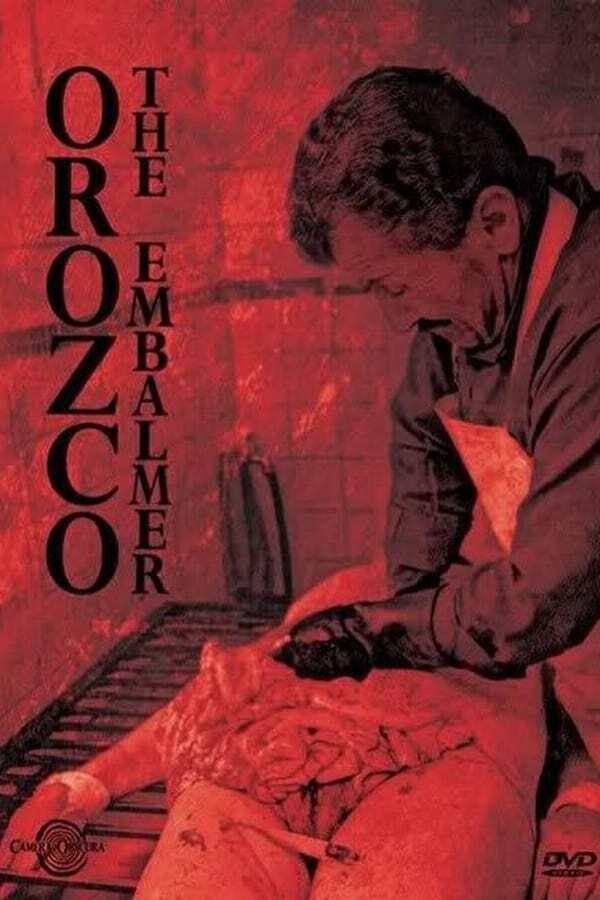
Tsurisaki met Froilán Orozco in the El Cartucho area of Bogotá and remained engaged with his work over a lengthy period. A 2023 report in Colombia's El Tiempo describes approximately three years of filming and the personal relationship that developed during the project. The documentary emerged from repeated access to a small workplace, an unusual setting for a sustained screen portrait. That continuing contact matters to the finished work: its subject is seen performing a skilled occupation through many separate cases, rather than appearing only as an anonymous figure in a catalogue of gruesome incidents.
The history of the picture also complicates the single year attached to its title in international listings. Japanese film records identify a 1999 production, and a domestic theatrical listing places an exhibition in 2000. The Japan Film Database separately documents its participation in the Montreal World Film Festival in 2001, the year generally used for international identification. These dates refer to different stages of production and circulation. They should not be combined into an invented world-premiere date, nor does the international label erase the film's earlier Japanese exhibition history.
Froilán Orozco and El Cartucho
Froilán Orozco carried out embalming and preparation for burial near the mortuary businesses of central Bogotá. El Tiempo situates his work in the social violence of 1990s Colombia, when many residents faced the consequences of armed conflict, organised crime and severe material hardship. The newspaper describes him as a figure associated with funerals for marginalised people, some of whom could afford little professional assistance. This local account supplies important background beyond the documentary's stark images, while leaving individual deaths and the circumstances surrounding them to be considered on their own evidence.
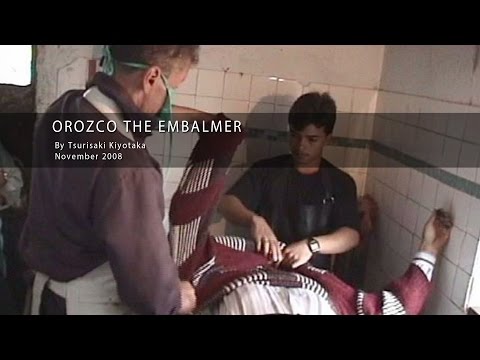
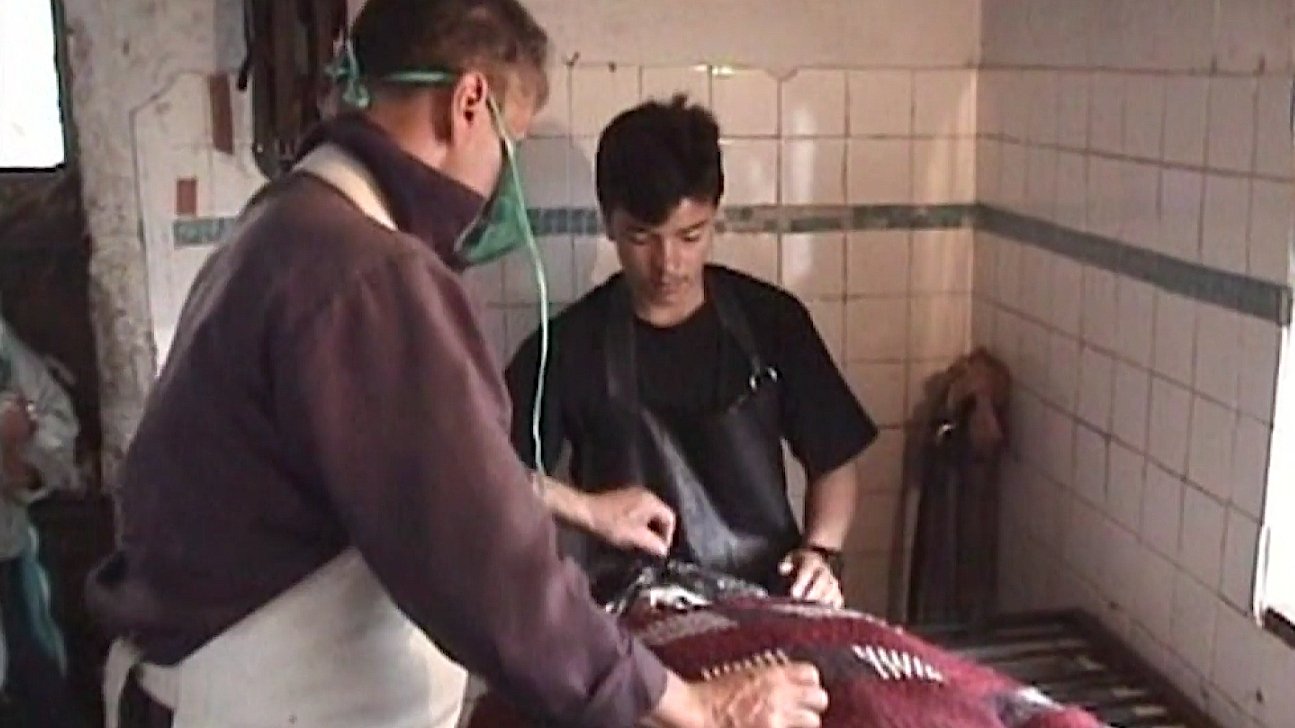
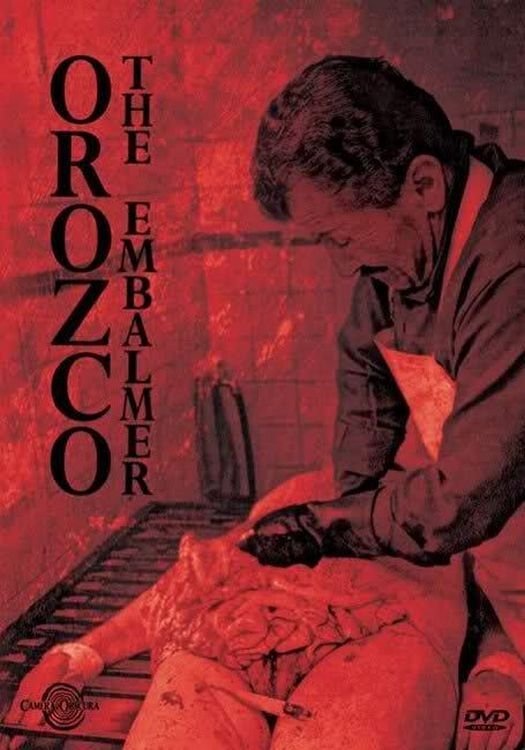
The embalmer uses accessible tools and relatively basic working conditions to wash, preserve and prepare bodies for viewing. The actions depicted can be graphically upsetting, especially when they involve damaged remains, yet each procedure has a practical place in the preparation of a funeral. Orozco's calm working rhythm and long experience are as important to the film's character as the visibility of anatomy. Viewers encounter a trade usually shielded from public observation and, through that encounter, the economic circumstances in which the trade was being carried out.
Accounts of the subject's career sometimes repeat very large estimates of the number of bodies he handled. These figures are part of the film's surrounding testimony and later reporting, not independently audited totals. More securely established is that his death occurred before the project reached its principal international audiences. The film consequently became a record of a worker no longer able to respond to its later reputation. That circumstance gives the portrait an additional documentary responsibility: sensational promotion cannot substitute for attention to the person whose labour and environment supplied the actual footage.
Camera Work and the Boundaries of Horror
The documentary draws its impact from proximity, duration and the repetition of an ordinary professional routine under extraordinary visual conditions. The spectator sees hands performing successive stages of preservation while a deceased person's body remains unmistakably real. The effect differs from a staged gore sequence because the evidence of physical mortality already exists before the camera arrives. For a horror audience accustomed to prosthetics and special effects, the absence of simulation changes the ethical weight of watching. The work can be described accurately without treating the deceased as characters in a scripted narrative.
Tsurisaki's largely observational approach also limits the explanations offered to the viewer. The picture supplies little independent context for the life of each person brought to the embalmer, and the history of El Cartucho cannot be inferred from isolated images of its mortuaries. The framing may convey the intensity of the workplace while omitting broader social institutions, family histories and testimony from those directly affected. This is a limitation of the material's point of view, not evidence that the filmed procedures themselves were fabricated. A careful account should preserve that distinction.
Mondo Tradition and Ethical Questions
Since the early 1960s, mondo cinema had marketed encounters with unfamiliar practices and distressing material through narration, juxtaposition and the promise of access to hidden realities. Tsurisaki's film participates in that tradition, an association made explicit by his admiration for Jacopetti in the Vice interview. Yet its extended attention to one practitioner produces a different structure from the itinerary of disconnected attractions typical of many compilation shock films. The practical needs of embalming determine much of what is shown. Editorial choices still shape the viewer's experience, particularly through the selection of bodies, the length of shots and the scarcity of personal histories.
The question of consent is acute in documentary images of the dead. The surviving film does not, by itself, establish who authorised the recording of every individual or how each family understood its possible international circulation. It would therefore be irresponsible to claim either universal consent or a specific violation without supporting documentation. The visible material establishes what the camera recorded; it provides a more limited account of permissions and relationships outside the frame. The film's lasting importance to extreme nonfiction rests partly on this unresolved boundary between an accurate record of labour and the commercial use of deeply vulnerable human subjects.
Festival Screenings and Home Video History
An official Japanese industry listing identifies a 2008 ultimate edition, released on March 22 with a listed running time of 92 minutes, an SD 4:3 picture and stereo sound. It also records the documentary's inclusion at the Montreal festival in 2001. These entries give the work a traceable exhibition and later reissue history without assuming that every print or home-video transfer is identical. Its survival through successive editions is significant for a film outside the ordinary commercial distribution of theatrical horror, although available records do not establish a complete worldwide release chronology.
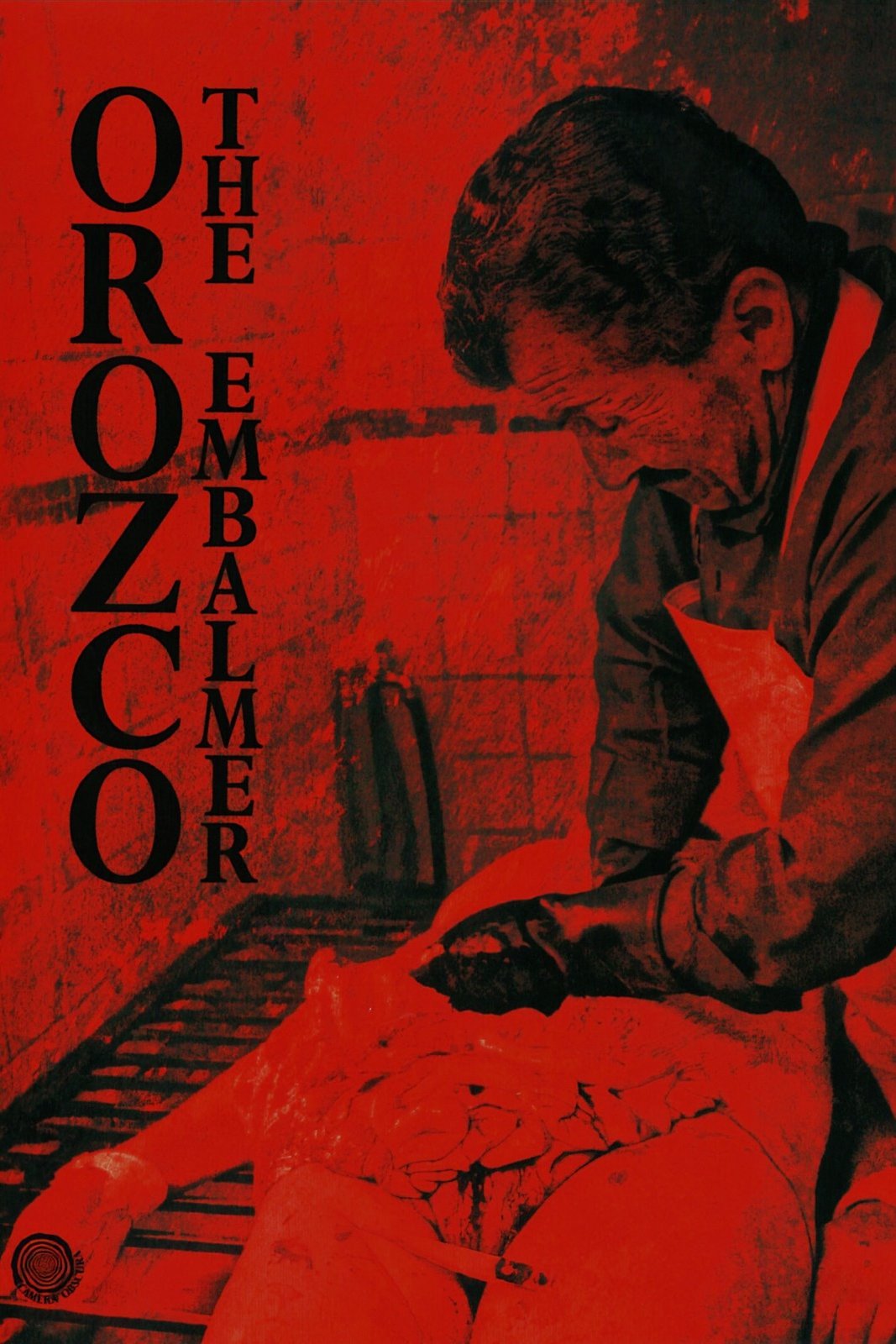
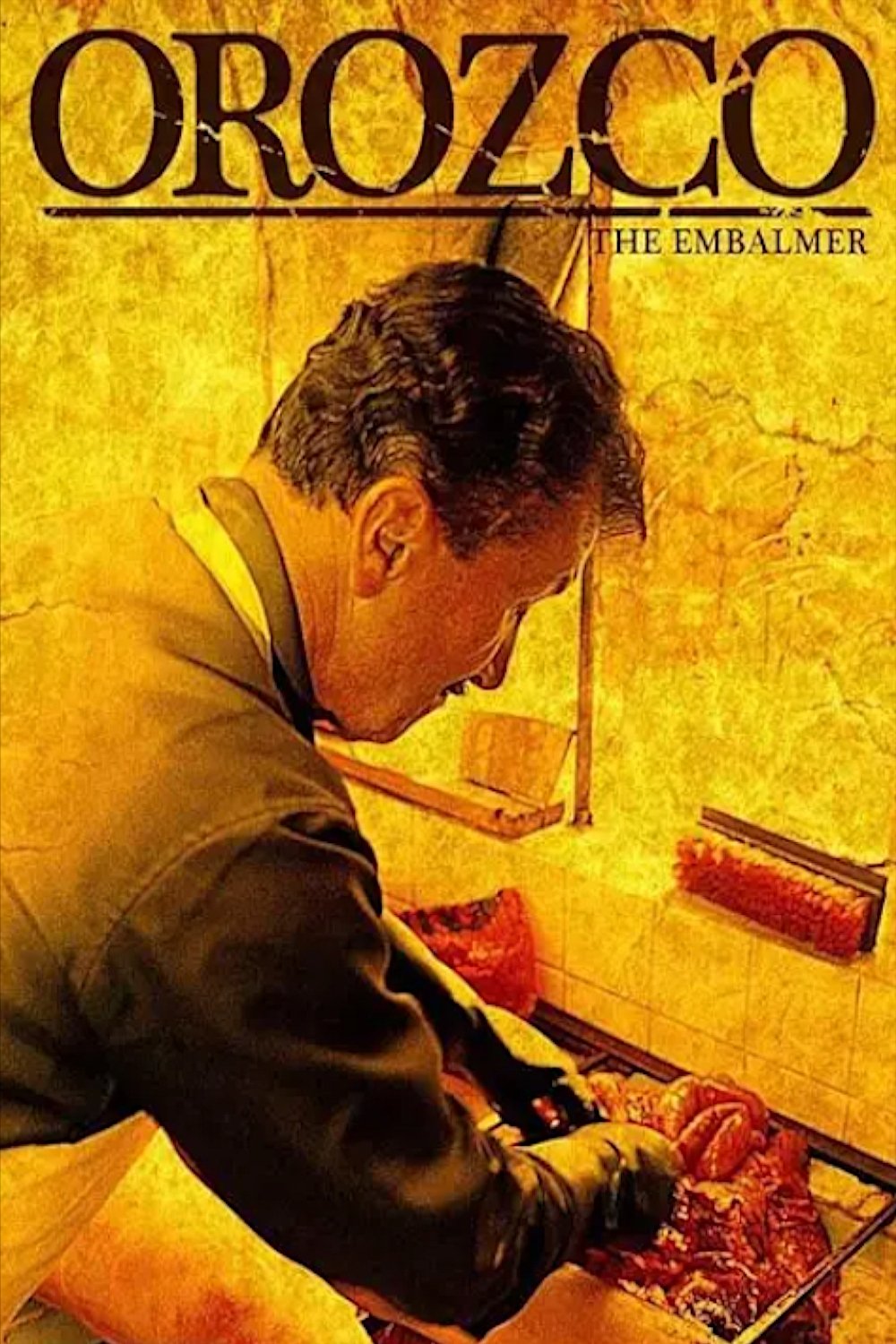
TetroVideo played a significant role in the documentary's later home-video circulation. In 2021, its Shockumentary Collection combined Orozco the Embalmer with Junk Films and The Wasteland in a DVD box set. The label also issued the first-ever Blu-ray edition of Orozco the Embalmer worldwide, following earlier availability exclusively on VHS and DVD. This debut in high definition marked a notable milestone for a film that had circulated for years primarily among specialist collectors and viewers of extreme documentary cinema. It also reflected renewed interest in Tsurisaki's work long after the film's initial festival screenings and Japanese home-video releases.