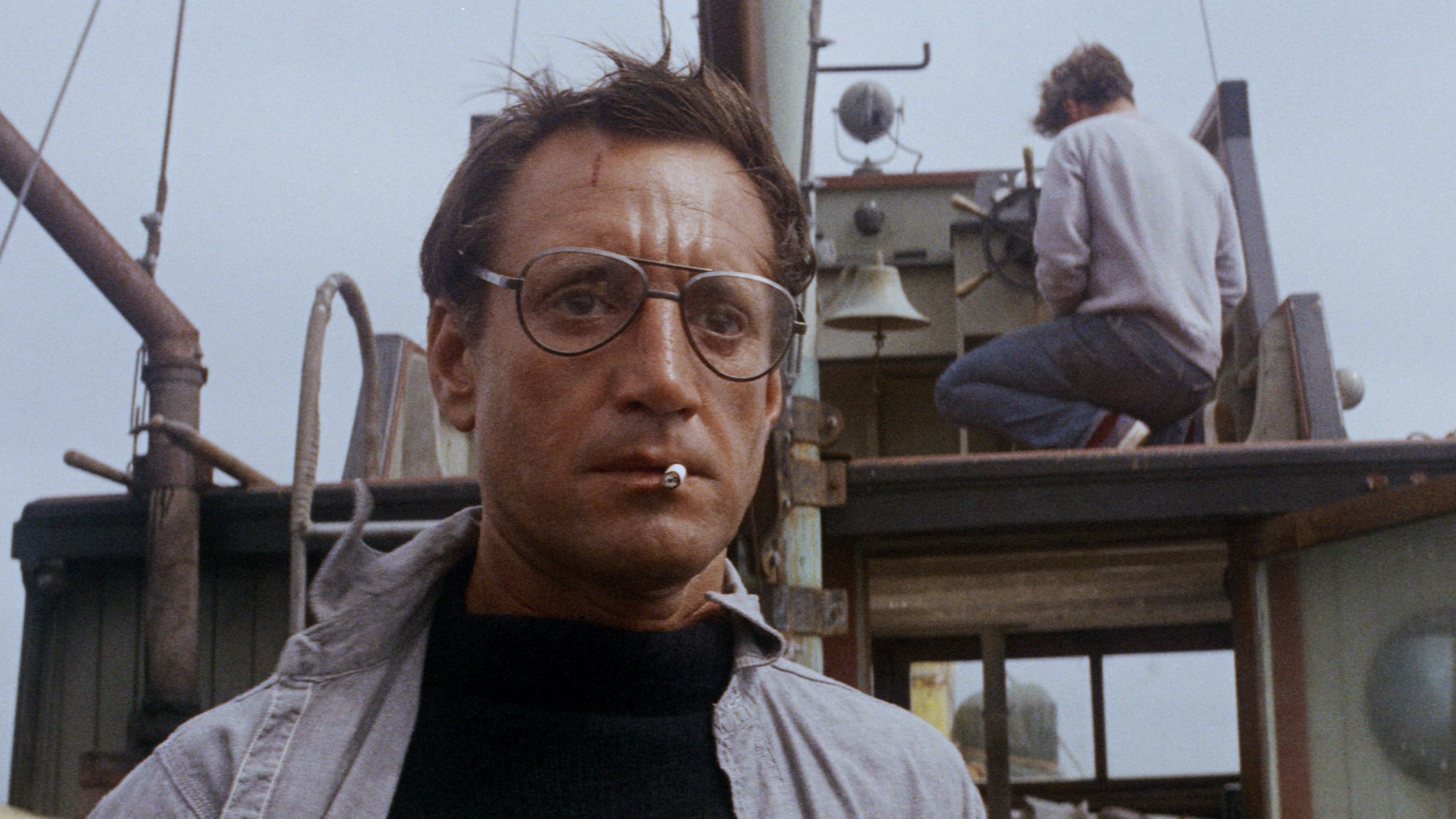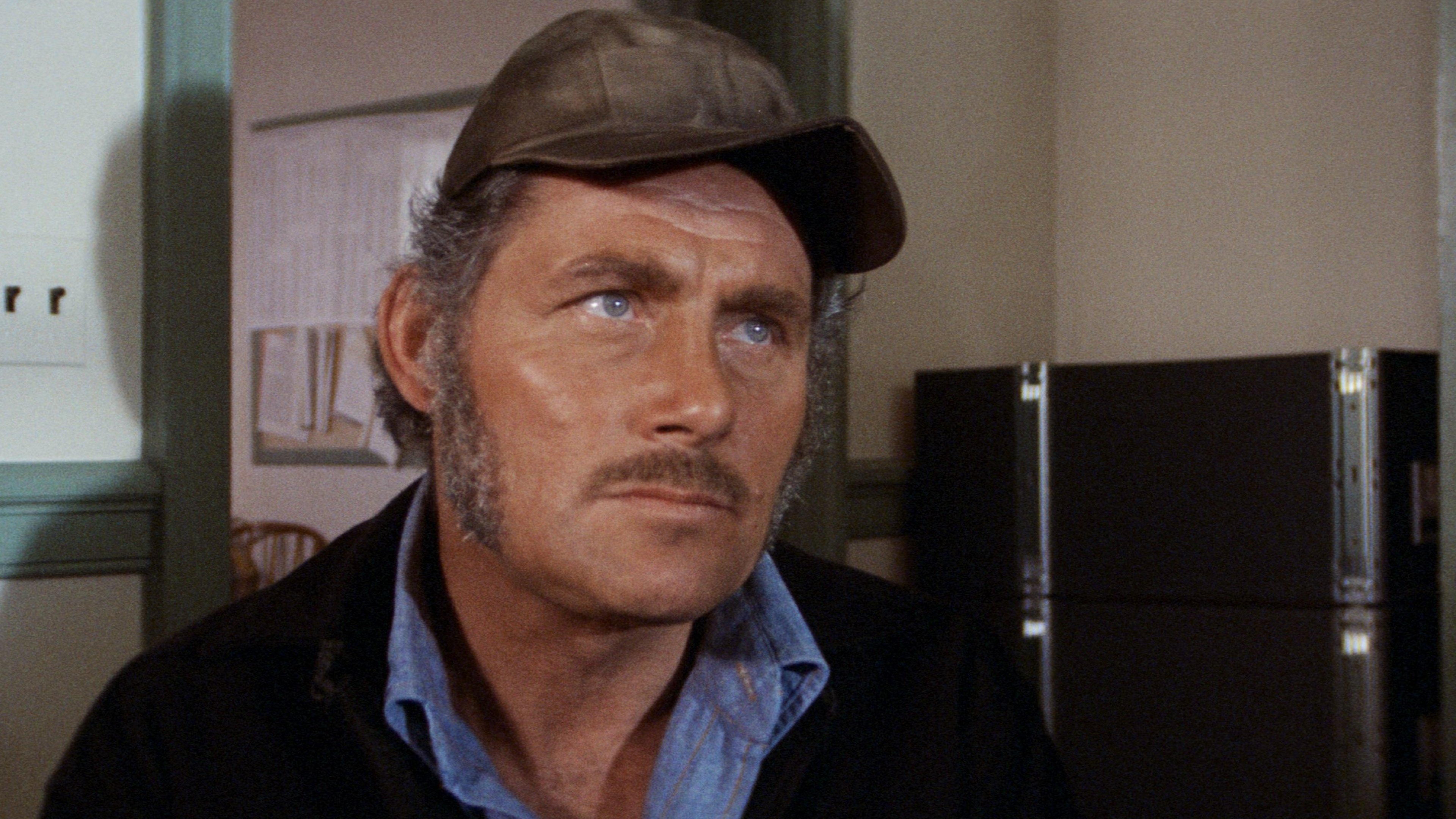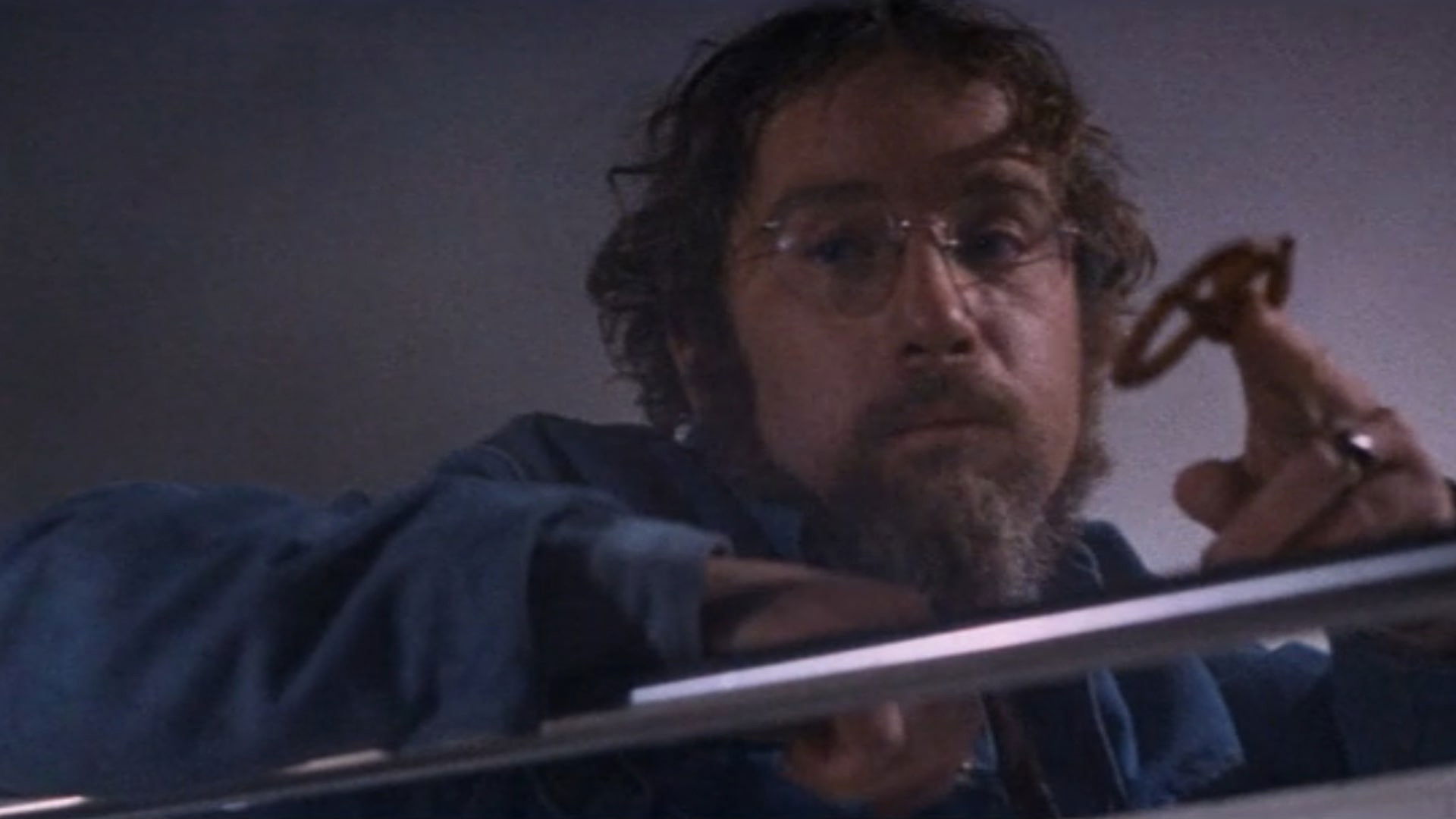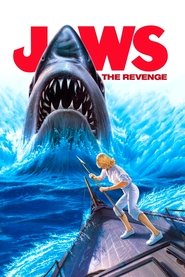

Jaws (1975)

US
HORROR FILM Thriller Adventure
SUBGENRES ANIMAL
7.4/10 9 votes
Runtime
124 min
Release
June 18, 1975
Budget
$7,000,000
Revenue
$470,653,000
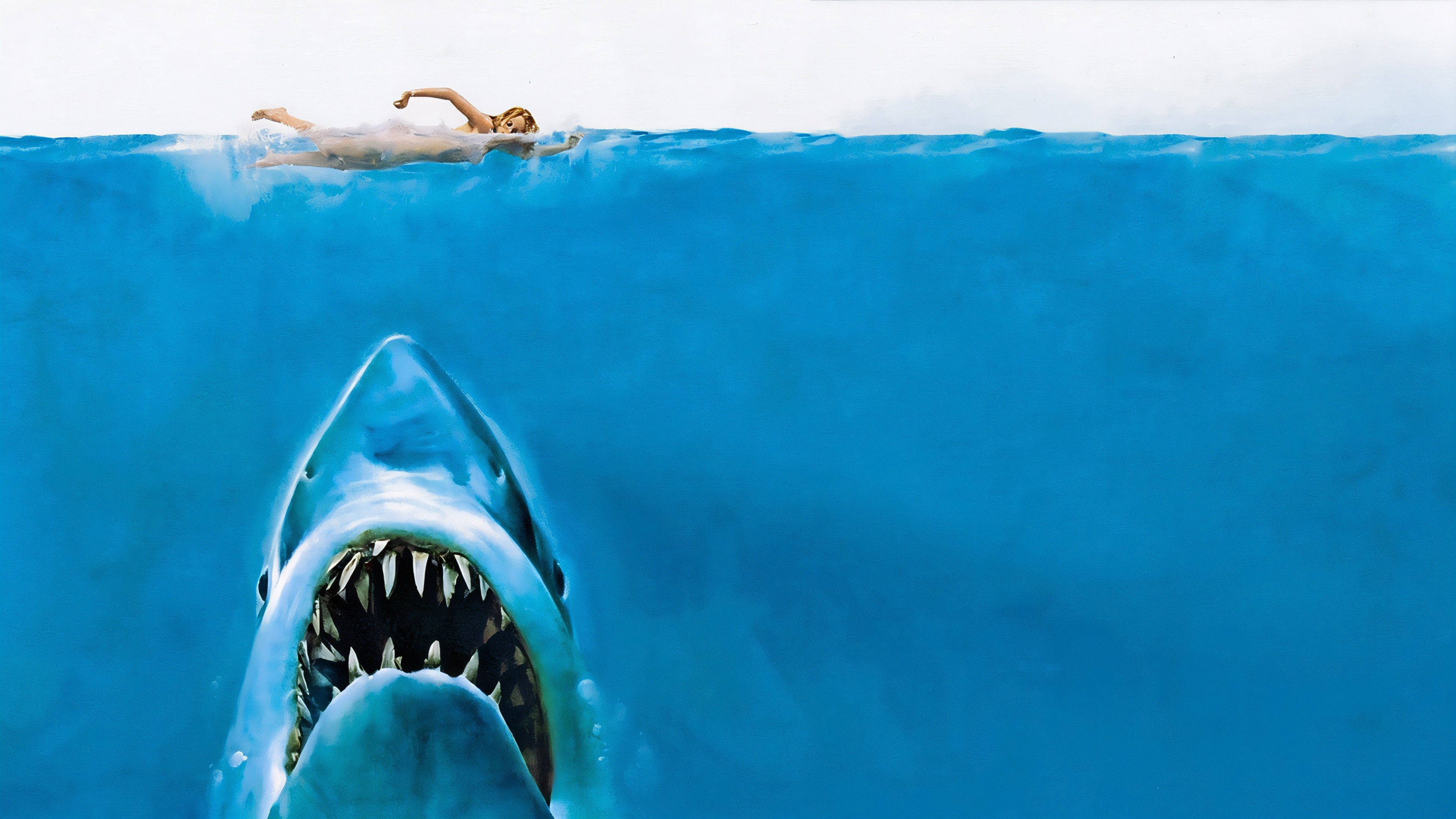
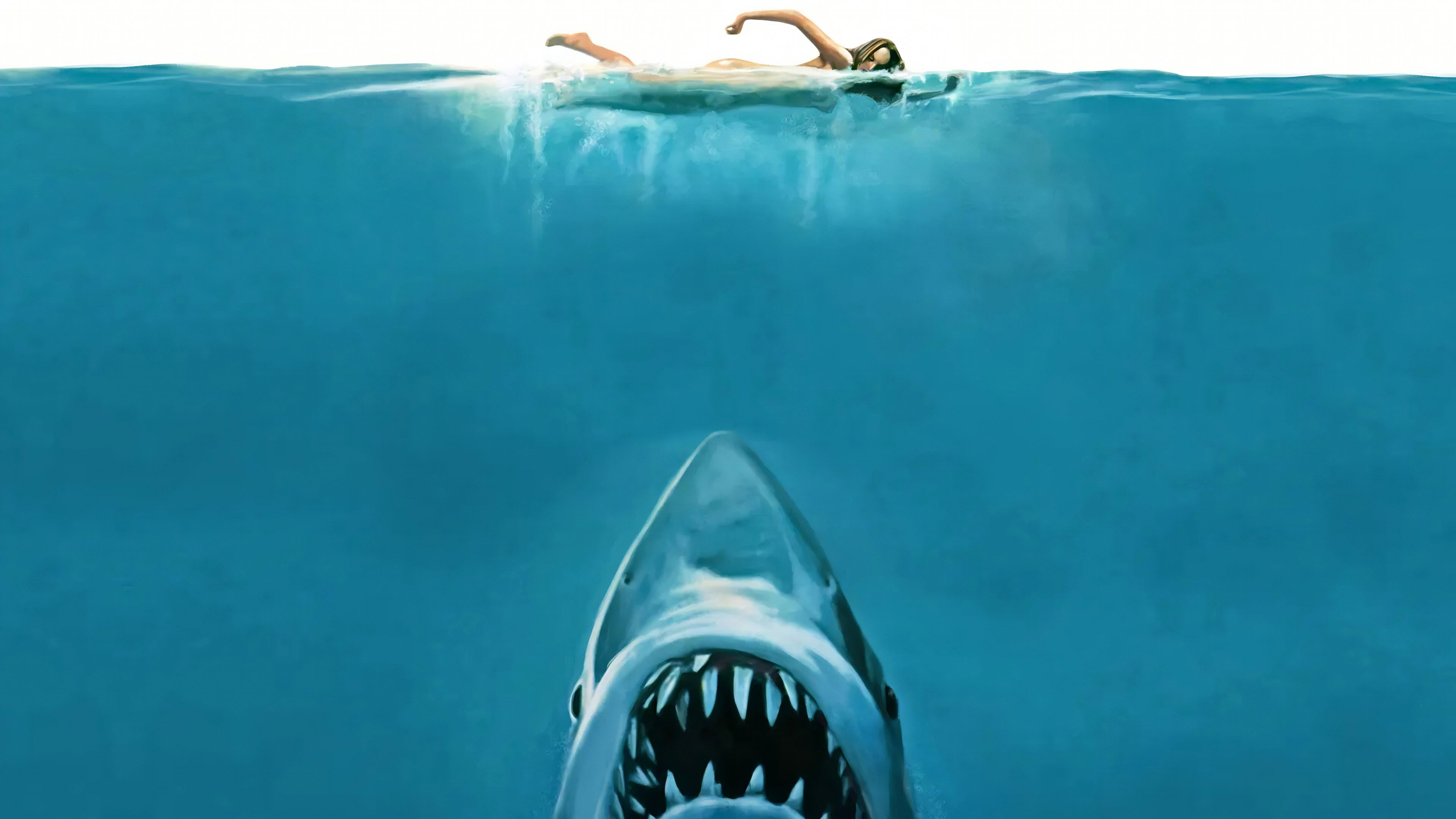
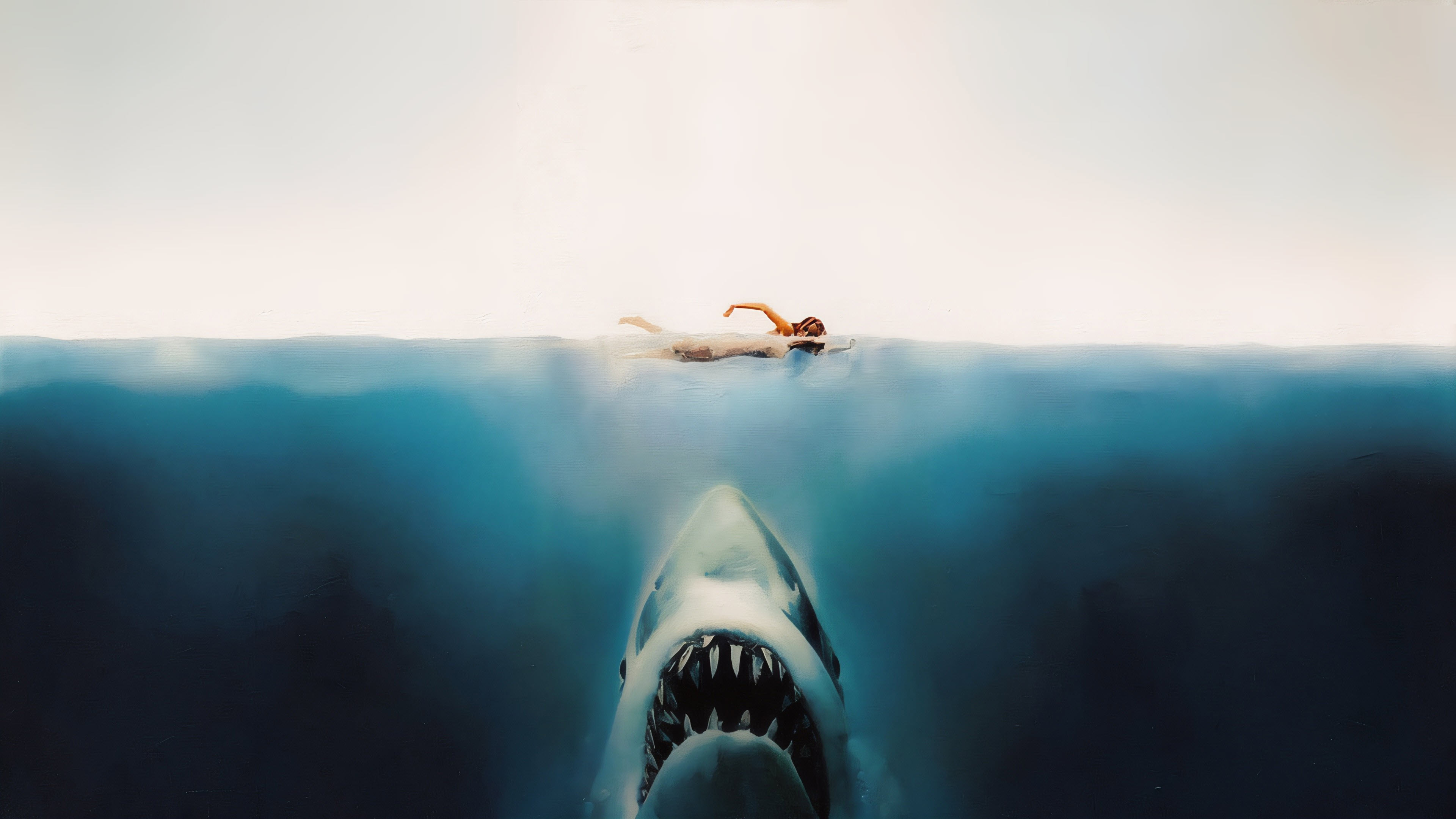
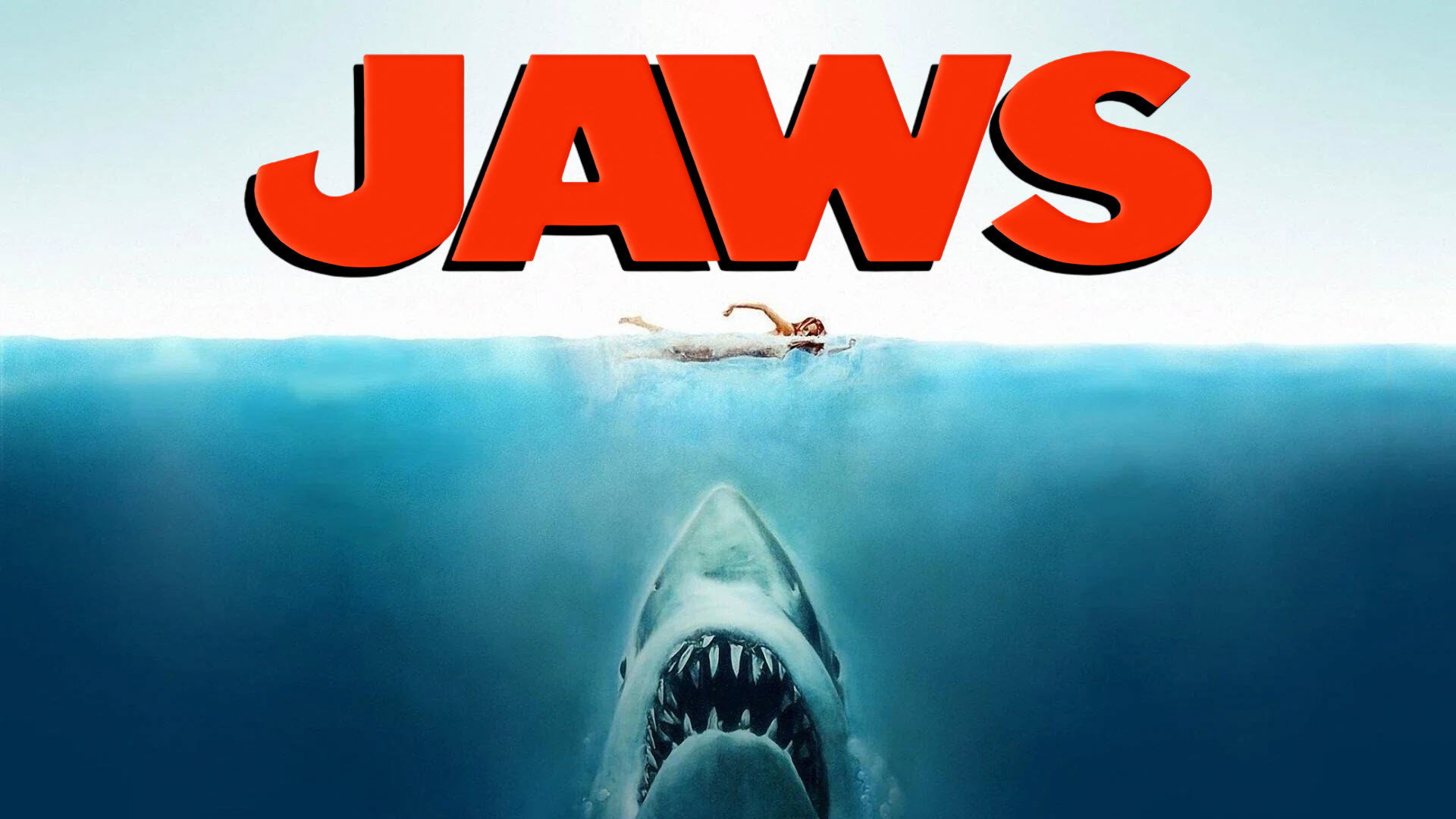
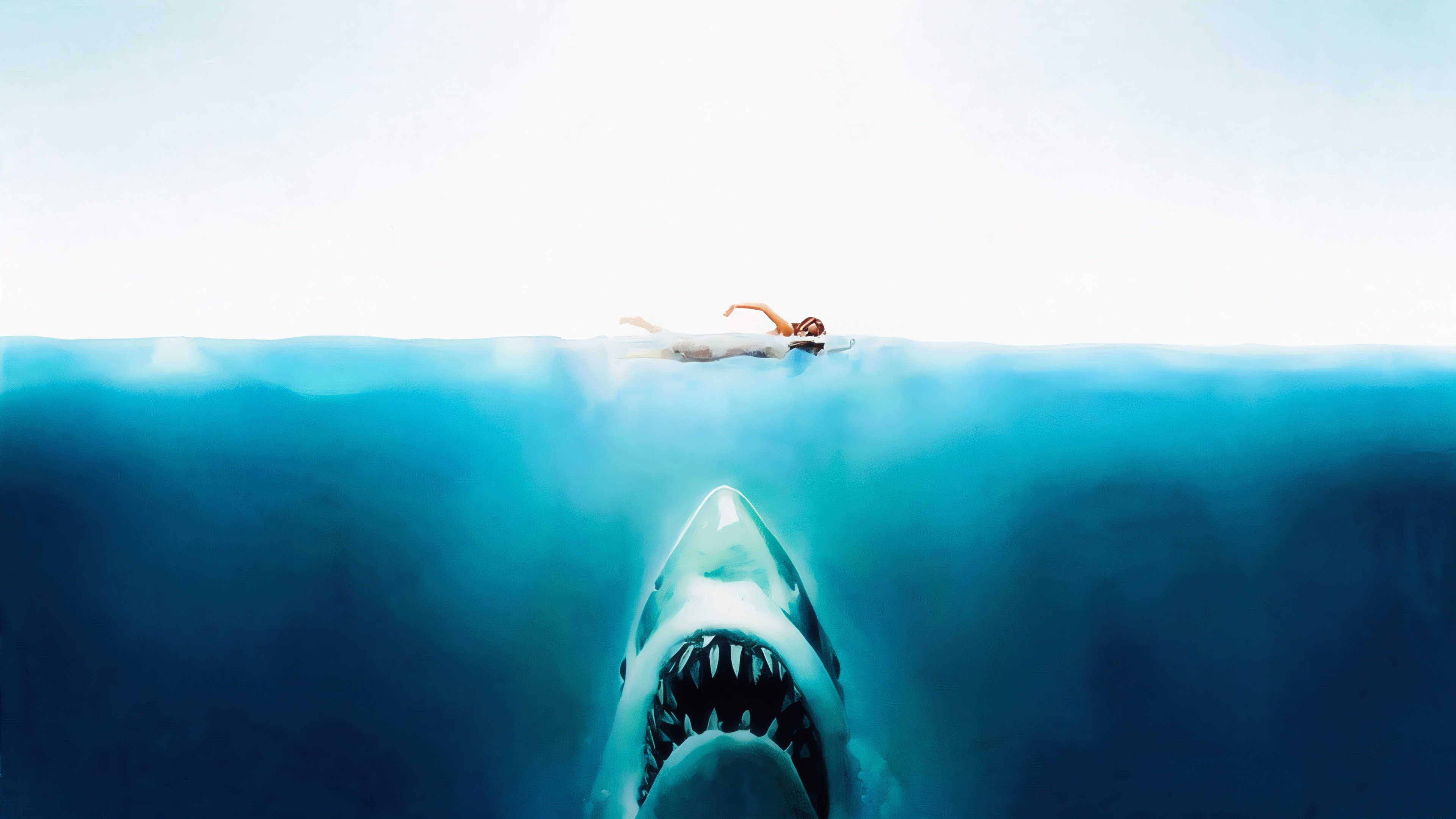
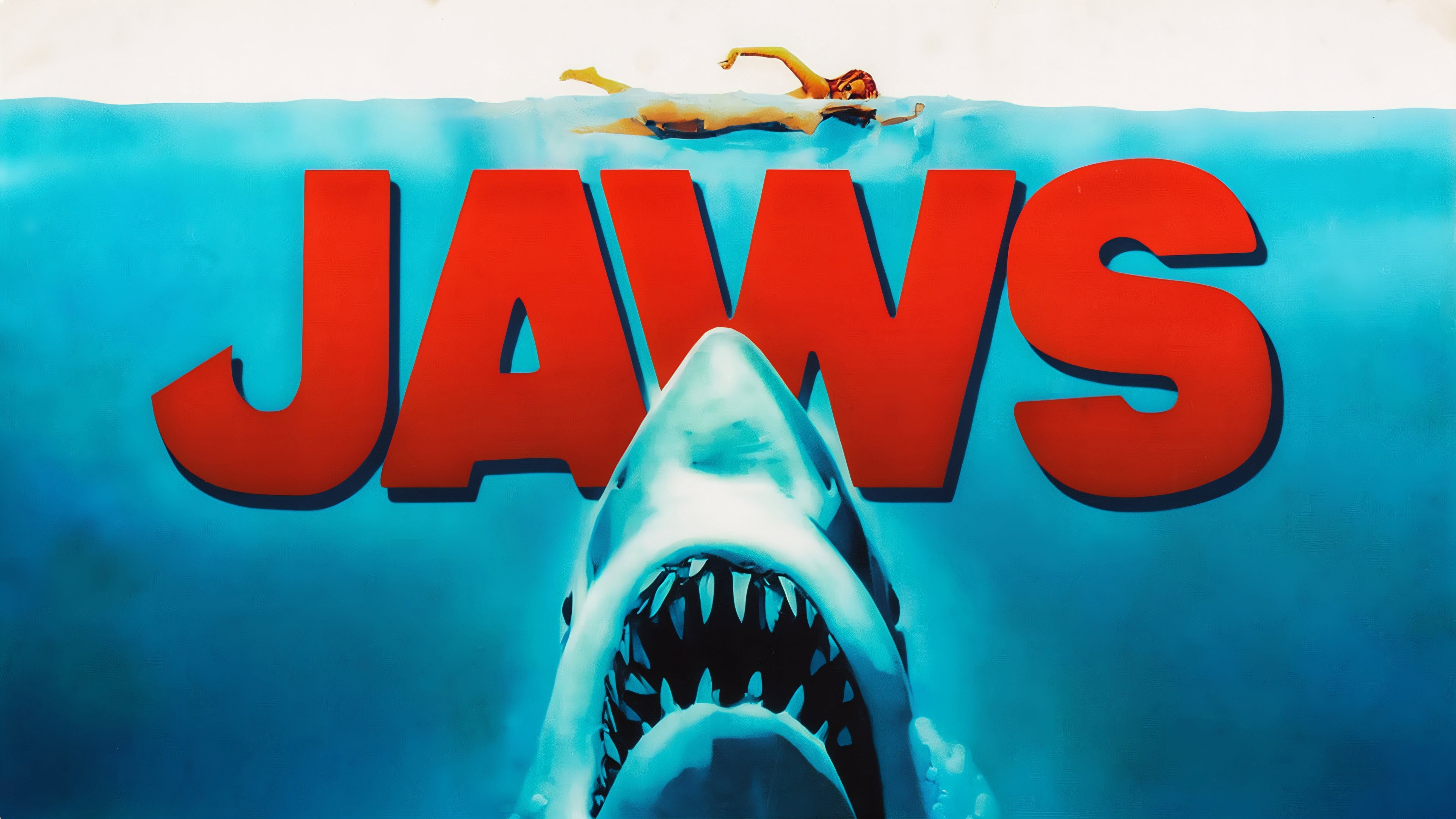
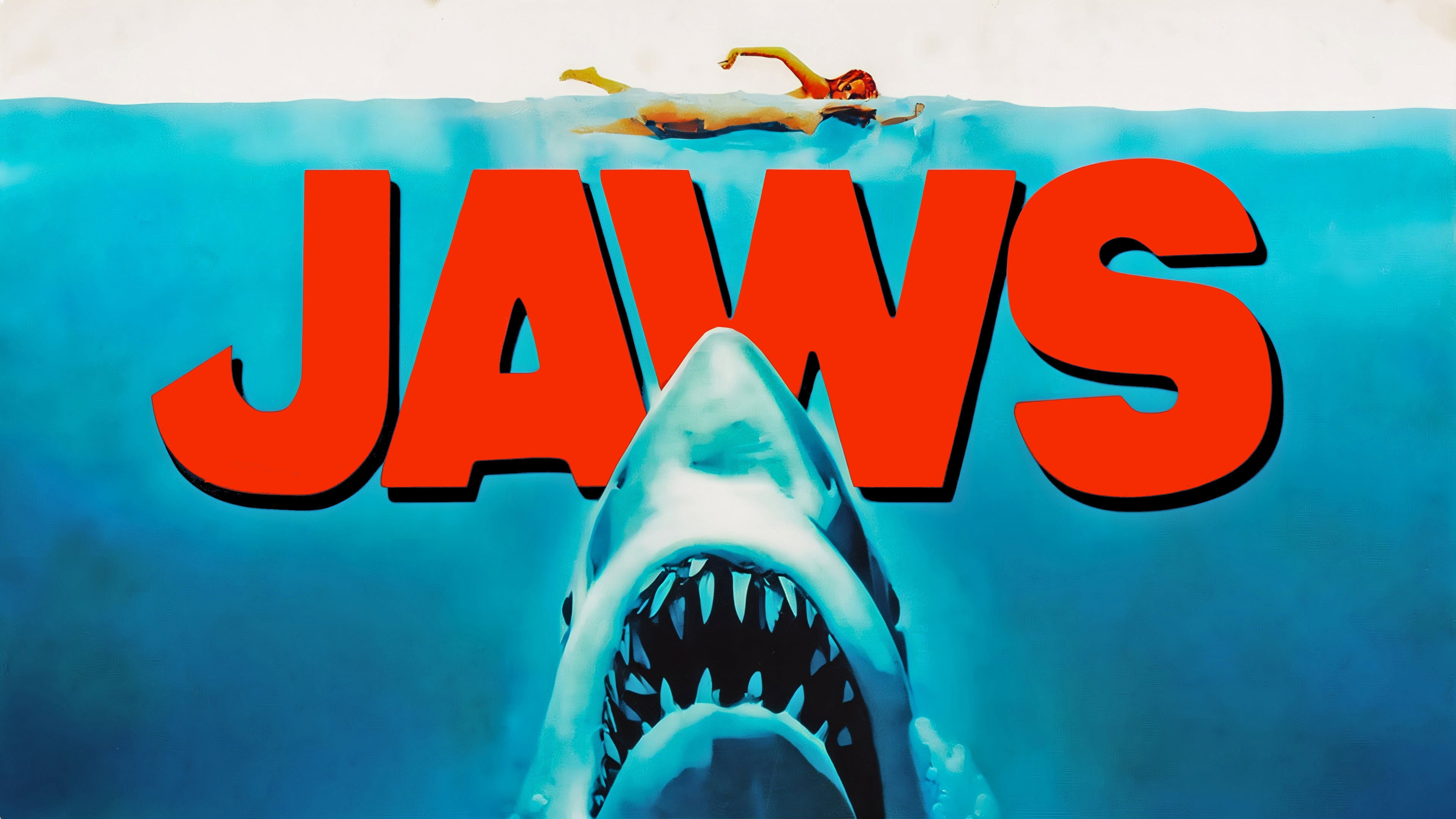
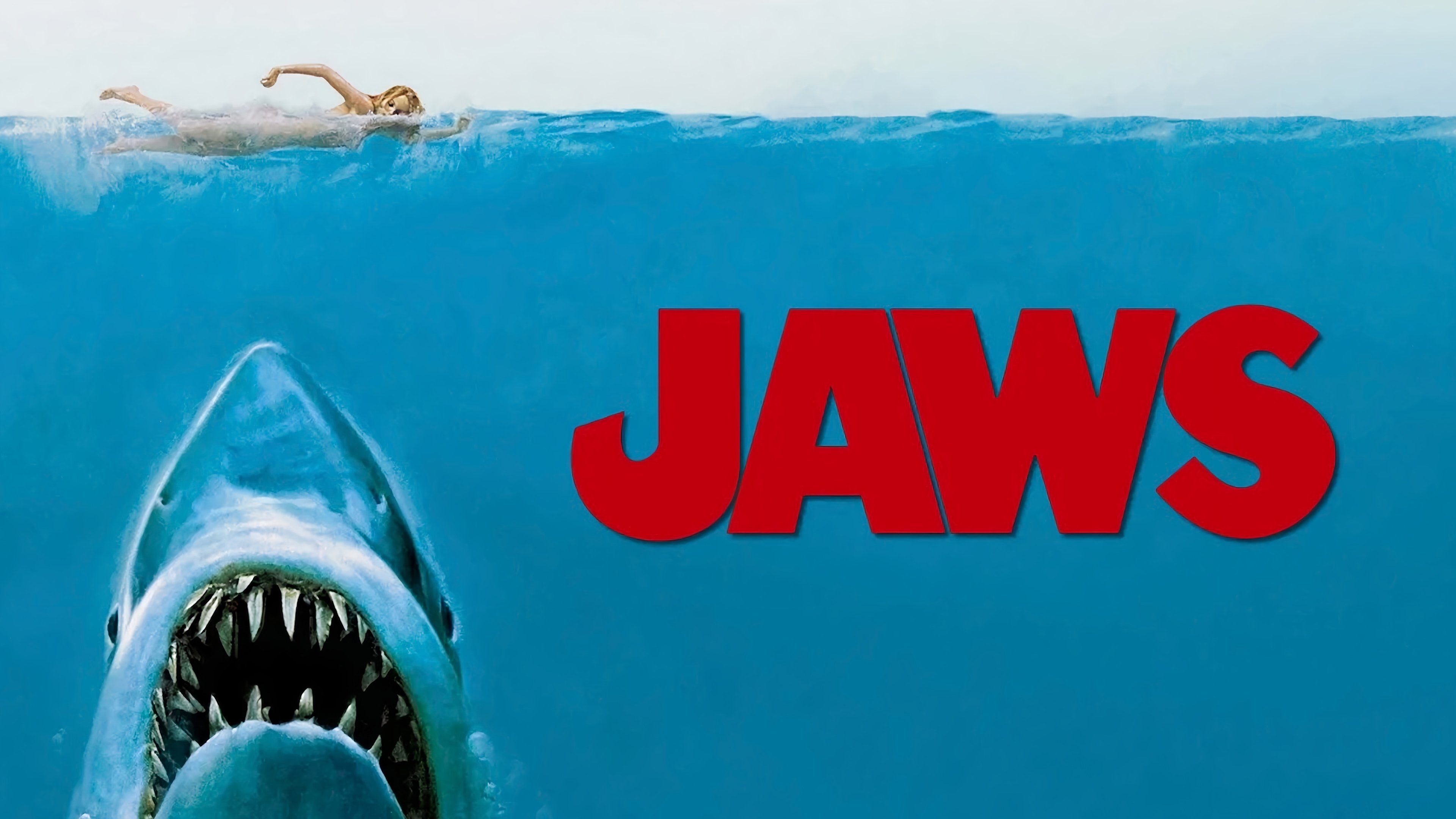
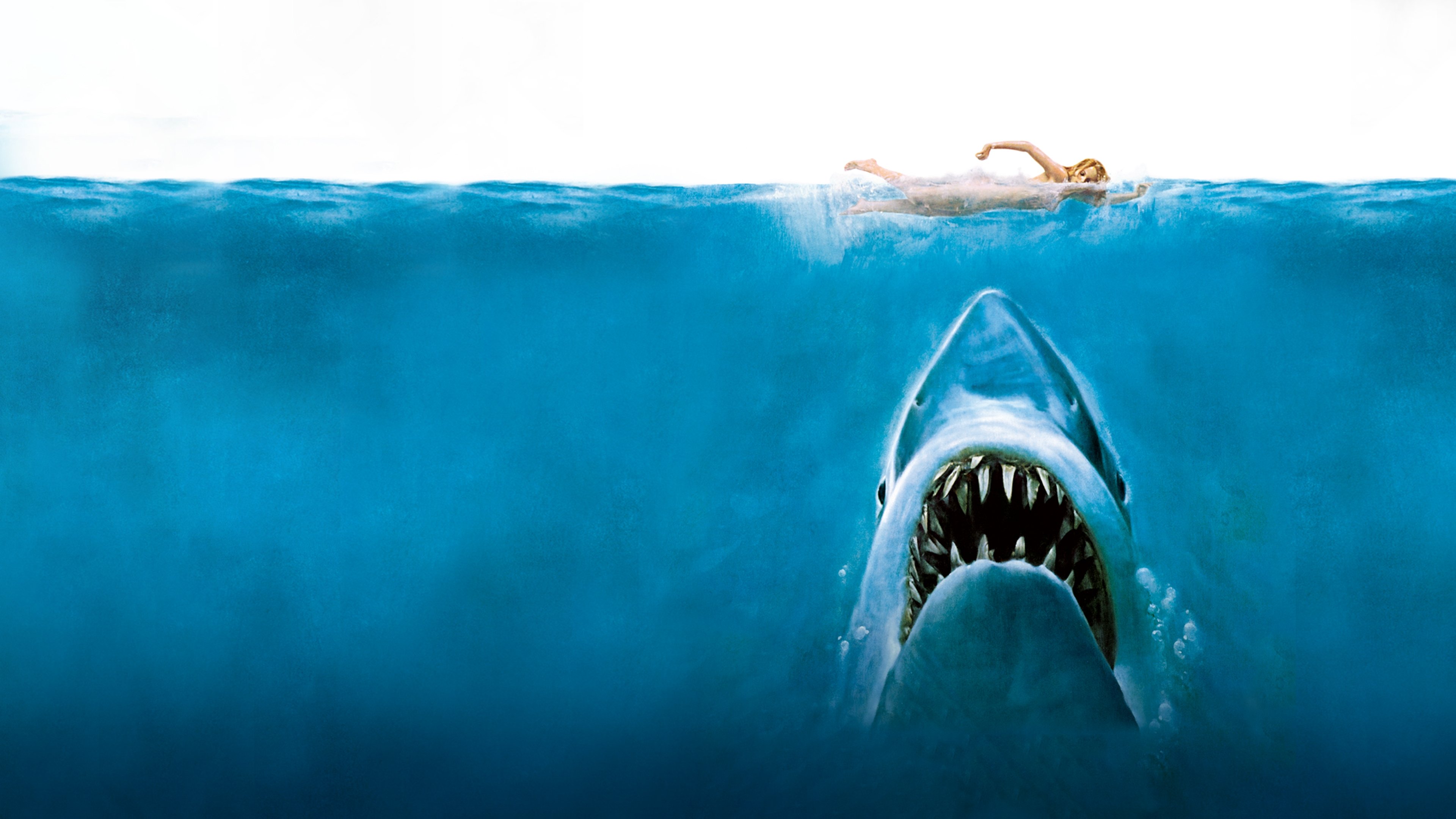
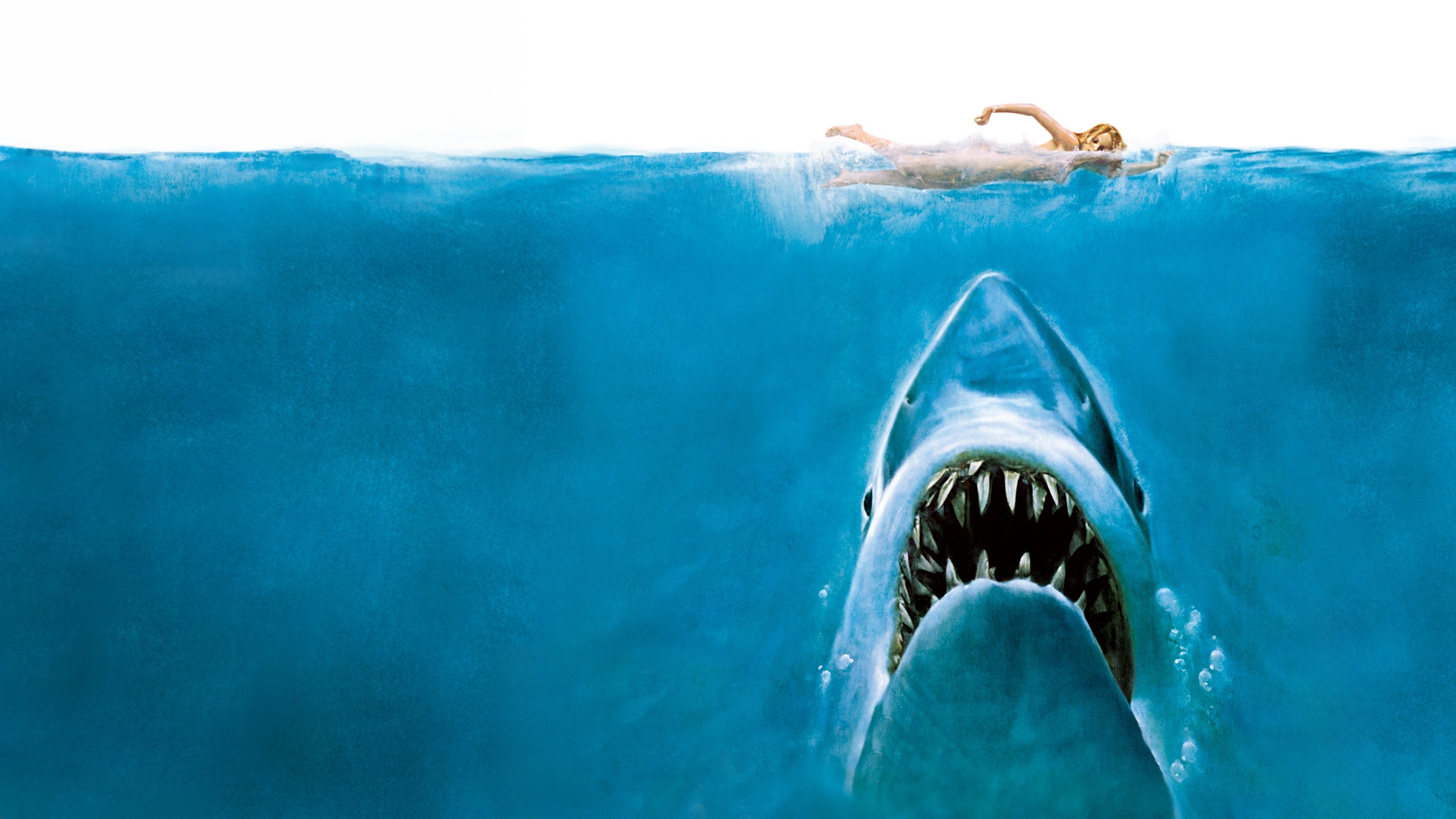
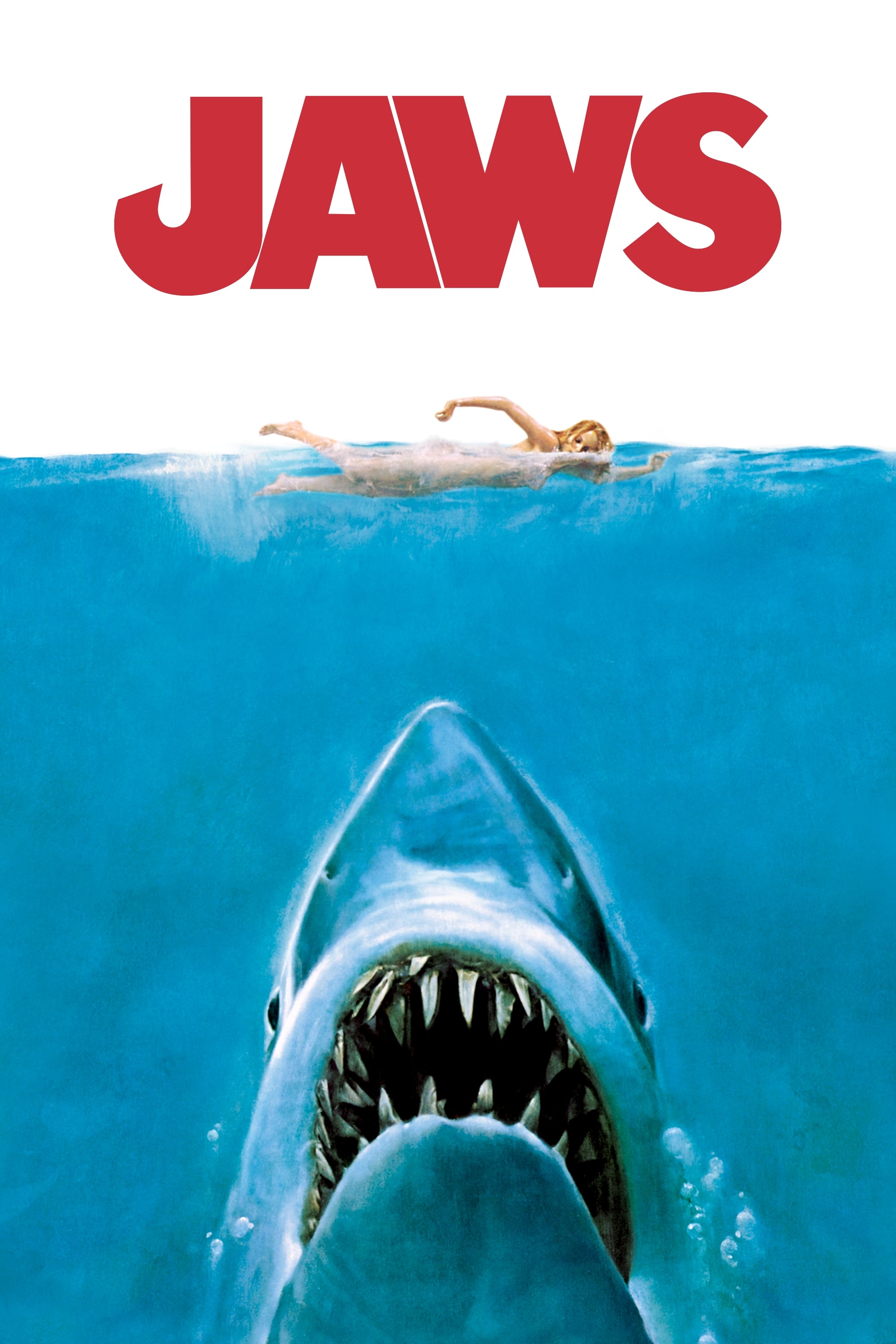
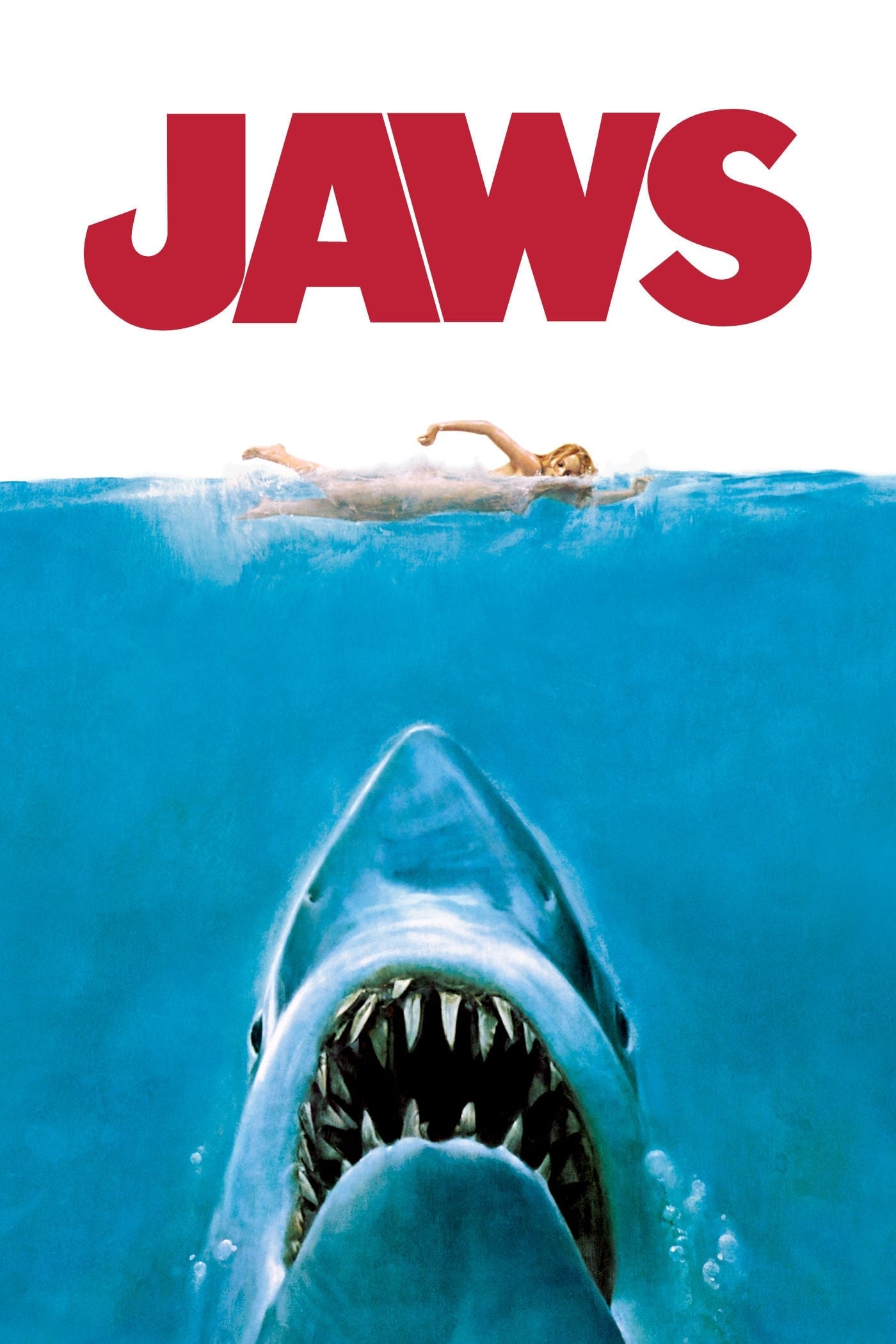
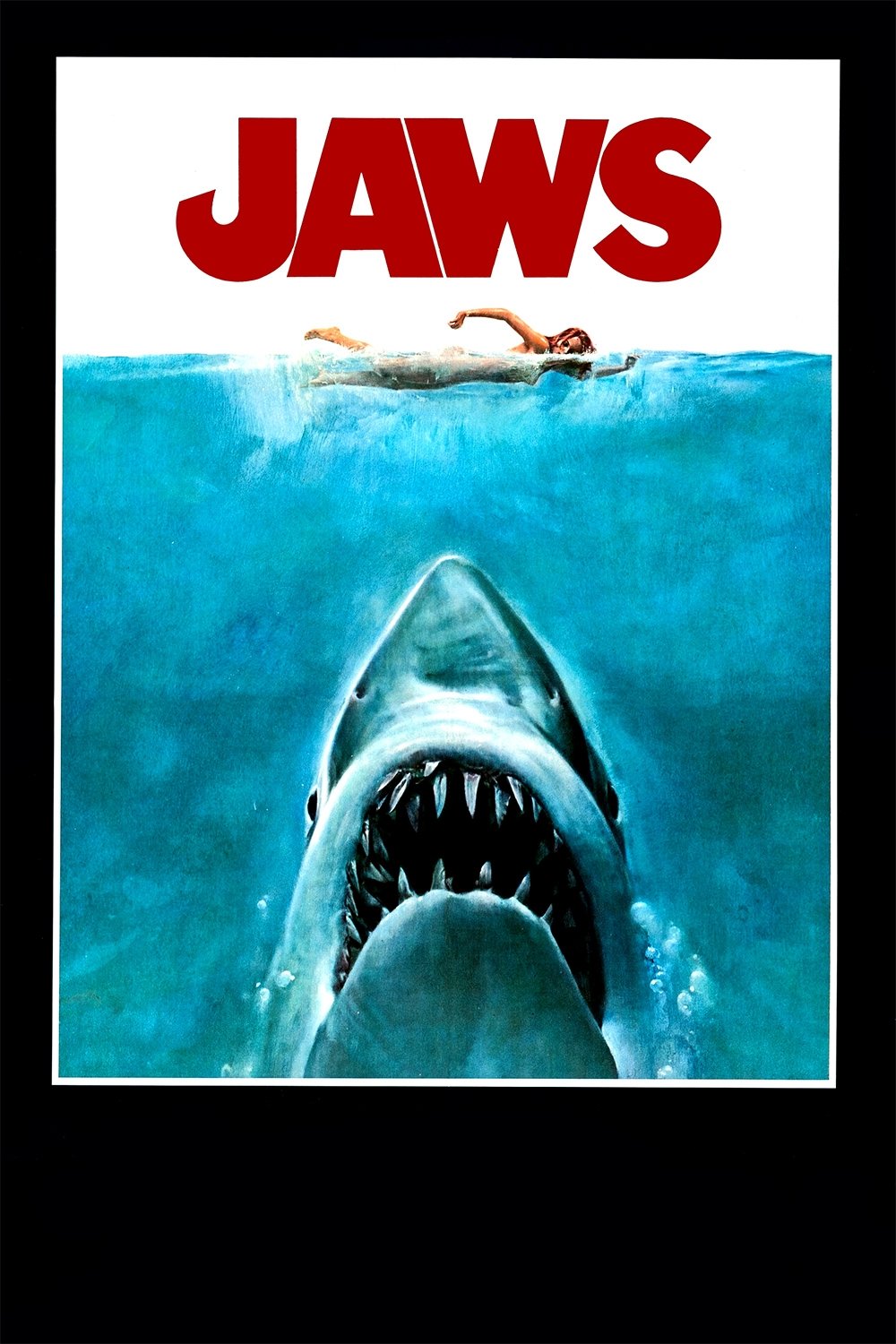
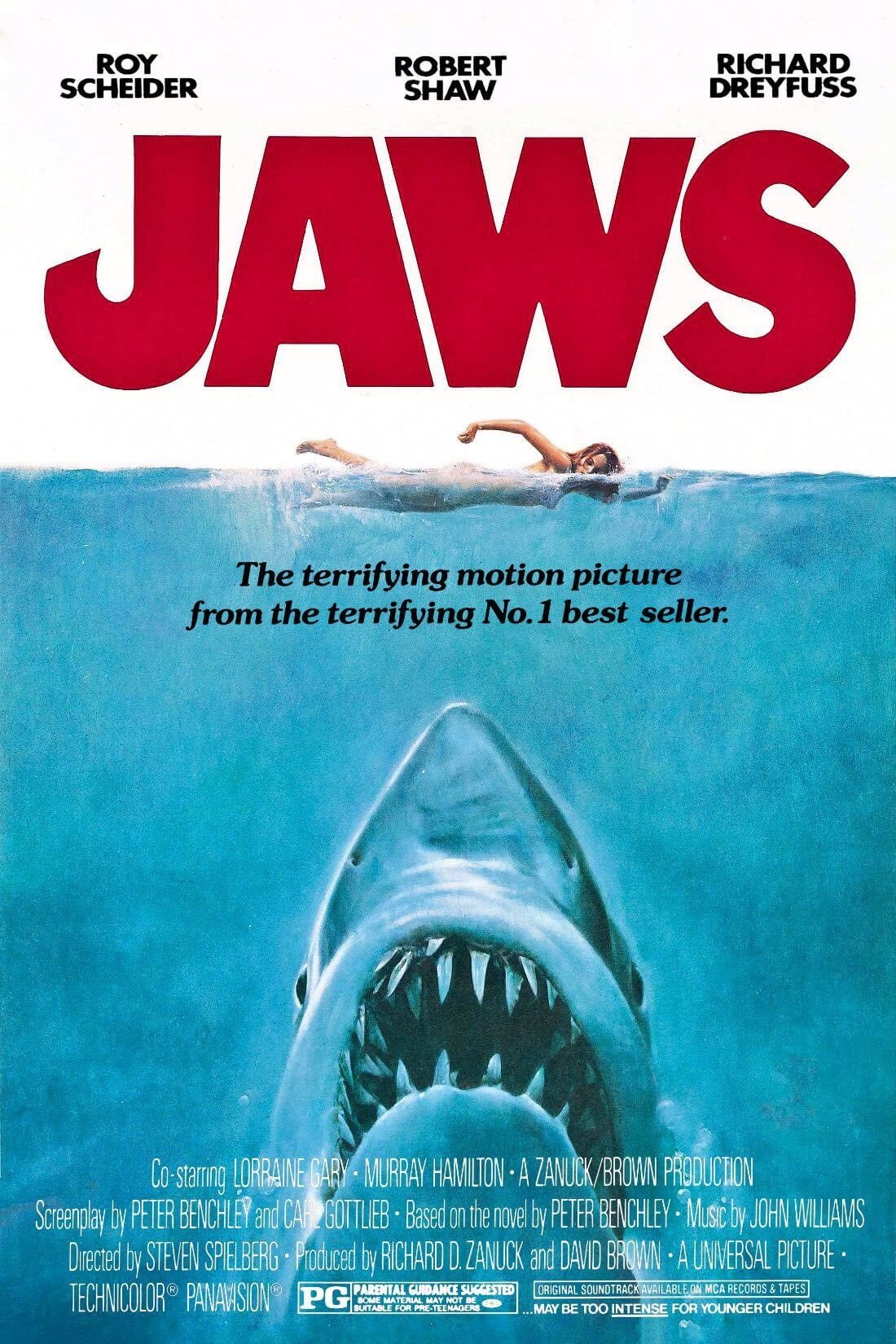
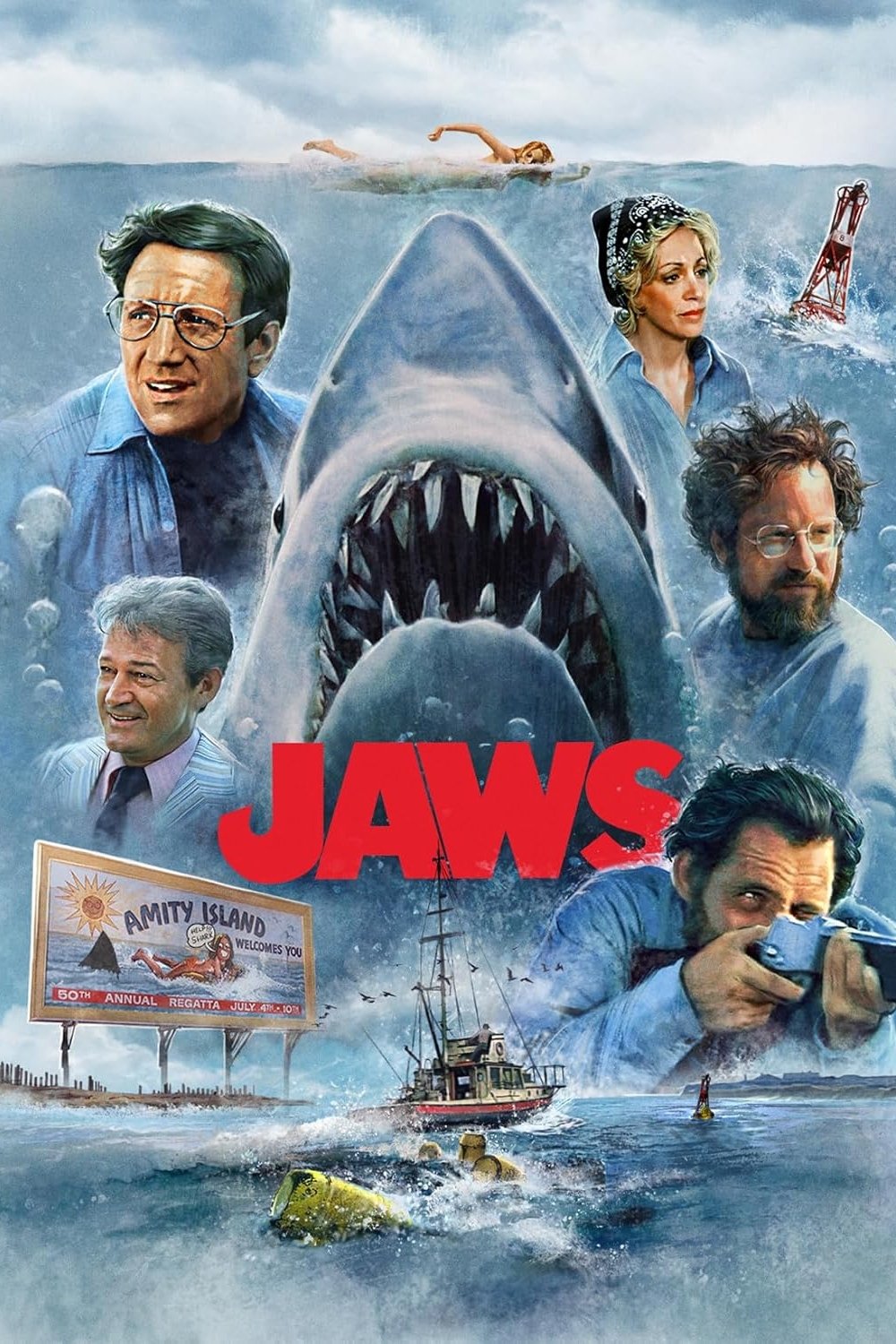
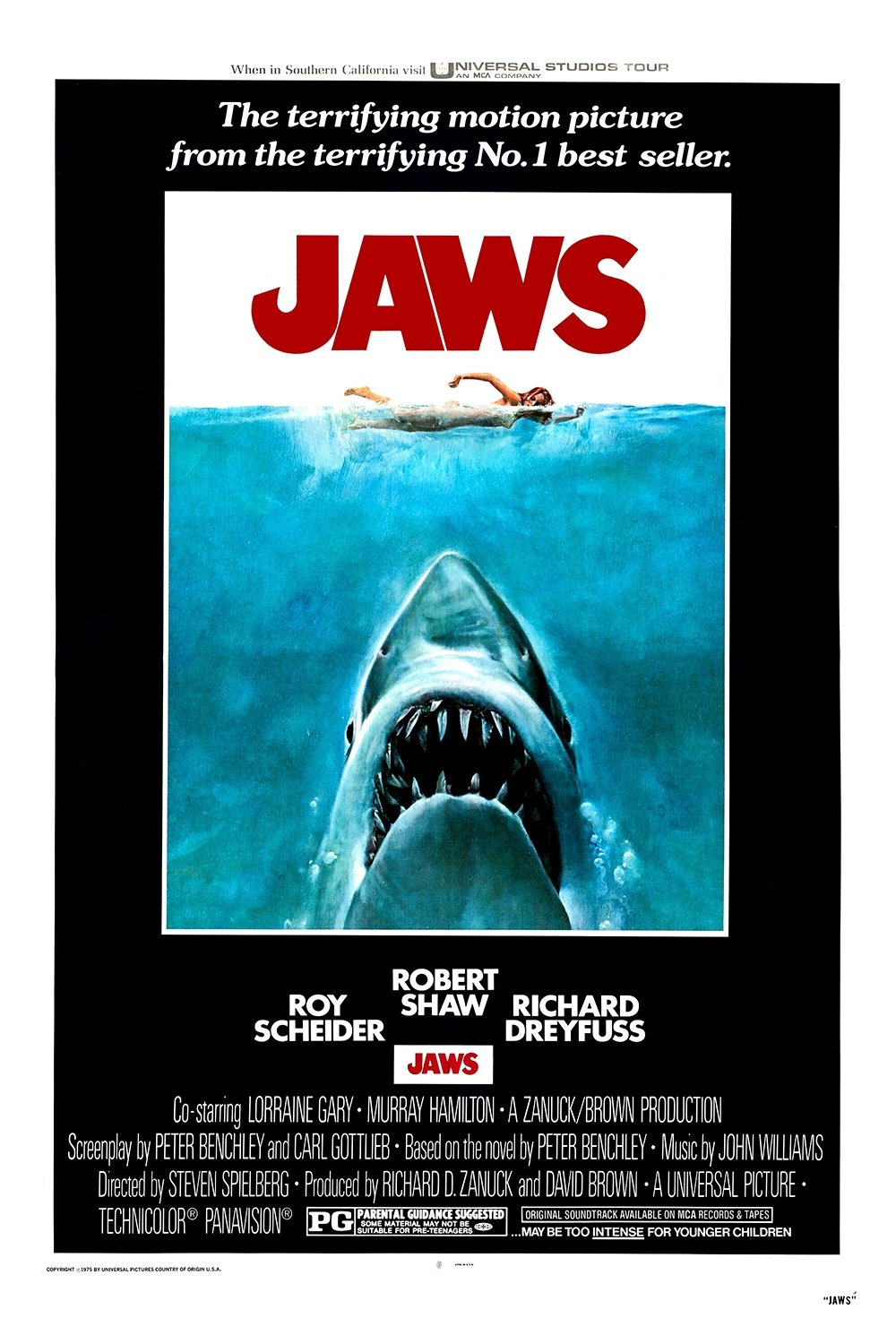
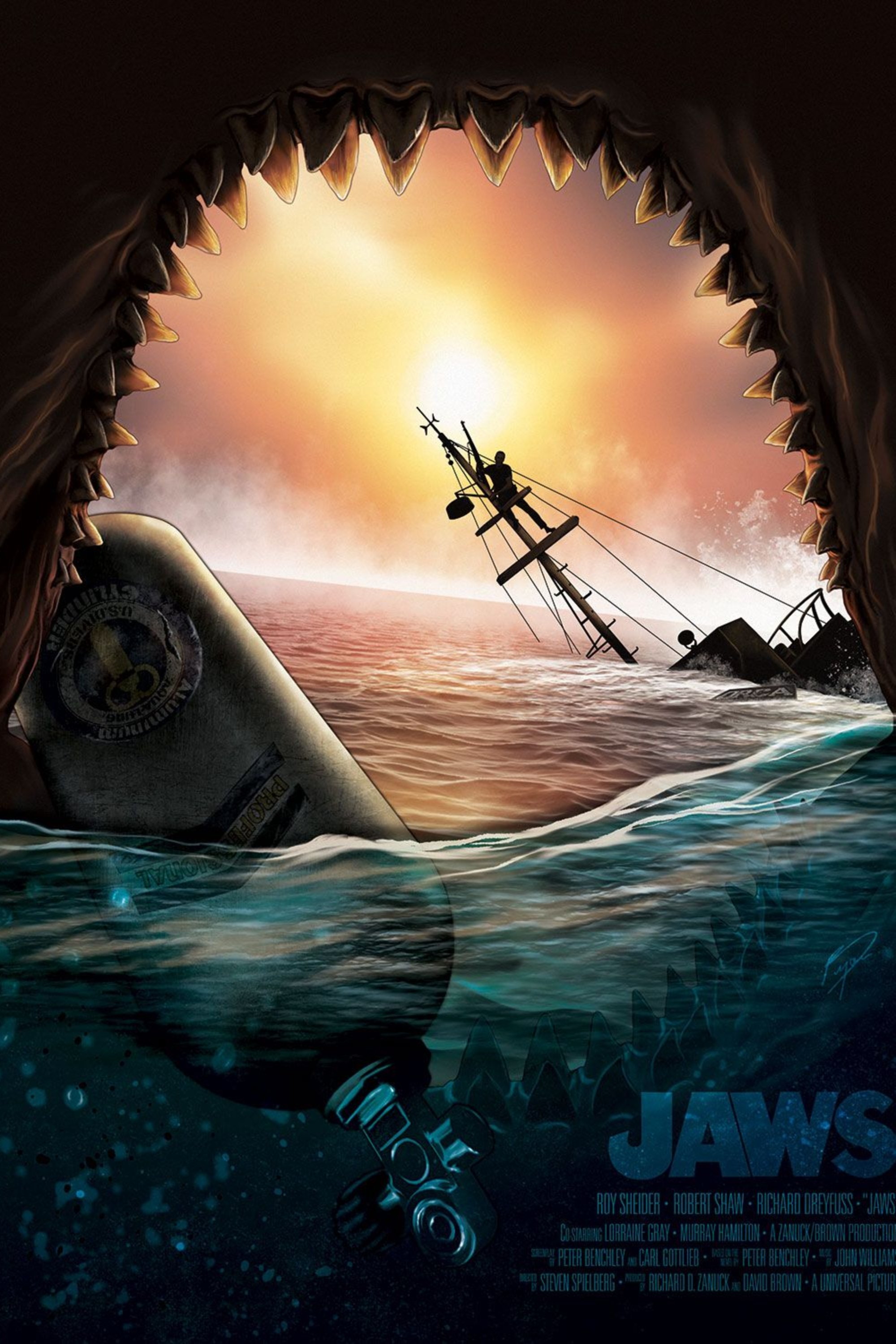
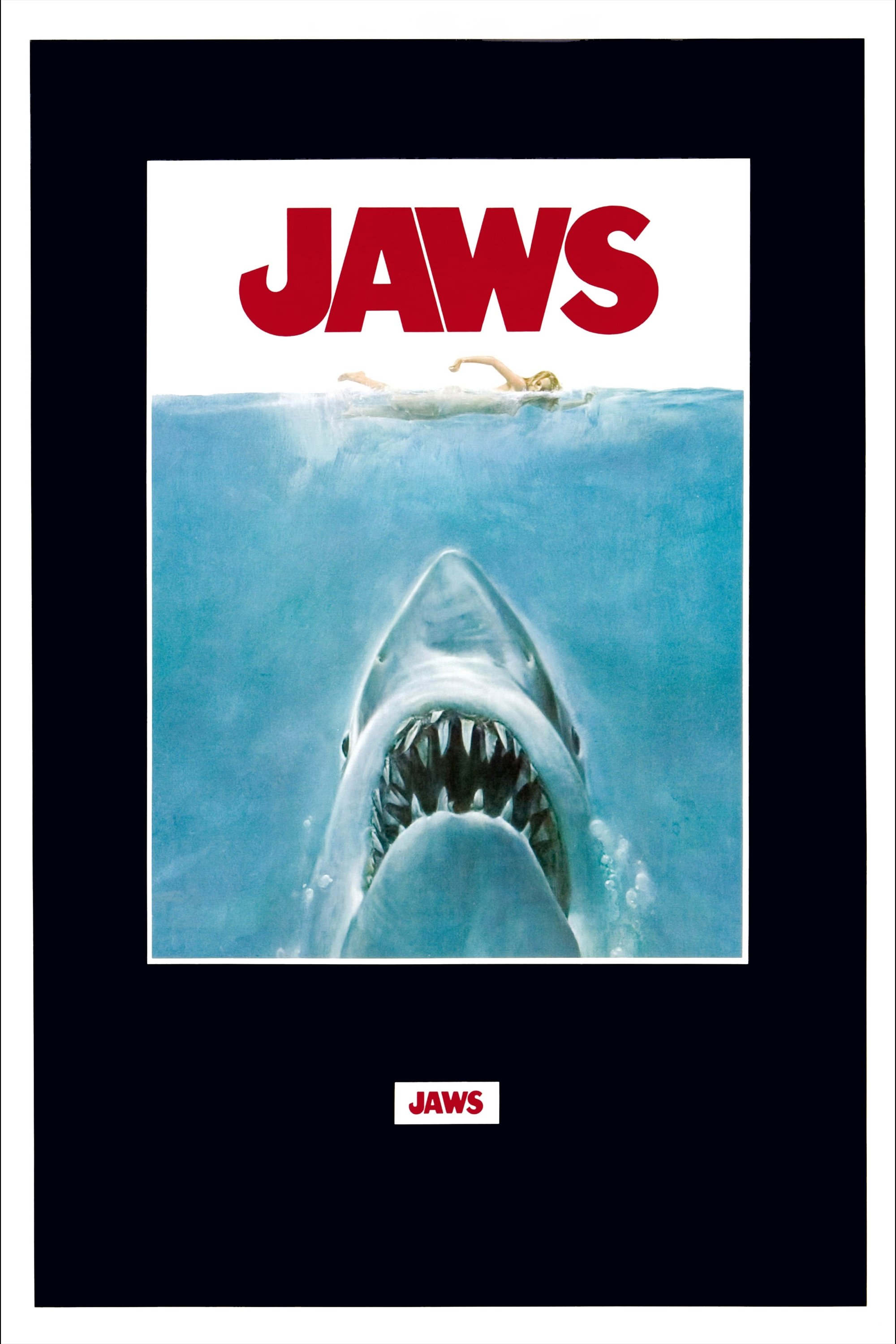
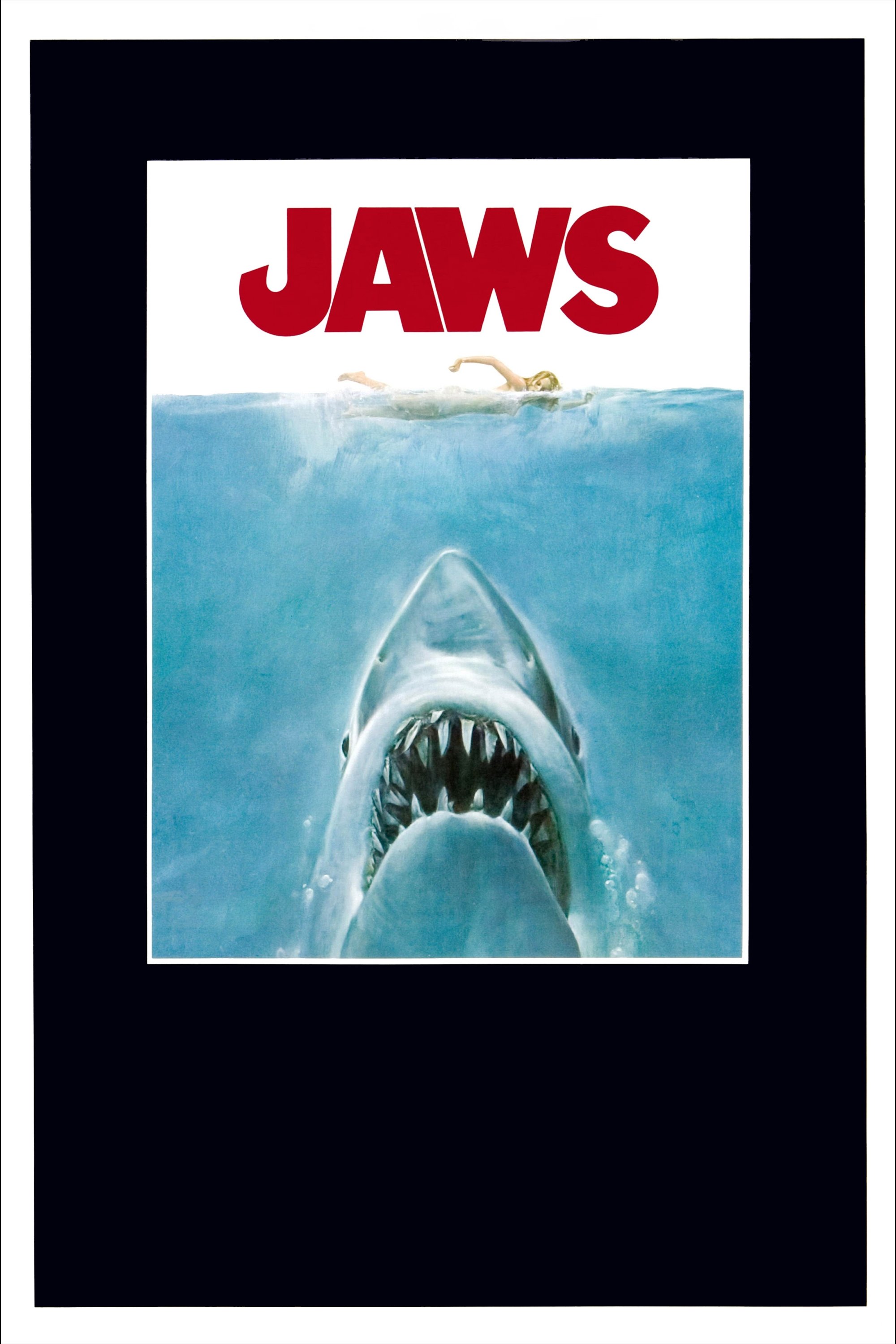
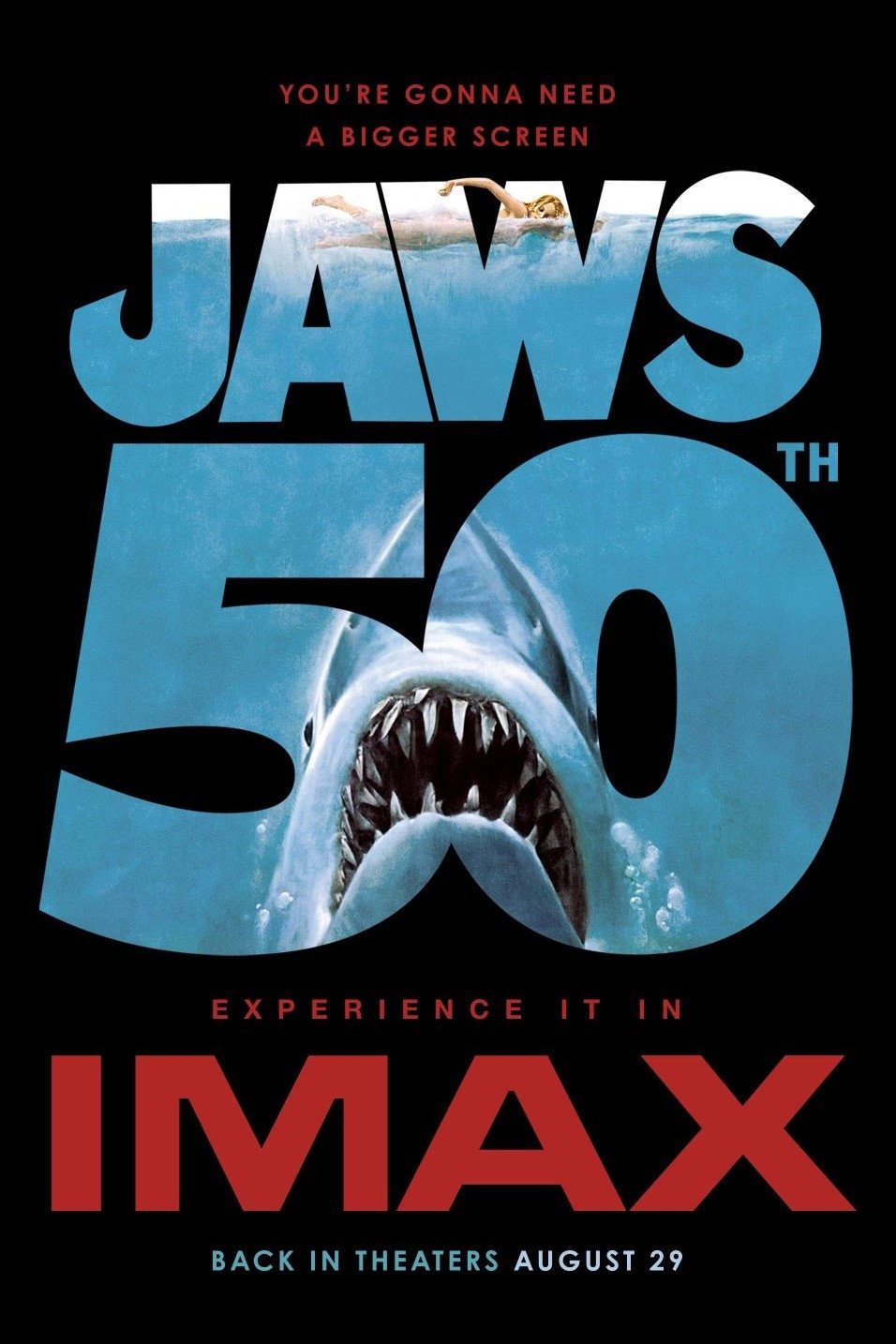
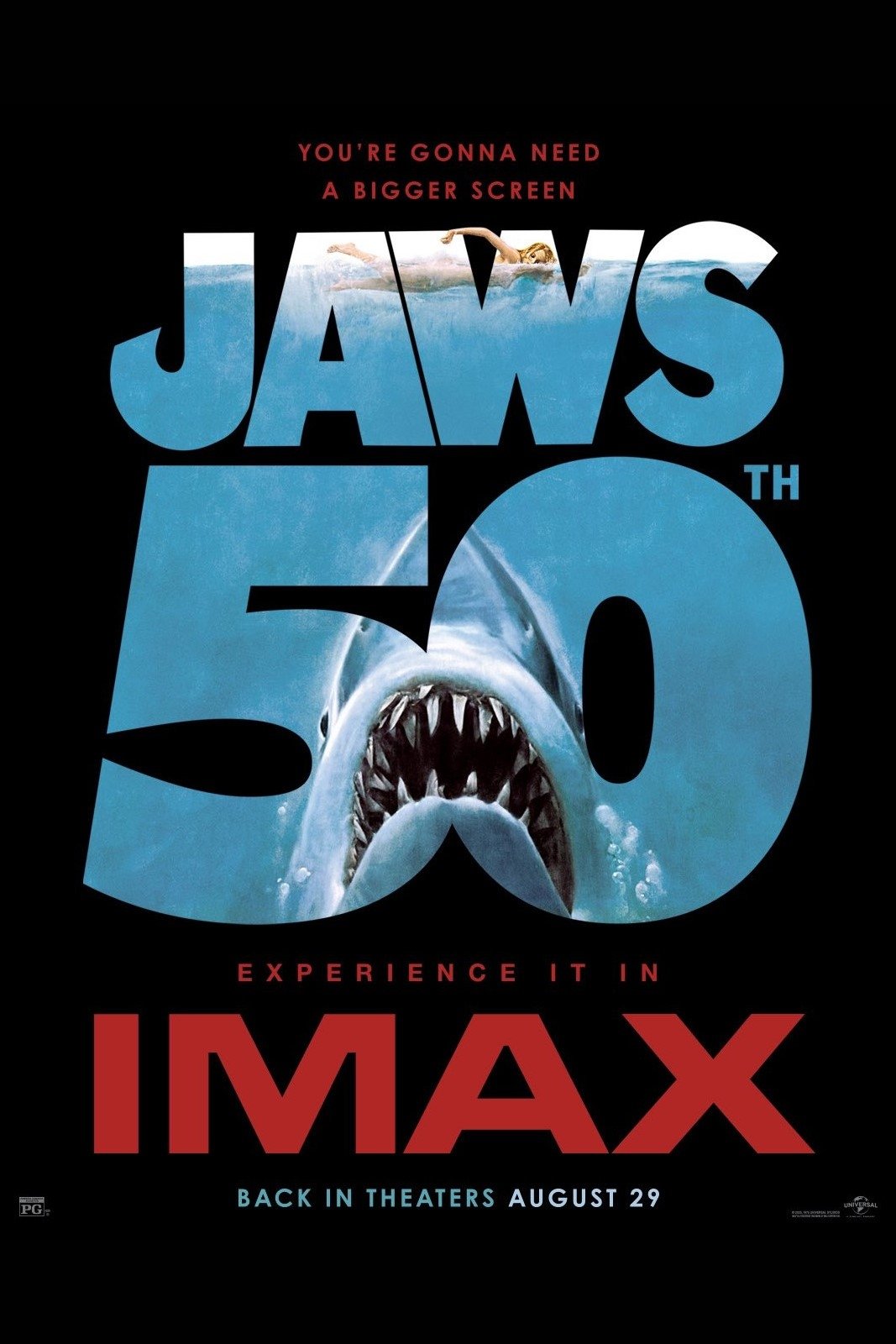
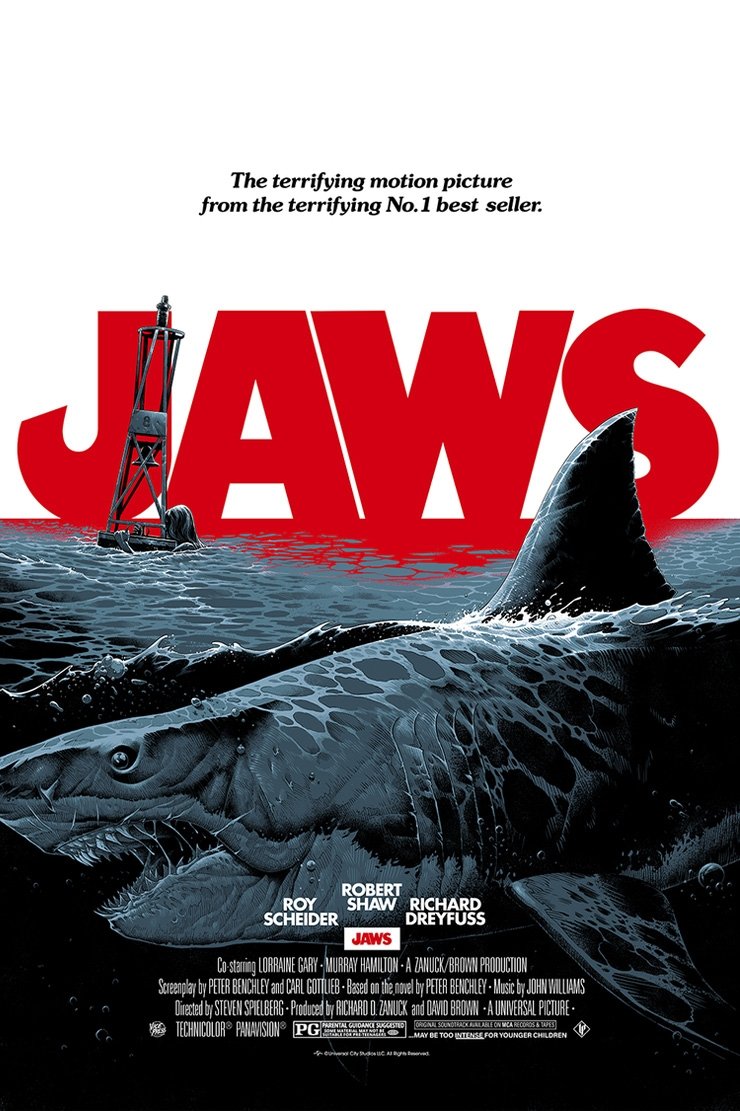
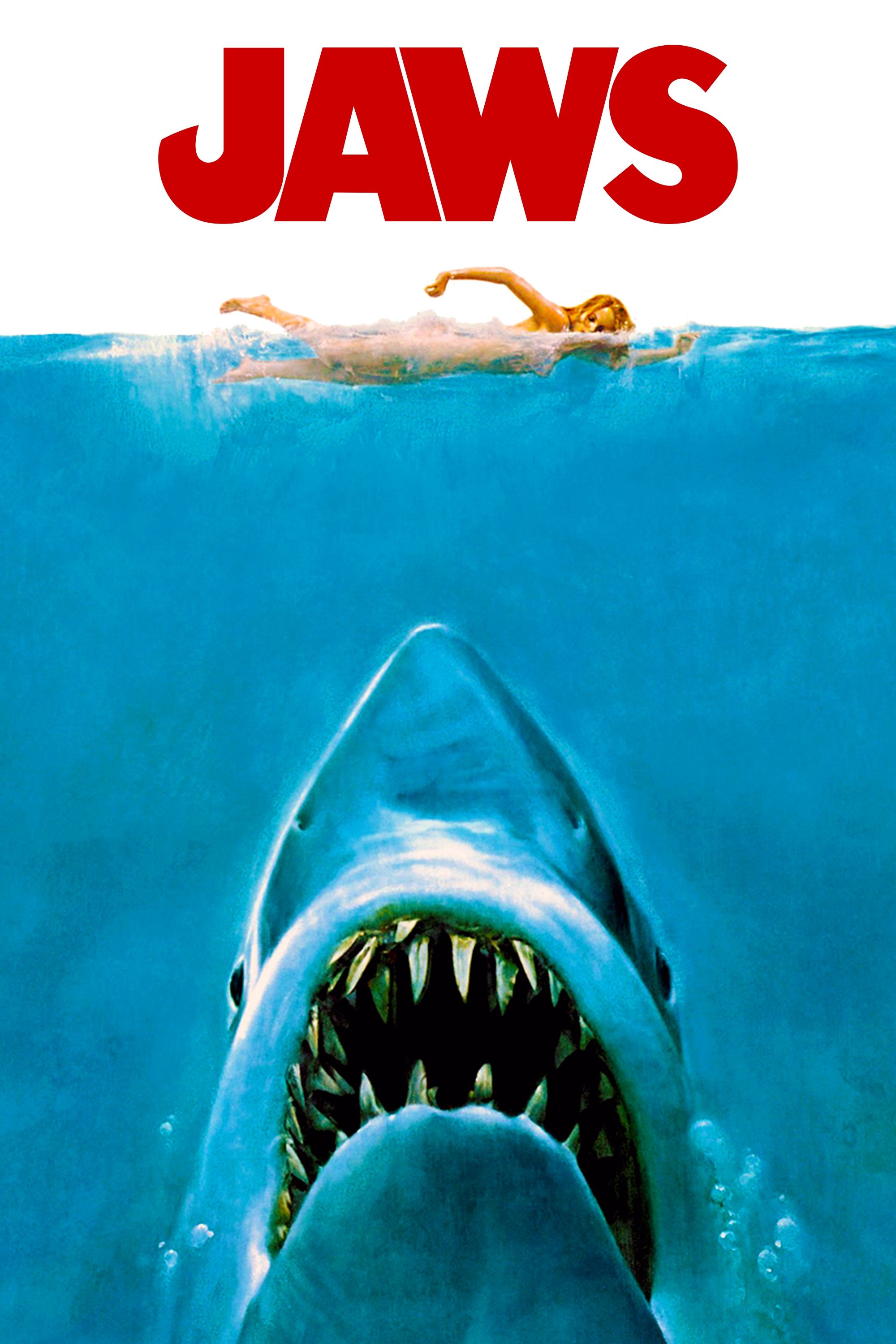
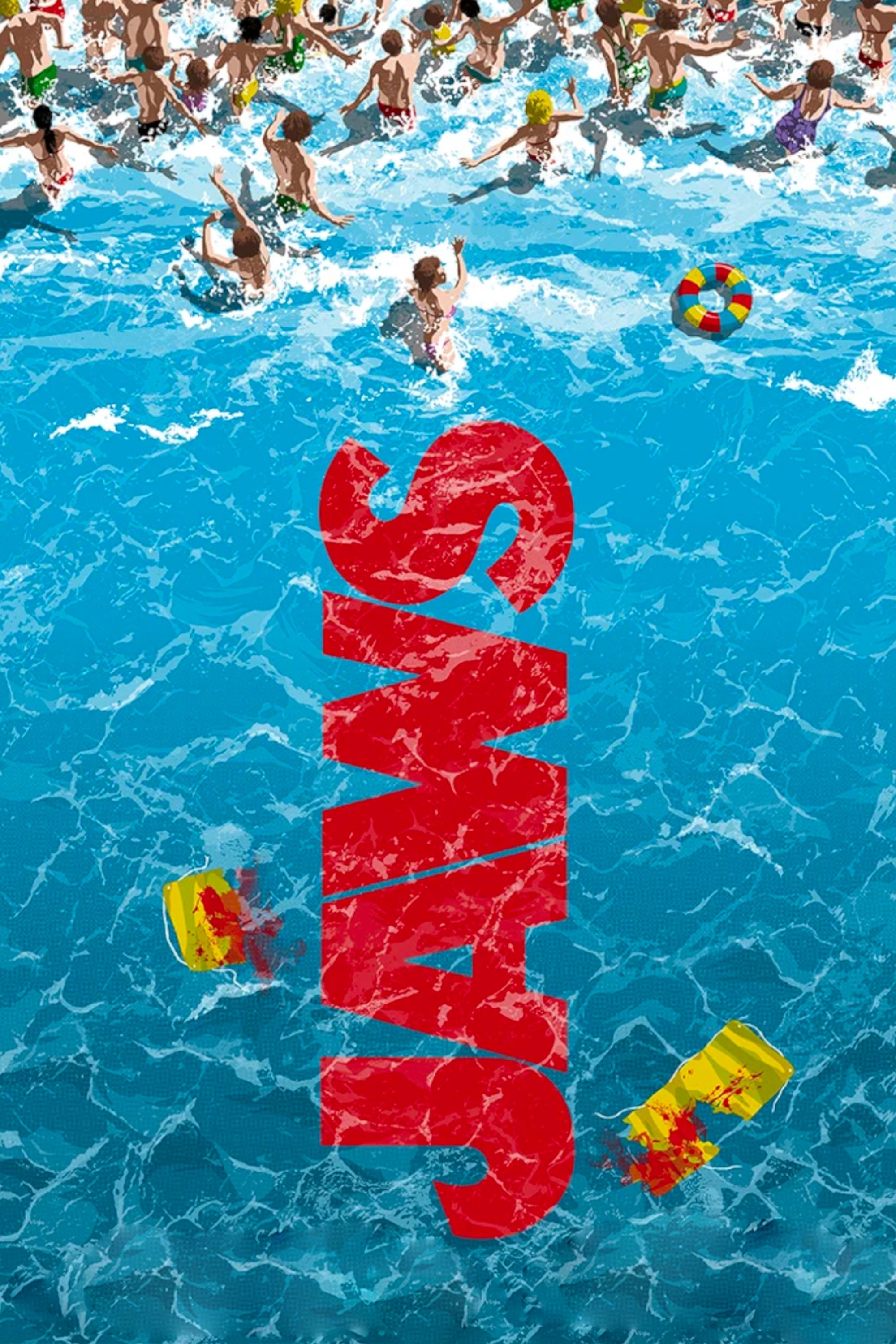
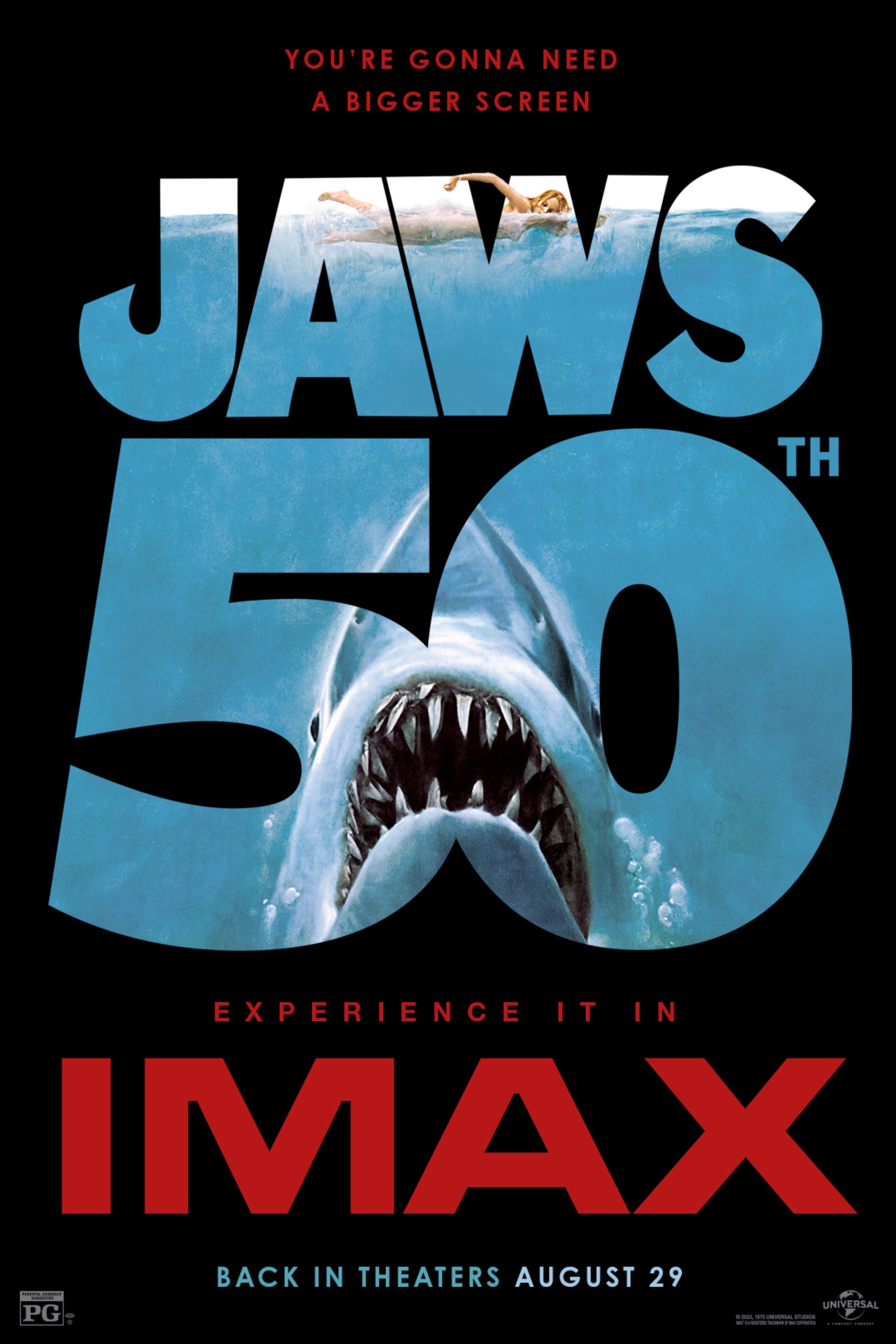
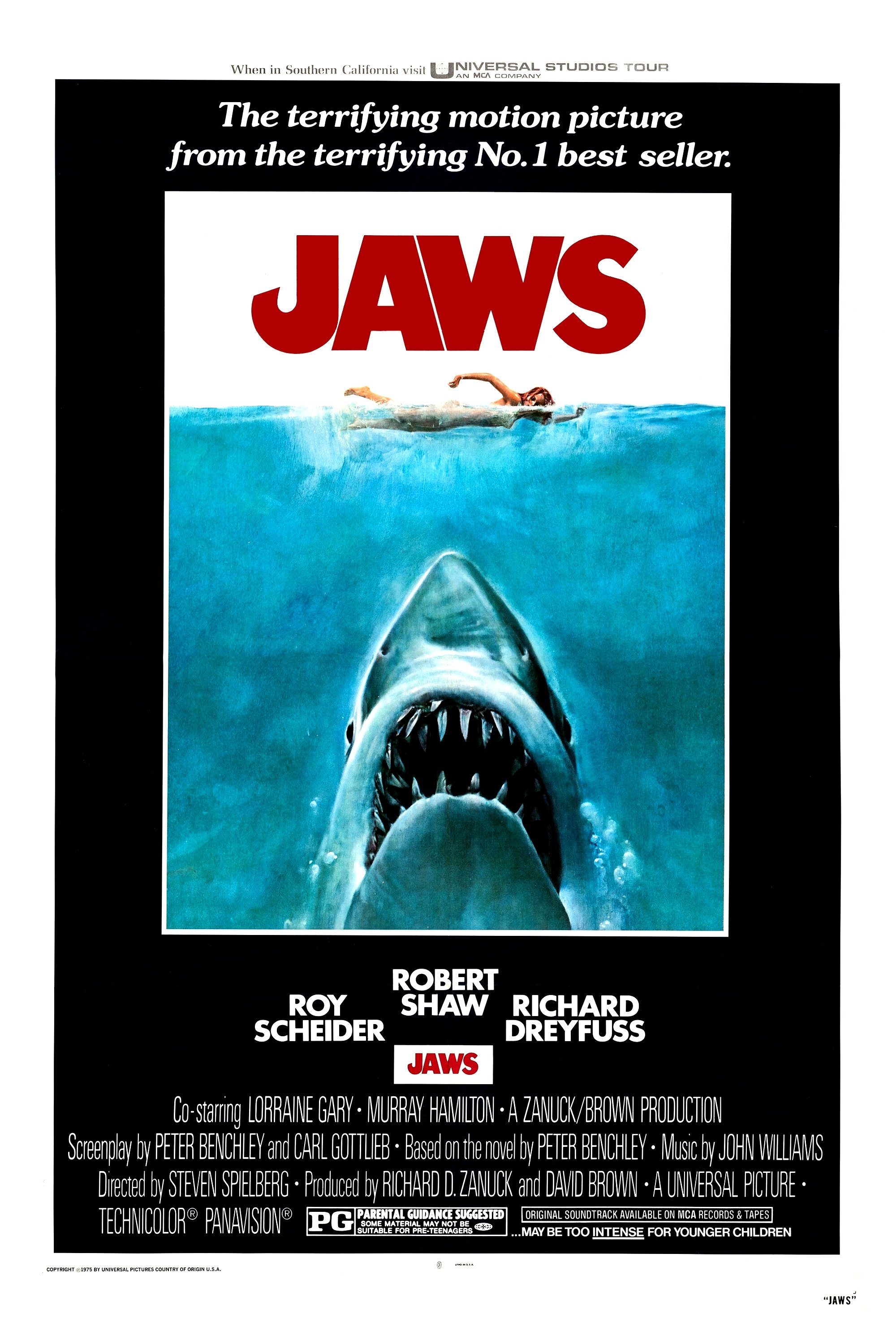
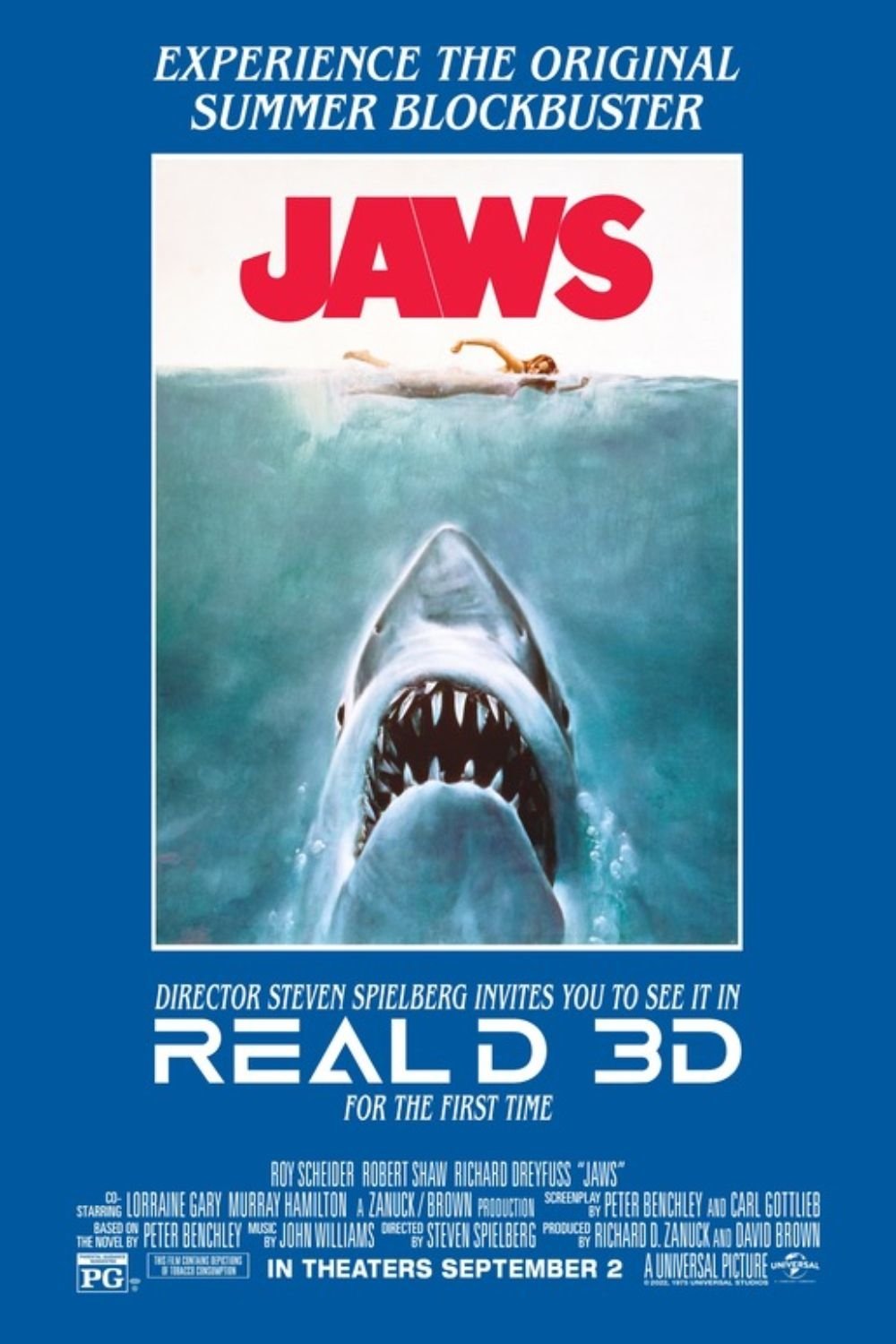
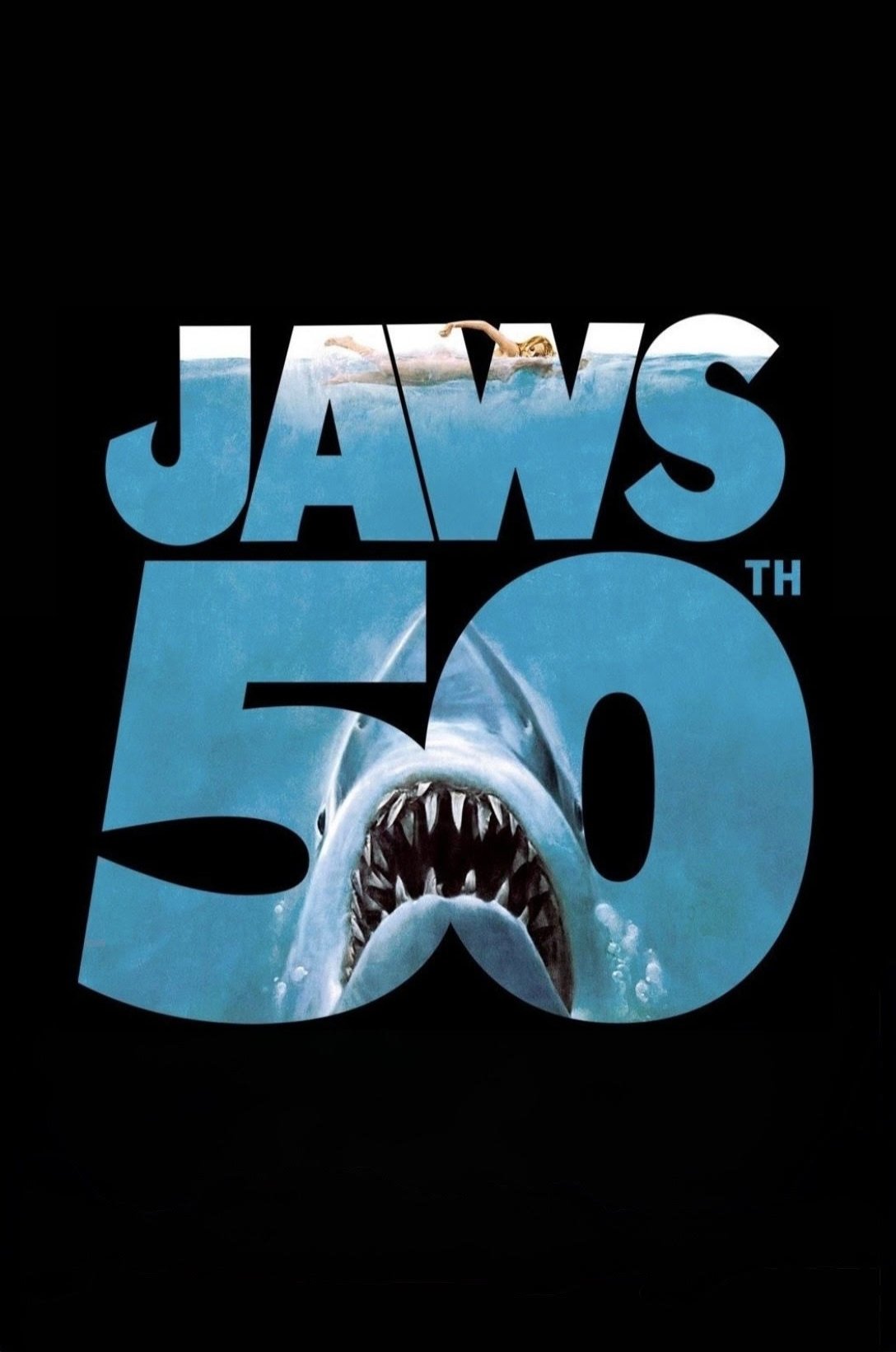
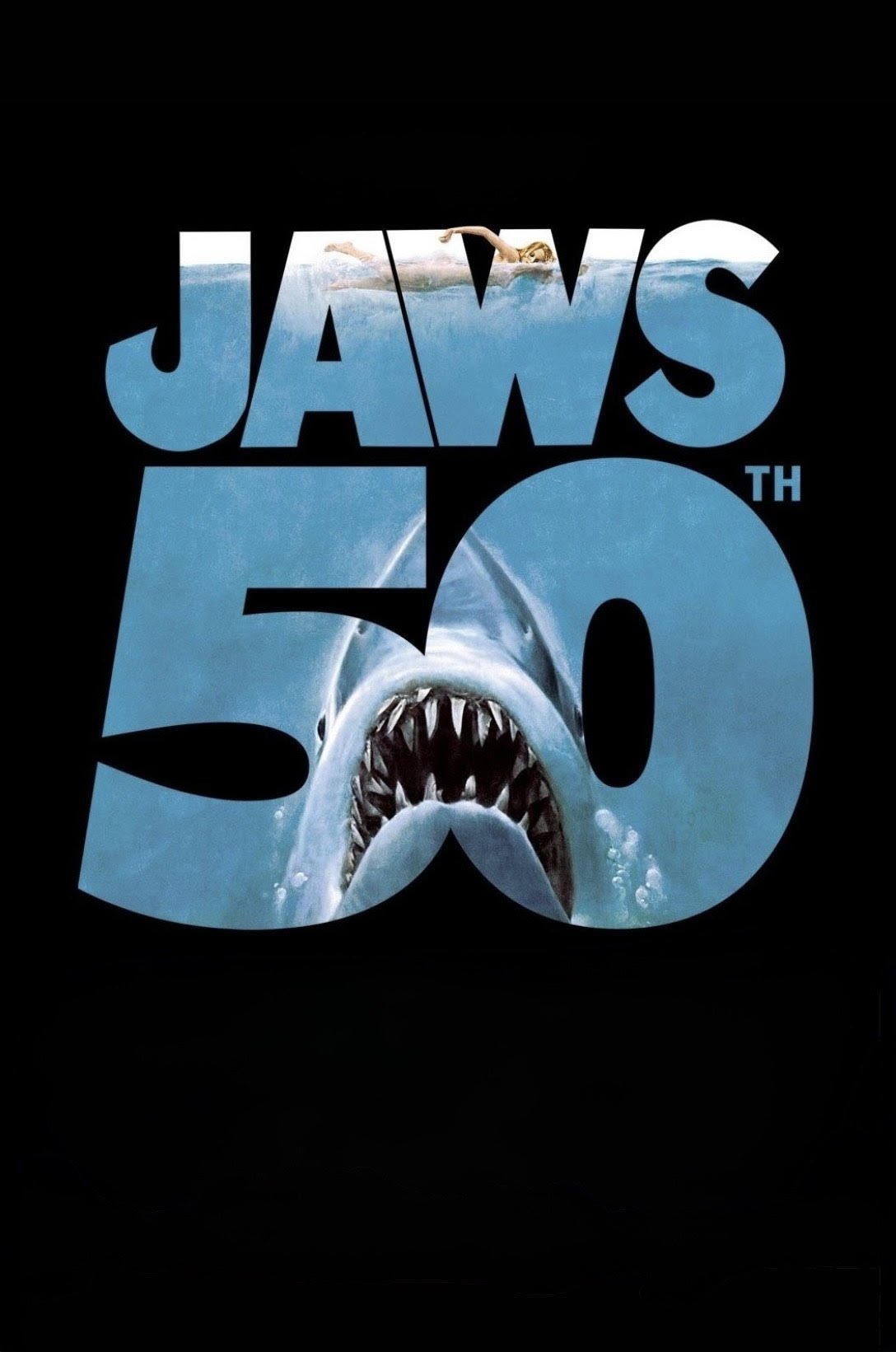
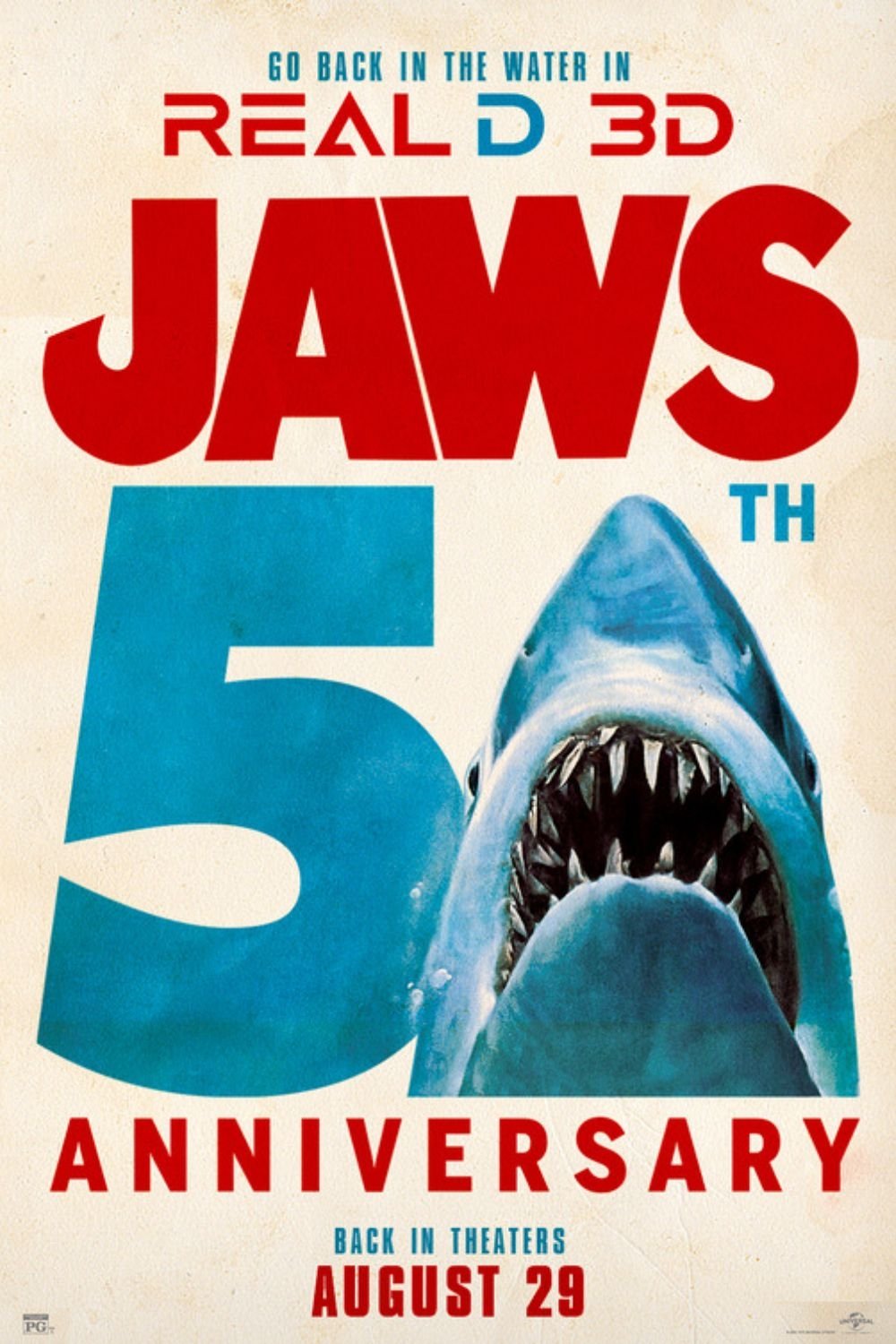
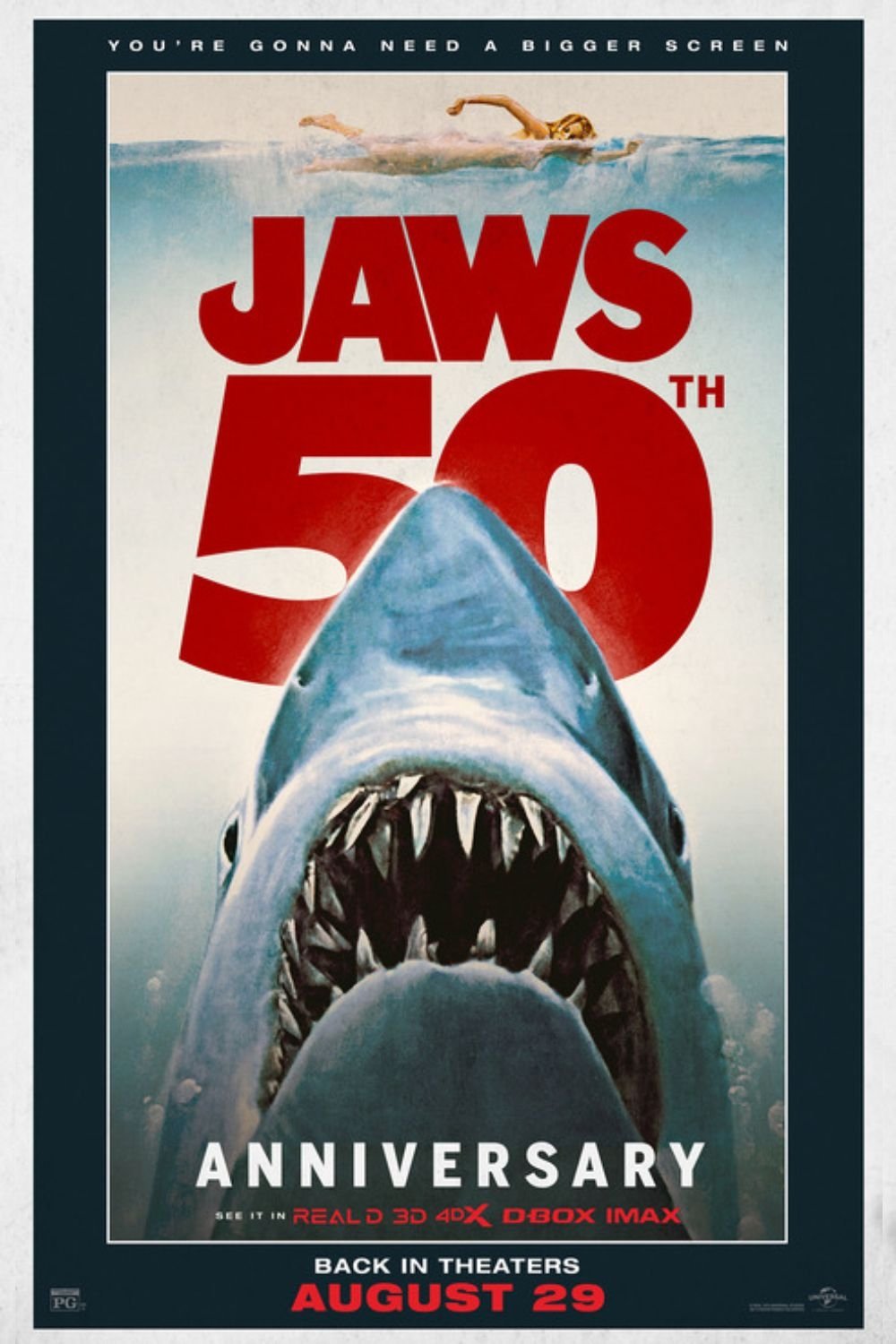
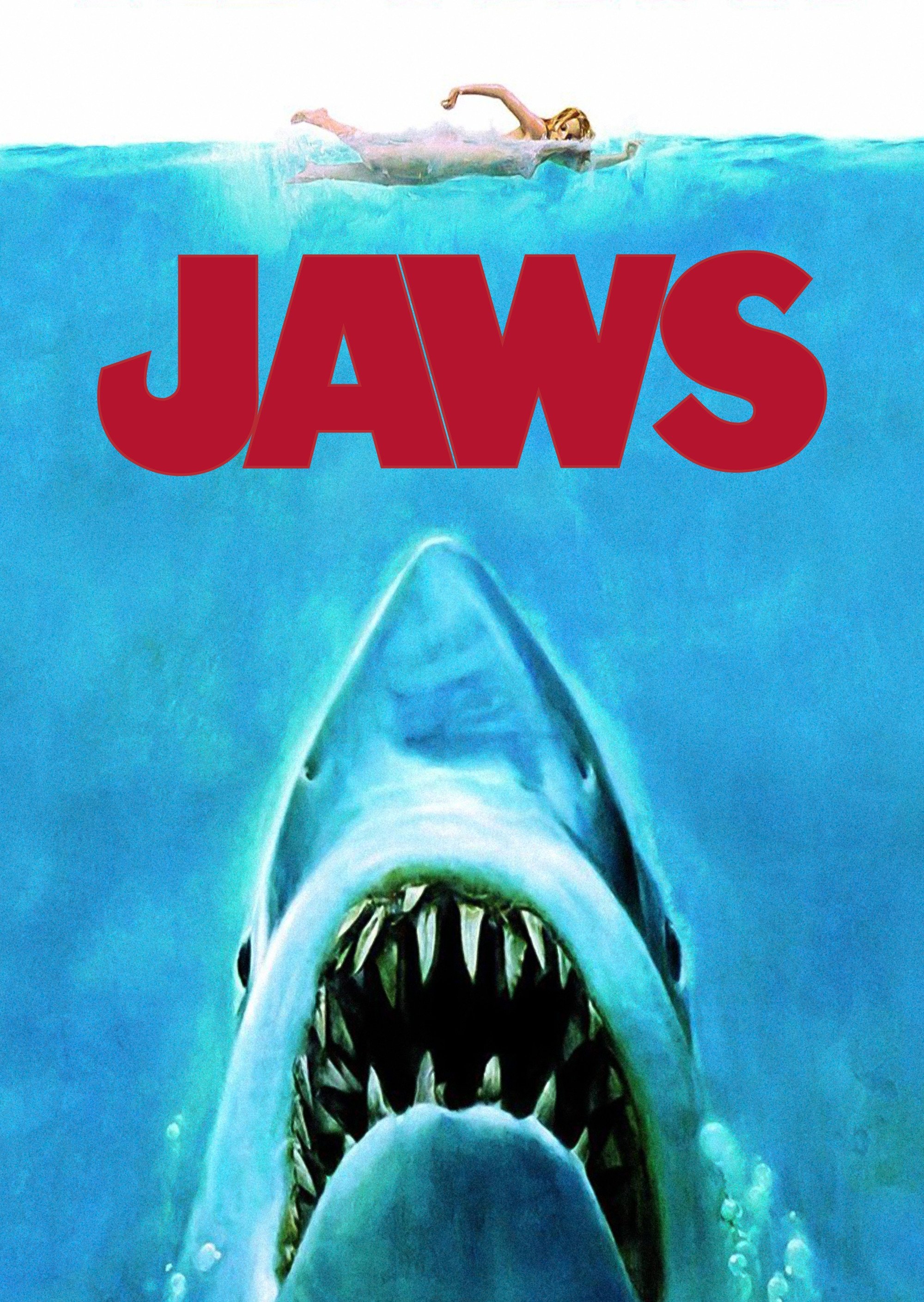
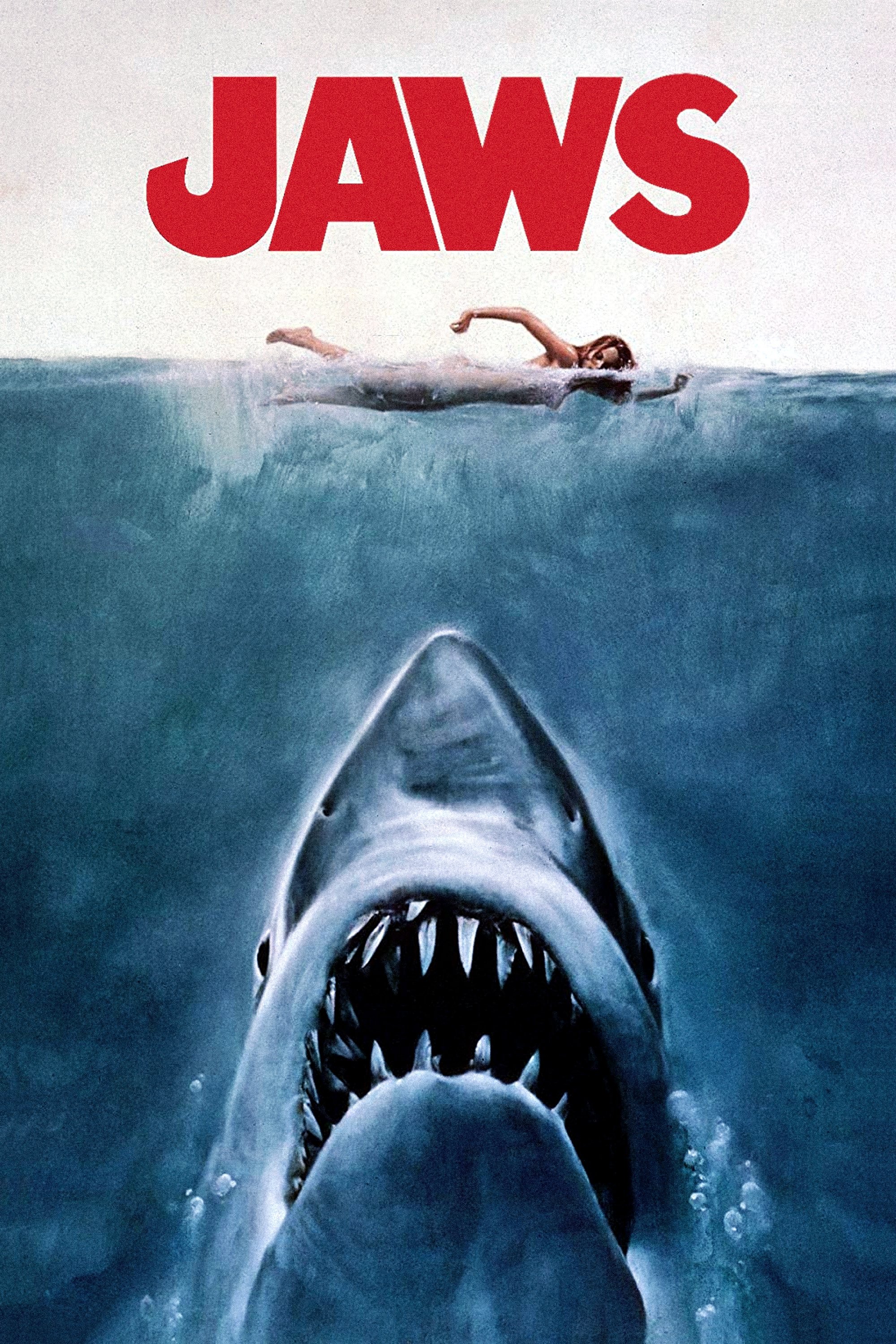
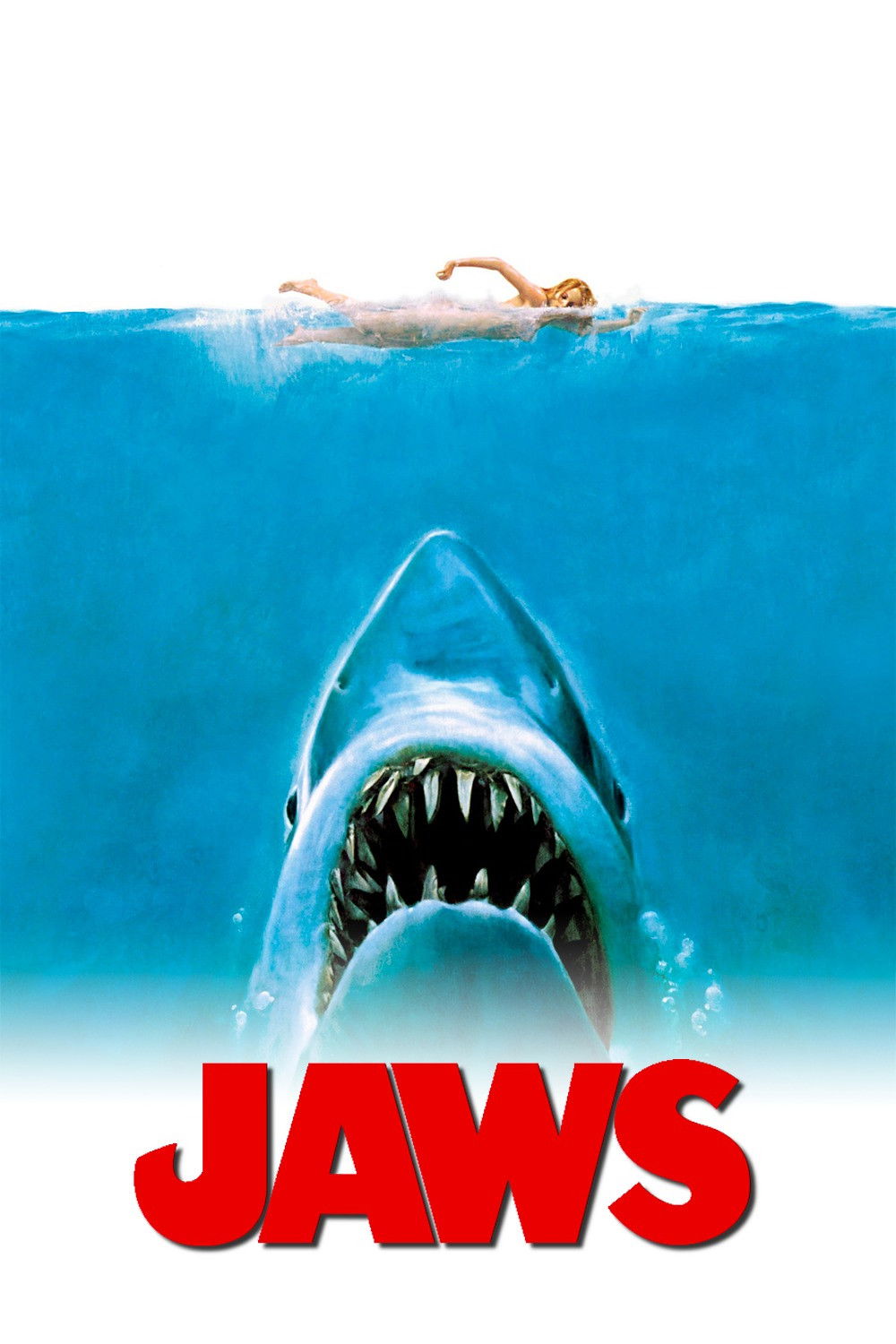
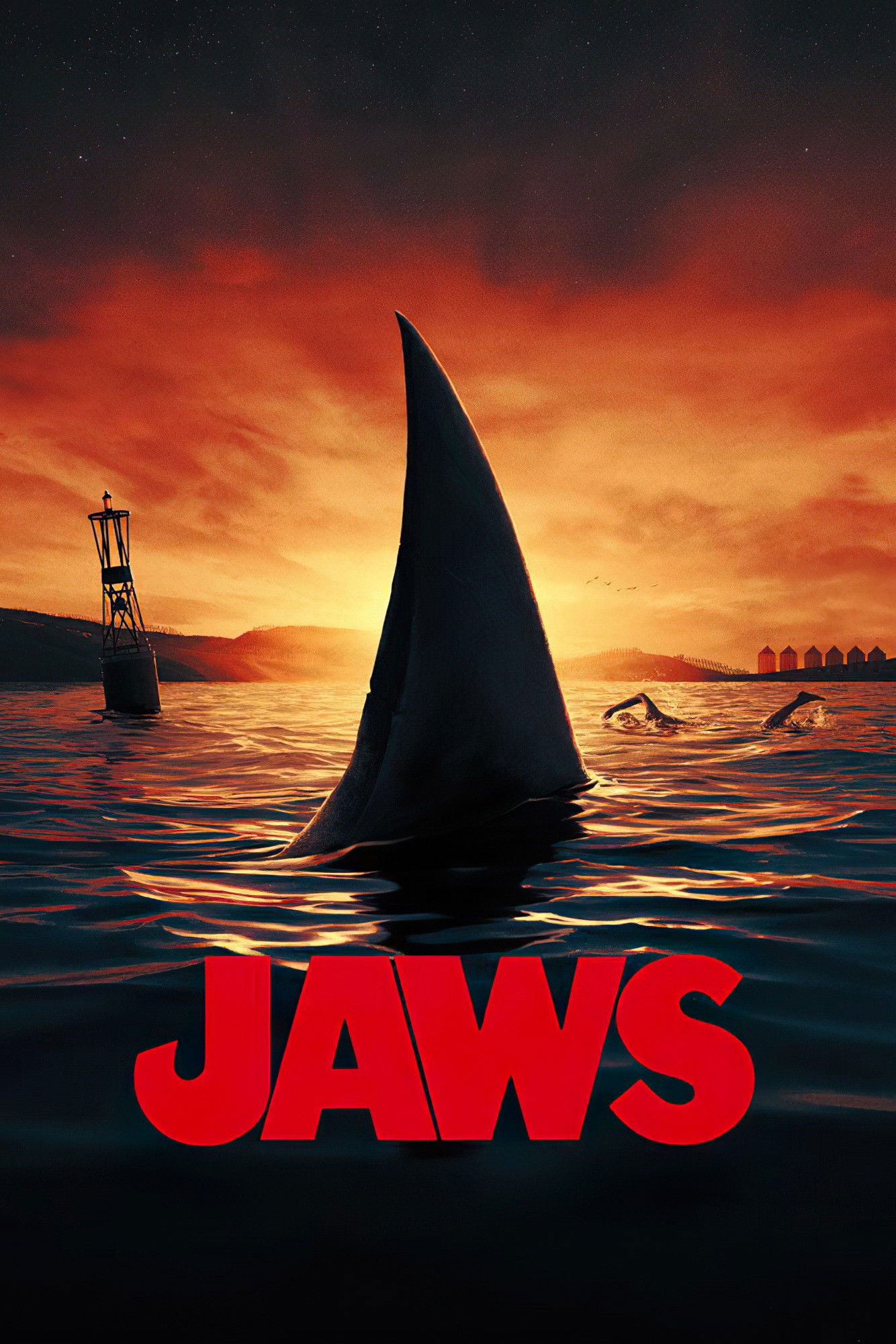
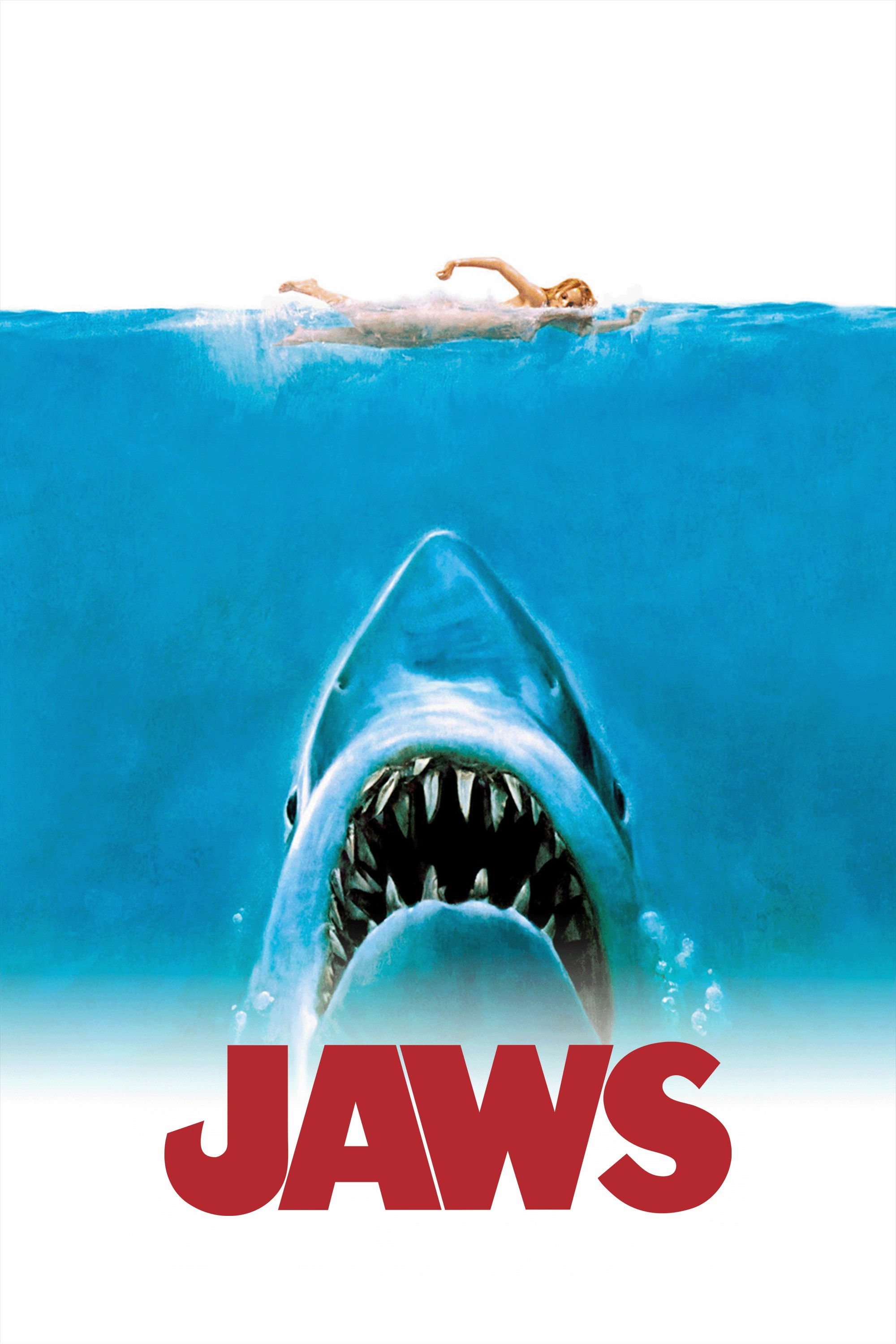
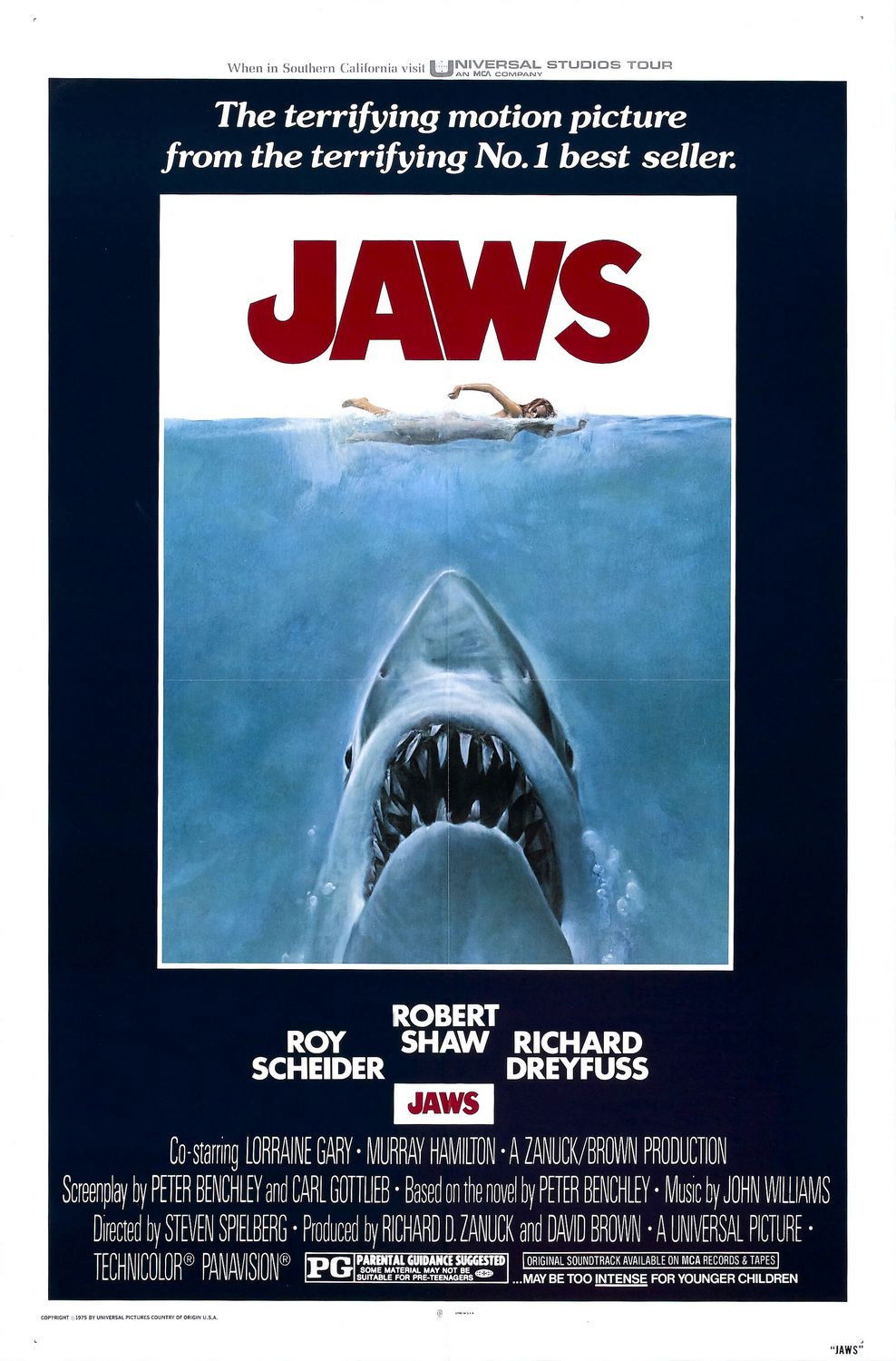
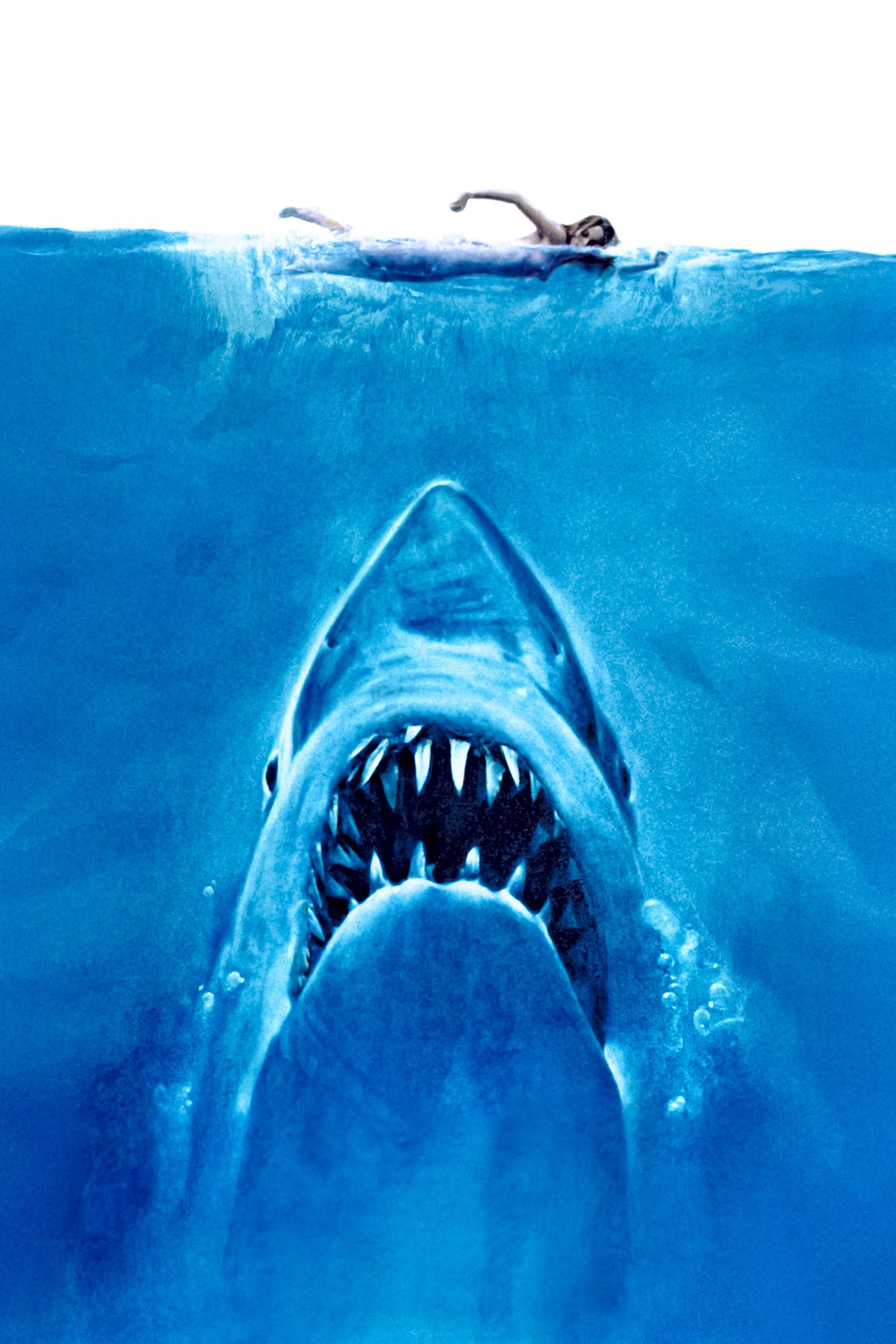
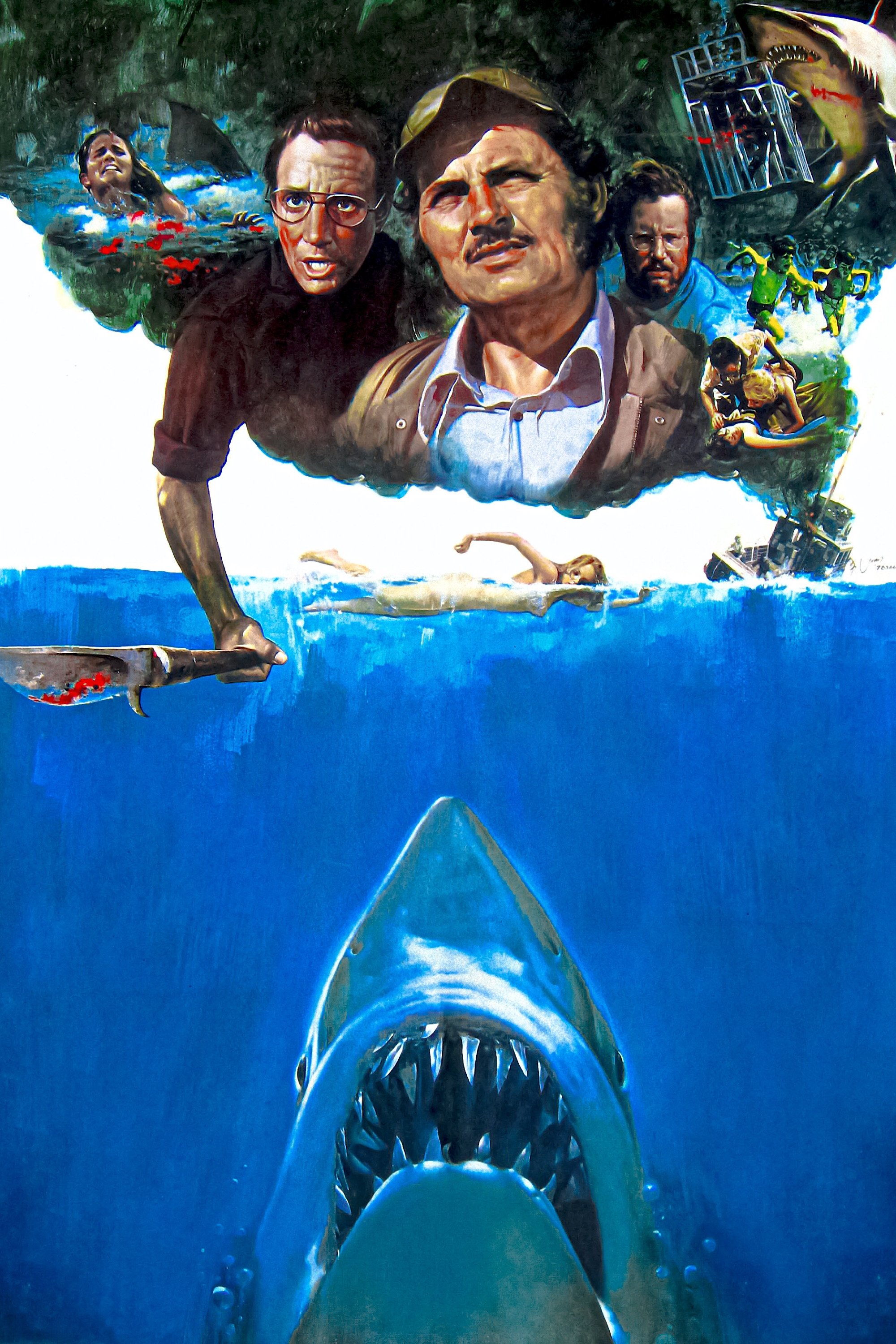
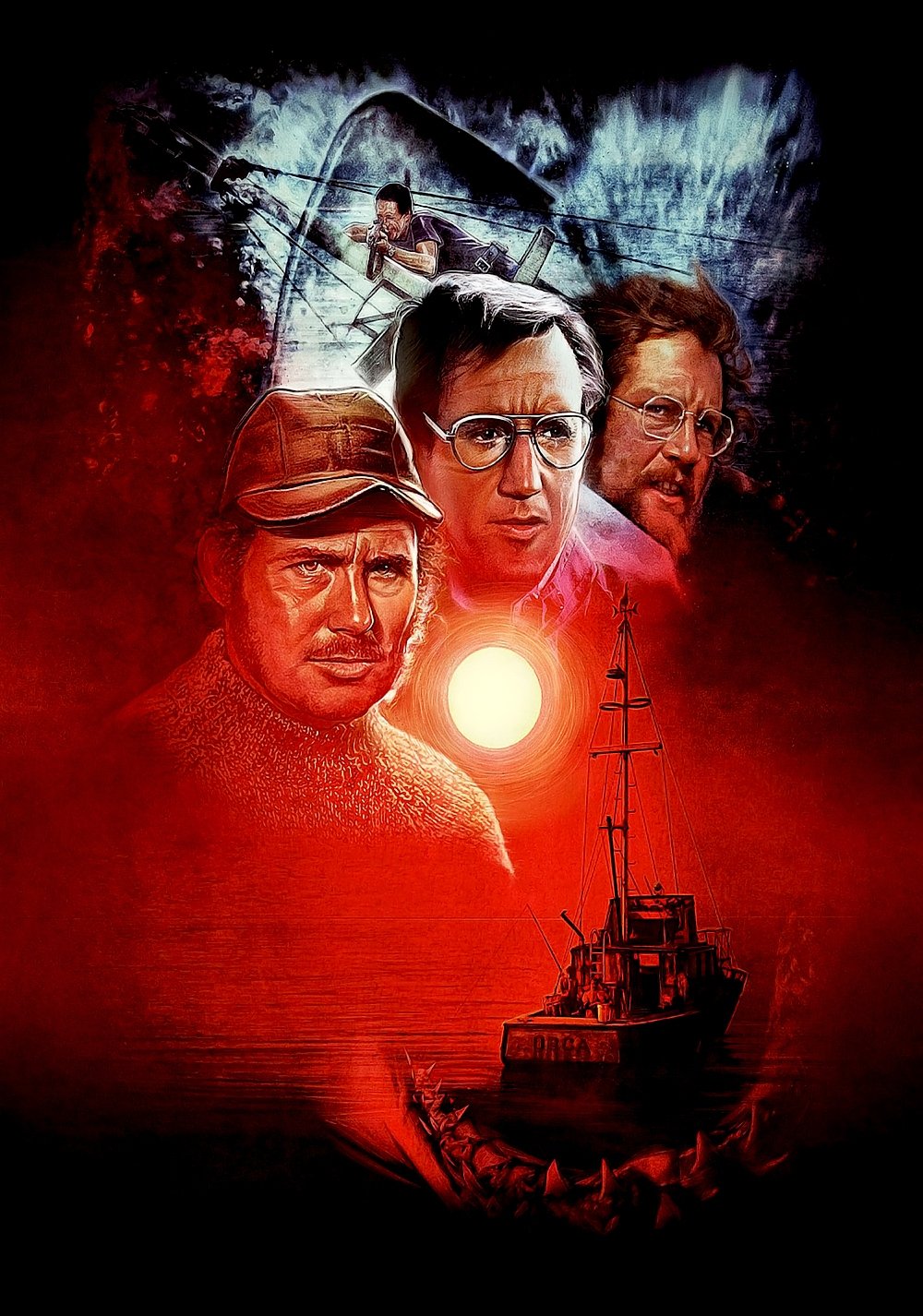
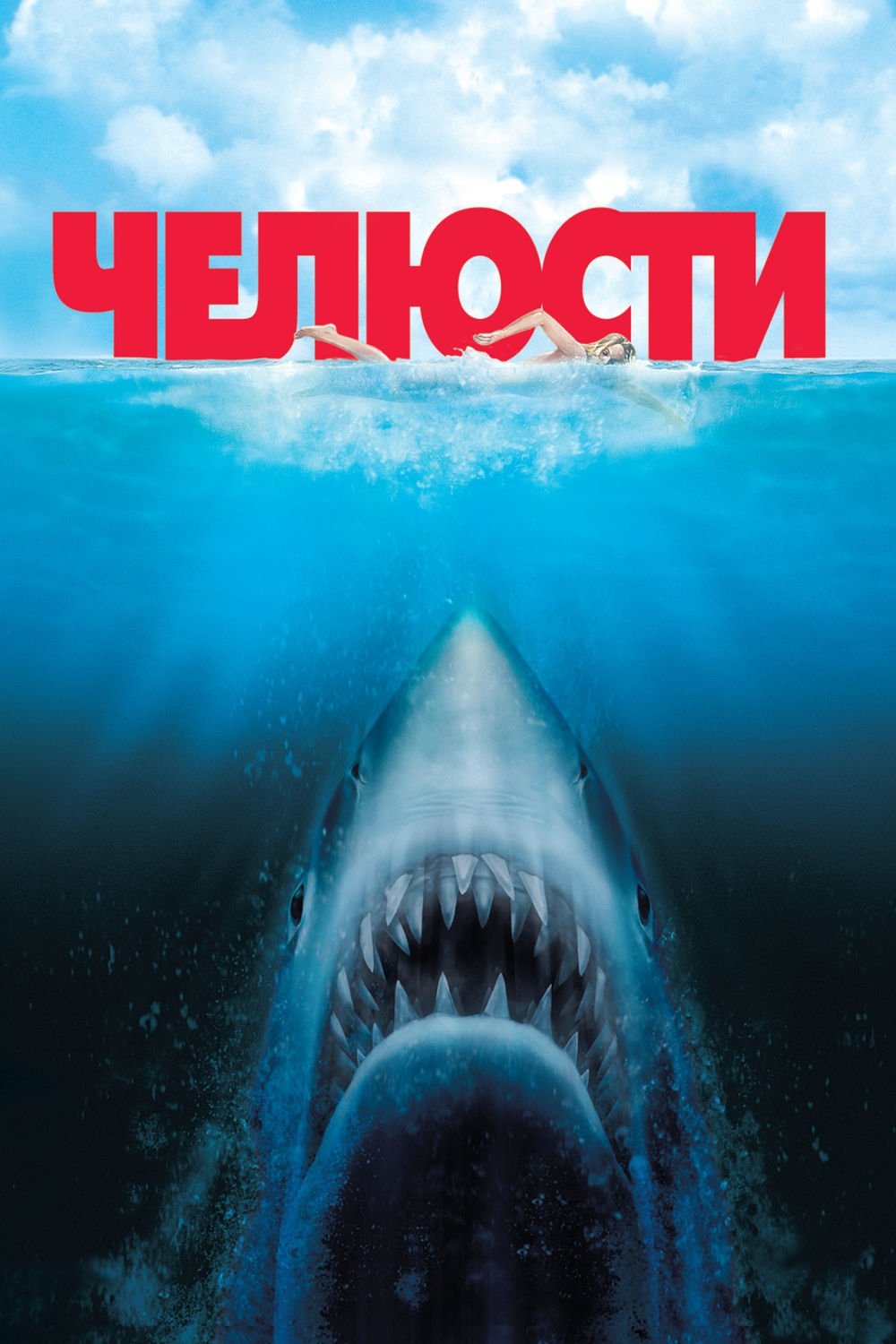
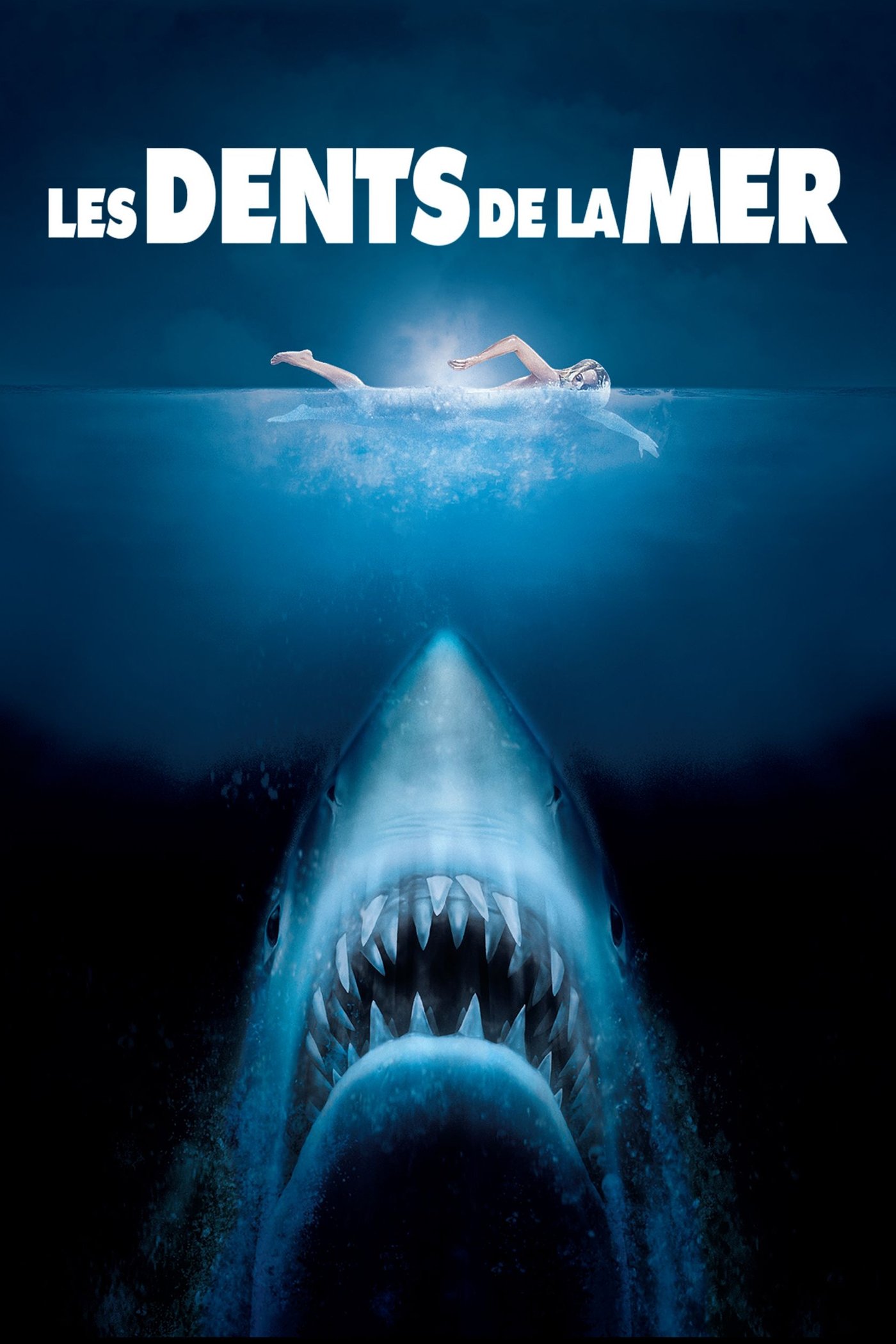
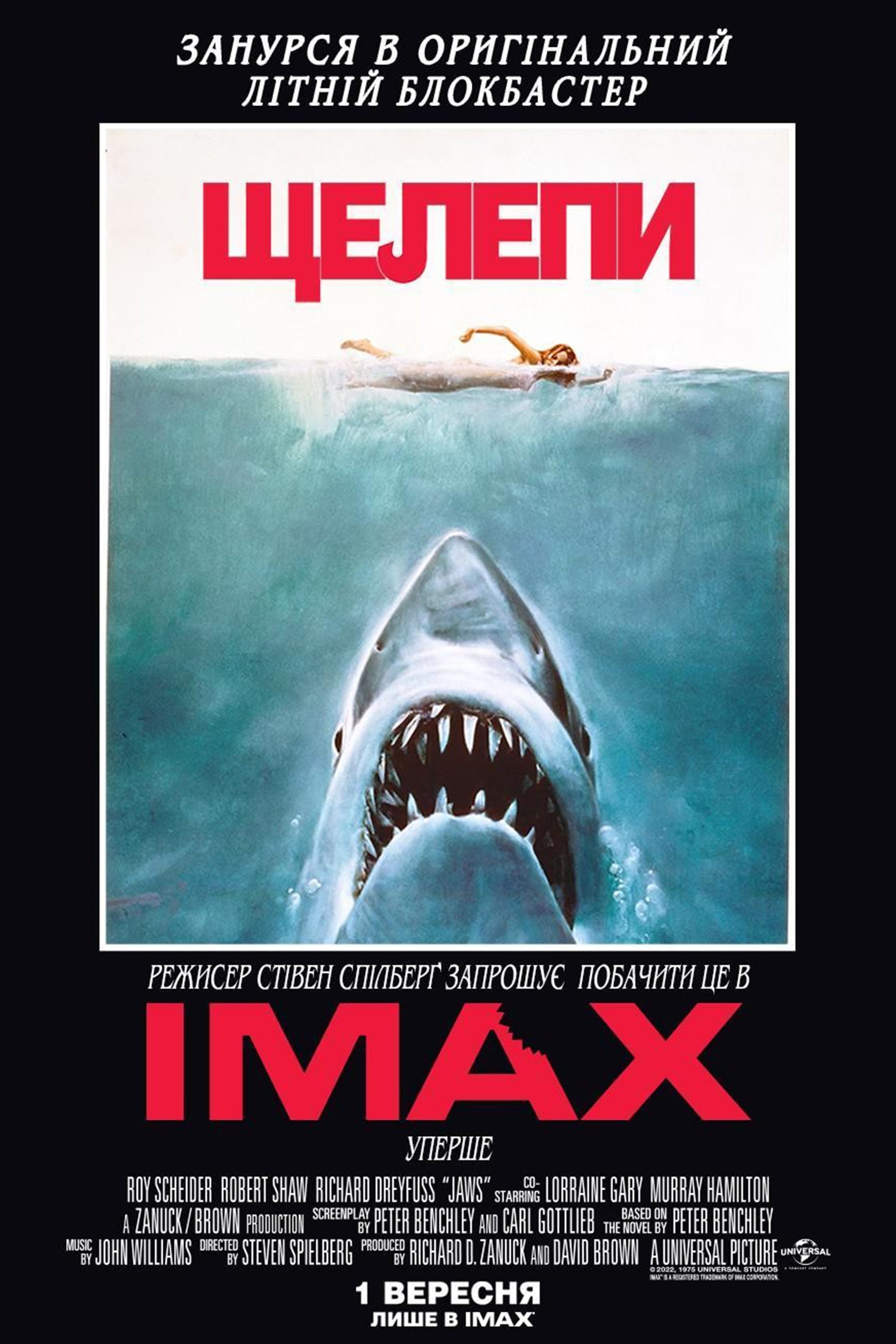
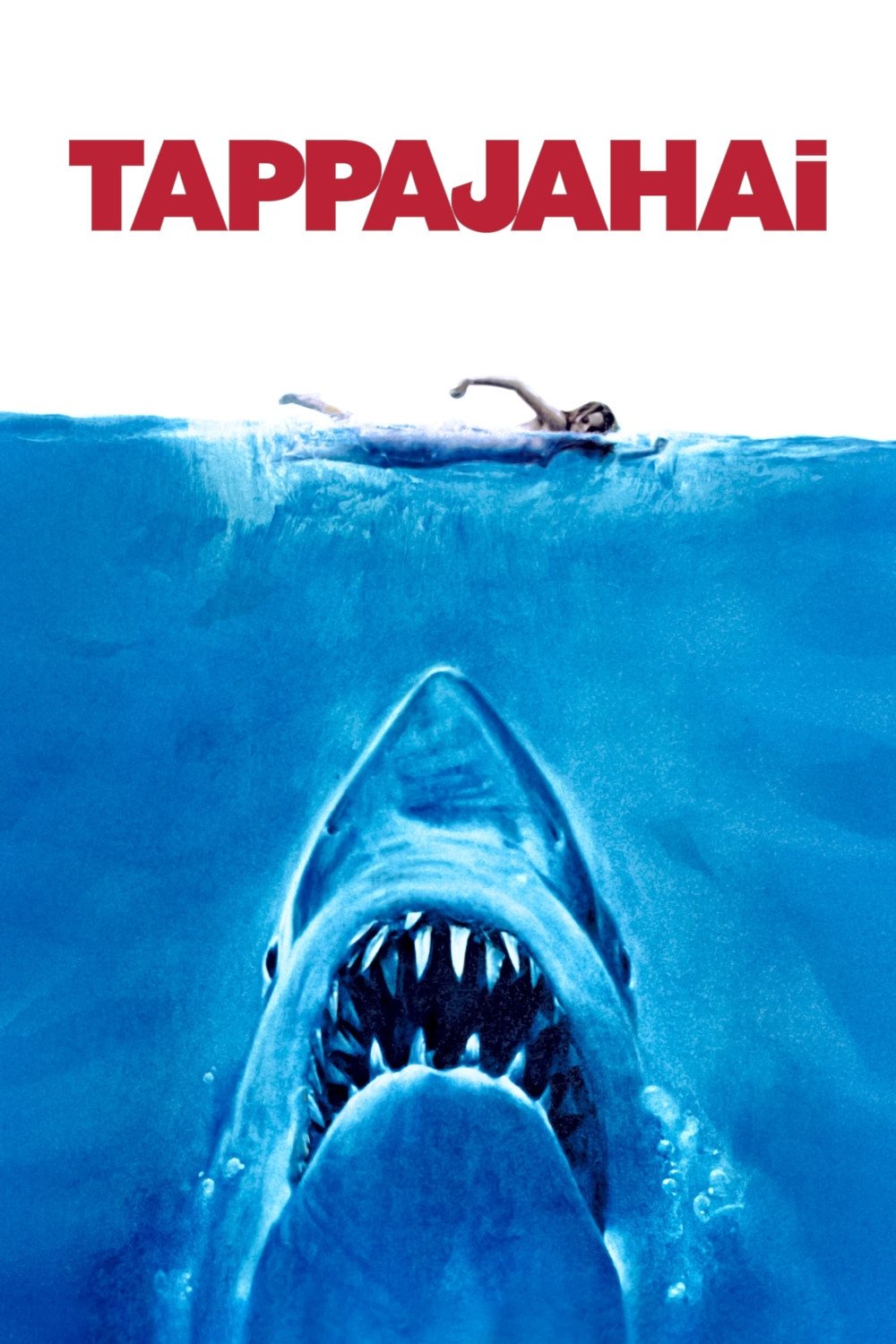
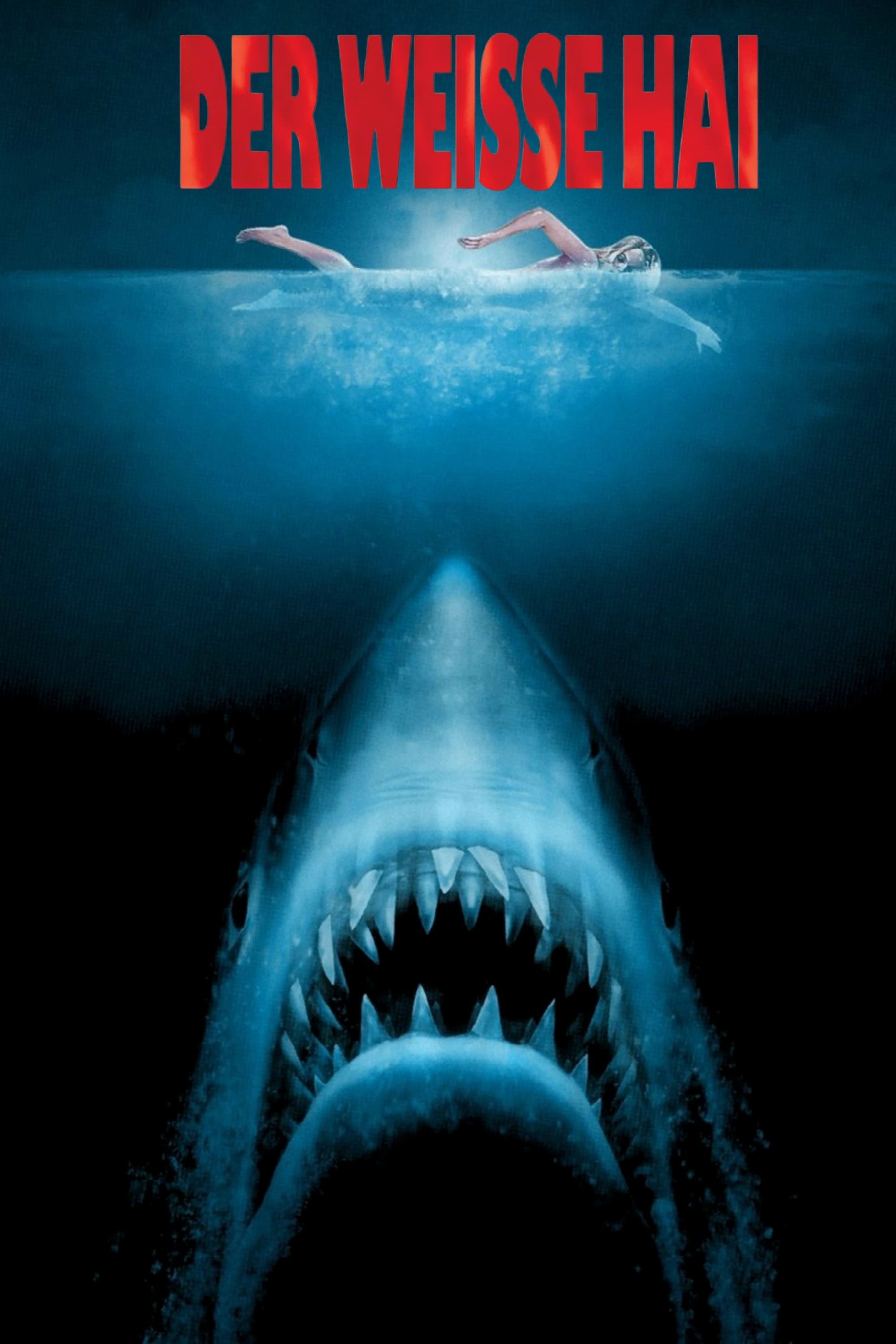
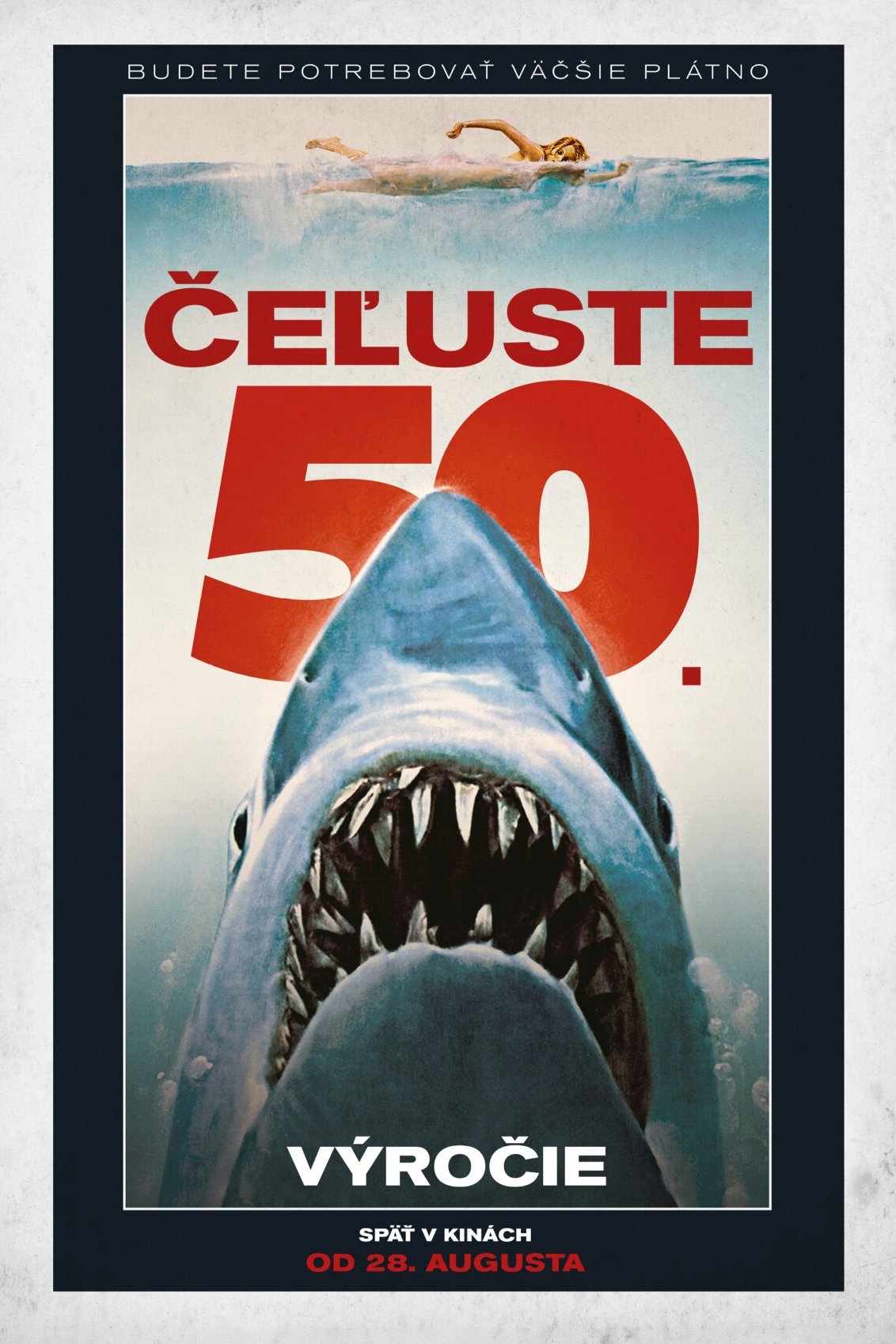
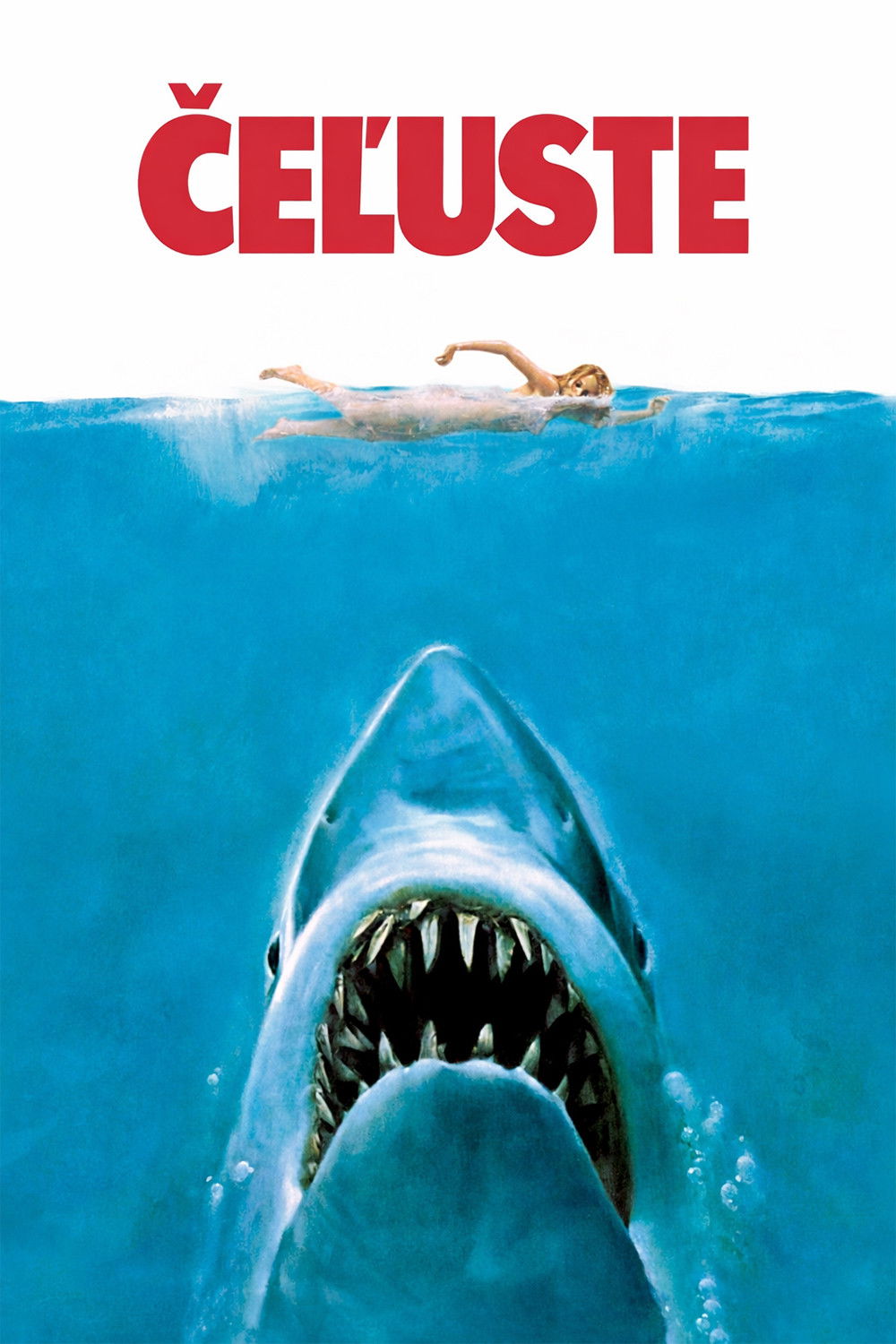
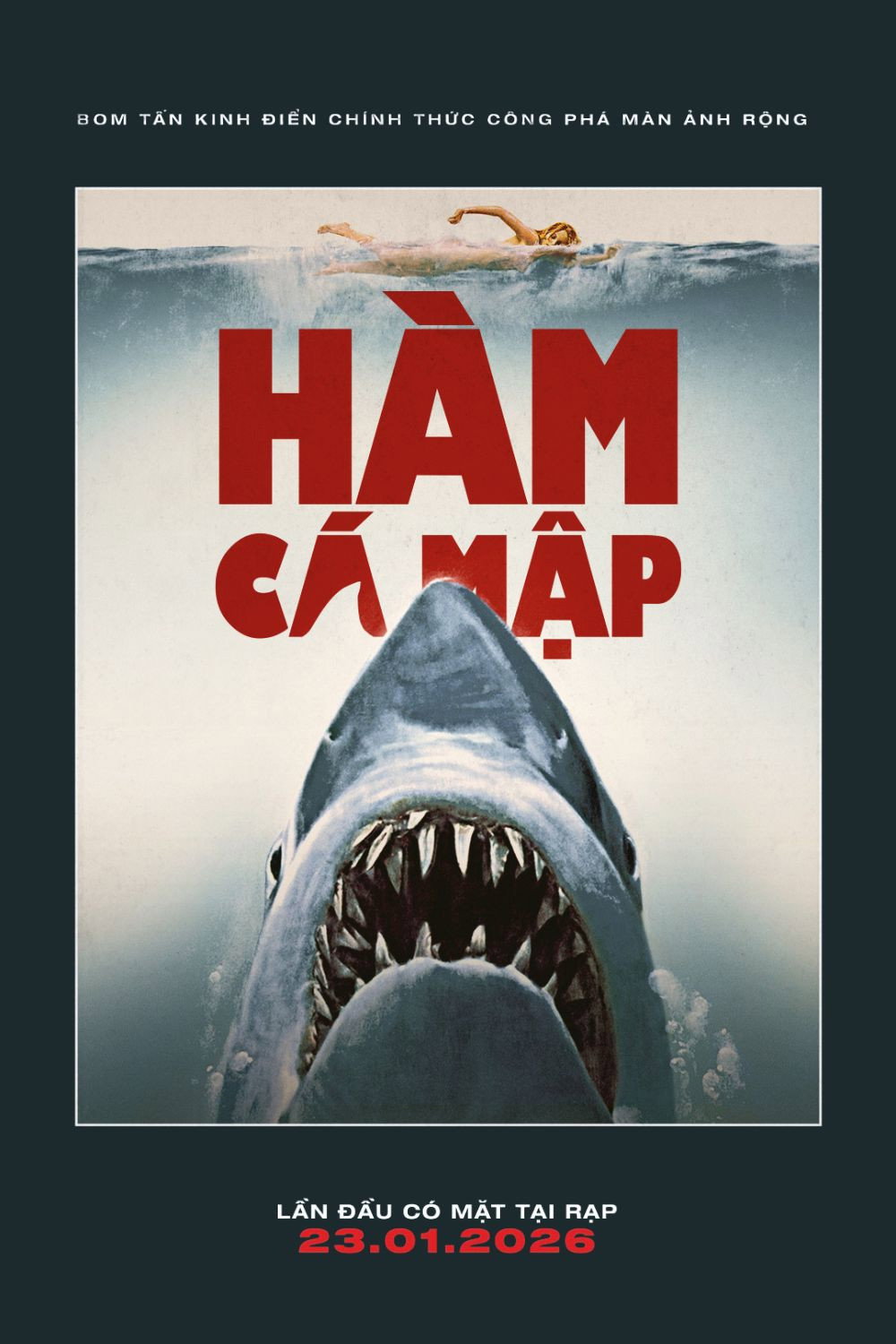
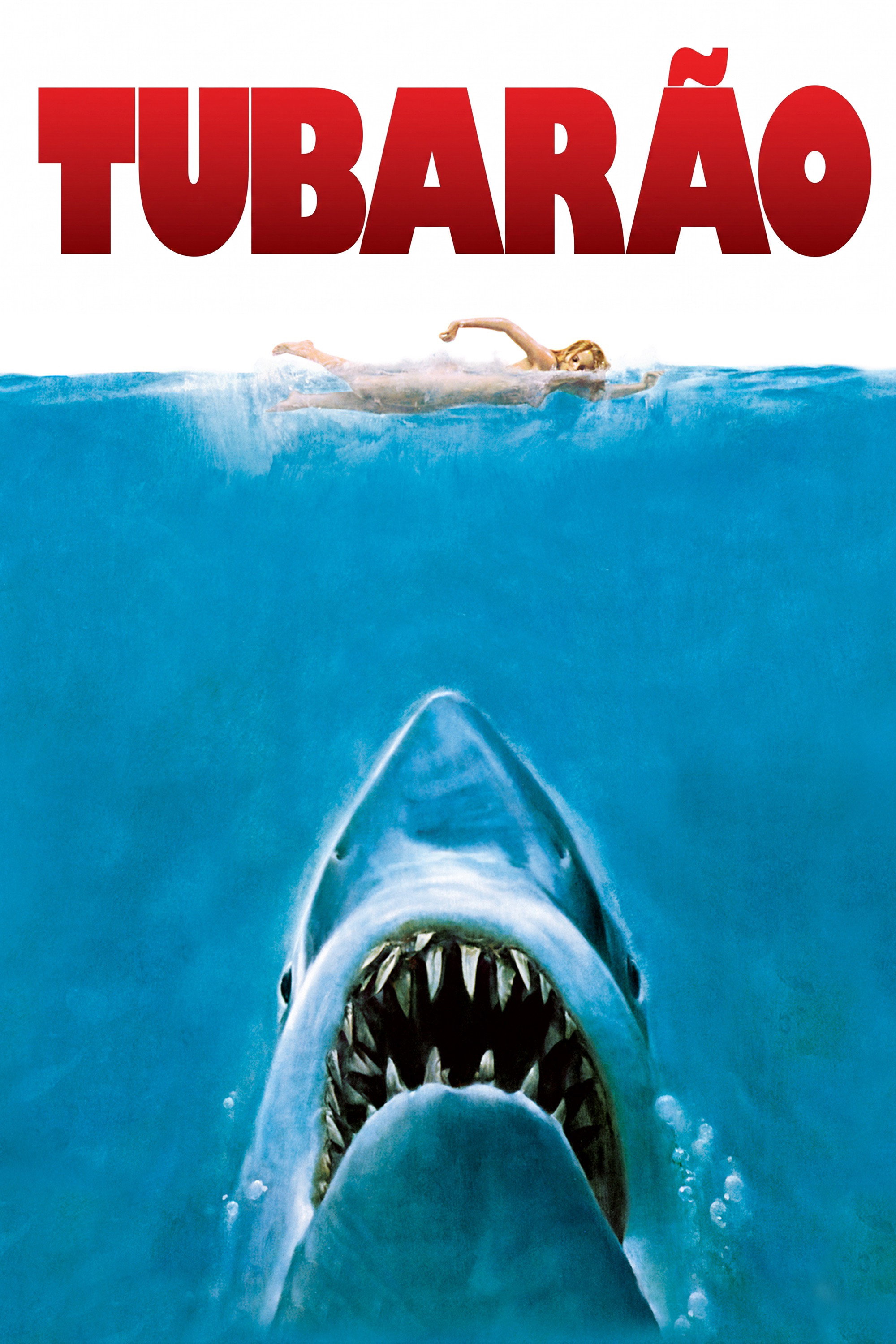
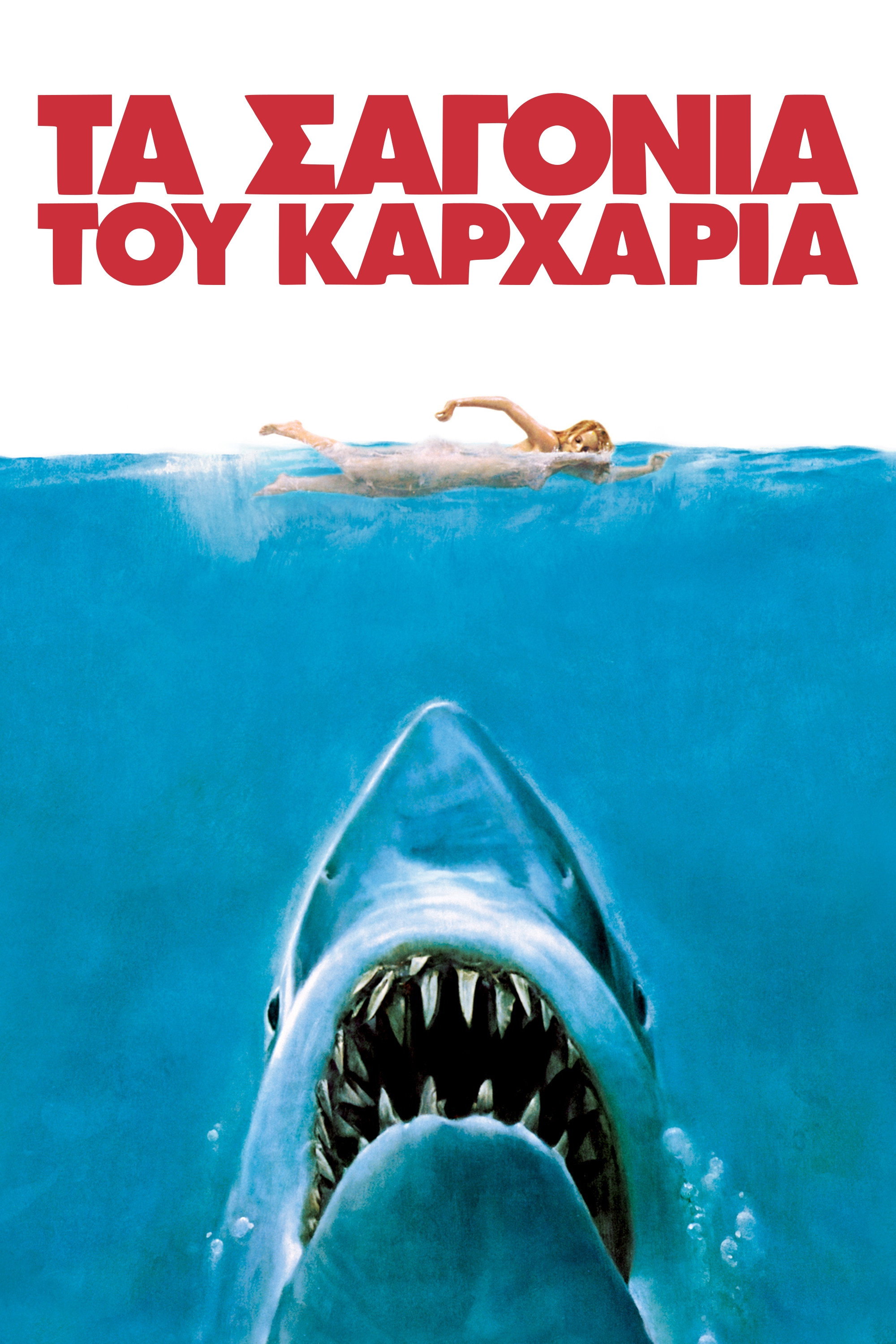
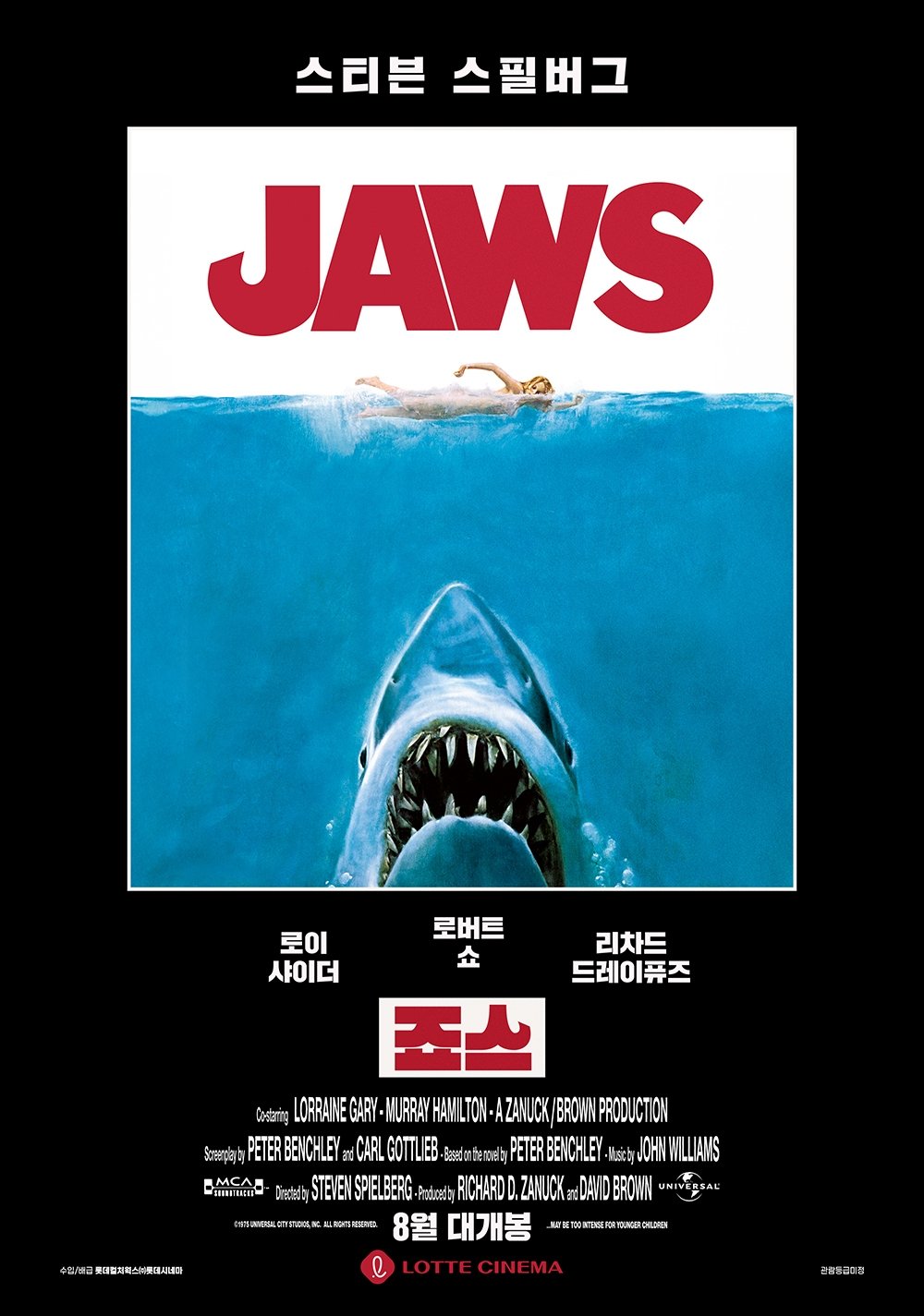
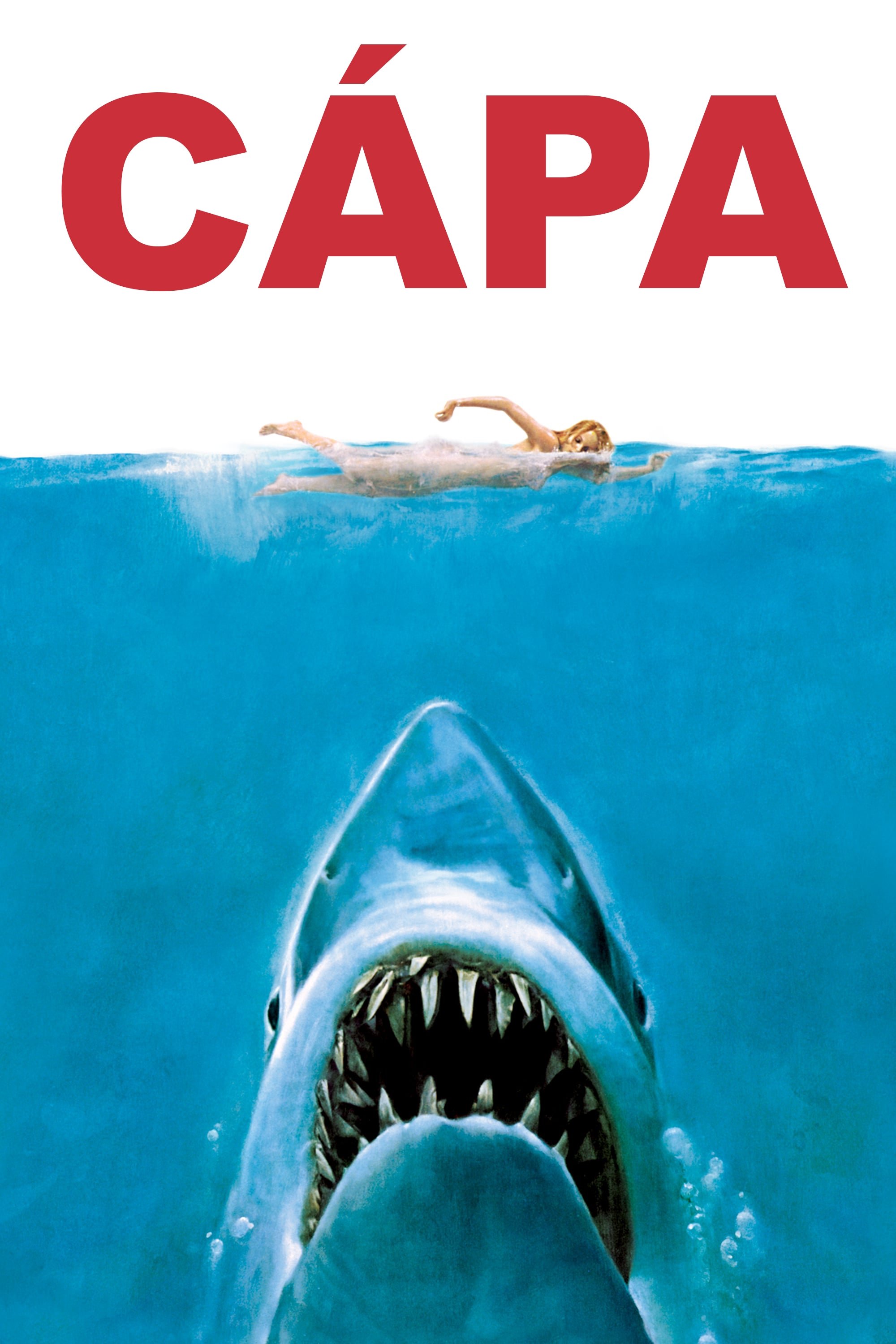
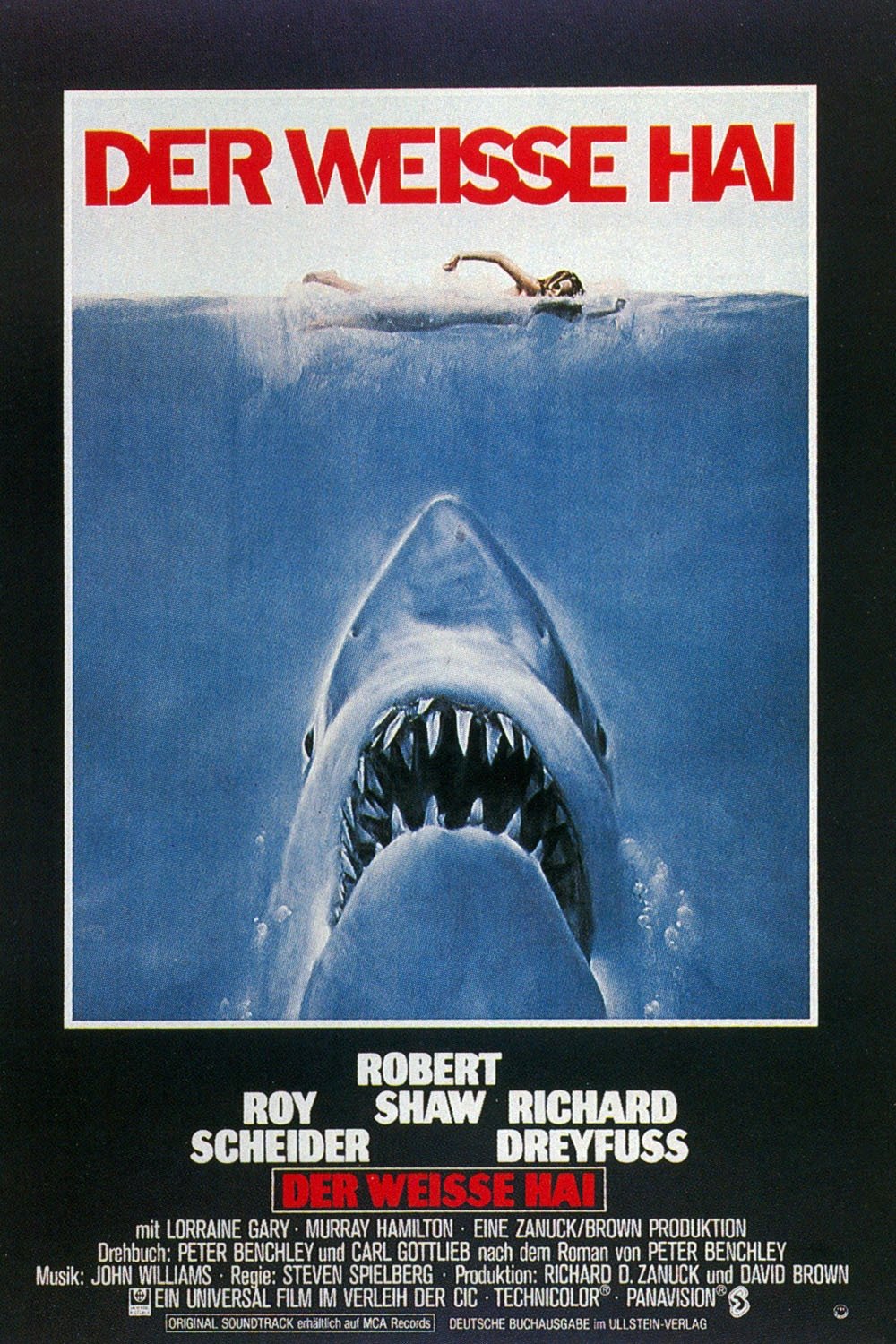
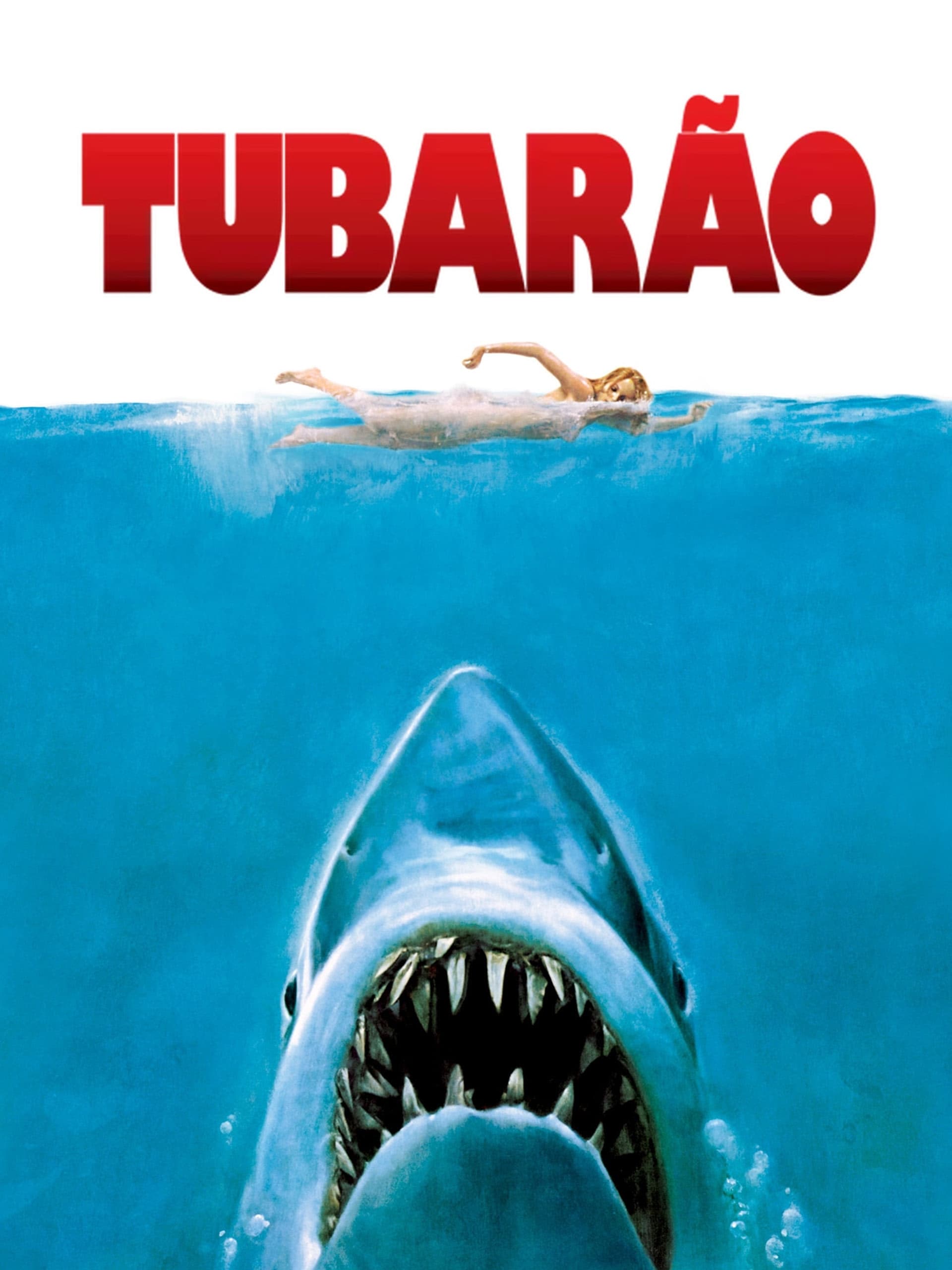
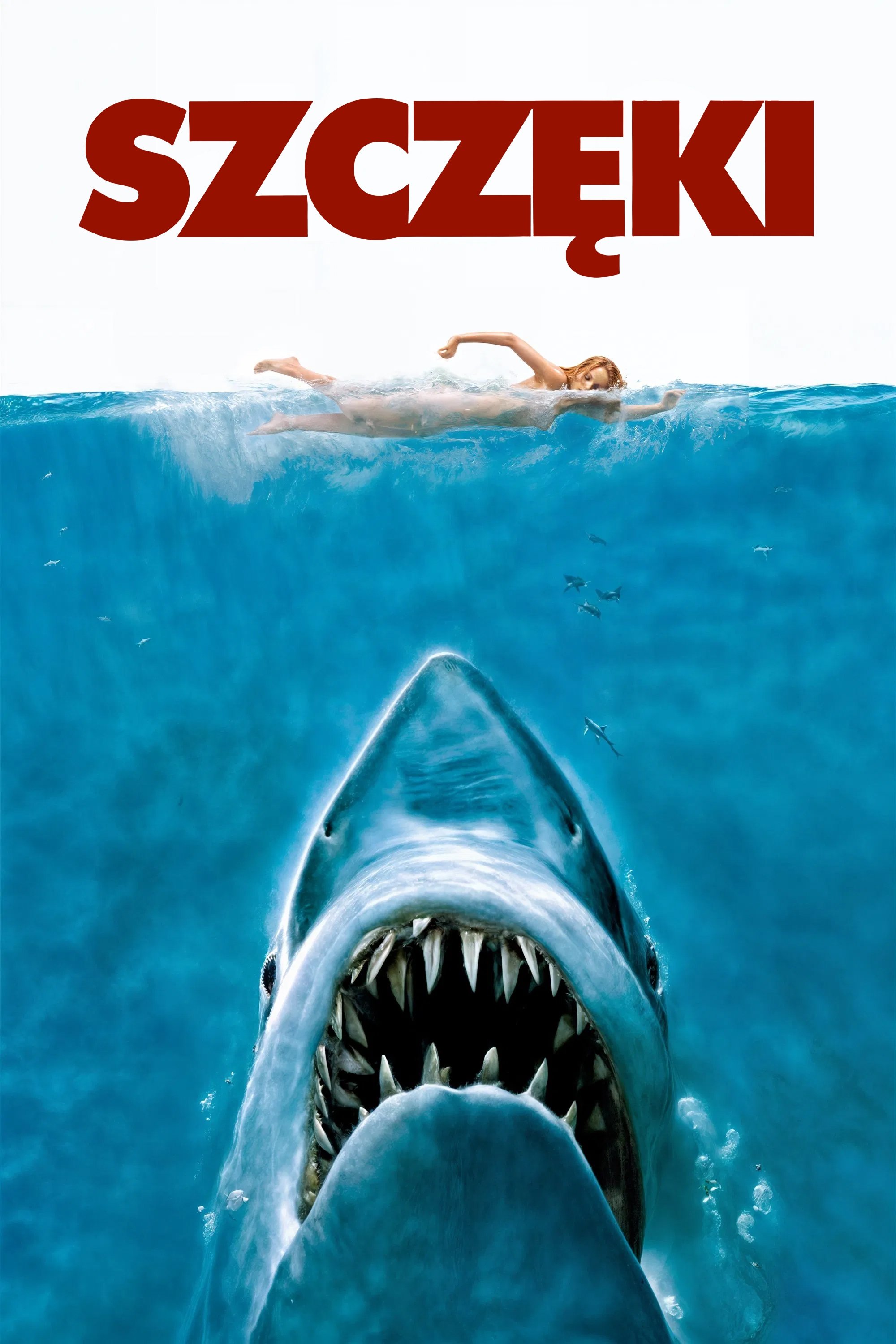
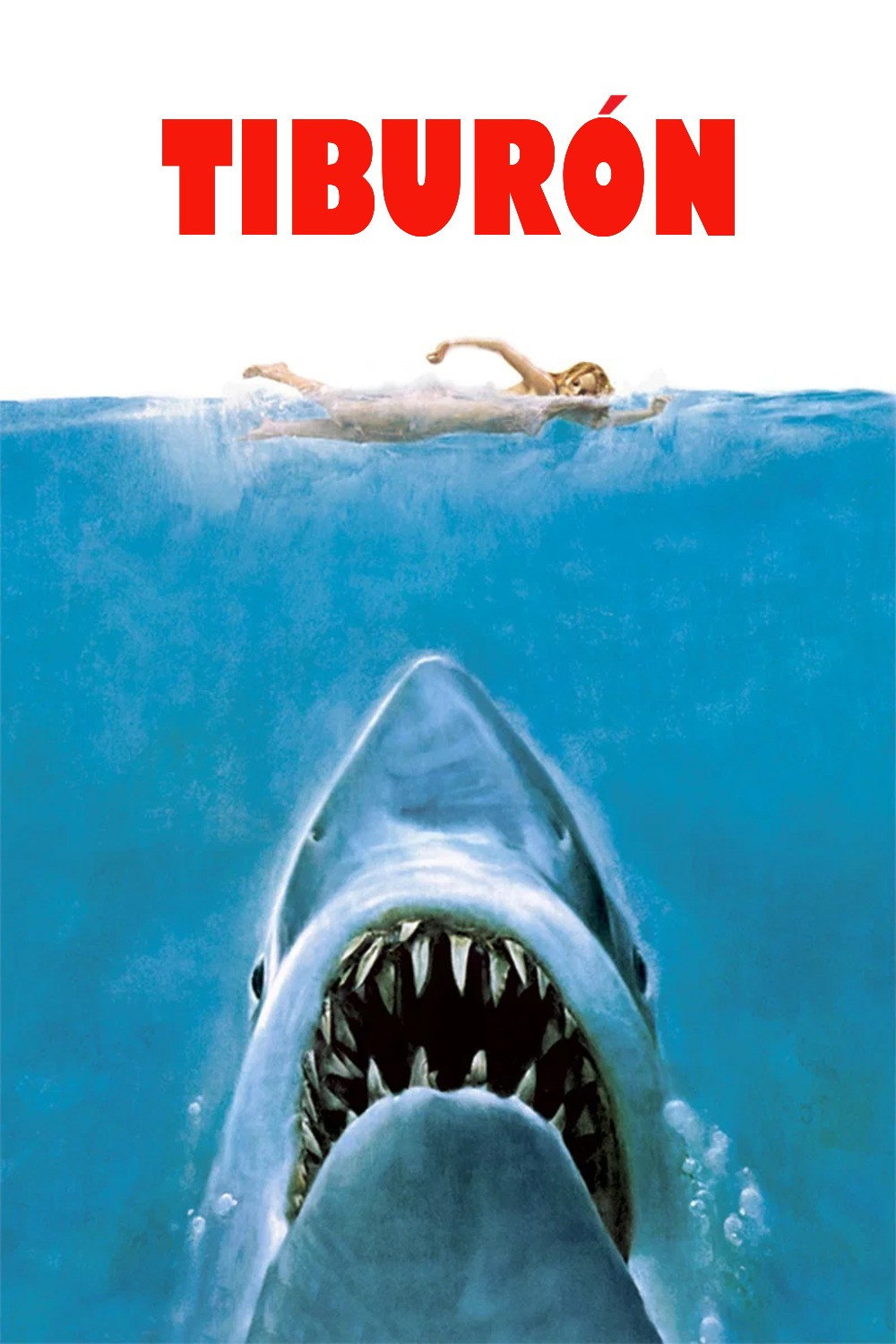
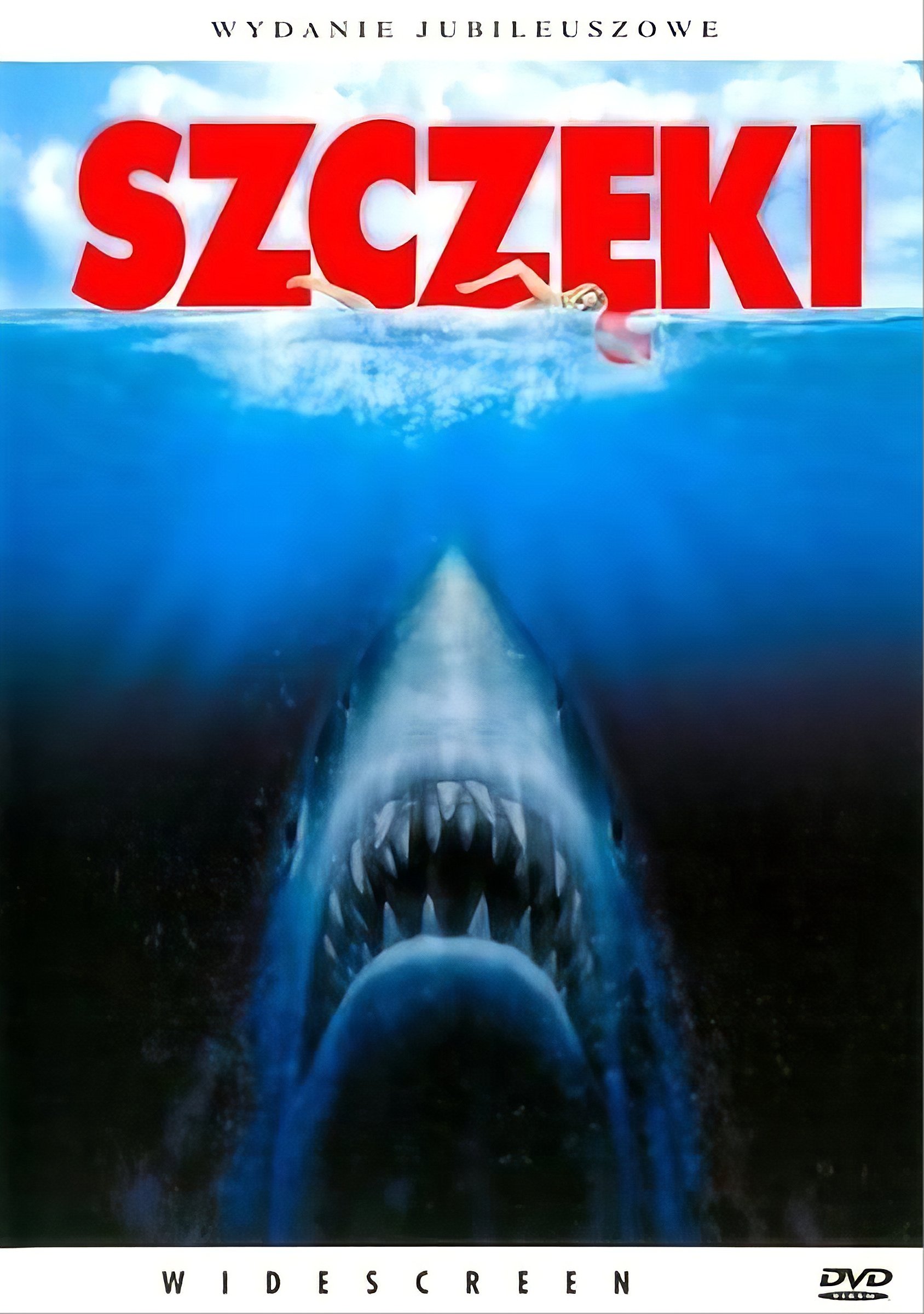
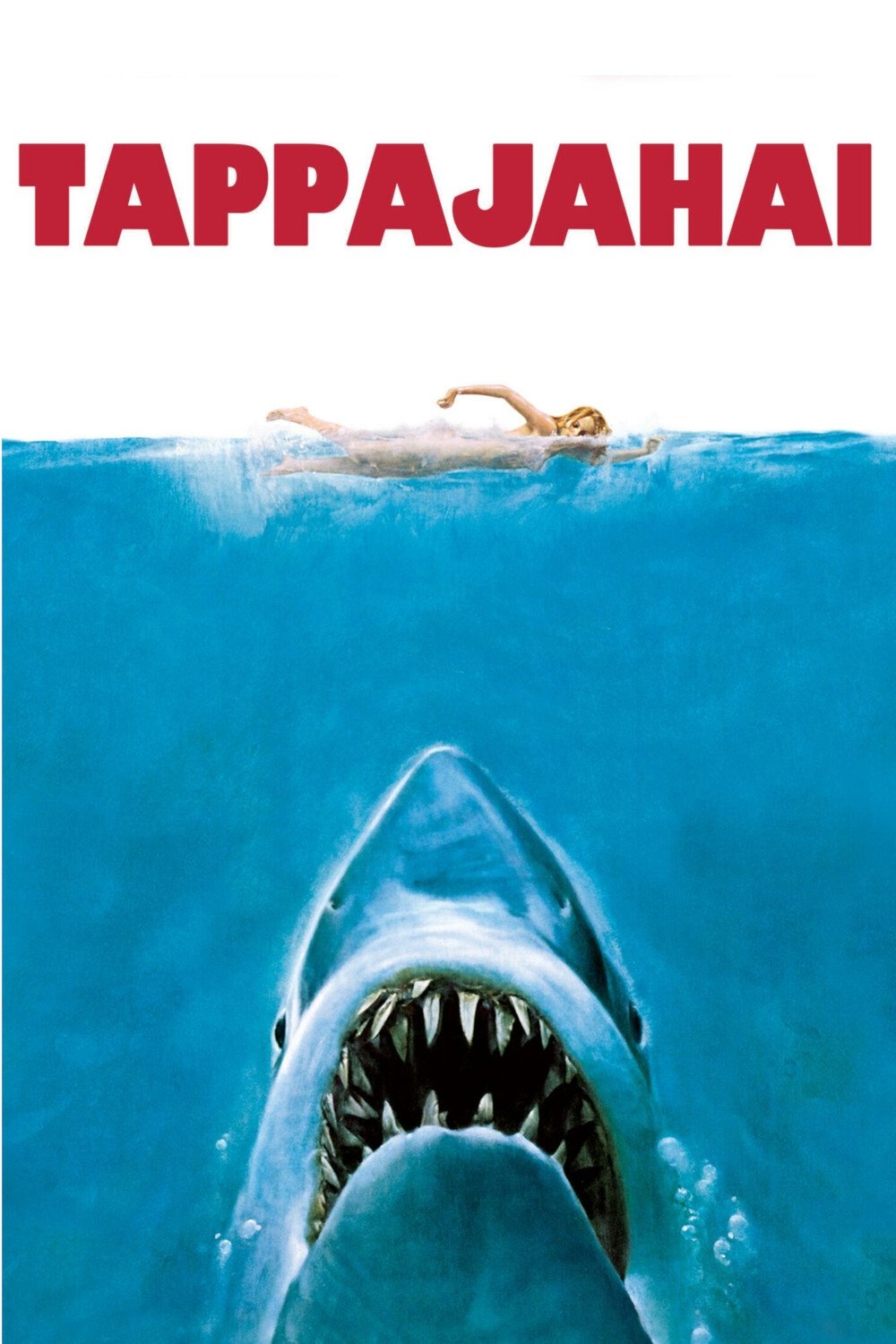
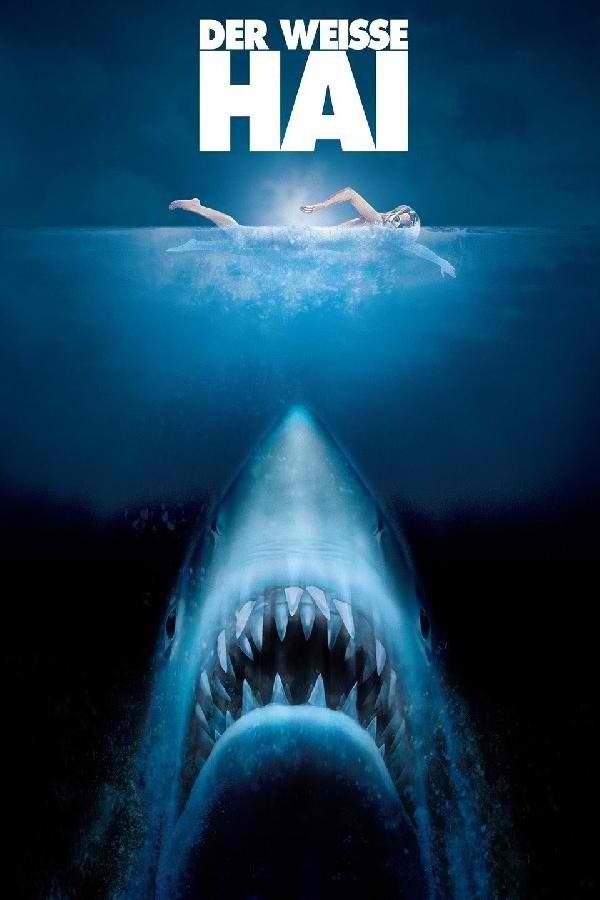
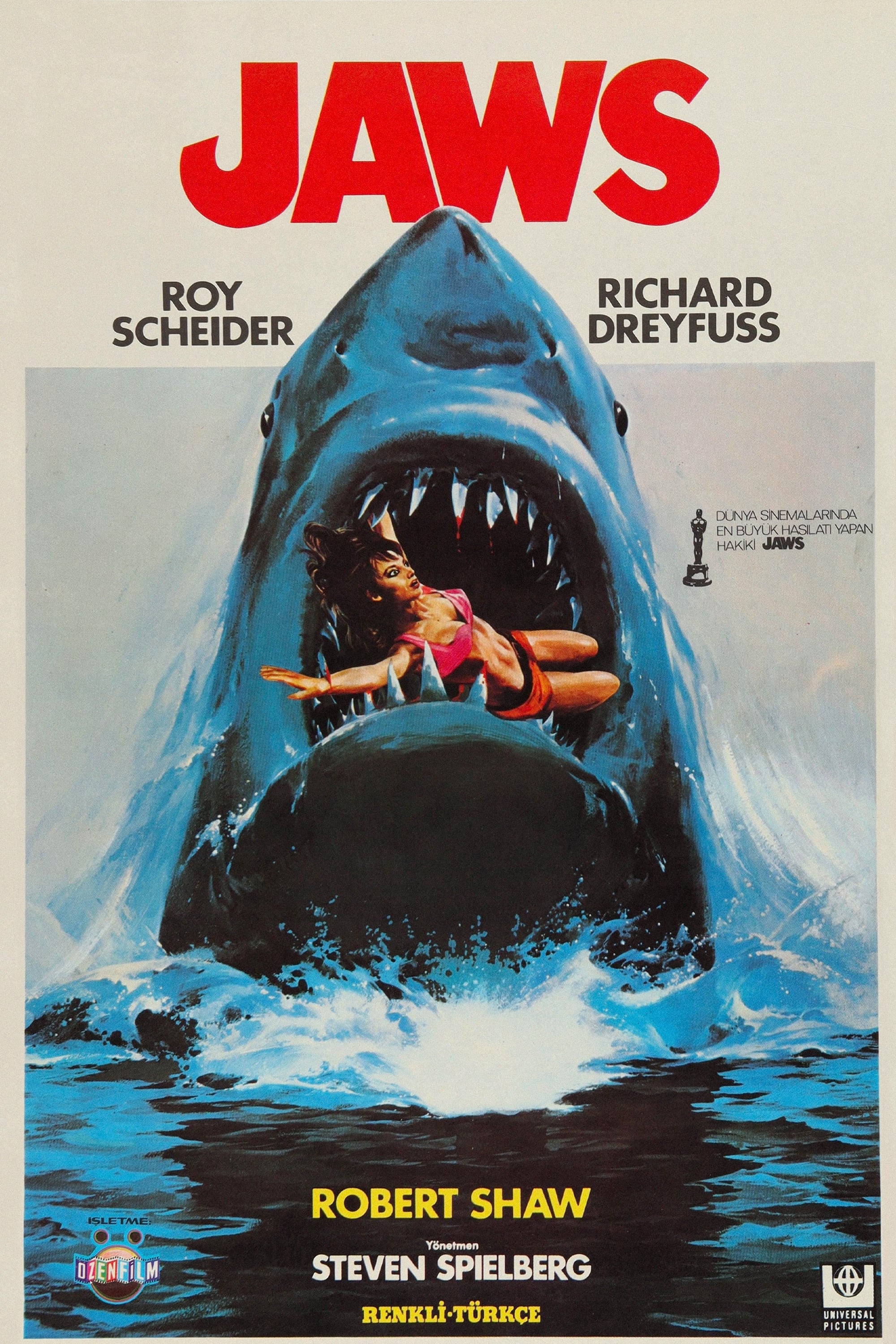
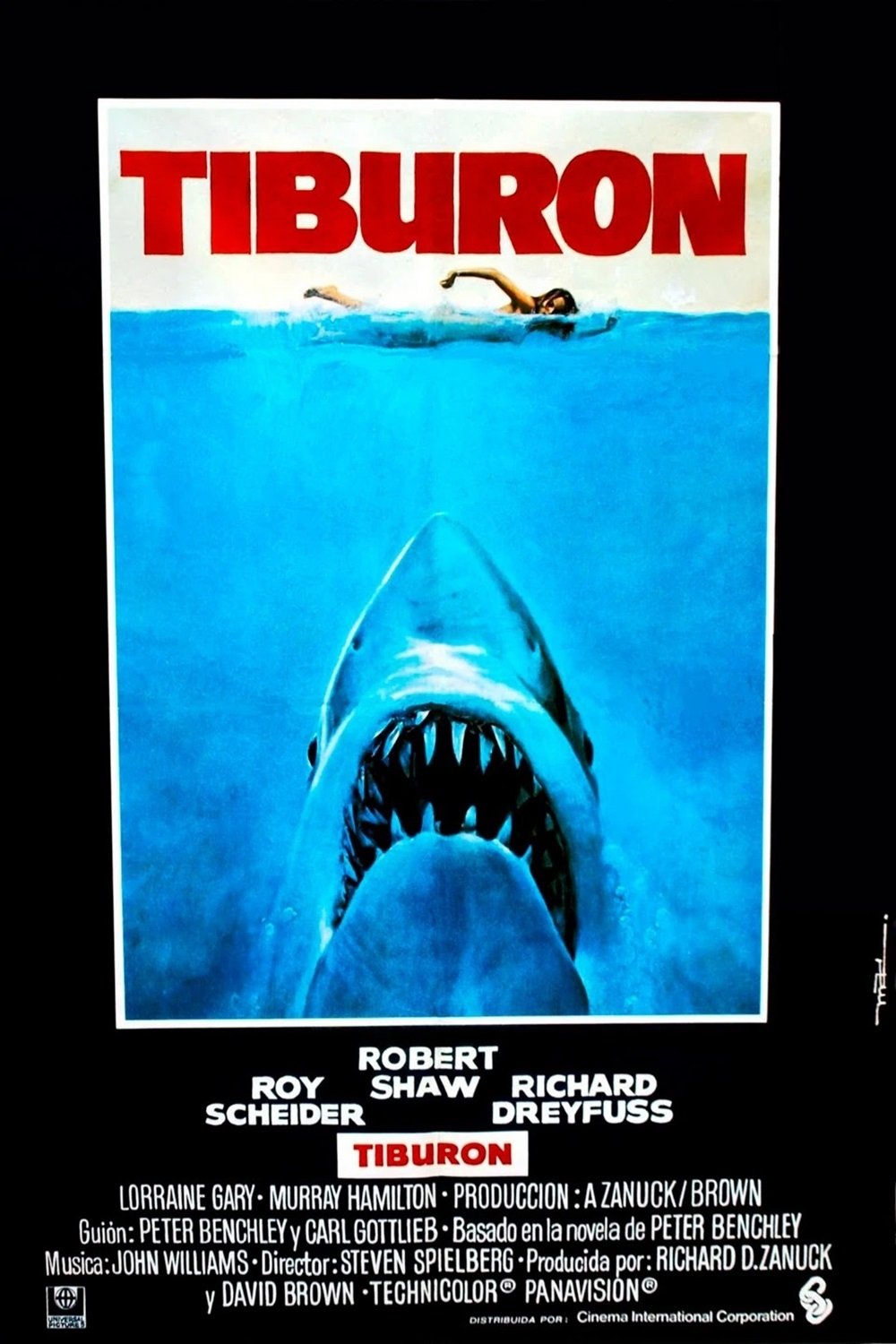
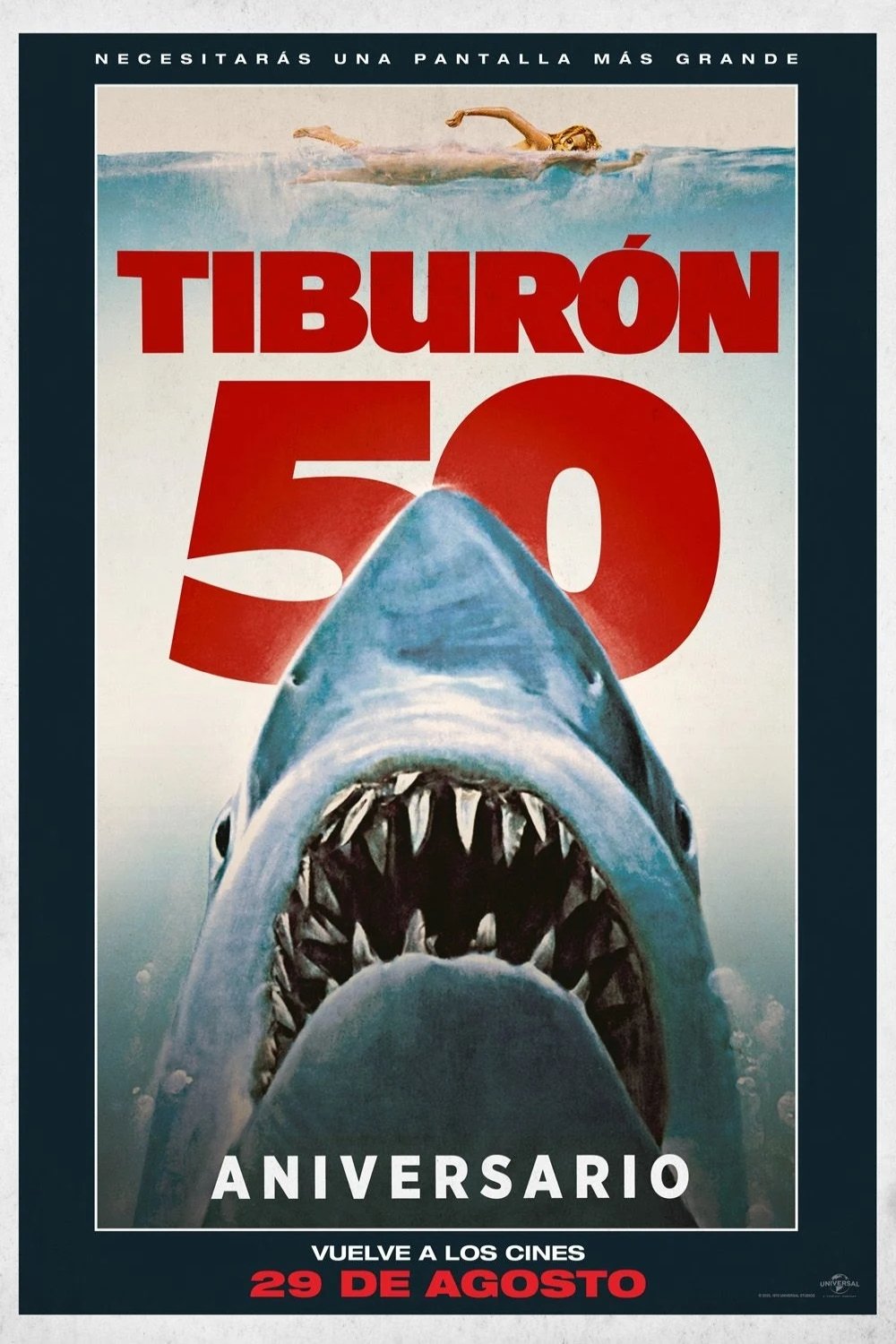
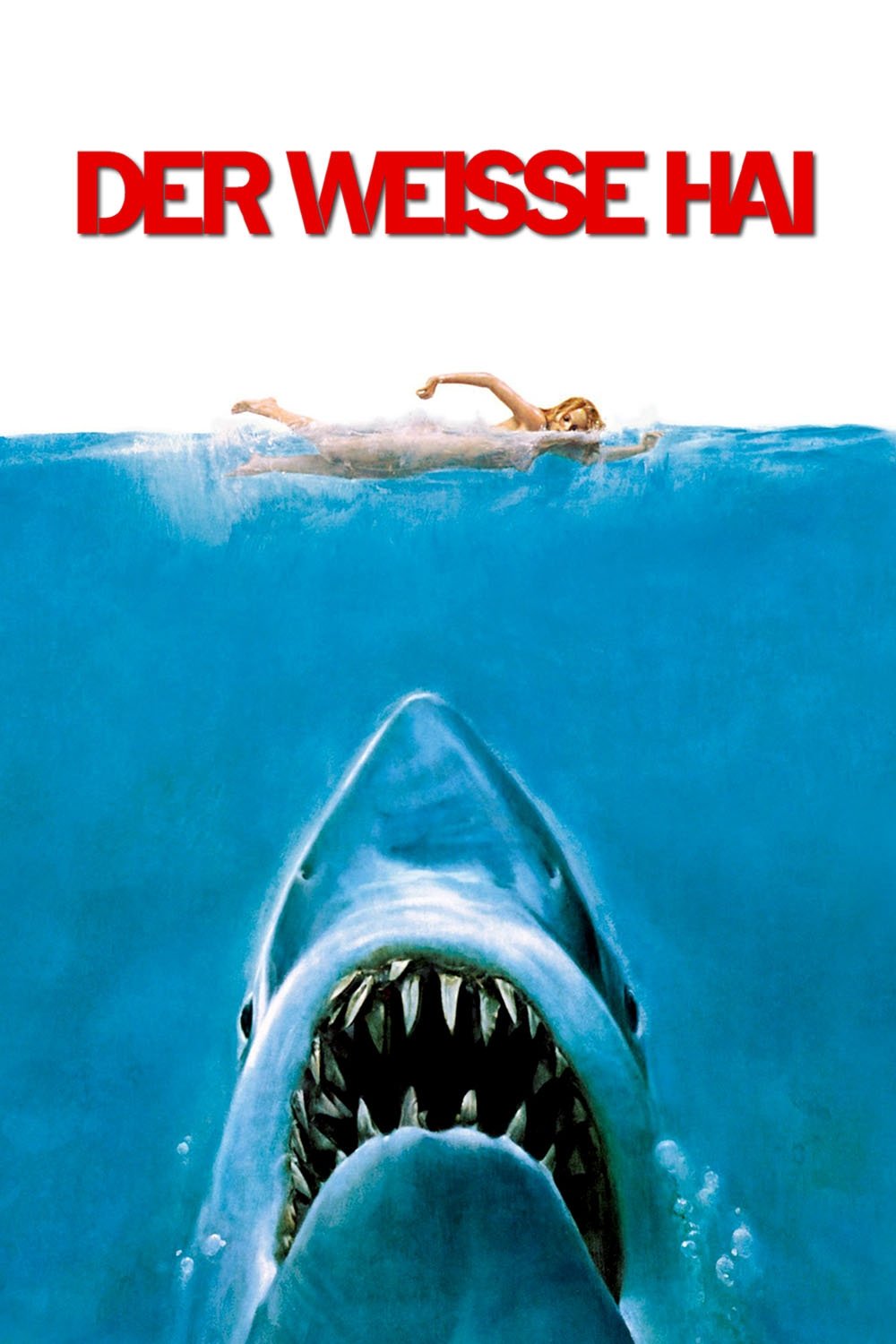
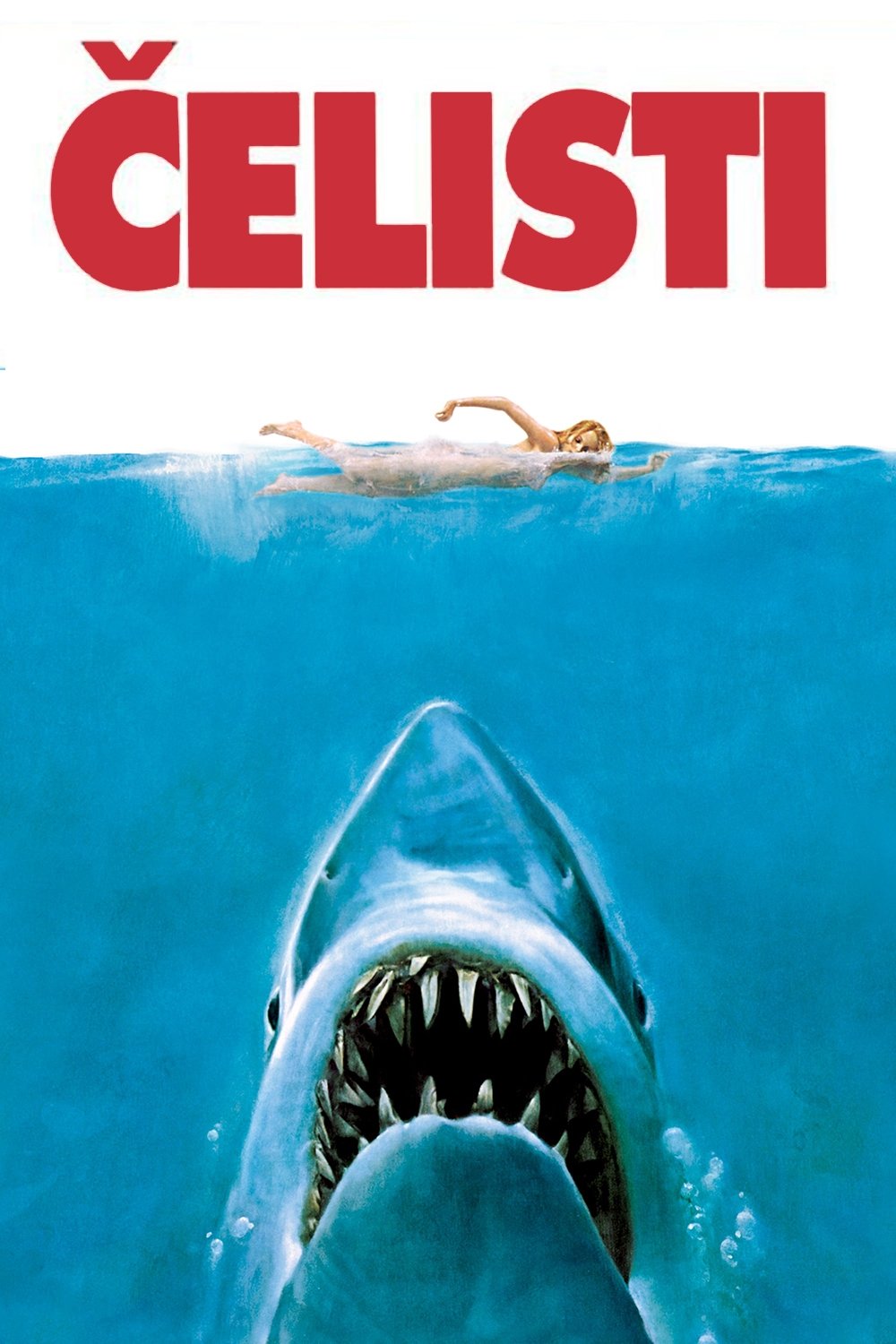
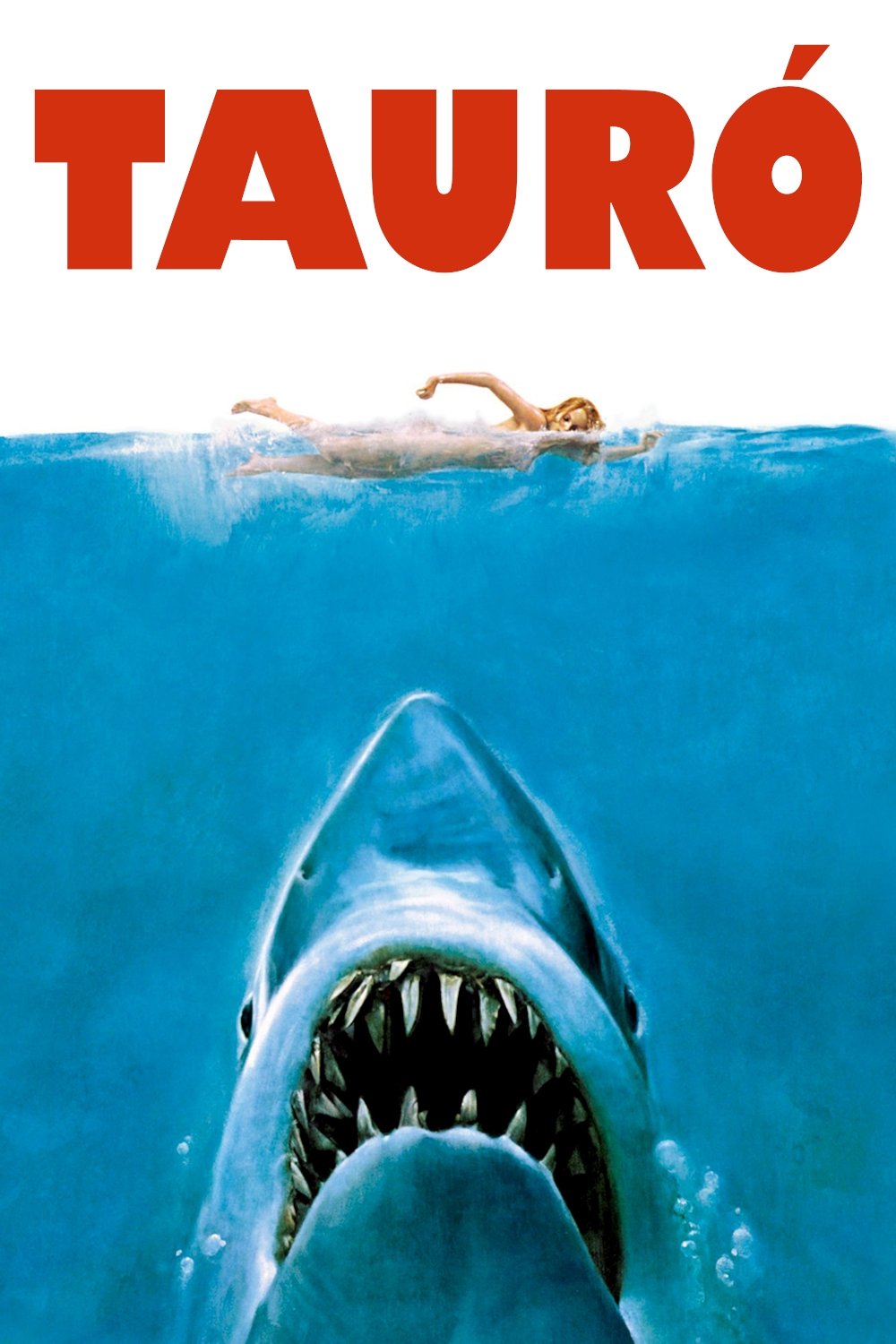
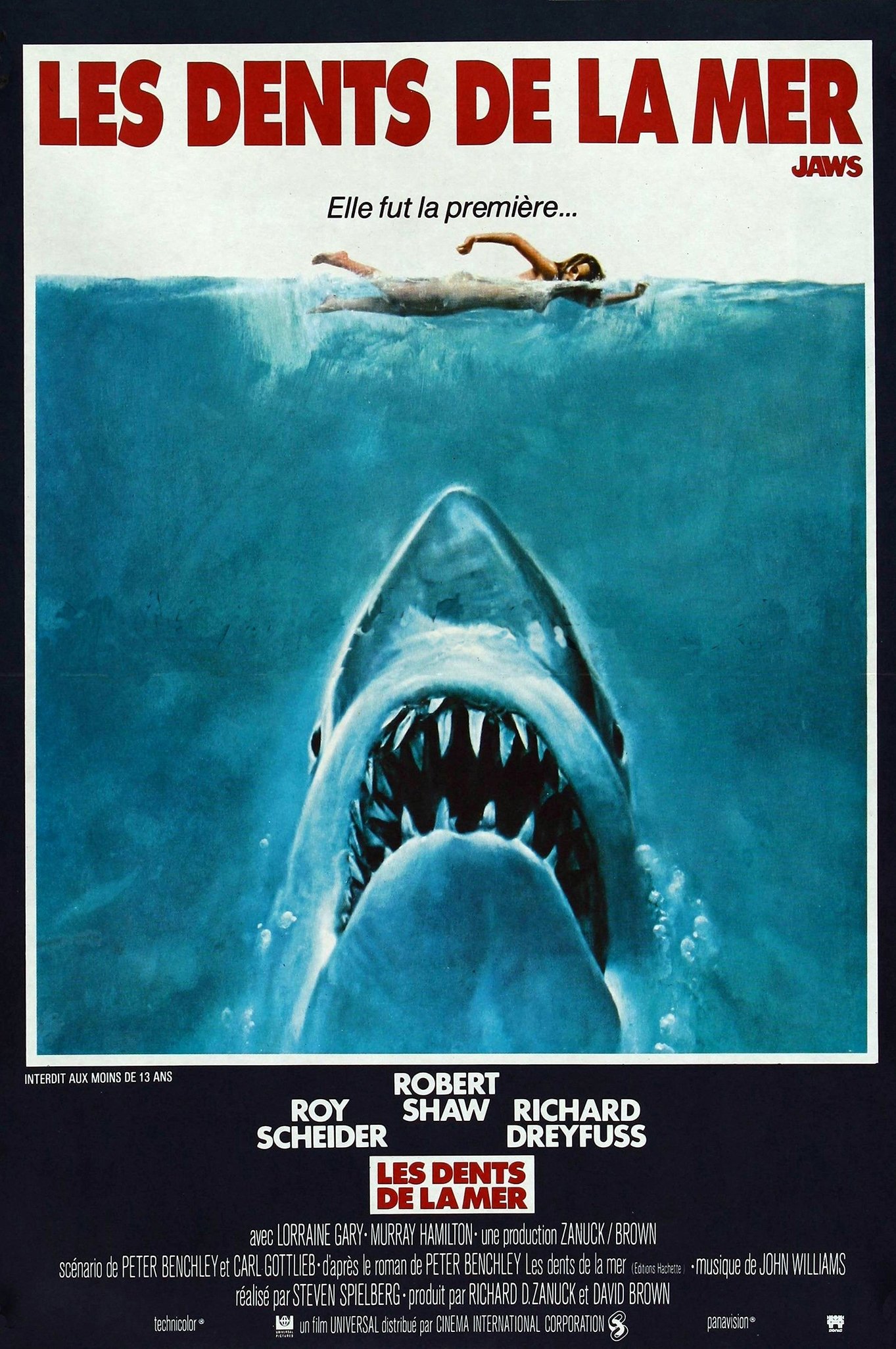
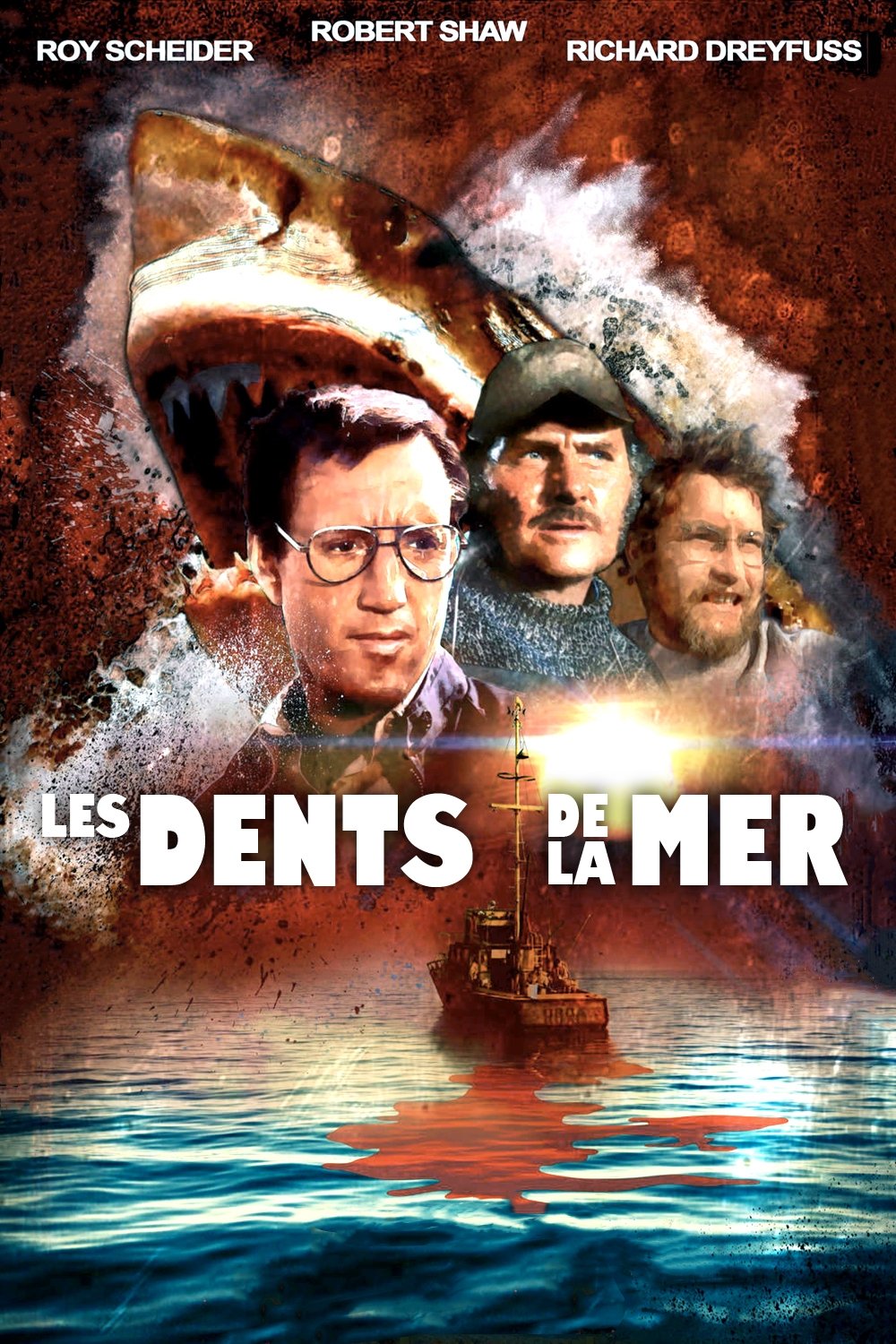
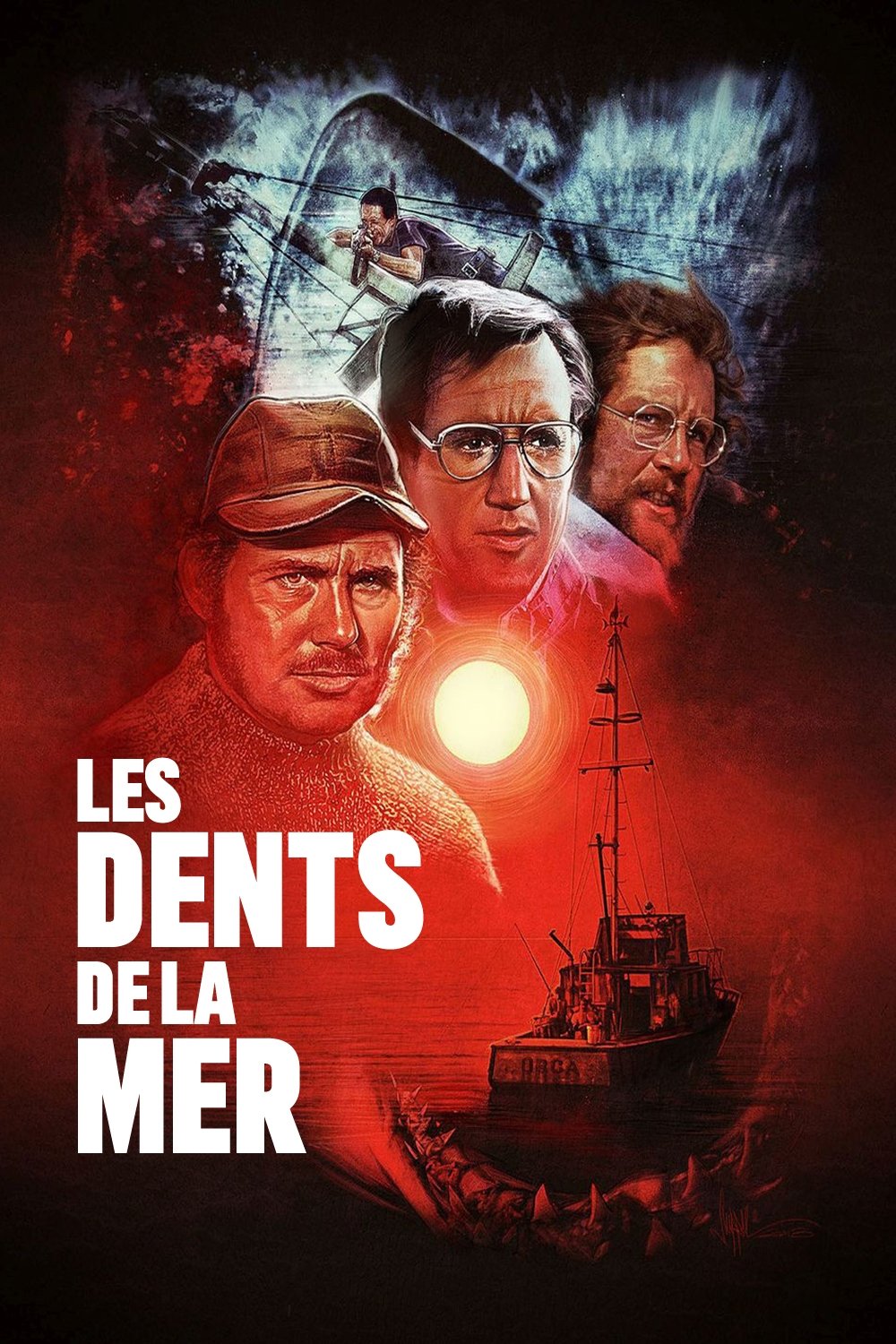
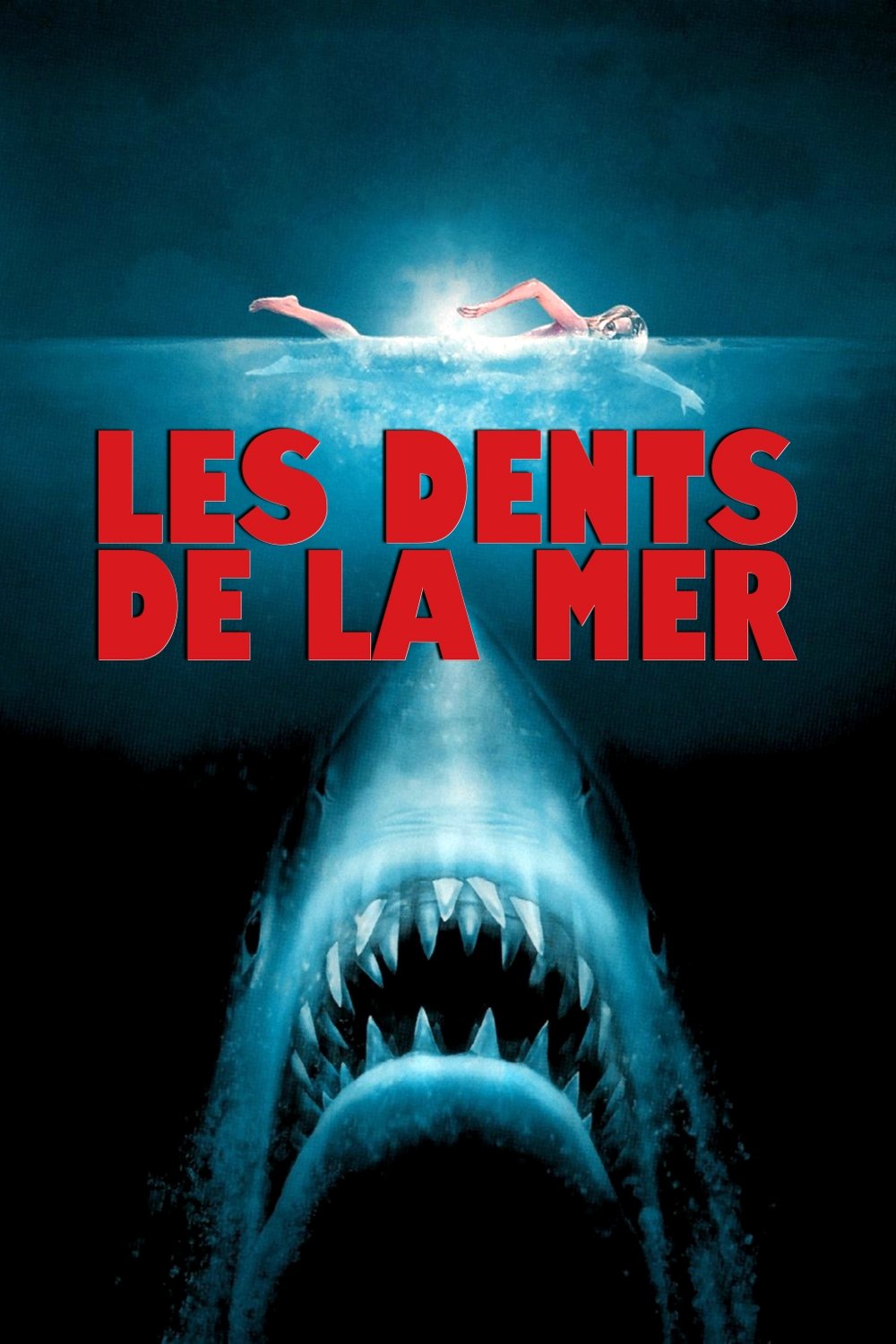
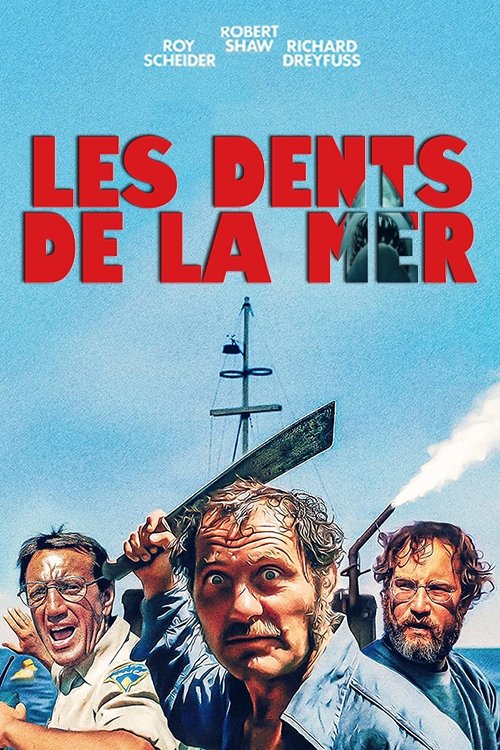
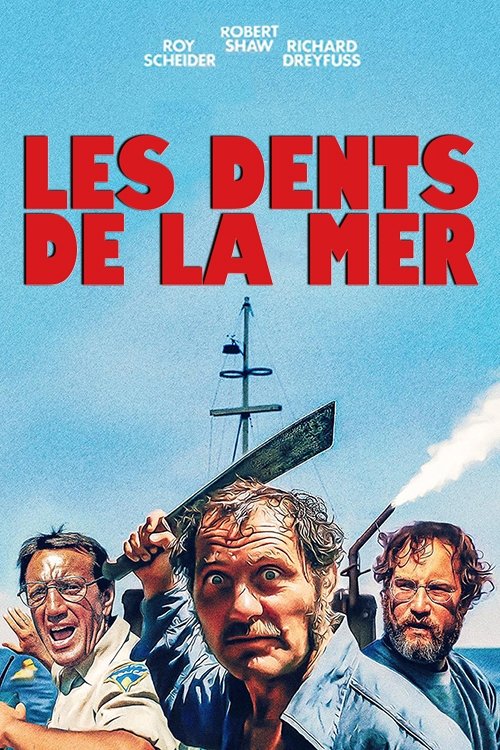
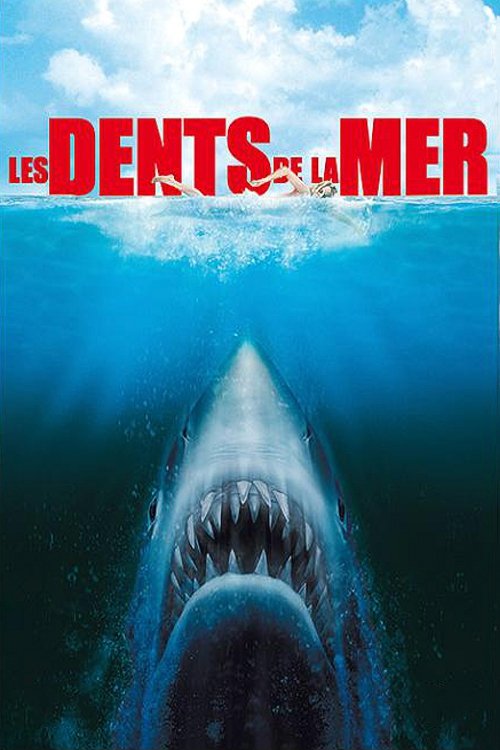
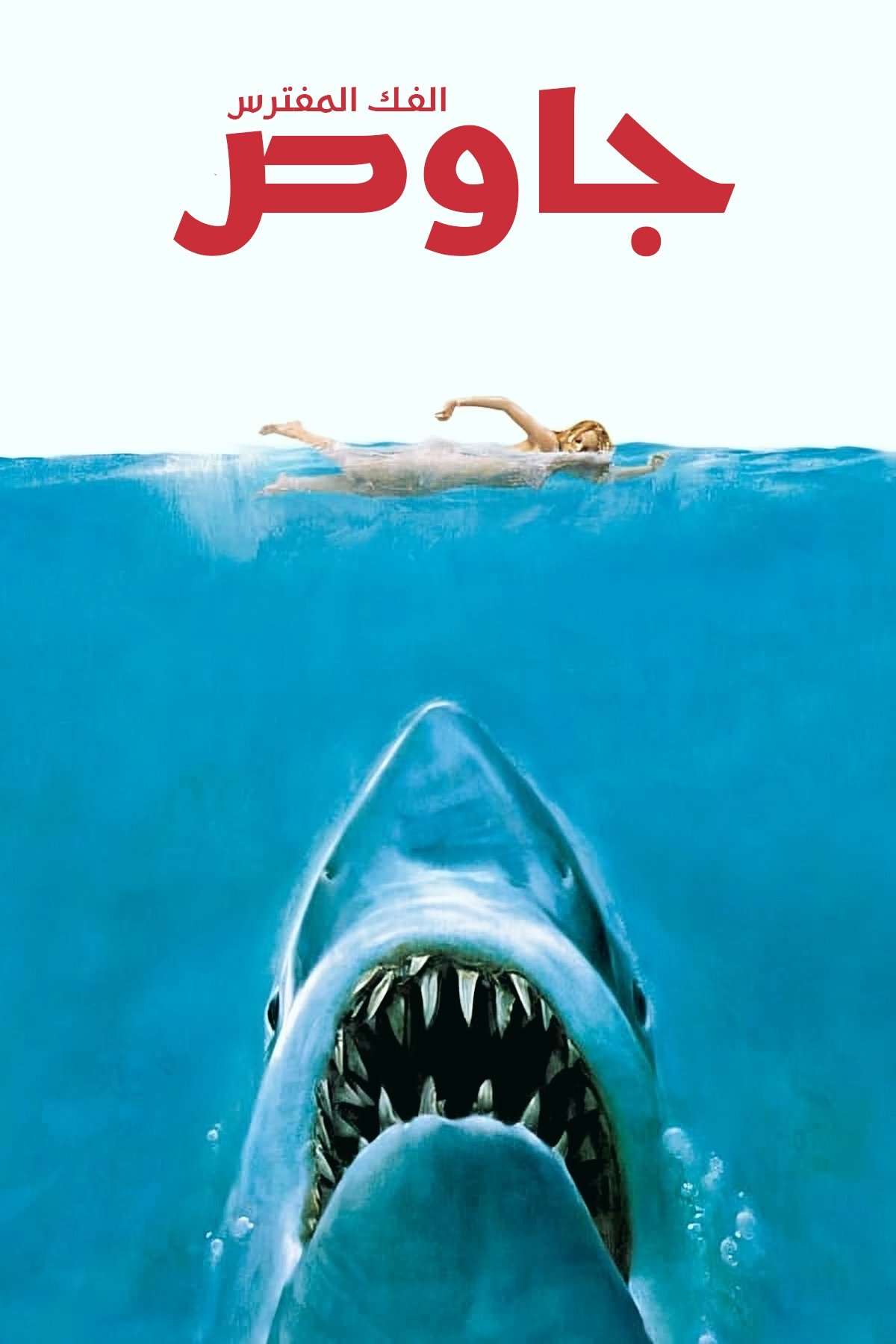
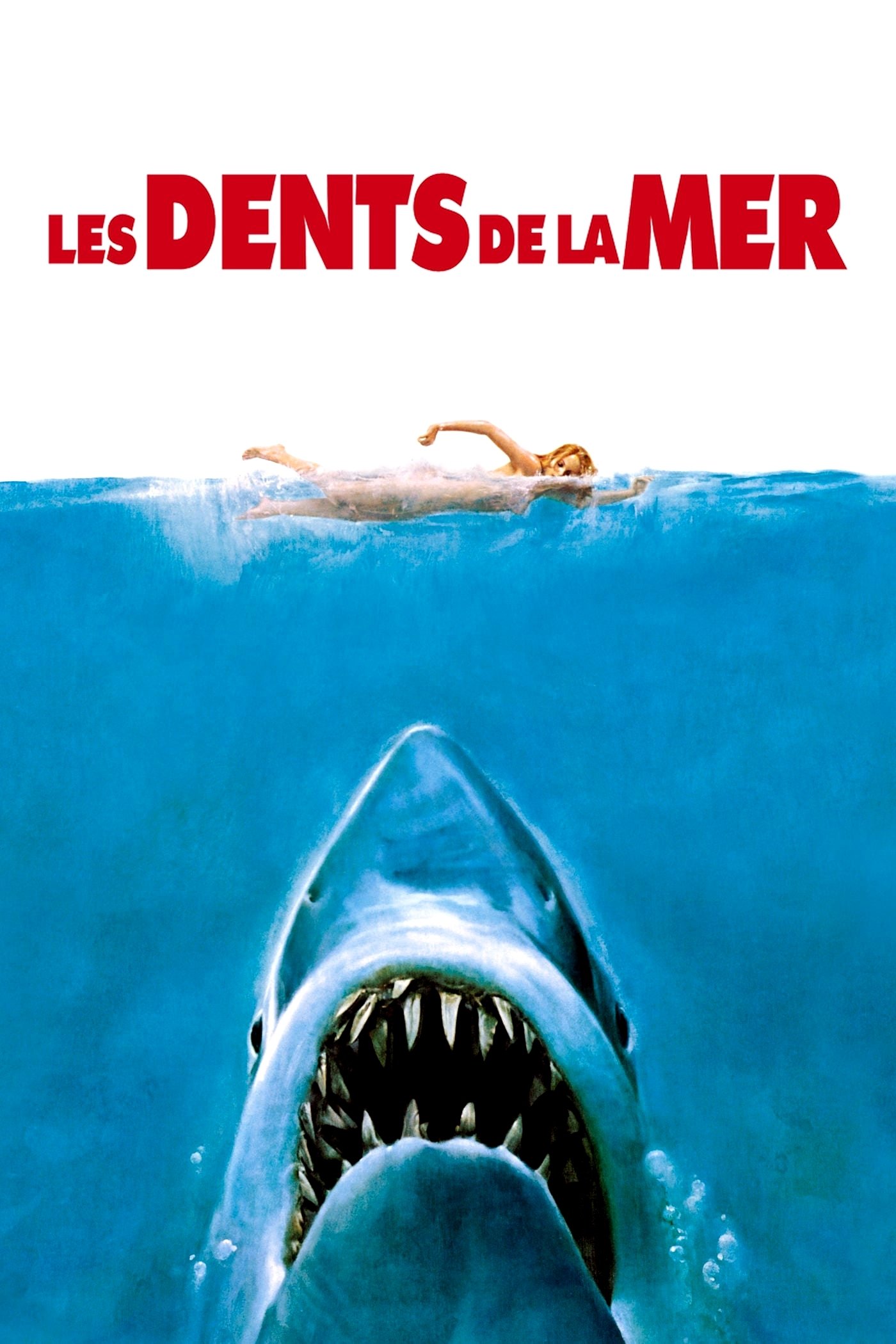
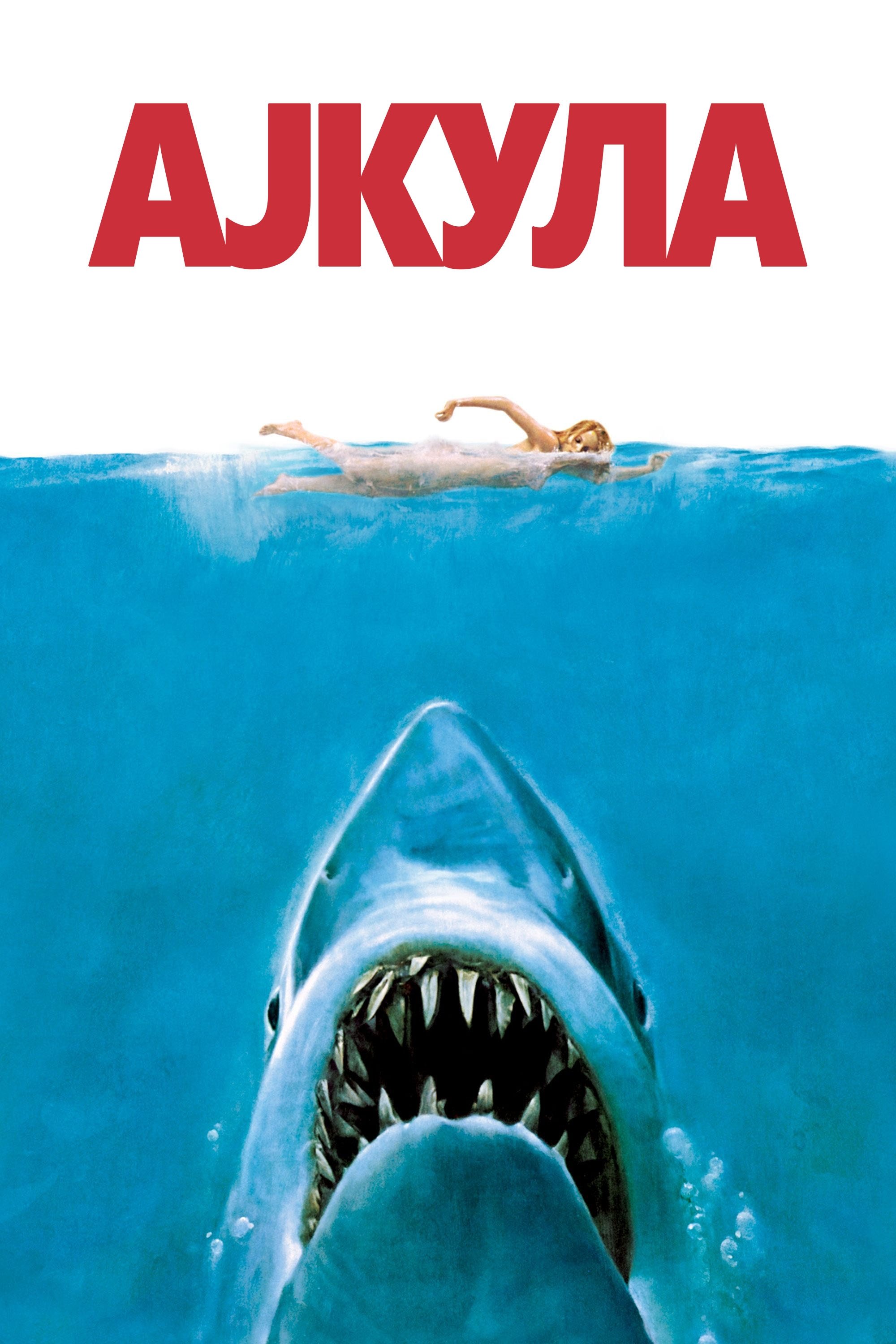
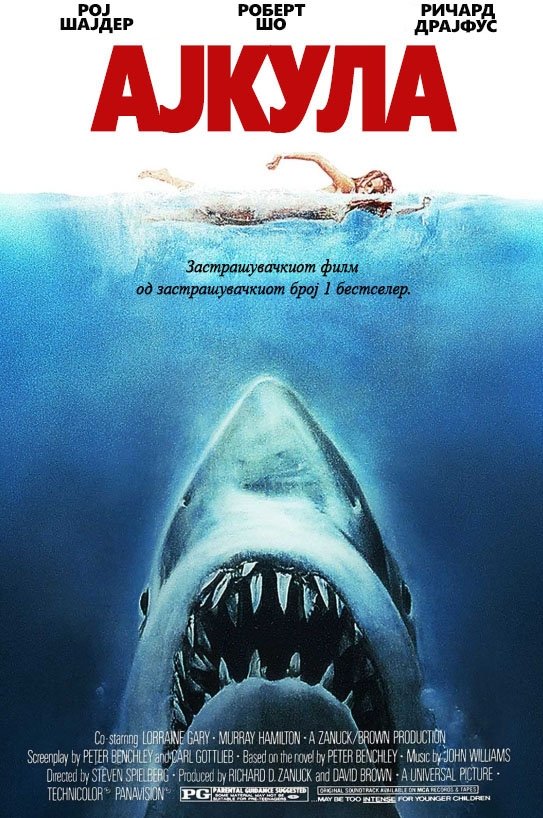
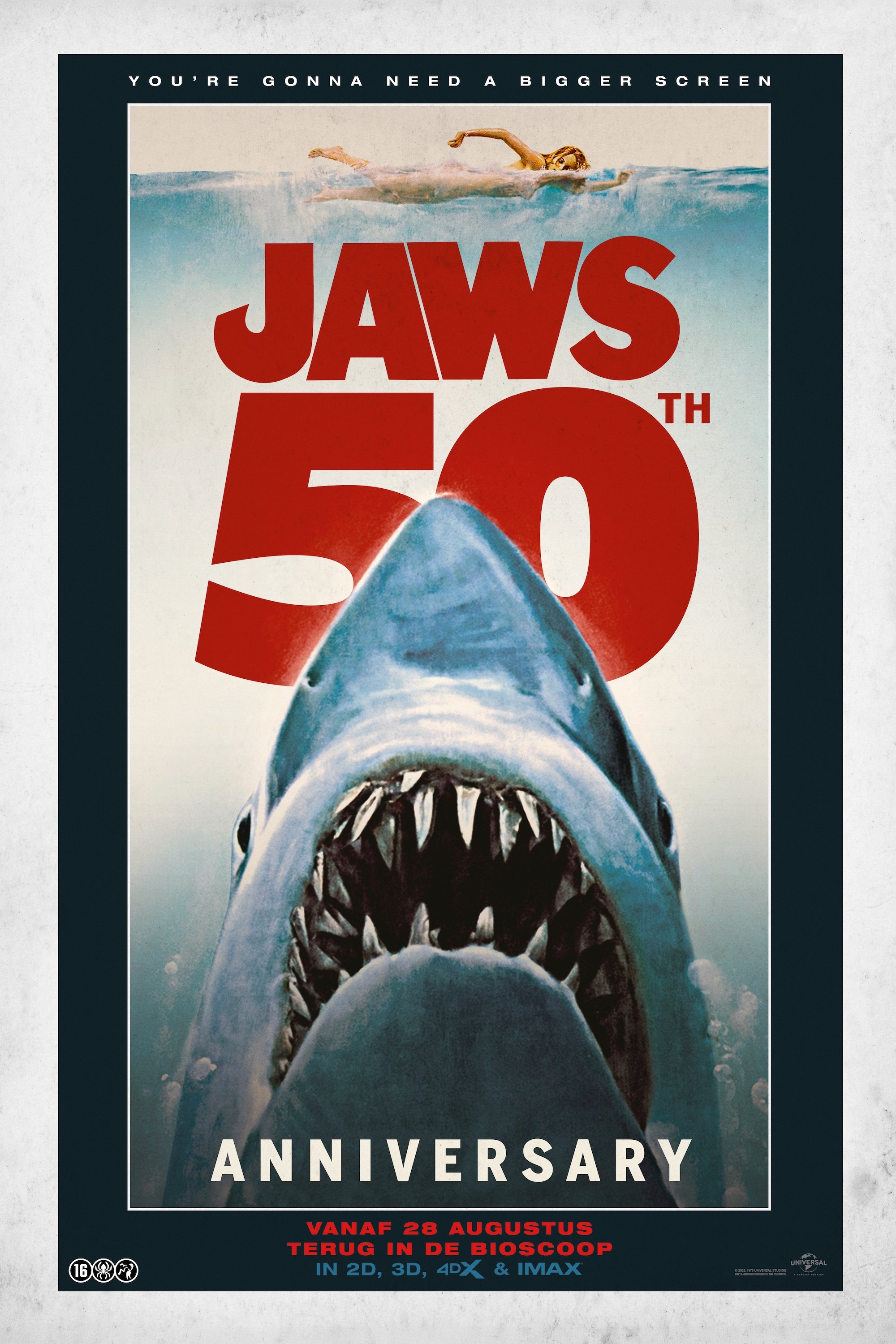
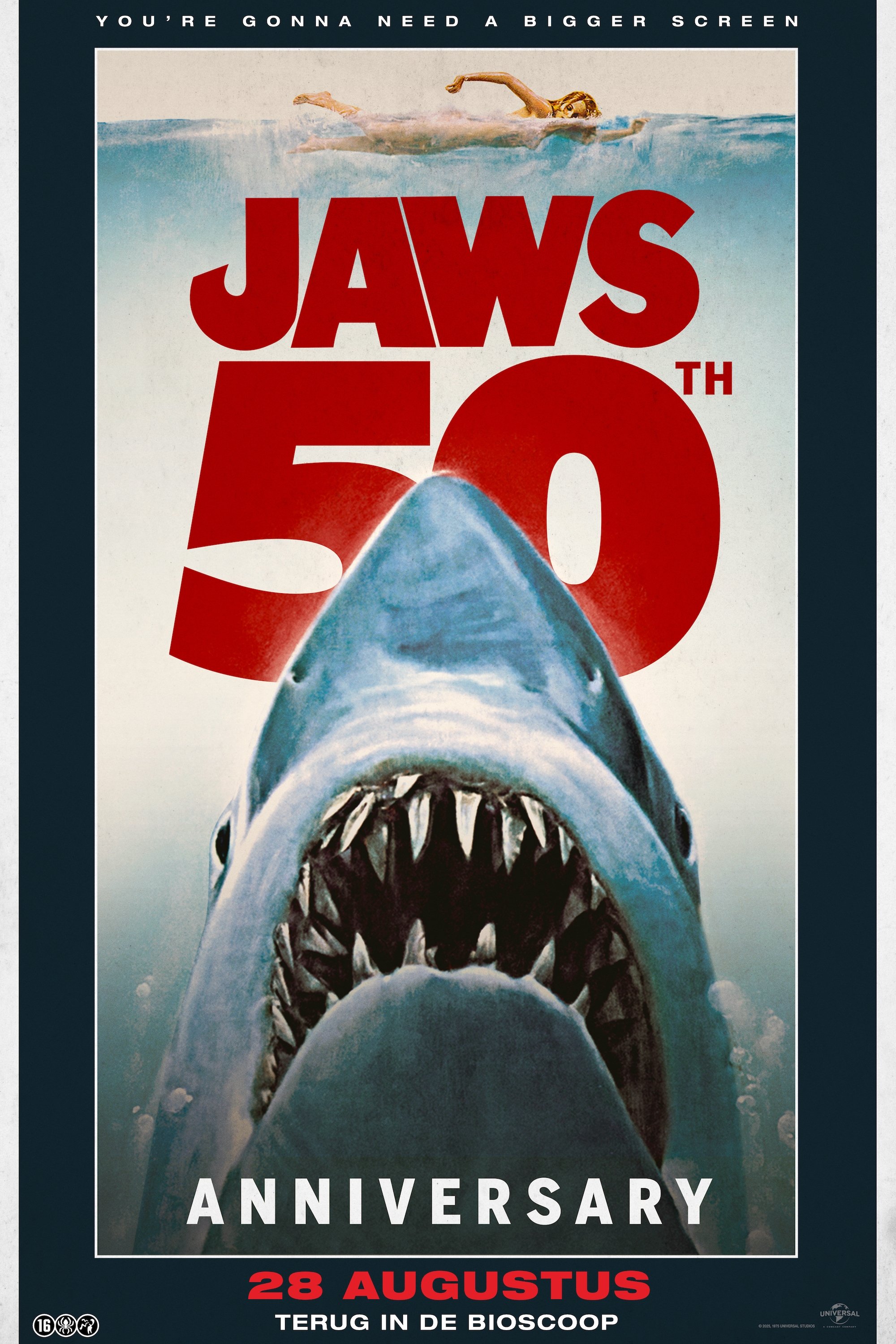
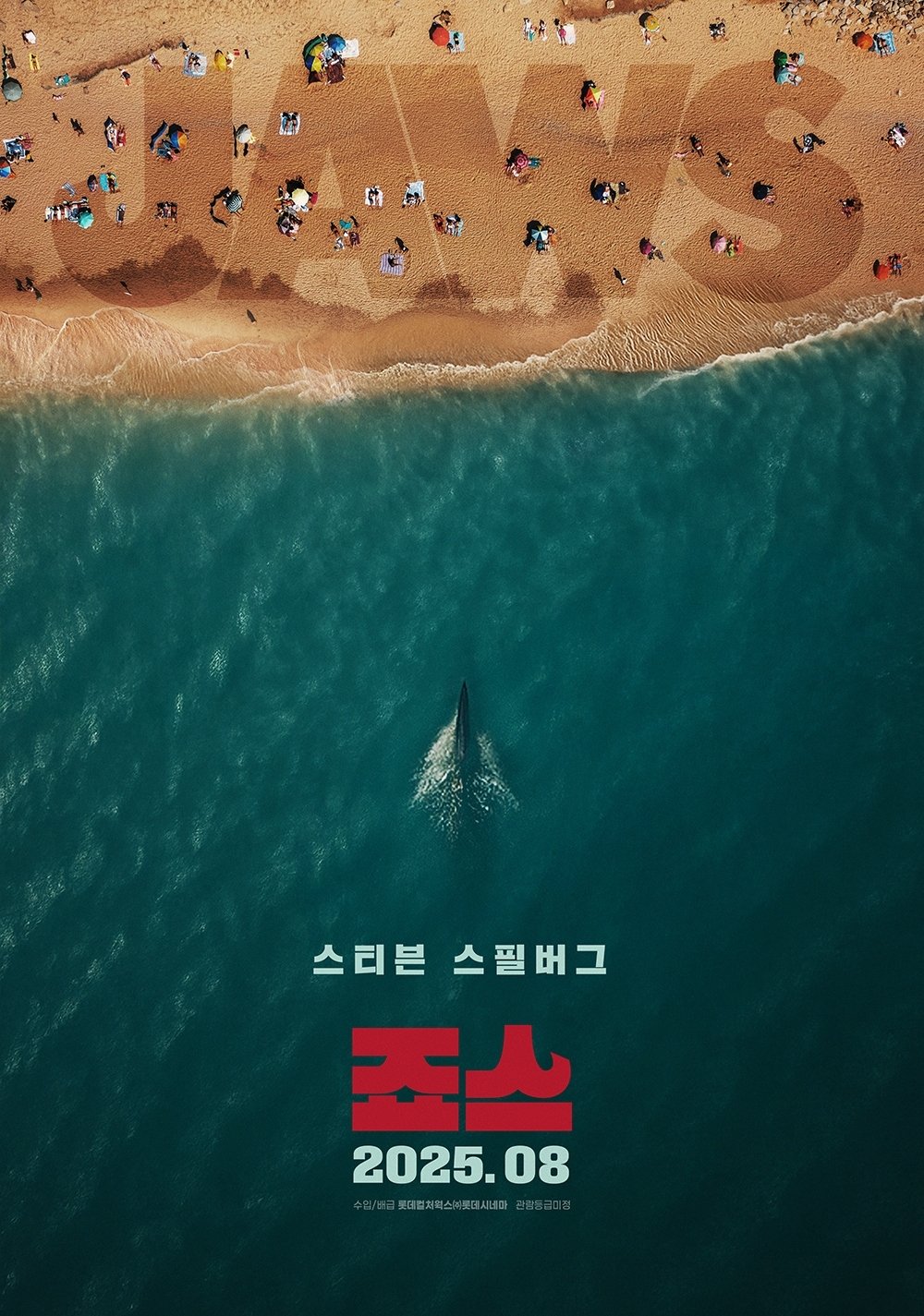
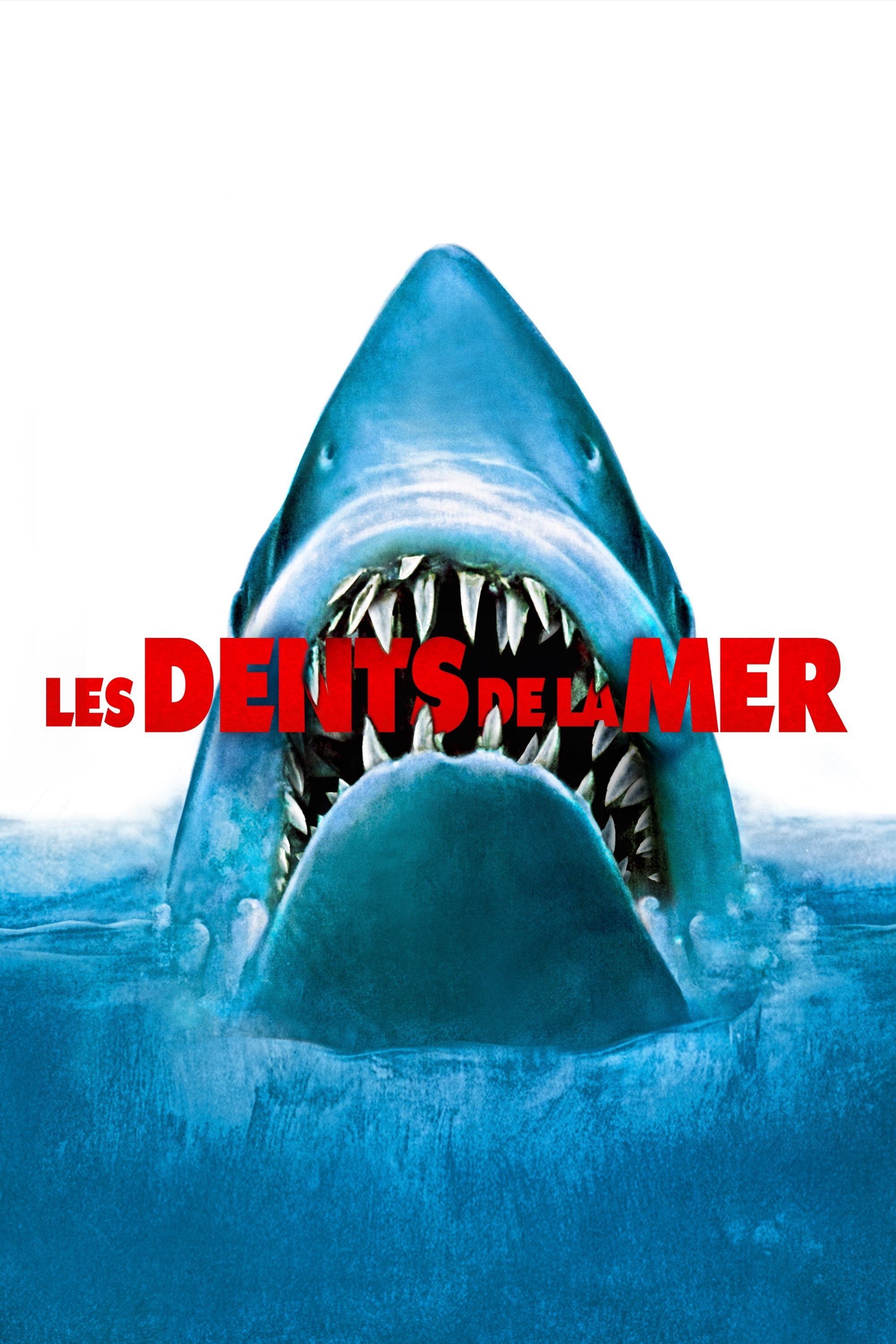
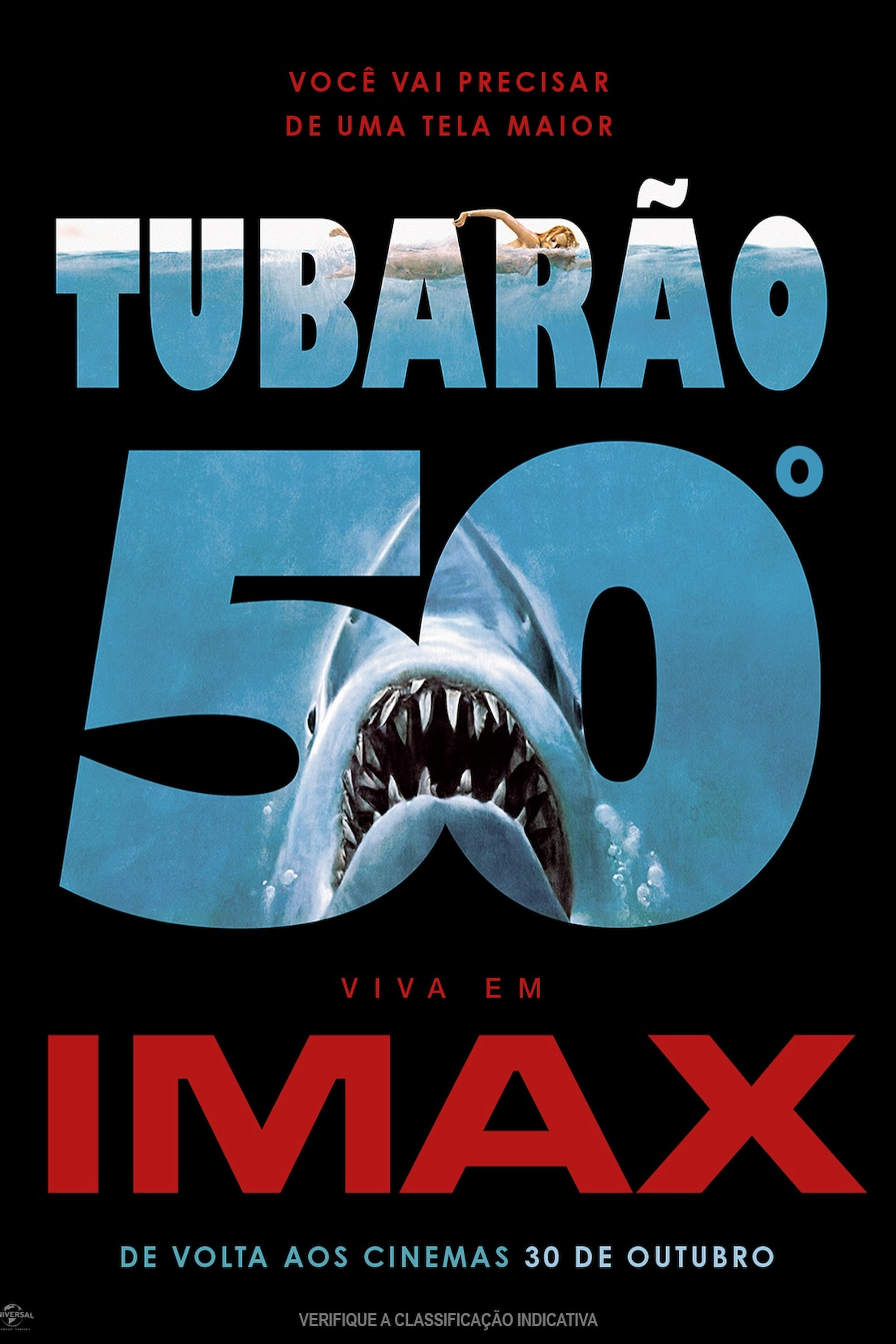
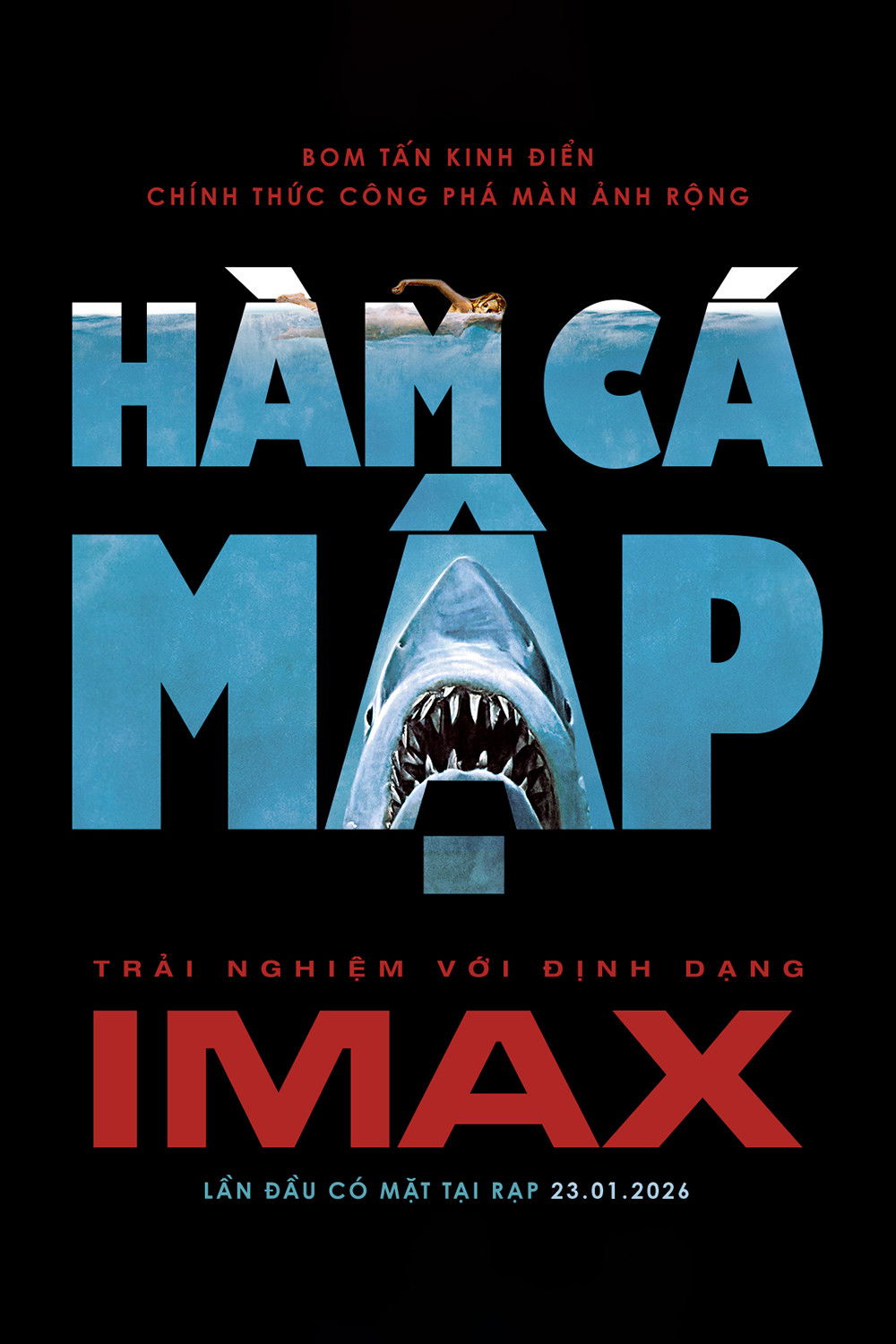
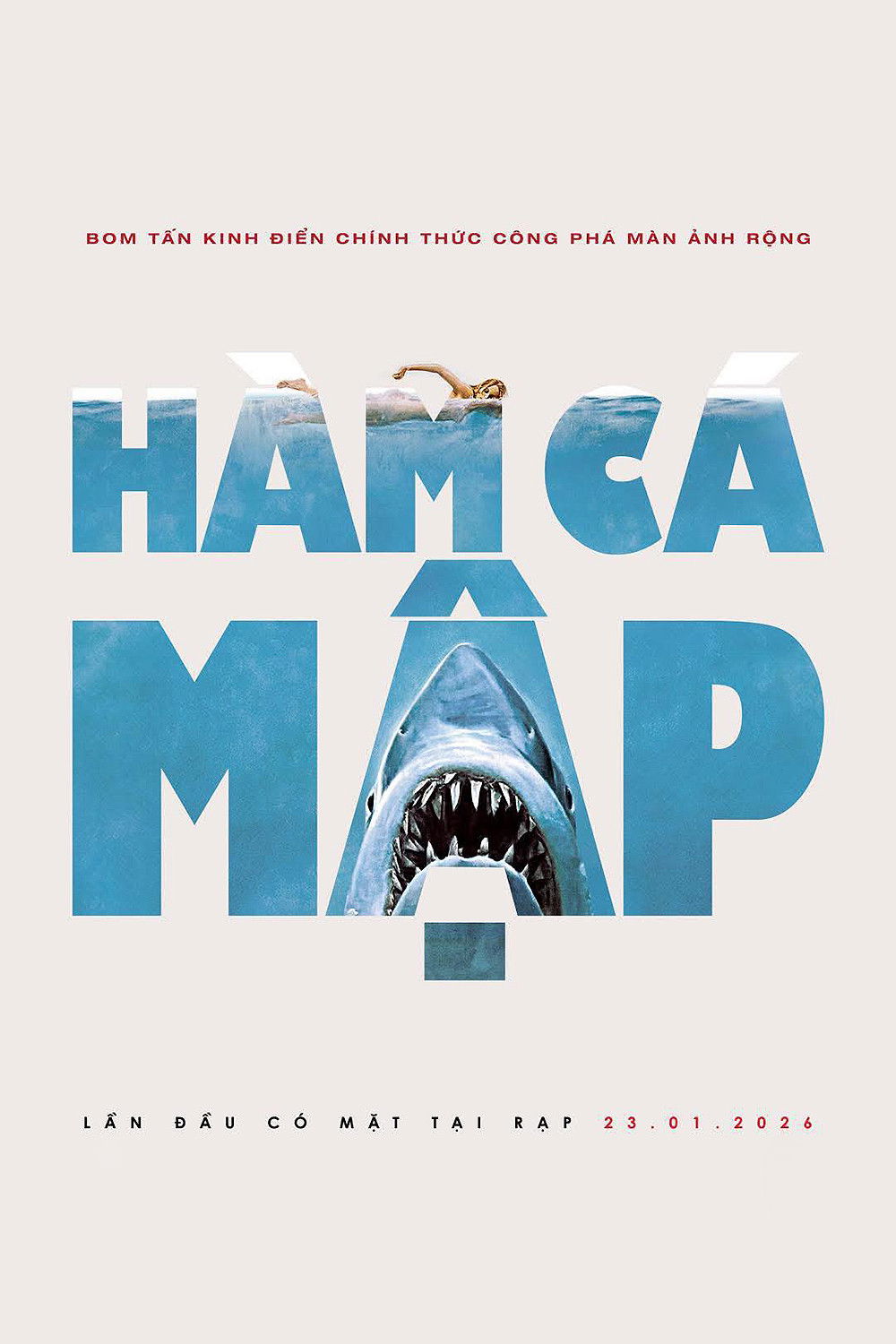
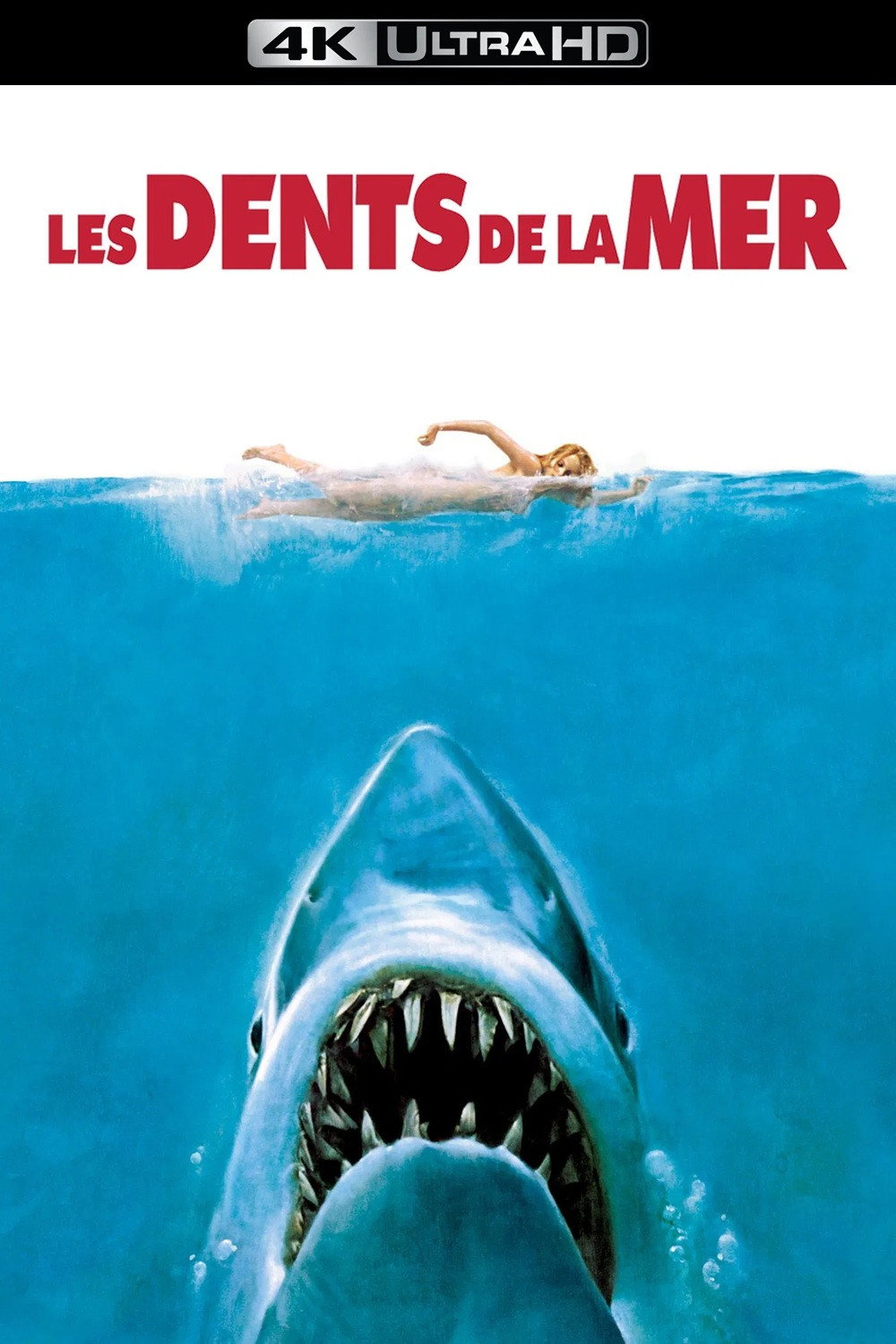
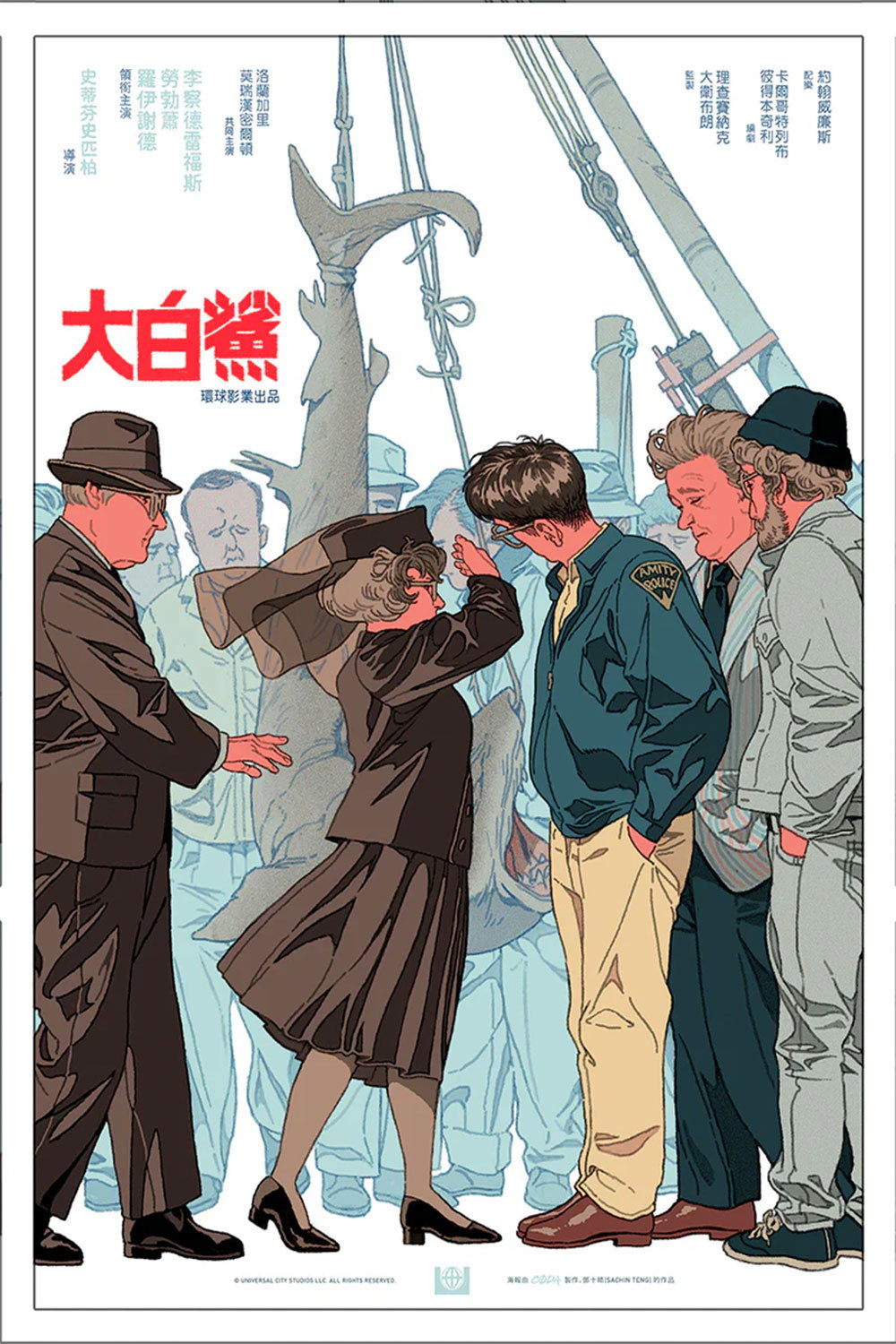
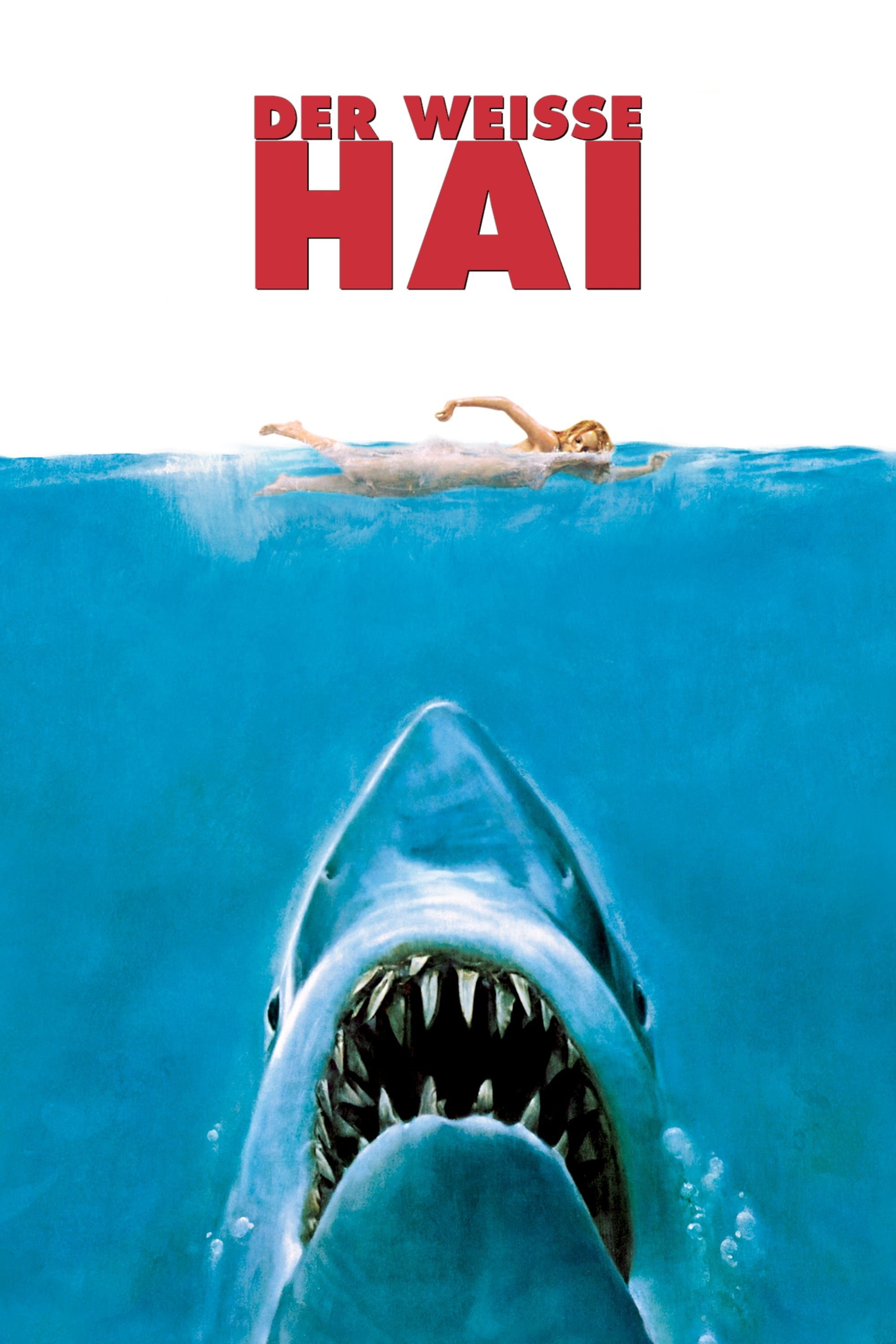
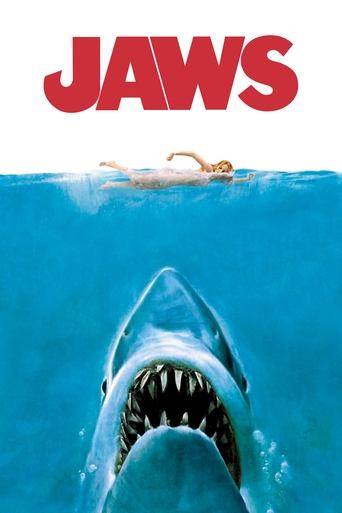
Jaws (1975) poster
Production Companies
The Zanuck/Brown Company , Universal Pictures
Plot

When an insatiable great white shark terrorizes the townspeople of Amity Island, the police chief, an oceanographer and a grizzled shark hunter seek to destroy the blood-thirsty beast.

Alternative Titles
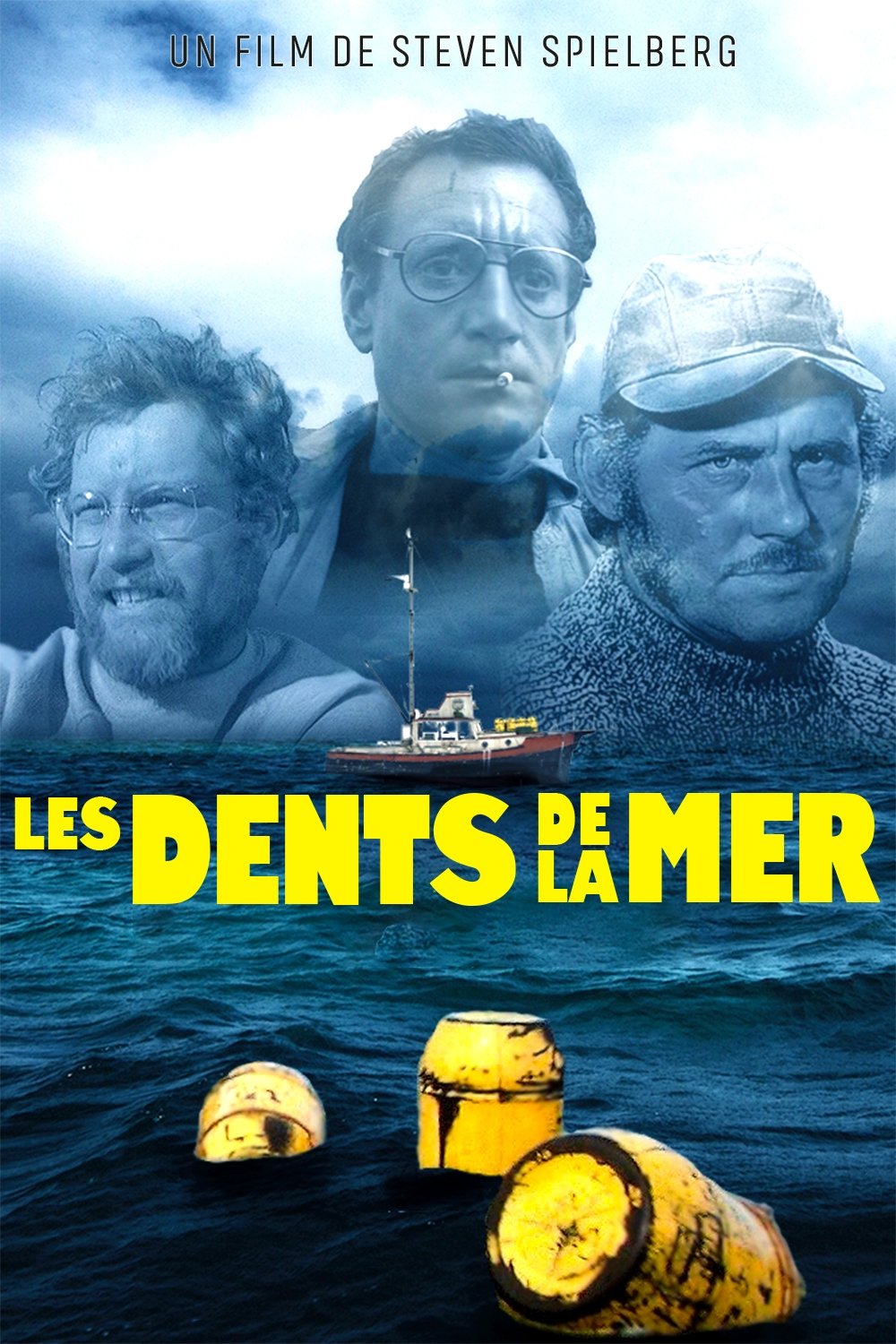
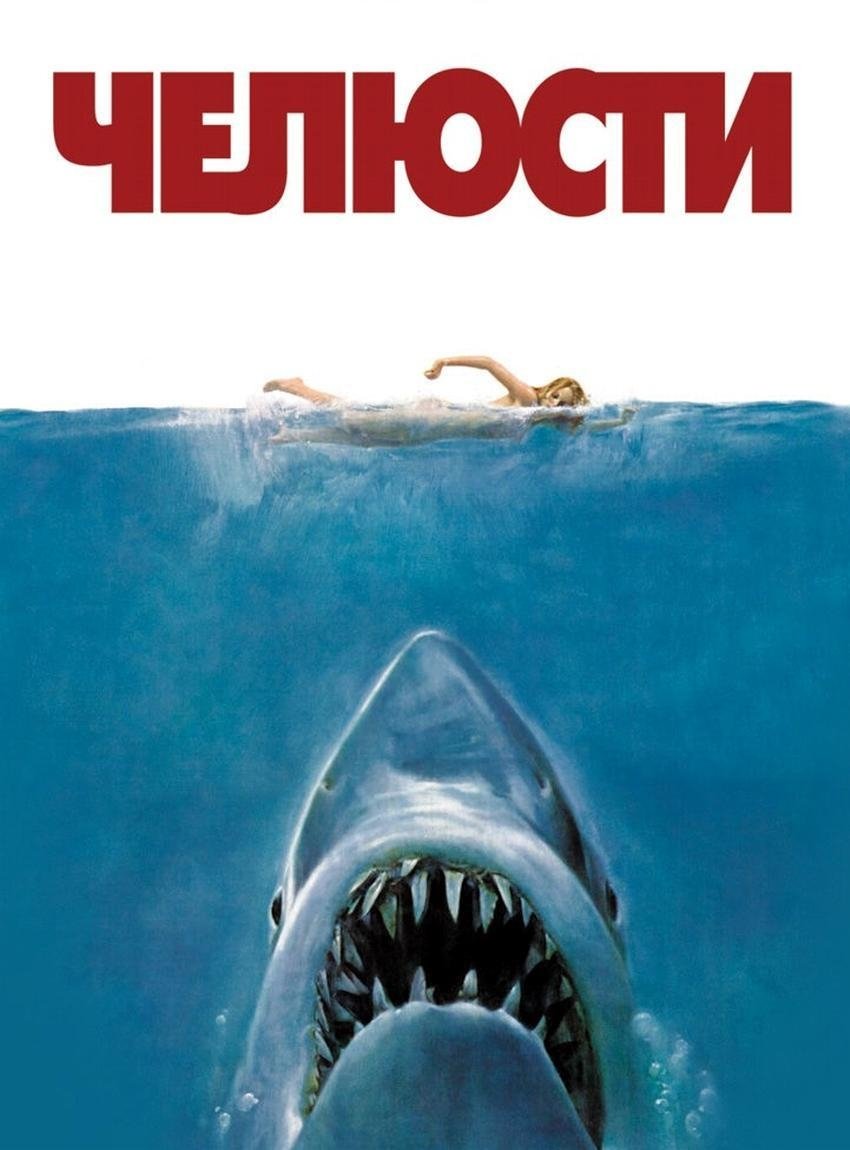
Ժանիք (Armenia) Der weiße Hai (Austria) — German De zomer van de witte haai (Belgium) — Flemish Челюсти (Bulgaria) — Bulgarian Tubarão (Brazil) Les dents de la mer (Canada) — French Der weisse Hai (Switzerland) — alternative spelling Der weisse Hai 1 (Switzerland)
Show all 53 alternative titles 大白鲨 (China) — Chinese Čelisti (Czechia) — Czech Der Weiße Hai (Germany) Dødens gab (Denmark) — Danish Lõuad (Estonia) — Estonian Tauró (Spain) — Catalan Tiburón (Spain) — Spanish Tappajahai (Finland) — Finnish Les Dents de la Mer (France) — French ყბები (Georgia) — Georgian Τα Σαγόνια του Καρχαρία (Greece) — Greek 大白鯊 (Hong Kong SAR China) — Chinese Ralje (Croatia) — Croatian A cápa (Hungary) — Hungarian Melta'ot (Israel) מלתעות (Israel) — Hebrew जबडे (India) — Marathi जॉज़ (India) — Hindi ਜਬਾੜੇ (India) — Punjabi آرواره ها (Iran) آرواره‌ها (Iran) — Persian Ókindin (Iceland) — Icelandic Lo squalo (Italy) — Italian ジョーズ (Japan) — Japanese 죠스 (South Korea) 죠스 1 (South Korea) Nasrai (Lithuania) Žokļi (Latvia) — Latvian Tiburón (Mexico) — Spanish Haisommer (Norway) — Norwegian Szczęki (Poland) Tubarão (Portugal) Fălci (Romania) — Romanian Ајкула (Serbia) — Serbian Челюсти (Russia) — Russian الفك المفترس (Saudi Arabia) — Arabic Hajen (Sweden) Čeľuste (Slovakia) — Slovak จอว์ส (Thailand) — Thai Jaws: Denizin Dişleri (Türkiye) 大白鯊 (Taiwan) — Chinese Щелепи (Ukraine) — Ukrainian Jaws 50 (United States) — 50th anniversary rerelease streaming title Stillness in the Water (United States) — Working Title Hàm Cá Mập (Vietnam) — Vietnamese

Trailers & Videos

10 videos

Film Guide & Analysis

Spielberg brings Benchley's shark thriller into the open Atlantic, where mechanical-effects failures, innovative camerawork and John Williams' score define a landmark of screen horror.

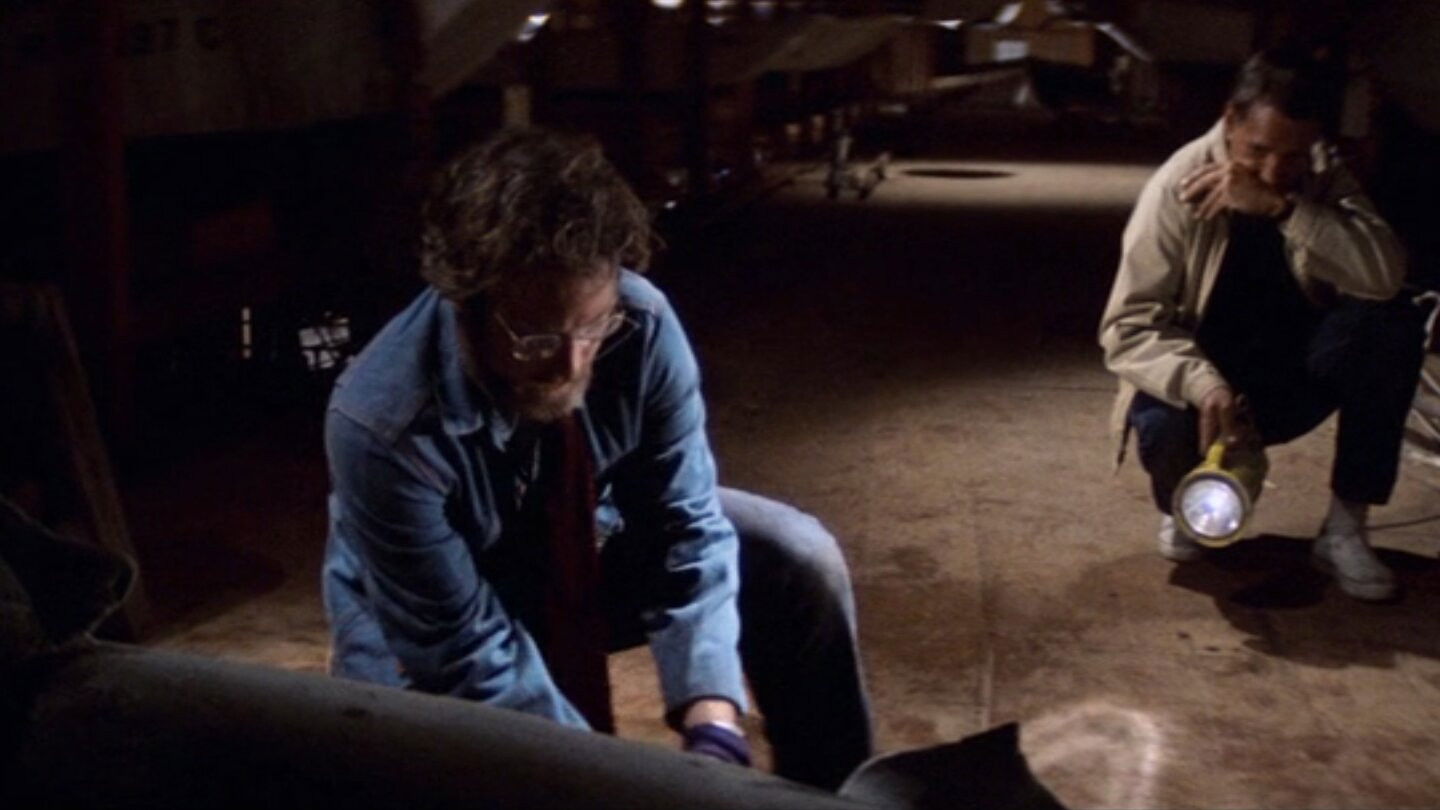
Jaws (1975) makes an ordinary seaside holiday terrifying by withholding reliable knowledge of what moves beneath the water. Steven Spielberg's adaptation of Peter Benchley's novel follows police chief Martin Brody as deaths around Amity Island collide with the local economy's dependence on open beaches. The great white shark is a physical animal within the story, yet its unseen approach gives it the force of a monster. Underwater viewpoints, an unmistakable musical pattern and sudden attacks allow the film to move between public spaces and an environment in which people cannot see or control the danger approaching them.

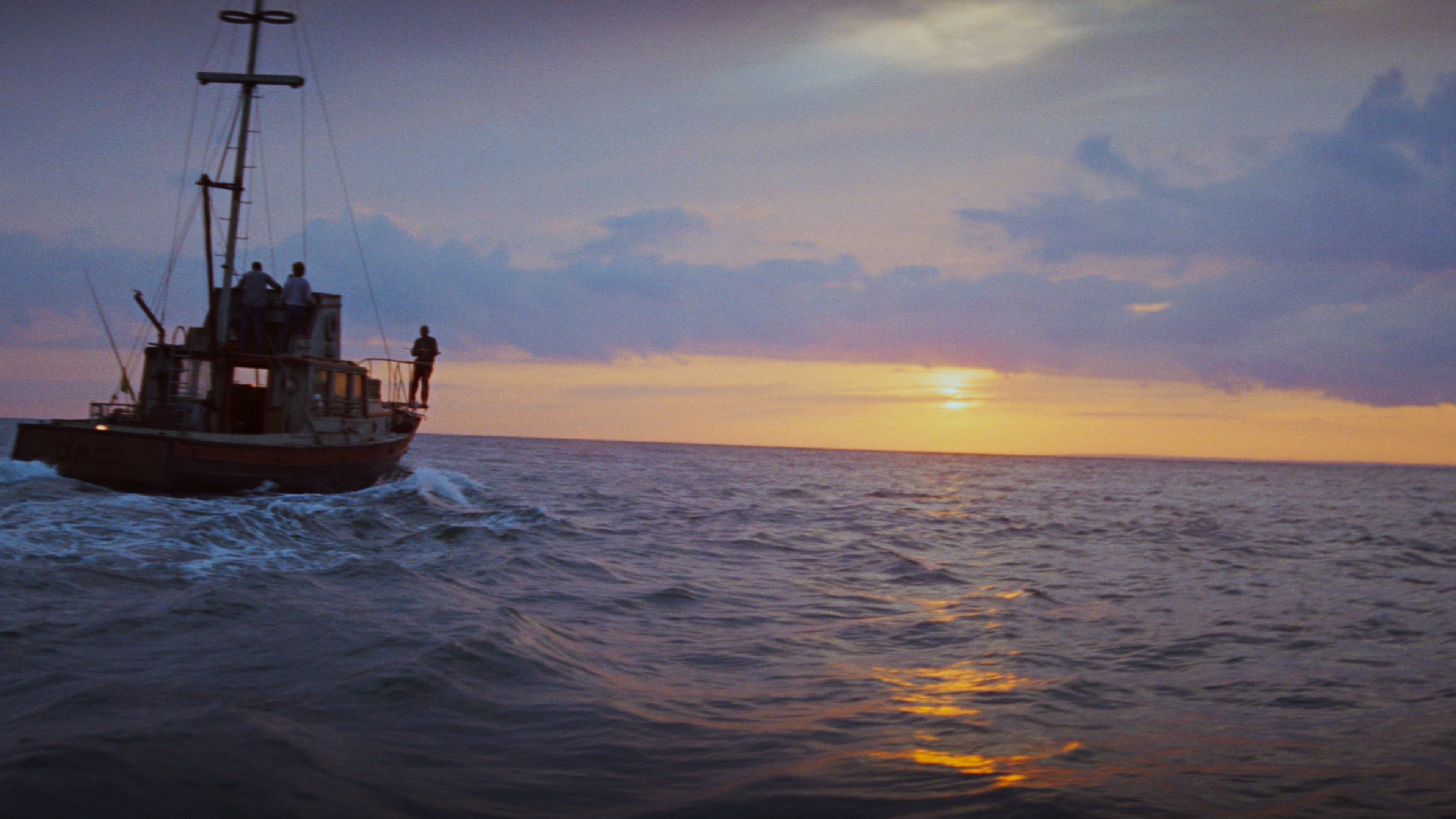
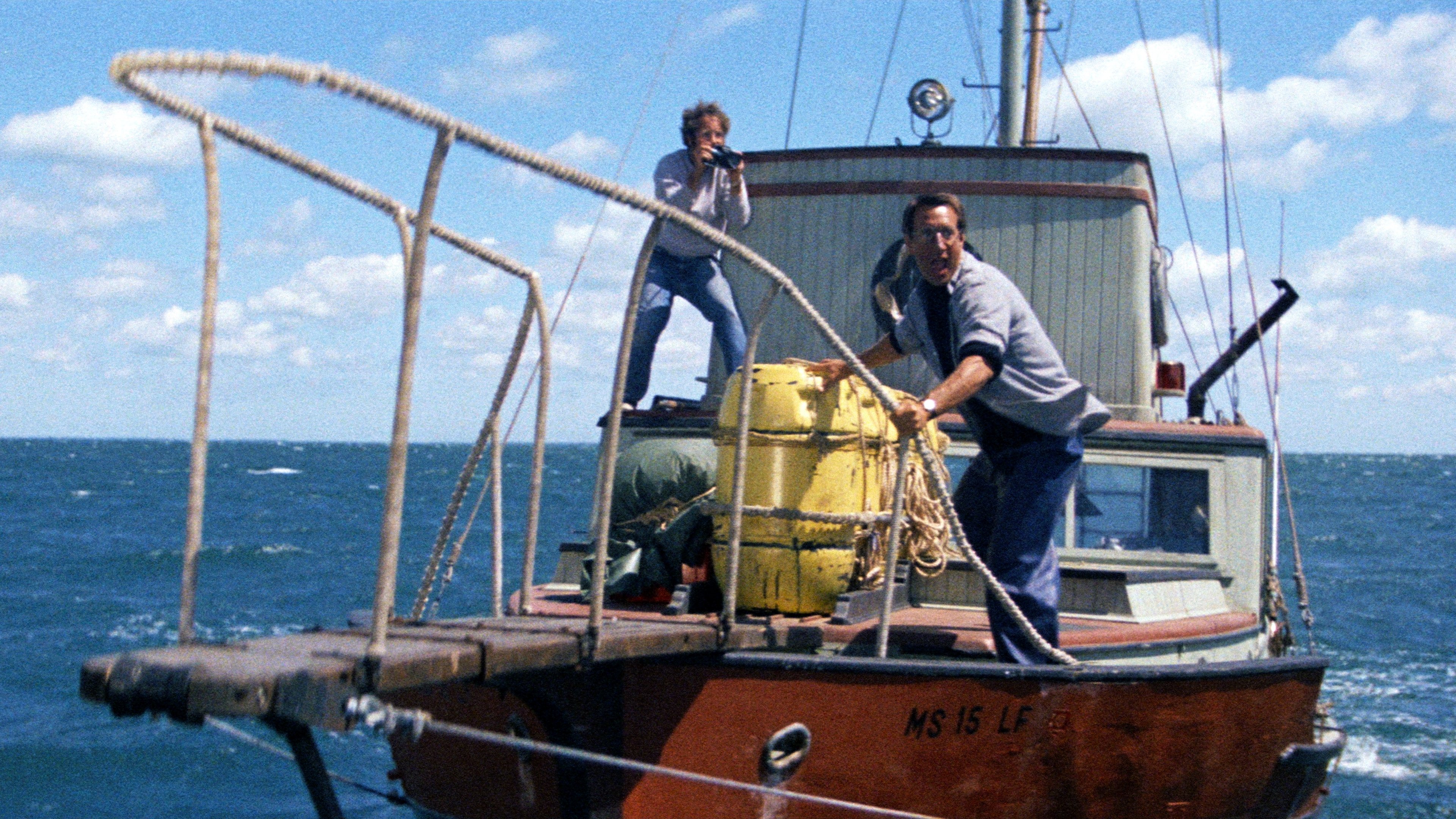
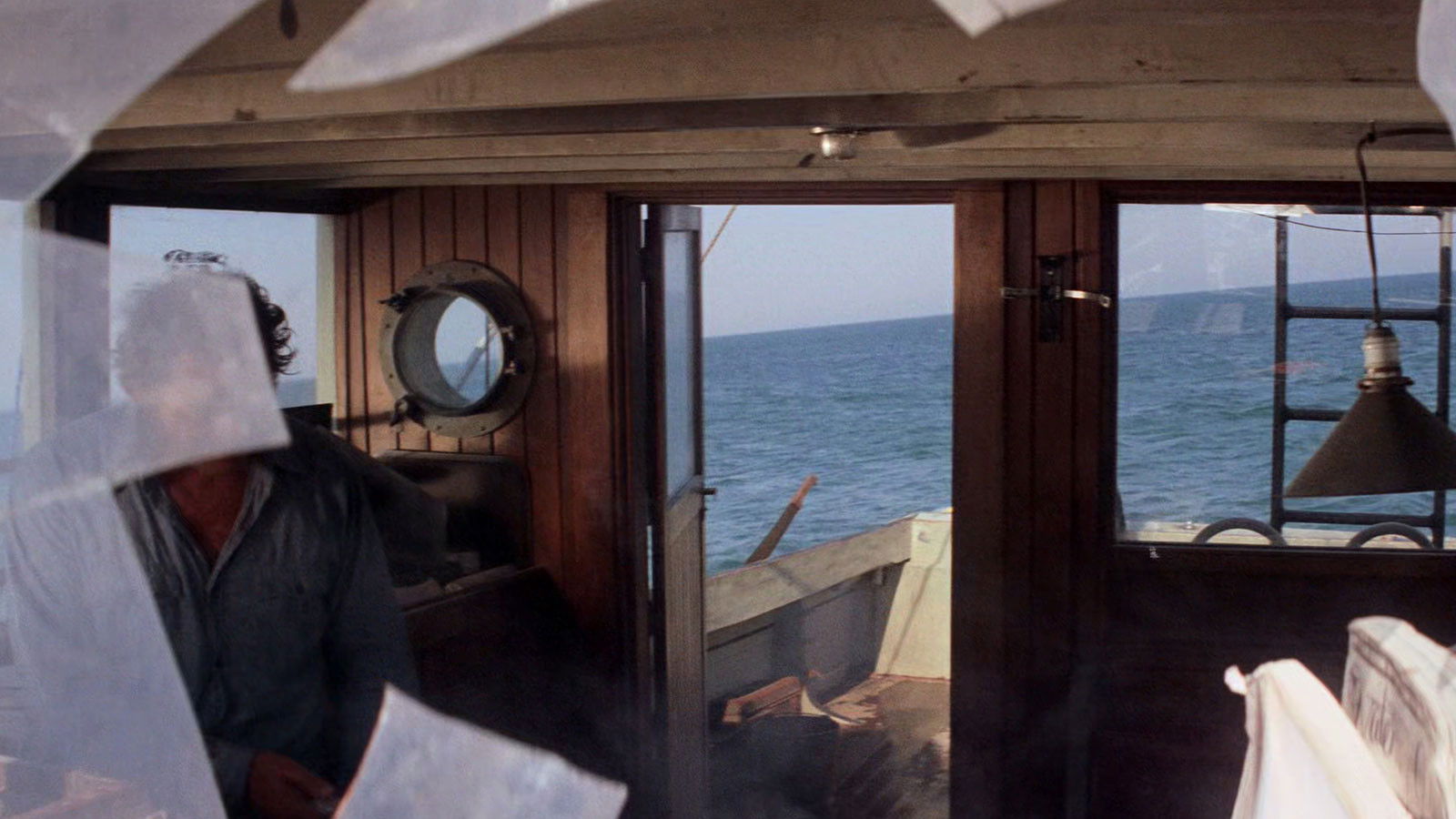
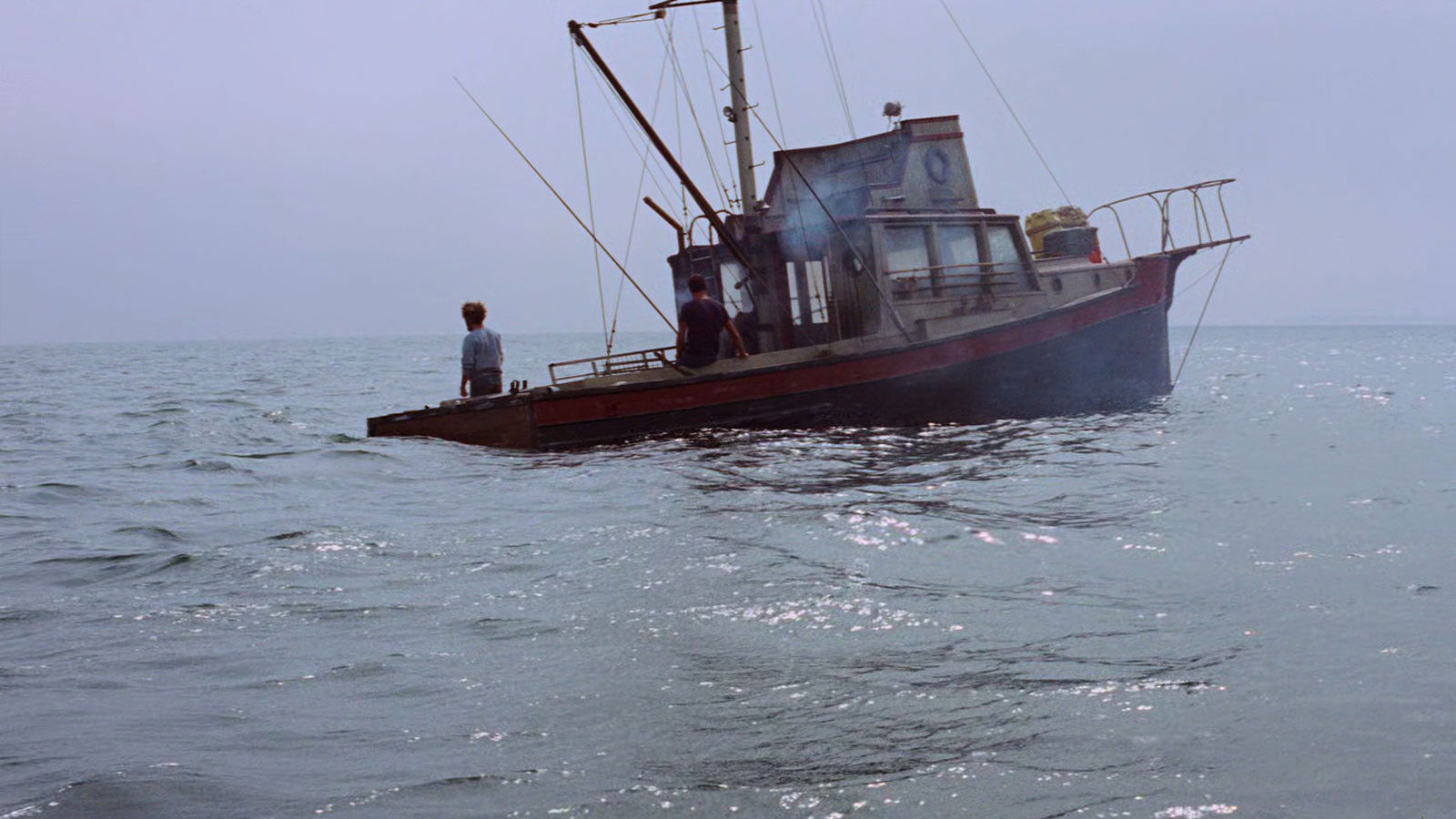
The production itself shaped that method. Spielberg chose to film extensively at sea near Martha's Vineyard, where changing weather, unstable boats and malfunctioning mechanical sharks repeatedly disrupted the schedule. Cinematographer Bill Butler and his crew devised ways to photograph performers at water level, while editor Verna Fields and composer John Williams helped give the creature a presence even when its body was absent from the image. Released in June 1975, Jaws joined exceptional box-office results to a new model of summer event filmmaking. Its importance to horror rests equally on a precise grammar of suspense and on the lasting visibility of a predator whose appearances are carefully limited.

From Benchley's Novel to the Screen

Universal and producers Richard D. Zanuck and David Brown acquired the rights to Benchley's first novel before its 1974 publication. Contemporary trade reports collected by the American Film Institute place Spielberg's hiring in June 1973, following his work with the producers on The Sugarland Express. Benchley participated in the screenplay, with Carl Gottlieb subsequently brought in for revisions that drew on contributions from the actors. That development reduced several strands of the book's social intrigue. The relationship between Hooper and Ellen Brody, for example, disappears, allowing the screen story to concentrate on the shark, the town's response and the uneasy cooperation required to confront it.

The famous account of the USS Indianapolis also entered the film through a complicated writing process. The AFI catalog reports that Howard Sackler contributed the idea for Quint's speech without seeking screen credit; later accounts describe additional work involving John Milius and Robert Shaw. Those reports do not justify assigning the entire monologue to one author. Within the film, Quint's memories of wartime disaster give his fixation on sharks an unsettling personal history. The incident refers to a real naval tragedy, although his spoken account remains dialogue written for a fictional character. Adaptation decisions of this kind turned a popular novel's sensational premise into a conflict with clearly differentiated stakes.
Shooting at Sea on Martha's Vineyard

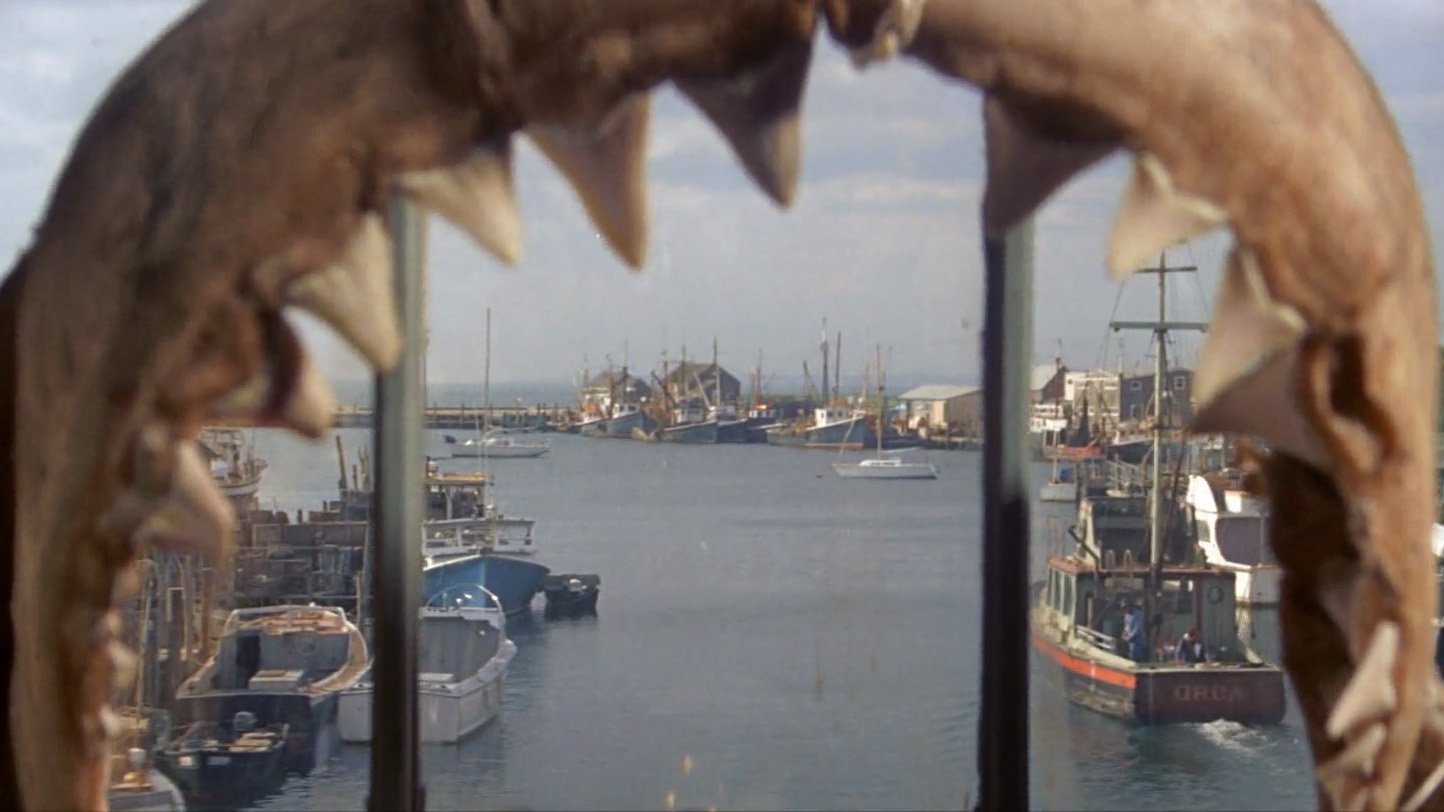
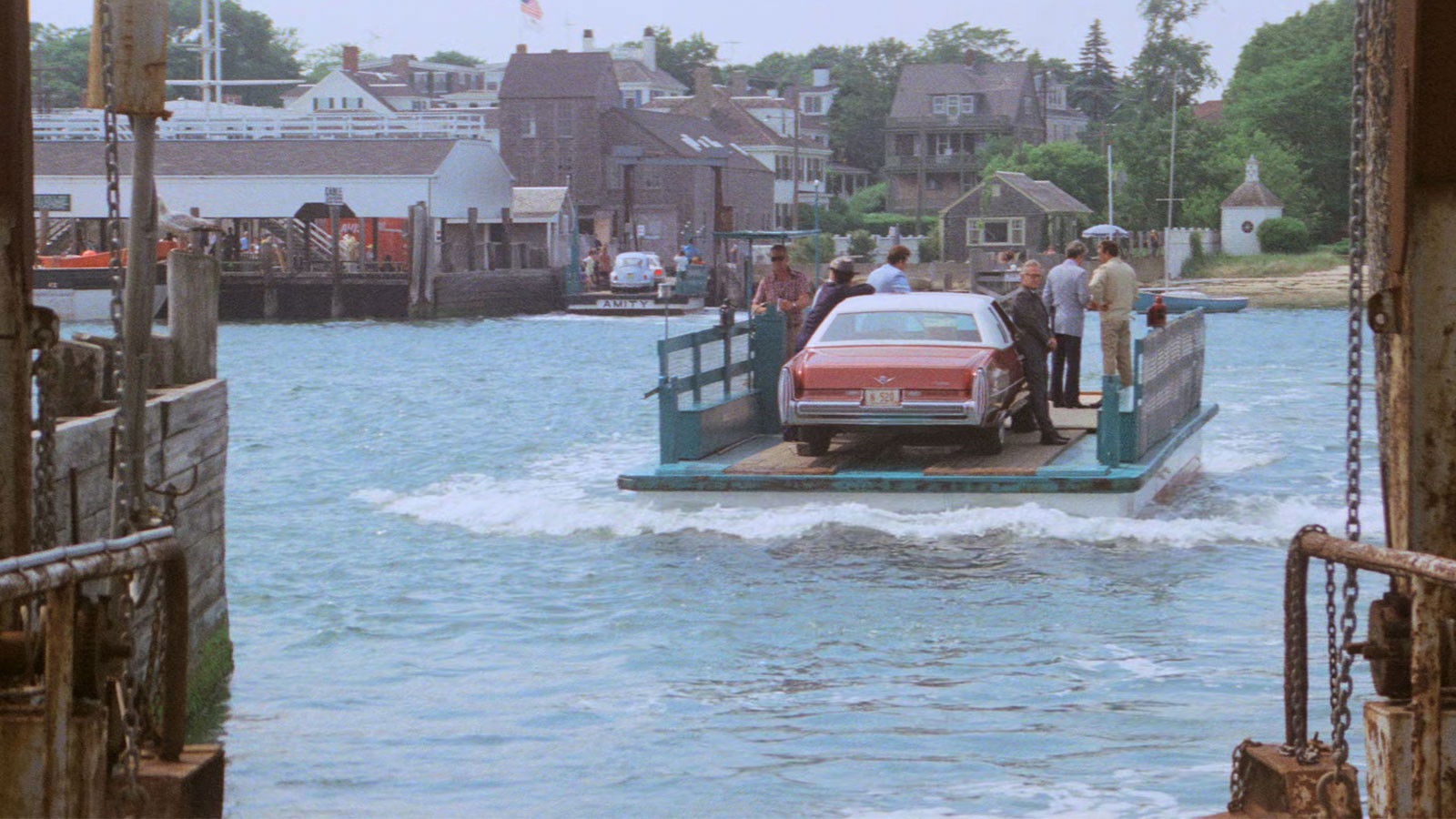
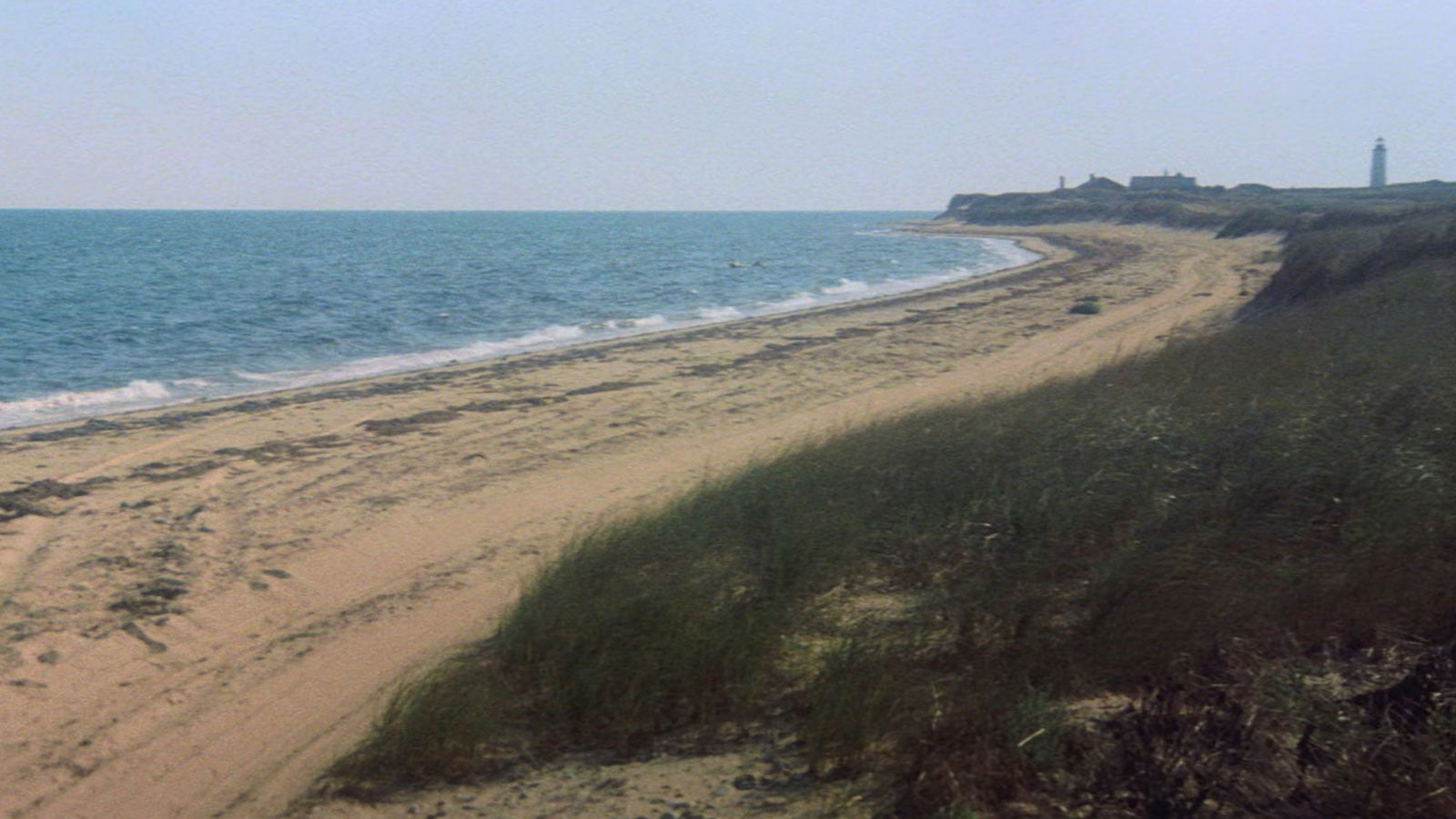
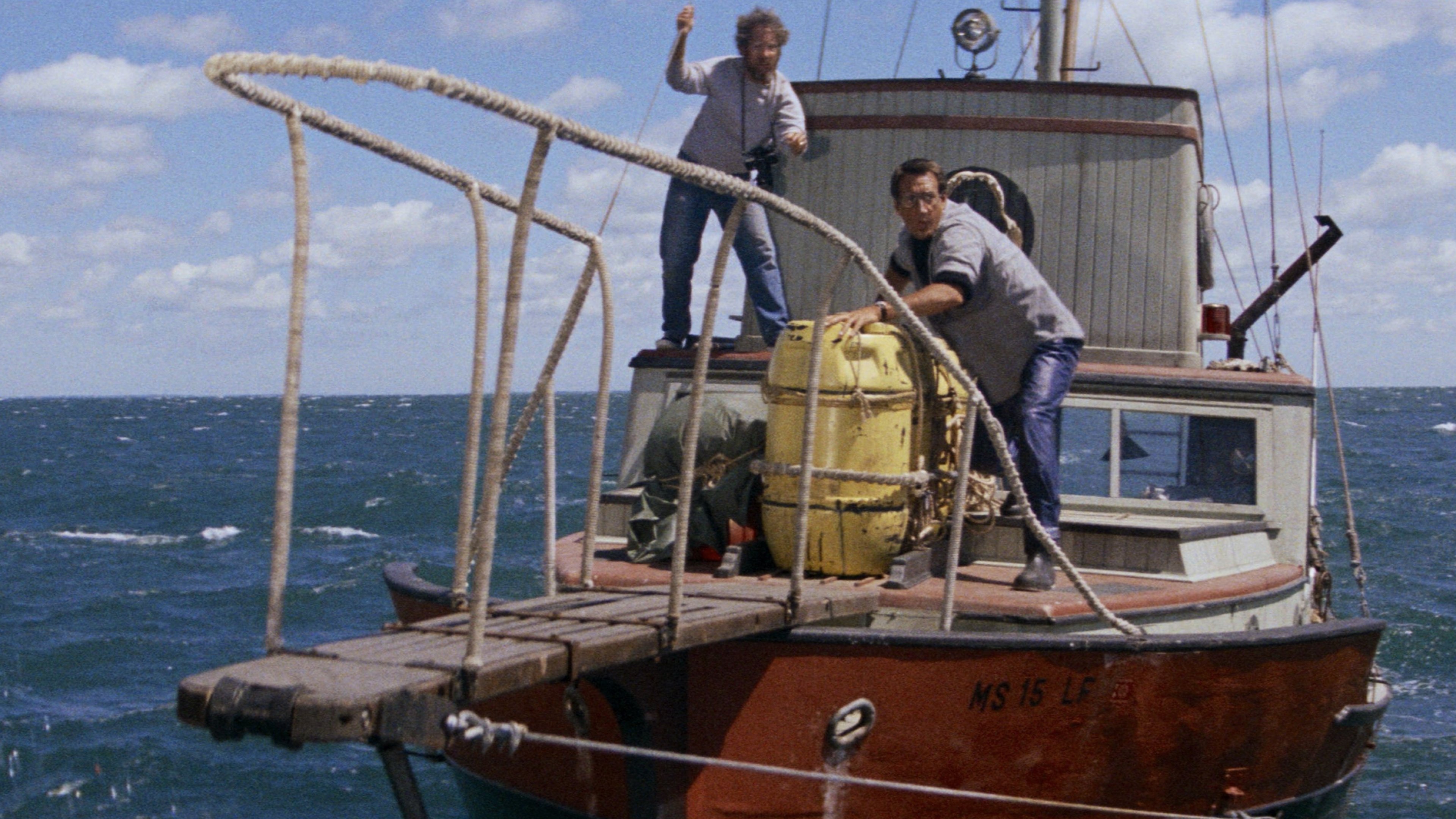
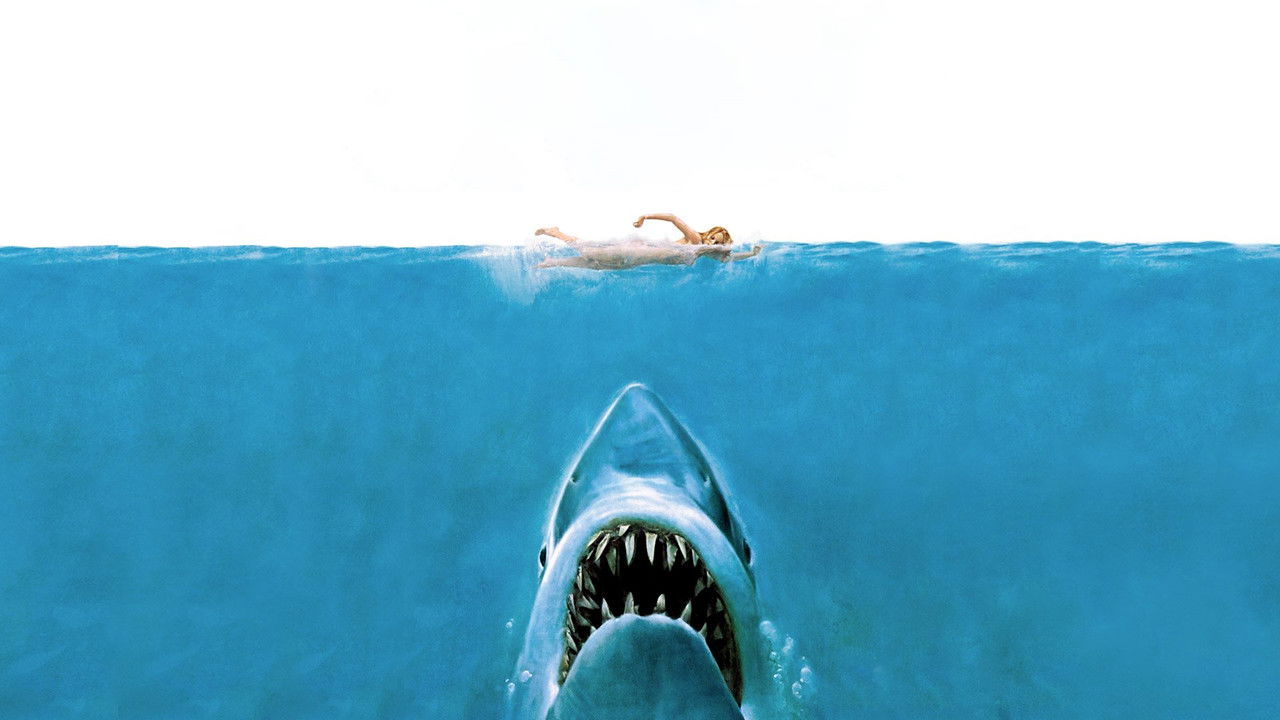
Principal photography began in May 1974 on Martha's Vineyard, with Edgartown supplying much of the fictional town's coastal appearance. Production designer Joe Alves selected the area partly for its shallower surrounding water and comparatively modest tides, conditions needed for the apparatus that would move the shark. In an on-location article published in American Cinematographer in March 1975, Mik Cribben reported that its underwater platform required a particular depth to operate. The decision to use real ocean locations gave the harbor, beaches and open horizons convincing continuity. It also placed equipment, performers and schedule at the mercy of currents and ordinary marine traffic.

Boats drifted between takes, passersby crossed the background, and preparations could be undone by weather before the cameras rolled. Spielberg described these frustrations to Cribben while filming was still underway. The shoot continued into autumn, well beyond its intended early-summer completion. The scale of the overrun is supported by contemporary reporting, although exact budget totals vary: the AFI cites an original estimate of three to four million dollars, an eight-million-dollar figure reported in 1975, and higher numbers appearing in subsequent accounts. Presenting any one of those figures as an uncontested final cost would flatten a genuinely inconsistent record.
Mechanical Sharks and the Horror of Absence

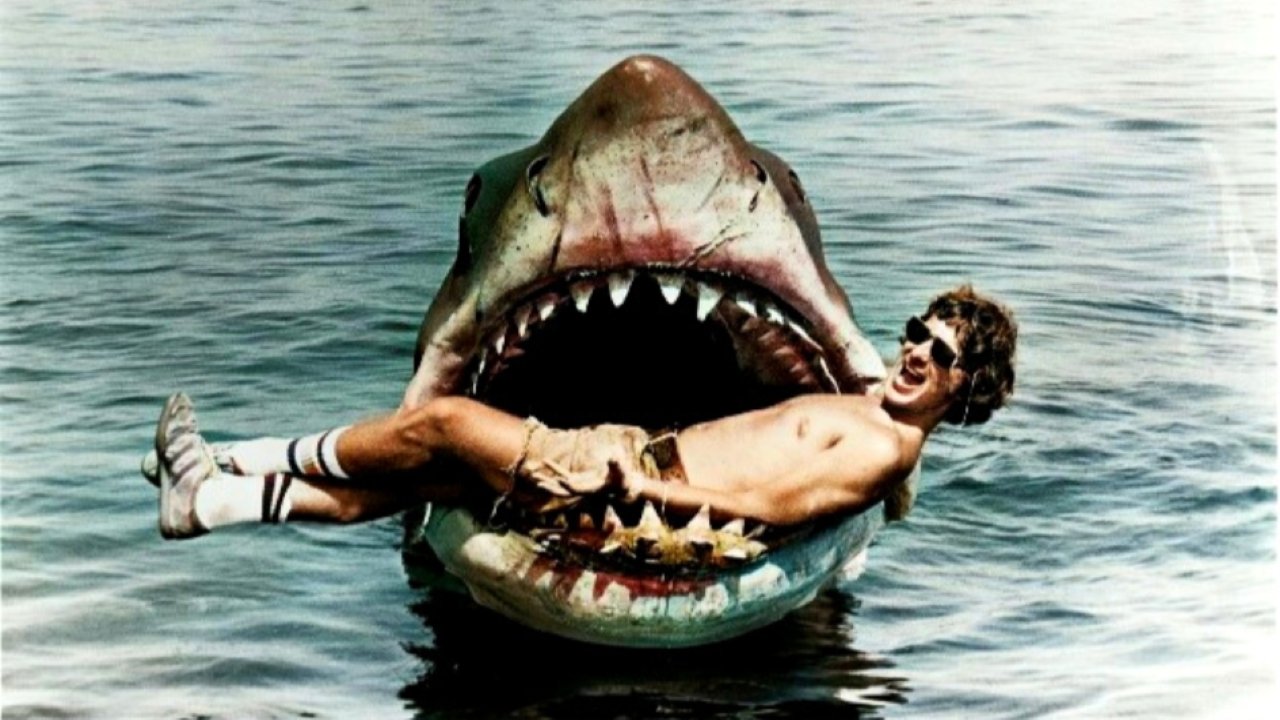
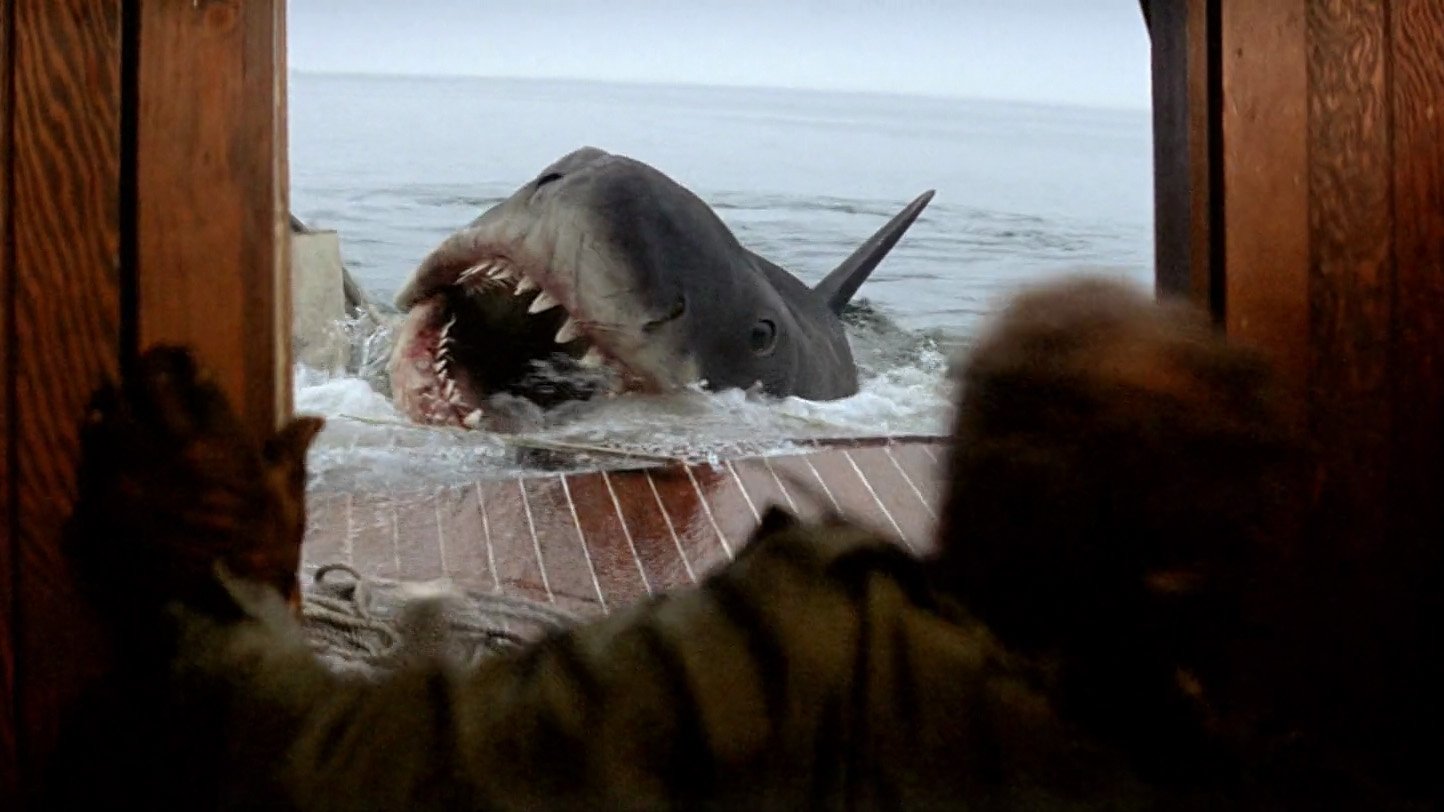
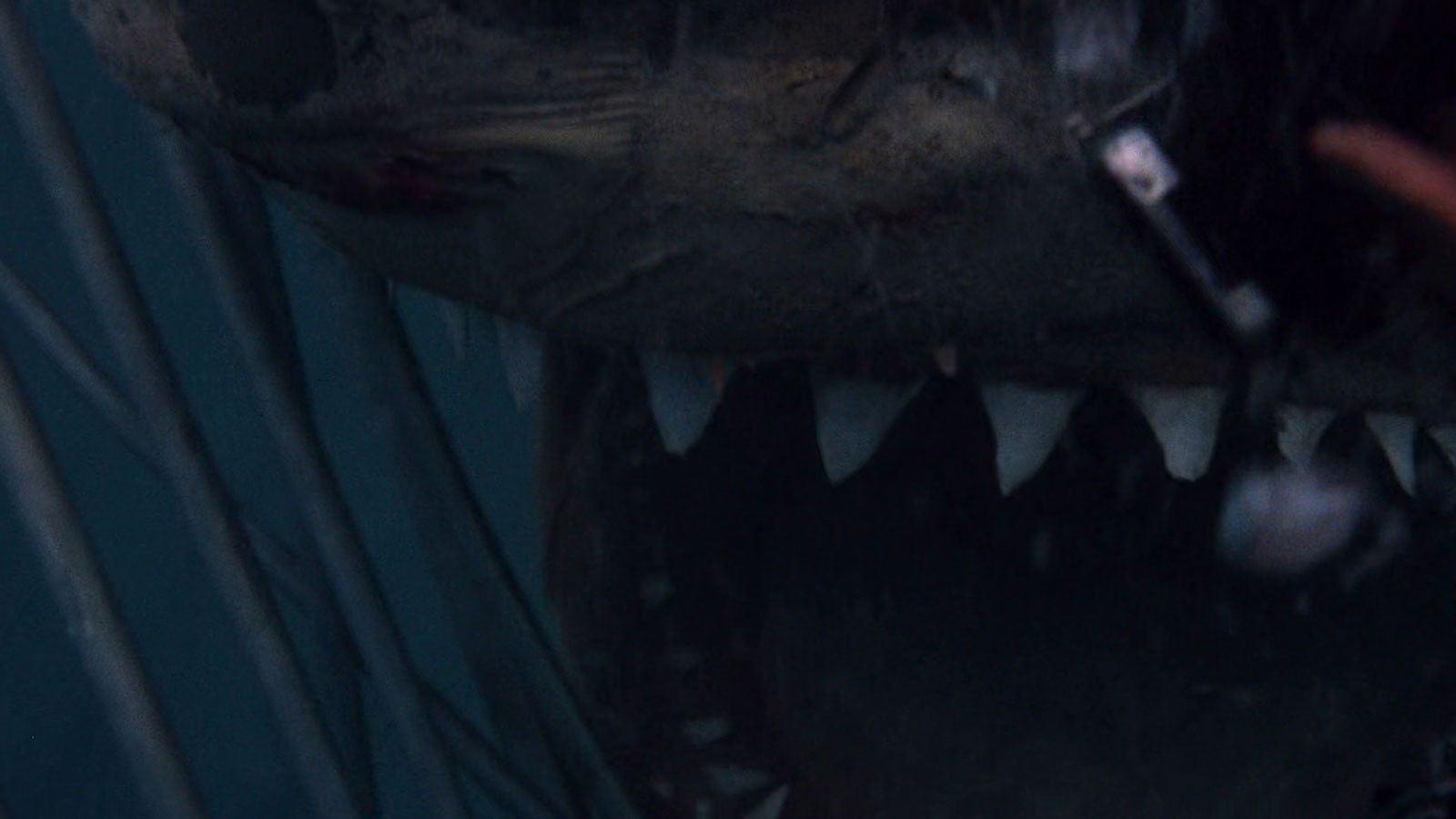
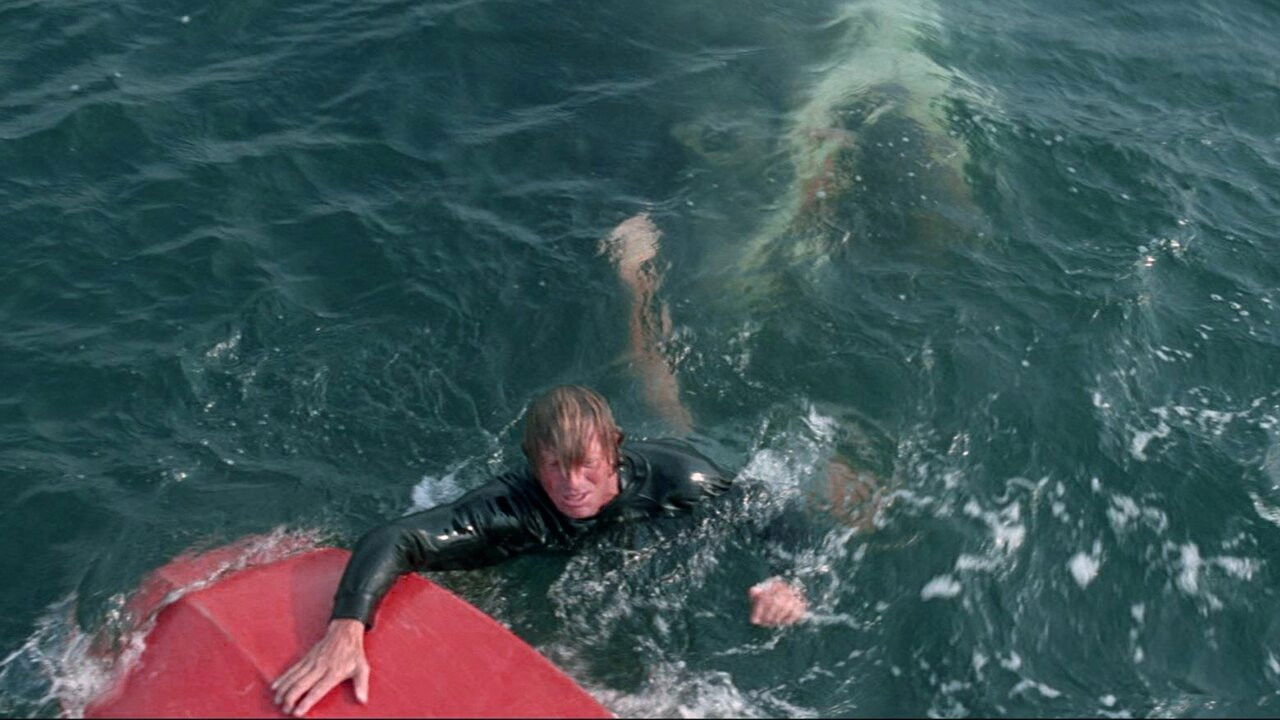
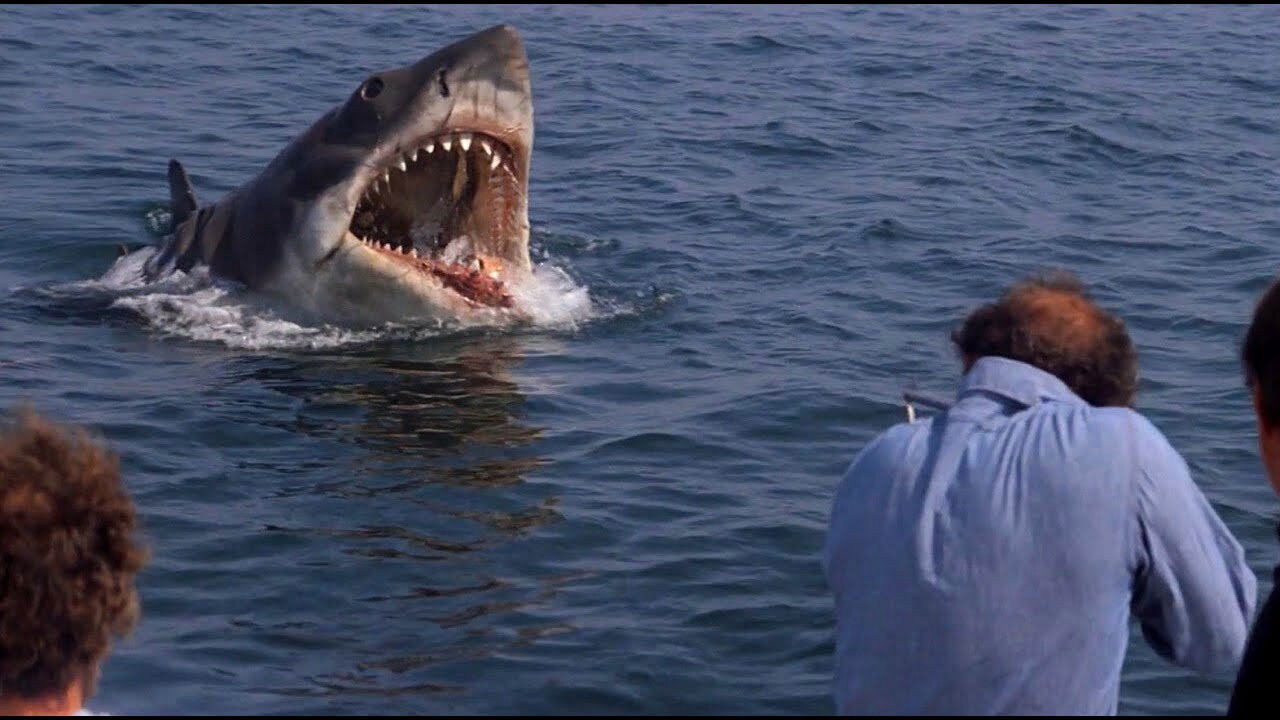
Robert A. Mattey and Alves developed large mechanical shark models capable of operating in salt water and approaching boats from different directions. Production reports described three versions of the creature, nicknamed Bruce, connected to hydraulic equipment beneath the surface. Breakdowns, corrosion and the difficulty of concealing the machinery made the intended spectacle unreliable. Some close encounters used those constructed bodies, while underwater material involving real sharks was photographed by Ron and Valerie Taylor. The combination should not be reduced to a claim that the shark was never shown or that every image of it was a mechanical effect.
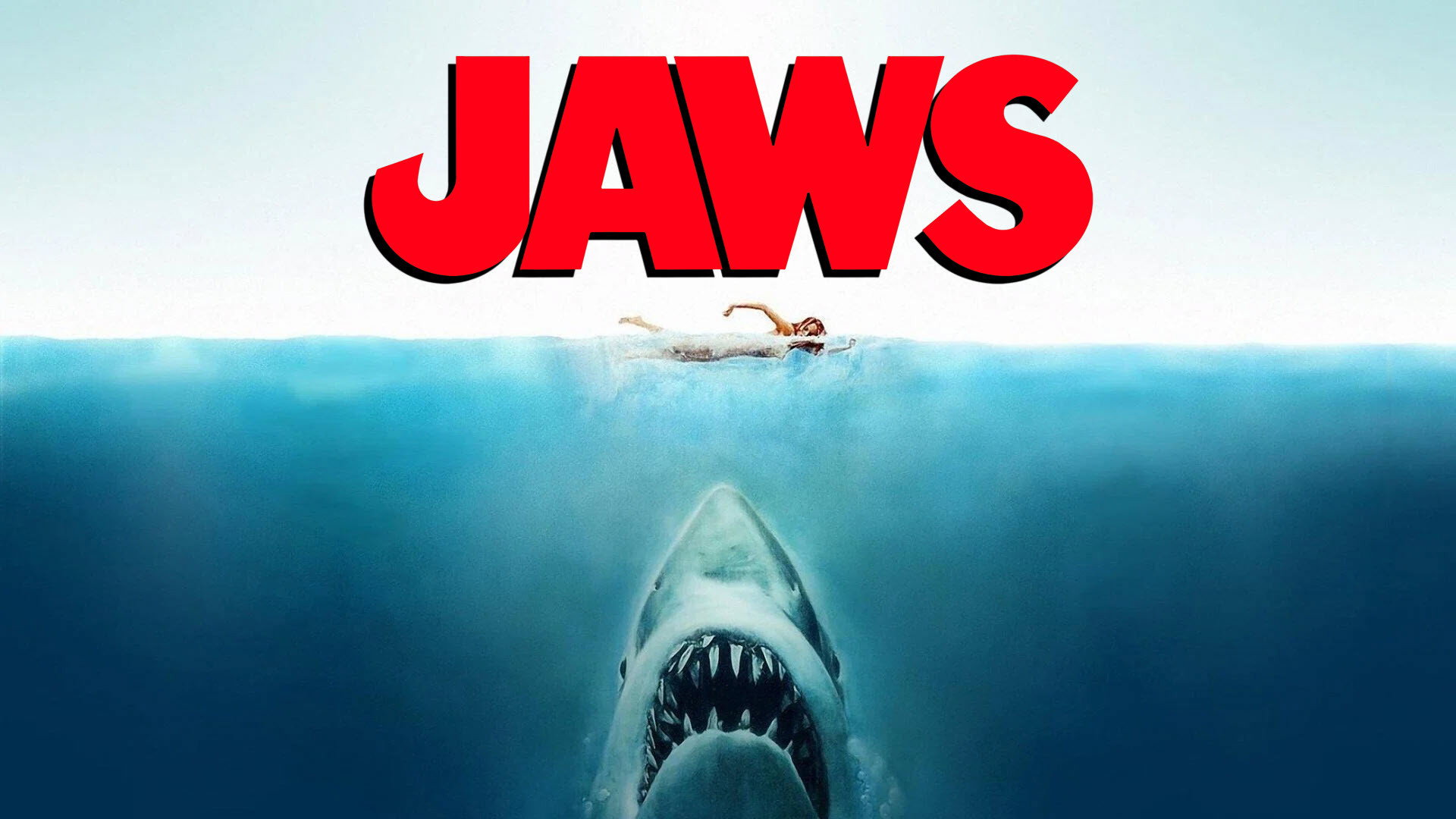
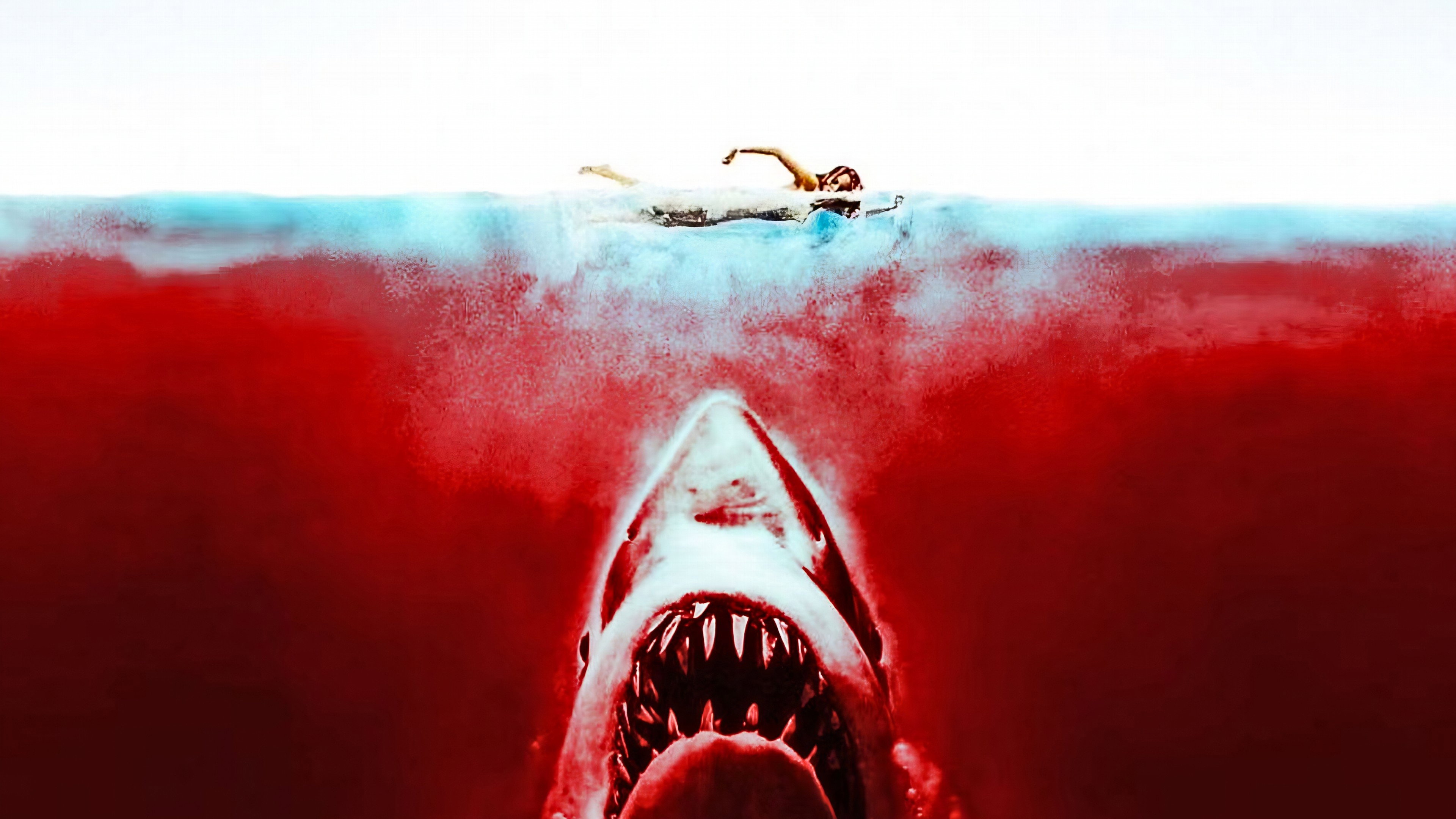
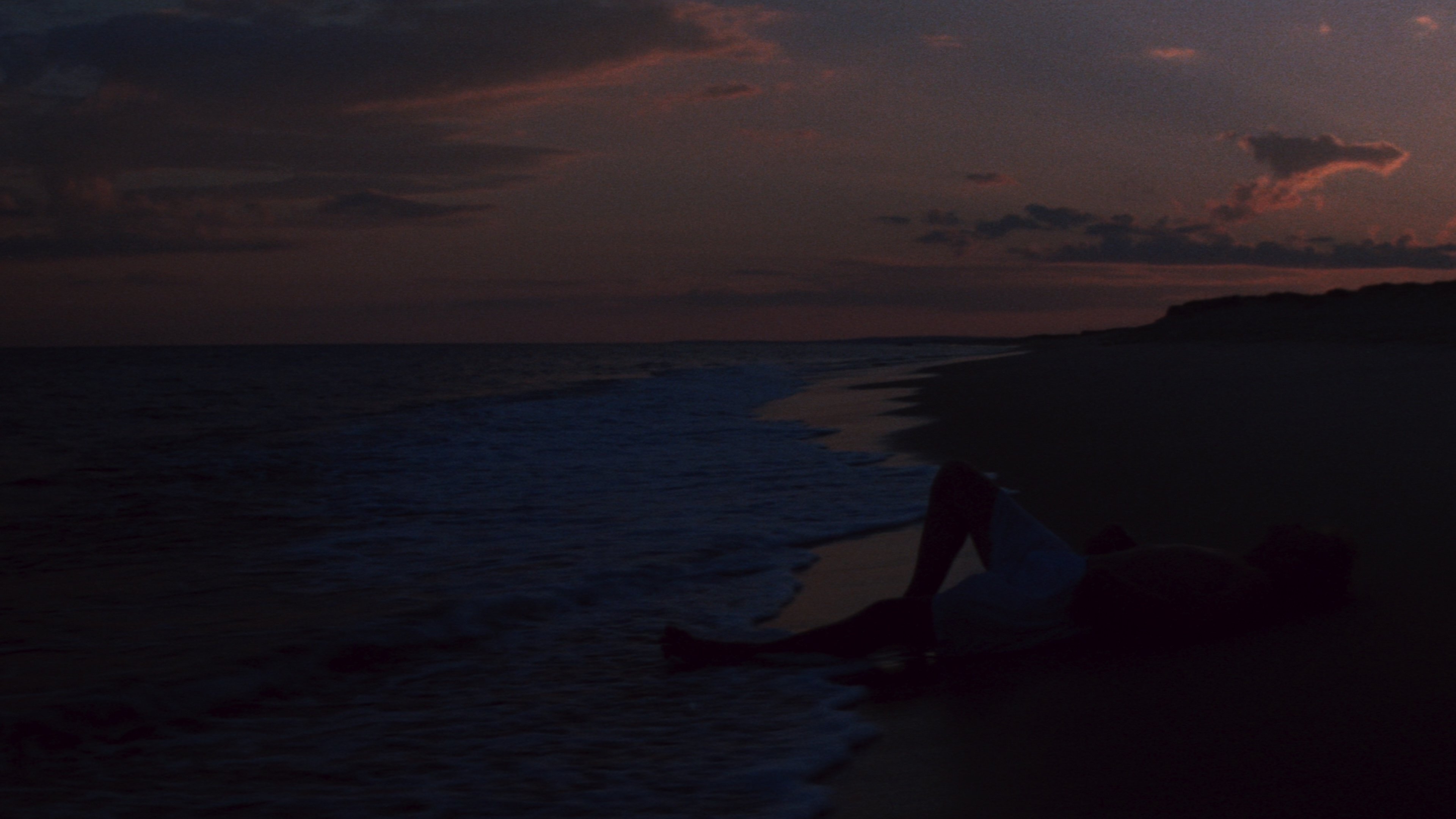
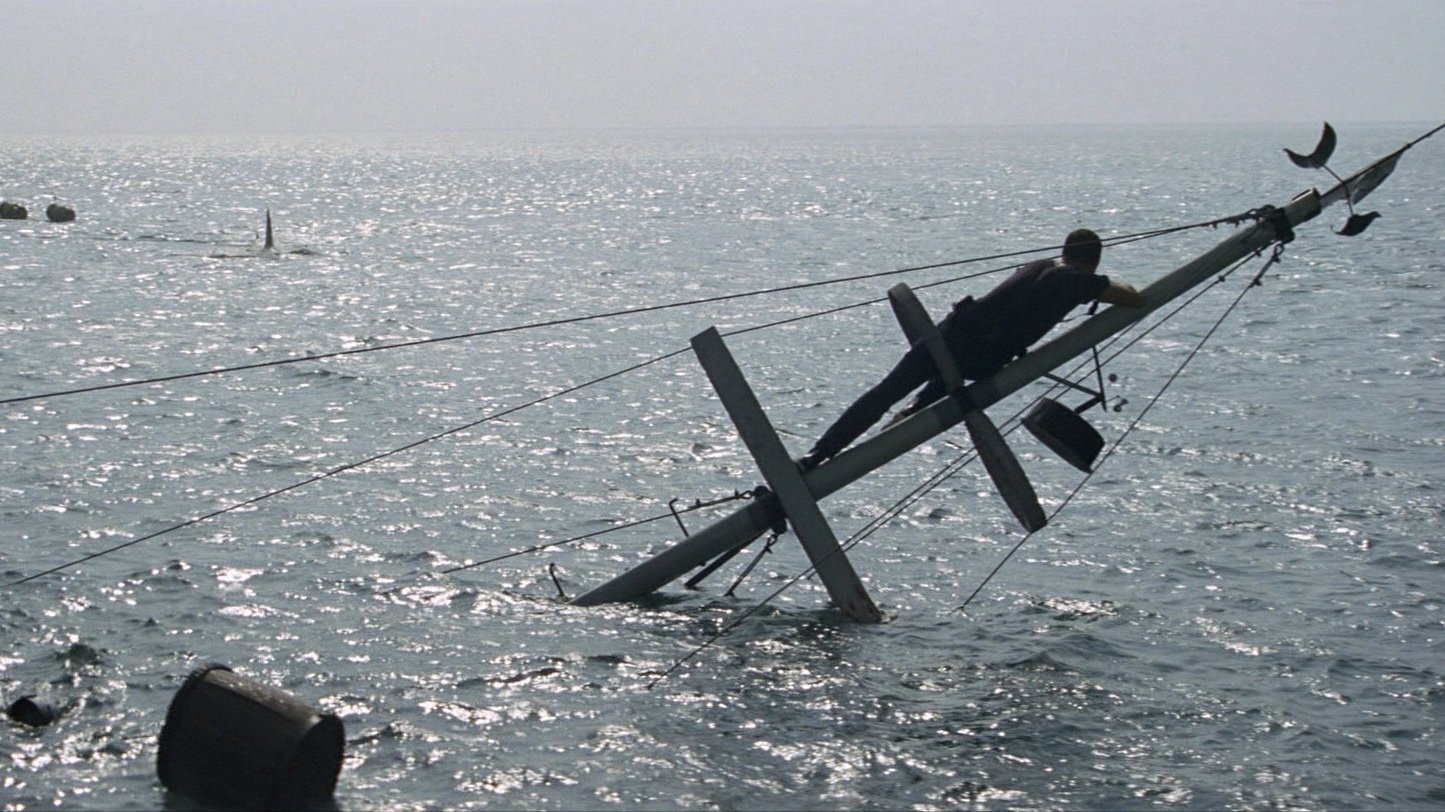
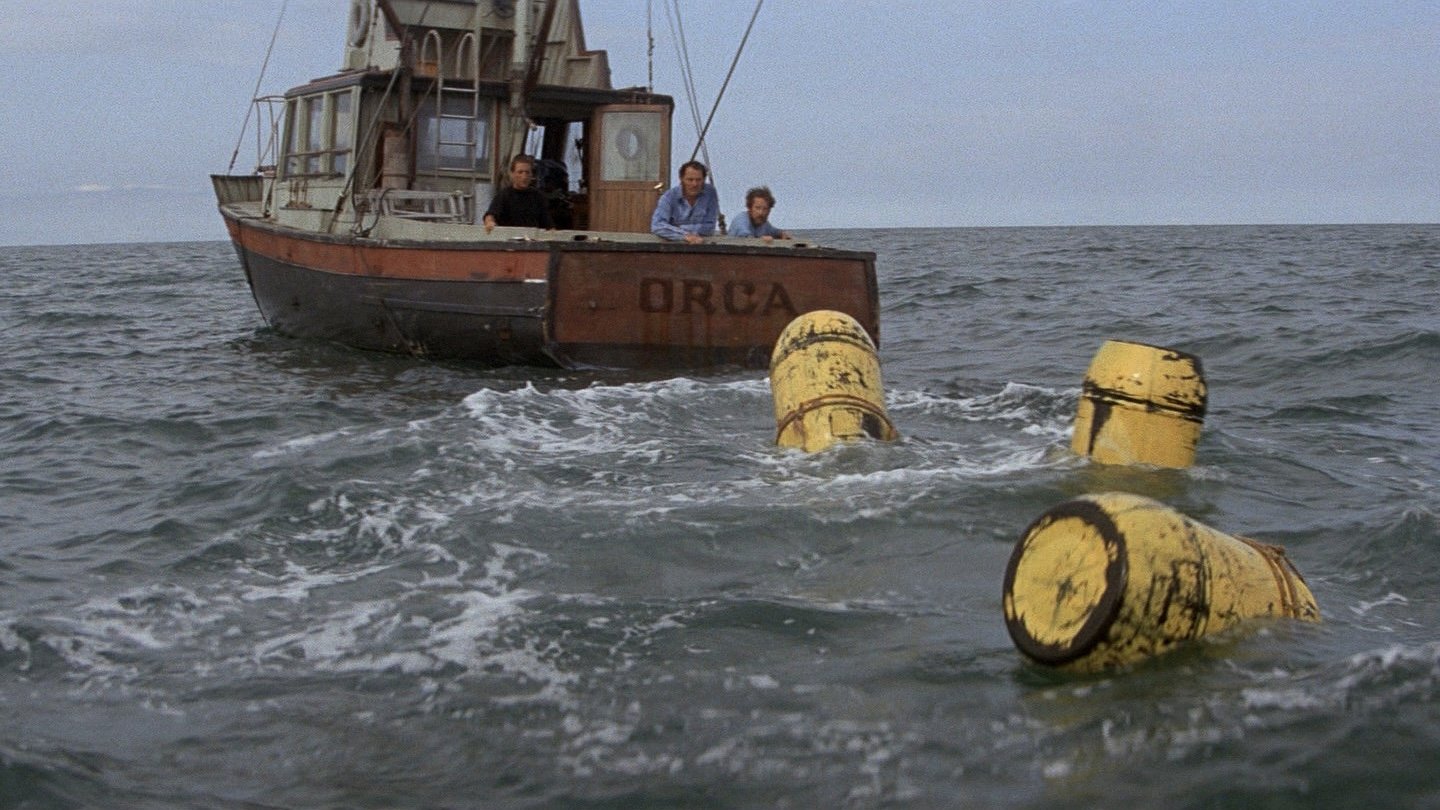
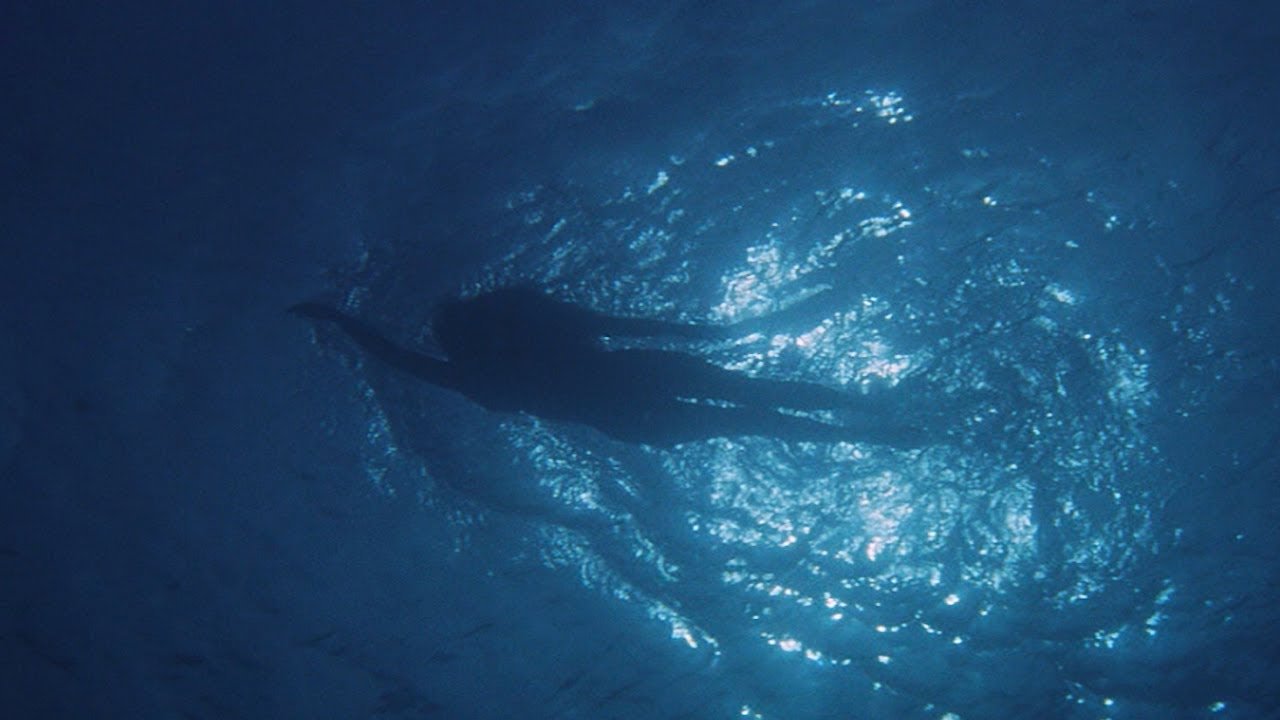
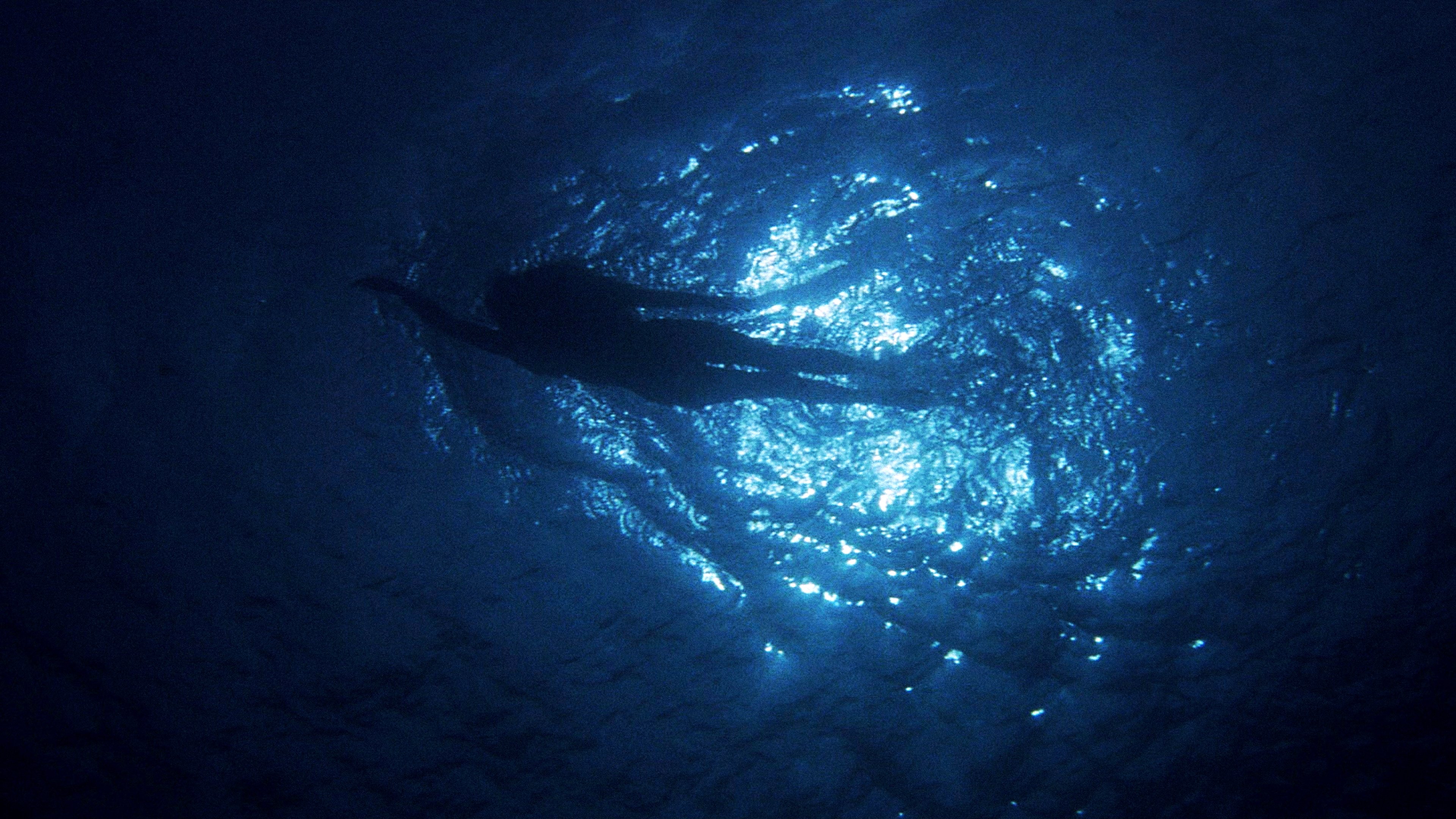
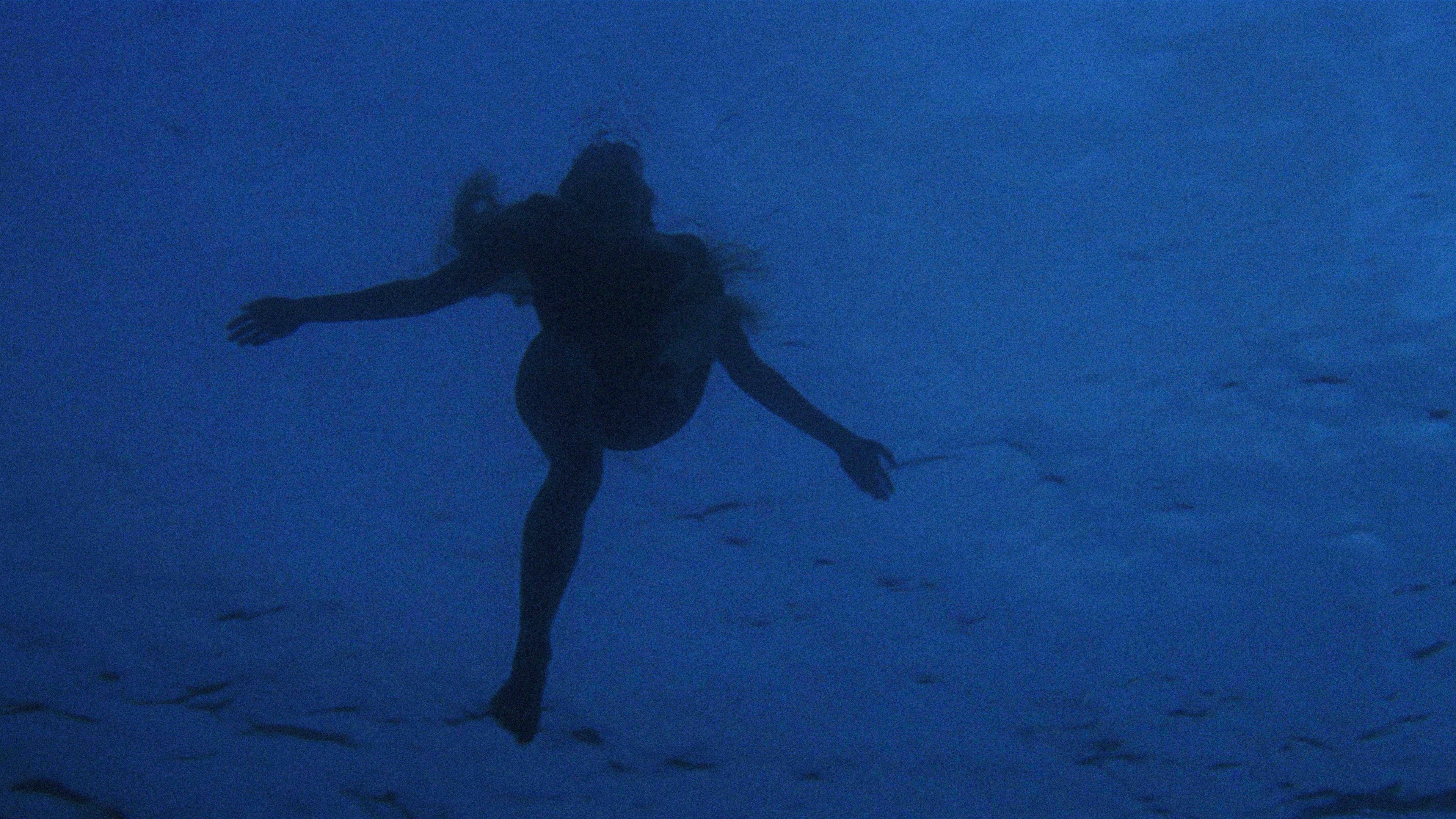
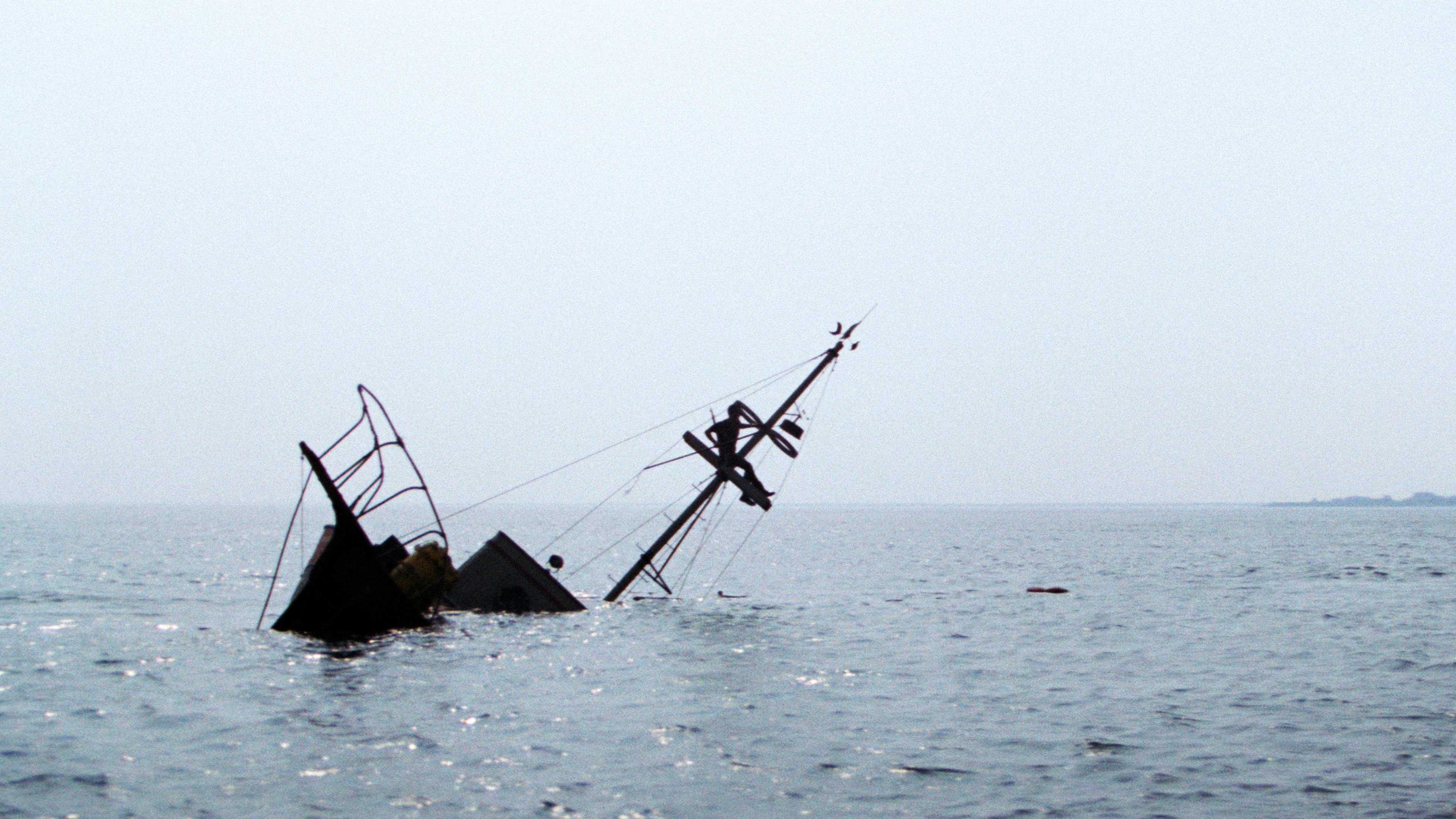
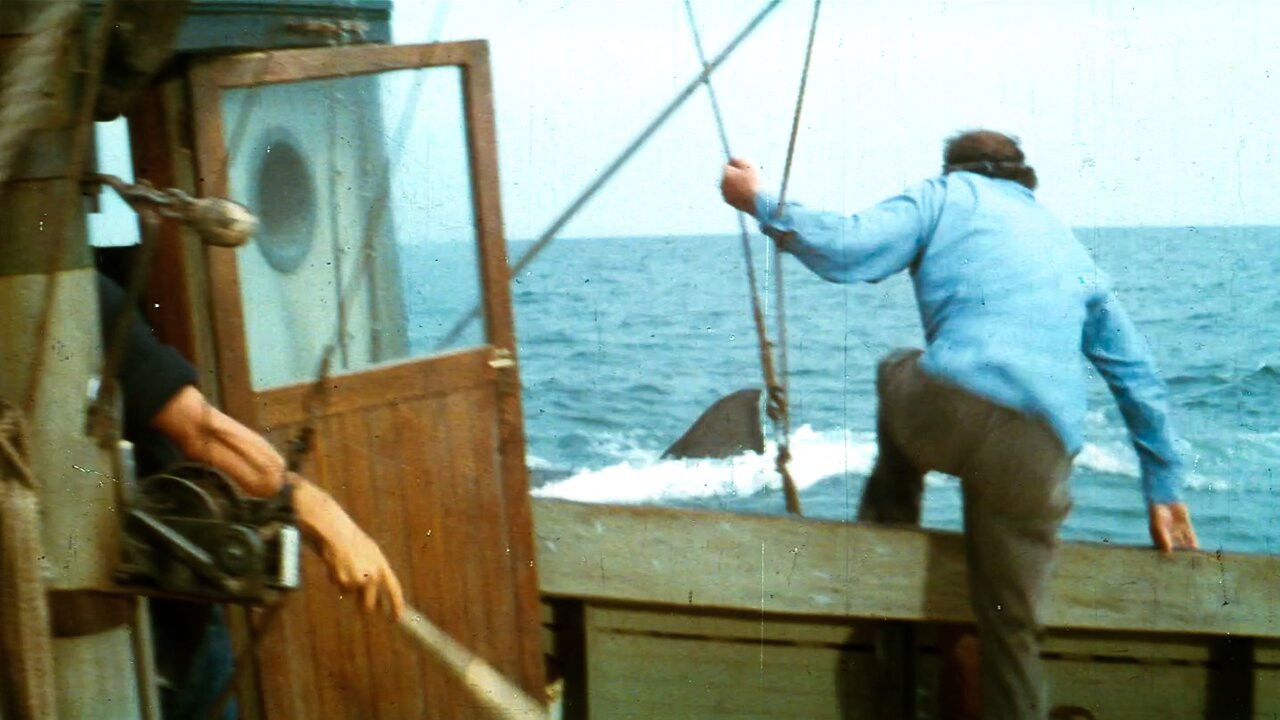
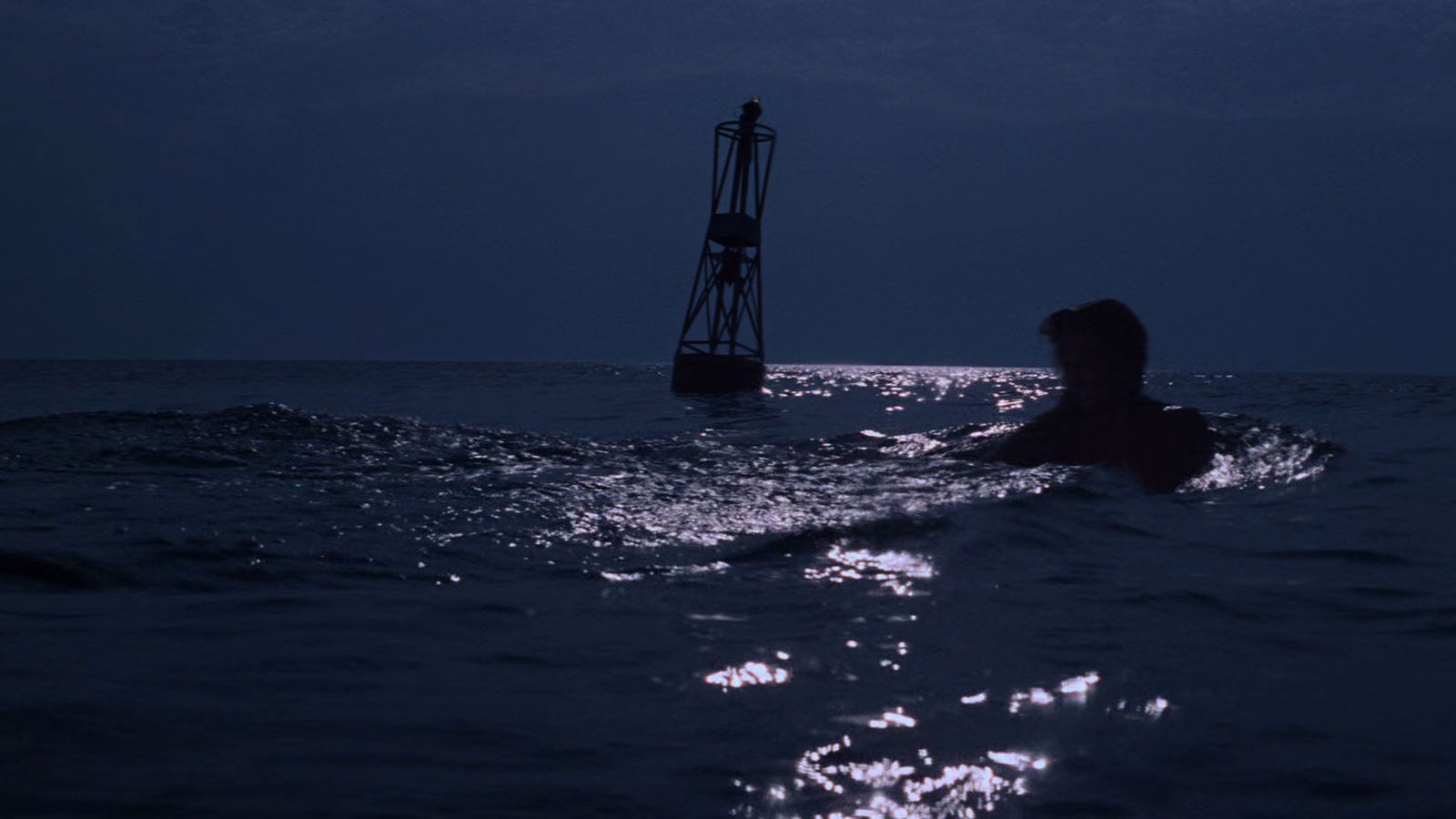
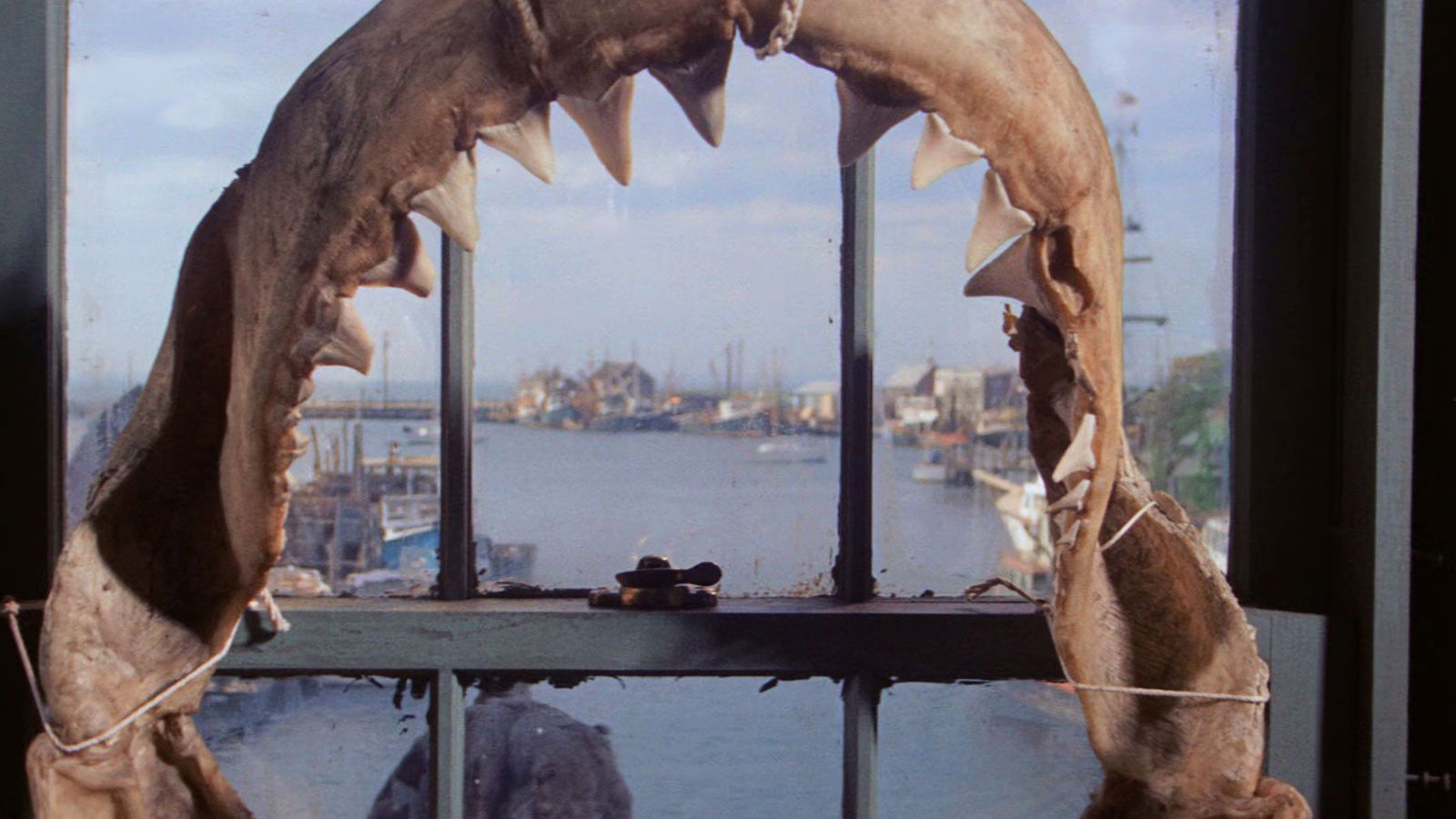
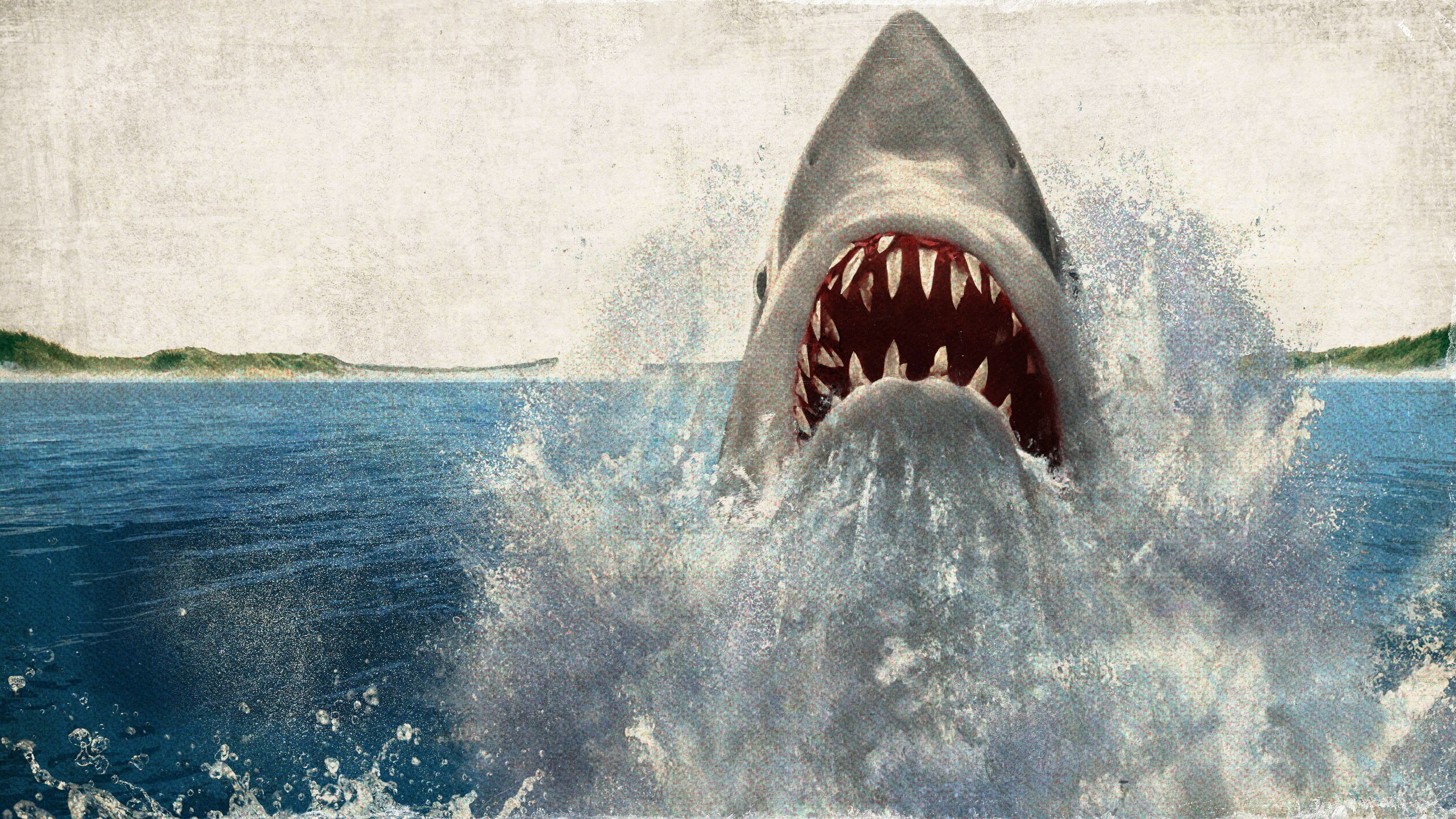
Limited visibility nevertheless became a defining property of the finished horror. The opening attack makes a swimmer's helpless movement legible while leaving her assailant below the surface. Later, a moving fin, a disturbance in the water or a floating barrel can indicate the predator without displaying its entire shape. By the time Brody sees the animal emerge beside the Orca, its sudden size reverses the earlier withholding. Mechanical failure influenced the production's choices, but the resulting suspense also depends on Spielberg's staging and the selection of shots during editing. The film repeatedly makes the audience supply an unseen body before granting it visual form.

Water-Level Photography and the Editing of Fear

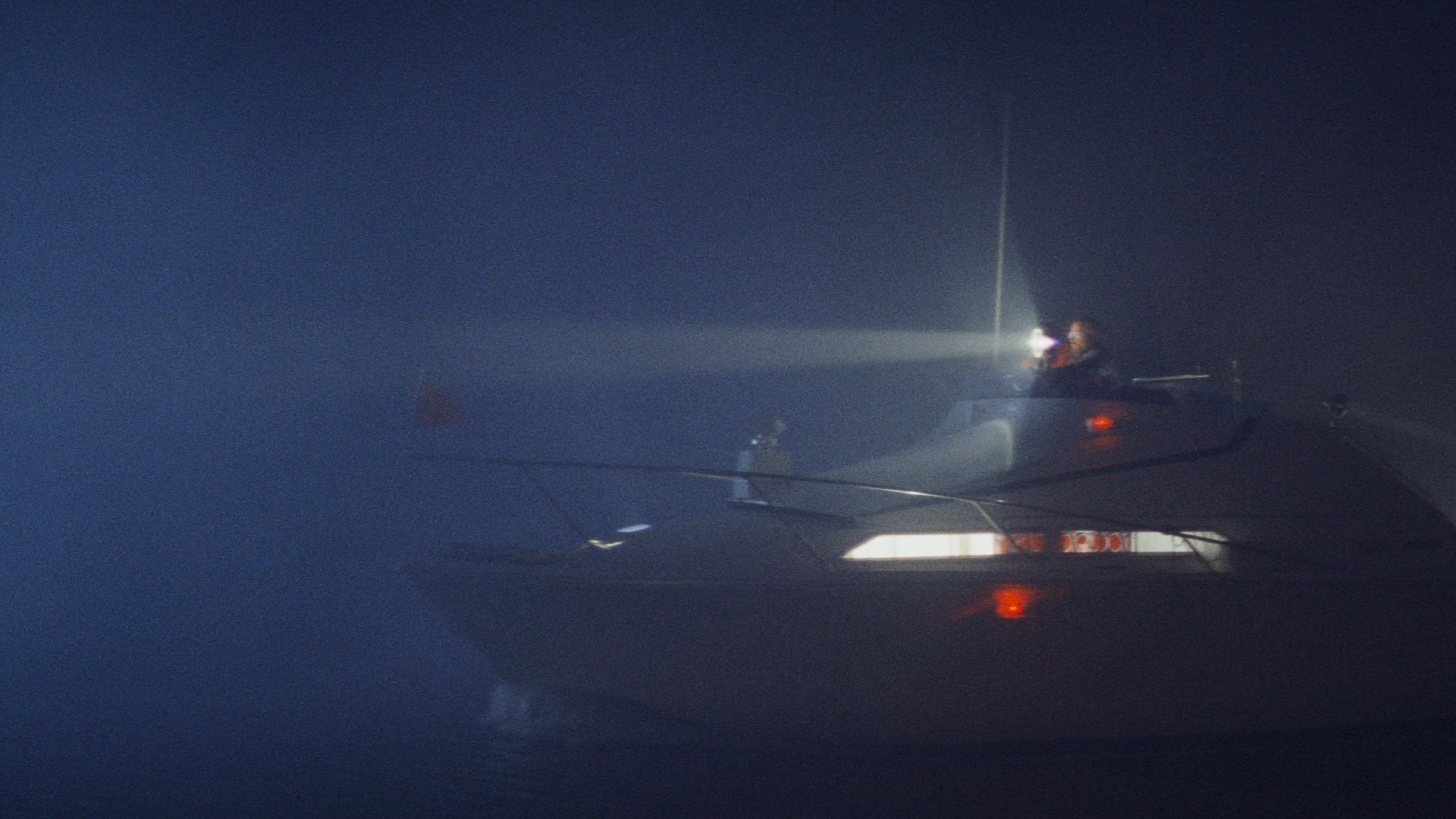
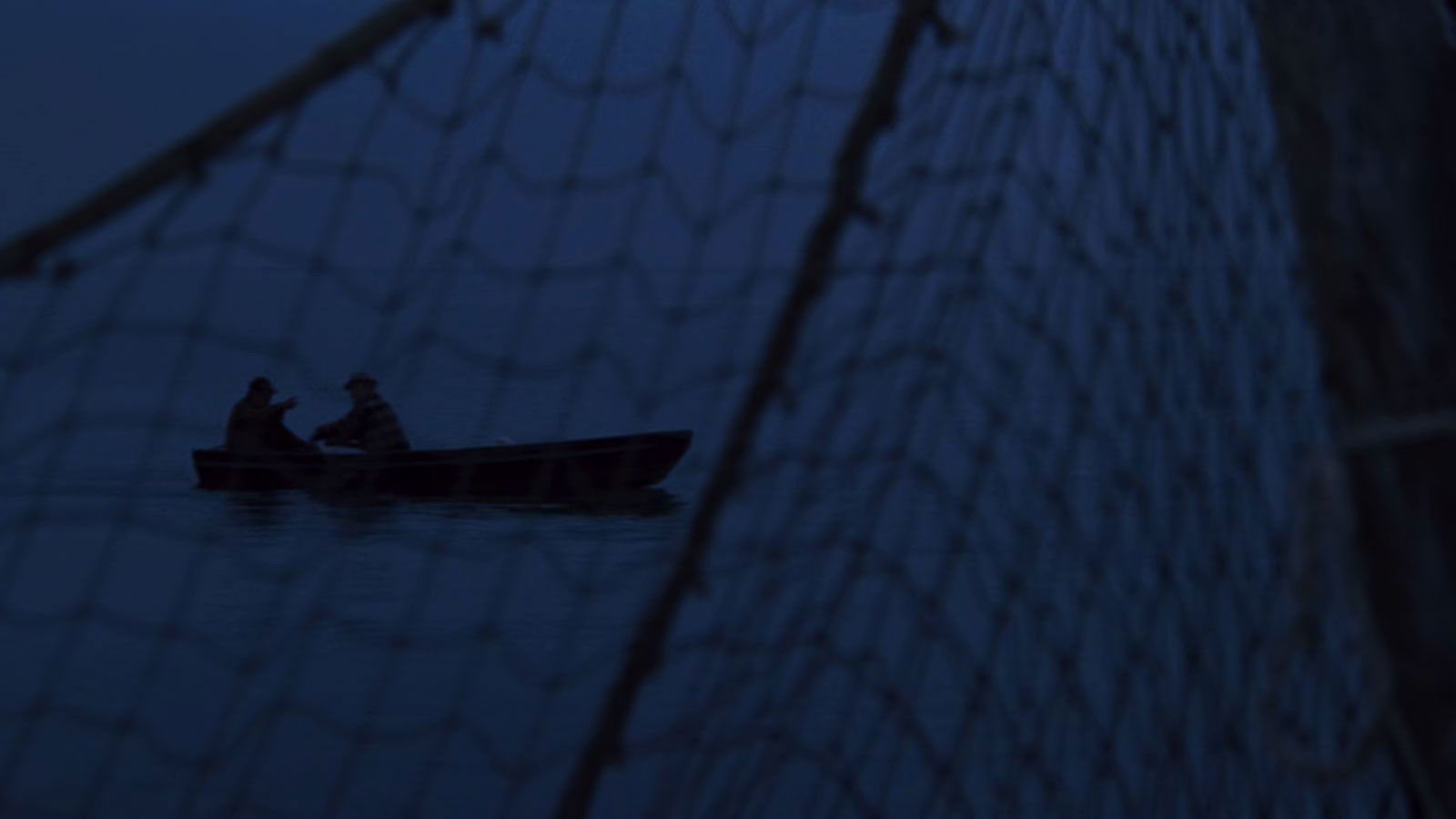
Butler told American Cinematographer that he wanted the resort's early daylight scenes to evoke the landscapes of Andrew Wyeth, with a darker, more foreboding quality as the hunters reached open water. His crew frequently carried a Panaflex camera by hand on moving vessels, and Butler developed a floating support that could position a protected camera close to the surface. These methods allow the audience to alternate between the swimmer's apparent safety and an underwater vantage unavailable to anyone on shore. The waterline becomes a visual boundary: danger can occupy the same frame without revealing its distance or speed.

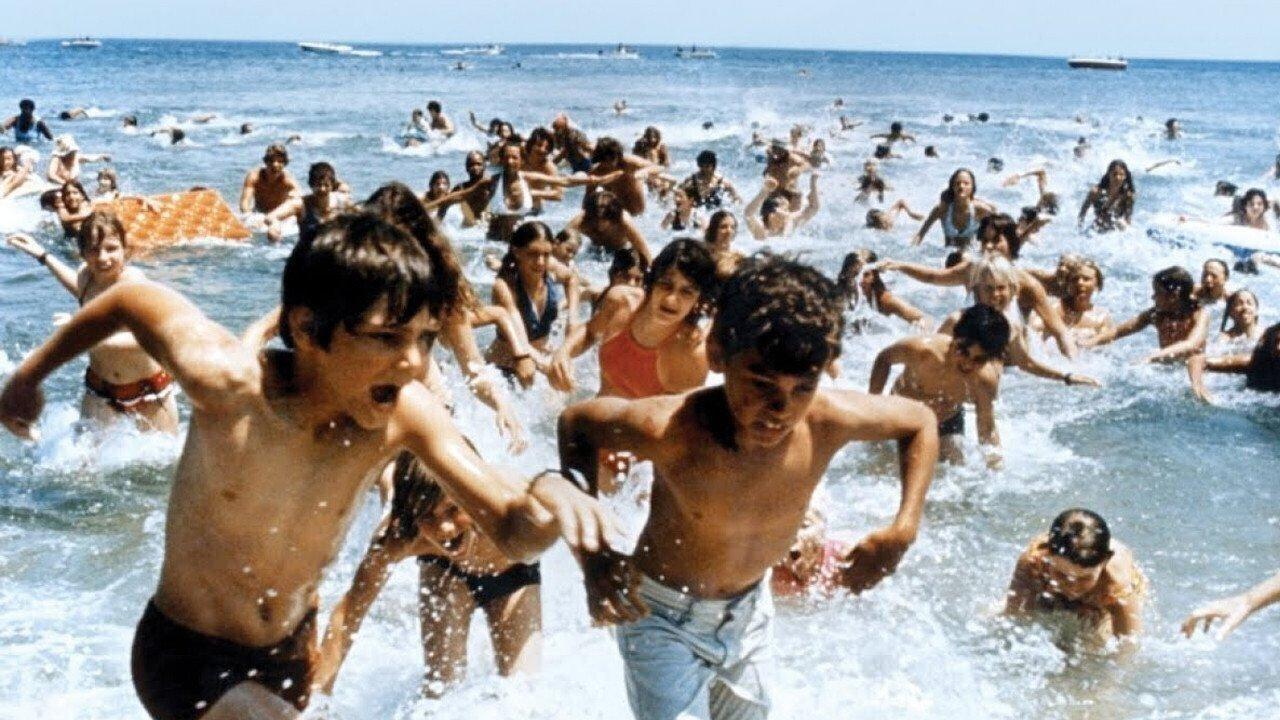
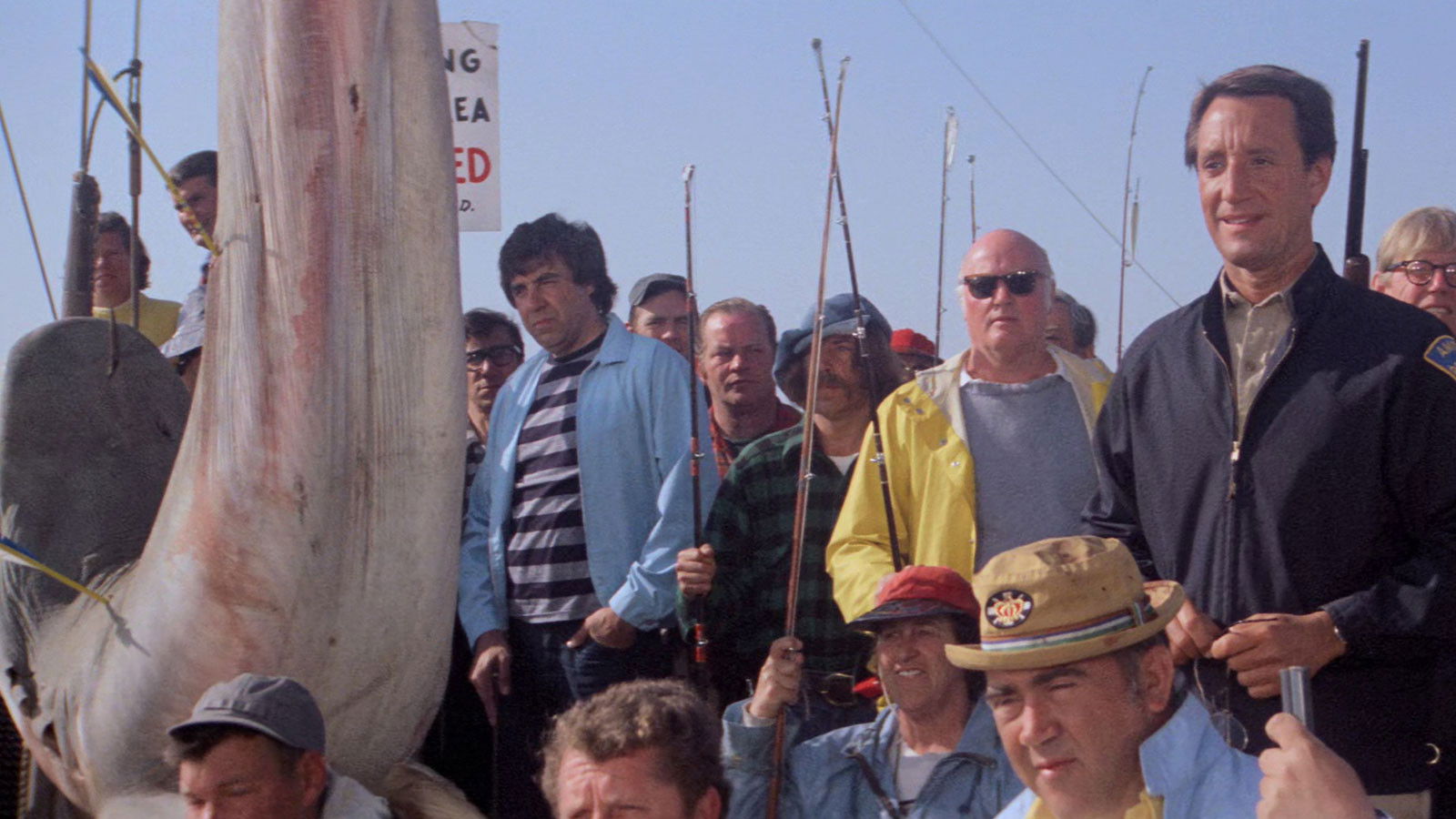
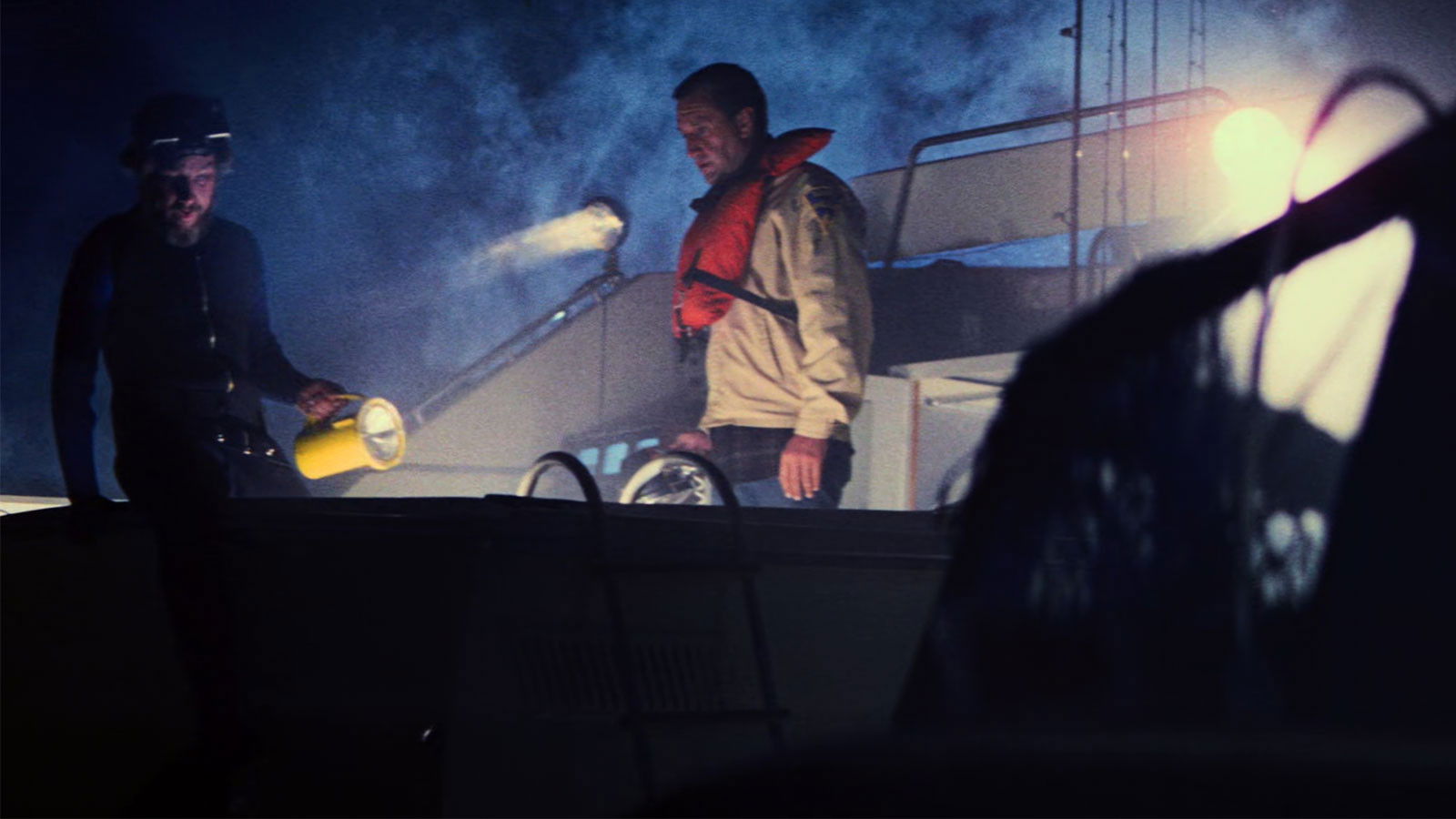
The beach attacks use editing to convert apparently reassuring public activity into uncertainty. Brody watches swimmers and possible warning signs while ordinary gestures interrupt his line of sight; the sudden change in his facial perspective during the Kintner attack registers an instant of recognition. Verna Fields' work organizes these competing viewpoints so a cut can redirect suspicion from one patch of water to another. A later scene, in which the wounded boat and its occupants are confined to the sea, derives tension from a simpler spatial problem: every approach to the vessel could be an attack. These constructions depend on clear geography, not continuous exposure of the monster.

John Williams and the Sound of Danger

Williams' score gives an invisible attacker an immediately recognizable rhythmic identity. The low, repeated two-note figure can begin quietly and gain force as the threat approaches, directing attention toward open water before anything changes on screen. In the American Film Institute's career profile of the composer, Spielberg recalls initially being skeptical of the musical idea and later crediting the score with a substantial share of the film's effectiveness. That account concerns the director's recollection of their collaboration; the audible result is the close relationship between orchestral tension and the image of an apparently empty sea.

The music also has a broader emotional and dramatic range. Adventurous passages accompany the expedition aboard the Orca, while the changing orchestral texture helps separate moments of pursuit from the vulnerable pauses that precede them. The theme's recognizability should not obscure this larger construction. Sound effects supply a further source of anxiety: impacts against the hull, the strain of fishing equipment and human cries carry information that vision cannot always provide. At the 1976 Academy Awards, the score and the film's sound work received separate honors, evidence that contemporary professional recognition extended beyond the famous motif alone.

Amity, Brody and Quint's Past

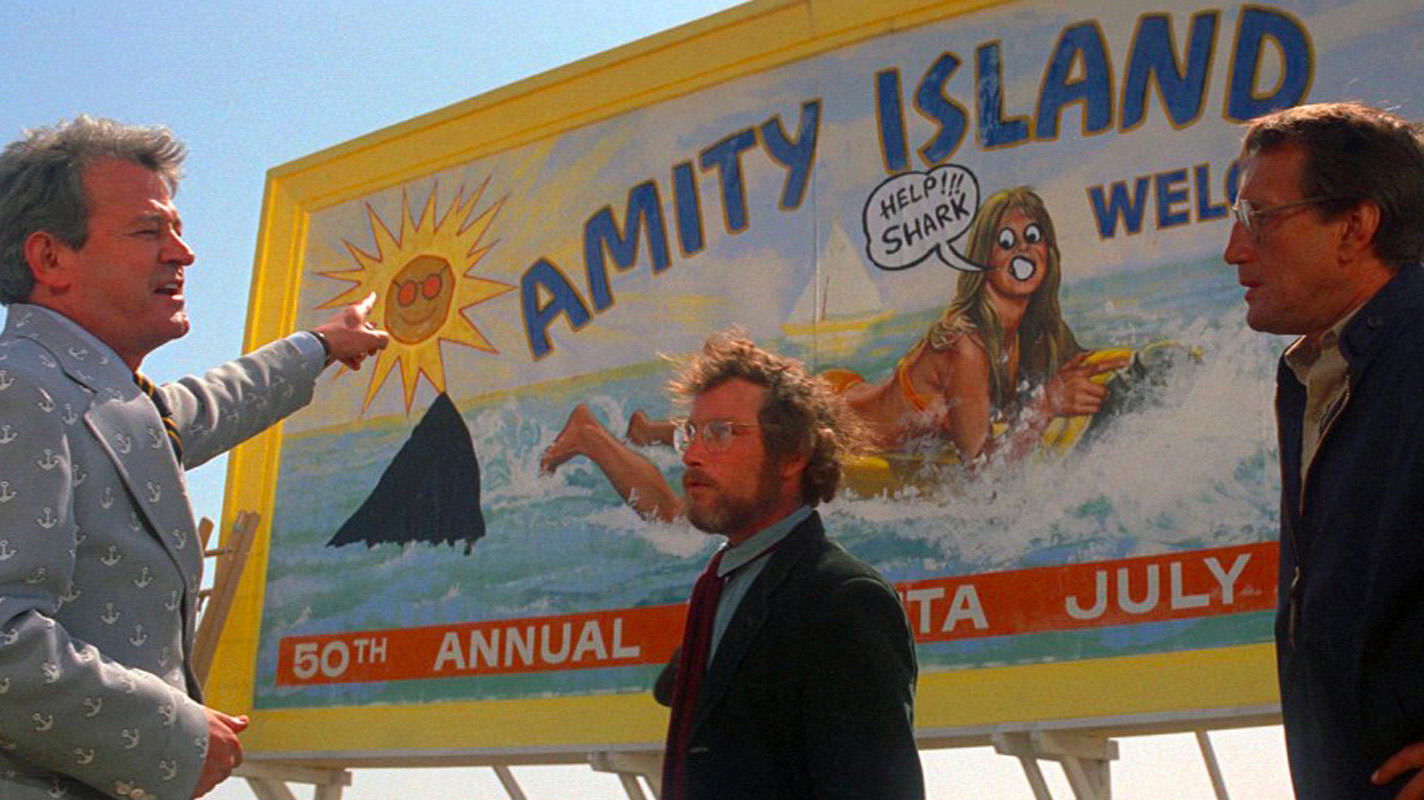
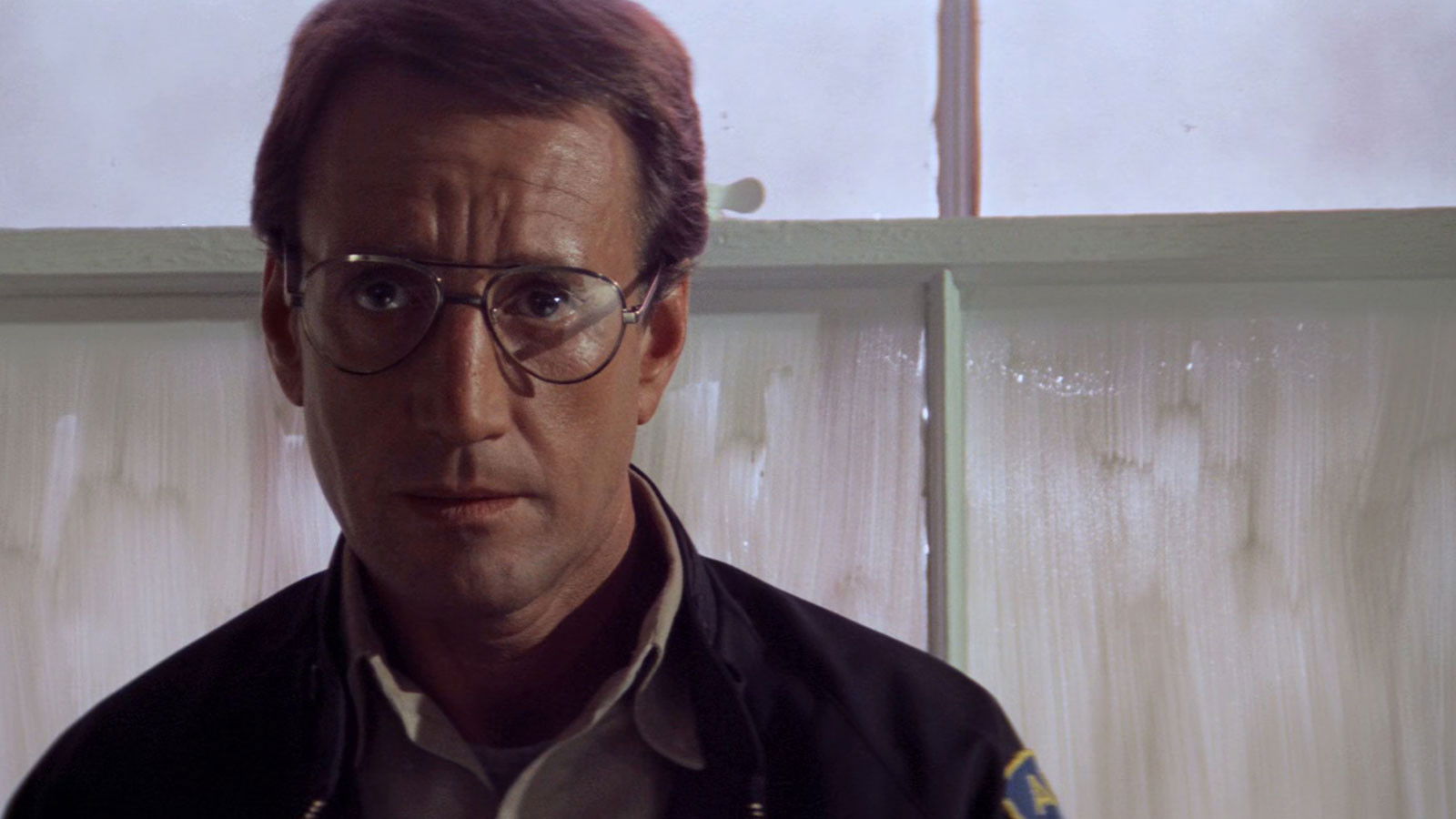
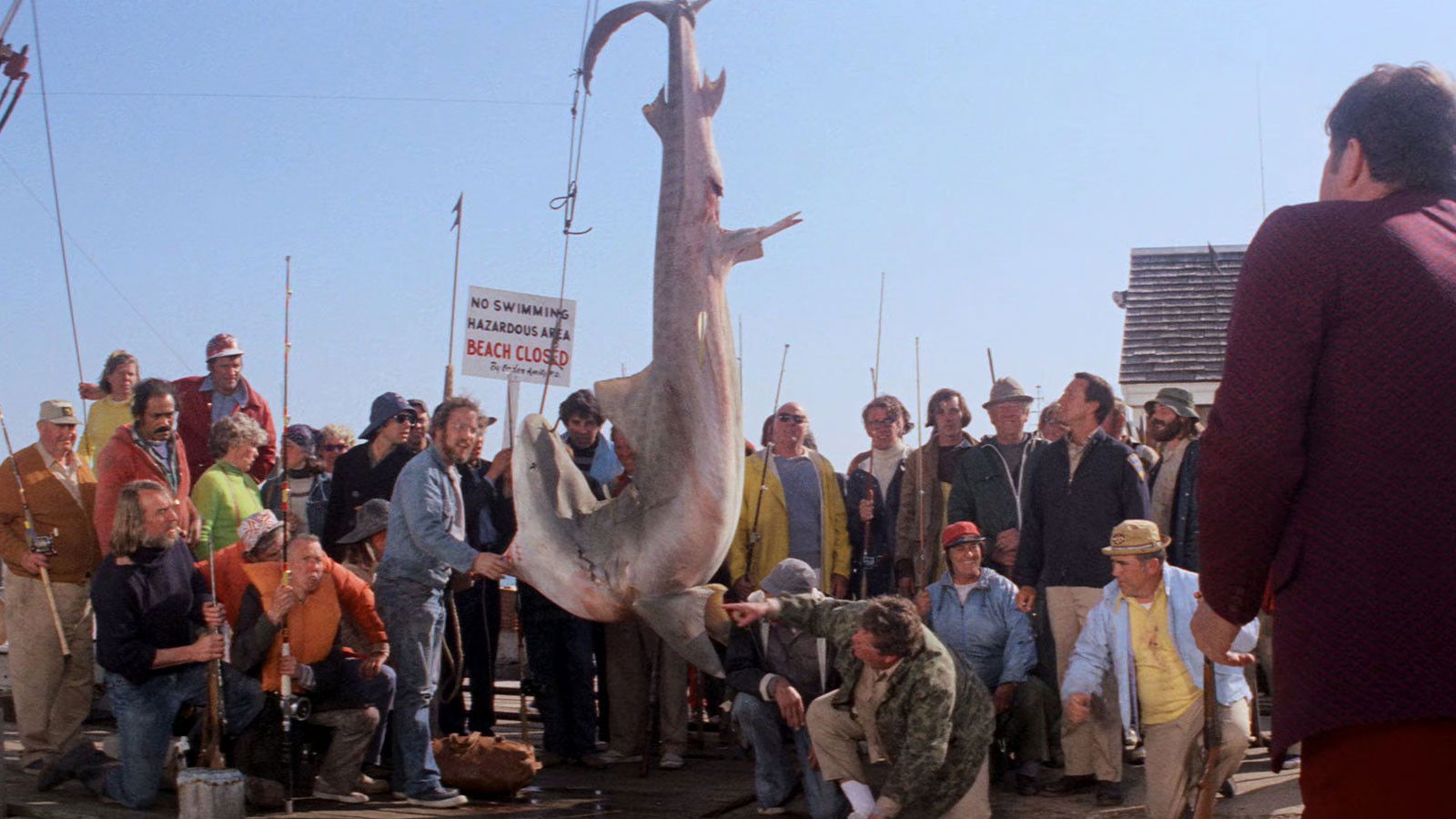
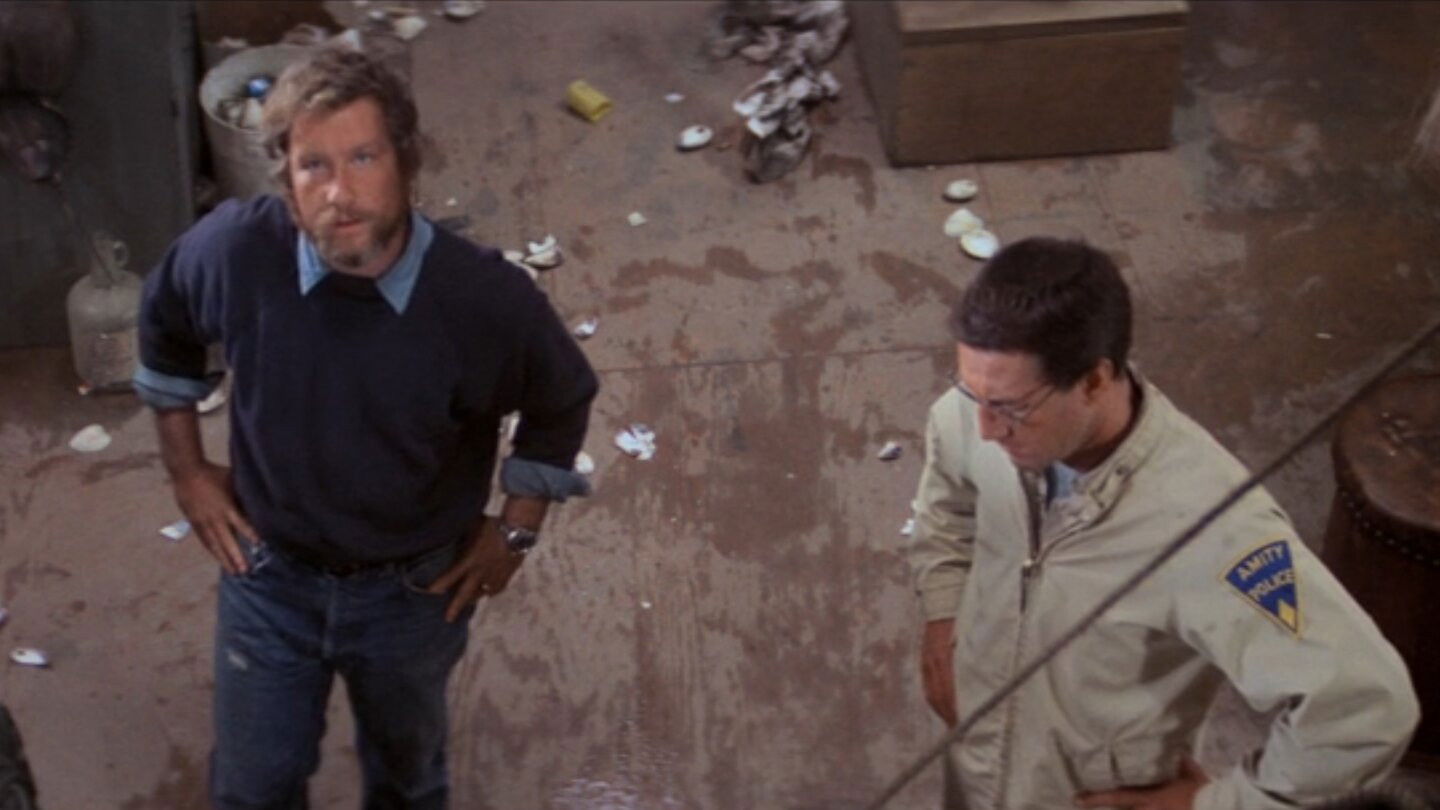
The film's horror begins as a dispute over responsibility. Brody understands the danger of allowing swimmers into the sea, but Mayor Vaughn and the island's business community fear that closing the beaches will destroy the tourist season. The conflict keeps the shark's violence connected to recognizable decisions made before another attack occurs. Brody's discomfort with water also places the public official at a personal disadvantage. He is not a seasoned hunter waiting for a heroic encounter; his authority matters chiefly because he must act on evidence that others find commercially inconvenient.

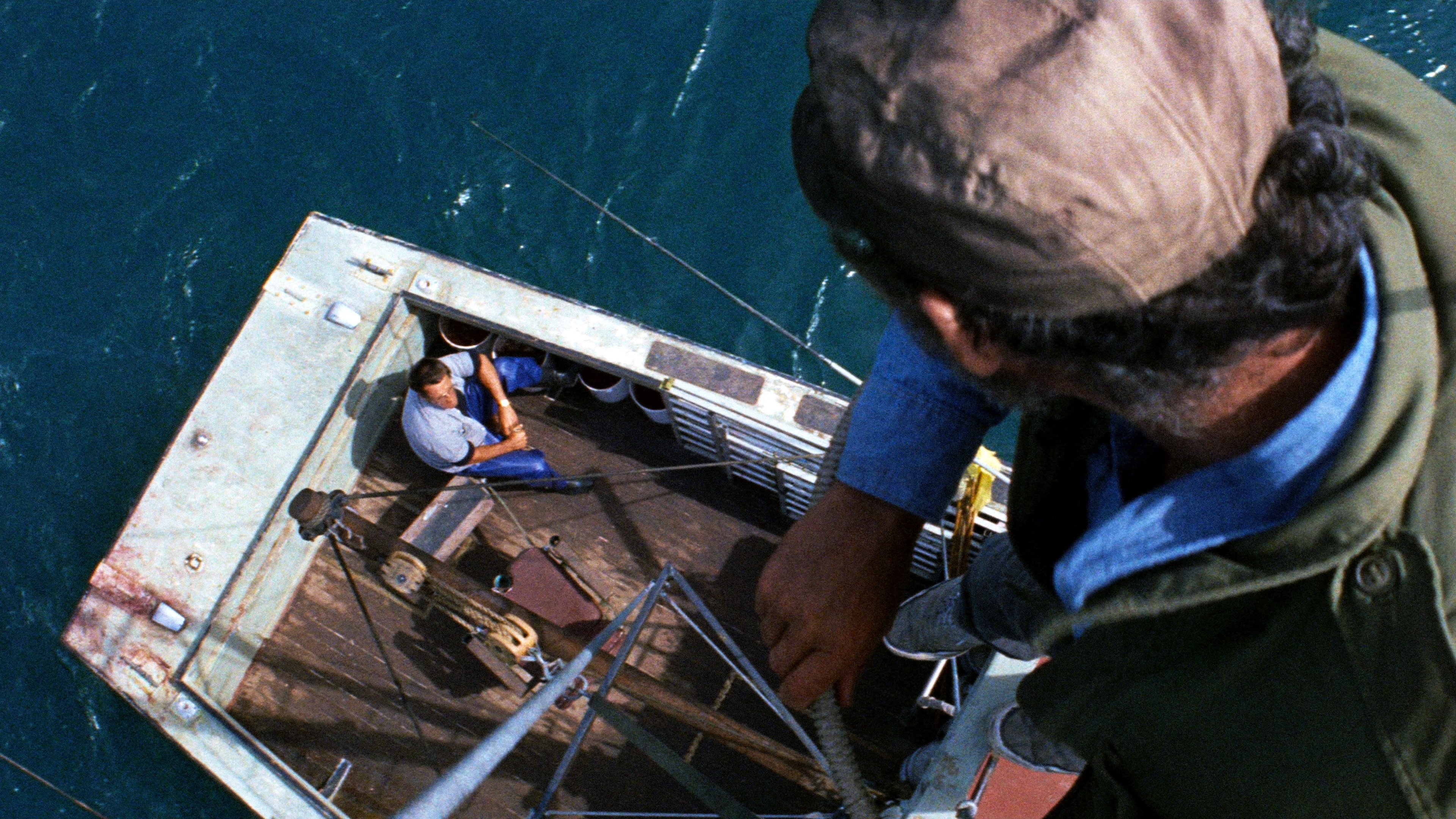
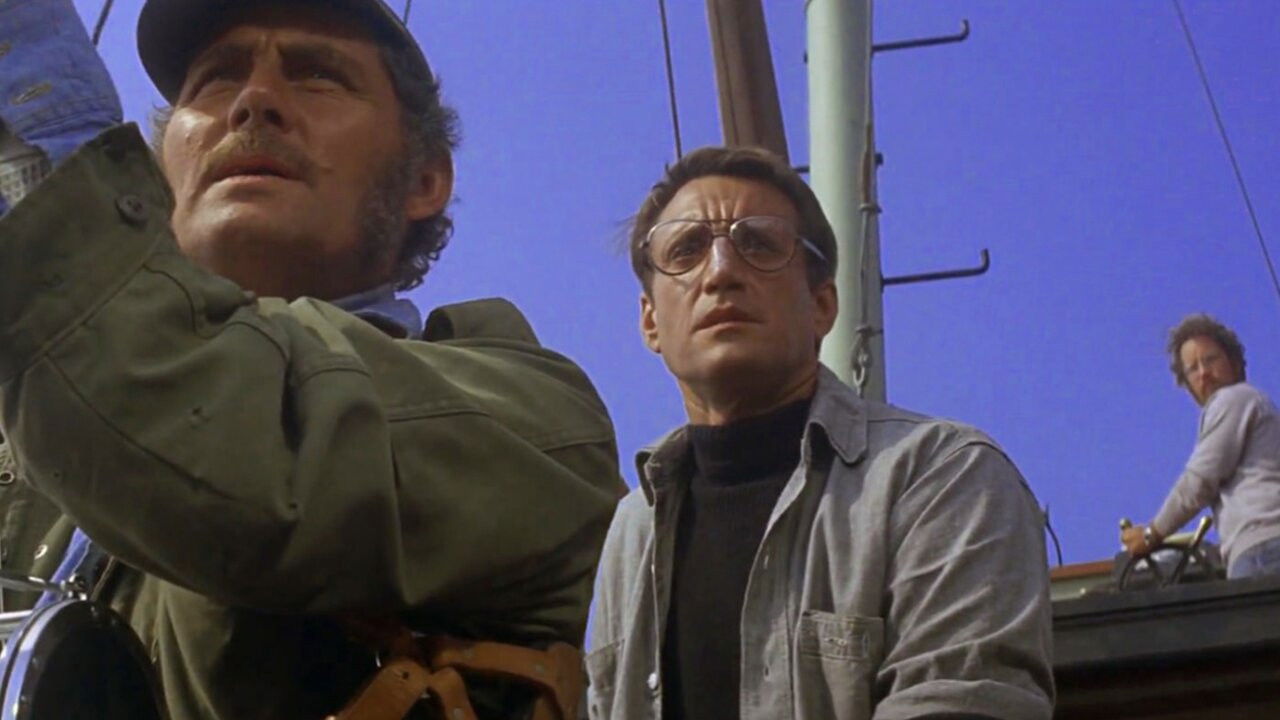
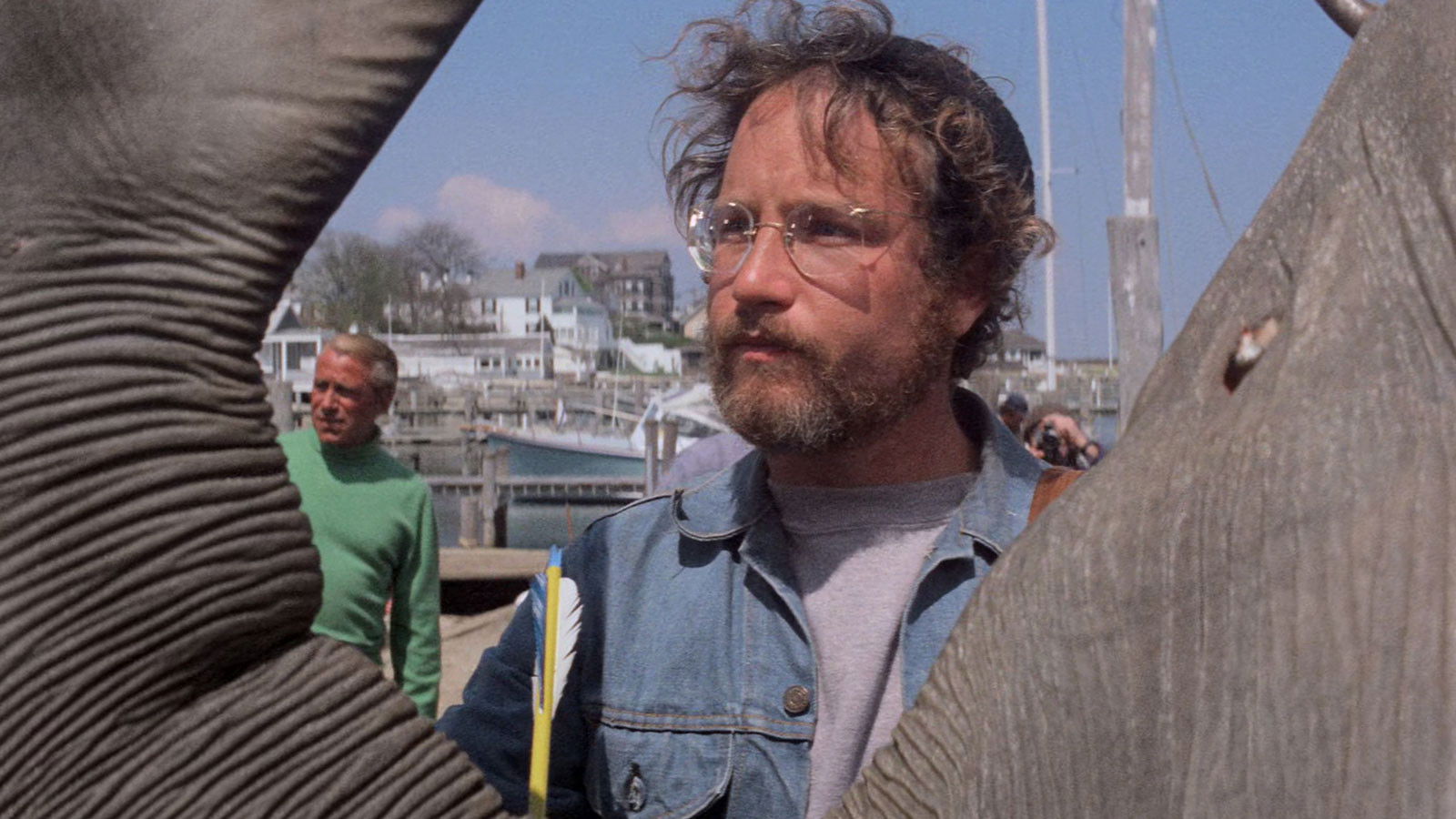
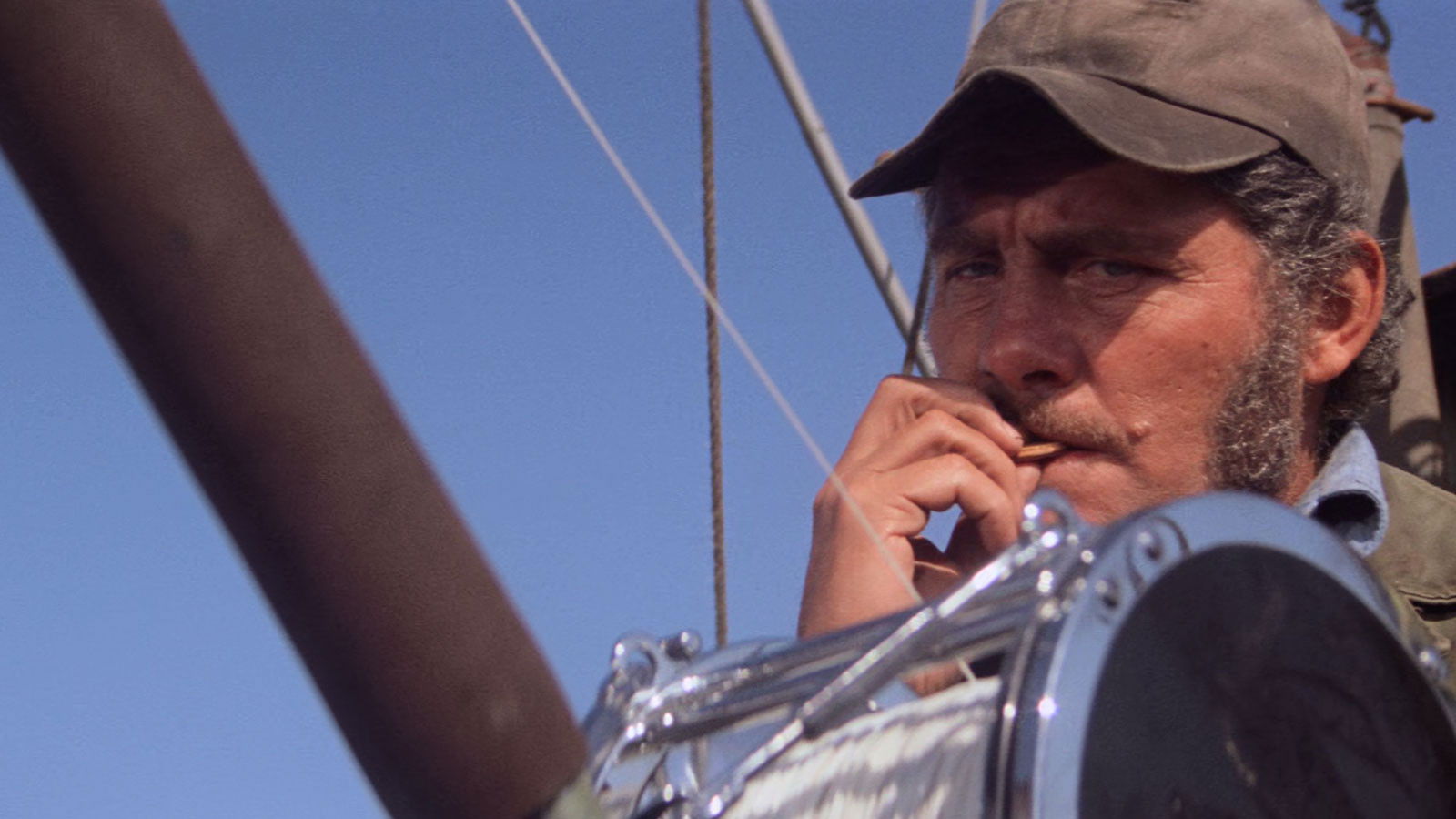
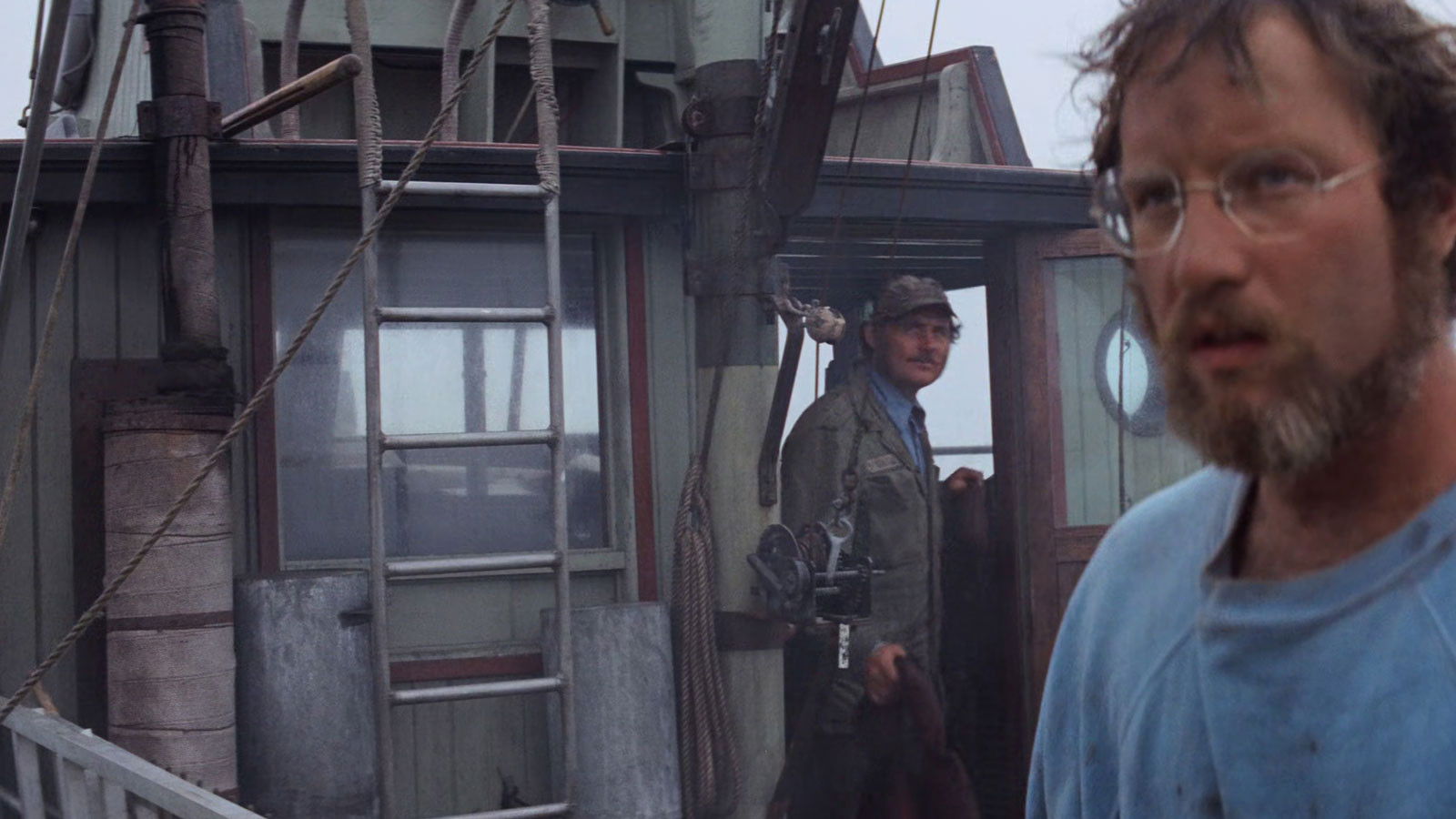
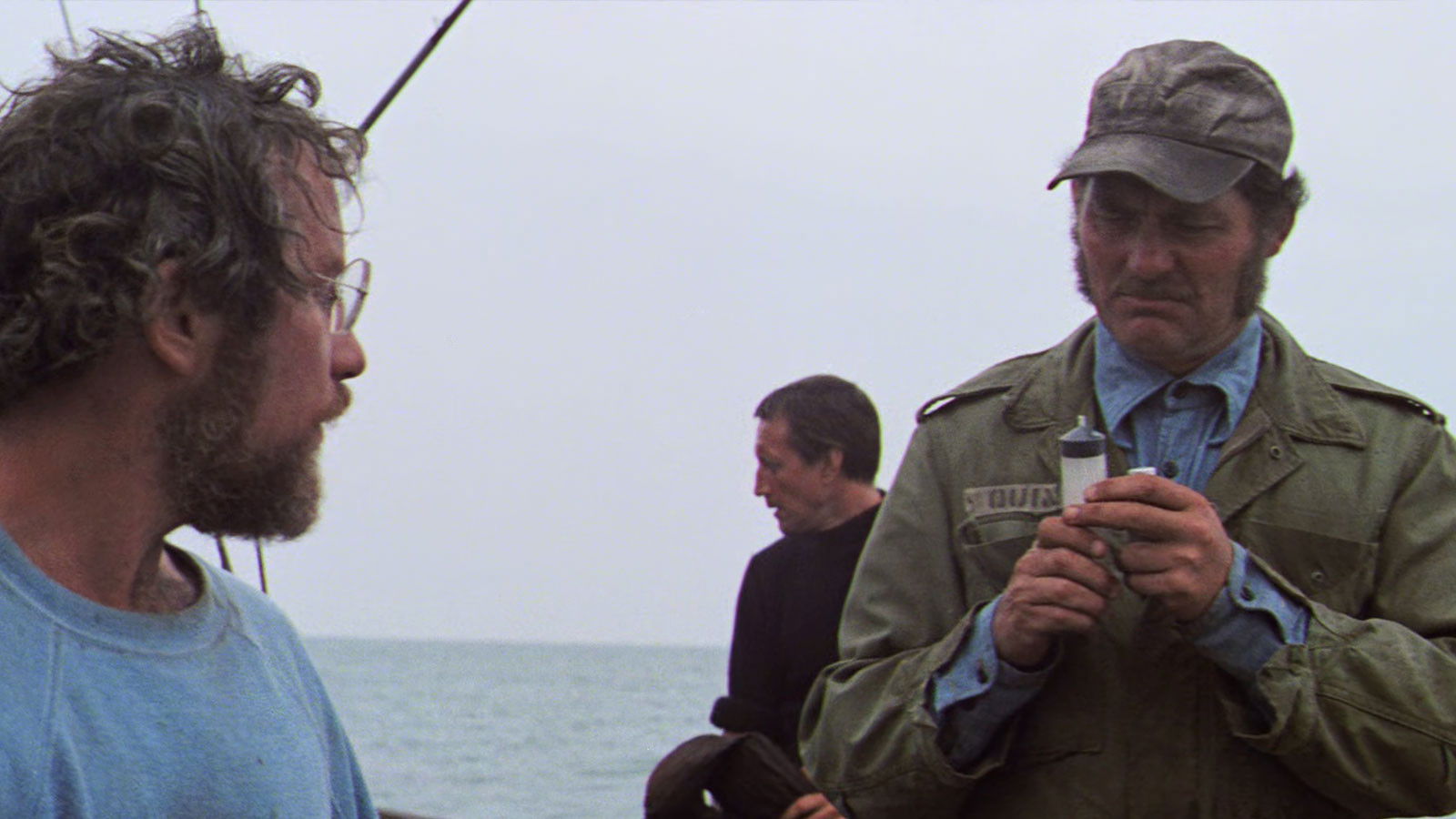
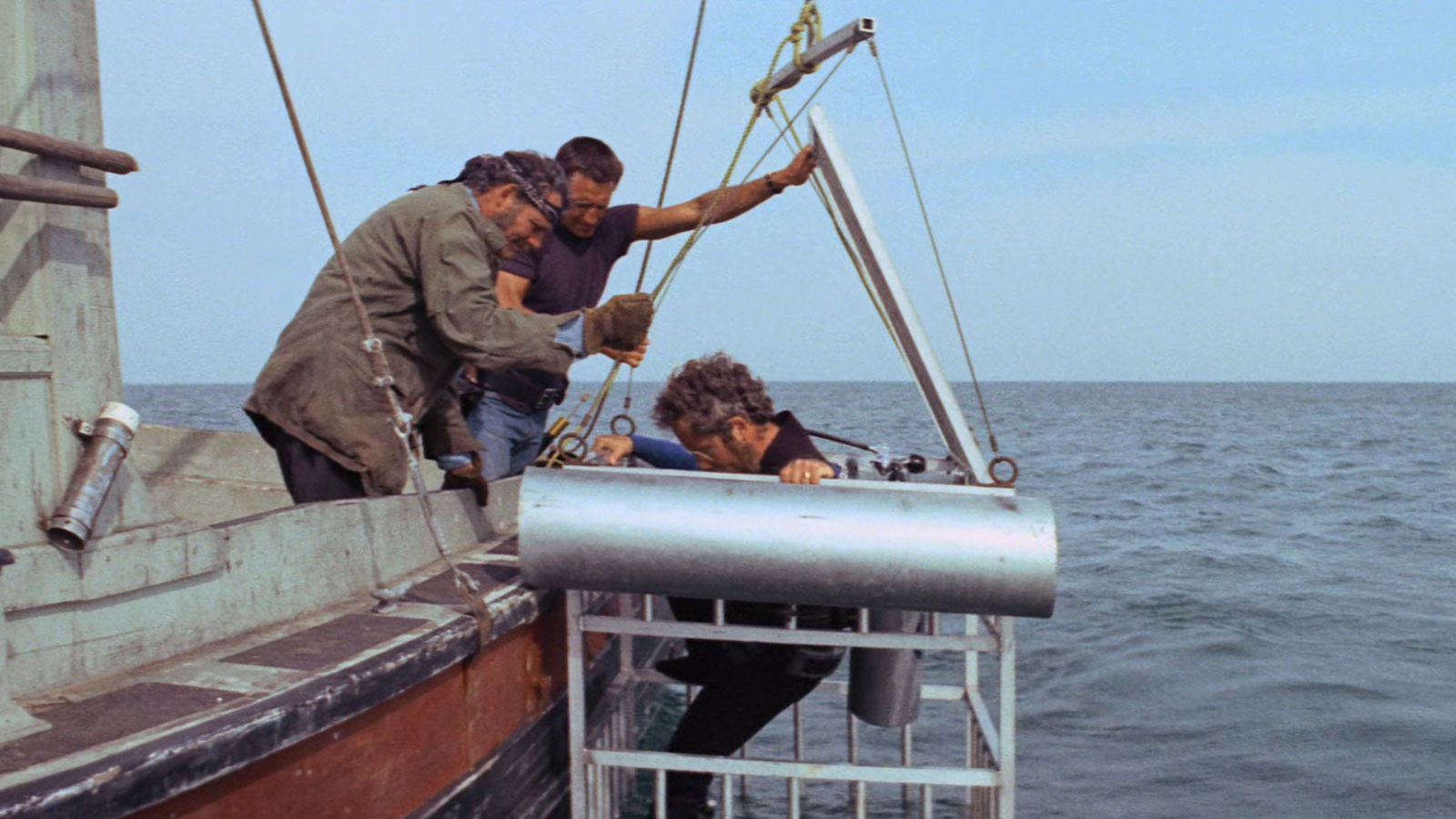
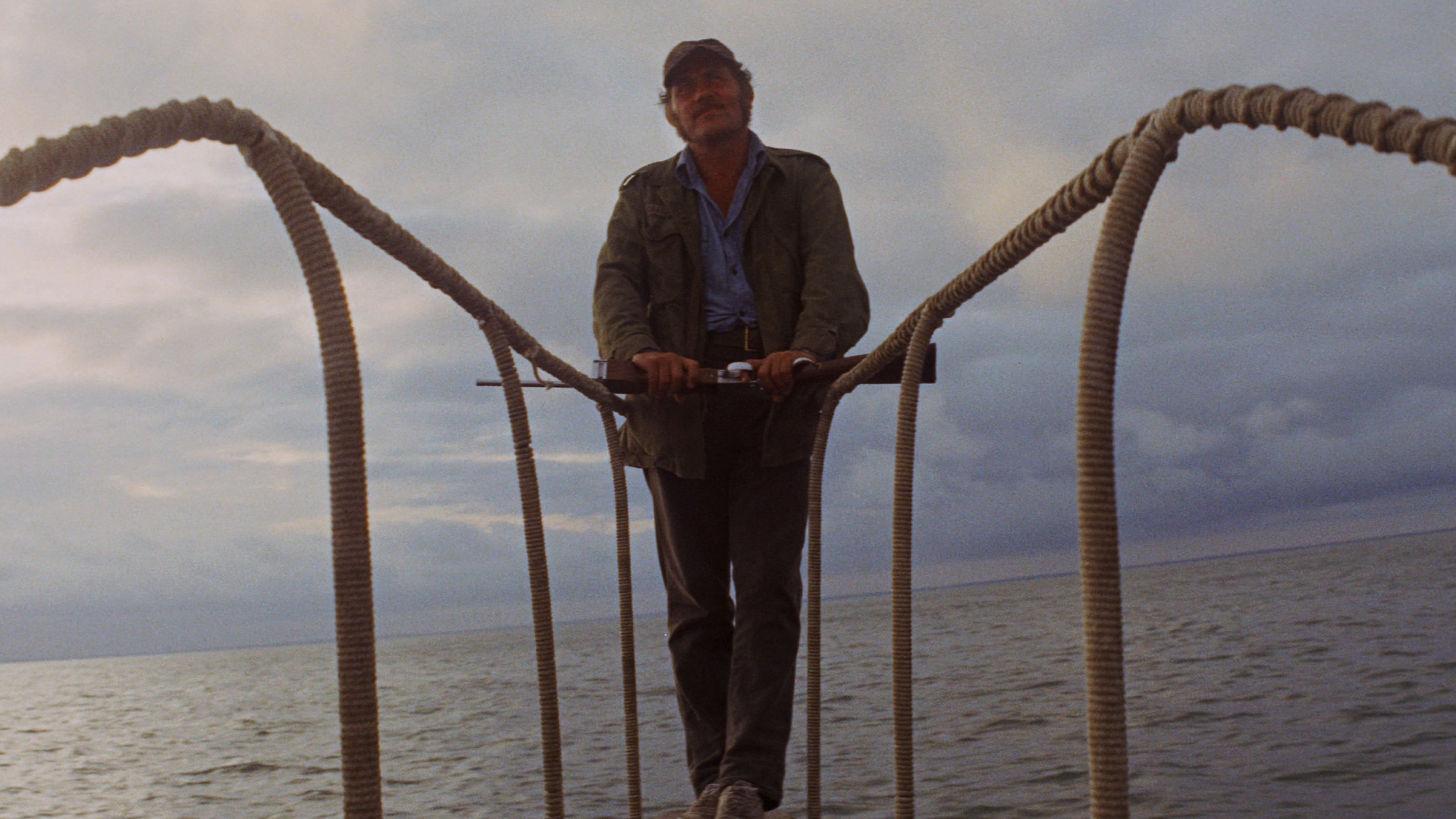
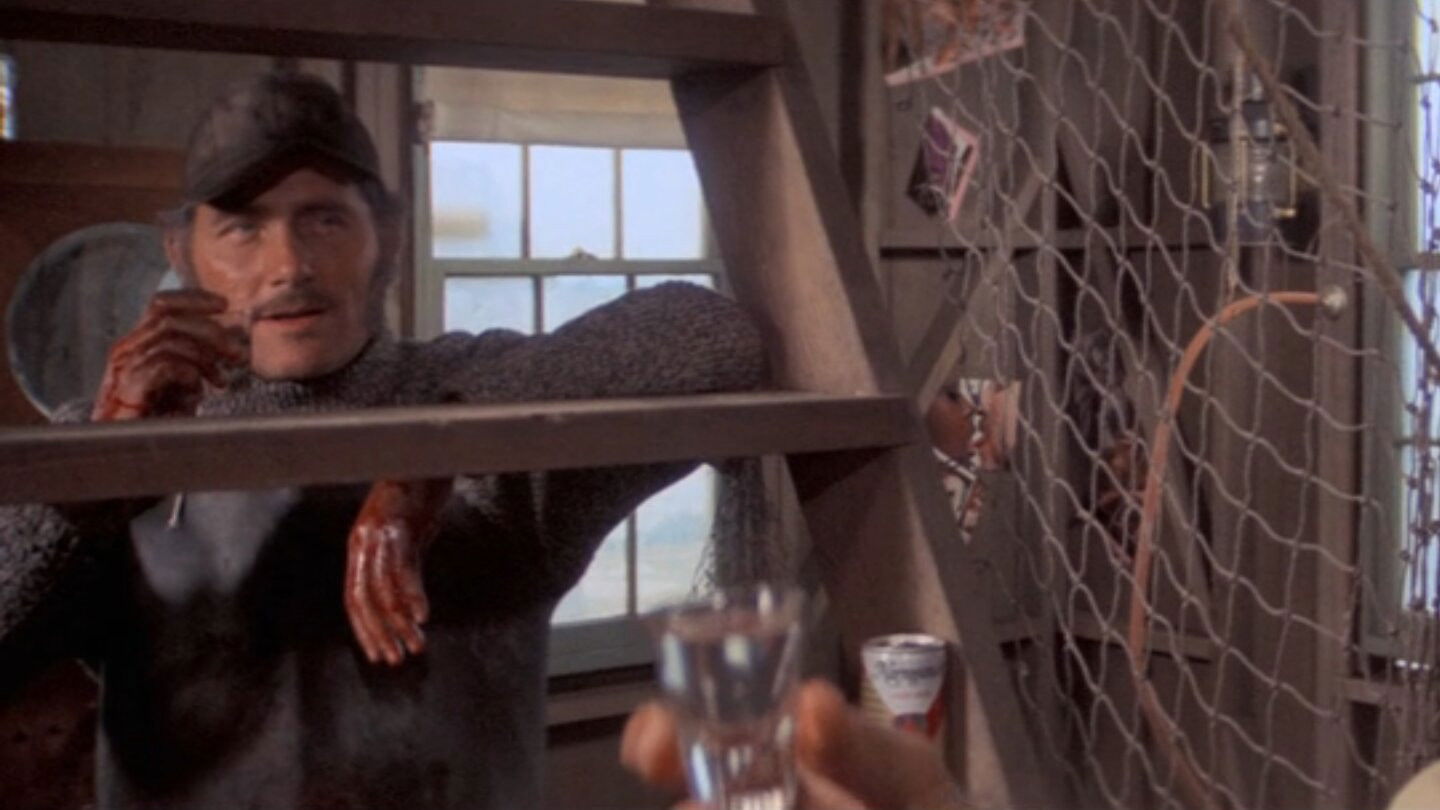
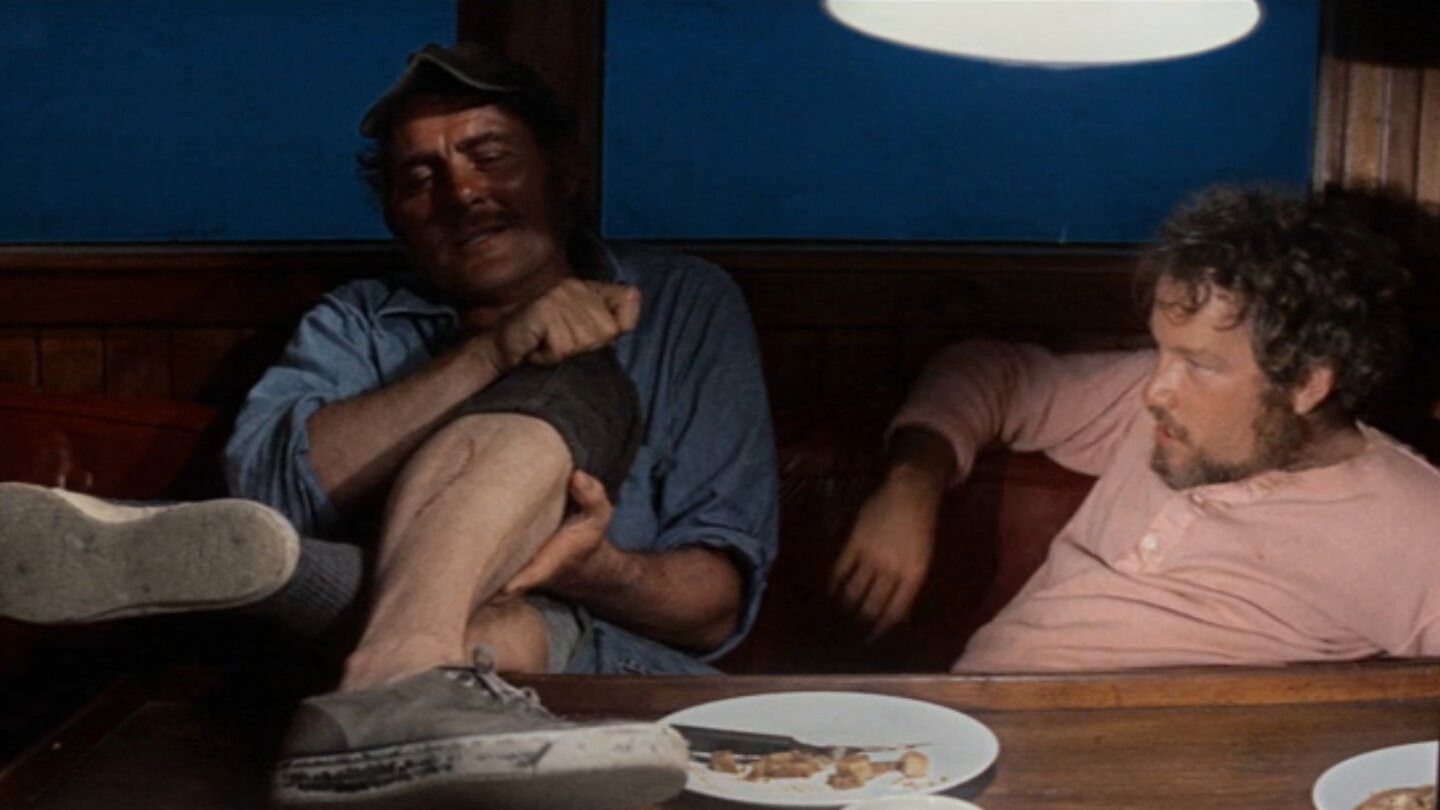
At sea, Quint's experience as a fisherman clashes with Hooper's scientific equipment and explanations, while Brody struggles to keep the expedition from becoming suicidal. Robert Shaw's account of the Indianapolis gives Quint a memory of people left exposed in the water after a wartime sinking. The scene anchors his hostility toward the animal in a particular history without turning the film into a documentary about that event. Across the final voyage, relationships shift under fatigue and repeated mechanical setbacks. The shark remains an extraordinary threat, but the fatal decisions around it emerge from differences in temperament, authority and the ability to accept advice.

June 1975 Release and Commercial Scale

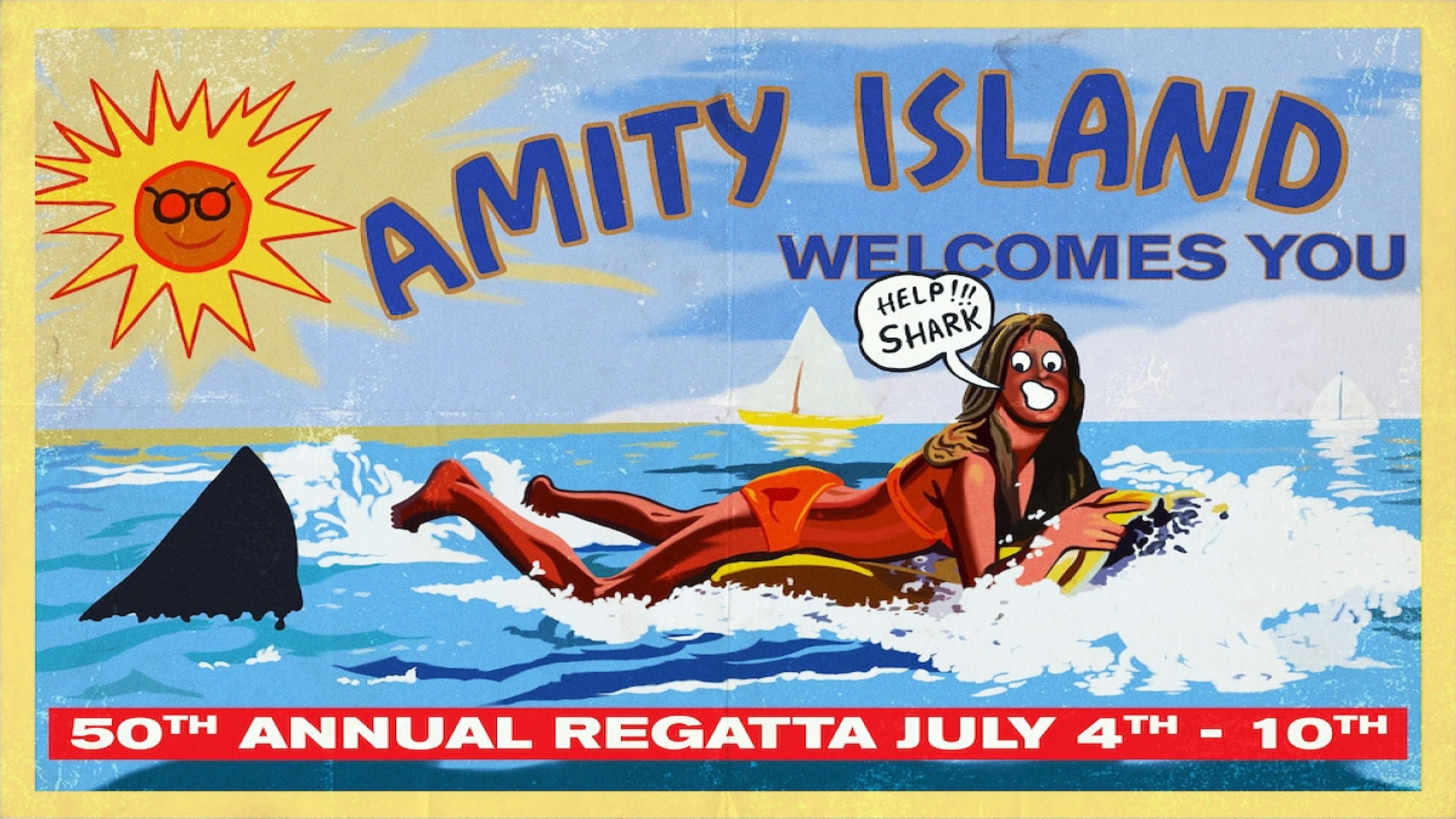
Universal opened Jaws in the United States on June 20, 1975, during the summer season central to Amity's fictional economy. Its campaign combined the familiarity of Benchley's bestselling novel with broad publicity for a film designed to deliver intense suspense to a mass audience. The Academy's archival materials document the importance of the poster and promotional planning, while the AFI catalog preserves contemporaneous box-office reports. By early July, news coverage cited receipts of approximately 25.7 million dollars within the first thirteen days. Trade publications later reported that its North American performance had surpassed the previous domestic record held by The Godfather.

This commercial breakthrough helped establish the large summer release as a major Hollywood strategy, though it would be misleading to say the film single-handedly invented wide distribution or national marketing. Its 1975 PG rating also attracted complaints. The AFI records the Motion Picture Association's contemporary explanation that the depicted violence came from a natural creature rather than a human attacker, an argument not all viewers found persuasive. Such objections underline the unusual position of Jaws between adventure spectacle and horror. Its enormous audience encountered graphic bodily danger within a rating category that did not yet contain the PG-13 designation introduced in 1984.

Contemporary Reception and Enduring Influence

Early criticism was strongly favorable in many major outlets, although the response was not unanimous. The AFI's survey of 1975 coverage records praise for the film's suspense and entertainment value. Charles Champlin's review, published by the Los Angeles Times on opening day and republished in 2015, objected to the intensity of the violence and found much of the onshore drama unconvincing. His reservations are part of the original reception and should not disappear behind the film's later reputation. The work subsequently won Academy Awards for editing, music and sound, with a further nomination for Best Picture, marking recognition in several different areas of craft.

Later assessments provide direct evidence of its importance to filmmakers. In a 2025 Sight and Sound interview, Steven Soderbergh described studying the production reports and the editing, explaining that the picture remains a model for understanding direction under severe practical constraints. That is a specific statement of influence, separate from the film's large revenues or the persistence of shark images in popular culture. Its selection for the United States National Film Registry in 2001 supplies a further institutional marker of historical significance. As horror, Jaws established an exceptionally durable arrangement of unseen threat, recognizable everyday geography and collective fear, with the eventual animal encounters made more frightening by the long intervals of anticipation.

References

  1. American Film Institute Jaws (1975)

    Detailed archival record built from contemporary trades, documenting rights acquisition, screenplay changes, marine effects, production overruns, classification debate and commercial reception.

  2. American Society of Cinematographers On Location with Jaws

    Mik Cribben's original March 1975 on-set reportage, including direct testimony from Spielberg and cinematographer Bill Butler about ocean shooting, equipment and shark construction.

  3. American Film Institute John Williams

    Institutional account of Williams' collaboration with Spielberg, the two-note shark motif, its intended role when the creature was unseen and the composer's Academy Award.

  4. Los Angeles Times L.A. Times' original 1975 review of 'Jaws' unearthed: We hated it

    Charles Champlin's opening-day review, reproduced by the newspaper in 2015, documents contemporaneous criticism of violence, character writing and the PG rating.

  5. BFI / Sight and Sound Steven Soderbergh on Jaws: Every time I look at the film, it gets better

    Philip Concannon's 2025 original interview documenting a filmmaker's detailed study of shooting records, editing choices and the film's enduring practical influence.

Connections

Cast

View Full Cast & Crew →

Release & Distribution

Production Companies (2)

  • The Zanuck/Brown Company US
  • Universal Pictures US

Distributors (1)

  • Universal Pictures US

Release History (109)

Release DateTerritoryRelease TypeFormatDistributorCertificationNotes
1975-06-20 Canada Theatrical — — 14A
1975-06-20 Romania Theatrical — — 18
1975-06-20 United States Theatrical — — PG
1975-06-30 Colombia Theatrical — — —
1975-09-01 Spain Premiere — — — San Sebastián Film Festival
1975-09-01 Netherlands Premiere — — 16 Filmweek Arnhem
1975-11-19 Hong Kong SAR China Theatrical — — —
1975-11-26 Australia Theatrical — — M
1975-12-05 Japan Theatrical — — —
1975-12-06 United Kingdom Theatrical — — PG Rated A
1975-12-08 South Africa Theatrical — — —
1975-12-17 Netherlands Theatrical — — 16
1975-12-18 Germany Theatrical — — 16 West Germany
1975-12-18 Spain Theatrical — — 12
1975-12-19 Finland Theatrical — — K-16
1975-12-19 Italy Theatrical — — T
1975-12-20 Sweden Theatrical — — 15
1975-12-25 Brazil Theatrical — — 14
1975-12-26 Denmark Theatrical — — 15
1975-12-26 Egypt Theatrical — — —
1975-12-26 Greece Theatrical — — —
1975-12-26 Ireland Theatrical — — 15
1975-12-27 Russia Theatrical — — 16+
1975-12-31 Thailand Theatrical — — 13
1976-01-01 Argentina Theatrical — — —
1976-01-14 Belgium Theatrical — — 16
1976-01-28 France Theatrical — — —
1976-02-15 Norway Theatrical — — 18
1976-03-01 Slovenia Theatrical — — —
1976-04-15 Mexico Theatrical — — B
1976-06-01 Uruguay Theatrical — — —
1977-03-25 Portugal Theatrical — — M/16
1977-12-31 Poland Theatrical — — 12
1978-01-01 XC Theatrical — — —
1978-04-22 South Korea Theatrical — — 19
1978-12-15 United States Physical LaserDisc — PG LaserDisc
1979-05-25 United States Theatrical — — PG Re-Release
1979-11-04 United States TV — — PG ABC
1980-04-15 United States Physical VHS — PG VHS
1980-05-14 India Theatrical — — A
1981-01-26 Türkiye Theatrical — — 16+
1981-10-07 United Kingdom TV — — — ITV
1981-10-30 Sweden Physical VHS — 15 VHS
1985-06-19 Hungary Theatrical — — 16
1987-04-27 United Kingdom Physical VHS — PG VHS
1992-06-11 United States Physical LaserDisc — PG LaserDisc
1995-11-21 United States Physical VHS — PG Special Collector's Edition VHS
1995-11-28 United States Physical LaserDisc — PG Signature Collection LaserDisc (Limited Edition)
1996-11-19 United States Physical LaserDisc — PG Signature Collection LaserDisc
1997-11-01 Czechia Digital — — —
1997-12-27 Slovakia TV — — 15 Markíza
2000-07-06 Netherlands Physical DVD — 16 DVD
2000-07-11 France Physical DVD — — DVD
2000-07-11 United States Physical VHS, DVD — PG Anniversary Collector's Edition DVD / VHS
2000-07-26 Sweden Physical DVD — 15 DVD
2002-06-15 Ireland Theatrical — — 12 Re-release
2003-05-16 Netherlands TV — — 16 Net 5
2004-10-01 Slovakia TV — — 15 Markíza
2005-06-14 United States Physical DVD — PG 30th Anniversary Edition DVD
2006-10-17 Russia Physical DVD — 18+ DVD
2007-09-29 Iceland Premiere — — — Reykjavik International Film Festival
2012-05-16 United Kingdom Theatrical — — 12A Re-release
2012-08-14 France Physical Blu-ray — — Blu-ray
2012-08-14 United Kingdom Digital — — 12
2012-08-14 Philippines Physical DVD — — DVD
2012-08-14 United States Digital — — PG
2012-08-14 United States Physical Blu-ray — PG Blu-ray
2012-08-15 Netherlands Physical Blu-ray — 16 Blu-ray
2012-08-16 Russia Physical Blu-ray — 18+ Blu-ray
2012-08-22 Sweden Physical Blu-ray — 15 Blu-ray
2015-10-22 Peru Limited Theatrical — — — Re-release
2015-10-24 Chile Theatrical — — — Re-release
2015-12-09 United Arab Emirates Premiere — — — Dubai International Film Festival
2016-09-30 France Digital — — — VOD
2019-08-20 Argentina Limited Theatrical — — — Re-release
2020-06-01 Sweden Physical 4K UHD — 15 4K Ultra HD
2020-06-02 United States Physical 4K UHD — PG 45th Anniversary Edition 4K Ultra HD
2020-06-10 France Physical 4K UHD — — 4K Ultra HD
2021-06-10 Singapore Limited Theatrical — — — Re-release
2022-08-09 United Kingdom Theatrical — — 12A Re-release
2022-09-01 Czechia Theatrical — — — Re-release
2022-09-02 Thailand Limited Theatrical — — — IMAX Rerelease
2022-09-02 United States Limited Theatrical — — PG Re-Release
2022-10-06 Greece Theatrical — — —
2023-01-12 United States Physical 4K UHD — PG 4K Ultra HD
2024-07-11 United Kingdom Theatrical — — 12A Re-release
2025-06-17 United States Physical Blu-ray — PG 50th Anniversary Limited Edition Steelbook 4K Blu-ray
2025-06-30 France TV — — 12 France 3
2025-08-05 Germany Theatrical — — — Best of Cinema
2025-08-28 Czechia Theatrical — — 12+ 50th Anniversary
2025-08-28 Netherlands Theatrical — — 16 50th Anniversary re-issue
2025-08-28 Slovakia Premiere — — 15 50th anniversary
2025-08-29 Canada Theatrical — — — 50th Anniversary Re-Release
2025-08-29 Finland Theatrical — — K-16 50th Anniversary Re-release
2025-08-29 United Kingdom Theatrical — — 12A 50th Anniversary Re-Release
2025-08-29 Indonesia Limited Theatrical — — 13+ IMAX 50th Anniversary Re-release
2025-08-29 Ireland Theatrical — — 12A 50th Anniversary Re-Release
2025-08-29 Singapore Limited Theatrical — — PG re-release
2025-08-29 Türkiye Theatrical — — 16+ 50th Anniversary Re-Release
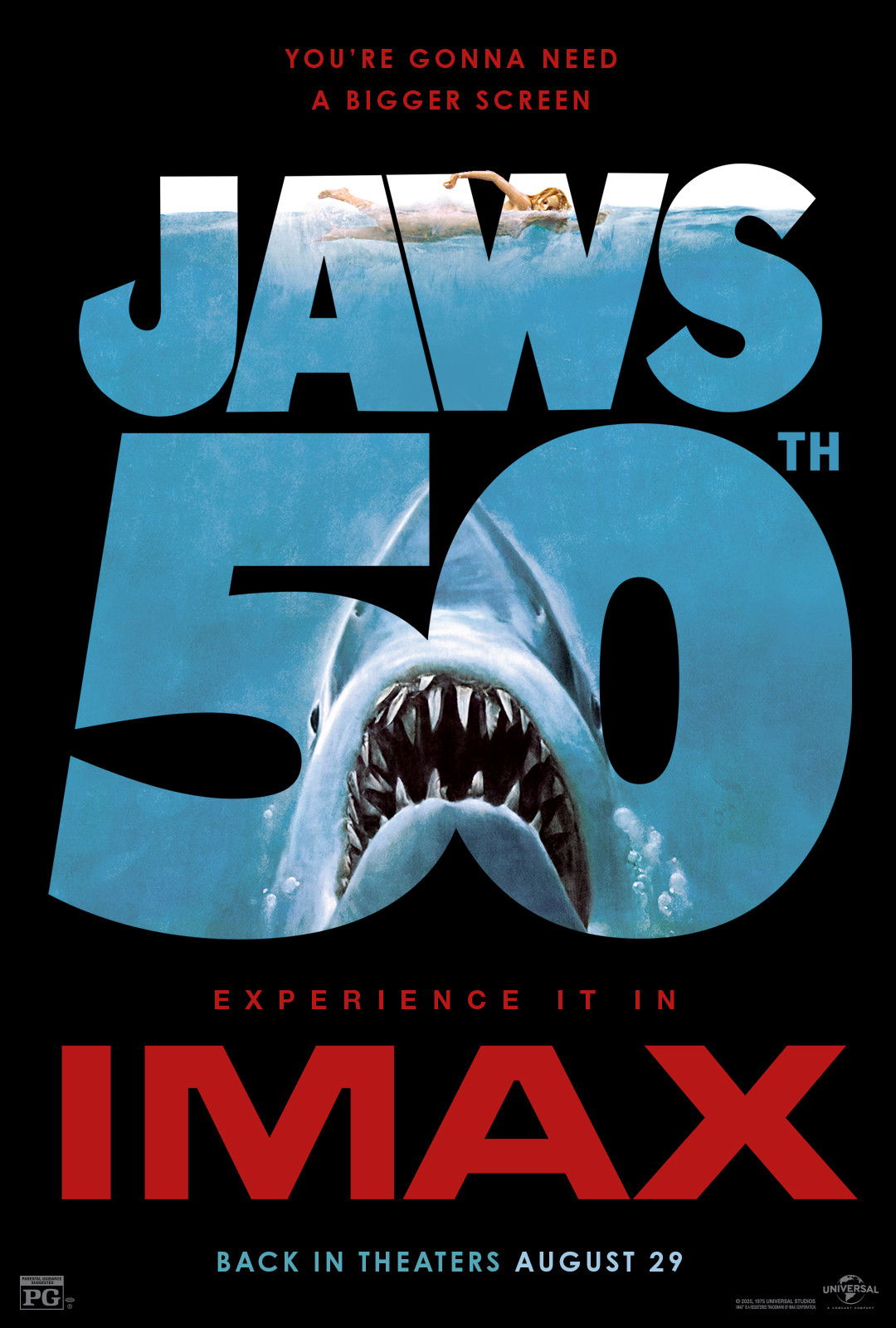
2025-08-29 United States Theatrical — — PG 50th Anniversary Re-Release
2025-08-29 South Africa Theatrical — — — 50th Anniversary Re-Release
2025-08-30 Australia Theatrical — — M 50th Anniversary
2025-09-01 Italy Limited Theatrical — — T
2025-09-17 Philippines Limited Theatrical — — PG IMAX 50th Anniversary Re-release
2025-10-30 Brazil Theatrical — — — Relançamento
2025-11-11 Brazil Theatrical — — 14 Relançamento
2026-01-23 Vietnam Limited Theatrical — — — IMAX re-release
2026-05-15 China Limited Theatrical — — — 分线有限上映 Limited Release in Certain Cinemas
2026-09-24 France TV — — 12 Paris Première

Awards & Festivals

7 entries
YearFestival / AwardEntrySectionCategoryResultPremiere
1976Academy Award for Best Film Editingawardwon
1976Academy Award for Best Film Editingawardnominated
1976Academy Award for Best Original Dramatic Scoreawardwon
1976Academy Award for Best Original Dramatic Scoreawardnominated
1976Academy Award for Best Soundawardwon
1976Academy Award for Best Soundawardnominated
1976Academy AwardsawardAcademy Award for Best Picturenominated
The terrifying motion picture from the terrifying No. 1 best seller.