The Return of the Living Dead (1985)

US
HORROR FILM Comedy Science Fiction
SUBGENRES SPLATTER ZOMBIE
7.9/10 7 votes
Runtime
91 min
Release
April 25, 1985
Budget
$4,000,000
Revenue
$14,241,310
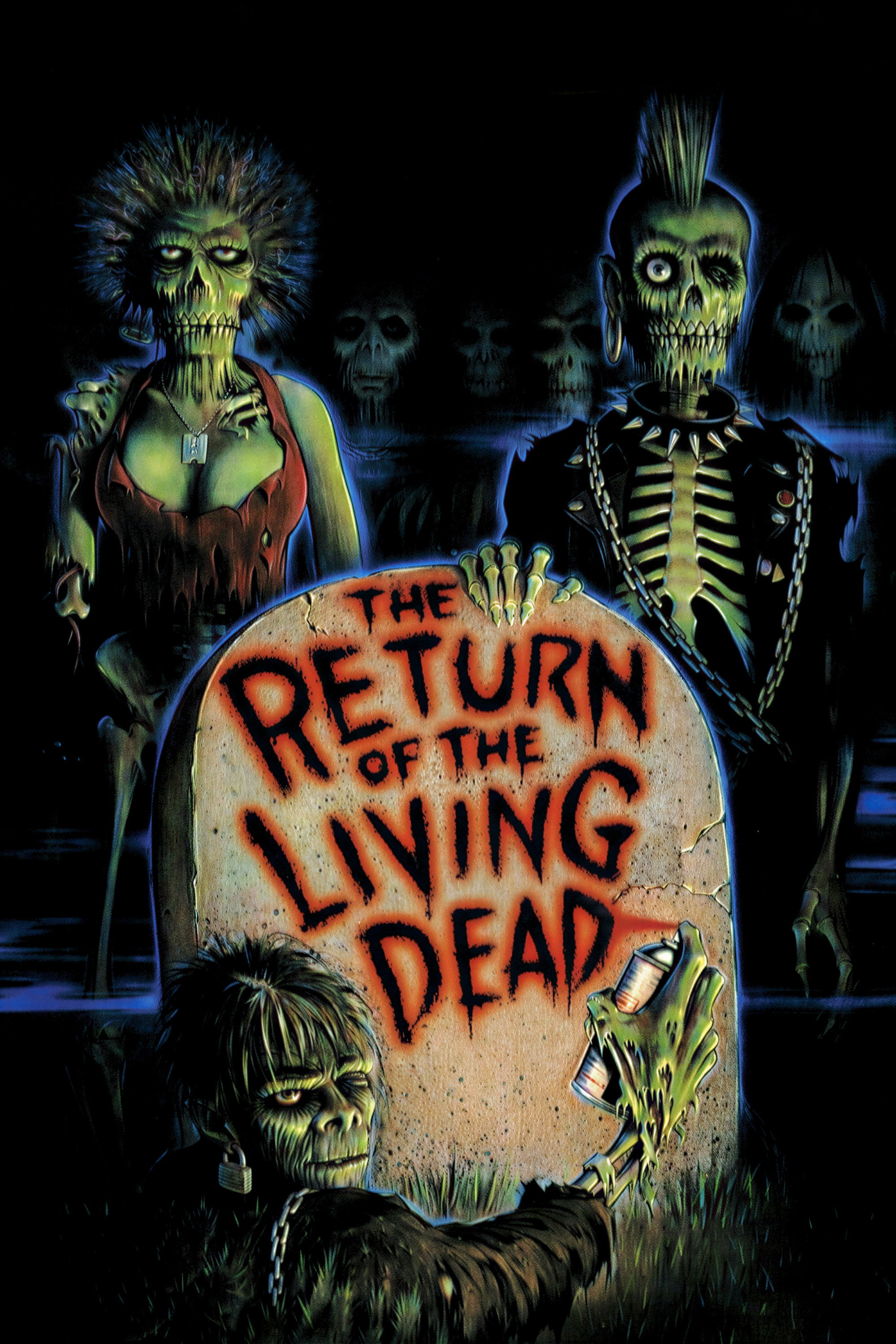
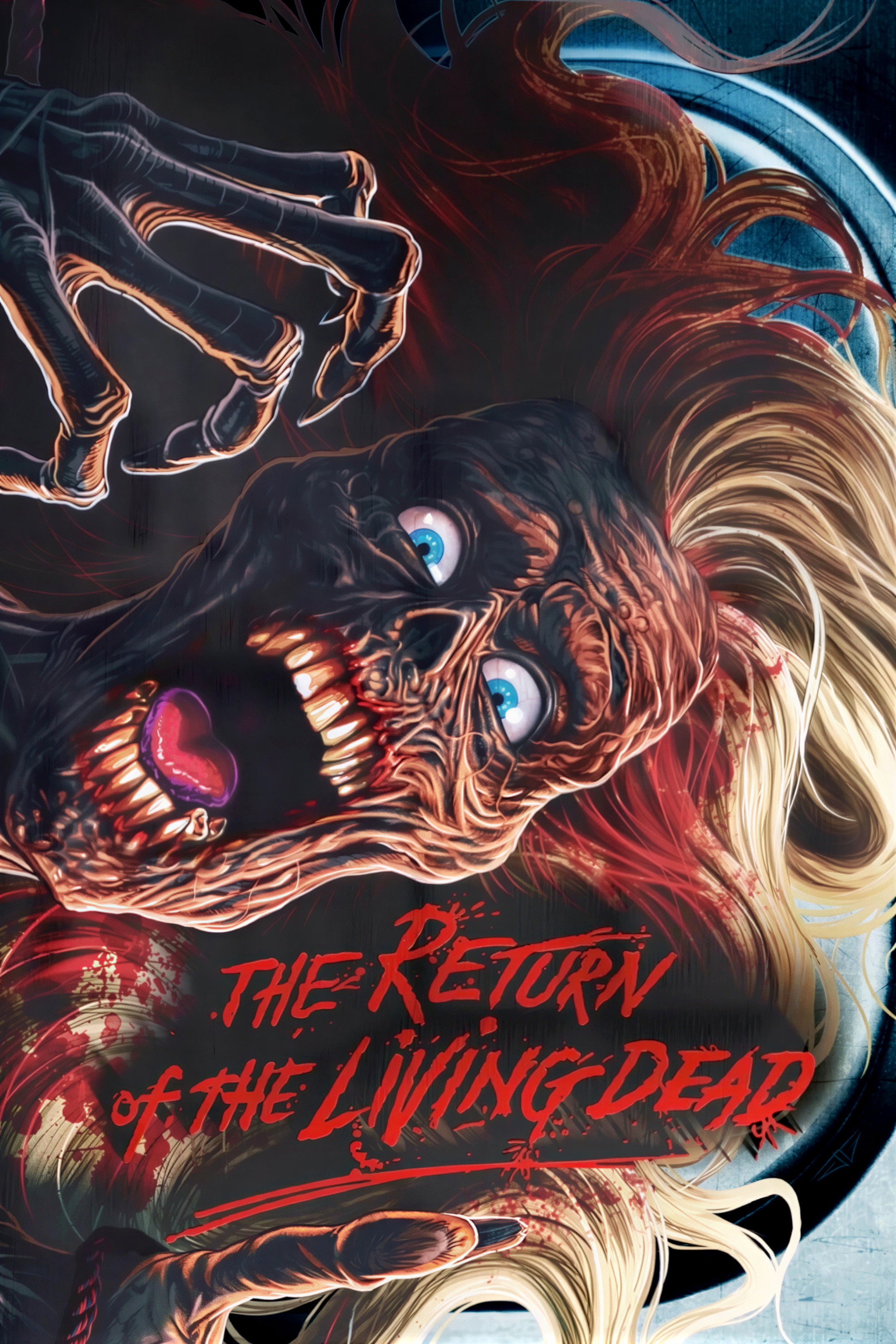
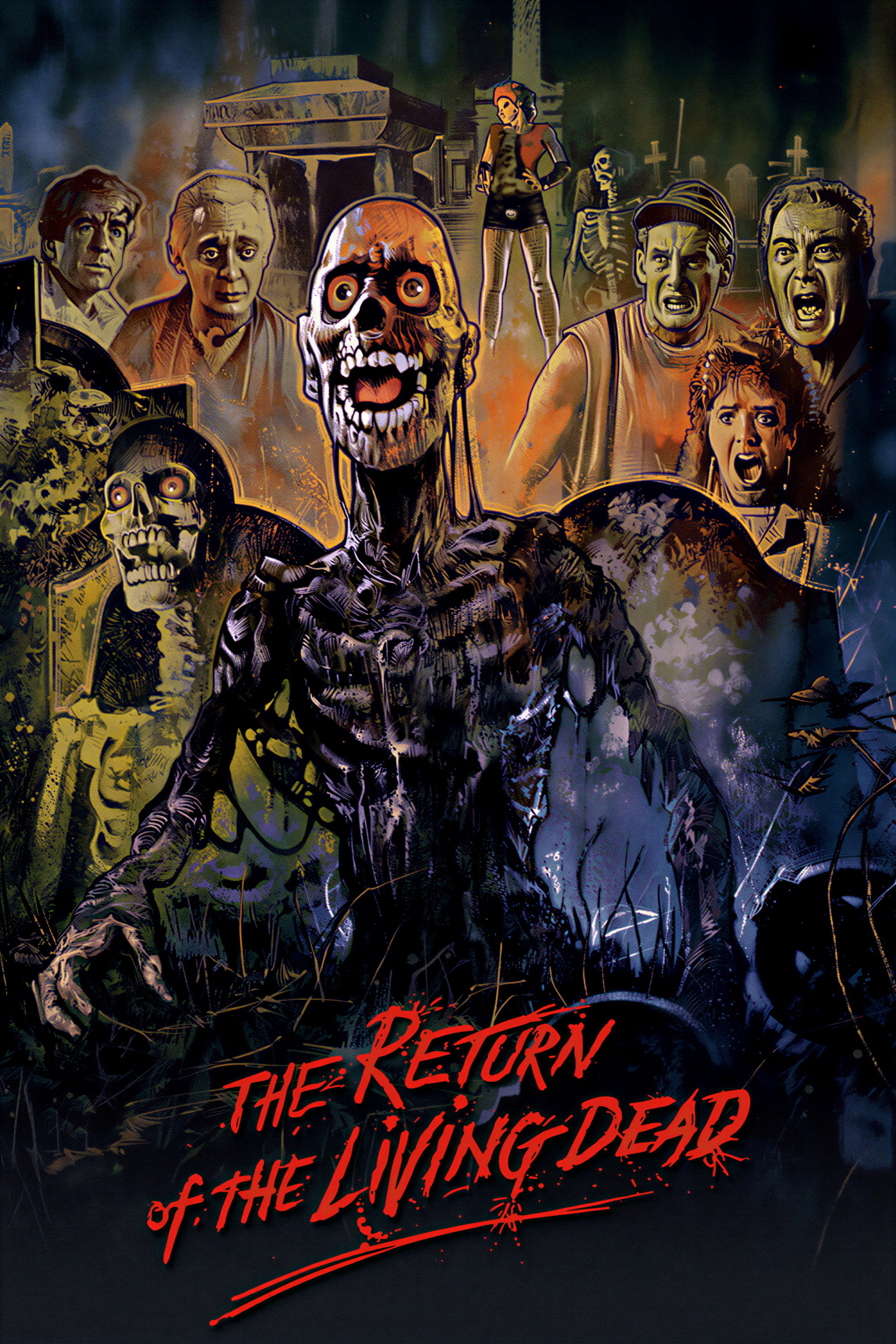
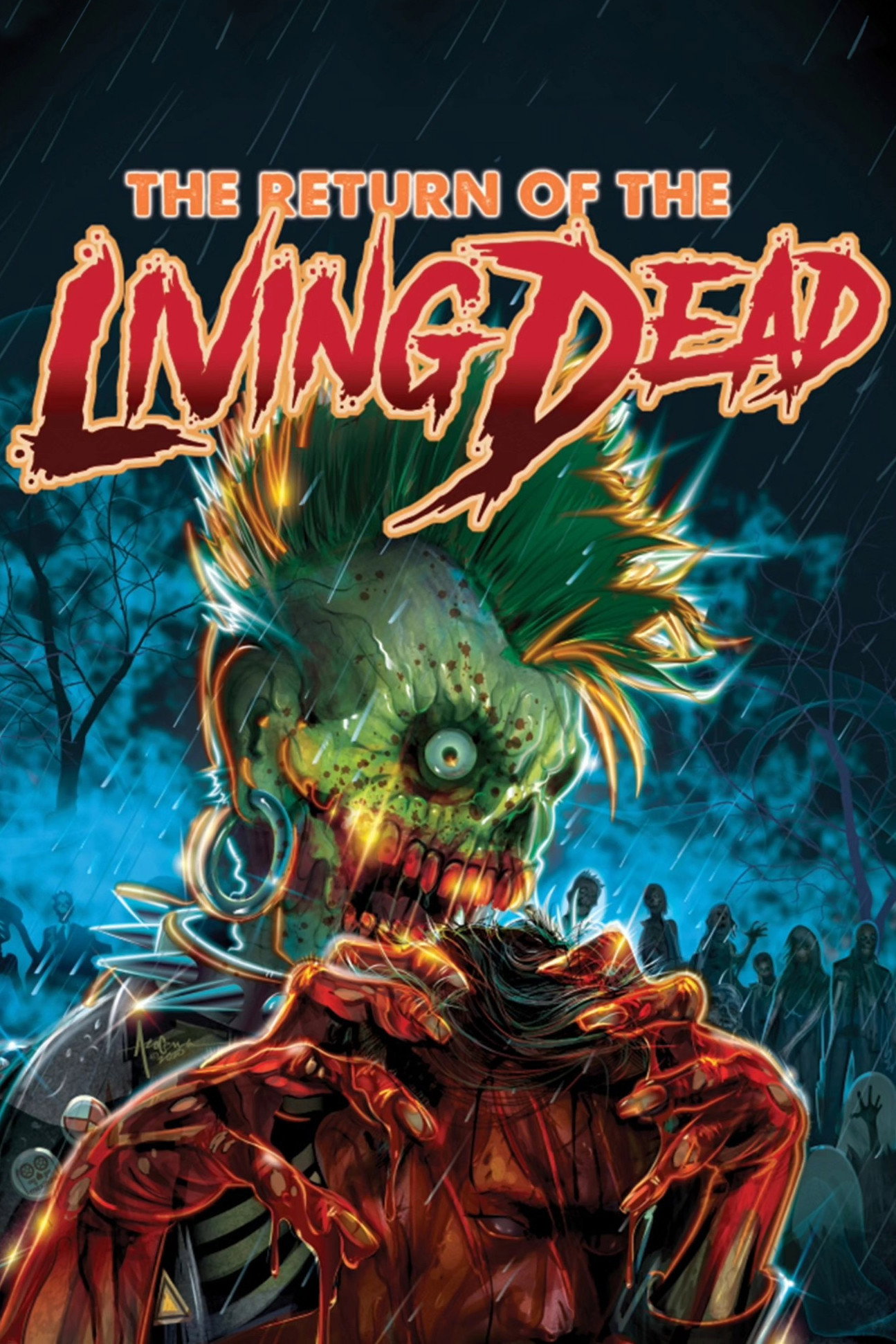
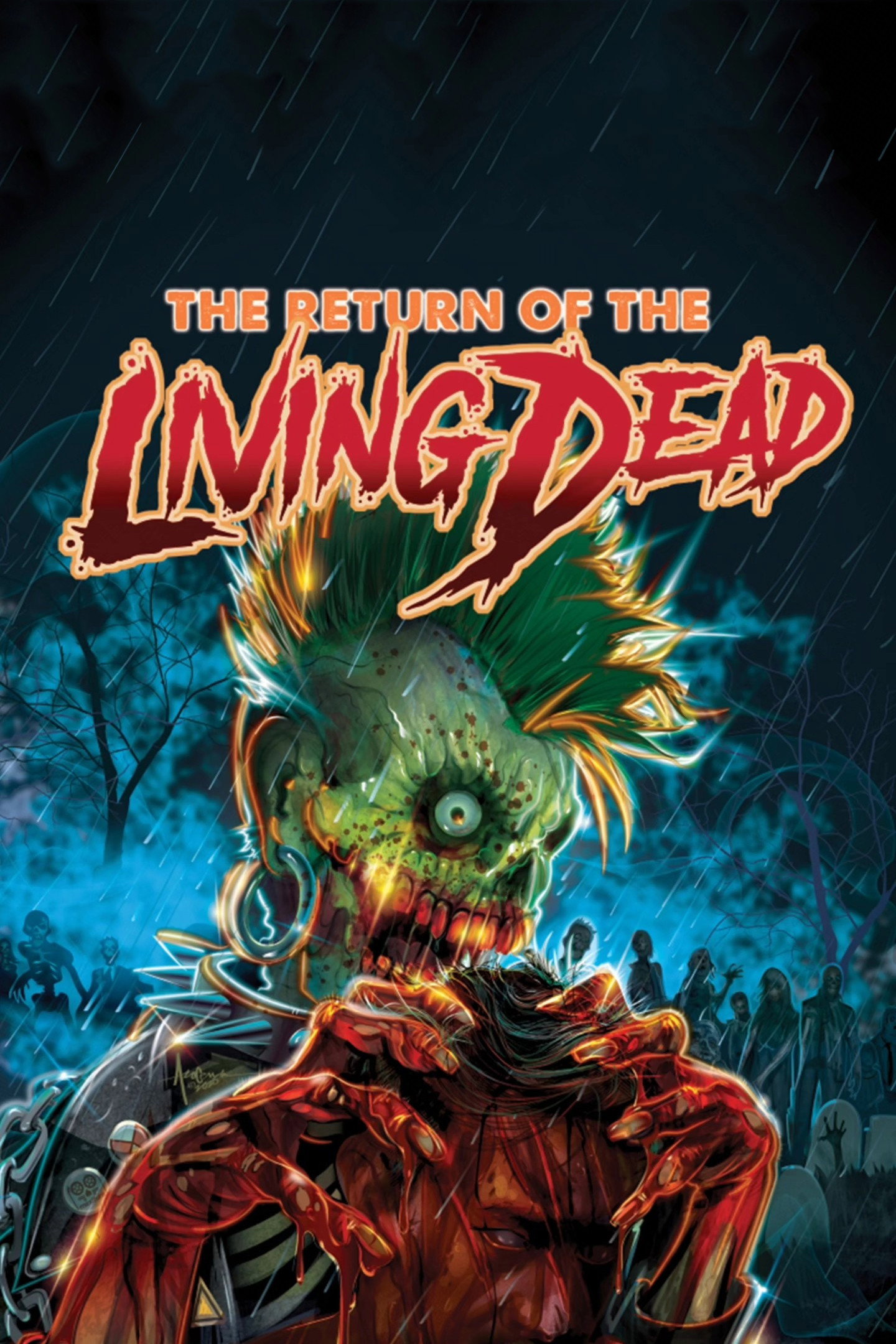
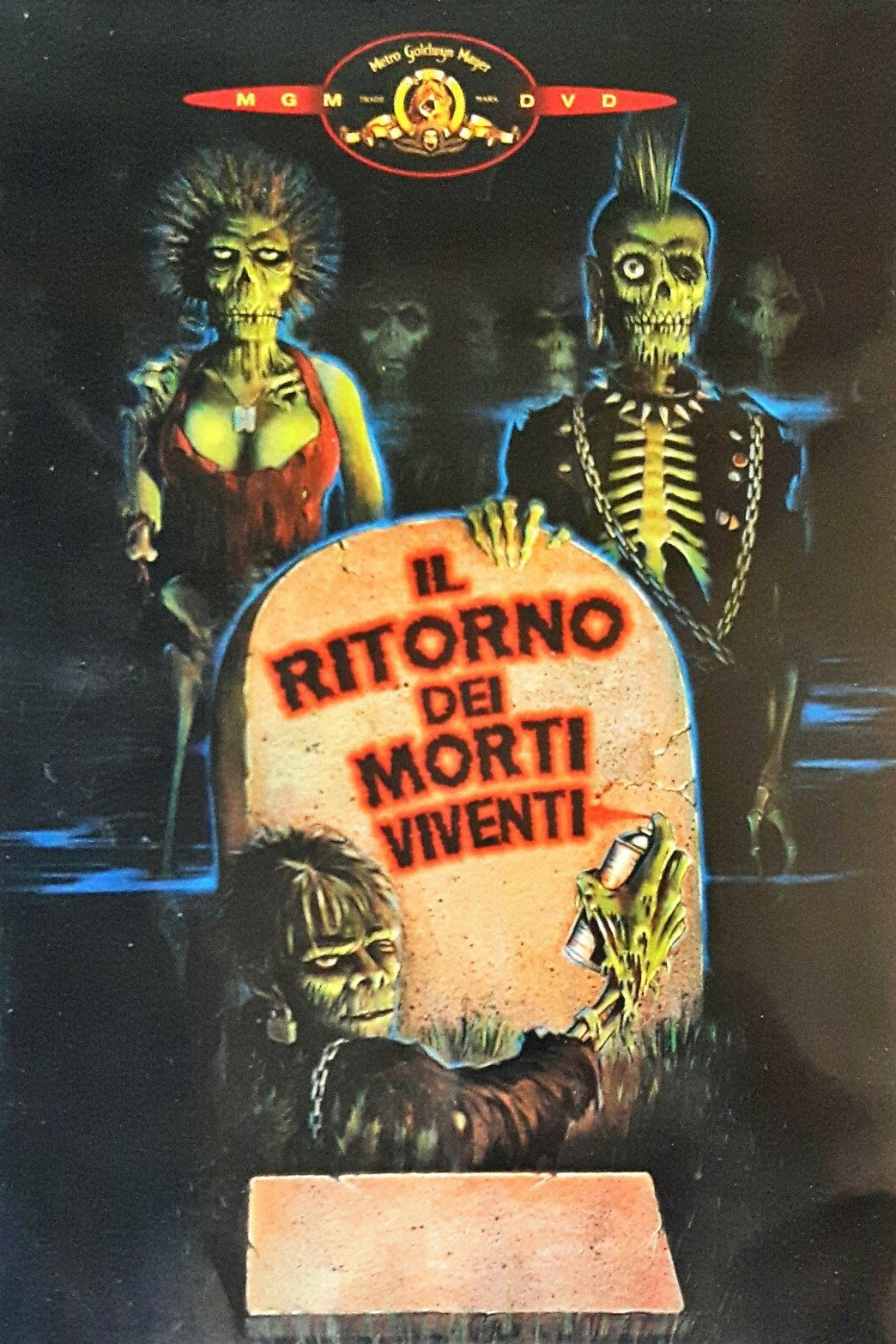
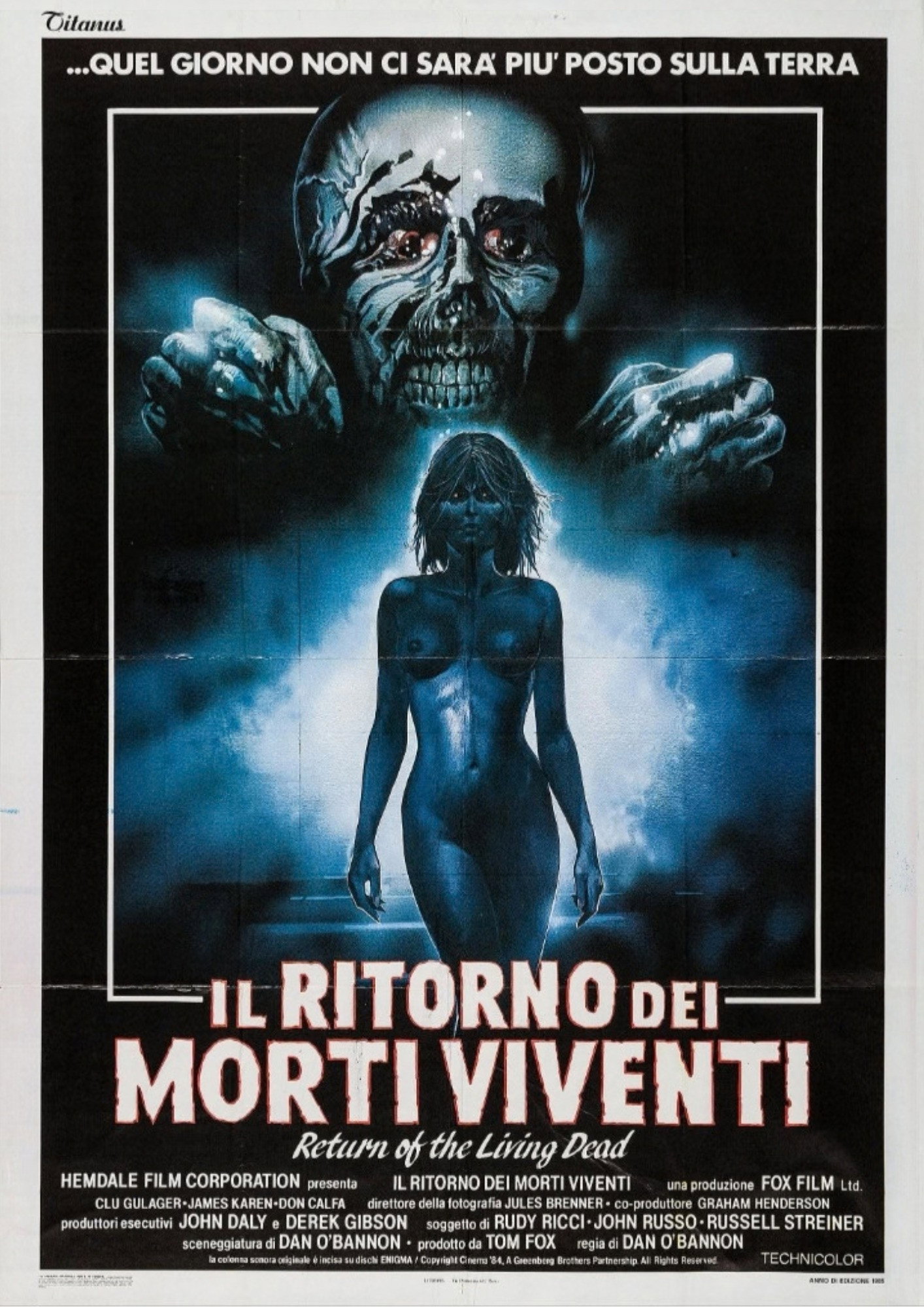
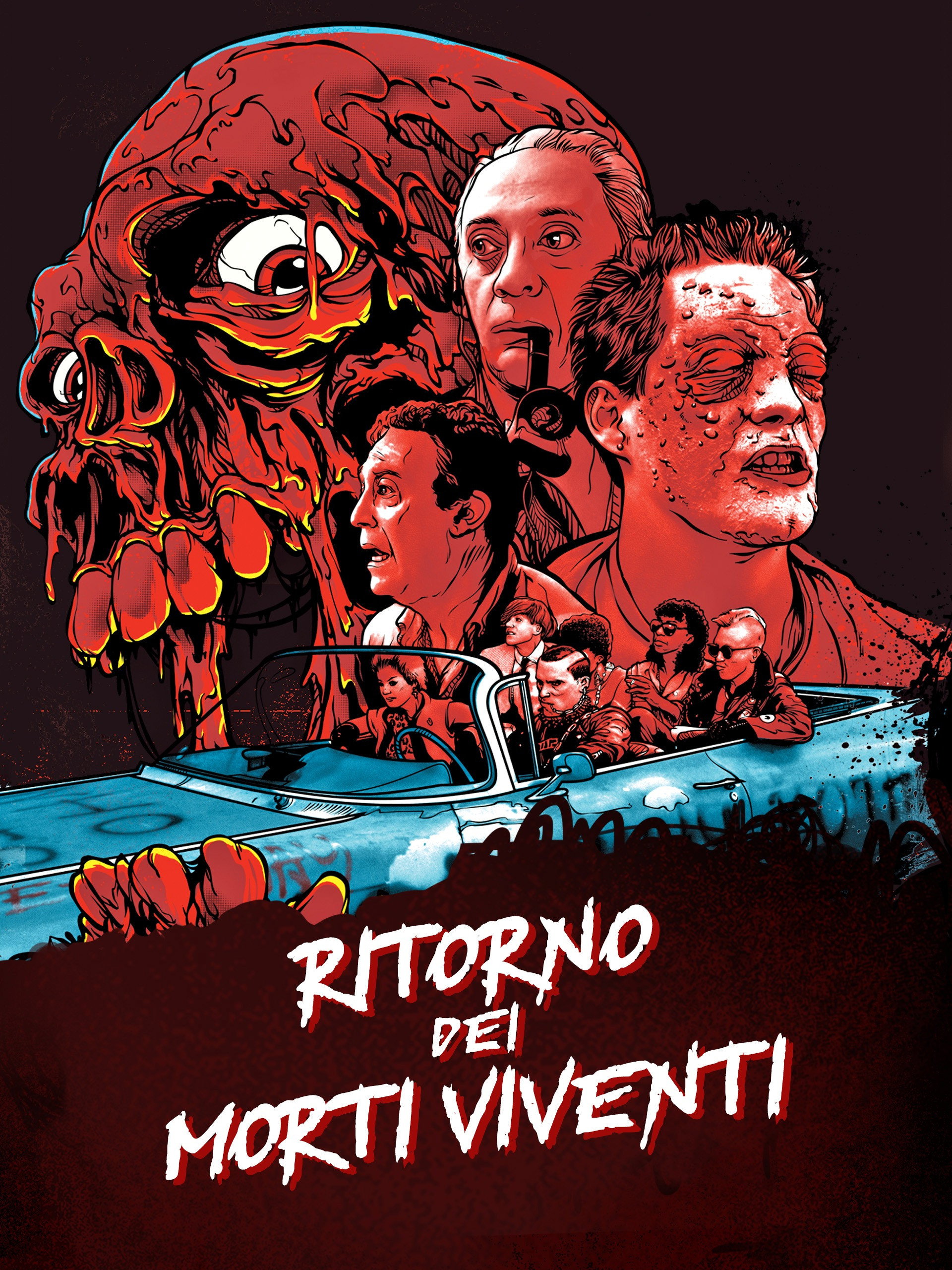
The Return of the Living Dead (1985) poster
Director
Production Companies
Hemdale Film Corporation , Fox Films Ltd. , Cinema 84
Plot

When foreman Frank shows new employee Freddy a secret military experiment in a supply warehouse in Louisville, Kentucky, the two klutzes accidentally release a gas that reanimates corpses into flesh-eating zombies. As the epidemic spreads throughout the town, and the creatures satisfy their hunger in gory and outlandish ways, Frank and Freddy fight to survive with the help of their boss and a mysterious mortician.

Alternative Titles
El regreso de los muertos vivos (Argentina) Yaşayan Ölülərin Qayıdışı (Azerbaijan) Завръщането на живите мъртви (Bulgaria) — Bulgarian A Volta dos Mortos Vivos (Brazil) Le retour des morts vivants (Canada) — French 活死人归来 (China) — Chinese Návrat oživlých mrtvol (Czechia) — Czech Návrat živé smrti (Czechia)
Show all 40 alternative titles Return of the Living Dead - Verdammt, die Zombies kommen! (Germany) Verdammt, die Zombies kommen (Germany) — German Ligene er ligeglade (Denmark) — Danish El regreso de los muertos vivientes (Spain) — Spanish El retorn dels morts vivents (Spain) — Catalan Elävien kuolleiden paluu (Finland) — Finnish Le Retour des Morts Vivants (France) Le Retour des morts-vivants (France) — French Τα Ζόμπι δεν Είναι Χορτοφάγα (Greece) 芝加哥打鬼 (Hong Kong SAR China) — Chinese Az élőhalottak visszatérnek (Hungary) — Hungarian חזרתם של המתים-חיים (Israel) — Hebrew Il ritorno dei morti viventi (Italy) — Italian Battalion (Japan) バタリアン (Japan) 바탈리언 (South Korea) — Korean Numirėlių sugrįžimas (Lithuania) — Lithuanian Dzīvo miroņu atgriešanās (Latvia) — Latvian El Regreso de los Muertos Vivientes (Mexico) — Spanish Ze Zijn Terug en Hebben Honger (Netherlands) Powrót Żywych Trupów (Poland) O Regresso dos Mortos Vivos (Portugal) — Portuguese Povratak živih mrtvaca (Serbia) — Serbian Возвращение живых мертвецов (Russia) — Russian Return of the Living Dead (Sweden) — Swedish Návrat živých mŕtvol (Slovakia) — Slovak ผีลืมหลุม (Thailand) — Thai Yaşayan Ölülerin Dönüşü (Türkiye) — Turkish 芝加哥打鬼 (Taiwan) — Chinese Повернення живих мерців (Ukraine) — Ukrainian Return of the Living Dead (United States) — VHS box title Return of the Living Dead I (United States) — faux title

Trailers & Videos

10 videos

Film Guide & Analysis

Dan O’Bannon’s punk-inflected zombie horror comedy reshapes the living dead through Trioxin, practical monsters and EC-inspired black humor.

The Return of the Living Dead (1985) is an American zombie horror comedy written and directed by Dan O’Bannon in his feature-directing debut. At a medical supply warehouse in Louisville, Kentucky, two employees accidentally release the military chemical Trioxin from a sealed container. The substance revives dead specimens and eventually reaches a nearby cemetery, where a group of young punks has gathered. O’Bannon’s living dead speak, run, devise traps and remain active even after severe dismemberment. Their demand for human brains gives the film a grisly premise that can be funny and terrifying within the same scene.

The project emerged from a proposed continuation of Night of the Living Dead (1968), but its finished story follows a separate imaginative course from George A. Romero’s films. O’Bannon combines the mechanics of a workplace disaster with the visual exaggeration of EC horror comics and the music and costumes of 1980s punk culture. The result belongs to a moment when elaborate practical creature effects were reshaping American horror, while its combination of bodily comedy and helplessness gives it a recognizable identity beyond the series title.

A Complicated Development and the Romero Connection

The film’s origins predate O’Bannon’s involvement by nearly a decade. The American Film Institute traces plans for a sequel to Night of the Living Dead to 1975, when Russell Streiner was associated with a proposed continuation. In 1980, producer Tom Fox was developing a project with John A. Russo and Rudy Ricci, and later production reporting connected it to Russo’s 1978 novel The Return of the Living Dead. Russo and Romero had both helped create the 1968 film, but the subsequent projects associated with them followed different paths. The eventual 1985 picture should therefore be distinguished from Romero’s Dawn of the Dead and Day of the Dead.

The changing production arrangements involved Hemdale Film Corporation, a proposed 3-D version and Tobe Hooper as the intended director. Romero objected to the use of the title because it risked confusing the new film with his own series. Contemporary trade reports collected by the AFI describe a dispute submitted to industry arbitration, after which permission to use the title was granted in March 1984. These events establish why the film’s relationship to Night of the Living Dead was contested at the production level, even though the released film openly mentions Romero’s fictional movie.

After Hooper departed, O’Bannon assumed directing responsibilities and substantially rewrote the earlier screenplay. He told reporters that he had changed the locations and introduced a punk-rock atmosphere, and the planned 3-D photography was abandoned. The final film treats the events of Night of the Living Dead as an imperfect dramatization of an actual military incident within its own fictional world. This opening joke acknowledges a common source while freeing O’Bannon to alter the rules of the undead. Principal photography began in Los Angeles in July 1984, following repeated postponements.

EC Comics, Black Humor and Punk Characters

O’Bannon had written Alien (1979), but The Return of the Living Dead offered him a different mixture of menace and comic behavior. In an interview originally published in American Cinematographer in March 1986, he recalled that the horror comics of EC remained constantly in his mind during production. Designer William Stout shared that enthusiasm, especially for the grotesque figures and mordant reversals associated with Tales from the Crypt. The director described the connection as an instinctive influence rather than a formally imposed rule for every shot. The film’s jokes consequently emerge from characters’ responses to physically convincing threats, rather than from a separate parody interrupting the action.

Frank and Freddy’s initial mistake has the structure of workplace farce. A boastful employee displays equipment he does not understand, an apparently small accident produces consequences no one can contain, and the adults repeatedly choose improvised solutions. James Karen’s increasingly frantic Frank and Thom Mathews’s bewildered Freddy give the opening its unstable movement between panic and comedy. Their employer Burt and the mortician Ernie attempt practical interventions, only to find that the revived bodies behave according to unfamiliar rules. Each solution changes the situation for the worse, allowing the comedy to develop from action rather than a succession of detached jokes.

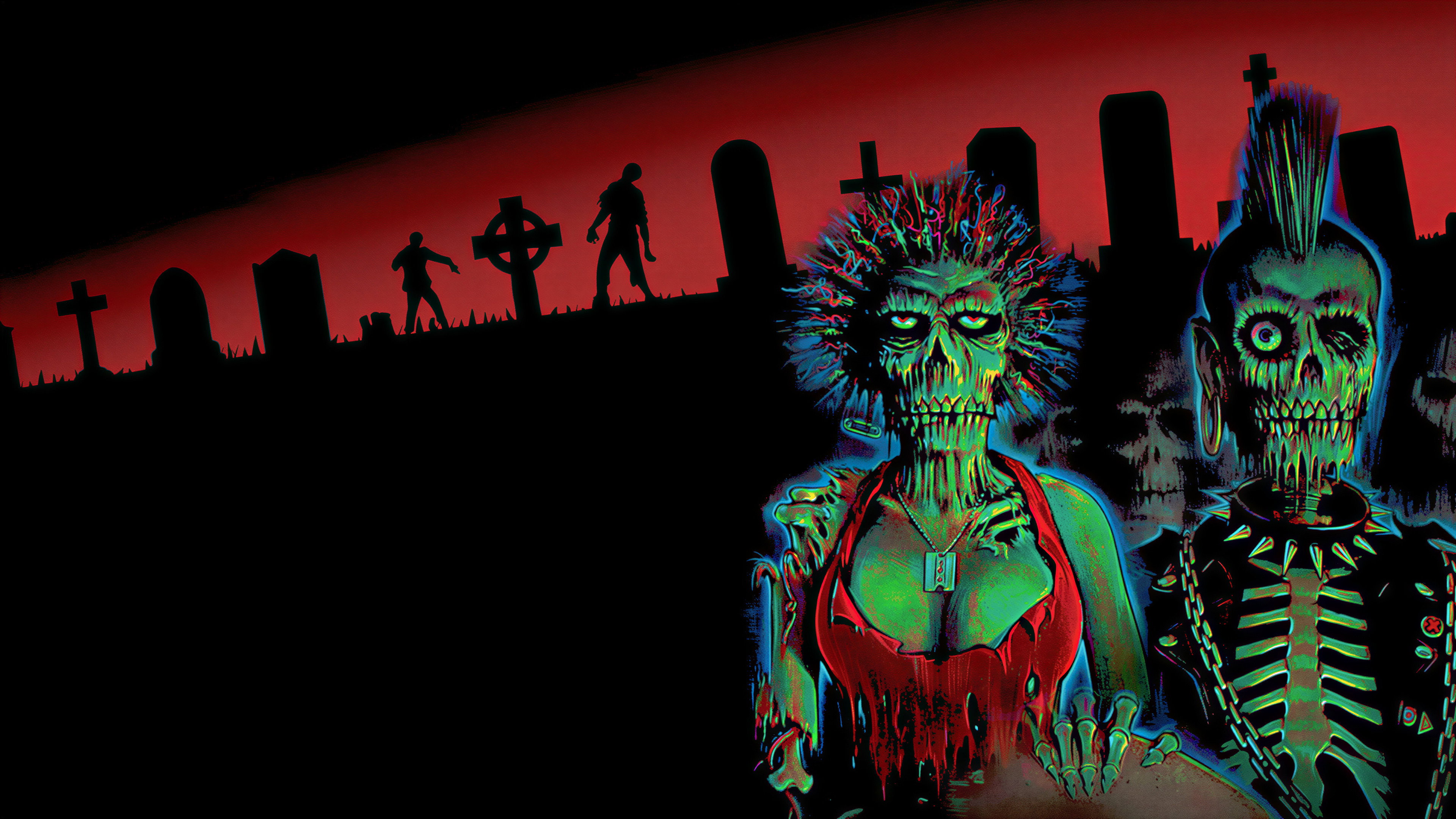
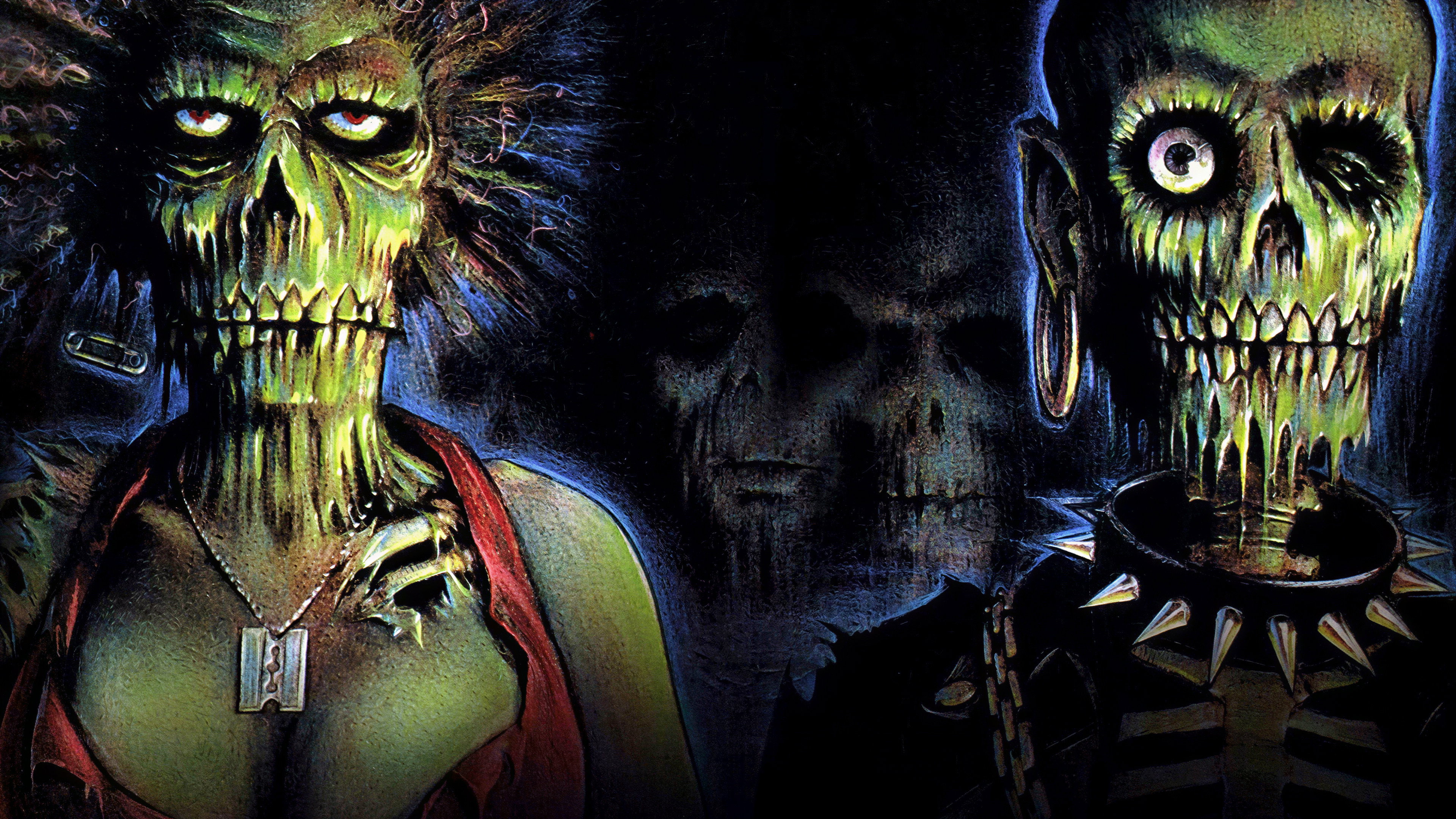
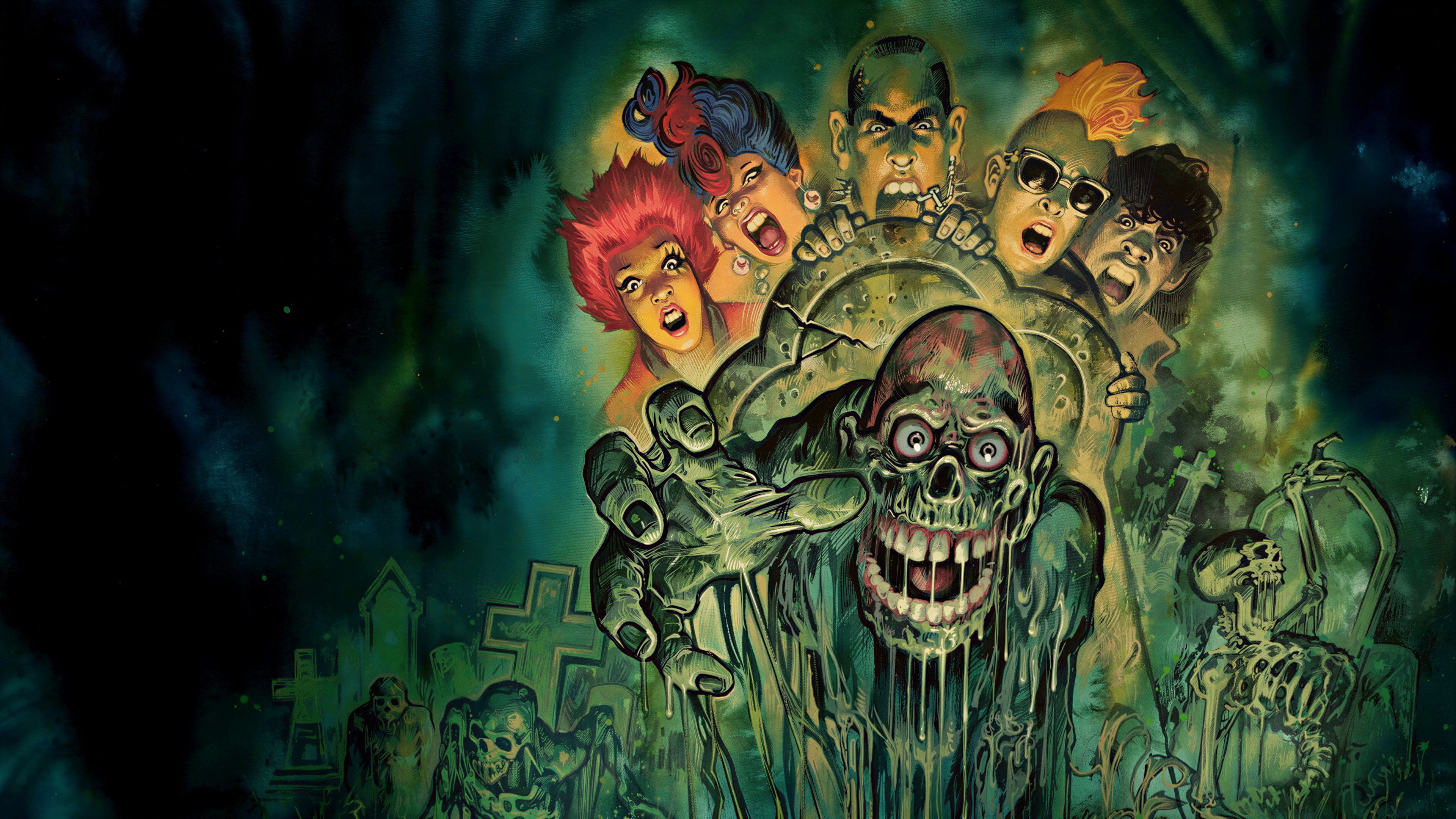
The young people gathering in the cemetery give the film a contrasting social world. Their clothes, nicknames and arguments are drawn from a stylized conception of punk rather than a comprehensive portrait of any actual music scene. Linnea Quigley’s Trash is especially conspicuous for the way her fixation on death precedes the appearance of the real undead. O’Bannon’s decision to place such figures beside older workers and emergency responders creates a cross-section of people equally unprepared for the outbreak. Stout later recalled that two weeks of cast rehearsal helped the performers suggest friendships and resentments existing before the story begins.

Trioxin and the Reinvention of Zombie Behavior

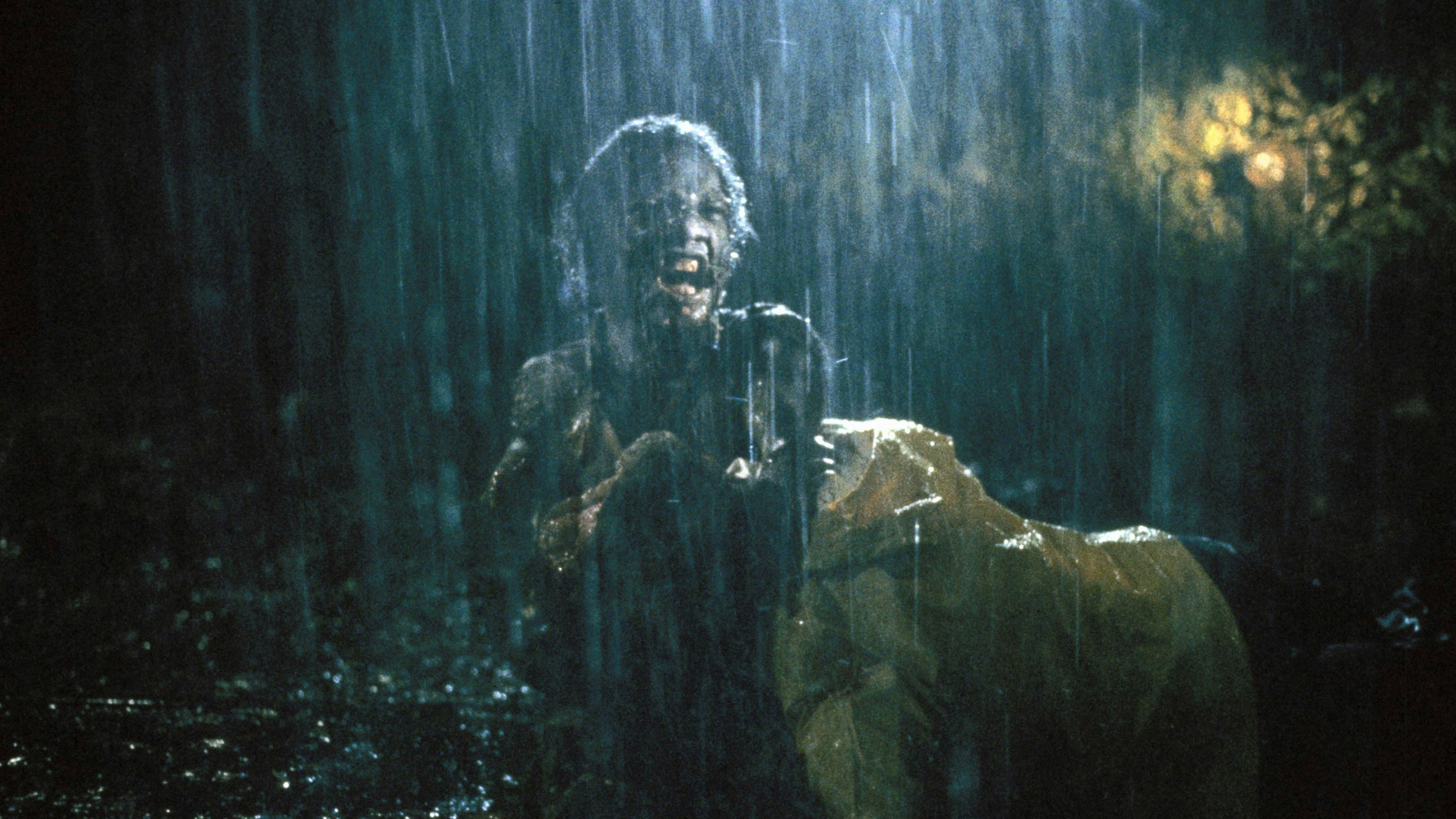
The chemical labeled Trioxin 2-4-5 turns the warehouse into the origin of a disaster whose spread is materially visible. When the contaminated cadaver revives, cutting it apart does not stop the pieces from moving. Burning the remains appears to solve the immediate problem, but smoke carries the substance into the clouds and rain deposits it over the cemetery. This reversal converts an attempted act of sanitation into an unwitting method of dispersal. The disaster follows a recognizable chain of human decisions, even though the chemical and the revived dead are entirely fictional.

The creatures can sprint, communicate and cooperate. Some use radios to lure additional victims, exploiting the ordinary routines of paramedics and police. Their intelligence makes them dangerous in a way that differs from the slower, more instinctive zombies associated with Romero’s earlier films. Destroying a brain or severing a limb does not provide the expected remedy. The film repeatedly demonstrates these conditions before its human characters understand them, allowing the viewer to recognize the inadequacy of familiar zombie-survival knowledge. The result is a horror mechanism in which knowledge gained from earlier movies can itself become misleading.

The most disturbing change is revealed by the partially dissected female corpse restrained in the mortuary. She explains that eating brains lessens the pain of being dead, an admission that gives the craving a physical and emotional motivation. Frank and Freddy undergo a related horror as their own bodies cool and stiffen while they remain conscious. Their condition turns the seemingly comic outbreak into an account of irreversible bodily change. The dead can remember and suffer, but survival does not offer them relief. This conception gives the film a despairing dimension beneath its exuberant effects and jokes.

Production Design: Warehouse, Mortuary and Cemetery

William Stout oversaw the film’s sets and creature designs, drawing on his experience as an illustrator. In a 2011 interview with John Fleskes, he described developing sets, props, costumes and effect concepts in close communication with O’Bannon. The geography is compact: the medical warehouse, adjacent funeral home and cemetery form a connected environment in which characters can repeatedly cross paths without leaving the outbreak behind. Each location contributes a different form of confinement. The warehouse contains the contaminated specimens, the mortuary provides the instruments for cutting and burning bodies, and the cemetery holds an enormous population of potential victims.

The cemetery was assembled from more than one California location. American Cinematographer identifies downtown Los Angeles as the site of part of the setting and an olive grove in Sylmar as another. Photographic continuity became a practical problem because the structures, walls and background lights did not naturally match. Jules Brenner introduced yellow illumination as a visual element that could help unify the spaces. Even the hill from which bodies emerged had to be prepared for performers to move through concealed trapdoors, a process made hazardous by the artificial rain and slippery ground.

The production also gave life to small objects in the warehouse. Stout recalled building a mounted butterfly collection that appears to flutter after the chemical escapes. The gag requires little screen time but extends the outbreak beyond human corpses into ordinary educational specimens. The warehouse’s preserved animals, medical equipment and storage containers serve a similar function. They are familiar objects suddenly made unreliable, providing an immediate demonstration of the chemical’s reach before the cemetery scenes enlarge the spectacle. Such details make the setting itself carry the initial horror, instead of simply surrounding the actors.

Tar Man, the Half-Corpse and Practical Creature Effects

The effects work had to supply different degrees of decomposition as well as figures capable of performing close to the camera. American Cinematographer documented an acute production problem: a contractor responsible for sets and mechanical makeup effects went bankrupt shortly before filming, leaving substantial work unfinished. Kenny Myers and Tony Gardner were brought in to help complete major effects. The resulting creatures combined wearable costumes, articulated heads and puppetry, techniques that allowed the undead to interact with physical sets and performers. Their appearances were planned in relation to lighting and camera distance rather than treated as interchangeable makeup applications.

Tar Man, one of the film’s most recognizable zombies, originated in Stout’s EC-inspired illustrations. Myers redesigned and rebuilt the head to allow more expressive movements, while performer Allan Trautman supplied its loose-limbed physical behavior inside the suit. Cinematographer Brenner later acknowledged that parts of the costume were less convincing to the naked eye and described using shadows to conceal limitations while retaining the creature’s silhouette. The success of the figure therefore involved several people and methods: illustration, fabrication, mime performance and carefully restricted illumination. Its movement is inseparable from the impression of a body whose normal structure has collapsed.

The half-corpse was a different mechanical challenge. Gardner constructed the puppet as a female torso ending in an exposed spinal column, with control mechanisms concealed beneath the mortuary gurney. Brenner deliberately preserved visible space underneath the prop so the audience would have difficulty locating its means of operation. Stout recalled personally moving the spine and producing fluid effects during filming. Close shots of the creature speaking while its exposed anatomy moves establish a grotesque credibility that would have been weakened by hiding it in darkness. The scene also becomes the vehicle for the film’s explanation of the zombies’ desire for brains, giving a practical effect a central dramatic function.

Cinematography, Rain and Comic-Book Space

Brenner sought to reconcile Stout’s exaggerated designs with photography motivated by recognizable sources of light. In the American Cinematographer interview he explained that he preferred illumination that appeared to belong to the surroundings, even when the images depicted impossible creatures. This choice gives the warehouse and funeral home the weight of ordinary workspaces while allowing the revived corpses to appear materially present within them. The film’s comic-book ancestry appears through strong composition and sudden visual revelations rather than a consistently artificial lighting scheme. Brenner also used subjective shots, especially during Freddy’s pursuit of Tina through the mortuary chapel, to shift between attacker and victim.

Artificial rain provided some of the most demanding photography. O’Bannon later regretted the logistical scale of the rain scenes, because every new camera position required lights and water equipment to be adjusted. The rain nevertheless performs an indispensable narrative task: it transports the chemical from the crematorium smoke into buried coffins. To visualize the movement below the ground, Stout made a small model through which the camera could descend alongside the contaminated water. The sequence translates an invisible chemical process into a legible route of transmission, while the backlit downpour gives the cemetery a threatening physical atmosphere.

Punk Music and the Film’s Sonic Identity

The music ties the youthful characters to a recognizable 1980s underground culture while helping the film move abruptly between celebration and danger. The AFI’s music credits identify the main-title Trioxin Theme by Francis Haines alongside recordings by the Cramps, 45 Grave, T.S.O.L., the Damned, the Flesh Eaters, the Jet Black Berries, Tall Boys, SSQ and Roky Erickson. These tracks come from overlapping punk, goth-rock and related scenes rather than one uniform musical style. Their presence makes the cemetery gathering sound like an event with its own cultural identity before the dead begin to rise.

Music also changes the tone of specific encounters. The rhythmic drive of the rock selections pushes scenes toward physical excitement, while the theme and nonmusical sound effects accompany the uncertain consequences of Trioxin. Reviewing the film in August 1985, Rita Kempley of The Washington Post singled out the selection of rock music as part of the comedy’s character. The soundtrack belongs to the original film’s construction, rather than being merely a later compilation attached to its reputation. Its association with the creatures and the young audience members has remained one of the most immediately recognizable aspects of the production.

Theatrical Release, Critical Reception and Afterlife

The American Film Institute records the film’s opening in Los Angeles and New York on August 16, 1985, after the release date was advanced from an originally planned October engagement. The film received an R rating in the United States. The British Board of Film Classification lists a cinema version running 90 minutes and 40 seconds, examined in September 1985, along with later video submissions of differing durations. Those records identify material submitted for particular markets and formats; the differences do not alone establish specific cuts, alternate scenes or a single definitive international runtime. Claims about versions should be tied to the documentation for the edition concerned.

Contemporary critics recognized the film’s comic strategy without evaluating it identically. In The Washington Post, Rita Kempley praised its combination of visceral horror and comedy and acknowledged the distinctive creature effects. Her colleague Tom Shales, writing separately later that month, admired its energetic beginning and inventive situations while questioning the way its restricted geography and ending were handled. These reactions show that the balance between farce and terror was immediately visible to reviewers. The film’s eventual cult reputation can be supported by its continued exhibition and discussion, but it should not be projected backward as universal critical approval in 1985.
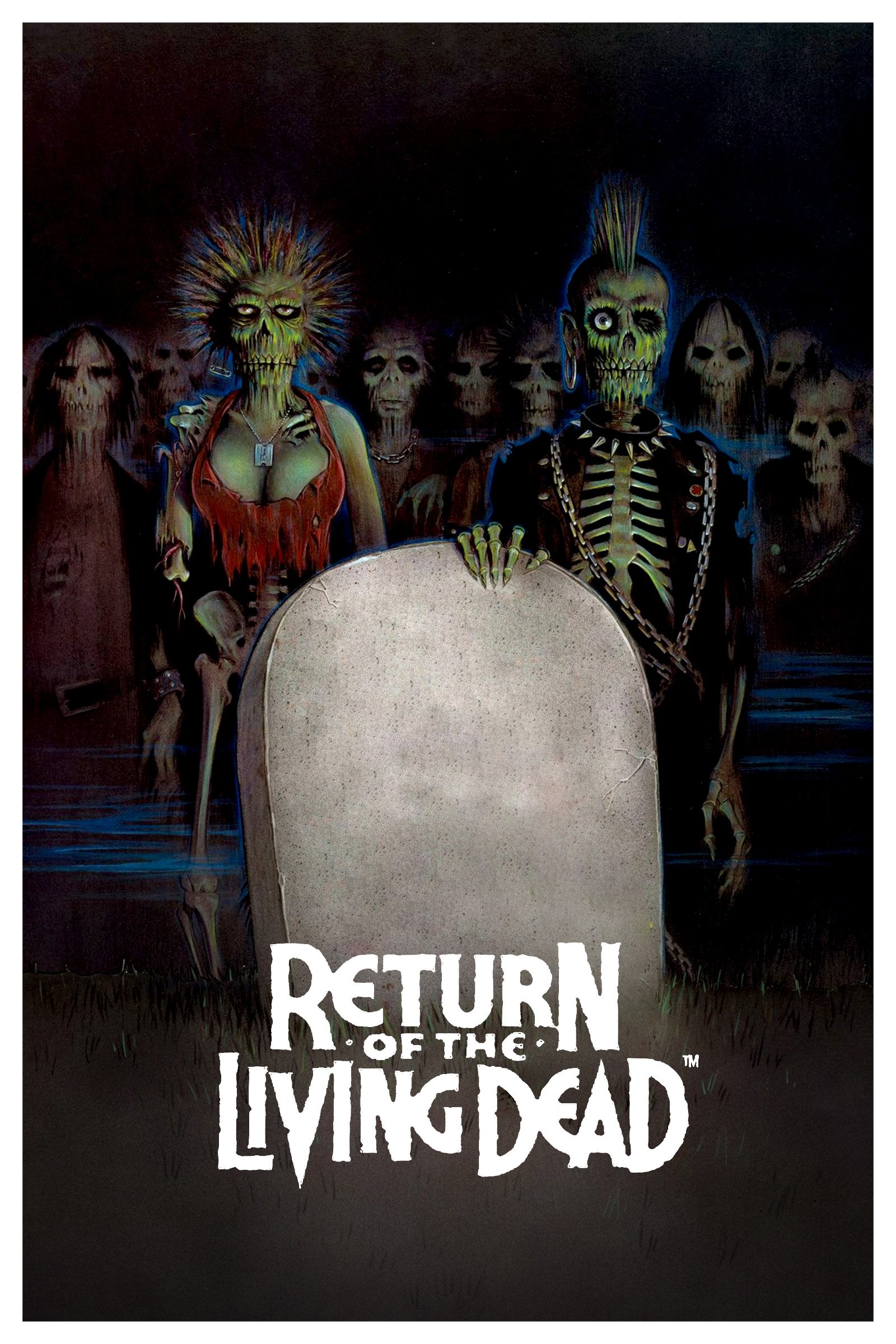
The Return of the Living Dead was followed by Return of the Living Dead Part II (1988) and Return of the Living Dead 3 (1993), with further entries produced later under the series name. Their existence documents the continuing commercial use of O’Bannon’s branch of the living-dead mythology without making it part of Romero’s narrative continuity. The 1985 film’s major contribution is more specific: it demonstrated that zombies could remain frightening while speaking, running and expressing pain, and it joined this conception to practical creature effects and punk imagery. Its best-known devices have subsequently been repeated and parodied, while the original retains a coherent account of a disaster that no character can reverse.

References

  1. American Film Institute — AFI Catalog The Return of the Living Dead (1985) — Production History

    Institutional account compiled from contemporary trade publications documenting the Russo–Romero dispute, screenplay development, photography and original US release.

  2. American Cinematographer The Return of the Living Dead: A Comic Strip

    Ron Magid’s March 1986 production report with direct testimony by Dan O’Bannon, William Stout and Jules Brenner about camera work, cemetery construction and creature effects.

  3. John Fleskes William Stout, Production Designer of The Return of the Living Dead — Interview

    Direct 2011 interview on Stout’s participation in creature design, on-set practical effects and the cast rehearsal process.

  4. British Board of Film Classification The Return of the Living Dead — Classification History

    Official record of UK theatrical and home-video examinations, distributors and version-specific running times.

  5. The Washington Post “Living Dead”: It’ll Kill Ya

    Rita Kempley’s contemporary August 1985 review of the film’s black comedy, zombie effects, music and performances.

Connections

Cast

View Full Cast & Crew →

Release & Distribution

Production Companies (3)

  • Cinema 84 US
  • Fox Films Ltd. GB
  • Hemdale Film Corporation GB

Distributors (1)

  • Orion Pictures US

Release History (16)

Release DateTerritoryRelease TypeFormatDistributorCertificationNotes
1985-04-25 Canada Physical — — R
1985-04-25 Italy Theatrical — — VM18
1985-04-25 Mexico TV — — C
1985-05-15 France Theatrical — — —
1985-08-16 Brazil Theatrical — — 16
1985-08-16 United States Theatrical — — R
1985-09-03 United Kingdom Theatrical — — 18
1985-10-24 Australia Theatrical — — M
1985-11-28 Netherlands Theatrical — — 16
1986-03-20 Germany Theatrical — — 16
1988-09-28 Spain Theatrical — — 12
2002-10-21 United Kingdom Physical DVD — 18 DVD
2005-01-01 Netherlands Physical DVD — 16 DVD
2012-04-09 Netherlands Physical Blu-ray — 16 Blu ray
2013-11-06 United Kingdom Physical Blu-ray — 15 Blu-ray
2025-10-13 United Kingdom Physical 4K UHD — 18 Arrow Video 4k Ultra HD Blu-ray
They're back from the grave and ready to party!