An American Werewolf in London (1981)

US
7.0/10 8 votes
Runtime
97 min
Release
August 21, 1981
Budget
$10,000,000
Revenue
$31,973,249
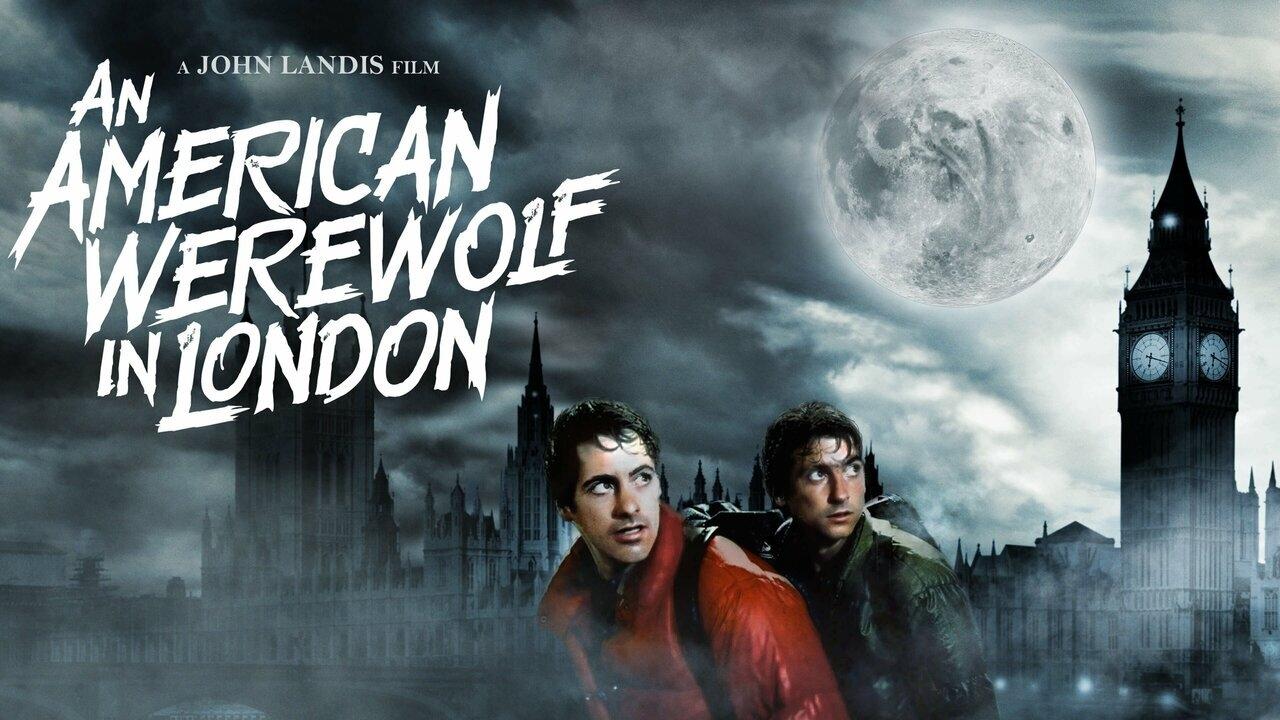
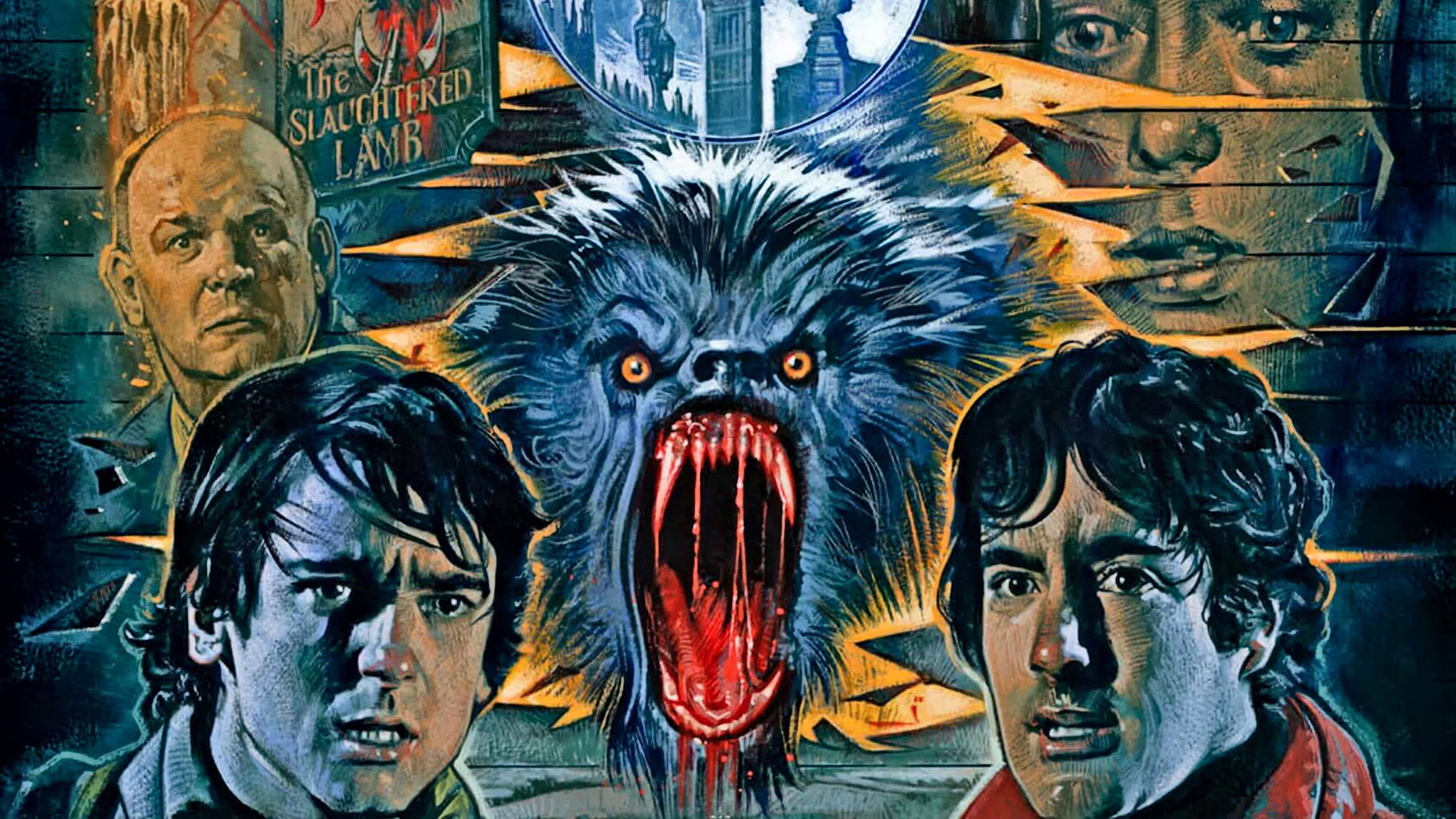
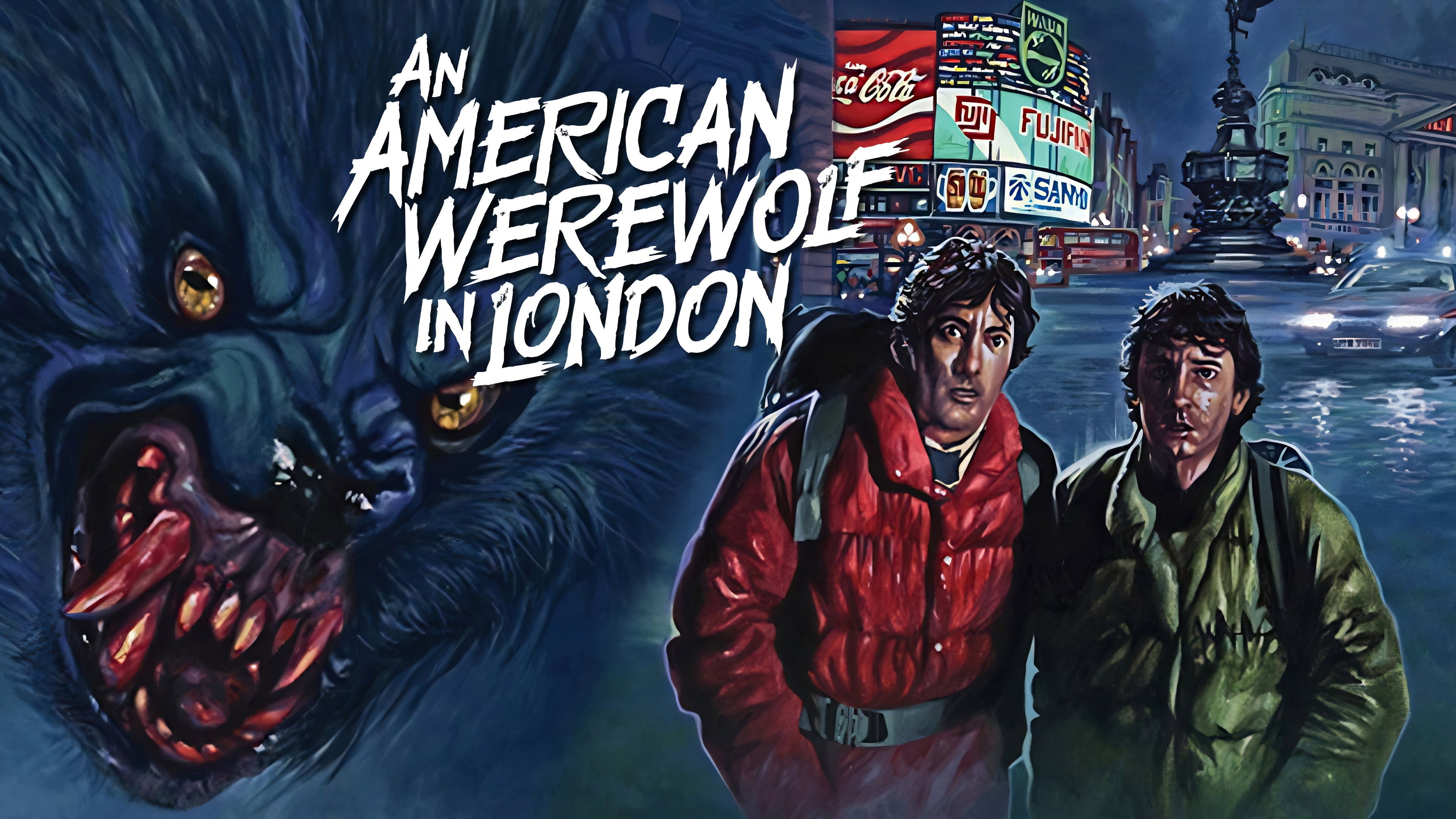
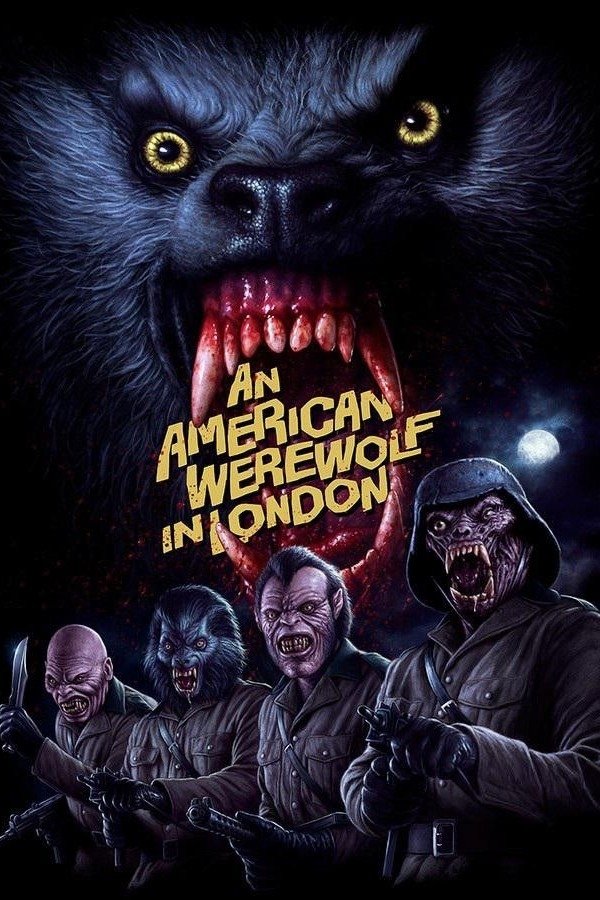
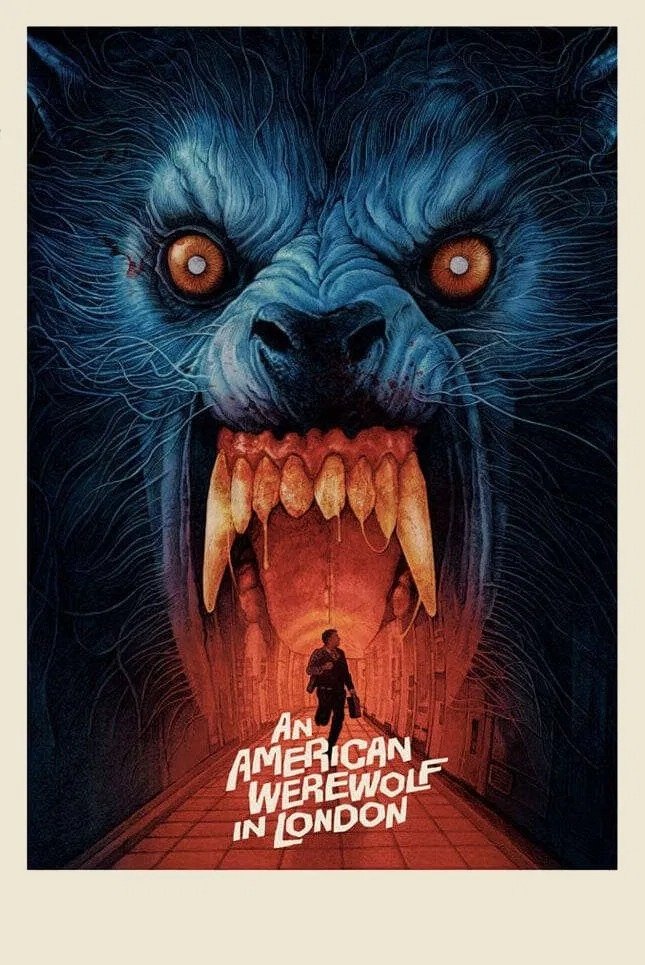
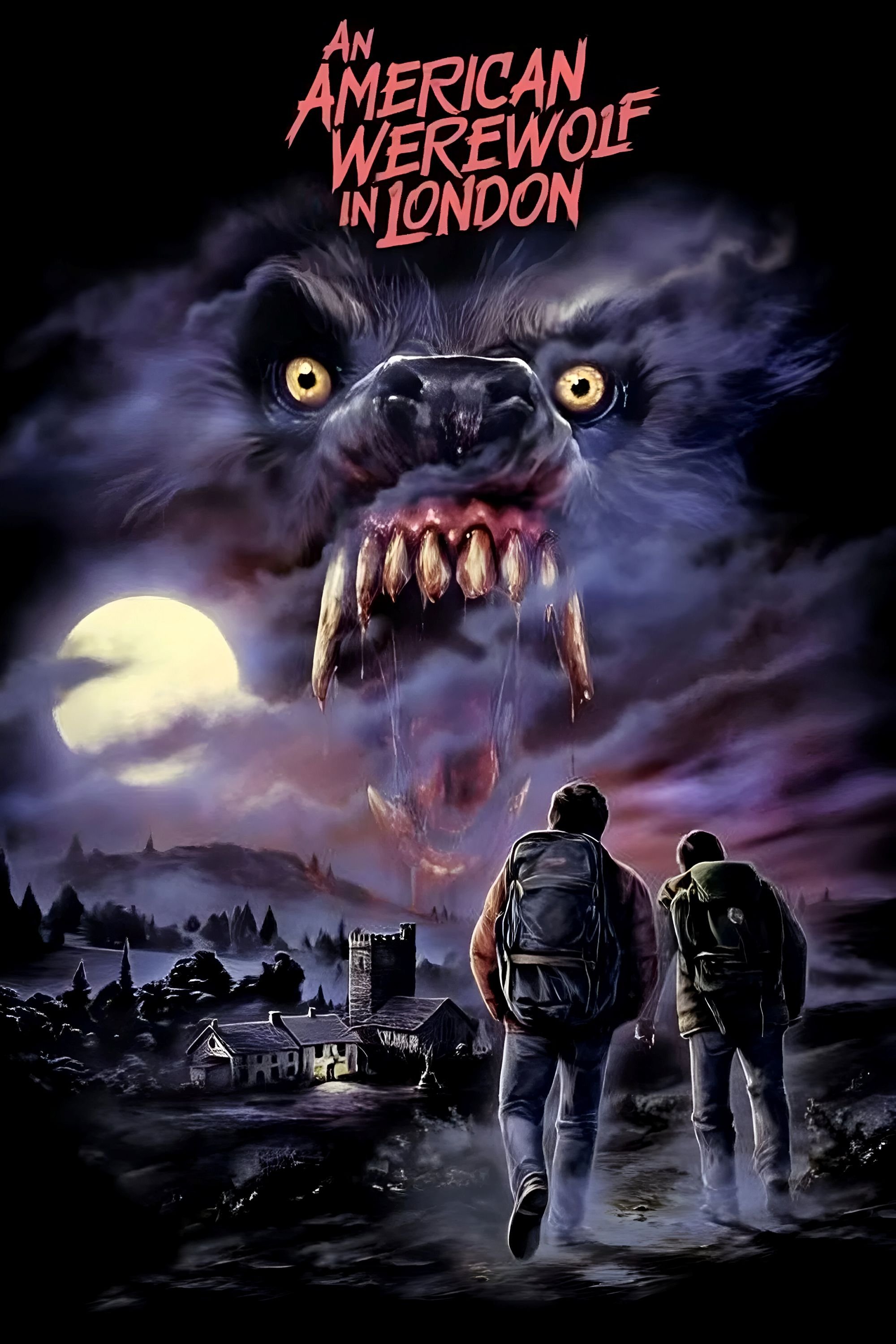
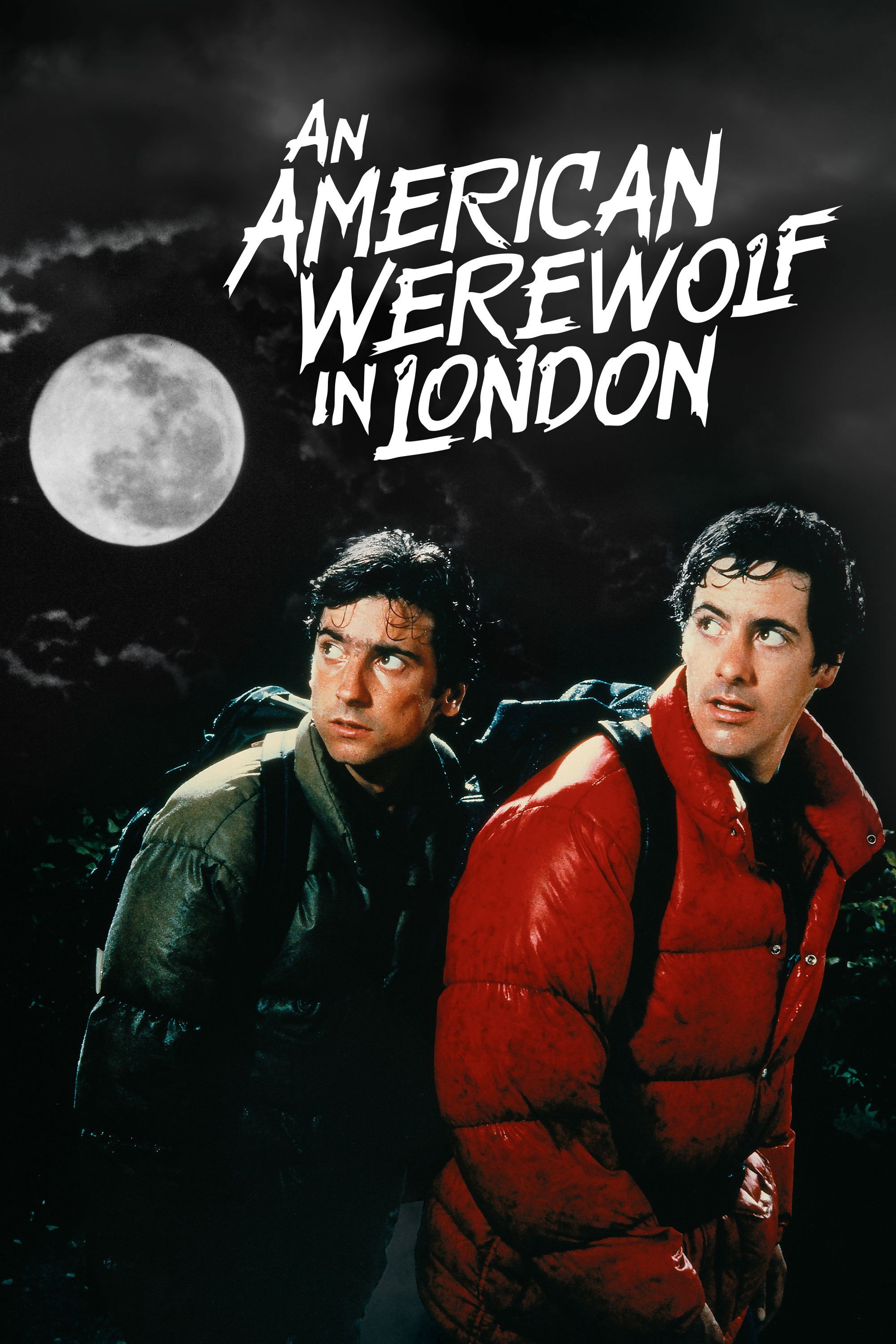
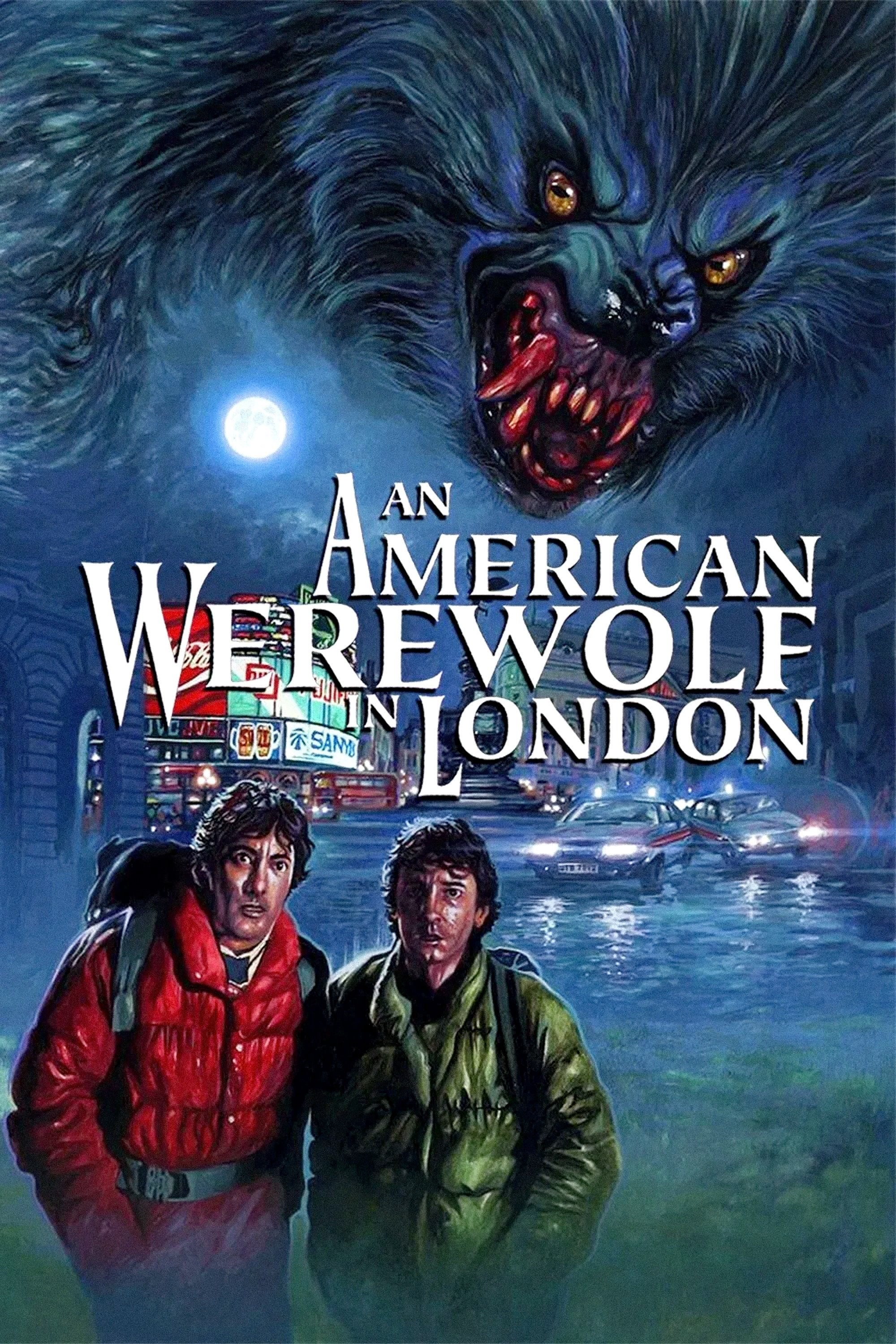
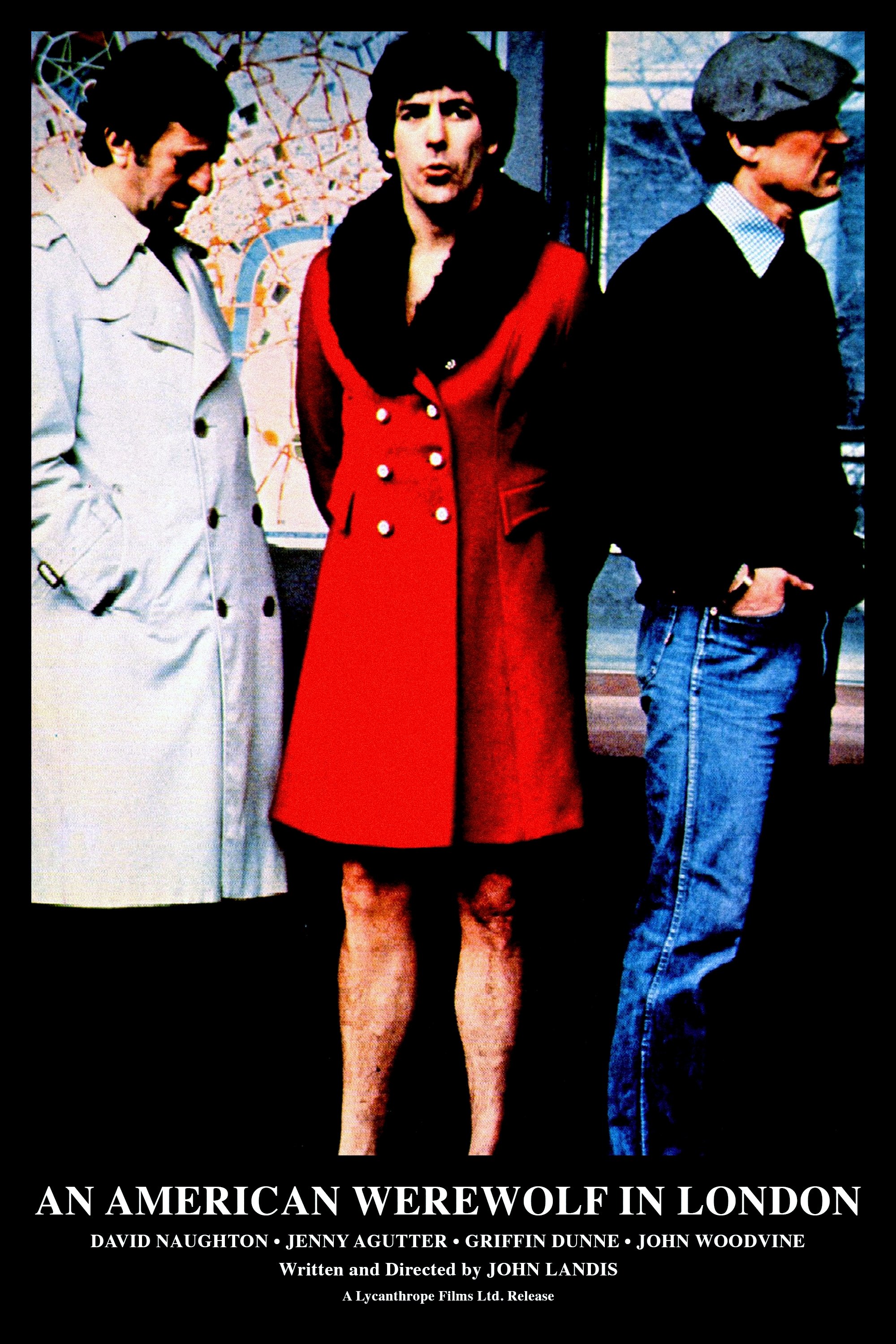
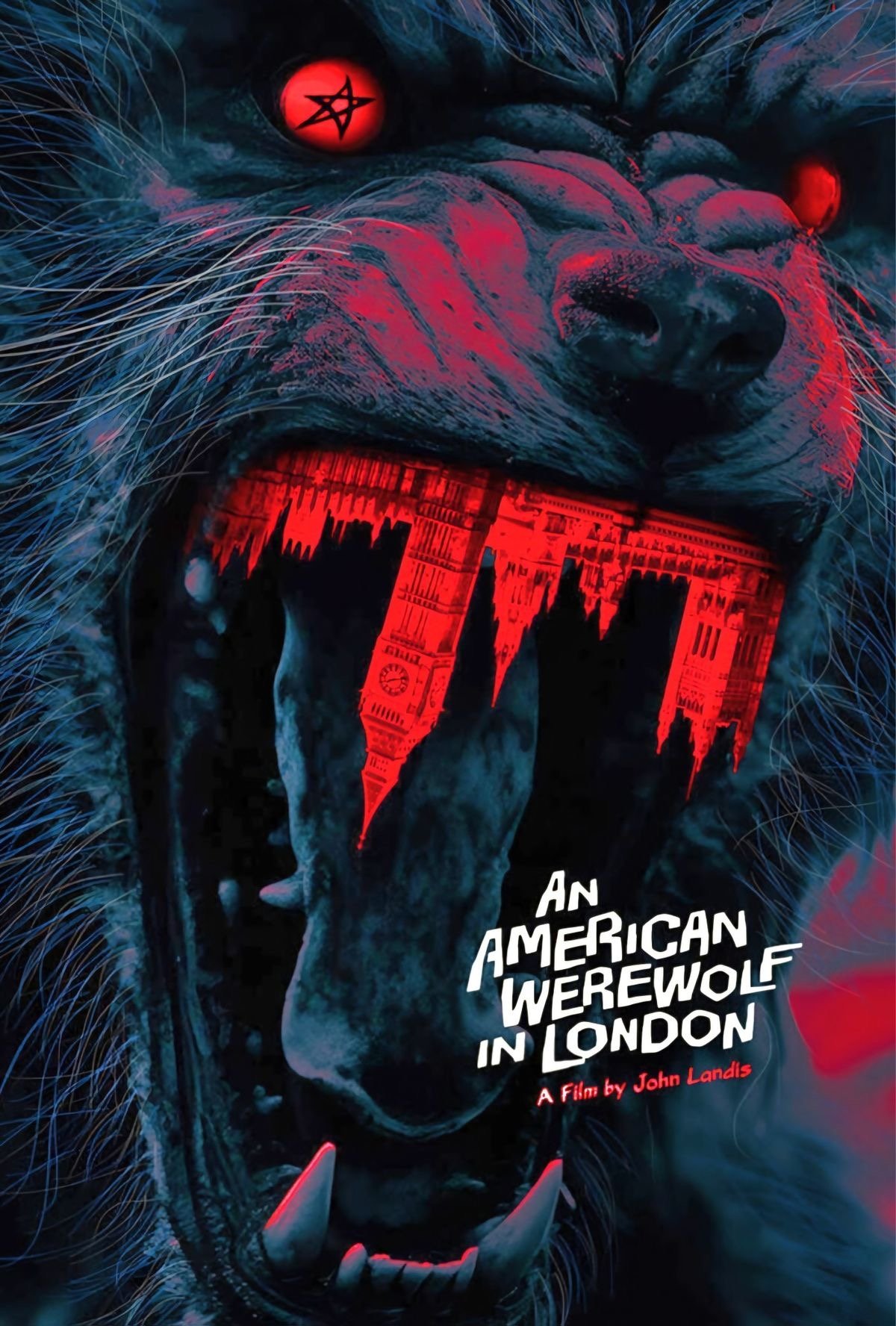
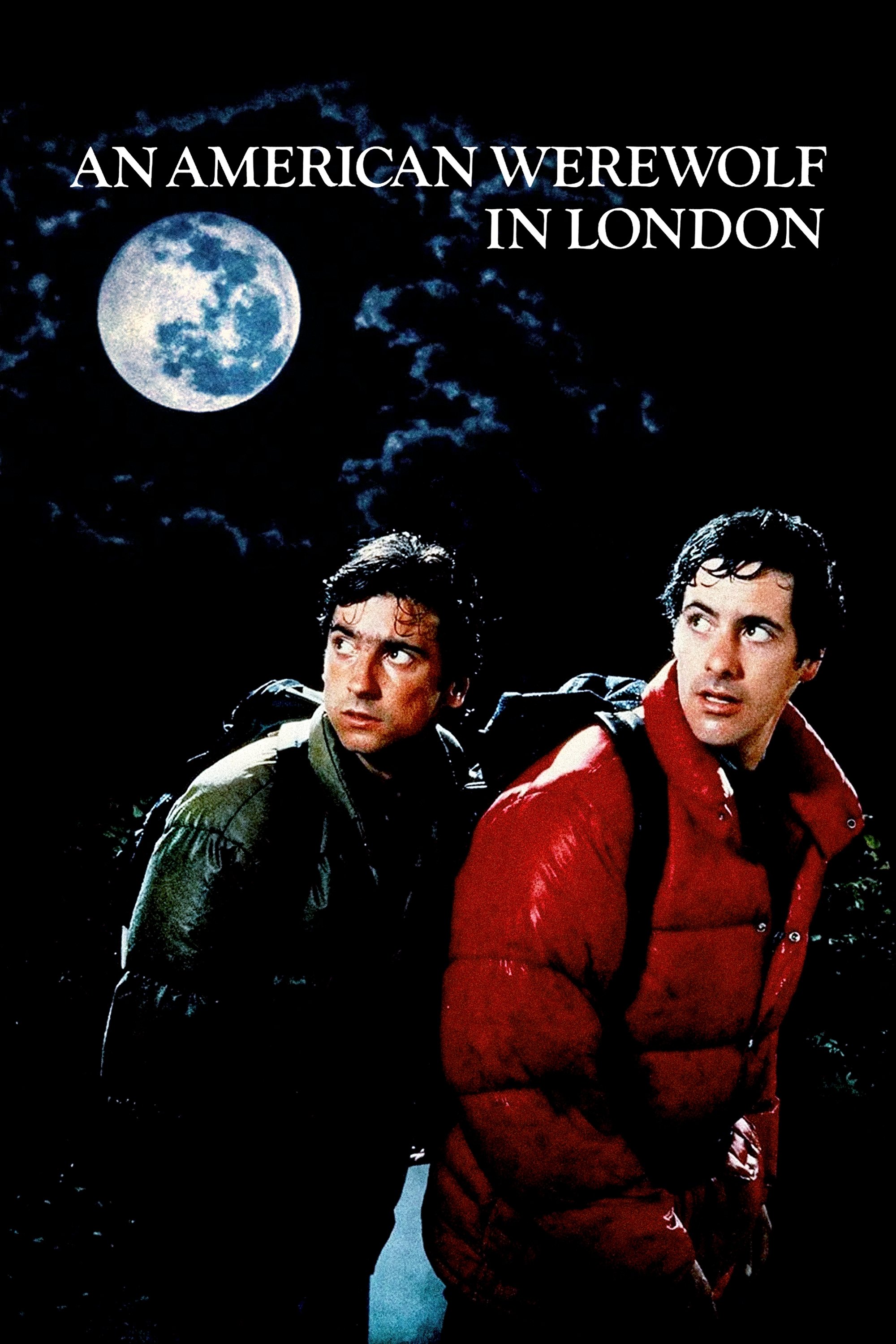
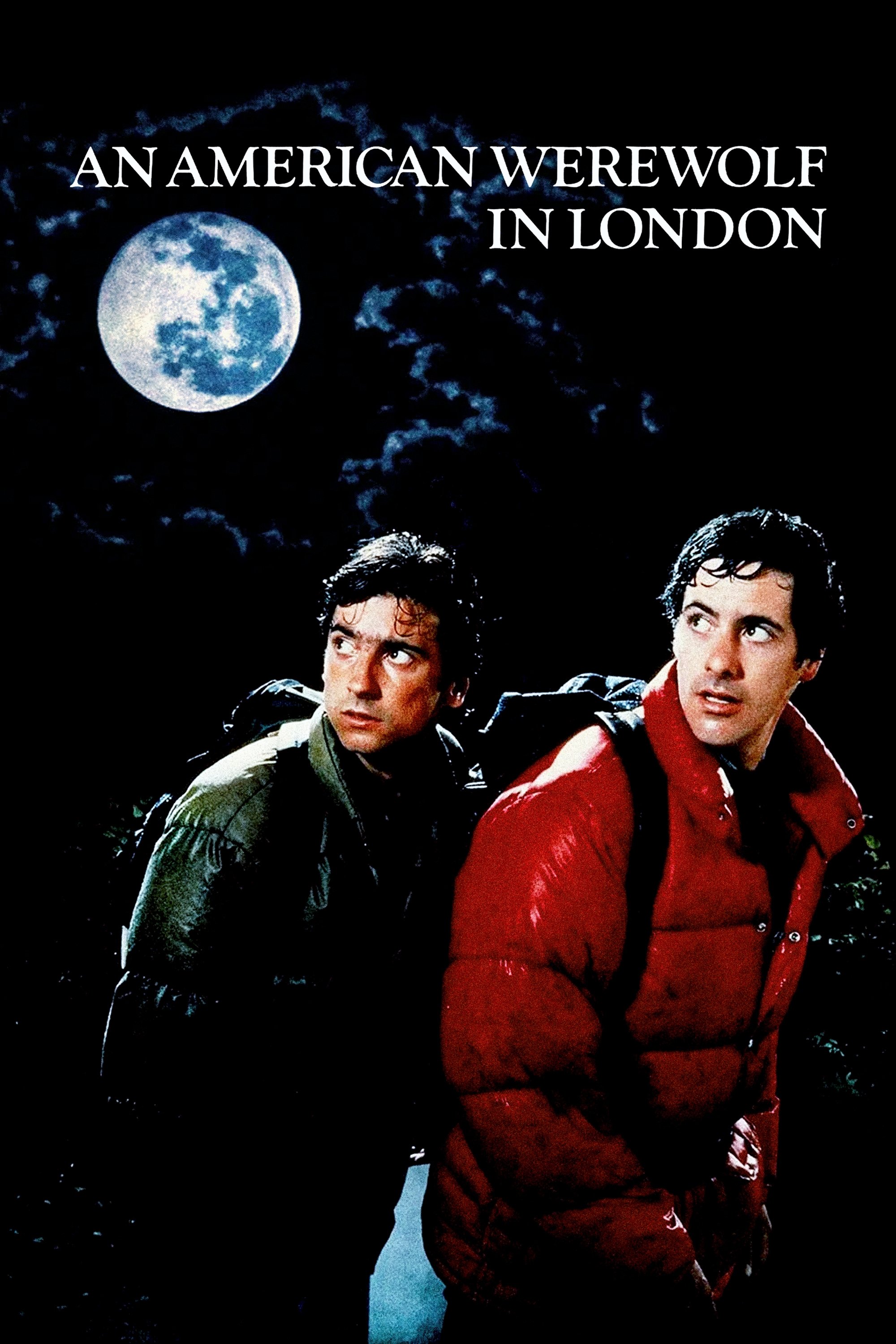
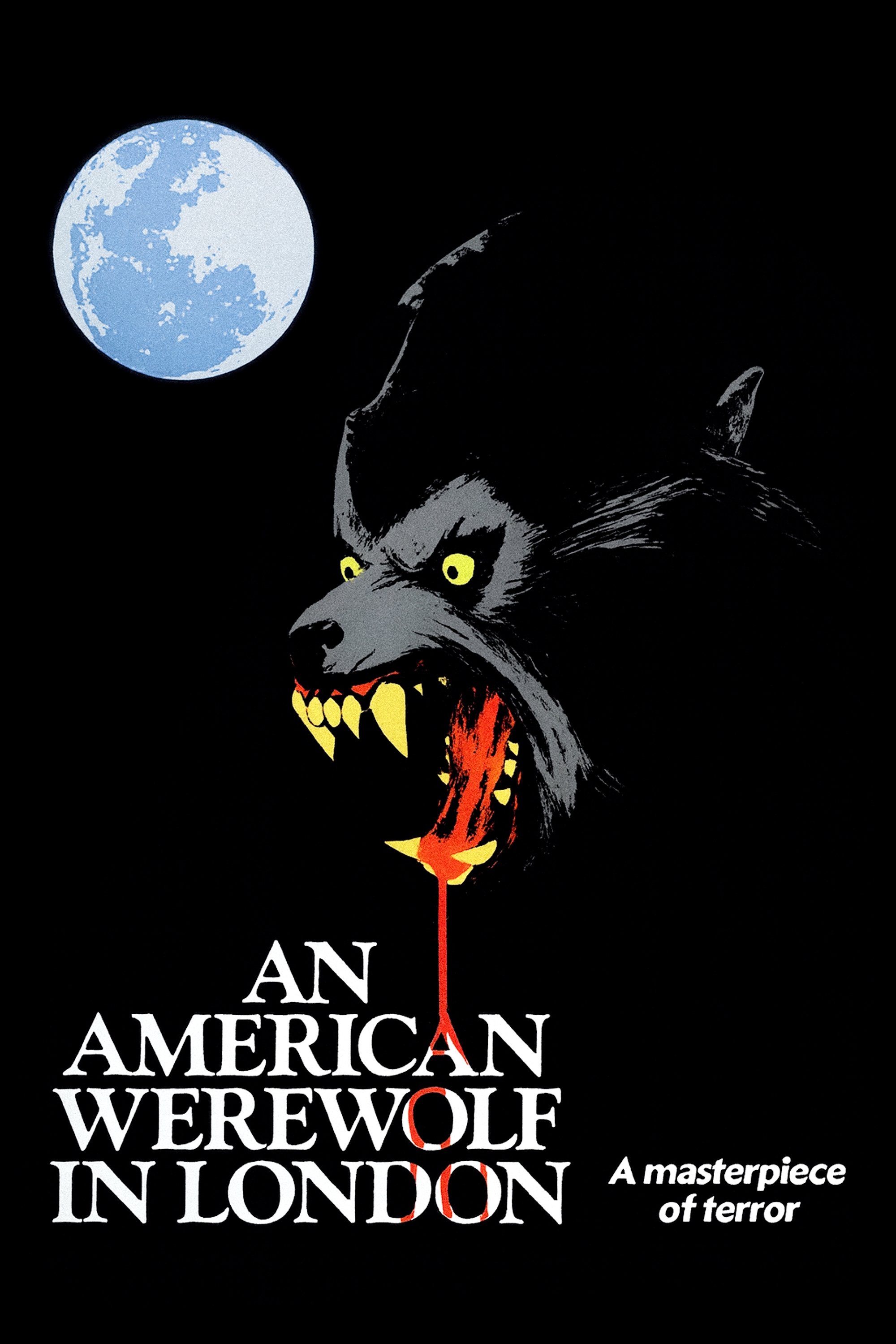
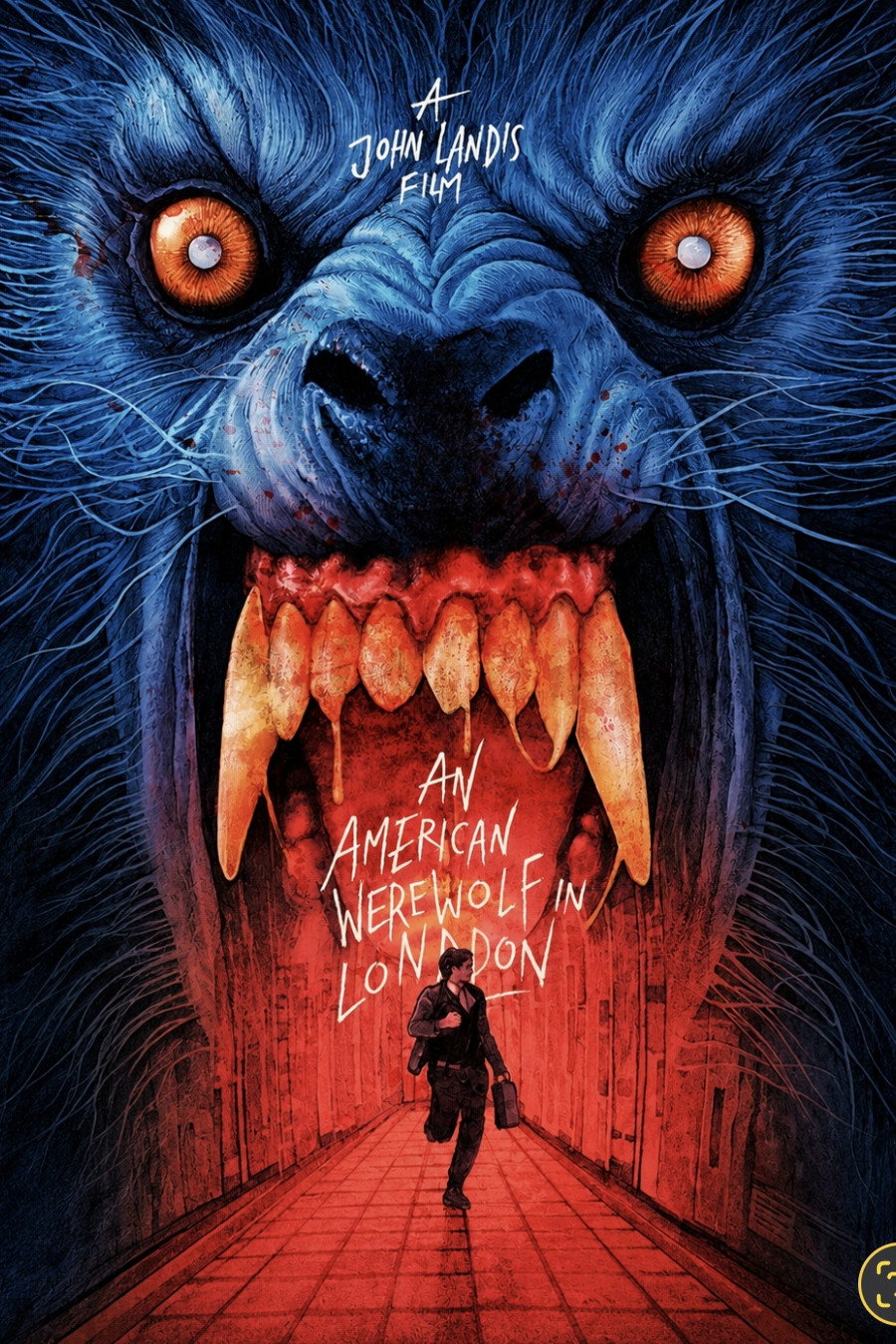
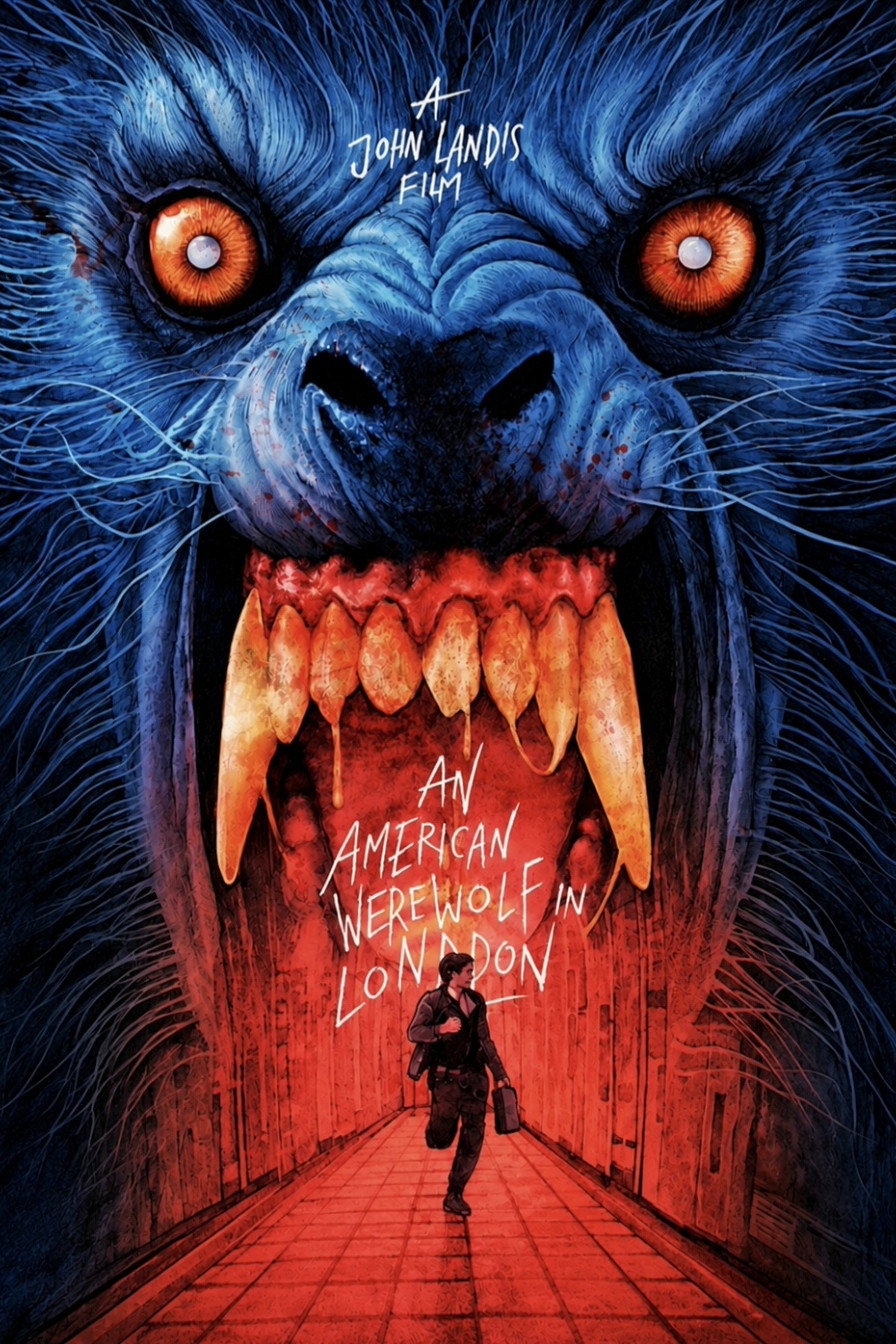
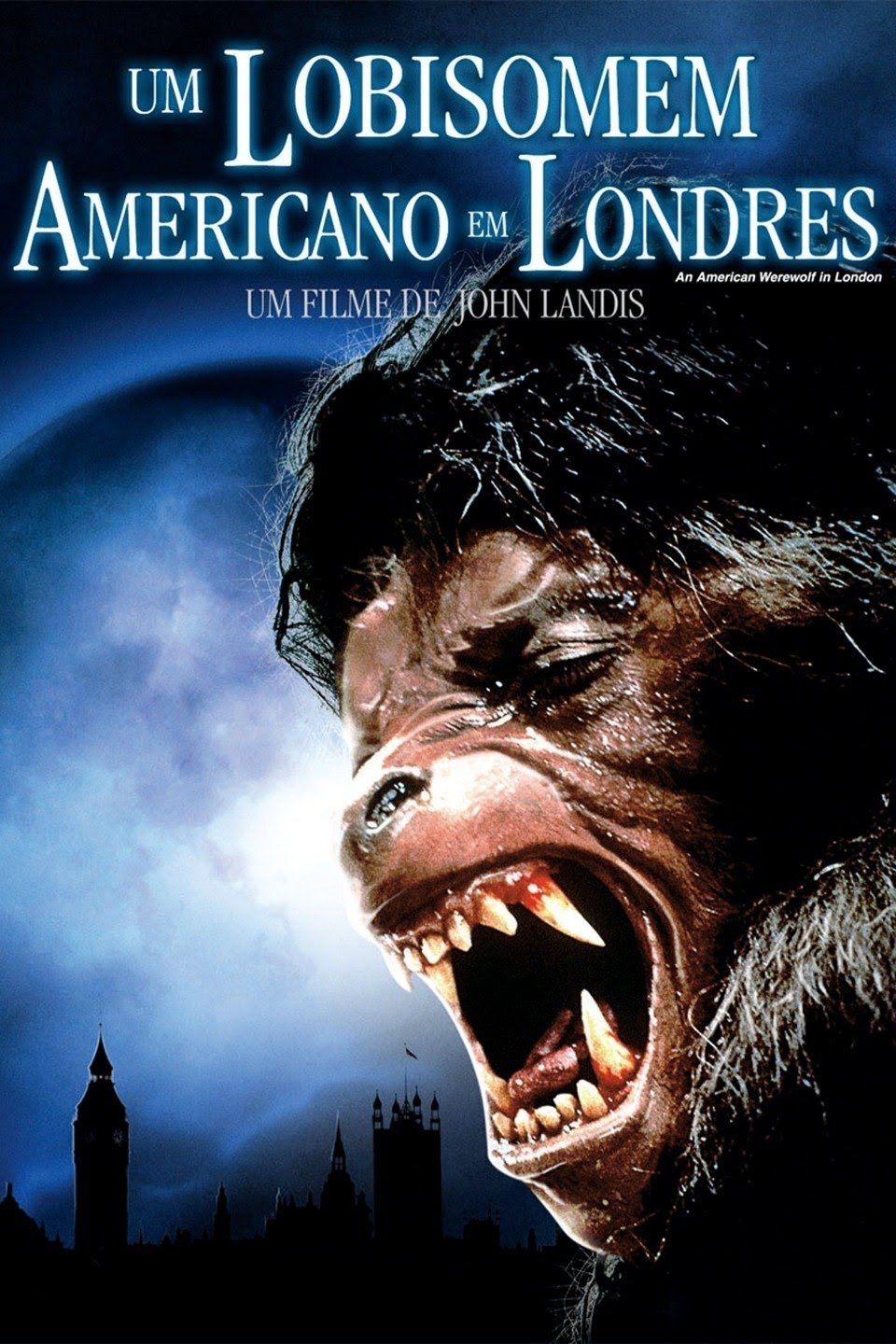
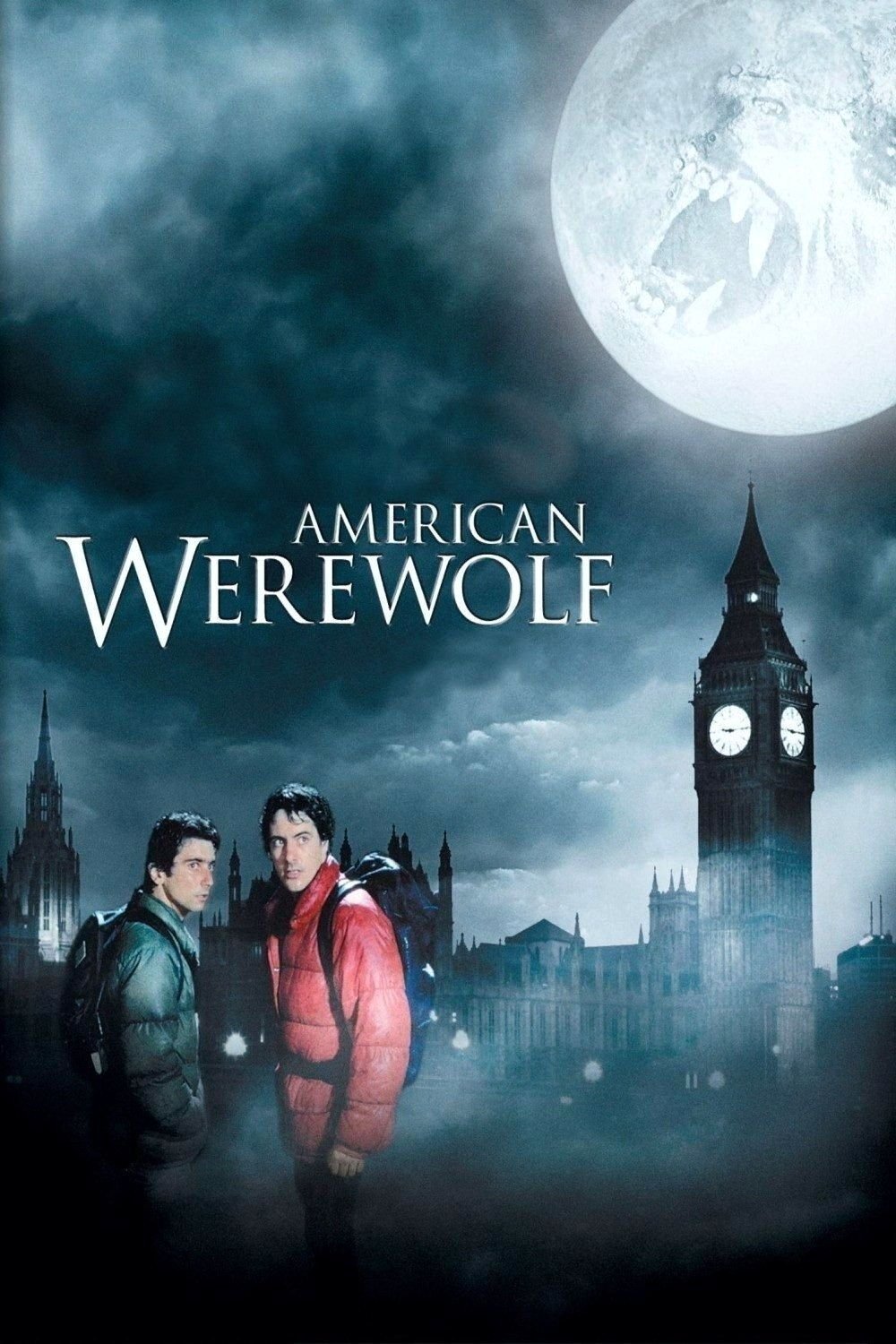
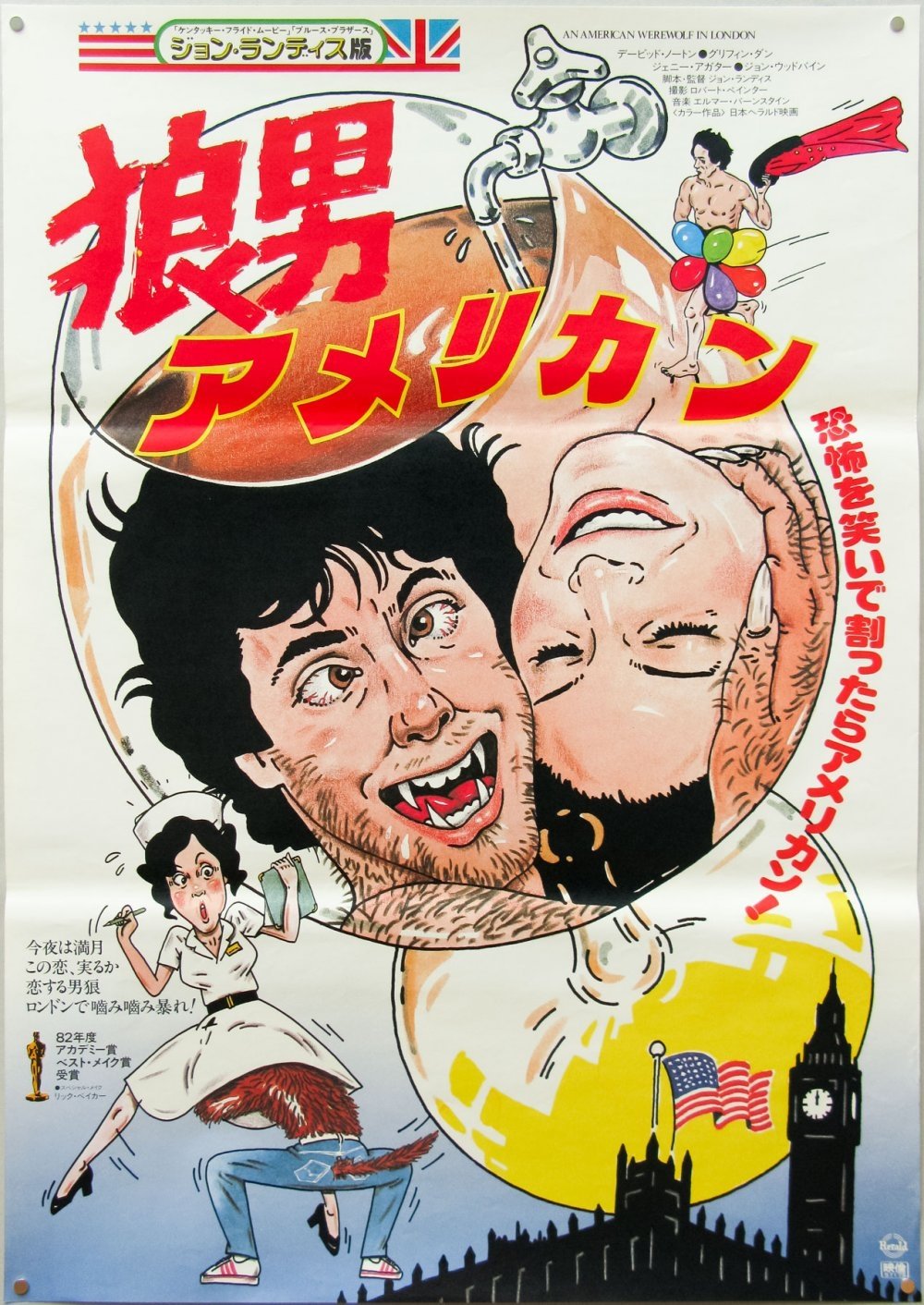
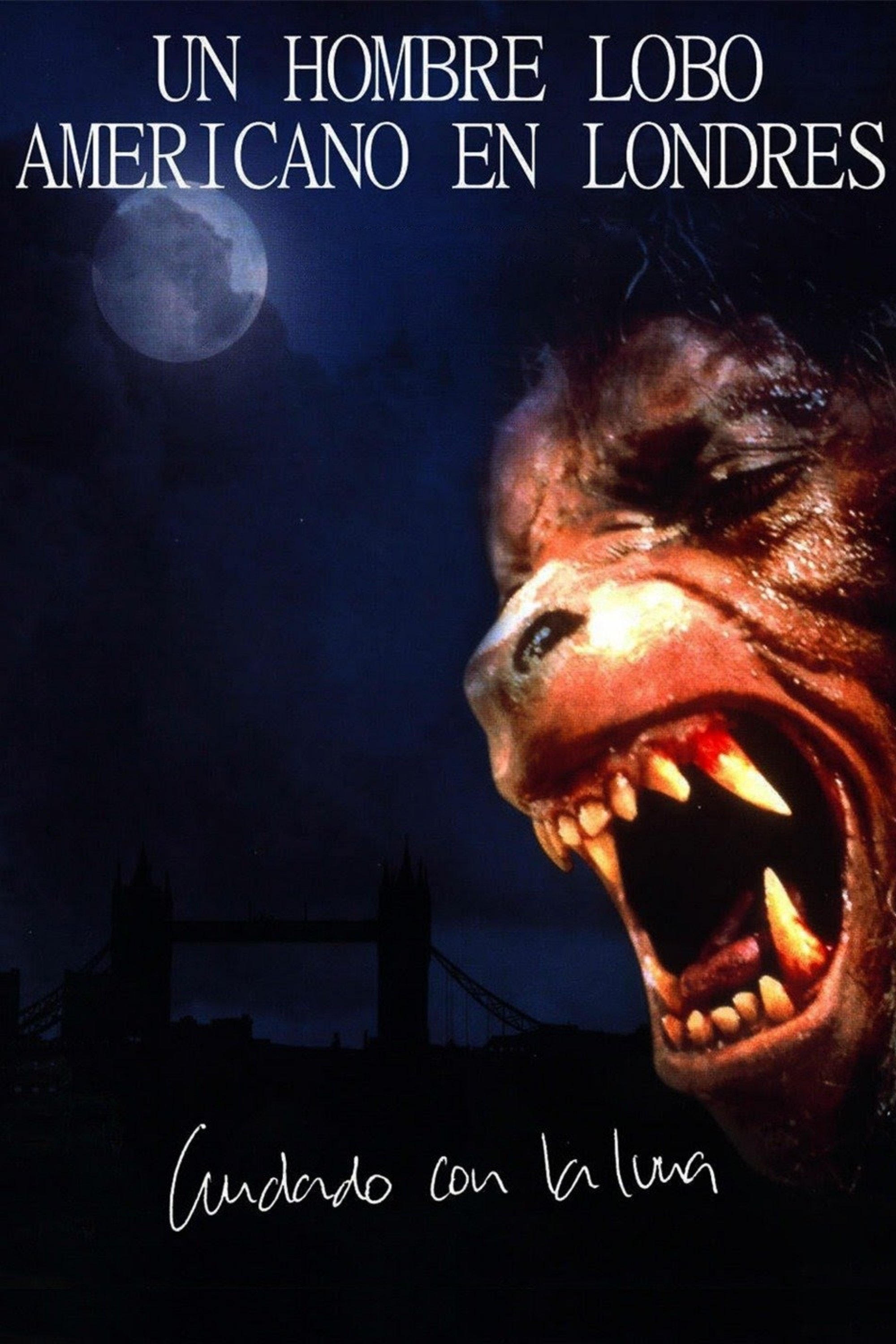
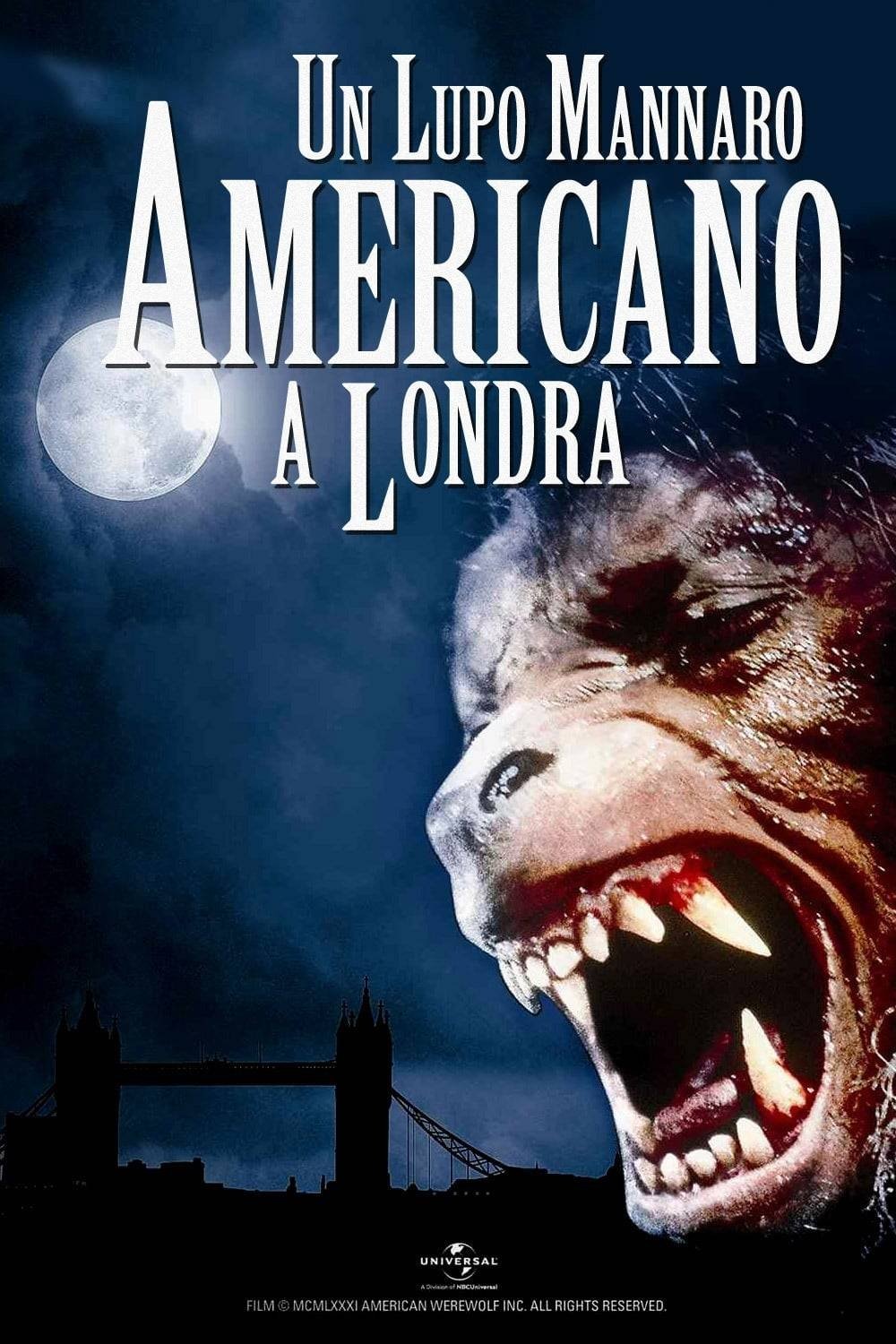
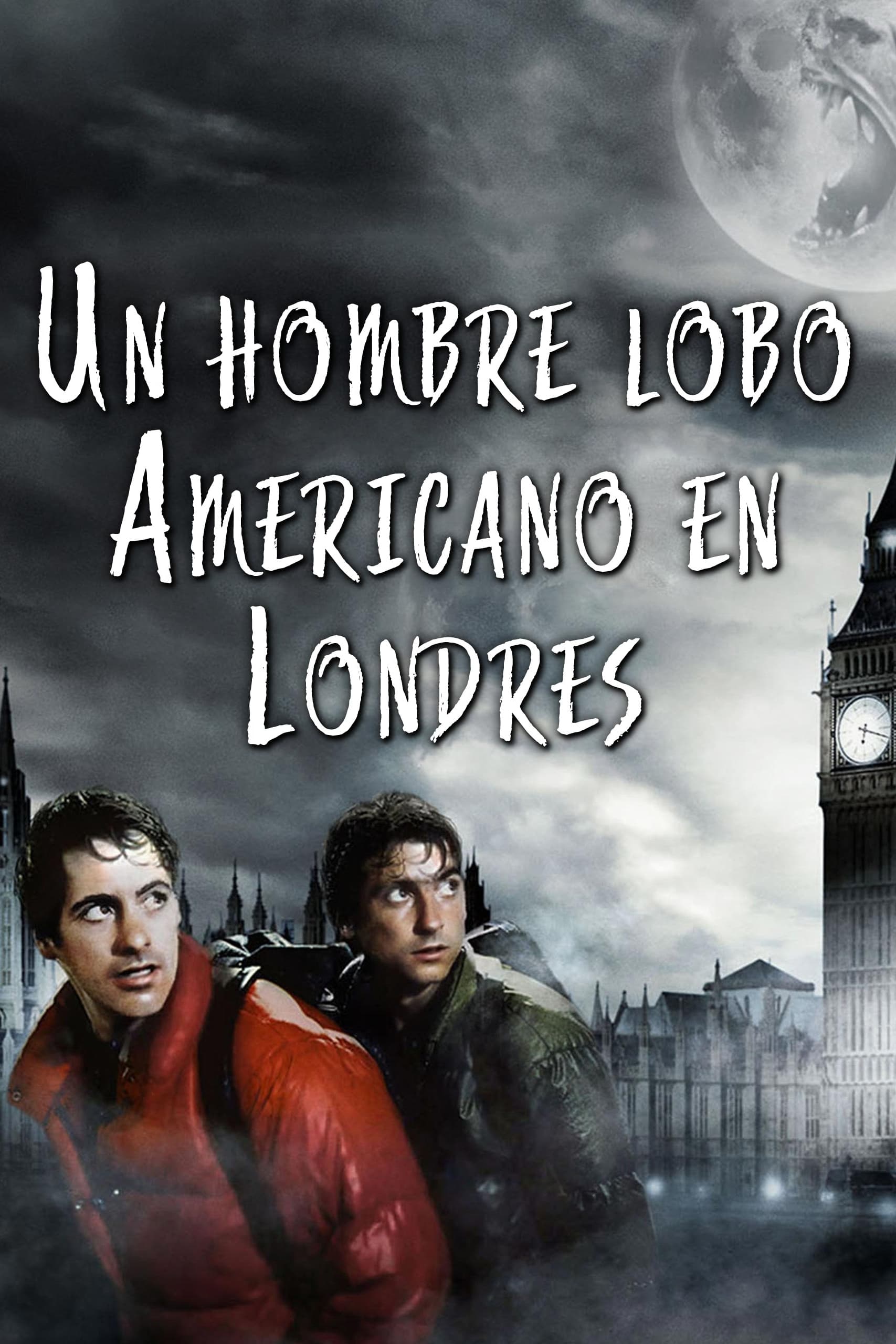
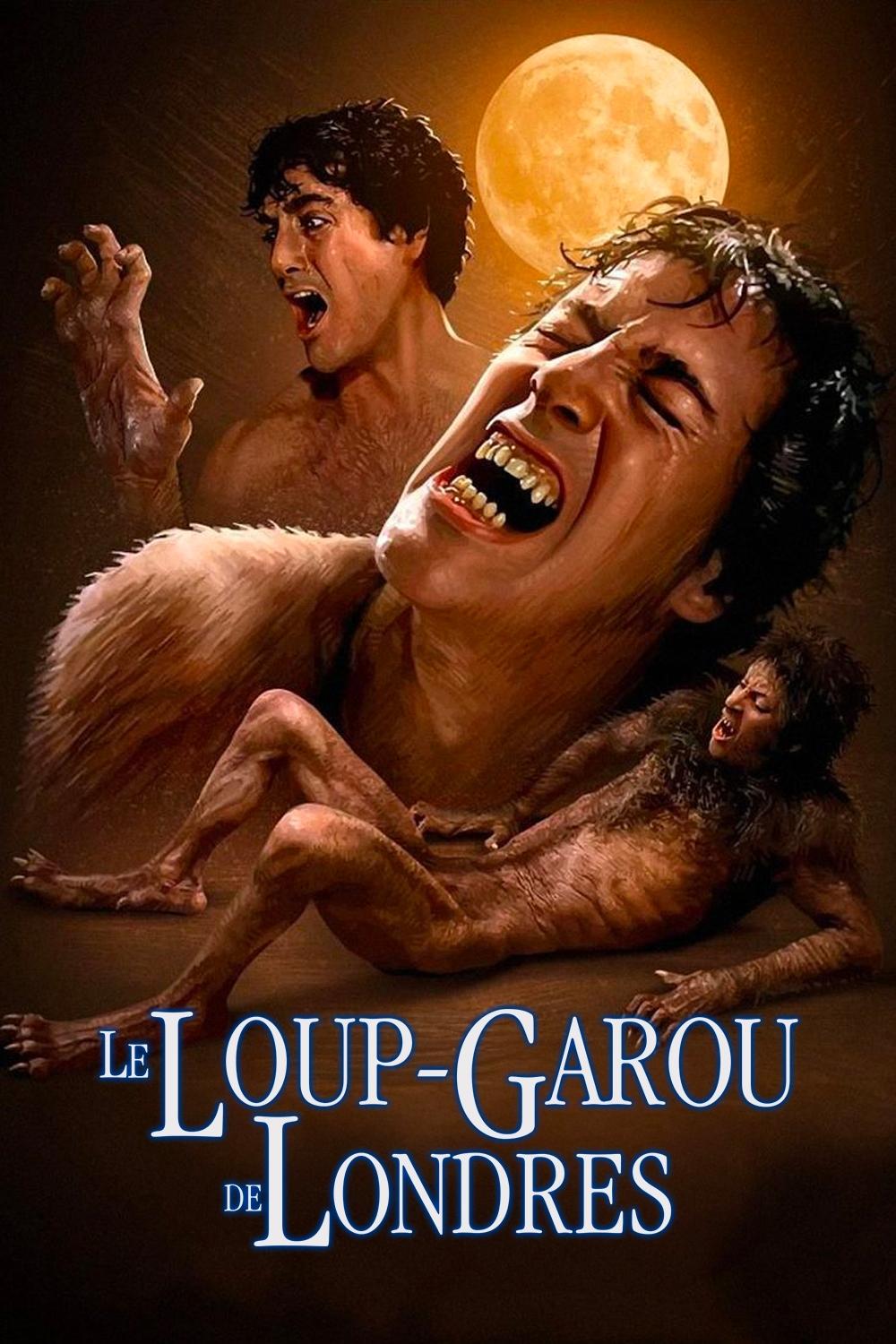
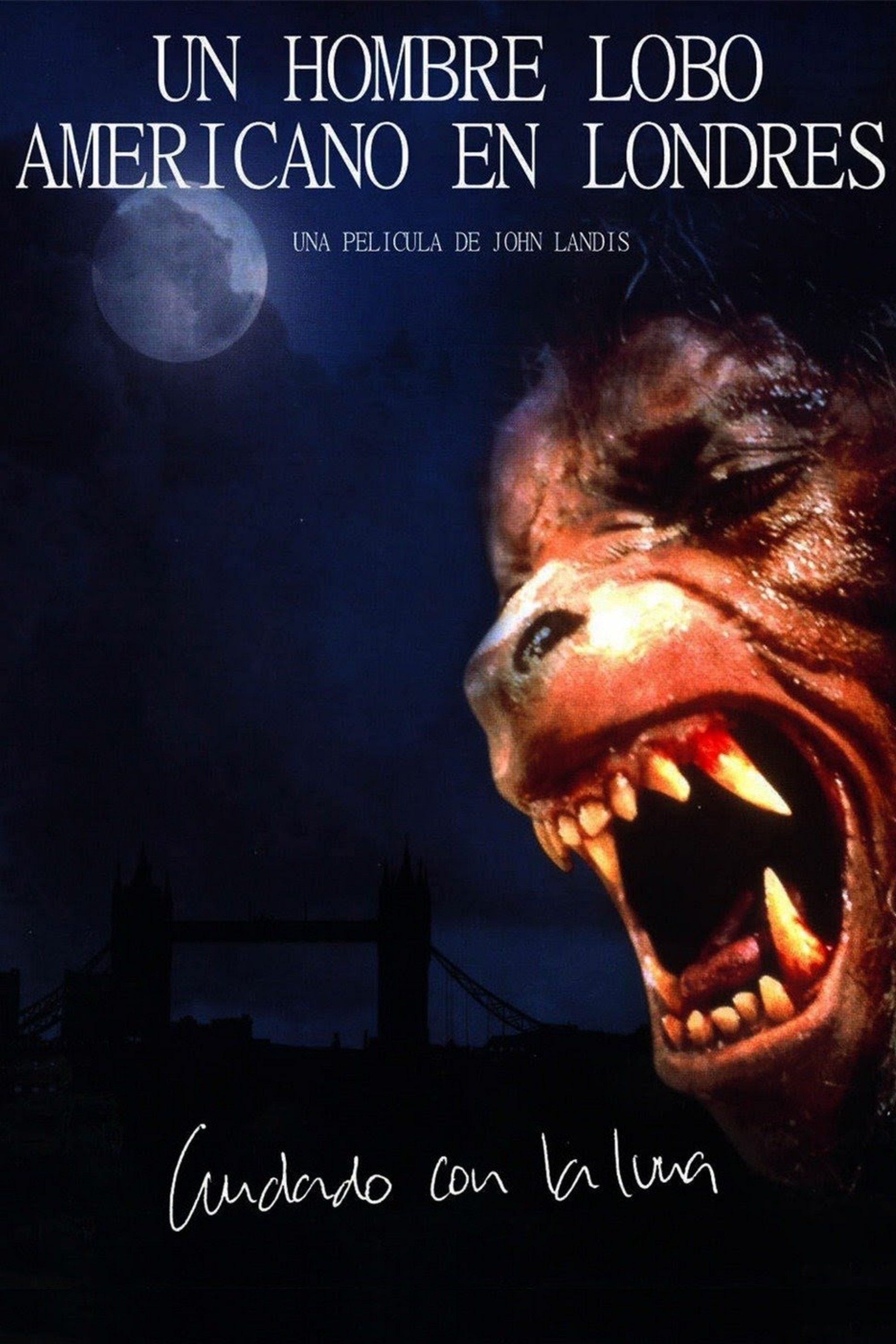
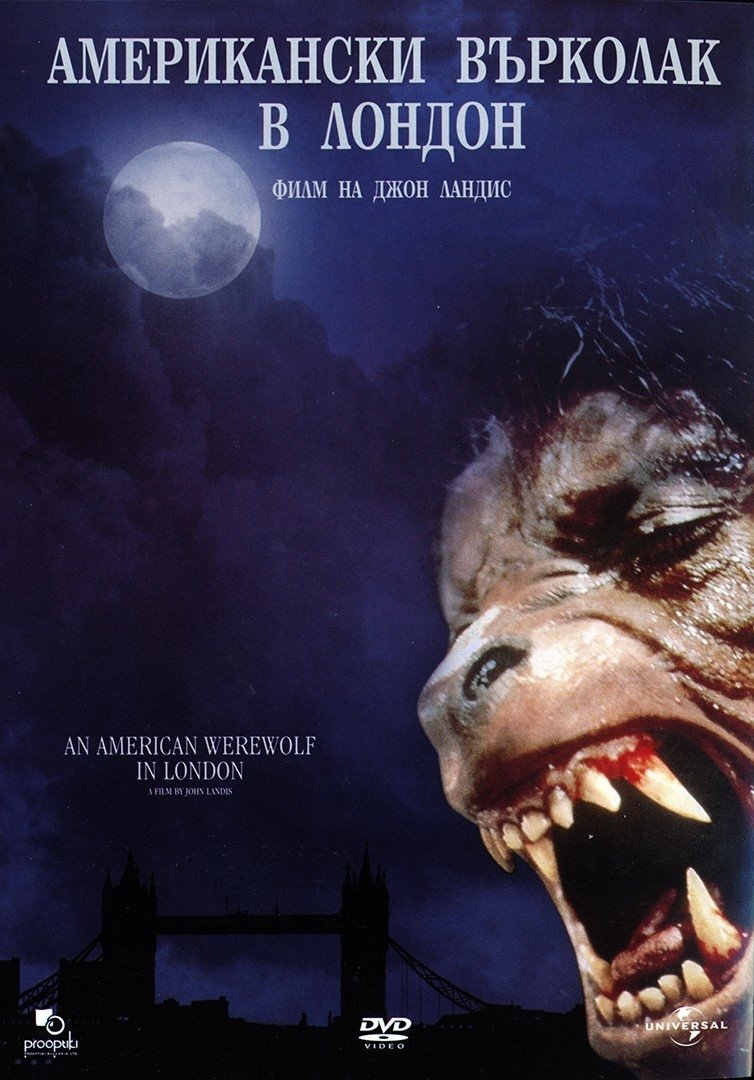
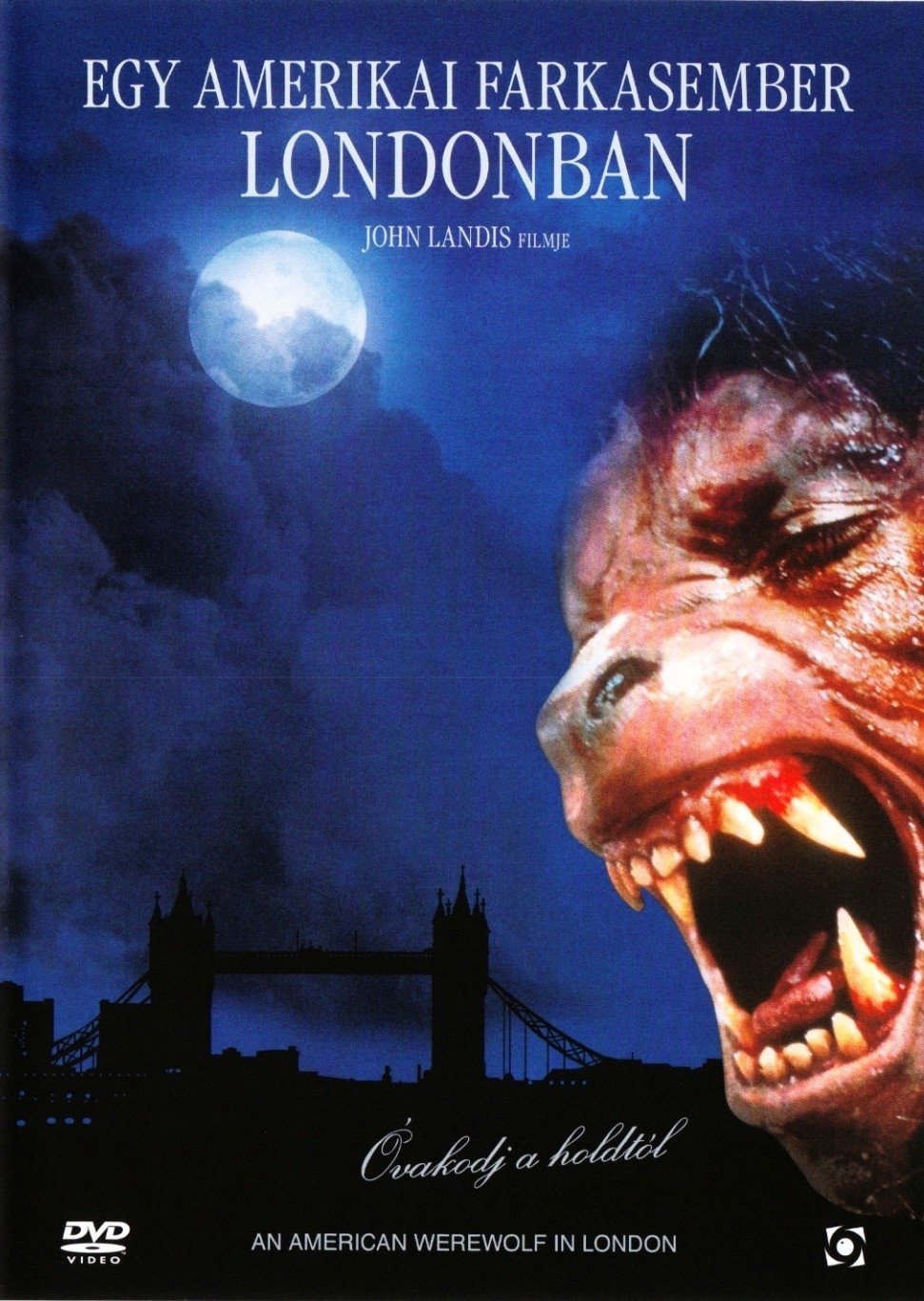
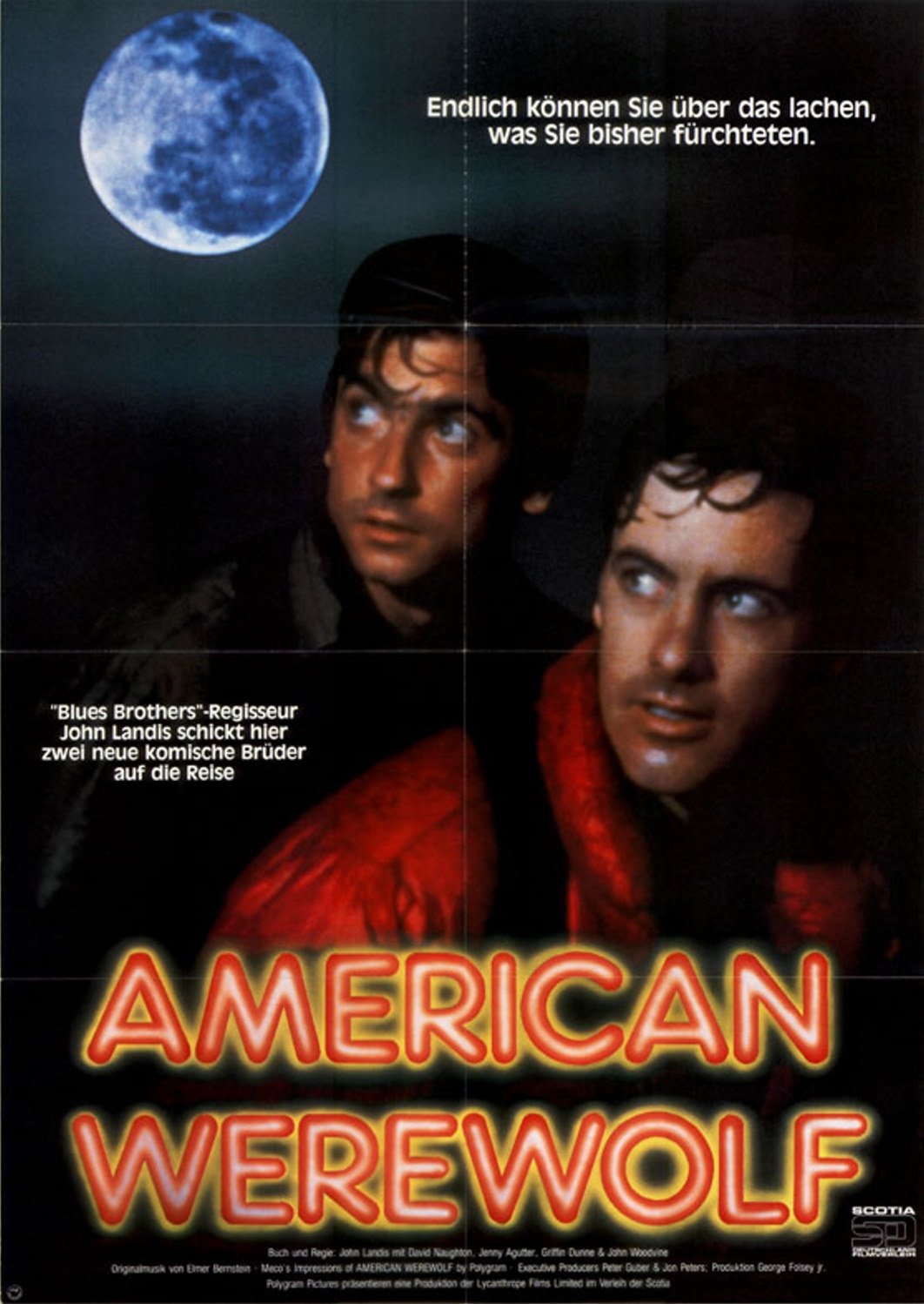
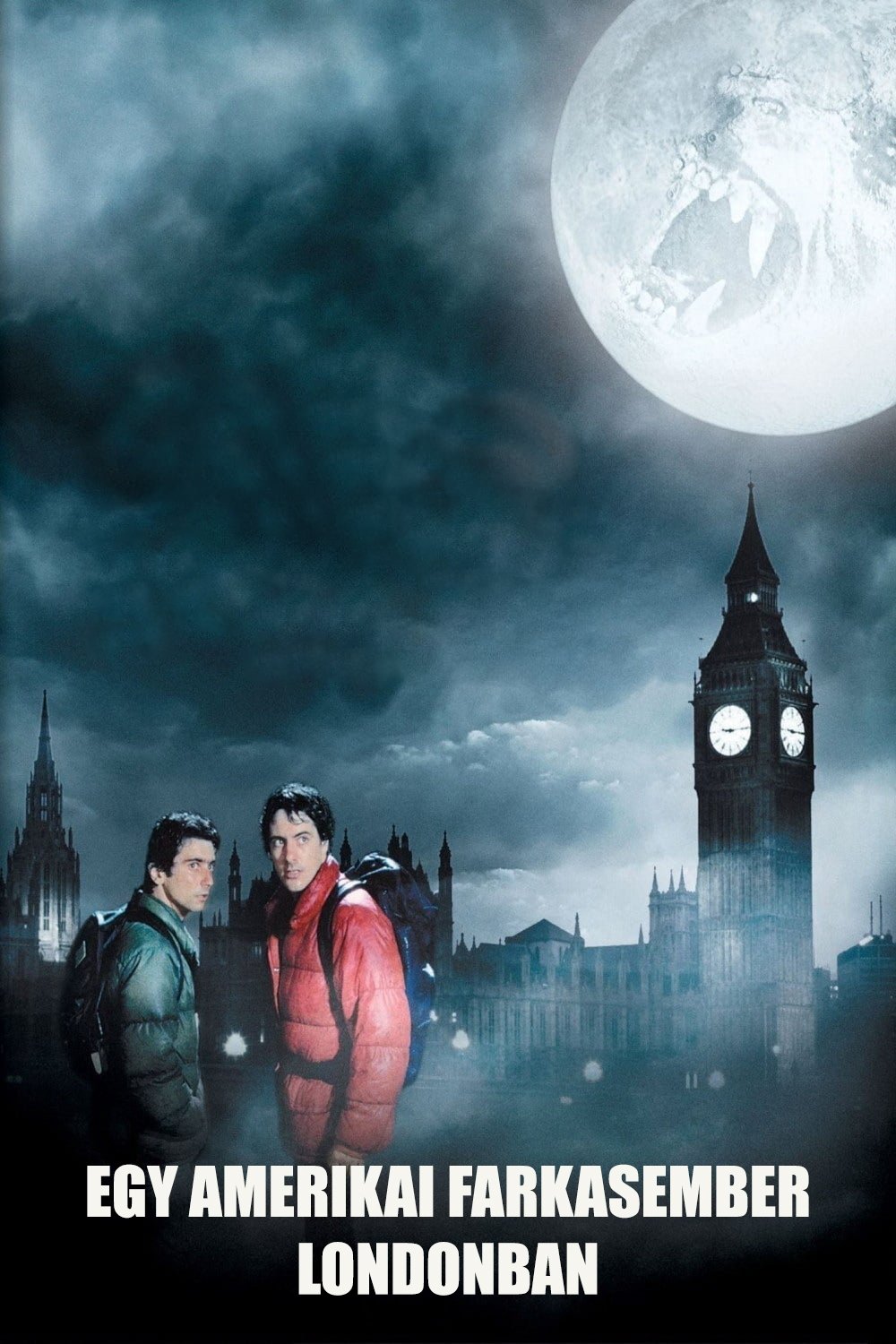
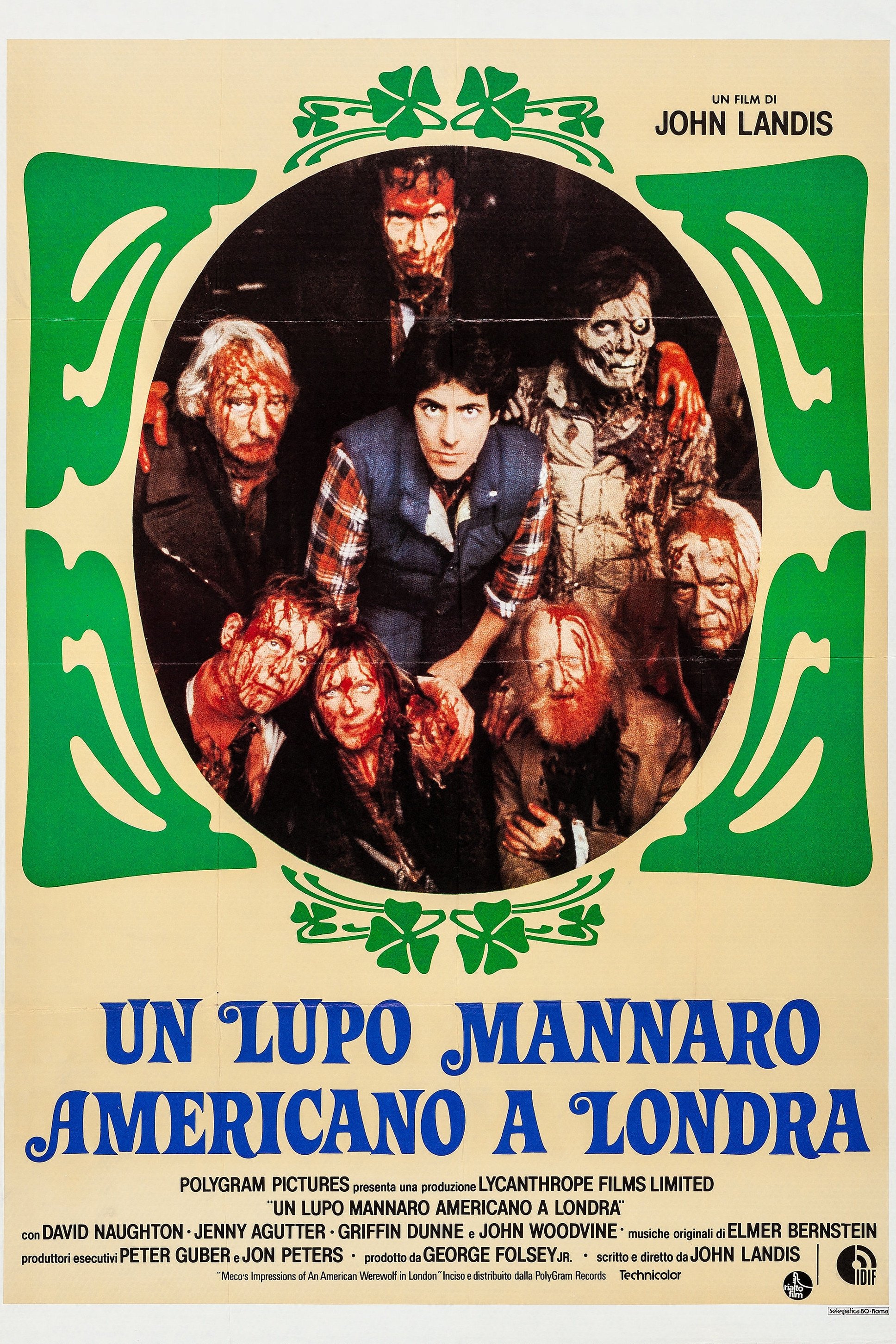
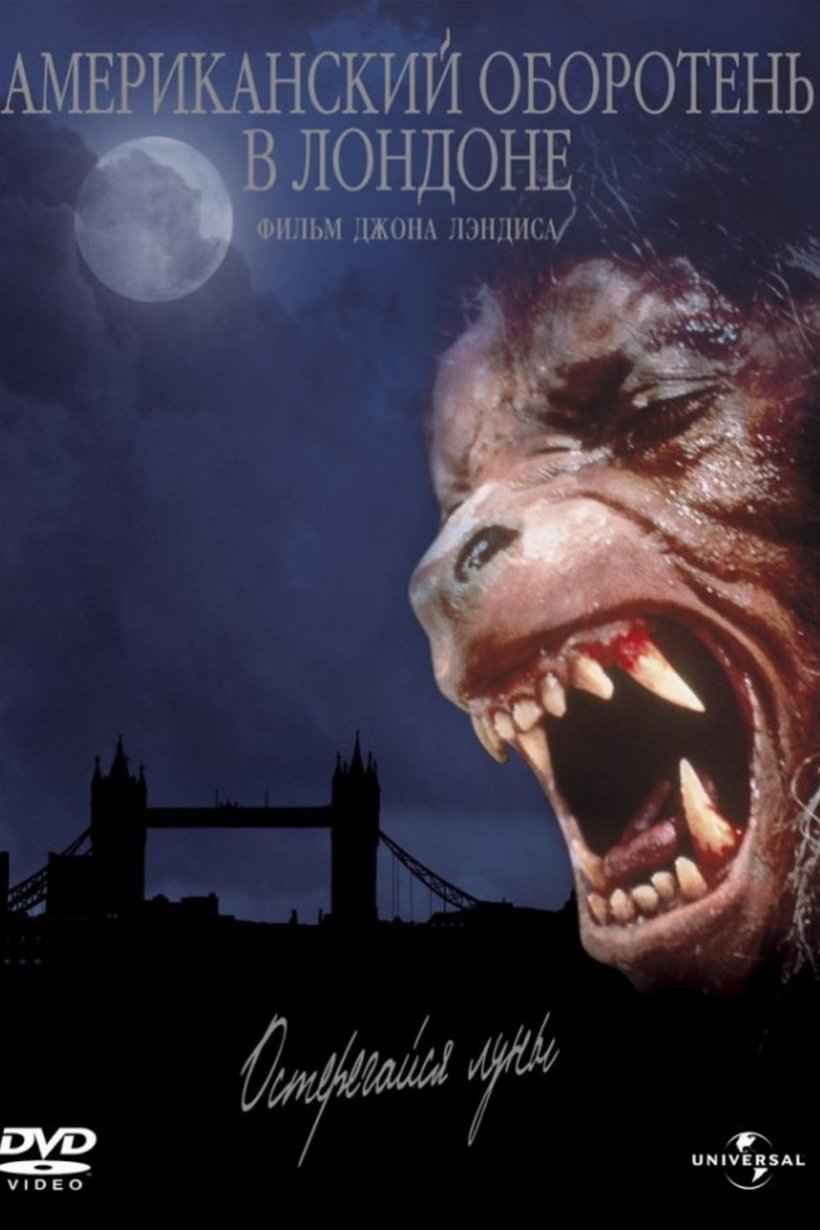
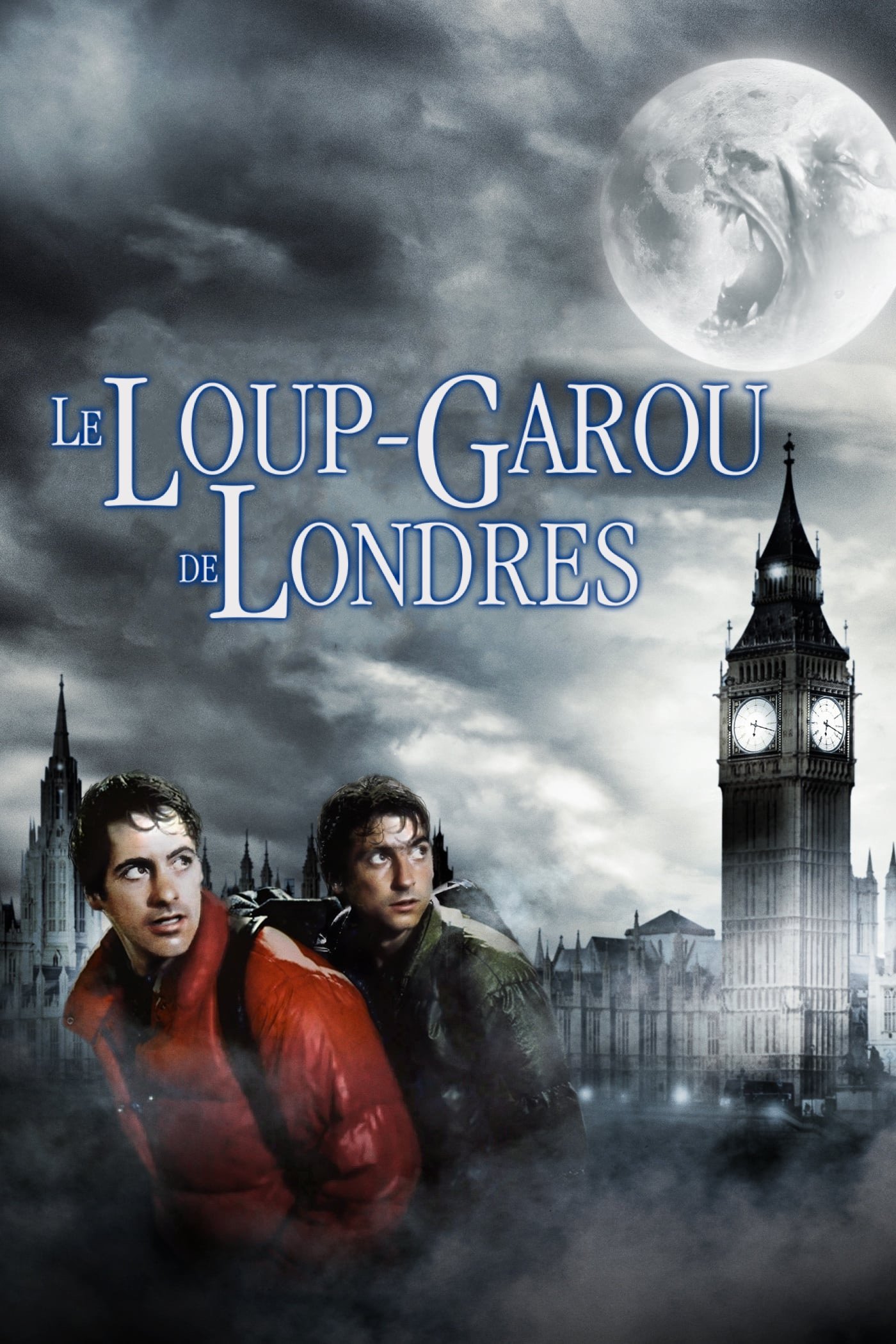
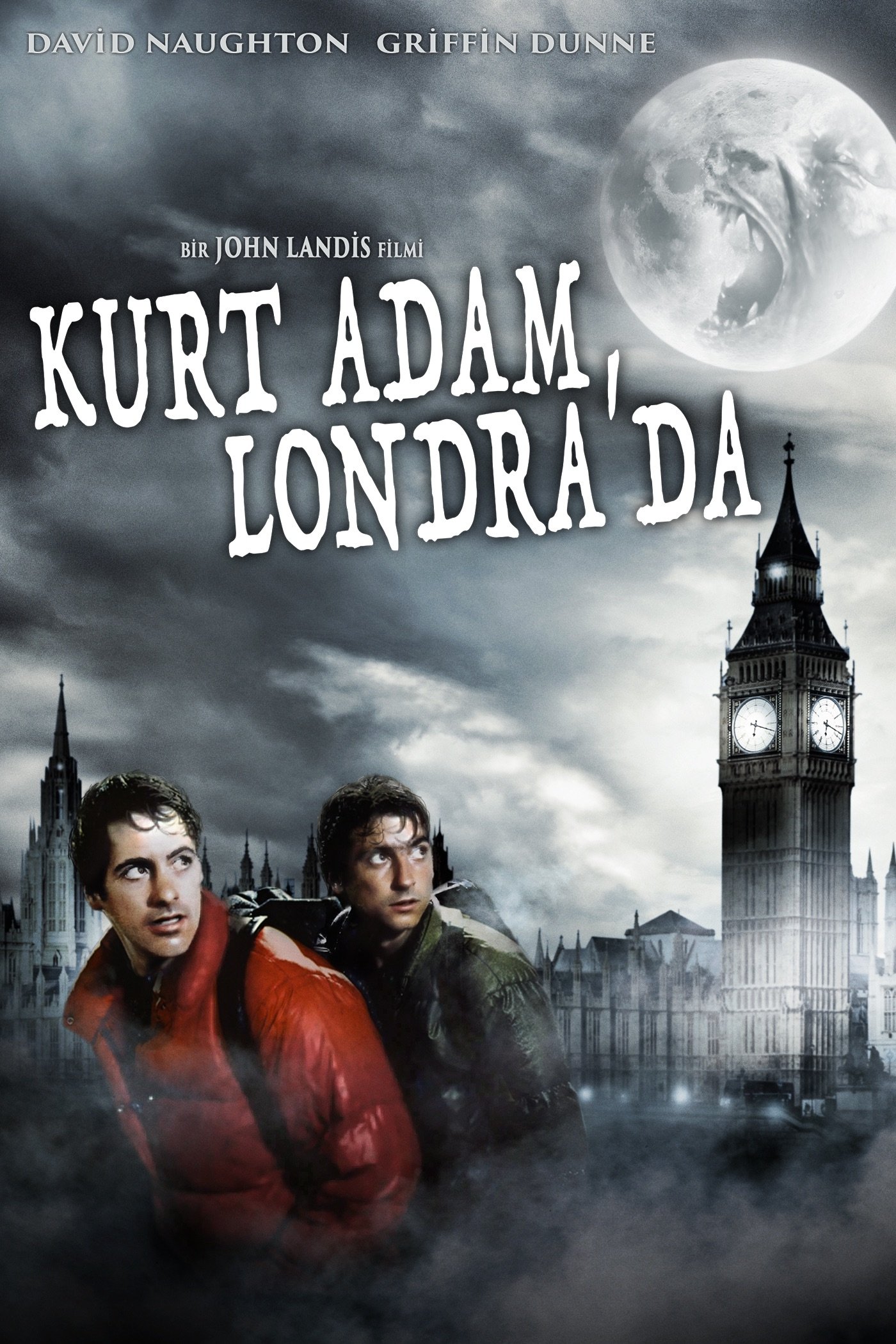
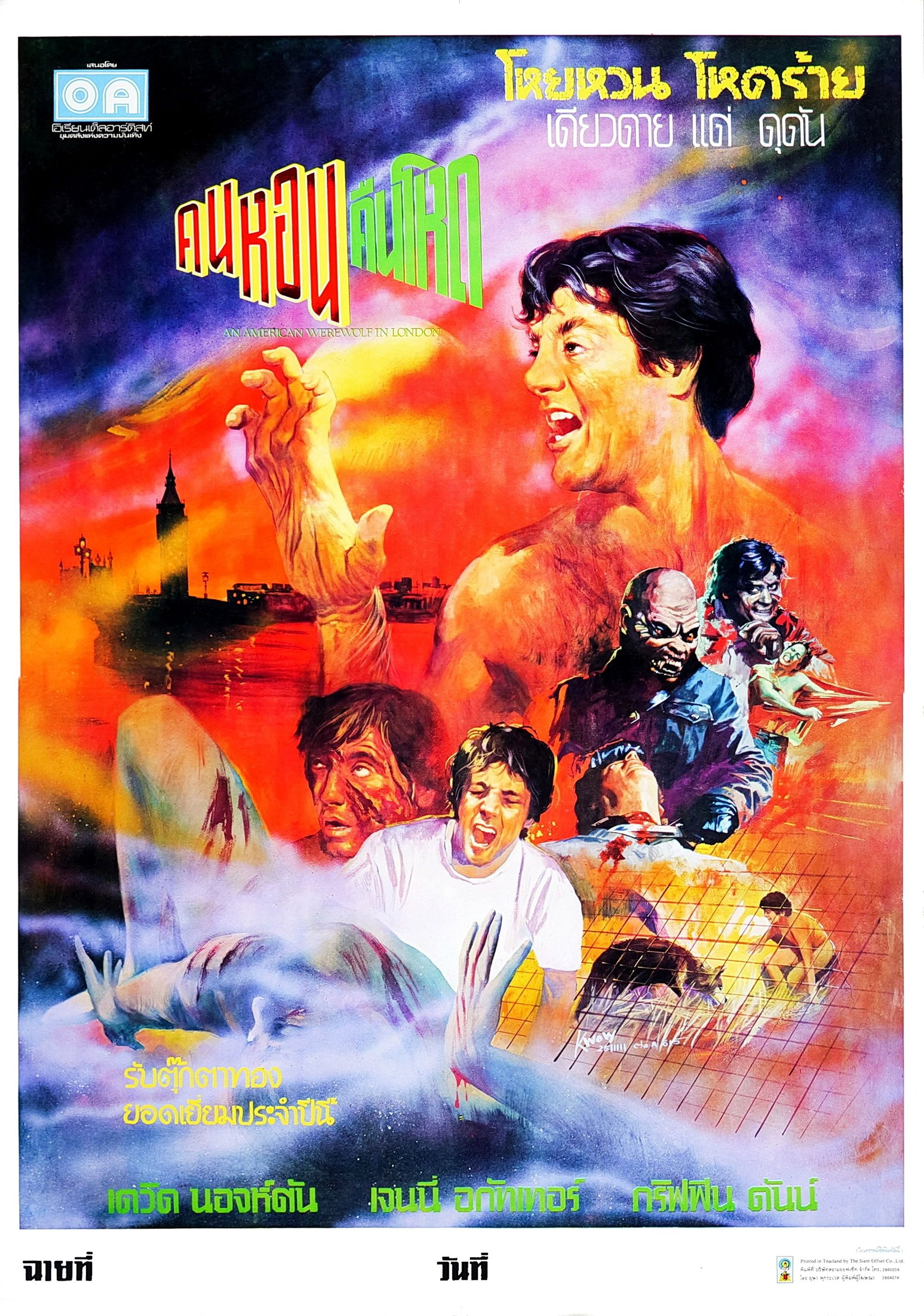
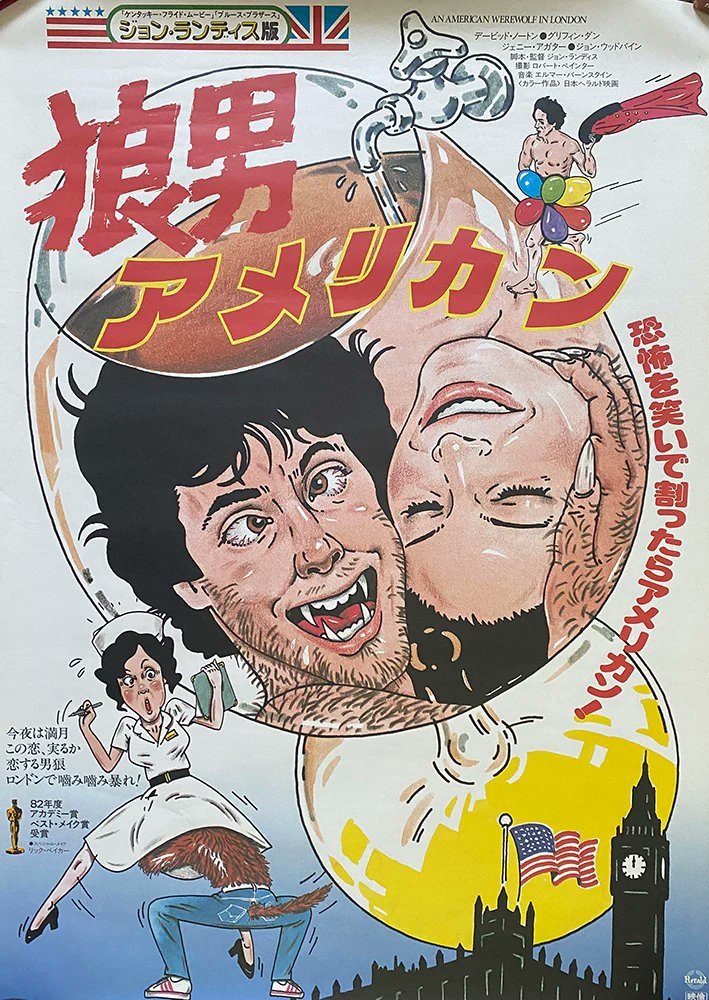
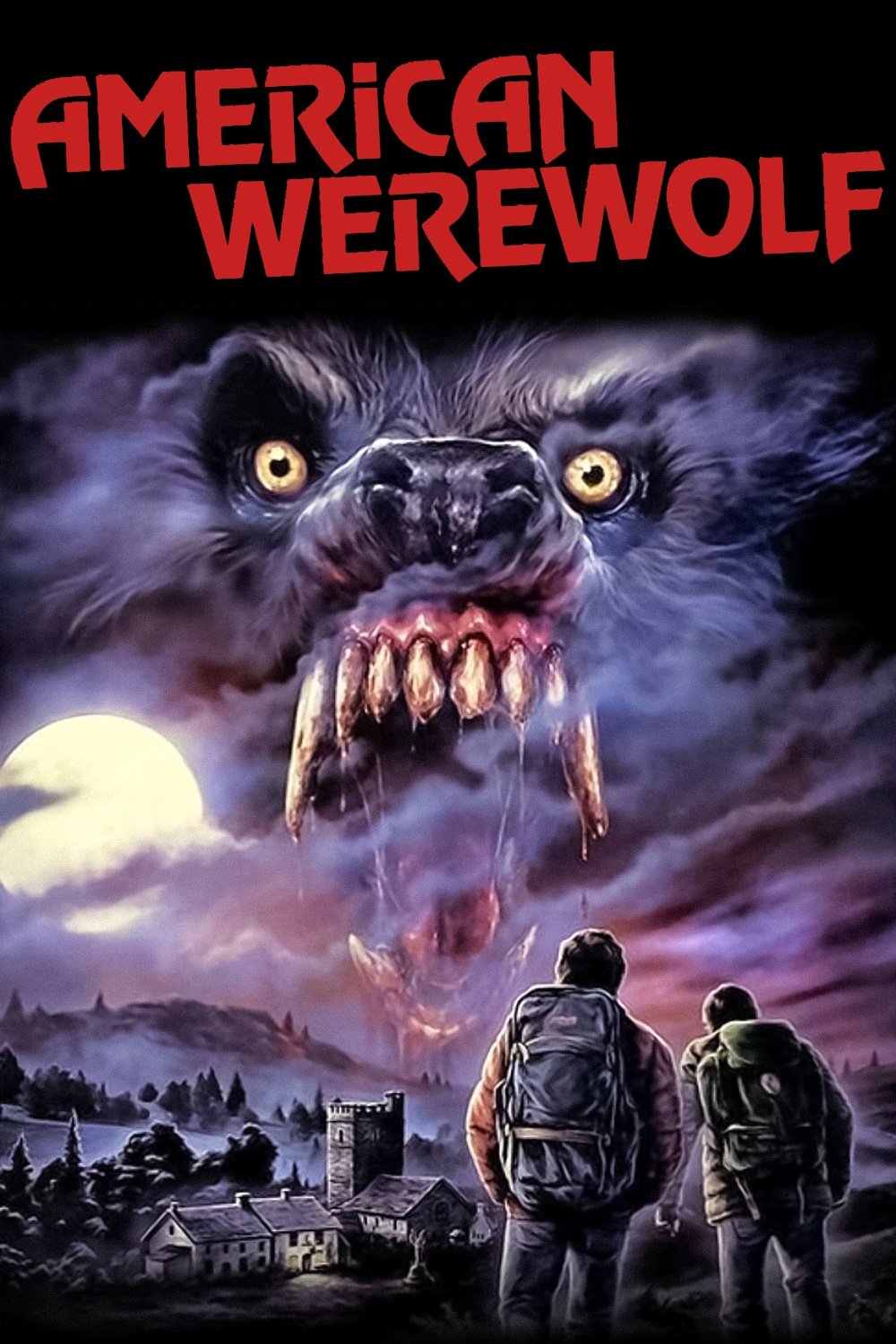
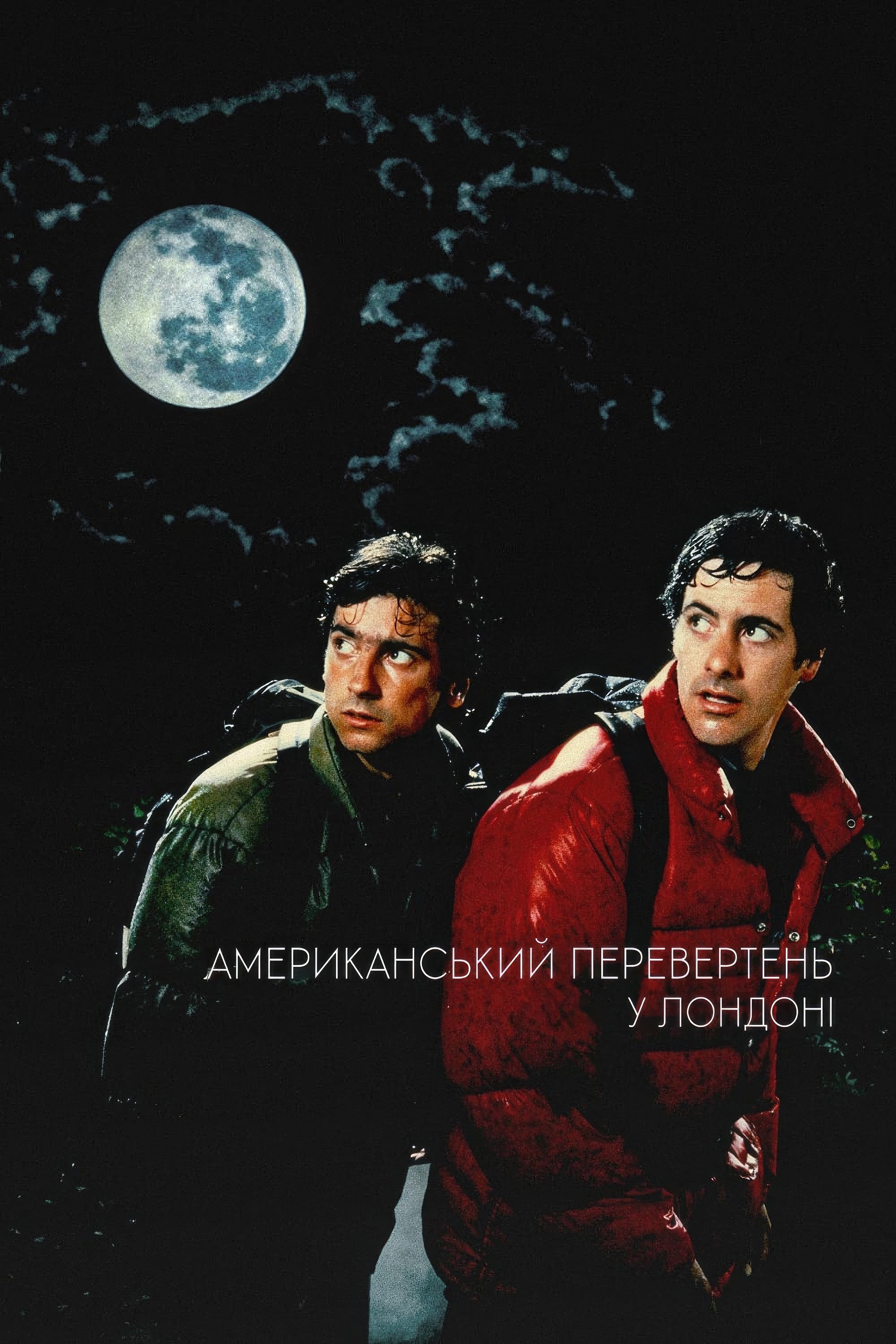
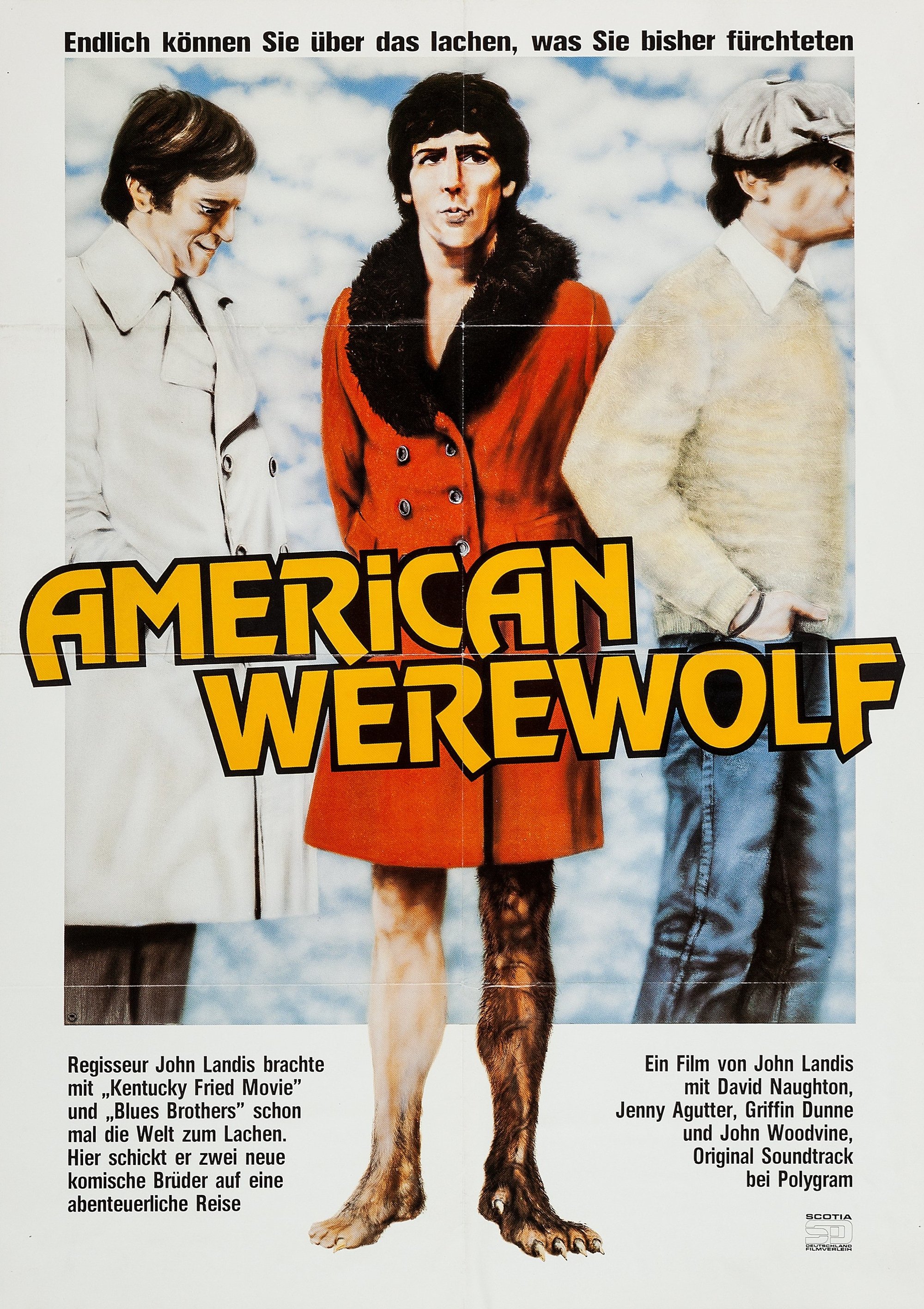
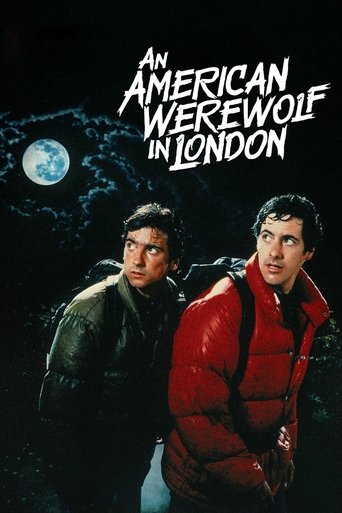
An American Werewolf in London (1981) poster
Director
Writer
Production Companies
Lyncanthrope Films , Polygram Pictures
Plot

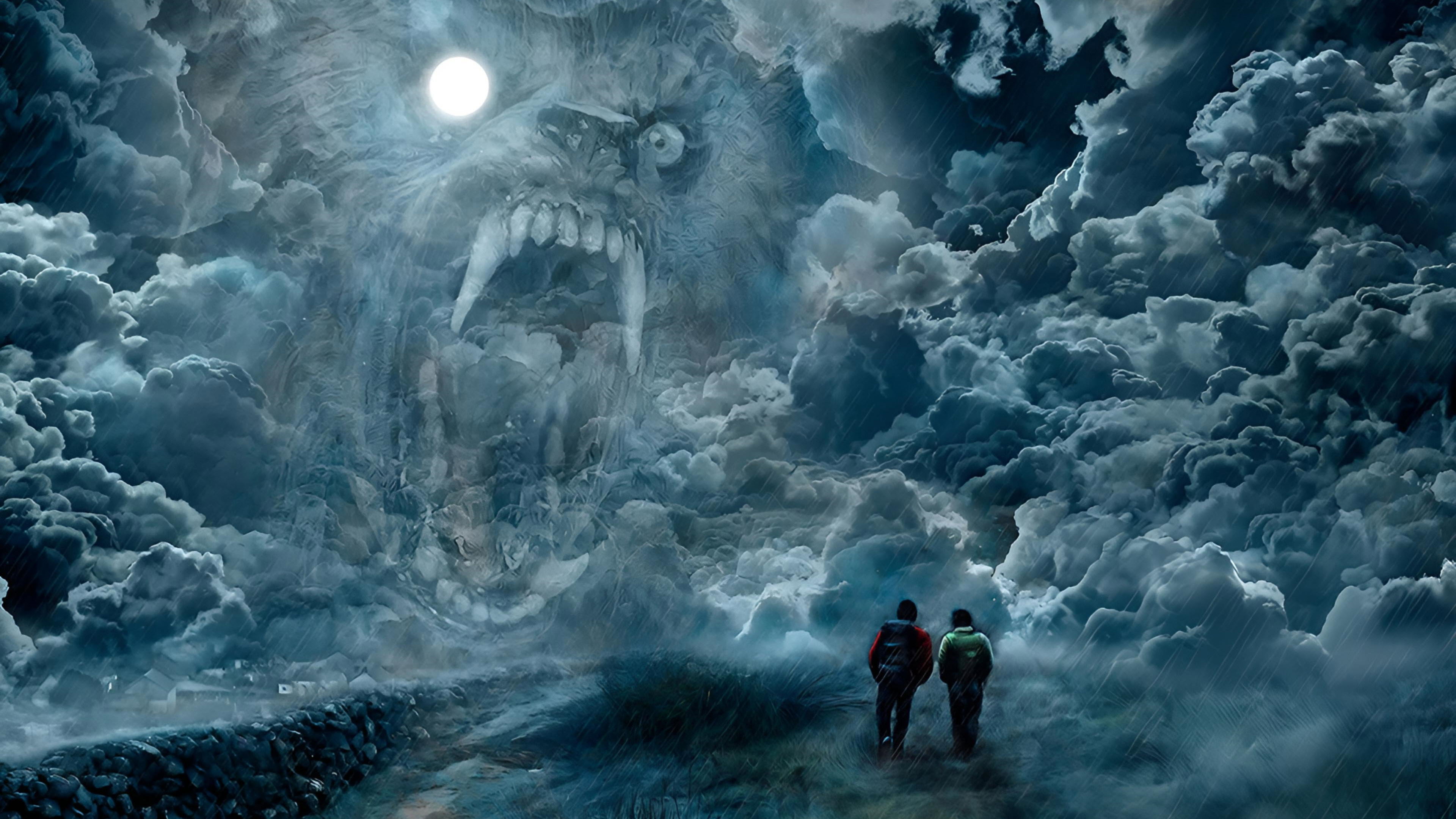
Two American tourists in England are attacked by a werewolf that none of the locals will admit exists.

Alternative Titles
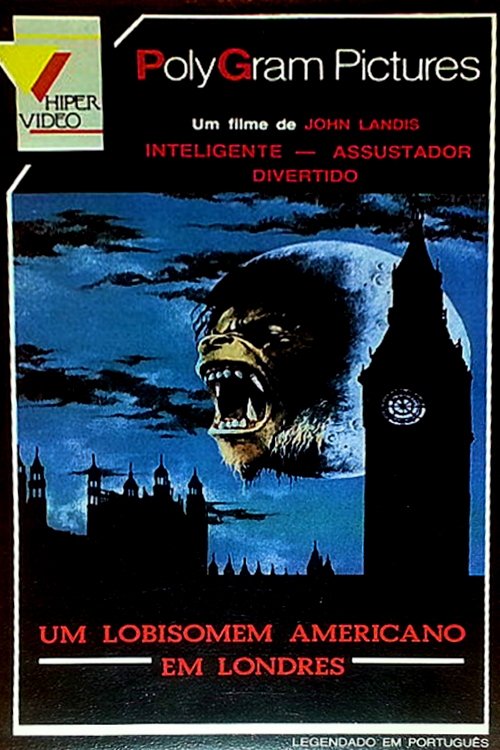
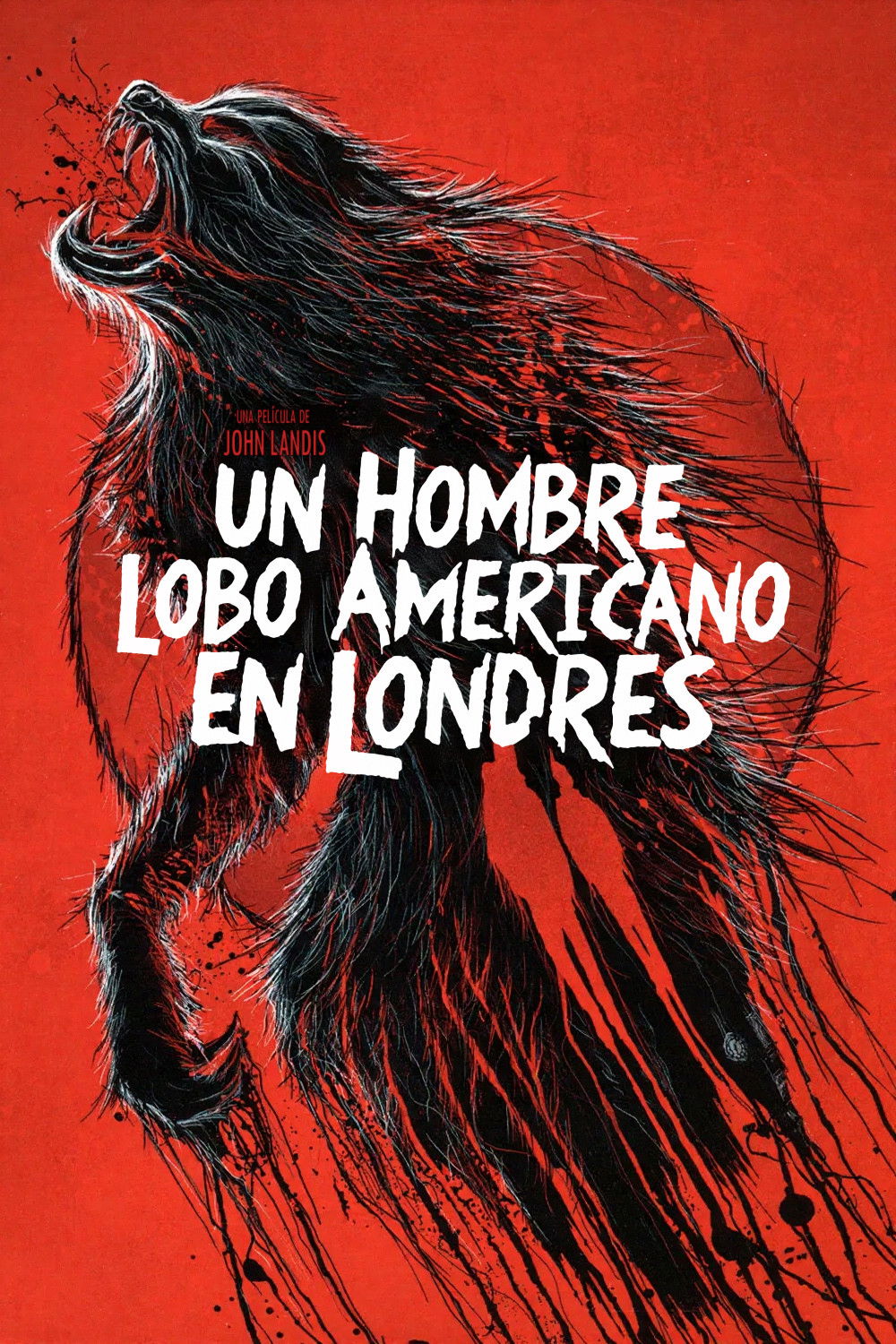
Hombre lobo americano (Argentina) Американски върколак в Лондон (Bulgaria) Um Lobisomem Americano em Londres (Brazil) Le loup-garou de Londres (Canada) — French 美国狼人在伦敦 (China) — Chinese El hombre lobo en Londres (Colombia) Americký vlkodlak v Londýně (Czechia) — Czech American Werewolf (Germany) — German
Show all 47 alternative titles American Werewolf - Fürchte den Mond (Germany) — Home Video Title En amerikansk varulv i London (Denmark) Un hombre lobo americano en Londres (Spain) Amerikkalainen ihmissusi Lontoossa (Finland) — alternative title Ihmissusi Lontoossa (Finland) Varulven i London (Finland) — Swedish title Le loup-garou de Londres (France) ამერიკელი მაქცია ლონდონში (Georgia) — Georgian Enas Amerikanos lykanthropos sto Londino (Greece) — DVD-title Enas lykanthropos sto Londino (Greece) — transliteration Ένας Αμερικανός λυκάνθρωπος στο Λονδίνο (Greece) Ένας Λυκάνθρωπος στο Λονδίνο (Greece) — Greek 鬼追人 (Hong Kong SAR China) — Chinese Američki vukodlak u Londonu (Croatia) — Croatian Egy amerikai farkasember Londonban (Hungary) זאב אמריקאי בלונדון (Israel) — Hebrew Un lupo mannaro americano a Londra (Italy) 狼男アメリカン (Japan) 런던의 늑대 인간 (South Korea) — Korean Amerikietis vilkolakis Londone (Lithuania) — Lithuanian Un Hombre Lobo Americano En Londres (Mexico) American Werewolf In London (Netherlands) — Dutch En amerikansk varulv i London (Norway) — Norwegian Amerykański wilkołak w Londynie (Poland) — Polish Um Lobisomem Americano em Londres (Portugal) Un vârcolac american în Londra (Romania) — Romanian Un vârcolac american la Londra (Romania) Američki vukodlak u Londonu (Serbia) Амерички вукодлак у Лондону (Serbia) — Serbian Американский оборотень в Лондоне (Russia) — Russian En amerikansk varulv i London (Sweden) — Swedish Americký vlkolak v Londýne (Slovakia) — Slovak Американский оборотень в Лондоне (Russia) คนหอนคืนโหด (Thailand) — Thai Kurt adam Londra'da (Türkiye) 美國狼人在倫敦 (Taiwan) Американський перевертень у Лондоні (Ukraine) An American Werewolf in London: The Monster Movie (United States) Người Sói Mỹ ở London (Vietnam) — Vietnamese

Trailers & Videos

10 videos

Film Guide

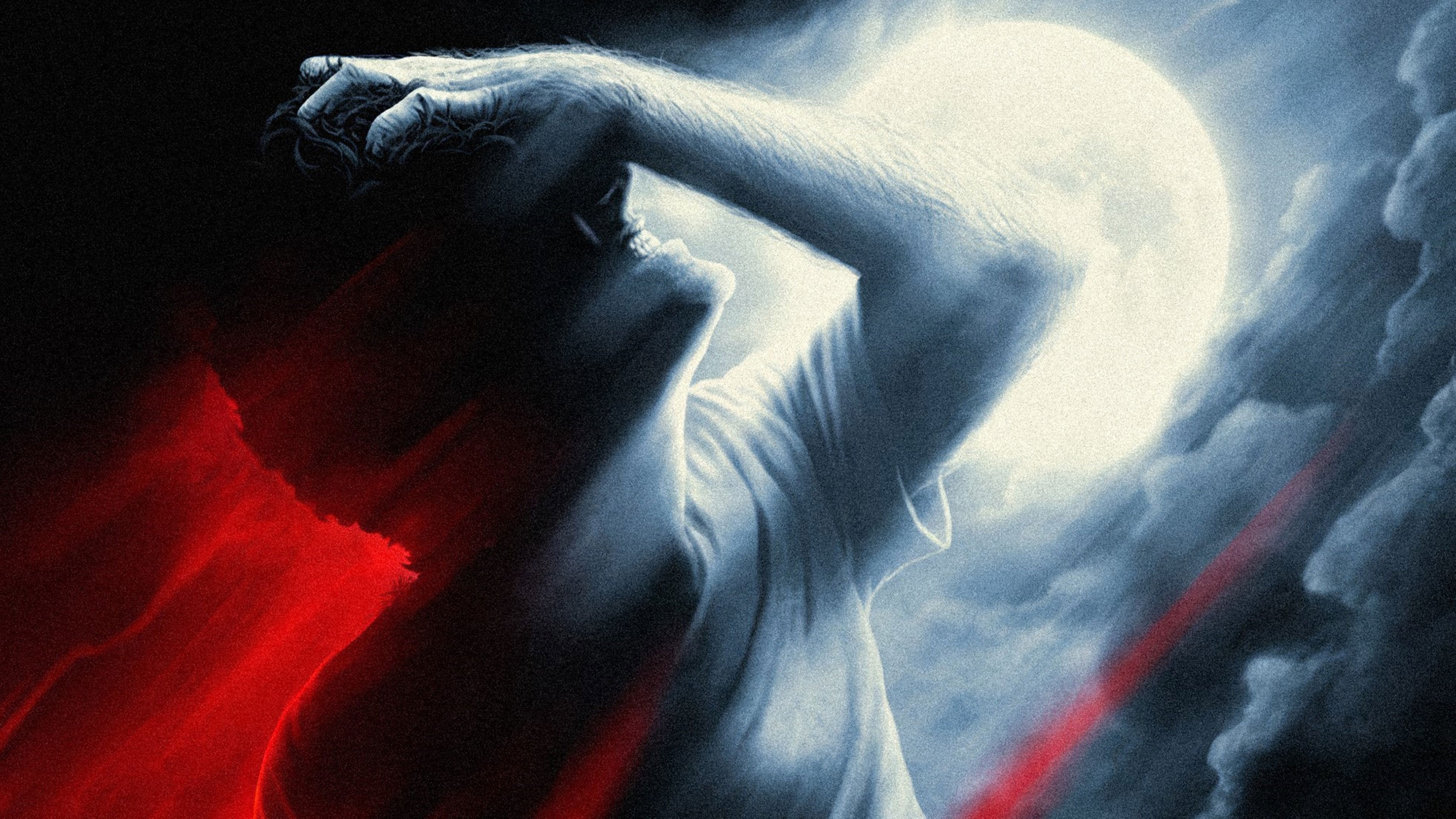
John Landis combines painful practical transformation, contemporary Britain, undead comedy and genuine tragedy in one of the defining werewolf films of modern horror.

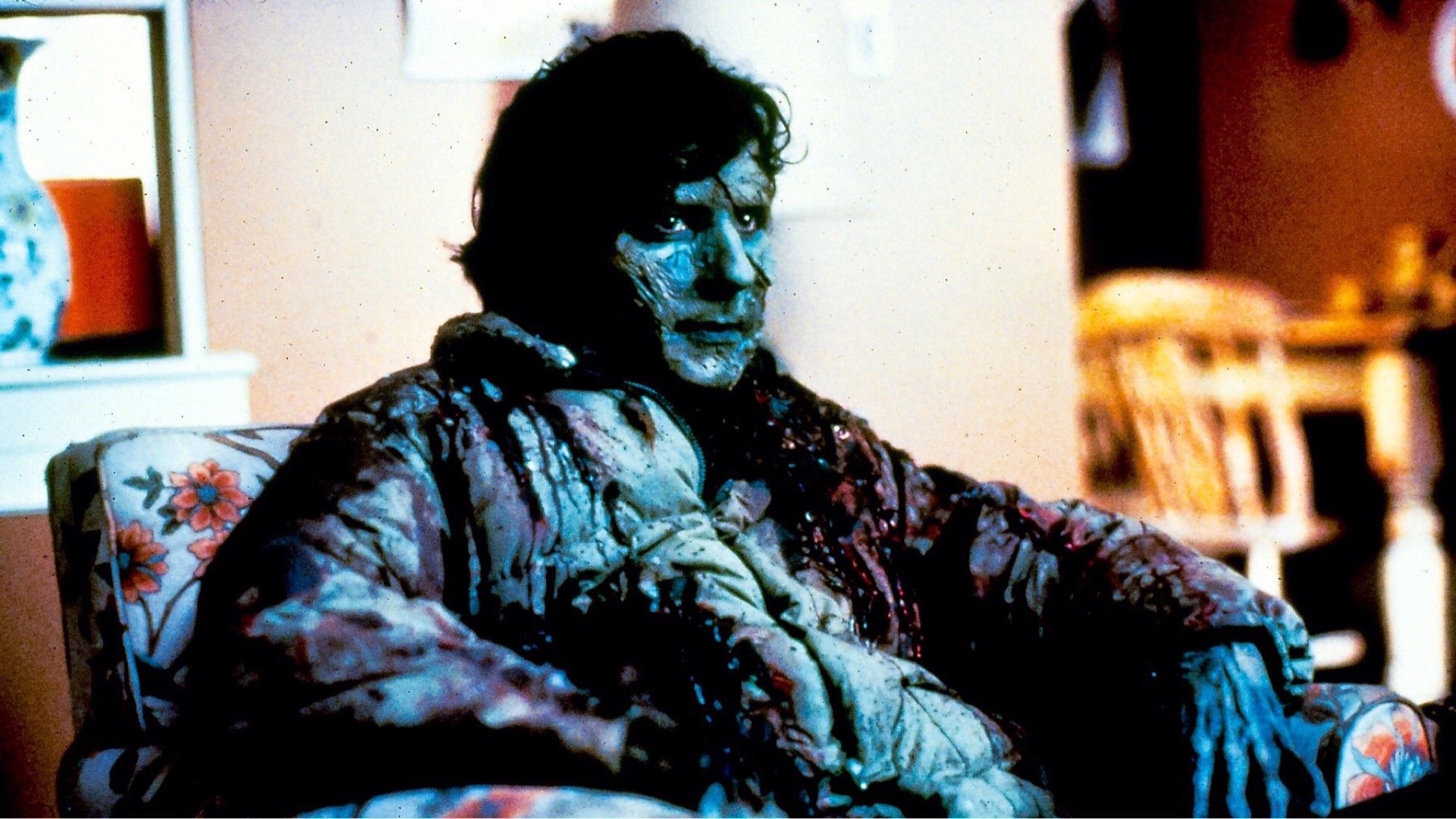
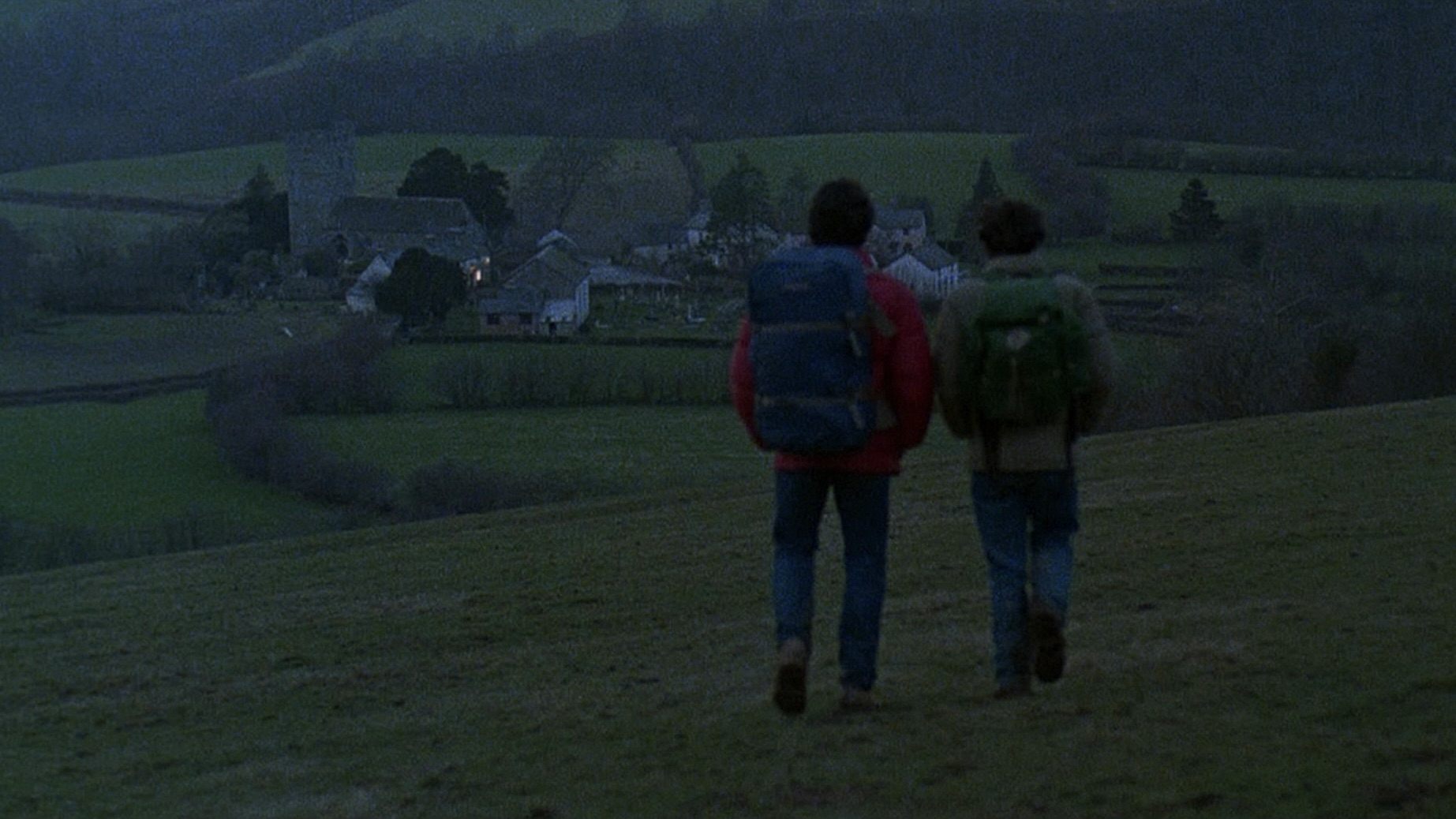
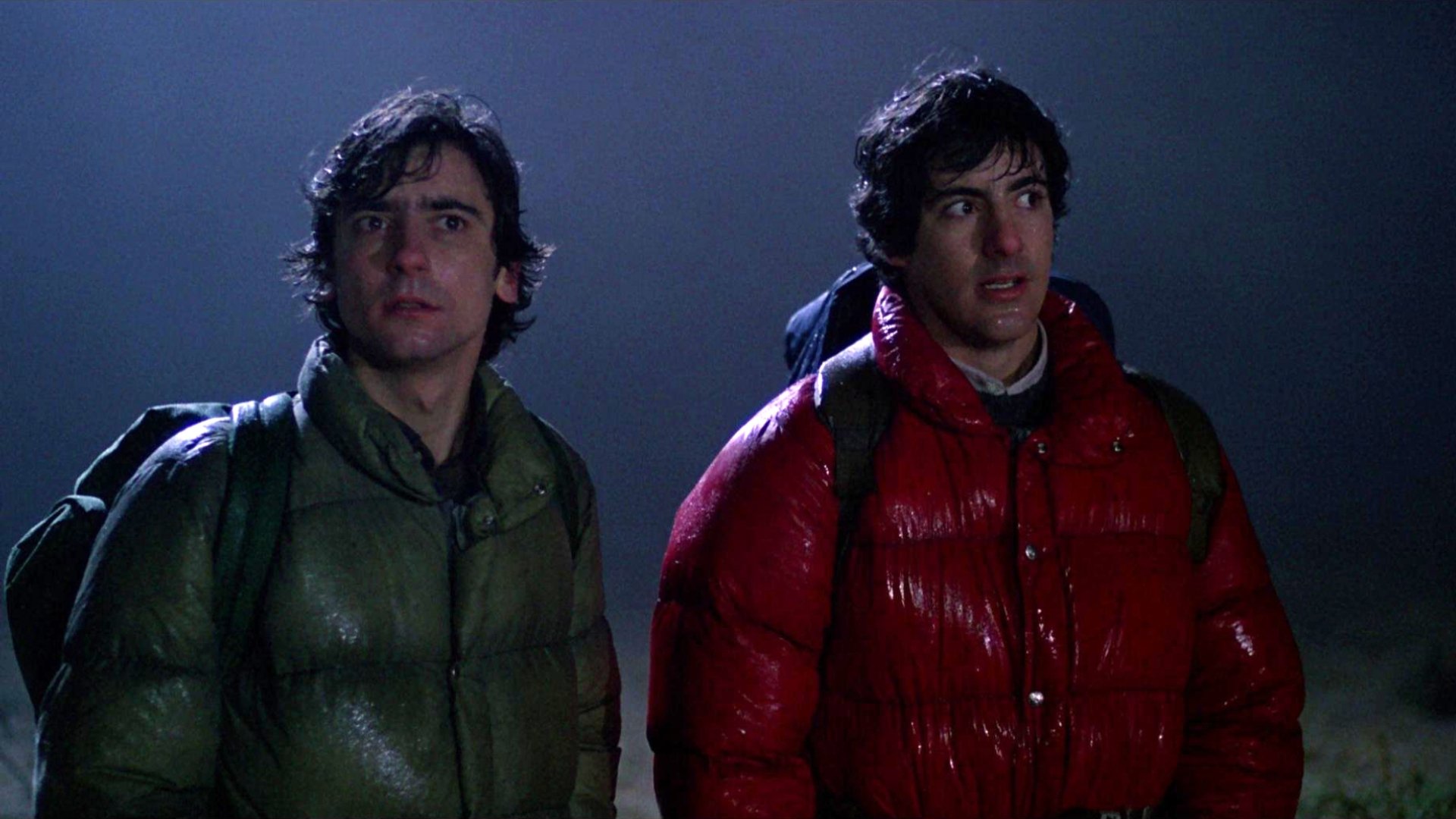
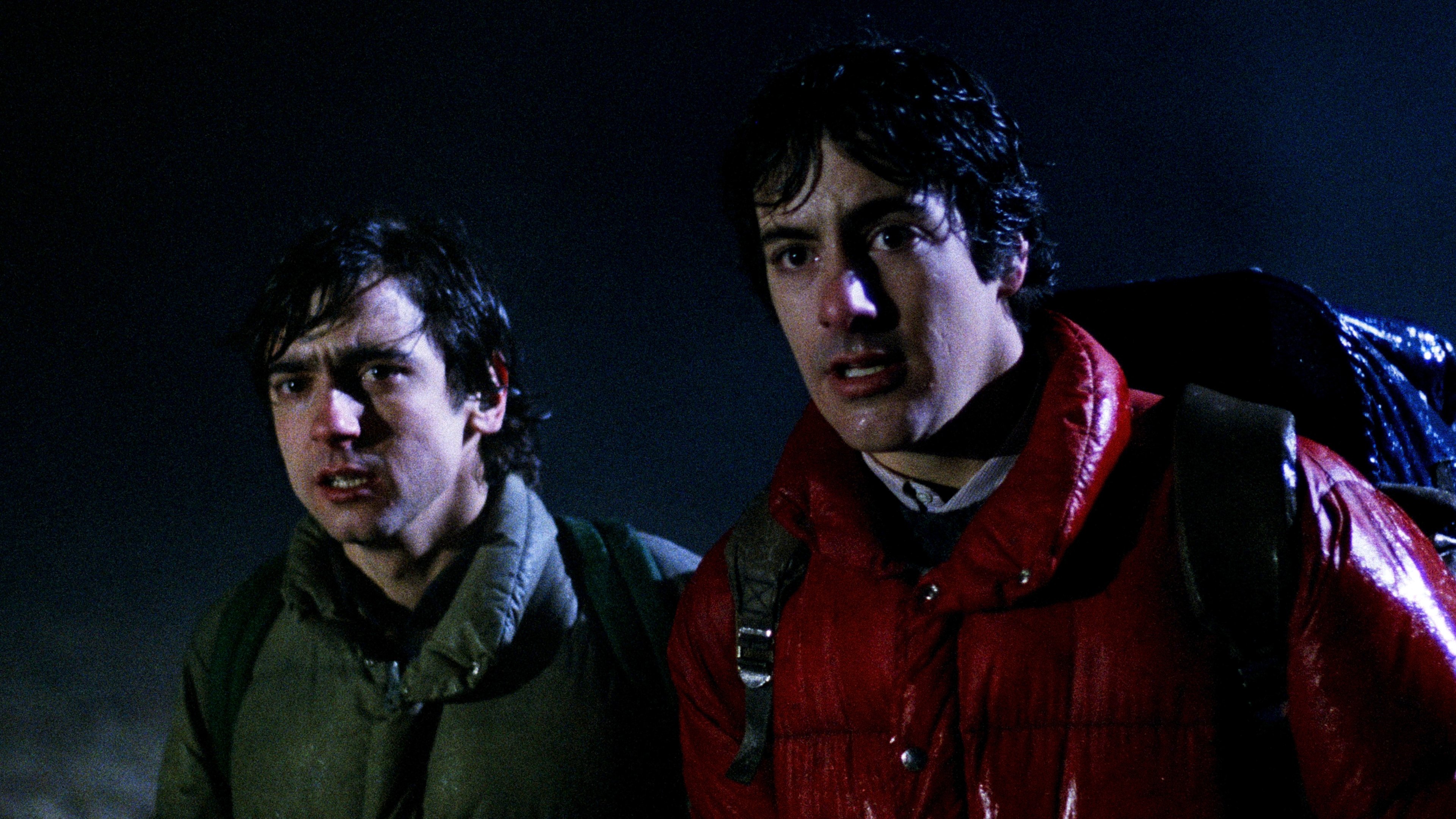
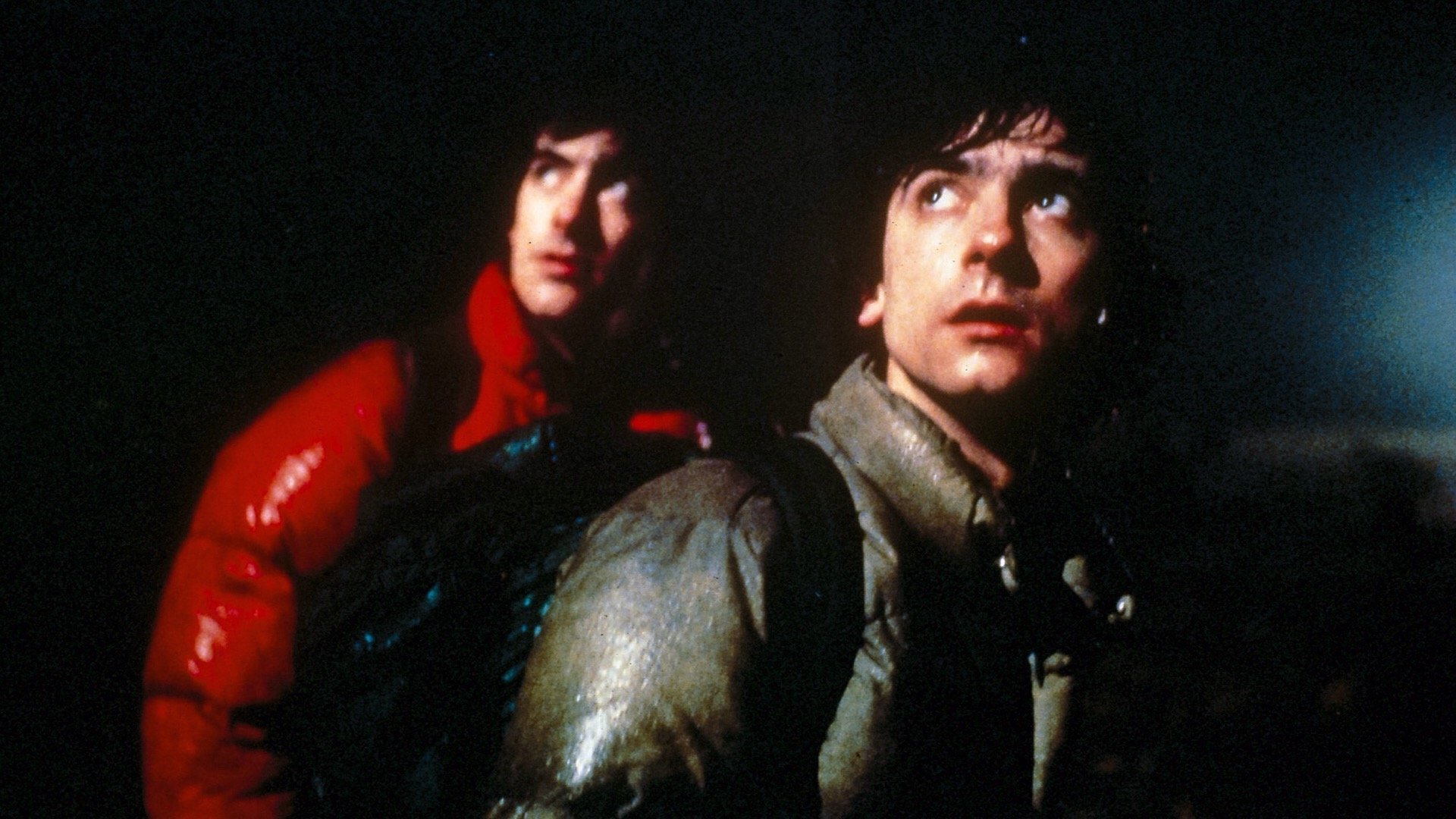
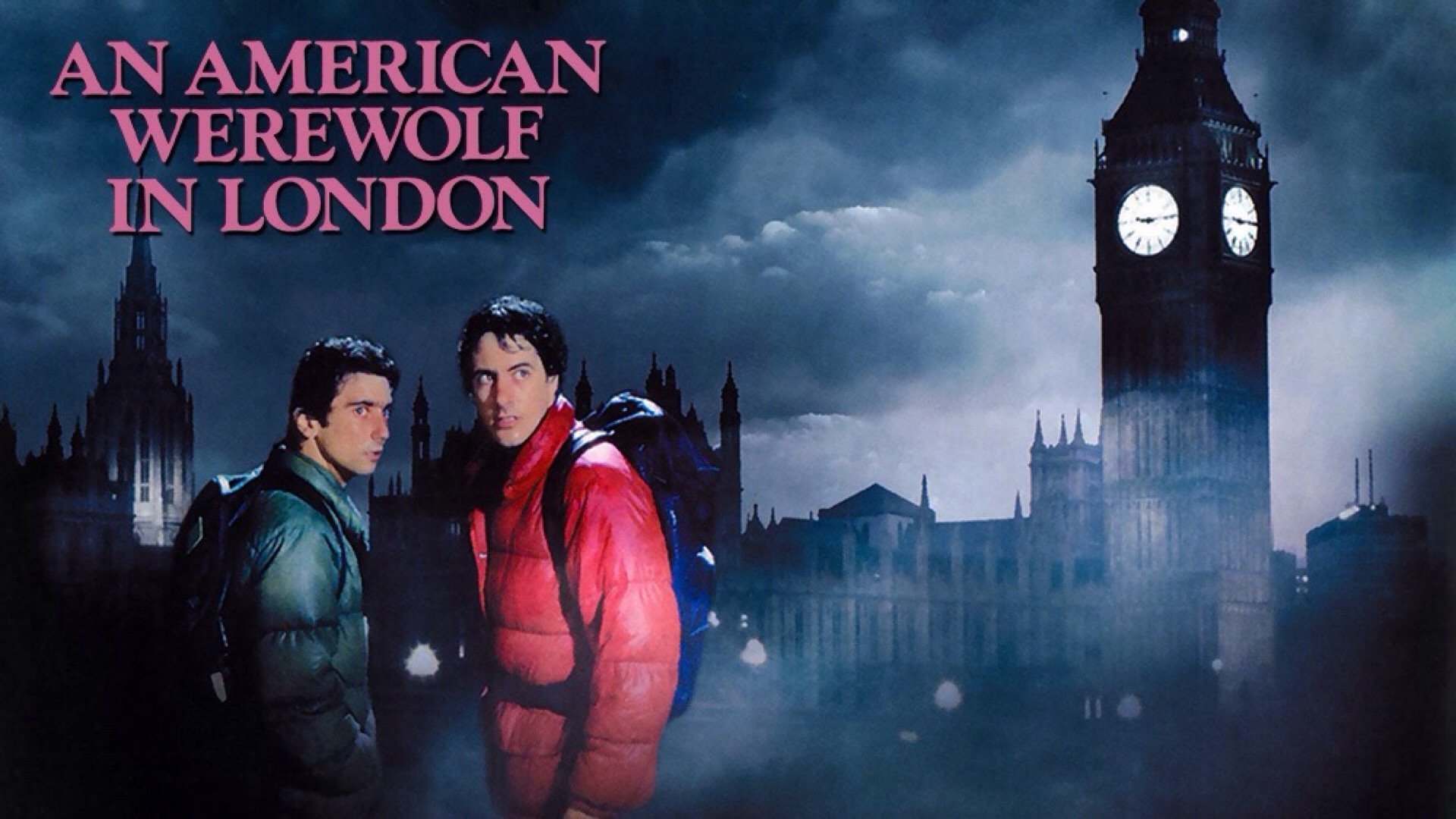
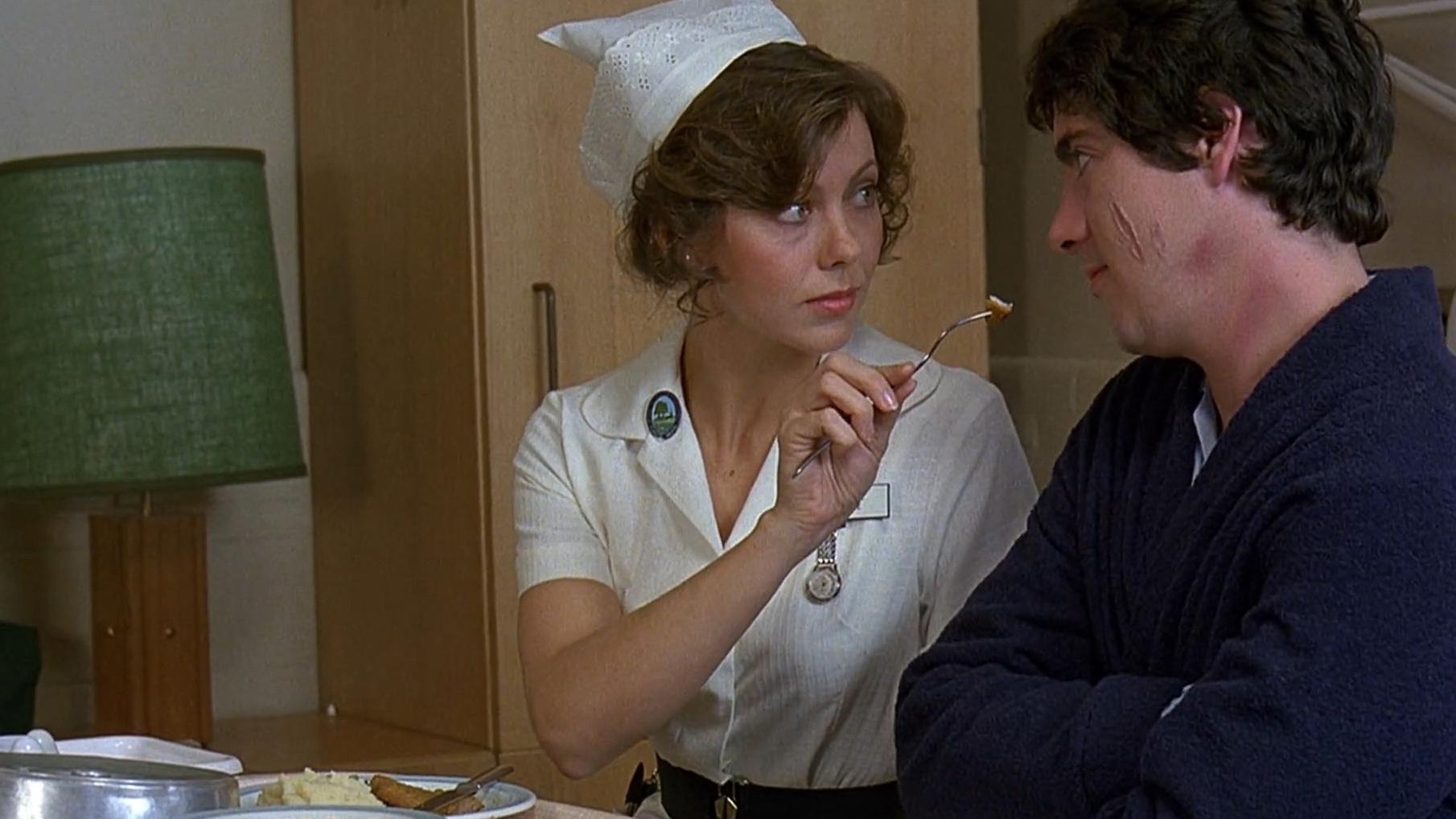
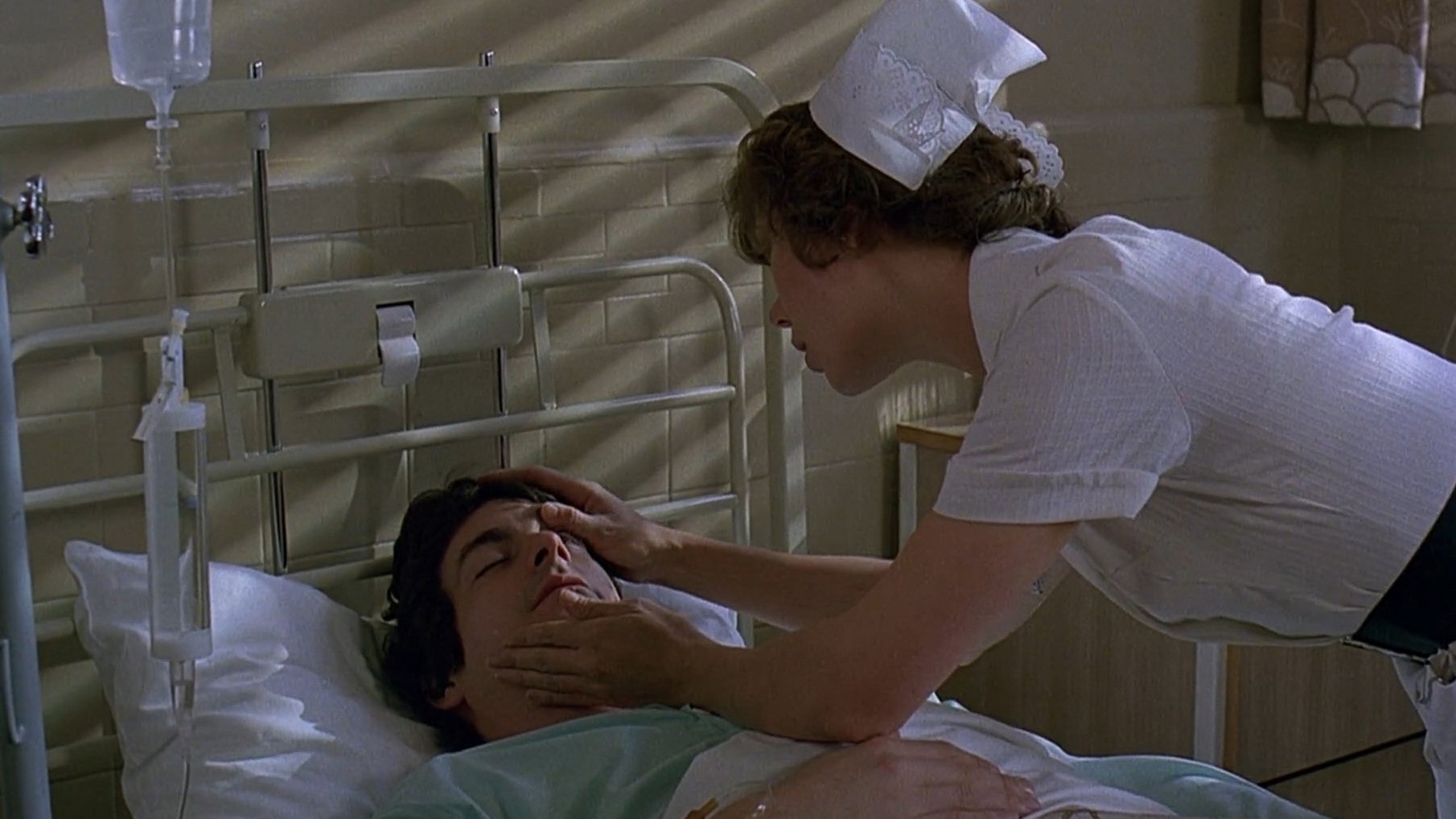
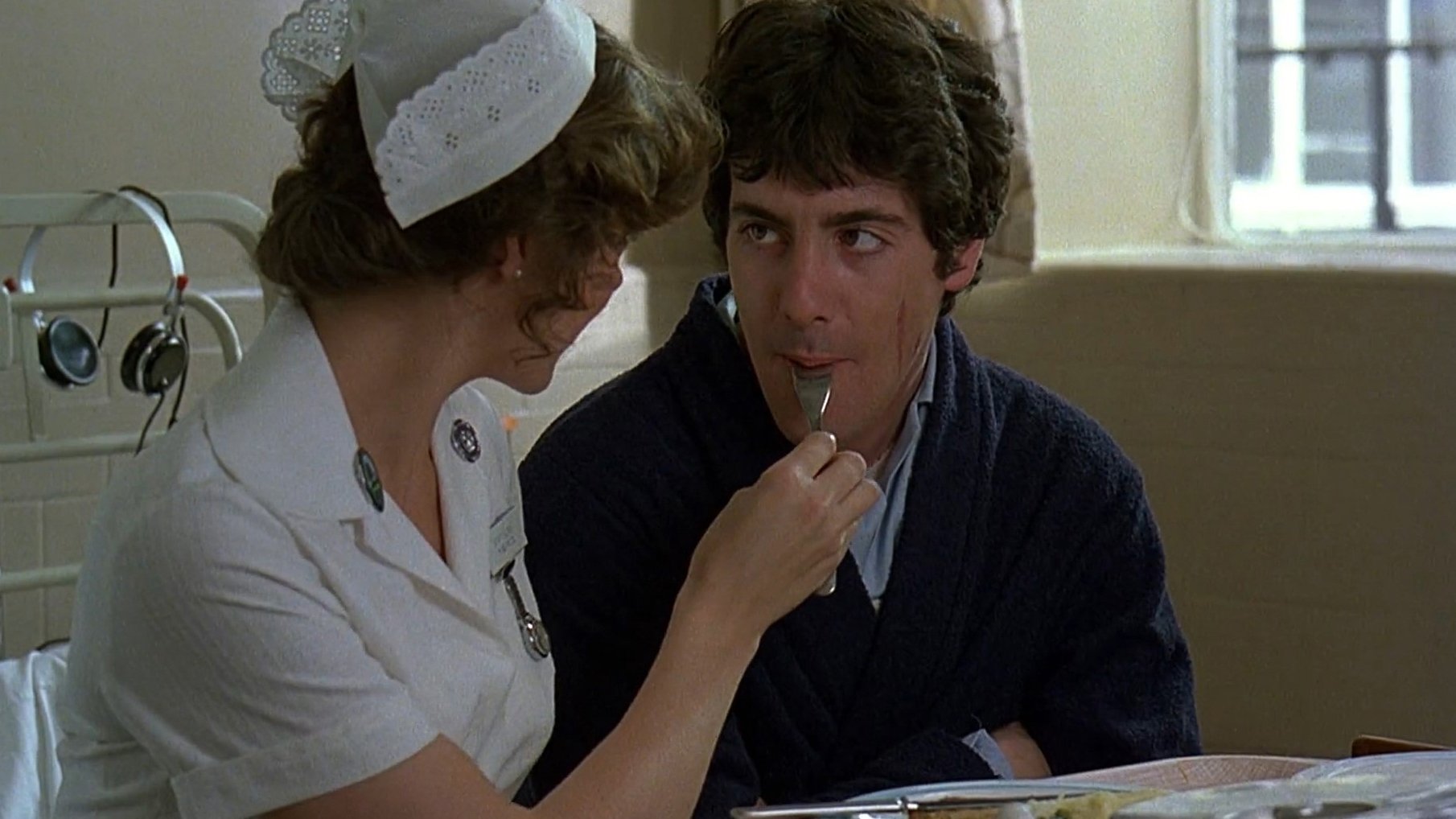
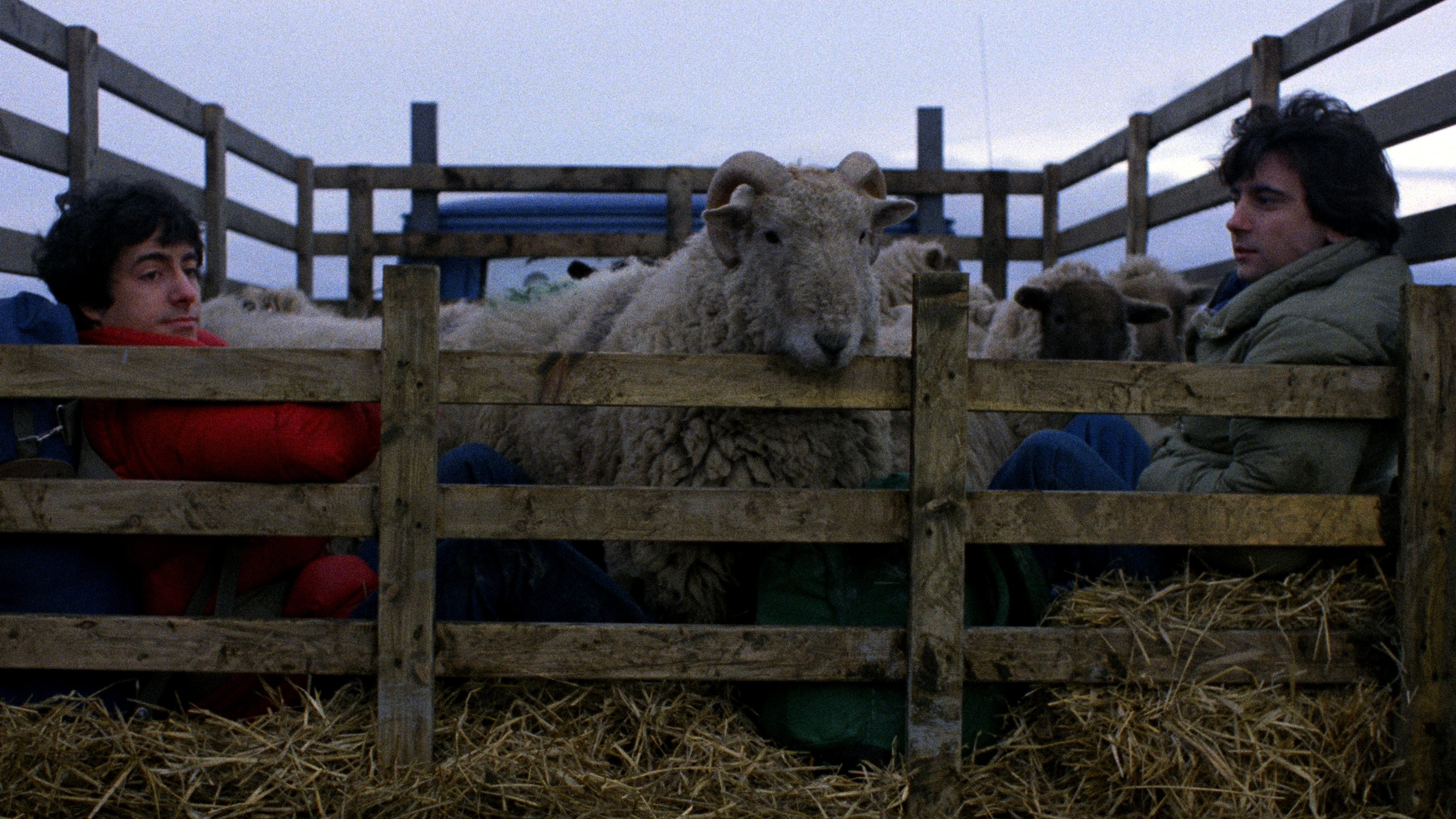
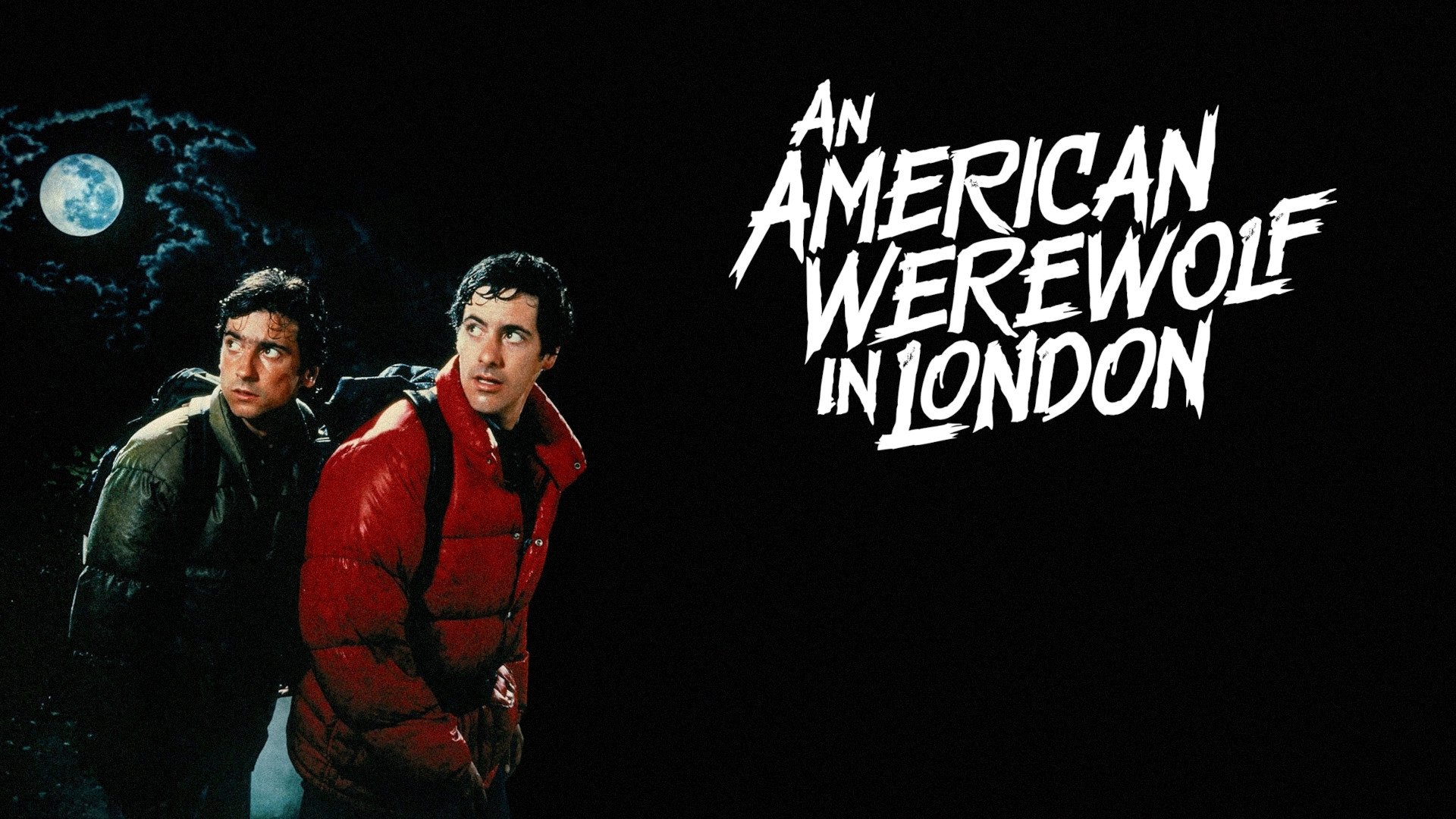
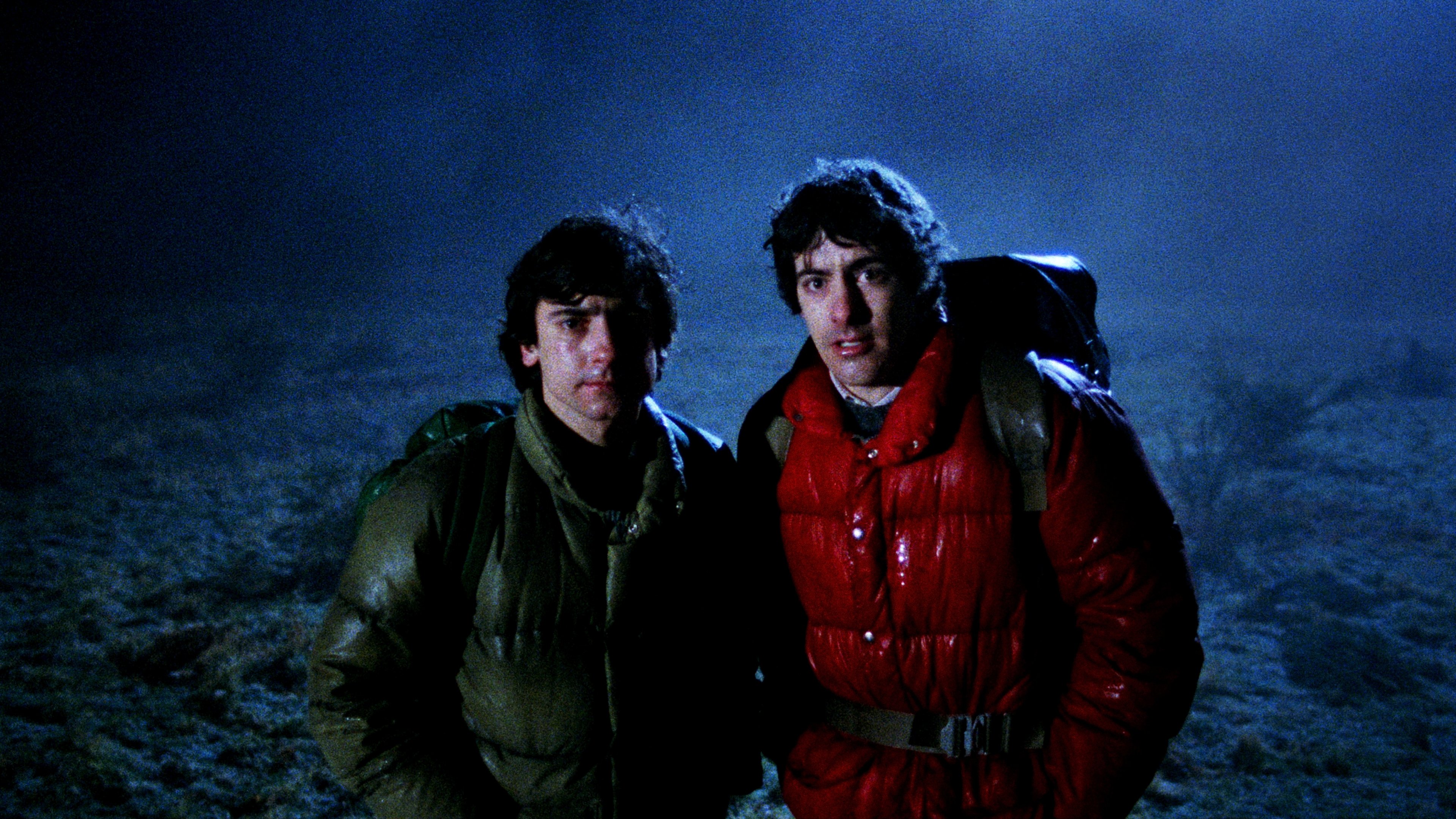
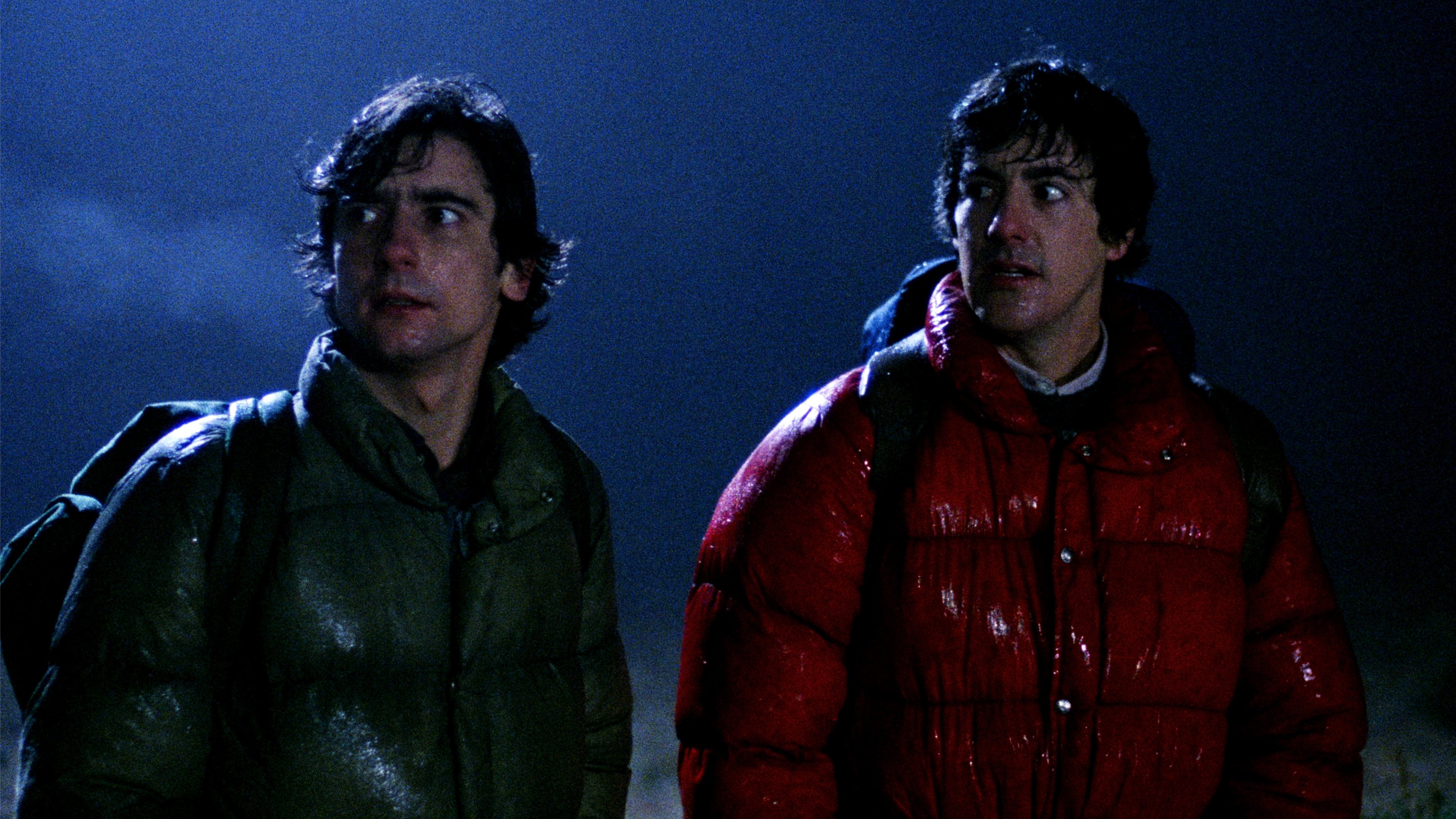
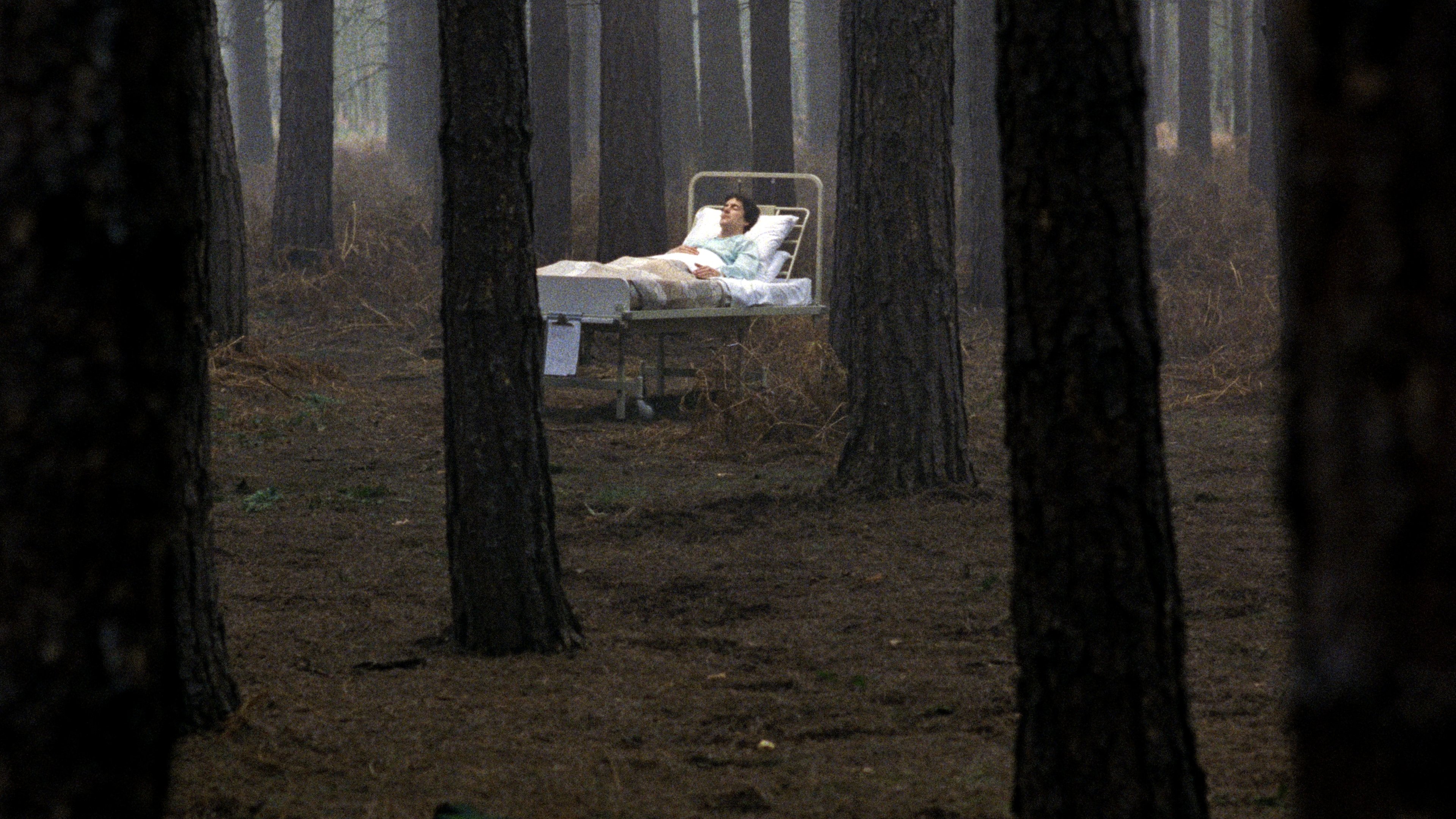
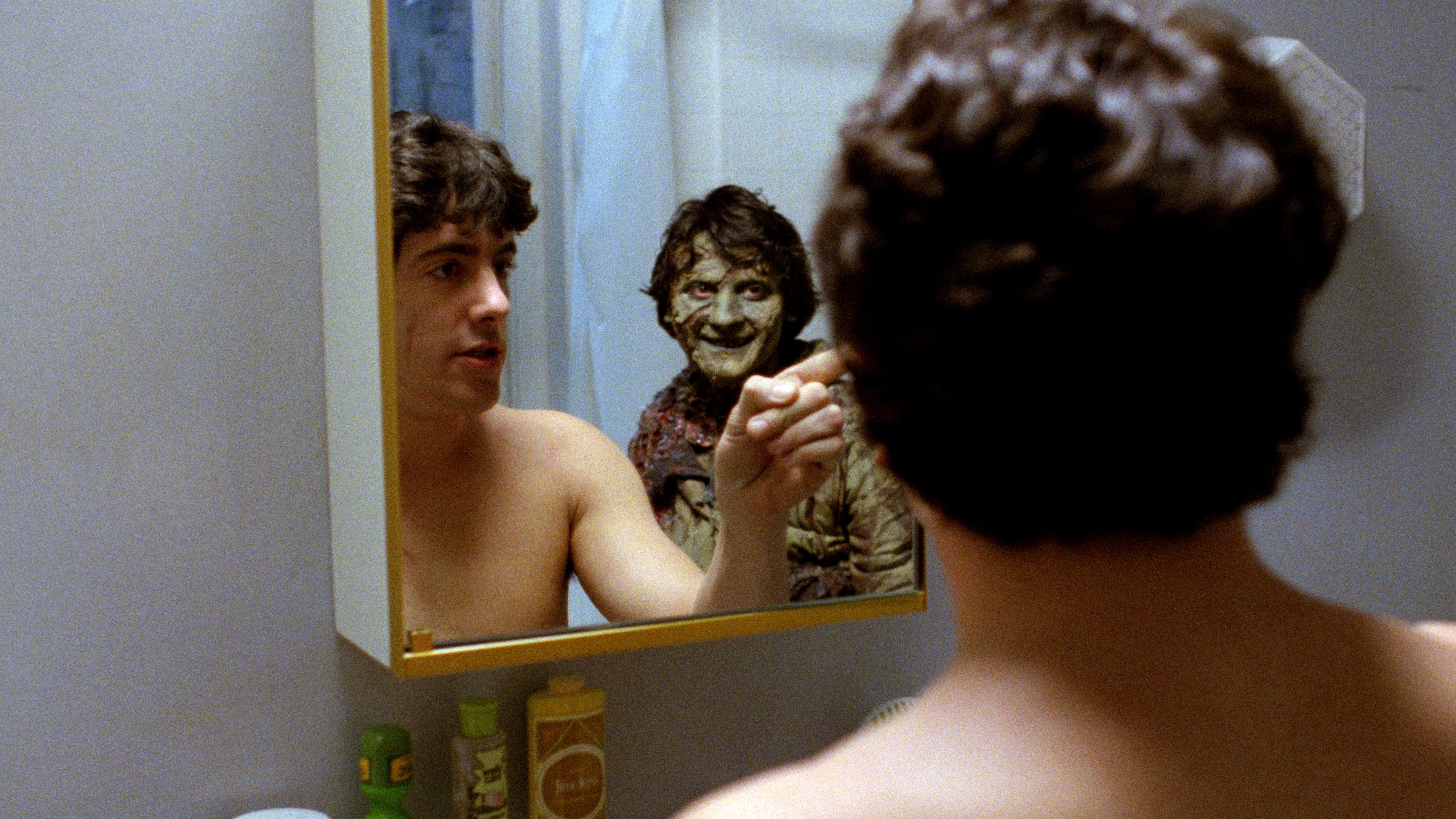
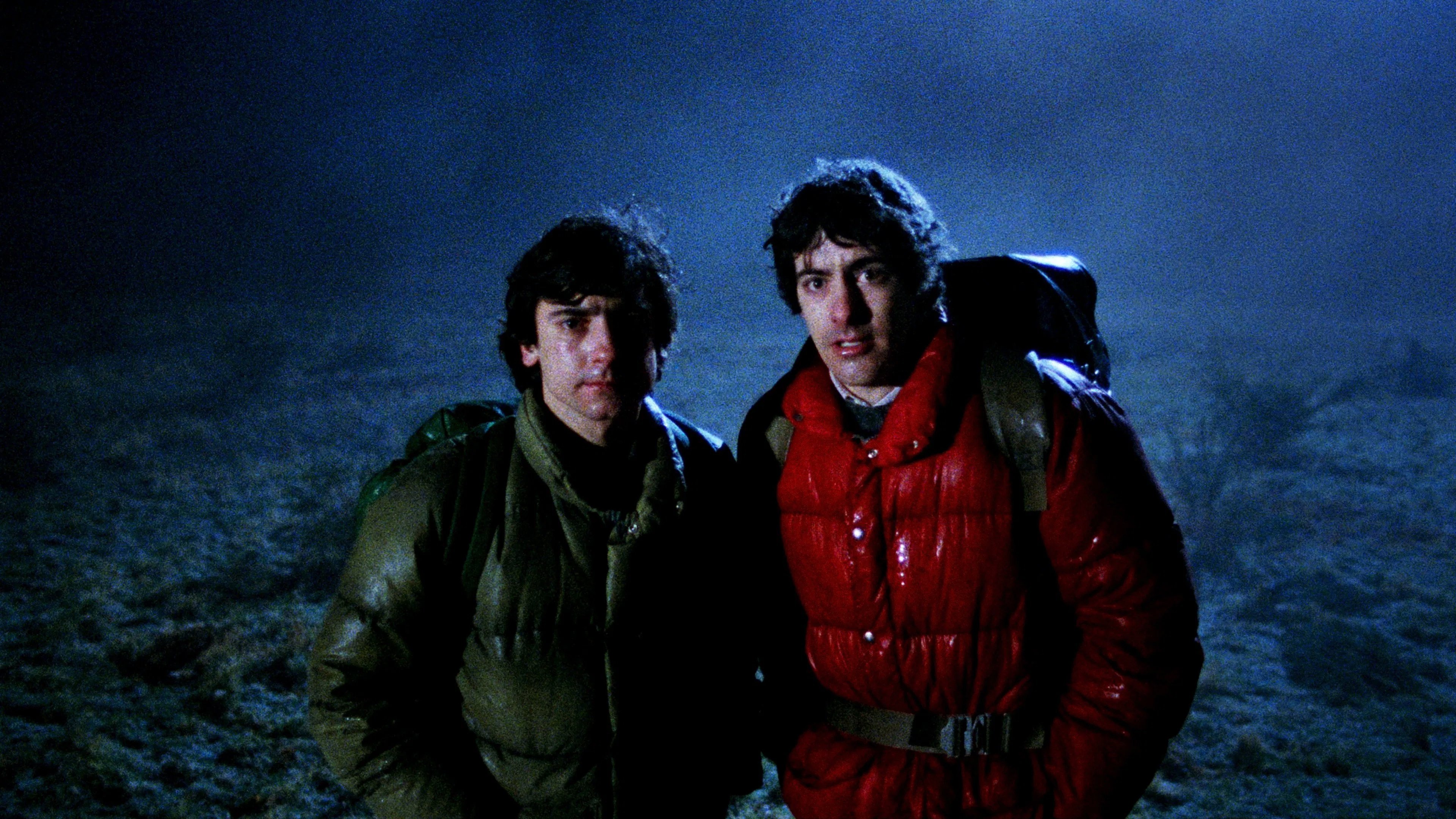
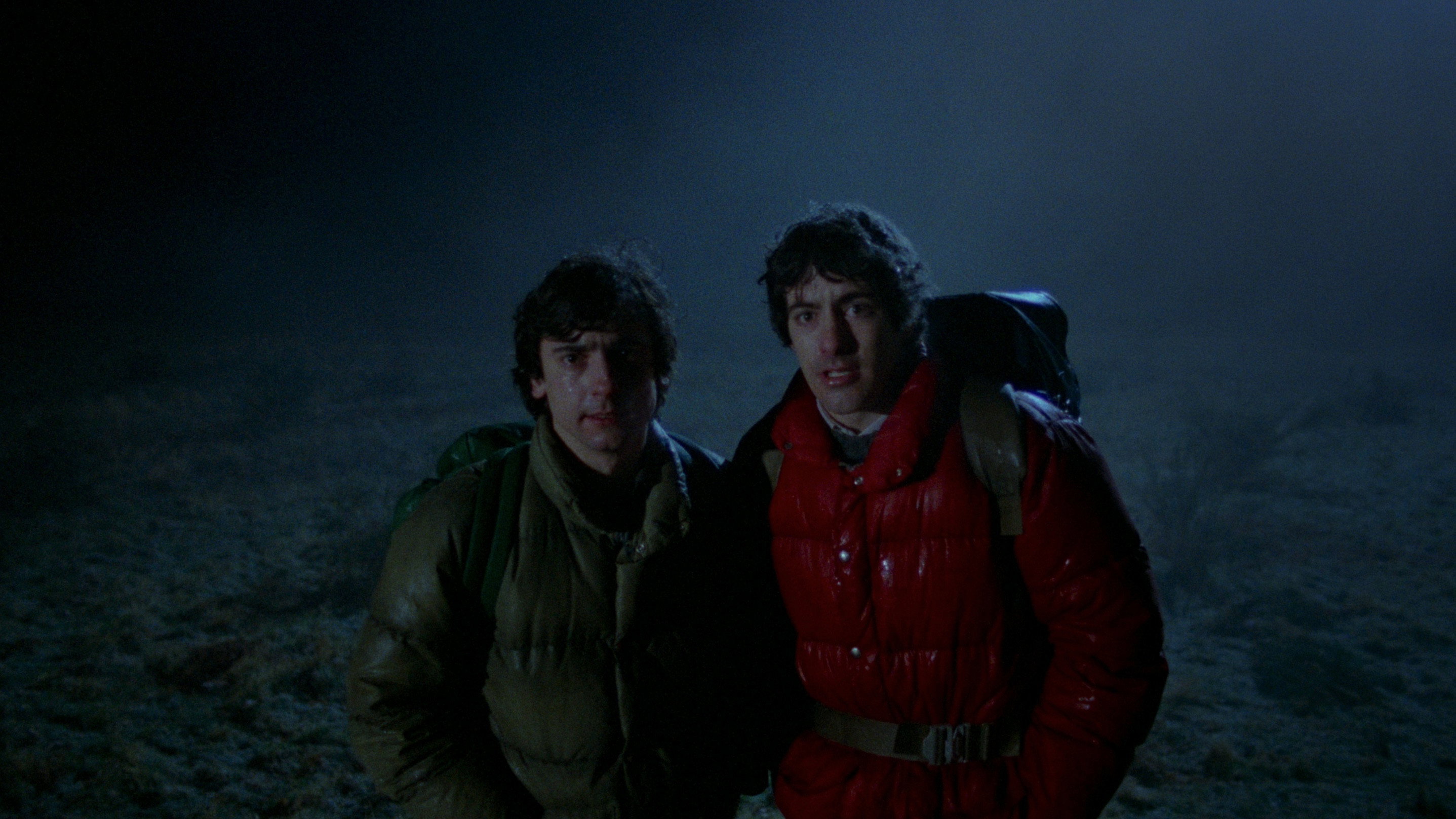
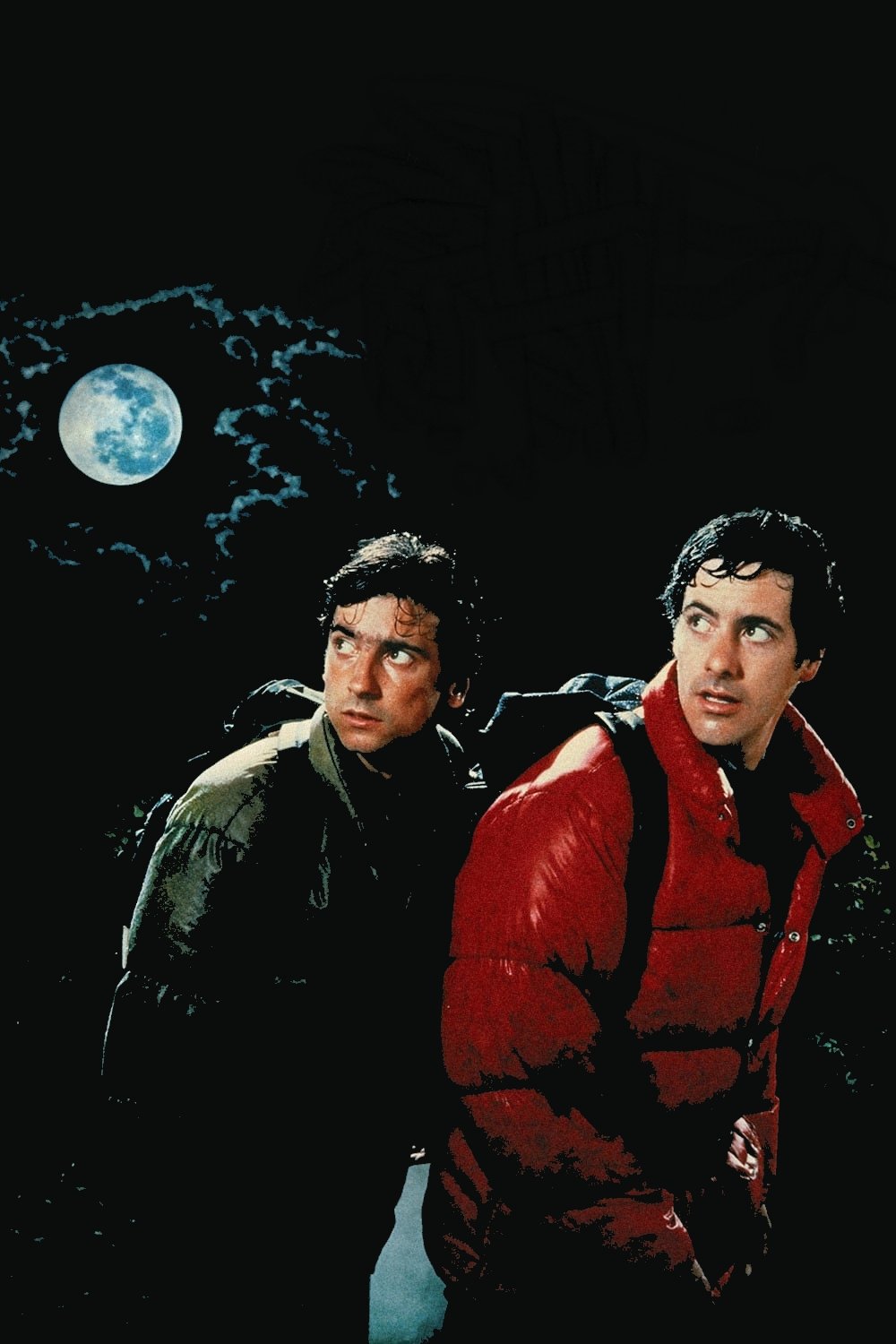
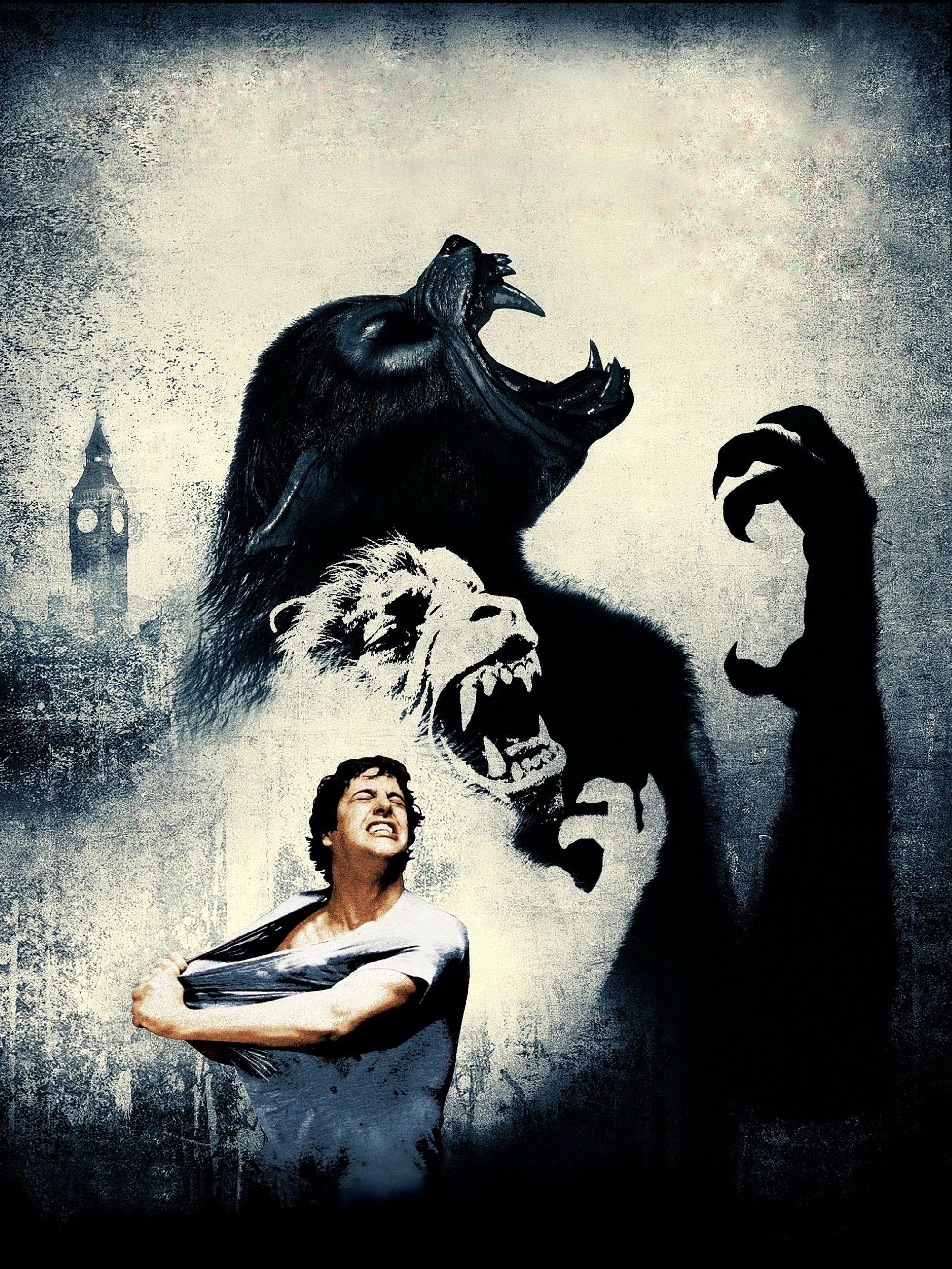
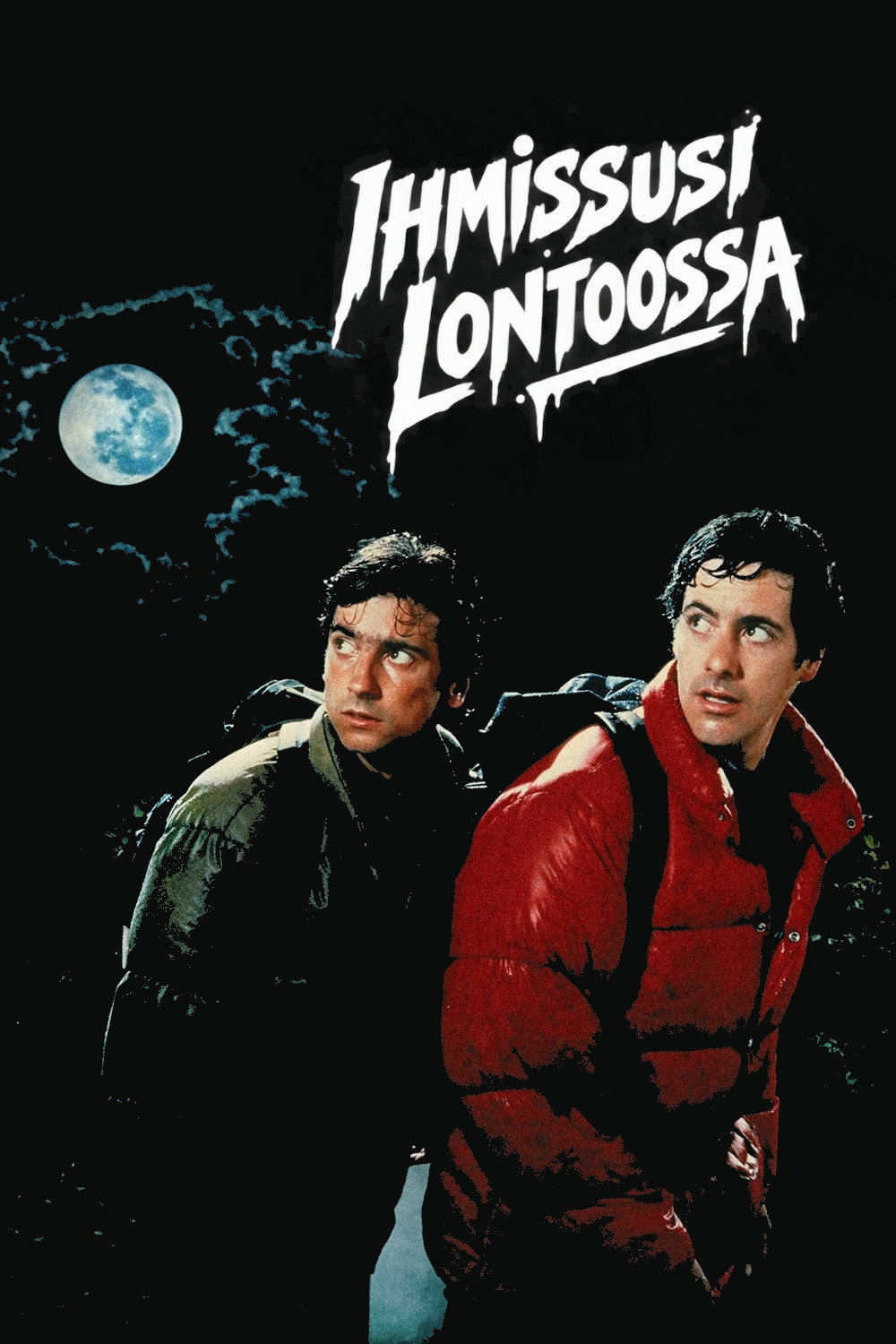
An American Werewolf in London is a 1981 horror film written and directed by John Landis. David Naughton and Griffin Dunne play David Kessler and Jack Goodman, two American backpackers travelling through Britain when they are attacked on the moors by an animal the inhabitants of a nearby village refuse to discuss. Jack is killed, while David survives and awakens in a London hospital. As the next full moon approaches, Jack returns as a progressively decomposing corpse to warn his friend that he has become a werewolf and must die before the curse continues.

The film moves freely between graphic horror, romantic comedy, absurd humour and tragedy without separating them into distinct modes. Landis refuses to treat the supernatural material as a joke merely because characters can be funny, and he refuses to soften the violence merely because the film contains comedy. That unstable combination gives An American Werewolf in London much of its identity. Rick Baker's groundbreaking transformation effects made the physical reality of lycanthropy painfully visible, while the ordinary streets, hospitals, flats and transport systems of contemporary Britain ensured that the creature existed inside a recognisable modern world rather than an isolated Gothic landscape.

Development & a Script Written in 1969

John Landis wrote the original screenplay in 1969 when he was eighteen and working in Yugoslavia on Kelly's Heroes. During that production he witnessed a burial in which a body was wrapped with garlic and religious objects, an encounter with local supernatural belief that prompted him to think about what would happen if a modern rational person encountered something genuinely impossible to explain. The screenplay already contained many of the elements that survived into the finished film, including its mixture of comedy and supernatural horror and the use of popular songs connected with the moon.

The principal obstacle was not developing the concept but finding anyone willing to finance it. Landis later recalled that potential backers had difficulty with the tone: people associated with comedy considered it too frightening, while horror-oriented producers considered it too funny. The situation changed after Landis established himself commercially through The Kentucky Fried Movie, National Lampoon's Animal House and The Blues Brothers. Their success gave him the leverage to return to a screenplay he had carried for more than a decade.

By the time production finally began, the film was no longer an experiment by an unknown teenager but a comparatively substantial international project built around an idea that had remained unusually stable since 1969. That long delay also proved important for the effects. Landis had met Rick Baker in the early 1970s while making Schlock and had already told him about the werewolf transformation he wanted to achieve. Baker therefore had years in which to consider a problem that could not yet be solved digitally: showing a human body changing visibly into an animal while the camera remained close enough for the audience to watch the process.
Britain, the Moors & London in 1981

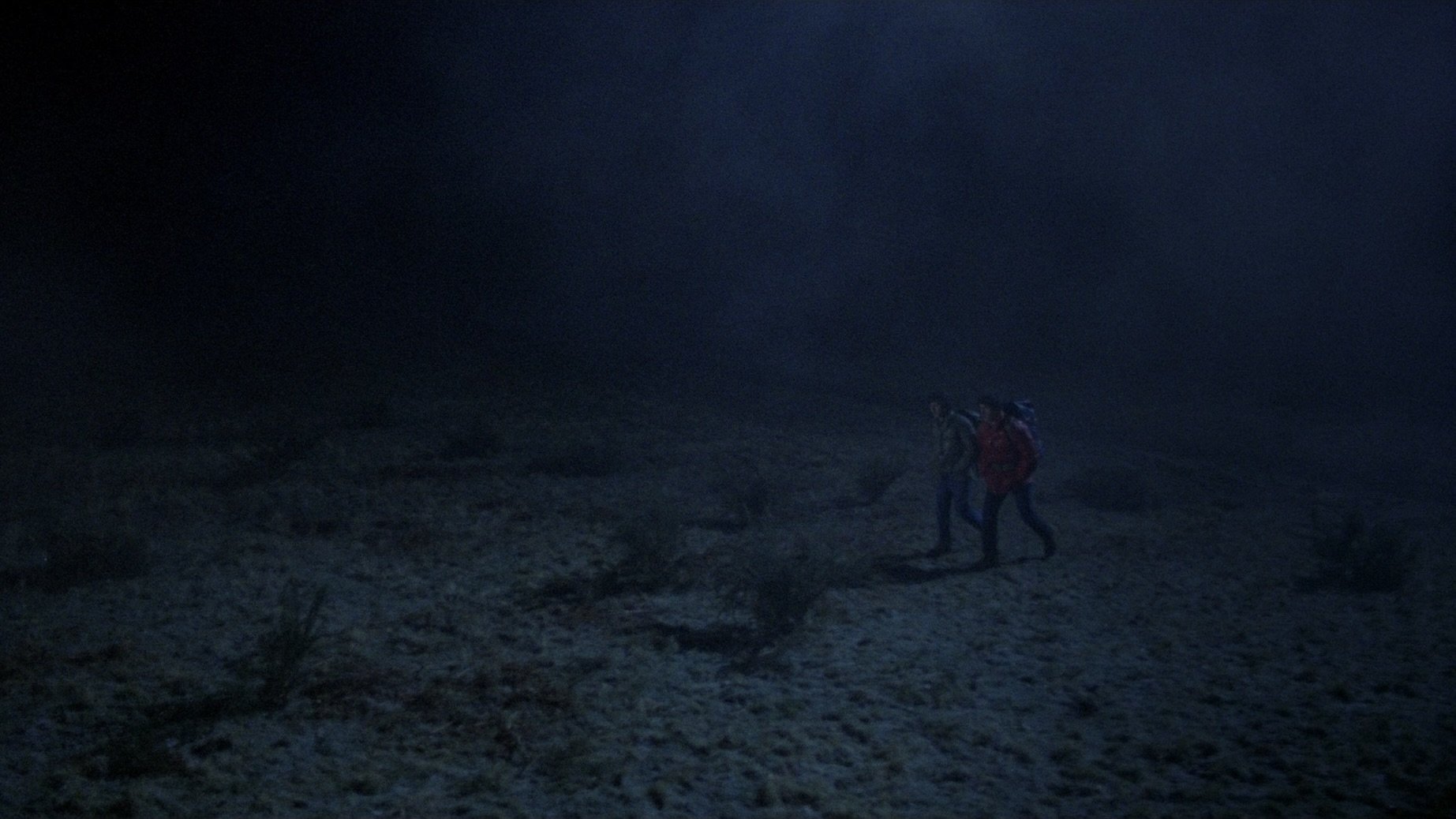
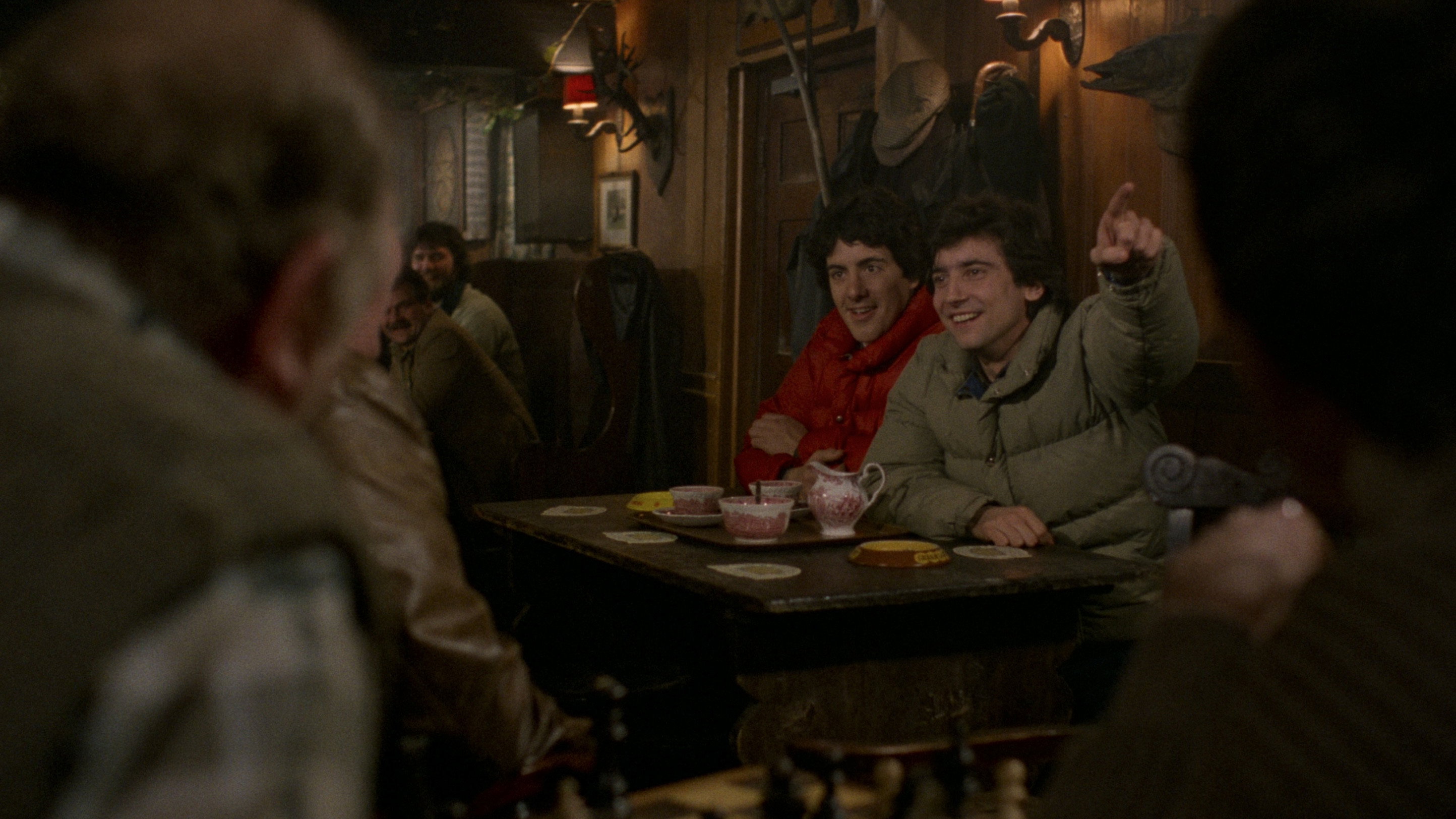
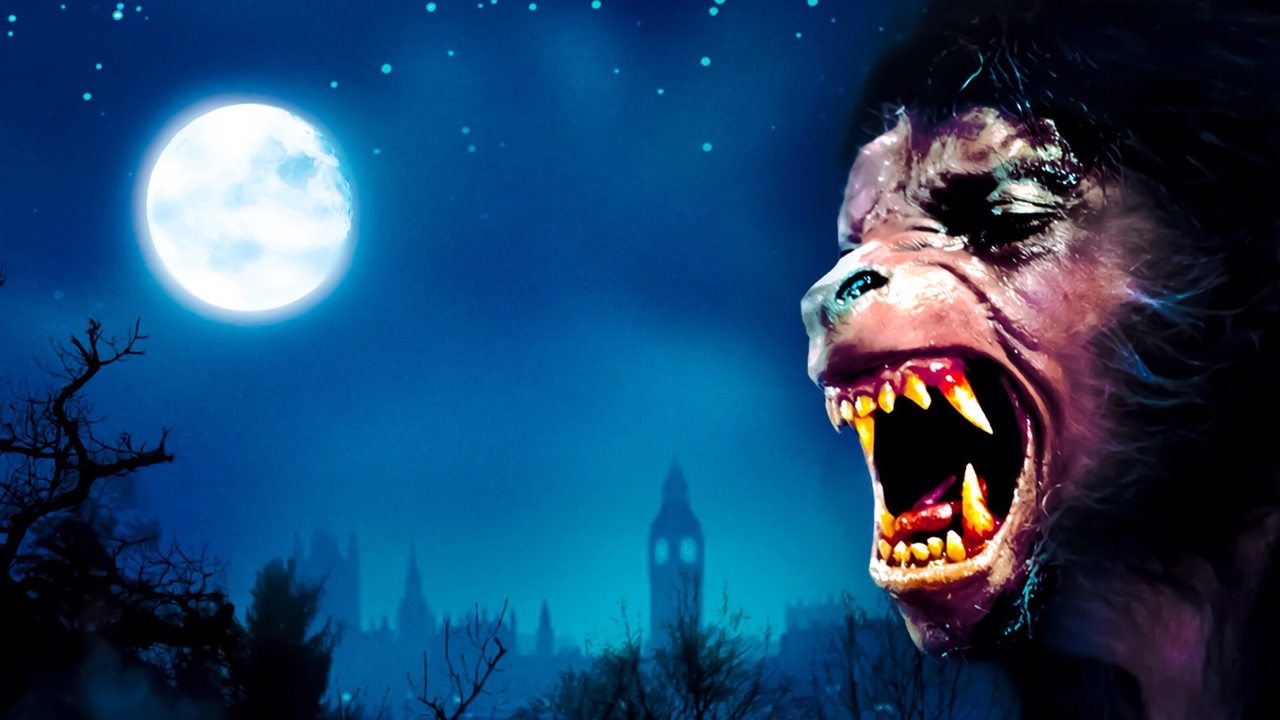
Although the title places the film in London, its first movement deliberately begins far from the capital. The fictional Yorkshire village of East Proctor was created using locations in Wales, including the village of Crickadarn and the surrounding landscape. Landis wanted David and Jack to begin in an environment whose social codes they do not understand, with the Slaughtered Lamb functioning as their first warning that they have entered a community determined to protect a secret. Once David reaches London, the visual character changes completely.

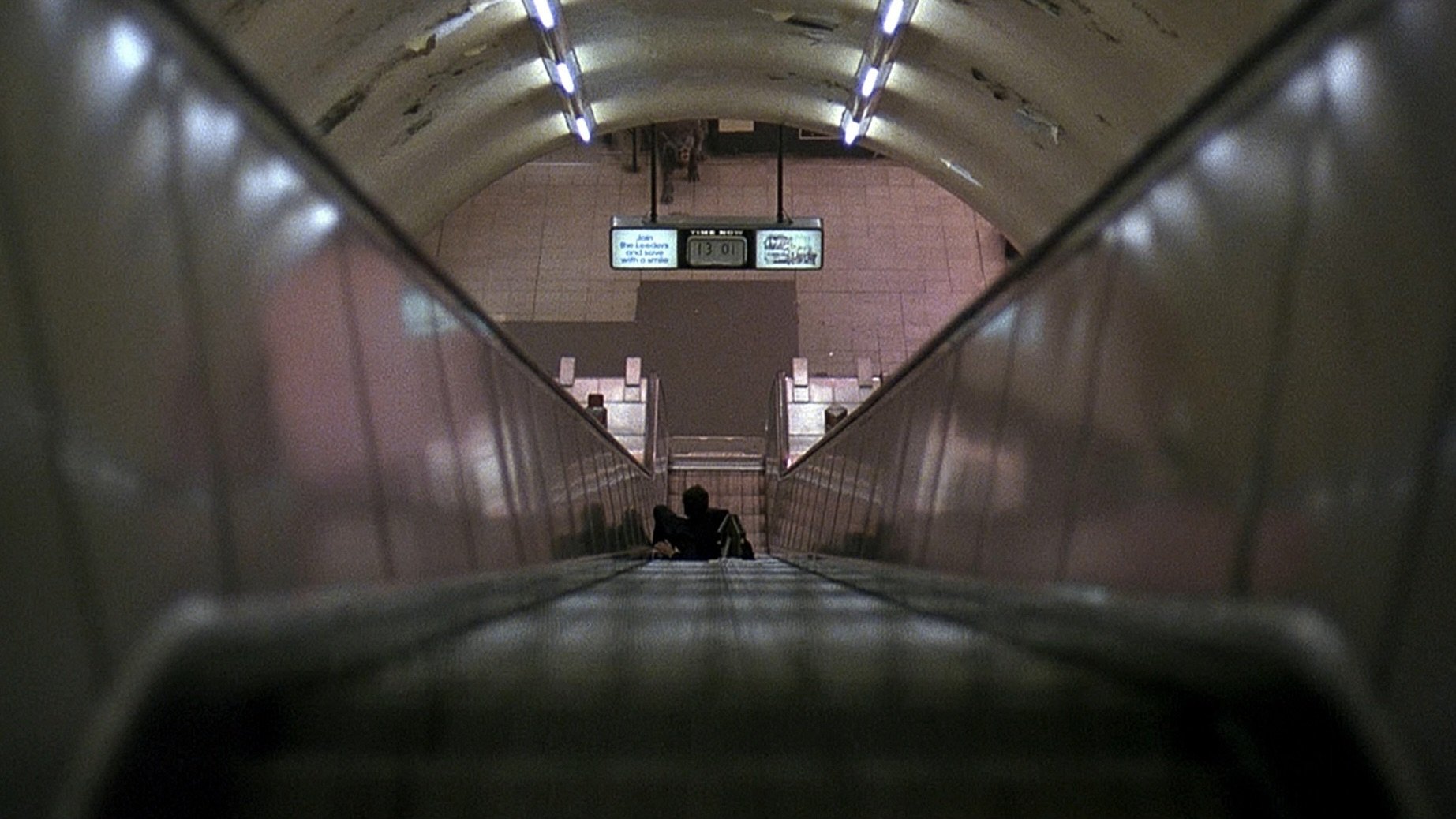
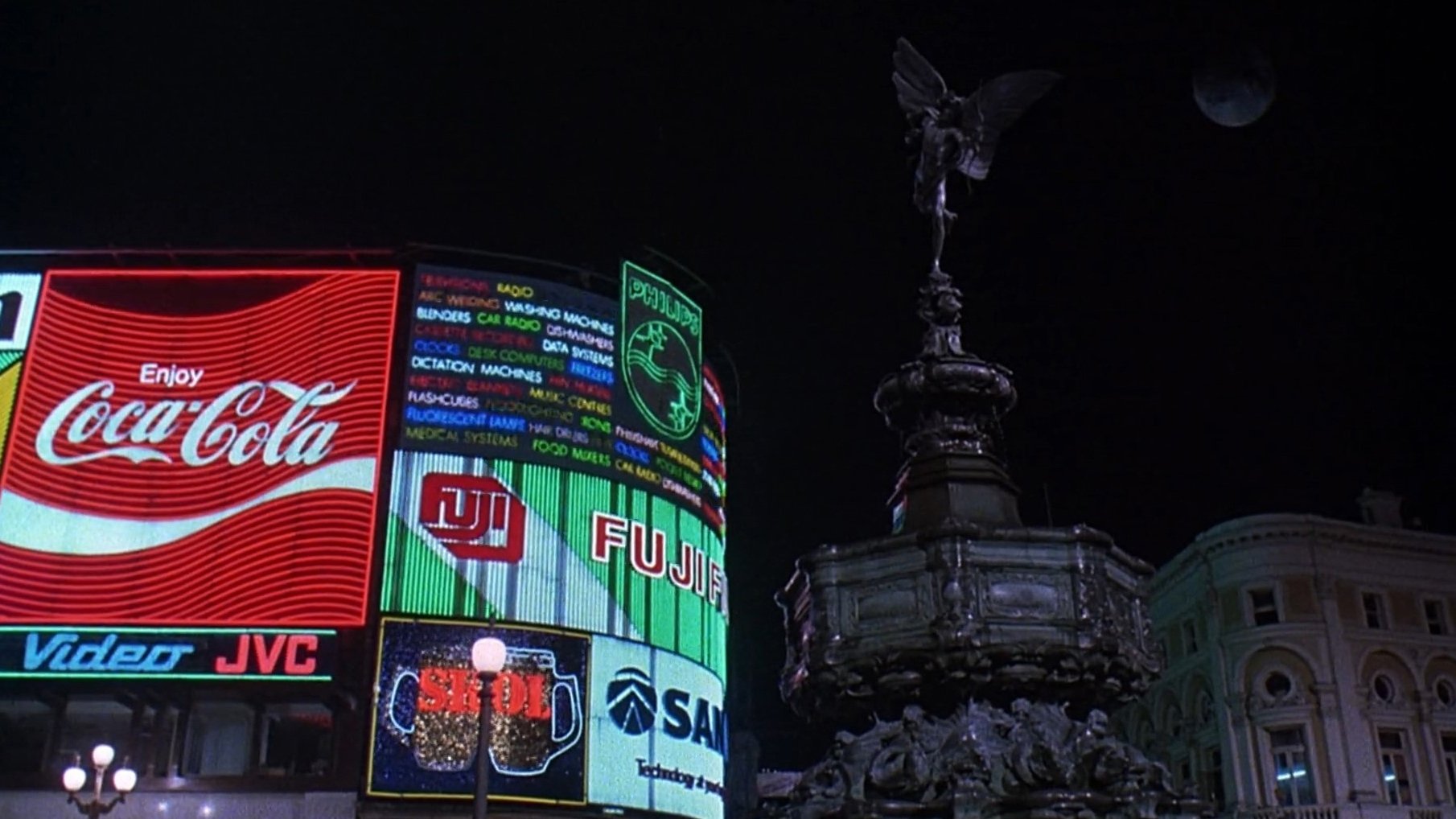
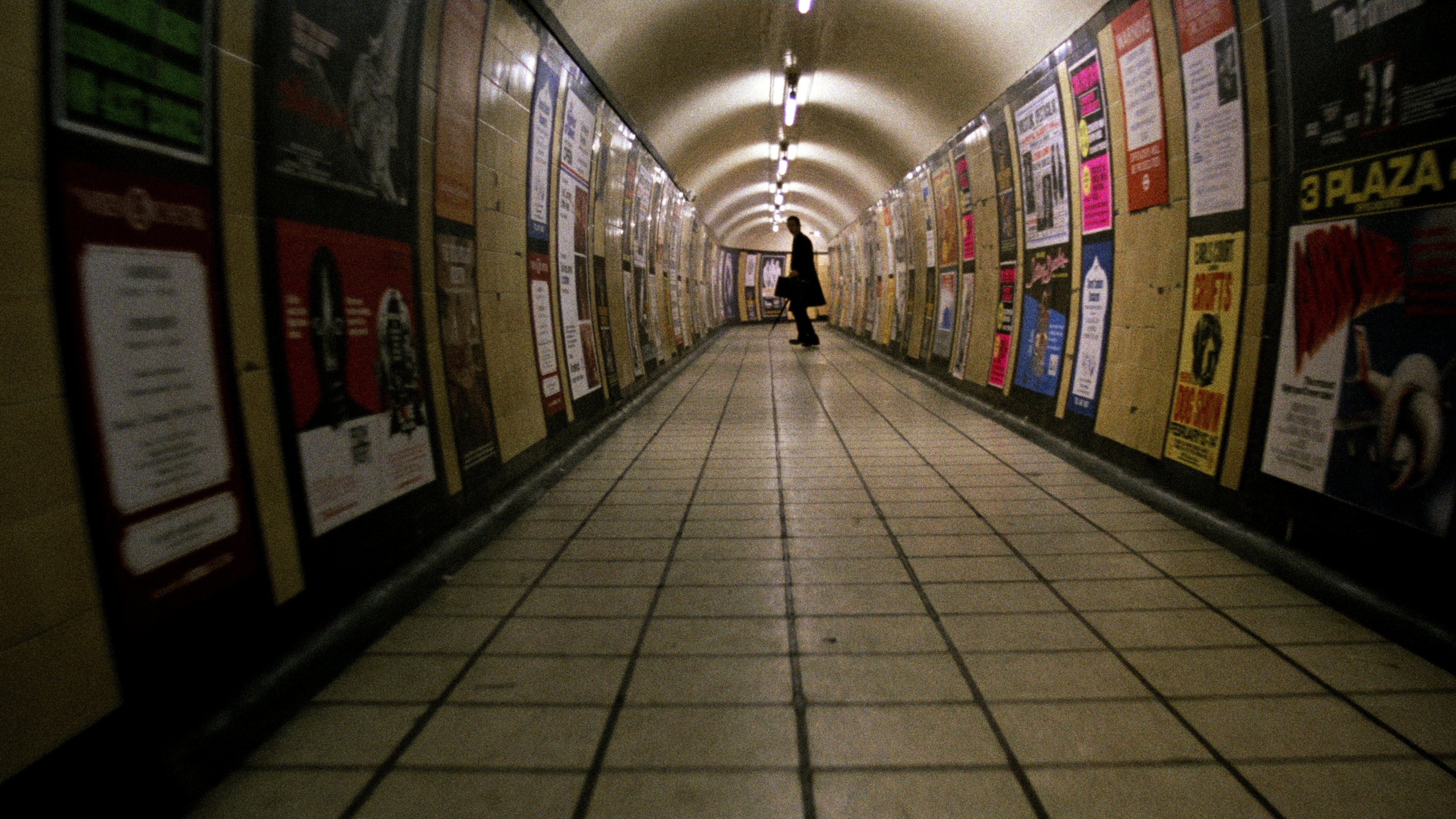
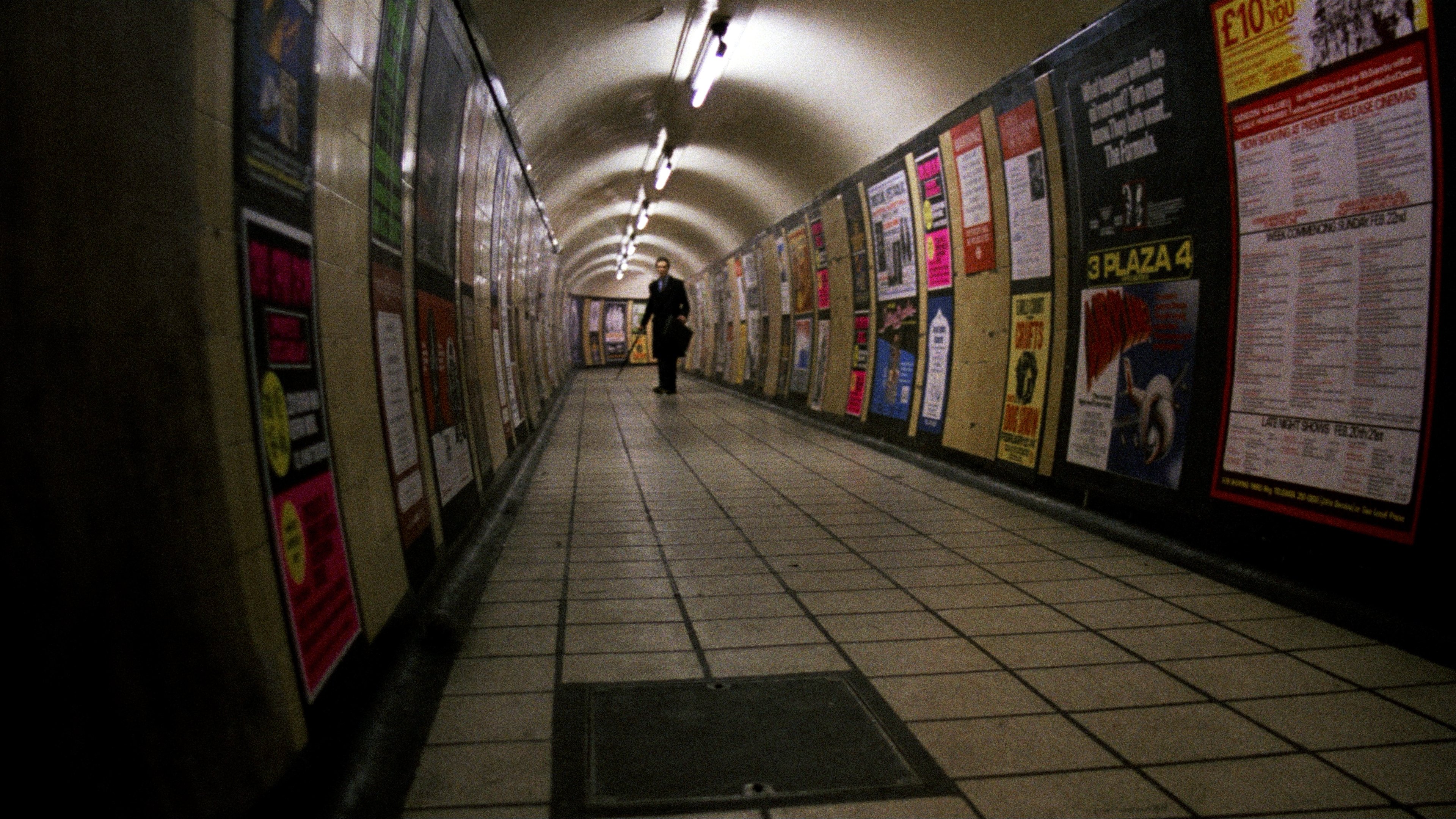
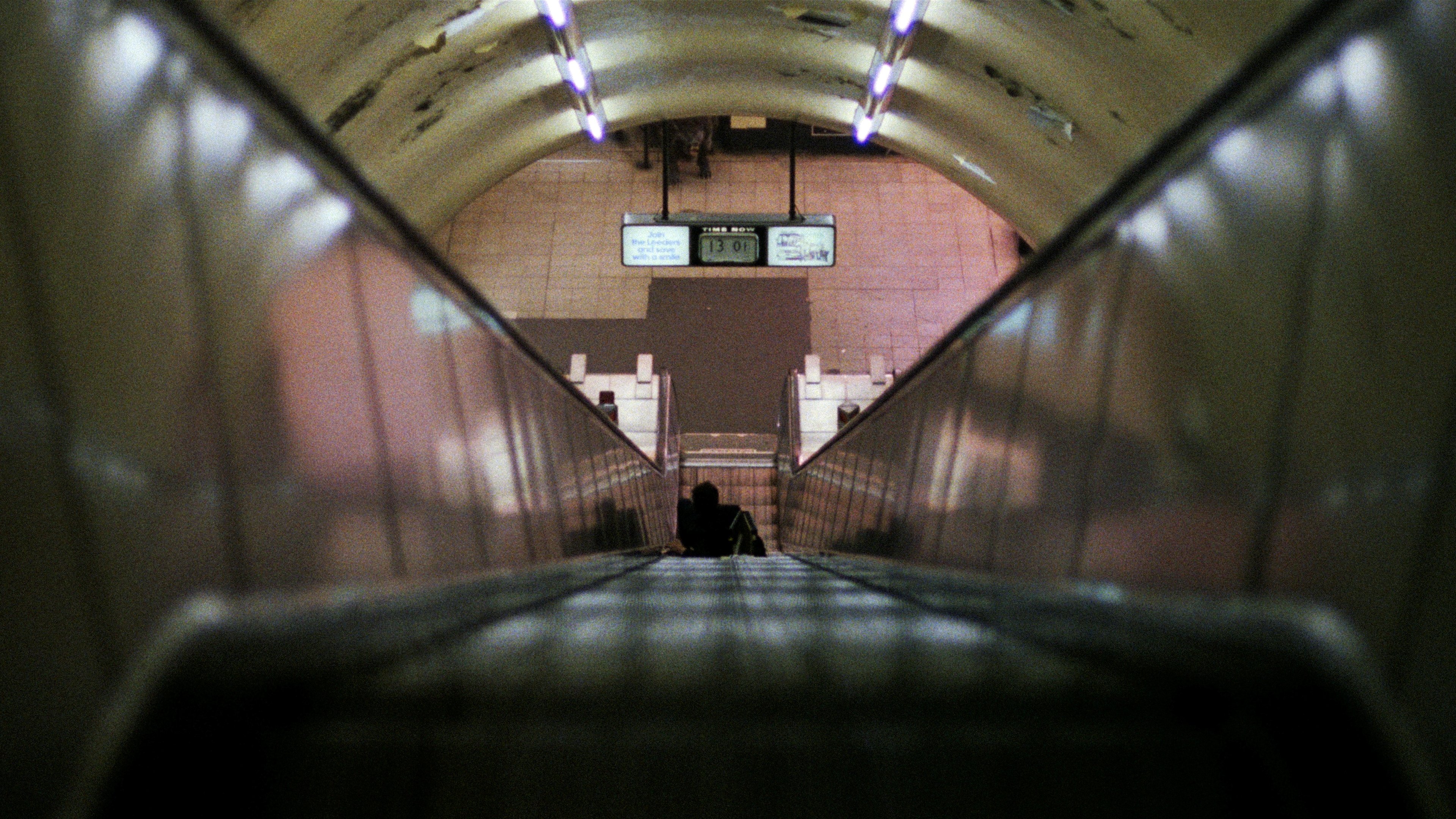
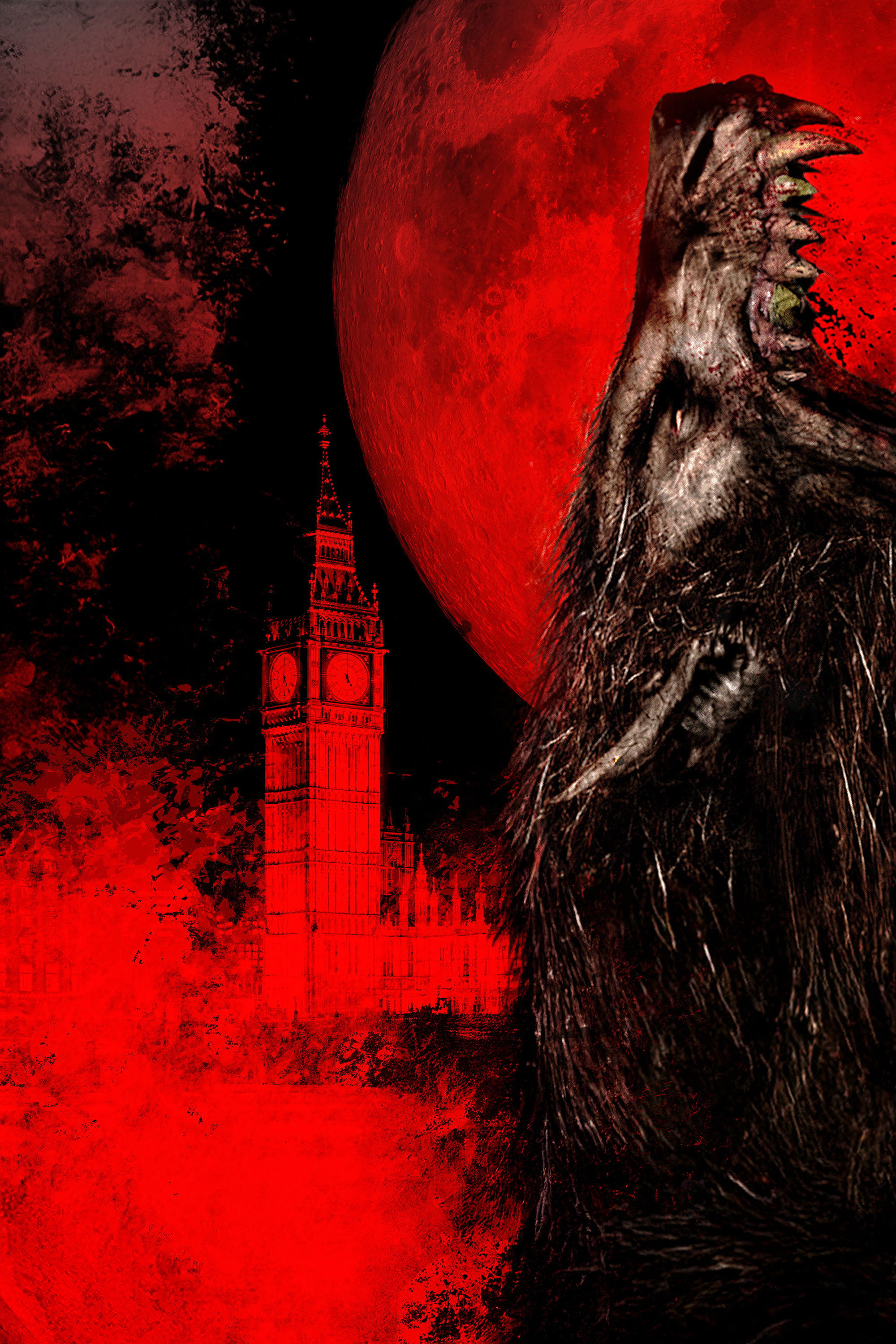
Hospitals, Underground stations, streets, apartments, cinemas and public spaces place the supernatural story inside contemporary urban life. Landis was particularly interested in showing the actual city rather than presenting London only through inherited images of fog, Victorian streets and Gothic architecture. The distinction matters because the werewolf does not remain confined to folklore. The curse travels with David from a rural landscape associated with superstition into one of the world's most recognisable modern cities. A creature traditionally connected with forests and isolated villages eventually runs through streets filled with taxis, buses, neon signs and crowds.

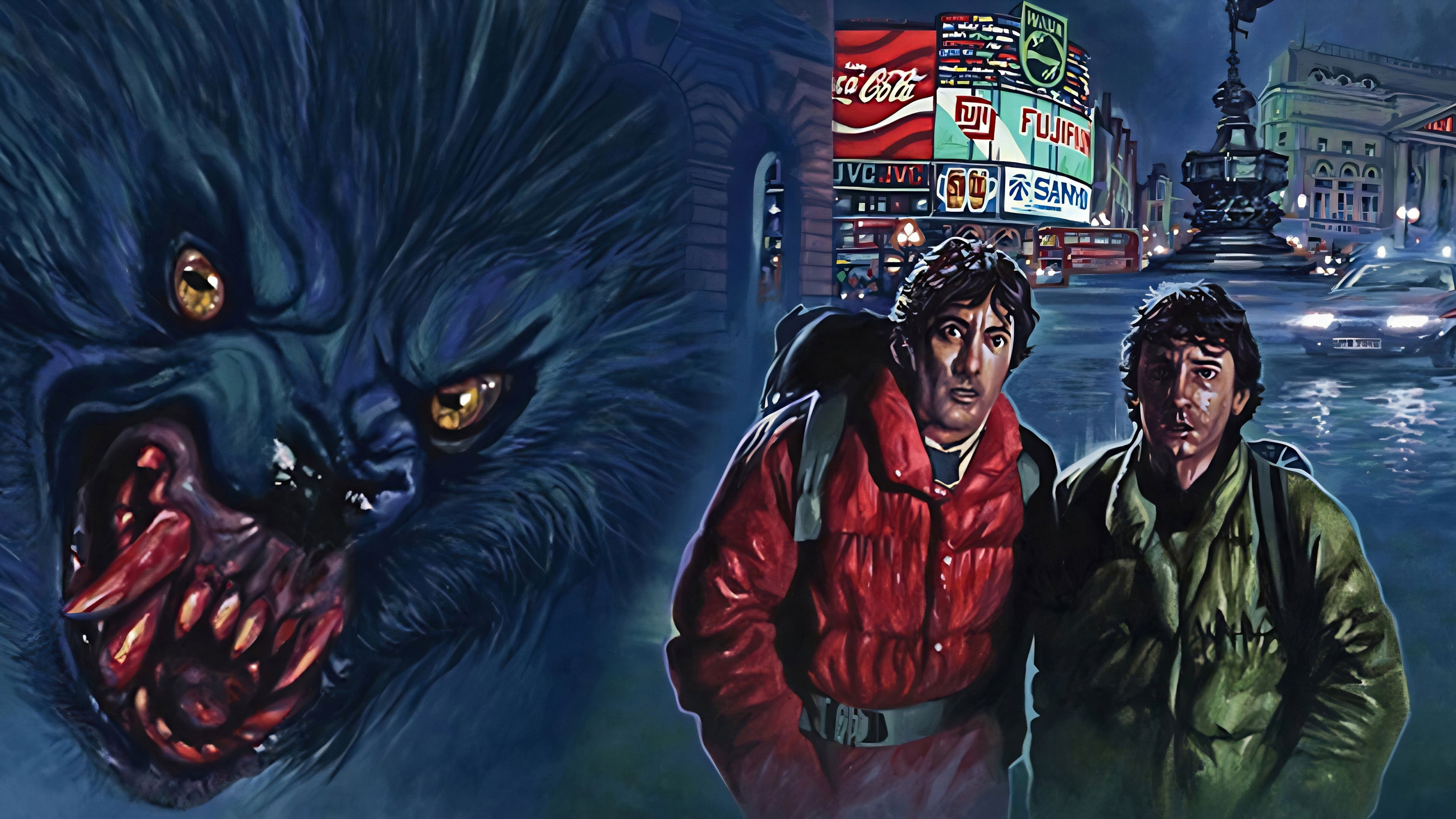
The Piccadilly Circus climax pushes that idea furthest. Landis obtained unusually extensive access to the location and staged a large chain of vehicle collisions, crowds and stunt action around the werewolf's appearance. The sequence preserves an unusually vivid image of central London at the beginning of the 1980s while allowing an ancient supernatural curse to erupt directly inside it. The locations therefore do more than provide British atmosphere. They structure David's journey from disbelief toward the impossibility of escape. The moors initially appear to contain the supernatural problem; London proves that geography cannot protect him from it.

Horror, Comedy & the Refusal to Choose

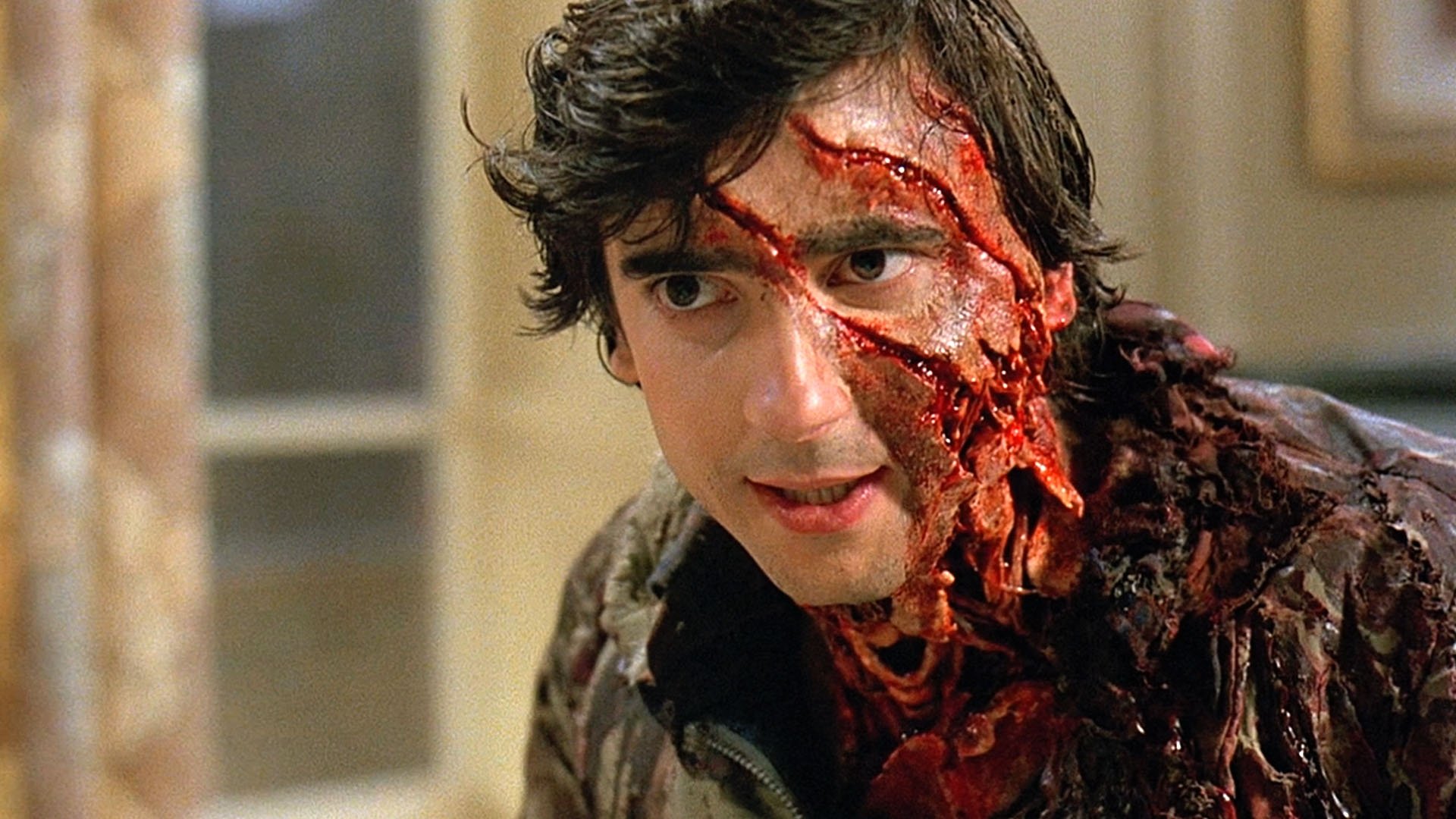
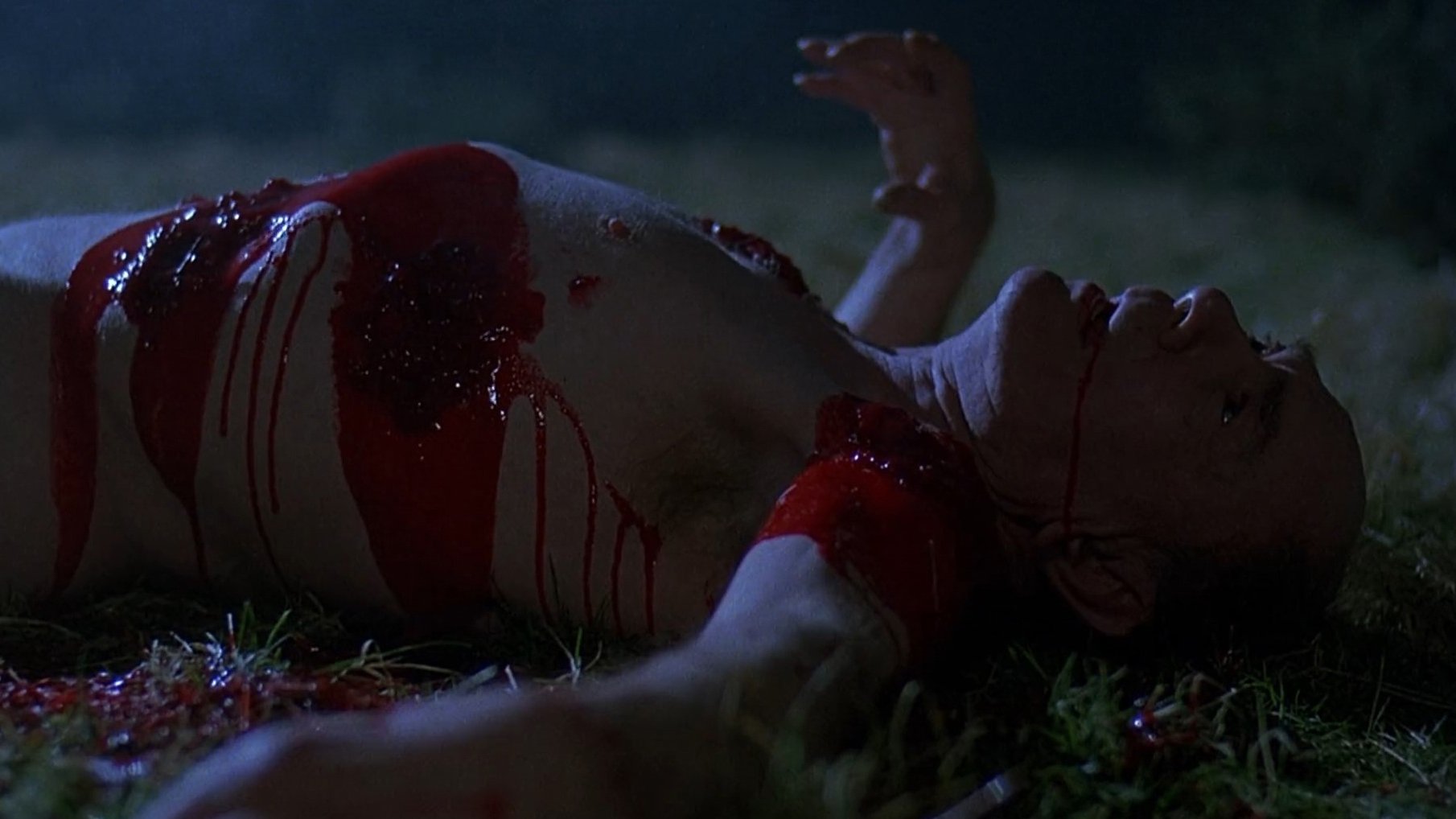
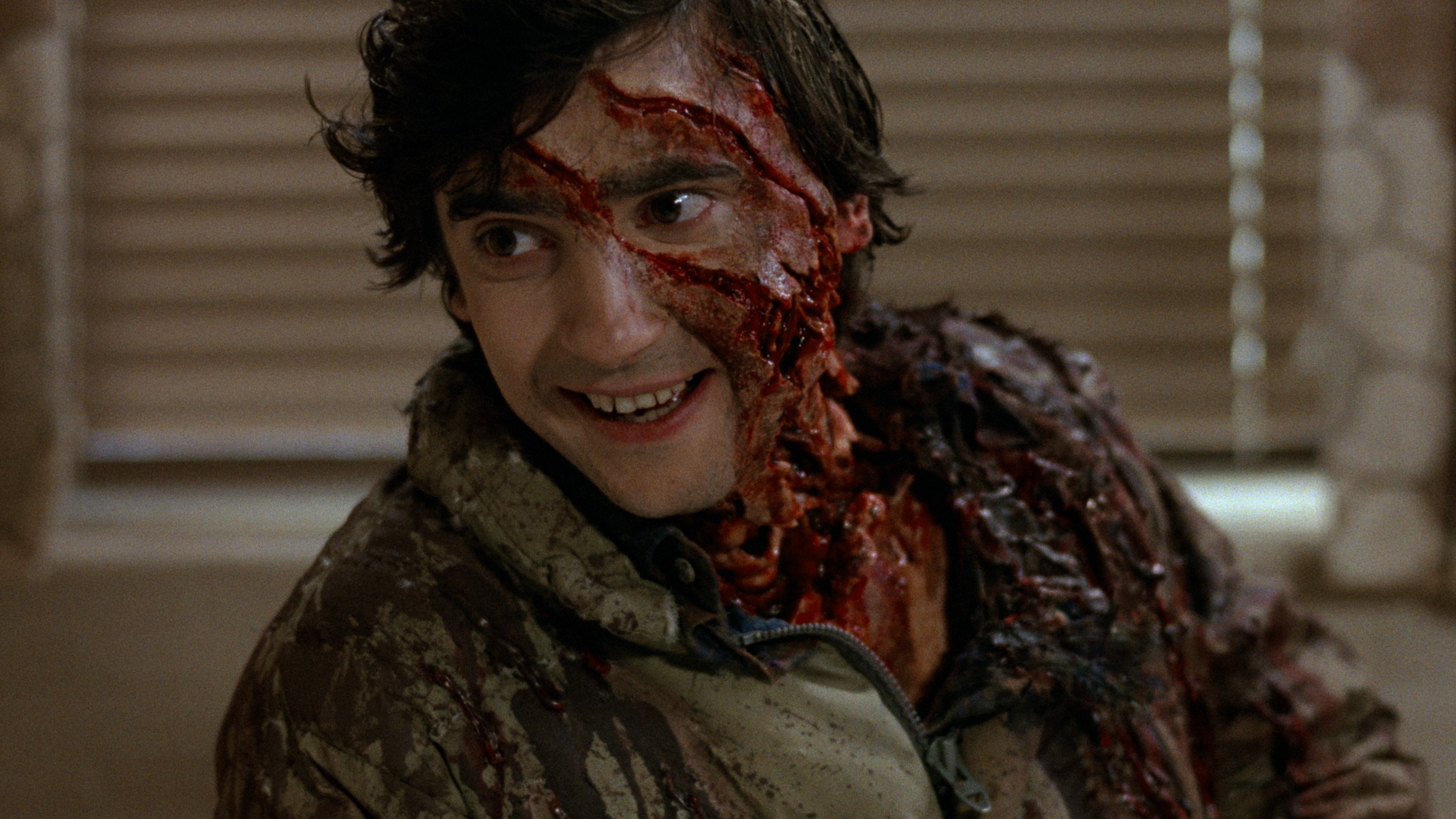
The unusual tone of An American Werewolf in London became one of the principal reasons the screenplay was difficult to finance. Landis does not construct the film as a horror story interrupted by comic relief. Humour and horror occupy the same dramatic world and can appear within moments of one another. Jack's return is the clearest example. His first appearance after death is visually grotesque: his body bears the wounds that killed him. Yet his conversation with David retains the casual rhythm of their friendship.

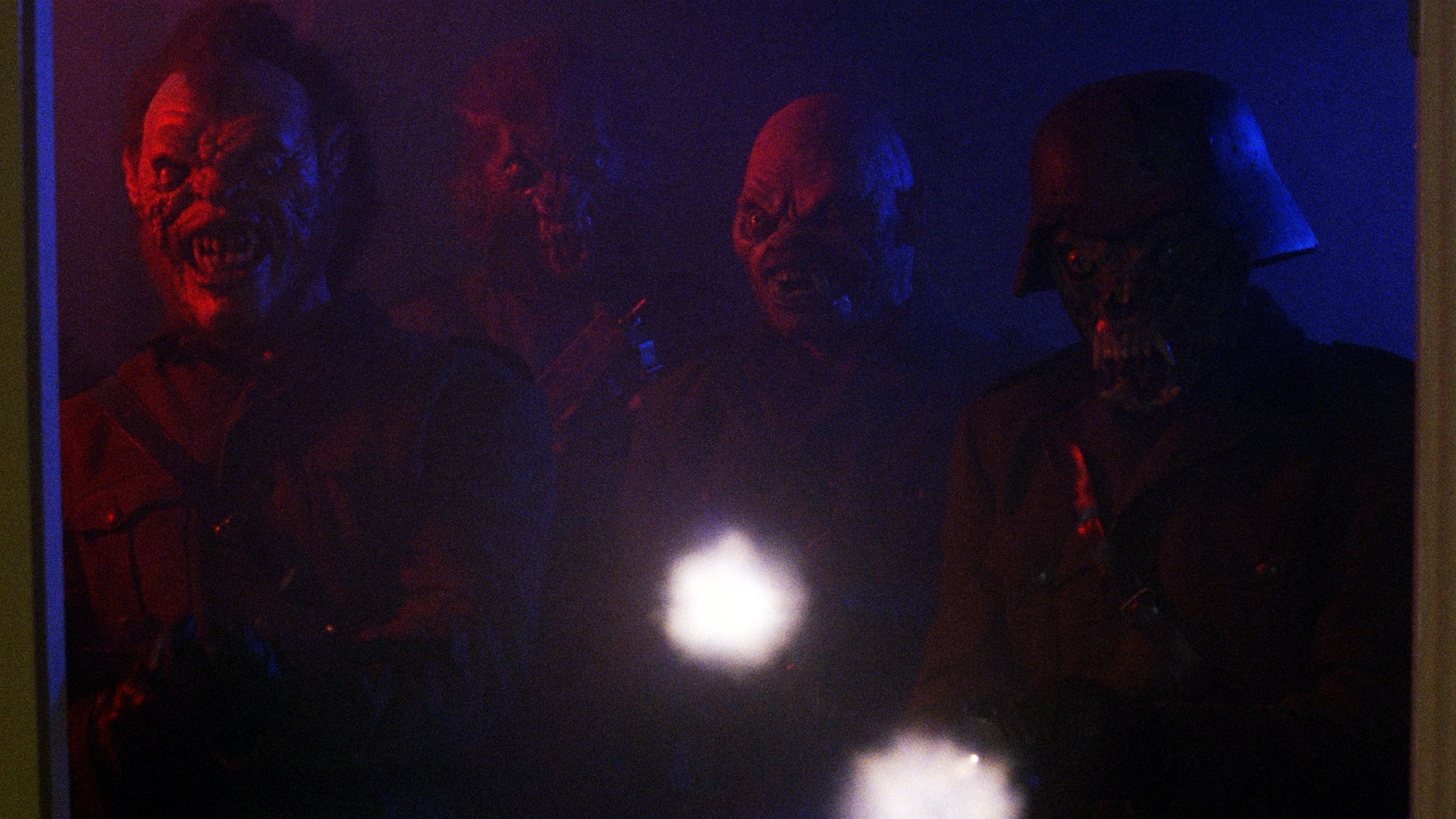
He discusses David's situation almost as if presenting an inconvenient practical problem, even while explaining that he and the werewolf's other victims remain trapped between life and death. As Jack continues to decay, the contradiction becomes even stronger. His physical condition moves further into explicit horror while his personality remains recognisably conversational. Later, the growing collection of undead victims eventually discusses possible methods of suicide with David inside a pornography cinema. The situation is absurd, gruesome and genuinely tragic at the same time. Landis nevertheless insisted that the violence itself should not become comic.

He later explained that he wanted attacks to feel terrible because real violence is terrible. The distinction is fundamental. The characters may joke and the circumstances may become absurd, but the wounds, deaths and consequences of David's transformations remain materially unpleasant. That combination allows the film to avoid parodying the werewolf genre. David's predicament is funny because of the people involved and the collision between the supernatural and ordinary life, not because the film believes werewolves are inherently ridiculous. By treating both sides seriously, Landis created a horror-comedy in which neither half cancels the other.

Rick Baker & the Transformation

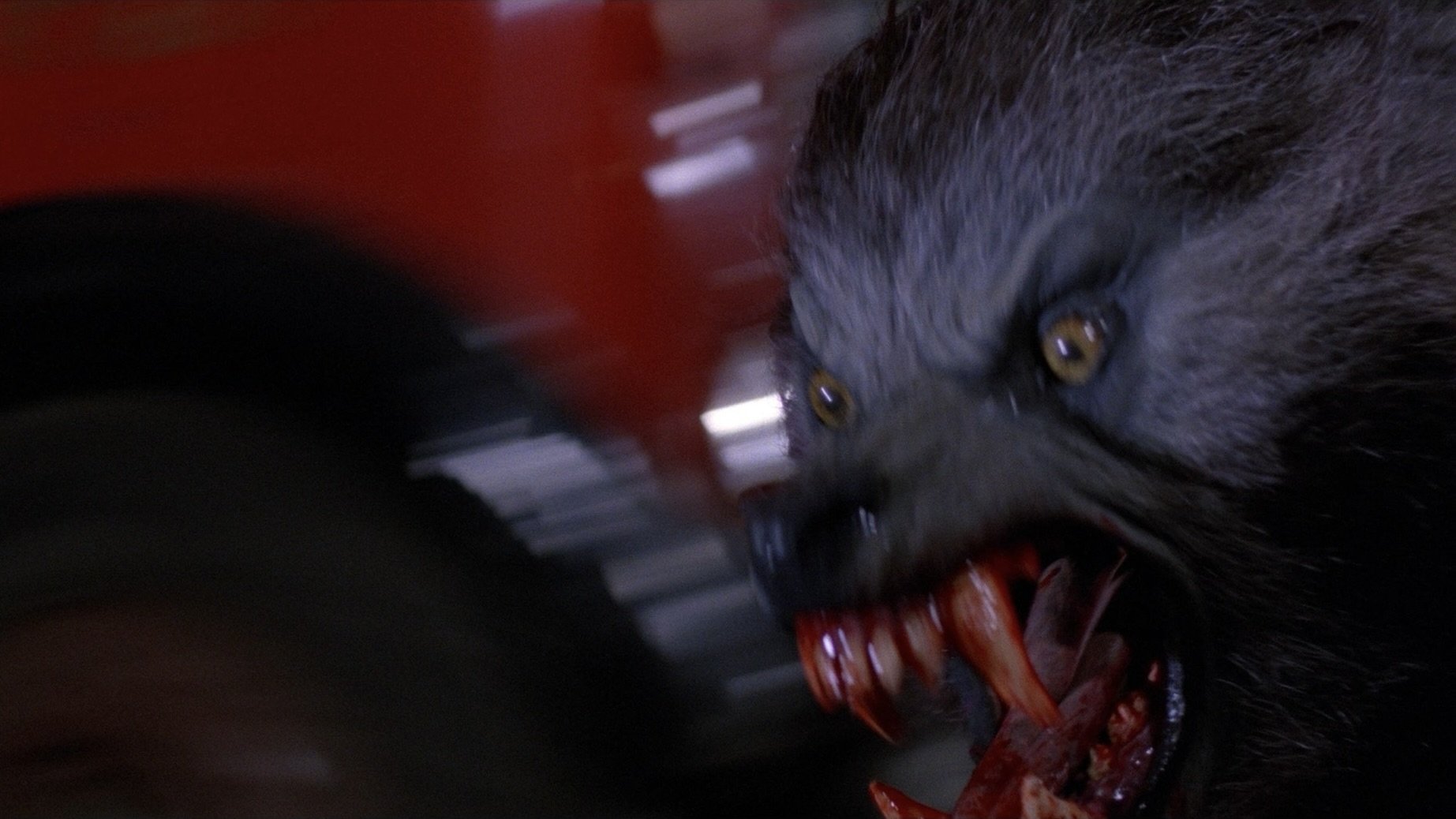
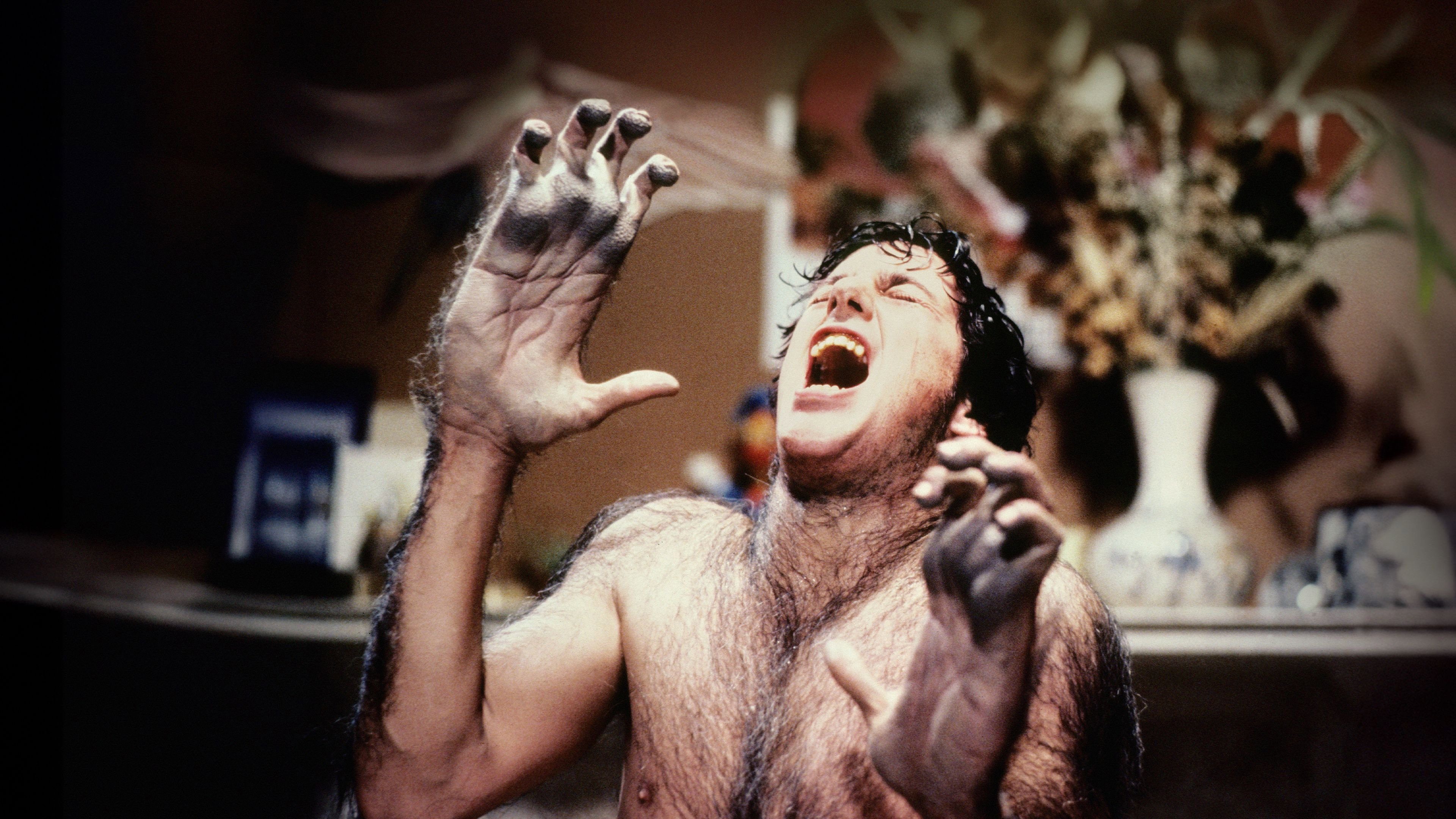
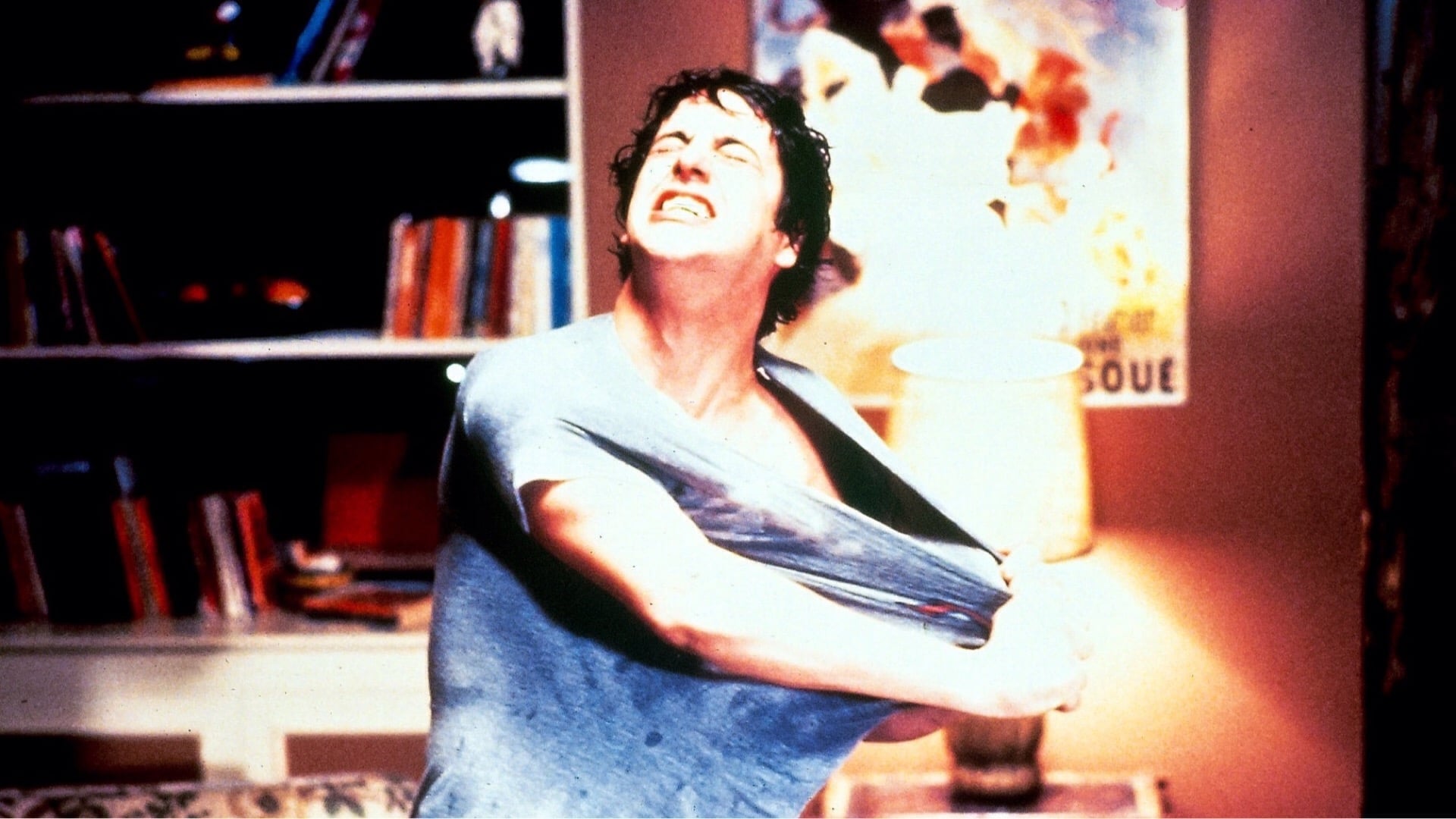
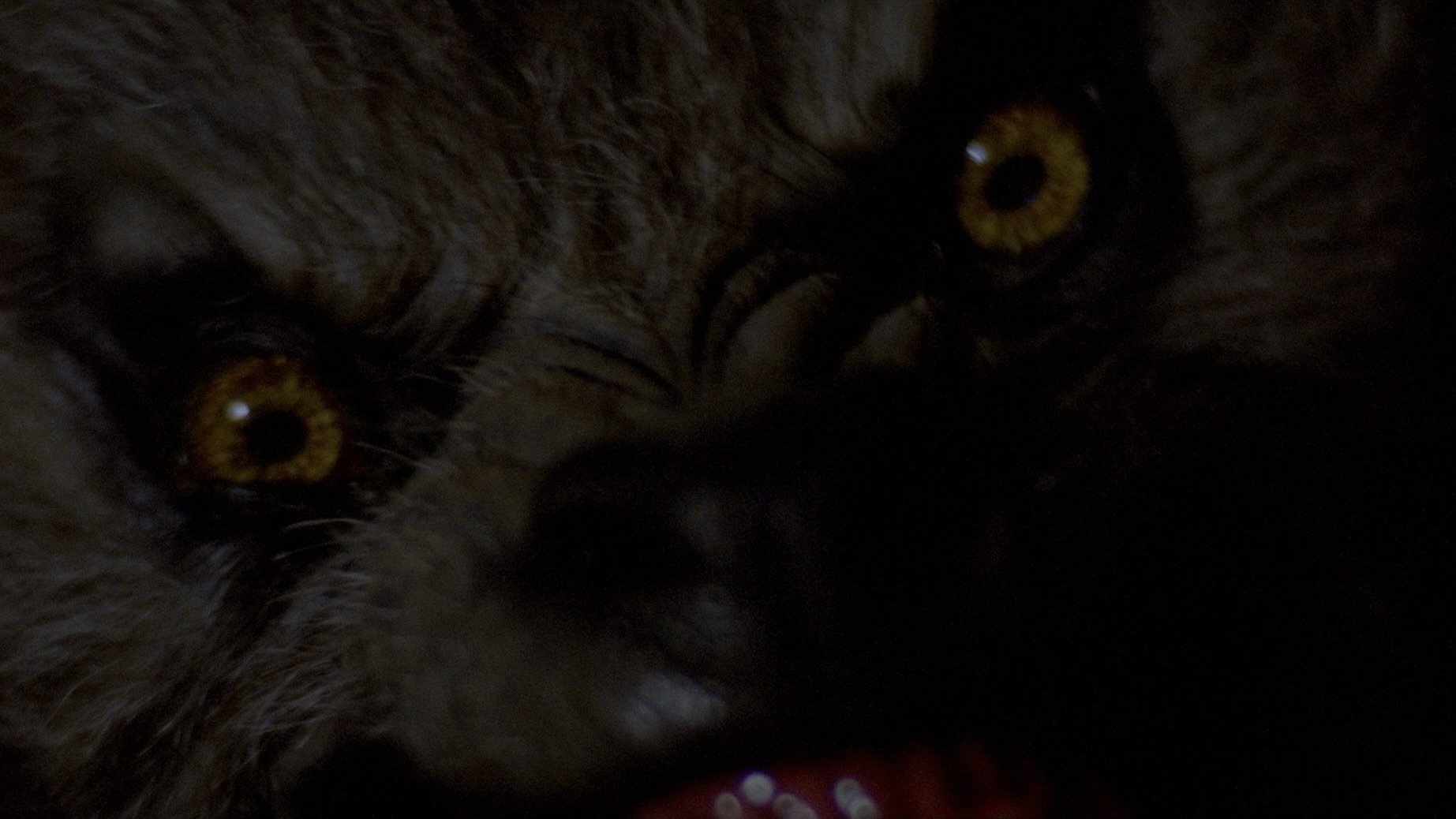
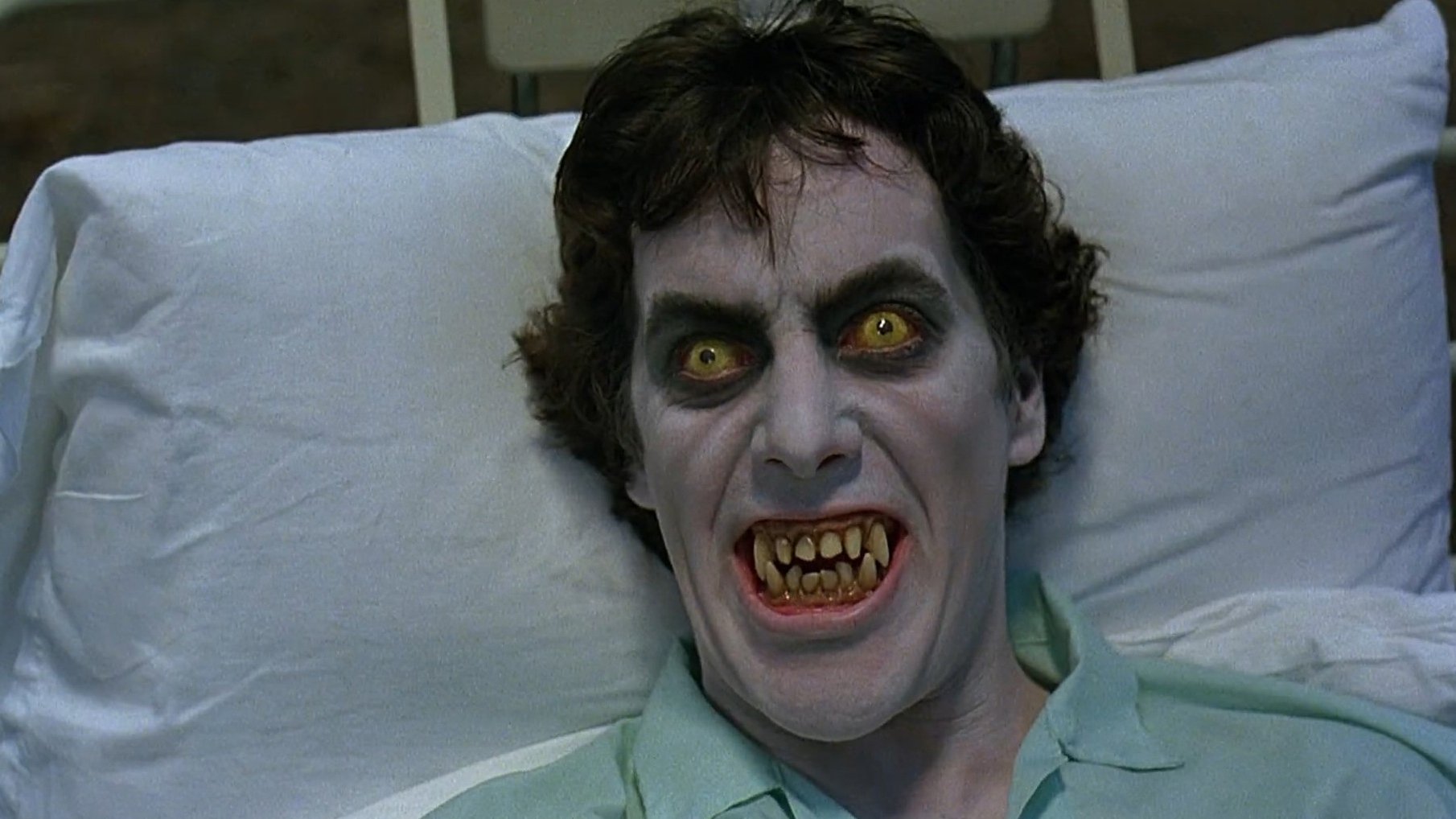
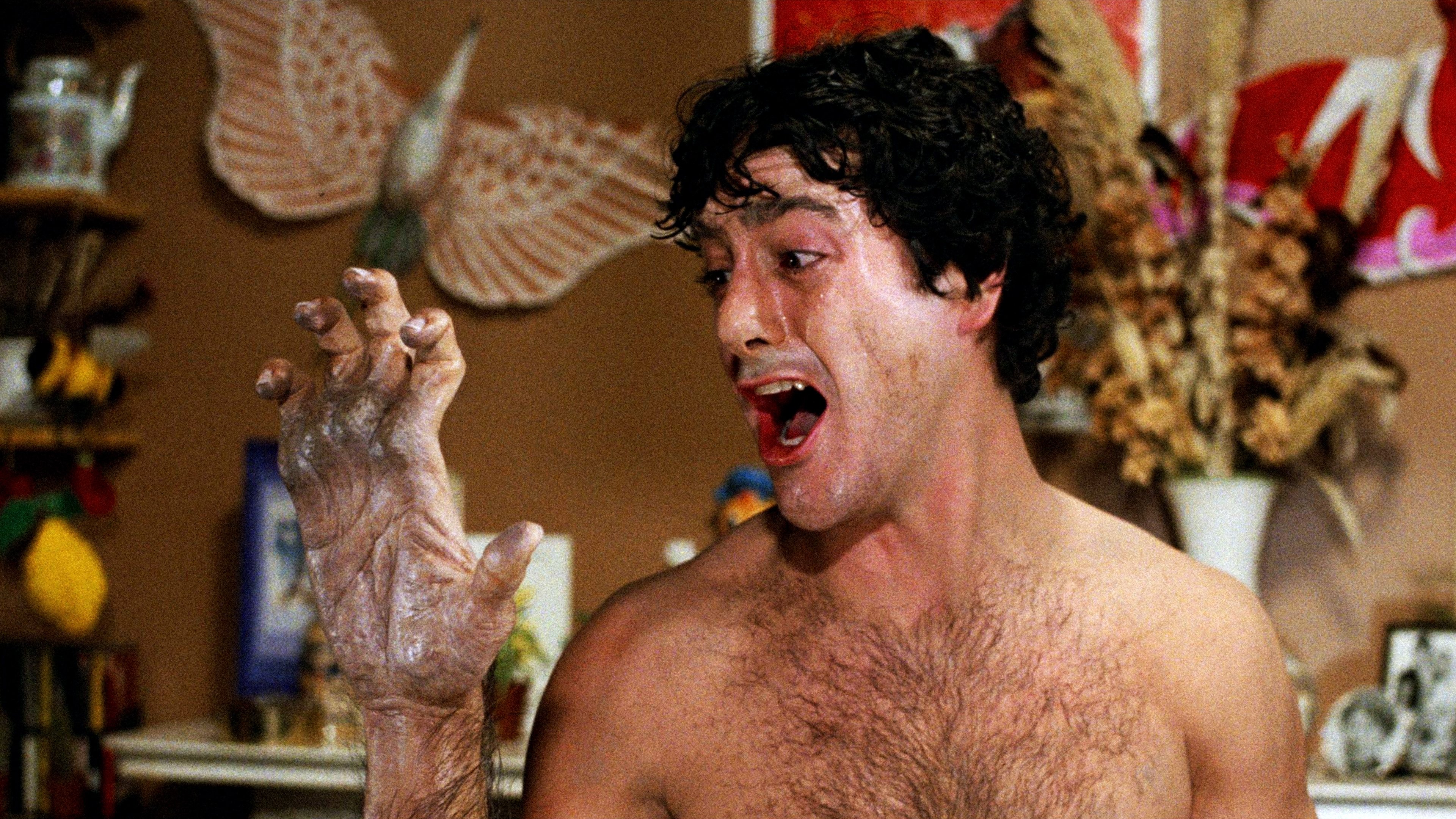
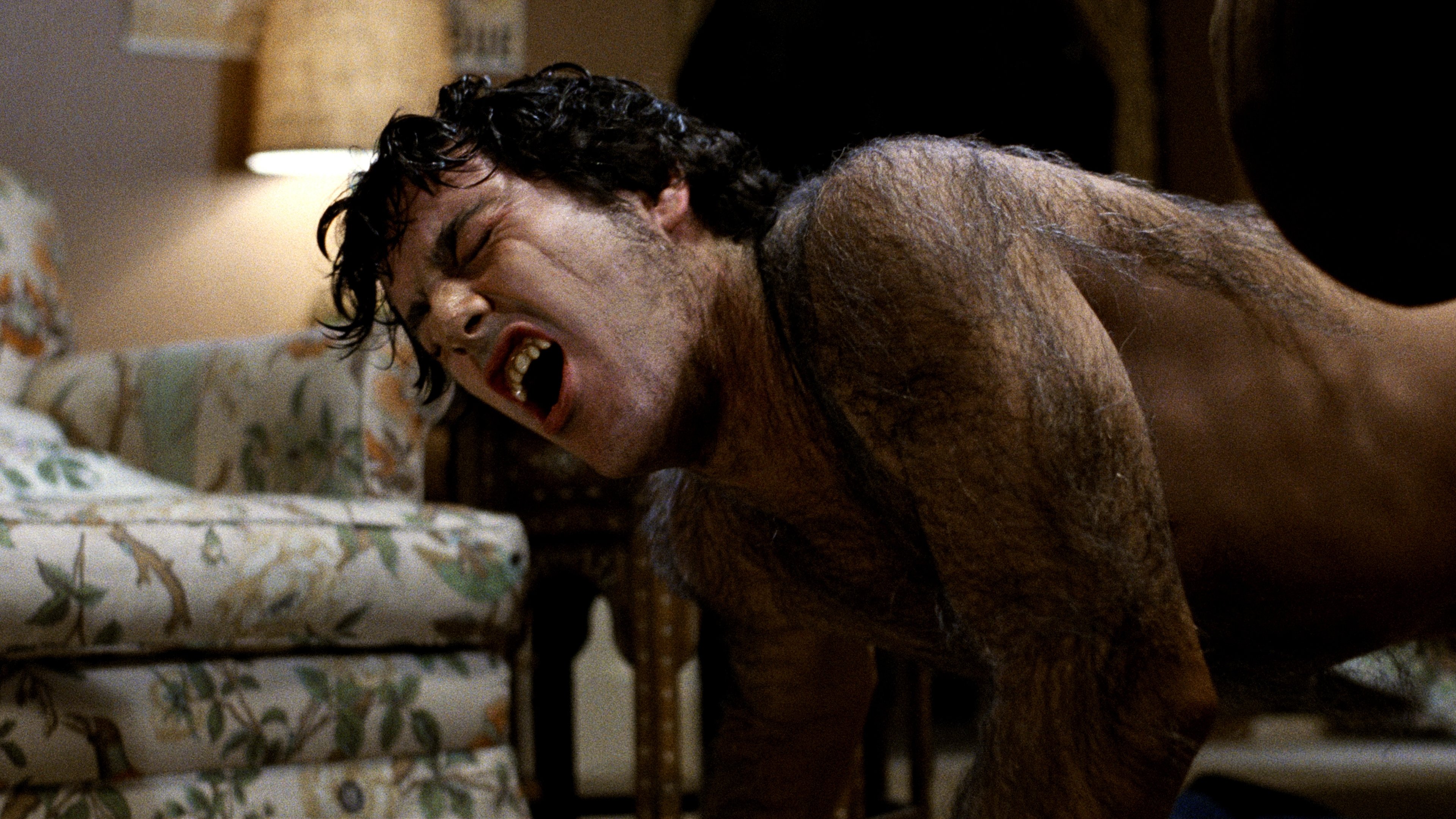
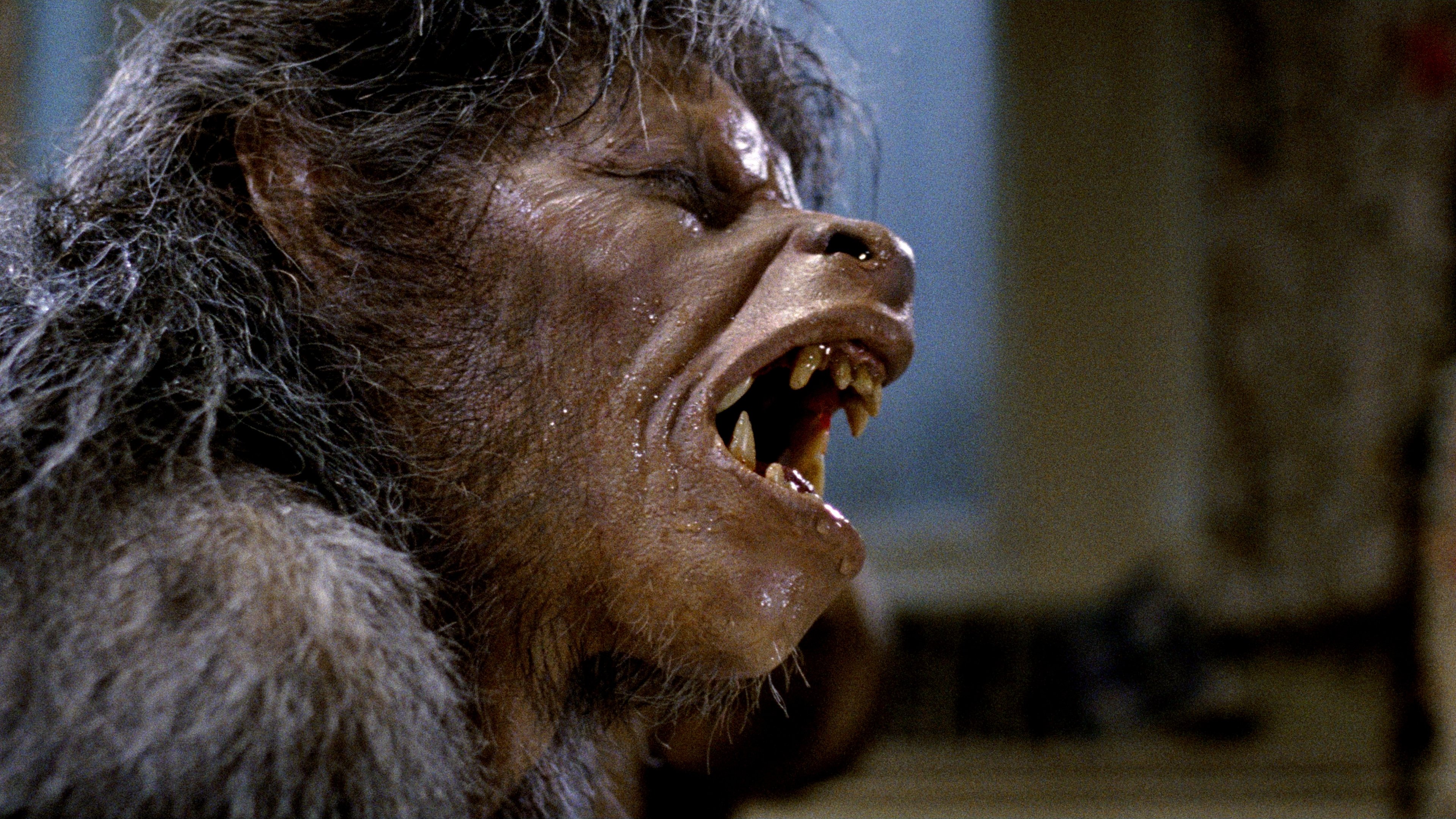
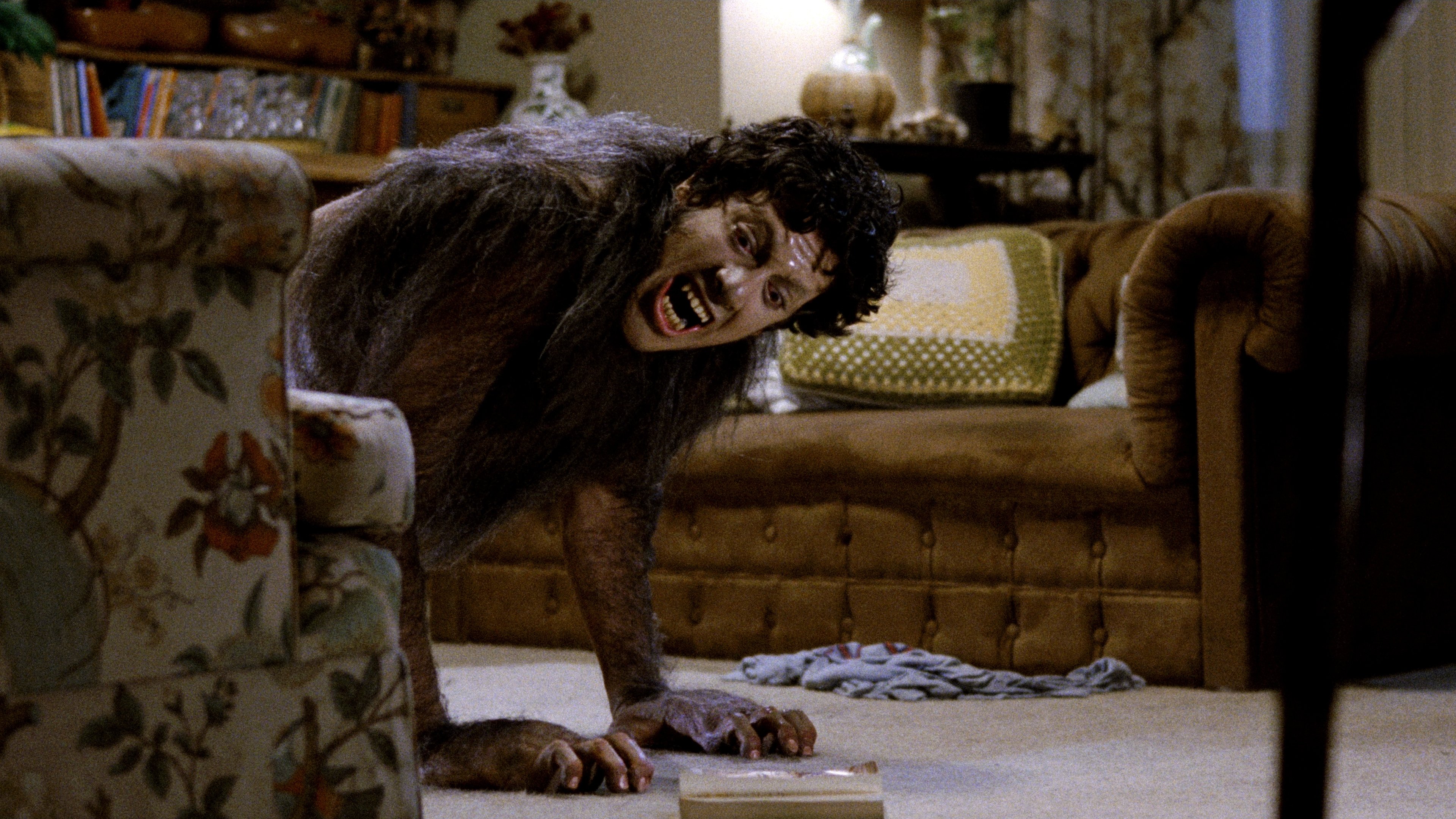
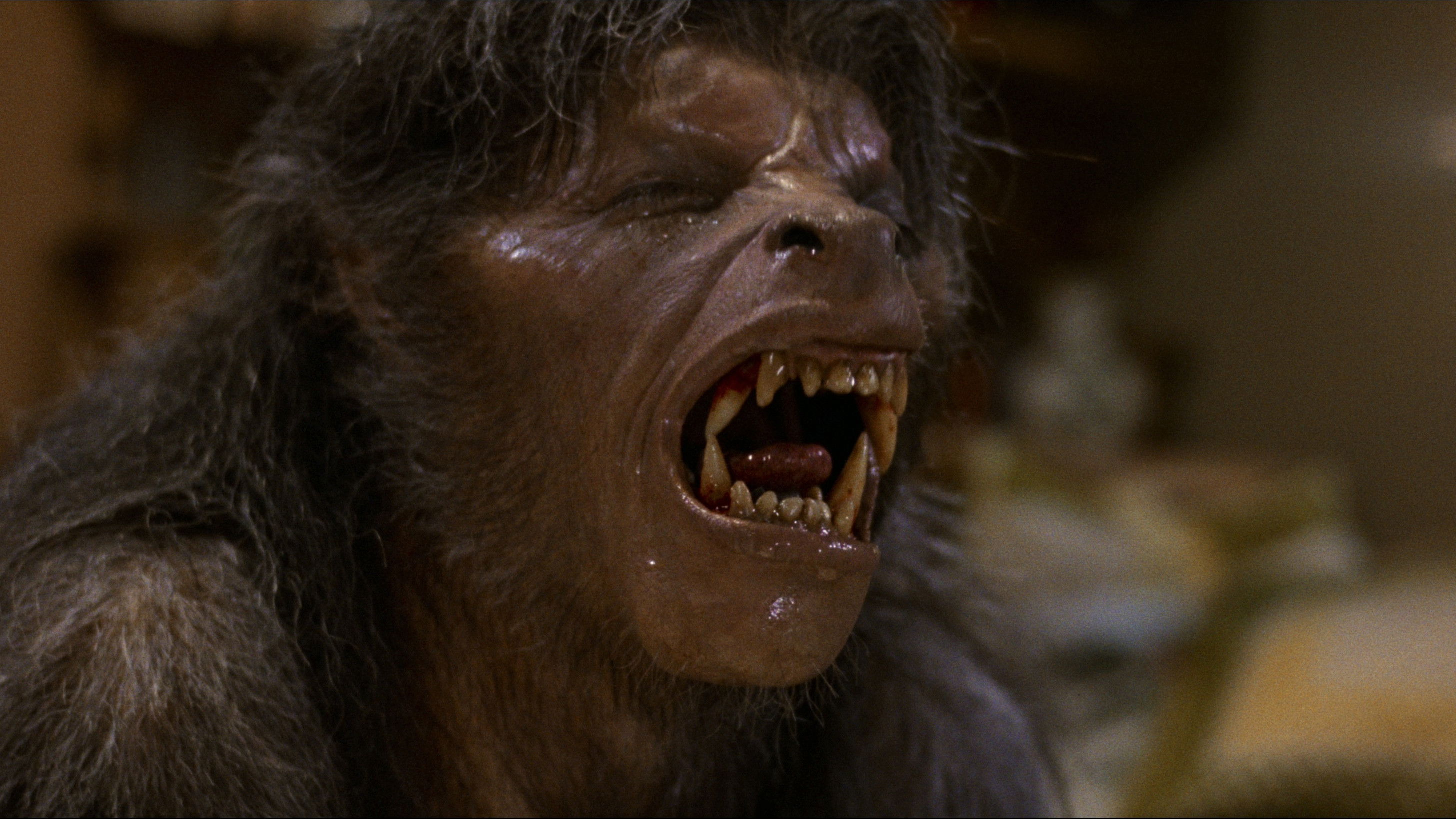
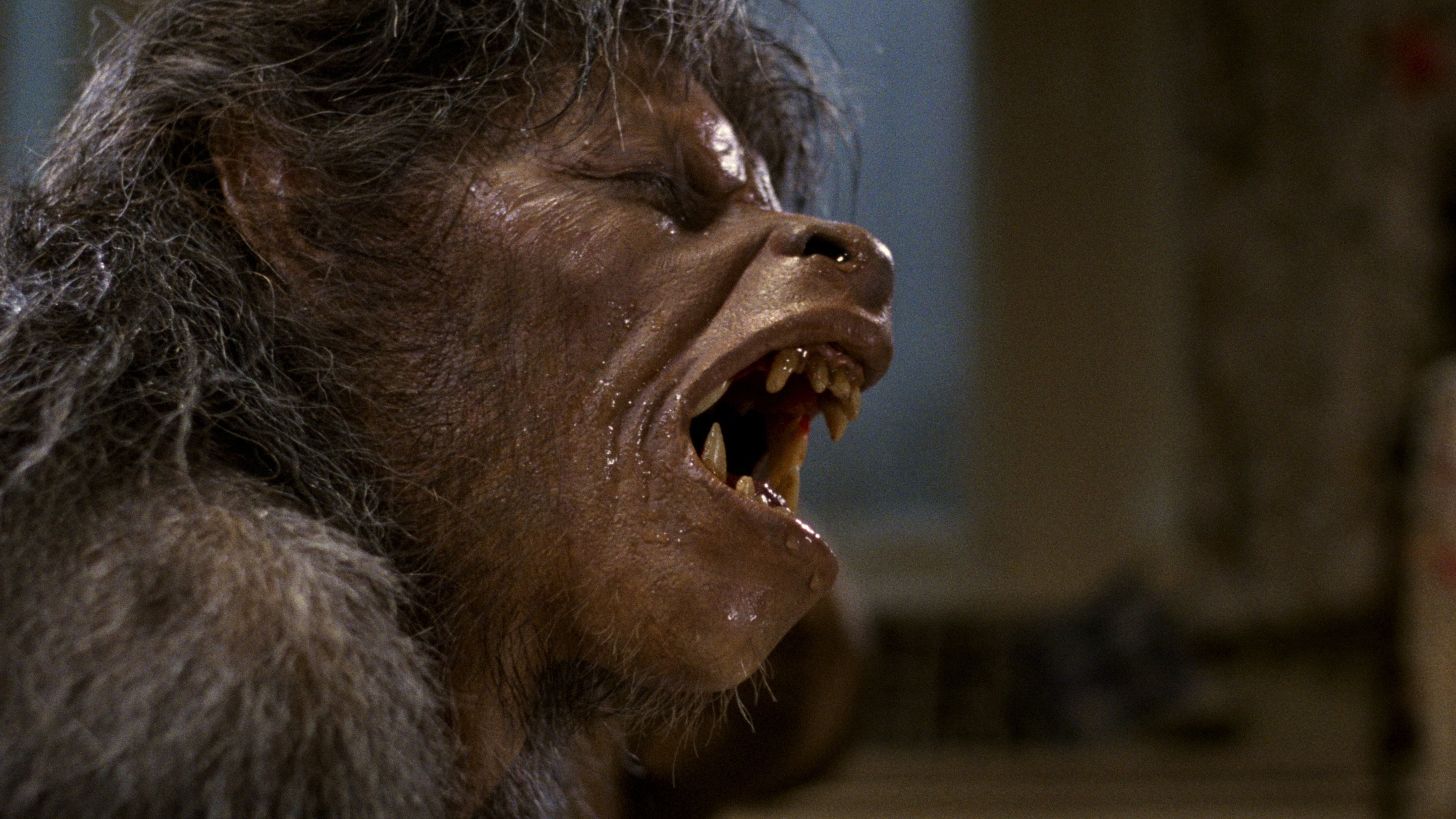
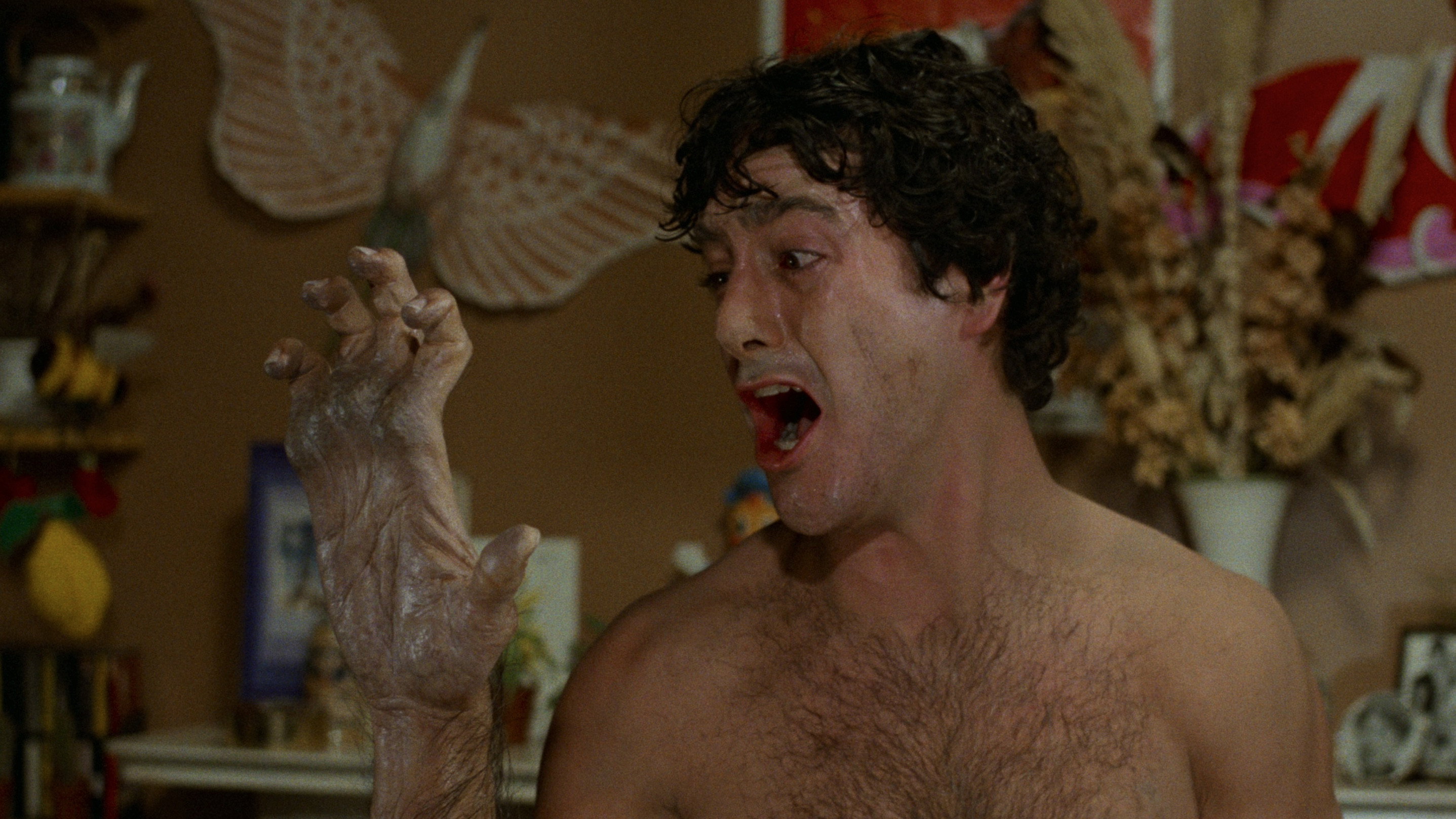
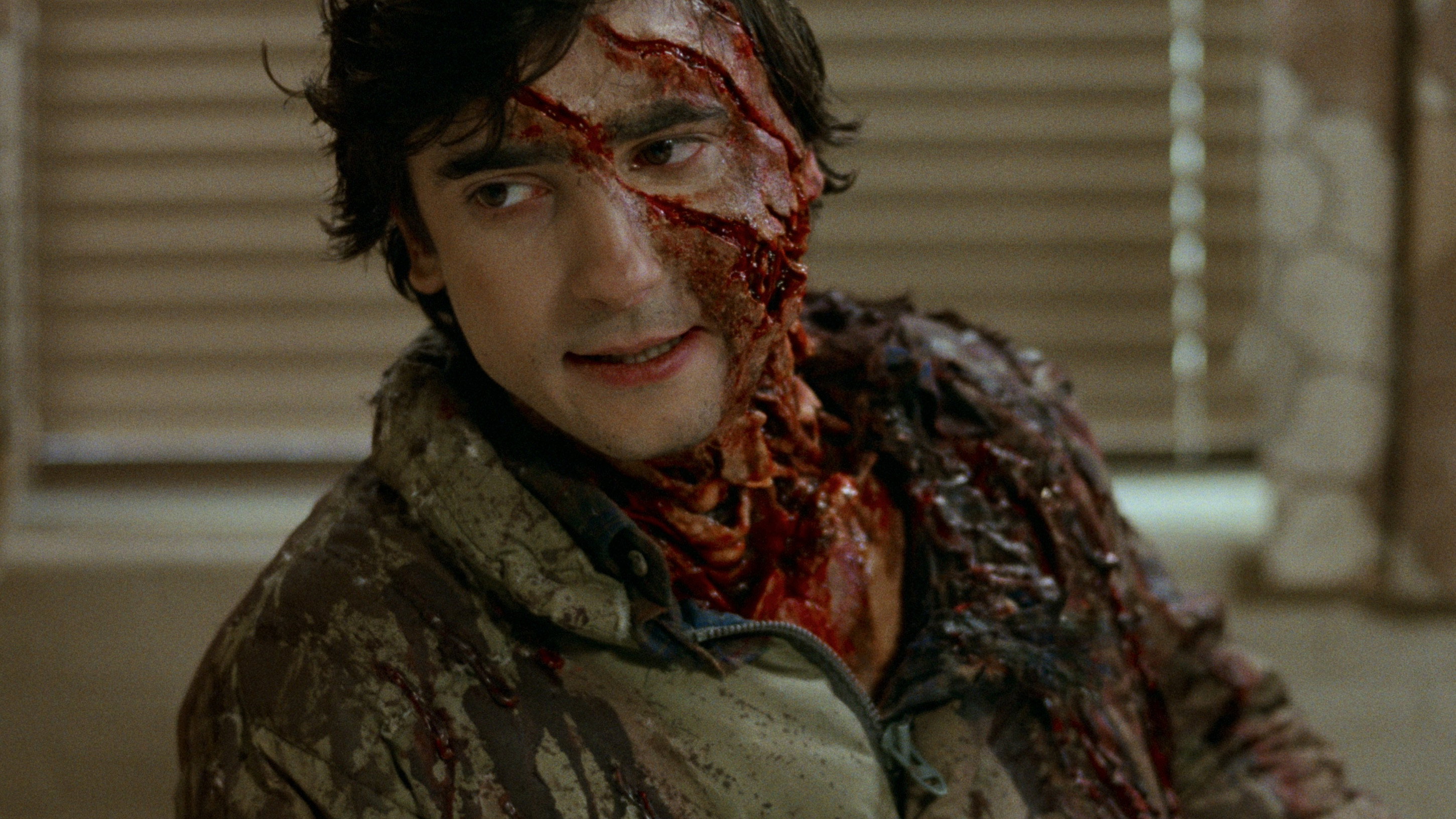
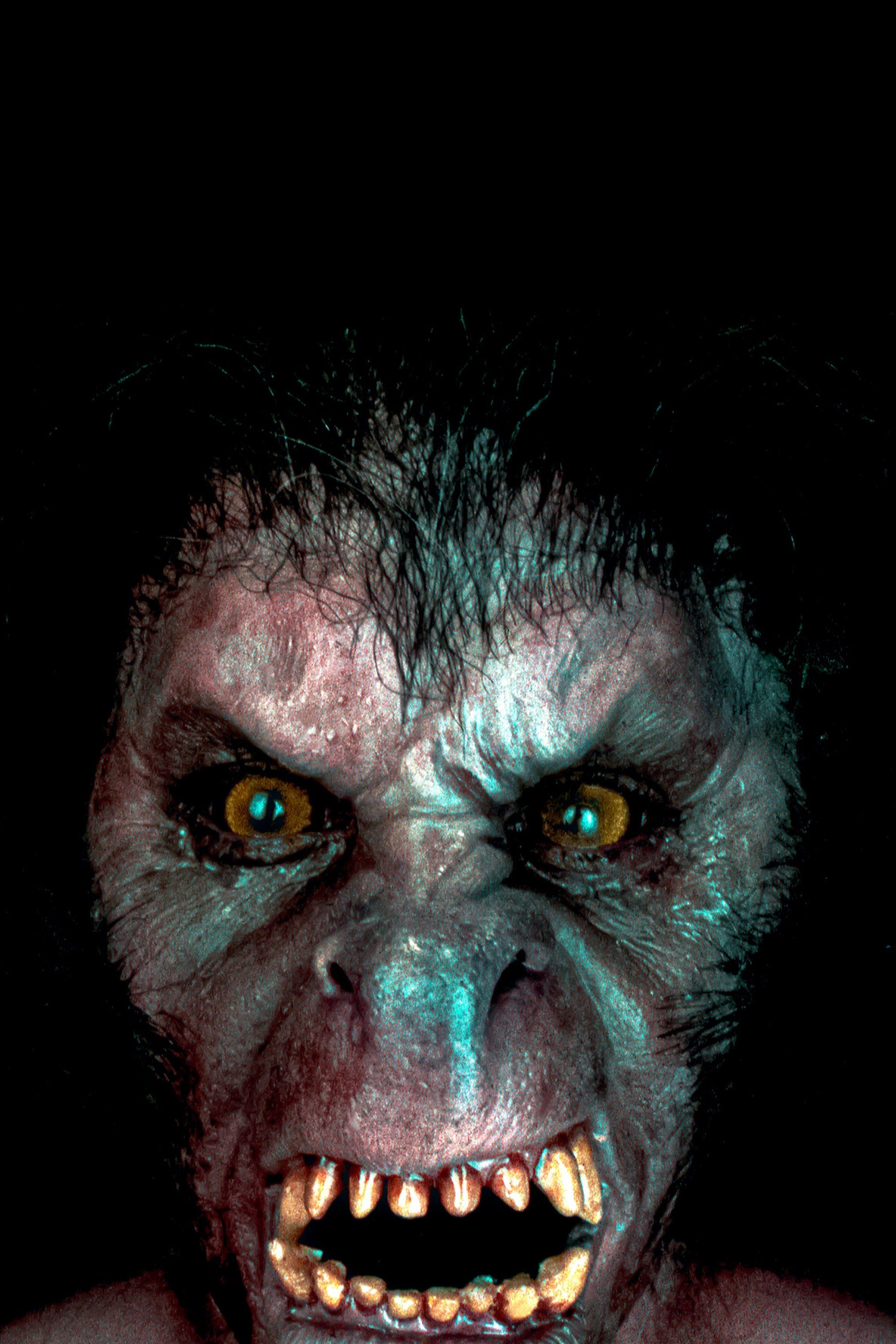
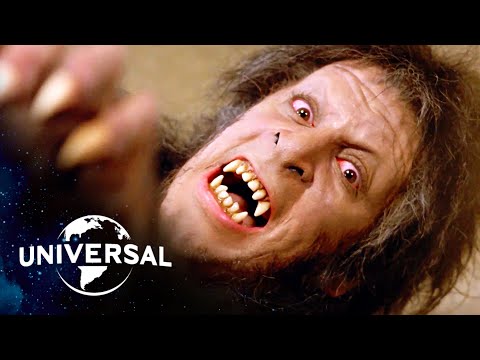
The transformation of David Kessler became the film's technical centrepiece. Earlier werewolf films had commonly represented transformation through dissolves, makeup stages, shadows or editing. Landis wanted the audience to watch the change happen directly, in ordinary light, without protecting the illusion through darkness. Rick Baker developed a collection of mechanical and prosthetic devices capable of changing different parts of David's body independently. The transformation was not achieved through one complete suit. Individual effects were built for the hands, feet, torso, head and other areas, allowing Landis to construct the sequence as a progression of anatomical changes. Among Baker's most important techniques were the mechanical heads he called “change-o-heads.”

Internal structures allowed portions of the face and skull to move while a flexible exterior surface stretched over them. The final elongation of David's face into a muzzle could therefore happen physically in front of the camera rather than through an optical morph. Naughton's performance was equally important. The transformation is presented as an agonising biological event rather than a magical costume change. His body stretches, his joints appear to reorganise themselves and his screams continue throughout the process. Naughton later recalled that shooting the sequence required extensive life casting, long periods in makeup and roughly a week devoted to the transformation material.
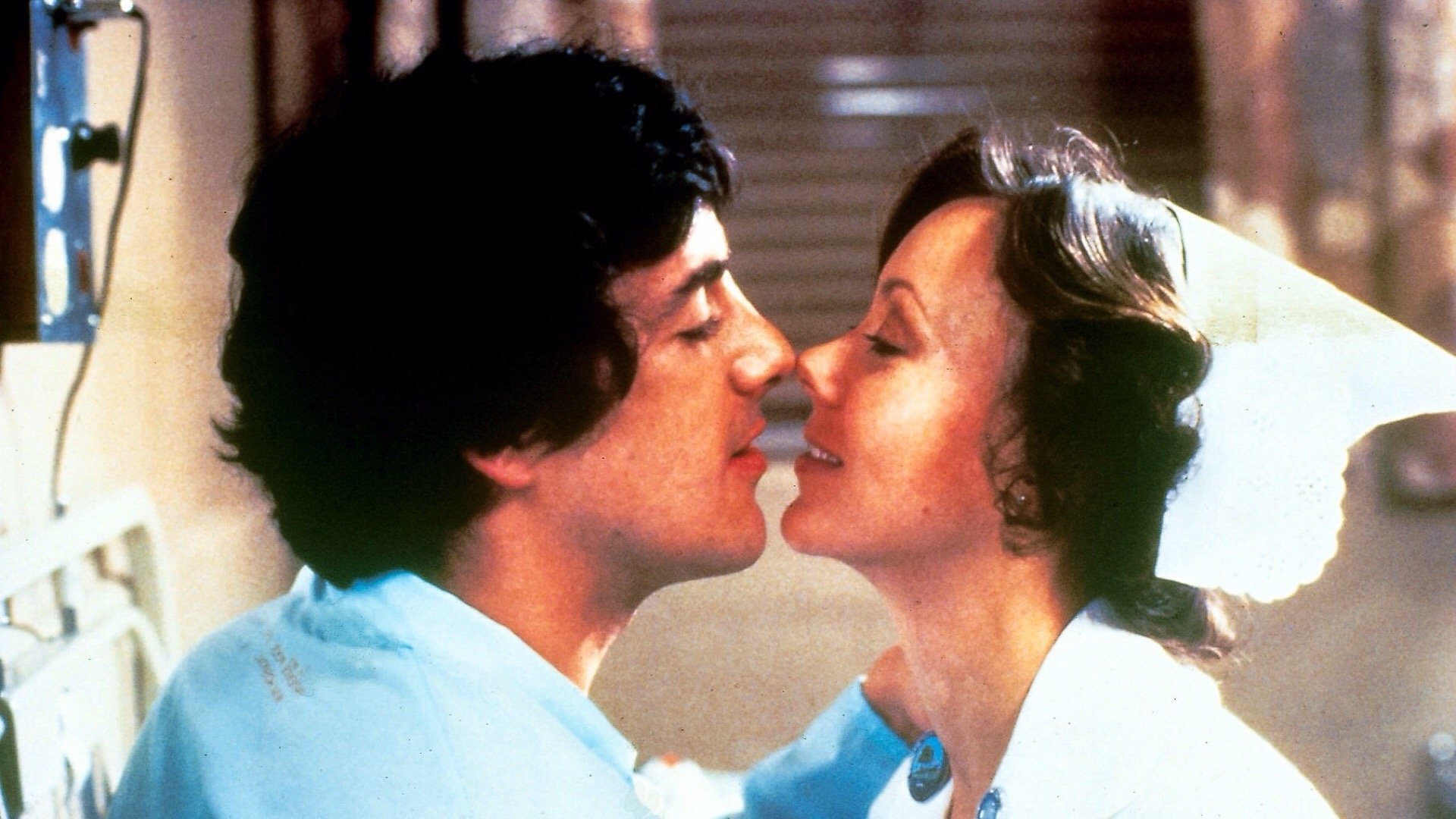
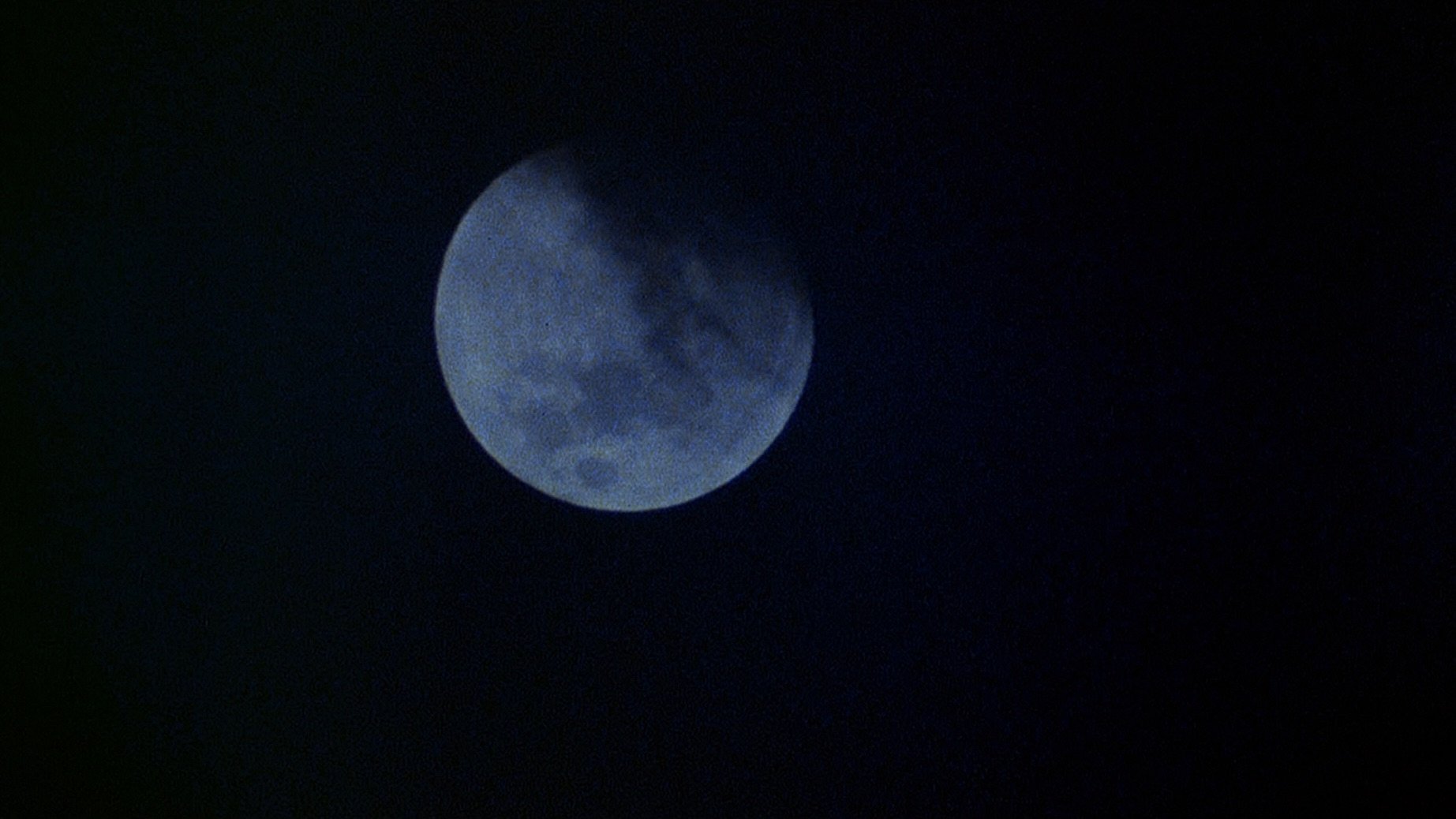
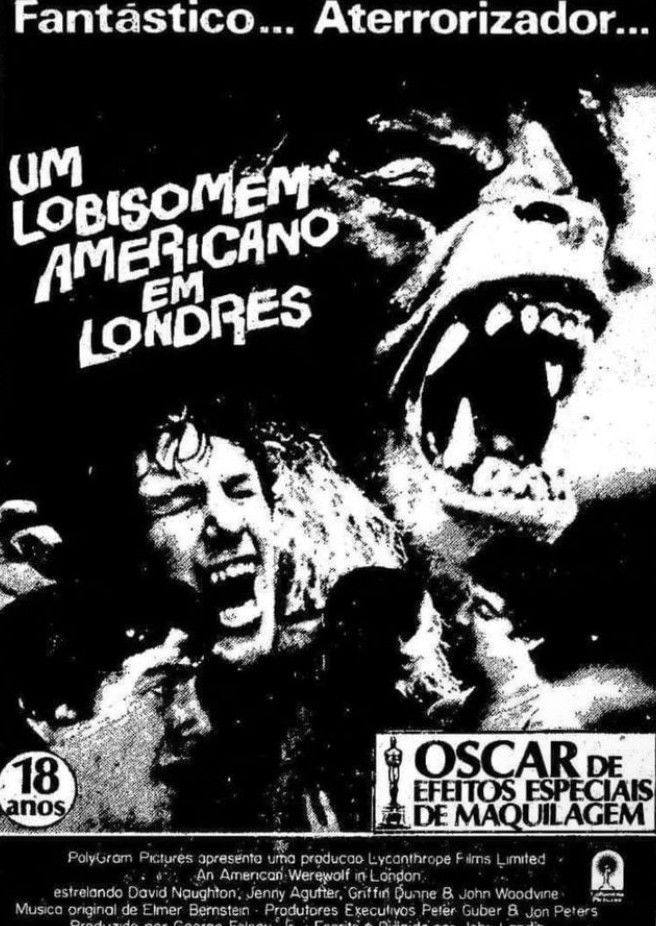
Landis also makes the unusual decision to accompany one of the most elaborate effects sequences in horror cinema with Sam Cooke's version of “Blue Moon.” The gentle song does not reduce the pain of the scene; the contrast makes the transformation feel stranger. Romantic popular music and extreme bodily change coexist according to the same tonal logic that governs the rest of the film. Baker's achievement was recognised at the 54th Academy Awards. The Academy had introduced a competitive Makeup category, and An American Werewolf in London became its first winner, establishing Baker as the inaugural recipient of an Oscar for makeup.

The Werewolf, David & the Living Dead

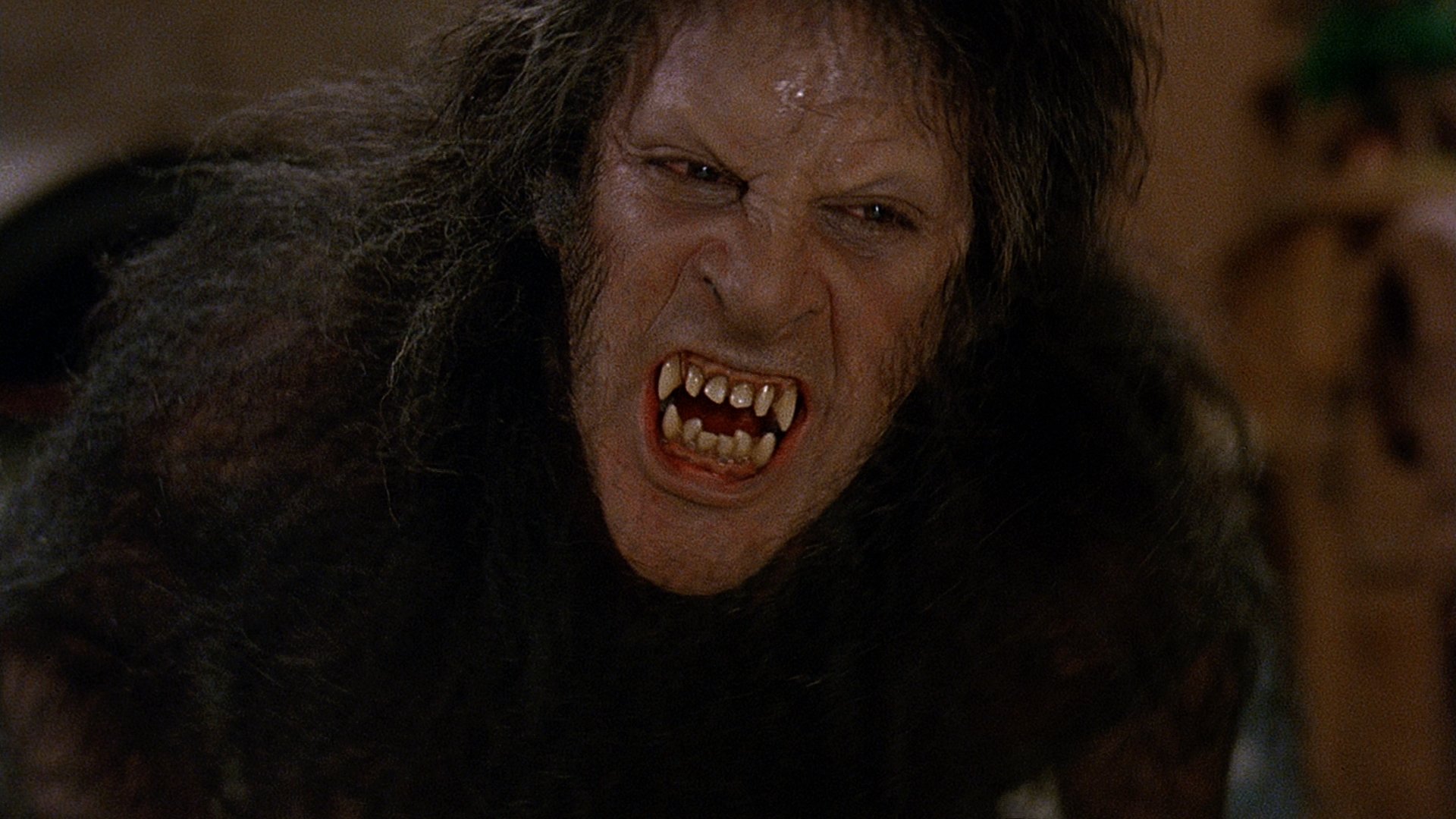
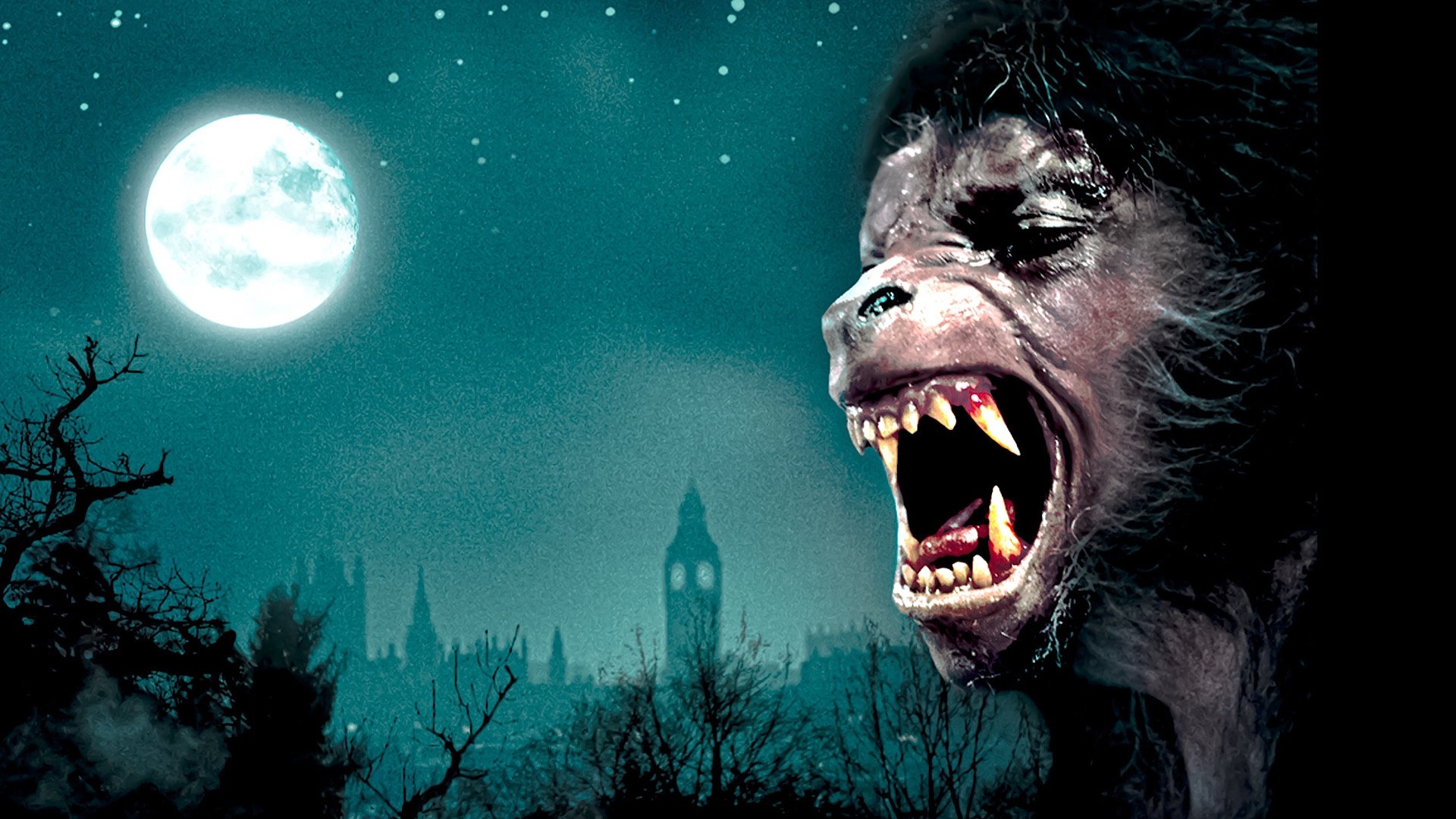
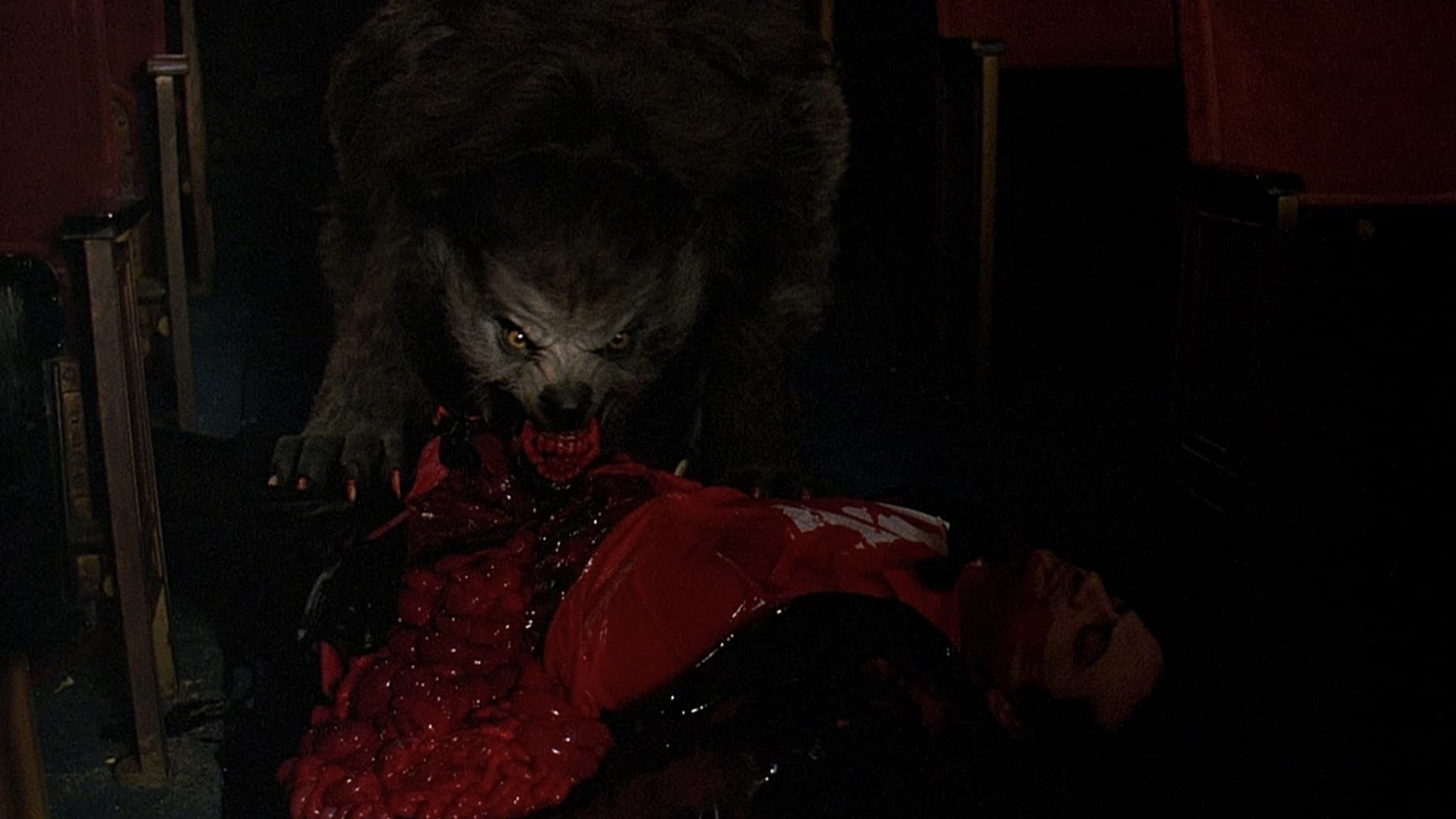
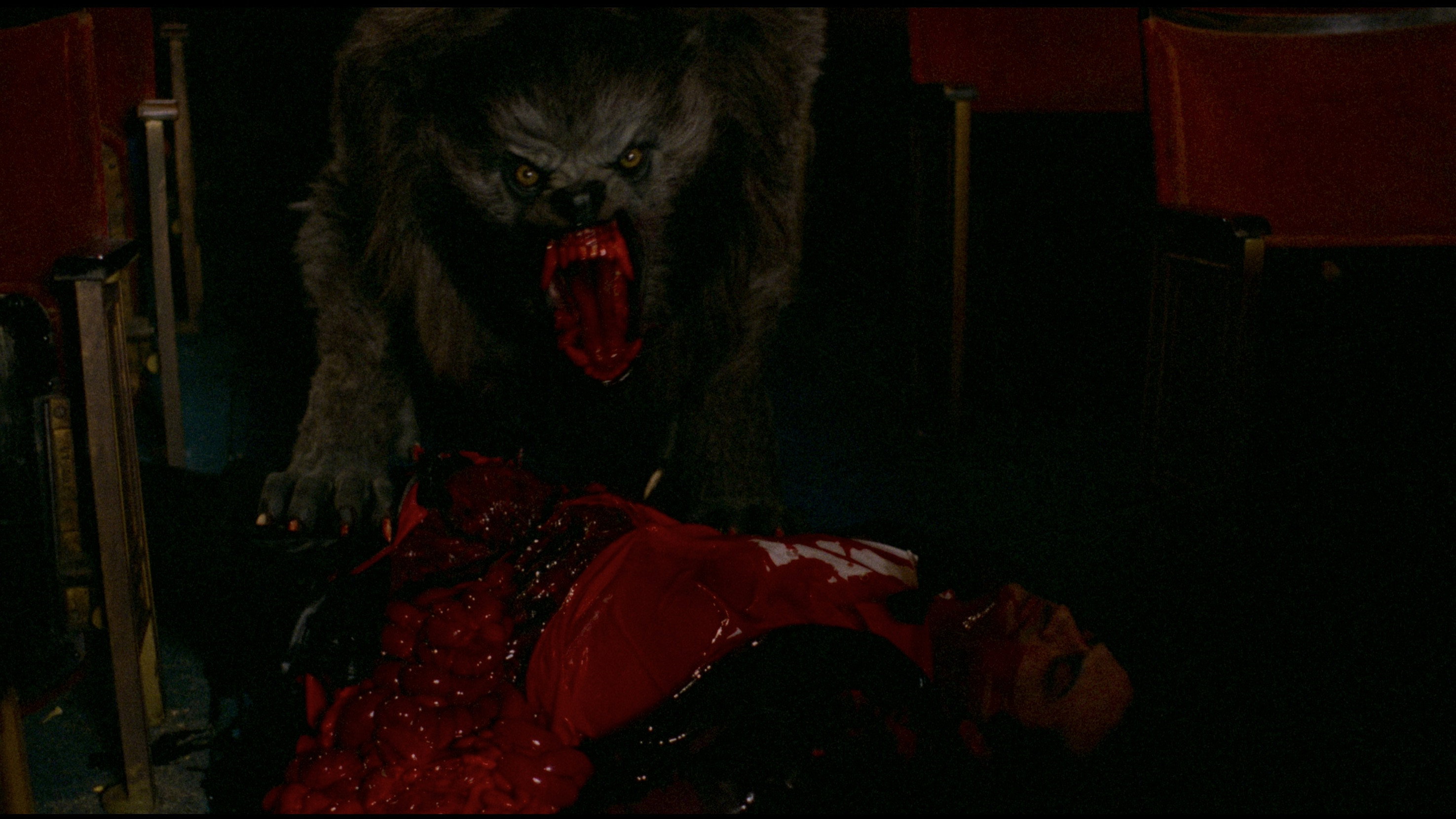
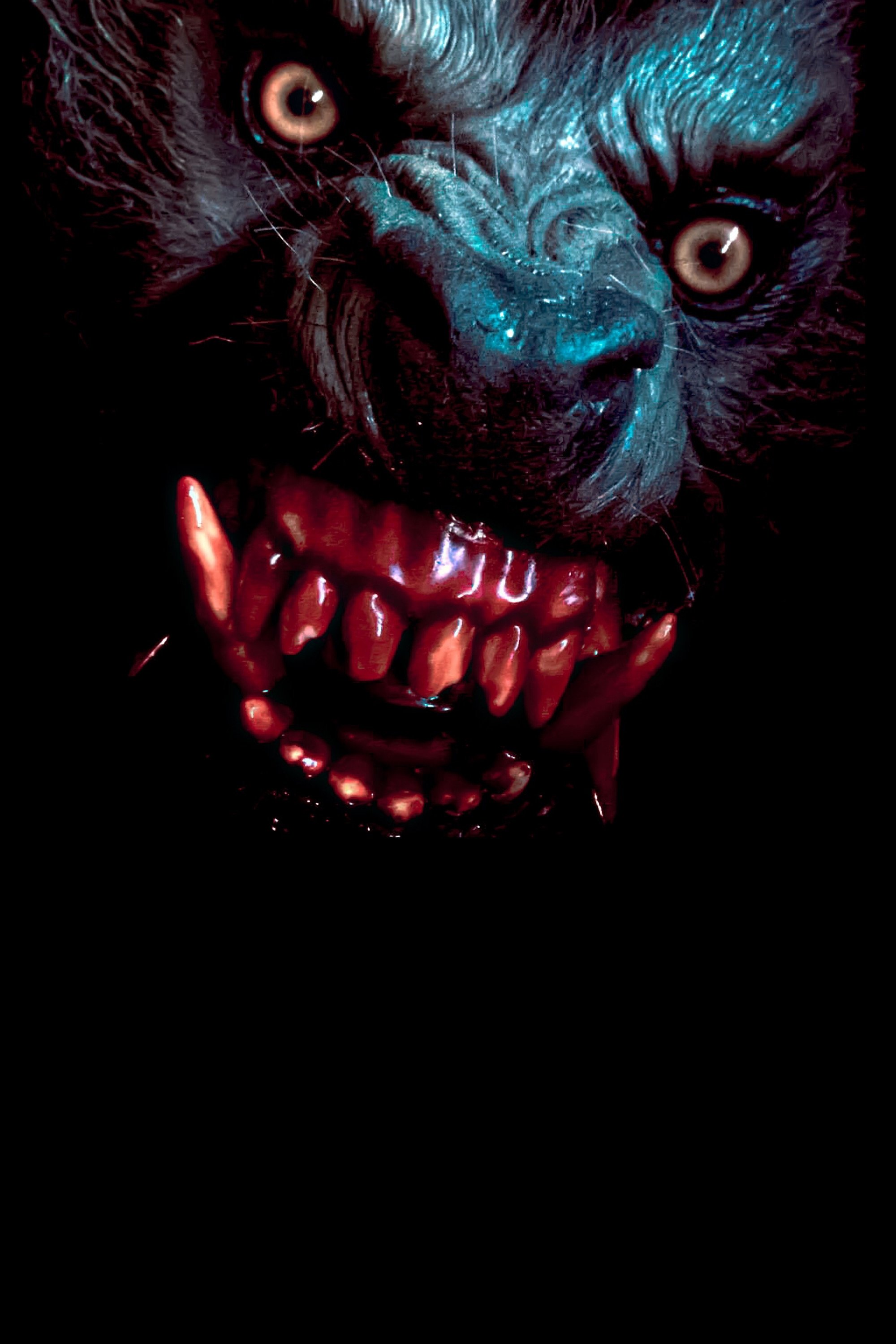
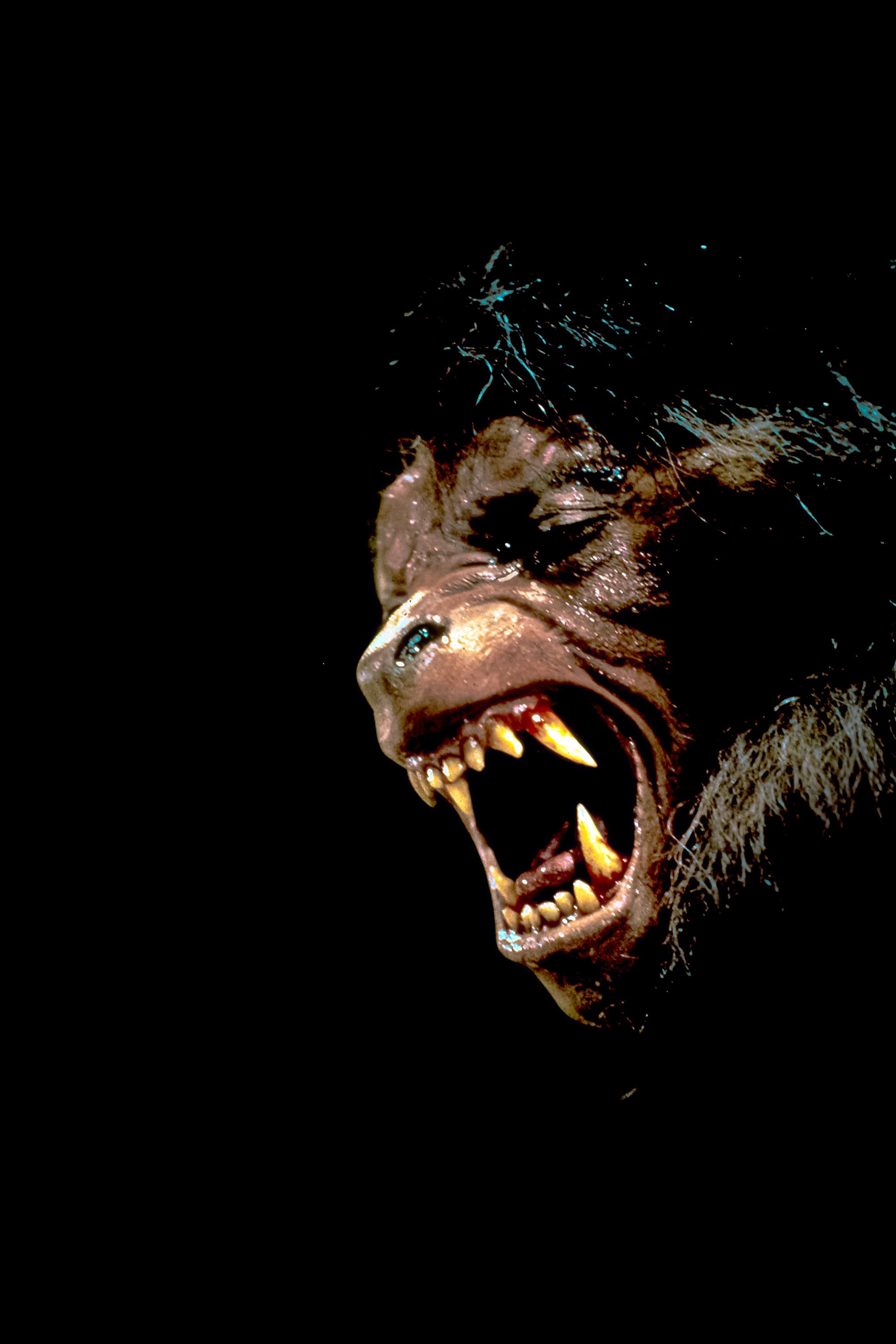
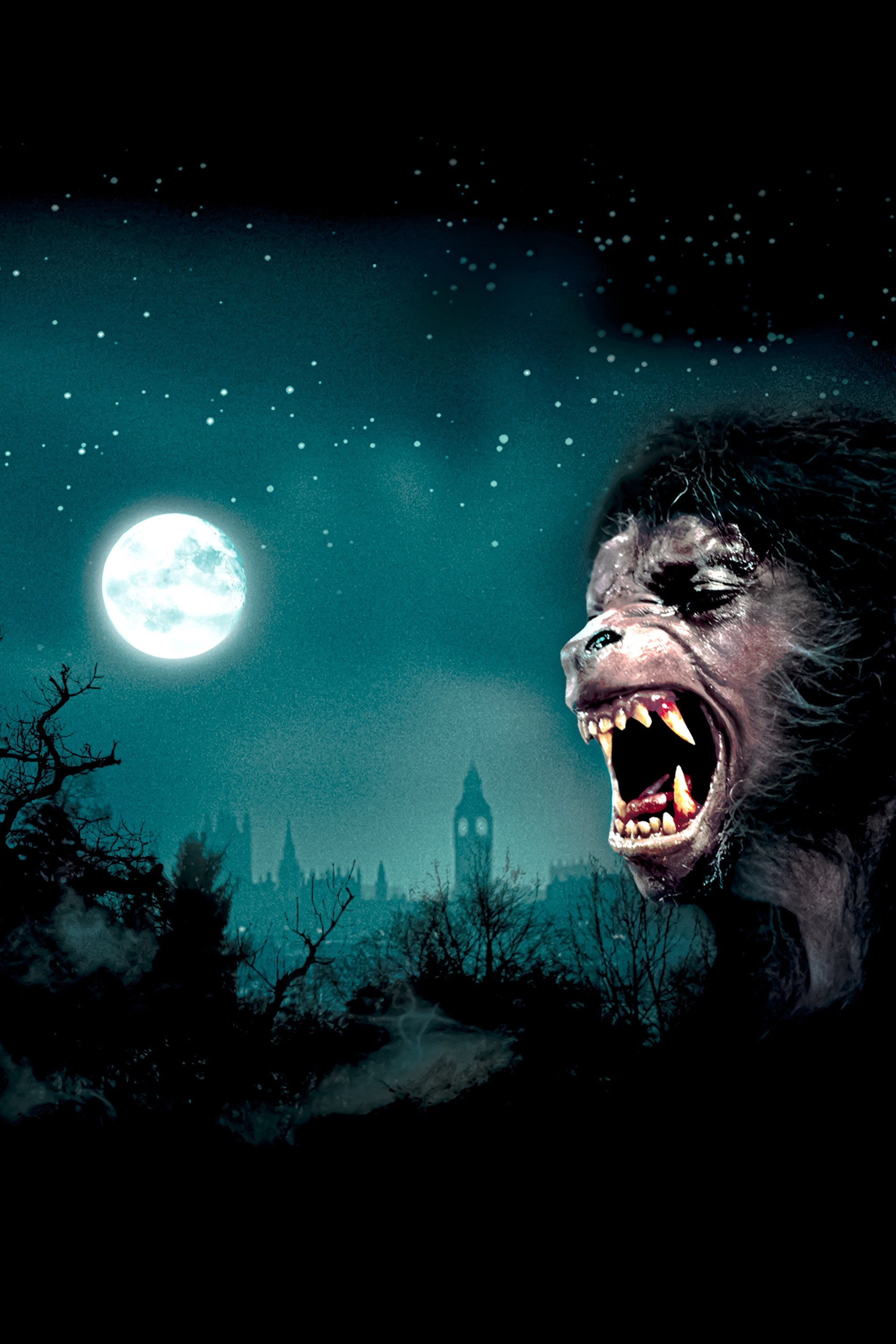
The finished werewolf deliberately moves away from the familiar upright wolf-man image associated with earlier Hollywood horror. David becomes a large four-legged creature whose anatomy is closer to an animal than a man wearing facial prosthetics. The design makes the transformation feel irreversible for the duration of the full moon: little of Naughton's recognisable human form remains. That choice also separates David psychologically from his actions. The film does not show a partly human monster consciously selecting victims.

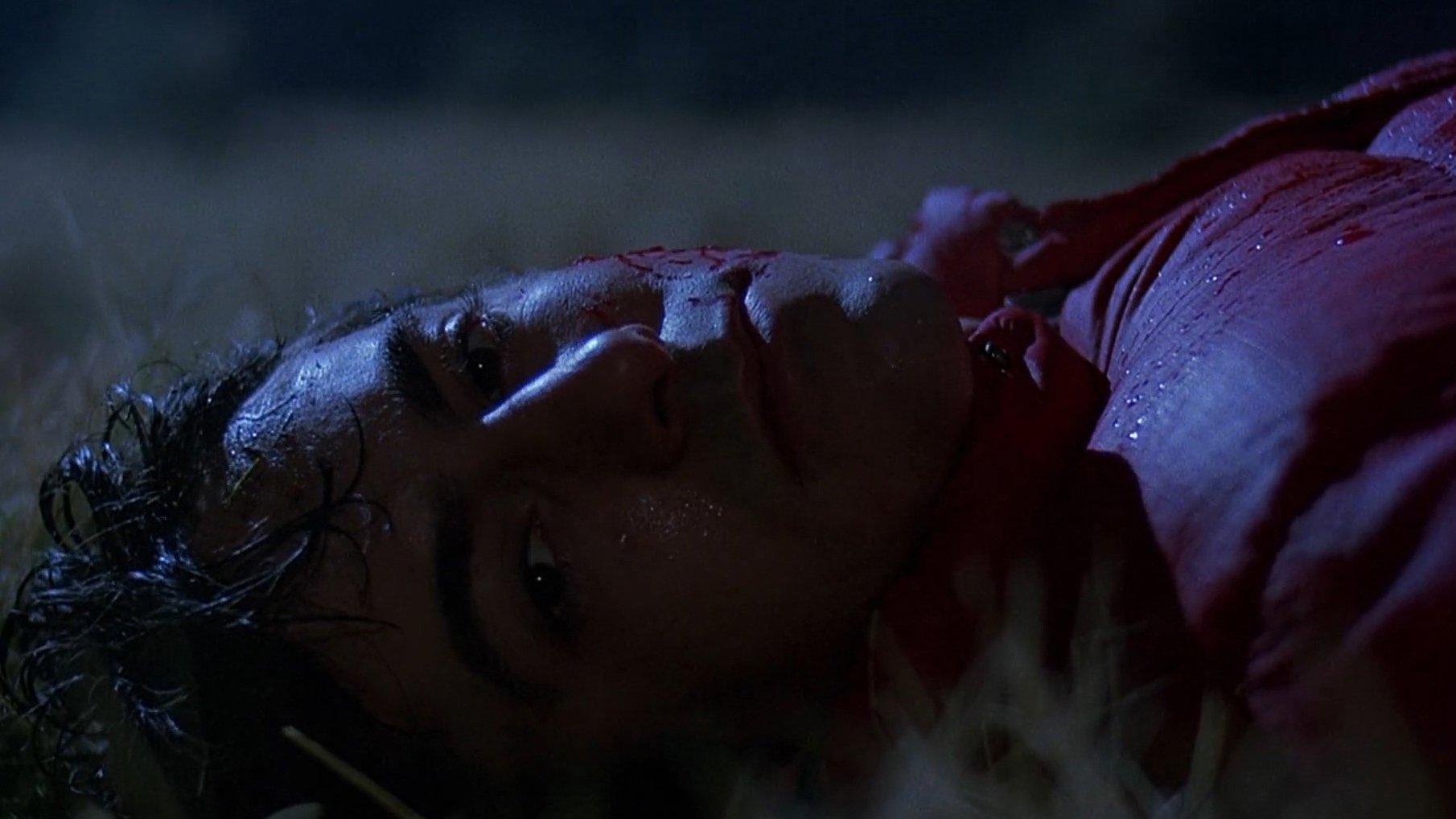
David awakens afterward without memory of what he has done and initially has to reconstruct the evidence around him. His moral horror comes after the physical horror. The undead victims prevent him from escaping responsibility. Jack becomes a recurring physical reminder of David’s infection and its consequences. Each new death enlarges the group of people whose existence has been suspended by David's condition. They remain recognisably themselves while their bodies preserve or accumulate evidence of the violence that killed them. Rick Baker's makeup therefore performs two opposite functions.

David's transformation progressively removes the human body, while Jack's successive appearances preserve a human personality inside an increasingly destroyed body. One character becomes less recognisably human as he lives; the other remains socially human while visibly decomposing after death. The result gives the curse a consequence beyond David's personal survival. Killing the werewolf is necessary not simply because he might attack again but because the victims cannot move on until the bloodline responsible for their deaths has ended. The comedy surrounding their conversations never removes the bleakness of that condition.

Moon Songs, Elmer Bernstein & Musical Irony

Music was built into the project from the beginning. Landis later recalled that several of the songs appeared in the screenplay he wrote in 1969. Rather than commissioning a continuous horror score, he structured much of the soundtrack around popular recordings whose titles or lyrics refer to the moon. Different versions of “Blue Moon” become recurring markers. Bobby Vinton's recording accompanies the opening, Sam Cooke plays during David's transformation and the Marcels' energetic doo-wop version arrives abruptly over the final credits.

Van Morrison's “Moondance” accompanies David and Alex, linking lunar imagery with romance before the full implications of the coming transformation are understood. Landis had wanted additional moon-related songs but was unable to license everything he had imagined. He later recalled attempting to obtain both Cat Stevens's “Moonshadow” and Elvis Presley's recording of “Blue Moon.” Their absence illustrates how deliberately the soundtrack had been conceived around the motif rather than assembled incidentally after editing.

Elmer Bernstein provided the original dramatic score, but his contribution occupies relatively little of the finished running time. Landis estimated that Bernstein wrote only several minutes of music. The restrained orchestral material provides a melancholy emotional counterweight to the pop recordings, particularly around David's increasingly hopeless situation. The combination is characteristic of the entire film. A familiar song can accompany grotesque transformation, while more traditional dramatic music can appear around scenes whose dialogue remains funny. Soundtrack and score do not divide comedy from horror; they repeatedly force the two into contact.

Release, Box Office & Contemporary Response

Universal released An American Werewolf in London in the United States on August 21, 1981. The film opened in 870 theatres and earned approximately $3.8 million during its opening weekend. Its North American theatrical gross eventually exceeded $30 million, giving Landis a substantial commercial success from a project that had once been considered too tonally unusual to finance. The British release followed later in 1981. The BBFC classified the complete film for cinema exhibition in September, and its combination of strong violence, gore, sexuality and comedy remained central to the way it was marketed and discussed.

Unlike several important horror films of the period, its British history did not become defined by extensive compulsory censorship. Critical reaction was less unified than the later reputation might suggest. Some reviewers admired the technical achievements and the unusual combination of genres while finding the story uneven. Others considered the abrupt movements between comedy, romance and graphic horror a weakness rather than the film's central strategy. That disagreement followed naturally from Landis's refusal to resolve the film into one genre.

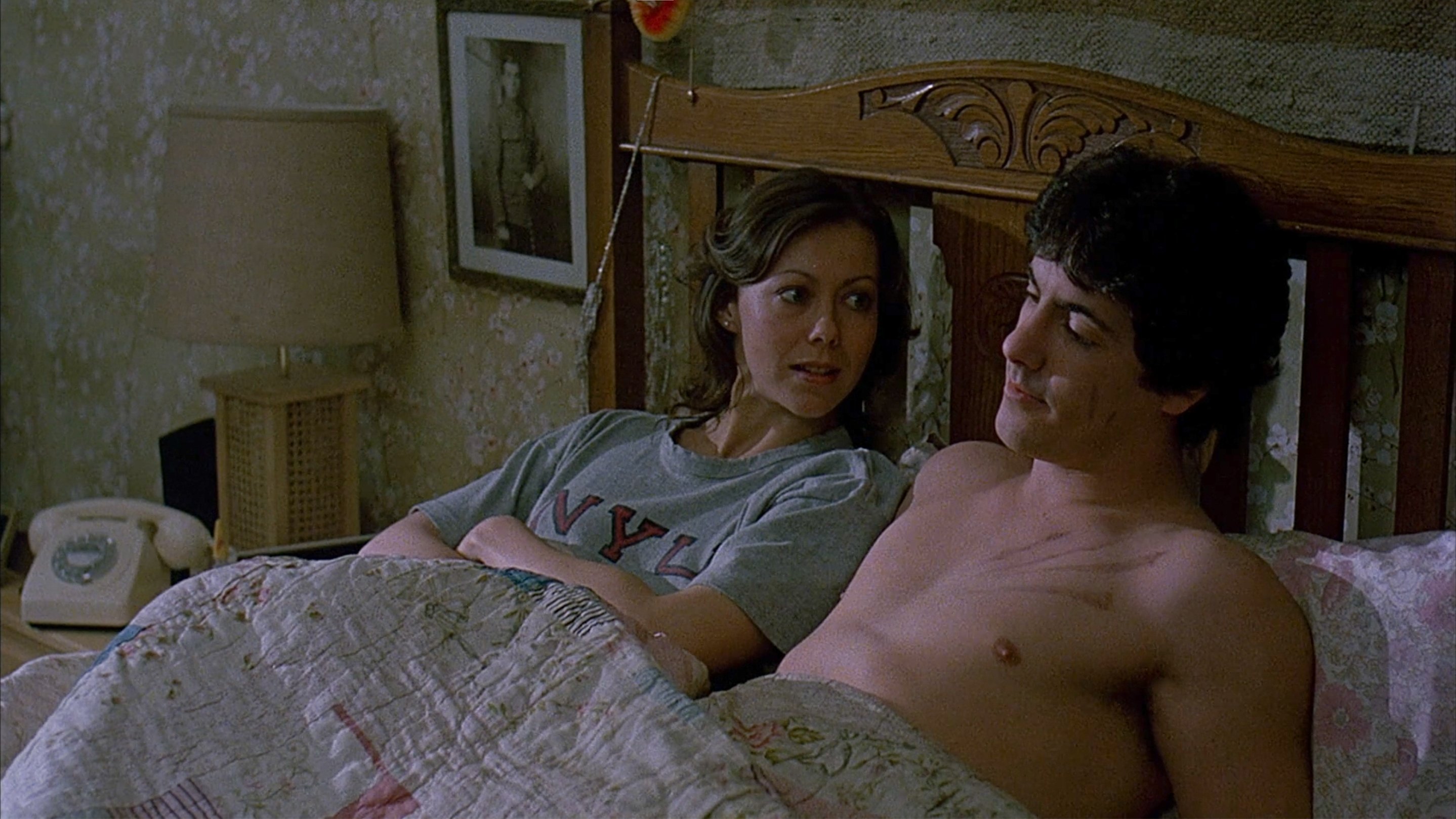
The romance between David and Alex is allowed genuine emotional weight, Jack can remain funny after death, and the transformation is treated with extraordinary physical seriousness. A viewer waiting for the film to settle permanently into either comedy or horror will never receive that stability. The ending makes the refusal especially clear. David does not receive a heroic cure or a sentimental restoration of his humanity. Alex reaches him briefly, but the werewolf is shot and David dies. The film cuts almost immediately from her grief to the Marcels' exuberant “Blue Moon,” turning the final transition itself into one last collision between tragedy and comedy.

The Makeup Oscar & Legacy

The most immediate institutional recognition came from Rick Baker's makeup. At the Academy Awards ceremony in March 1982, An American Werewolf in London won the newly established competitive award for Makeup. Baker became the first recipient in the history of the category, placing practical horror effects inside an awards framework that had previously offered them no regular competitive category of their own. The transformation sequence subsequently became a reference point against which later werewolf effects were measured. Its importance does not come simply from technical complexity.

Baker and Landis made transformation the dramatic event itself. The audience watches David suffer through the process rather than seeing only the human body before it and the creature afterward. The film also strengthened the connection between Landis and Baker. Michael Jackson's admiration for the effects contributed to their later involvement in Thriller, directed by Landis with creature and makeup work by Baker. The 1983 short film would extend the combination of horror imagery, transformation and popular music to an audience vastly larger than that of a theatrical horror feature.

Within werewolf cinema, the film helped move transformation away from the comparatively restrained methods associated with classical Hollywood and toward the explicit body horror possible through the rapidly advancing practical-effects culture of the early 1980s. Later films could choose different approaches, but Baker's work established a technical and dramatic benchmark that filmmakers continued to acknowledge decades afterward. Its tonal influence is equally important. Horror-comedy existed long before 1981, but An American Werewolf in London demonstrated that comedy did not require horror to become harmless.

The attacks remain violent, David's fate remains tragic and Baker's effects remain grotesque even while the characters are capable of being extremely funny. That balance explains much of the film's durability. The werewolf transformation is the obvious technical landmark, but it functions inside a movie whose identity depends just as strongly on Griffin Dunne's deadpan undead performance, Jenny Agutter and Naughton's romance, contemporary London locations and the repeated use of cheerful music against death and transformation. An American Werewolf in London endures because none of those elements behaves as relief from the others. They are all parts of the same world.
Cast

View Full Cast & Crew →

Release & Distribution

Production Companies (2)

  • Lyncanthrope Films GB
  • Polygram Pictures US

Distributors (1)

  • Universal Pictures US

Release History (23)

Release DateTerritoryRelease TypeFormatDistributorCertificationNotes
1981-08-21 Canada Limited Theatrical — — 18A
1981-08-21 United Kingdom Theatrical — — 18
1981-08-21 United States Theatrical — — R
1981-09-01 Australia Theatrical — — M
1981-11-04 Spain Theatrical — — 16
1981-11-04 France Theatrical — — 12
1981-12-19 Italy Theatrical — — VM18
1981-12-24 Netherlands Theatrical — — 16
1982-02-19 Ireland Theatrical — — 18
1982-04-28 Germany Theatrical — — 16
1982-05-28 Portugal Theatrical — — M/16
1982-10-14 Argentina Theatrical — — 18
1983-08-25 Brazil Theatrical — — 18
2001-12-04 France Physical DVD — — DVD
2009-07-09 United Kingdom Theatrical — — 15 Reclassified as 15 in 2009, according to BBFC
2009-09-28 United Kingdom Physical Blu-ray — 18 Blu-ray
2009-10-13 Greece Physical — — —
2010-02-11 Netherlands Physical DVD, Blu-ray — 16 DVD, Blu ray
2010-09-01 France Digital — — 12 VOD
2010-09-01 France Physical Blu-ray — — Blu-Ray
2019-10-28 United Kingdom Physical Blu-ray — 18 Arrow Video Blu-ray
2021-08-24 France Physical 4K UHD — — 4K UHD
2022-07-18 United Kingdom Physical 4K UHD — 18 Arrow Video 4k Ultra HD Blu-ray

Awards & Festivals

2 entries
YearFestival / AwardEntrySectionCategoryResultPremiere
1982Academy Award for Best Makeup and Hairstylingawardwon
1982Academy Award for Best Makeup and Hairstylingawardnominated
Beware the moon.