Panorama Films
, Boxoffice International Pictures (BIP)
, Panorama Film
Plot
A newly-hired housekeeper in a remote area is alarmed to discover that her boss's eleven-year-old daughter is using her supernatural powers to take revenge on the people she holds responsible for her mother's death, with the aid of her flesh-eating zombie 'friends'...
Alternative Titles
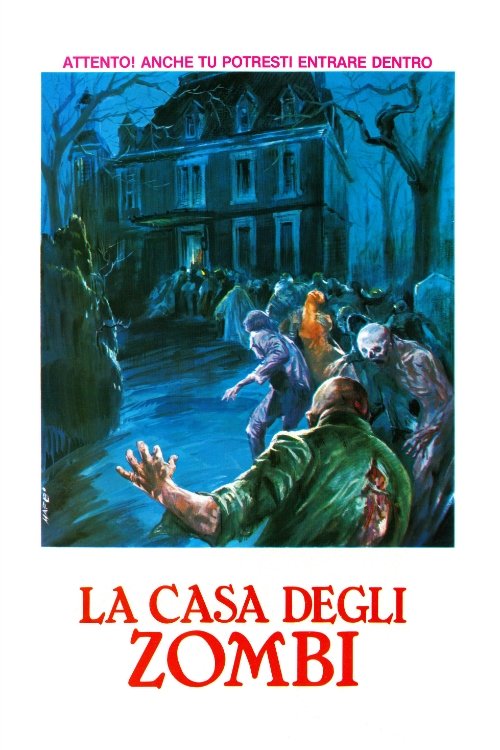
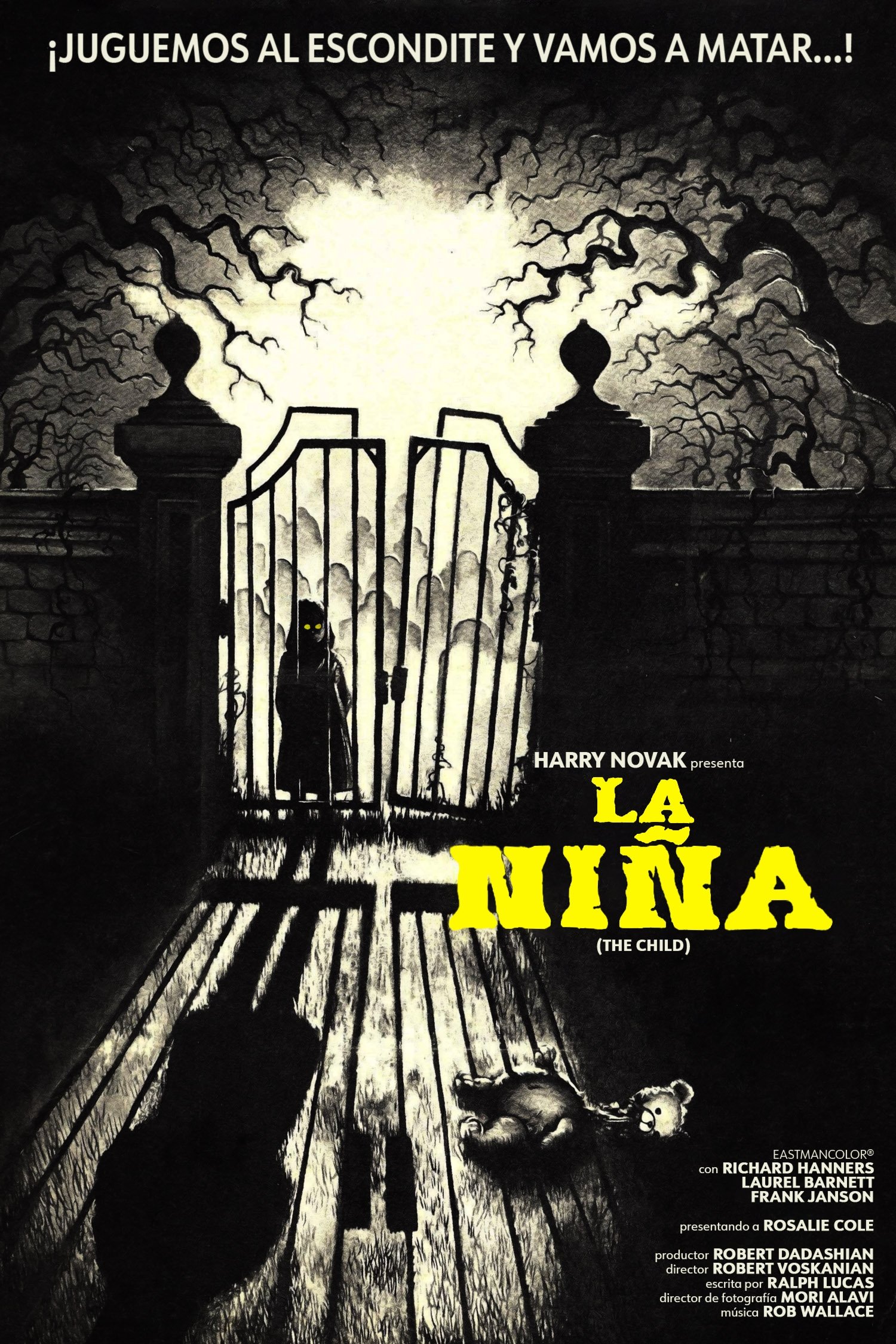
孩子 (China) — ChineseDítě (Czechia) — CzechThe Child - Die Stadt wird zum Alptraum (Germany) Tochter des Bösen (Germany) — GermanLa niña (Spain) — SpanishΤα φωτεινά μάτια του διαβόλου (Greece) — GreekLa casa degli zombi (Italy) — ItalianДитя мертвецов (Russia) — RussianShow all 10 alternative titlesHide and Go Kill (United States) — Advertisement titleKill and Go Hide (United States) — Theatrical title
A troubled girl commands the dead in an independent Gothic nightmare shaped by shadow, post-synchronized voices and regional exploitation cinema.
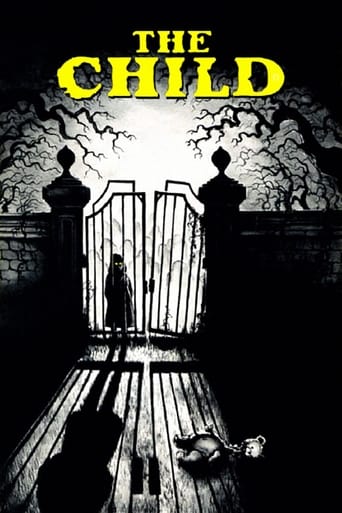
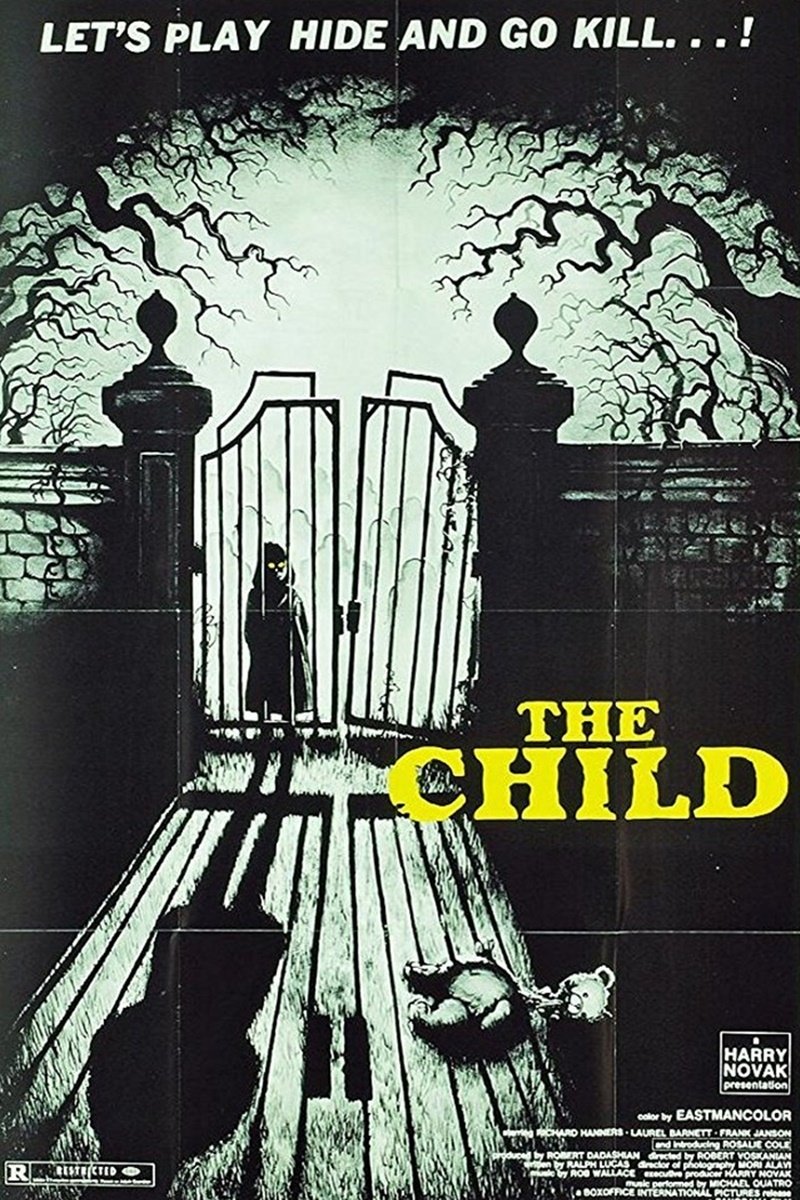
The Child (1977), directed by Robert Voskanian, occupies an unusual corner of American independent horror. Its isolated household and troubled young girl belong to a familiar Gothic tradition, yet the story gives Rosalie Nordon command over the dead. The result combines a sinister-child narrative with graveyard horror and an extended confrontation with flesh-eating creatures. Filmed around Los Angeles but presented as a remote rural nightmare, it derives much of its identity from an uncertain period setting, extreme darkness and an atmosphere that precedes any clear explanation of Rosalie's abilities. Its effects are sometimes crude, but the visual conception is distinctive.
The film also illustrates how a small American production could circulate through exploitation distribution and acquire a separate history on home video. Robert Dadashian produced the picture, while Harry Novak's Boxoffice International handled its initial release. Its later titles and changing presentations can obscure the circumstances of that theatrical debut. The most revealing way to approach the film is through the relationship between its ambitious visual design and limited resources: interiors become oppressive, recorded voices feel dislocated, and the threatening figures emerge from darkness in fragments. Those choices help explain its subsequent retrospective interest.
An Independent Film Built in Los Angeles
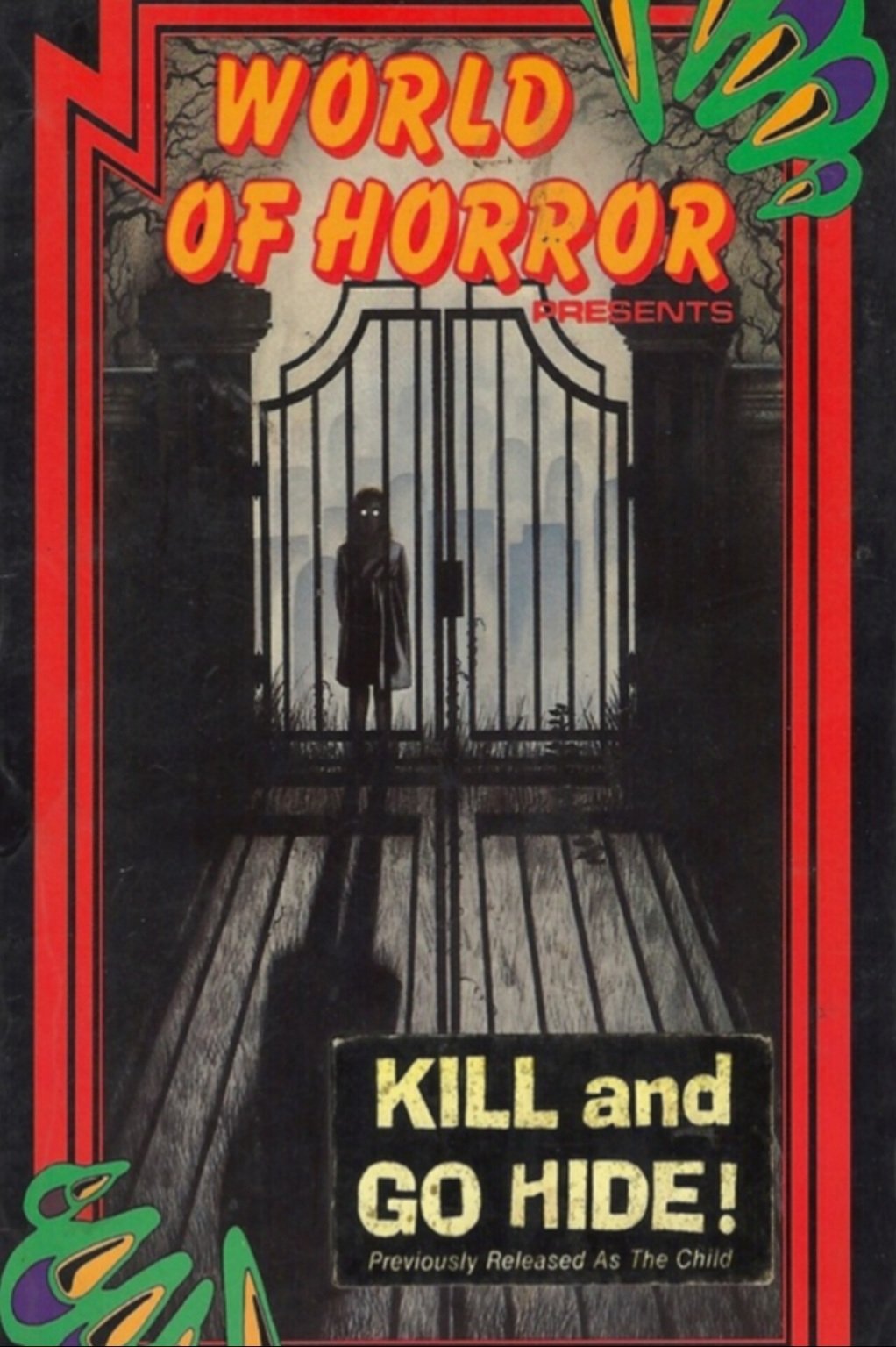
Voskanian developed The Child with producer Robert Dadashian from a screenplay by Ralph Lucas. The original script circulated under the name Kill and Go Hide, a title subsequently used for a theatrical reissue. Genre writer Chris Alexander has traced the filmmakers' interest in undertaking a horror feature to the example of Night of the Living Dead, whose independent success suggested that a small company could attempt an ambitious genre production. Rather than relying on a recognizable star, the project placed unusual demands on unfamiliar performers and on a crew working within limited means. Its production belongs to the period's independent horror circuit.
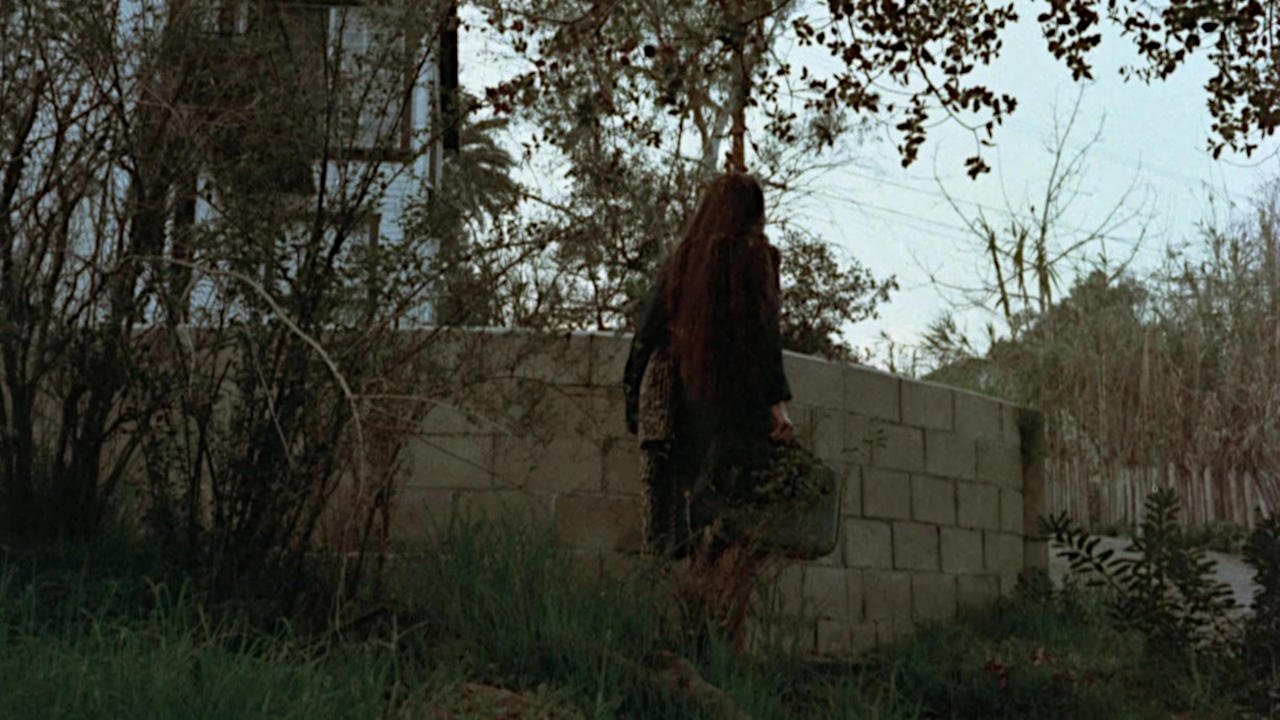
Although the story suggests an isolated countryside, the imagery was assembled in the Los Angeles area. Travis Crawford's historical essay for Arrow identifies an aging estate used for much of the film and points out that visible oil wells occasionally intrude upon the invented geography. Such details complicate the apparent period setting: the cars seem old, but clothing and behavior do not establish a consistent decade. The uncertainty contributes to the strange atmosphere without proving that every mismatch was a deliberate artistic decision. The picture's isolation is primarily a constructed effect of location choice, framing and selective information about the surrounding world.
Rosalie and the Gothic Household
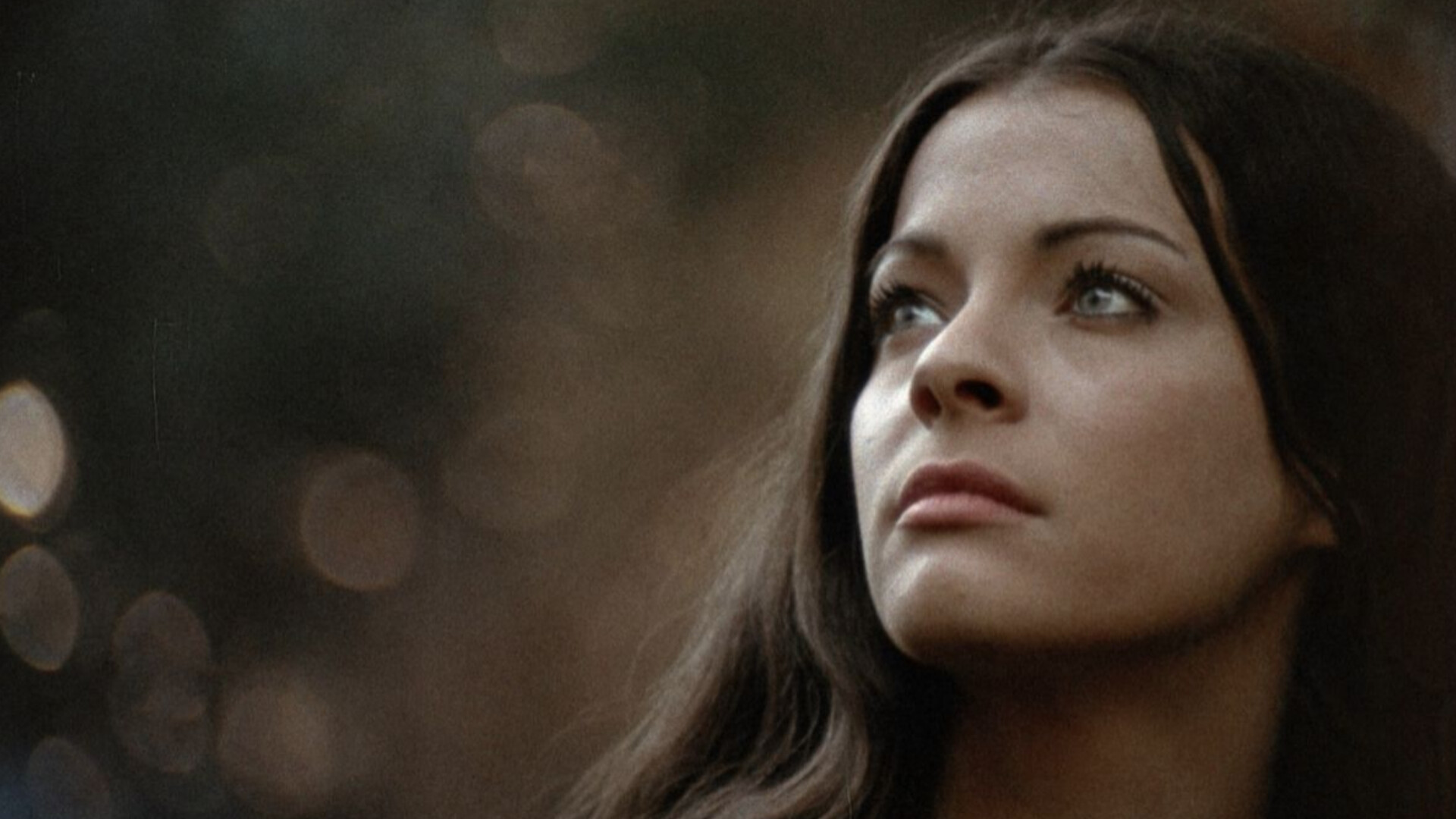
Alicianne Del Mar arrives to care for Rosalie after meeting a neighbor who warns her about the Nordon family. The household is governed by an irritable widower, while Rosalie's brother Len offers a comparatively sympathetic presence. The girl blames others for her mother's death and behaves as though ordinary adult authority has no power over her. Her telekinetic disturbances are initially unsettling because their extent remains uncertain. Small incidents and threatening encounters accumulate alongside domestic conversations, bringing the menace into a setting associated with childhood supervision and family discipline.
Rosalie's ability to summon corpses extends that domestic conflict into the cemetery. The film never builds a detailed supernatural mythology to explain her powers, and the lack of rules changes how the viewer reads each new attack. A scarecrow, a shadow beyond a window or a brief movement among the graves may signal danger before a creature appears. The relationship between Alicianne and Rosalie also gives the old governess story a violent reversal: the adult enters the house expecting to guide a child, only to discover that she cannot control the environment in which she has agreed to work.
Mori Alavi and the Design of Darkness
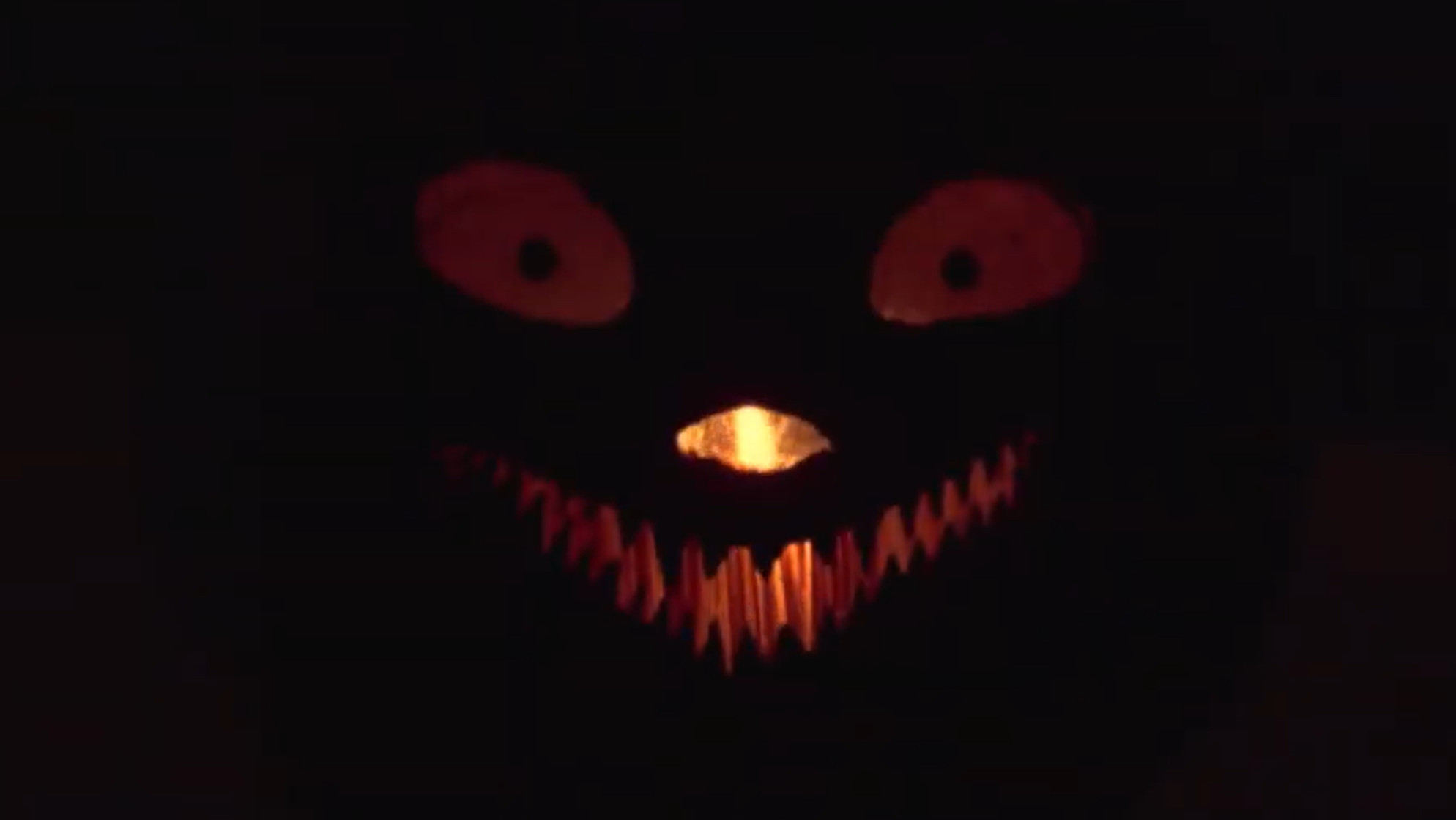
Cinematographer and art director Mori Alavi helped establish the picture's visual character through heavy shadows, eccentric camera angles and concentrated areas of illumination. The movement through wooded paths at the beginning creates uncertainty about where the house lies and what may be watching Alicianne. Inside, rooms are often arranged around an isolated figure or a narrow patch of light, making the empty portions of the frame seem threatening. A sequence involving a flickering Halloween pumpkin depends on limited visibility, turning a familiar seasonal decoration into an unstable source of light. These are identifiable choices within the film's imagery, not merely evidence of cheap production.
The cemetery scenes take a different approach to concealment. Fog reduces the apparent depth of the space and separates the approaching creatures from their surroundings. At times the photography permits only a face, a claw or a movement in darkness to register before the threat disappears again. The contrast between elaborate atmosphere and sparse exposition is central to the viewing experience. The film can look both carefully composed and rough at the edges, particularly when its night photography gives way to abrupt movement. Its strongest images use what cannot be seen to prolong the viewer's anticipation of violence.
Dubbed Voices, Music and Graveyard Horror
The production recorded its dialogue after filming, leaving speech and facial movement imperfectly matched in the completed picture. That post-synchronization is an important part of the film's sound, creating a slightly detached quality during exchanges that would otherwise be routine. Rob Wallace's score adds piano-led passages and electronic textures to scenes of exploration and apprehension. The music frequently announces a disturbing atmosphere before any immediate danger becomes visible. The effect can be excessive, especially during ordinary movement through the house, but it gives the film a musical personality separate from the gore that dominates its final passages.
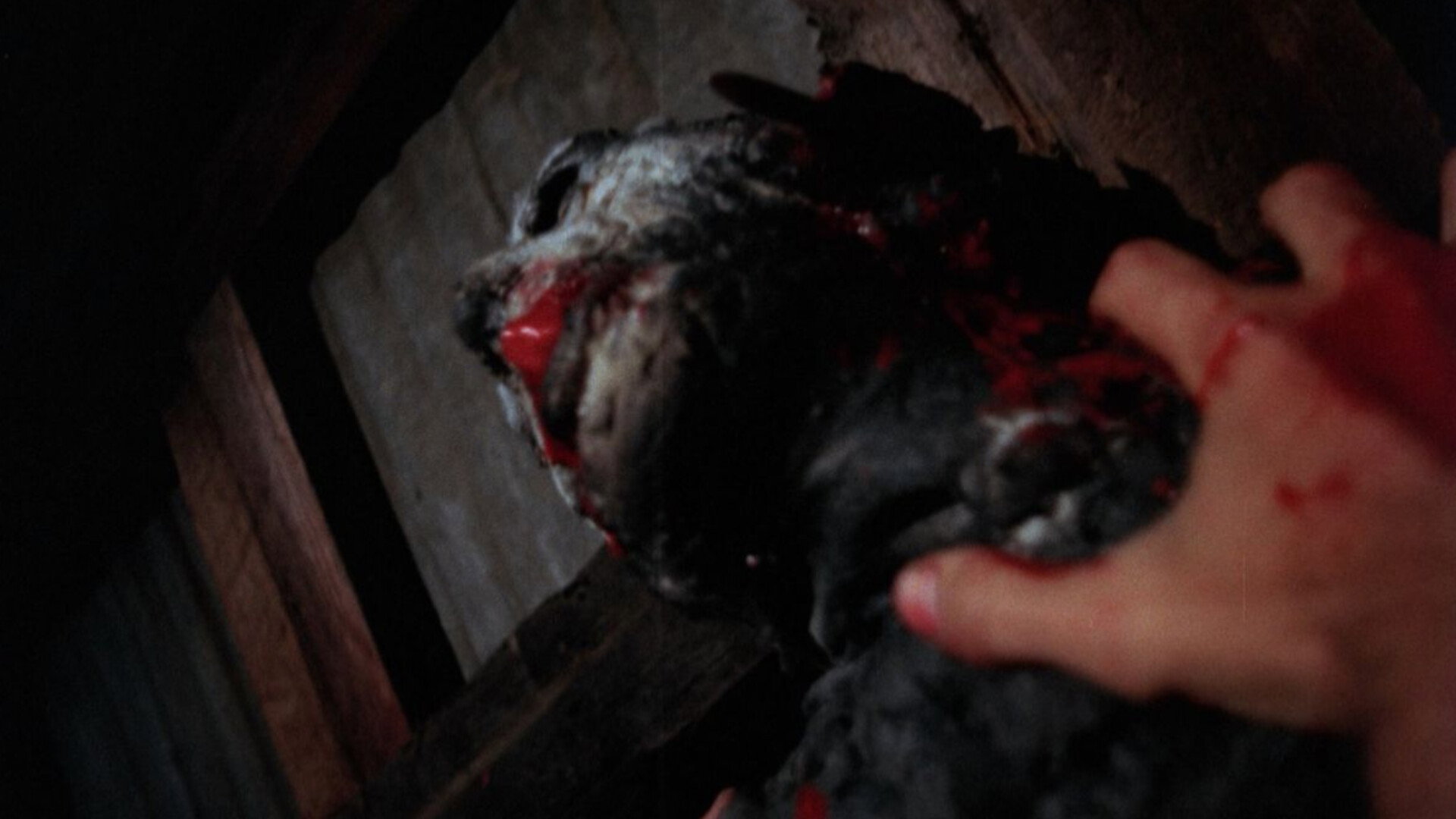
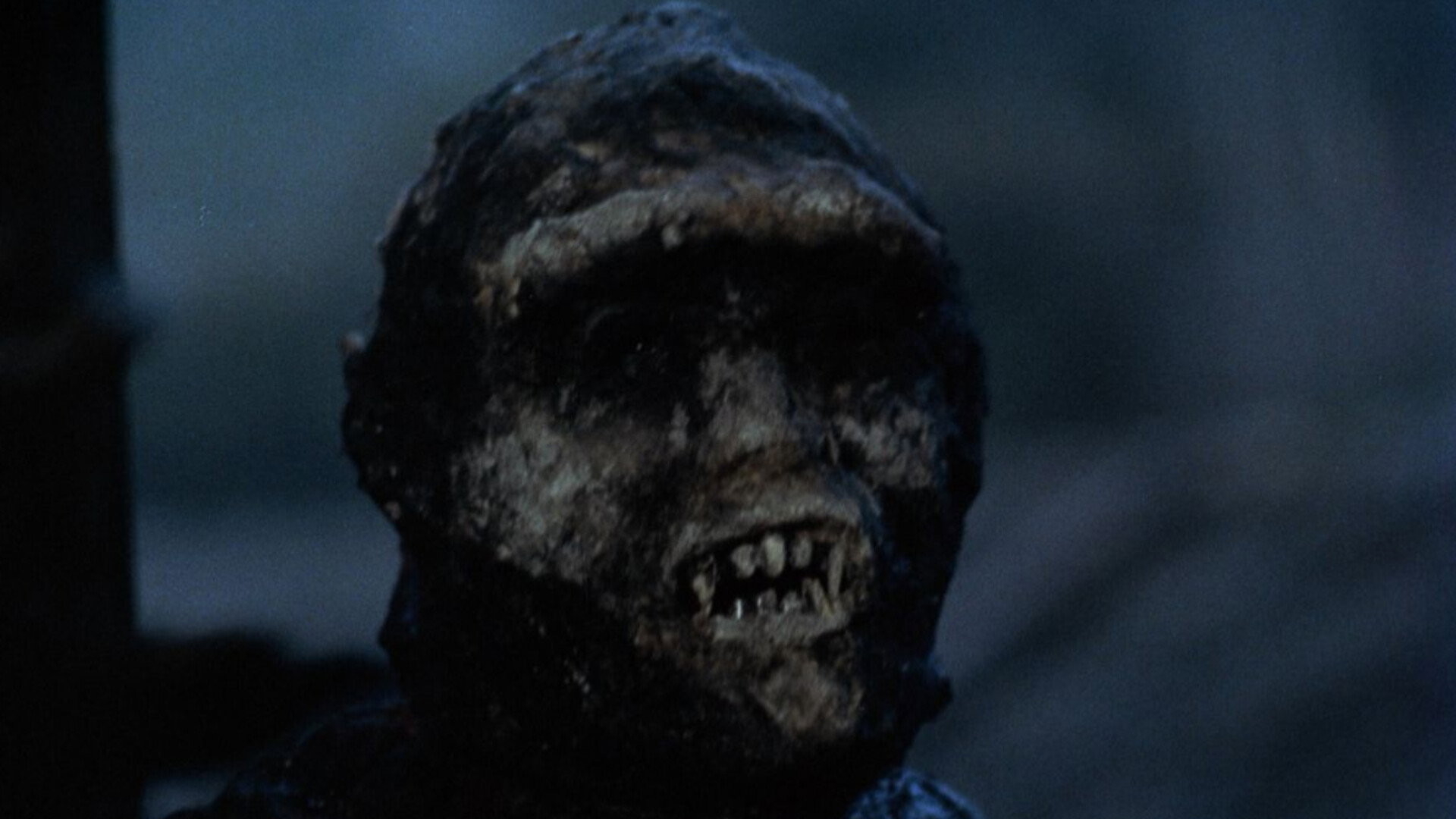
The undead figures themselves are initially treated as partial sights rather than clearly displayed monsters. Blackened faces, stark eyes and sudden attacks make the creatures difficult to identify at a distance. When the narrative moves toward a siege, the emphasis shifts to survival and physical injury, bringing its earlier supernatural unease into contact with the violent vocabulary of American zombie cinema after George A. Romero. This development also exposes the limits of the effects work. The creatures may lack polished makeup, yet their appearance is supported by night photography and a spatial arrangement that repeatedly withholds a complete view until the last possible moment.
Drive-in Release and Retrospective Recovery
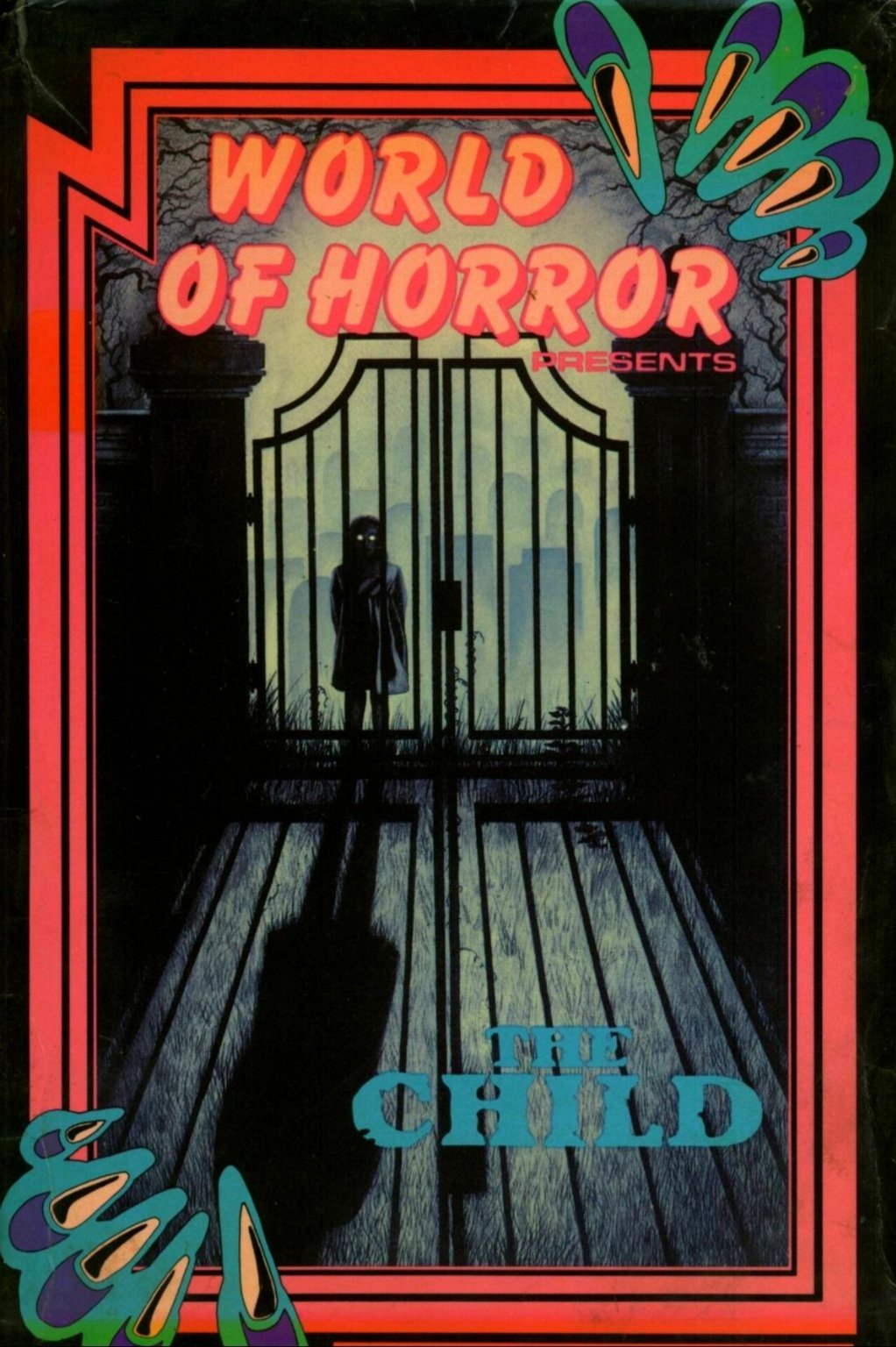
The American Film Institute's catalog documents an announced January 19, 1977 opening in Tennessee, Kentucky and Indiana, together with a Rome engagement on the same date. Further American dates followed, with the film directed toward drive-in and second-run audiences. The AFI also records a 1983 reissue by New American Films under the title Kill and Go Hide; Zombie Child was another name used in its subsequent video circulation. These details distinguish theatrical release from later retitling. They also help explain why surviving accounts assign different dates and identities to a picture that had several commercial lives after its original run.
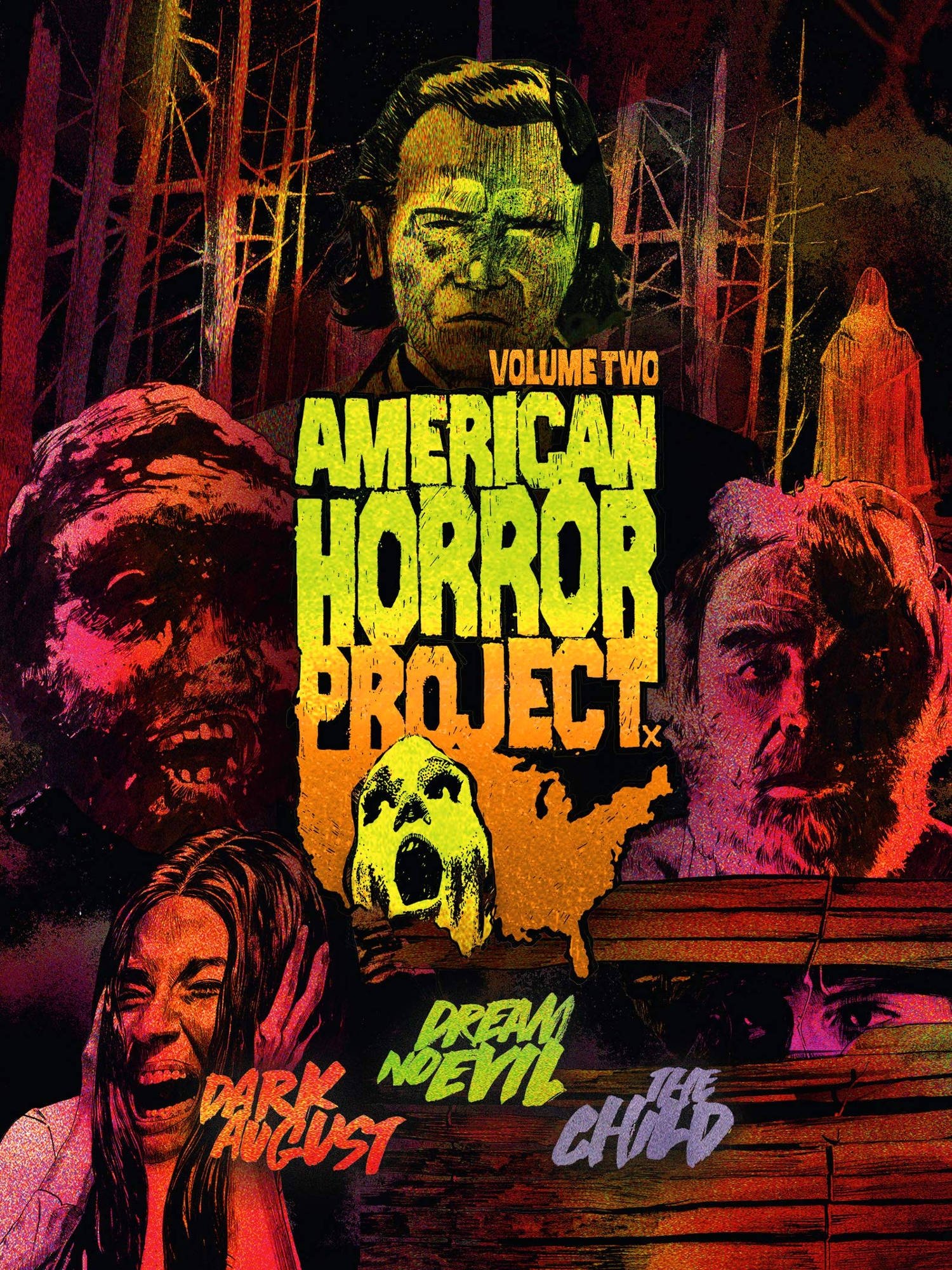
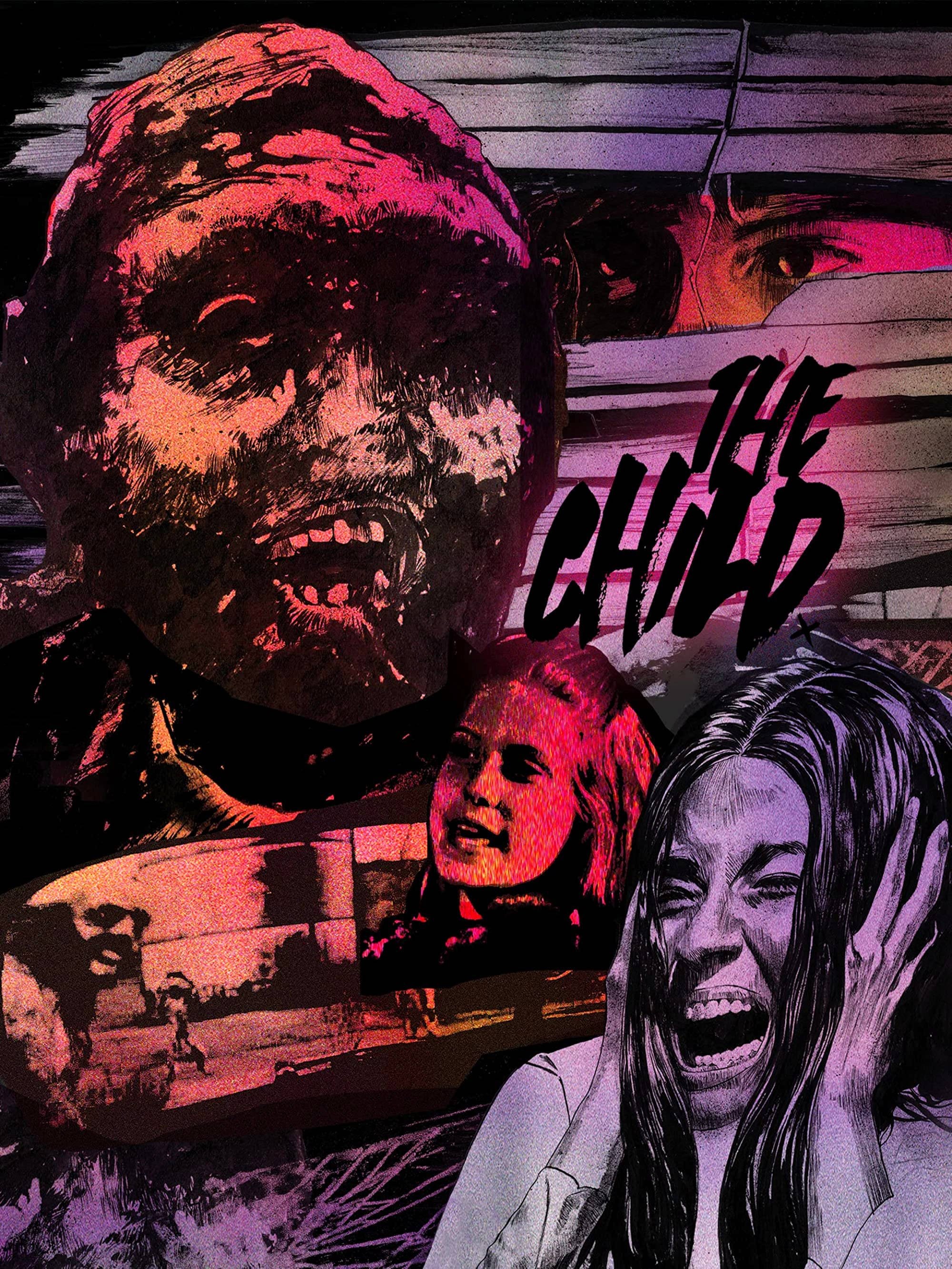
Its modern reputation developed chiefly through specialist writing and archival presentation. Chris Alexander's 2016 assessment singled out the disquieting mood, sparse glimpses of the creatures and peculiar sound, while acknowledging deficiencies in performance and execution. Arrow's 2019 American Horror Project: Volume Two subsequently presented a restored edition alongside Dark August and Dream No Evil, with new commentary from Voskanian and Dadashian and an essay by Travis Crawford. That context places The Child among independently produced American horror films whose craftsmanship is inseparable from their limitations. The later attention documents renewed interest, though it does not establish broad commercial success or direct influence on later filmmakers.
Chris Alexander examines the independent production, Robert Voskanian, post-synchronized dialogue, music, creature staging and the film's later reception.